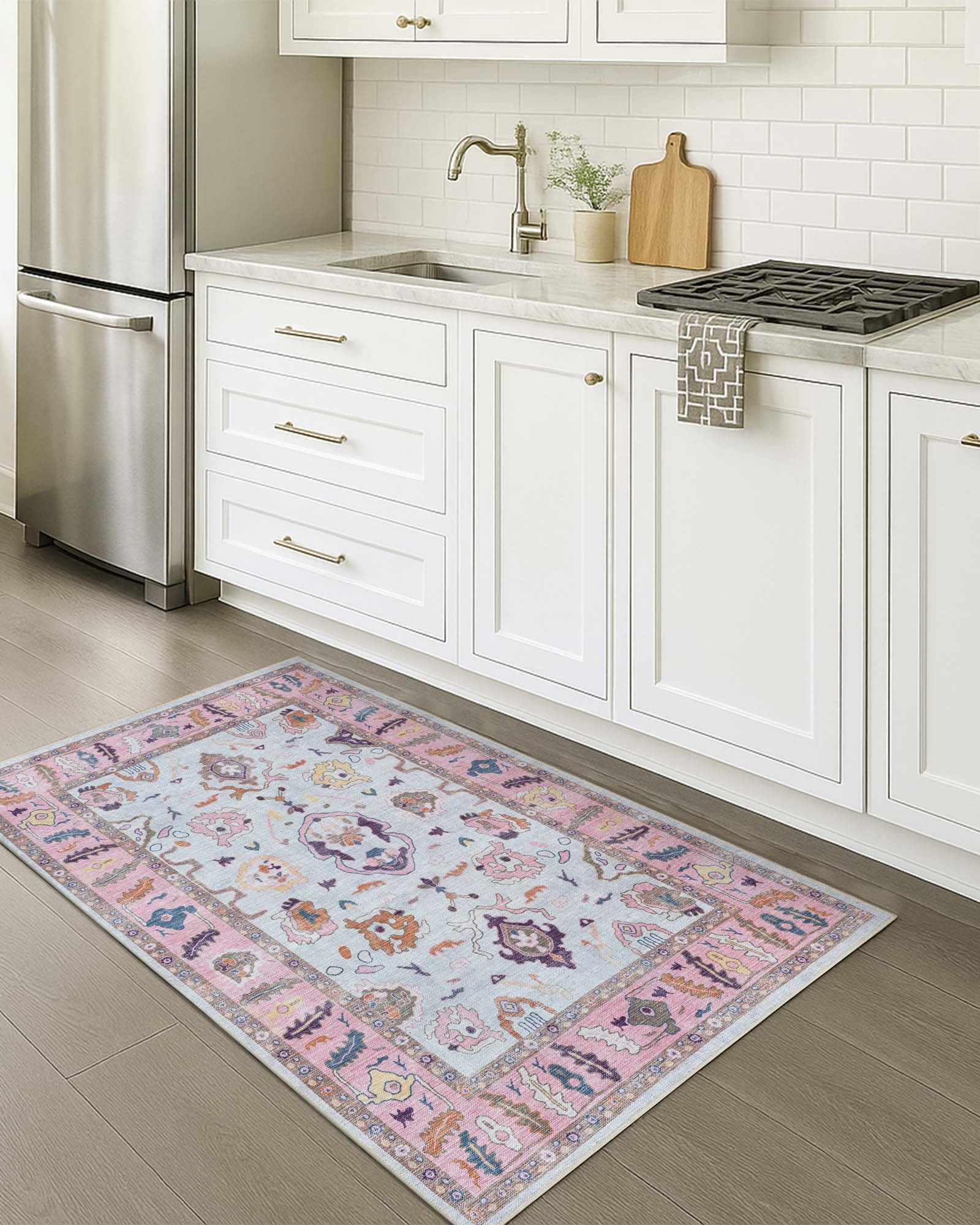
About the Asian Style Rugs Collection
Embrace the rich heritage and intricate artistry of the East with designs that bring history and serenity to your floors.
The Fame Rugs Asian Style Rugs collection is a celebration of the vast and varied design traditions of the Asian continent. While often used interchangeably with "Oriental," this collection specifically highlights the diverse aesthetics ranging from the geometric intricacies of Central Asia to the symbolic, nature-inspired motifs of East Asia. We believe that these rugs are more than just decorative elements; they are storytelling pieces woven with symbols of luck, longevity, and prosperity. Whether you are captivated by the bold colors of a Peking-inspired design or the serene minimalism of a Japanese-influenced aesthetic, this collection offers a piece of history for the modern home.
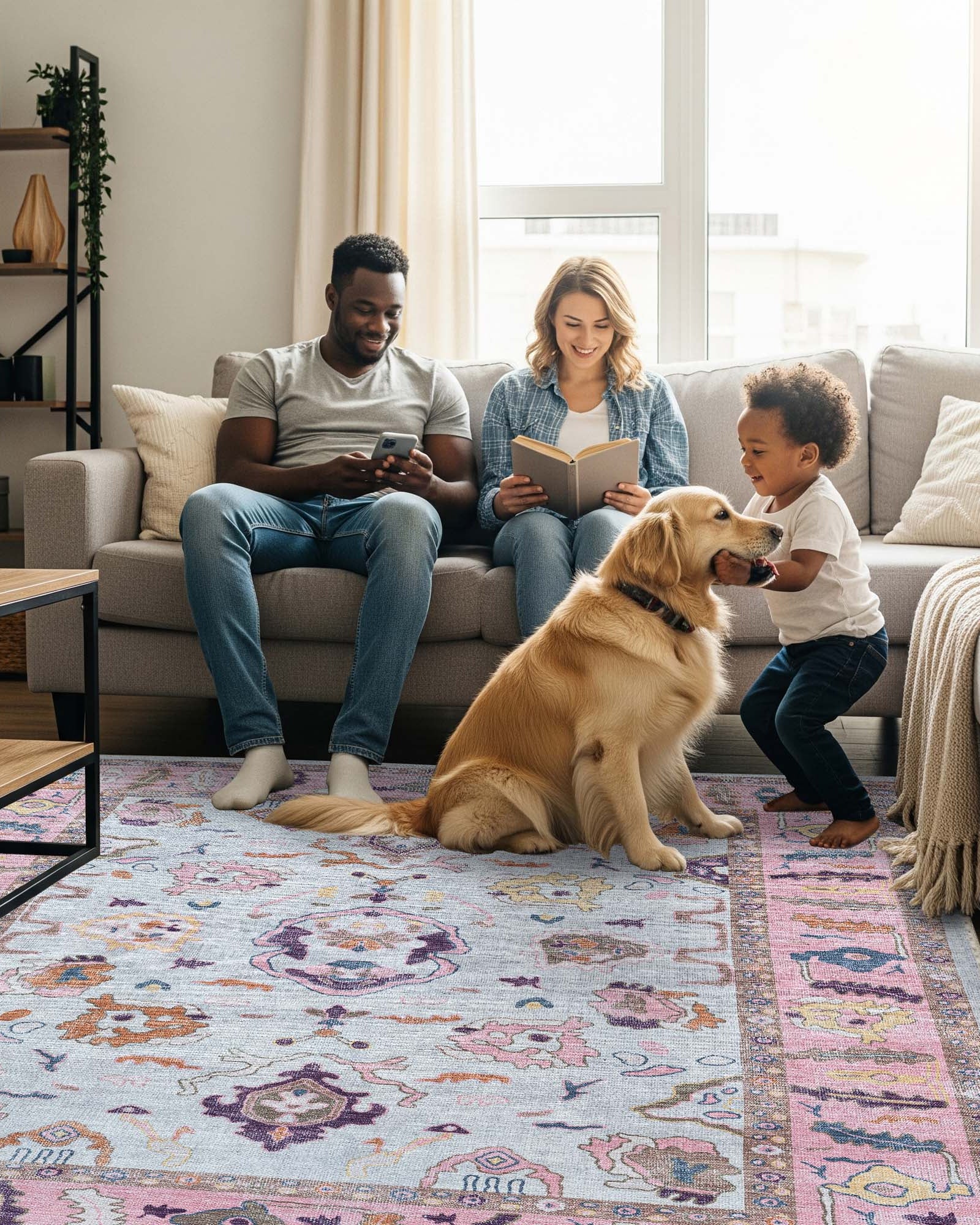
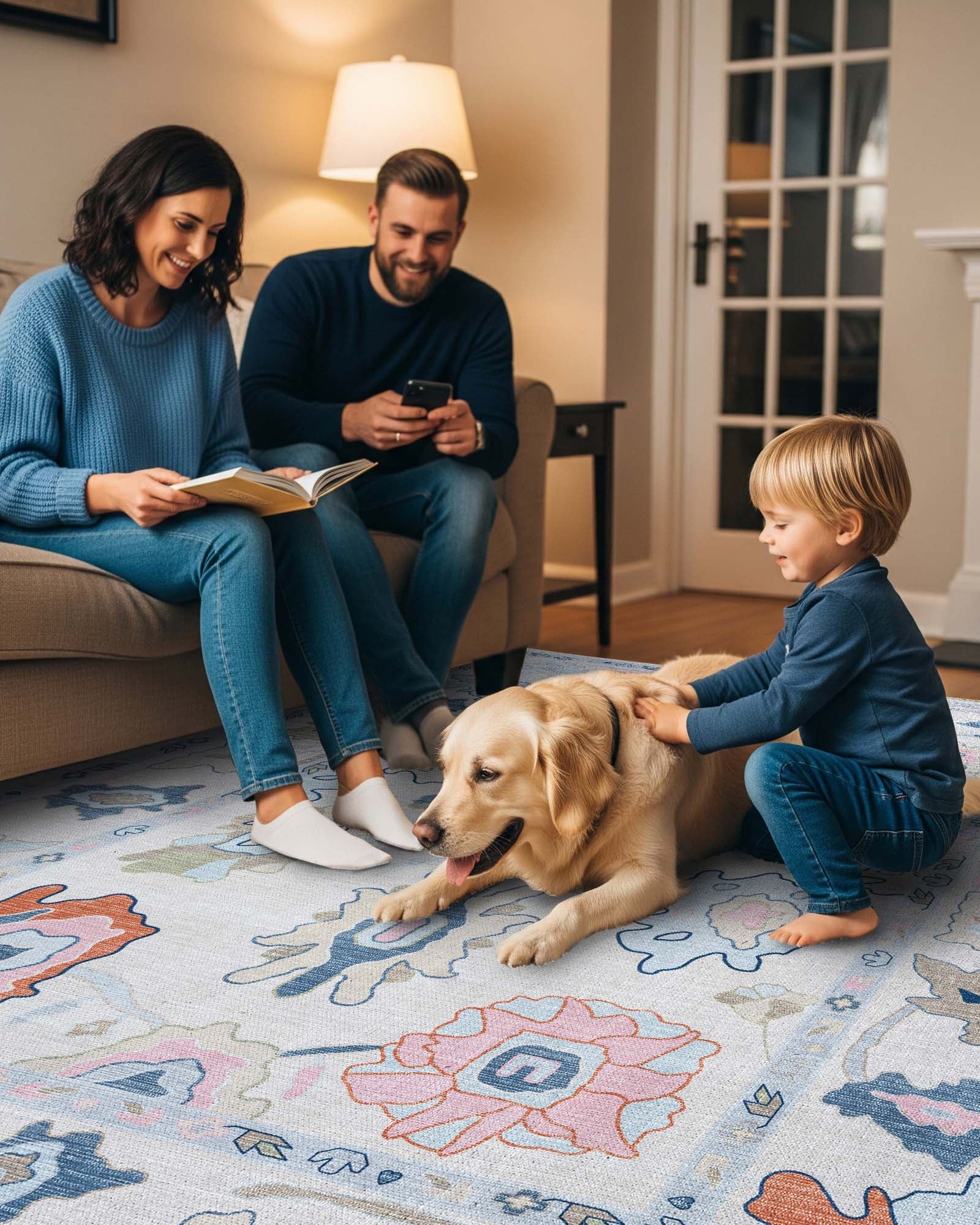
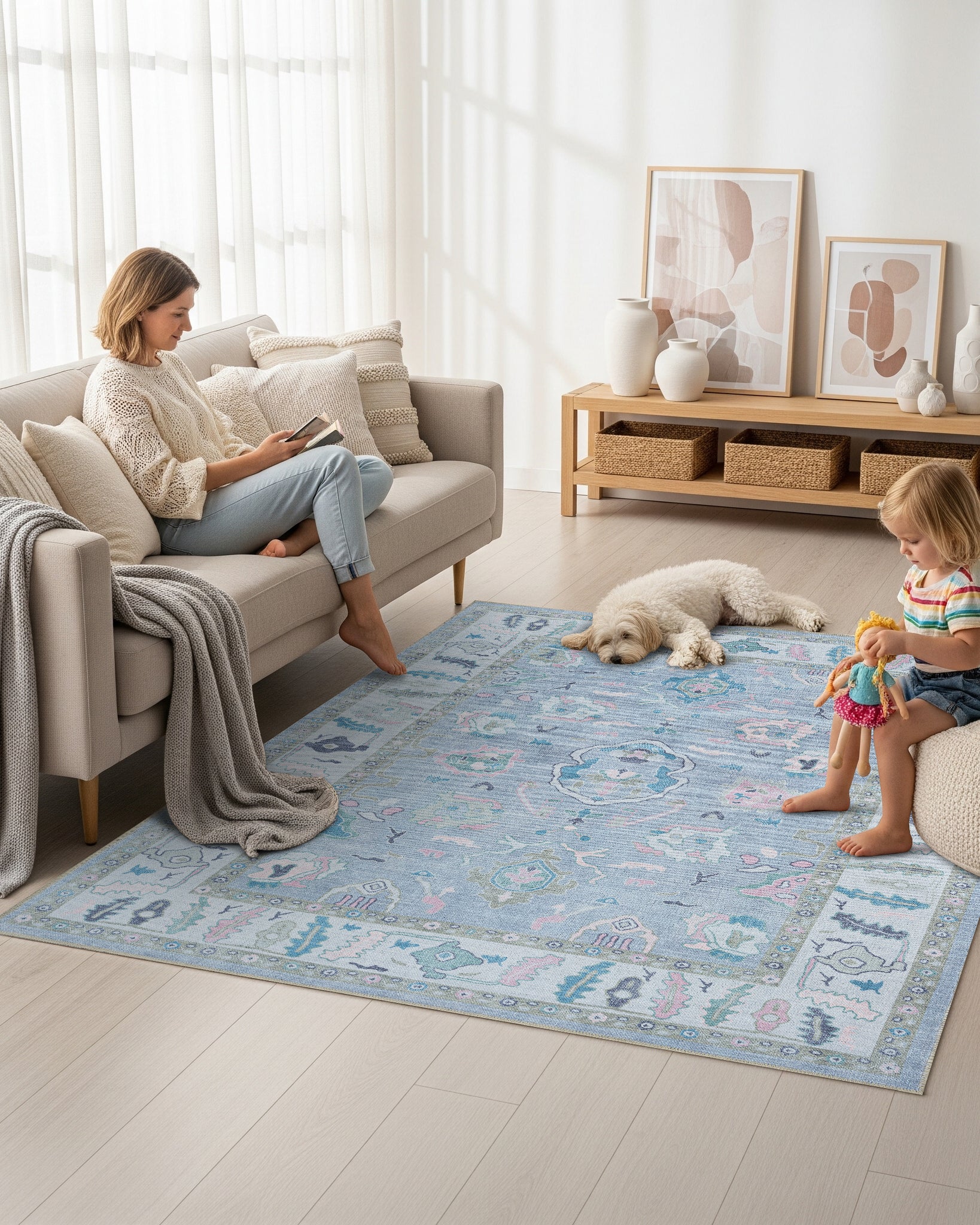
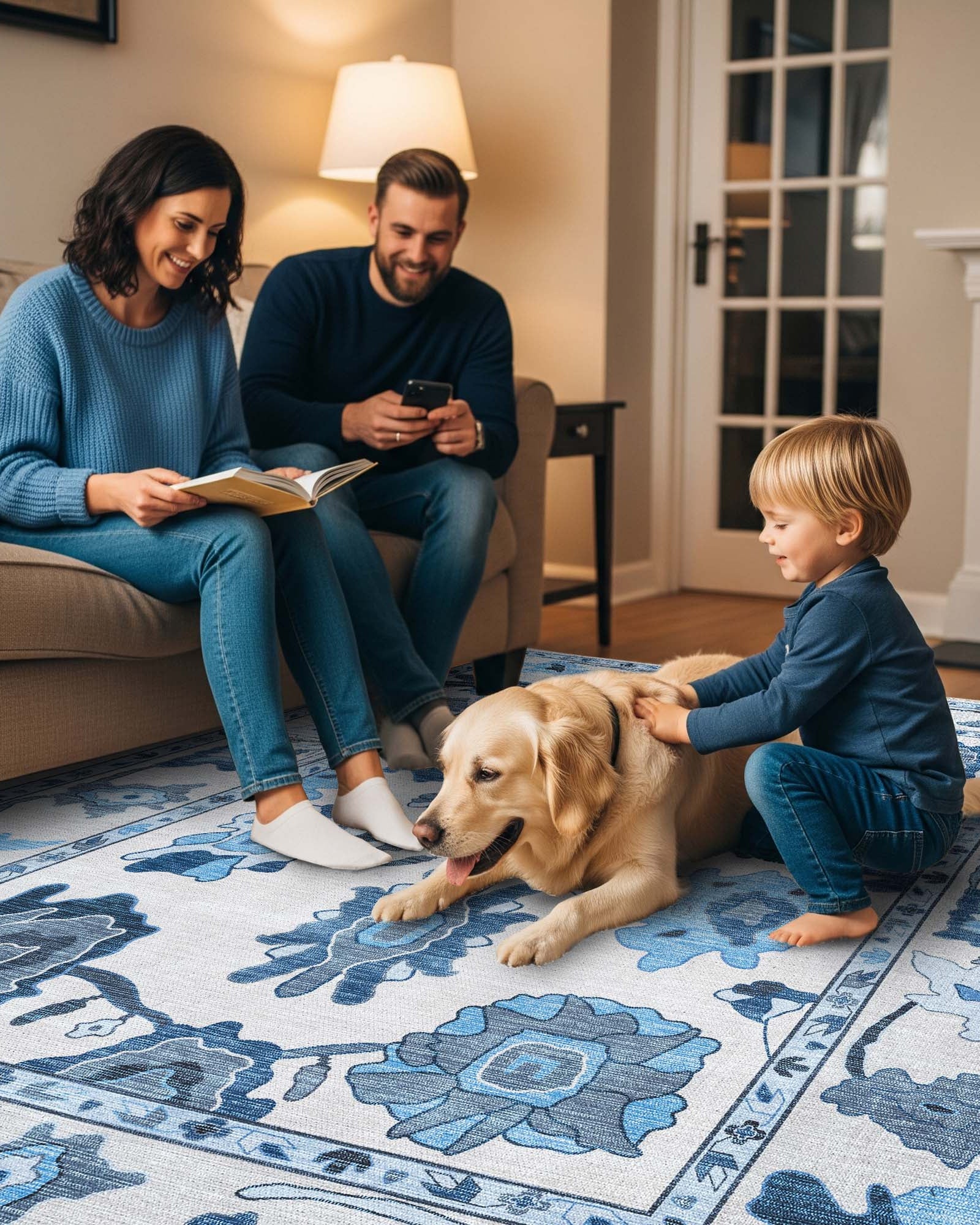
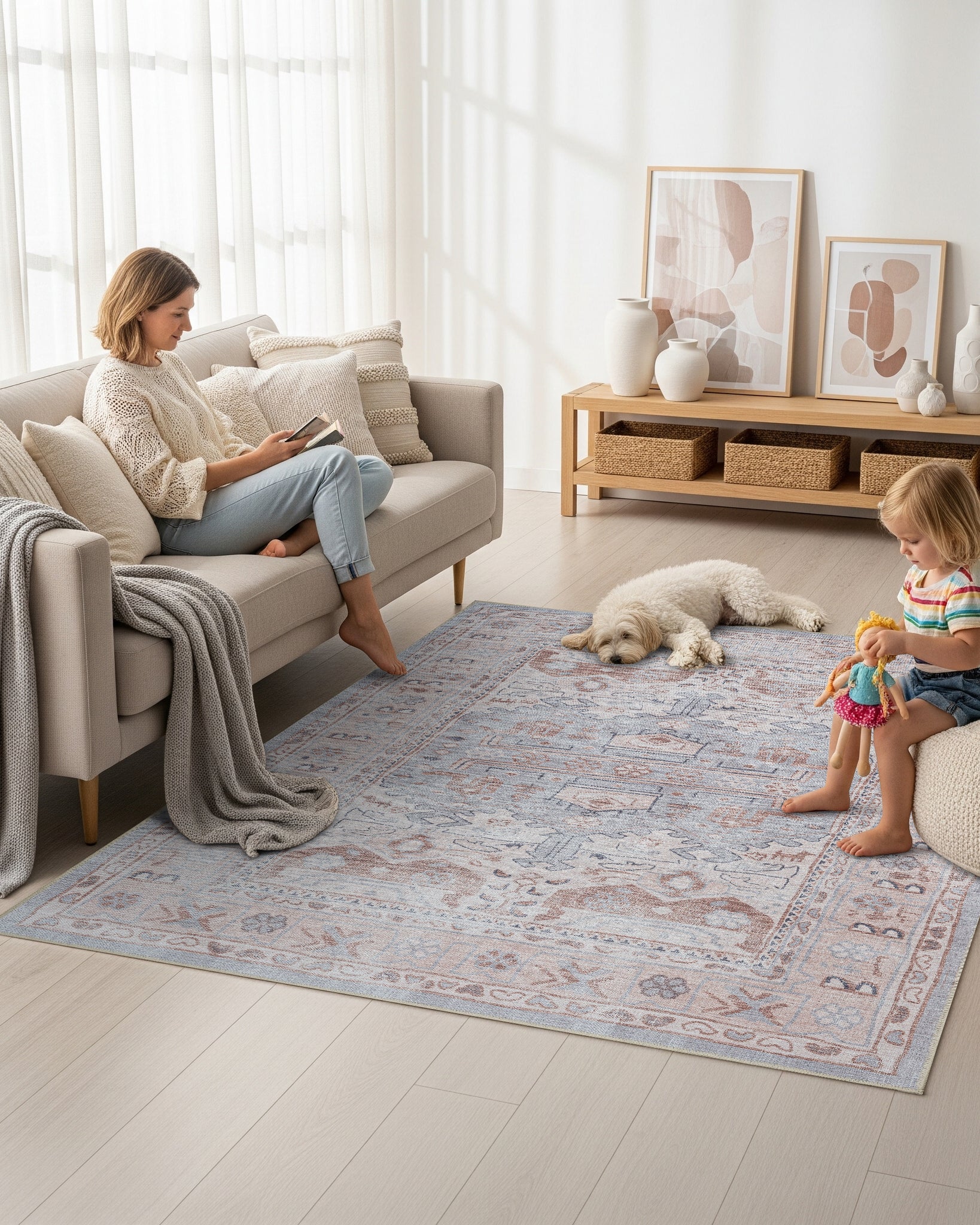
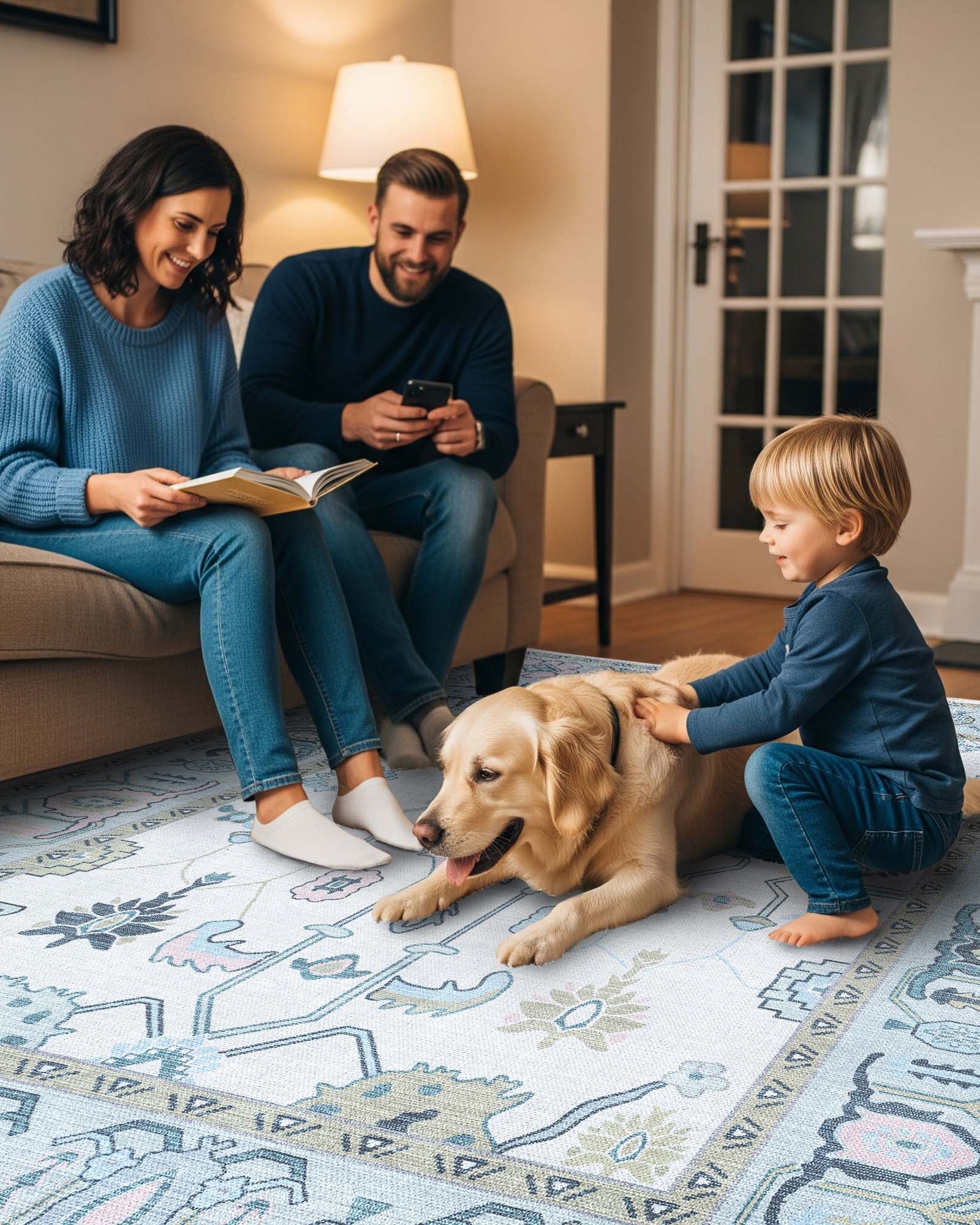
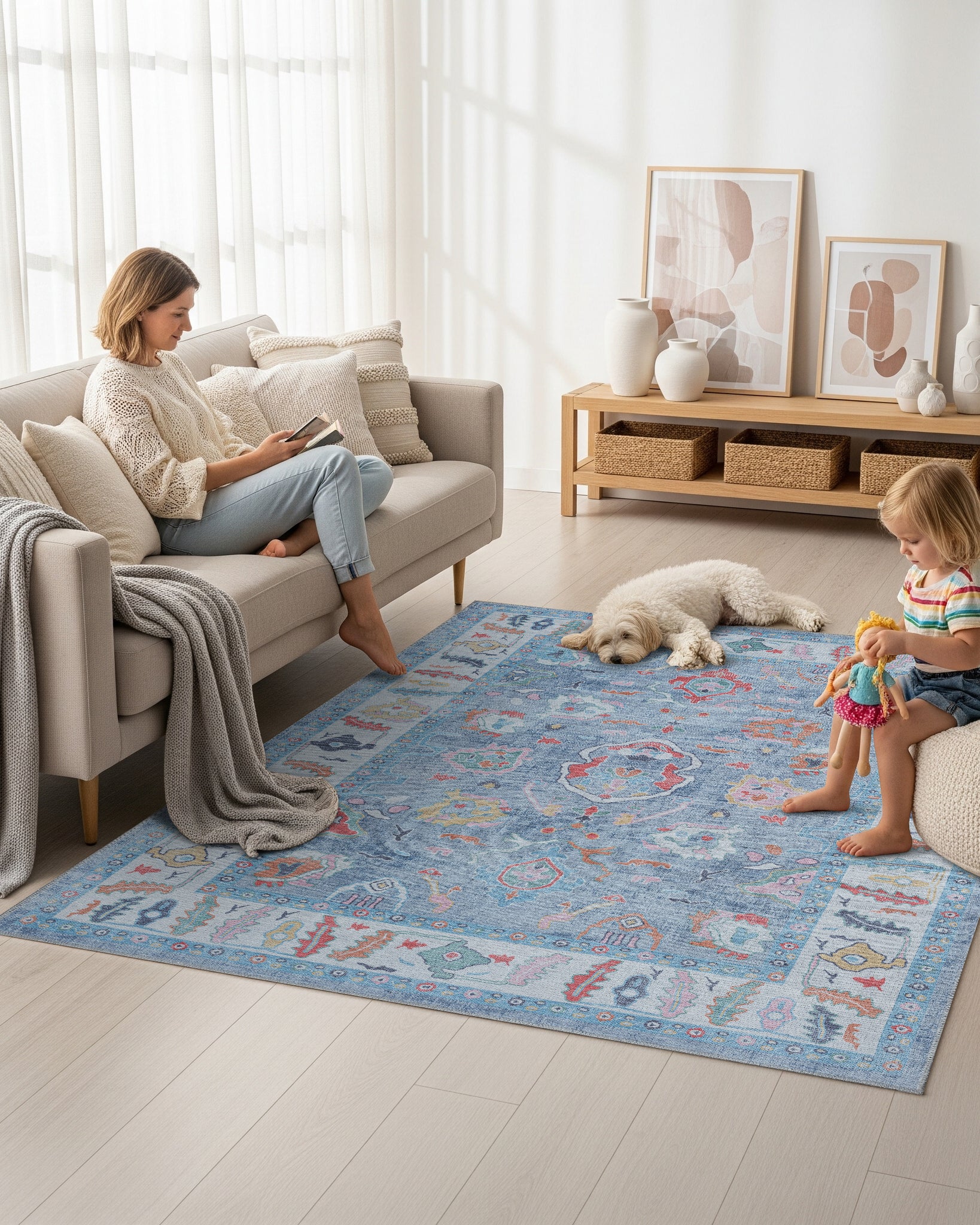
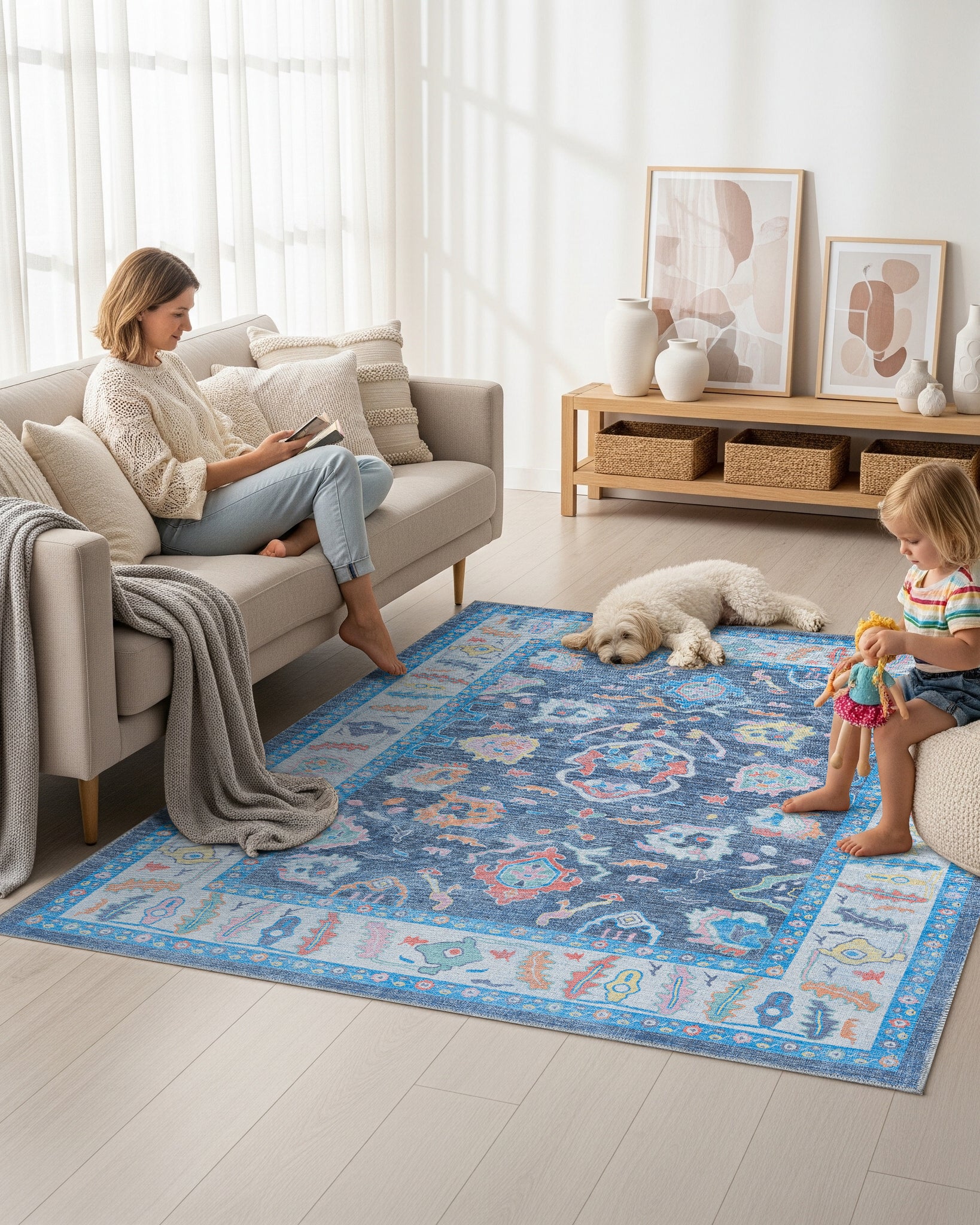
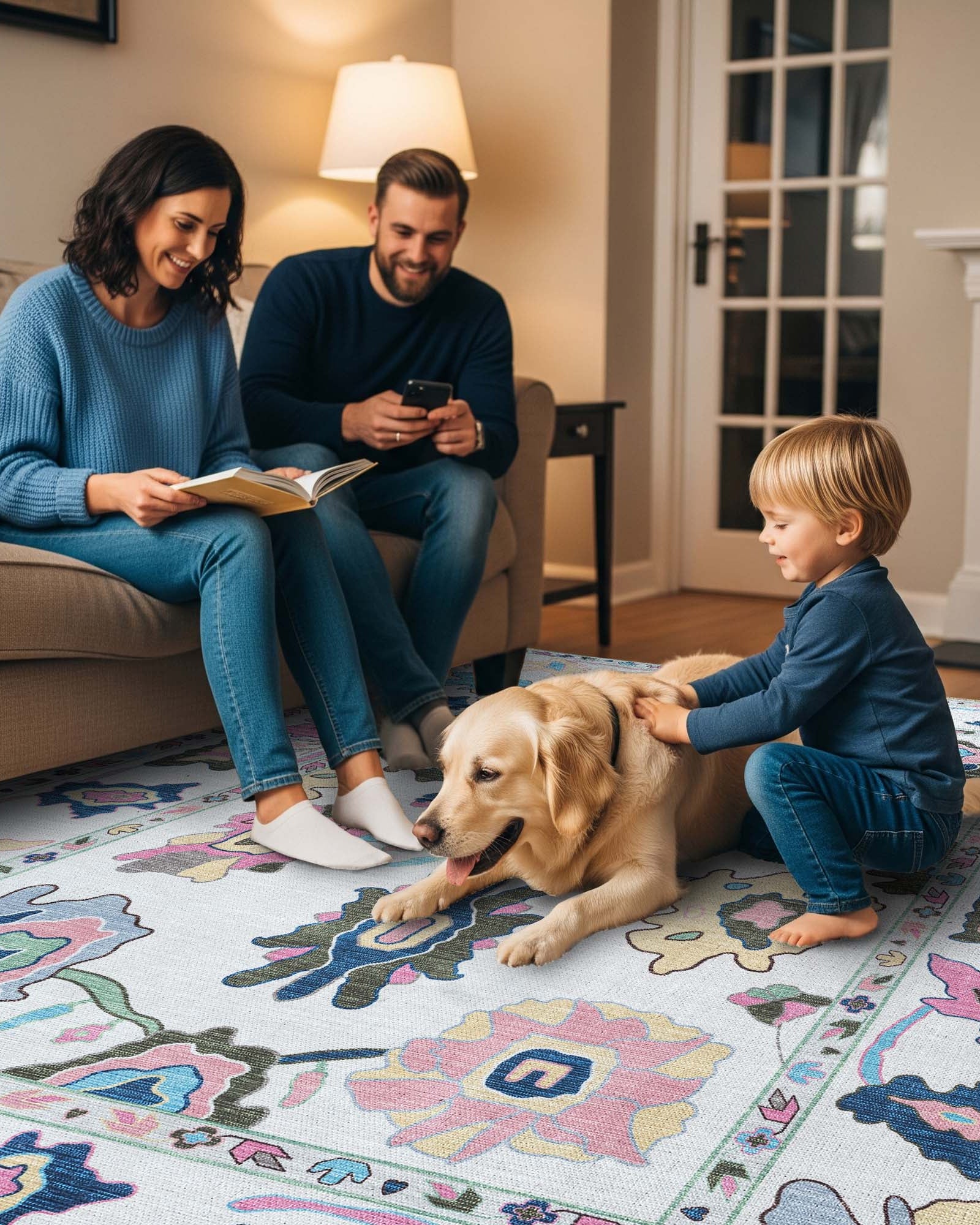
In American interior design, Asian style rugs are cherished for their ability to add depth and sophistication. They serve as the perfect counterpoint to modern furniture, providing a sense of grounded history. From vibrant Chinoiserie florals to majestic dragons and disciplined geometric borders, these rugs transform a room into a curated gallery. Crafted with modern durability in mind, our collection allows you to enjoy these delicate, high-art designs in high-traffic areas without fear, blending ancient beauty with contemporary practicality.
What These Rugs Look Like and Feel Like
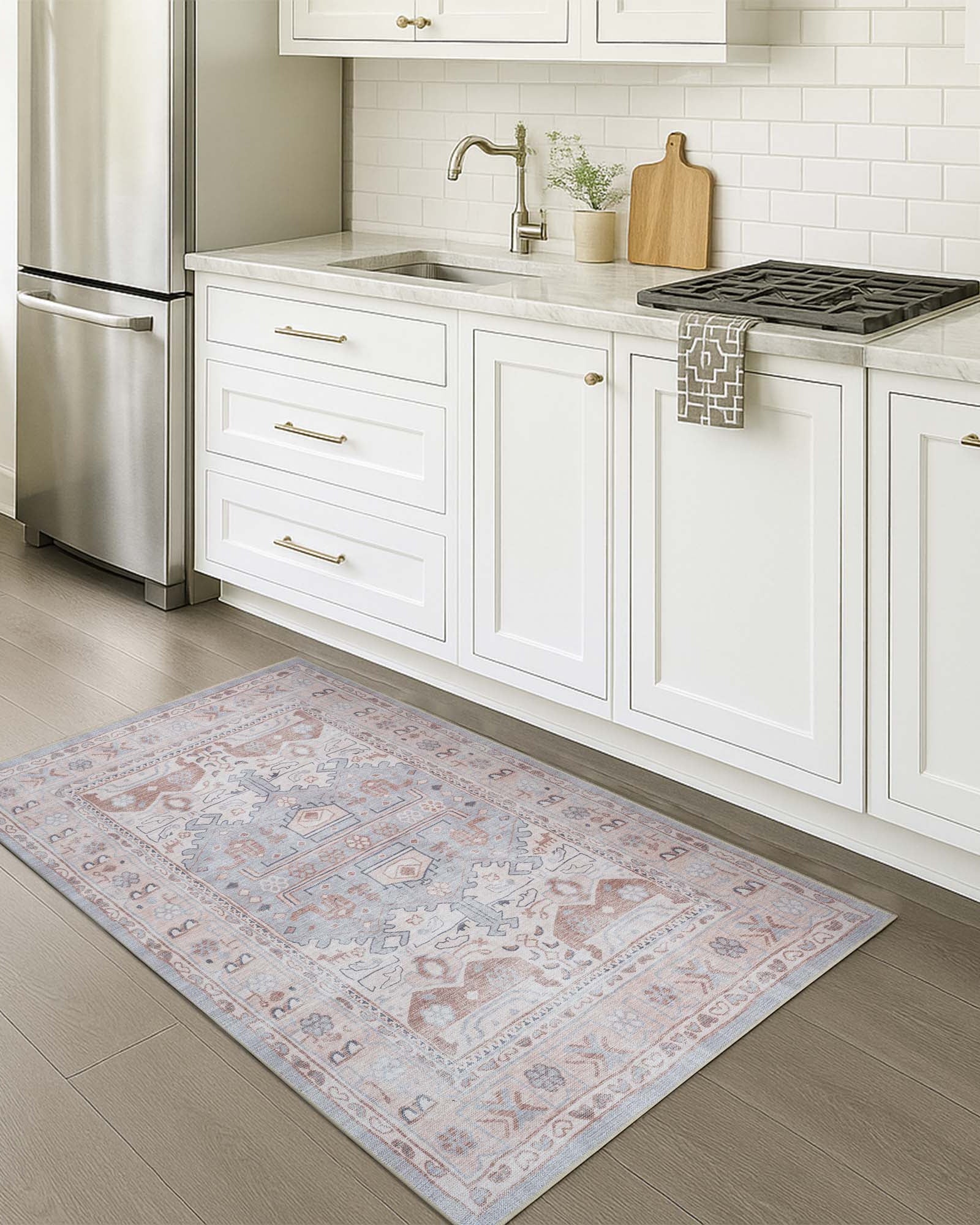
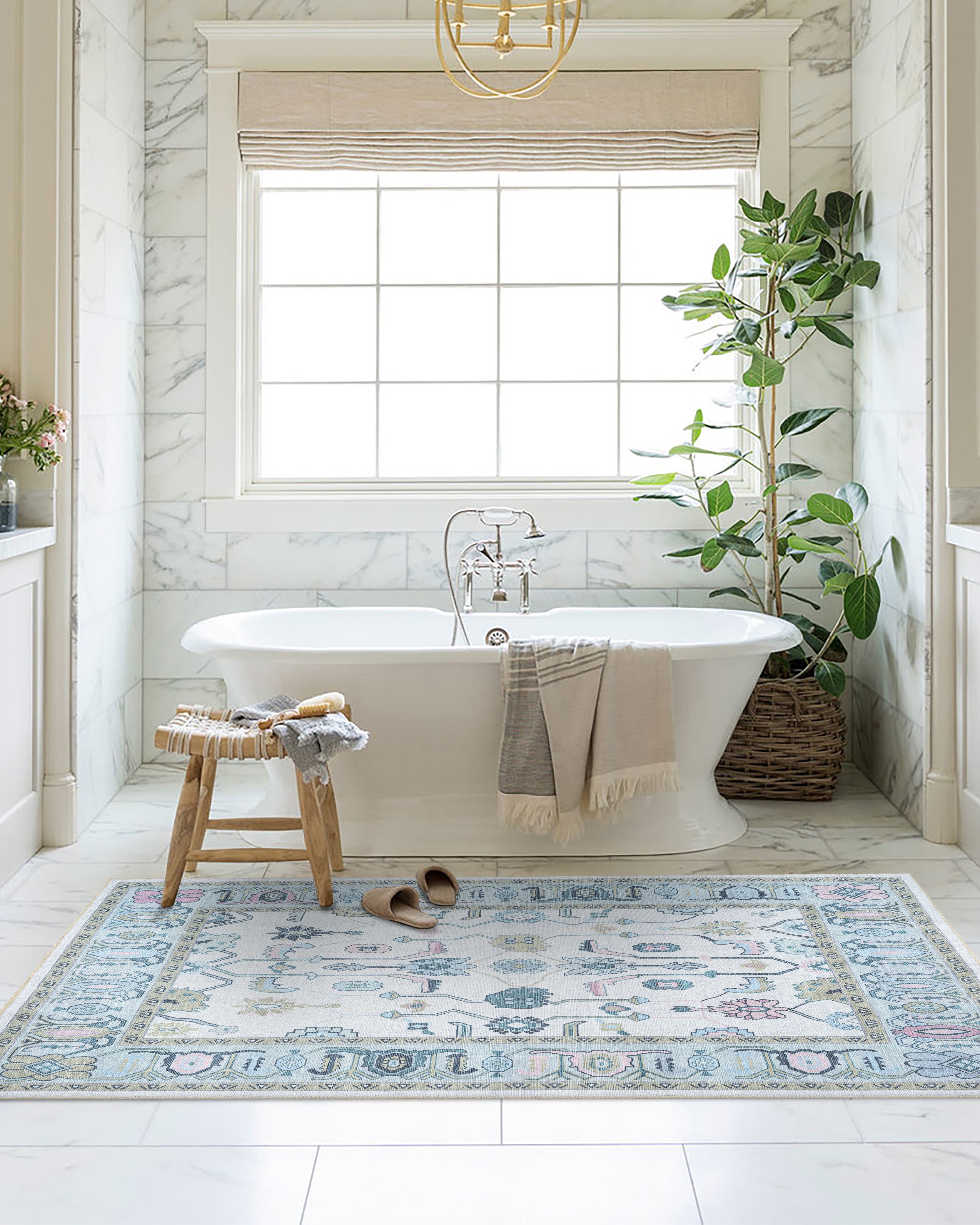
Colors, Patterns, and Style Notes
Discover a spectrum of imperial reds, deep indigos, and jade greens woven into symbolic and floral masterpieces.
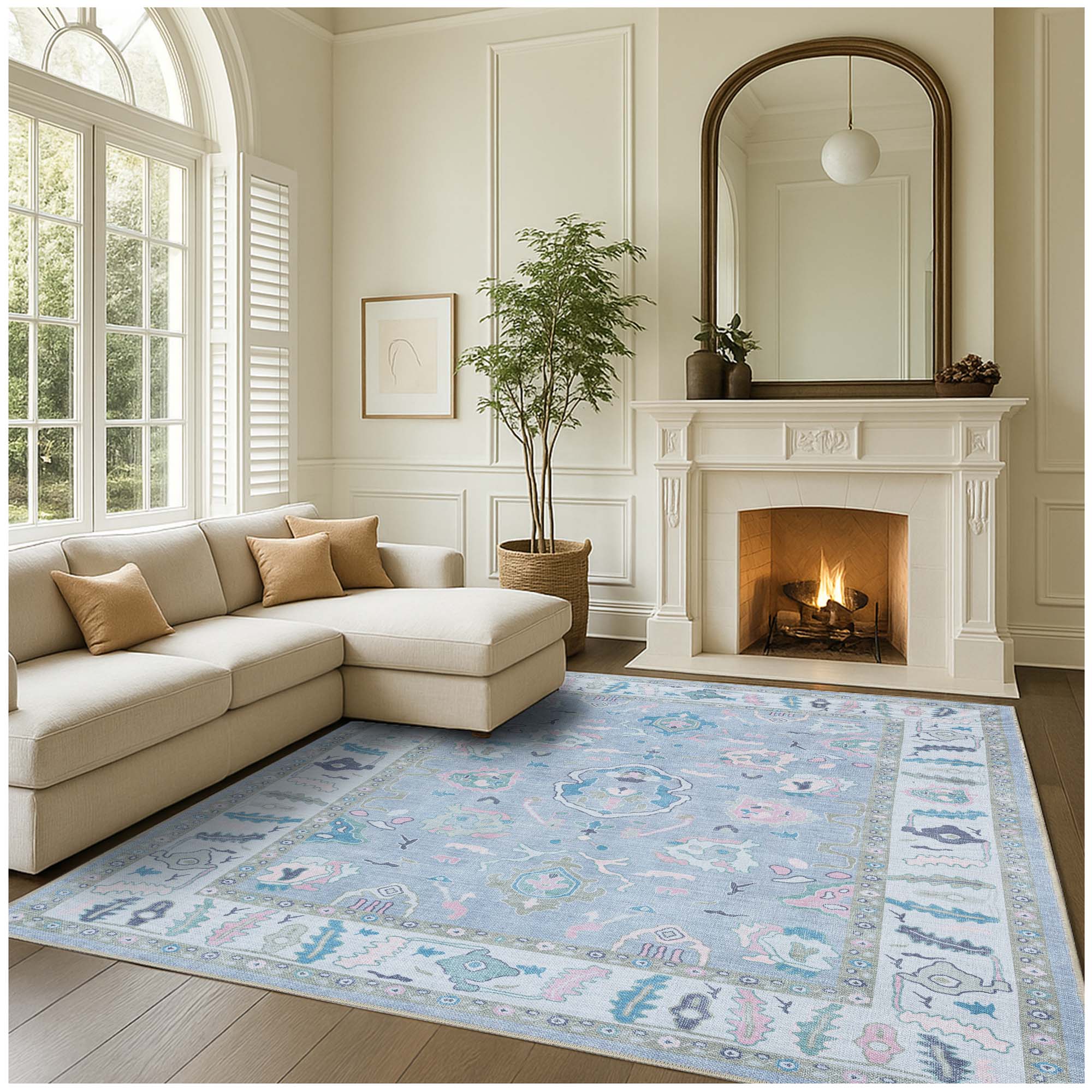
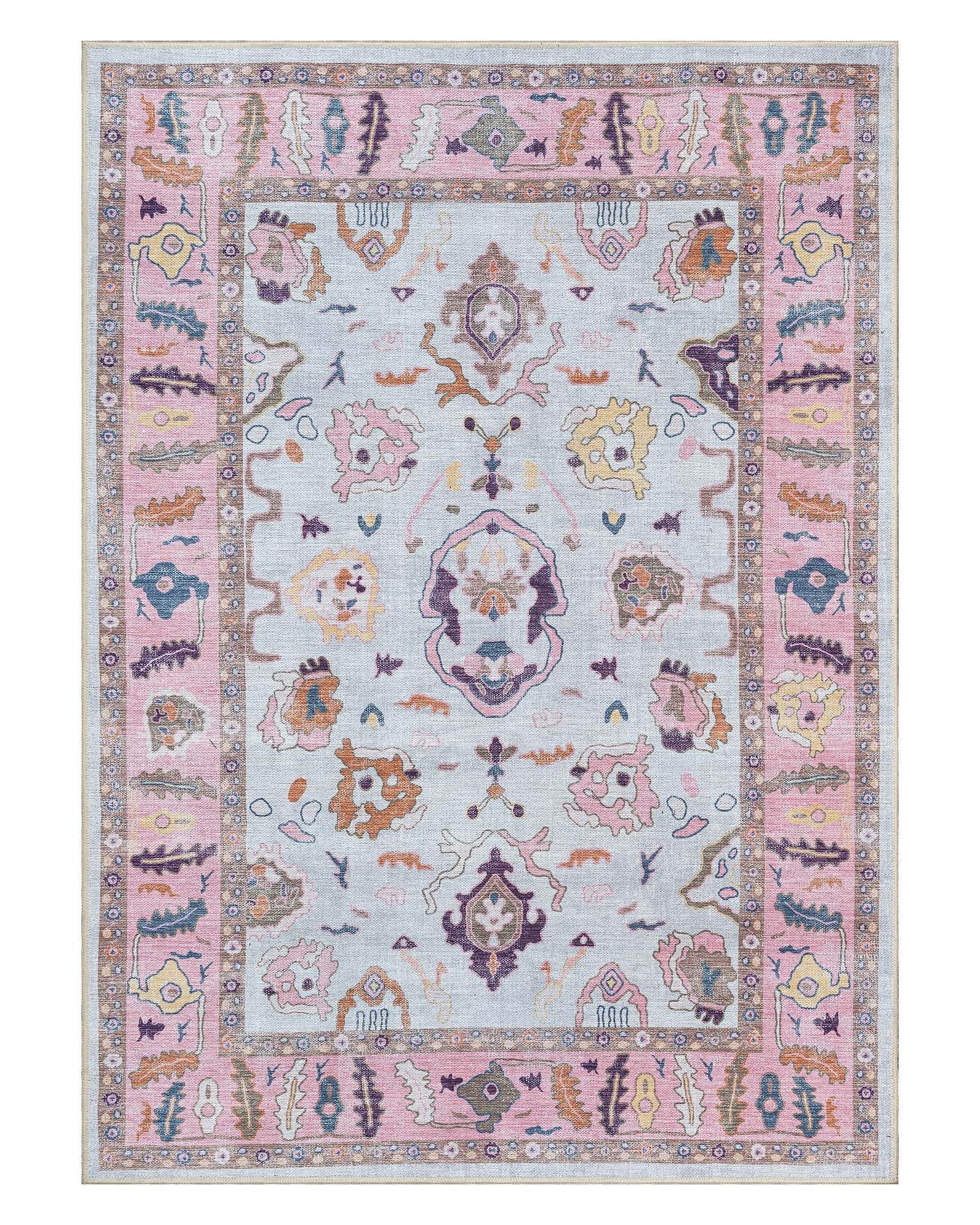
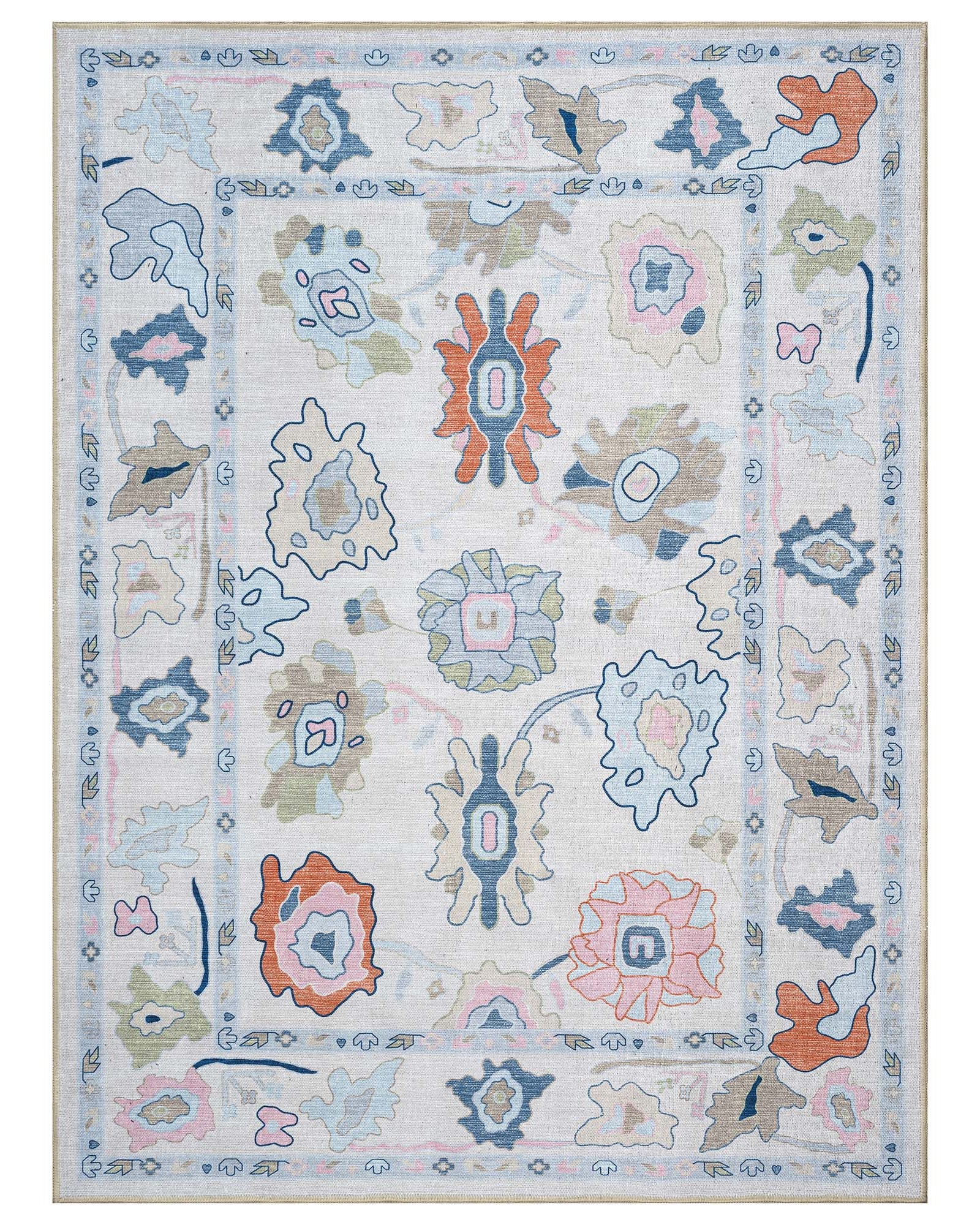
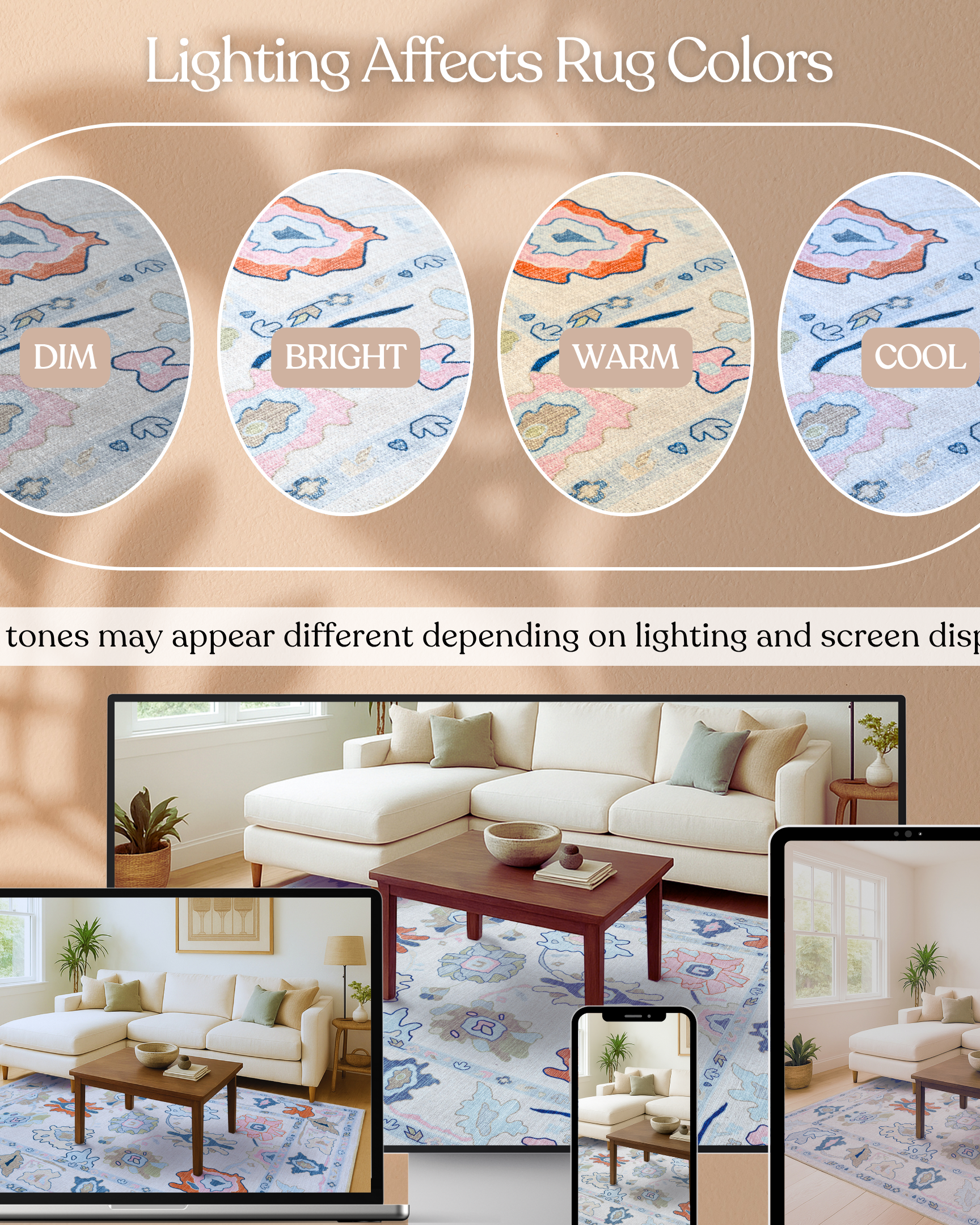
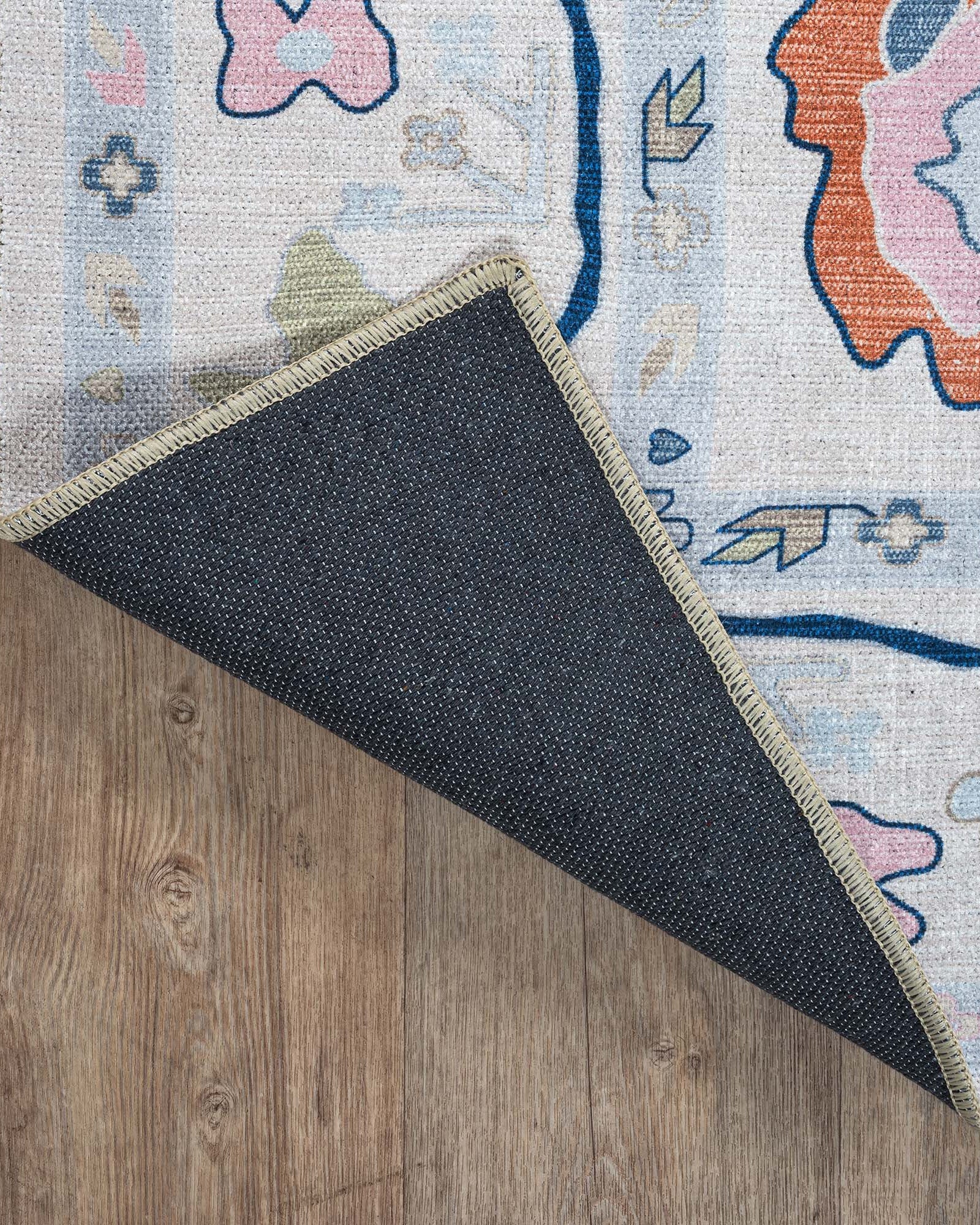
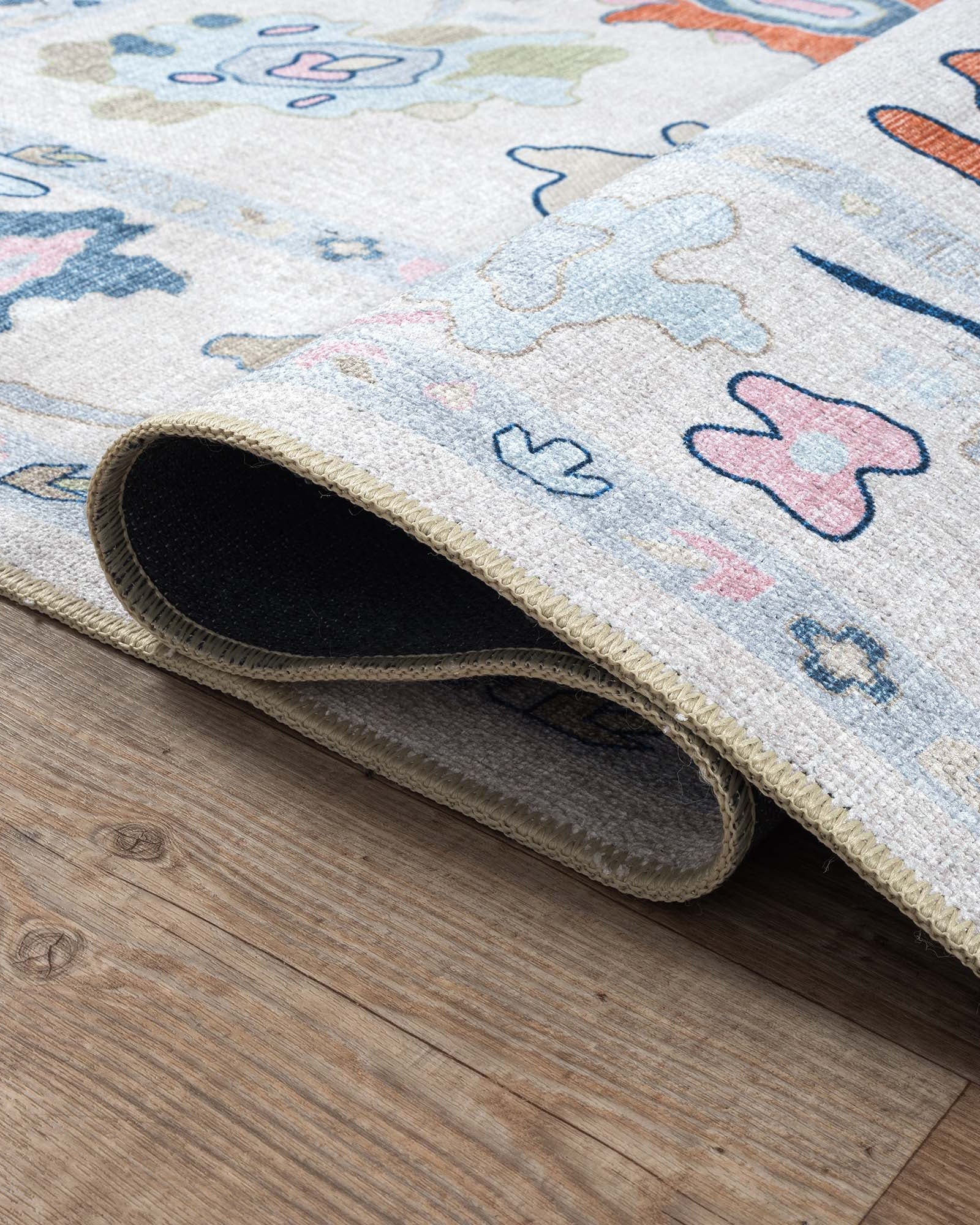
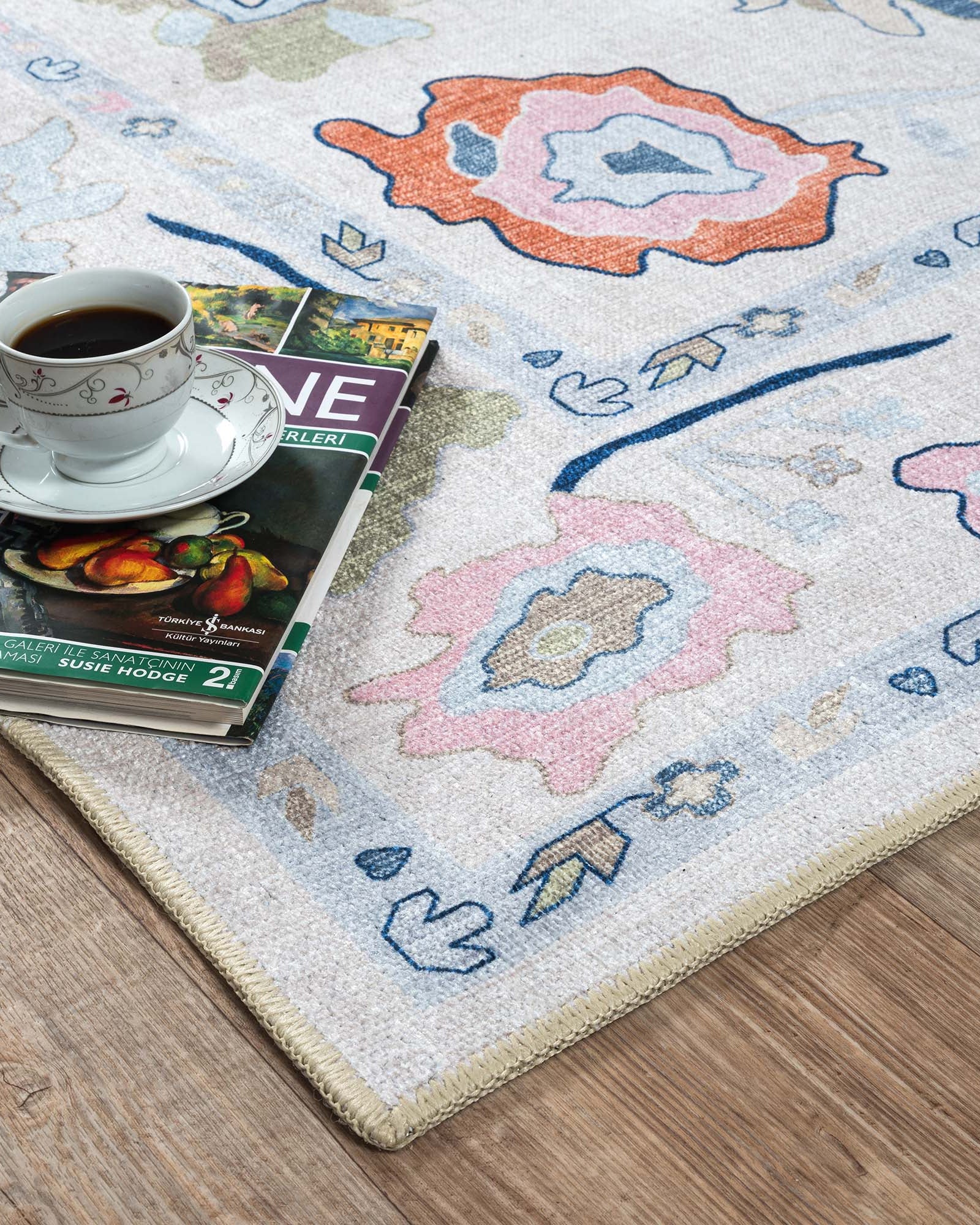
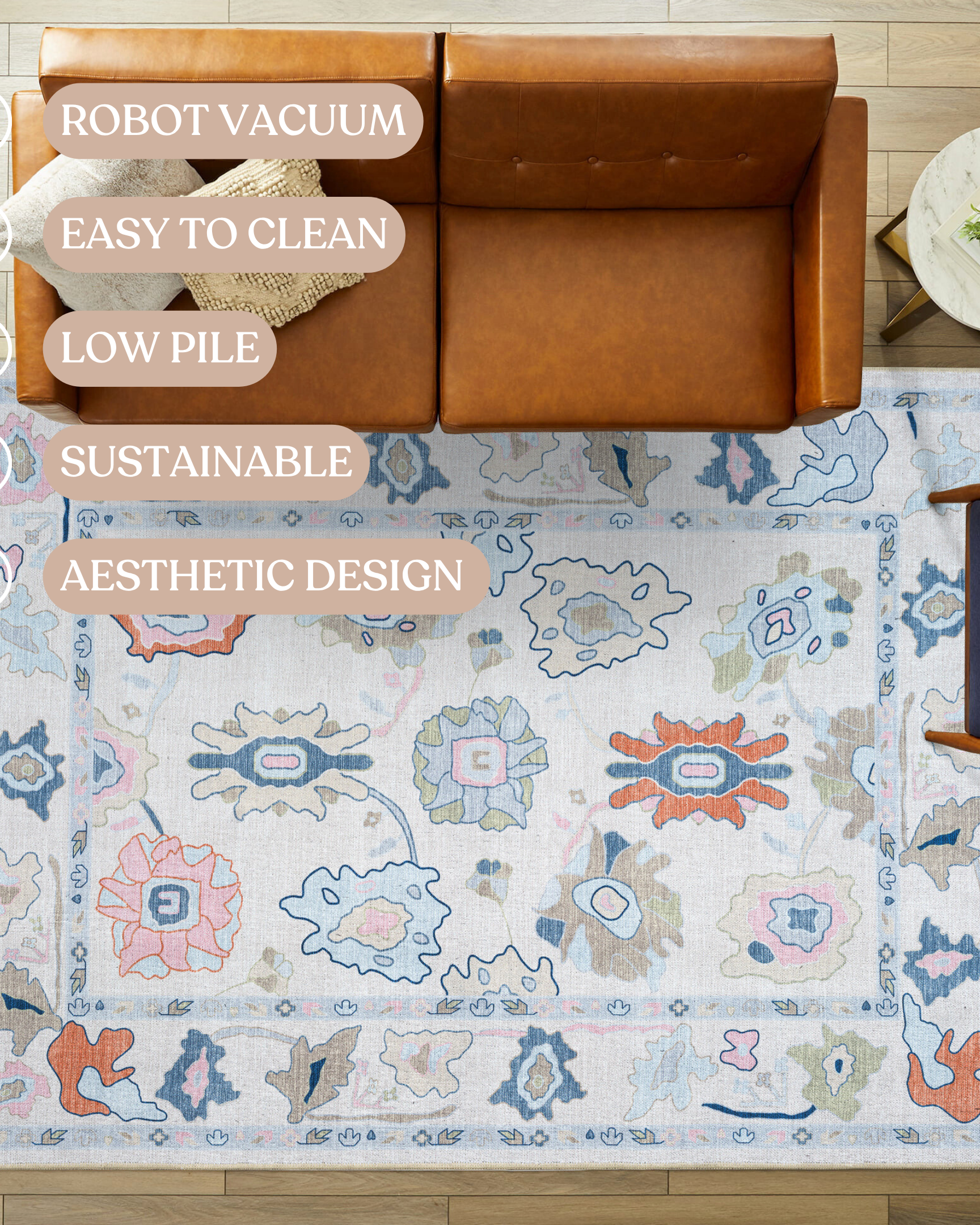
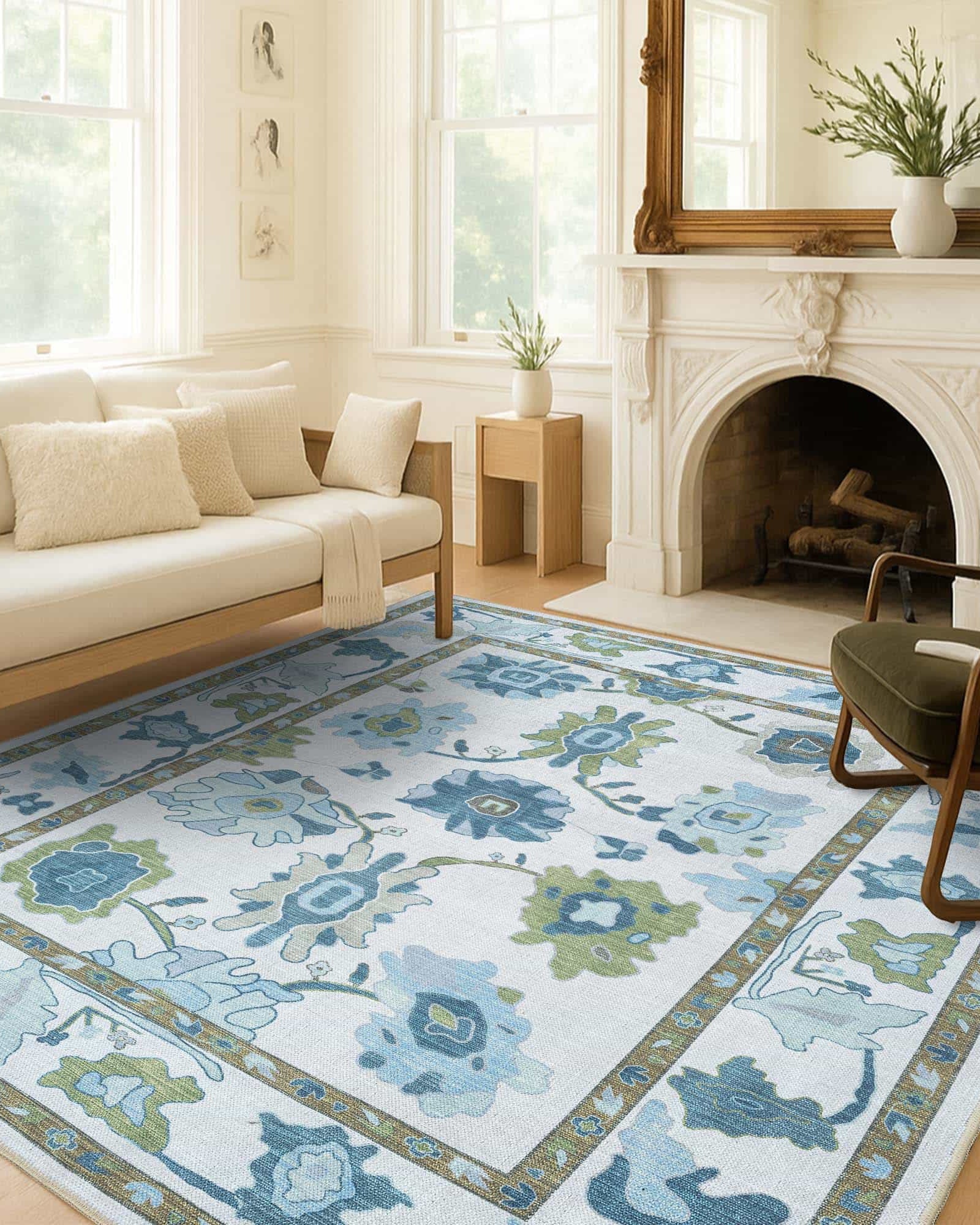
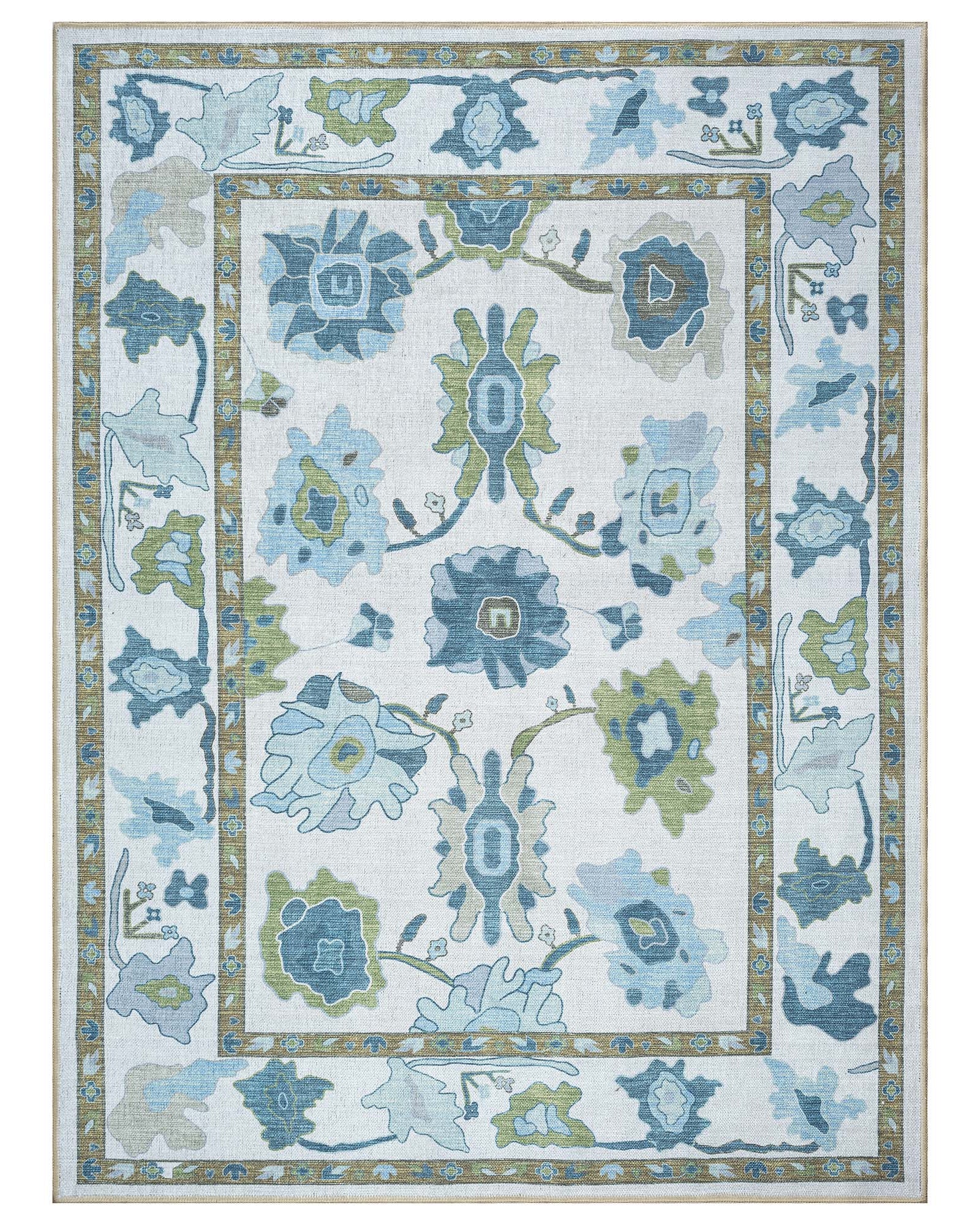
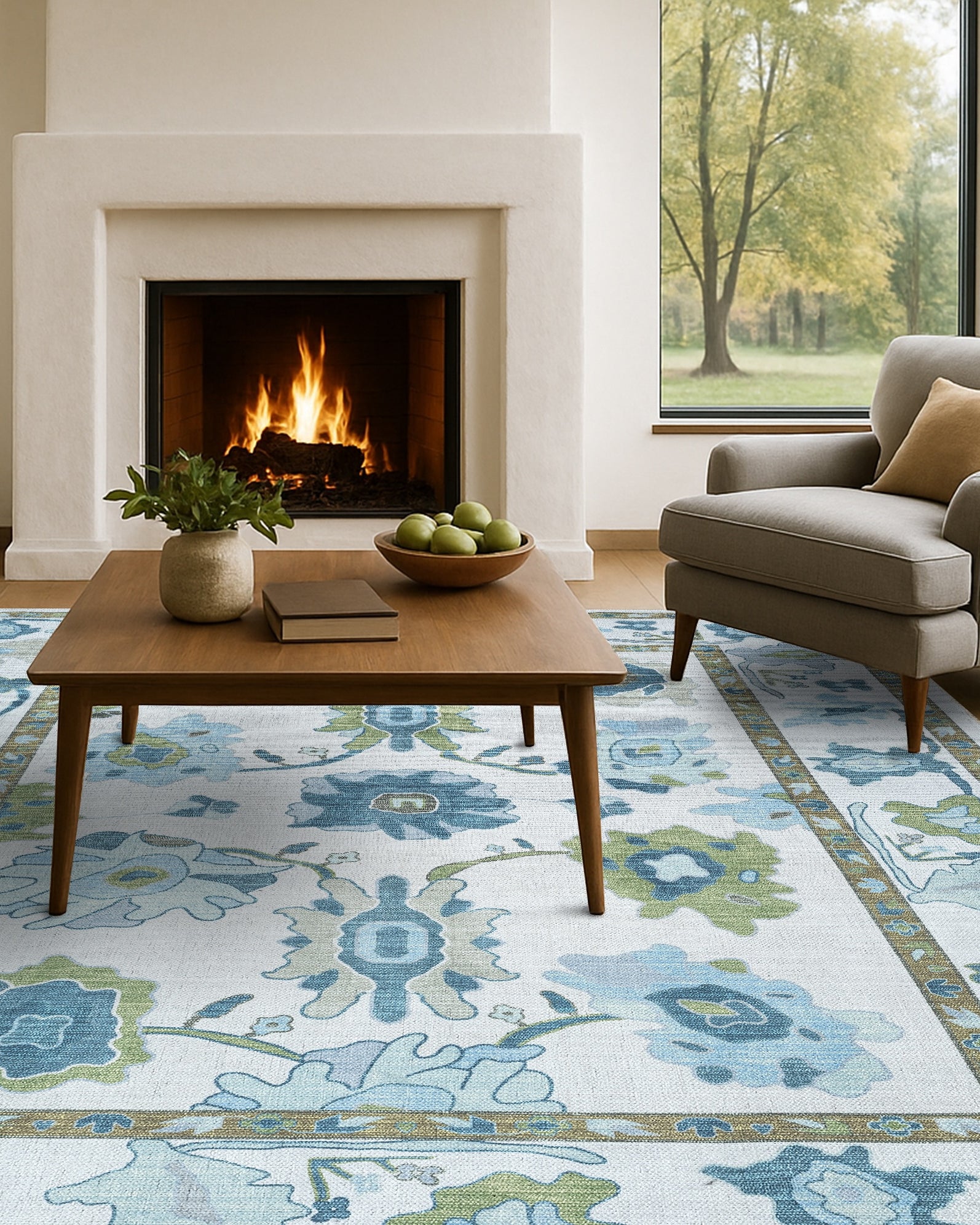
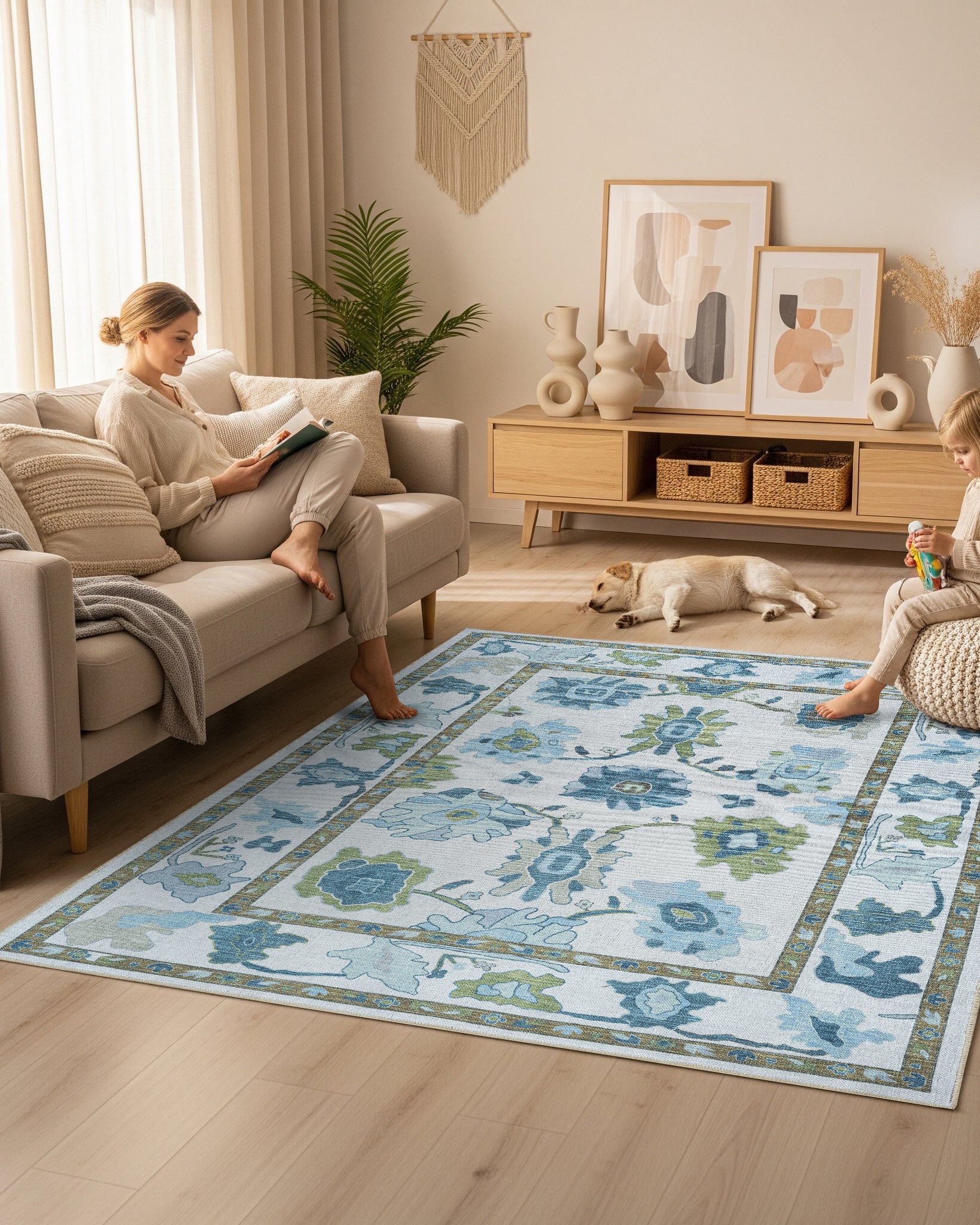
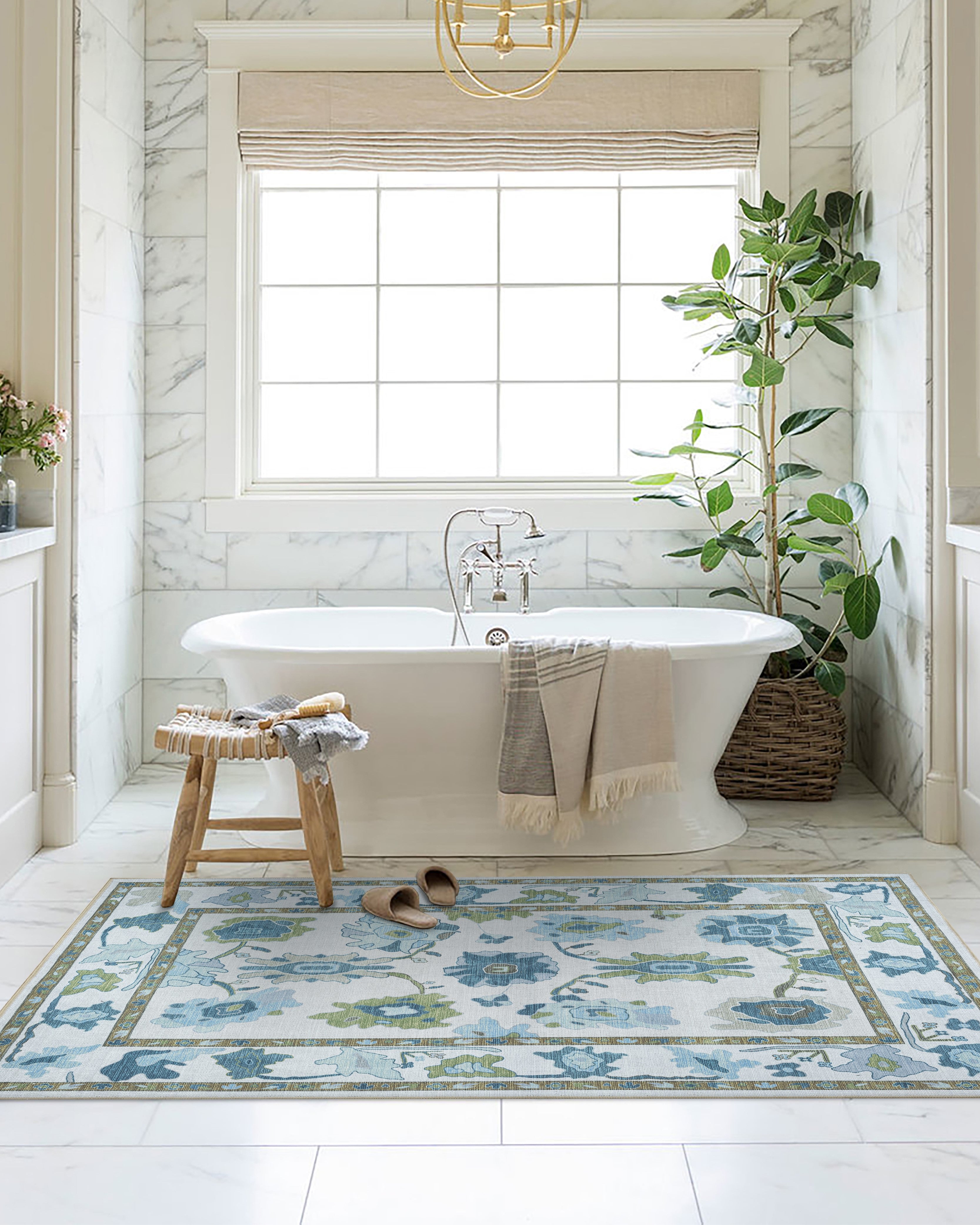
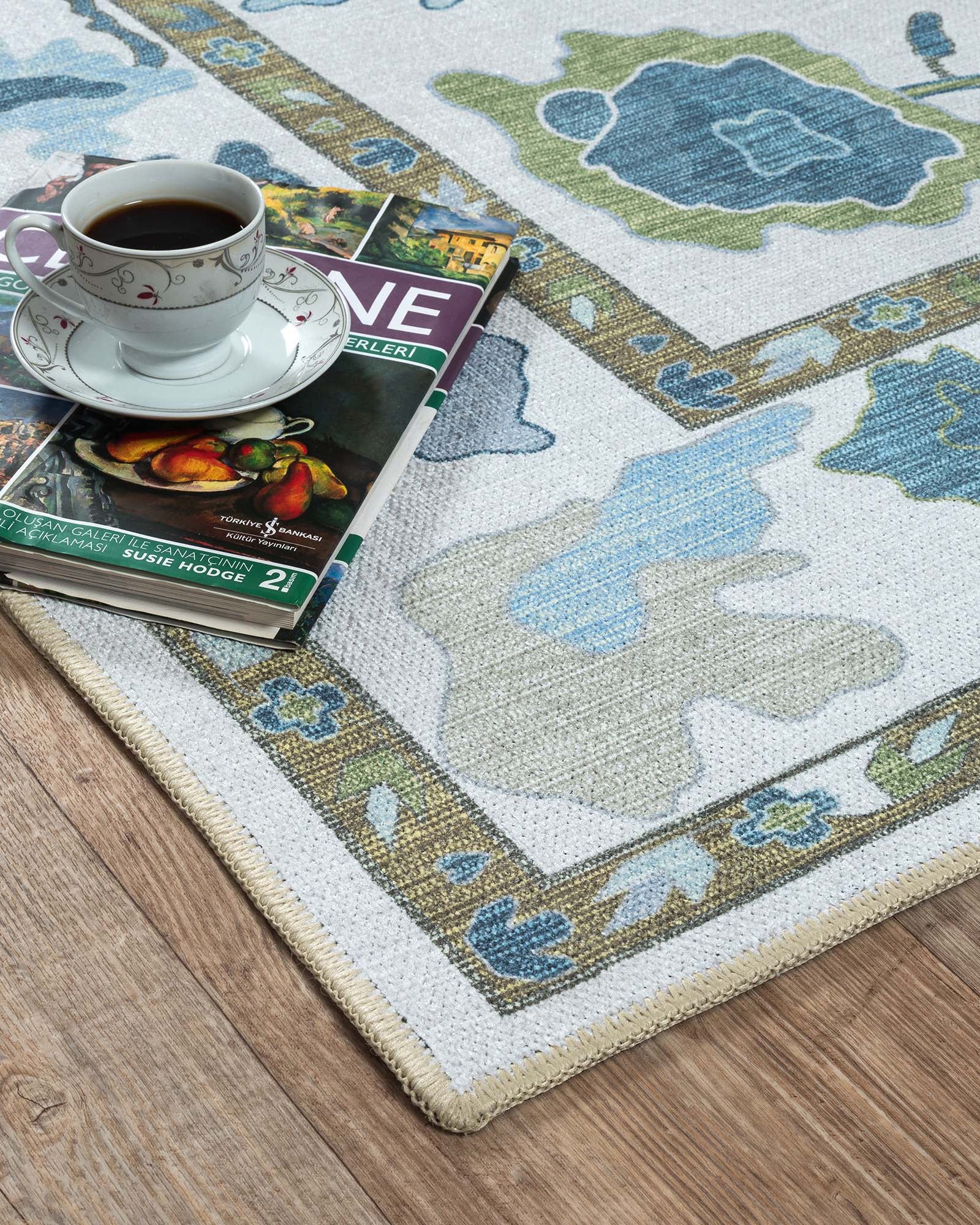
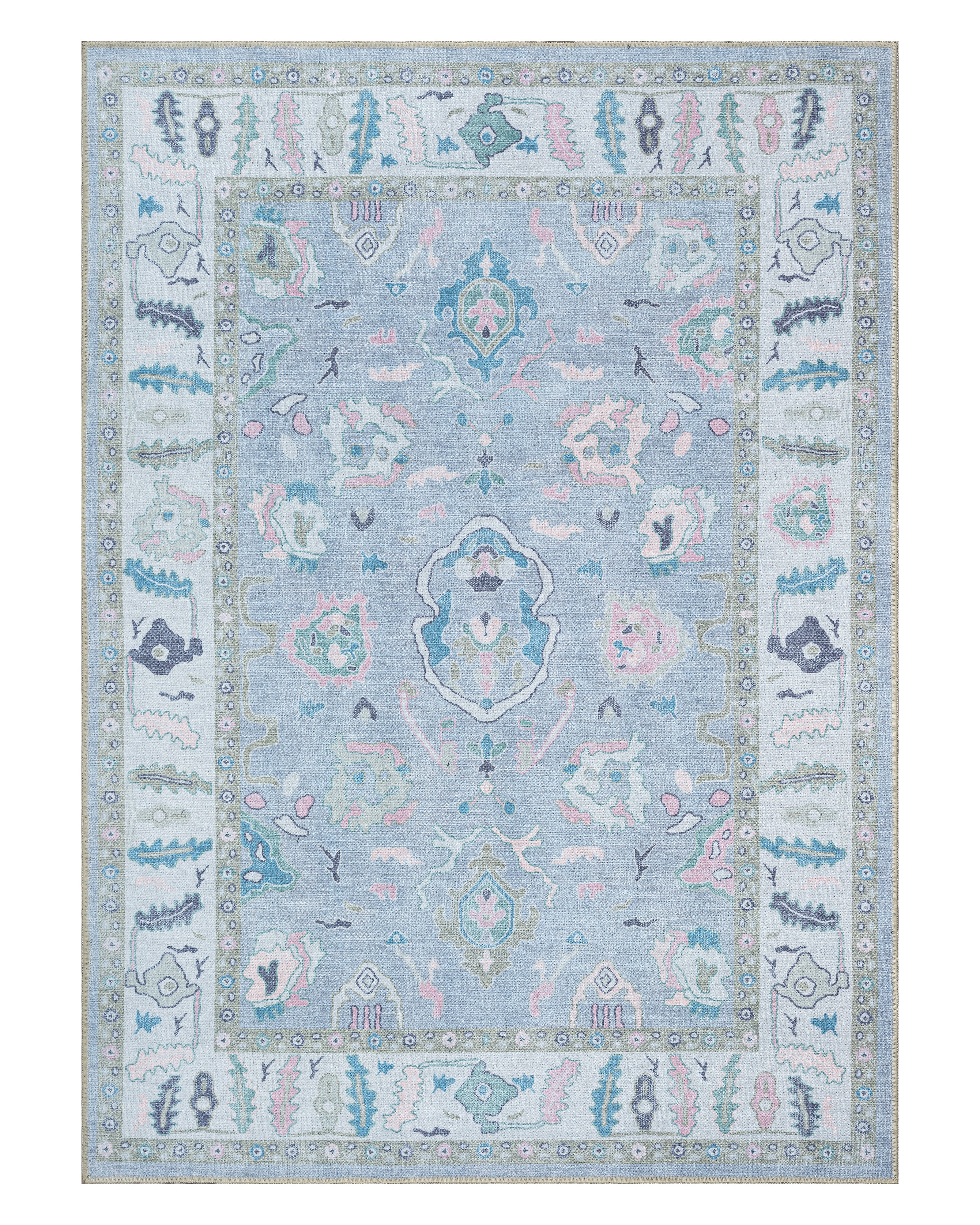
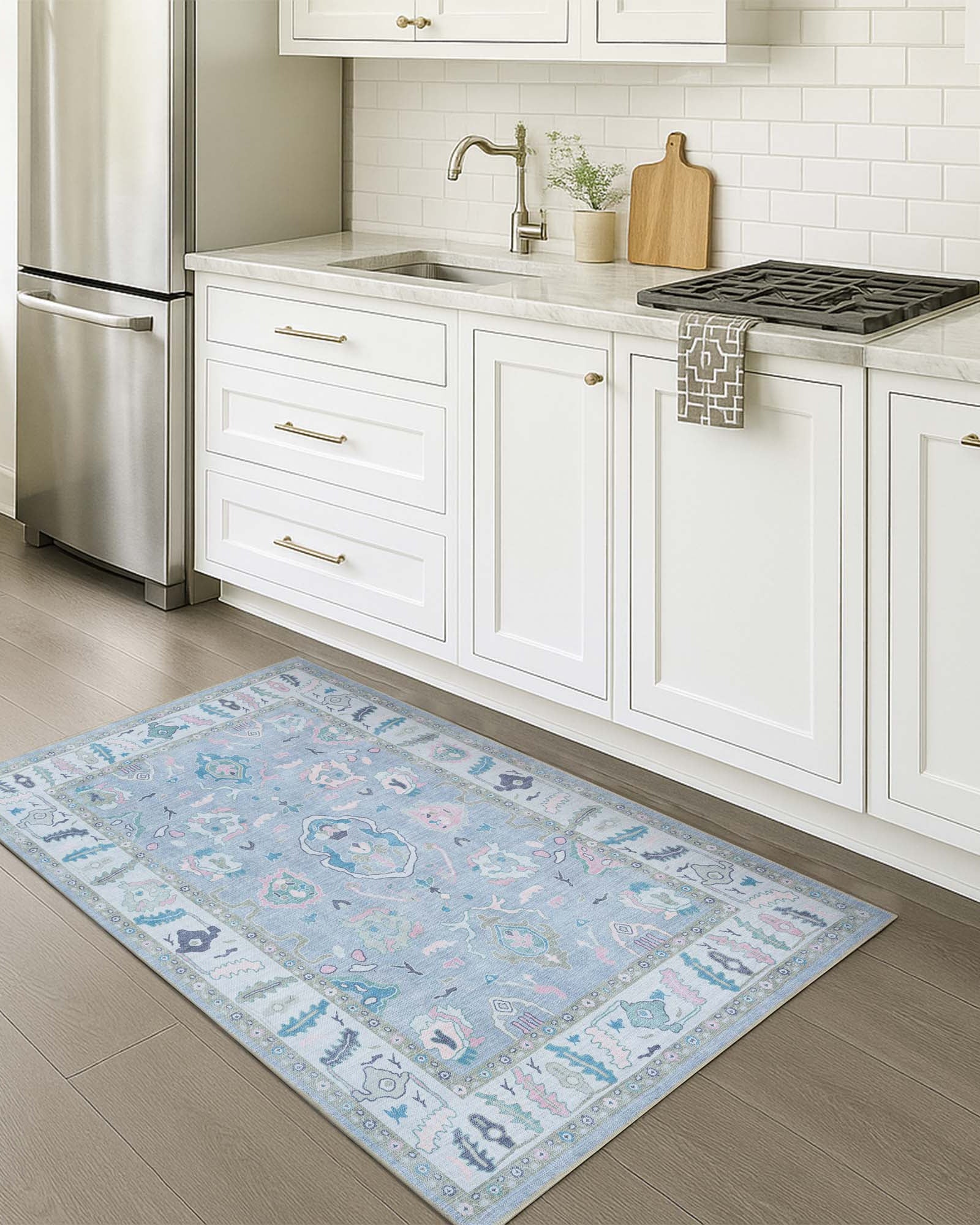
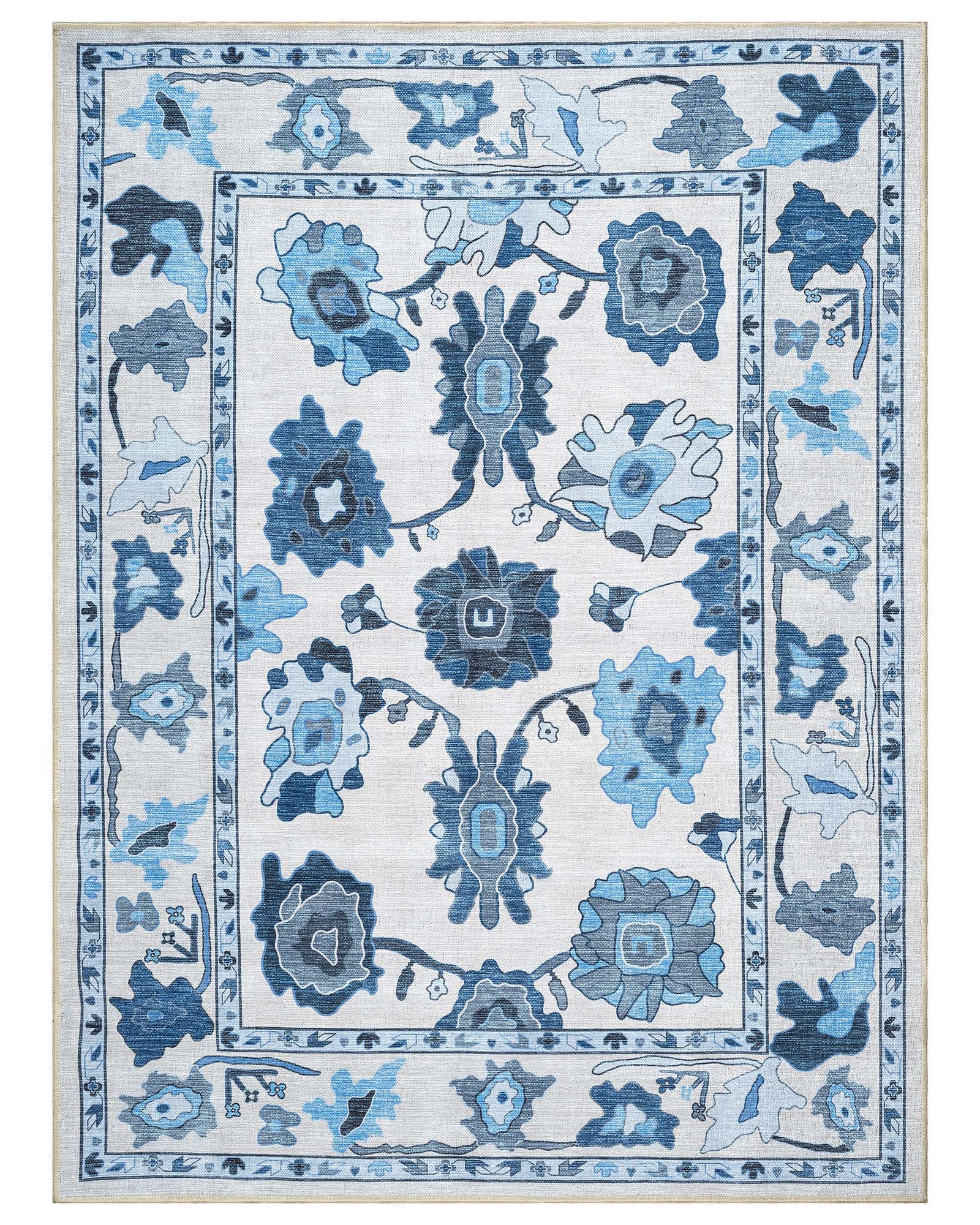
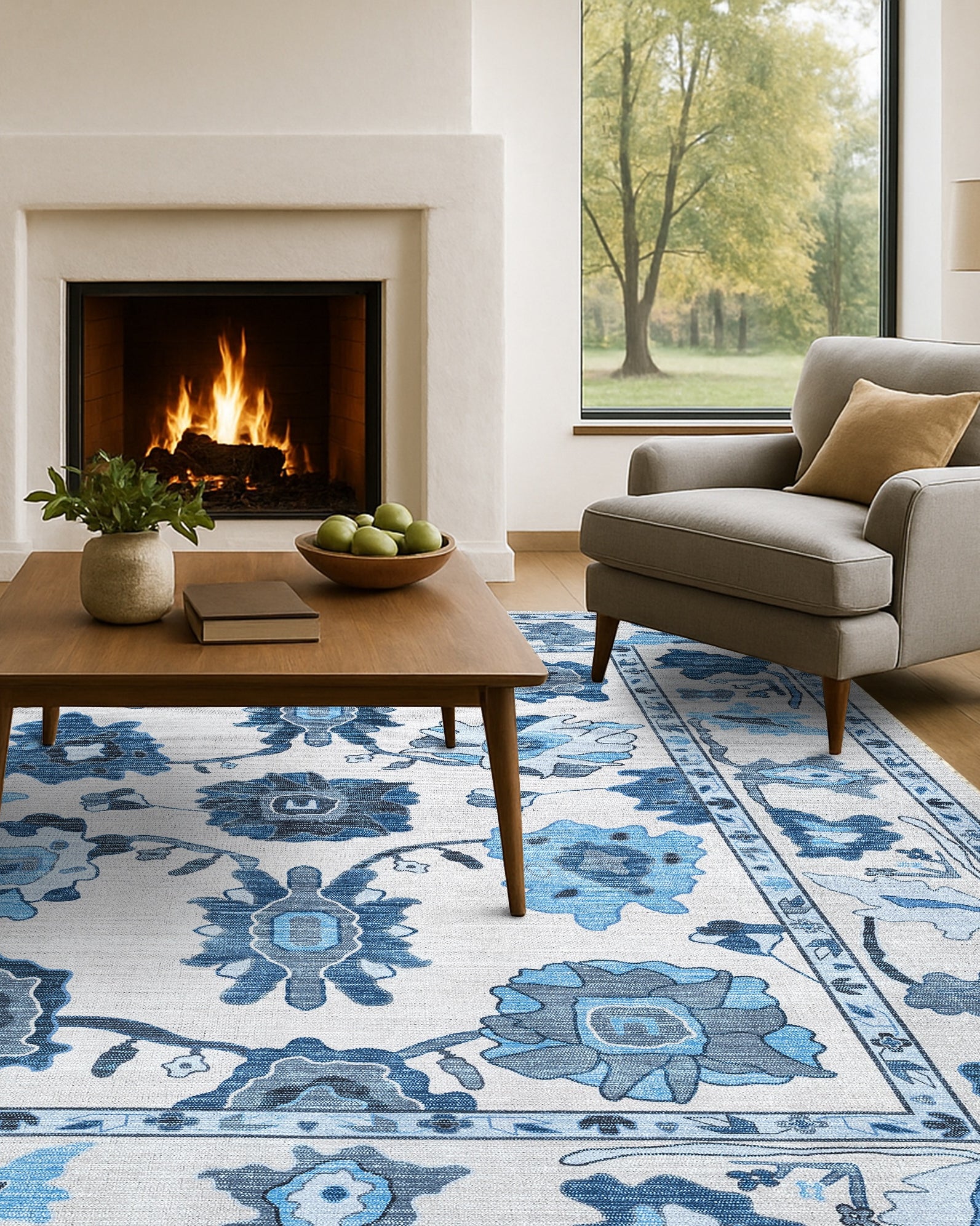
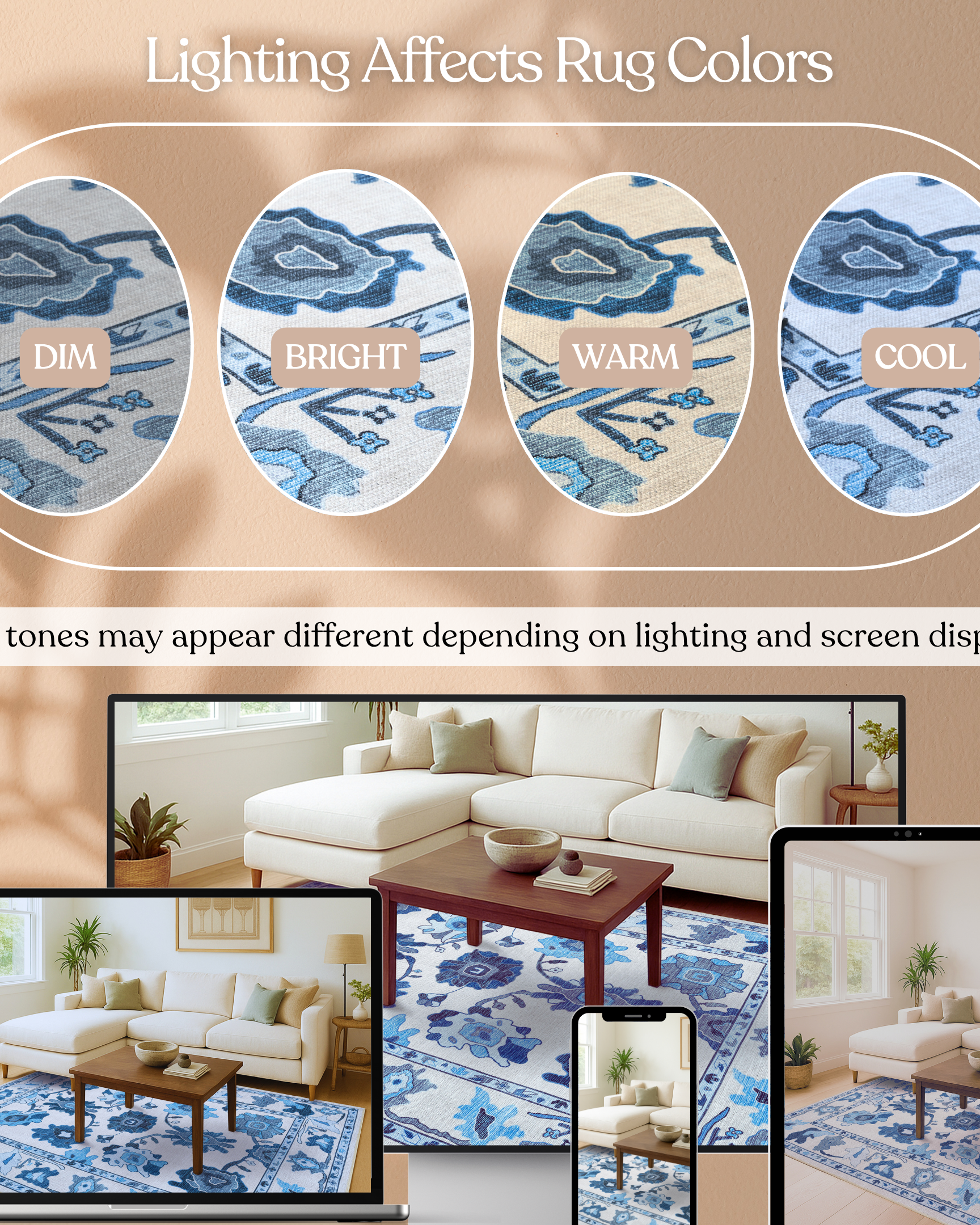
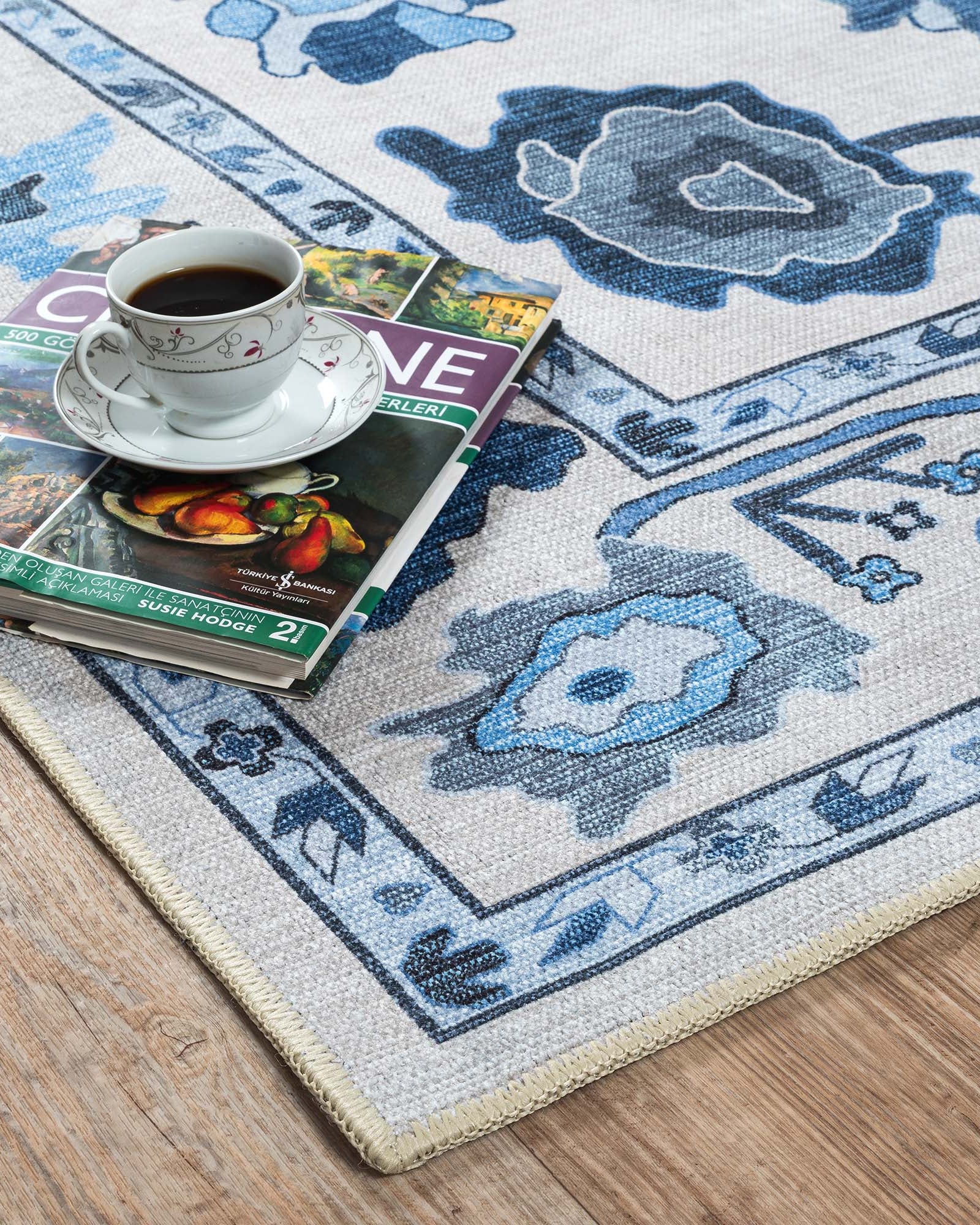
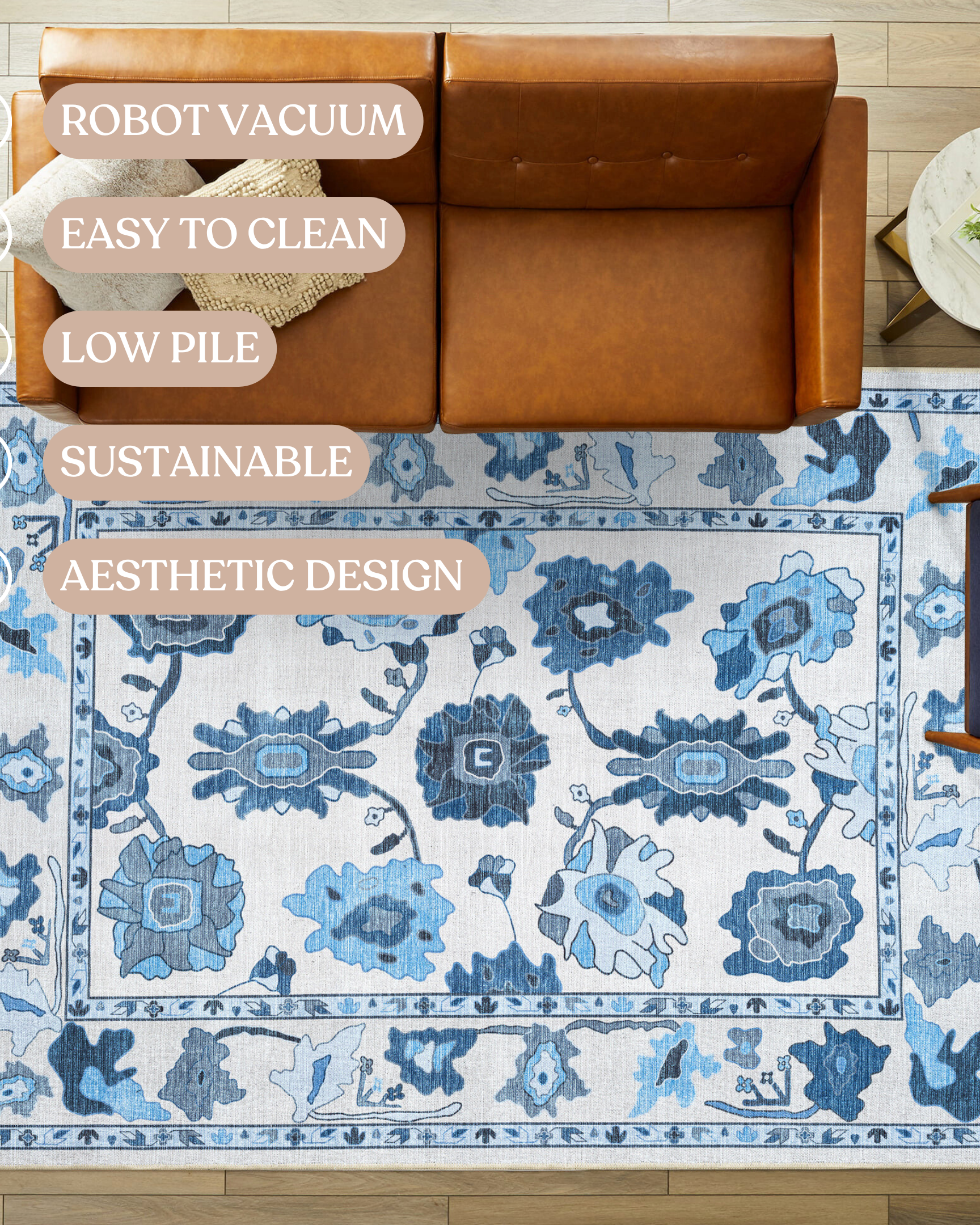
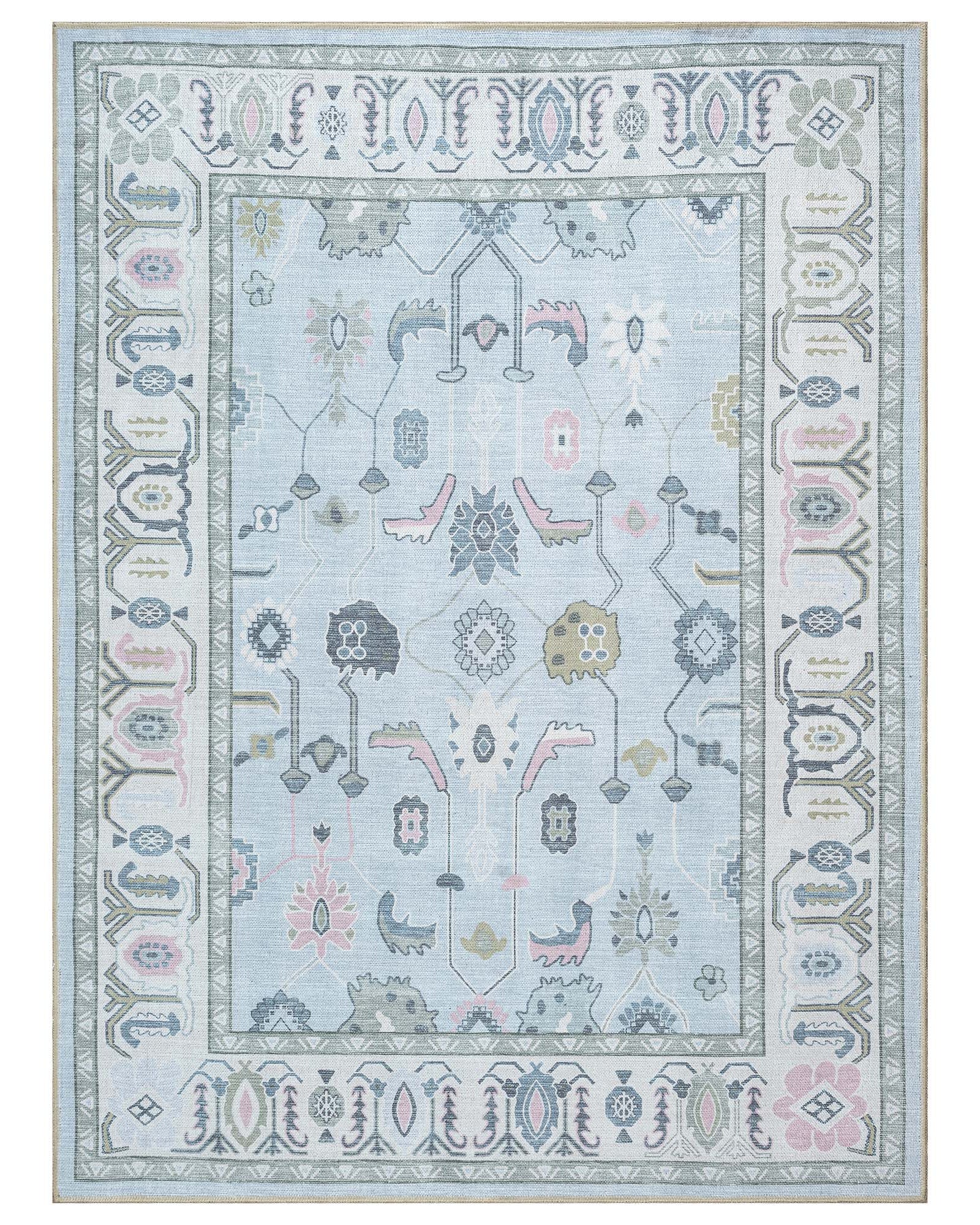
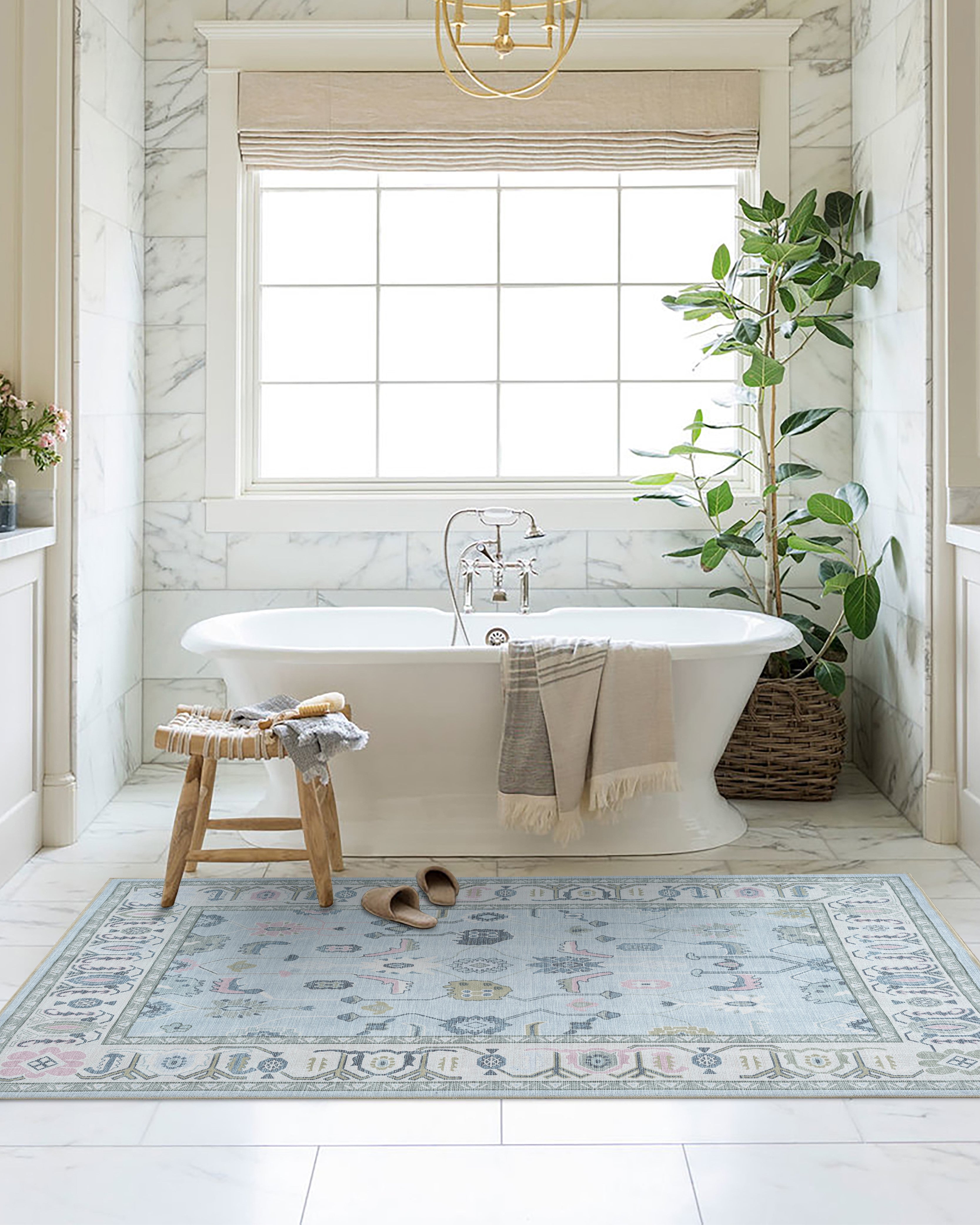
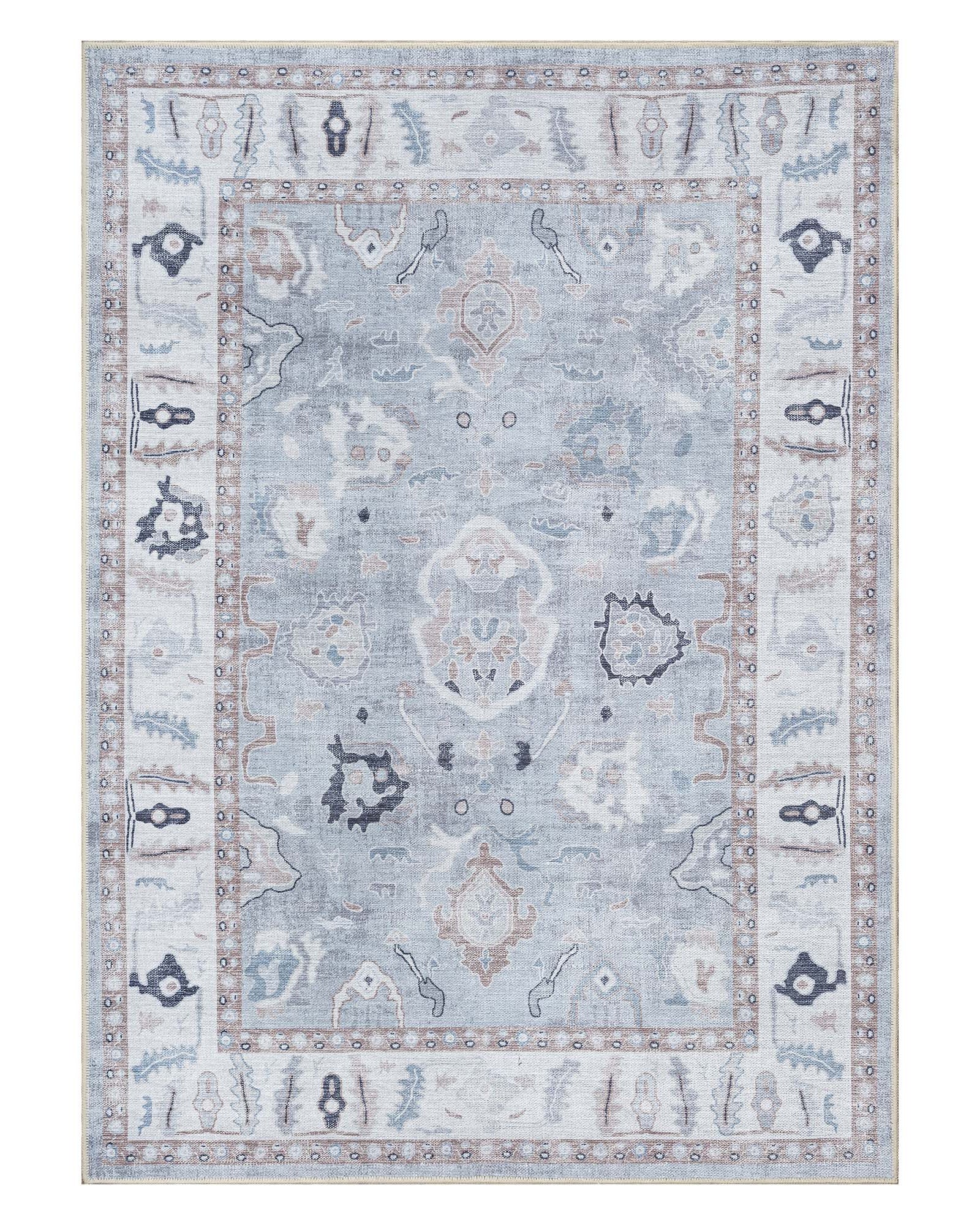
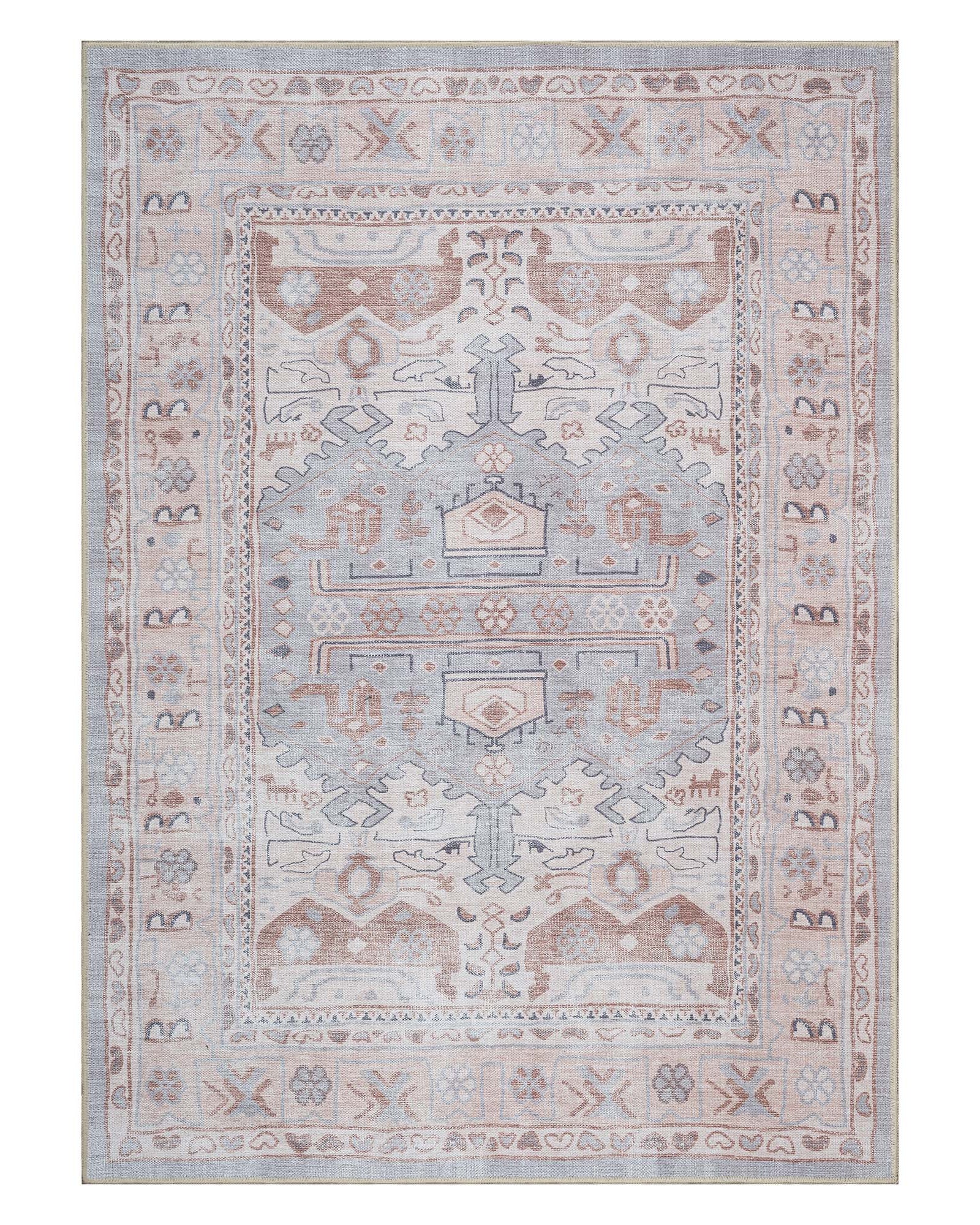
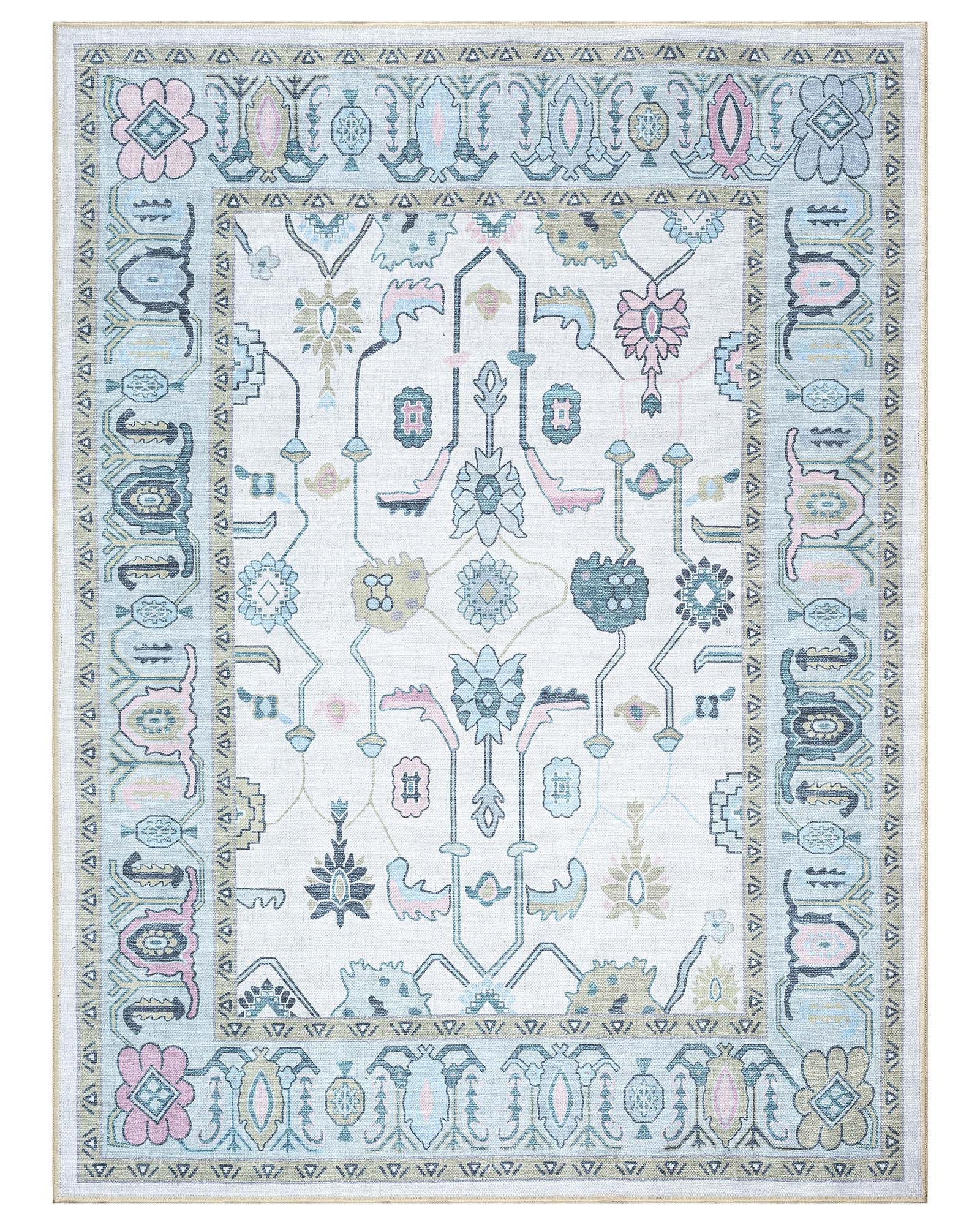
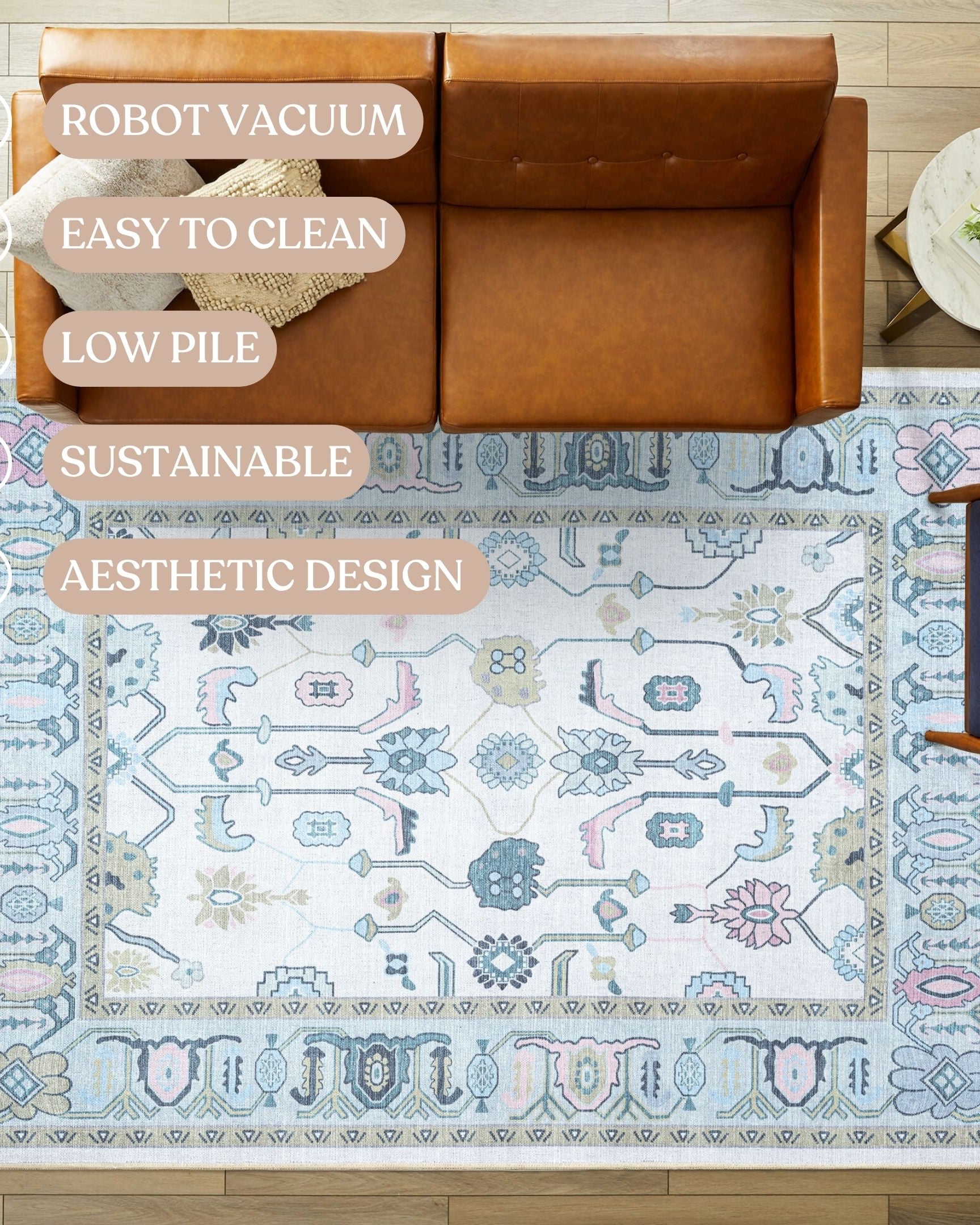
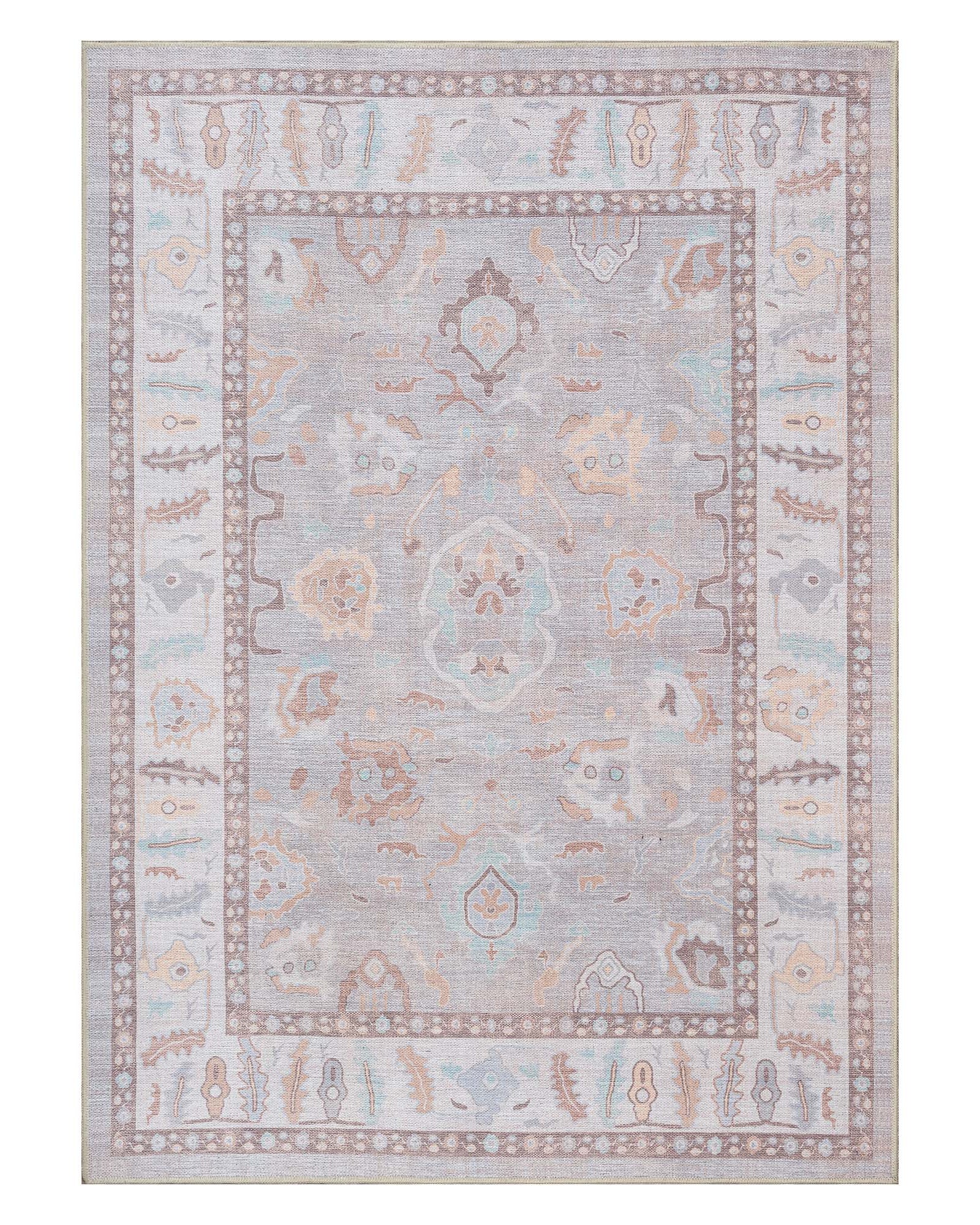
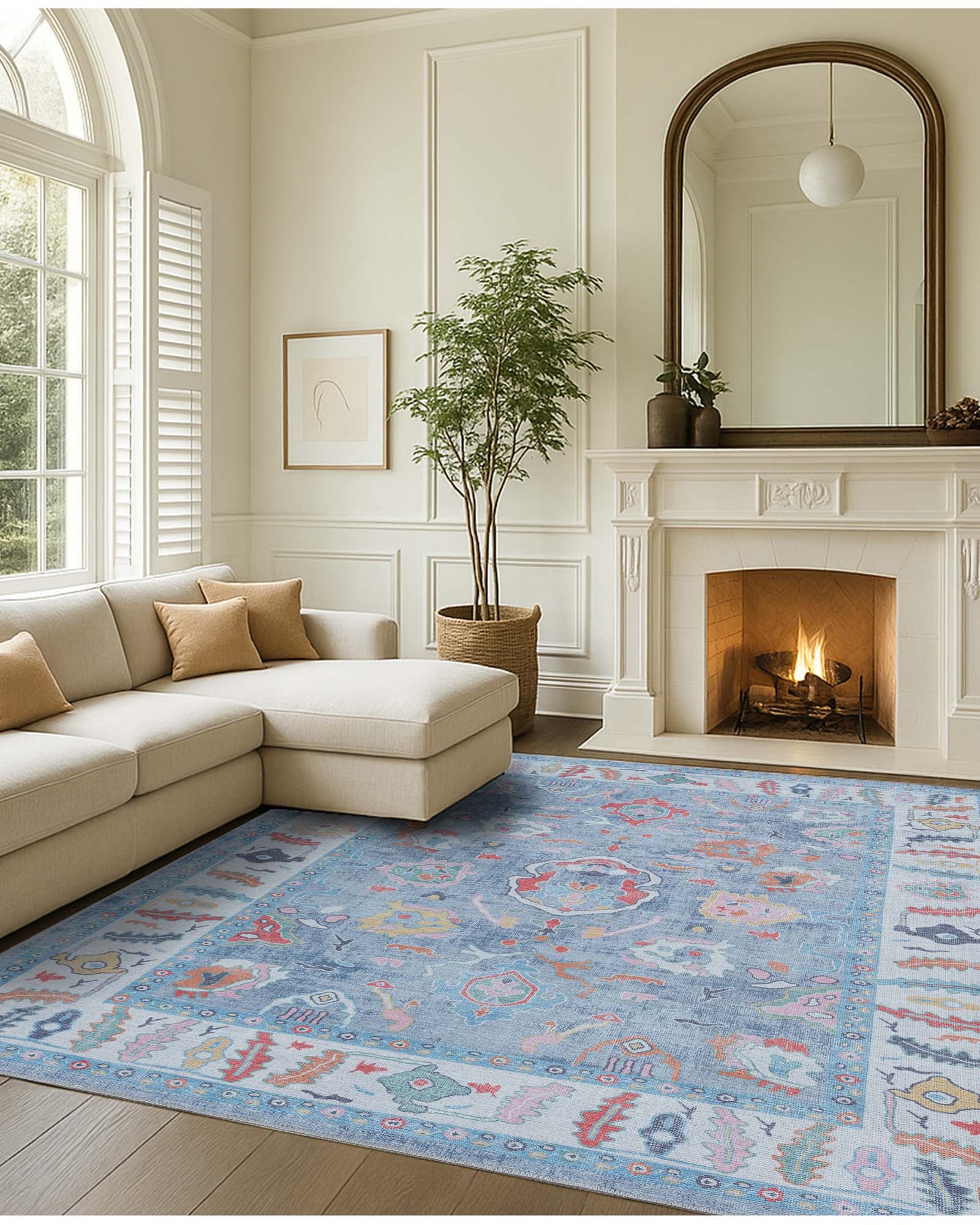
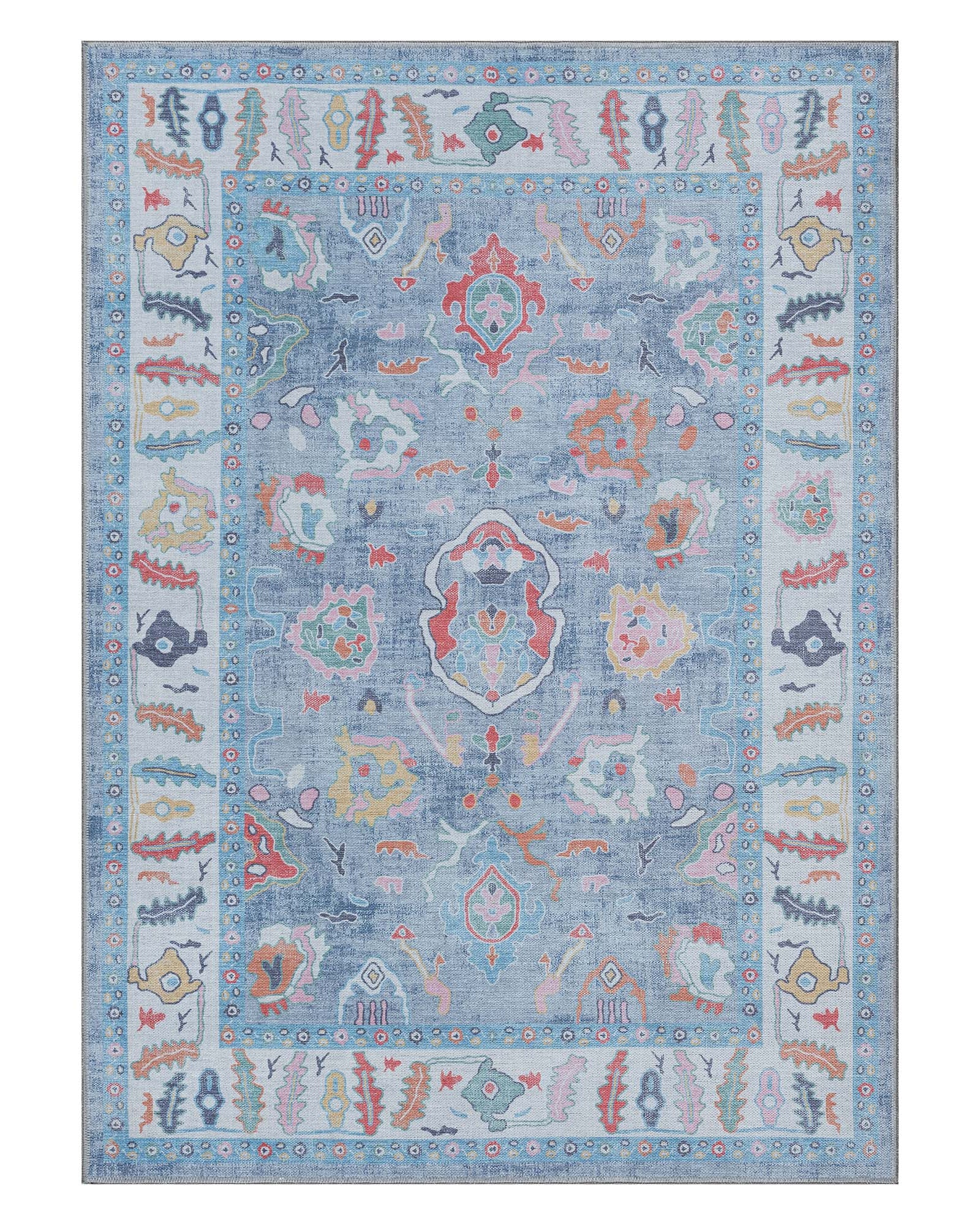
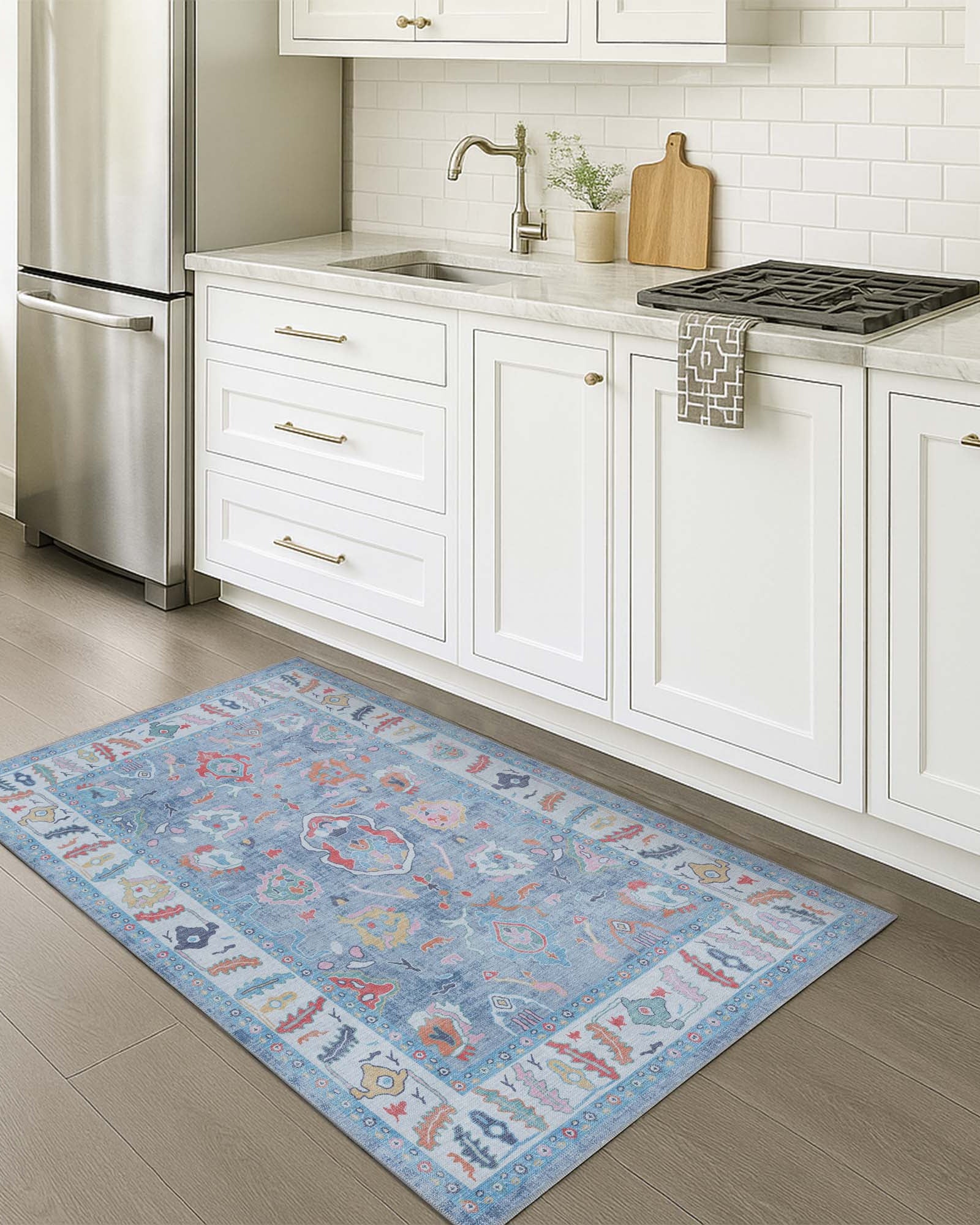
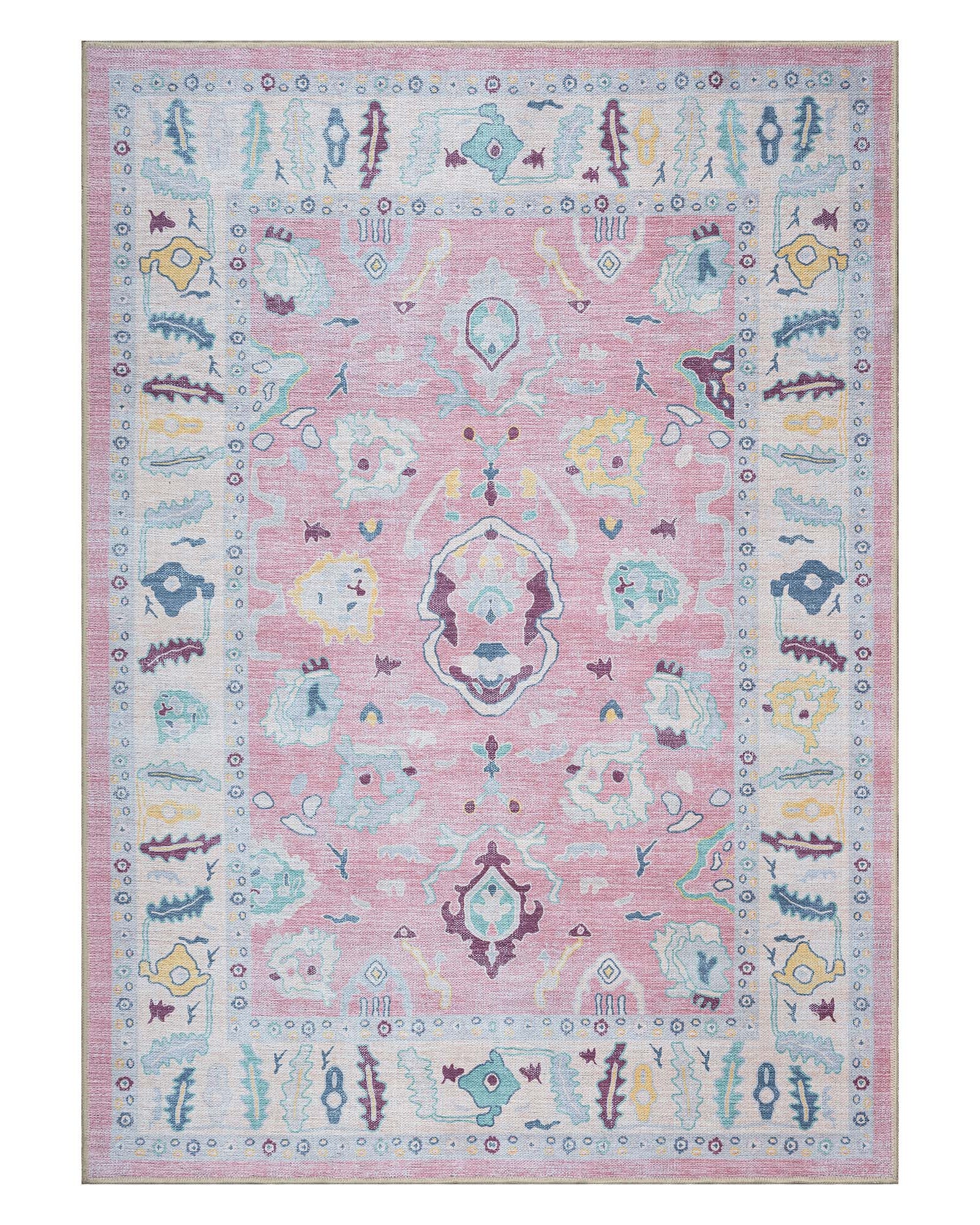
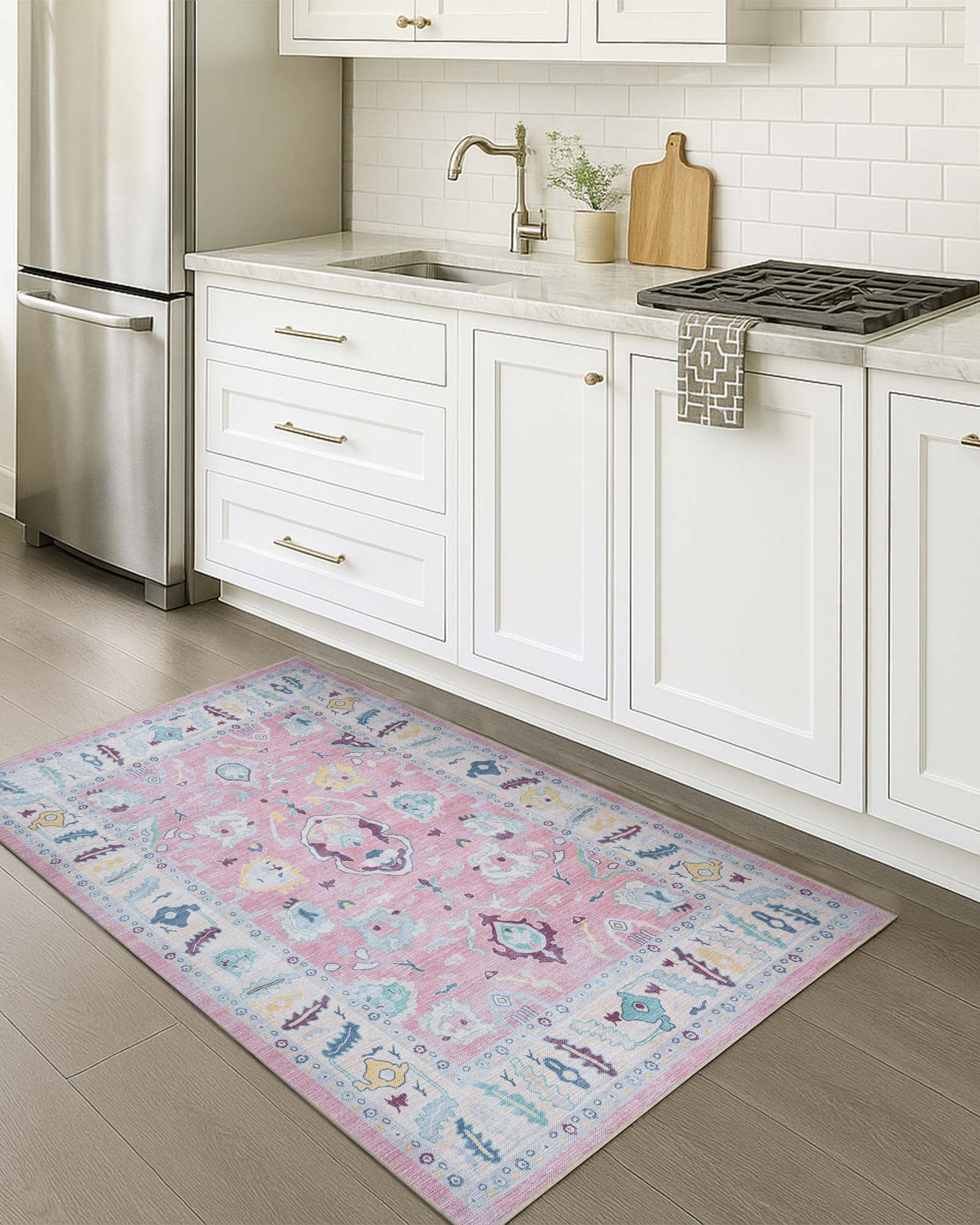
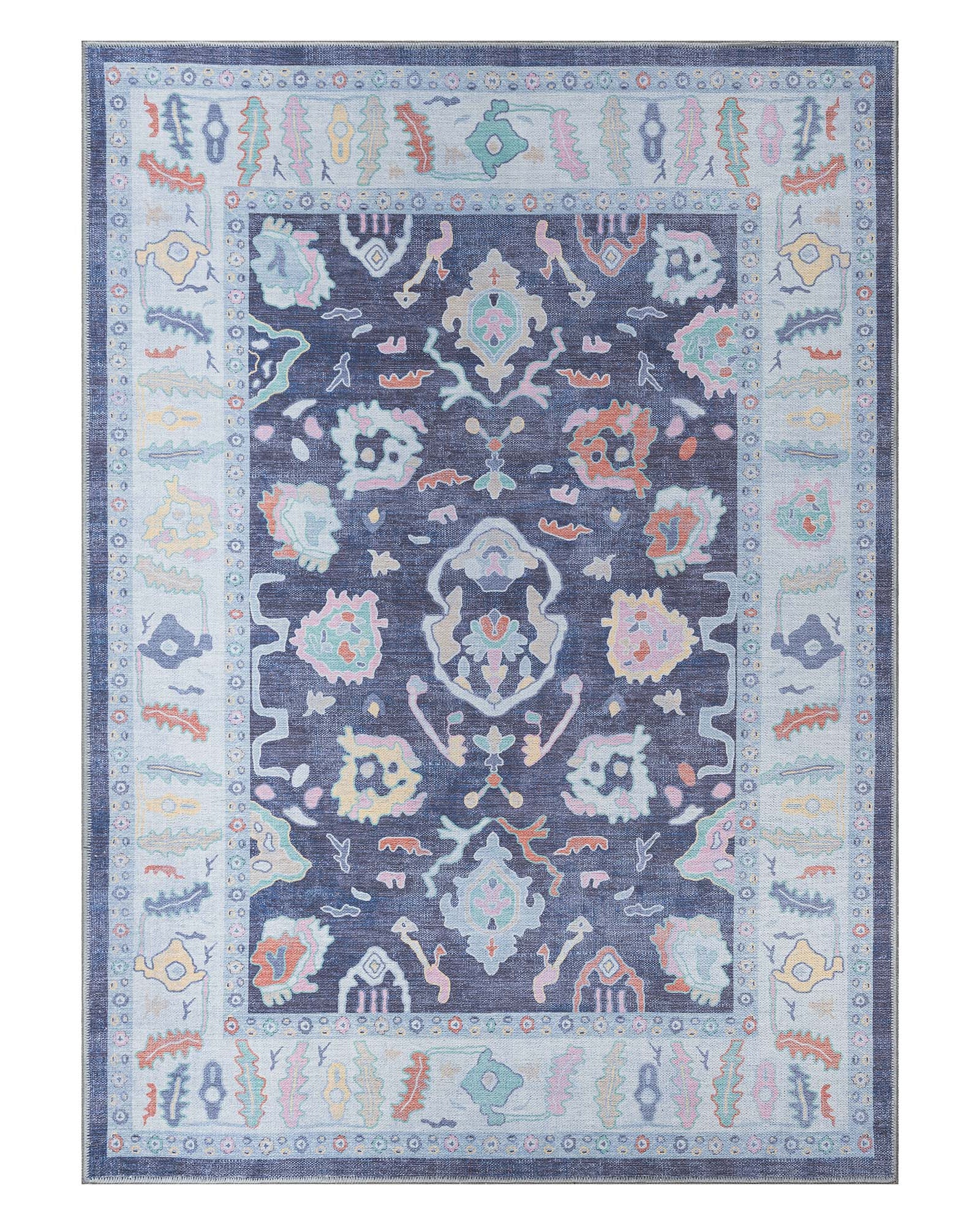
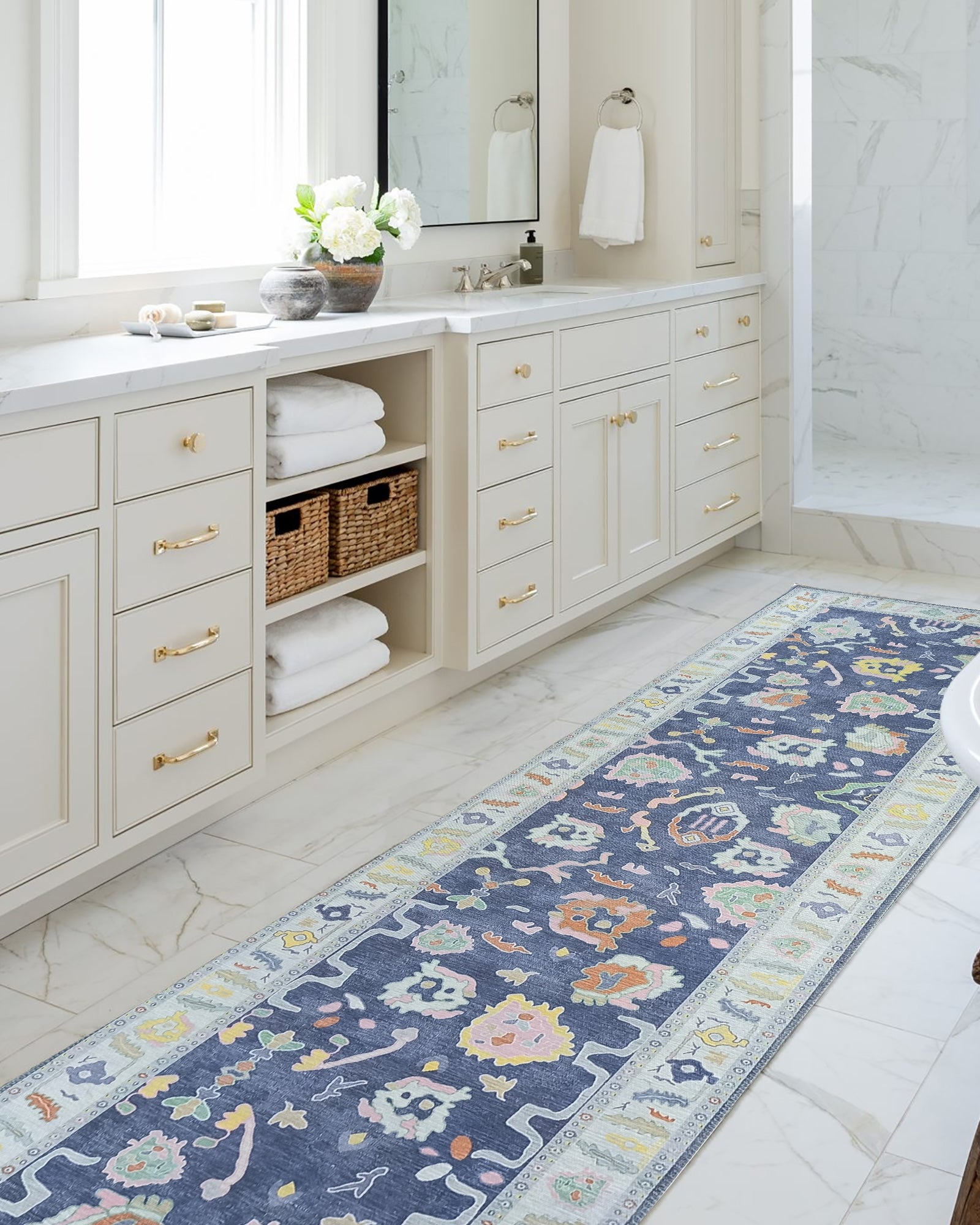
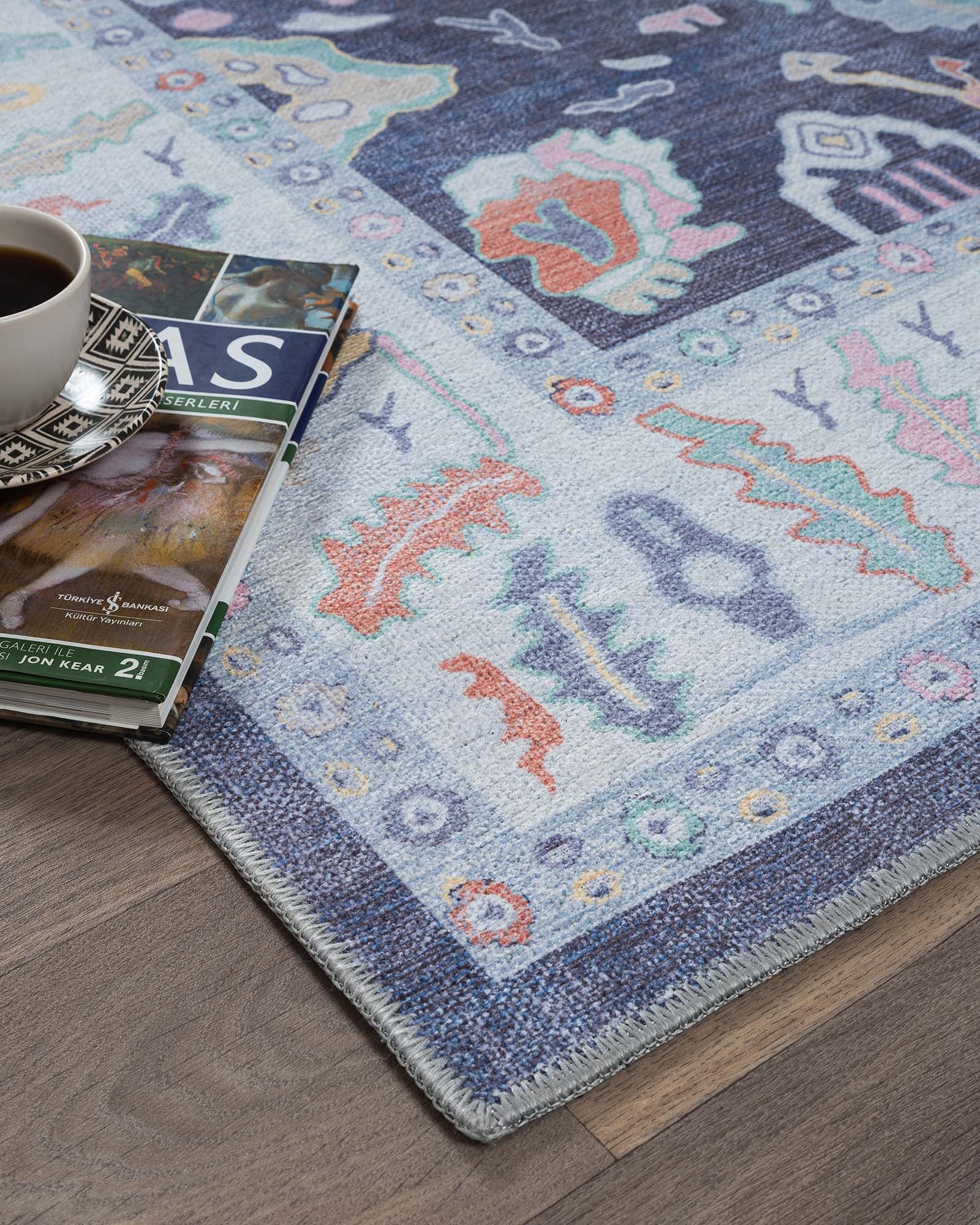
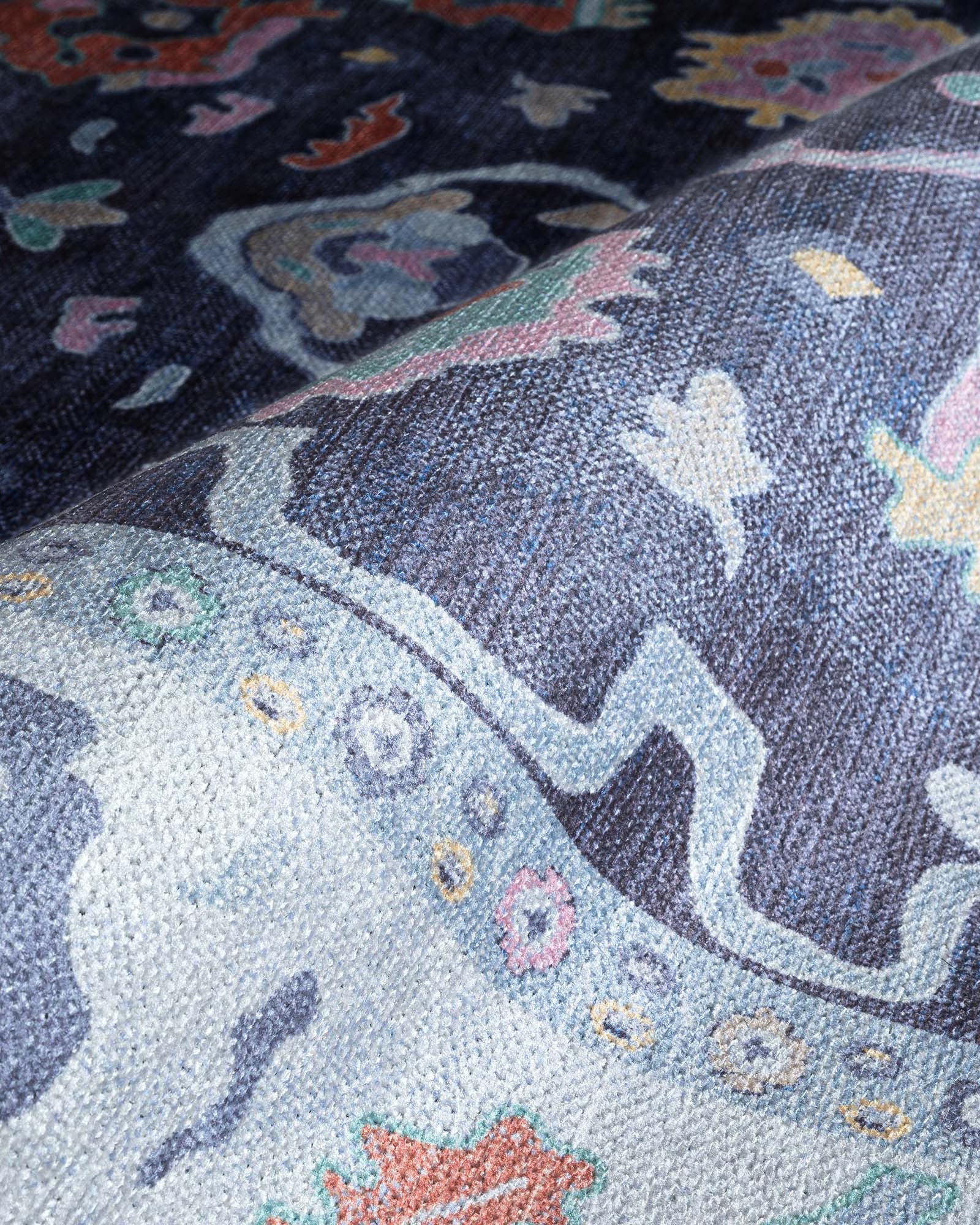
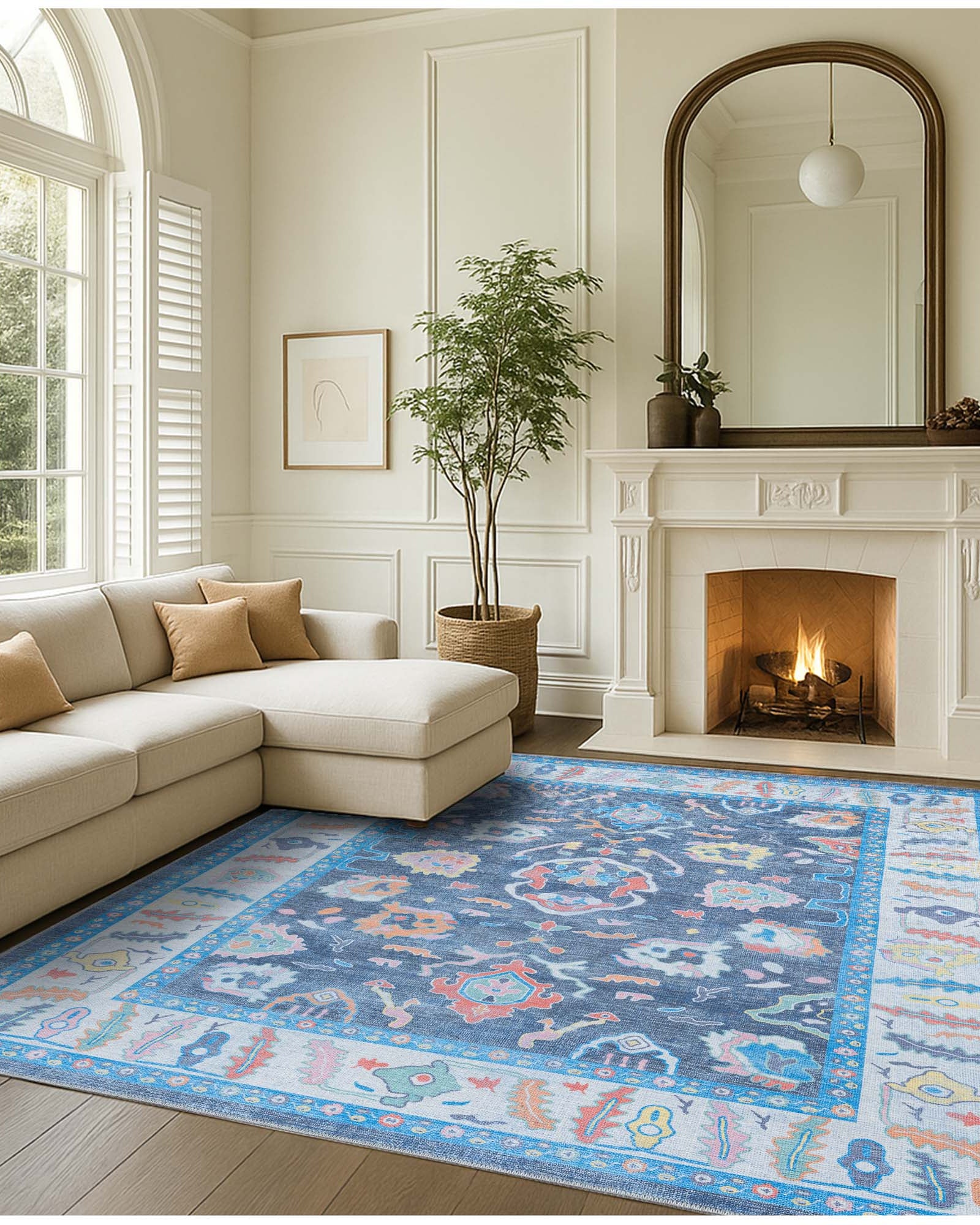
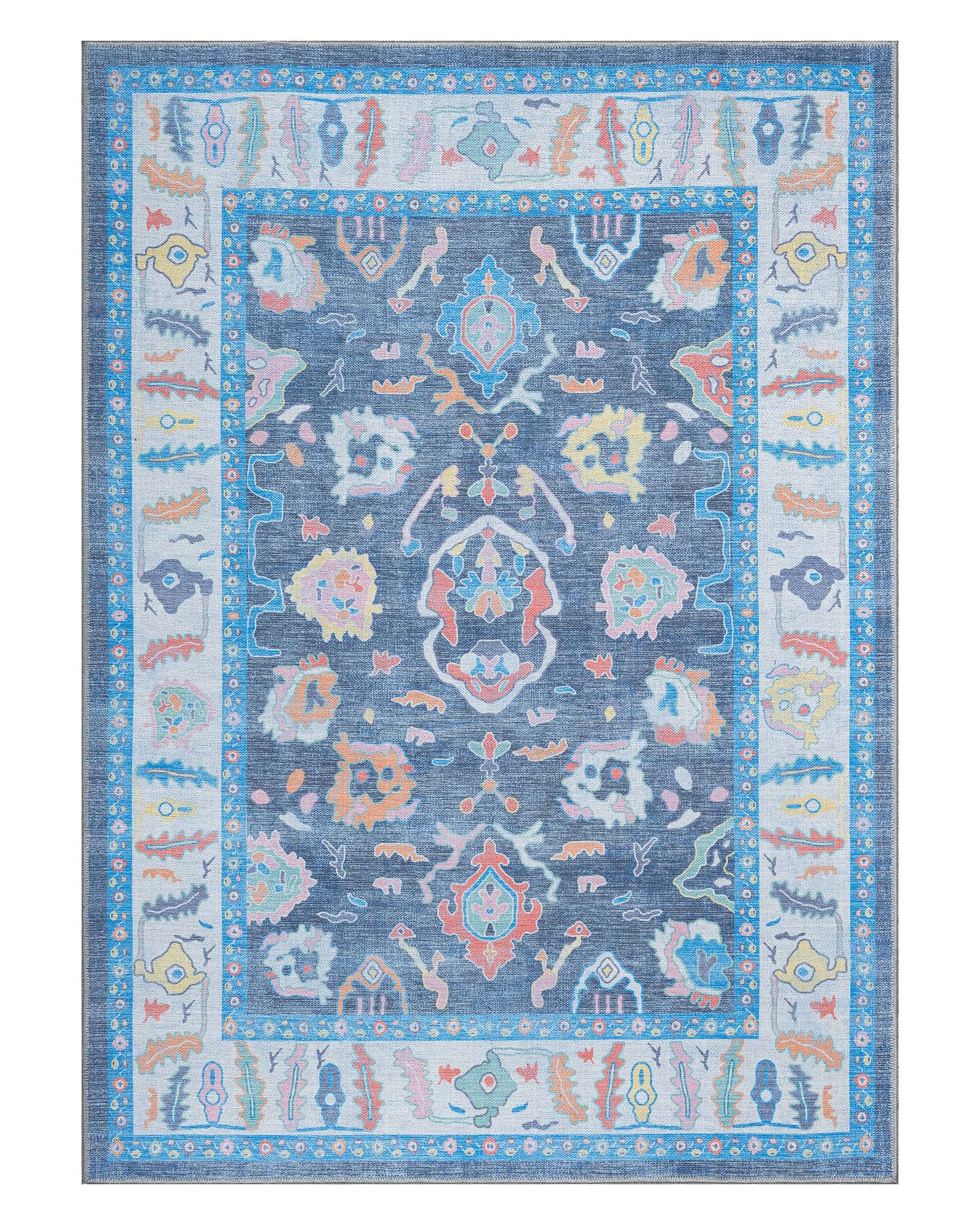
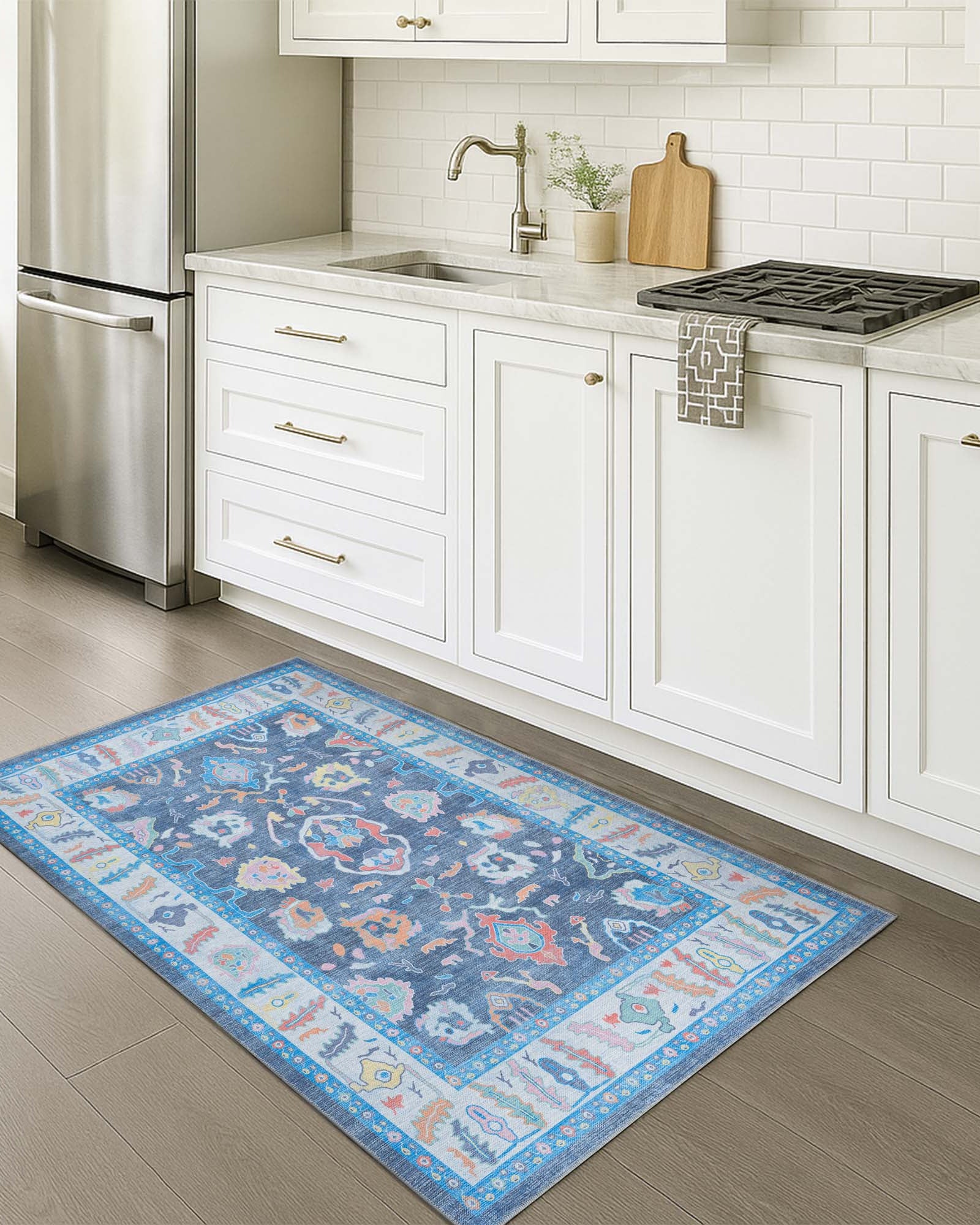
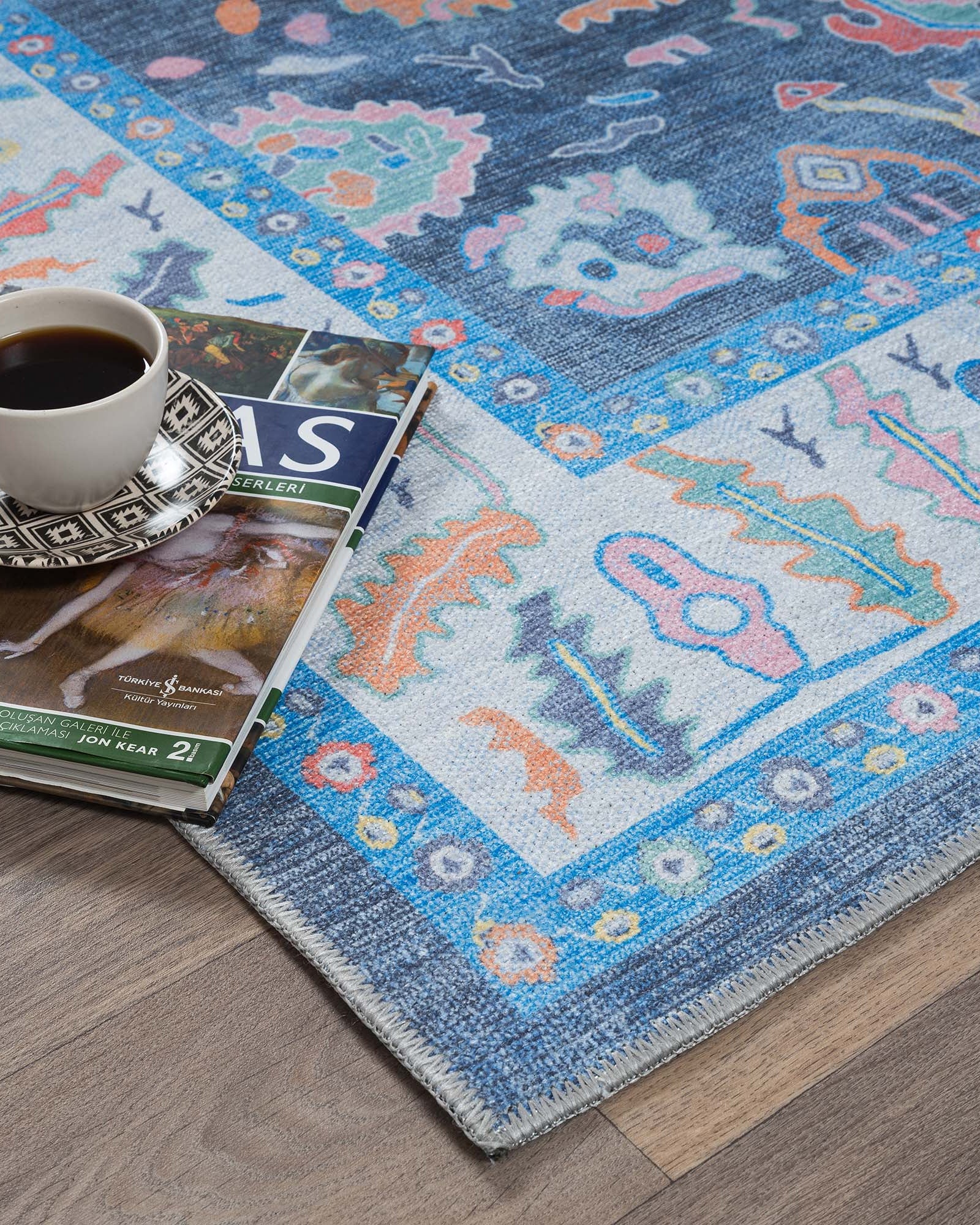
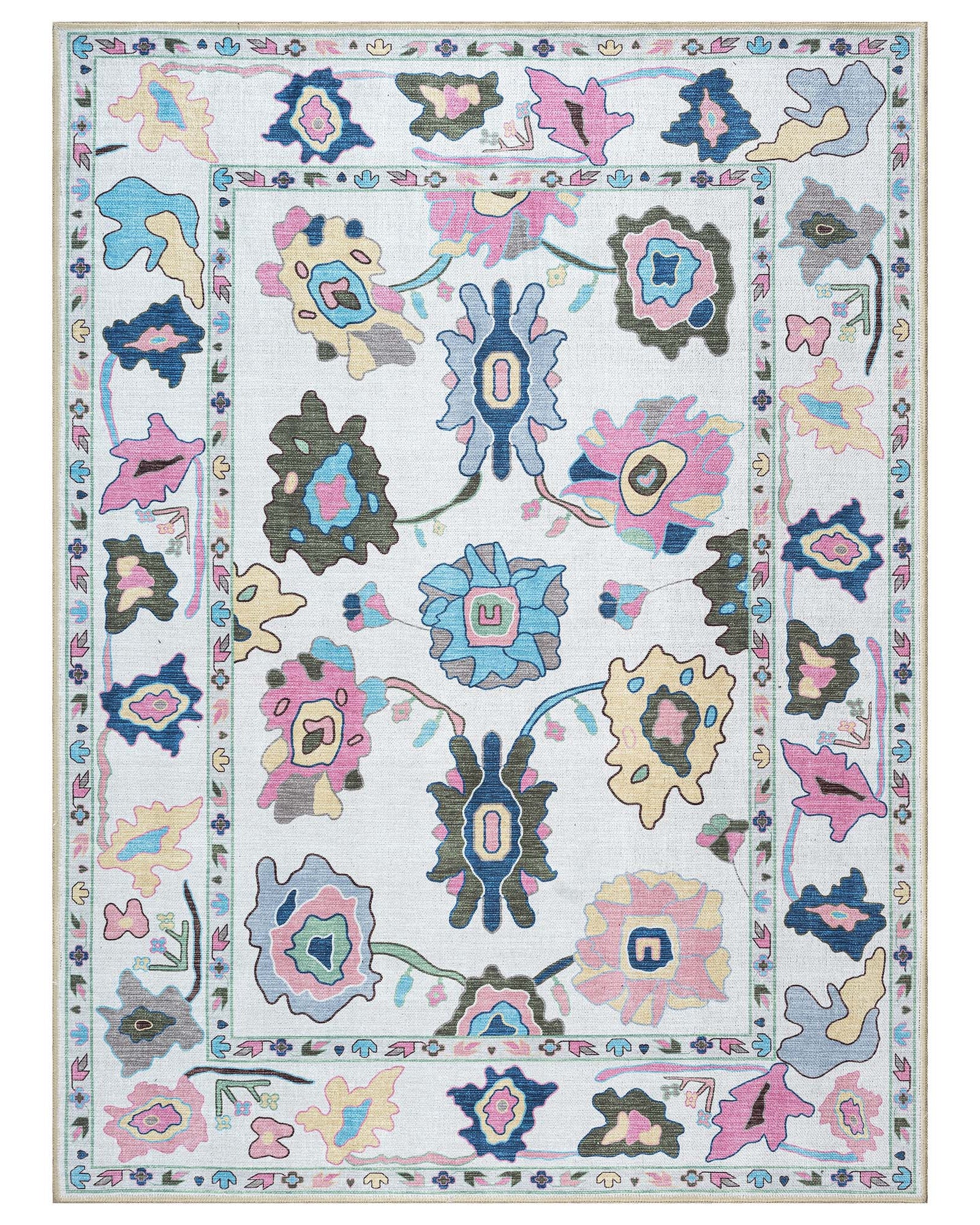
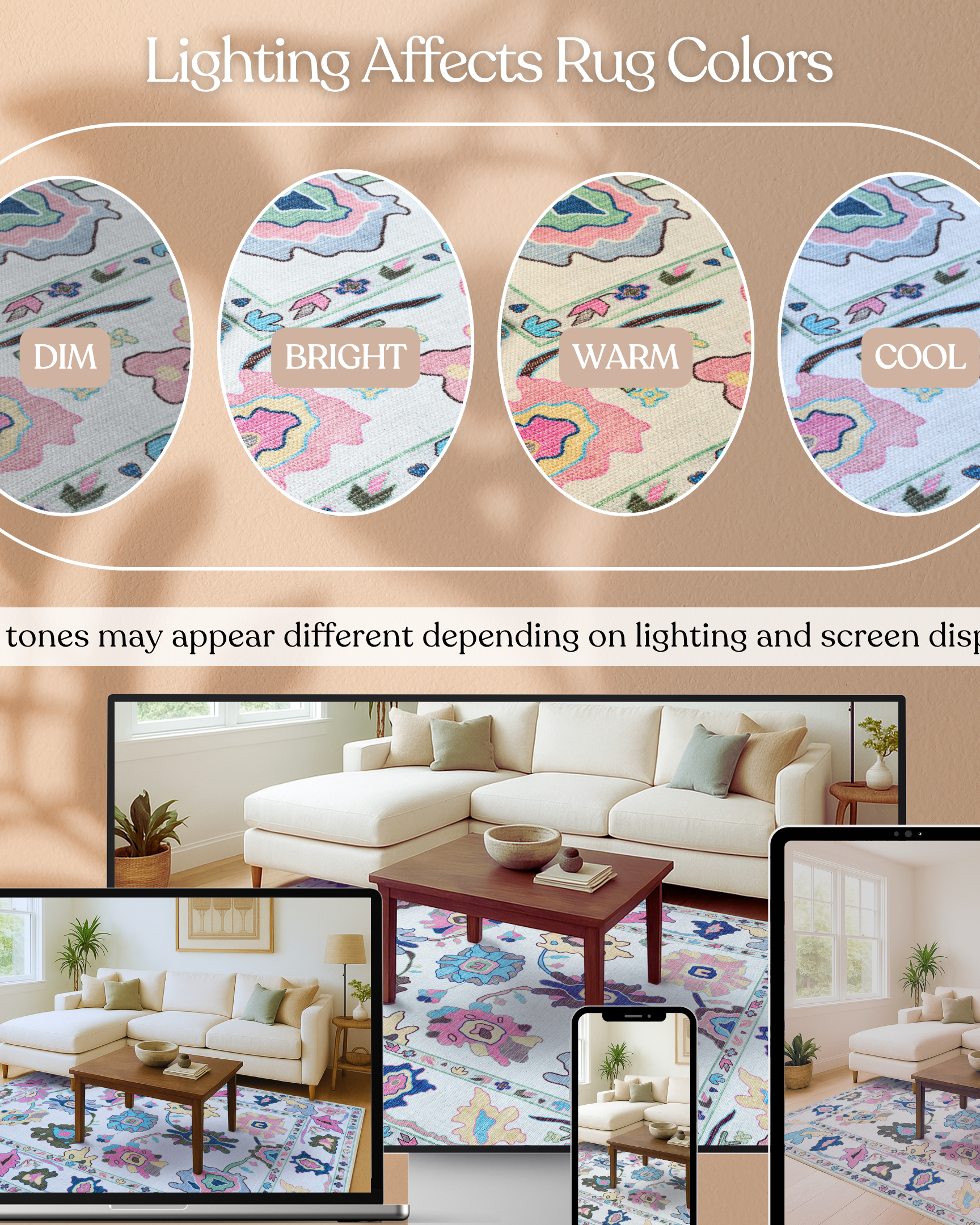
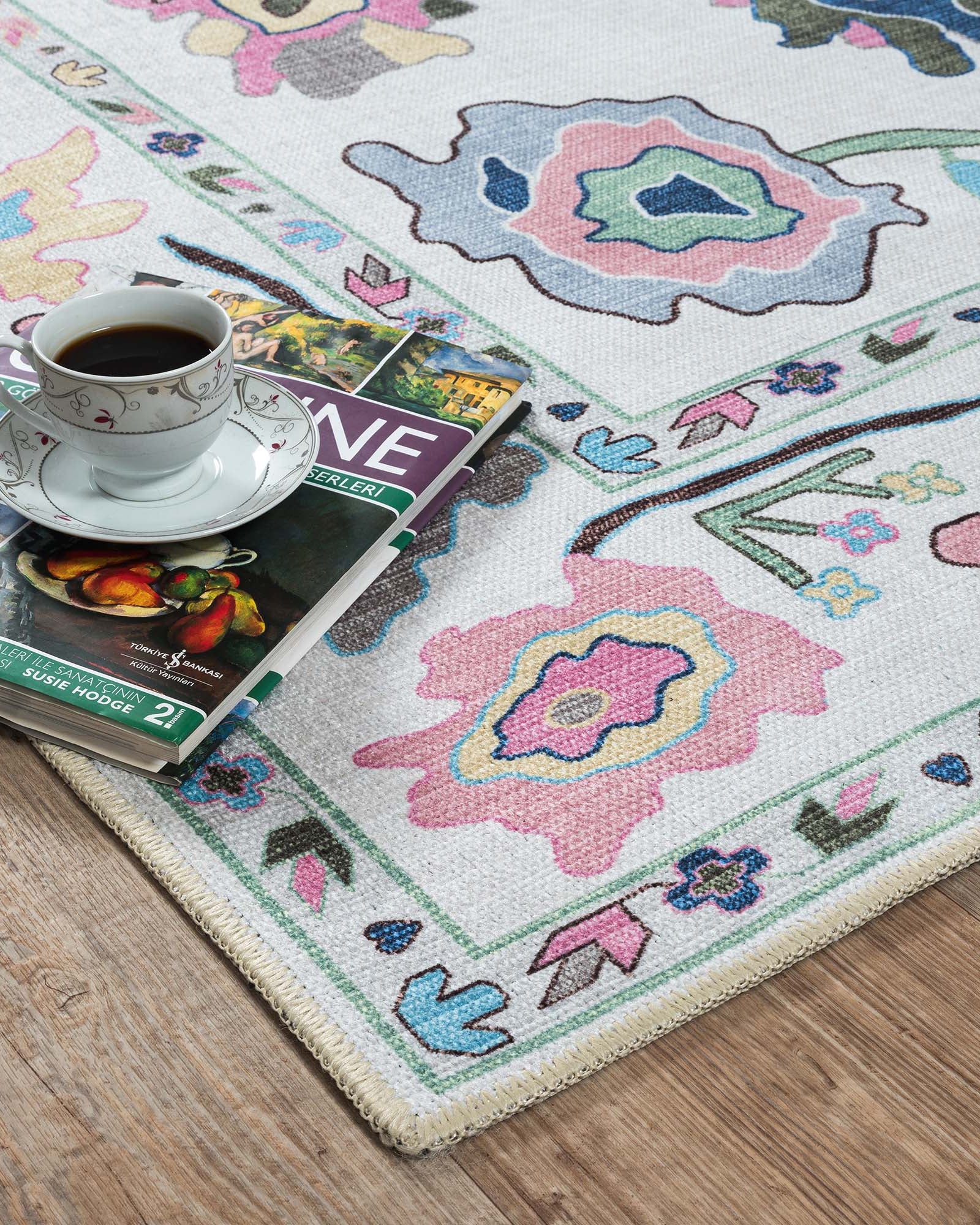
The visual language of this collection is defined by its symbolism and balance. You will find a distinct departure from standard western patterns. Expect to see "Chinoiserie" elements such as cherry blossoms, lotus flowers, pagodas, and cranes, which represent purity and grace. The color palette is equally significant. We feature deep "lacquer" reds and golds that symbolize good fortune, as well as calming blues and white porcelains that evoke a sense of Zen. For those who prefer a subtler look, we also offer monochromatic designs featuring bamboo textures or simple calligraphy-inspired brushstrokes, perfect for creating a tranquil, minimalist sanctuary.
Pile Height, Texture, and Everyday Comfort
Experience the luxurious feel of dense, velvety piles that mimic the sheen and softness of traditional silk carpets.
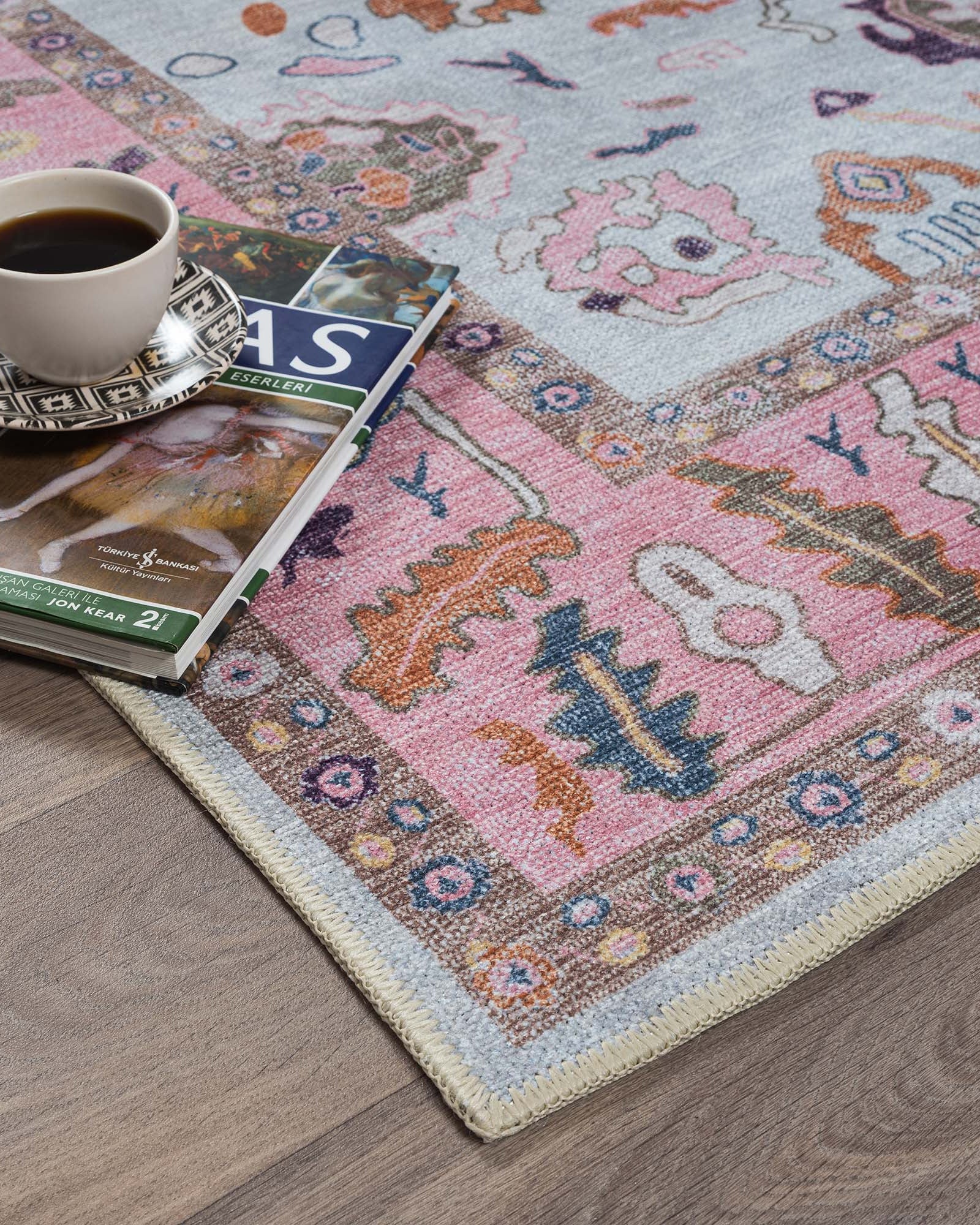
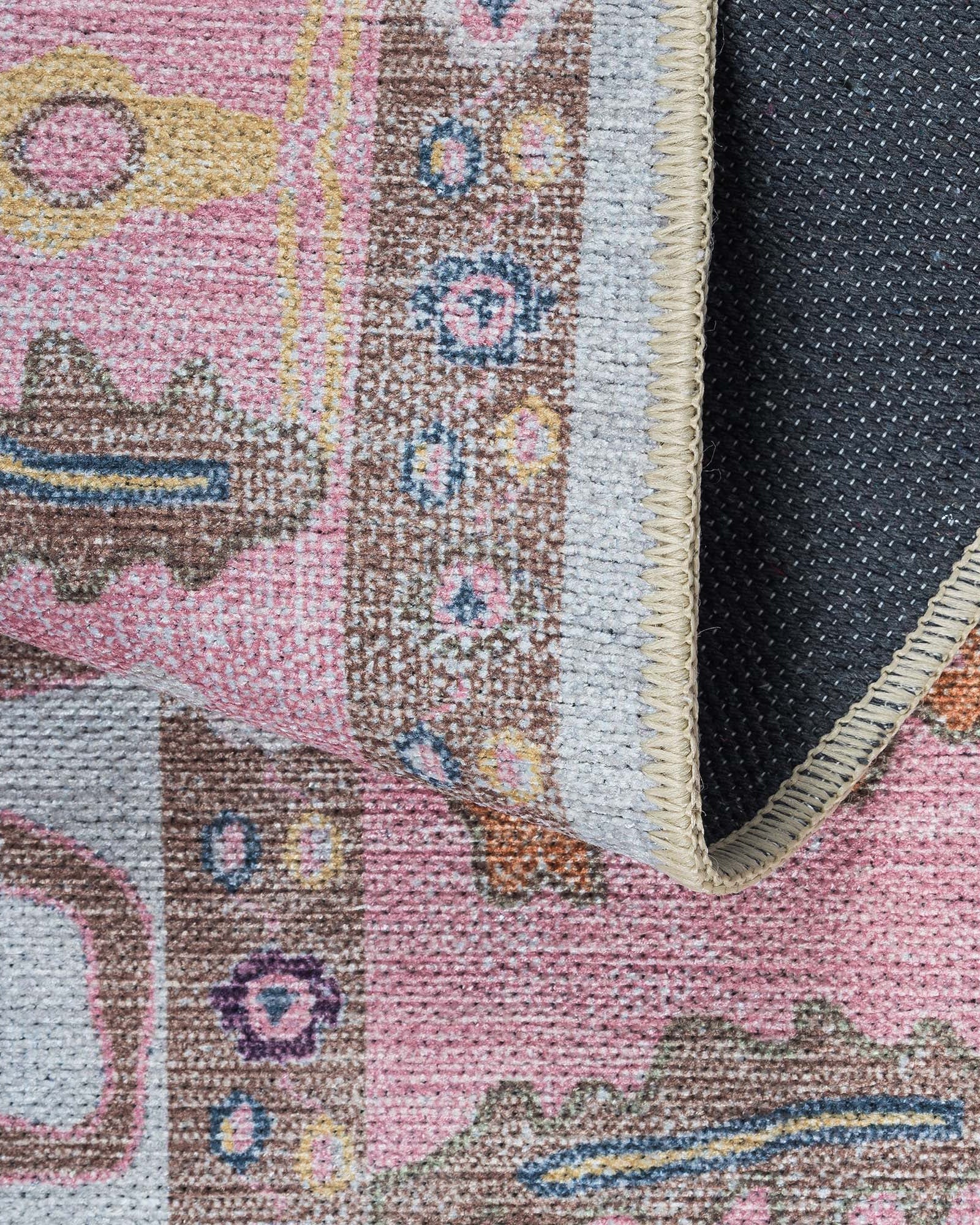
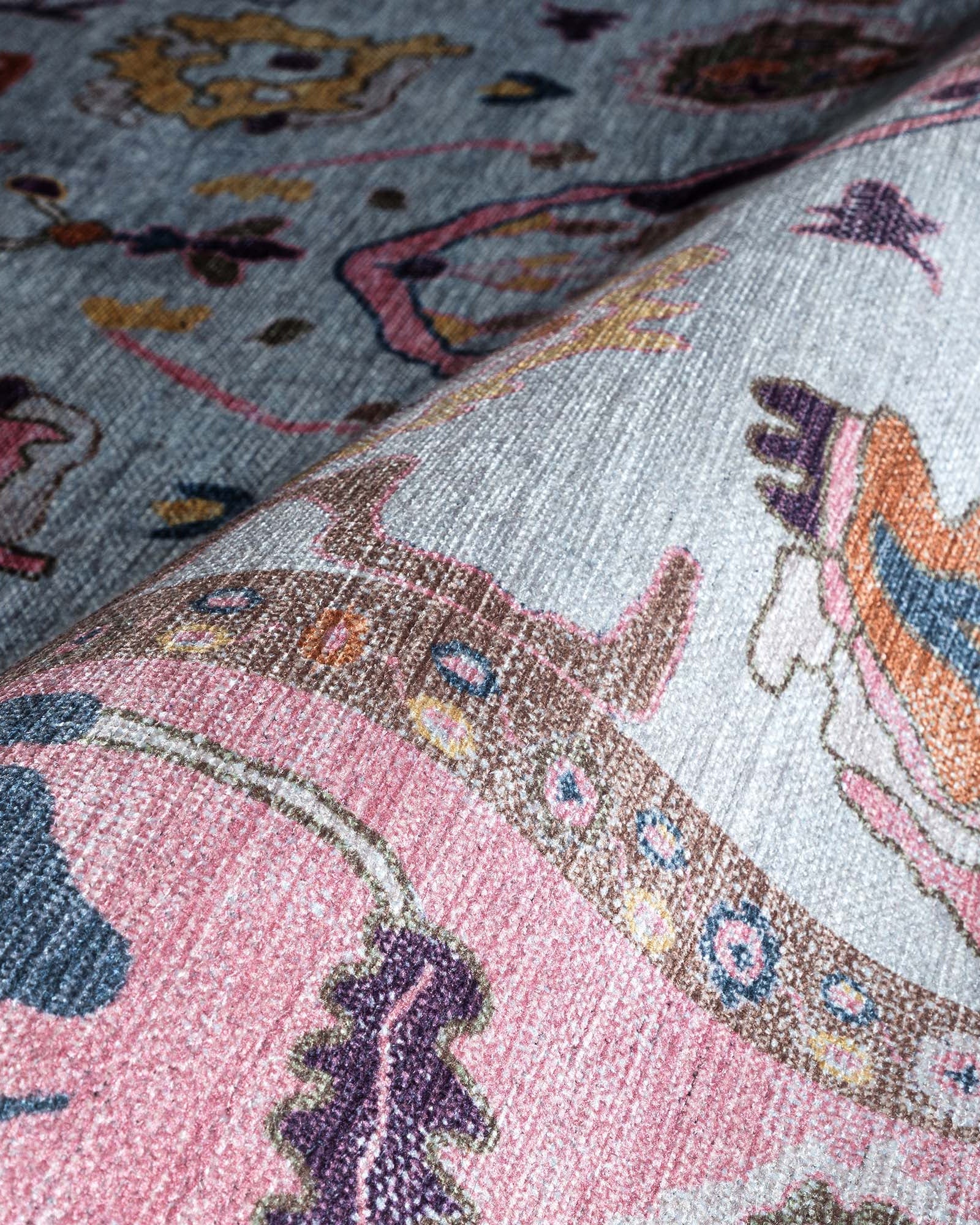
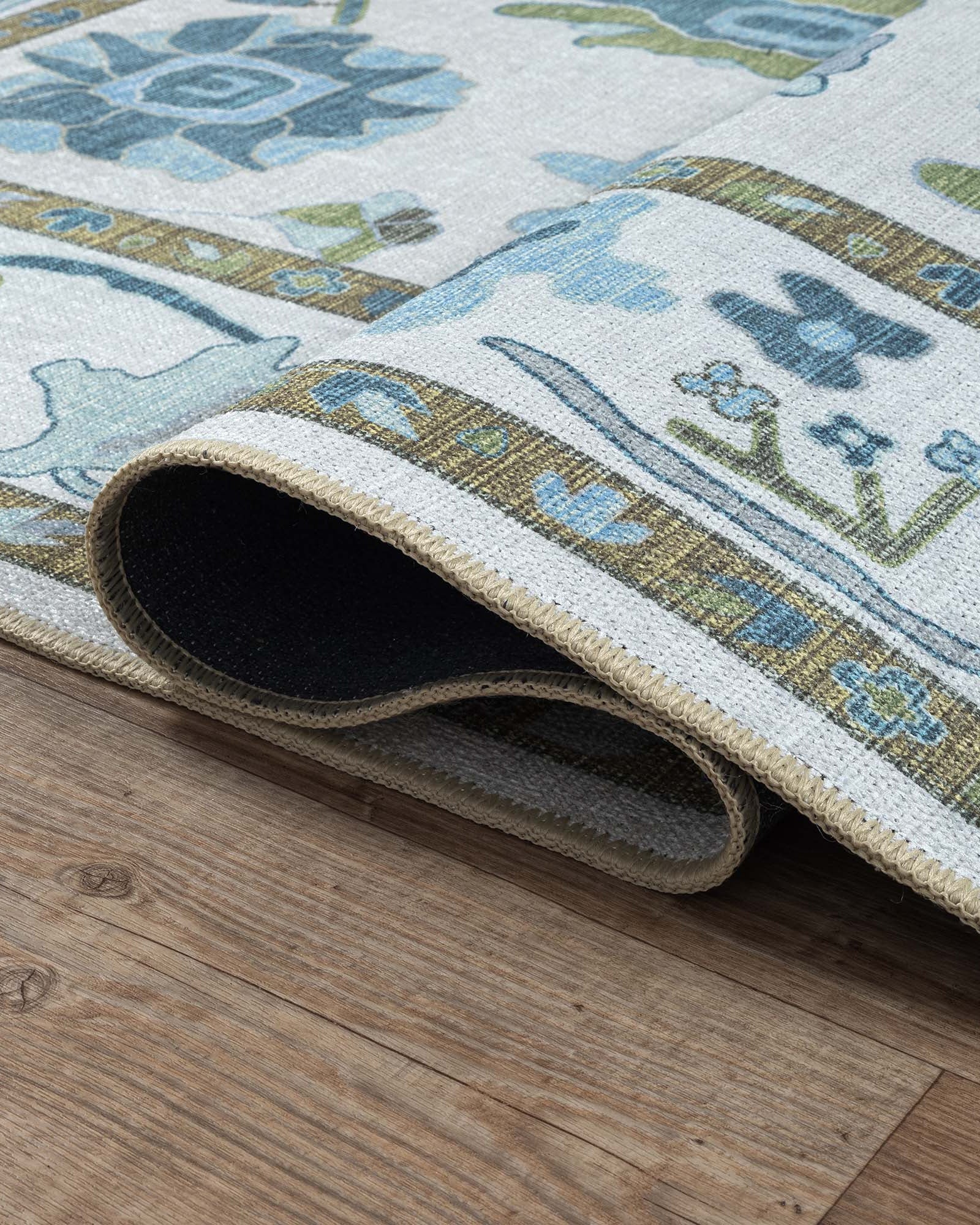
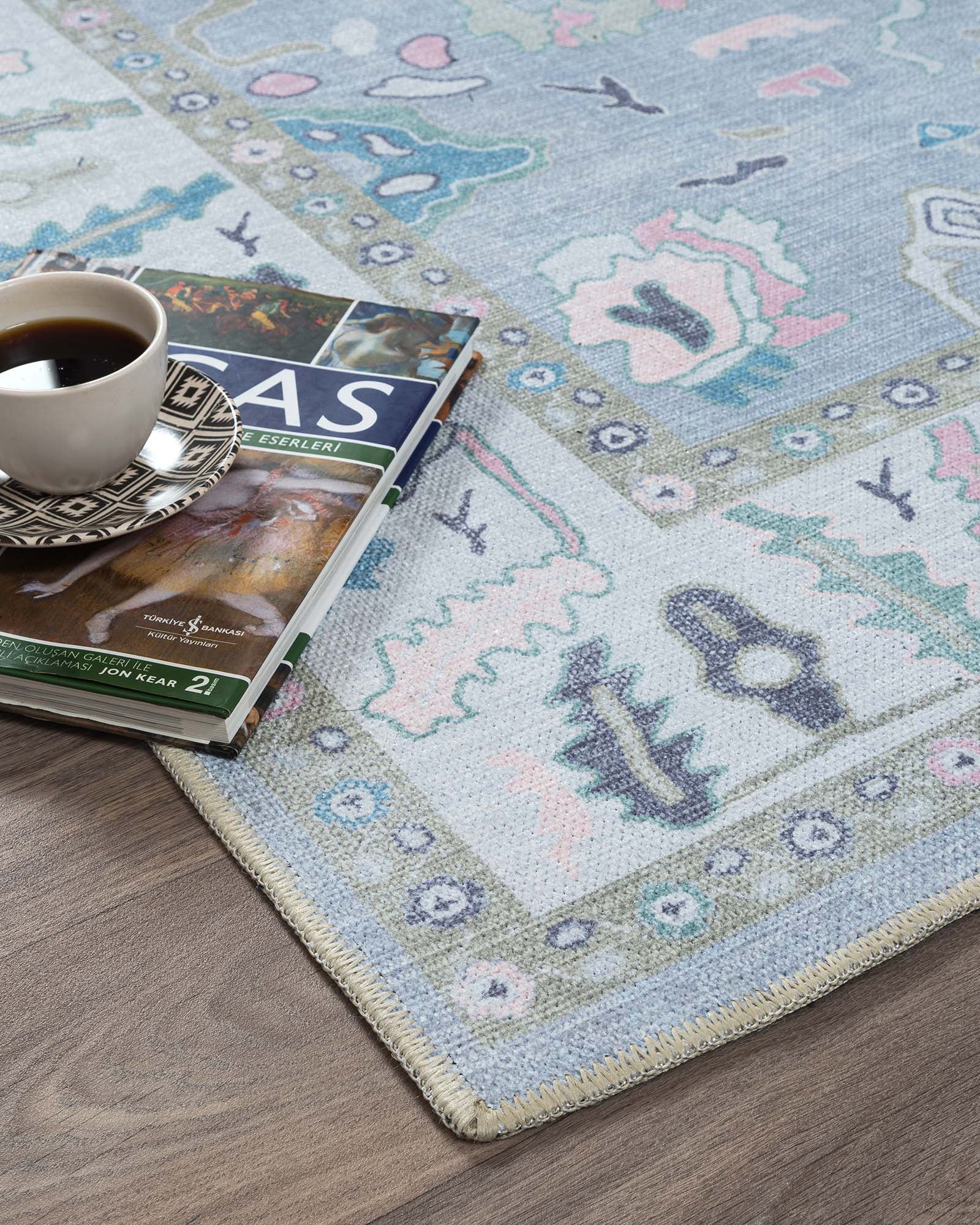
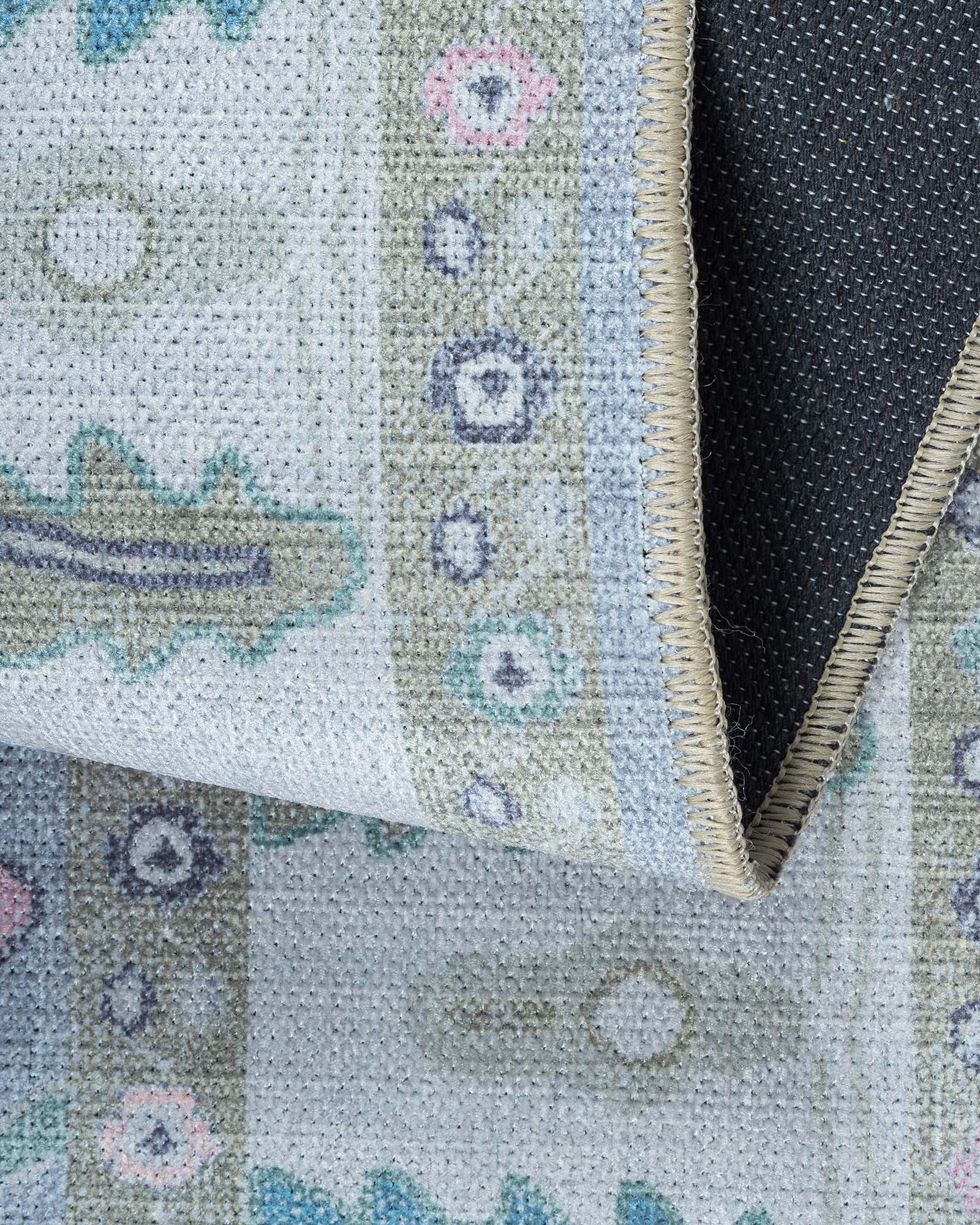
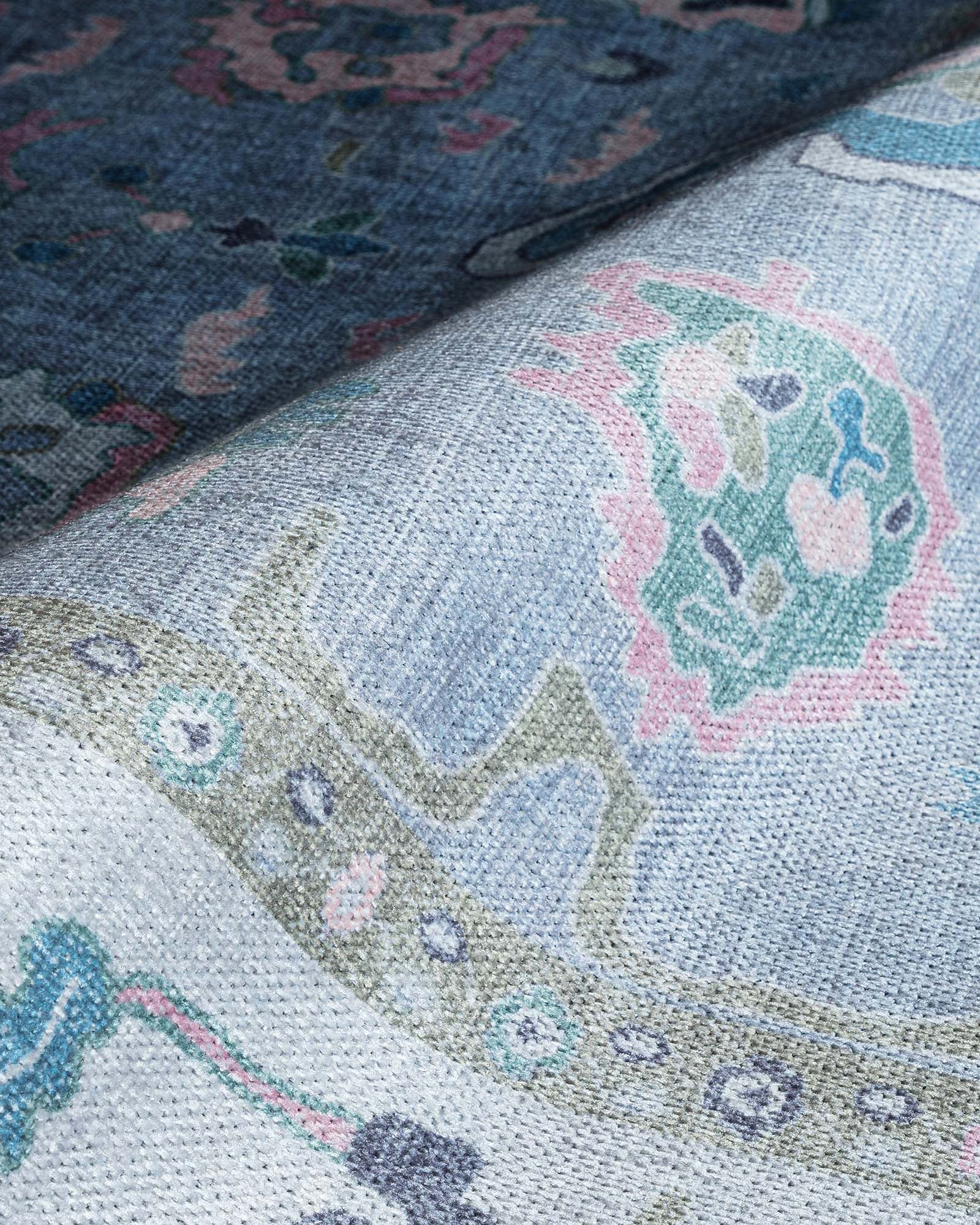
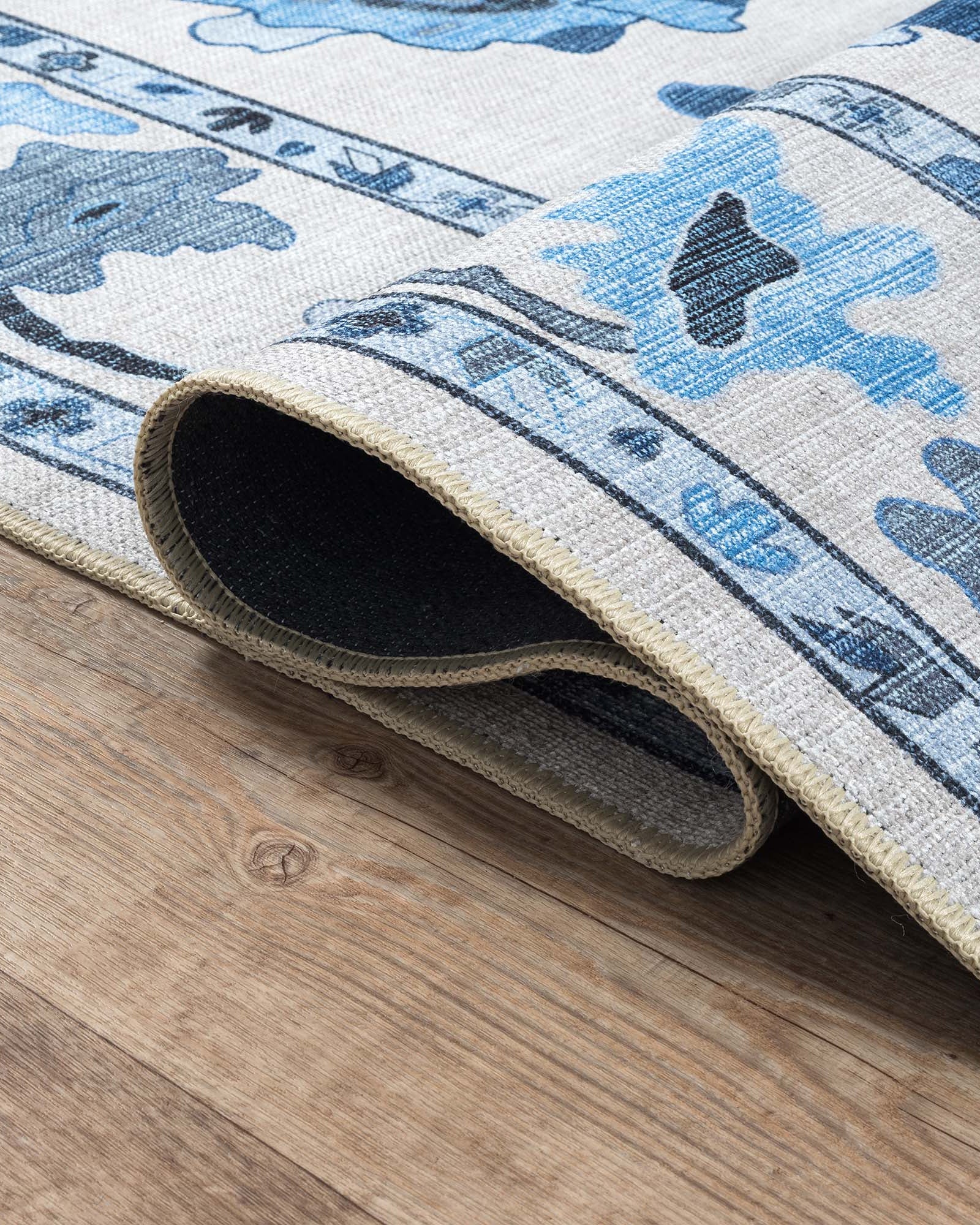
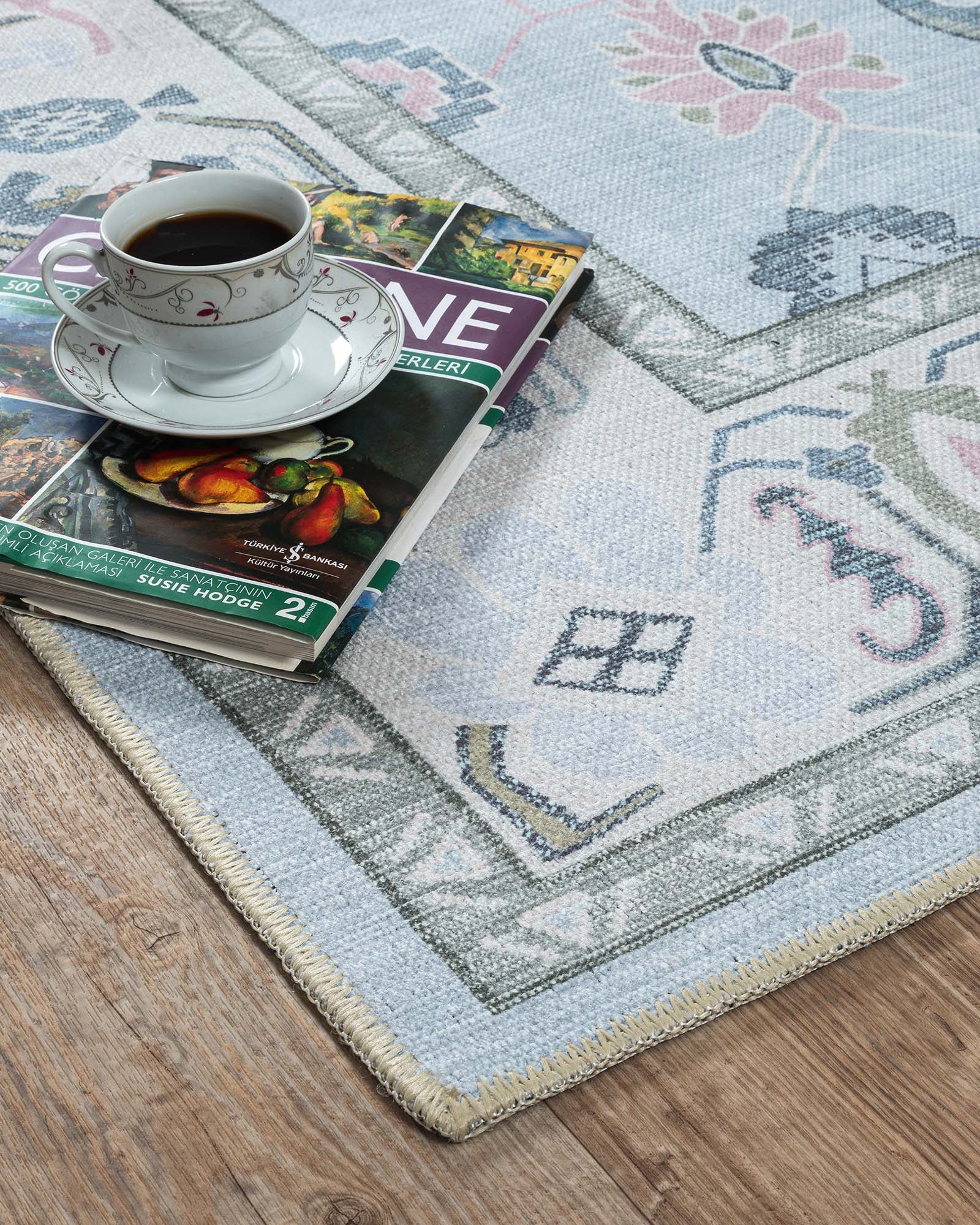
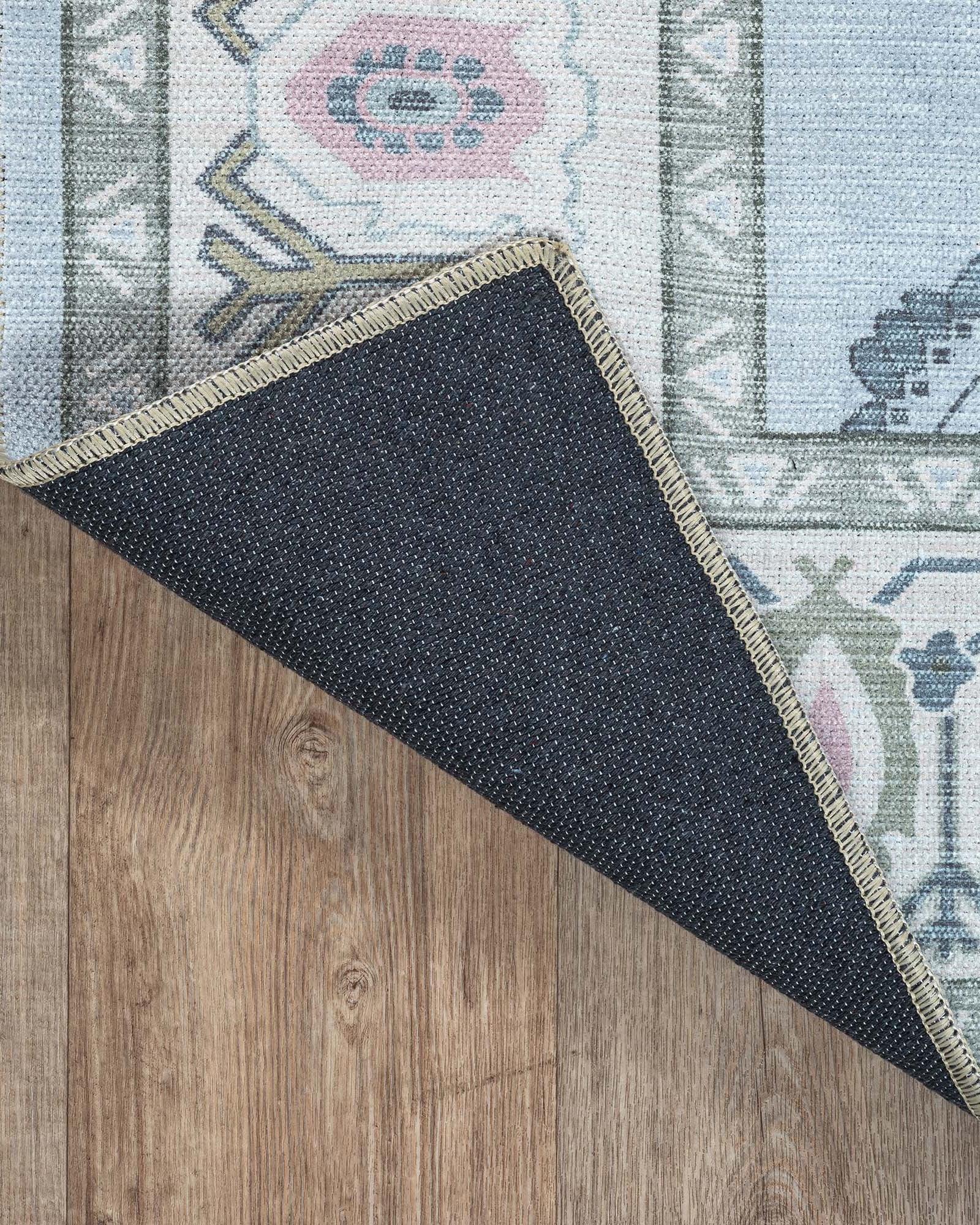
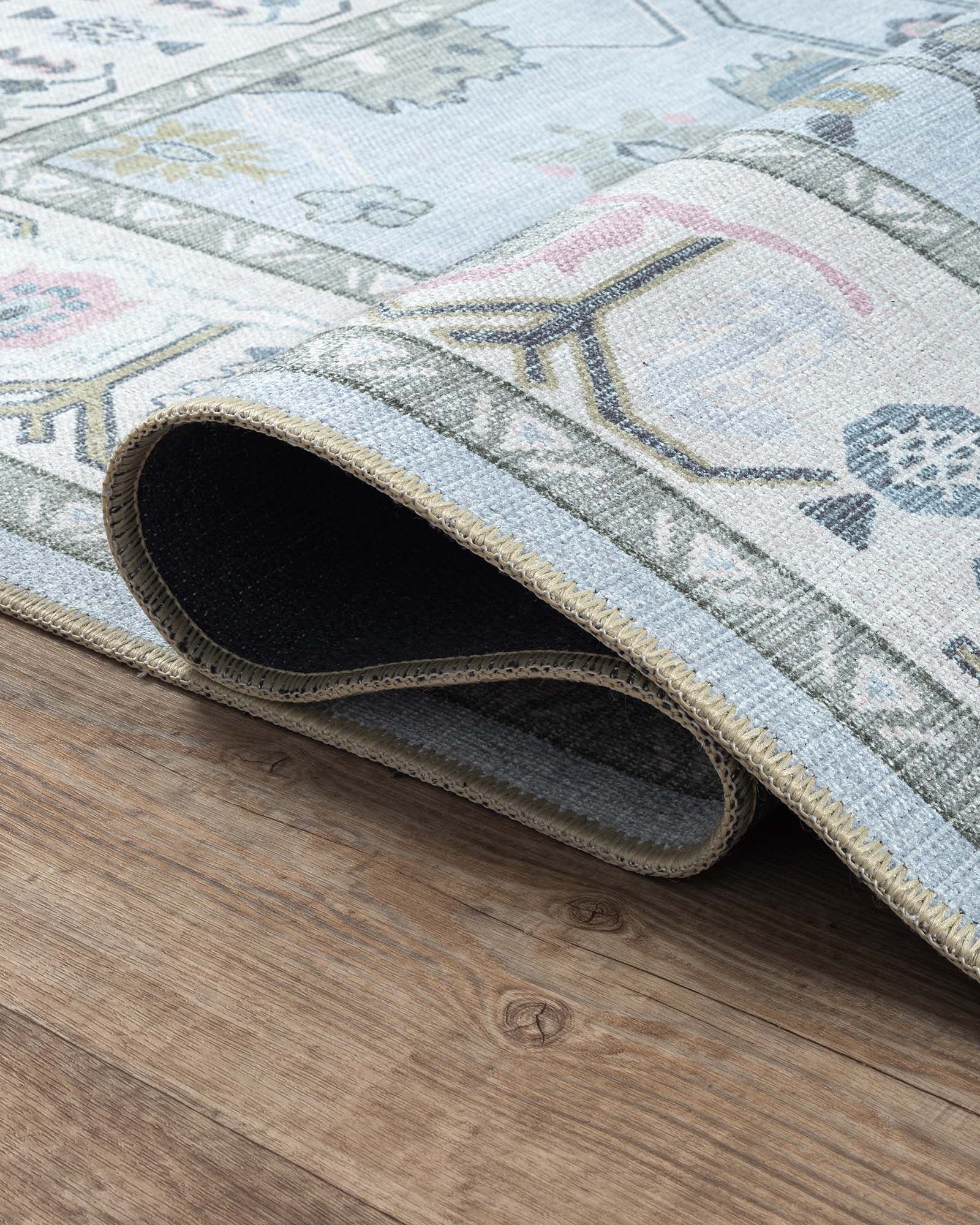
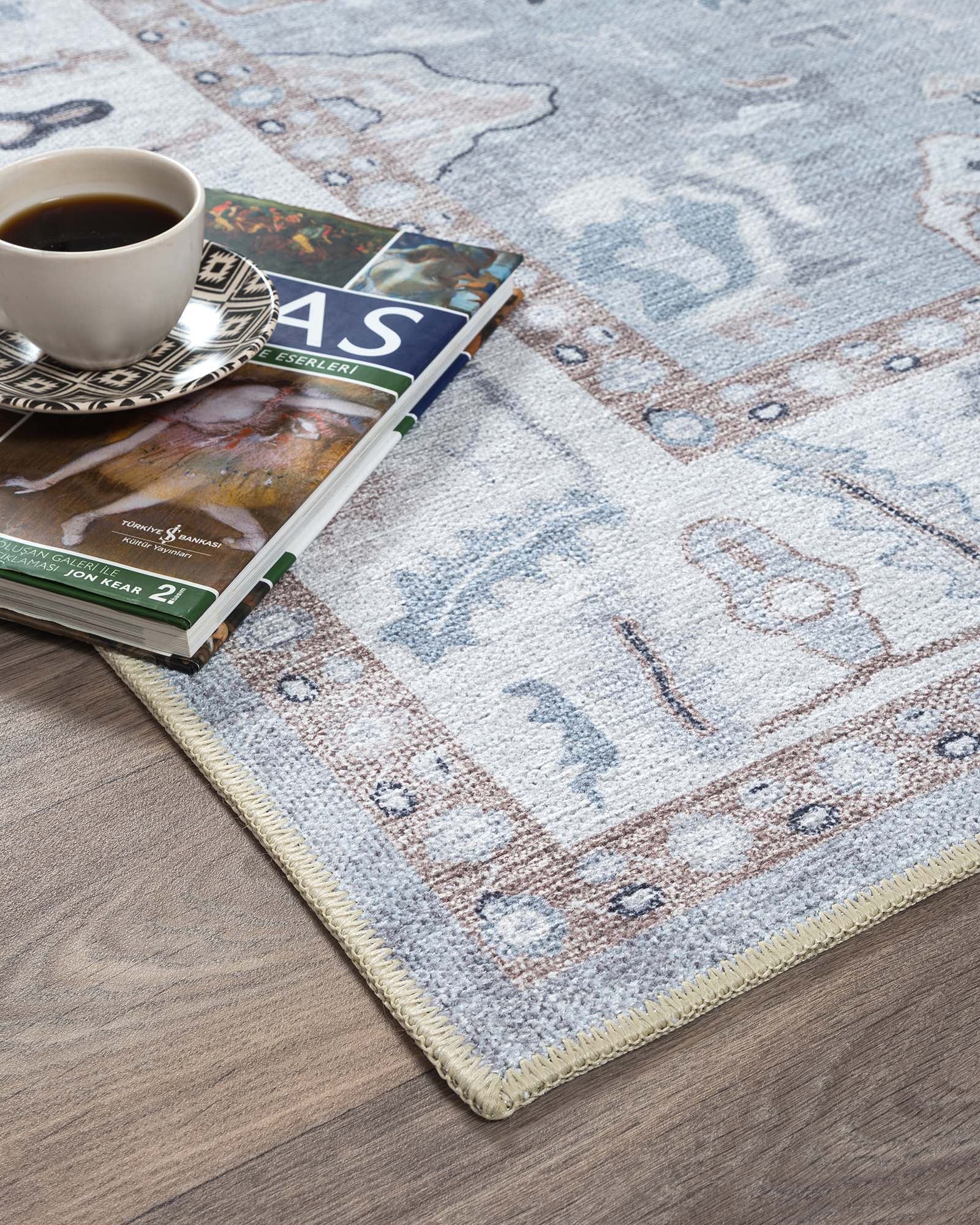
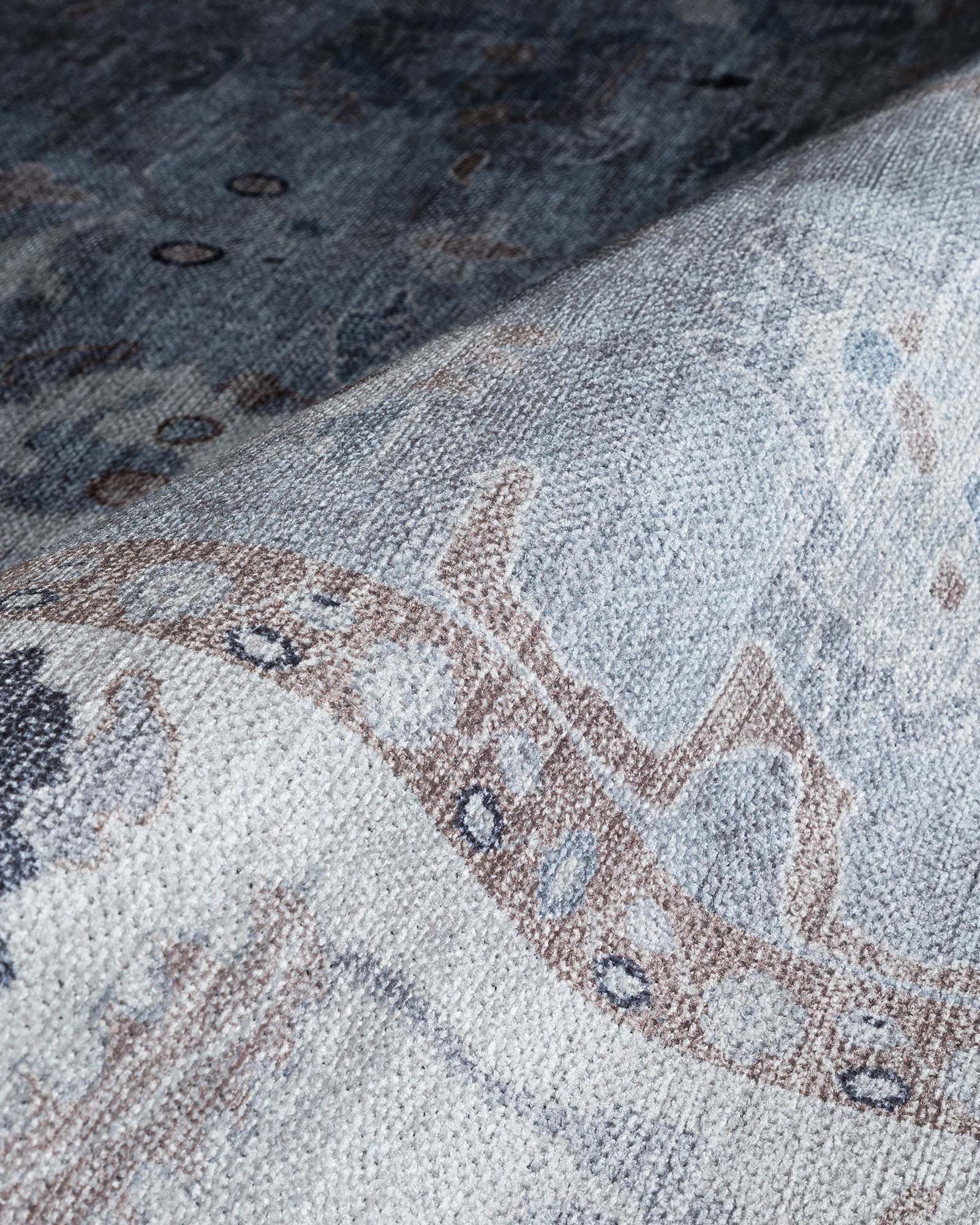
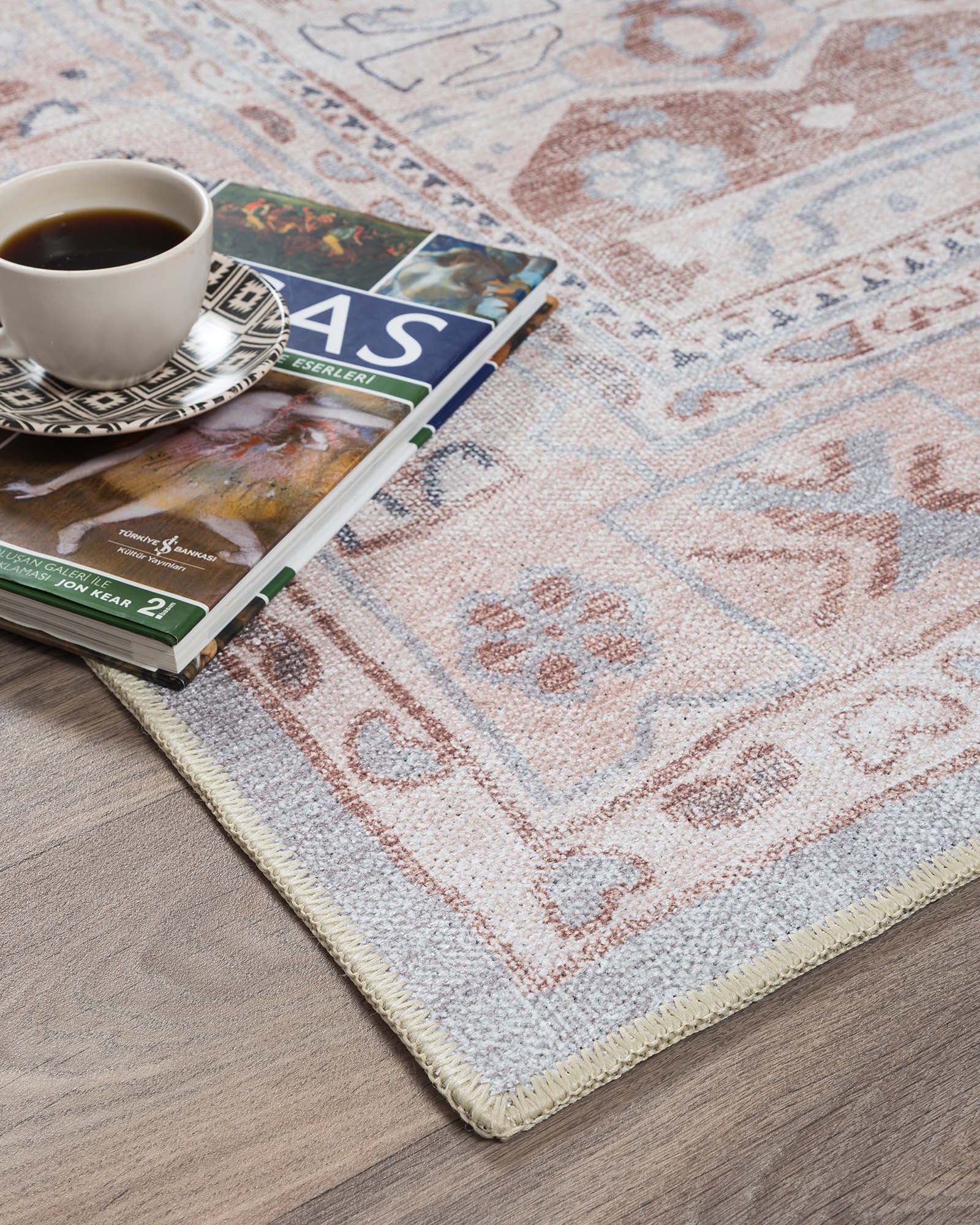
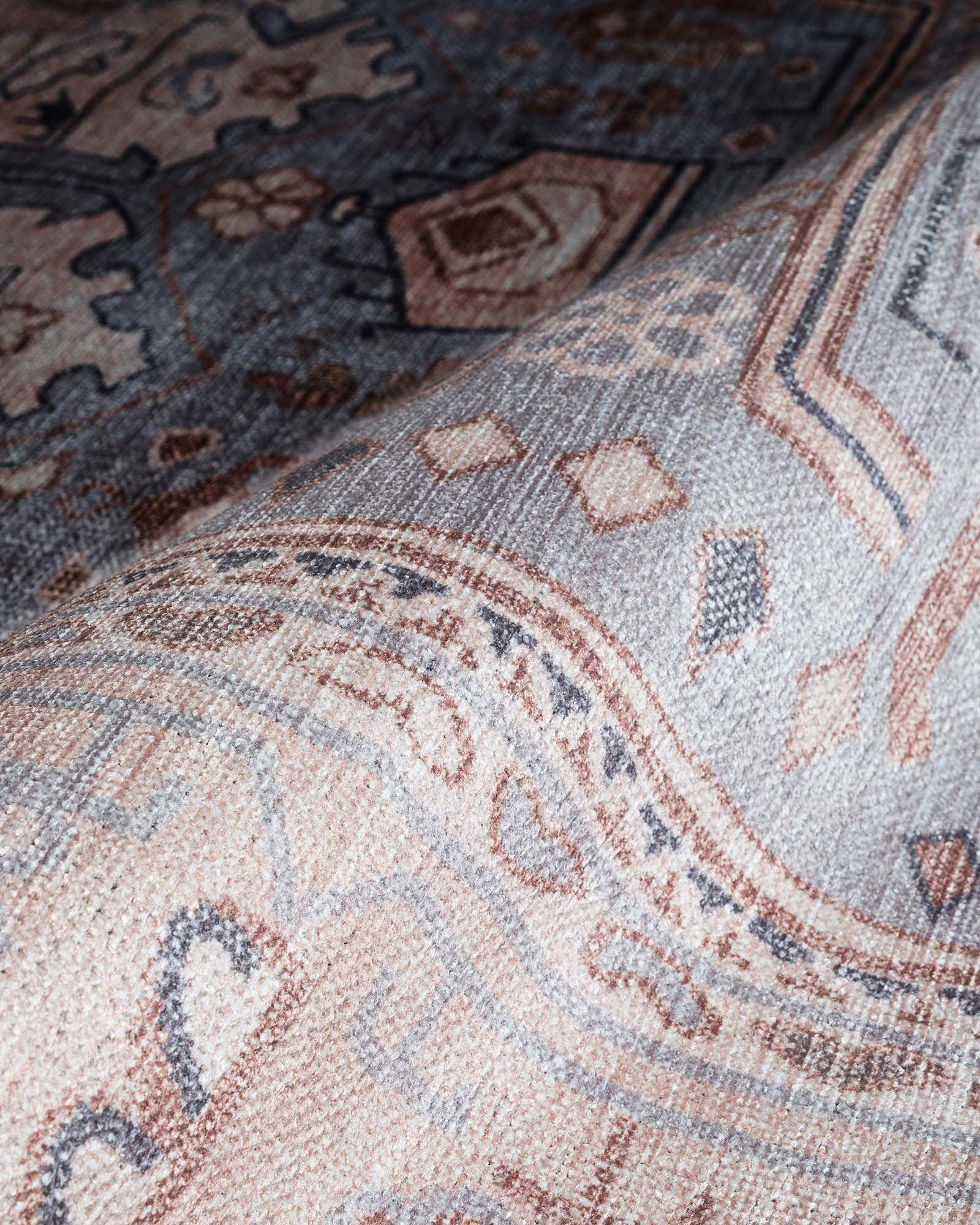
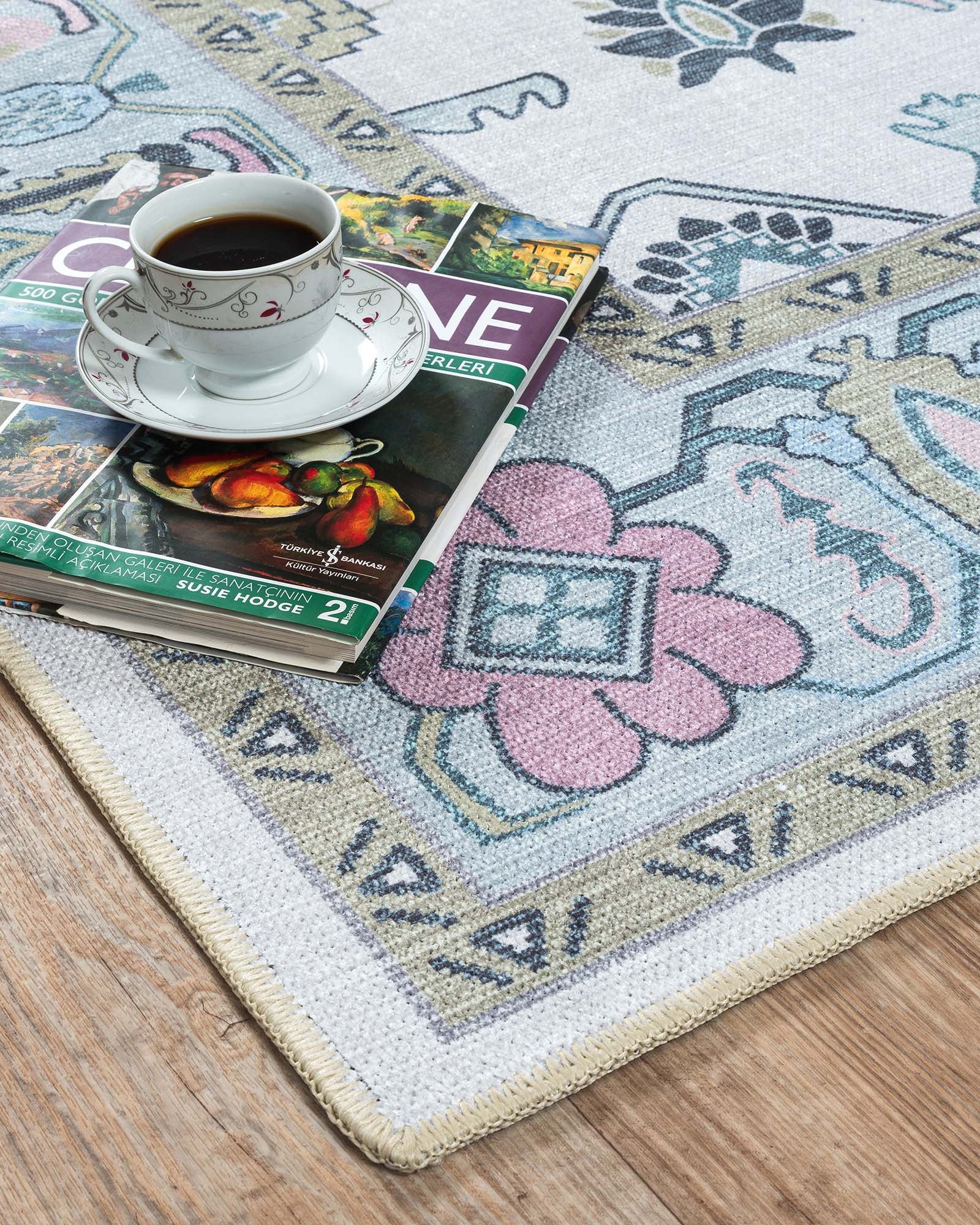
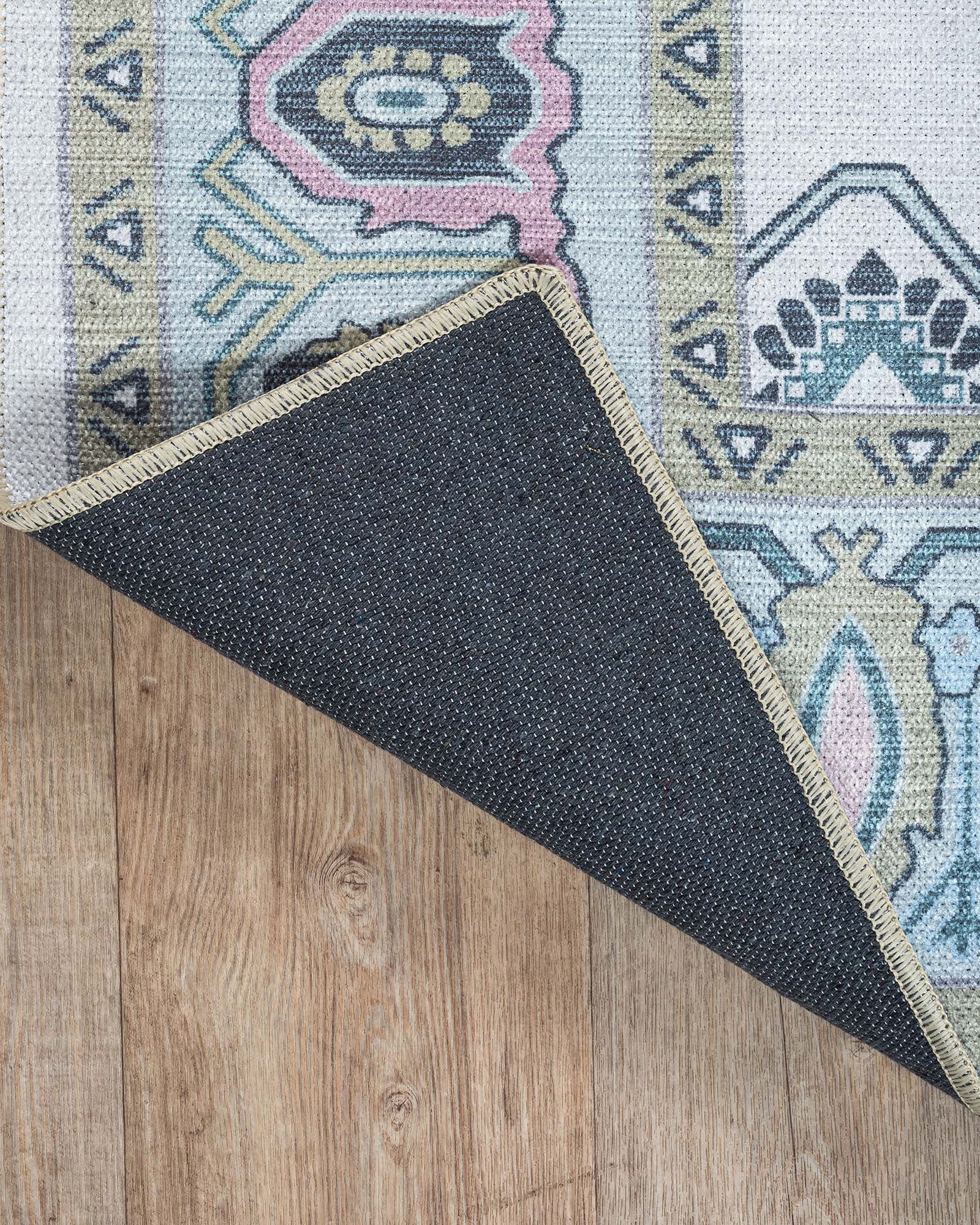
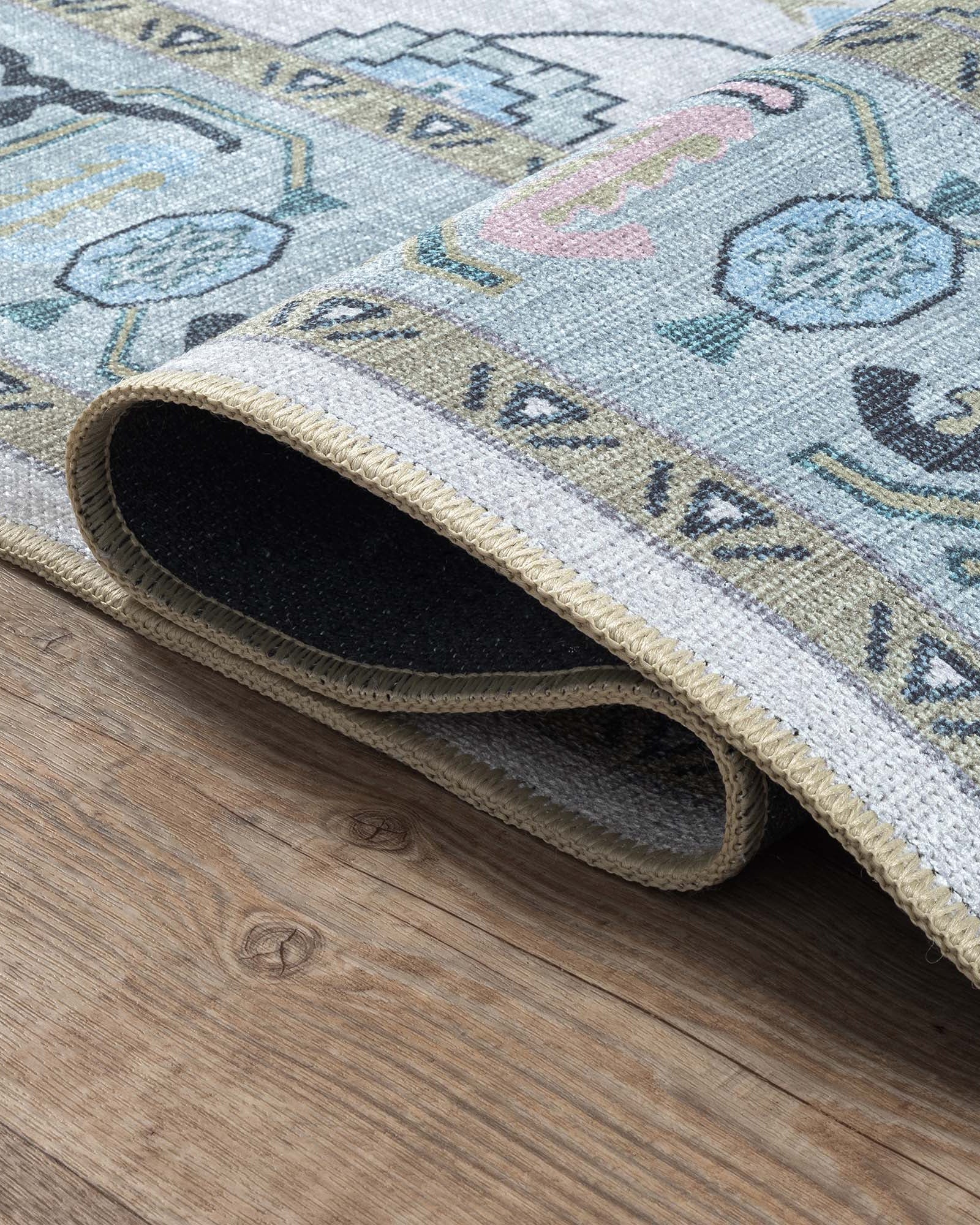
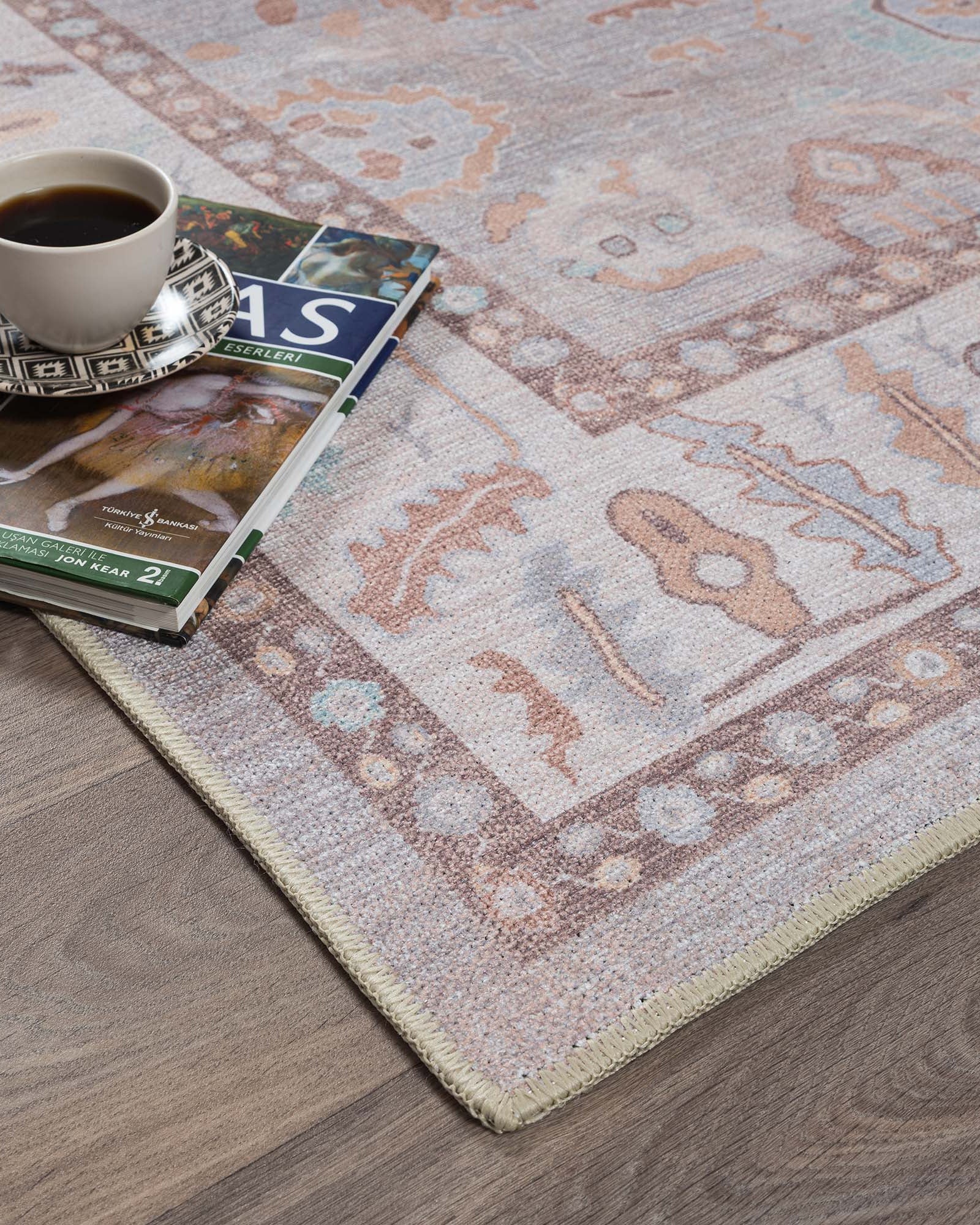
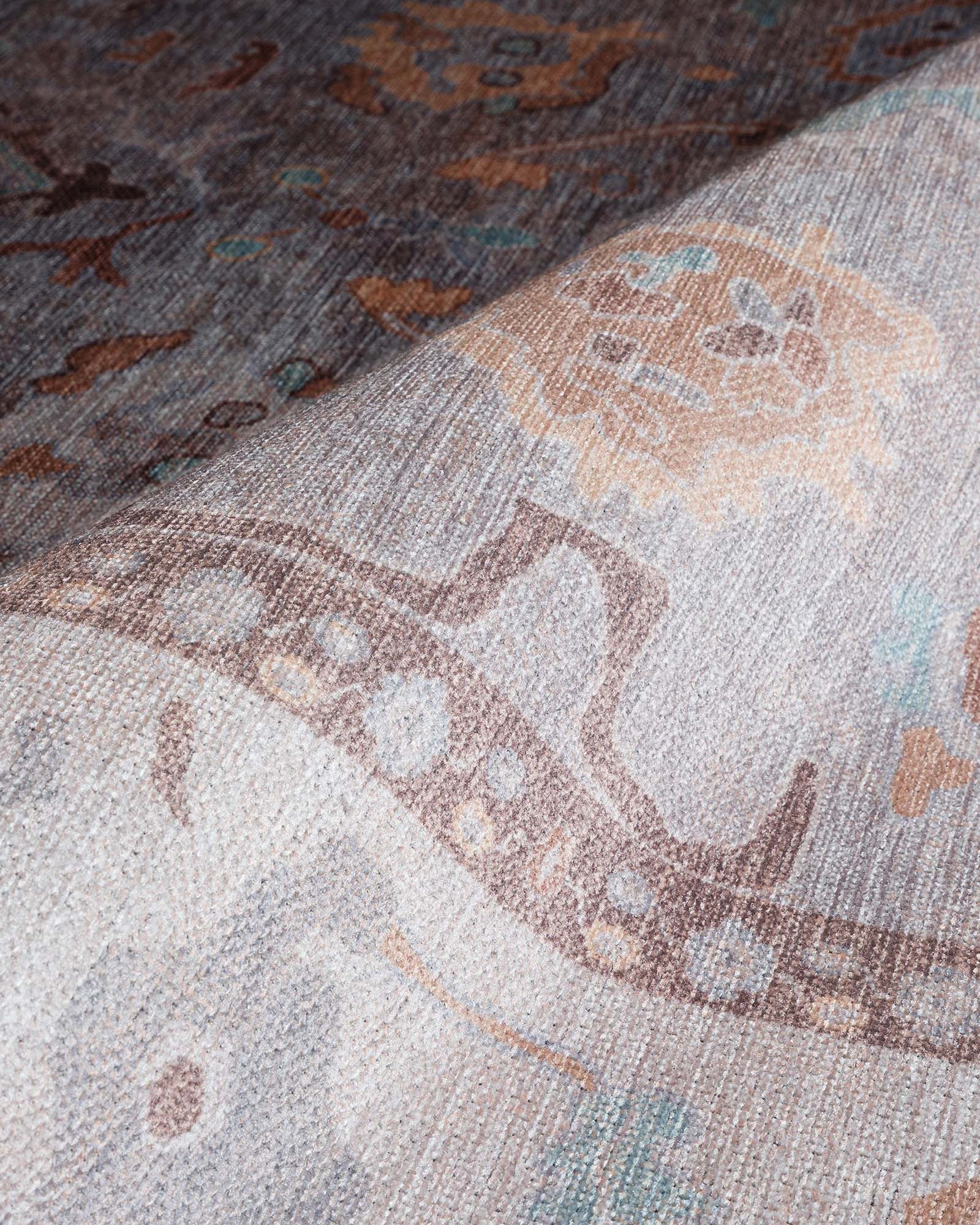
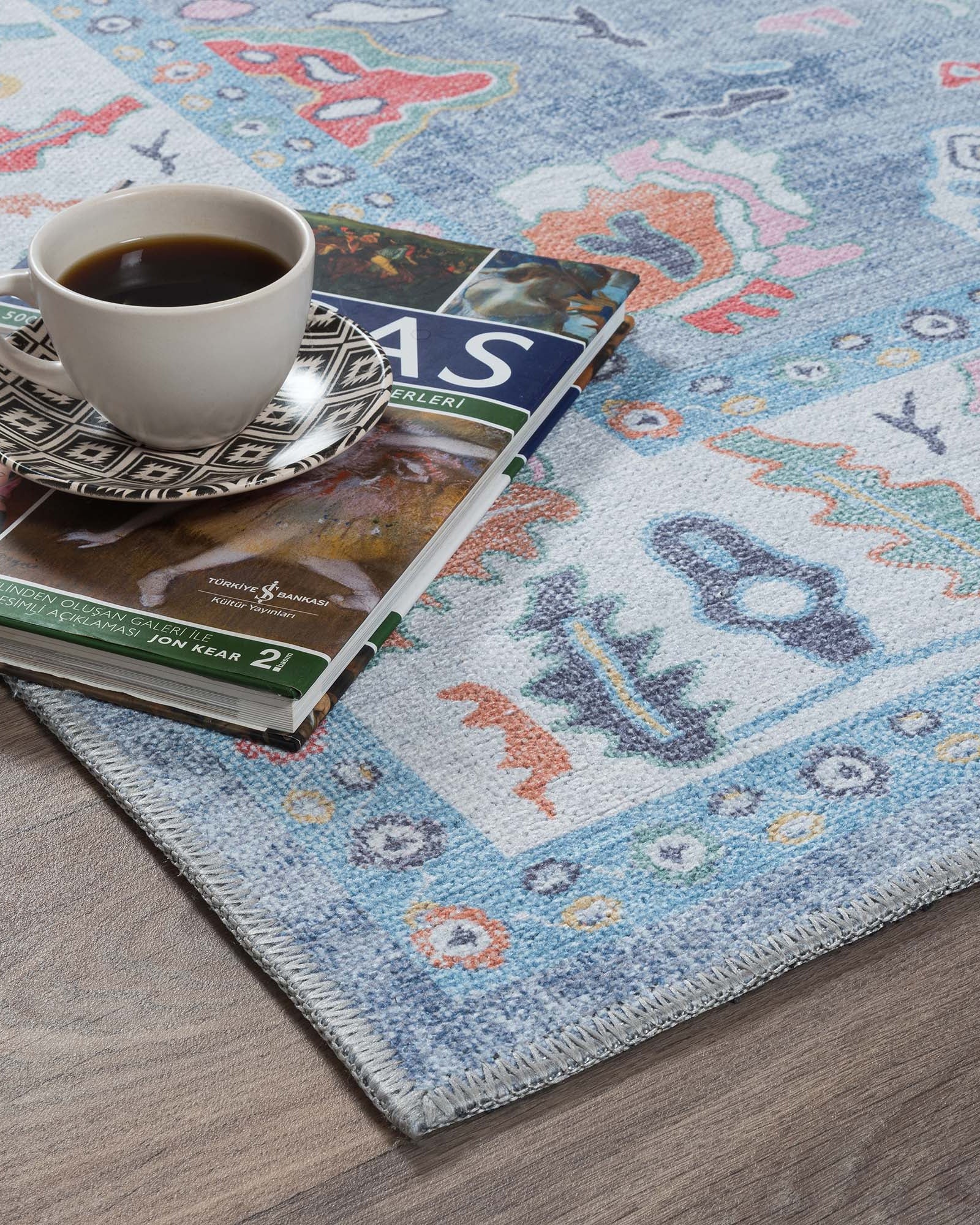
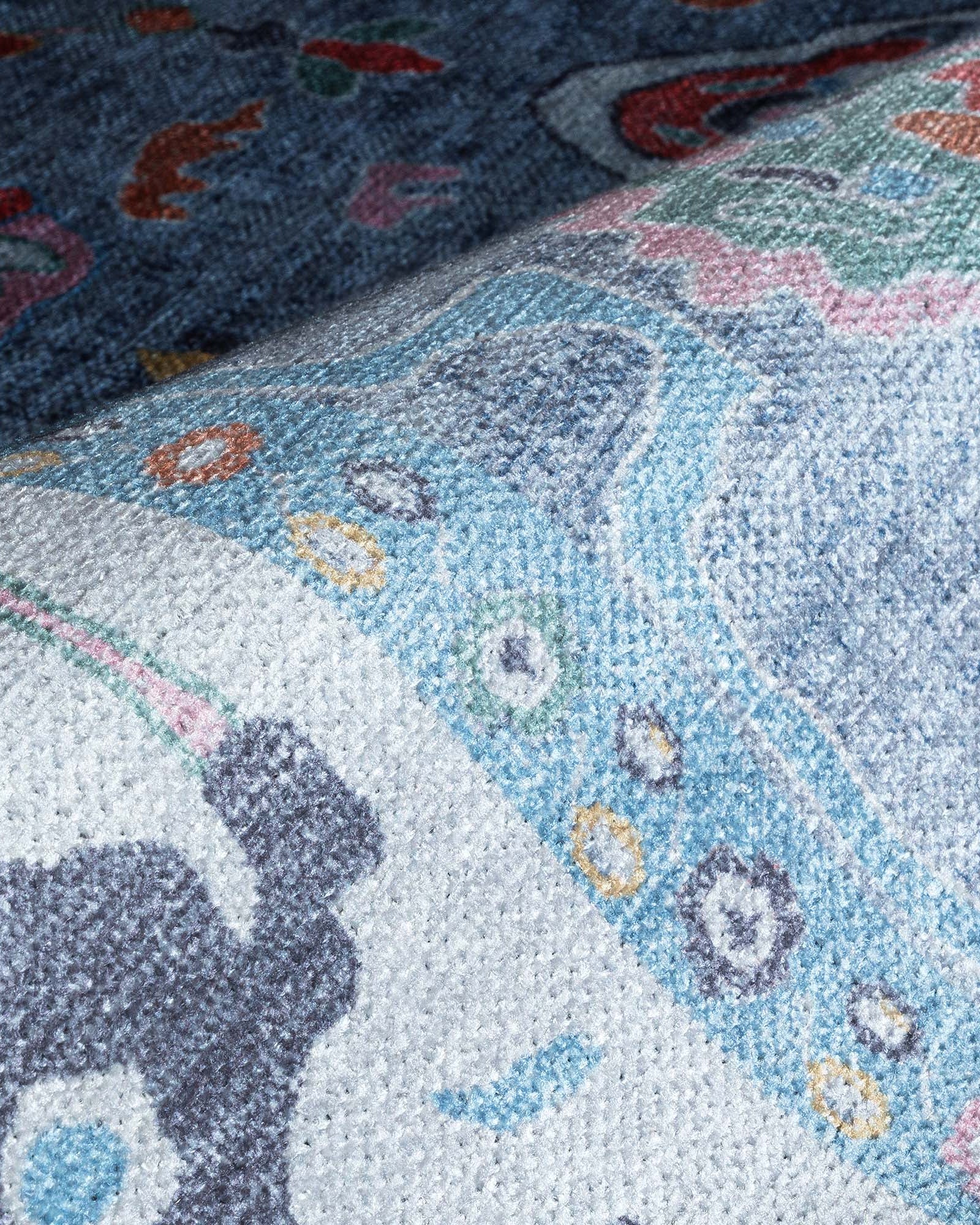
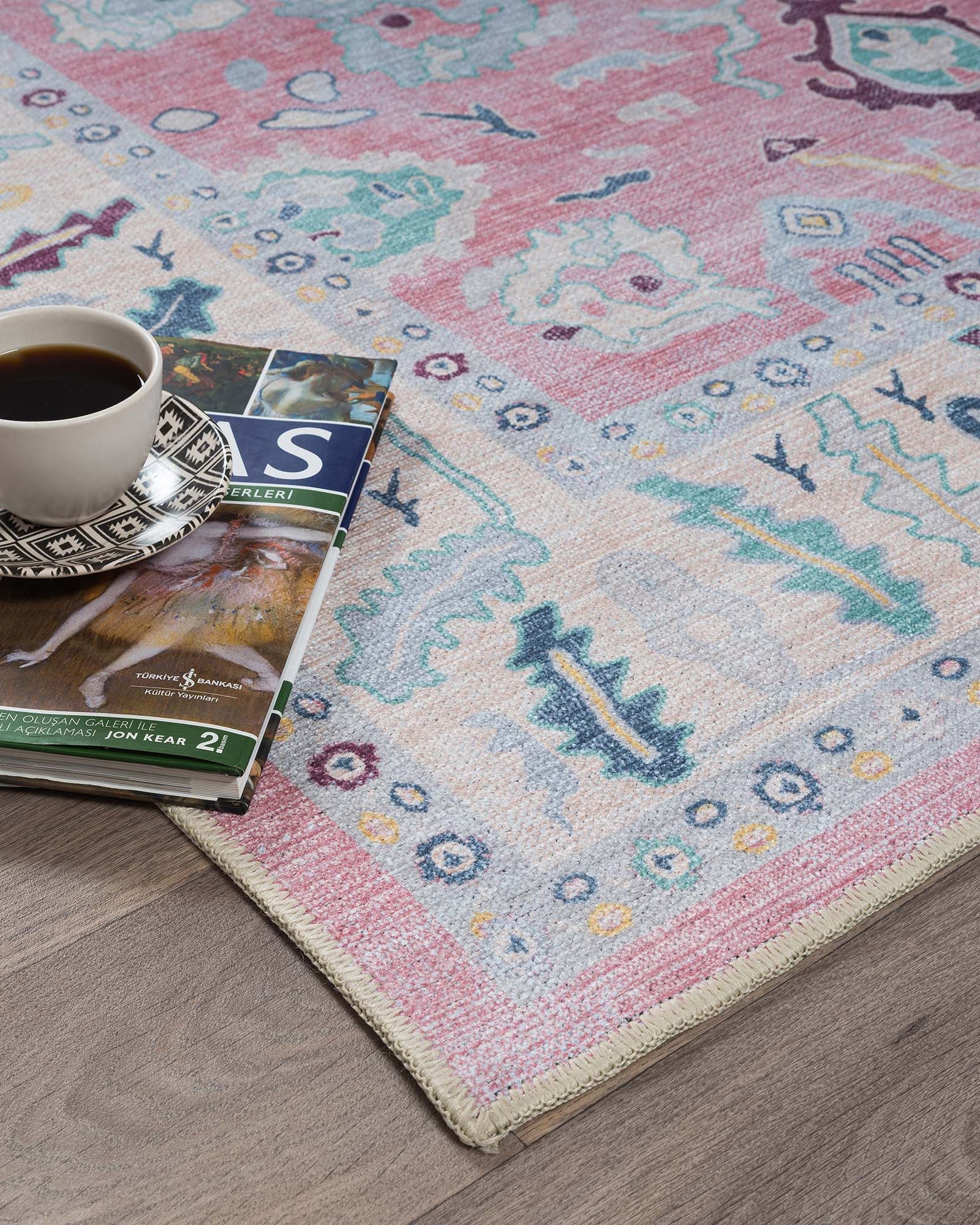
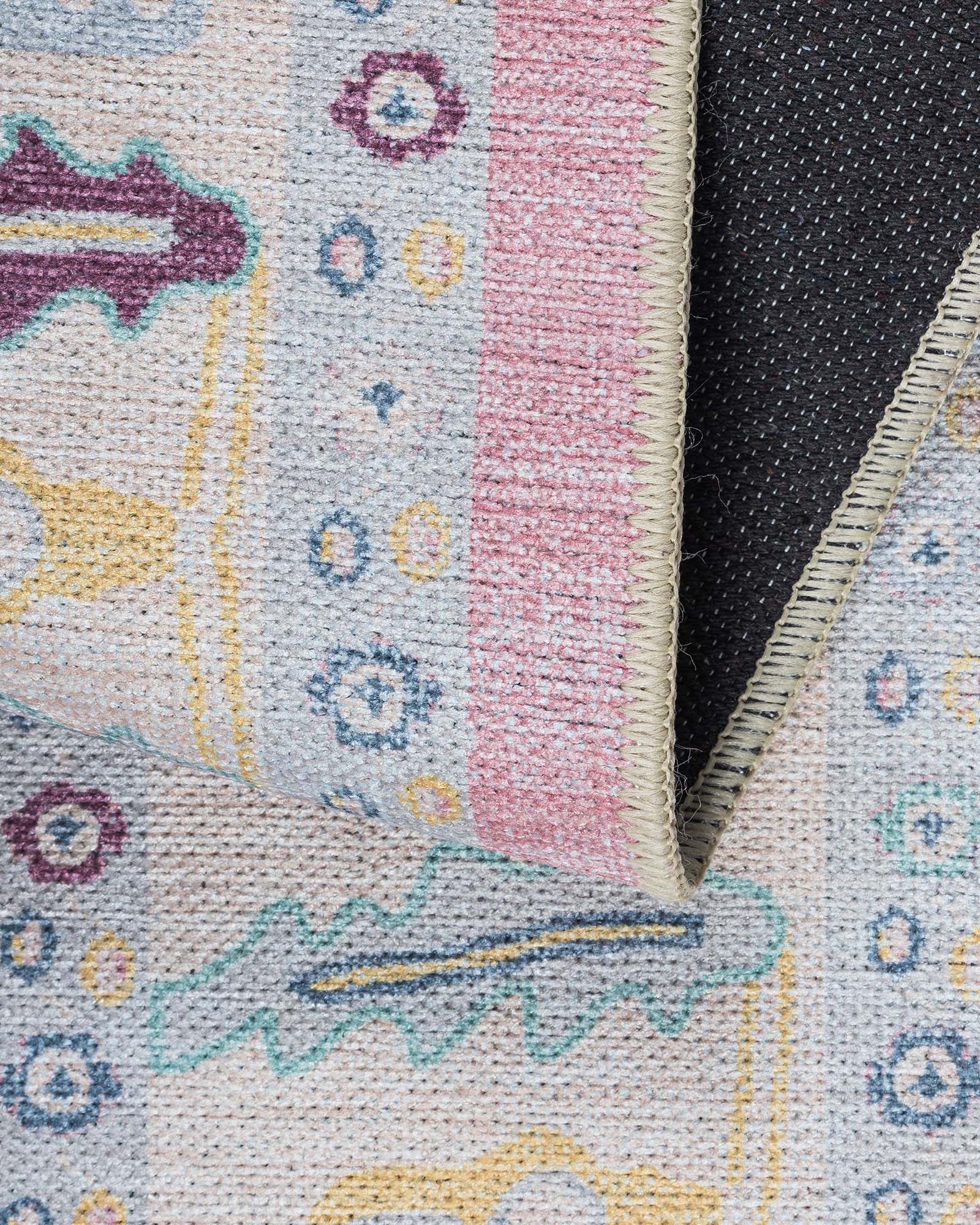
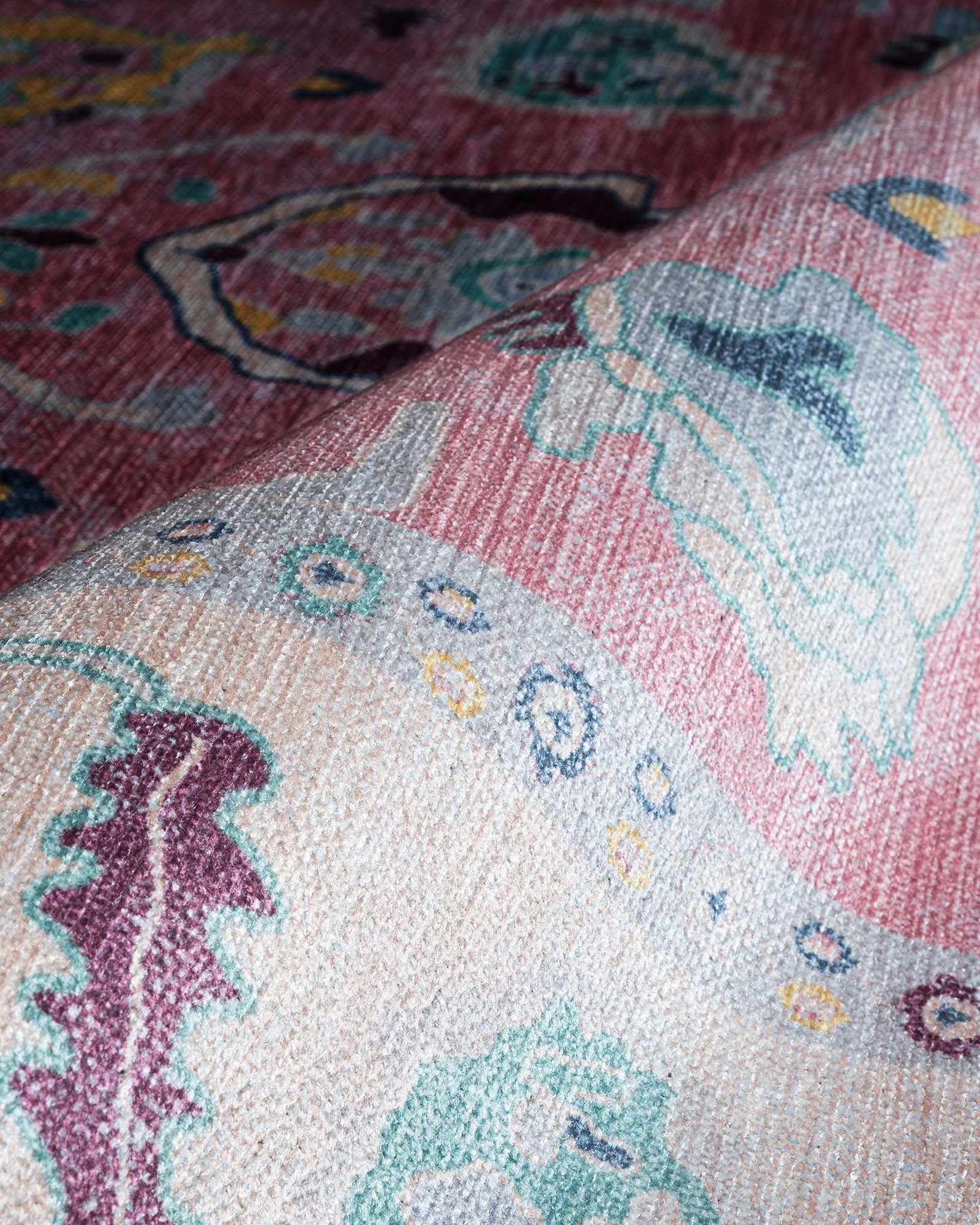
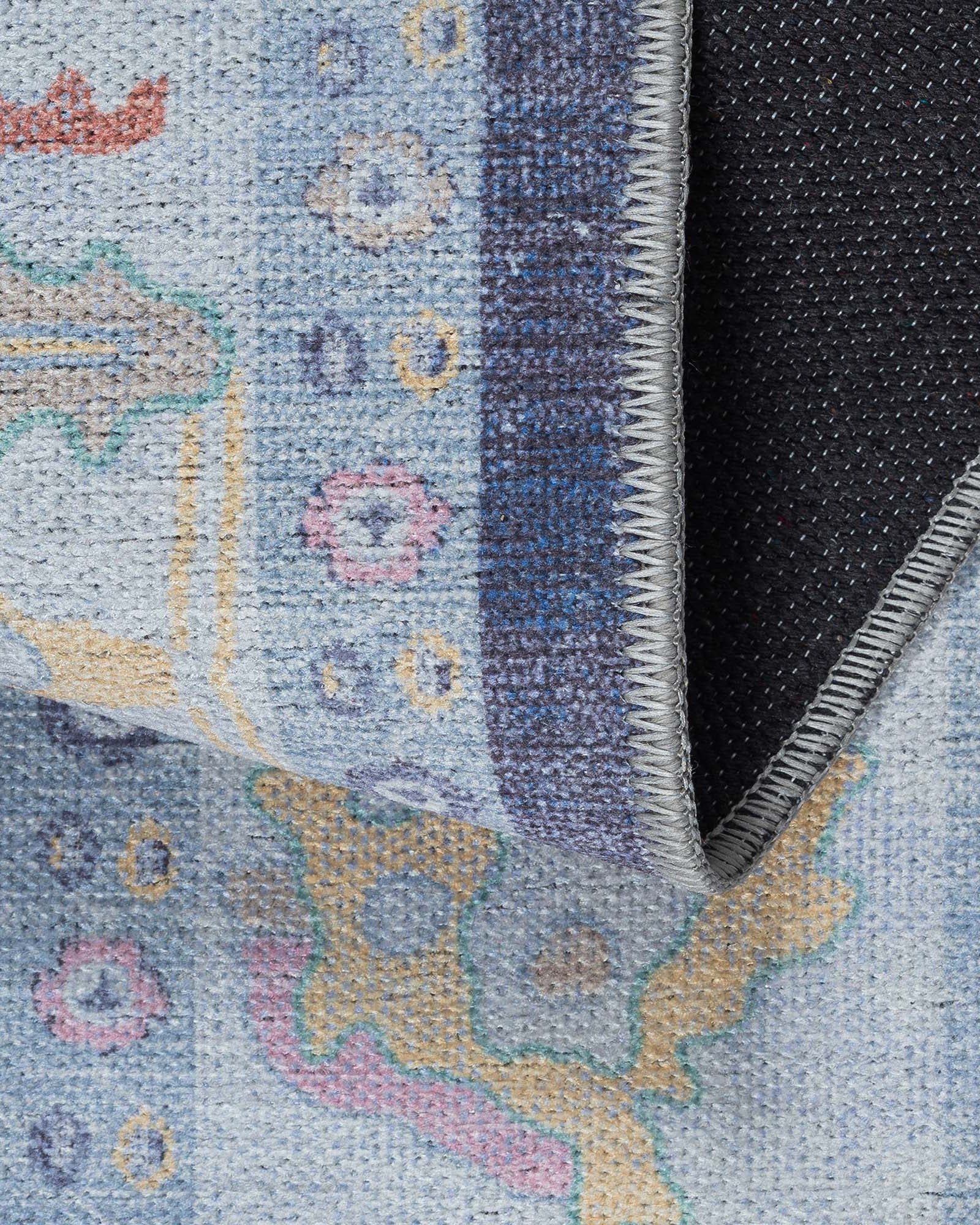
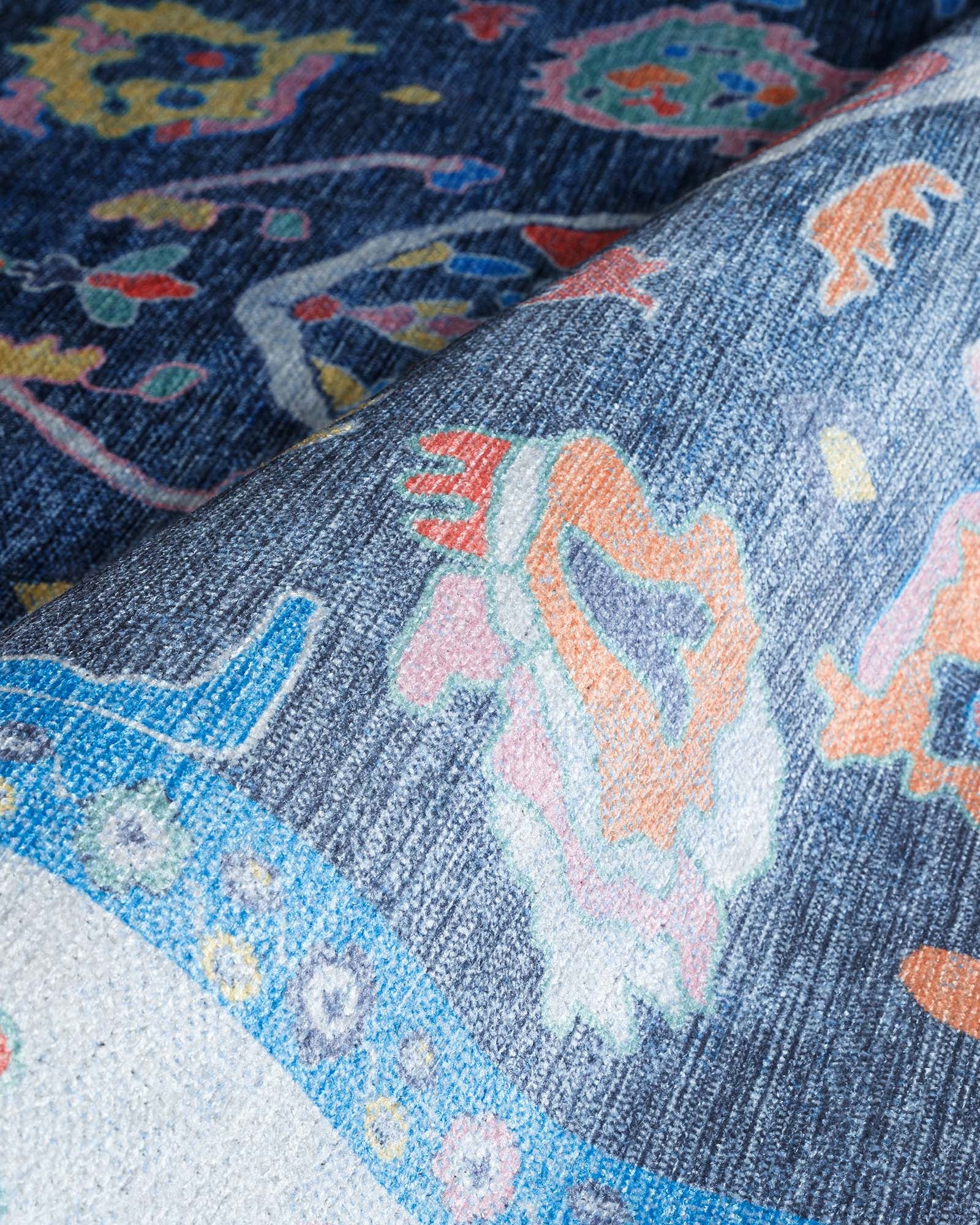
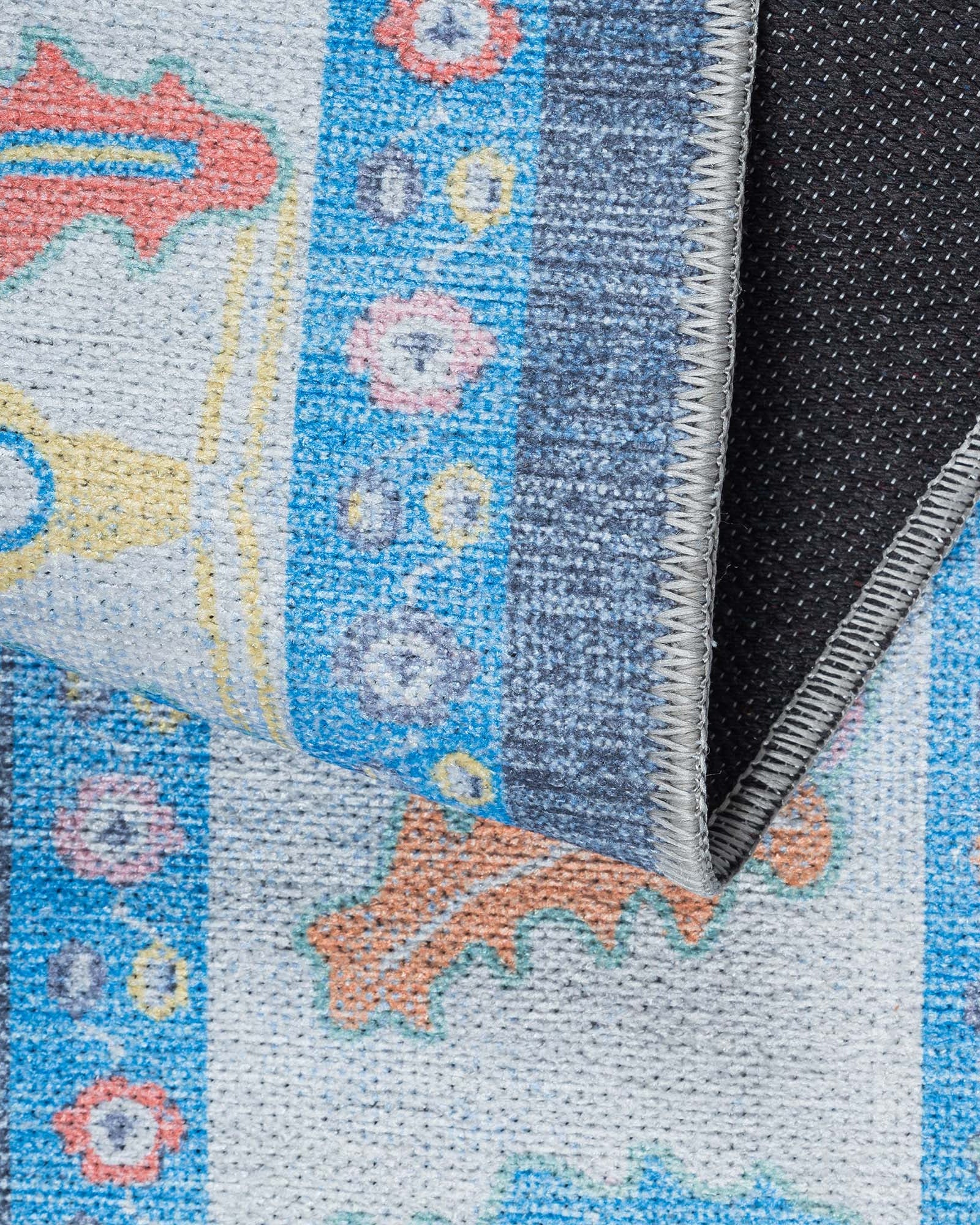
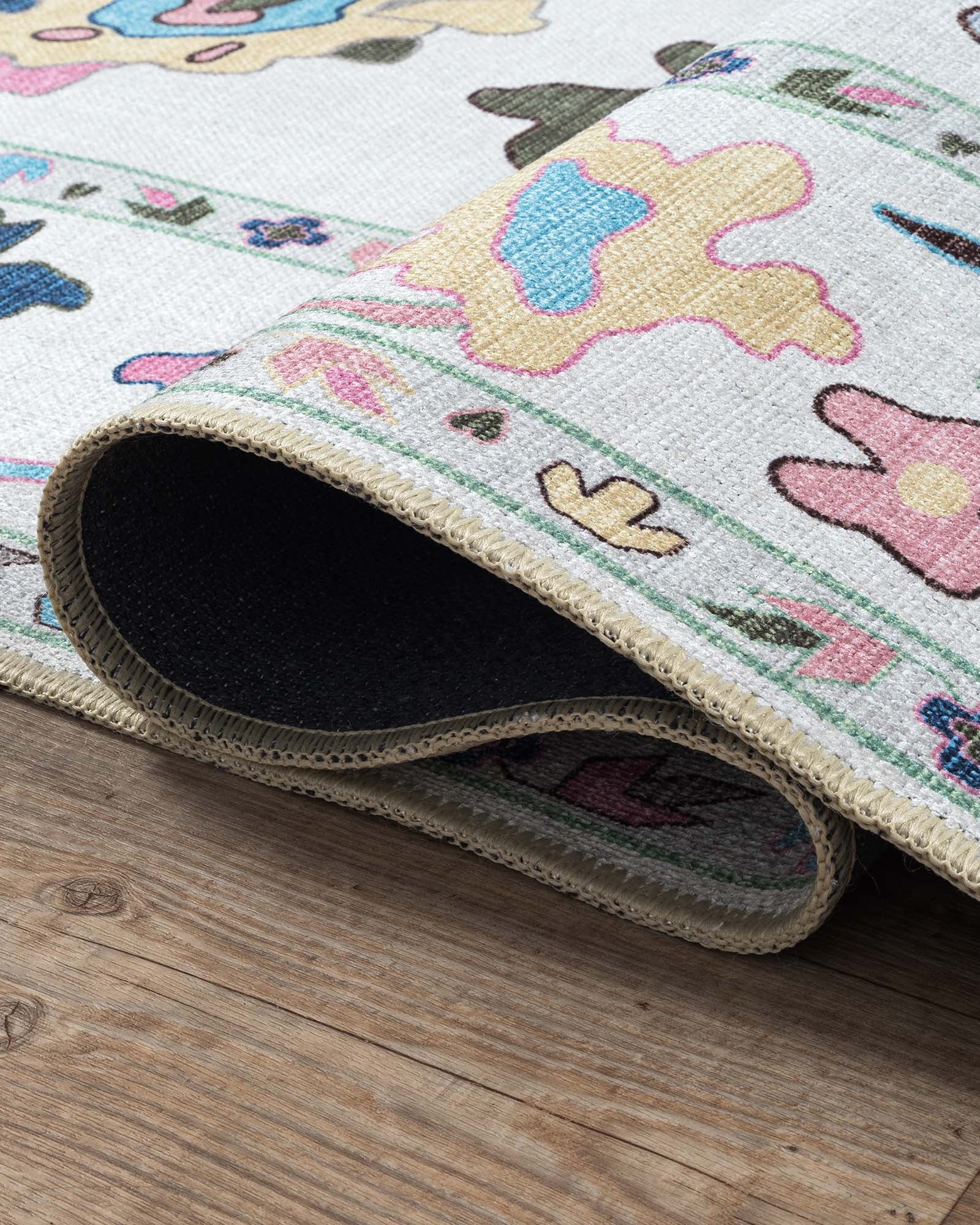
Traditionally, fine Asian rugs were treasured for their silk-like texture. Our collection replicates this opulence using high-quality synthetic blends and viscose highlights that catch the light, offering a dynamic sheen that changes throughout the day. The pile is typically kept medium-to-low but incredibly dense, which allows for the high-definition rendering of intricate patterns. This construction provides a firm, smooth surface that feels cool and sophisticated underfoot, contrasting beautifully with the rougher textures of stone or wood flooring. It is elegance you can feel with every step.
Best Rooms and Styling Ideas
Living Room Placement Tips
Create a sophisticated focal point by pairing an intricate Asian style rug with sleek, modern furniture.
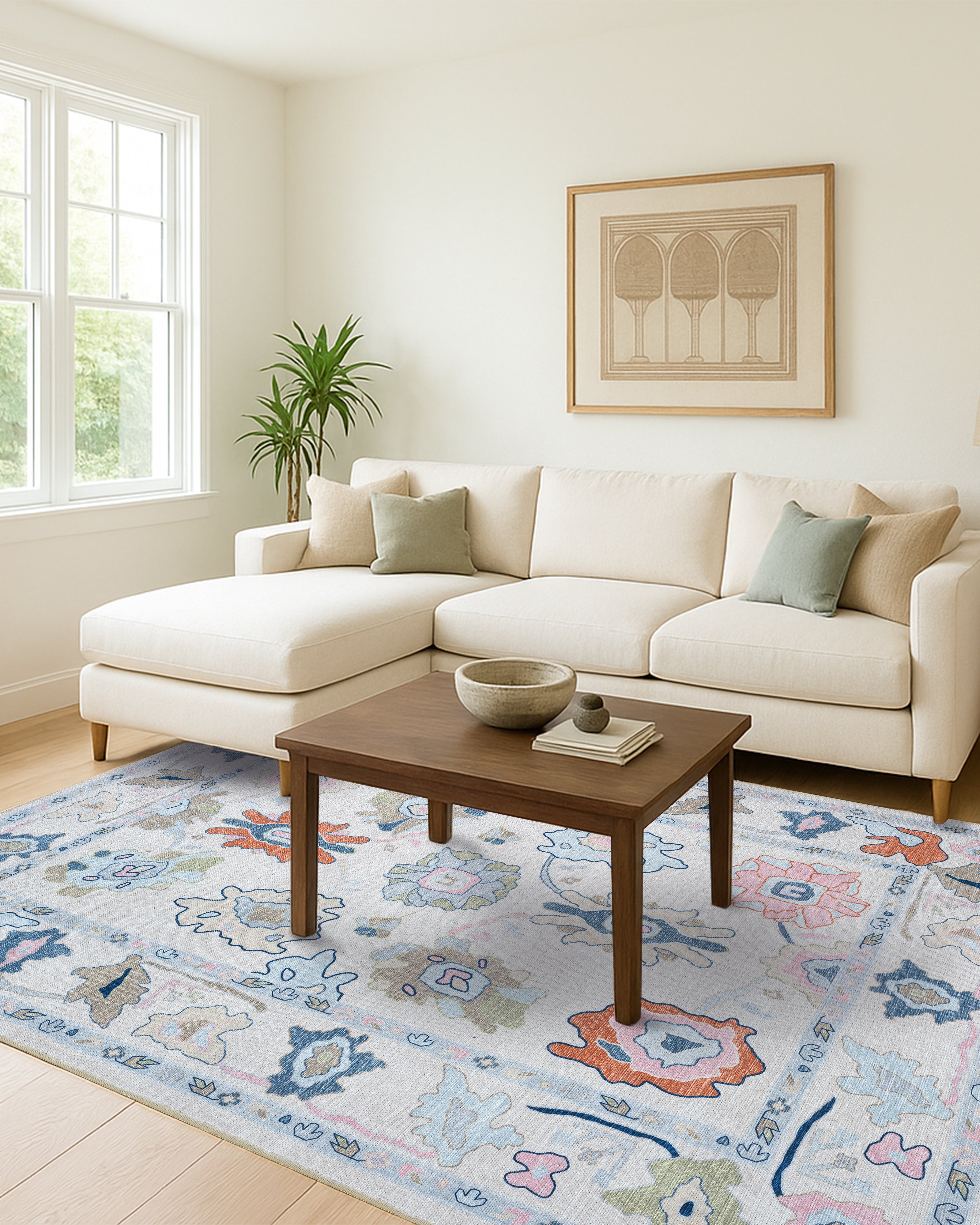
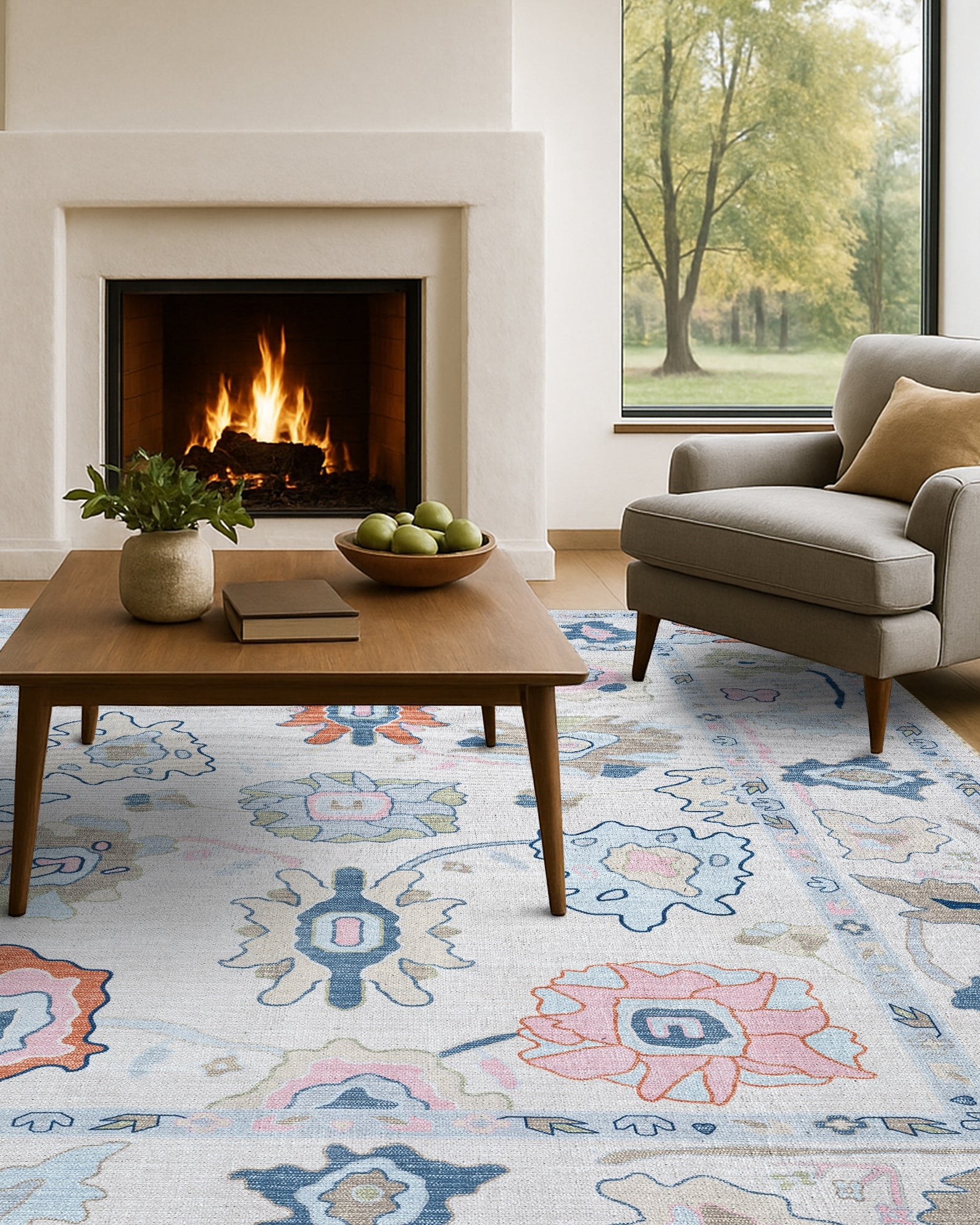
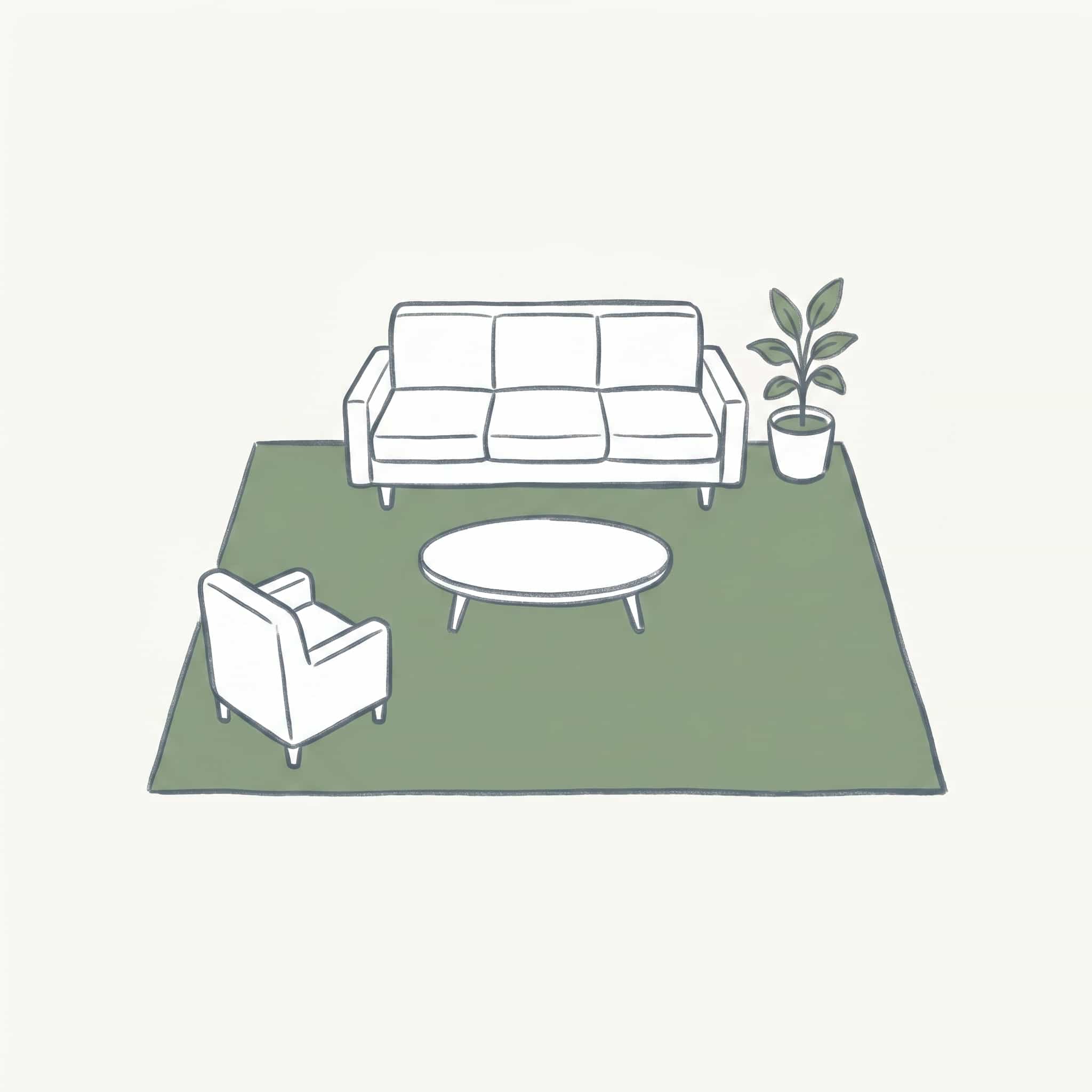
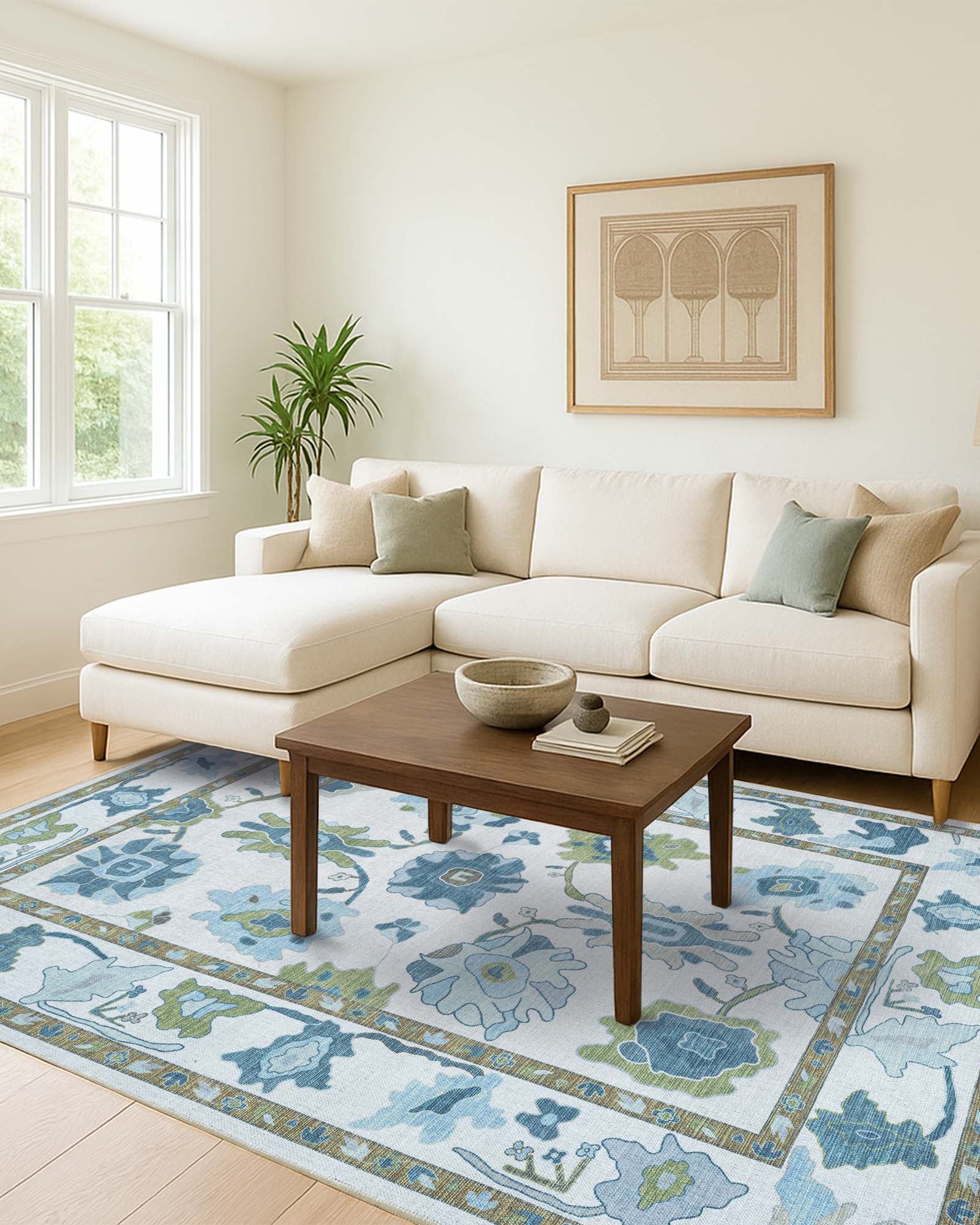
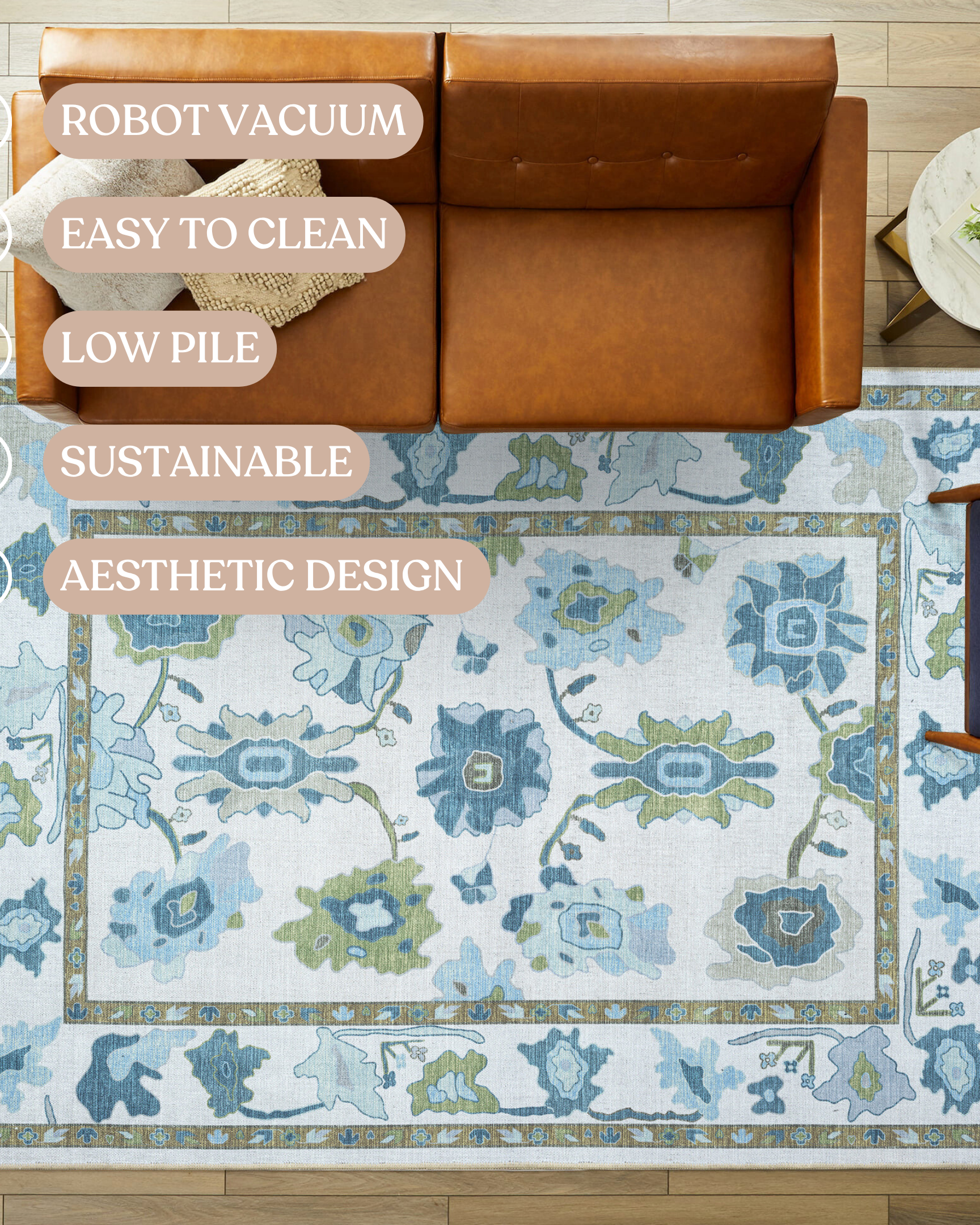
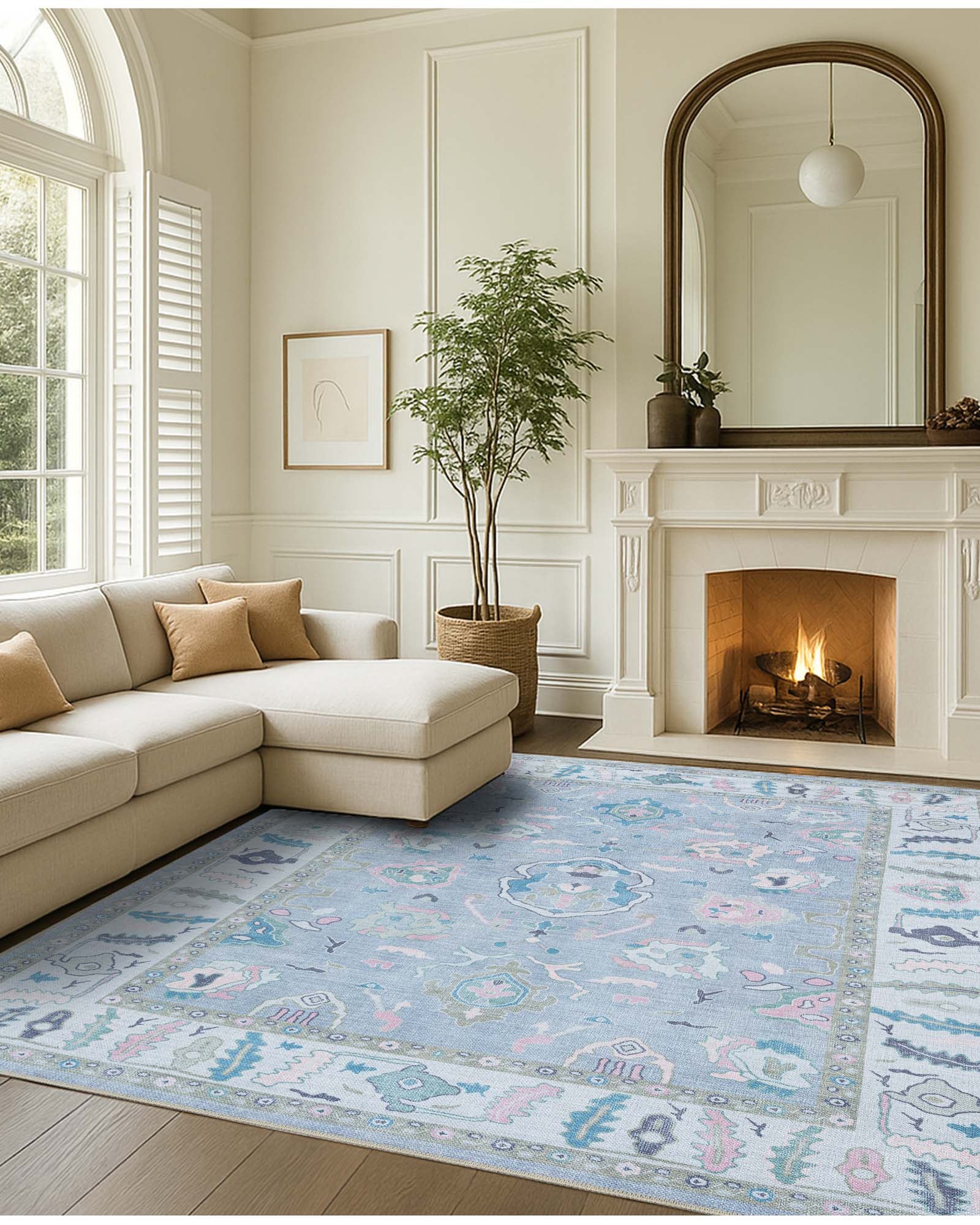
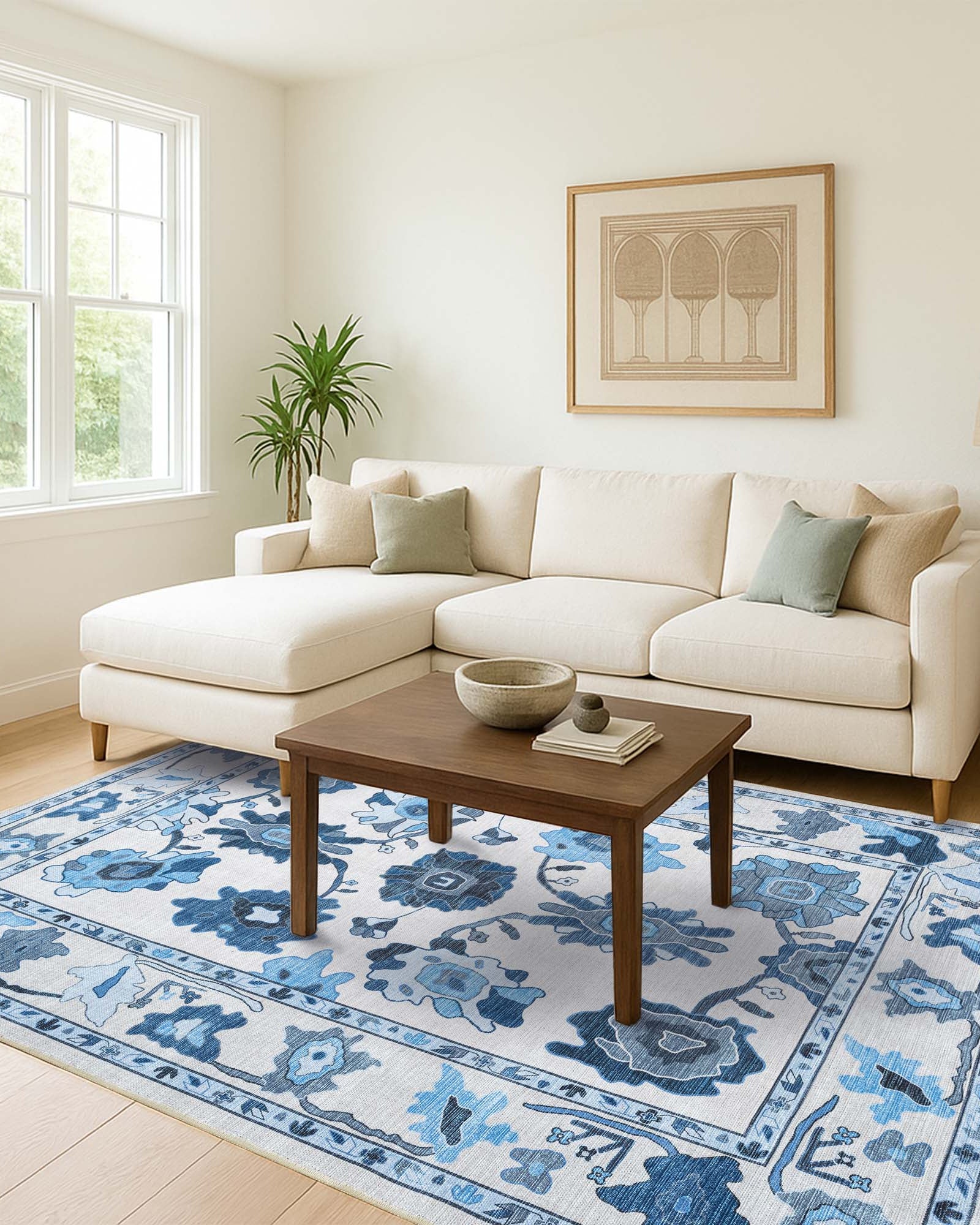
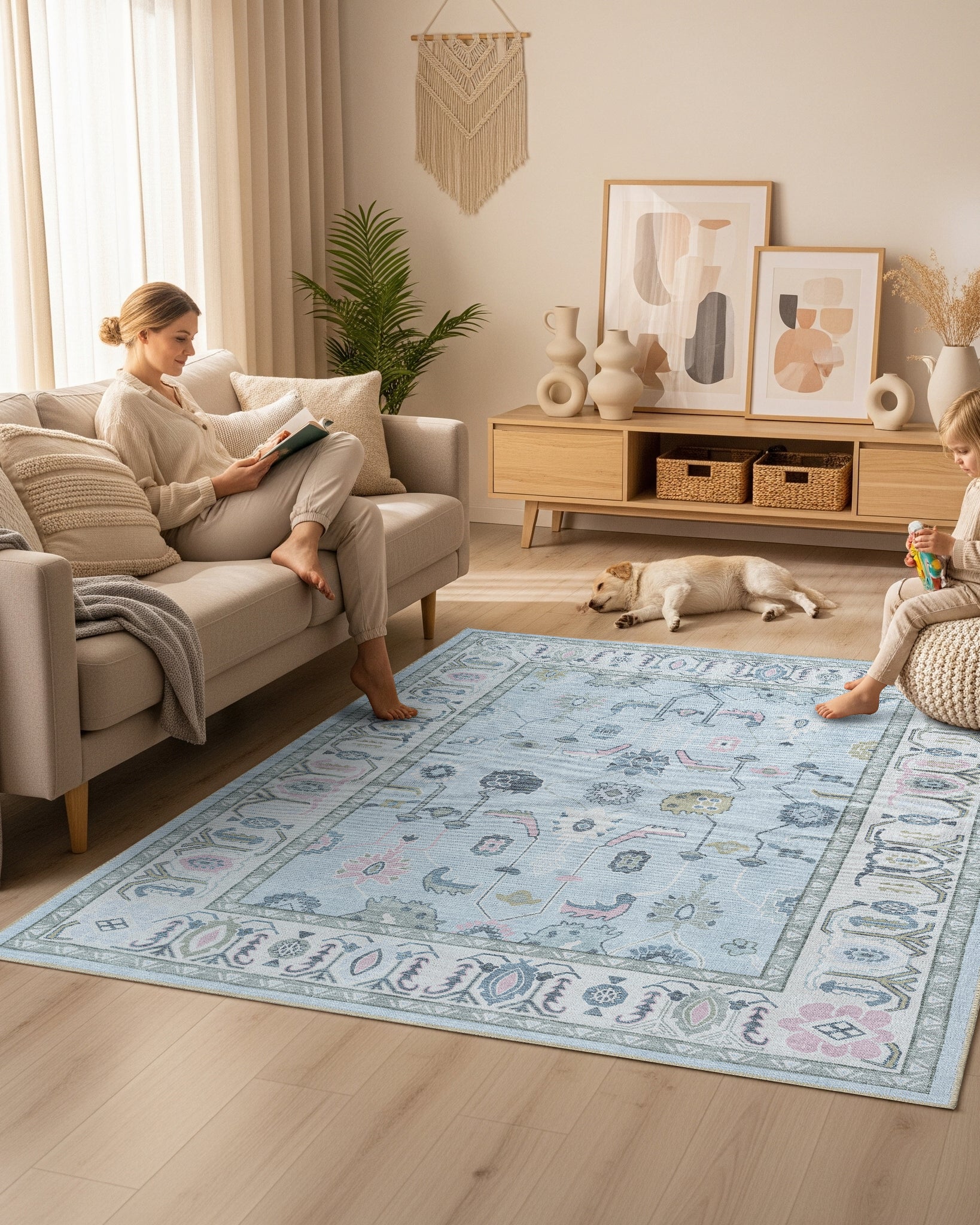
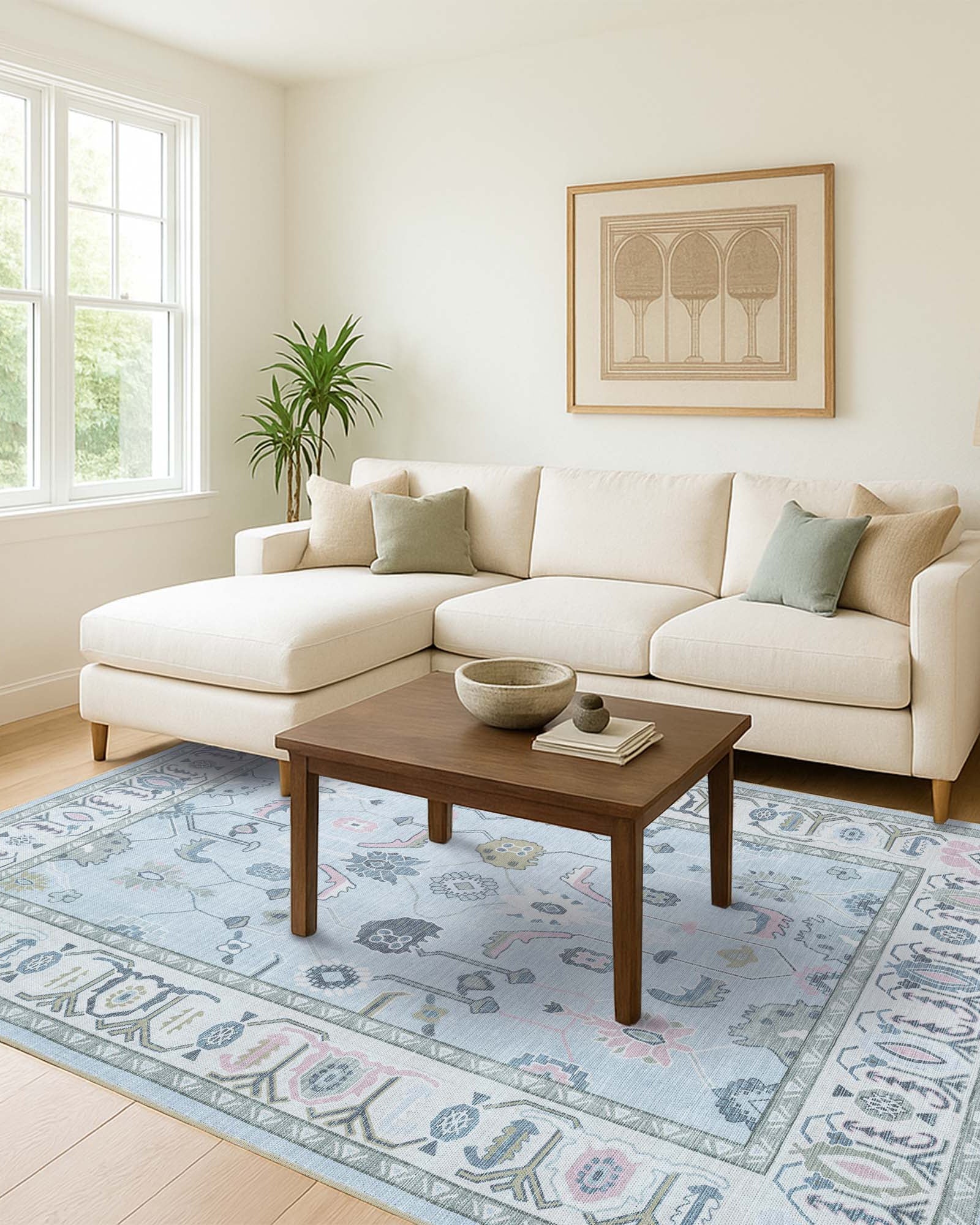
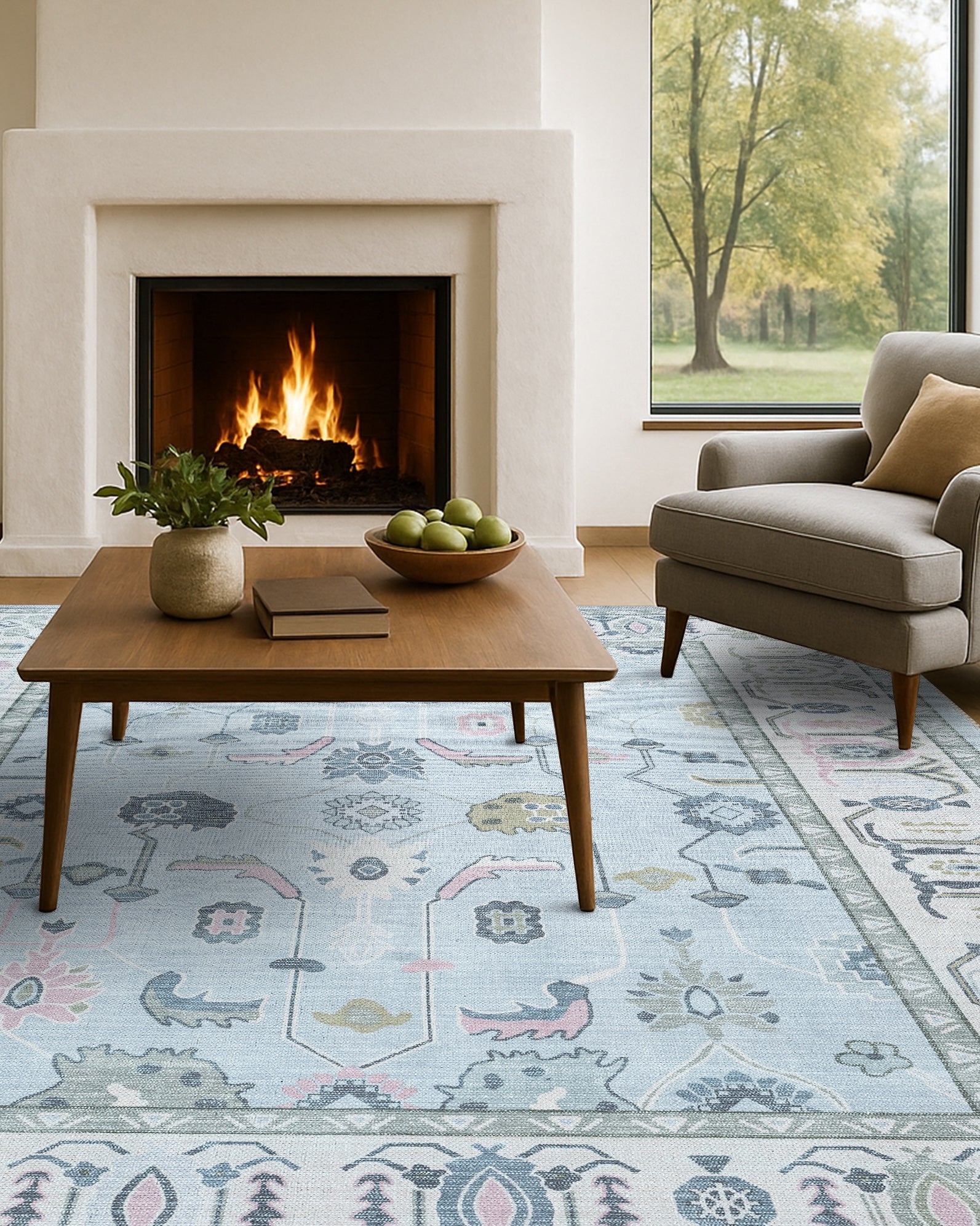
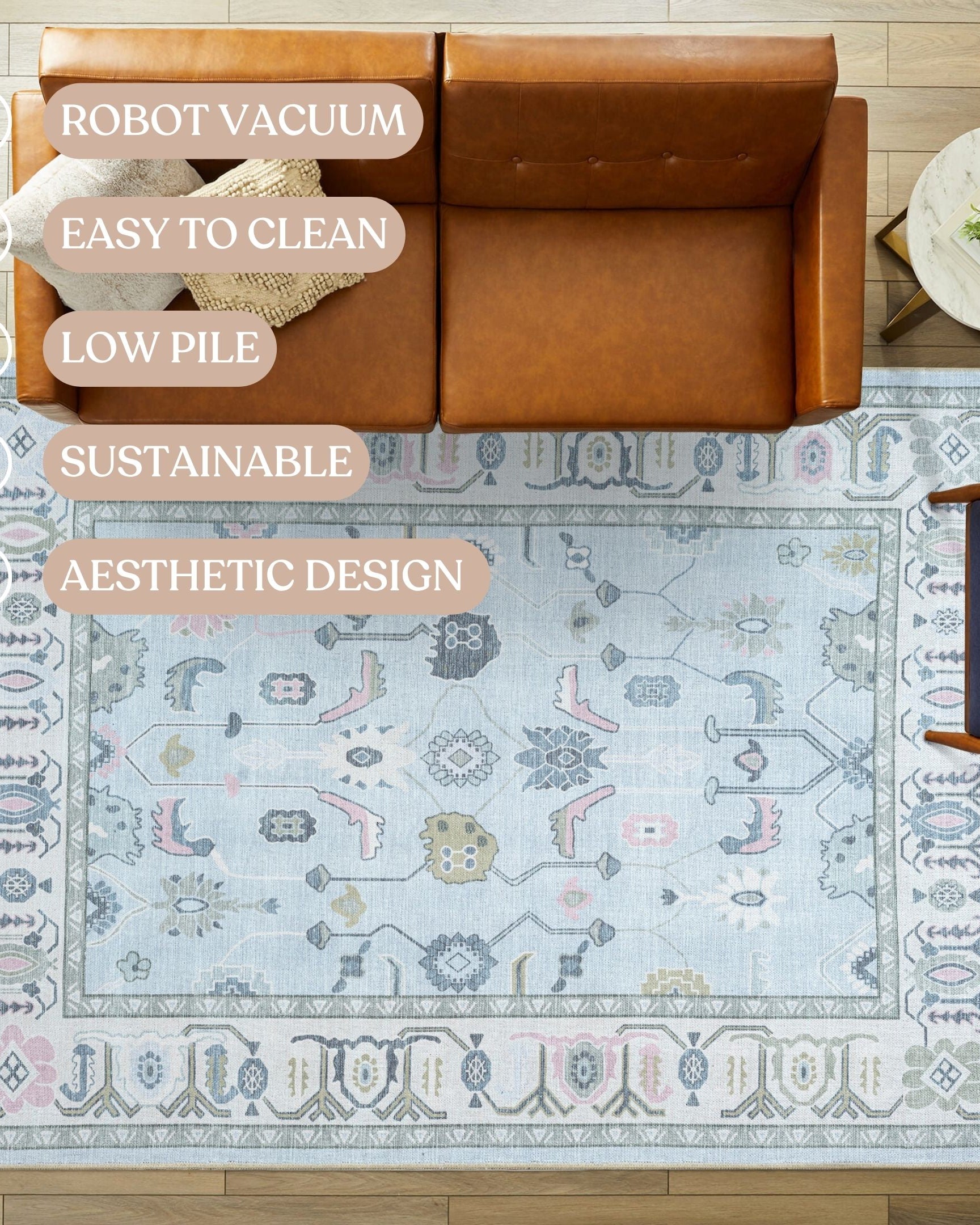
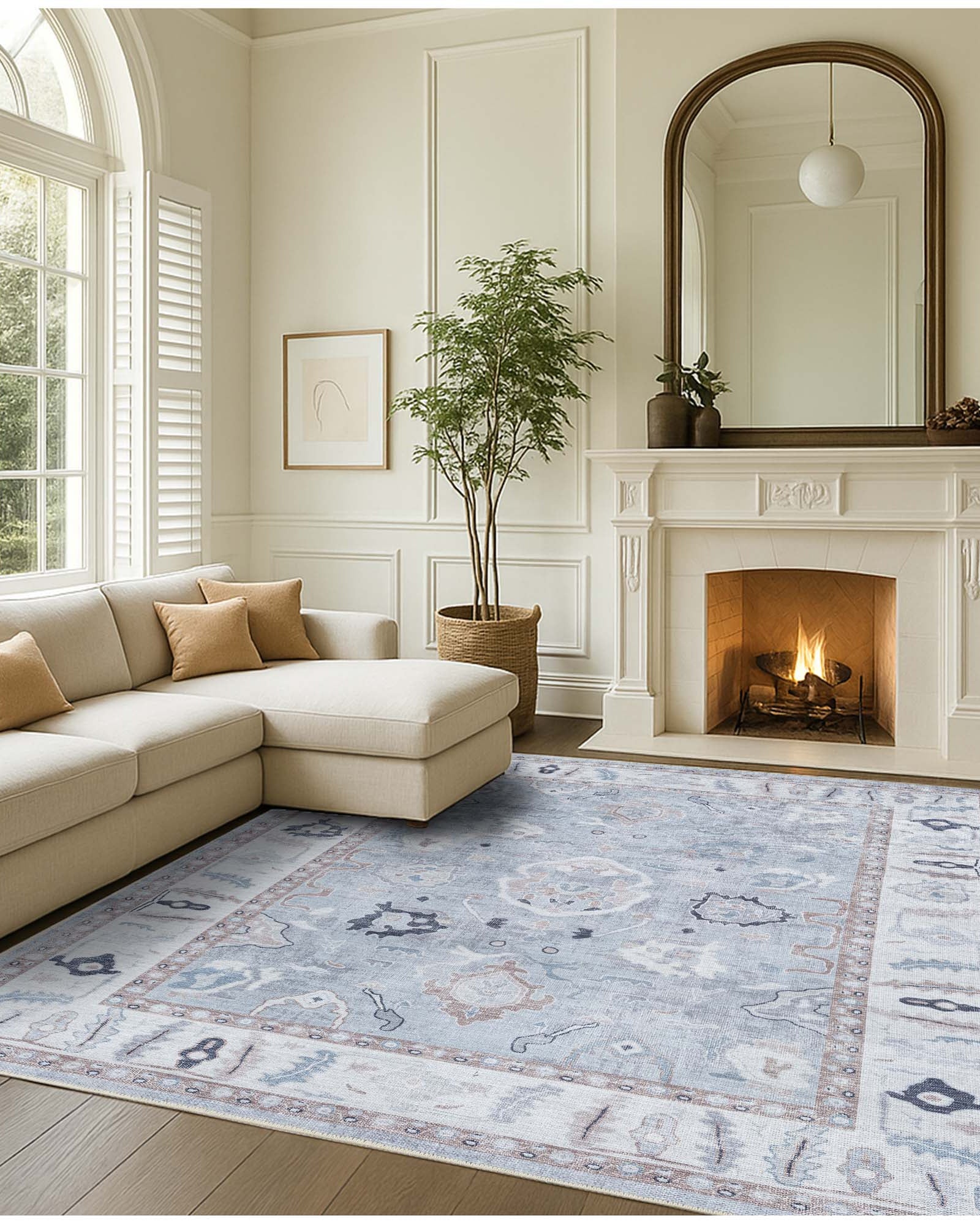
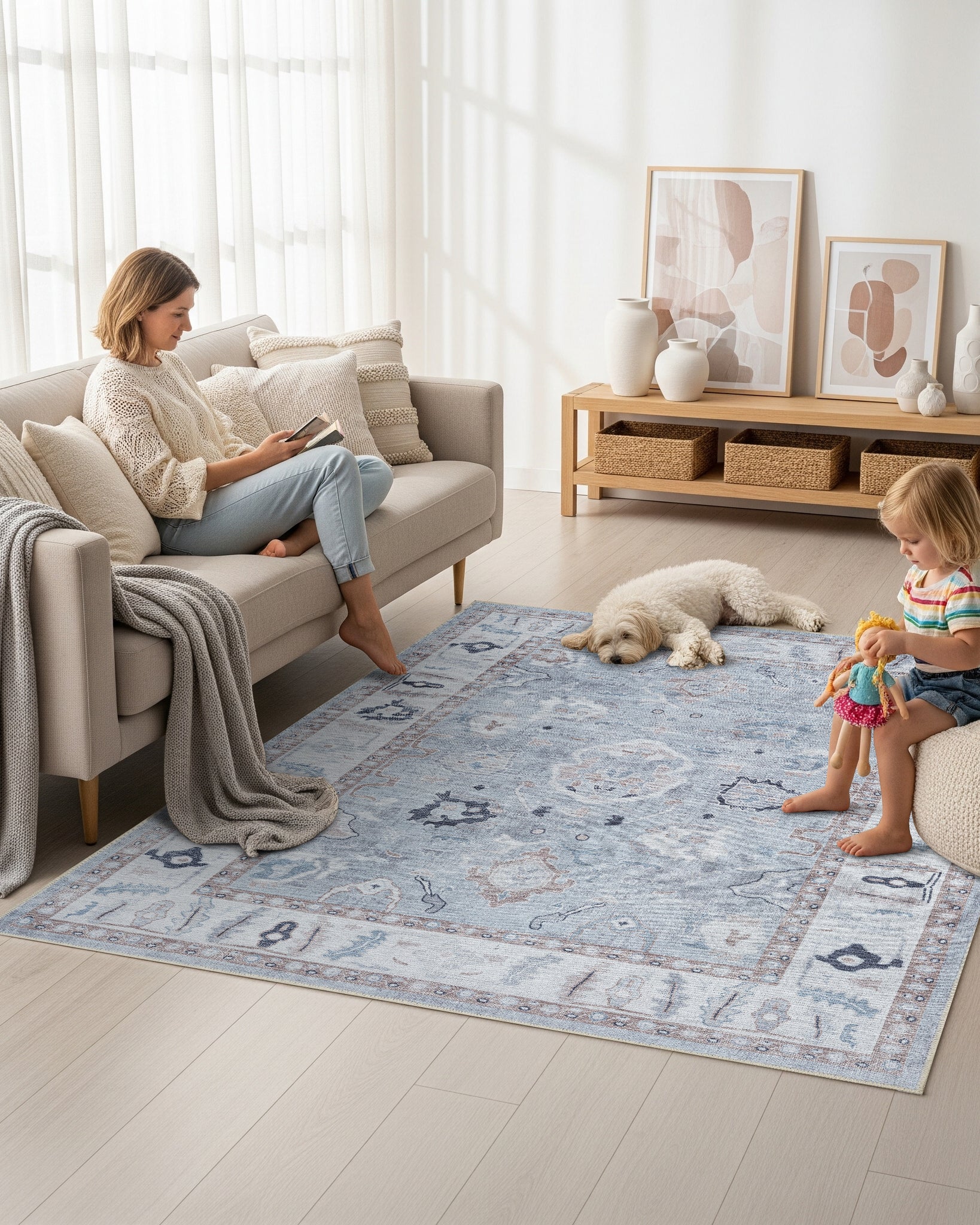
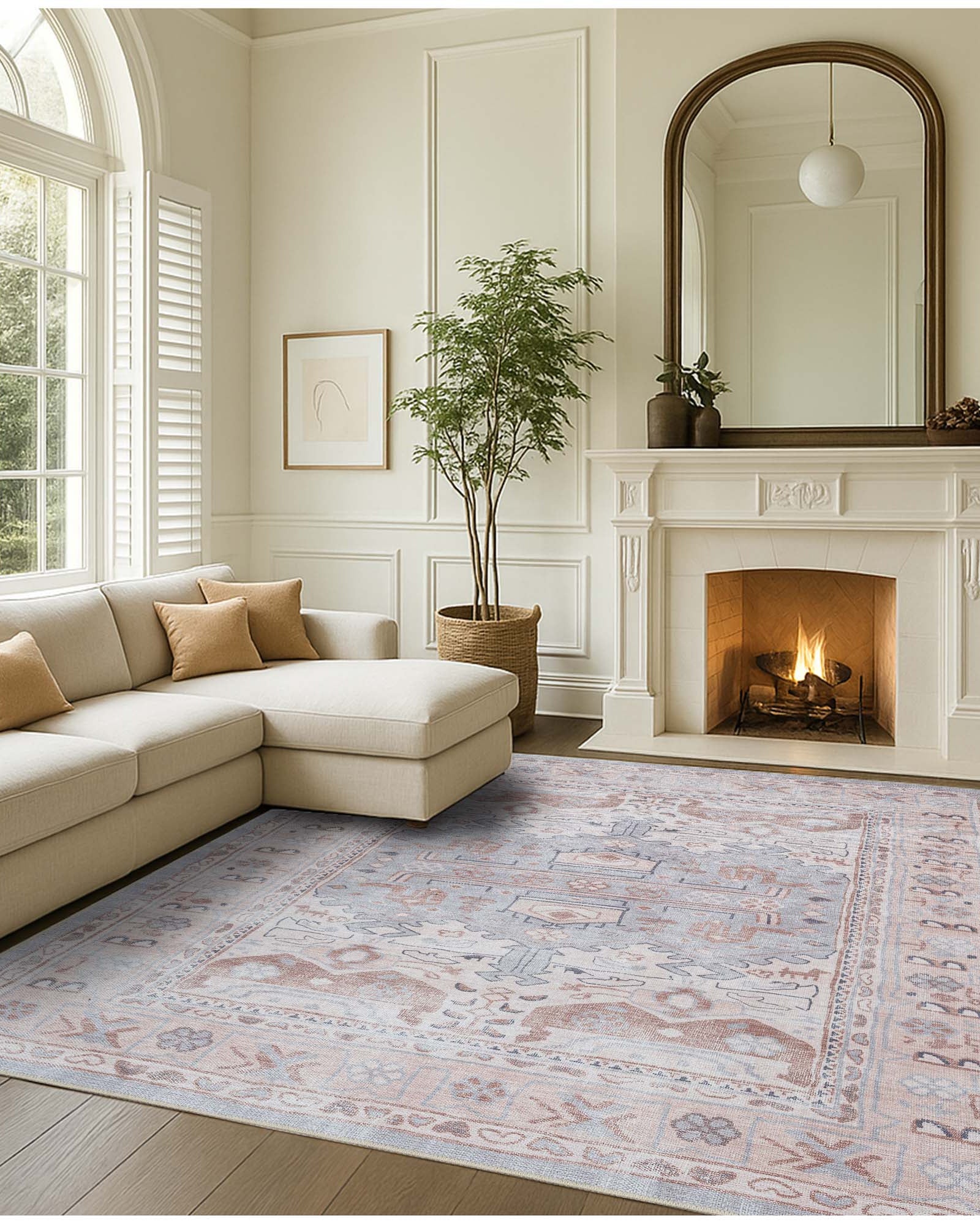
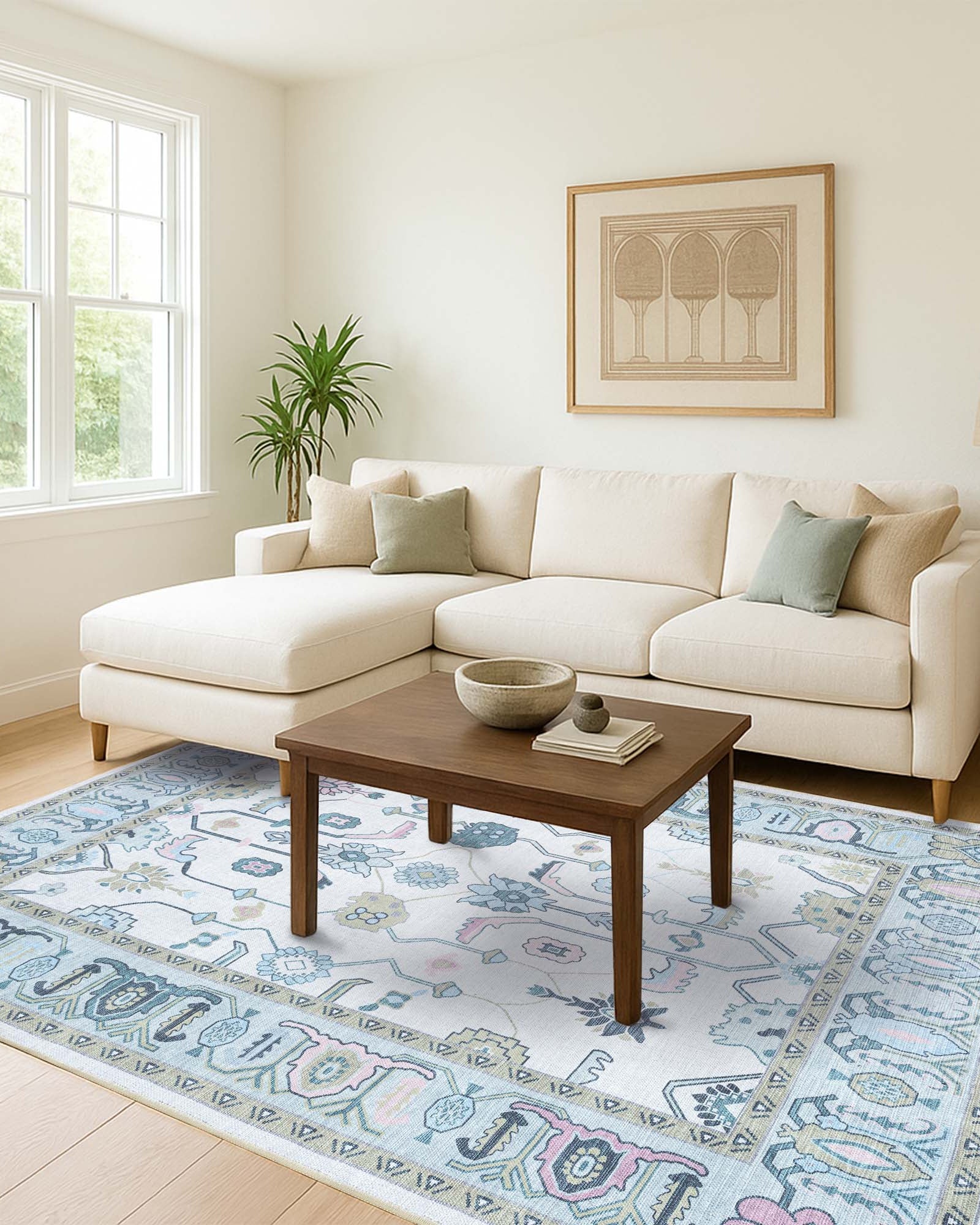
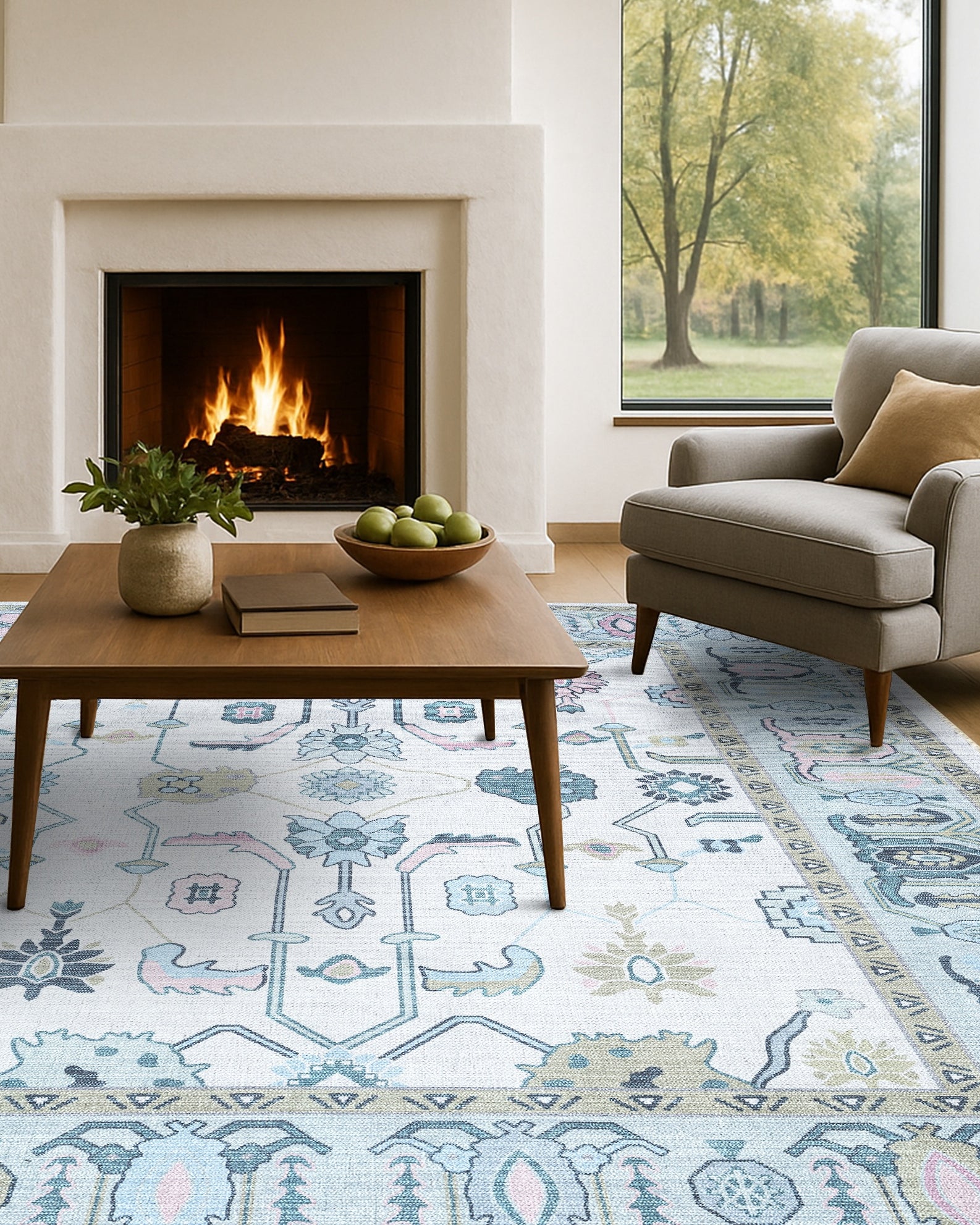
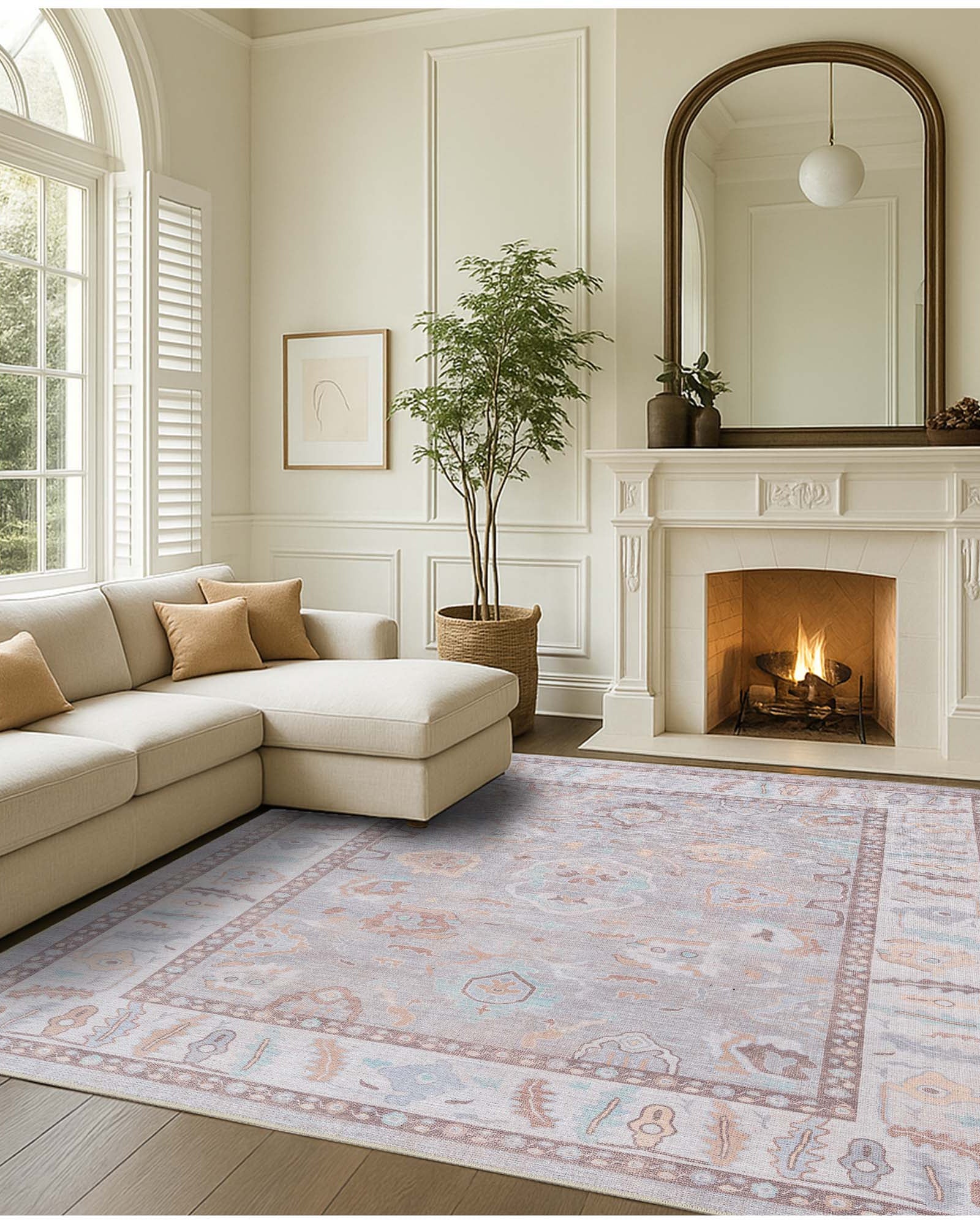
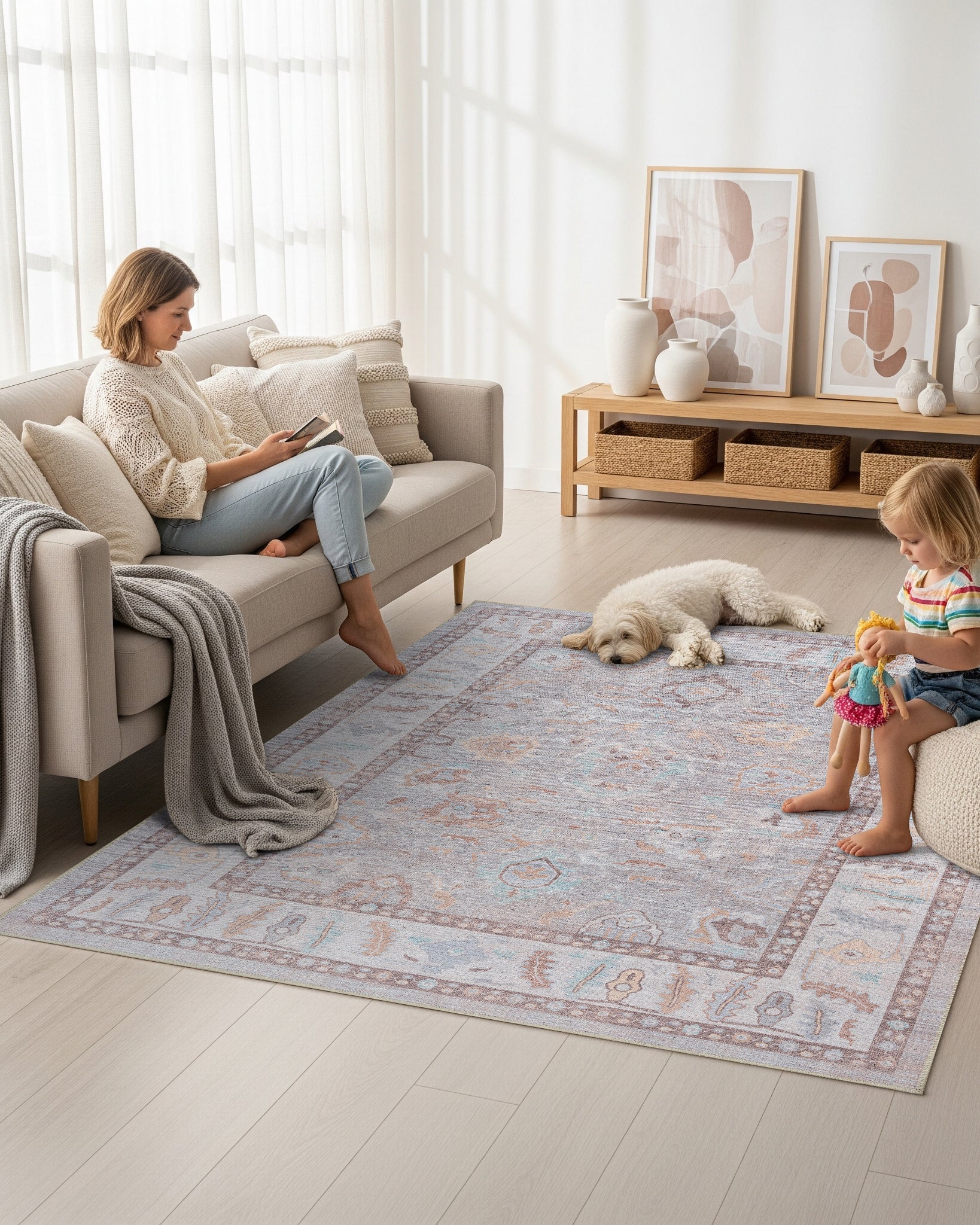
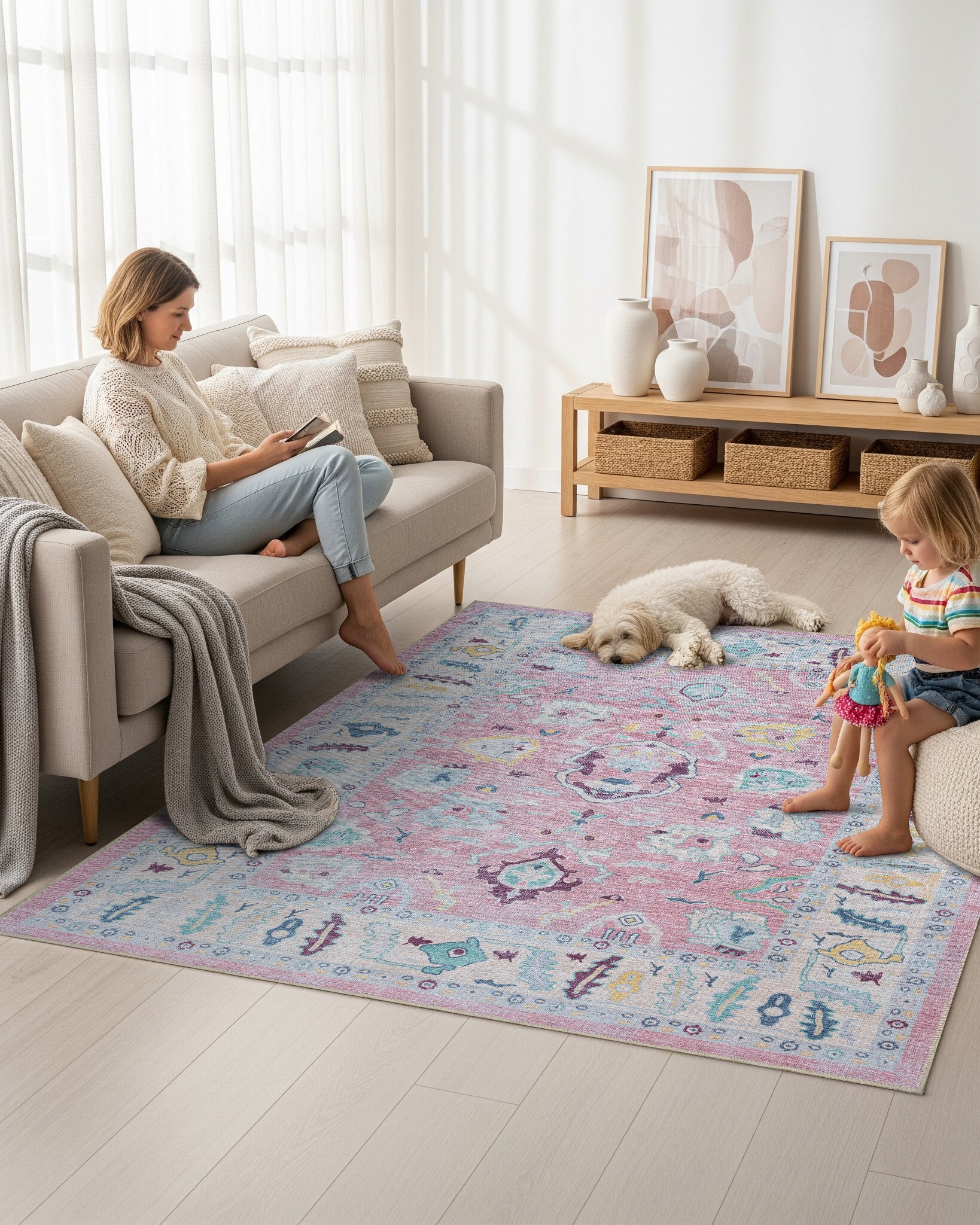
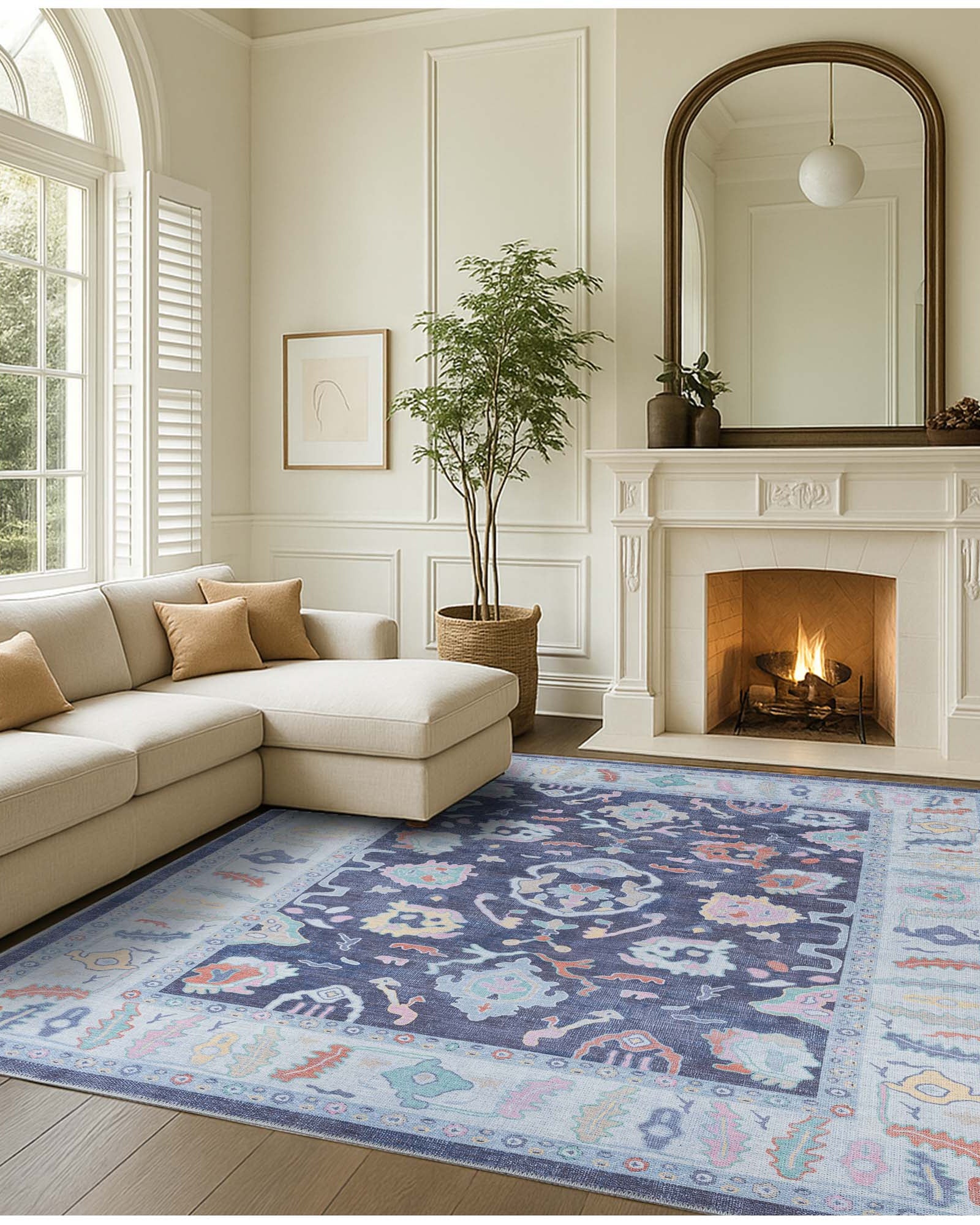
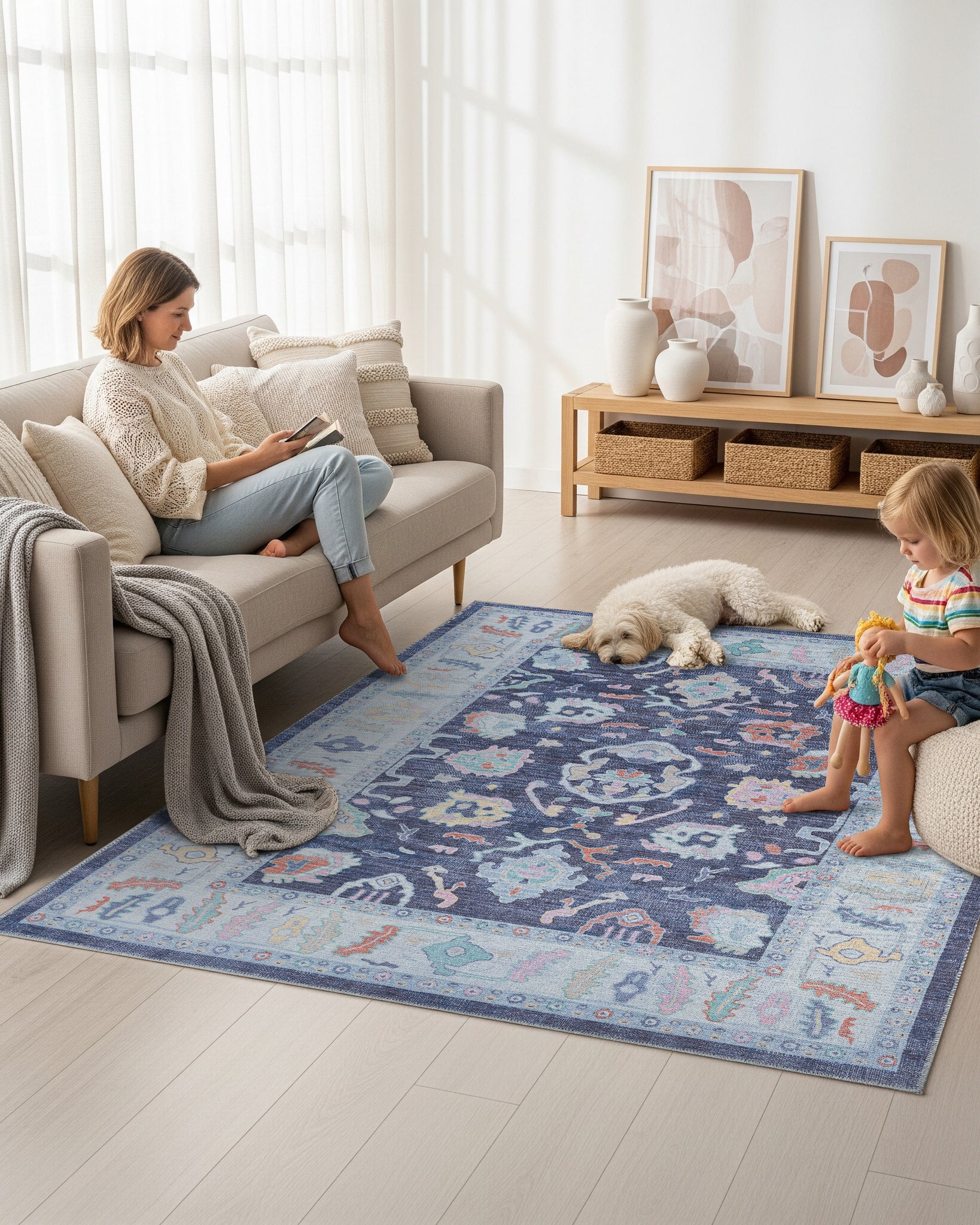
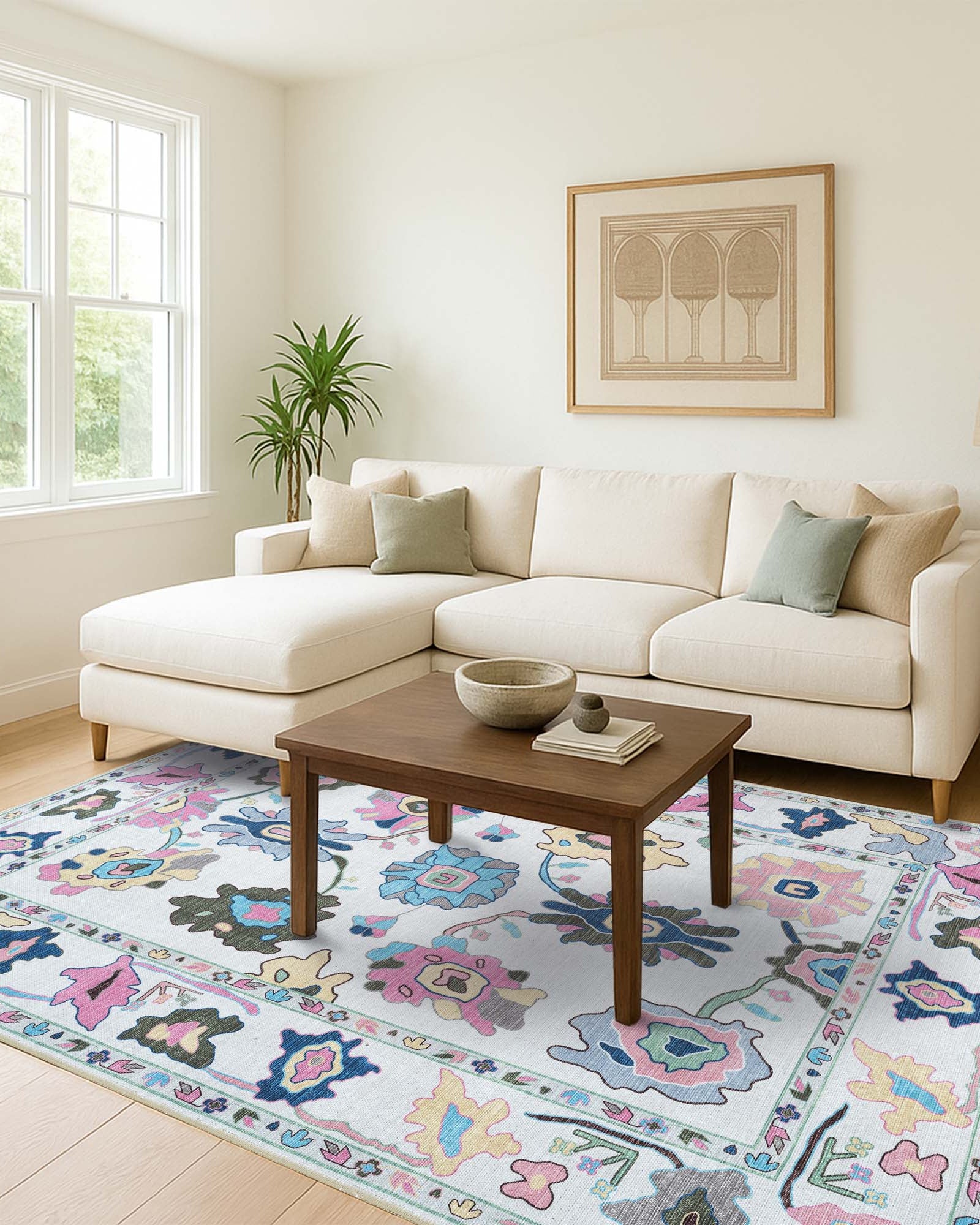
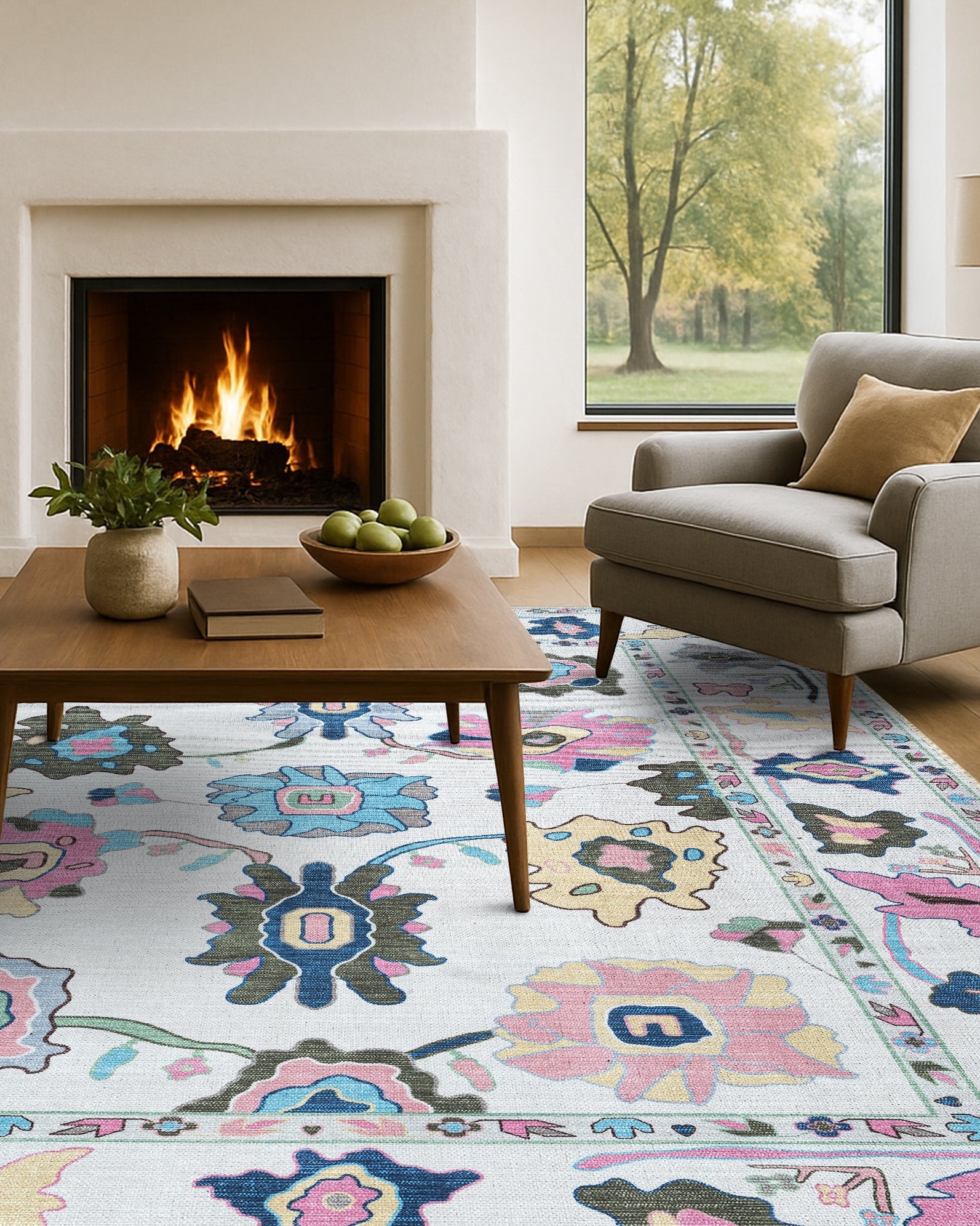
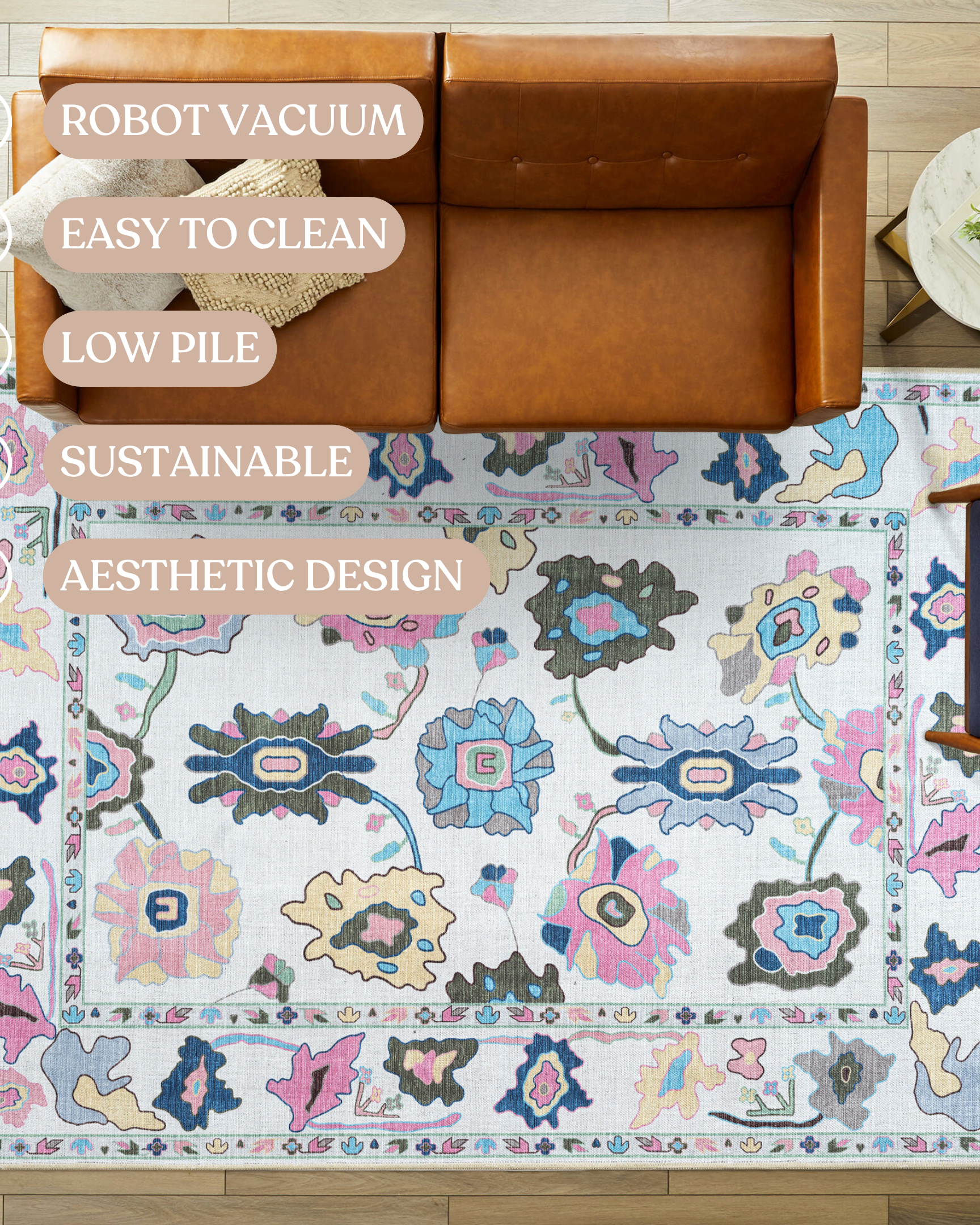
In the living room, contrast is your best friend. The complex patterns of an Asian style rug look stunning when paired with the clean lines of Mid-Century Modern or contemporary furniture. A rug featuring a central medallion or a dramatic dragon motif should be placed centrally, with a glass coffee table on top to allow the artwork to be fully admired. If the rug is vibrant—perhaps a rich red or sapphire blue—keep your sofas neutral in cream or grey. This allows the rug to act as the room's "anchor" without overwhelming the eye.
Bedroom and Dining Room Guidance
Invite tranquility into your sleeping quarters and spark conversation with symbolic art in your dining area.
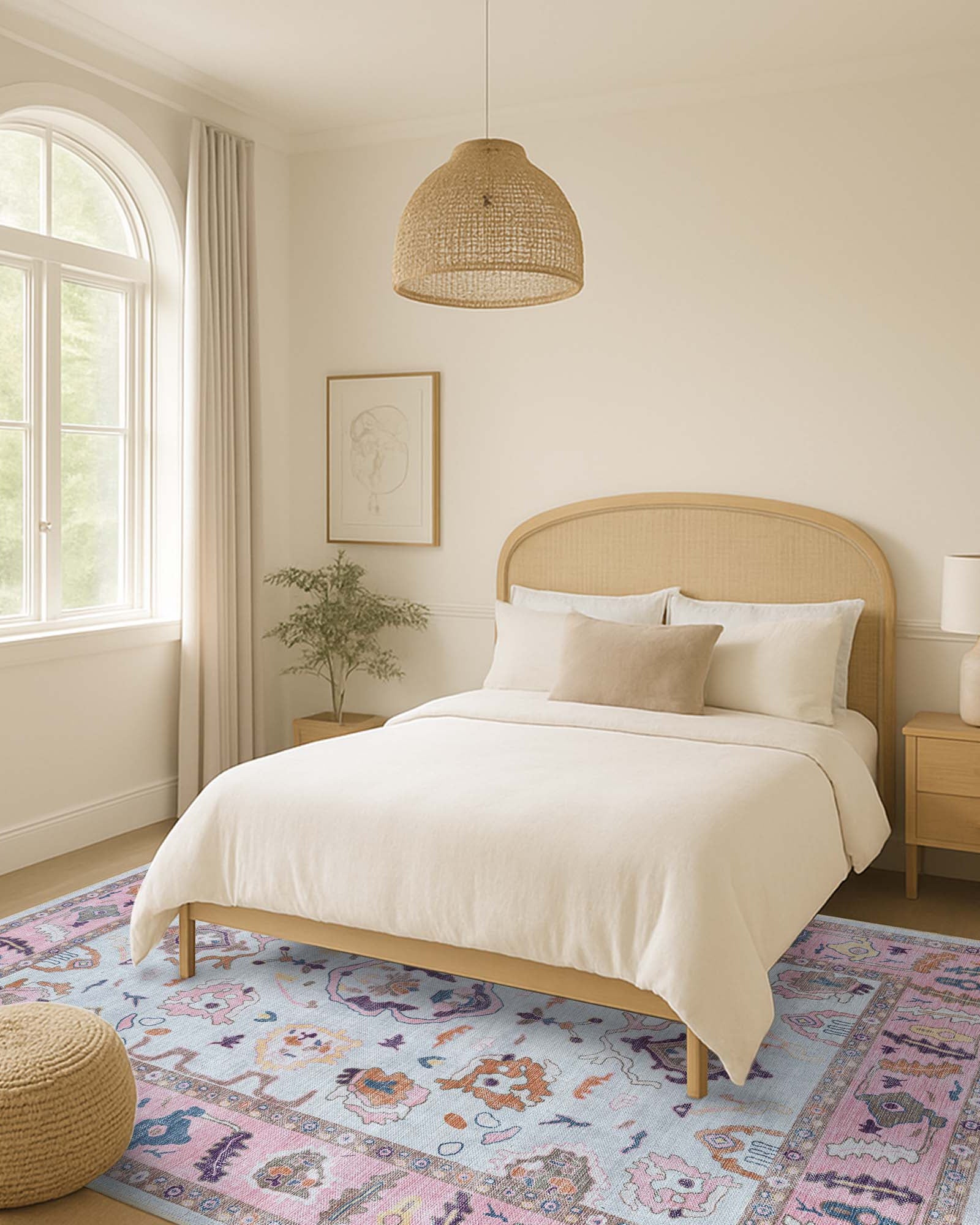
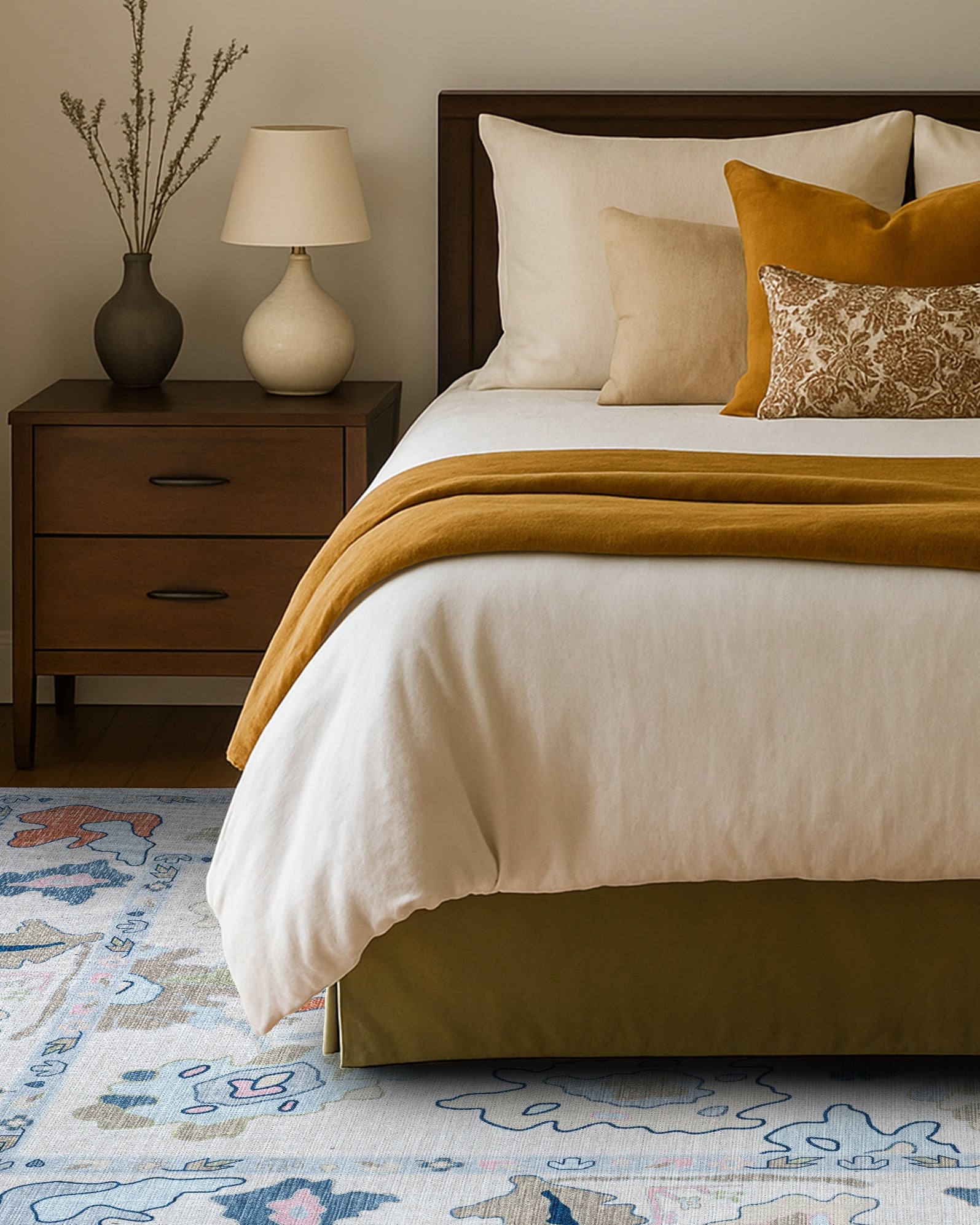
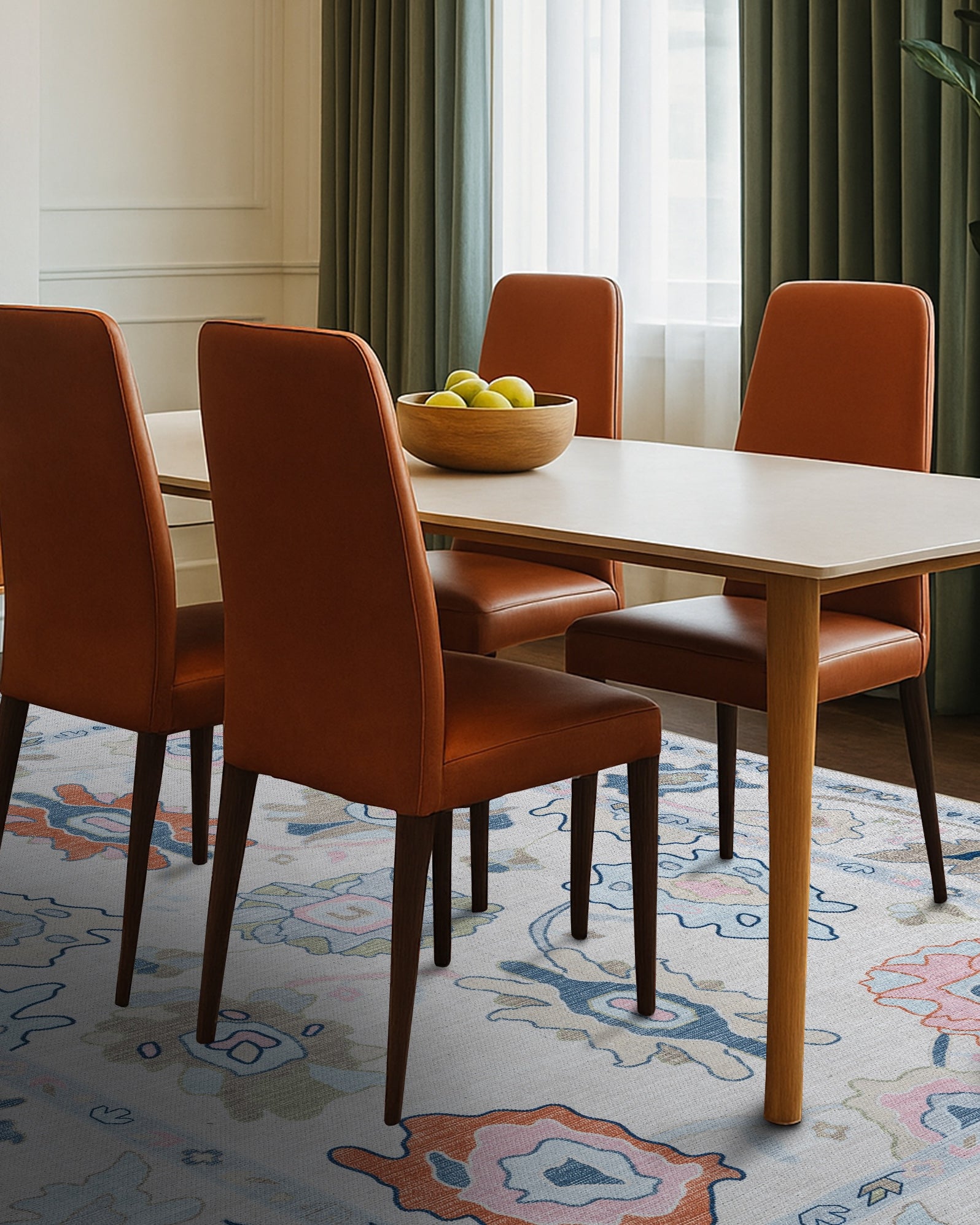
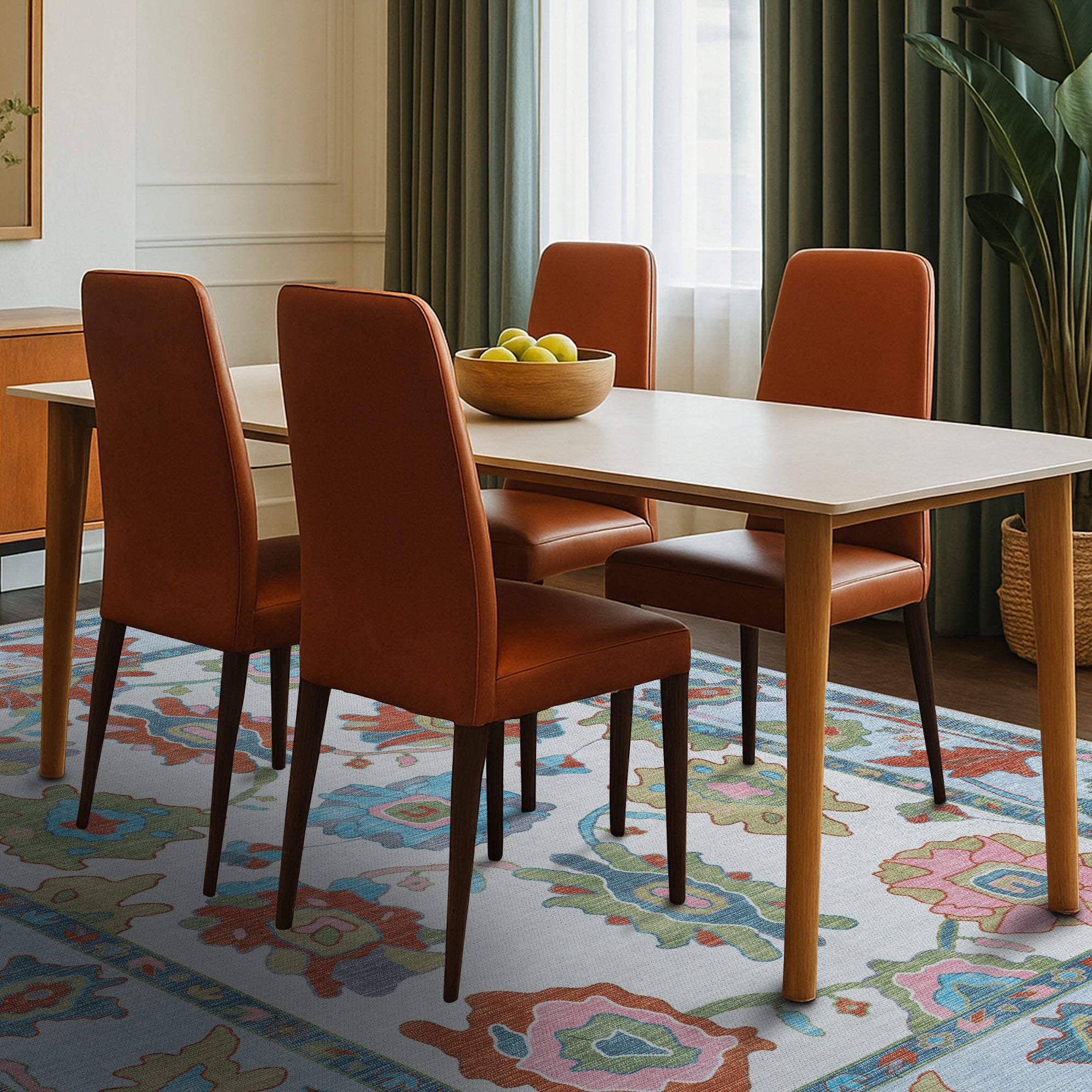
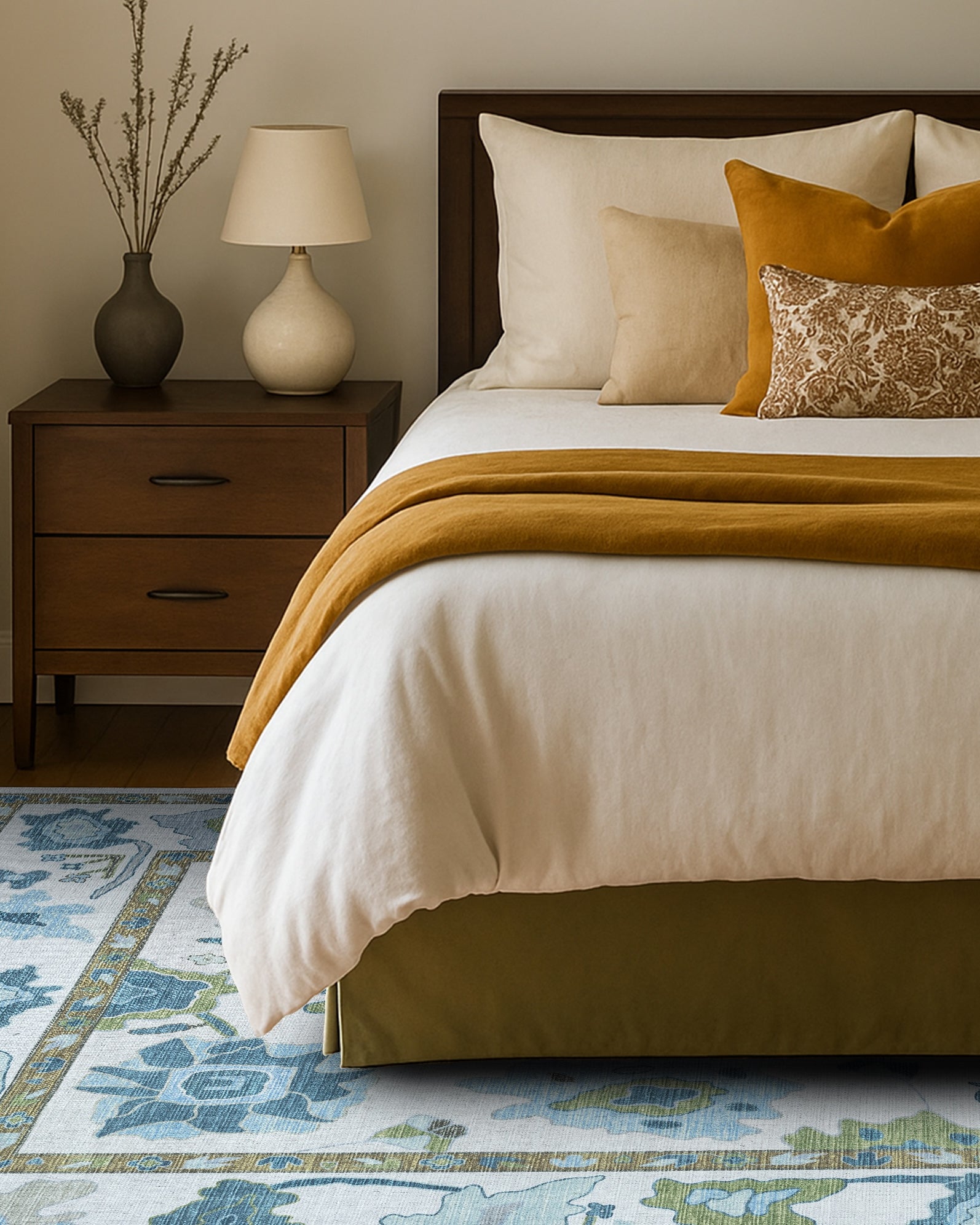
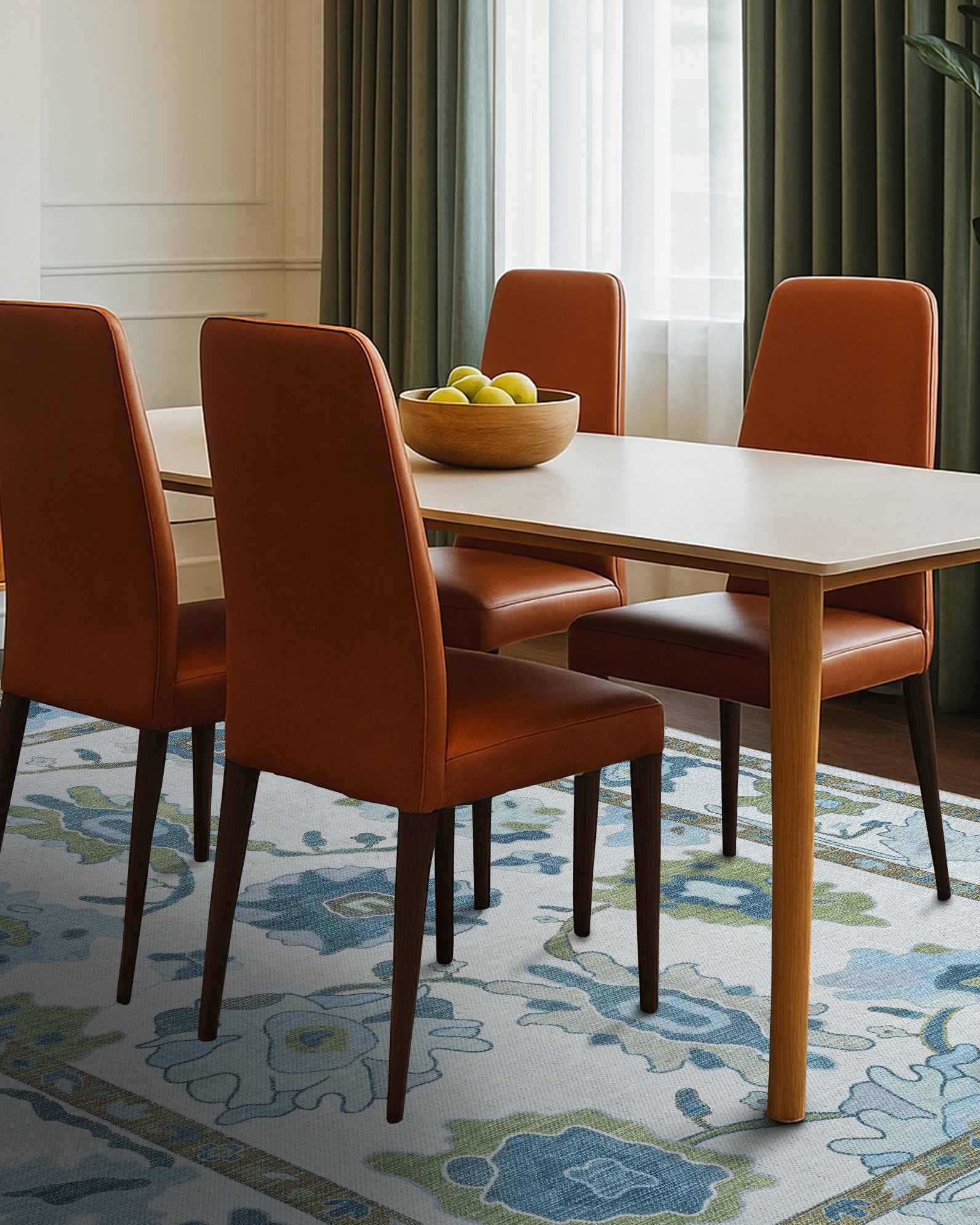
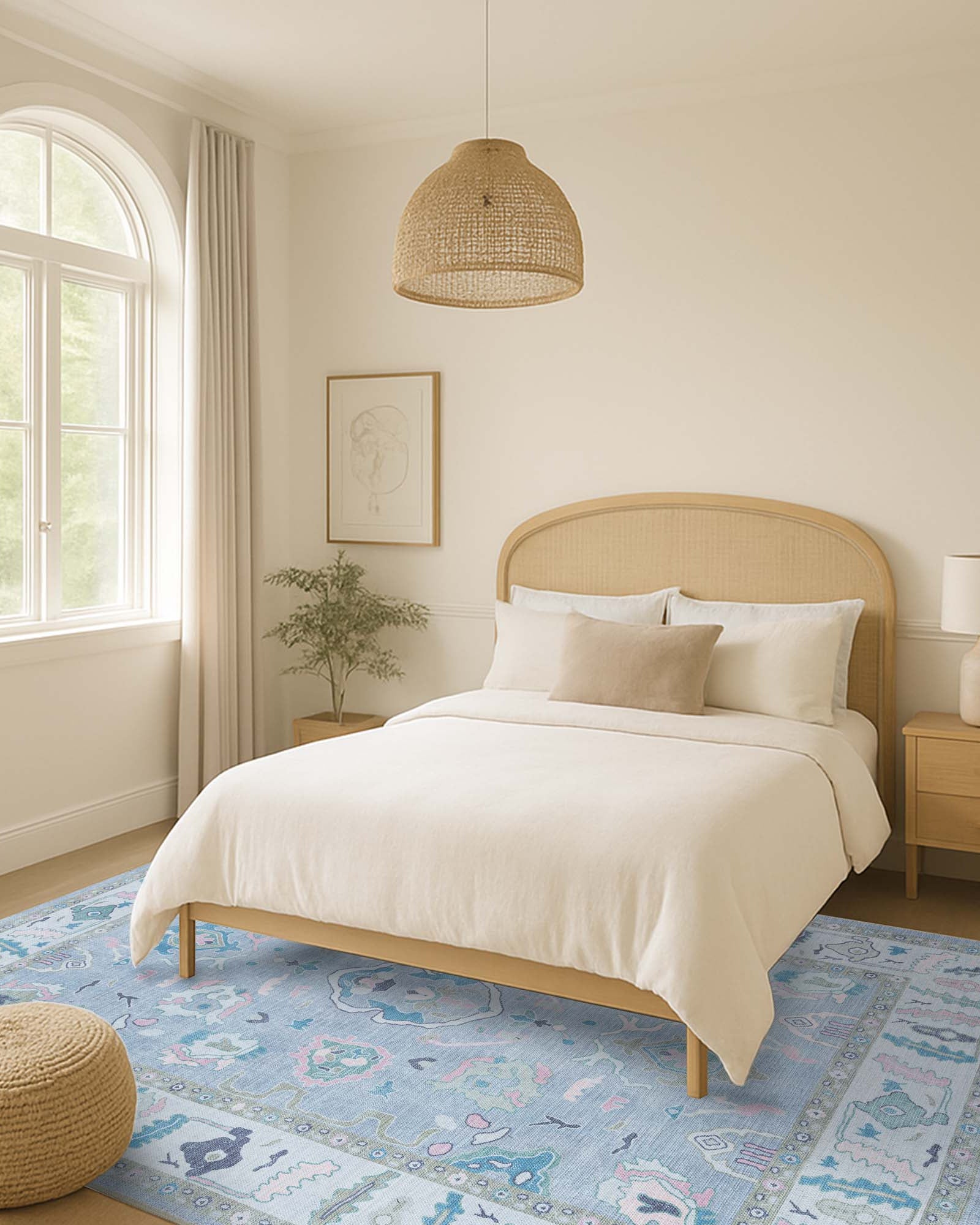
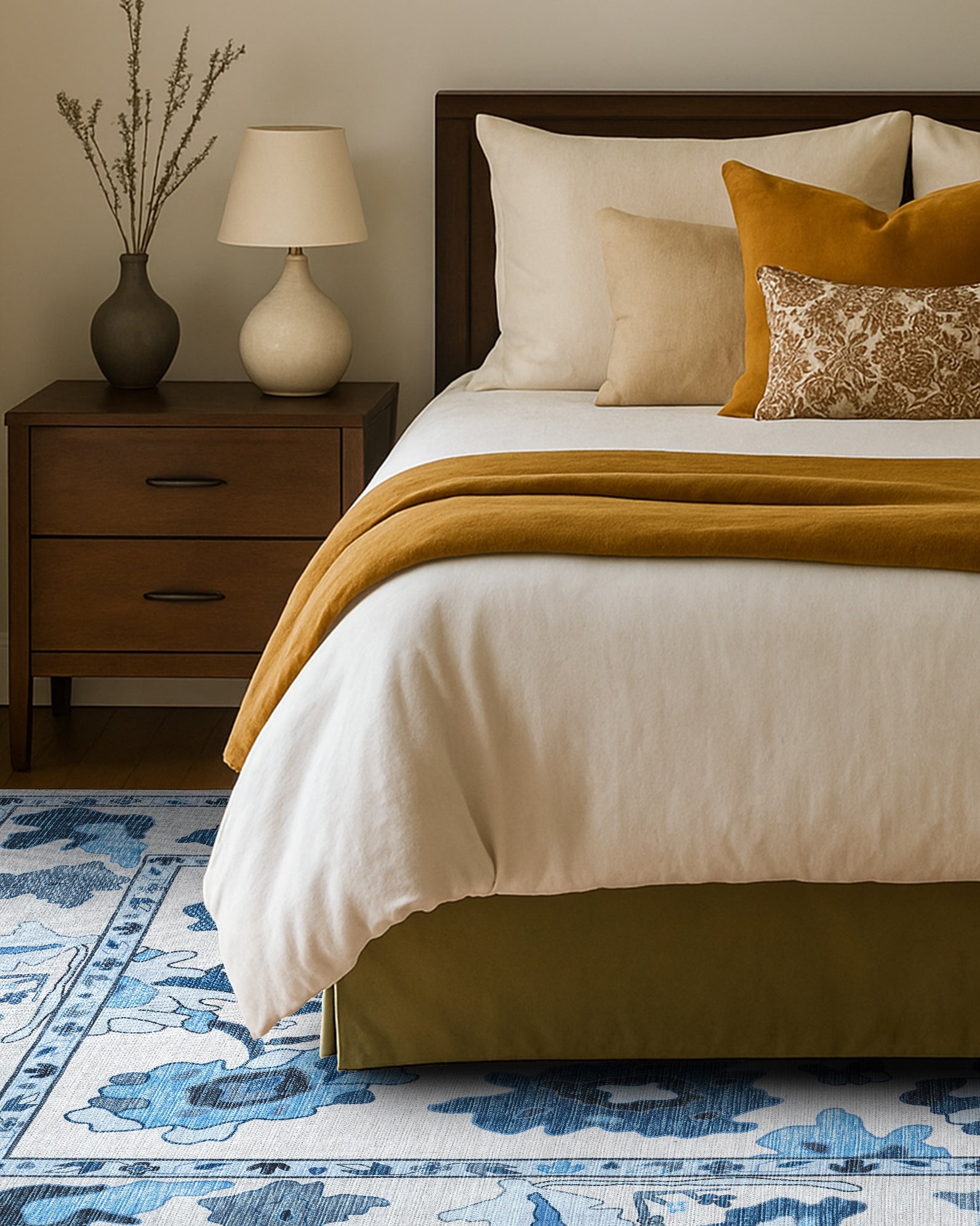
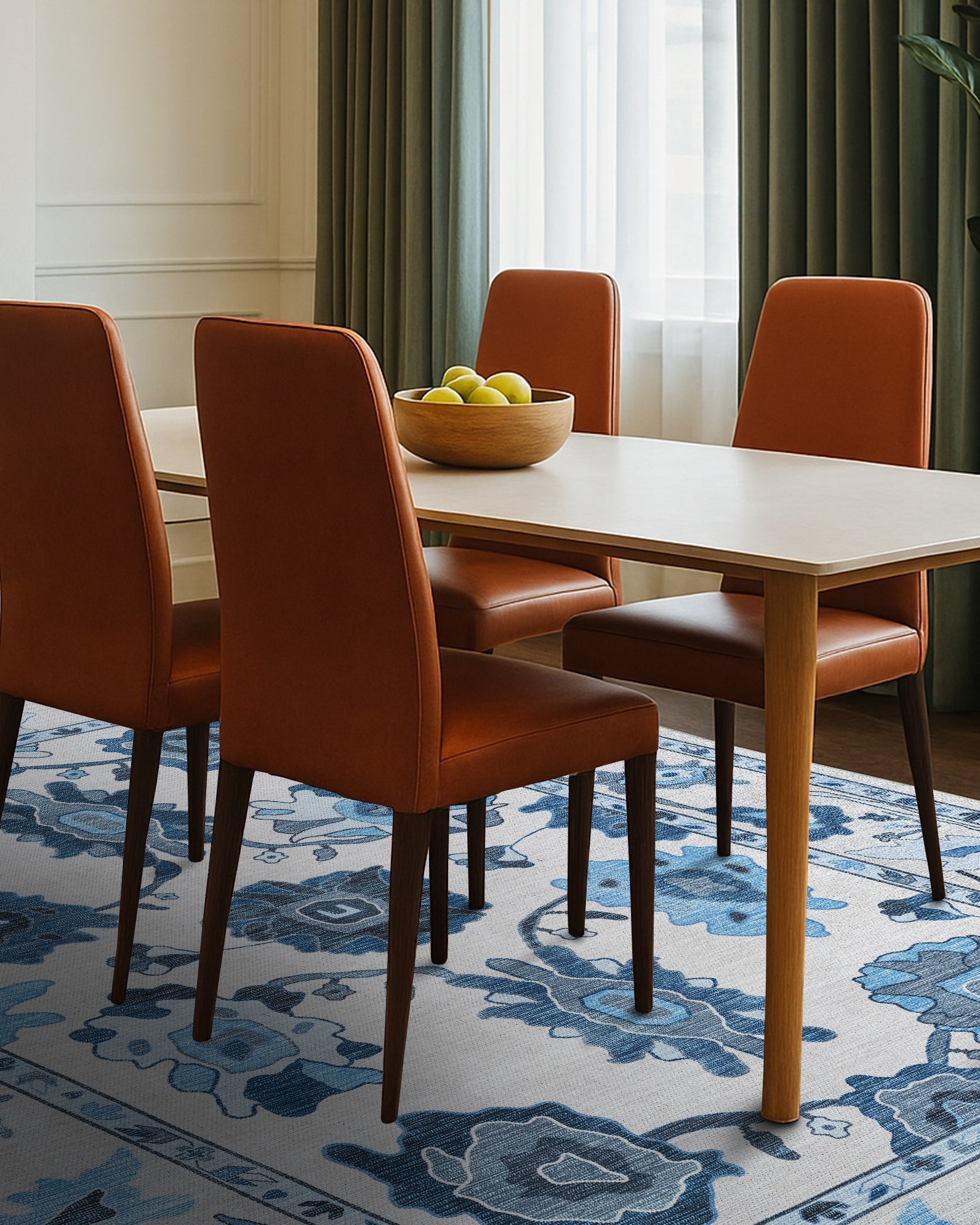
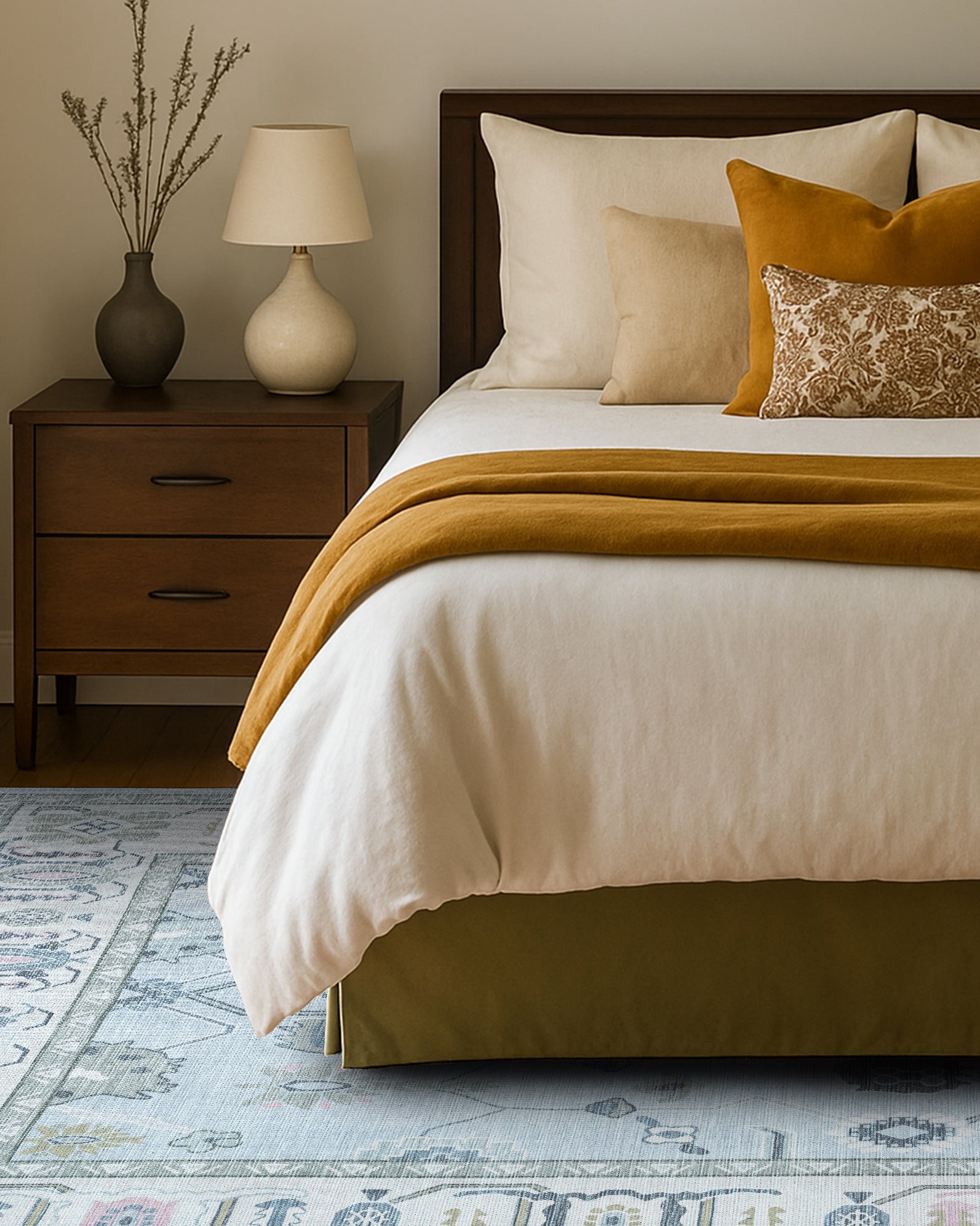
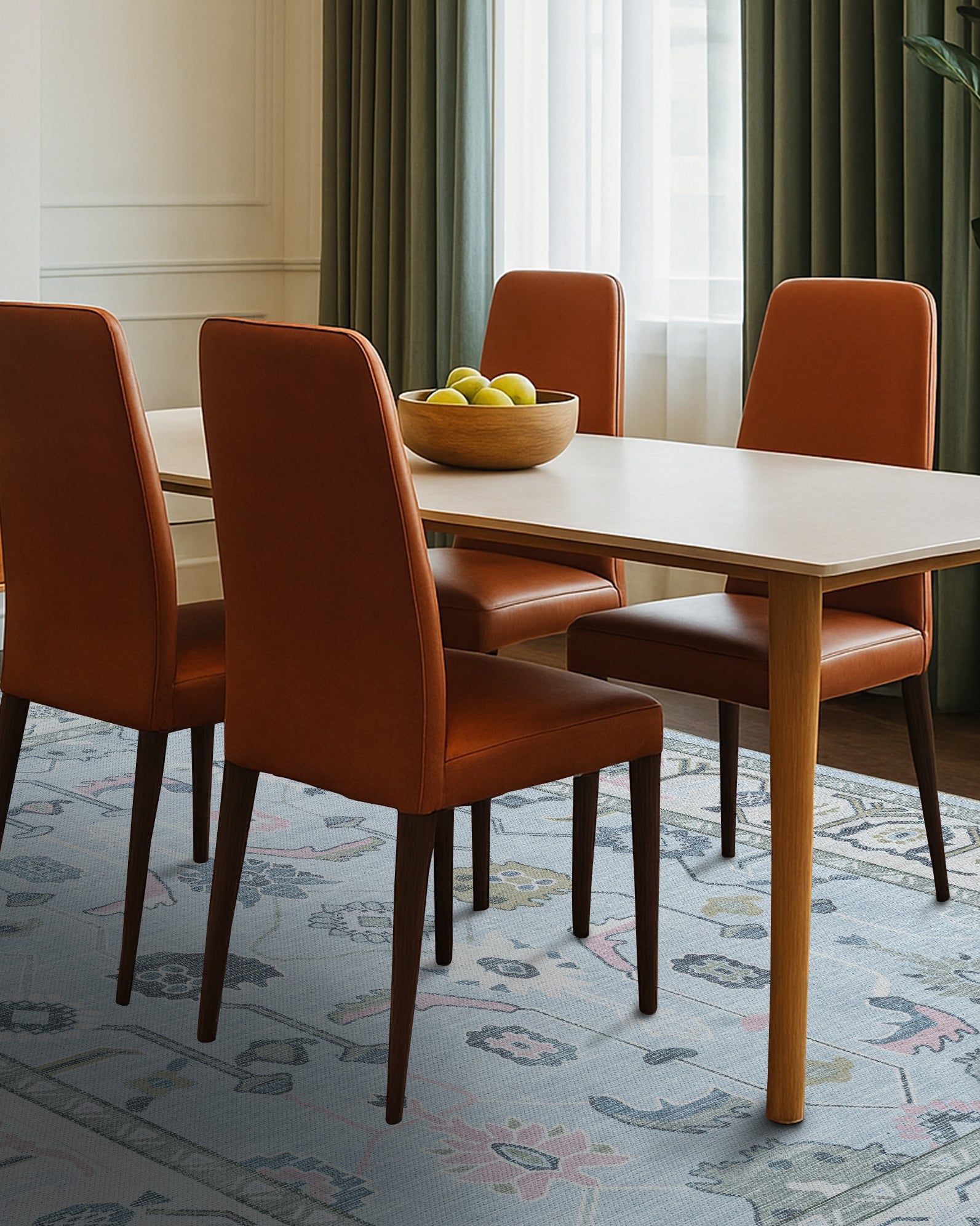
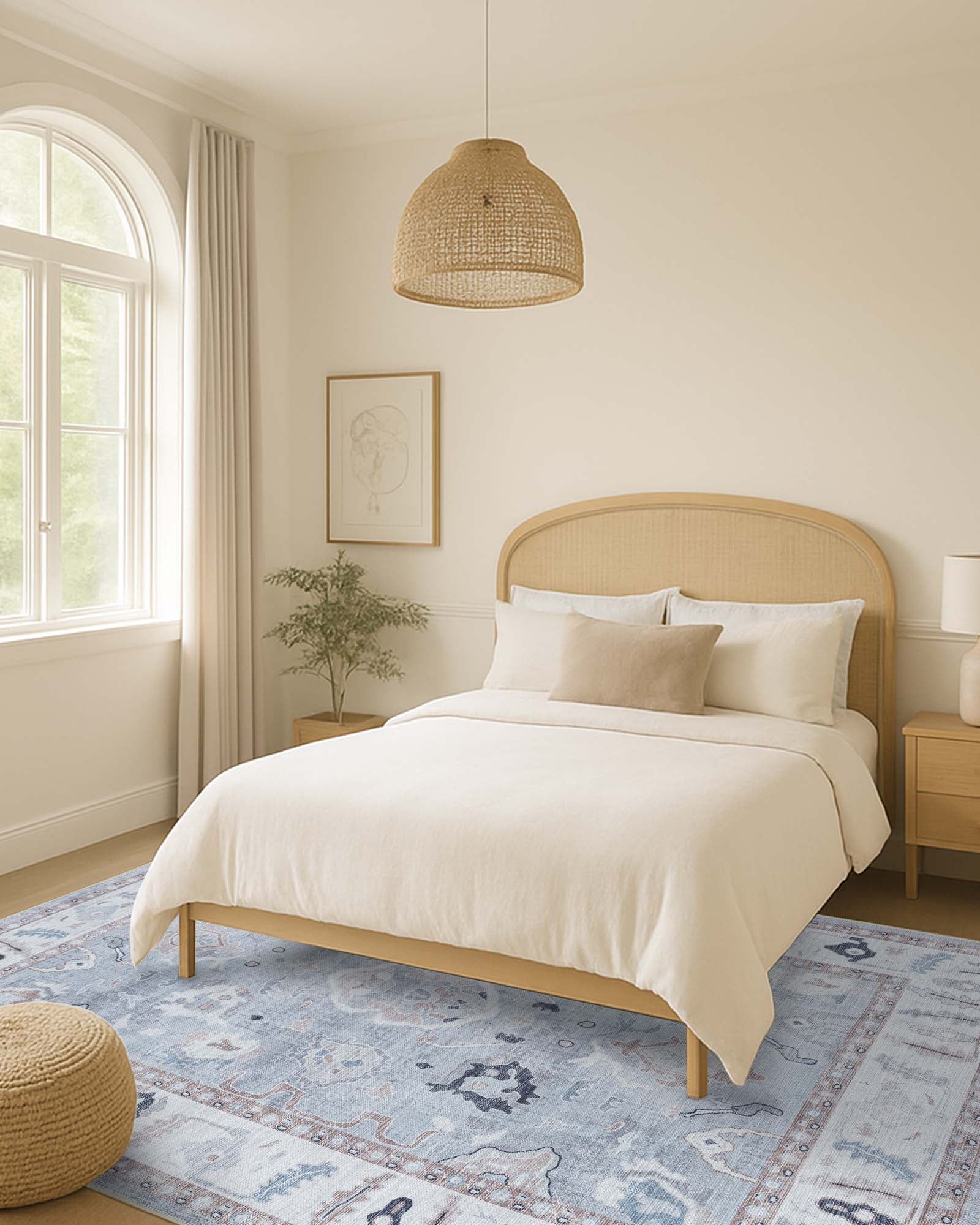
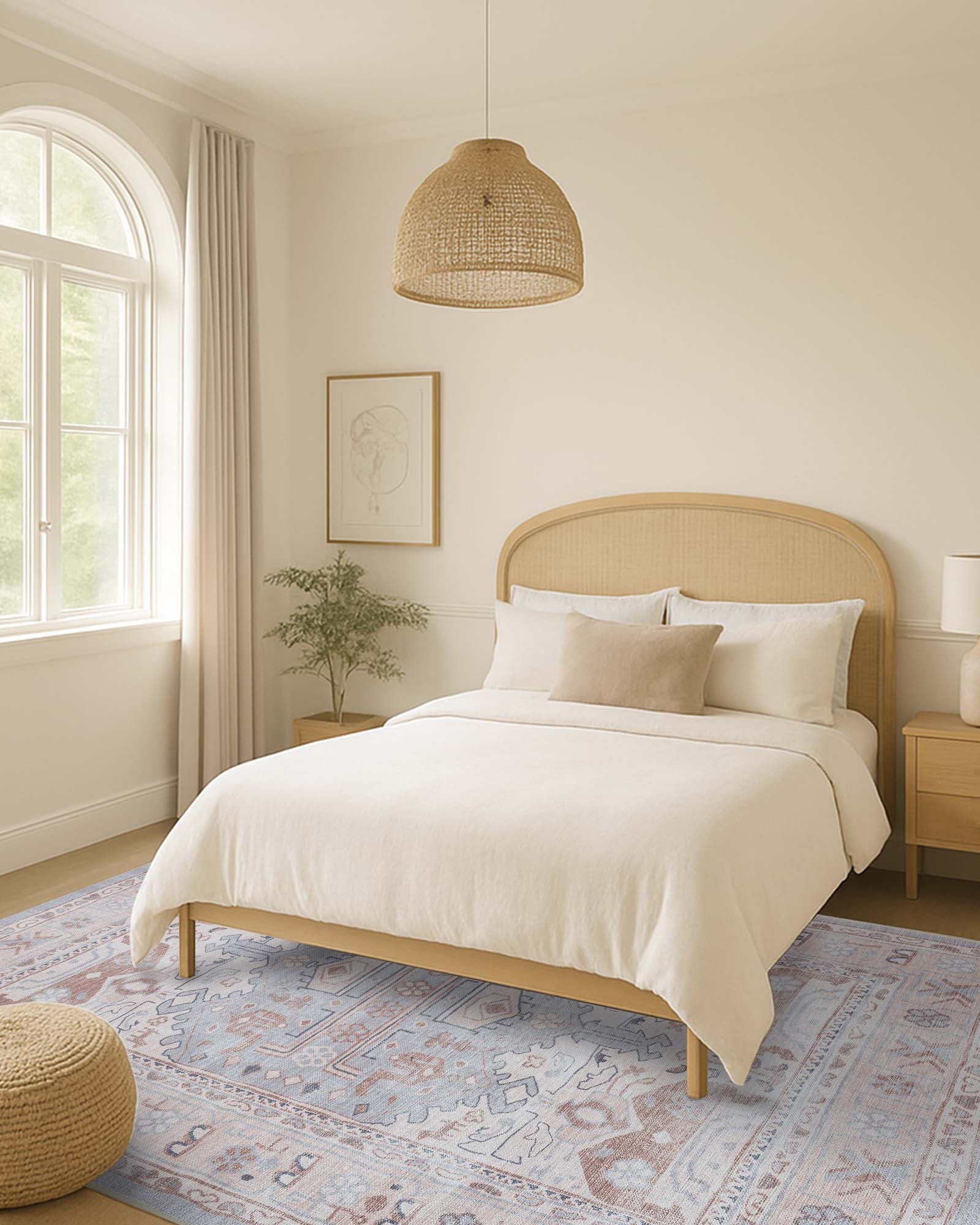
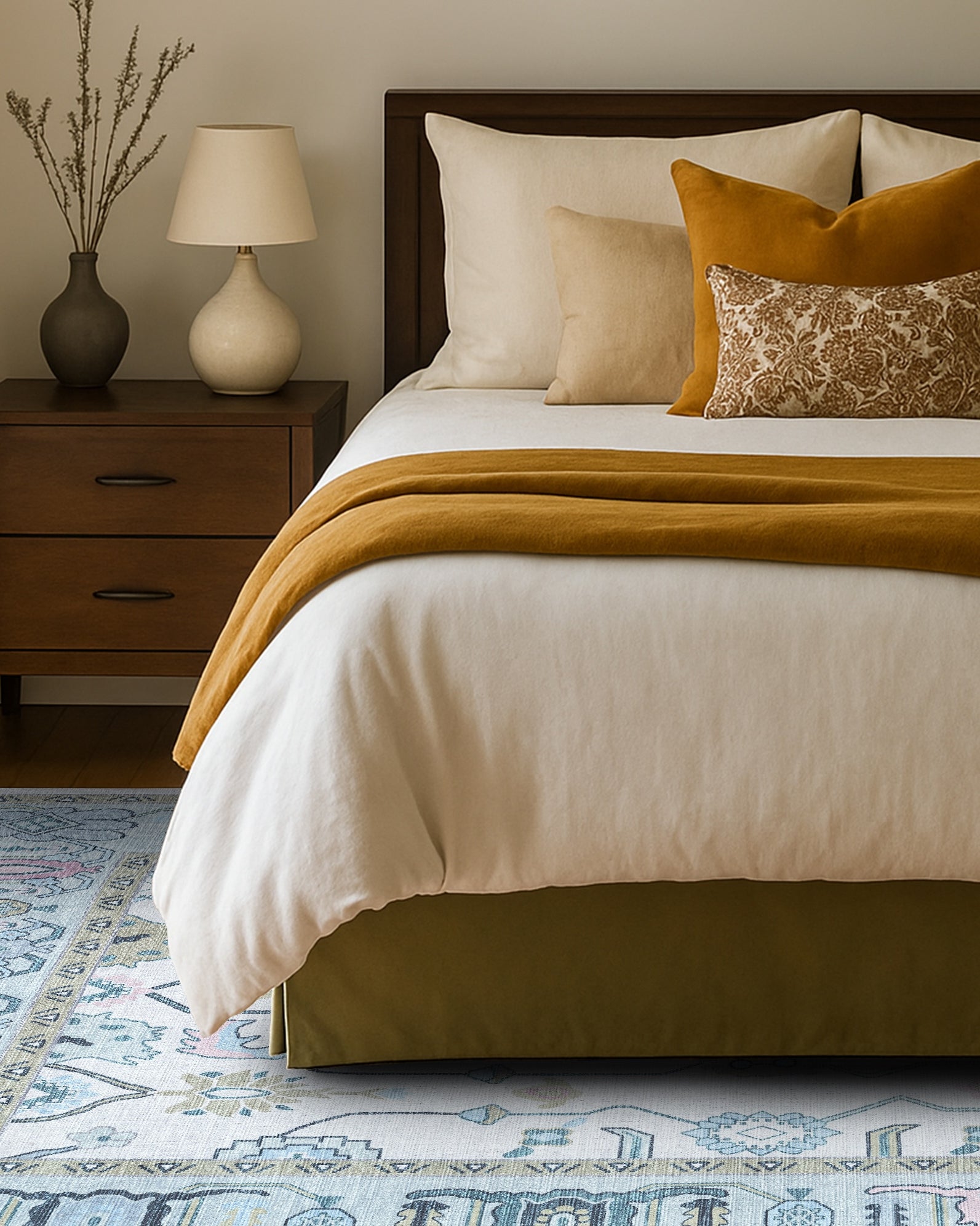
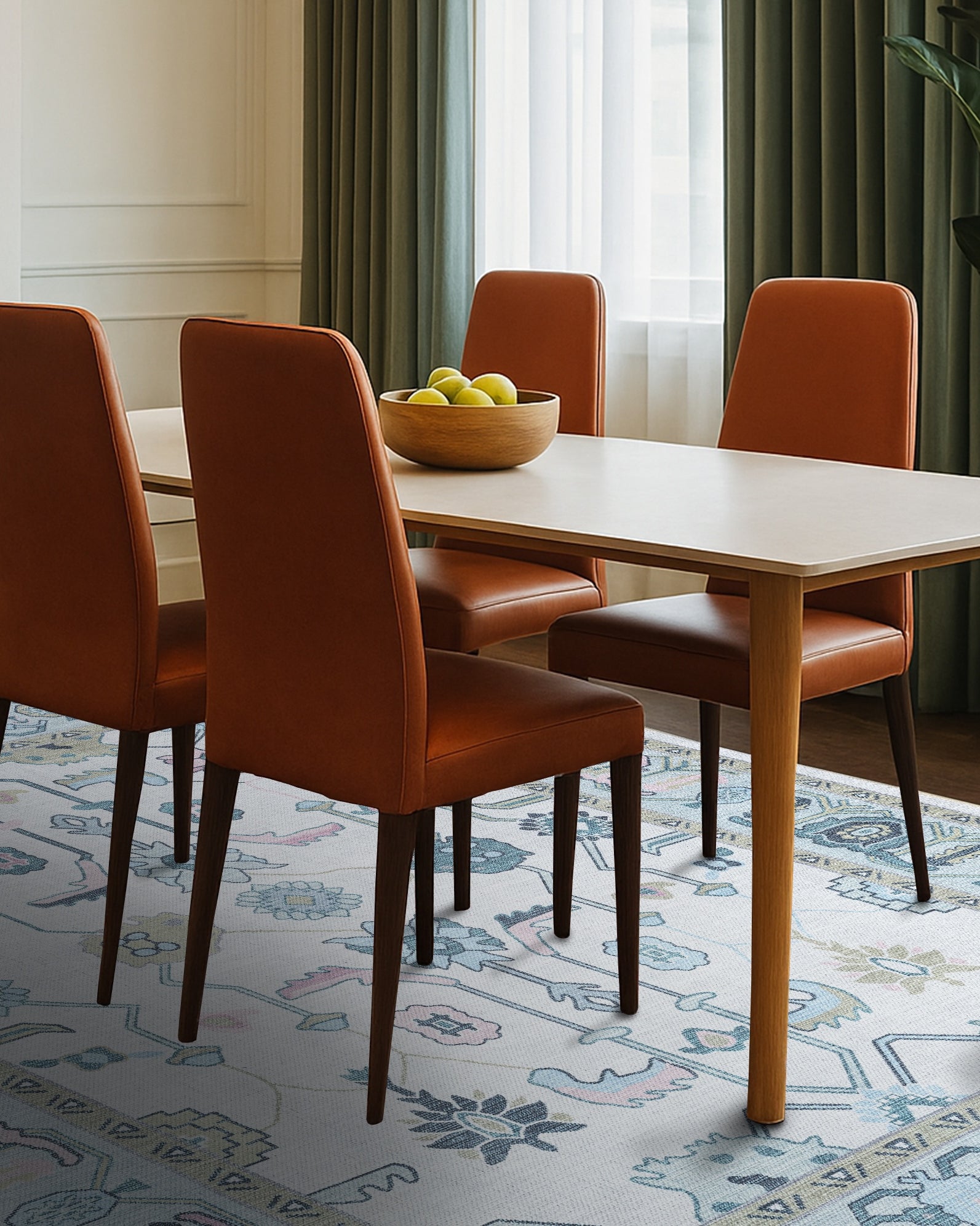
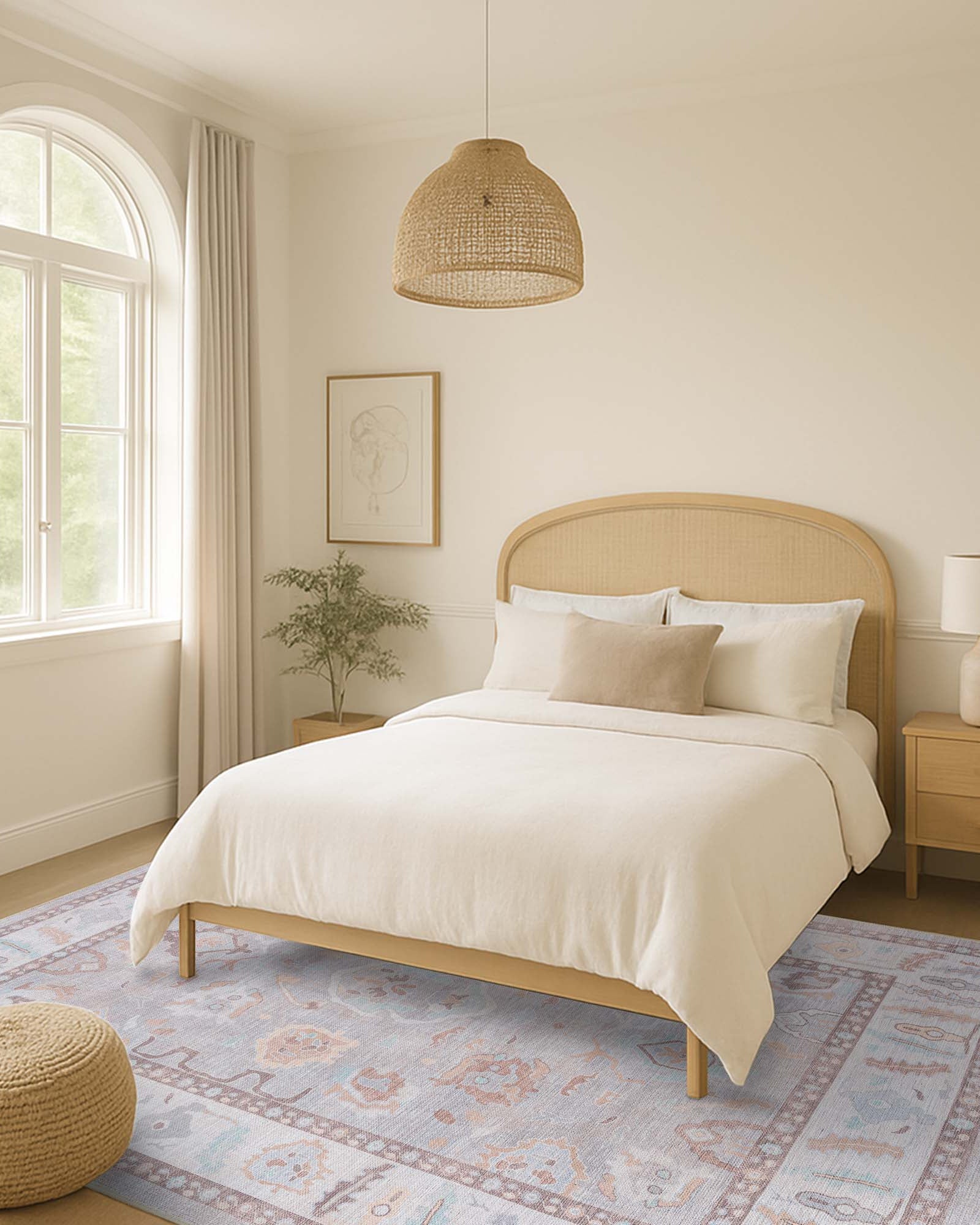
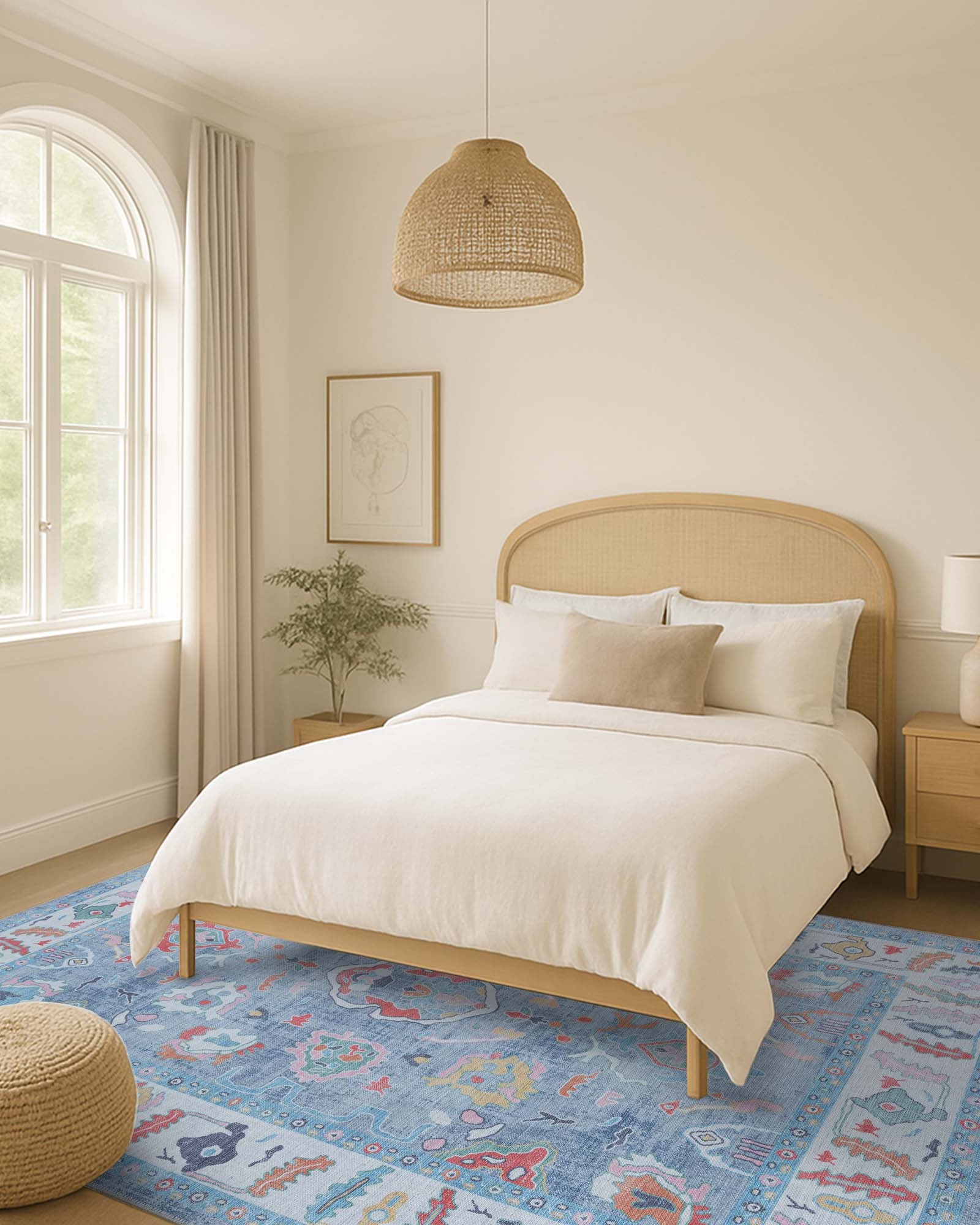
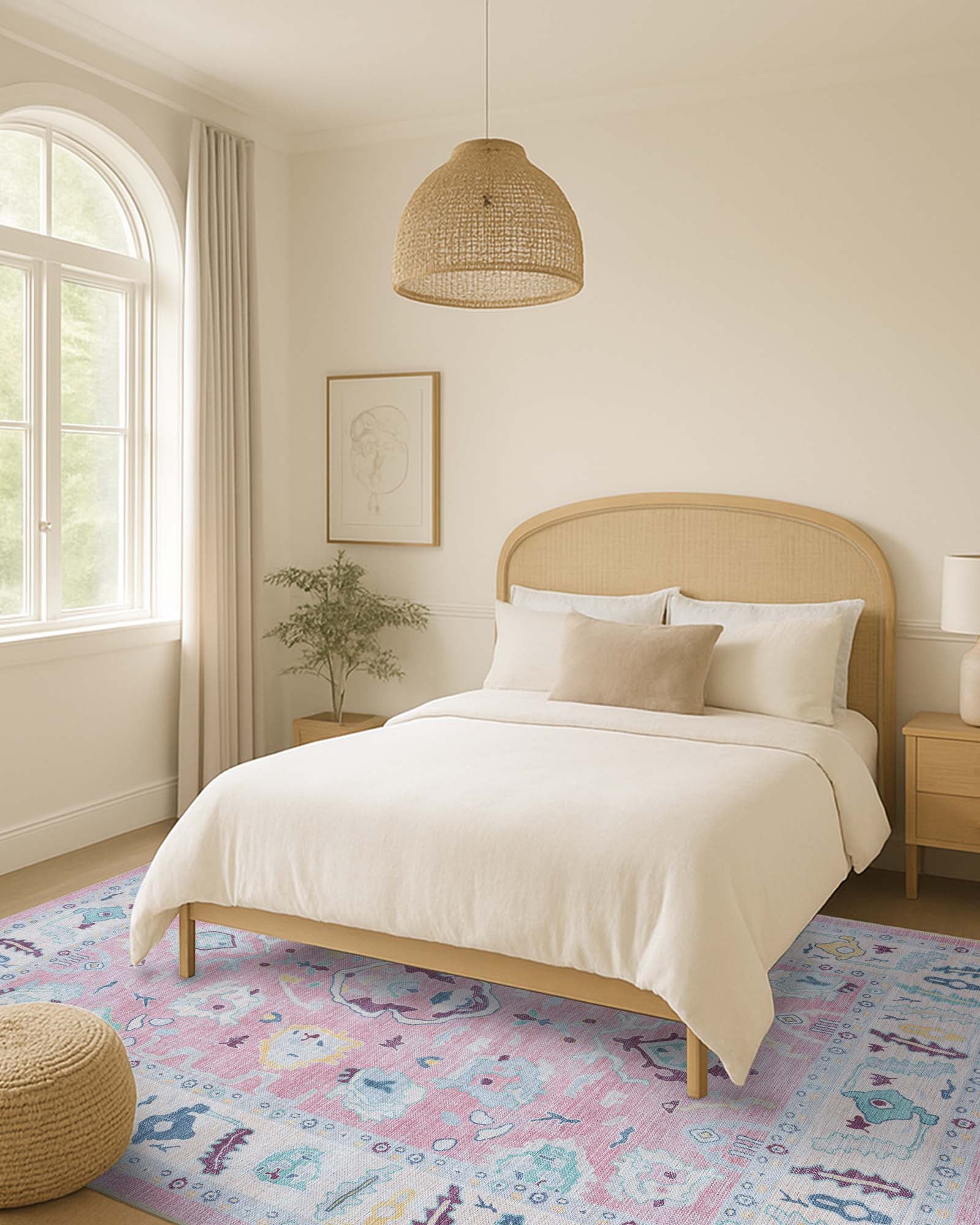
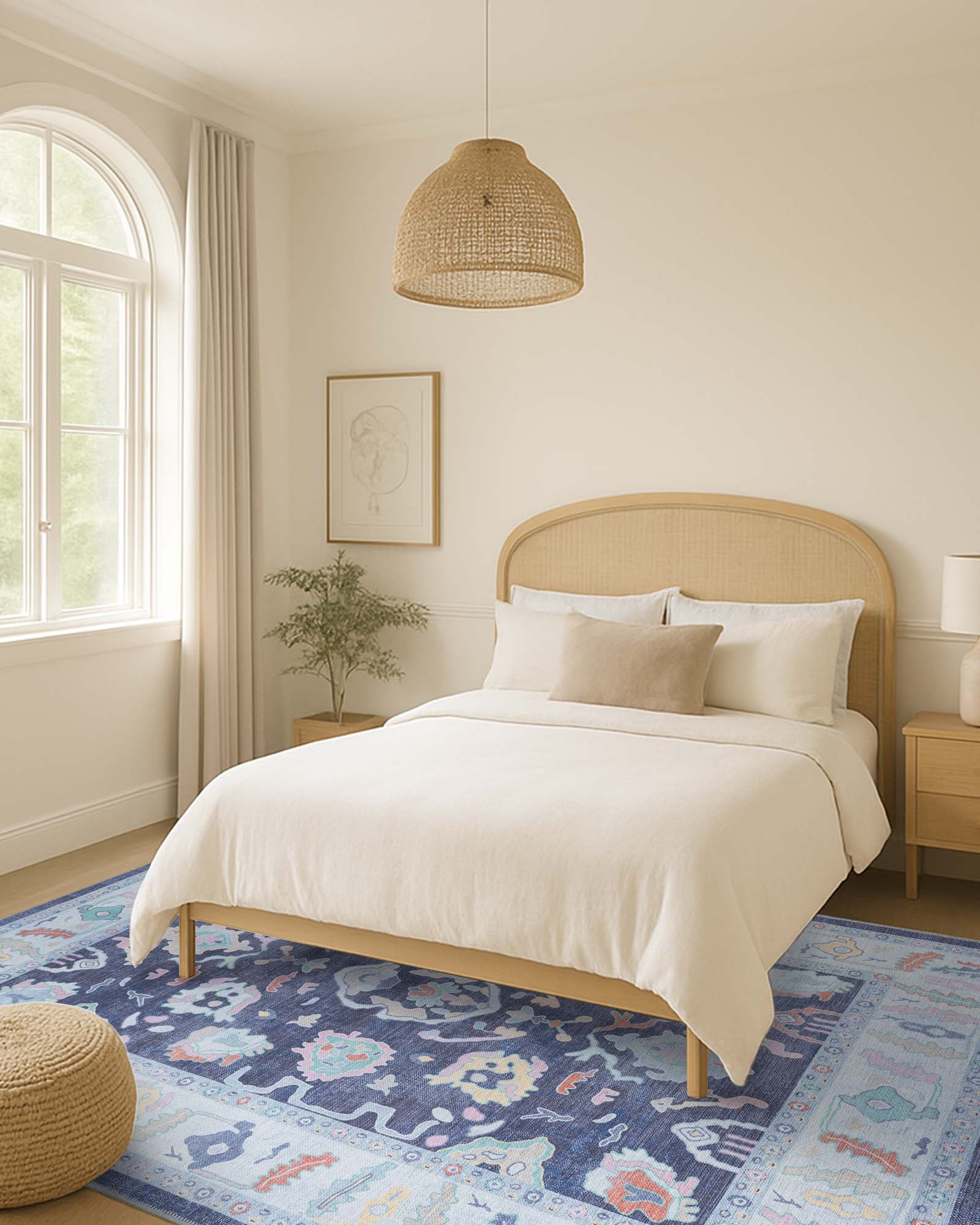
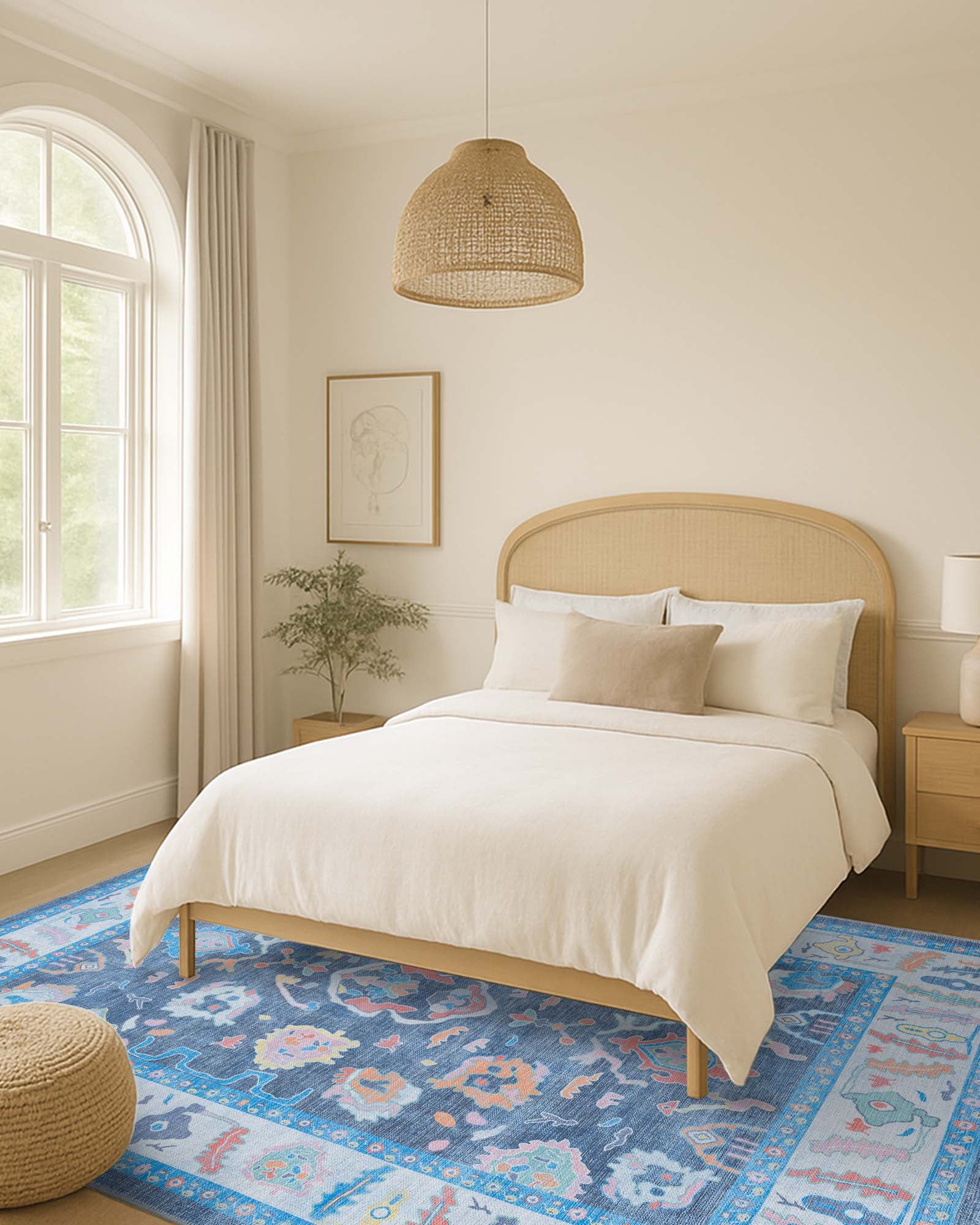
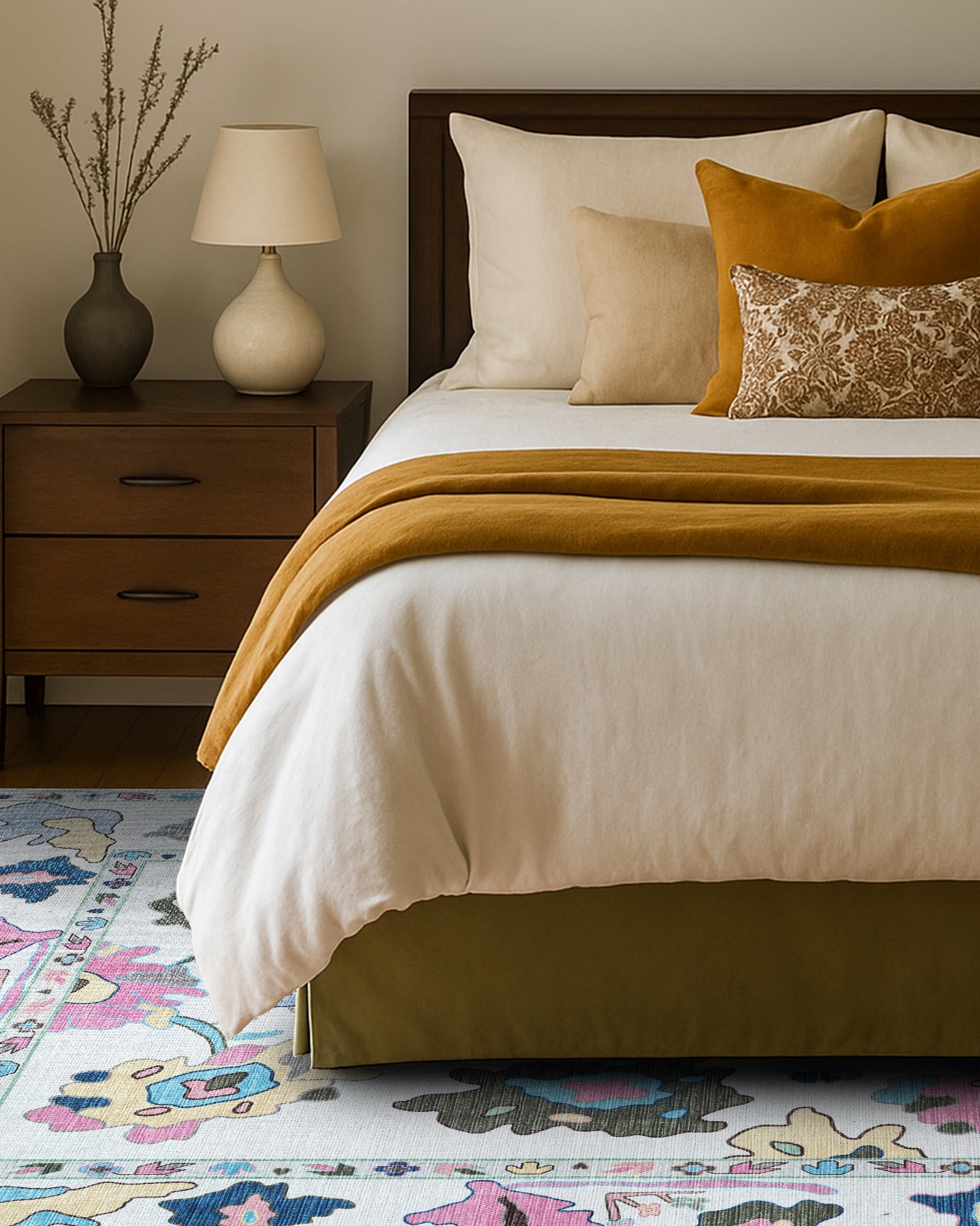
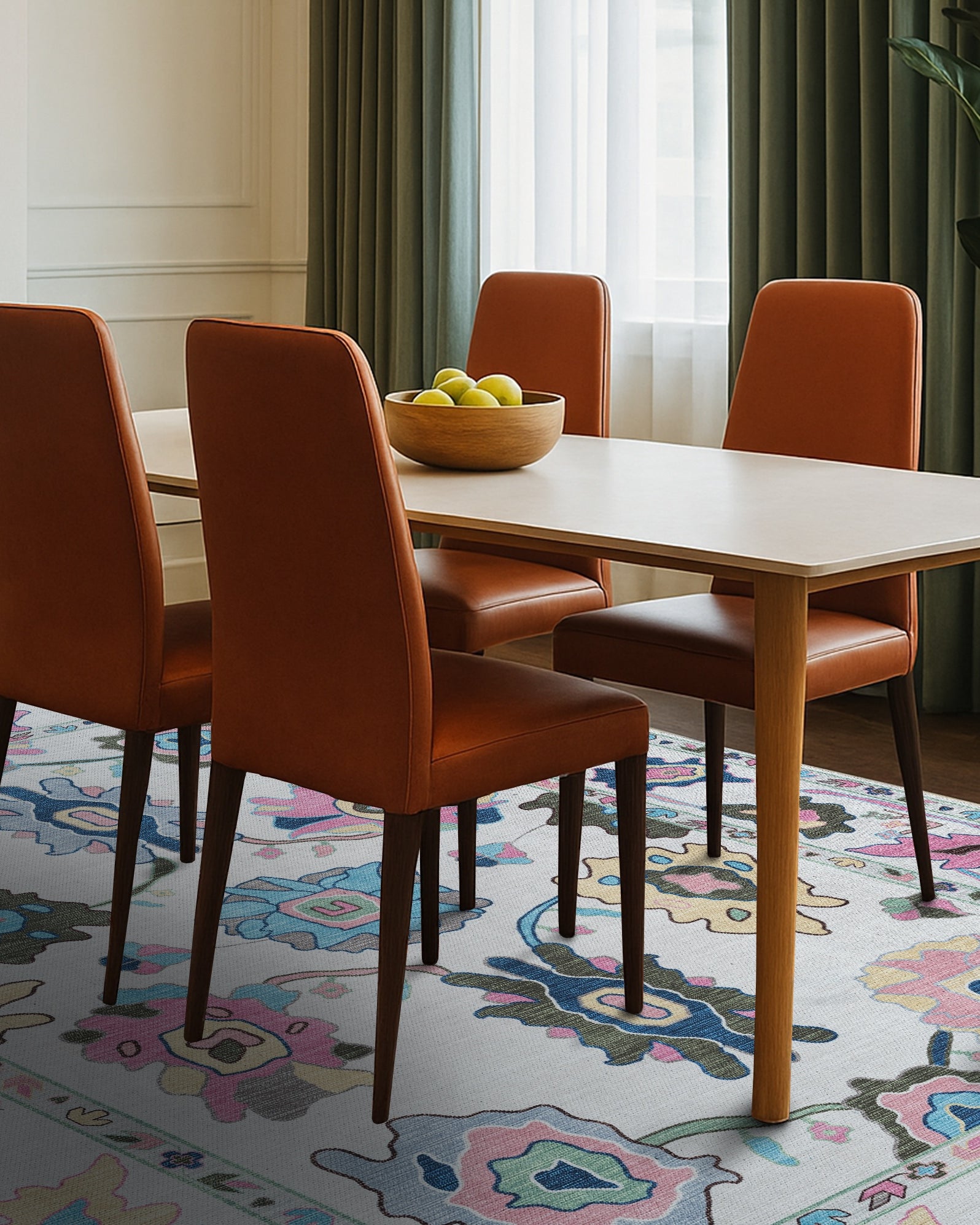
For the bedroom, we recommend leaning towards the "Zen" side of Asian style. Look for rugs with nature motifs like birds or branches in soft pastels or water-inspired blues. Placing such a rug under the bed creates a serene retreat conducive to rest. In the dining room, an Asian style rug adds a layer of formality and grandeur. The structured borders common in these designs frame a dining table perfectly. Choose a darker palette or a busy floral pattern for this room, as it will forgivingly hide crumbs and chair marks while elevating the ambiance of your dinner parties.
Hallway and Runner Sizing
Turn your corridors into a journey through art with runners that feature continuous floral vines or geometric lattices.
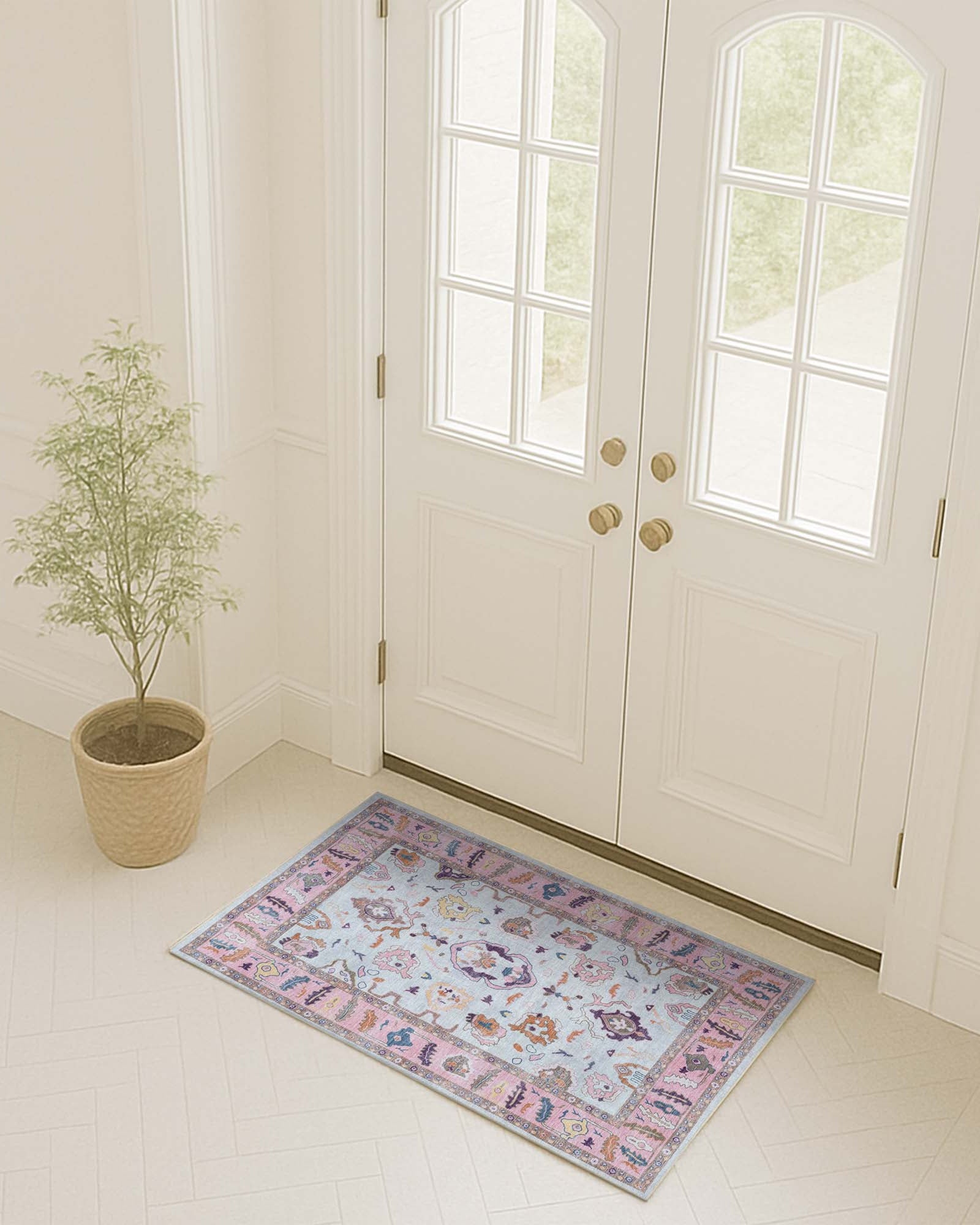
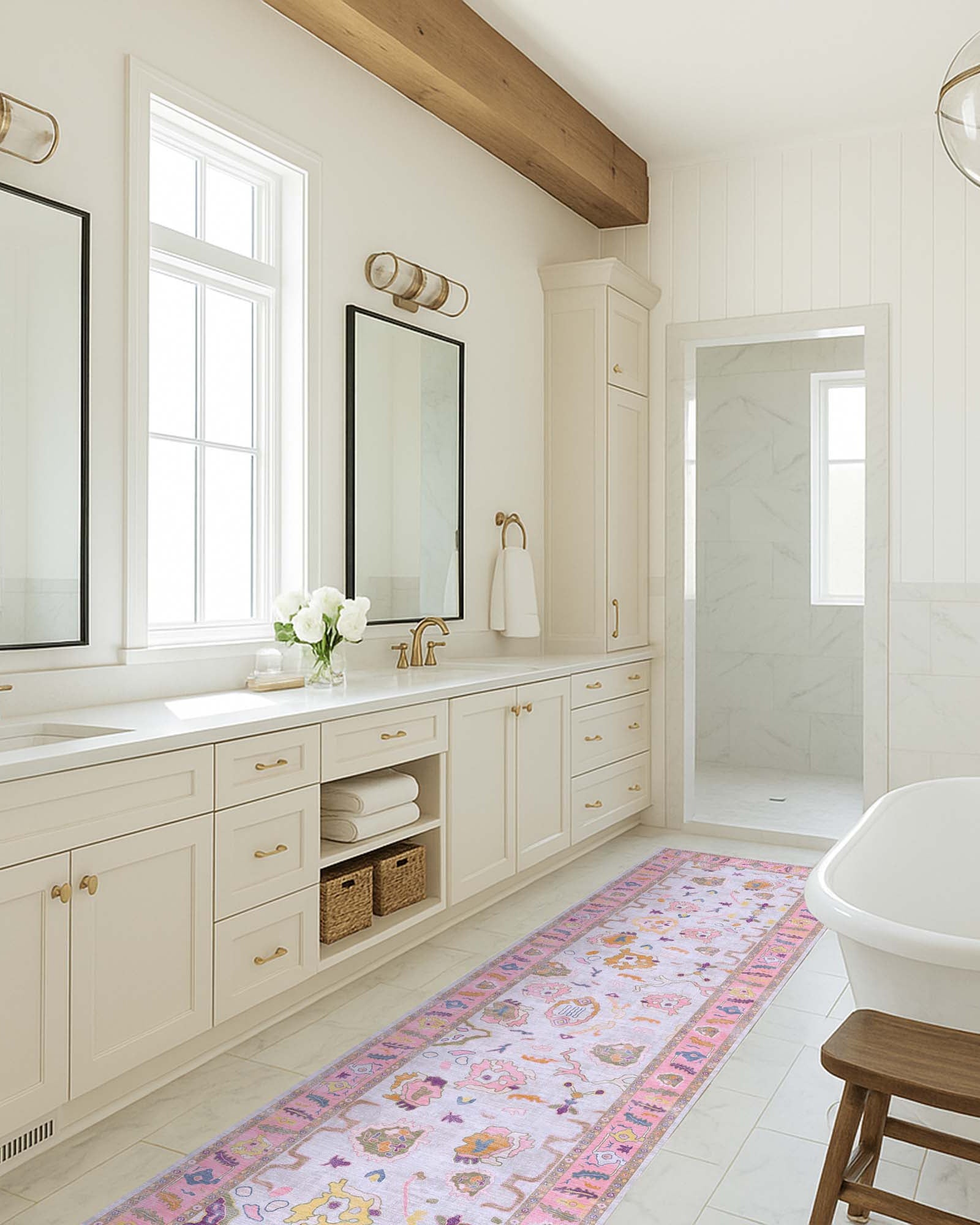
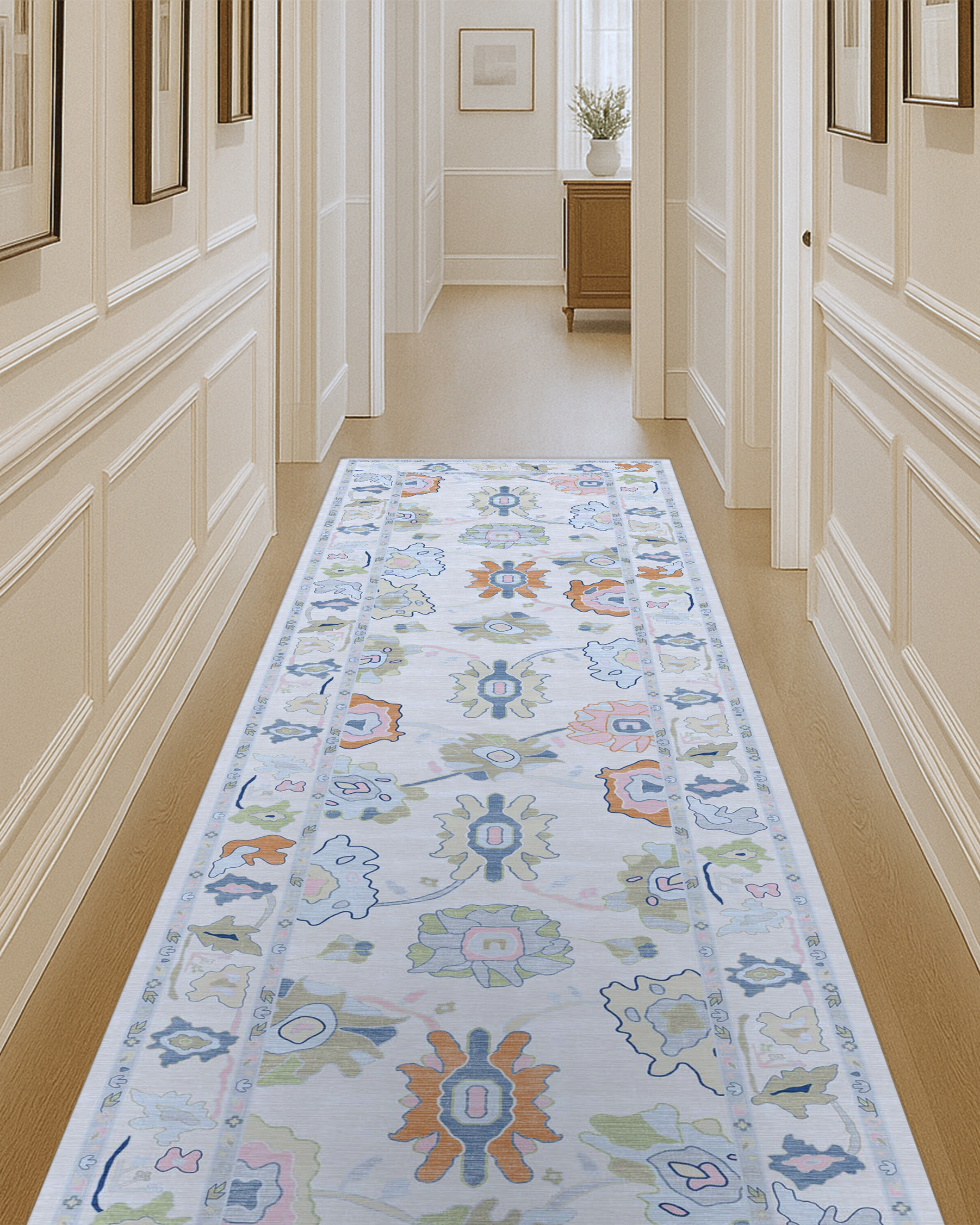
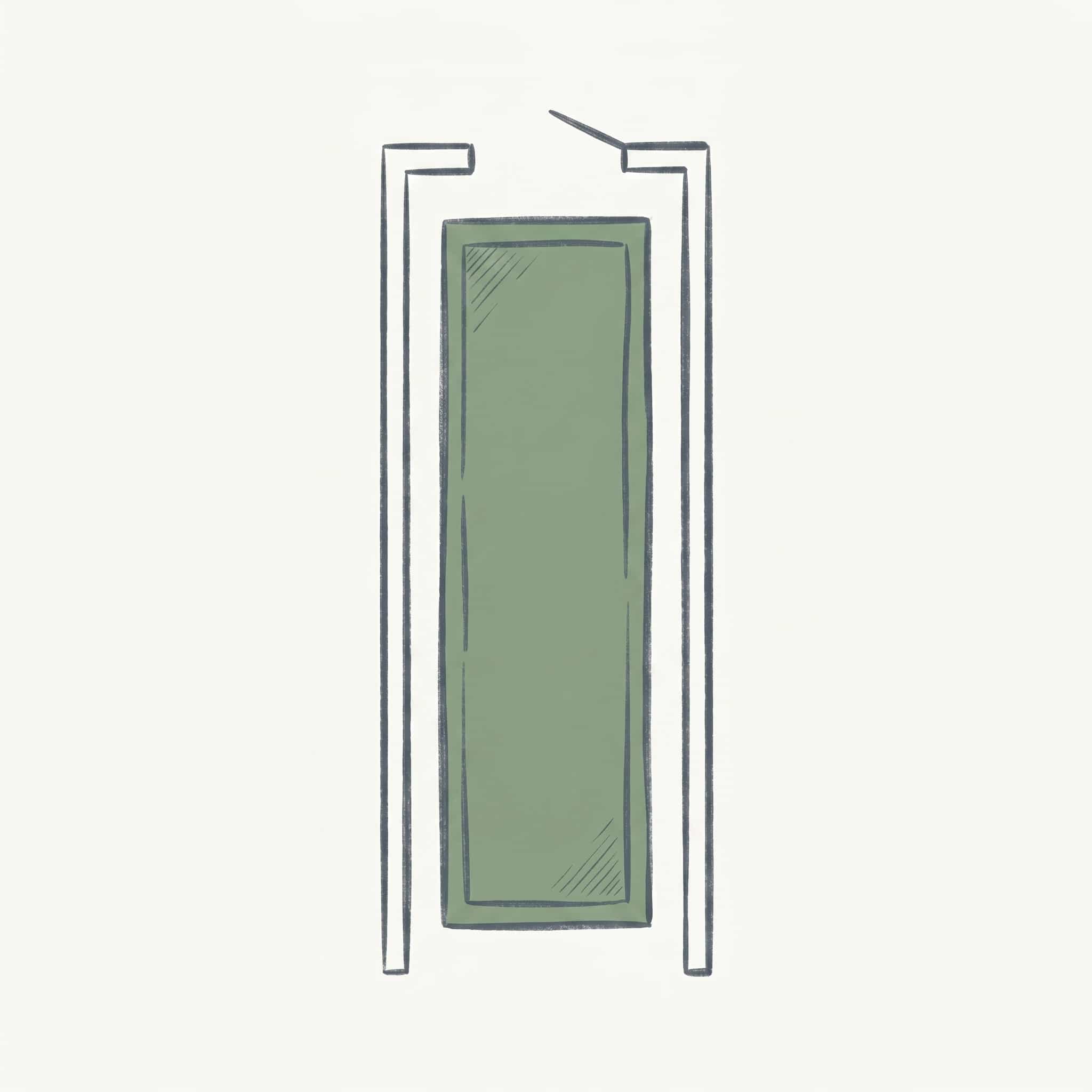
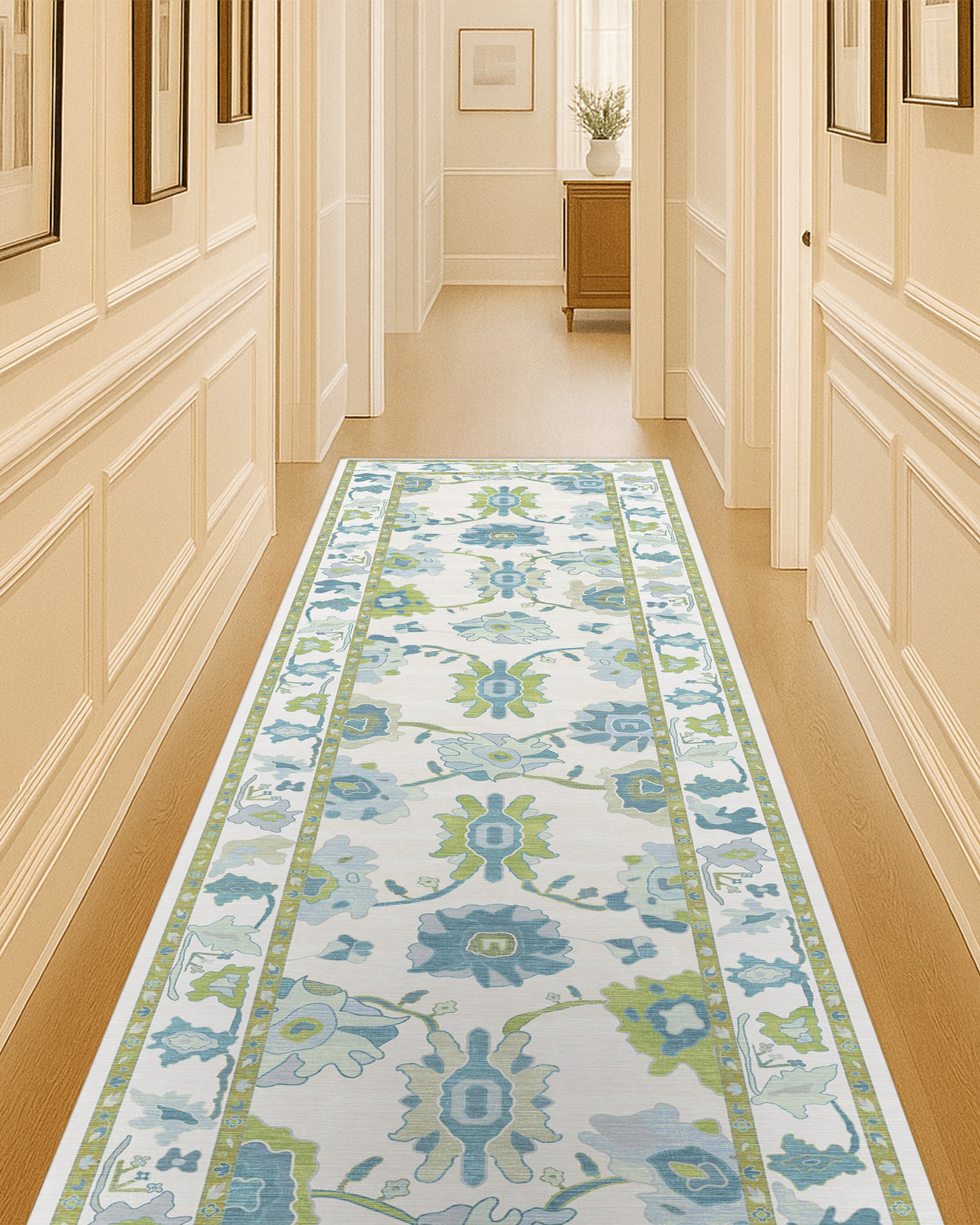
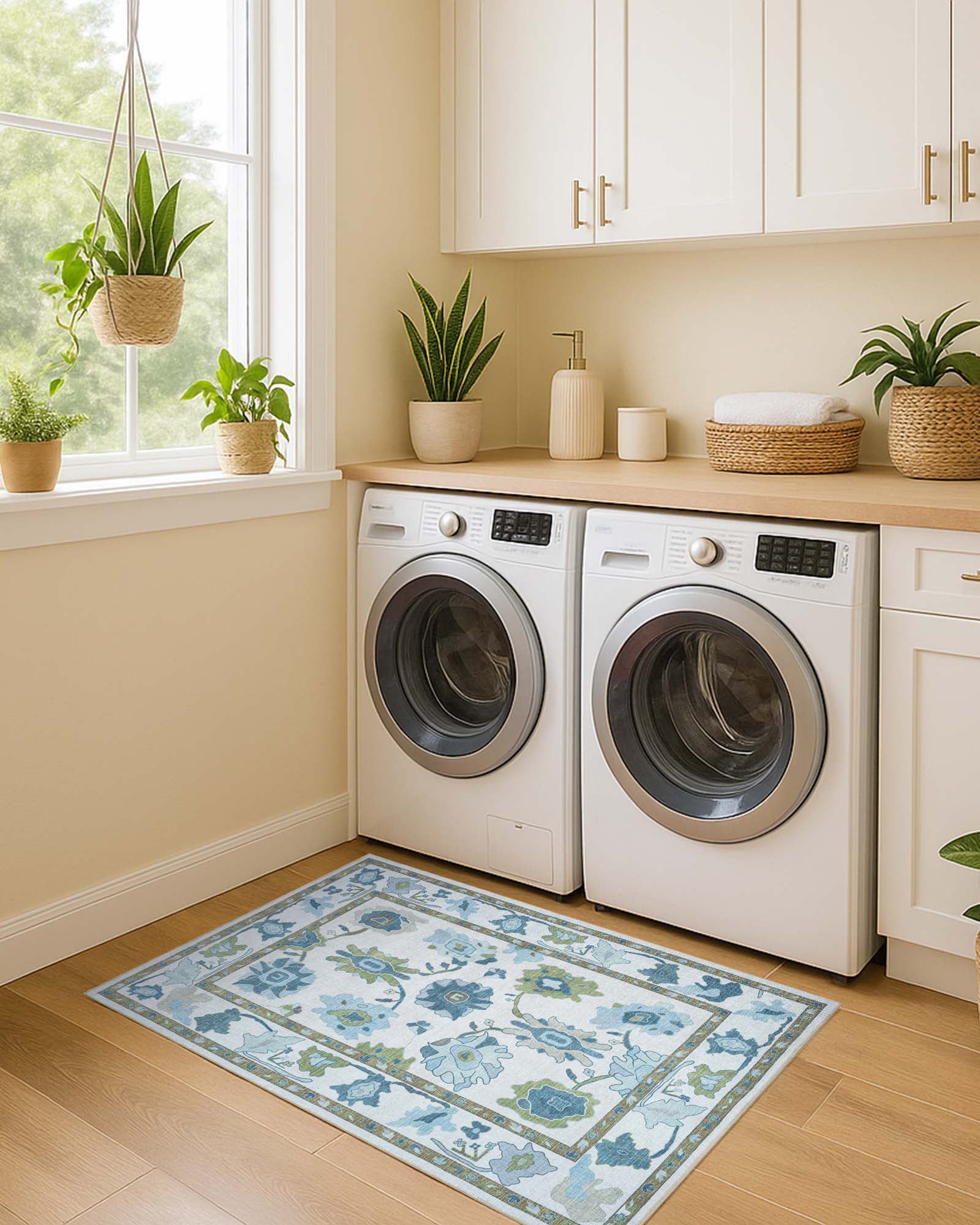
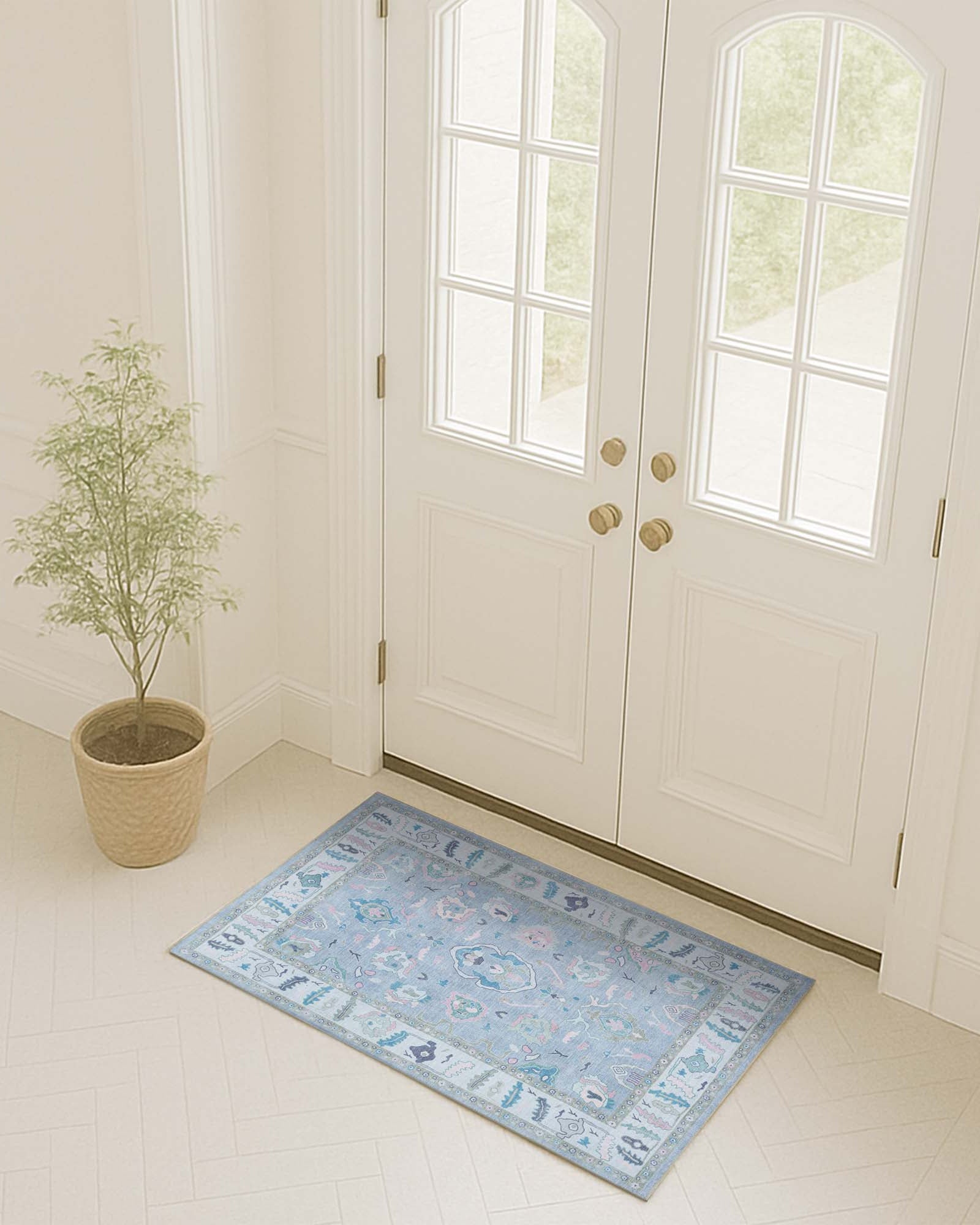
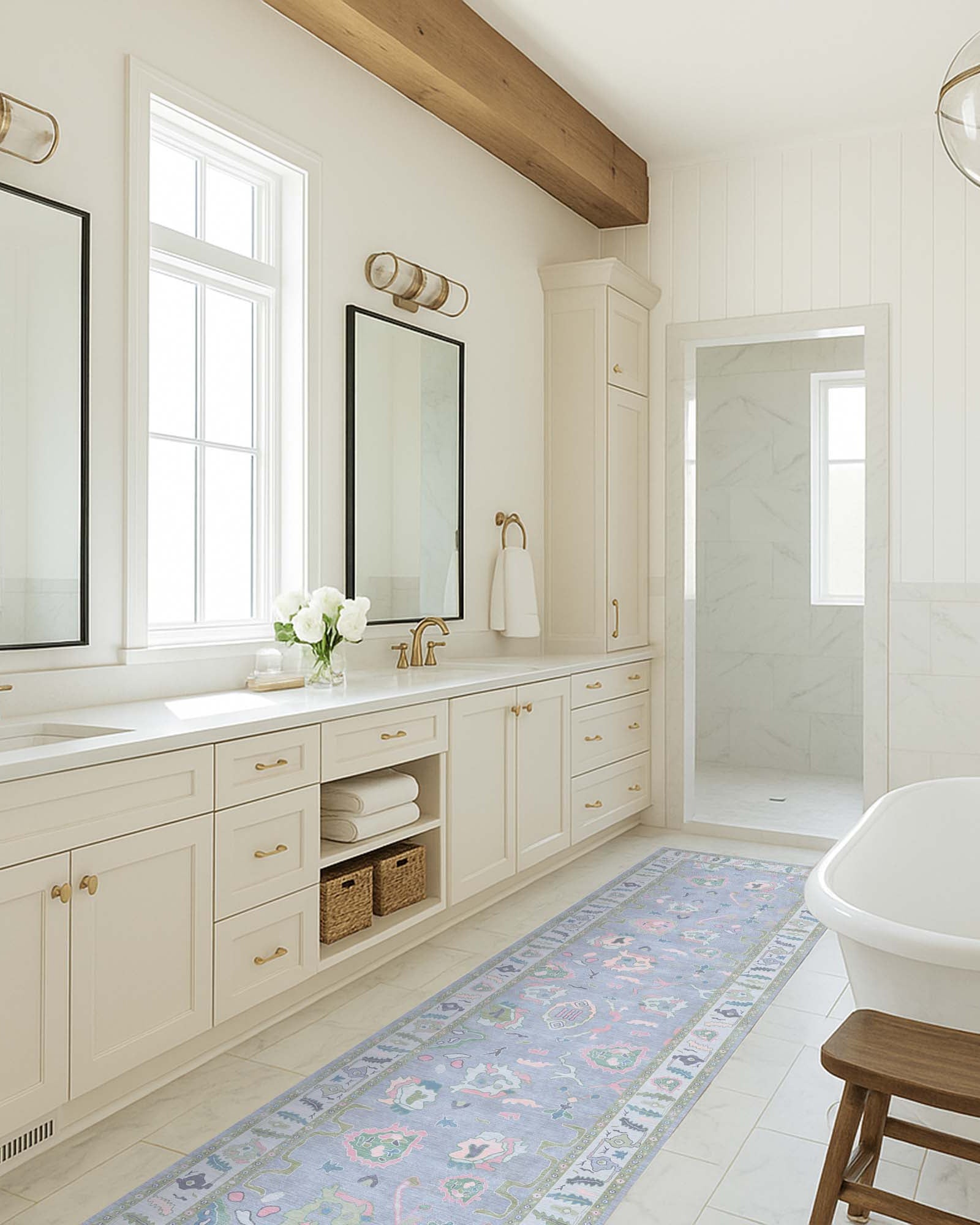
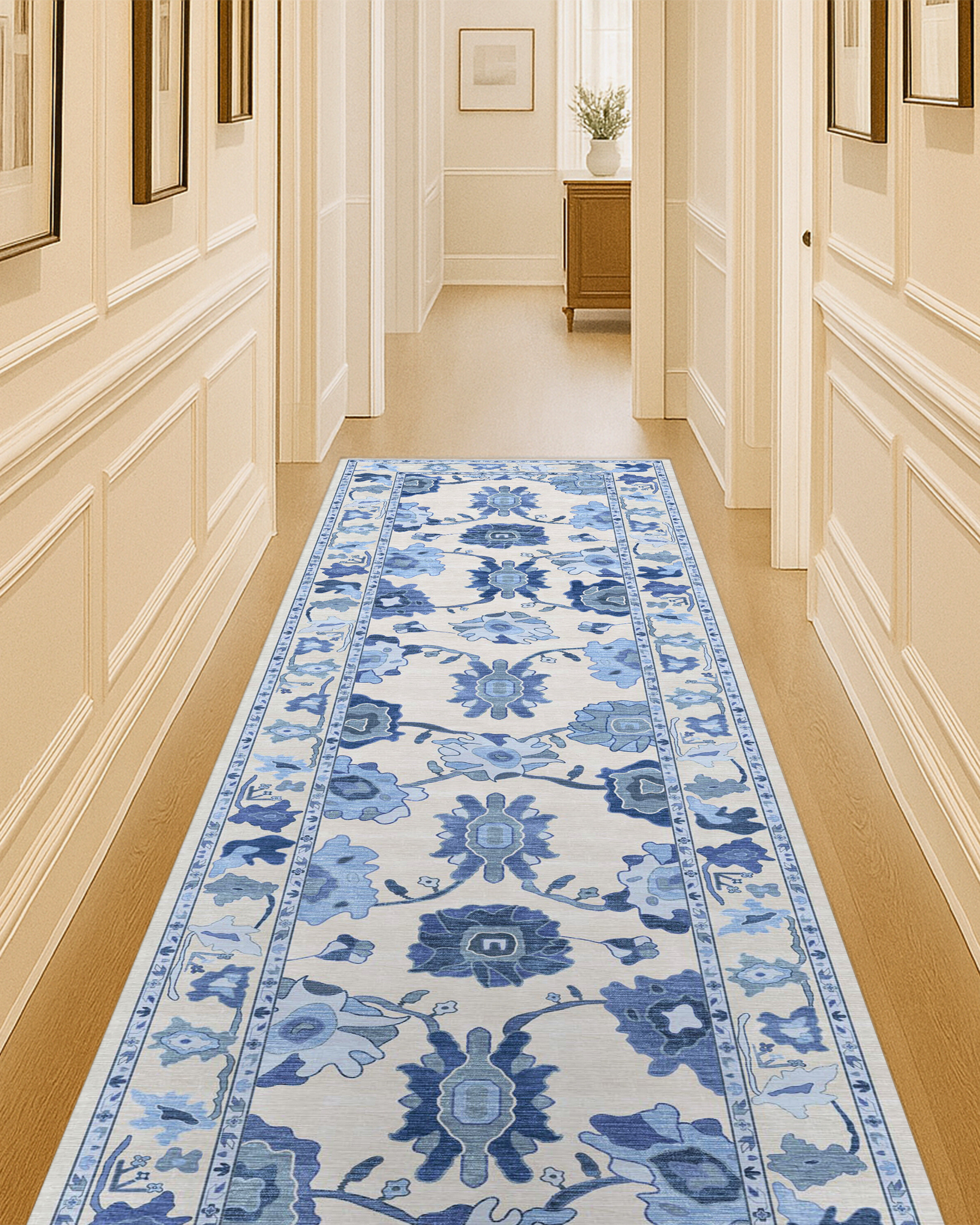
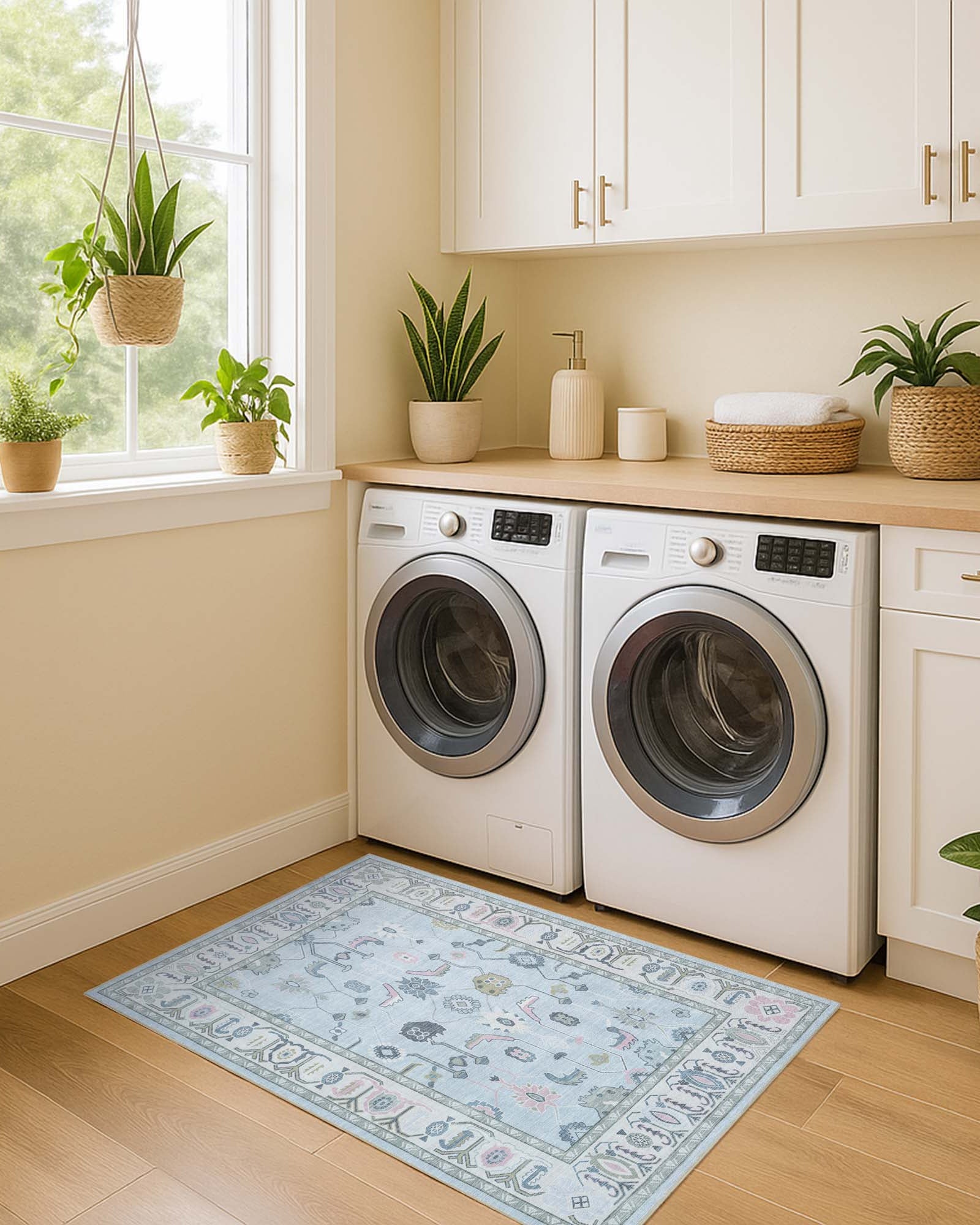
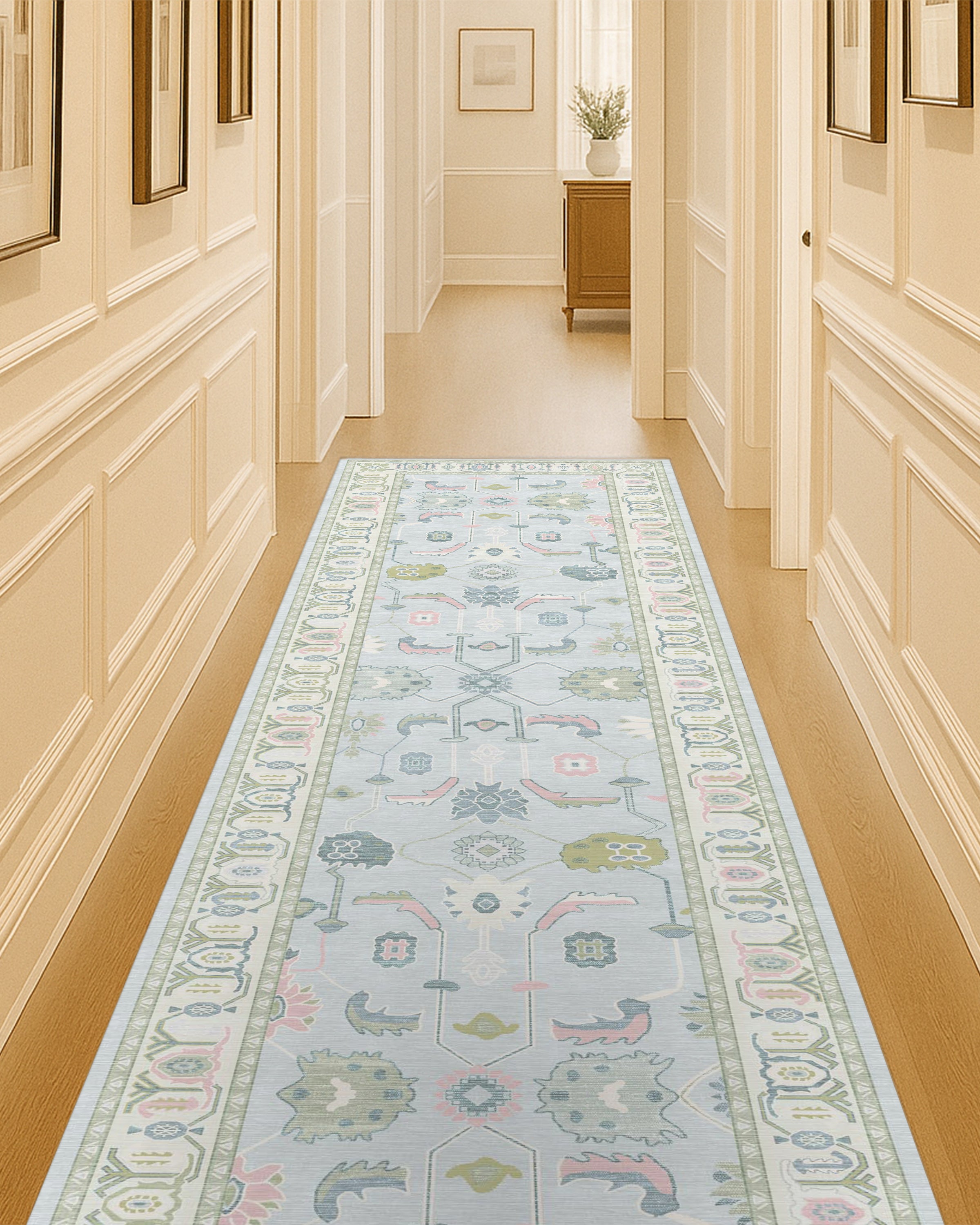
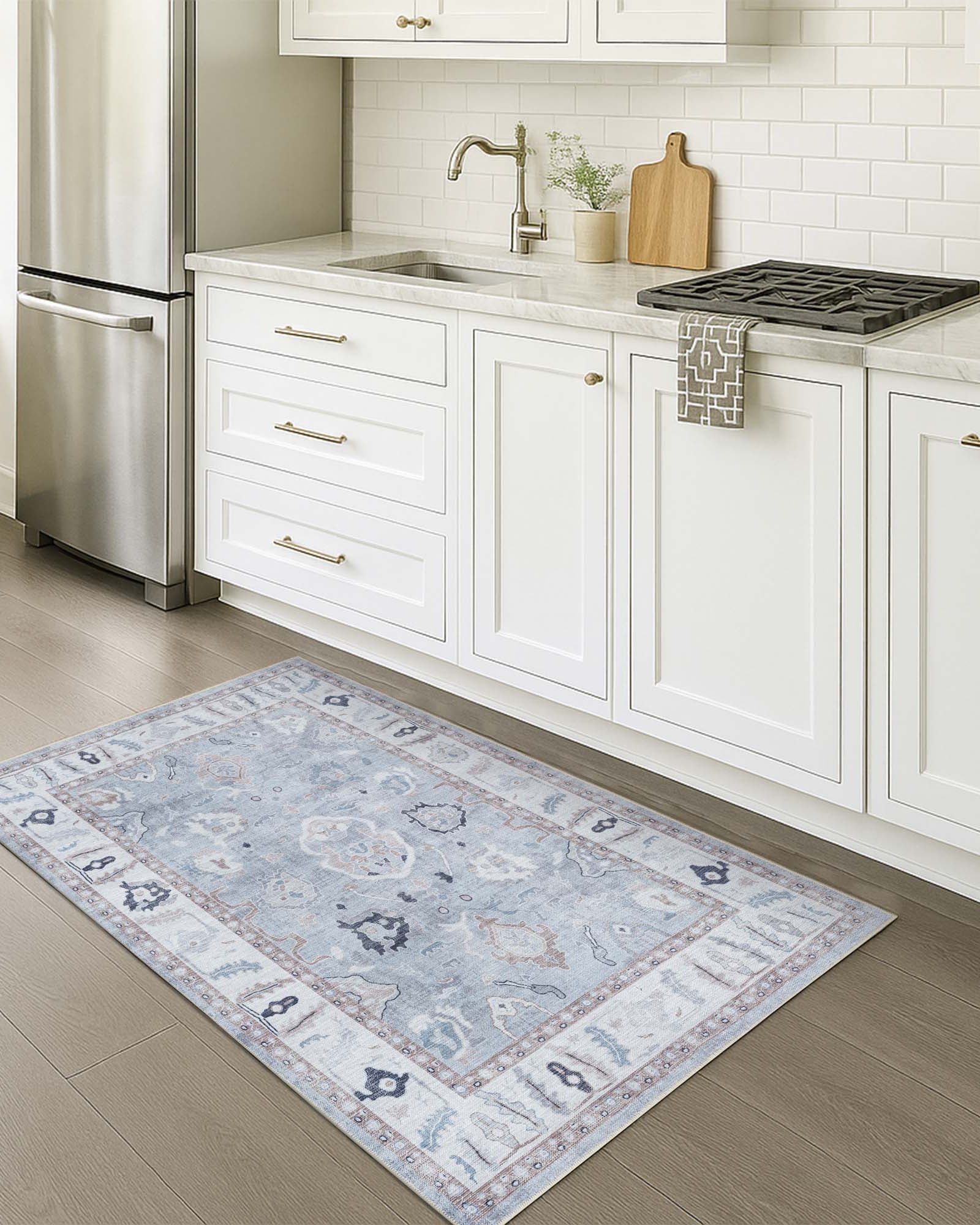
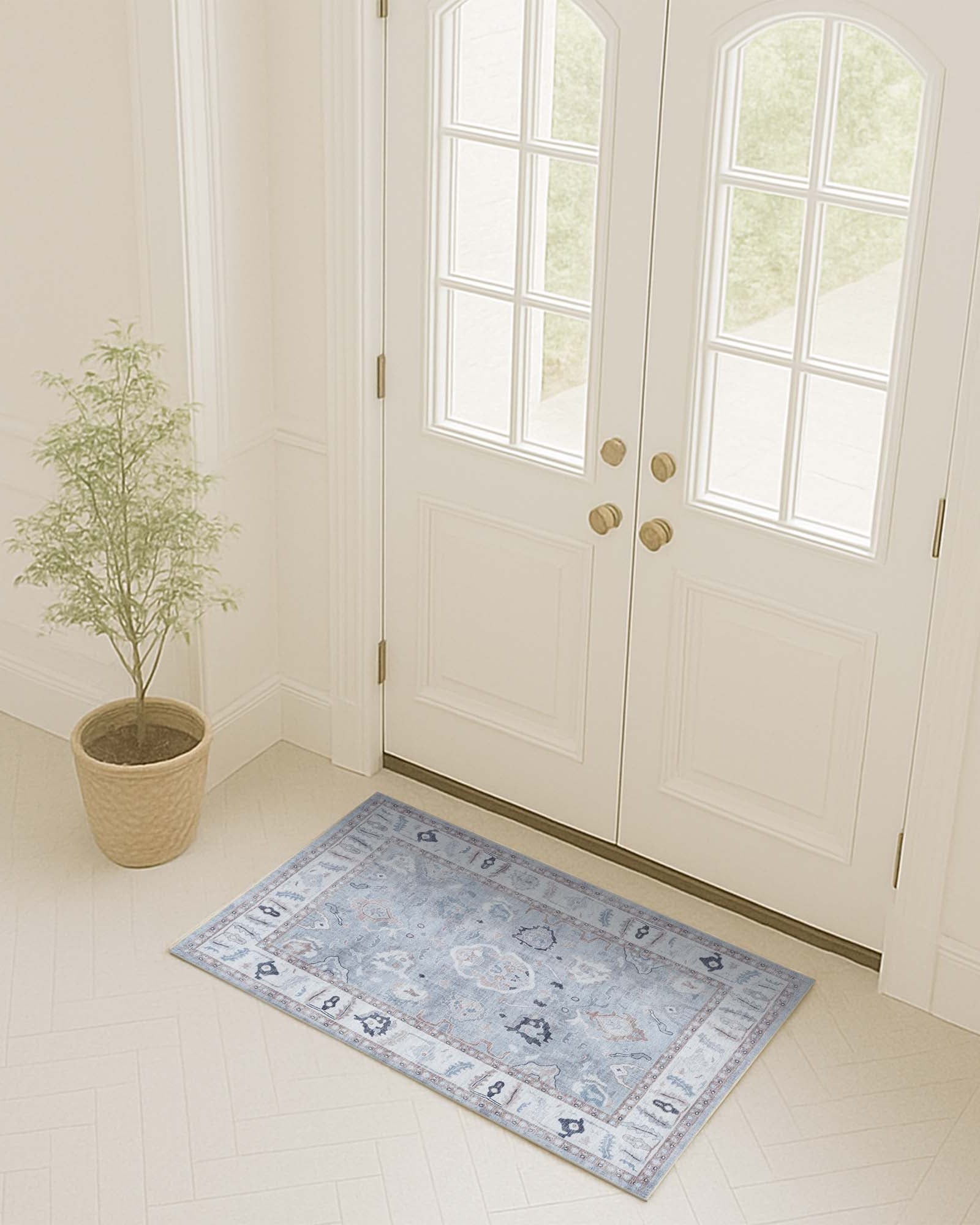
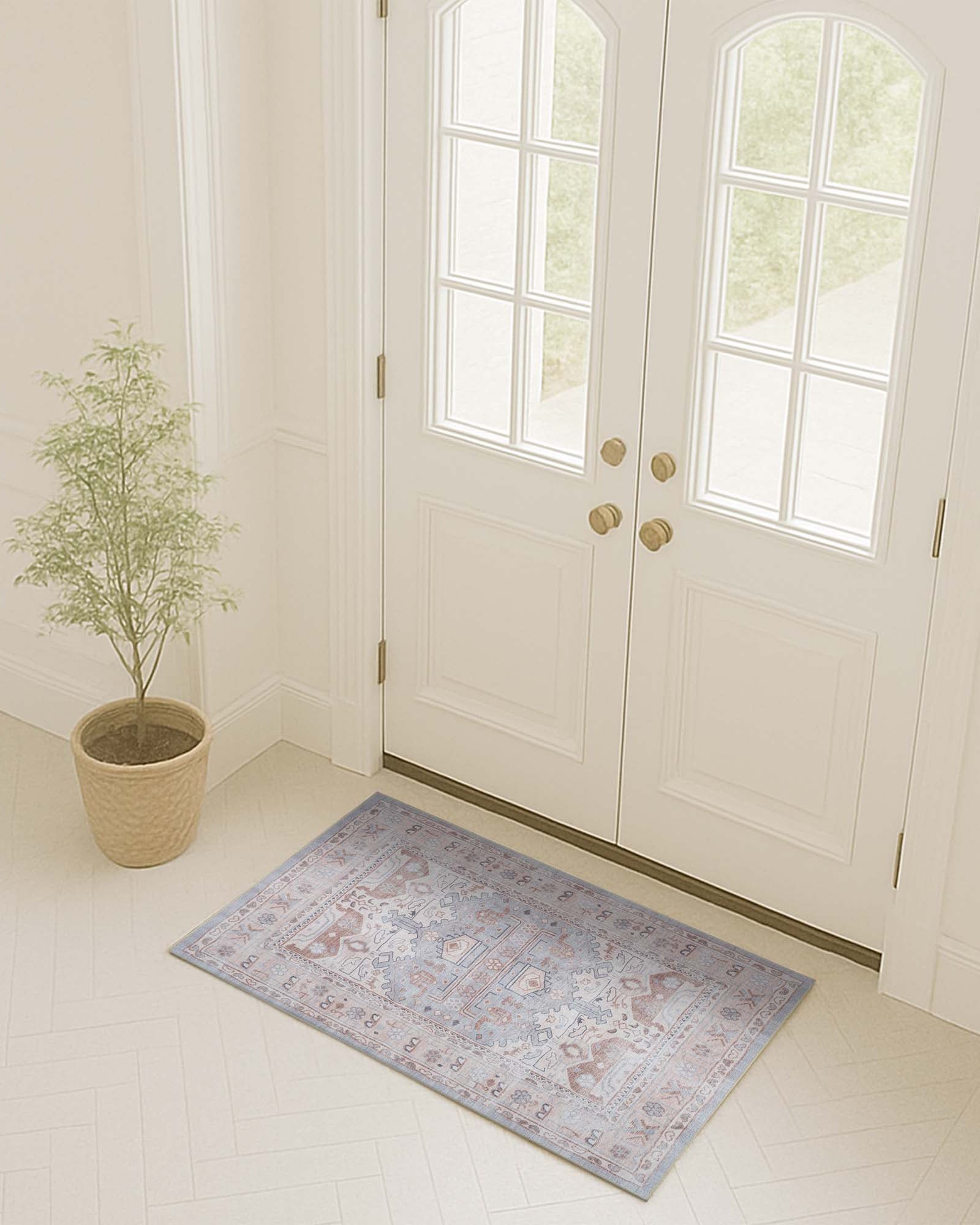
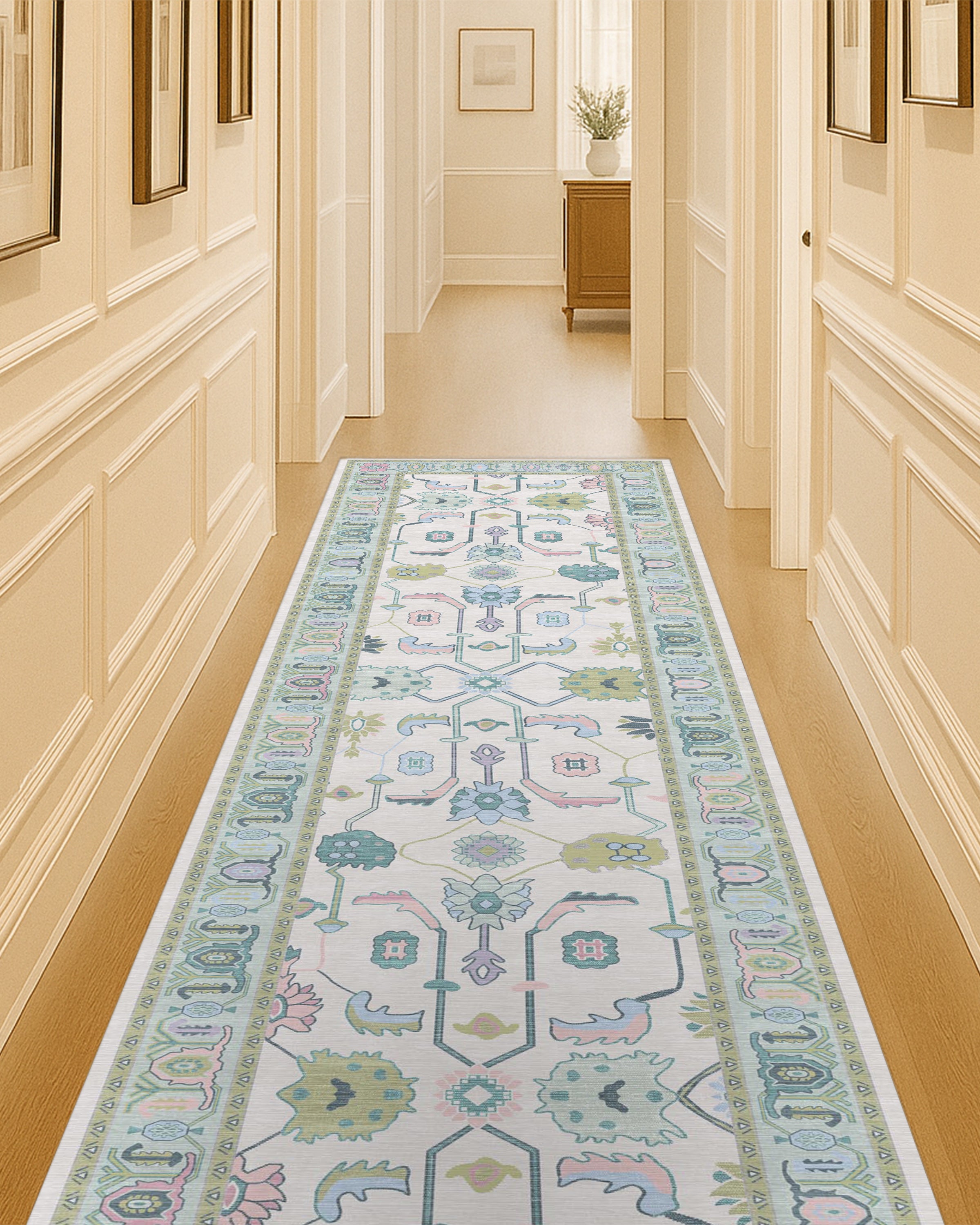
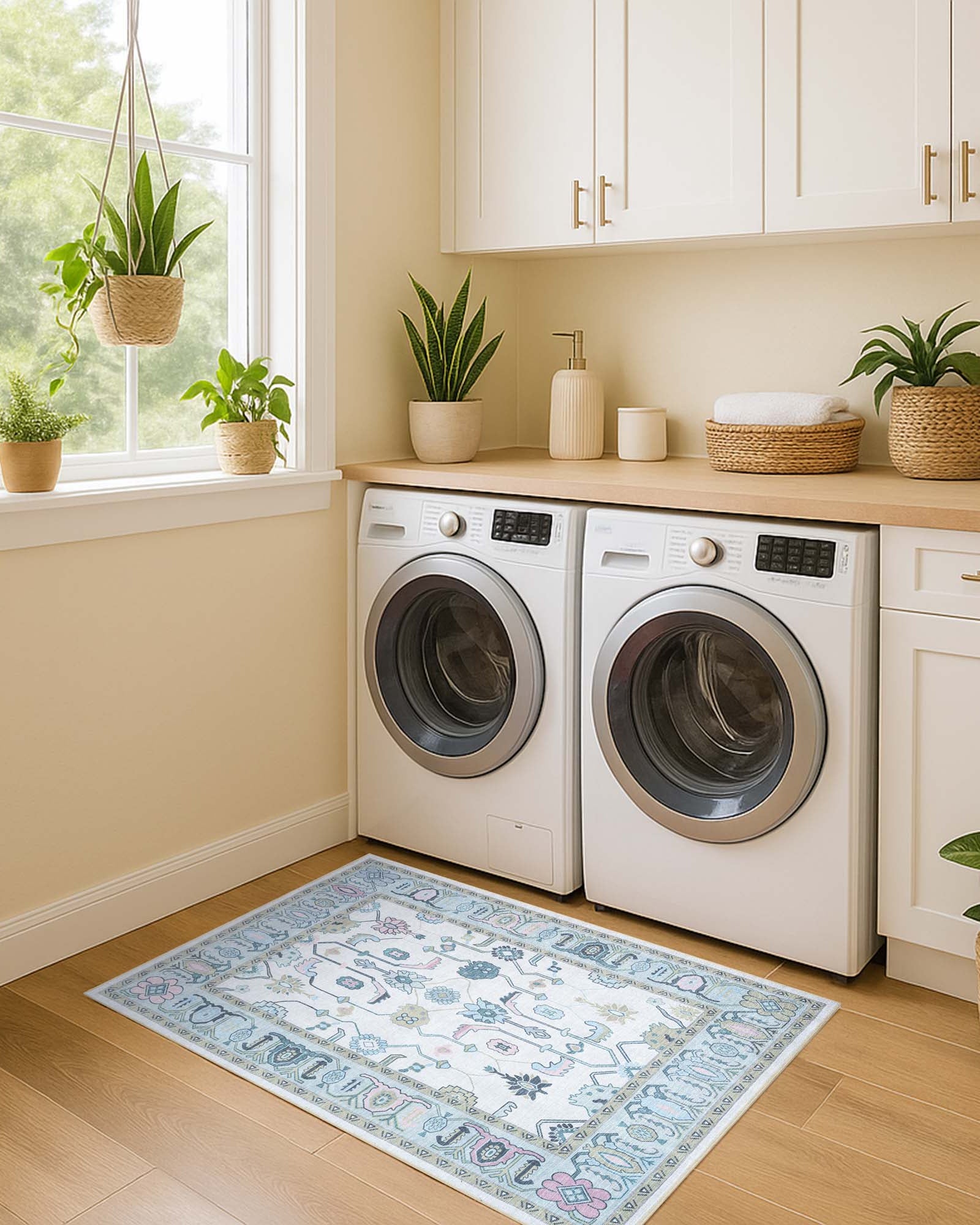
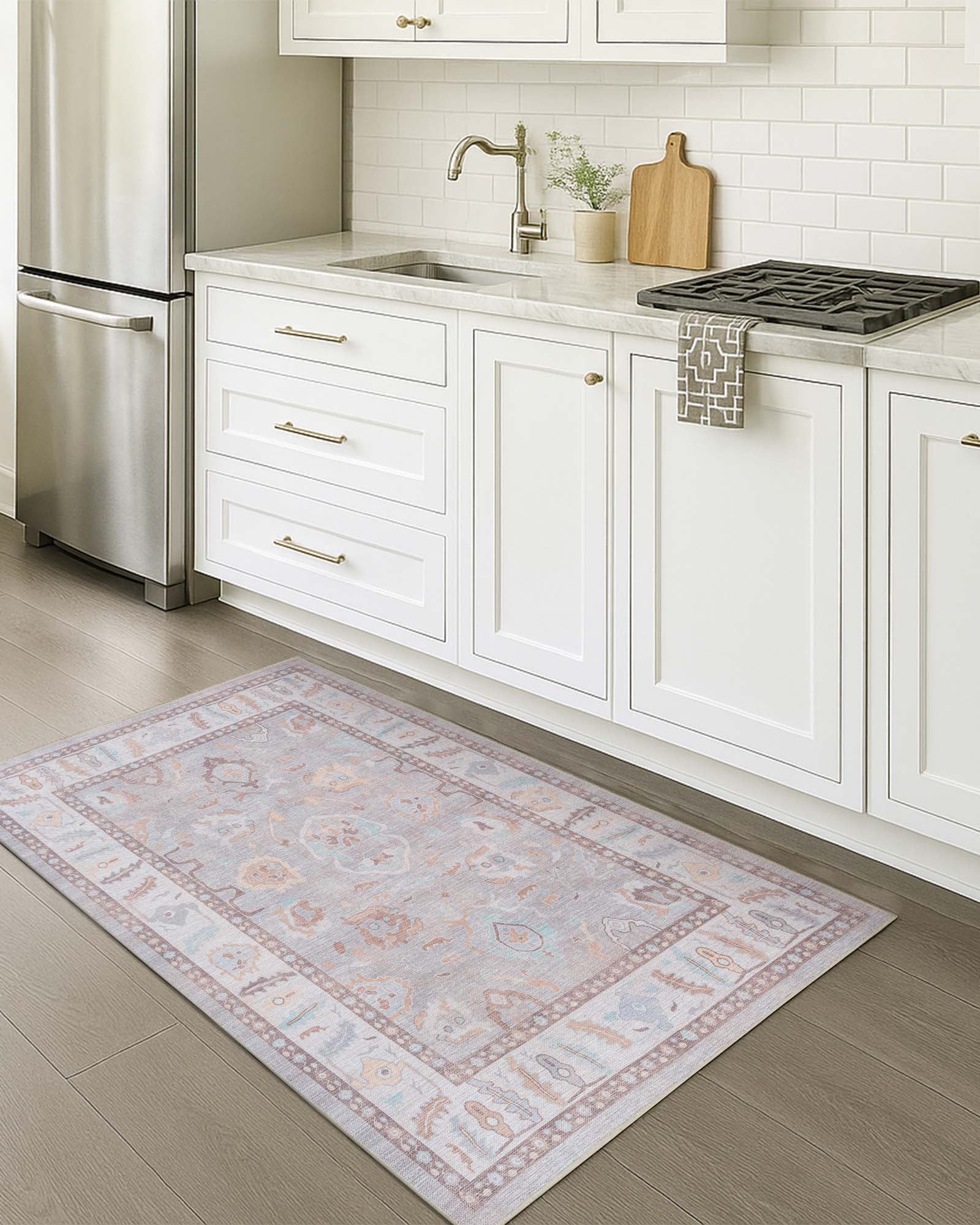
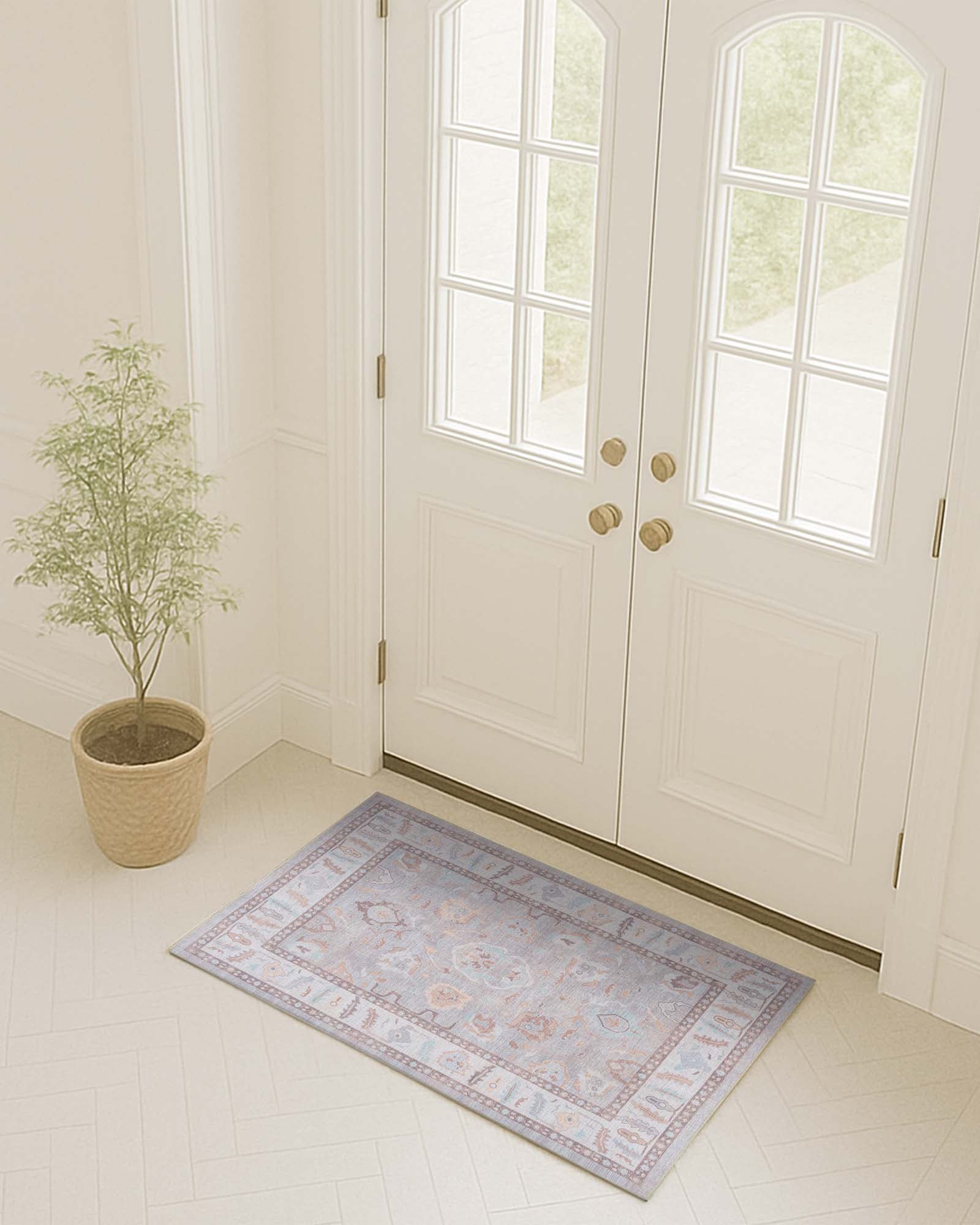
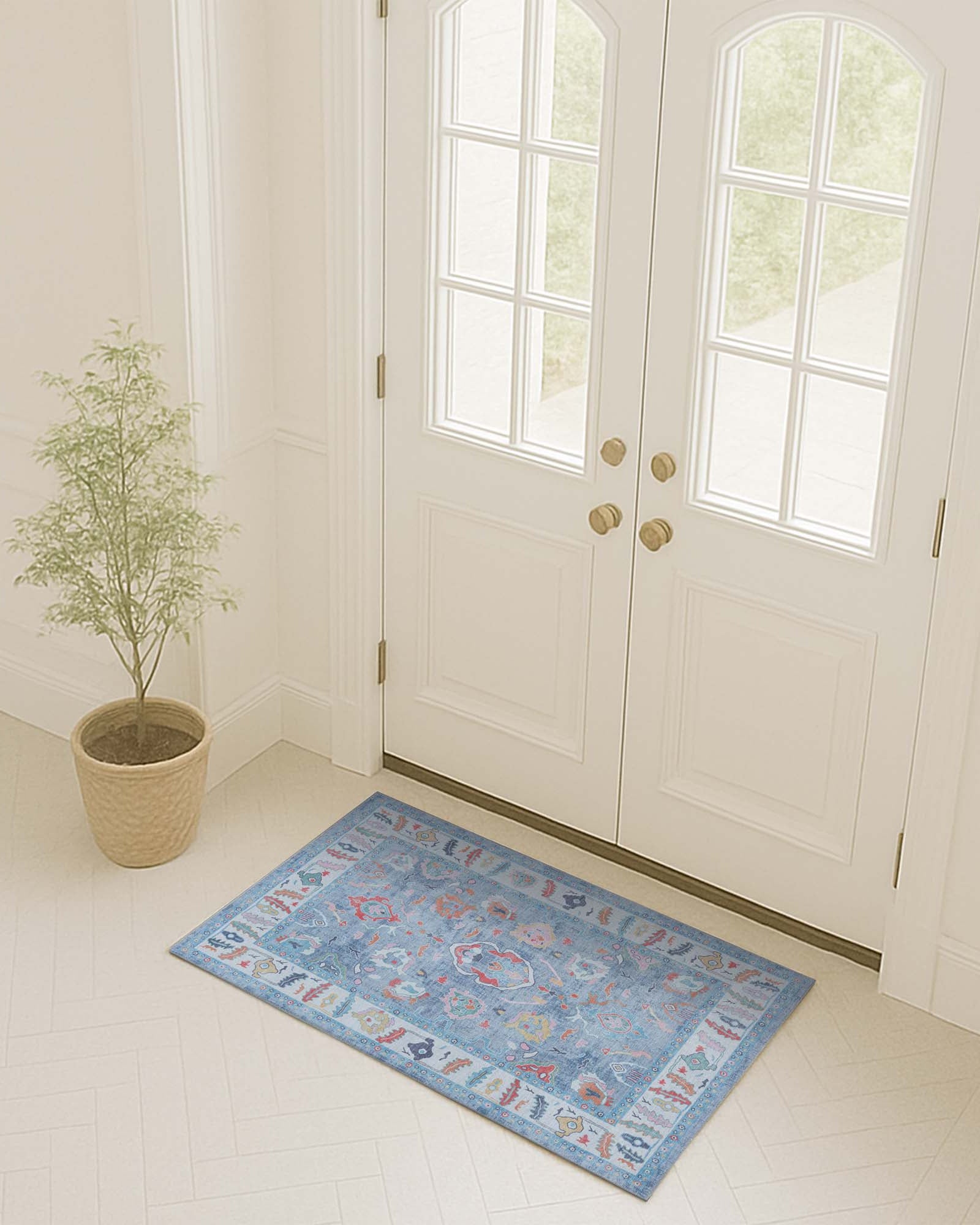
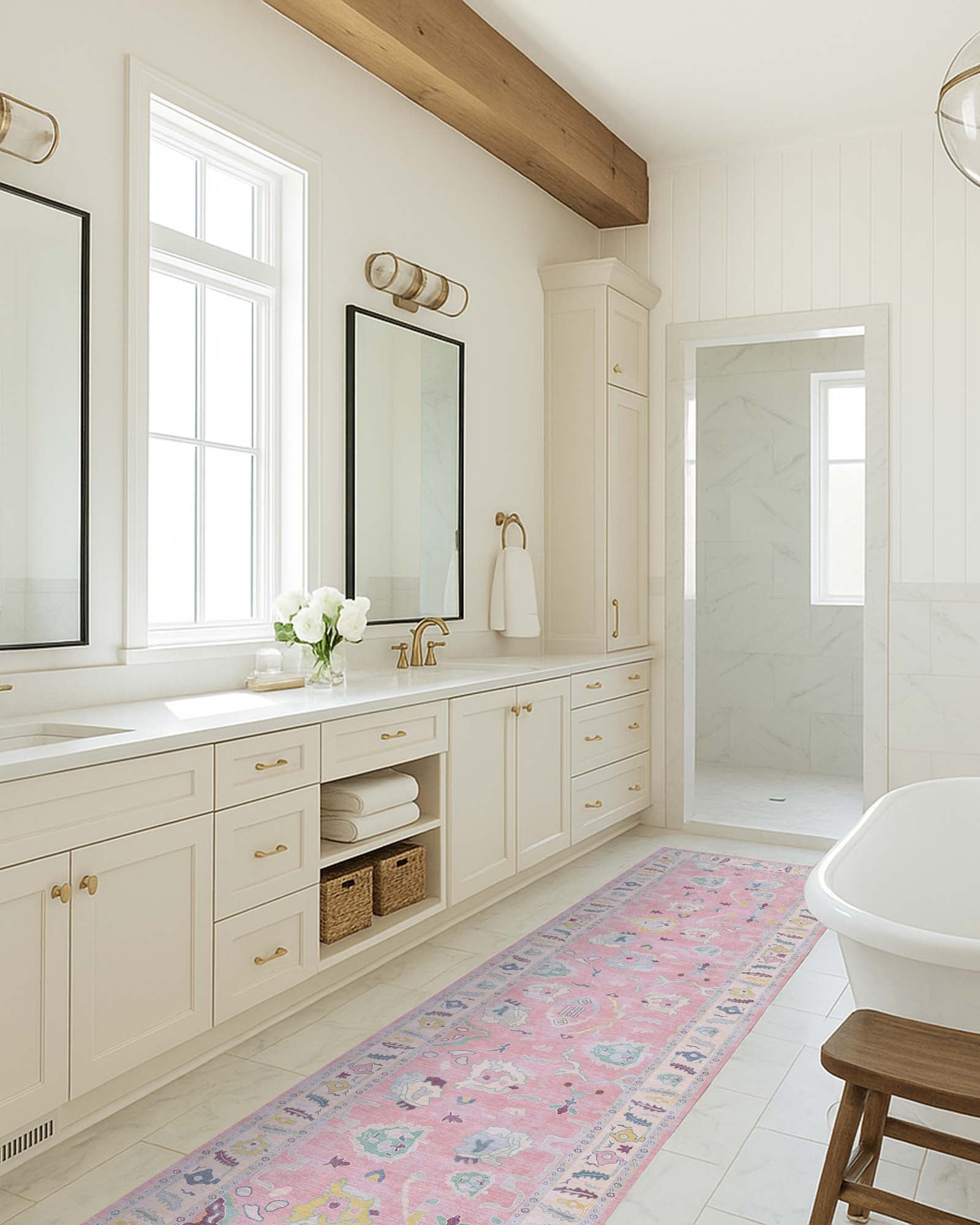
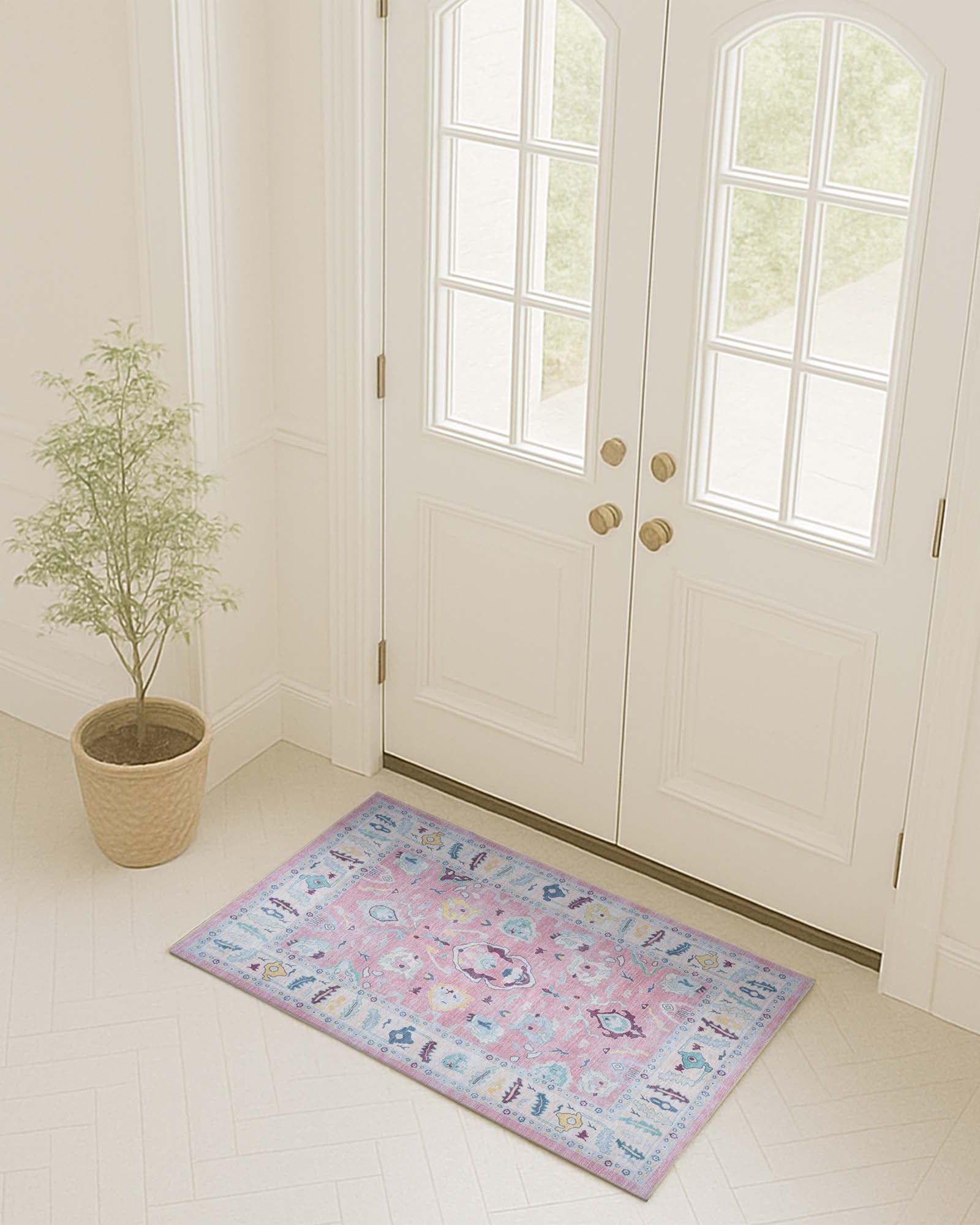
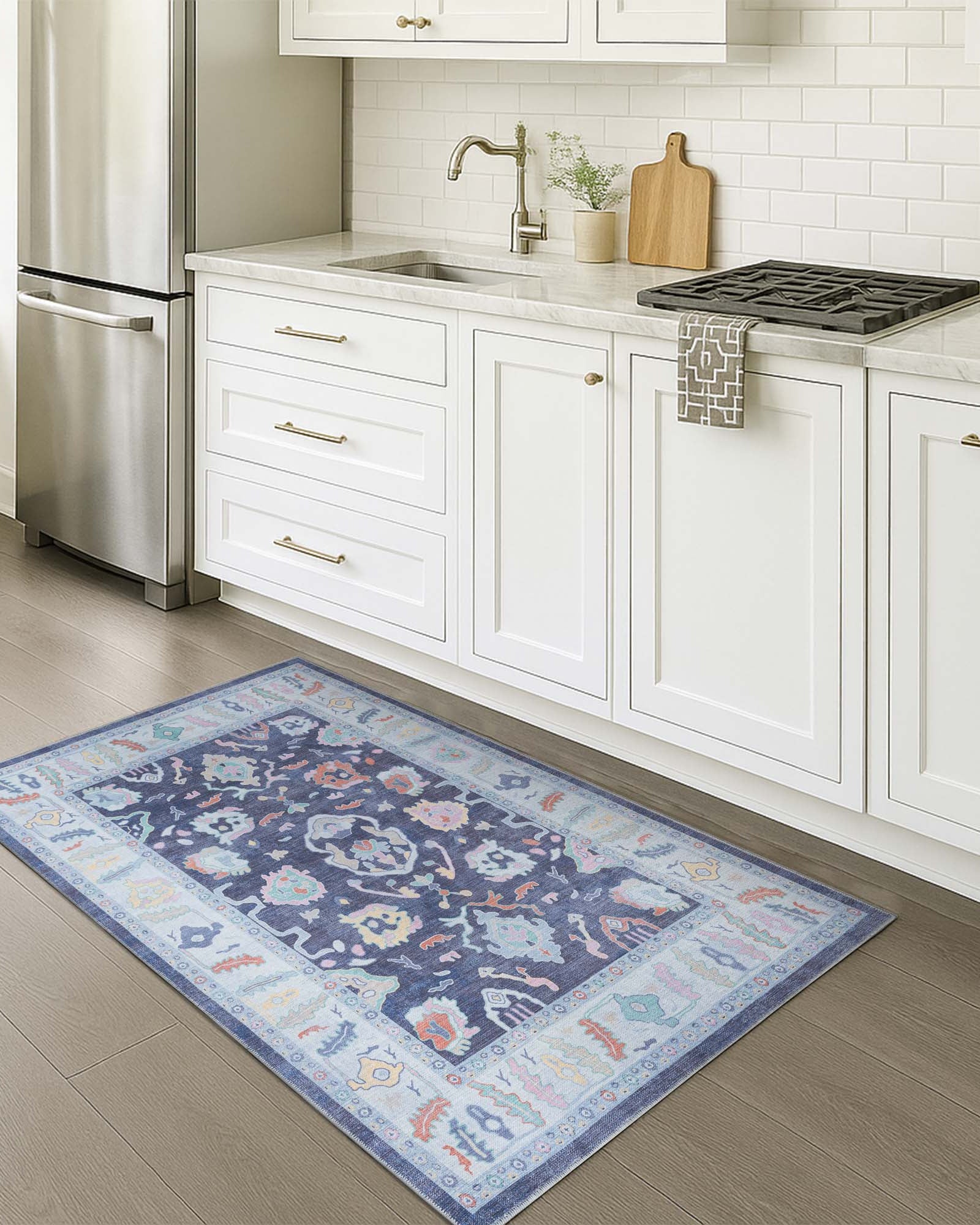
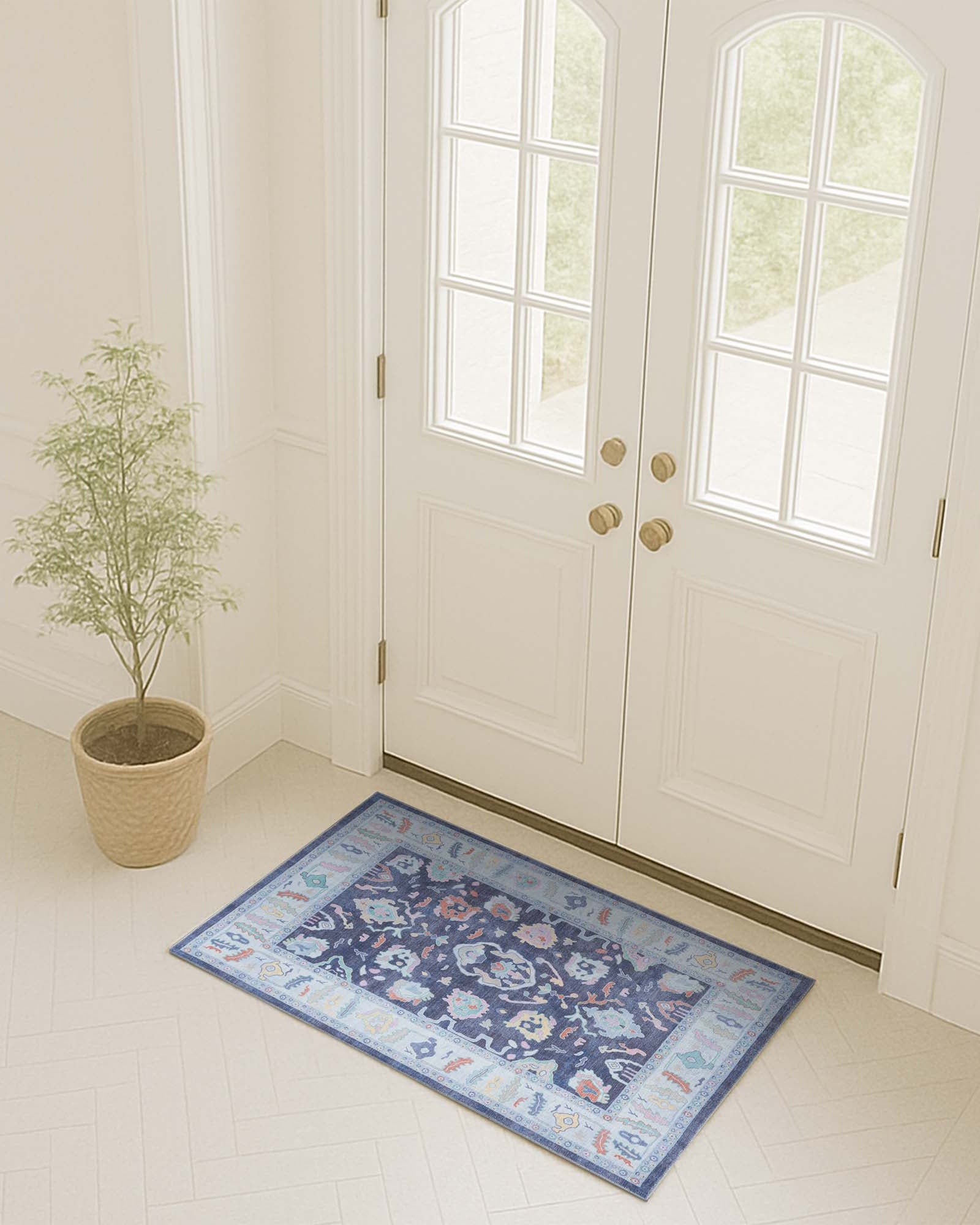
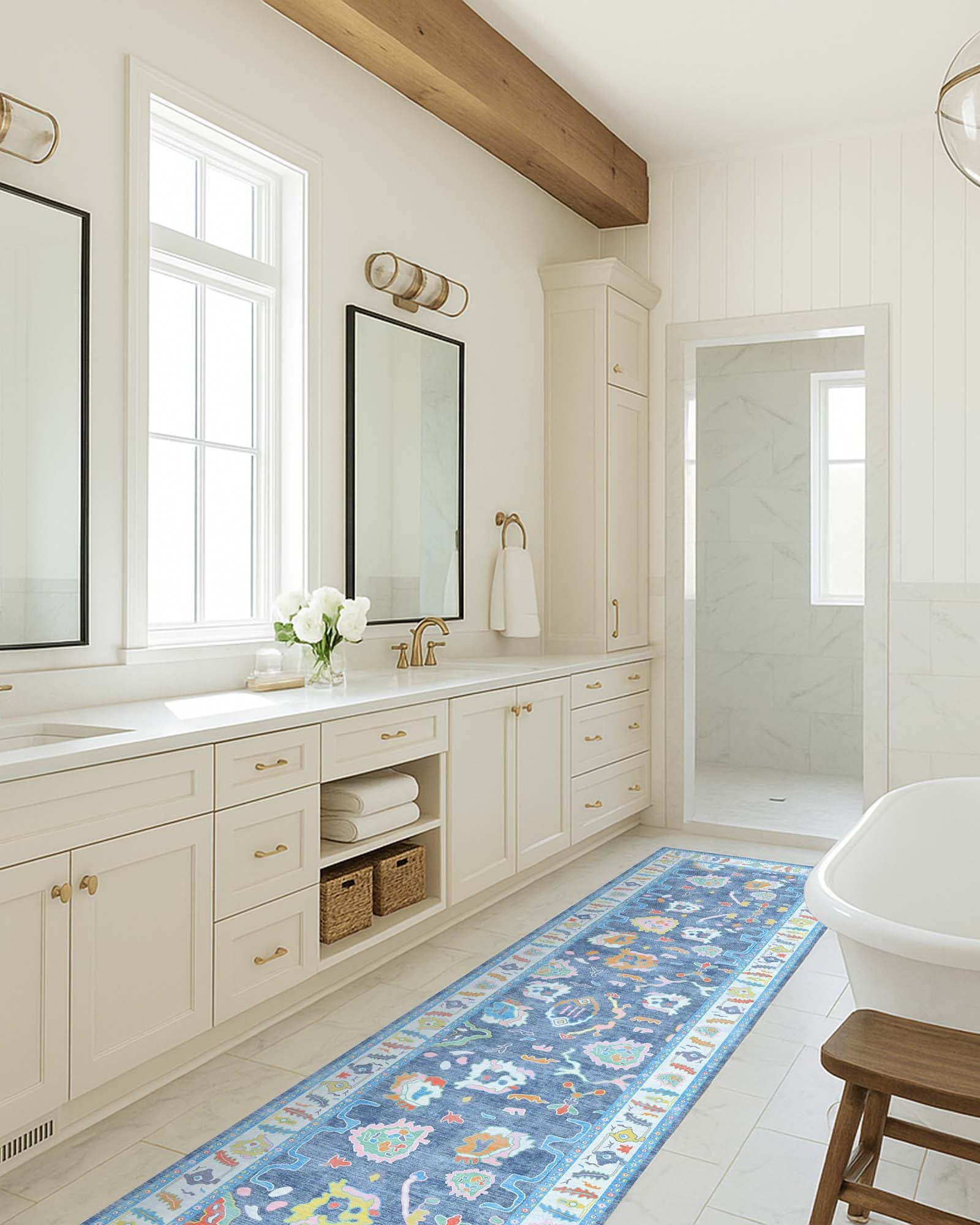
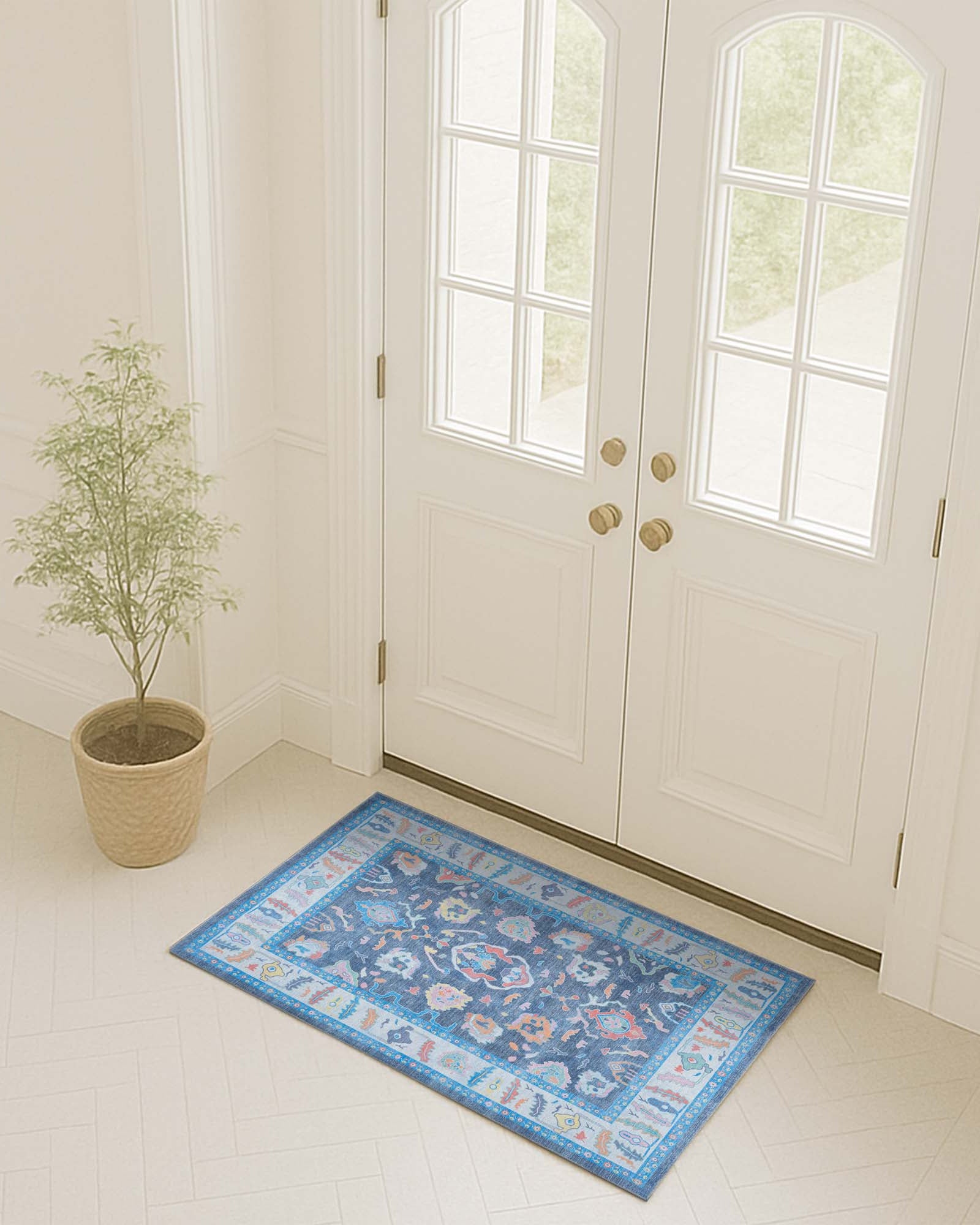
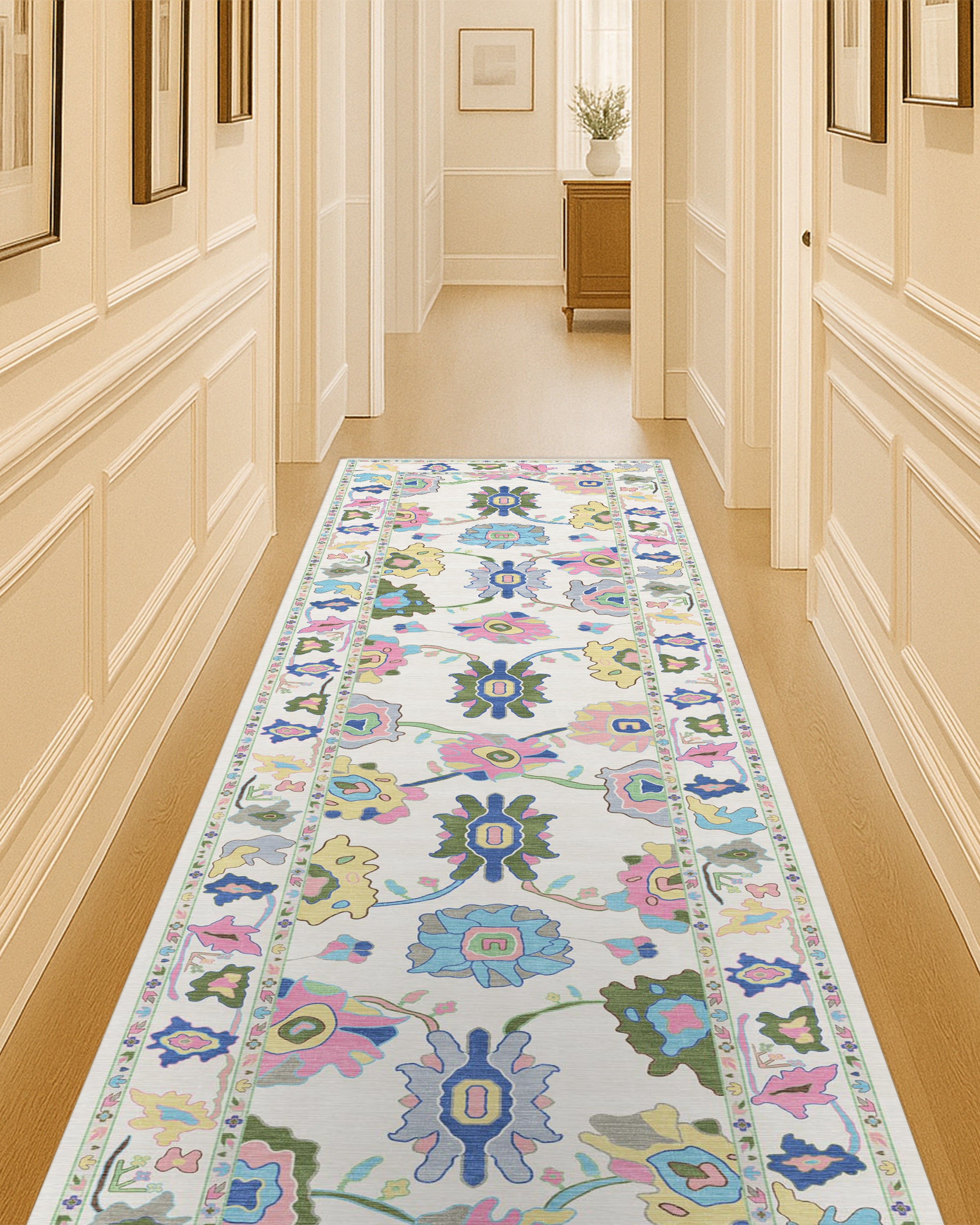
Hallways are ideal for showcasing the linear beauty of Asian design. A runner featuring a repeating "endless knot" pattern or a climbing vine motif draws the eye forward and elongates the space. In entryways, a small rectangular rug with a welcoming symbol (like a vase or open flower) sets a tone of hospitality. These runners are durable enough to handle traffic but stylish enough to make a narrow space feel wide and significant.
How to Choose the Right Size
Proper scaling is essential to display the full narrative of the rug’s pattern and maintain the room's harmony.
Asian style rugs often have borders that are just as beautiful as the center. You must choose a size that allows these borders to be seen, not hidden under heavy furniture.
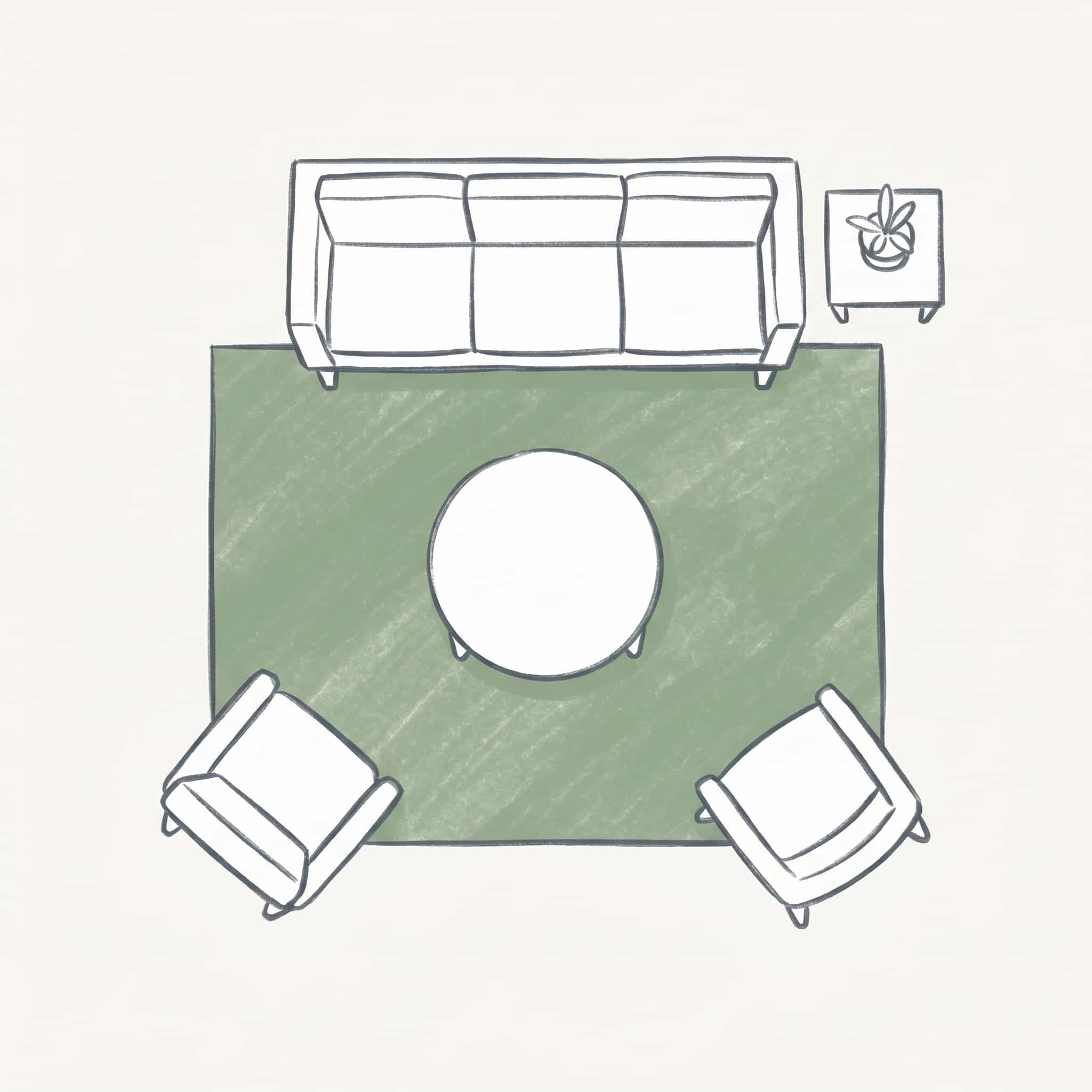
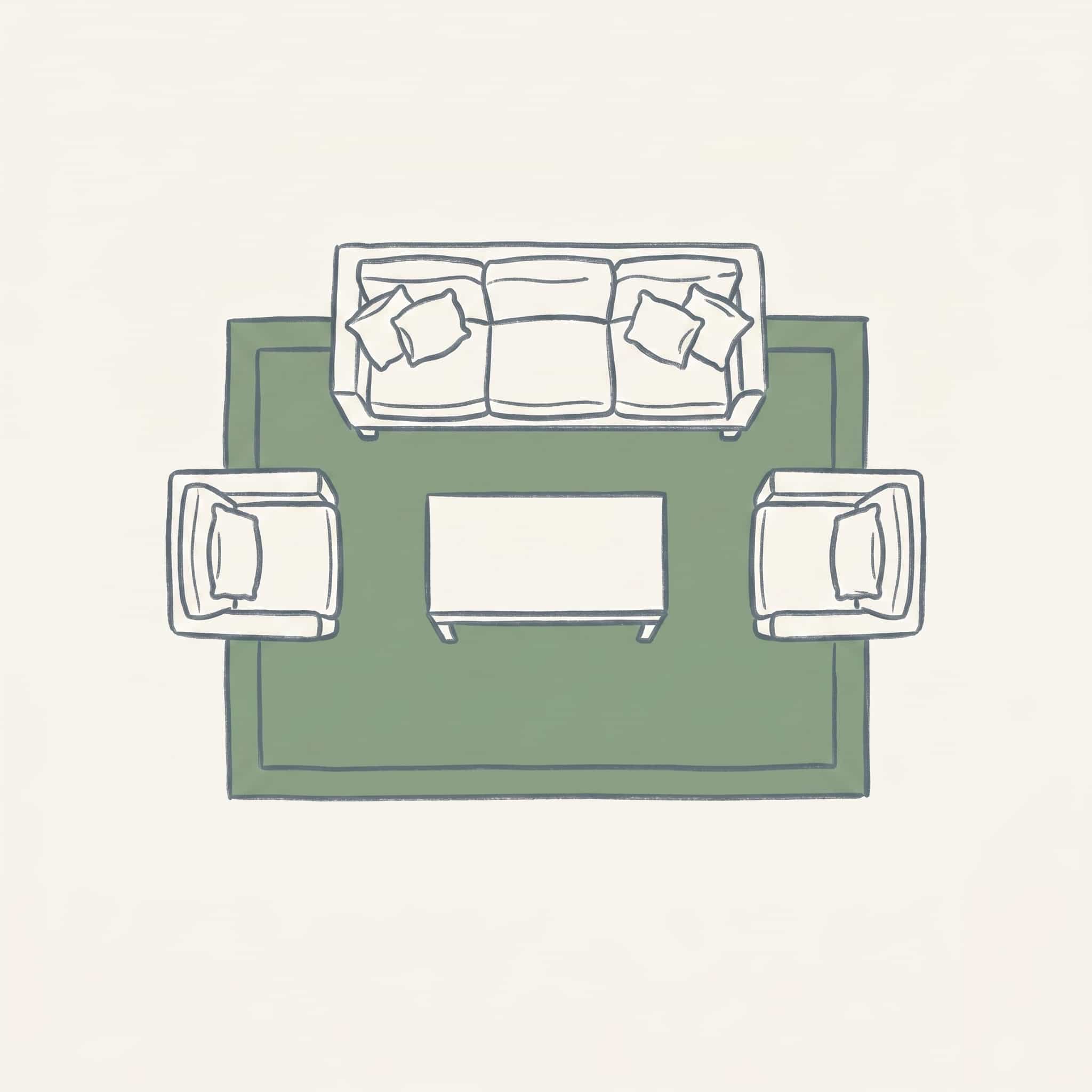
- Living Room: A 9x12 is ideal. Ensure there is a gap between the rug edge and the wall to create a "frame" of flooring.
- Dining Room: Measure the table and add at least 4 feet to the length and width. This keeps the chair legs from catching on the rug's decorative border.
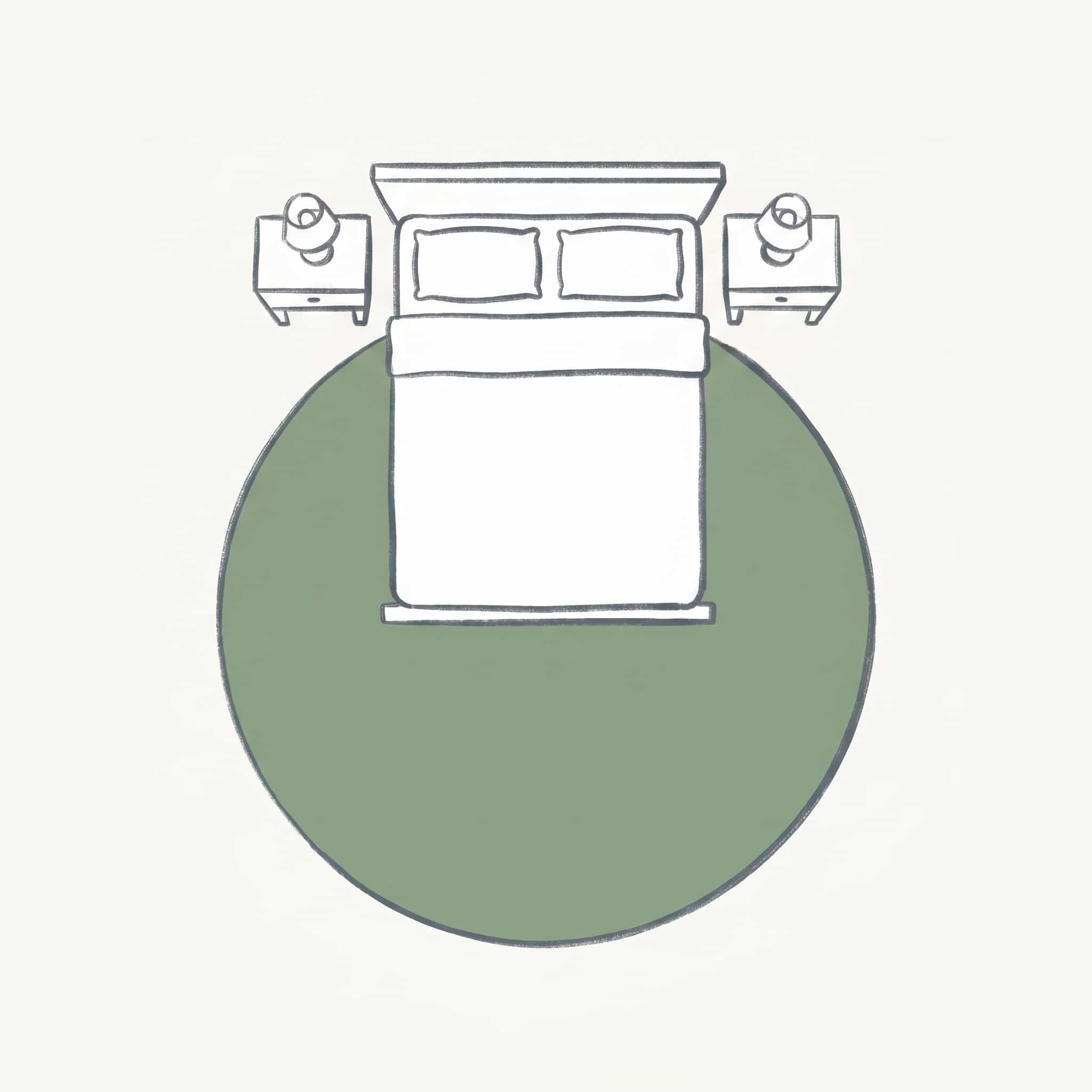
- Bedroom: A rug that extends 18 to 24 inches from the sides of the bed ensures the pattern is visible and impactful.
Care, Cleaning, and Rug Pad Advice
Preserve the intricate details and sheen of your rug with gentle maintenance and protective padding.
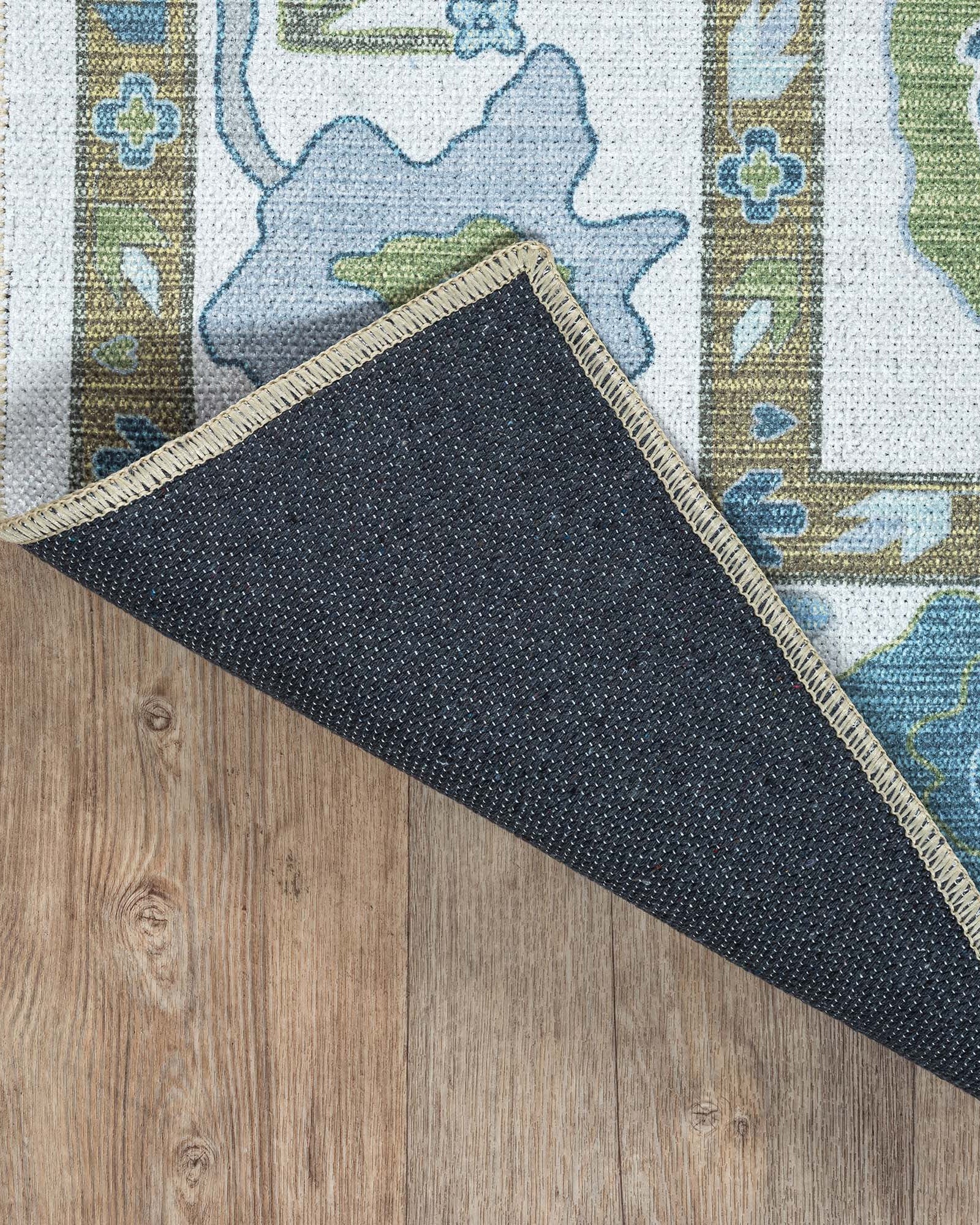
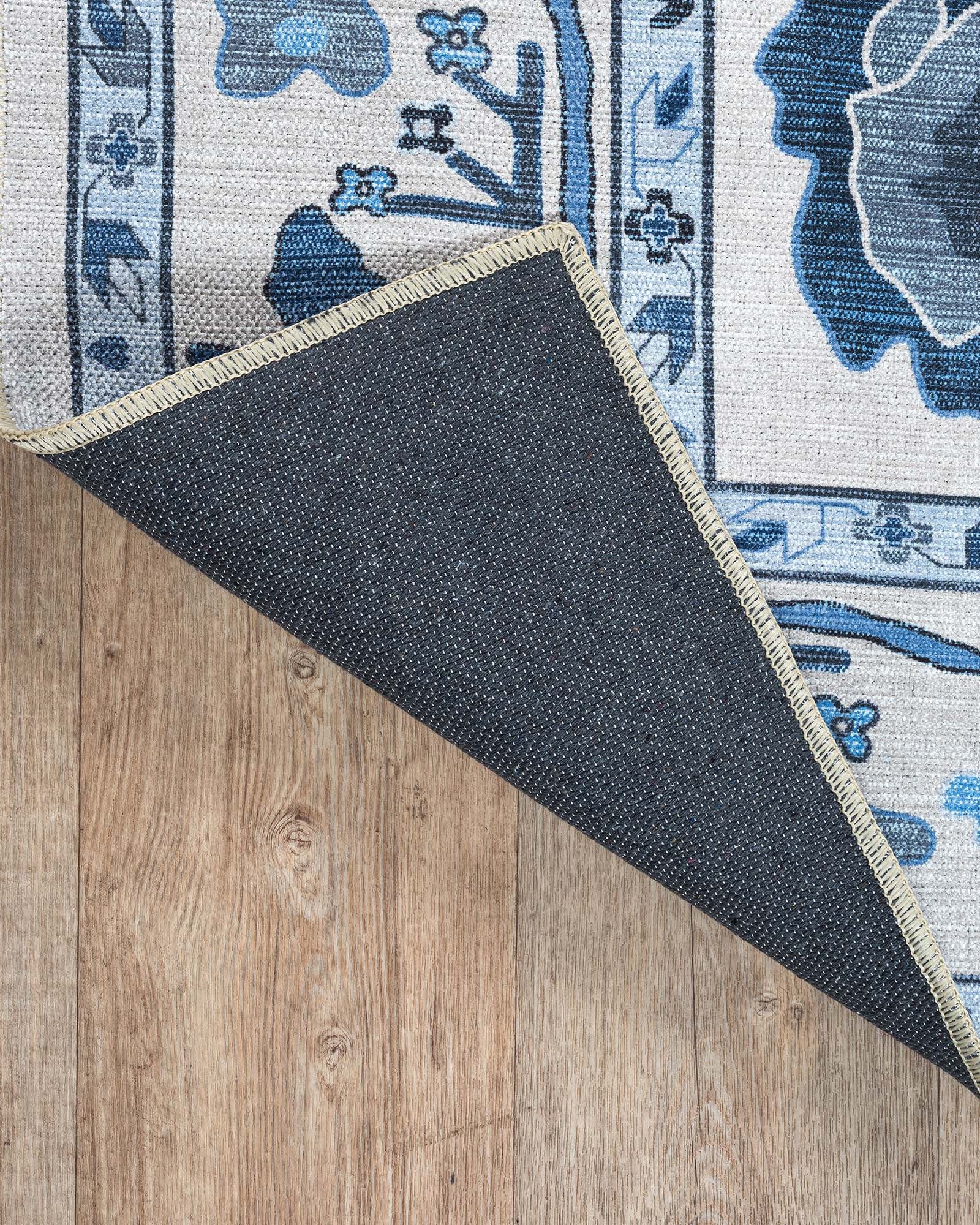
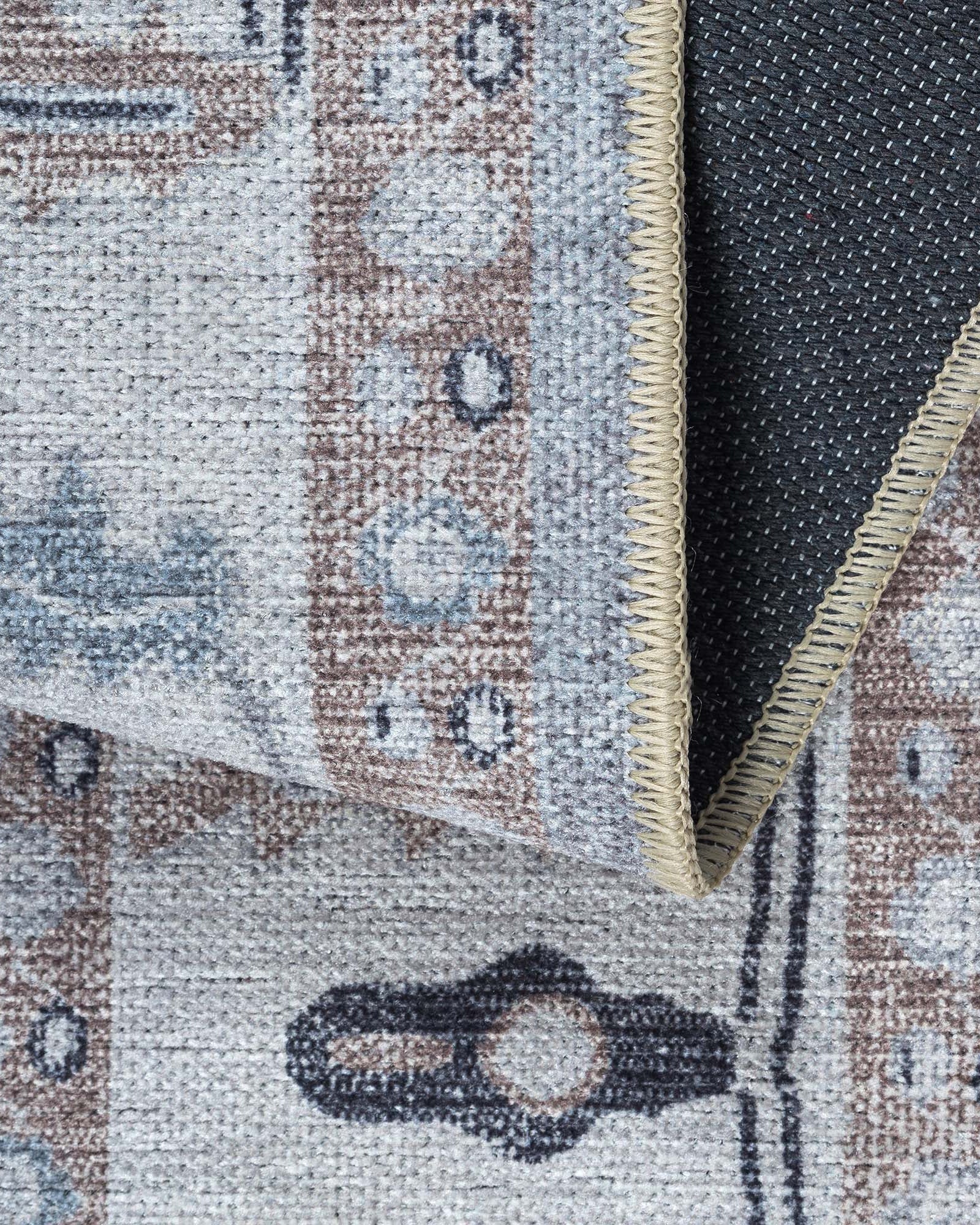
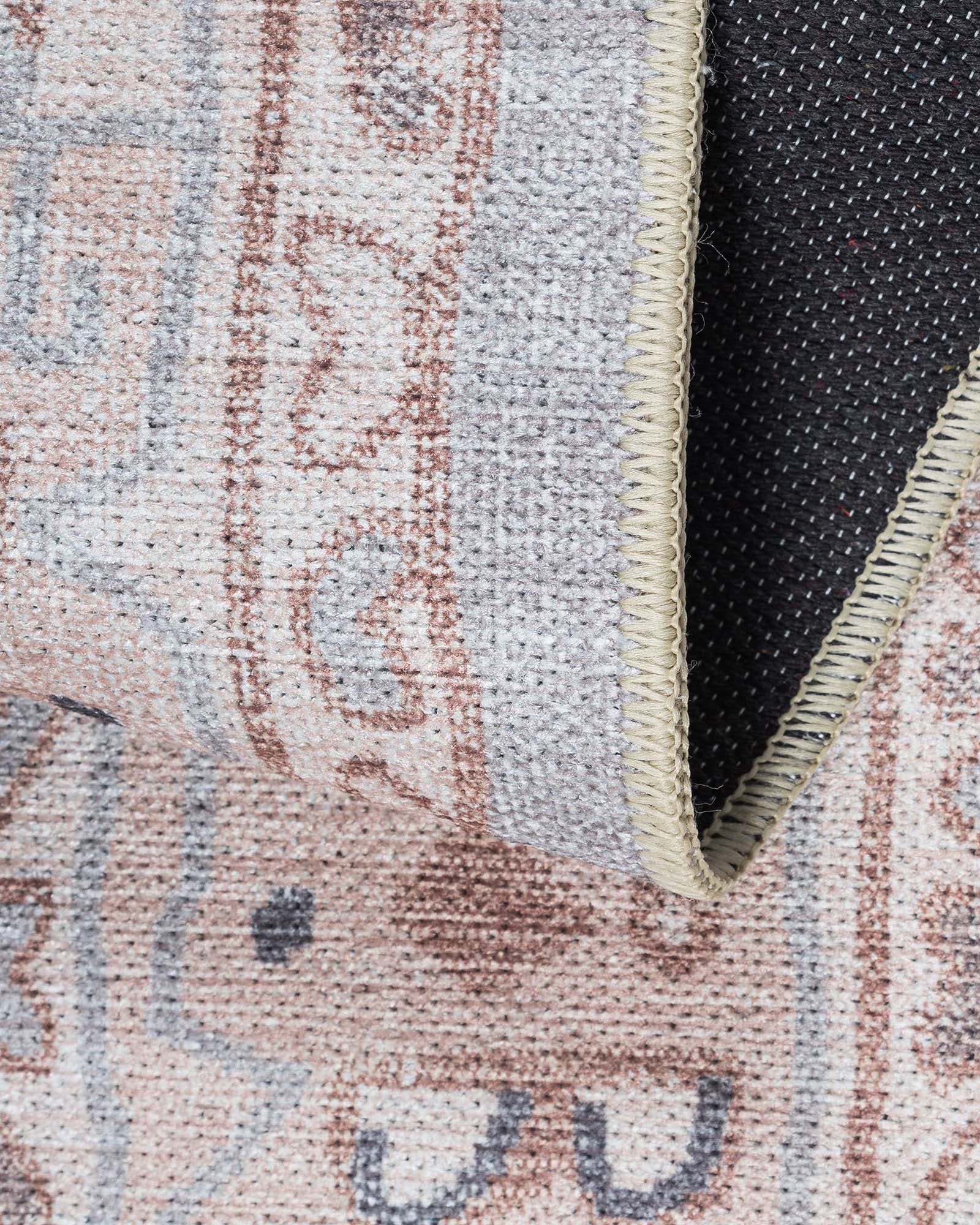
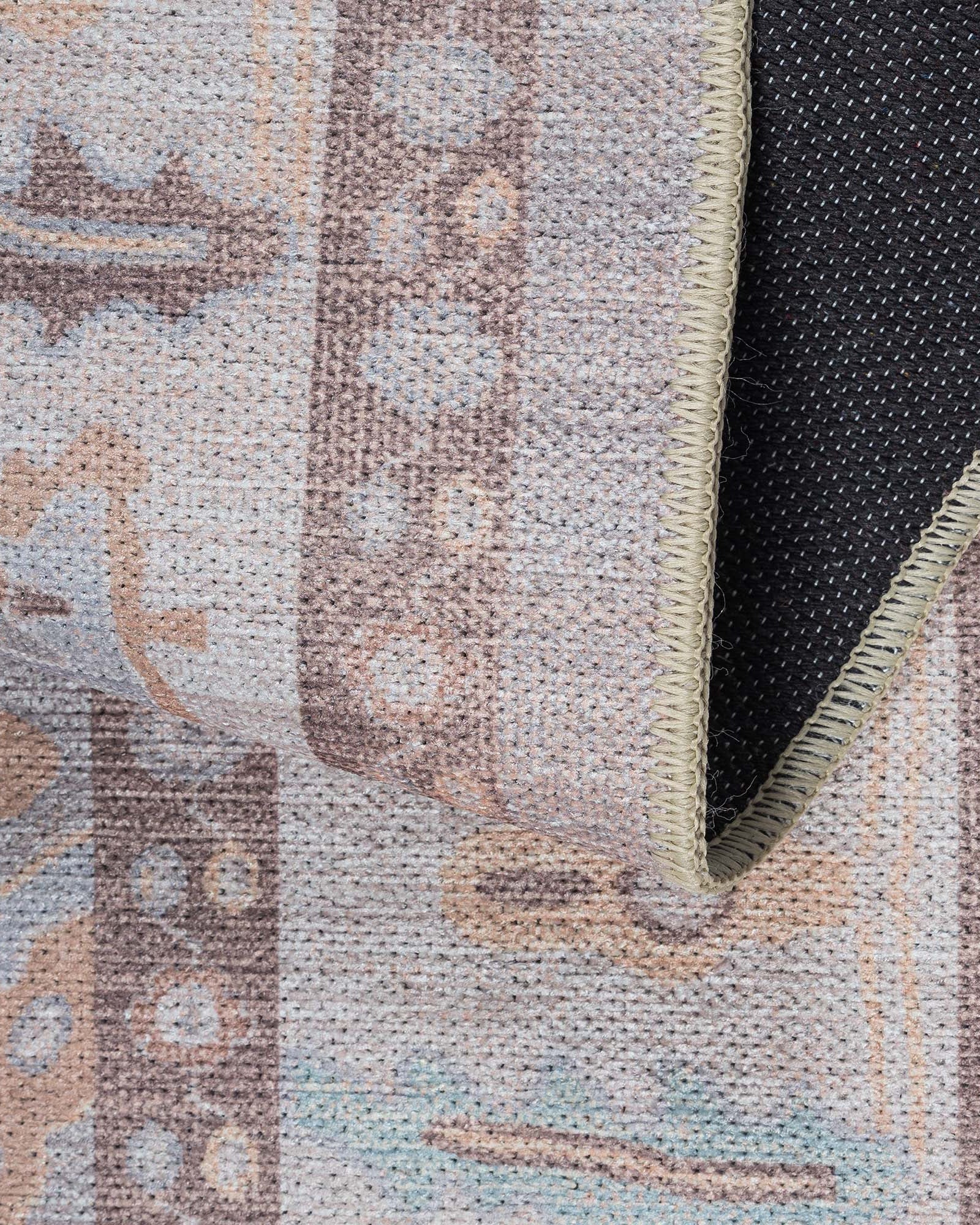
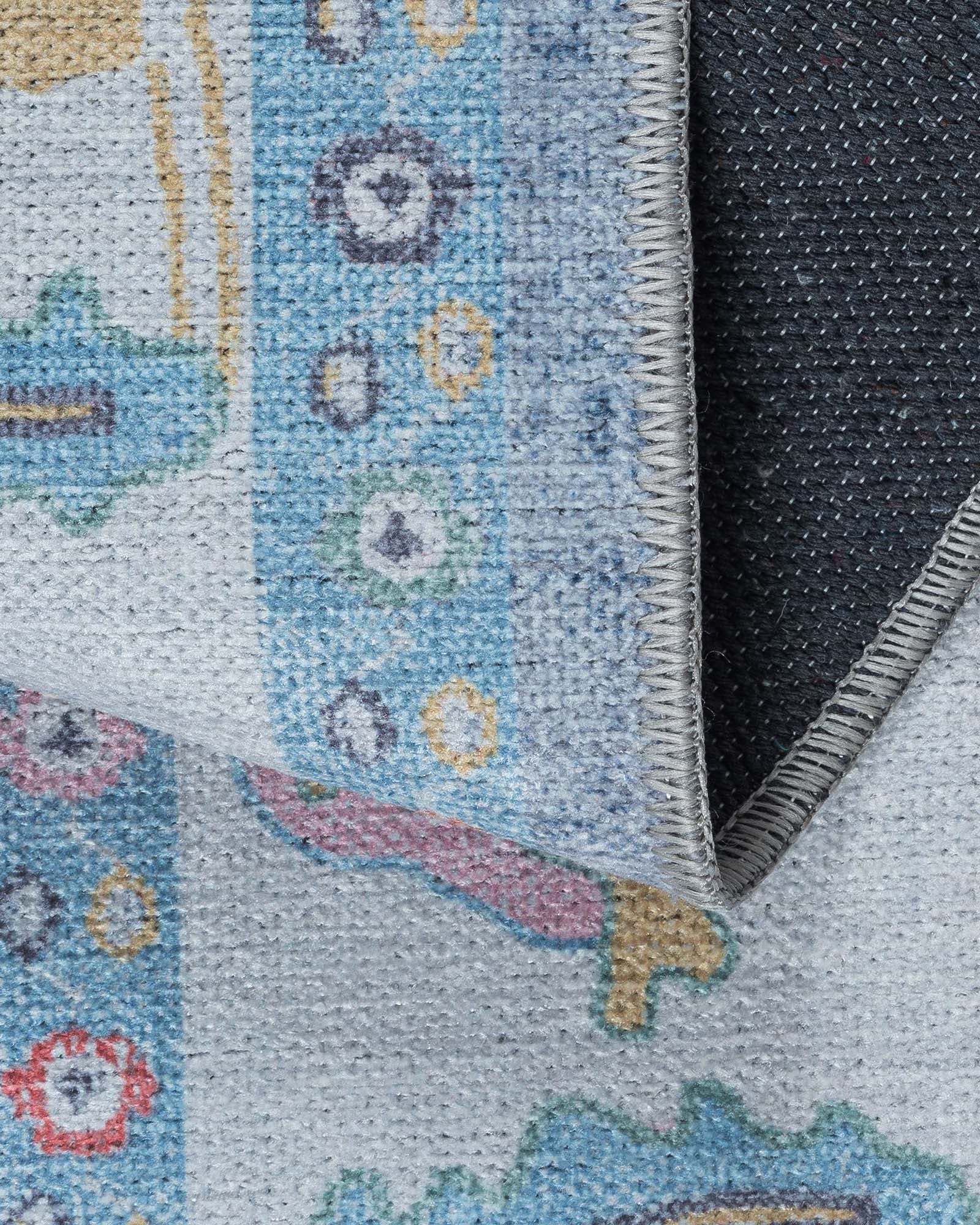
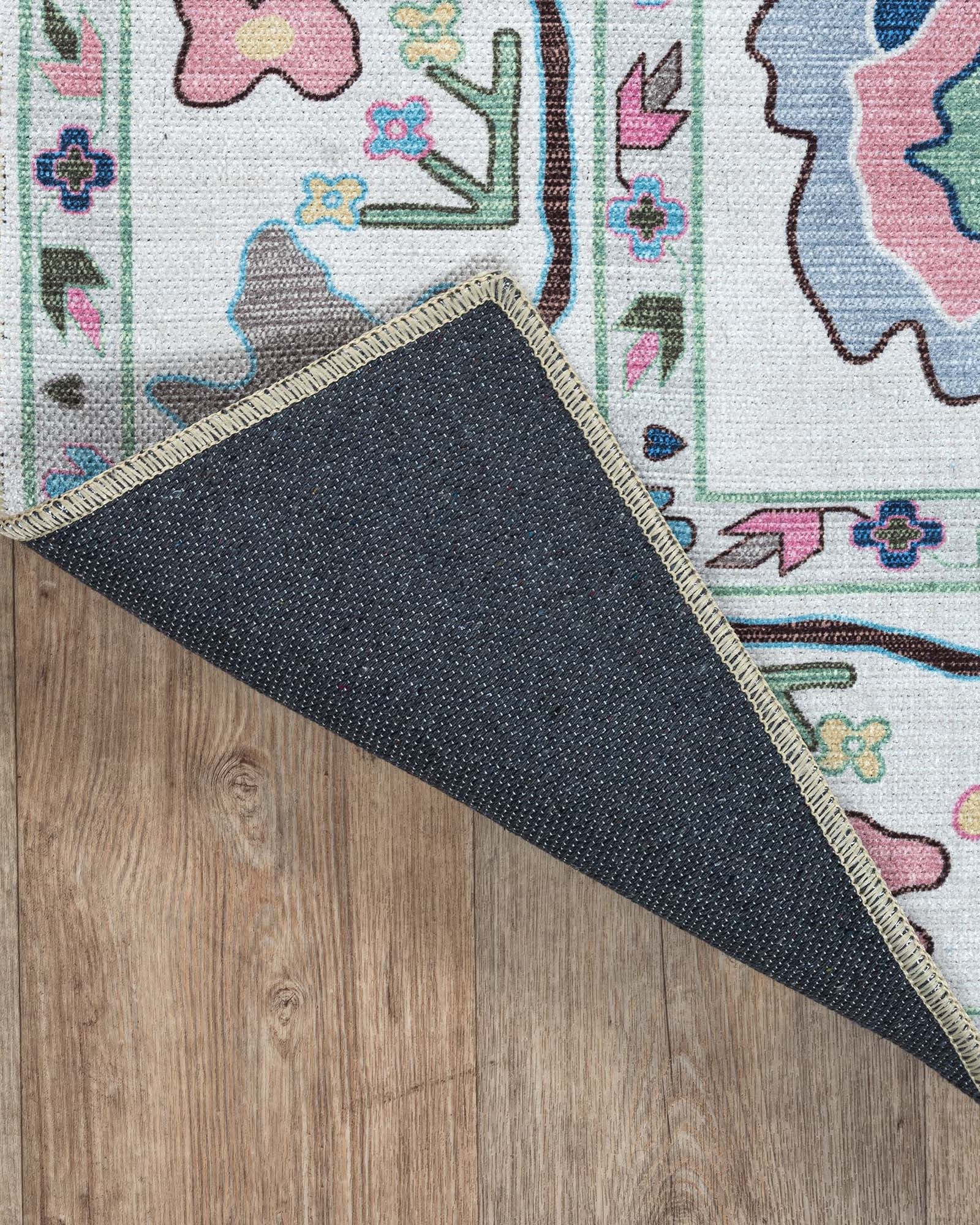
To protect the fine fibers and detailed patterns, vacuum your rug regularly using suction only or a high pile setting. The beater bar can sometimes be too aggressive for rugs with a silk-like sheen or delicate fringe. For spills, blot immediately—do not rub, as this can distort the pile direction. We strongly recommend a high-quality rug pad. For these often lower-profile rugs, a felt pad adds plushness and prevents the rug from slipping, which preserves the structural integrity of the weave and keeps the pattern lying flat and true.
In a Nutshell
The Fame Rugs Asian Style collection offers a window into the timeless beauty and symbolic richness of the East.
Perfect for homeowners who value history, art, and meaning in their decor, these rugs bring sophistication to any space. Choose this collection to add a touch of worldly elegance and serenity to your home.
Explore More from Fame Rugs
Discover other collections that complement this sophisticated aesthetic.
If you appreciate intricate patterns but want a specific regional look, browse our Palace Rugs. For a more aged, heirloom appearance, check out our Vintage Style Rugs. To see our full range of connecting sizes, visit our Runner Rugs collection.
Bring the art of the East home with Fame Rugs.