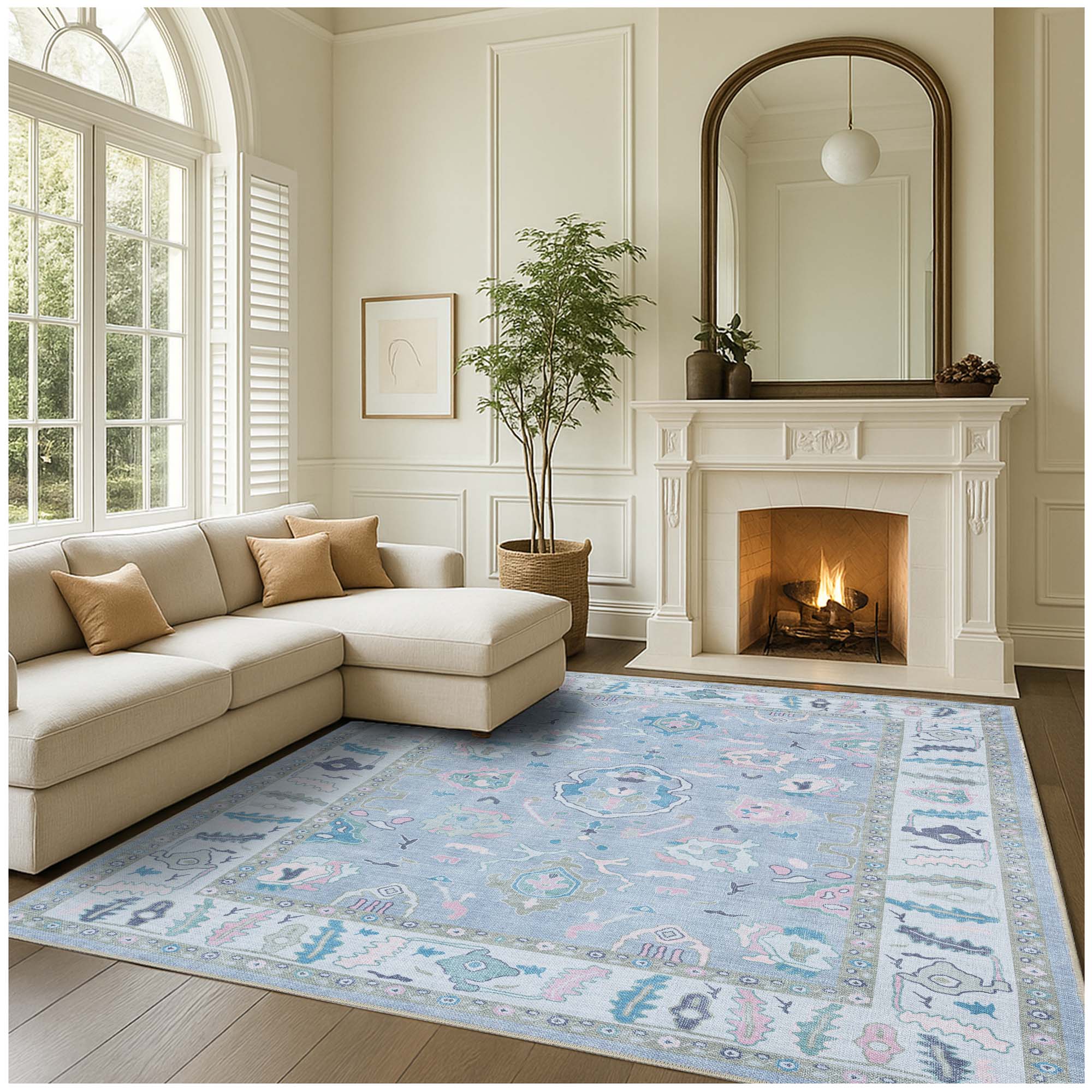
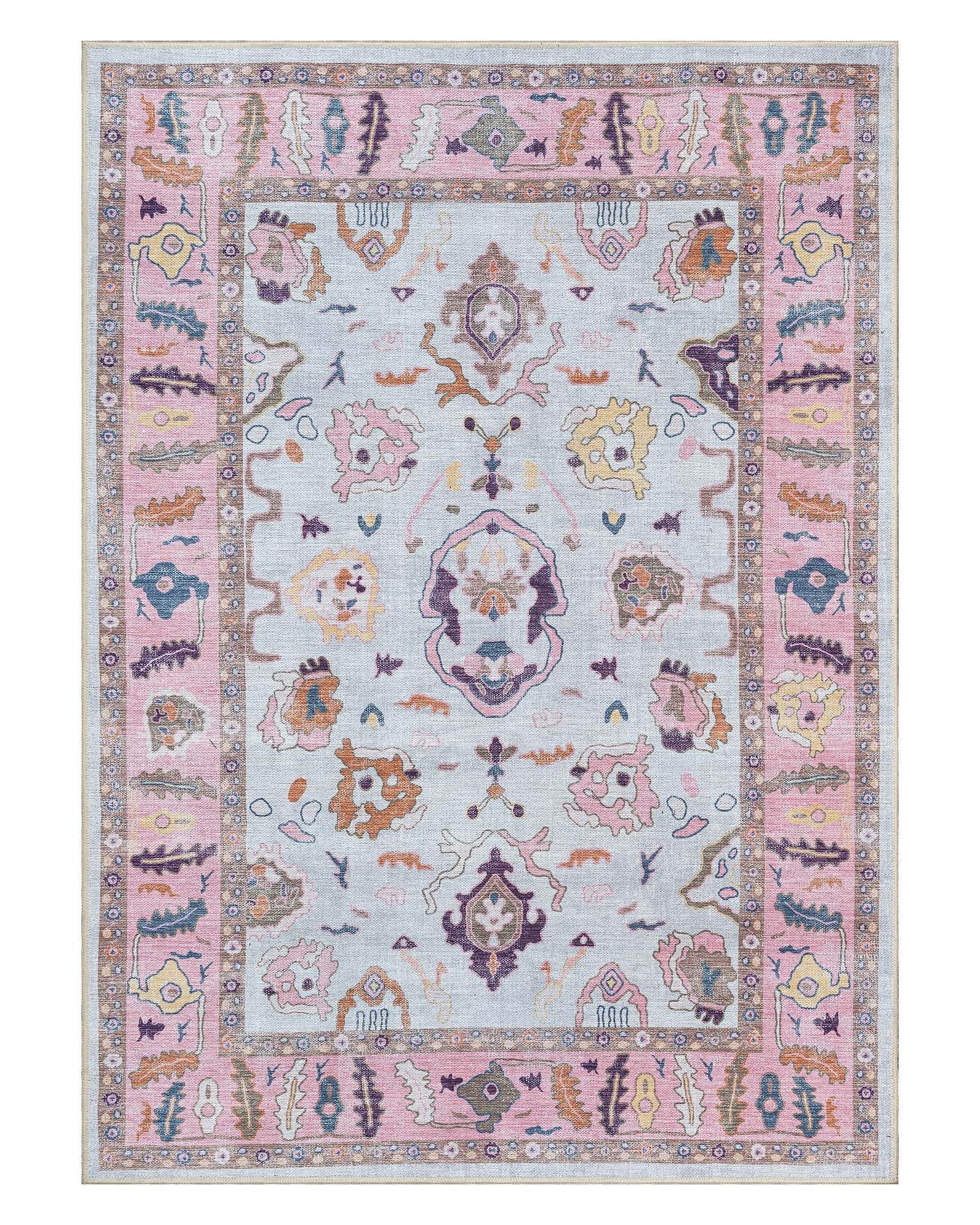
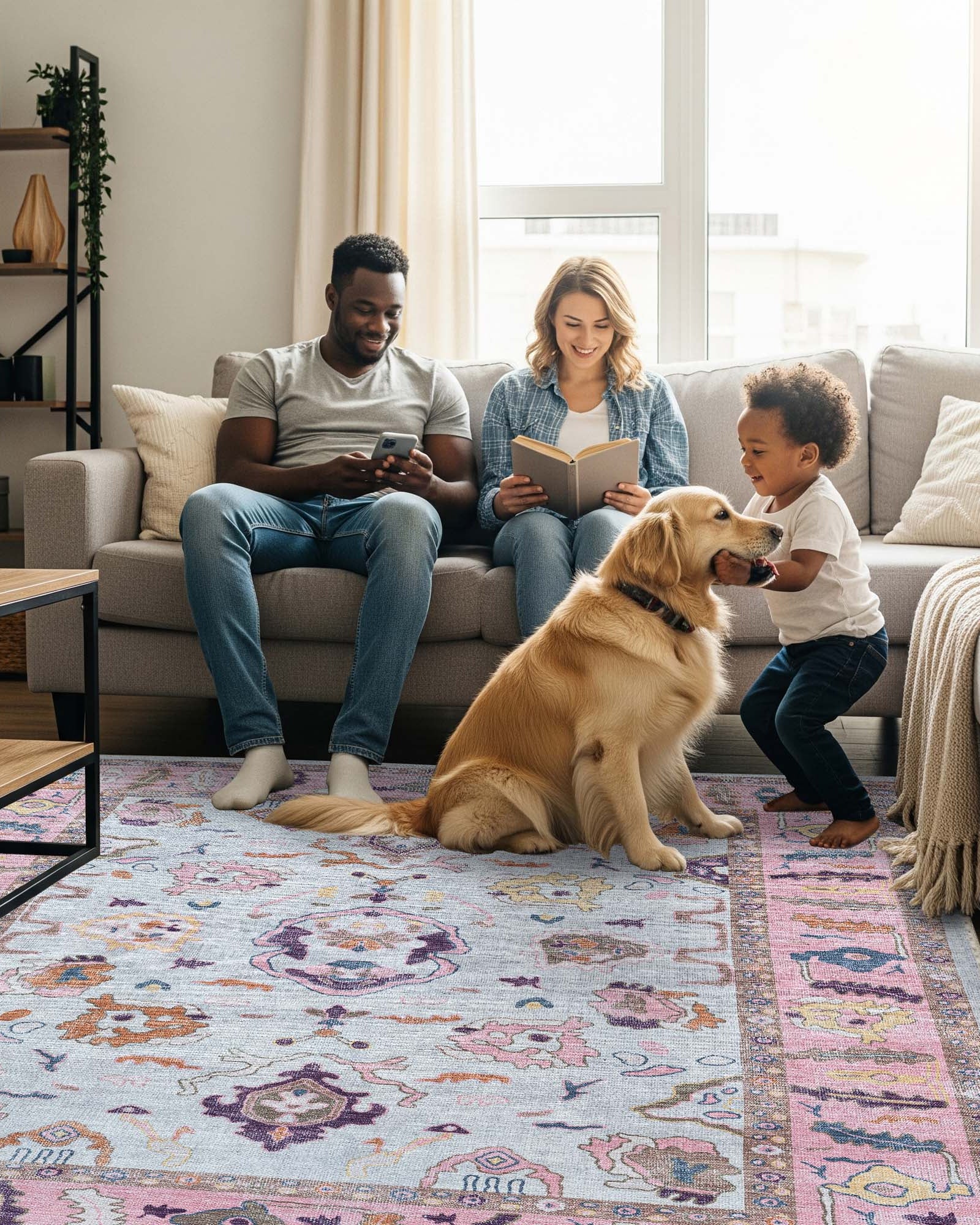
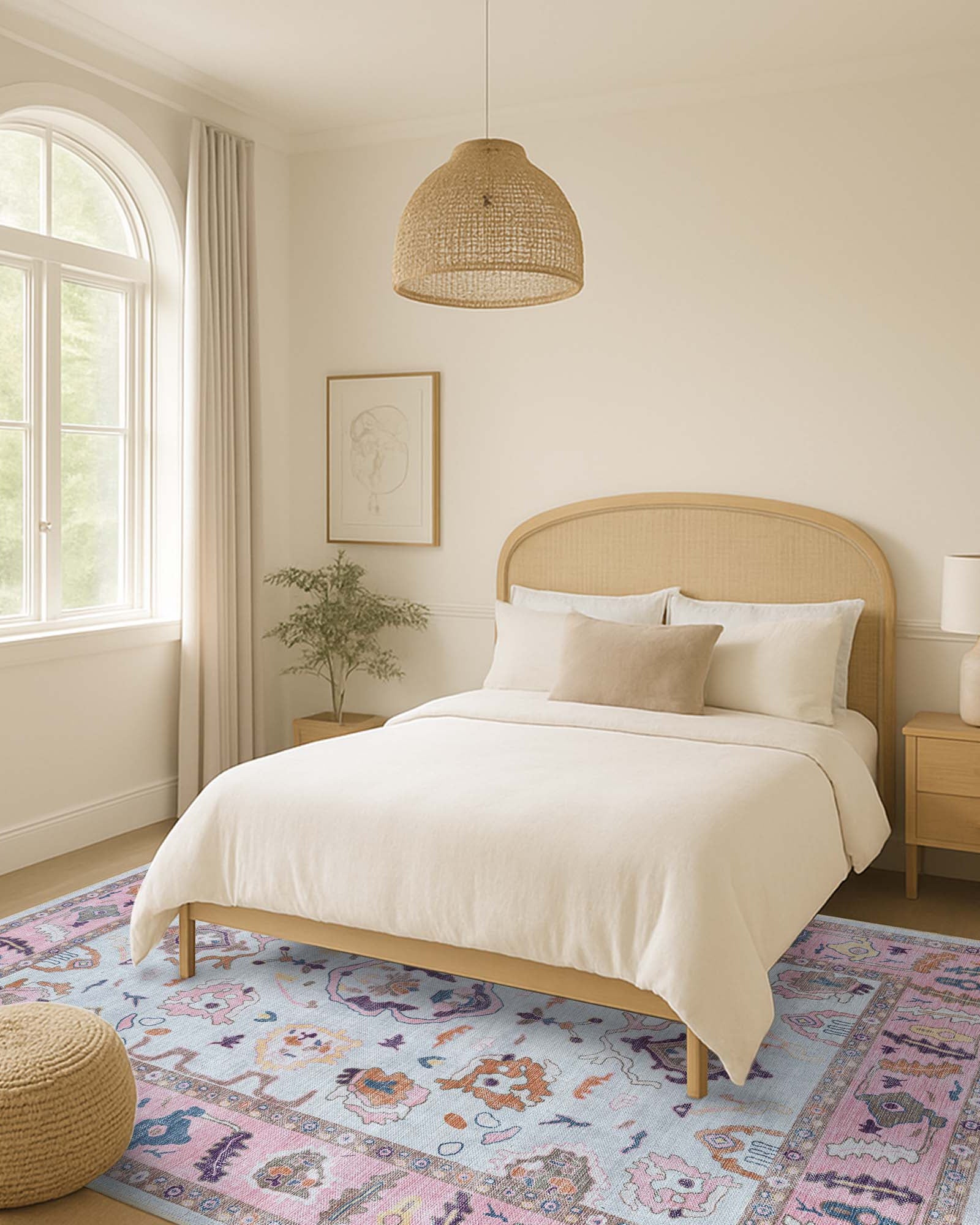
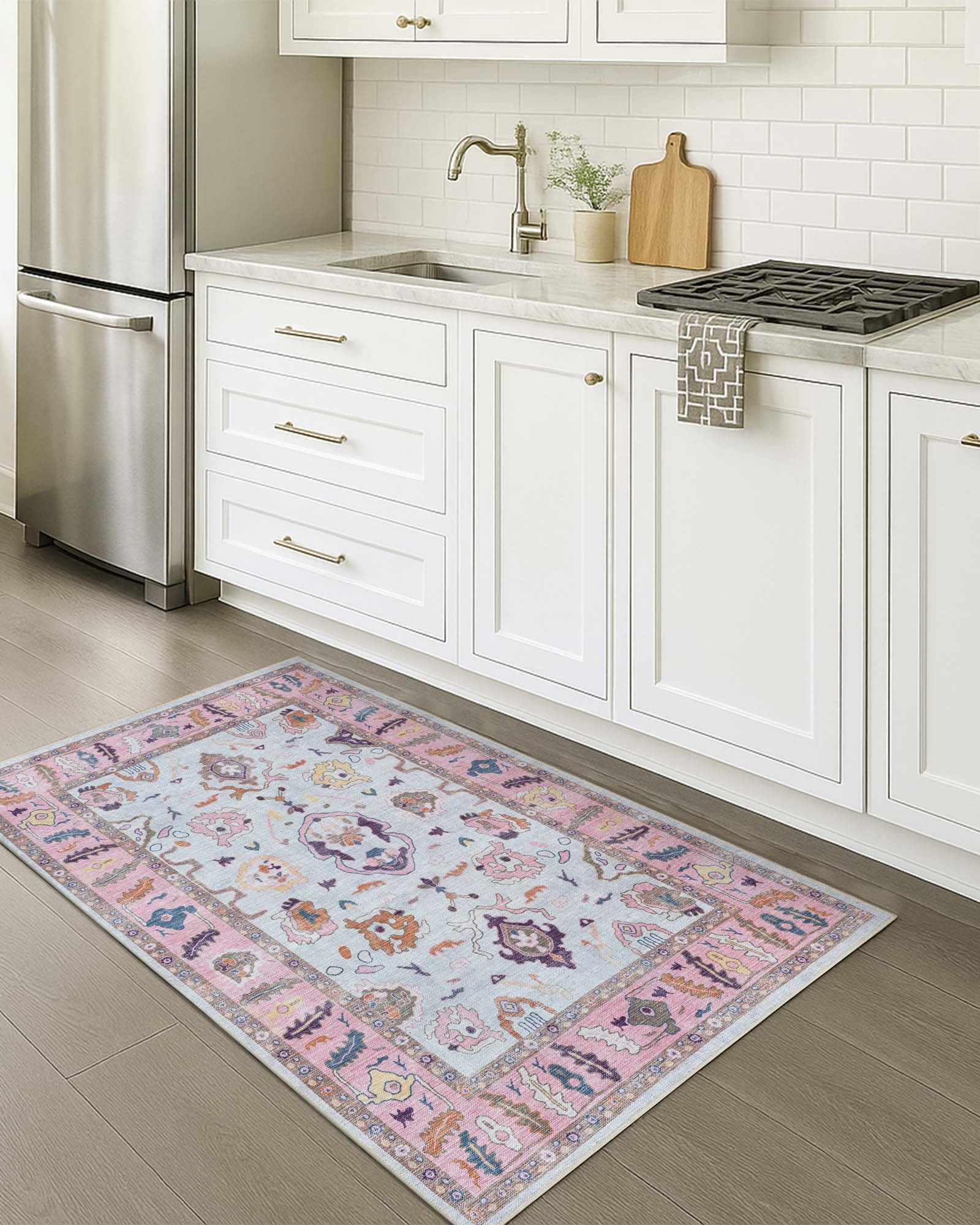
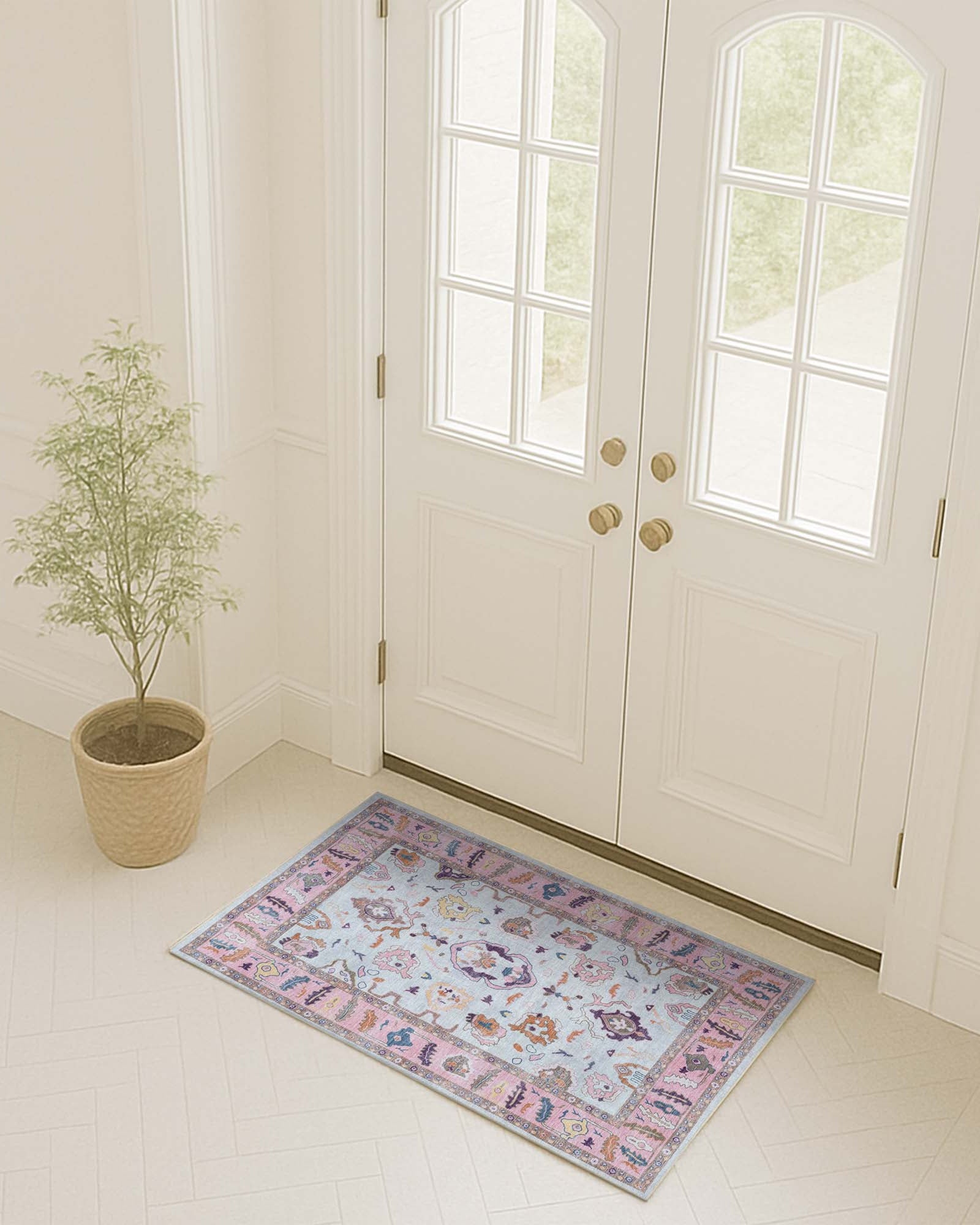
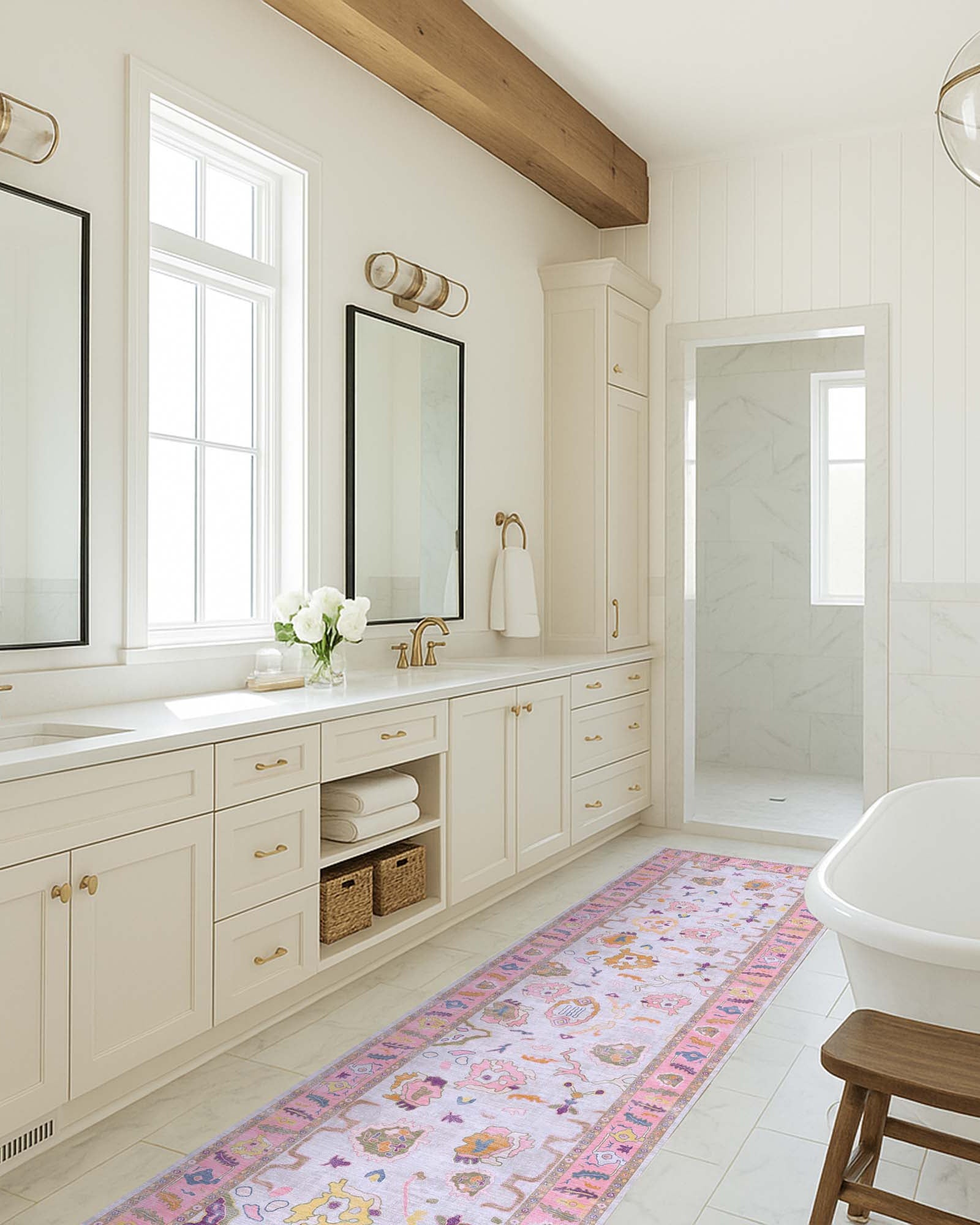
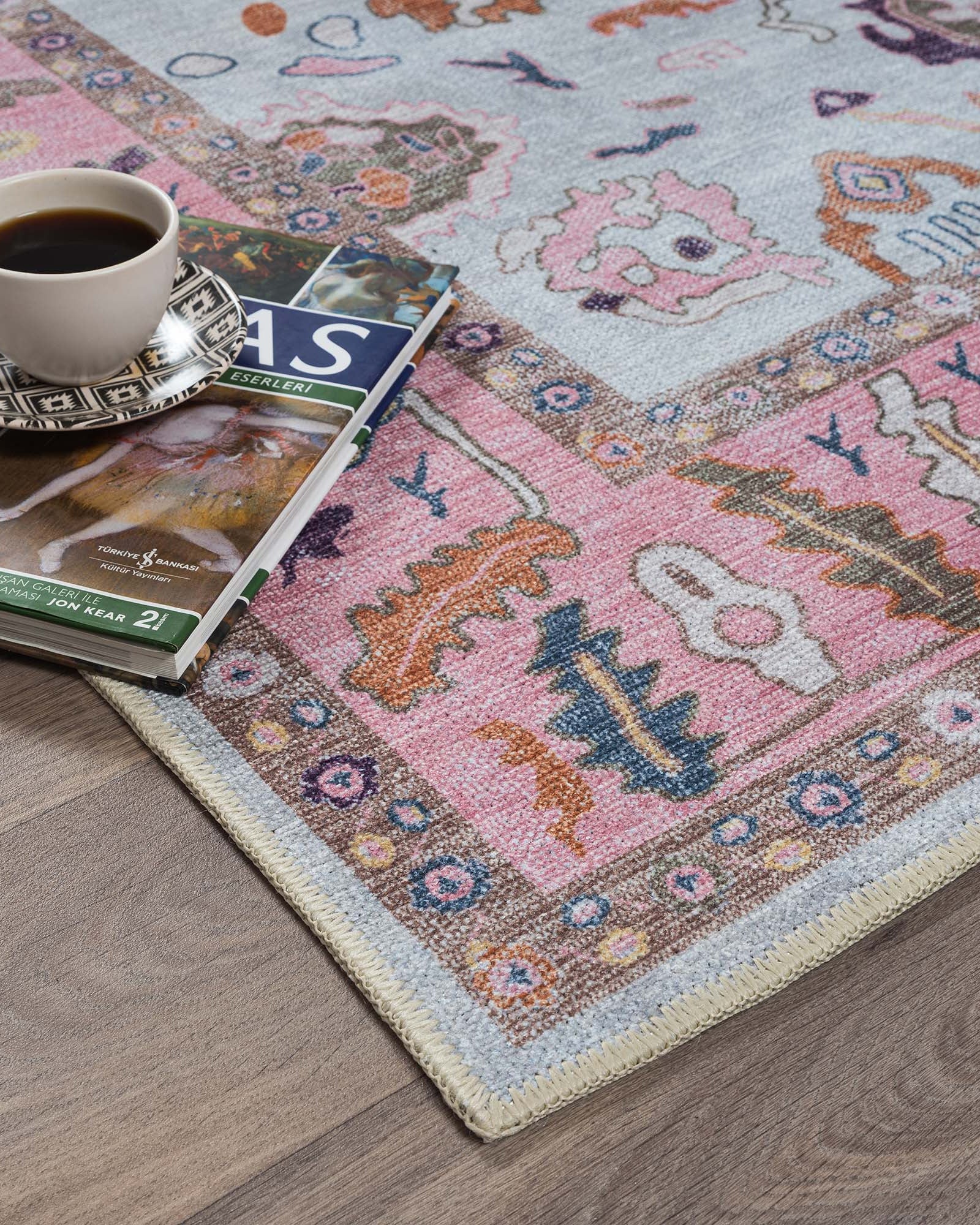
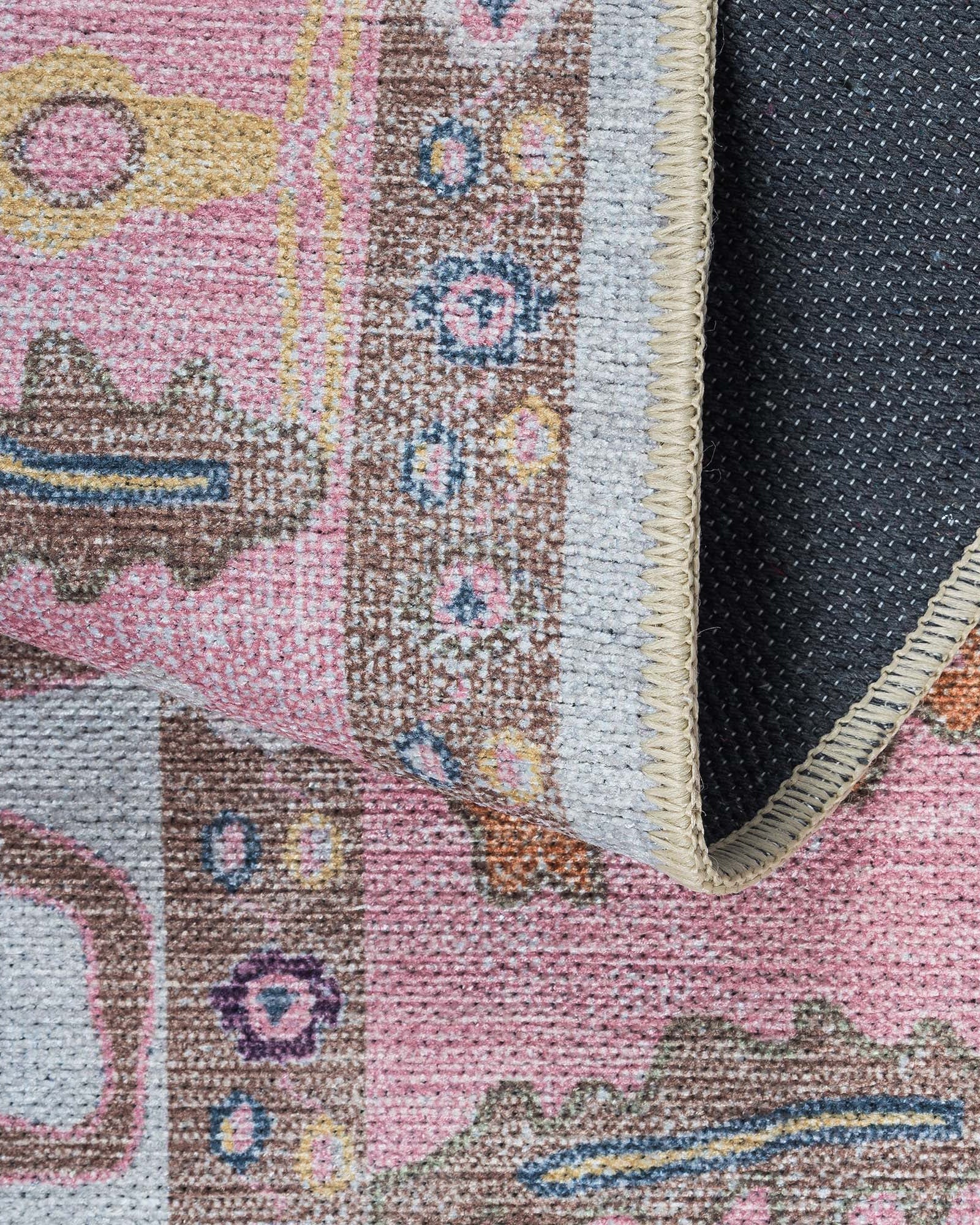
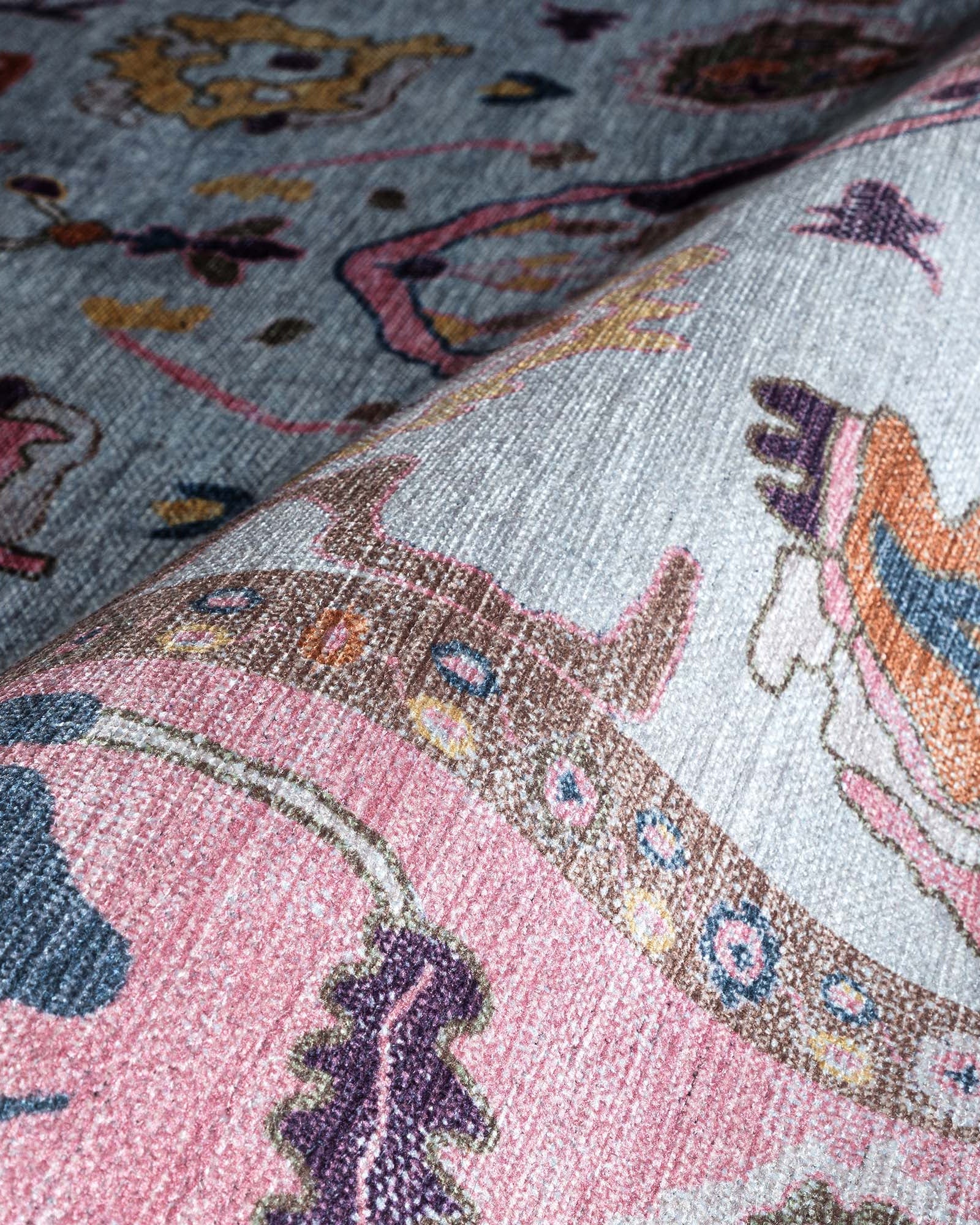
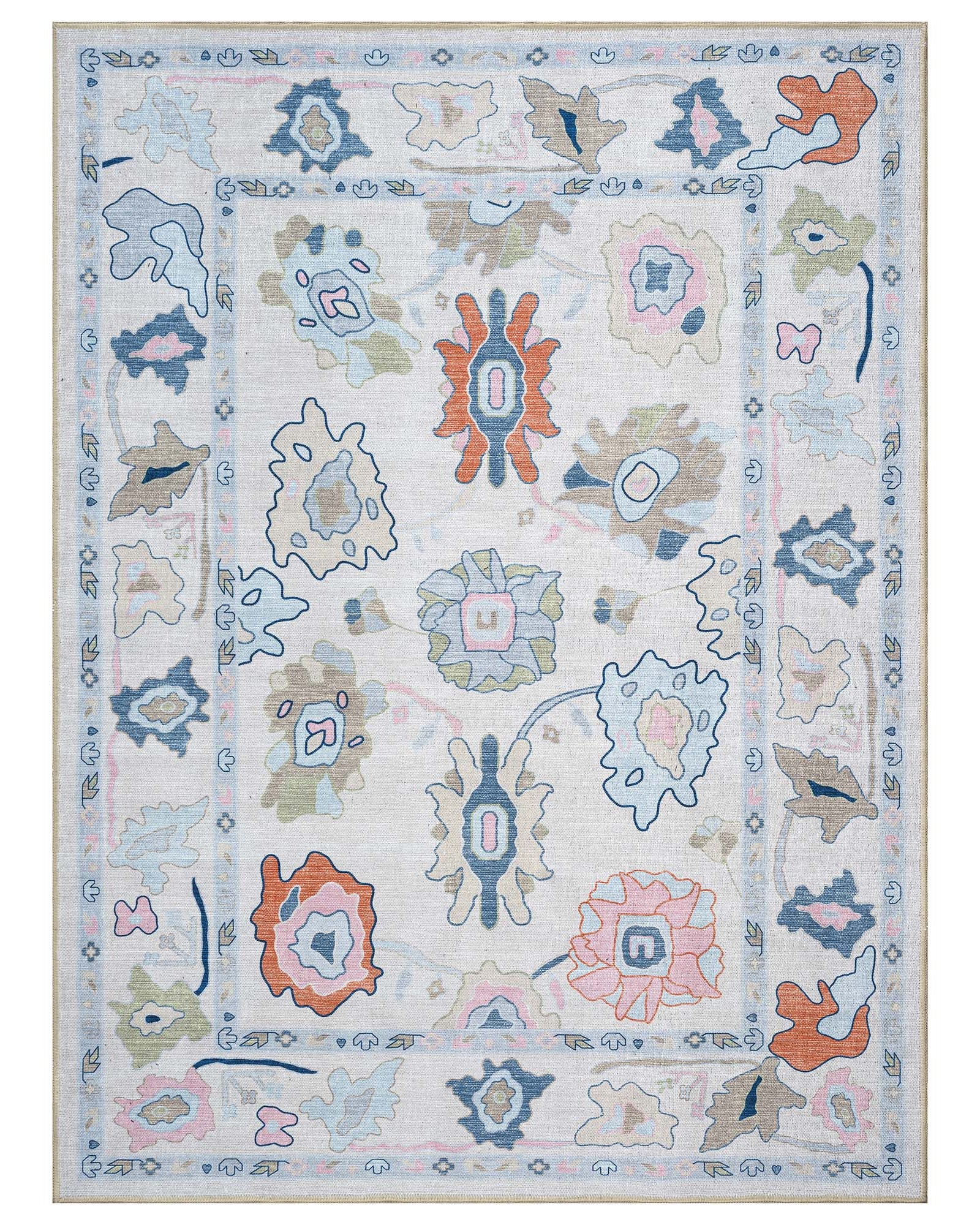
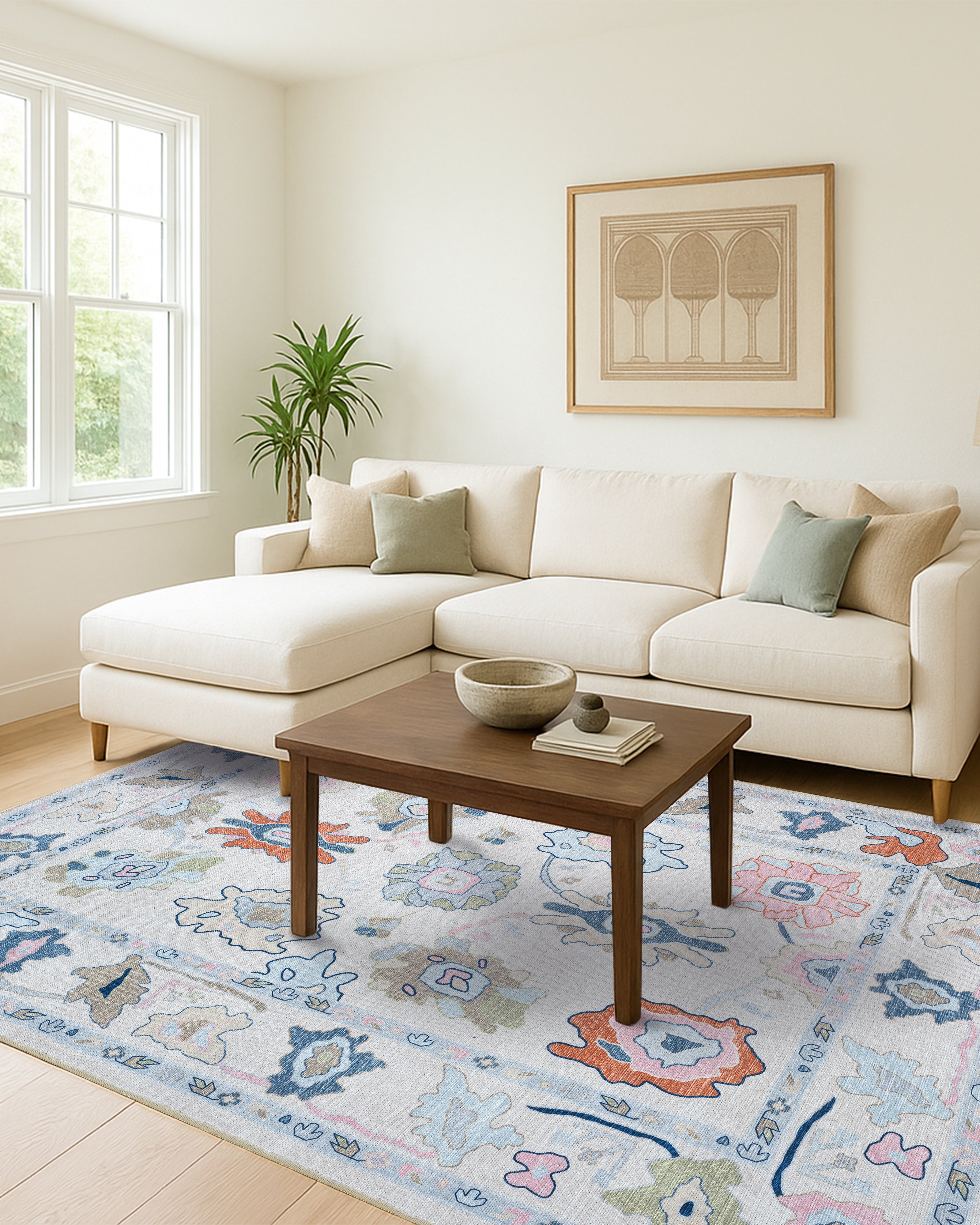
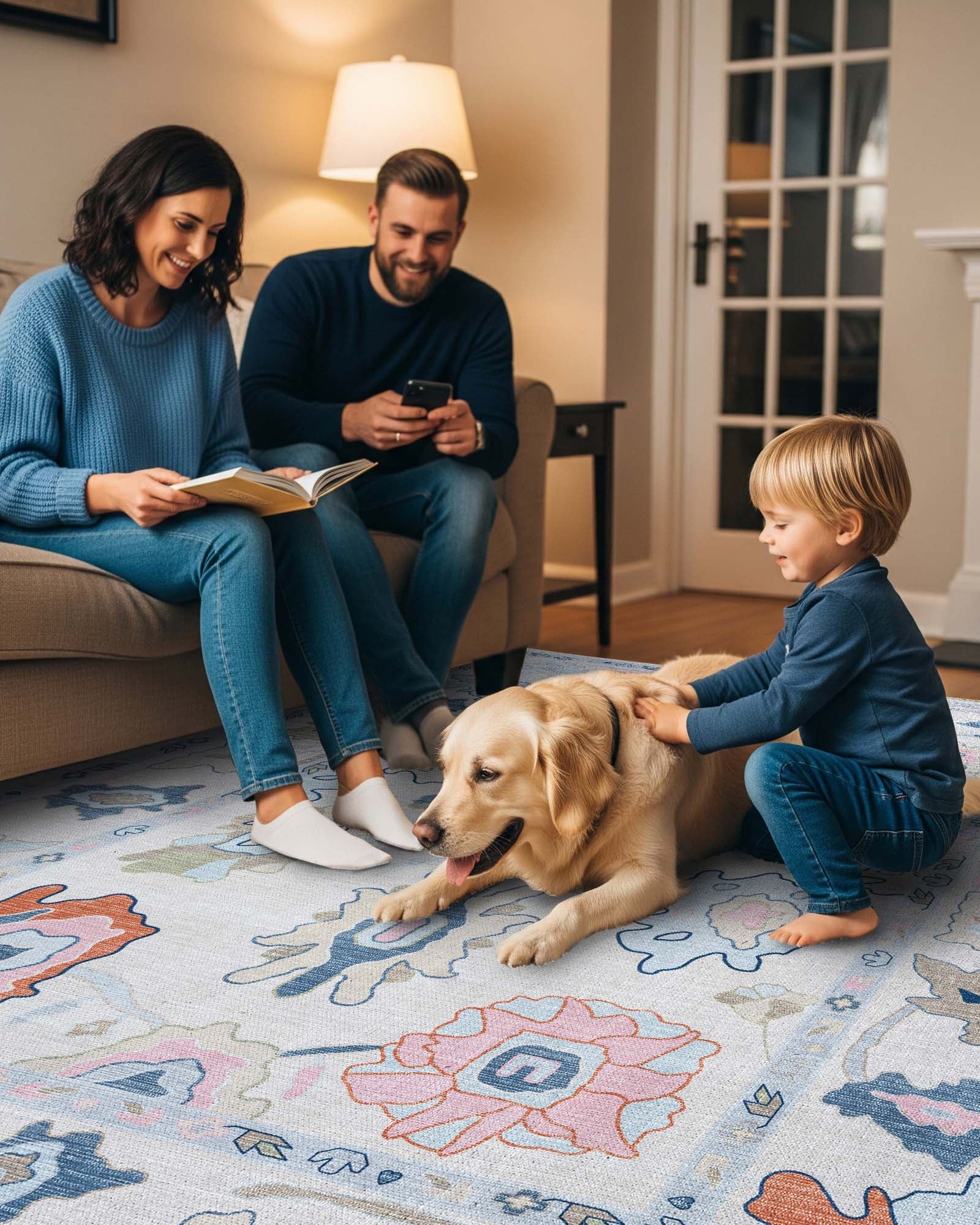
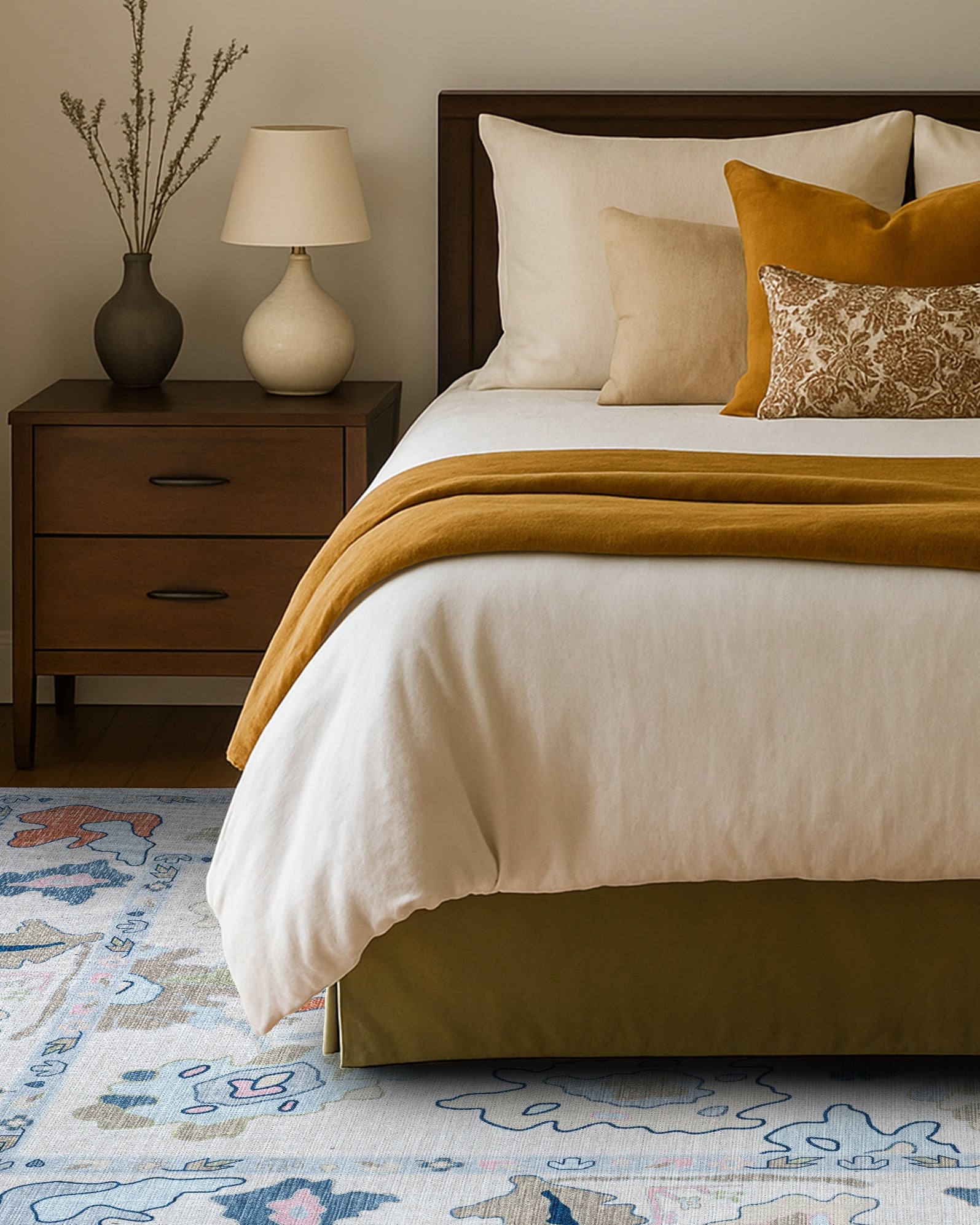
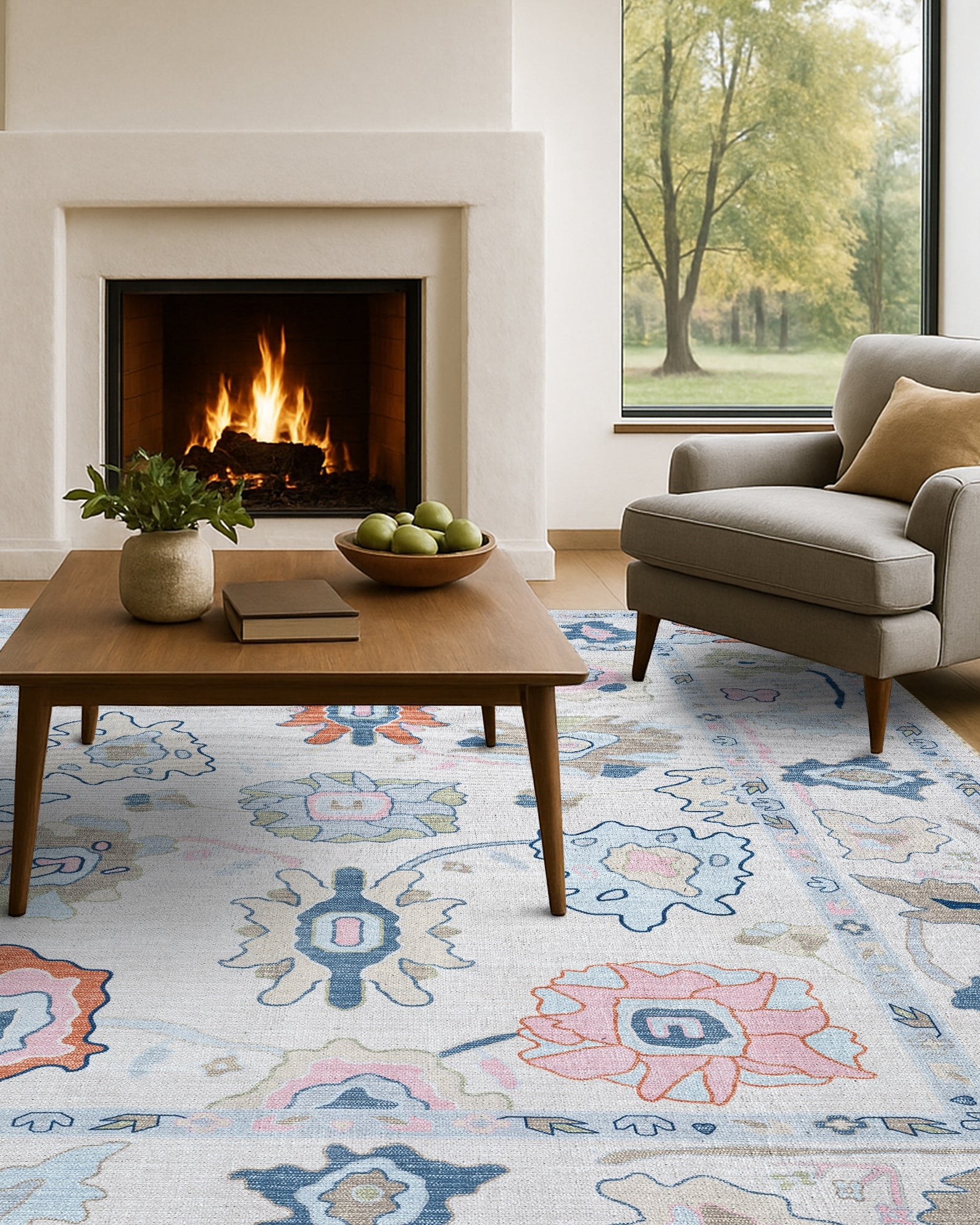
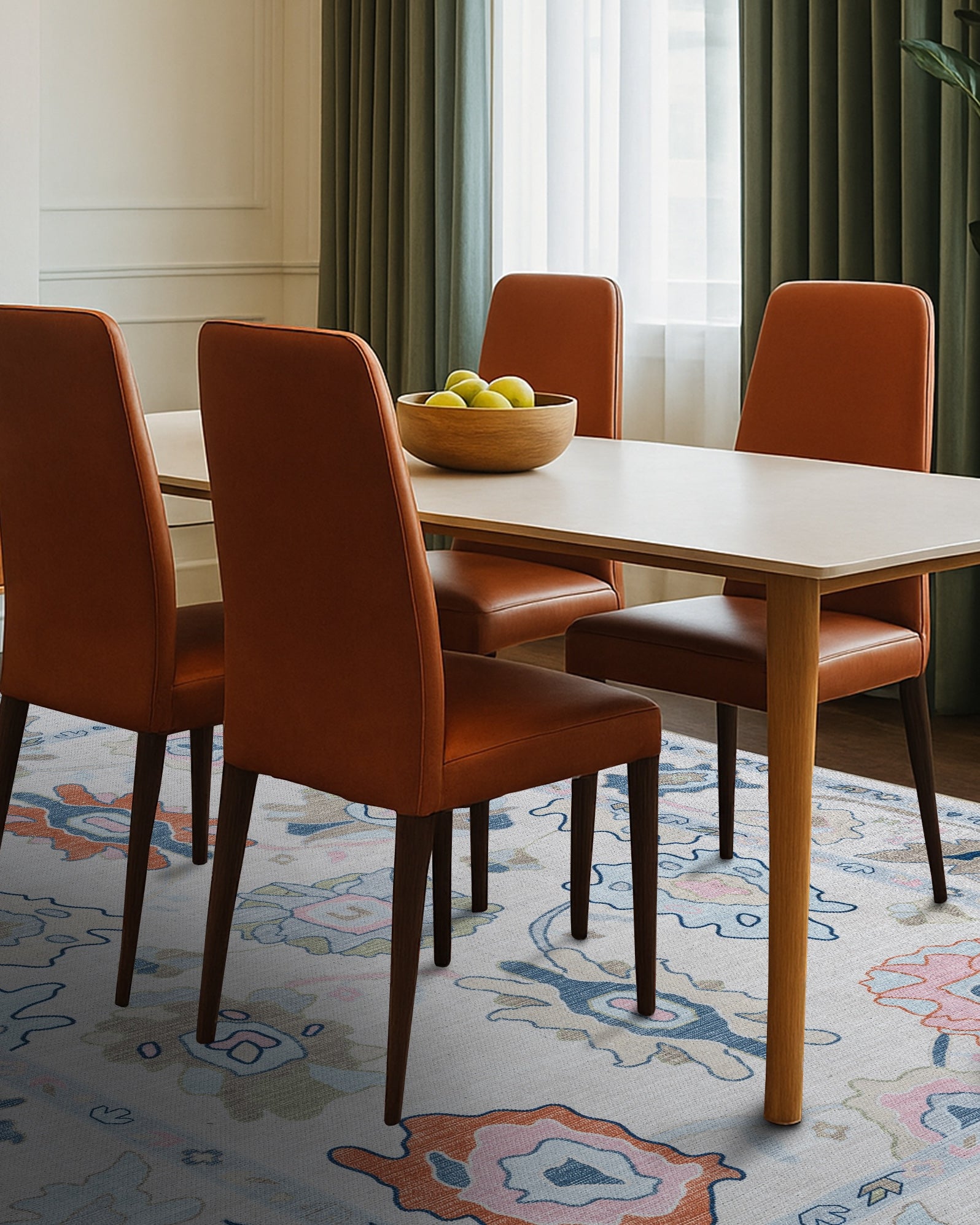
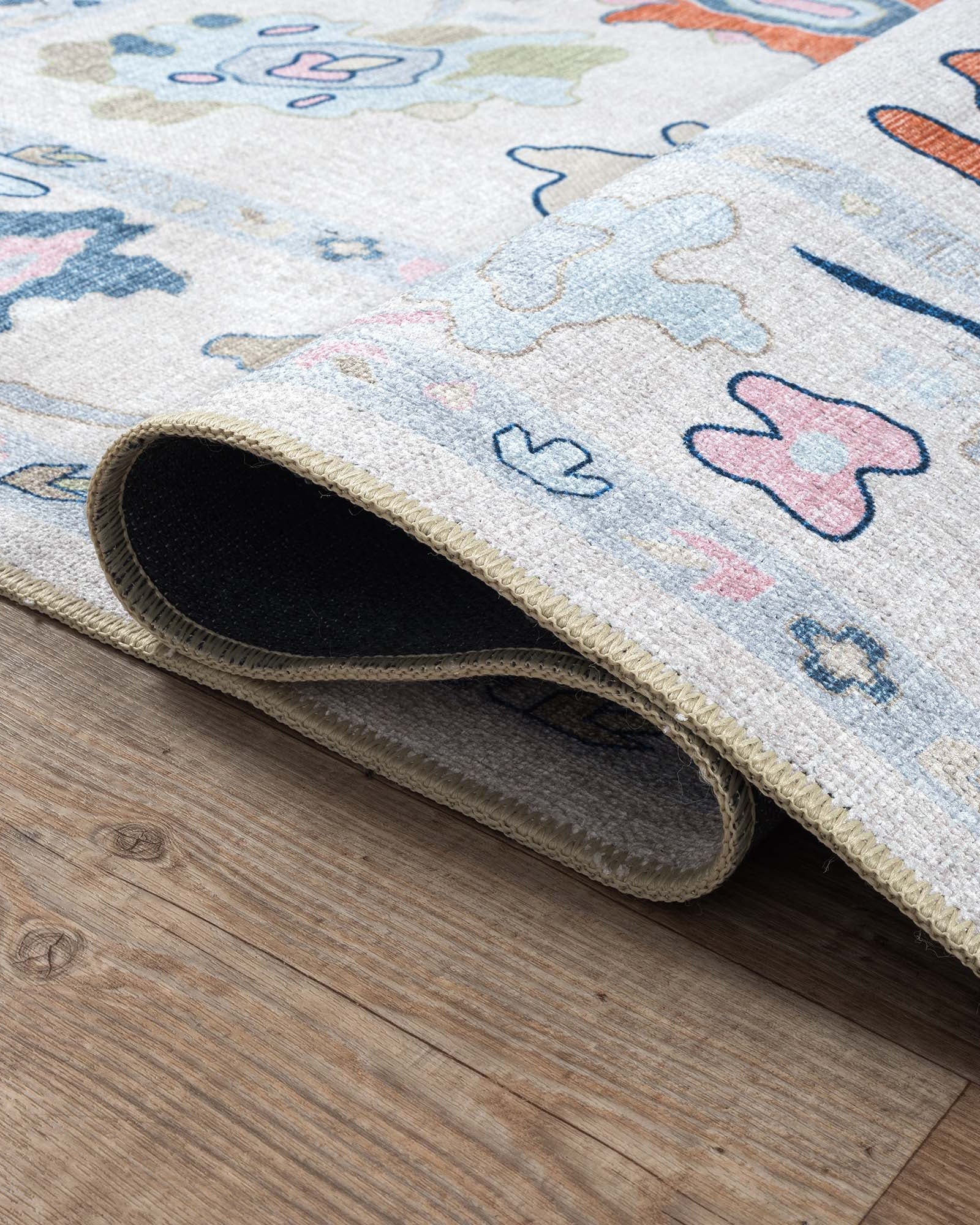
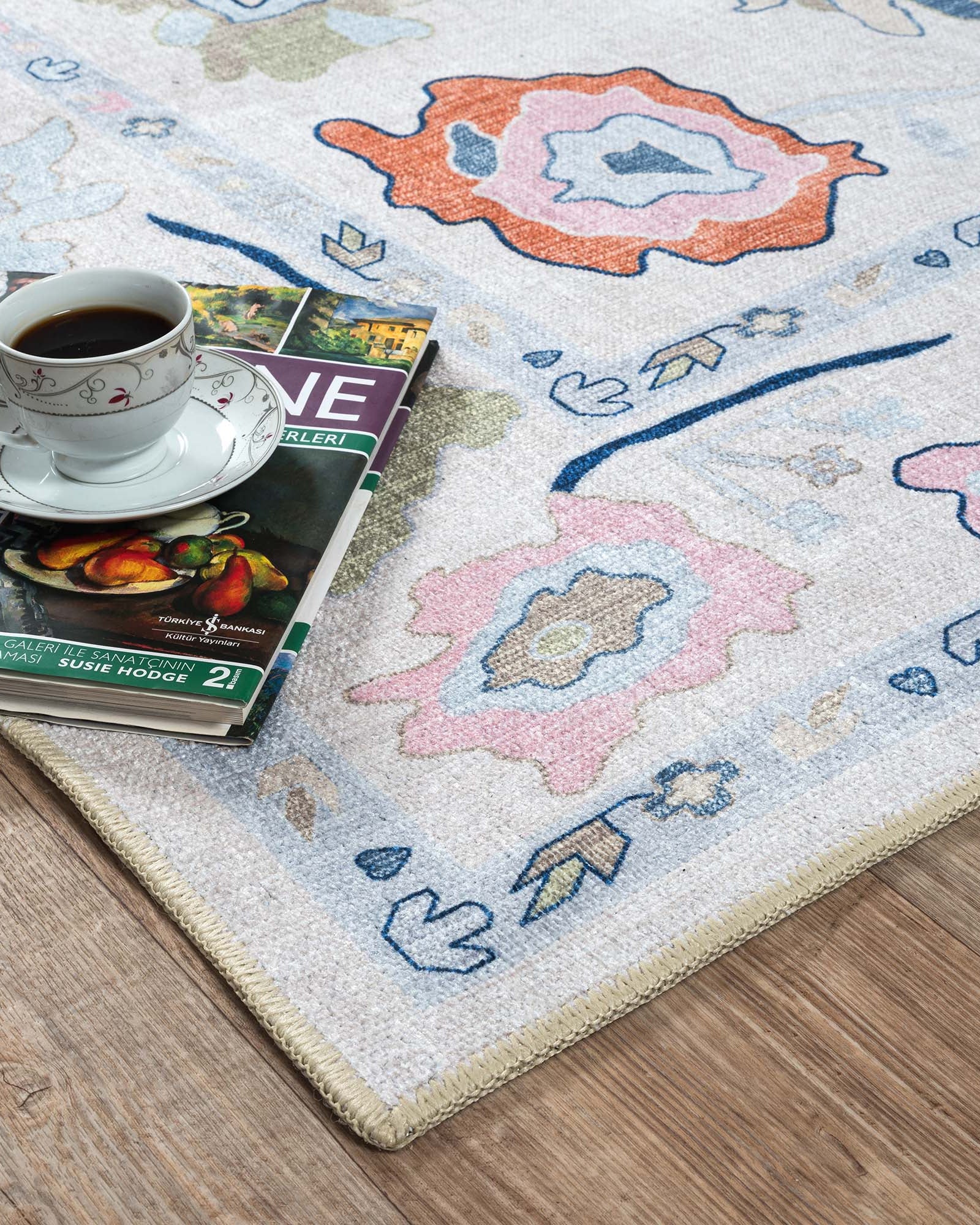
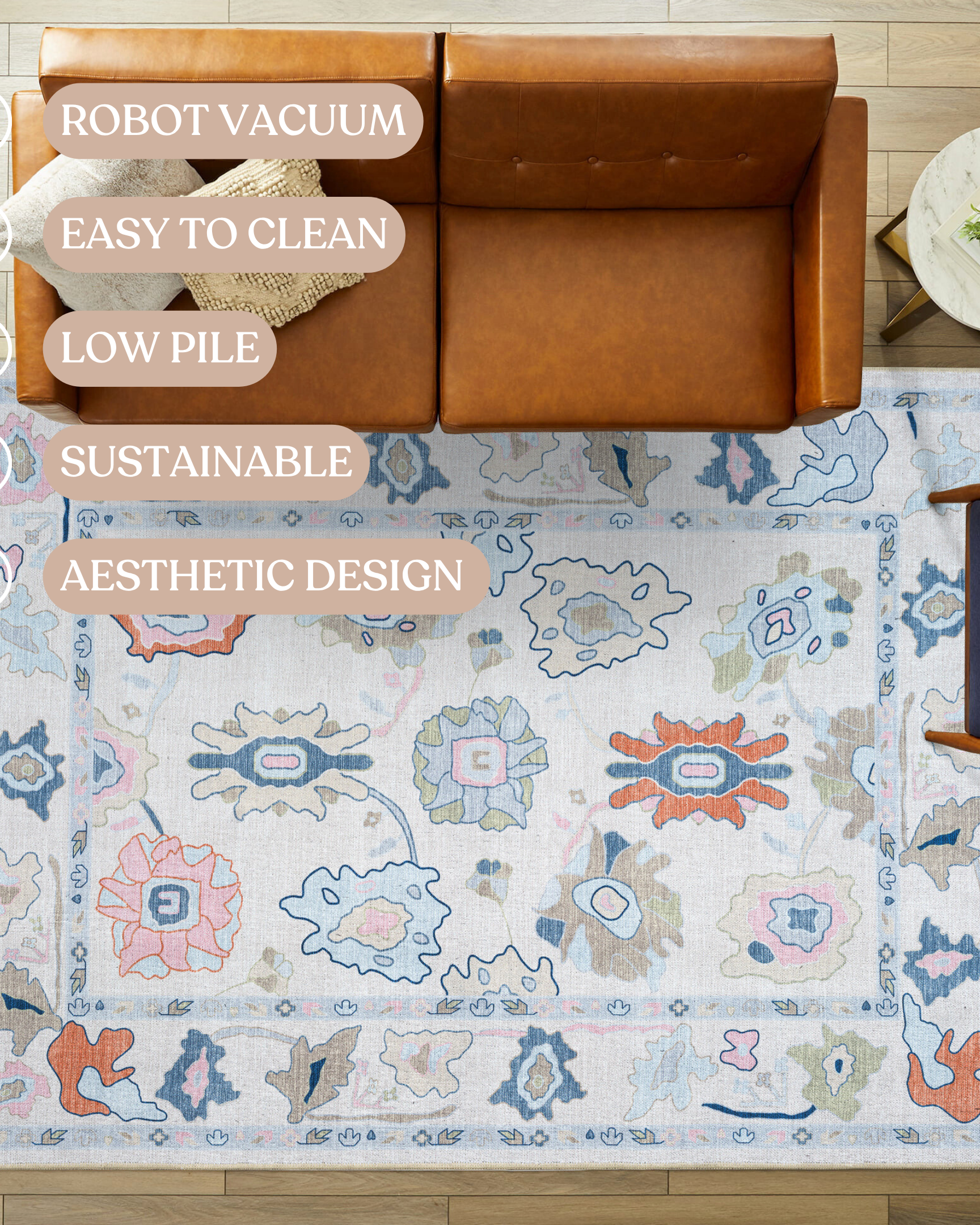
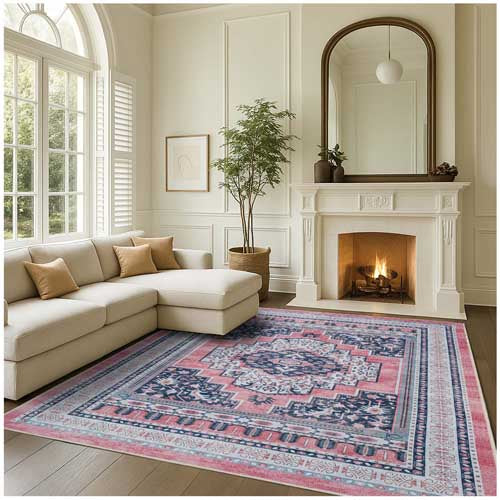
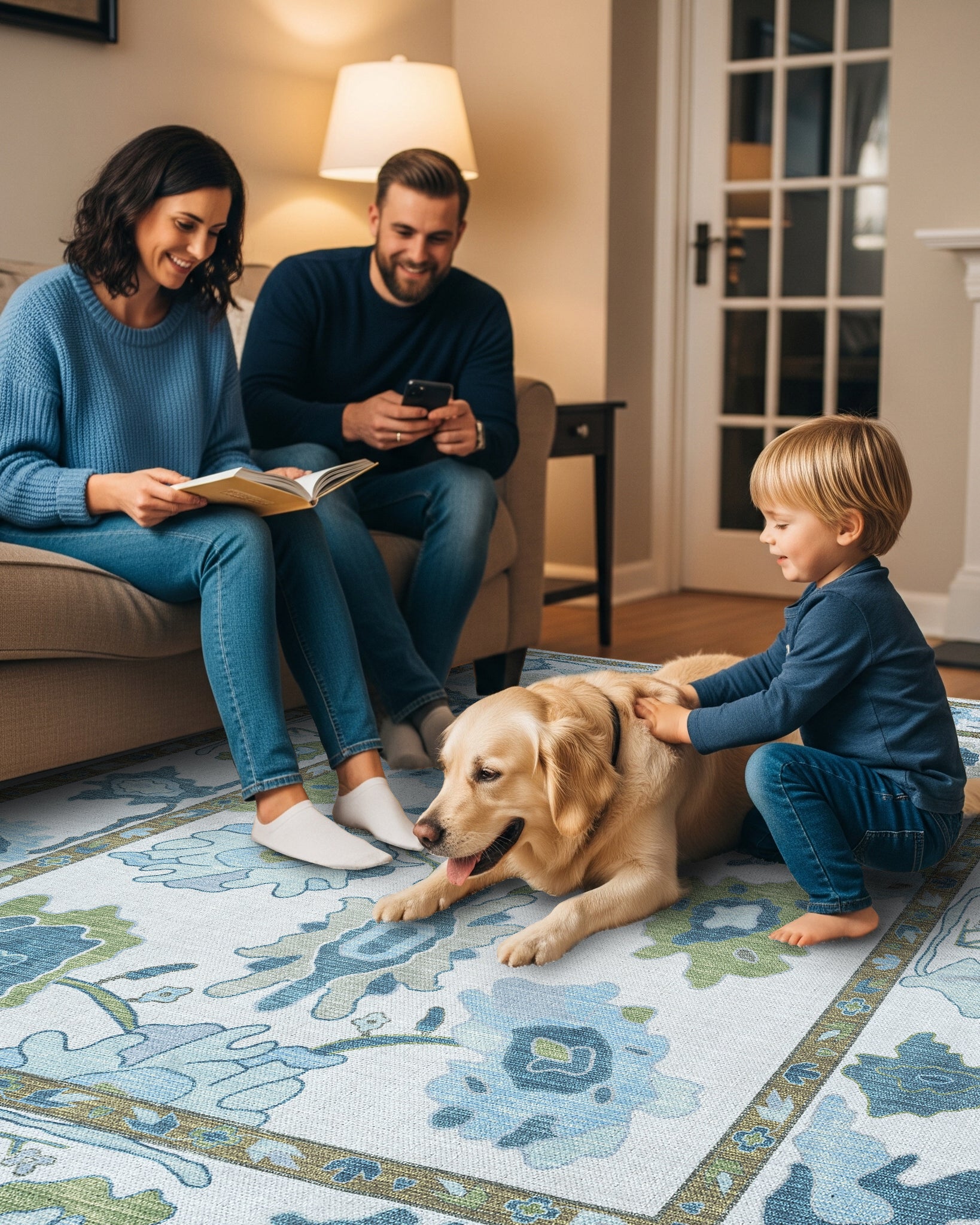
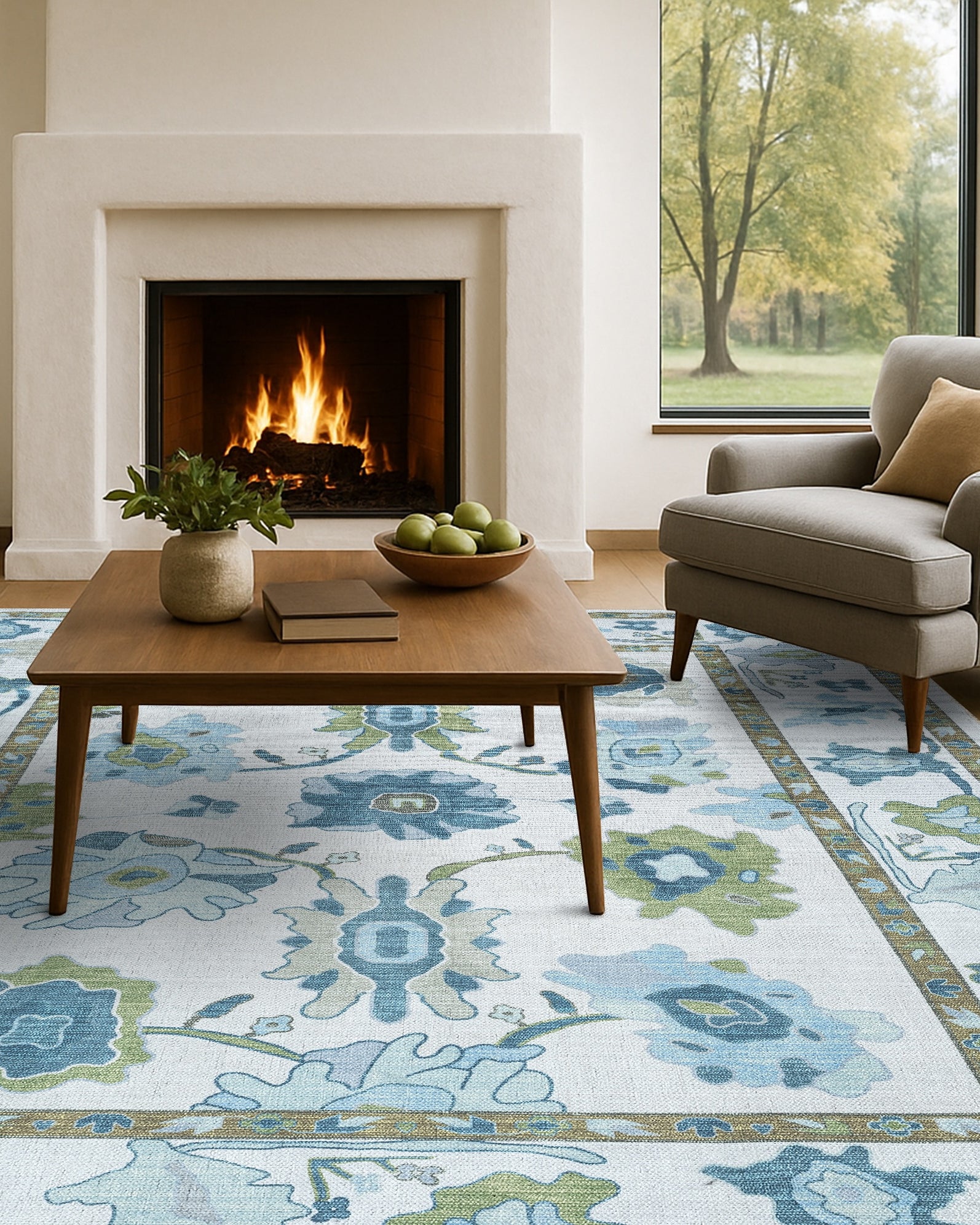
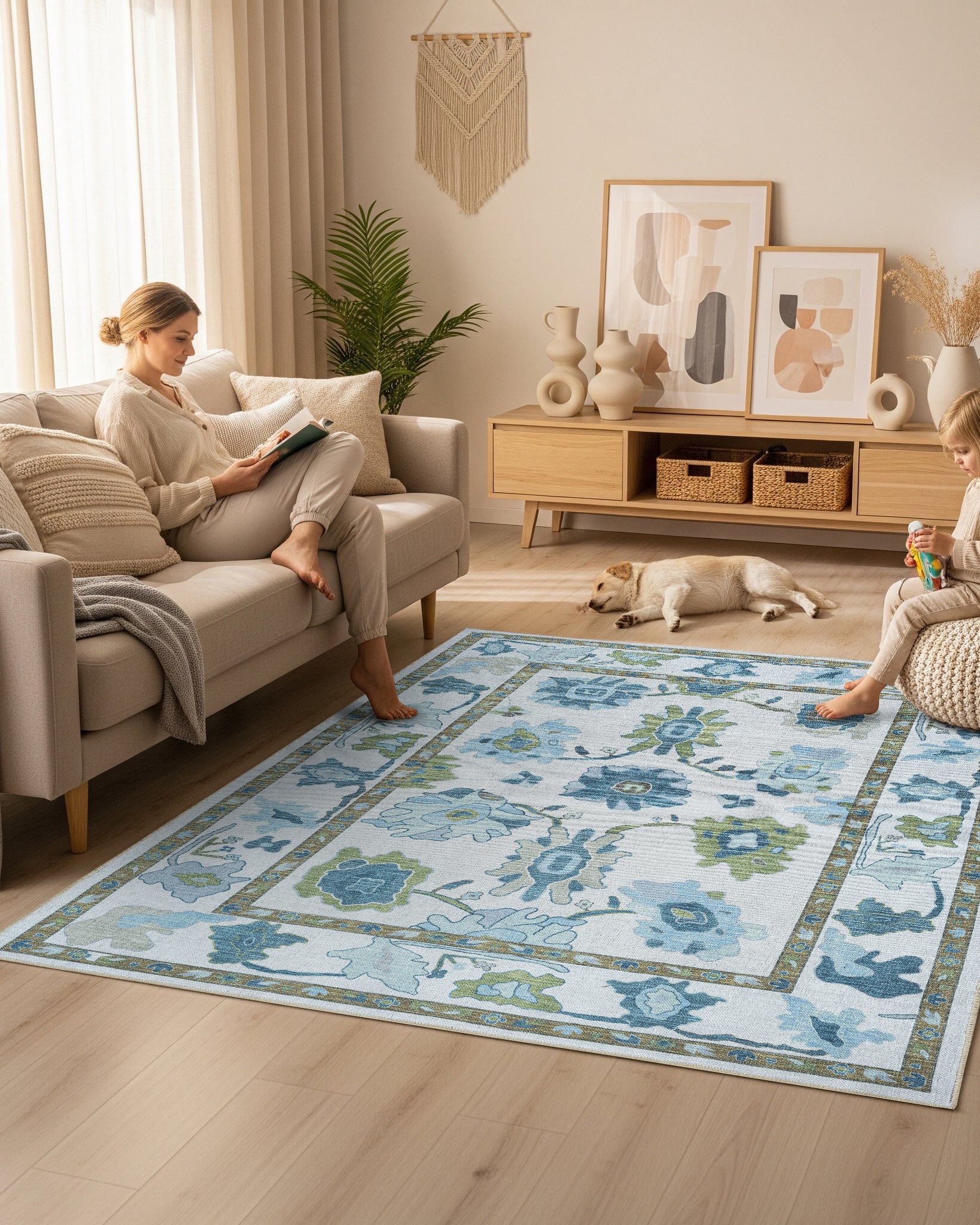
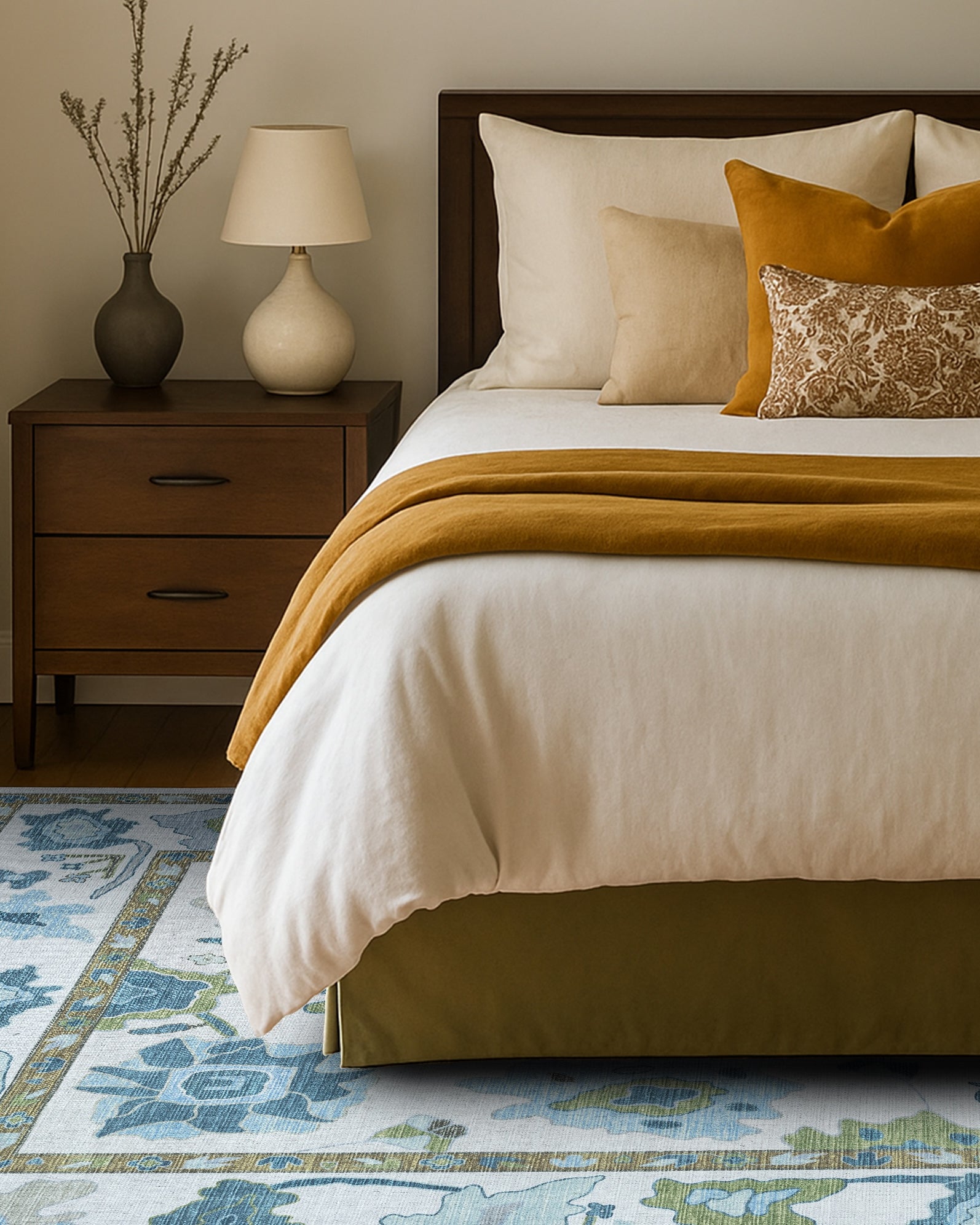
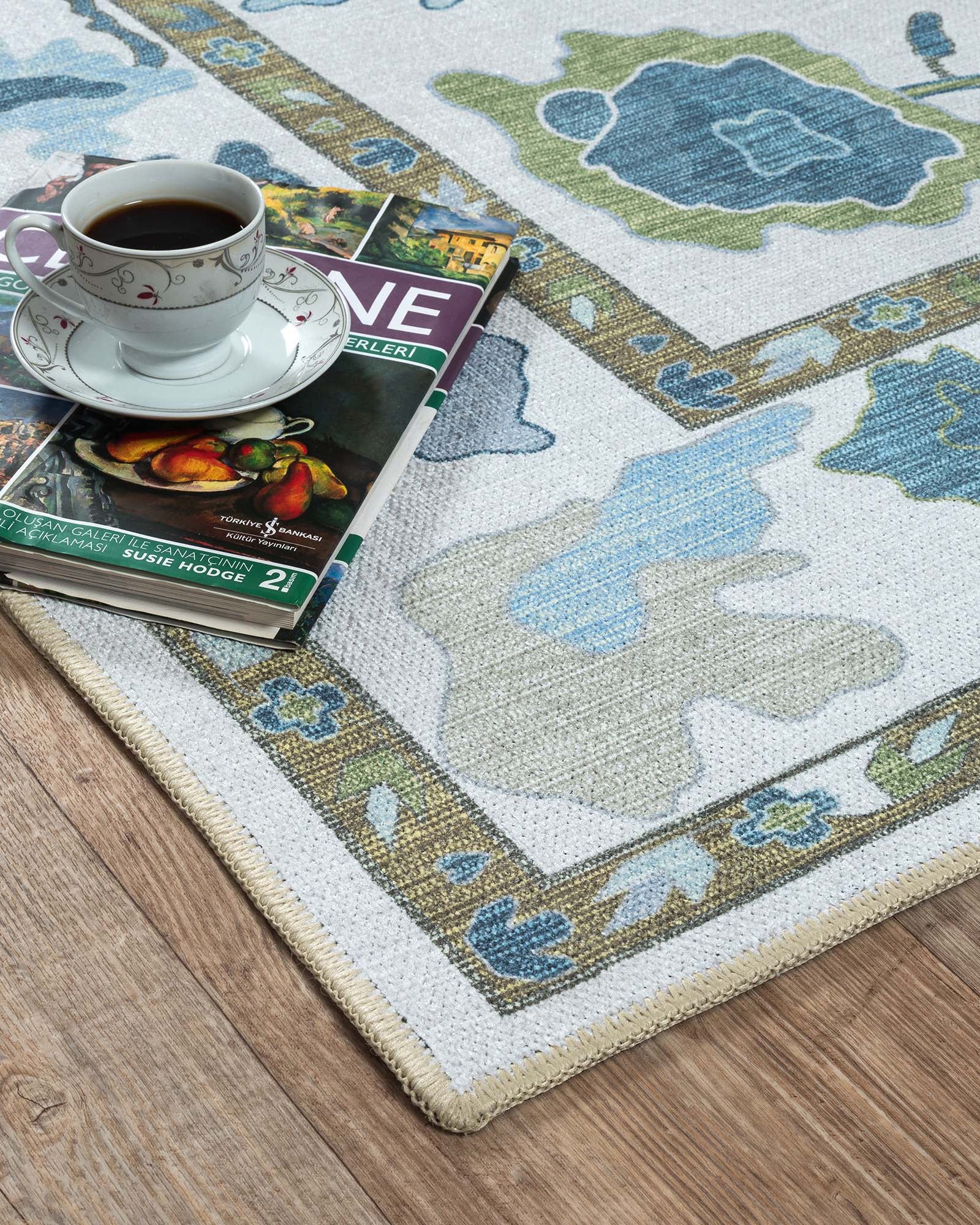
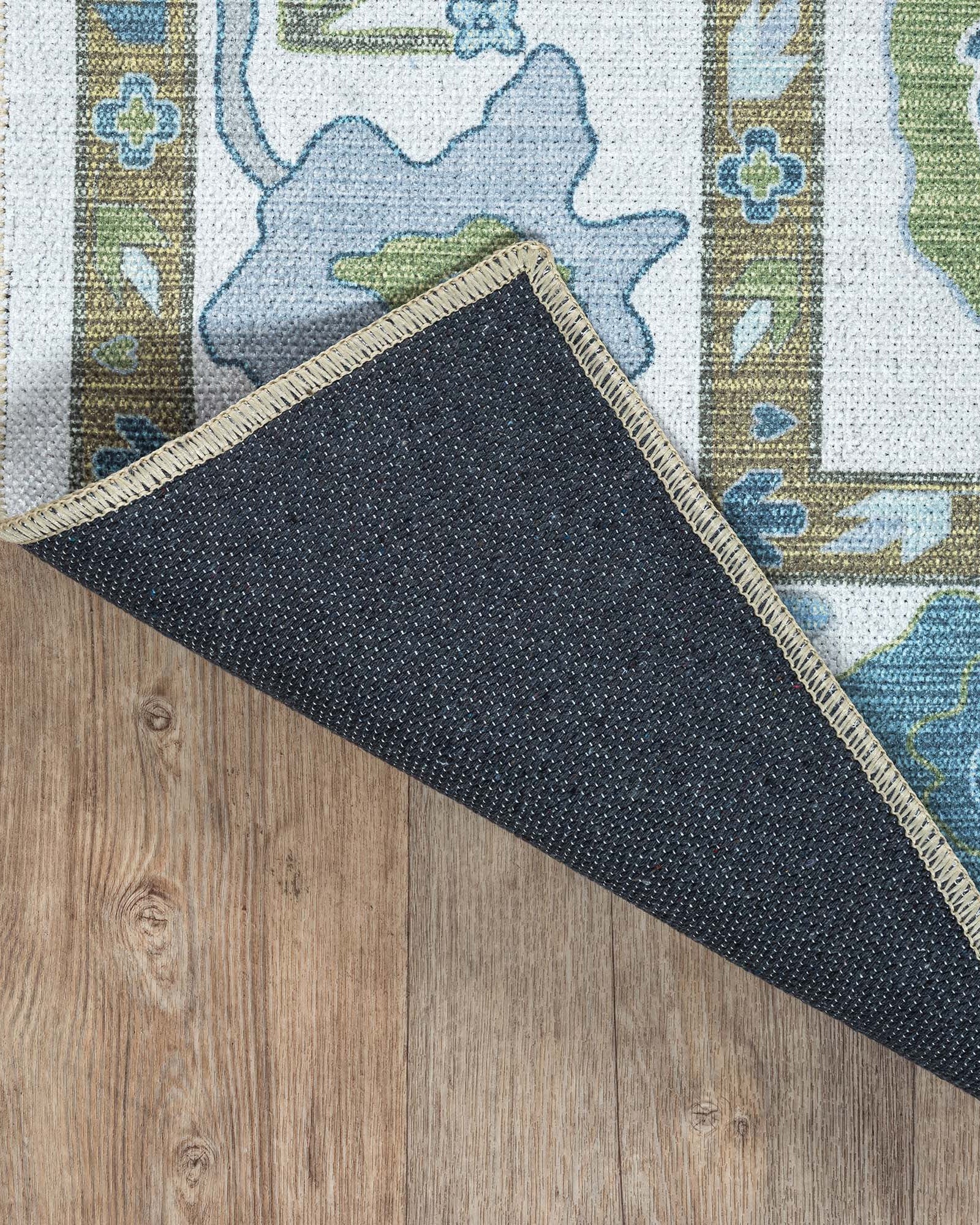
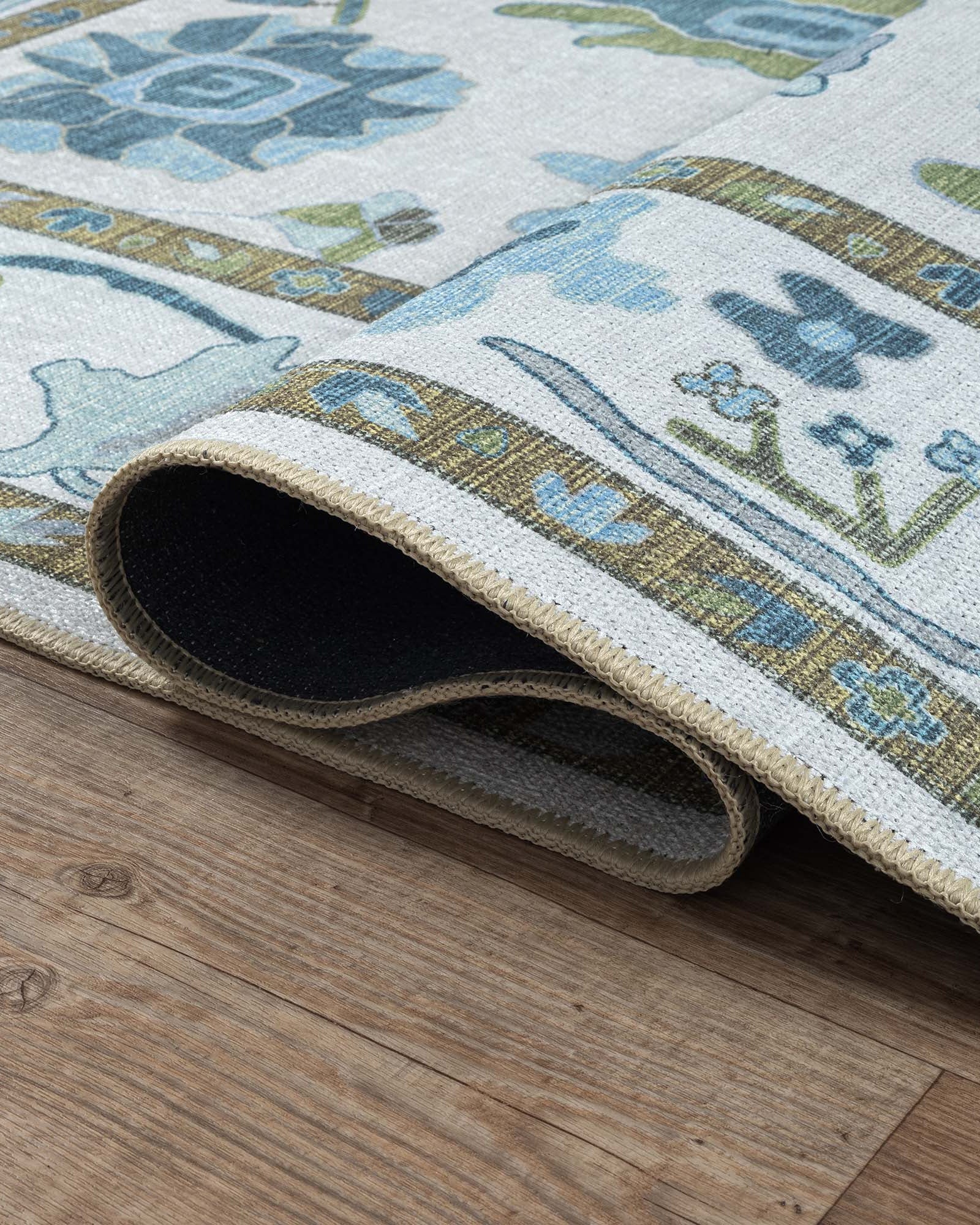
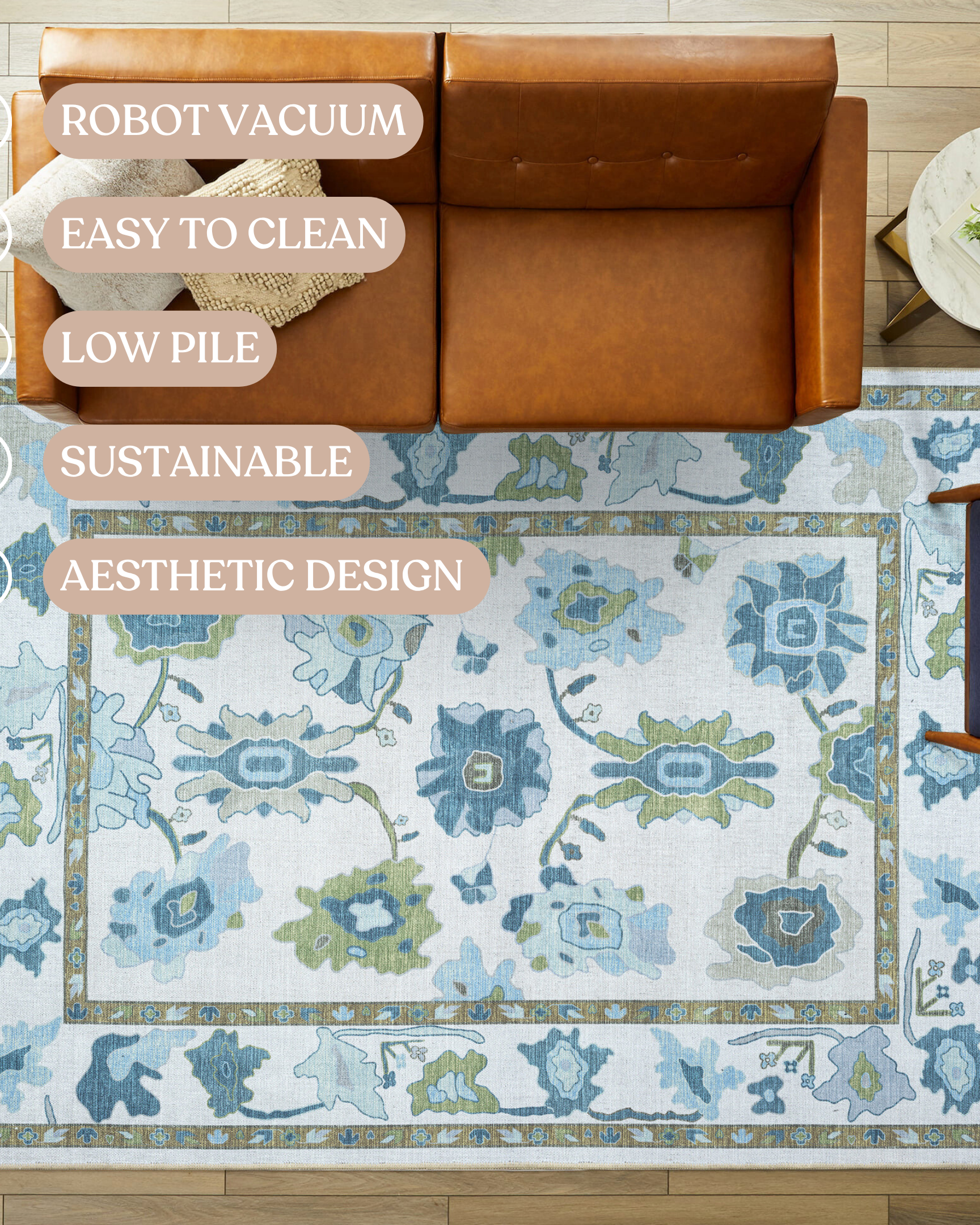
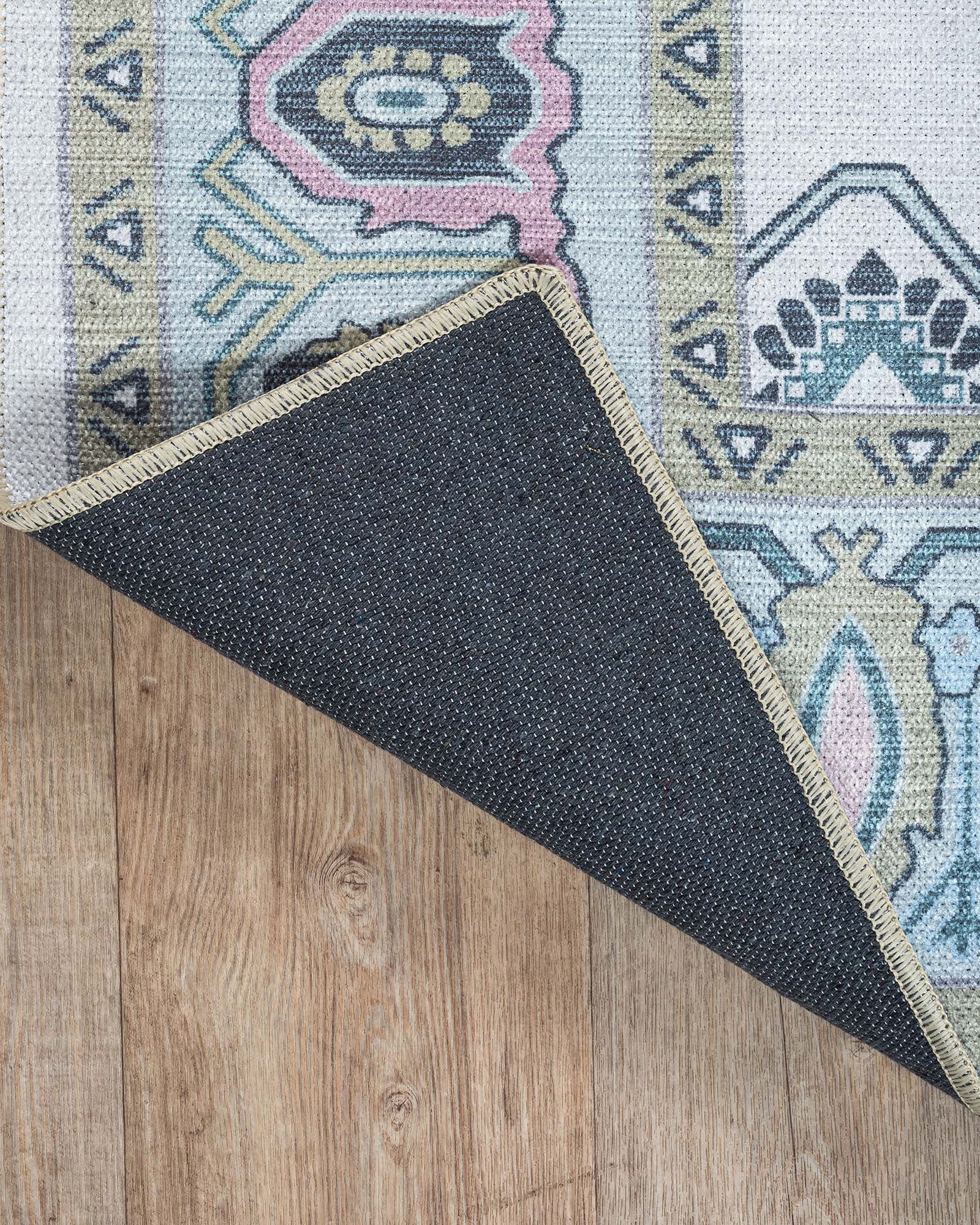
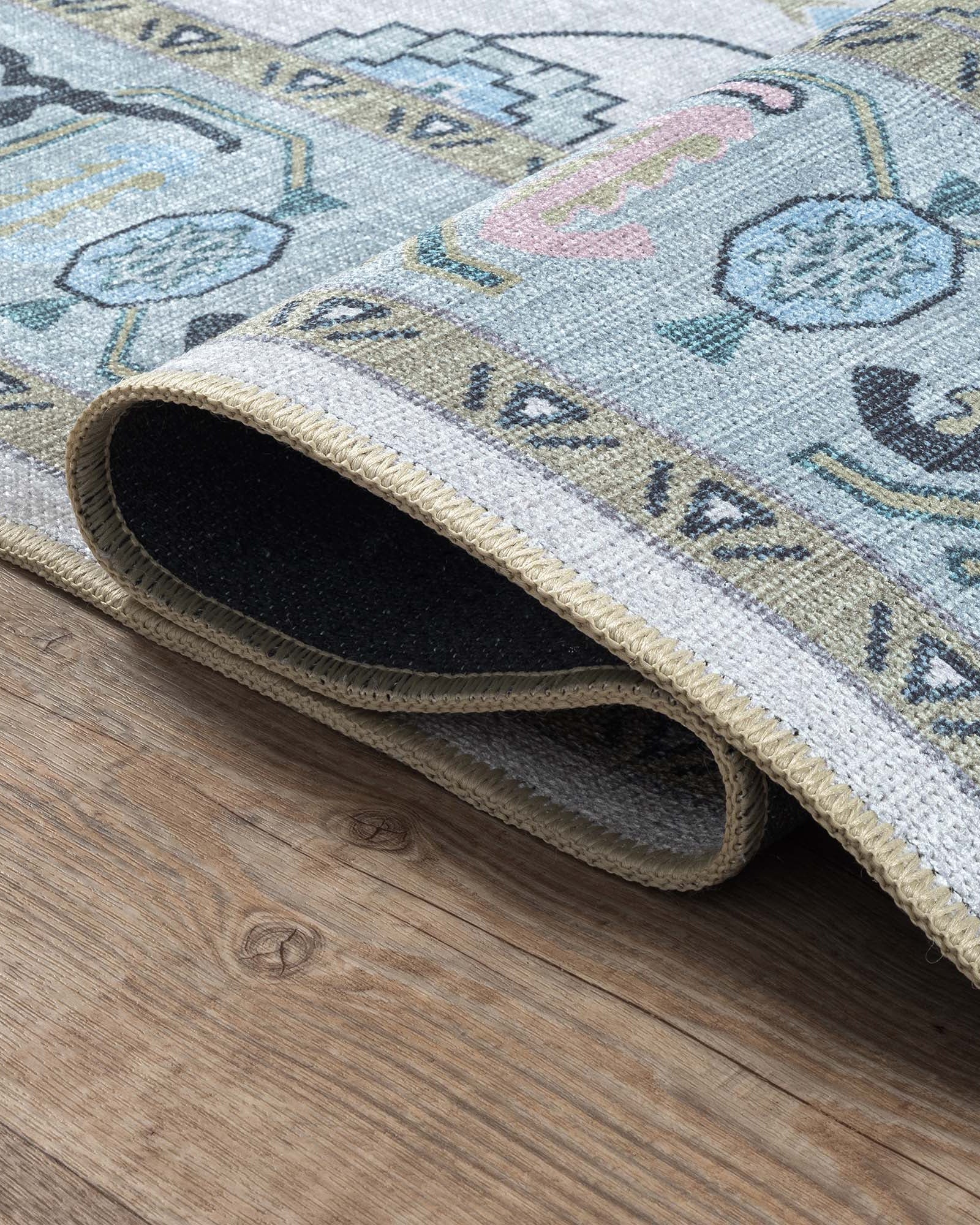
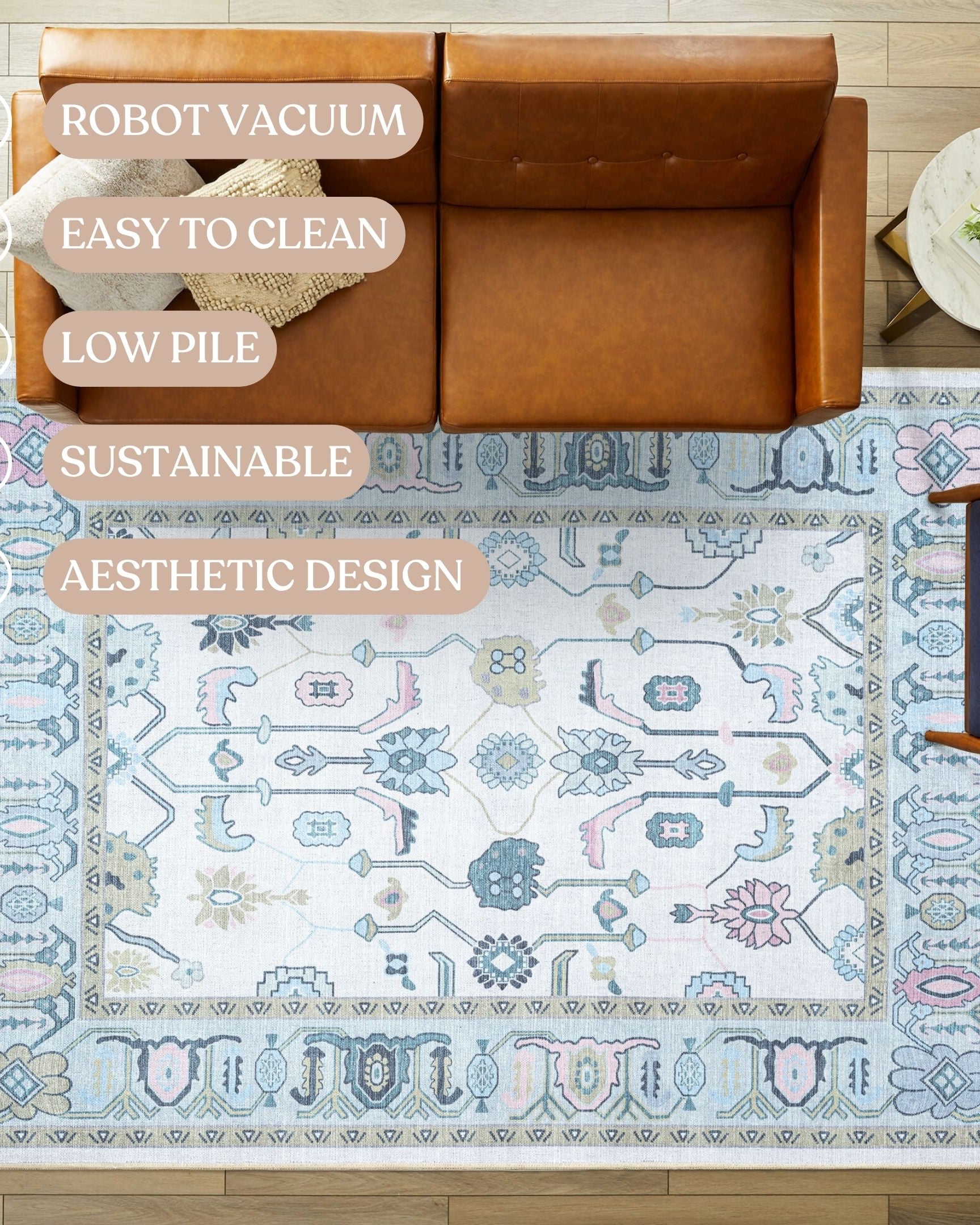
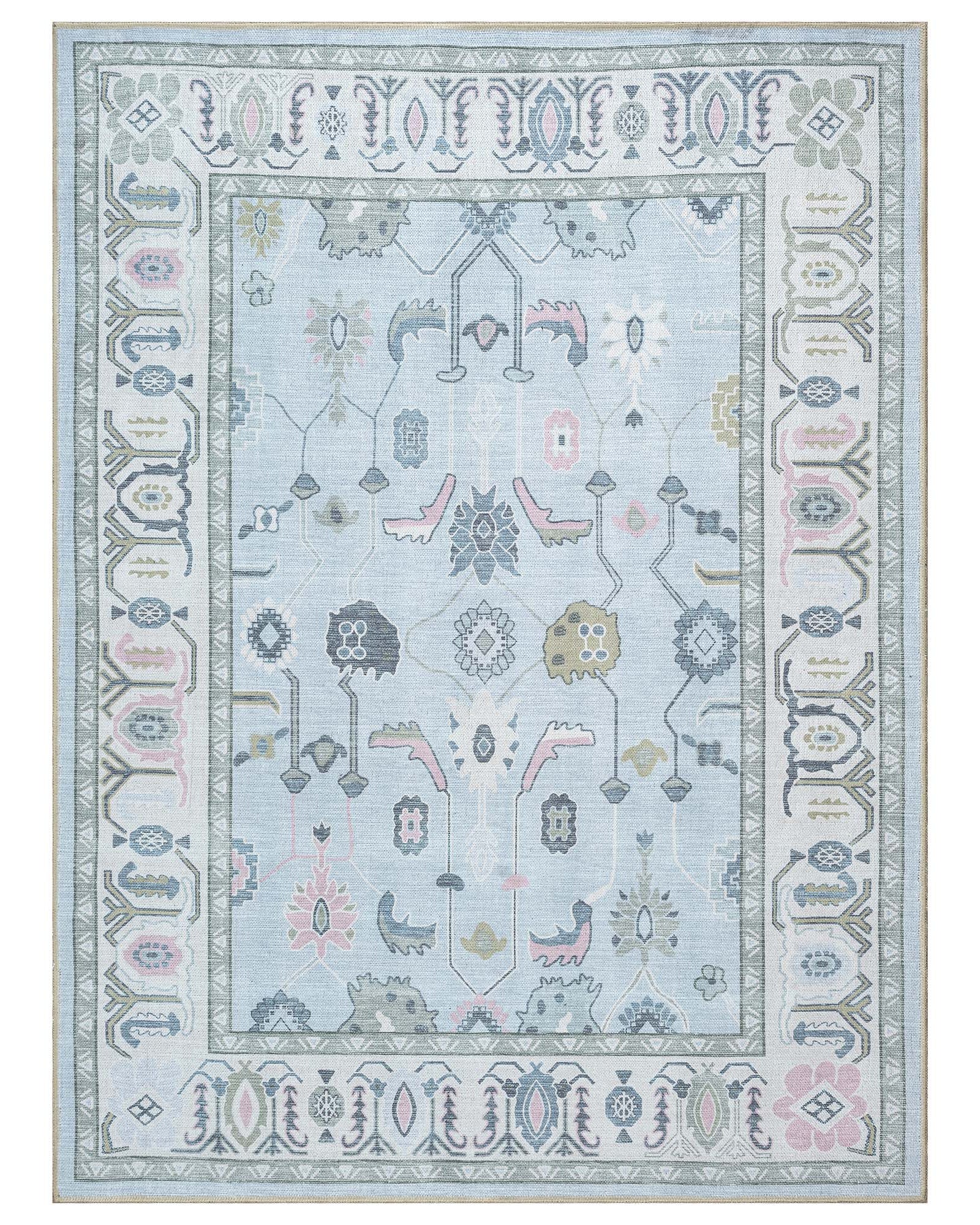
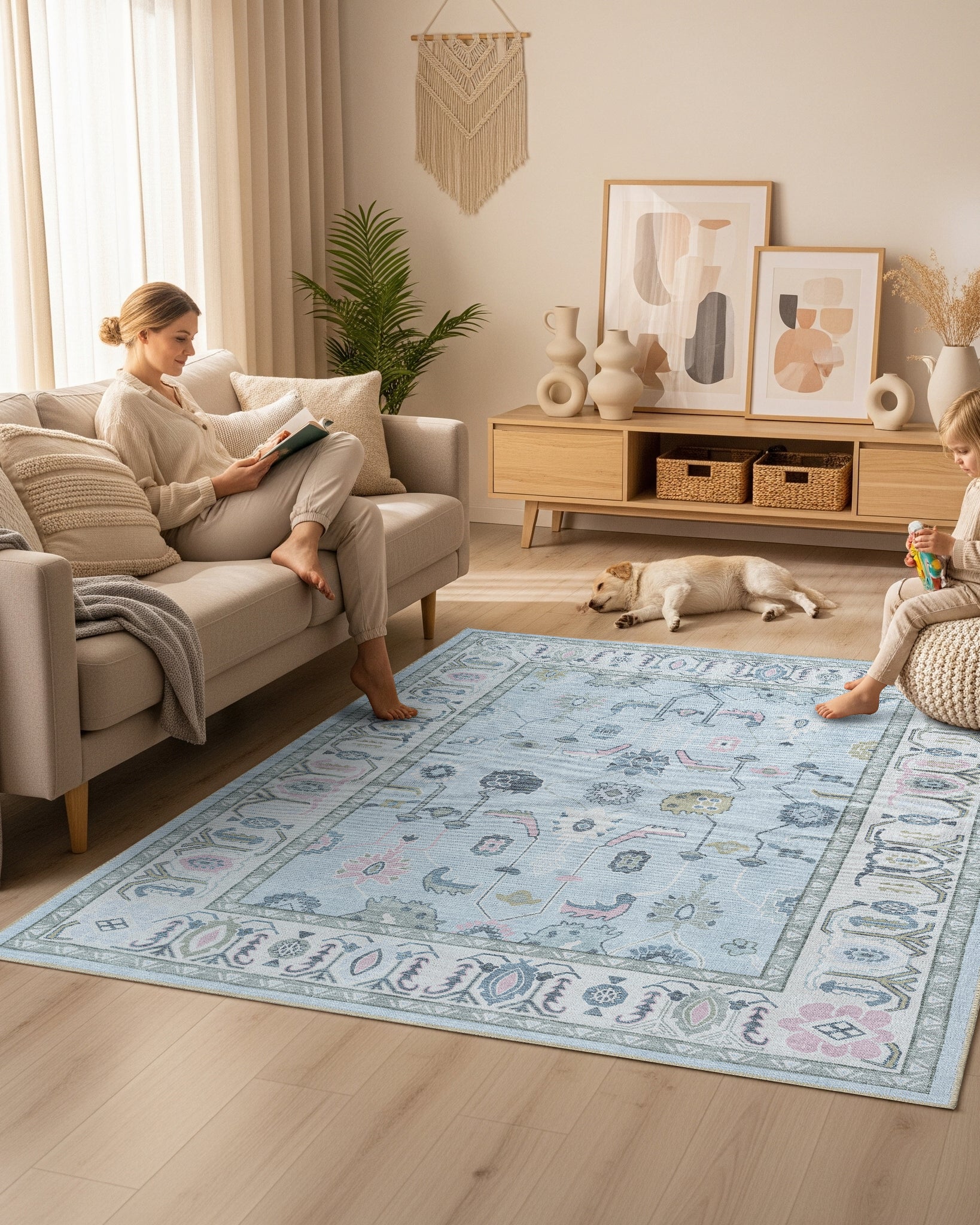
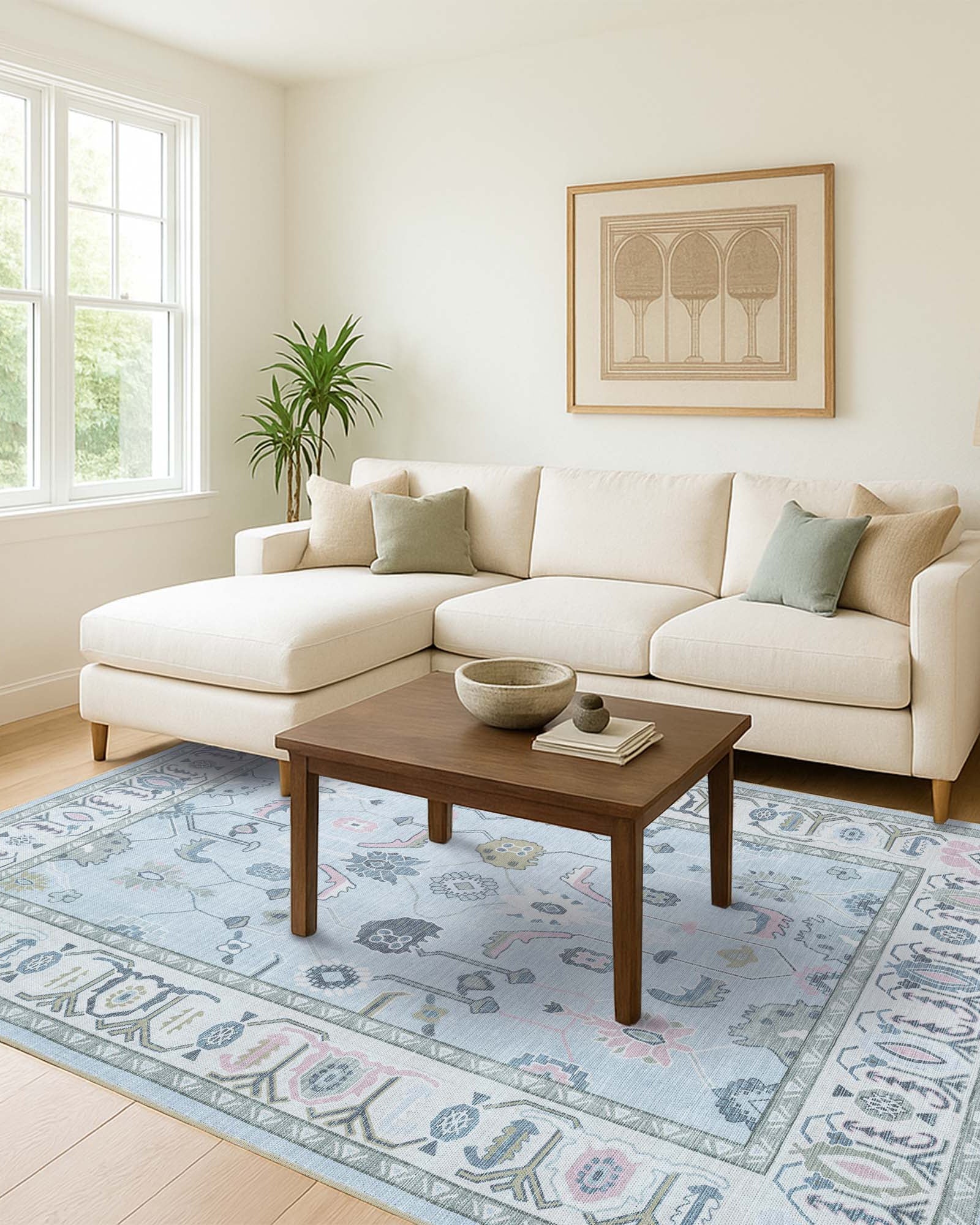
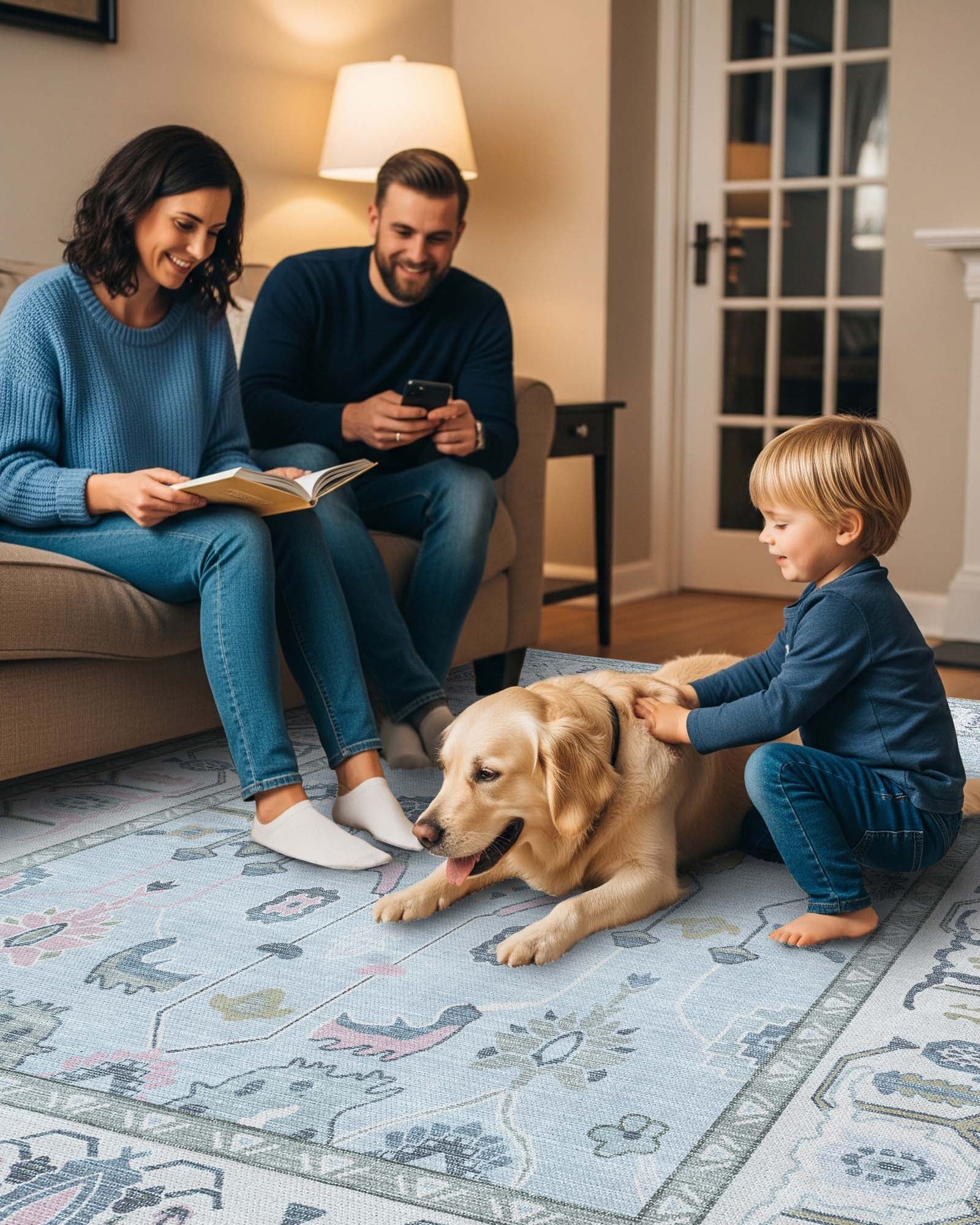
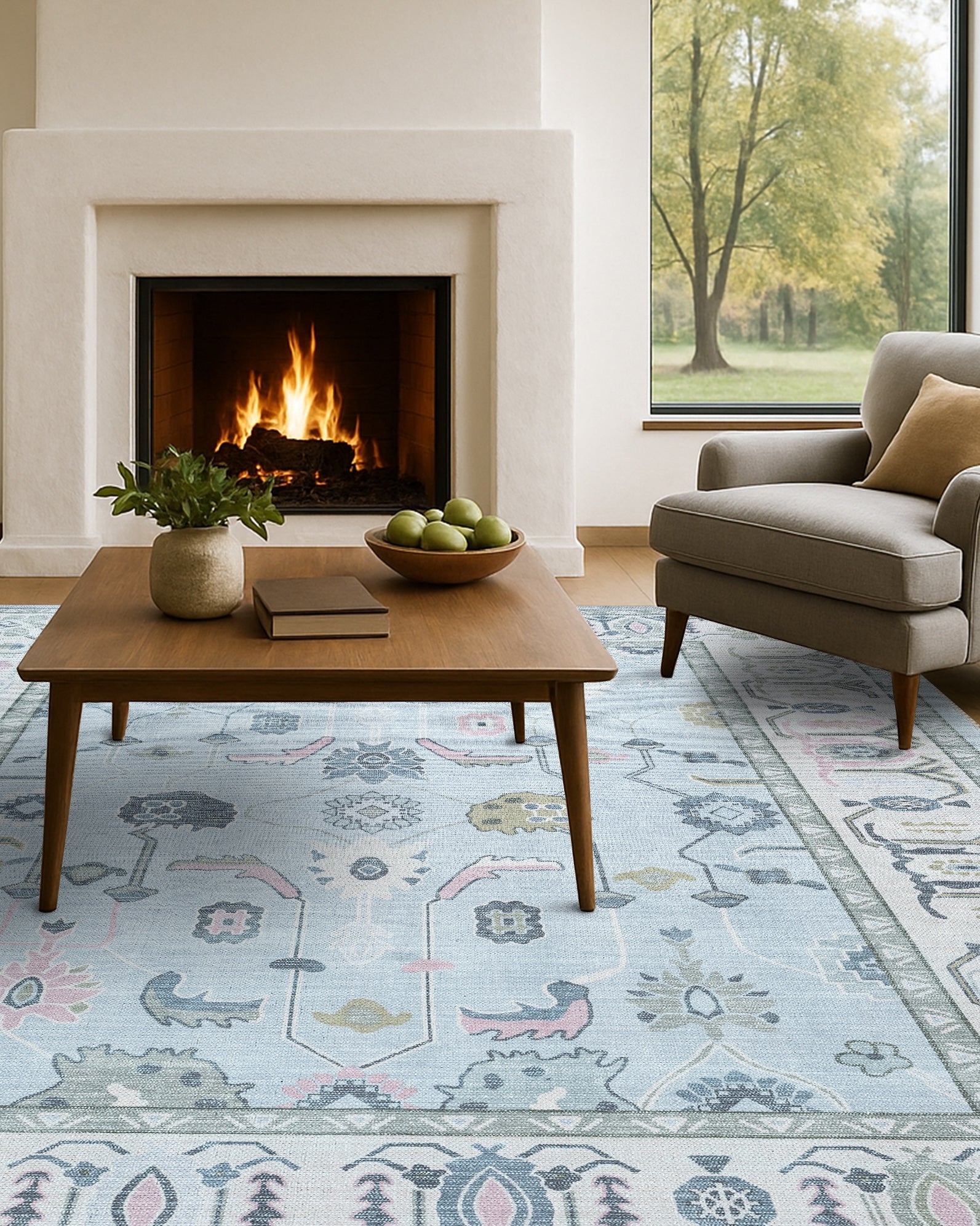
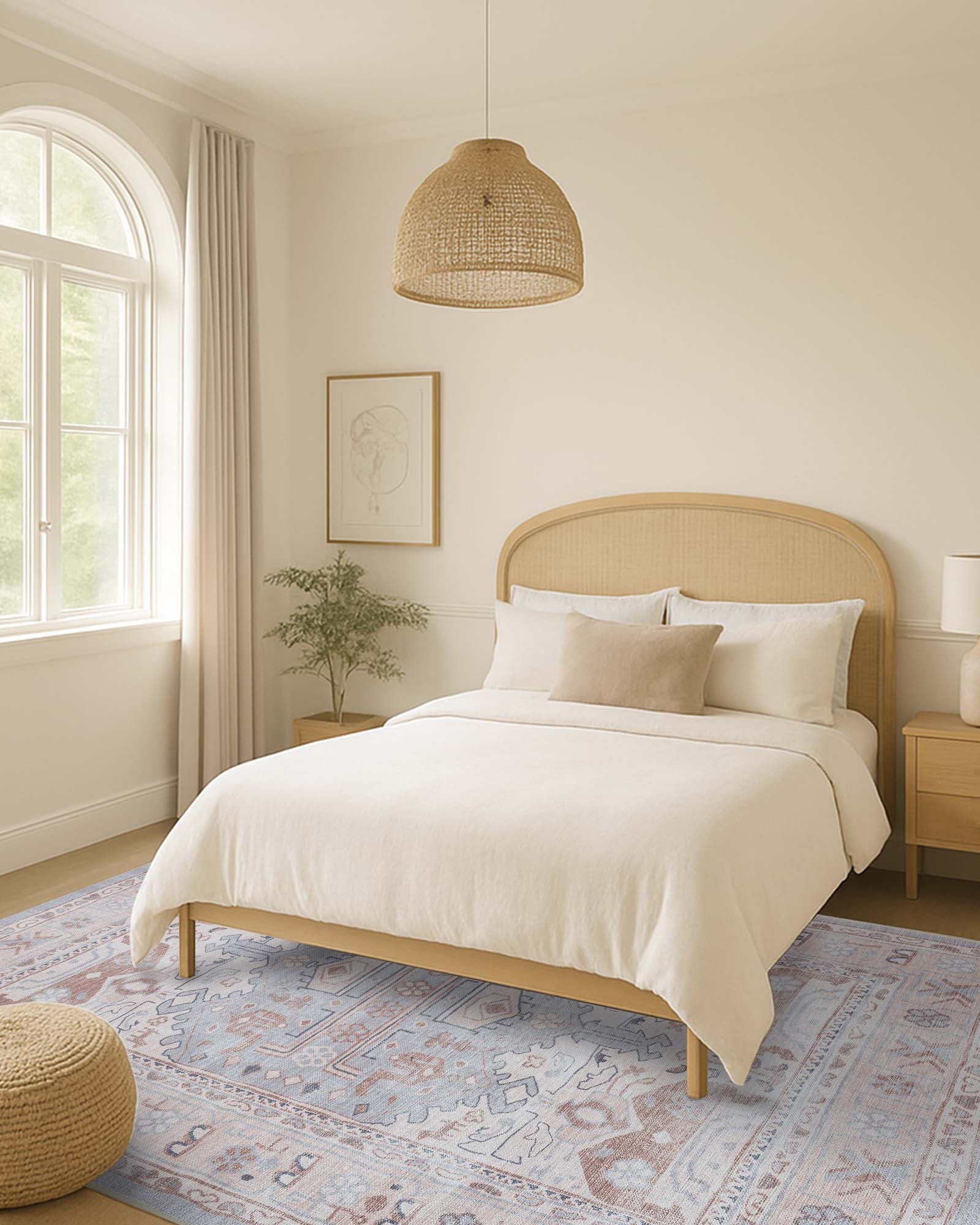
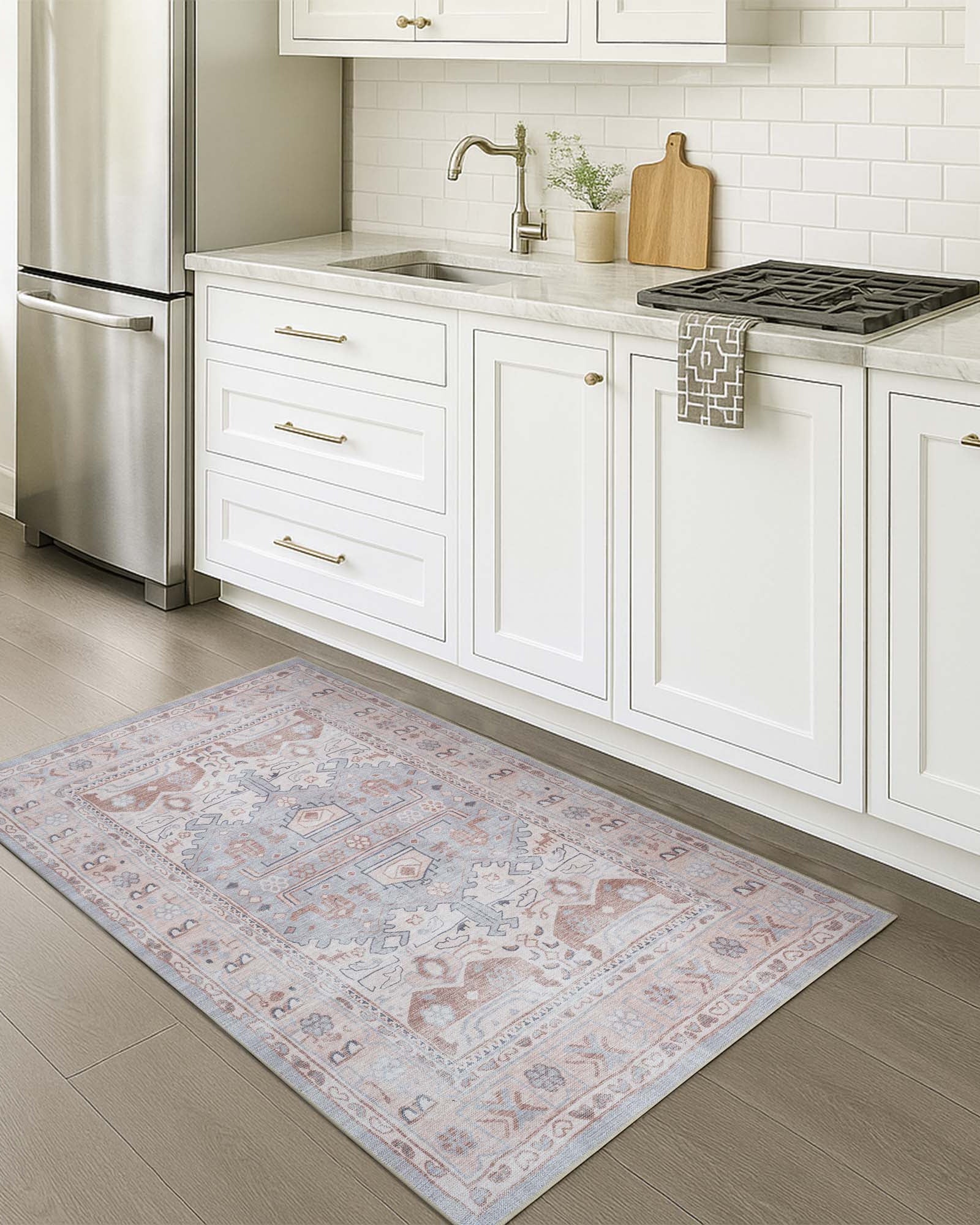
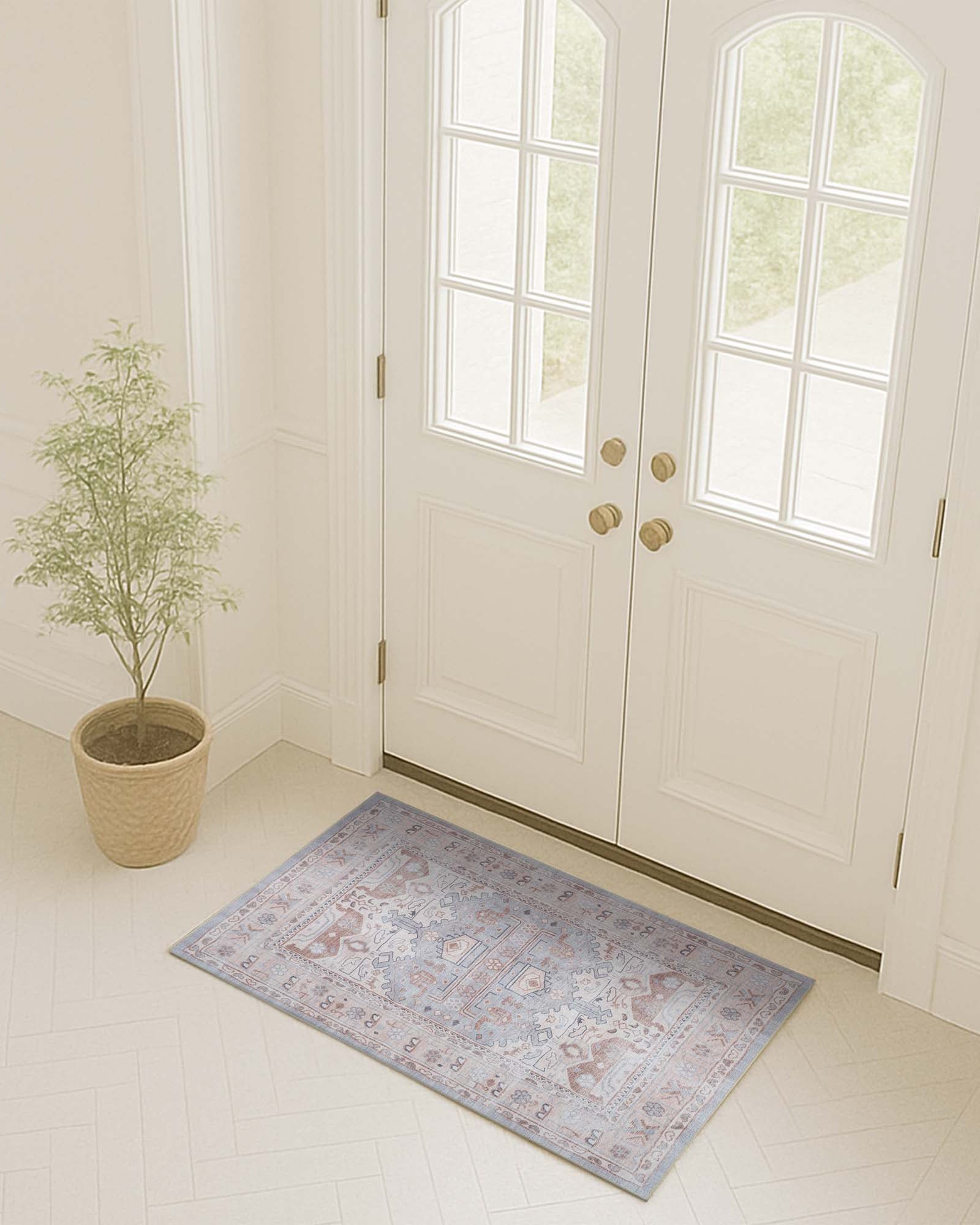
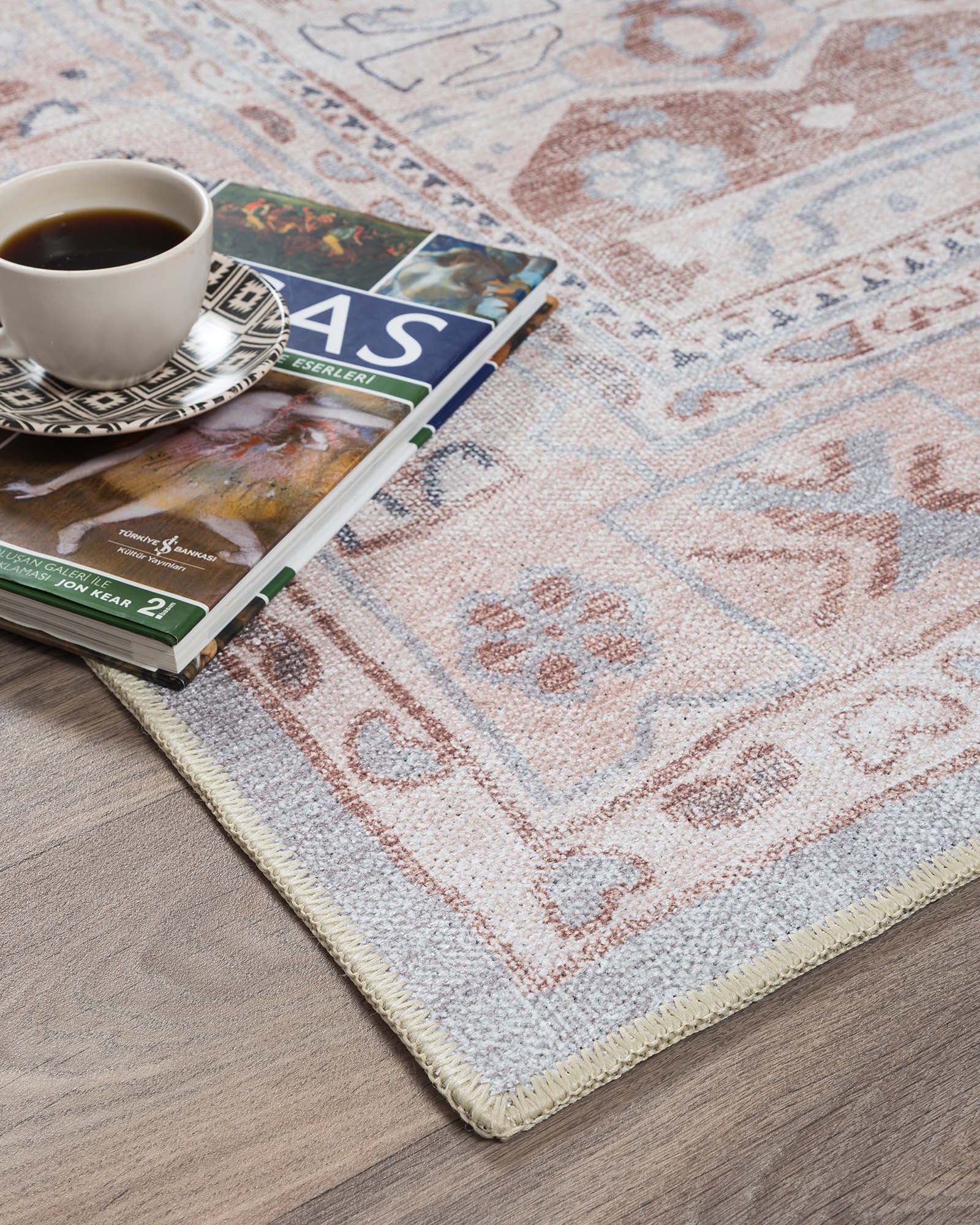
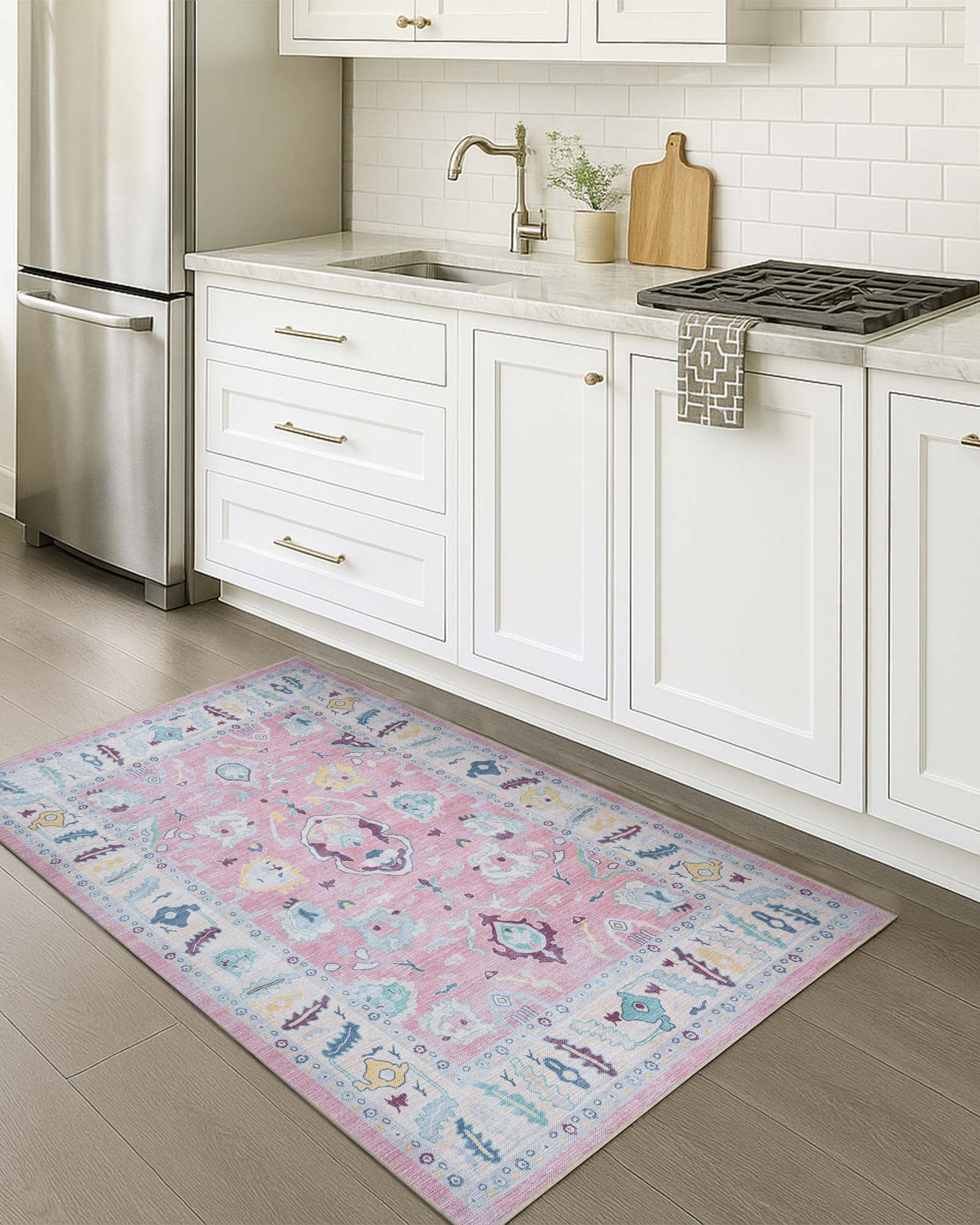
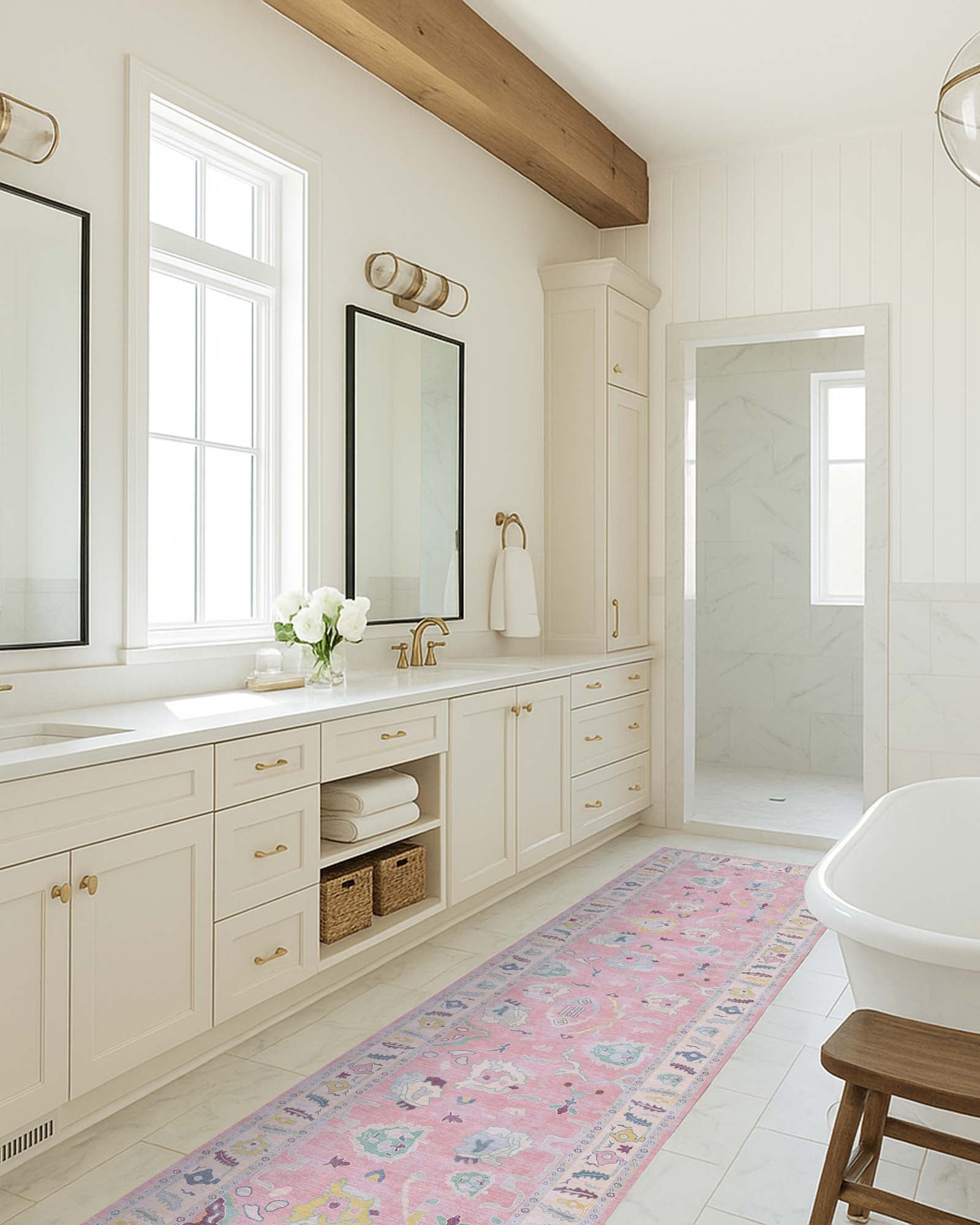
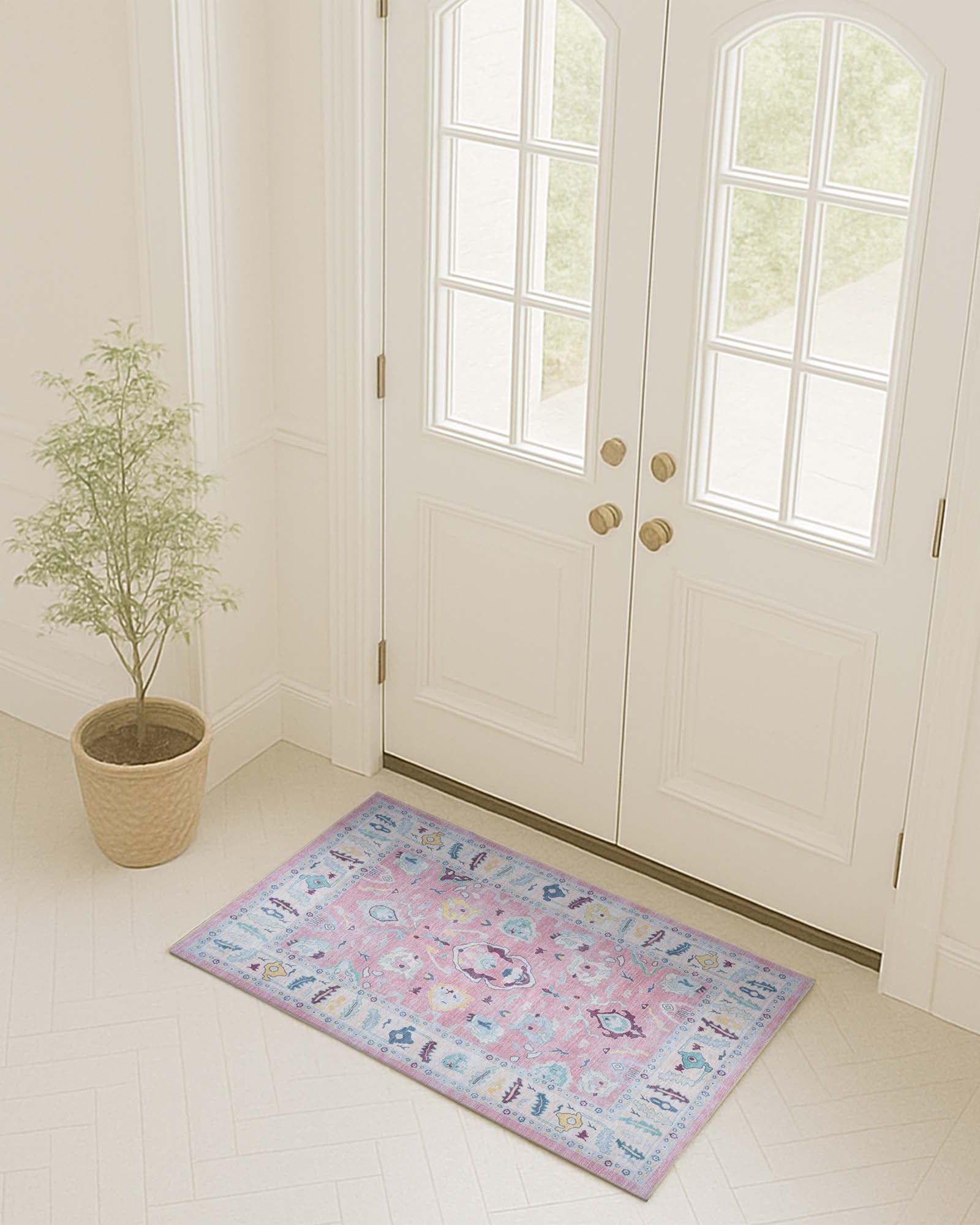
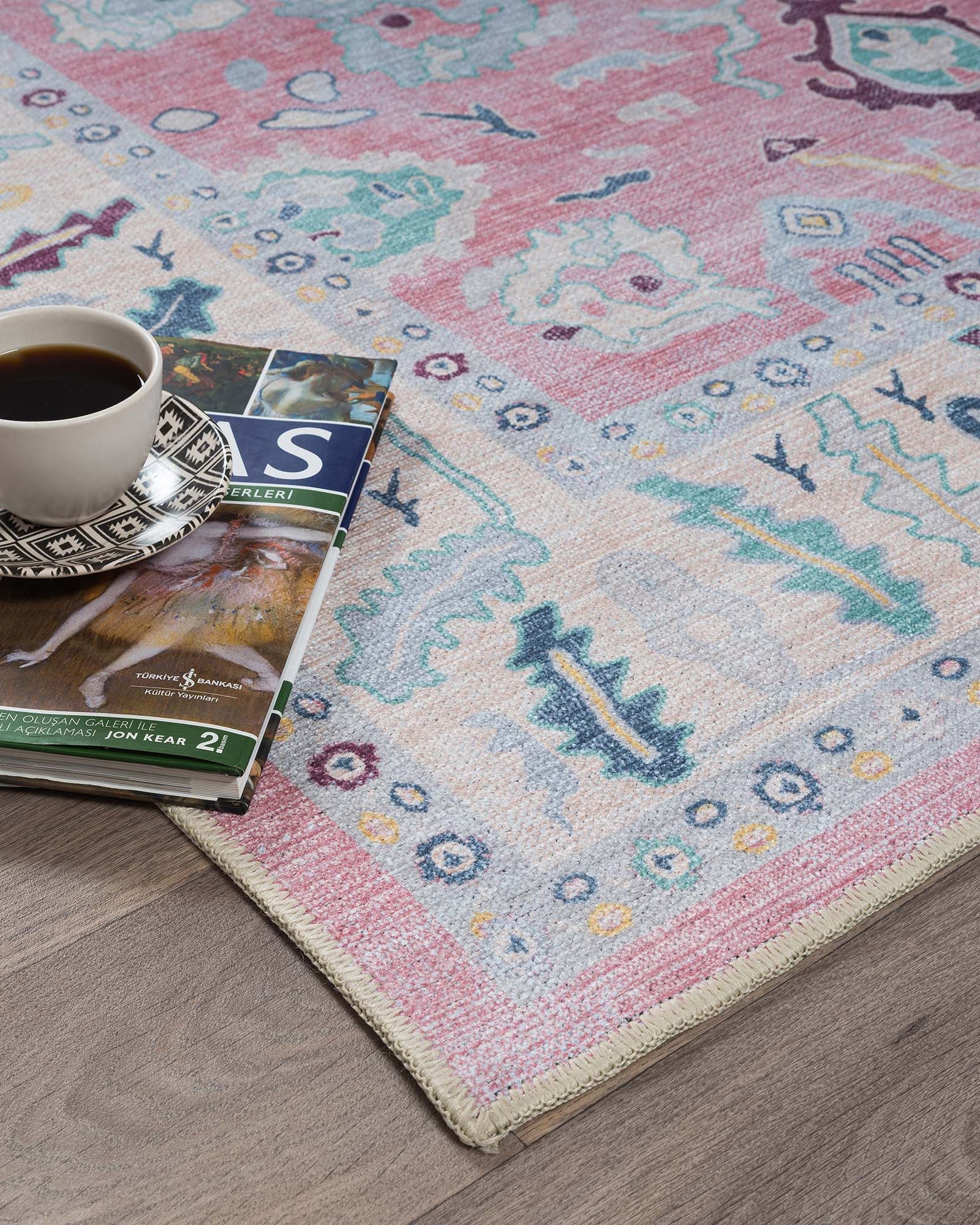
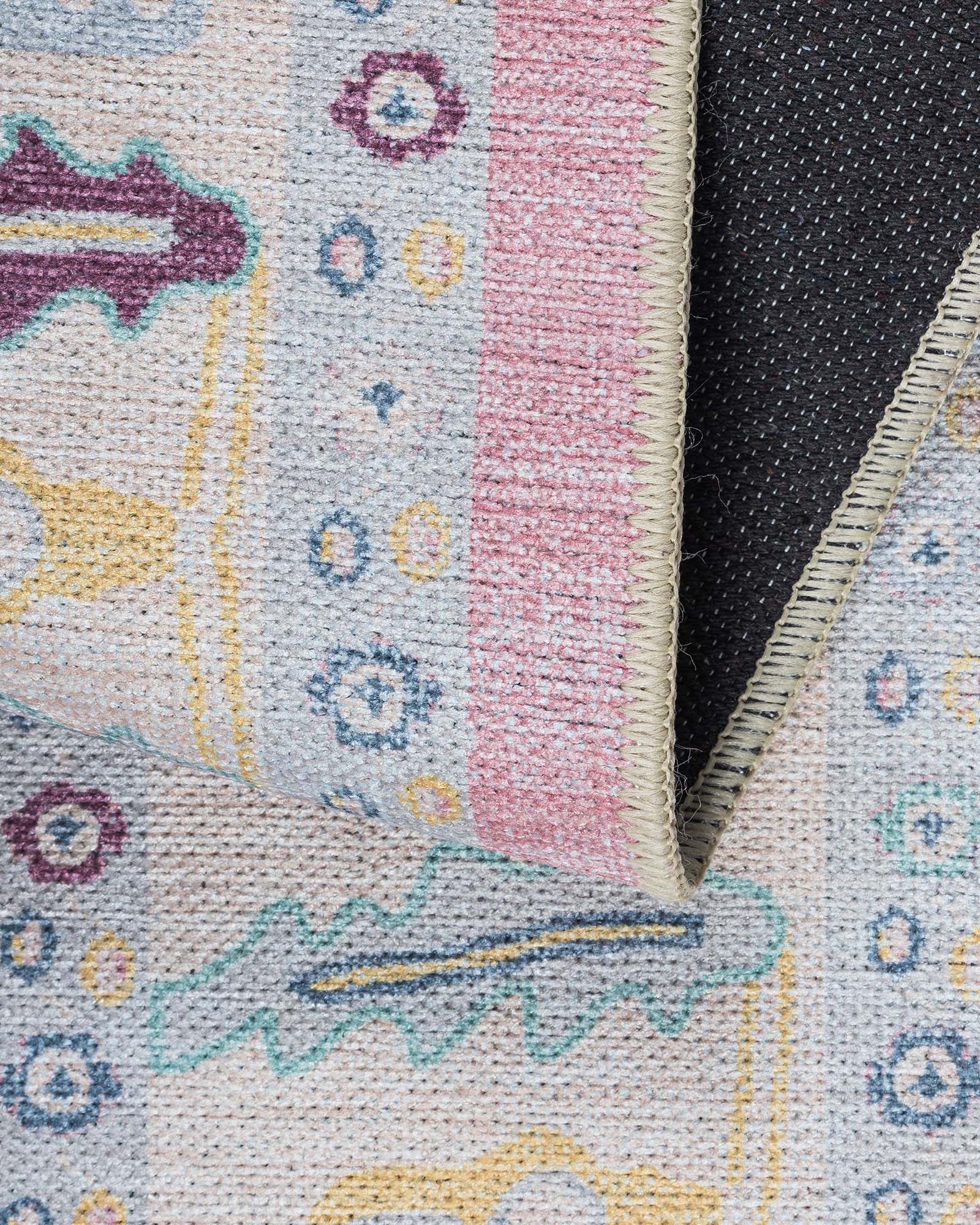
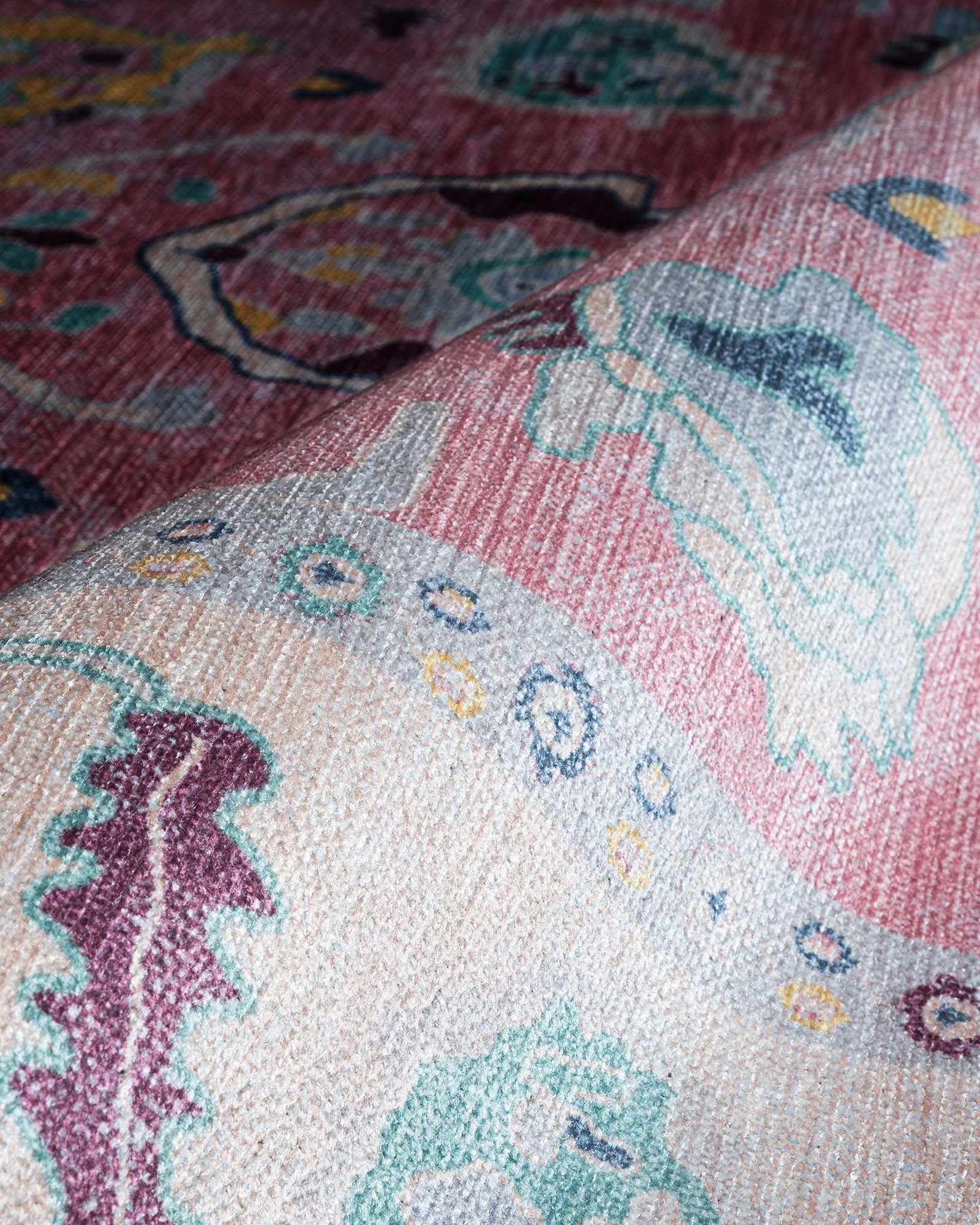
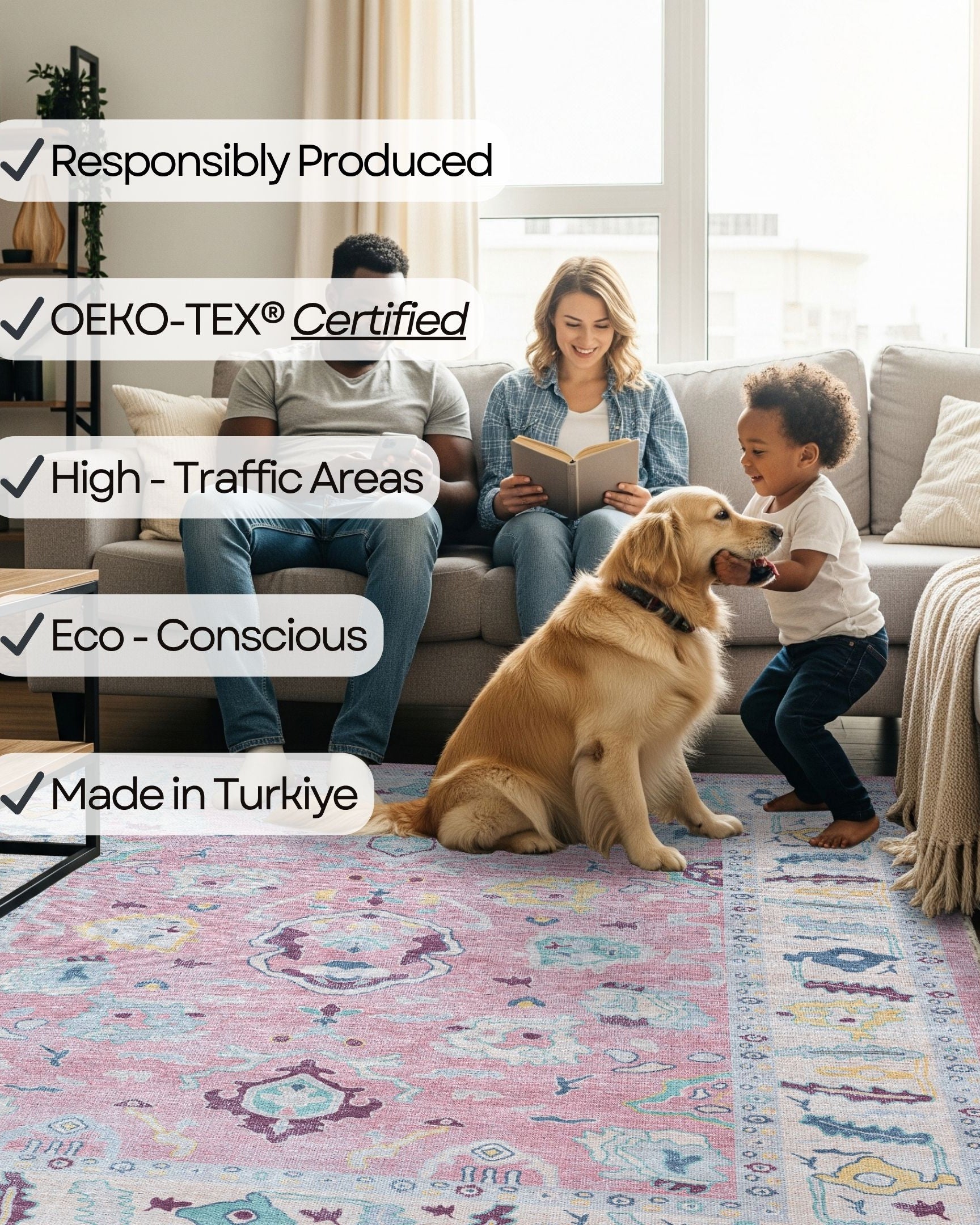
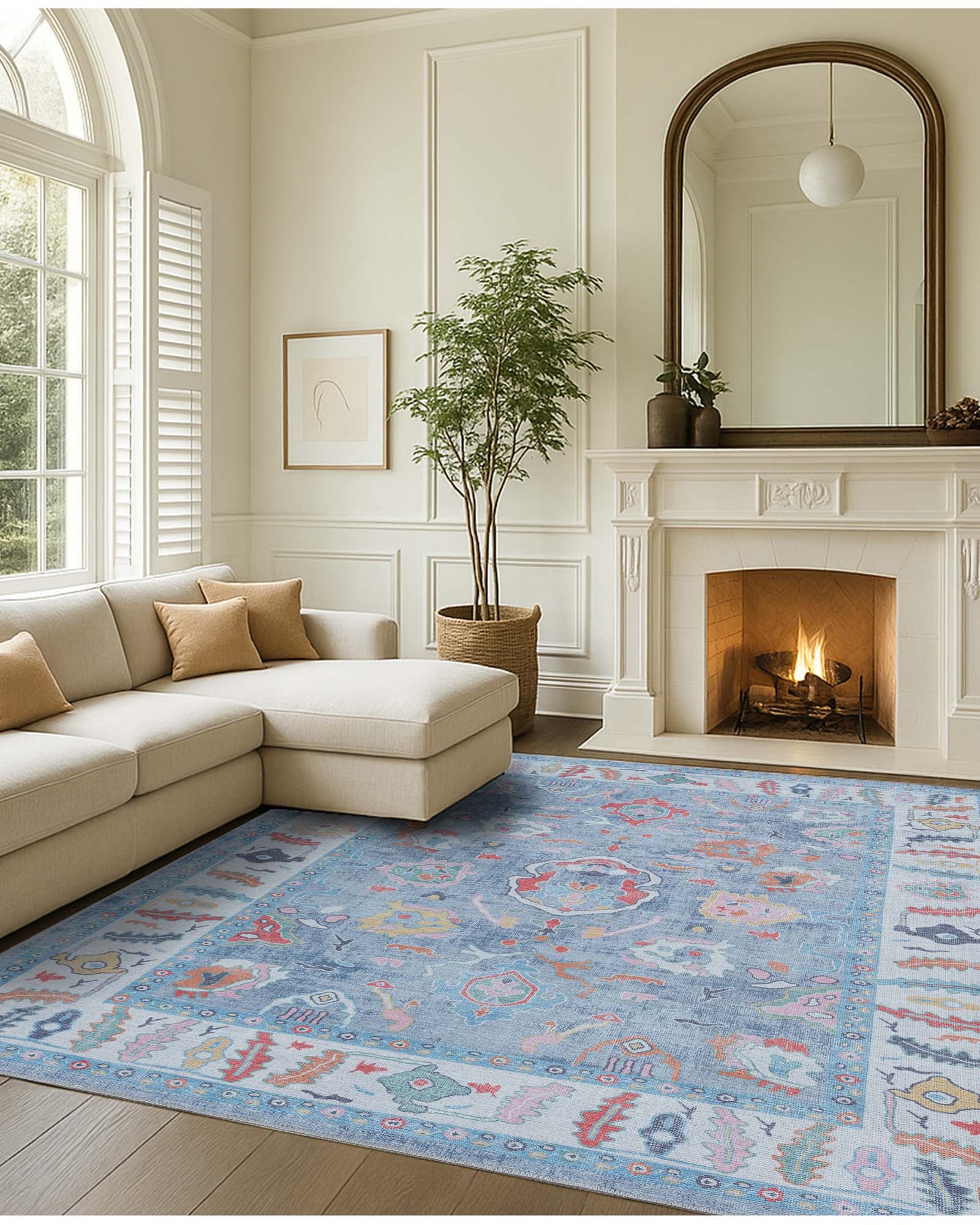
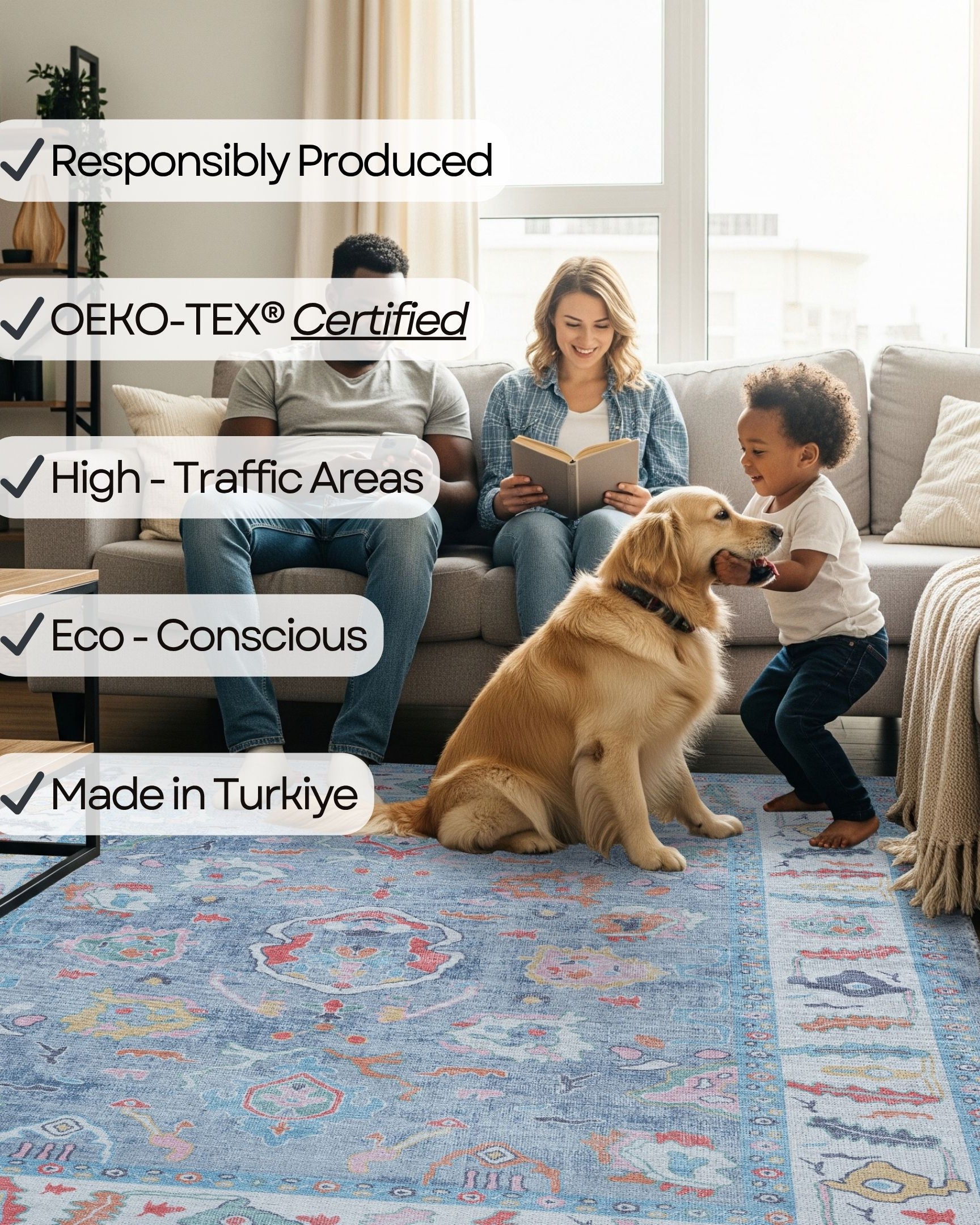
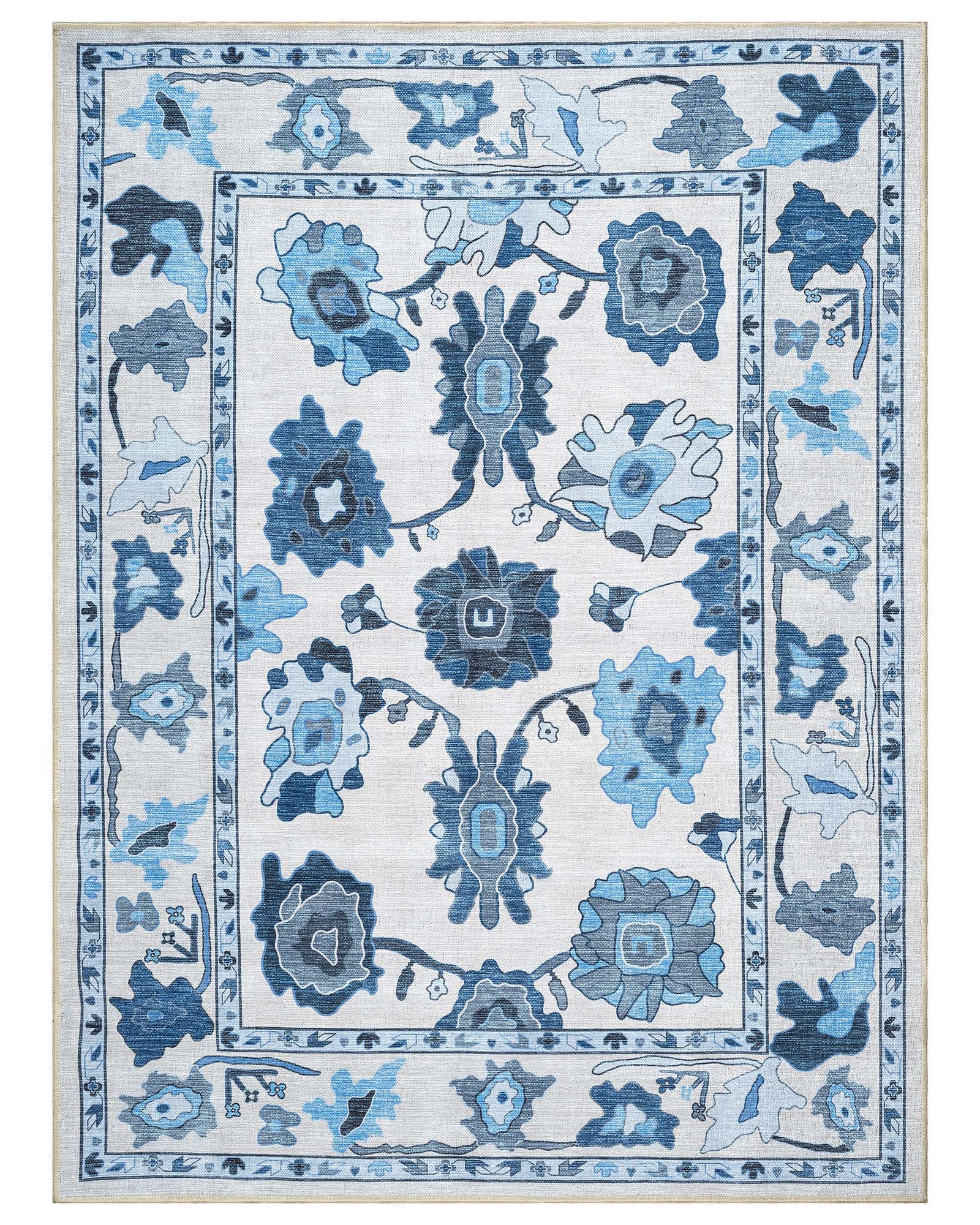
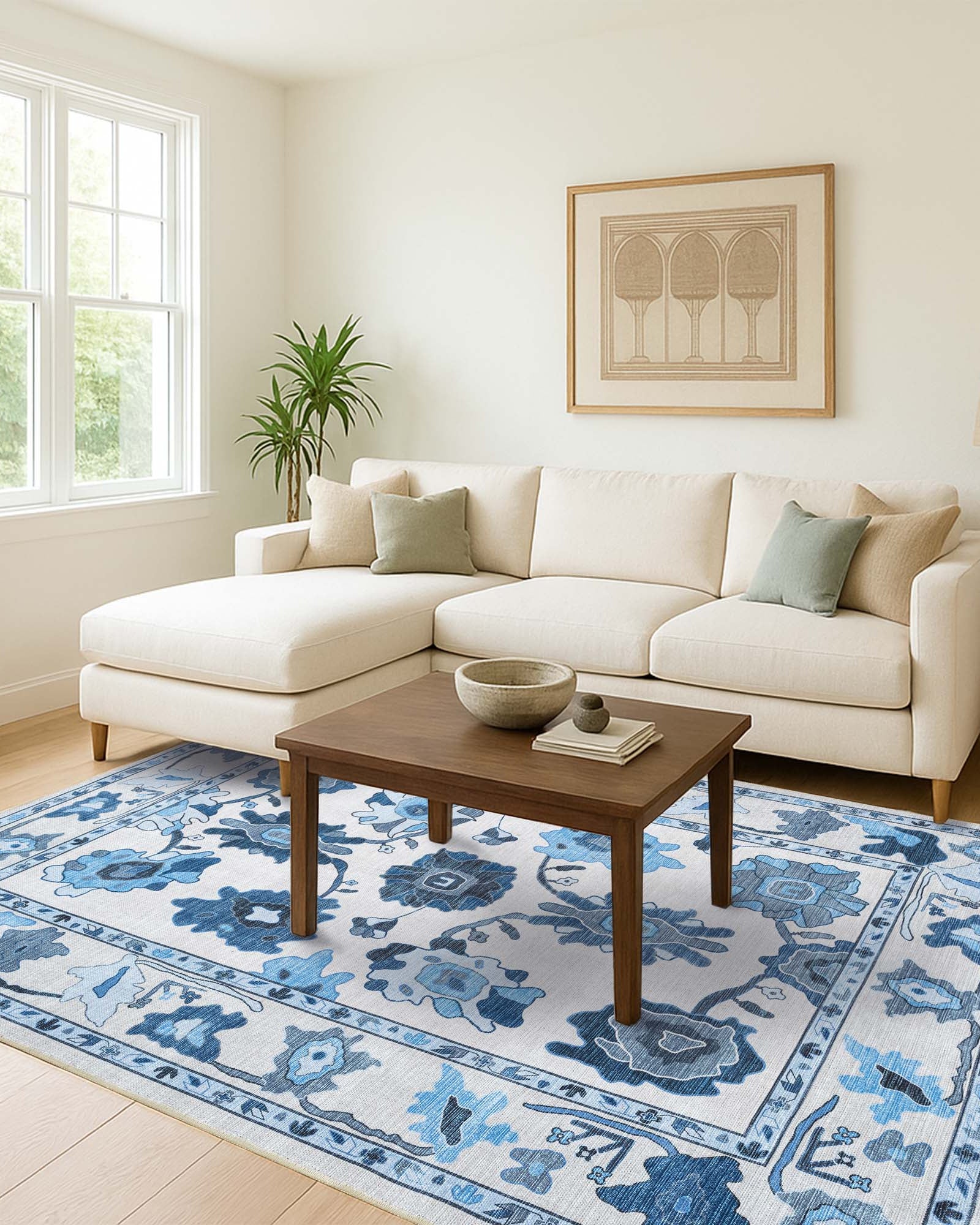
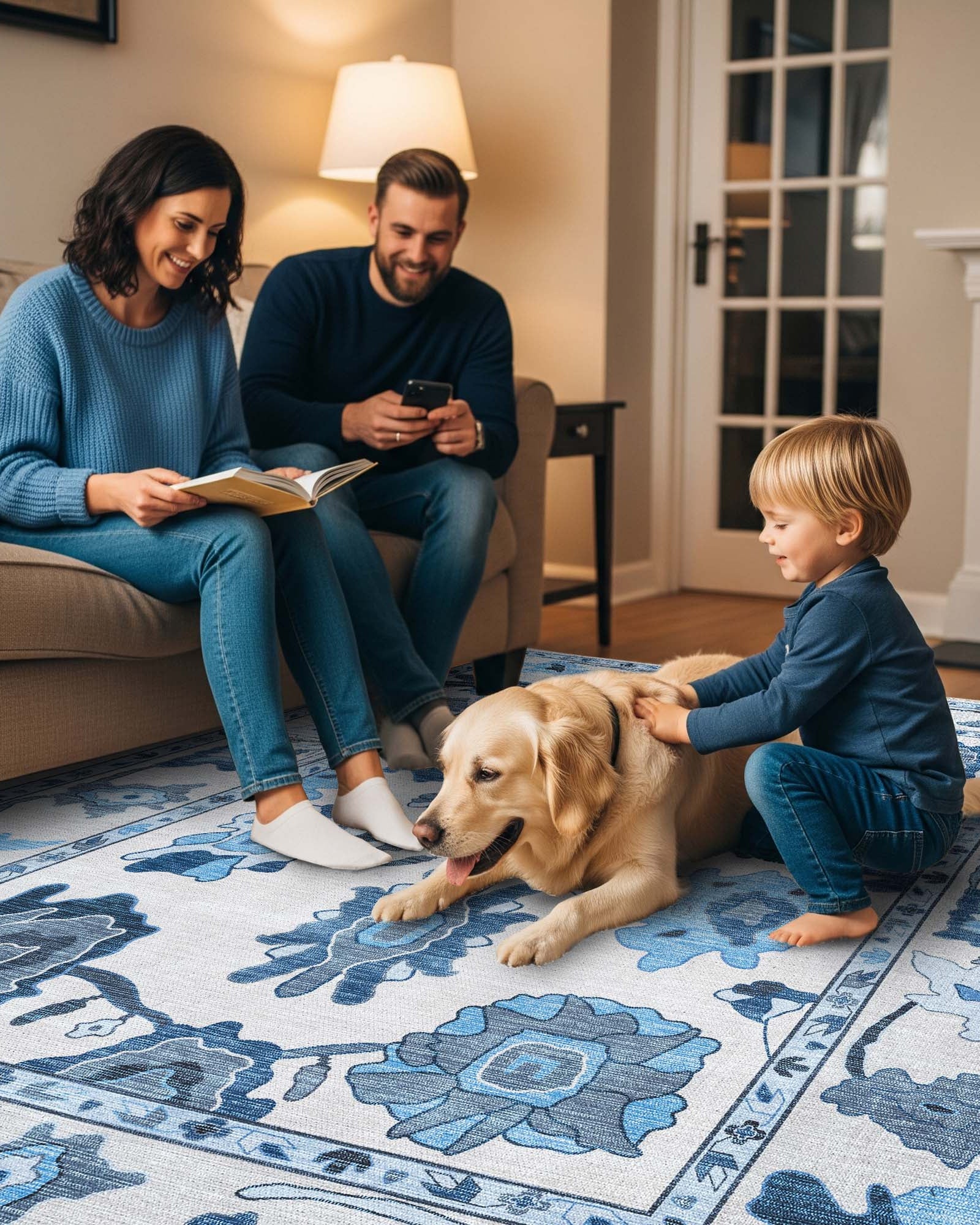
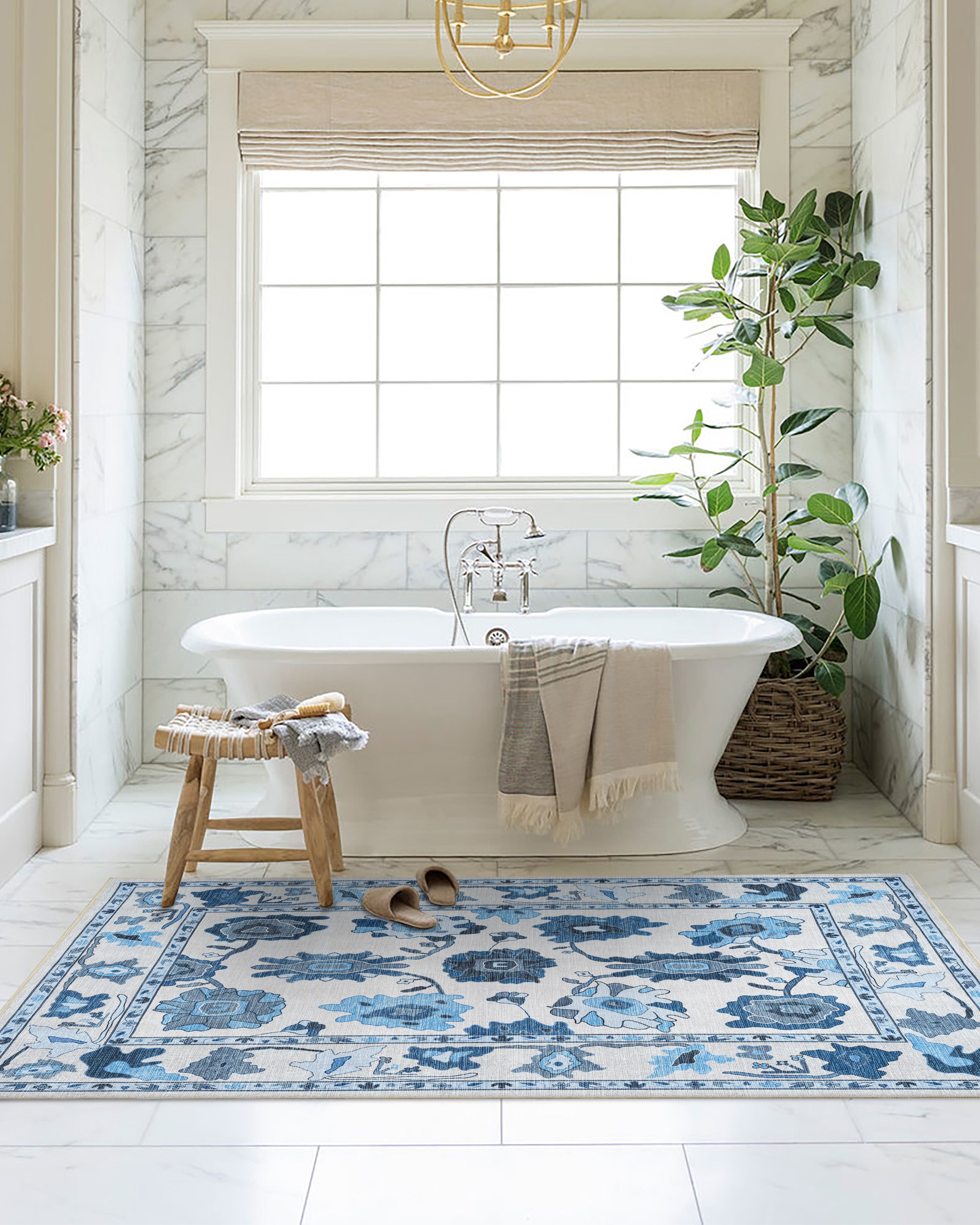
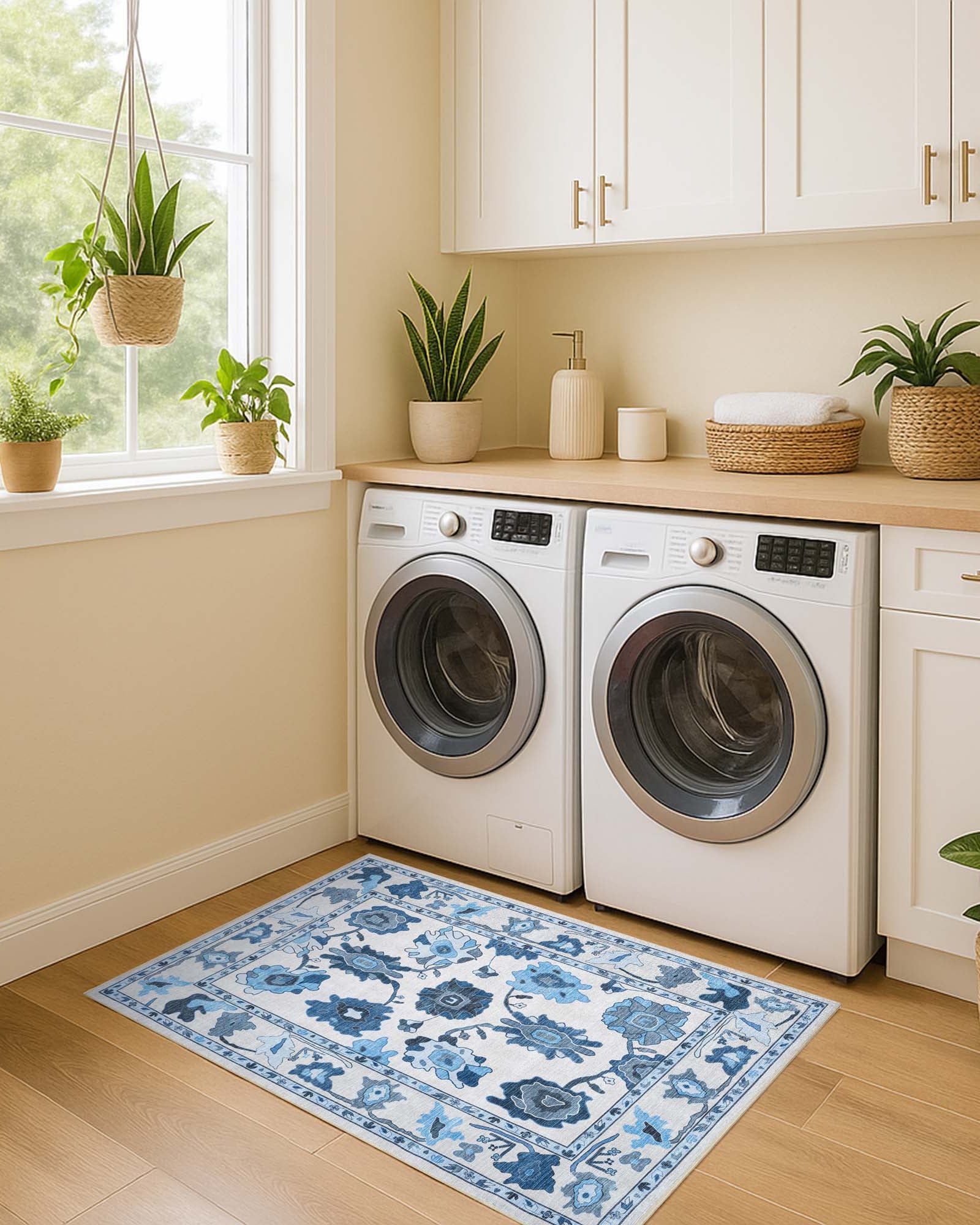
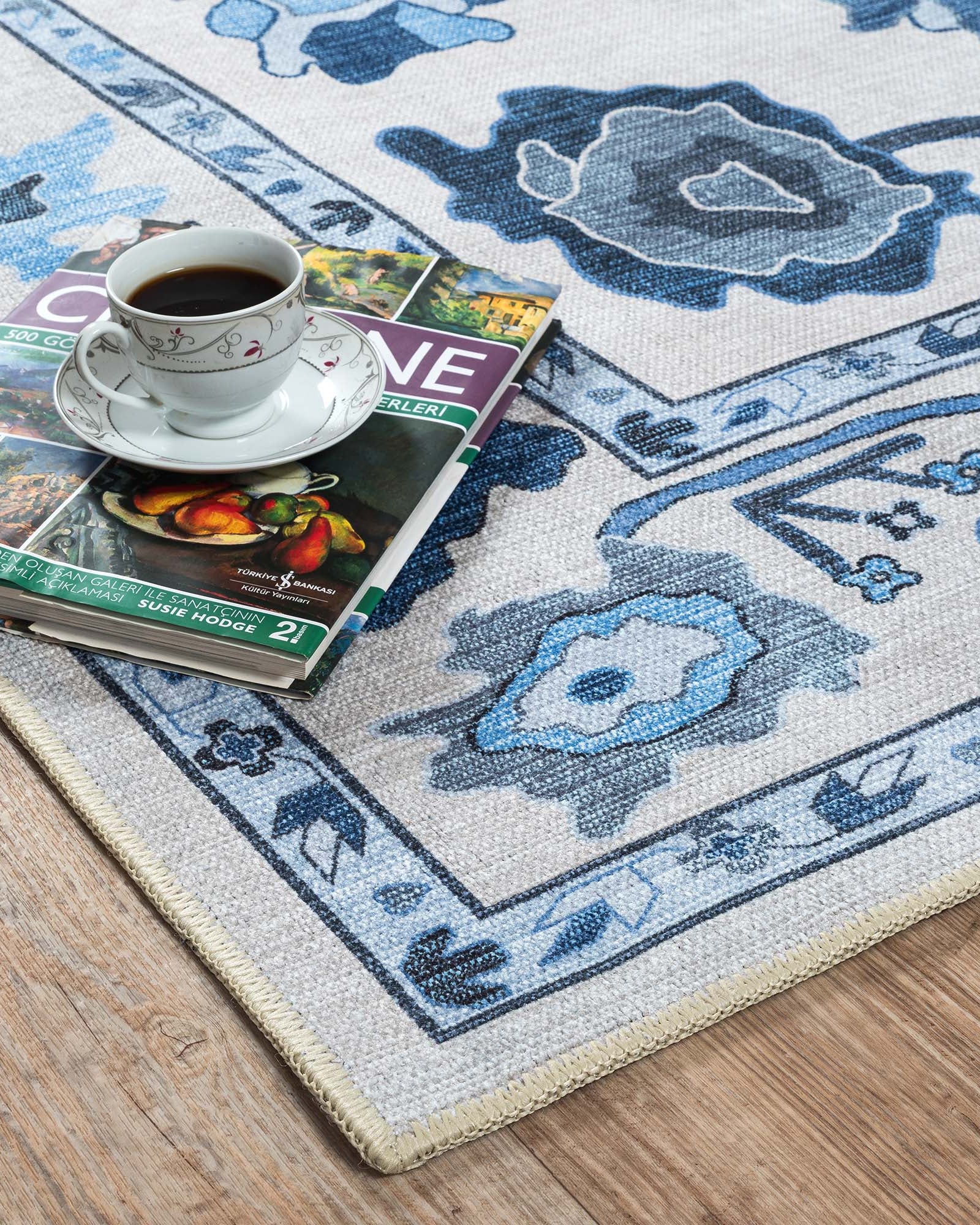
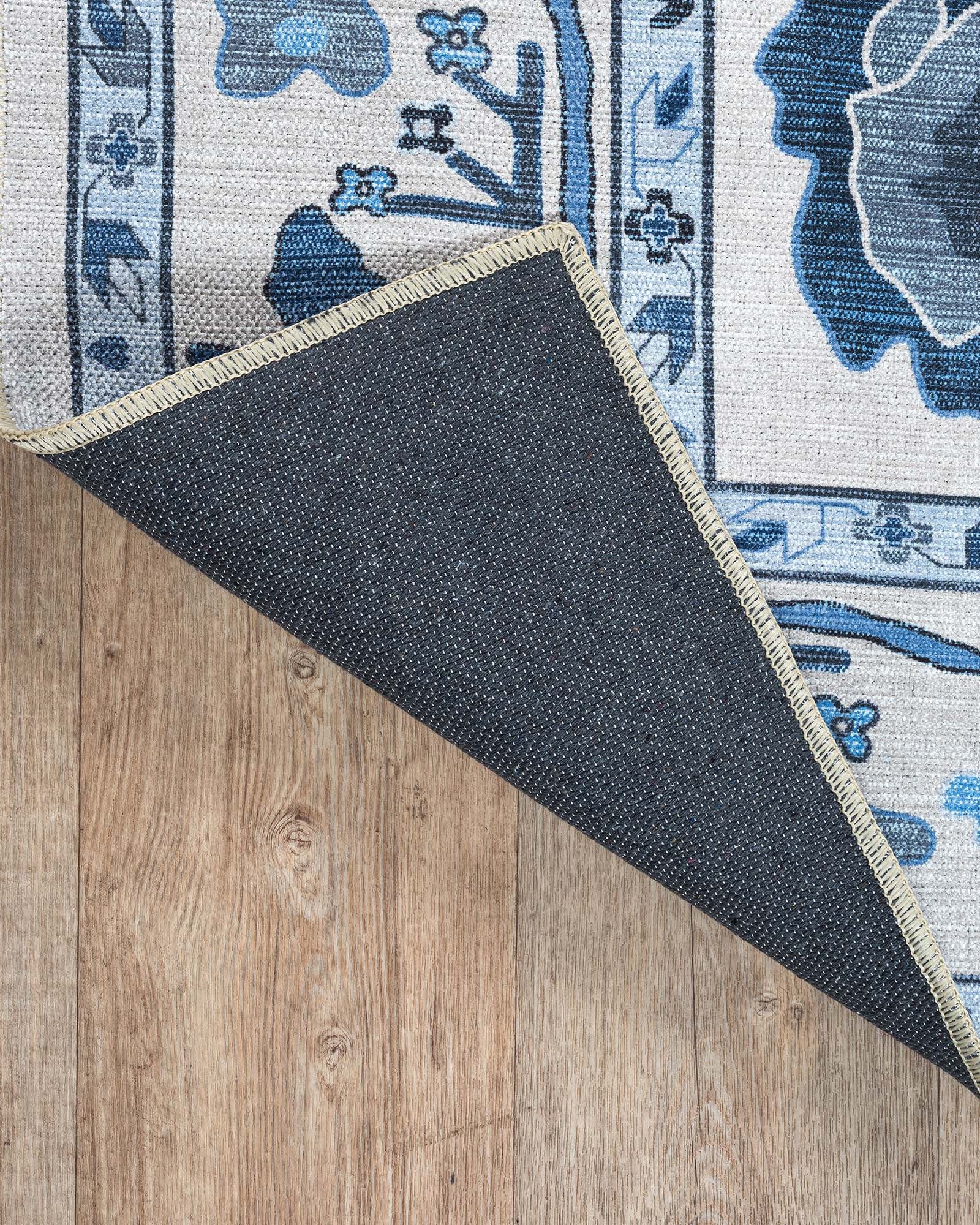
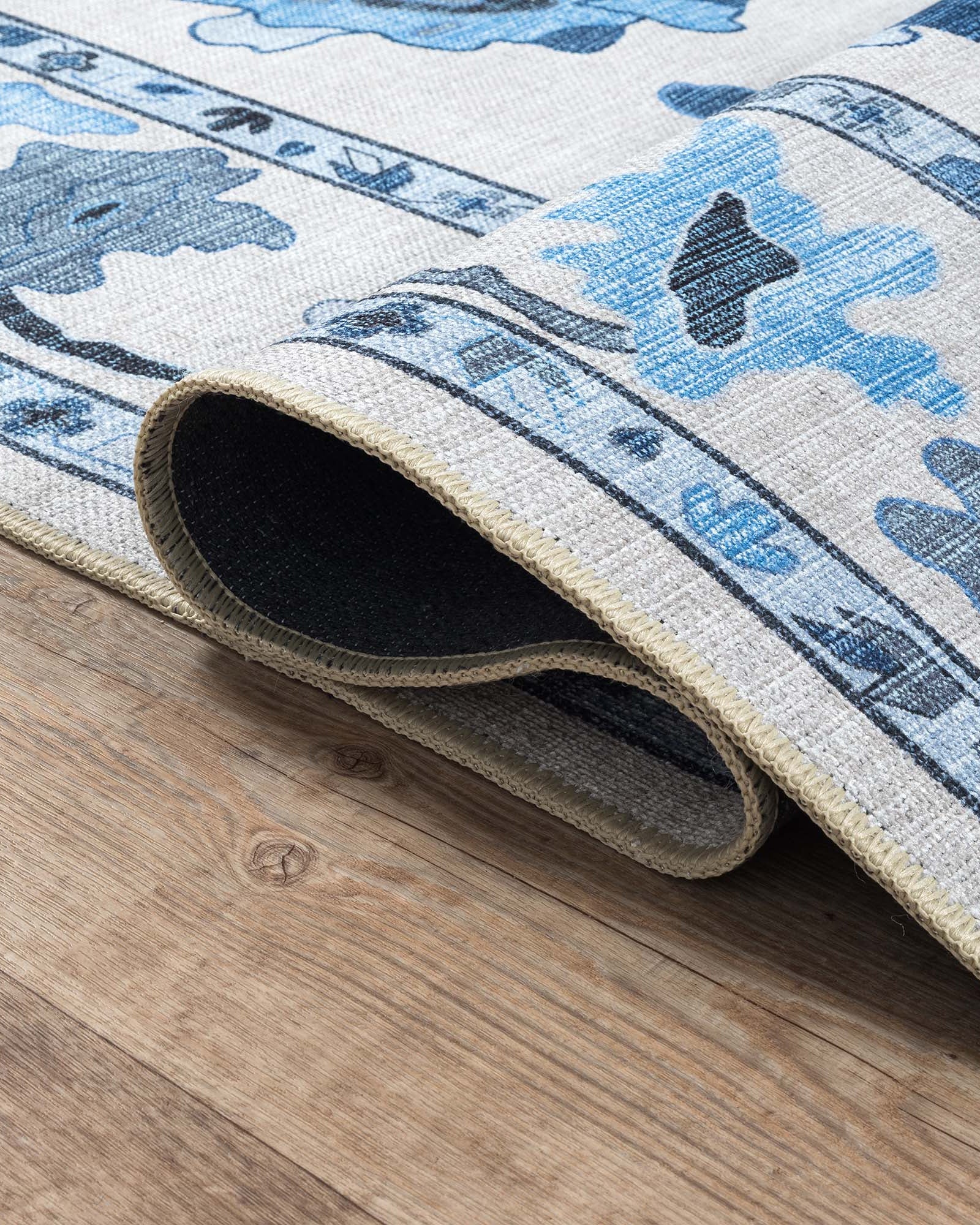
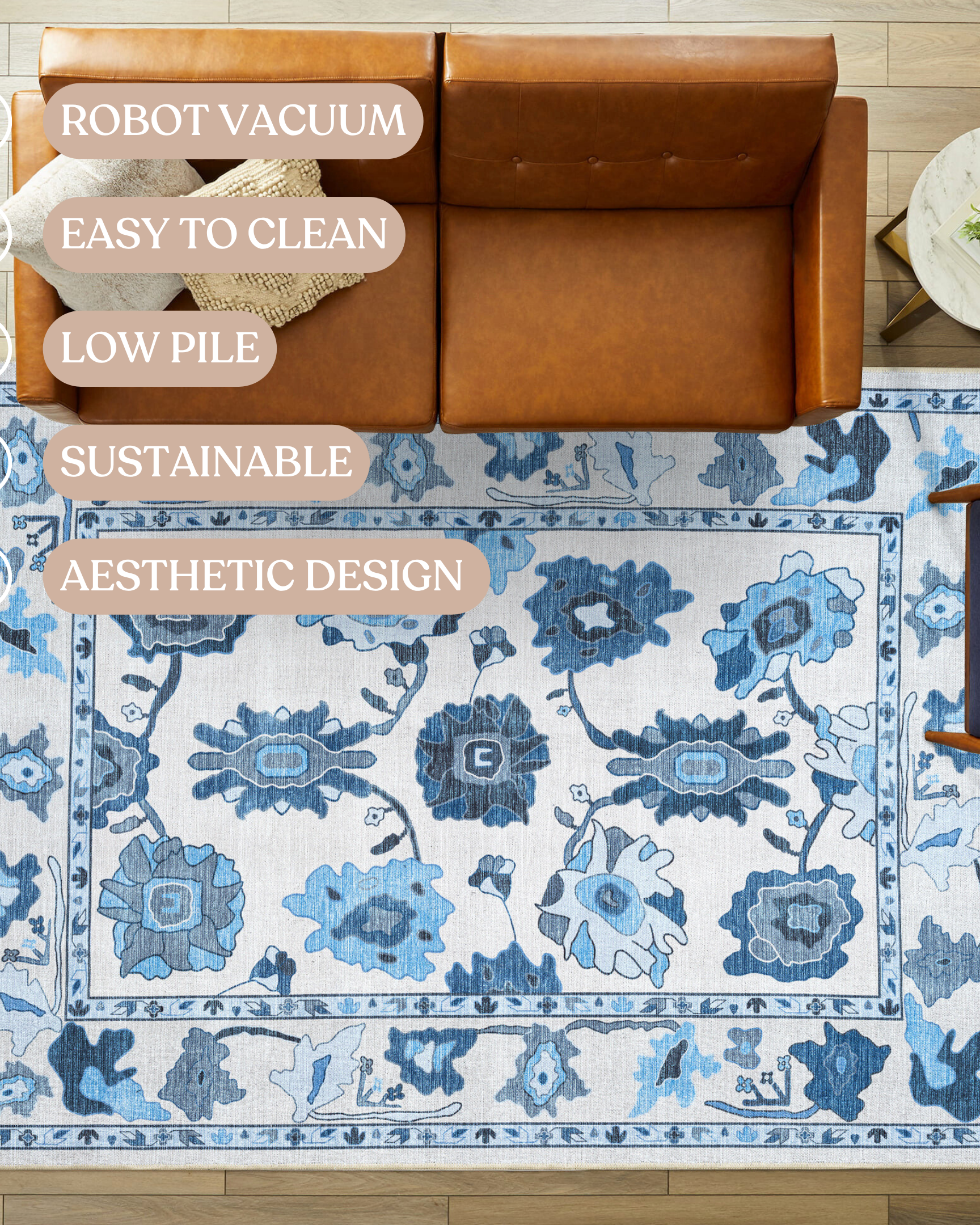
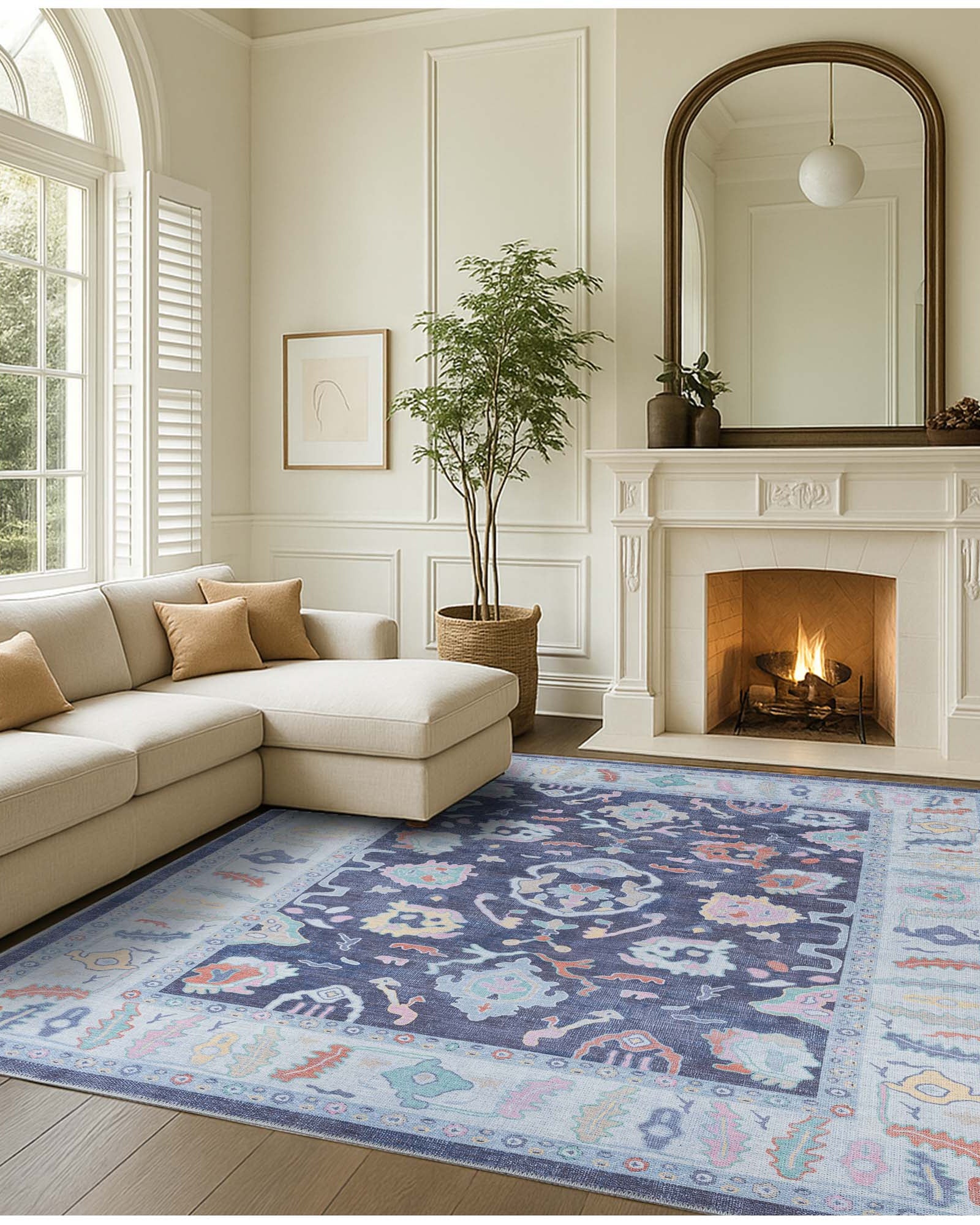
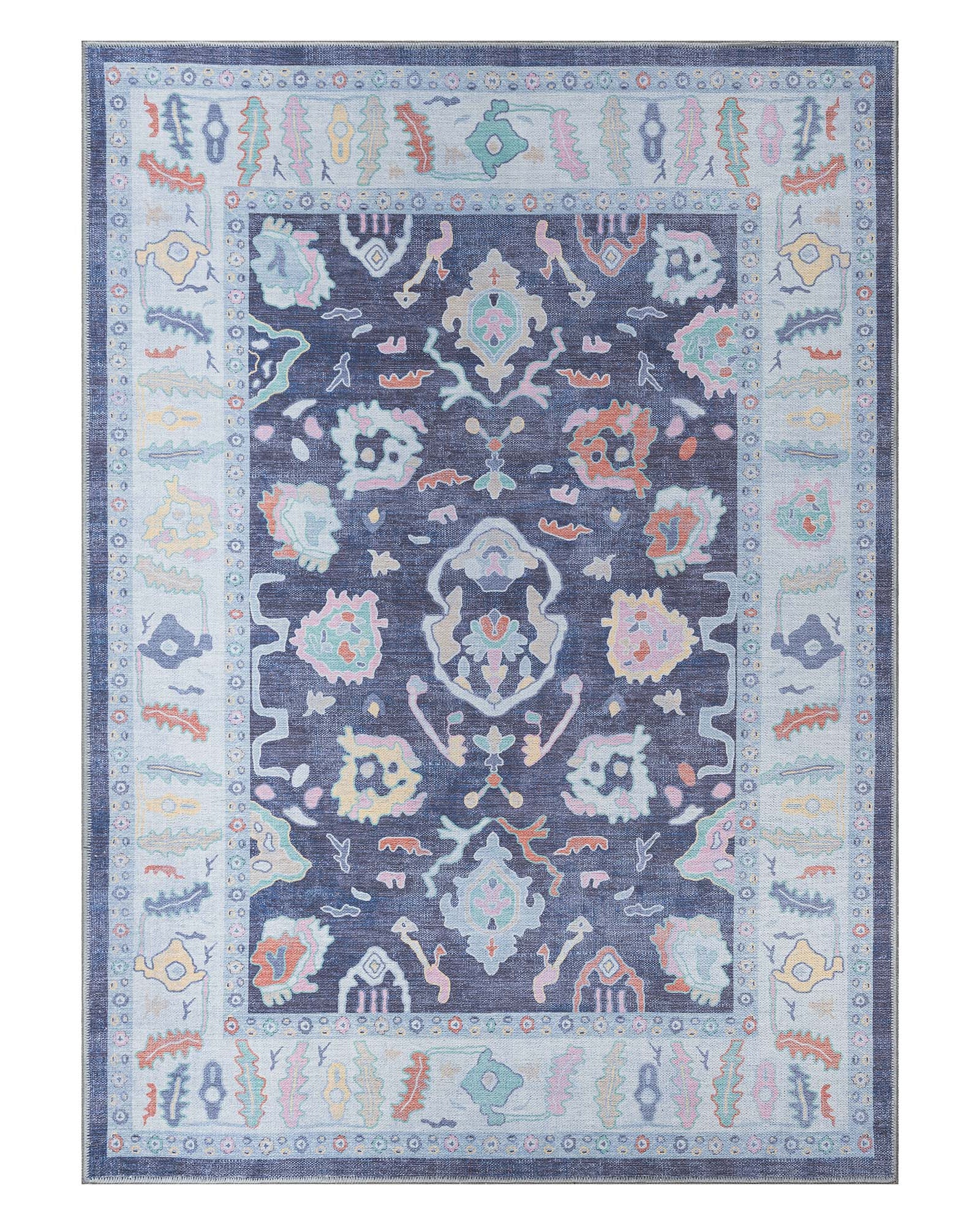
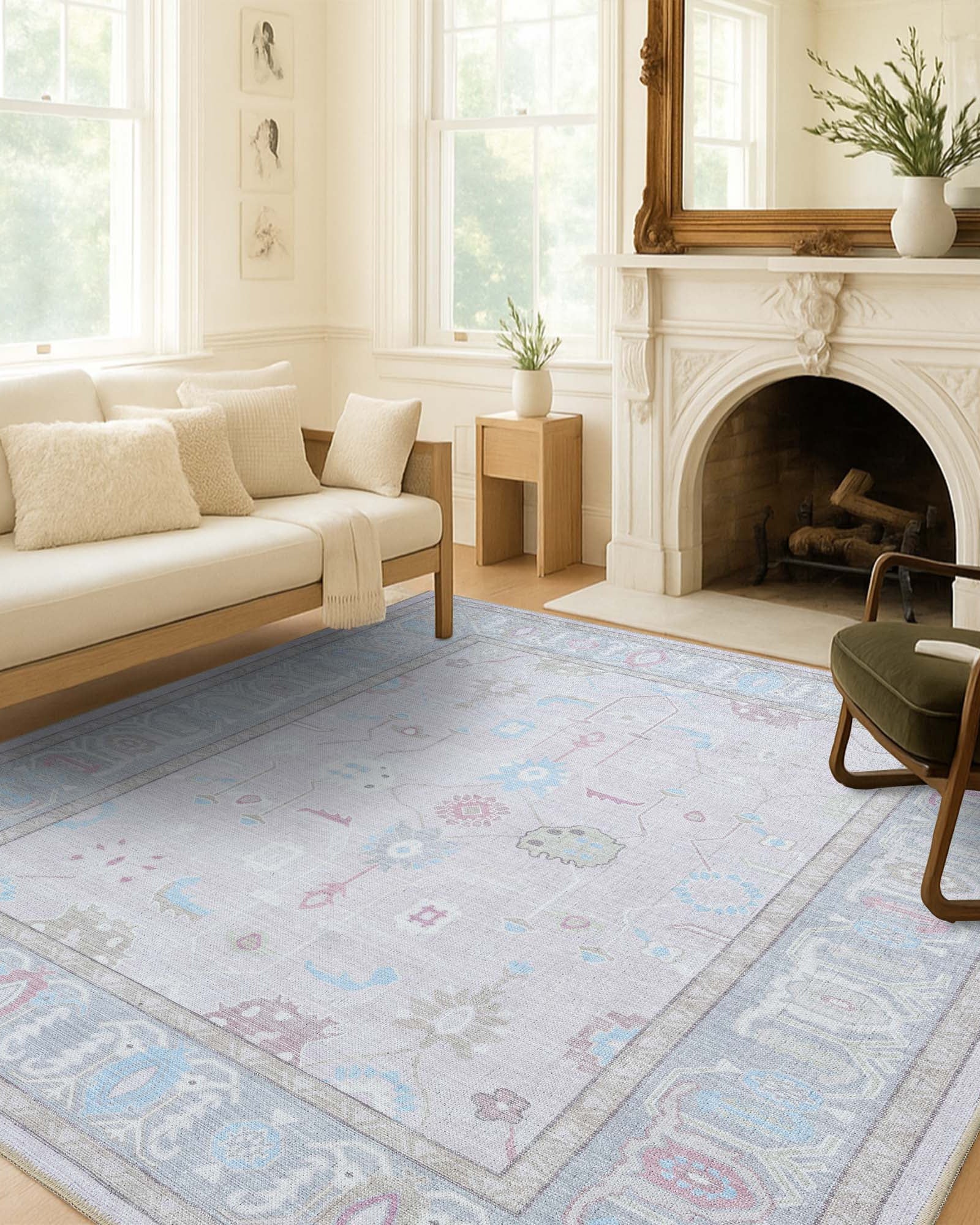
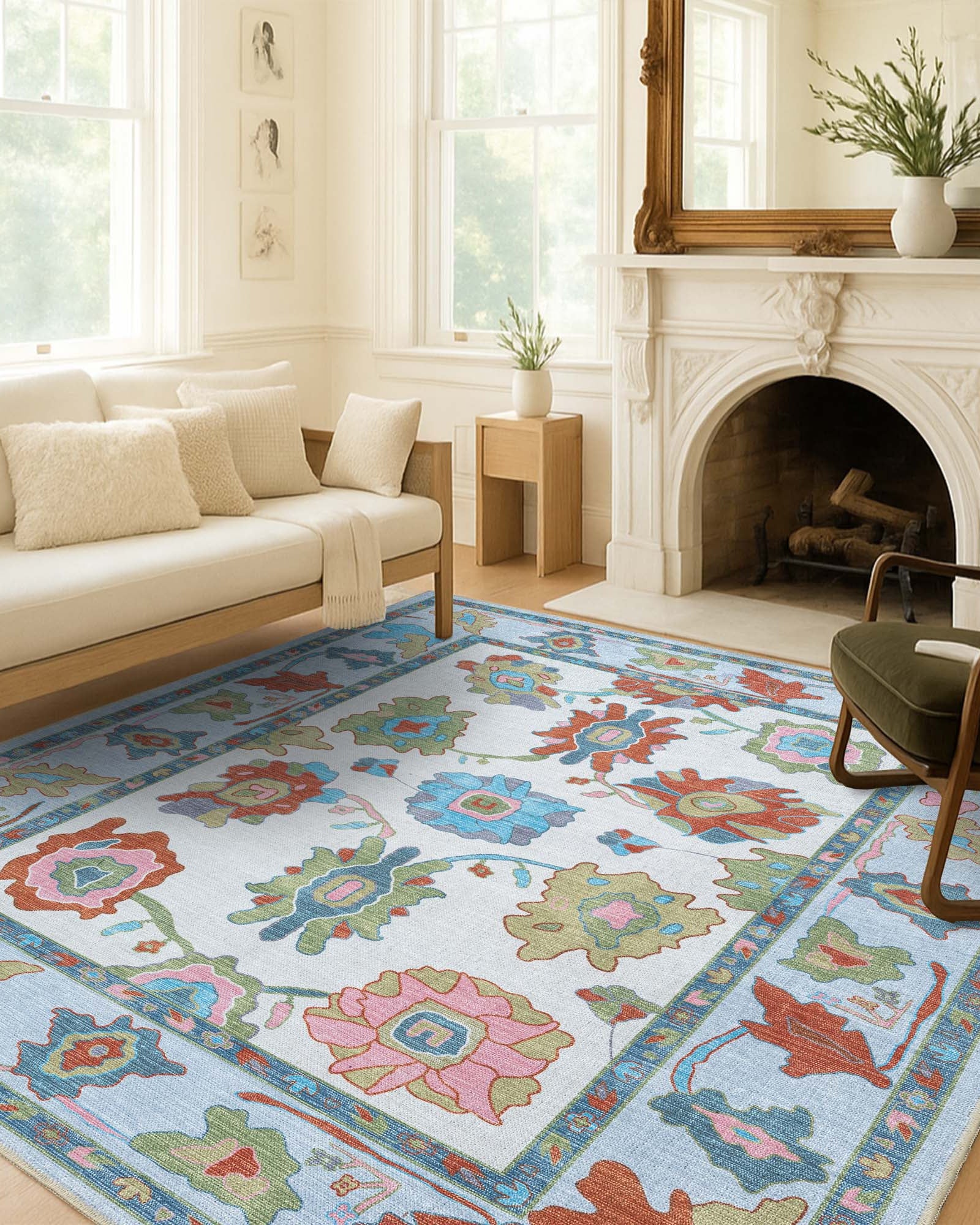
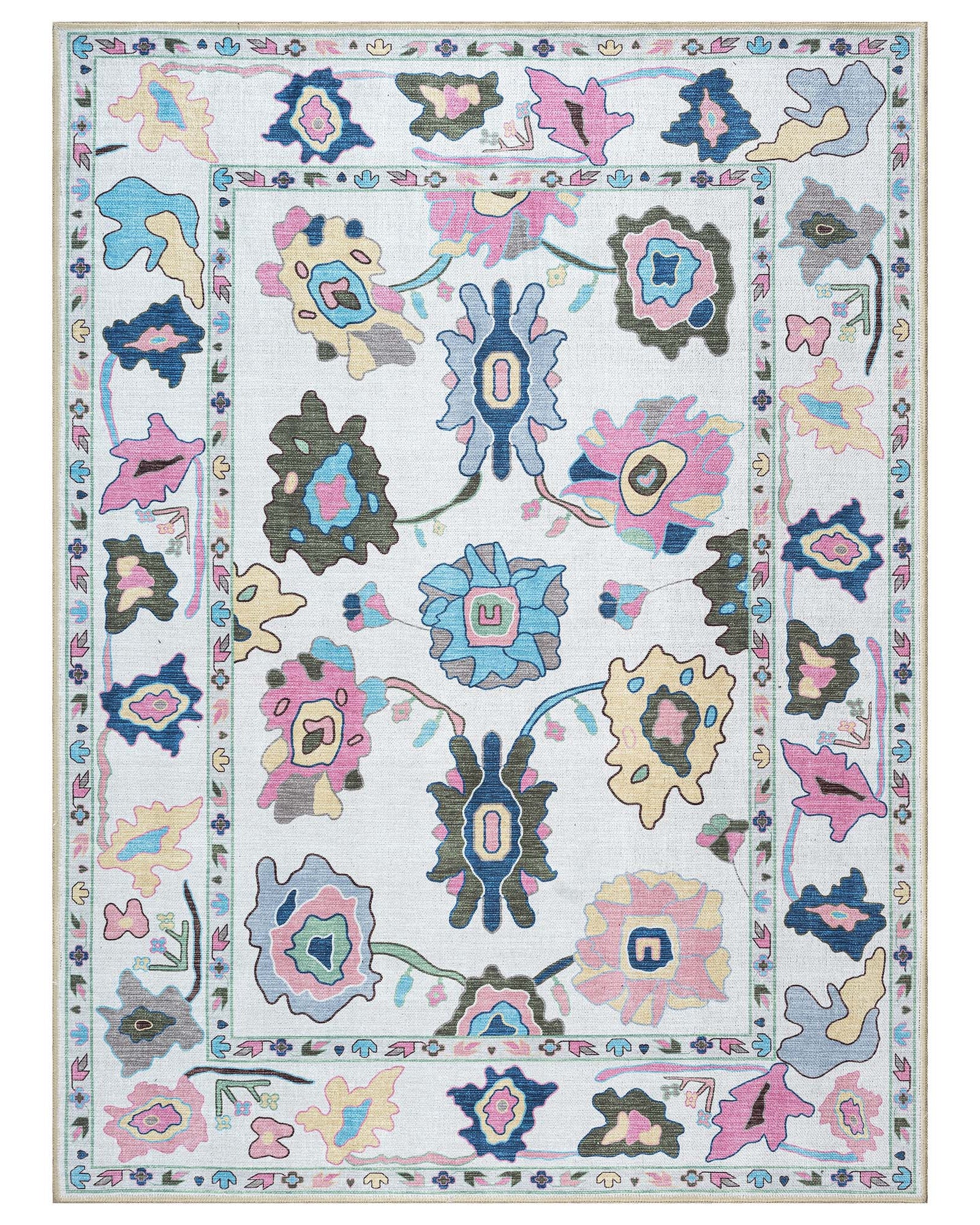
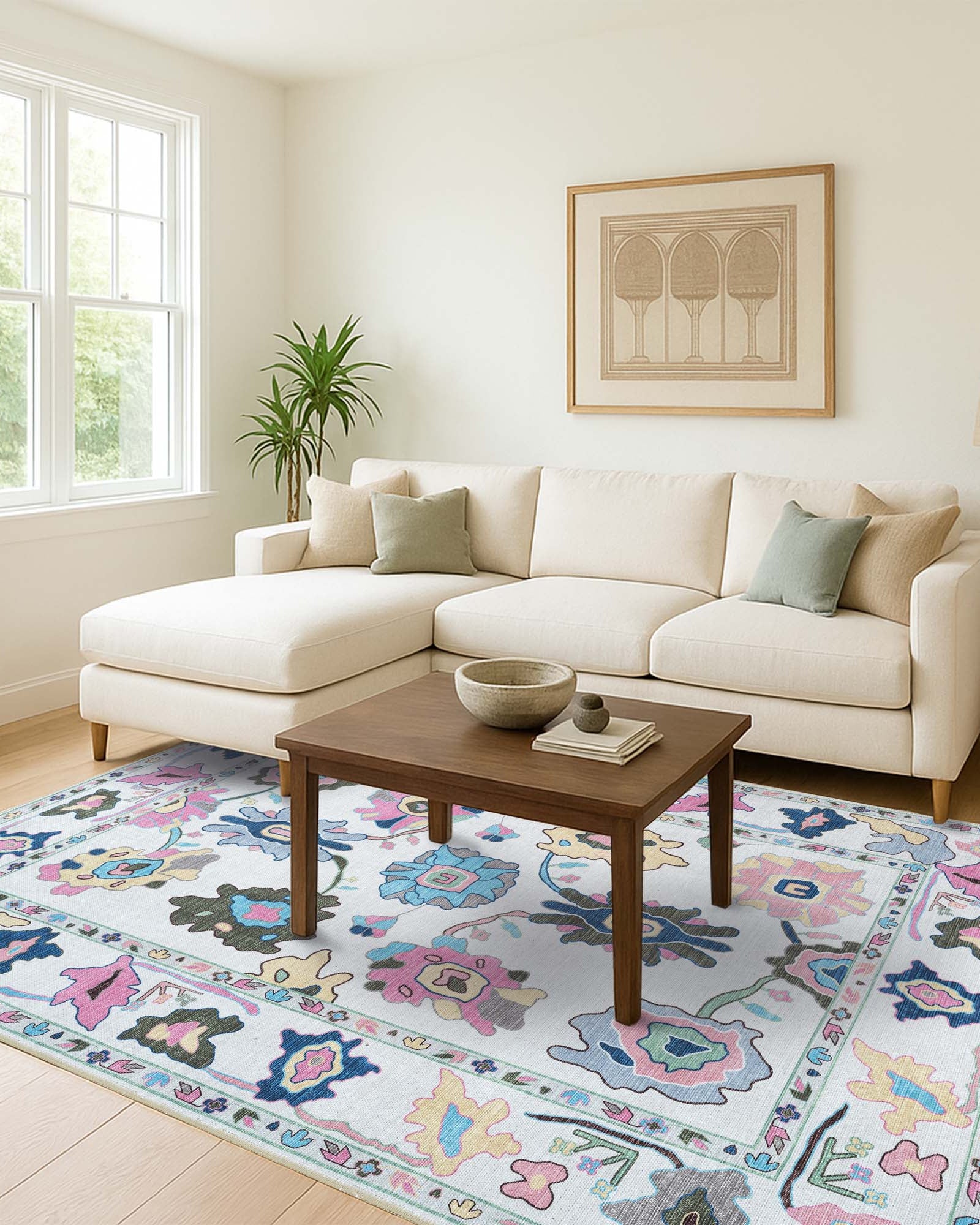
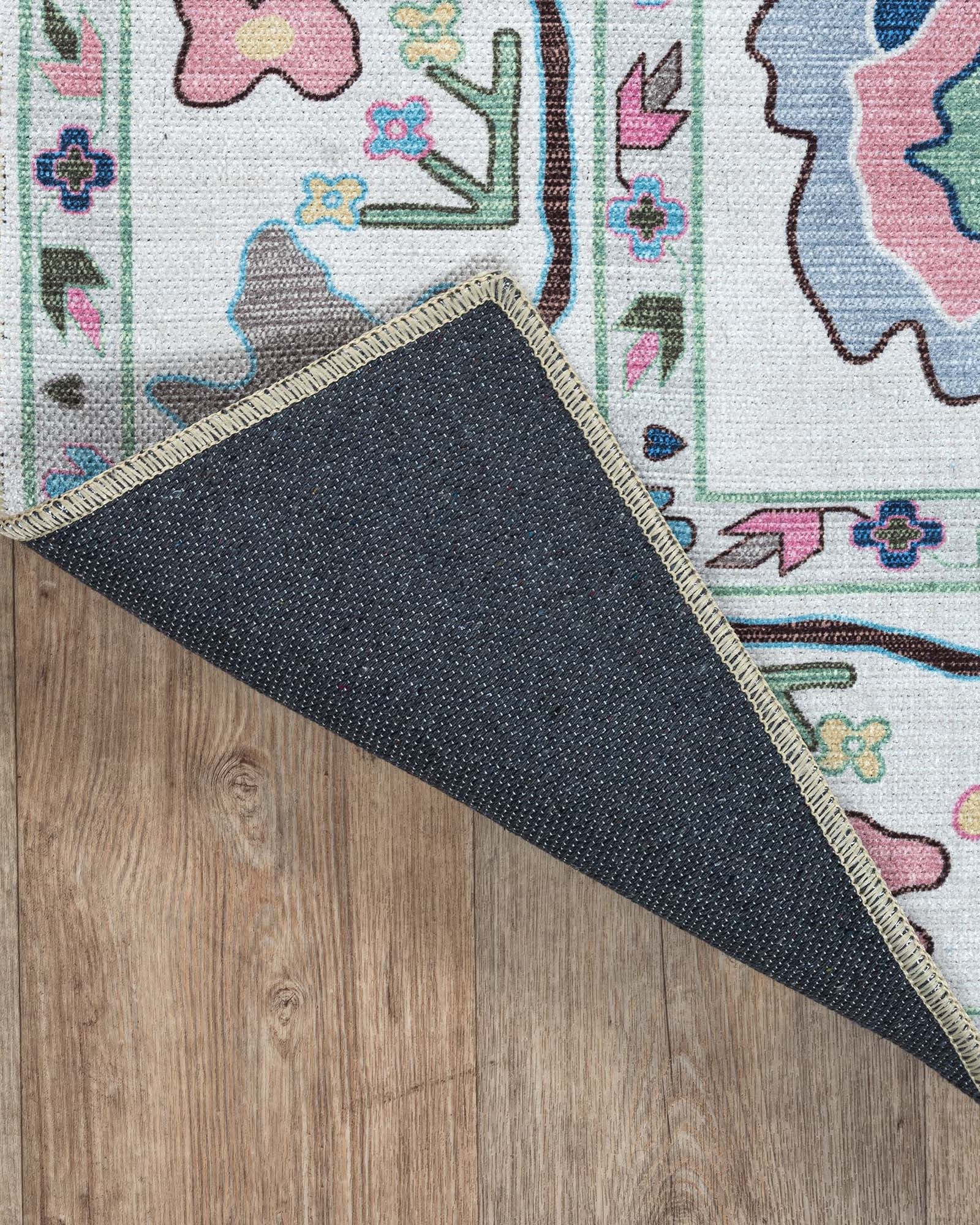
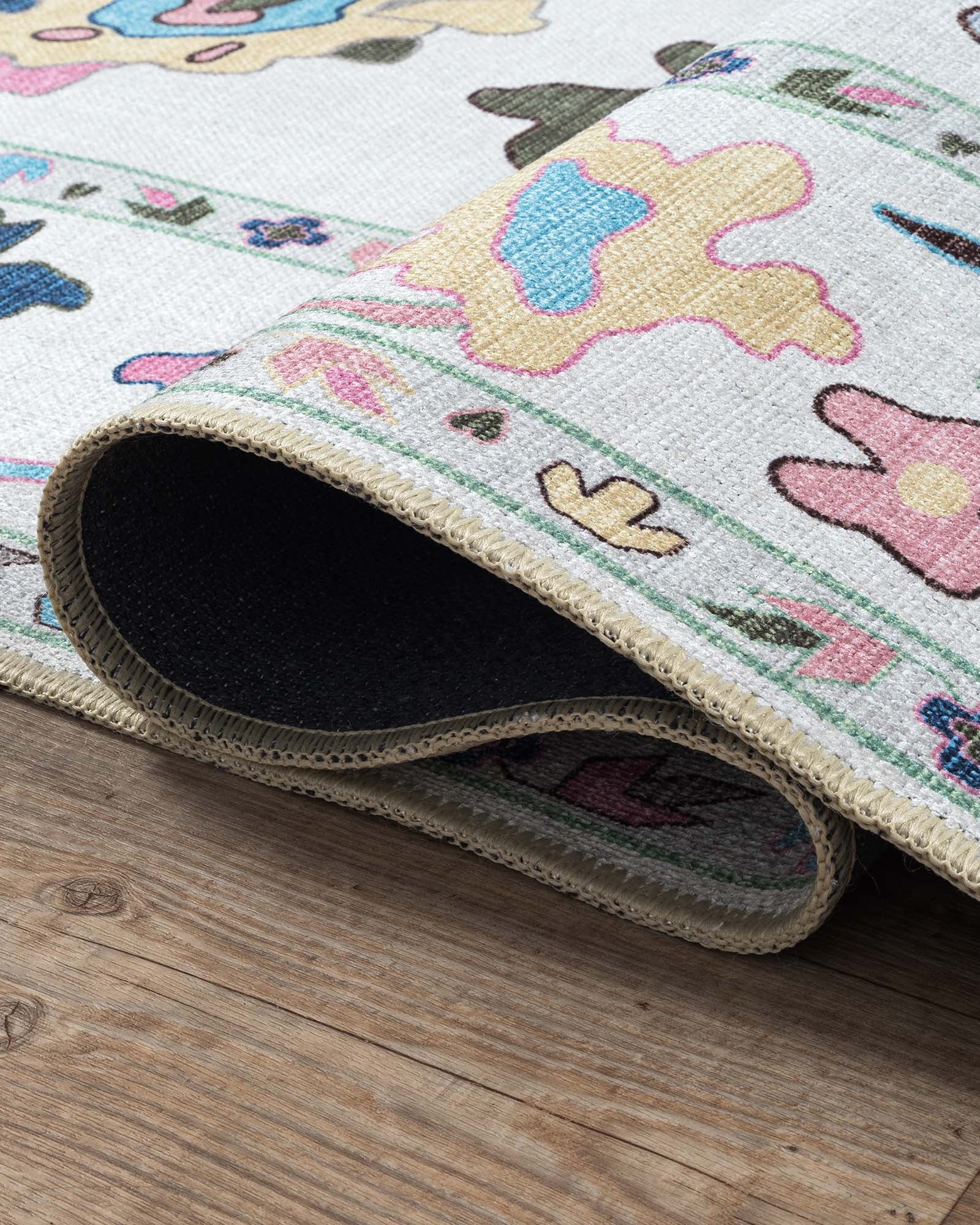
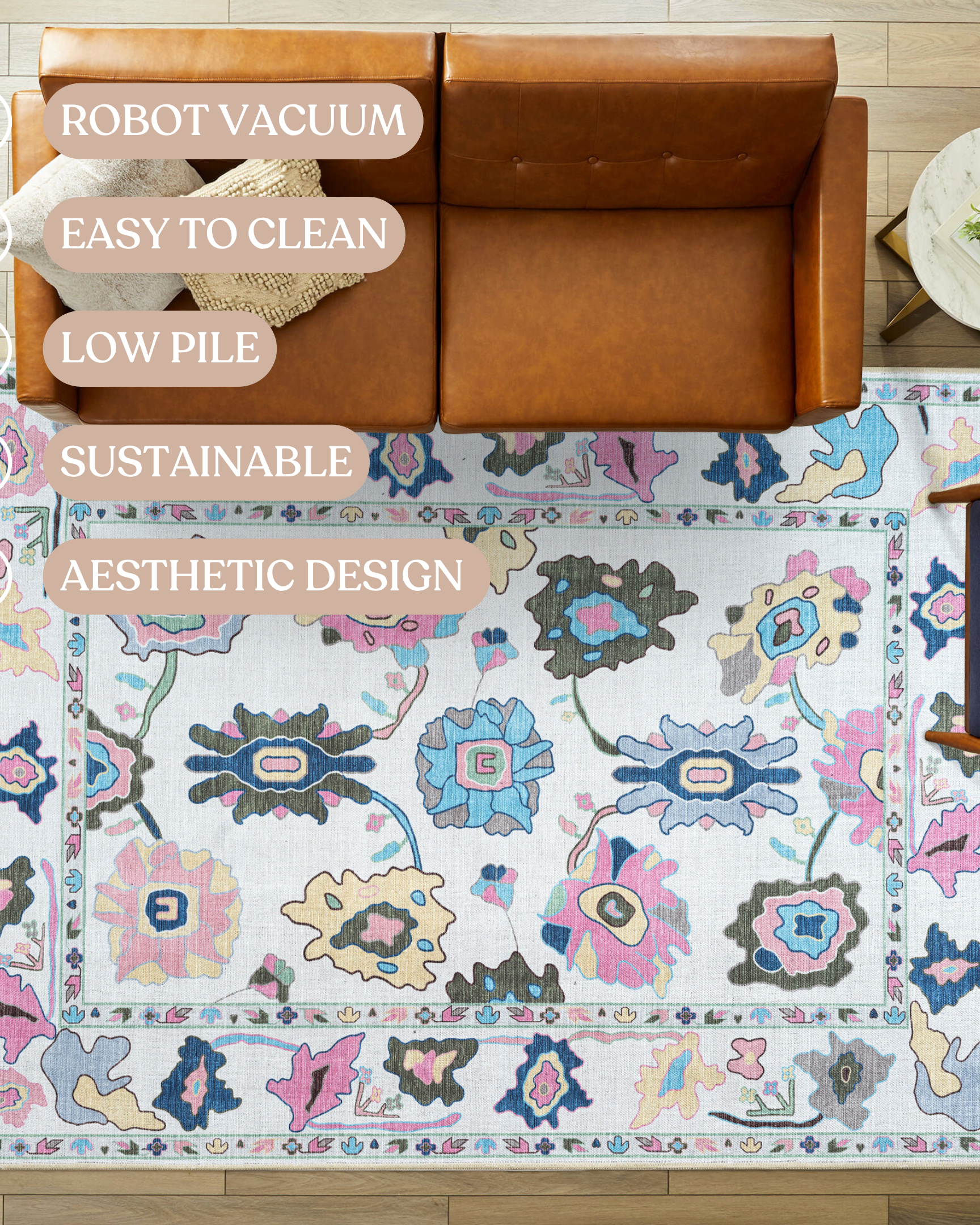
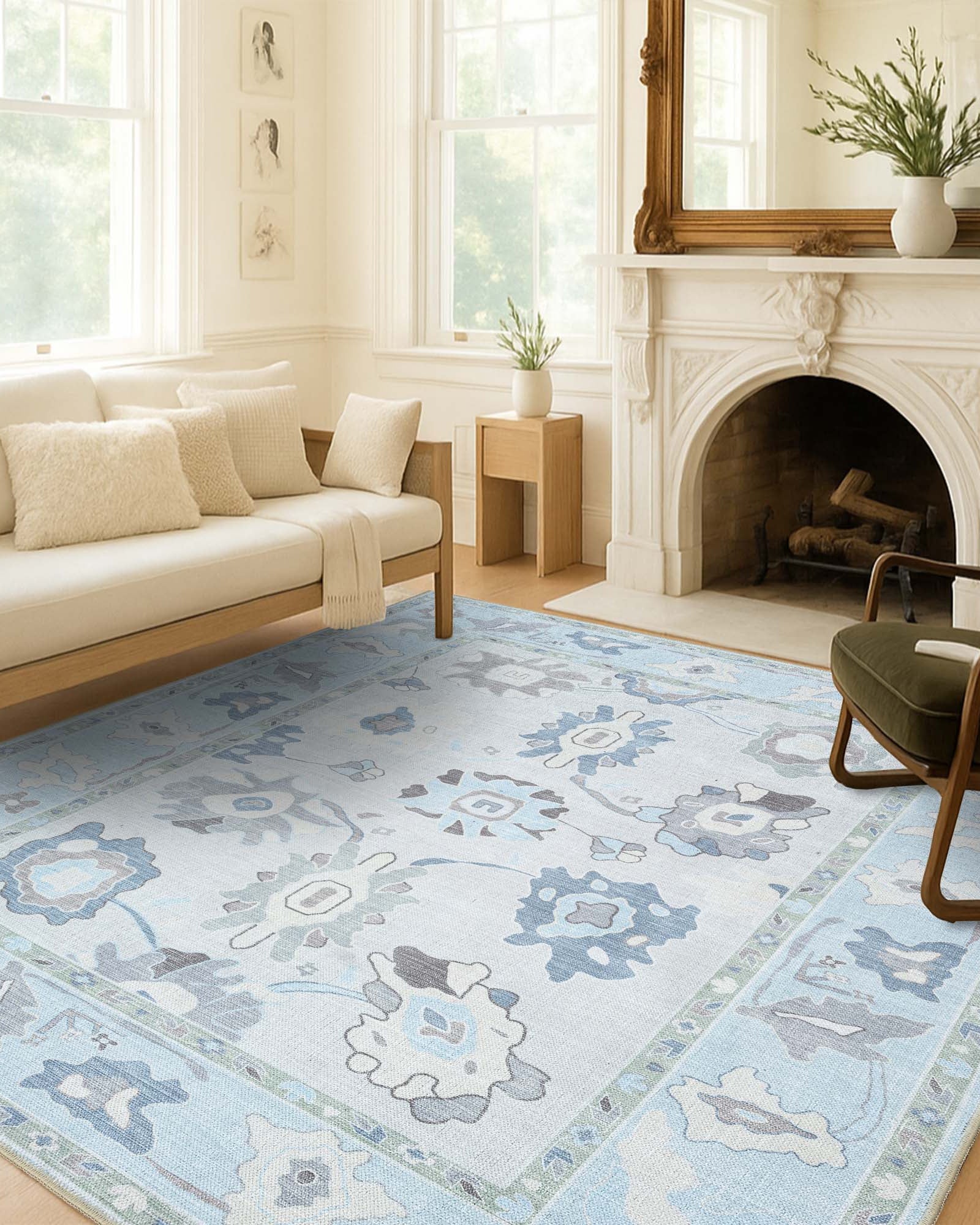
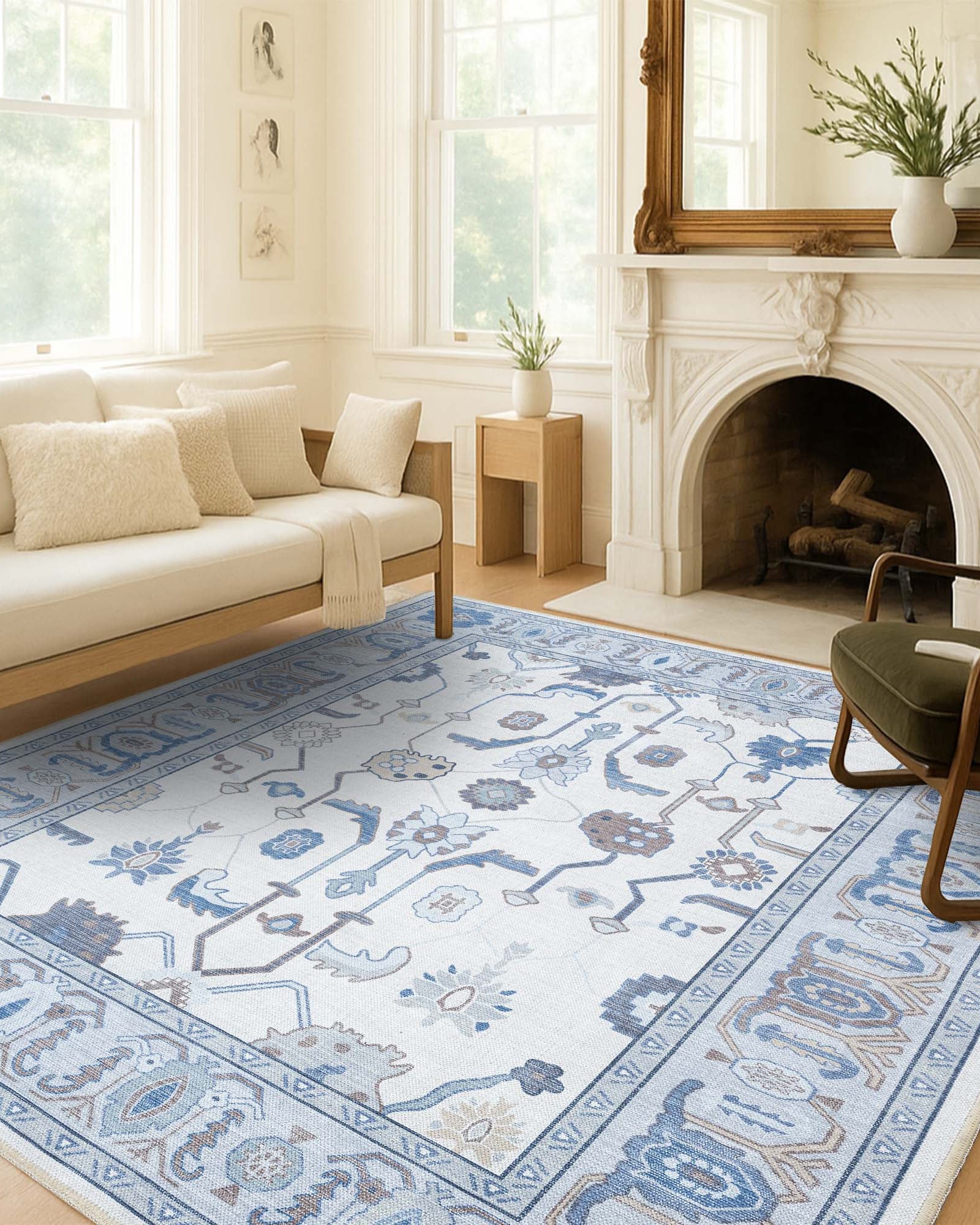
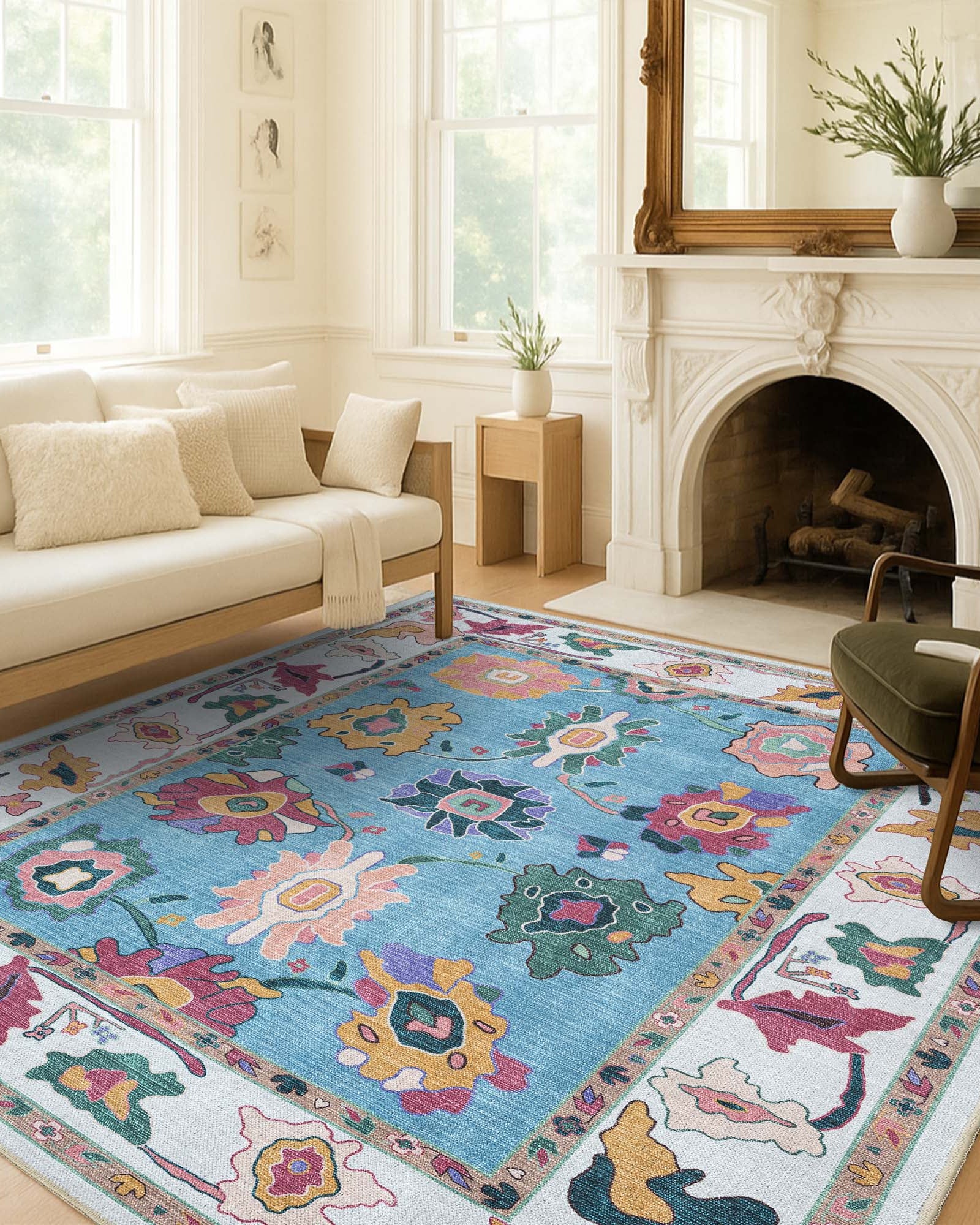
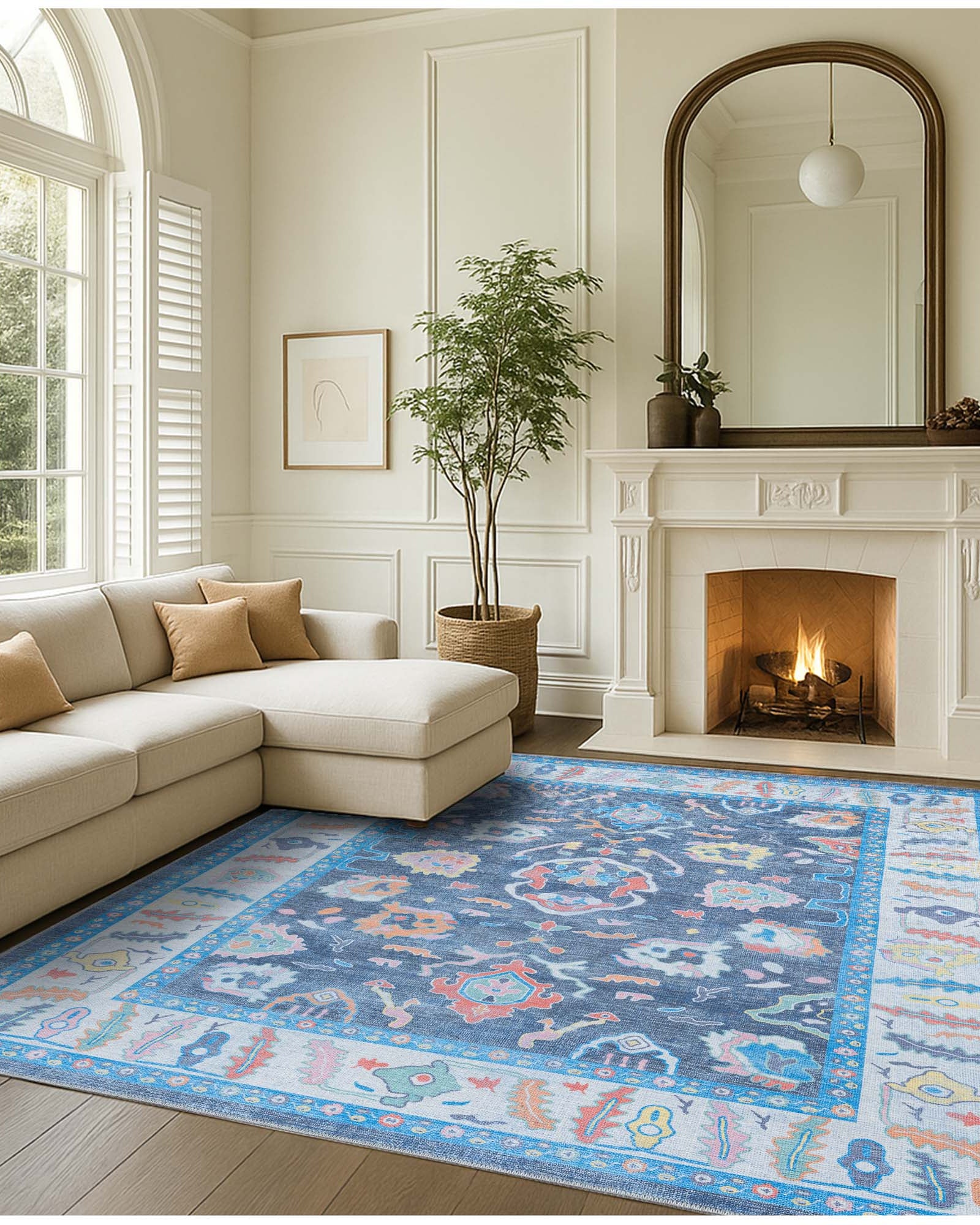
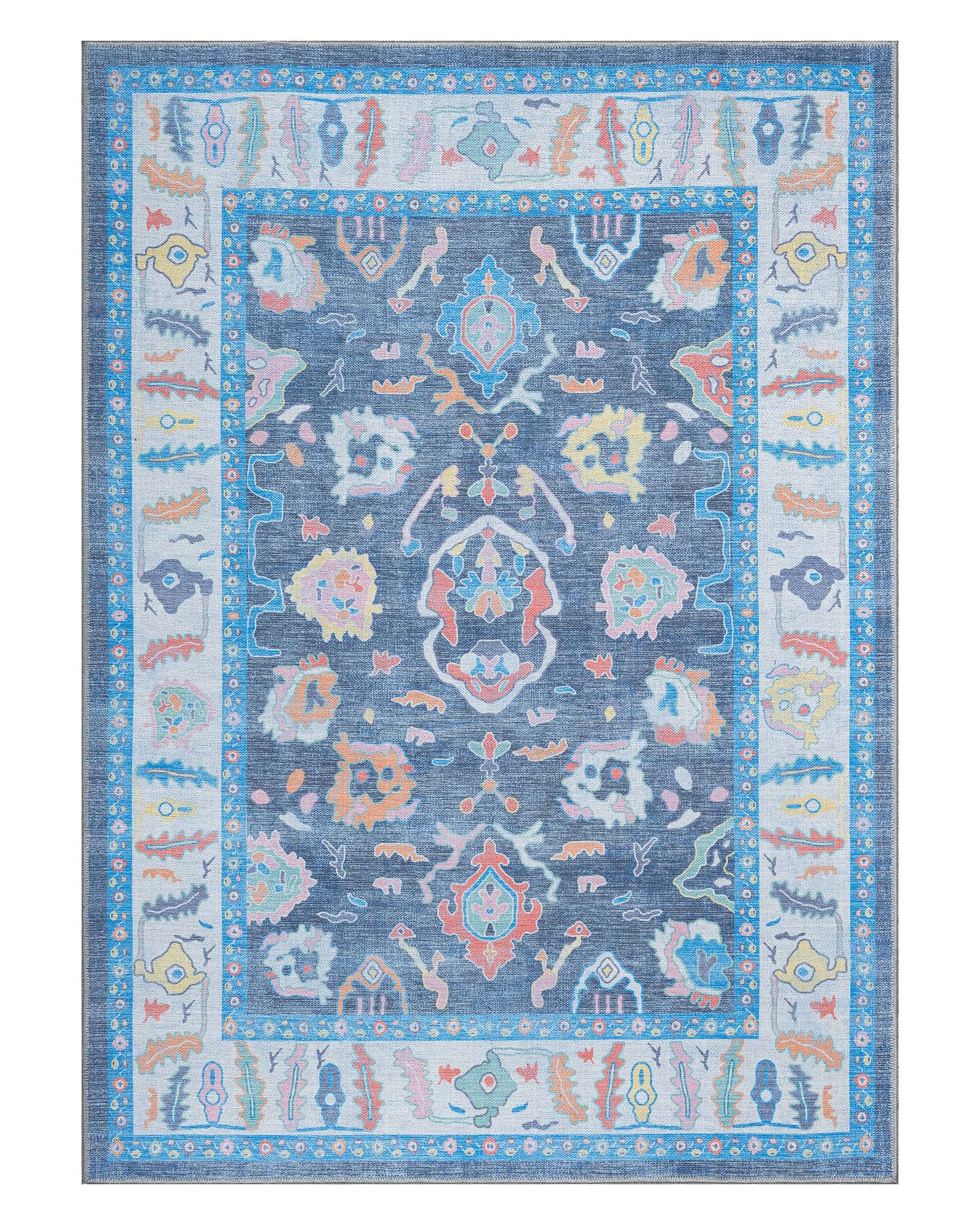
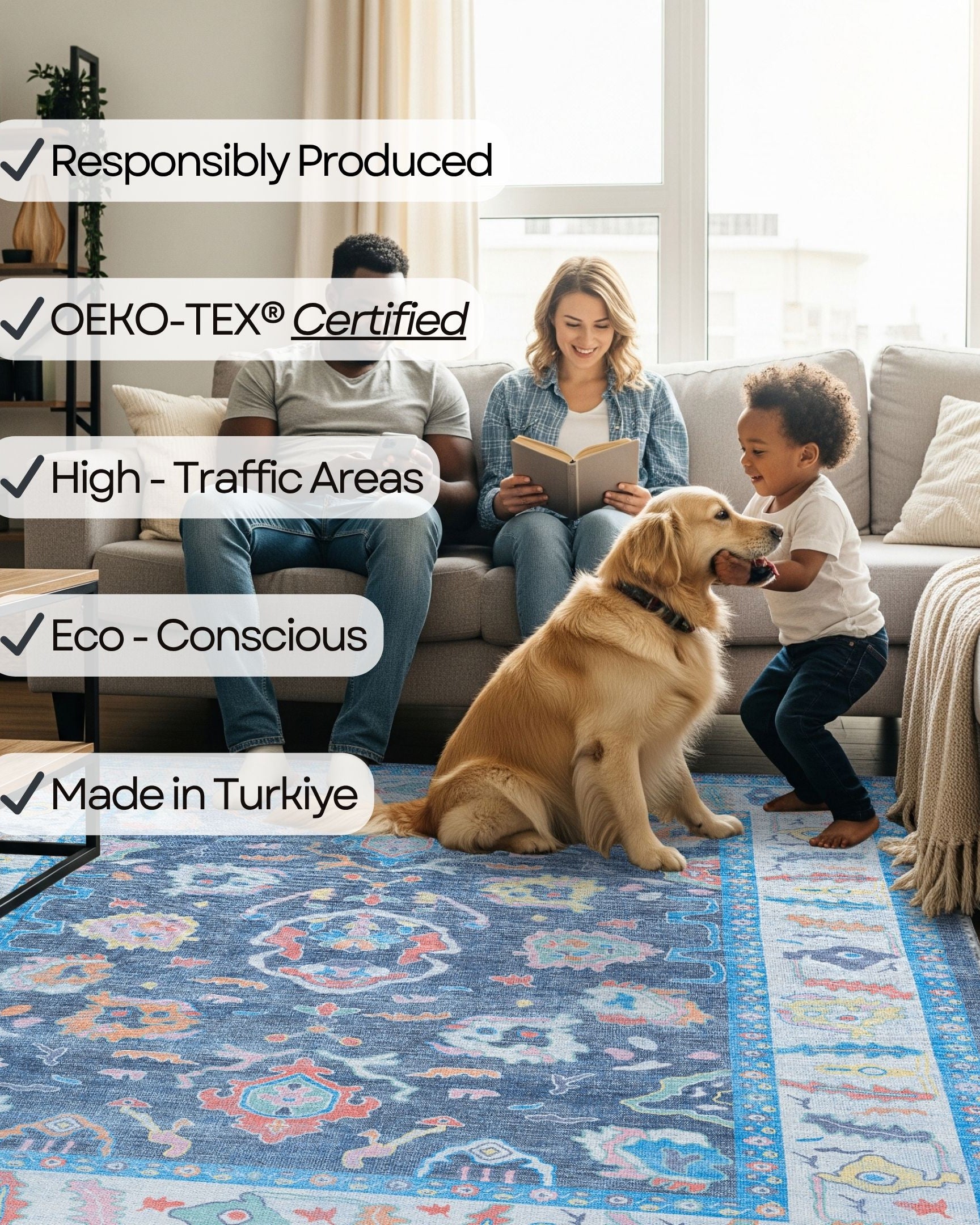
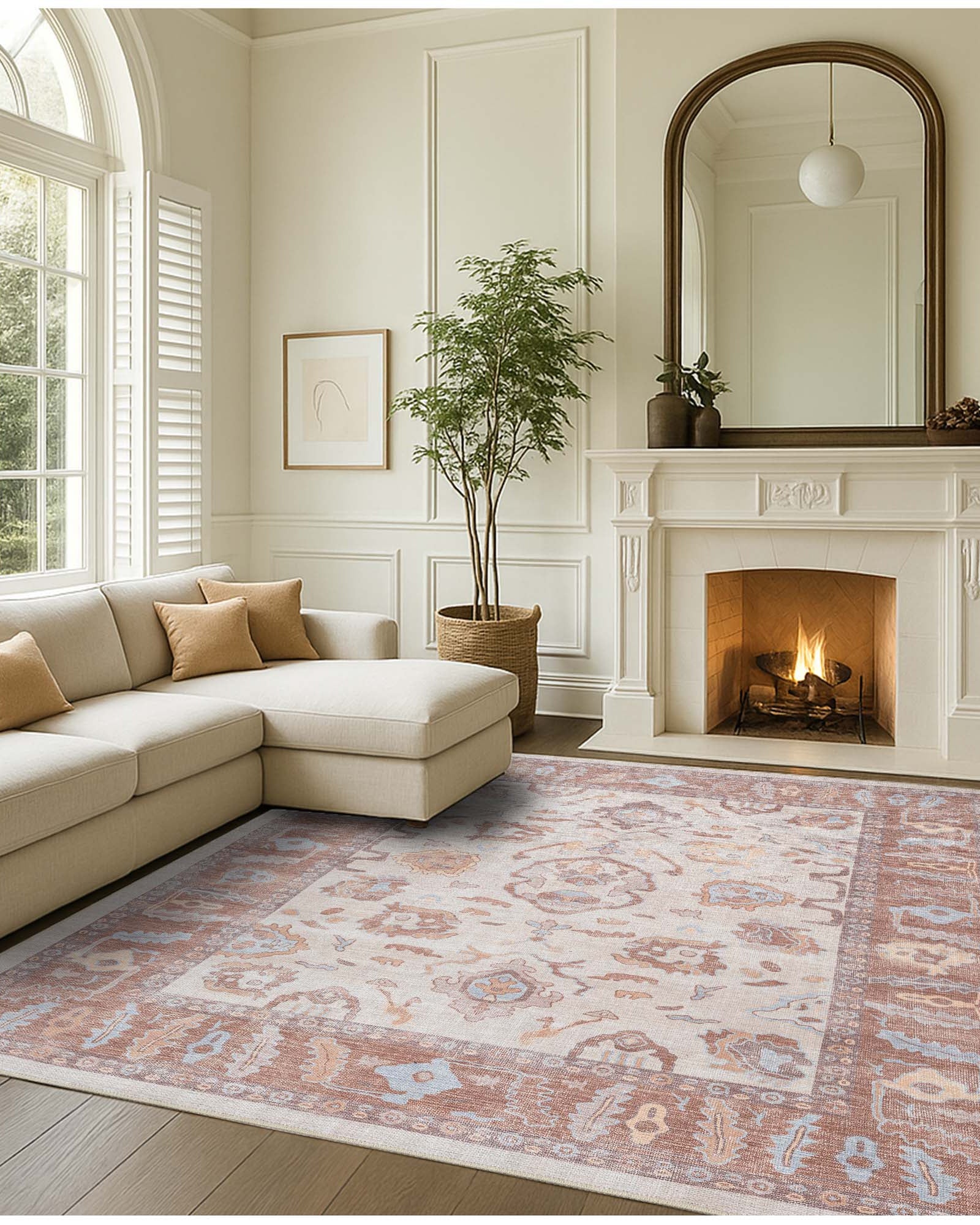
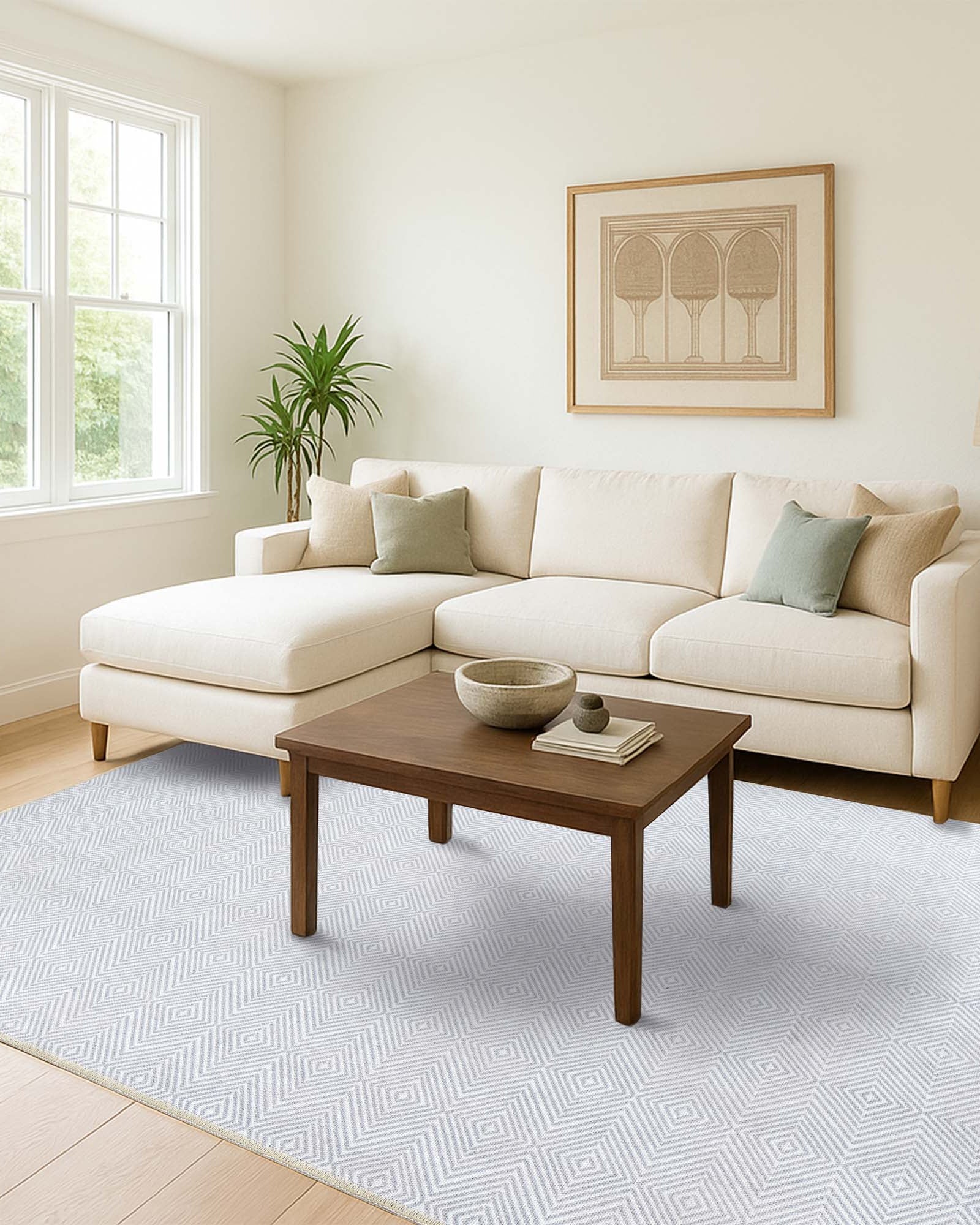
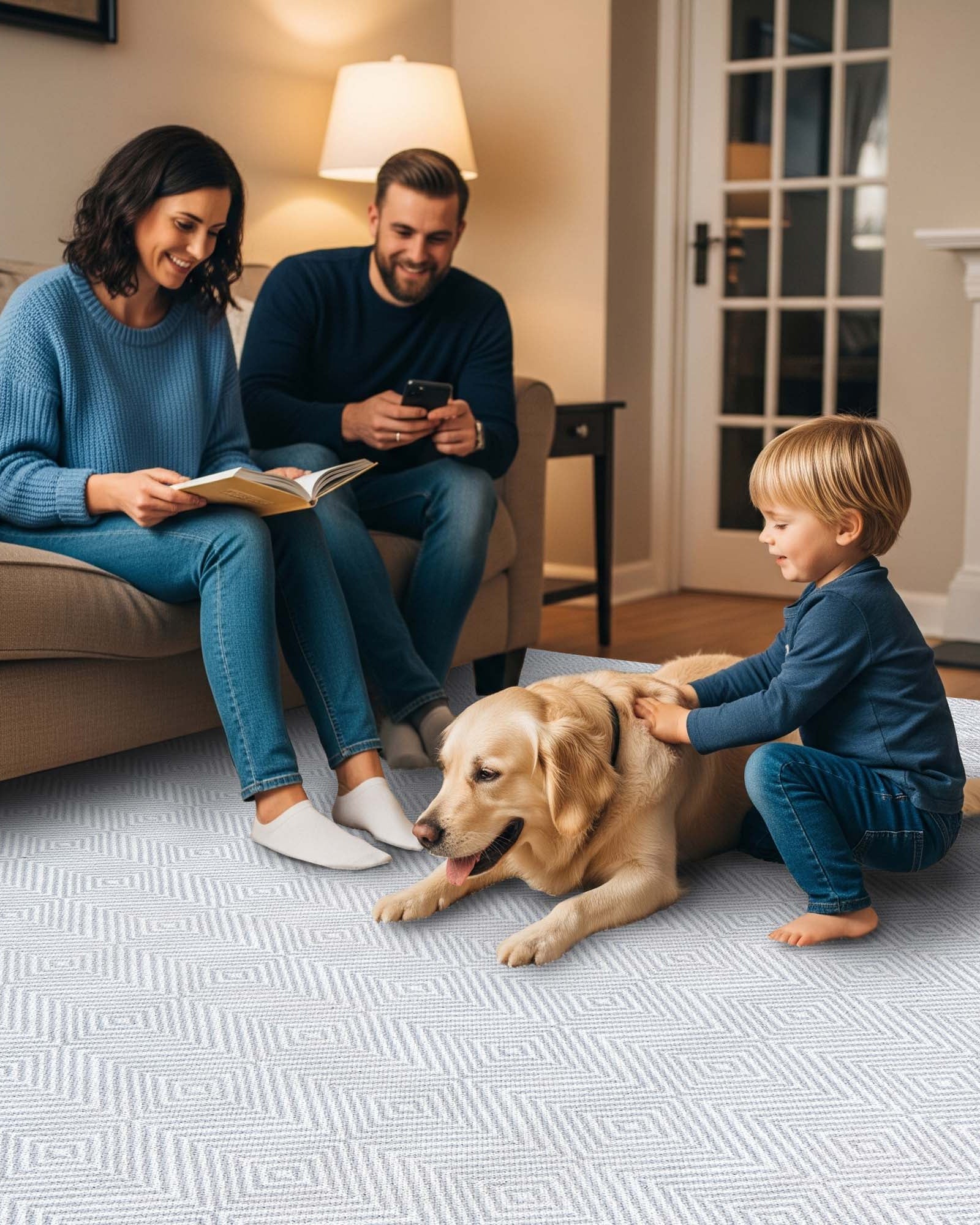
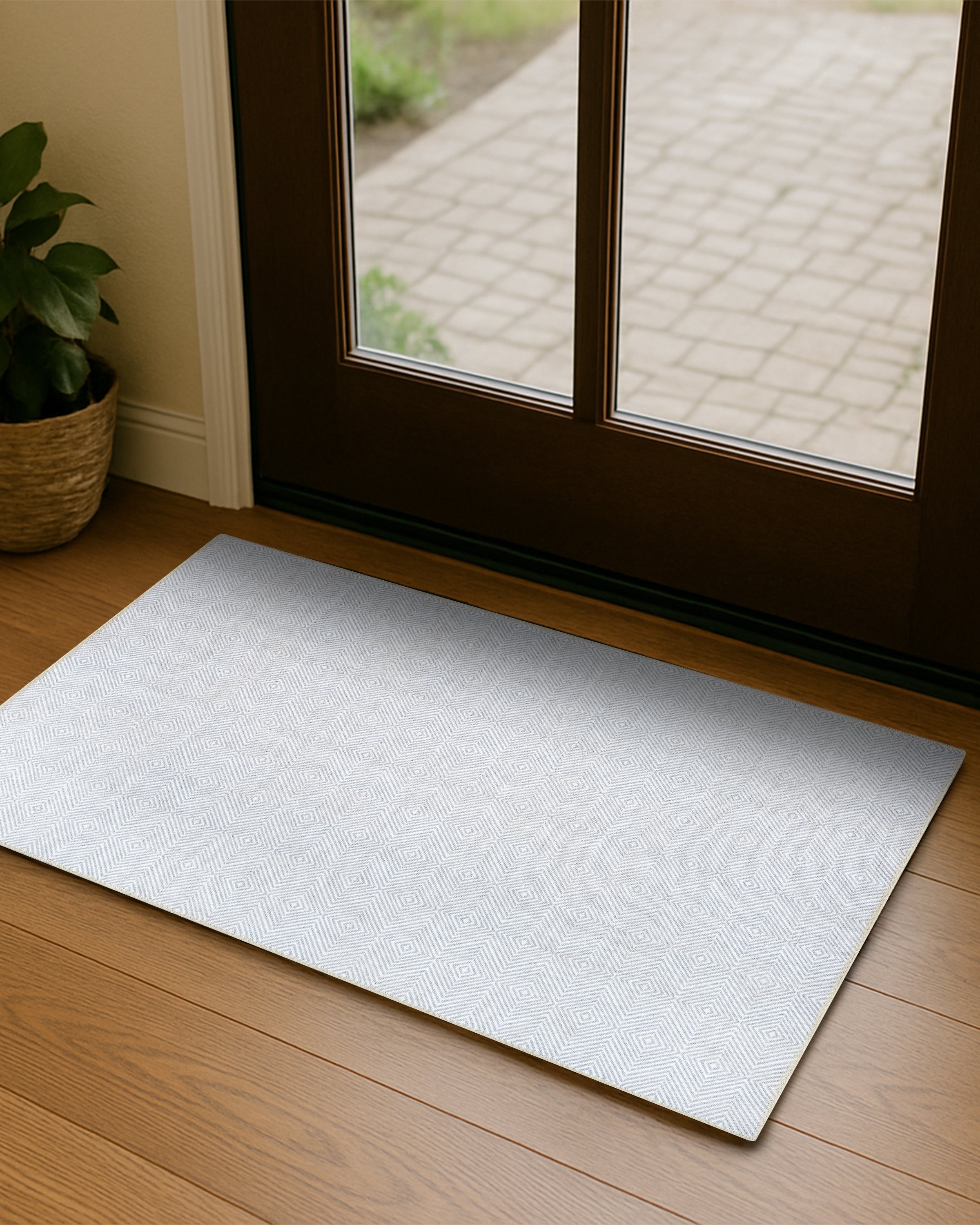
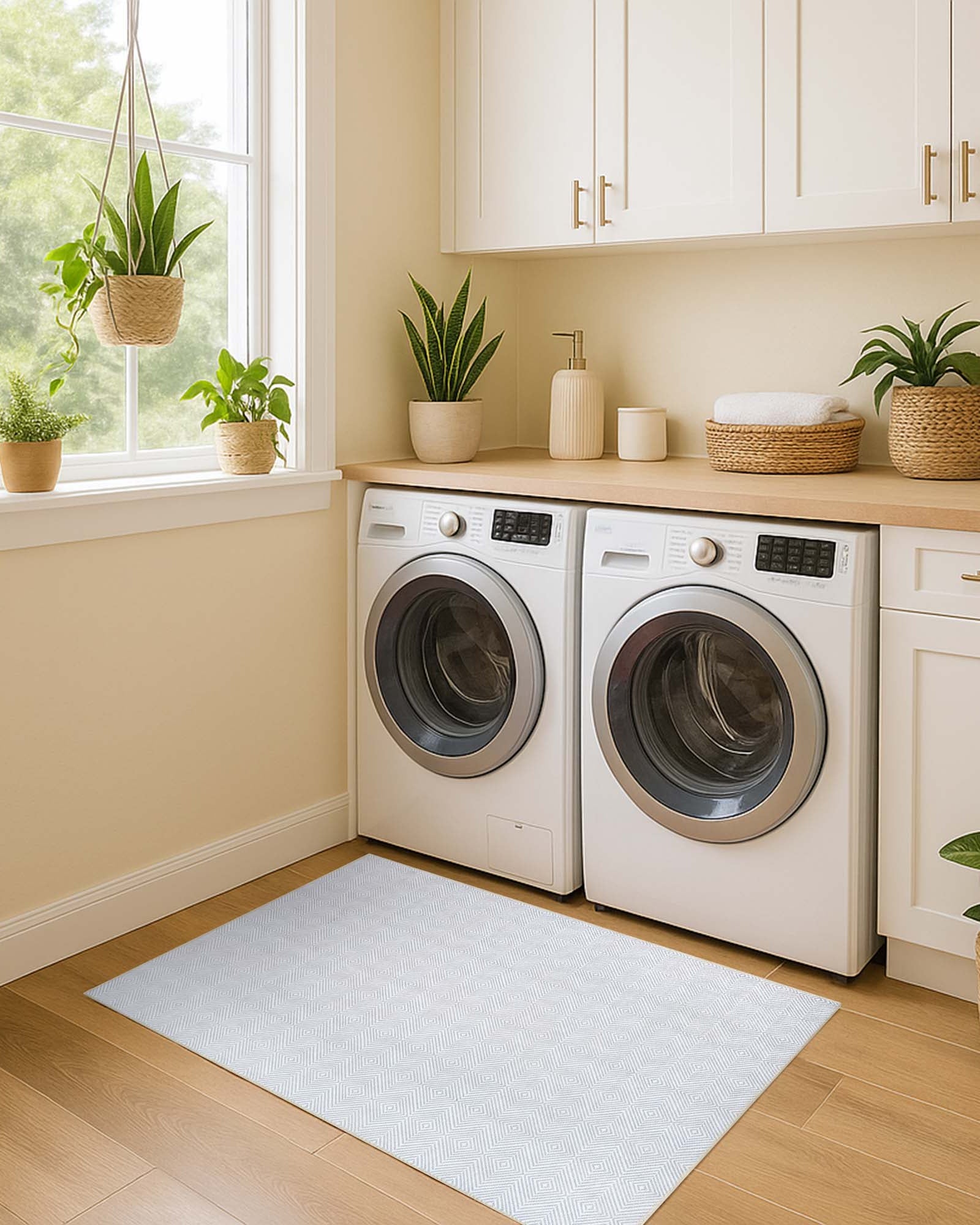
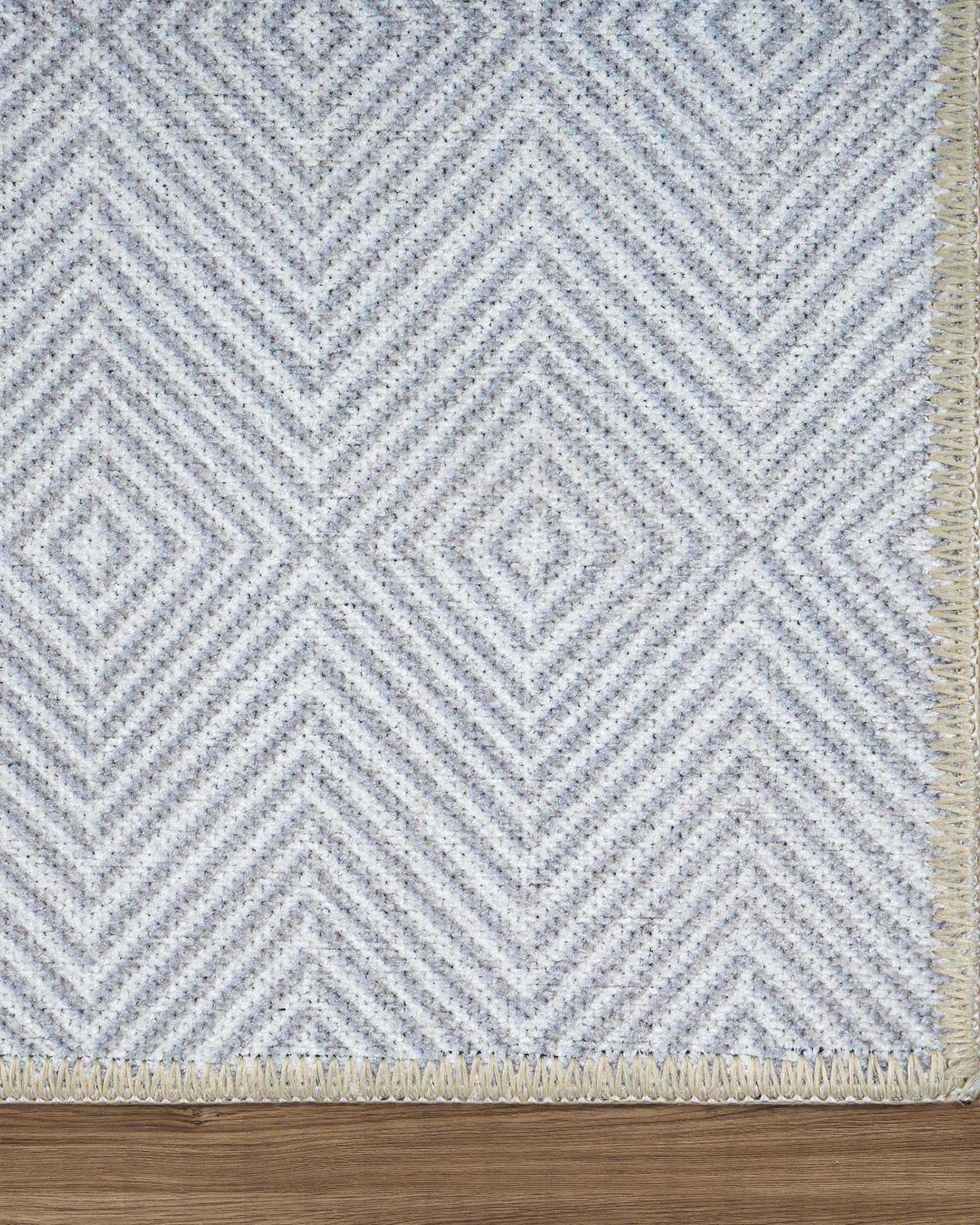
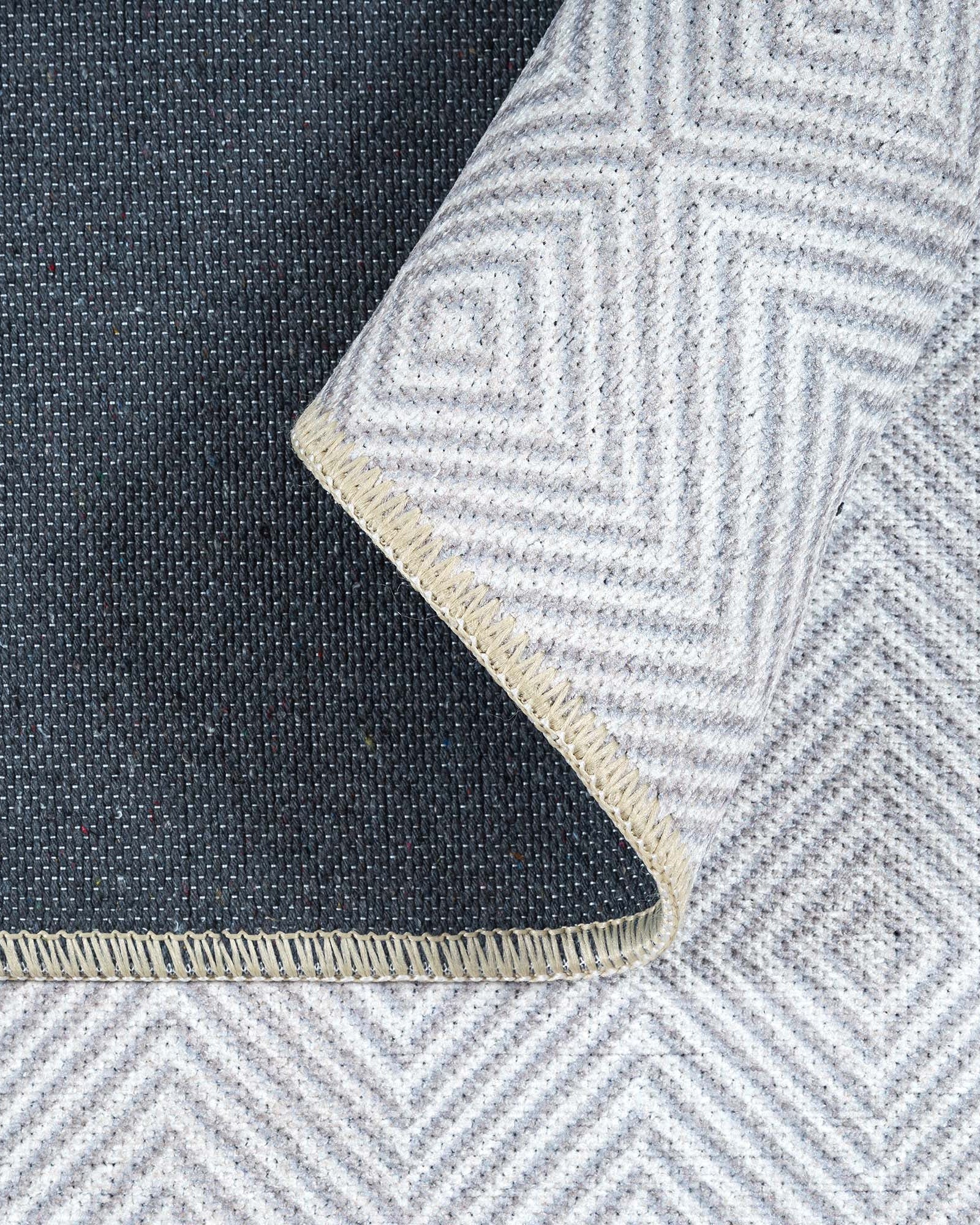
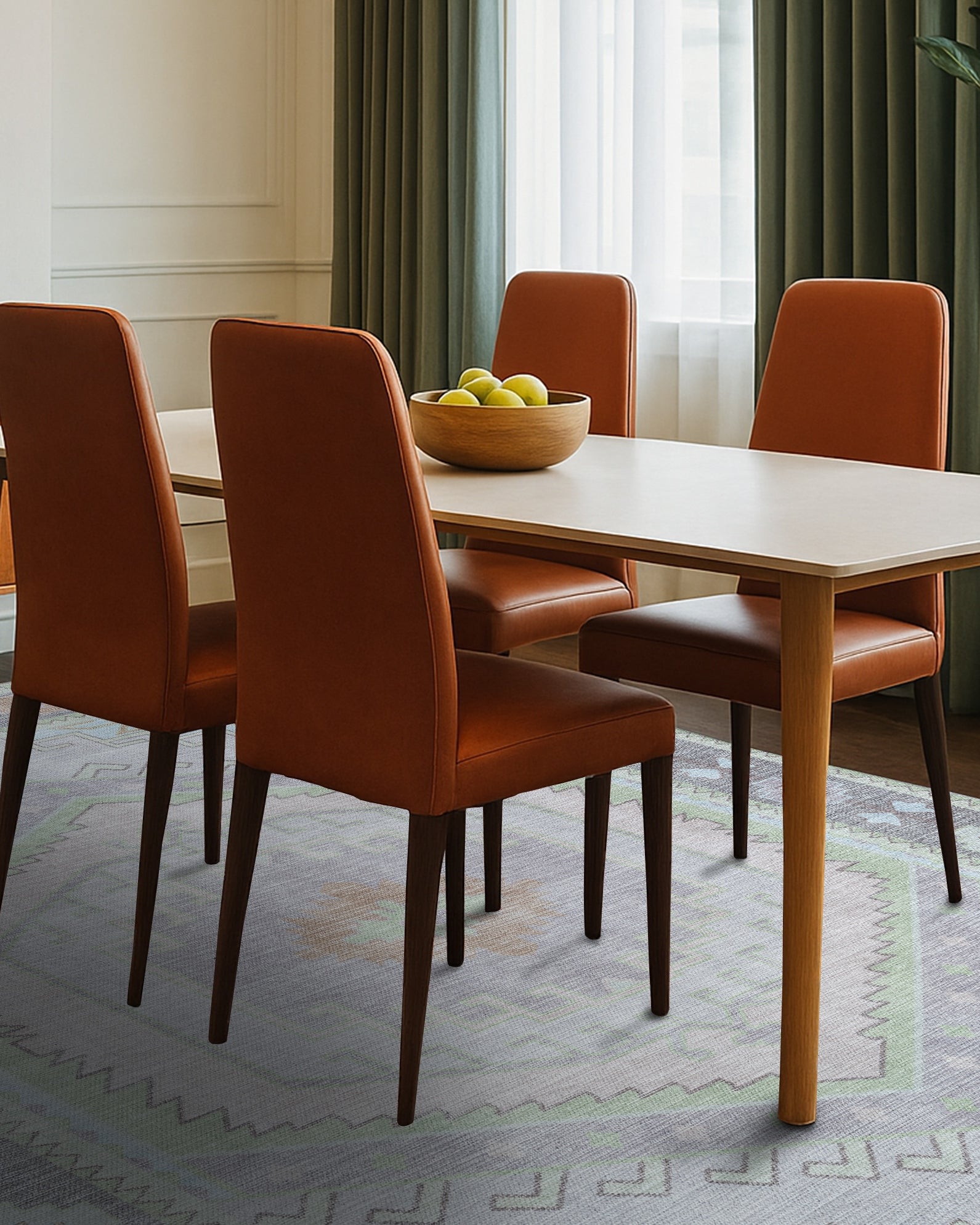
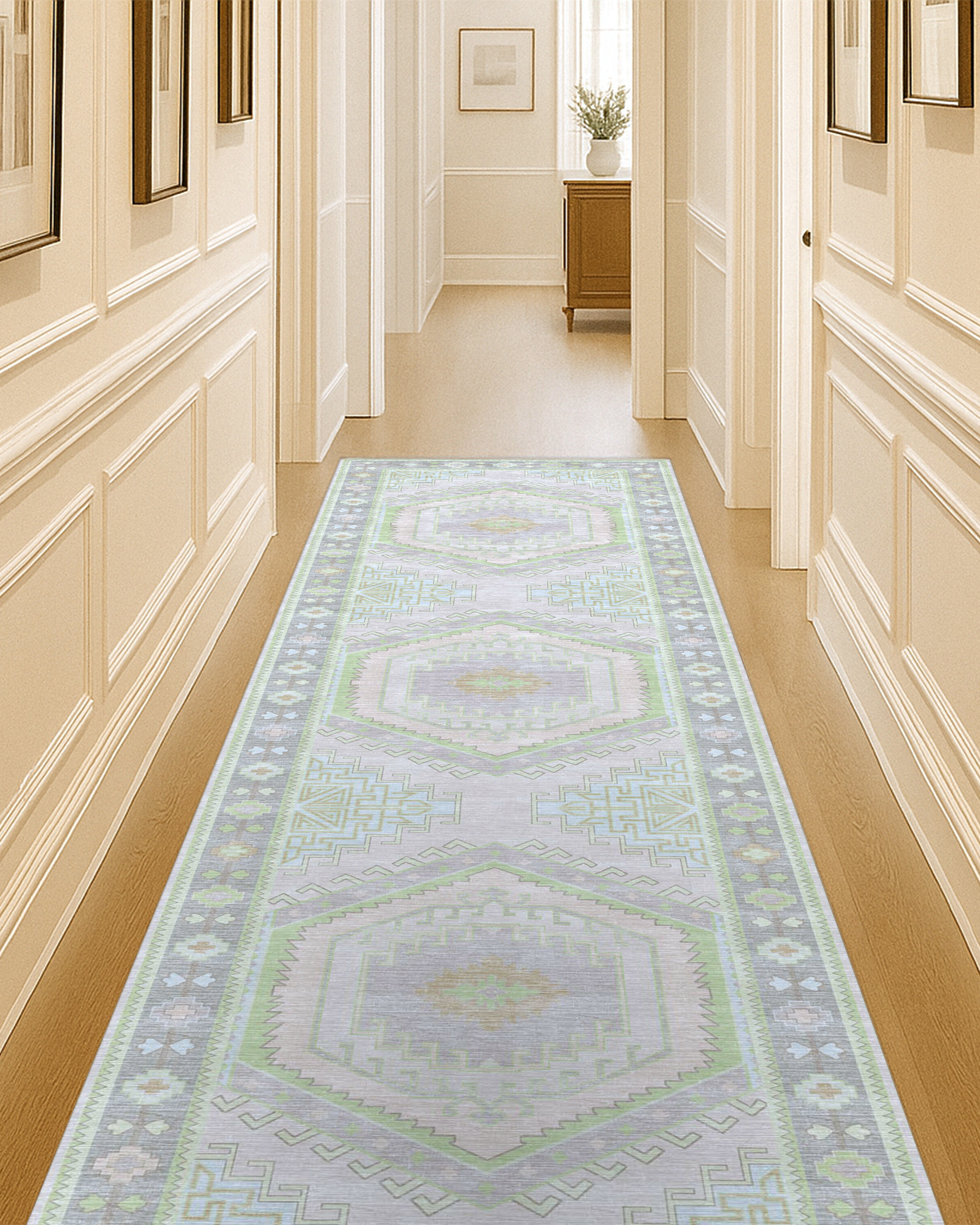
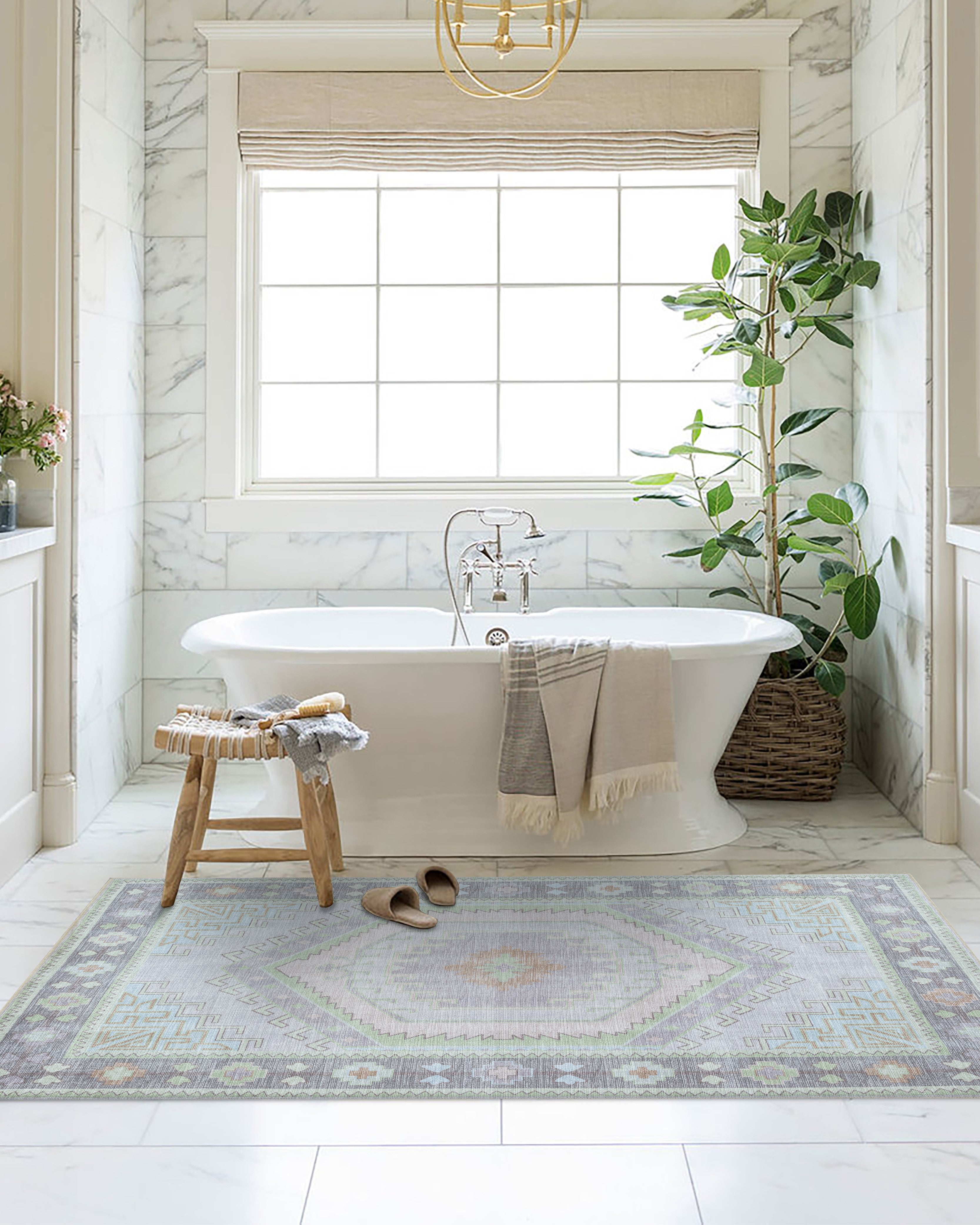
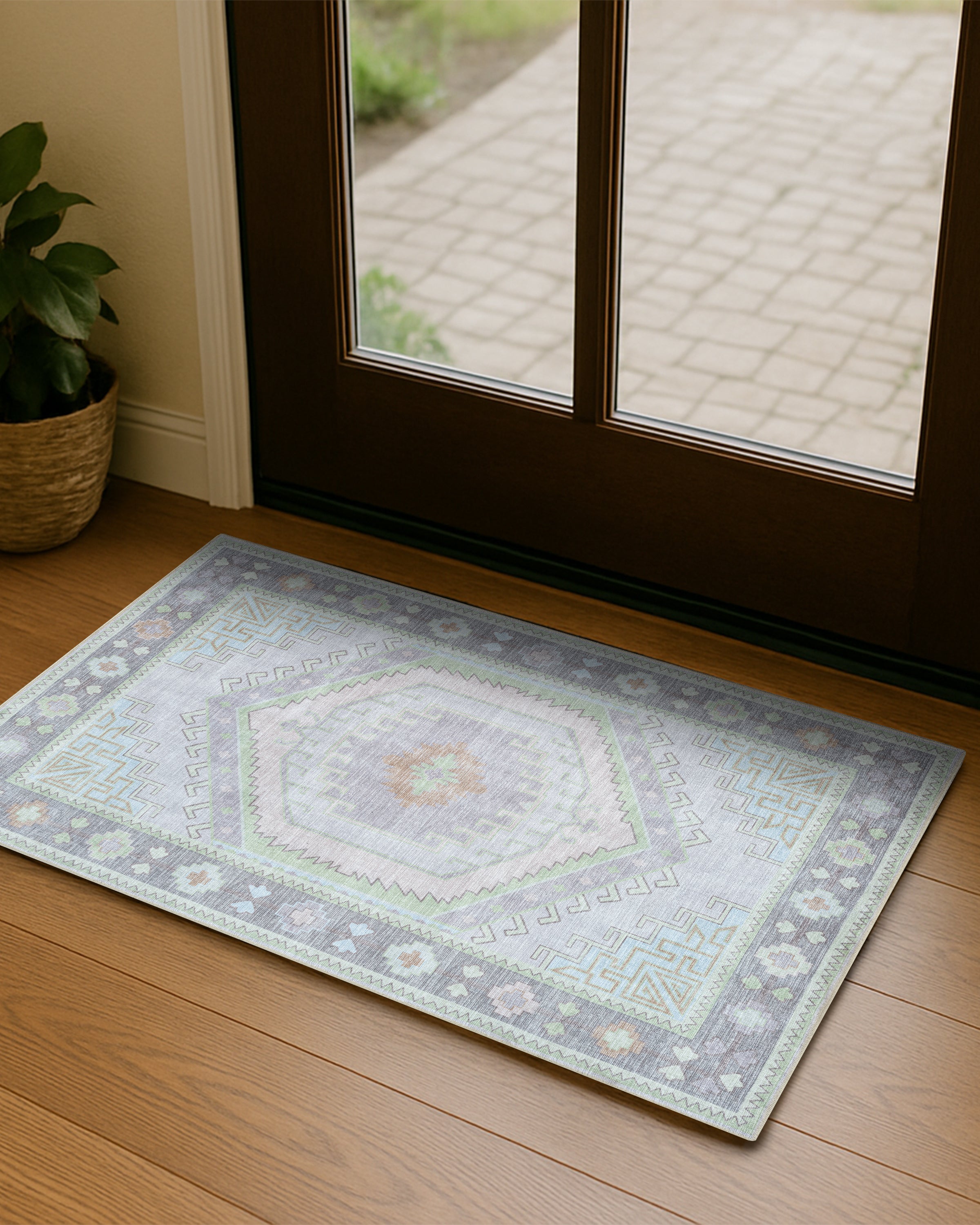
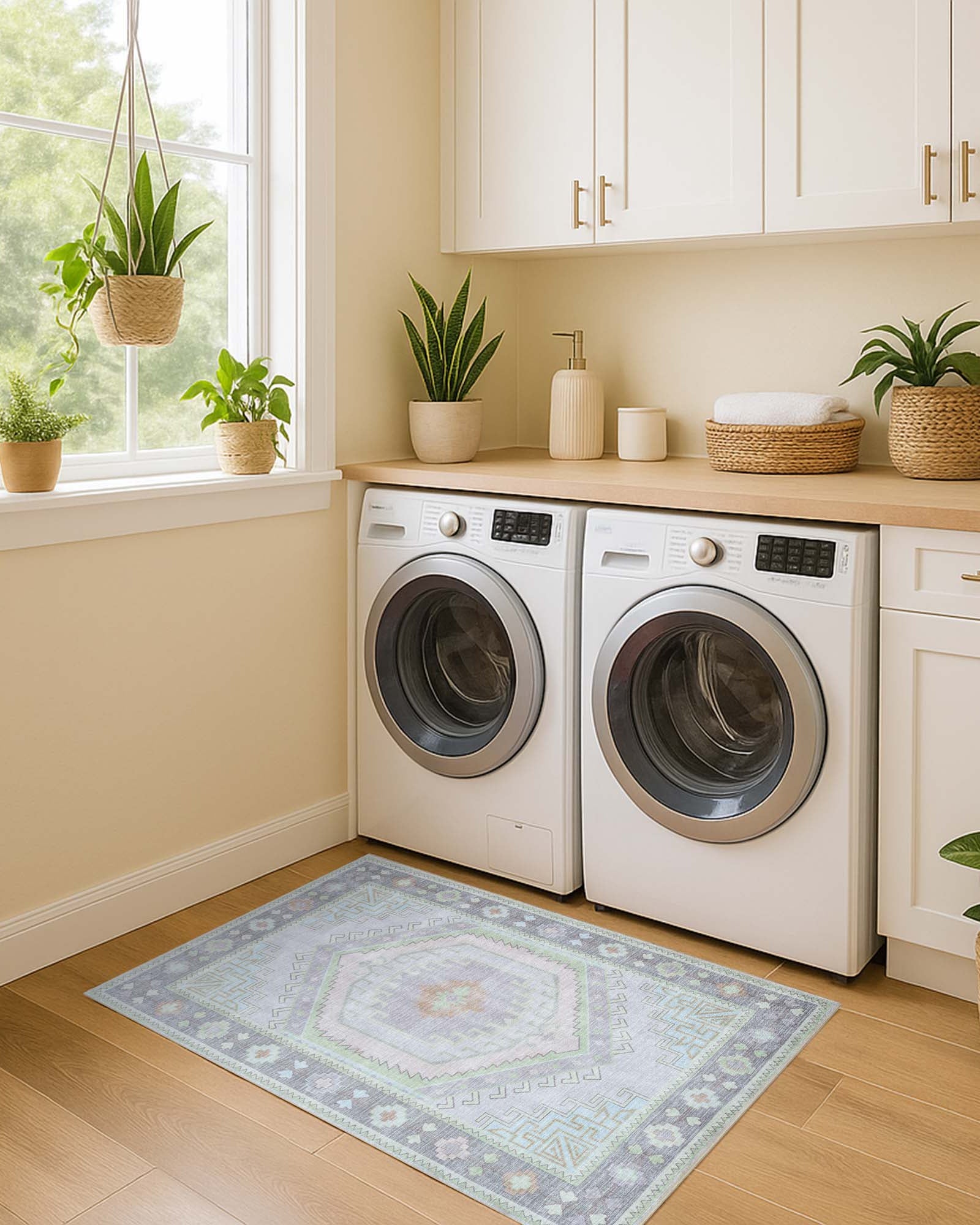
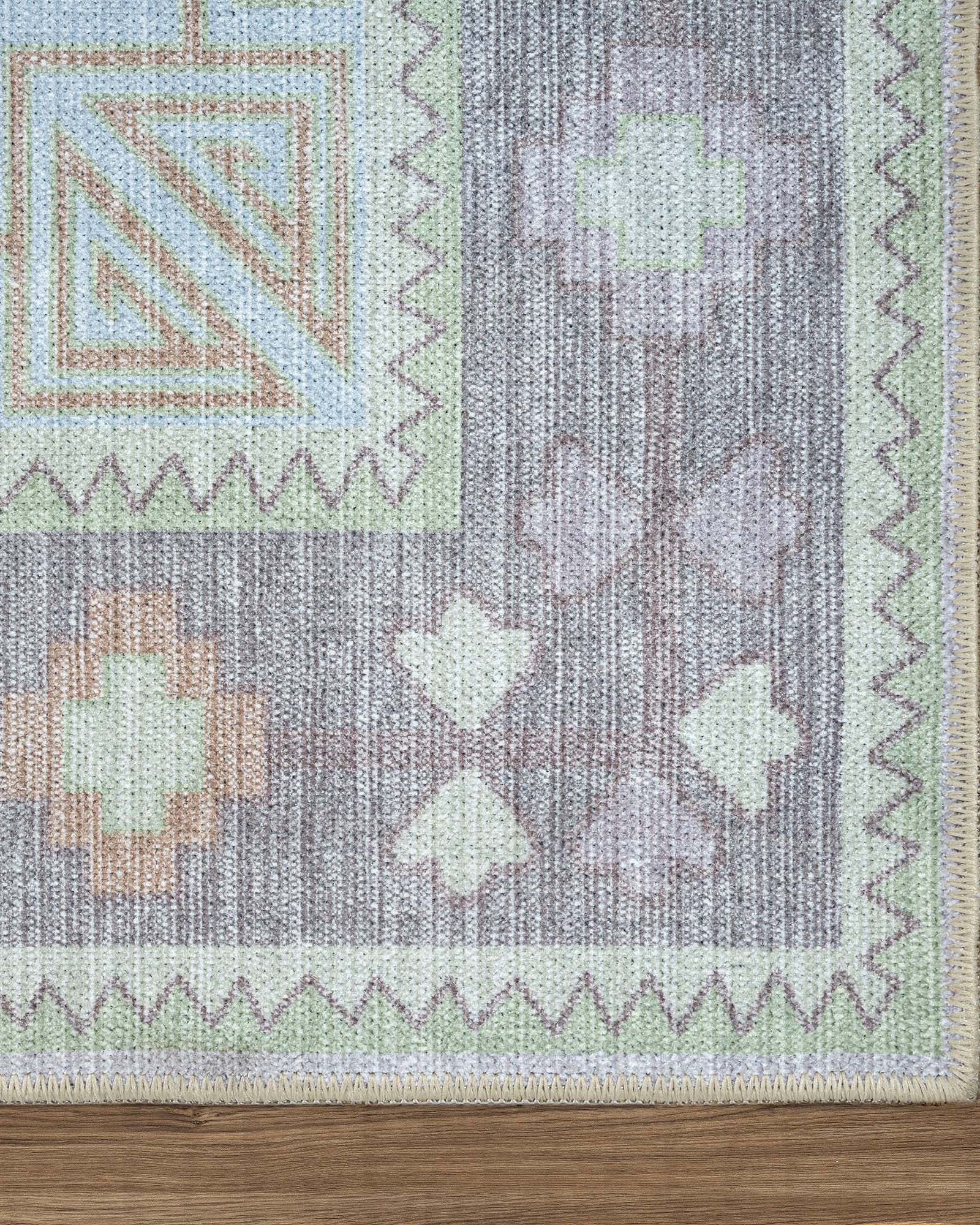
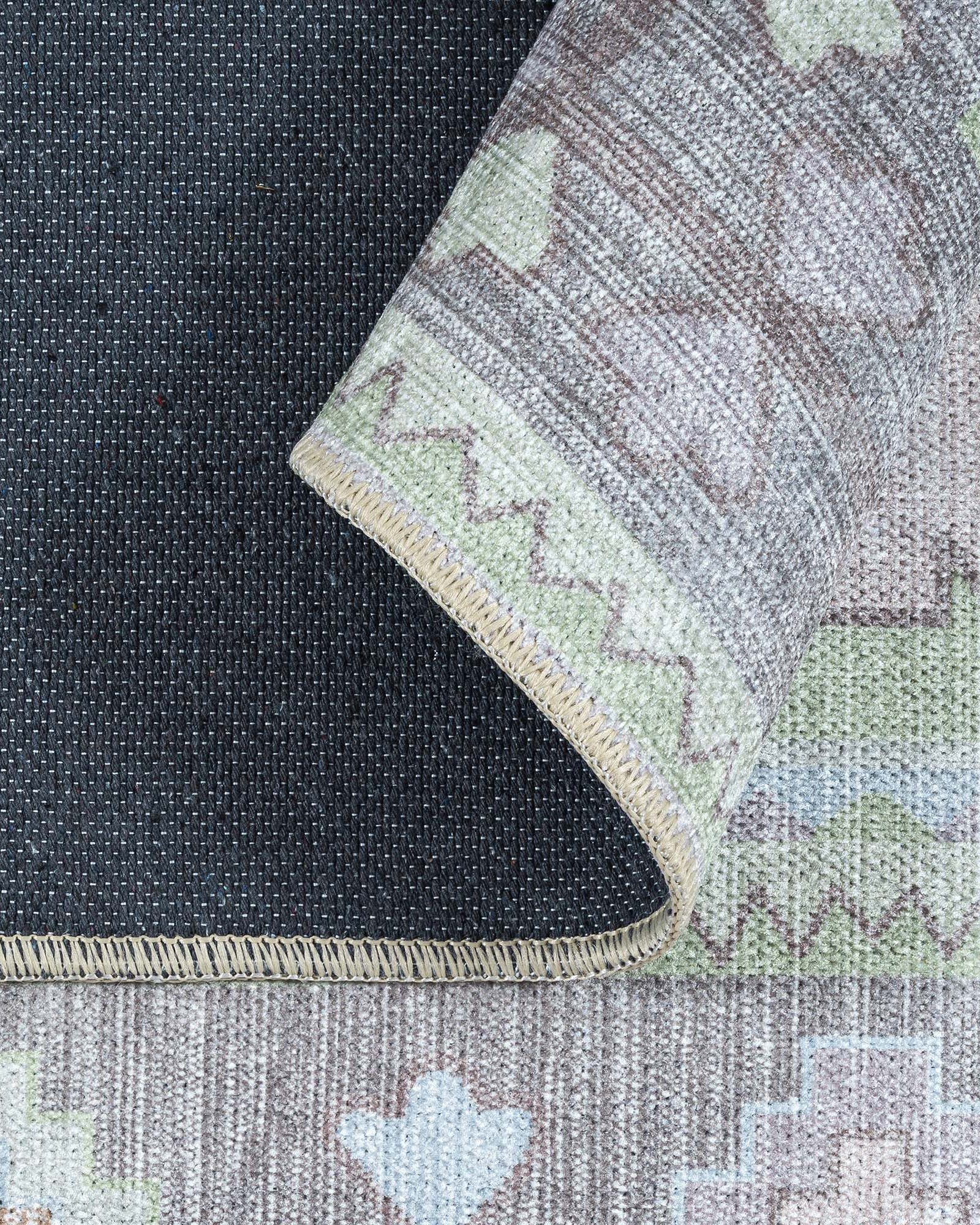
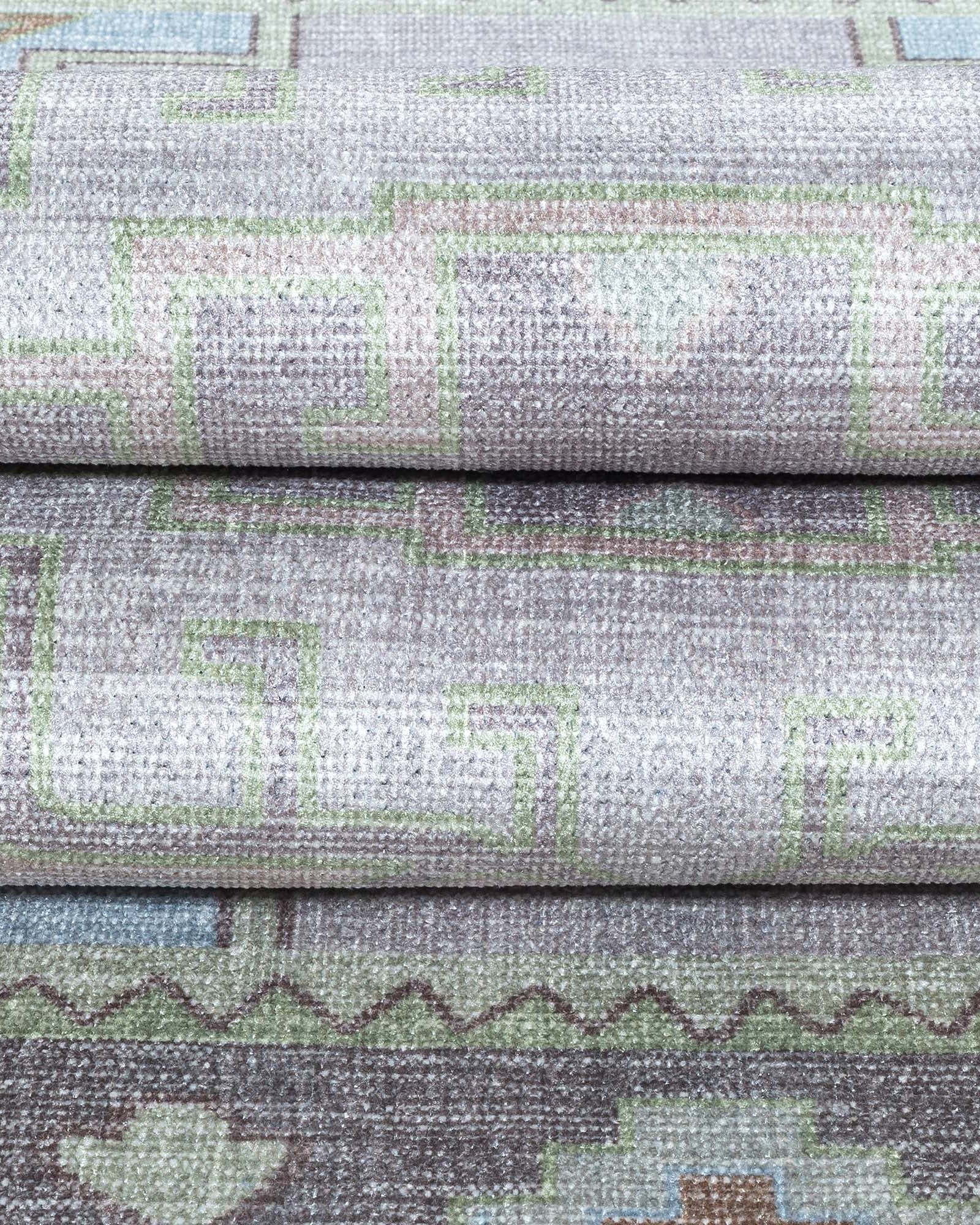
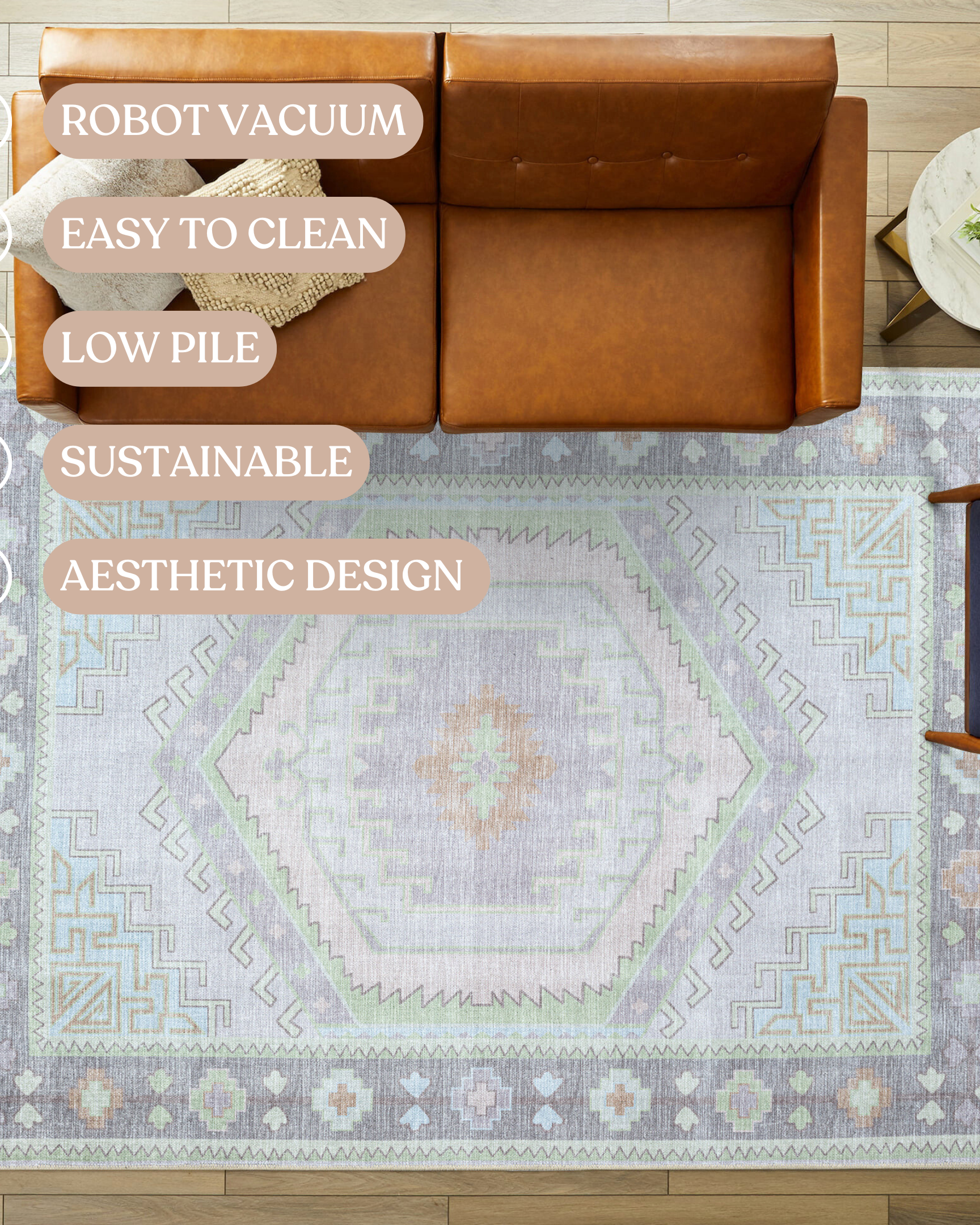
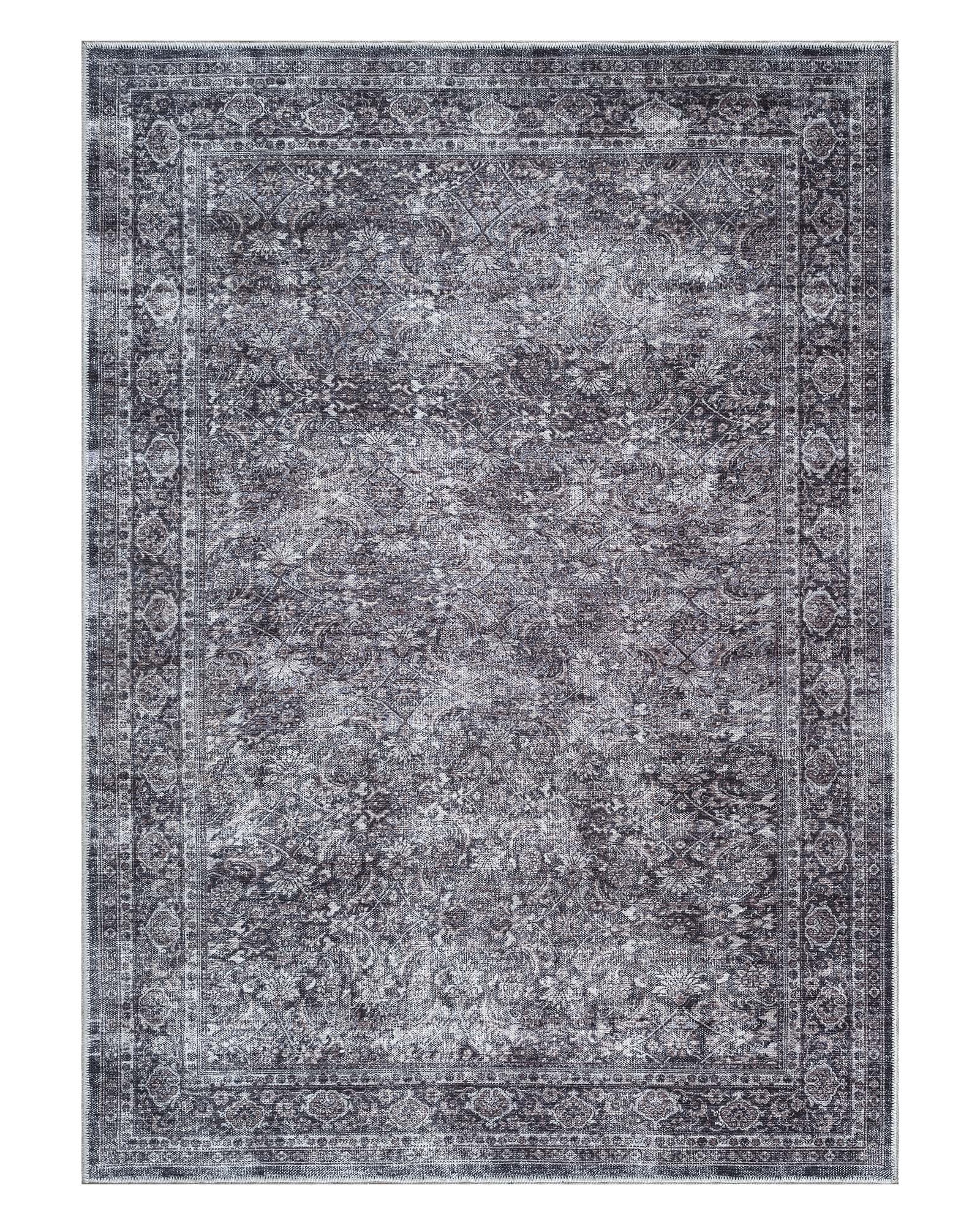
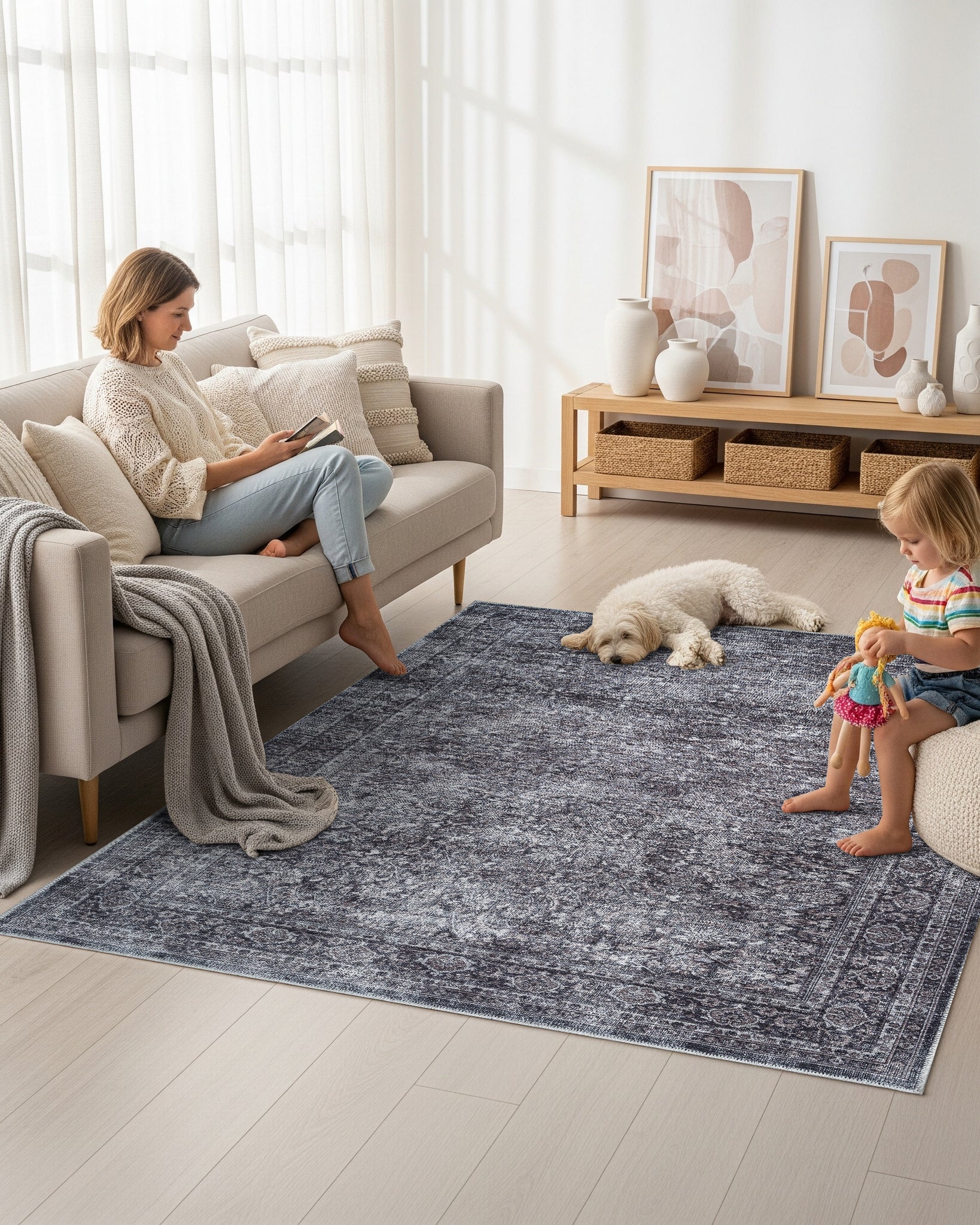
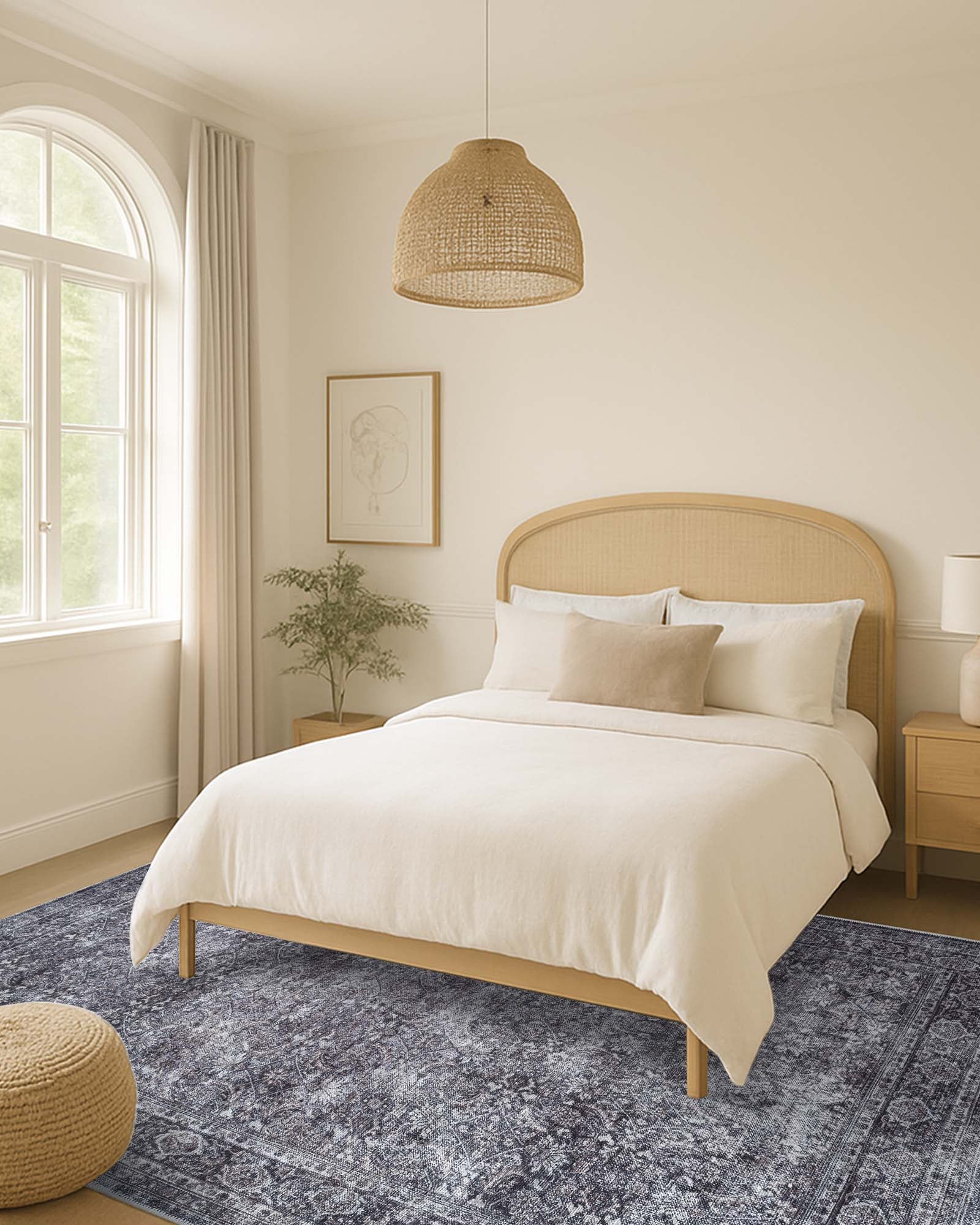
About the Shop the Look - Same Story, Different Page Collection
Master the art of continuity and flow with a curated selection of rugs designed to connect your rooms seamlessly.
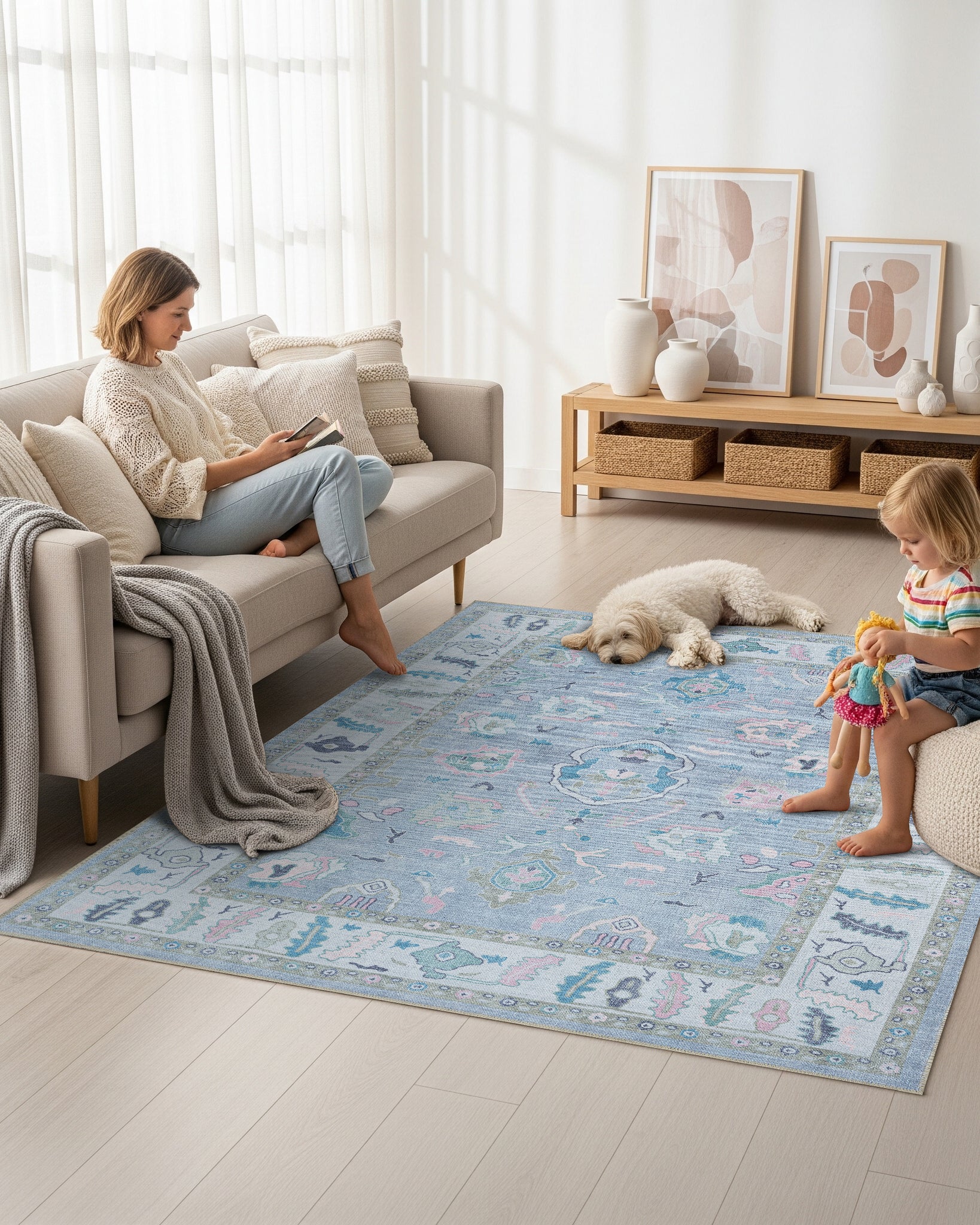
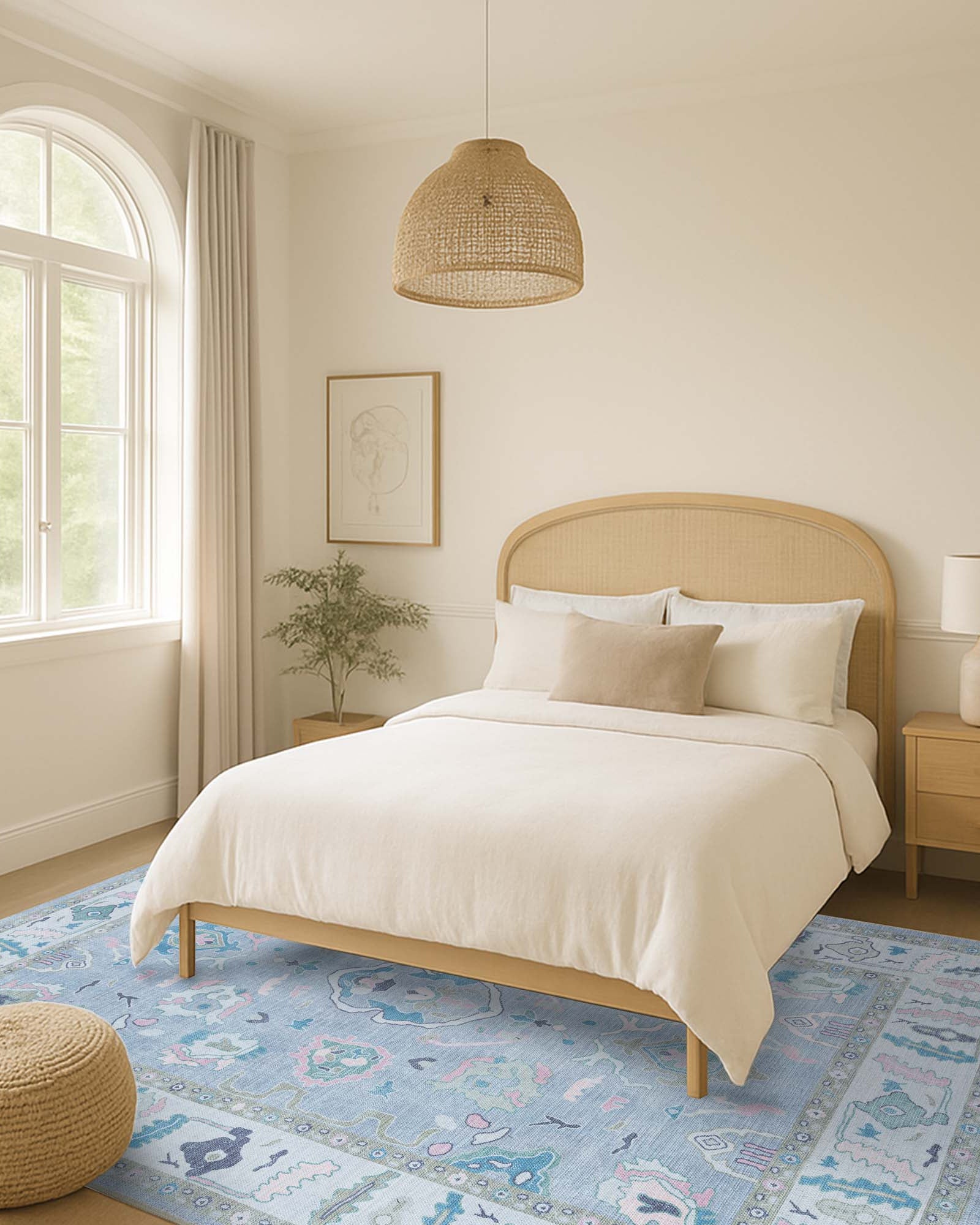
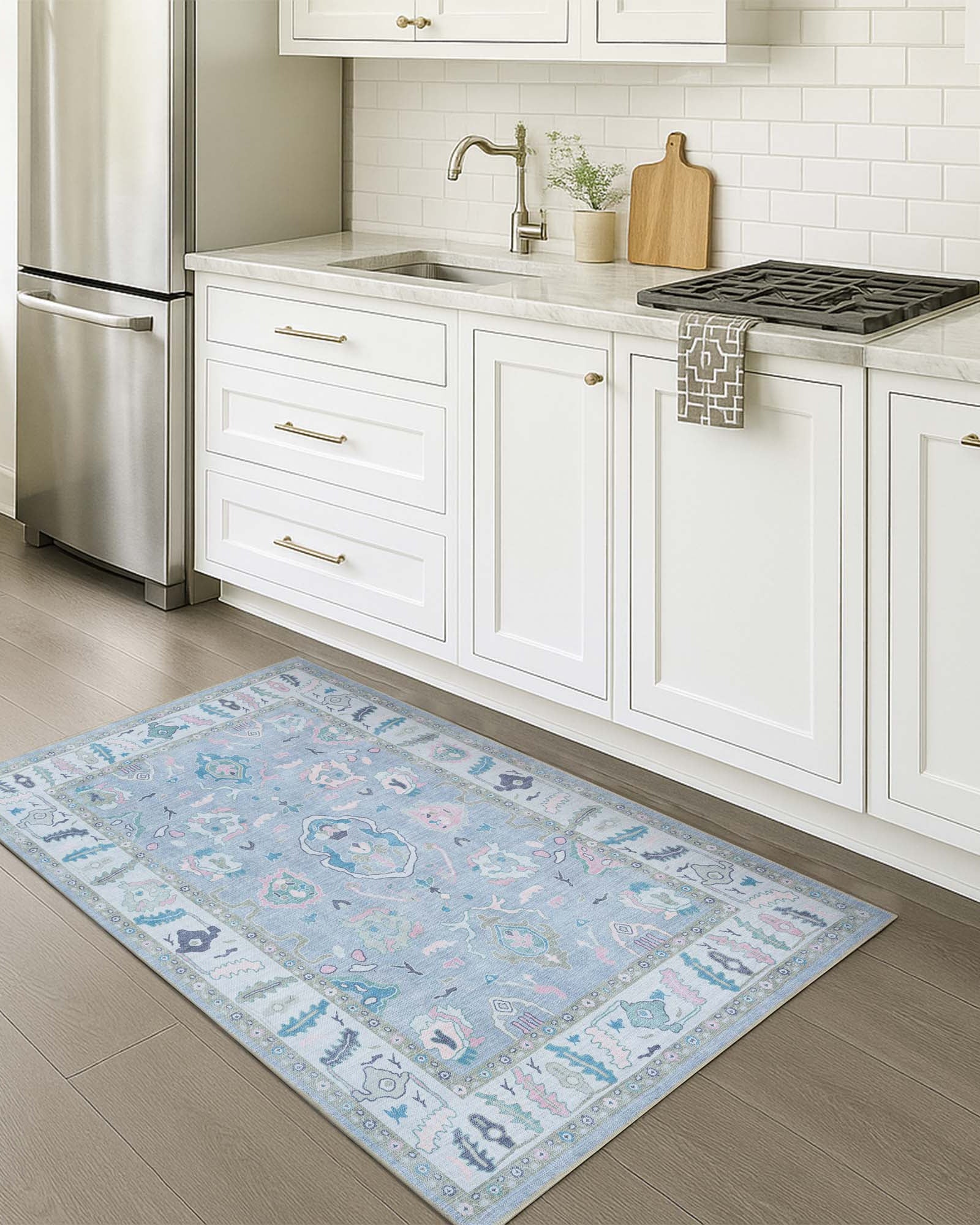
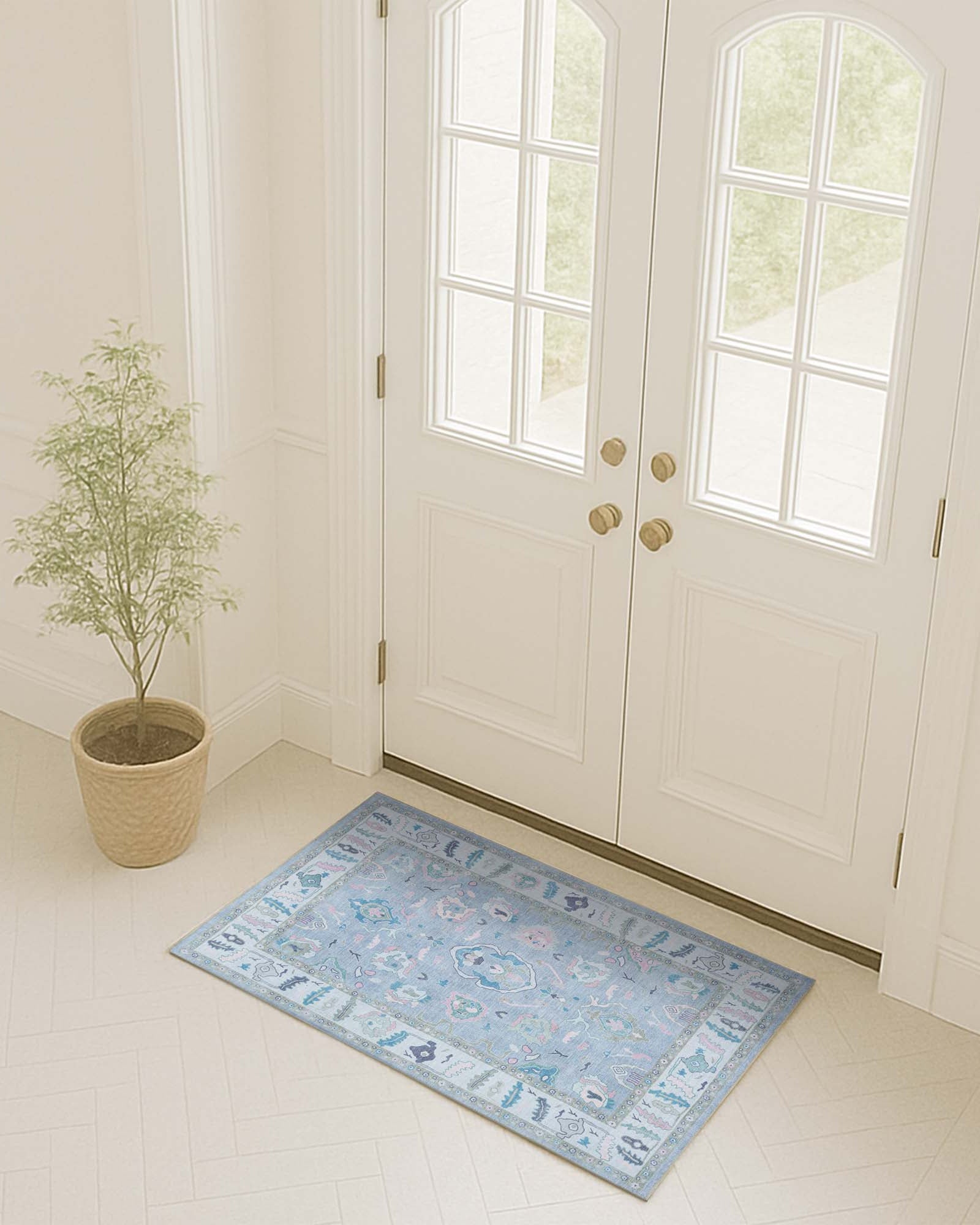
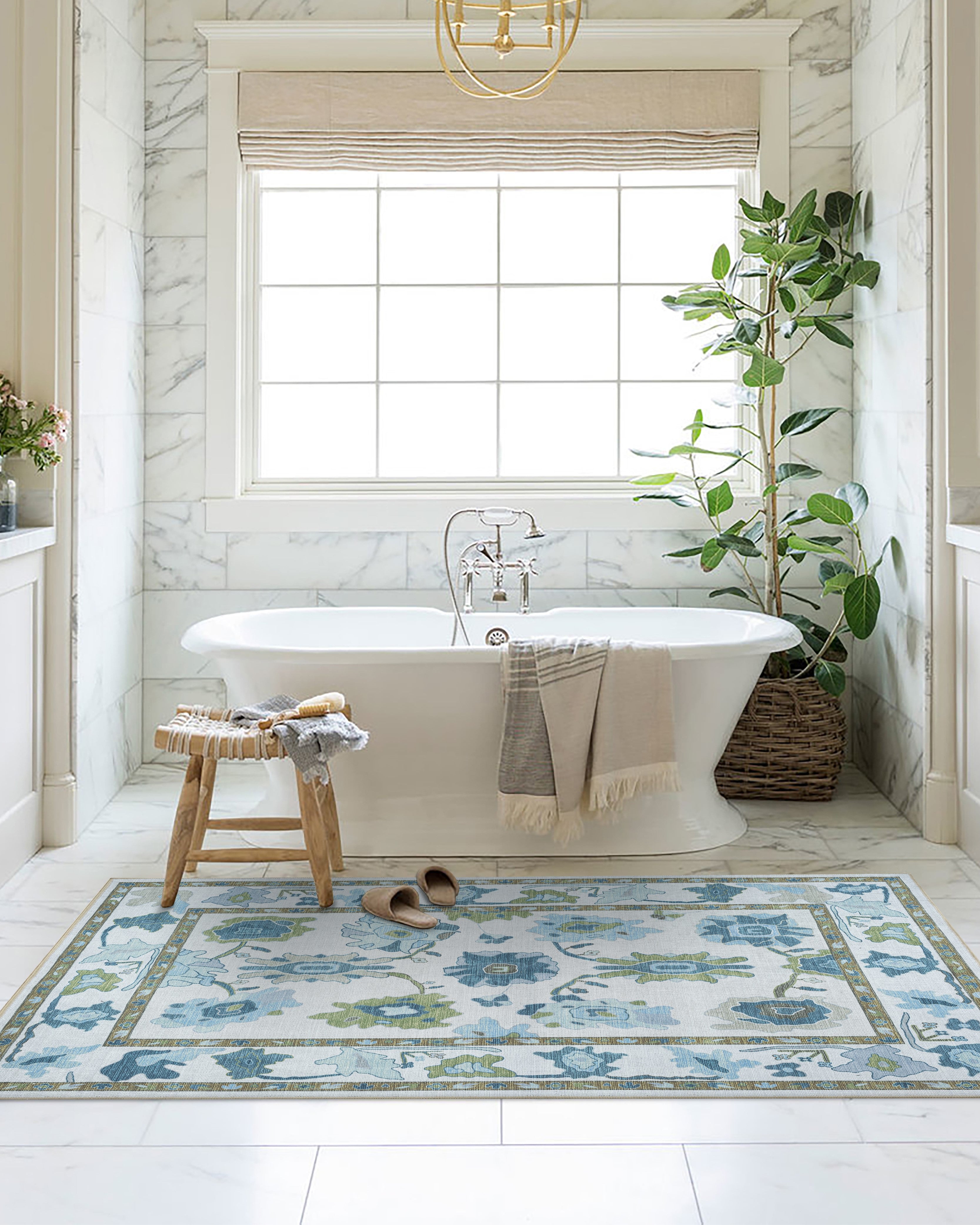
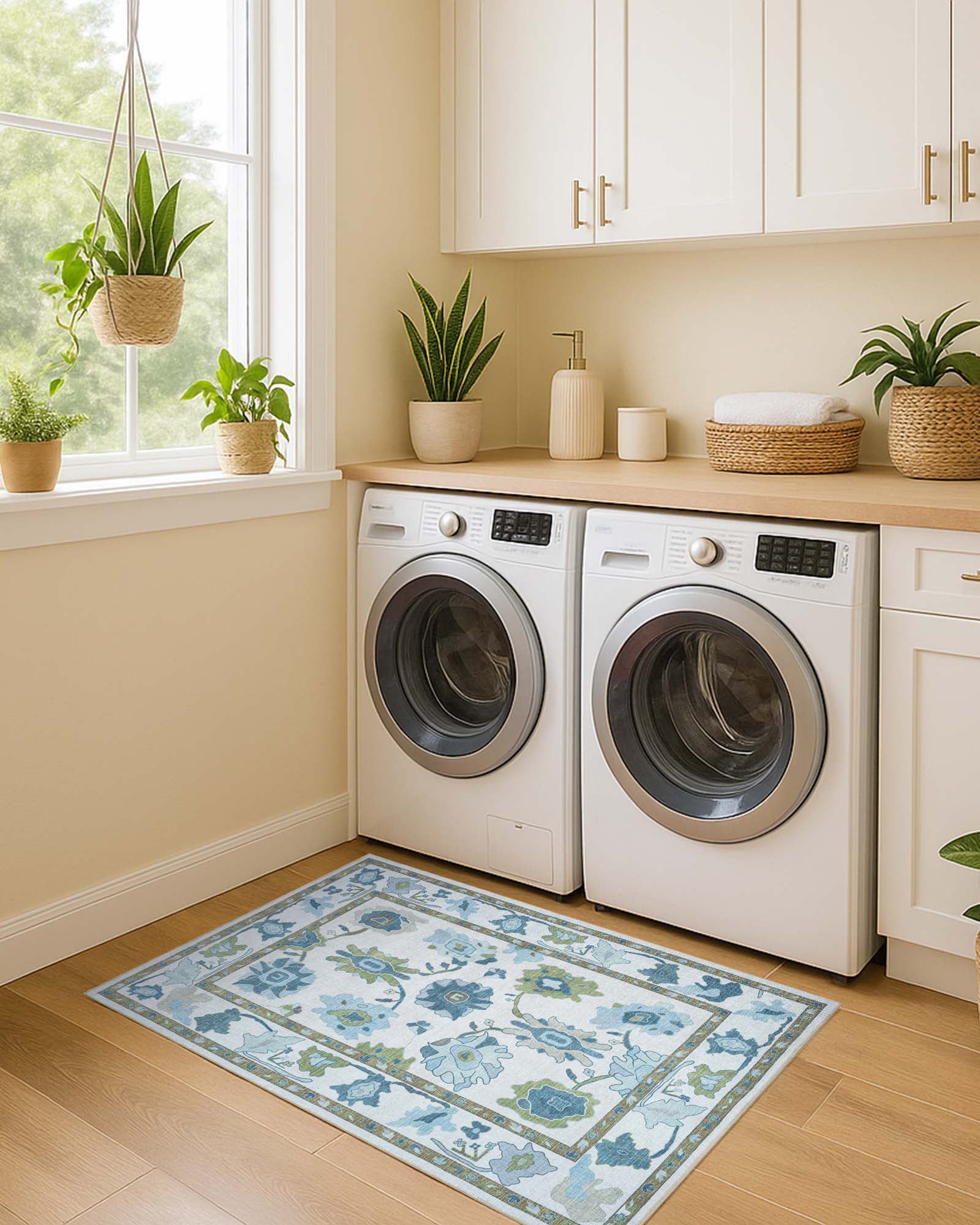
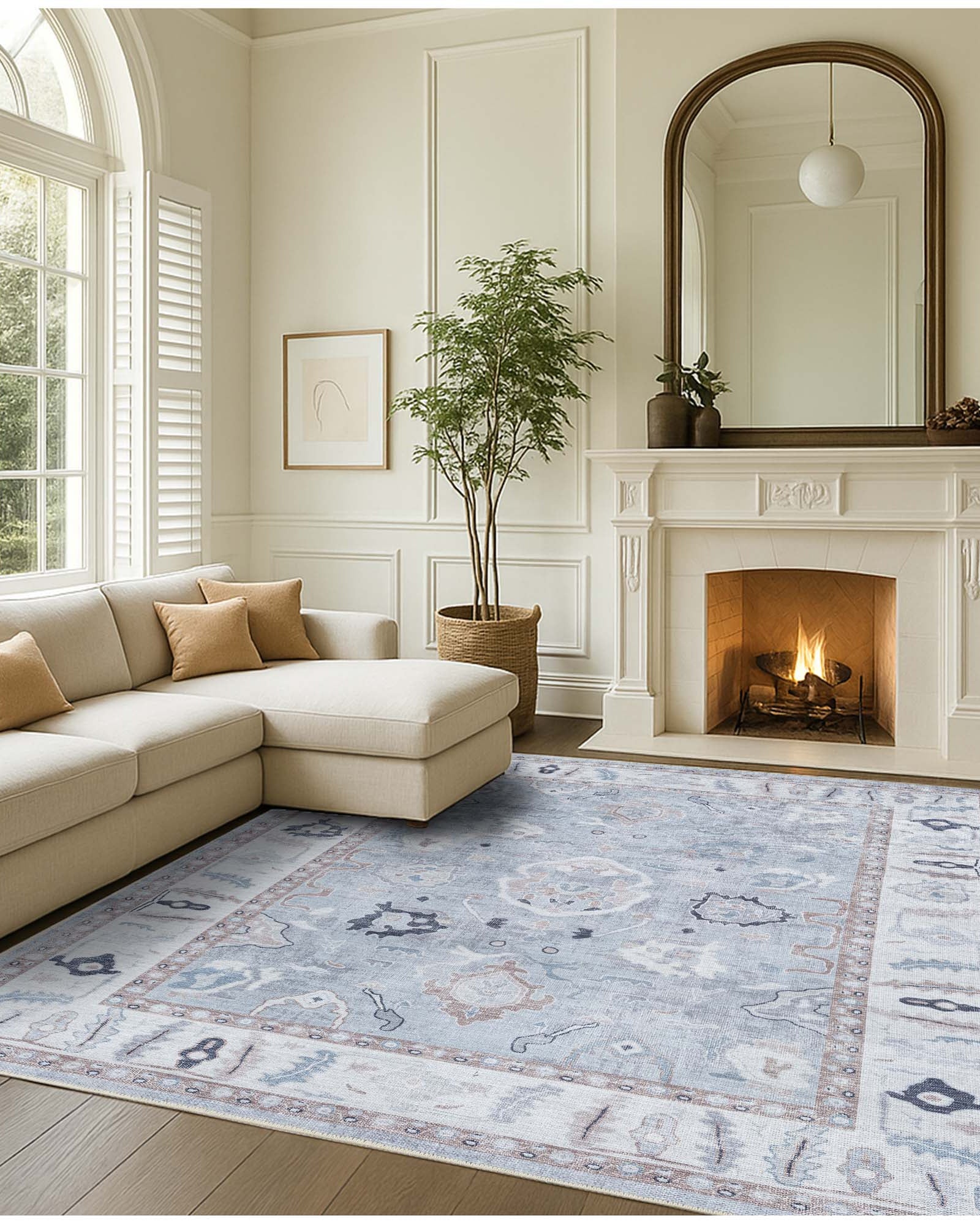
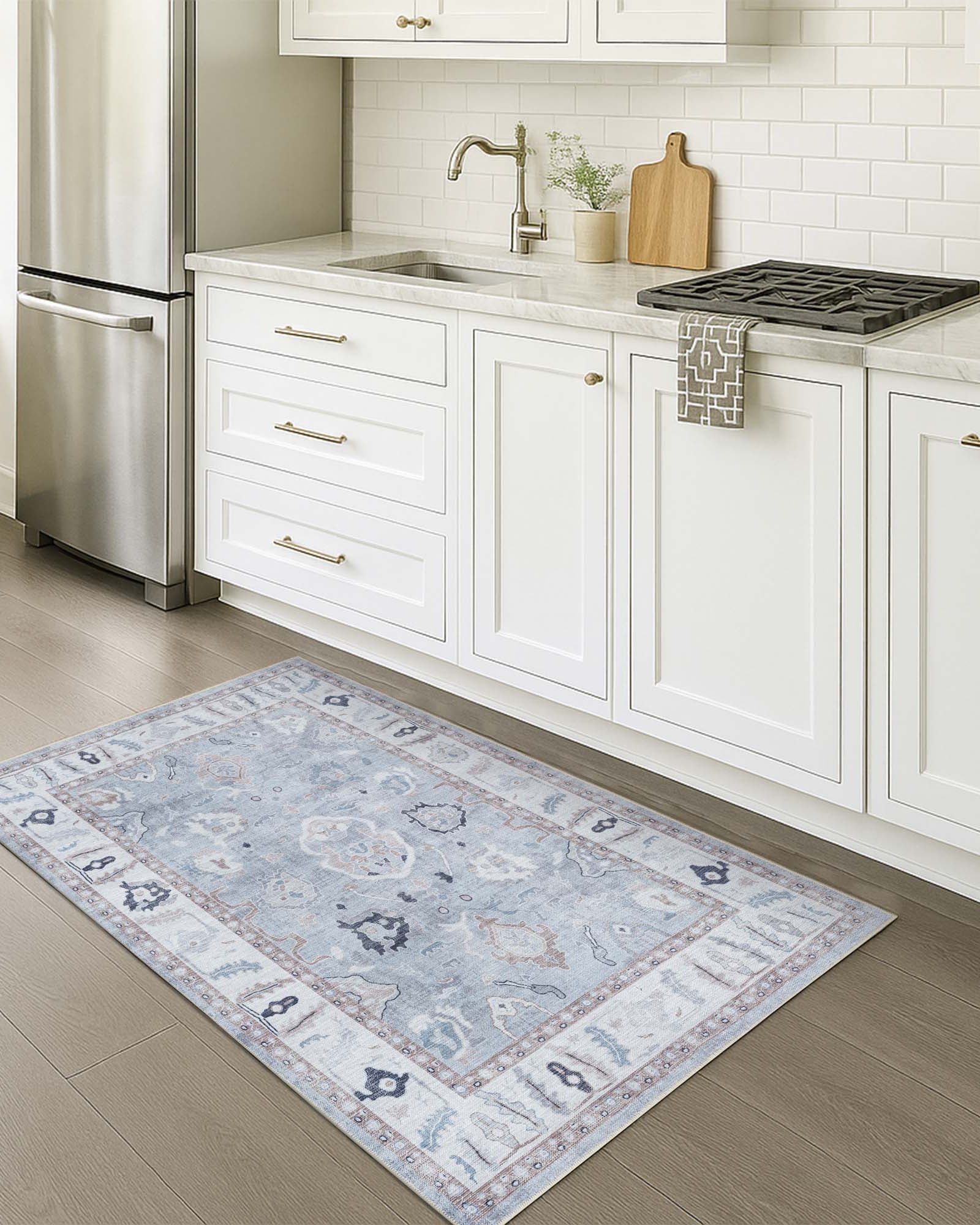
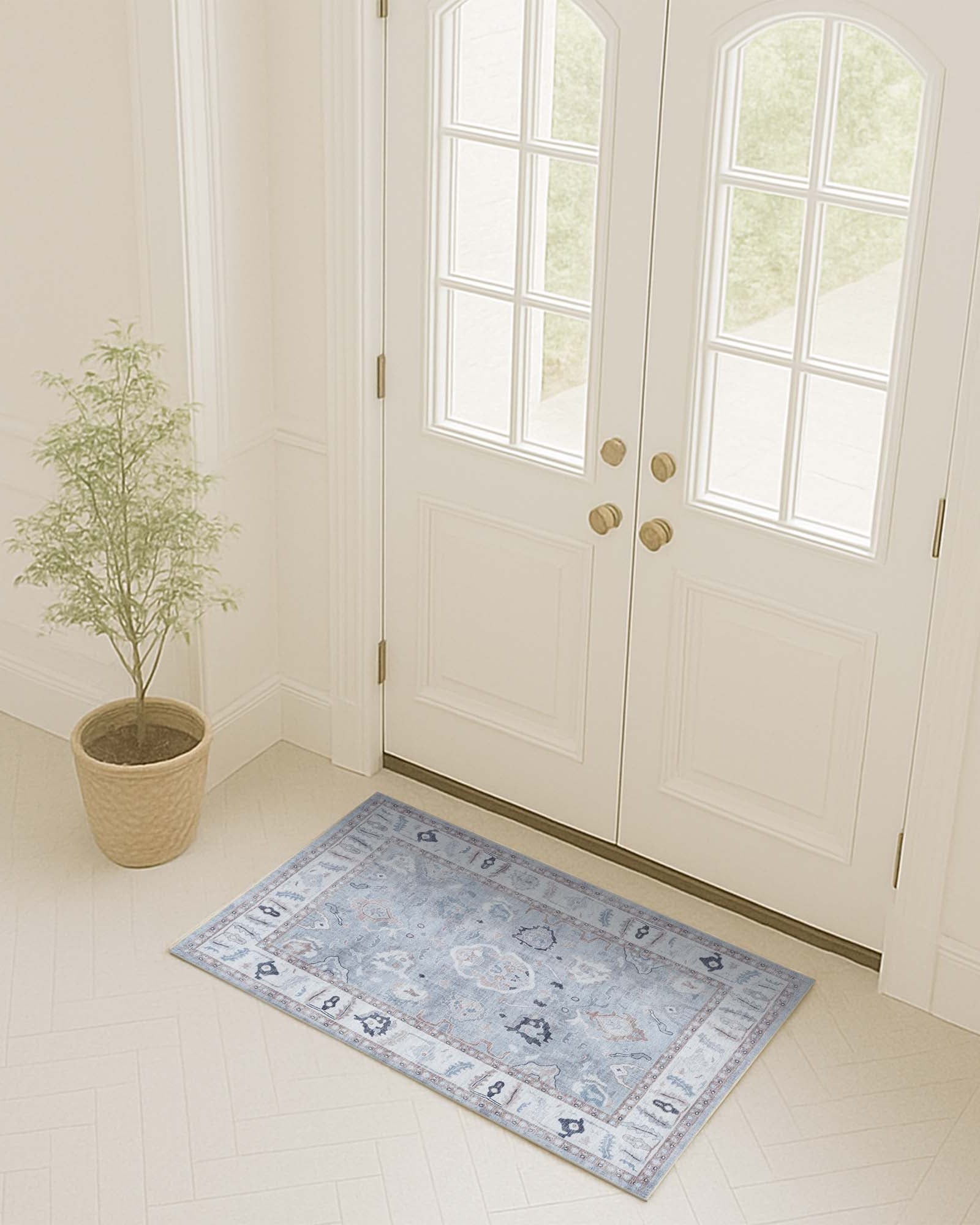
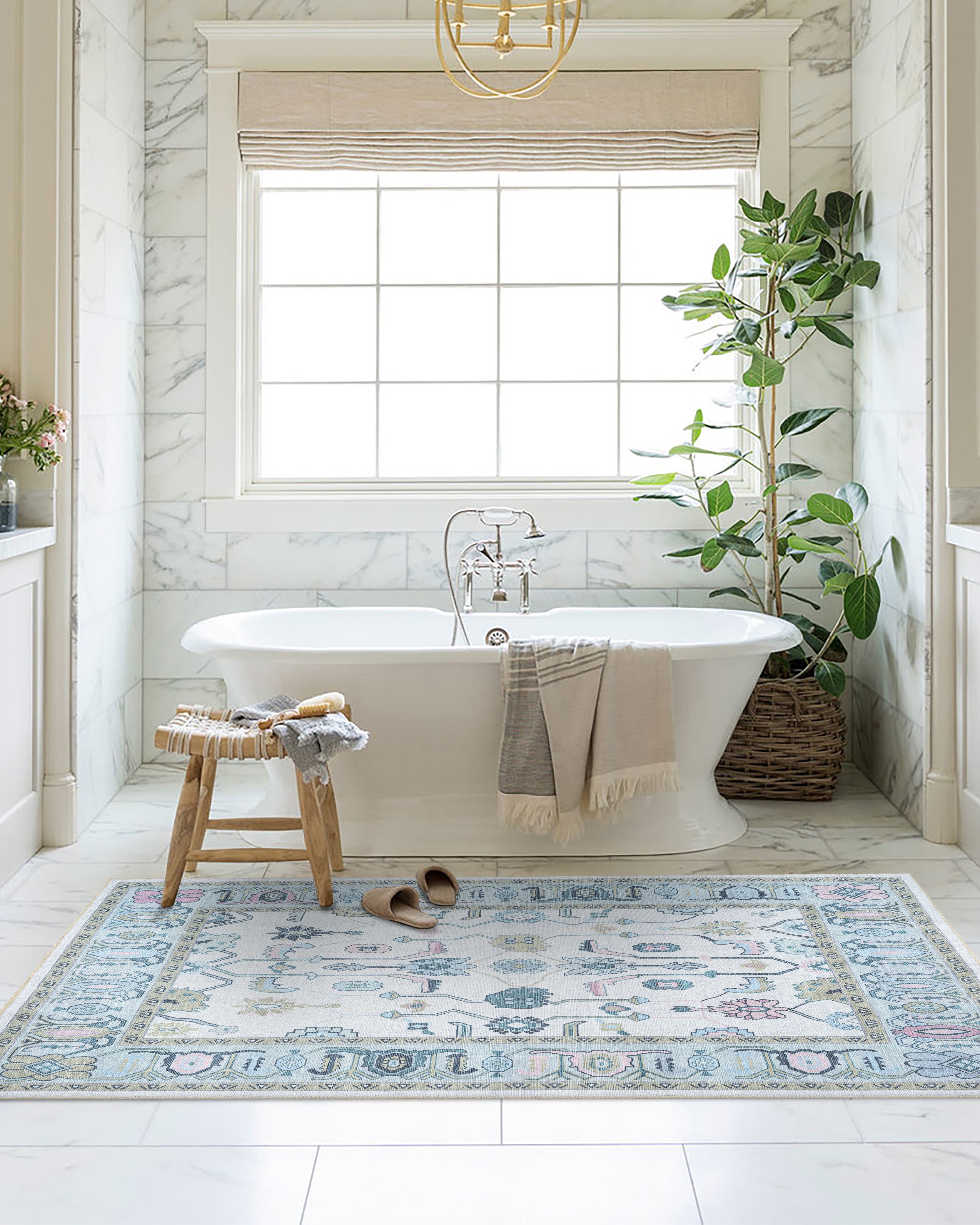
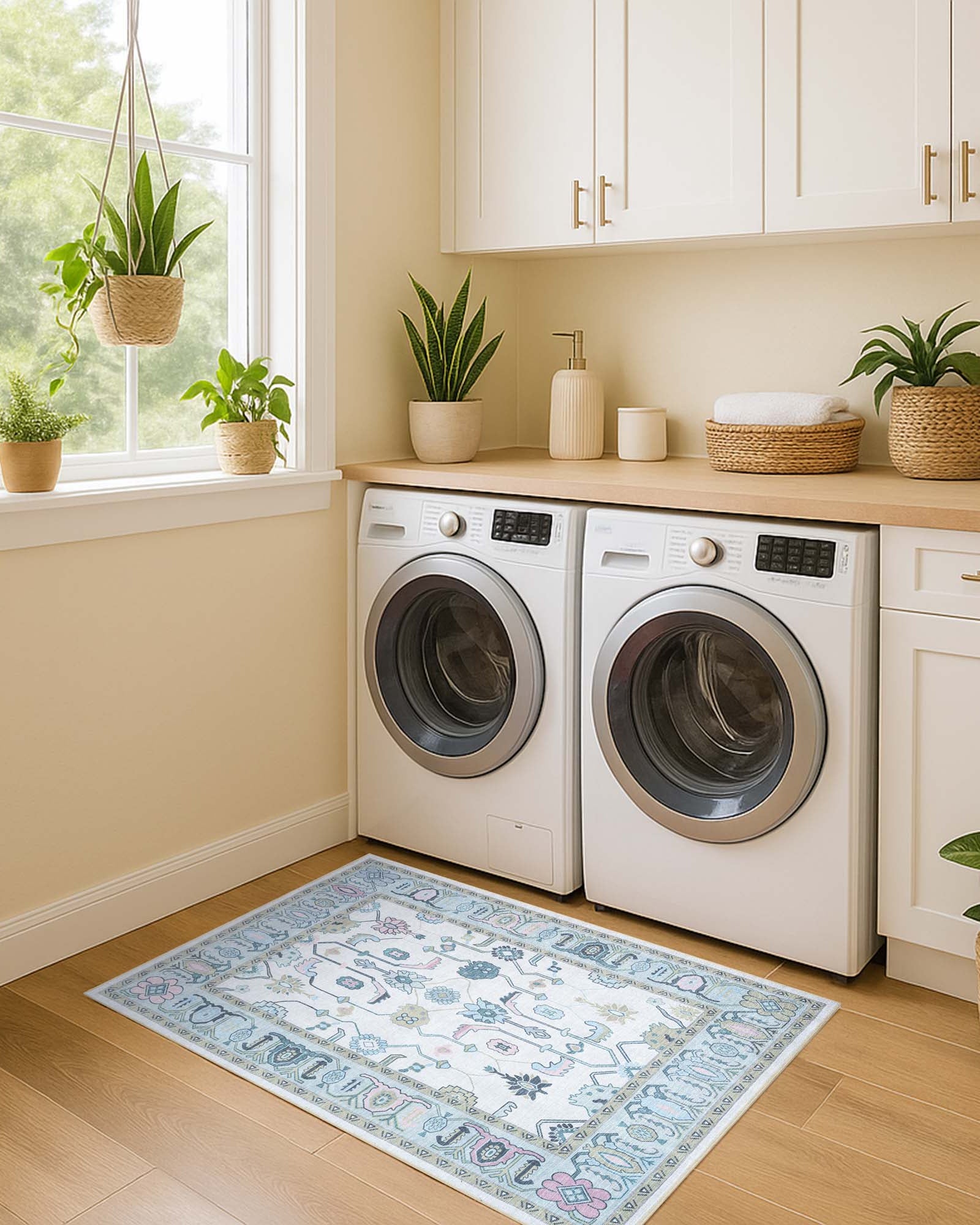
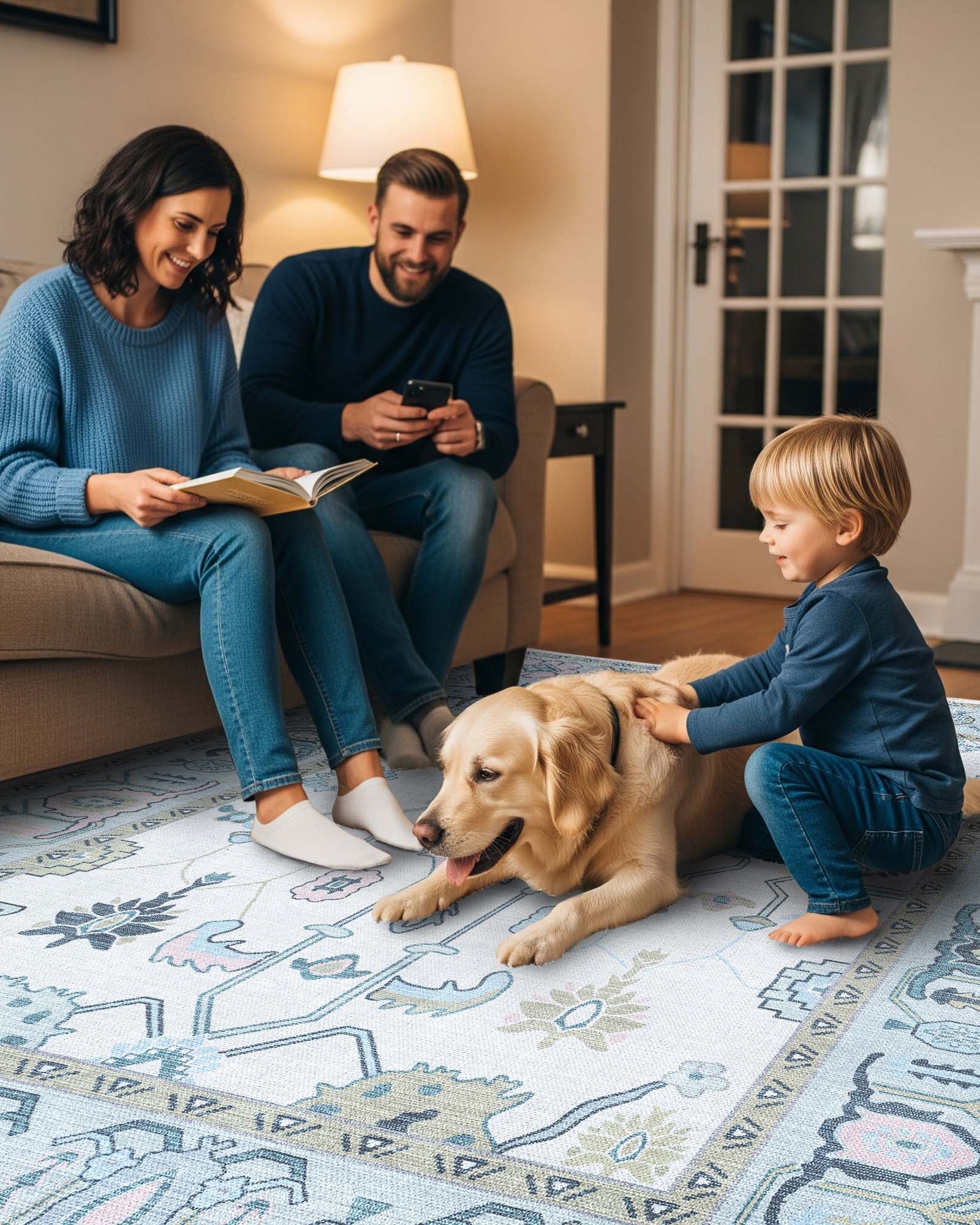
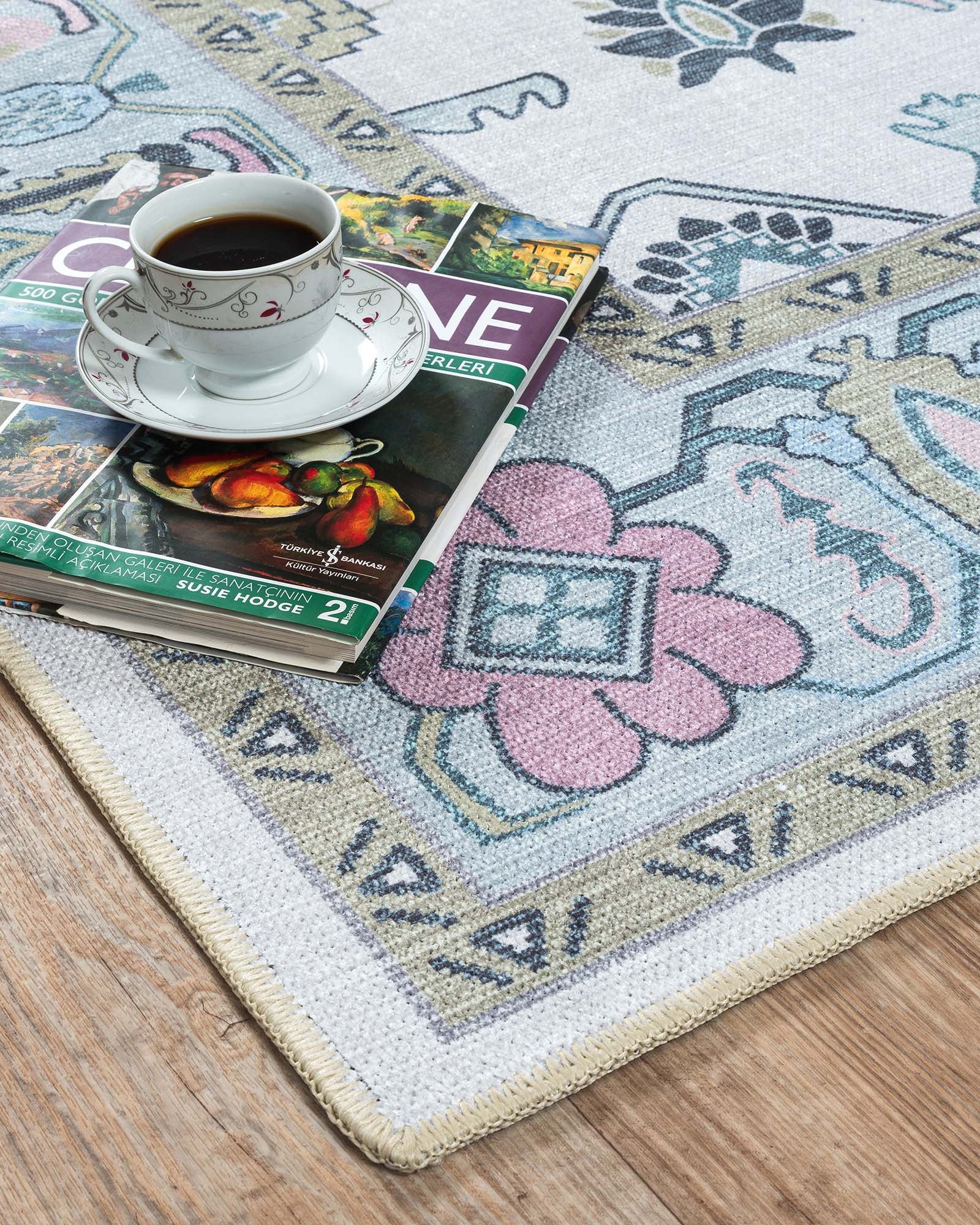
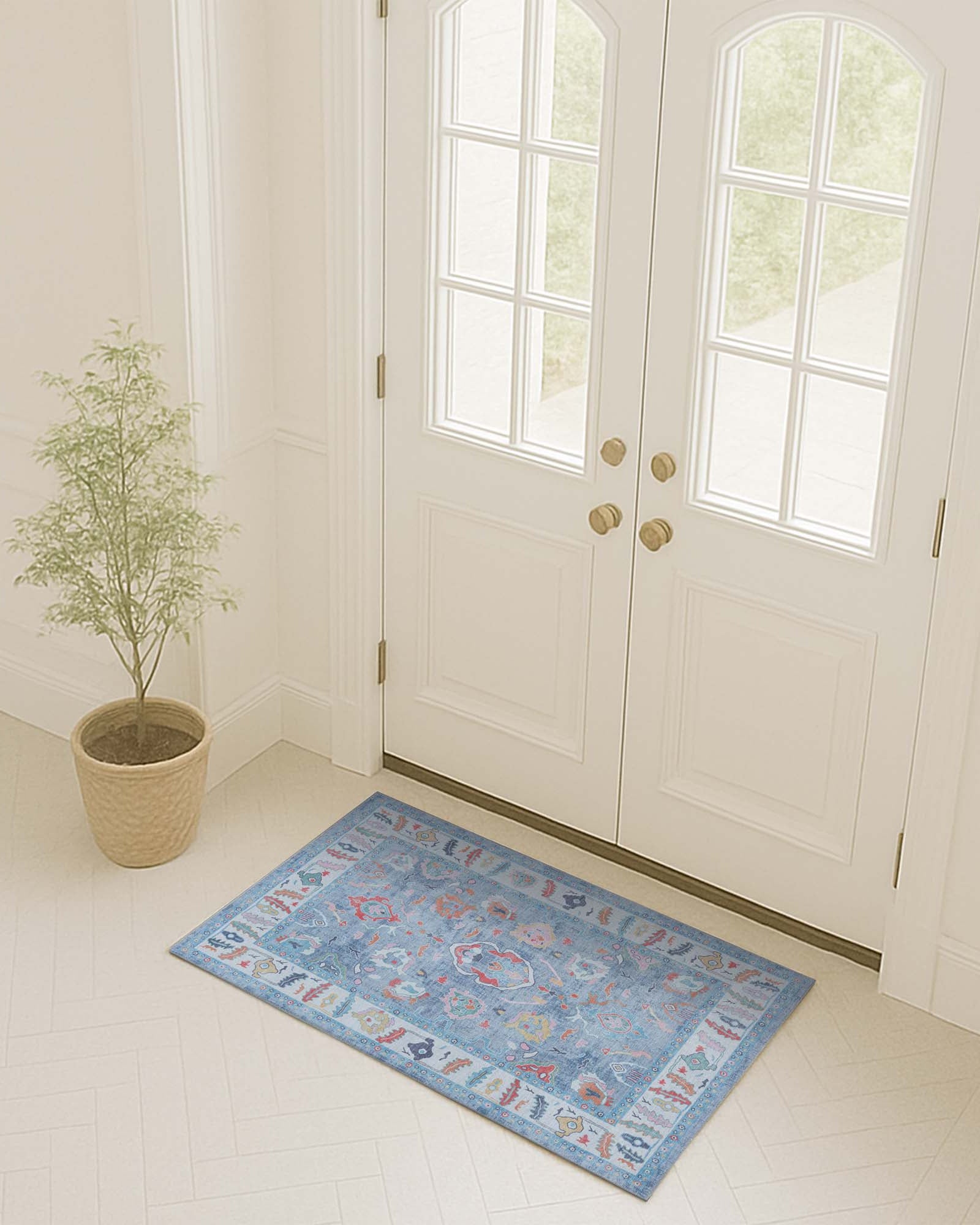
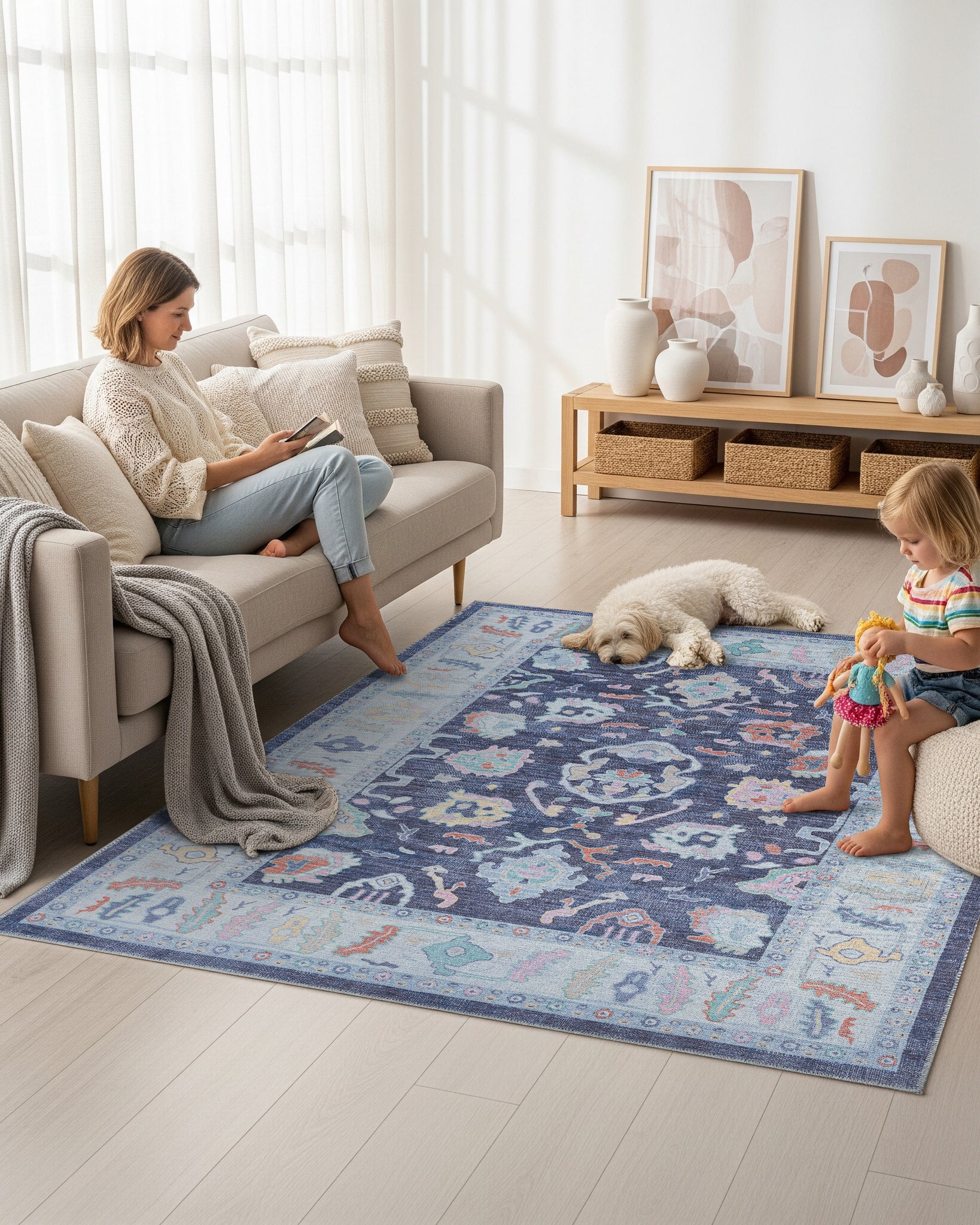
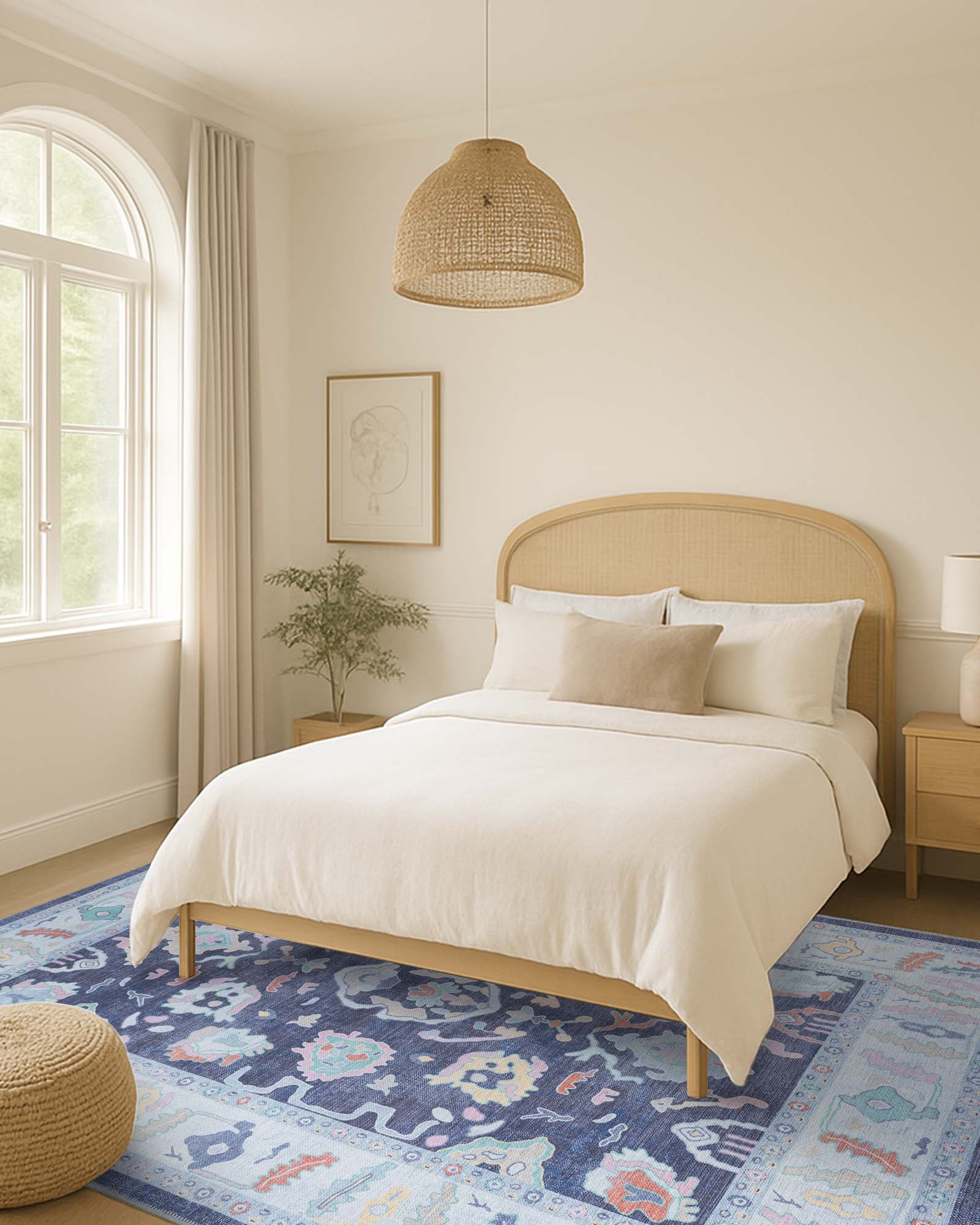
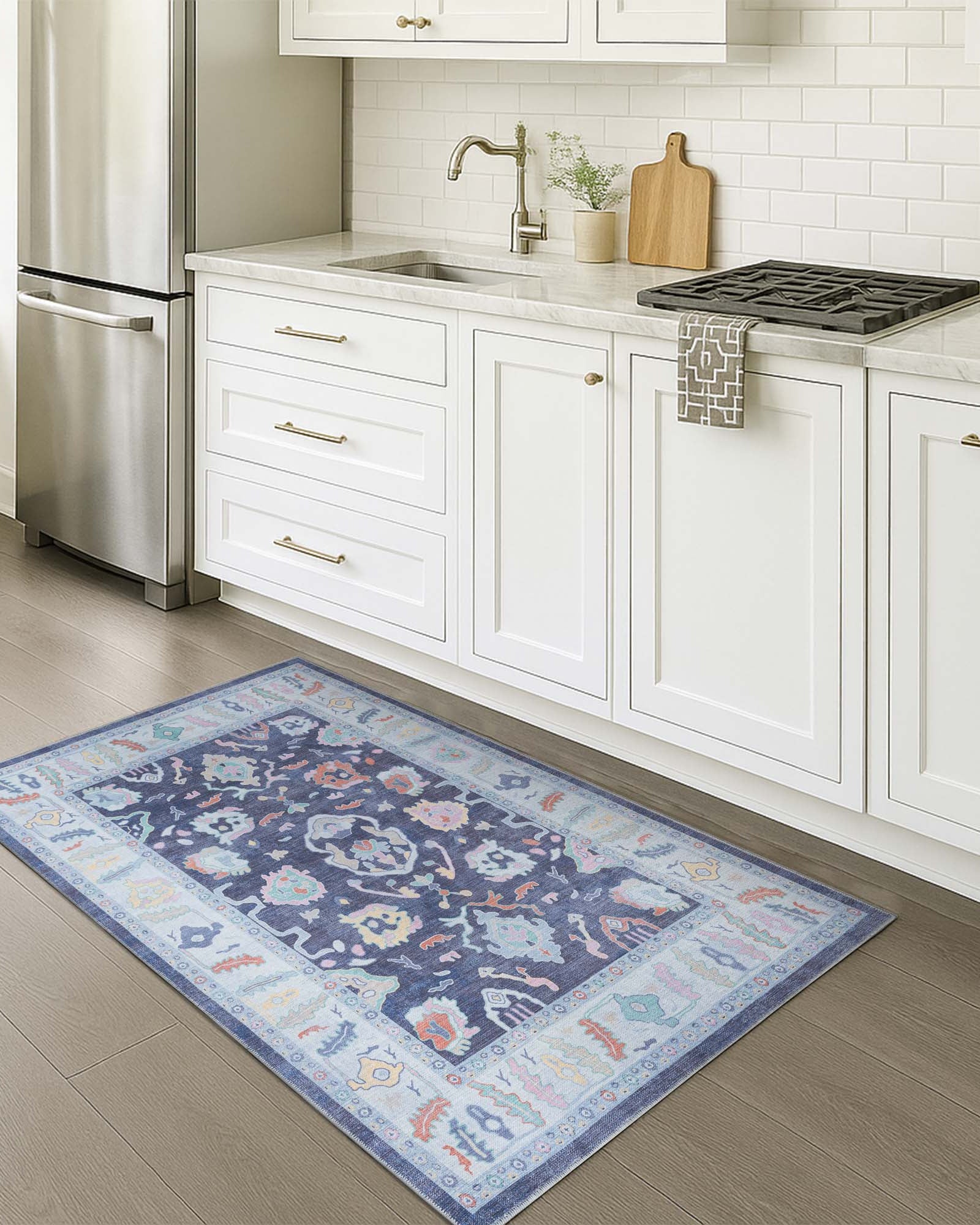
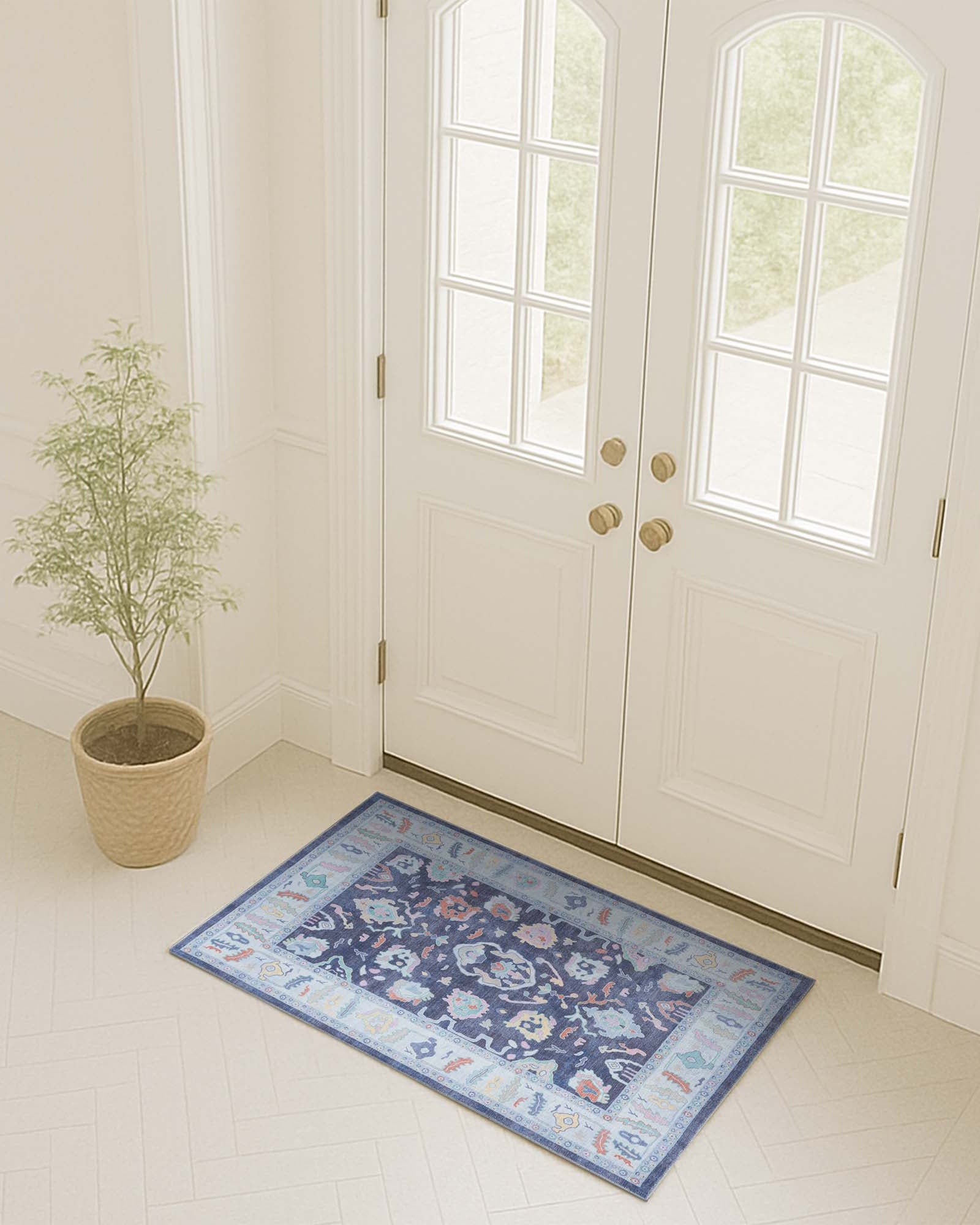
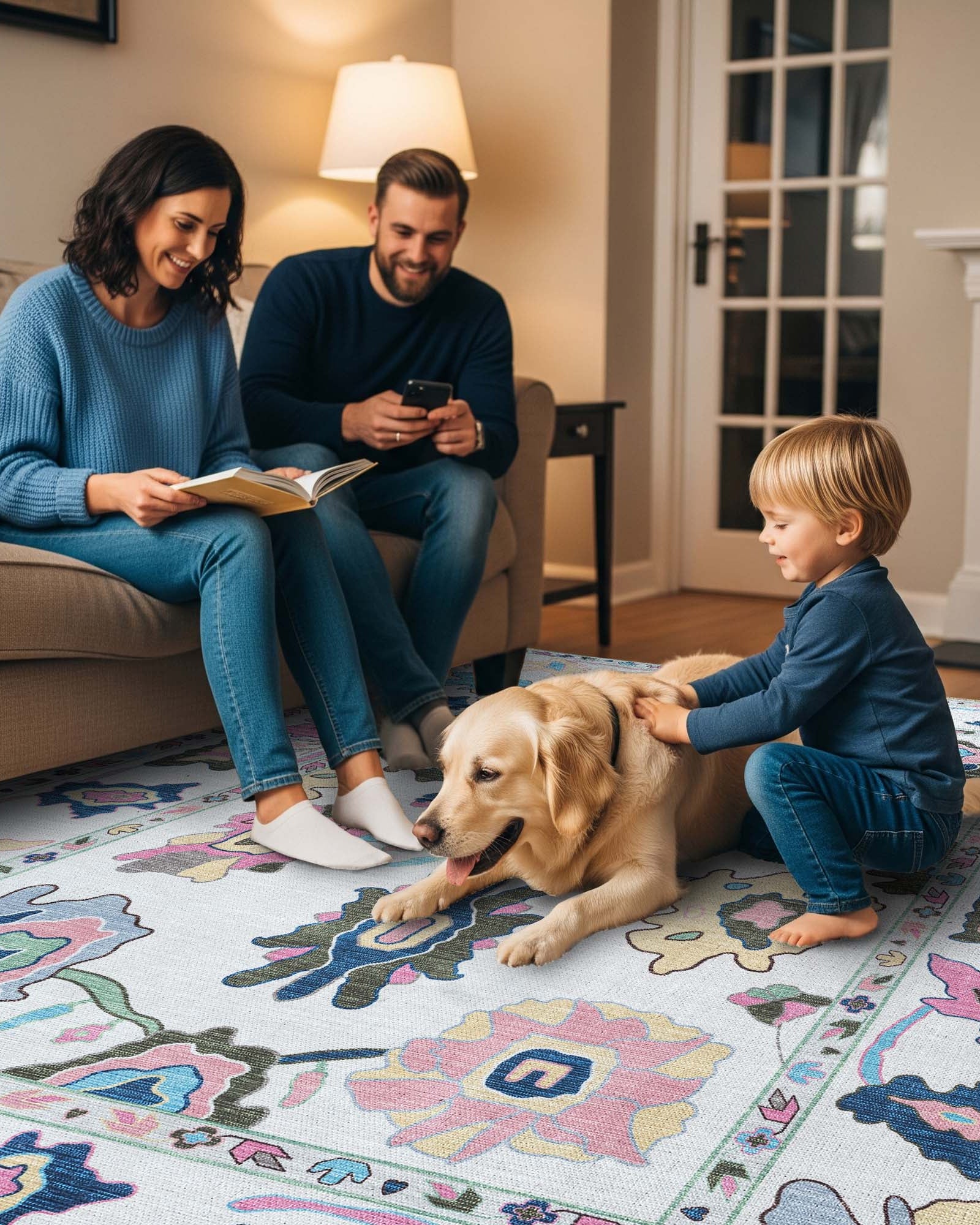
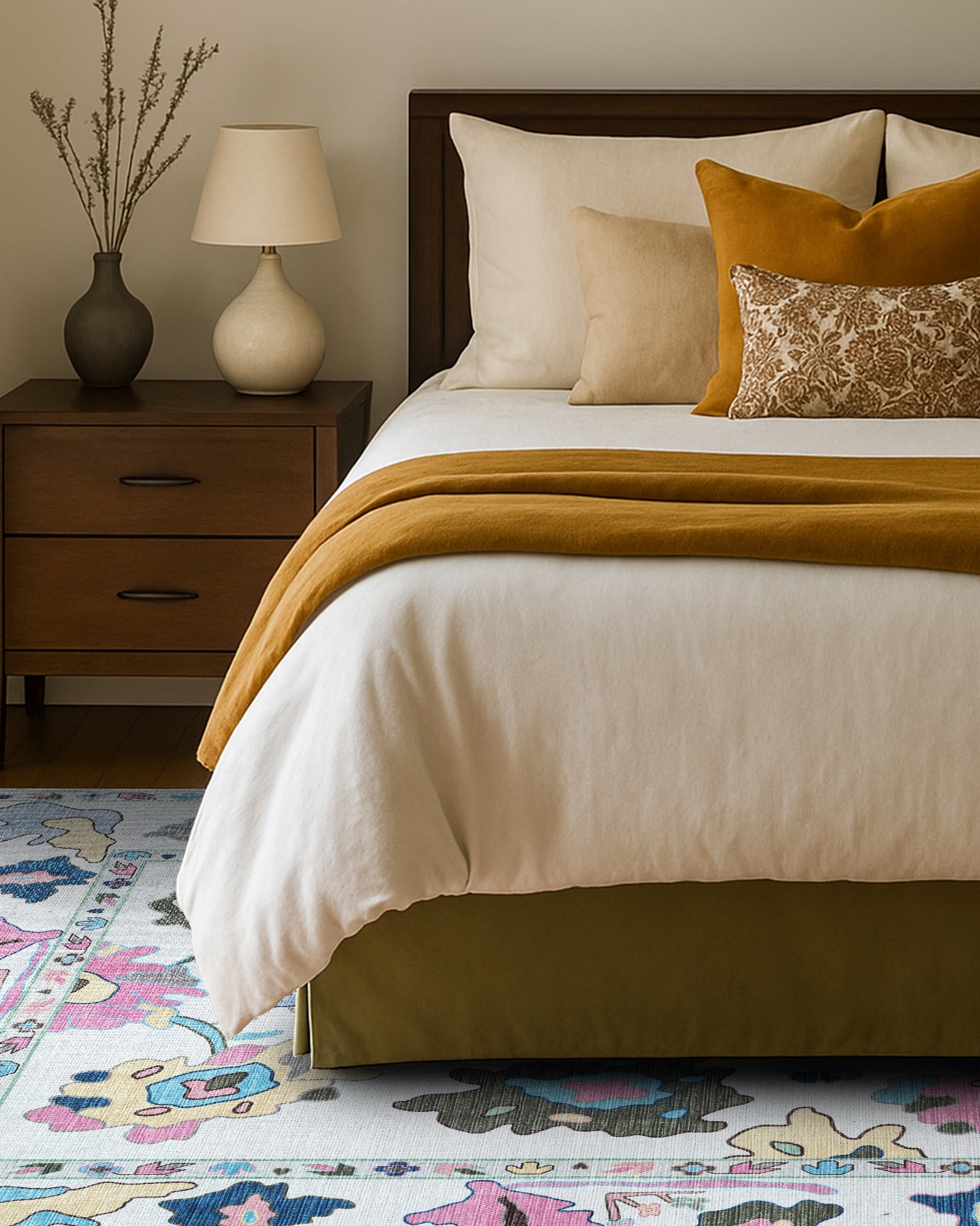
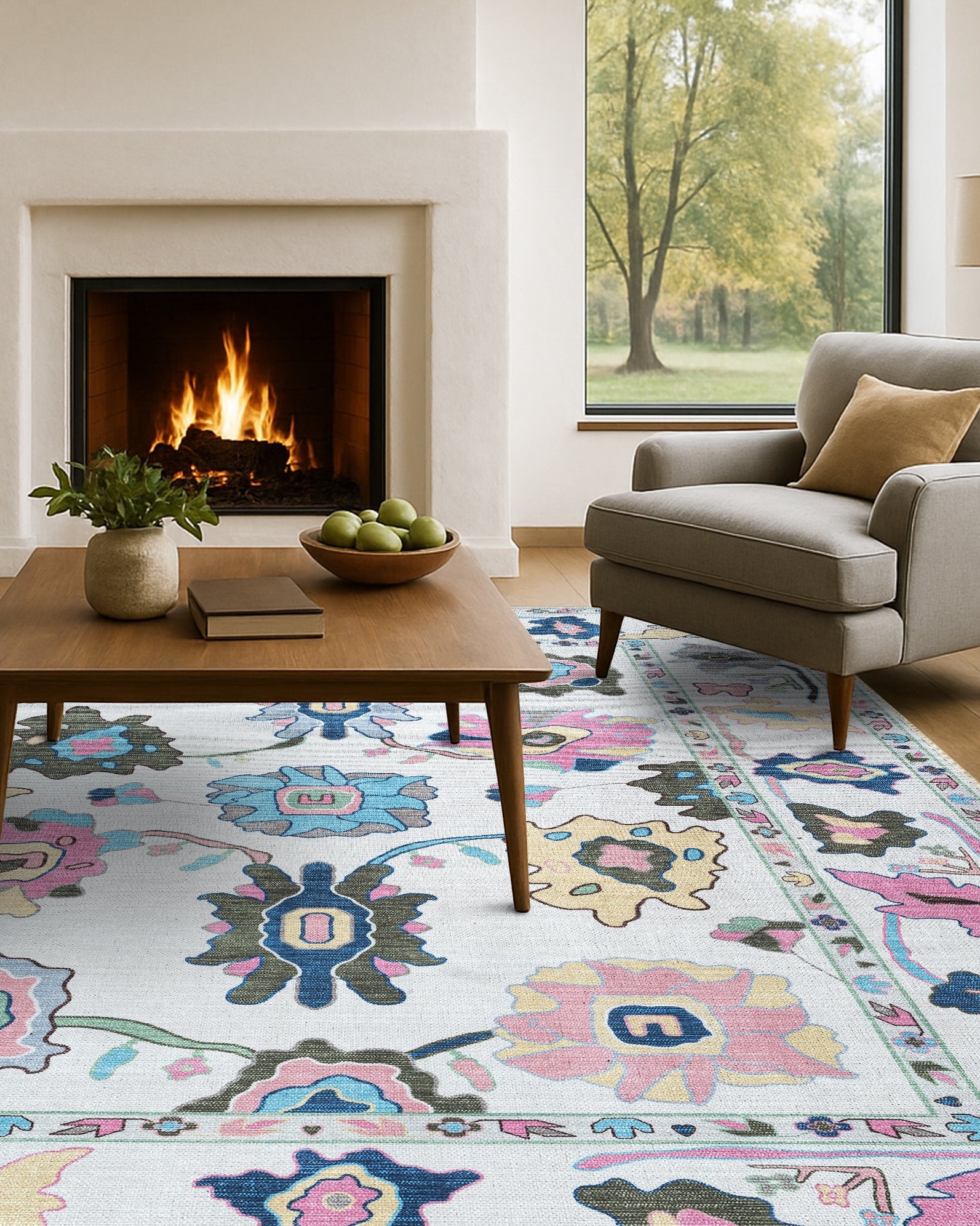
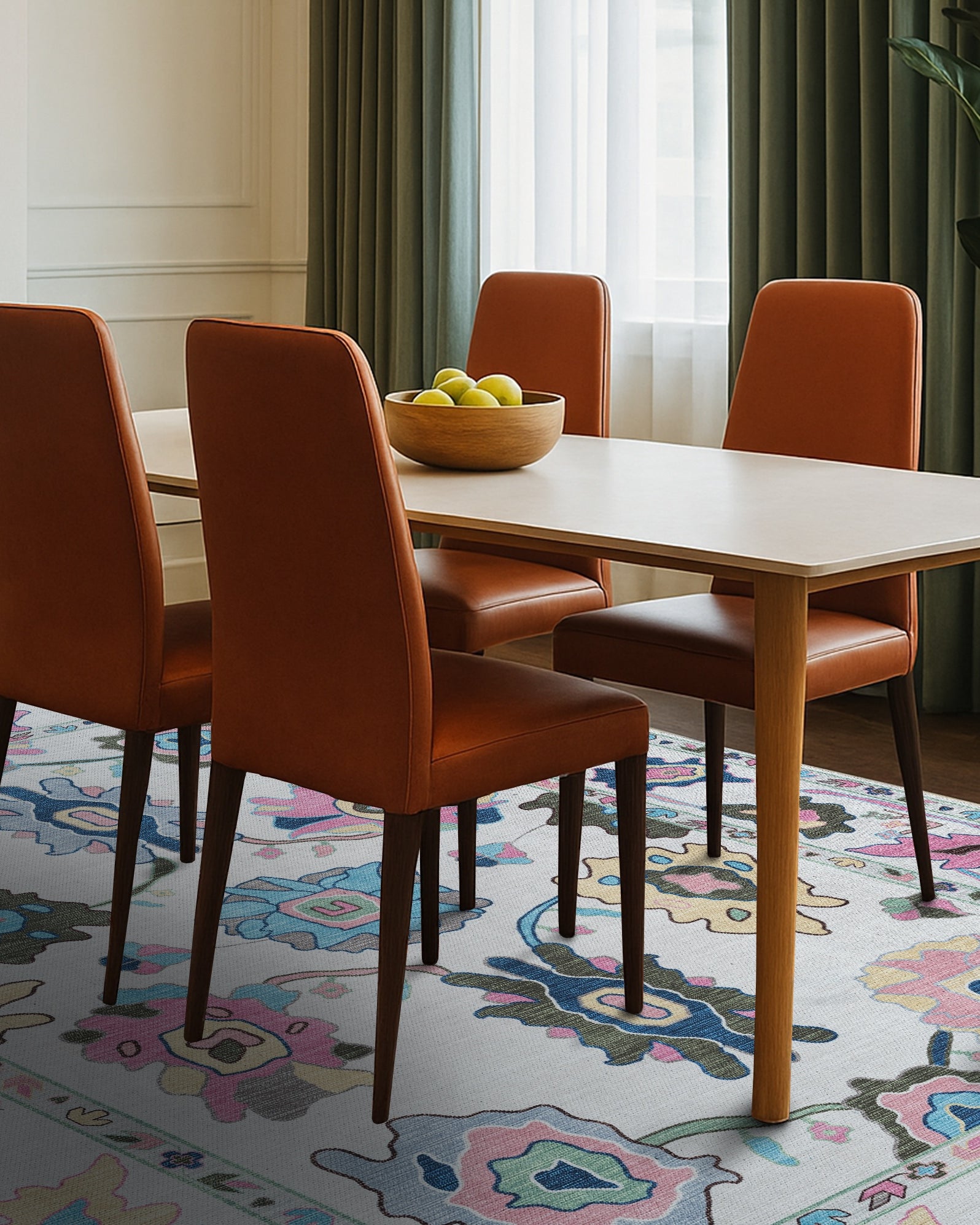
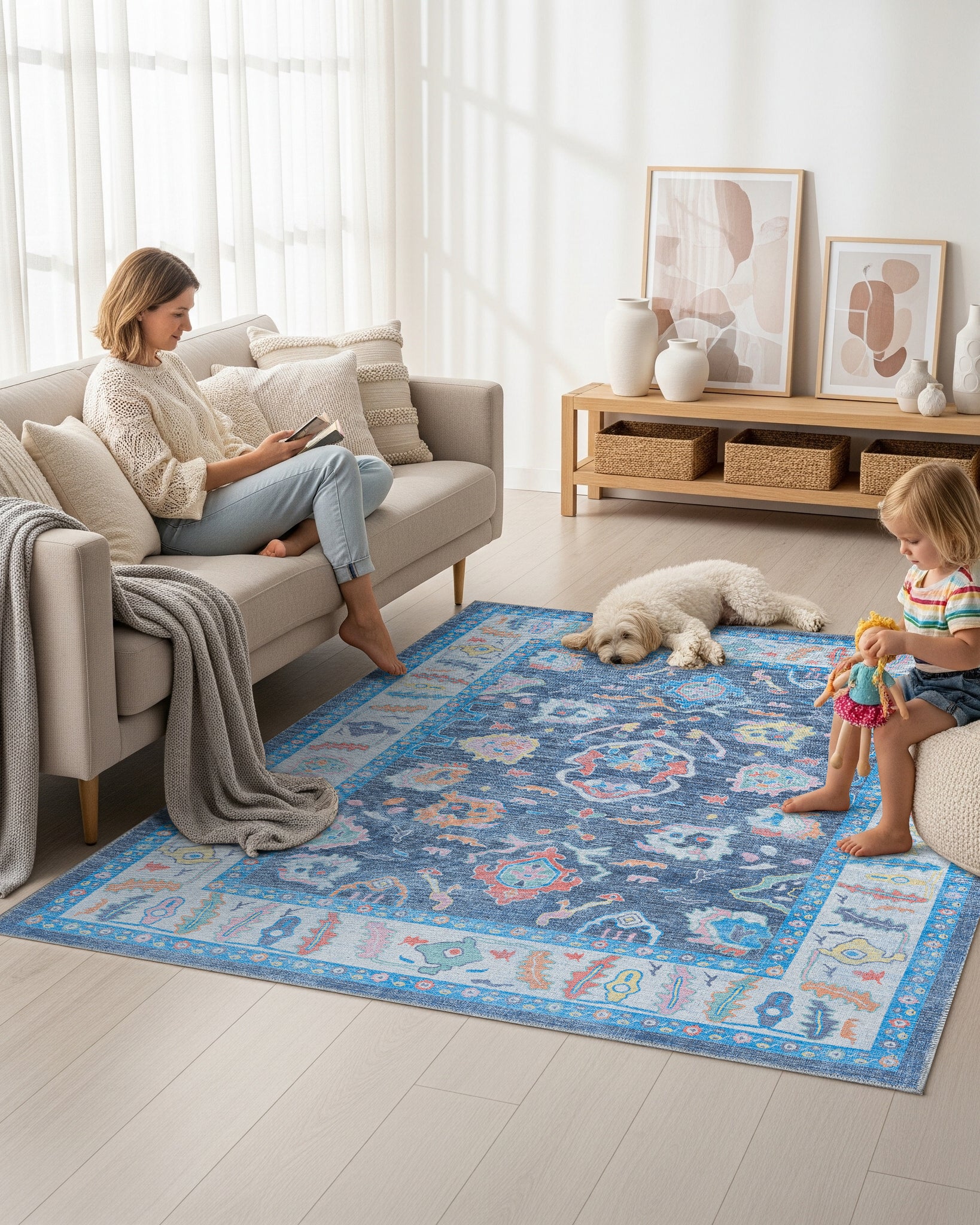
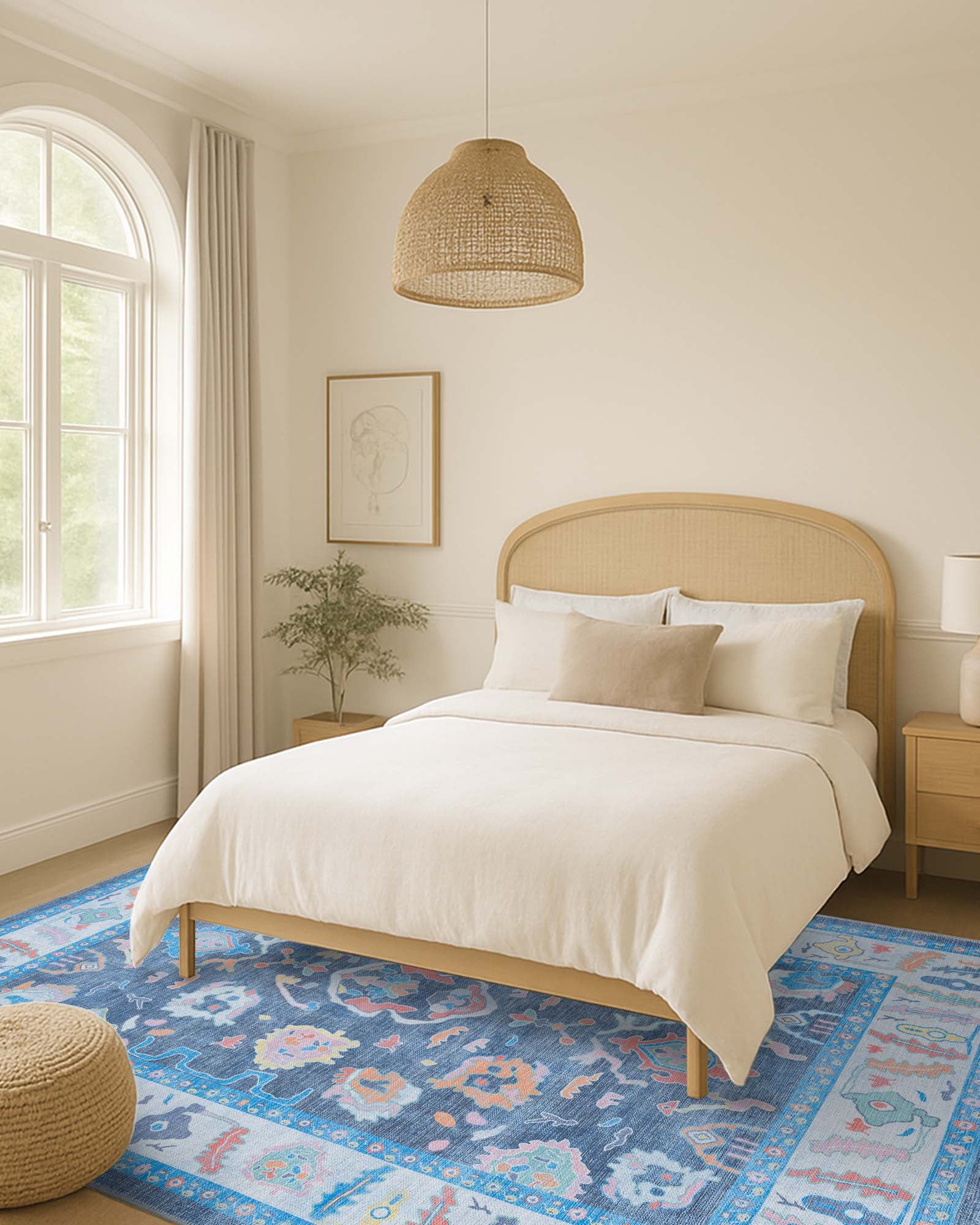
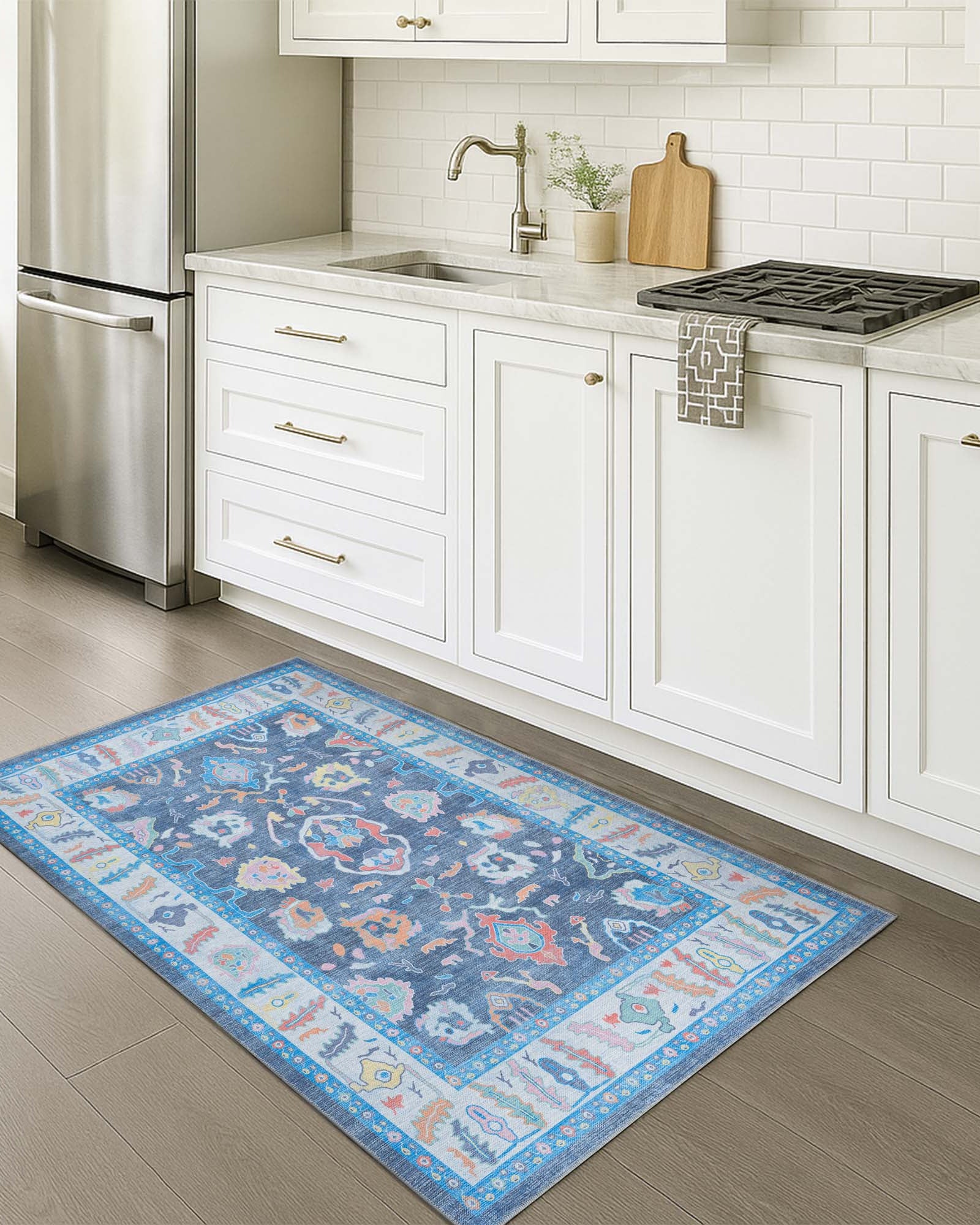
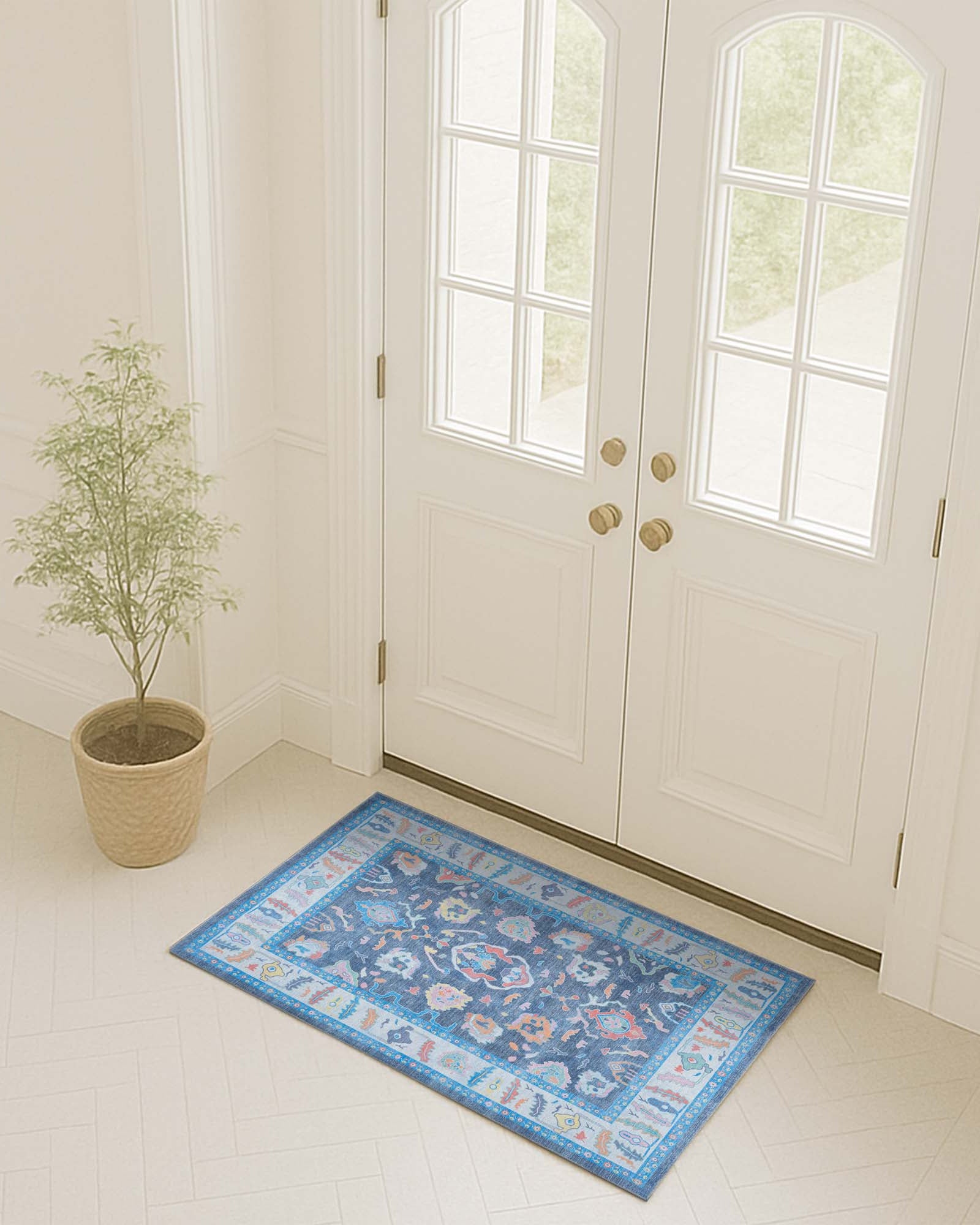
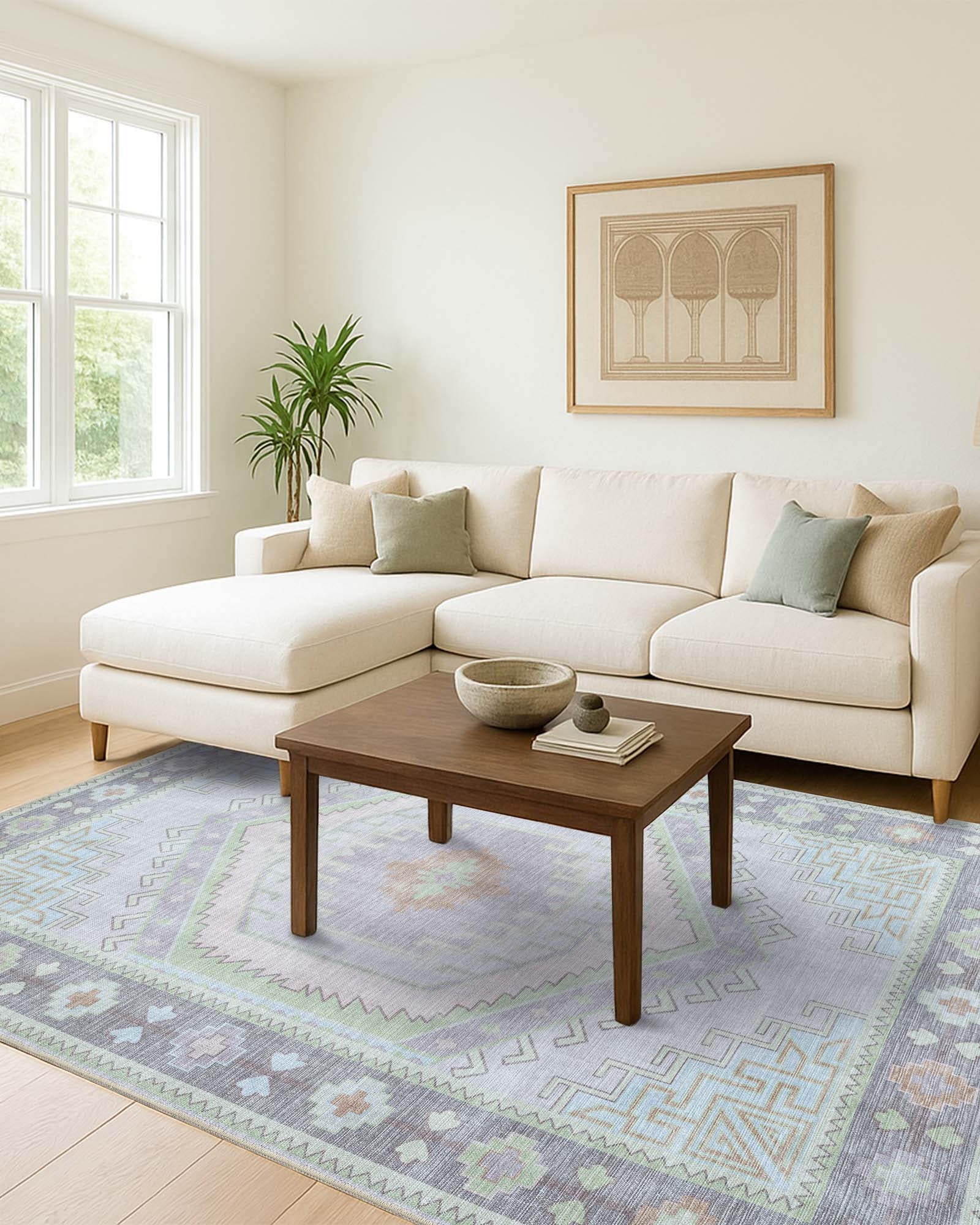
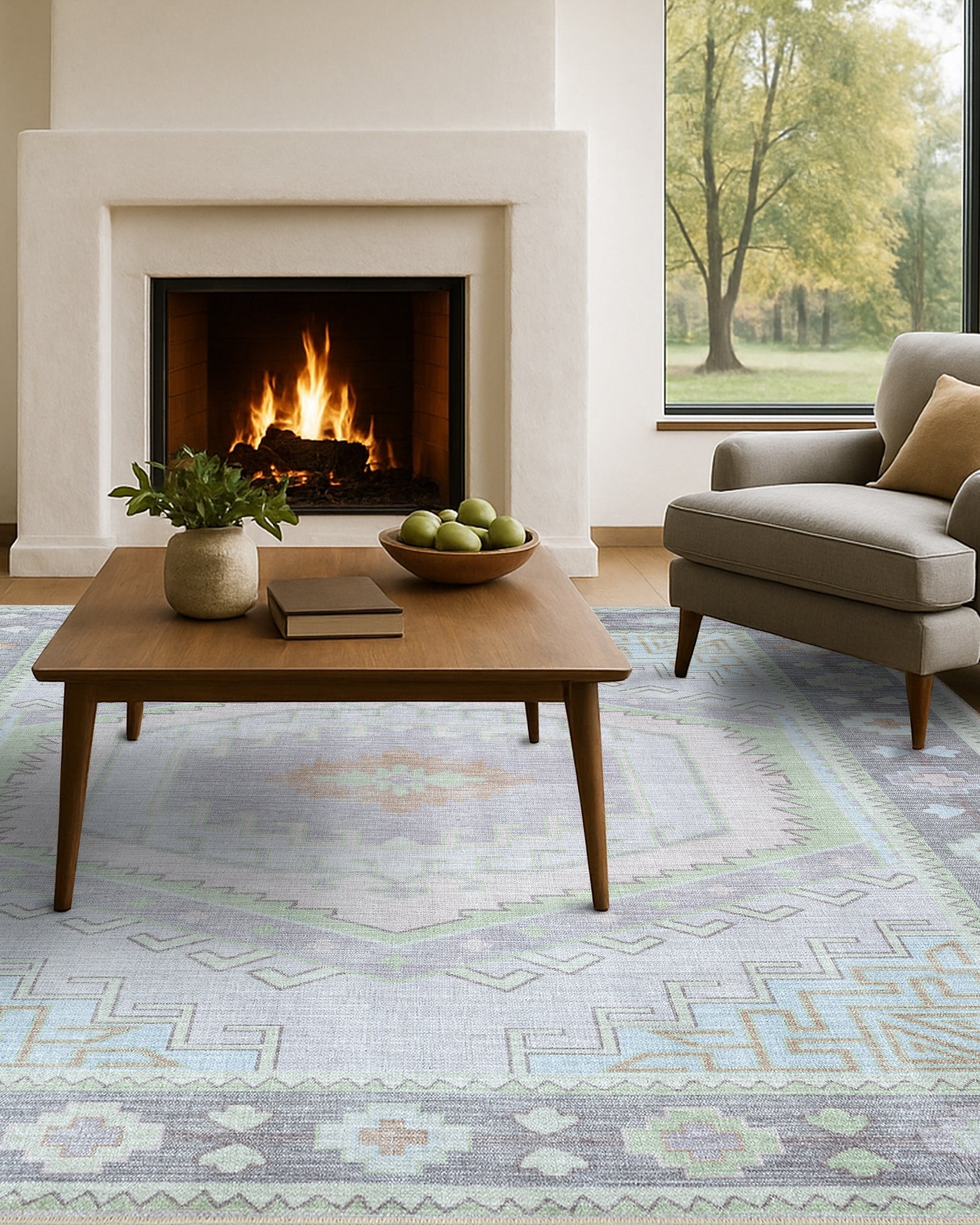
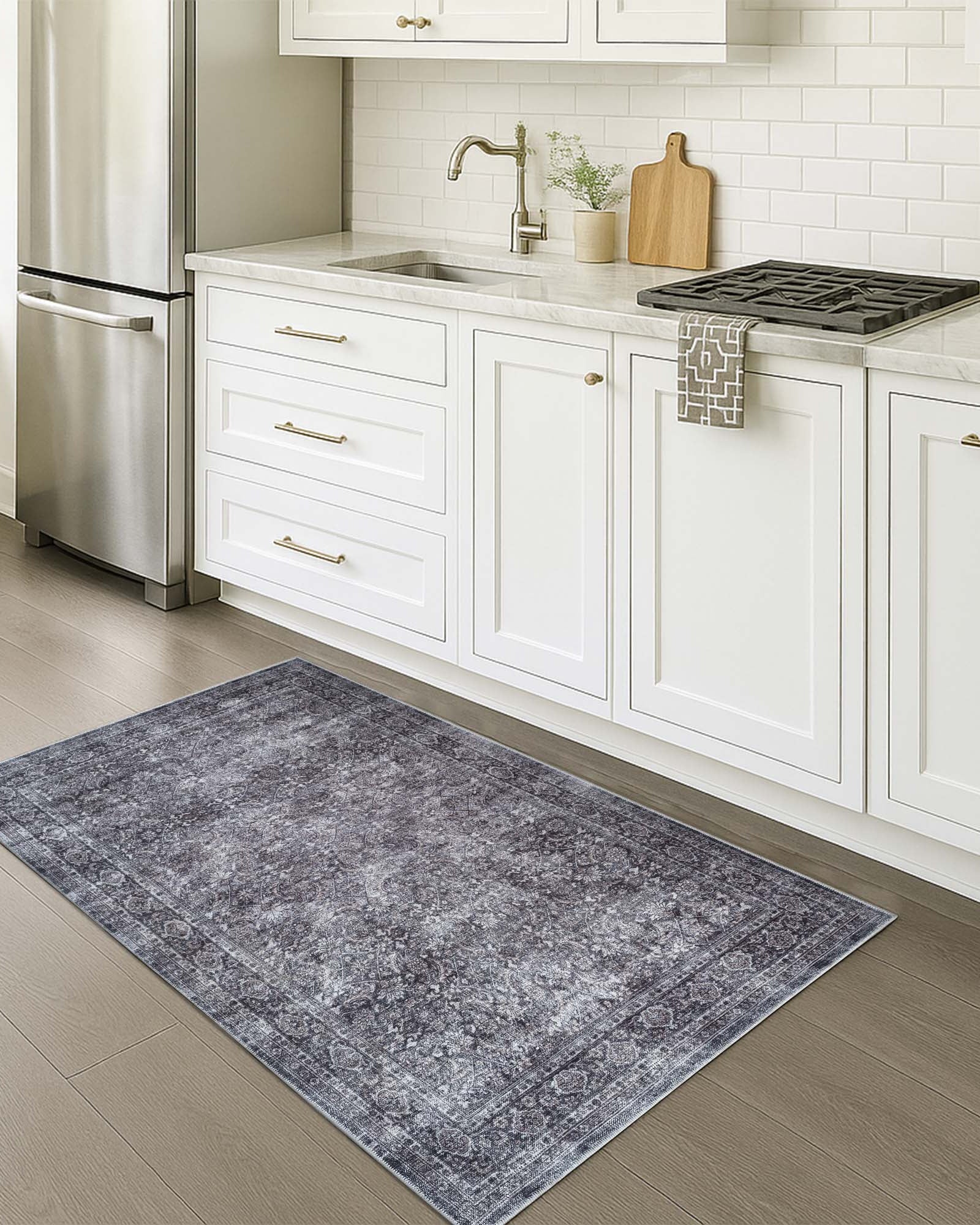
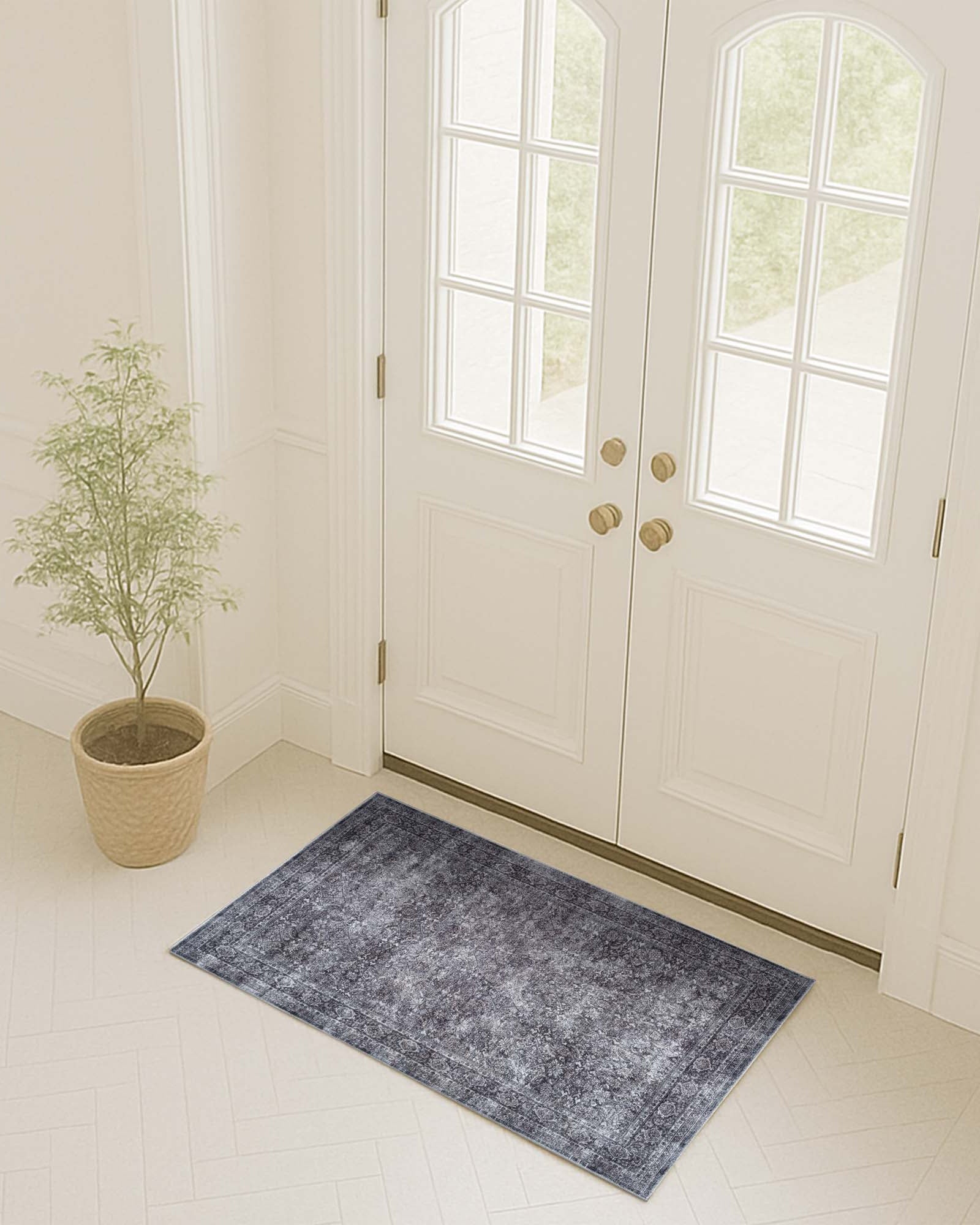
The "Same Story, Different Page" collection at Fame Rugs addresses one of the most common challenges in interior design: how to make a whole house feel like a single, unified thought rather than a series of disjointed spaces. This collection is for the homeowner who views their property as a complete narrative. Just as a book has a consistent tone from chapter to chapter, your home should have a consistent aesthetic as you move from the entryway to the living room and into the bedroom. We have curated these pieces to work in harmony, offering "sister" rugs that share color palettes, weaving techniques, or stylistic motifs without being identical matches.
This approach is essential for modern open-concept living, where the dining area is visible from the kitchen and the living room. However, it is equally powerful in traditional layouts, creating a subconscious sense of calm as you walk through the home. By shopping this look, you are choosing items that speak the same language—whether that language is rustic warmth, modern geometry, or vintage elegance—allowing you to "turn the page" into a new room while keeping the story beautifully intact.
What These Rugs Look Like and Feel Like
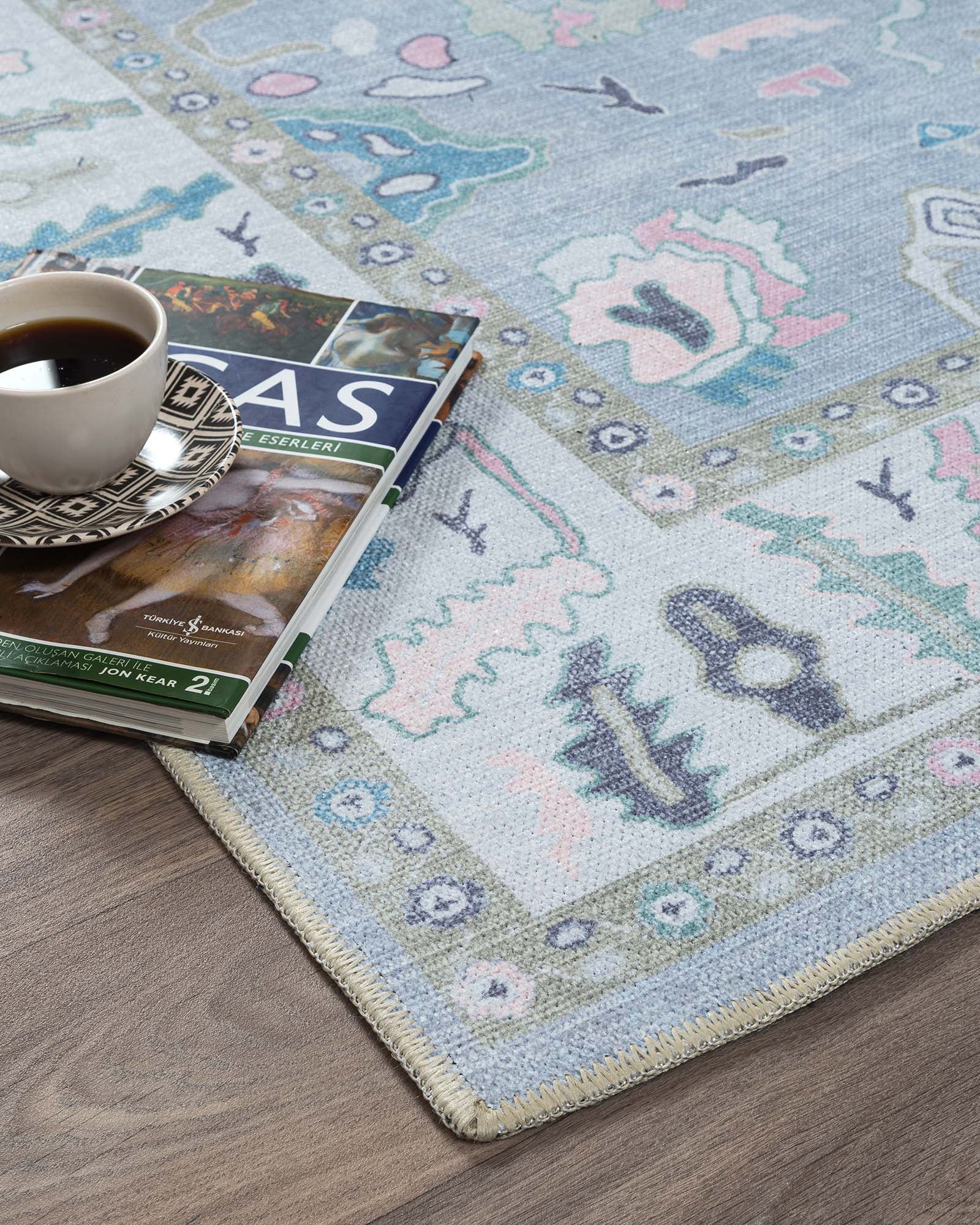
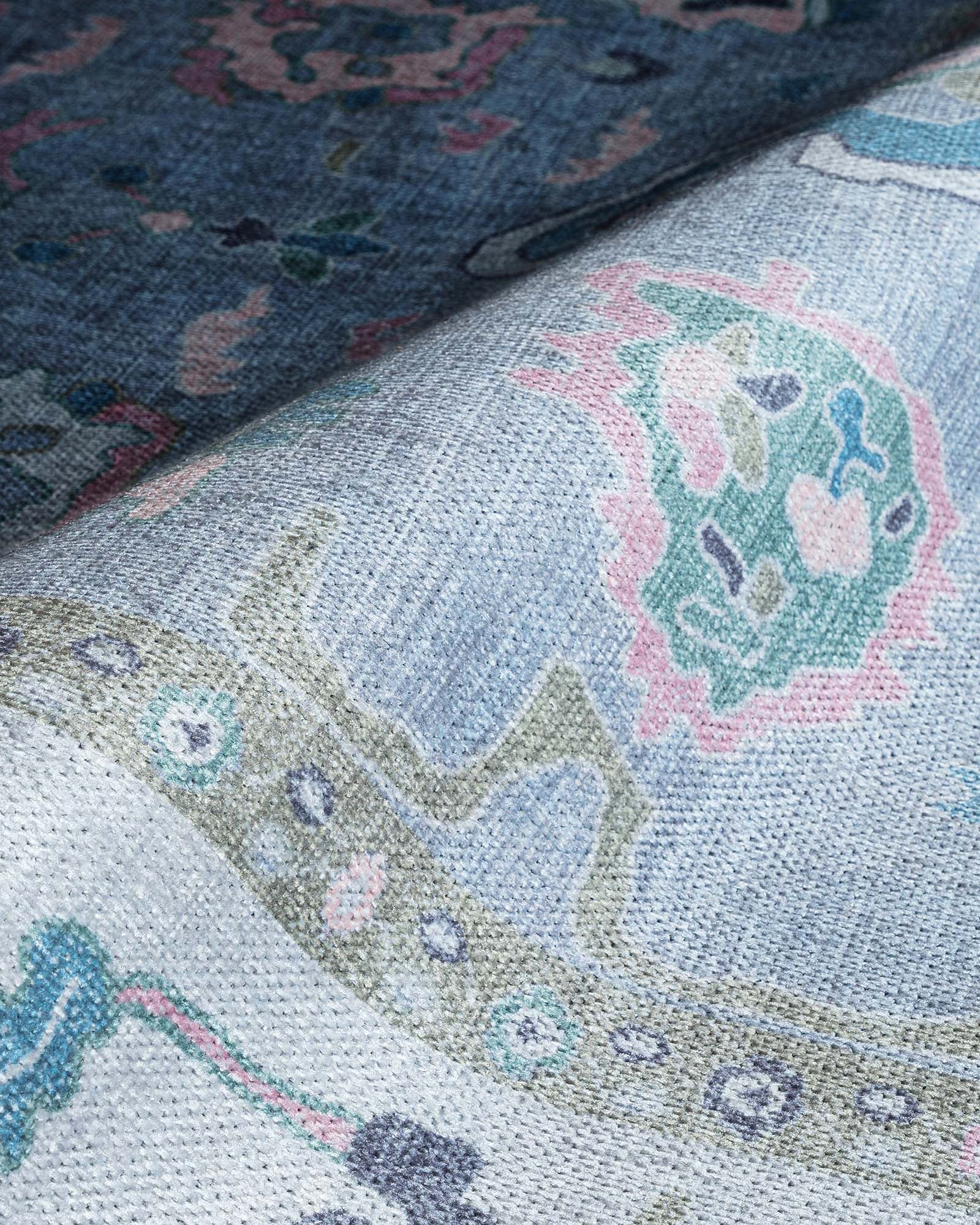
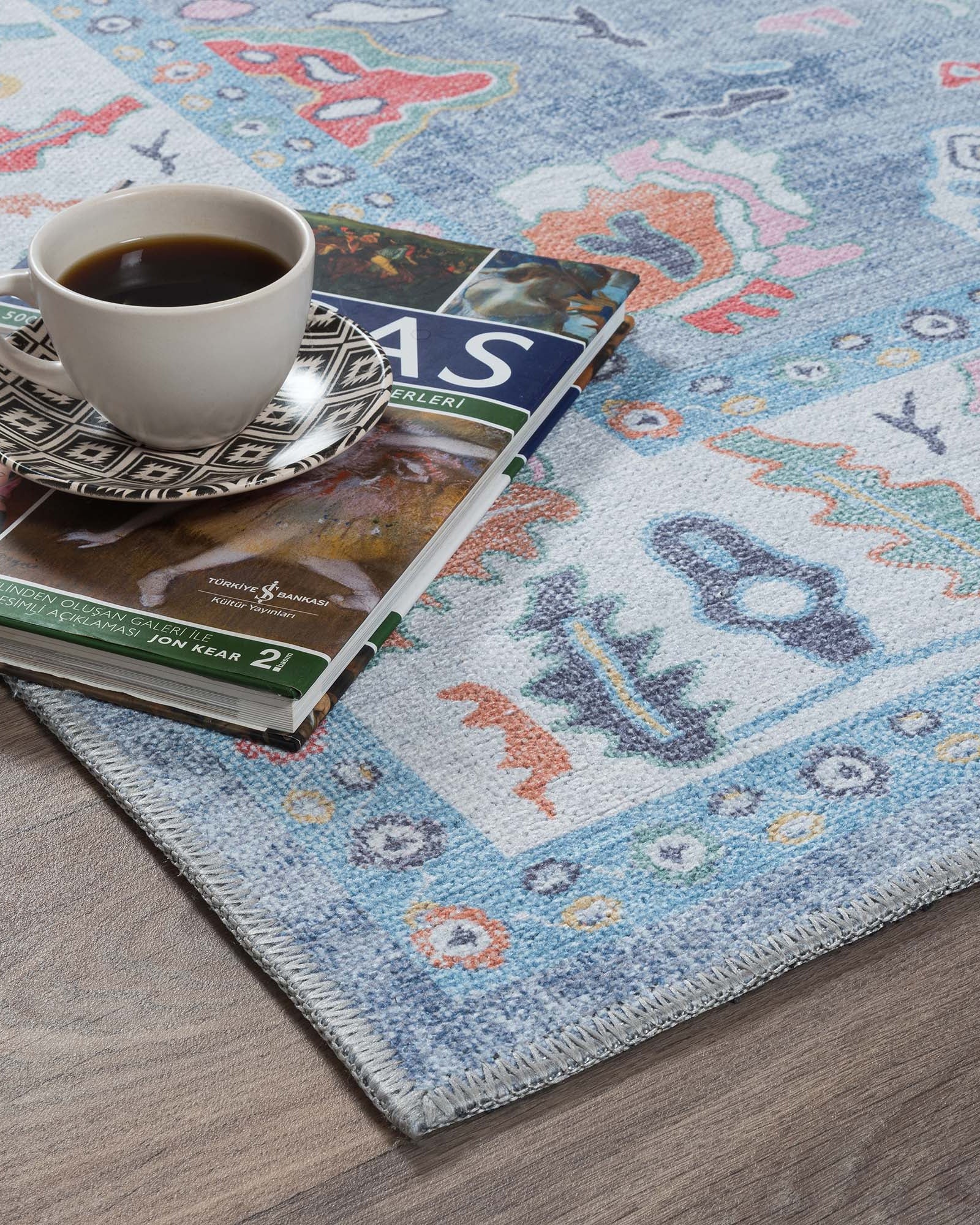
Expect a harmonious blend of complementary colors, echoing patterns, and consistent textural quality.
Colors, Patterns, and Style Notes
The secret to this collection is coordination over matching; think complementary shades and recurring shapes.
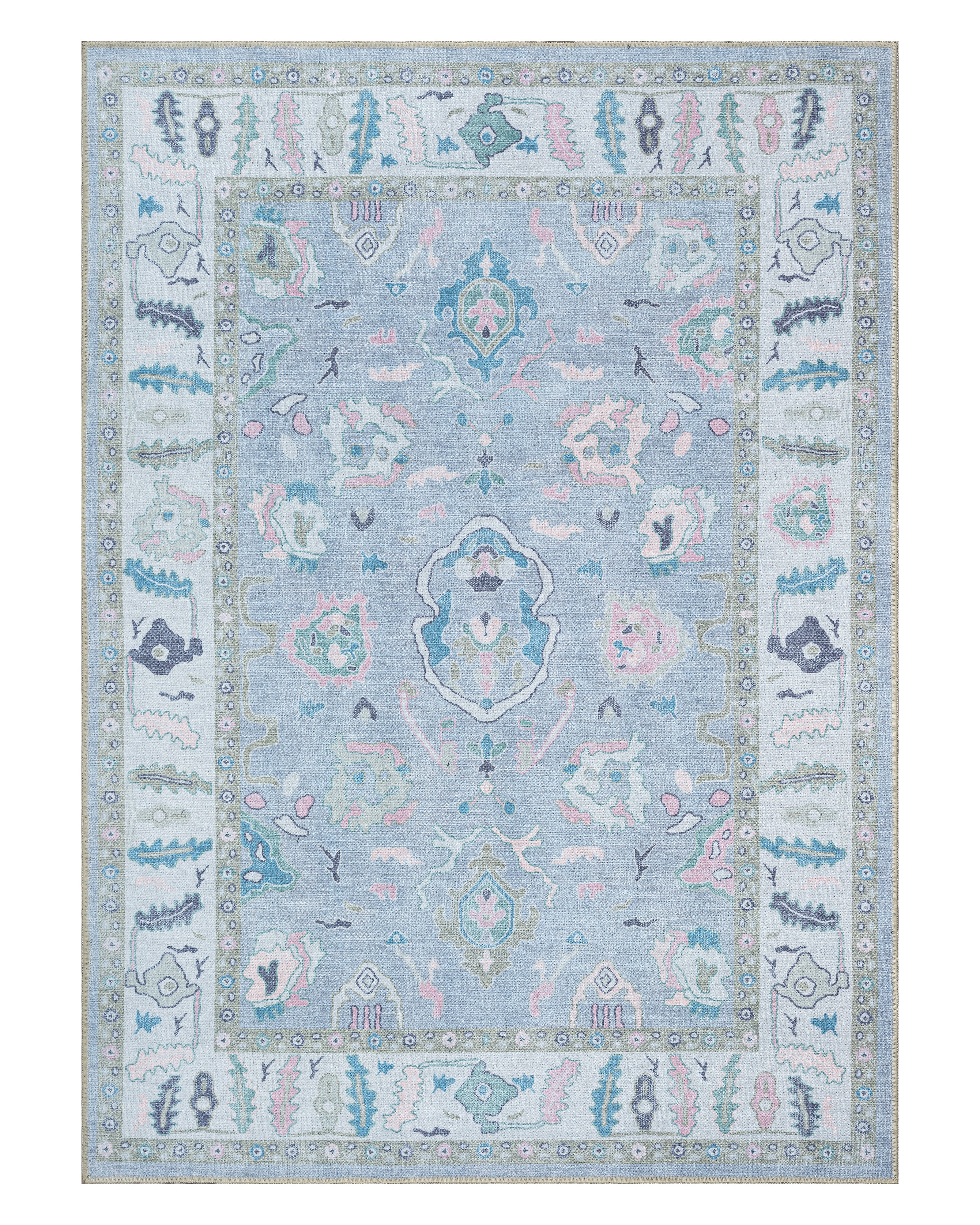
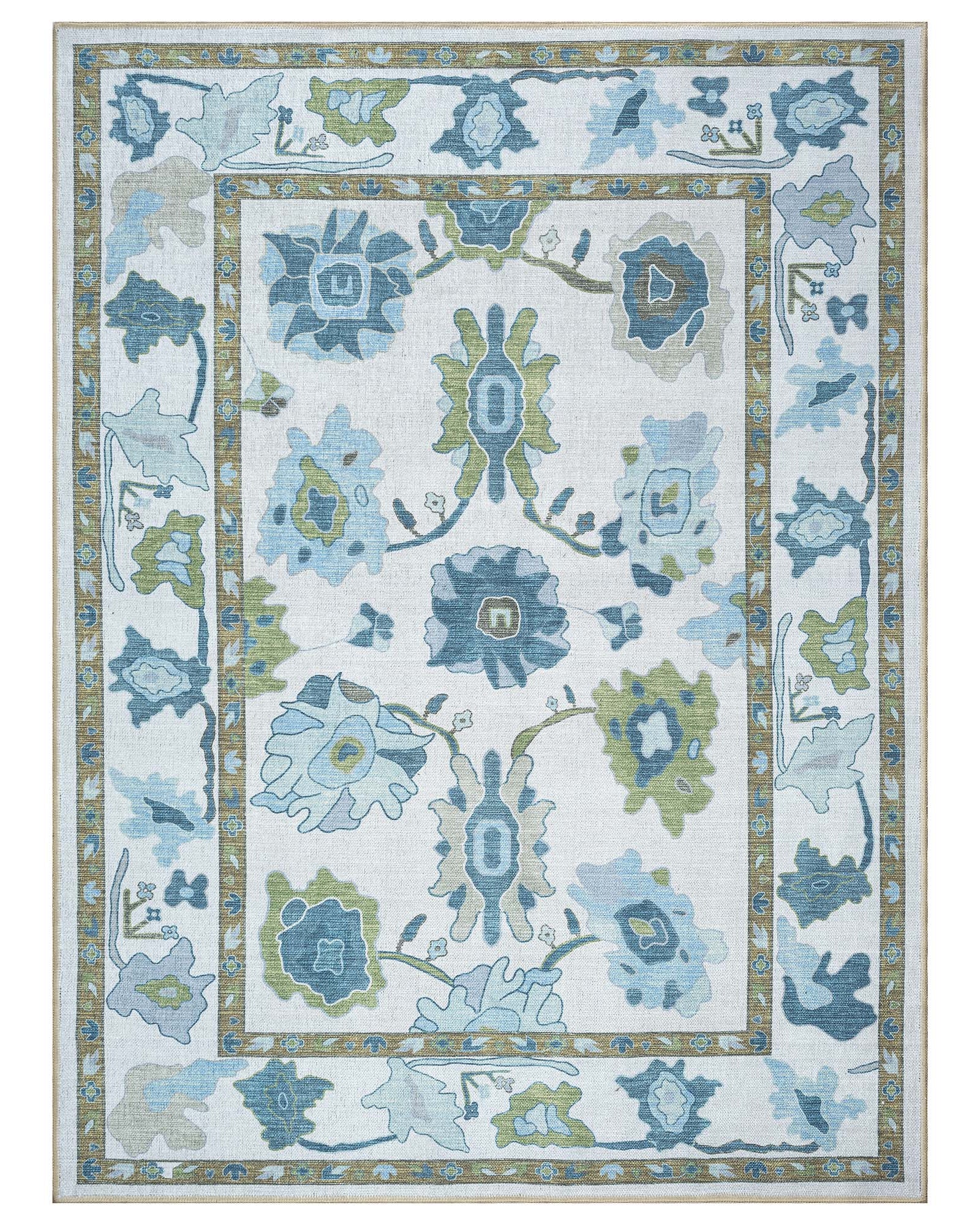
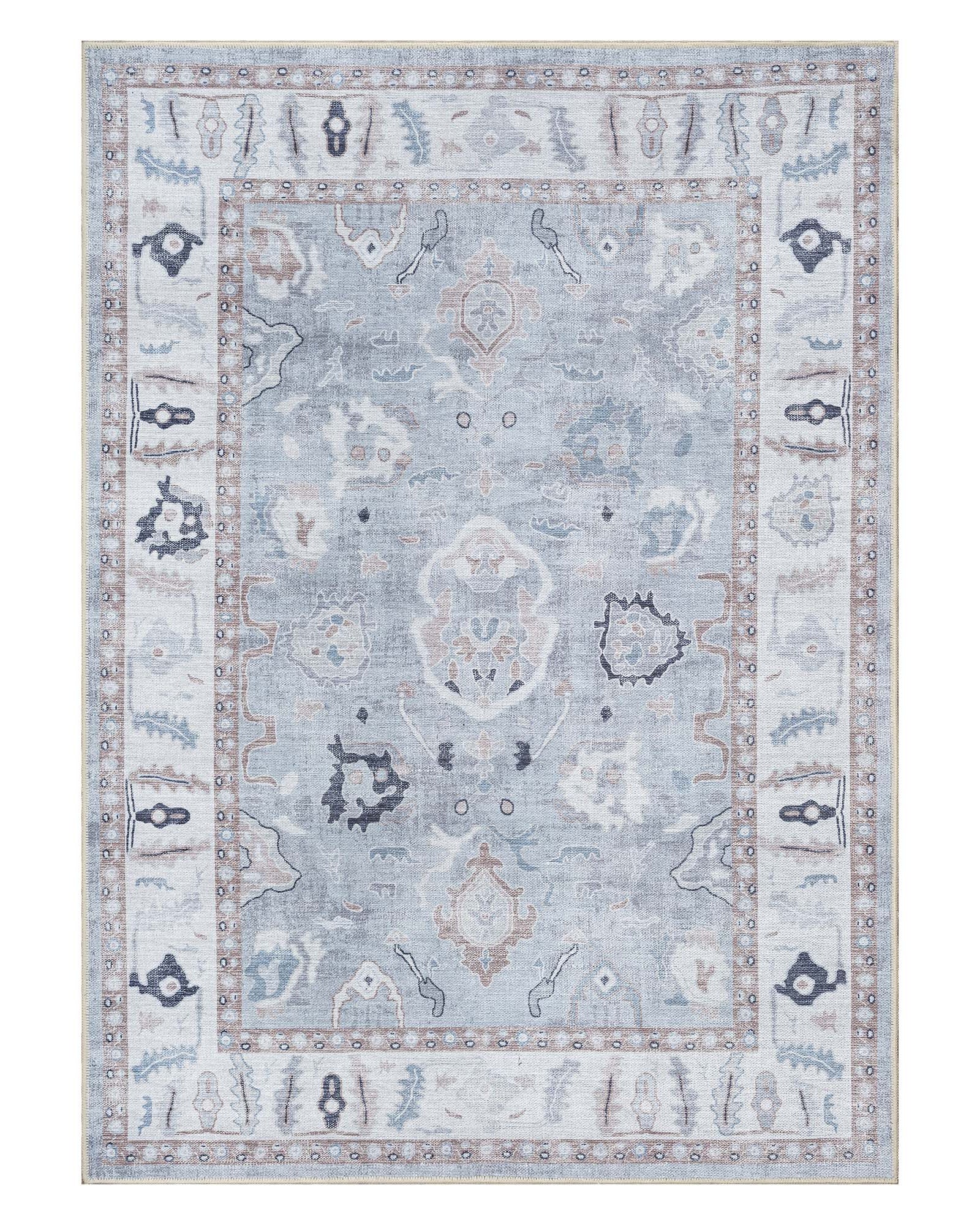
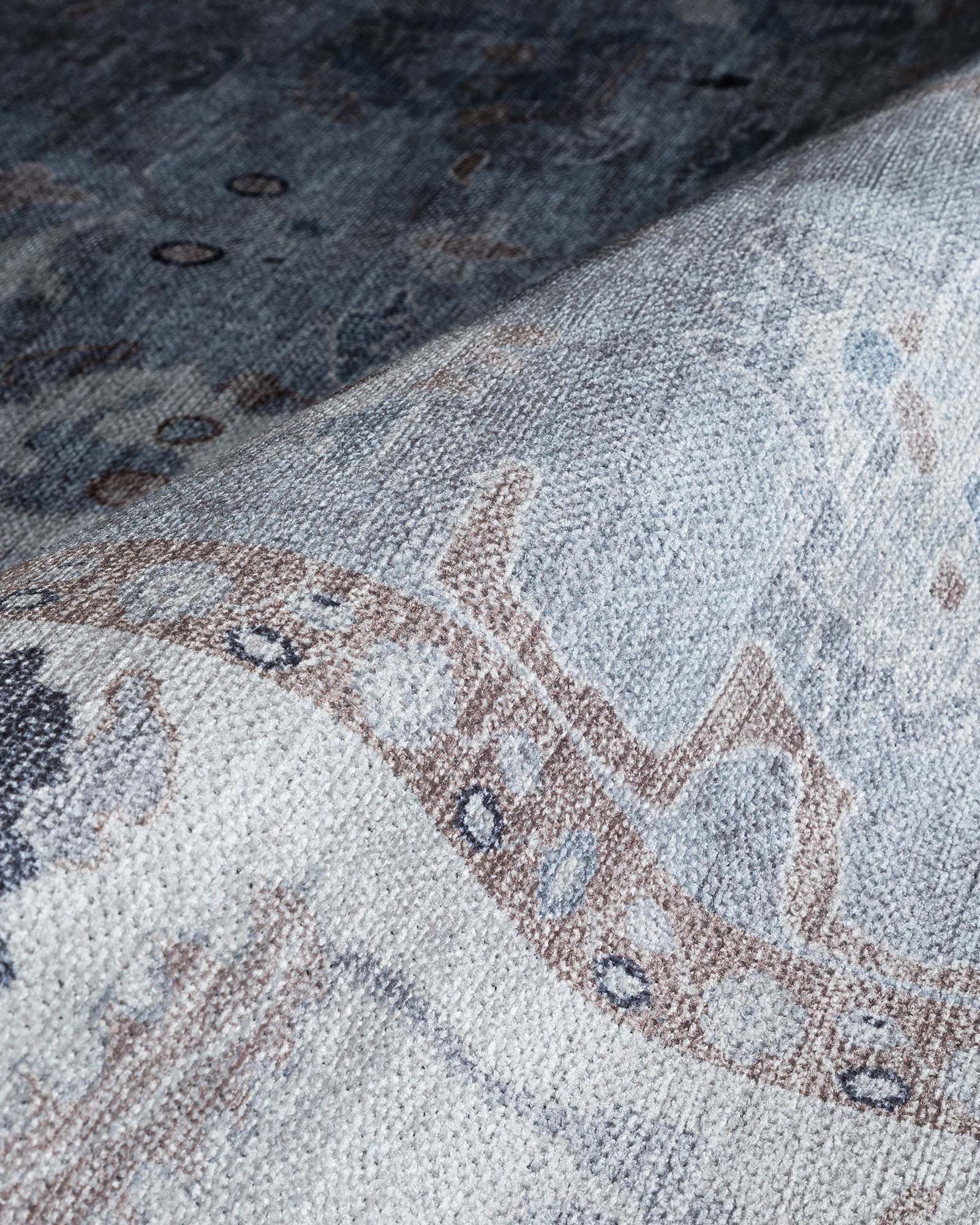
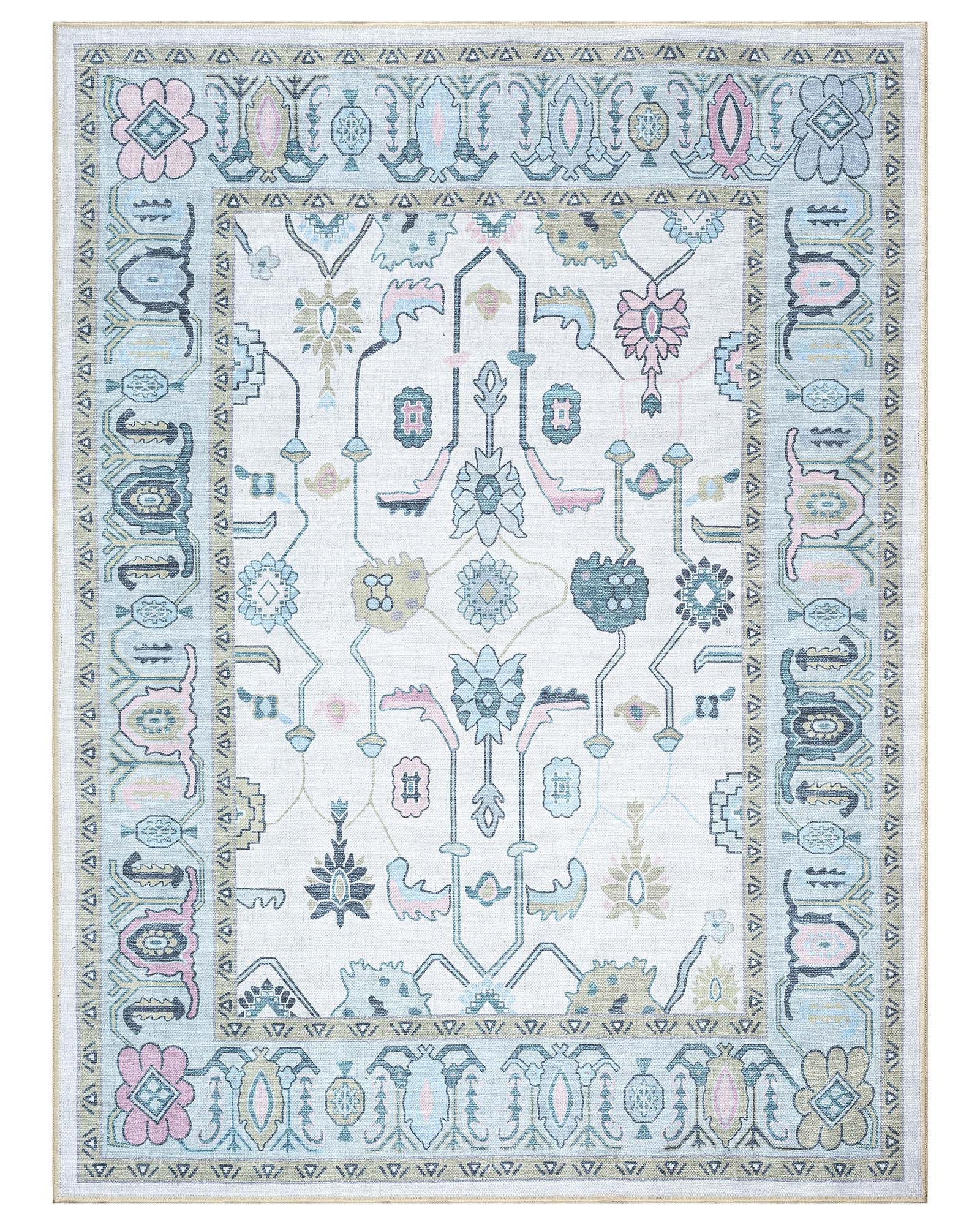
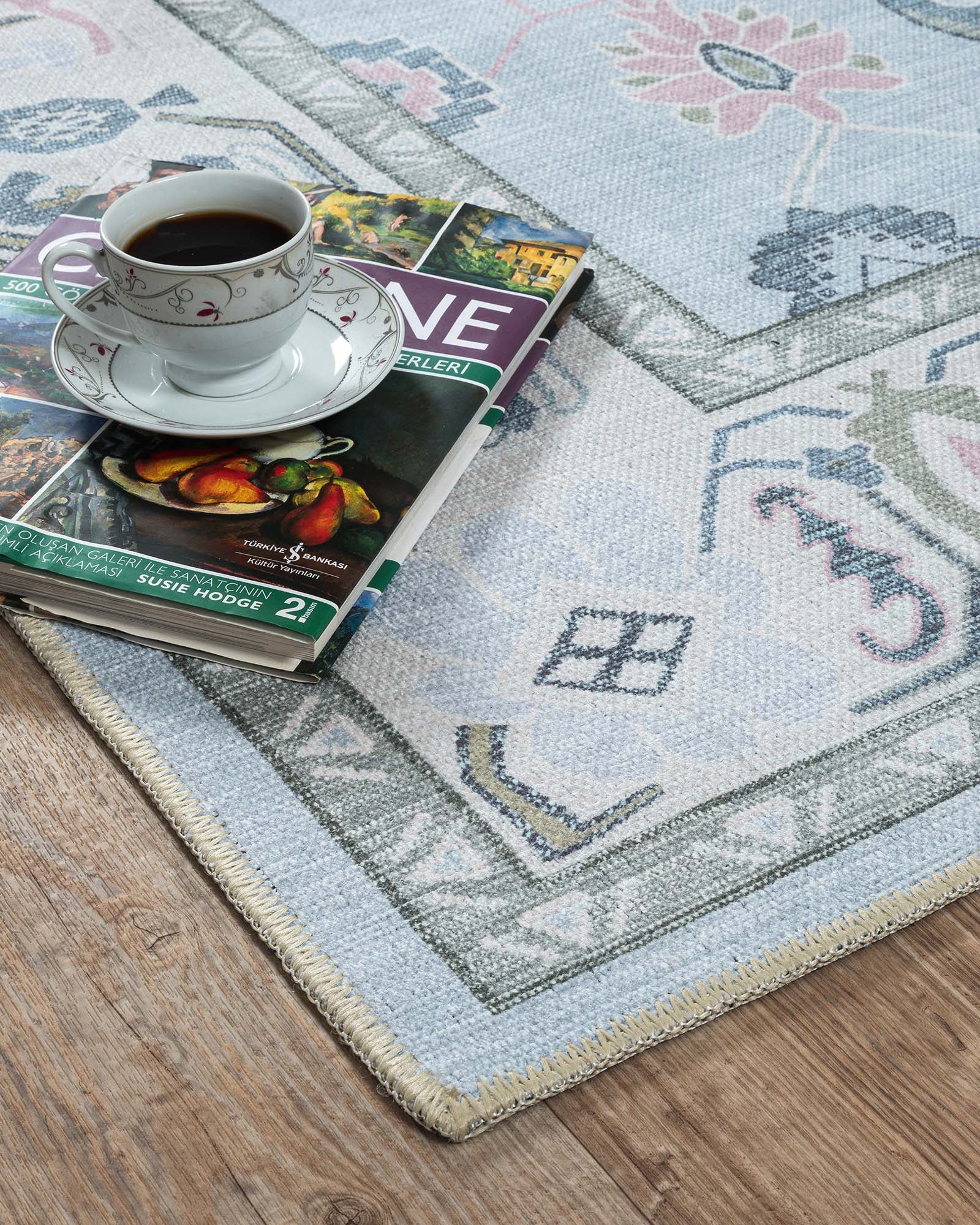
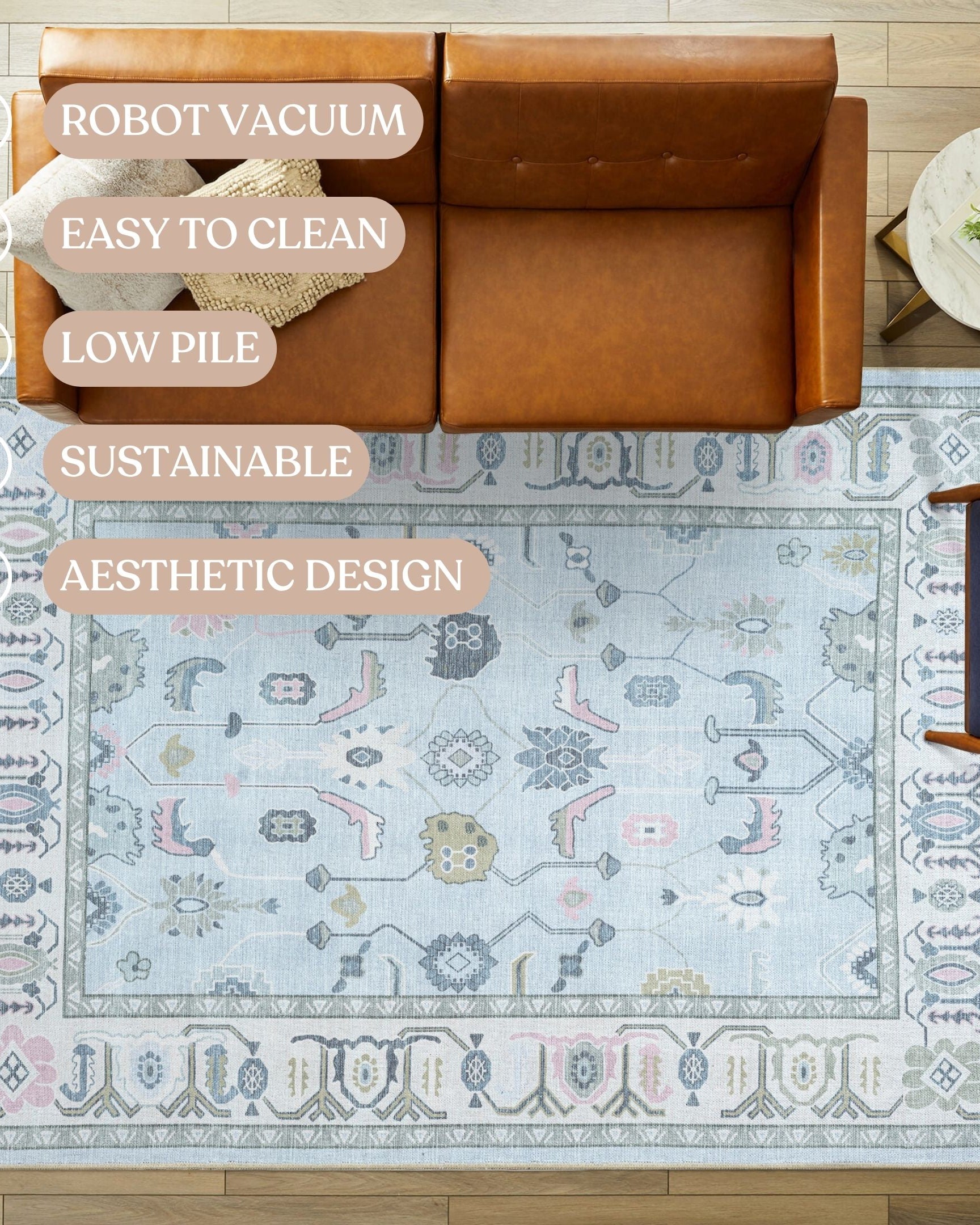
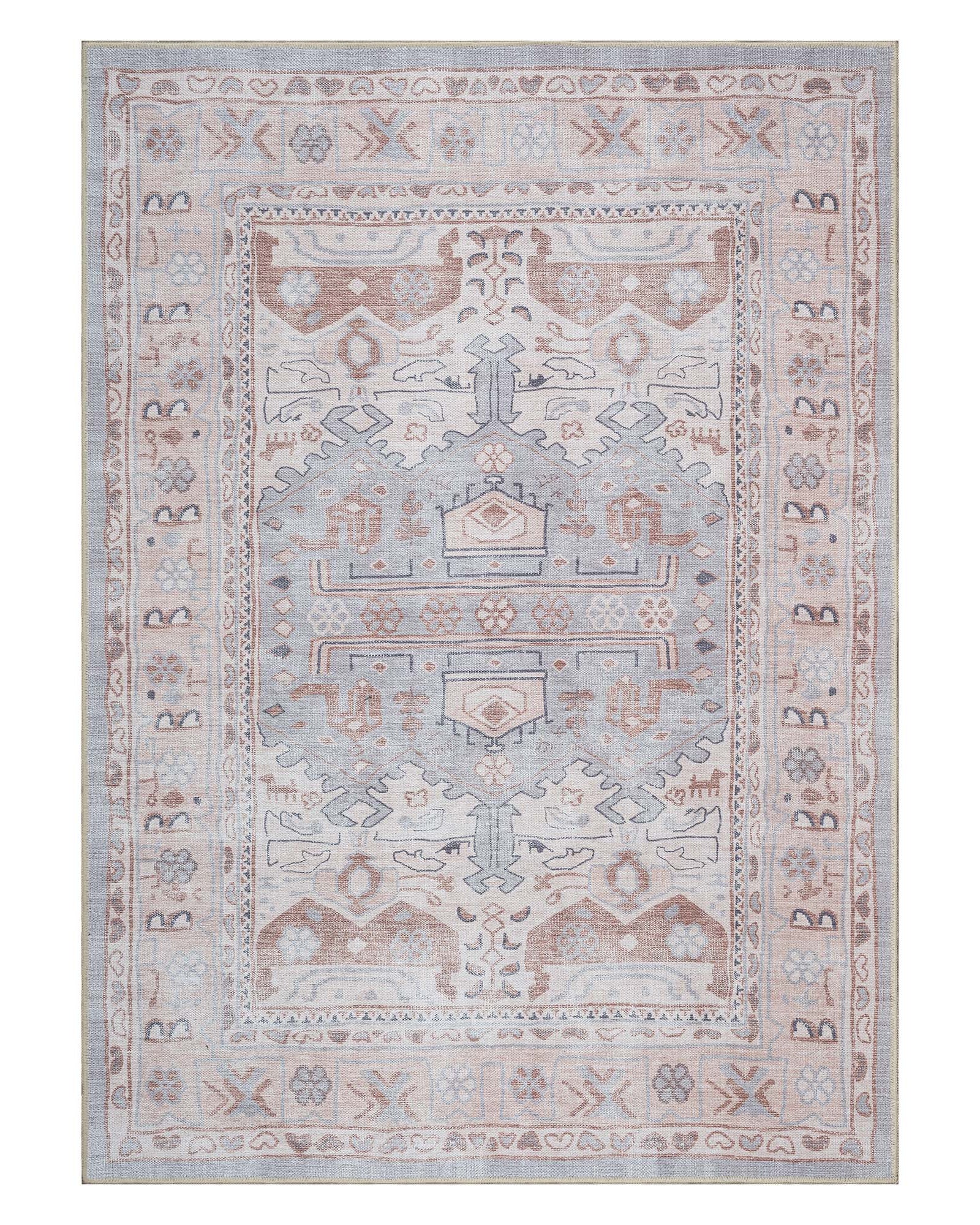
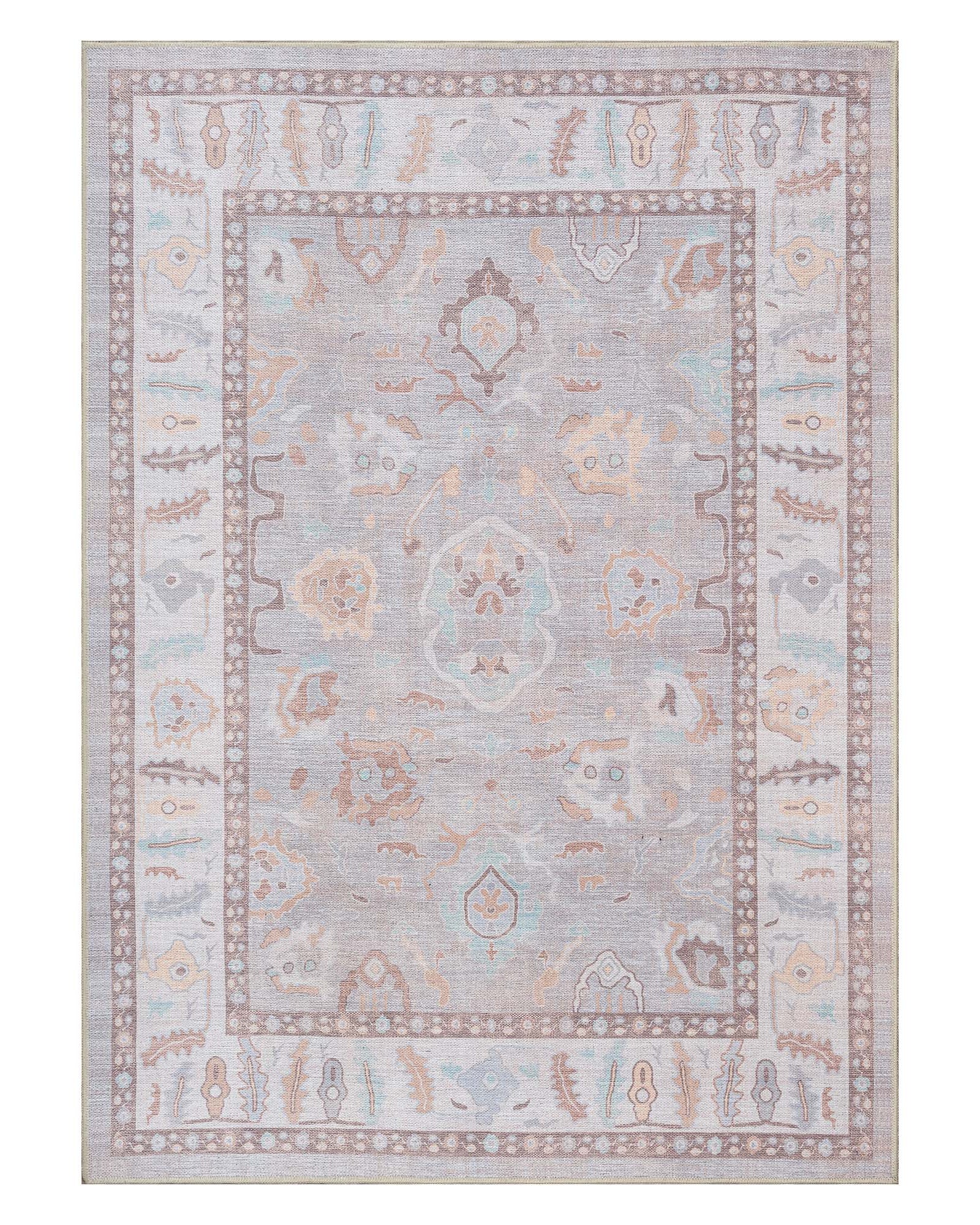
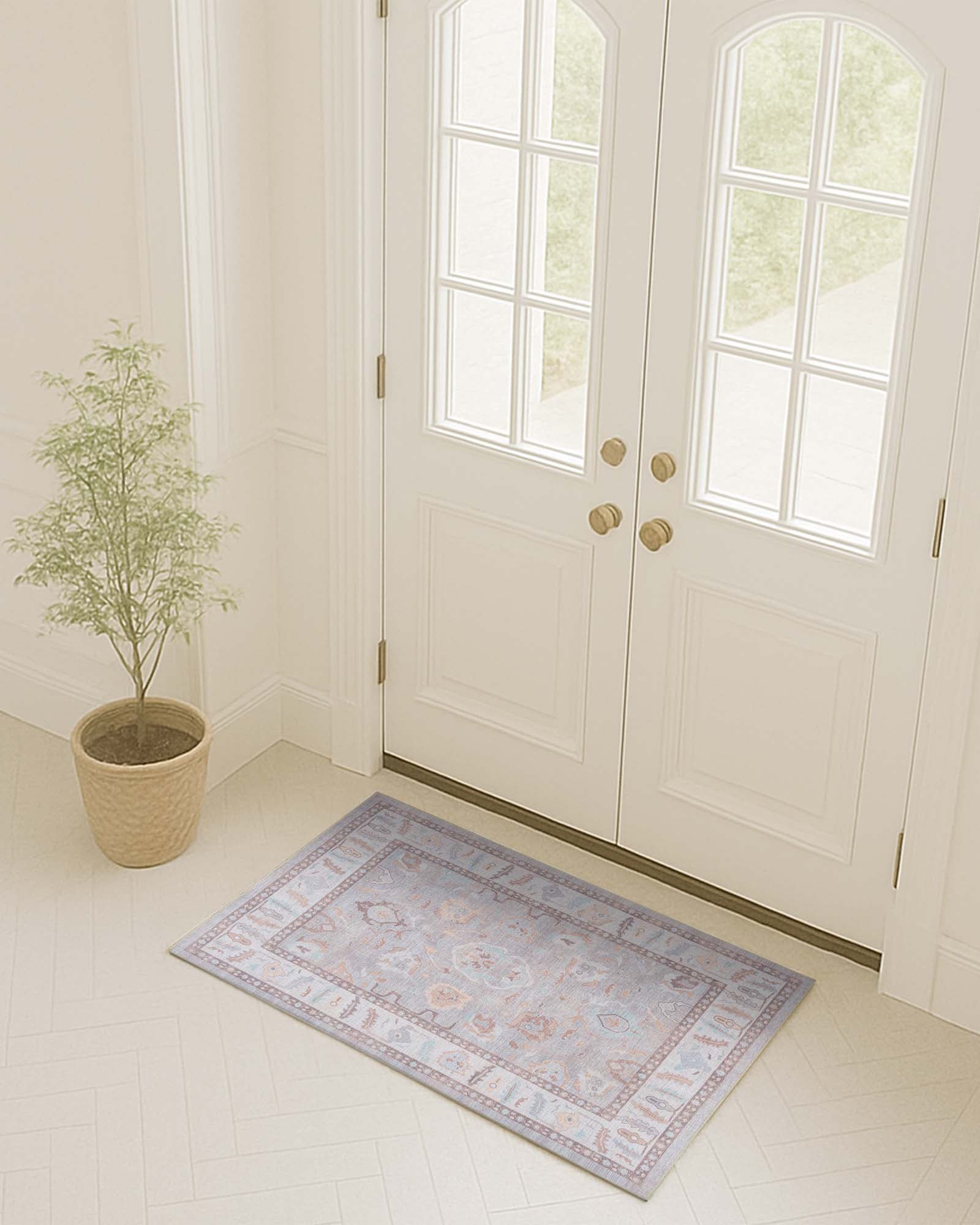
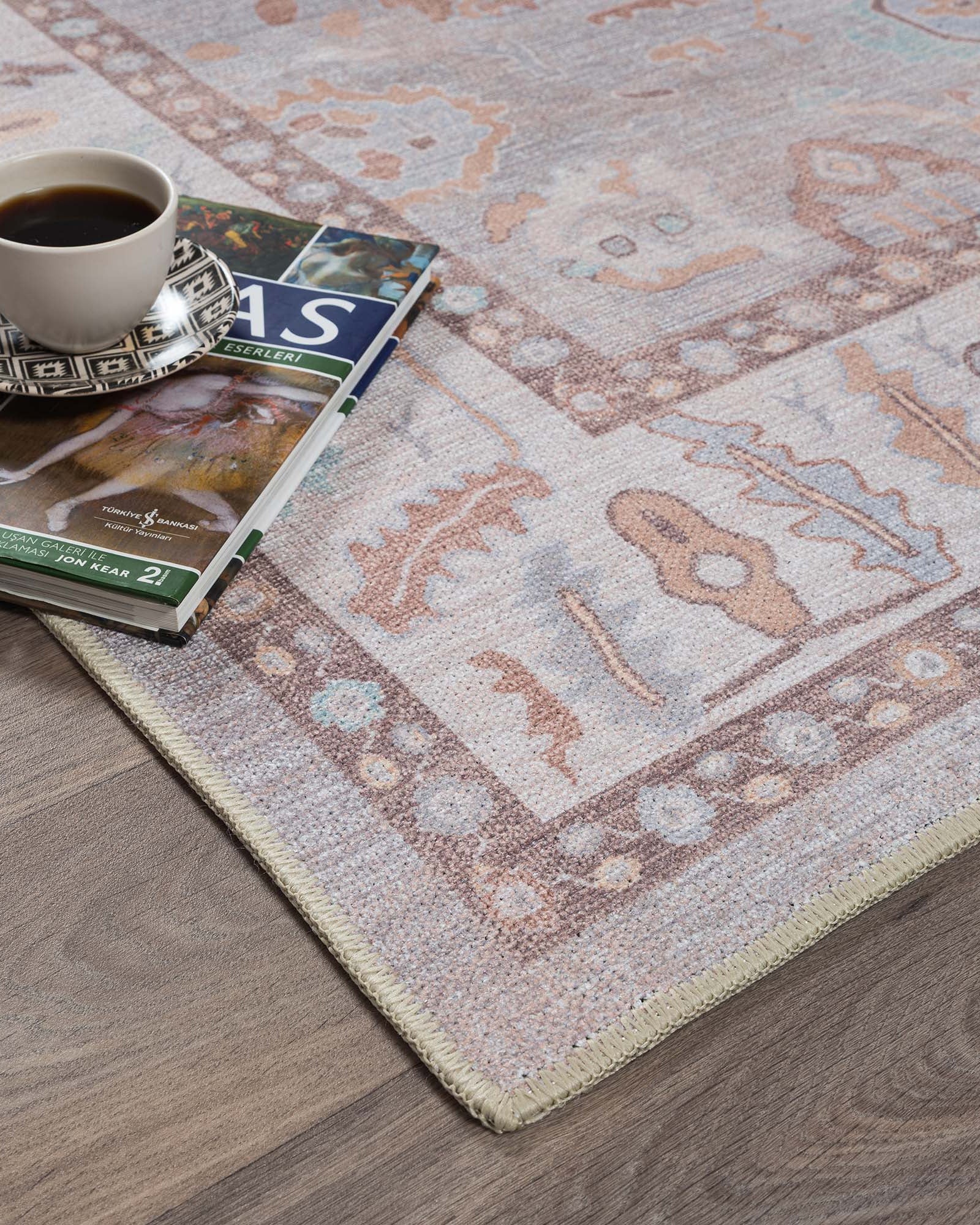
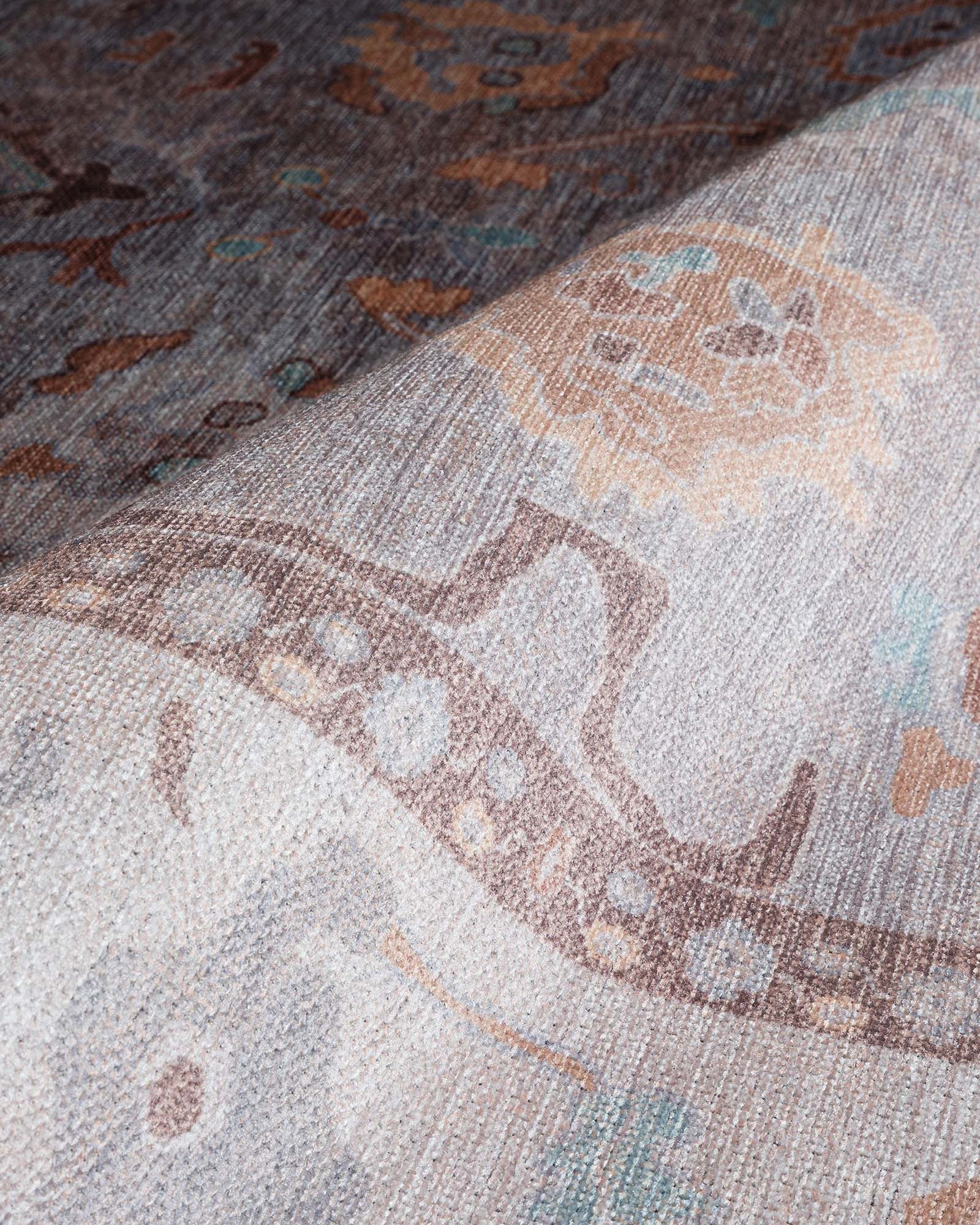
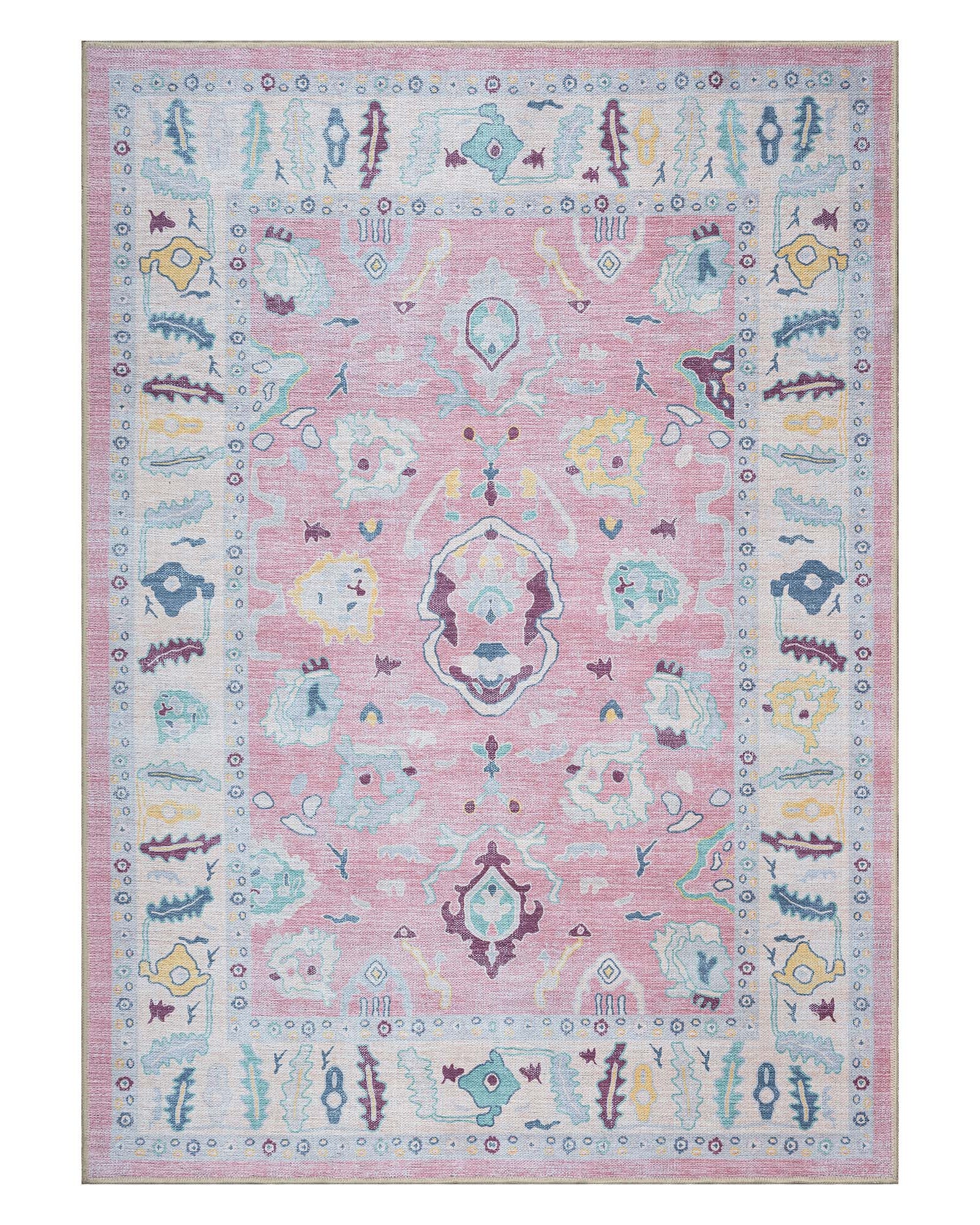
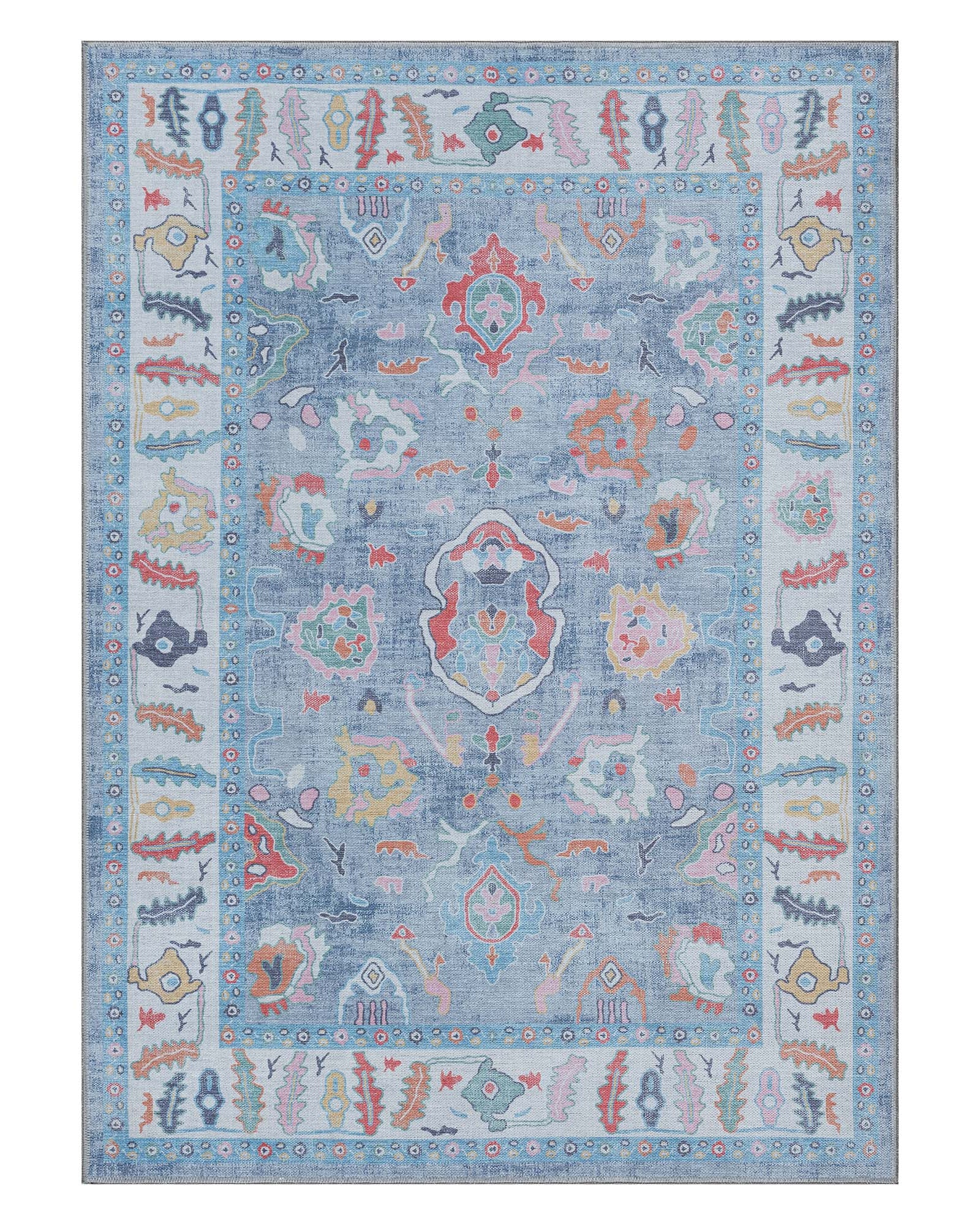
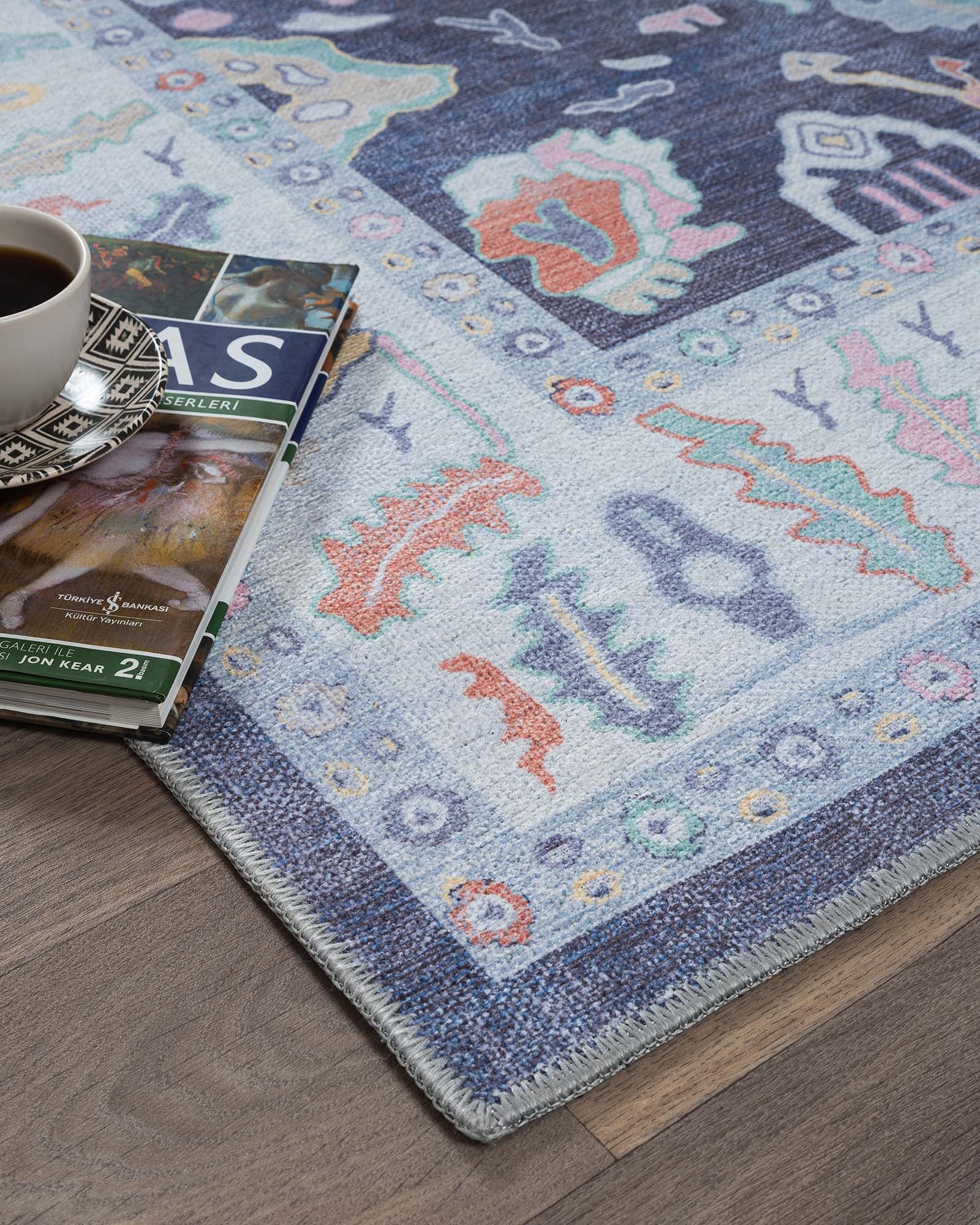
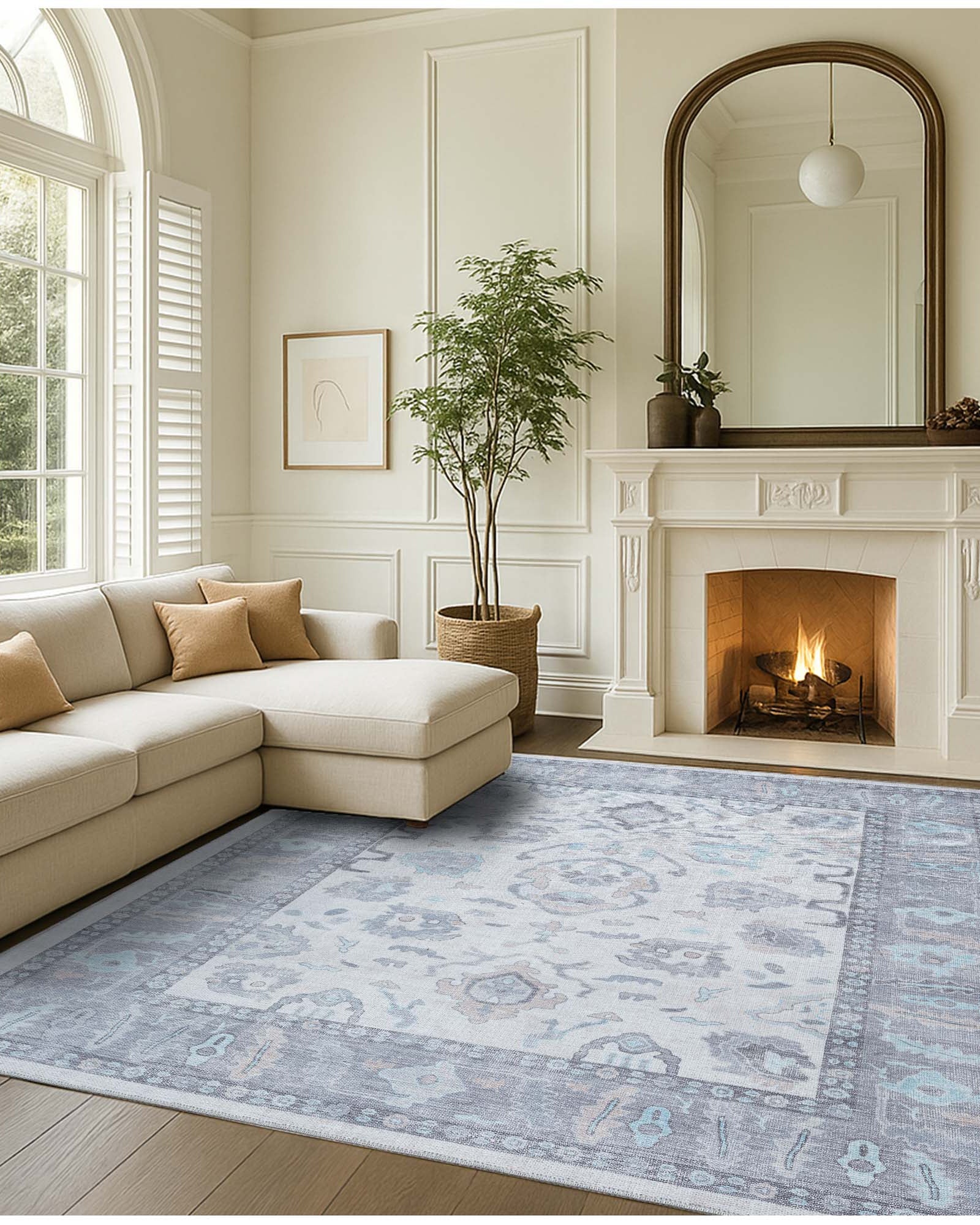
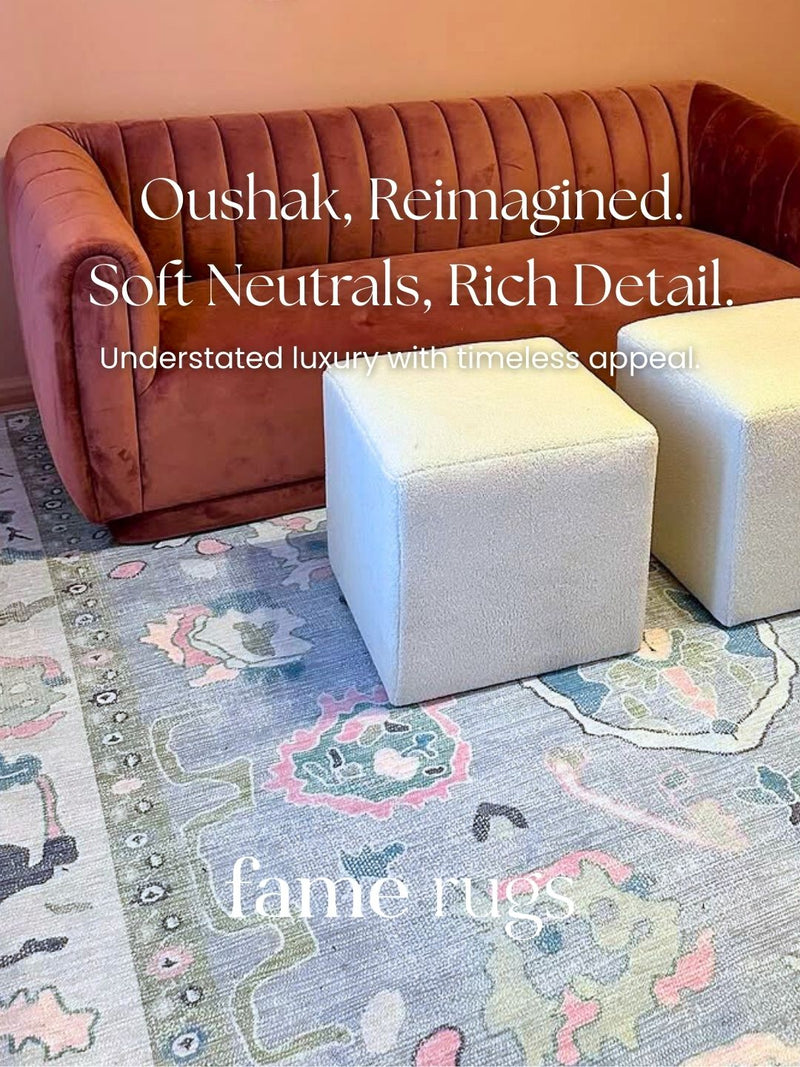
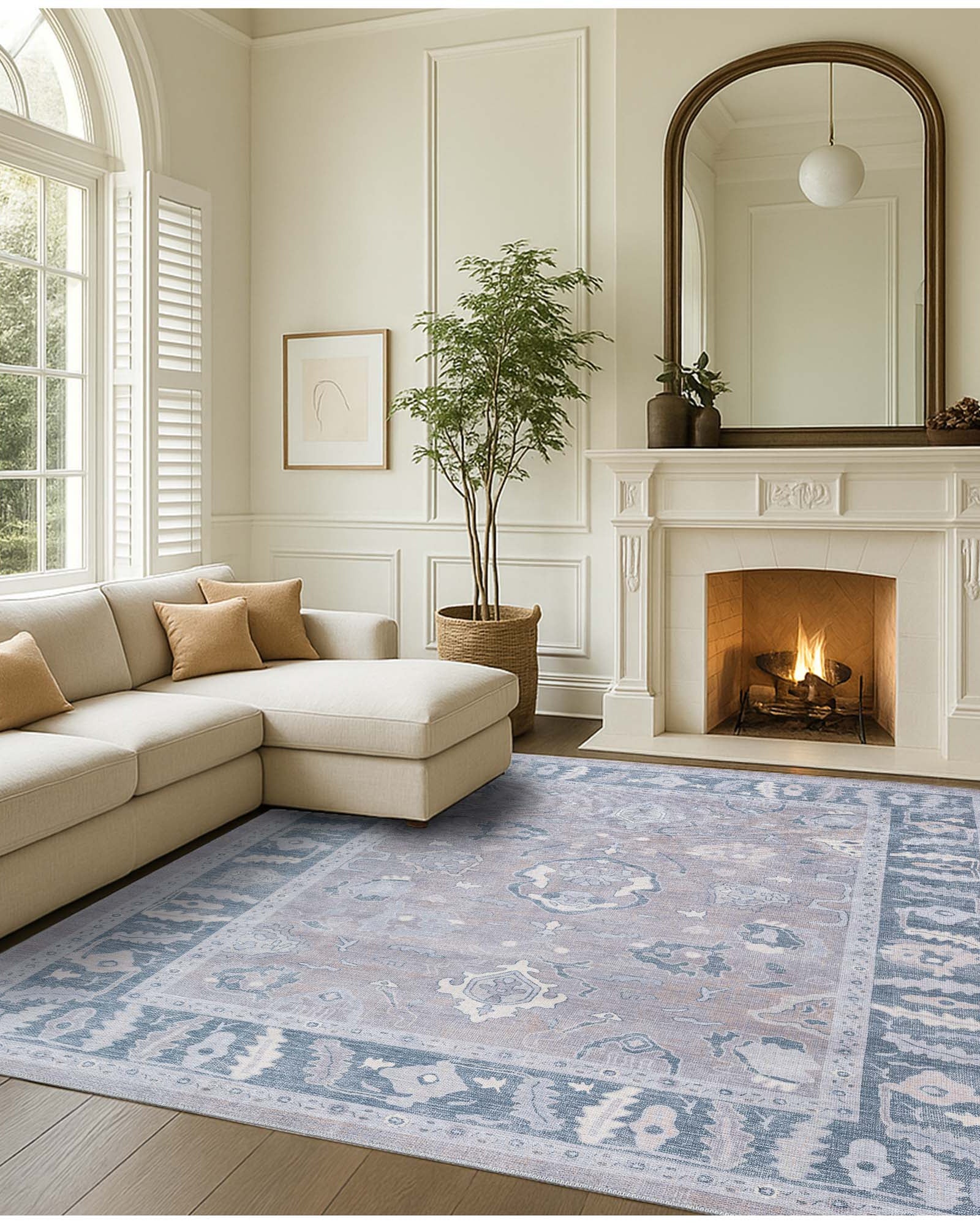
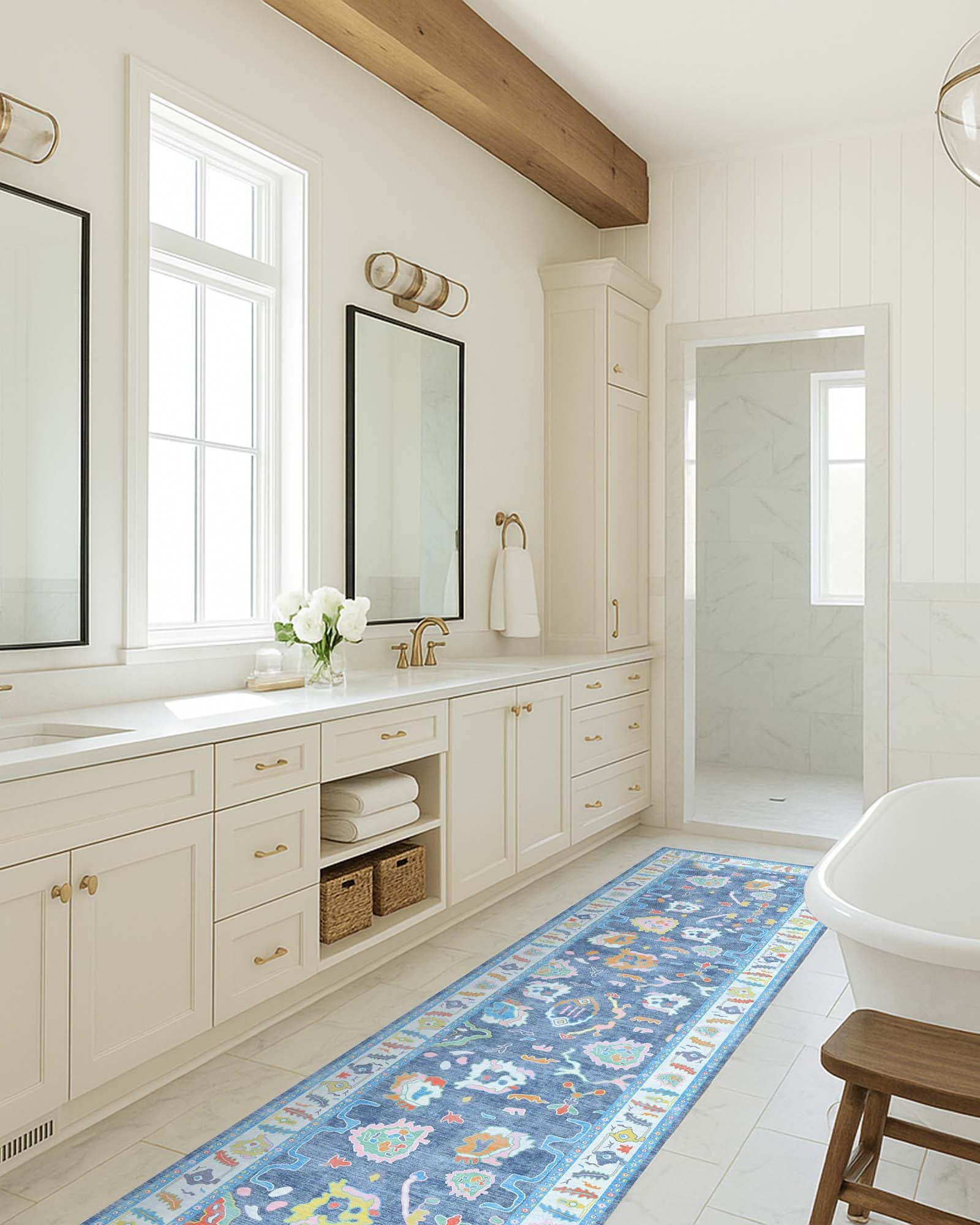
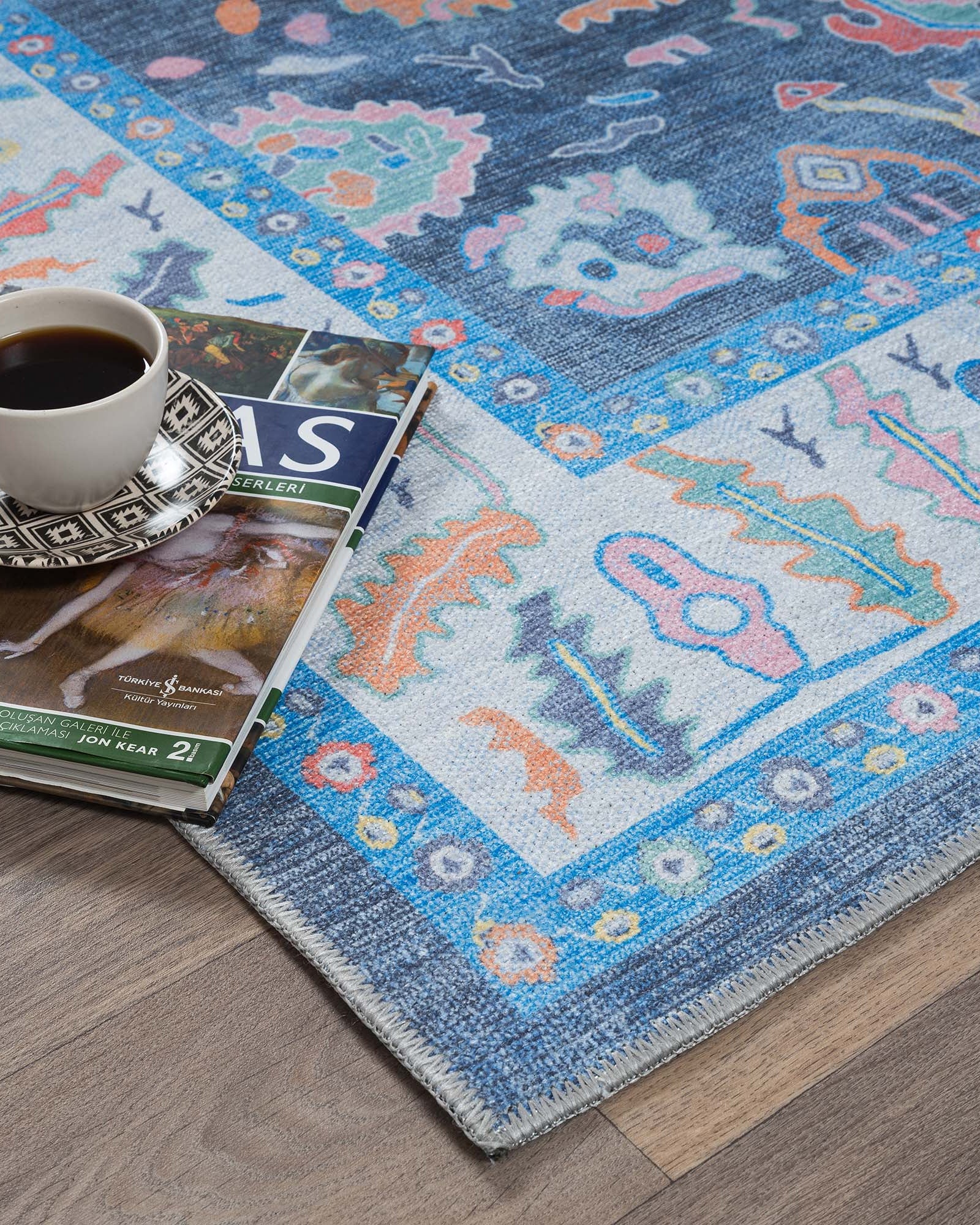
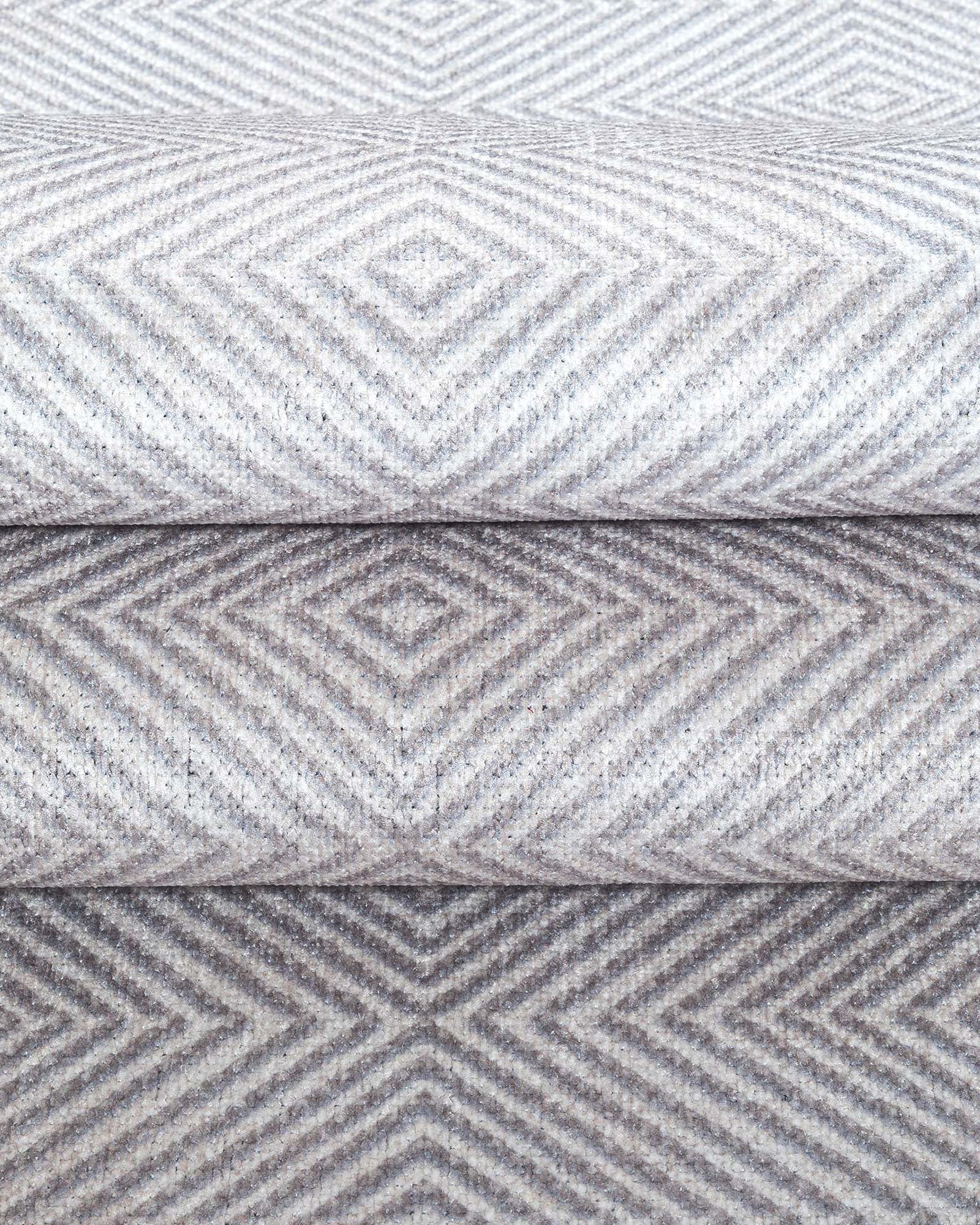
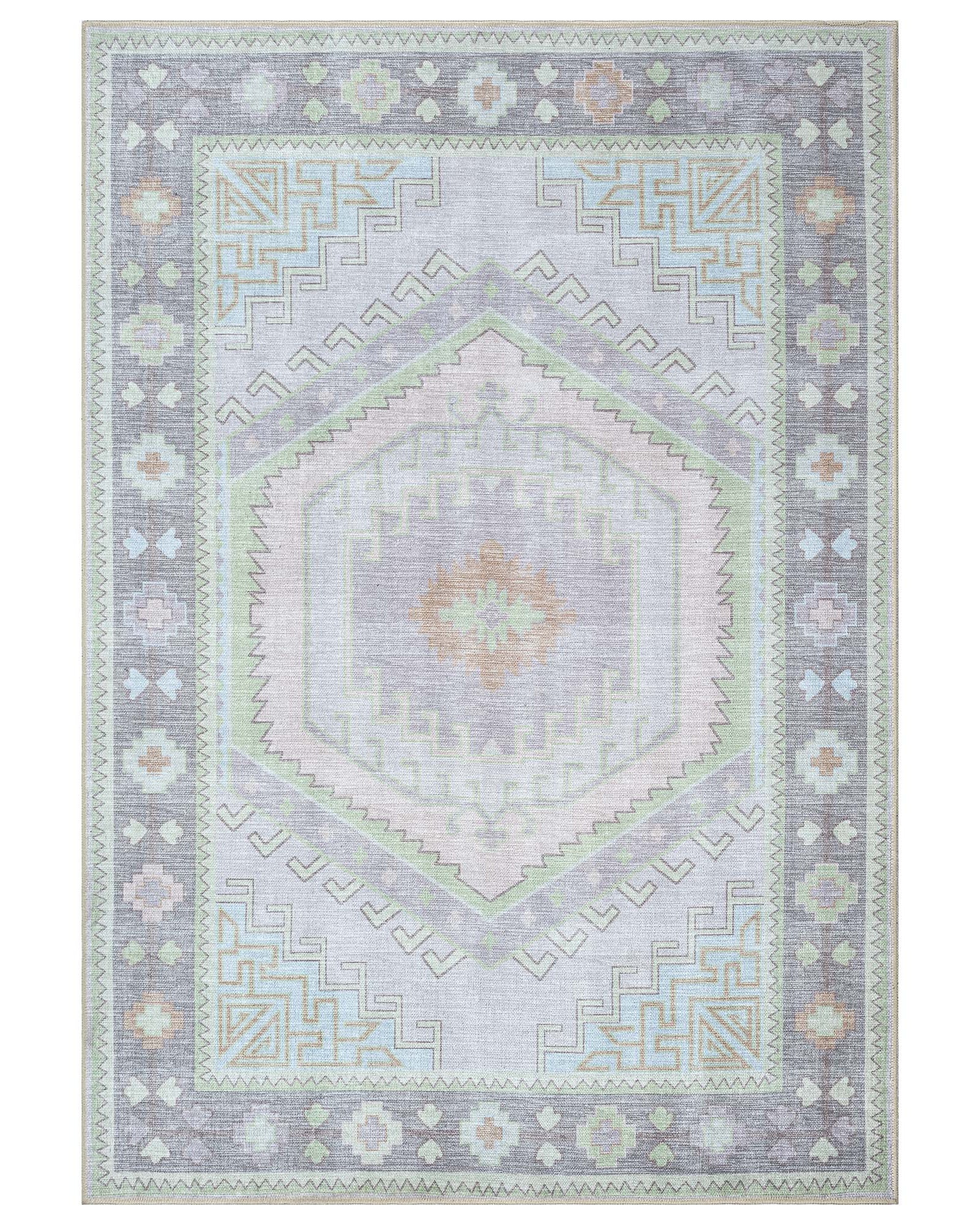
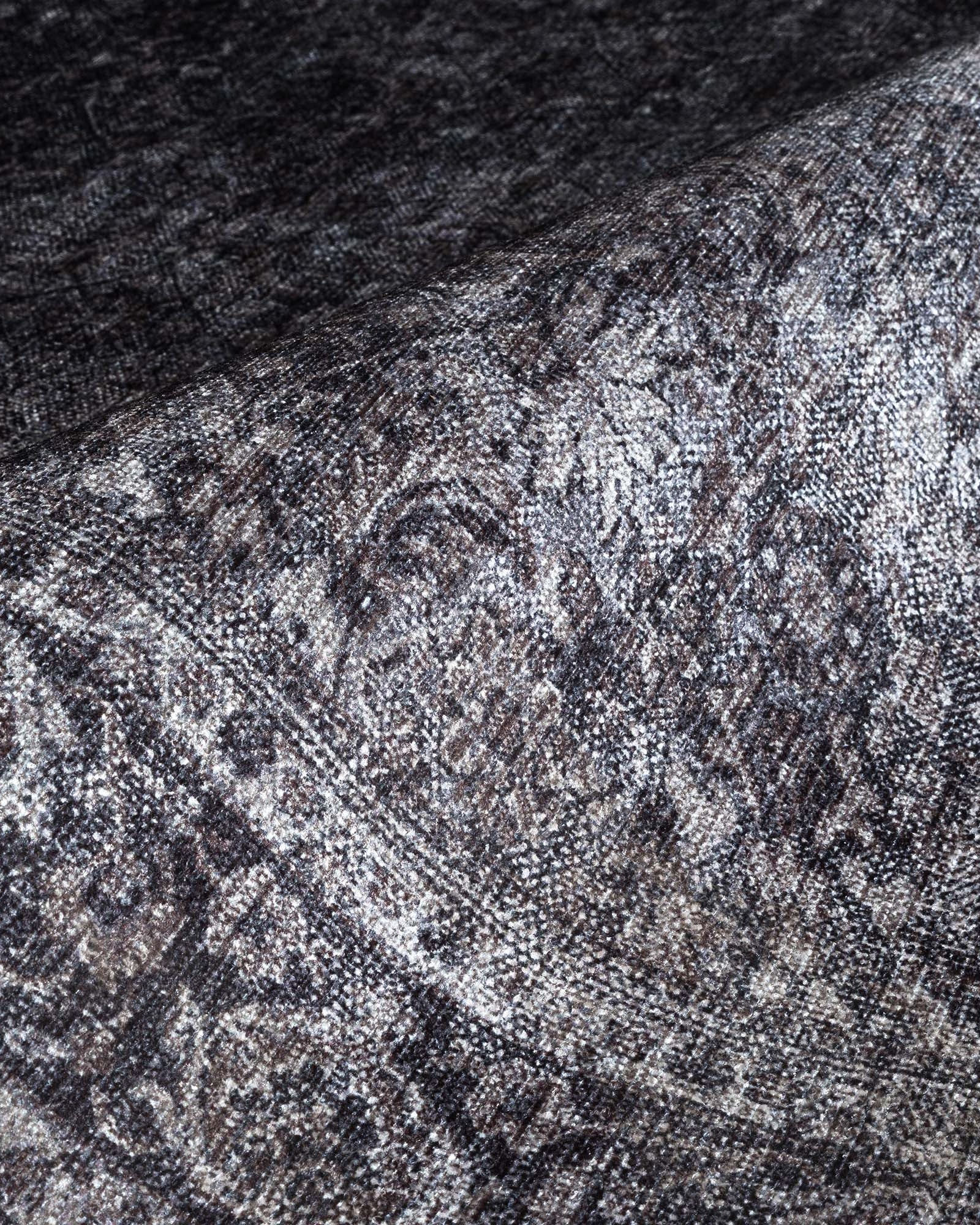
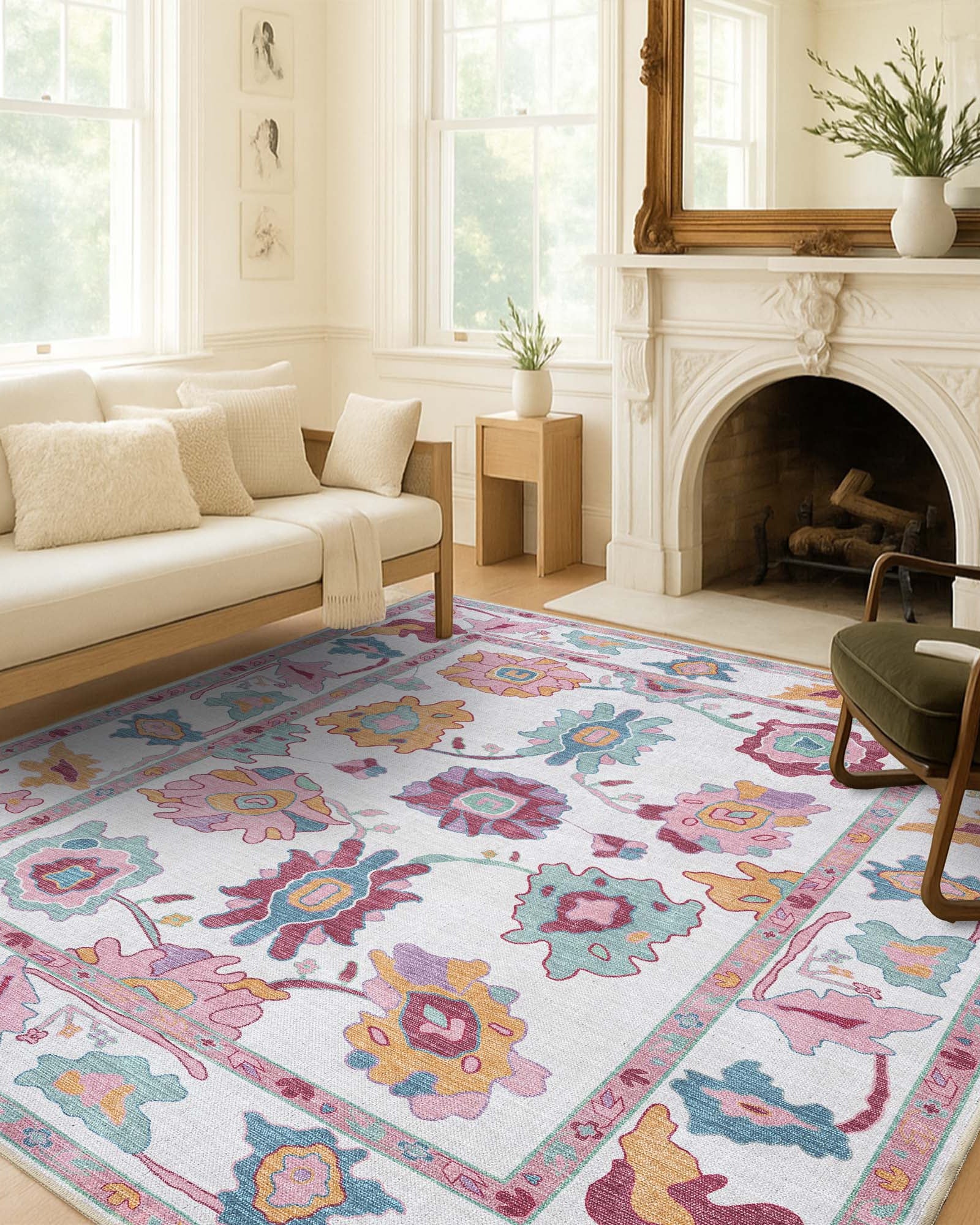
In "Same Story, Different Page," you won't necessarily find the exact same rug in five different sizes (though that is an option). Instead, you will find designs that share a "design DNA." For example, a large living room rug might feature a bold, complex medallion in navy and cream, while the hallway runner features a simplified trellis pattern in the exact same yarn colors. We focus on palettes that travel well throughout a house—soft greys, grounding blues, warm beiges, and earthy terracottas. The patterns are selected to balance each other; if one rug is the "hero" with a busy print, its companion in this collection will be the "supporting character" with a more subtle, tonal design.
Pile Height, Texture, and Everyday Comfort
While the look is consistent, the textures are tailored to the specific function of each room.
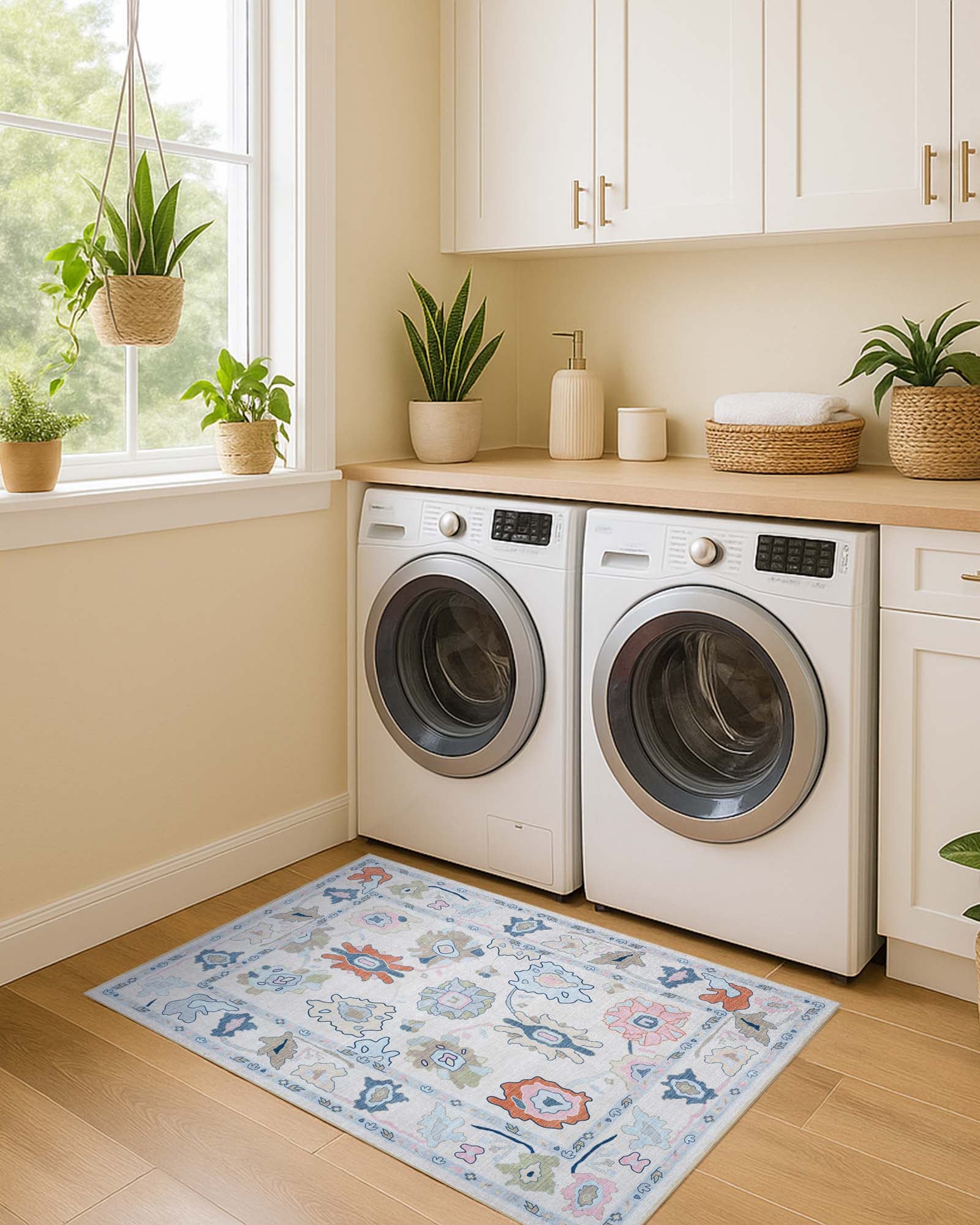
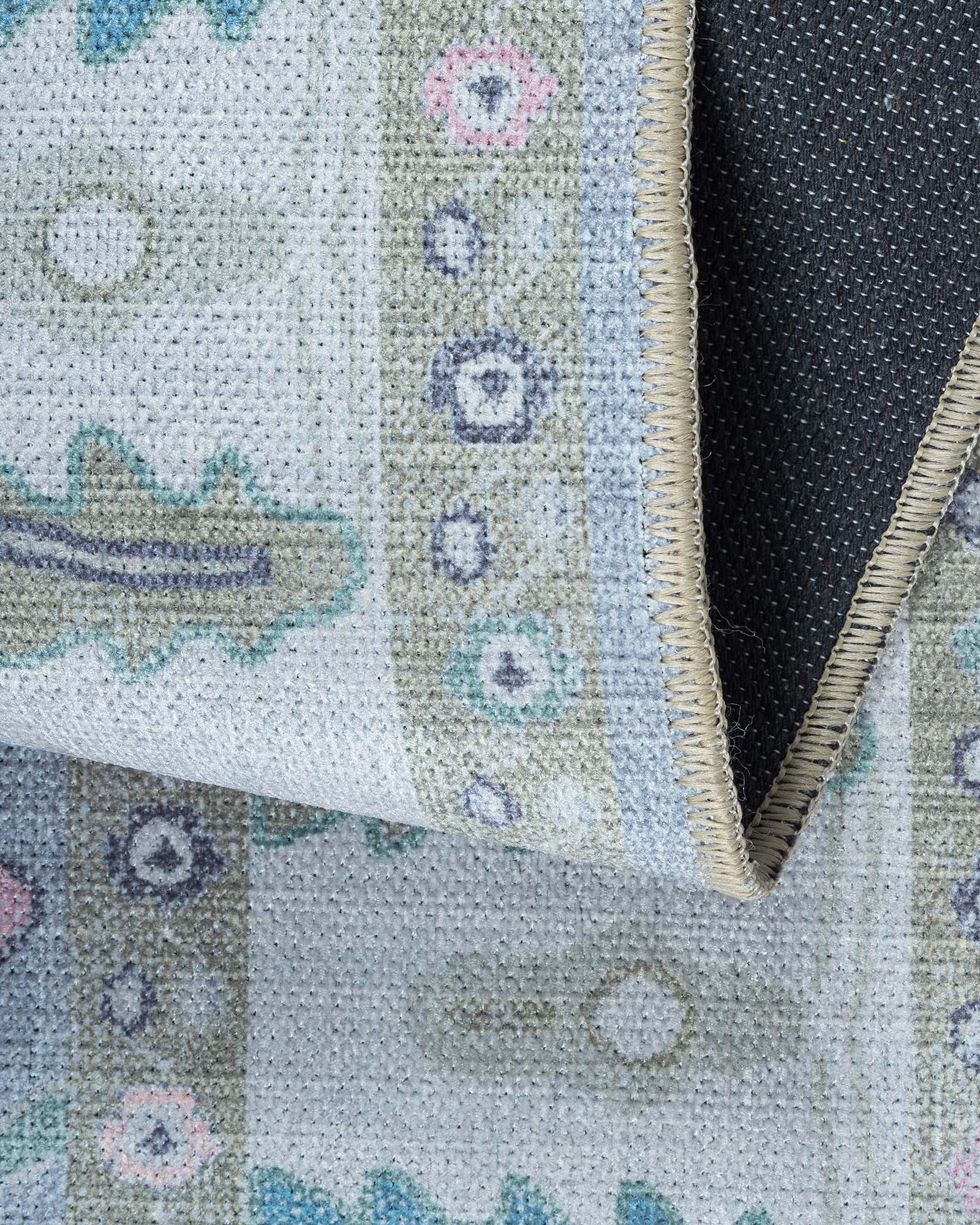
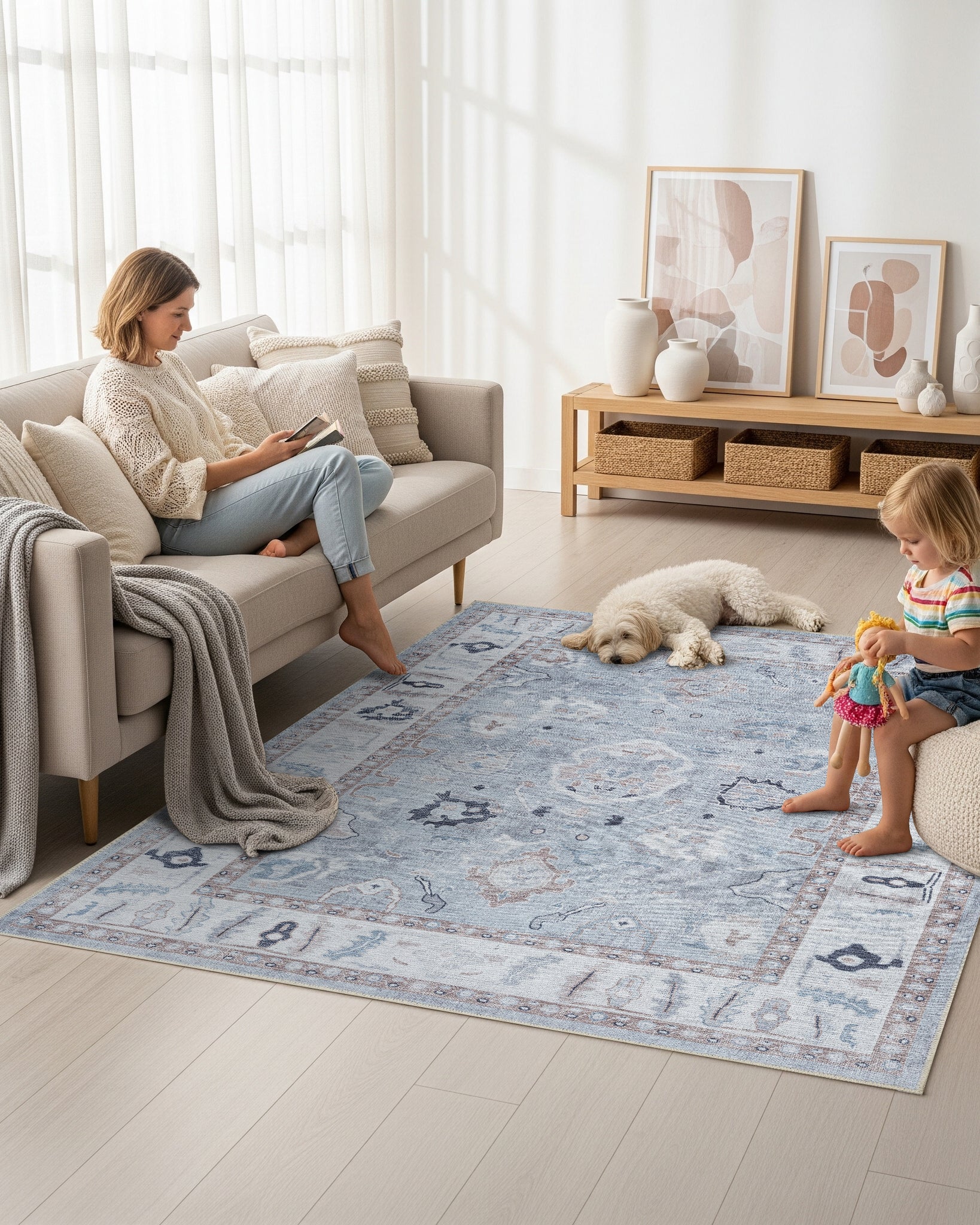
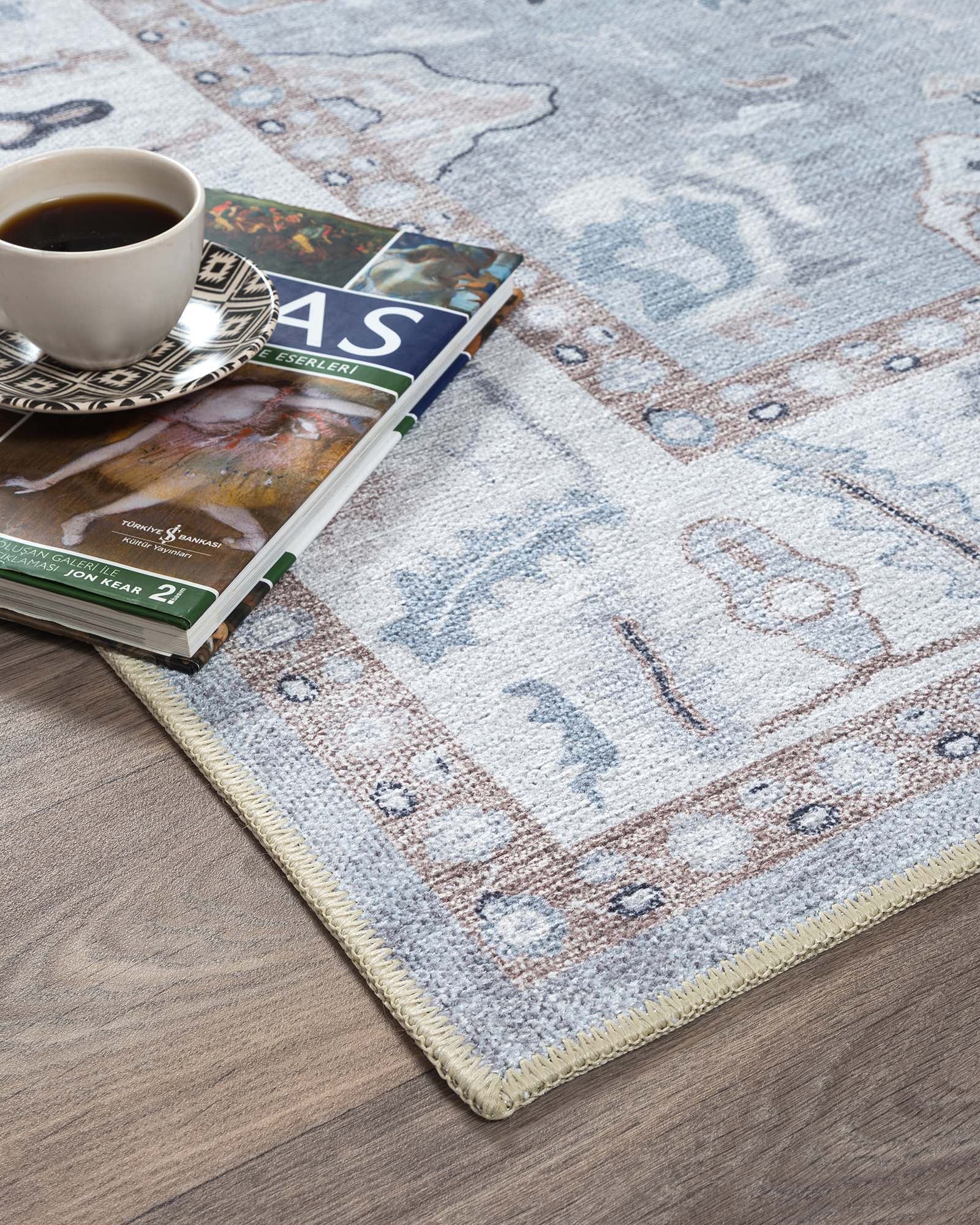
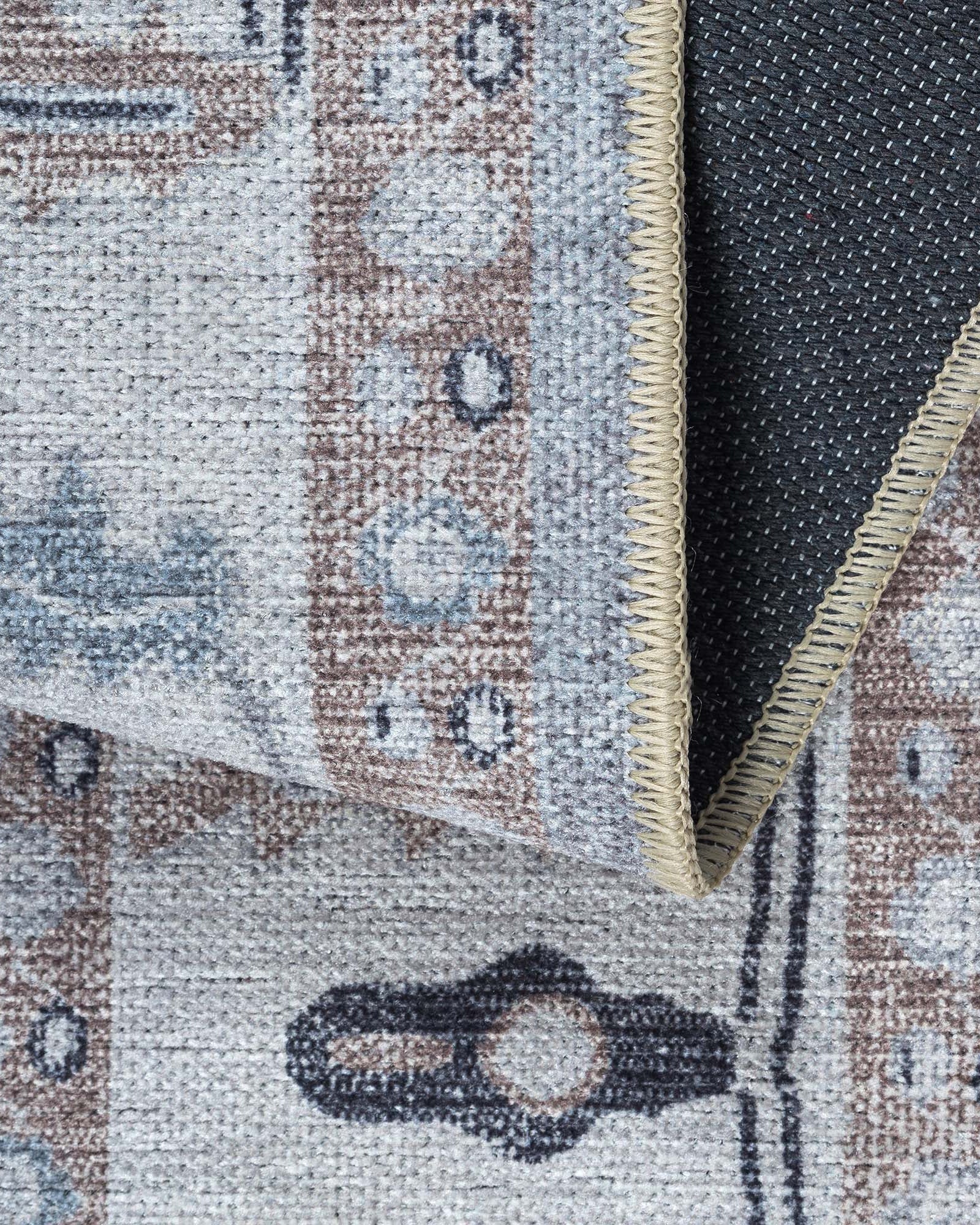
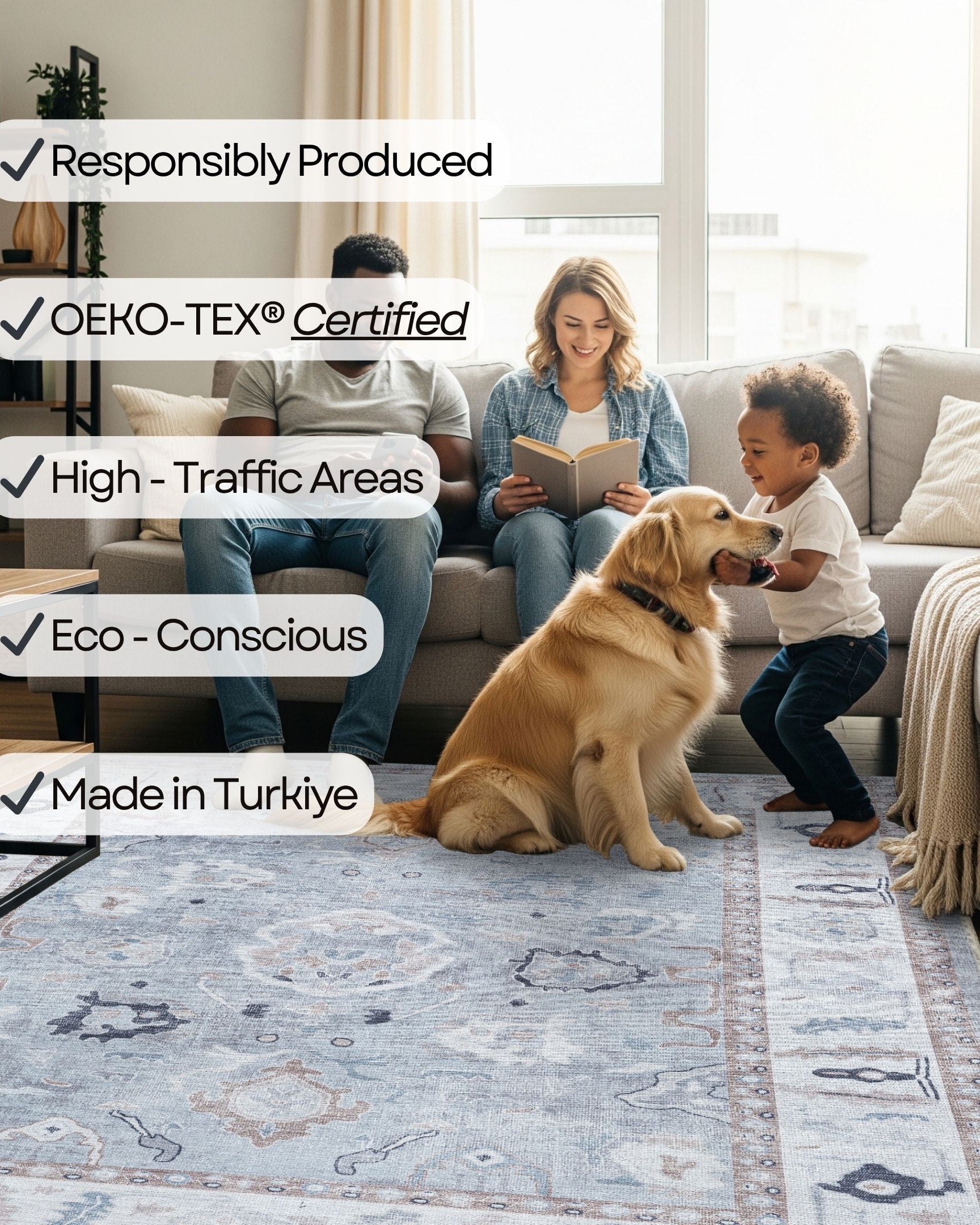
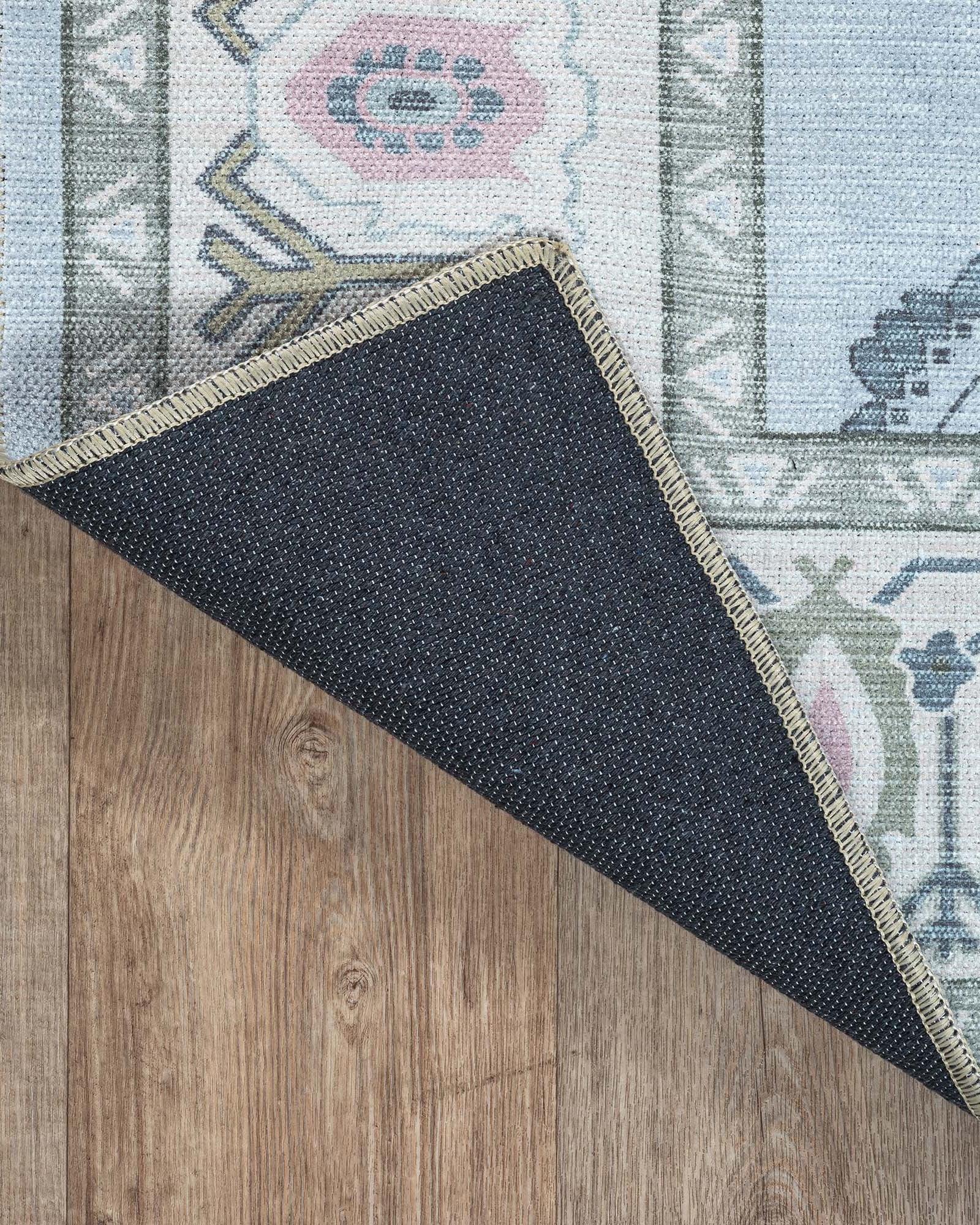
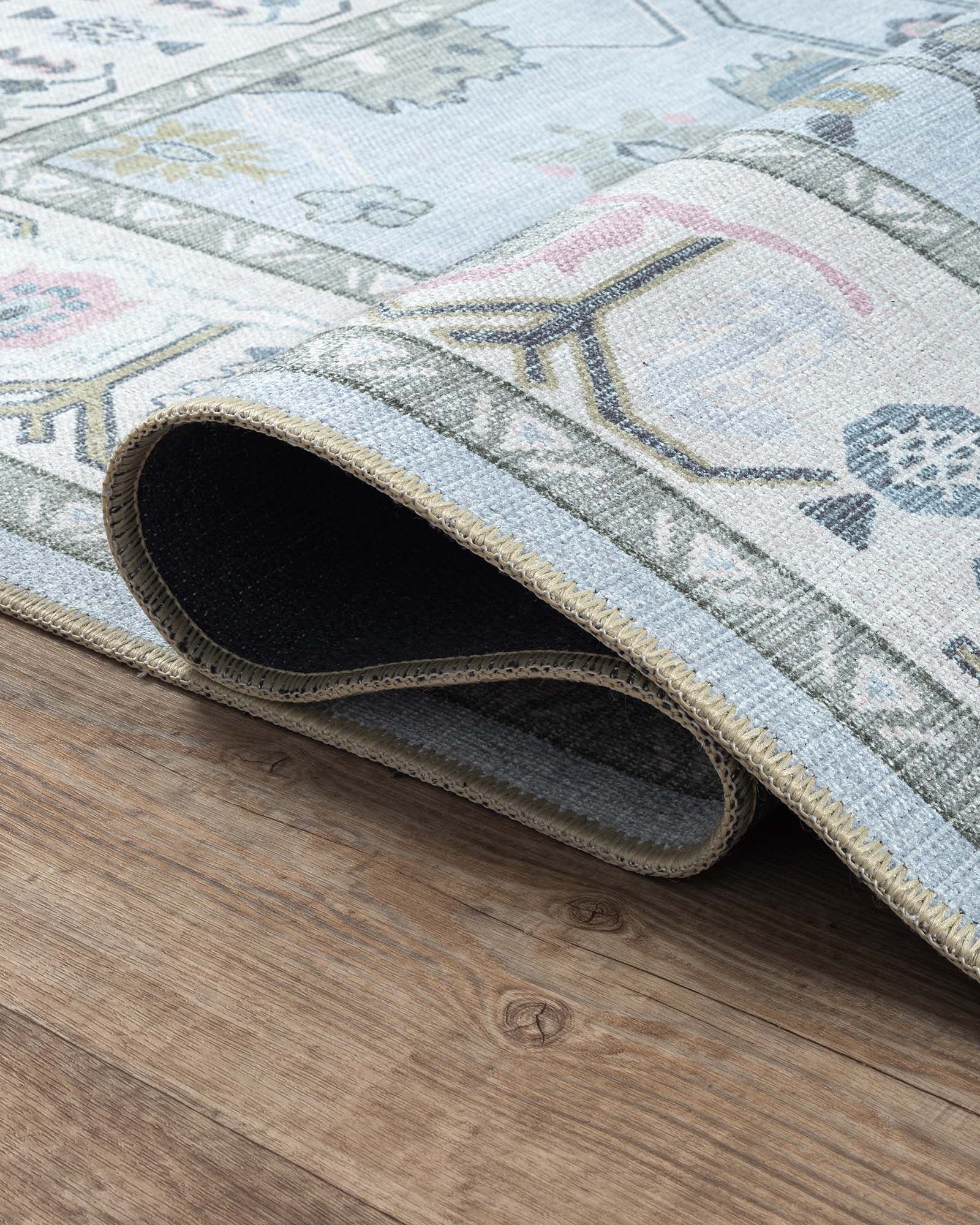
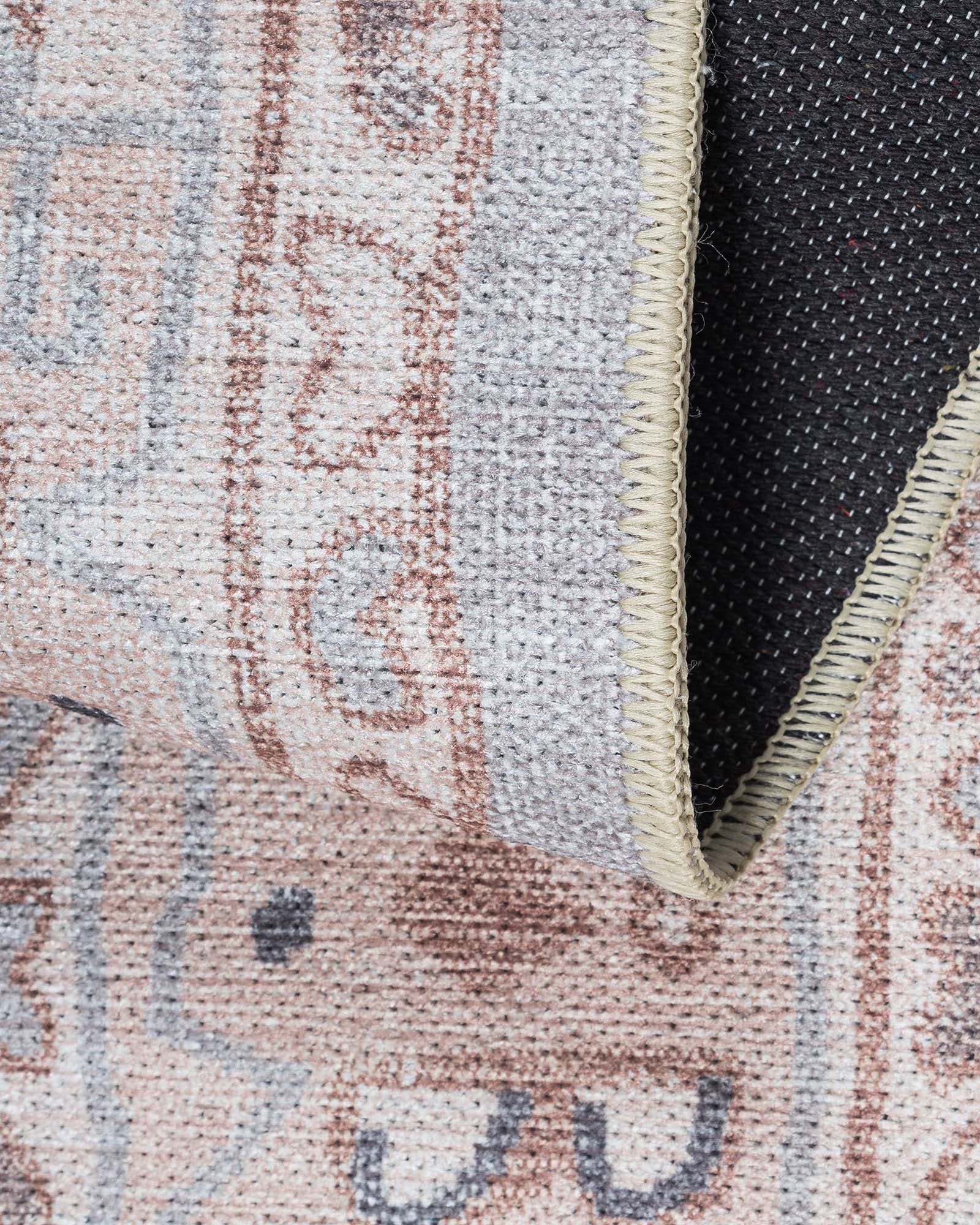
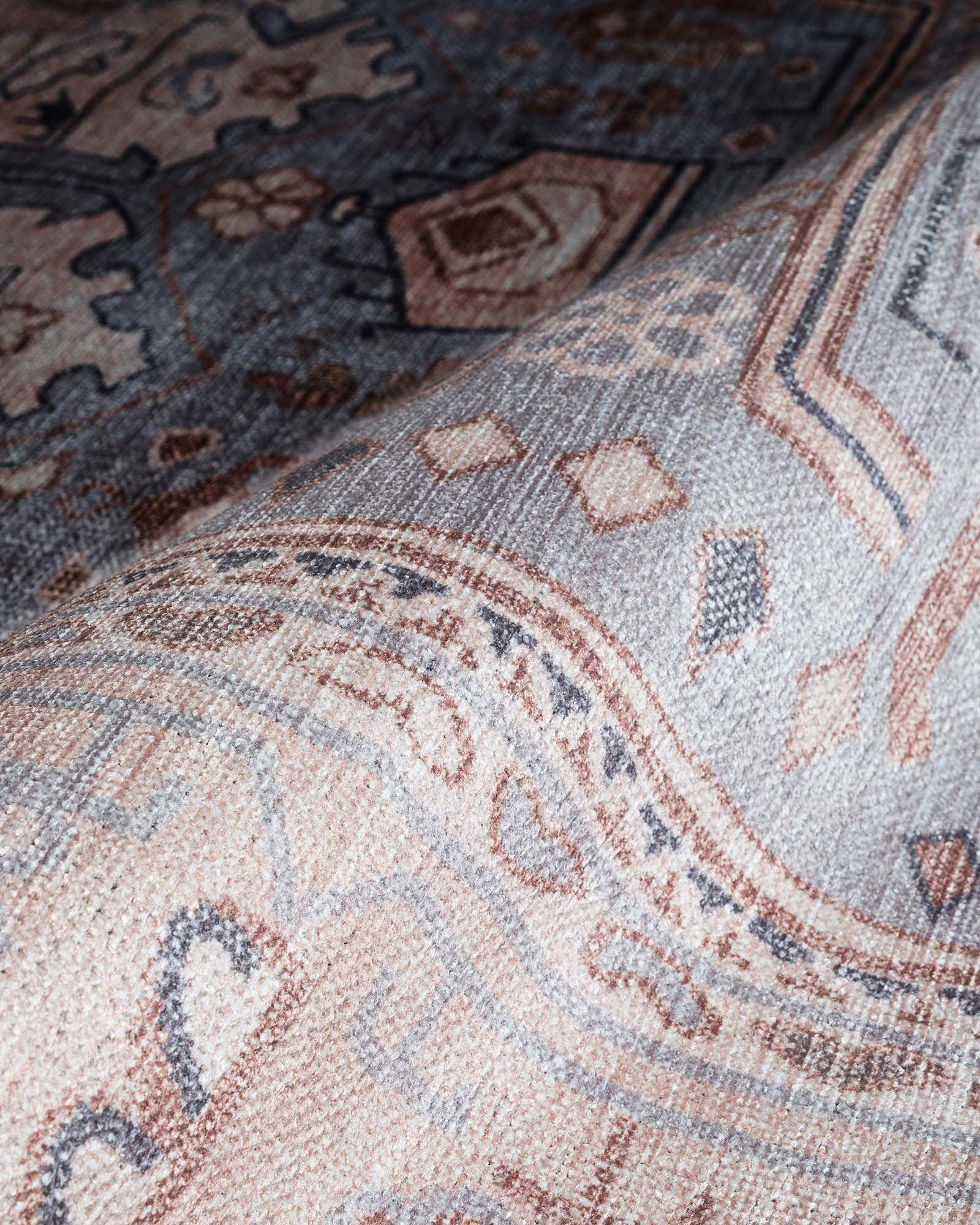
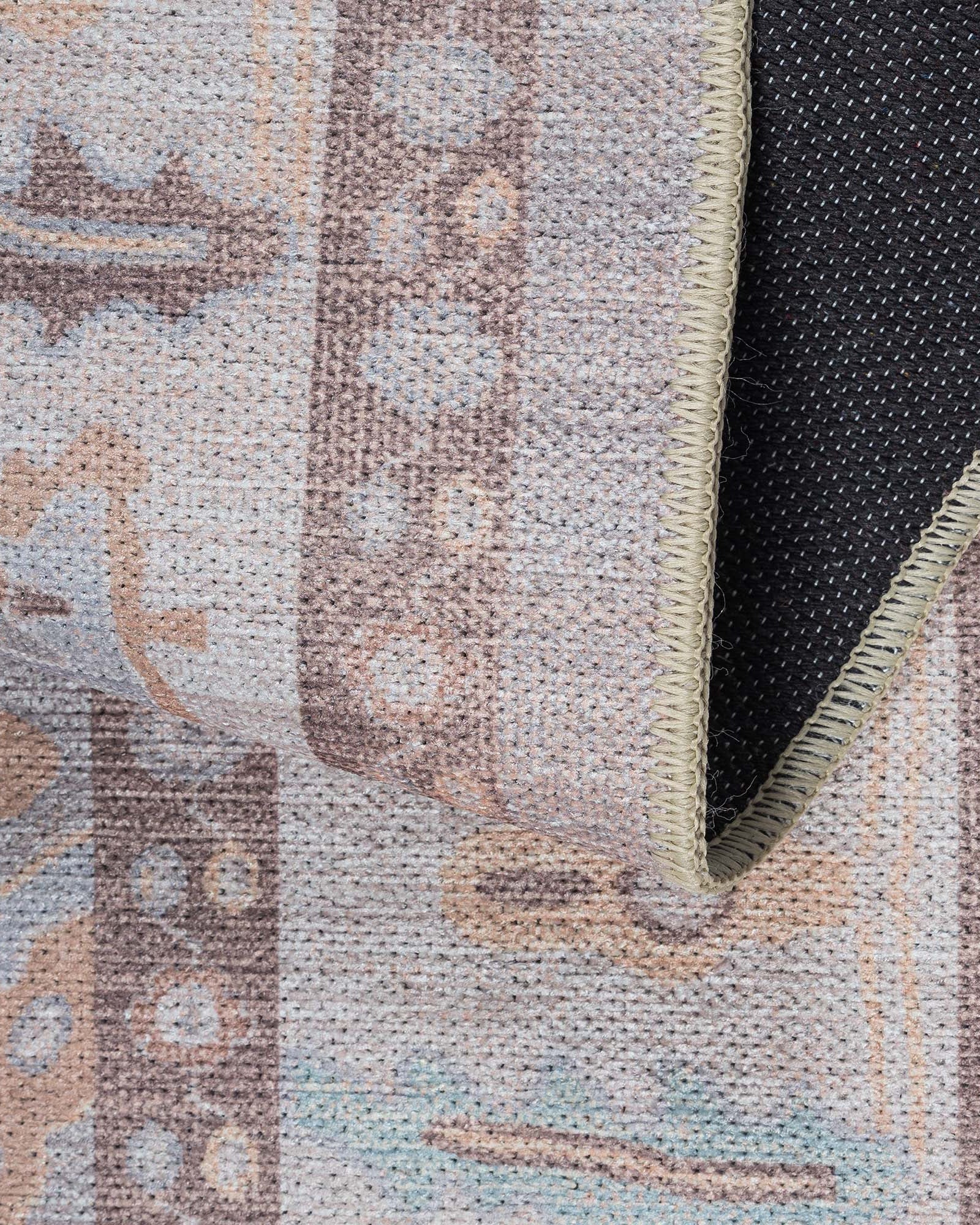
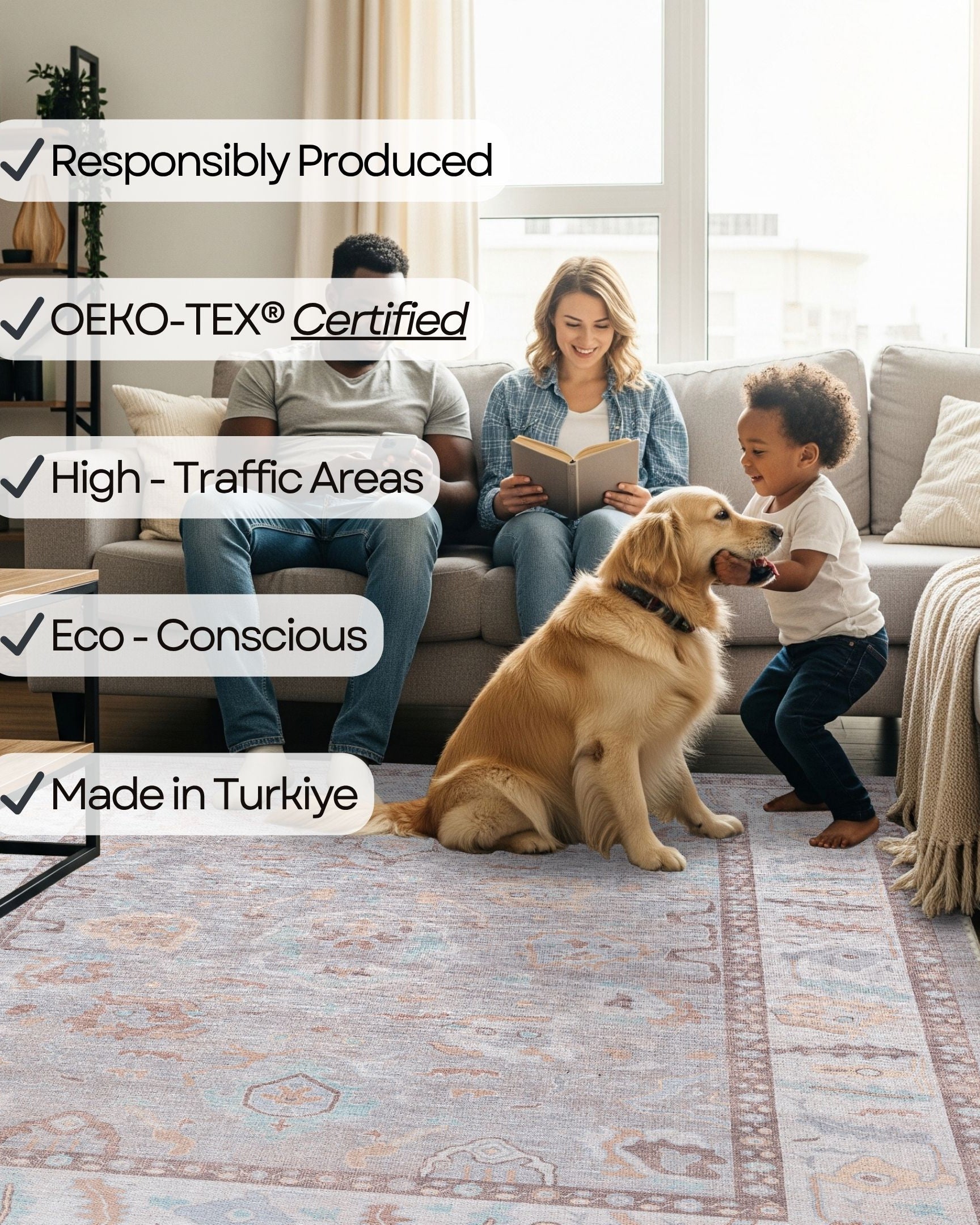
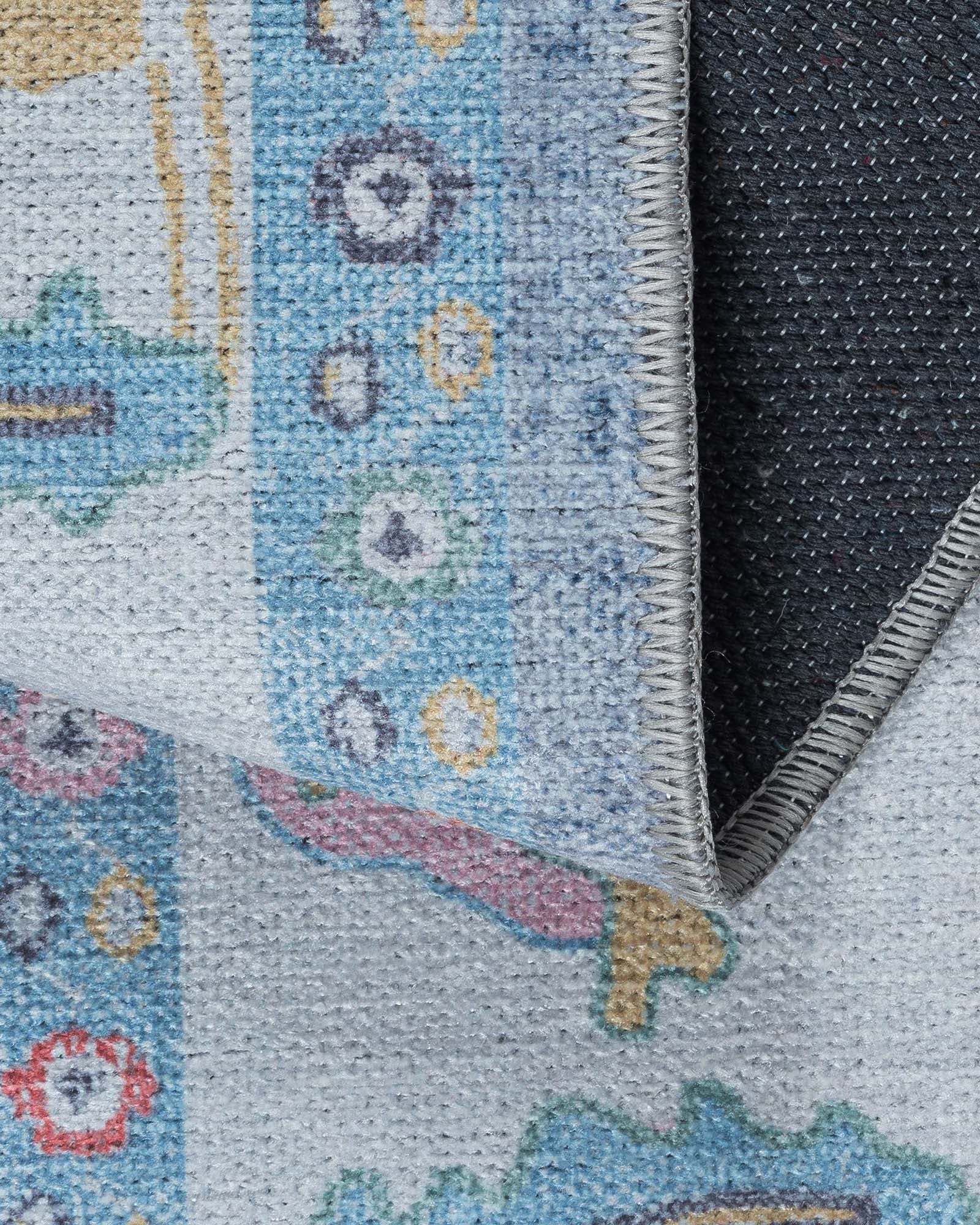
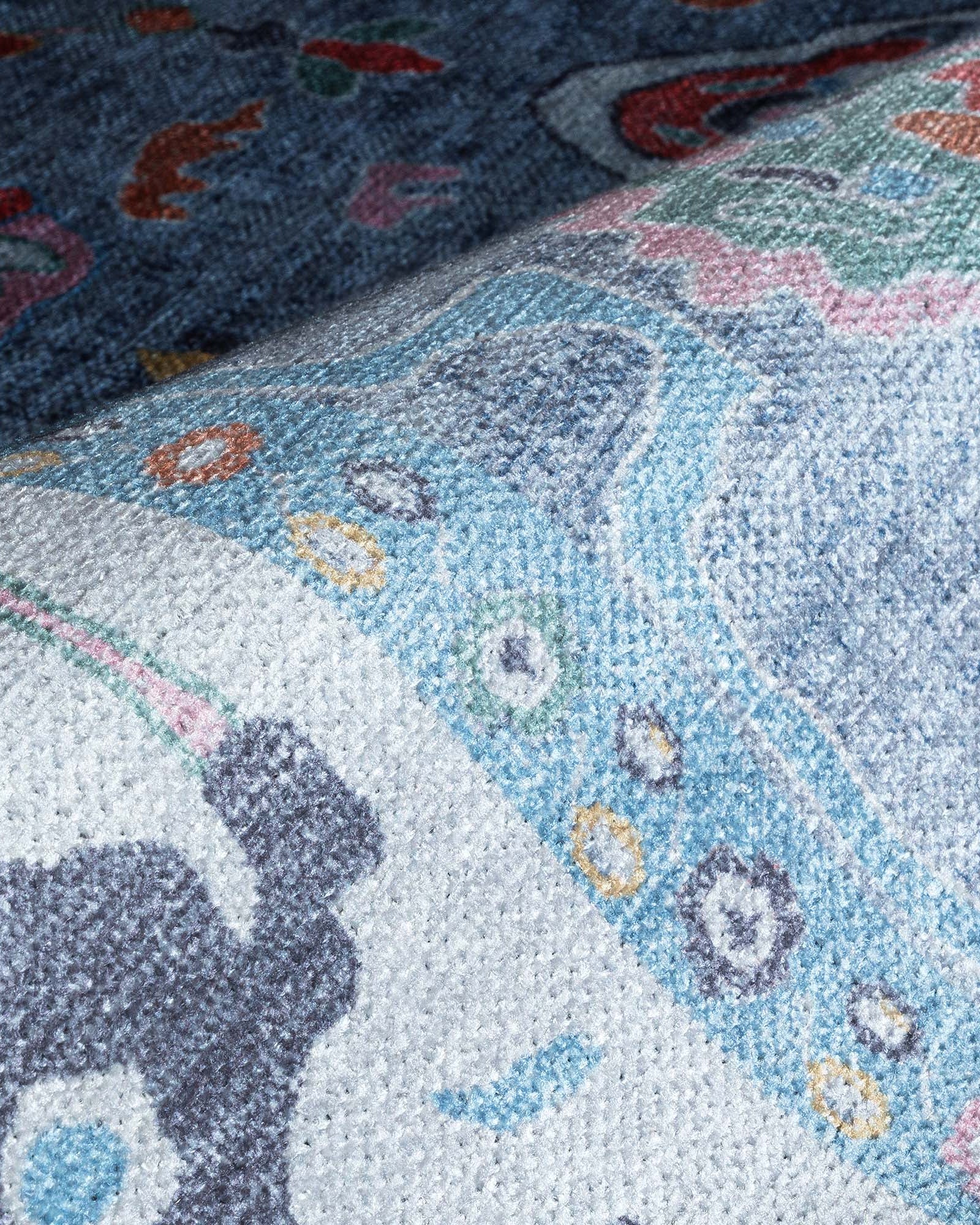
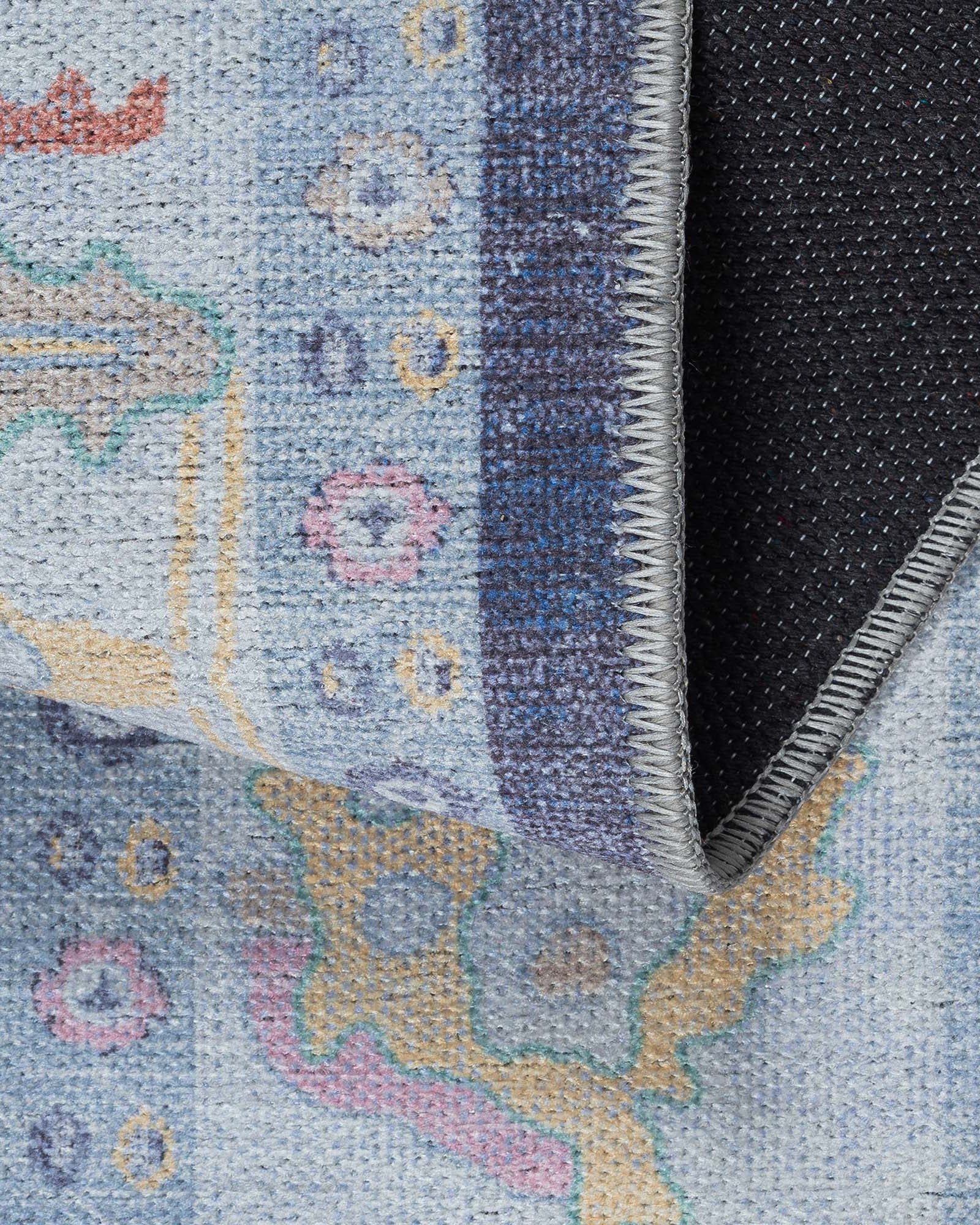
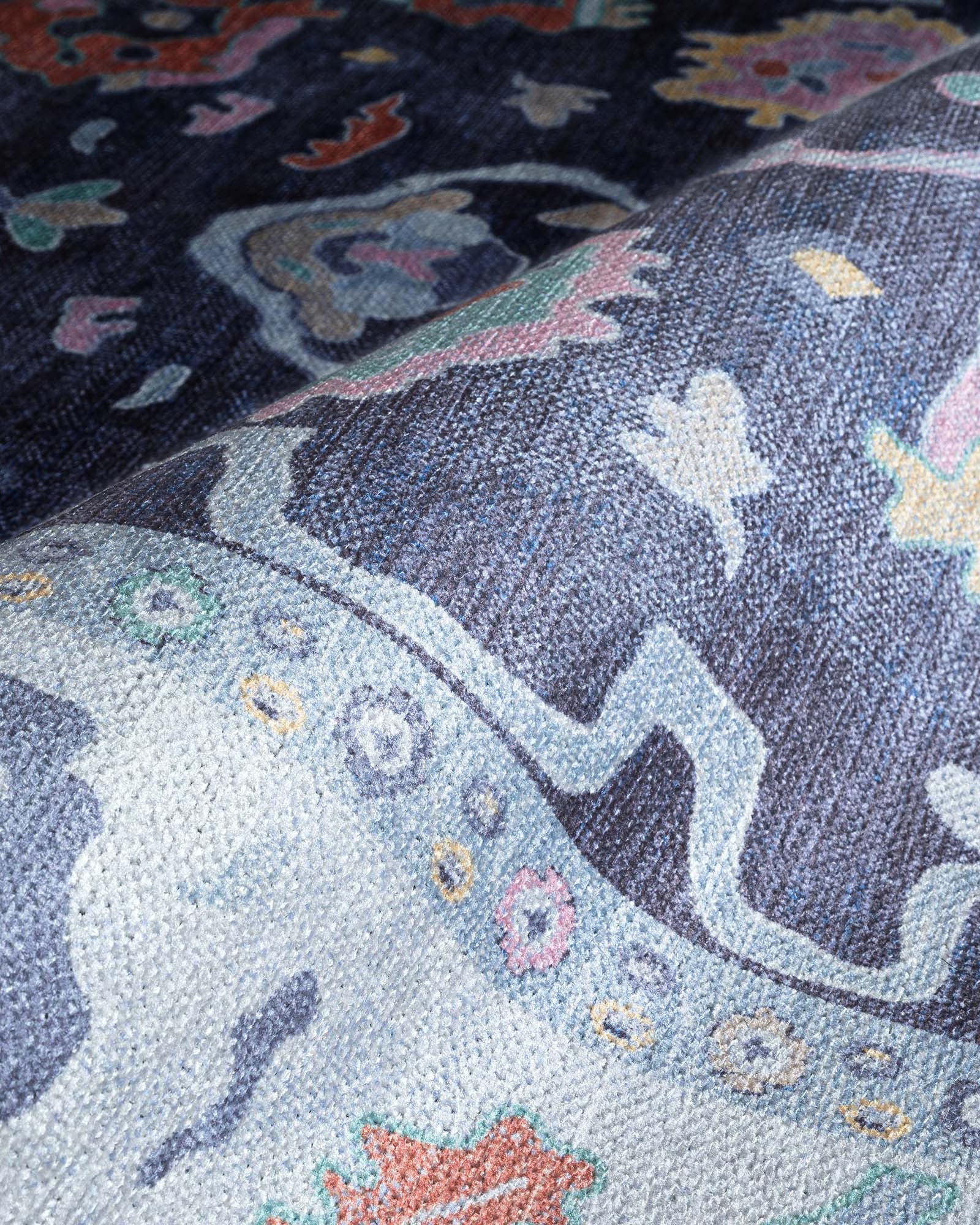
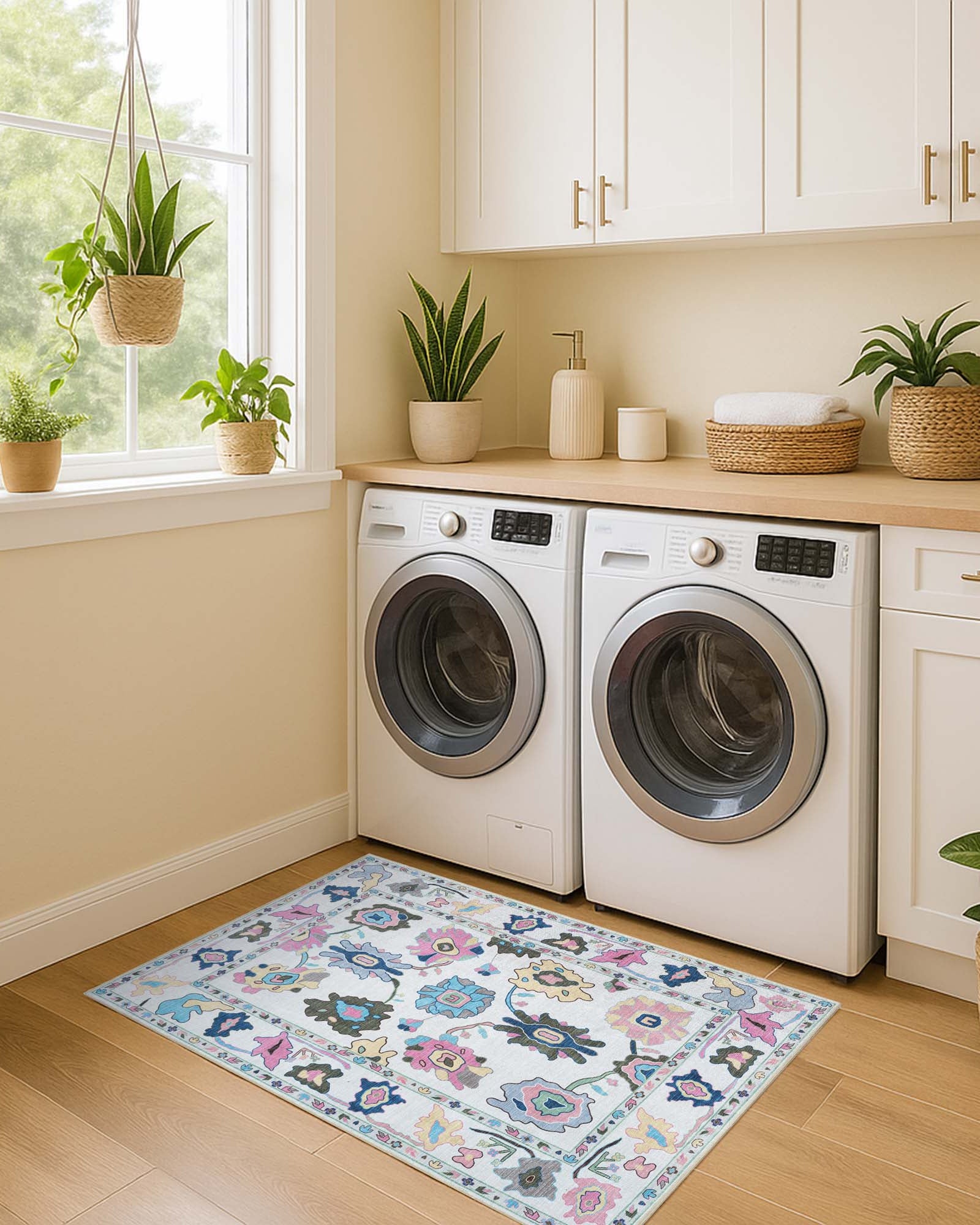
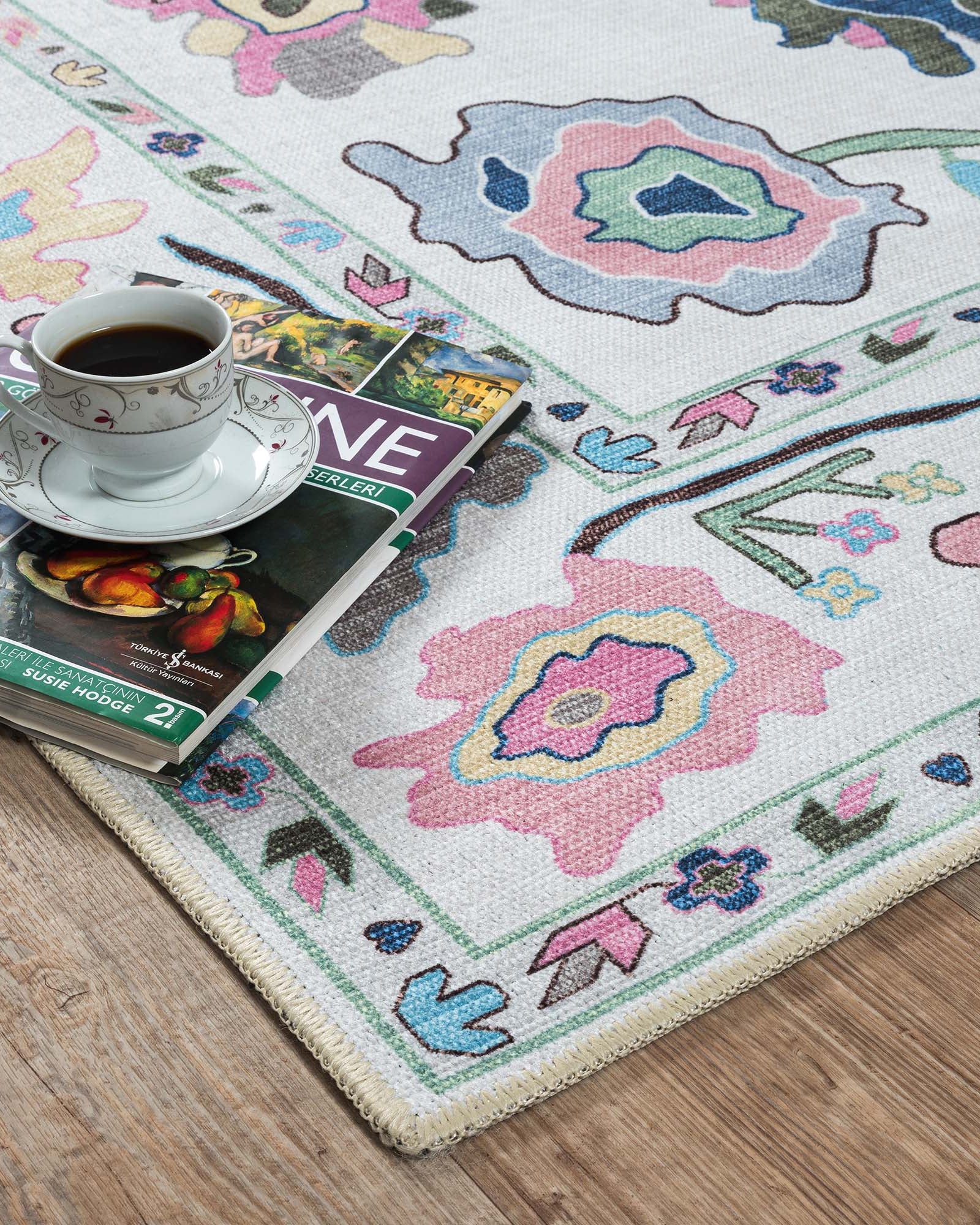
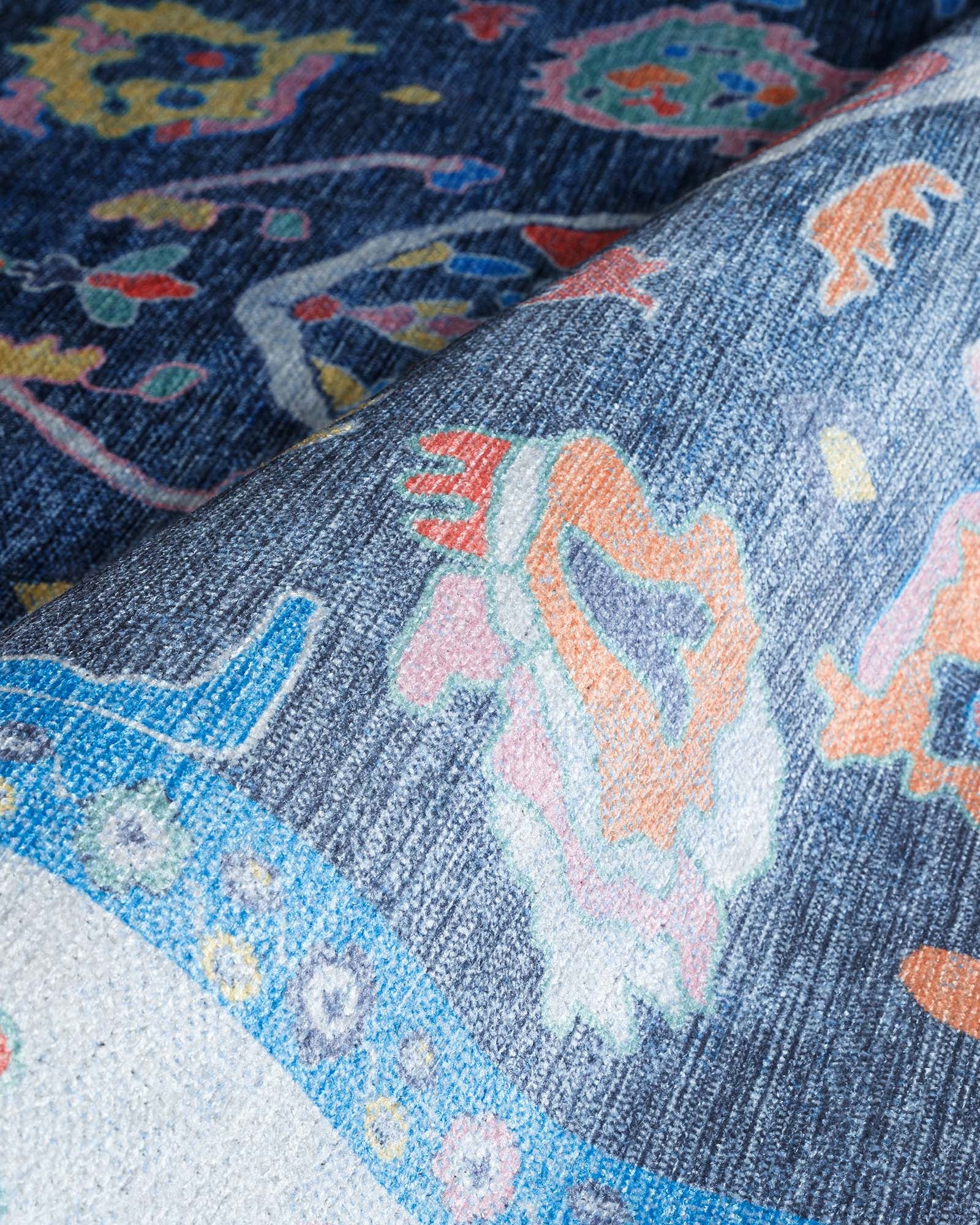
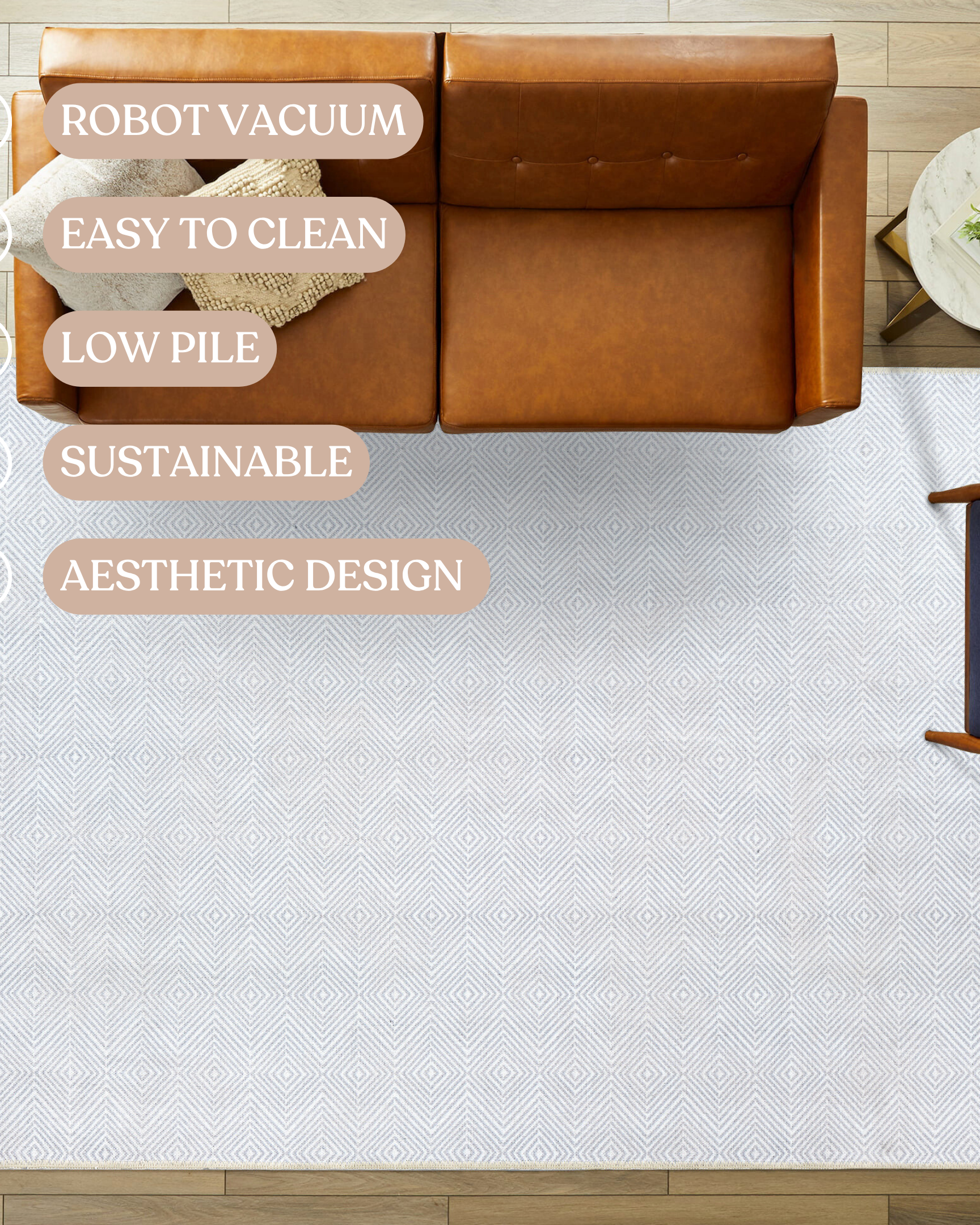
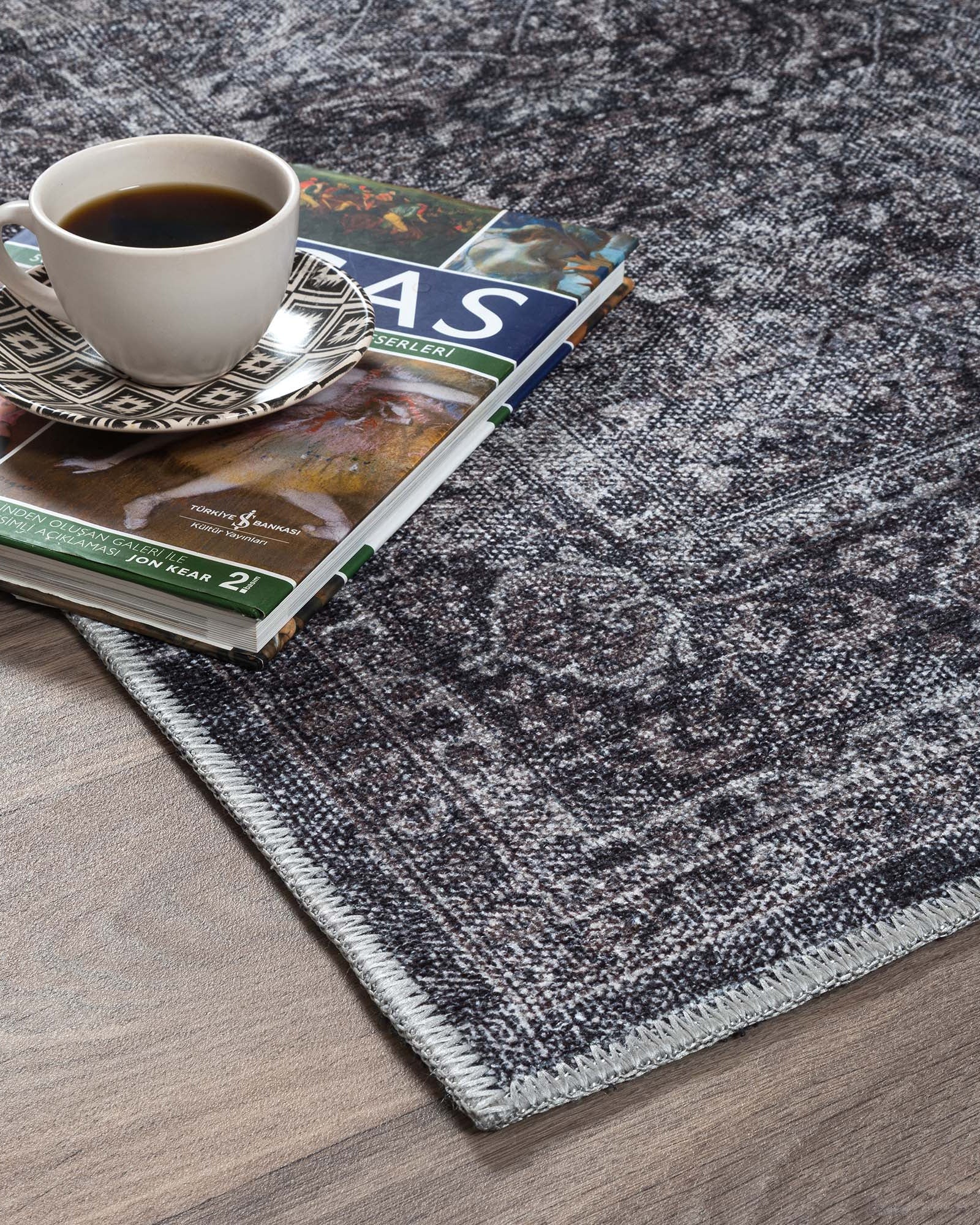
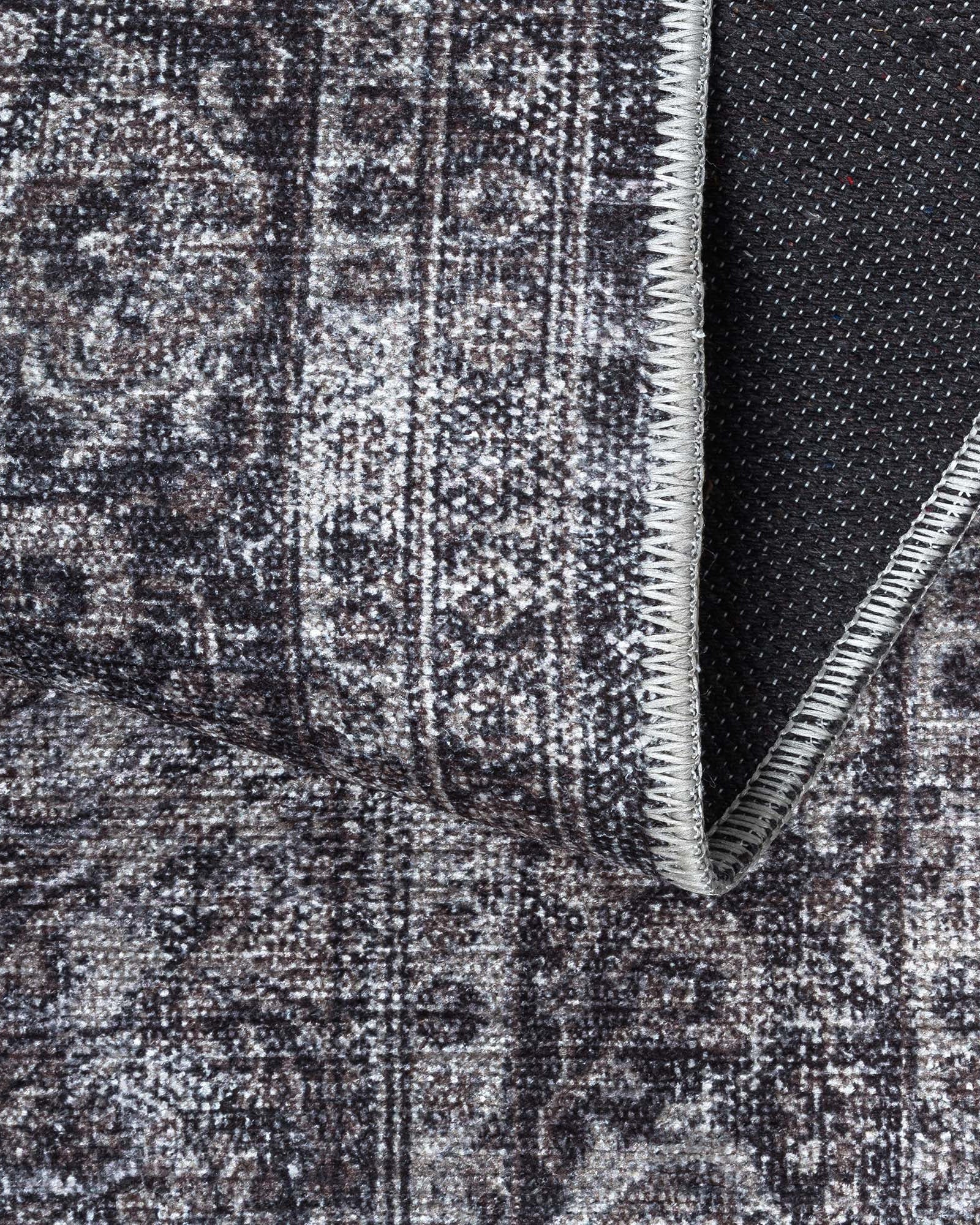
A cohesive look doesn't mean the texture must be identical everywhere. This collection includes durable, low-pile options for high-traffic zones like entryways and dining rooms, ensuring chairs slide easily and dirt is kept at bay. As you move into the "quiet" pages of your home story—the bedrooms and dens—the collection transitions into softer, higher-pile textures that provide warmth and comfort. The unifying factor is the quality of the material; the transition from a flatweave in the hall to a plush pile in the lounge feels intentional because the color story remains unbroken.
Best Rooms and Styling Ideas
Use these coordinating pieces to connect open floor plans or link distinct rooms through a shared vibe.
Living Room Placement Tips
Establish the main theme of your home's story with a foundational rug in the central gathering space.
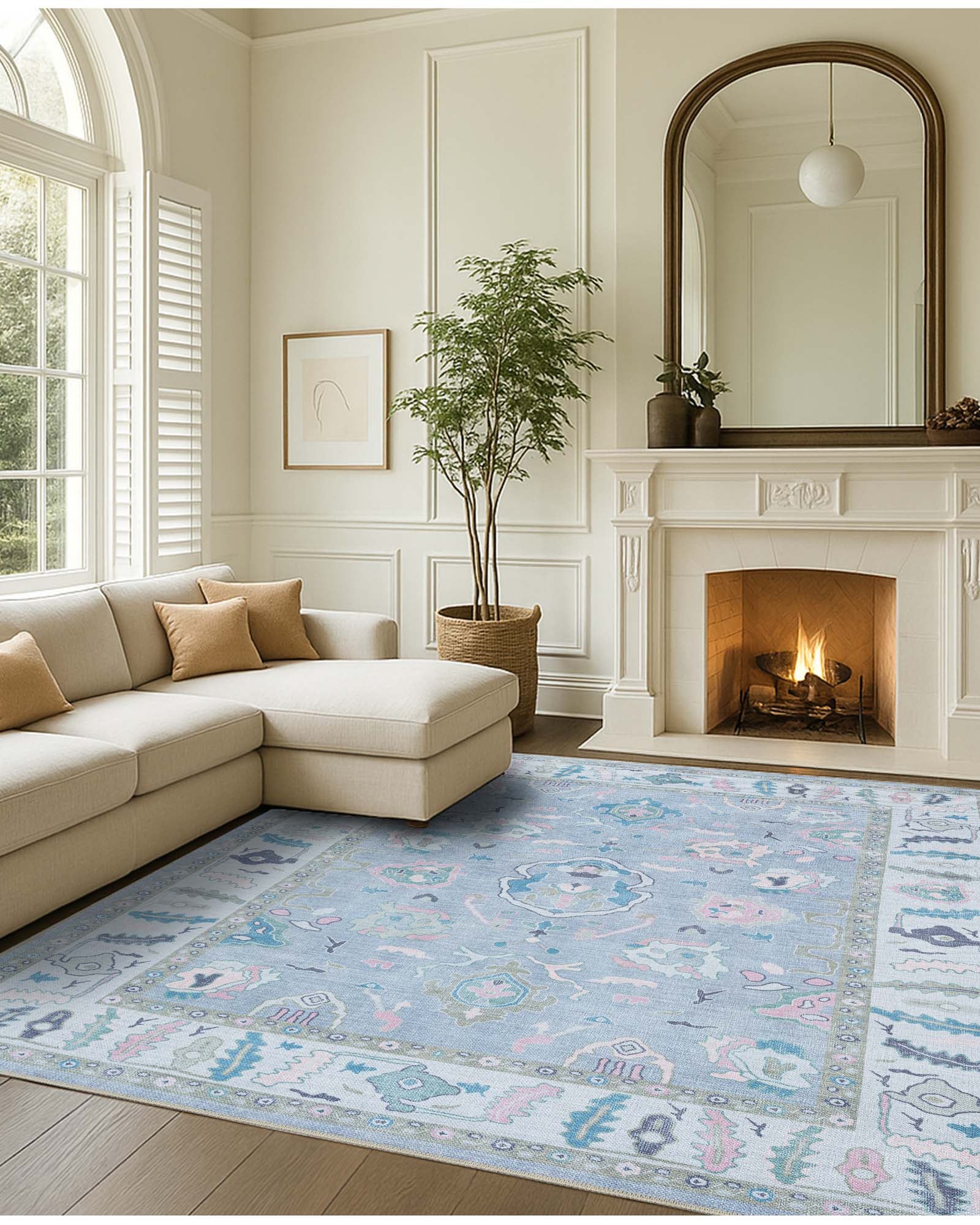
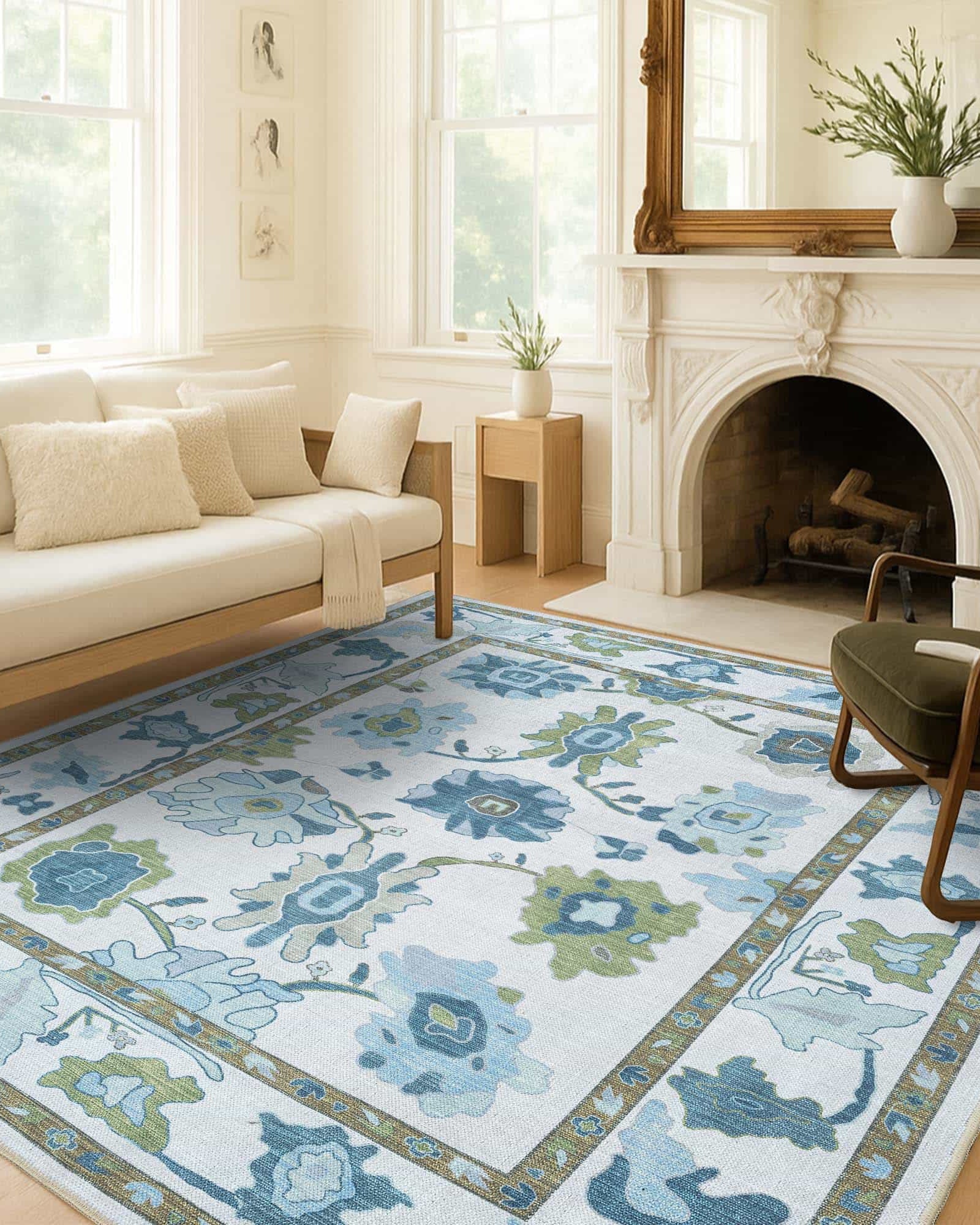
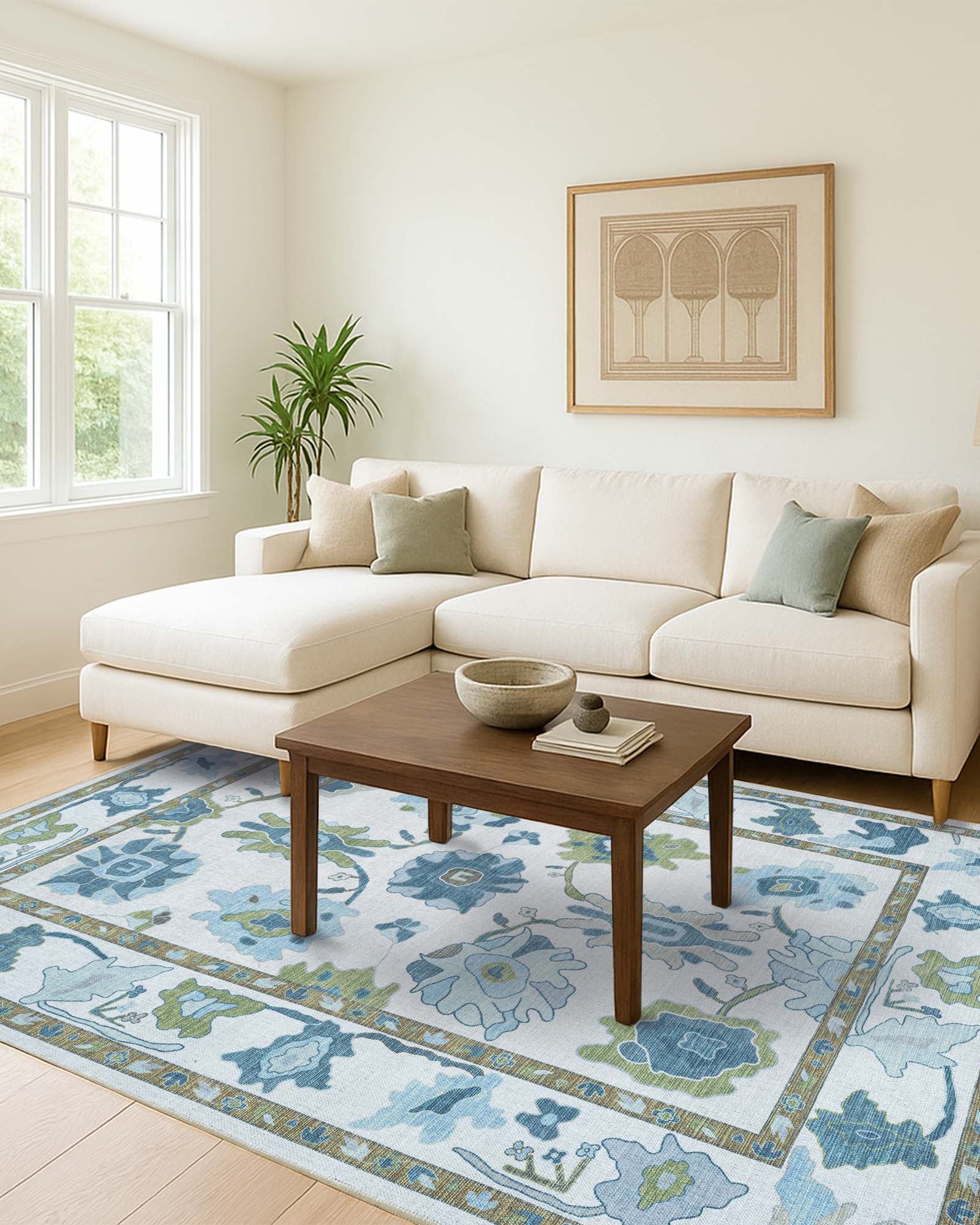
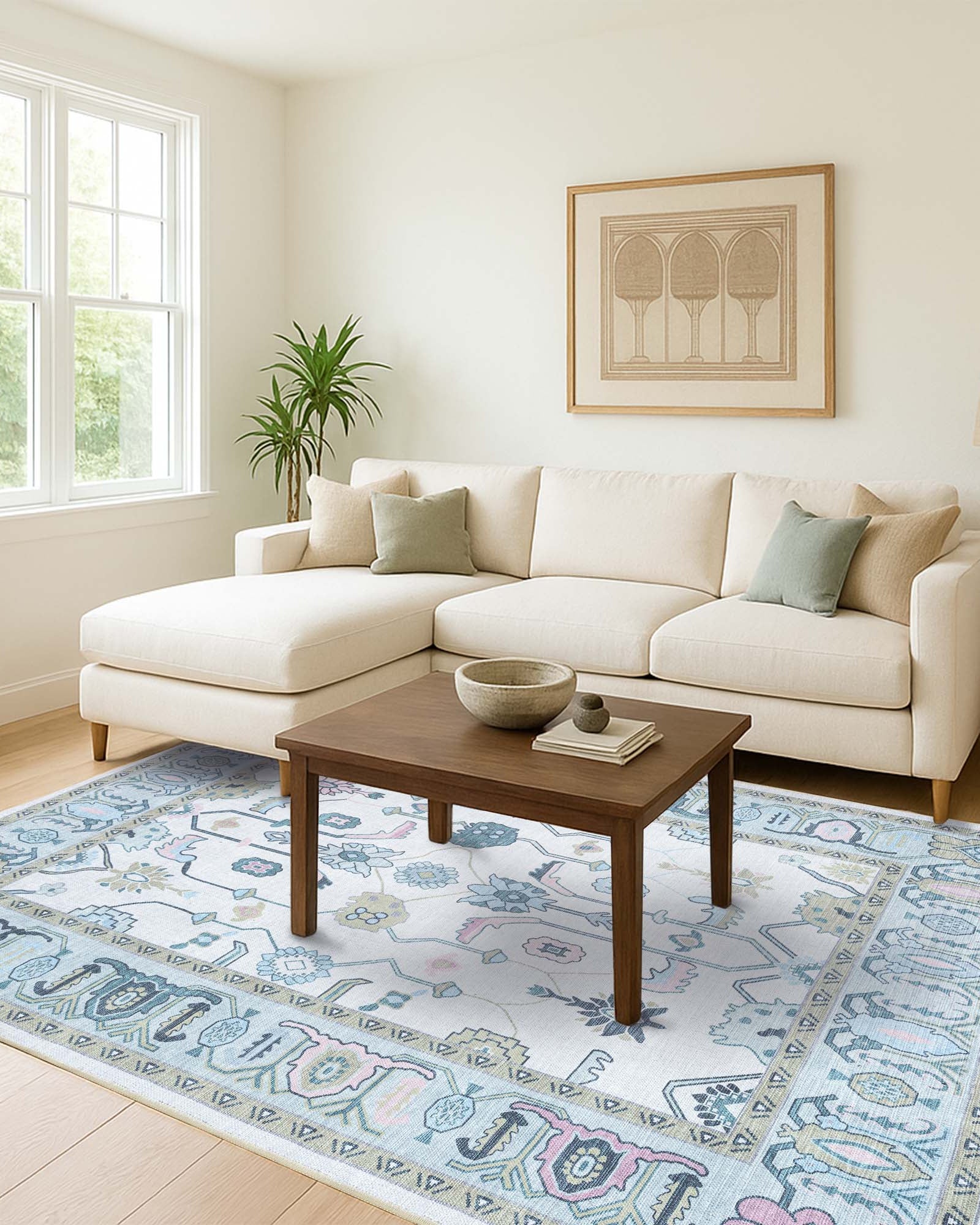
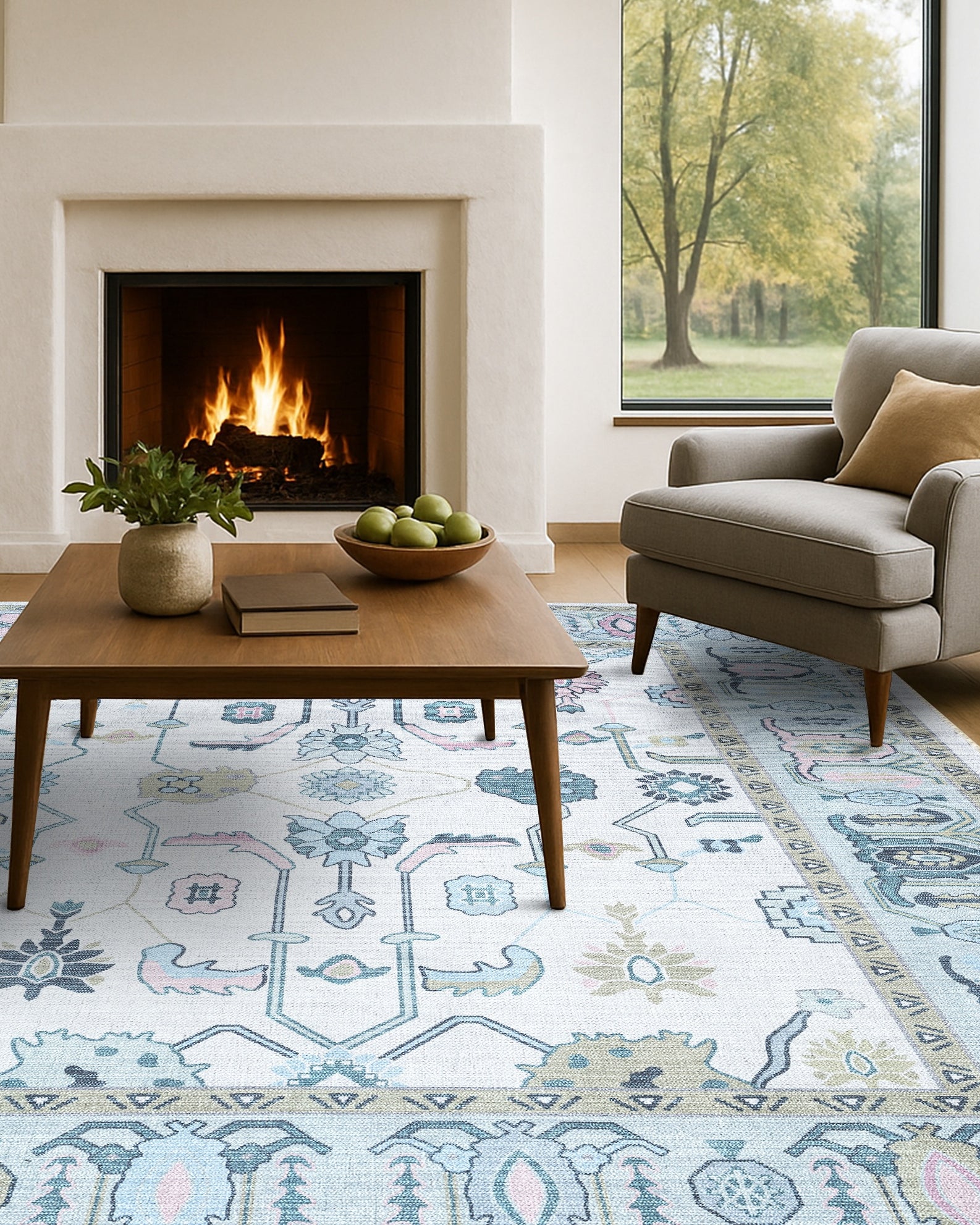
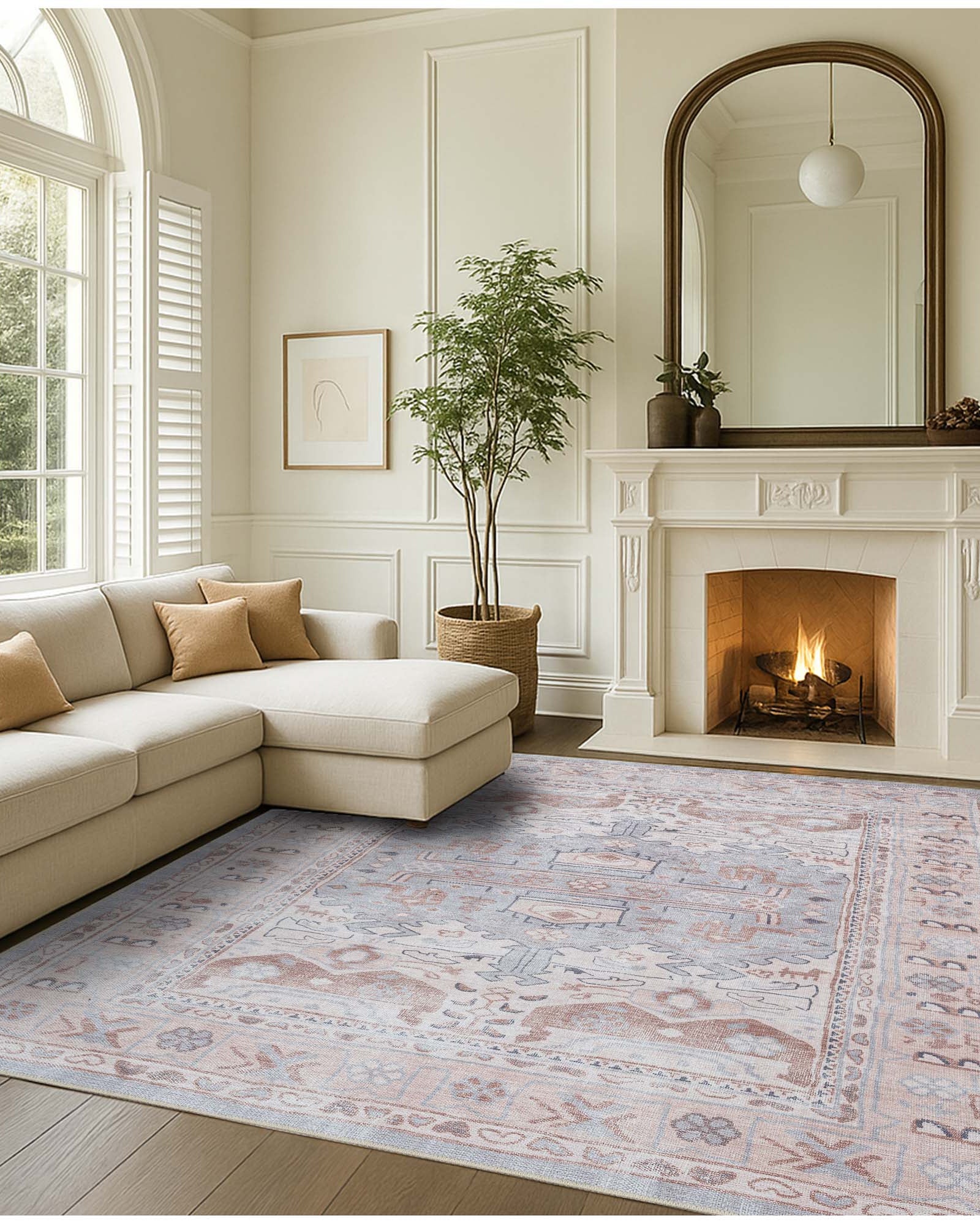
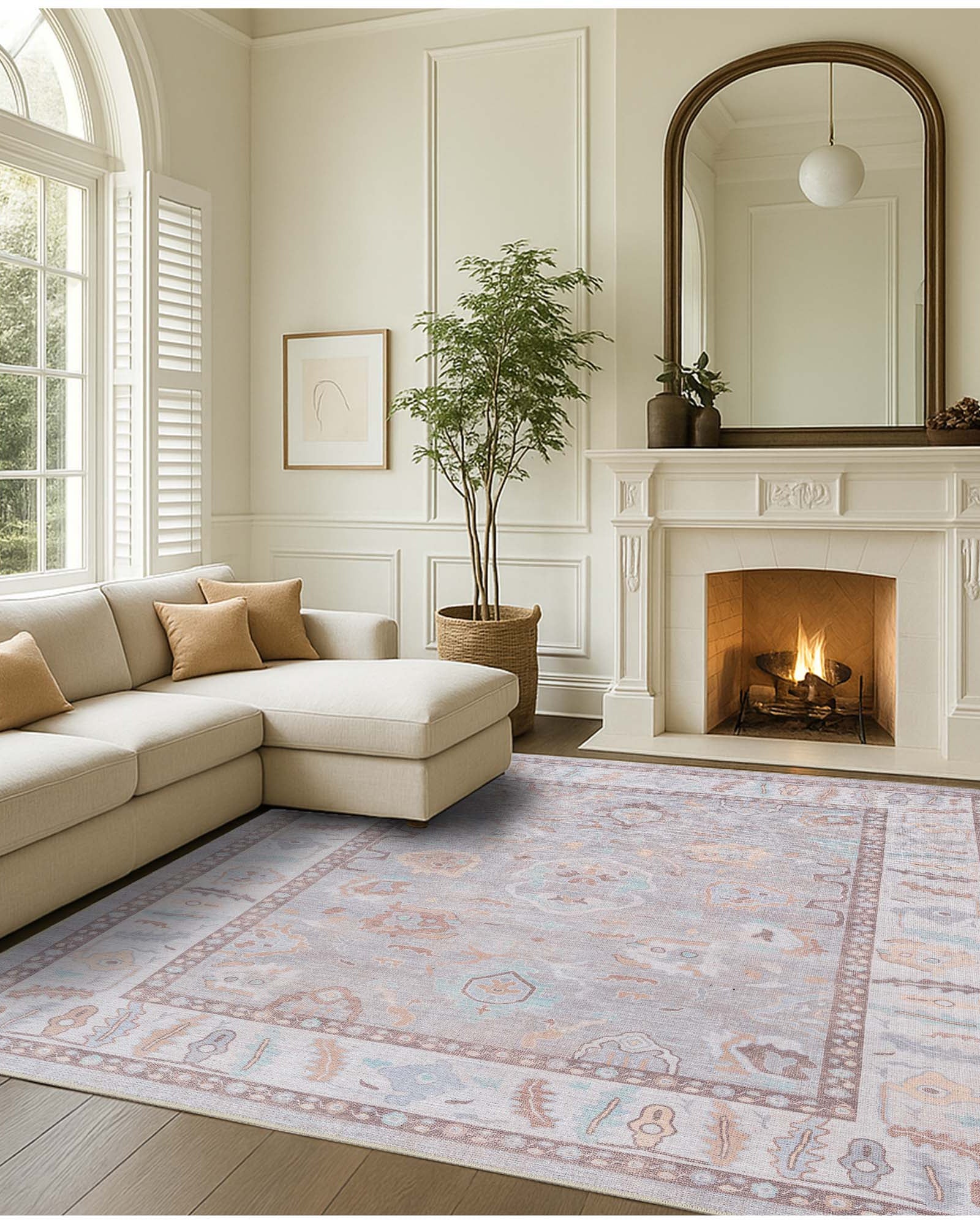
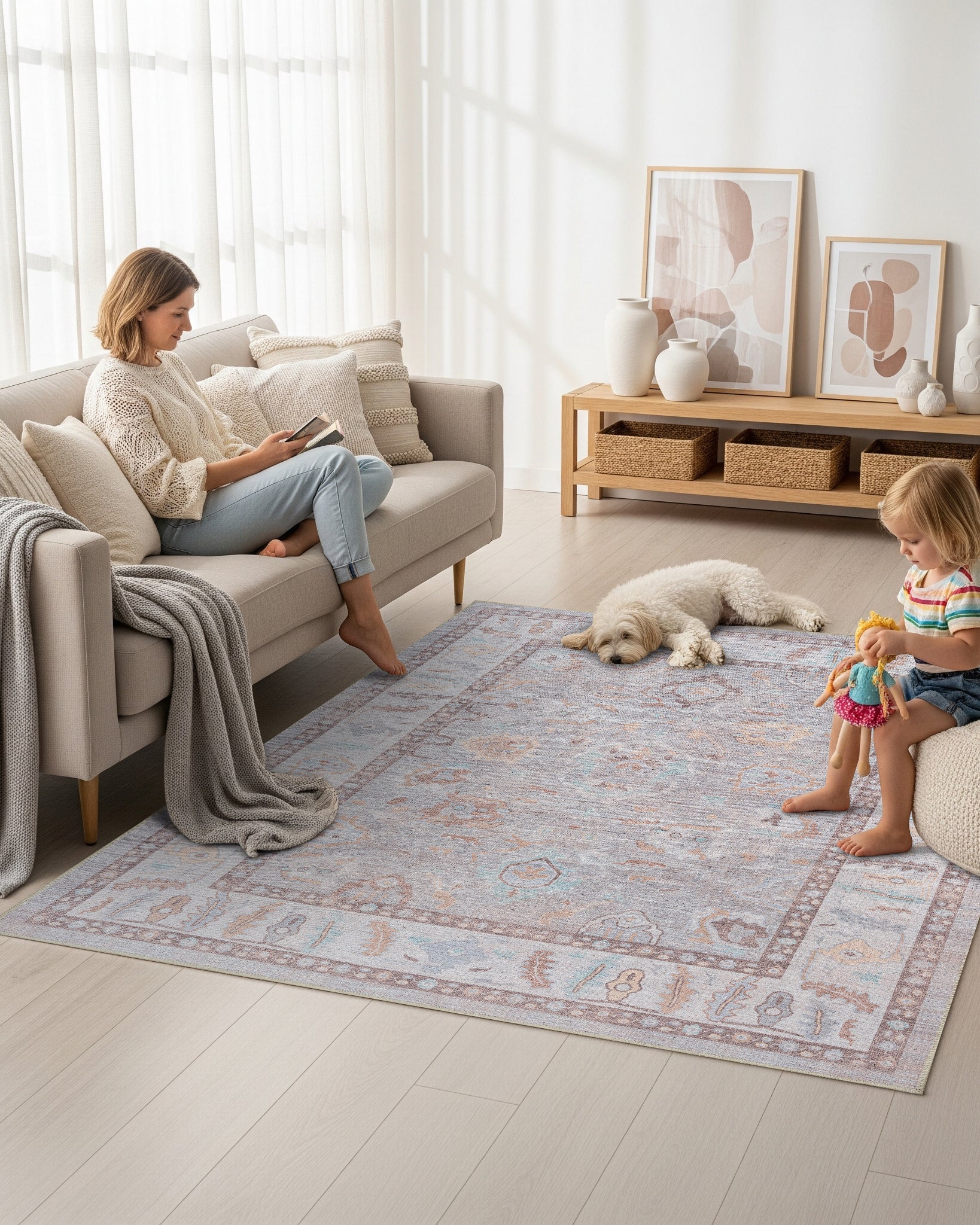
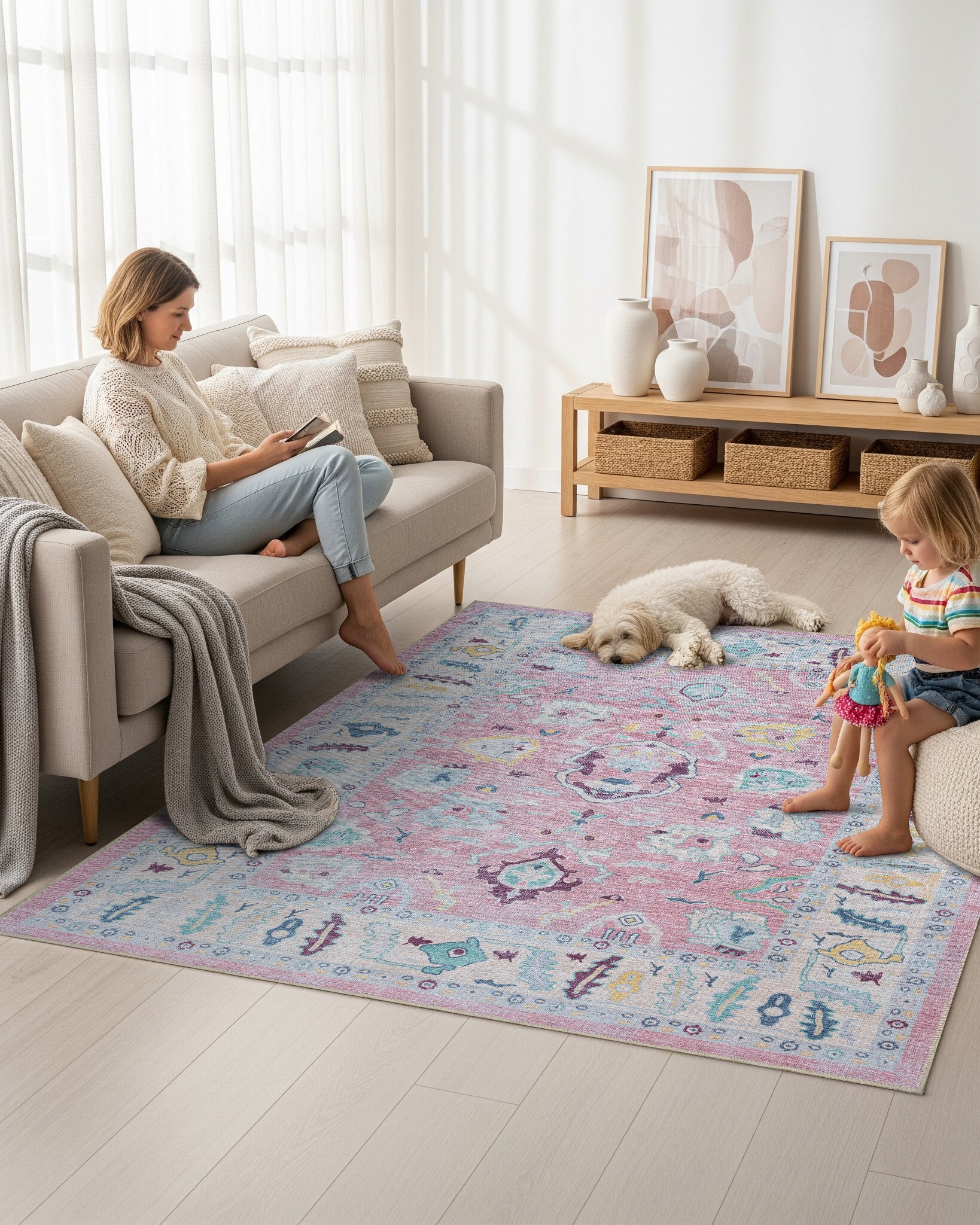
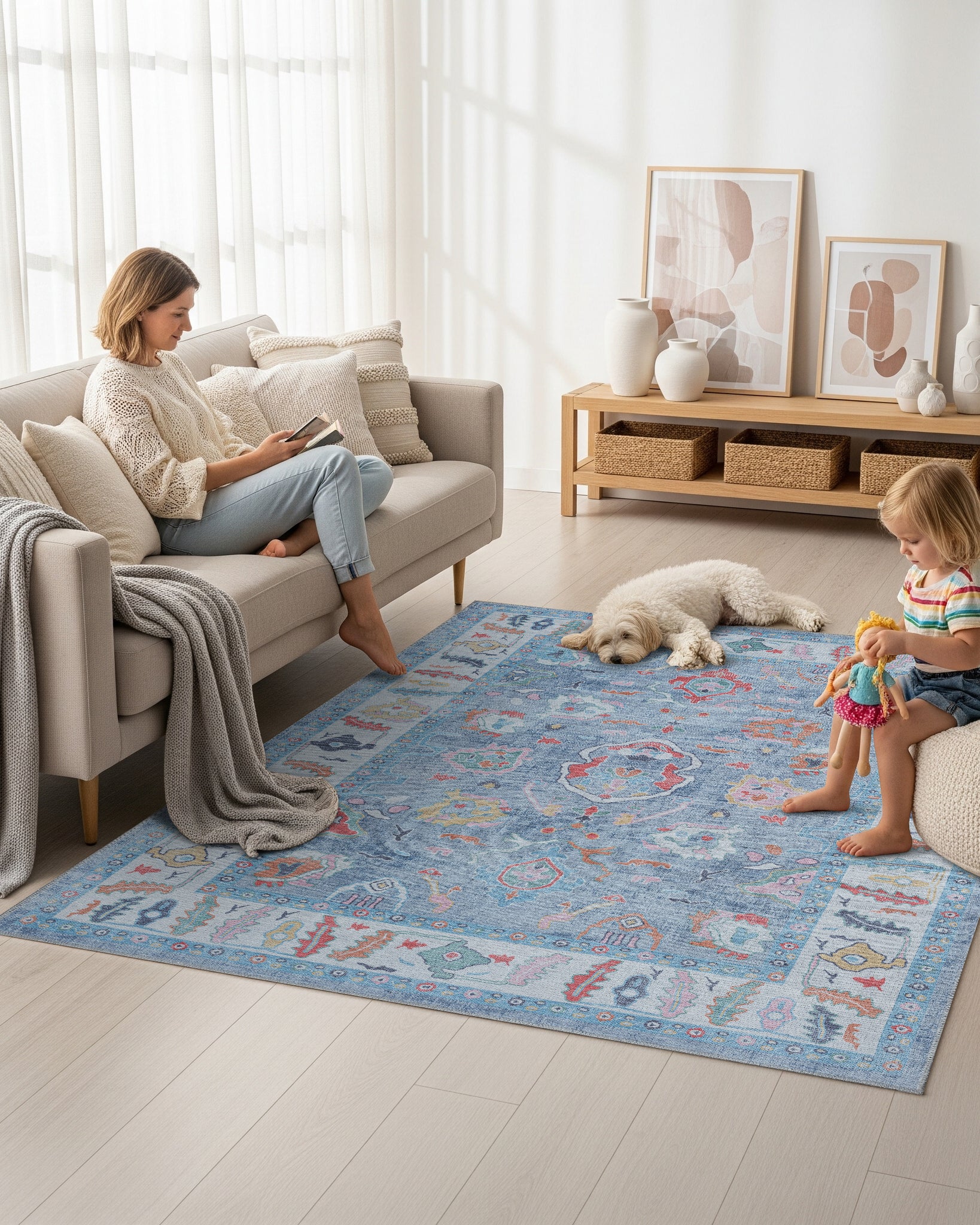
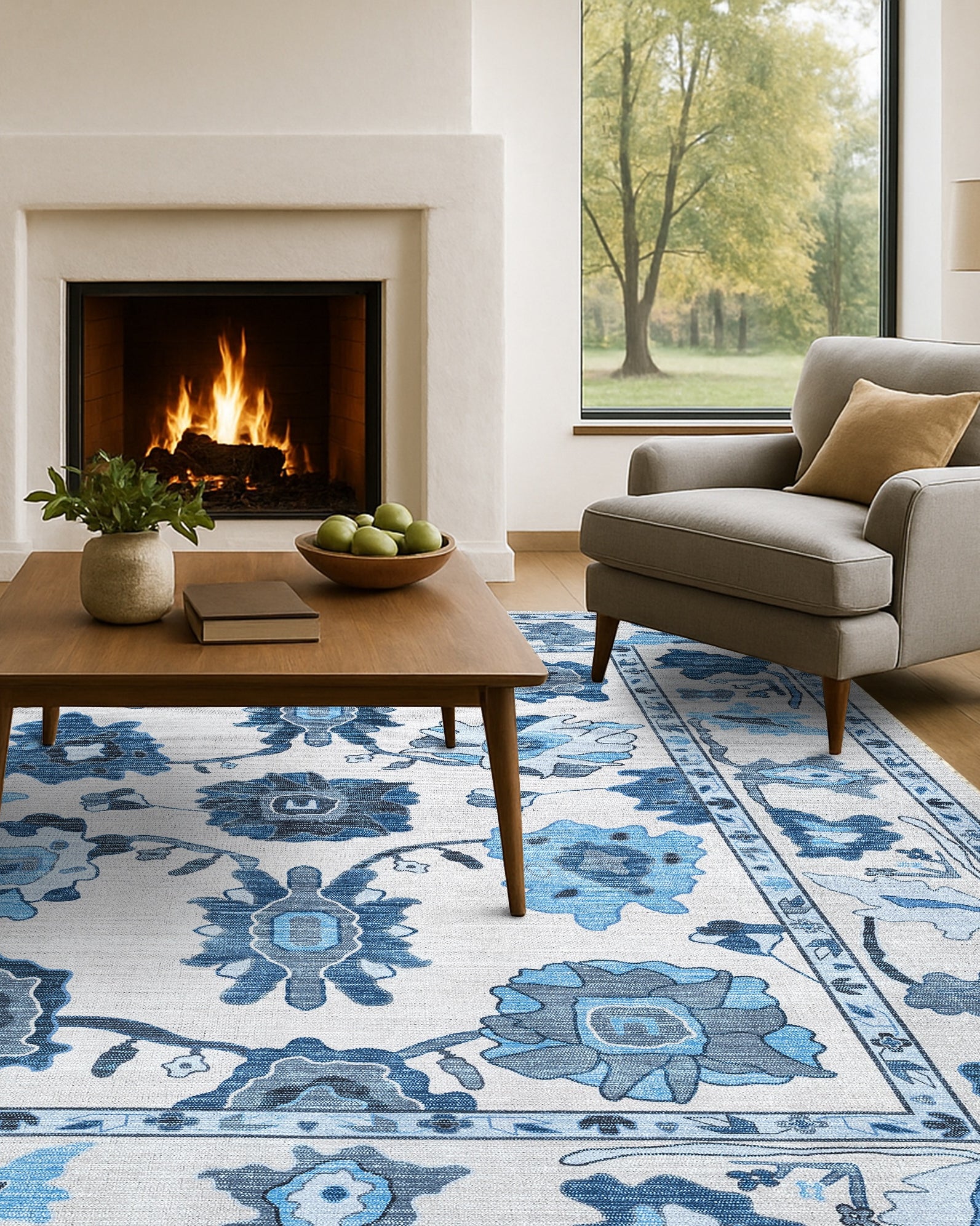
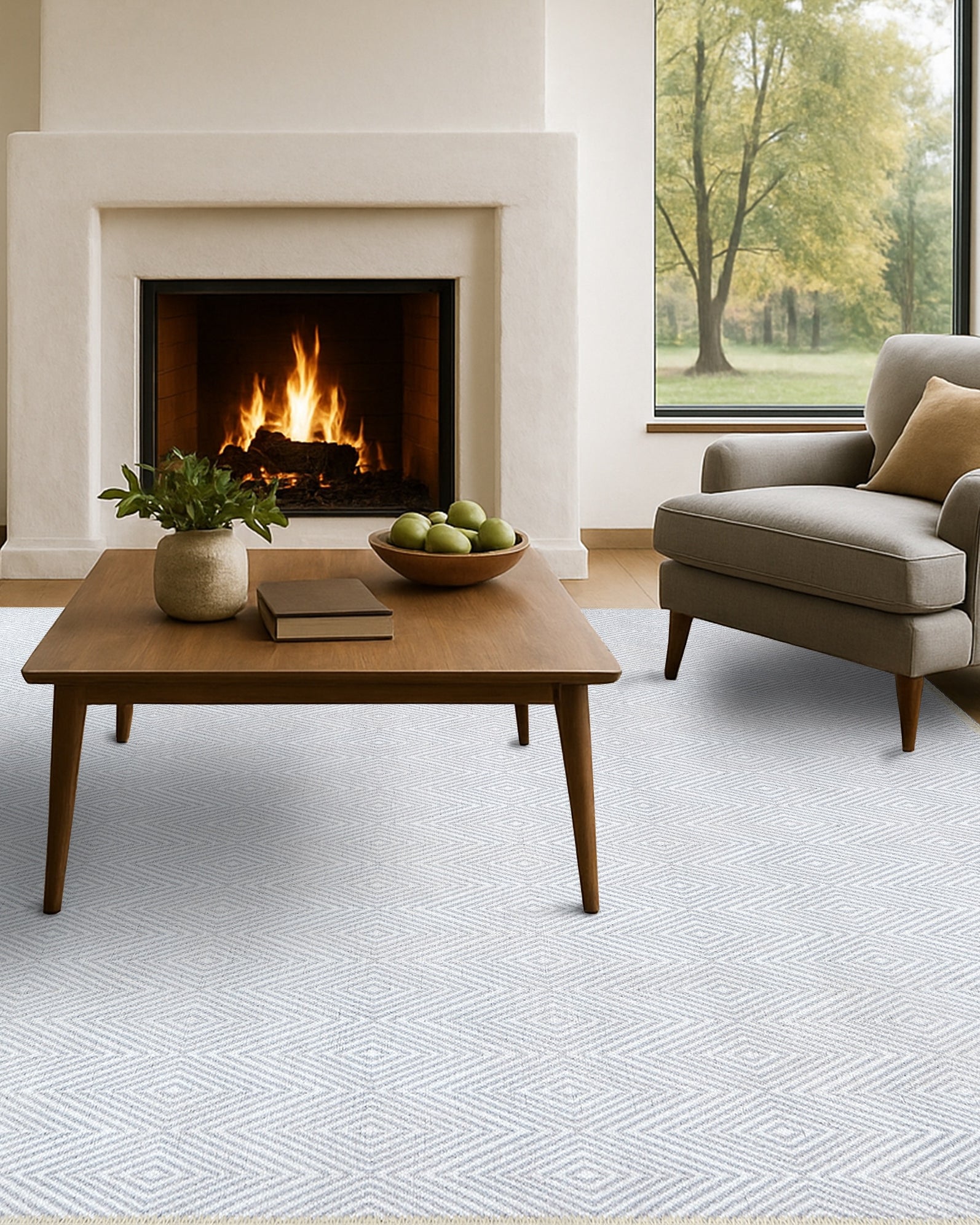
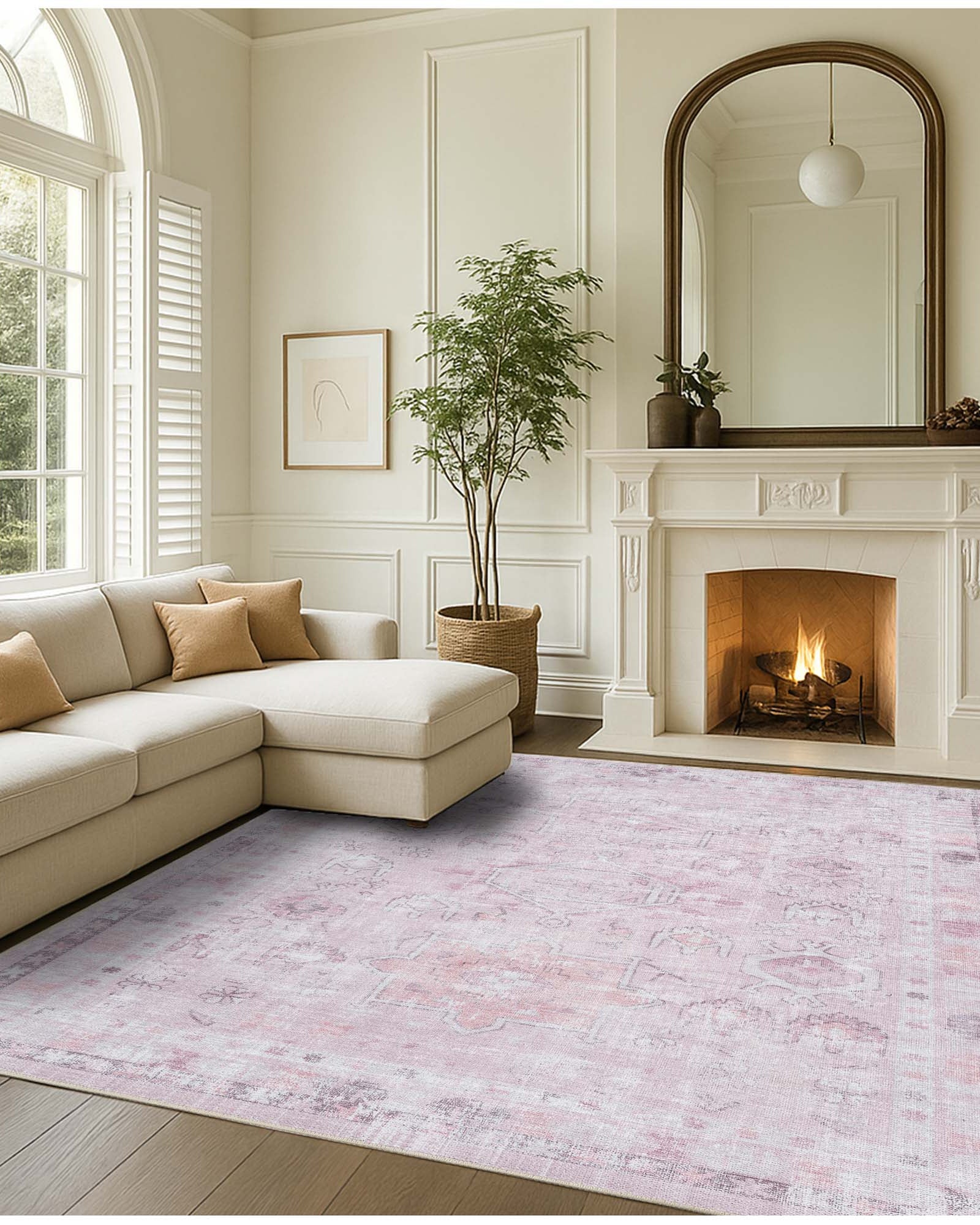
The living room usually sets the tone for the entire house. Choose a large, statement rug from this collection to anchor your furniture. This is your "Chapter One." If you have an open floor plan, look for a secondary rug for the adjacent dining area that picks up the least dominant color from your living room rug. This technique, known as "color threading," ensures the two spaces feel distinct yet connected, preventing the "furniture showroom" look where everything matches too perfectly.
Bedroom and Dining Room Guidance
Carry the aesthetic into private and functional spaces for a soothing, hotel-like consistency.
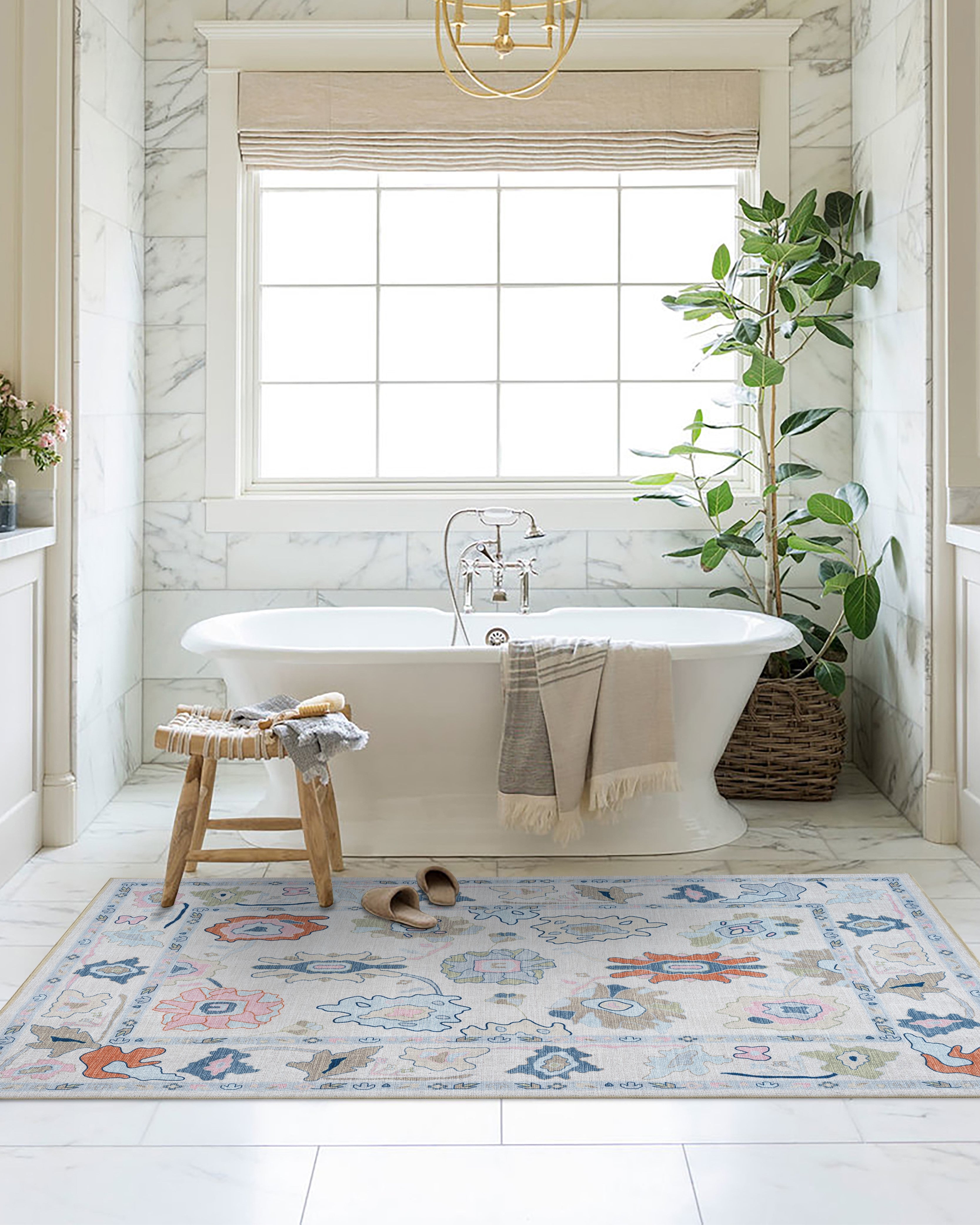
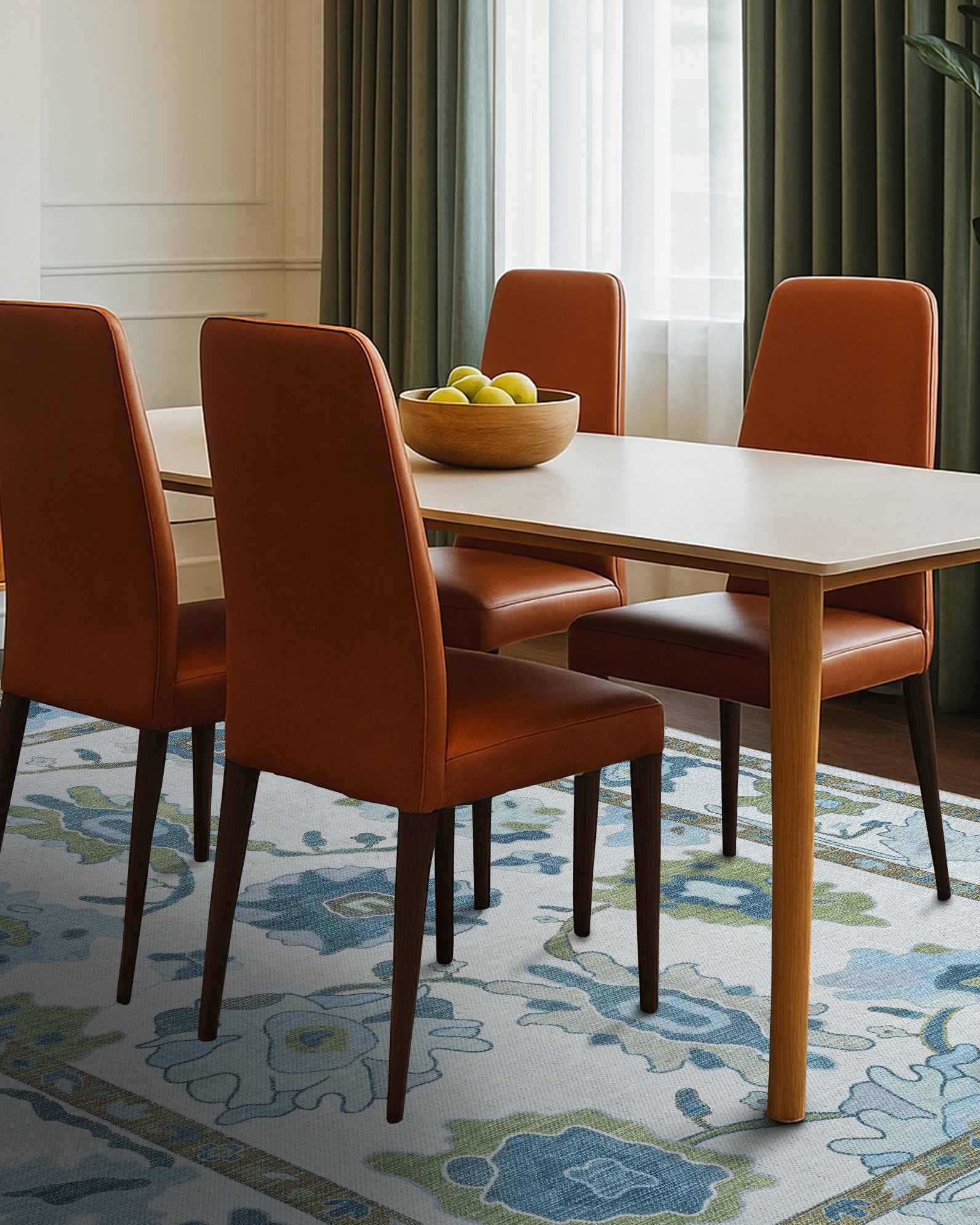
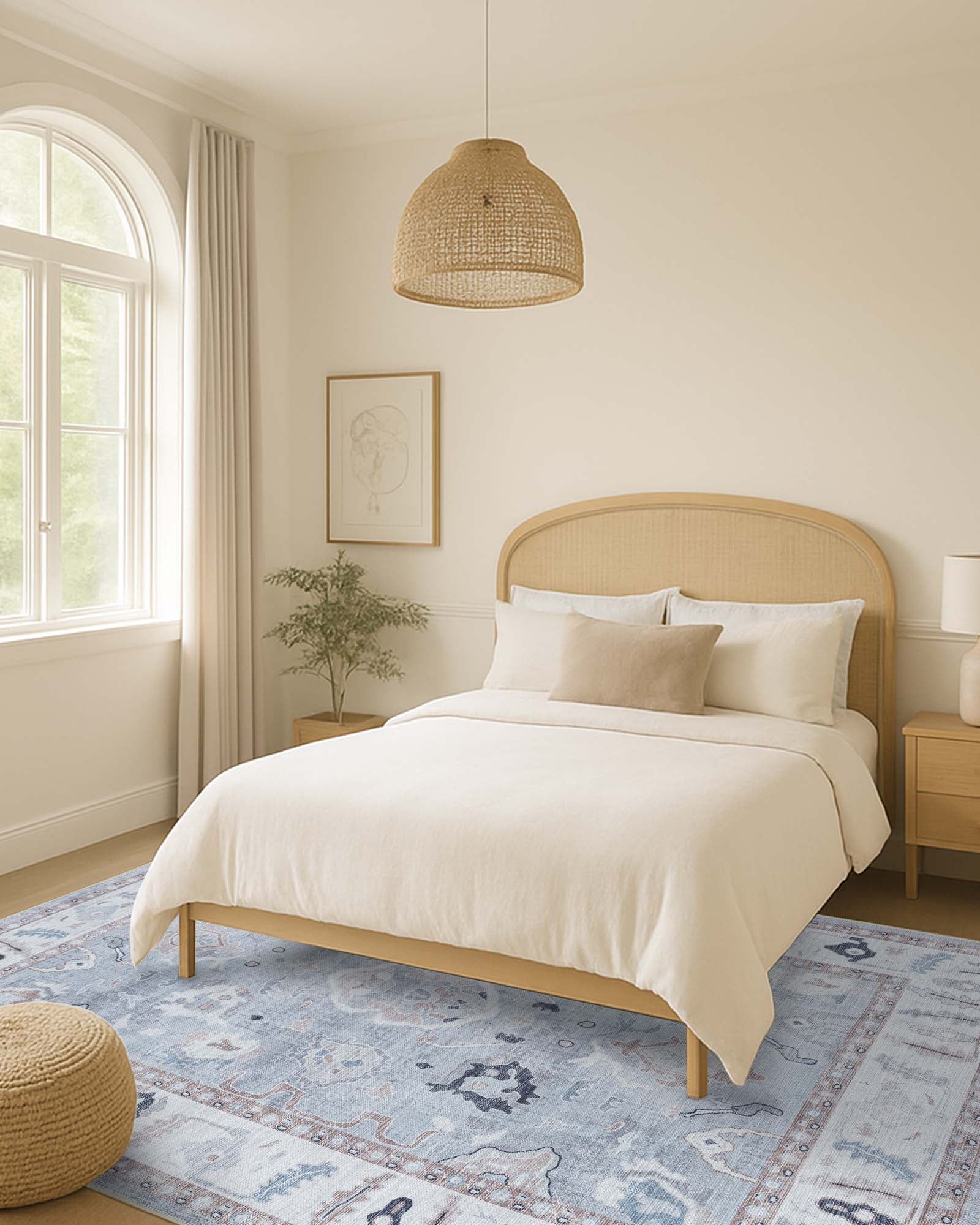
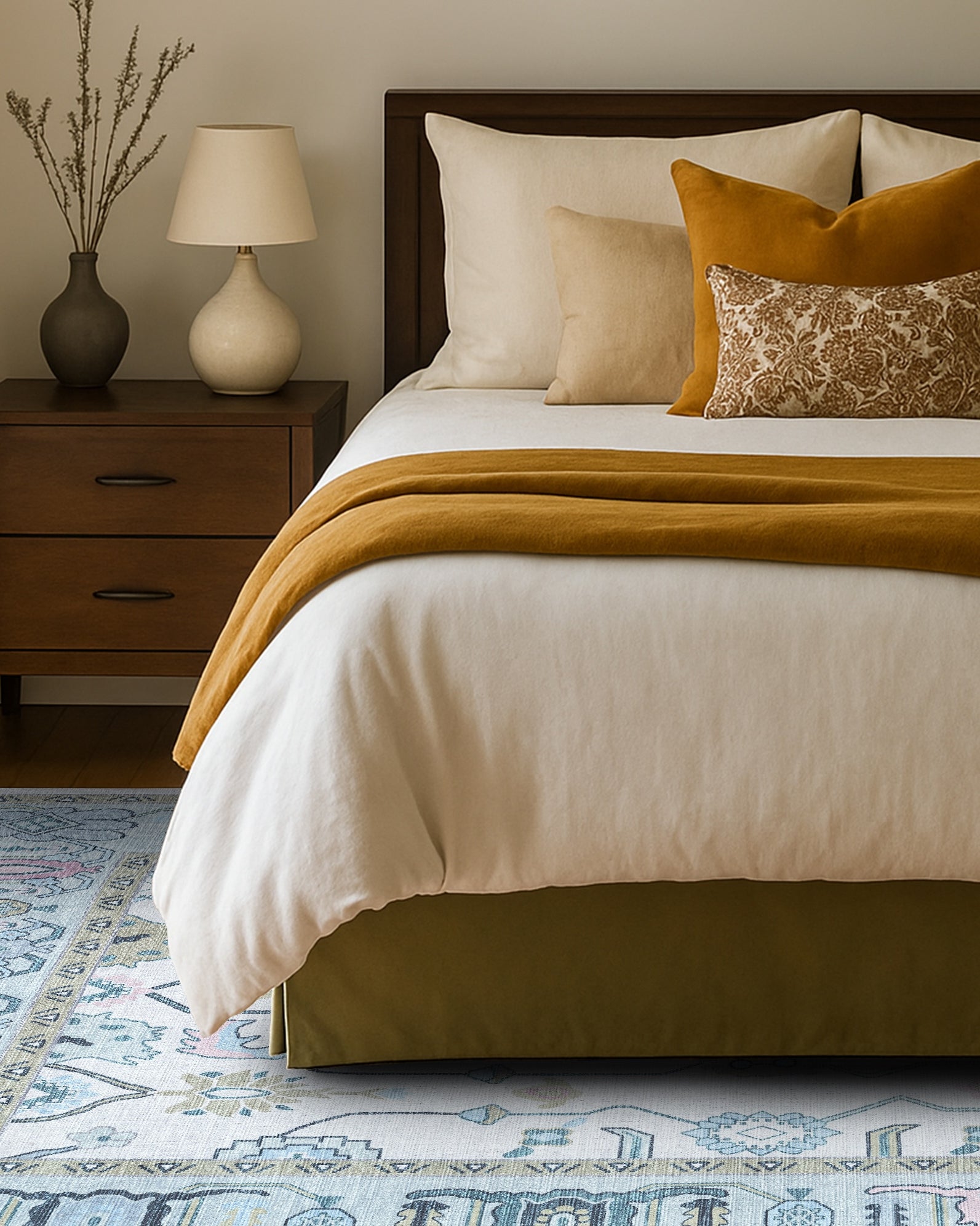
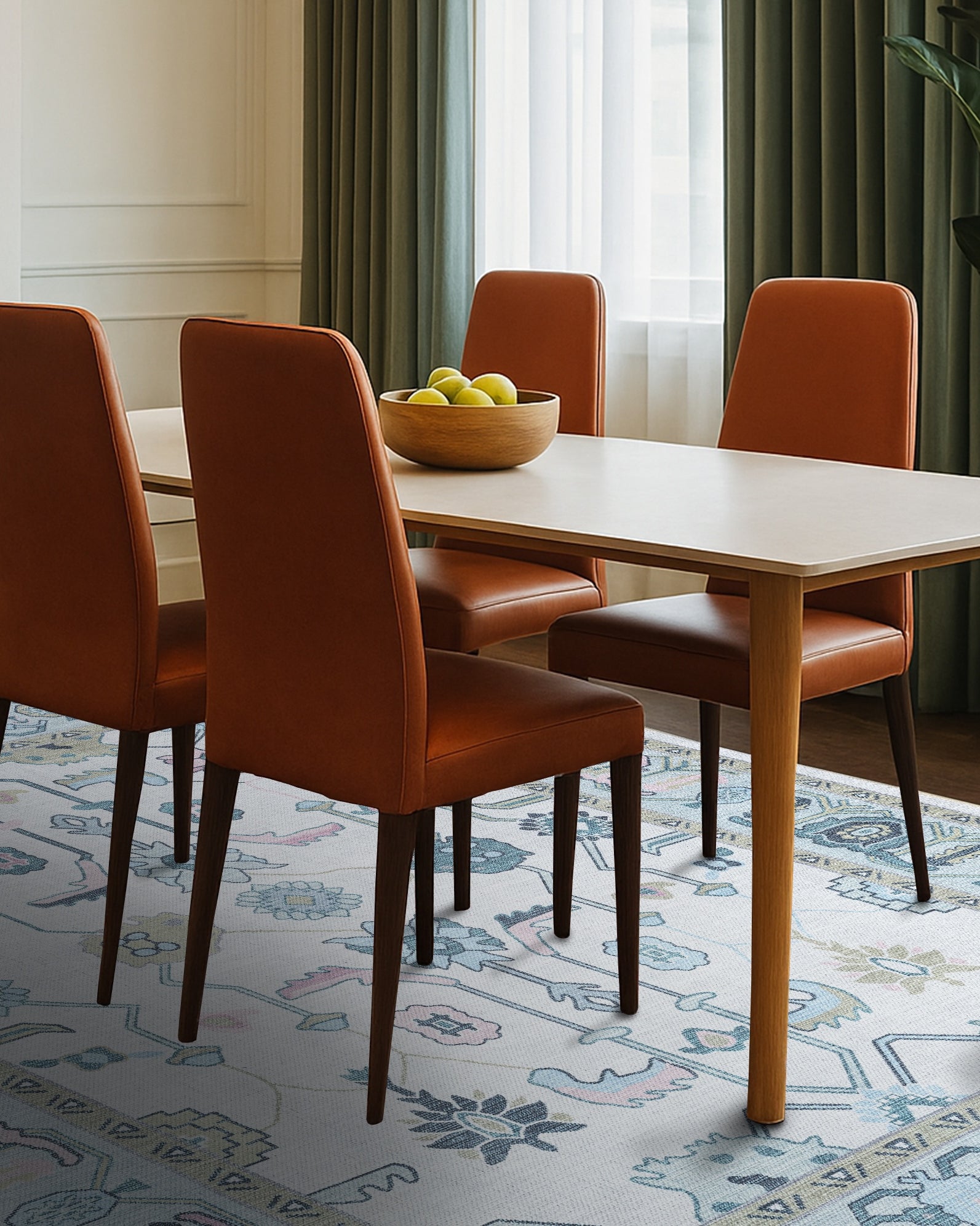
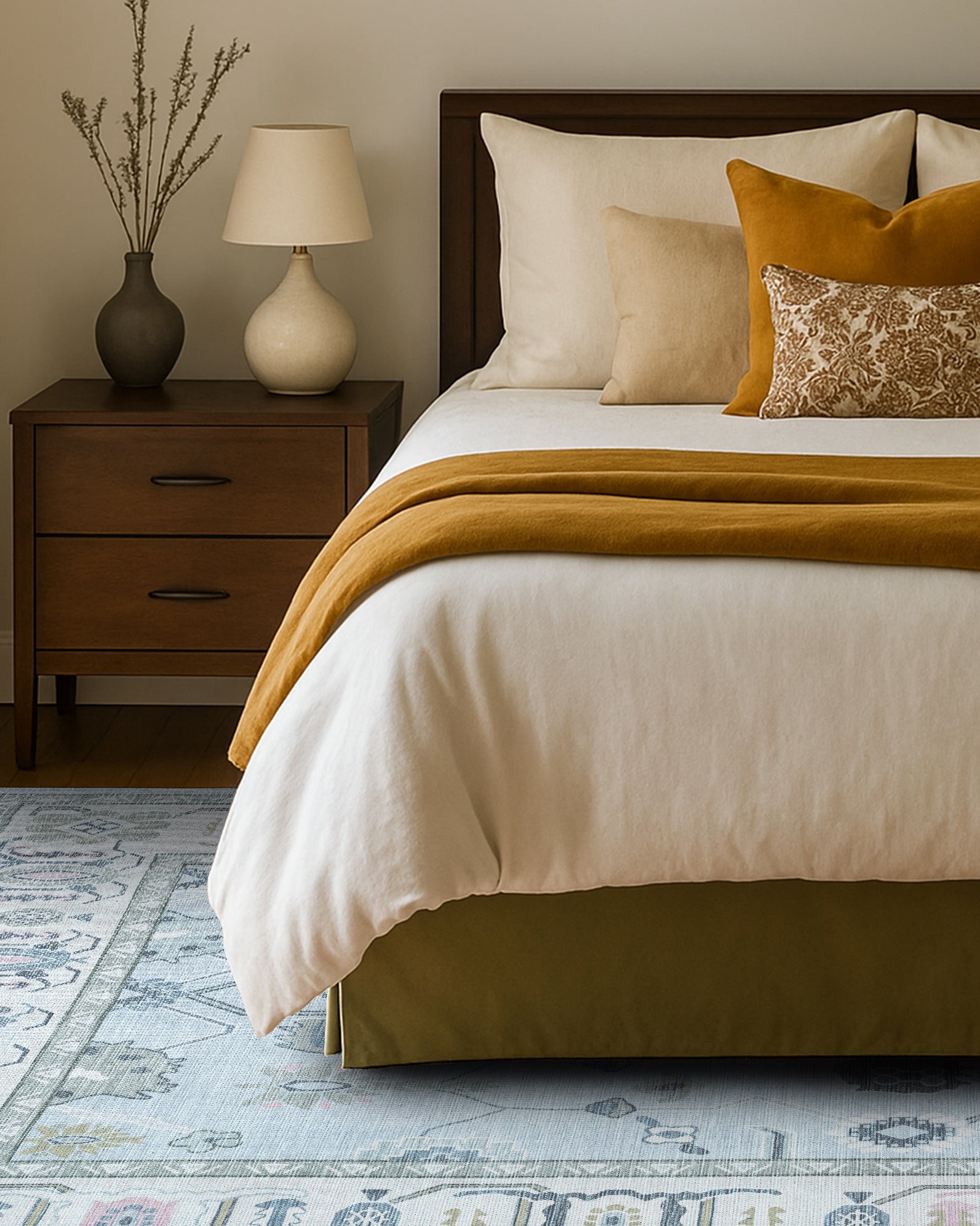
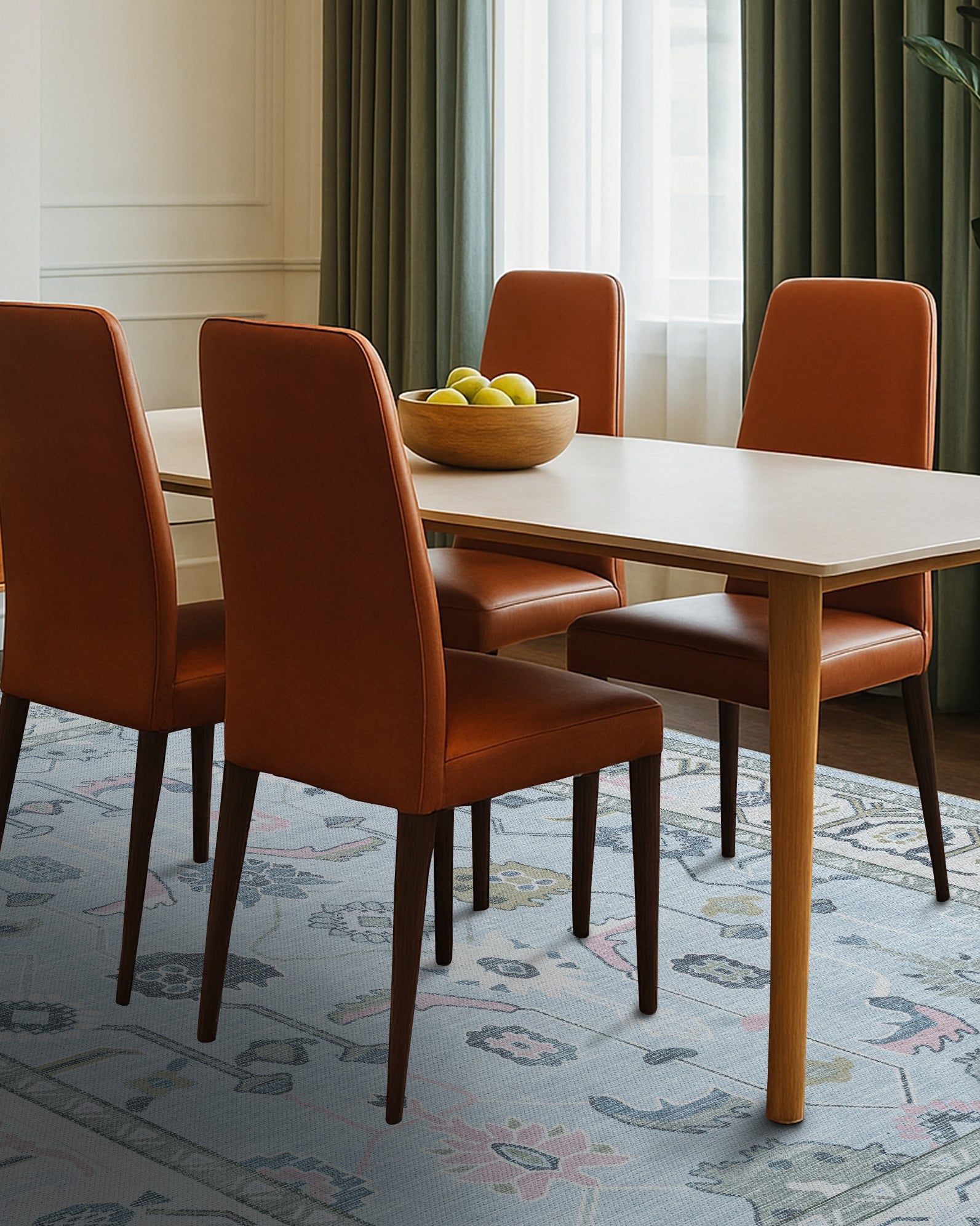
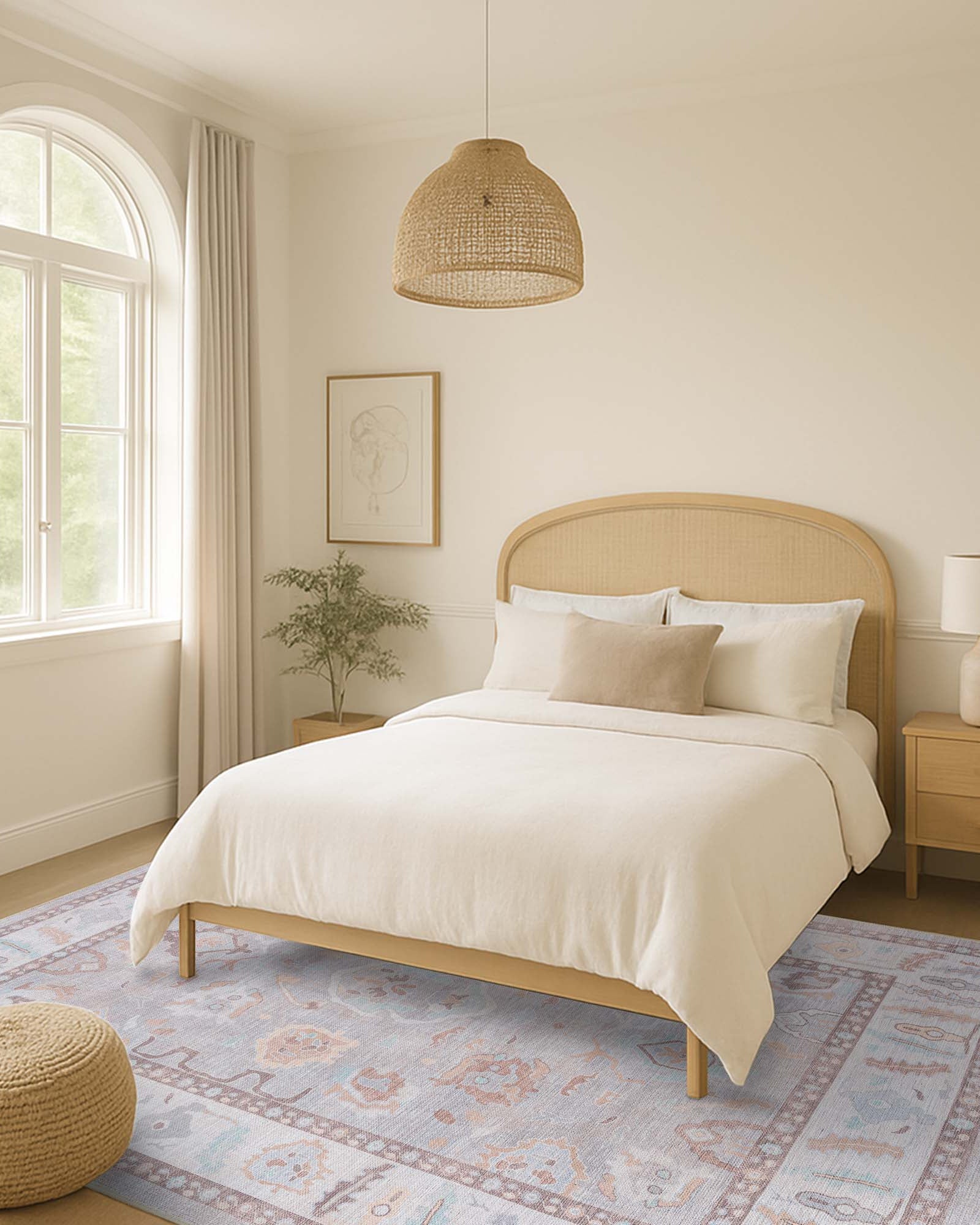
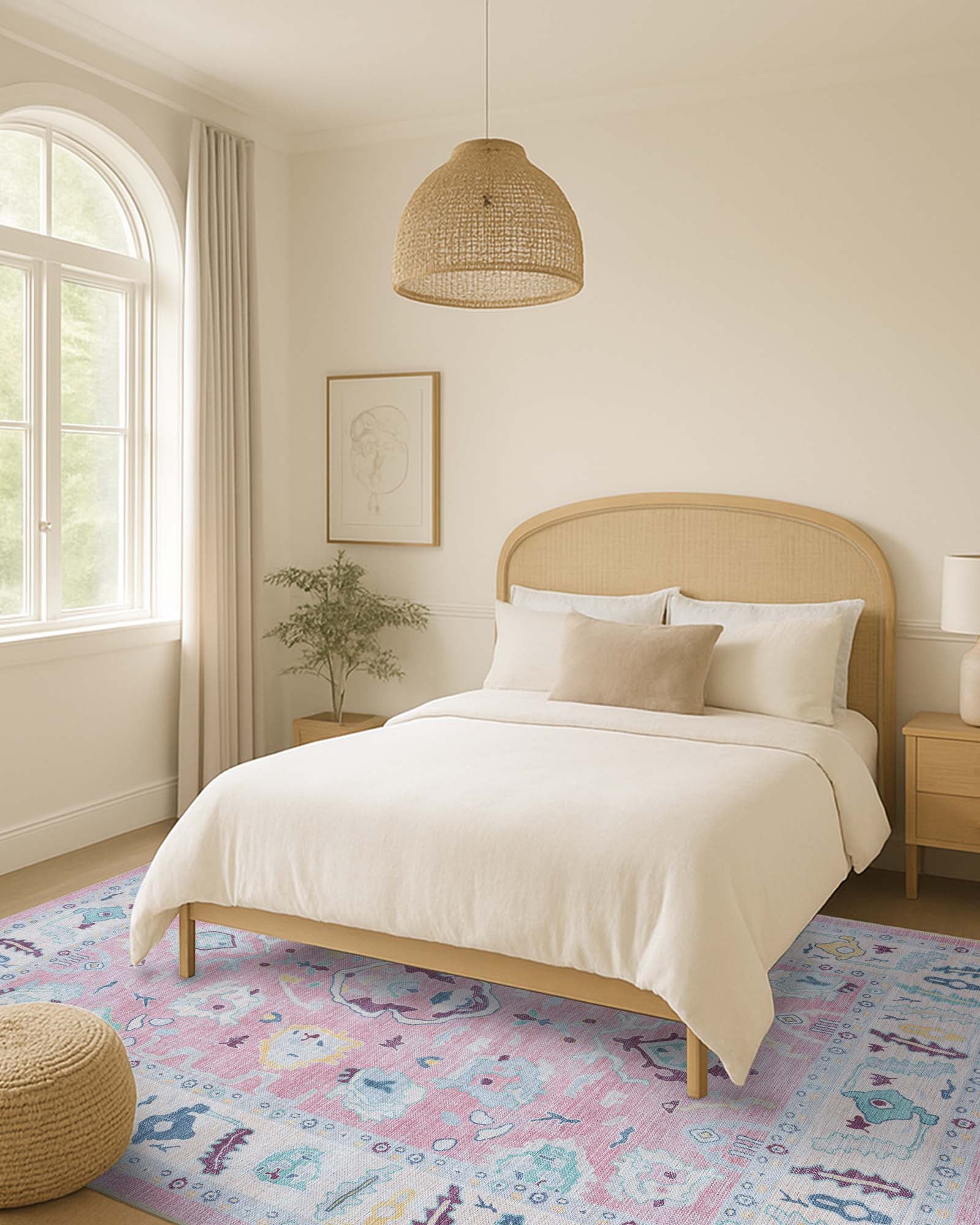
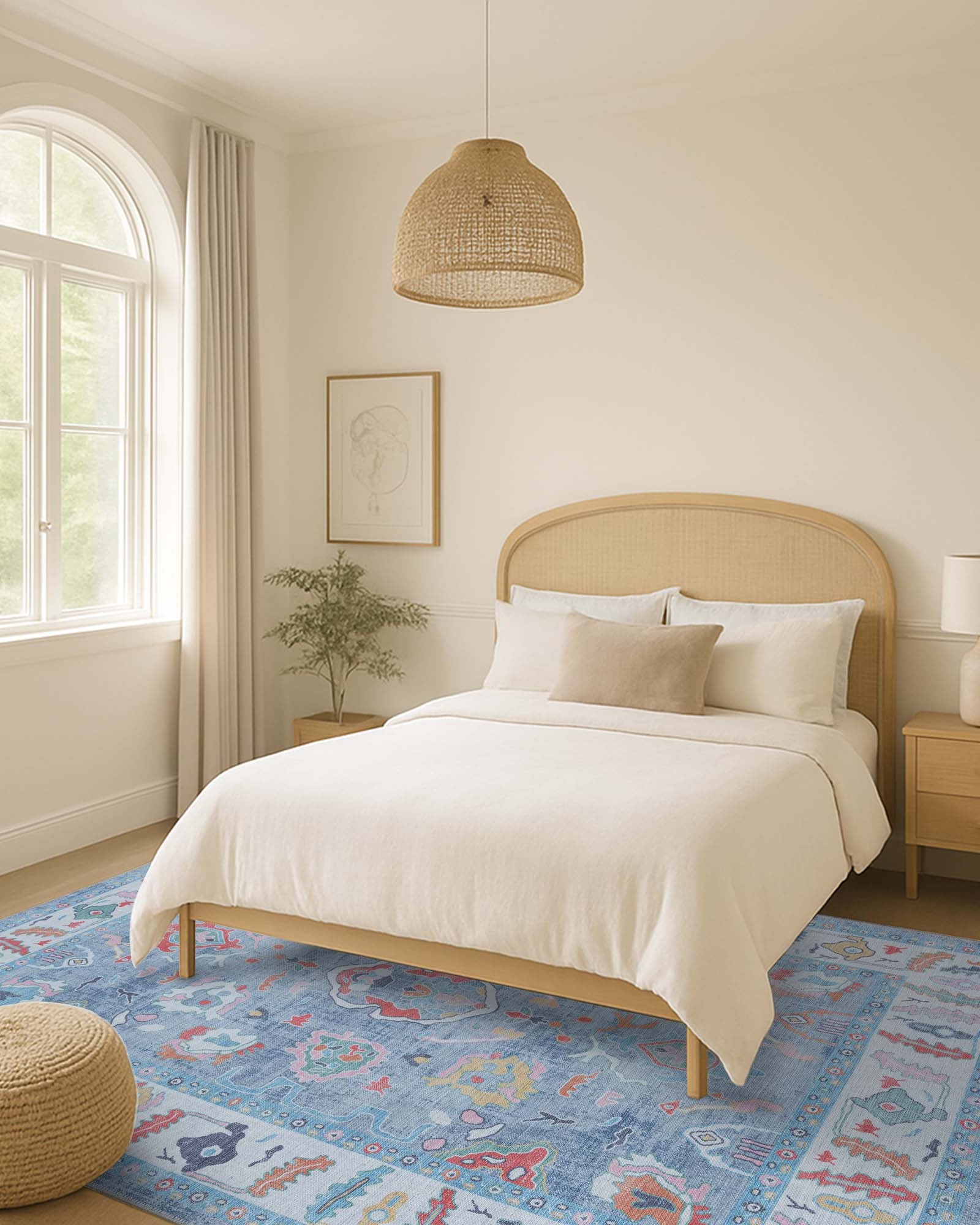
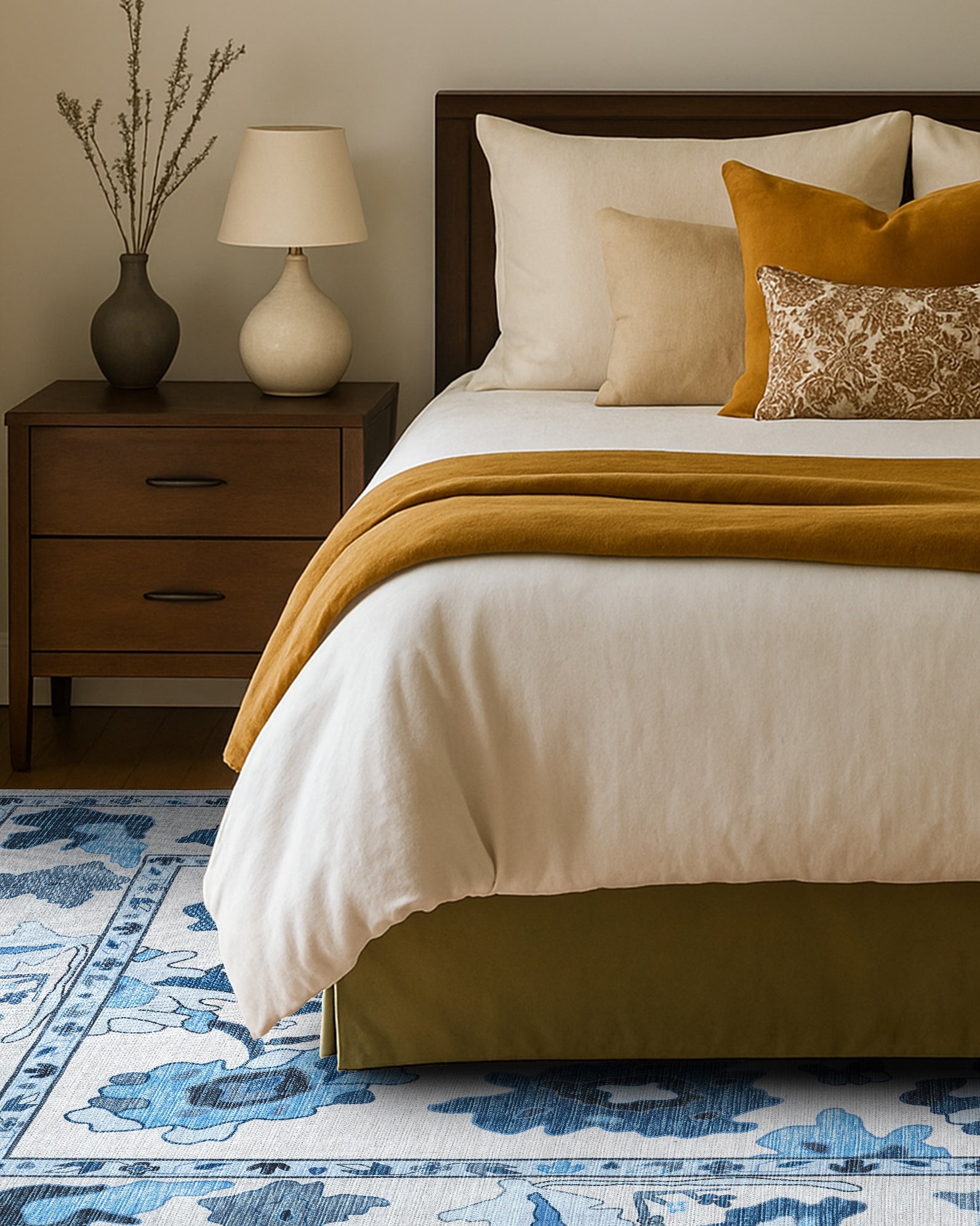
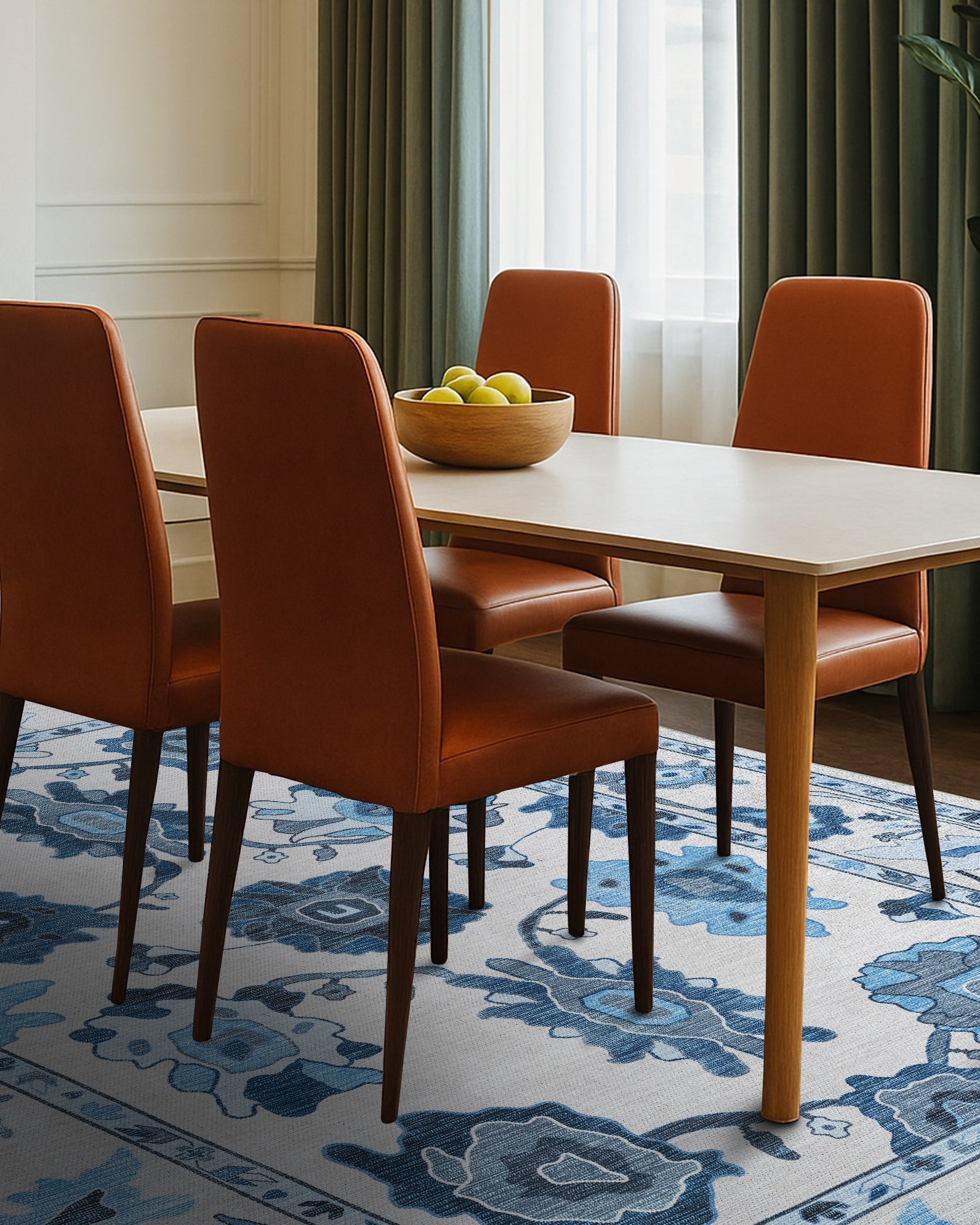
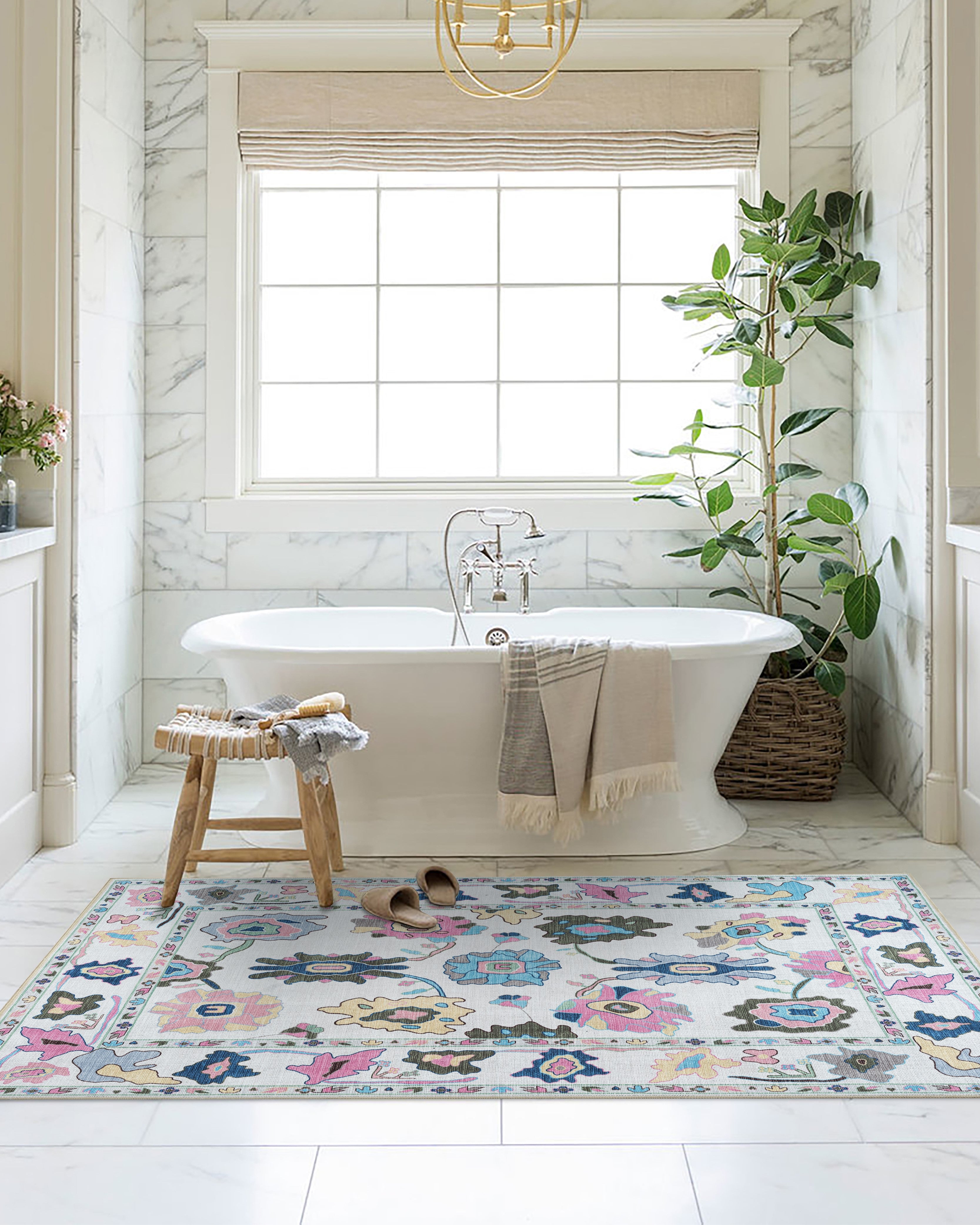
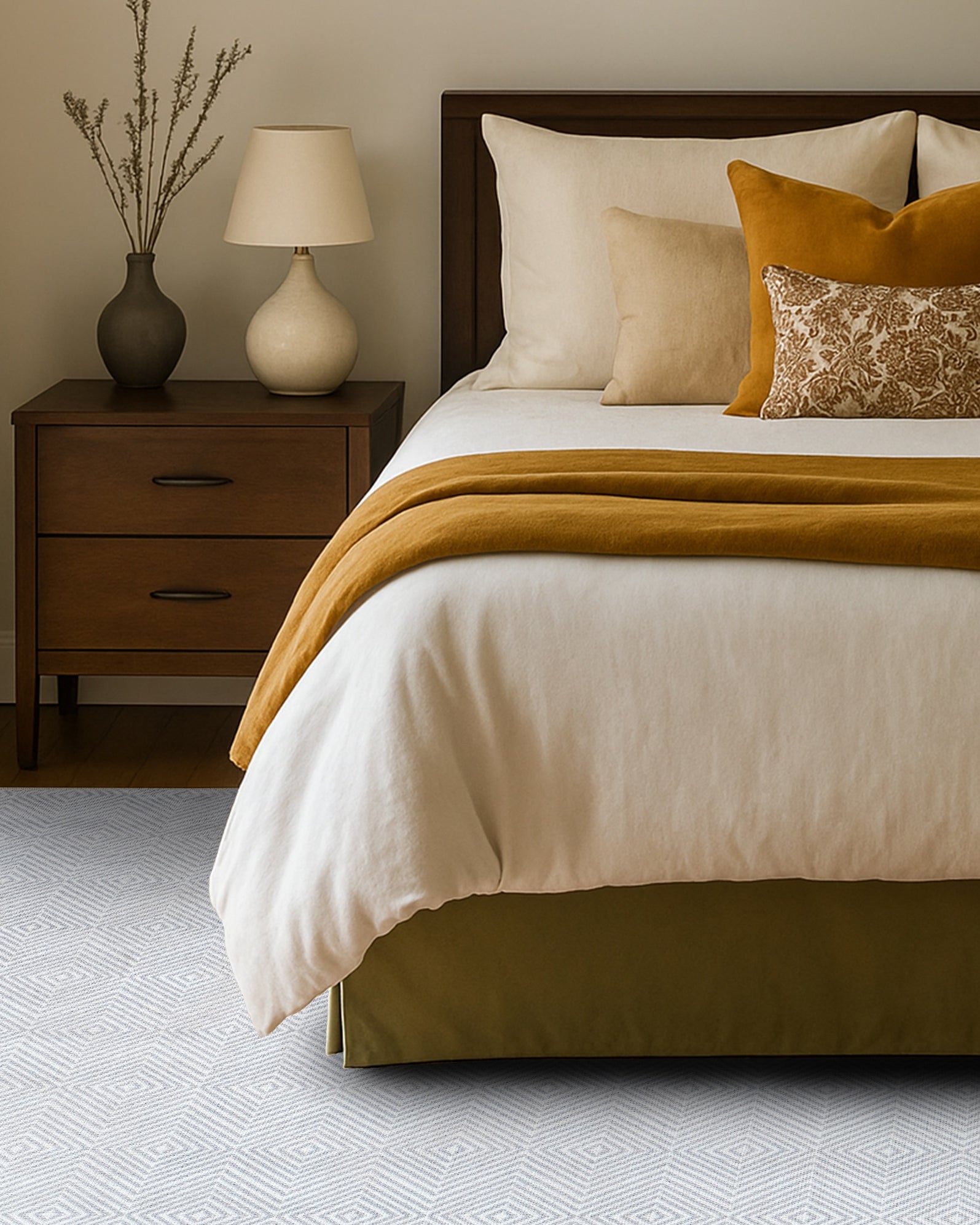
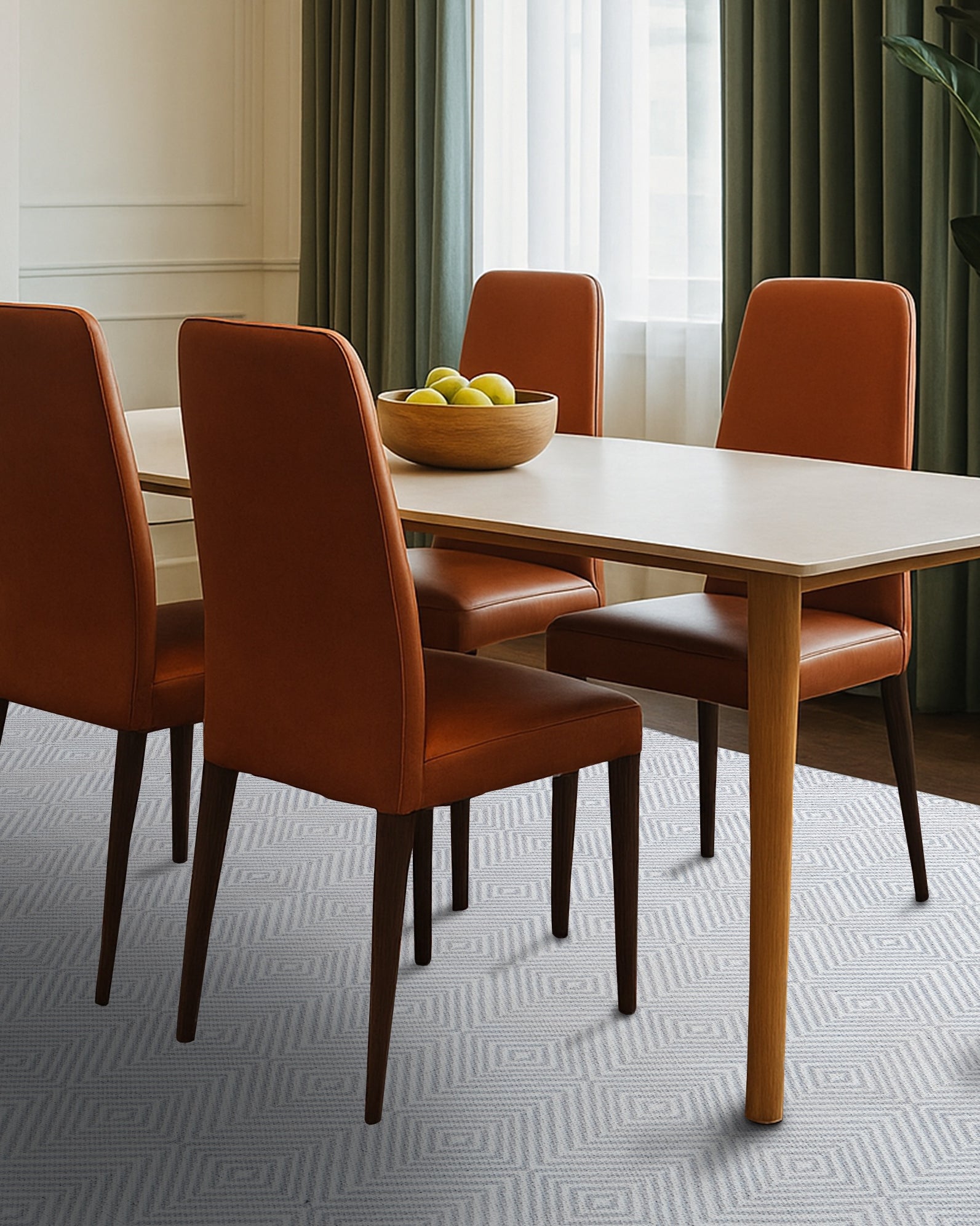
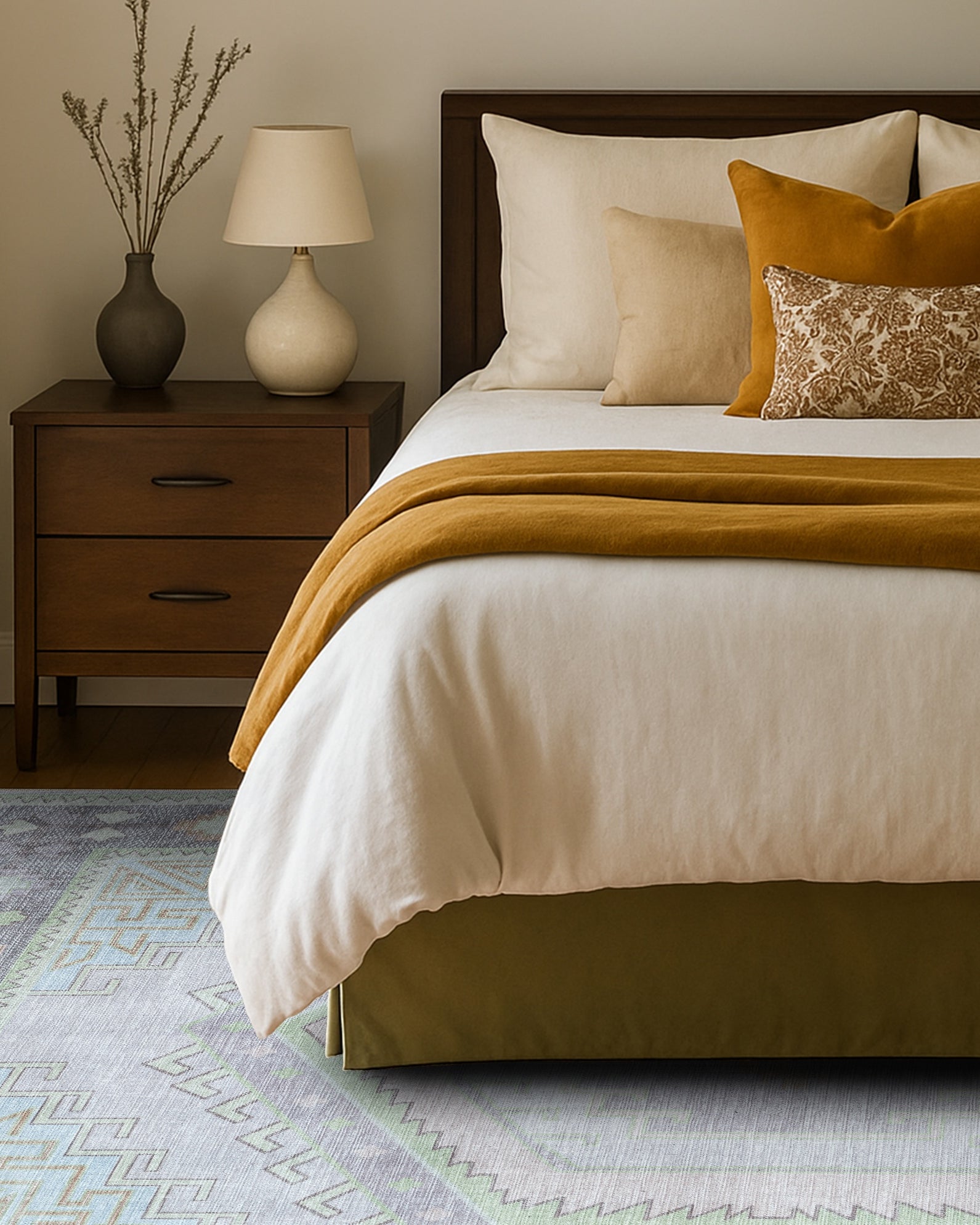
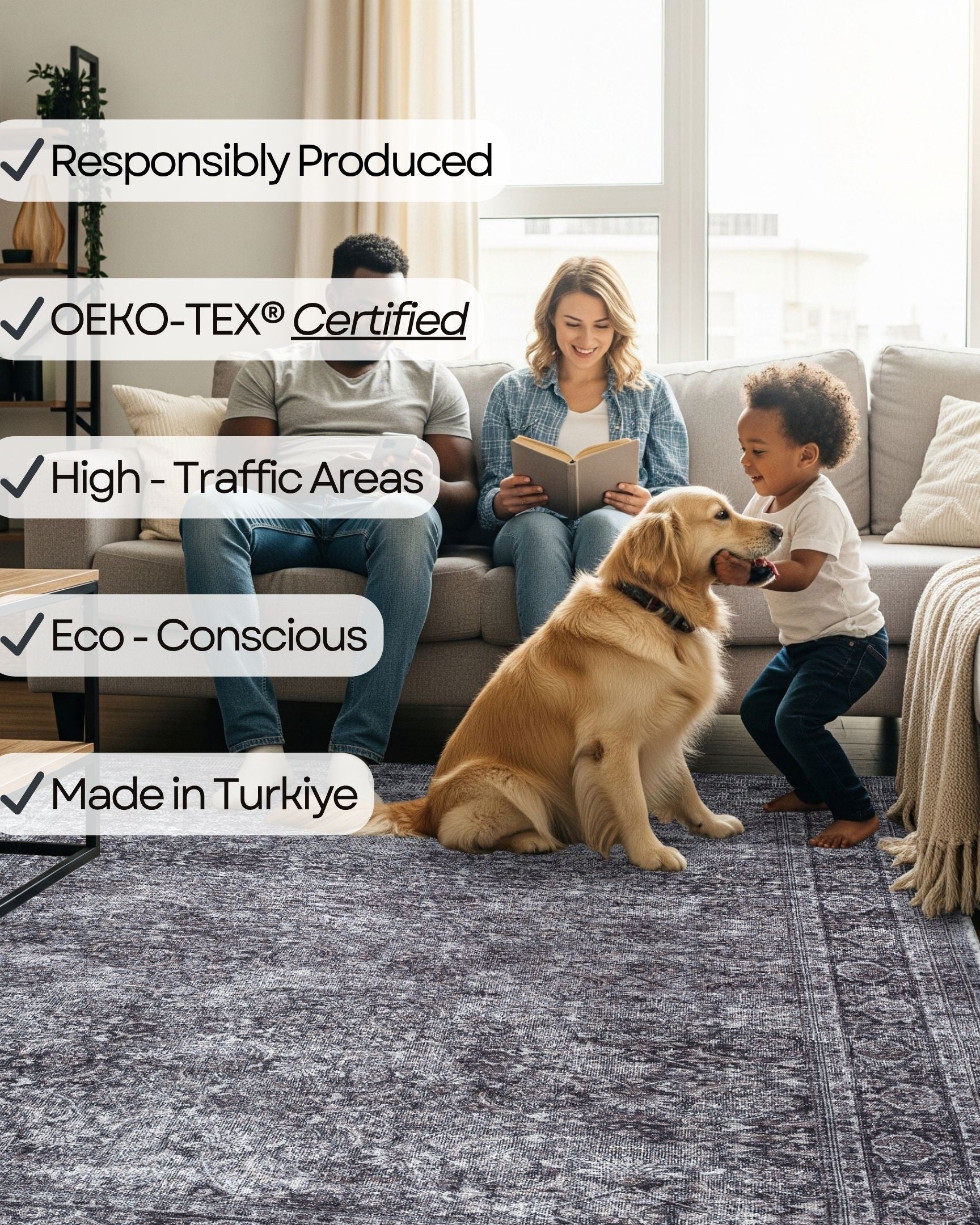
In the dining room, select a rug from the collection that mimics the living room's style but with a more forgiving pattern for spills. For the bedroom, you can soften the "story" slightly. If your main house theme is bold geometric blues, the bedroom page might feature a softer, washed-out version of that blue in a plush texture. This creates a subconscious link to the rest of the home while signaling that this room is for rest. Using consistent design elements eliminates the jarring feeling of walking into a room that feels like it belongs in a different house.
Hallway and Runner Sizing
Use runners as the binding that physically connects the different "pages" or rooms of your home.
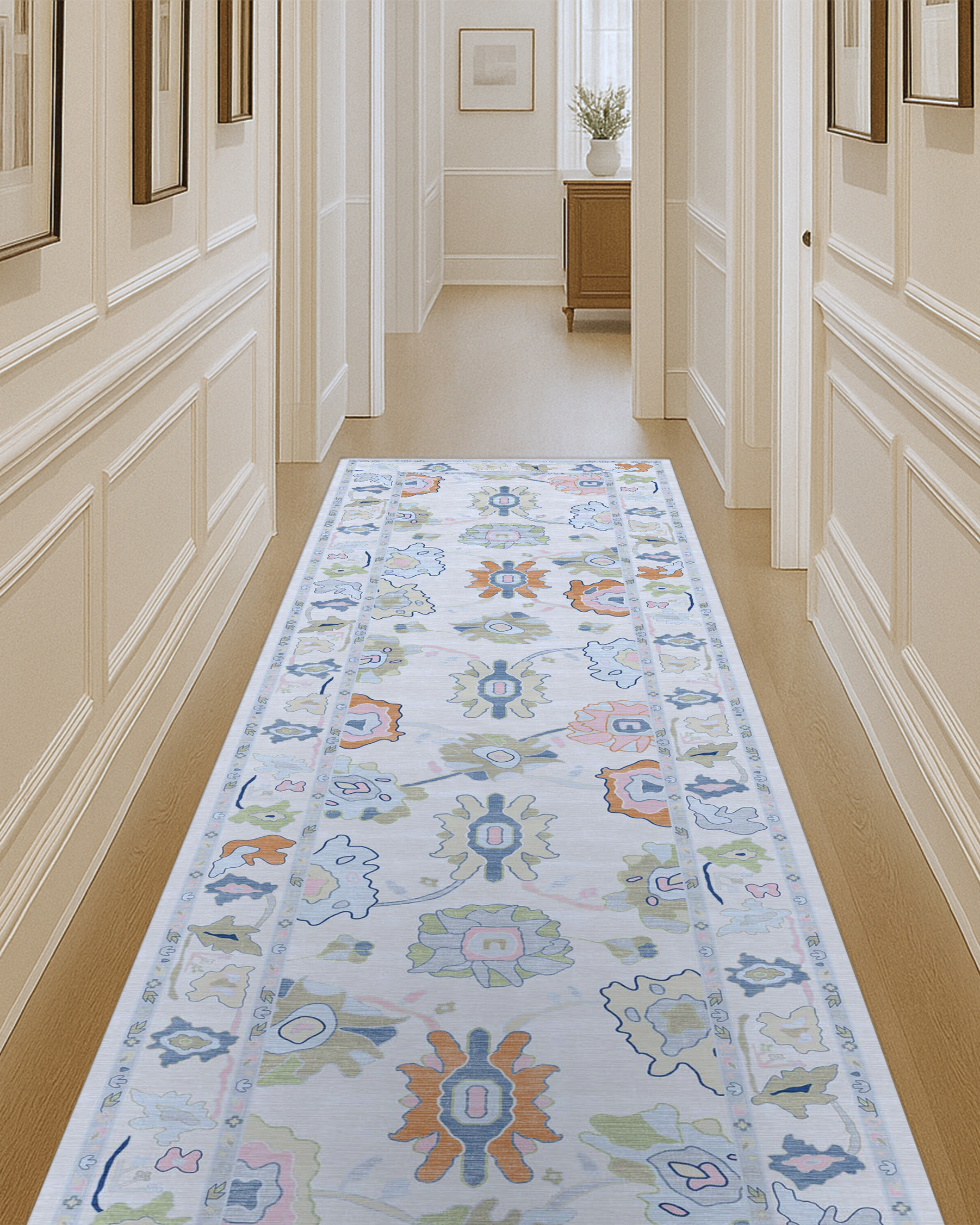
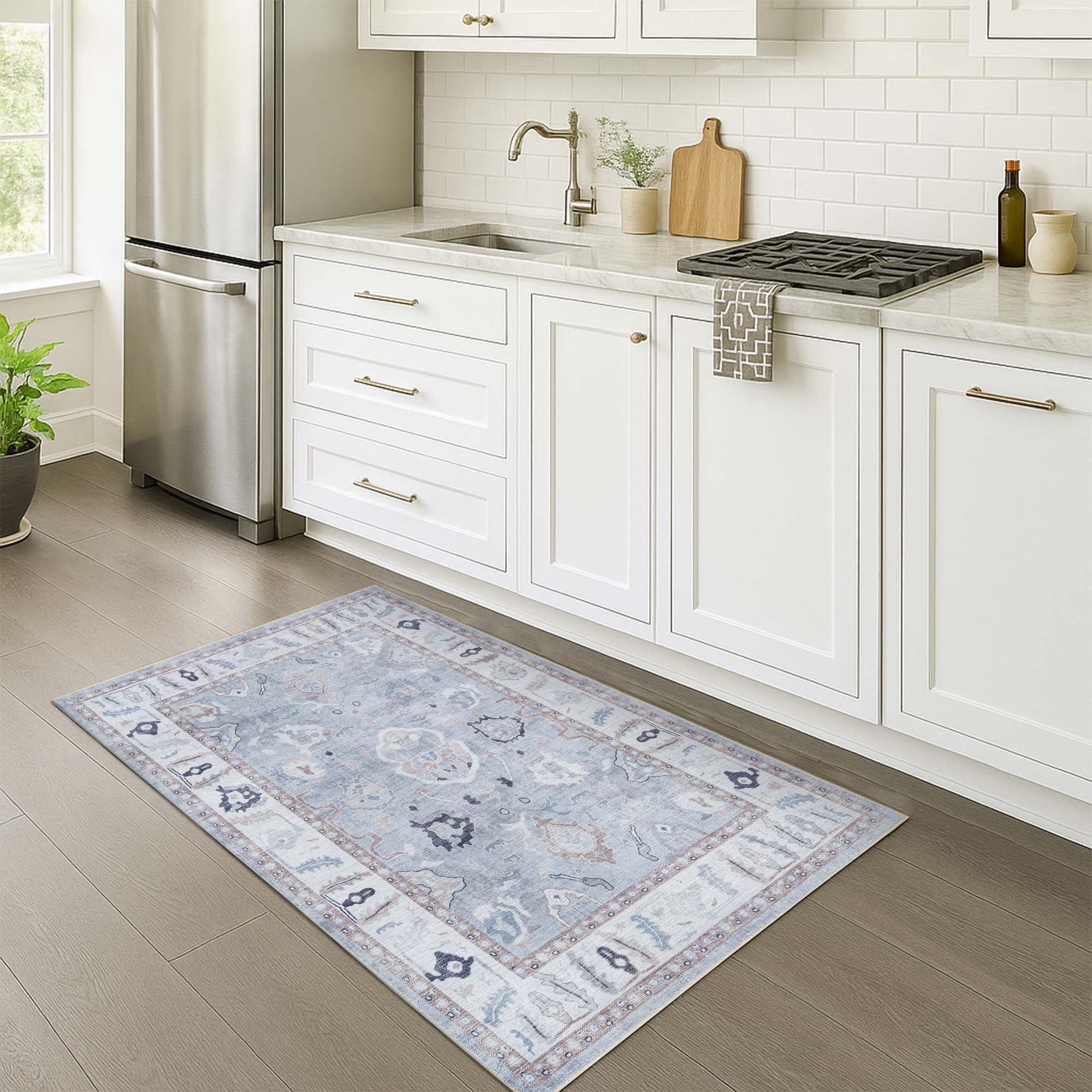
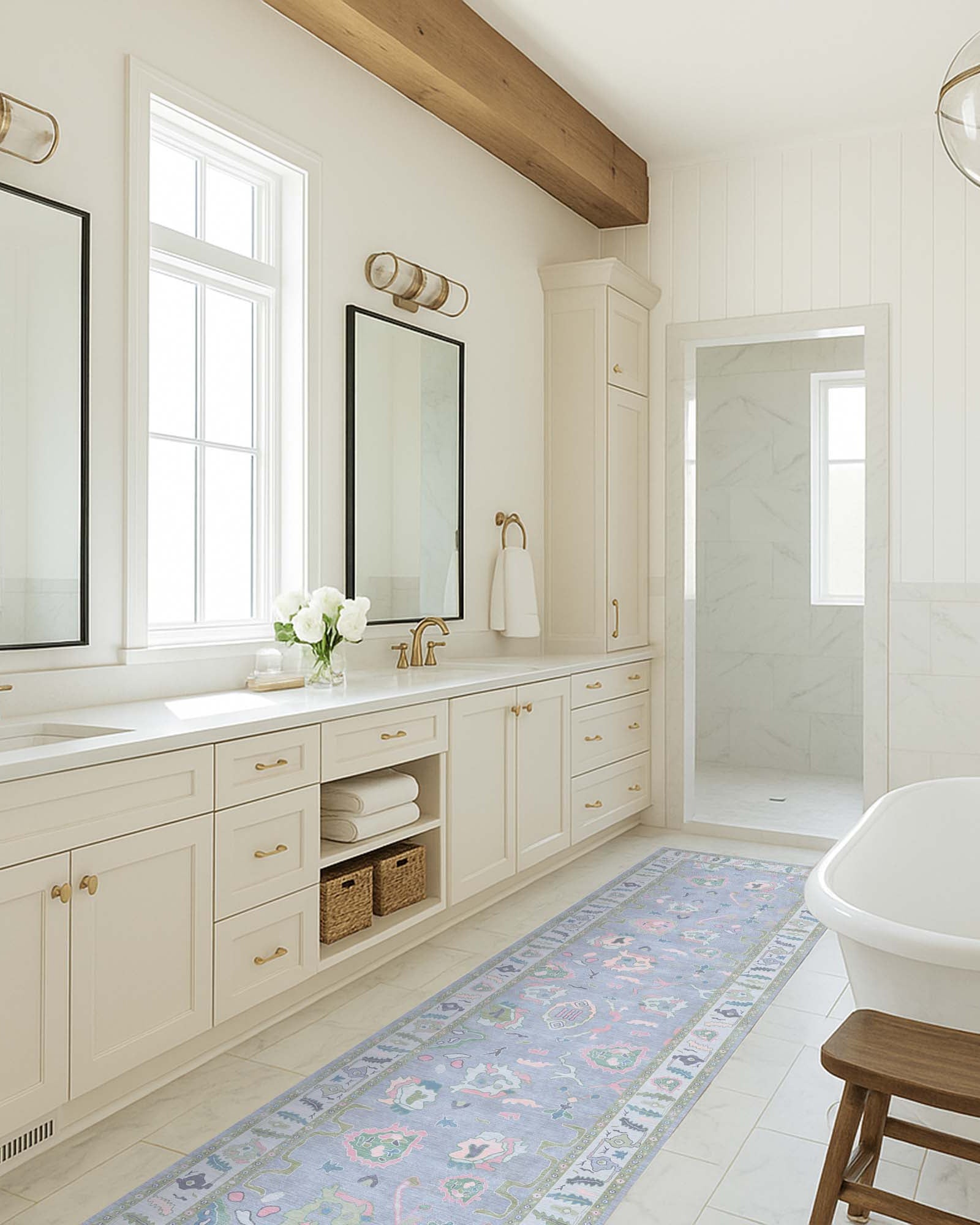
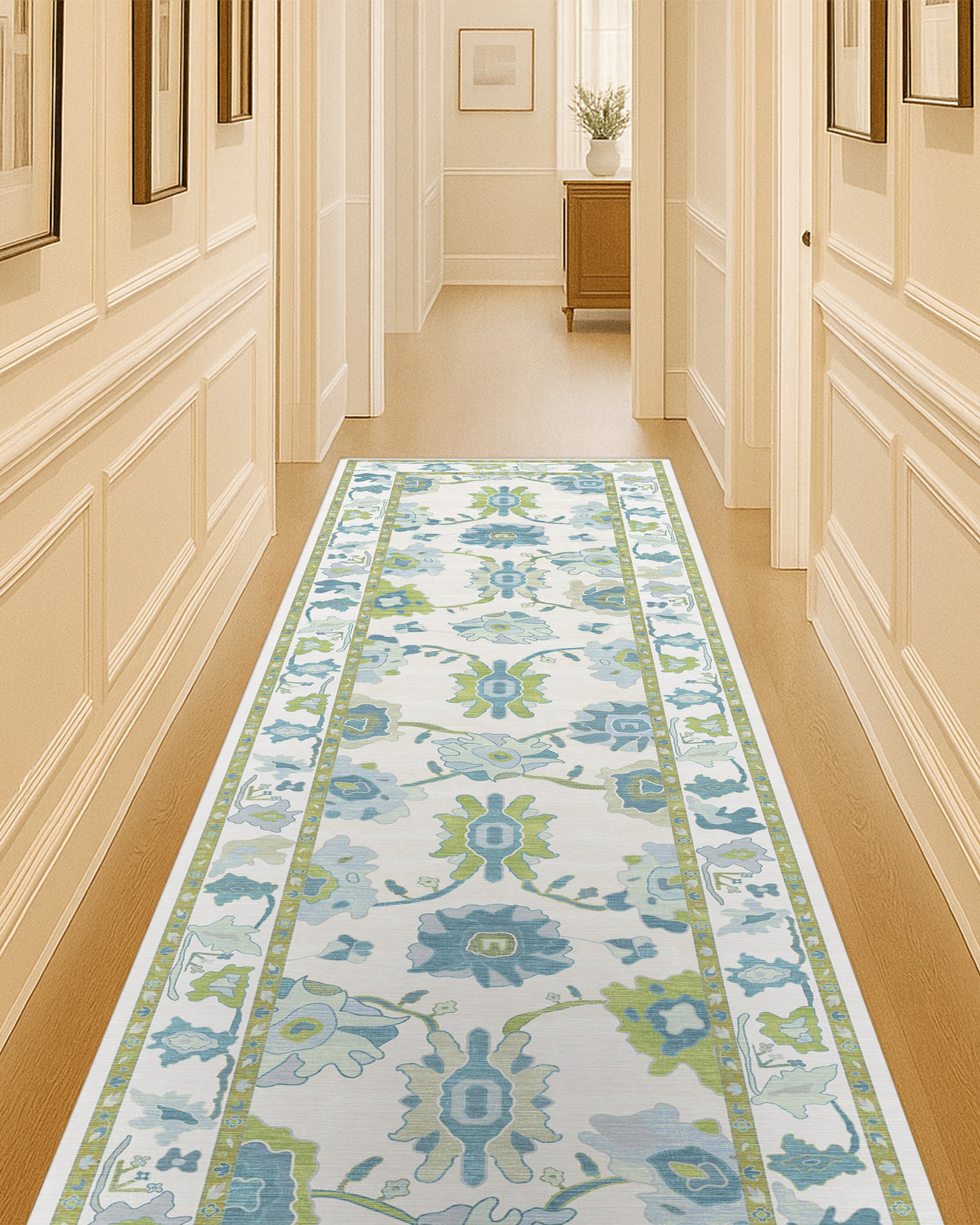
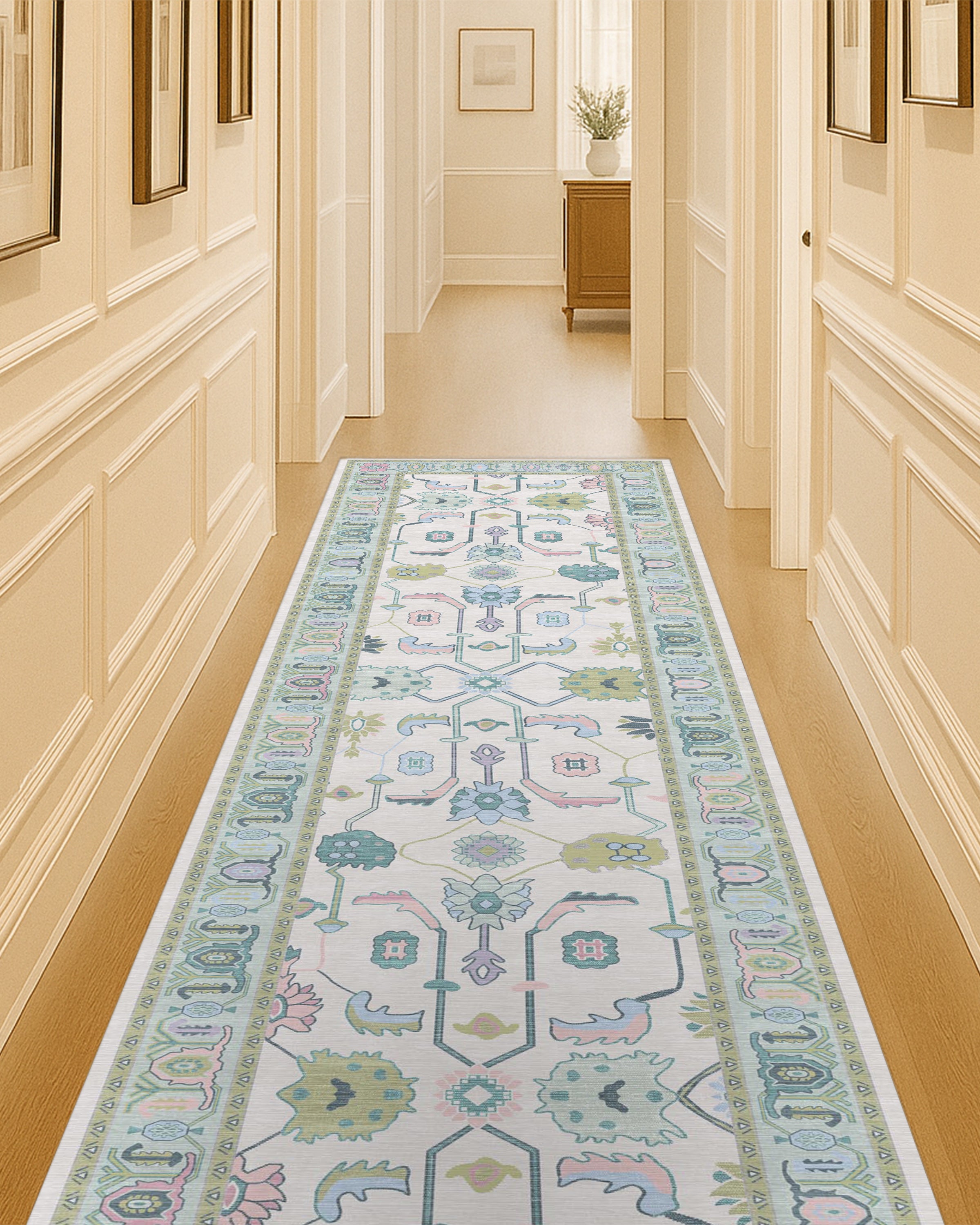
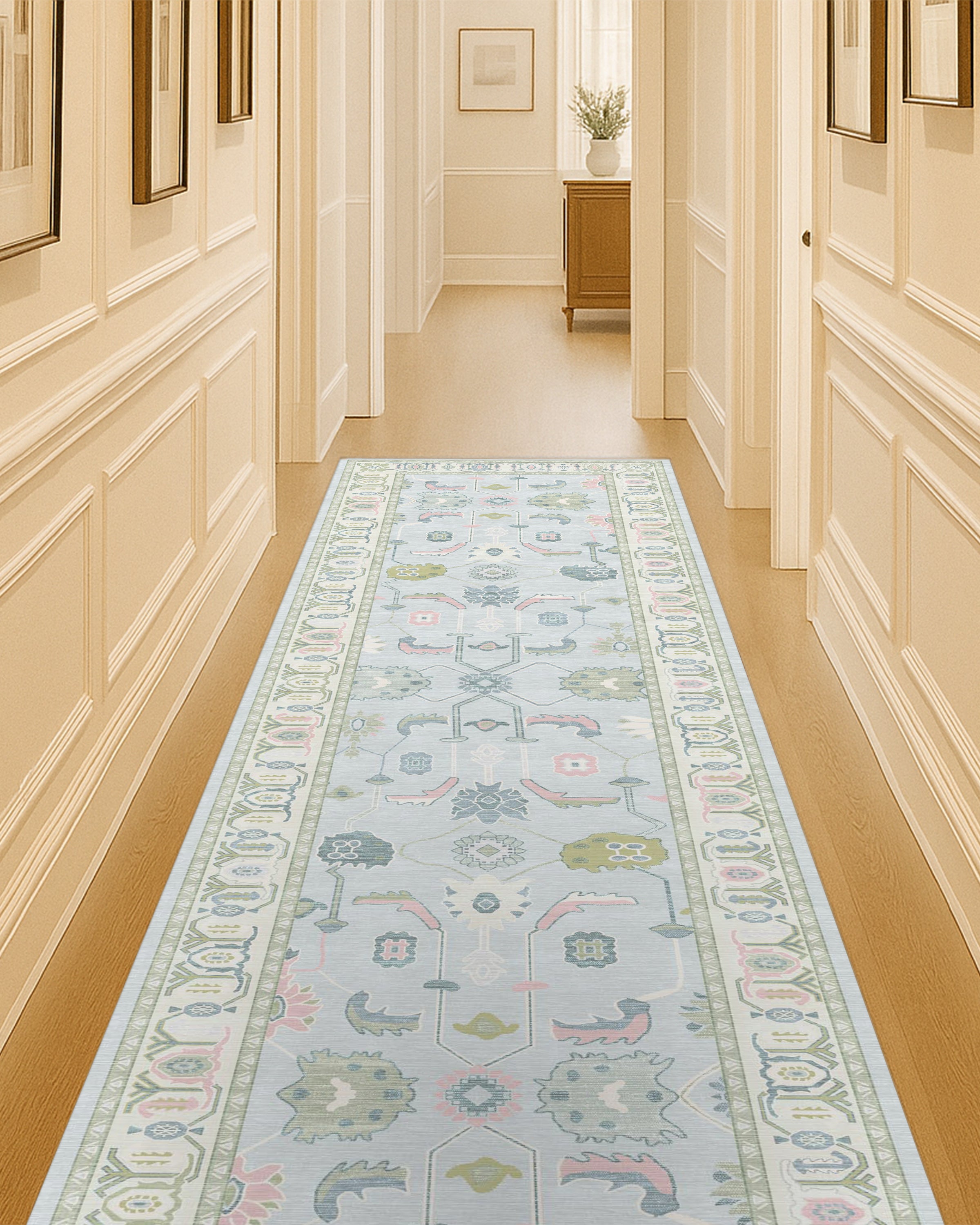
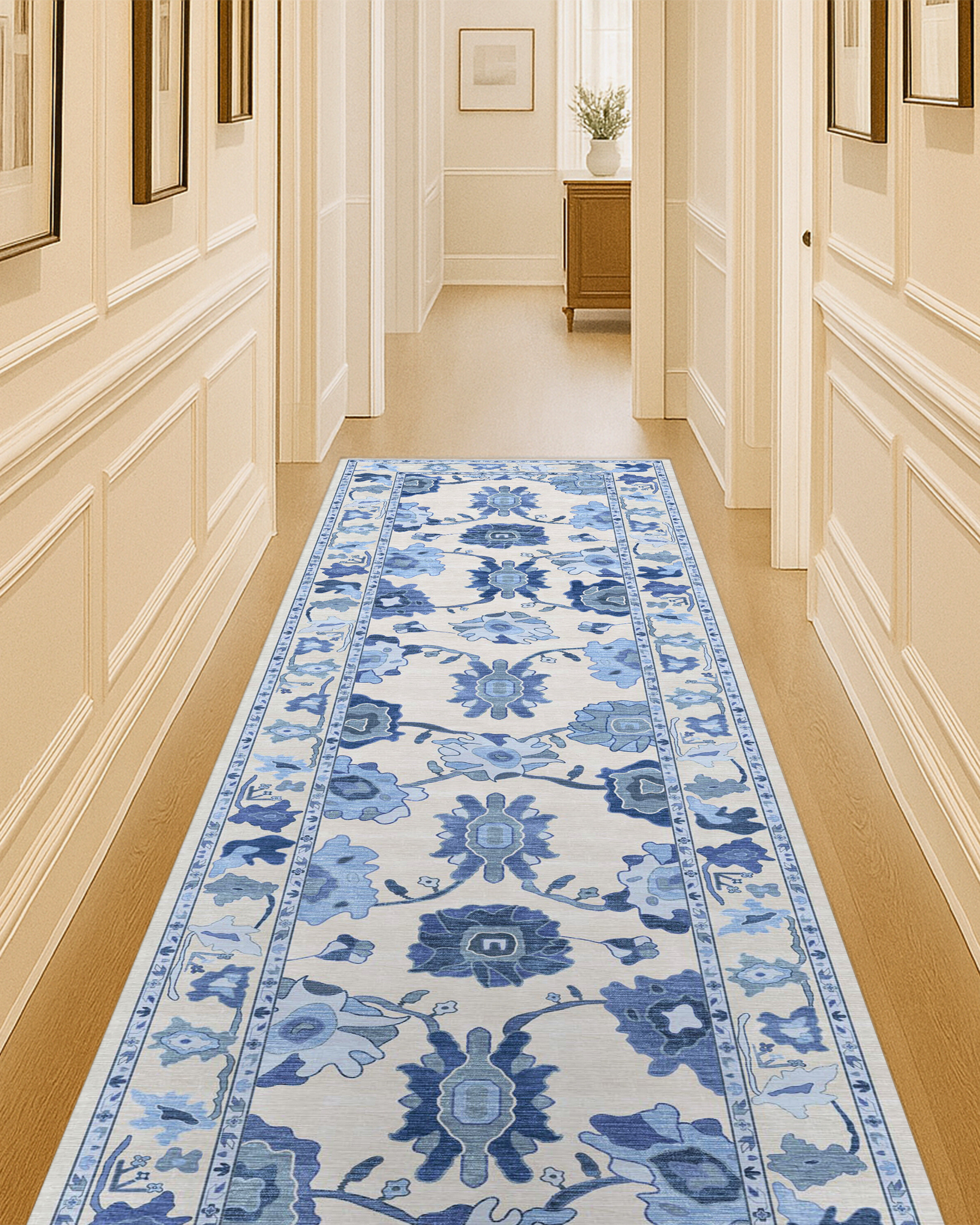
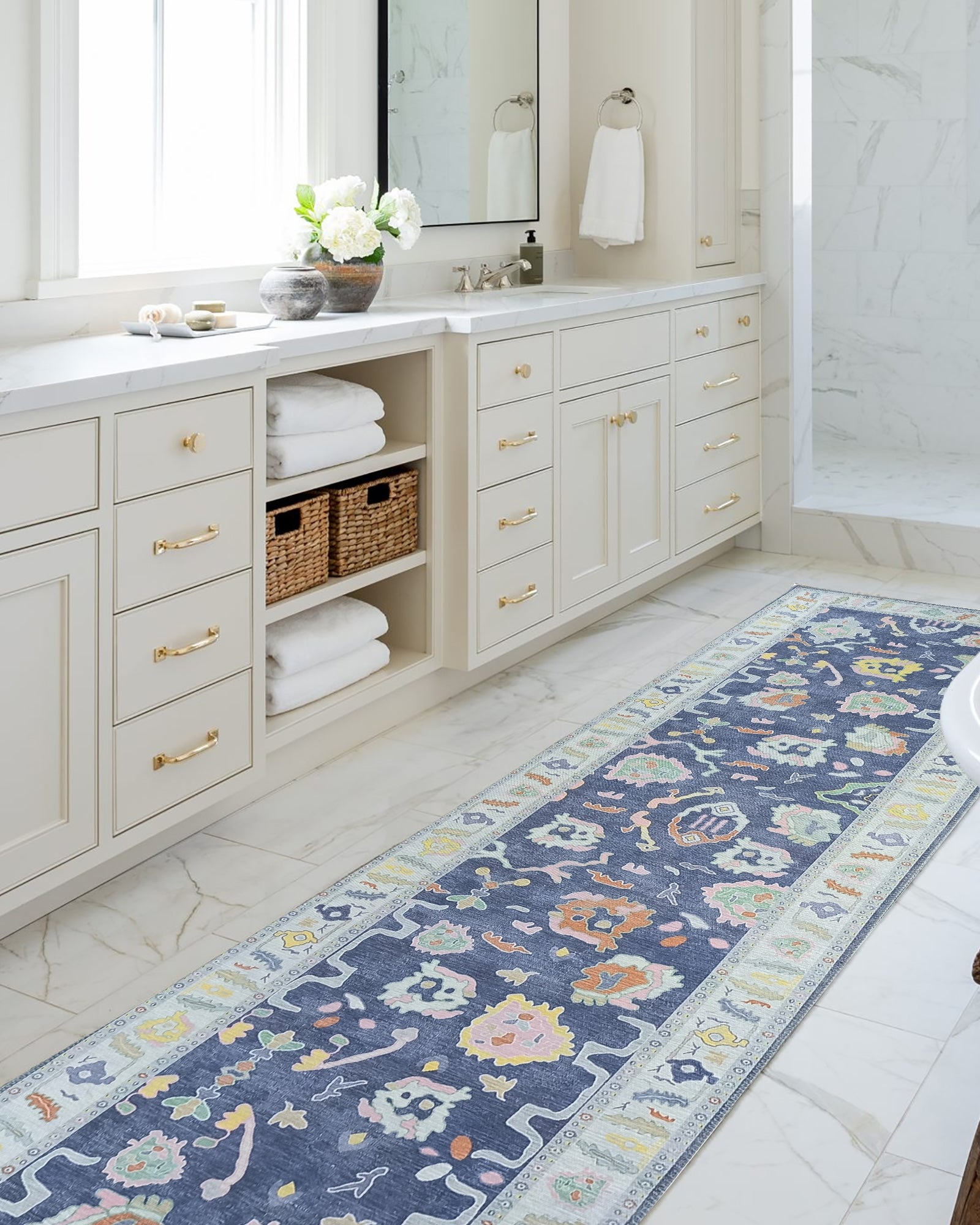
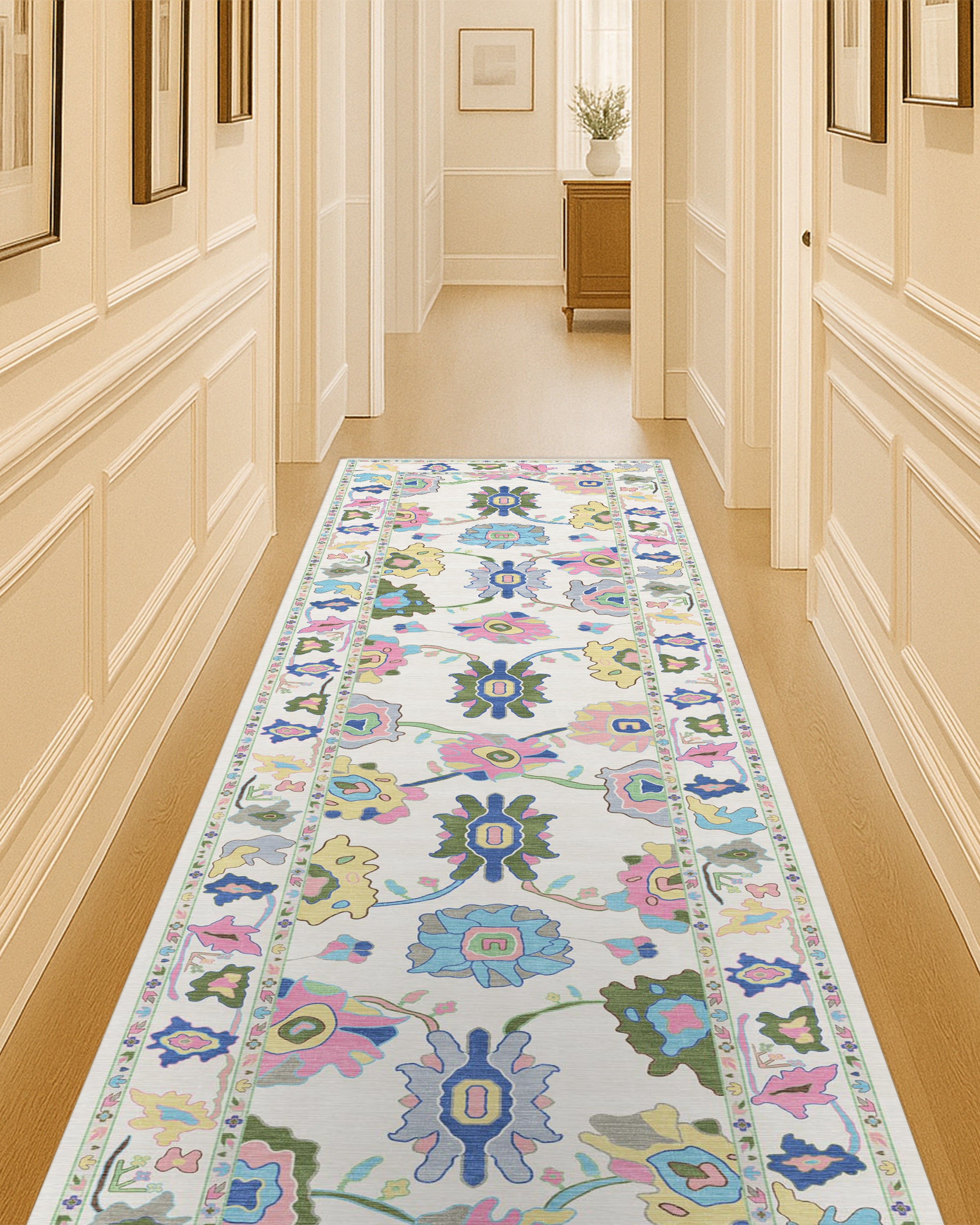
Hallways are the bridges of your home. A runner from this collection serves as a visual guide, leading the eye from the entryway into the main living areas. This is the most critical place for flow. If you can see the living room rug from the hallway, the runner doesn't need to match it, but it must clash. Shopping from this curated collection ensures that the undertones align perfectly, so your hallway runner acts as a harmonious introduction to the room at the end of the hall.
How to Choose the Right Size
Maintaining proper scale is key to making your cohesive design look professional and curated.
To ensure your home's story flows smoothly, follow these sizing rules:
- Consistent Borders: Try to maintain a similar amount of exposed floor in connecting rooms. If you leave 18 inches of wood floor showing in the living room, try to leave a similar border in the dining room for visual continuity.
- The Open Plan Rule: In large open spaces, use different rug sizes to define hierarchy. The living zone usually gets the largest rug (e.g., 9x12), while the dining zone gets a slightly smaller one (e.g., 8x10), signaling which space is the primary gathering spot.
- Runner Width: Ensure your hallway runner is wide enough to feel substantial. A skimpy runner can break the flow. Aim for a width that leaves 4-5 inches of floor on either side.
Care, Cleaning, and Rug Pad Advice
Simplify your cleaning routine by choosing rugs with similar maintenance needs.
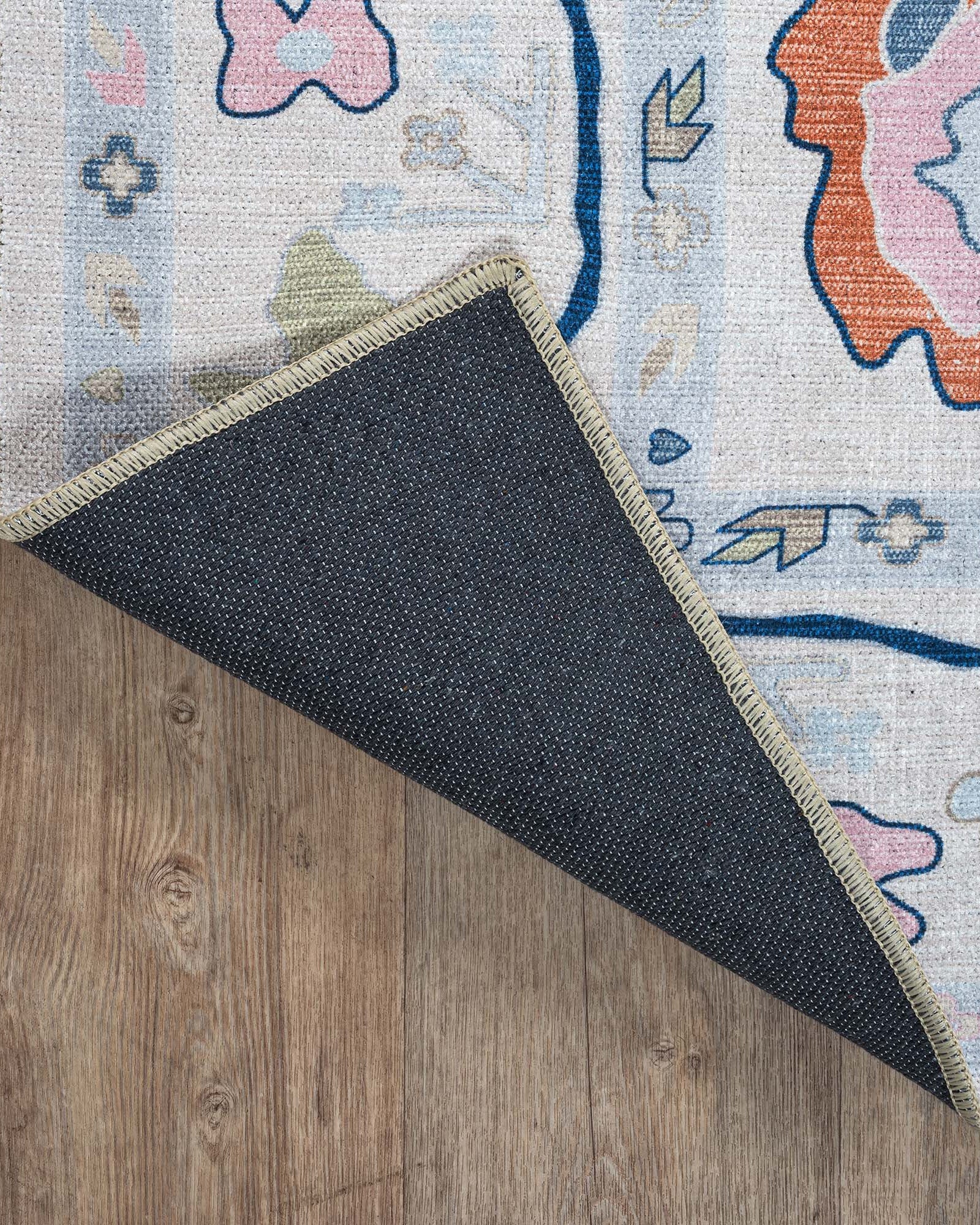
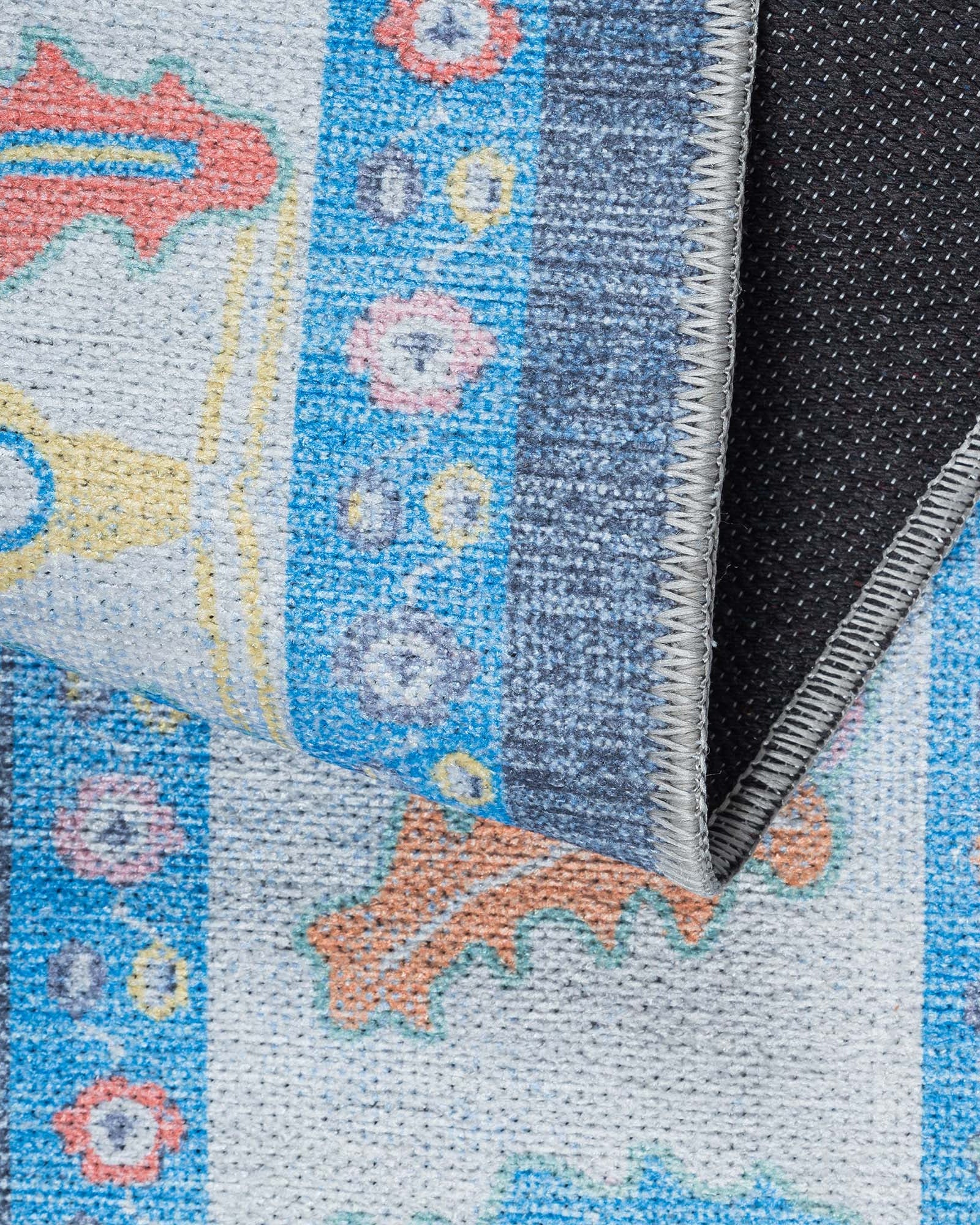
One of the hidden benefits of the "Same Story, Different Page" collection is simplified care. Since these rugs often share material compositions, you don't need five different cleaning products. Regular vacuuming connects the cleaning routine just as the design connects the rooms. We highly recommend using the same high-quality rug pads throughout the home. This ensures that the floor height feels consistent as you step from a runner to an area rug, preventing trips and providing a uniform level of cushioning underfoot.
In a Nutshell
The "Same Story, Different Page" collection is your toolkit for a professionally styled, cohesive home.
It eliminates the guesswork of mixing and matching, offering you a suite of rugs that are designed to live together in harmony. Choose this collection if you want your home to feel expansive, organized, and effortlessly flowing.
Explore More from Fame Rugs
Expand your design narrative by exploring specific categories that fit your home's needs.
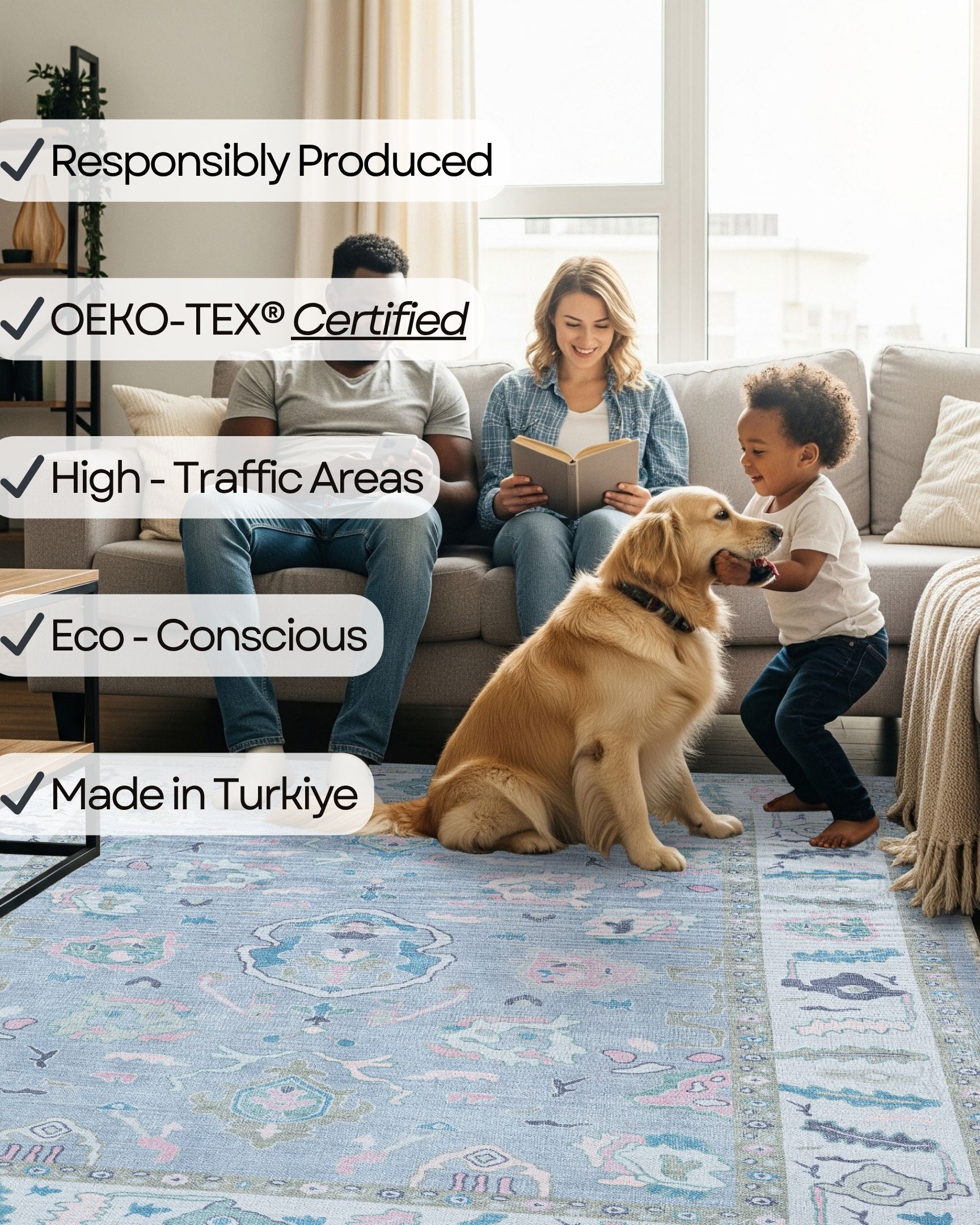
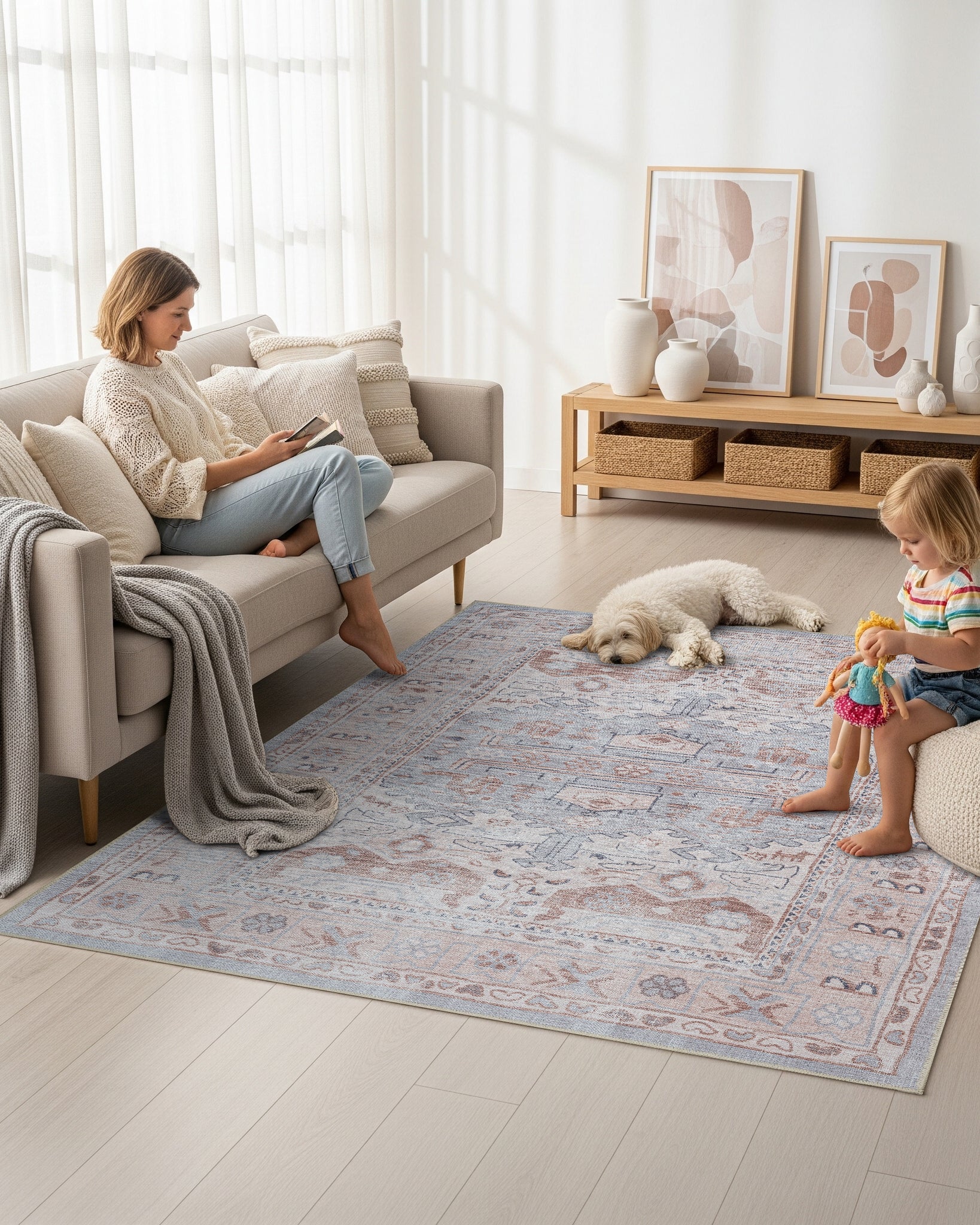
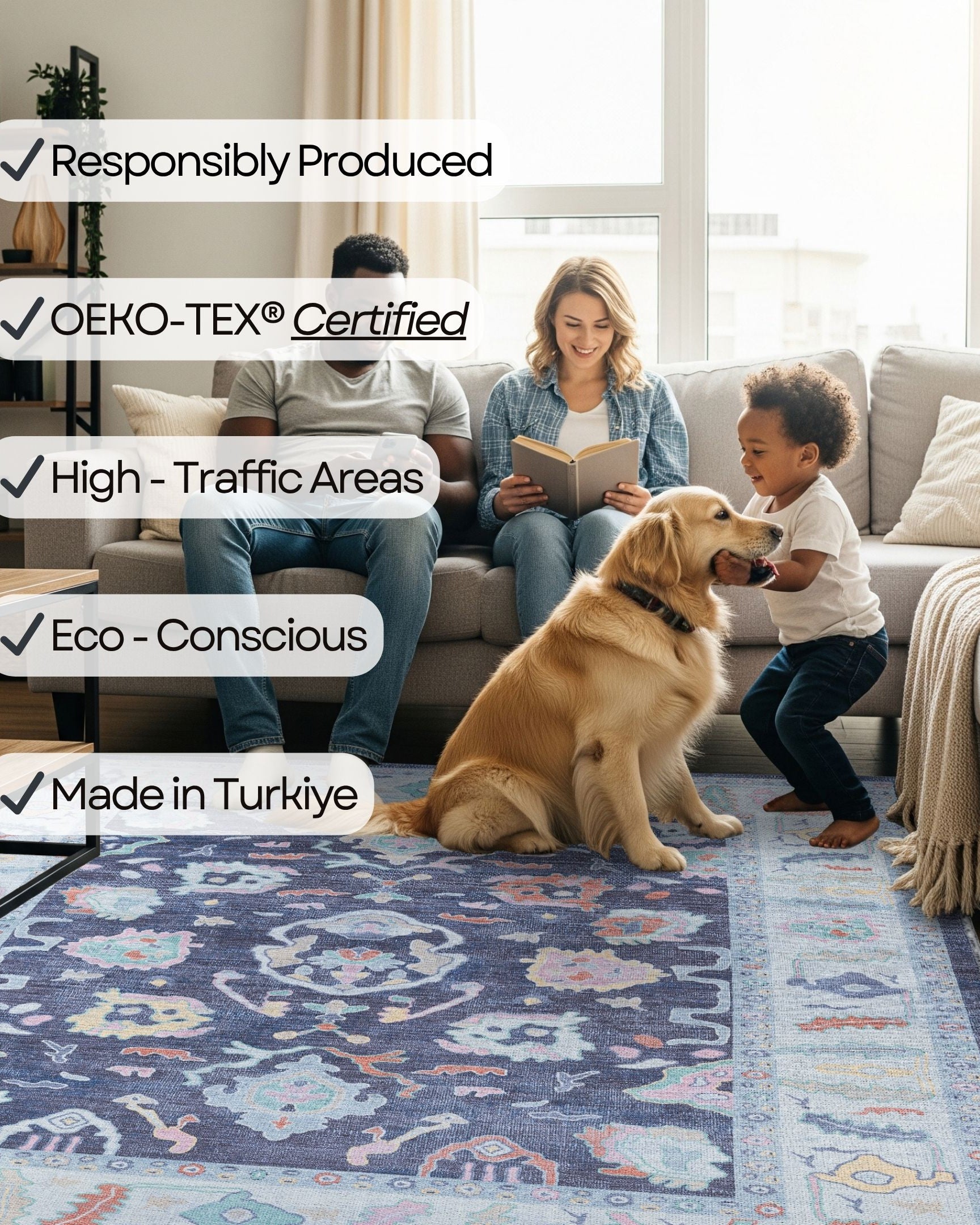
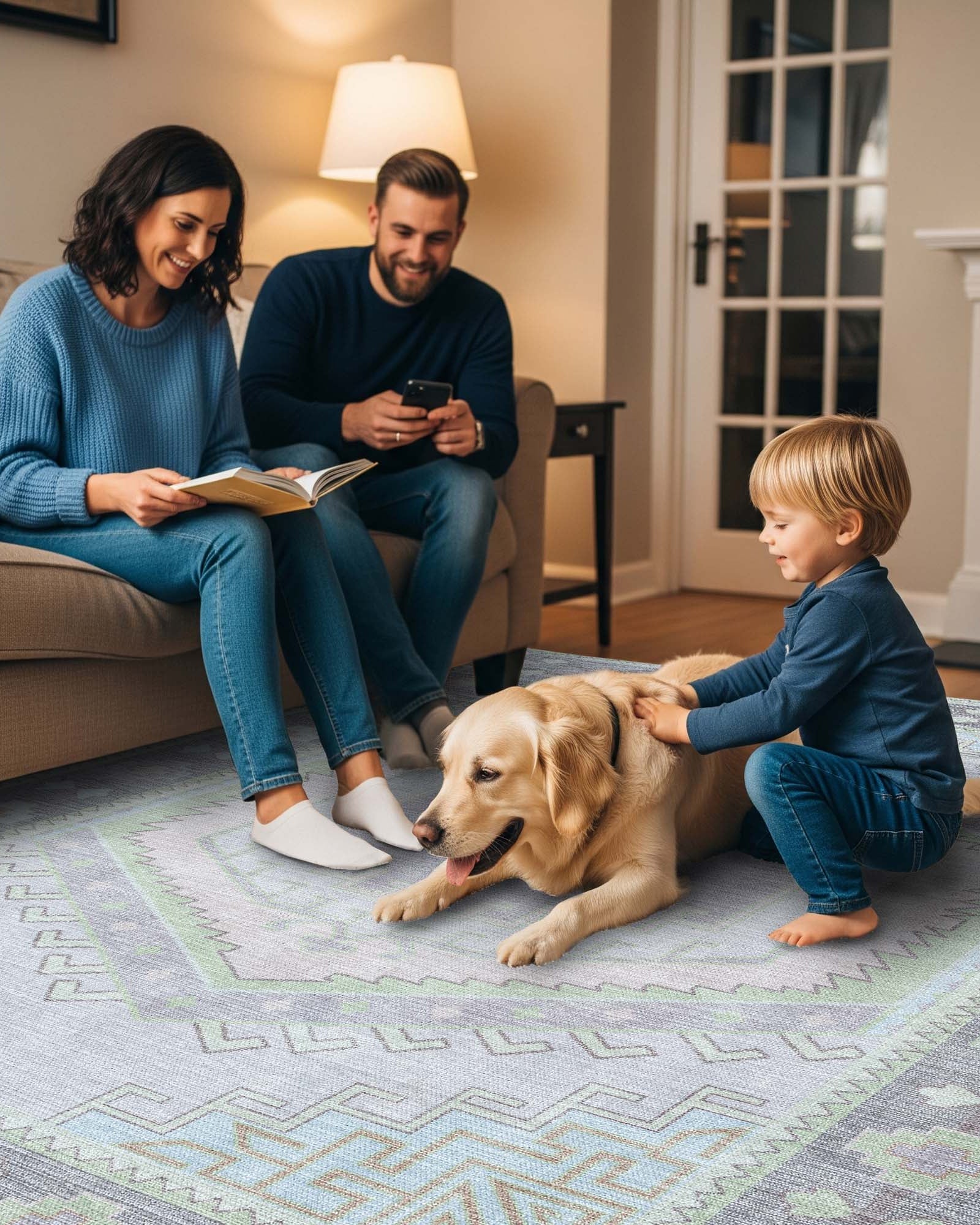
If your "story" involves busy kids and pets, our [Link to Washable Rugs] offers the ultimate in continuity and care. For a narrative steeped in history, browse our [Link to Vintage Rugs]. To find the connecting pieces for your corridors, view our [Link to Runner Rugs].
Start writing your home's design story by shopping the collection below.