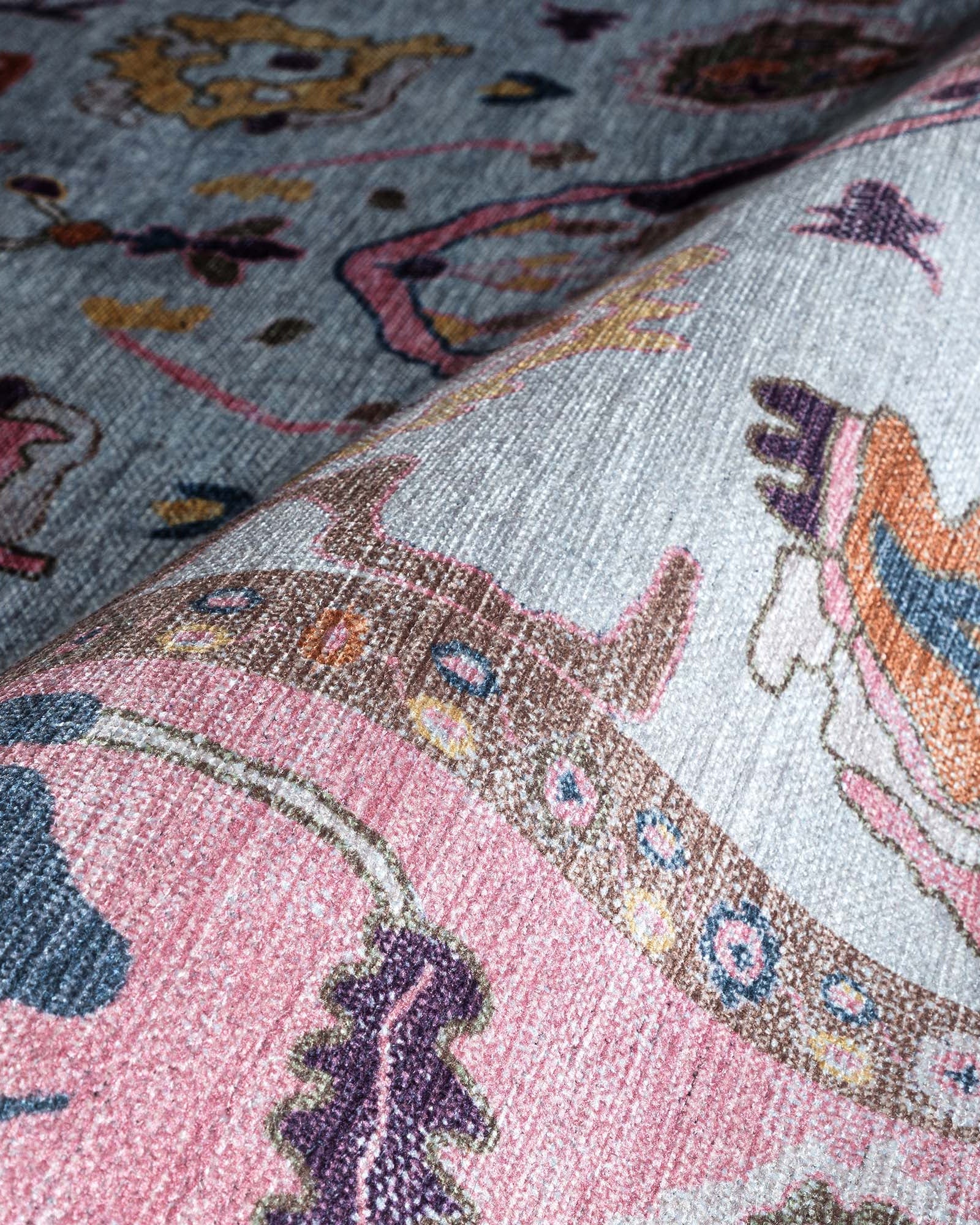
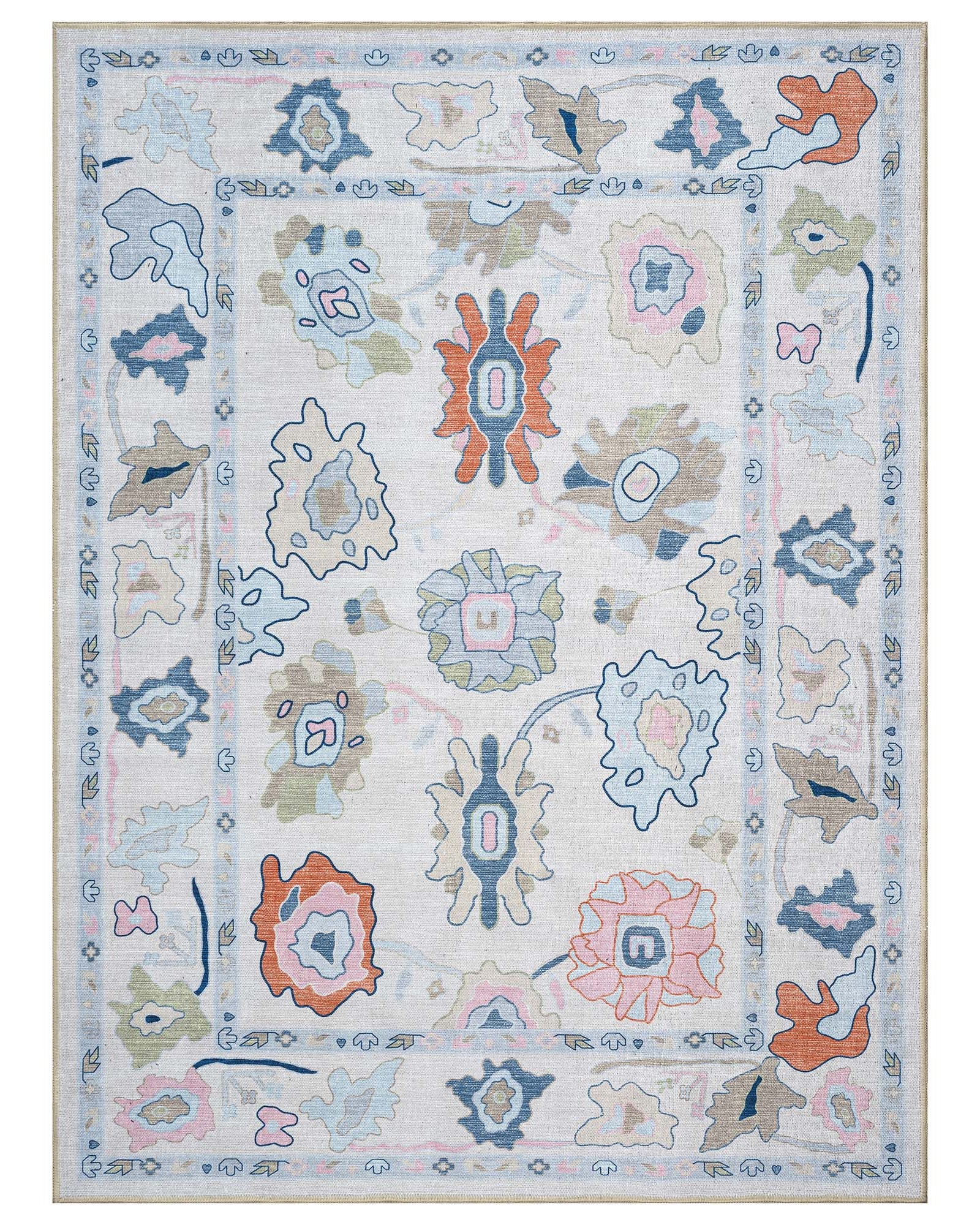
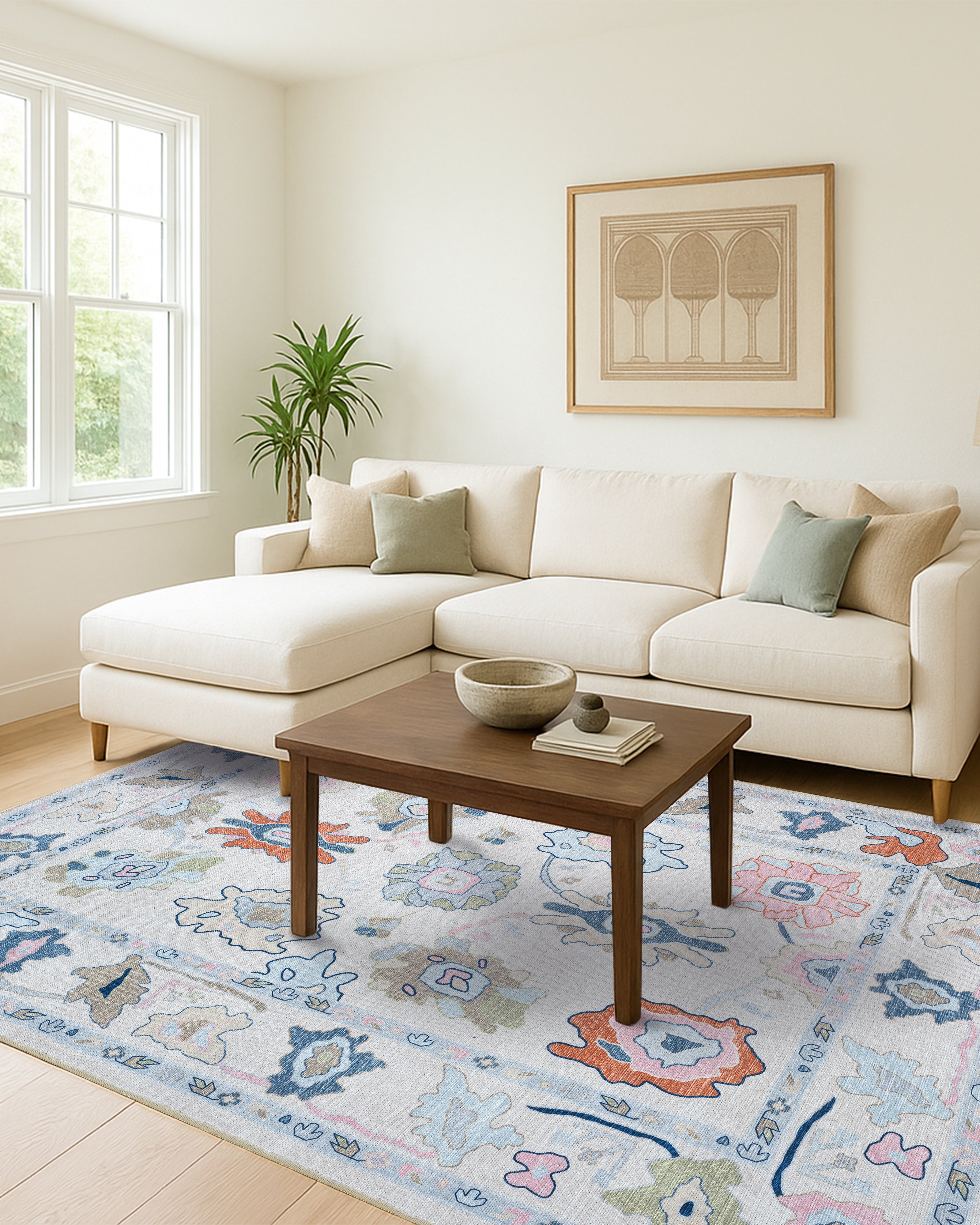
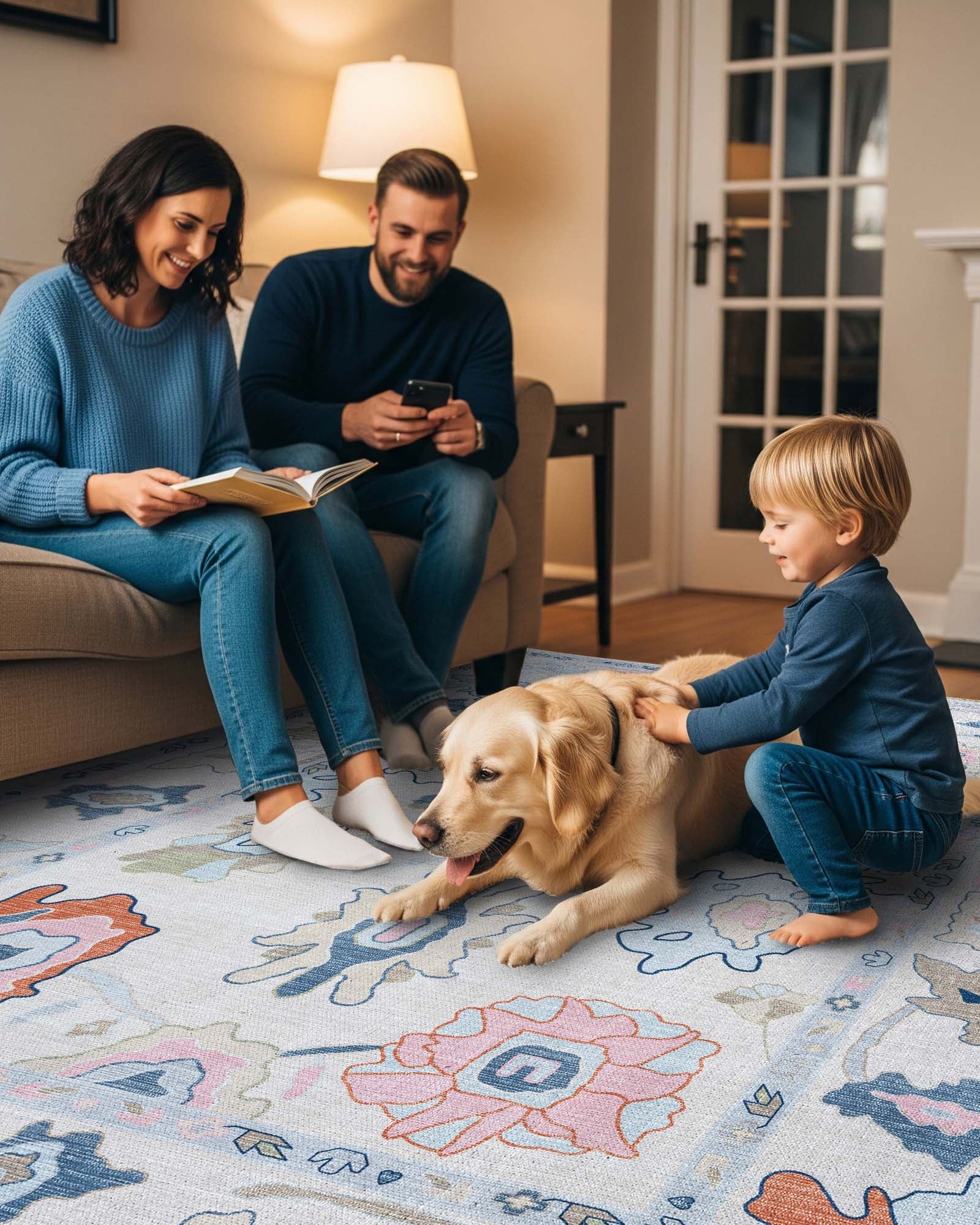
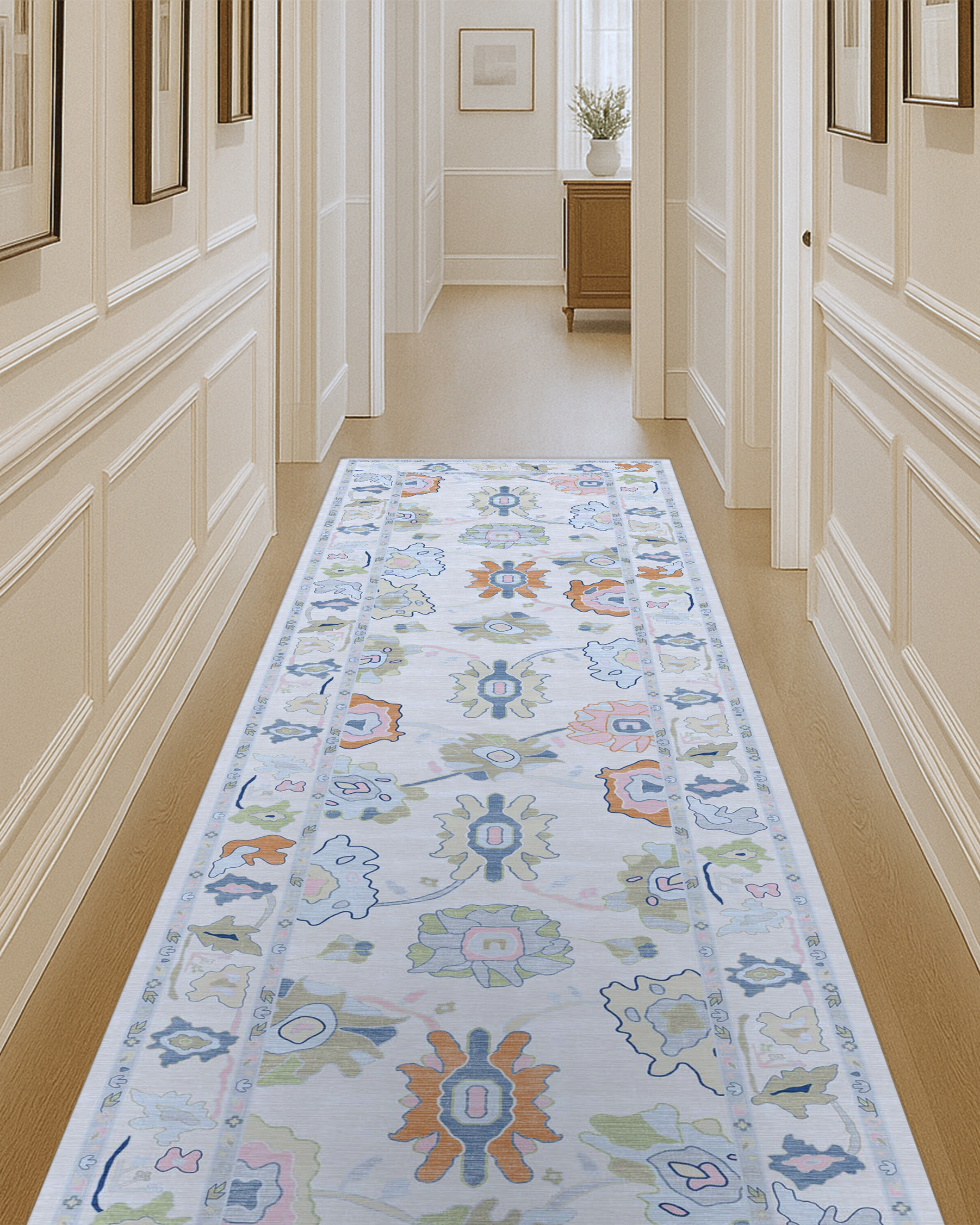
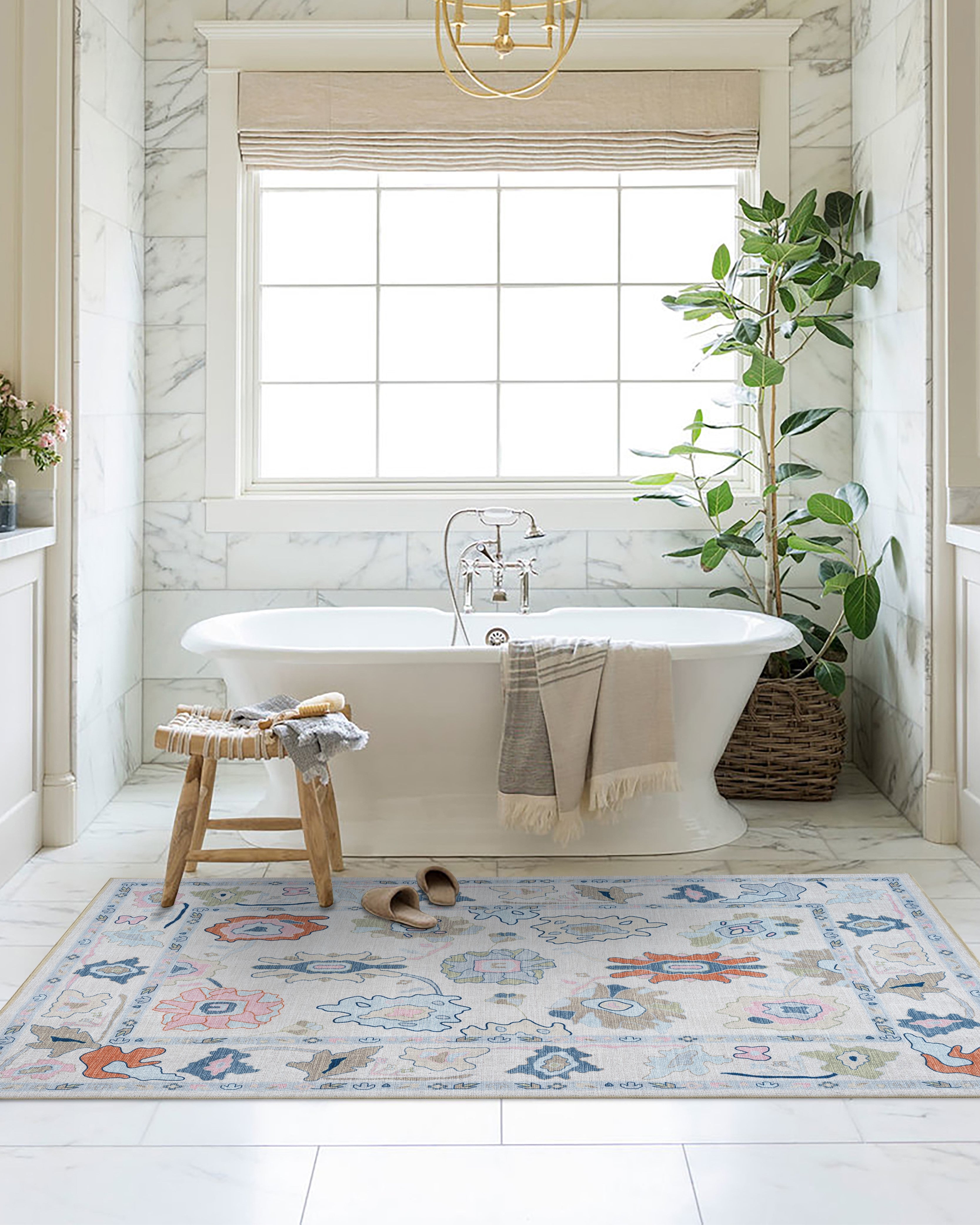
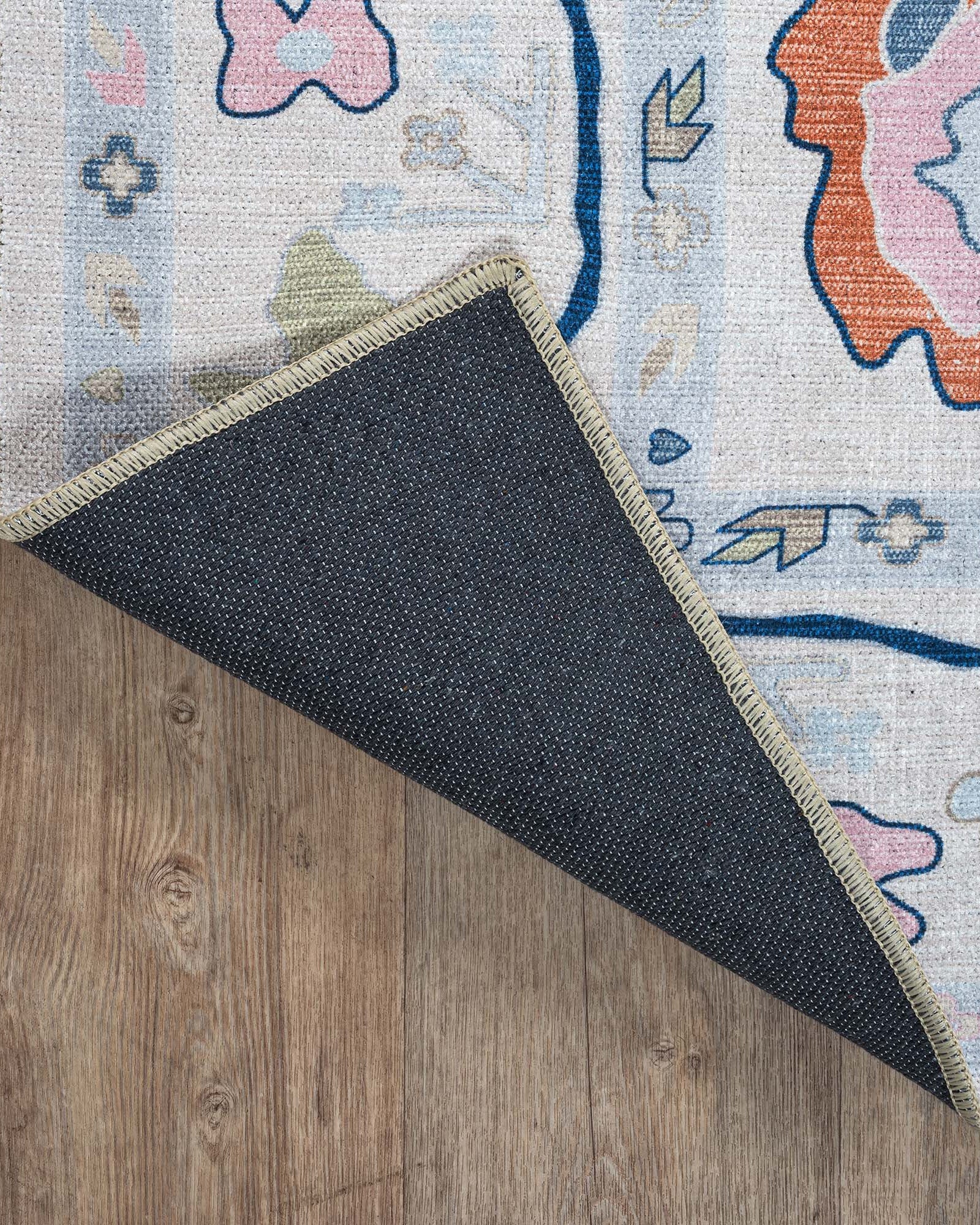
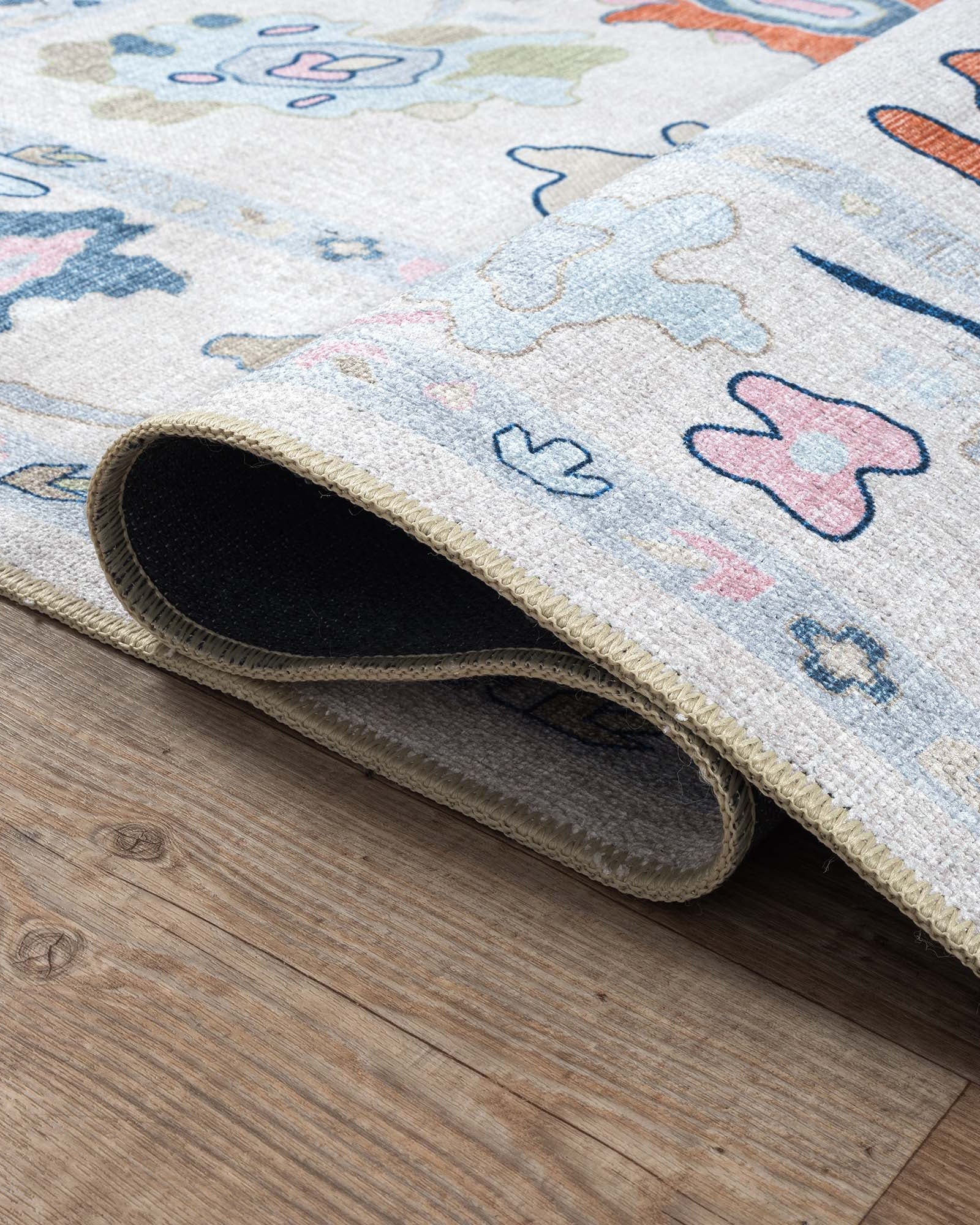
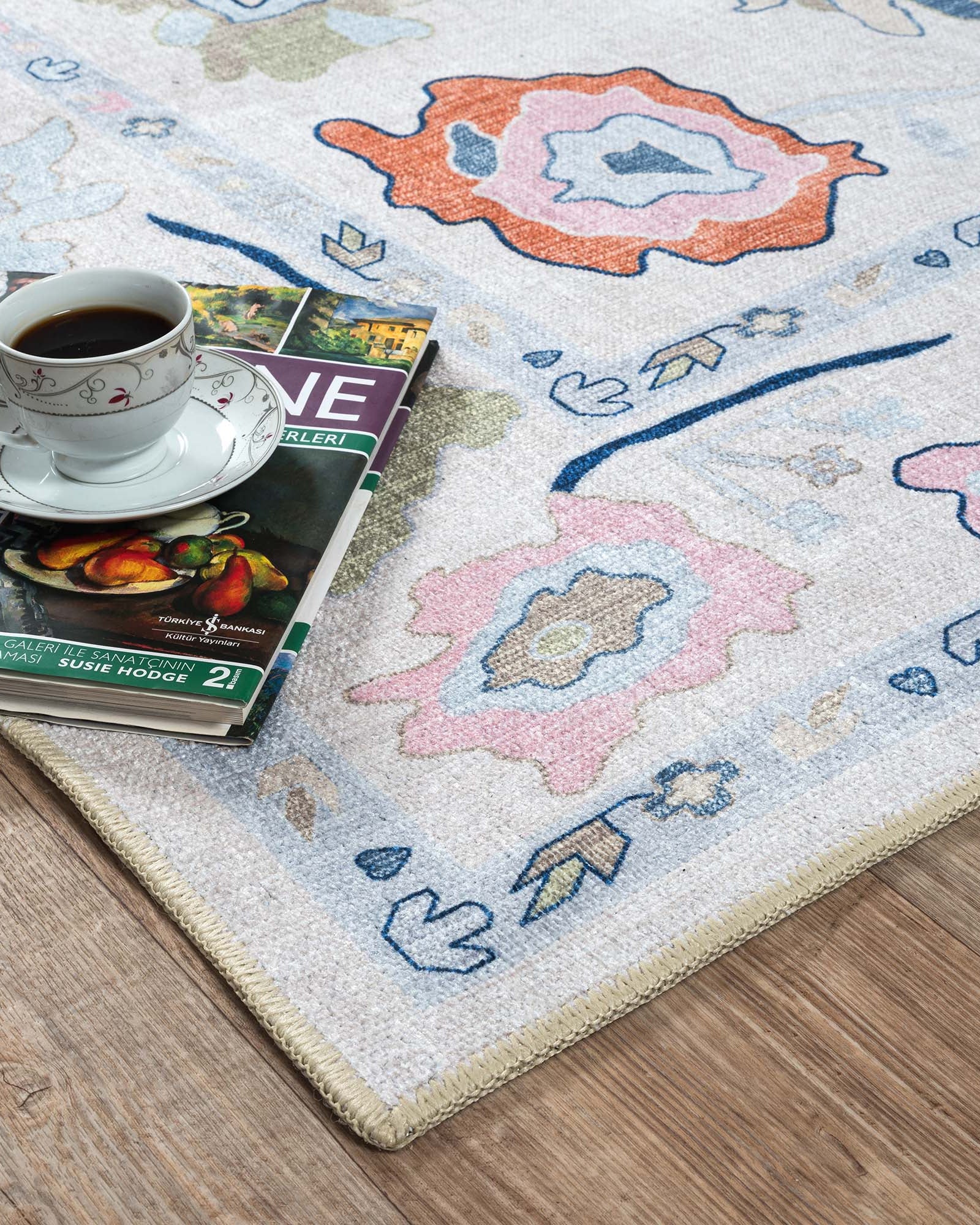
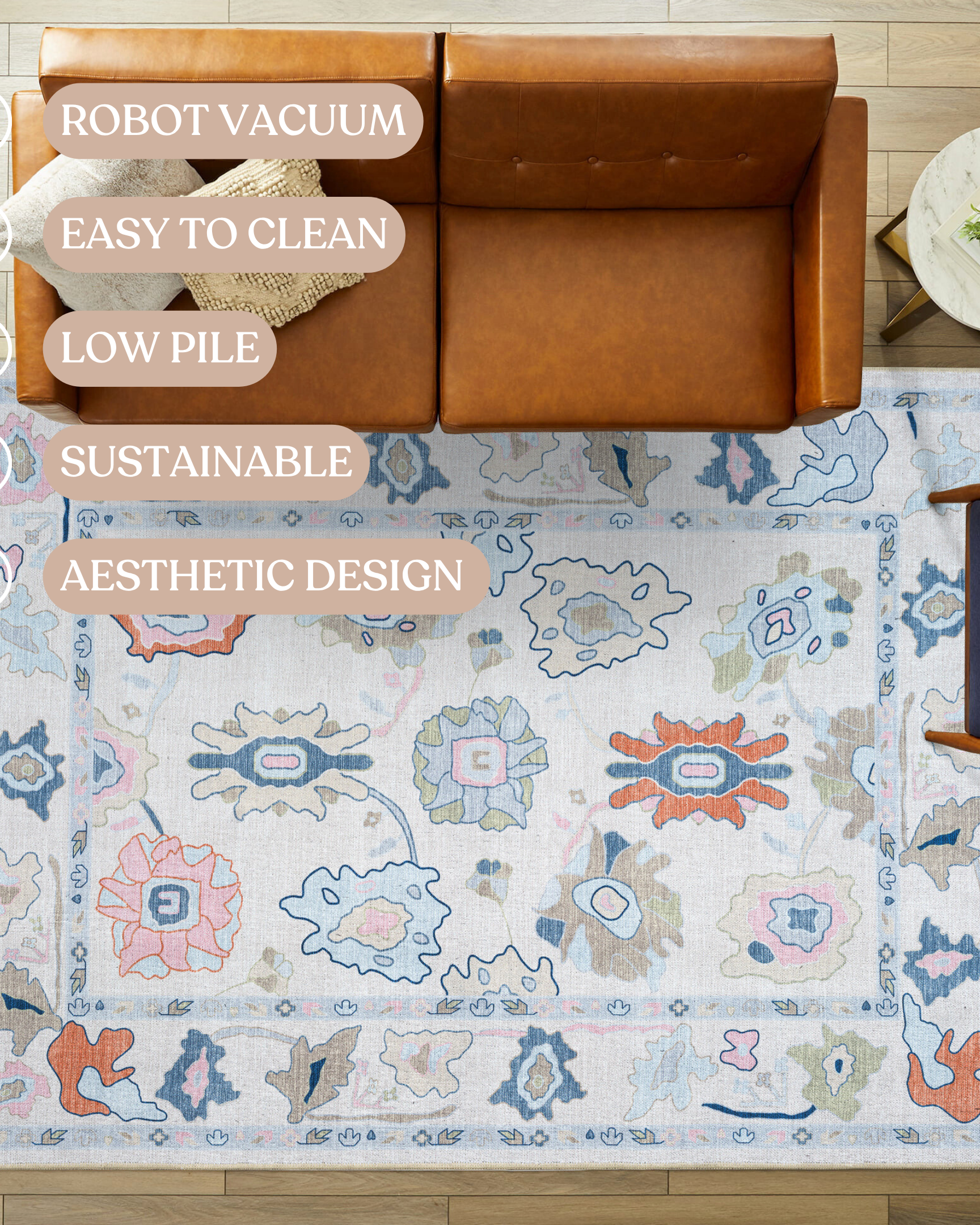
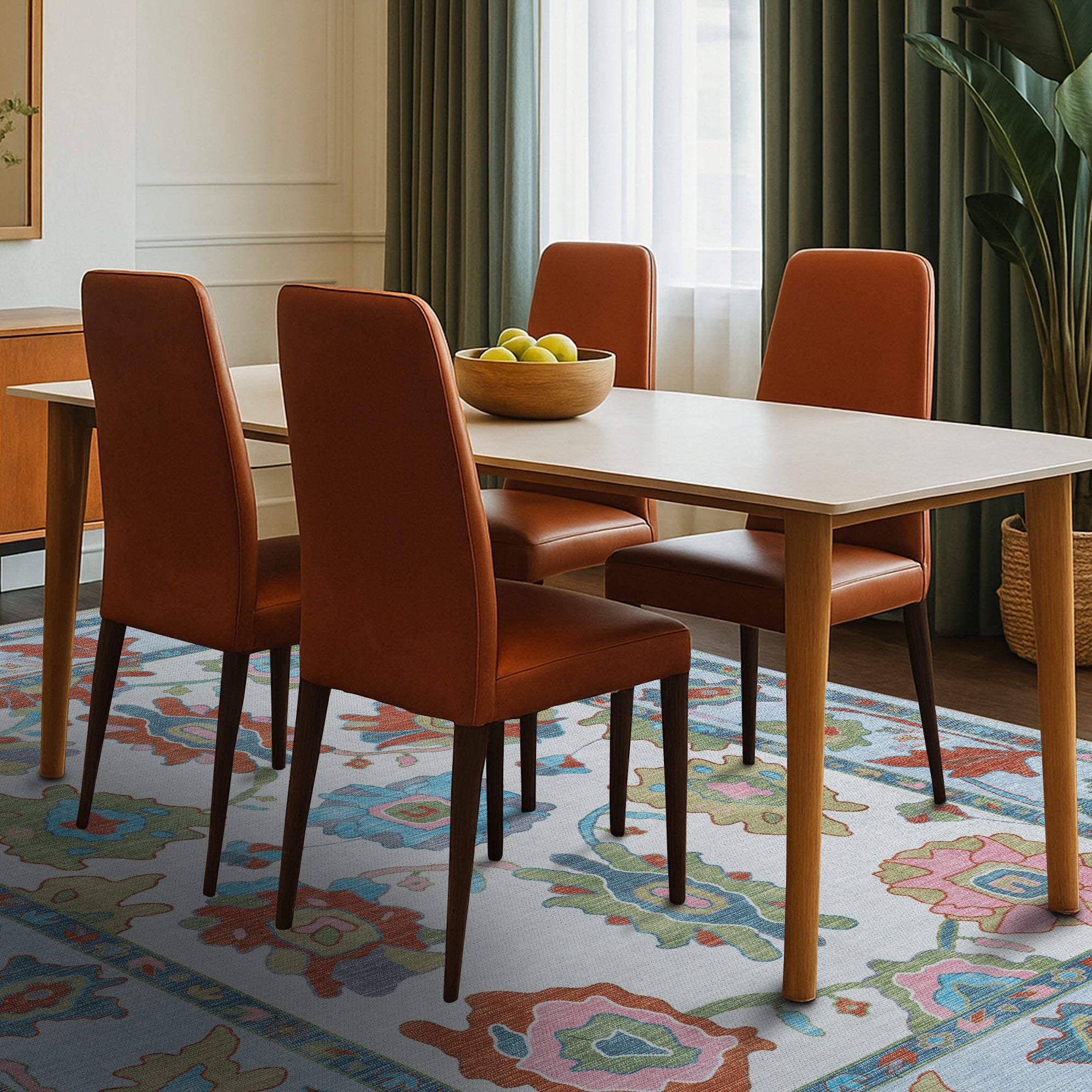
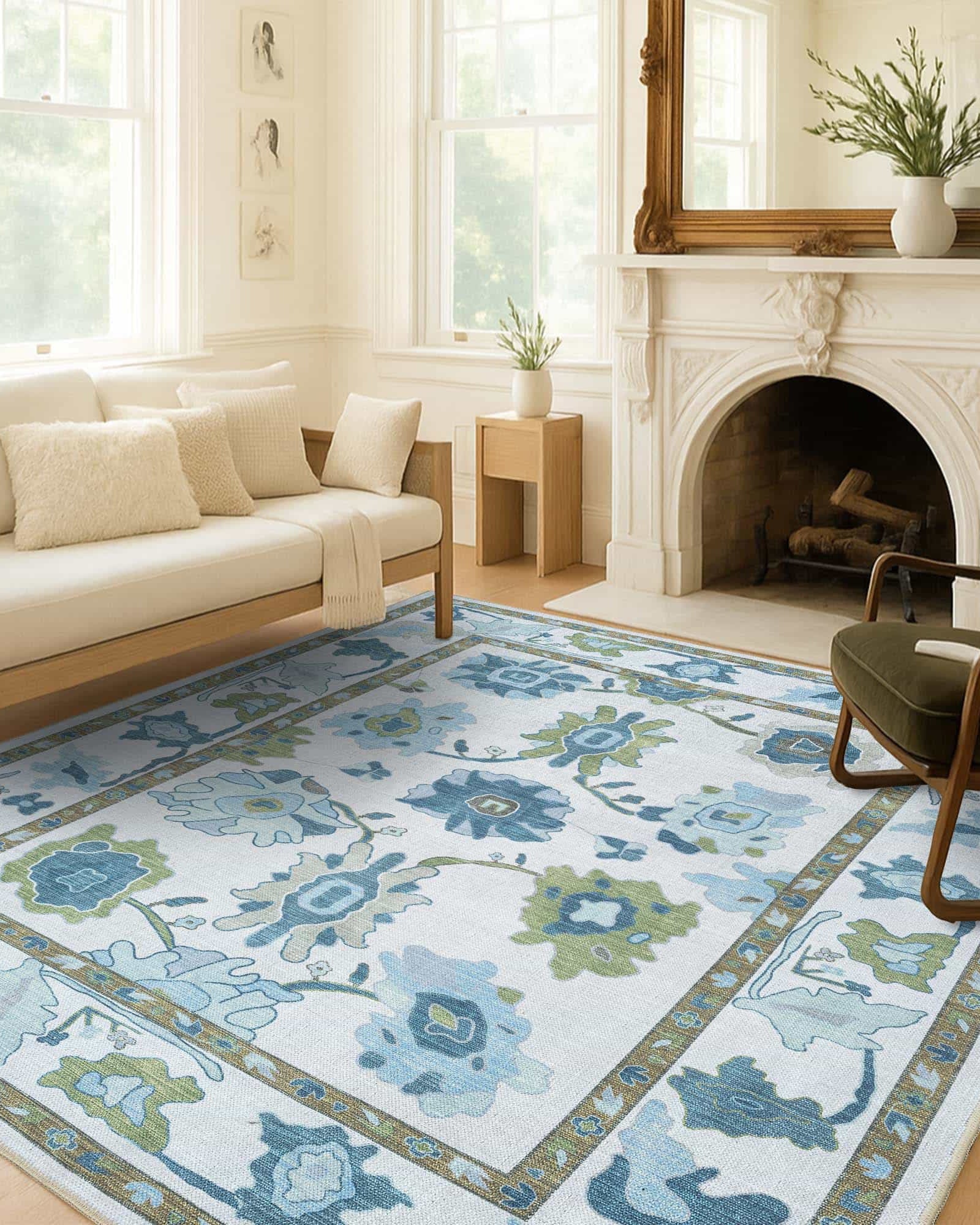
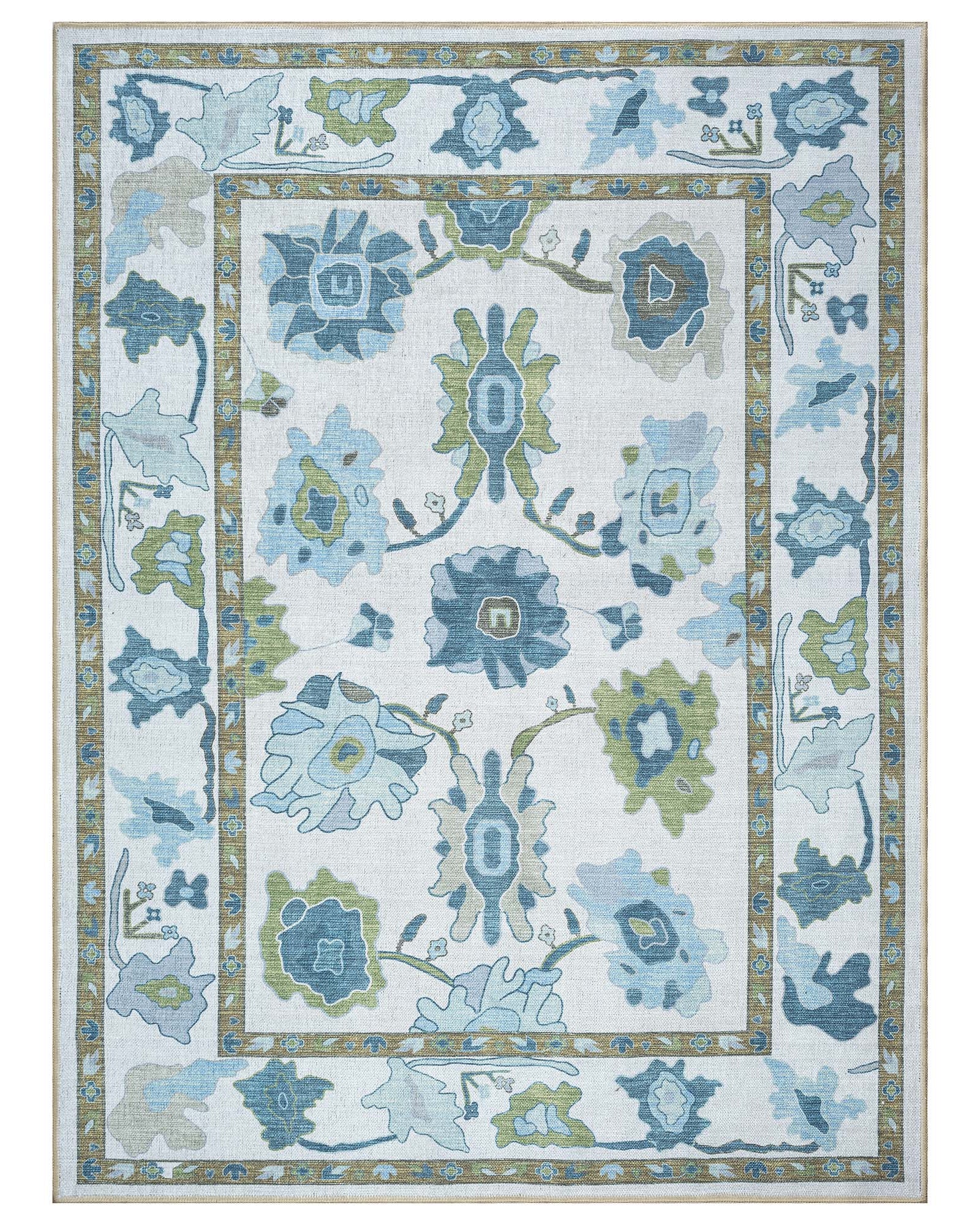
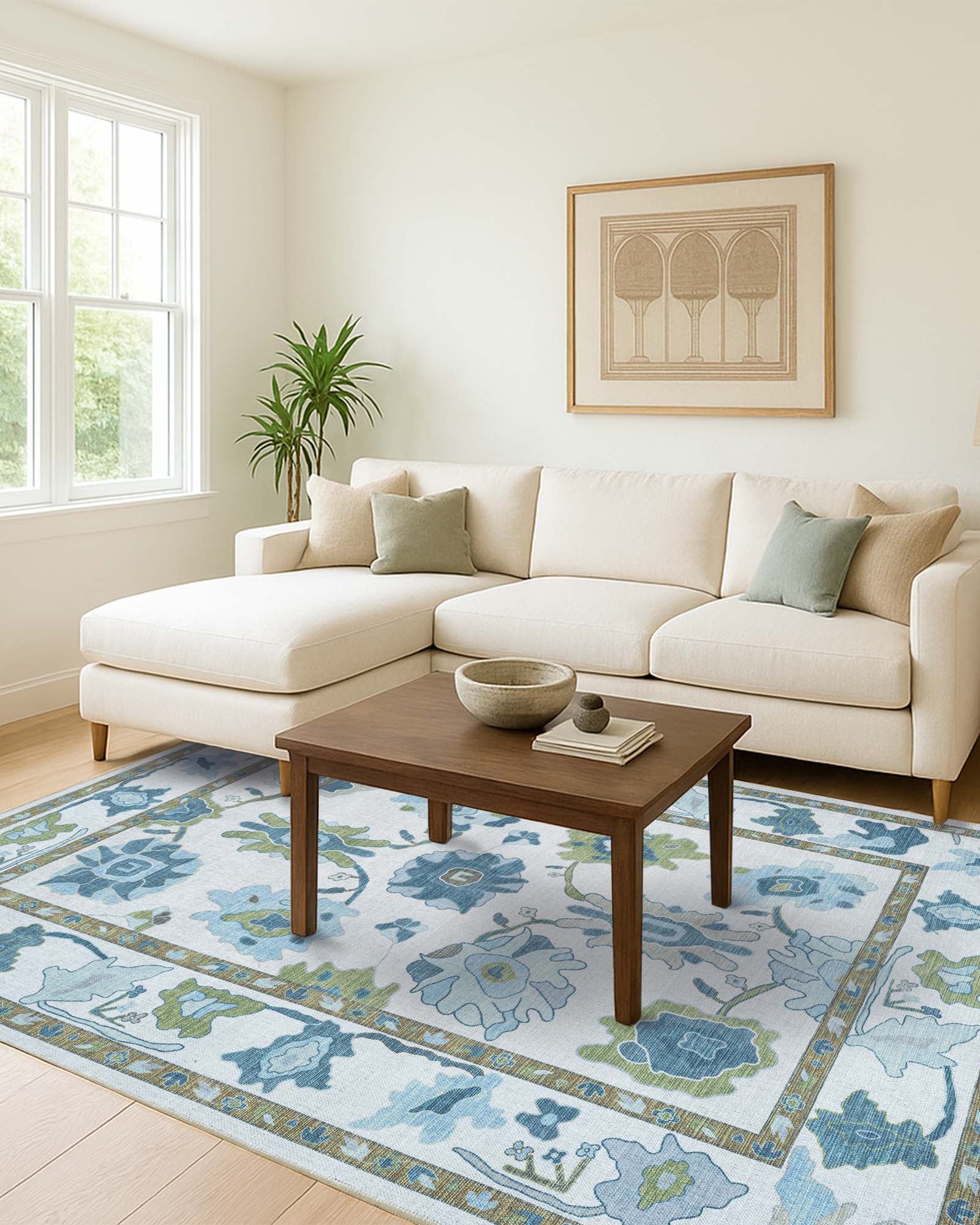
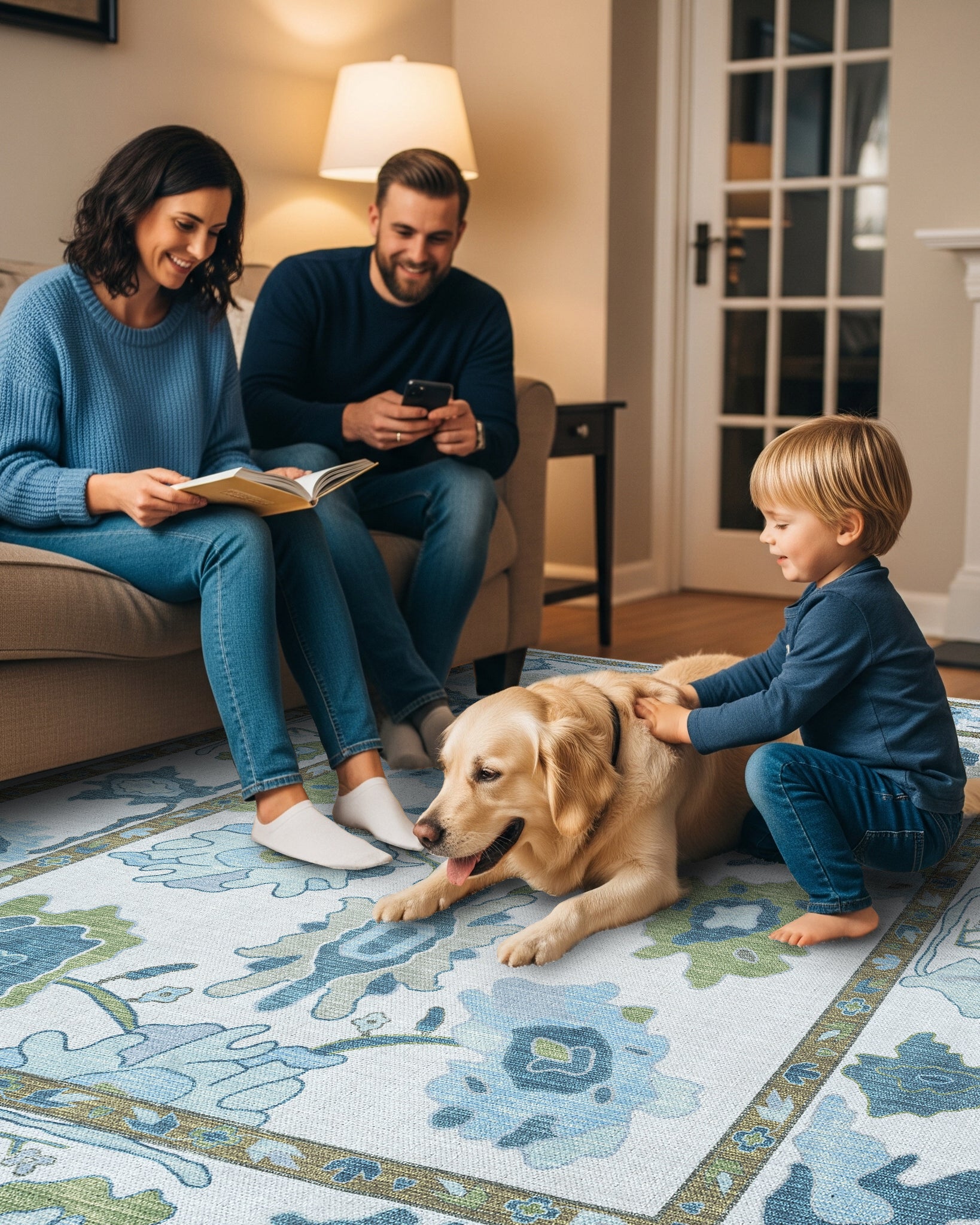
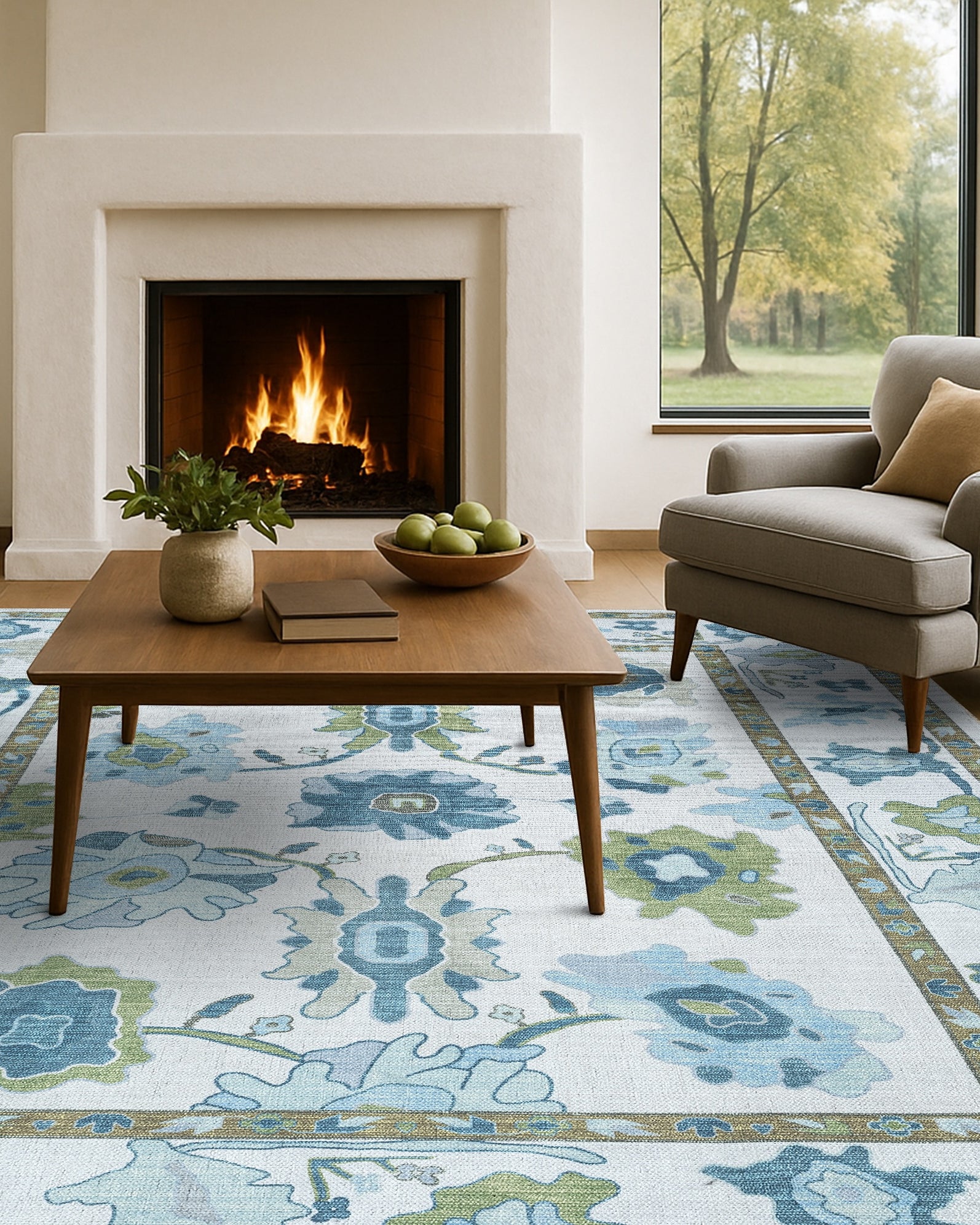
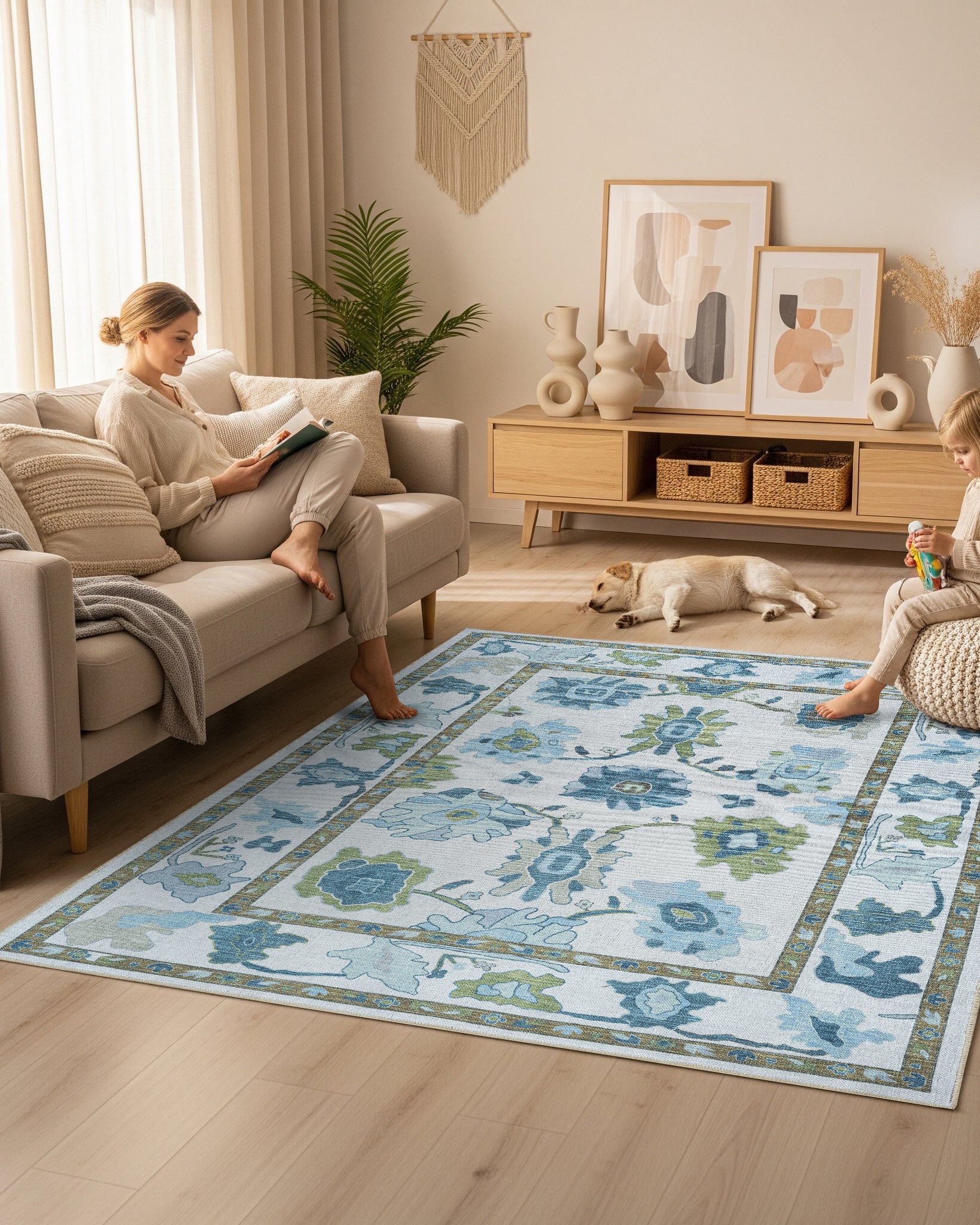
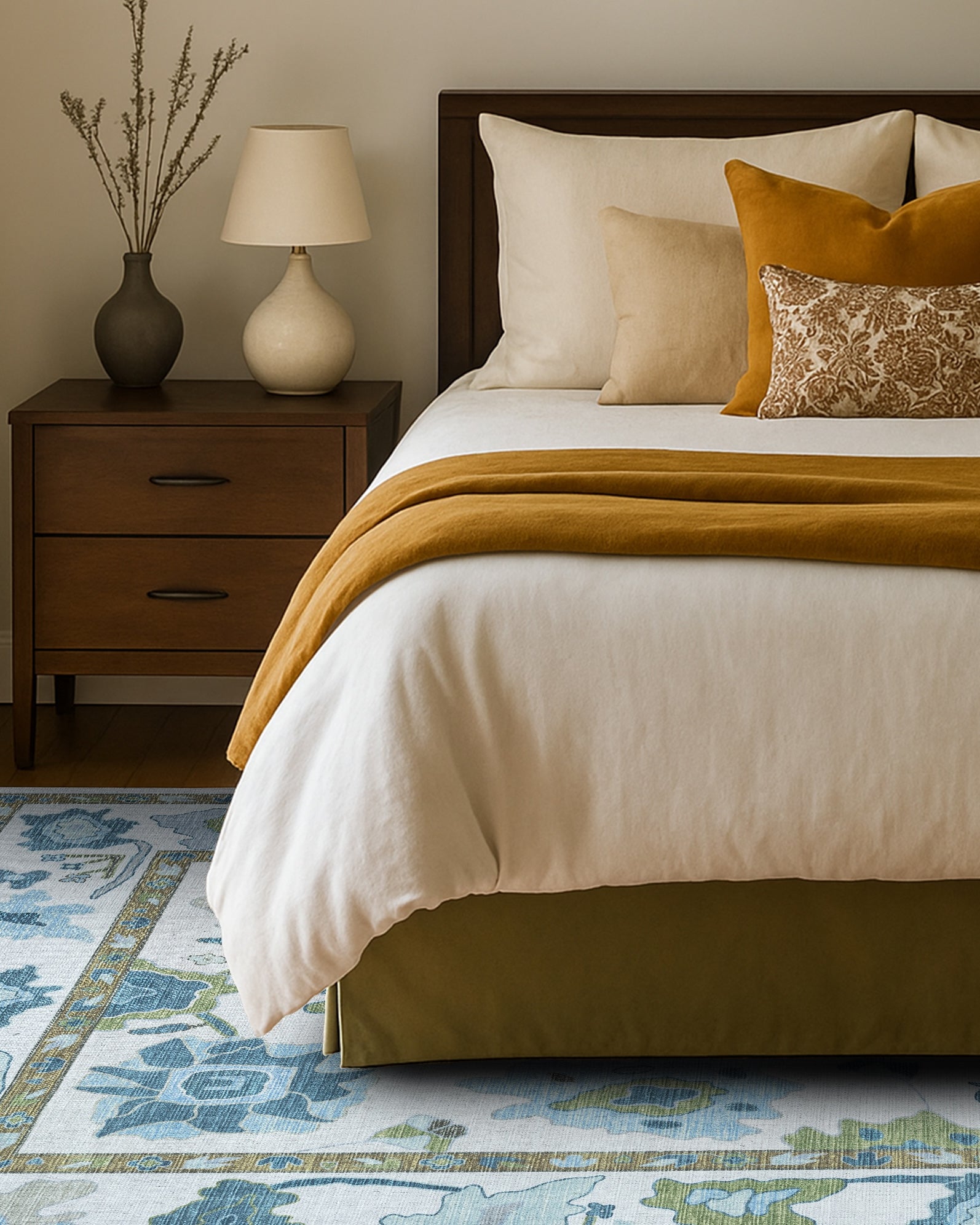
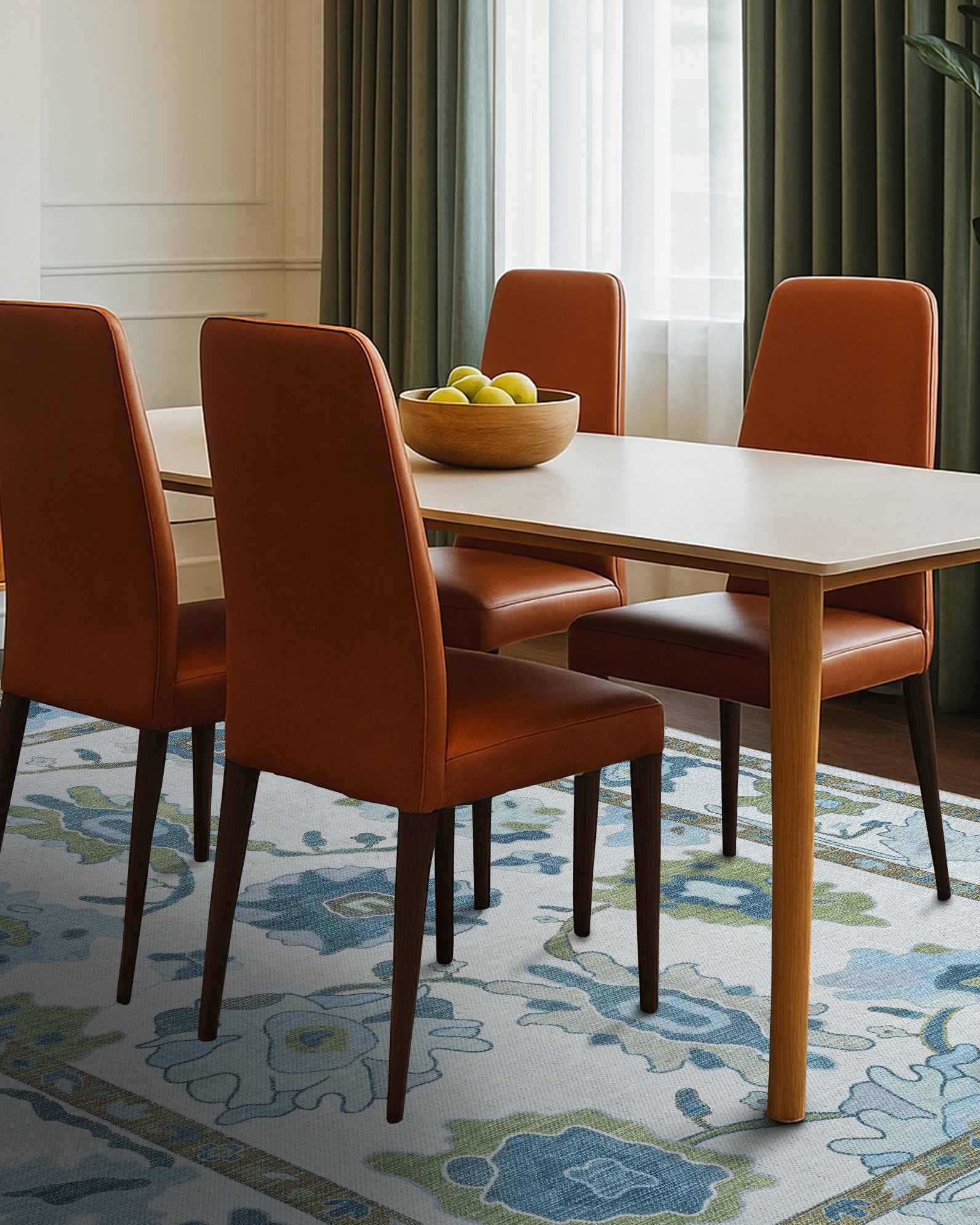
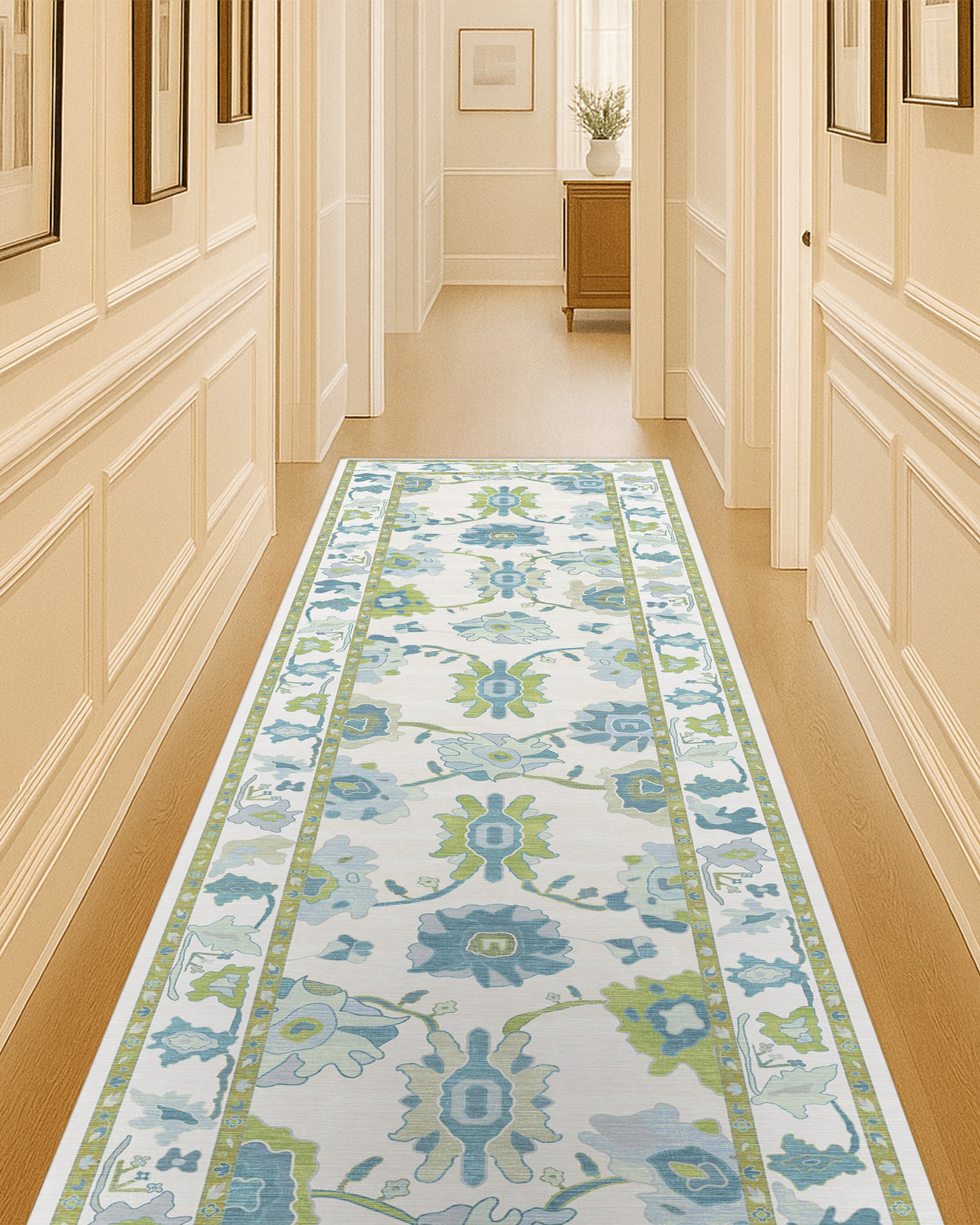
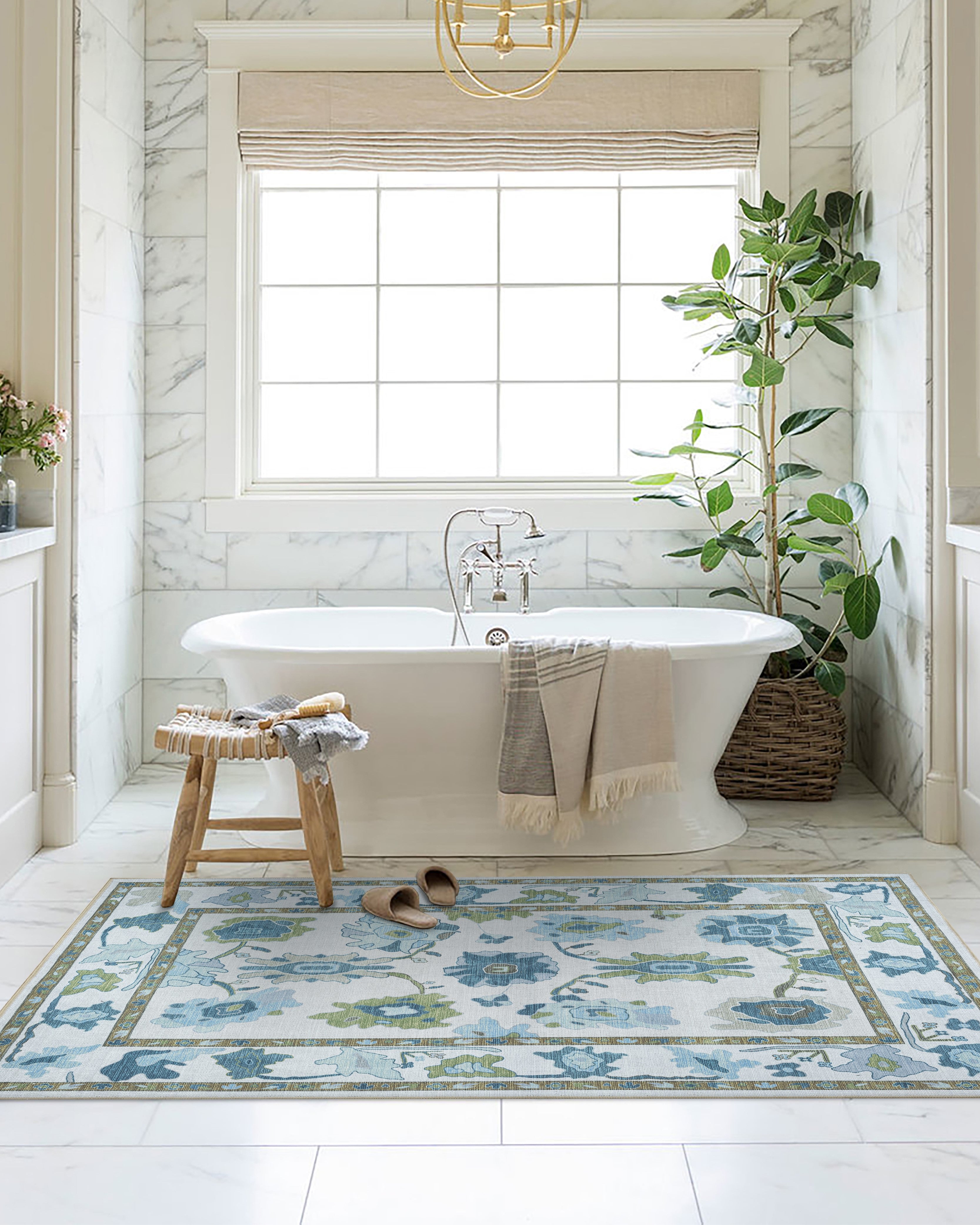
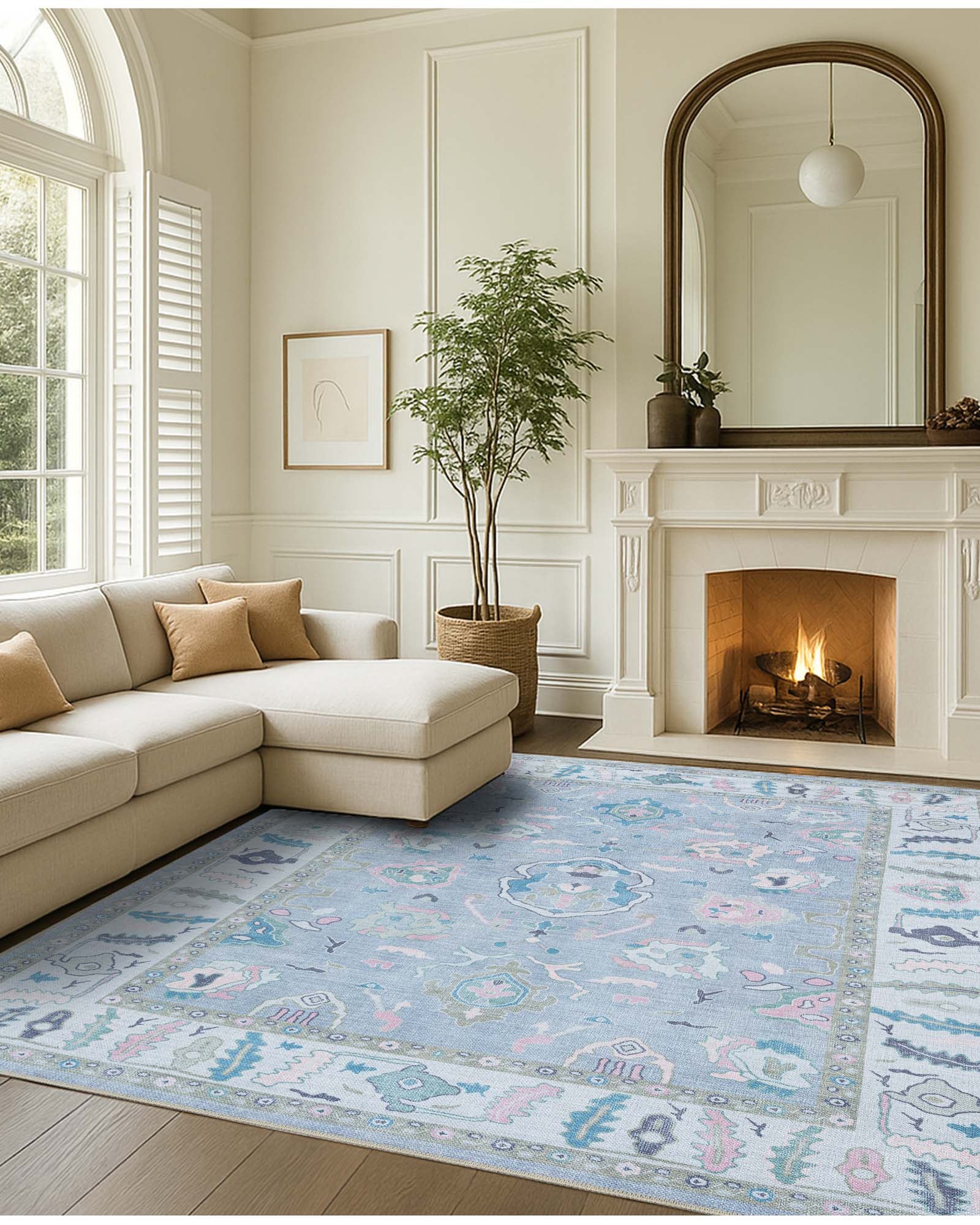
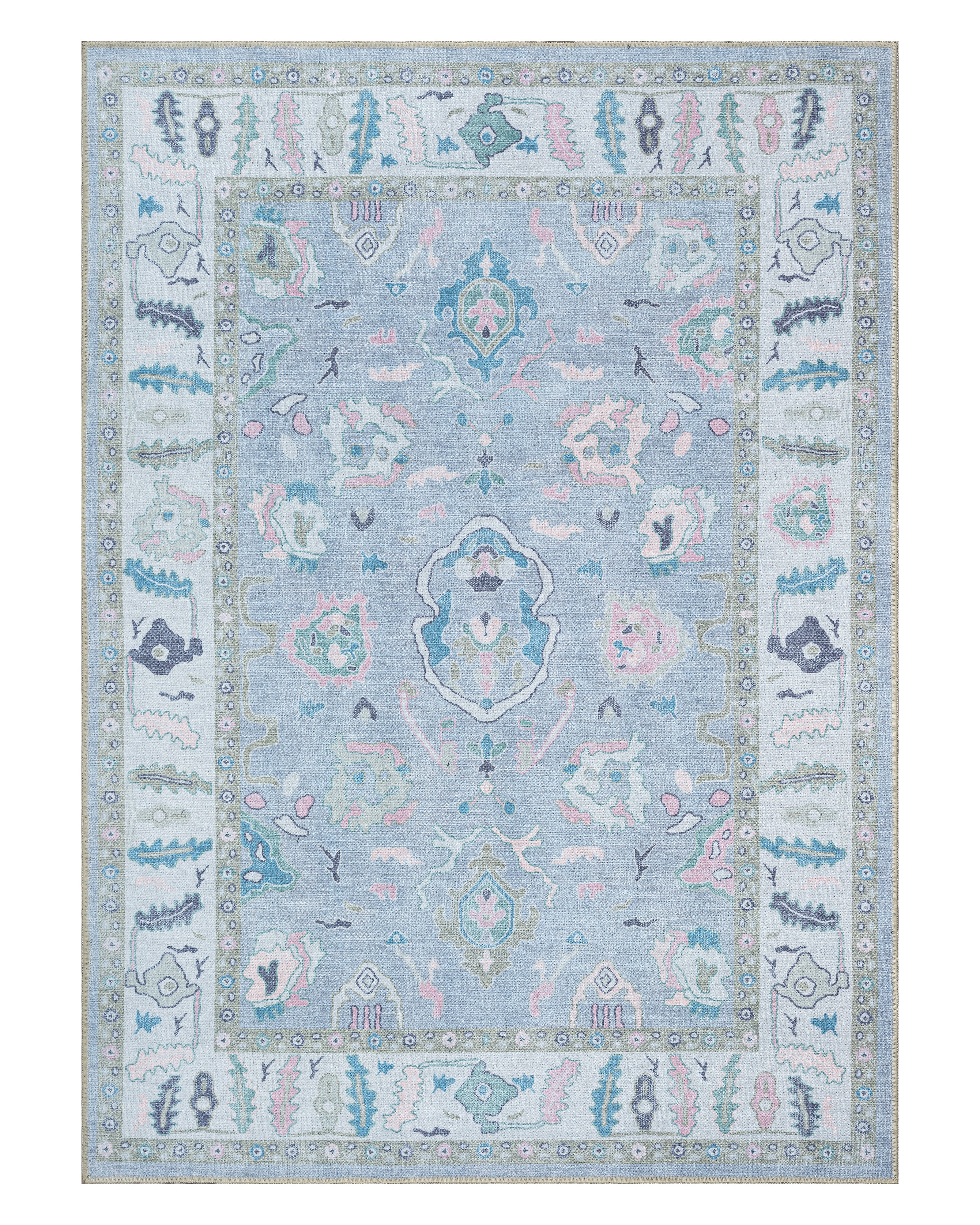
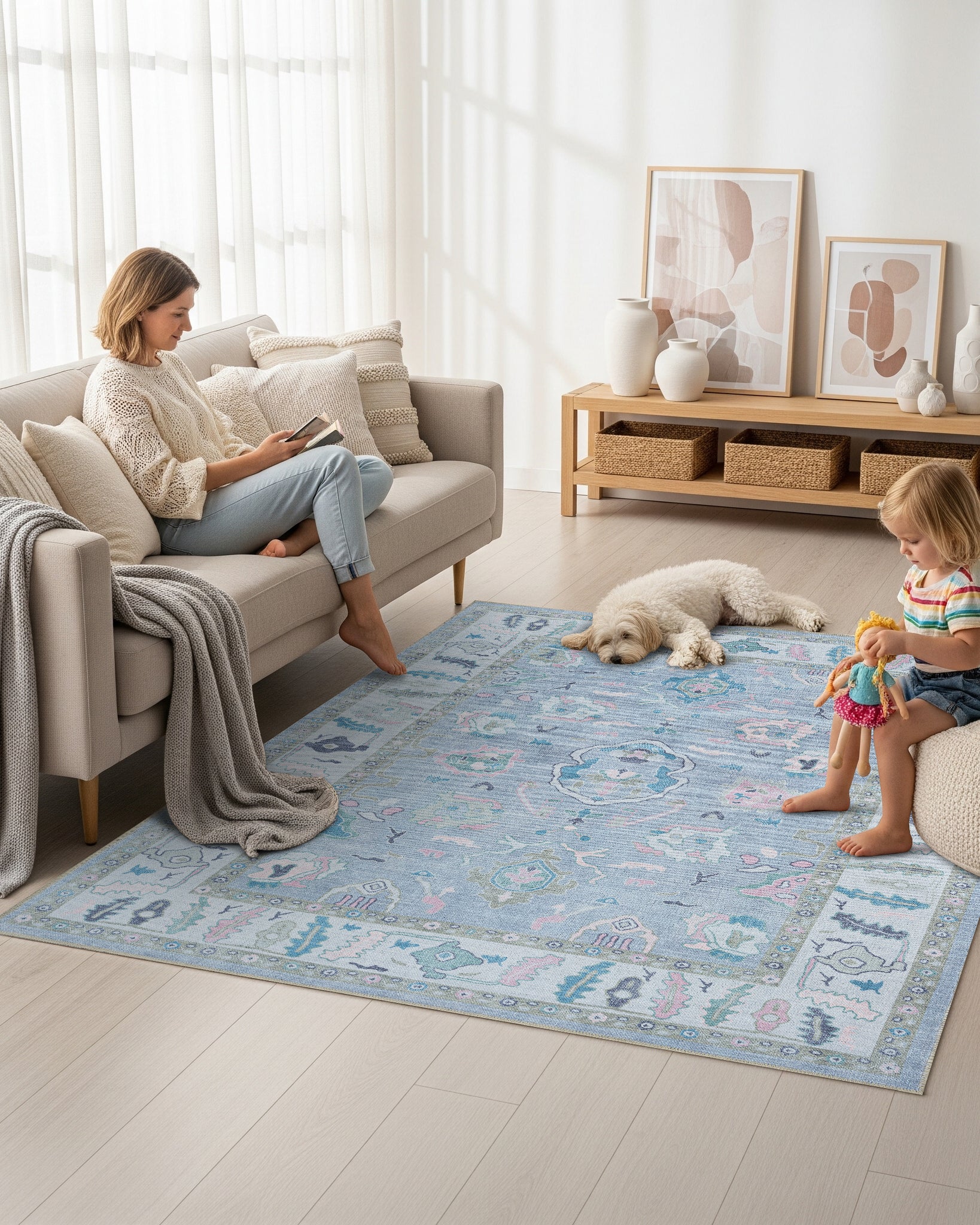
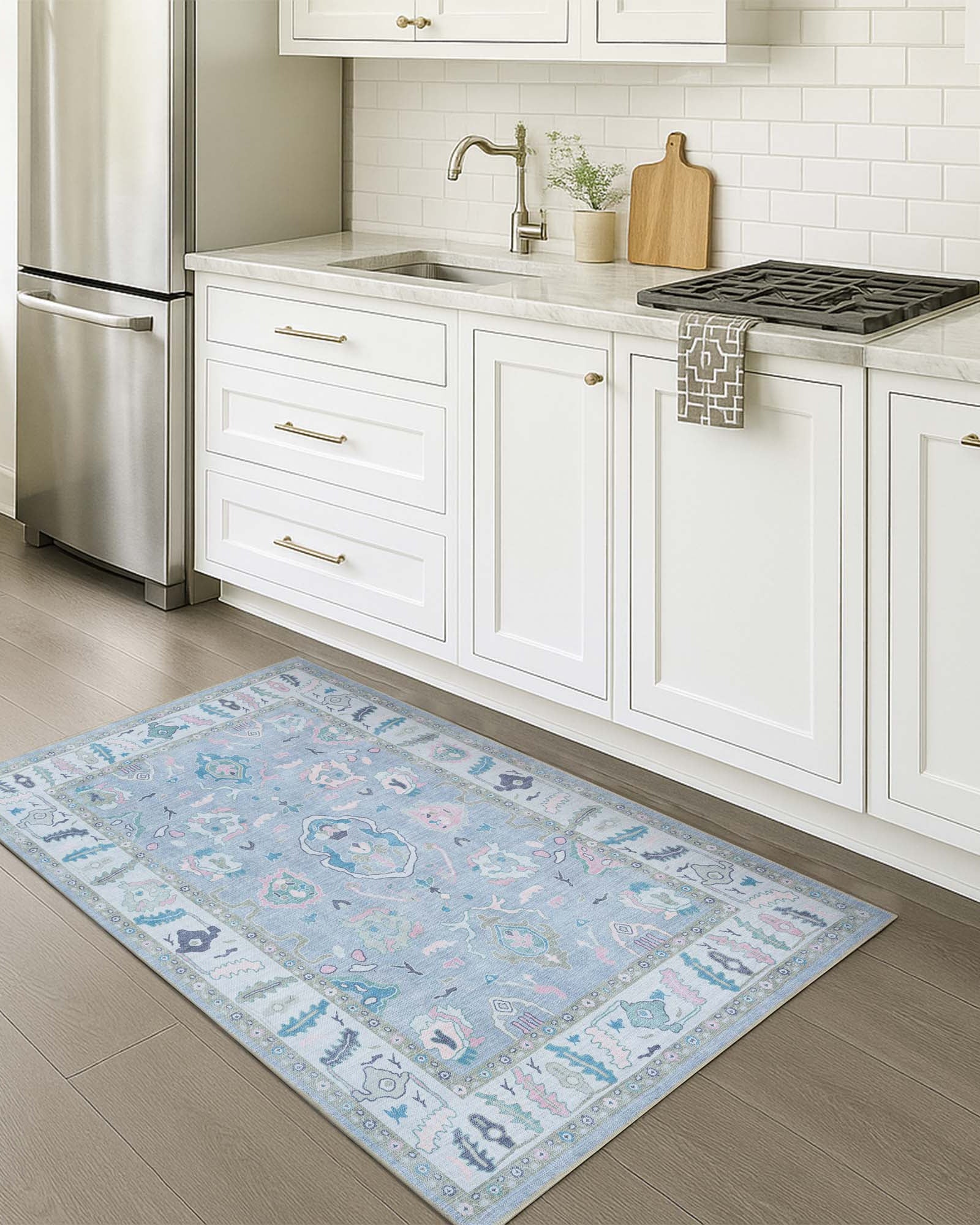
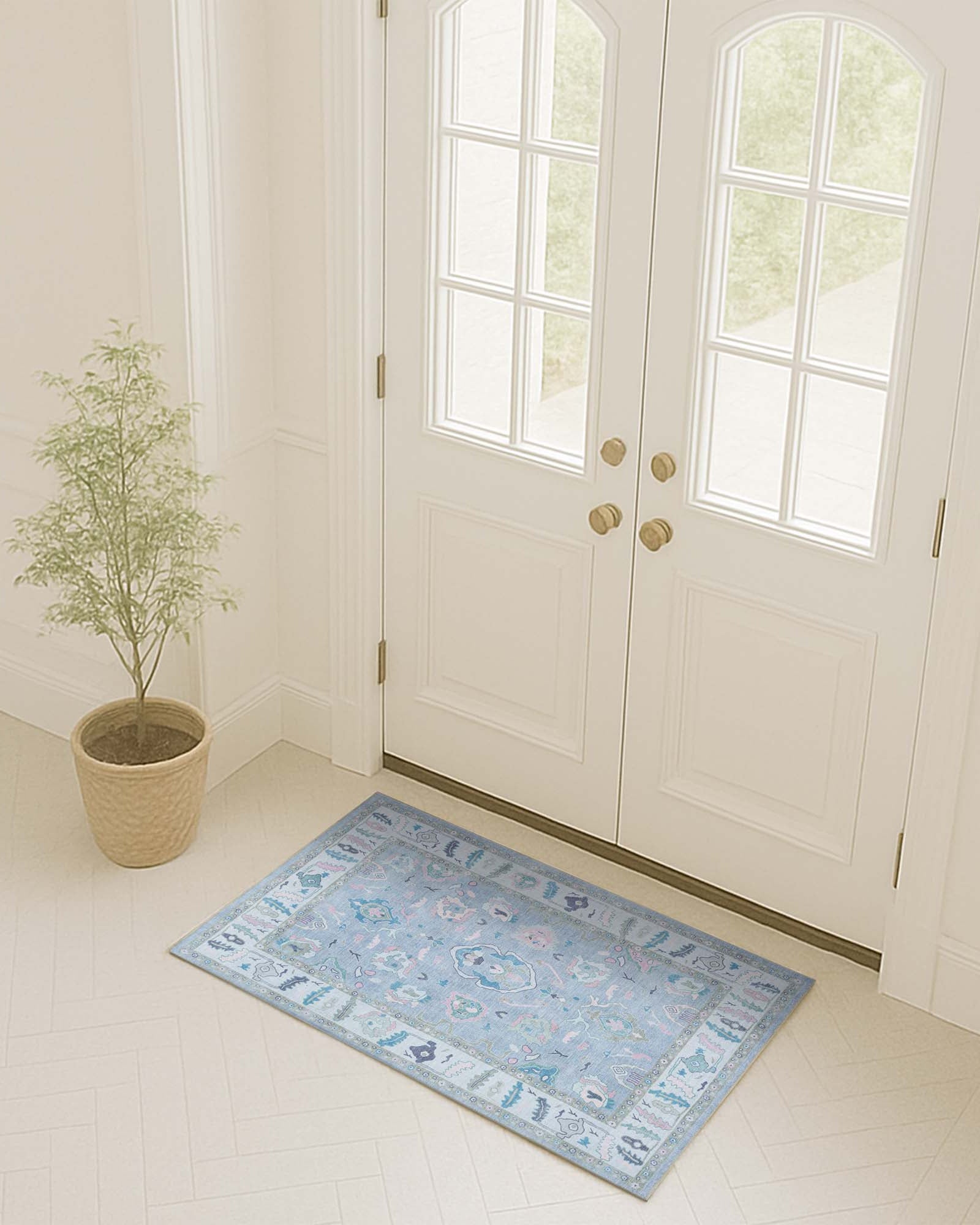
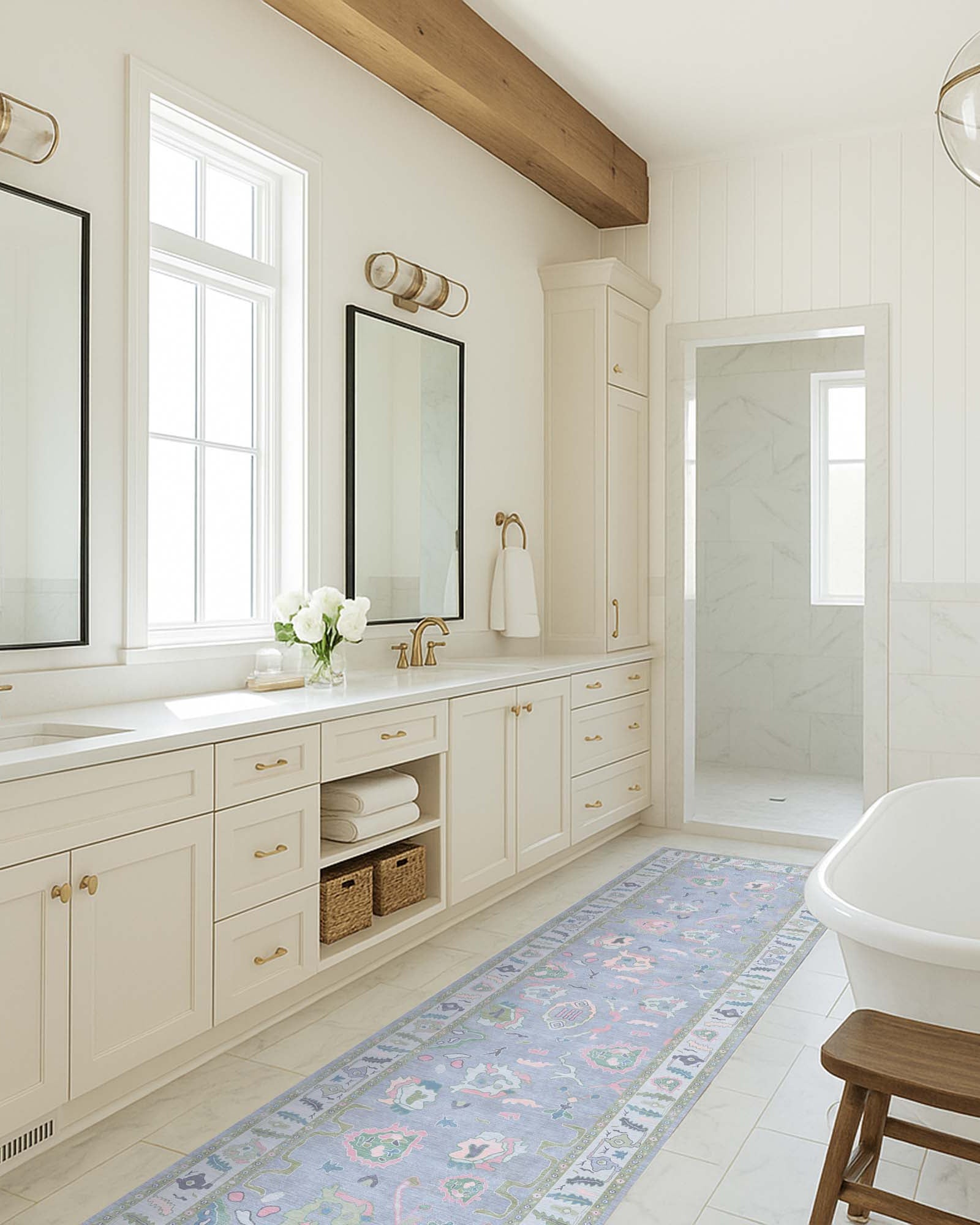
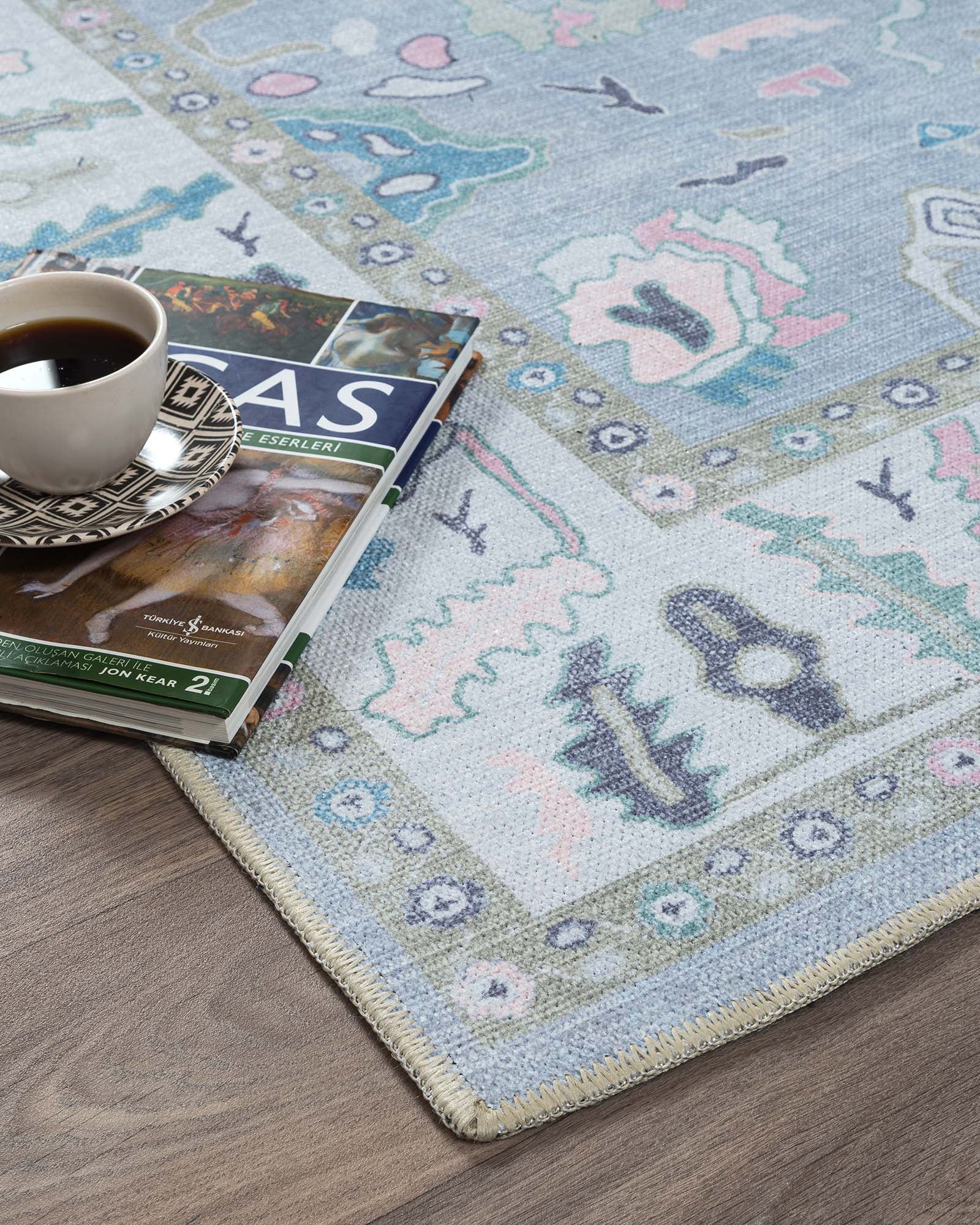
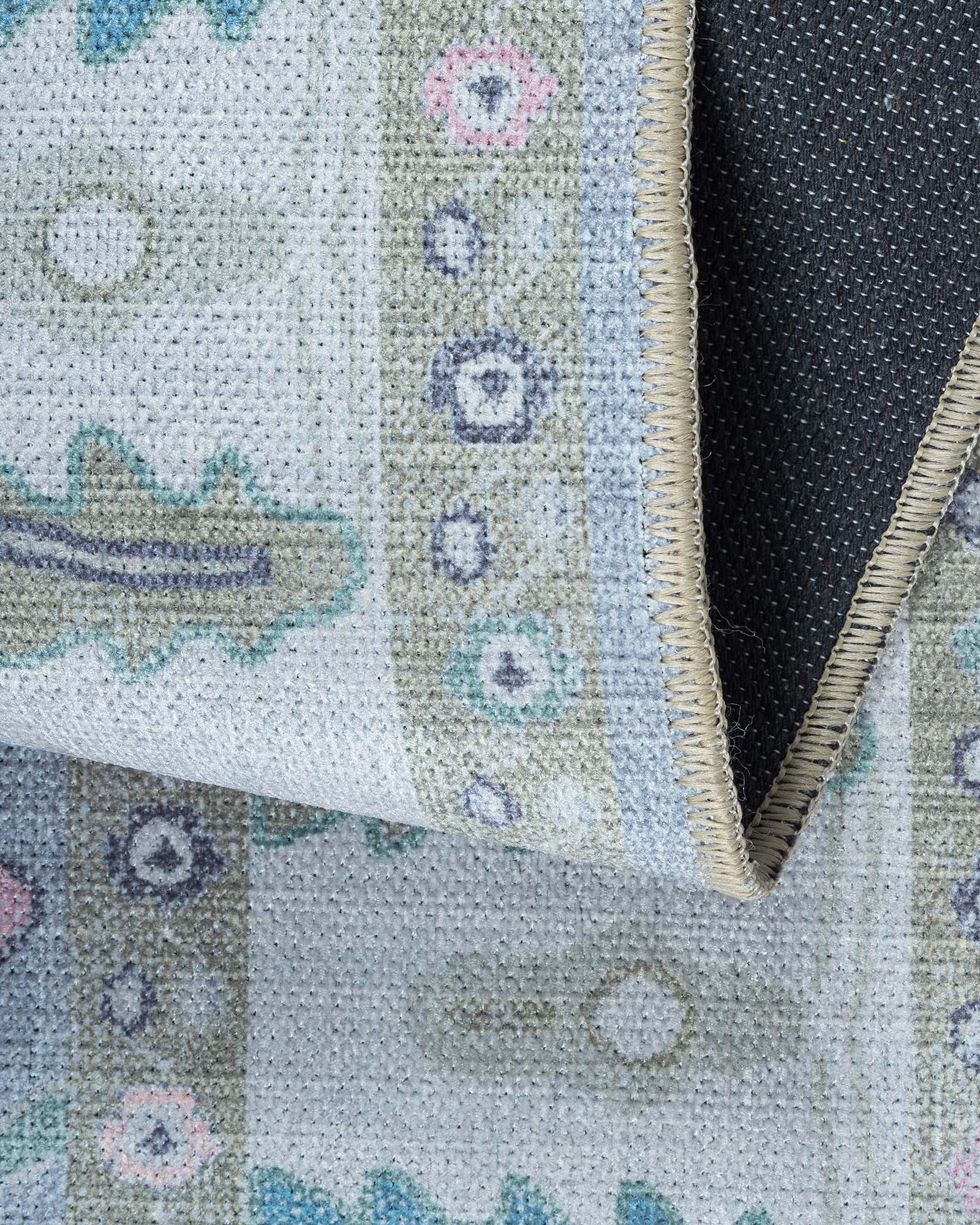
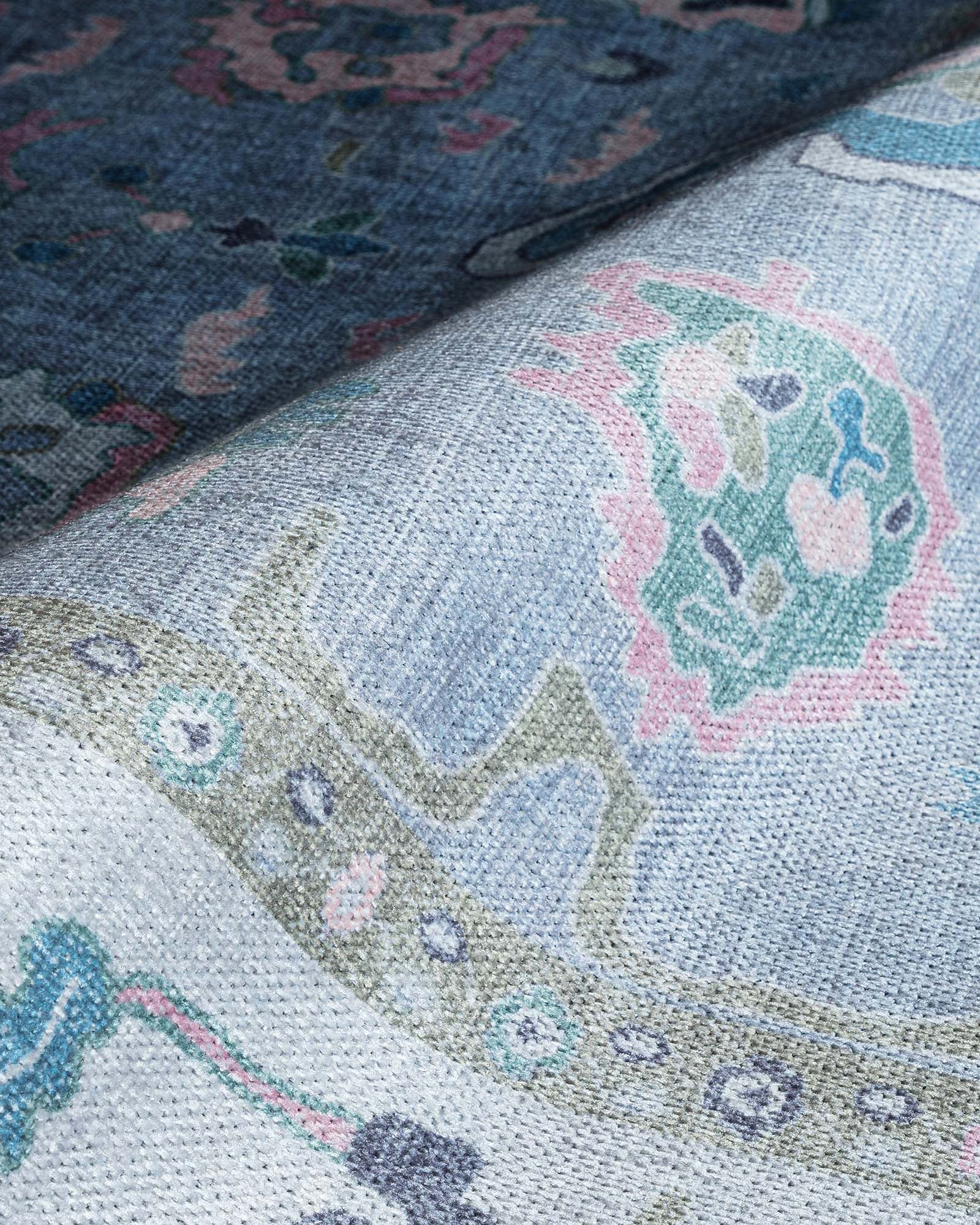
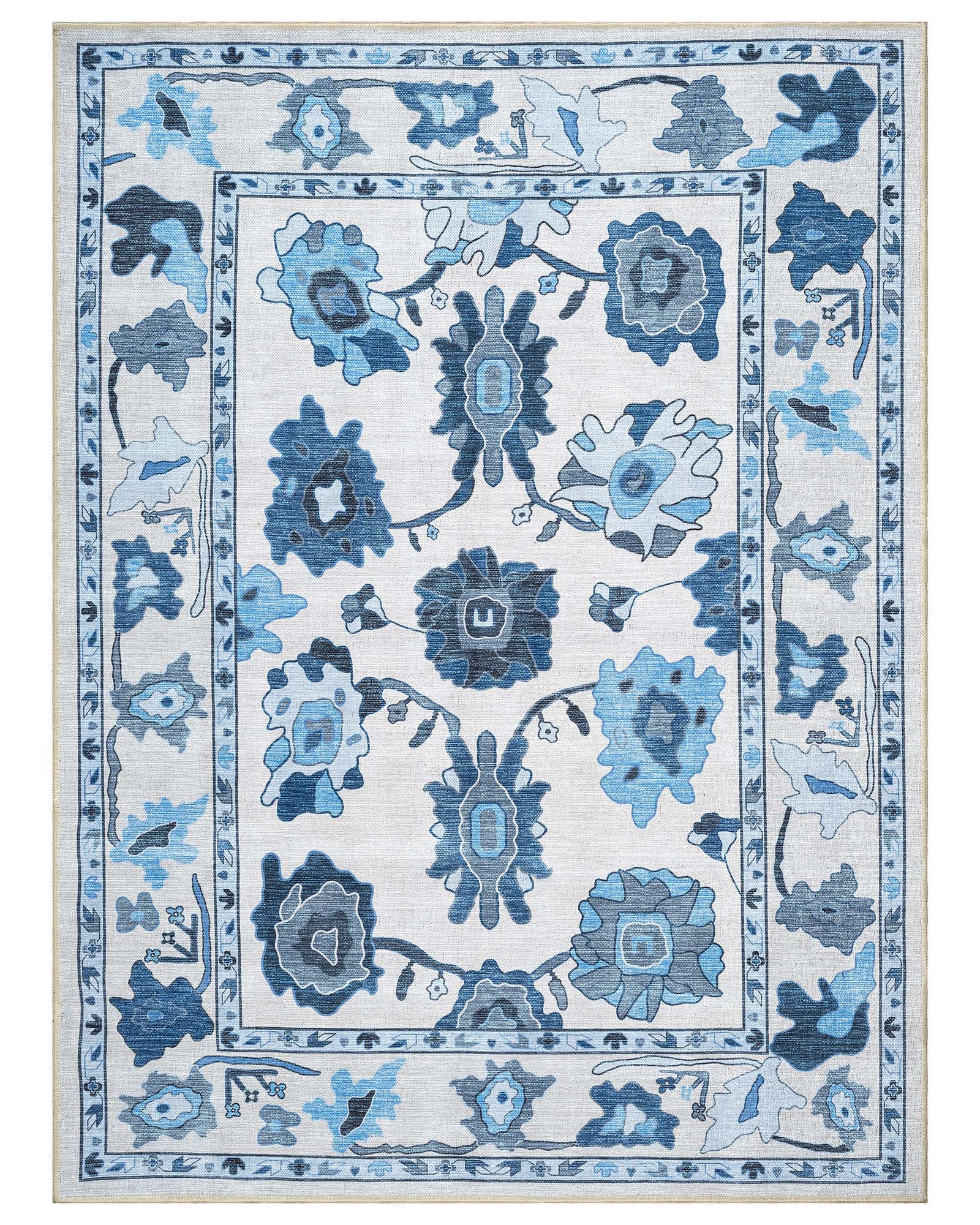
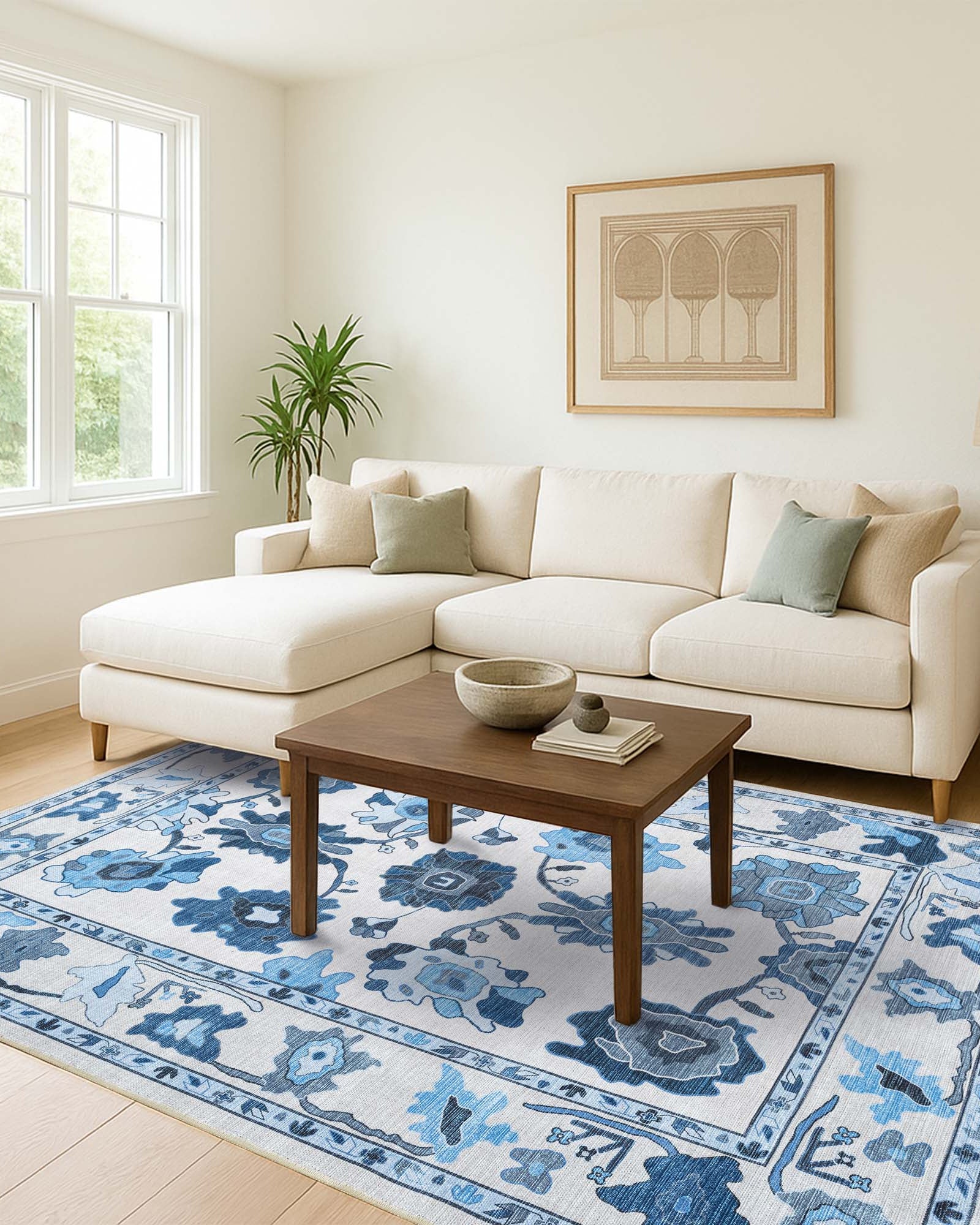
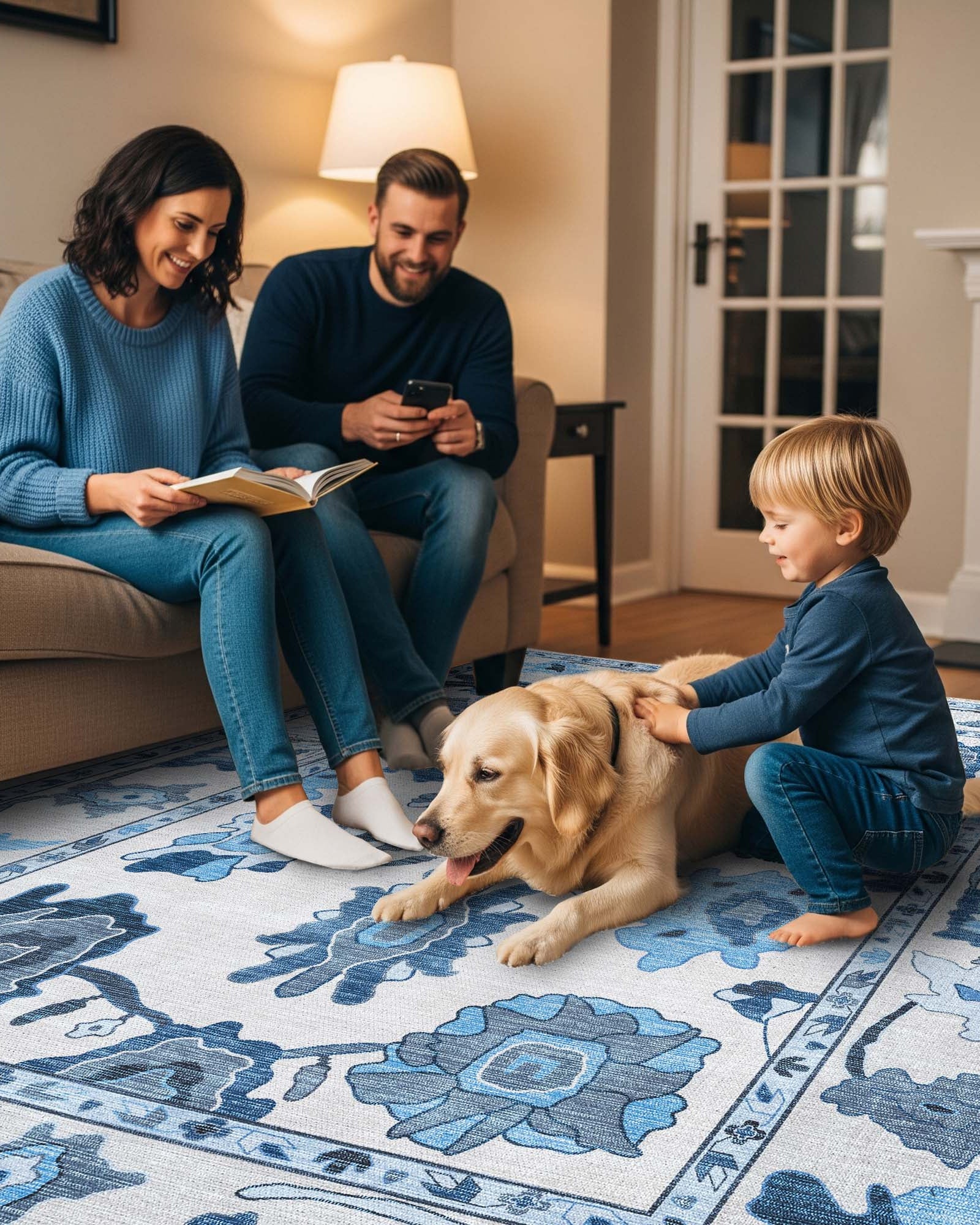
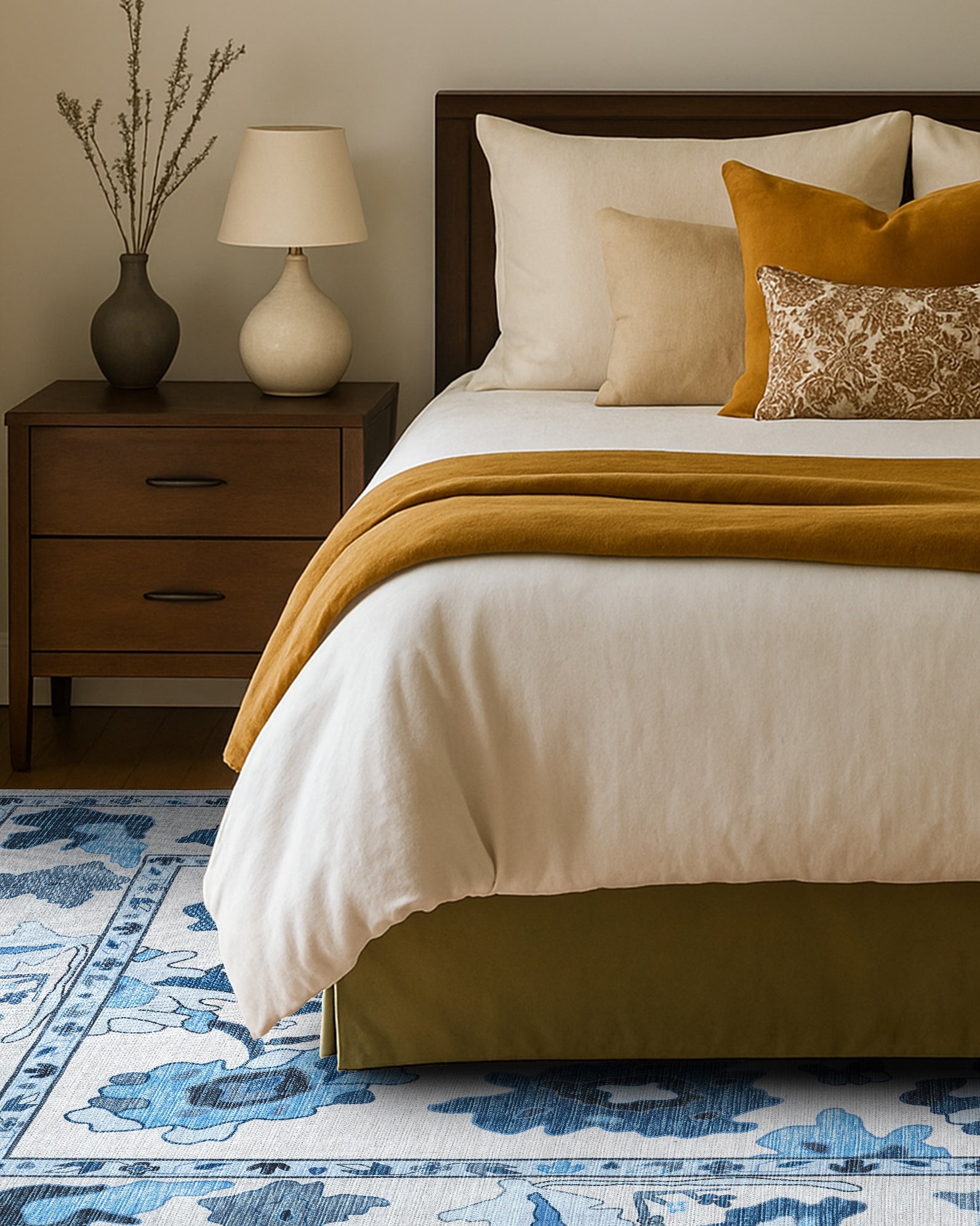
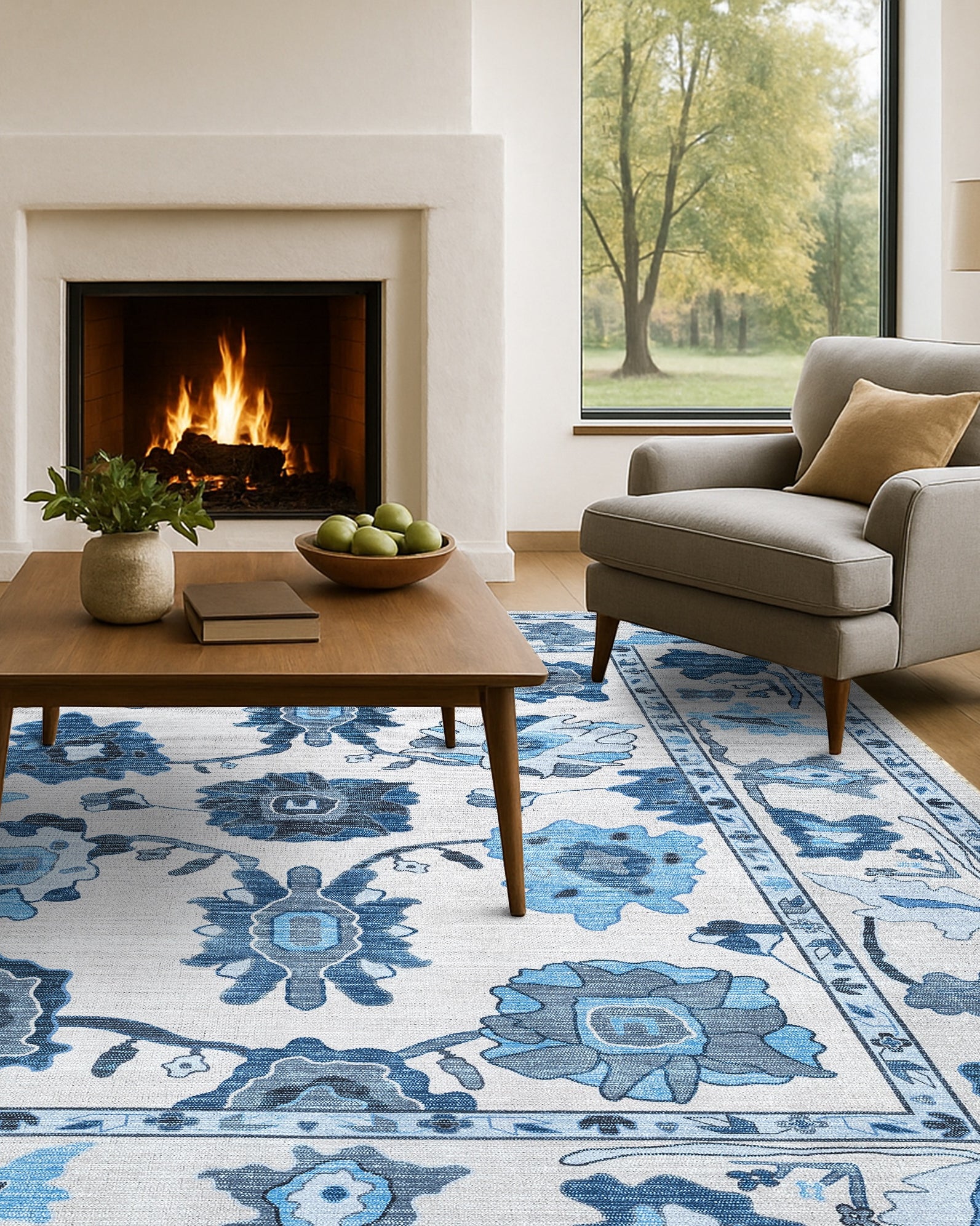
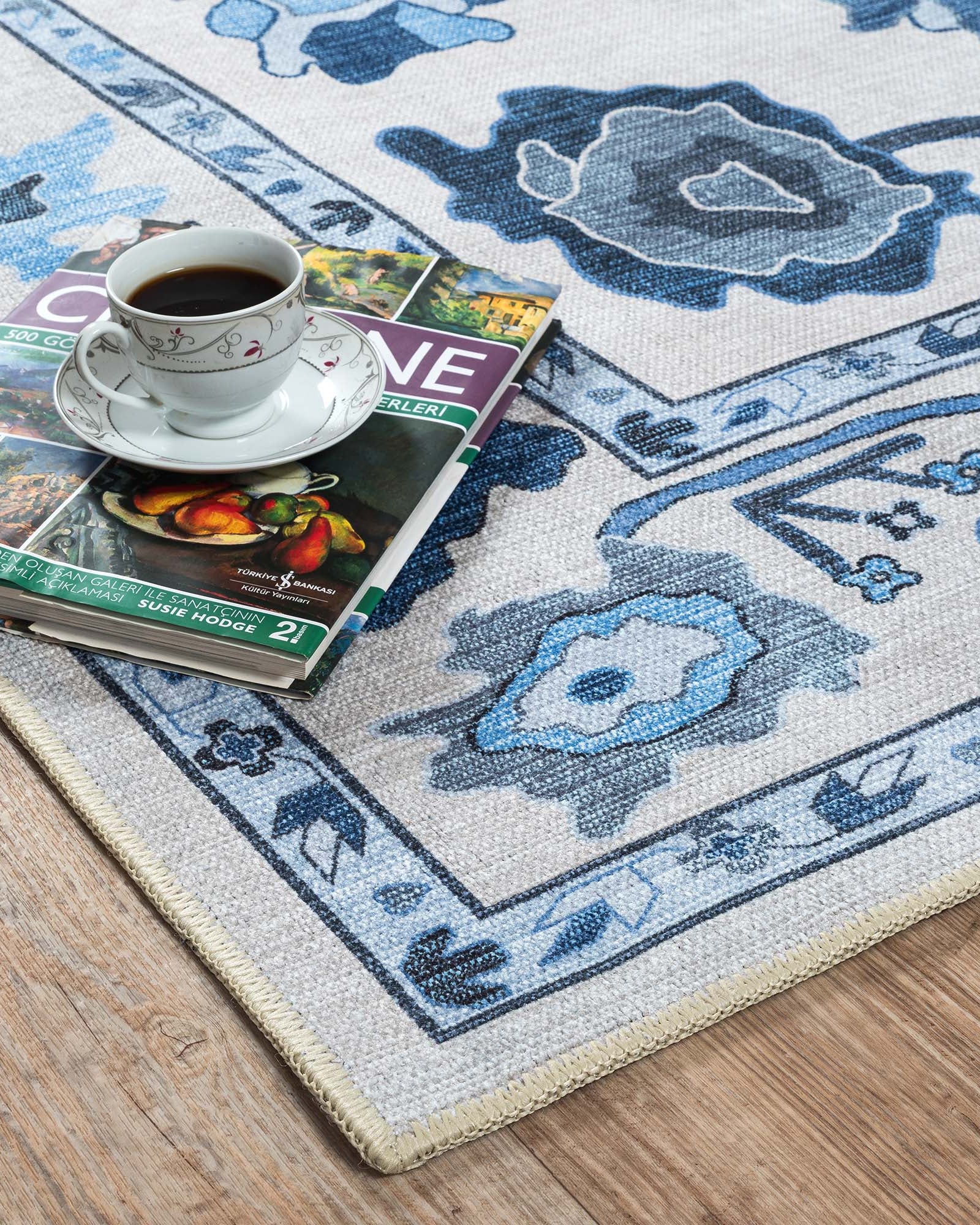
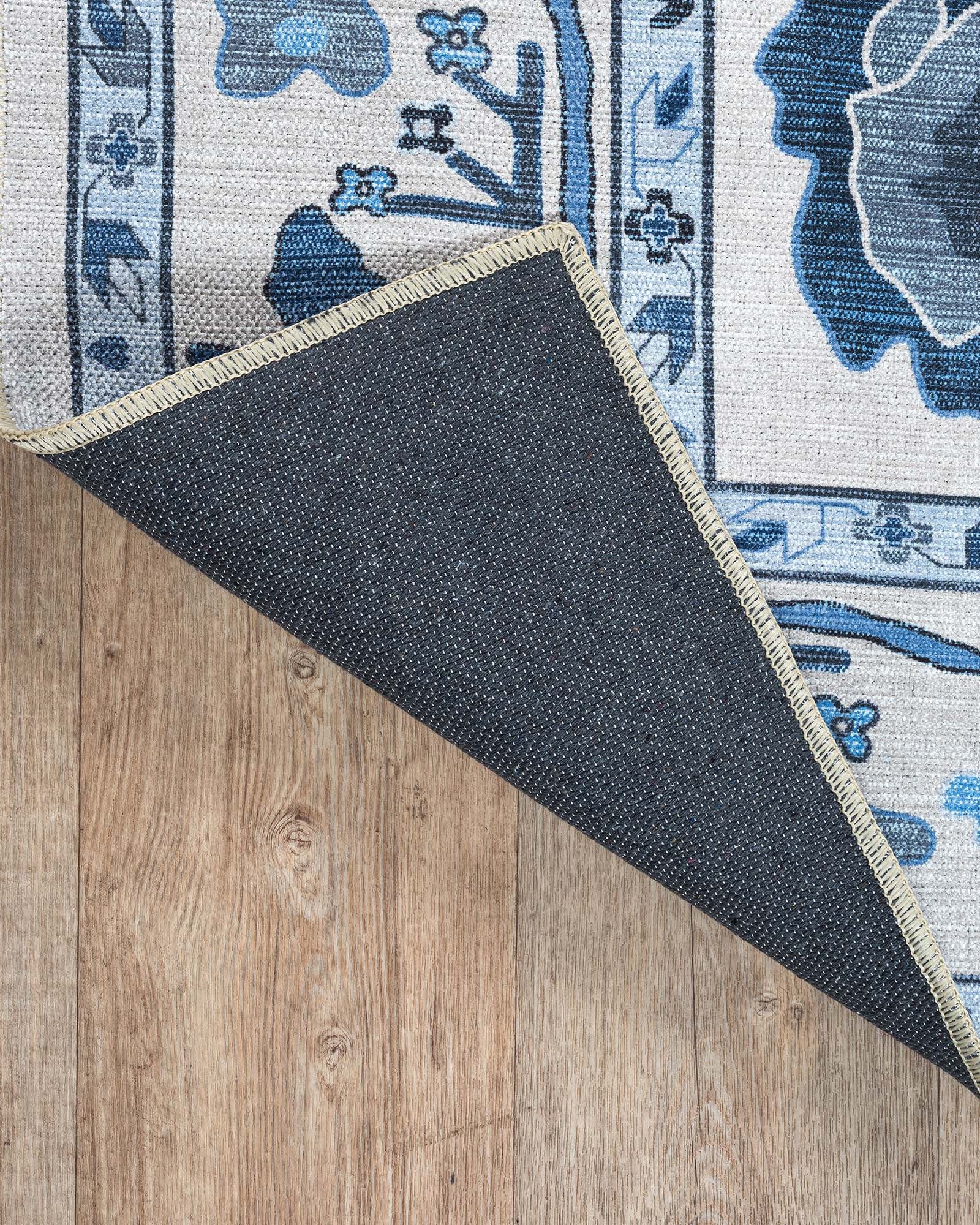
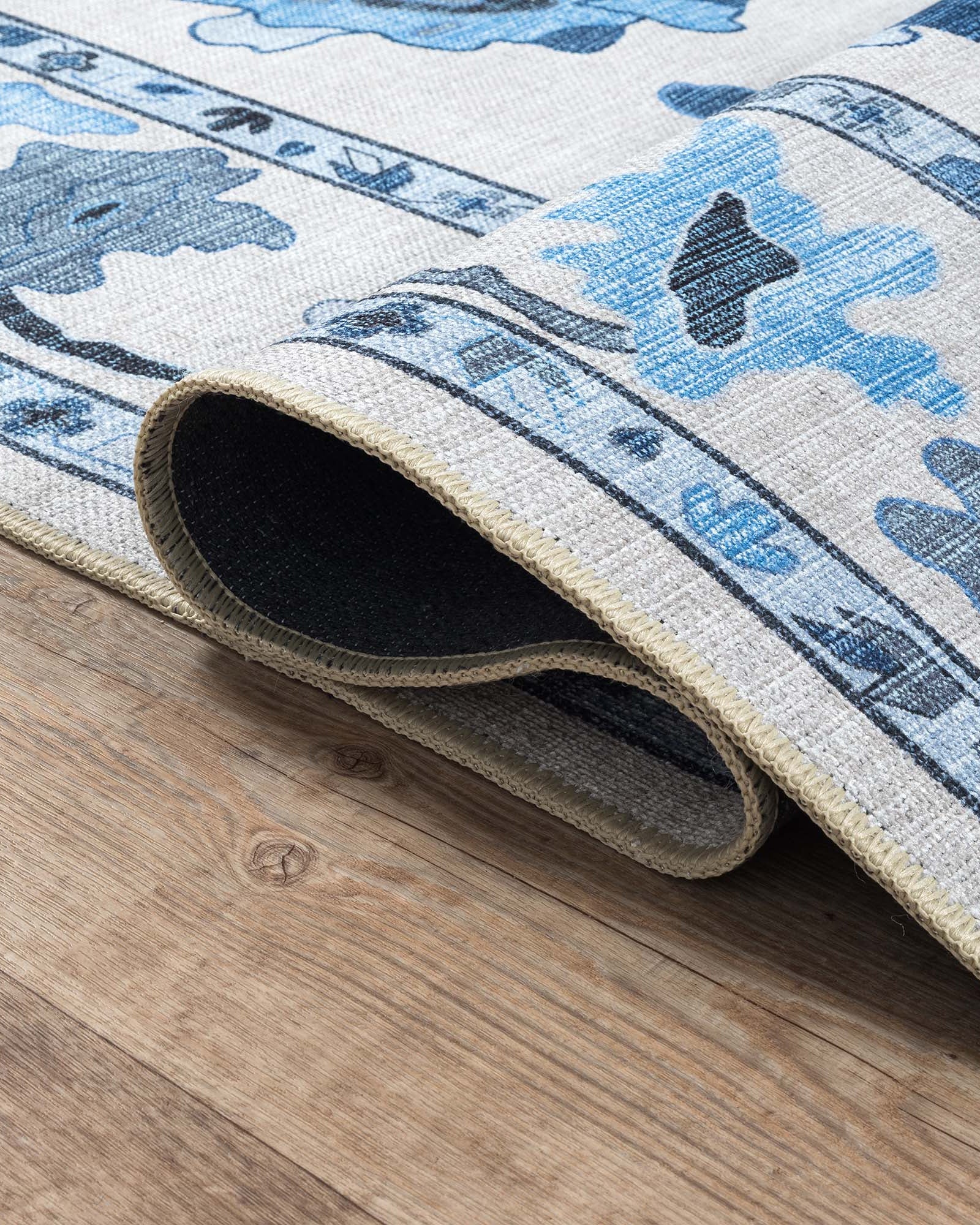
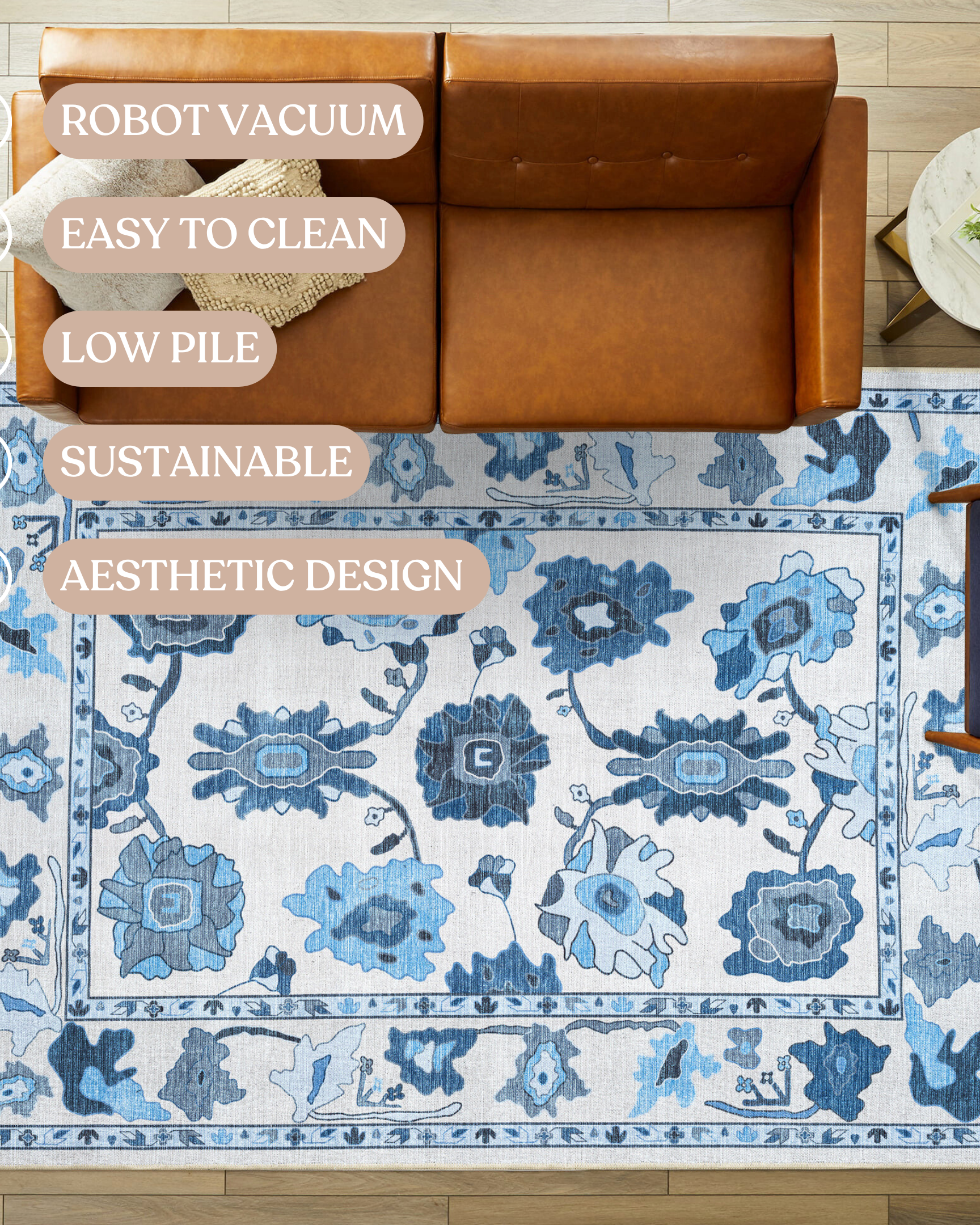
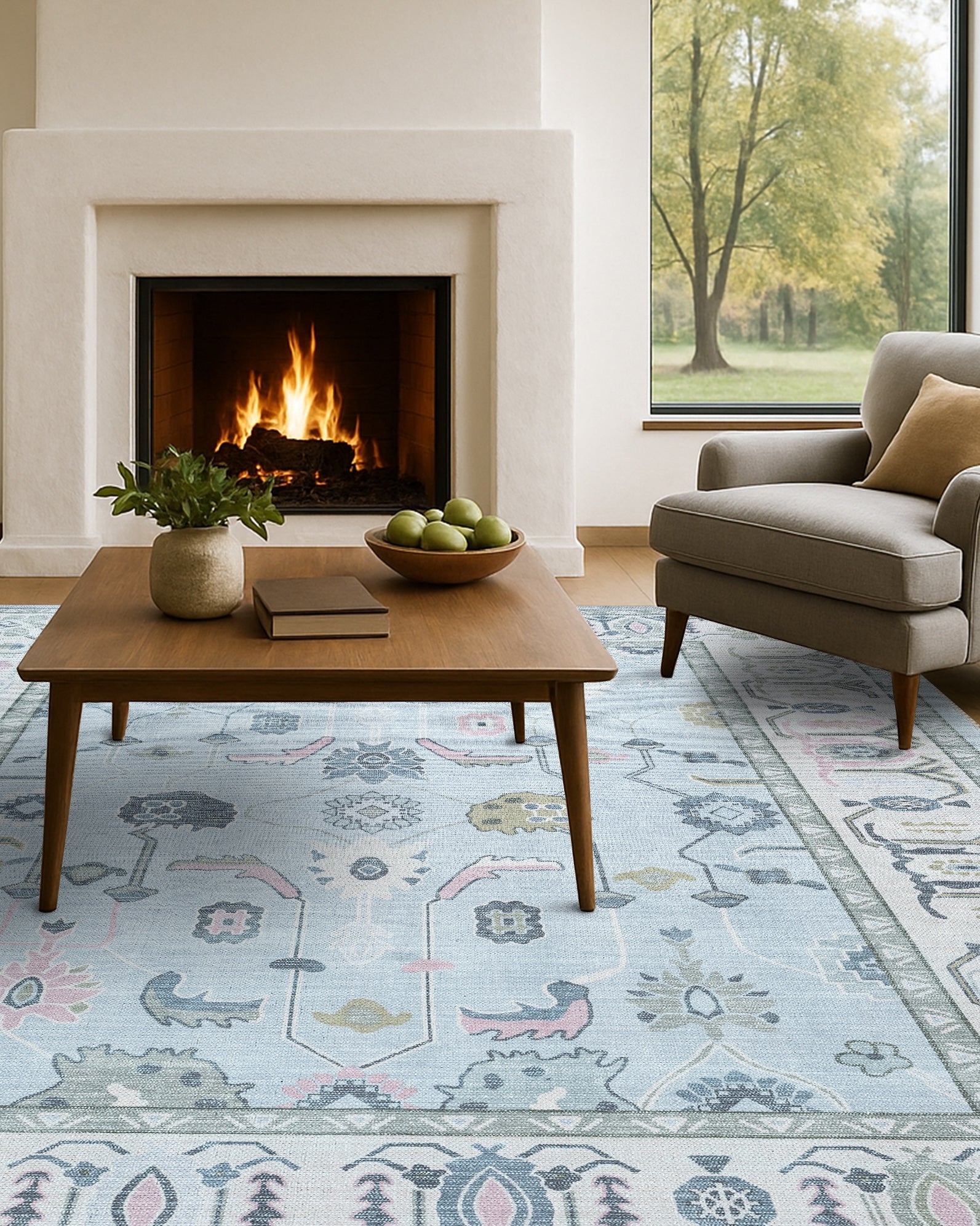
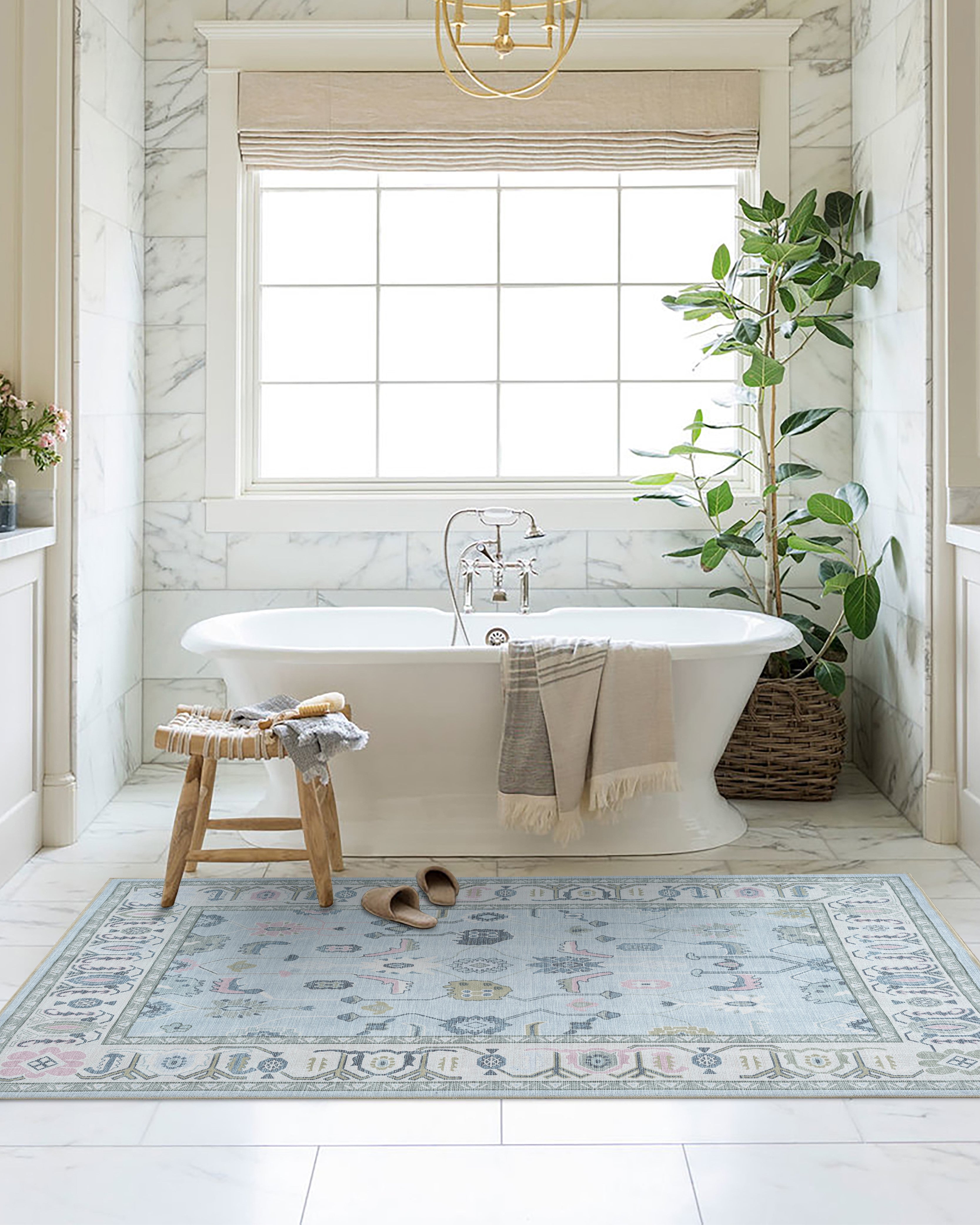
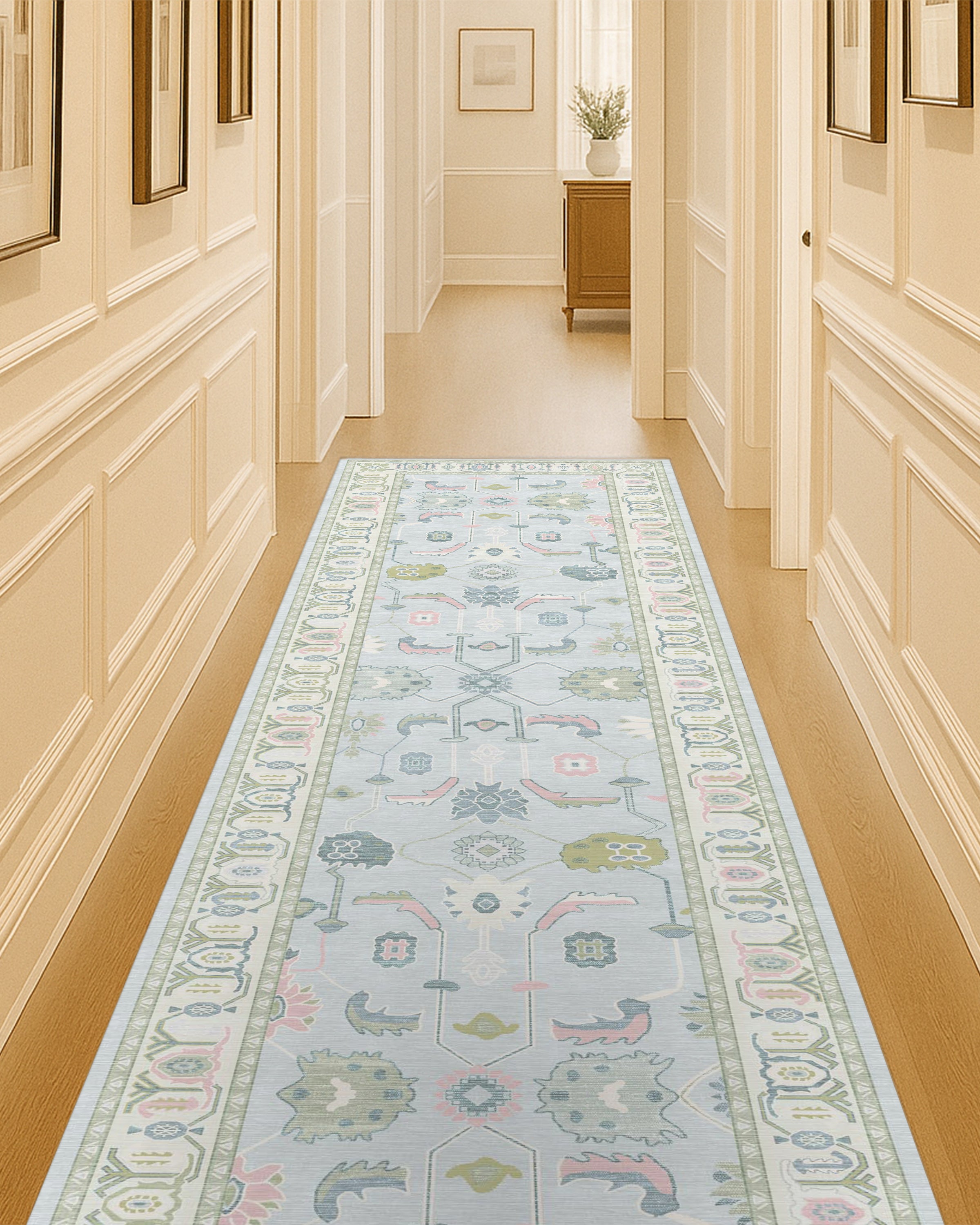
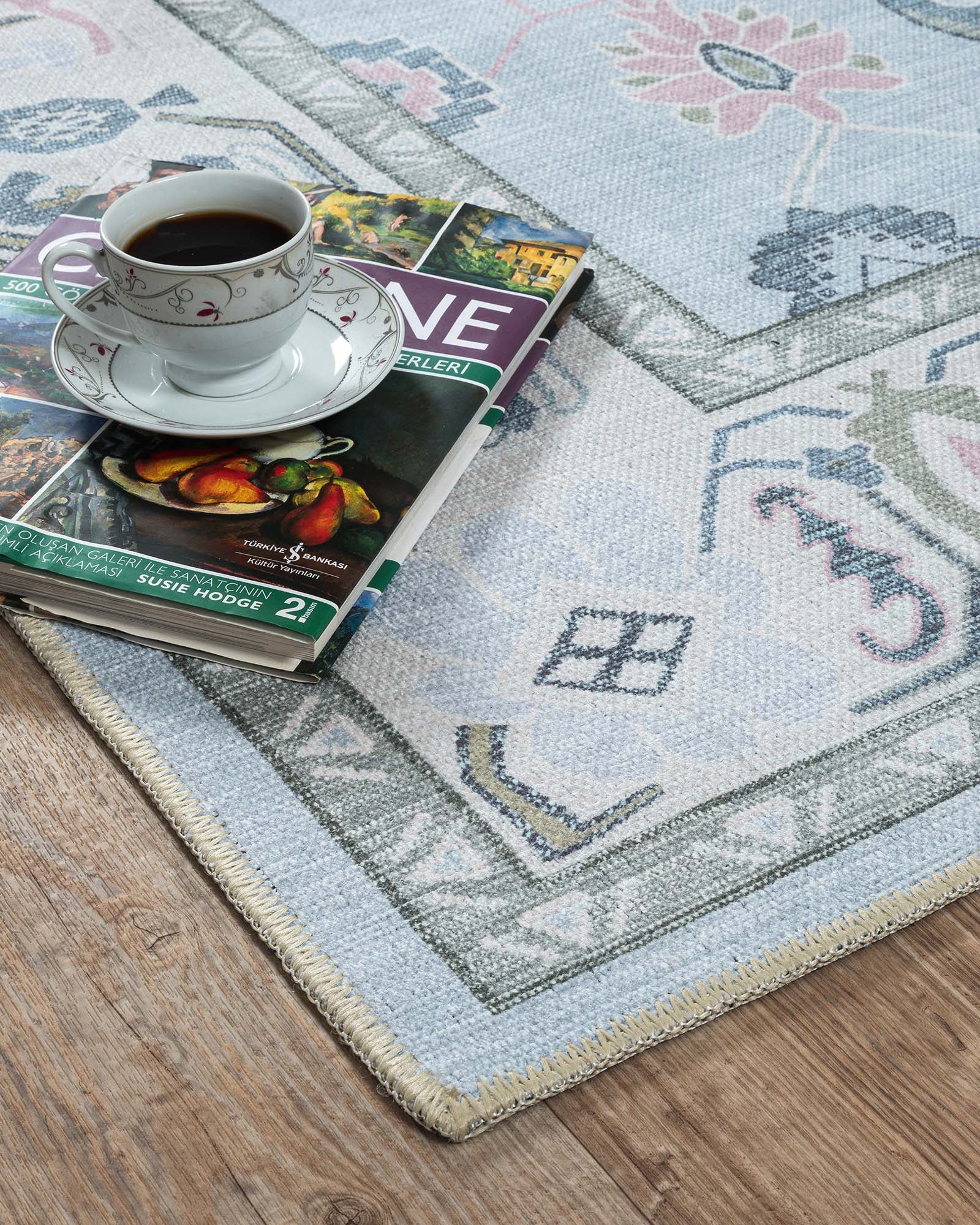
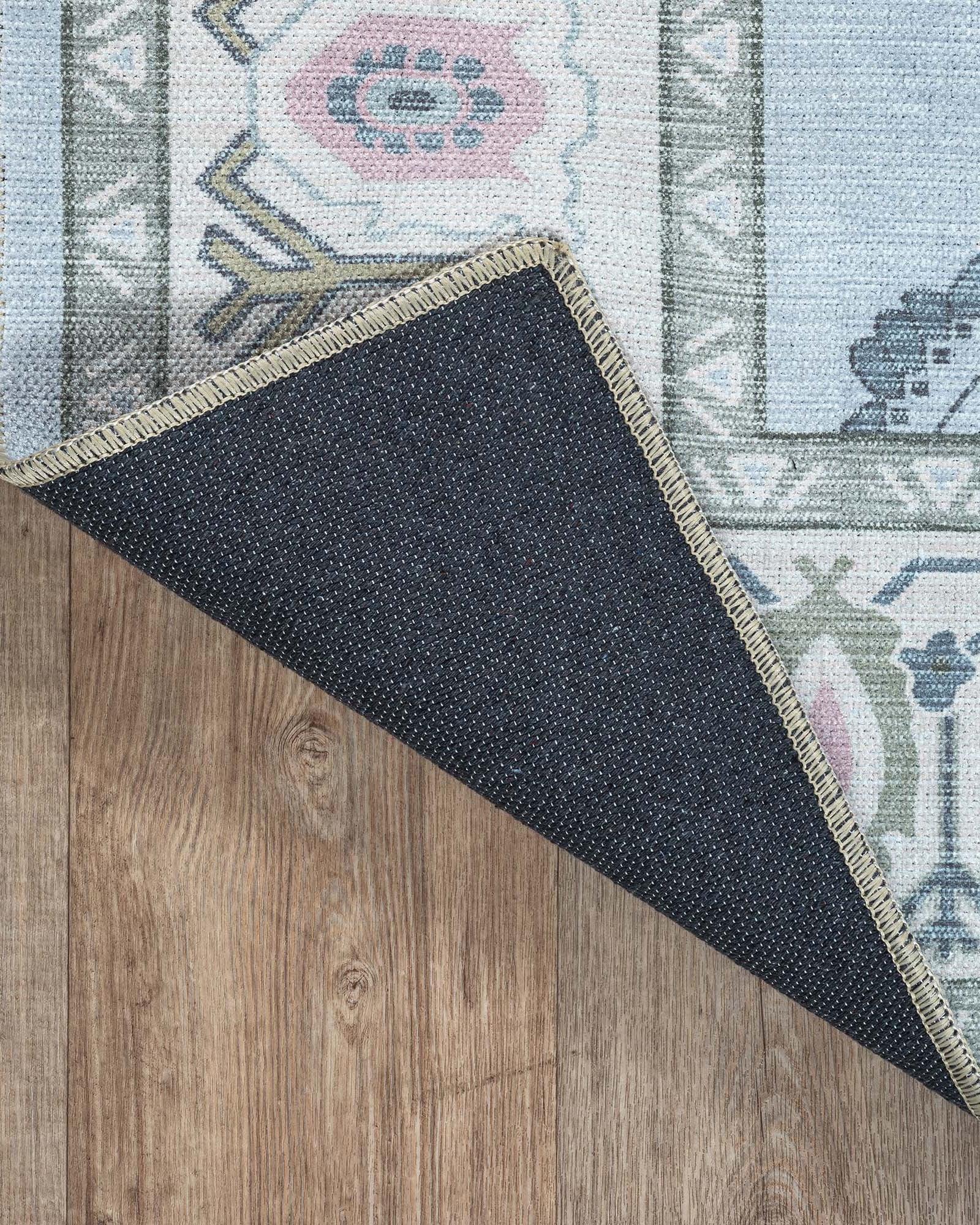
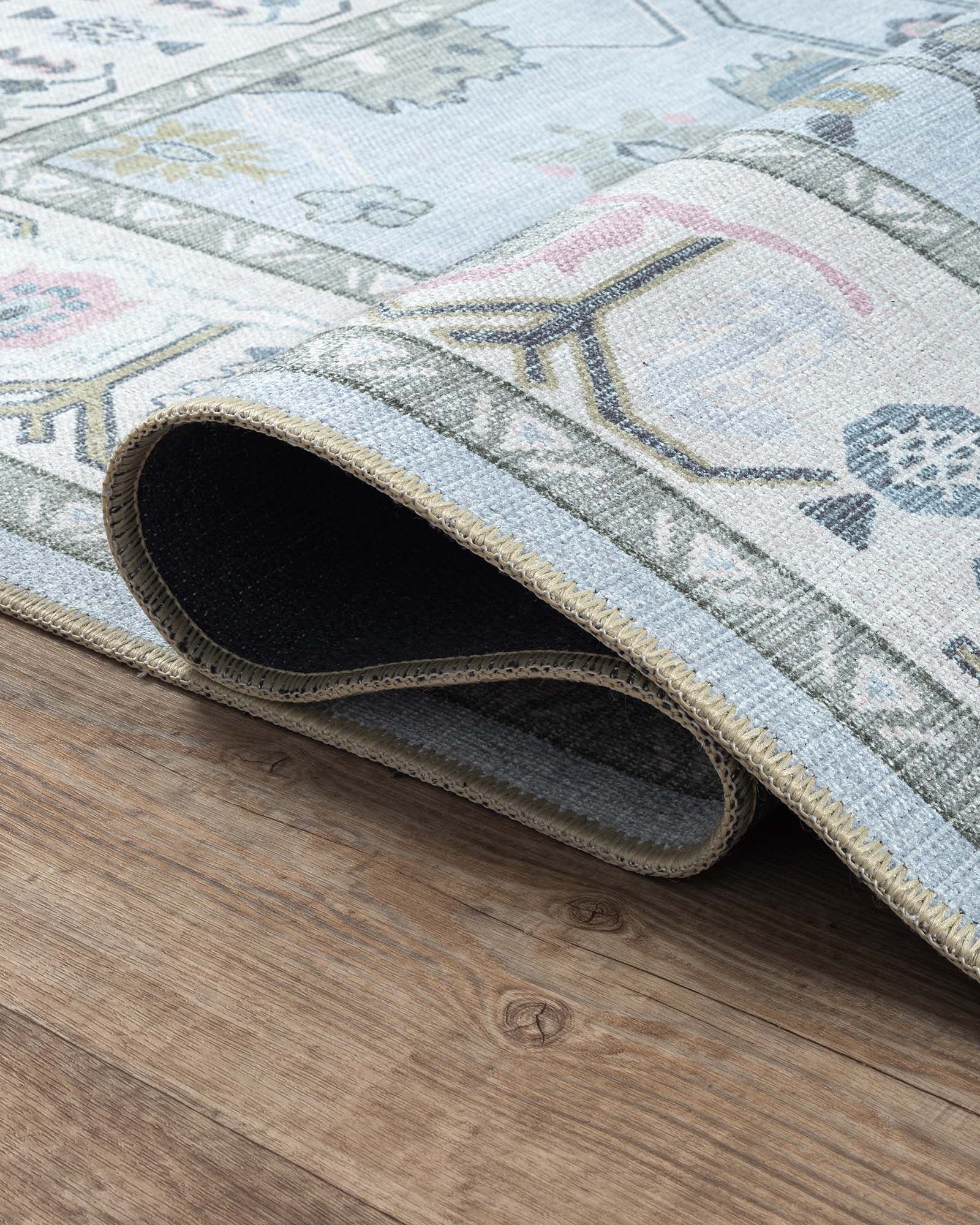
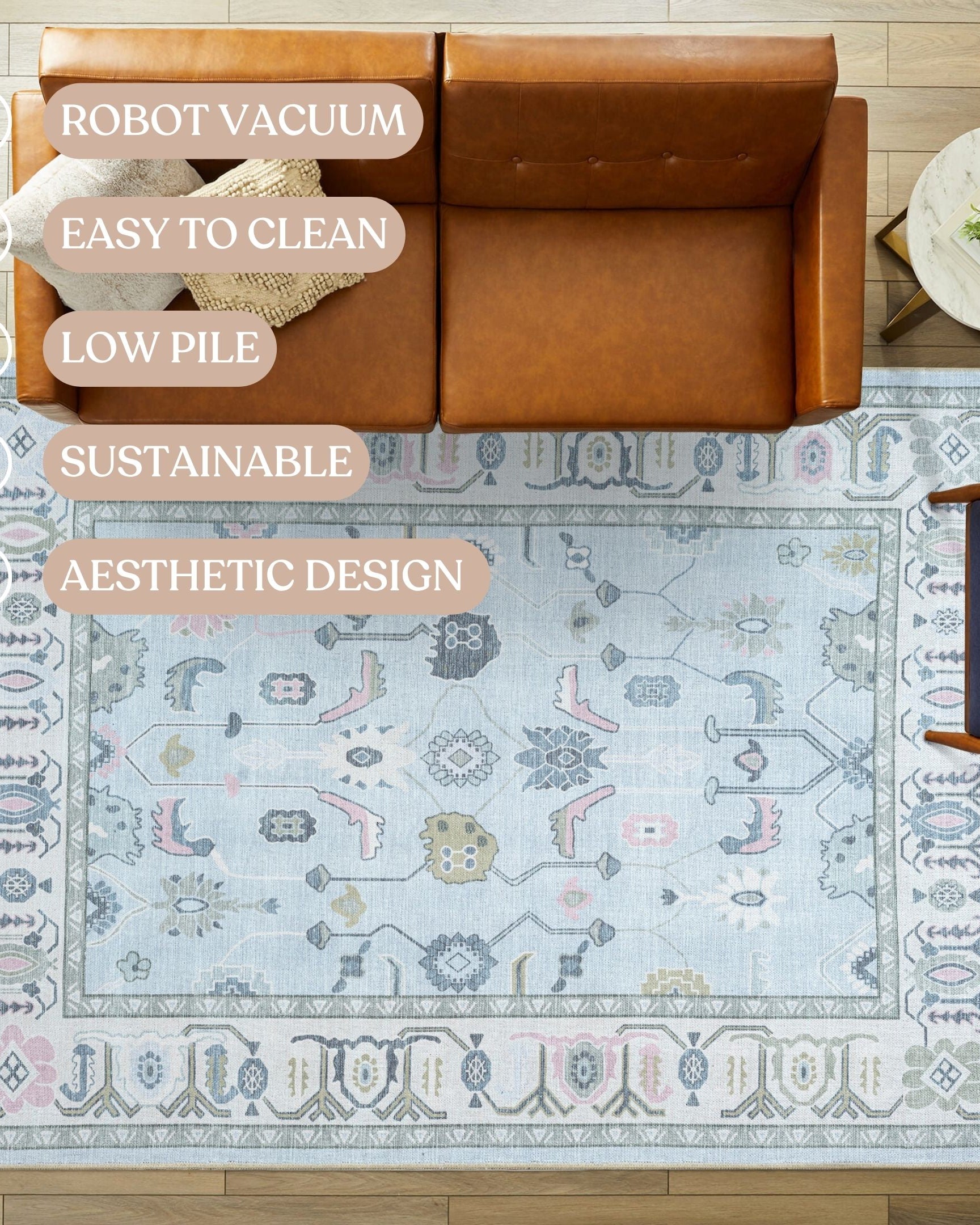
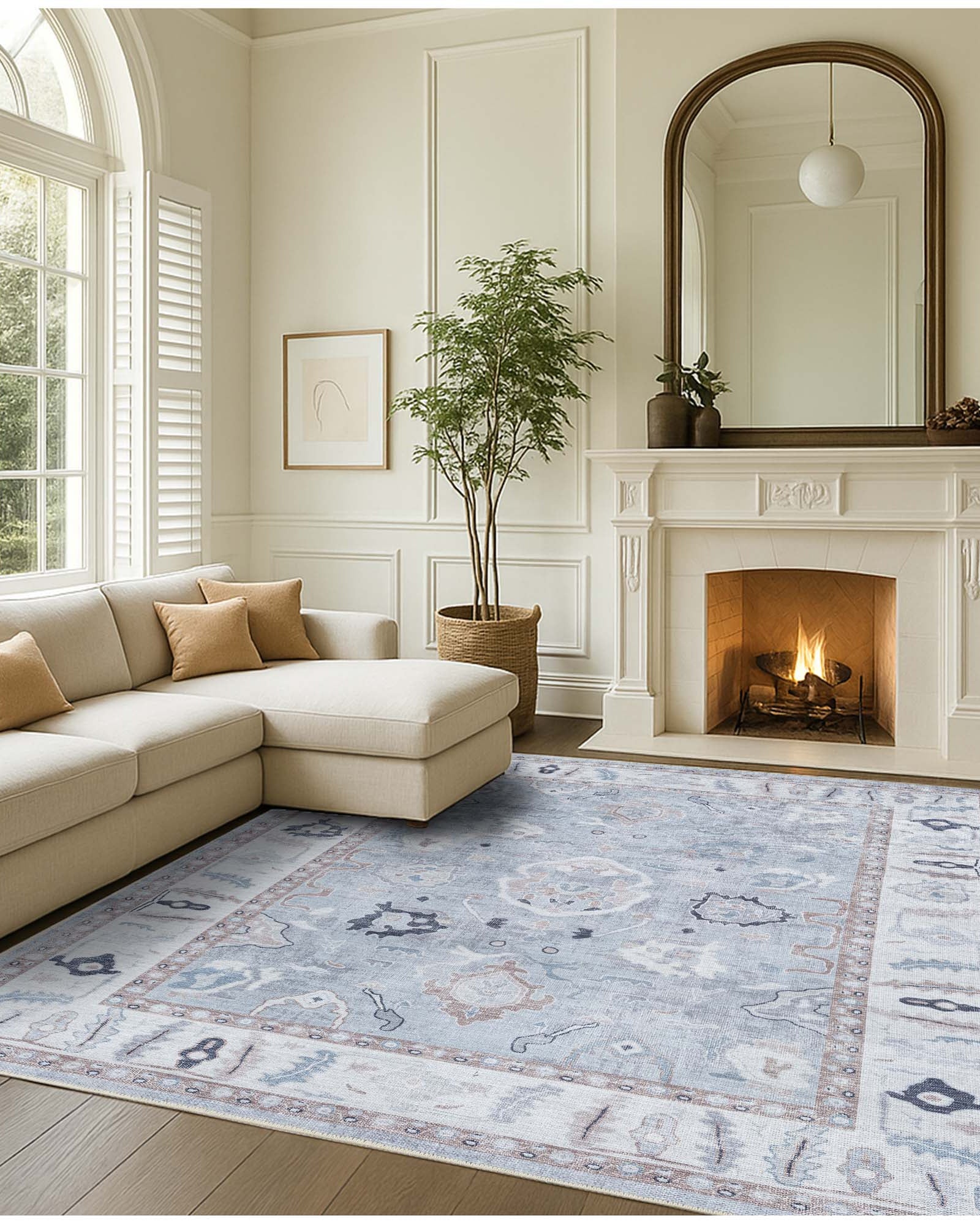
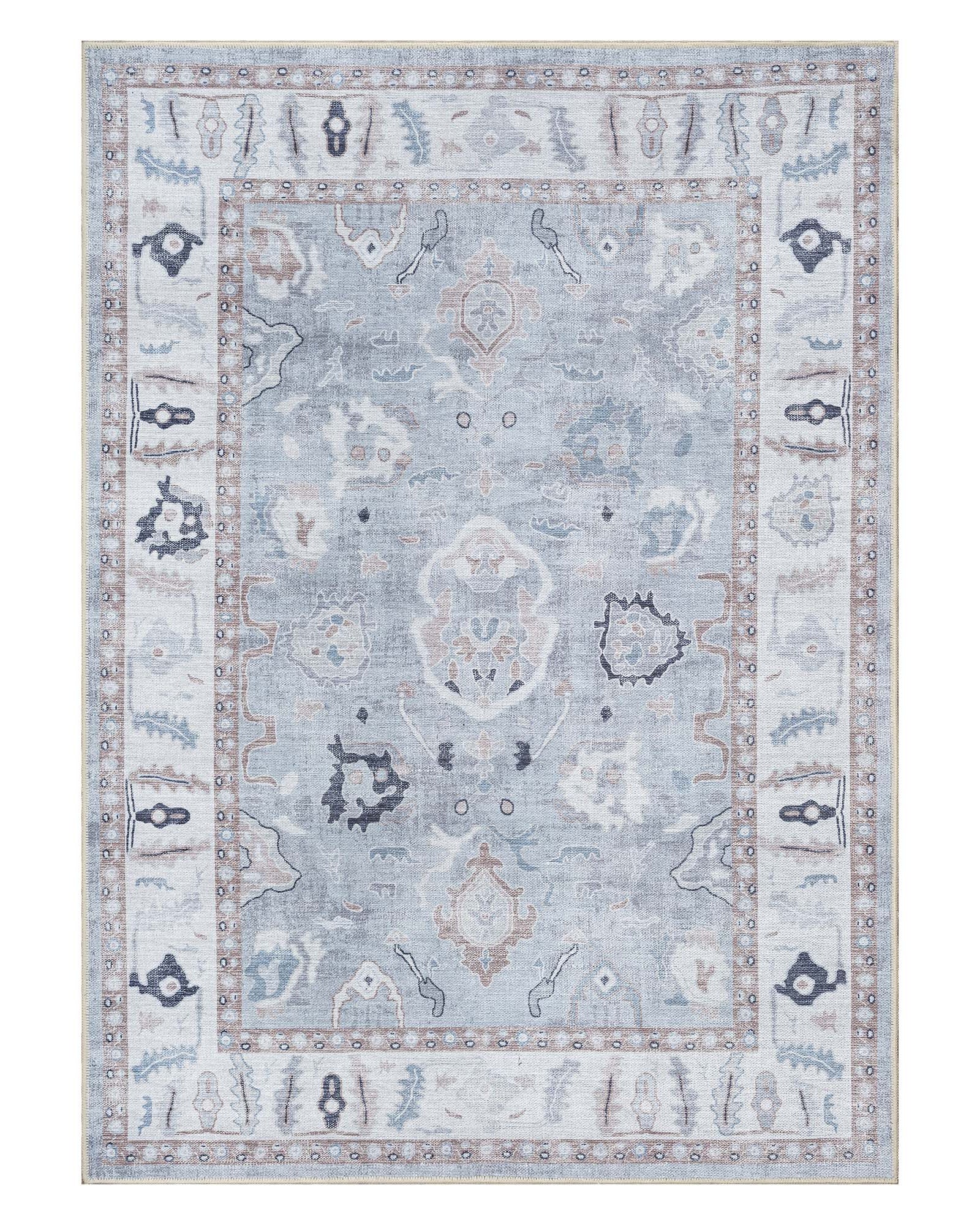
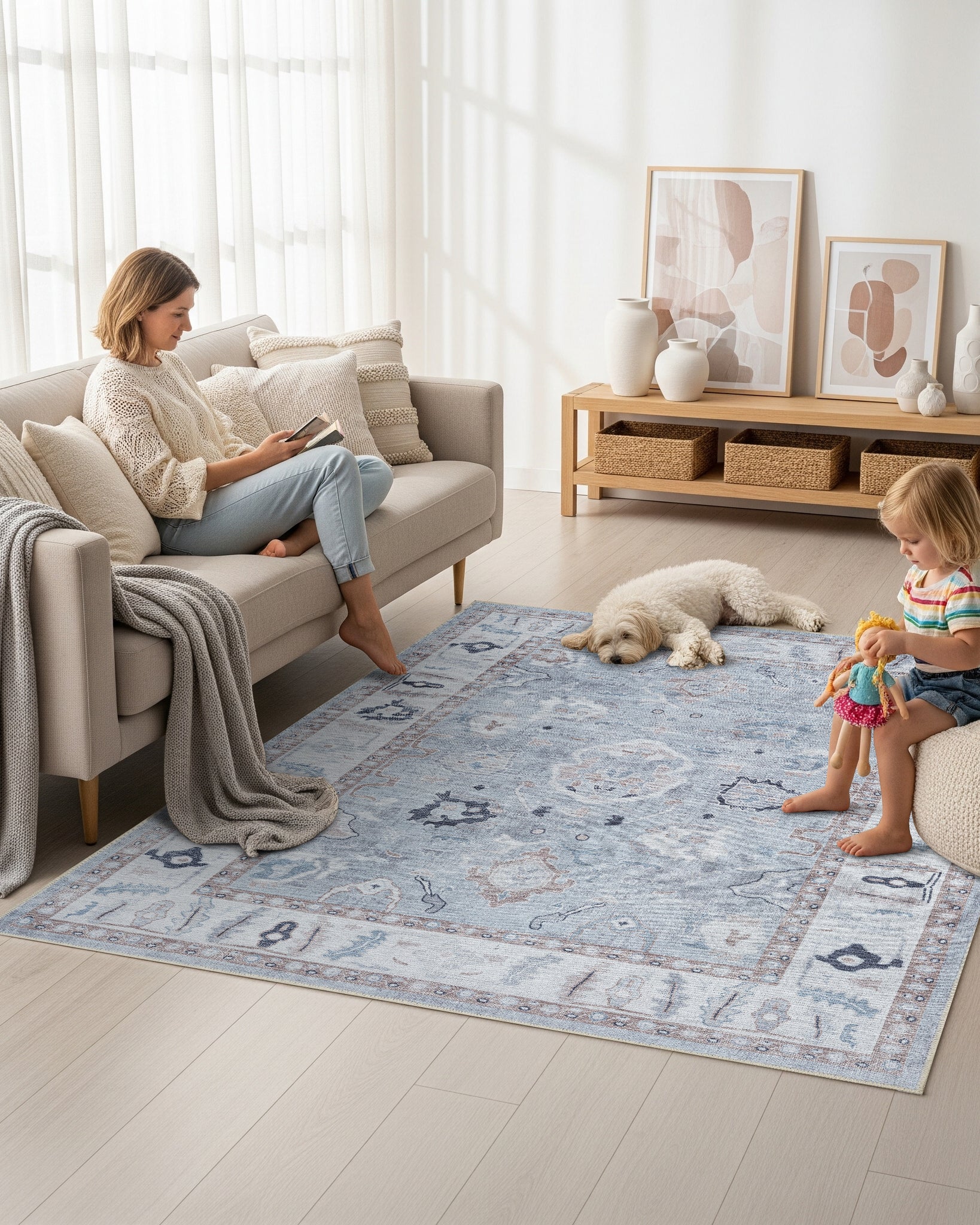
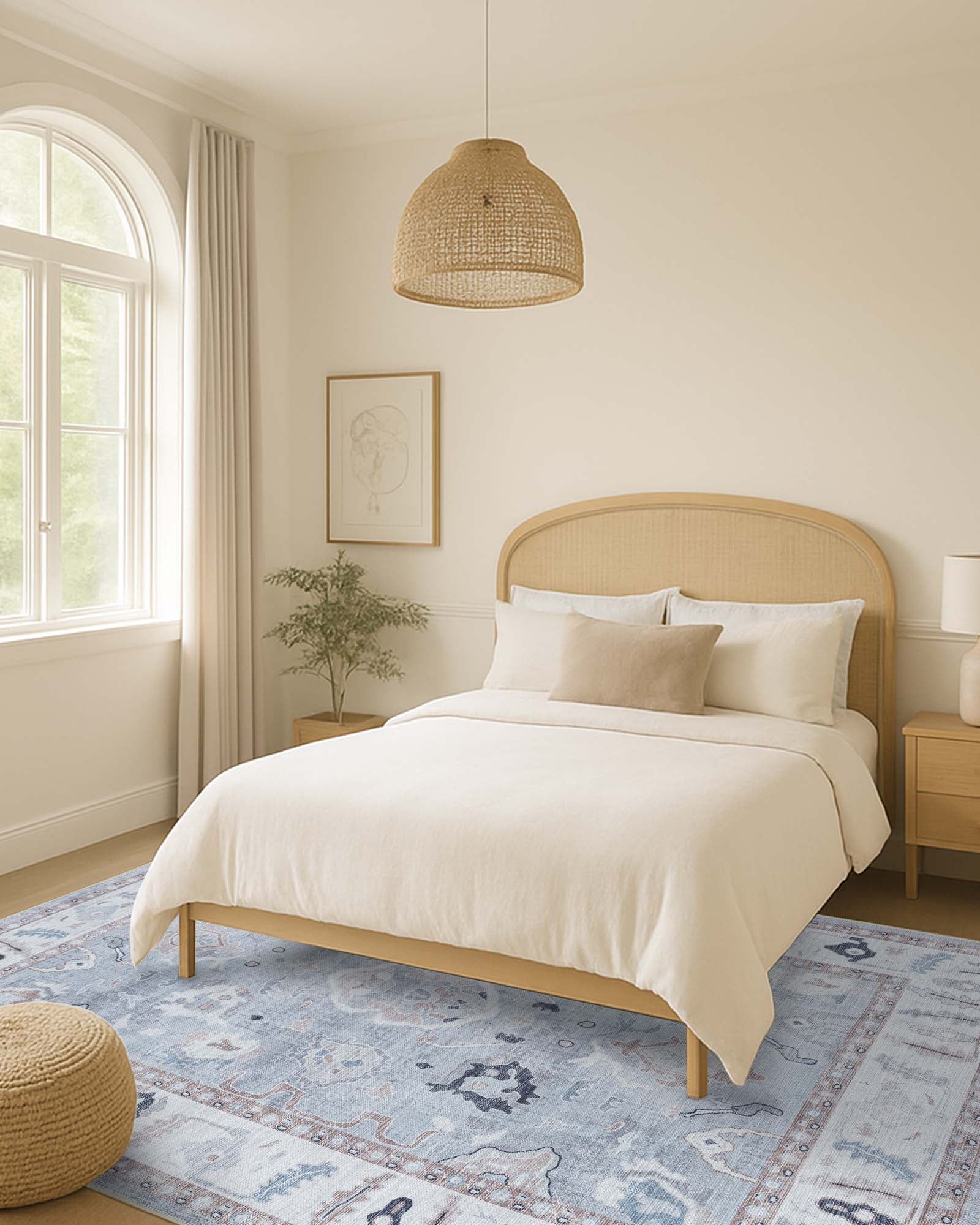
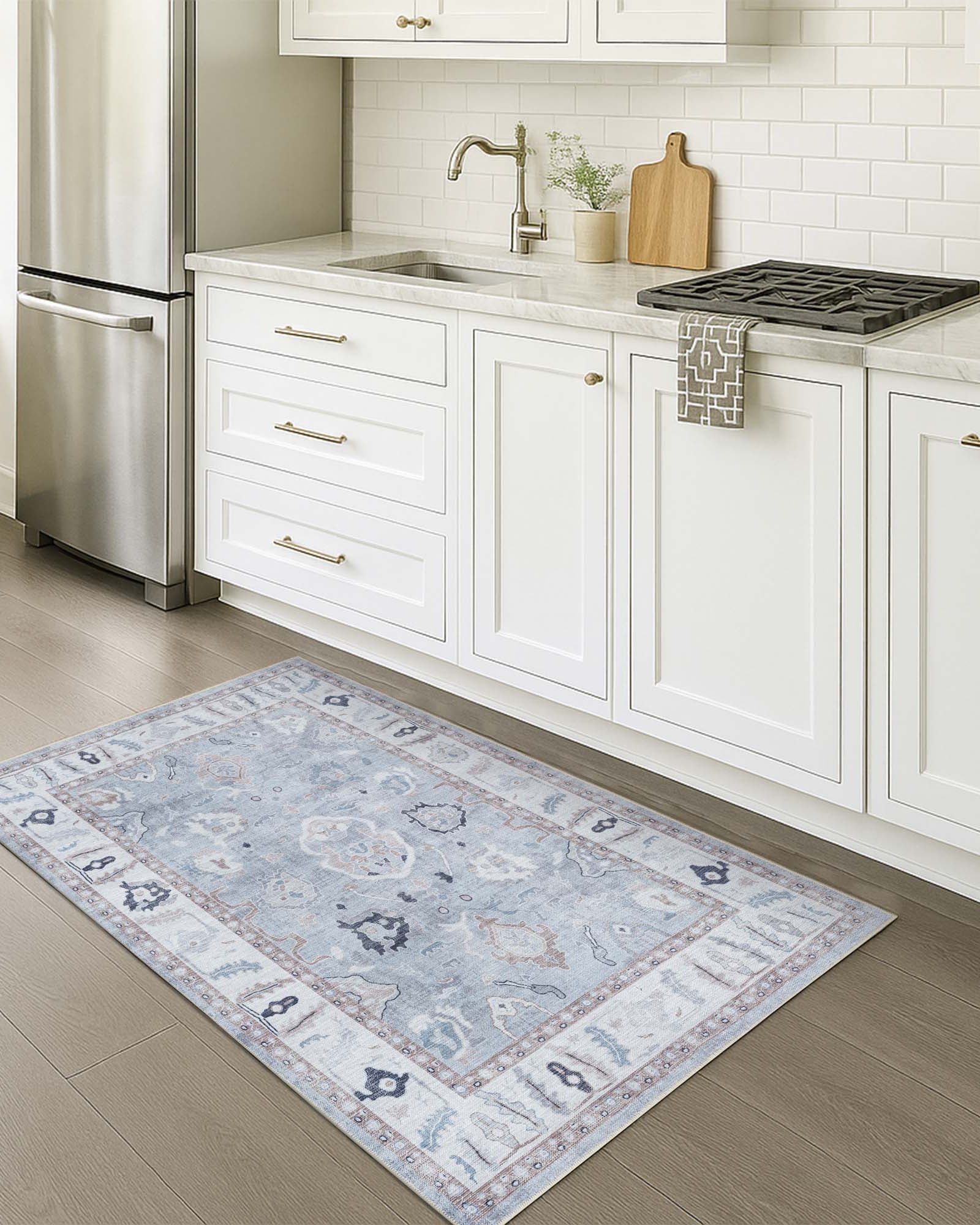
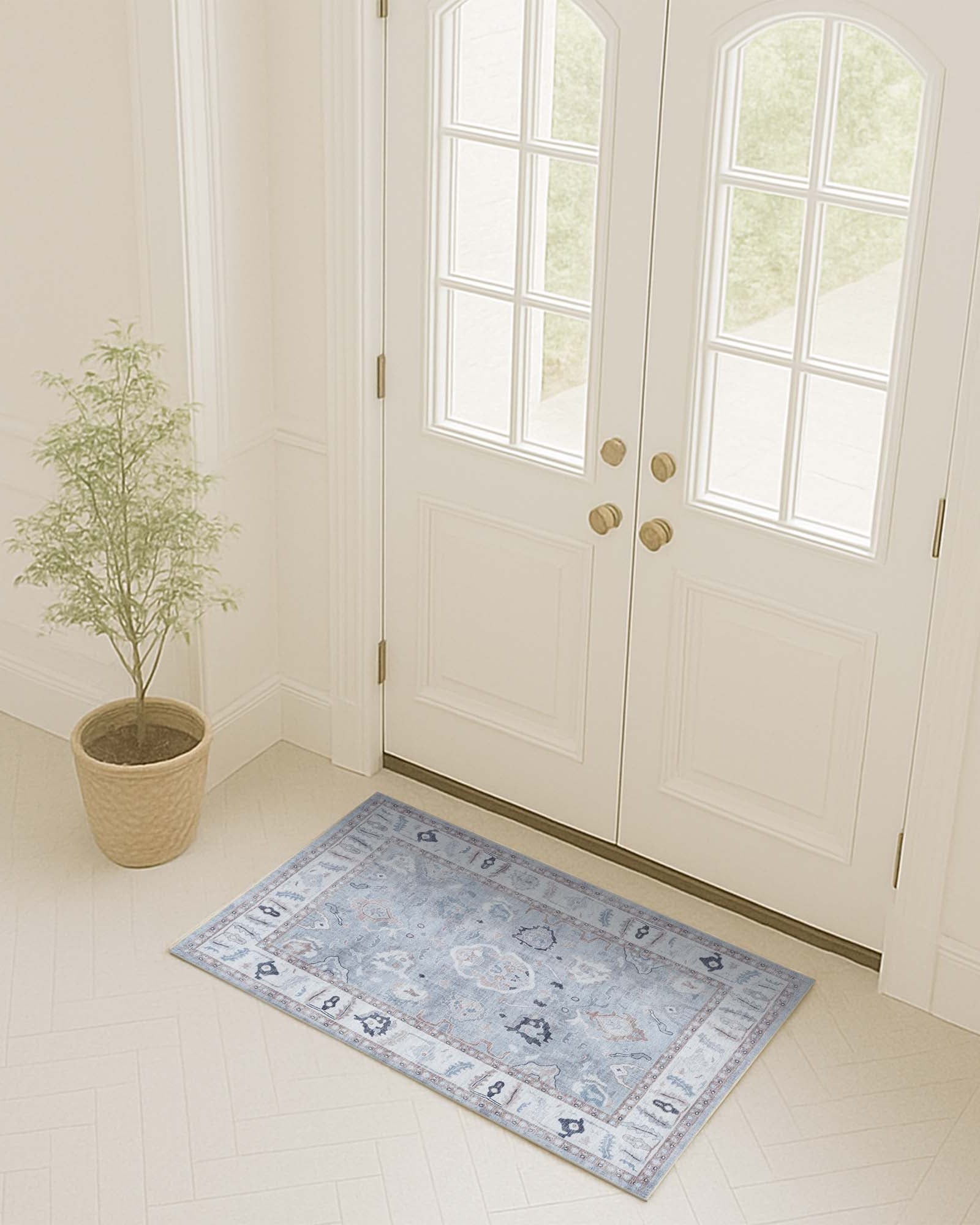
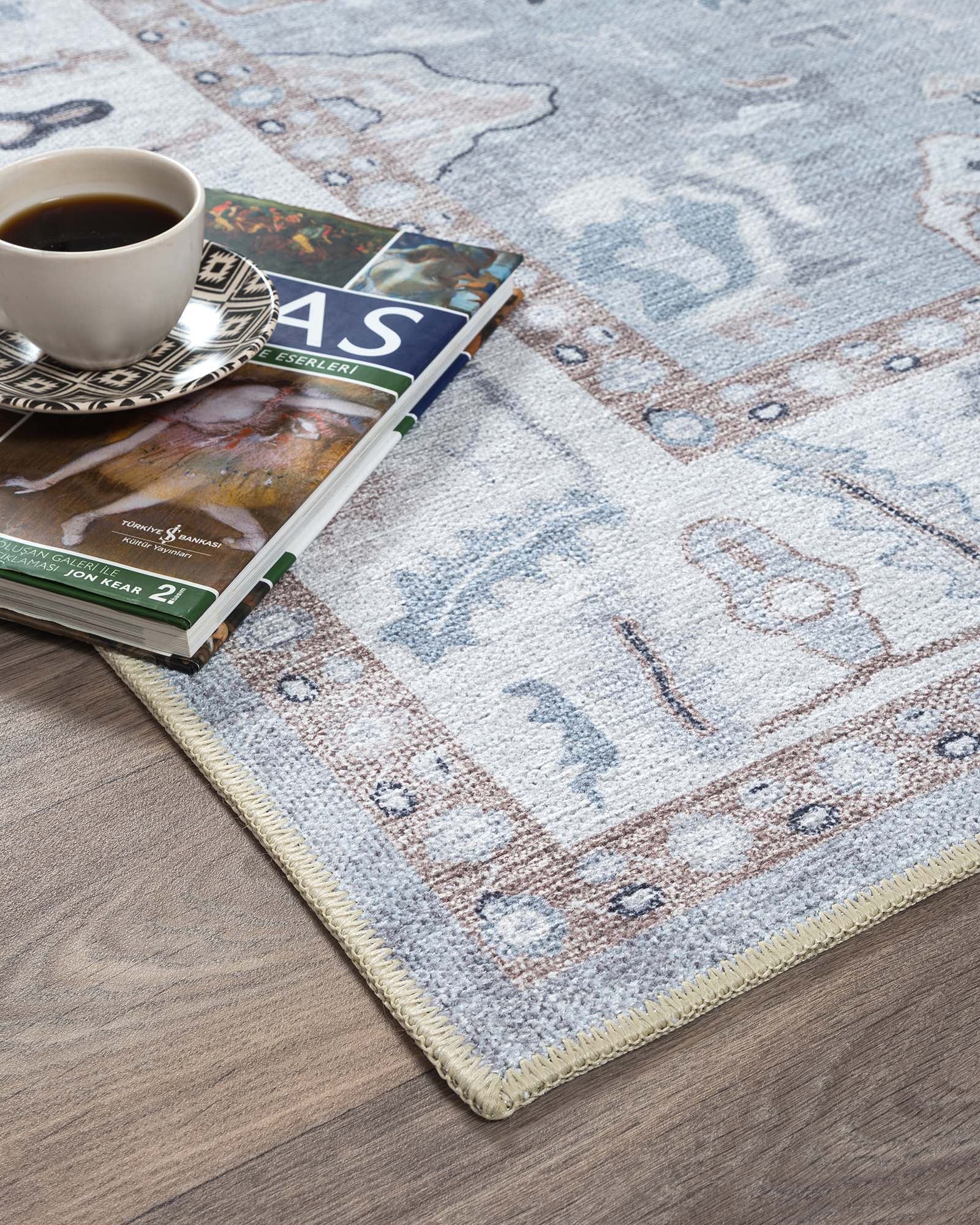
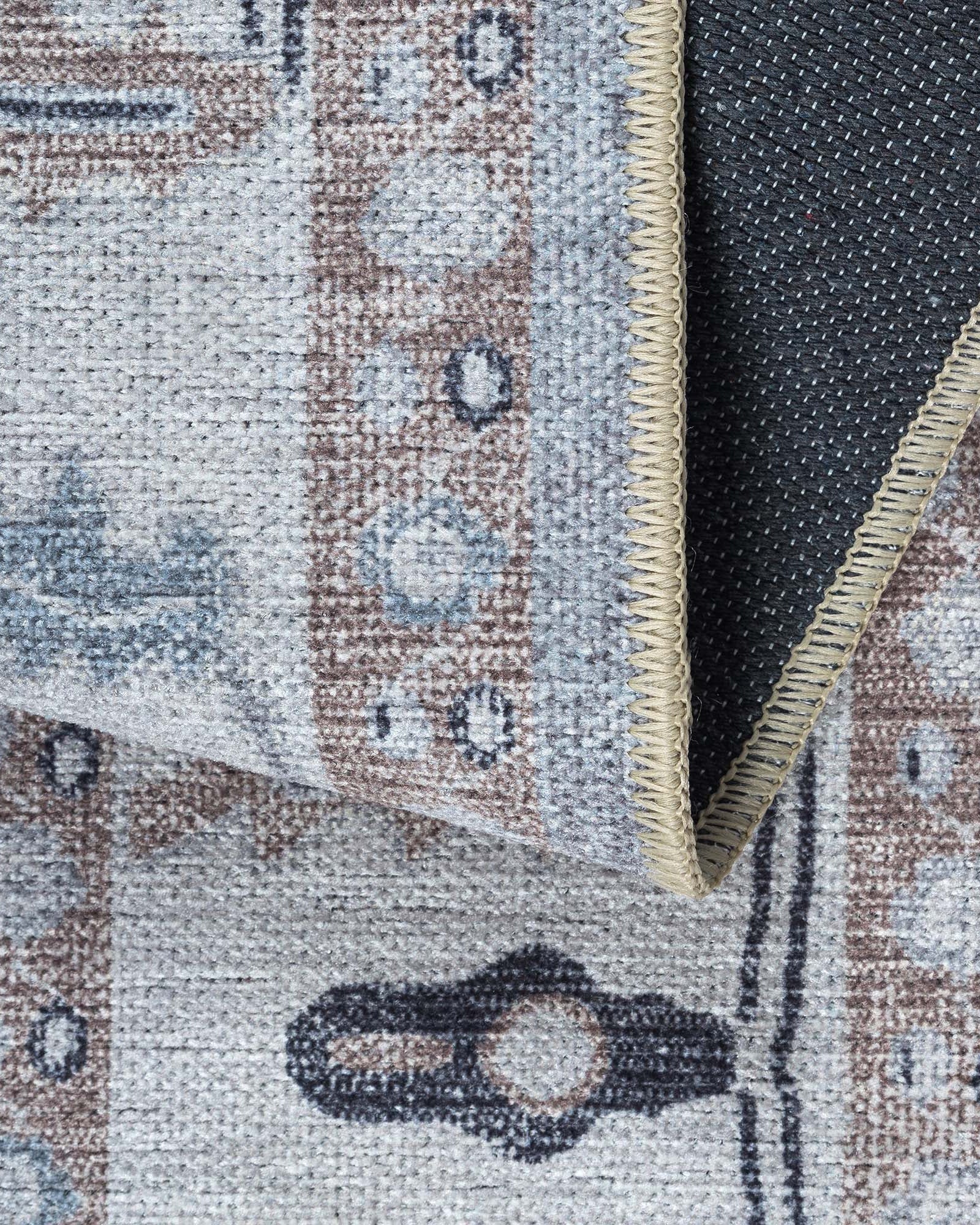
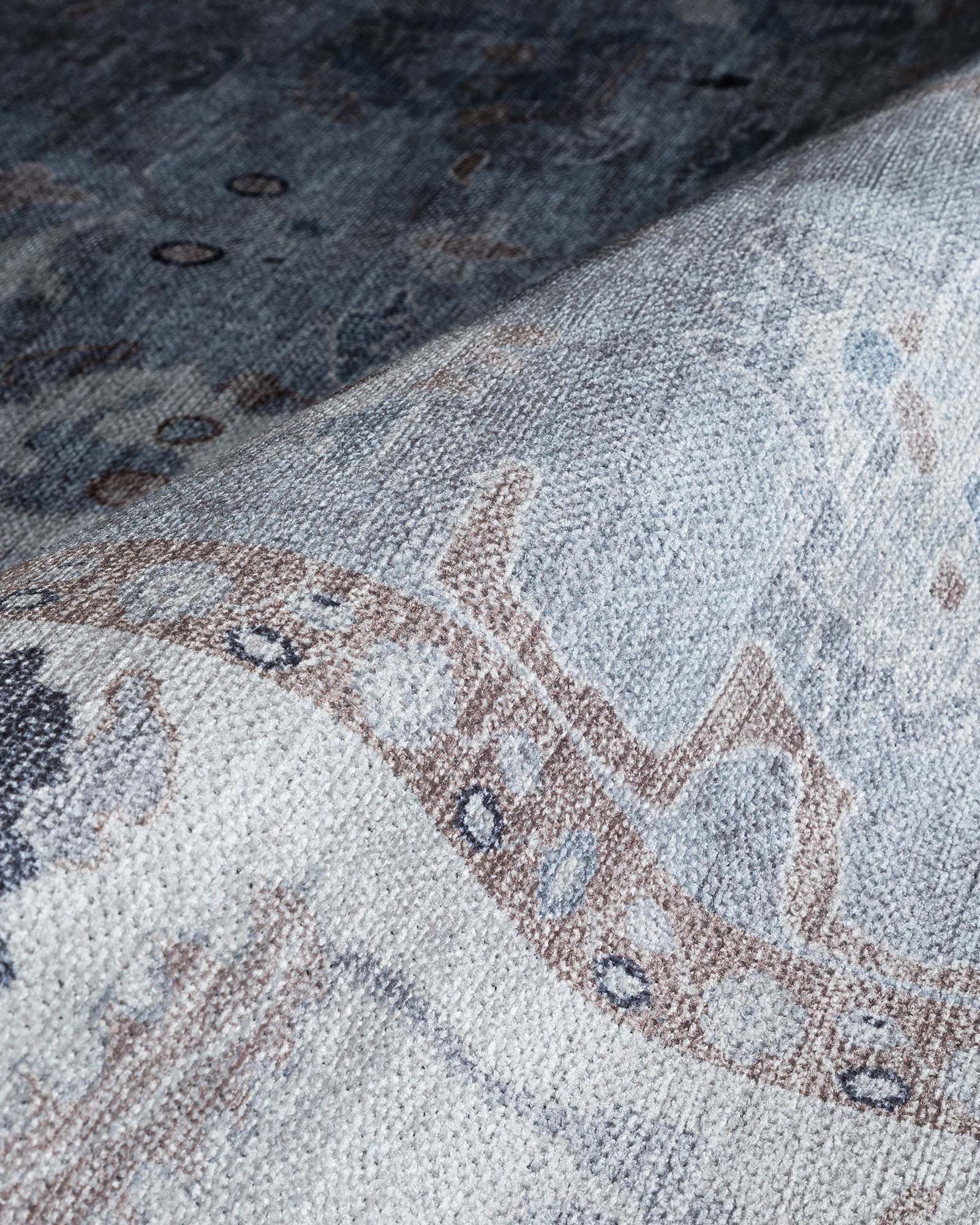
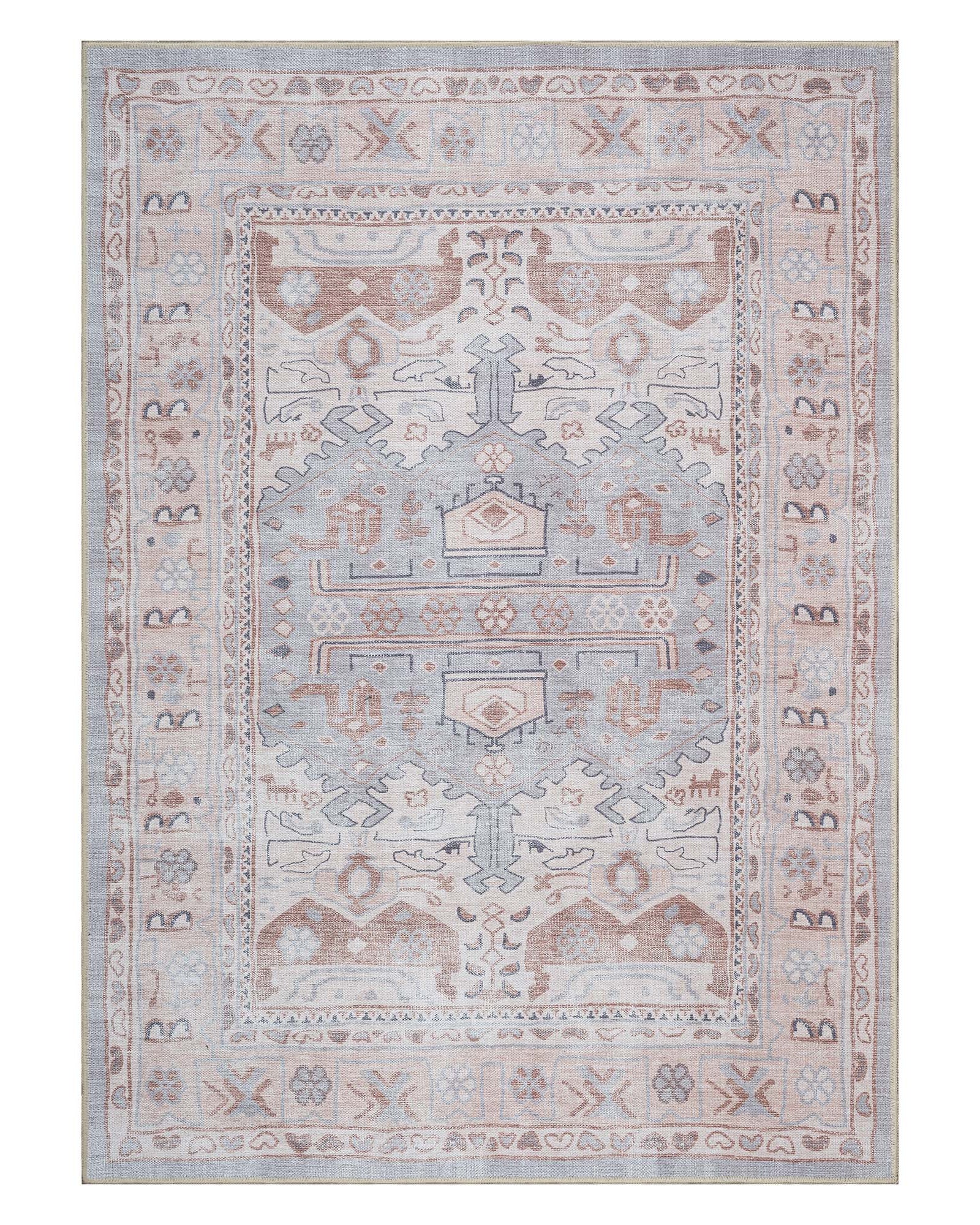
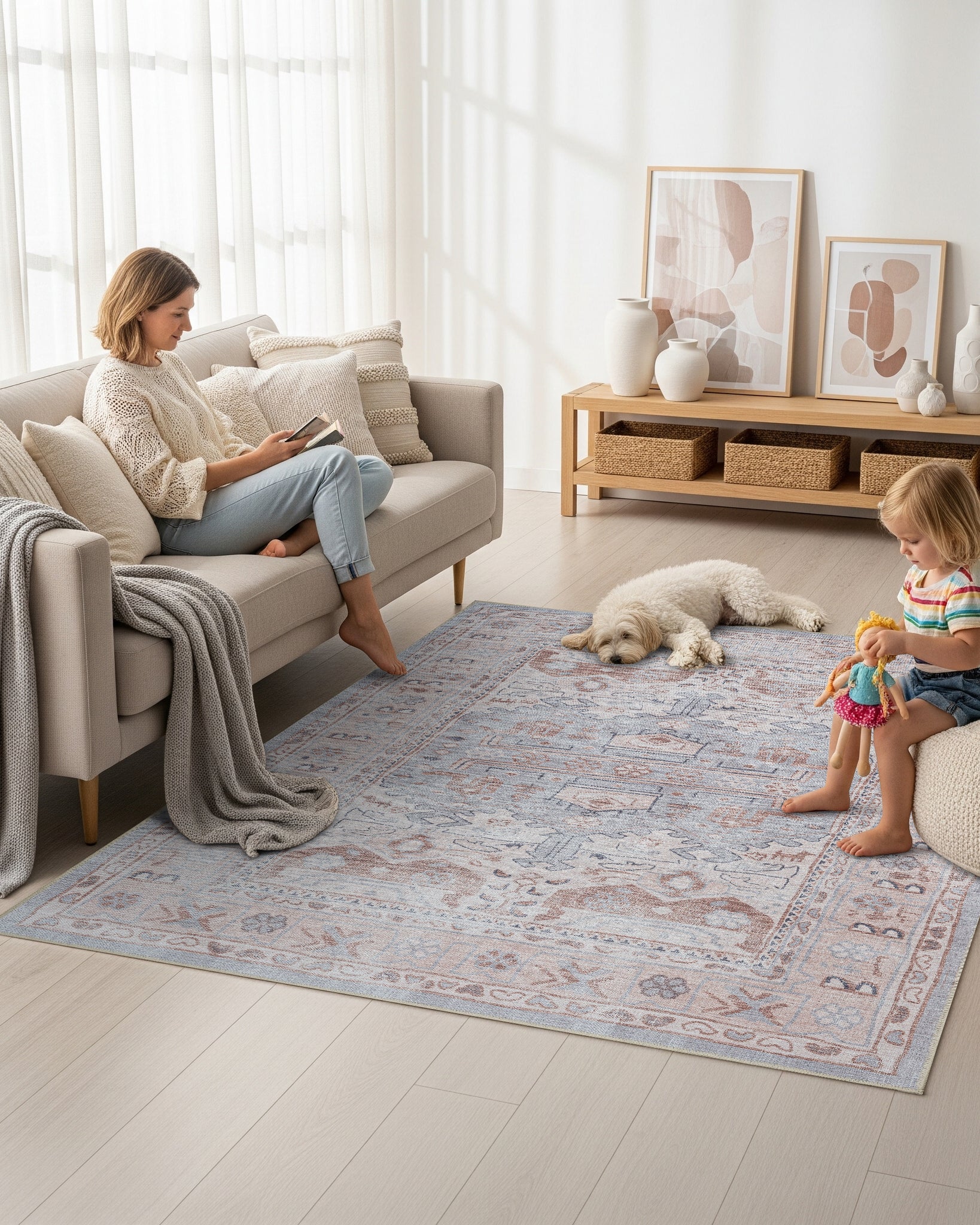
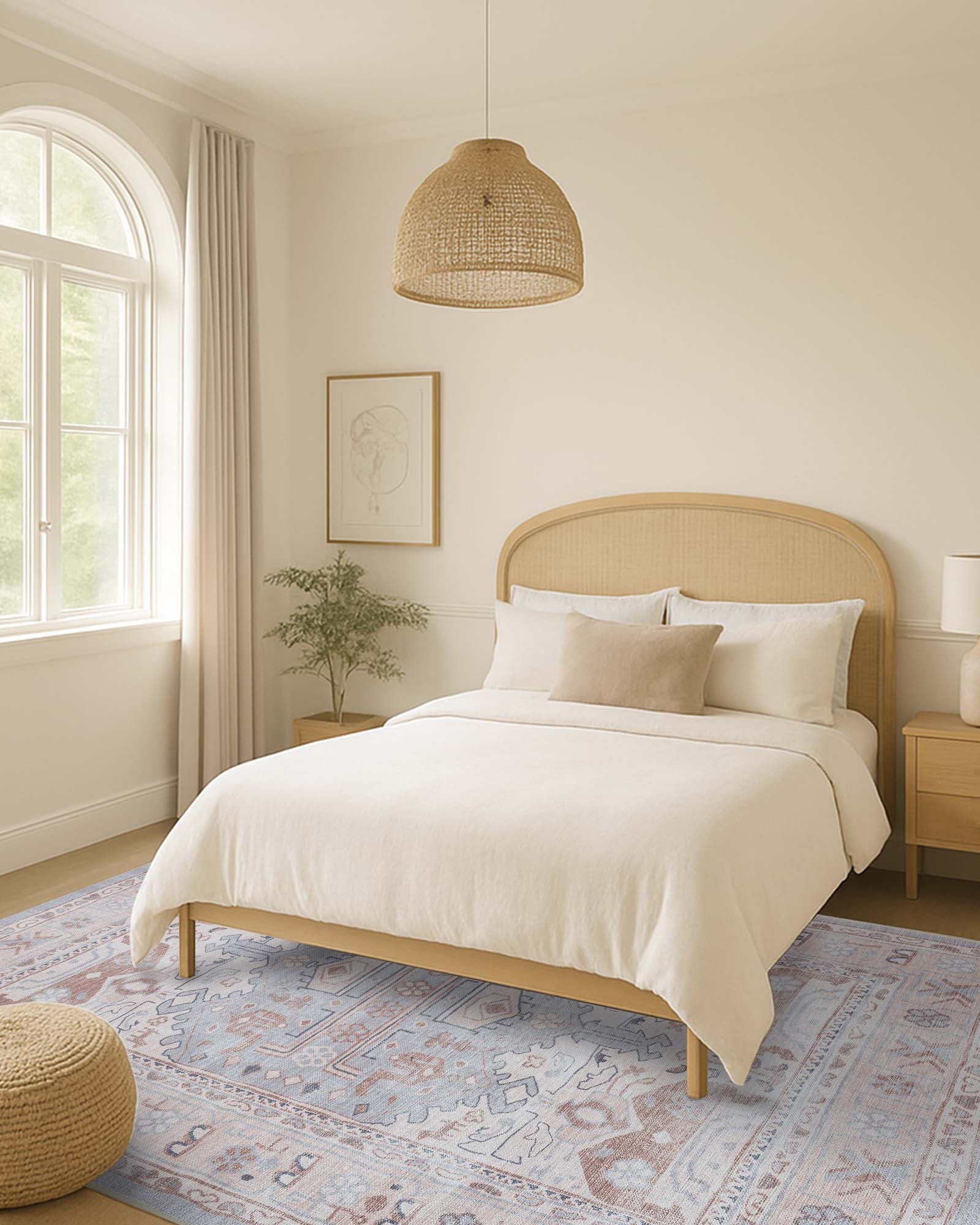
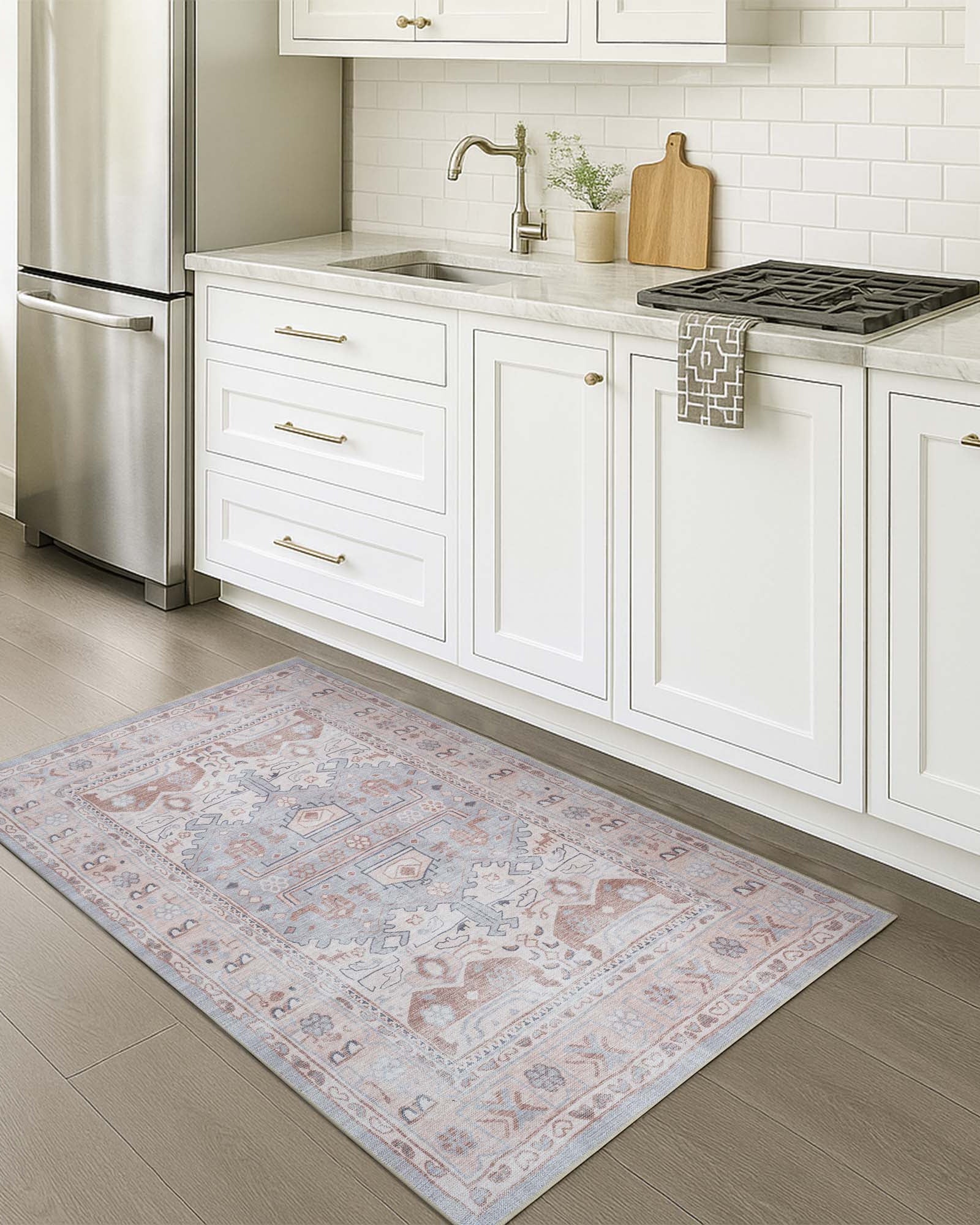
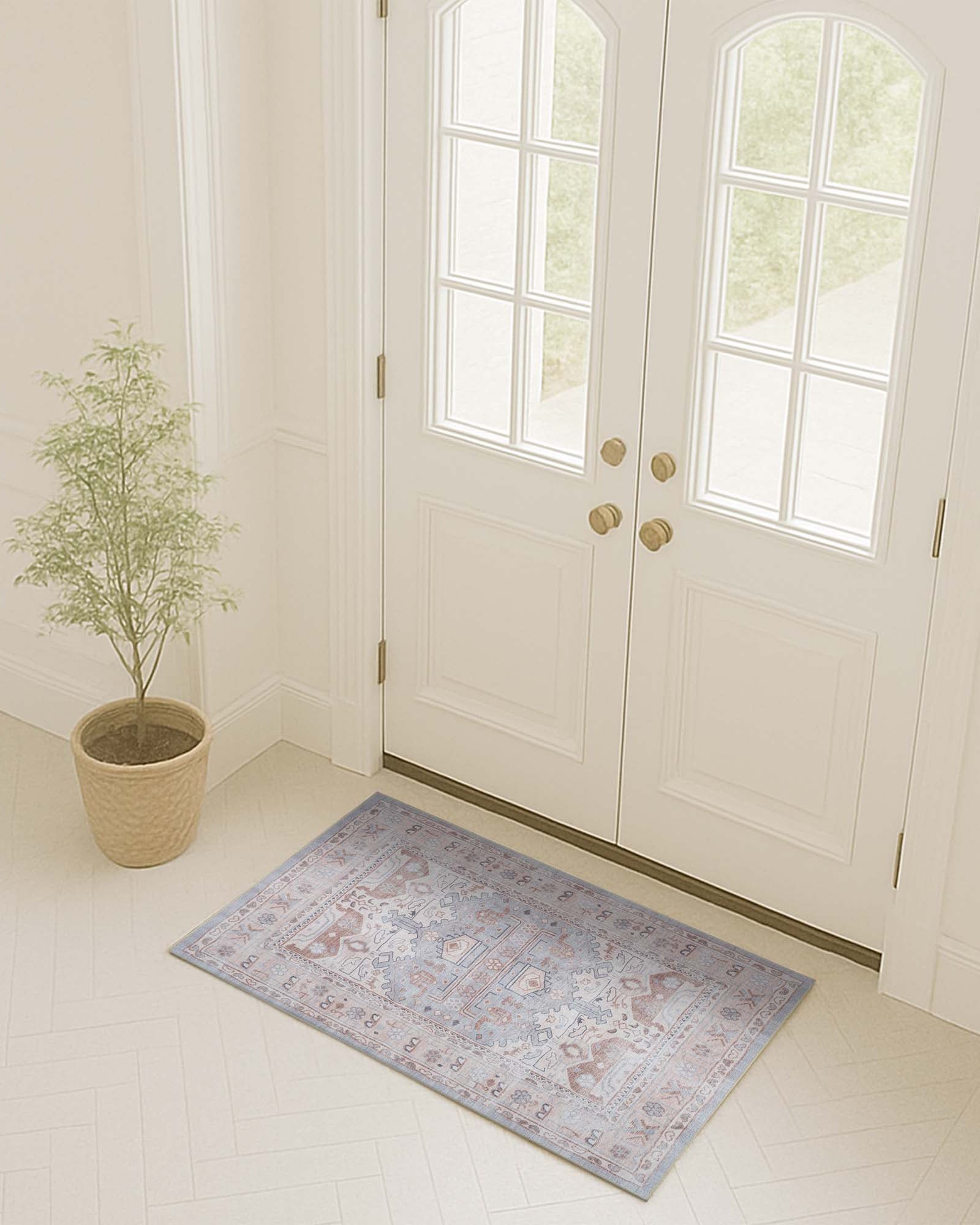
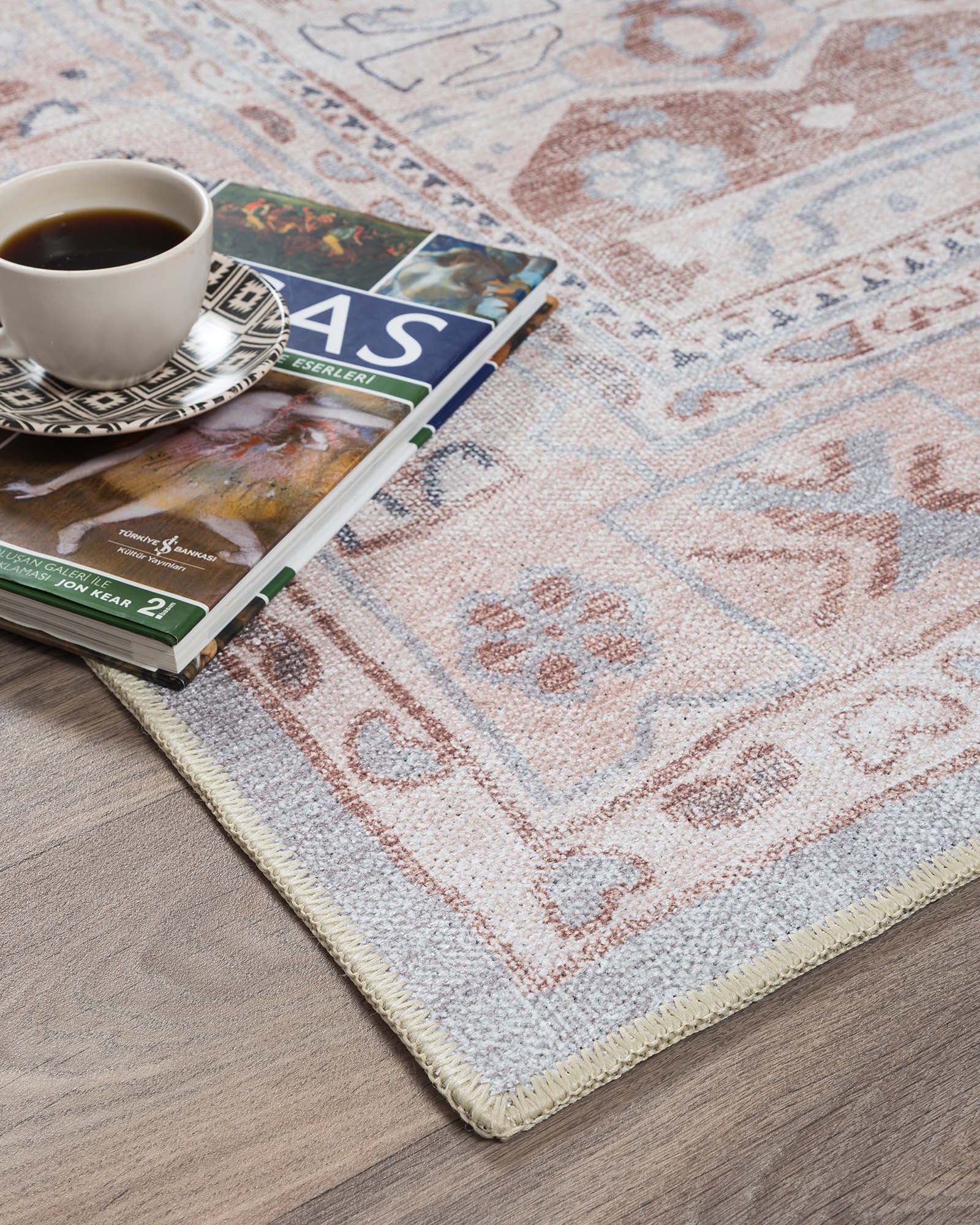
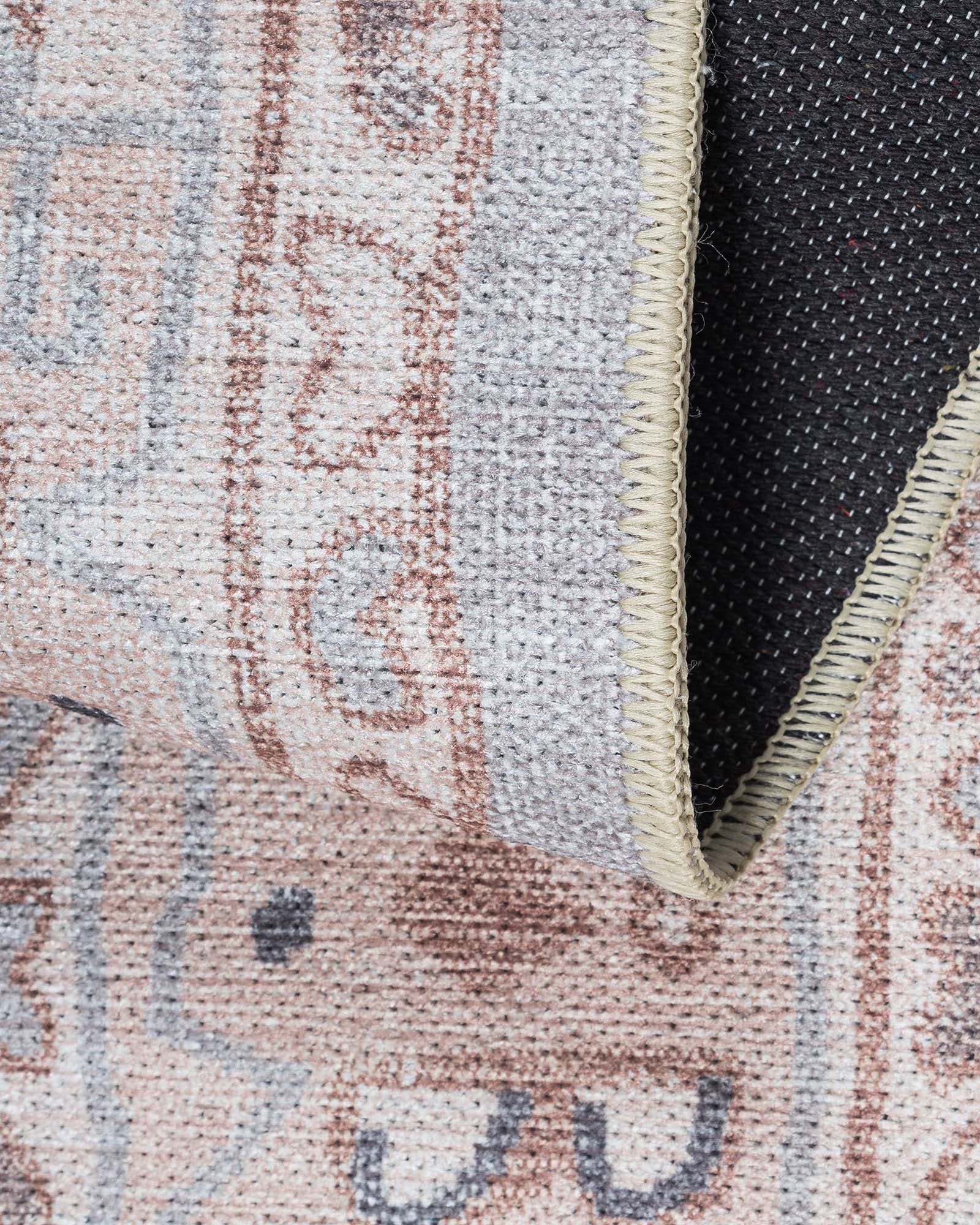
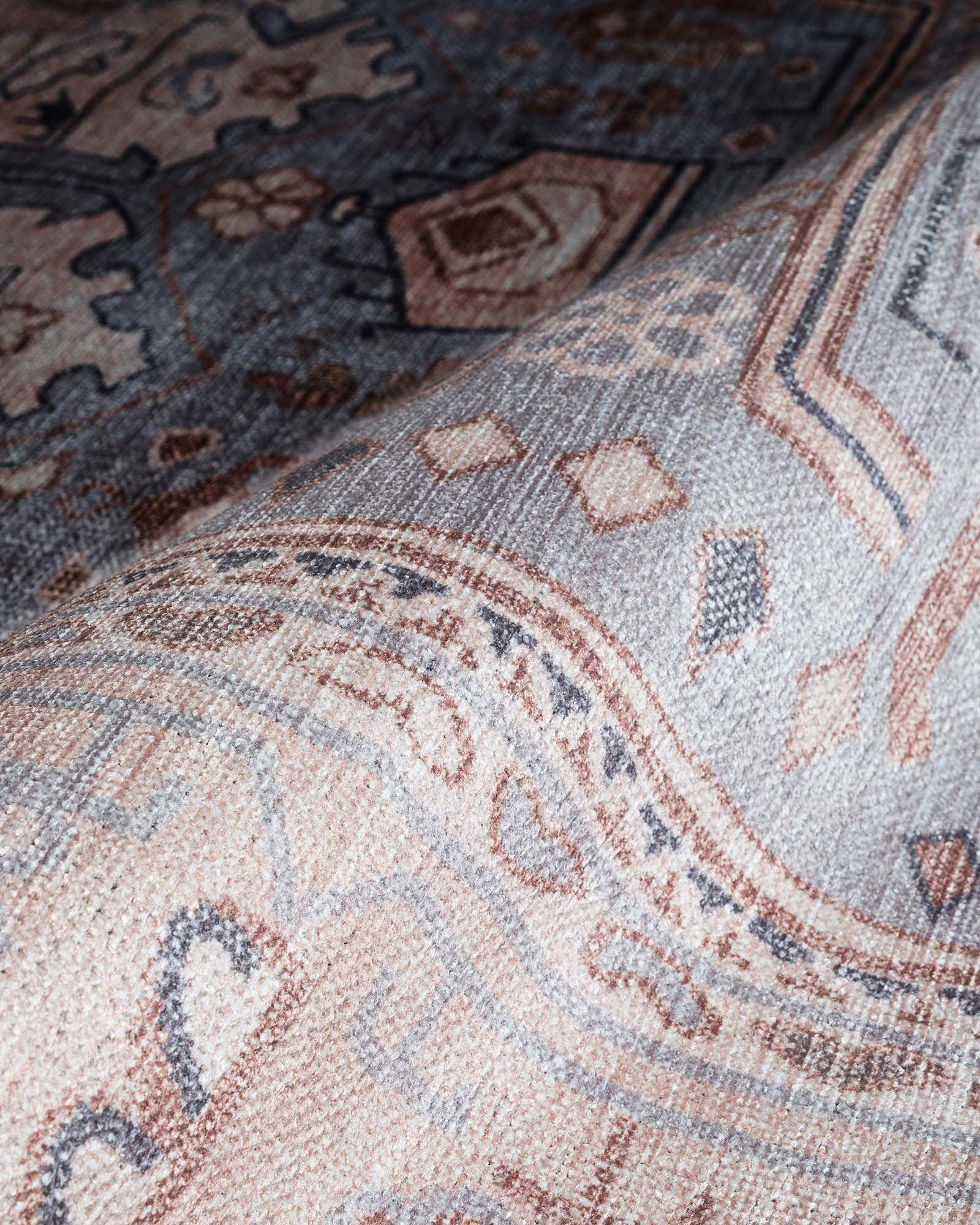
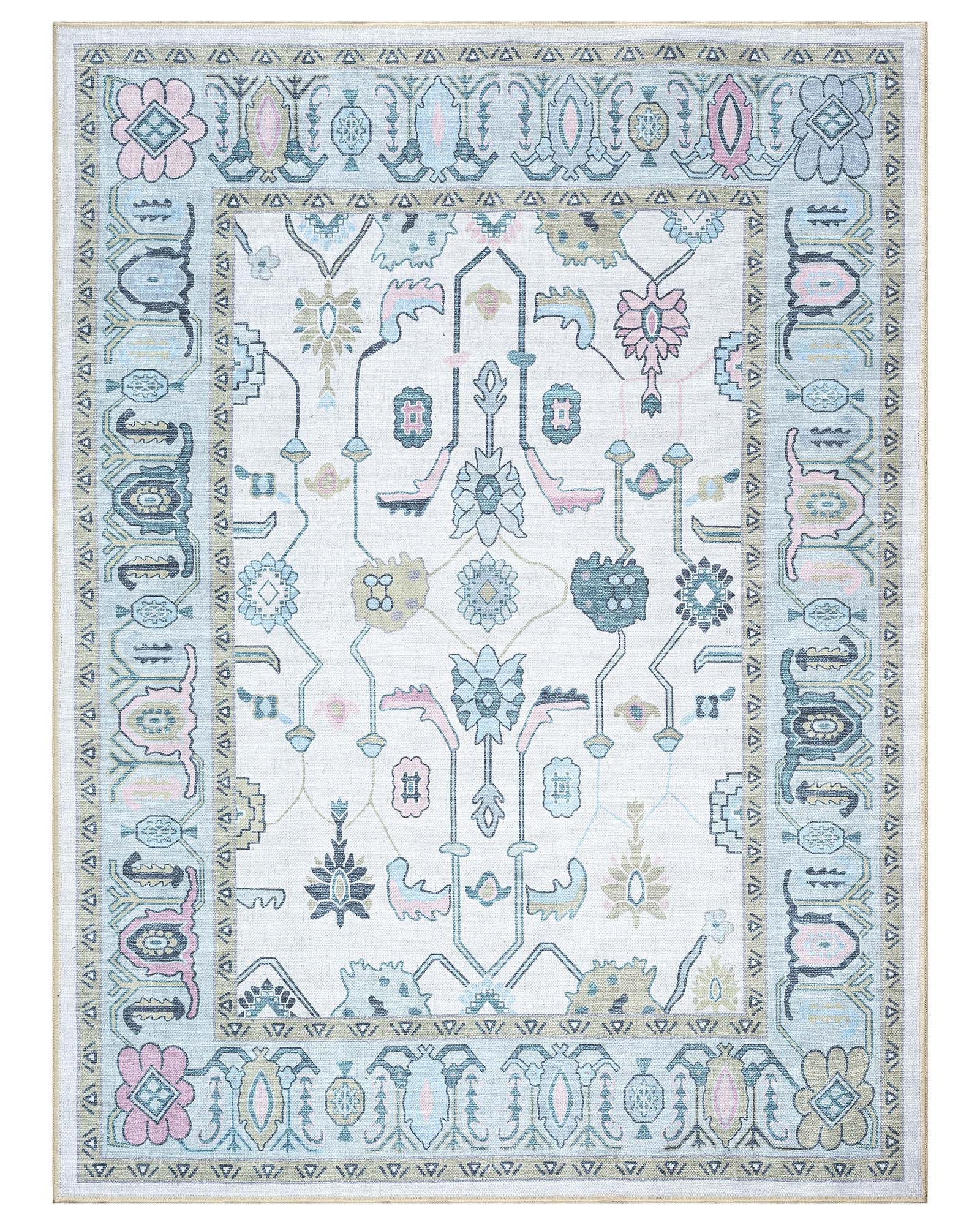
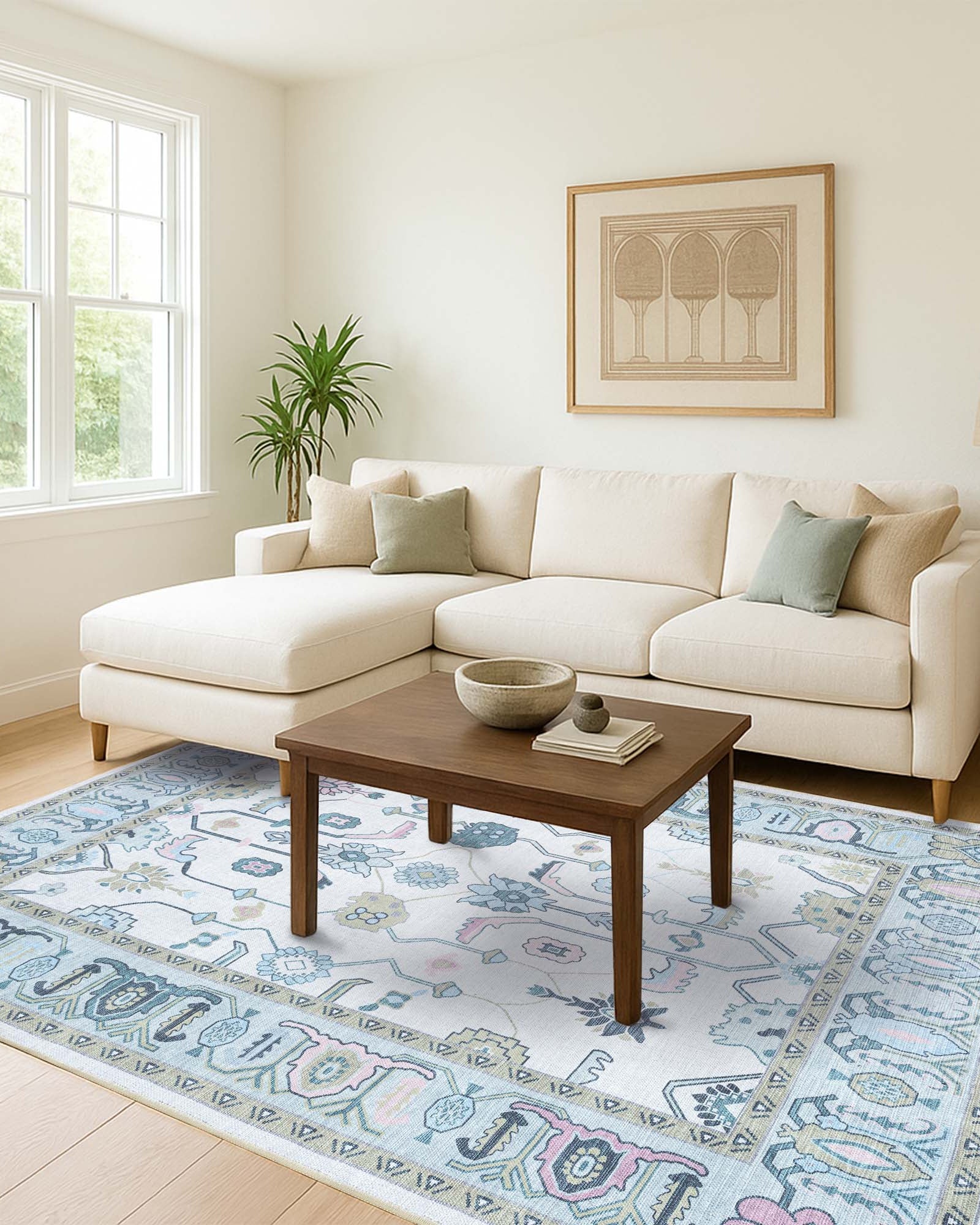
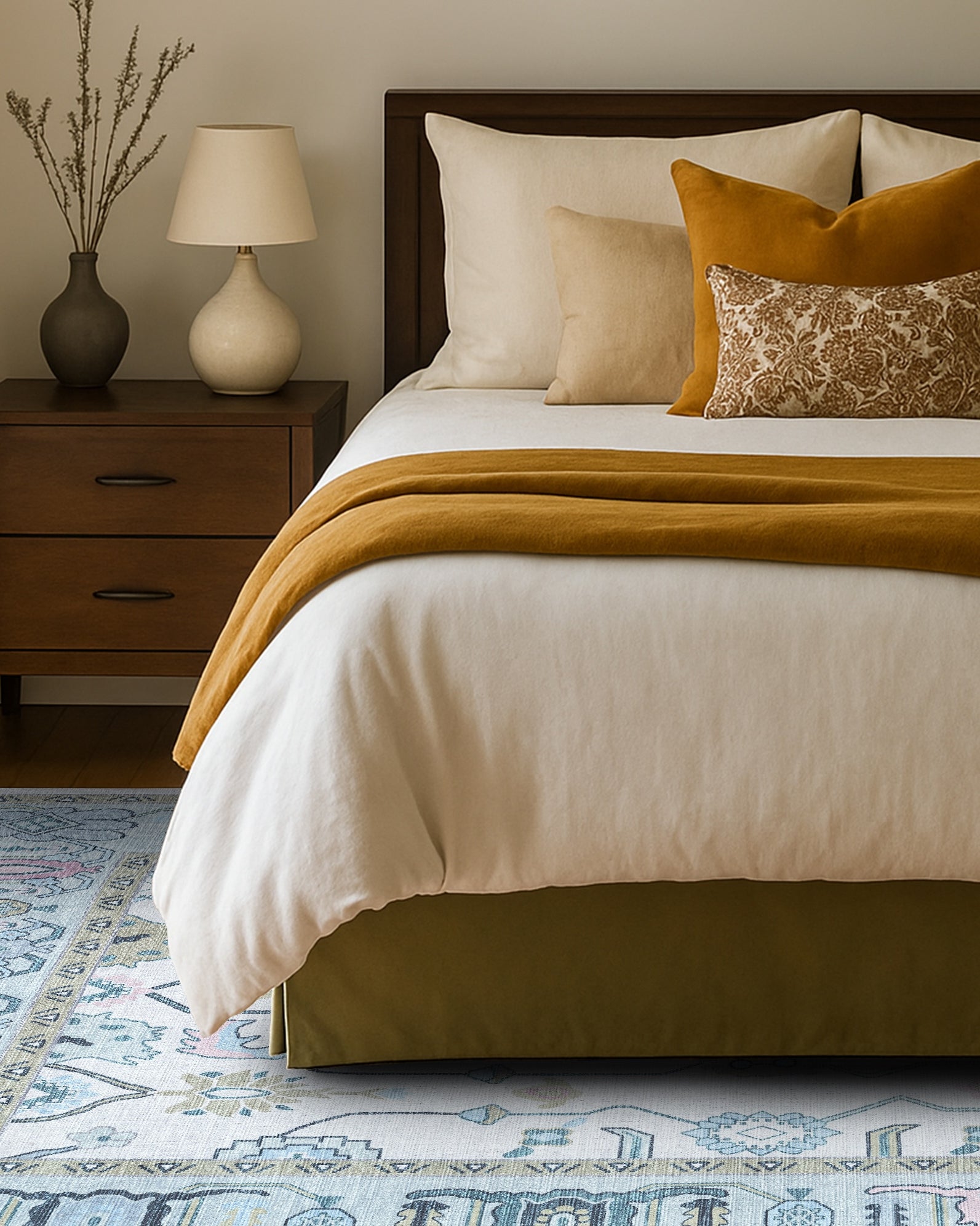
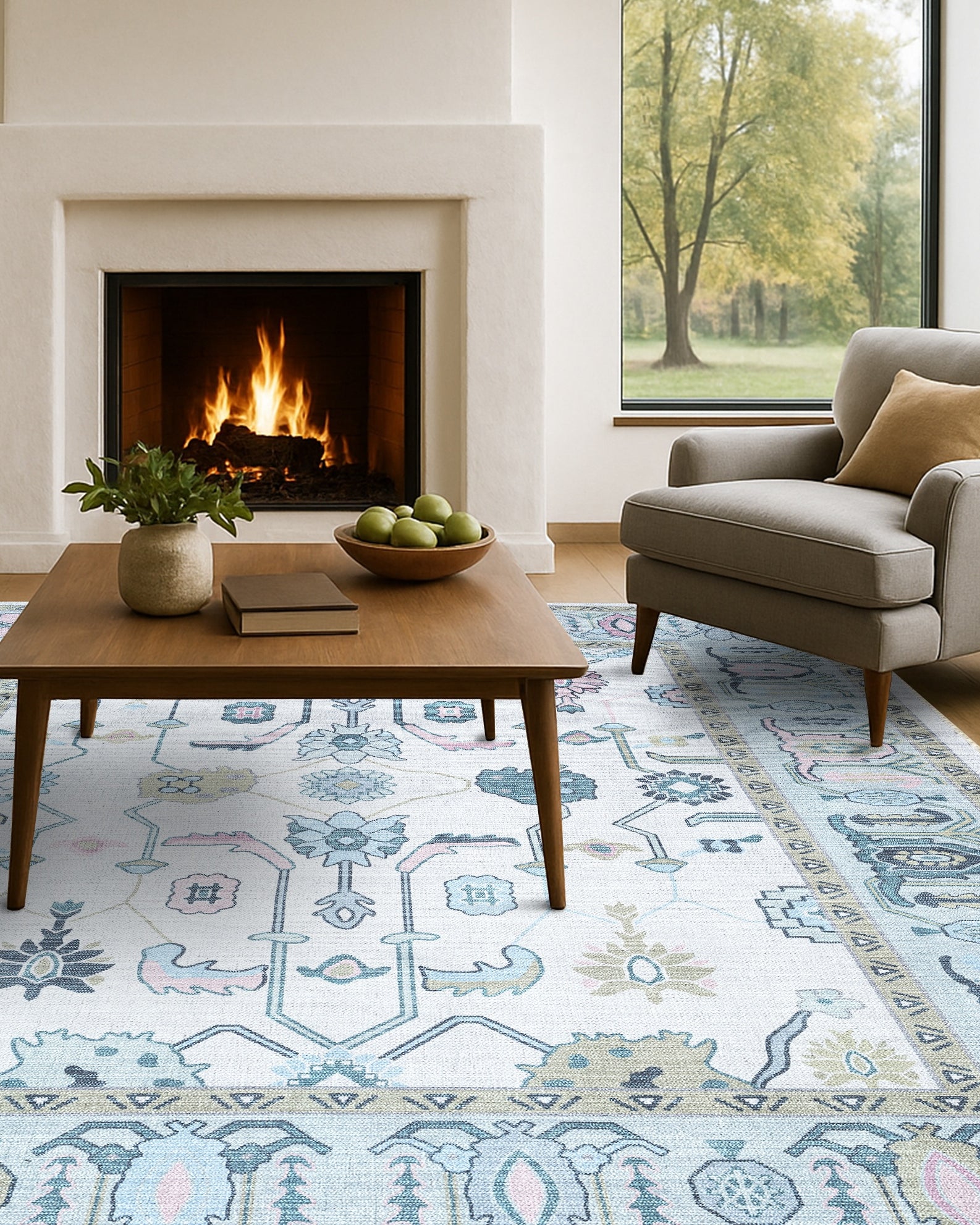
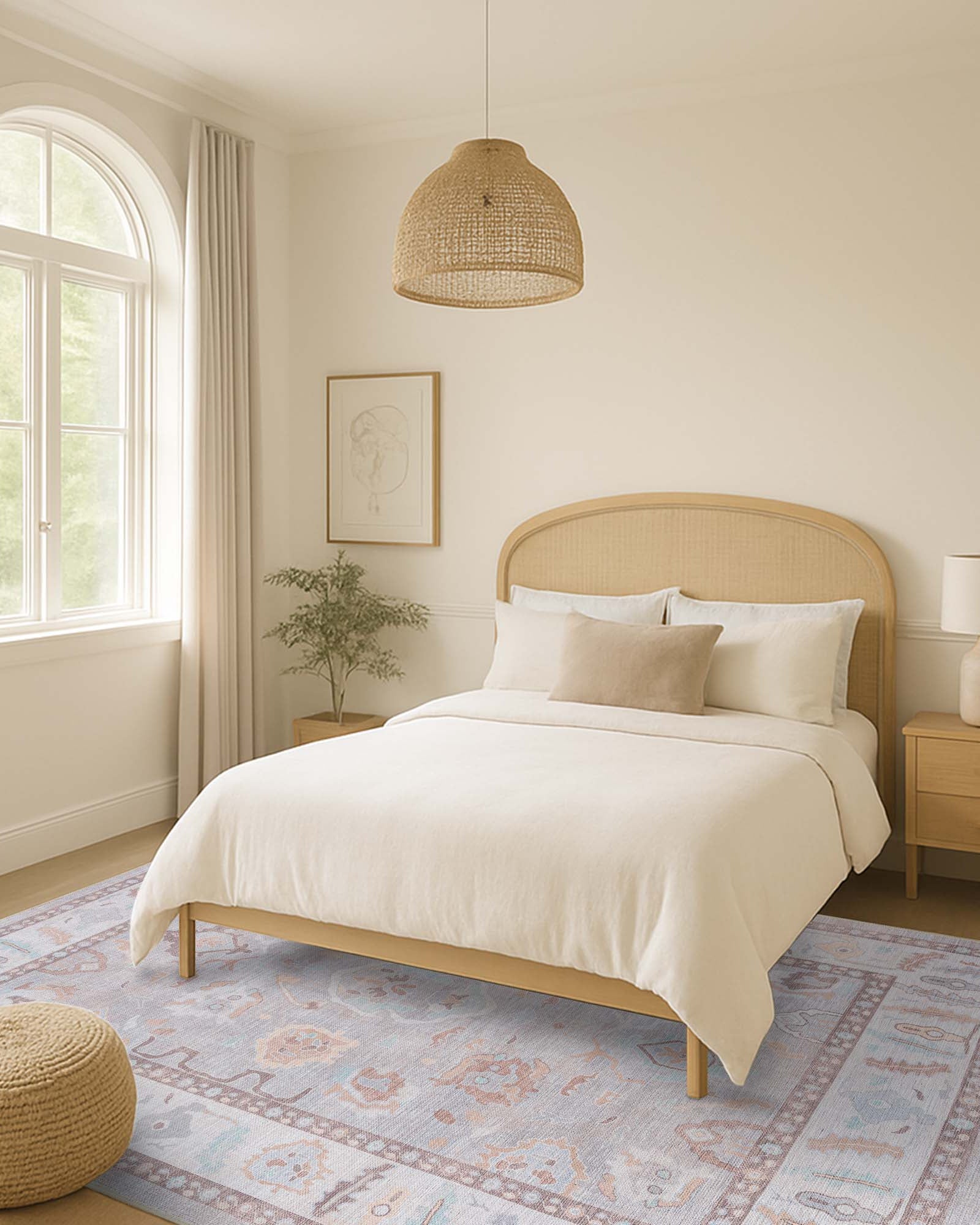
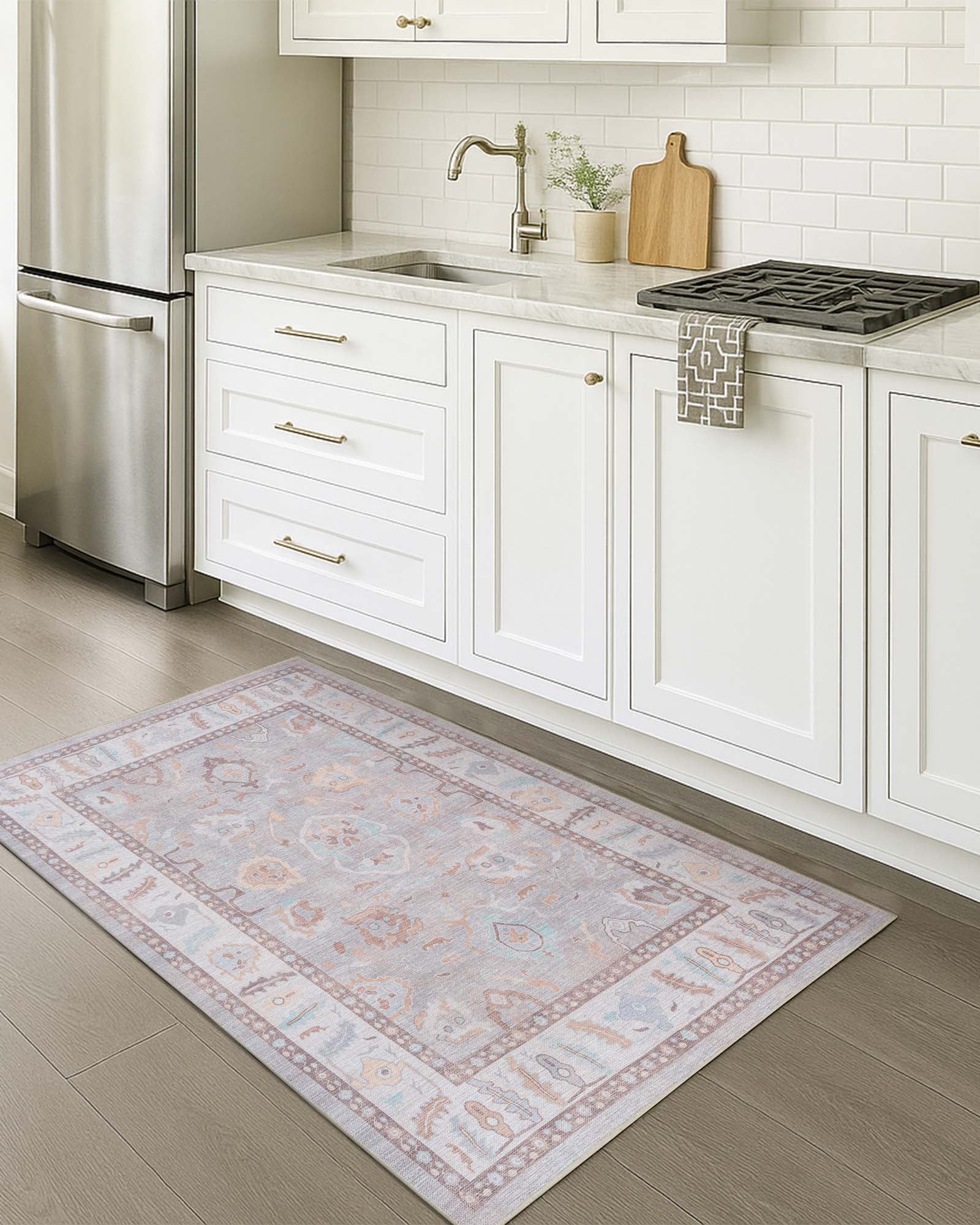
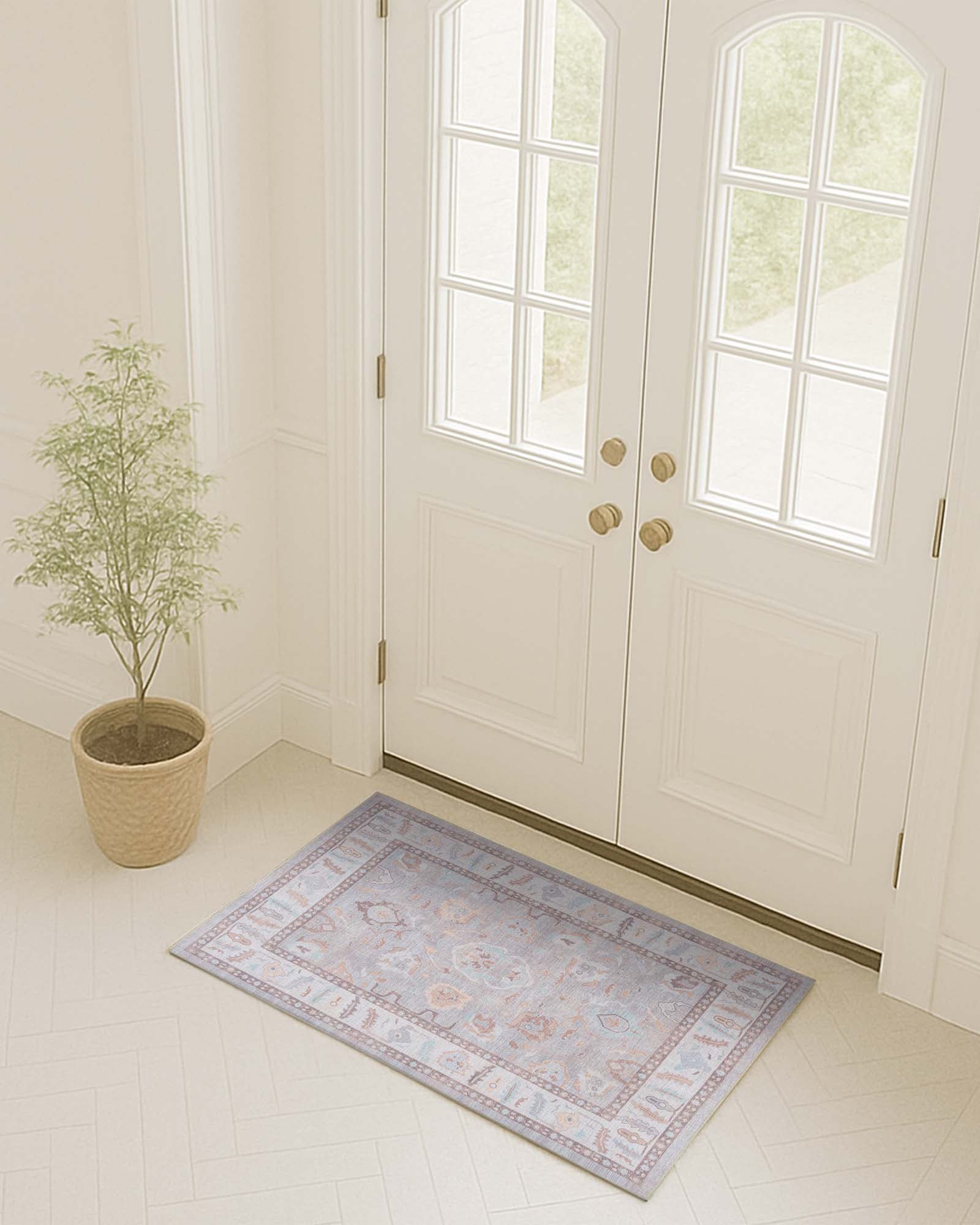
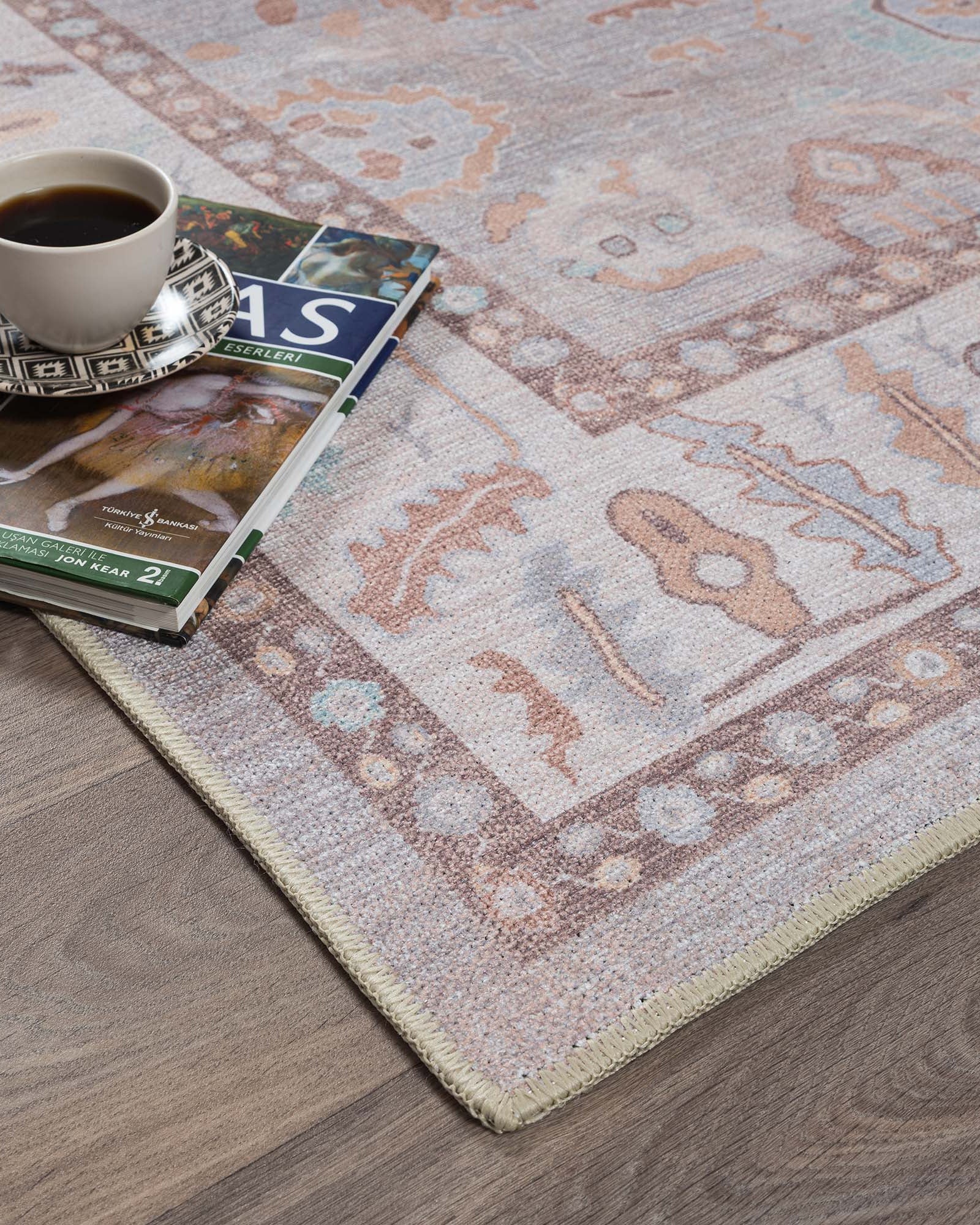
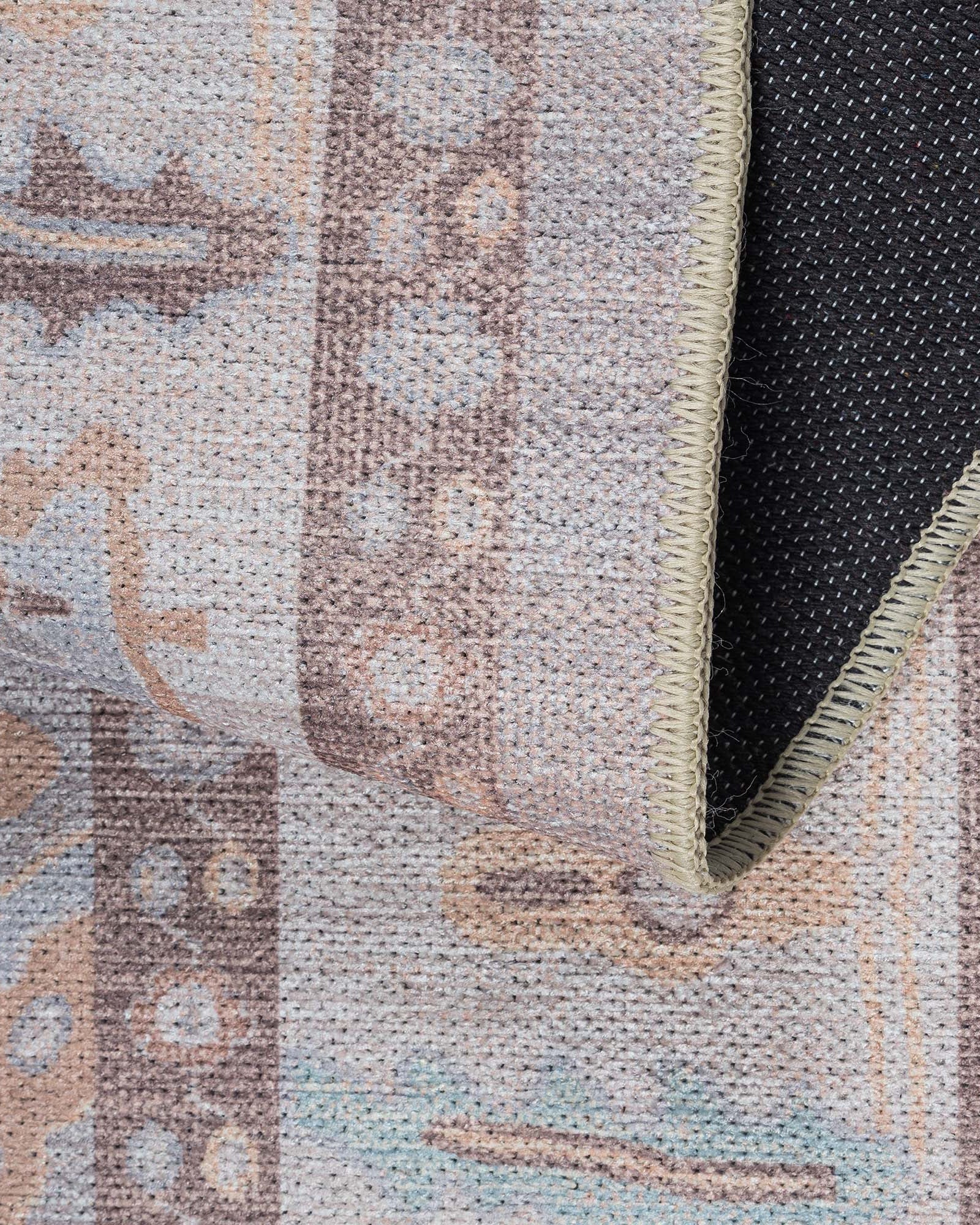
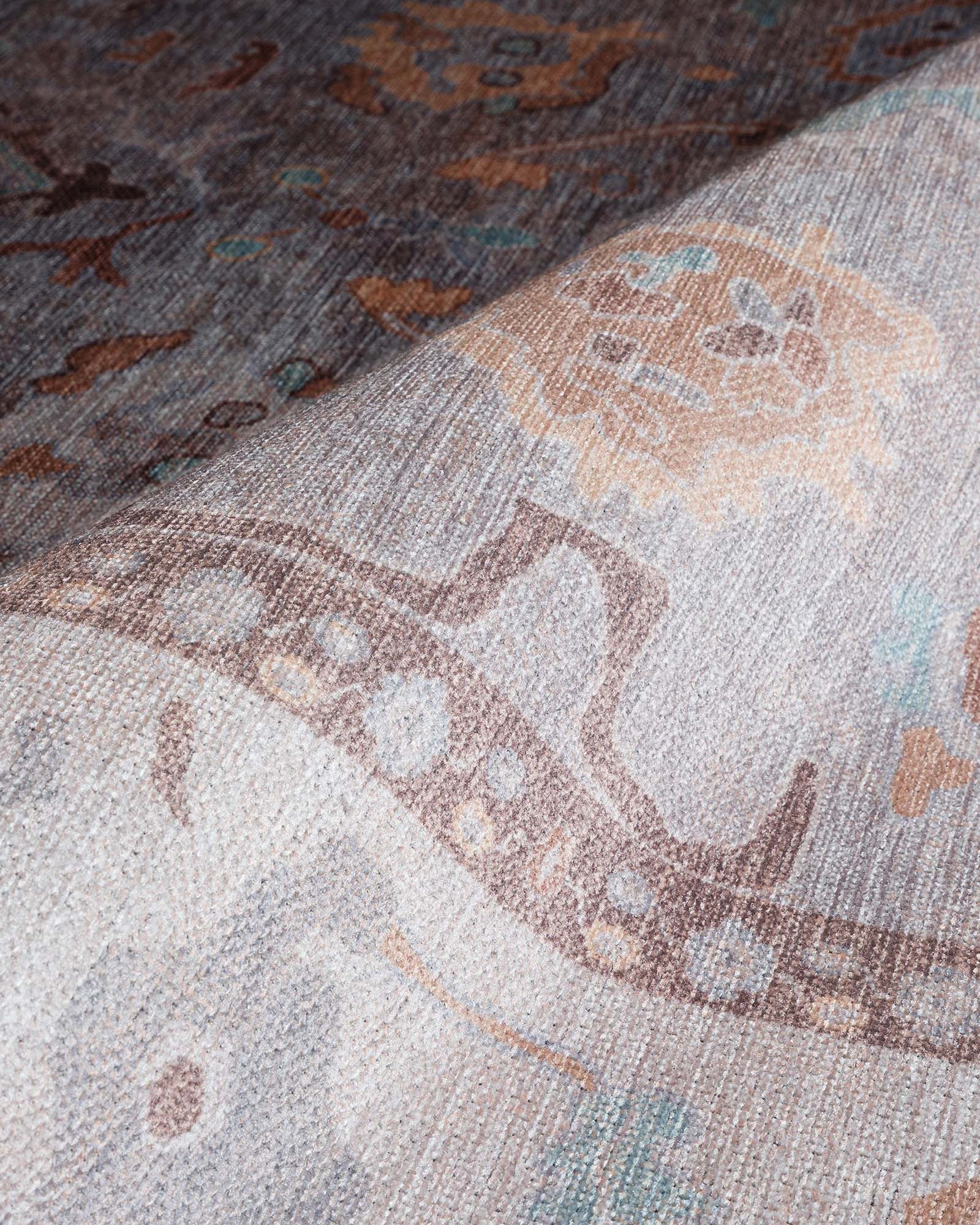
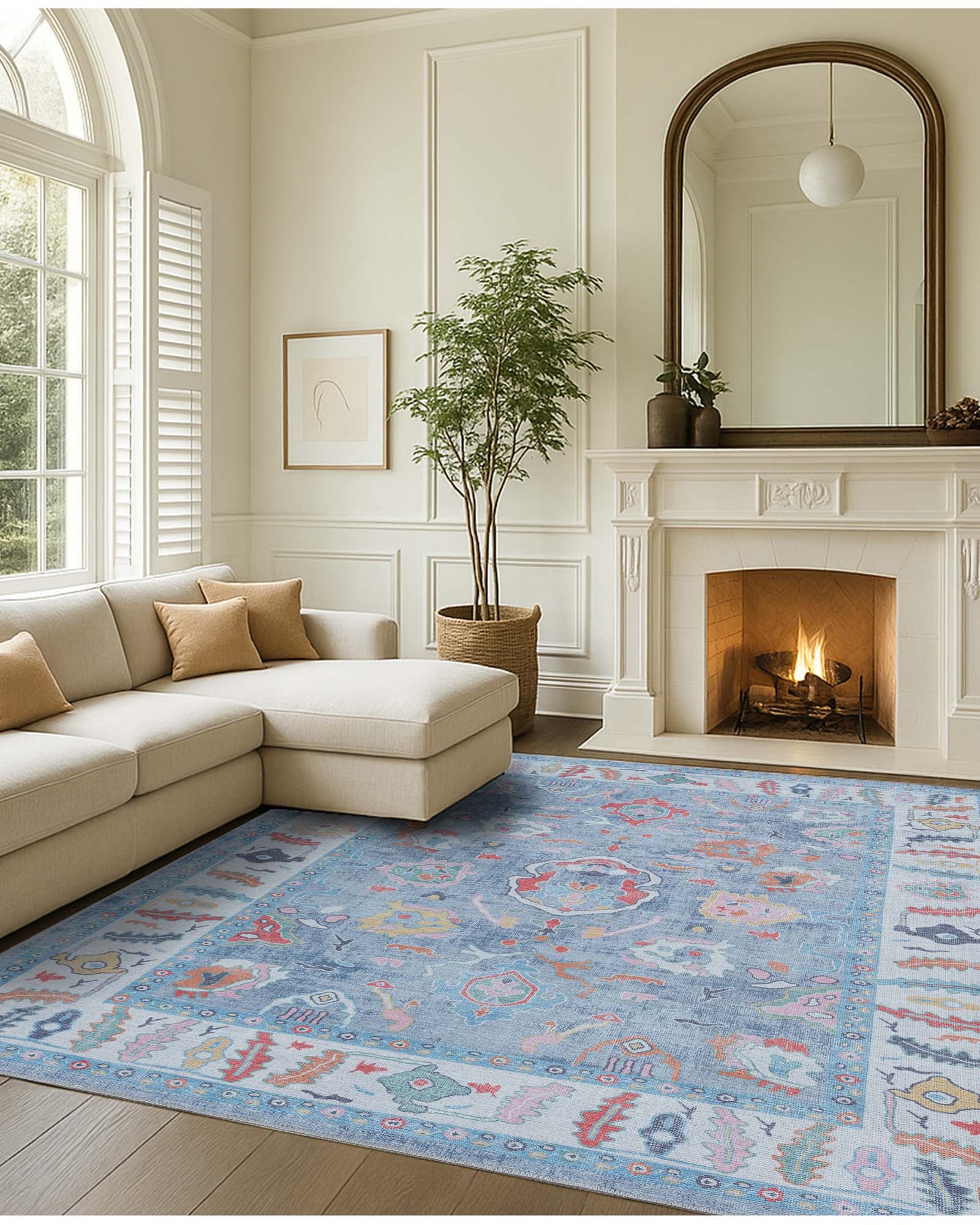
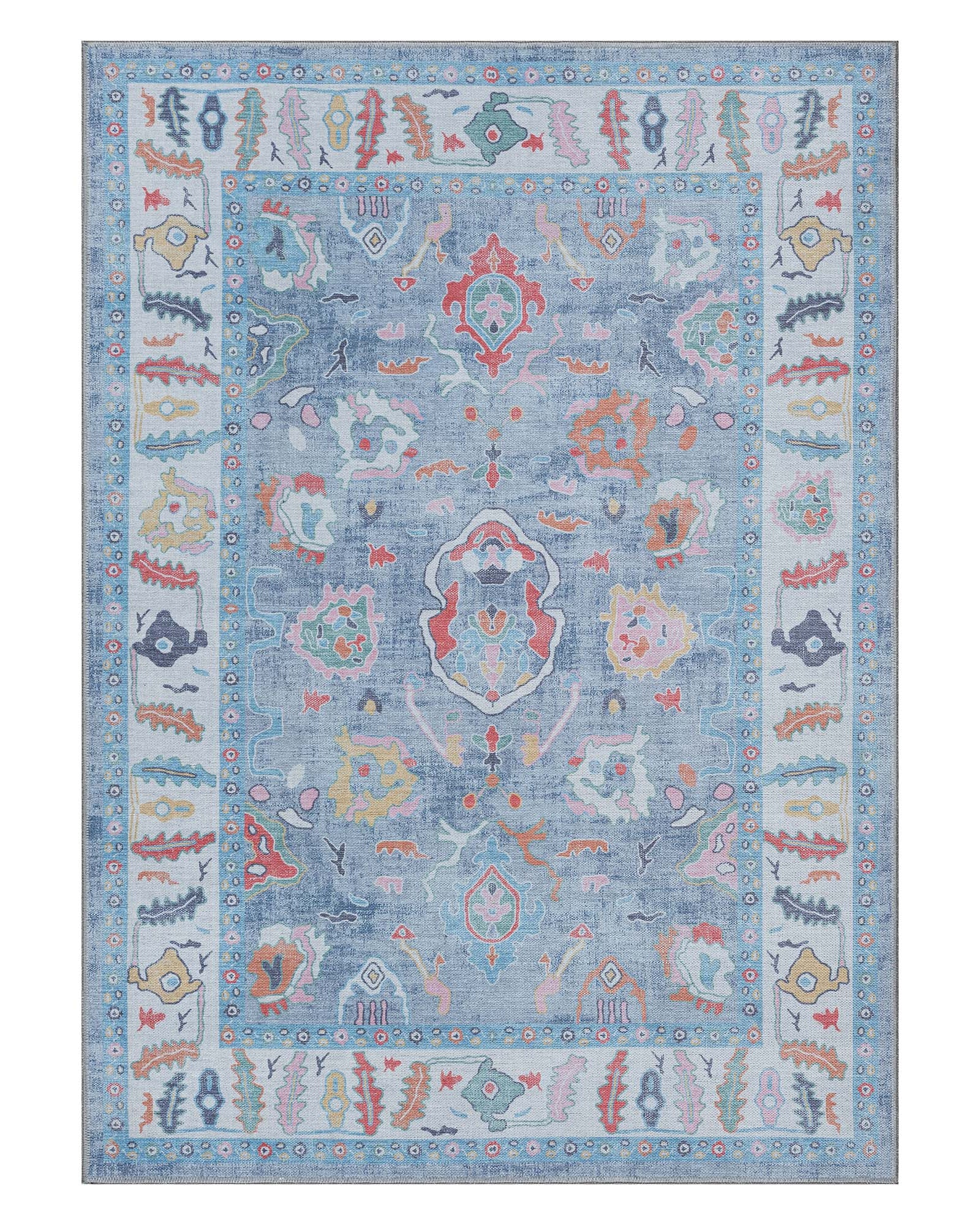
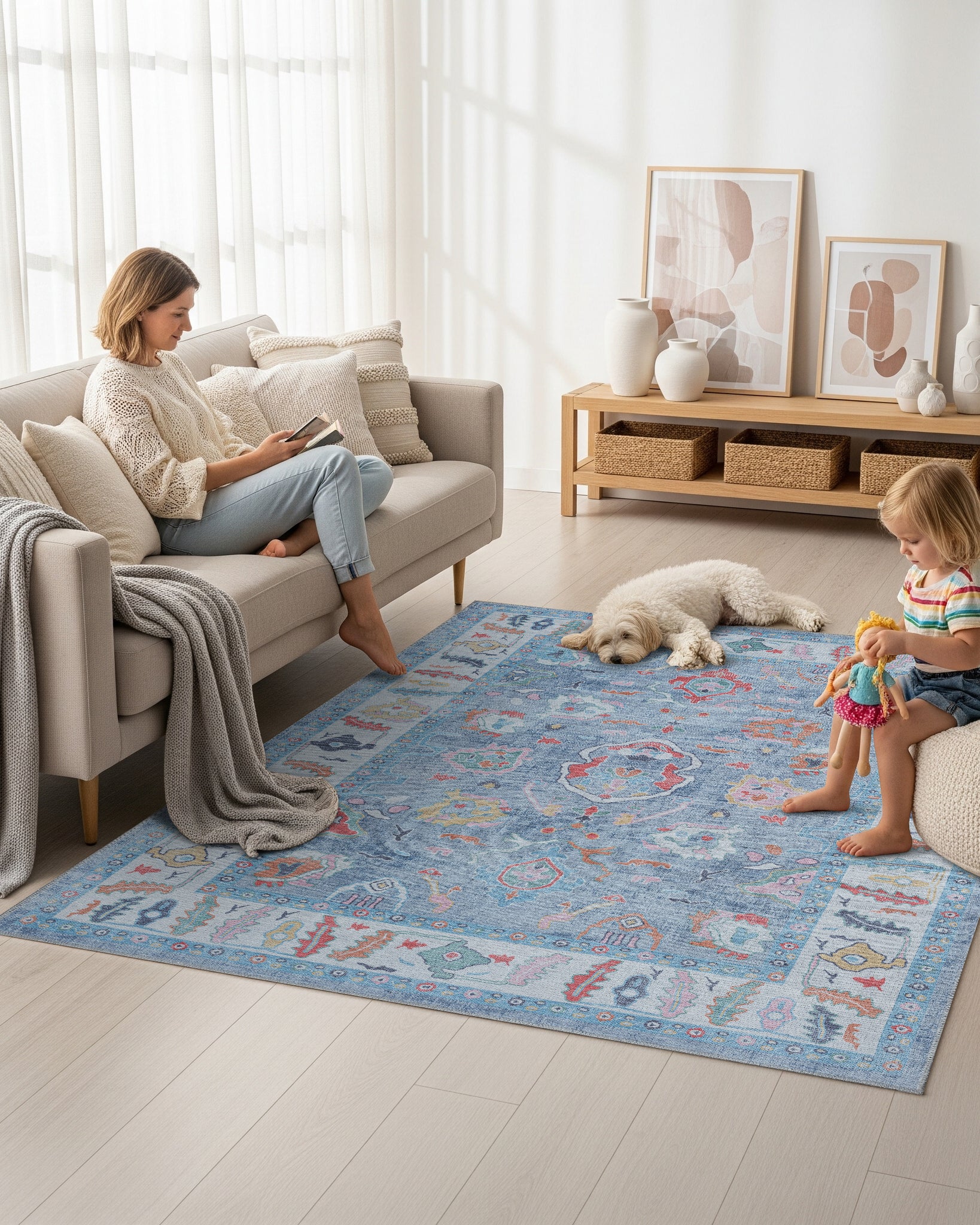
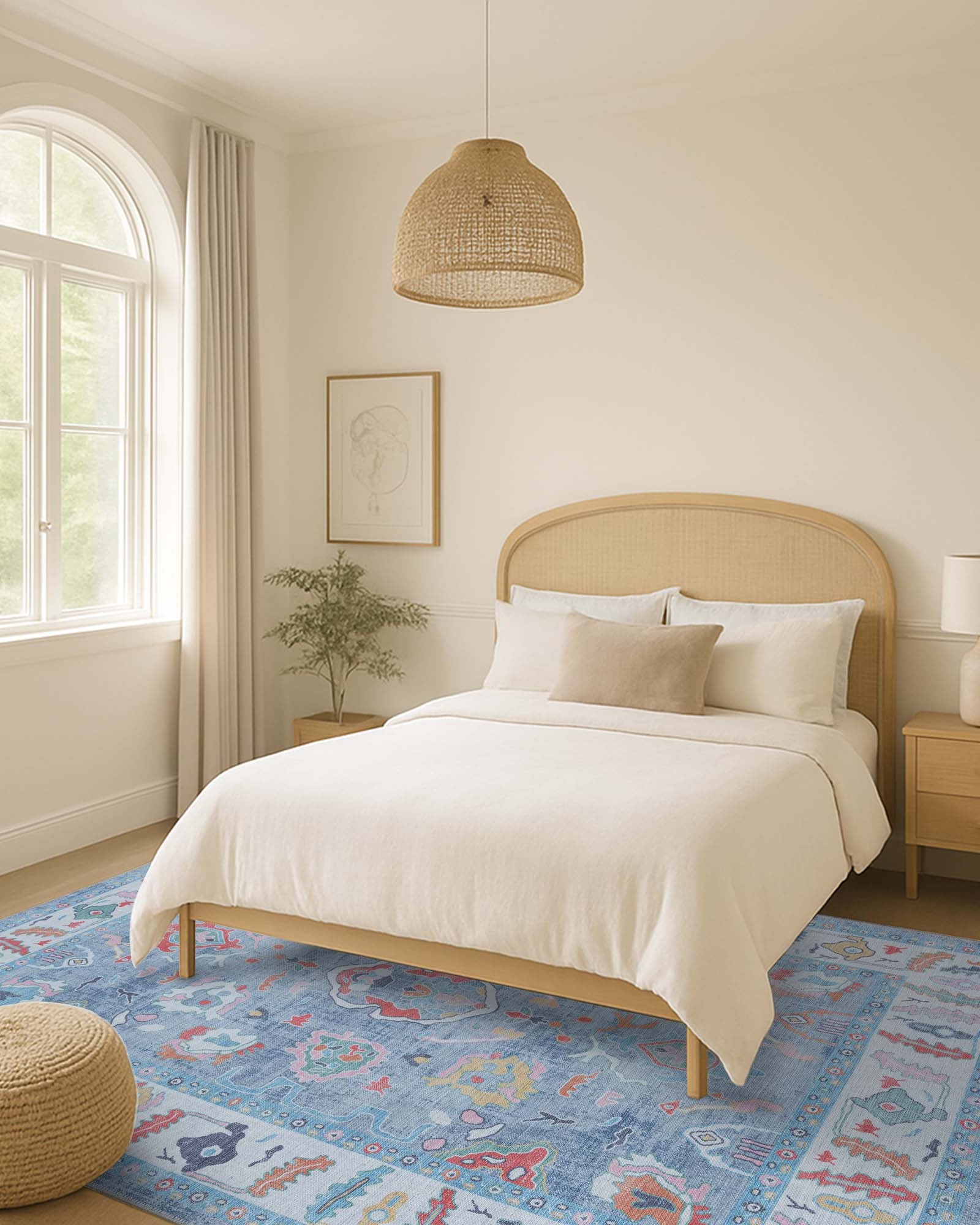
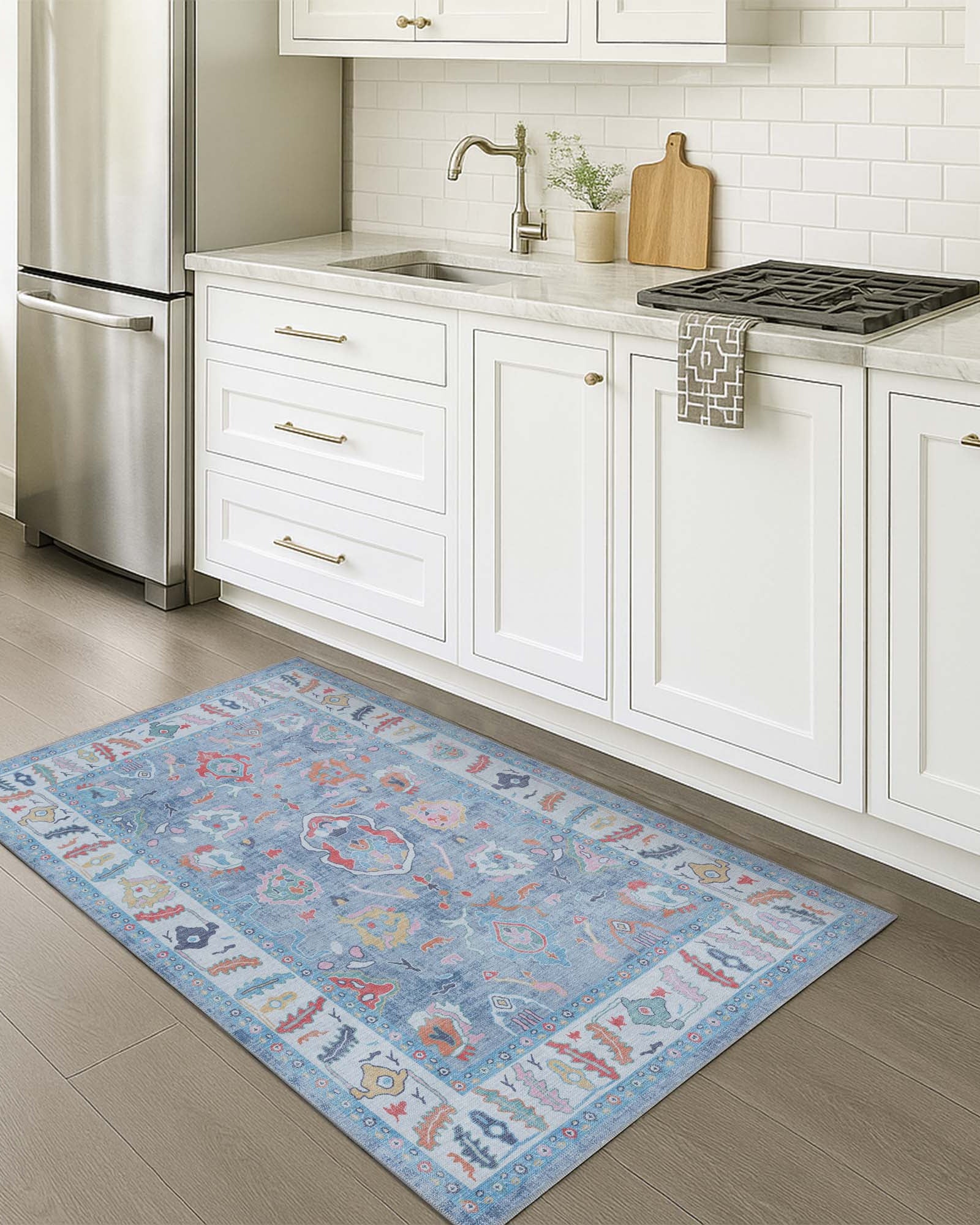
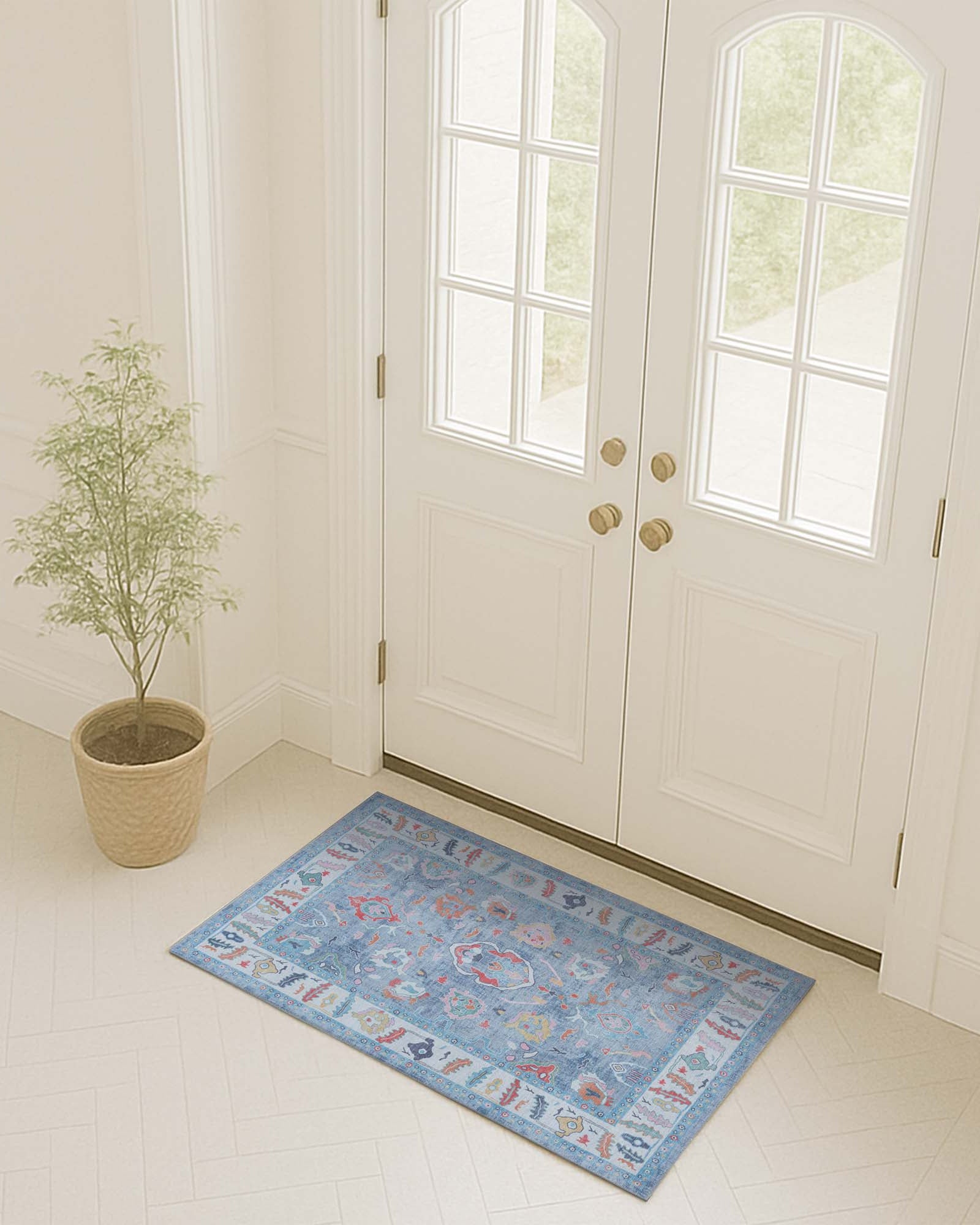
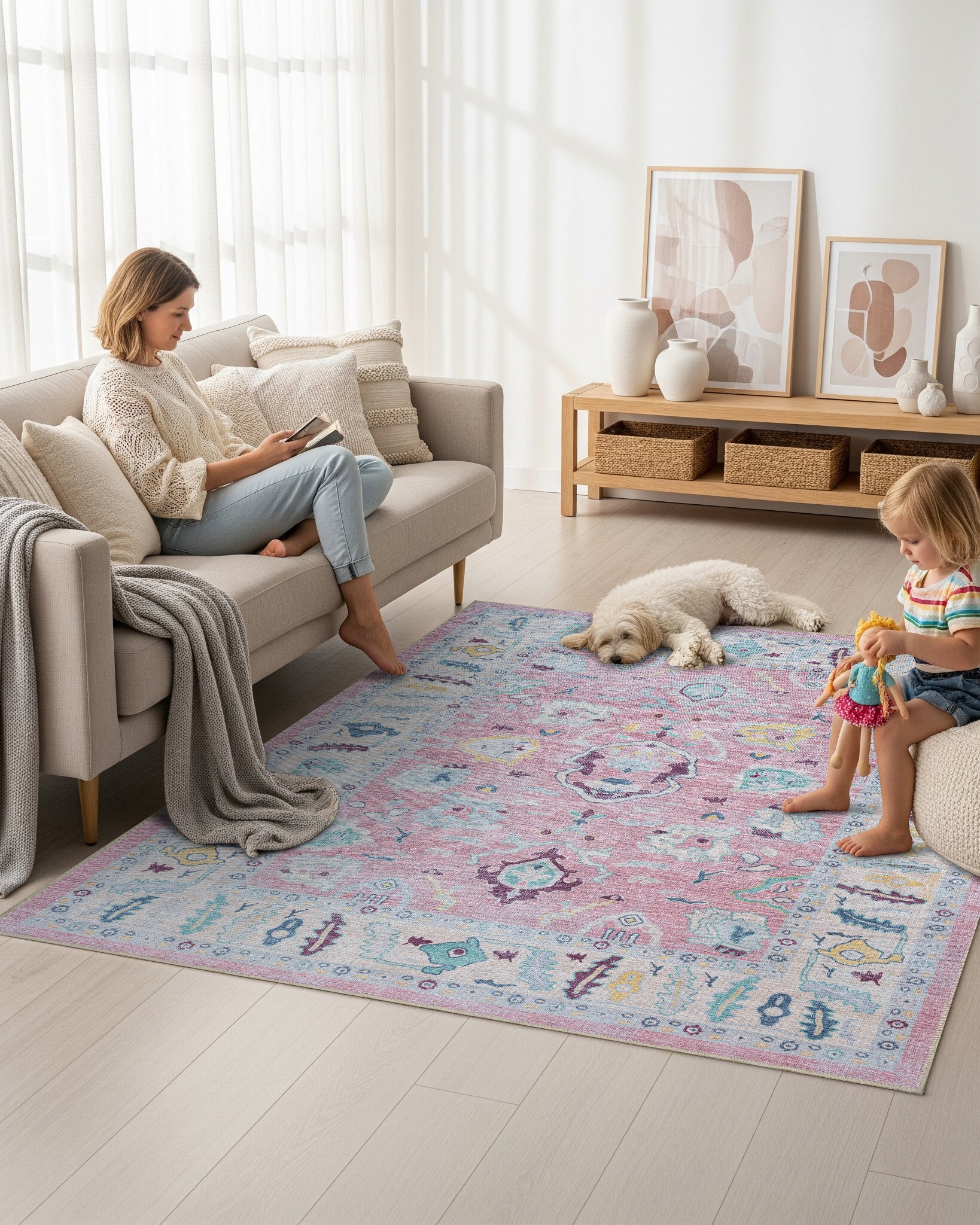
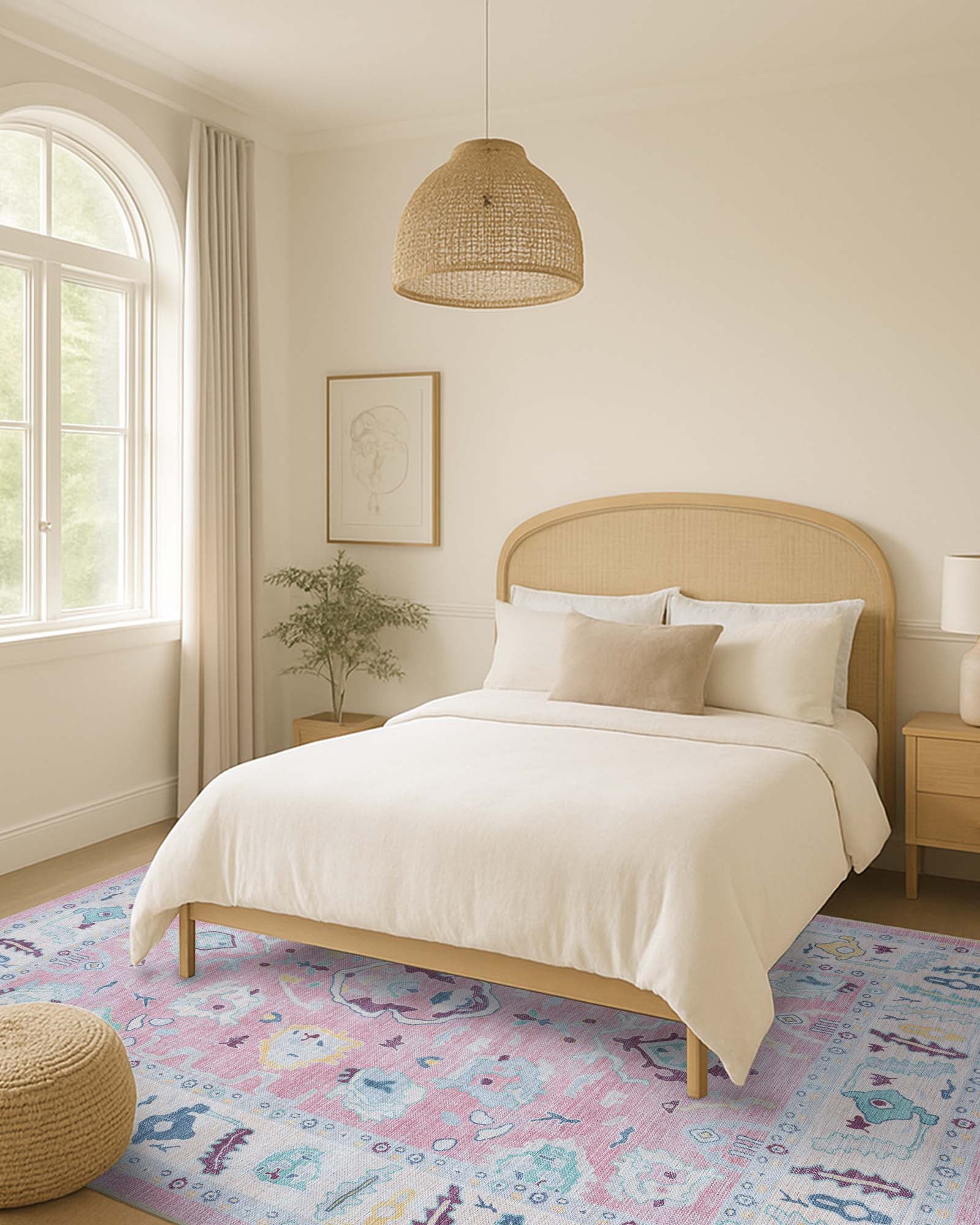
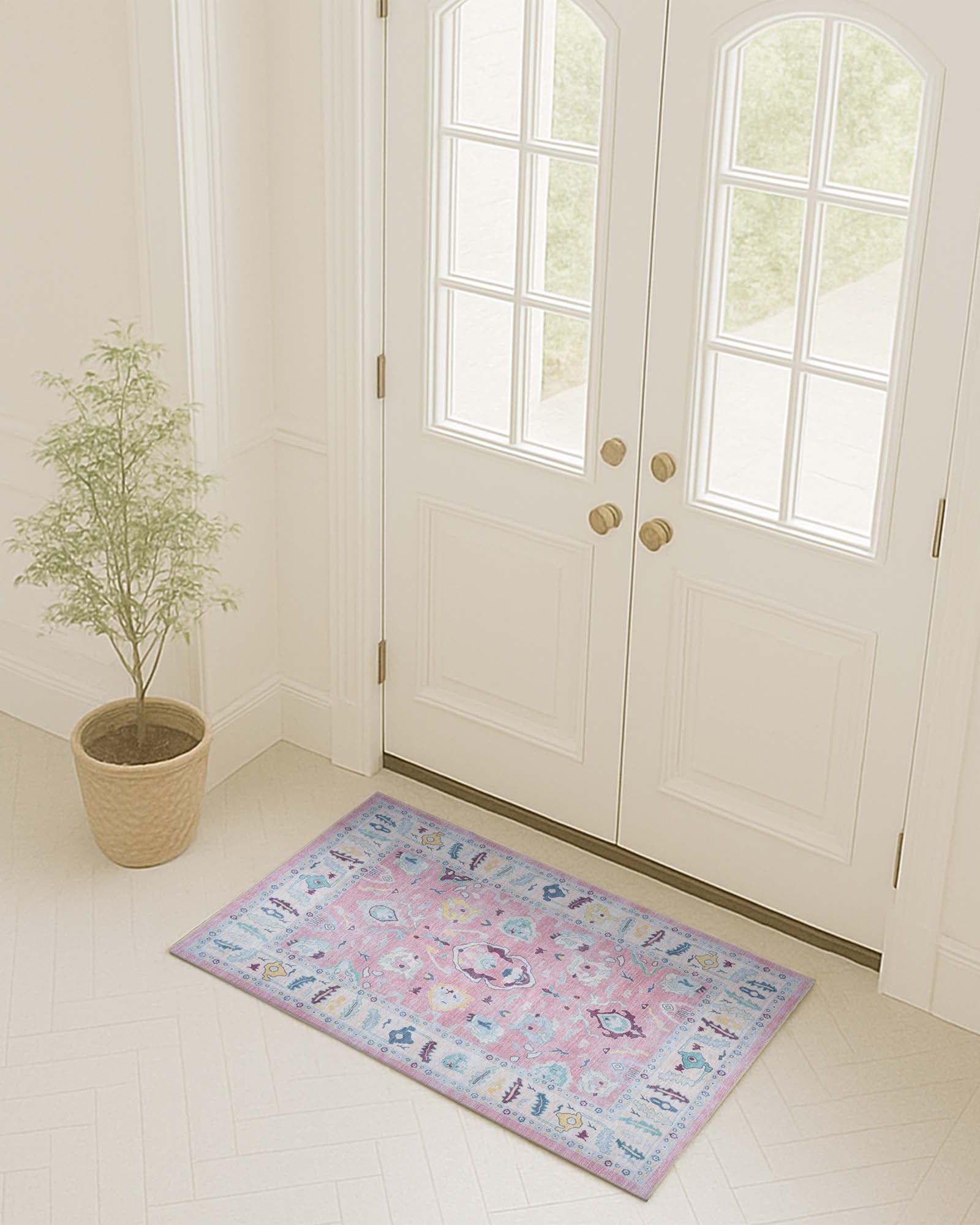
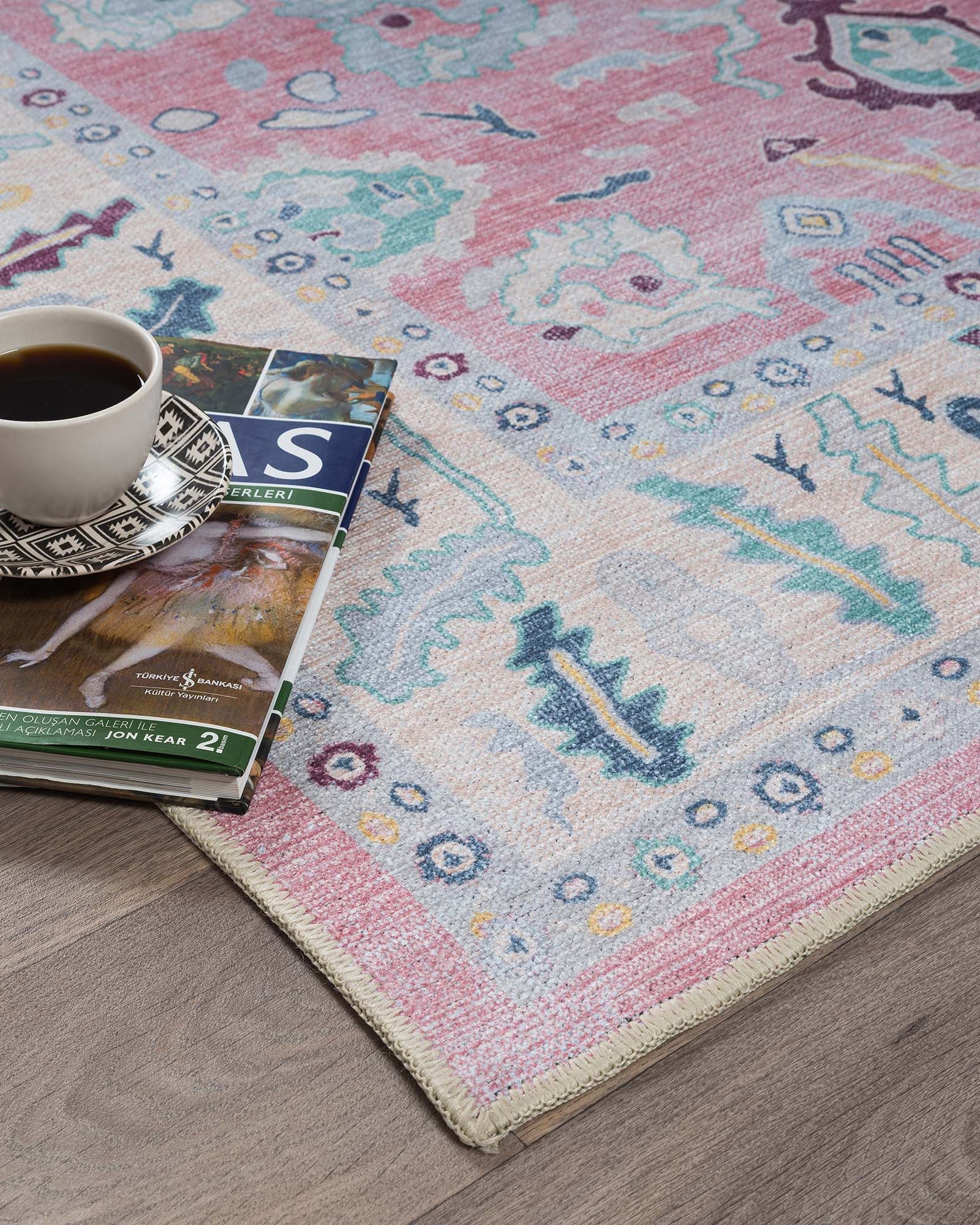
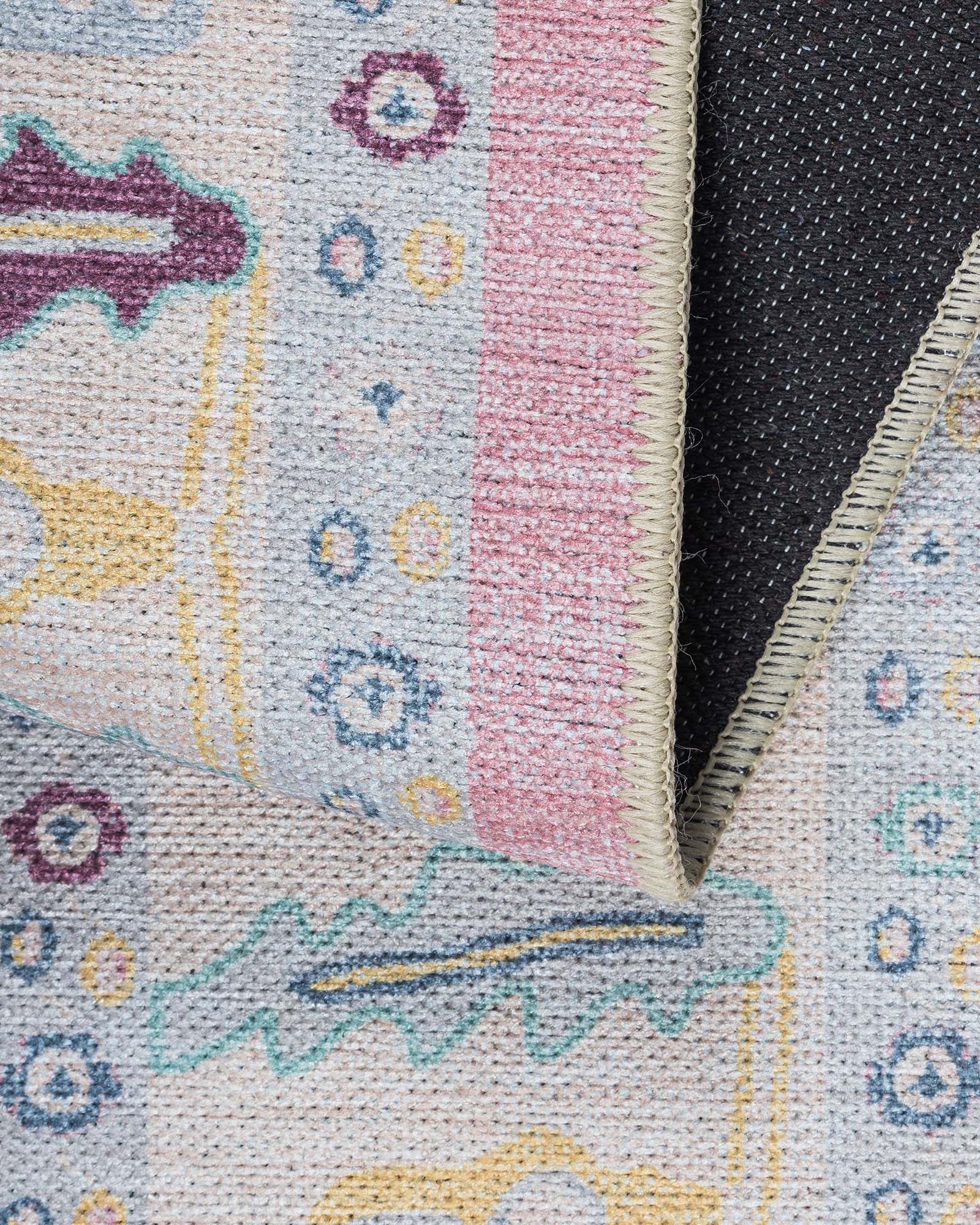
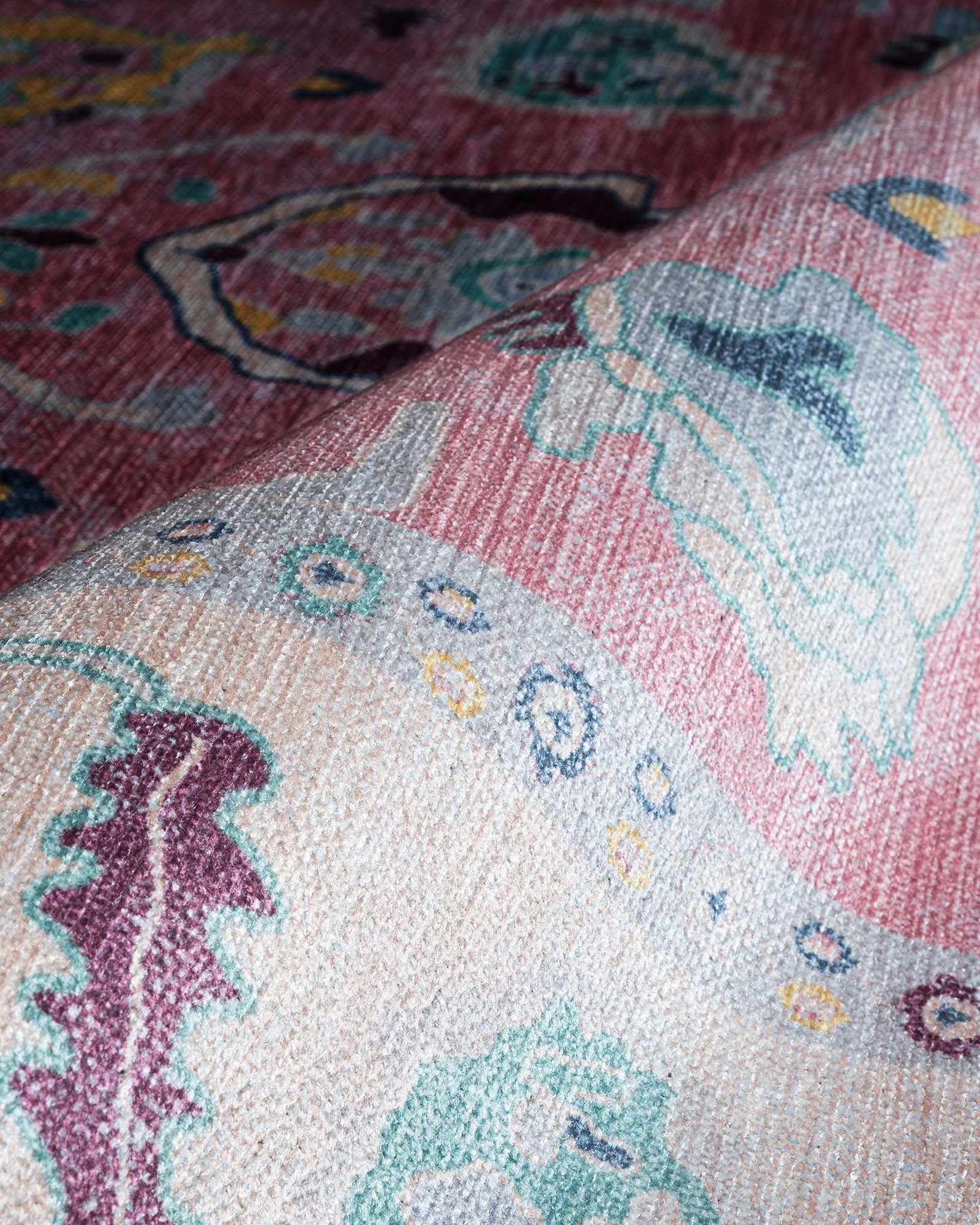
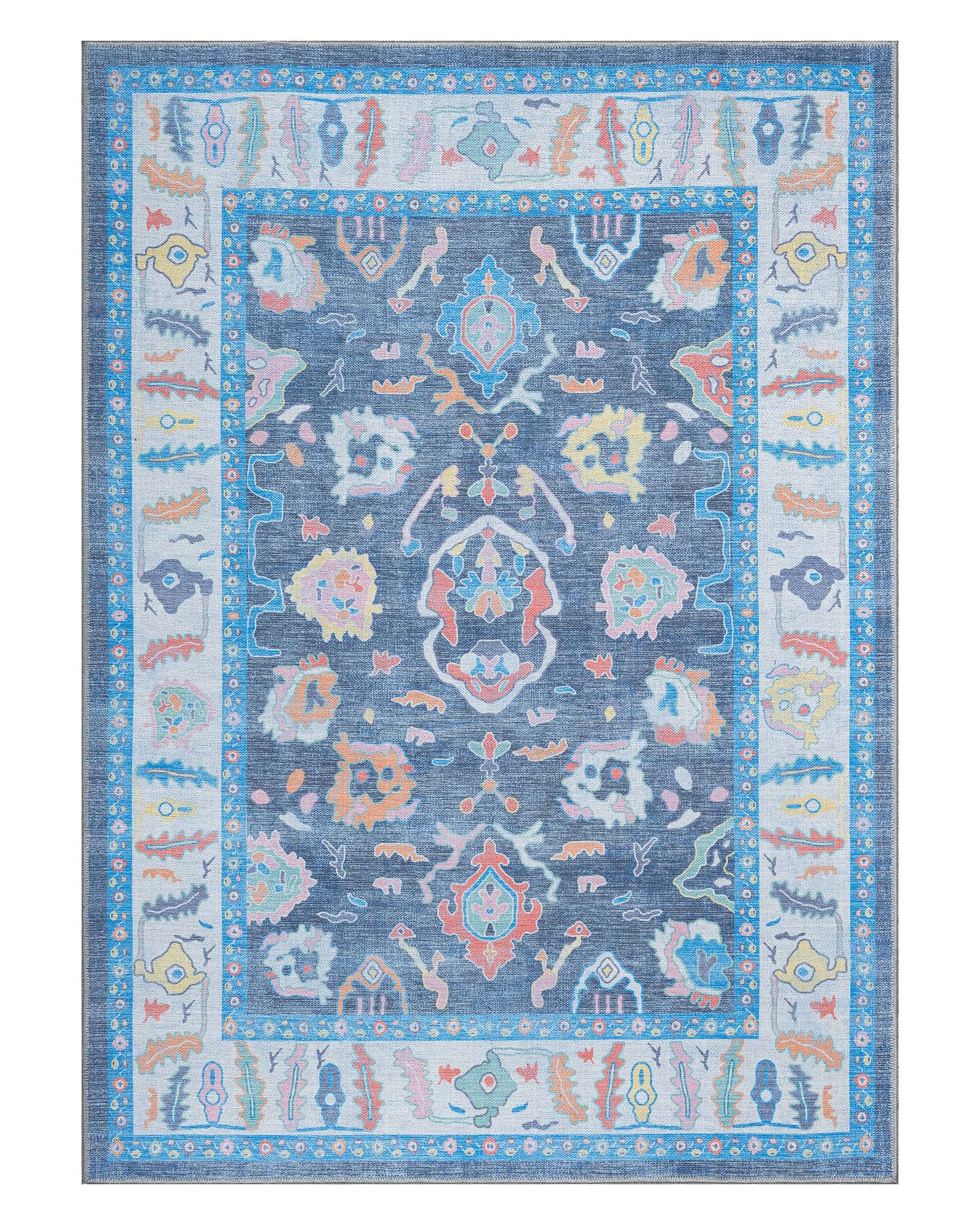
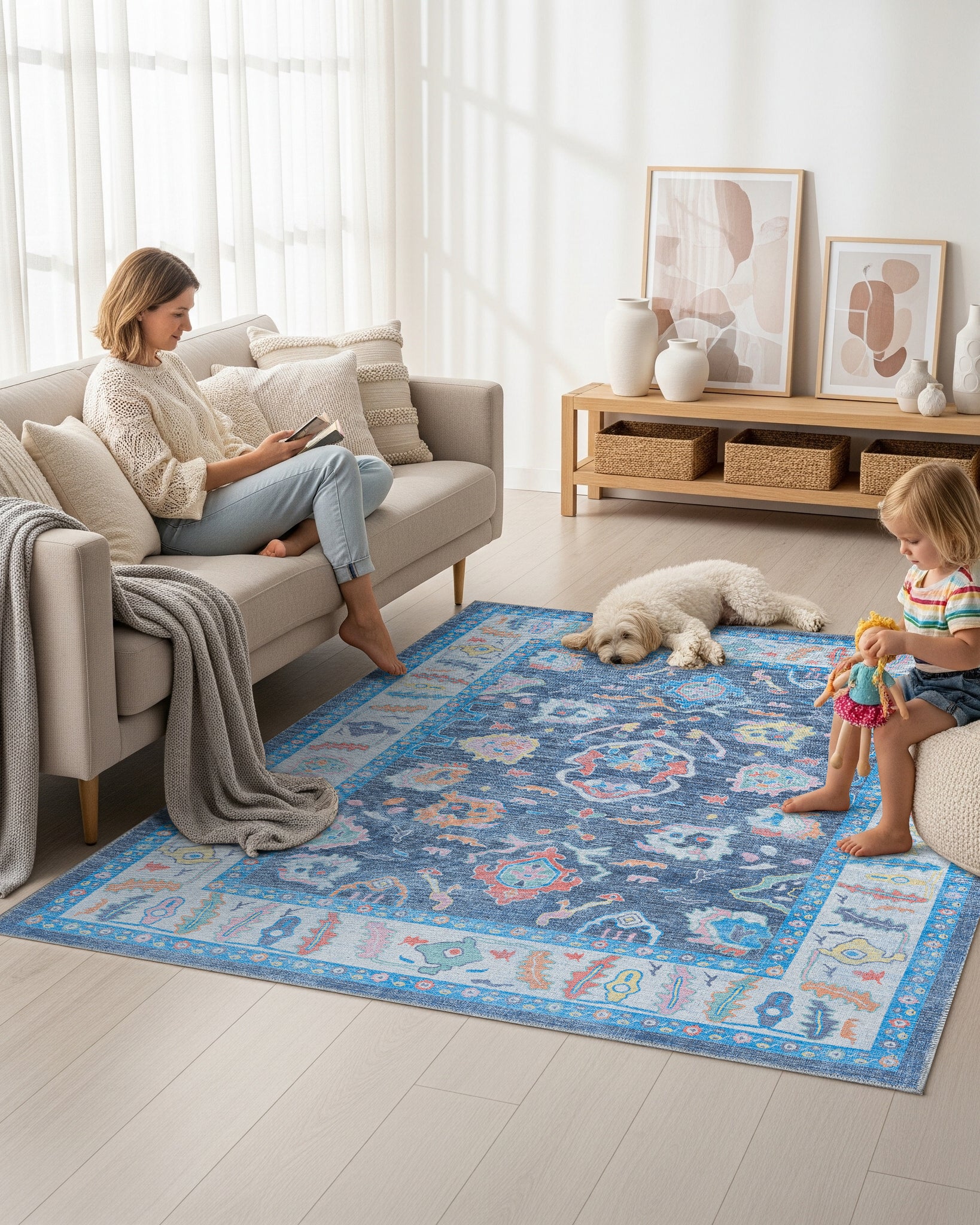
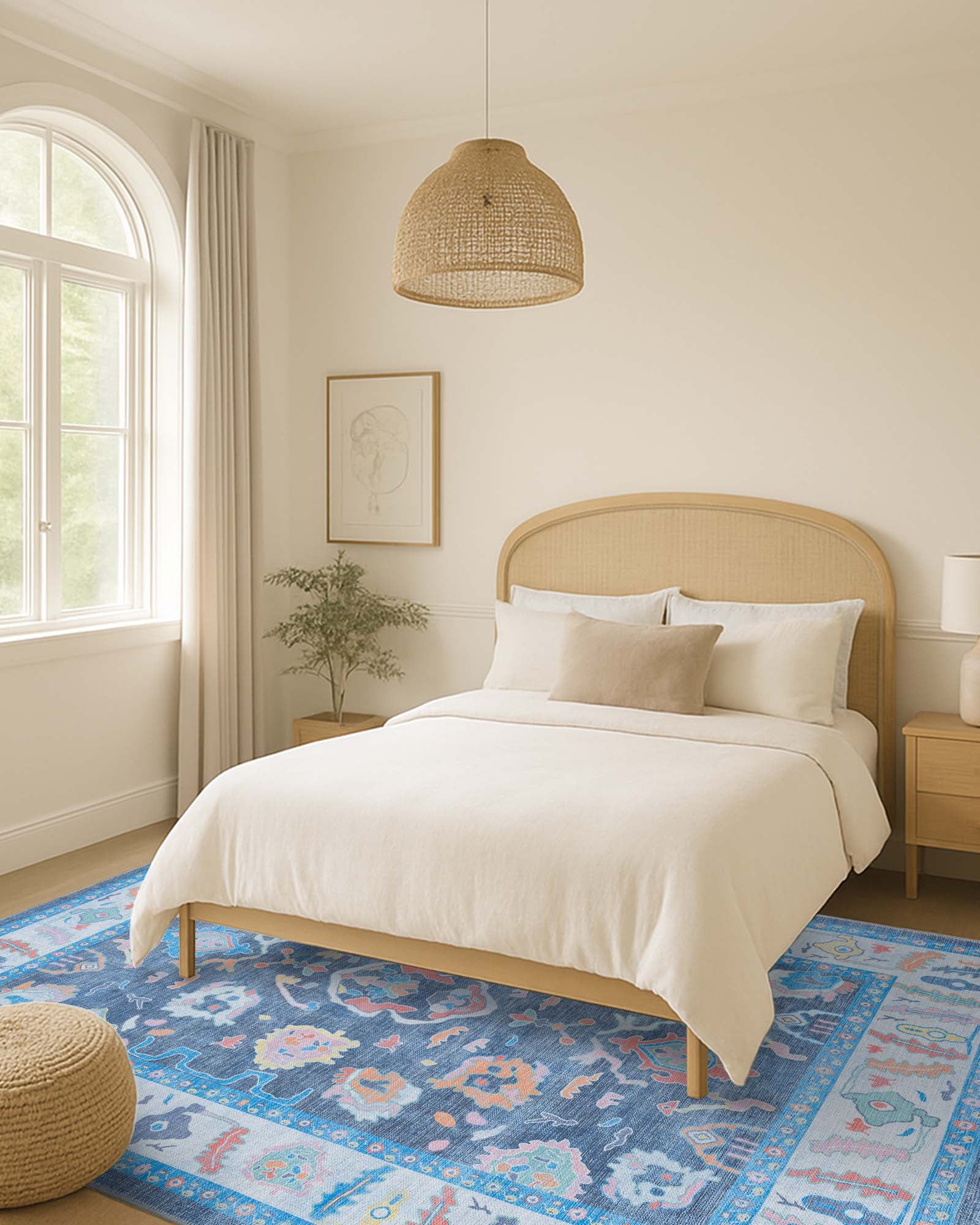
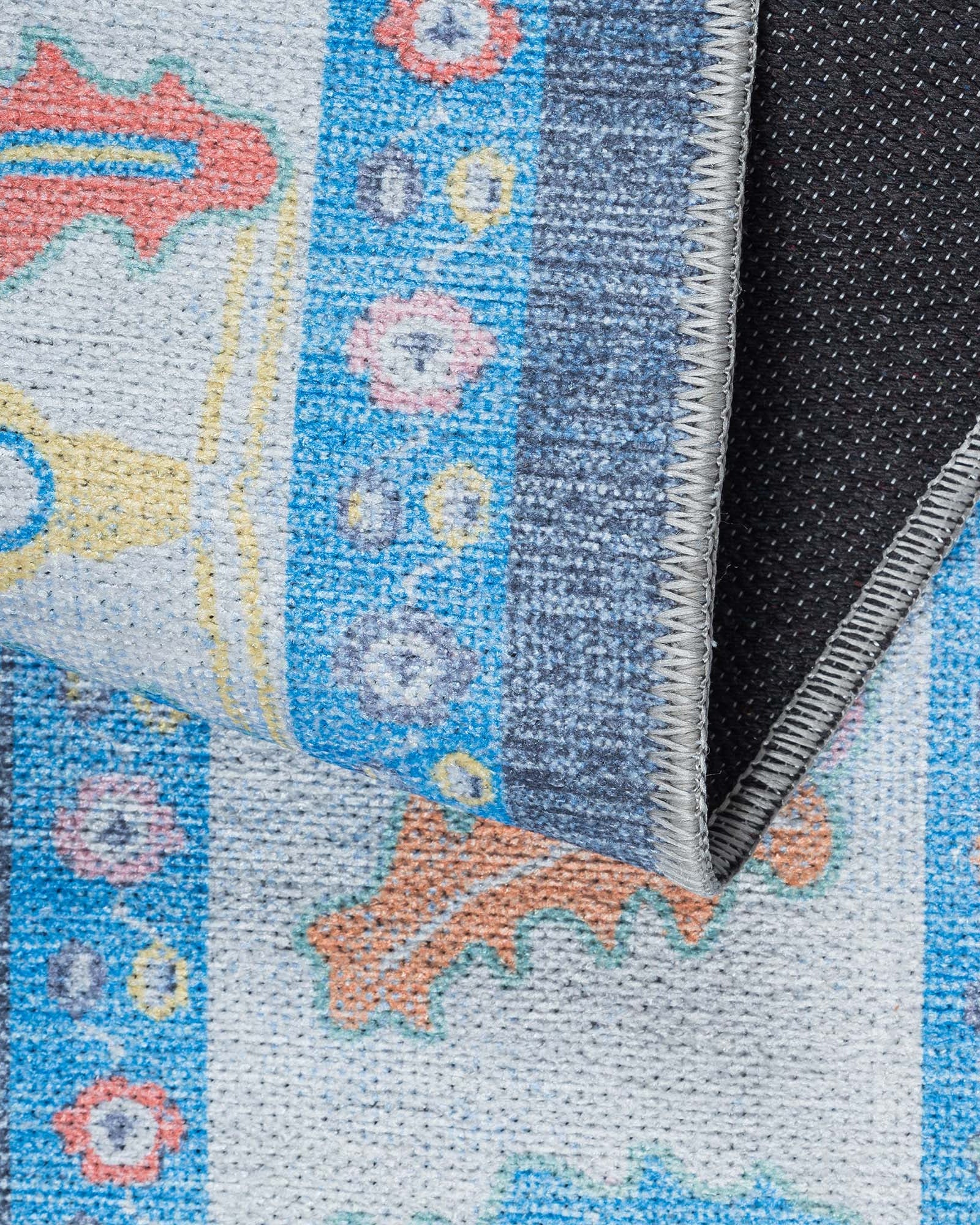
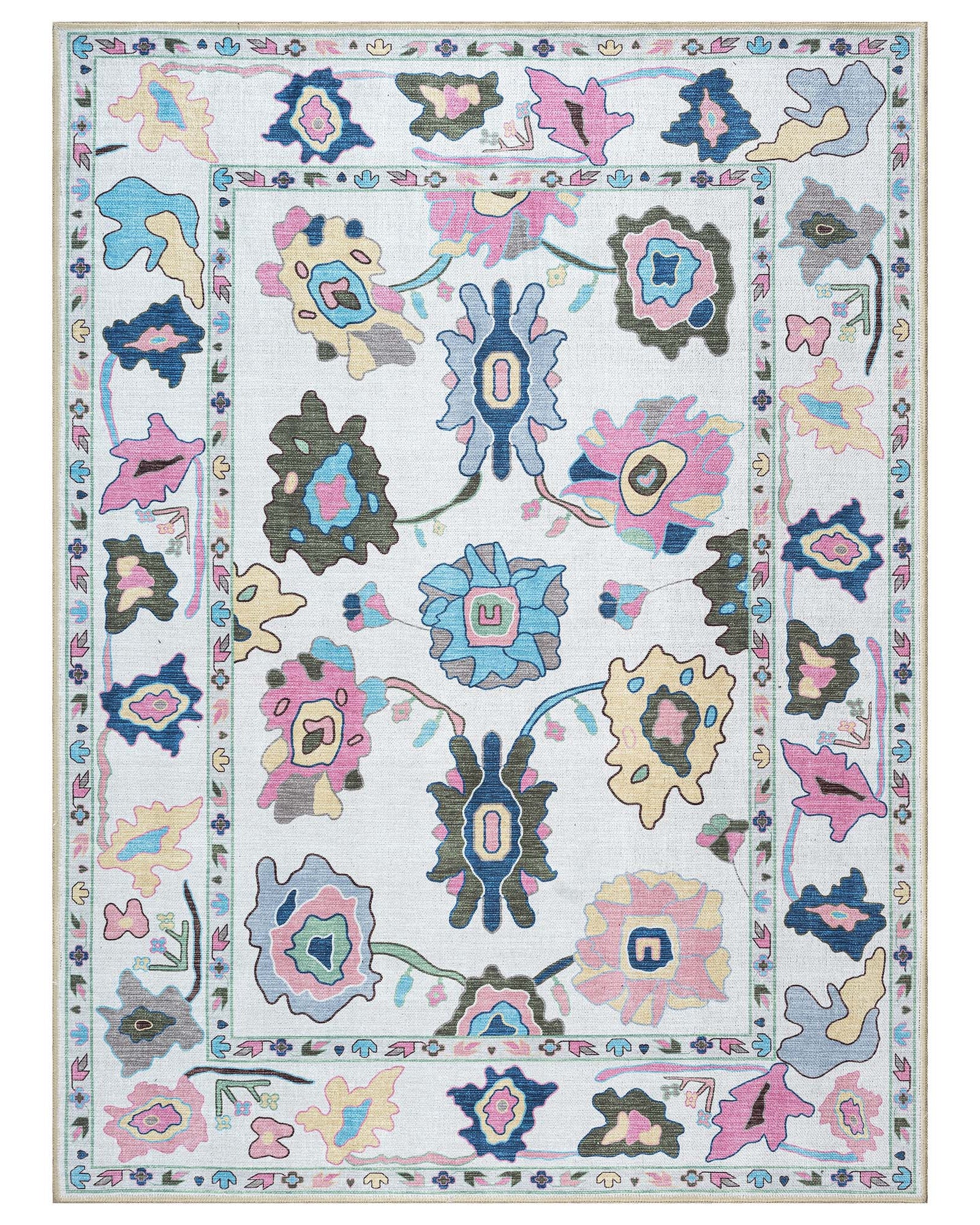
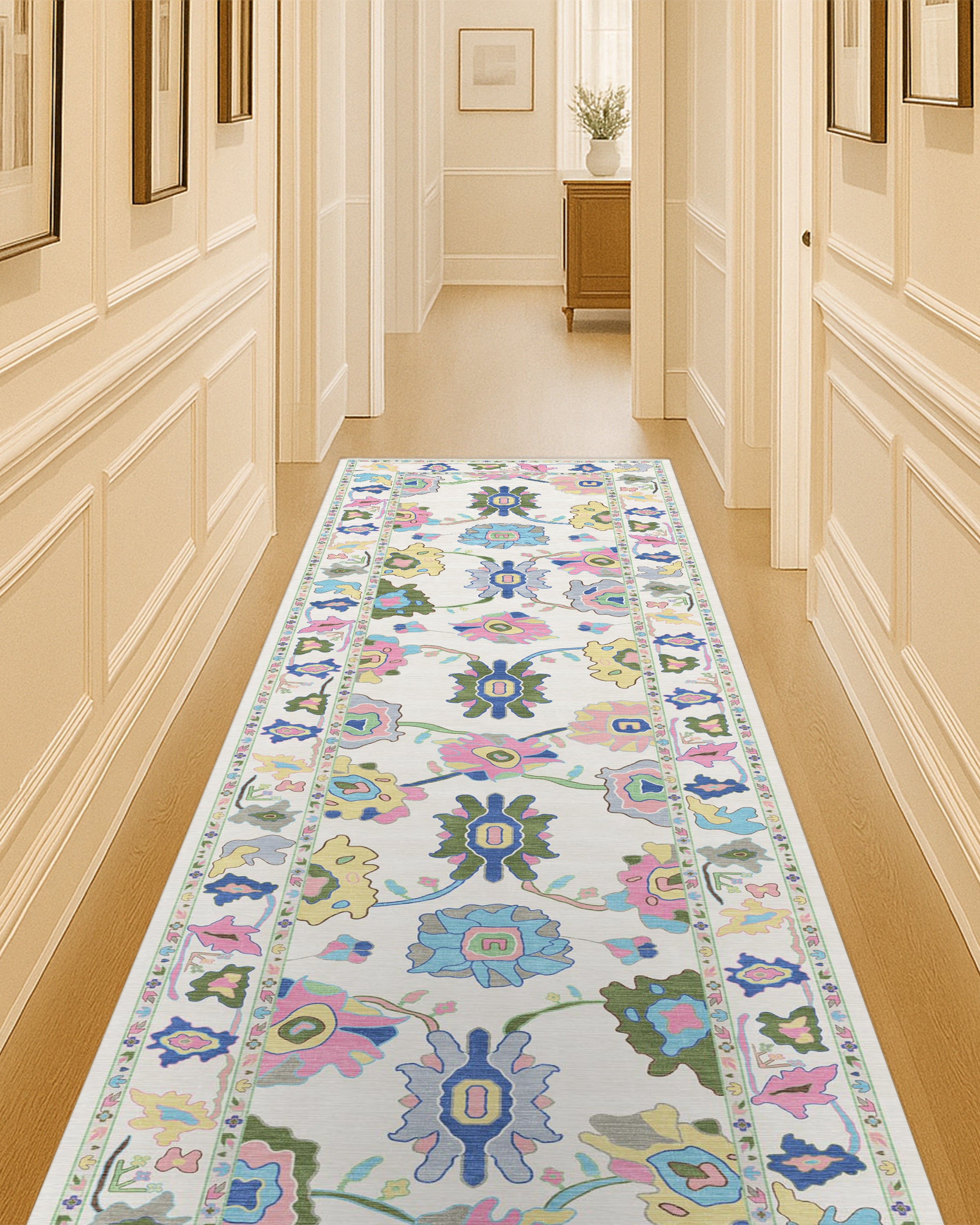
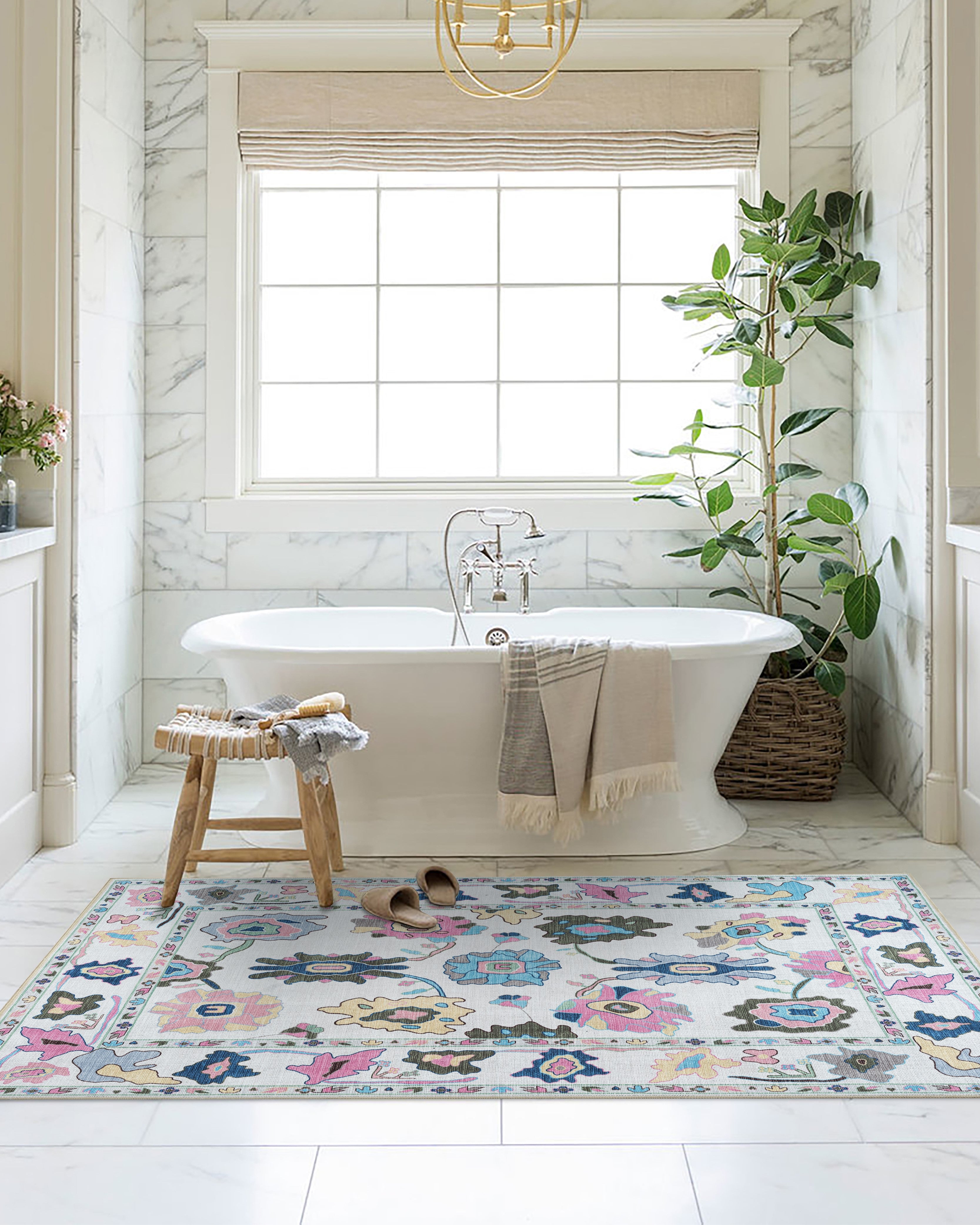
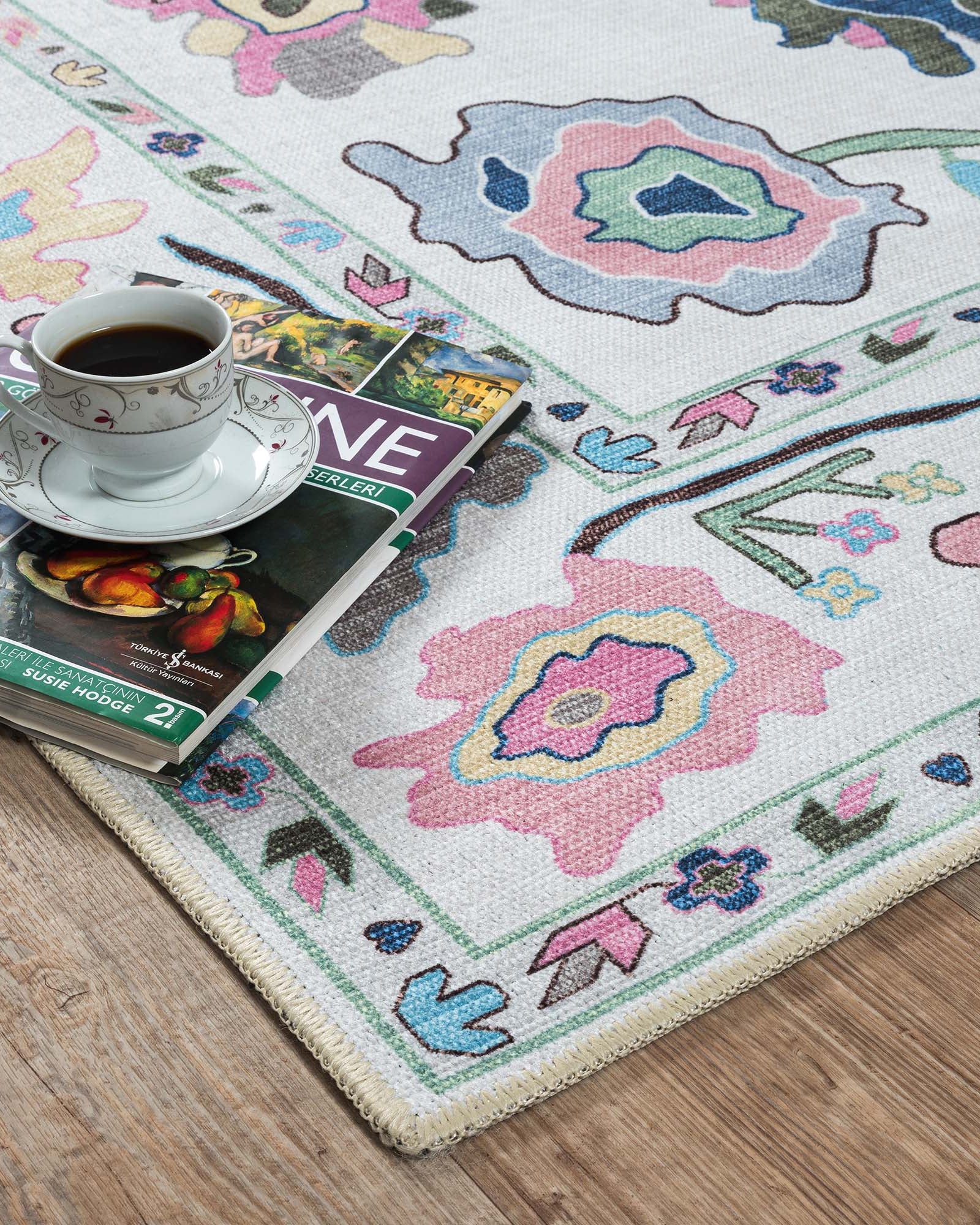
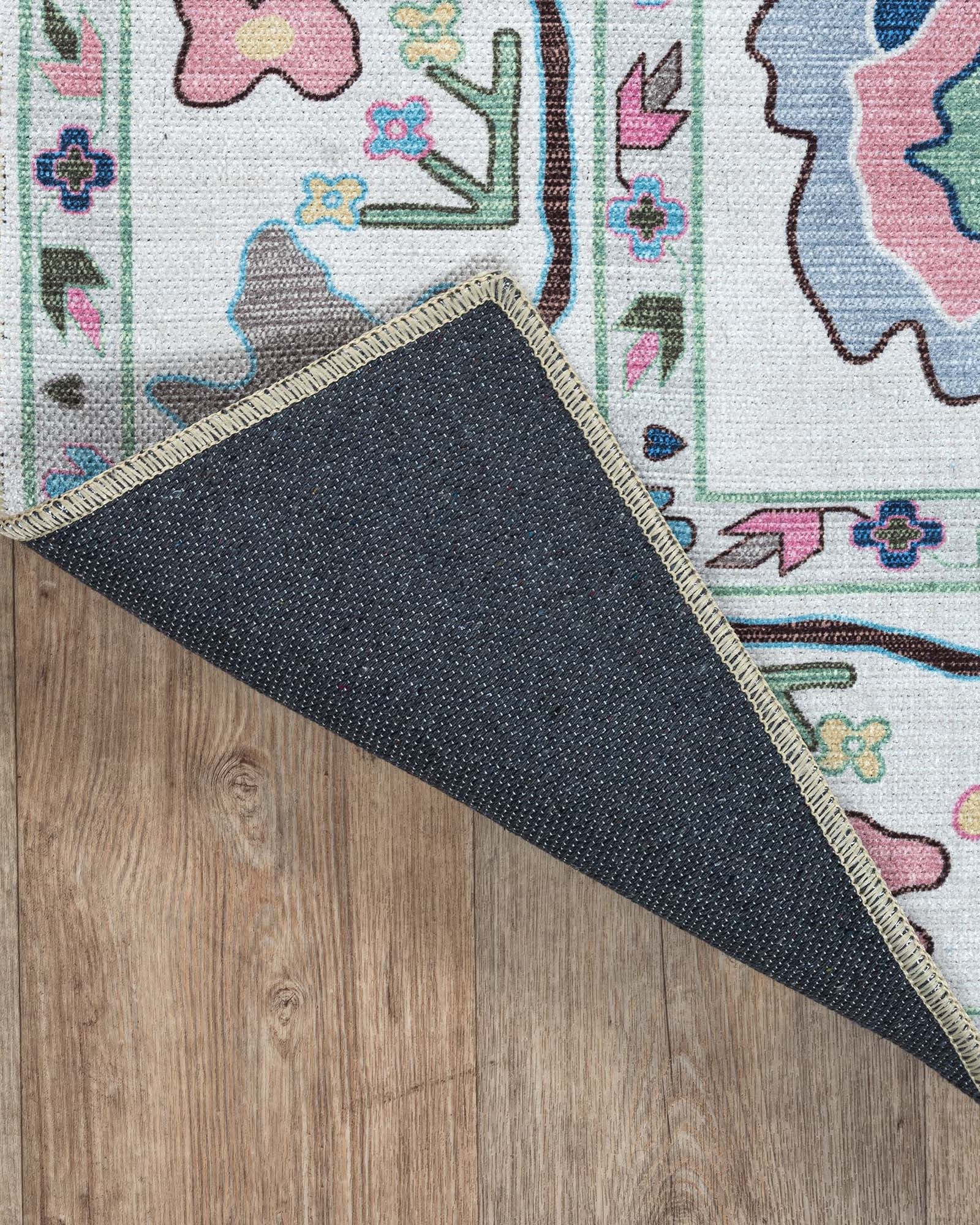
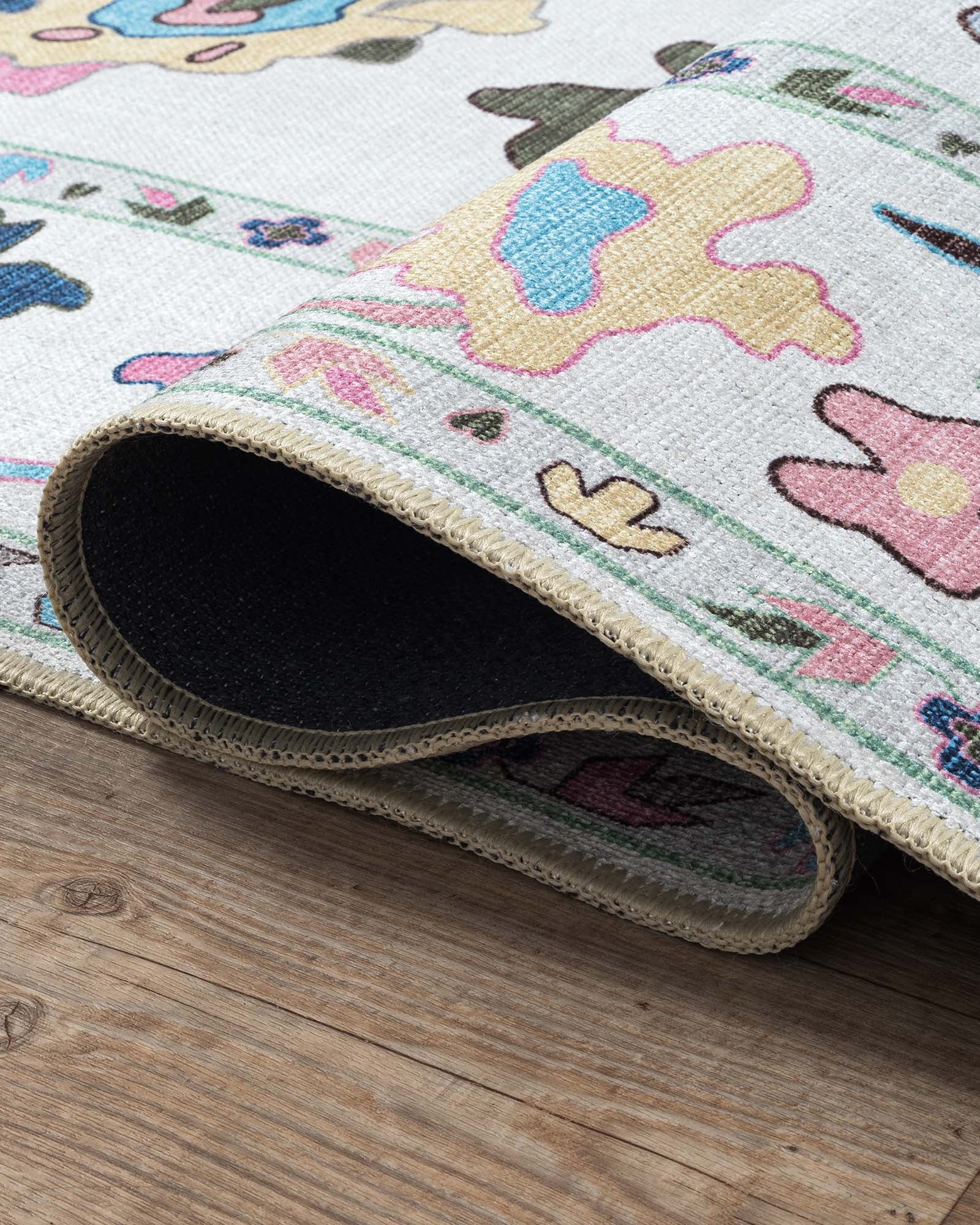
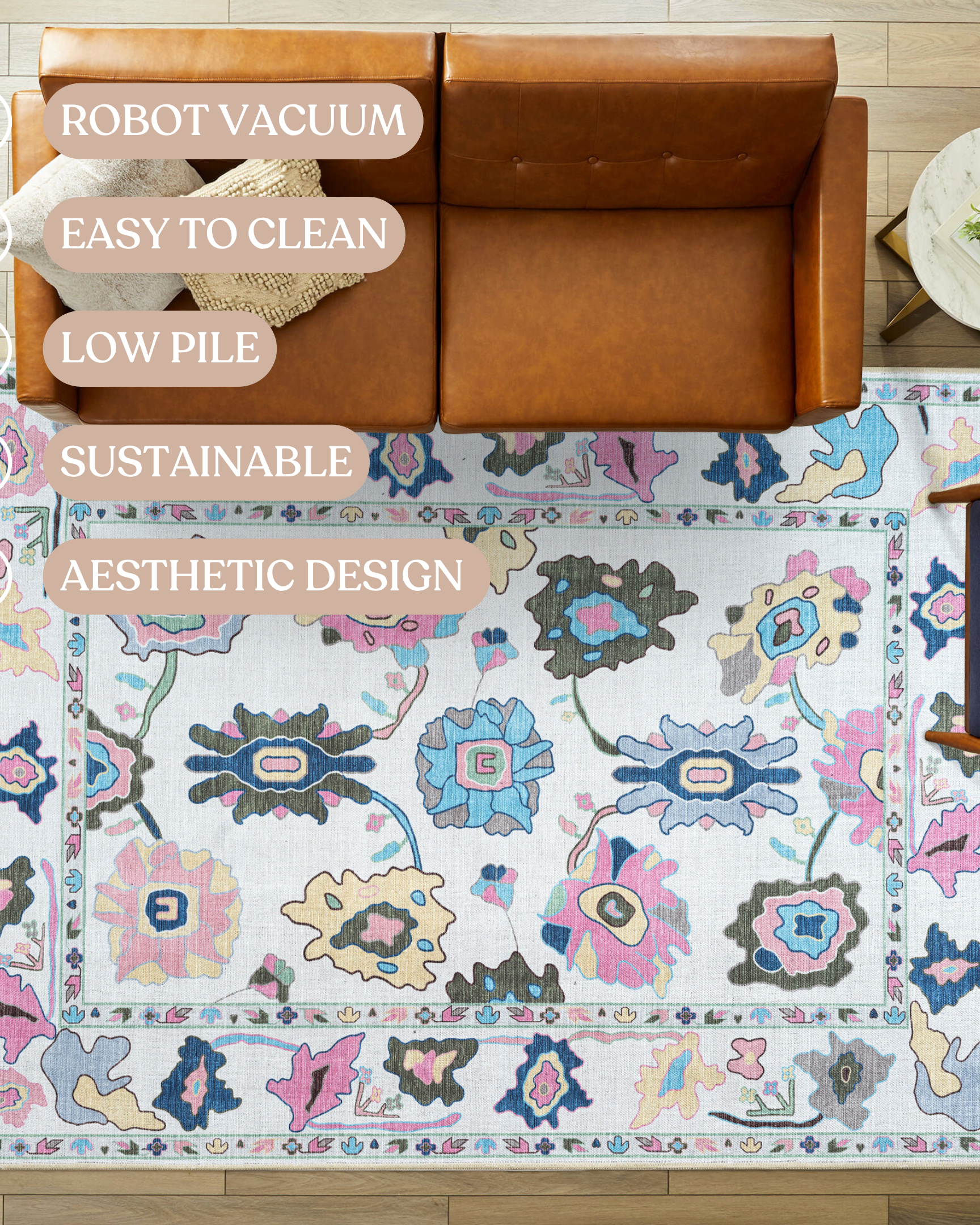
These rugs skipped the dye pot entirely. Every colour in them came off the sheep — the cream, oatmeal, camel, grey and brown of natural fleece, sorted by shade during spinning and then woven into pattern. It is the oldest approach to rug making there is, older than dyeing, and it produces something no dyed rug can match: colour that sits inside the fibre rather than on it, with nothing to fade, bleed or shift. Each piece here is an original handmade rug sold as a single item.
Where the Colours Come From
Sheep are not all white. Highland flocks across Anatolia, the Persian plateau and Central Asia produced fleece in a genuine range — chalky cream, warm oatmeal, wheat, camel, silver-grey, charcoal and a deep near-black brown. Weavers sorted the wool at the spinning stage, keeping shades separate, and built the rug's pattern from those differences rather than from dye.
This was not a poor substitute for dyeing. It was a deliberate tradition in specific regions, and it demanded a particular kind of skill: with only four or five tones available and low contrast between them, the design has to work through texture, scale and pile height rather than colour. A well-made undyed rug is a harder thing to pull off than a brightly dyed one.
Tülü
The best-known undyed weaving is the tülü of central Anatolia — long-pile shaggy rugs made for warmth rather than display, usually in undyed cream or soft brown with minimal pattern. They were sleeping rugs and floor bedding, and the extended pile came from the practical need for insulation. They read as remarkably contemporary now.
Natural-Ground Village Weaving
Other pieces use undyed wool for the field and reserve any dyed colour for small accents in the border or motifs. Where a rug is entirely undyed, the product page says so; where undyed wool dominates but a dyed accent appears, that is stated too.
What Never Dyeing Changes
The absence of dye has consequences you can see and live with.
Nothing Fades
Pigment is grown into the fibre by the animal, not deposited on it in a bath. There is no dye to break down under ultraviolet light, which means an undyed rug in a sunny room stays essentially as it was. Compare that with a naturally dyed piece, where the half facing the window drifts noticeably over decades. If you have a room with strong light and no practical way to avoid it, this is the collection that solves the problem.
Nothing Bleeds
Colour cannot migrate out of the wool when it gets wet, which removes the main risk in cleaning an old rug. Spills still need blotting, but there is no chance of red running into ivory or indigo staining an adjacent pale field. Undyed pieces are the most forgiving rugs in this store to live with.
Depth Instead of Contrast
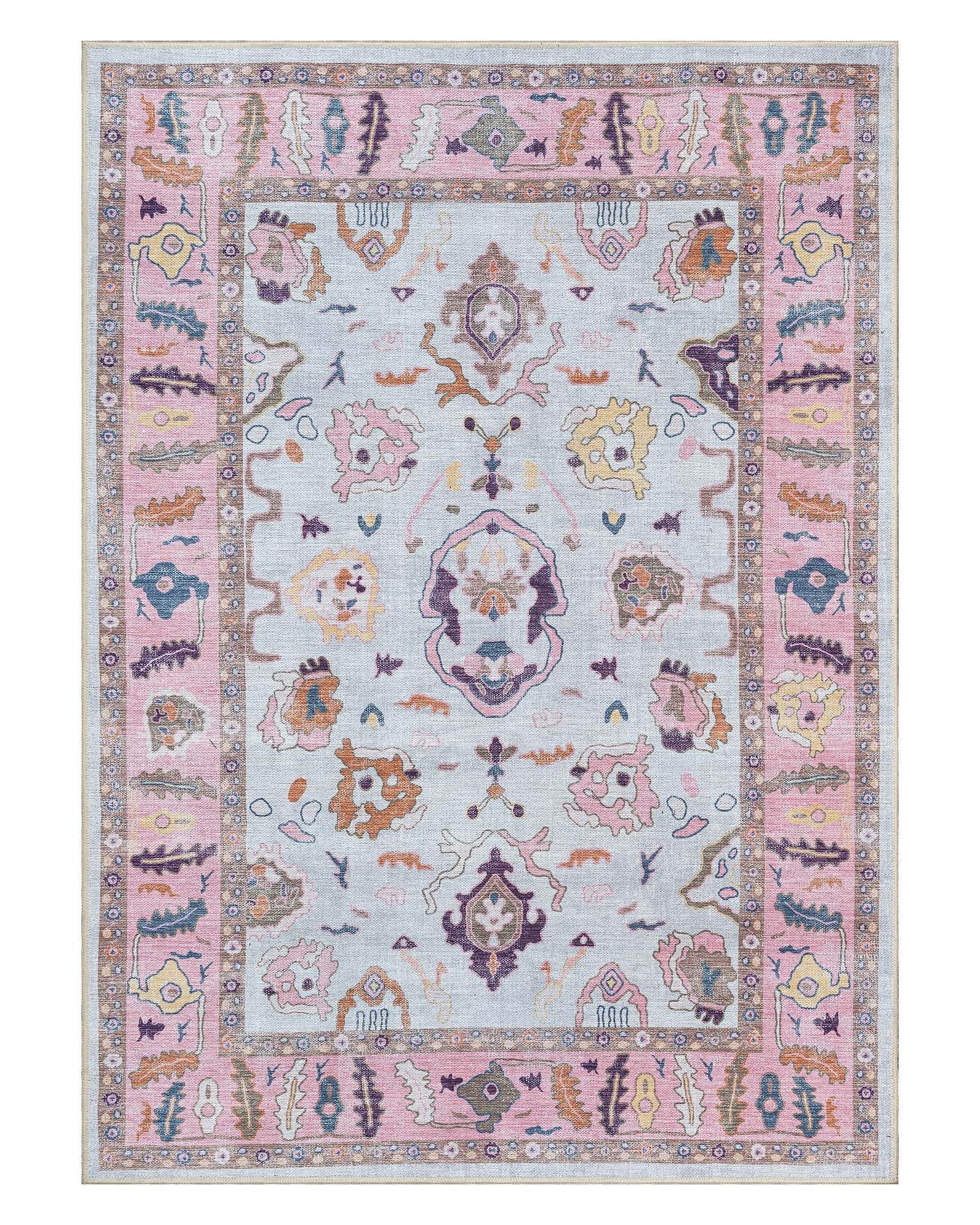
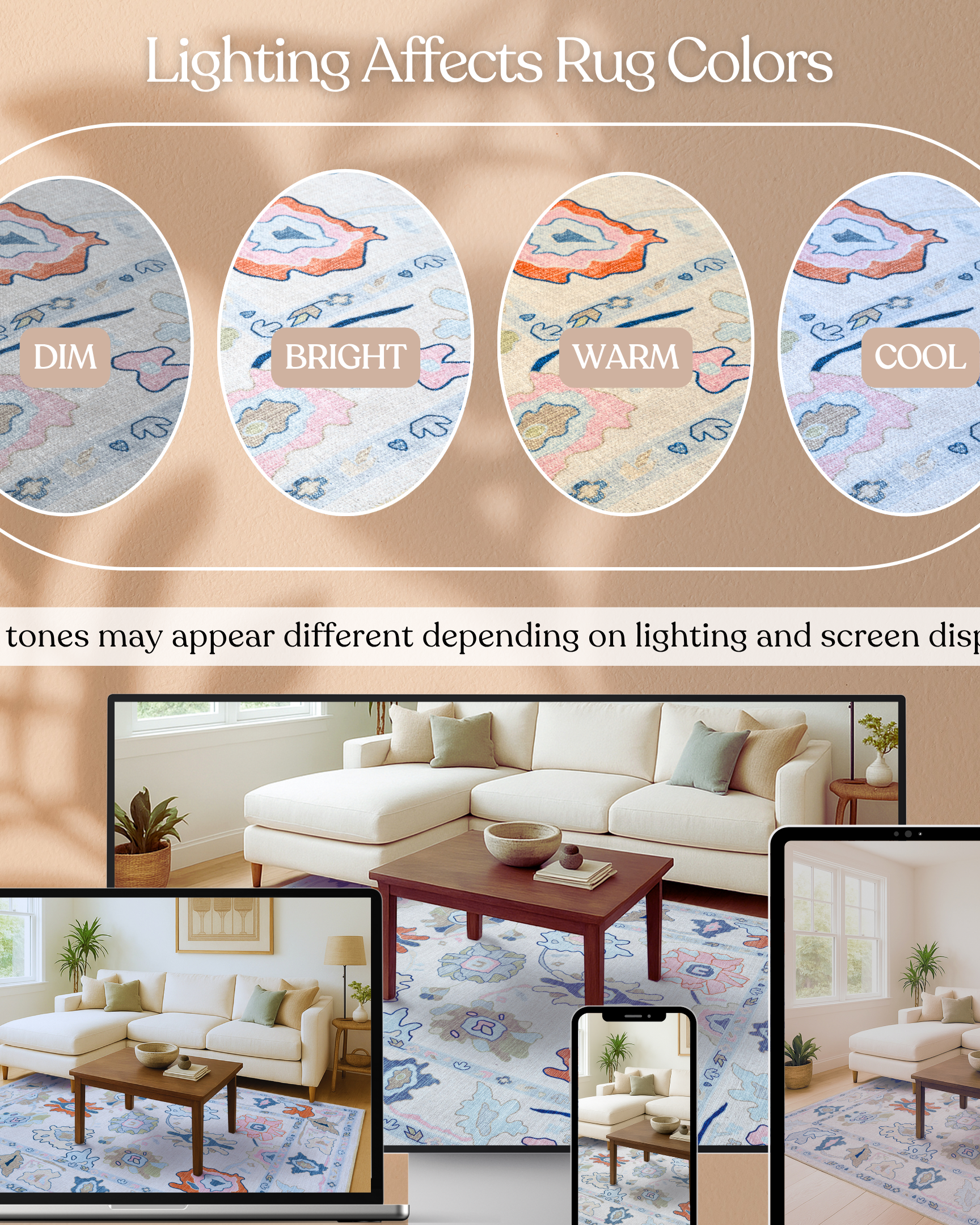
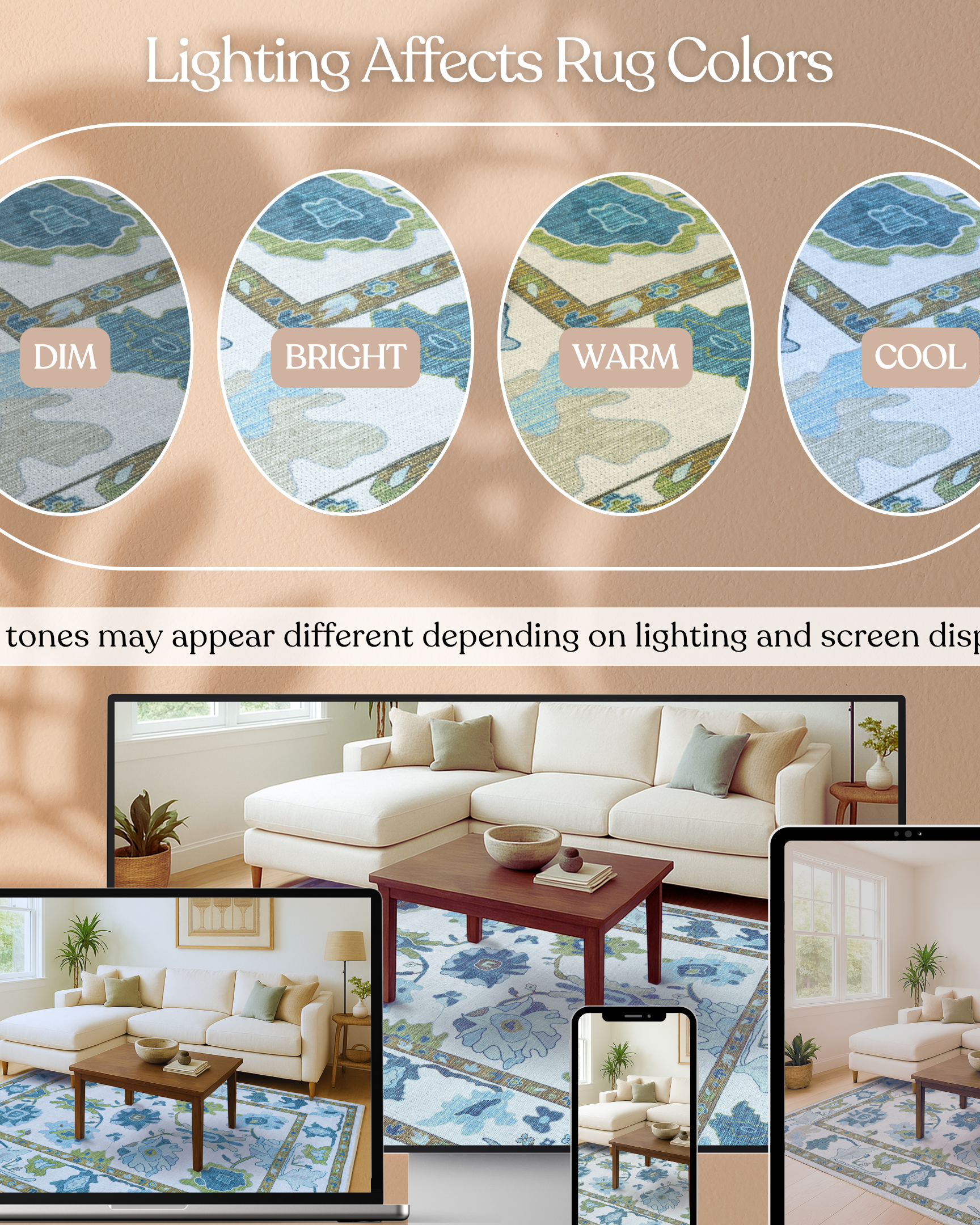
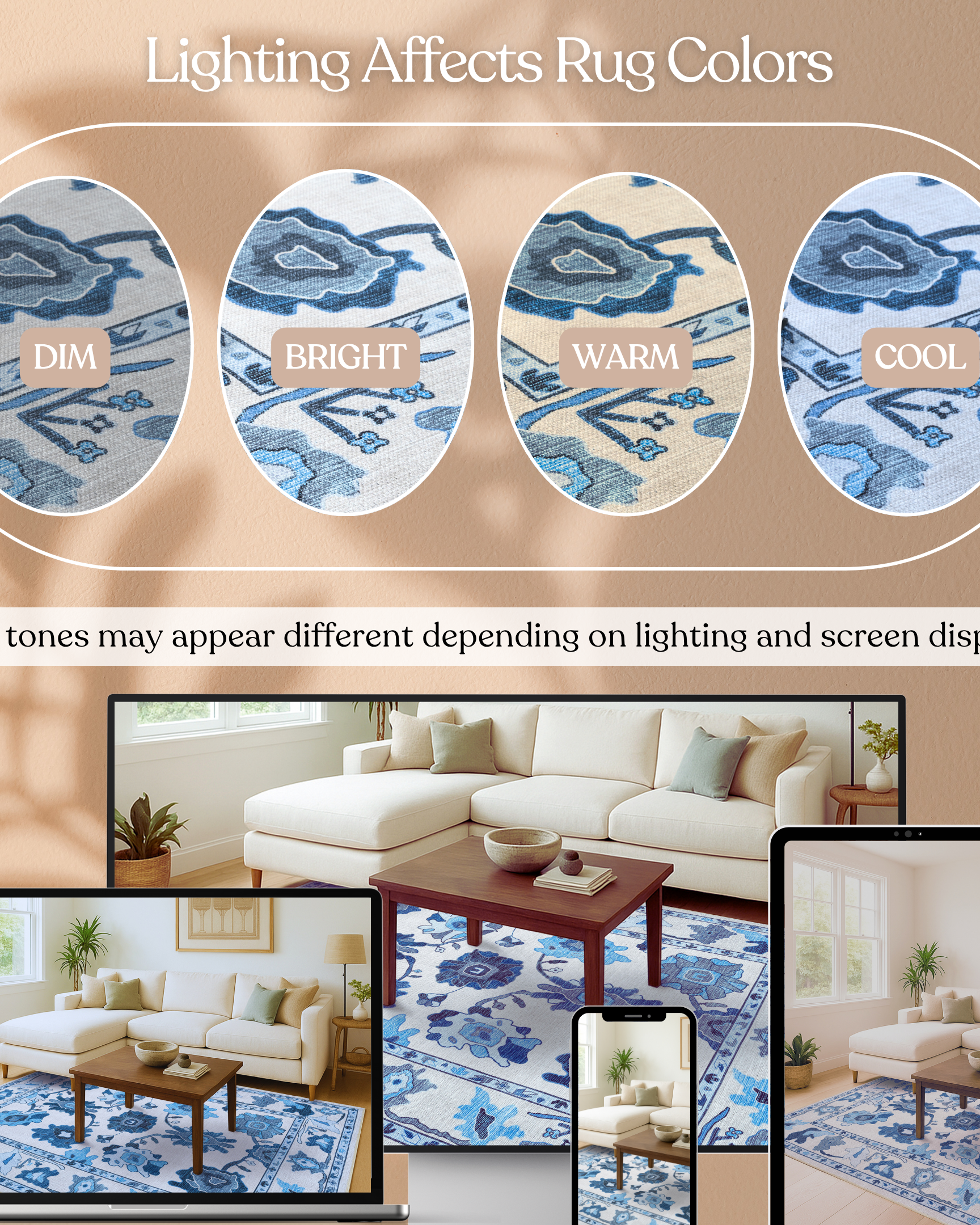
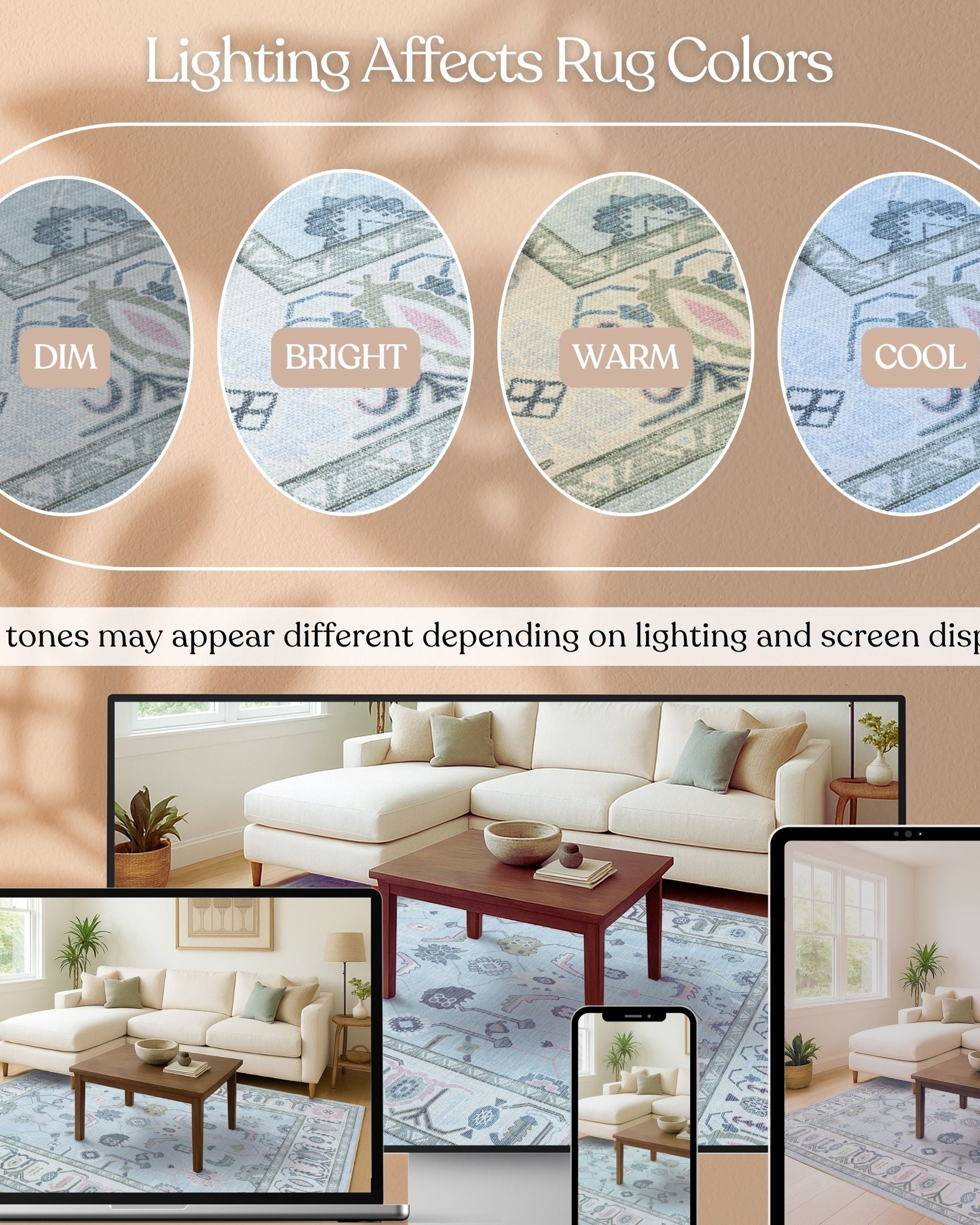
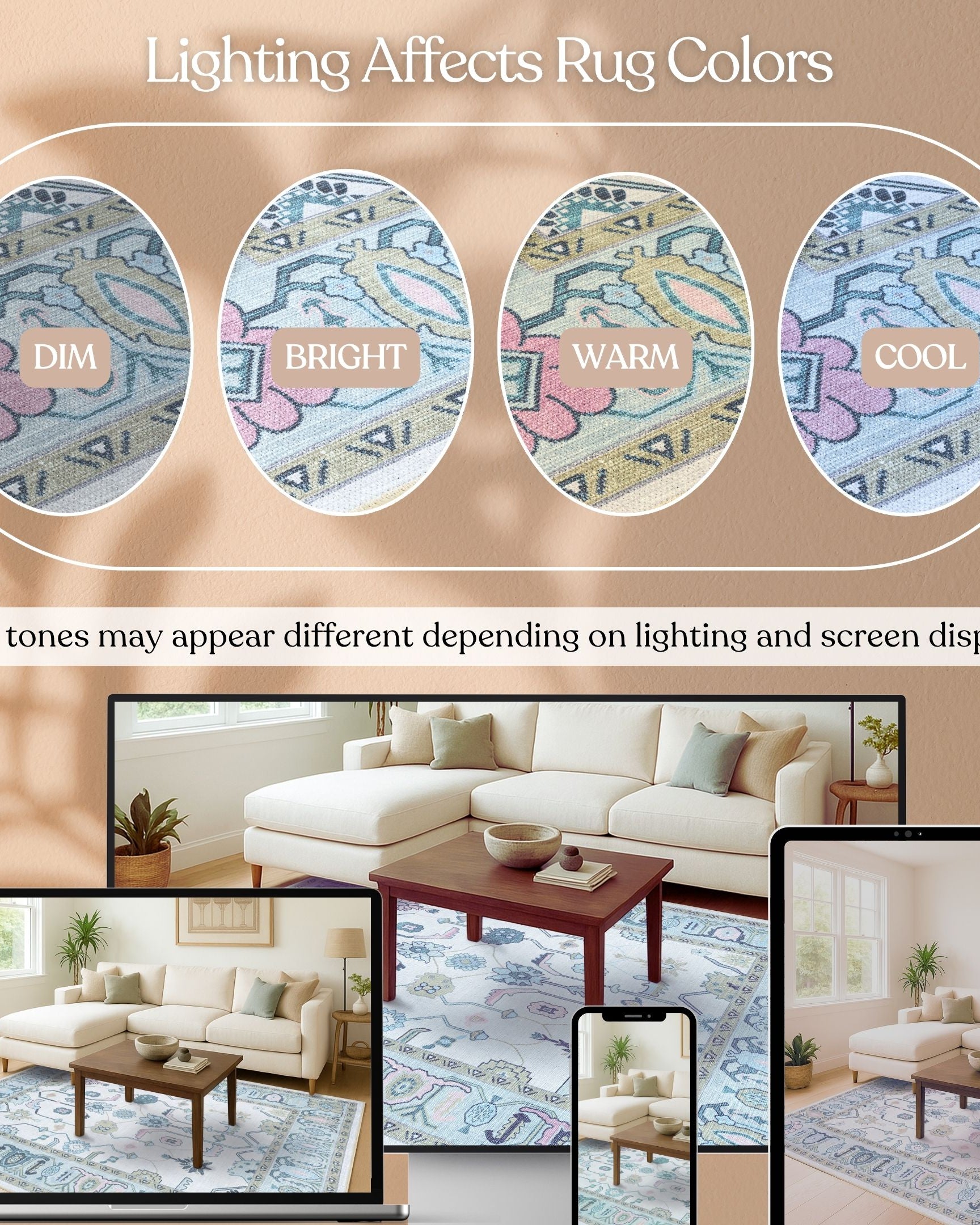
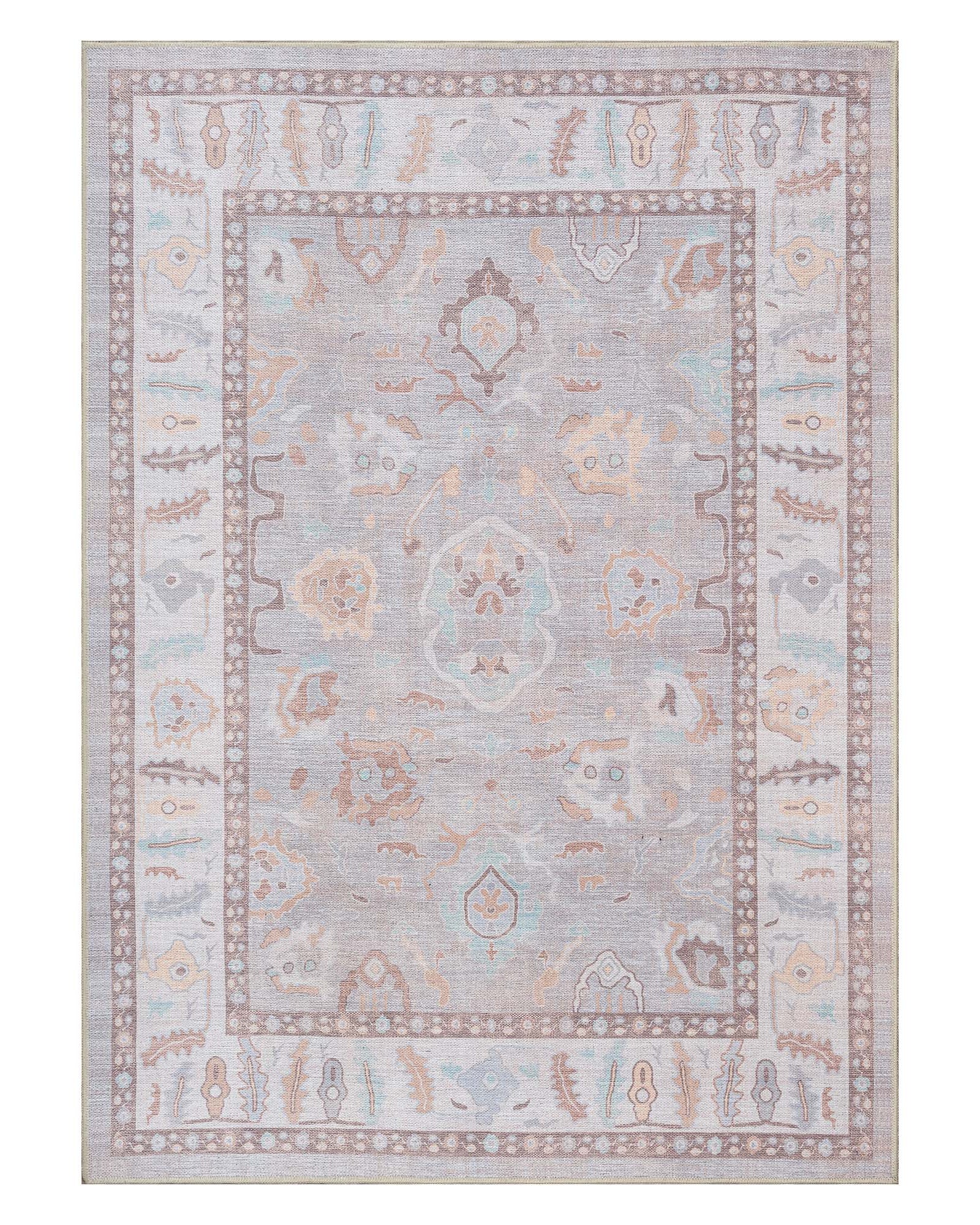
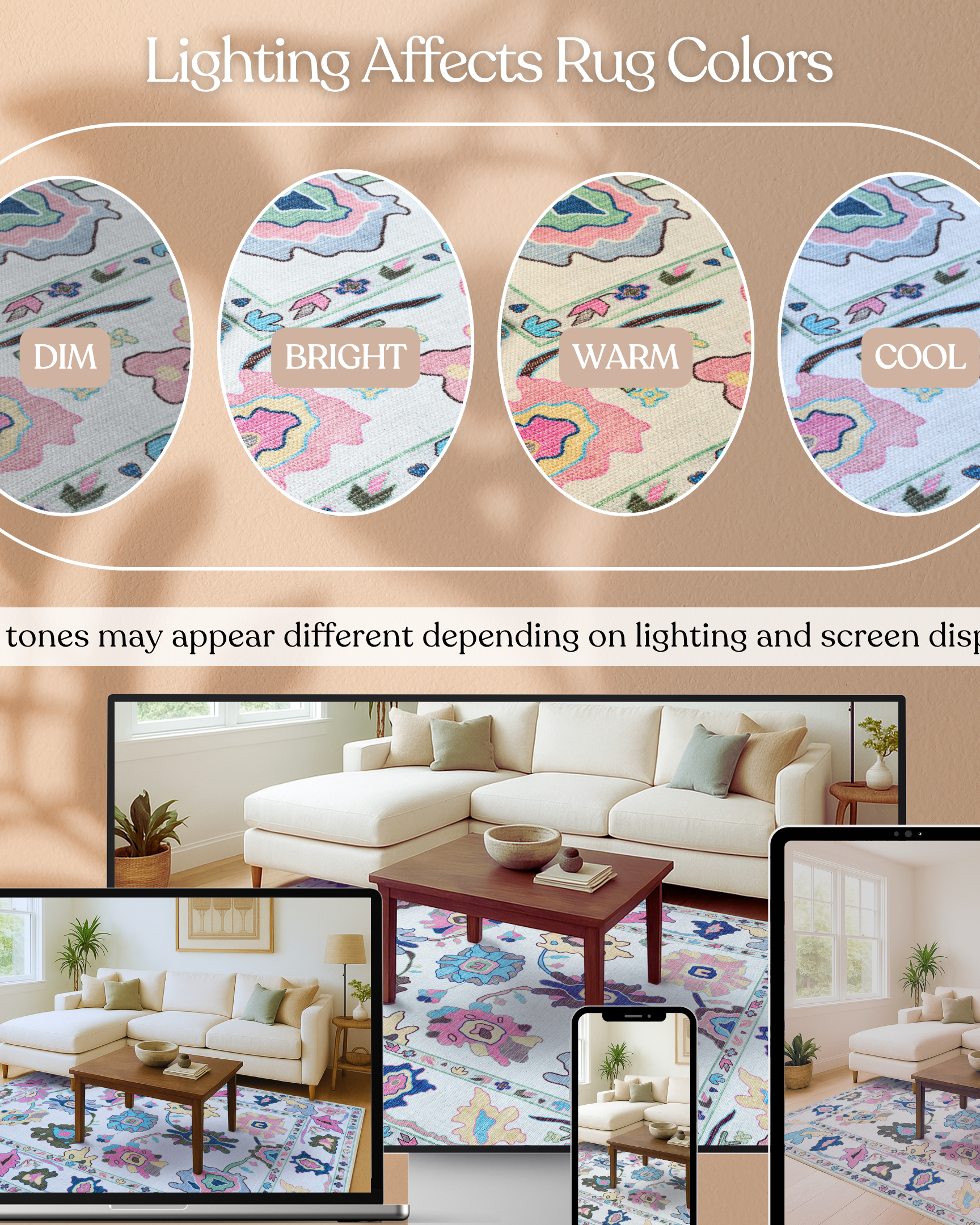
Fleece colour varies naturally from fibre to fibre, so an undyed cream field is never one flat tone. Hand-spun yarn compounds this, since irregular thickness catches light differently along its length. The result is a surface with real movement in it, which photographs poorly and looks considerably better in person than on a screen. Expect more variation in the rug you receive than the images suggest.
Undyed and Neutral Are Not the Same Thing
Both look quiet, but the routes are different and so is the behaviour. A faded neutral rug started as strong natural dye and came down over fifty or eighty years of sun — the pattern is still legible as a tonal ghost, and it will continue changing slowly. An undyed rug was never coloured, so its tones are stable and its pattern is built from contrast between fleece shades rather than from a design that has faded away.
In practice, faded pieces carry more residual pattern interest, while undyed pieces carry more texture and hold their appearance indefinitely. Each product page states which route the rug took.
Using Undyed Rugs in a Room
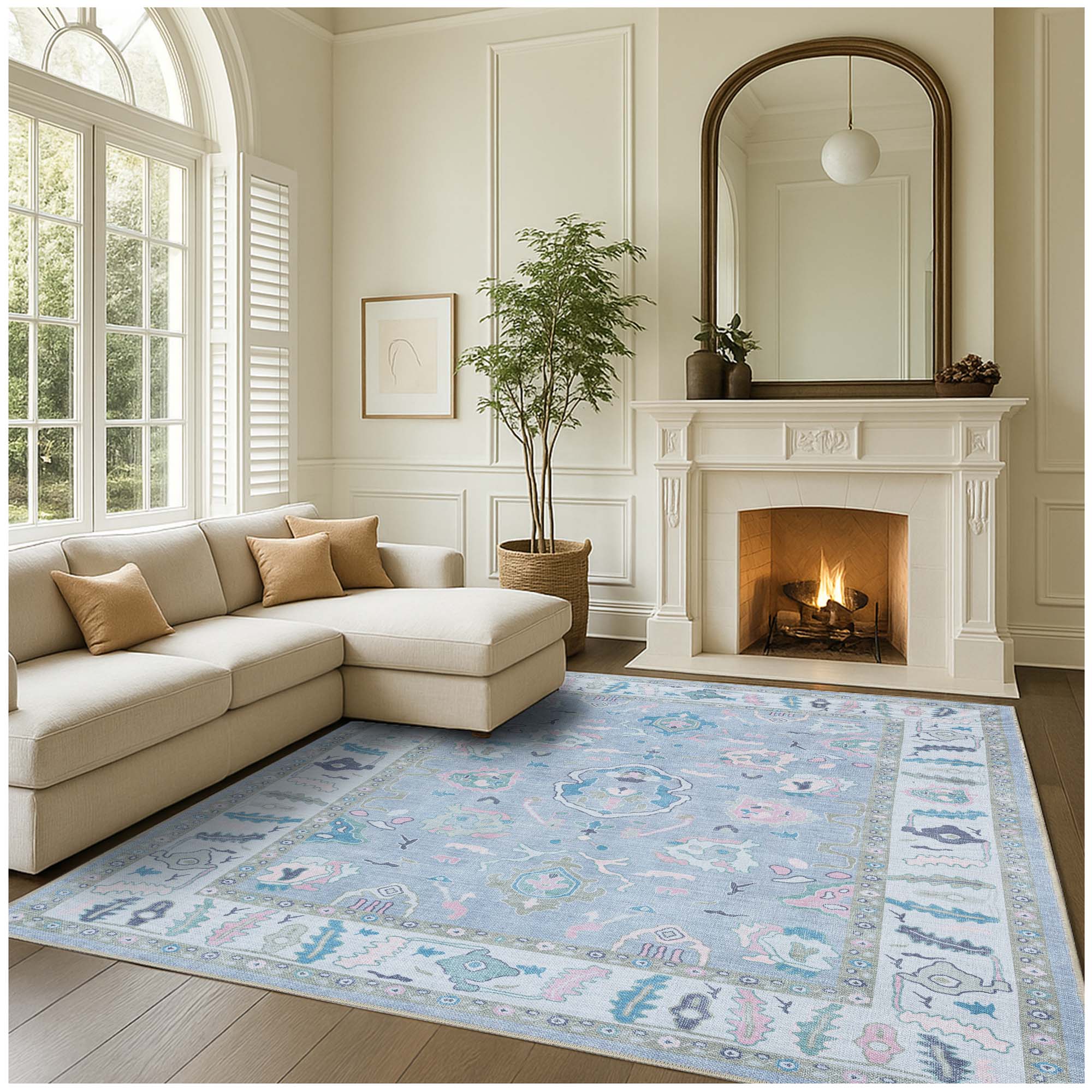
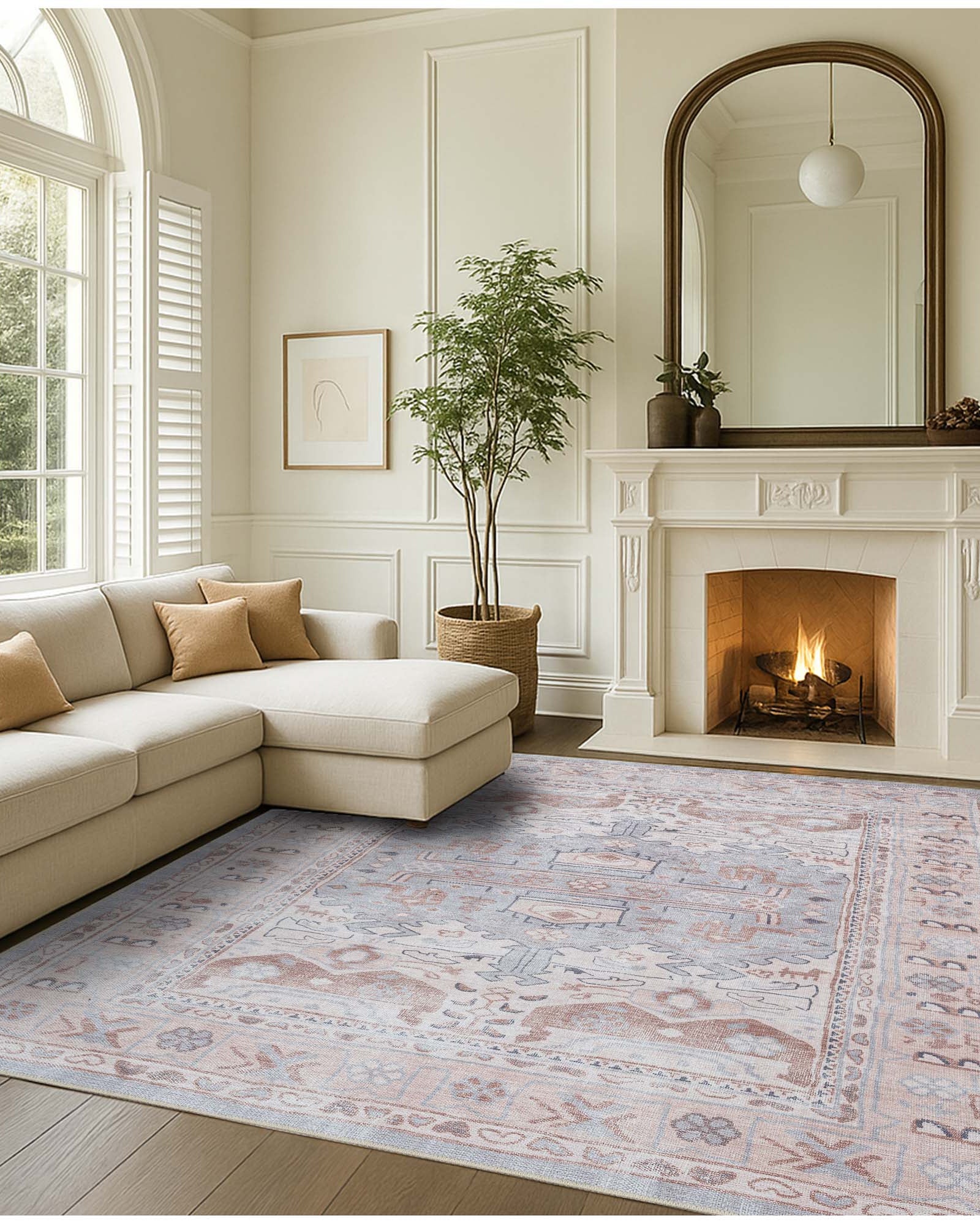
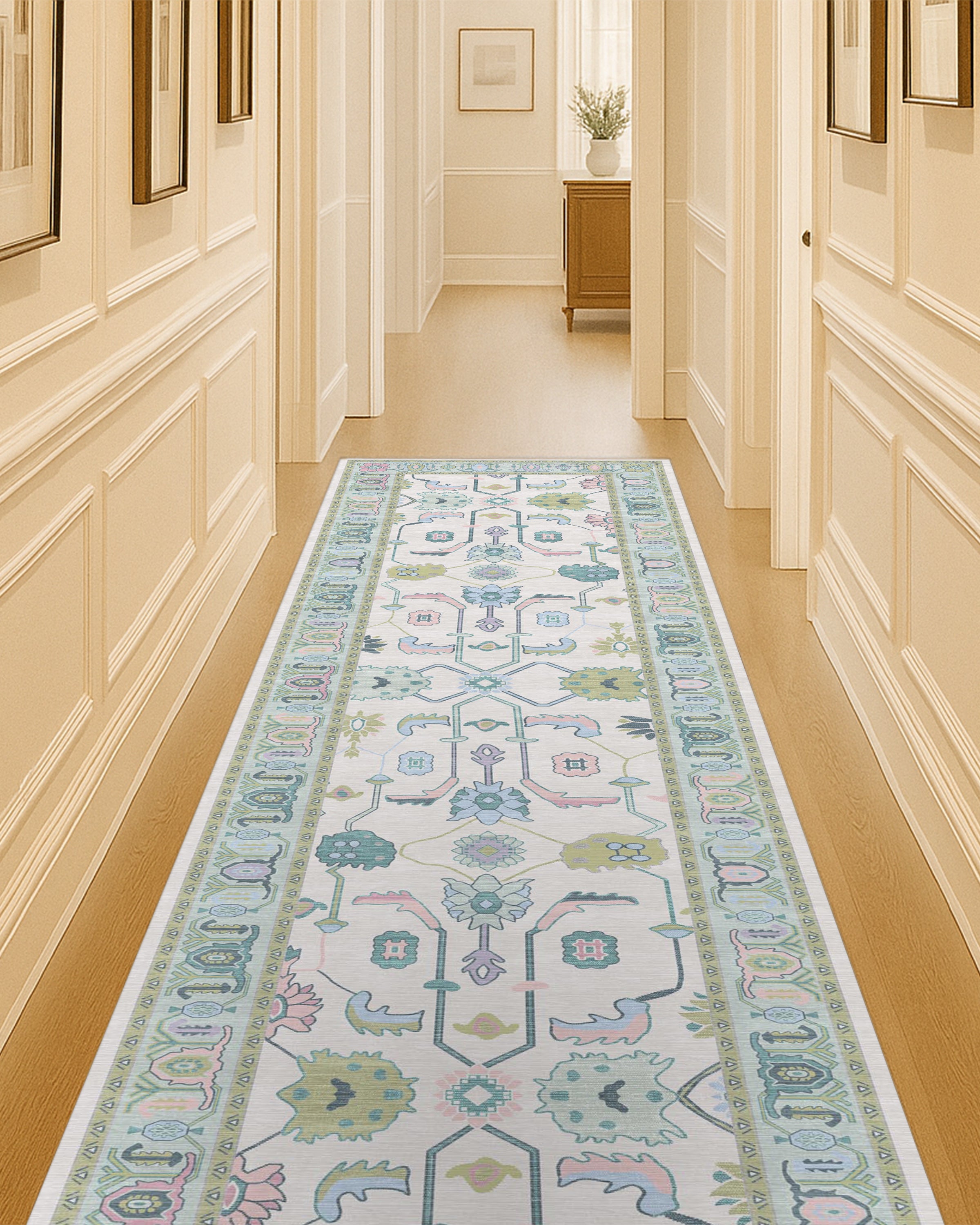
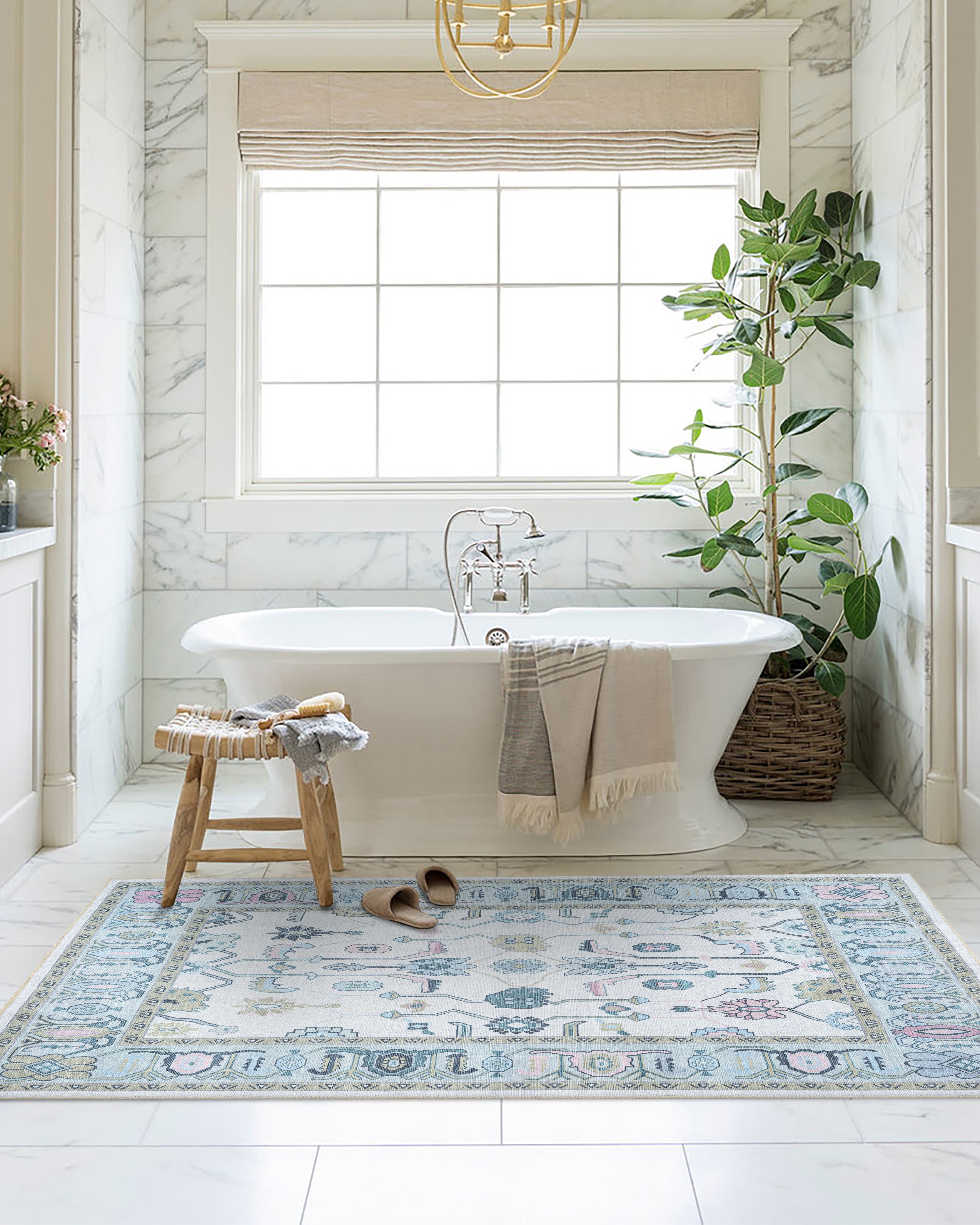
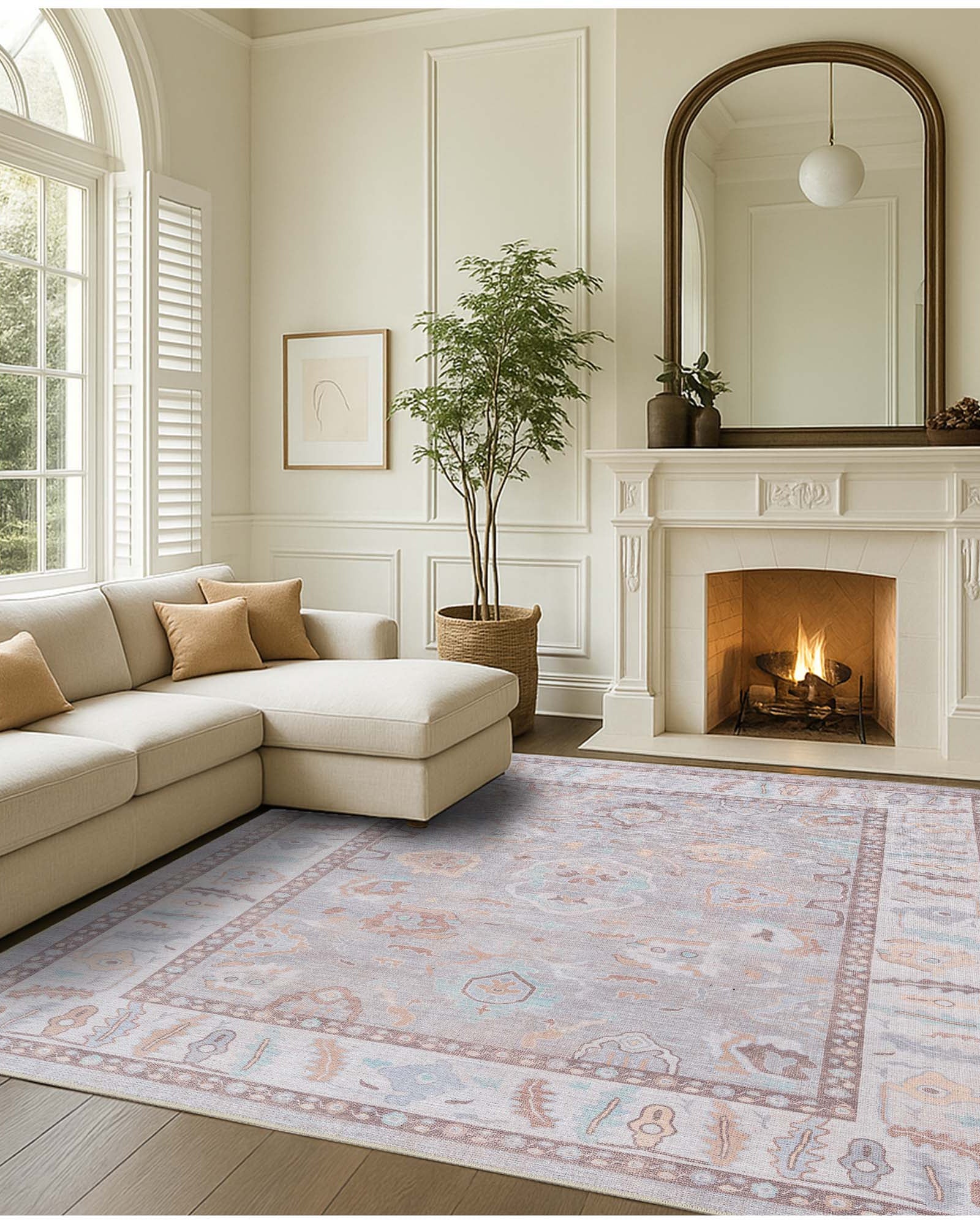
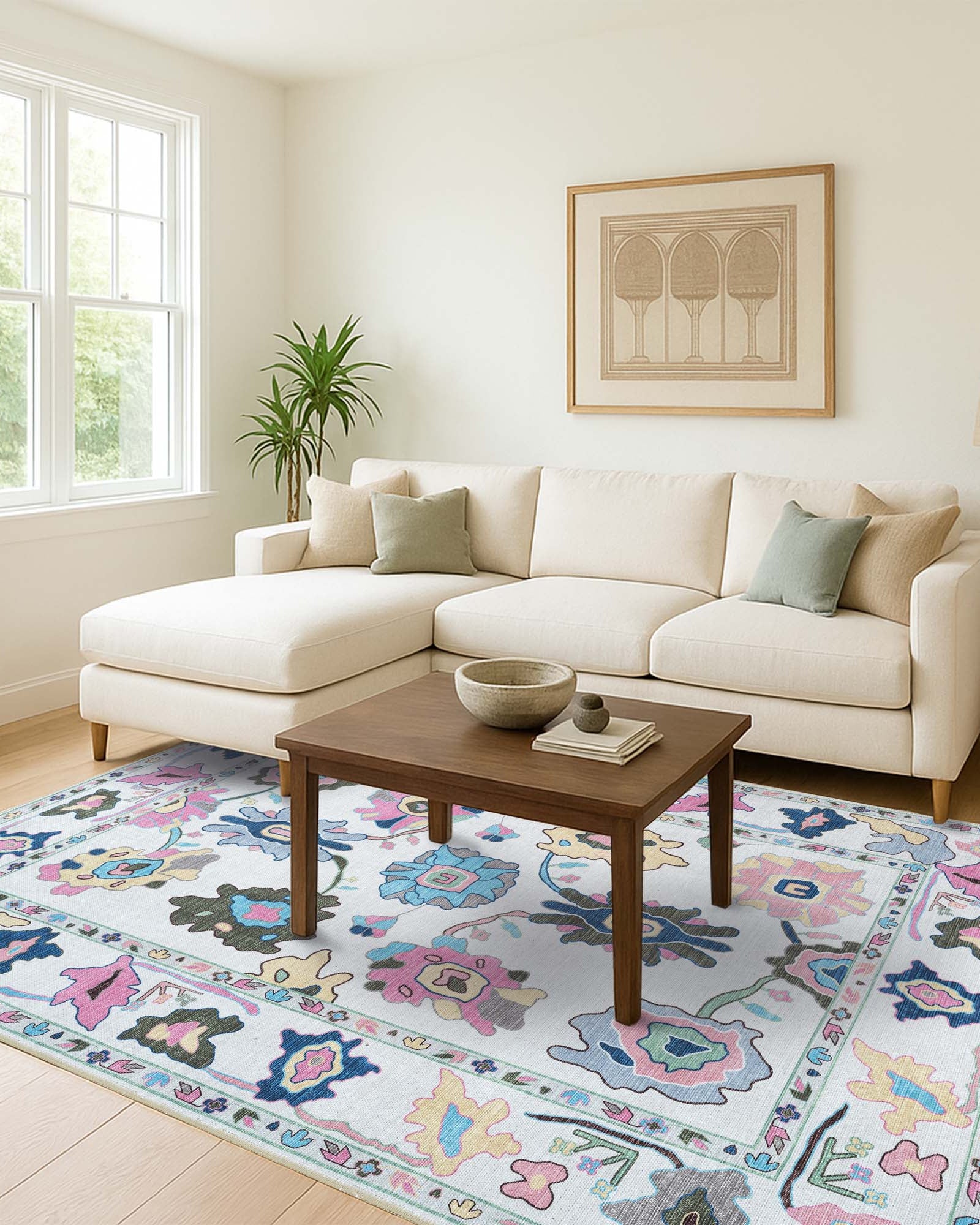
These are the pieces to reach for when the room already has plenty going on, or when you want an old rug that does not commit the space to a colour scheme. They work under patterned upholstery, alongside strong art, and in open-plan spaces where a saturated rug would compete with everything in view.
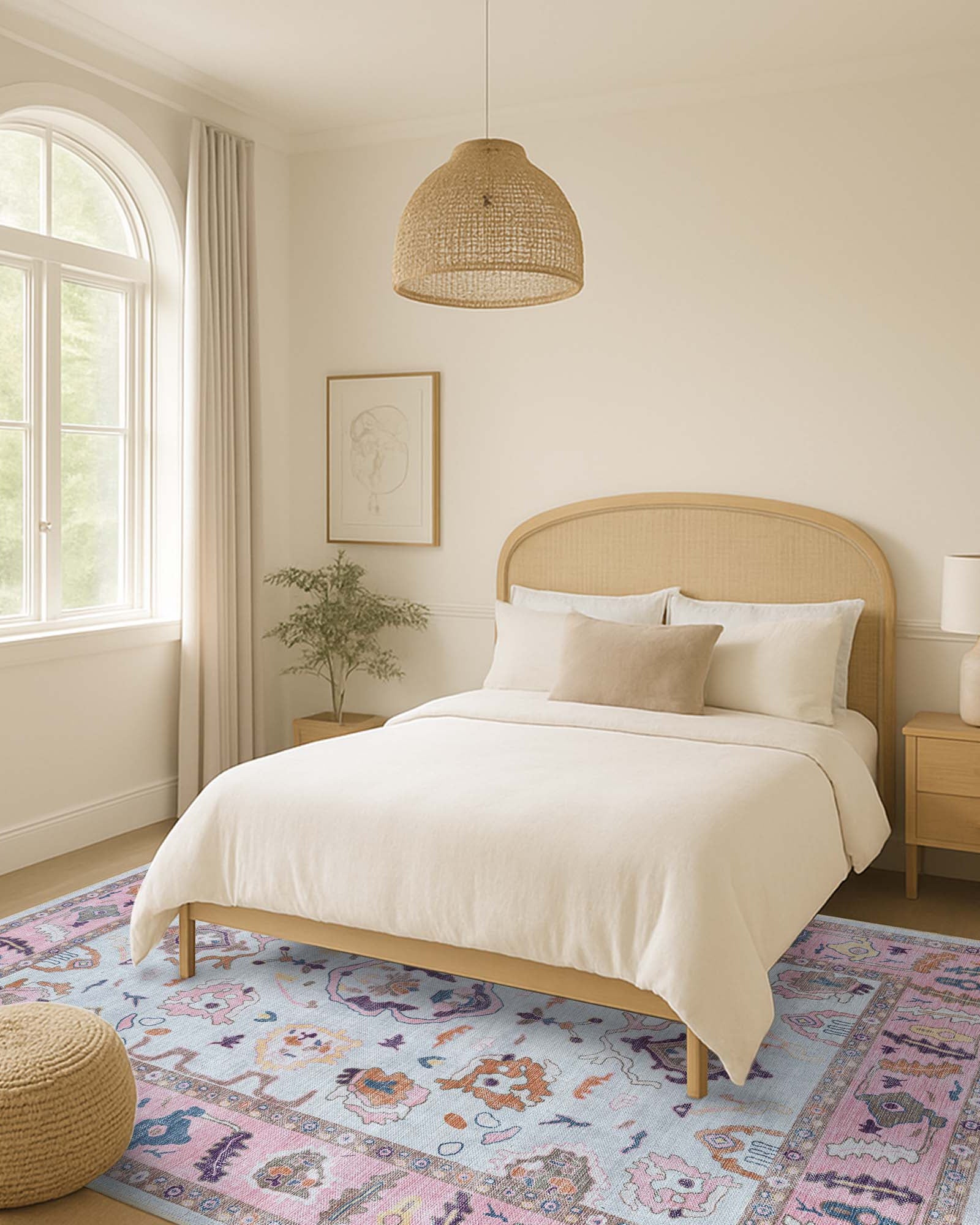
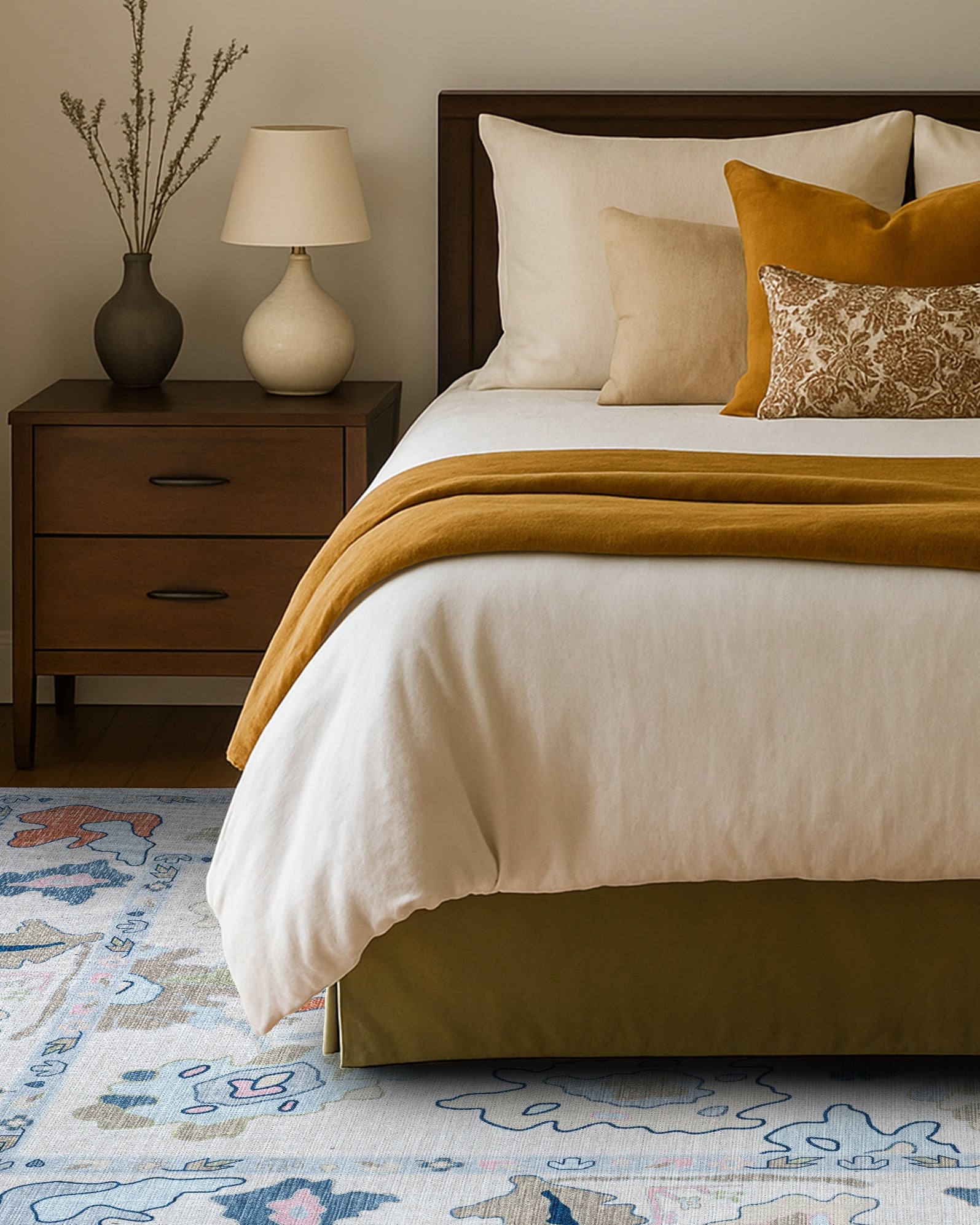
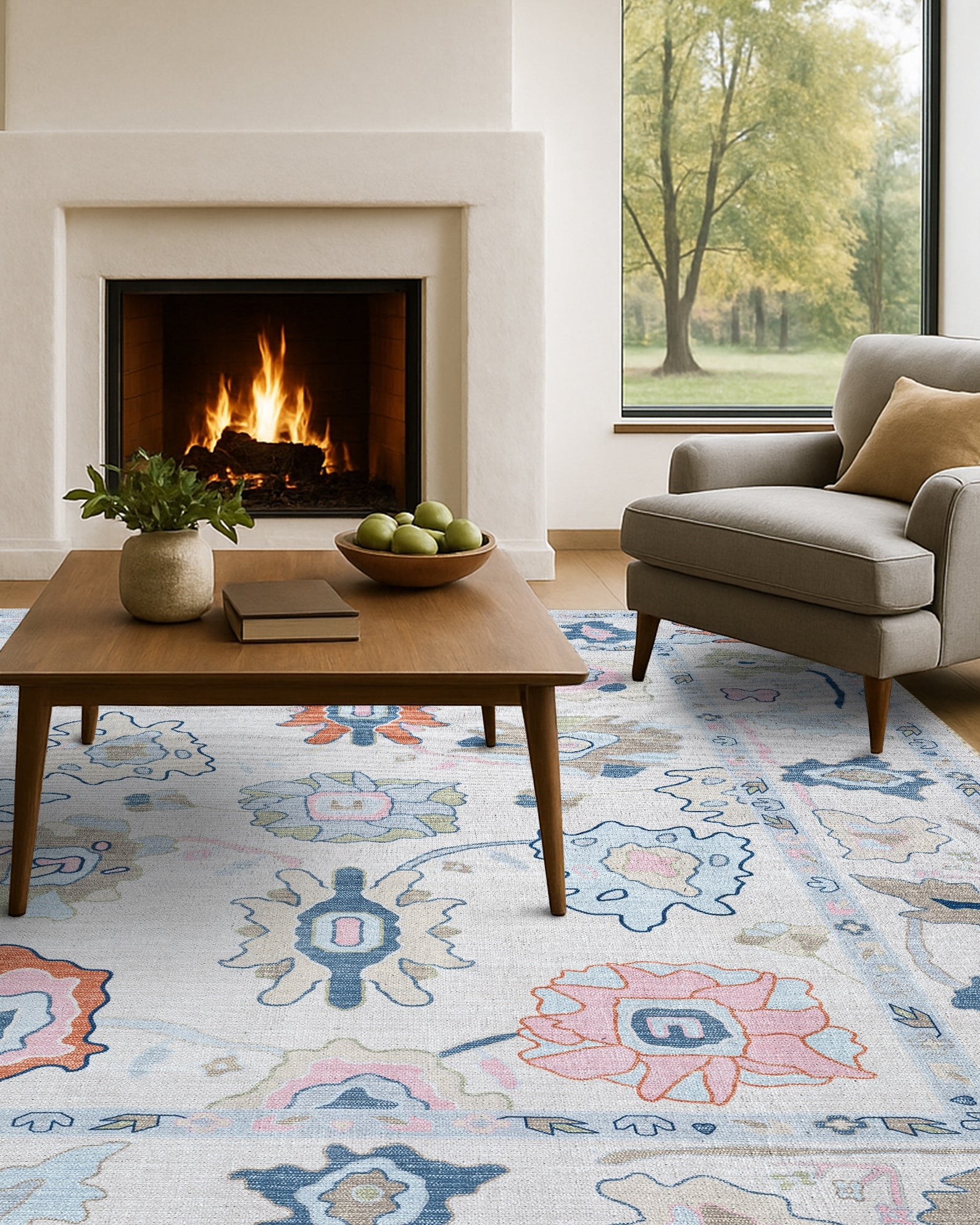
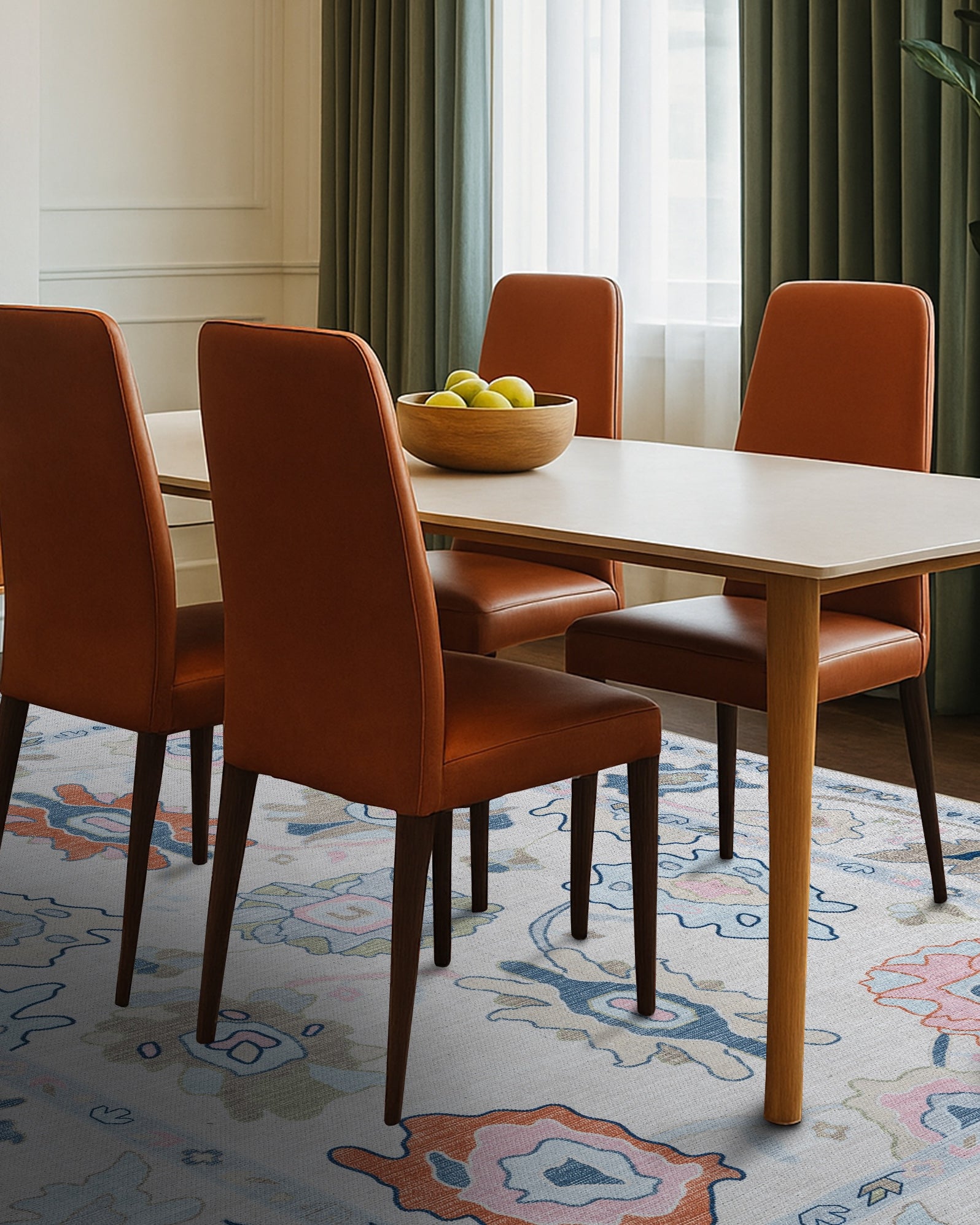
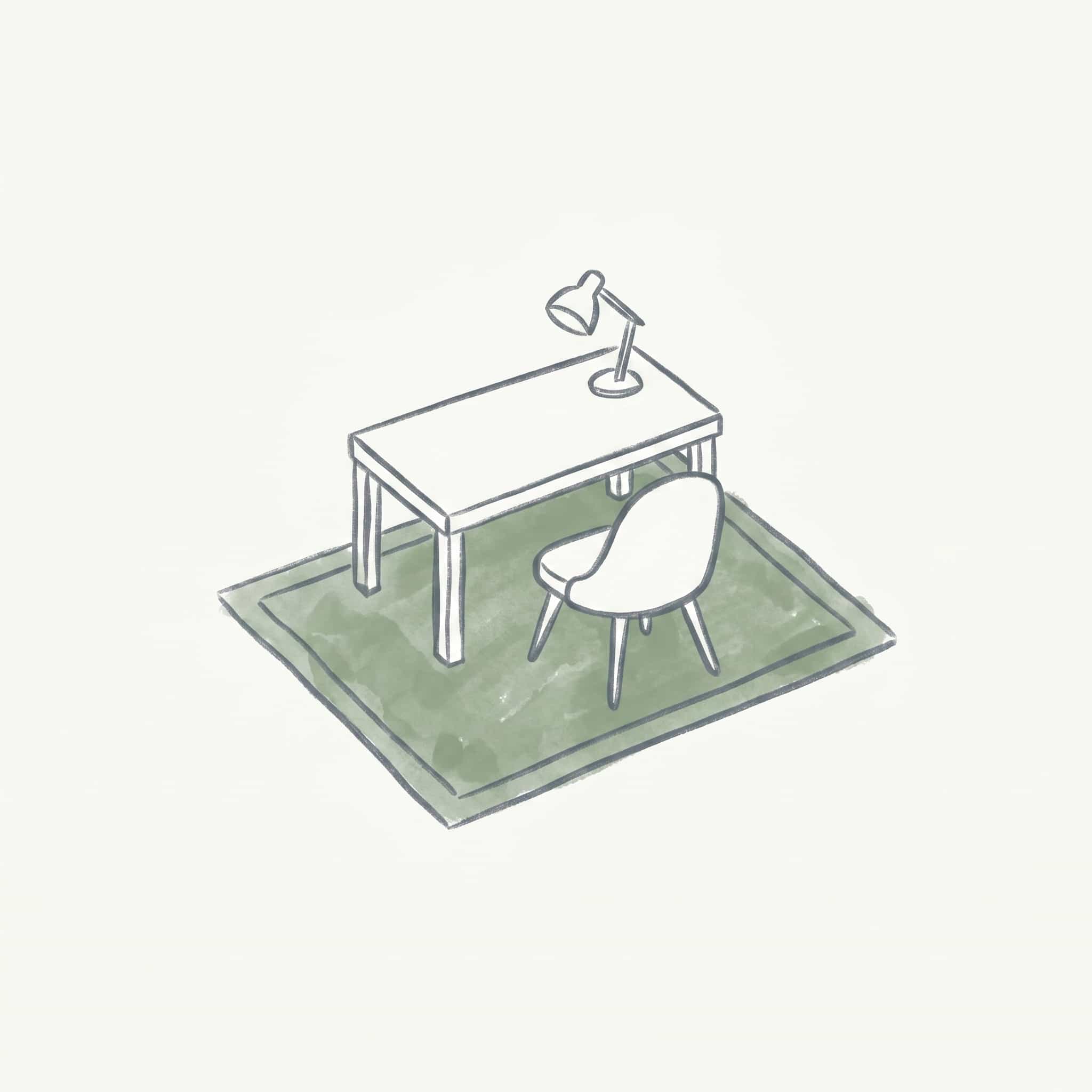
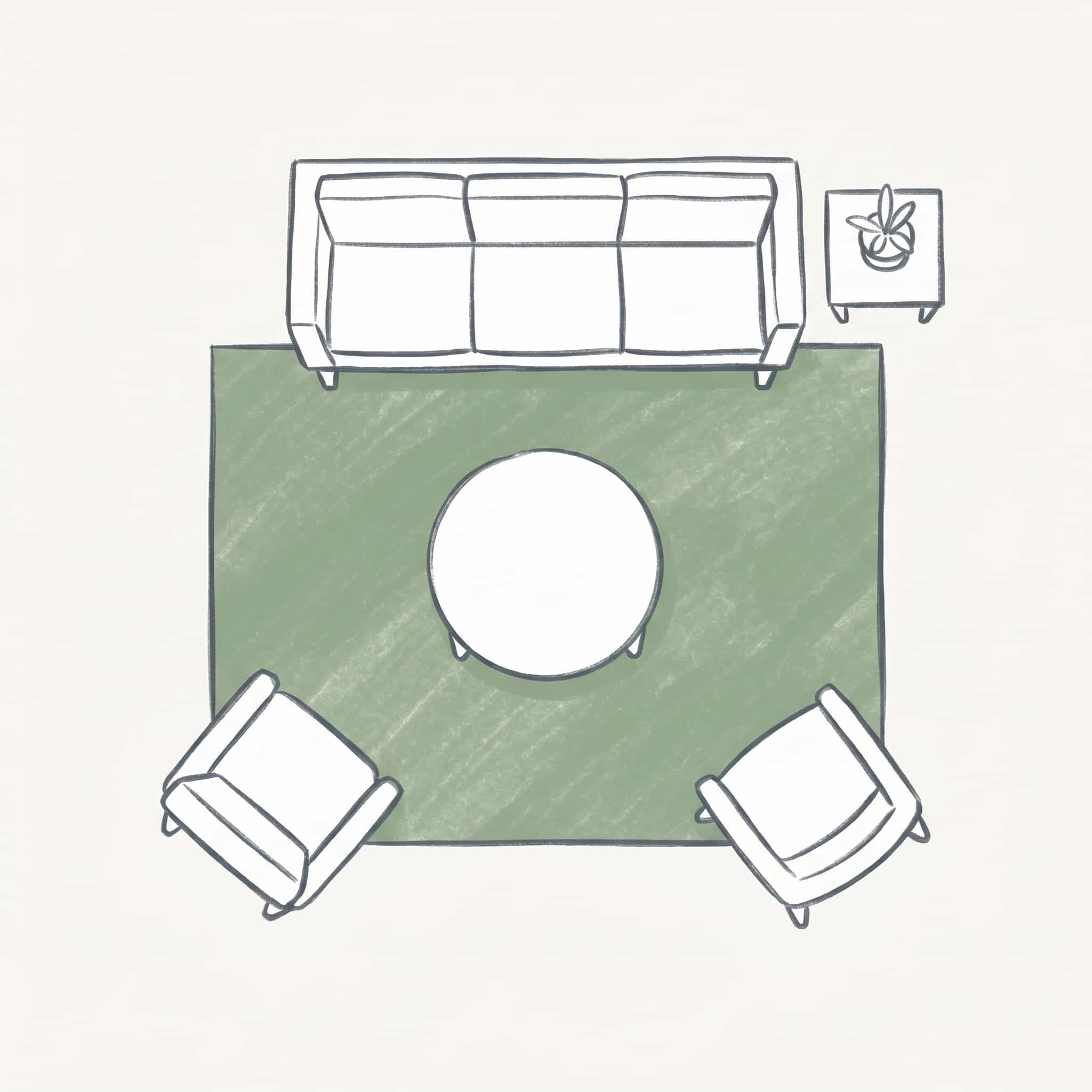
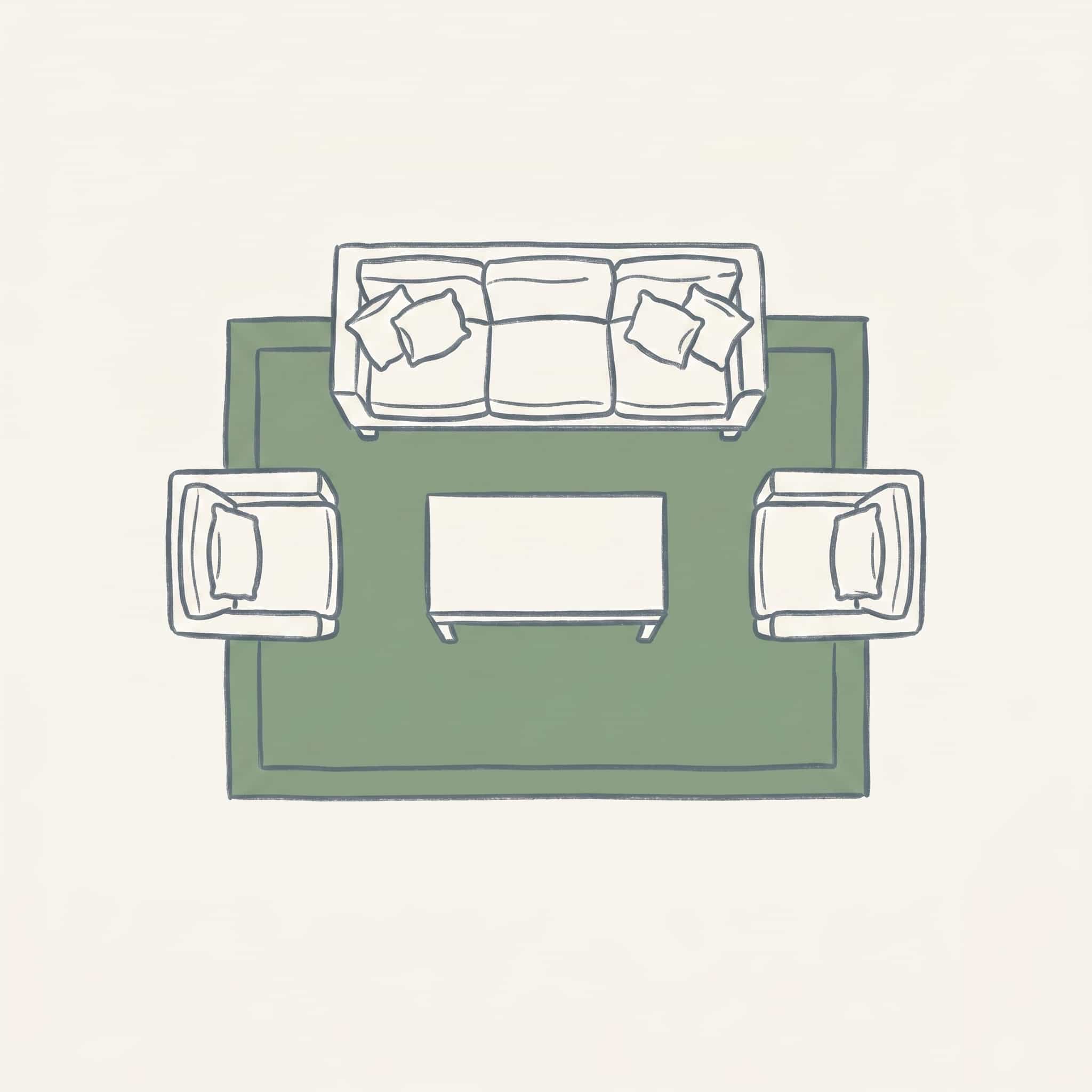
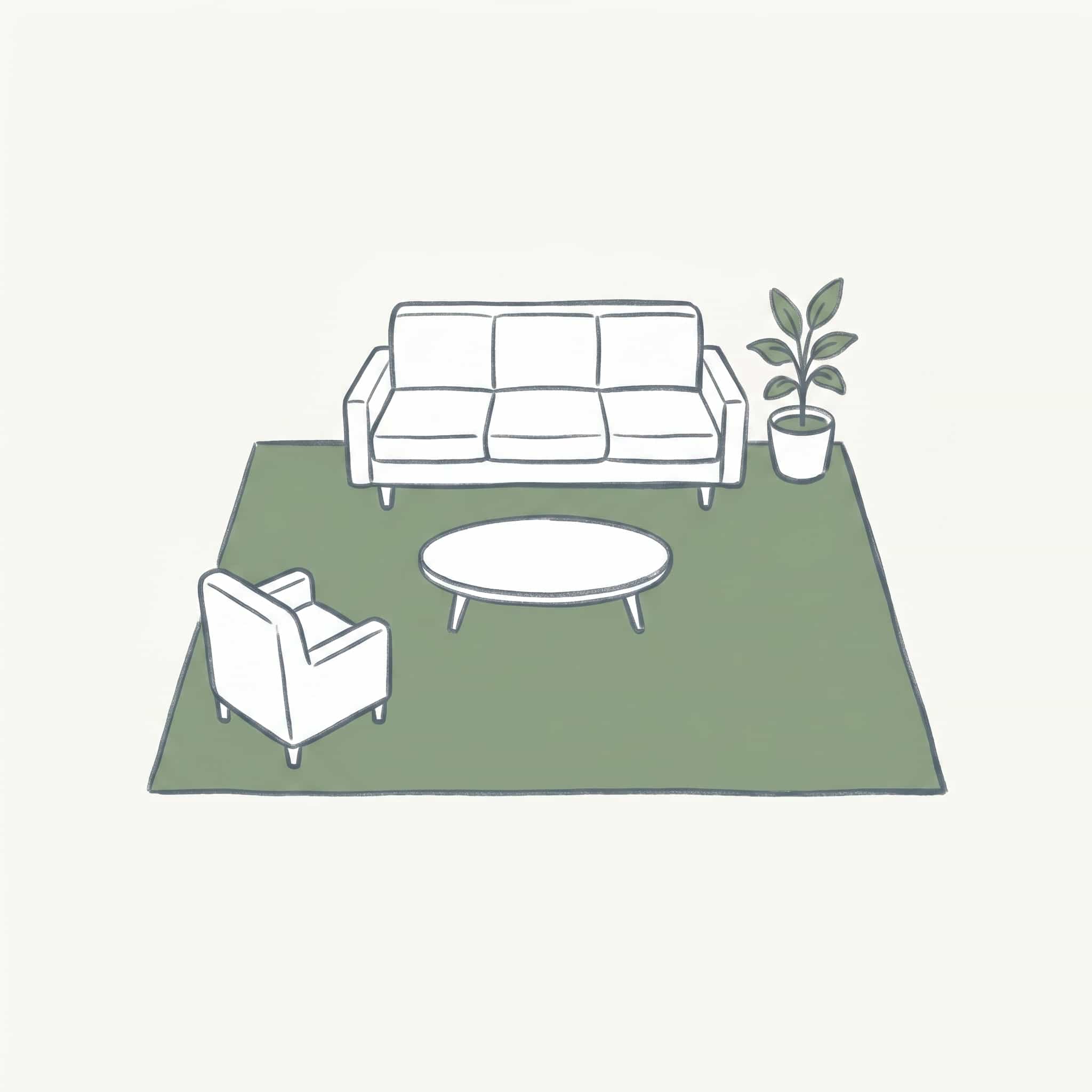
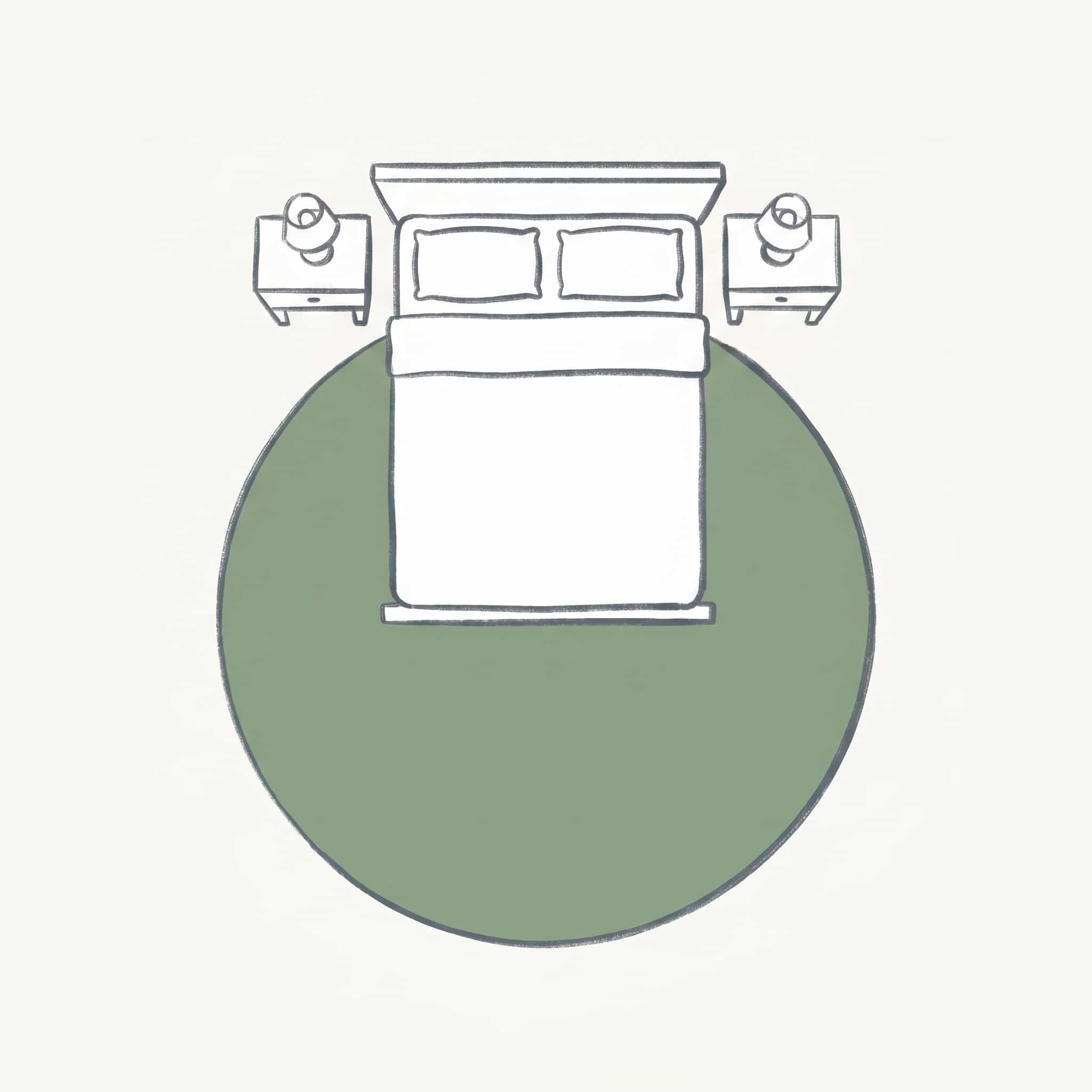
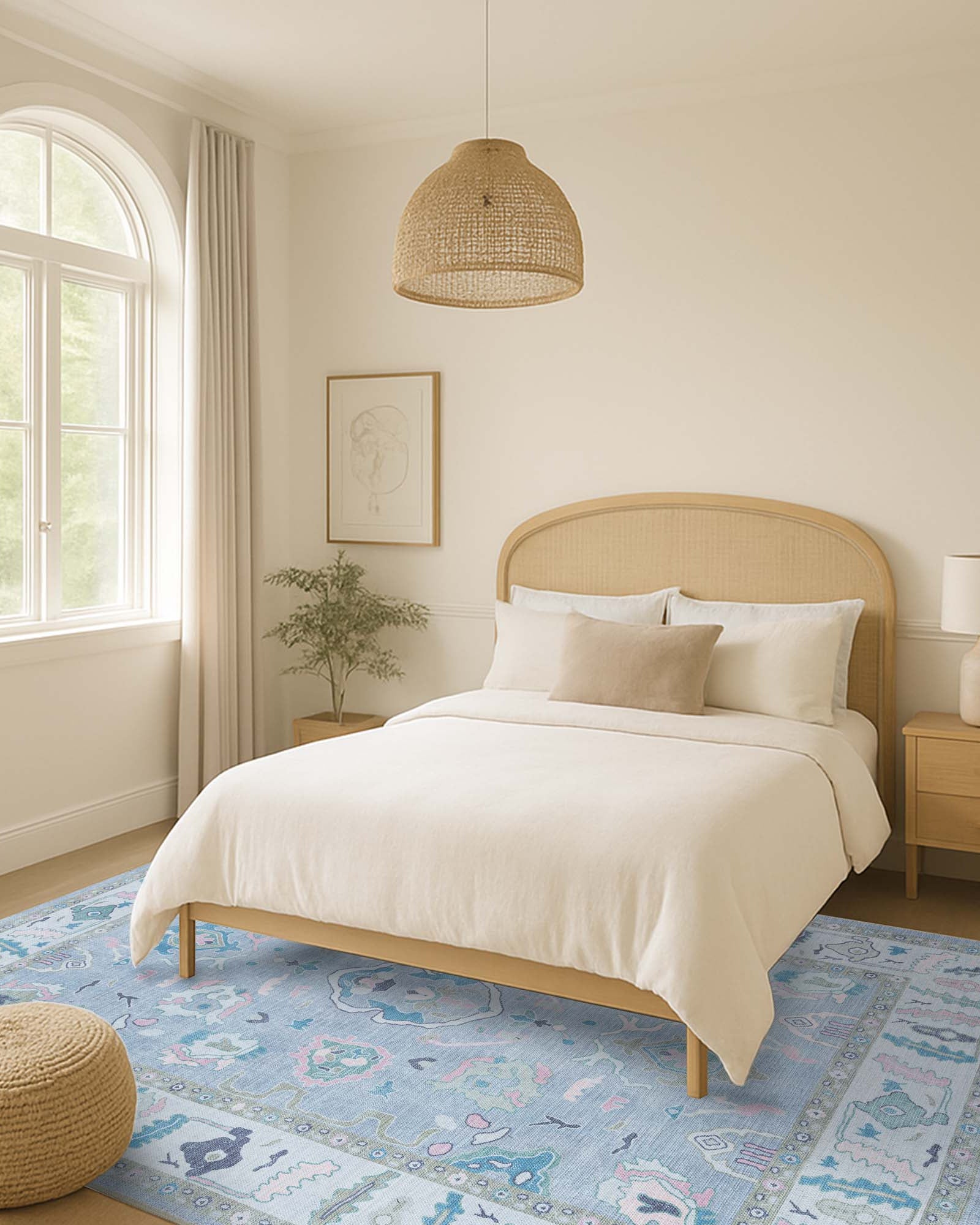
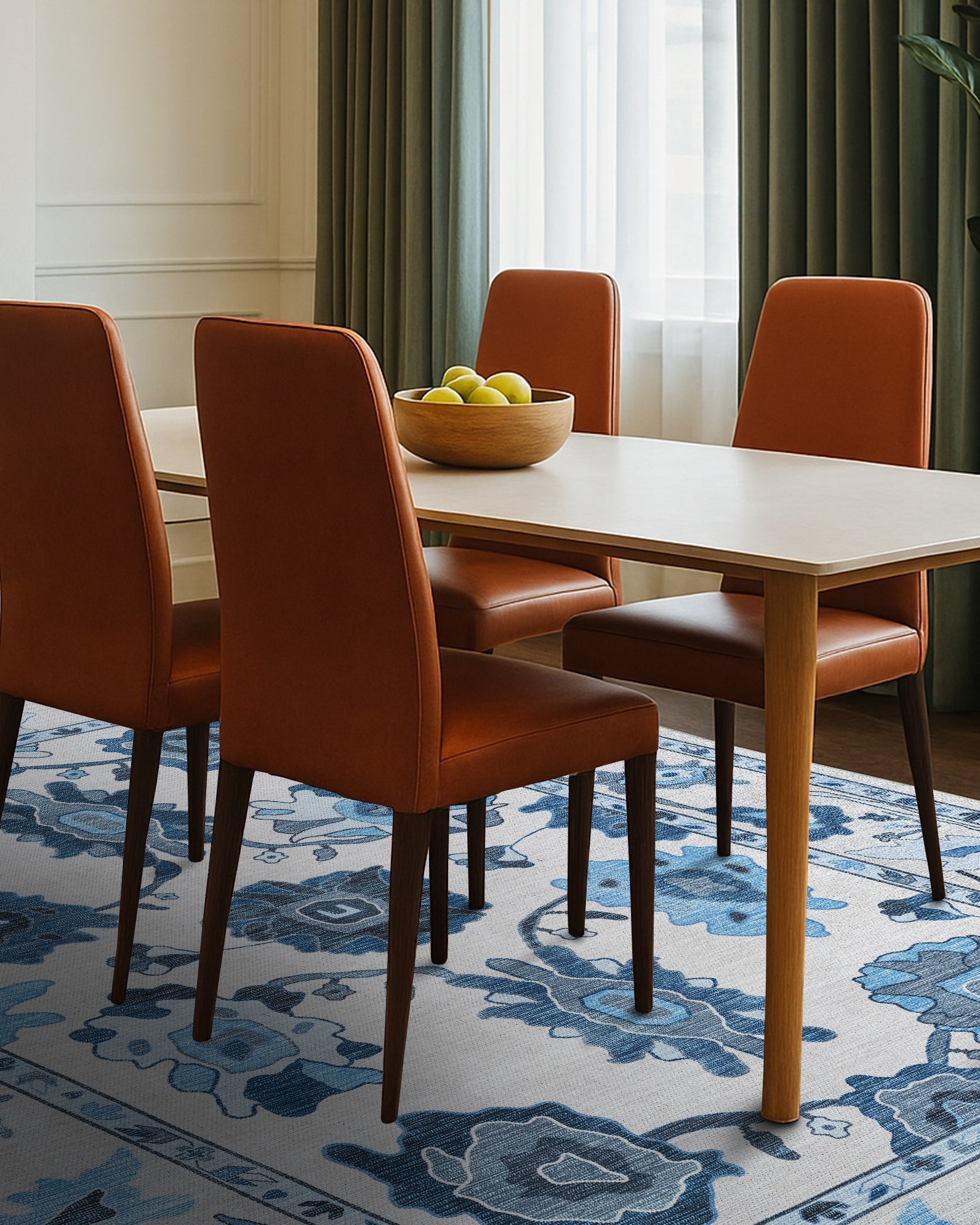
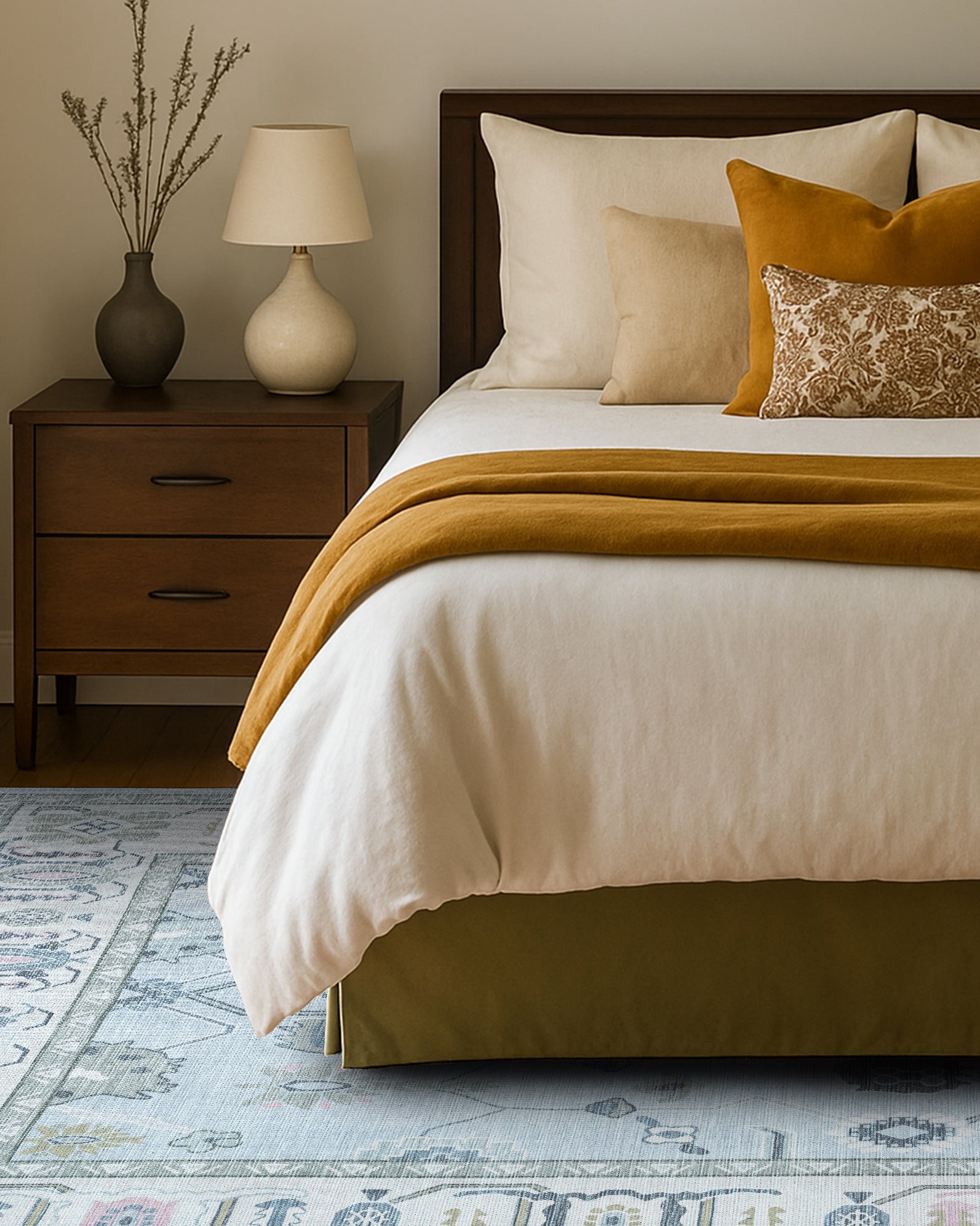
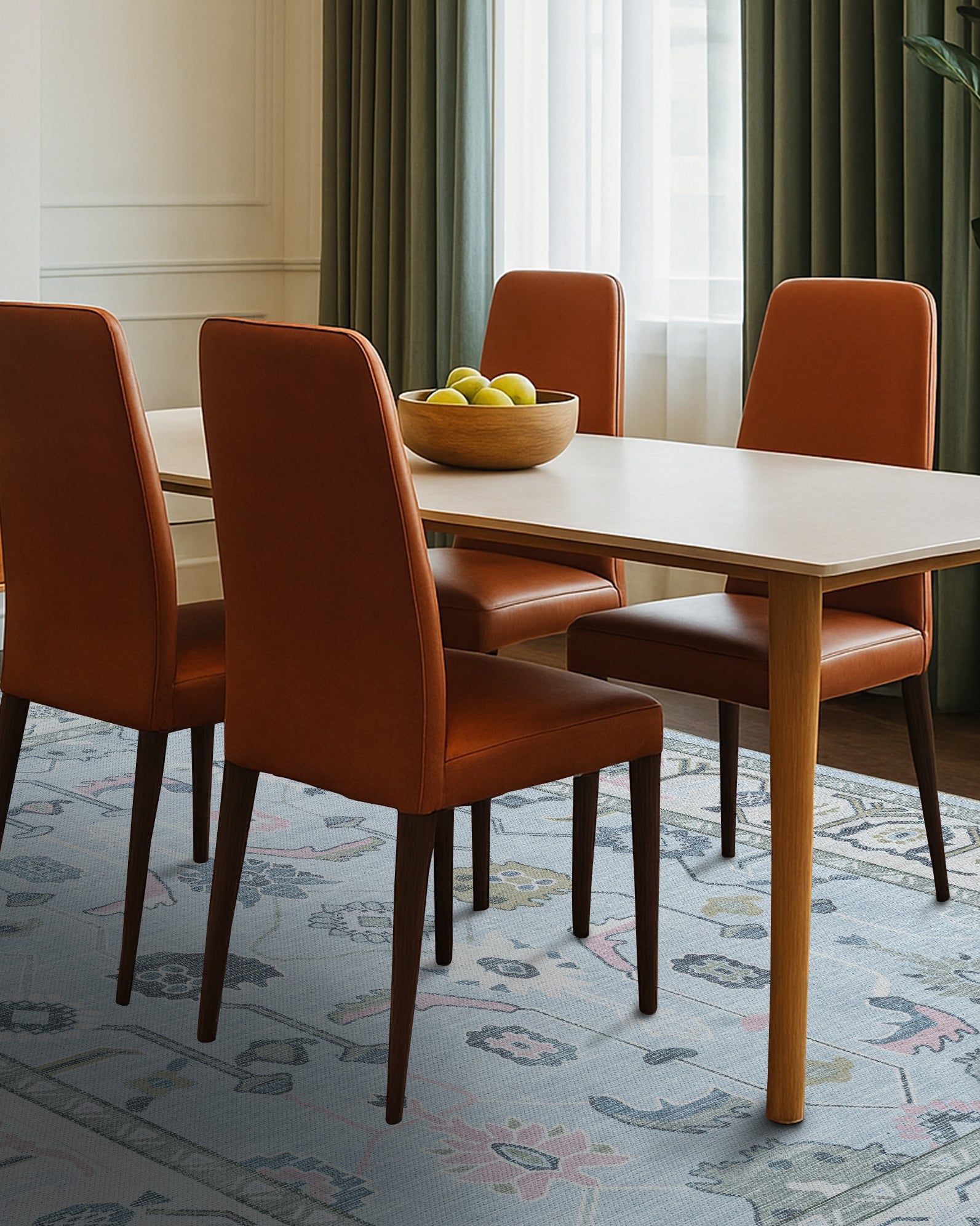
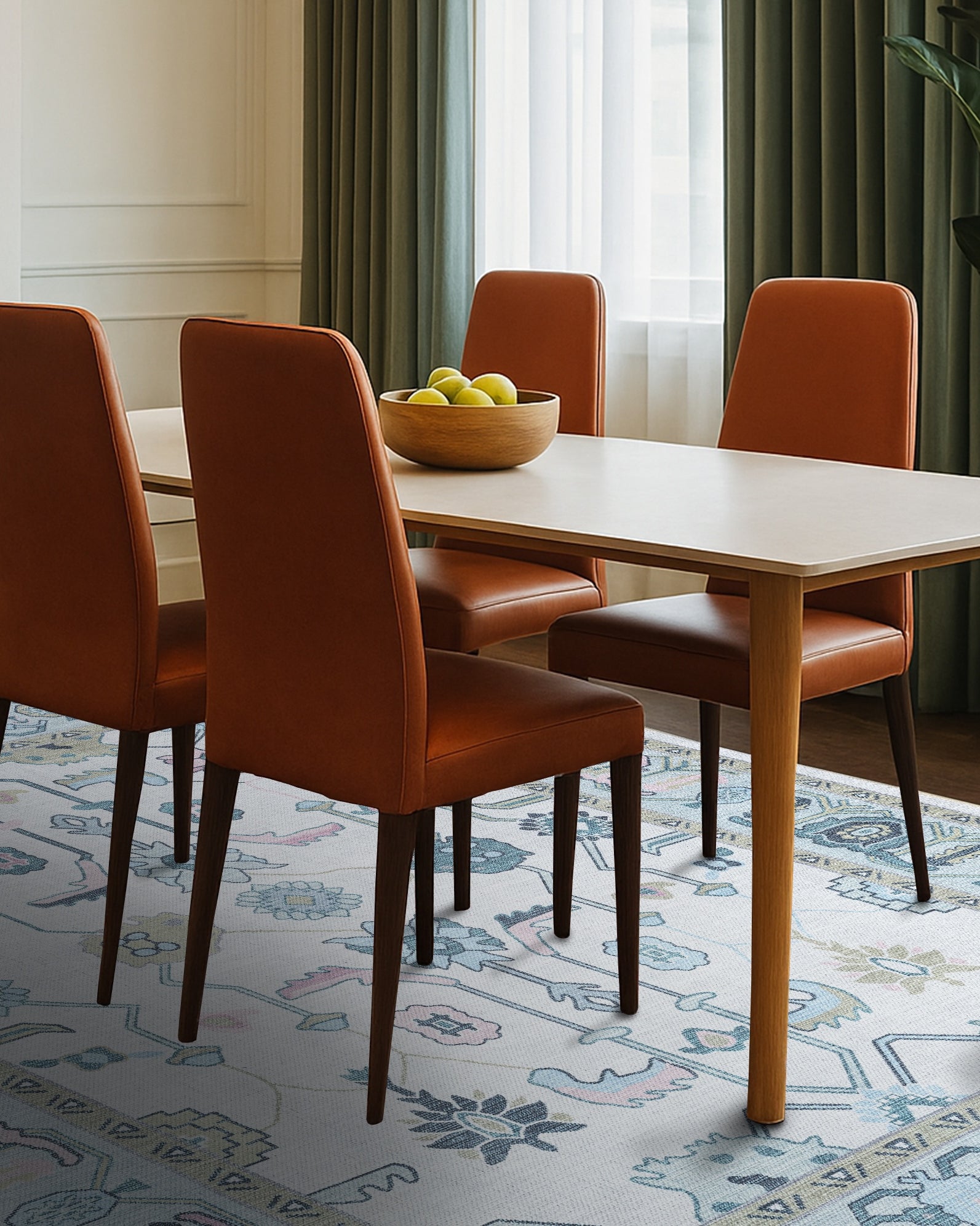
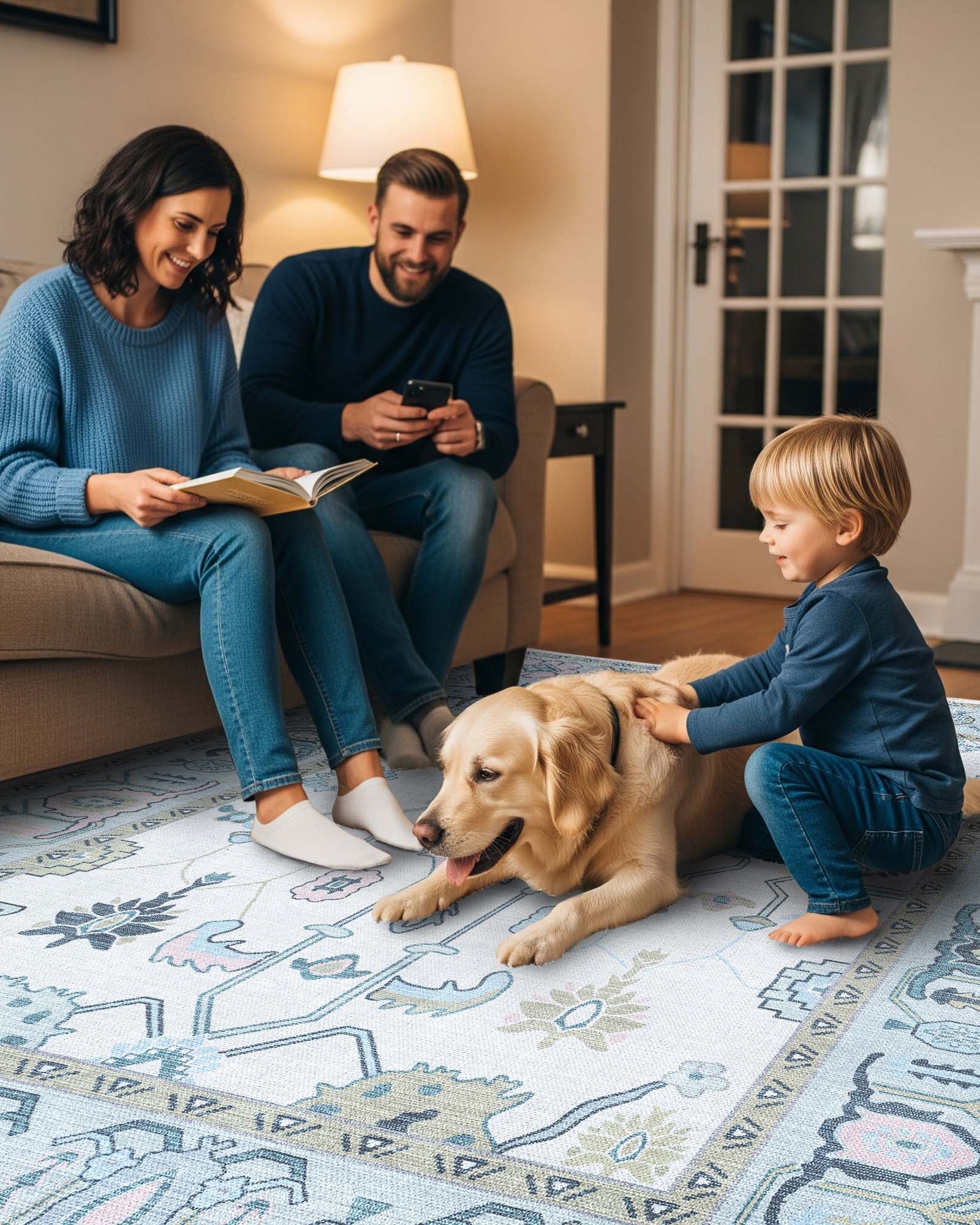
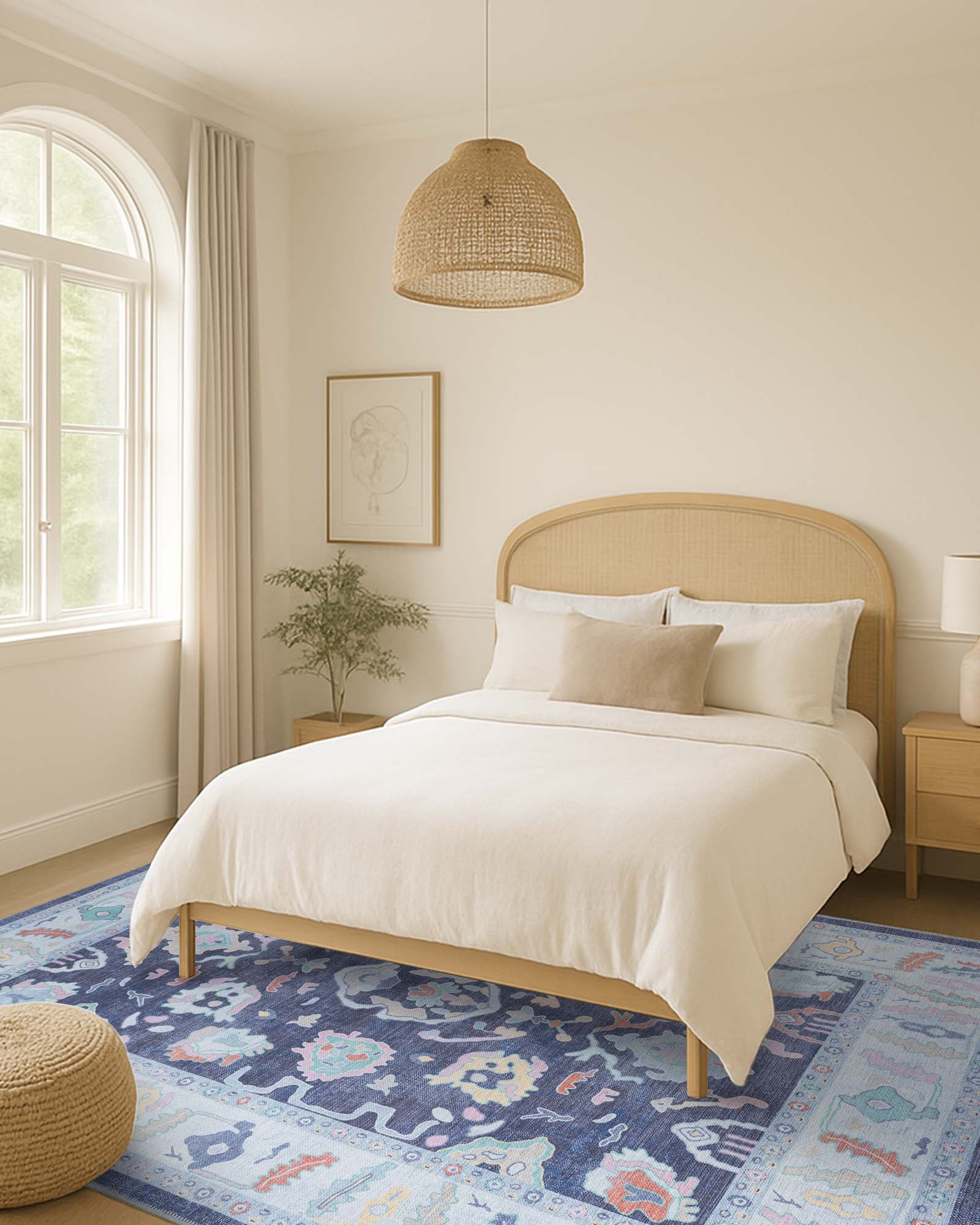
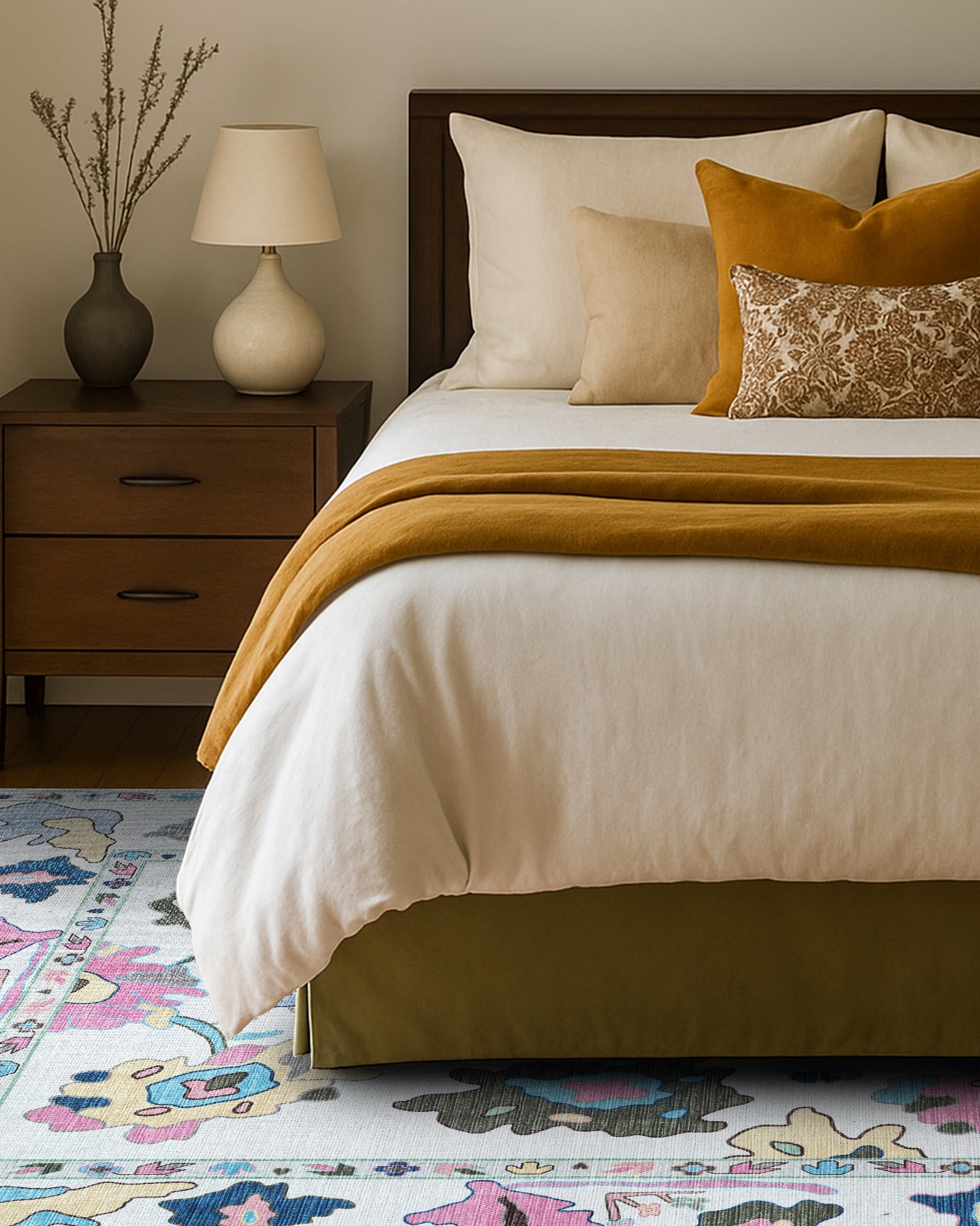
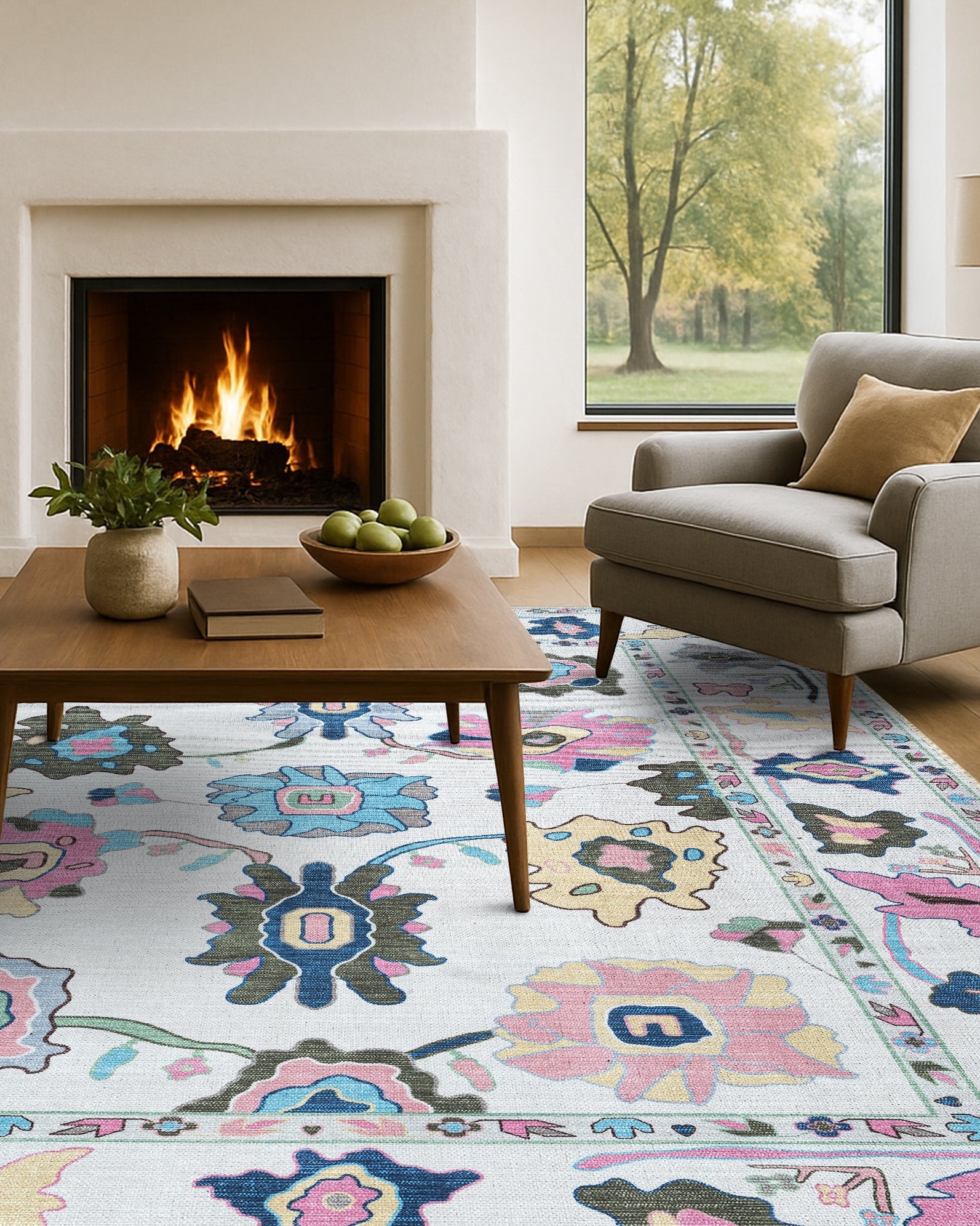
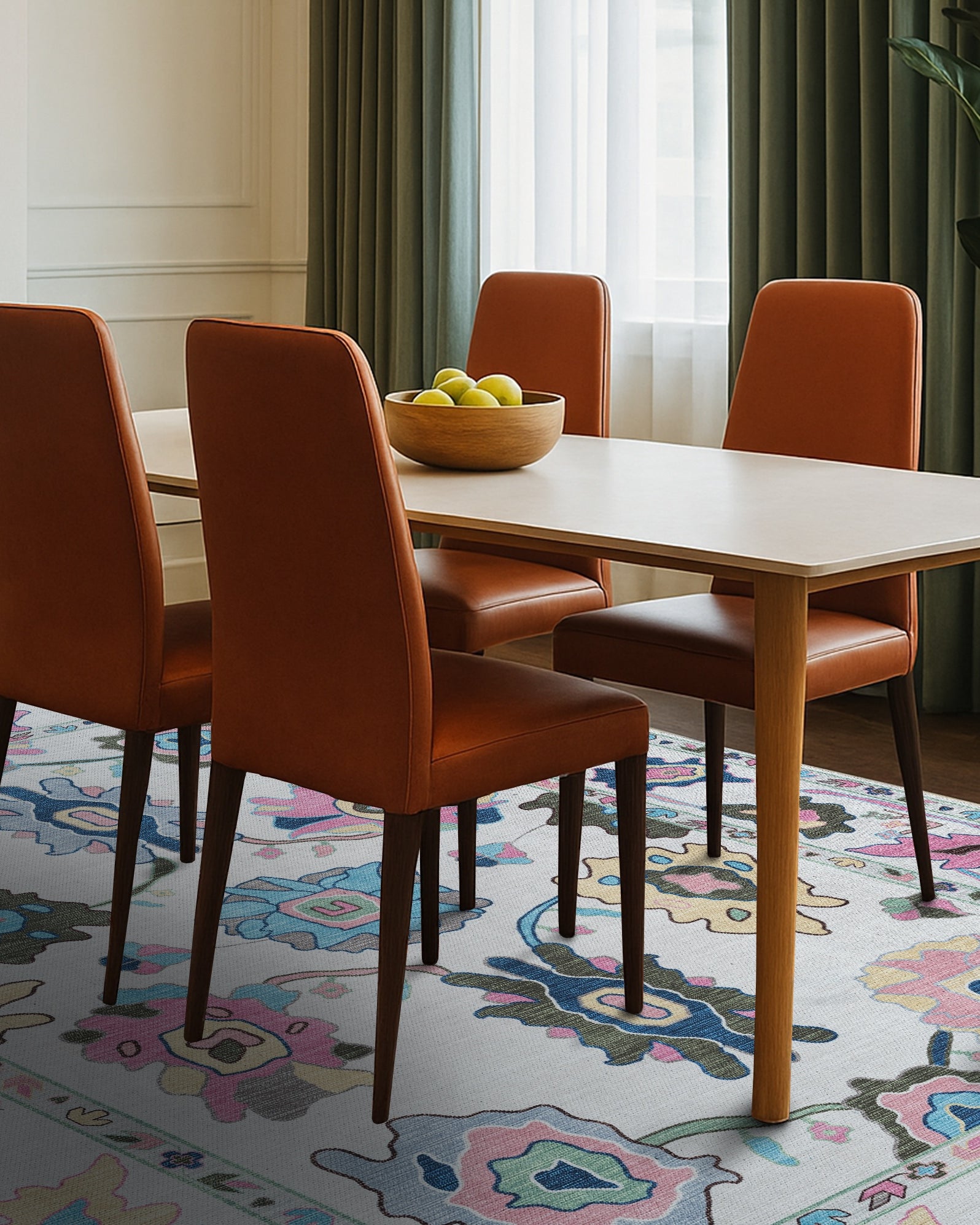
They also suit rooms full of natural material — linen, oak, stone, plaster, plants — where the shared undyed quality reads as coherent rather than coordinated. In a living room, keep at least the front legs of every seating piece on the rug. In a bedroom, run it 18 to 24 inches past each side of the bed; long-pile tülü pieces are particularly good here because the cushioning is exceptional. In a dining room, allow 24 inches past the table on all sides, though a pale field shows more where food is served.
The Practical Trade-Off
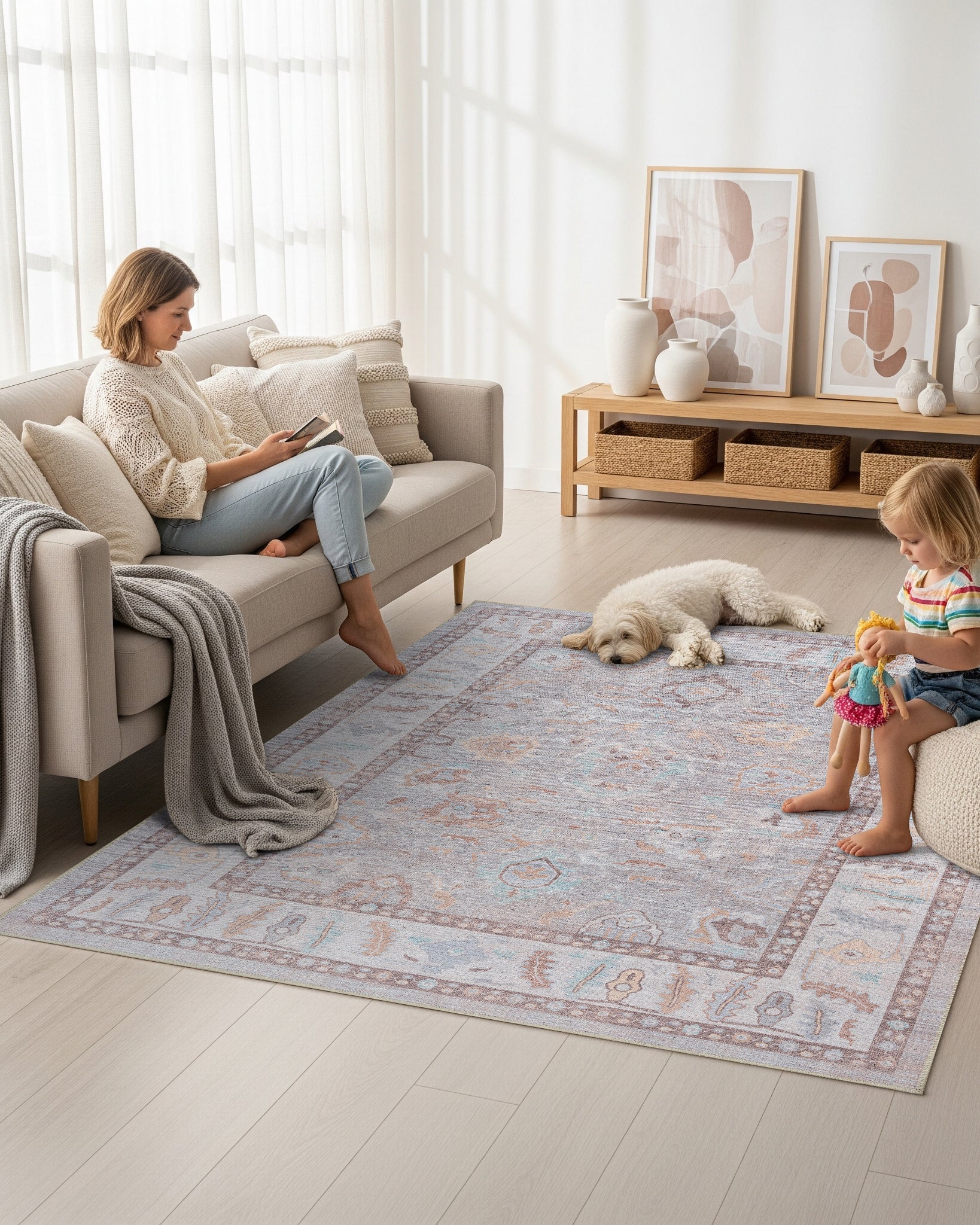
Undyed does not mean unstainable. Cream and oatmeal fleece shows marks as readily as any pale rug, and without dye pattern to disguise them. Camel, grey and brown pieces are the forgiving end of this collection and the sensible choice for entryways or homes with pets. If you want a pale undyed rug in a busy spot, plan on a good pad and prompt blotting rather than hoping the wool handles it alone.
Age, Condition and Measurement
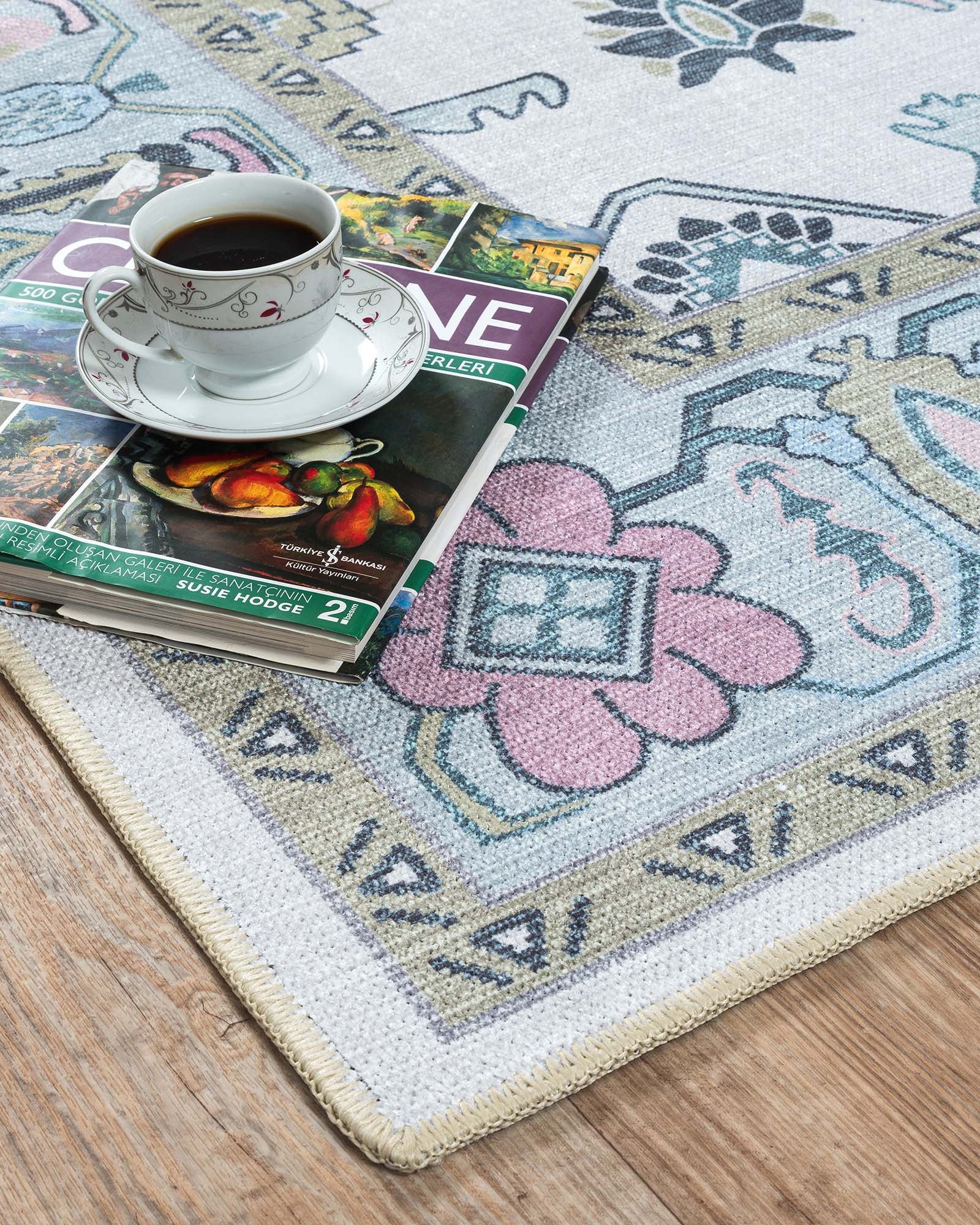
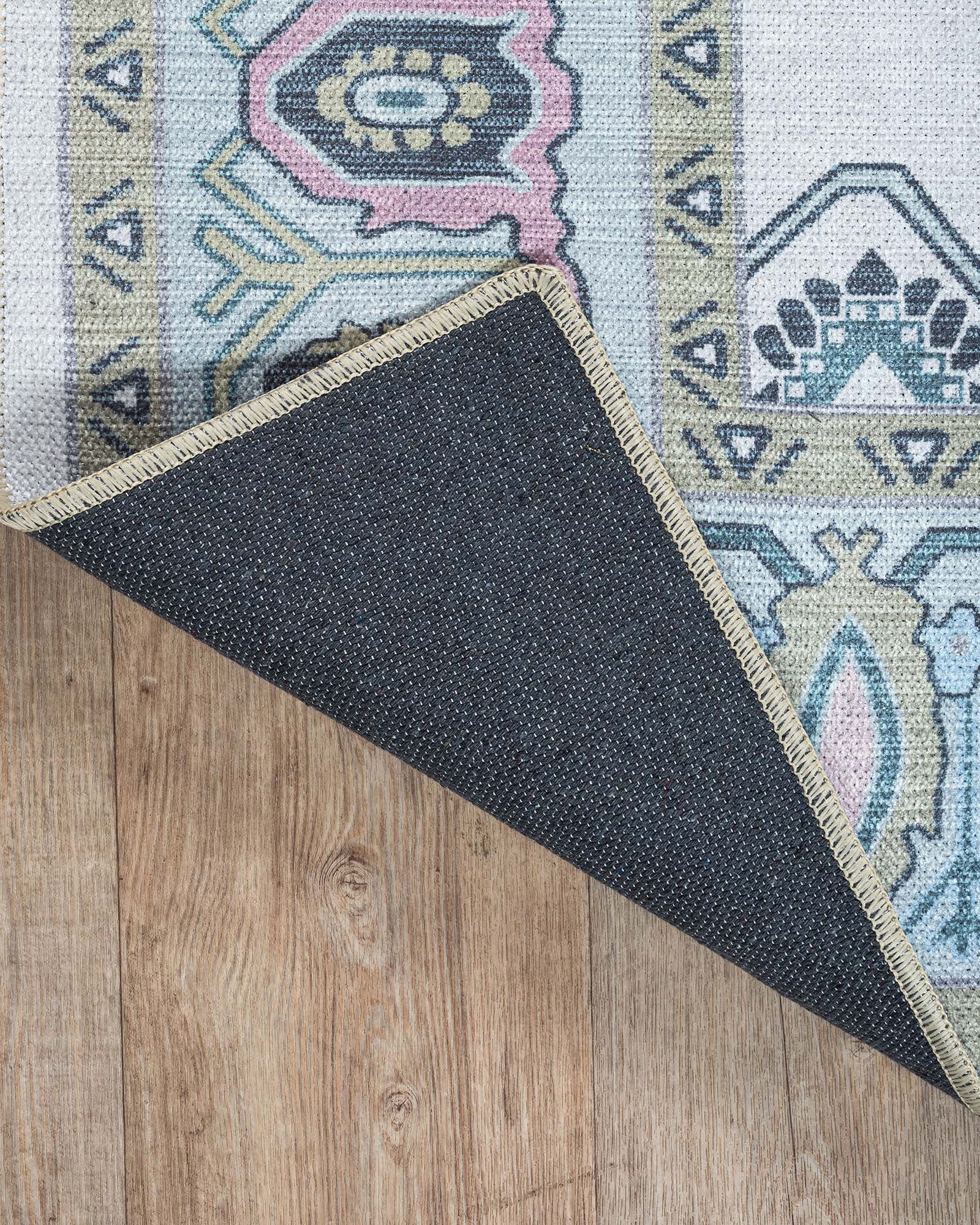
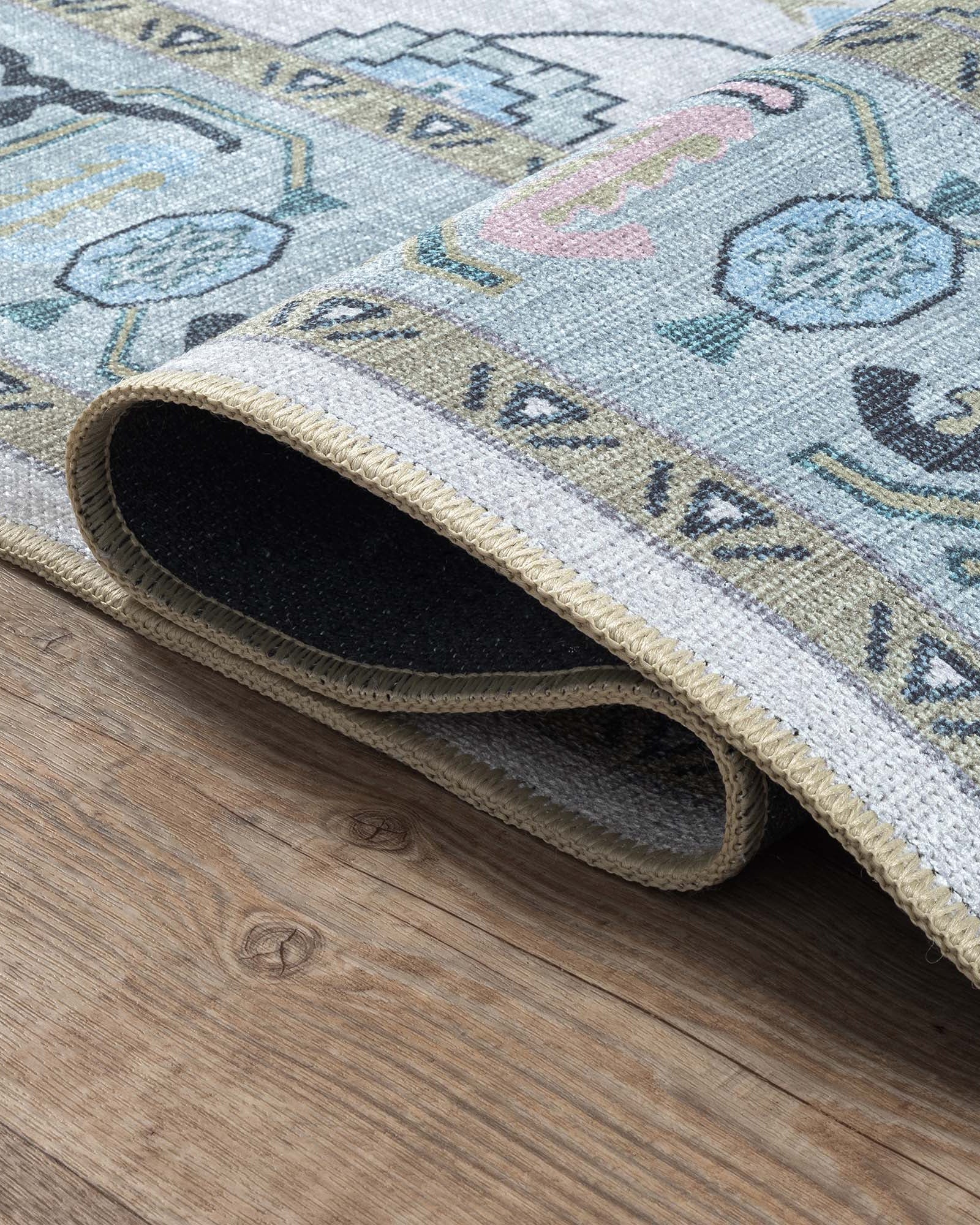
Pieces are grouped as antique at over eighty years, vintage at roughly forty to eighty, and semi-vintage below that. Every product page carries the estimated decade, origin where identifiable, construction, exact measured dimensions and a plain condition note. On undyed pieces expect natural shade variation across the field, occasional darker or lighter fibres running through a lighter ground, and old discolouration that reads more visibly than it would on a dark rug. All of it is photographed rather than lit out. Sizes are never standard and opposite edges commonly differ by an inch or more.
Care
Vacuum with the beater bar off or raised and keep it off the fringe; on long-pile tülü pieces use suction only and take them outside to shake when practical. Use a rug pad on hard floors. Rotate twice a year — not for colour, since there is none to fade, but so footfall distributes evenly. Blot spills immediately with a white cloth and plain water, pressing rather than rubbing so the surface does not felt. Undyed wool tolerates water better than any dyed rug, but heat and saturation still felt the fibre permanently, so avoid home carpet-cleaning machines and steam cleaners. For anything set-in, use a professional rug washer who hand-washes wool.