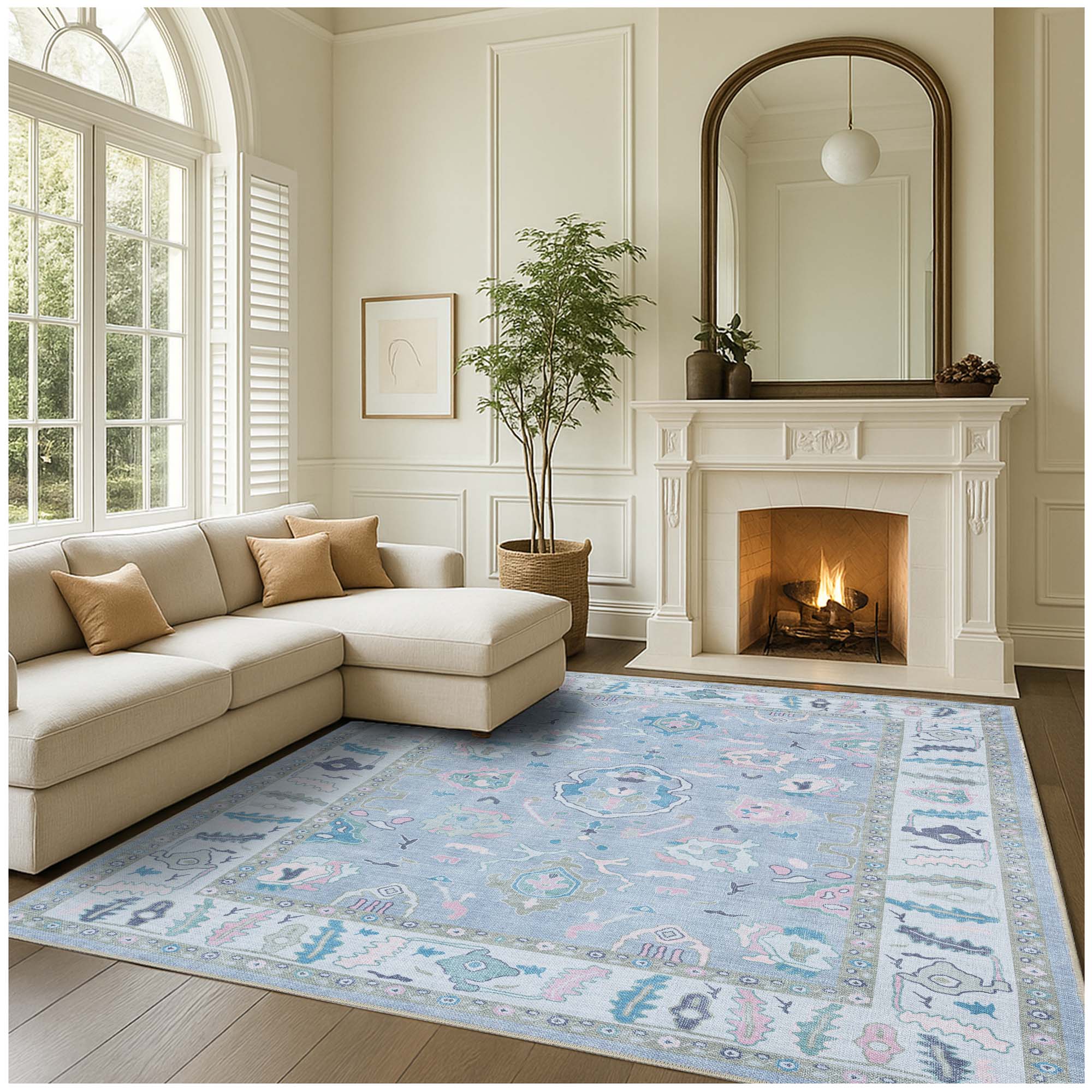
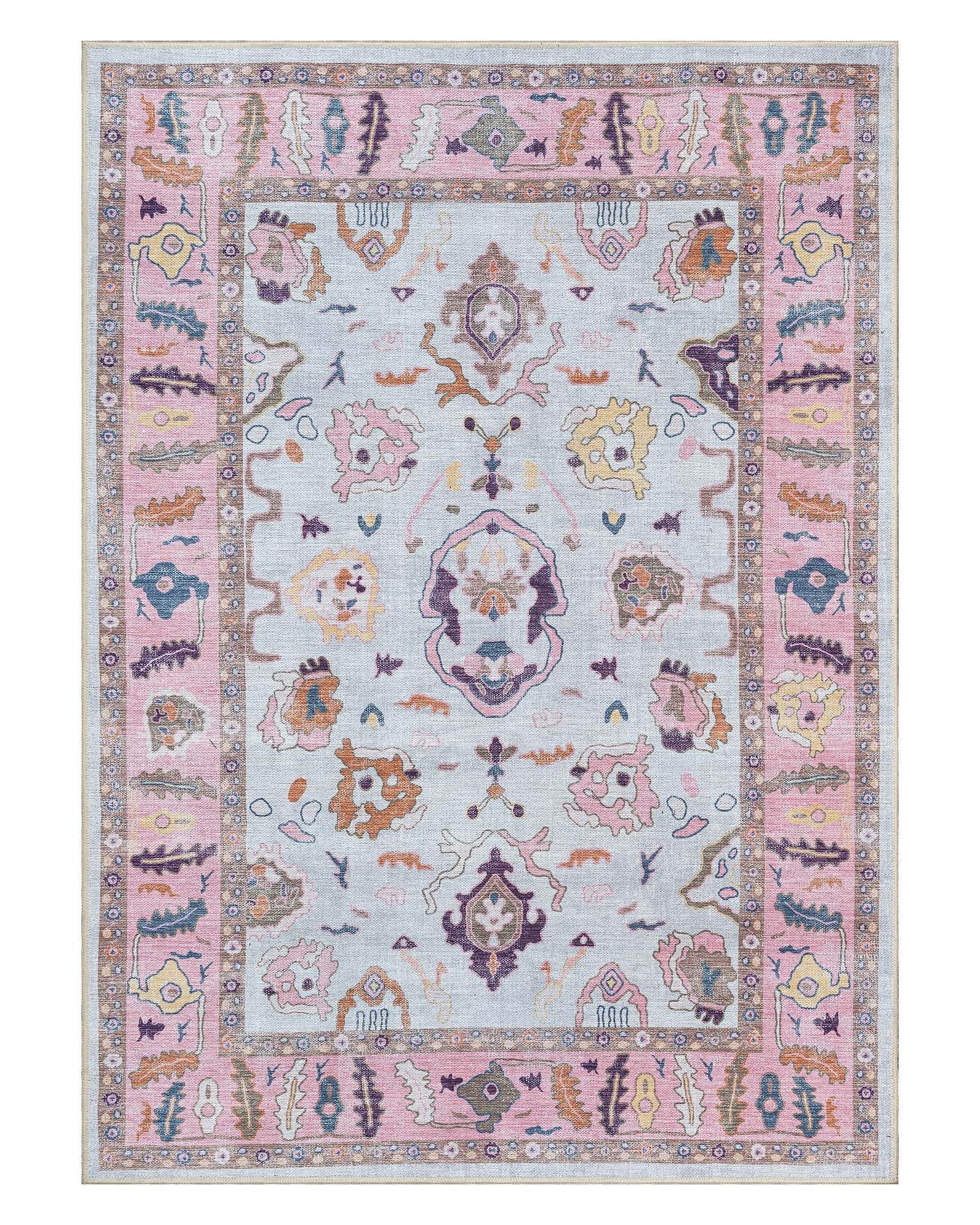
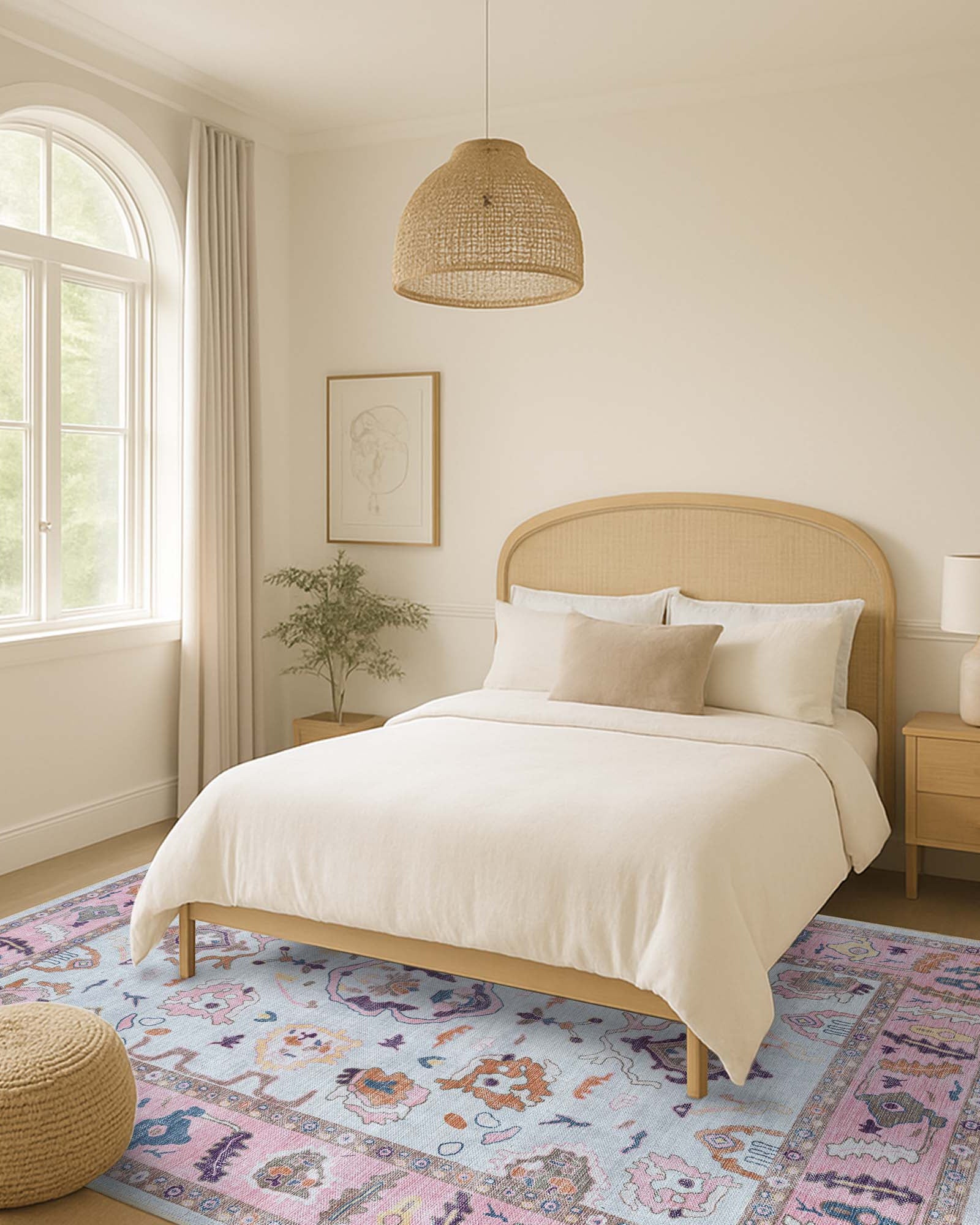
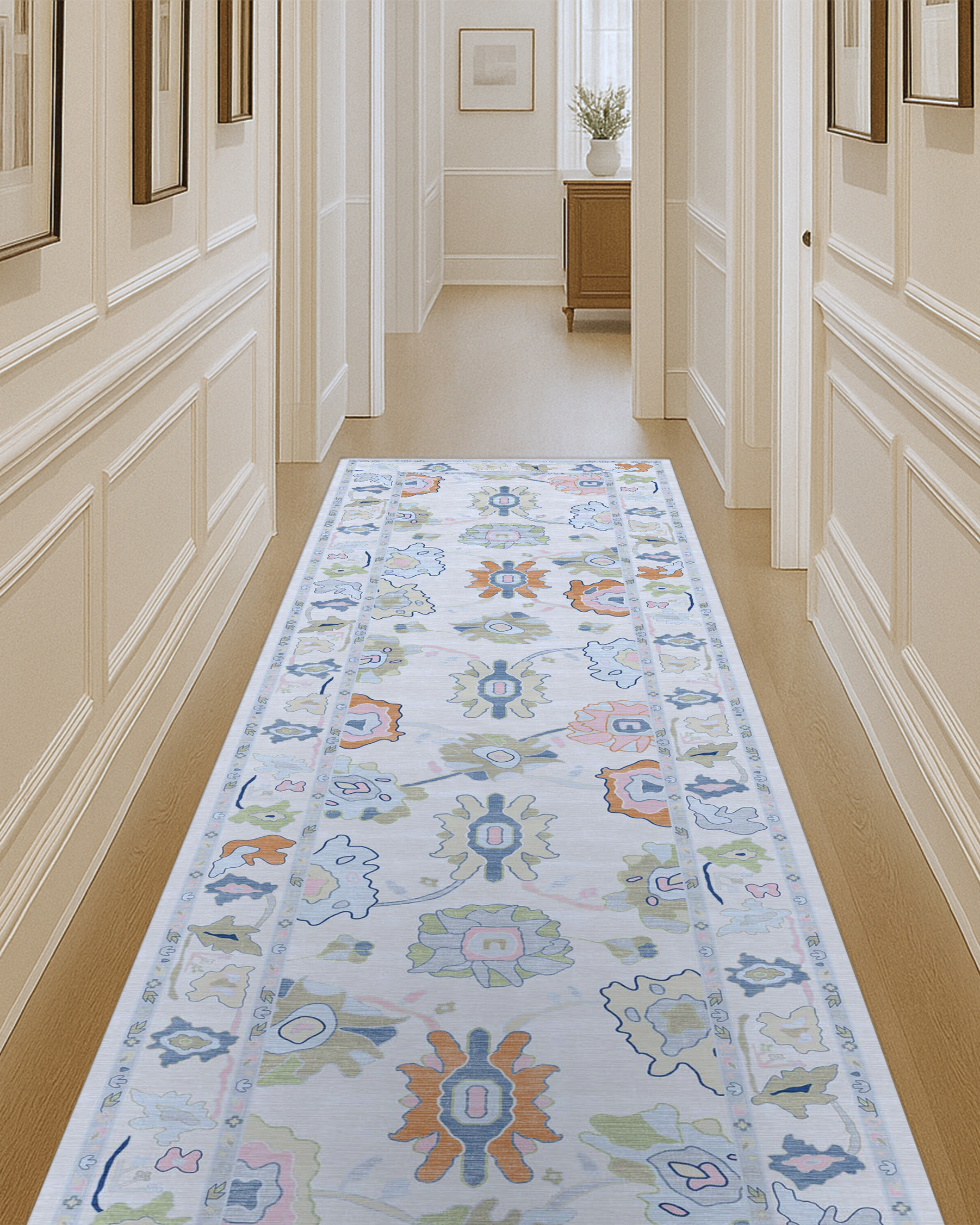
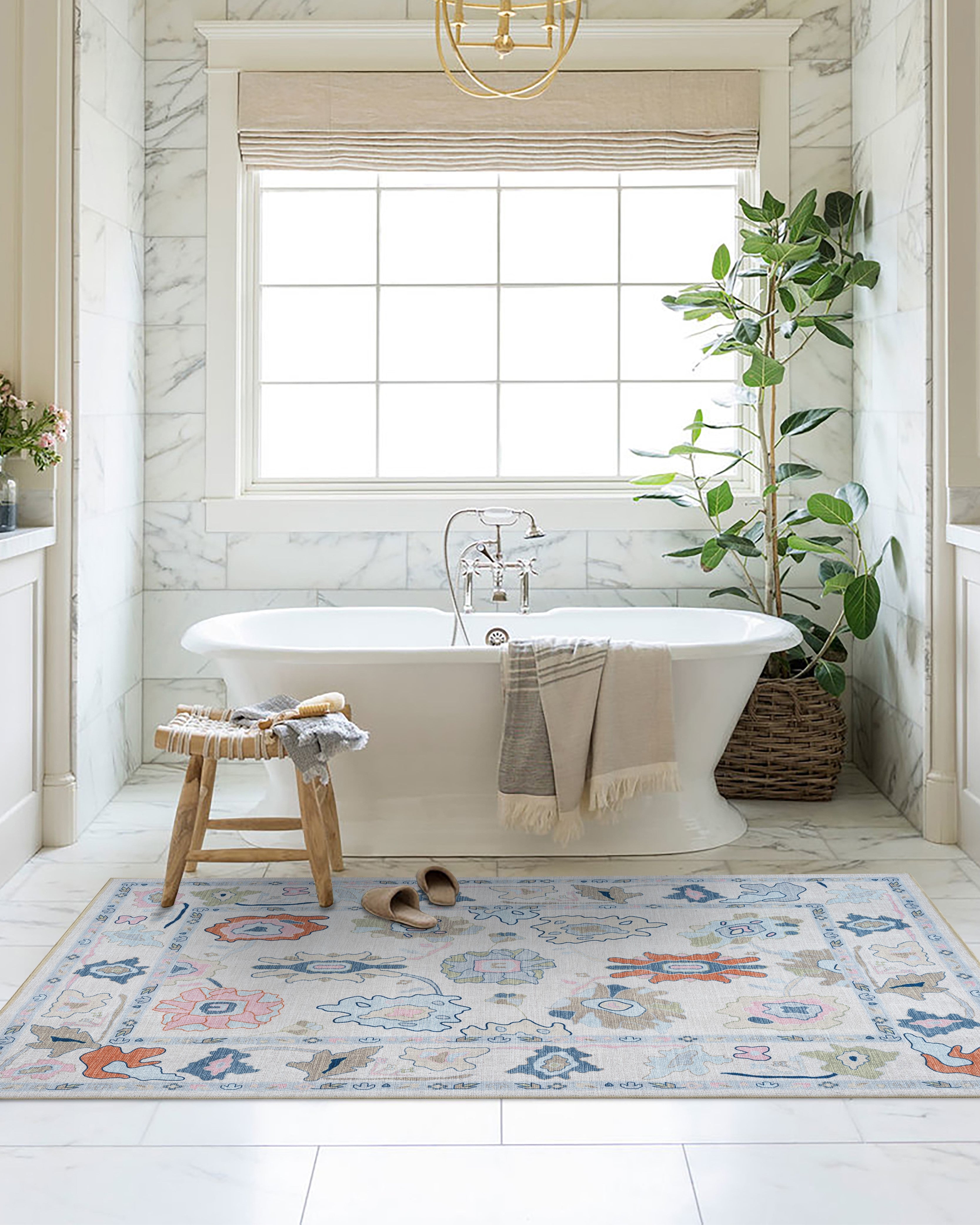
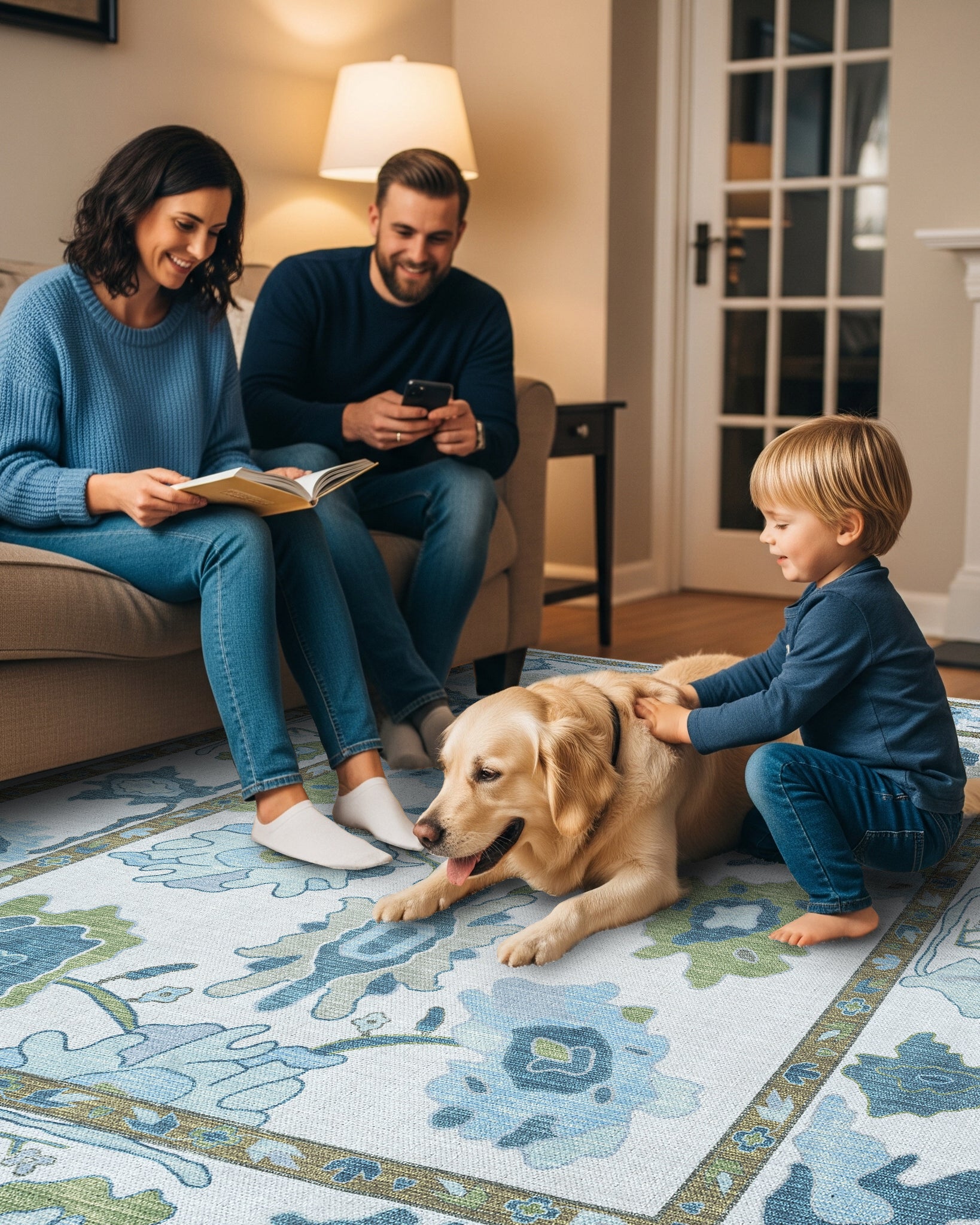
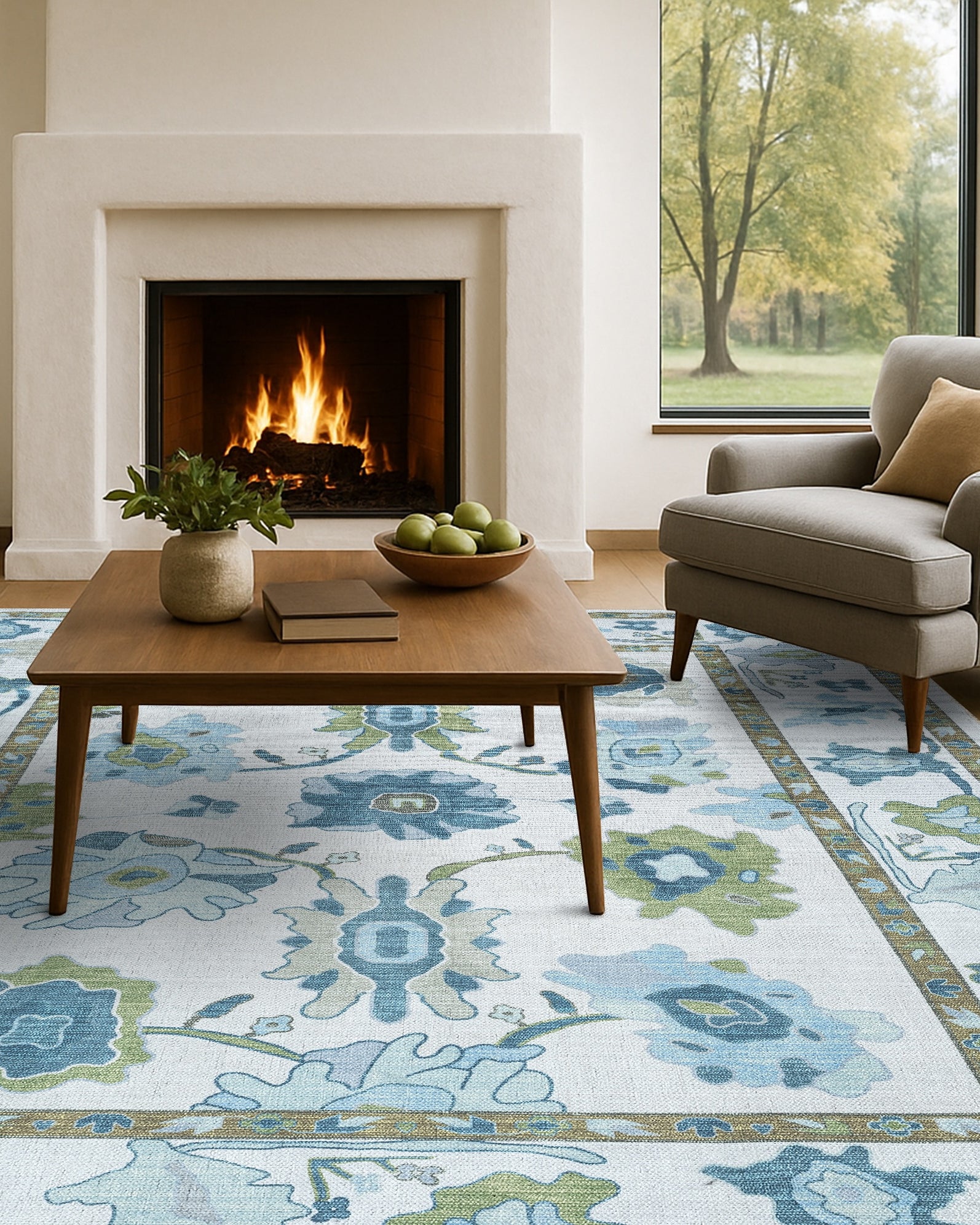
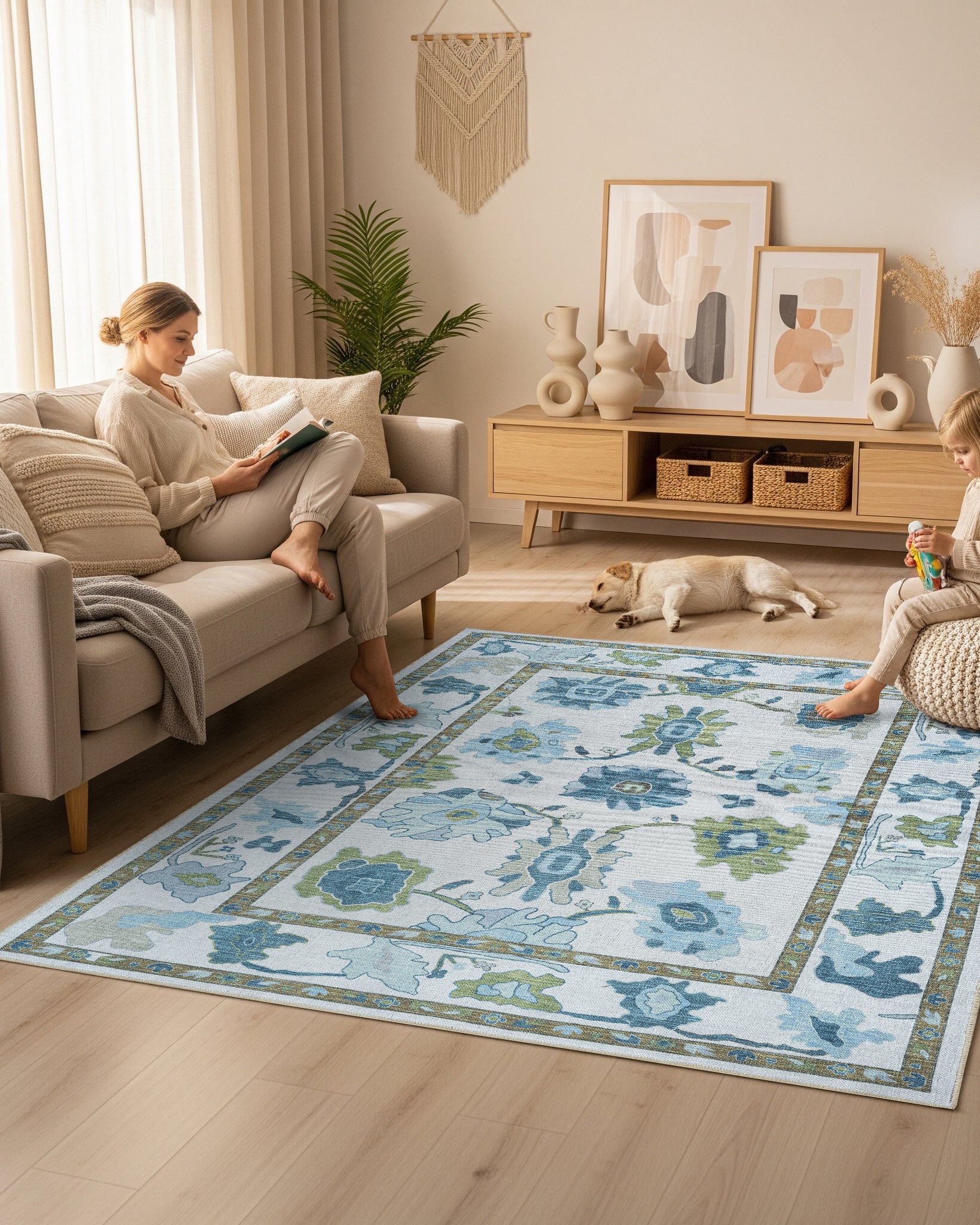
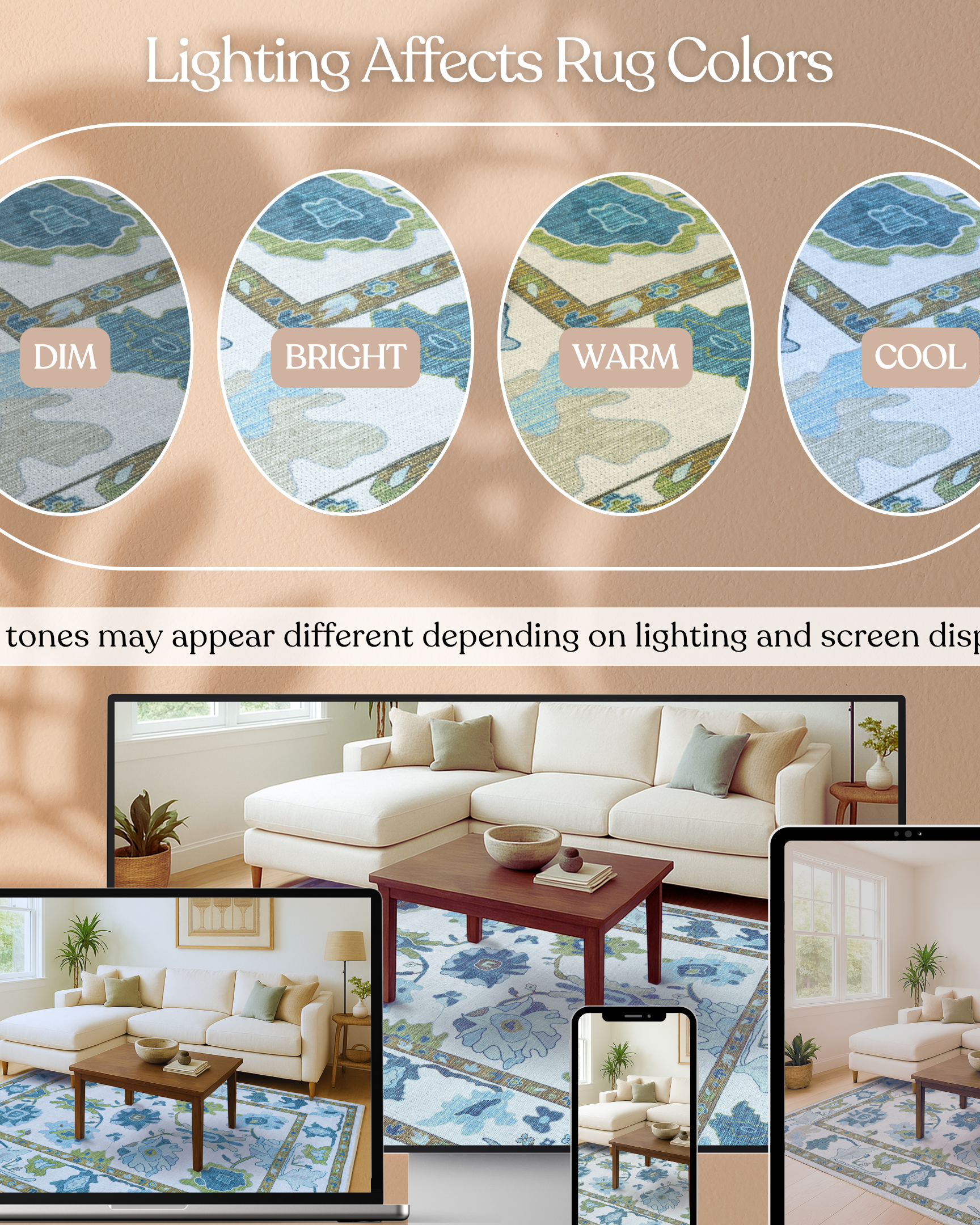
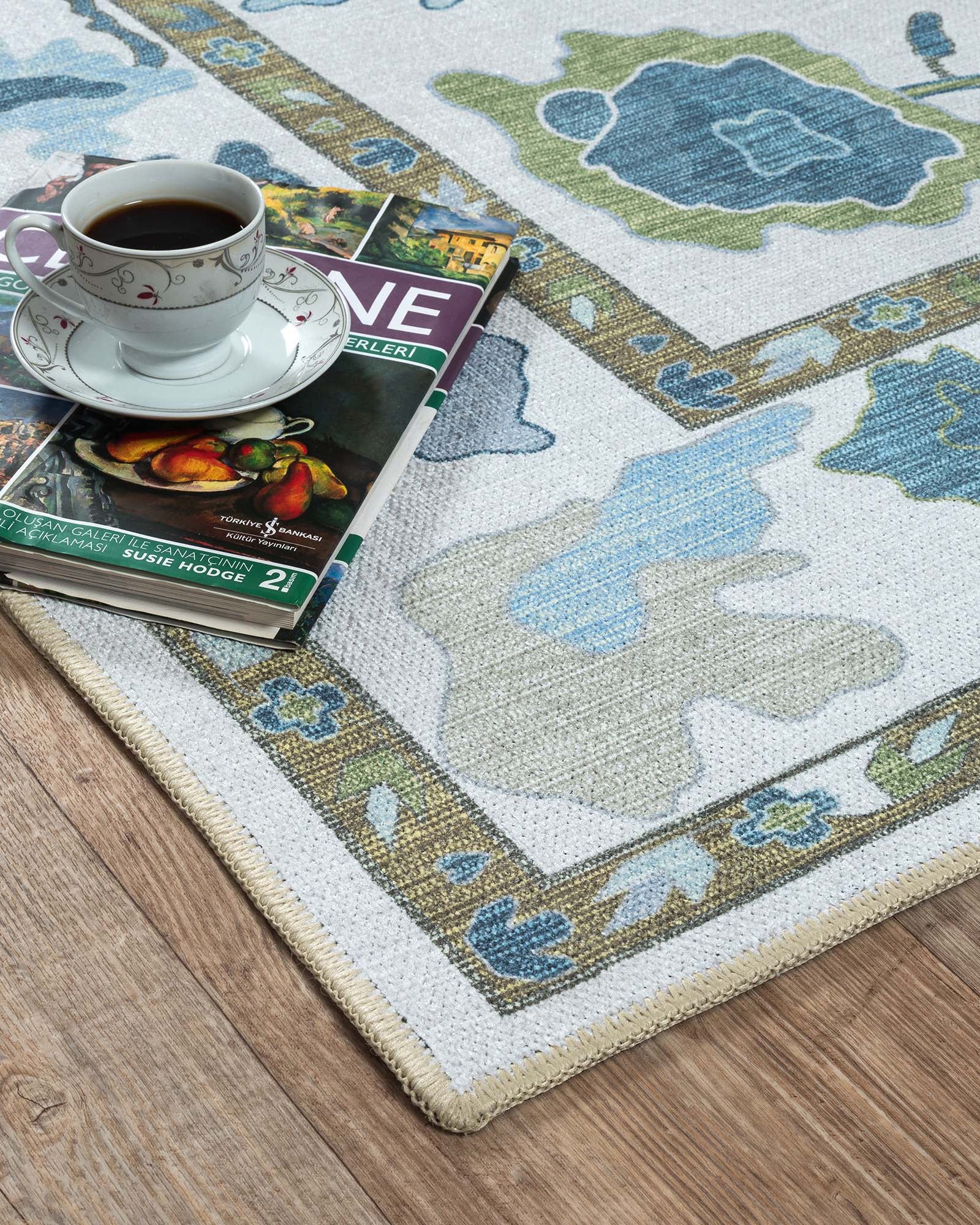
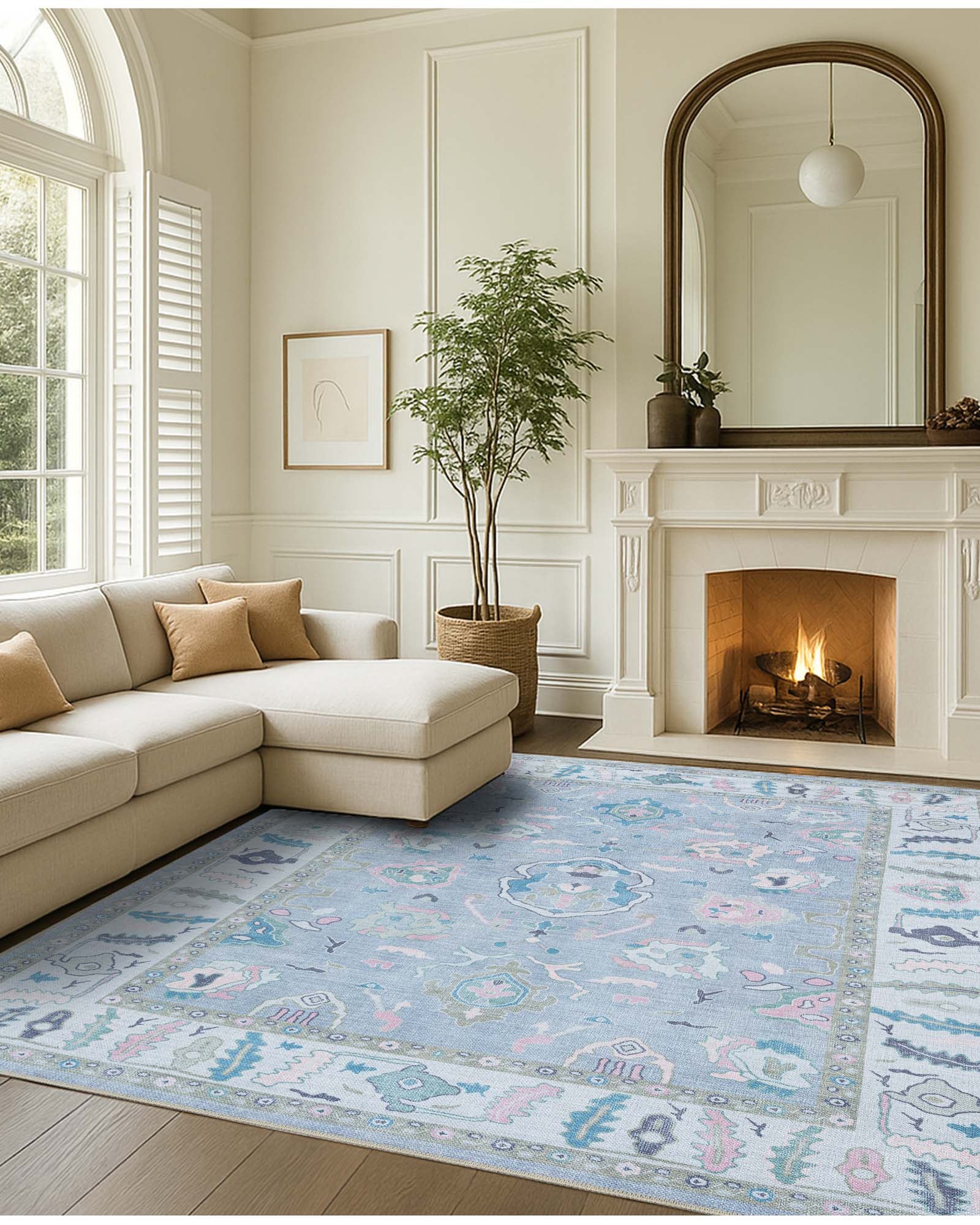
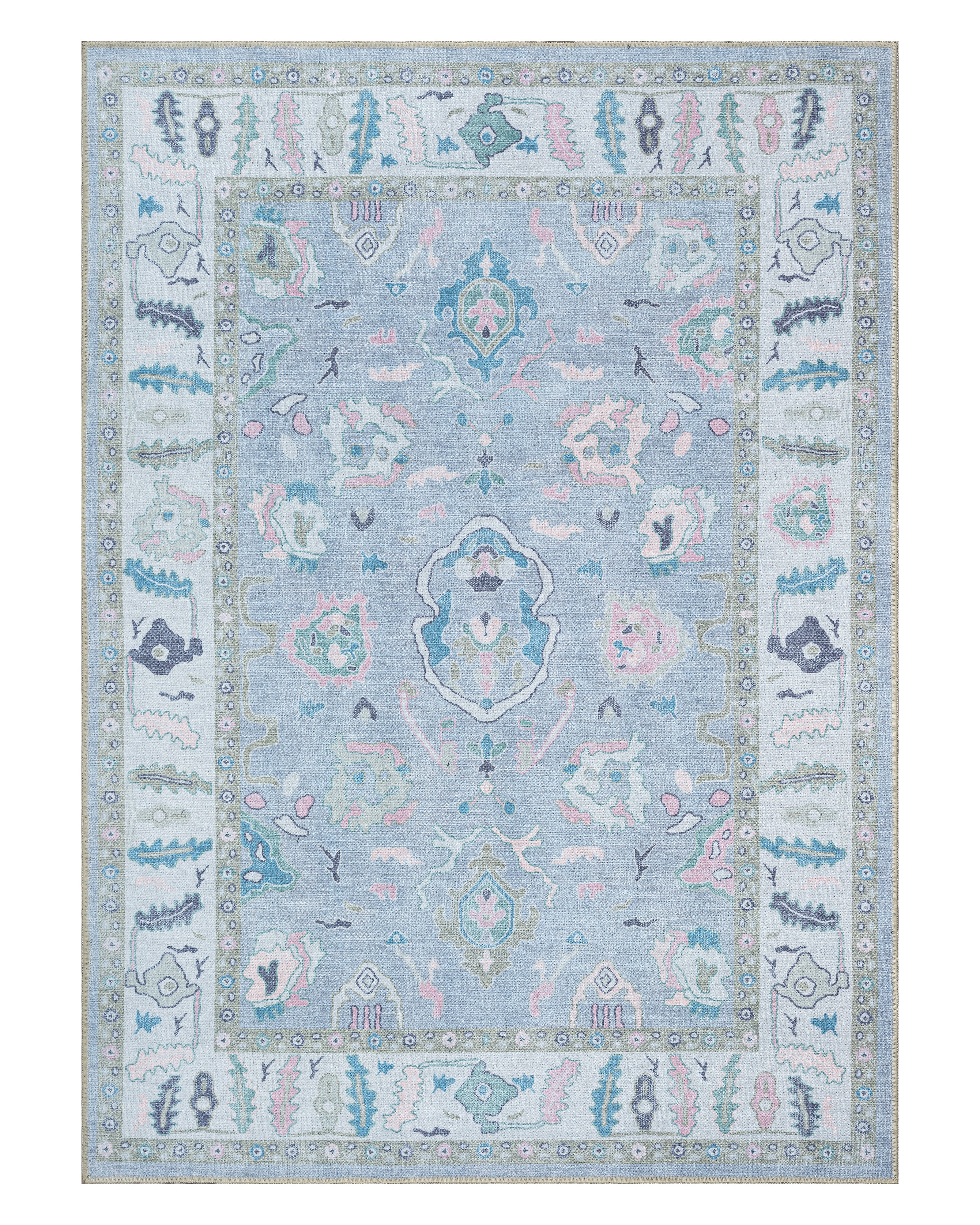
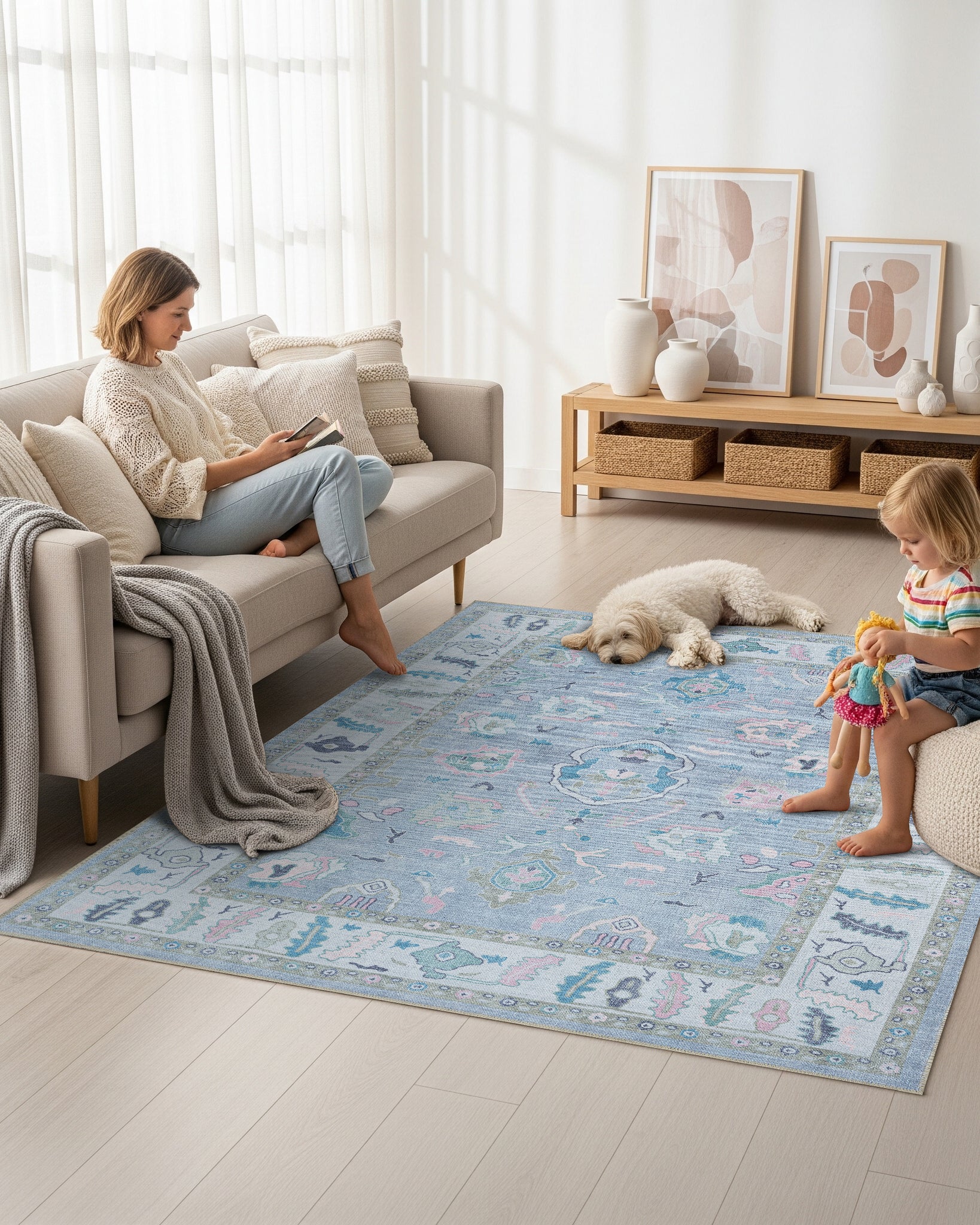
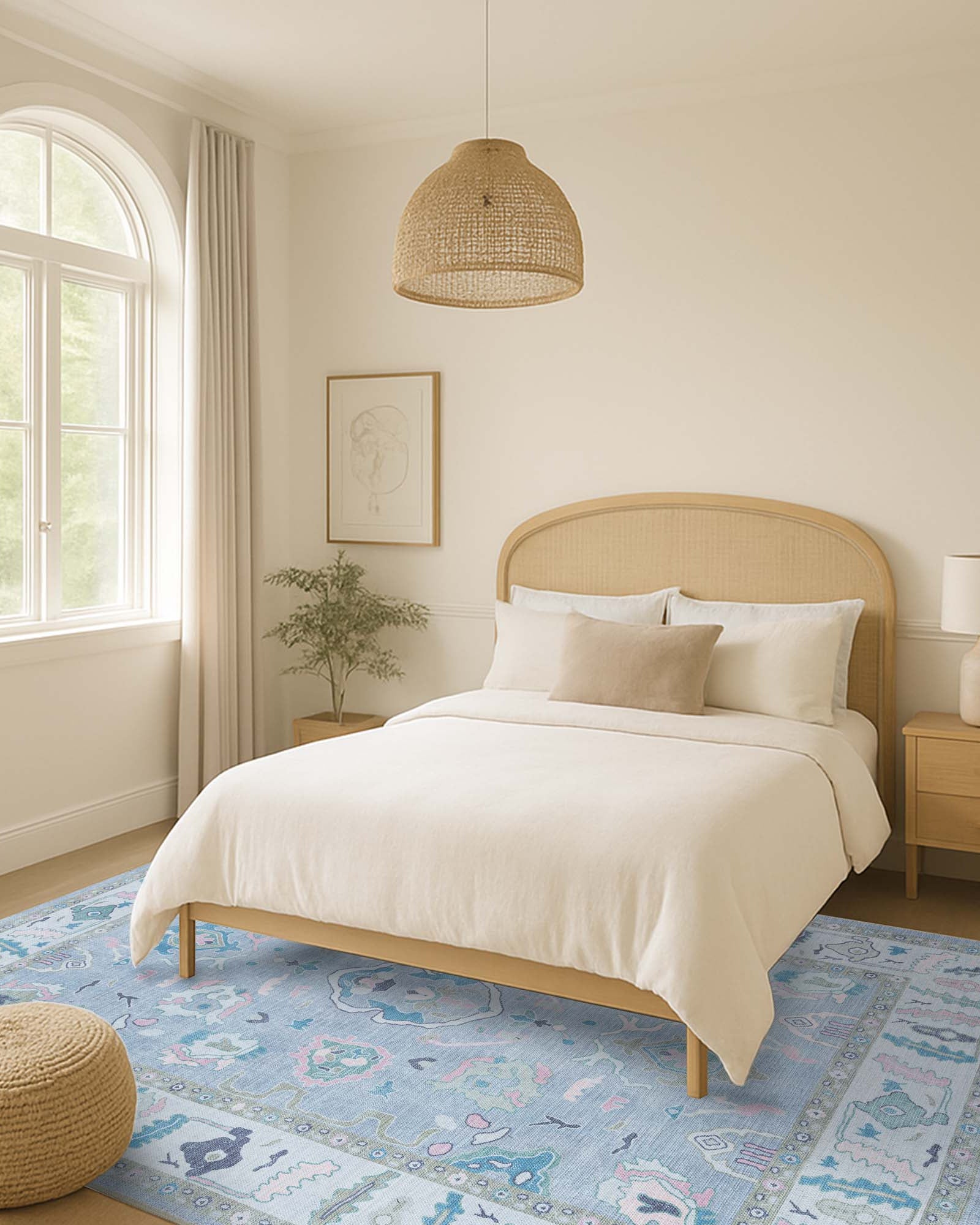
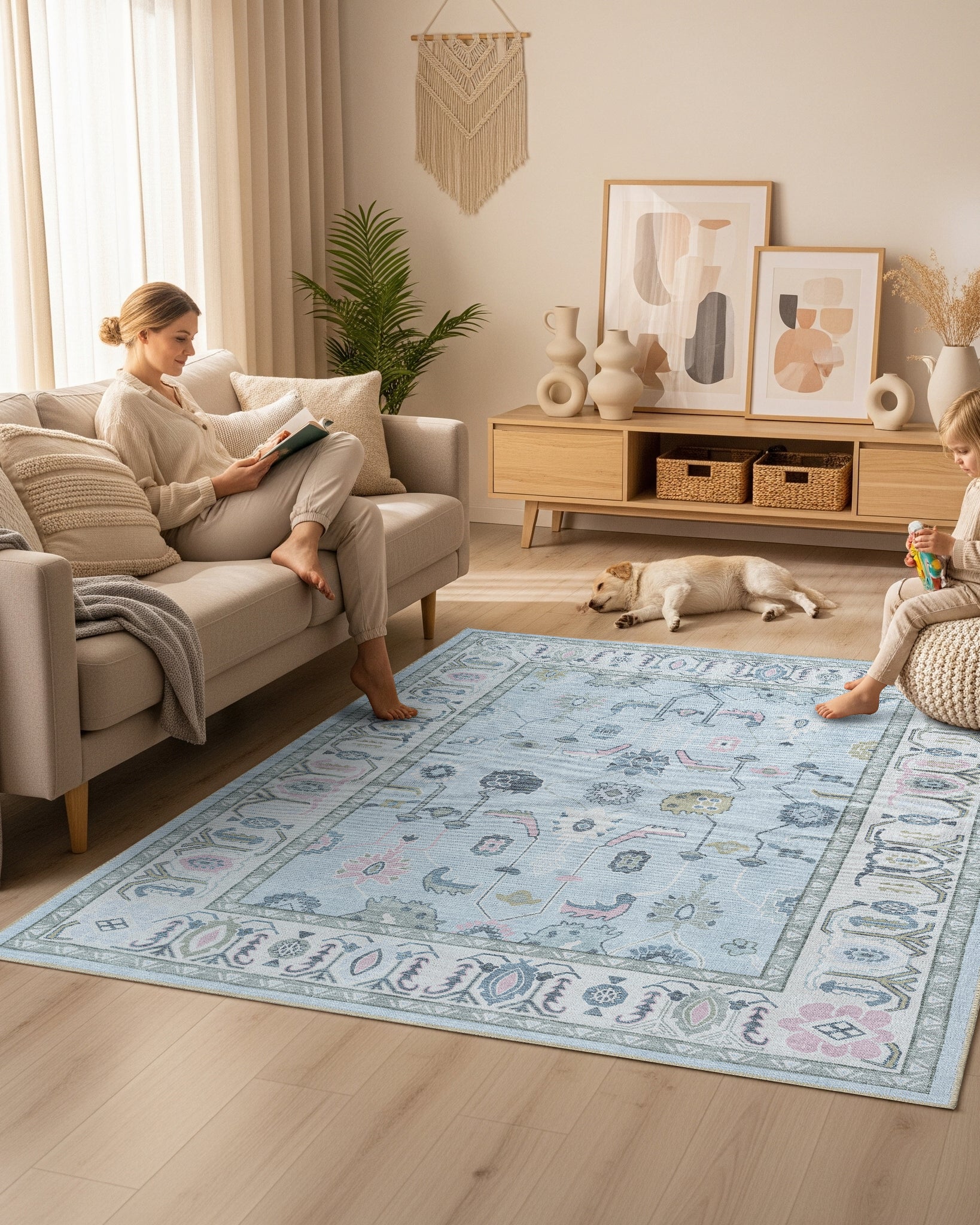
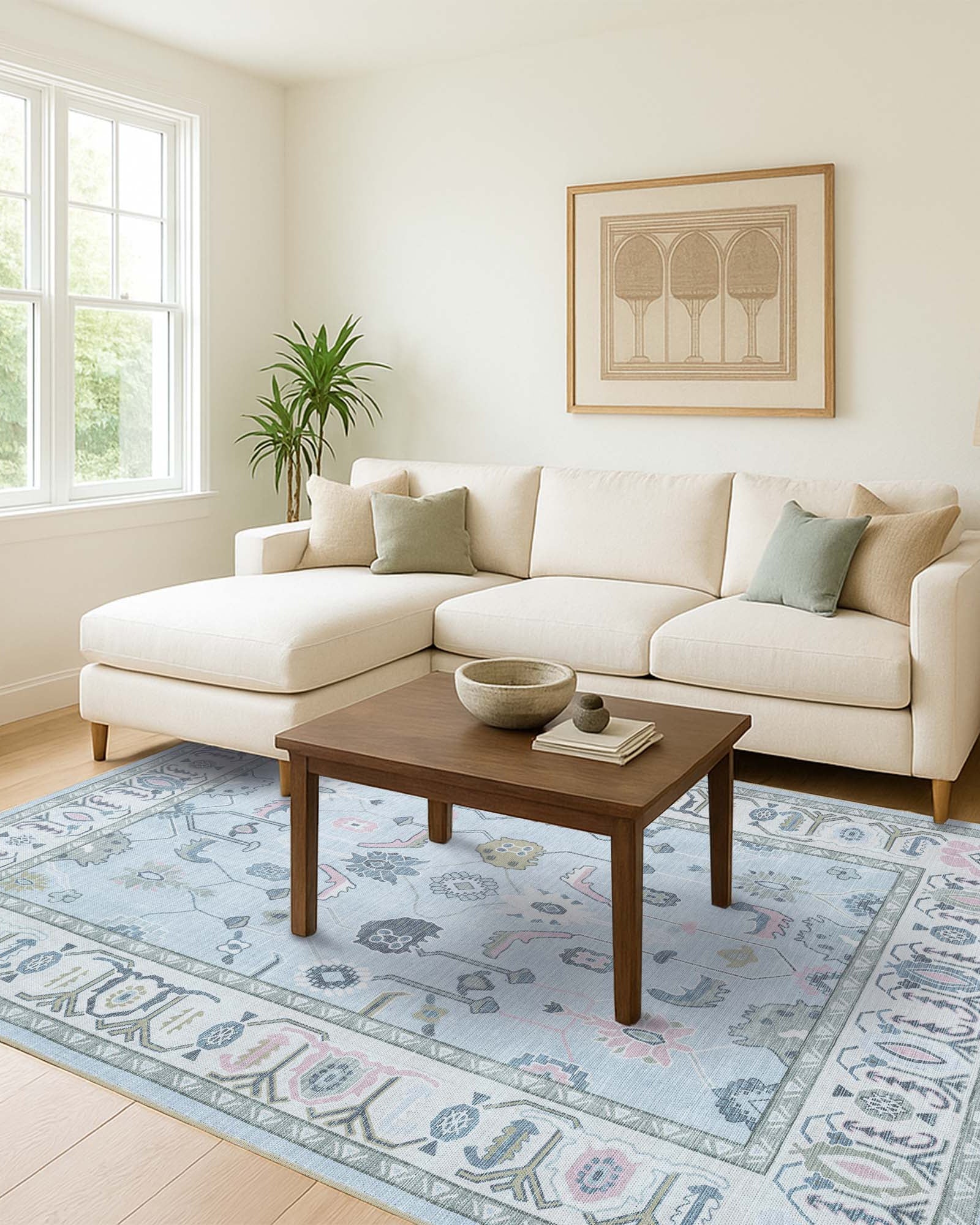
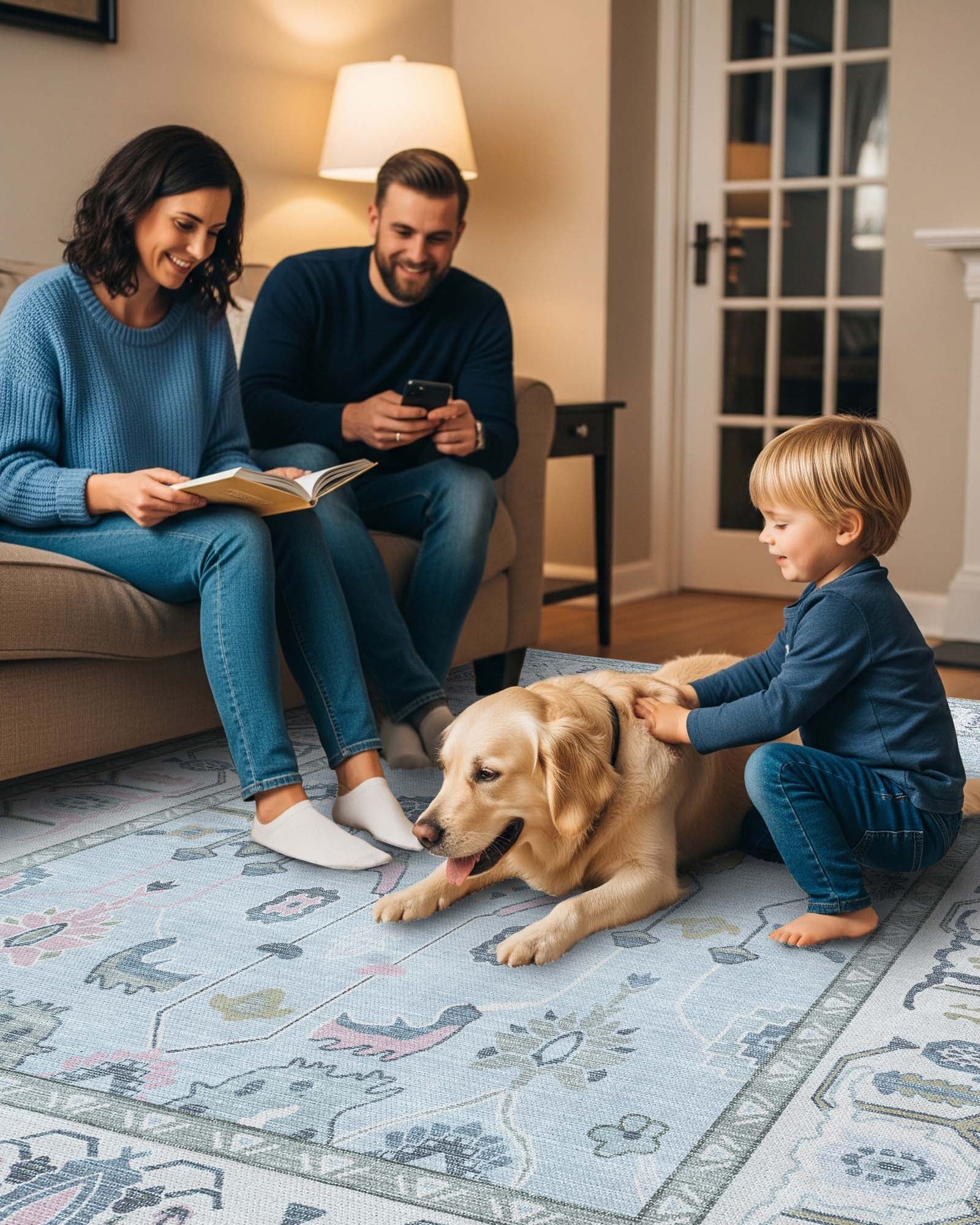
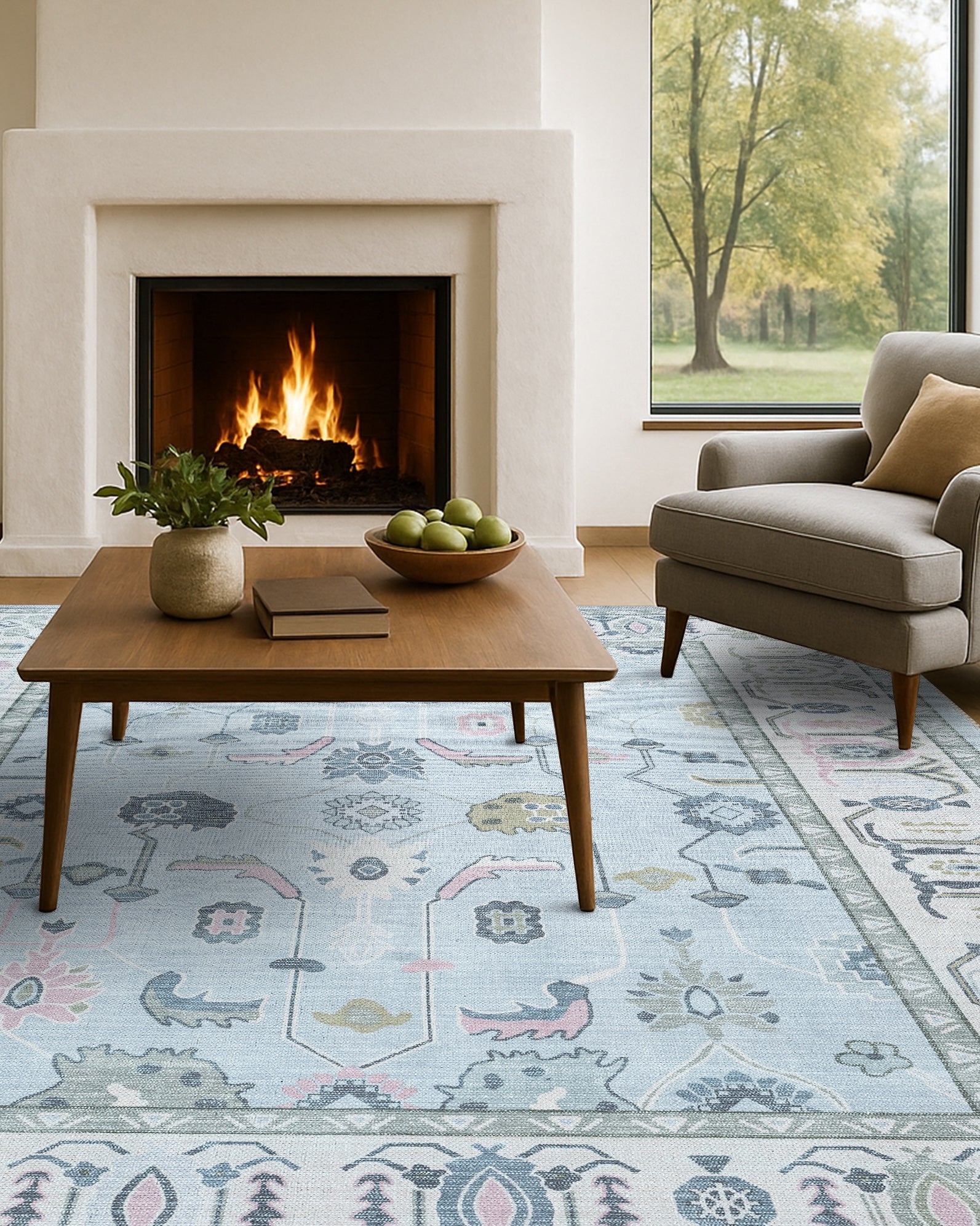
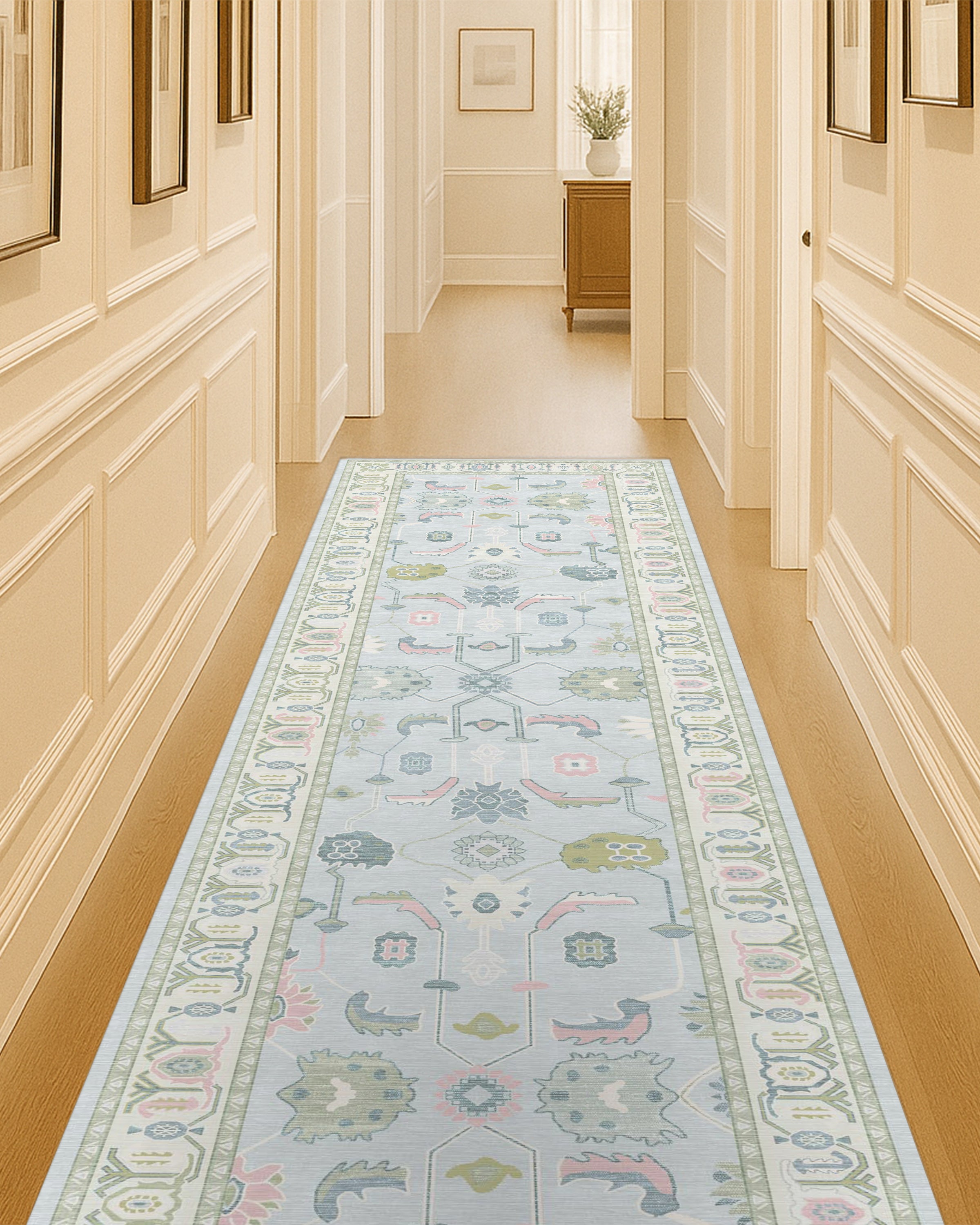
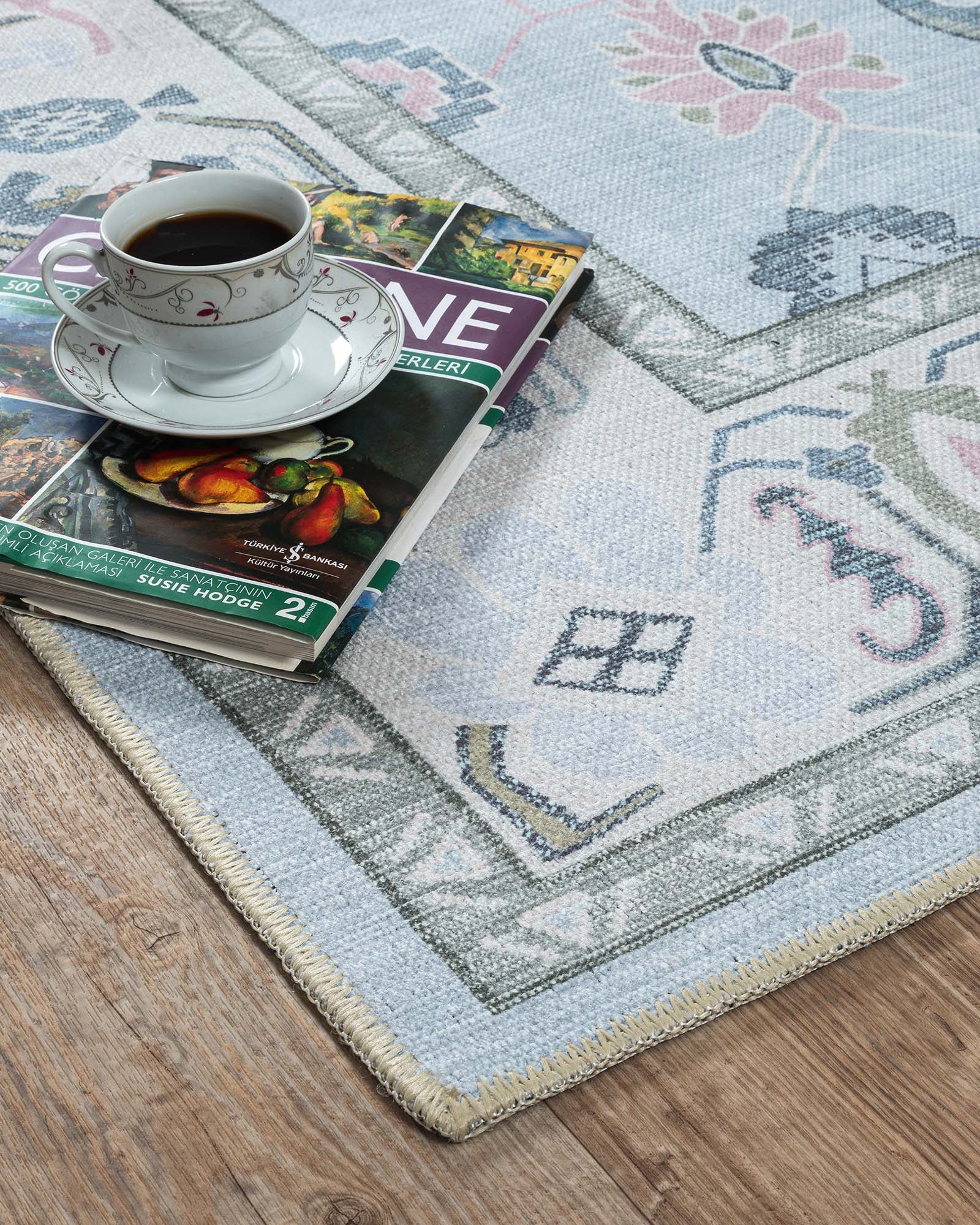
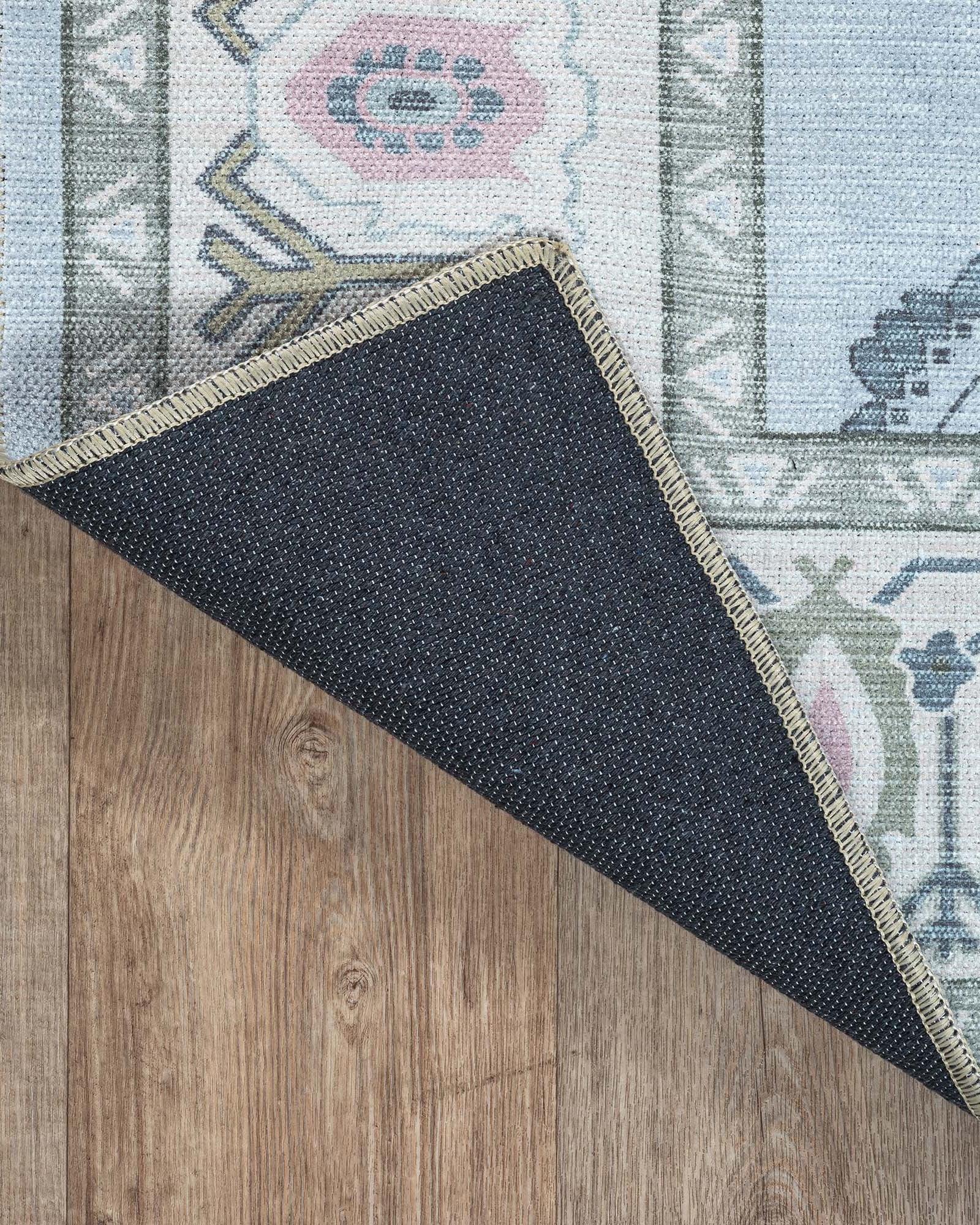
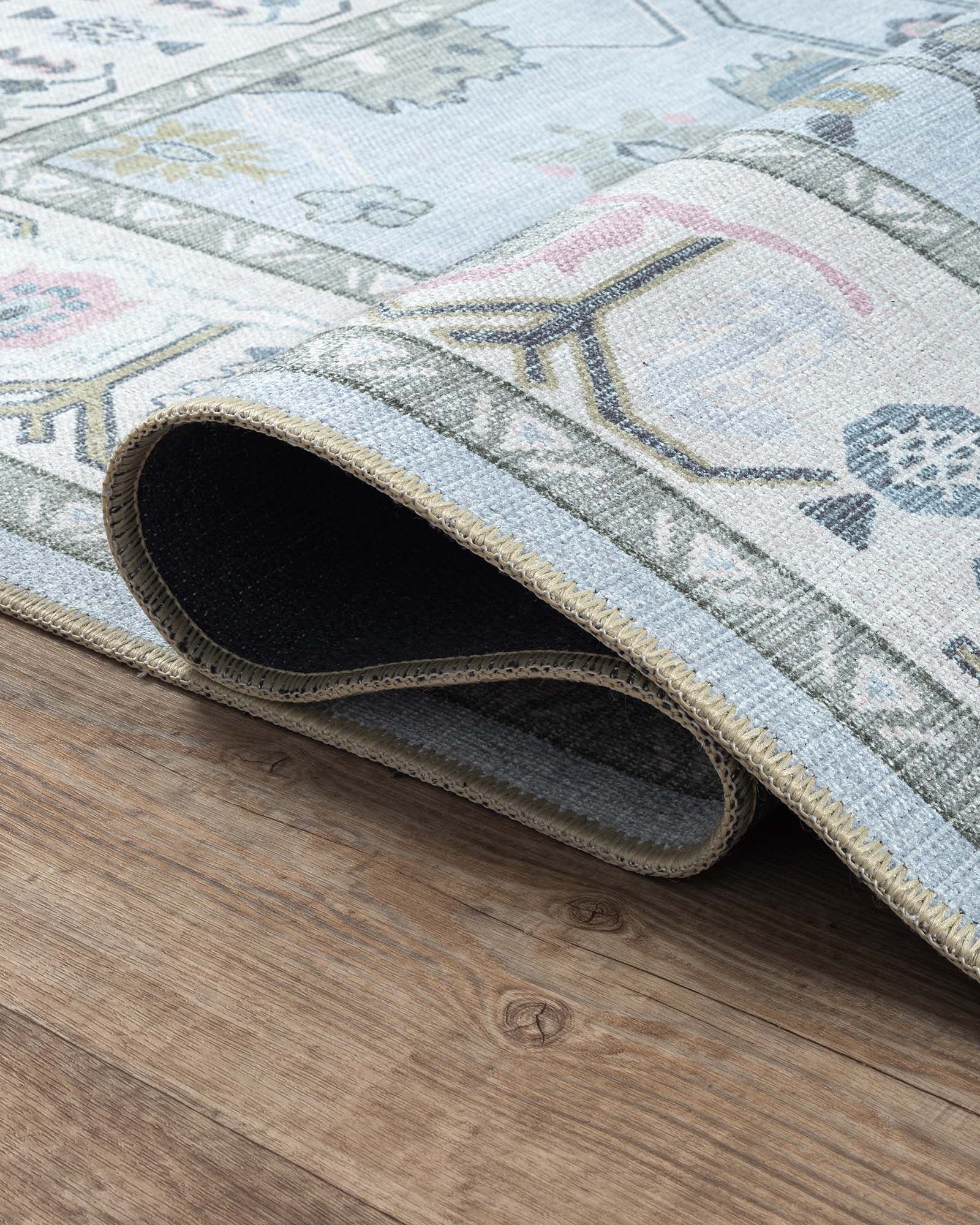
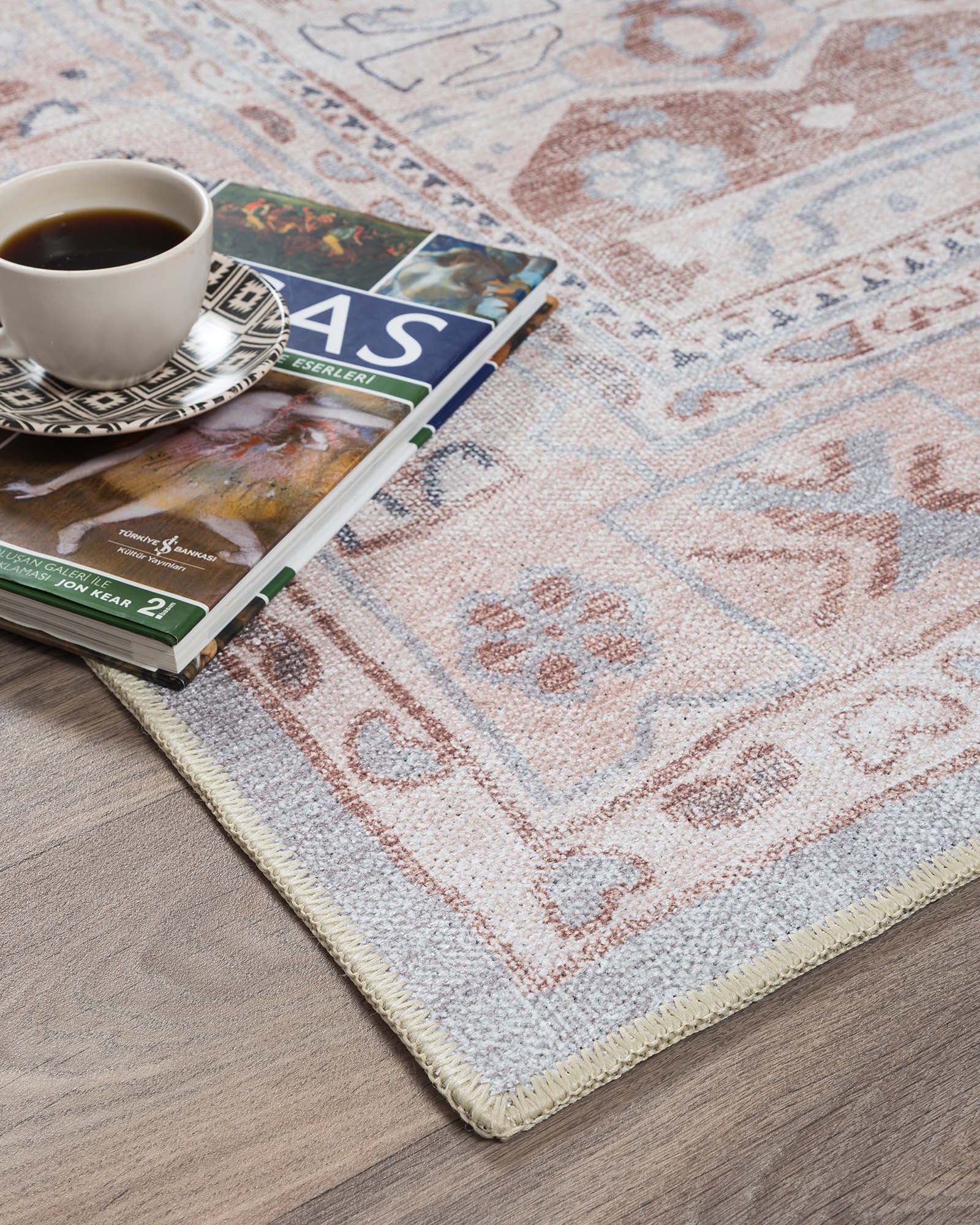
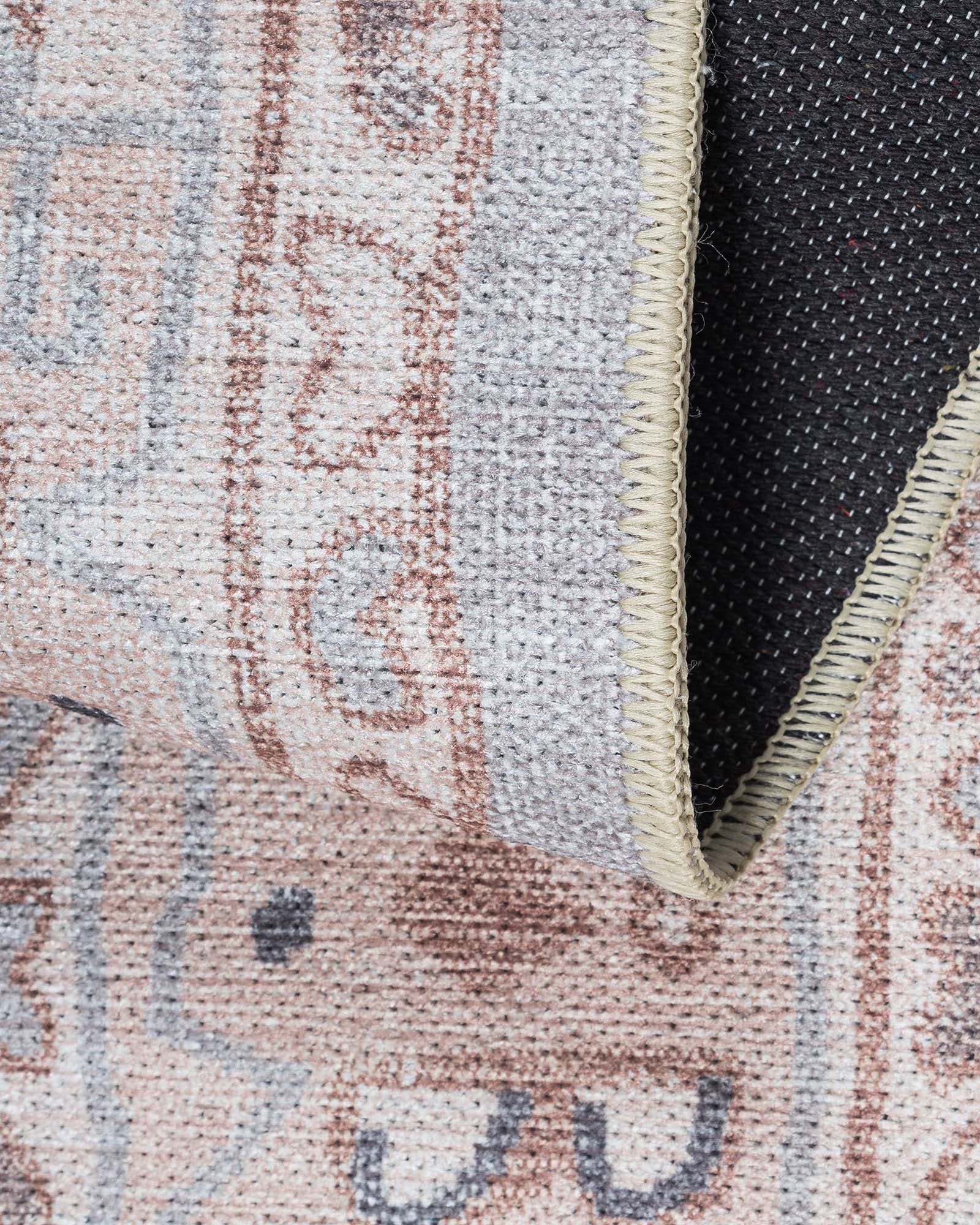
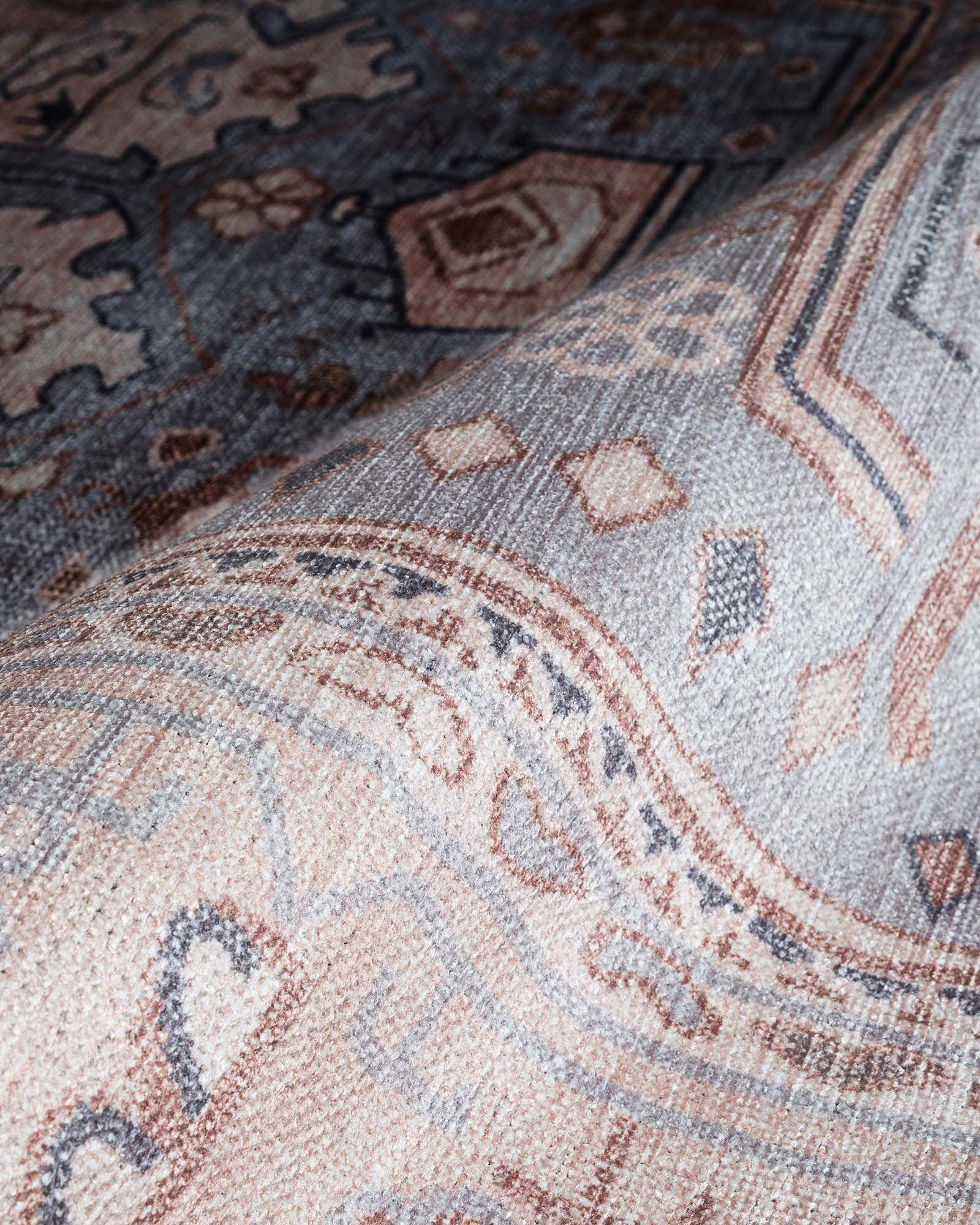
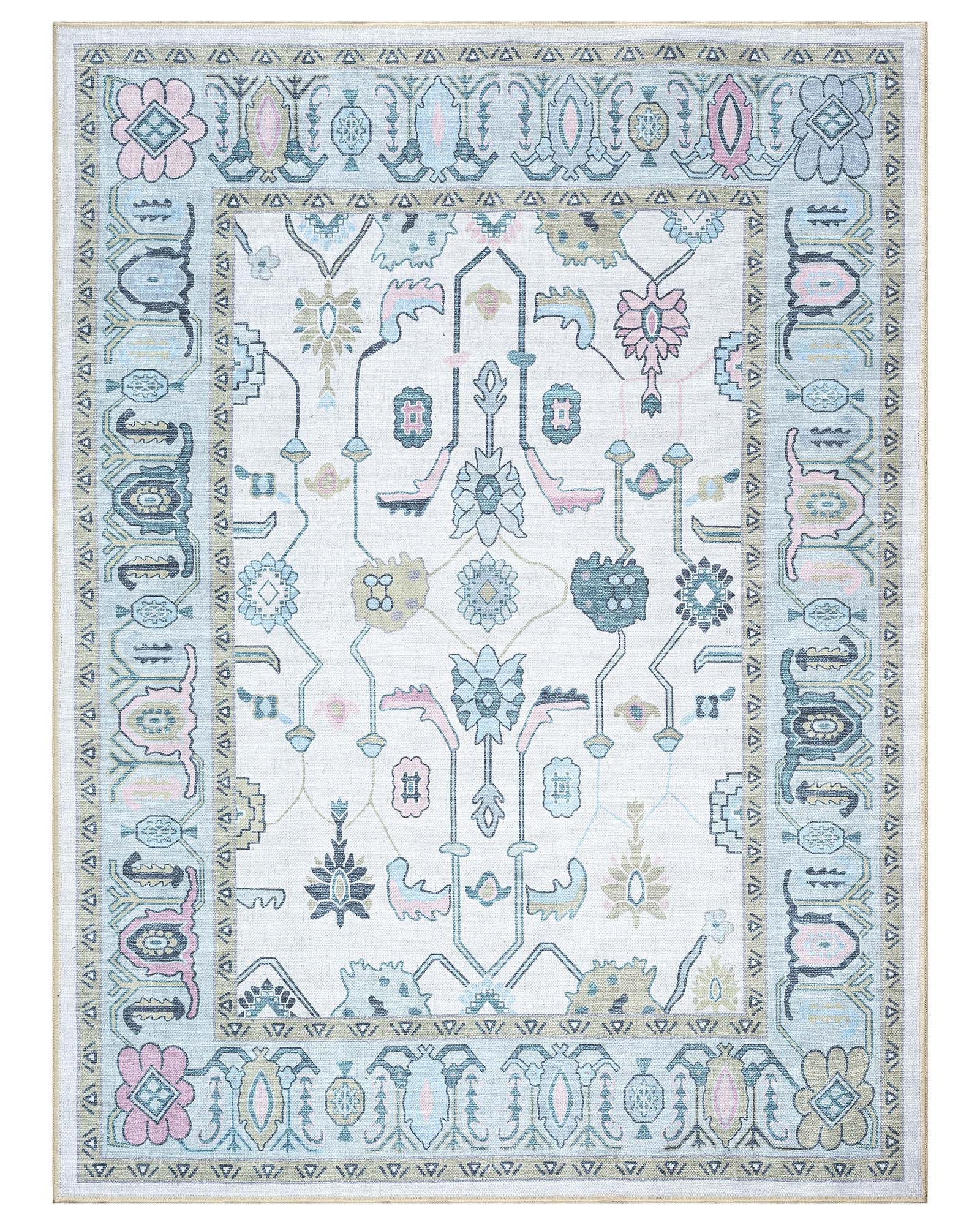
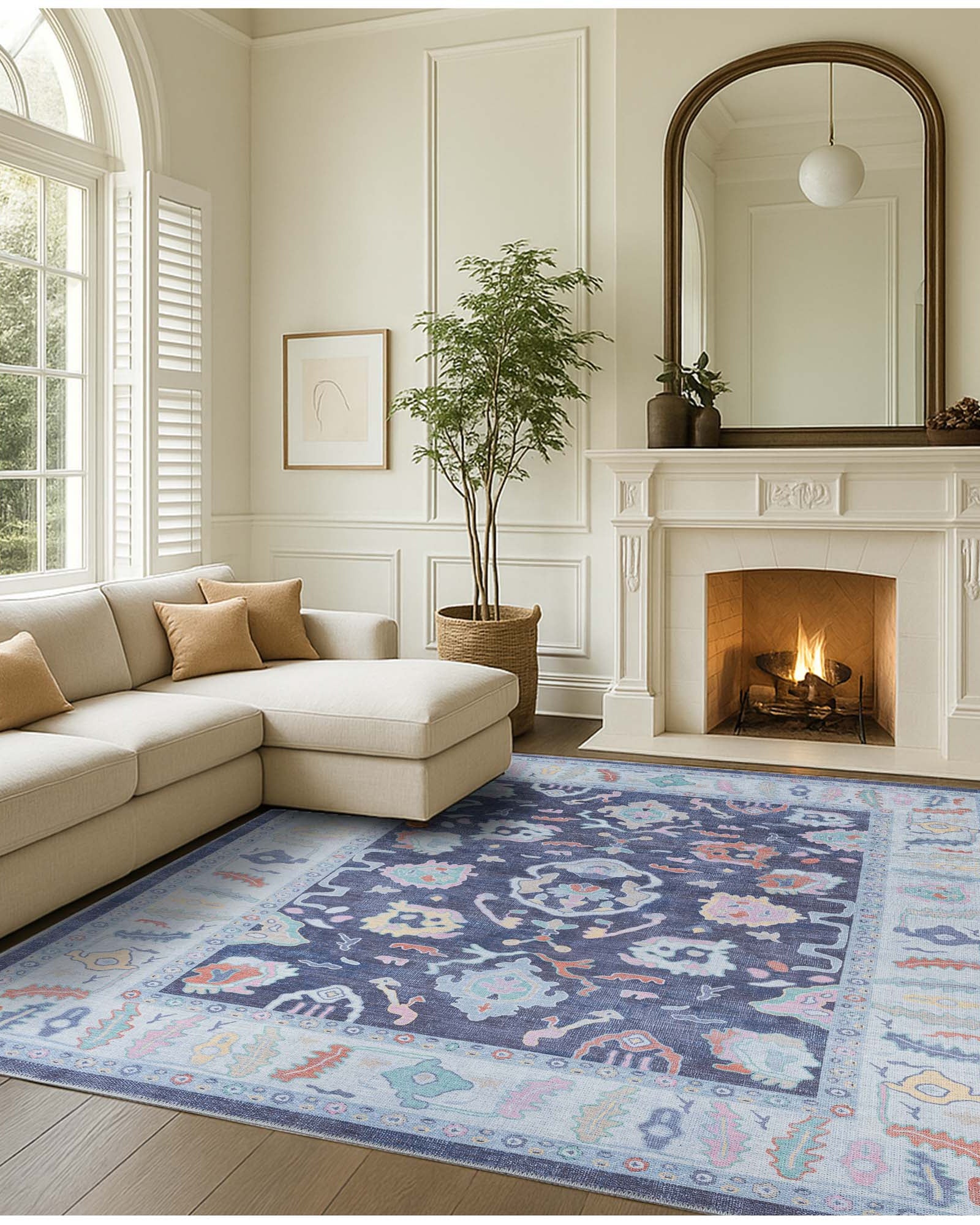
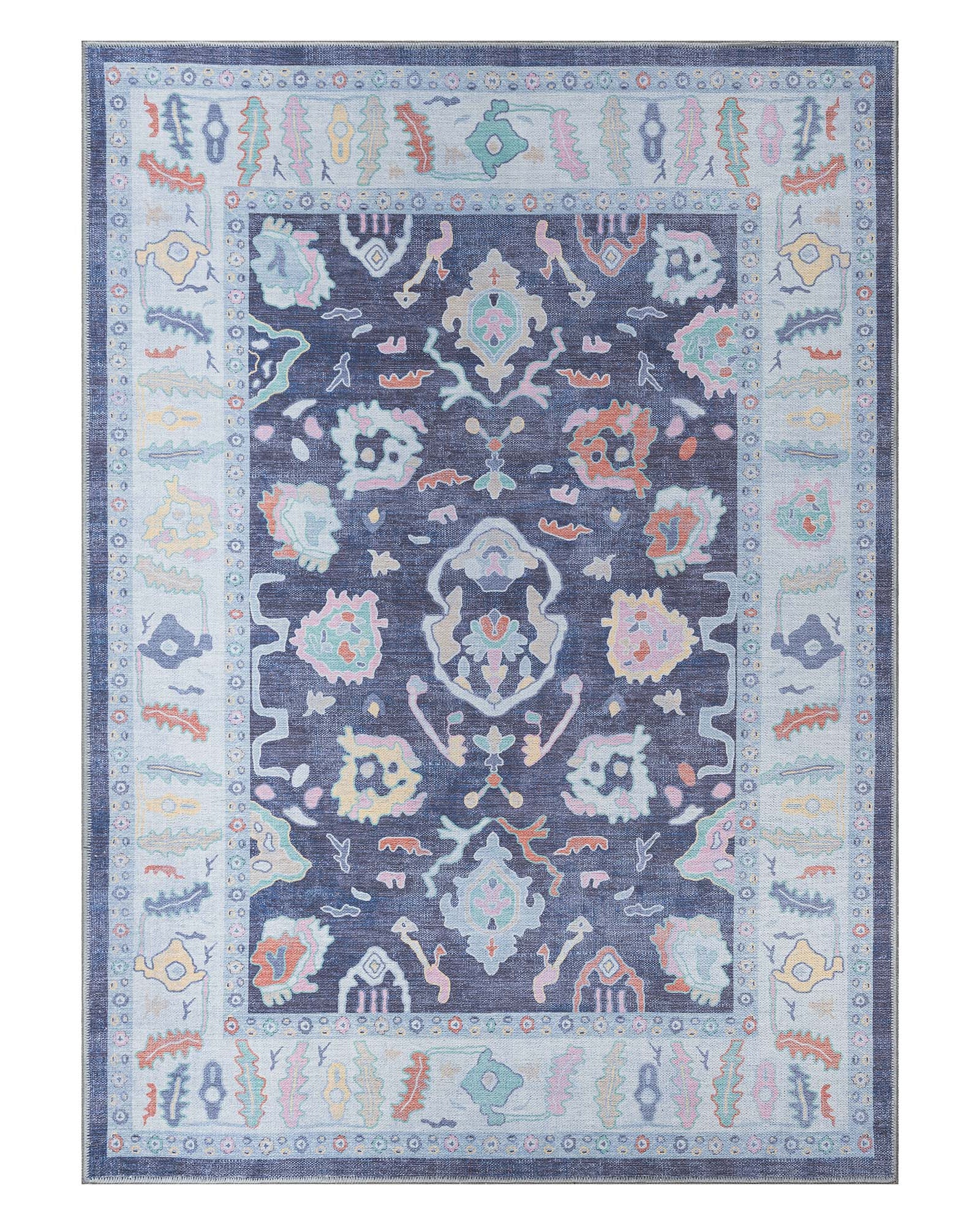
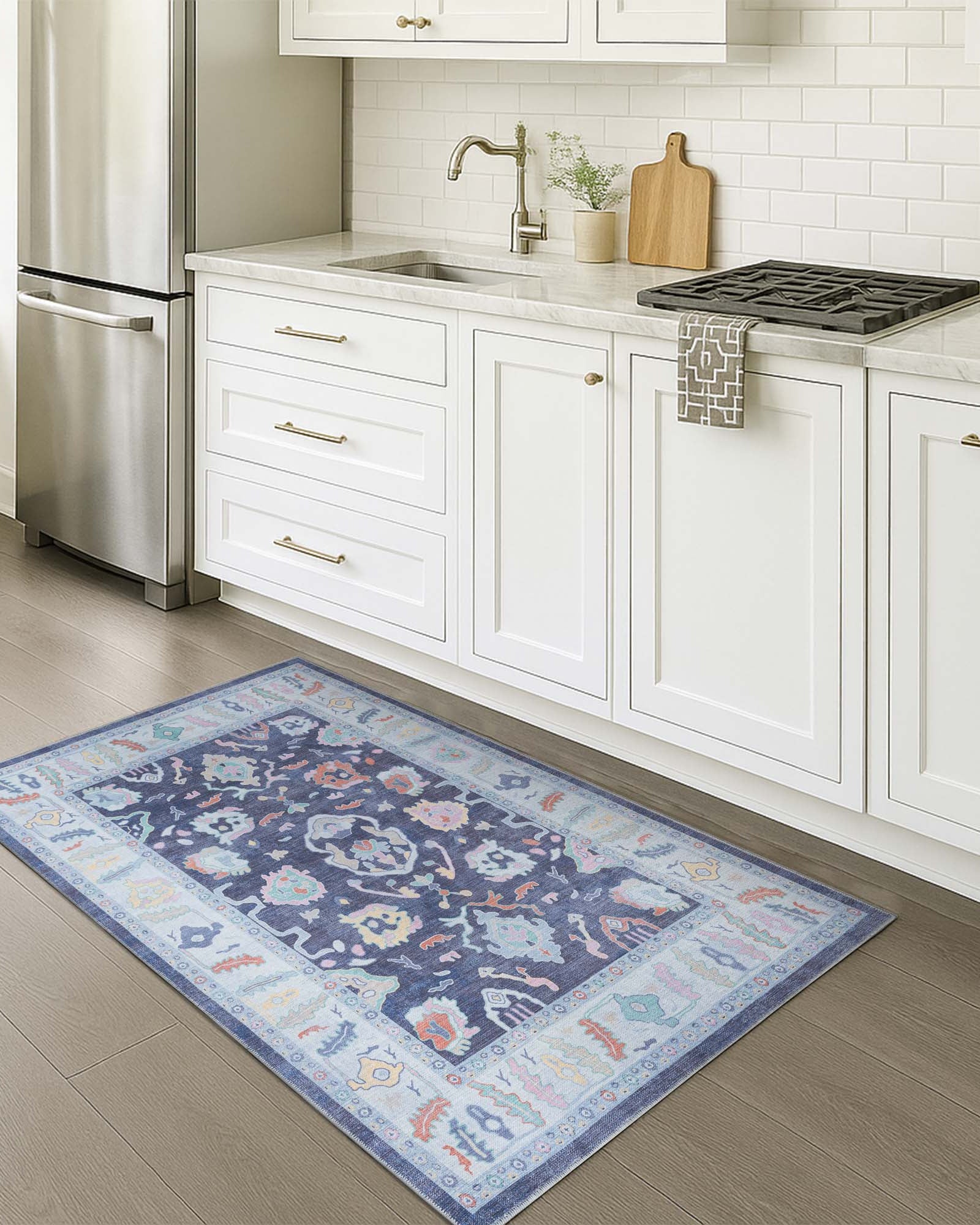
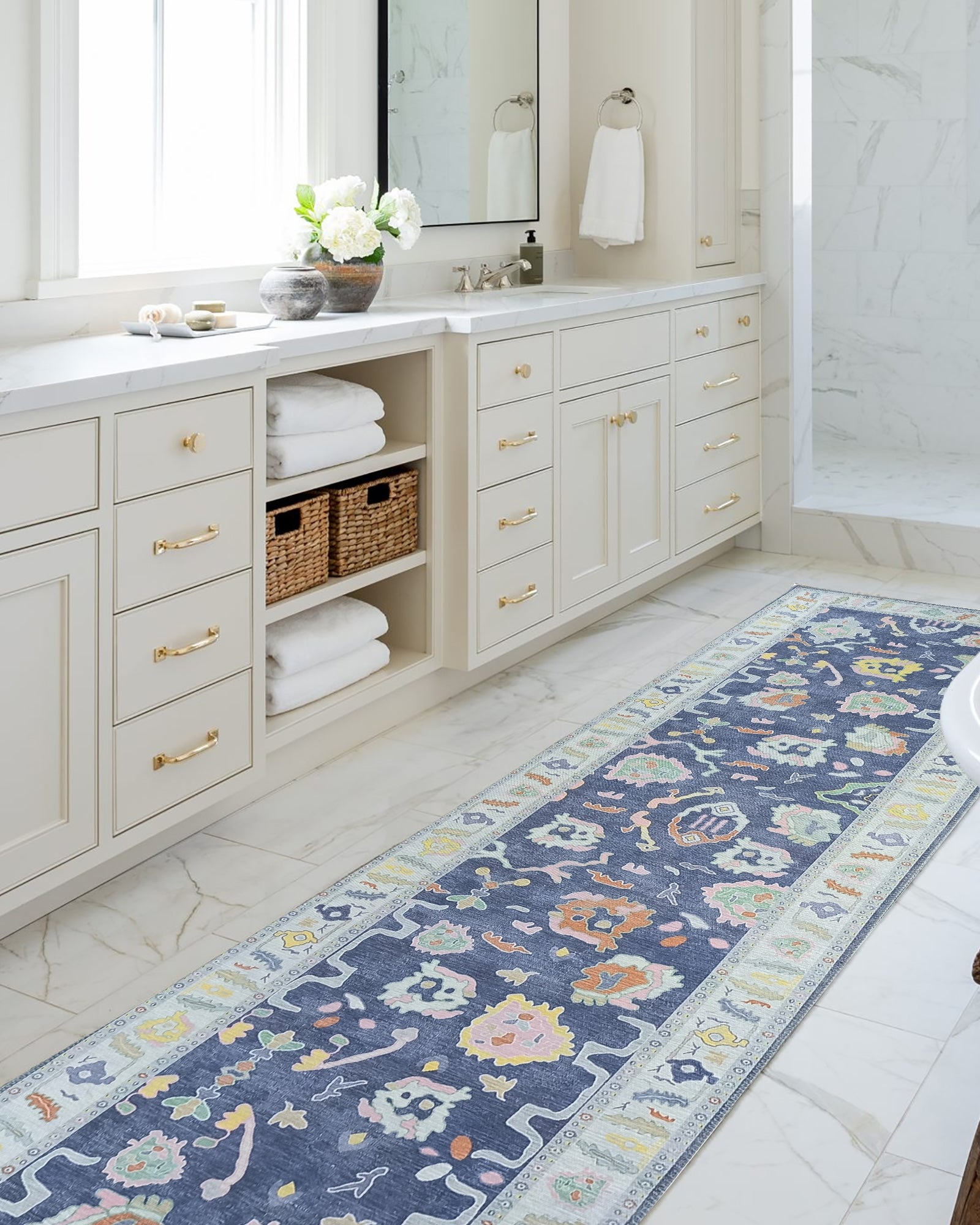
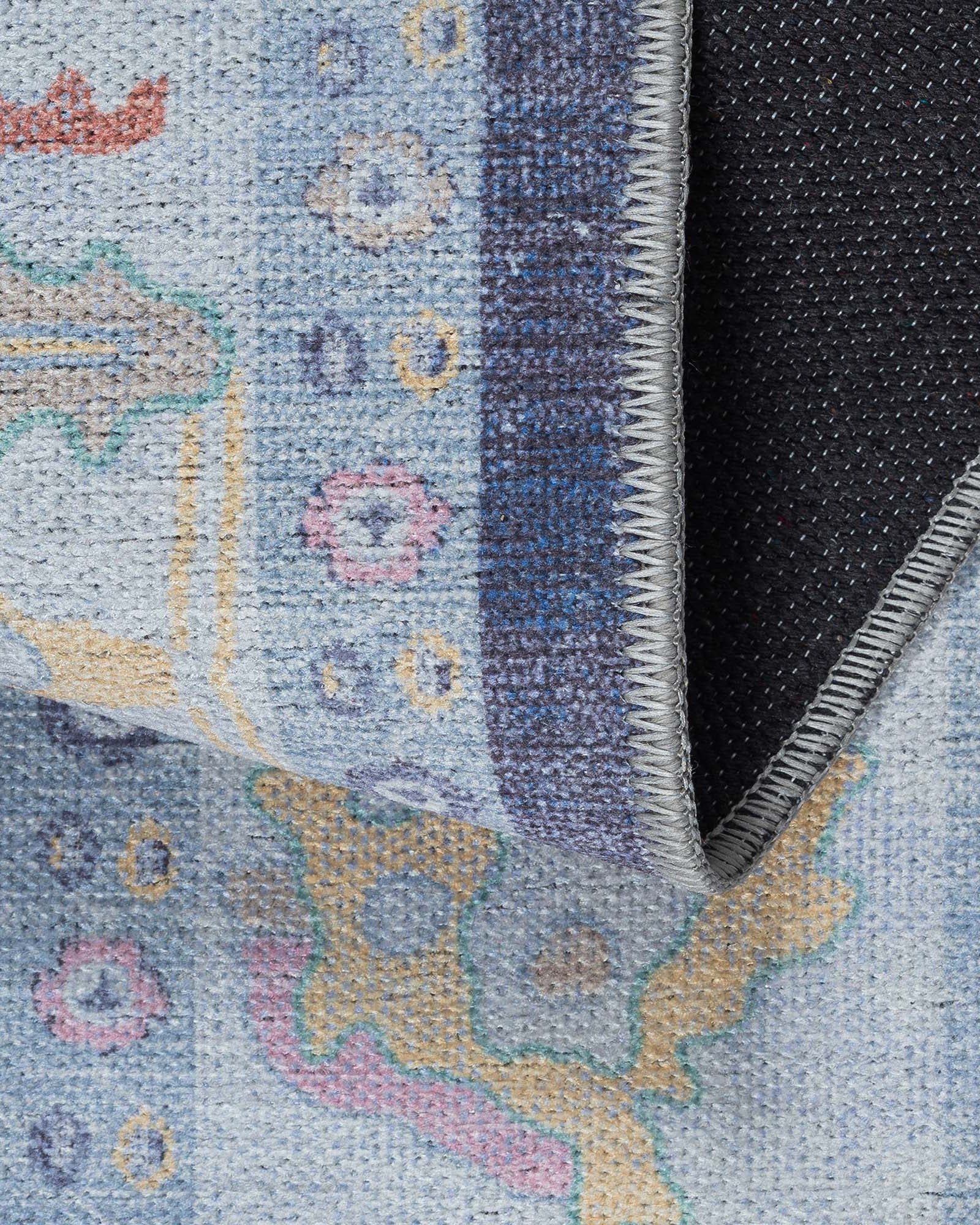
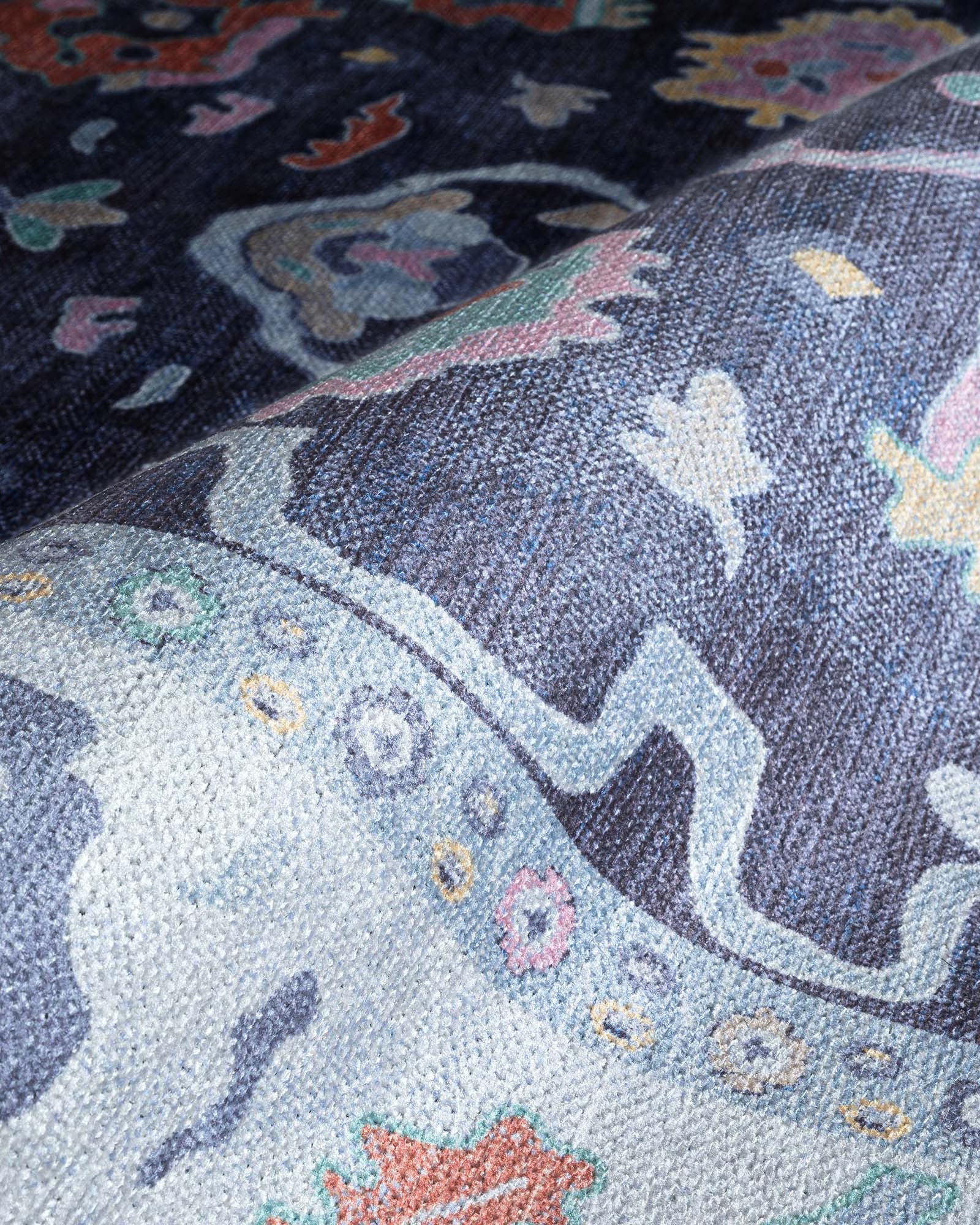
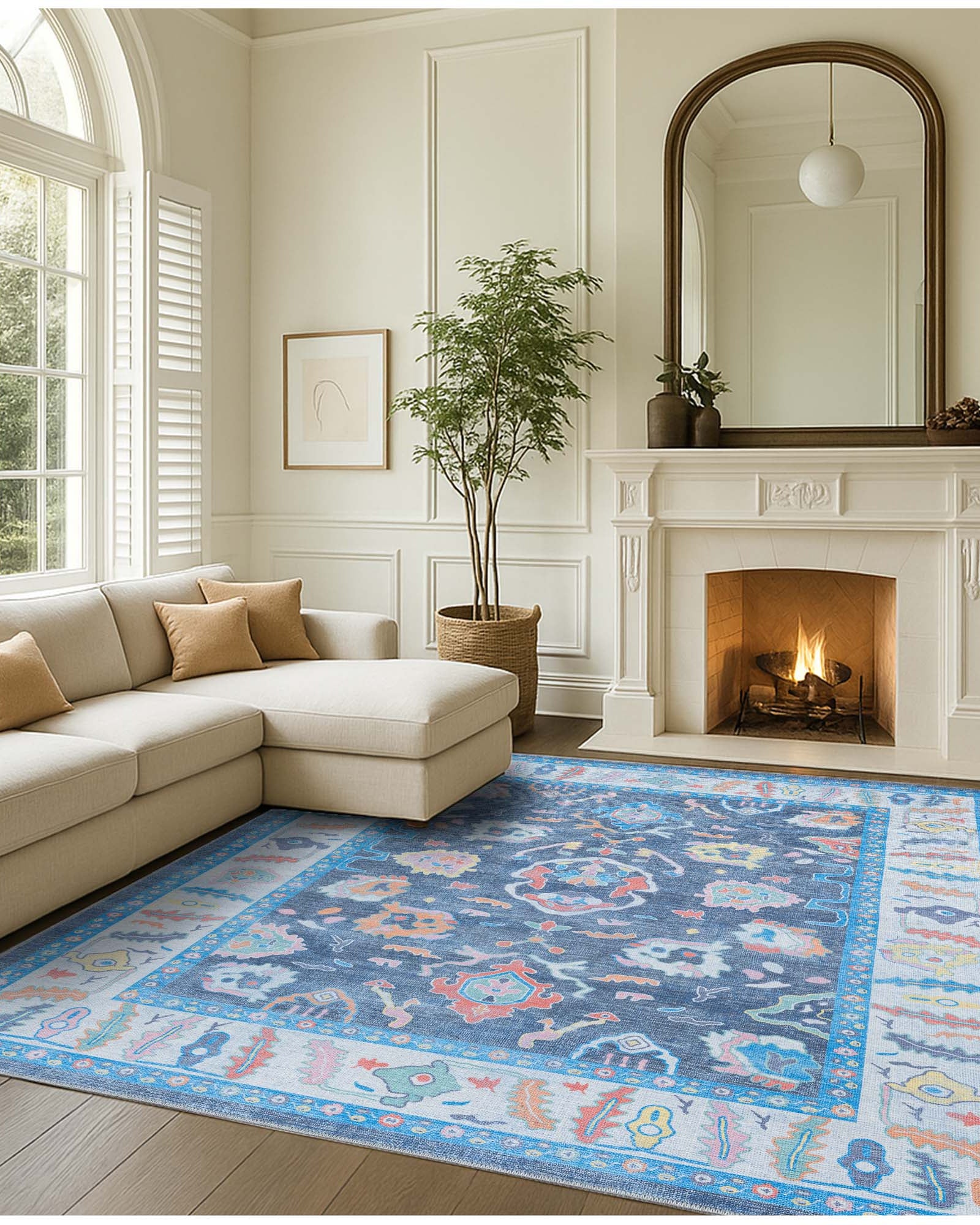
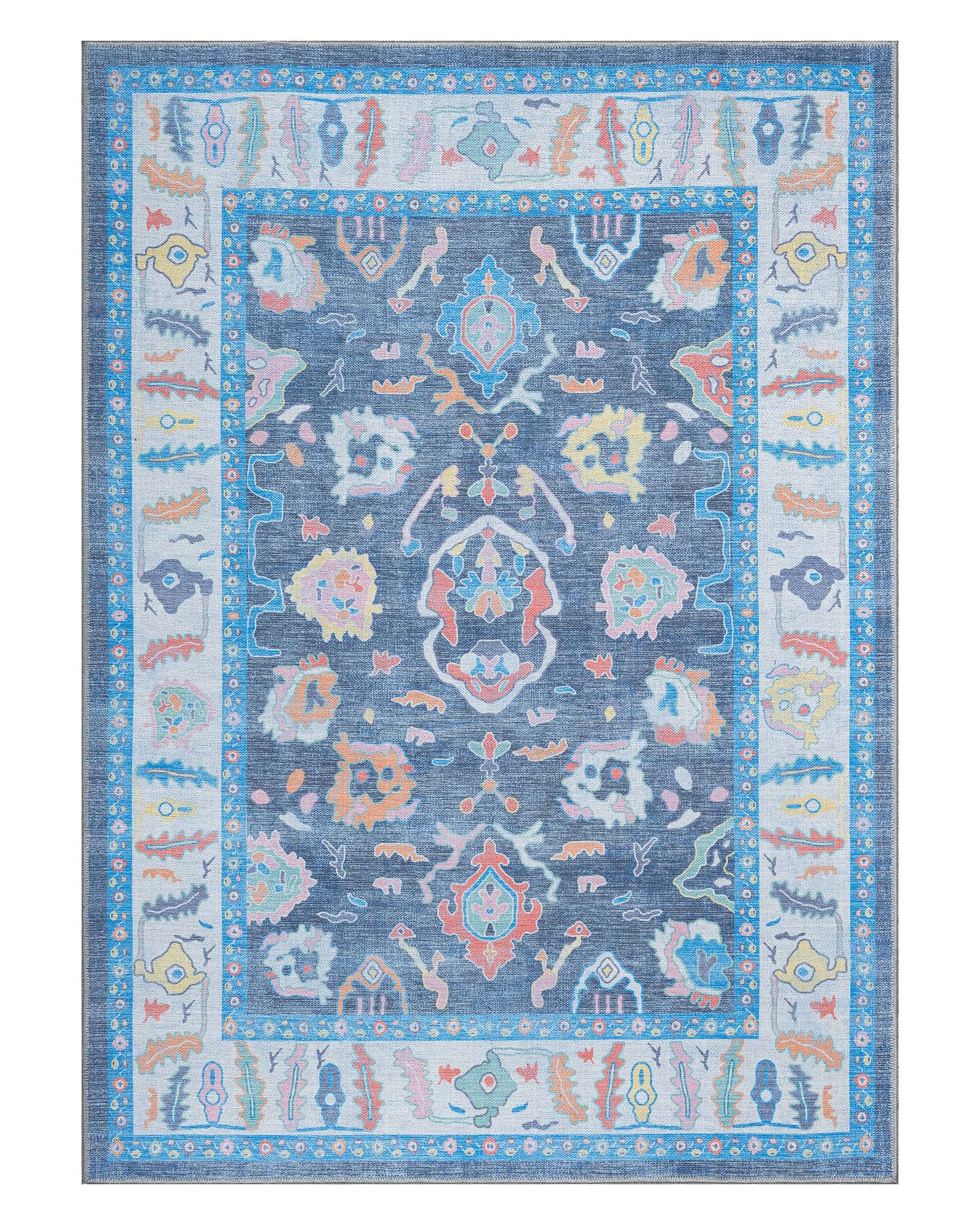
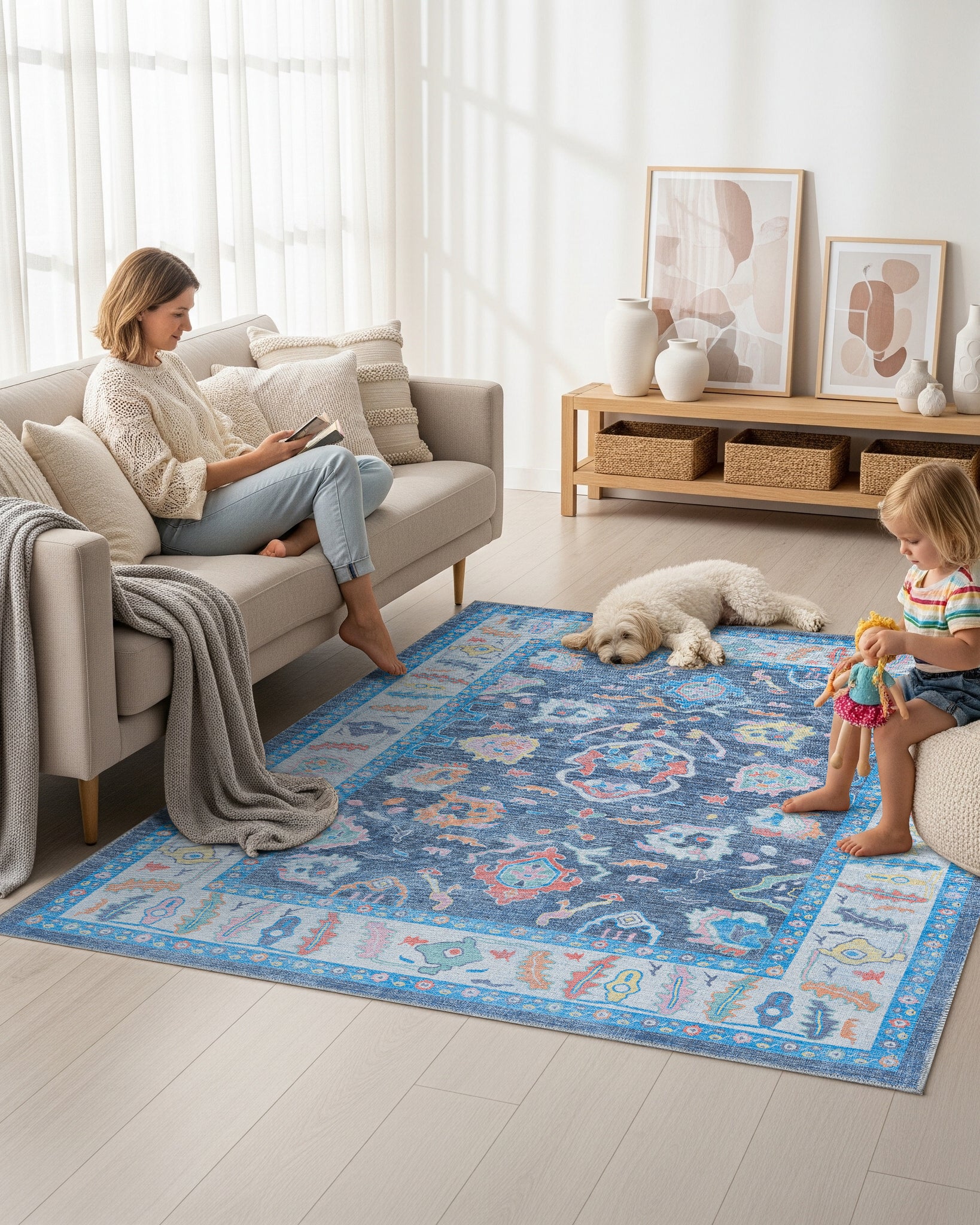
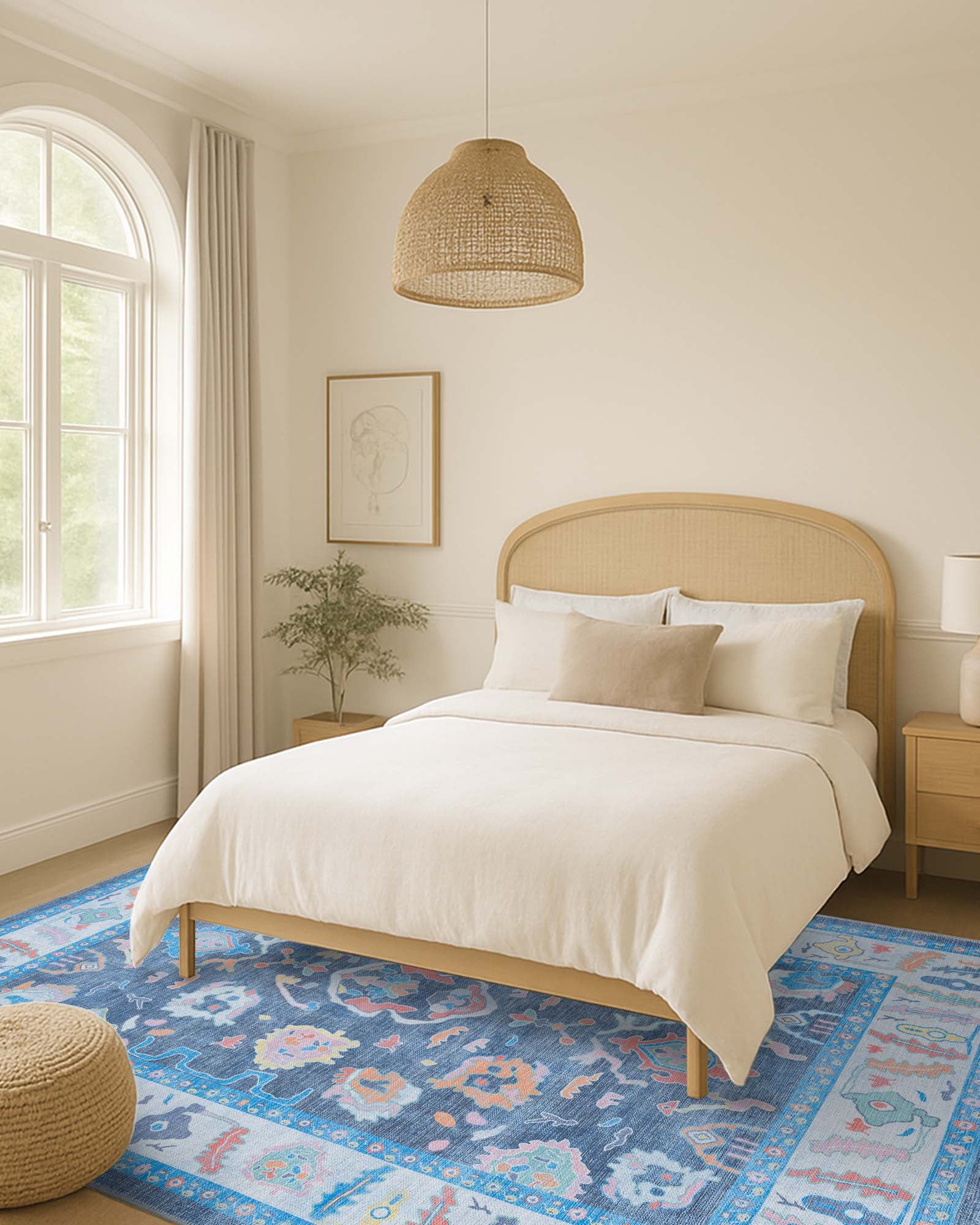
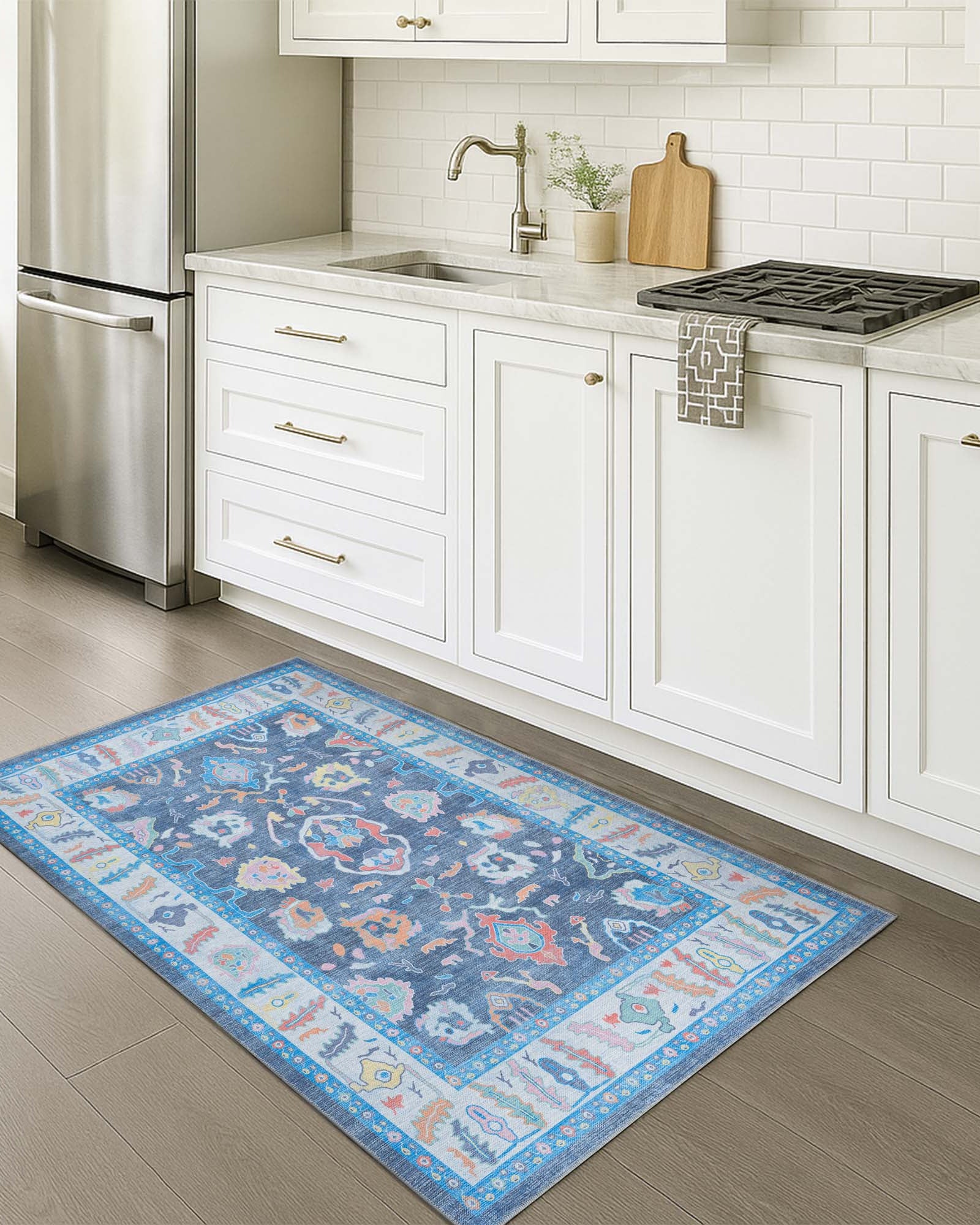
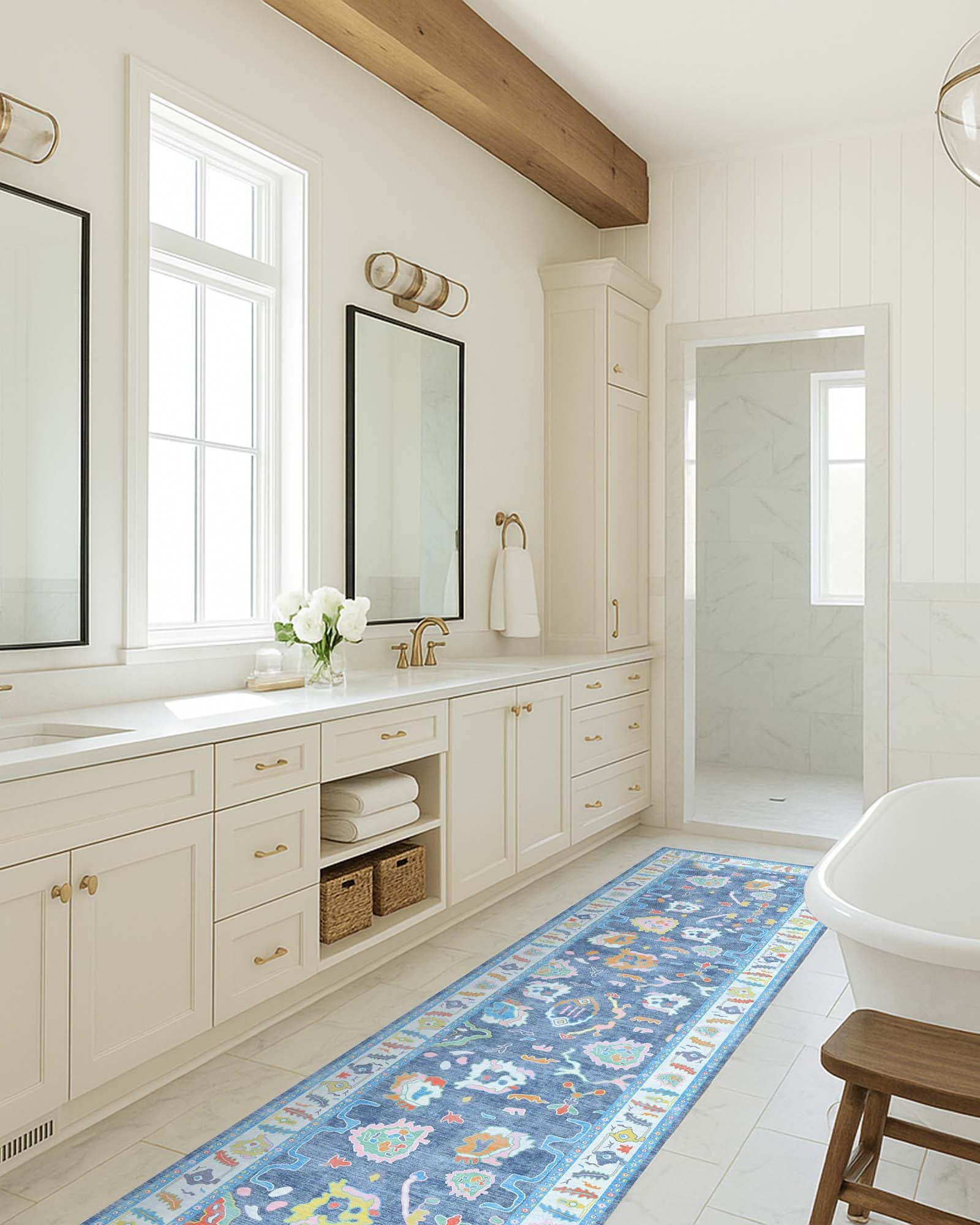
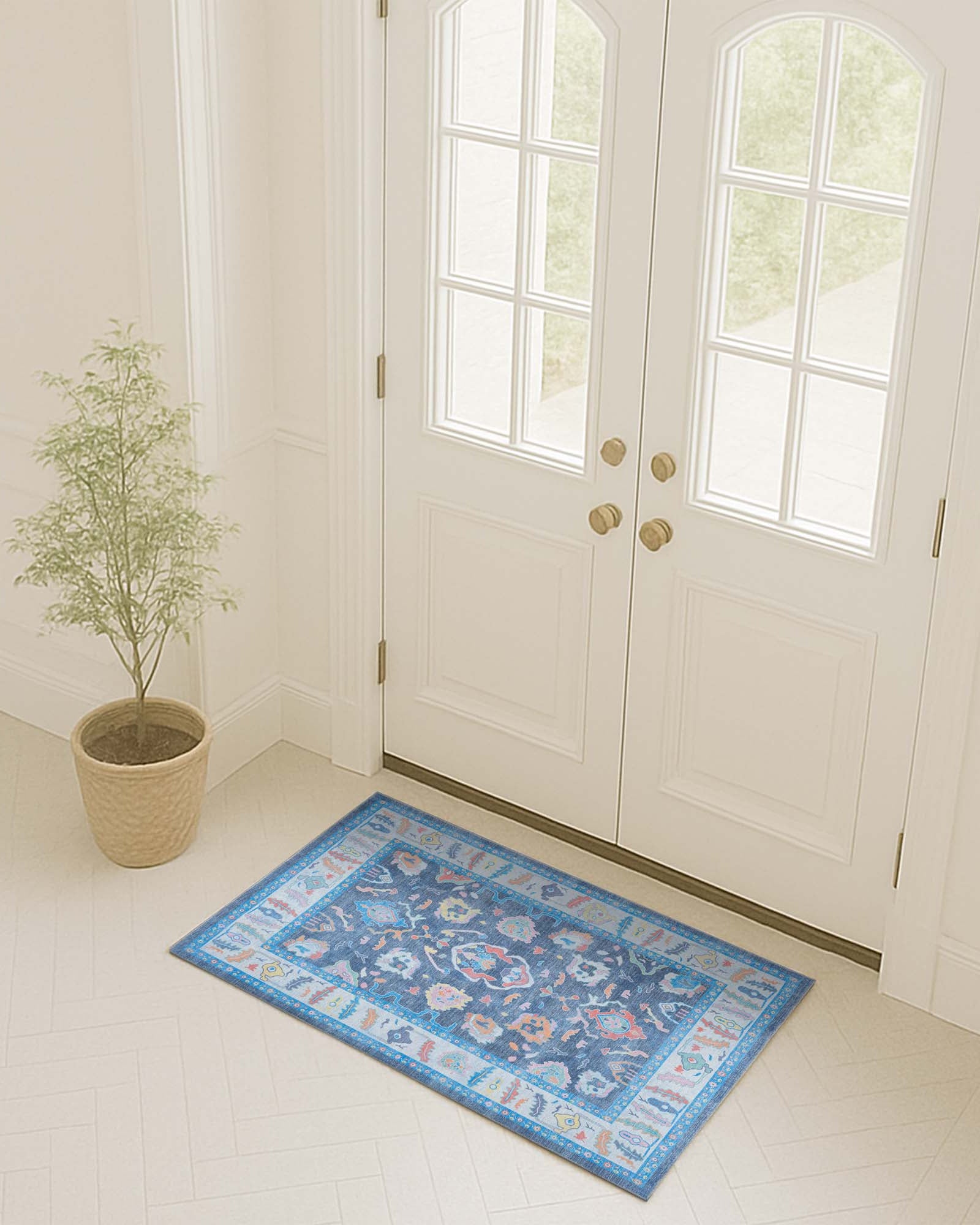
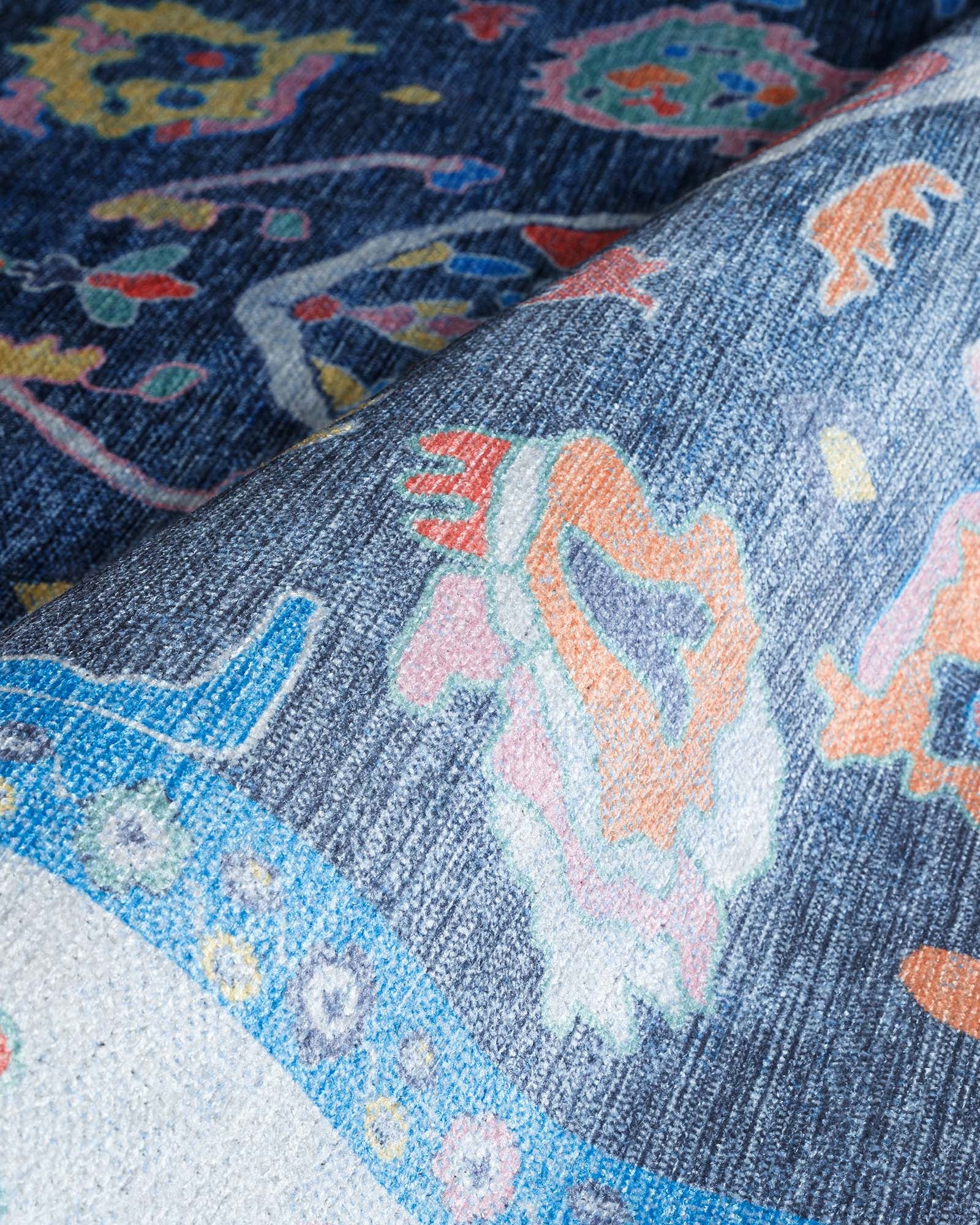
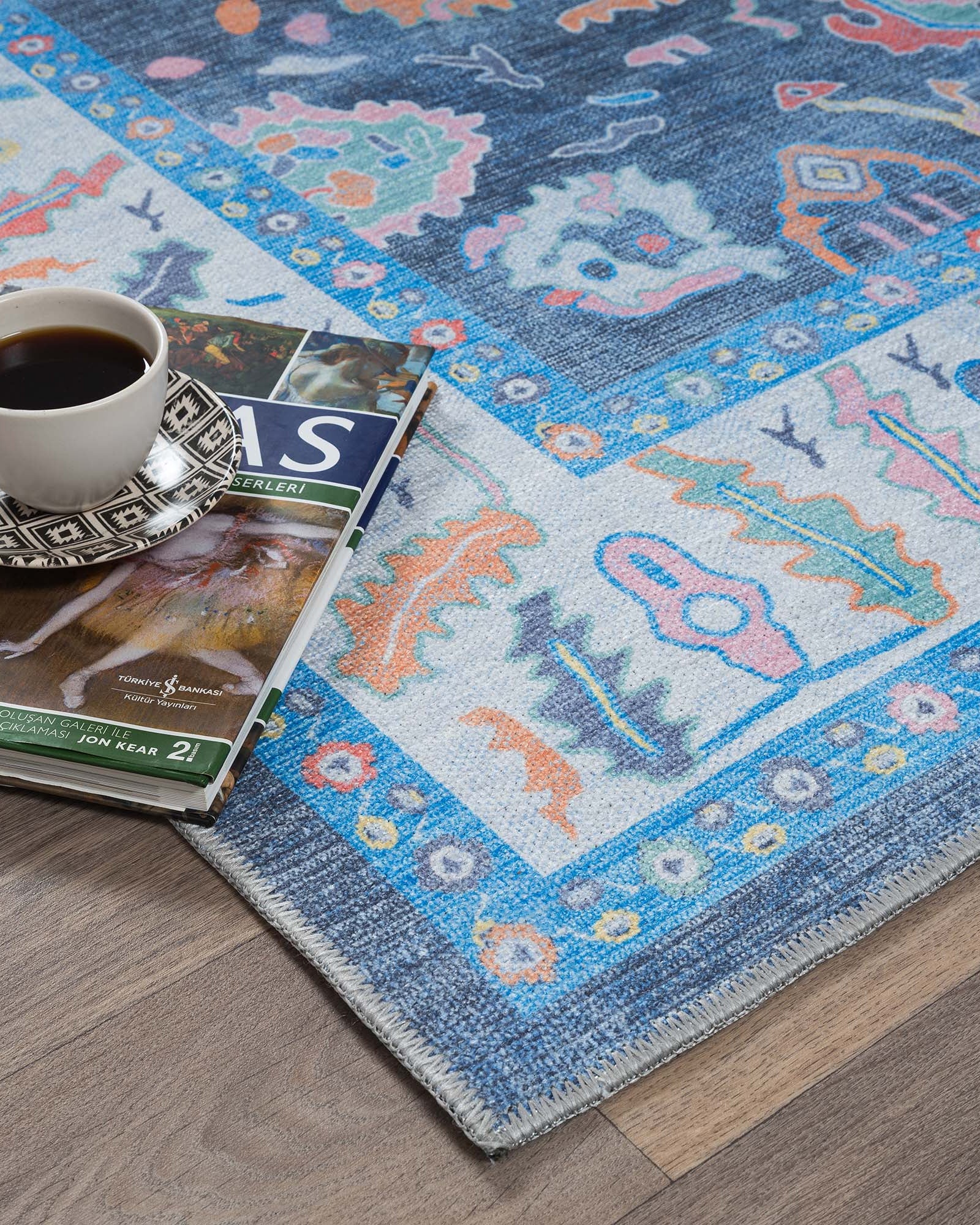
Blue in an old rug almost always means indigo, and indigo behaves unlike any other natural dye. It does not sit inside the fibre the way madder or walnut does — it bonds to the outside of each strand in layers, which is why an indigo rug ages by shedding surface colour rather than by going grey. That single property explains most of what you see in this collection: navy fields that have worn to denim along the walkways, dark borders that are still saturated, and blues that stayed blue when everything around them faded. Every piece here is an original hand-knotted rug, sold as a single item.
How Indigo Works
Indigo is a vat dye. The wool goes into the vat yellow-green and turns blue only when it is lifted out and meets the air, and depth of colour comes from repeating that immersion — a pale sky blue might be two dips, a near-black navy fifteen or more. This was slow, expensive work, which is why deep blue fields signal a rug someone invested in.
Why Blue Survives Better Than Other Colours
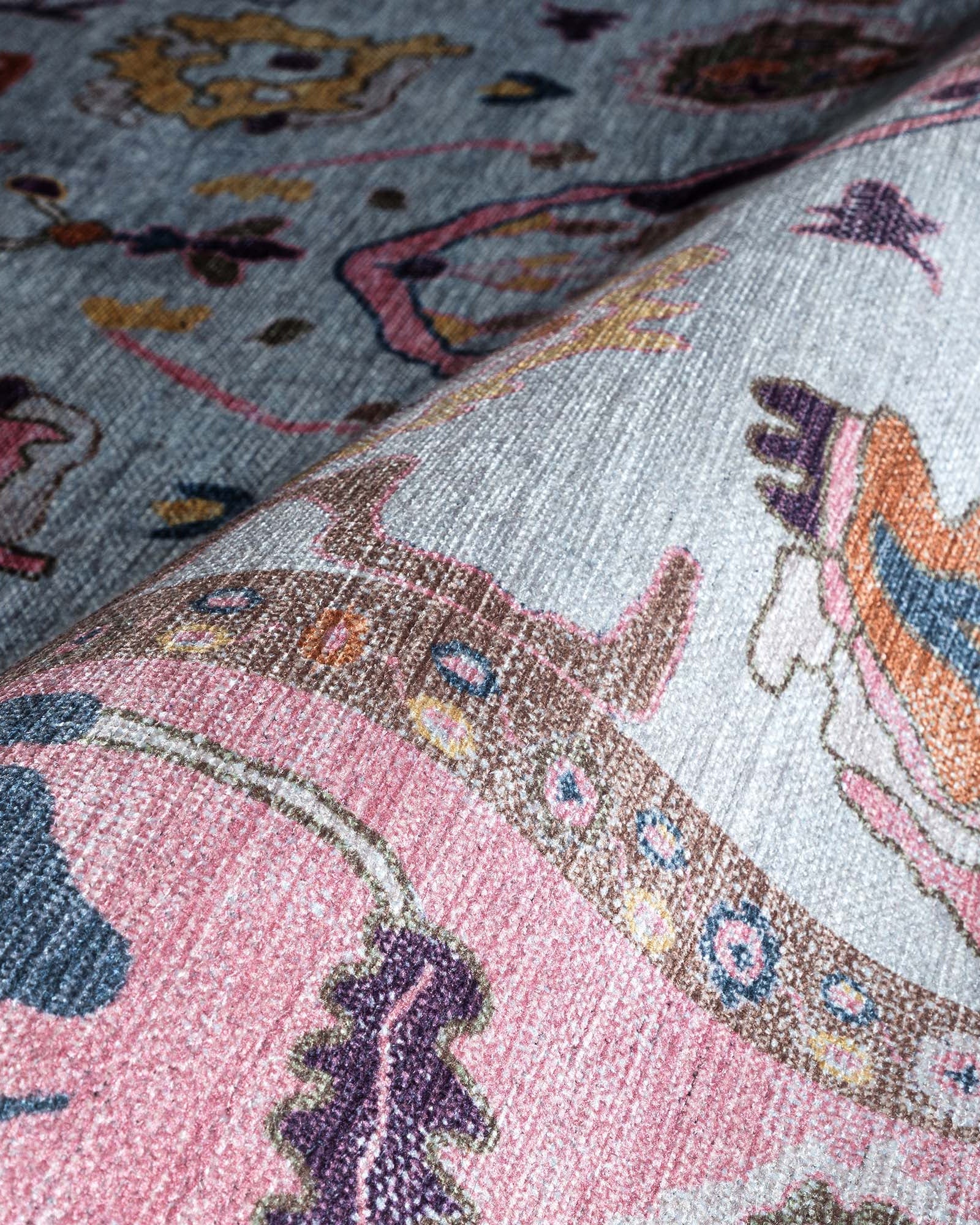
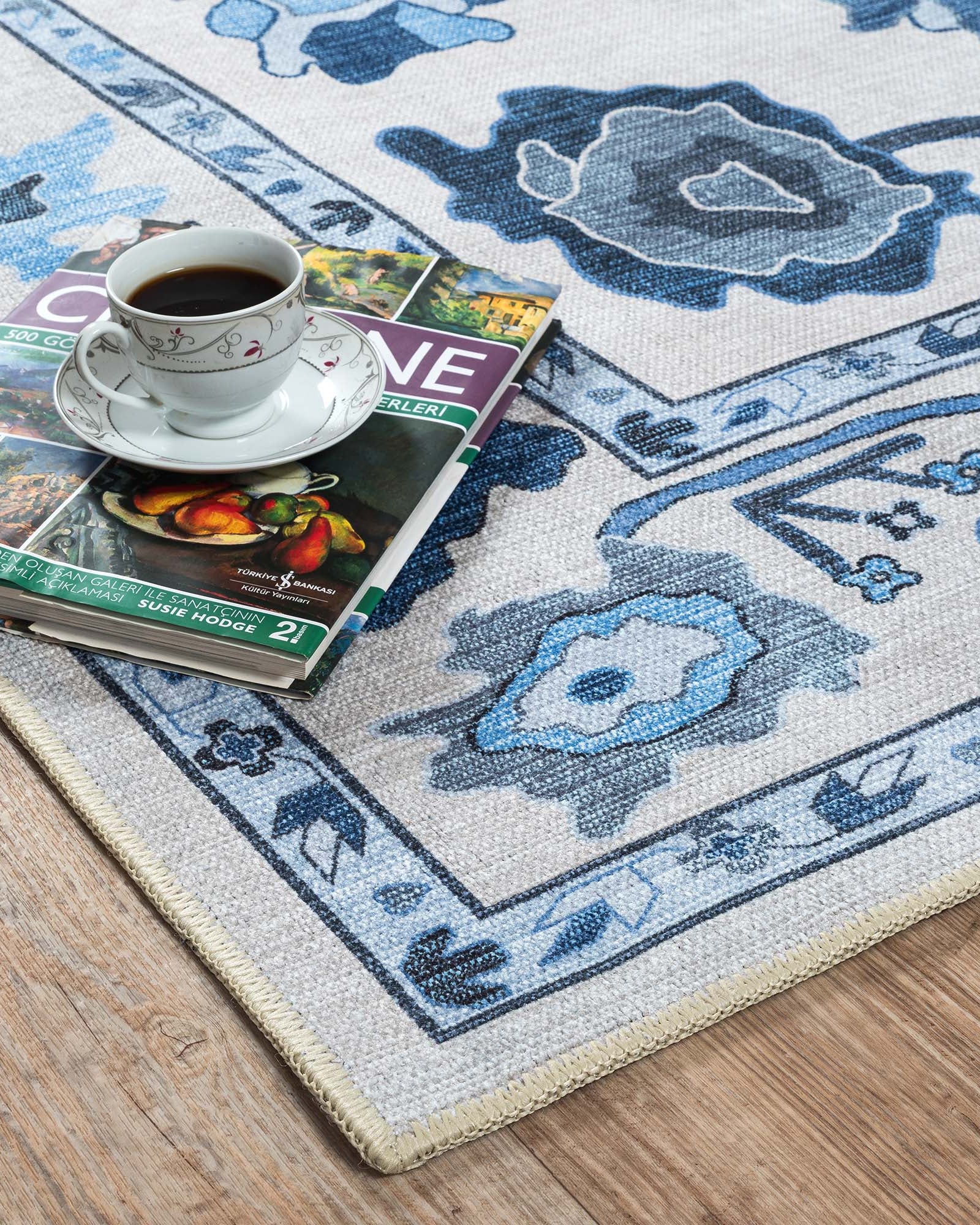
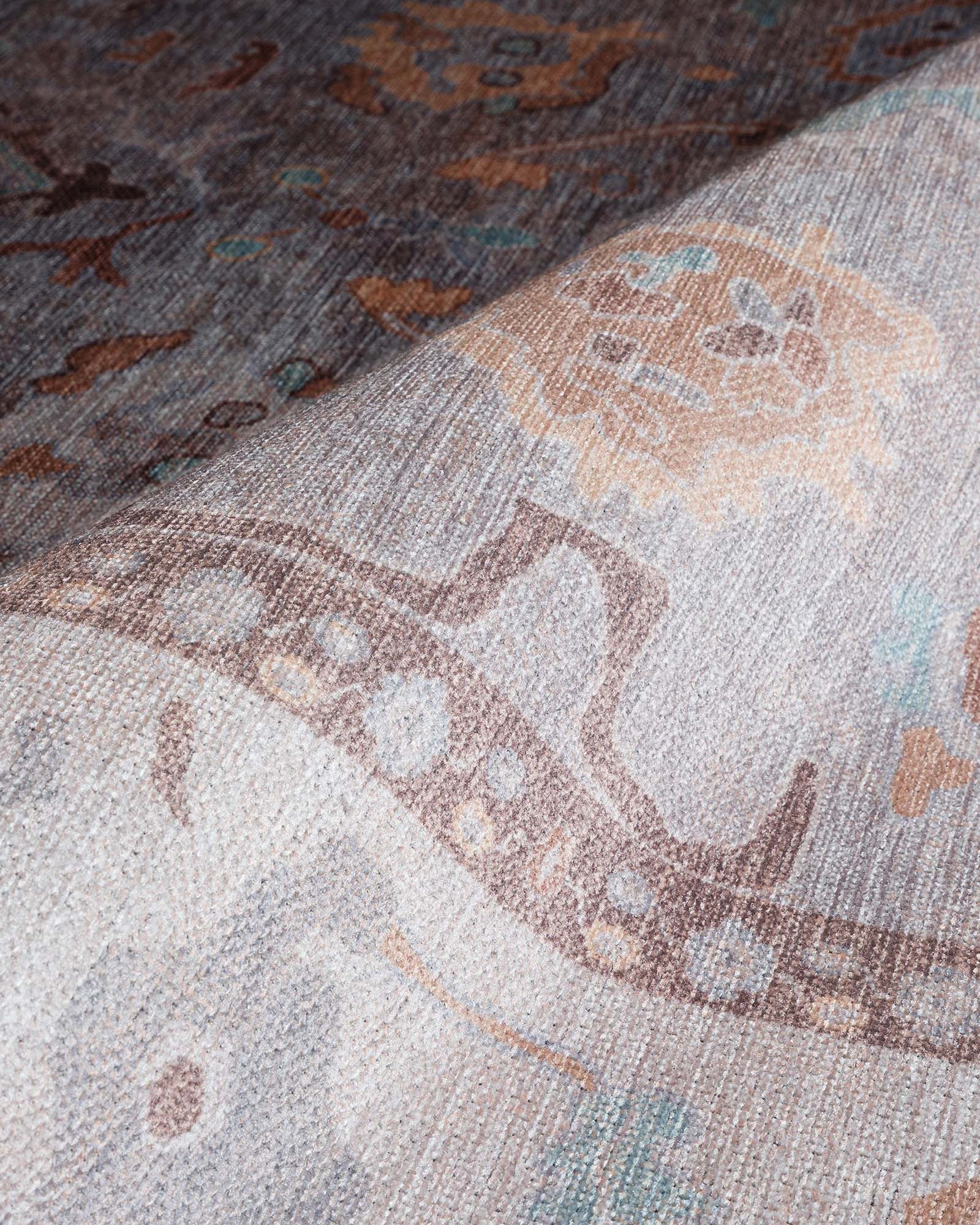
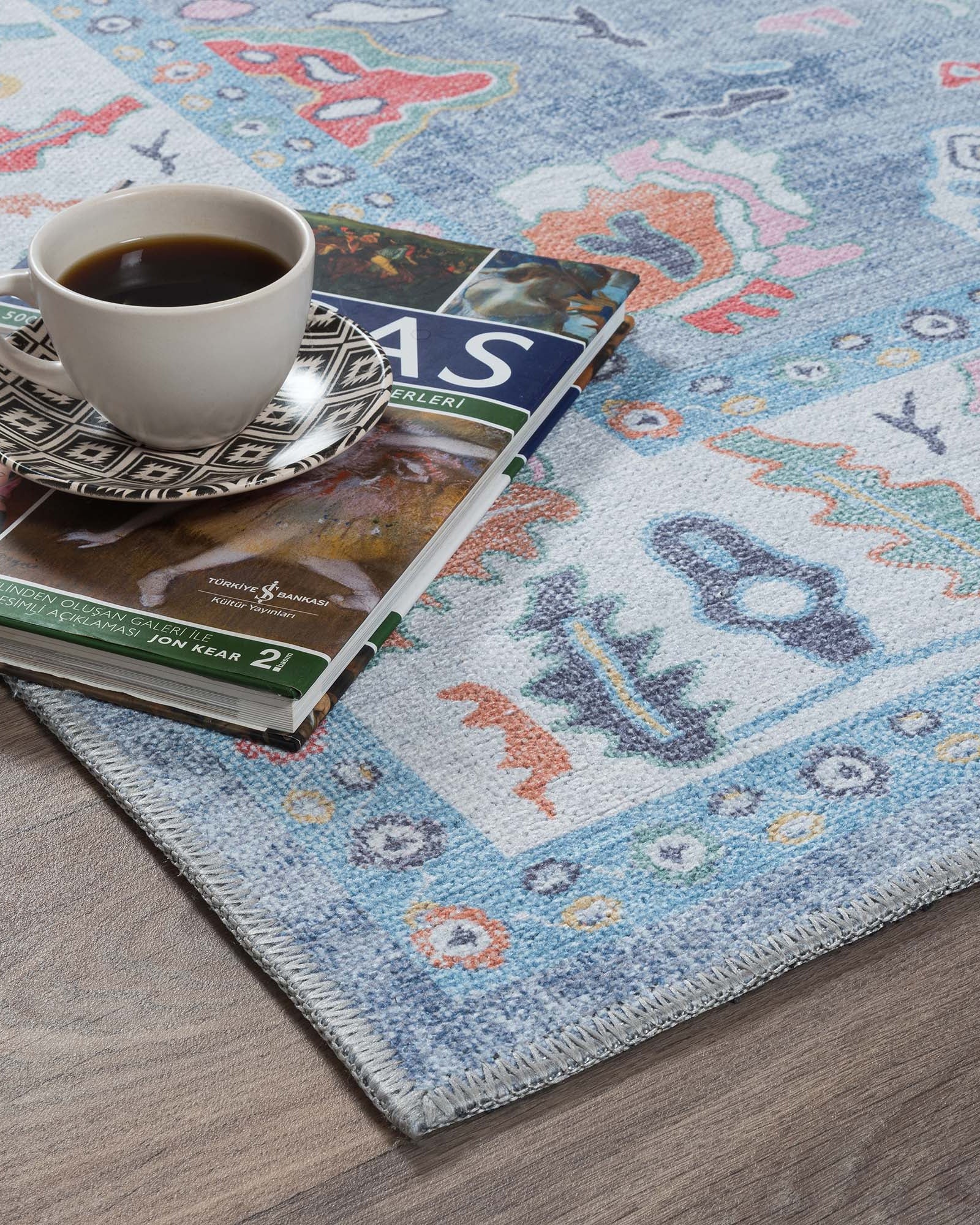
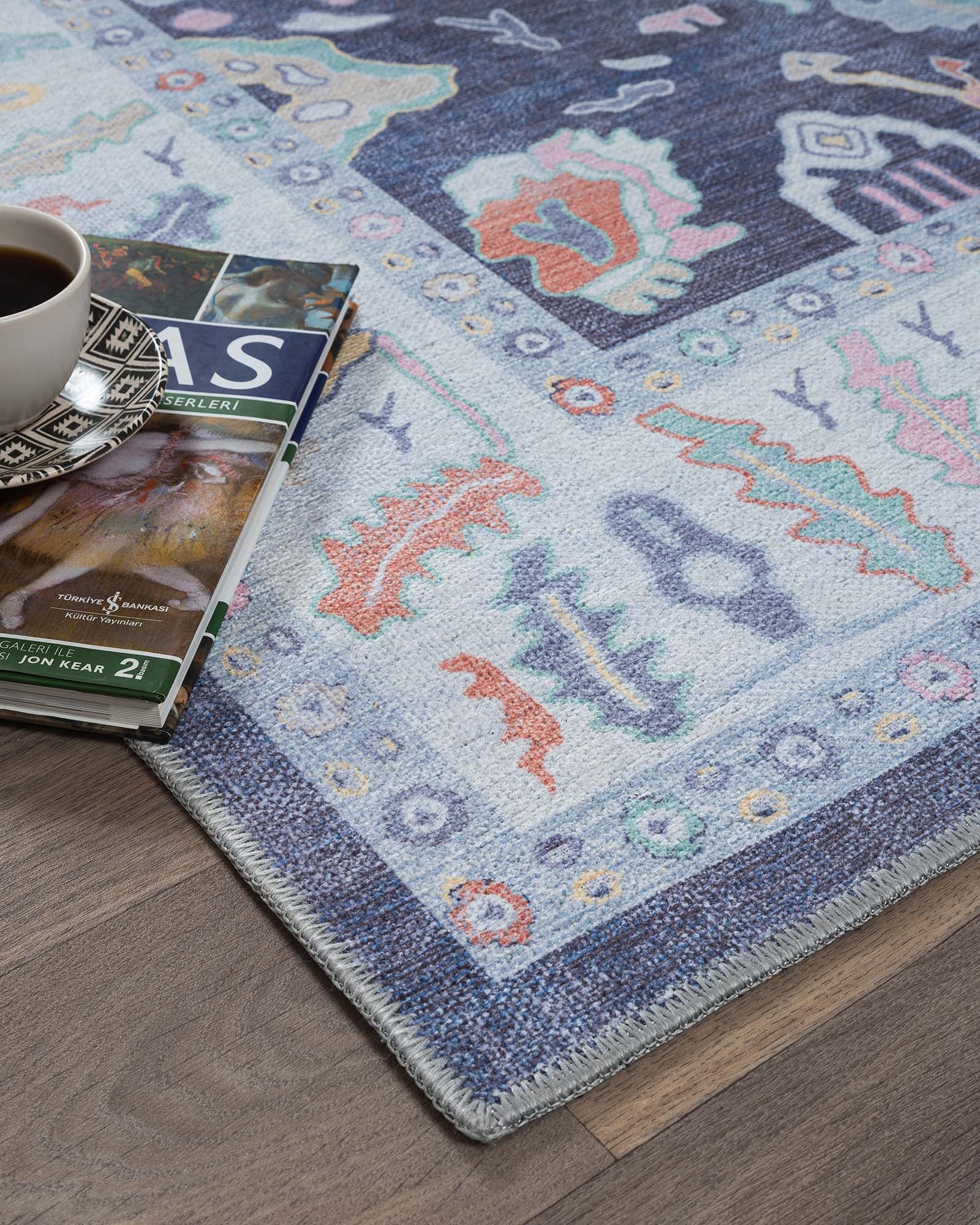
Because the pigment layers sit on the fibre surface, indigo abrades rather than chemically breaking down. Where a rug has been walked on, the outer layers wear away and reveal lighter blue underneath, producing the soft denim gradients that make old blue rugs so recognisable. Meanwhile the protected areas stay dark. Compare that with yellow dyes, which are the first to disappear entirely under ultraviolet light, and reds, which soften toward rose. On a heavily faded old rug, blue is very often the last colour still doing real work.
Green Is Blue Too
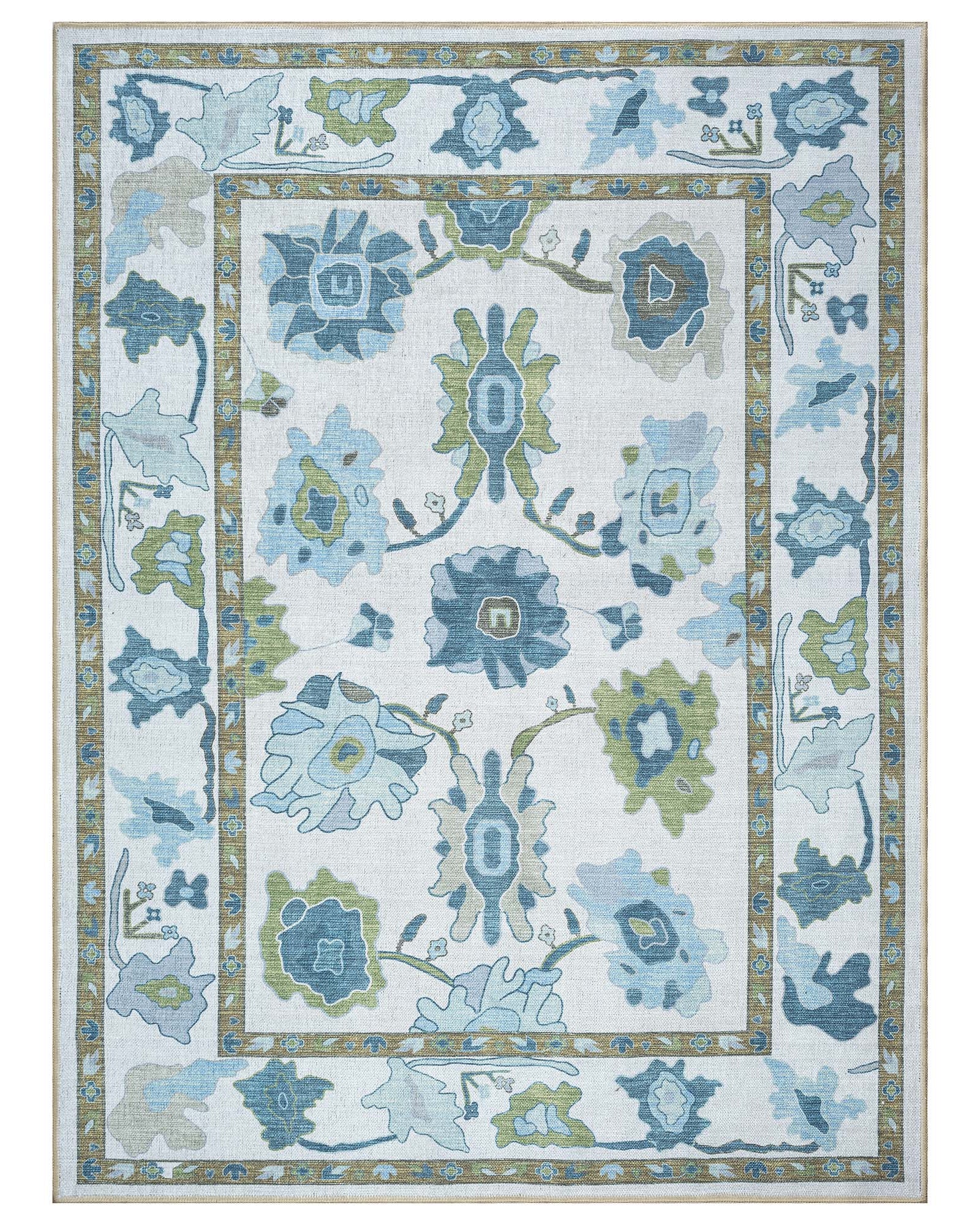
There was no reliable single-source green dye in most weaving regions. Green was made by dyeing wool yellow first, then overdyeing it with indigo. Because the yellow component fades far faster, many rugs that were woven green now read blue or blue-grey. If you see an unexpectedly blue leaf or vine motif in an old piece, that is usually what happened.
Where the Blue Rugs Come From
Caucasian weaving — Kazak, Shirvan, Kuba — leans hardest on deep indigo grounds with bold geometric medallions in ivory and madder. Persian workshop centres, especially Tabriz and Kashan, used navy for formal medallion fields with dense floral drawing over the top. Malayer and Hamadan village runners frequently combine a navy ground with small repeating boteh. Anatolian pieces use indigo more sparingly, usually in borders and motif outlines against a red or ivory field, though Milas and Bergama weavings sometimes carry substantial blue. Flatwoven kilims from across the region use indigo in bands and stepped diamonds.
The Range Within Blue
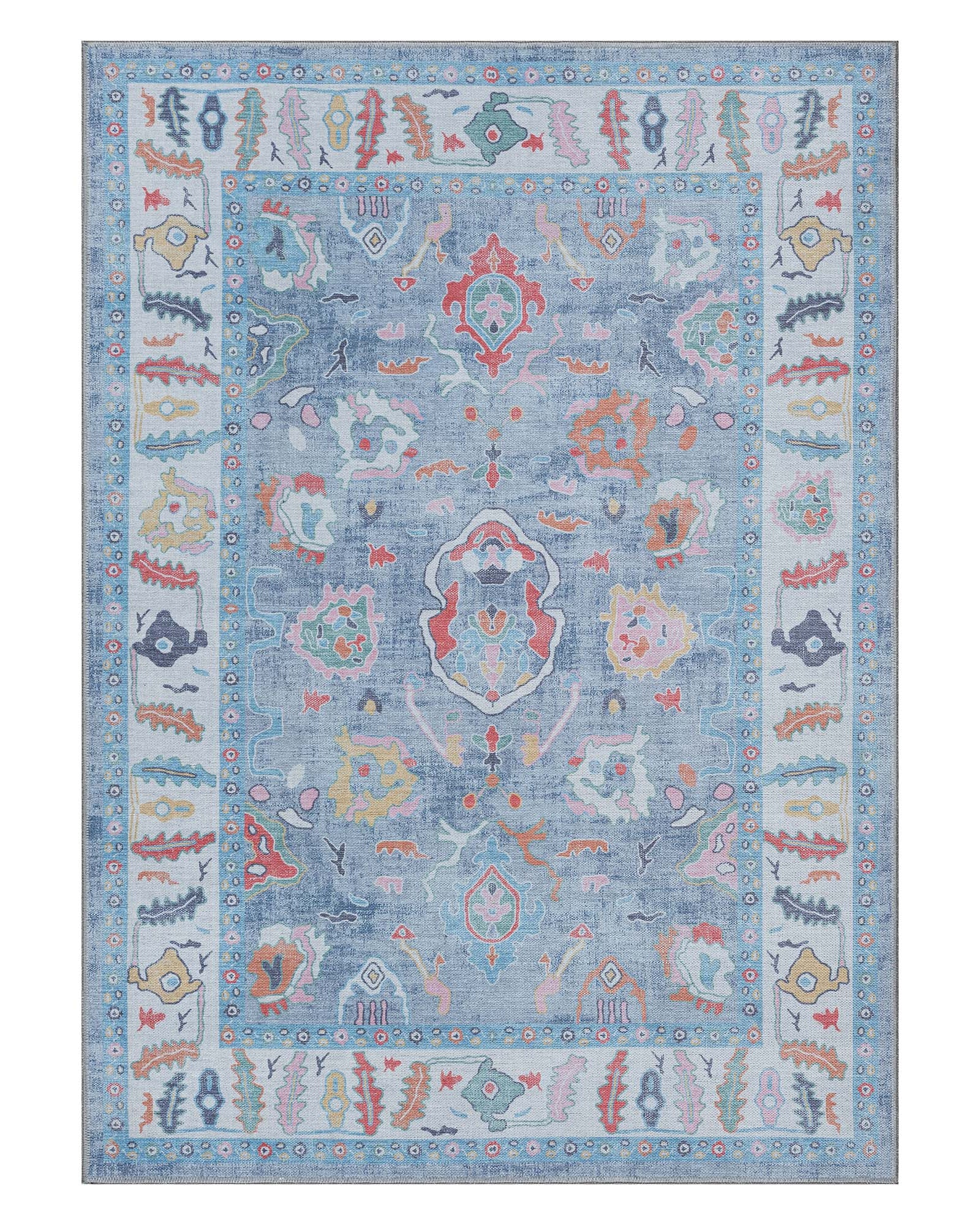
Navy and near-black indigo function almost as a dark neutral — they ground a room, hide traffic well and sit comfortably with wood, brass and leather. Mid-blue and denim are the most versatile, warm enough to avoid feeling cold and quiet enough to layer under patterned upholstery. Faded sky and grey-blue read soft and coastal, and pair naturally with cream, sand and pale wood. Teal and blue-green — often the result of that yellow-plus-indigo route — are the most distinctive and work best as a deliberate colour statement rather than a background. Each product page names the dominant tone.
Using Blue Rugs in a Room
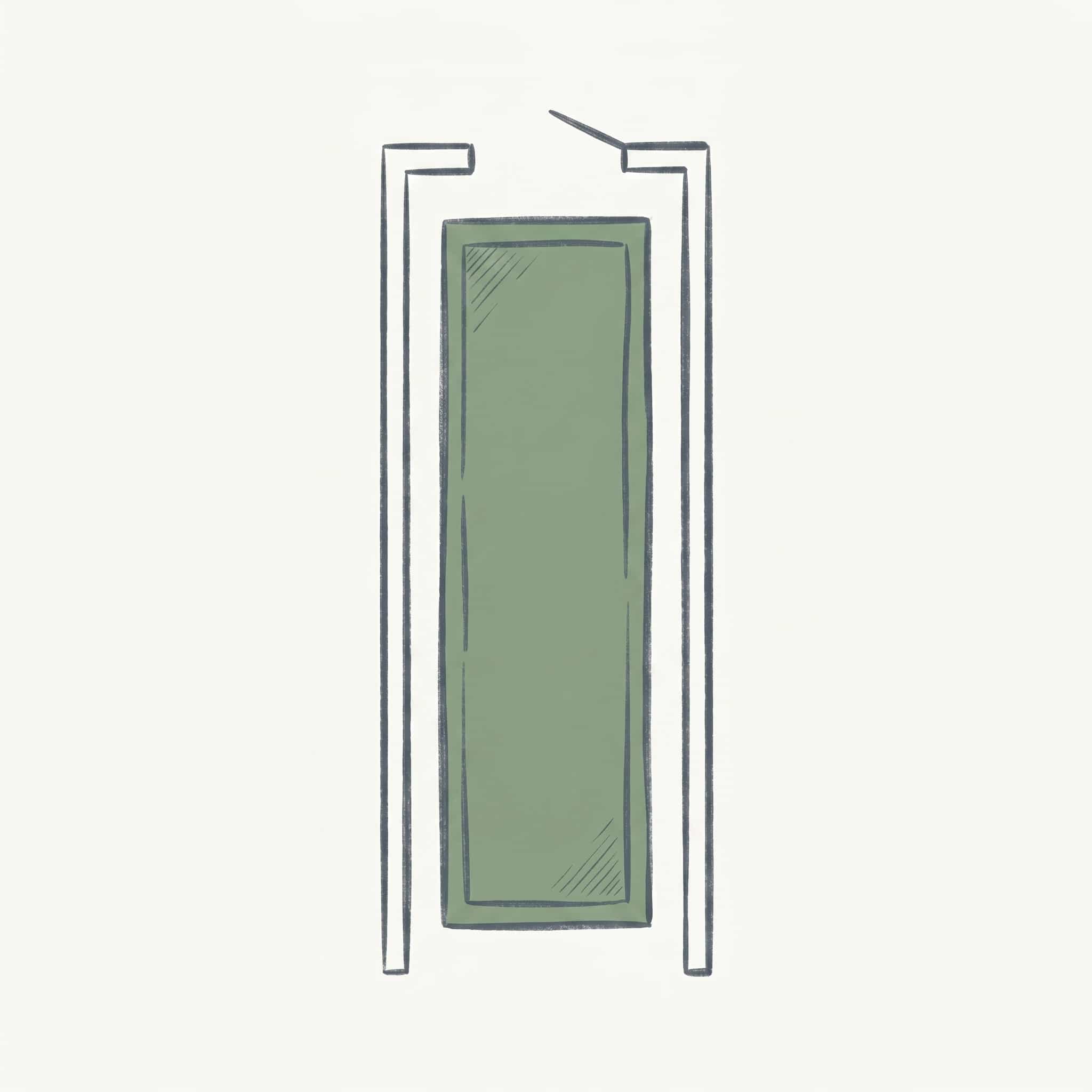
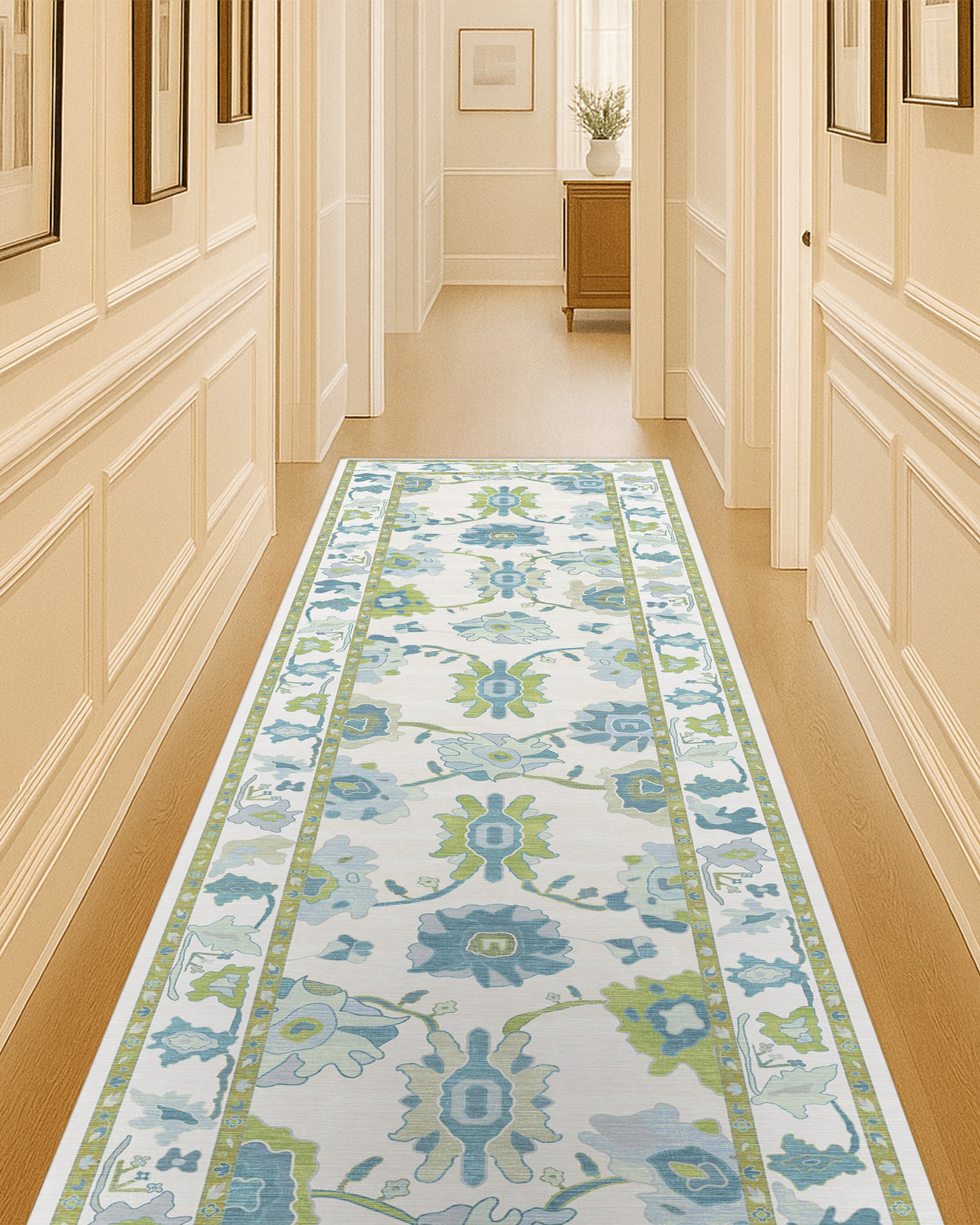
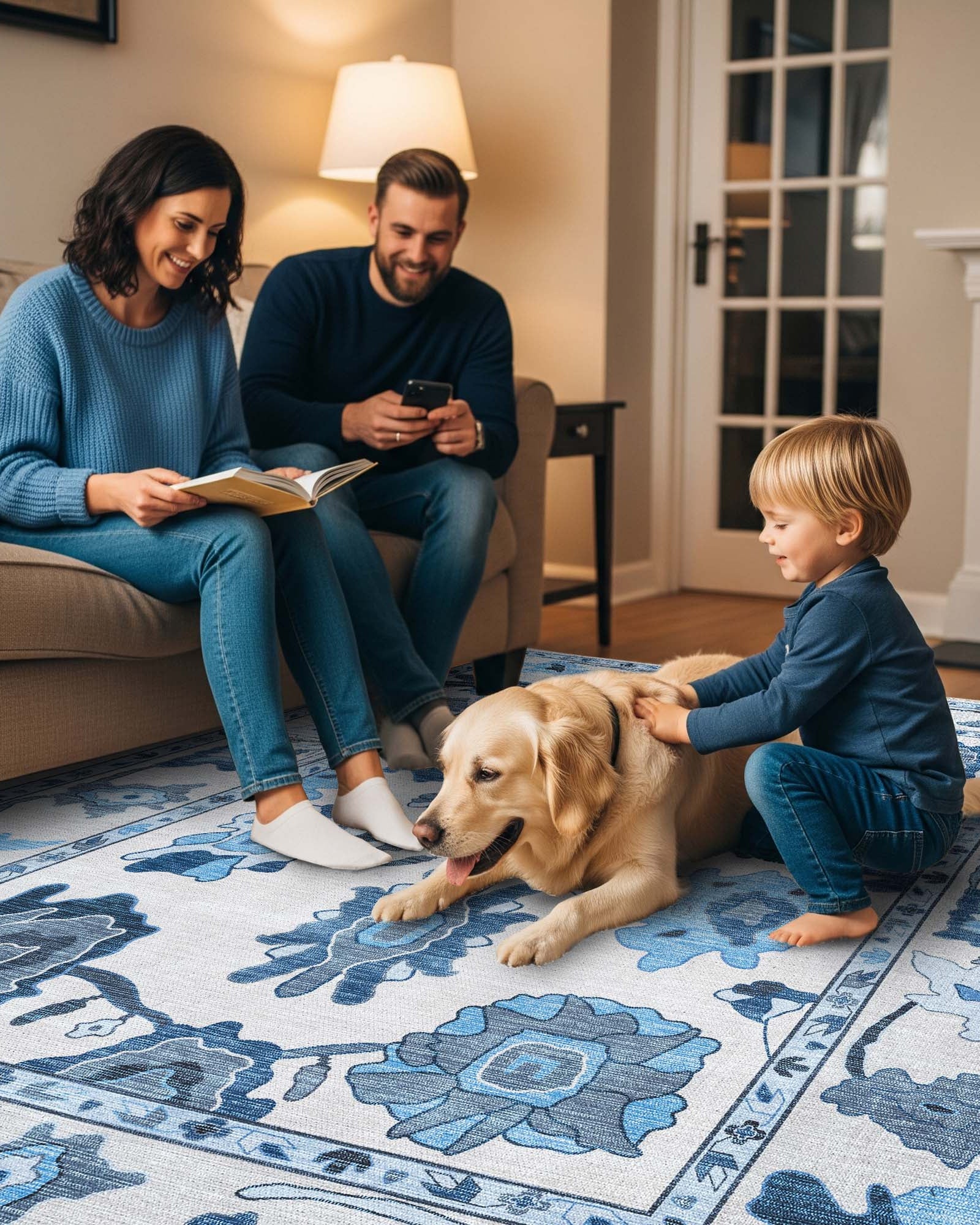
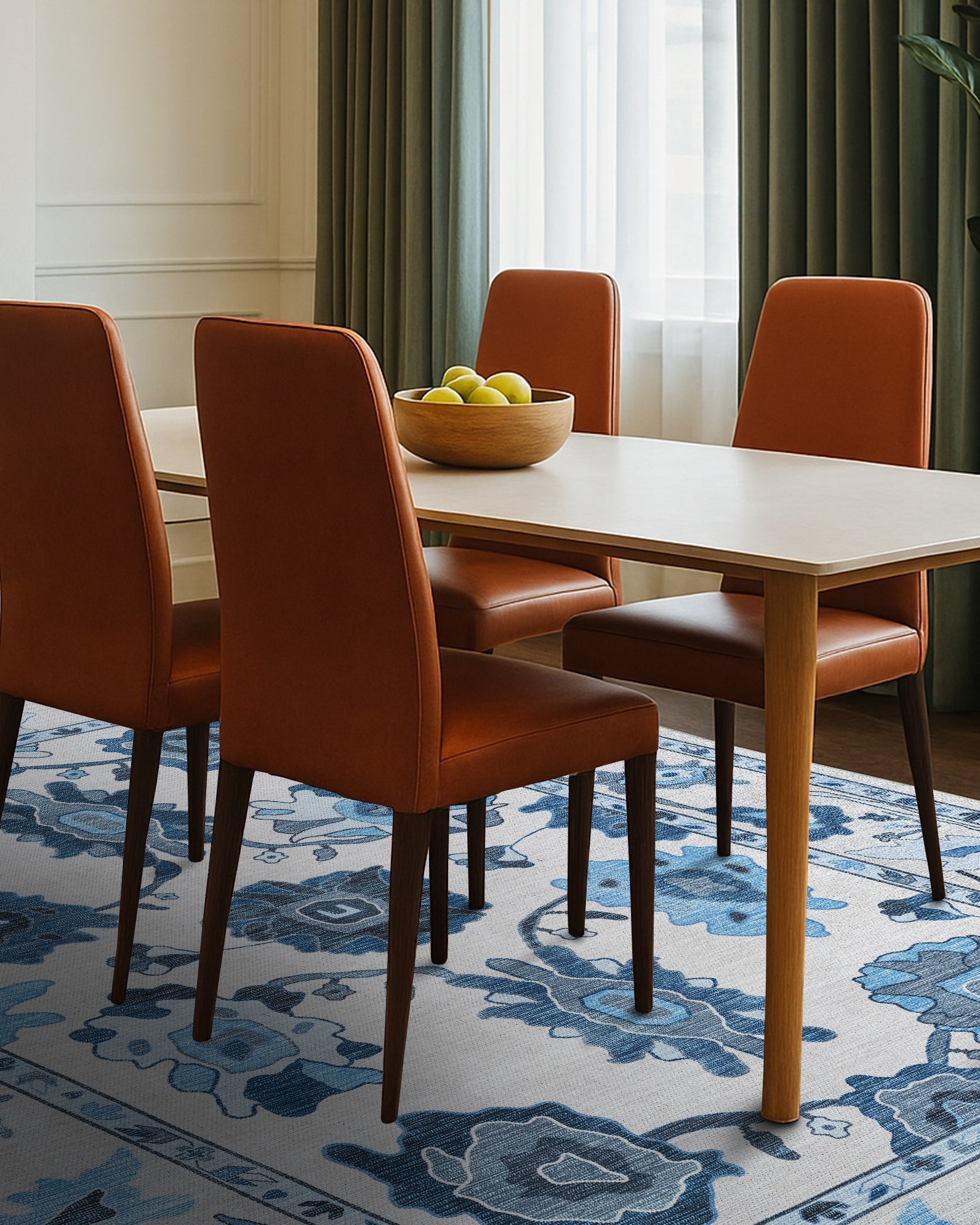
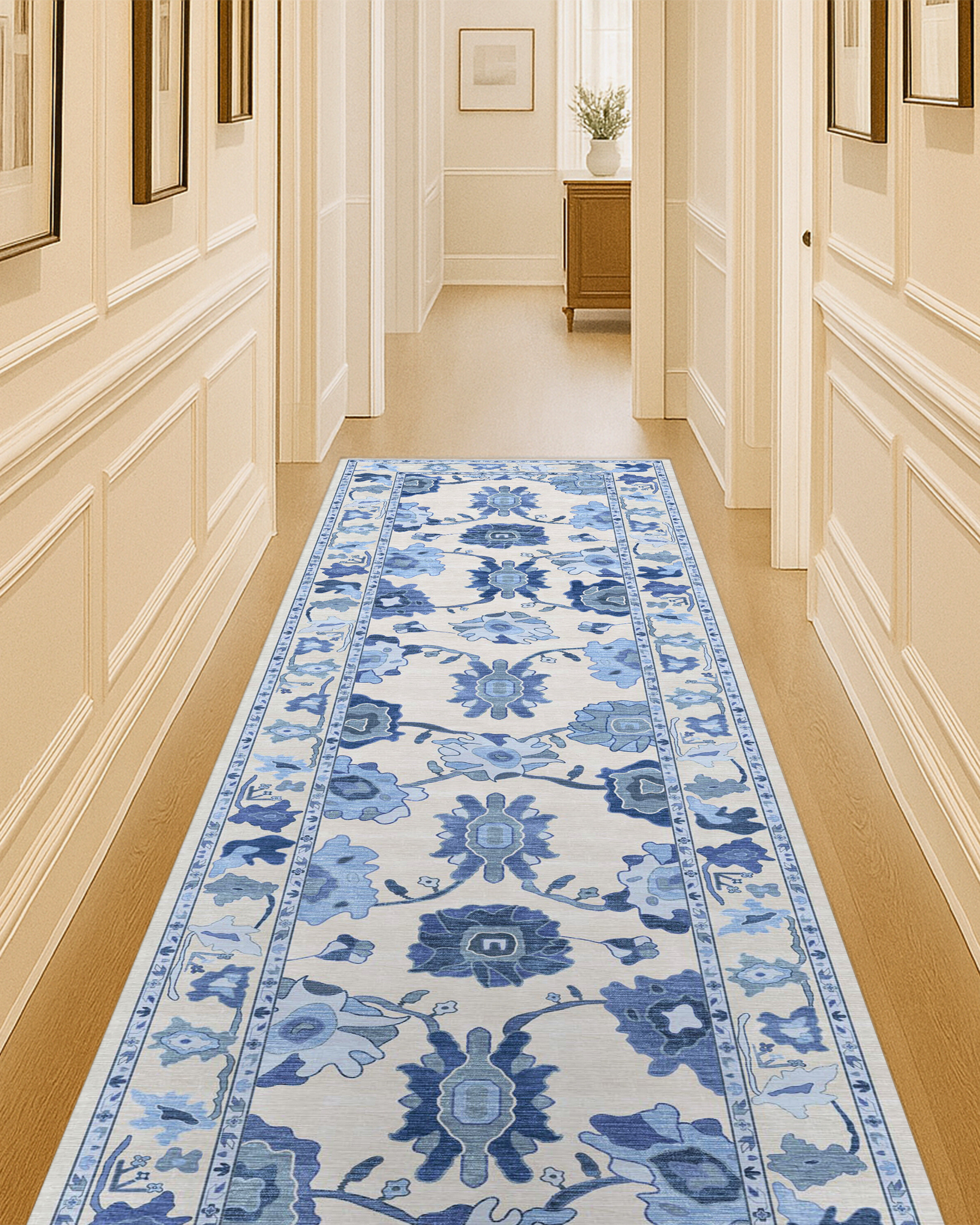
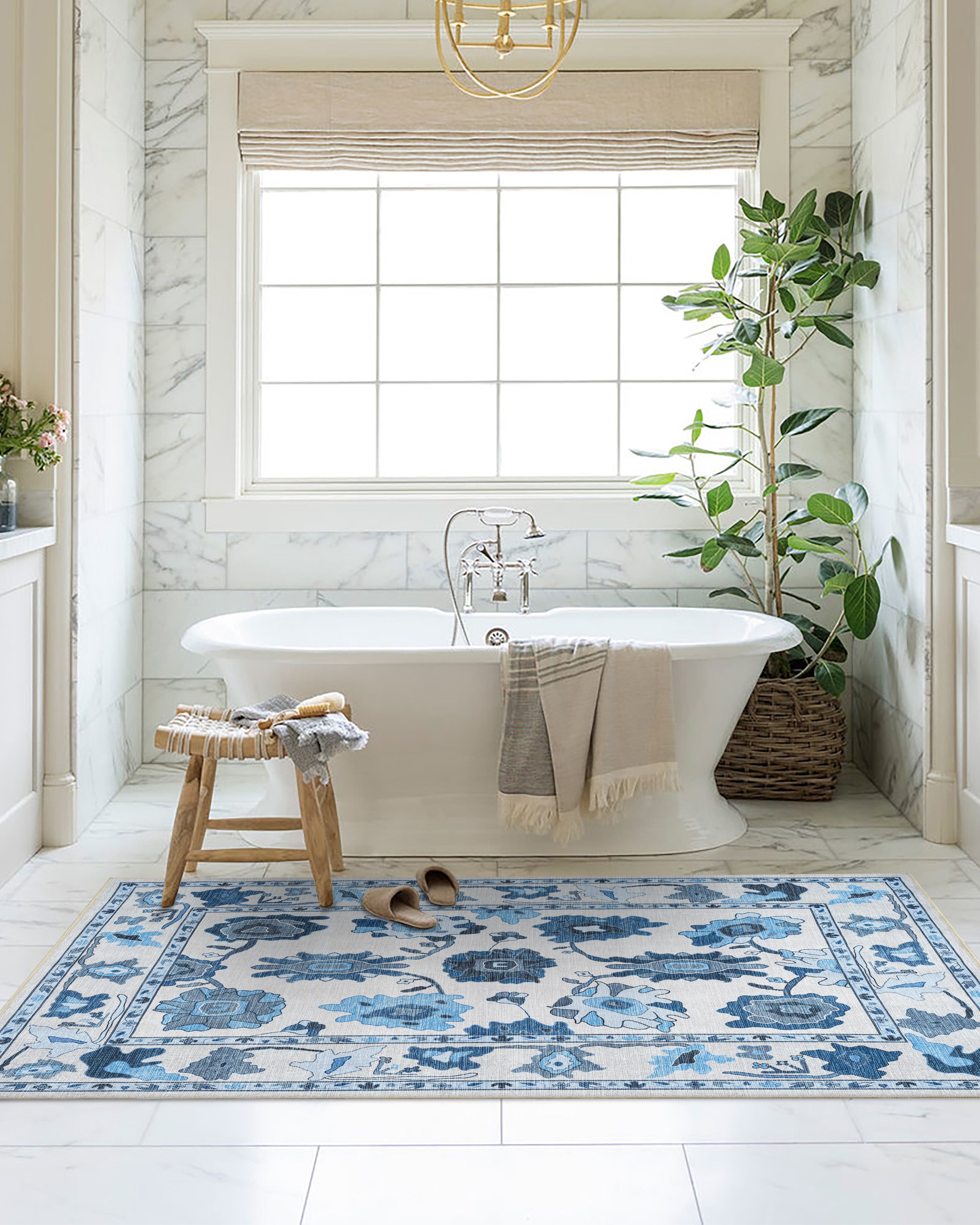
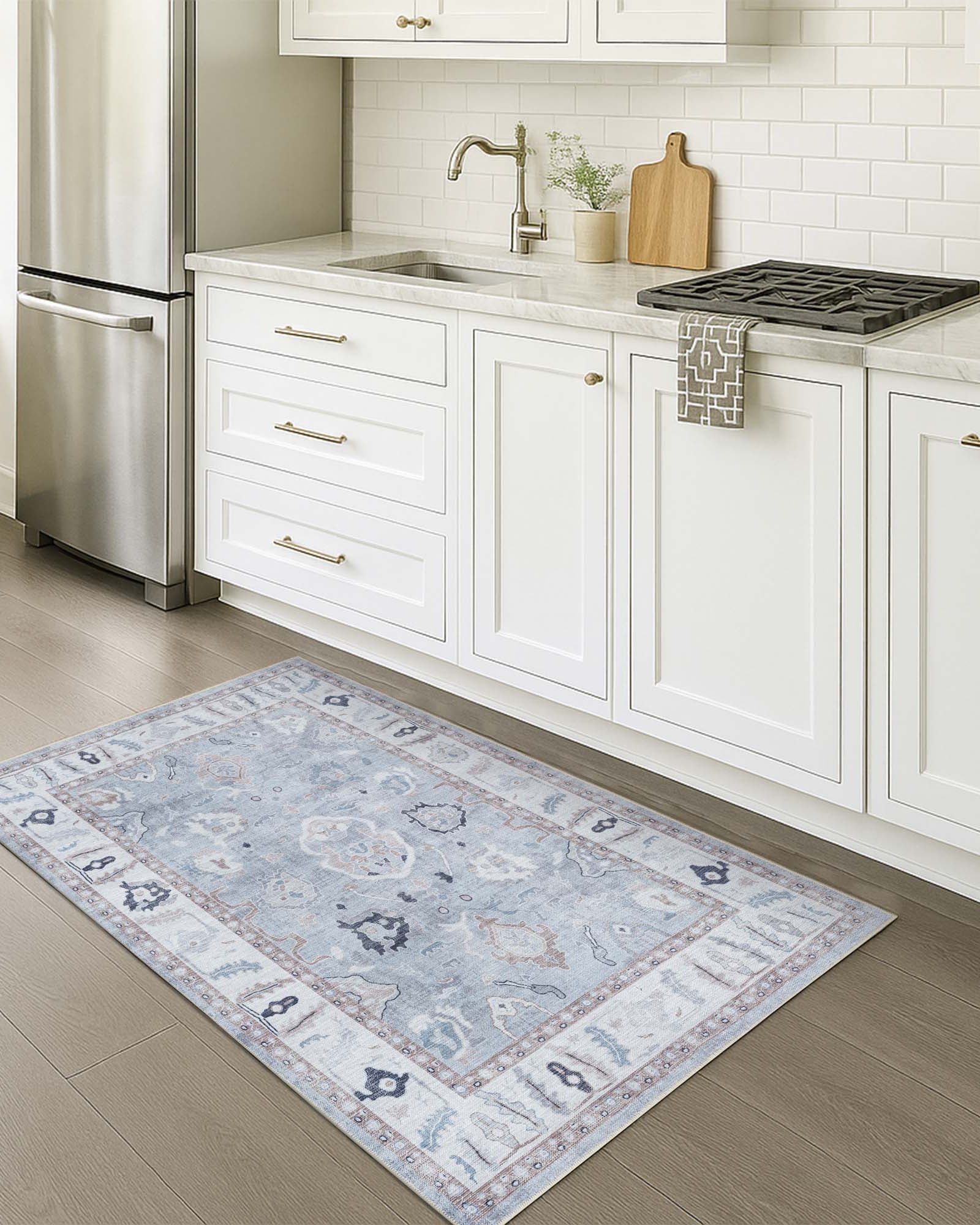
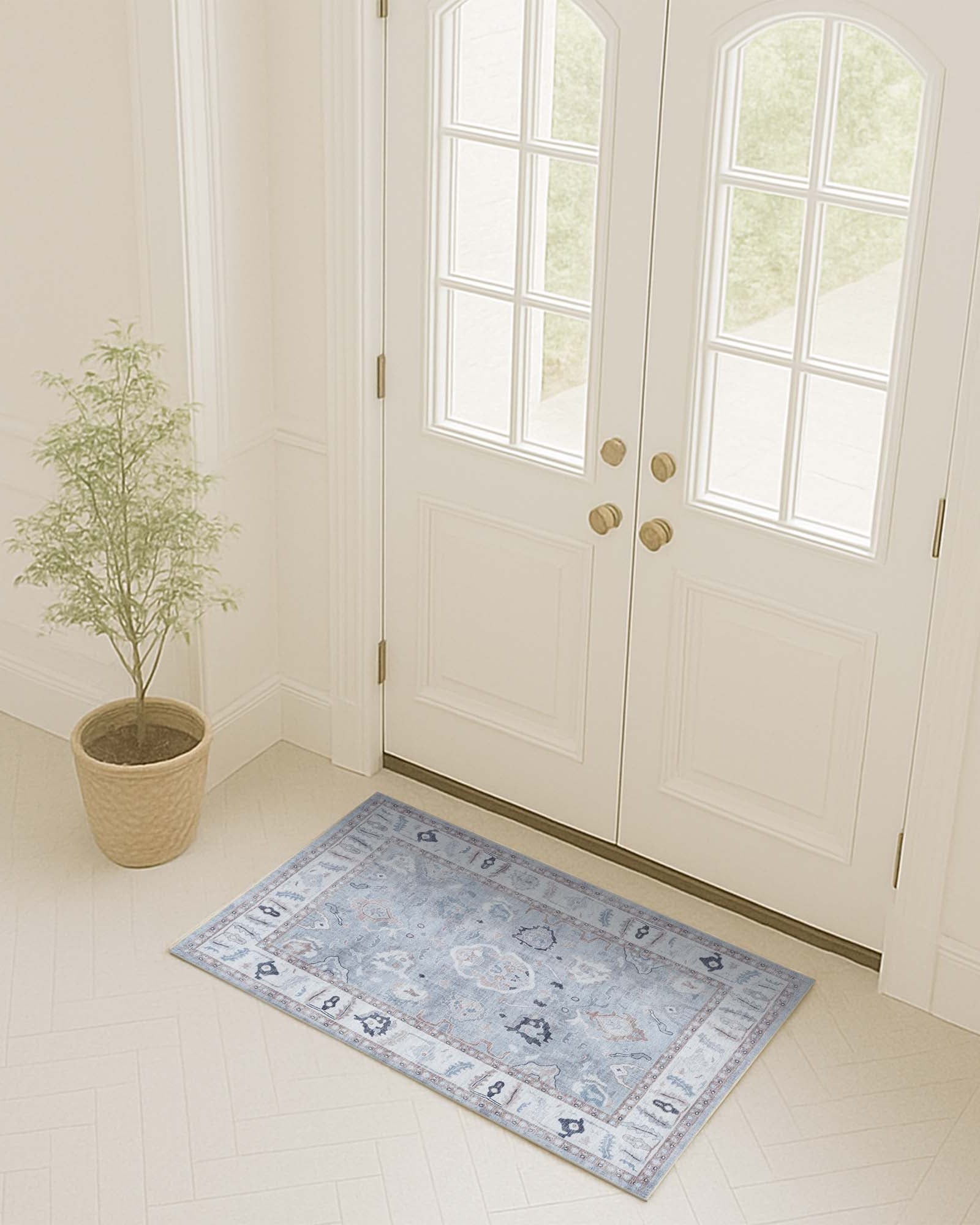
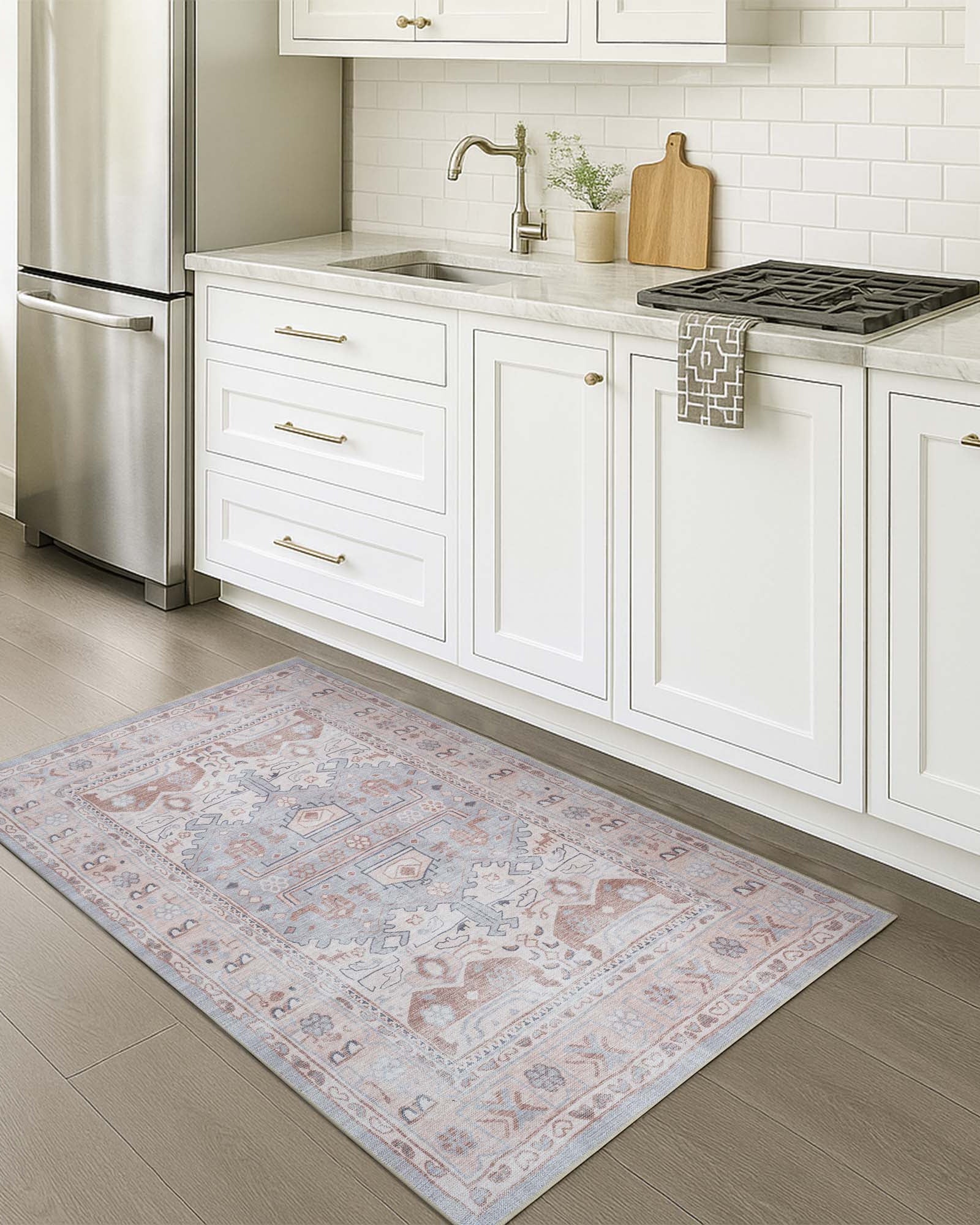
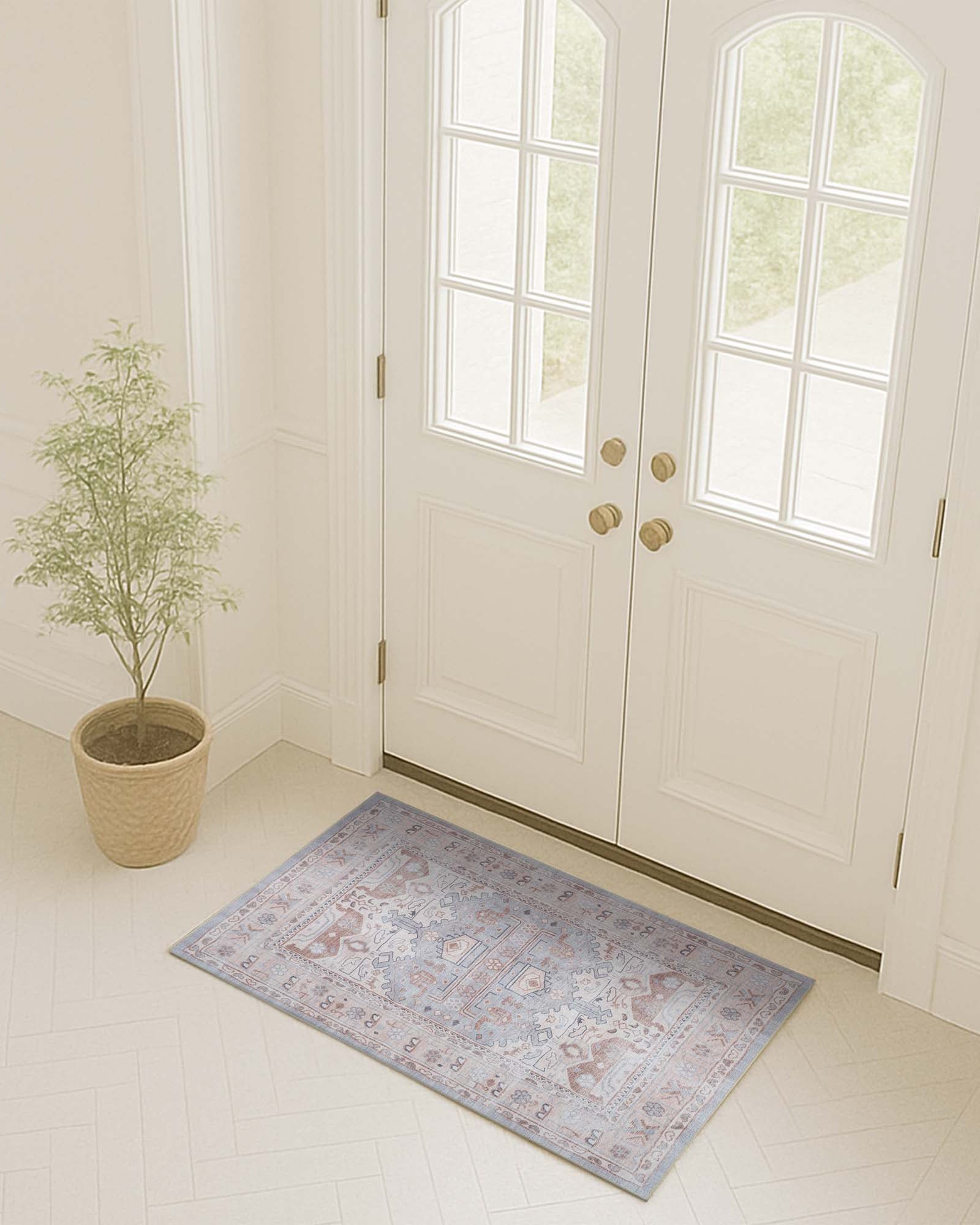
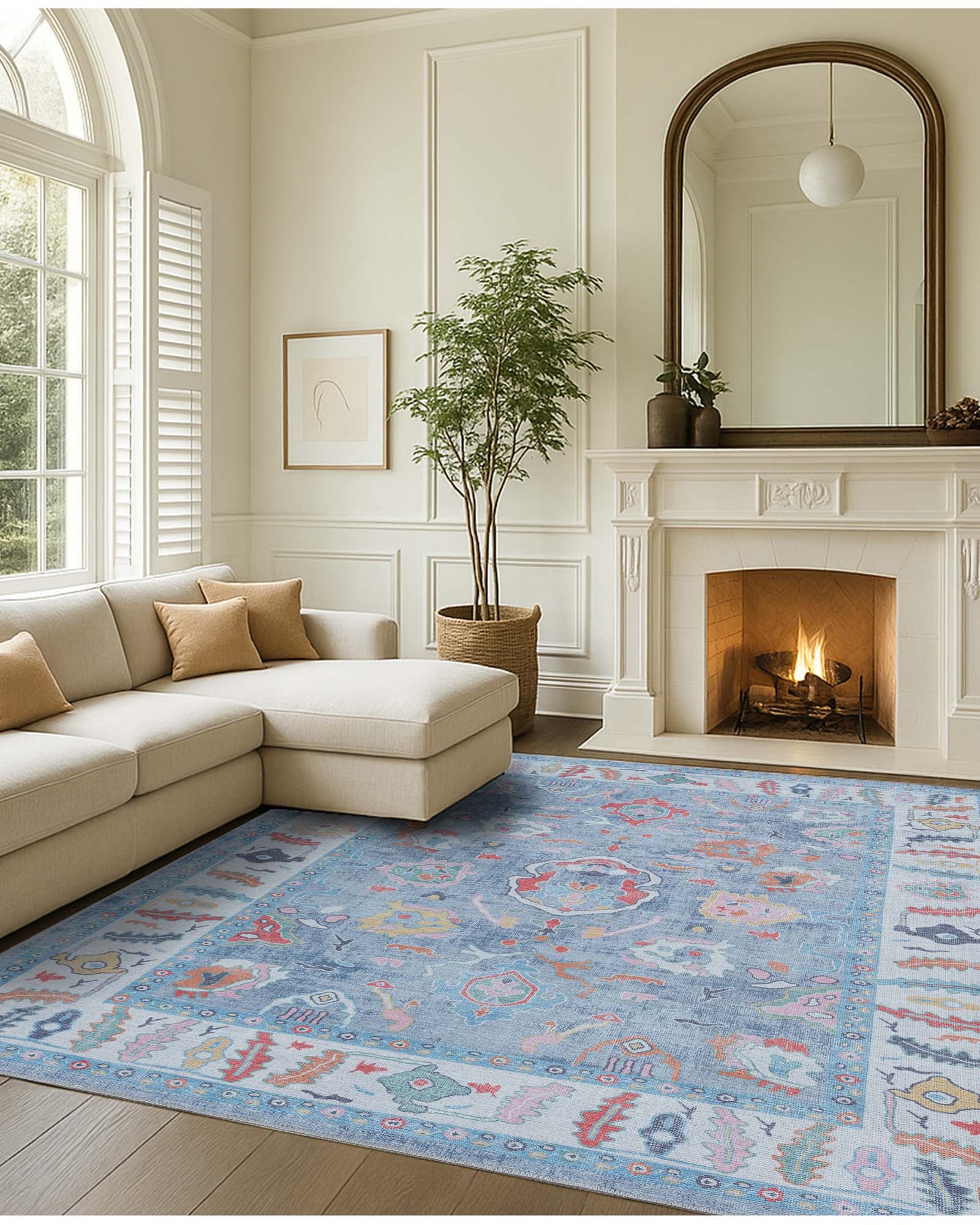
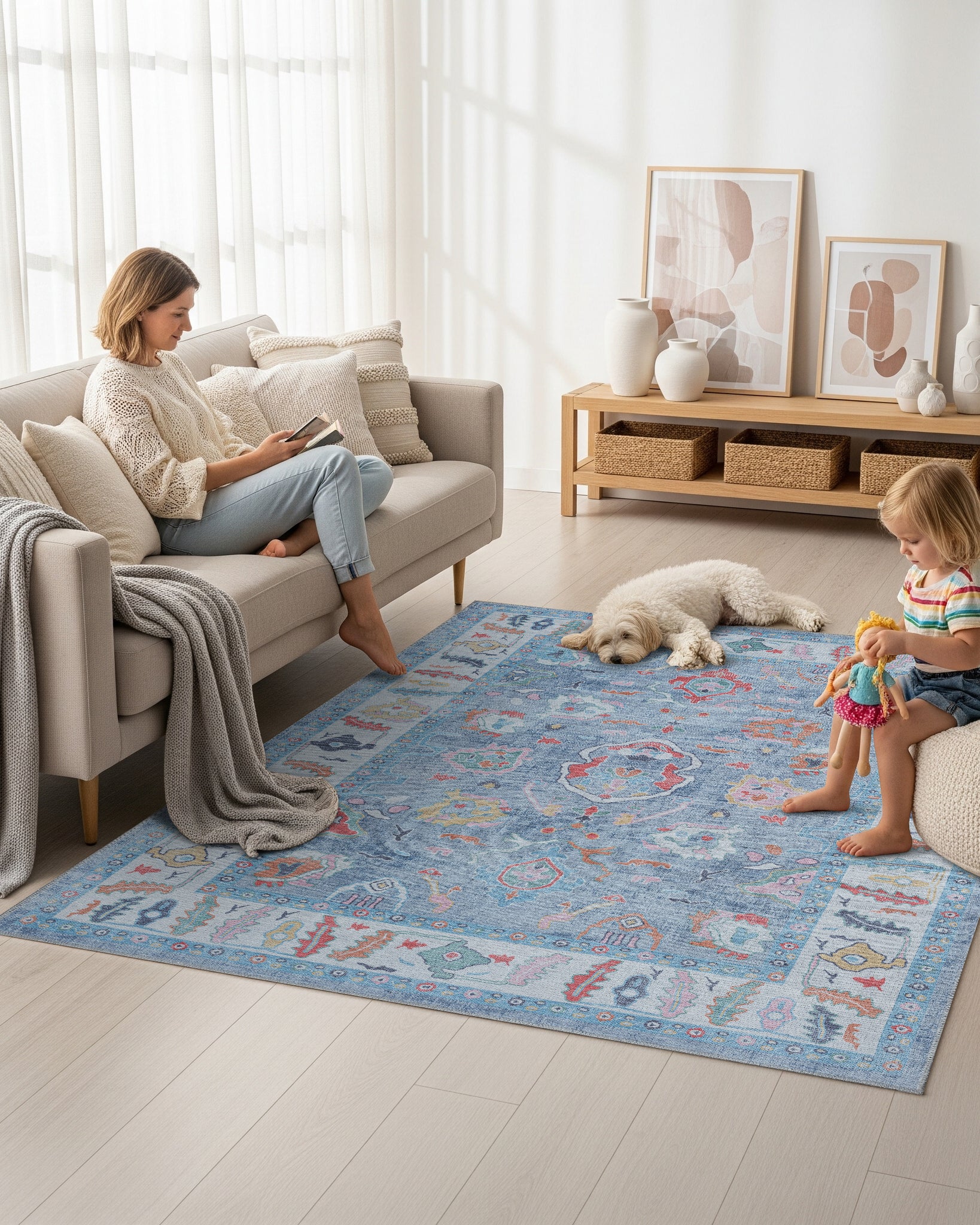
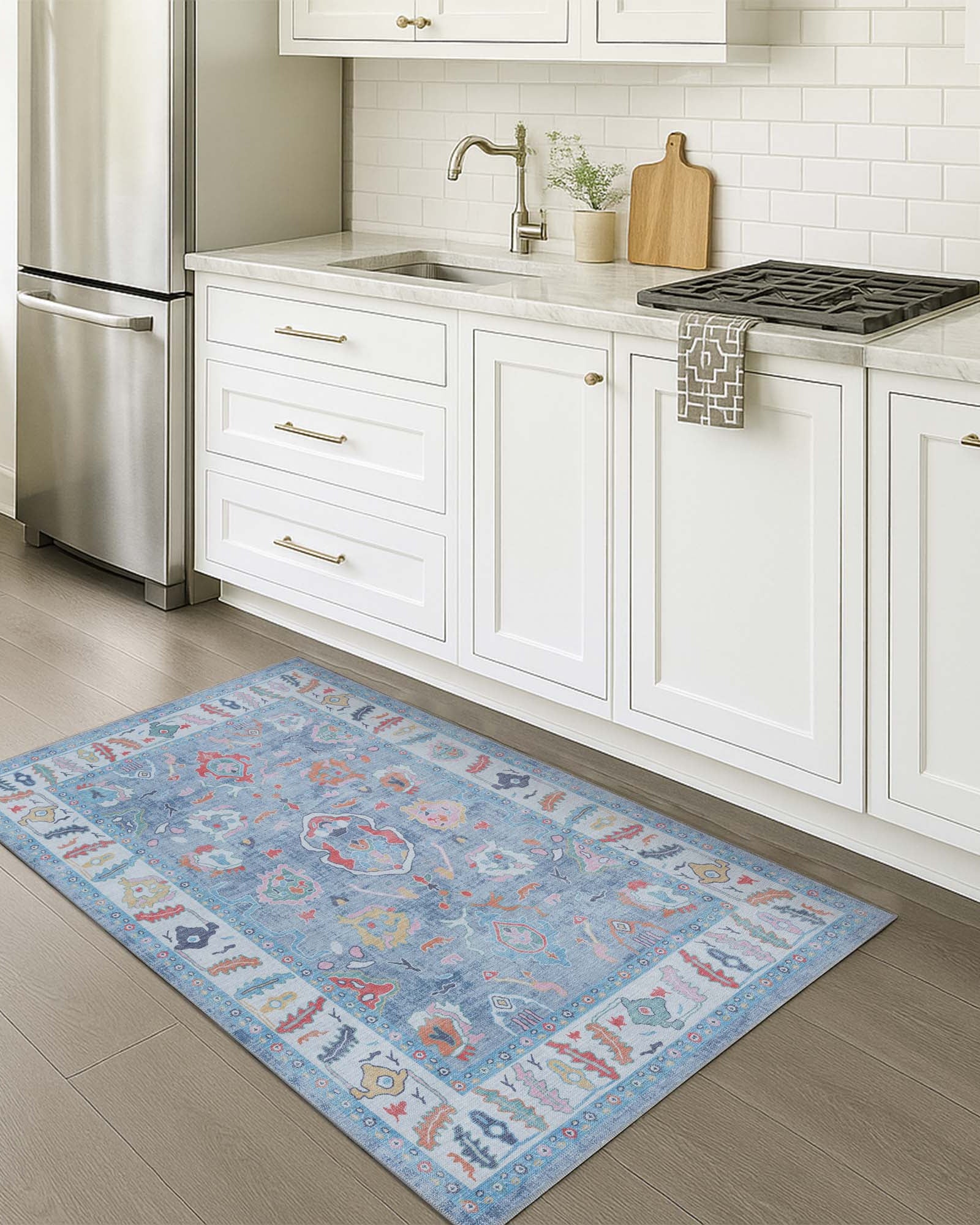
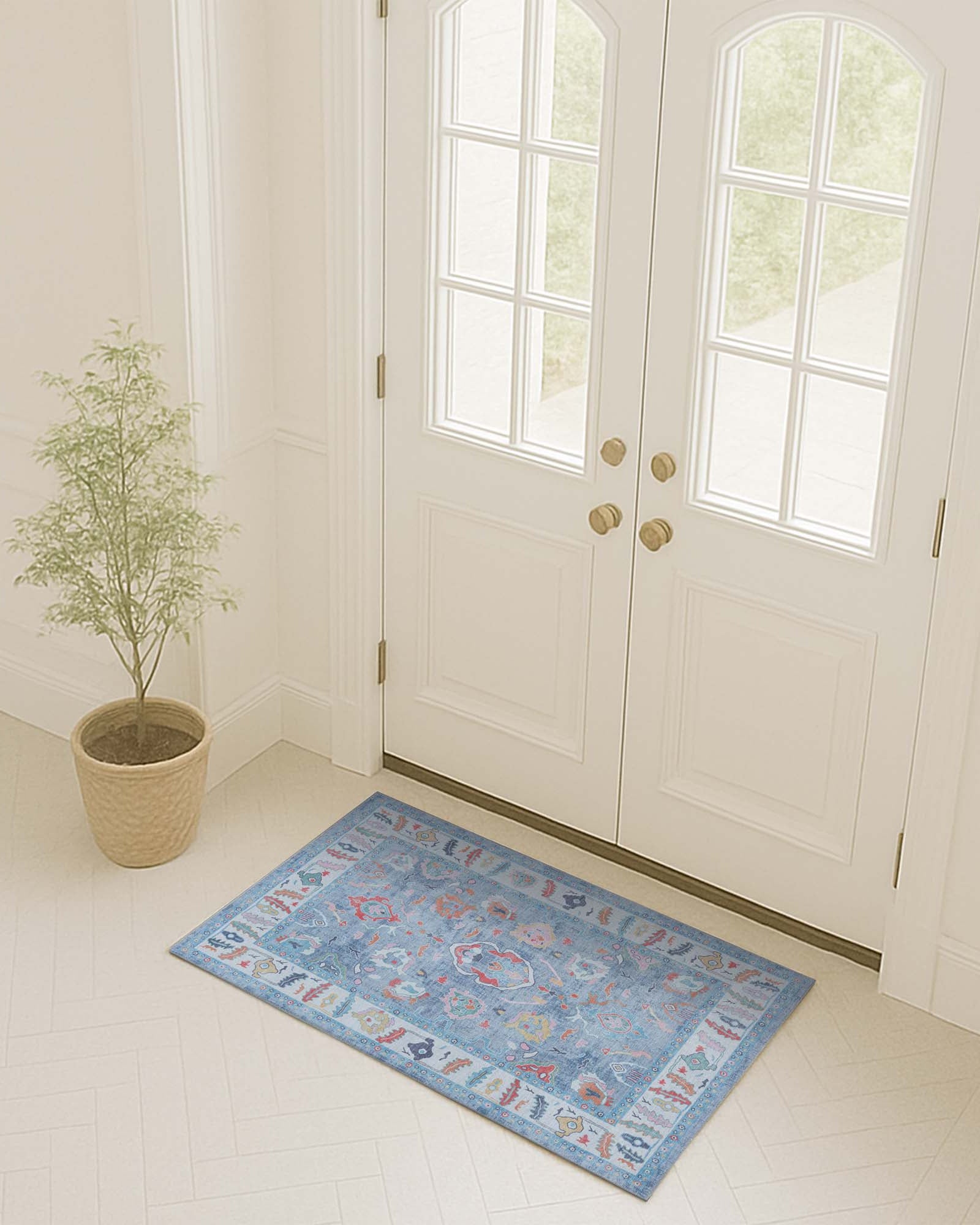
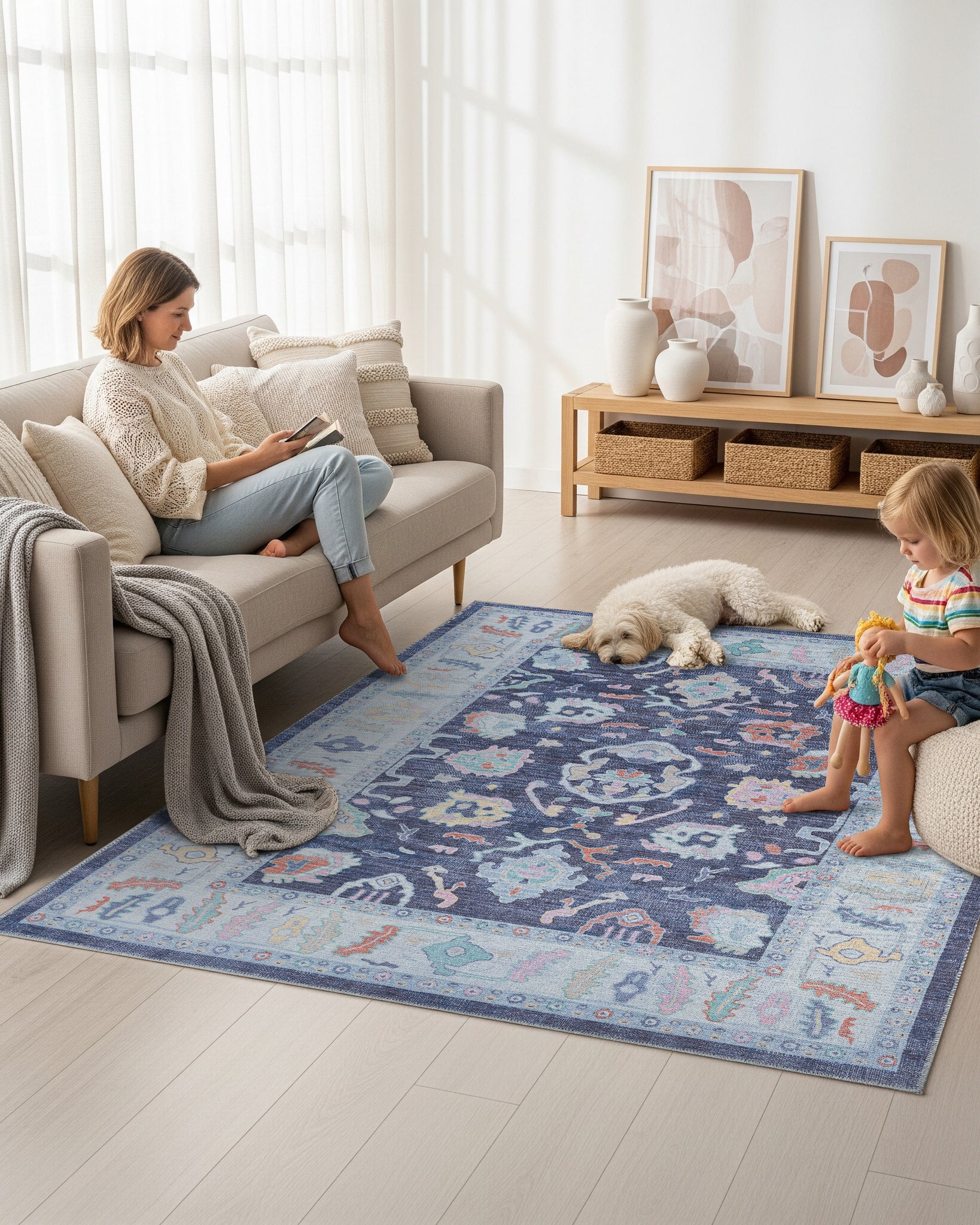
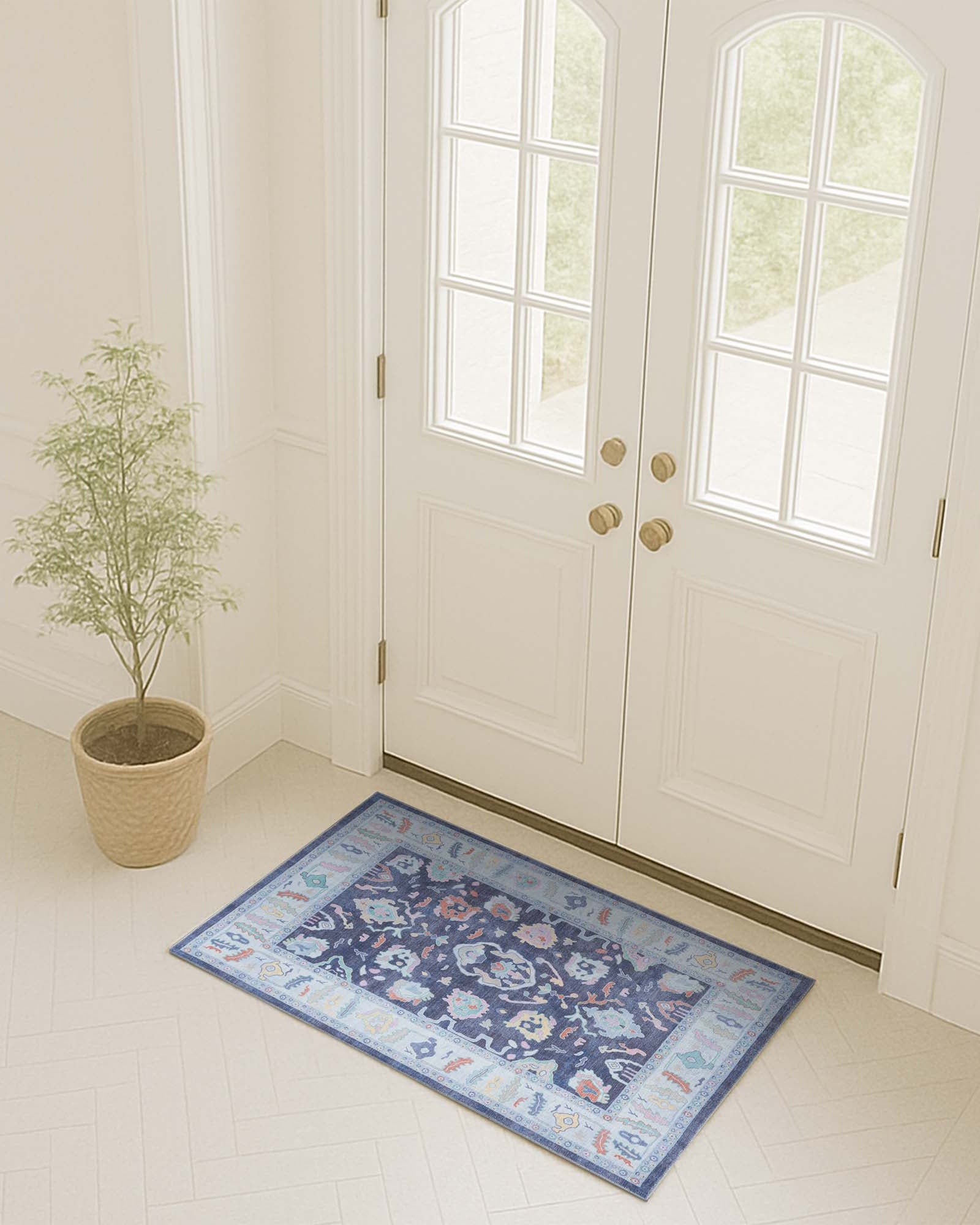
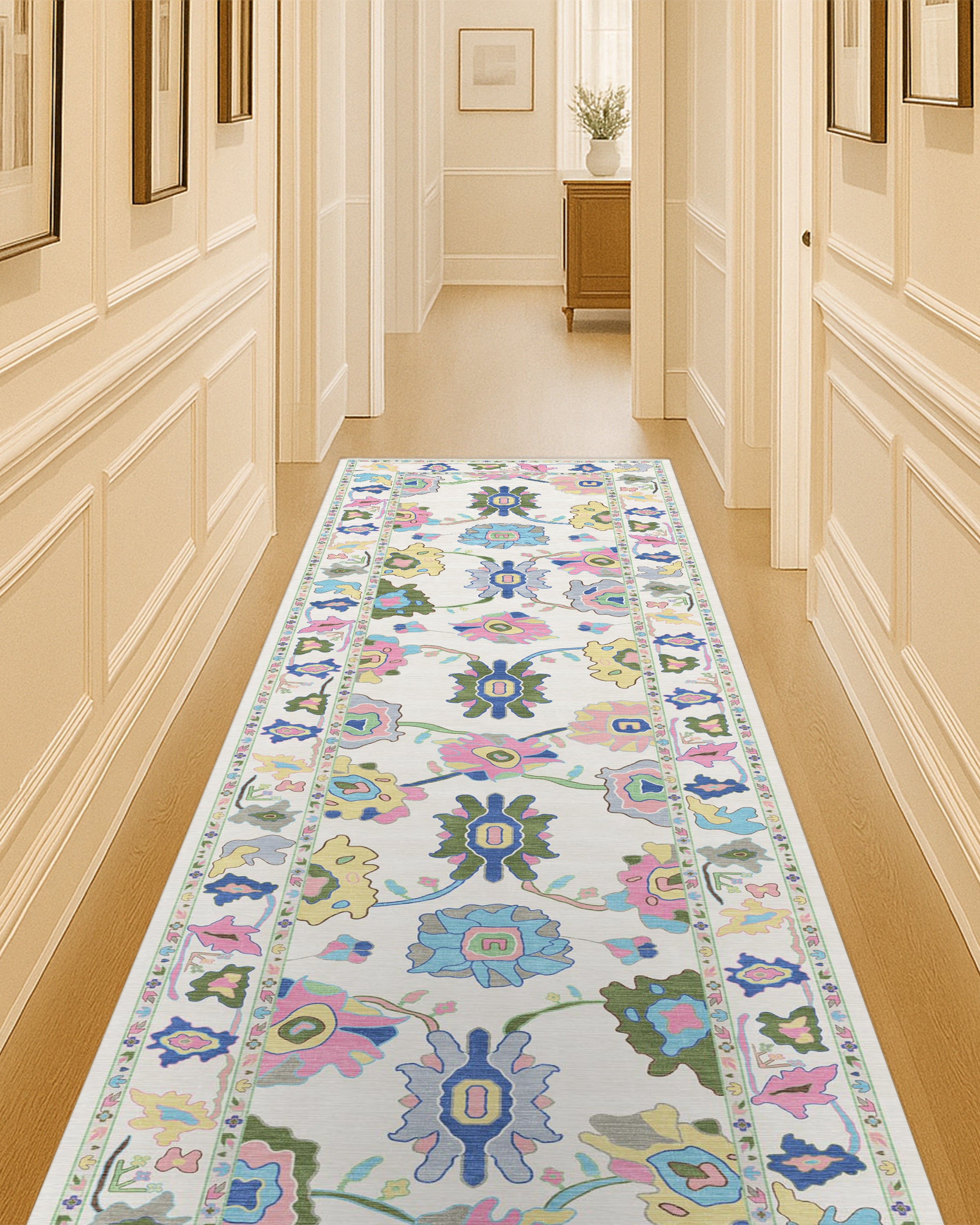
Dark blue is the single most practical colour in a vintage rug. It absorbs the appearance of everyday soil better than any pale palette, does not show footprints the way a solid pale rug does, and takes a repeating geometric pattern that hides the rest. That combination makes navy pieces a sensible choice for entryways, hallways, family rooms and dining rooms.
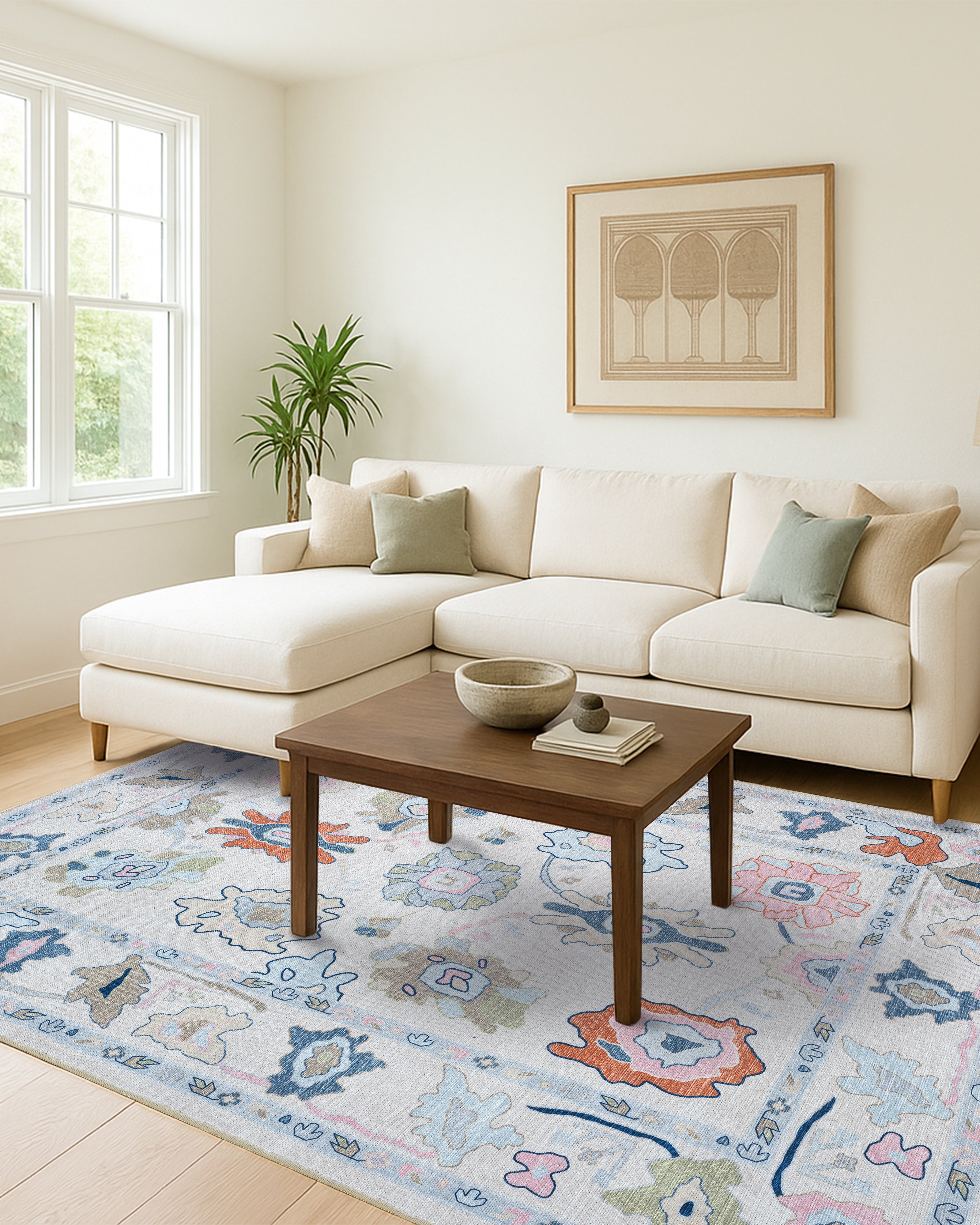
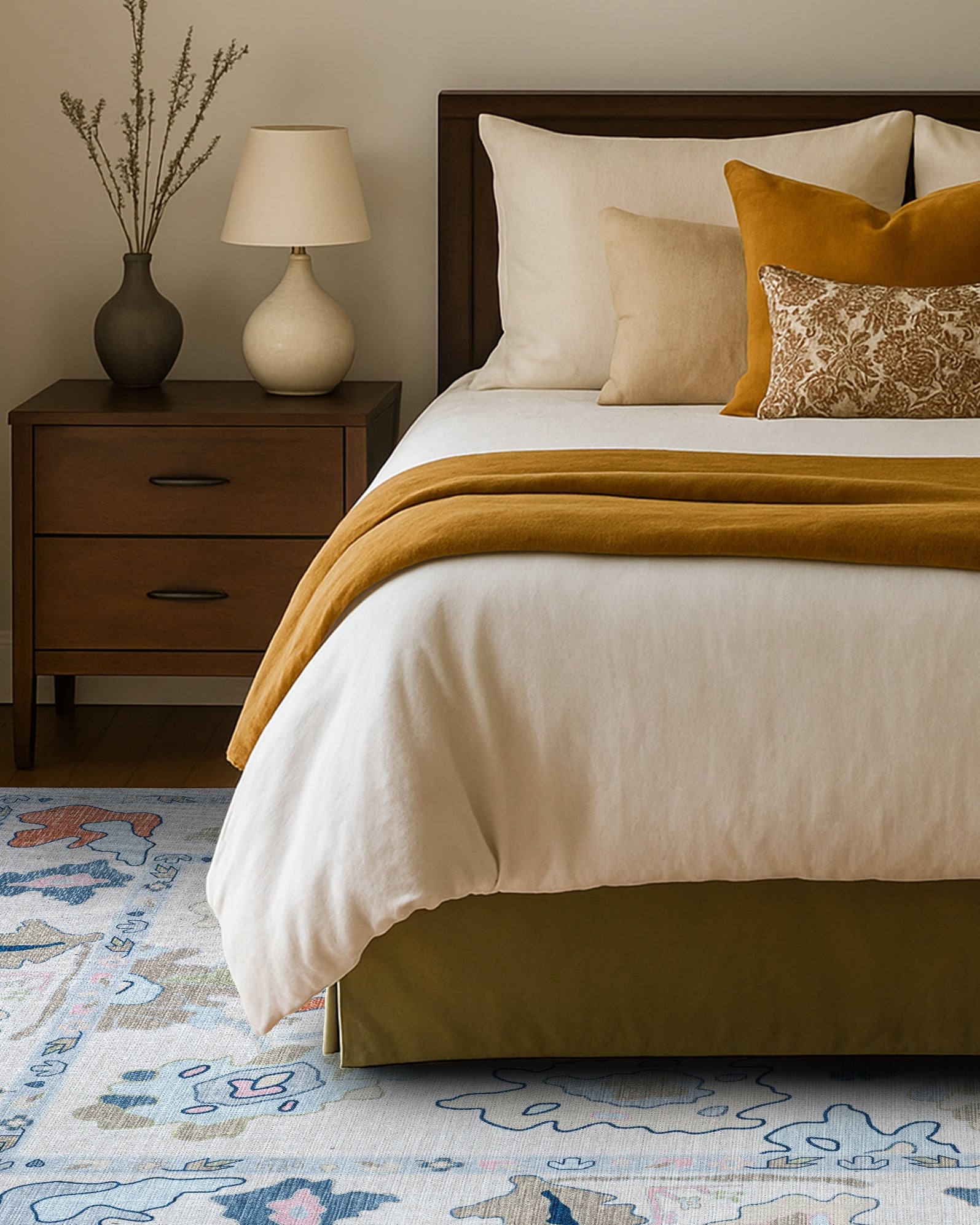
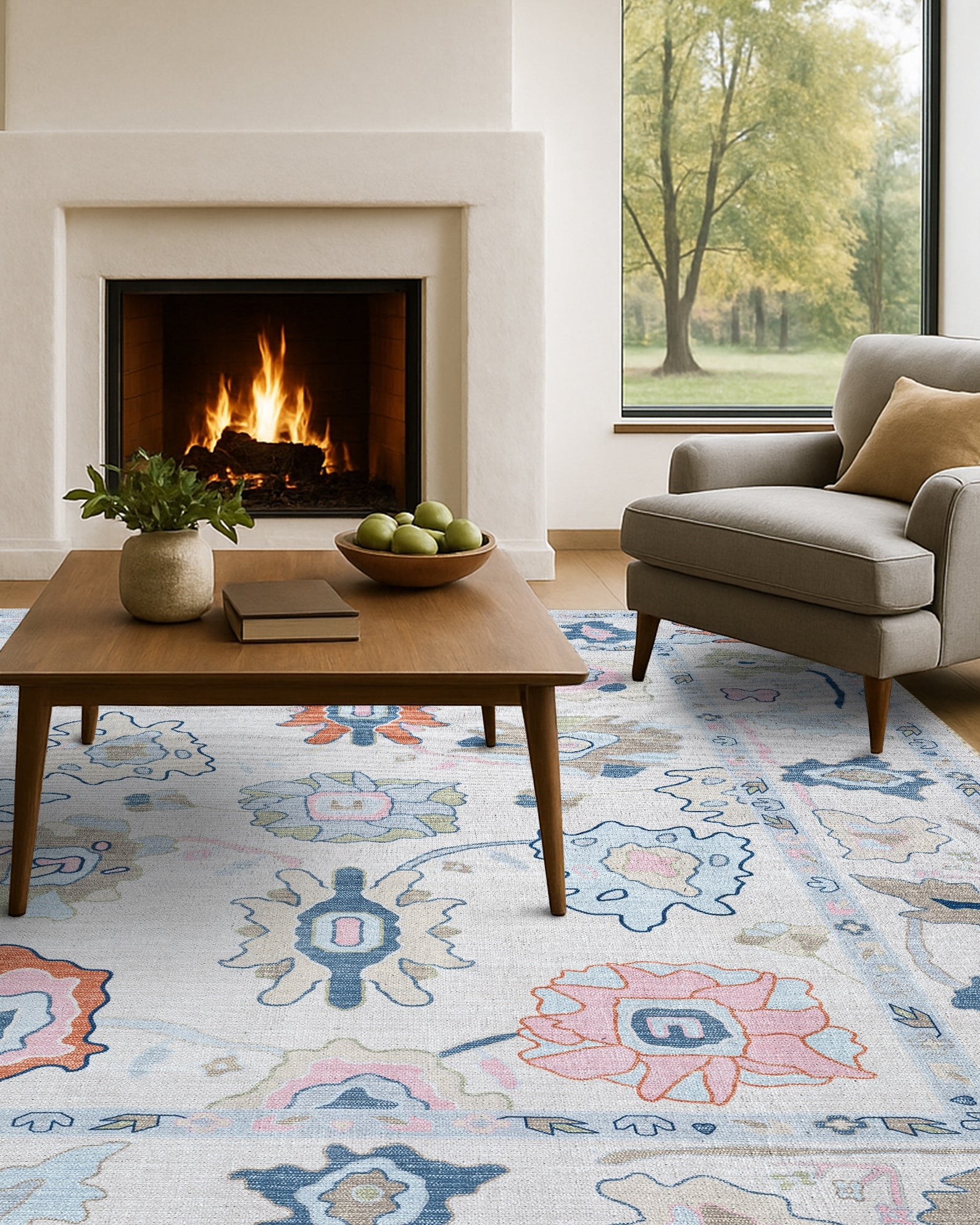
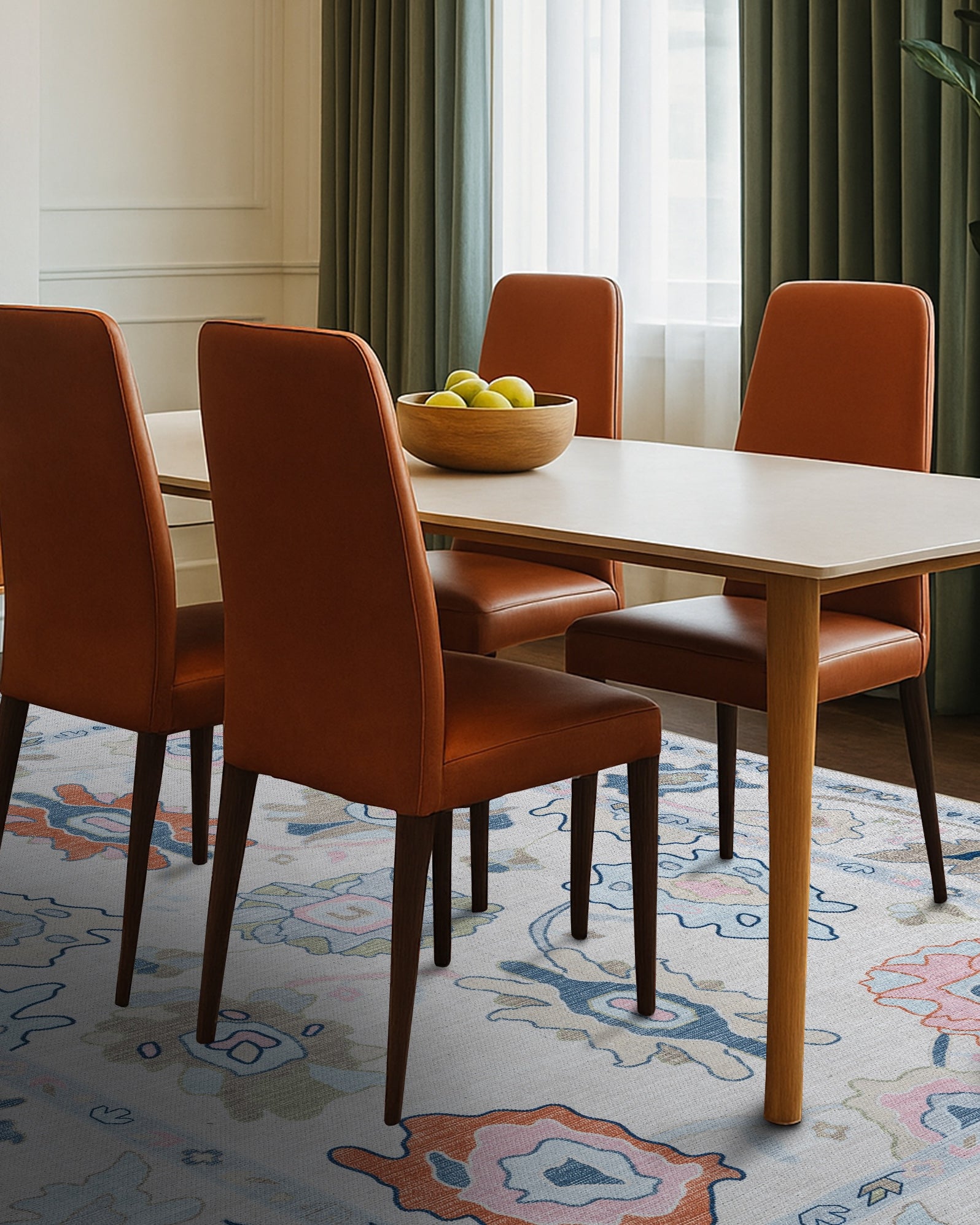
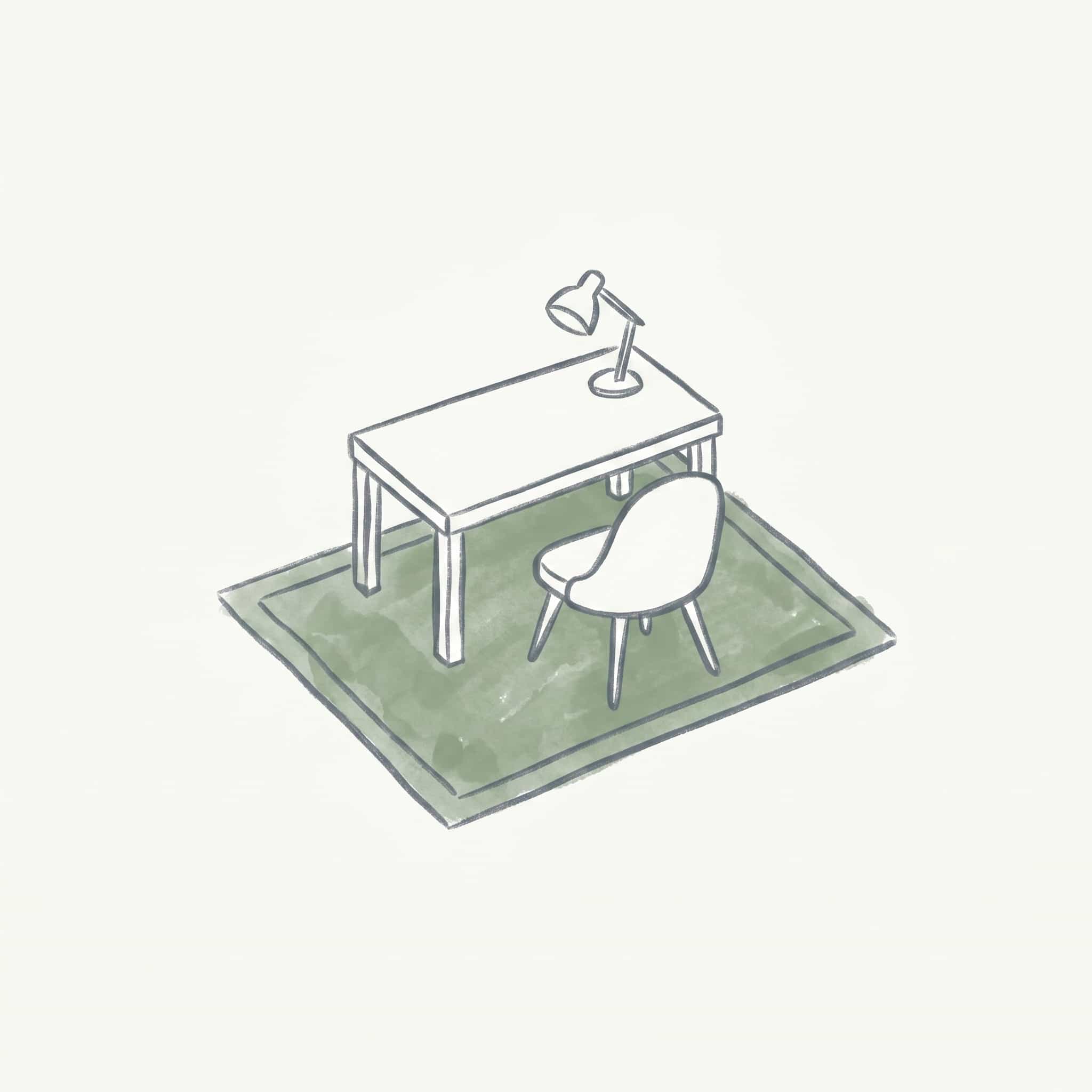
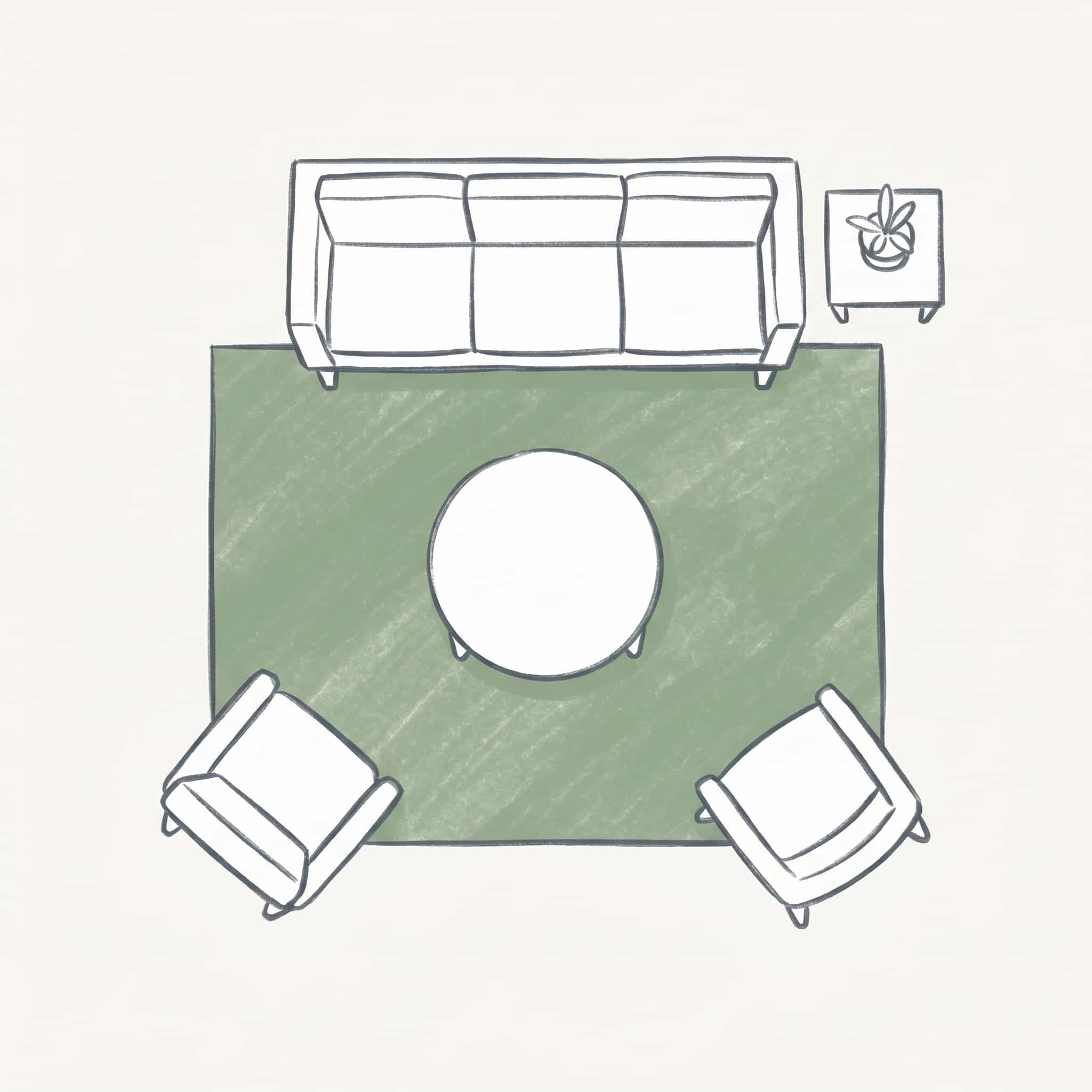
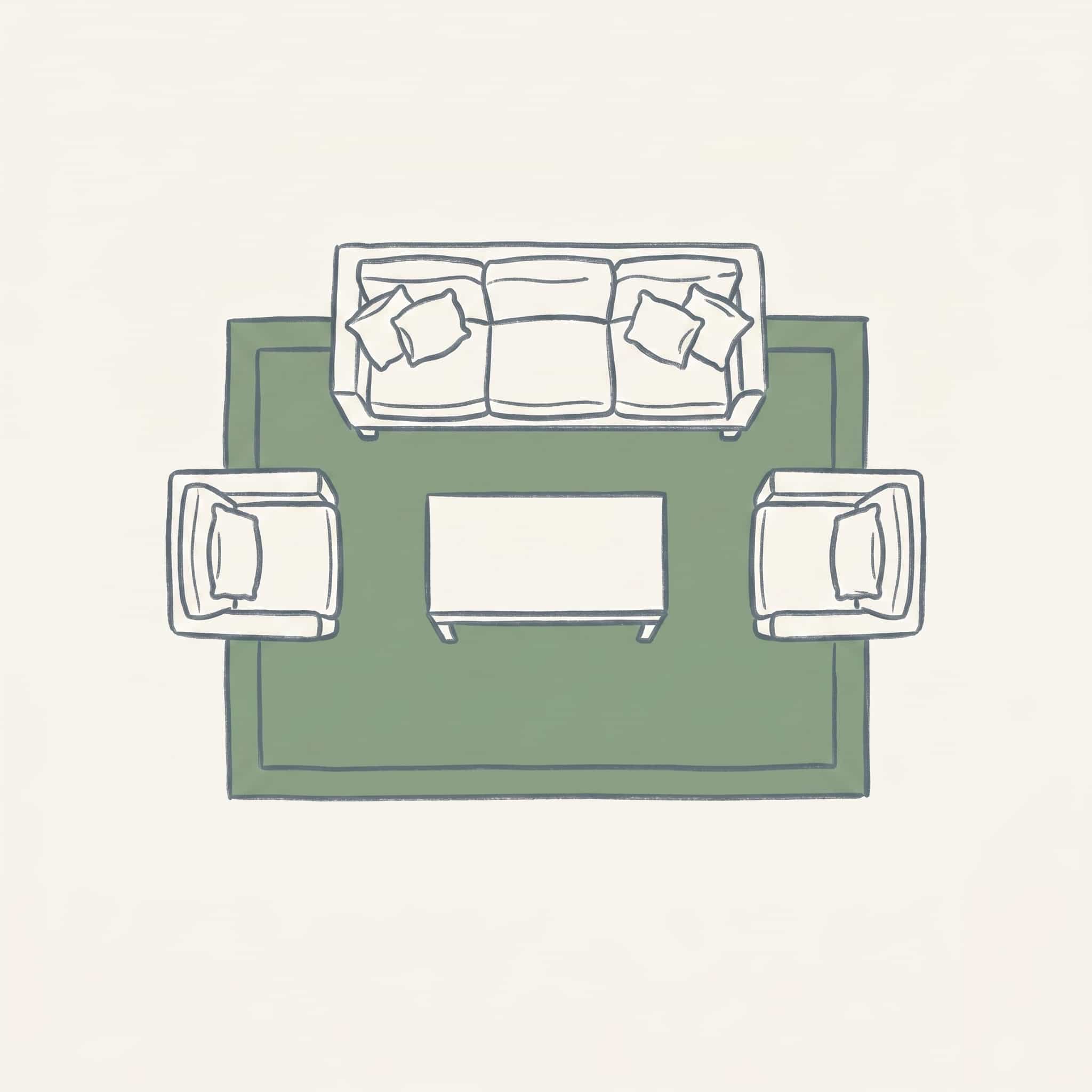
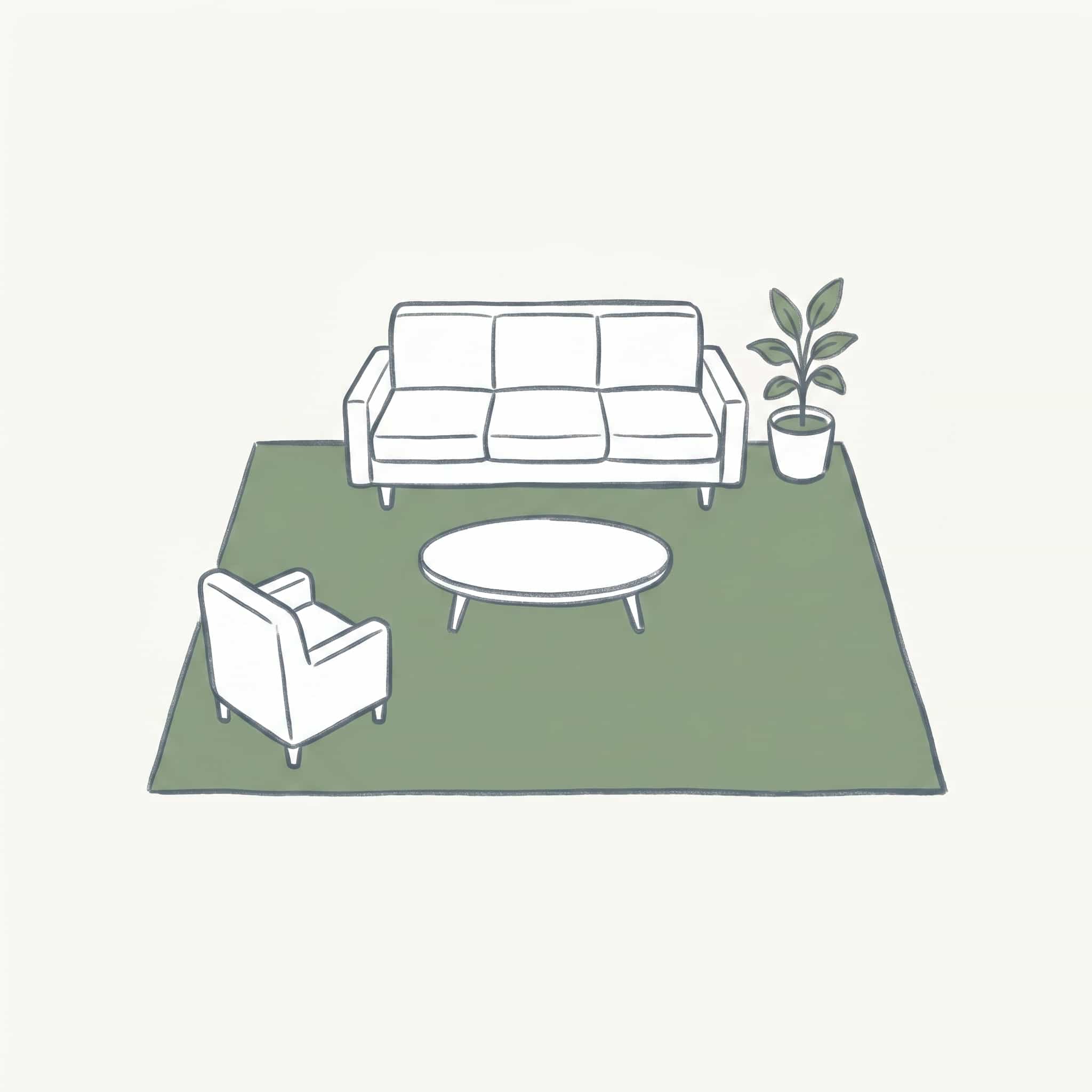
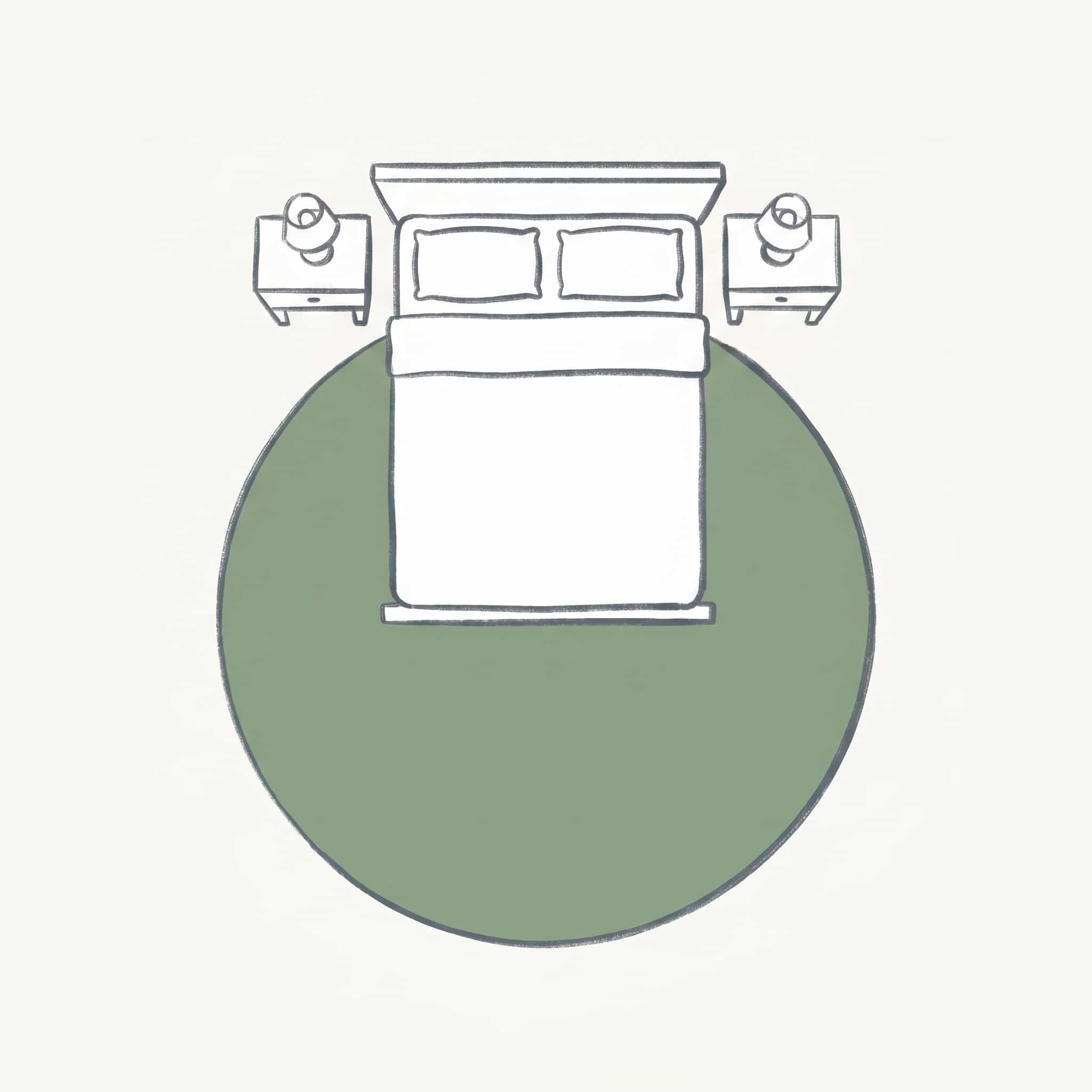
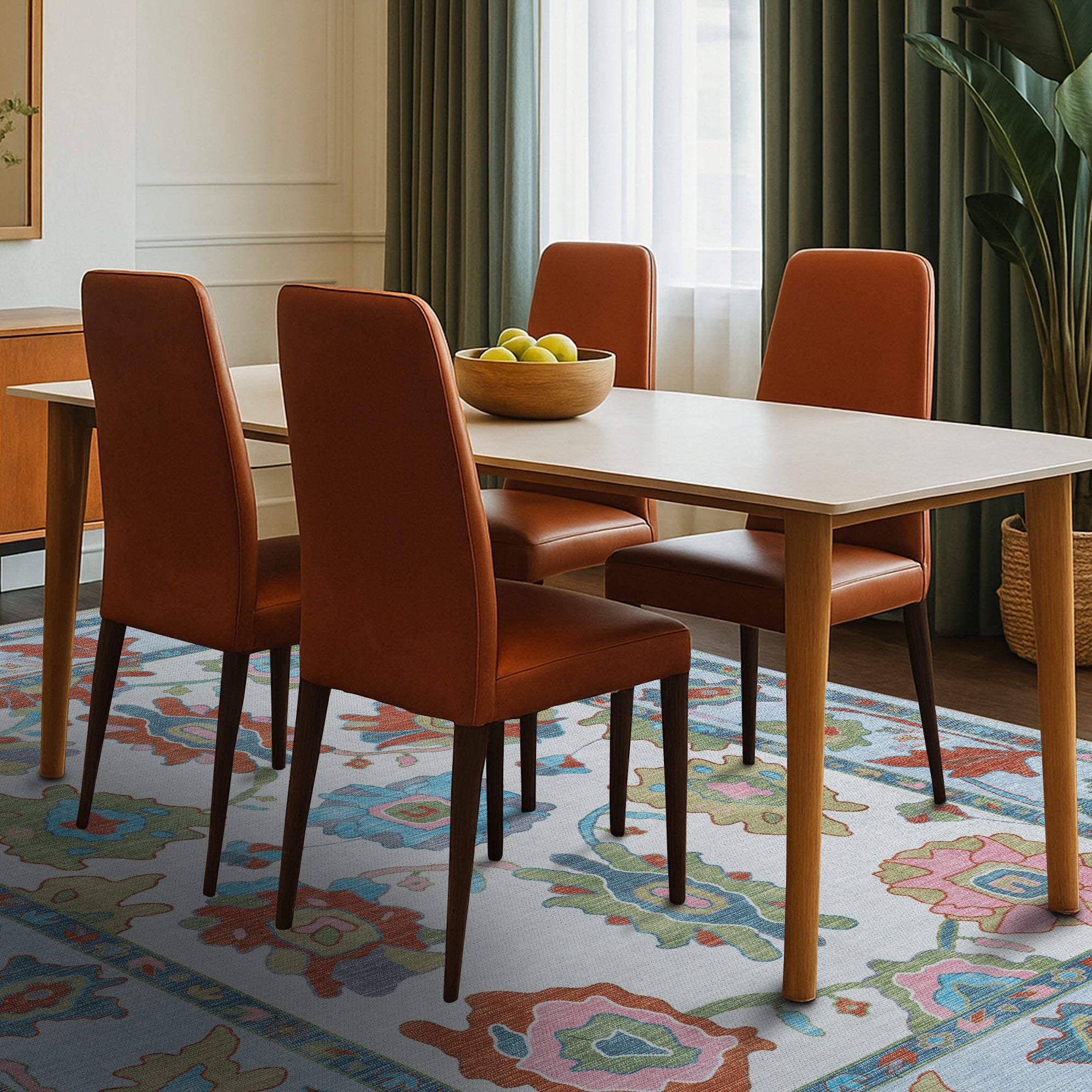
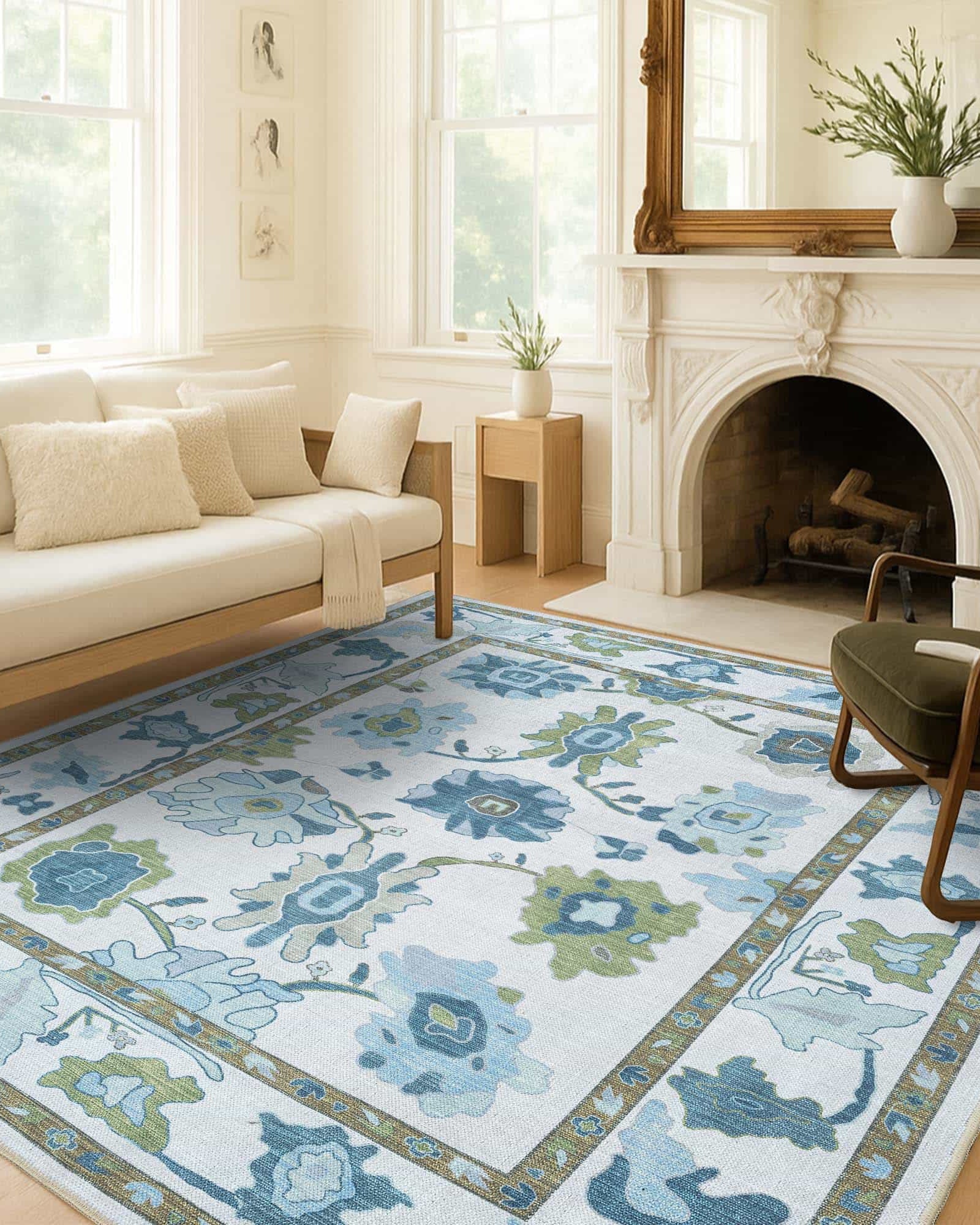
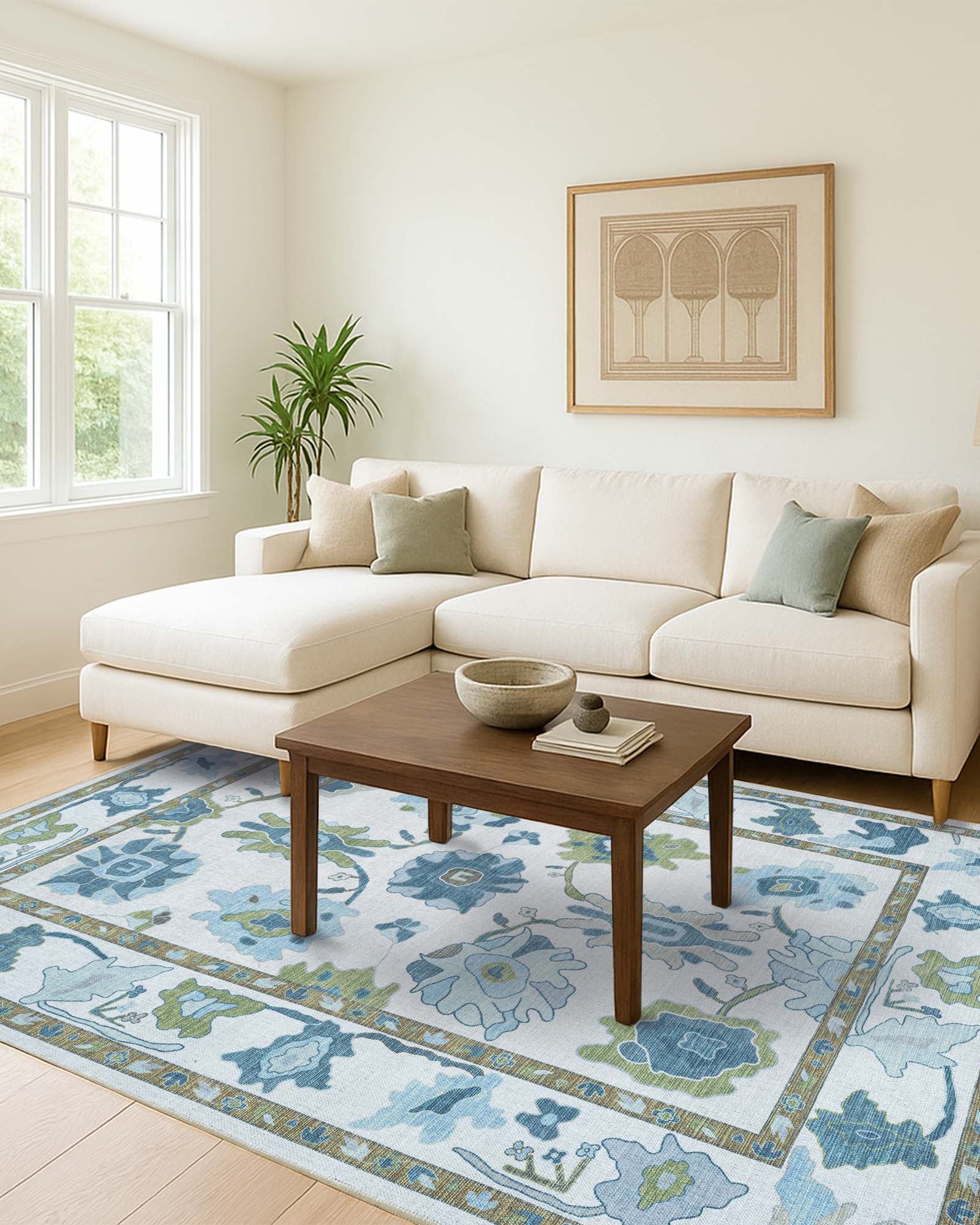
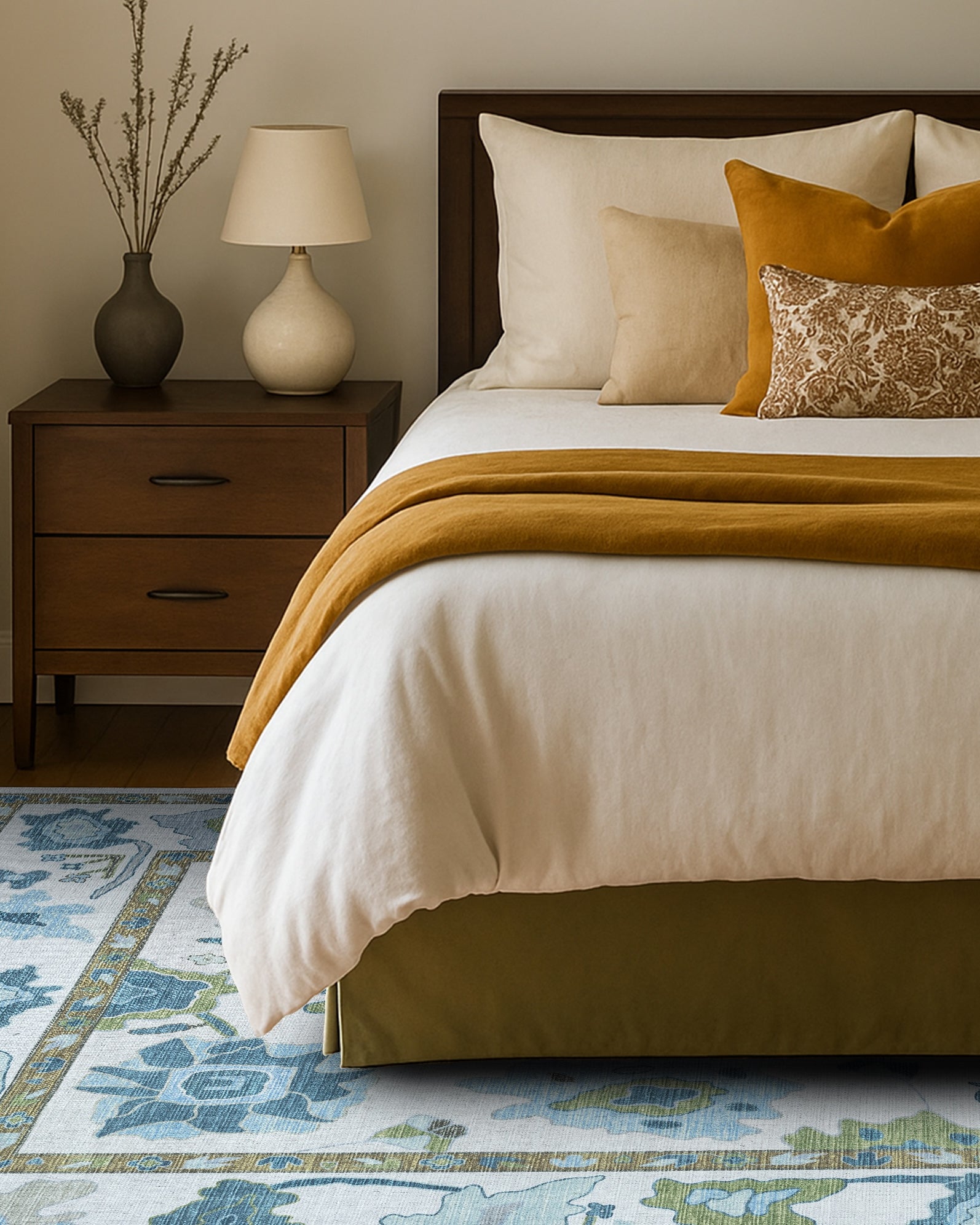
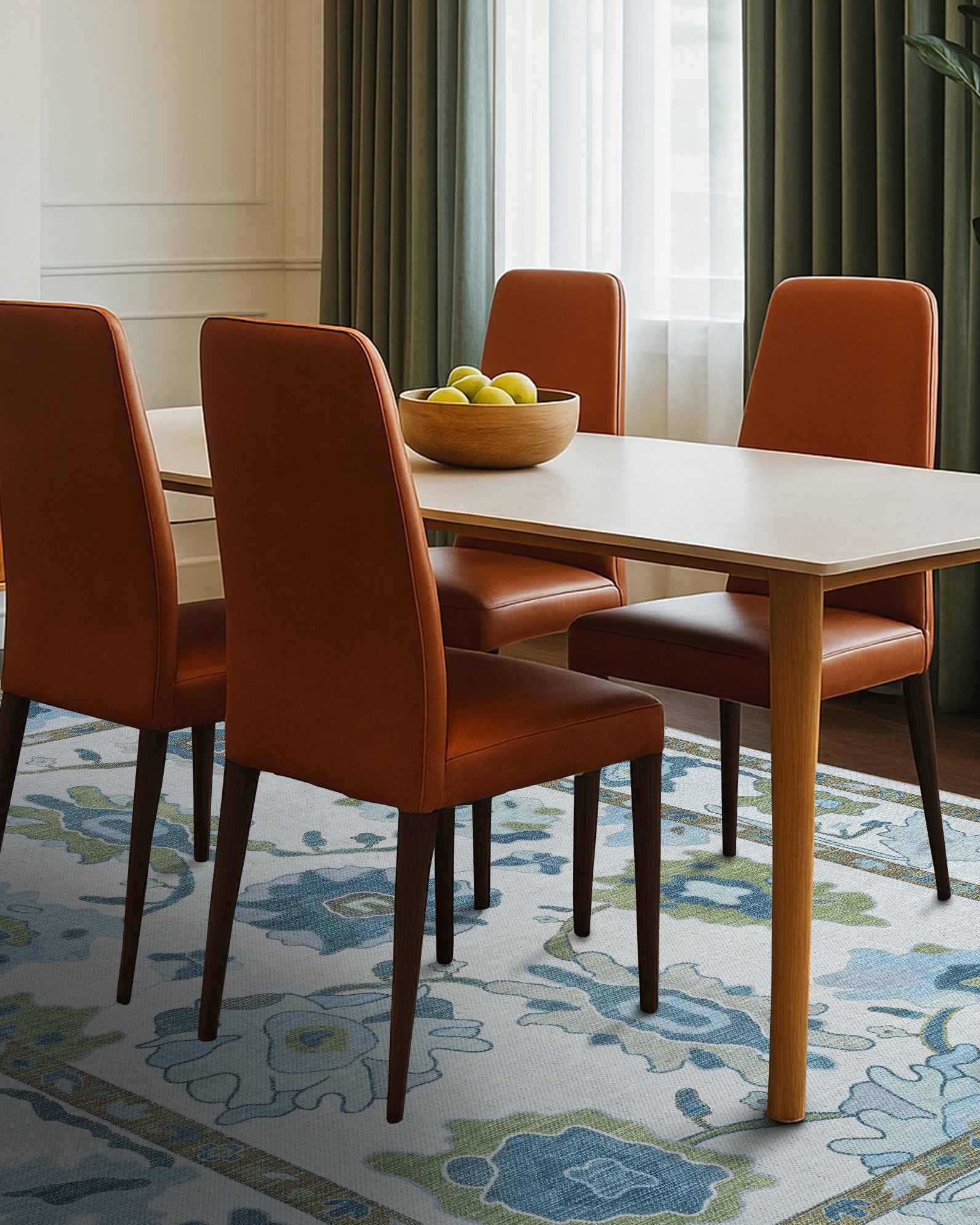
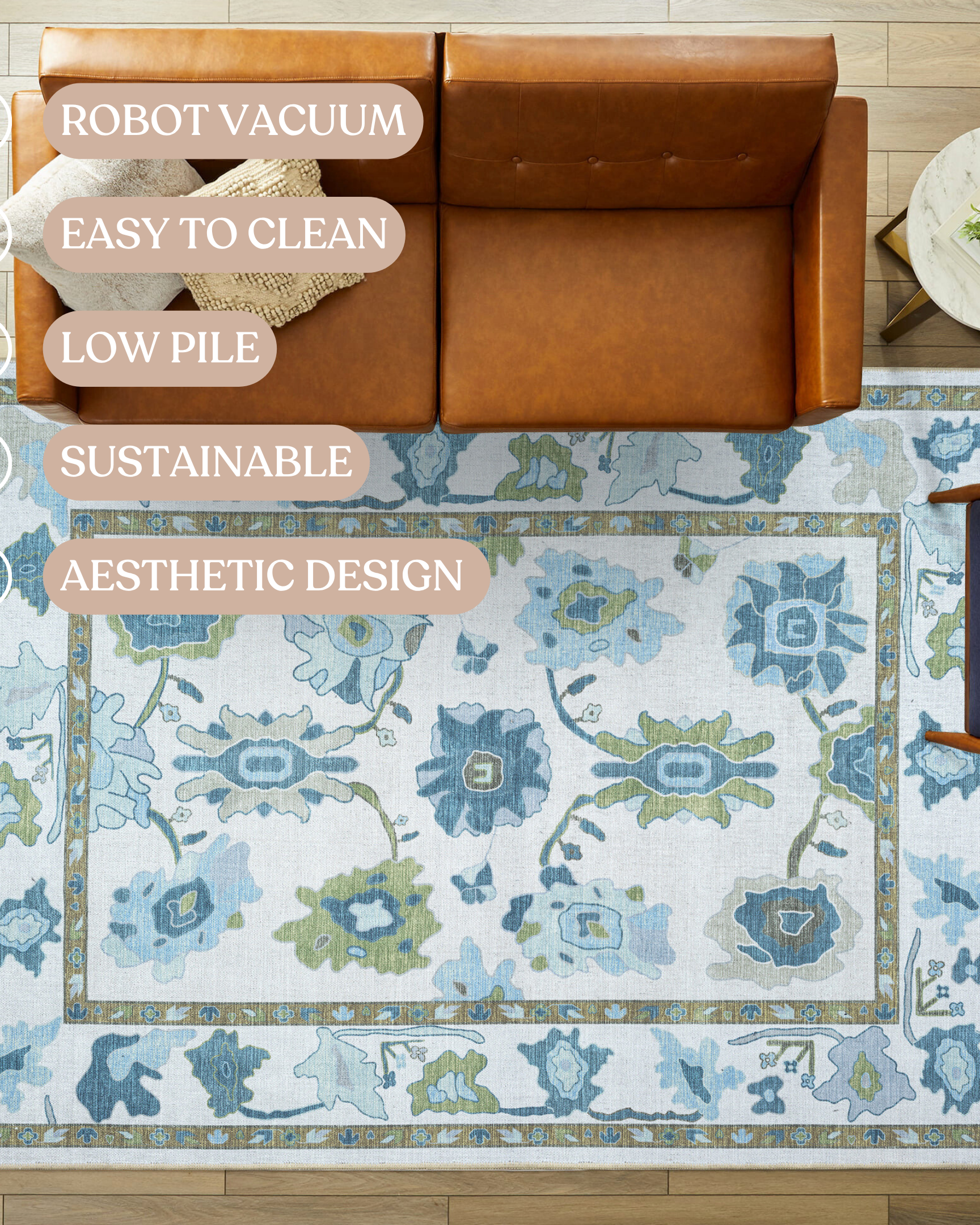
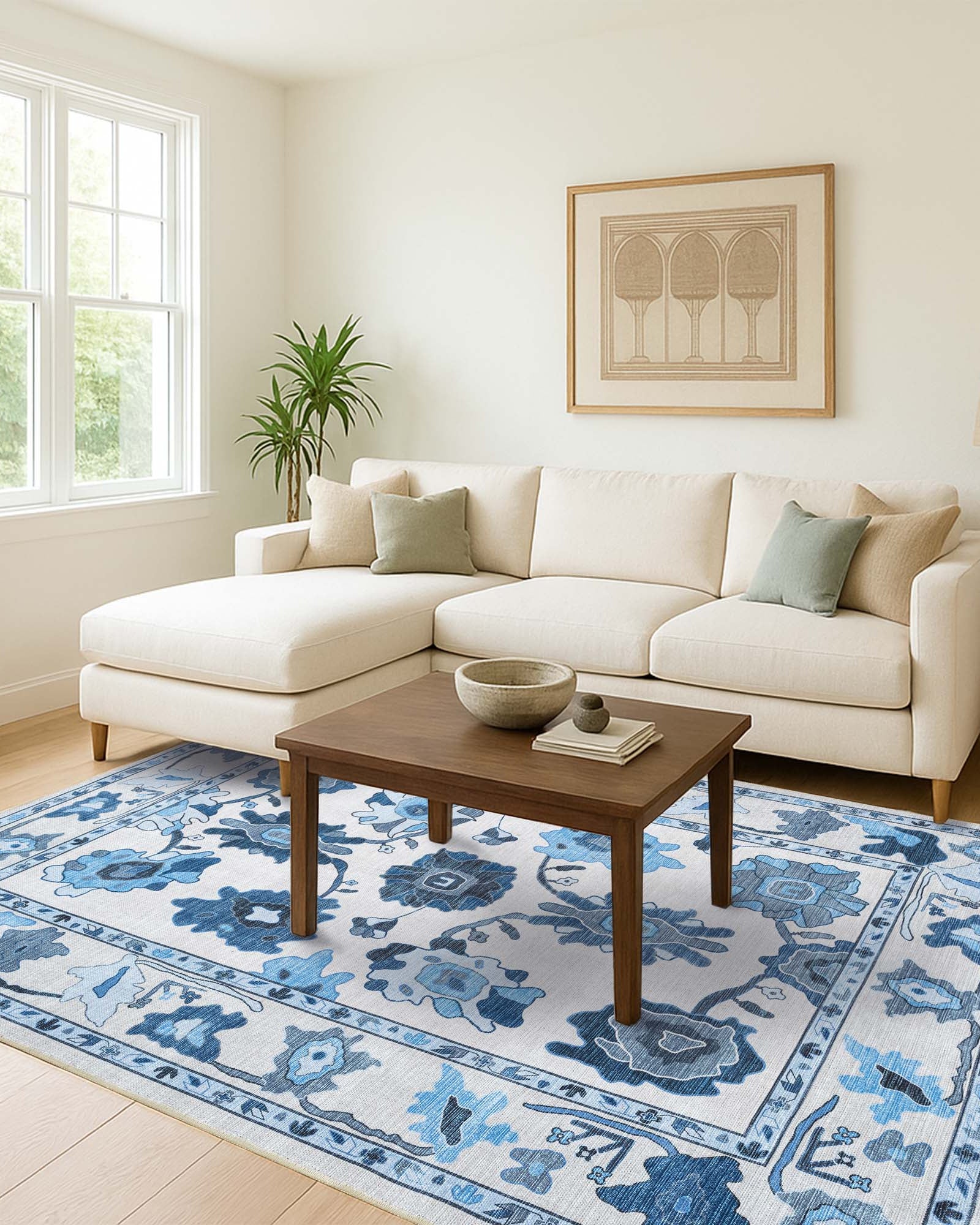
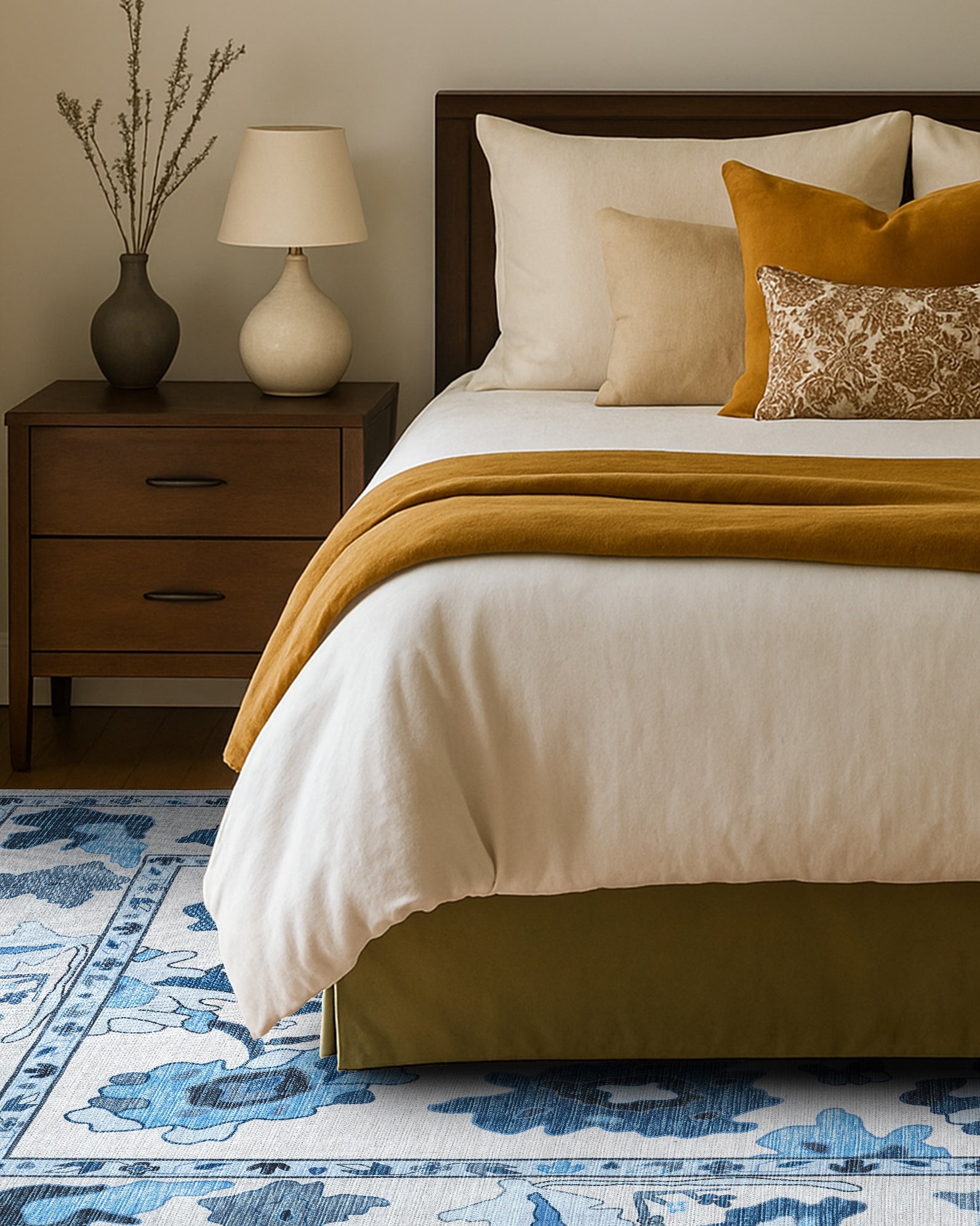
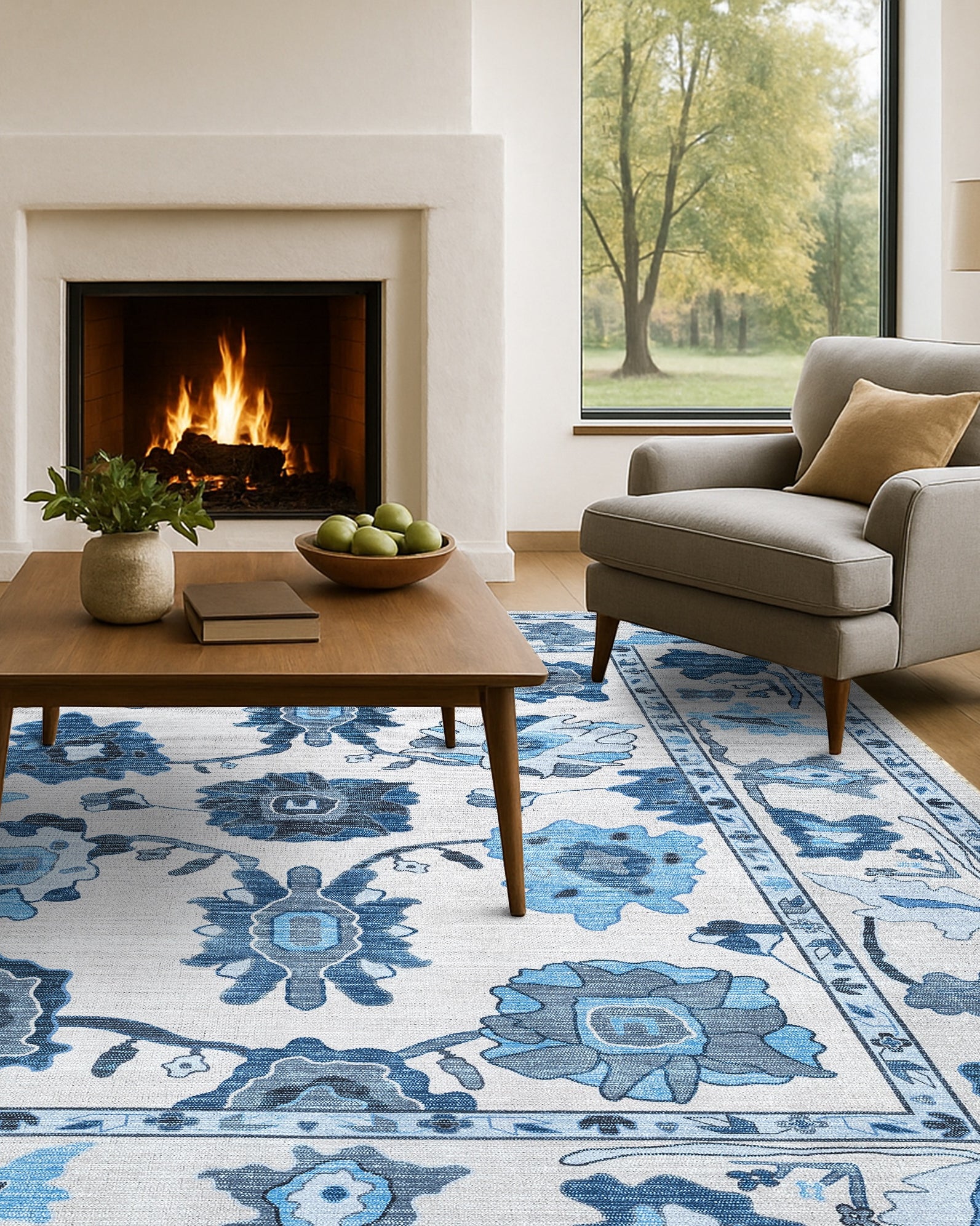
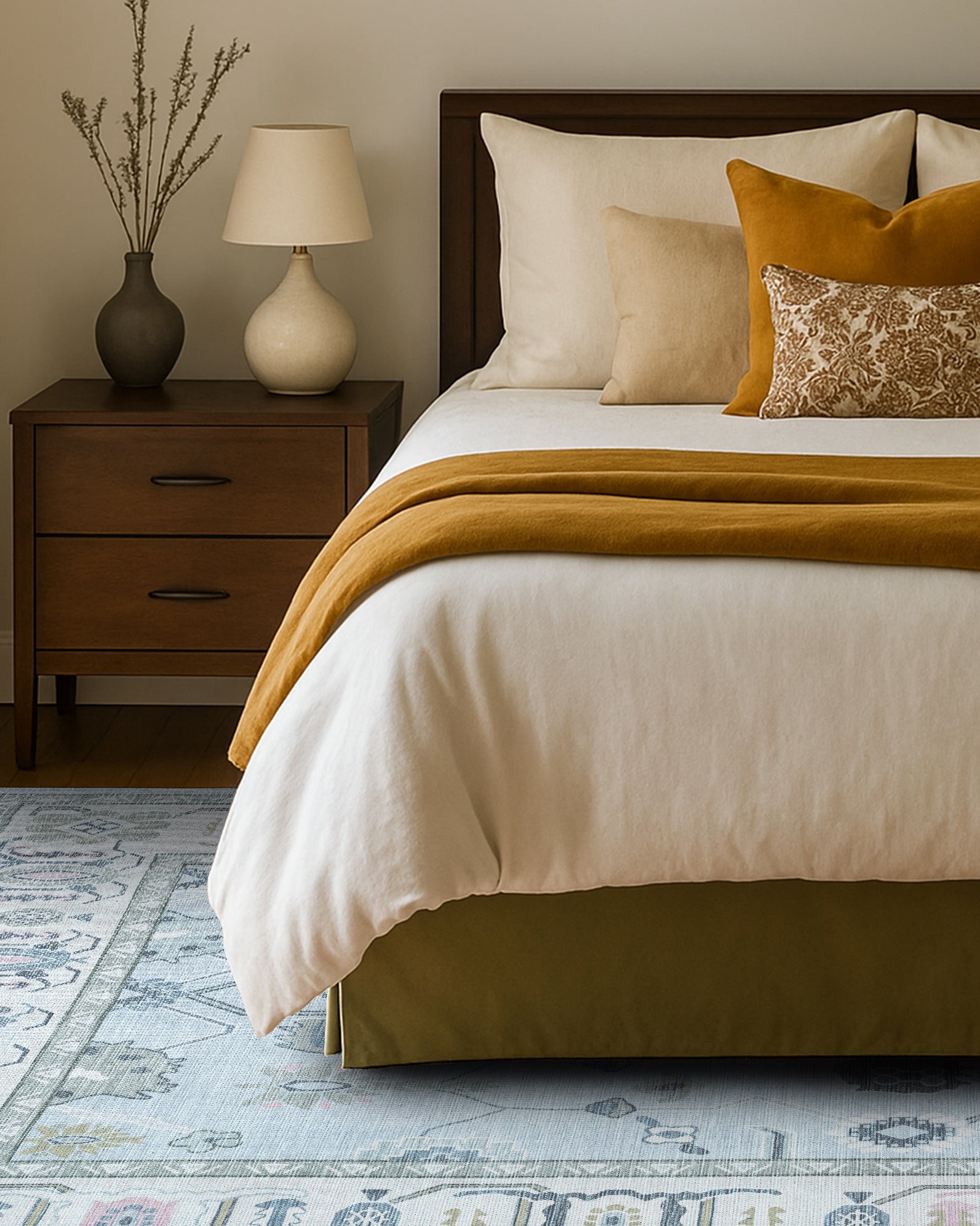
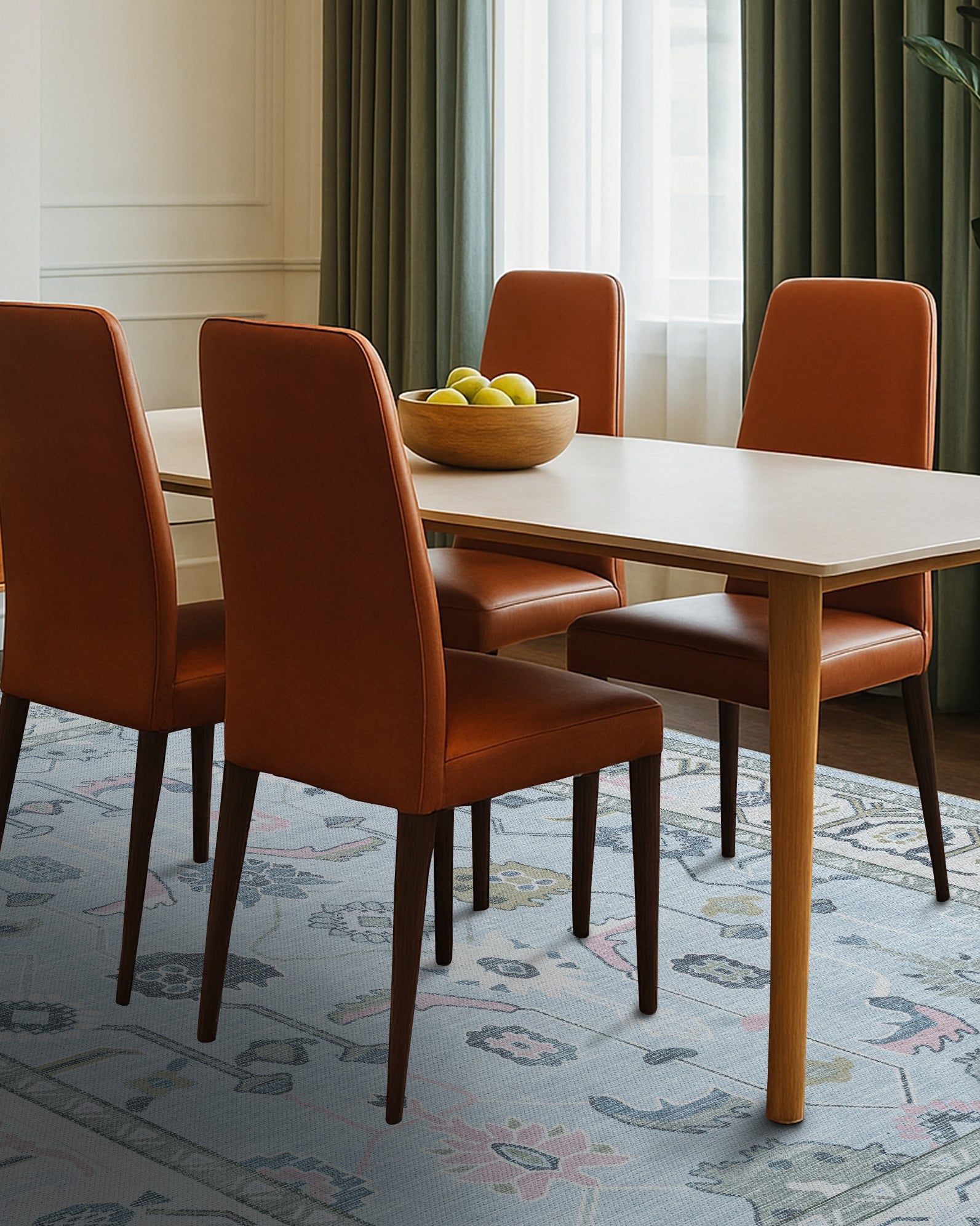
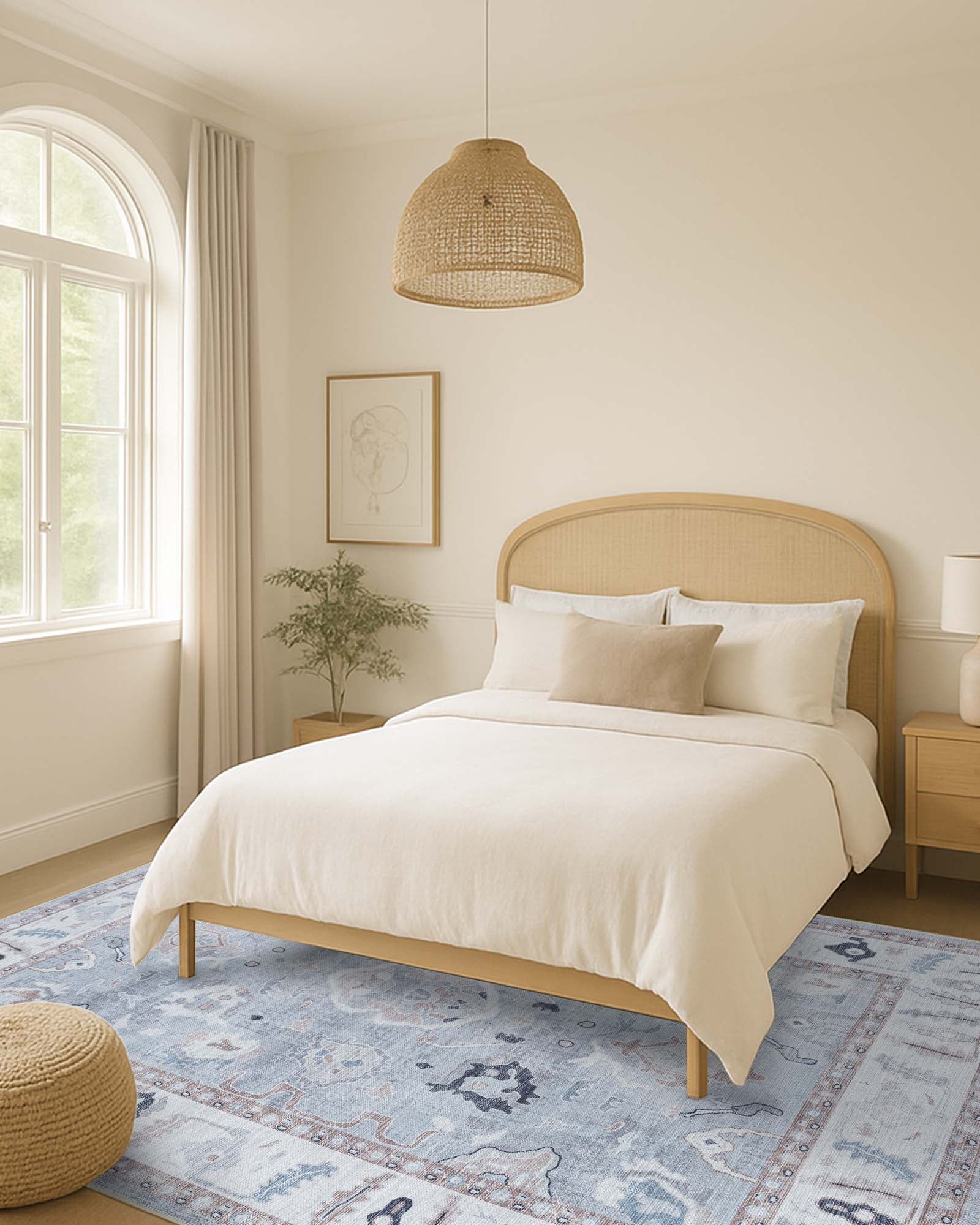
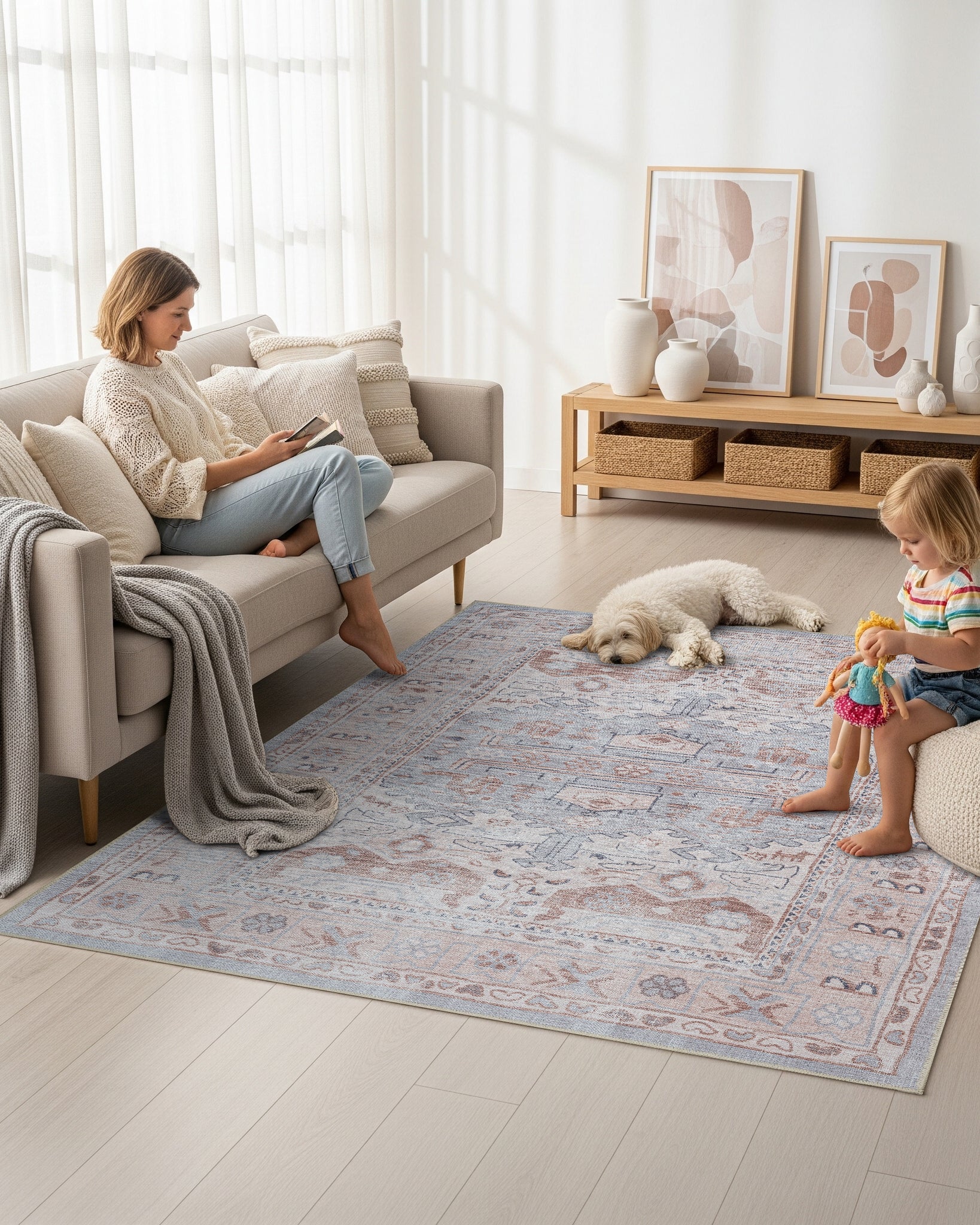
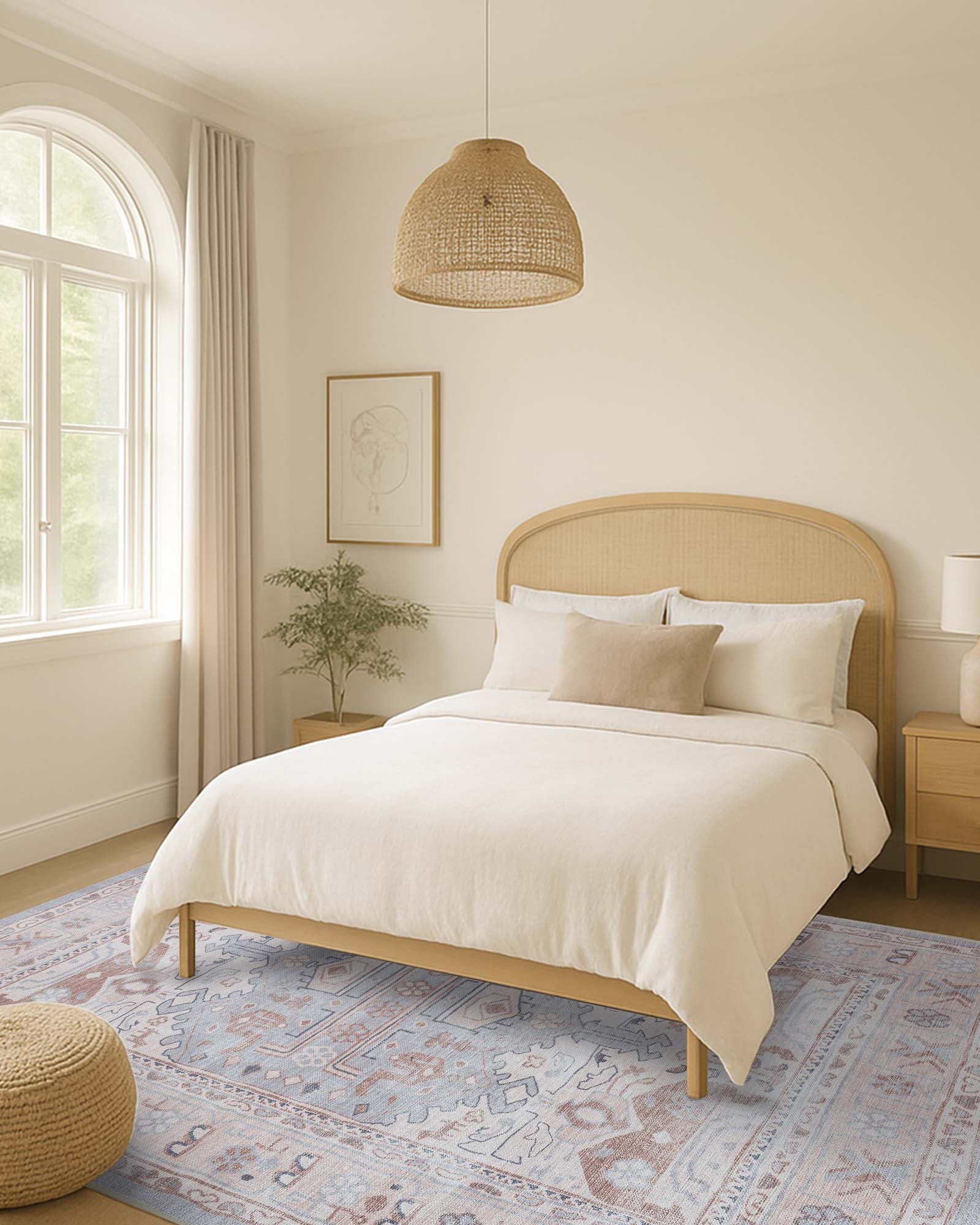
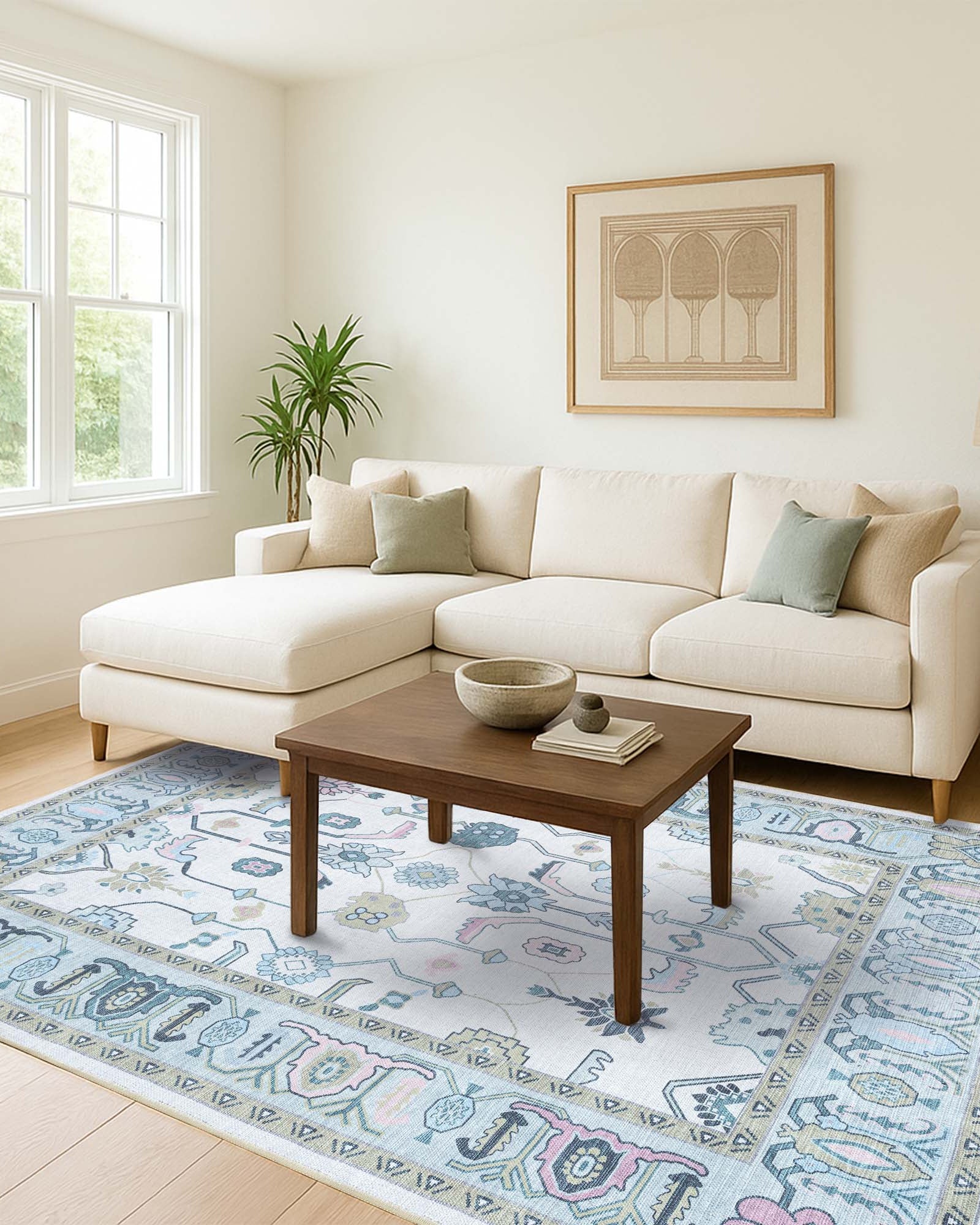
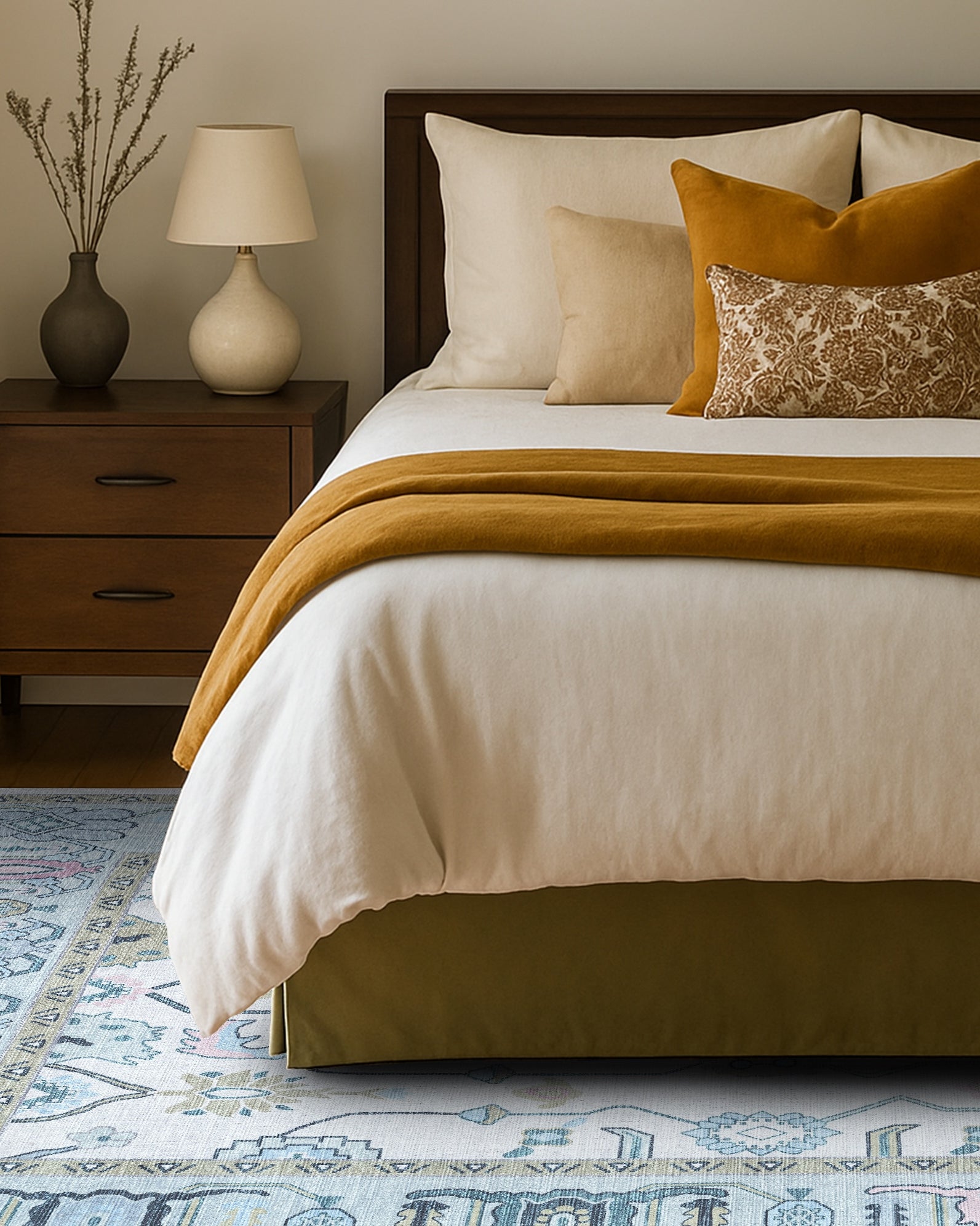
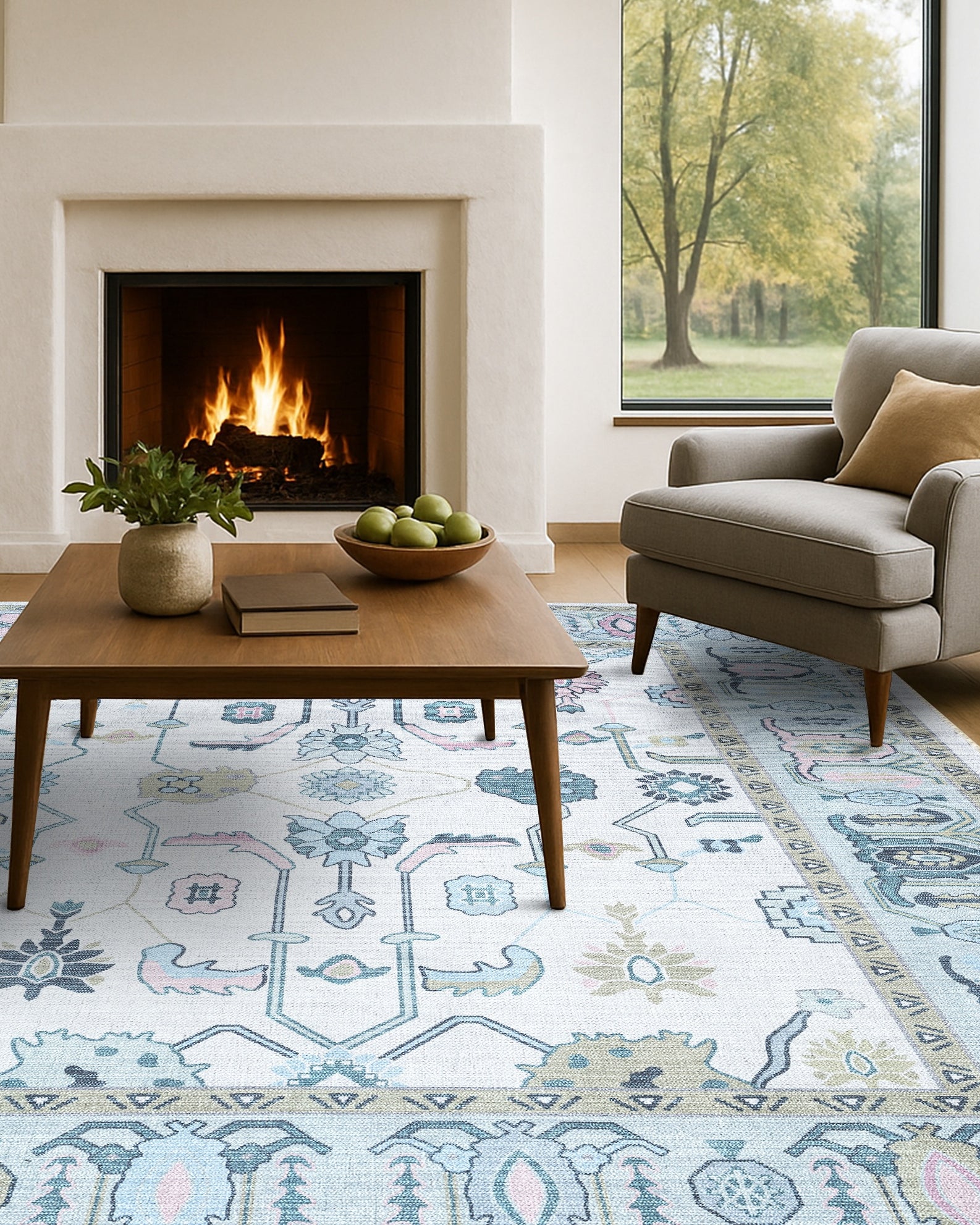
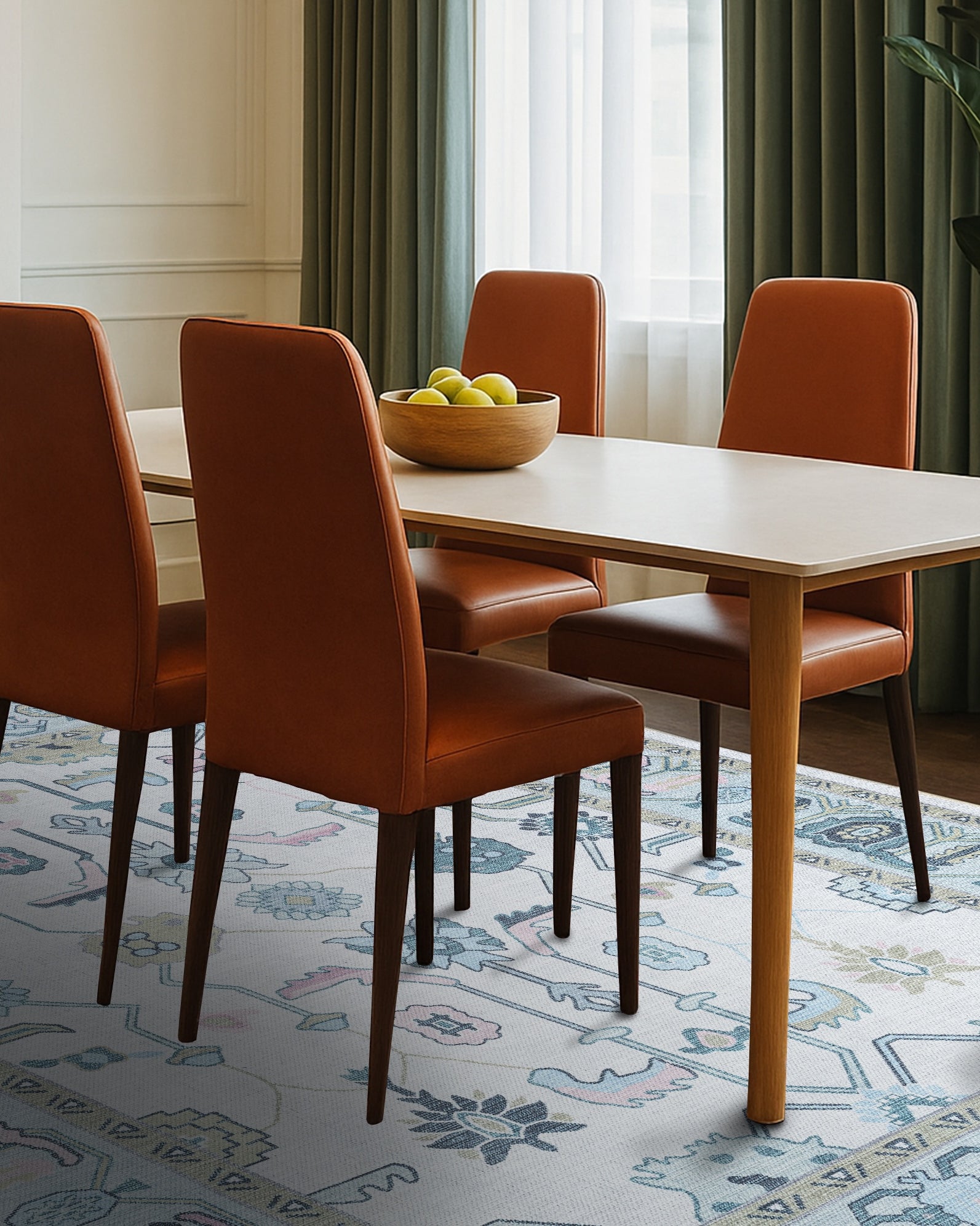
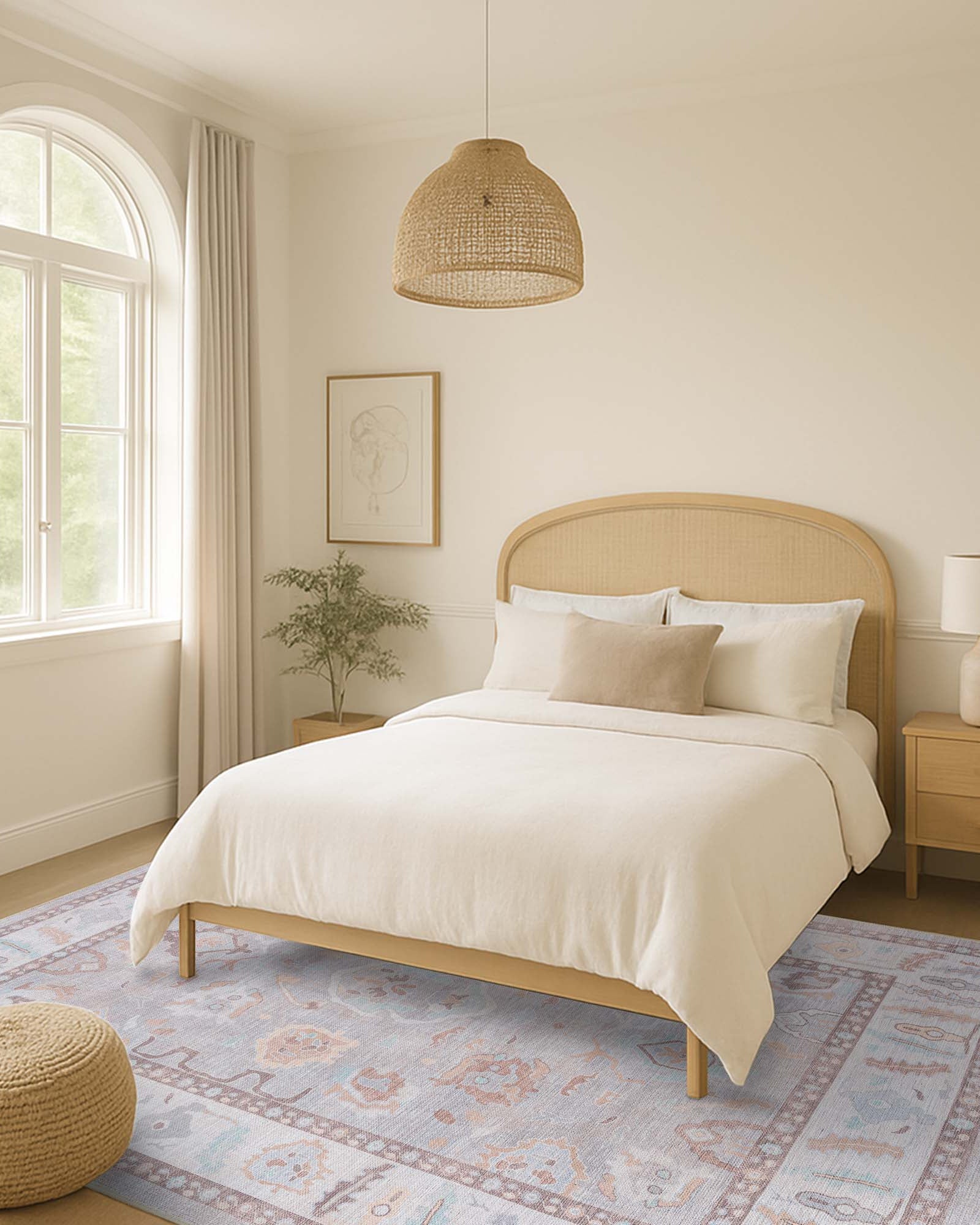
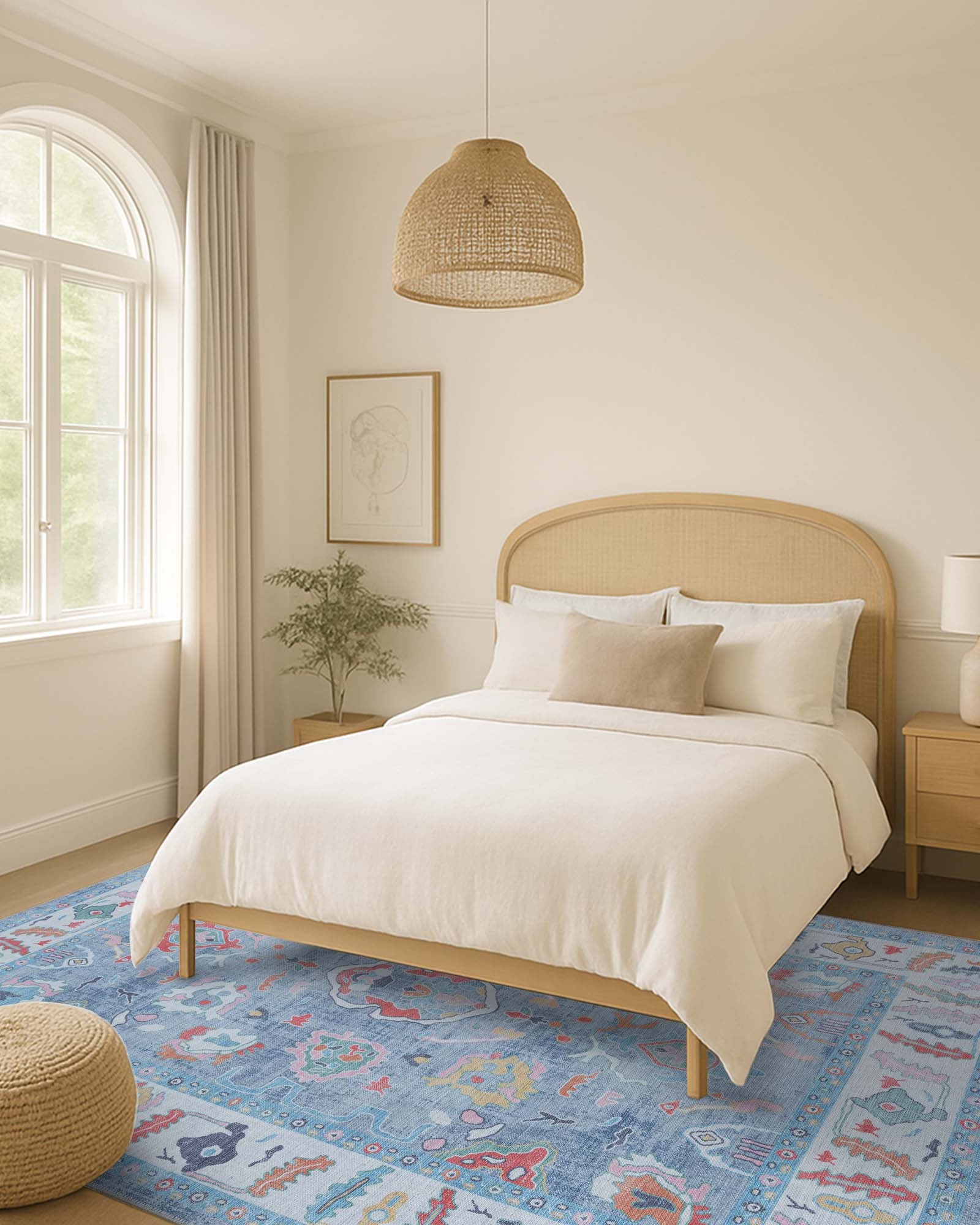
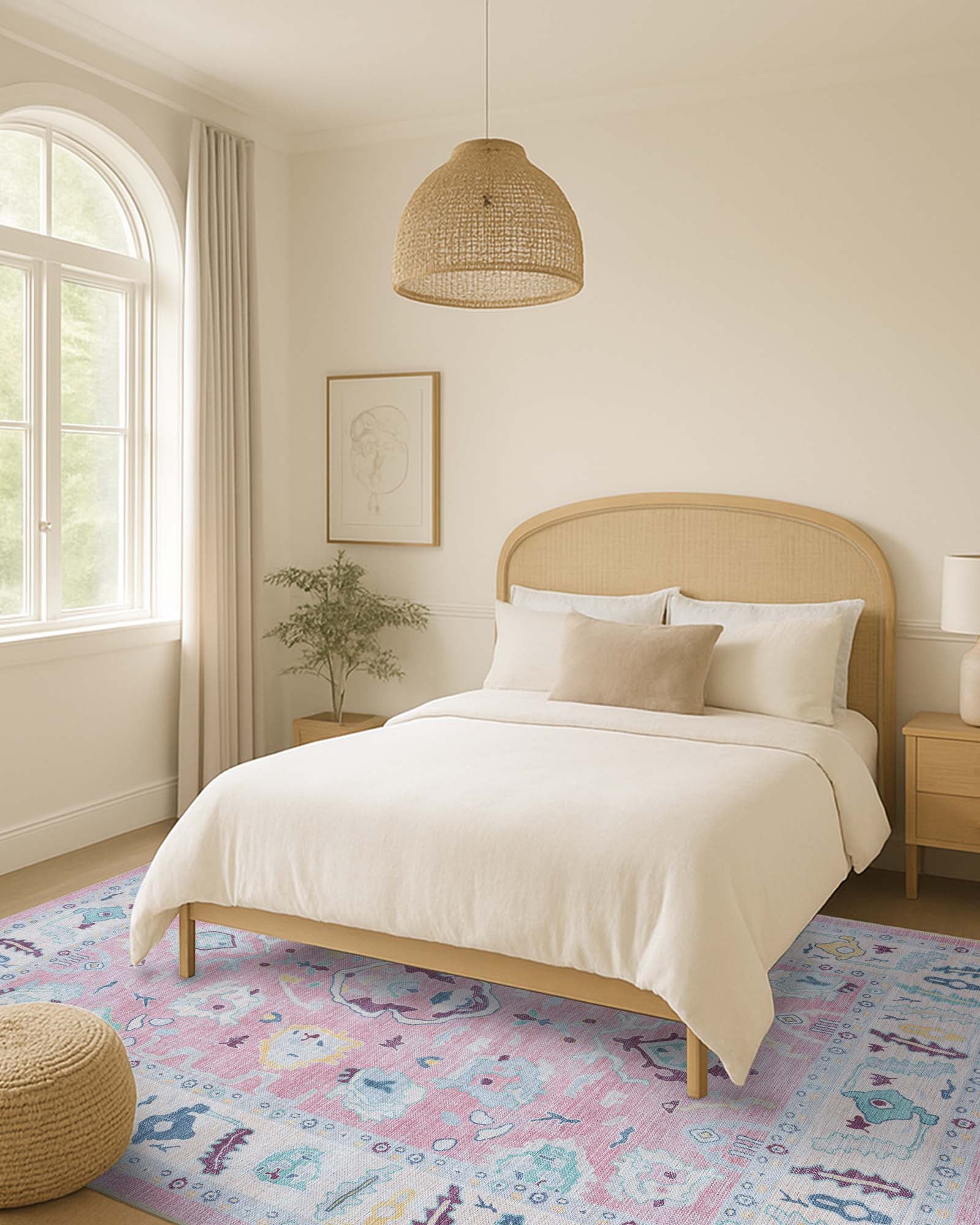
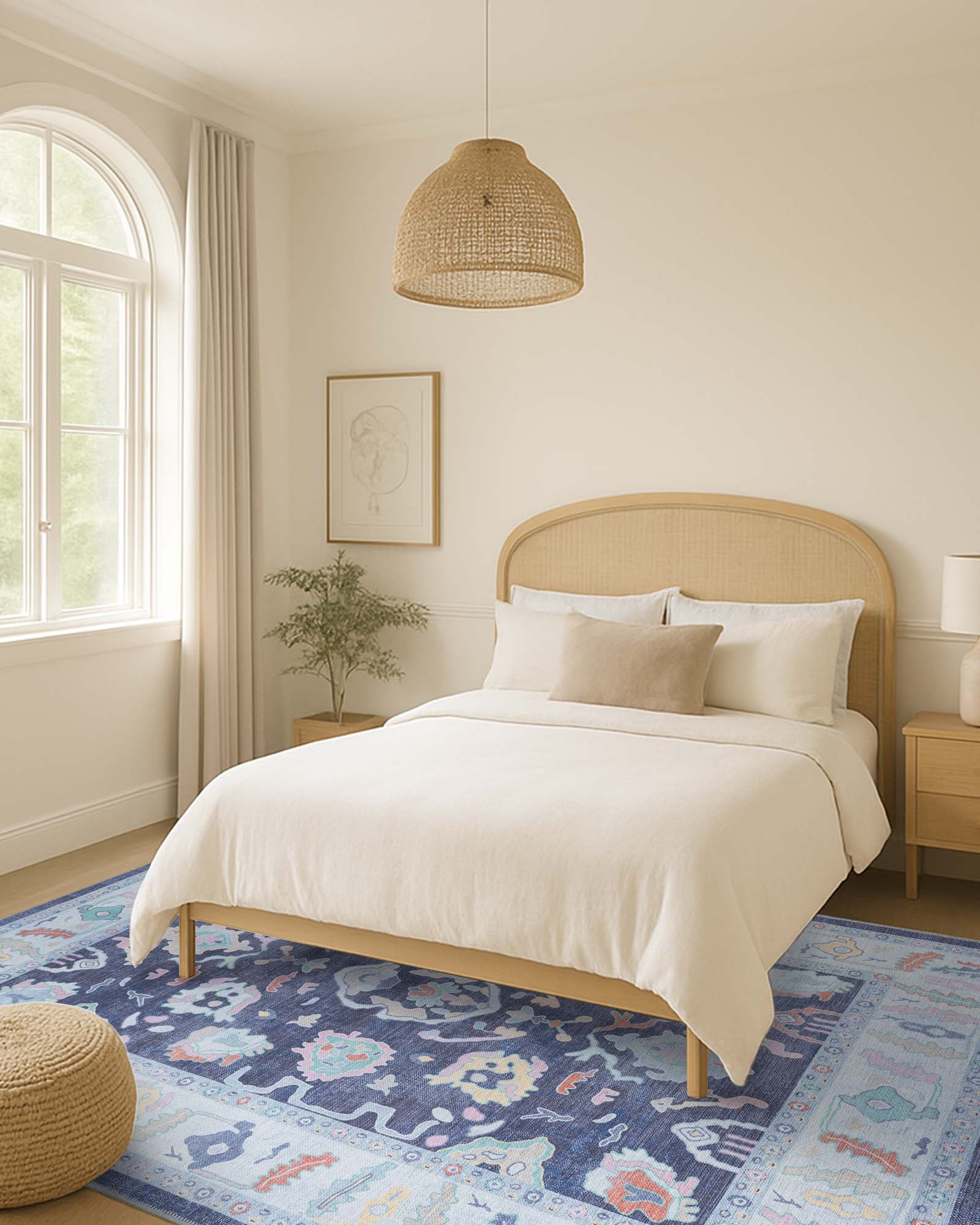
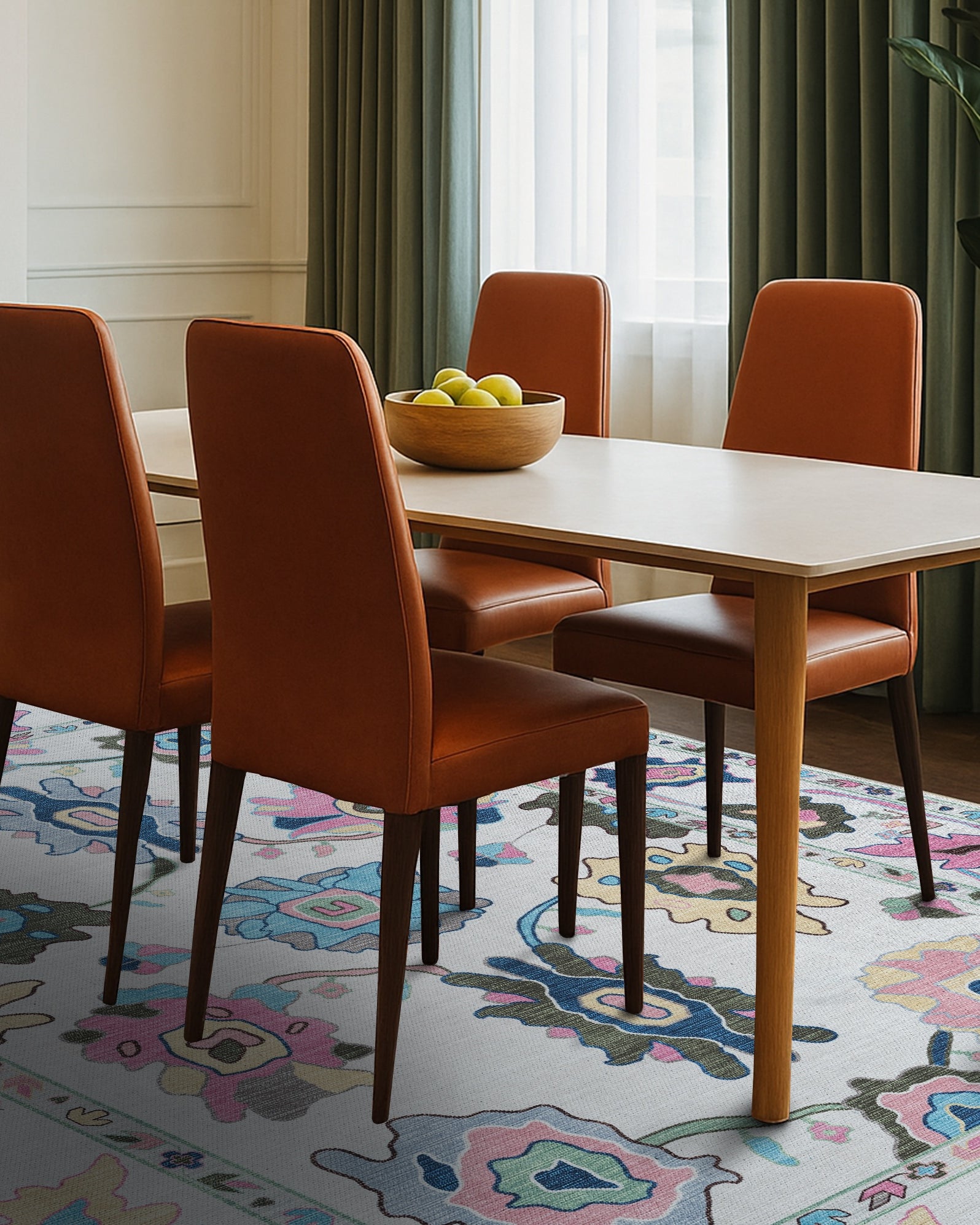
In a living room, keep at least the front legs of every seating piece on the rug. In a dining room, allow 24 inches past the table on all sides so chairs stay on the surface. In a bedroom, run the rug 18 to 24 inches past each side of the bed. Blue rugs also handle warm-toned rooms well — the contrast with wood, terracotta and brass is what makes an indigo field read rich rather than cold.
Condition, Age and Measurement
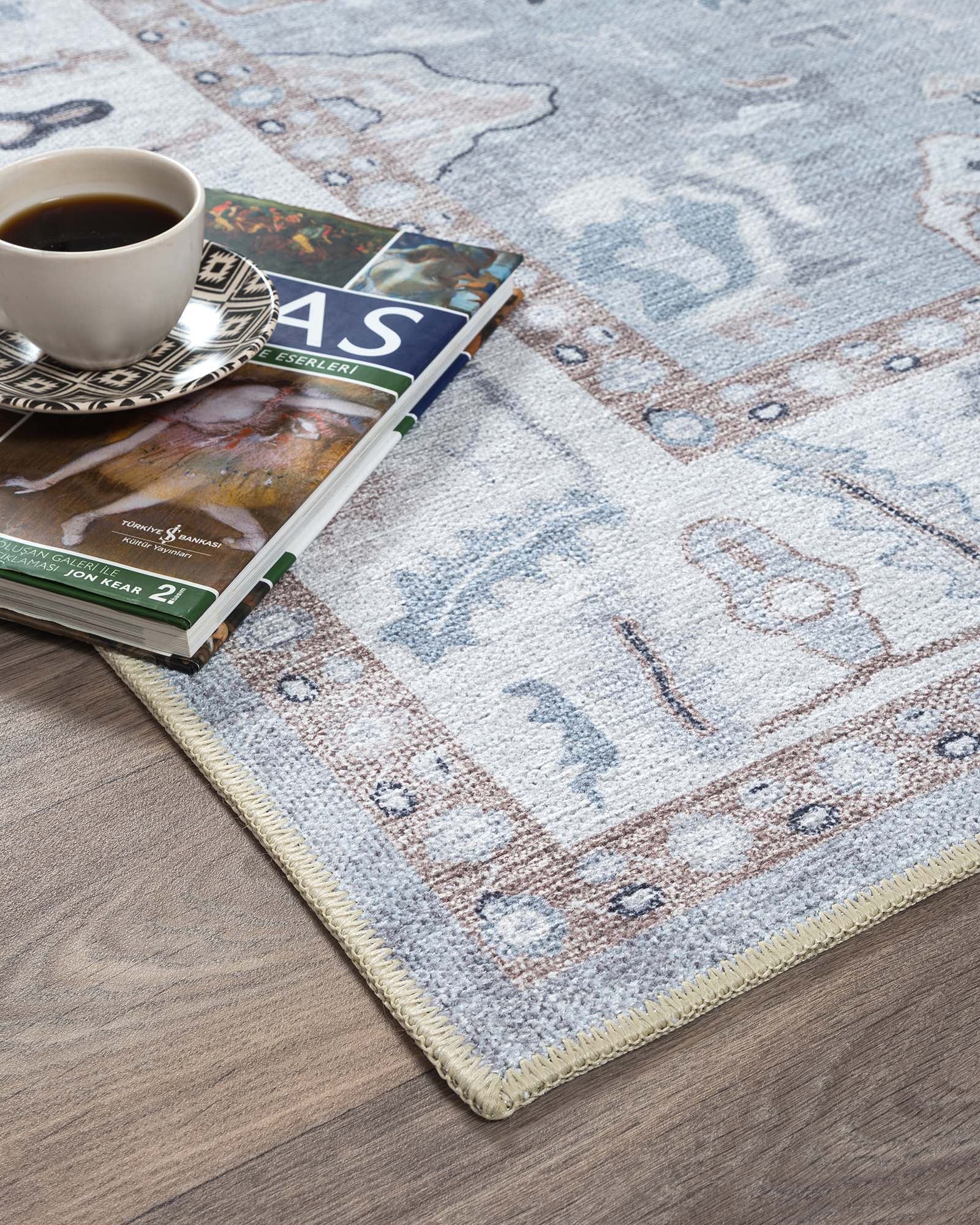
Pieces are grouped as antique at over eighty years, vintage at roughly forty to eighty, and semi-vintage below that. Each product page carries the estimated decade, origin where identifiable, exact measured dimensions and a plain condition note. On blue rugs specifically, expect visible tonal variation across the field — abrash banding where the weaver moved between indigo batches, and lighter worn paths where surface pigment has abraded away. Both are original and characteristic, not damage. Sizes are never standard and opposite edges commonly differ by an inch or more.
Care
Indigo is the most bleed-prone natural dye in a rug when it gets wet, which makes water discipline more important here than in any other colour. Blot spills immediately with a dry white cloth, press rather than rub, and use as little plain water as possible. Never saturate a blue rug, never use a home carpet-cleaning machine or steam cleaner, and avoid all commercial spot treatments — an alkaline cleaner will lift indigo straight out of the wool and carry it into surrounding ivory areas. Use a rug pad on hard floors, vacuum with the beater bar off or raised and stay off the fringe, and rotate twice a year. For anything set-in, use a professional hand-knotted rug washer and tell them the rug is indigo-dyed.