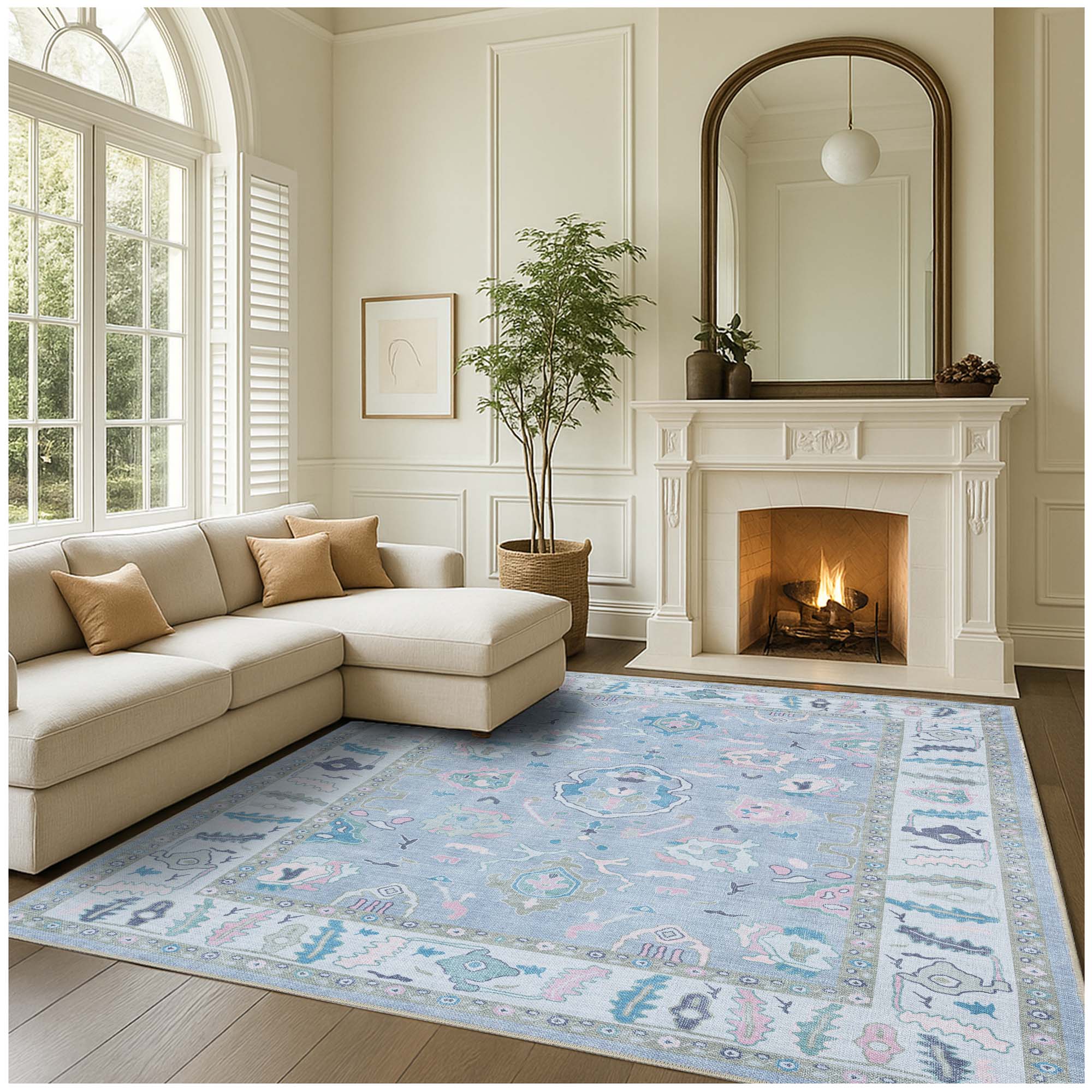
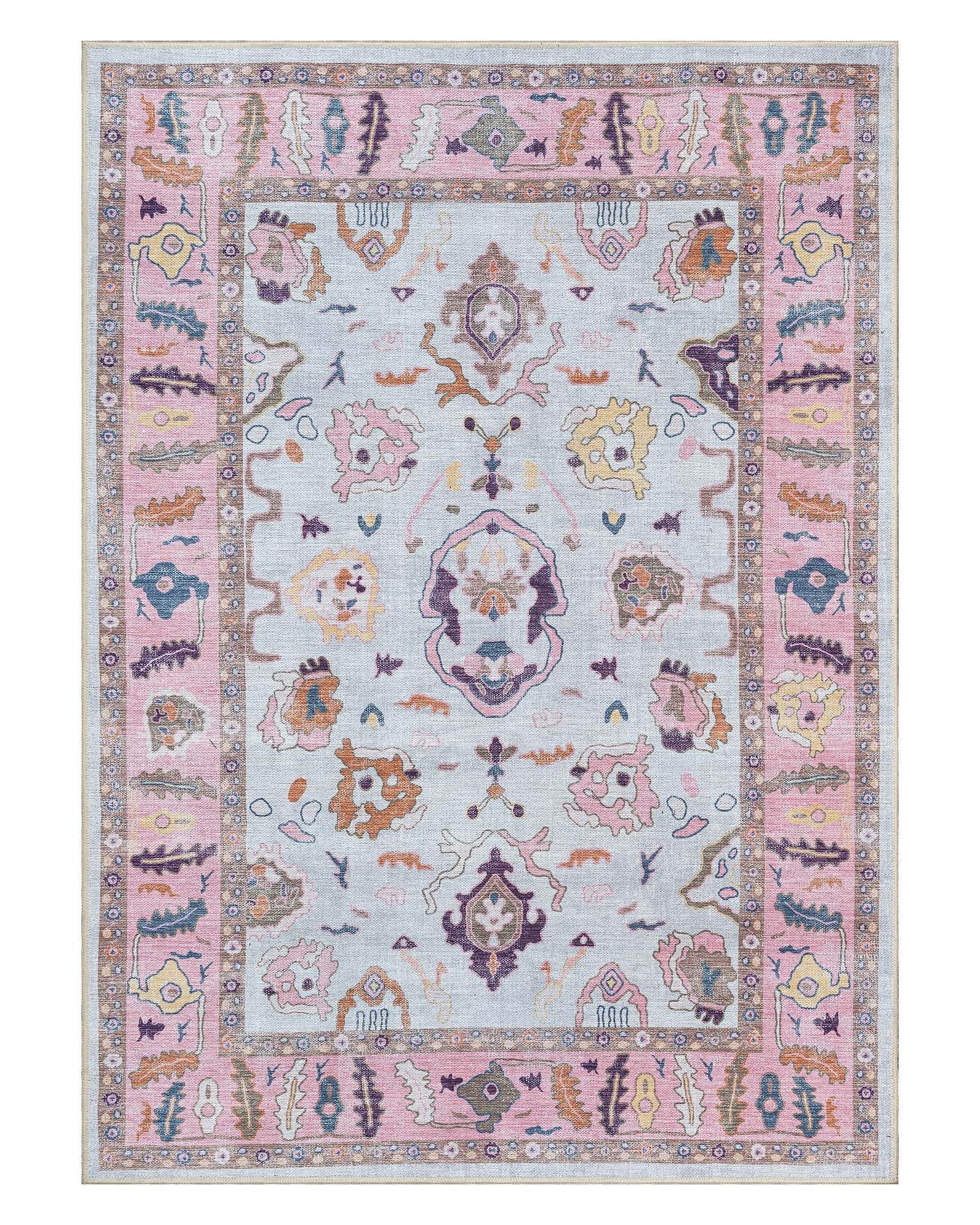
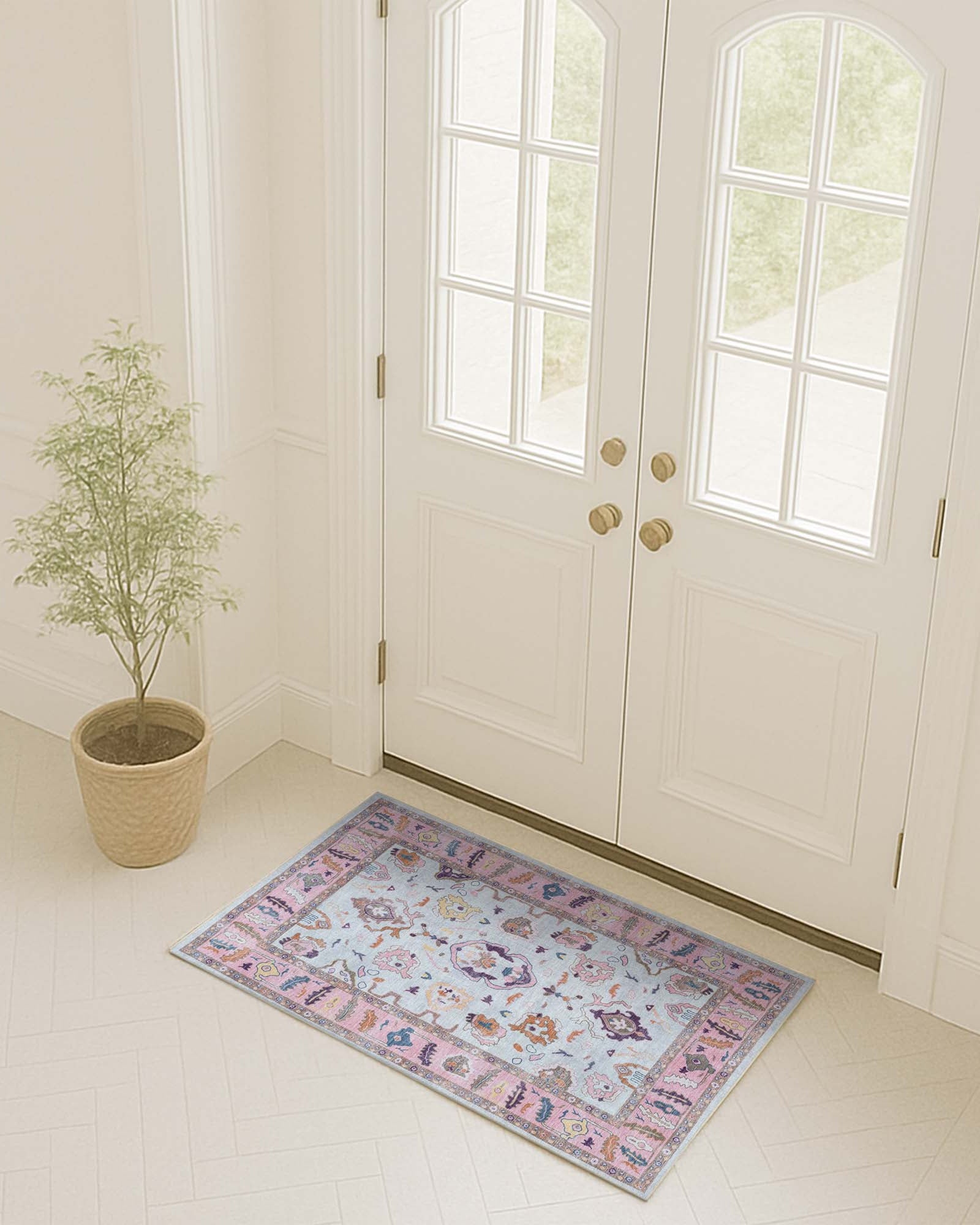
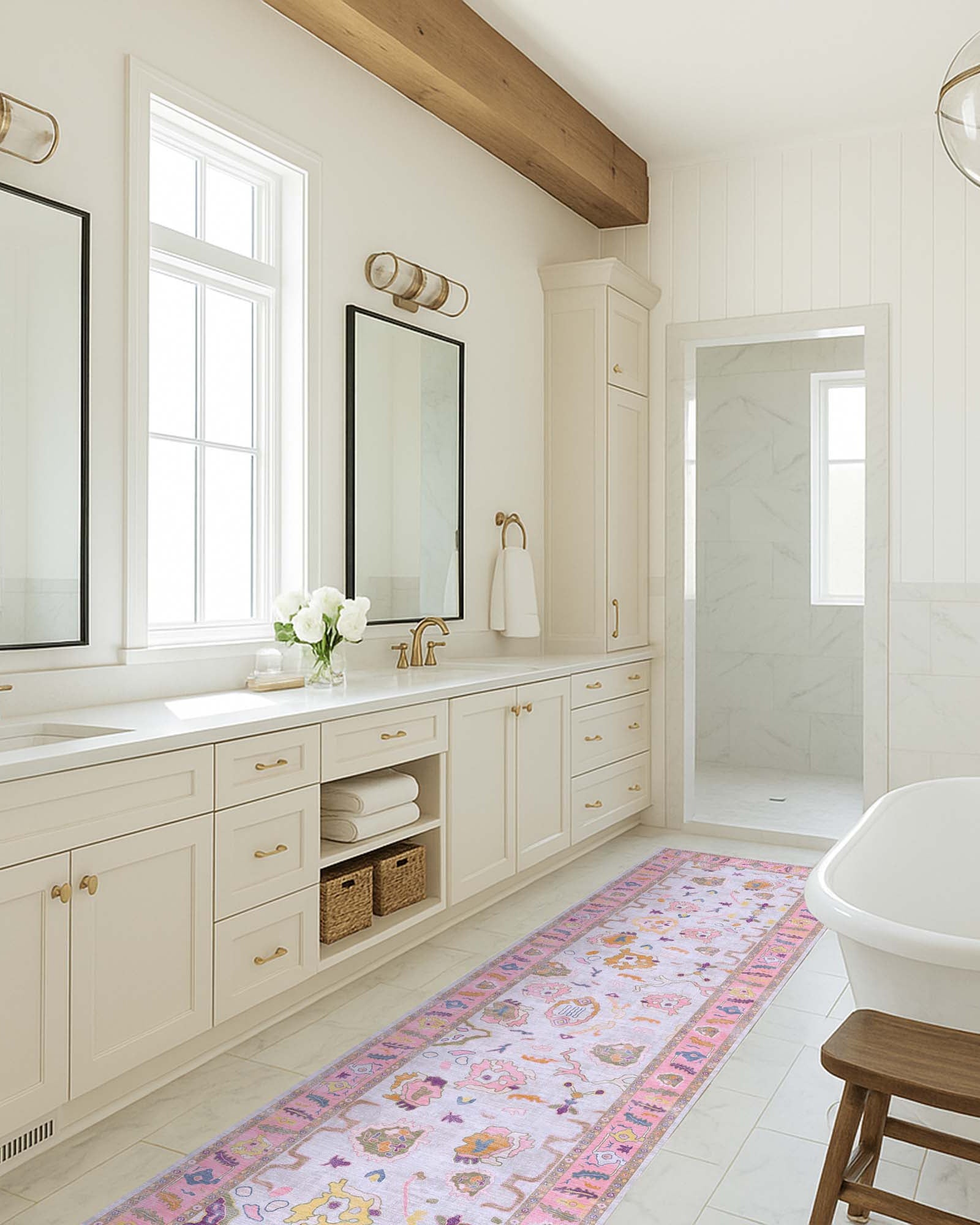
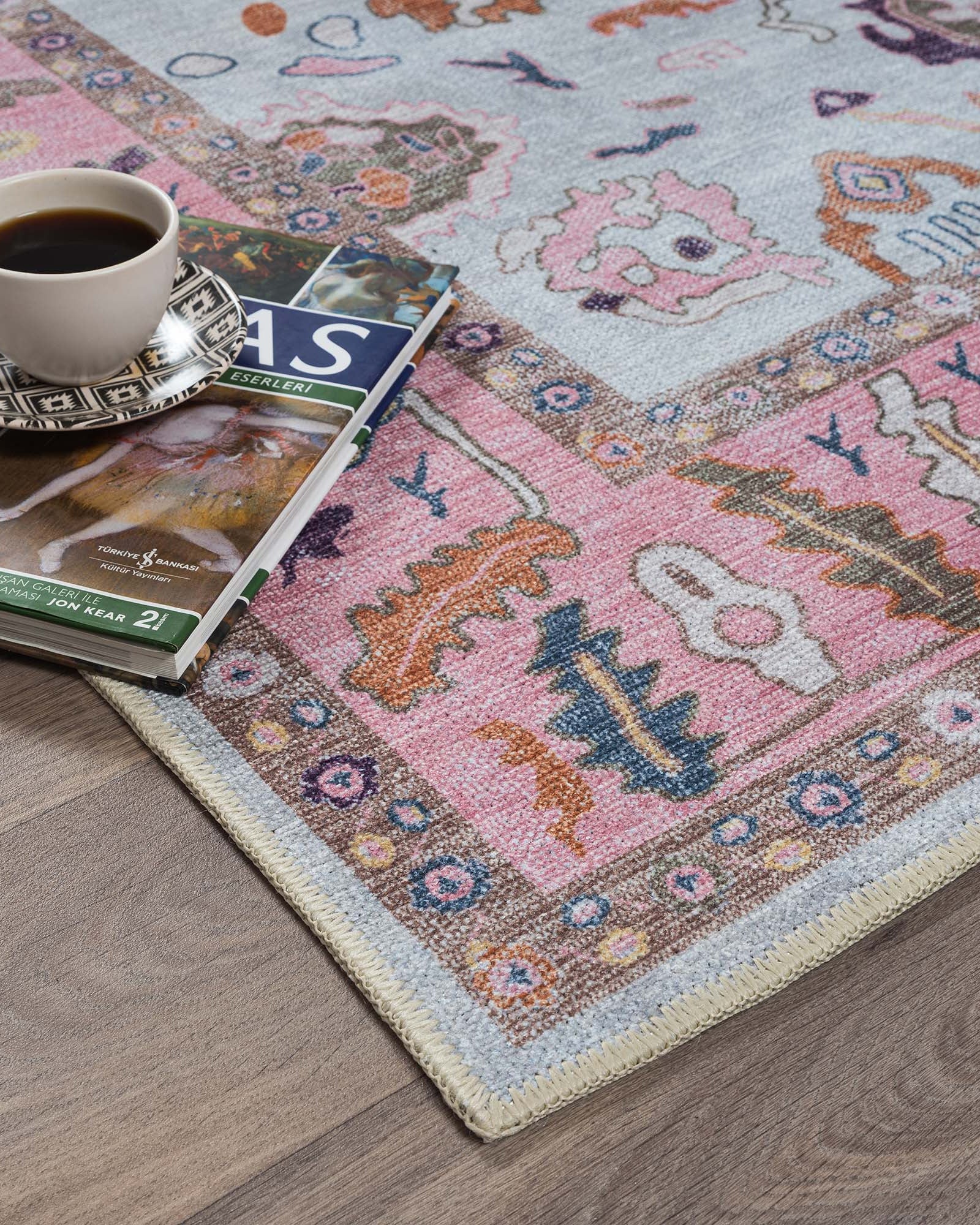
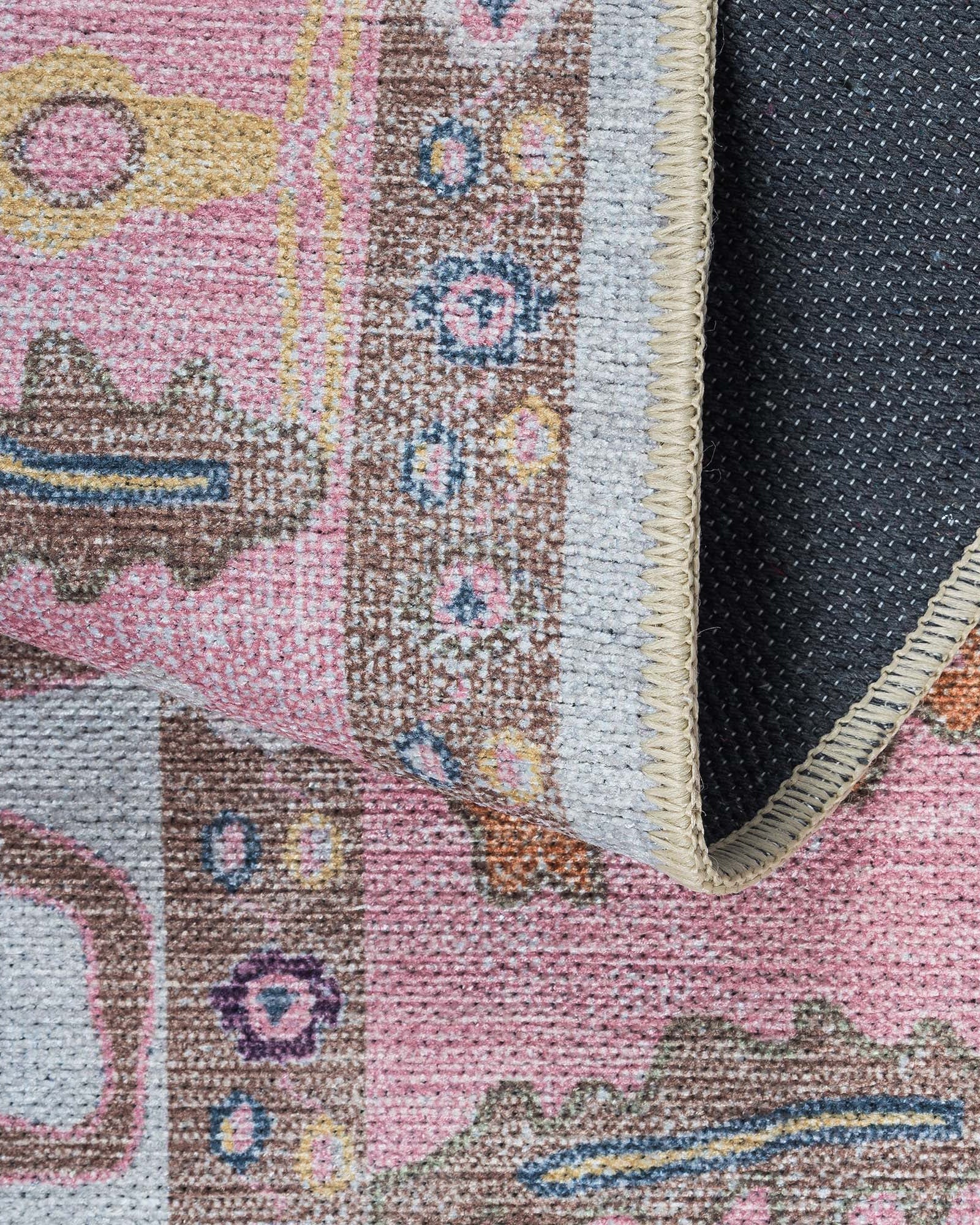
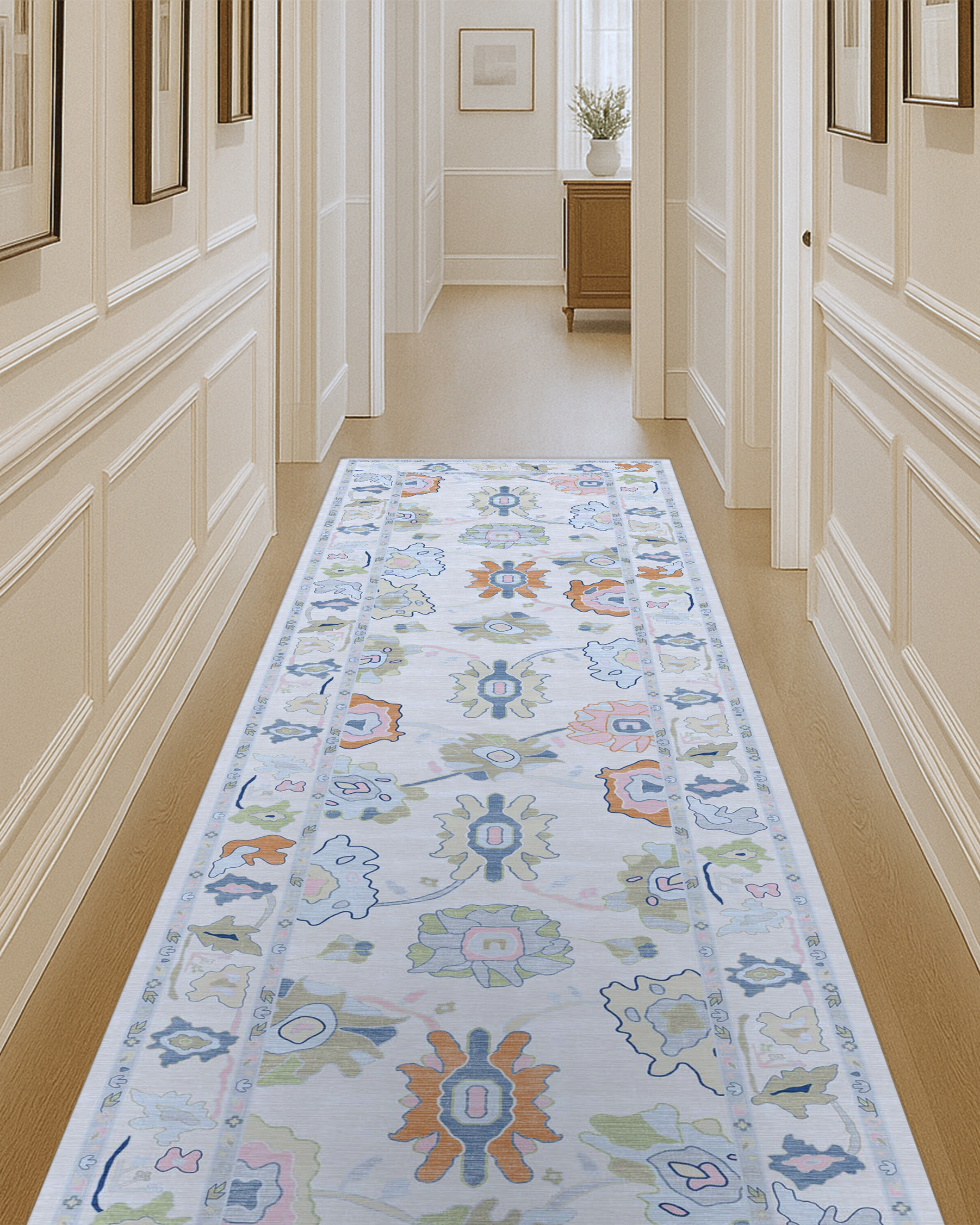
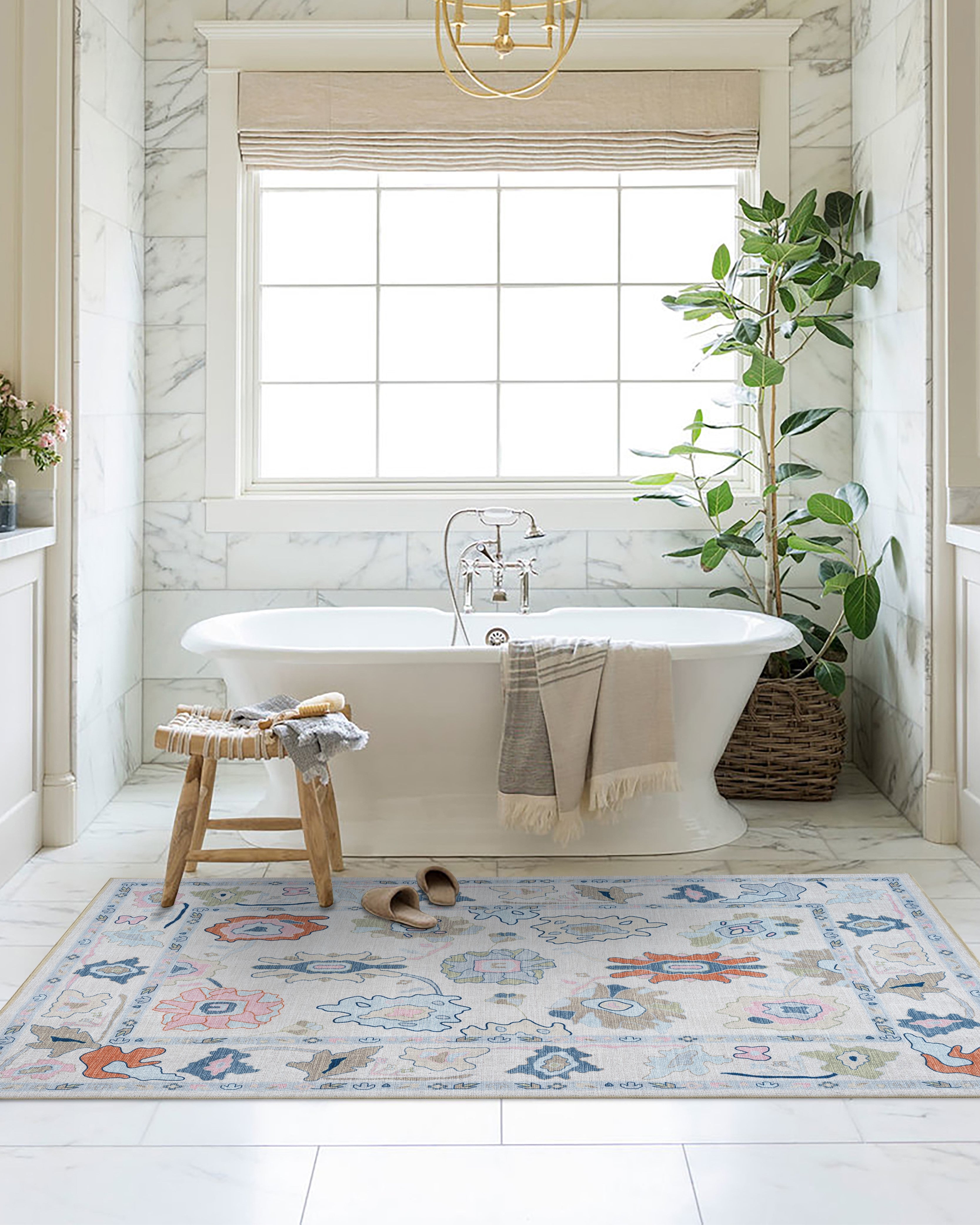
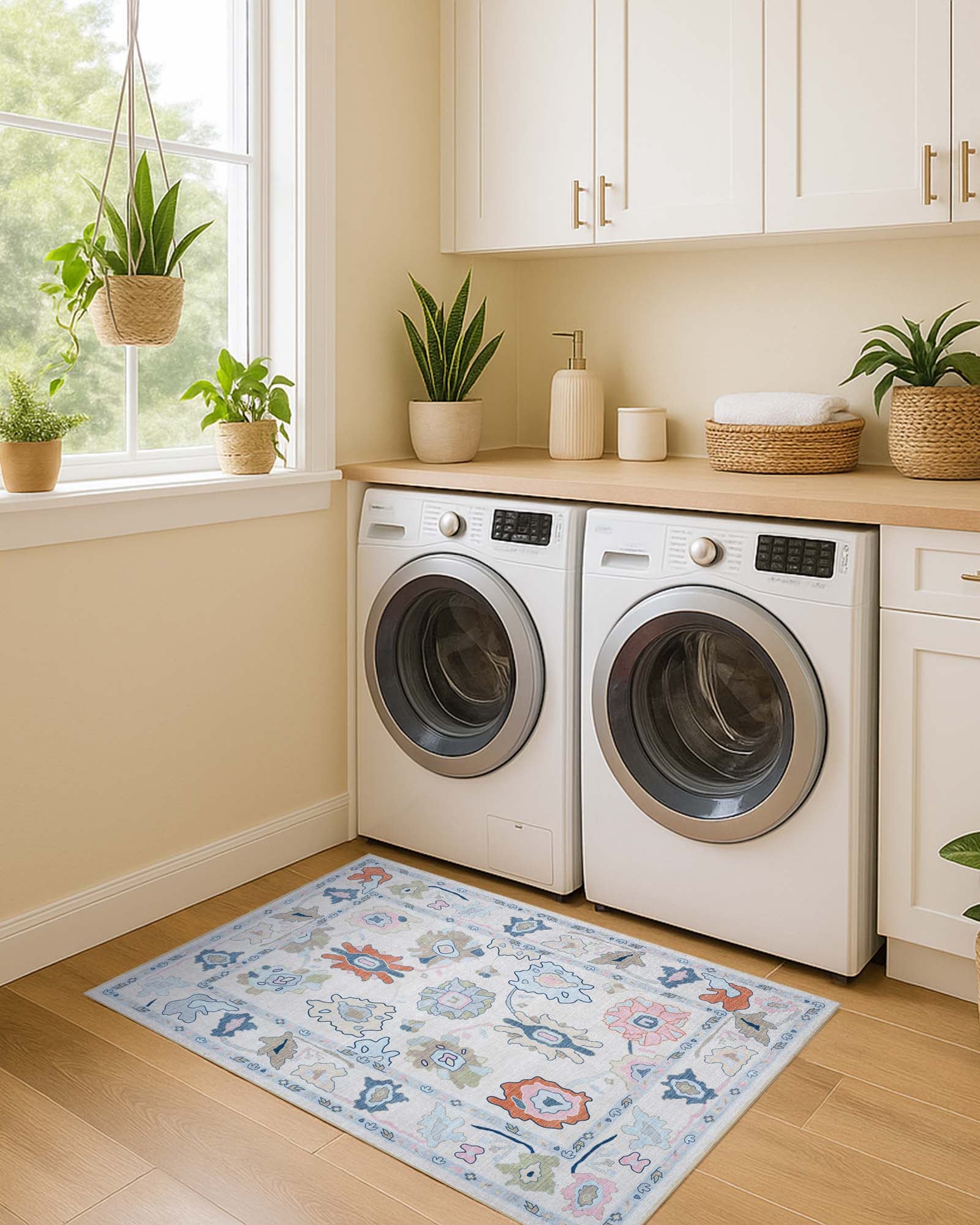
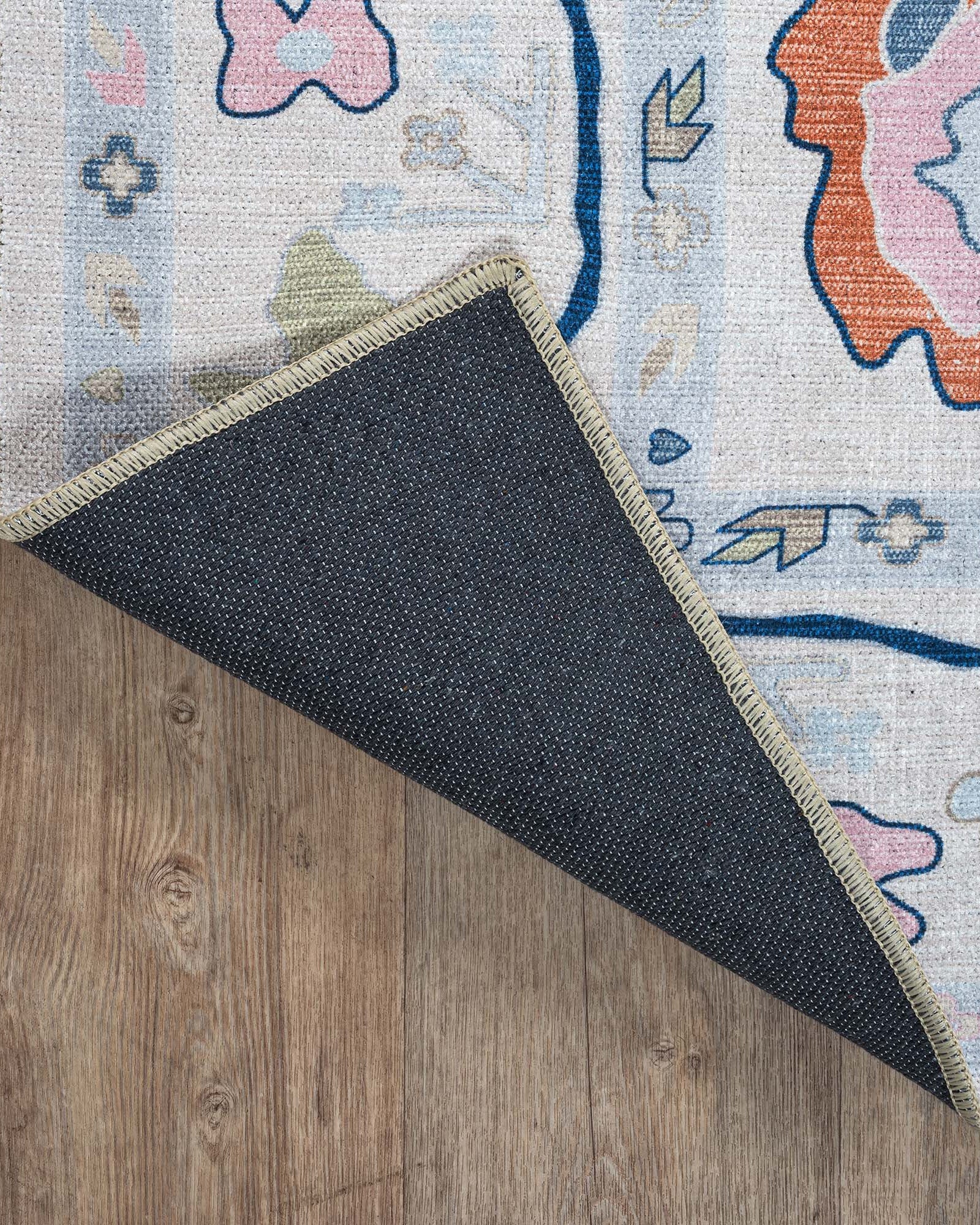
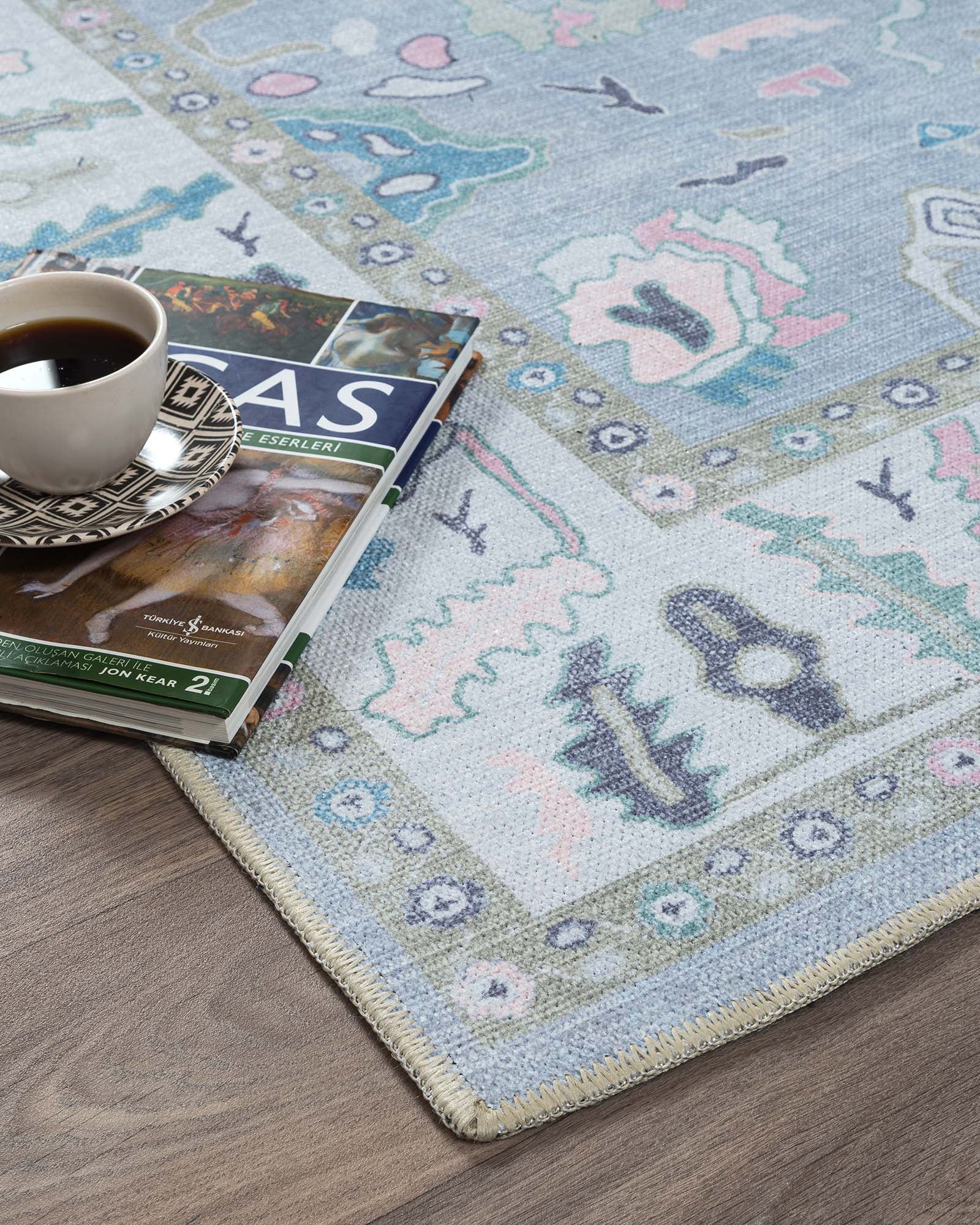
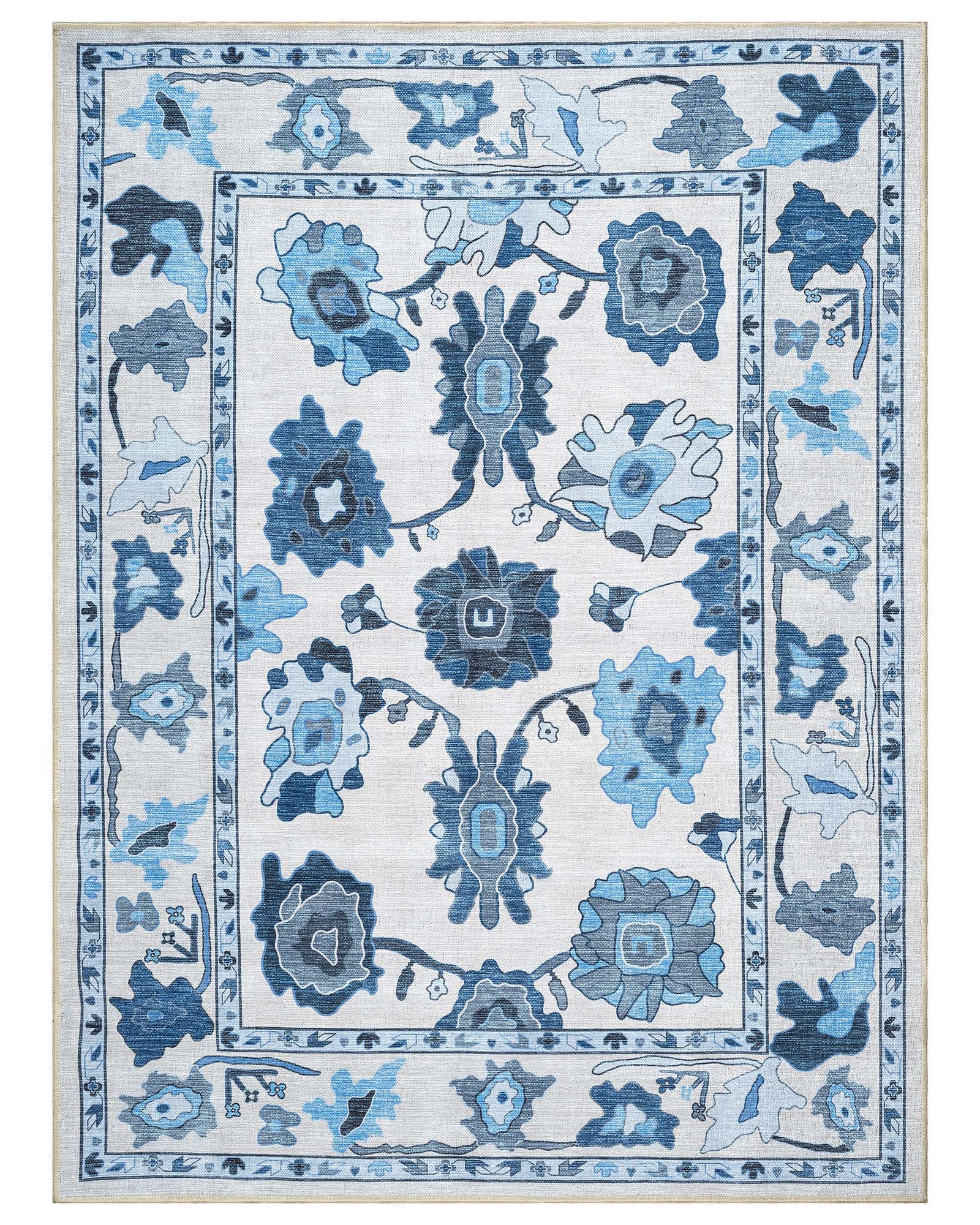
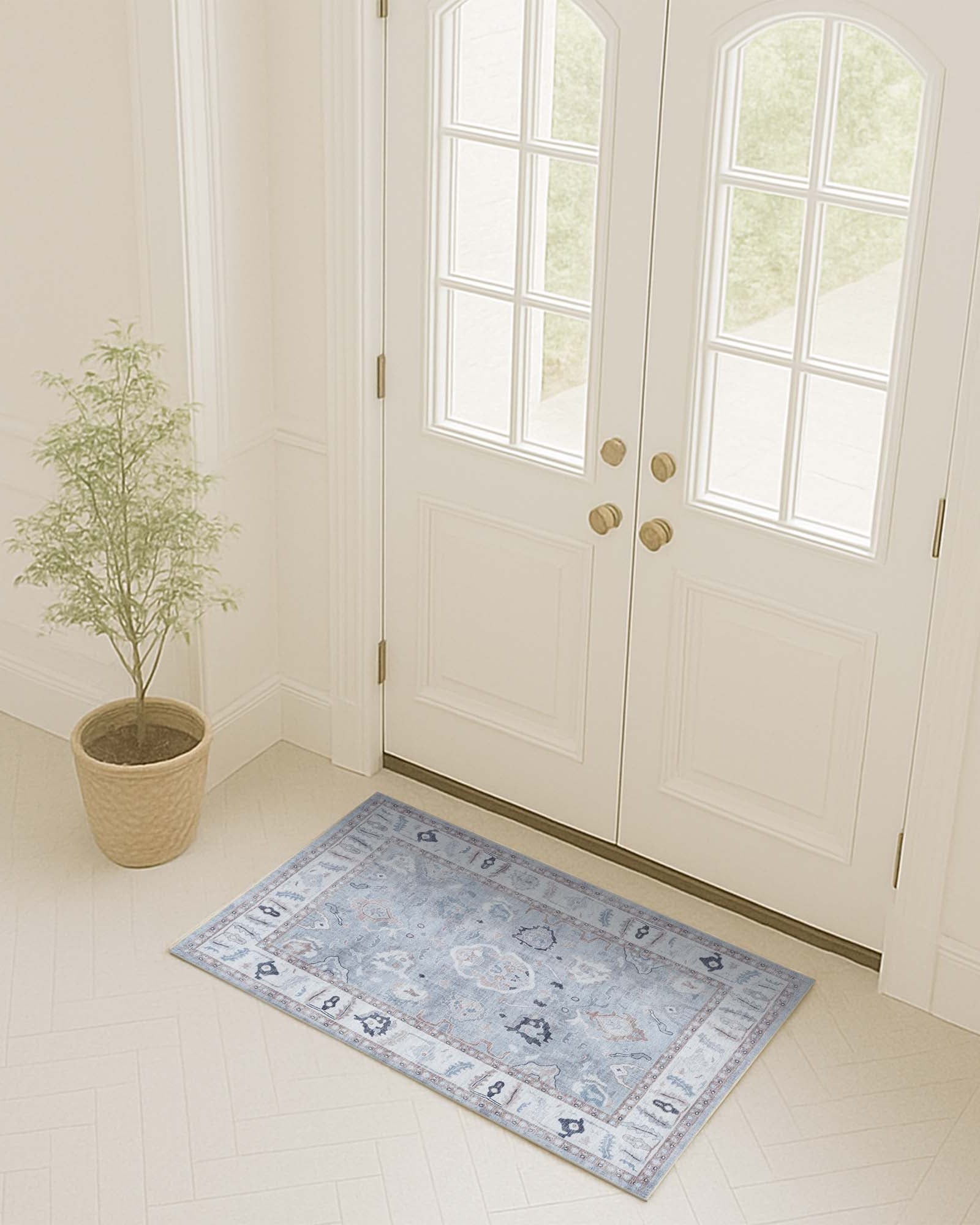
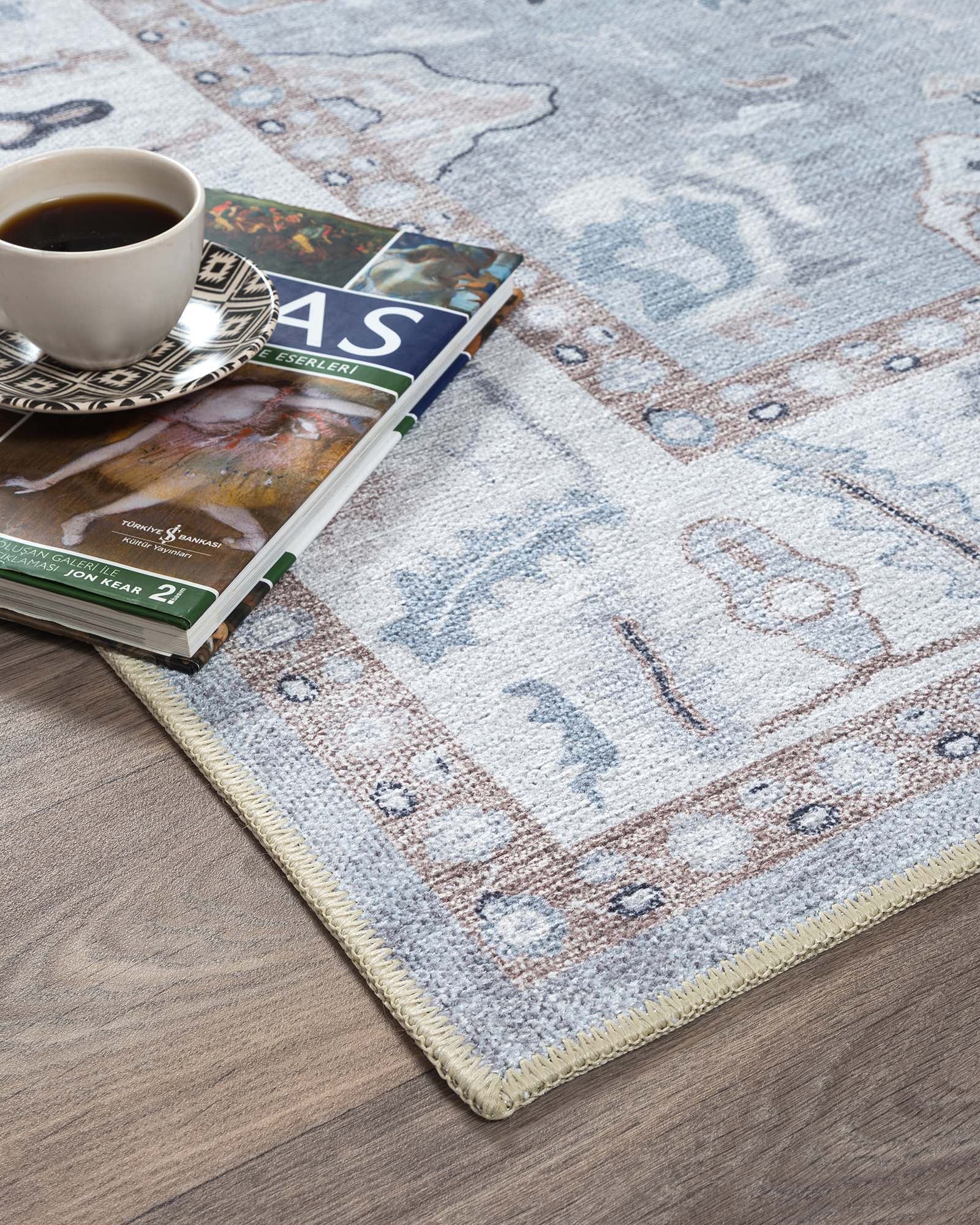
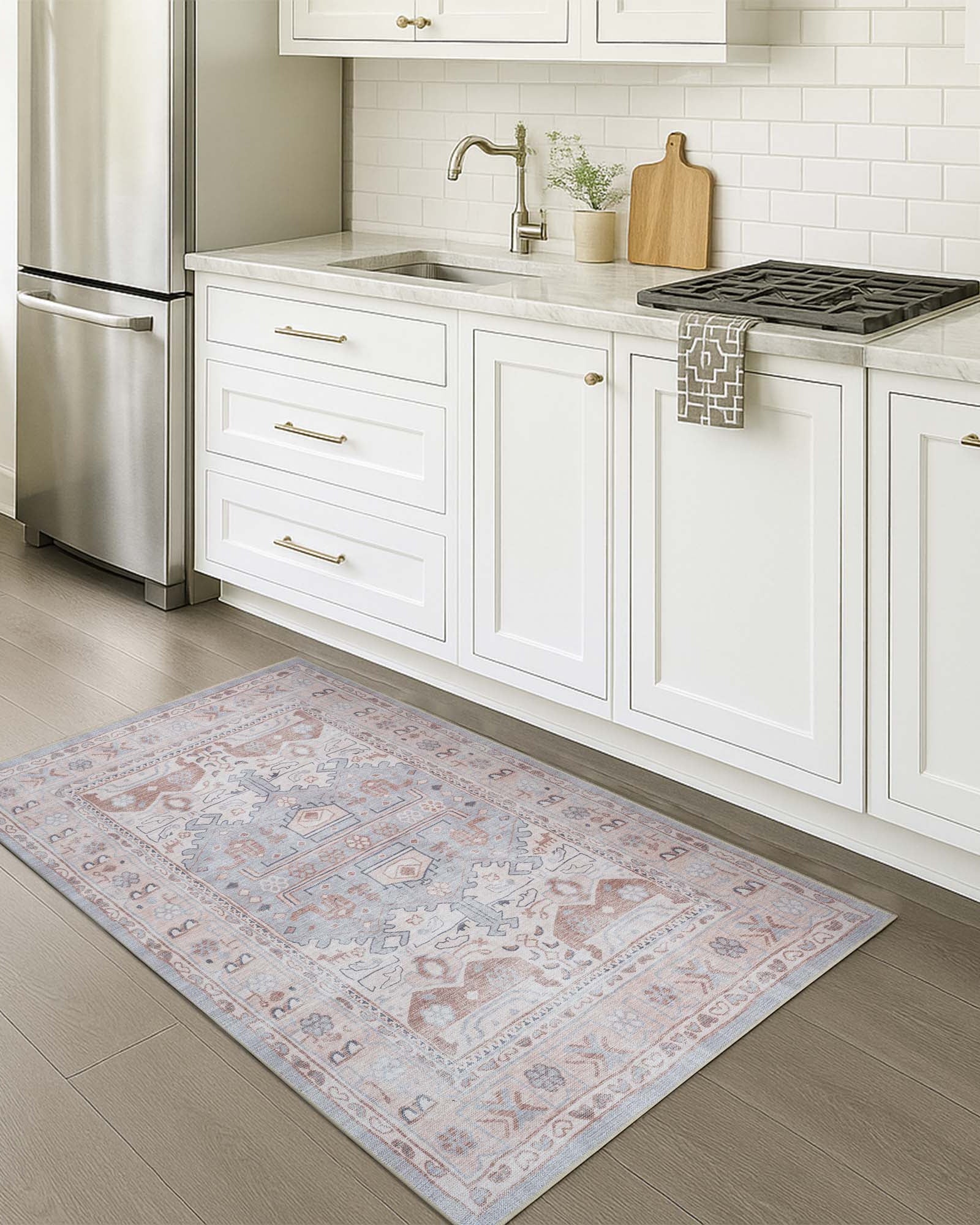
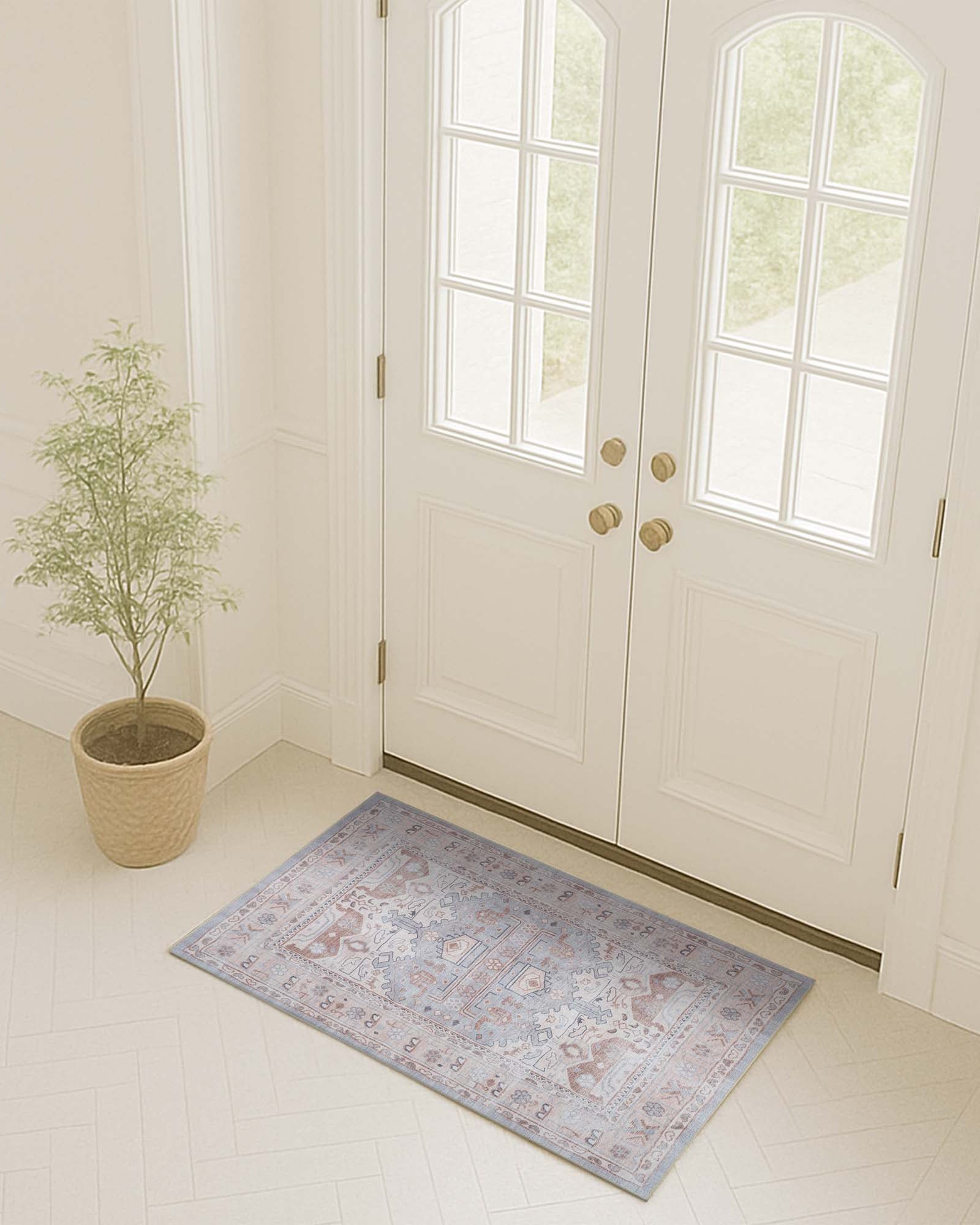
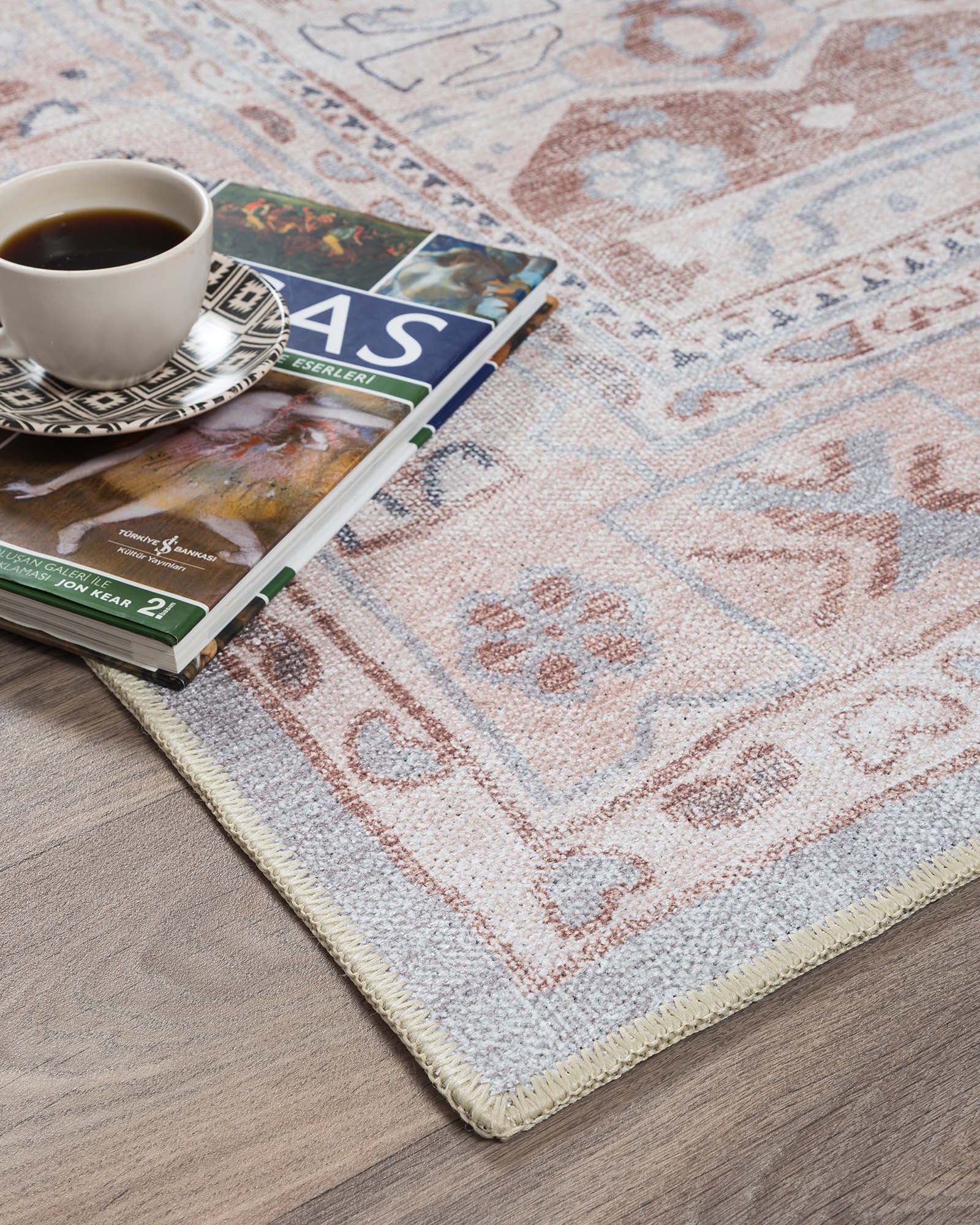
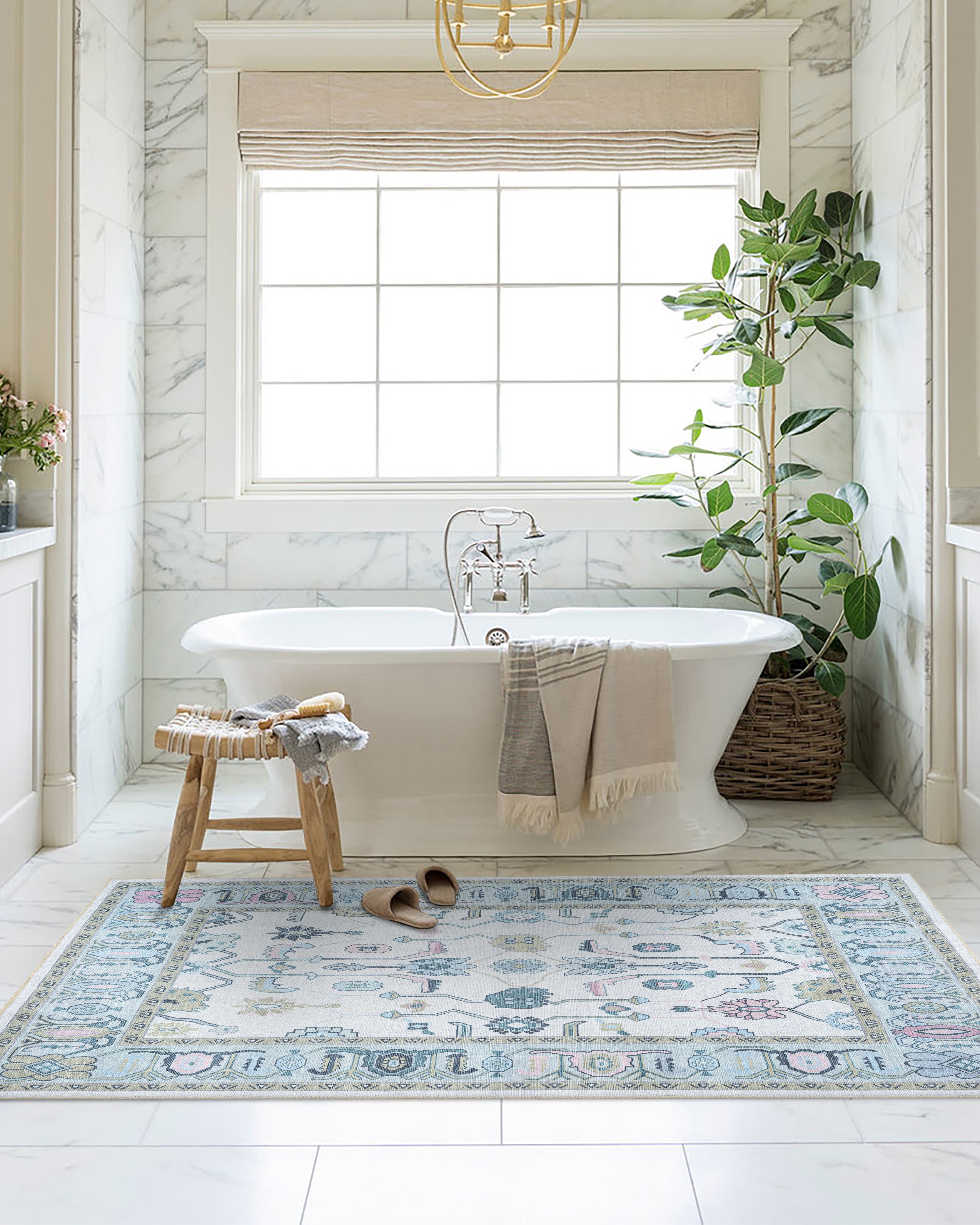
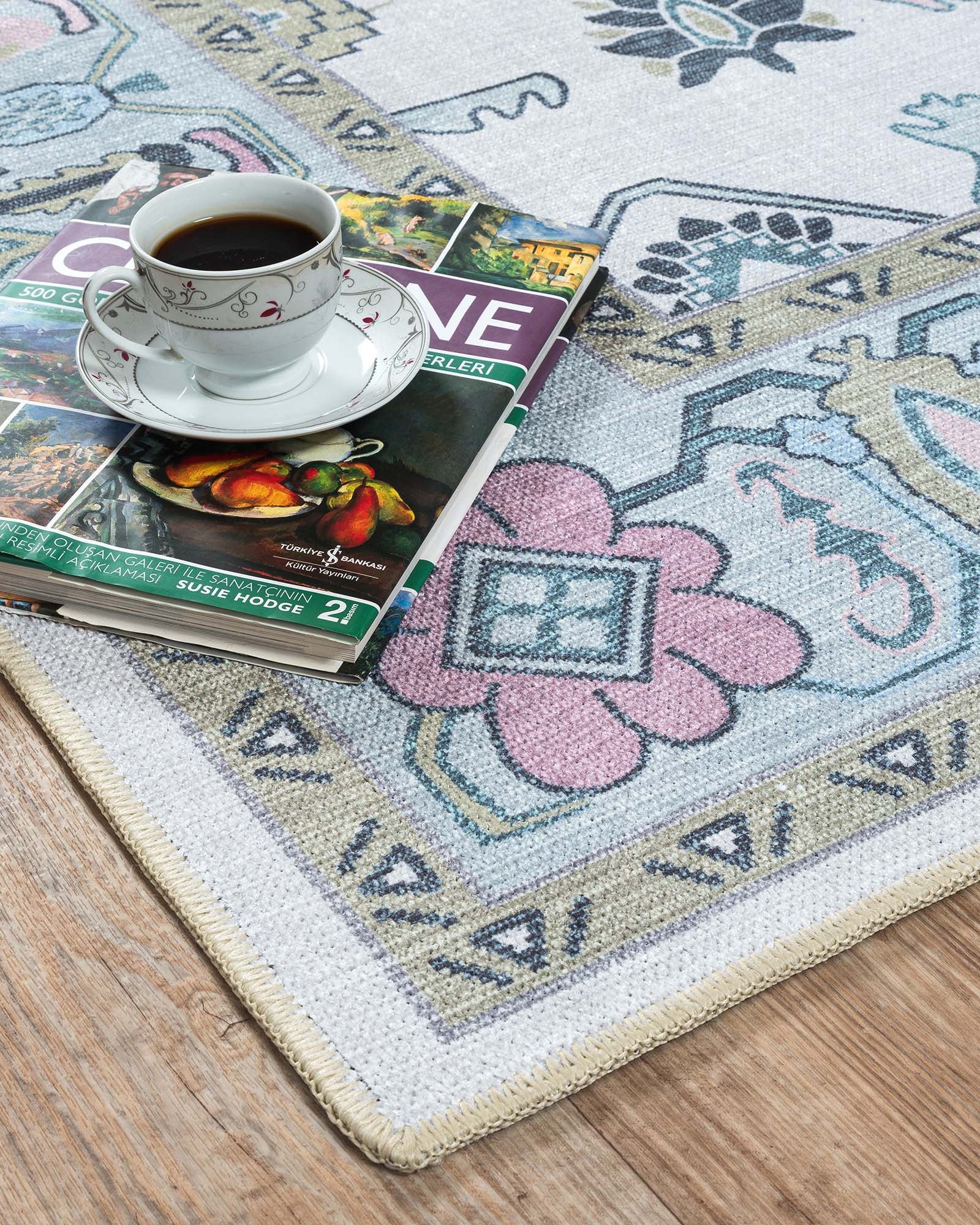
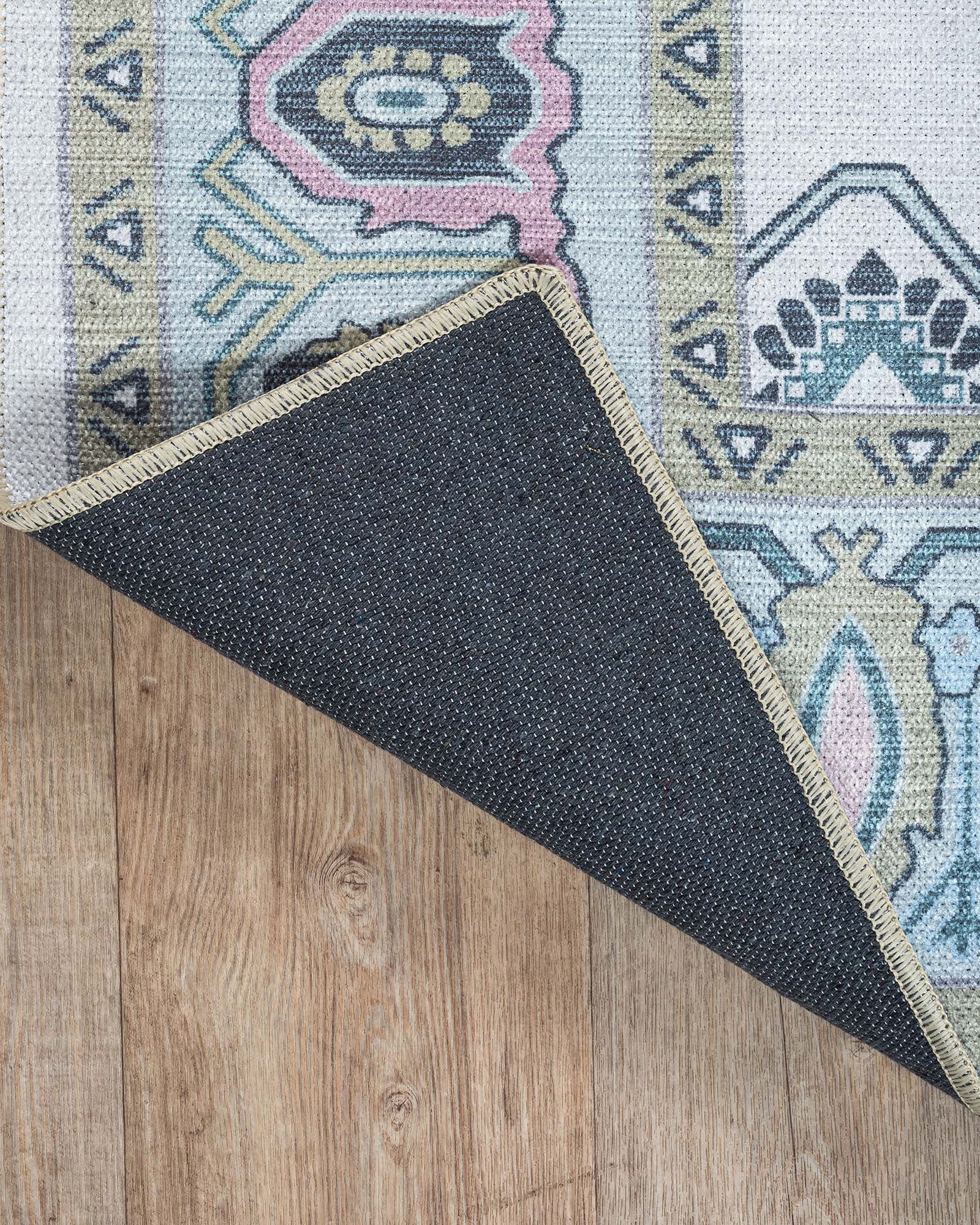
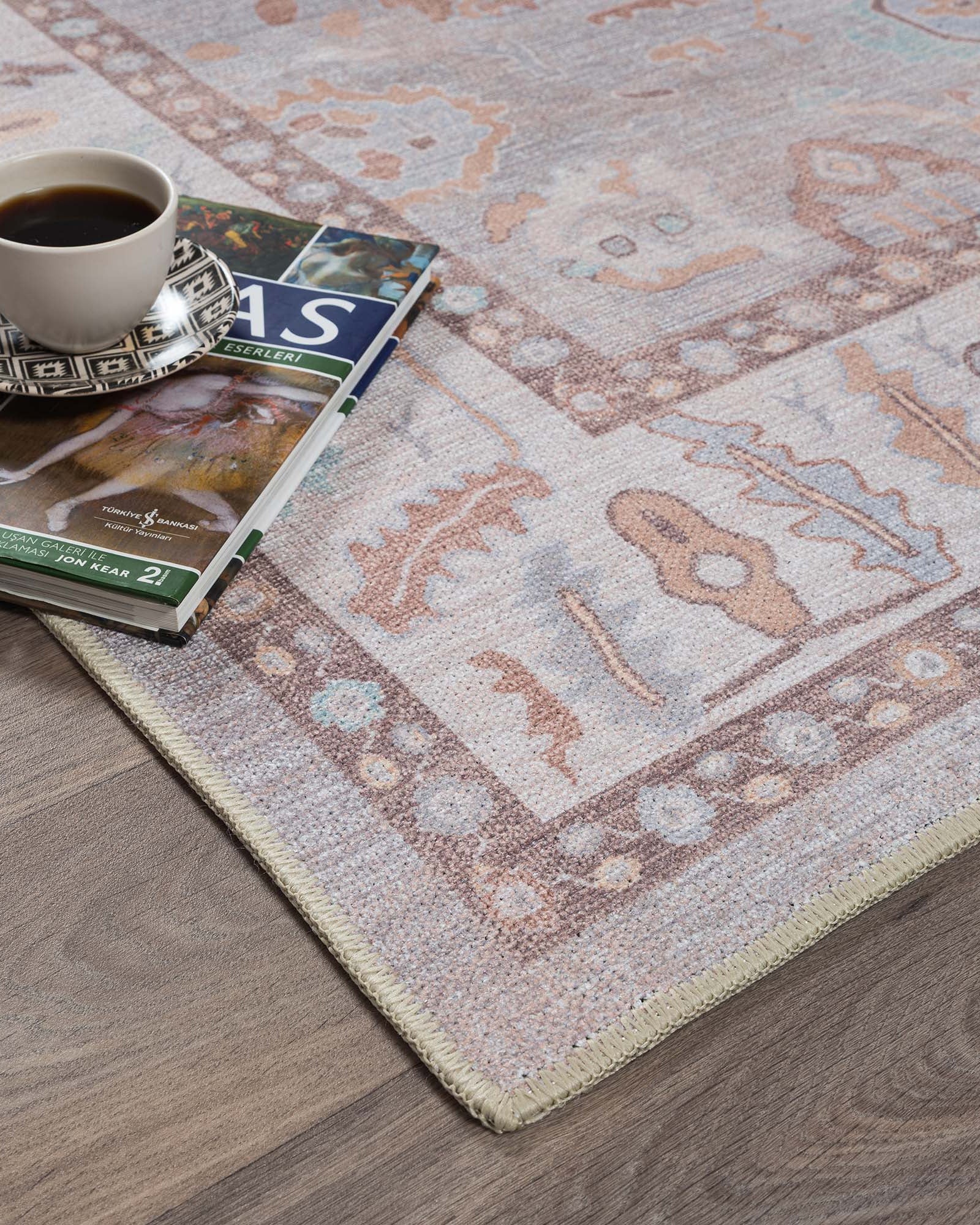
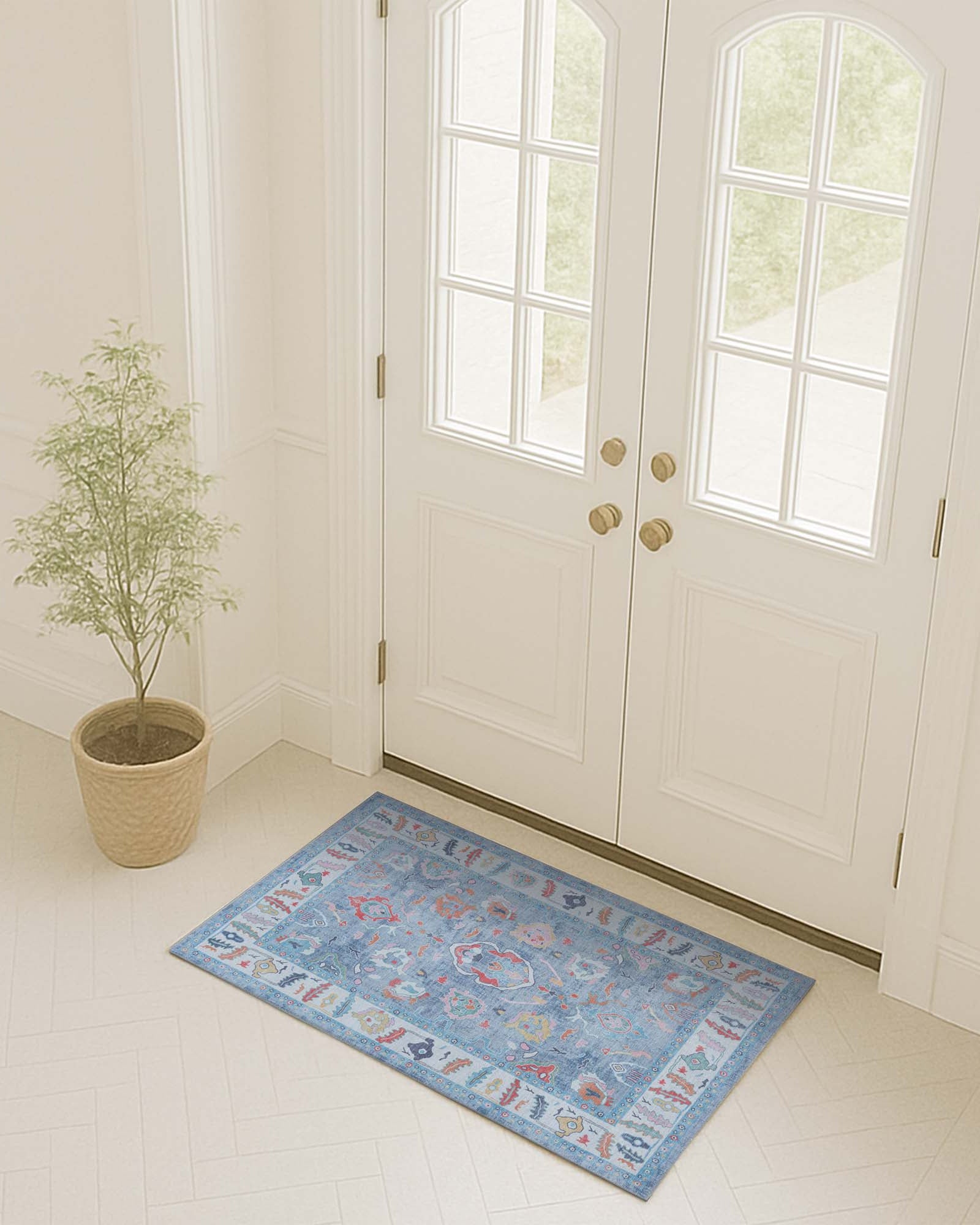
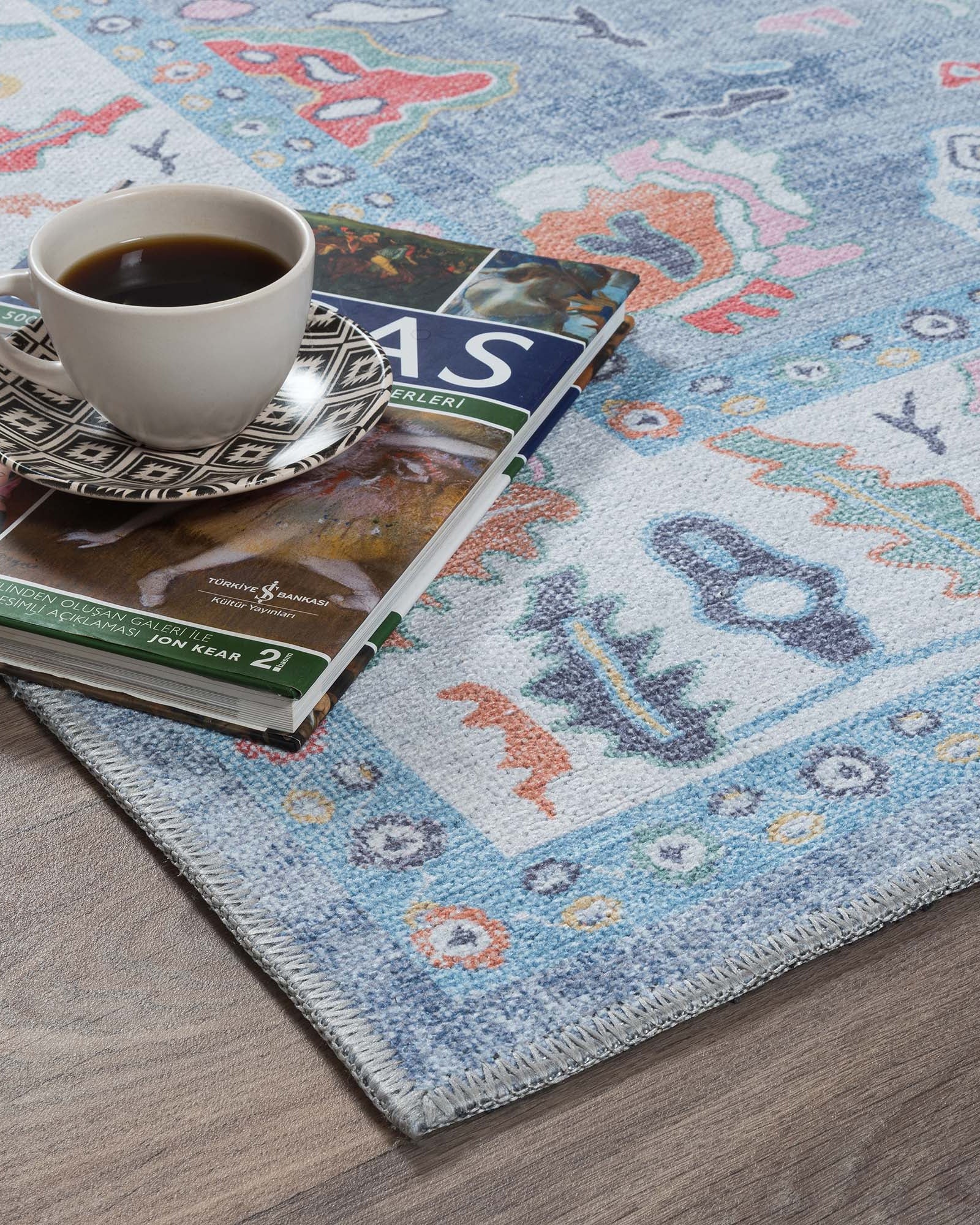
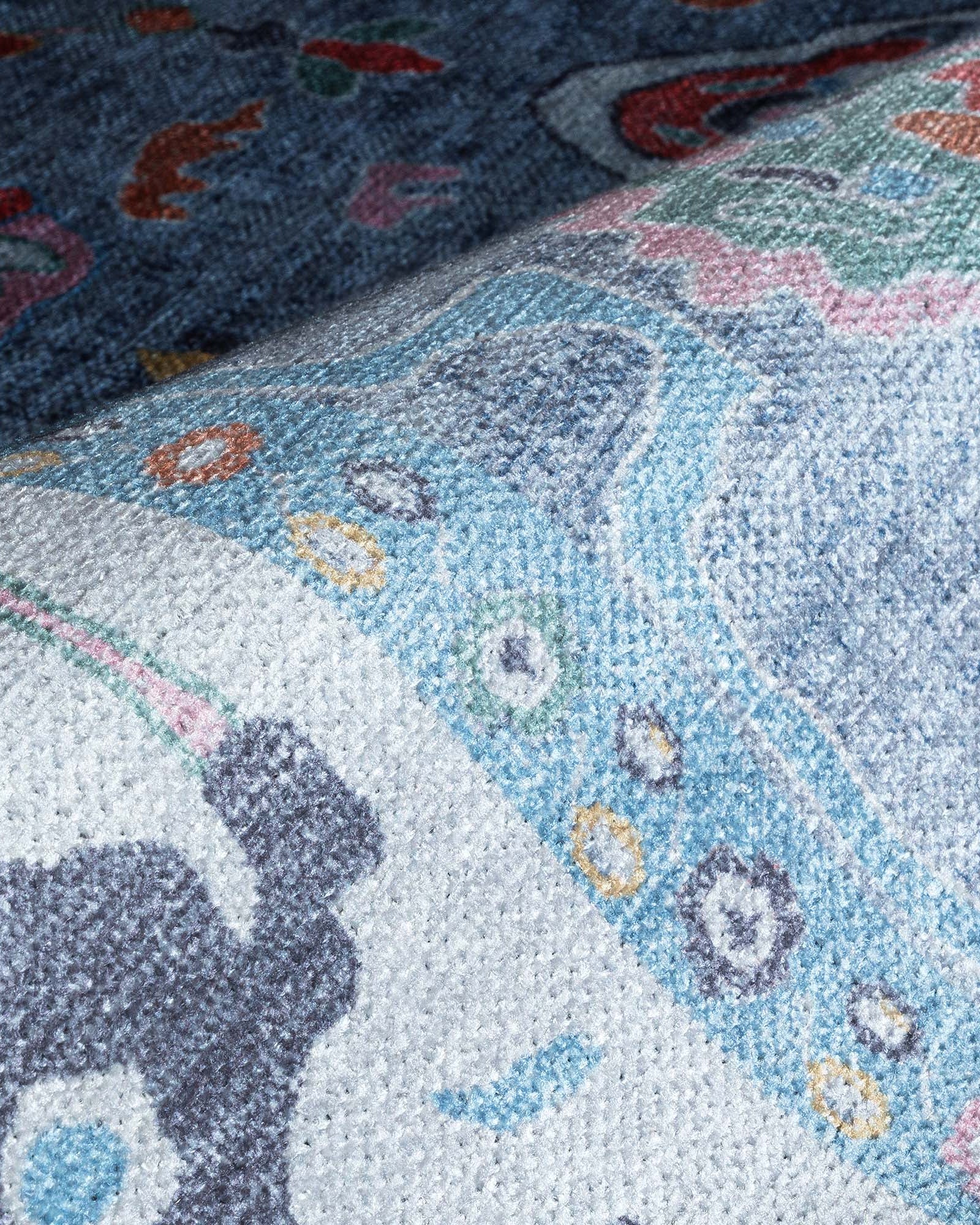
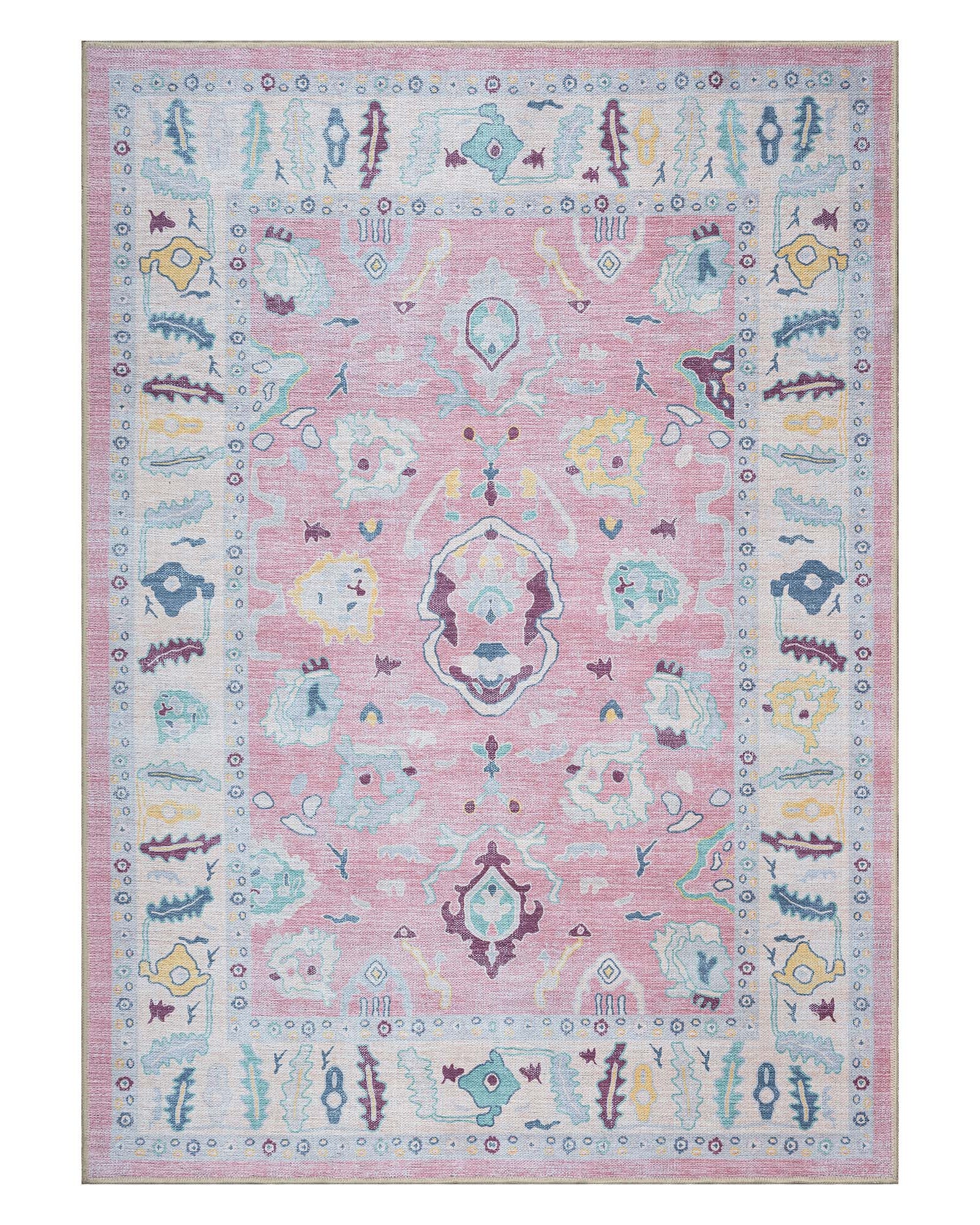
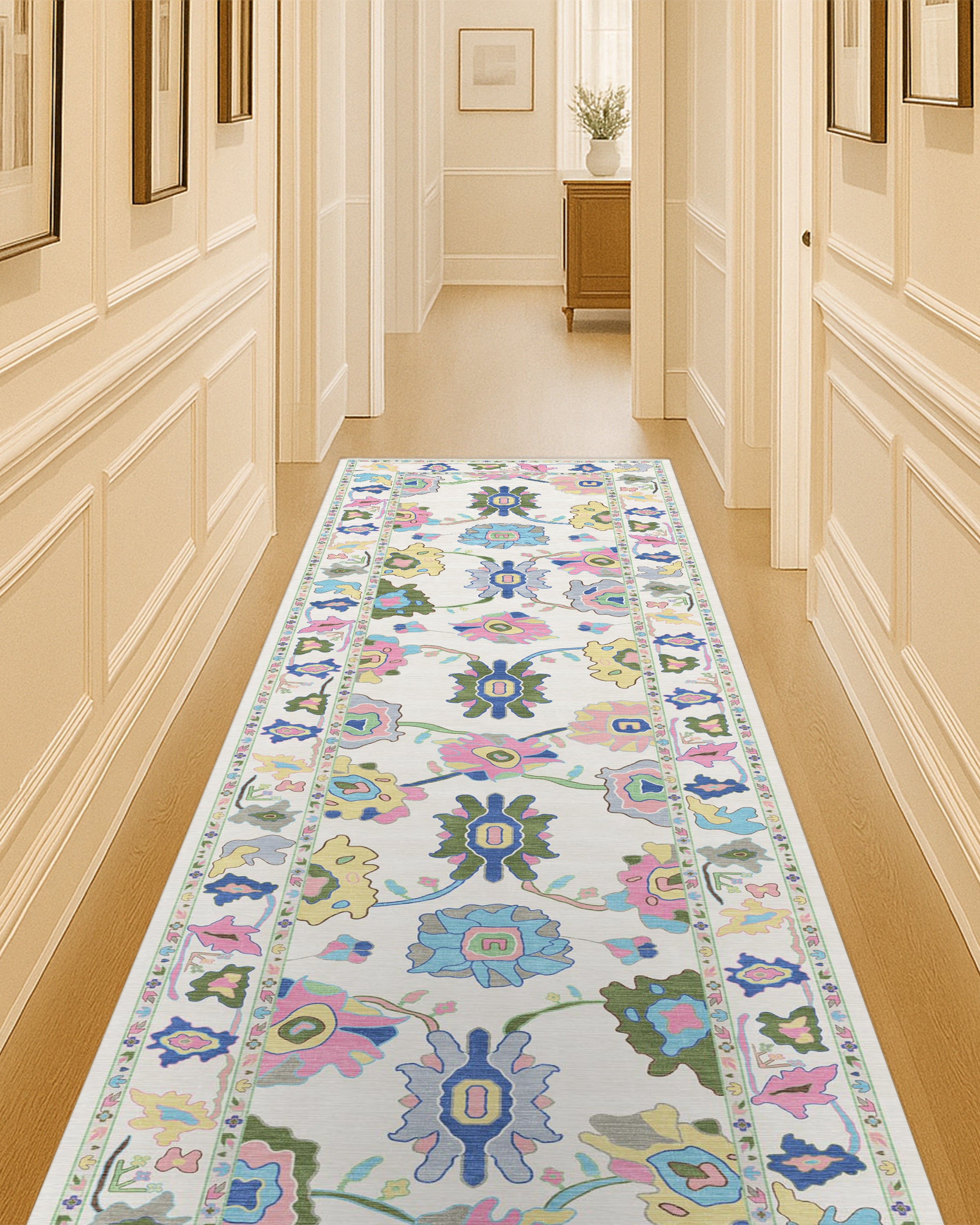
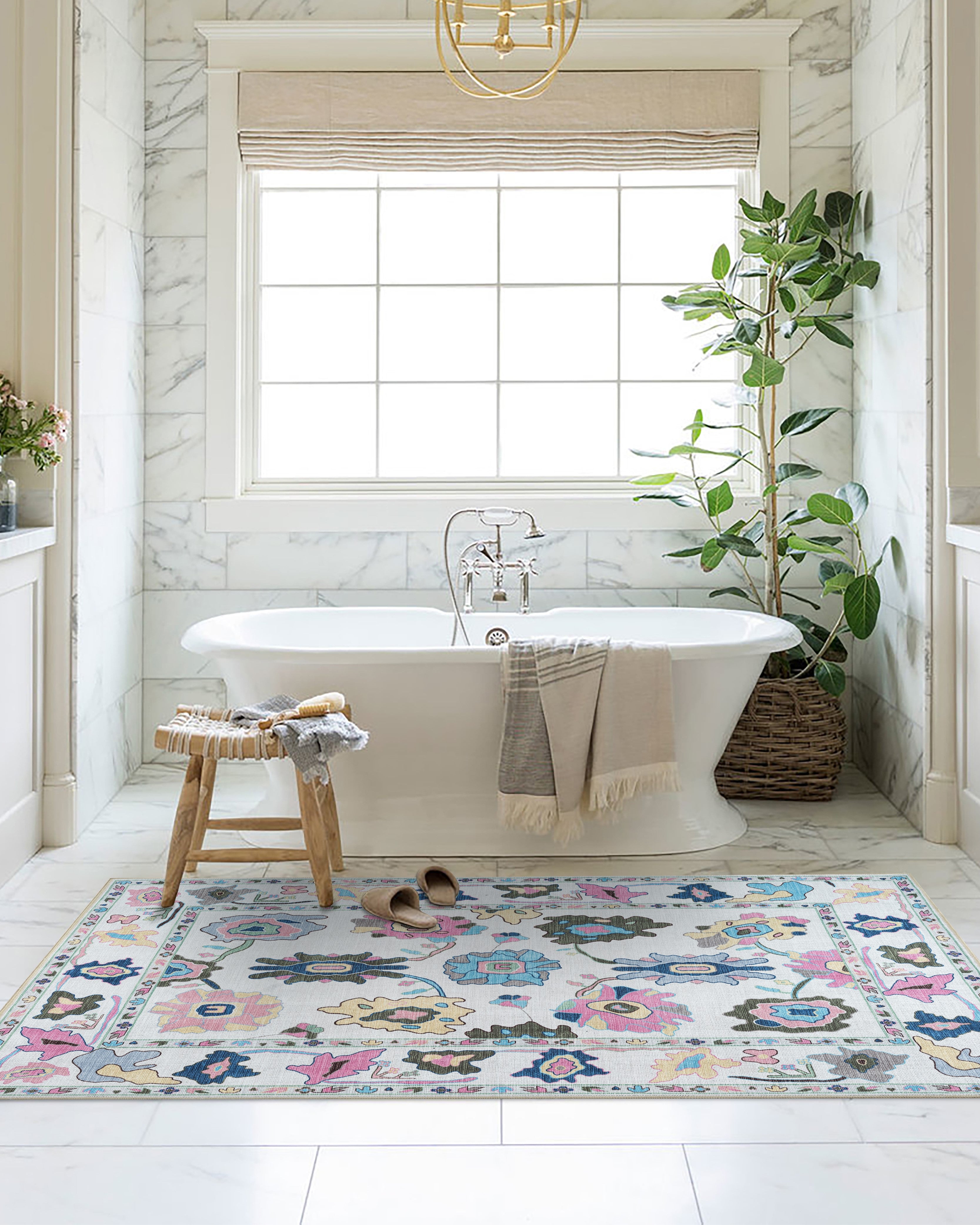
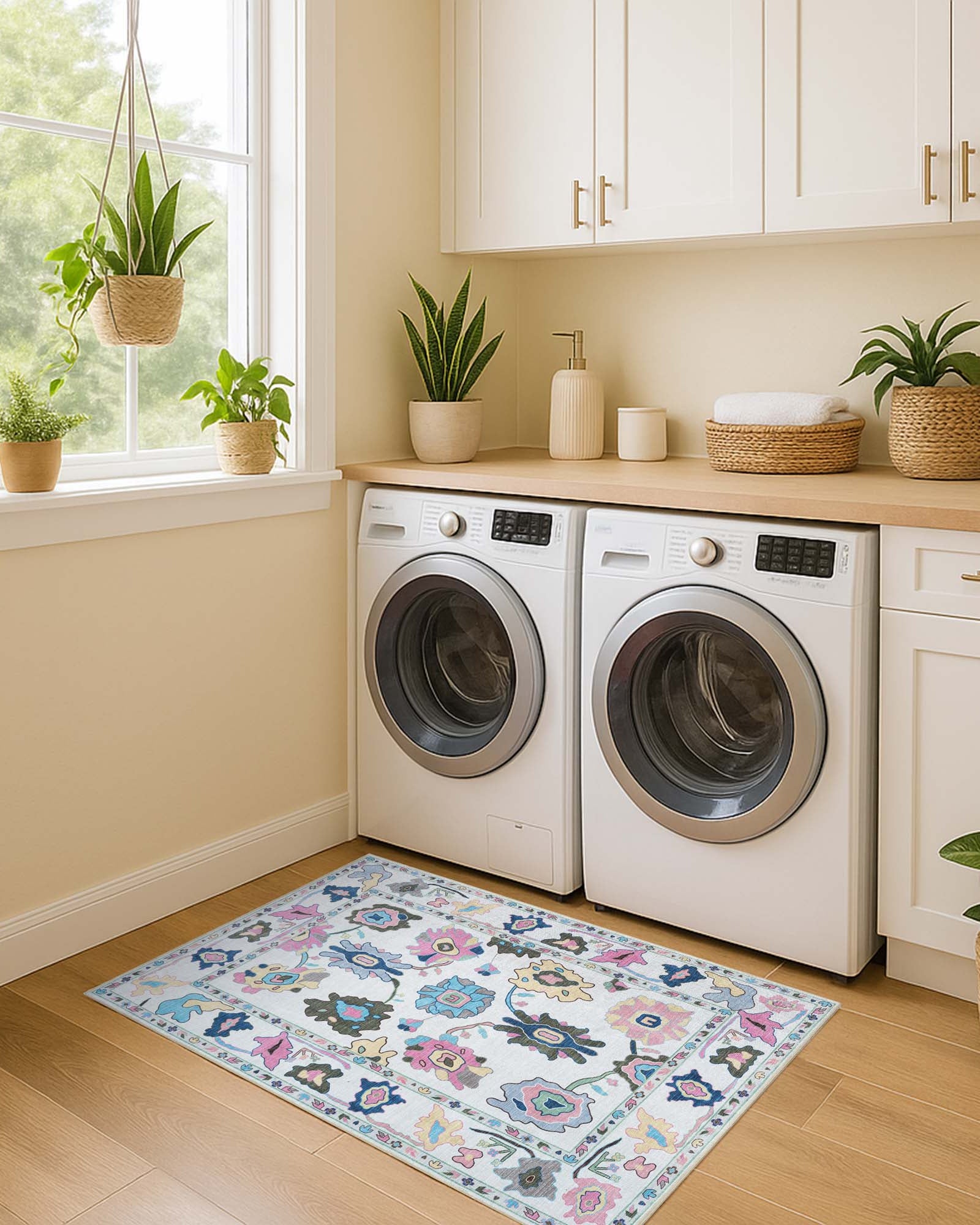
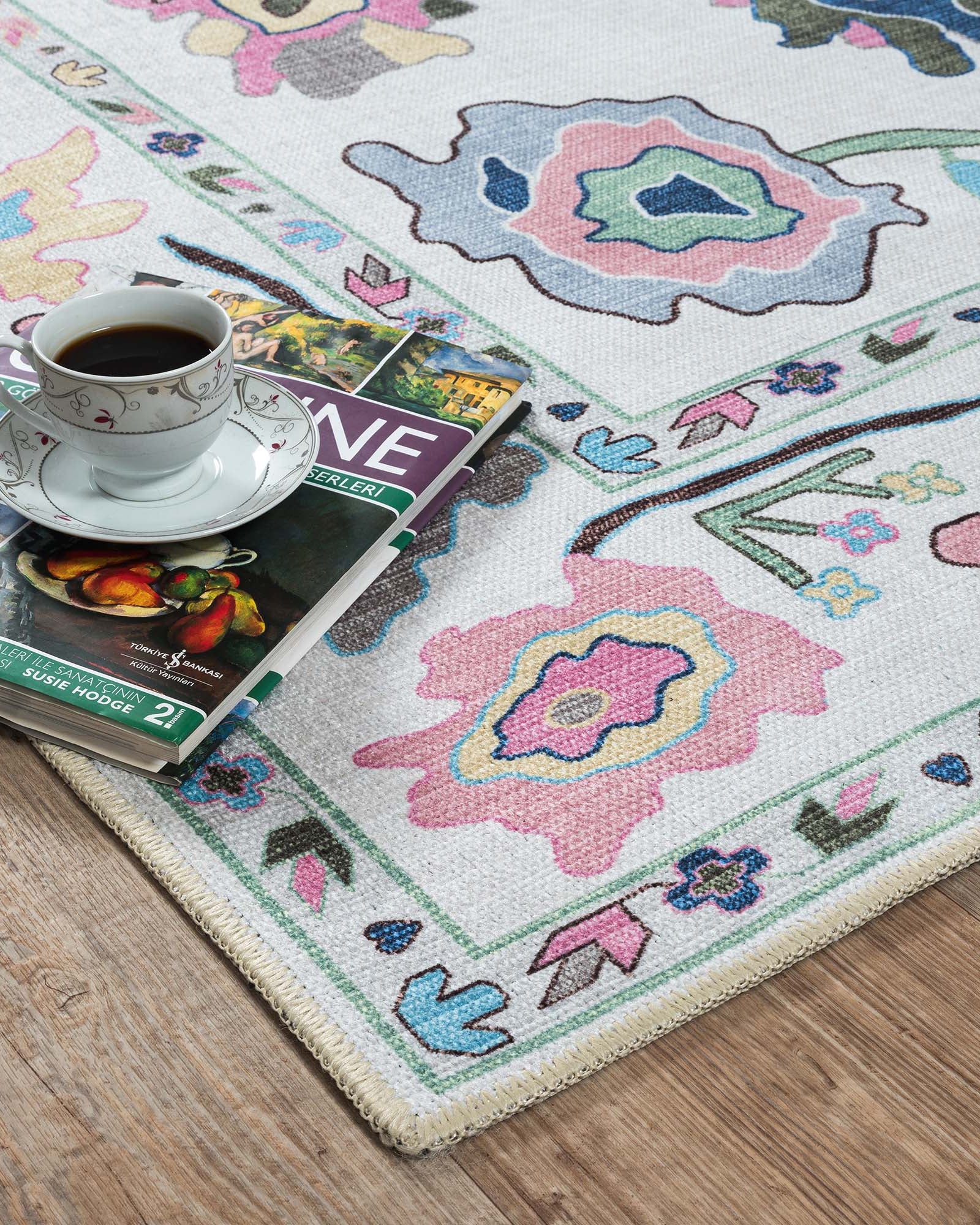
Almost no old rug was woven pink. Weavers in Anatolia, Persia and the Caucasus dyed with madder root and got red, and pink is what happens when that red spends fifty or eighty years in the light. What makes these pieces distinctive is that the colour was earned rather than chosen — it carries the depth of a strong dye that has been reduced, not the flatness of a pale dye applied weakly. Every rug here is an original hand-knotted piece sold as a single item.
Why Pink Is Almost Always Faded Red
Madder root produces a range from deep garnet through brick to coral depending on bath strength, mordant and water chemistry, but the pale end of that range was rarely the goal. Full-strength madder was the standard for a field colour, and weaker baths were generally used for accent motifs rather than whole rugs.
Ultraviolet light does the rest. Over decades, madder loses intensity while keeping its warmth, moving from crimson to garnet to brick to rose-terracotta and, in the most exposed pieces, to a soft dusty blush. Crucially it never turns grey or muddy along the way. That warm behaviour under fading is the clearest marker separating a genuinely old naturally dyed rug from a synthetic red that has dulled or a modern piece dyed pink deliberately.
Reading the Evidence
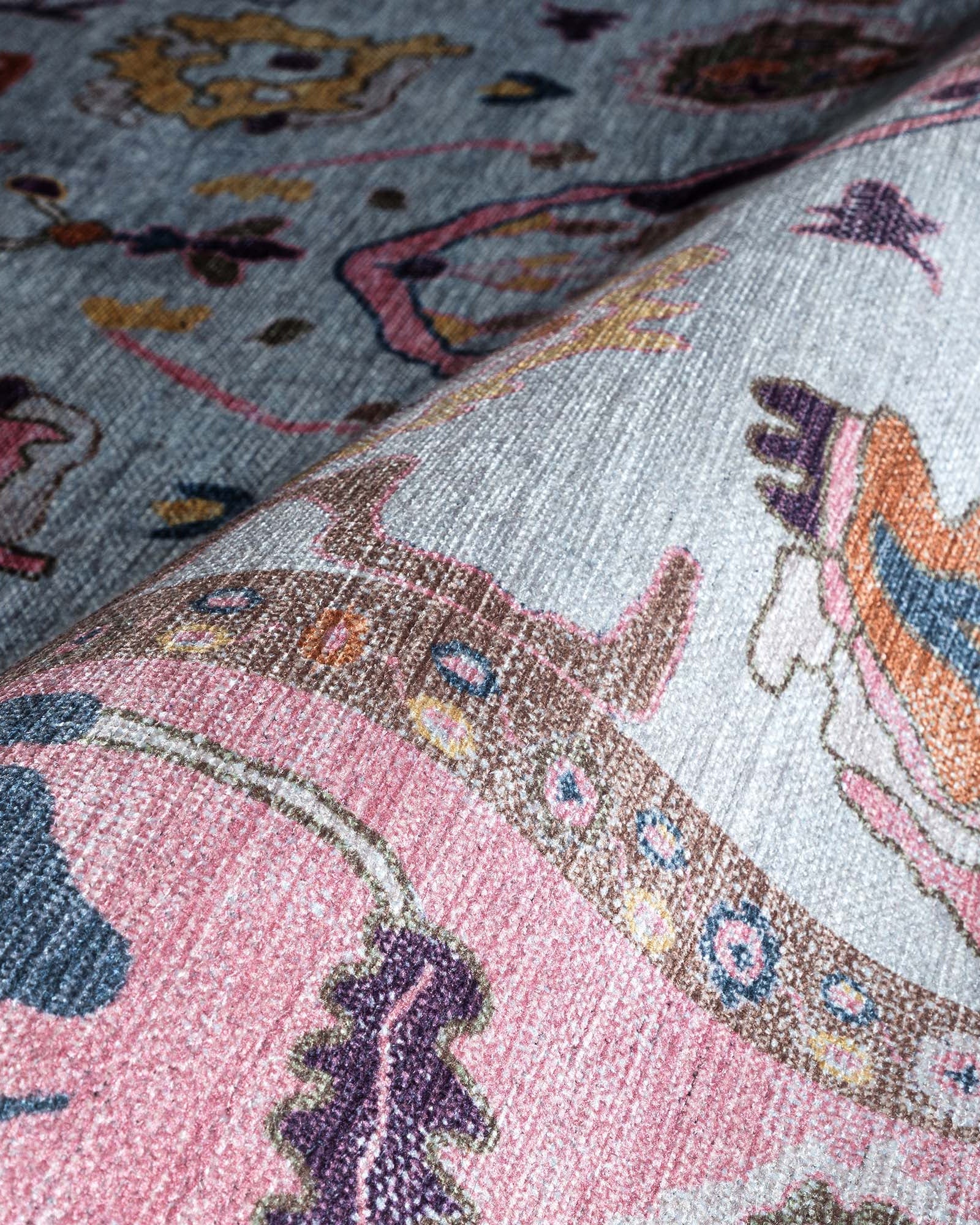
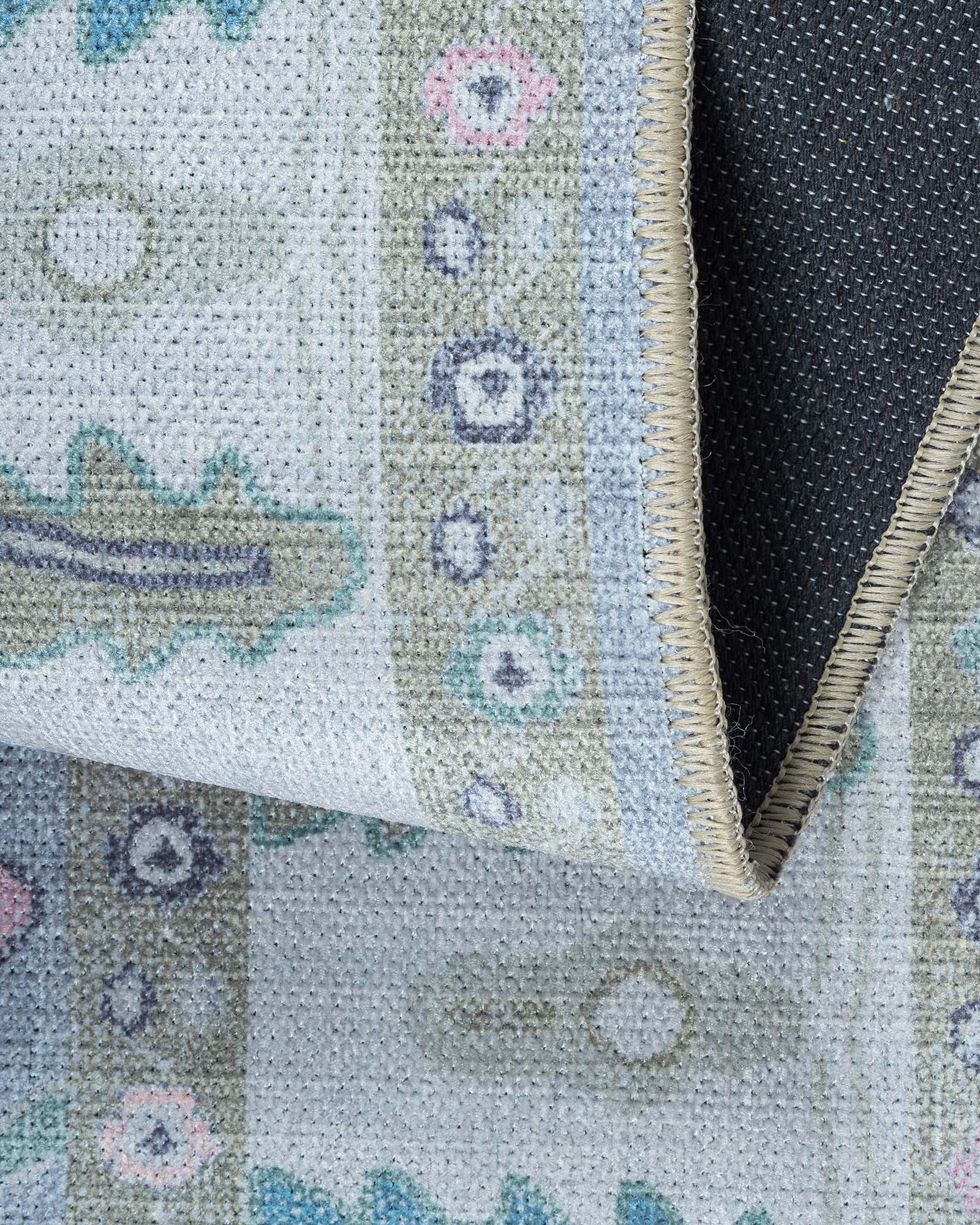
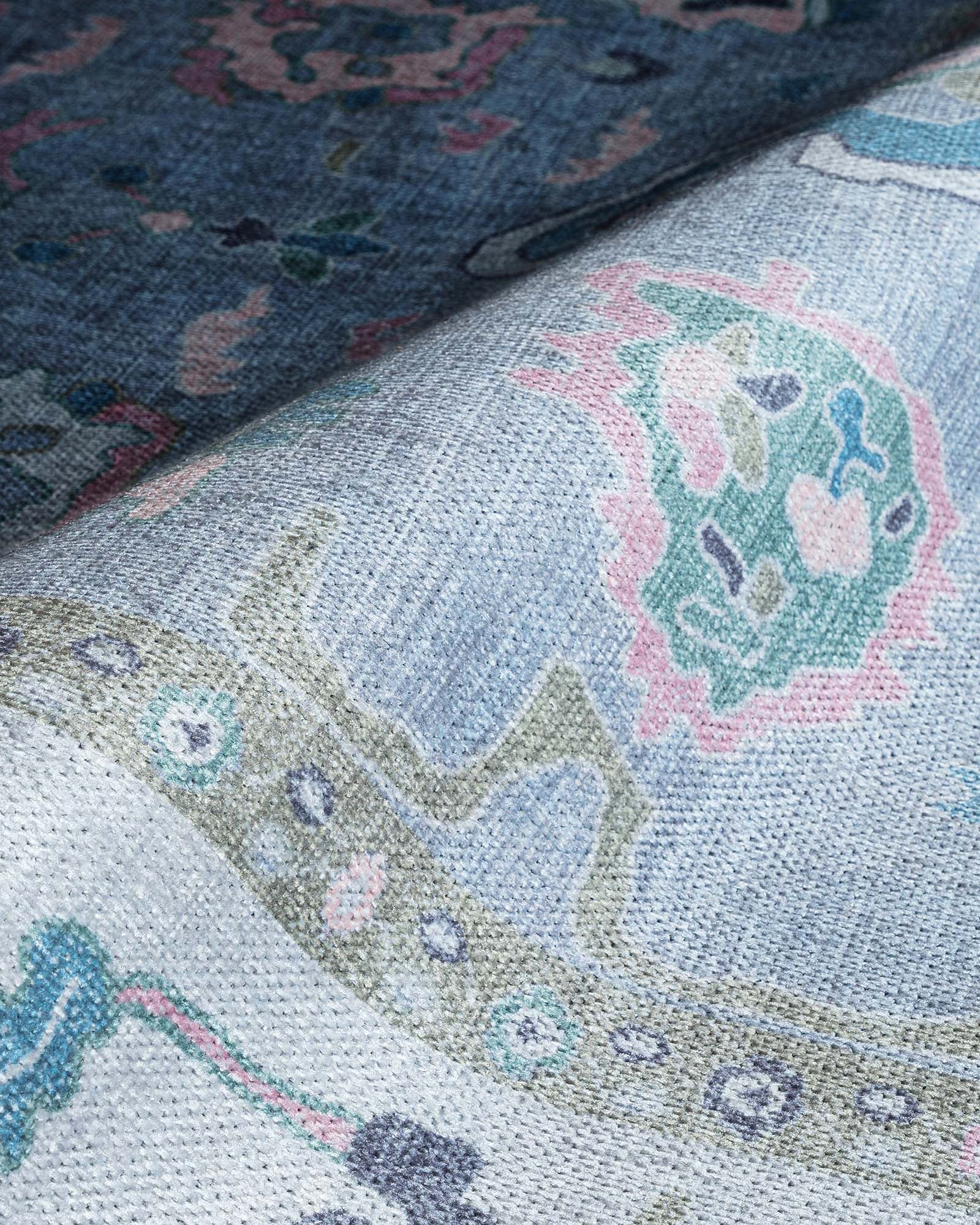
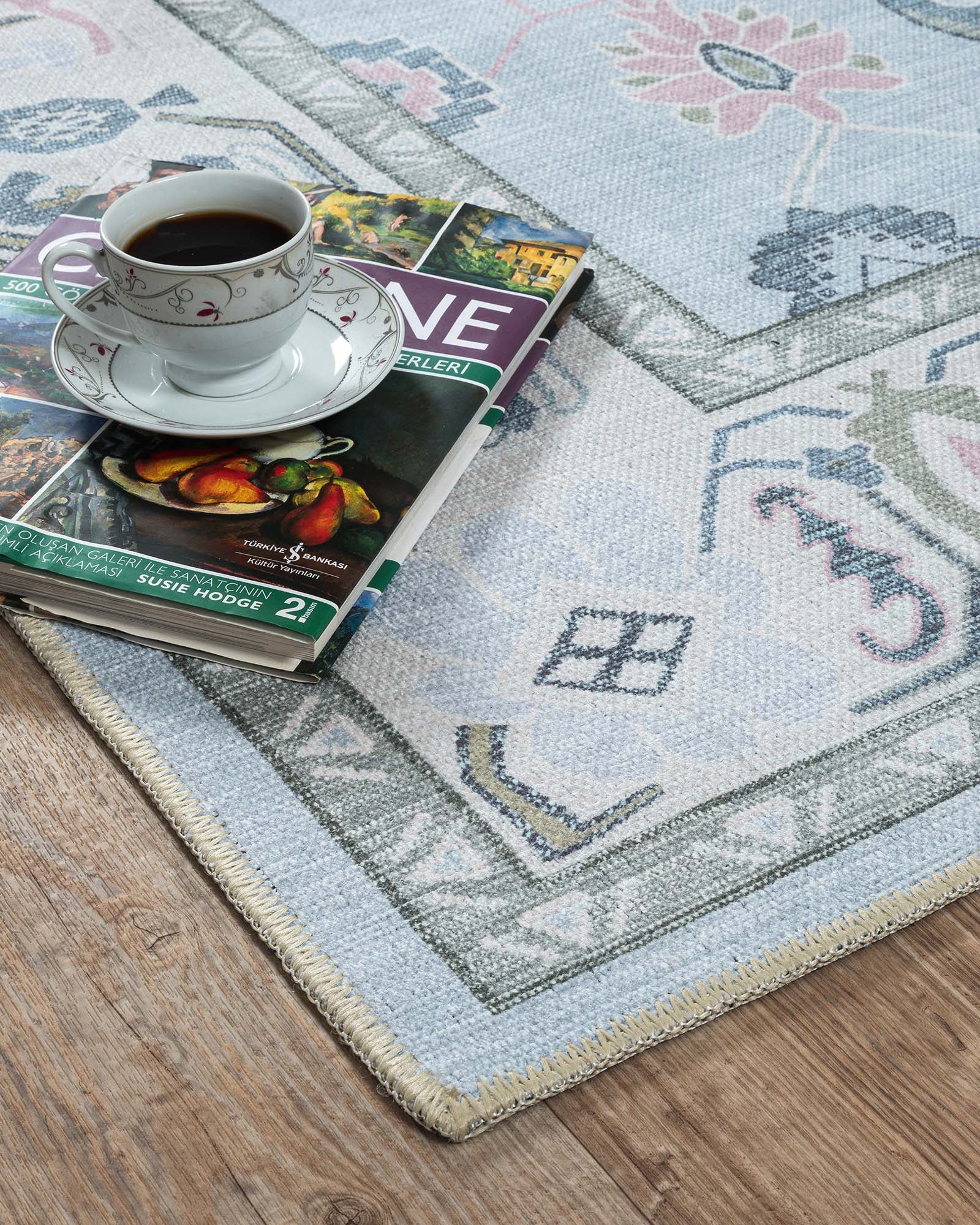
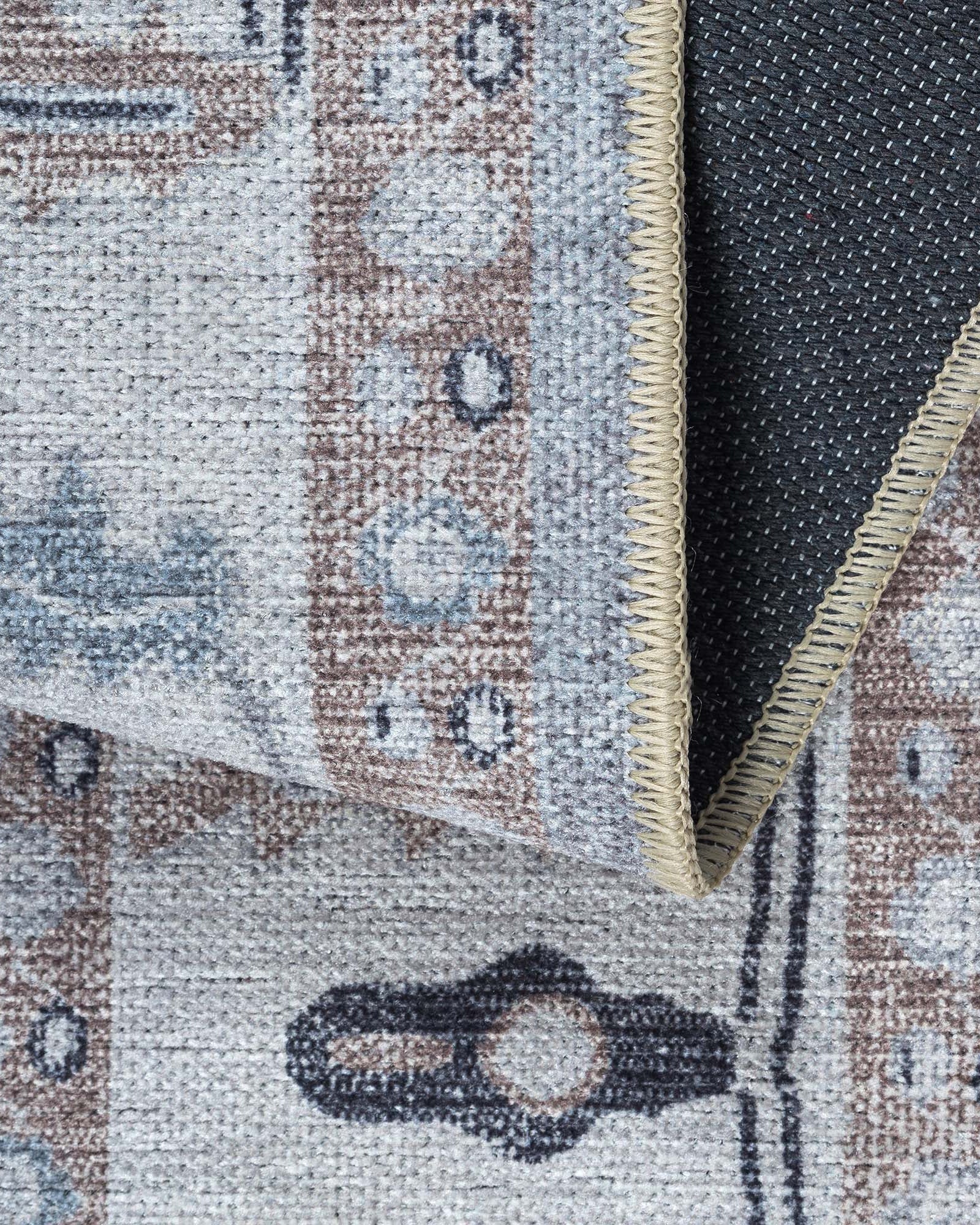
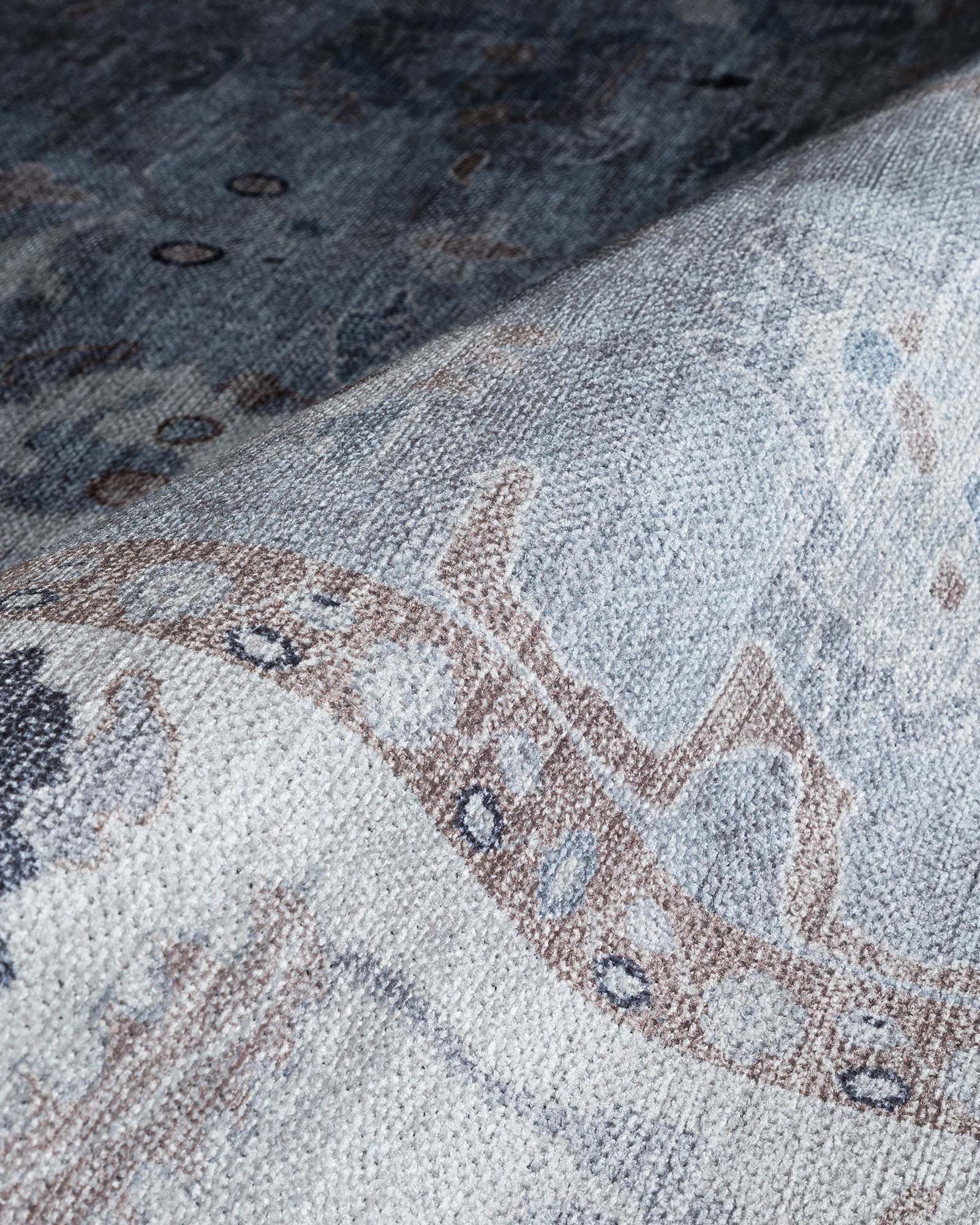
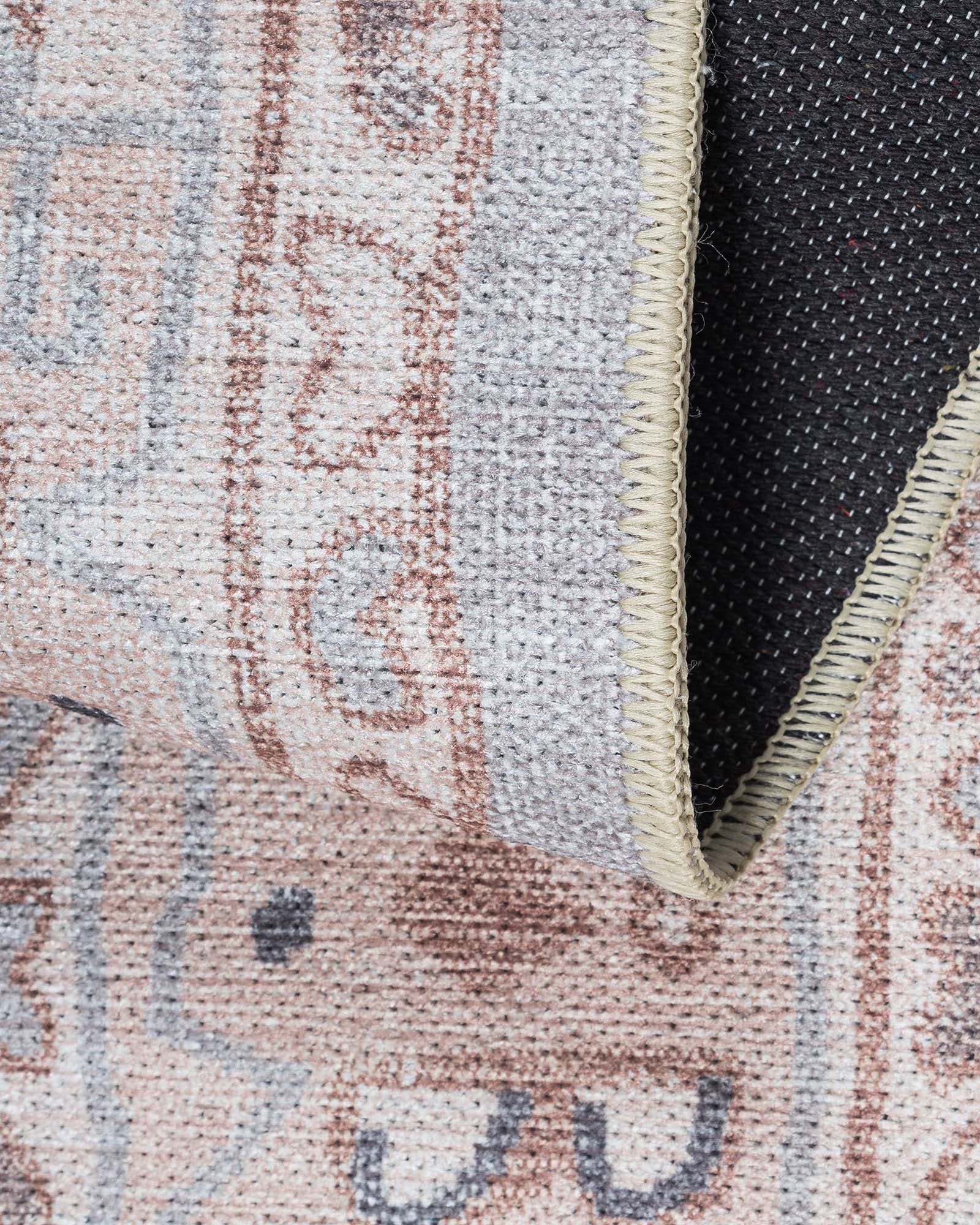
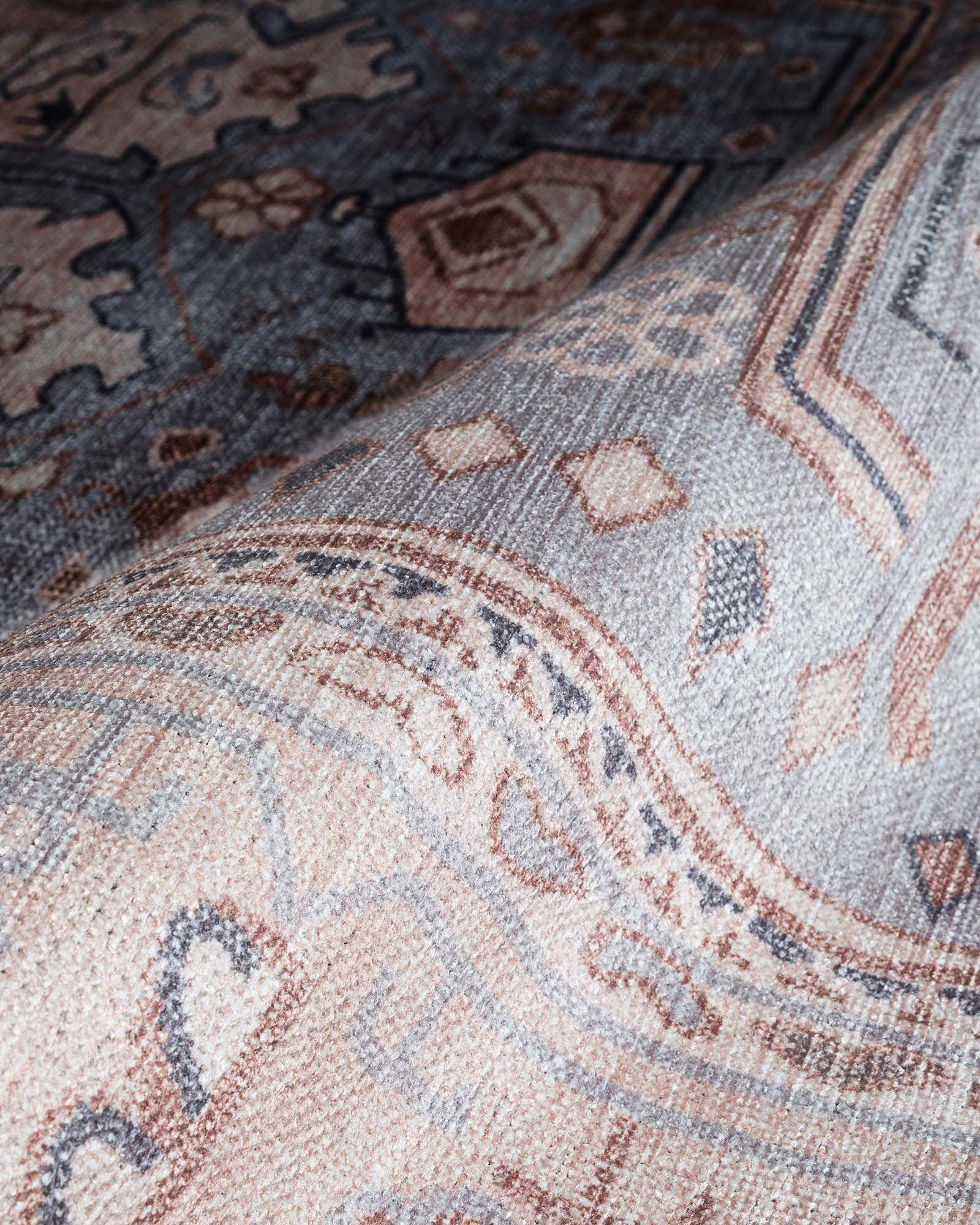
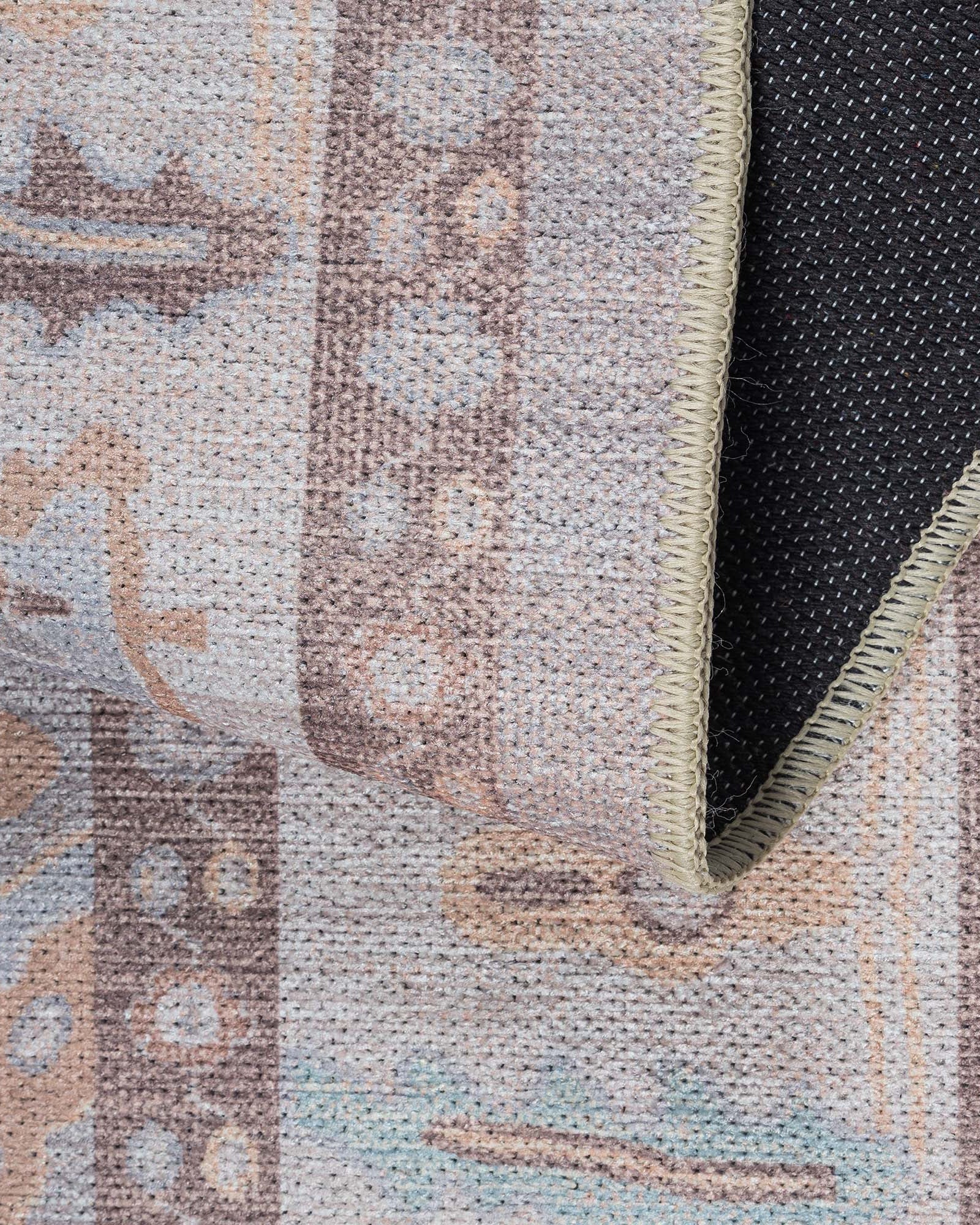
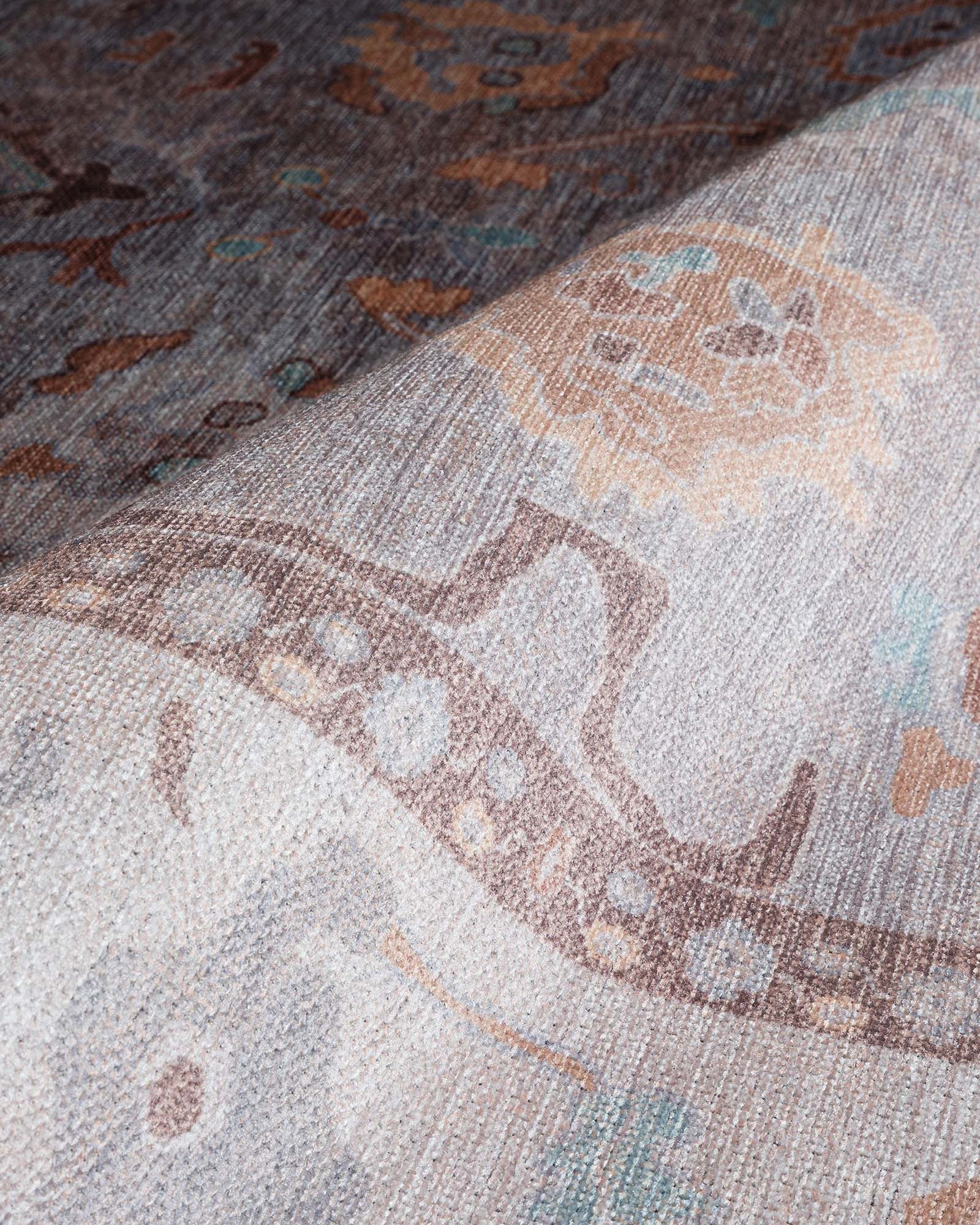
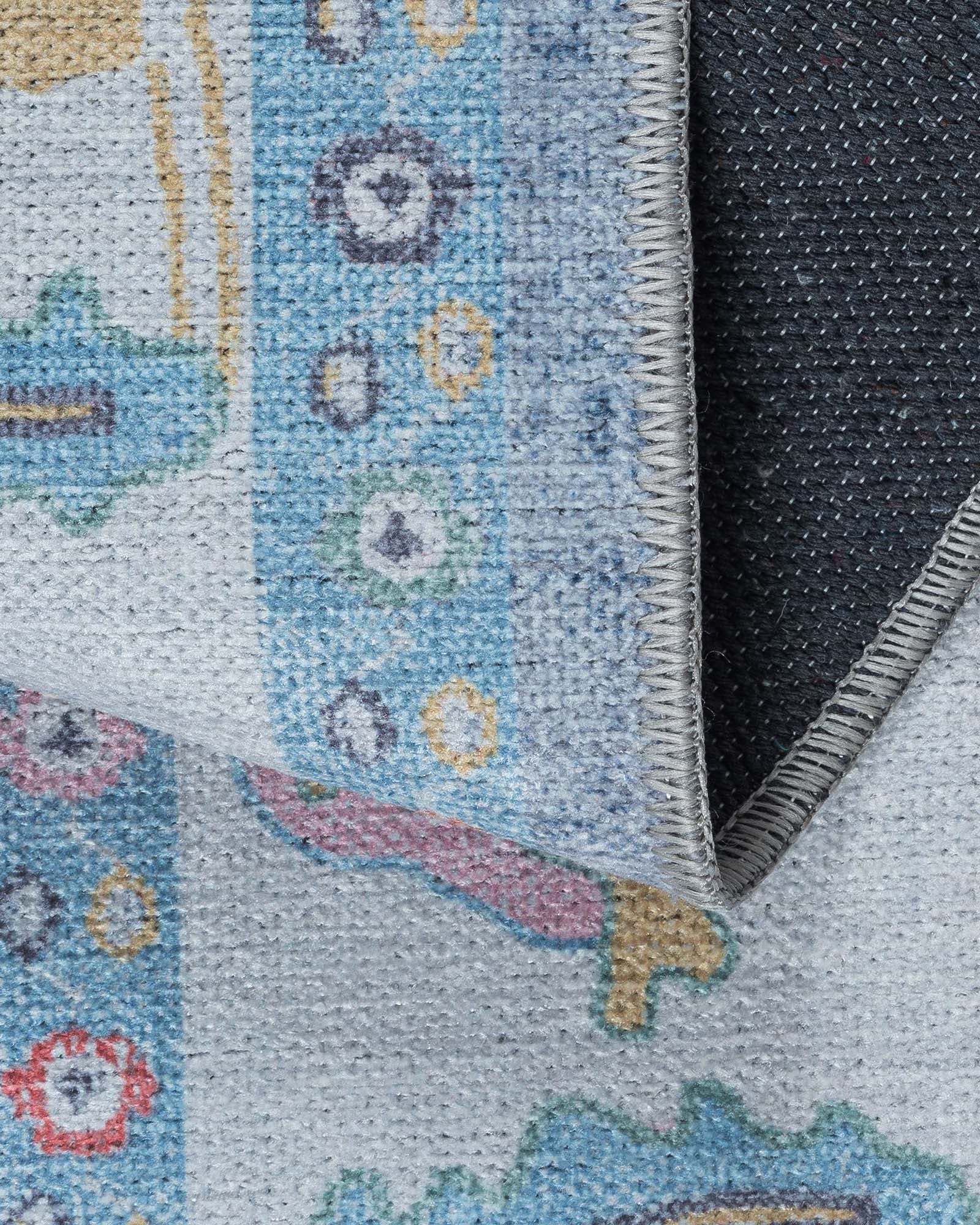
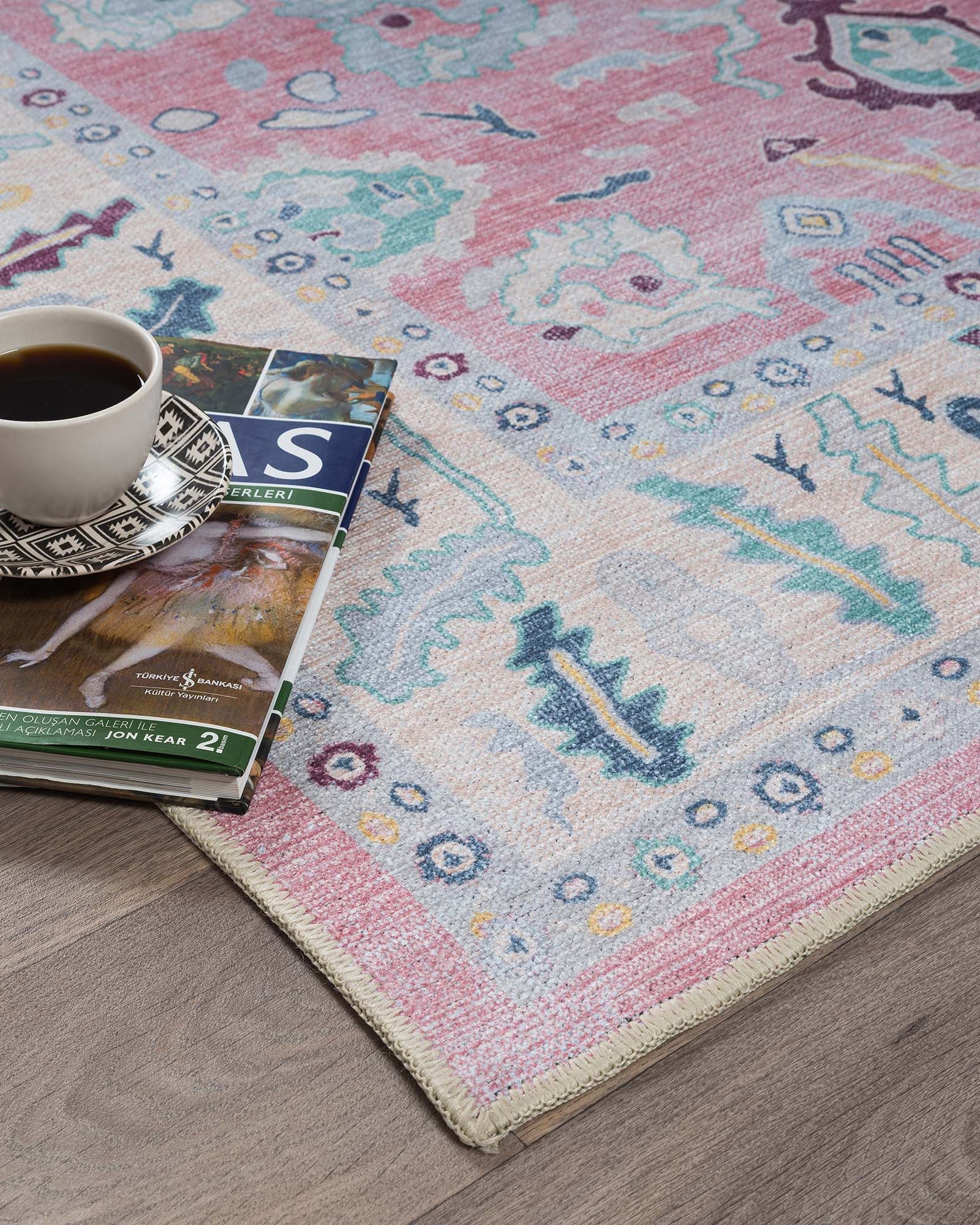
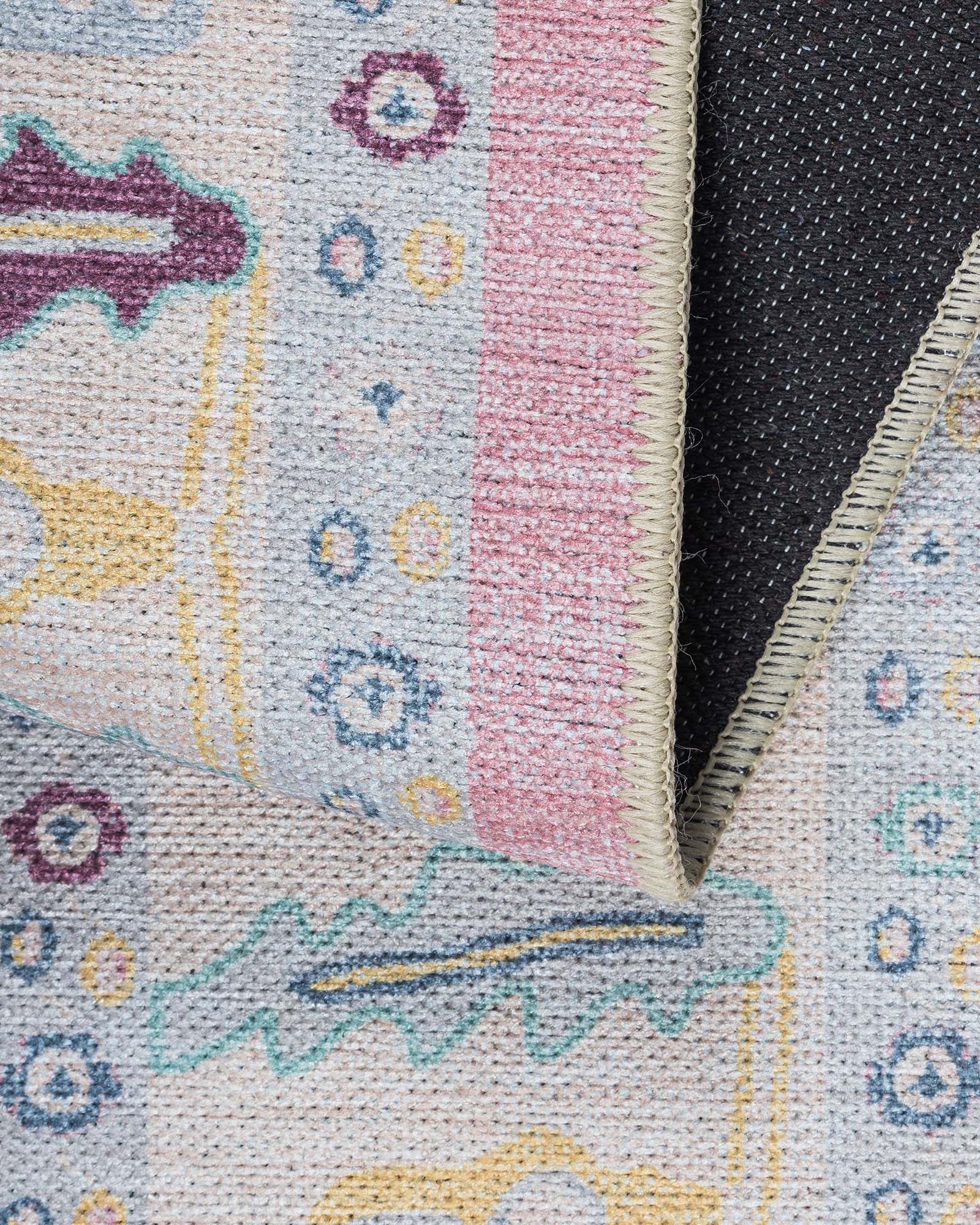
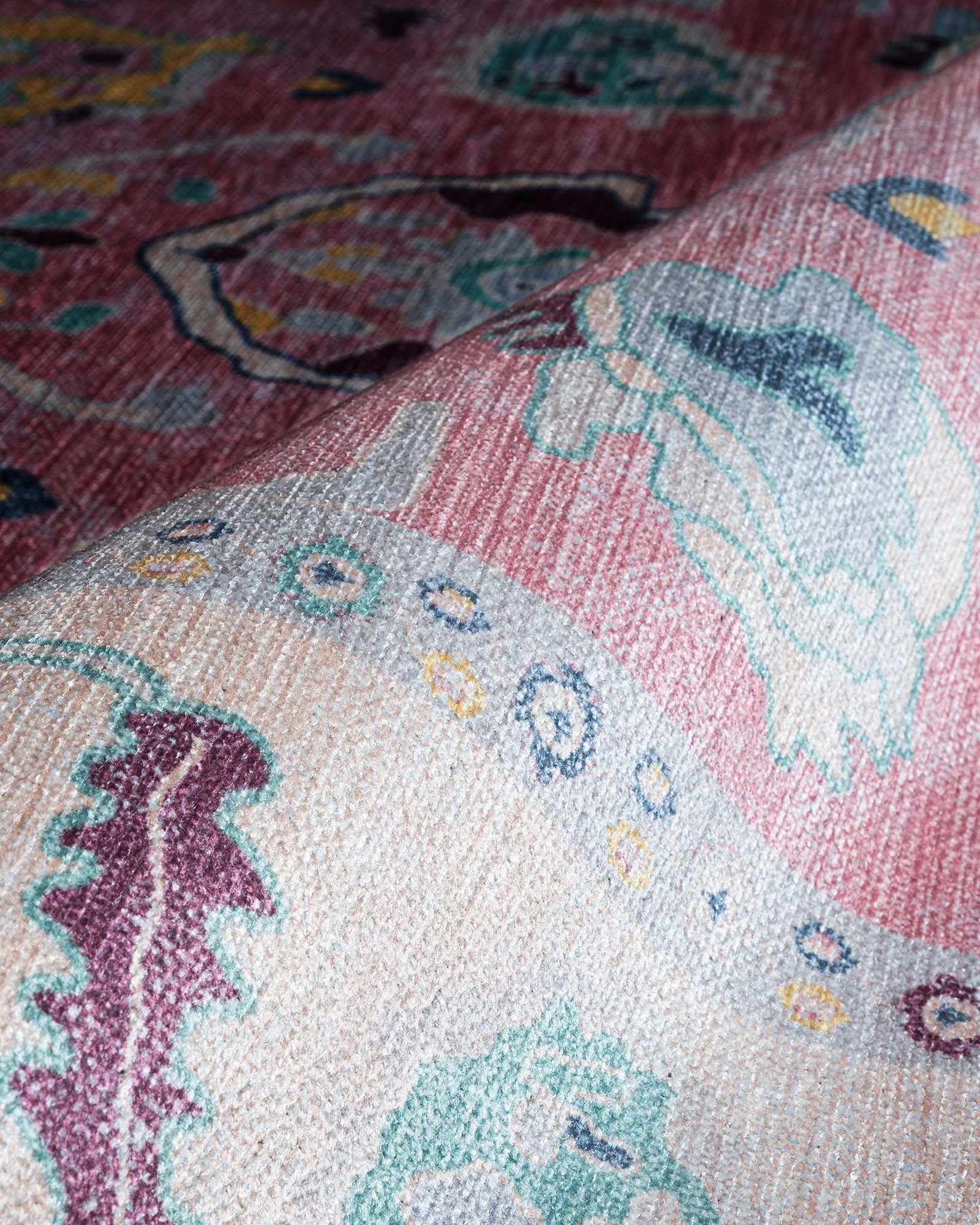
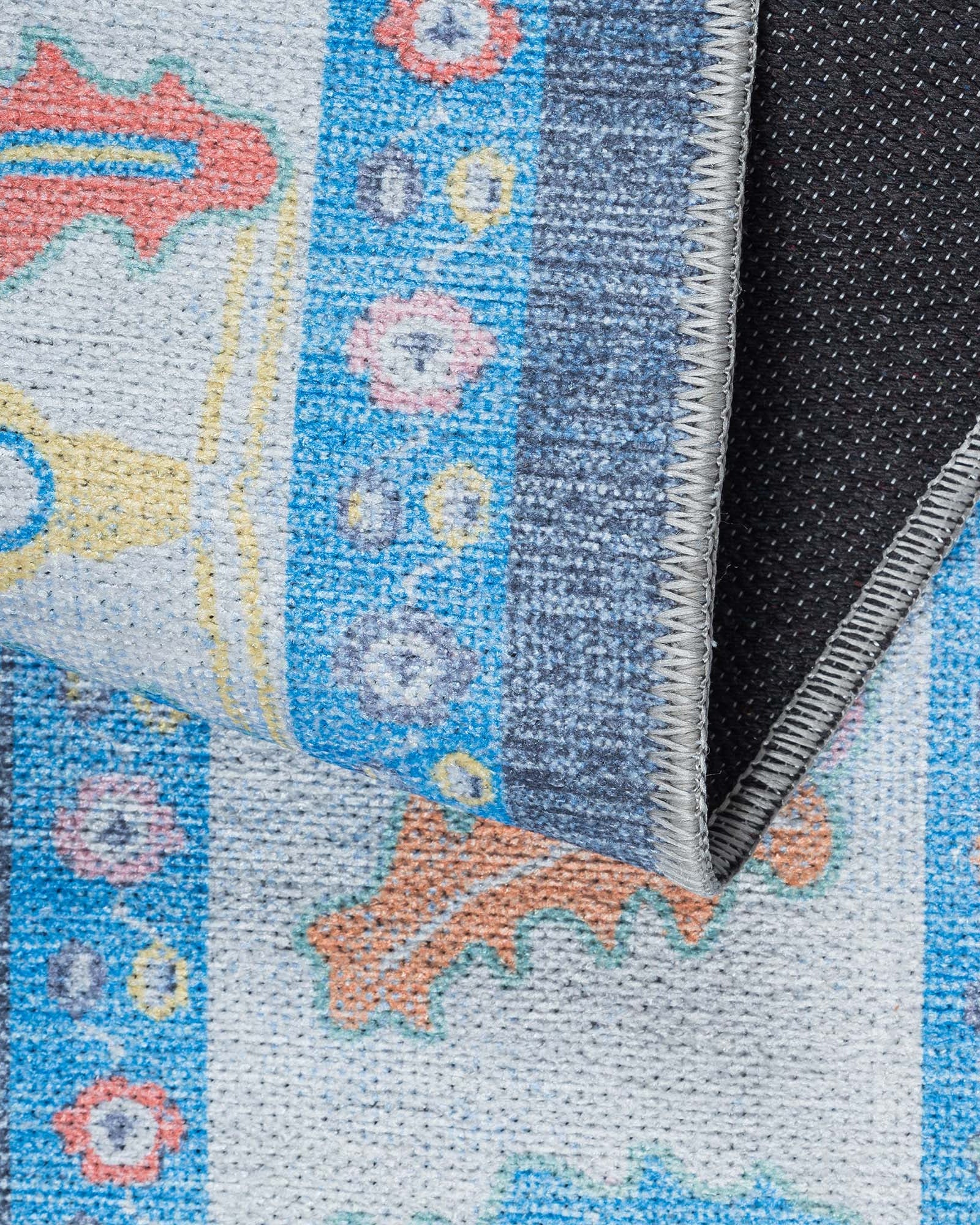
On most rugs in this collection you can see the process directly. Look at the back of the rug, or at the base of the pile where the wool was shielded, and the original stronger red is usually still there. Areas that sat under a sofa for thirty years are often noticeably deeper than the open field. Border colours frequently survive better than the field. None of this is inconsistency — it is the record of where the rug lived.
Genuine Pale Dyeing
A minority of pieces here were pale from the start. Kerman weaving in southern Persia used soft rose and blush deliberately in delicate floral fields, and some Oushak pieces carry a naturally light salmon ground. Where a rug was woven pale rather than faded to it, the product page says so.
The Range Within Pink
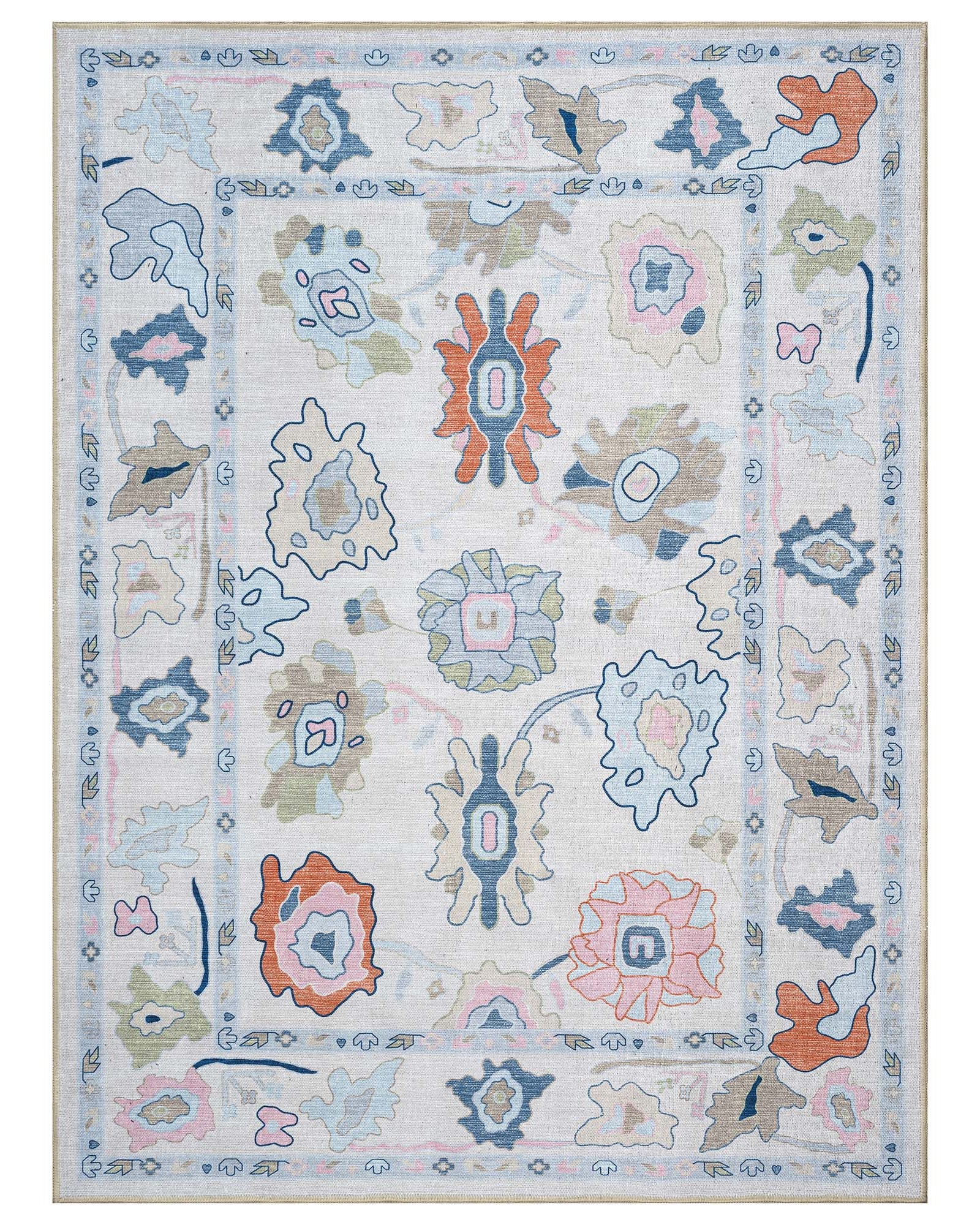
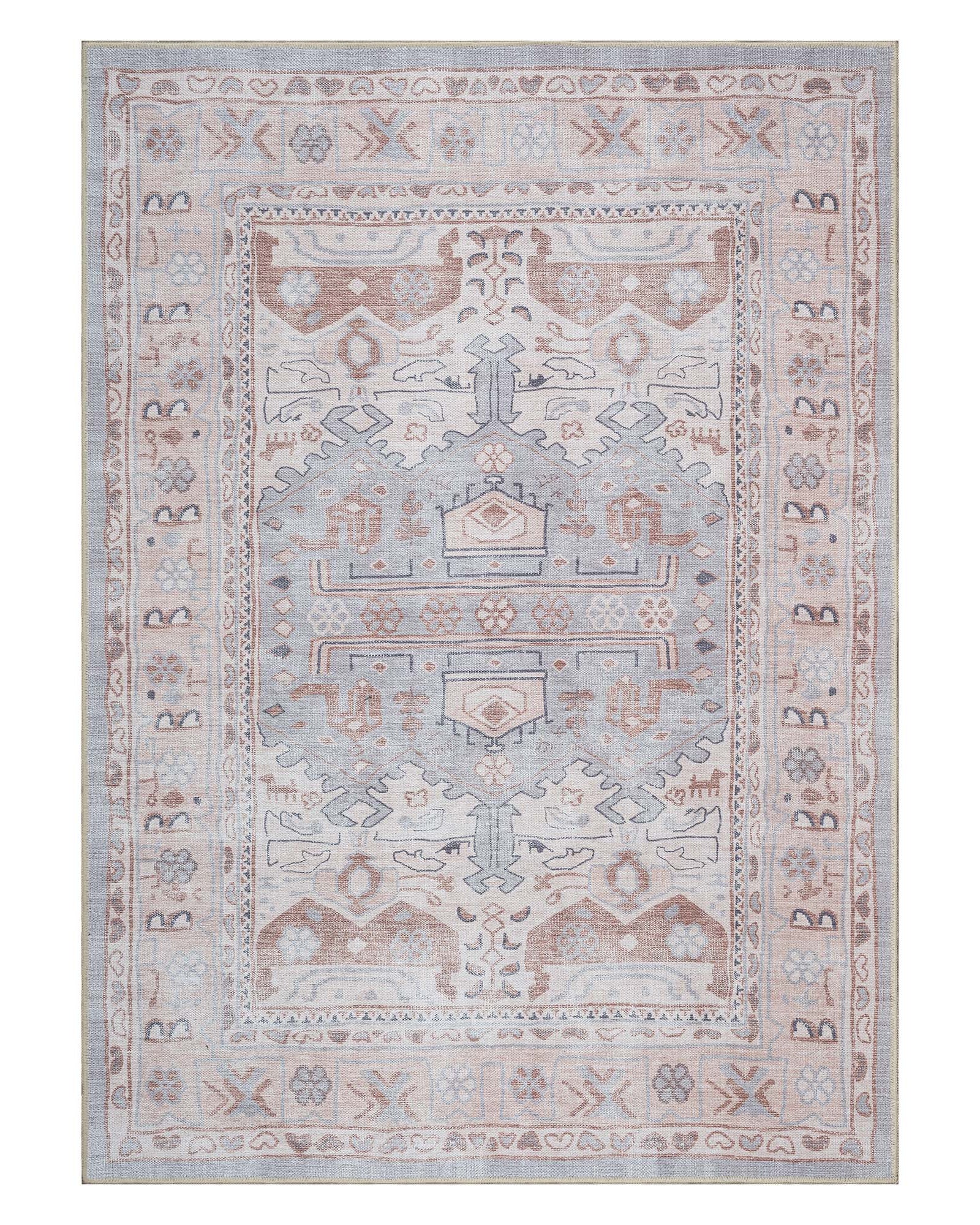
Blush and pale rose are the softest, reading almost as a warm neutral and easily mistaken for cream at a distance. Dusty rose and antique pink sit in the middle, with enough colour to register but not enough to dictate a scheme. Terracotta-pink and coral are warmer and stronger, leaning toward the red family and pairing naturally with wood and brass. Salmon and peach carry a yellow undertone and often indicate an Oushak or Kerman origin. Each product page names the dominant tone.
Using Pink Rugs in a Room
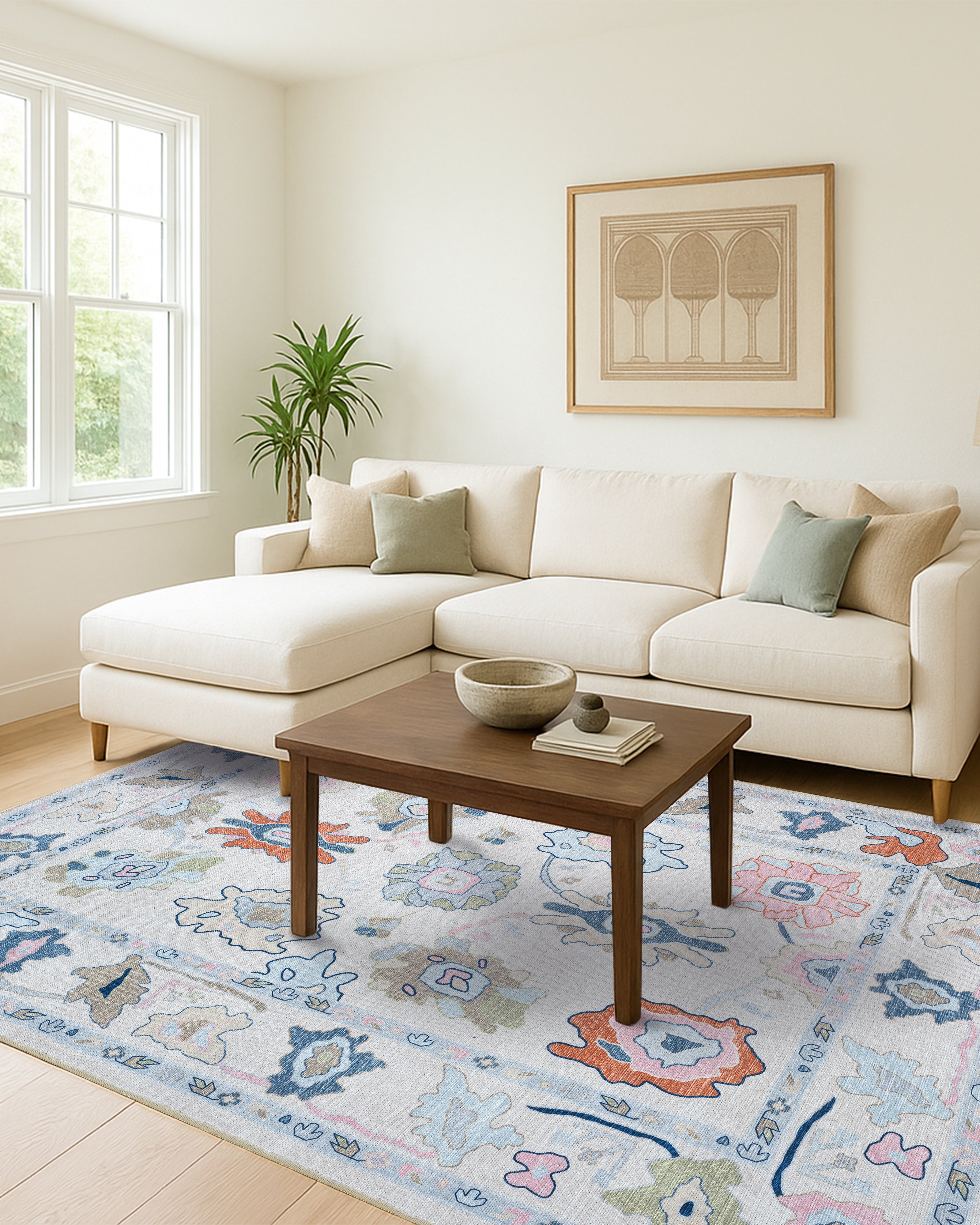
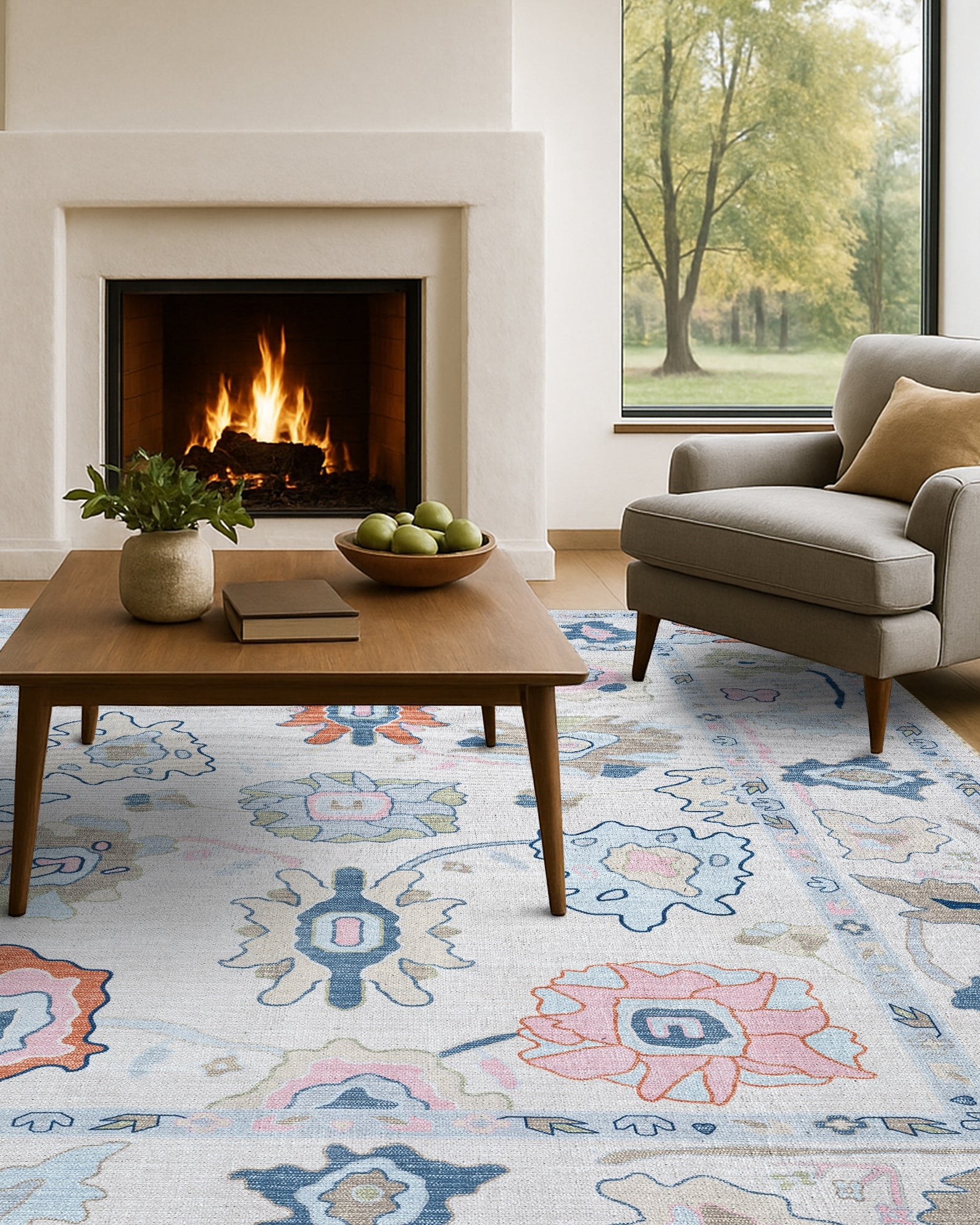
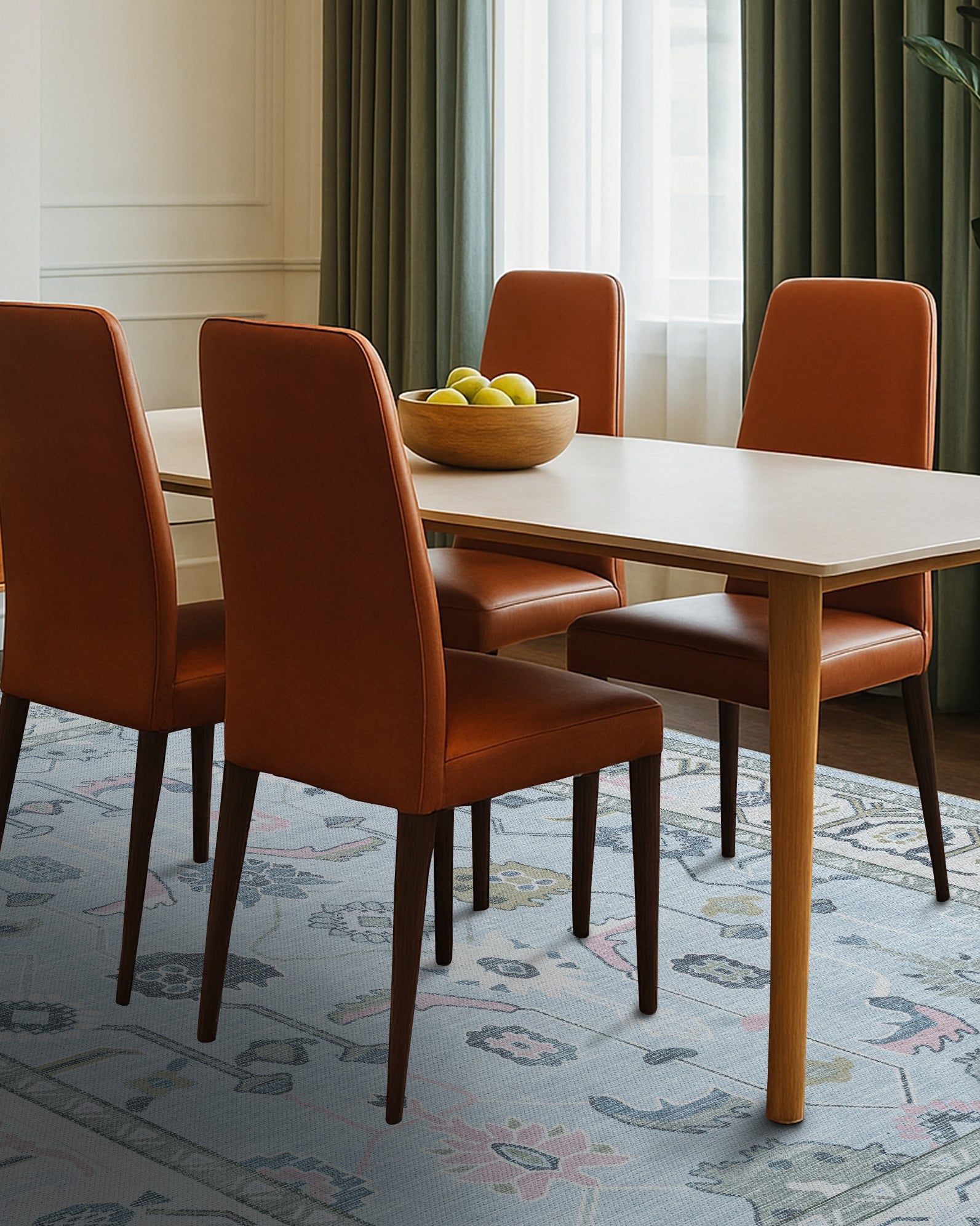
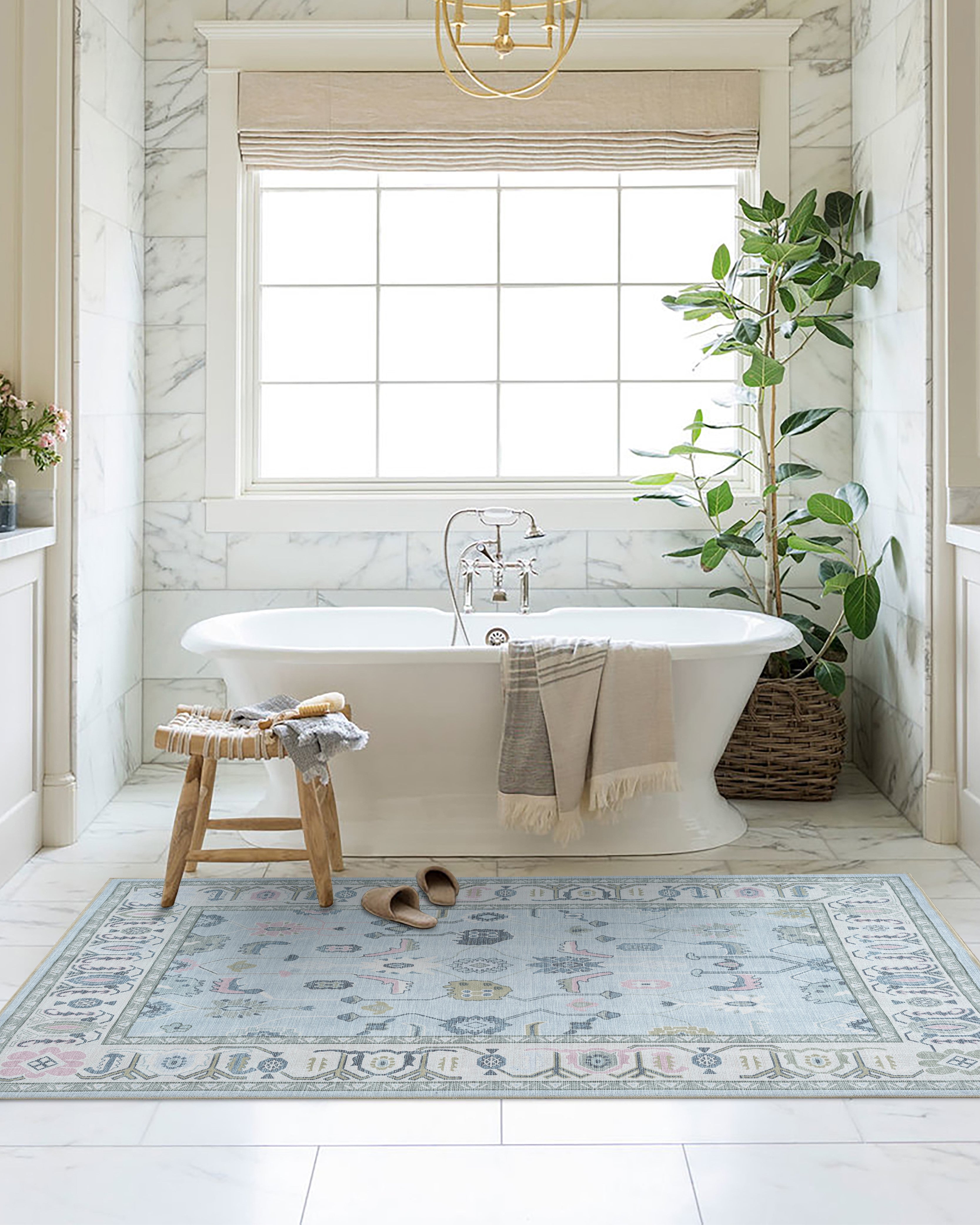
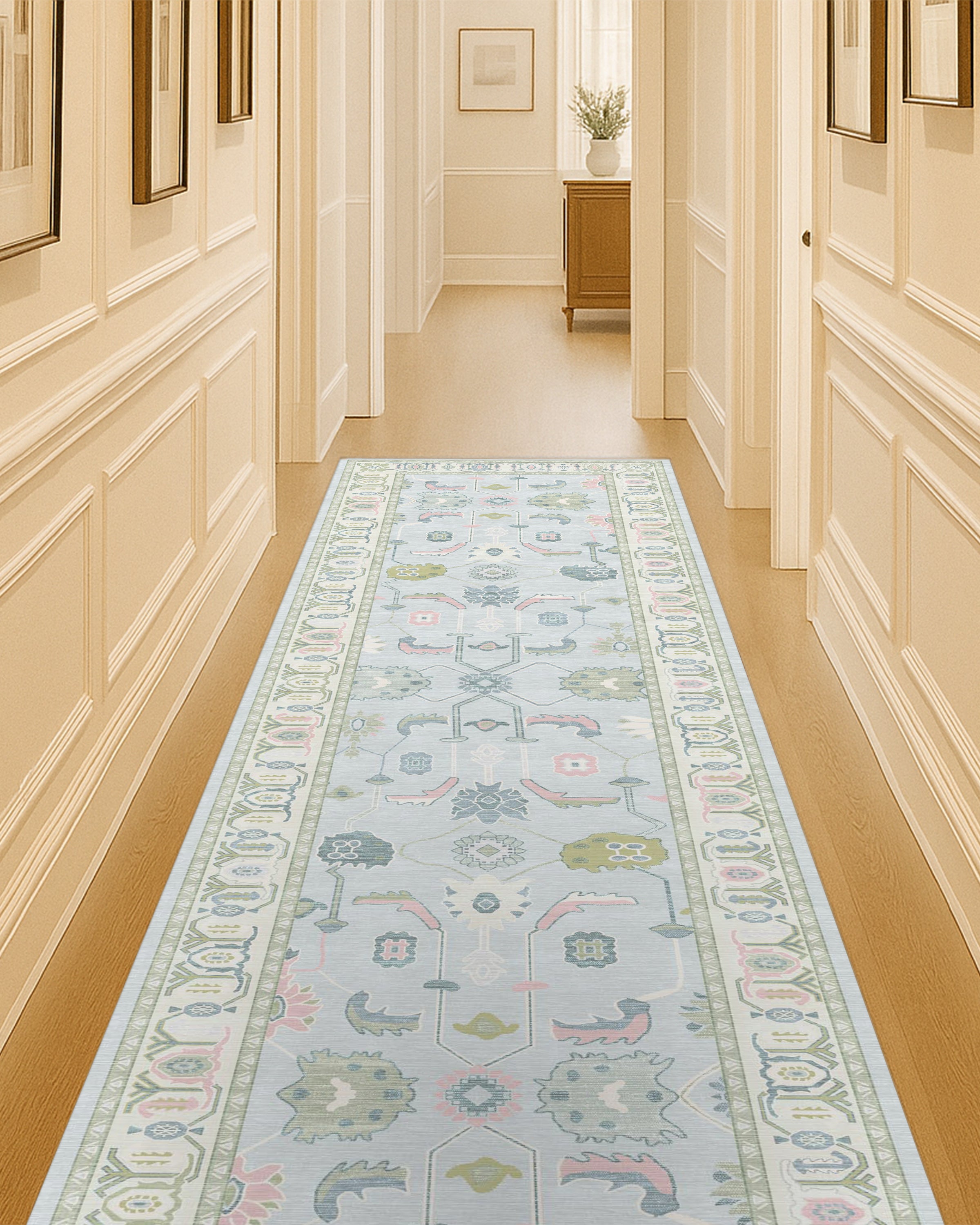
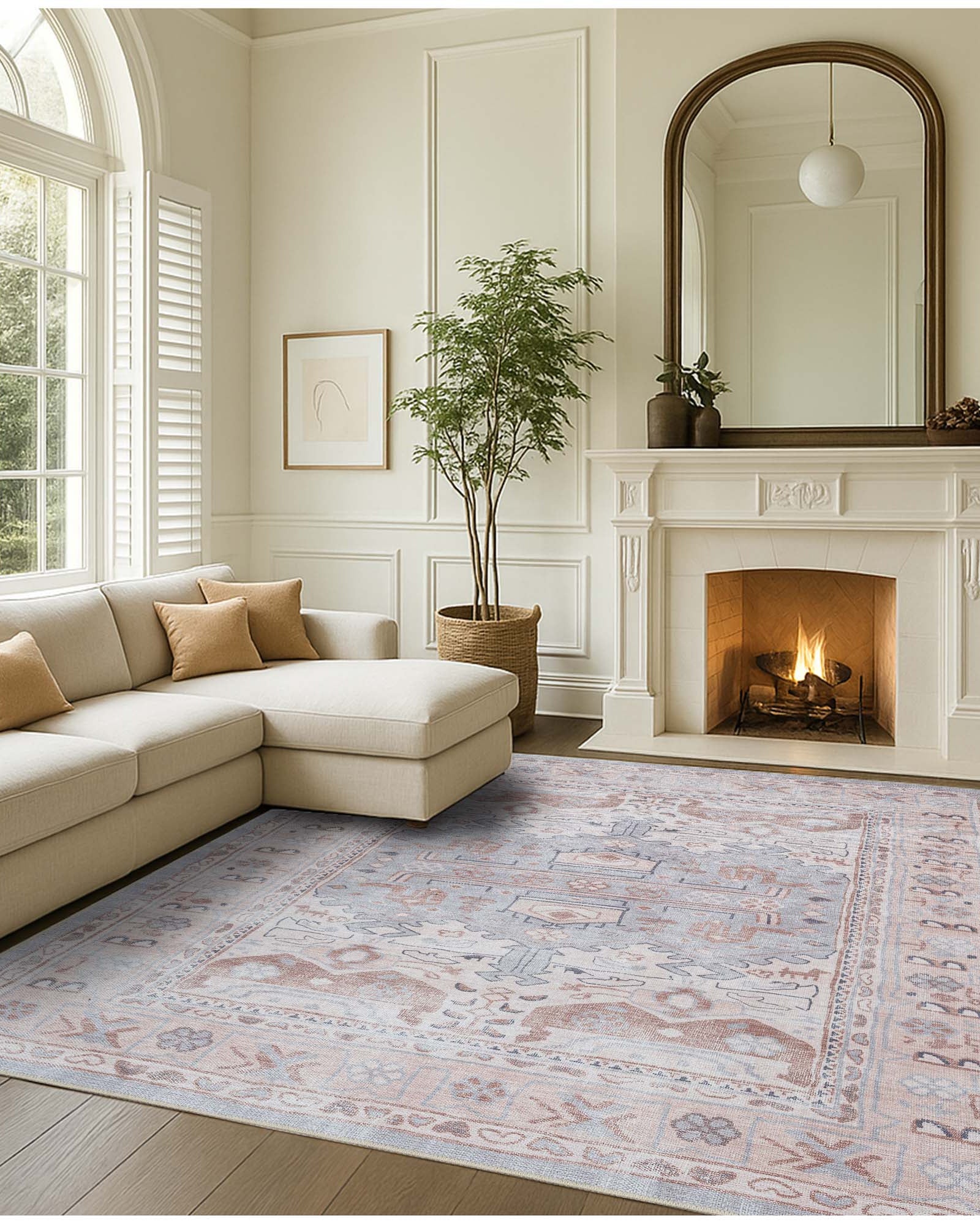
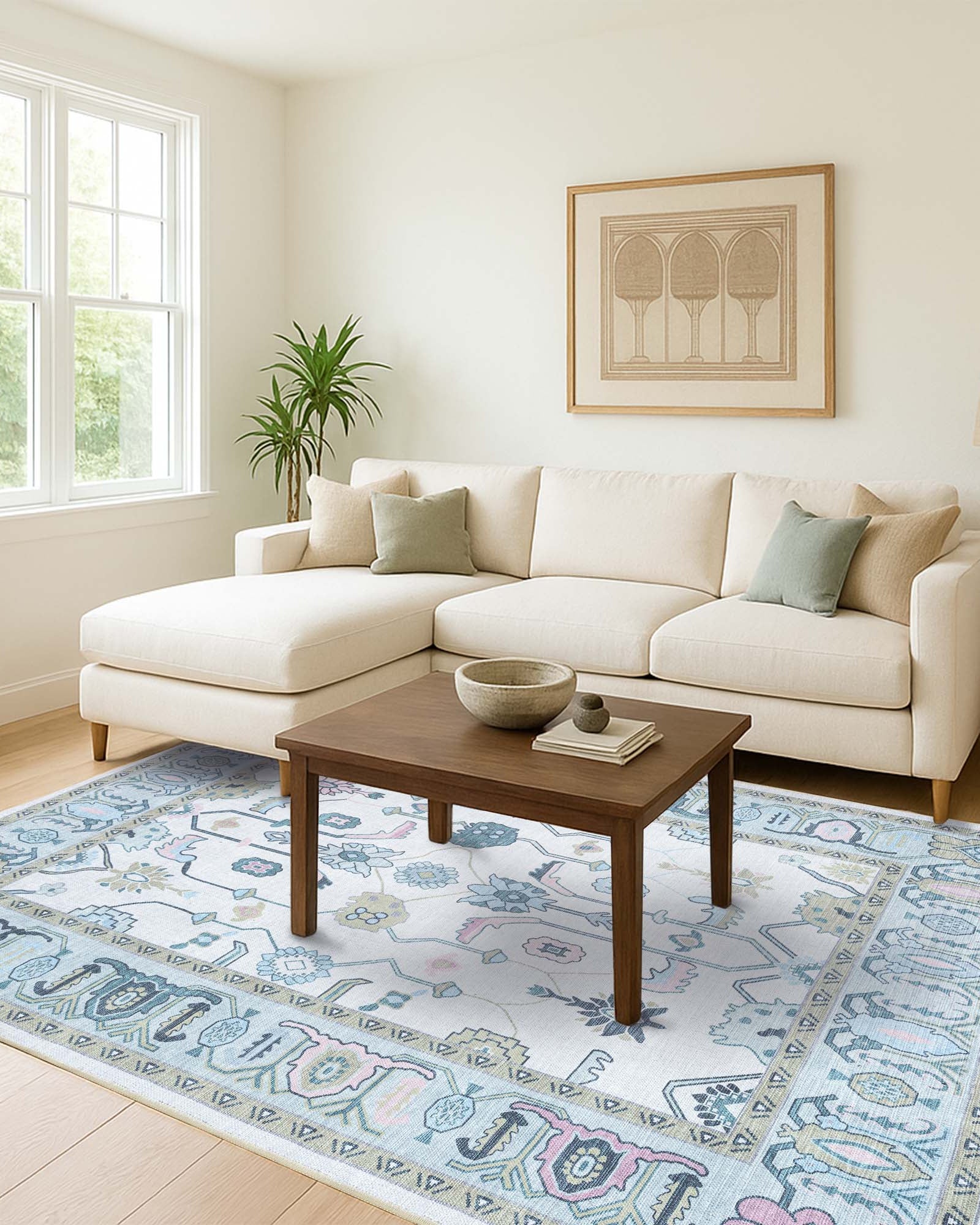
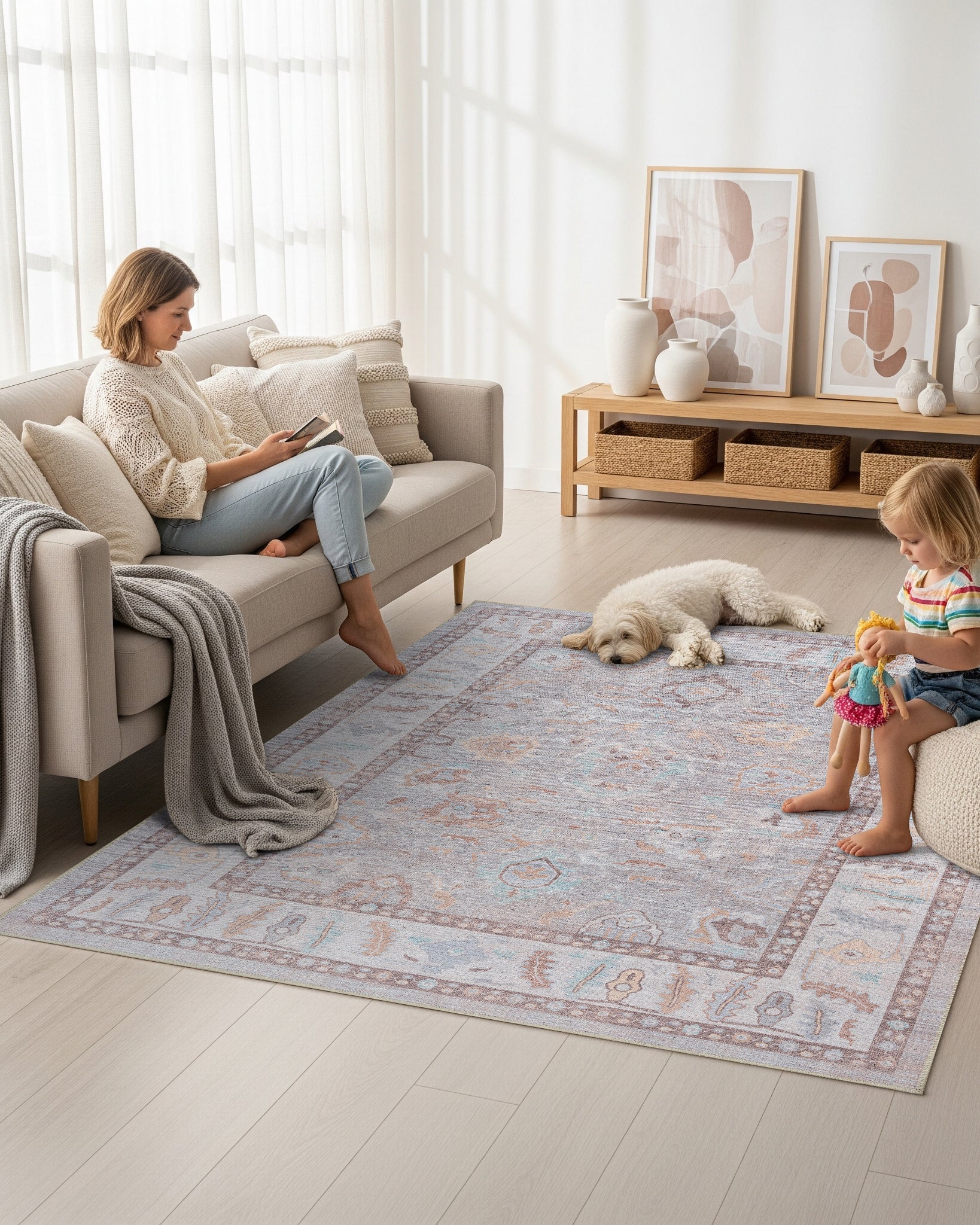
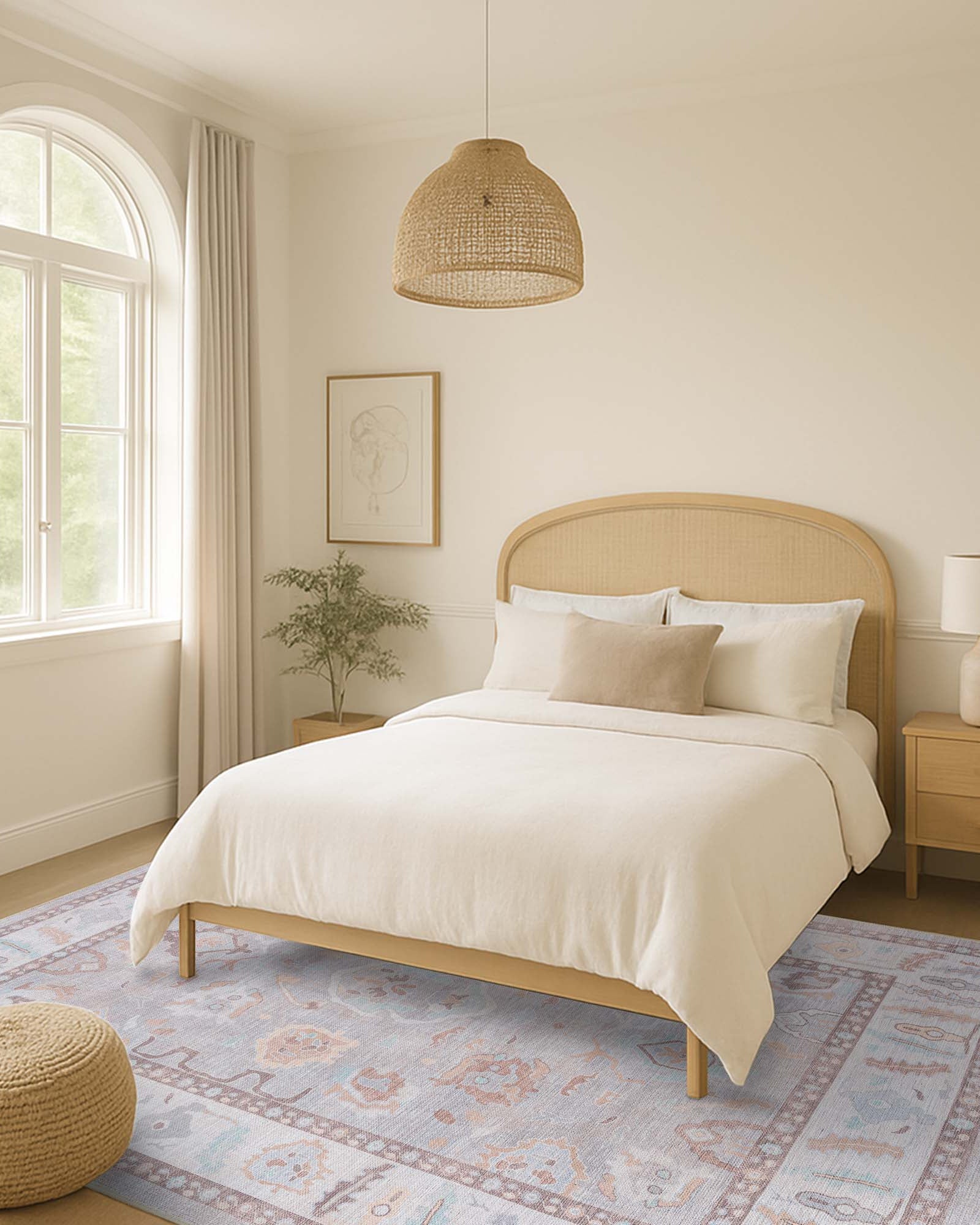
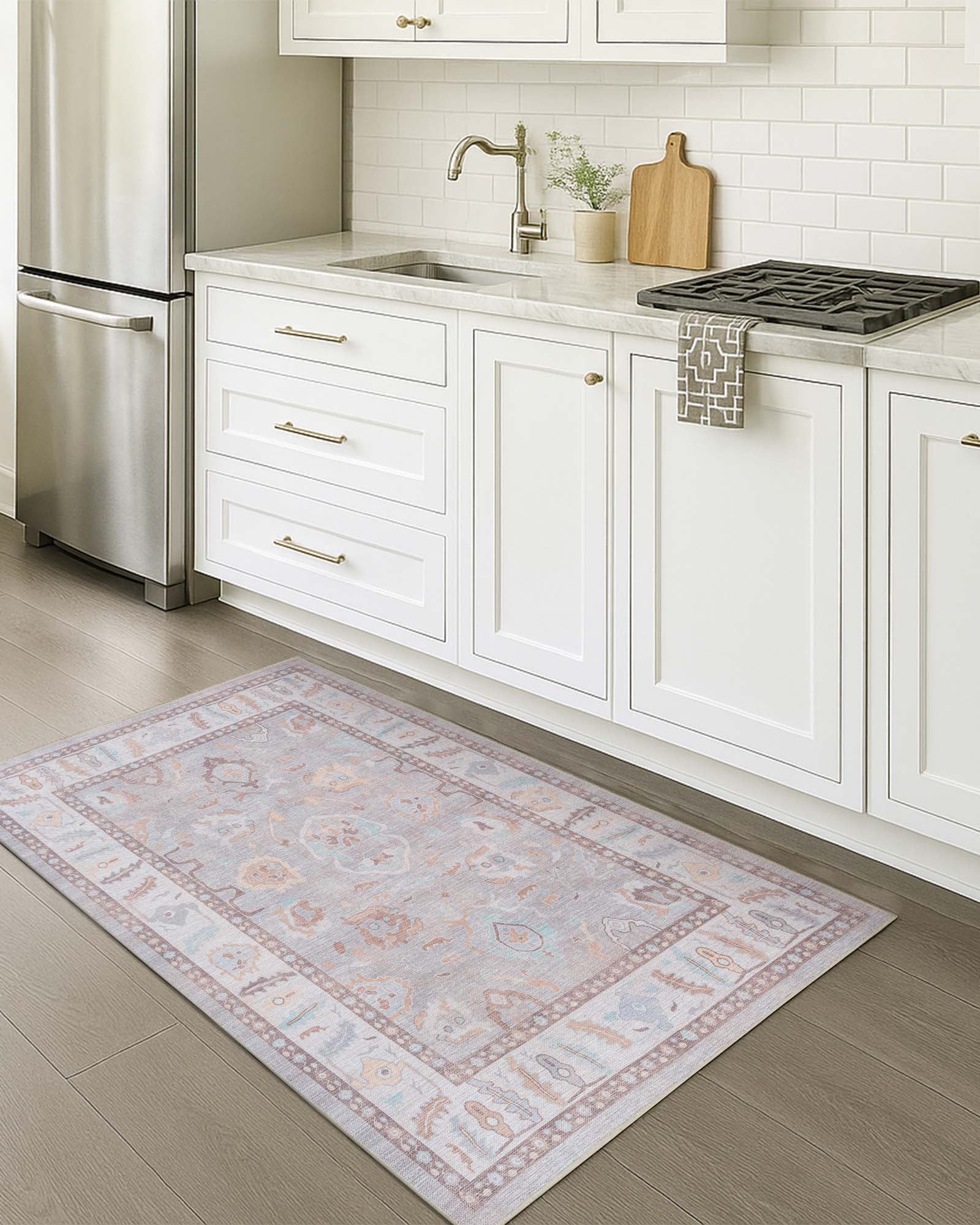
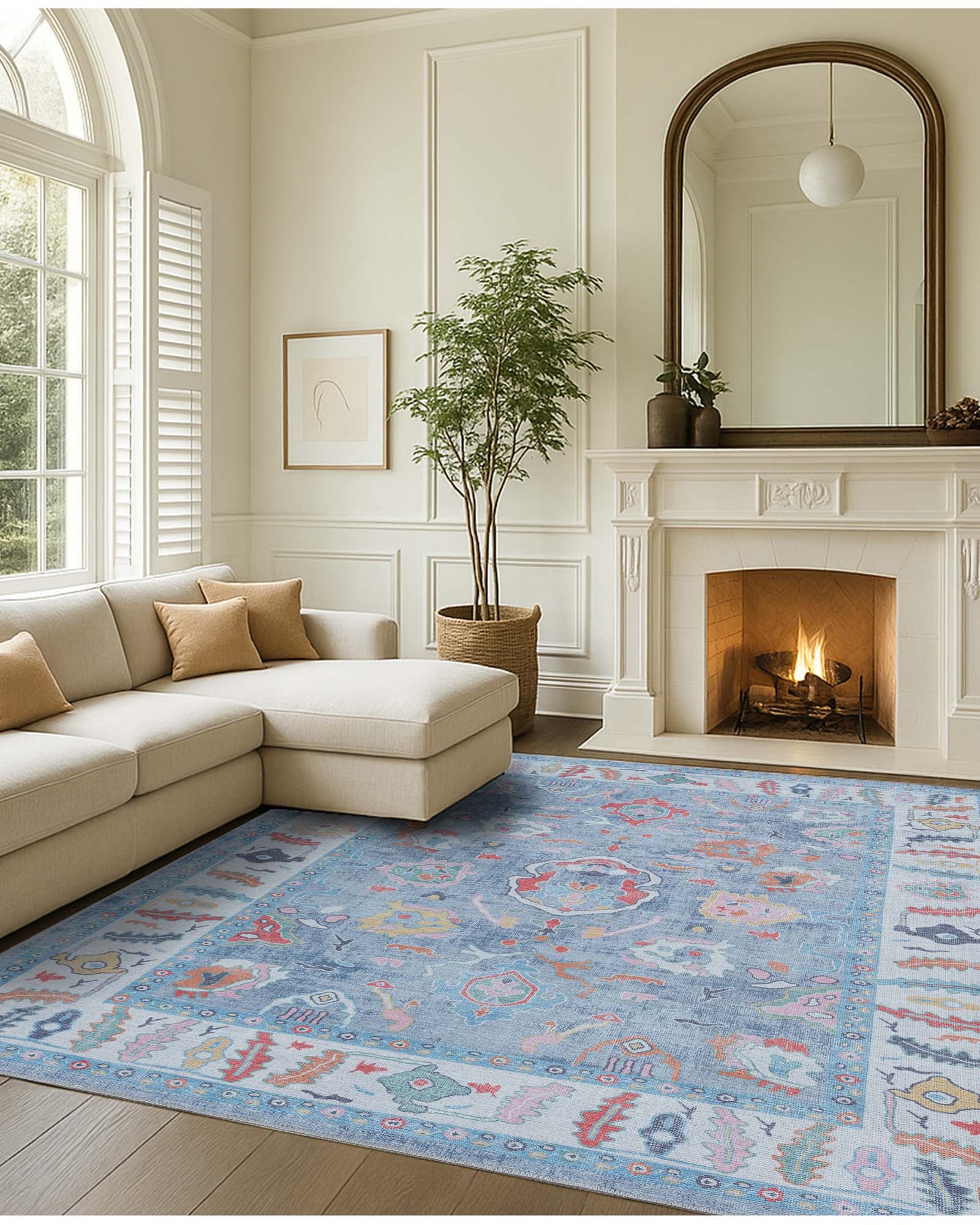
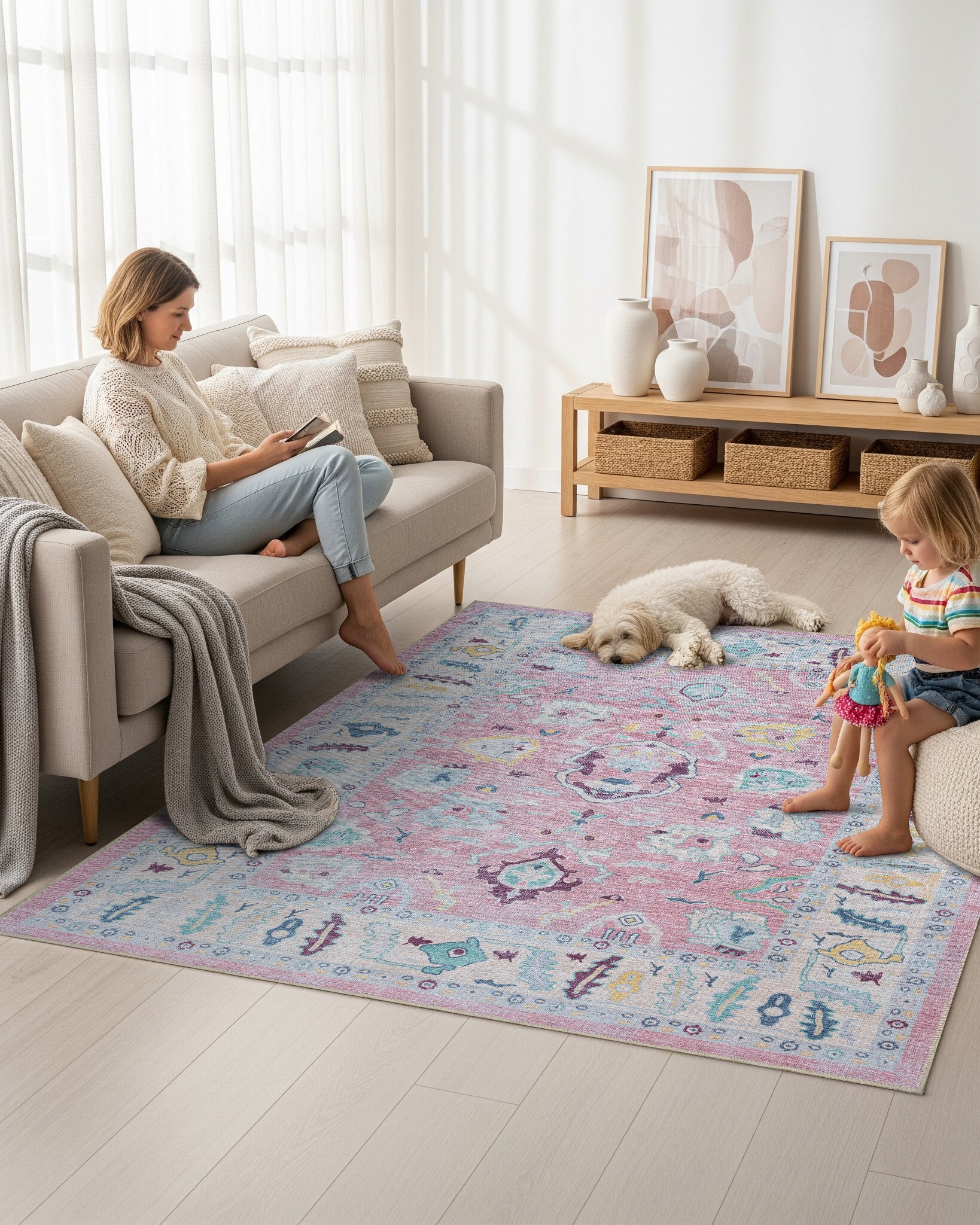
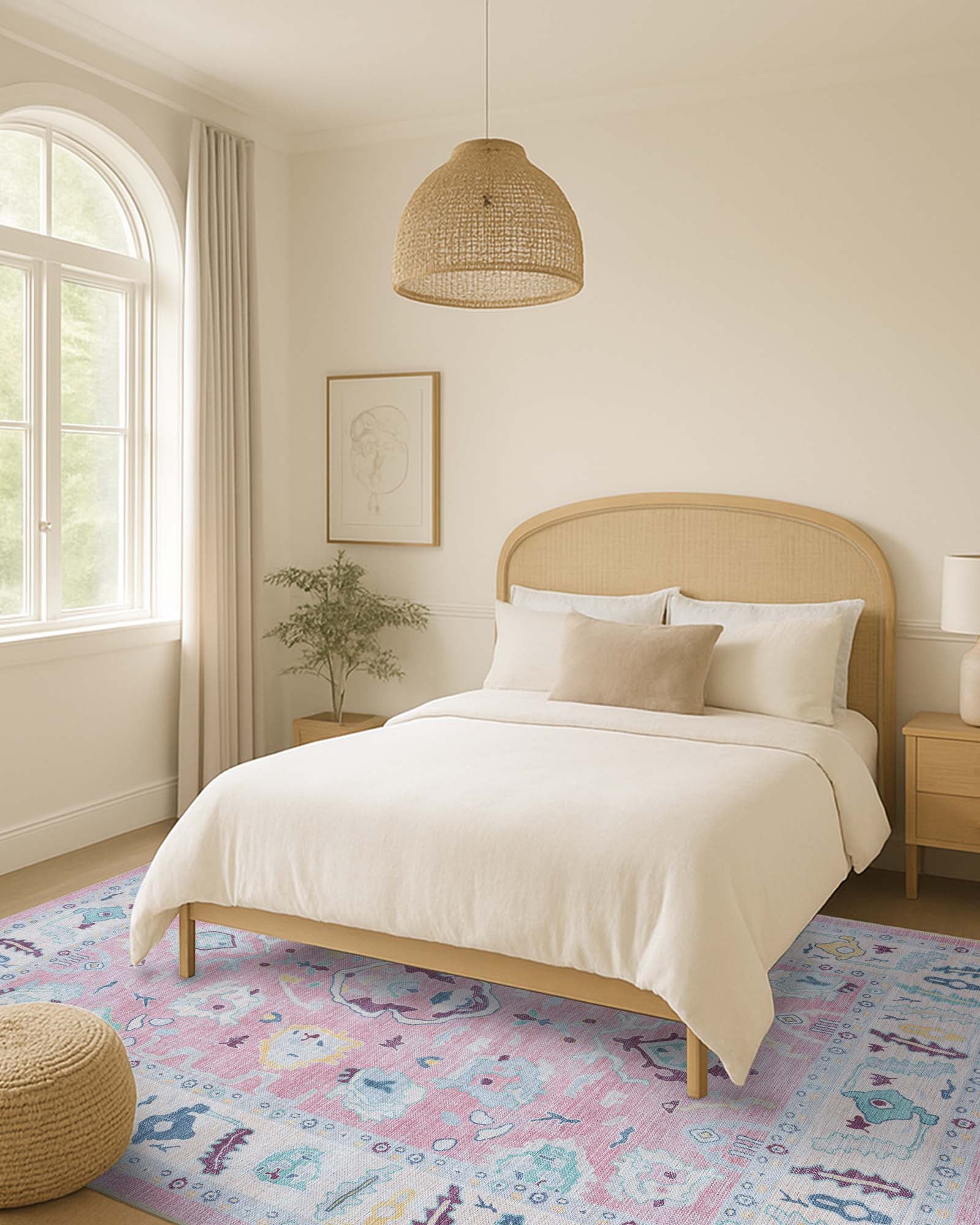
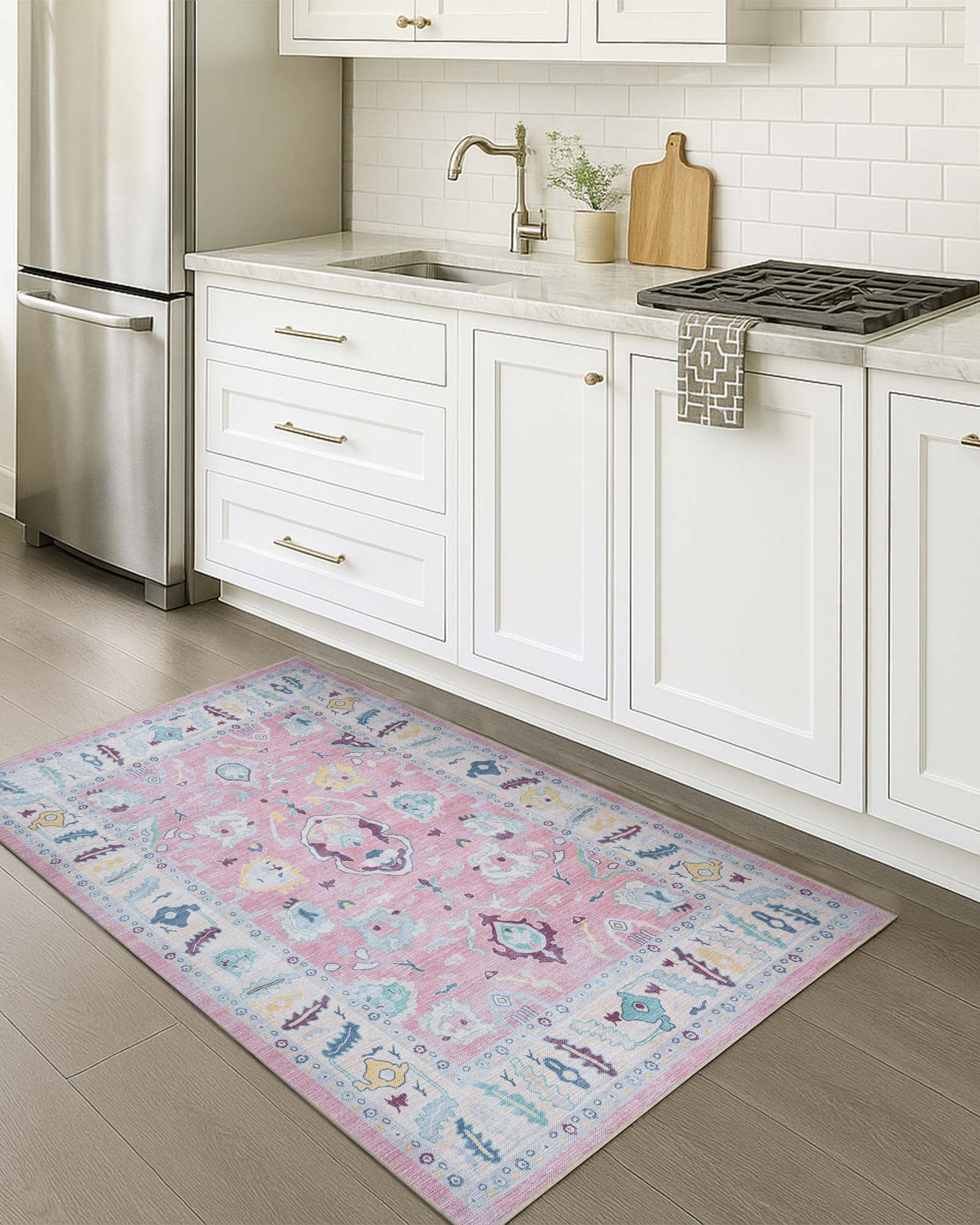
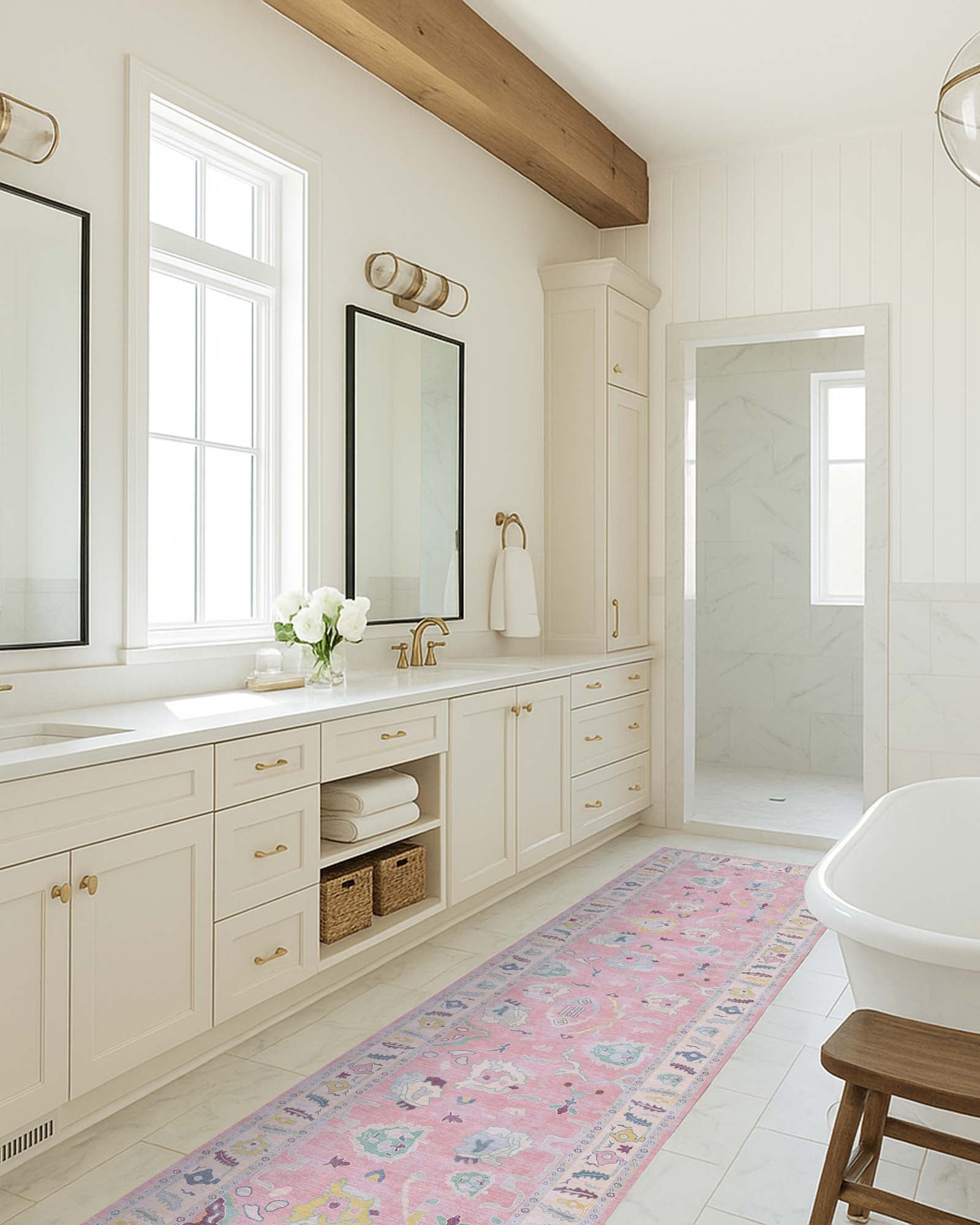
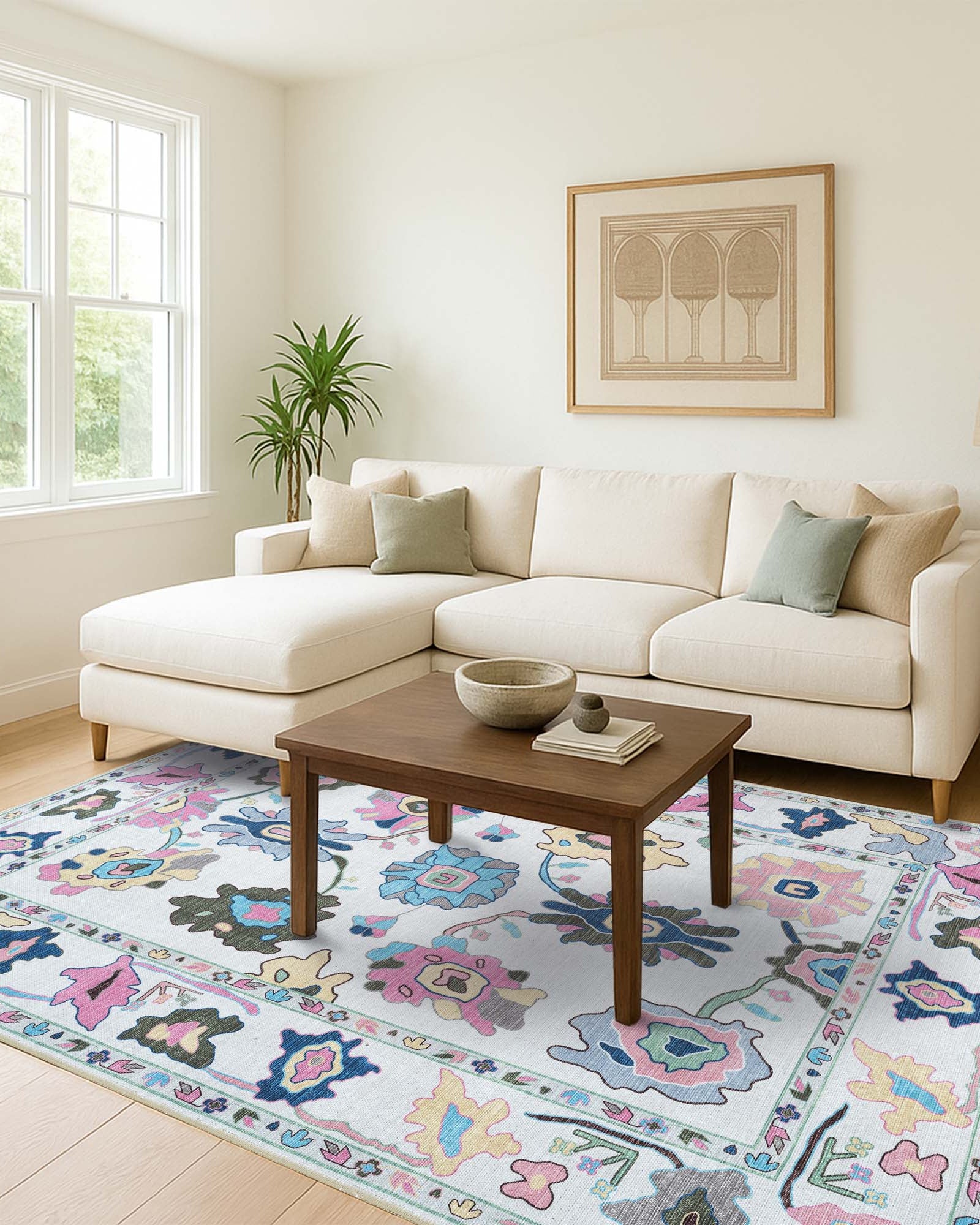
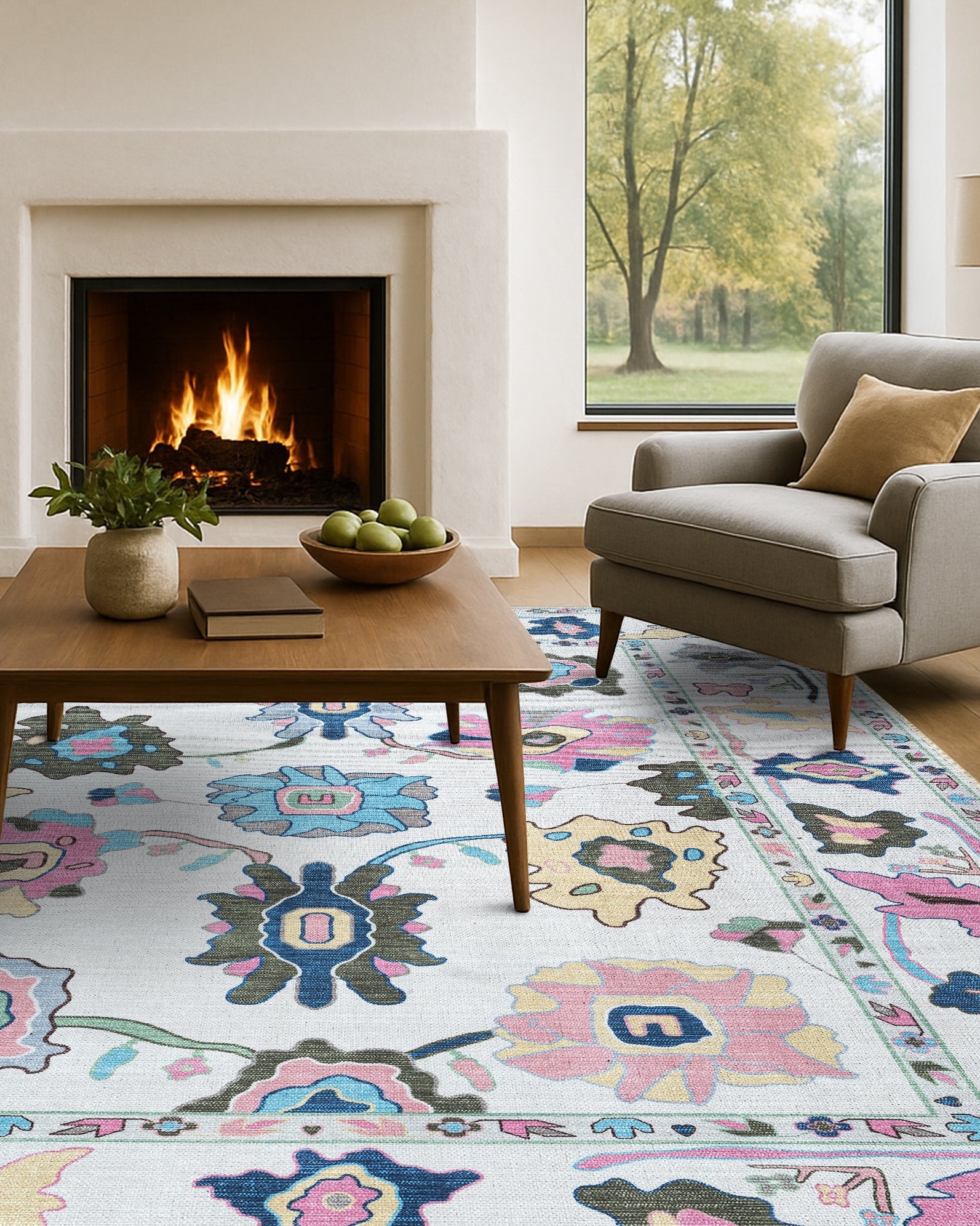
Faded pink is unexpectedly versatile because it behaves like a warm neutral rather than a colour statement. It reads soft against white walls, warms up cool grey interiors that feel flat, and sits comfortably with pale wood, linen, cream upholstery and brass. Against strong colour it recedes rather than competing.
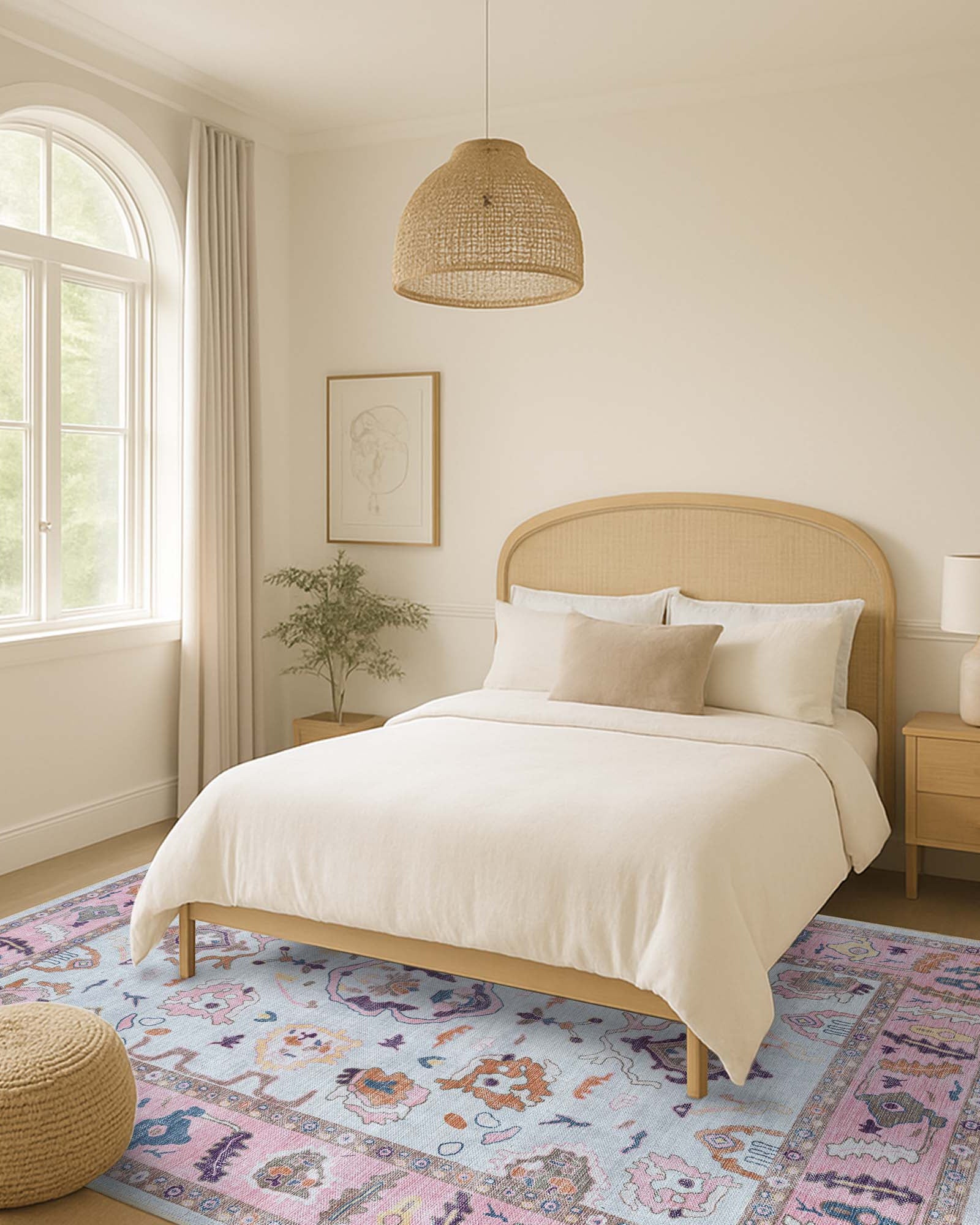
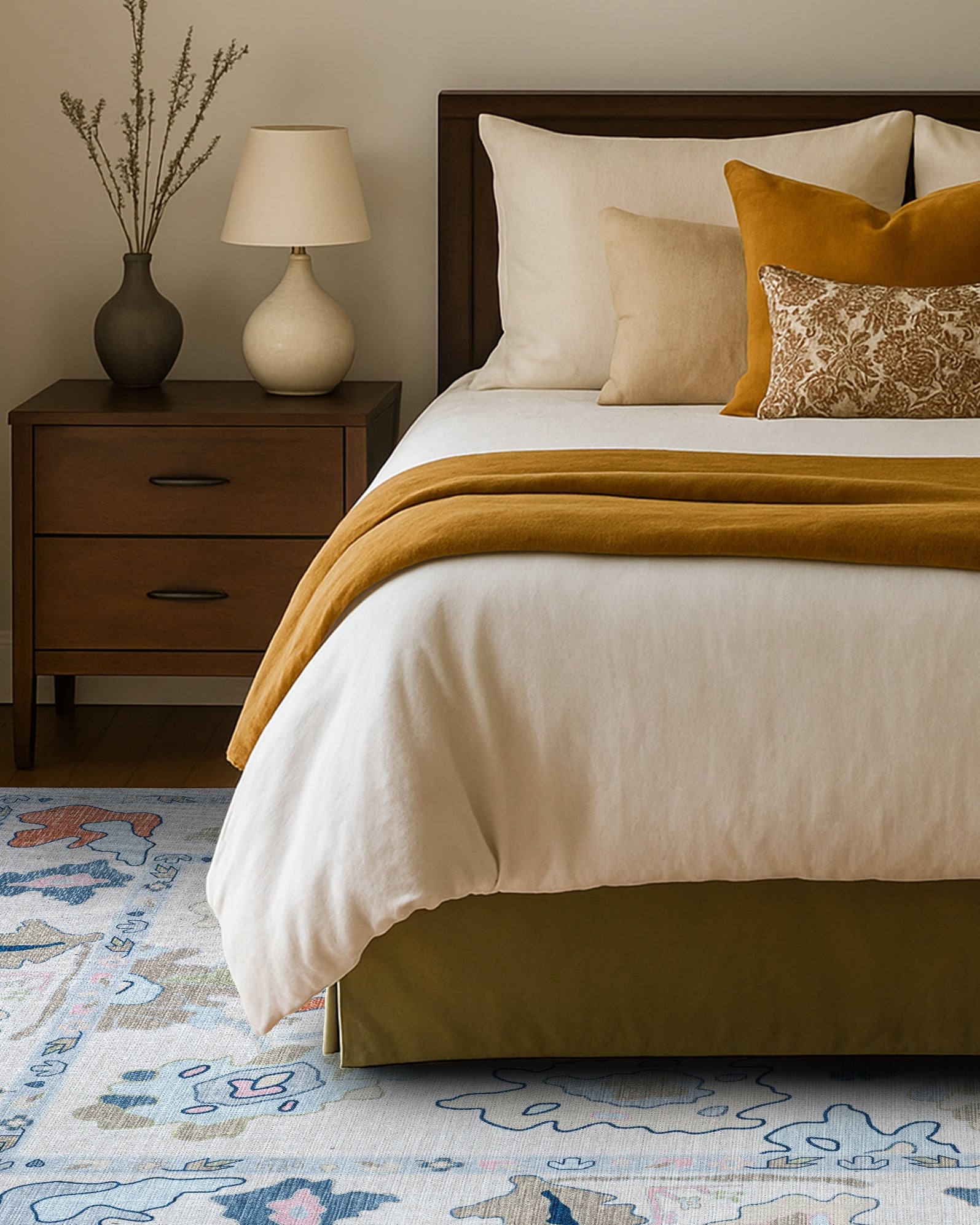
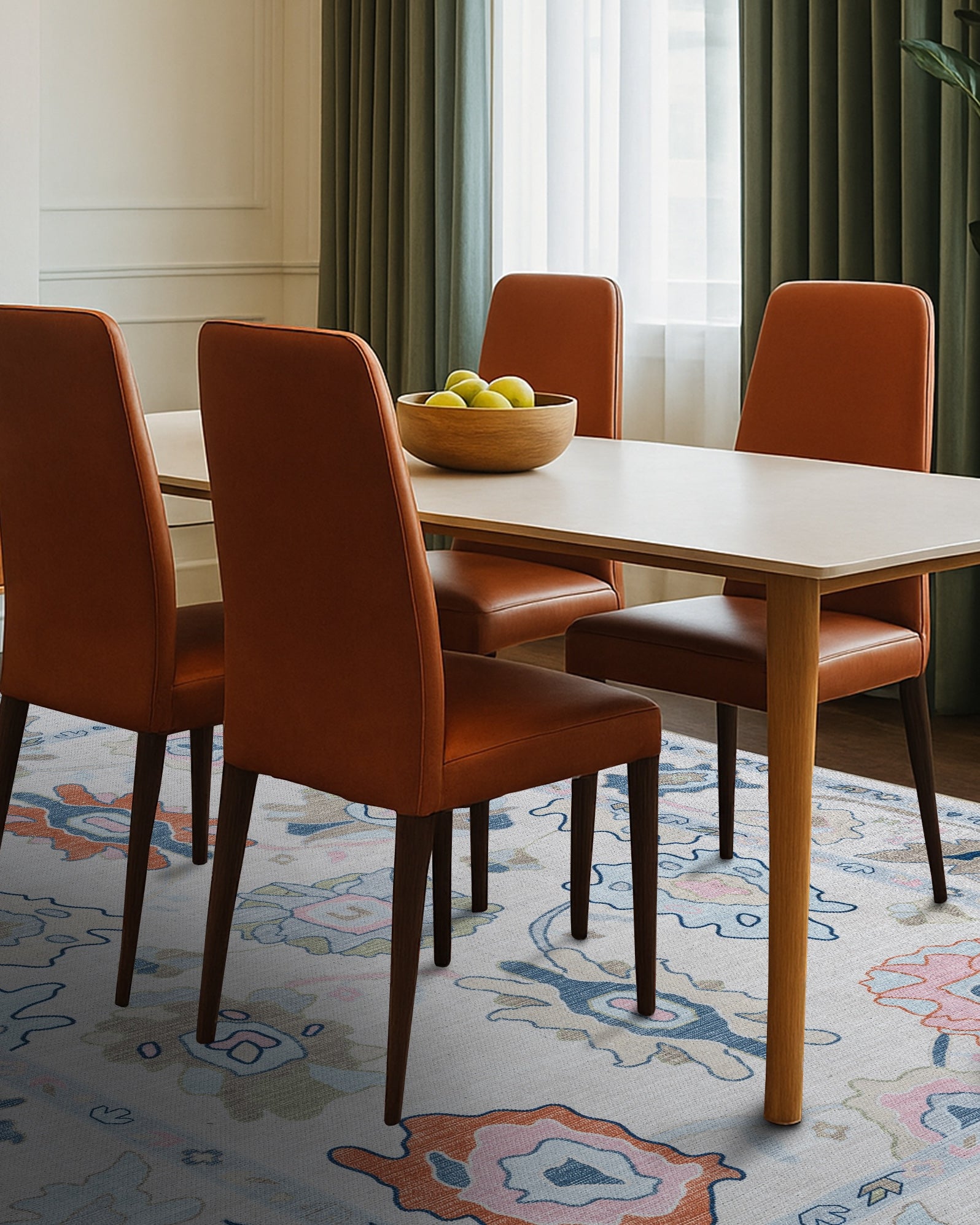
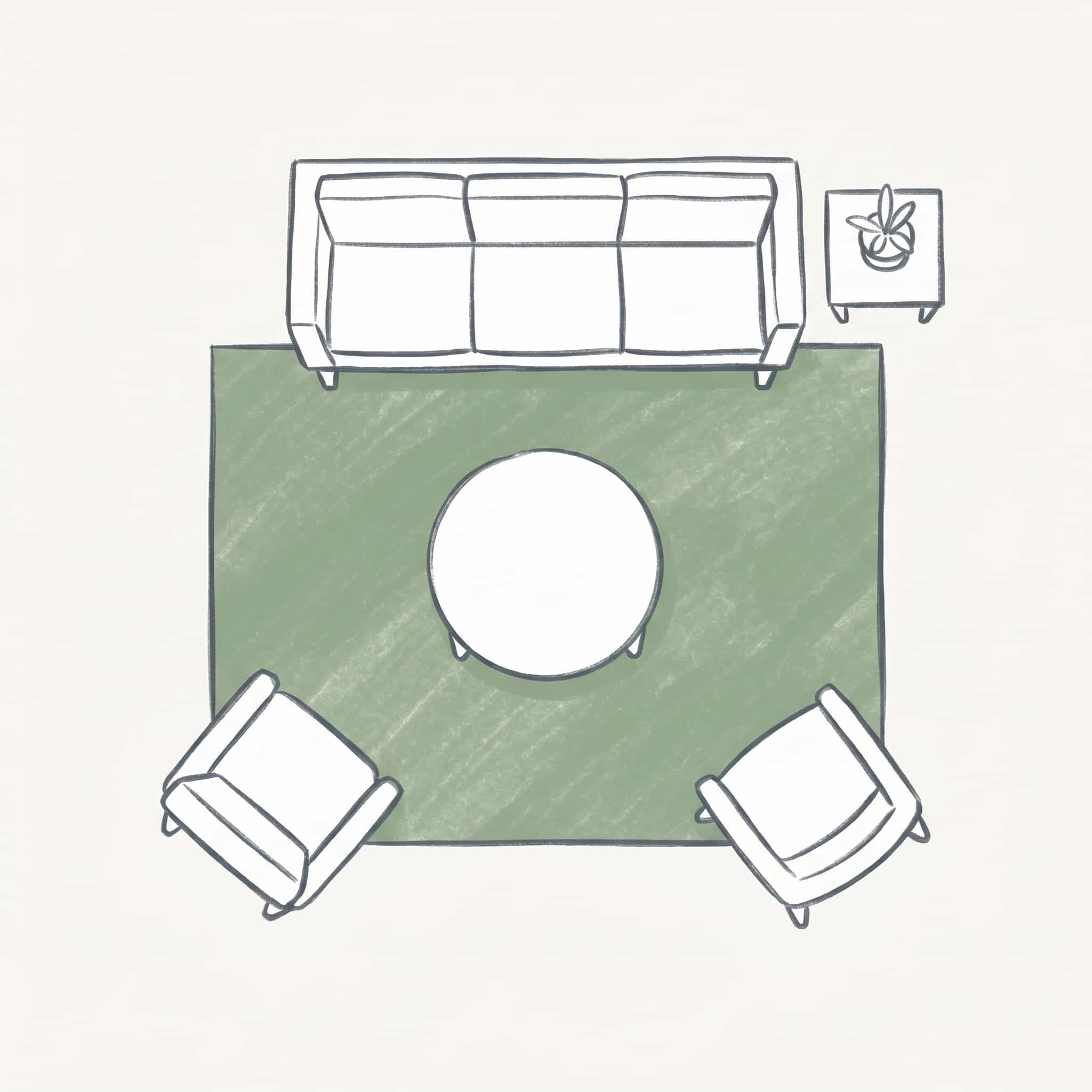
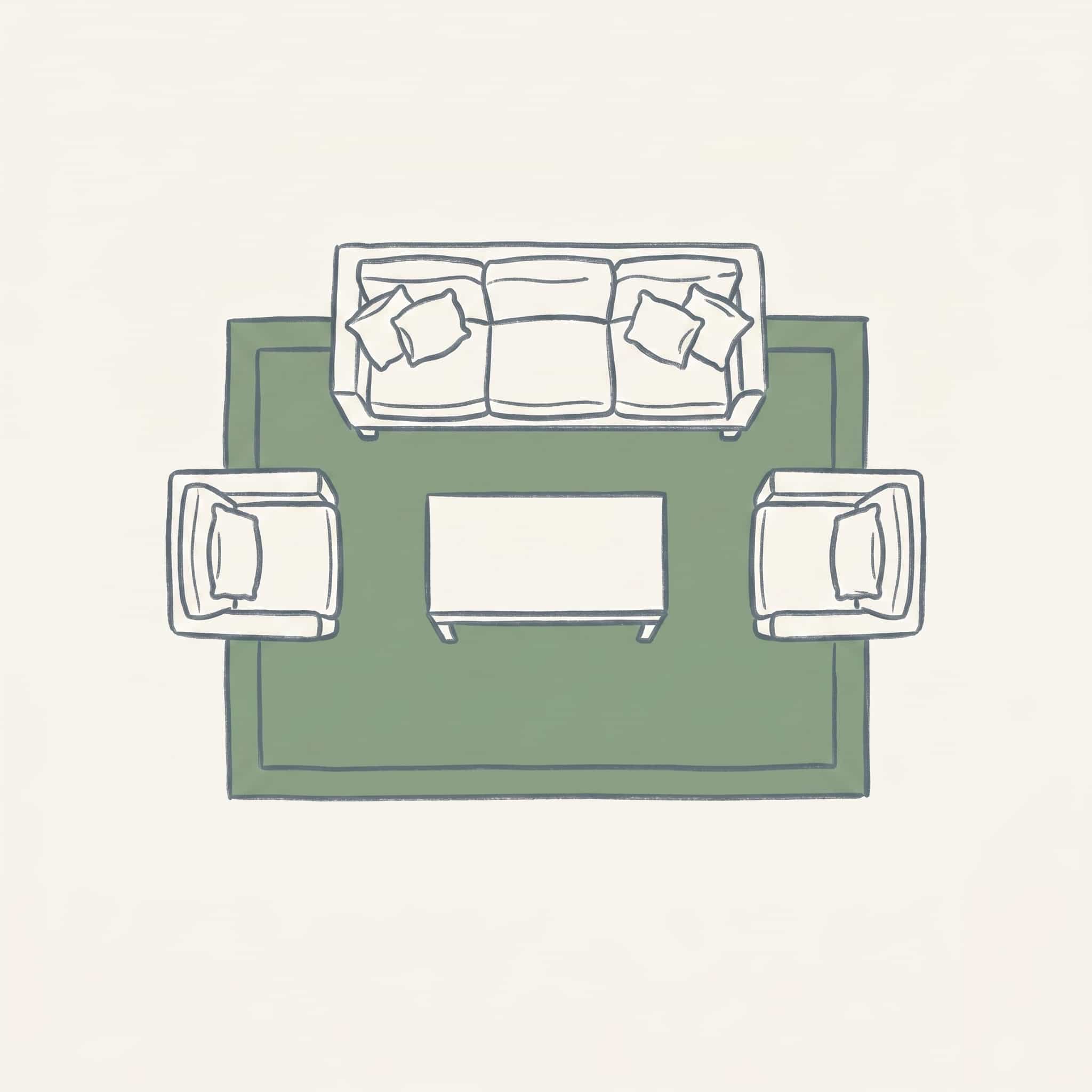
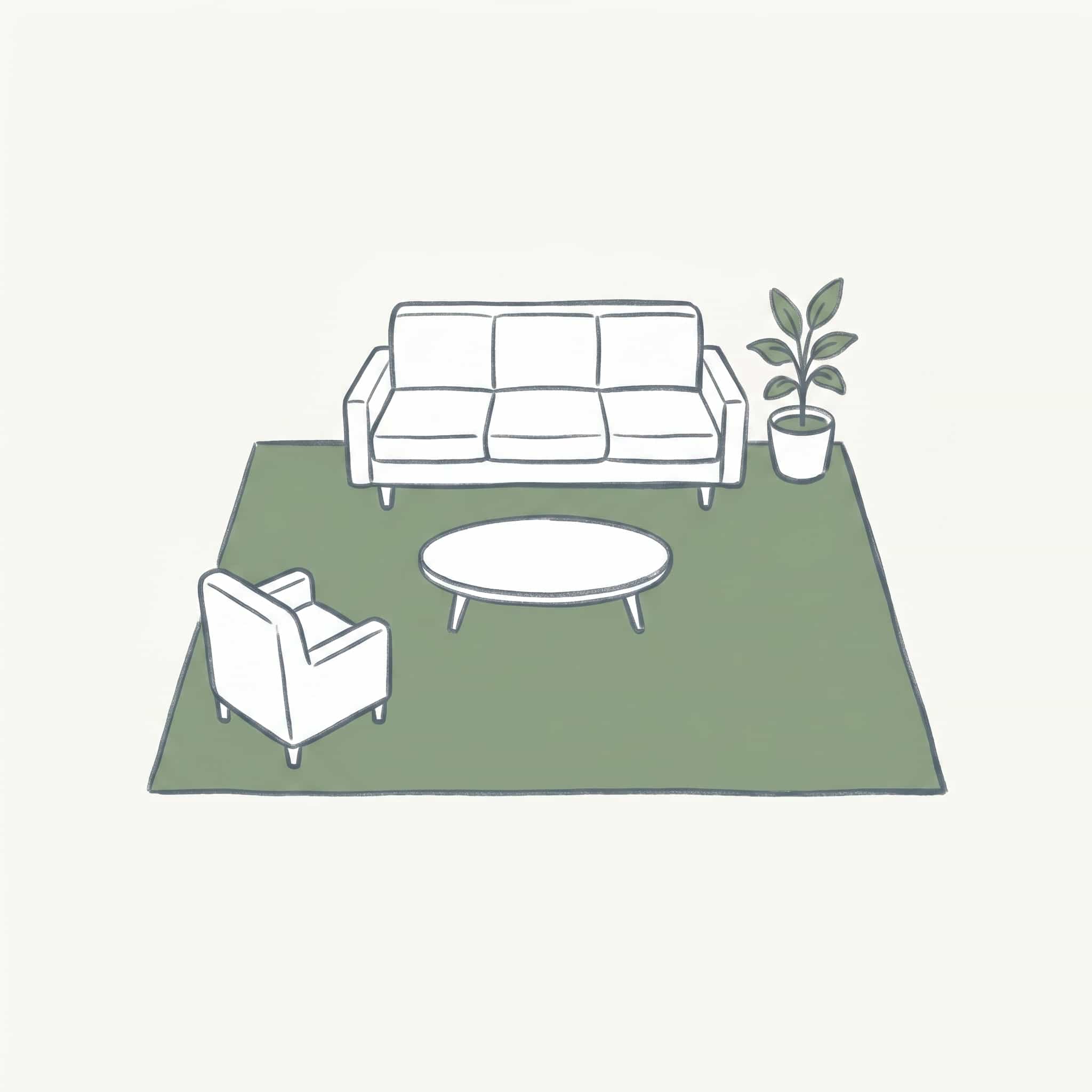
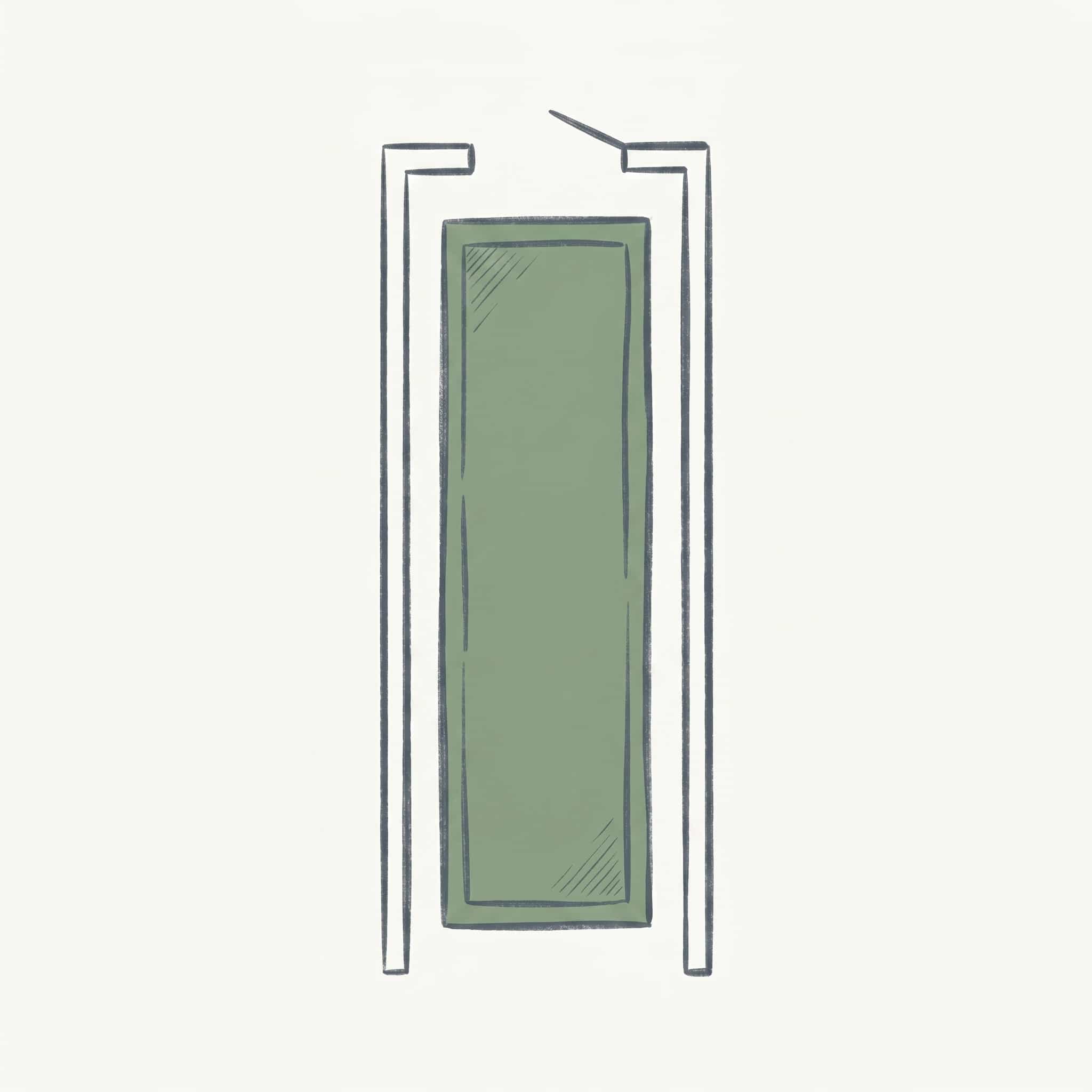
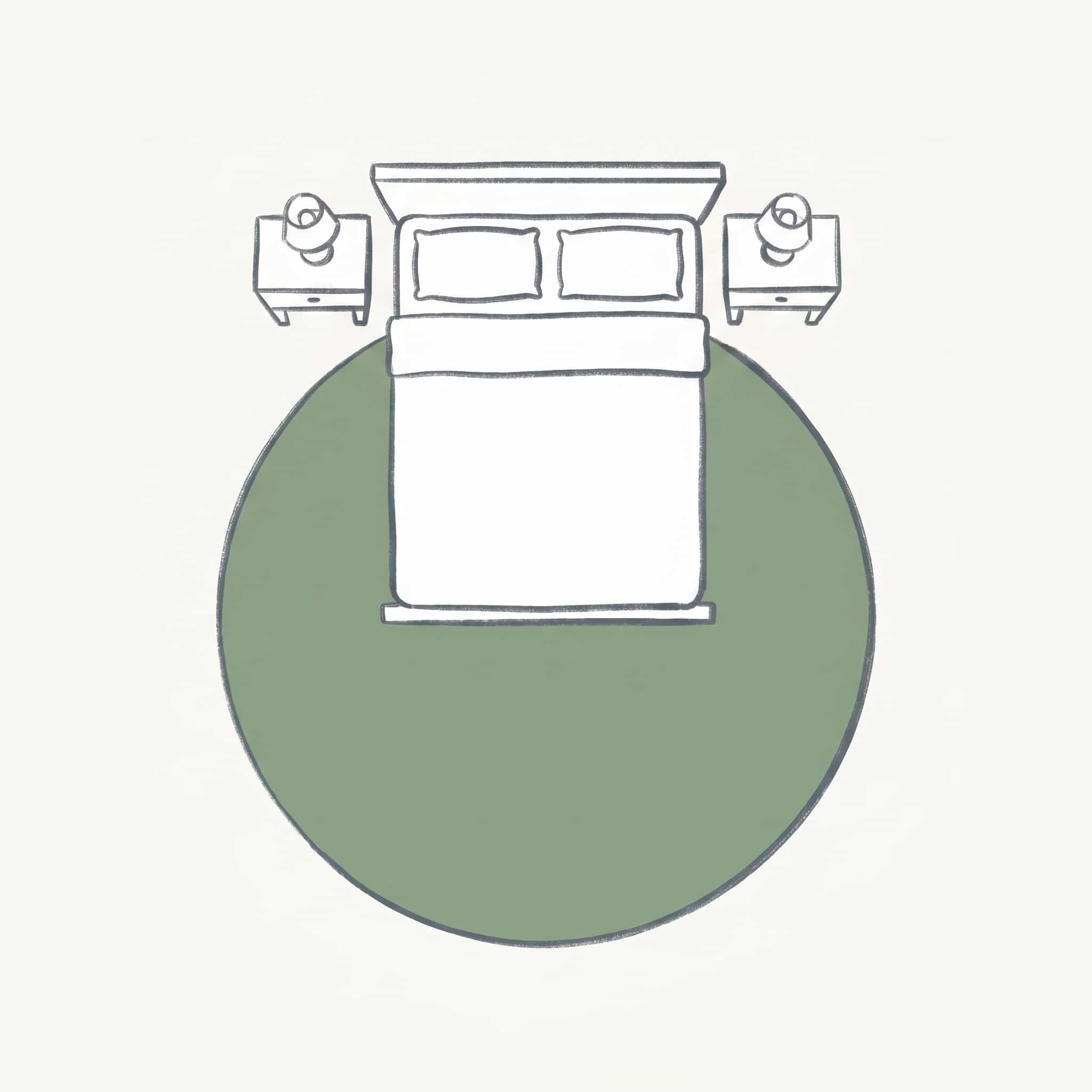
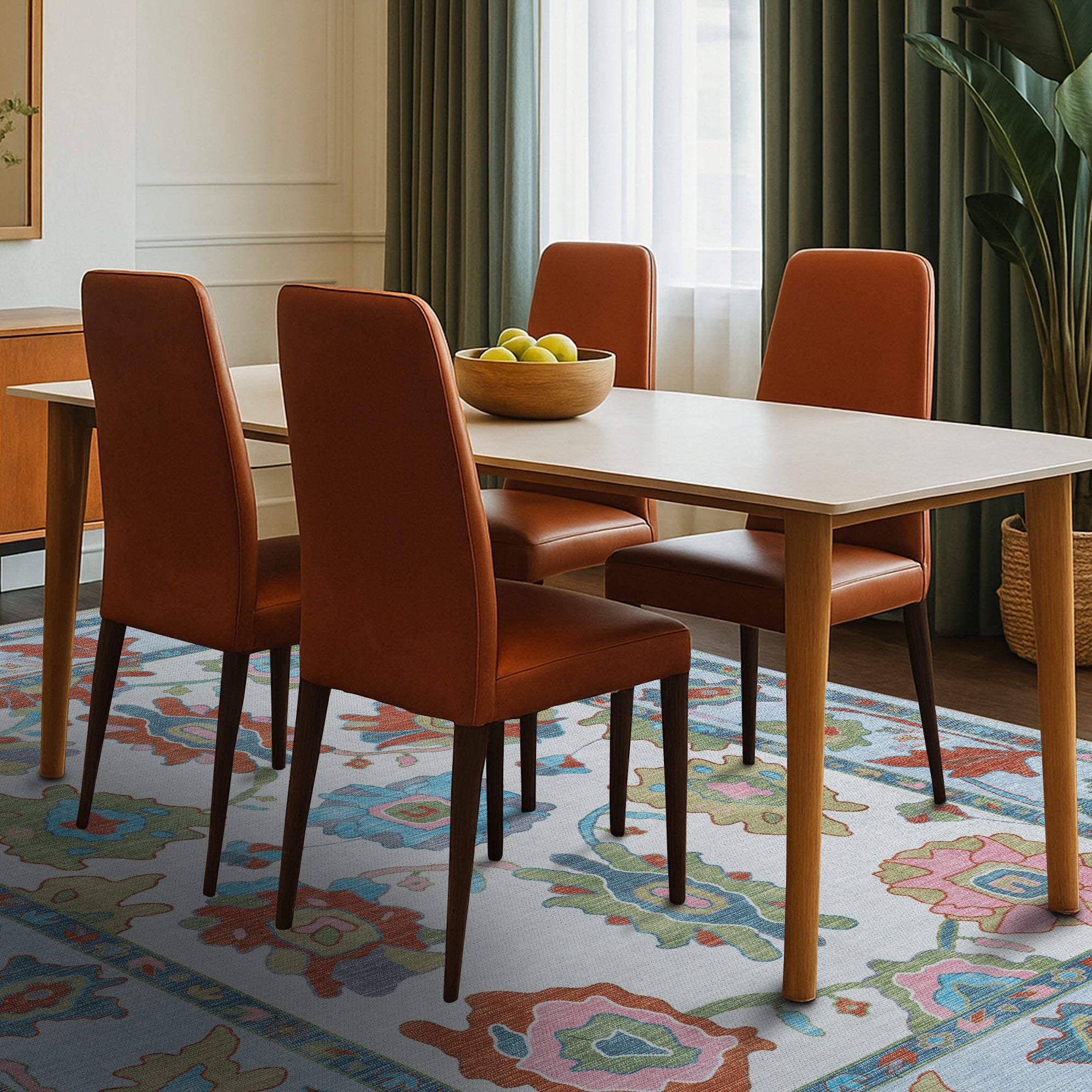
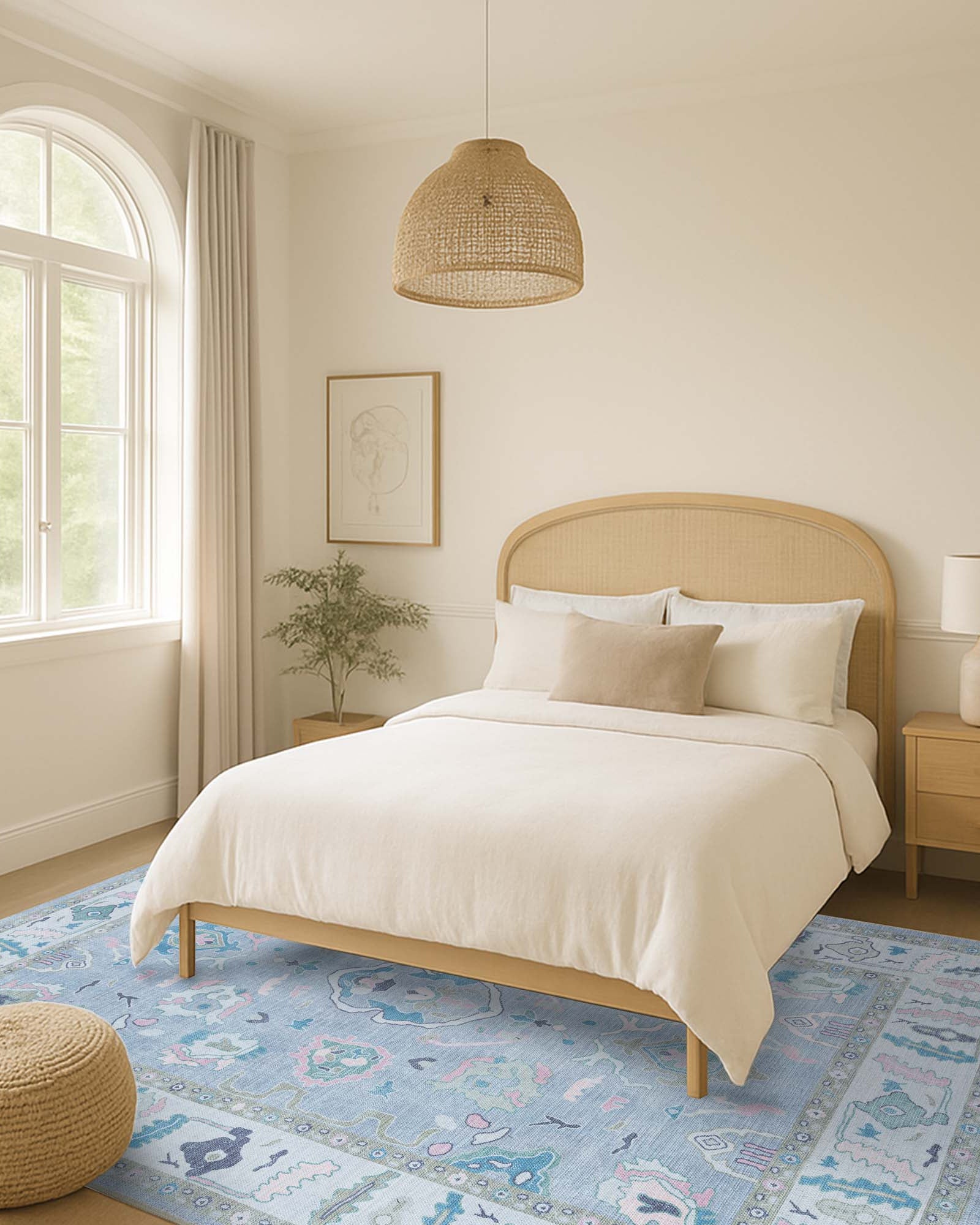
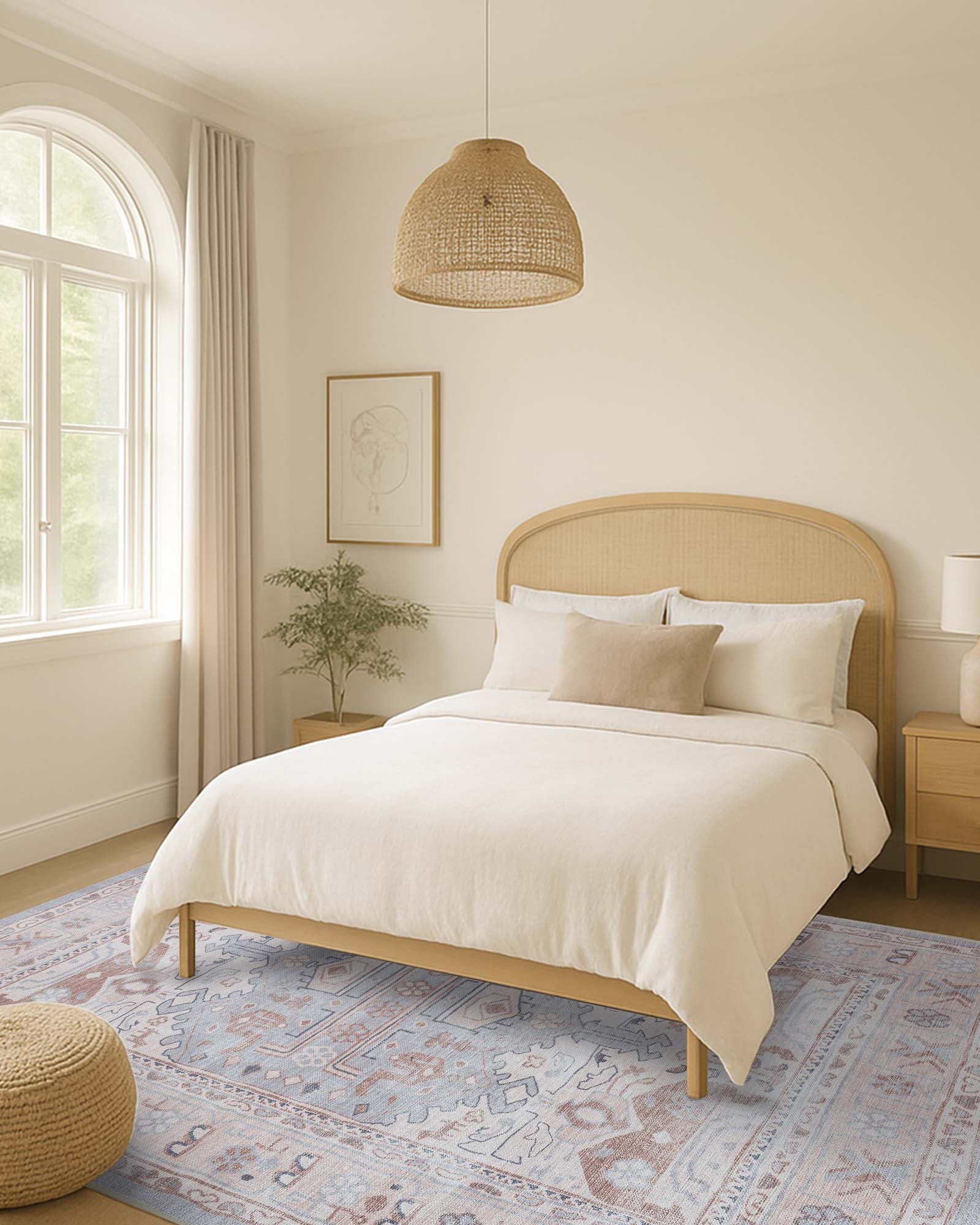
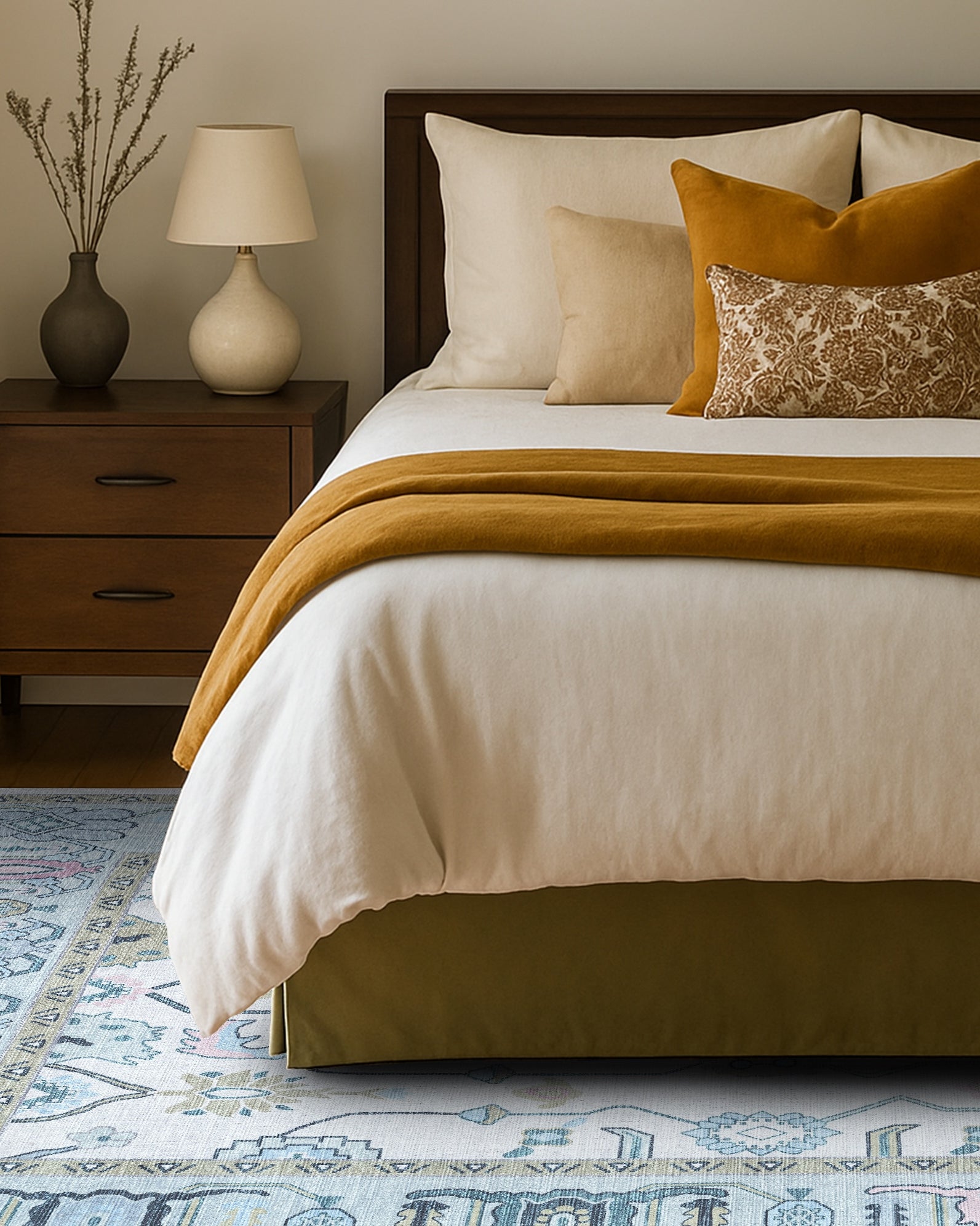
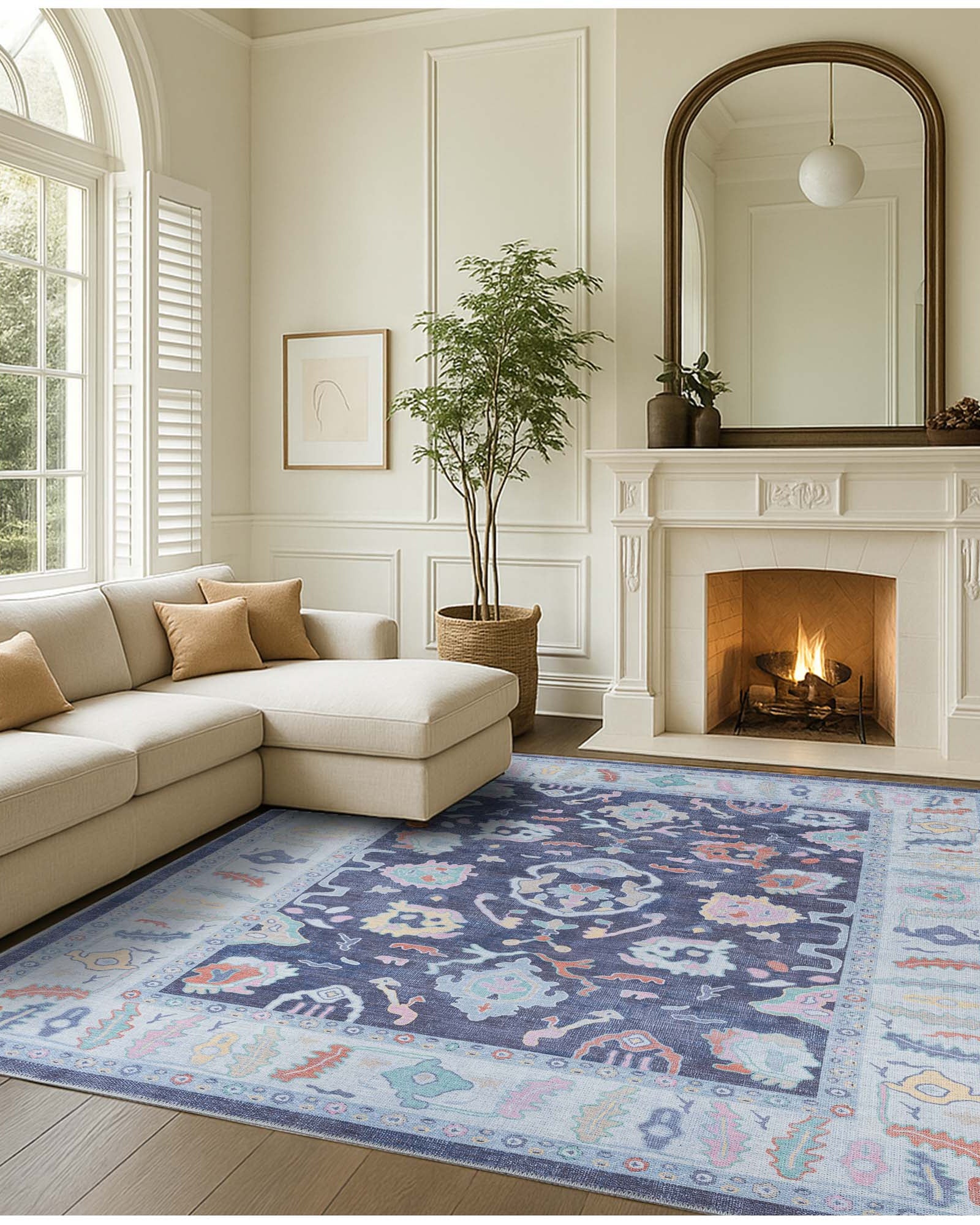
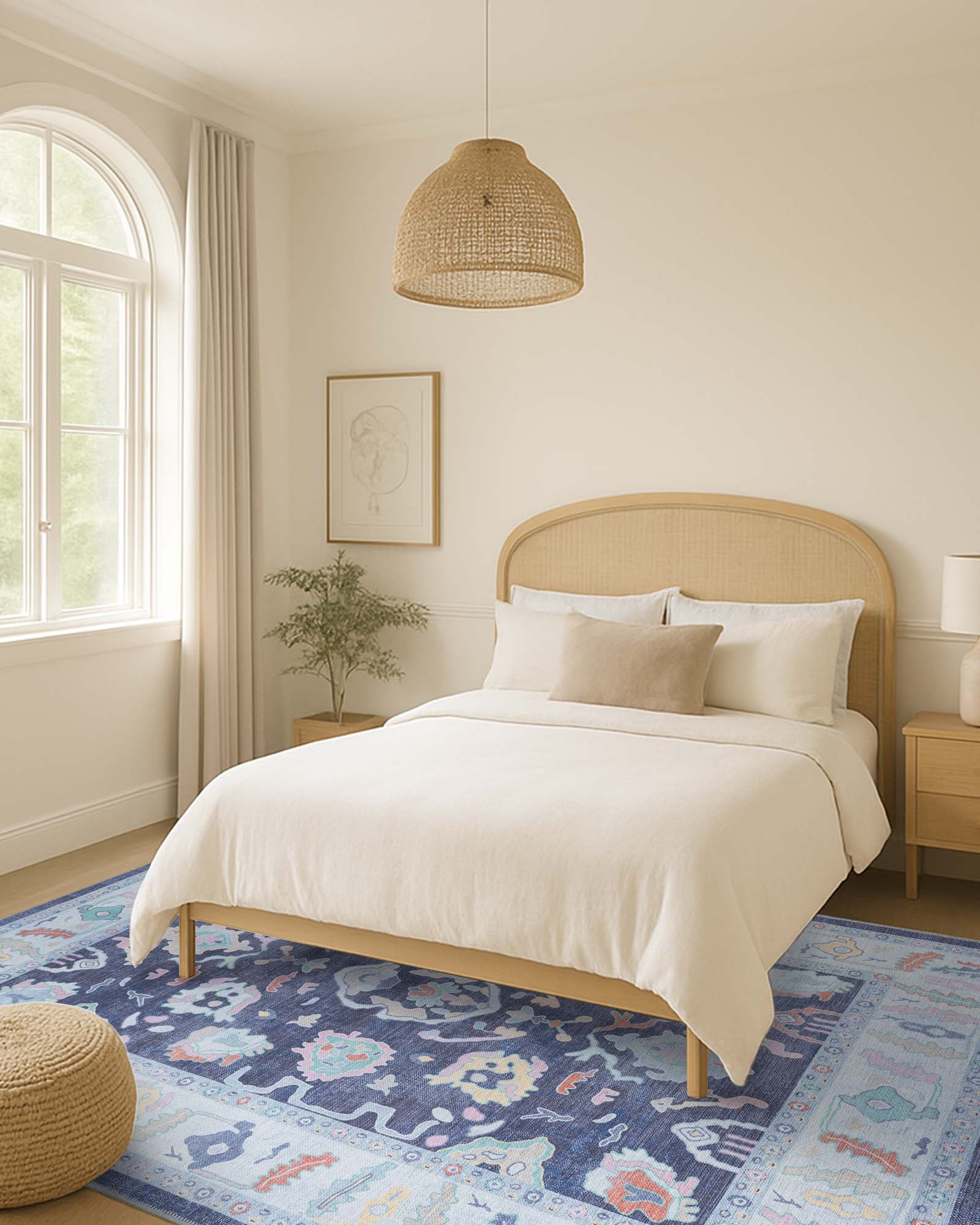
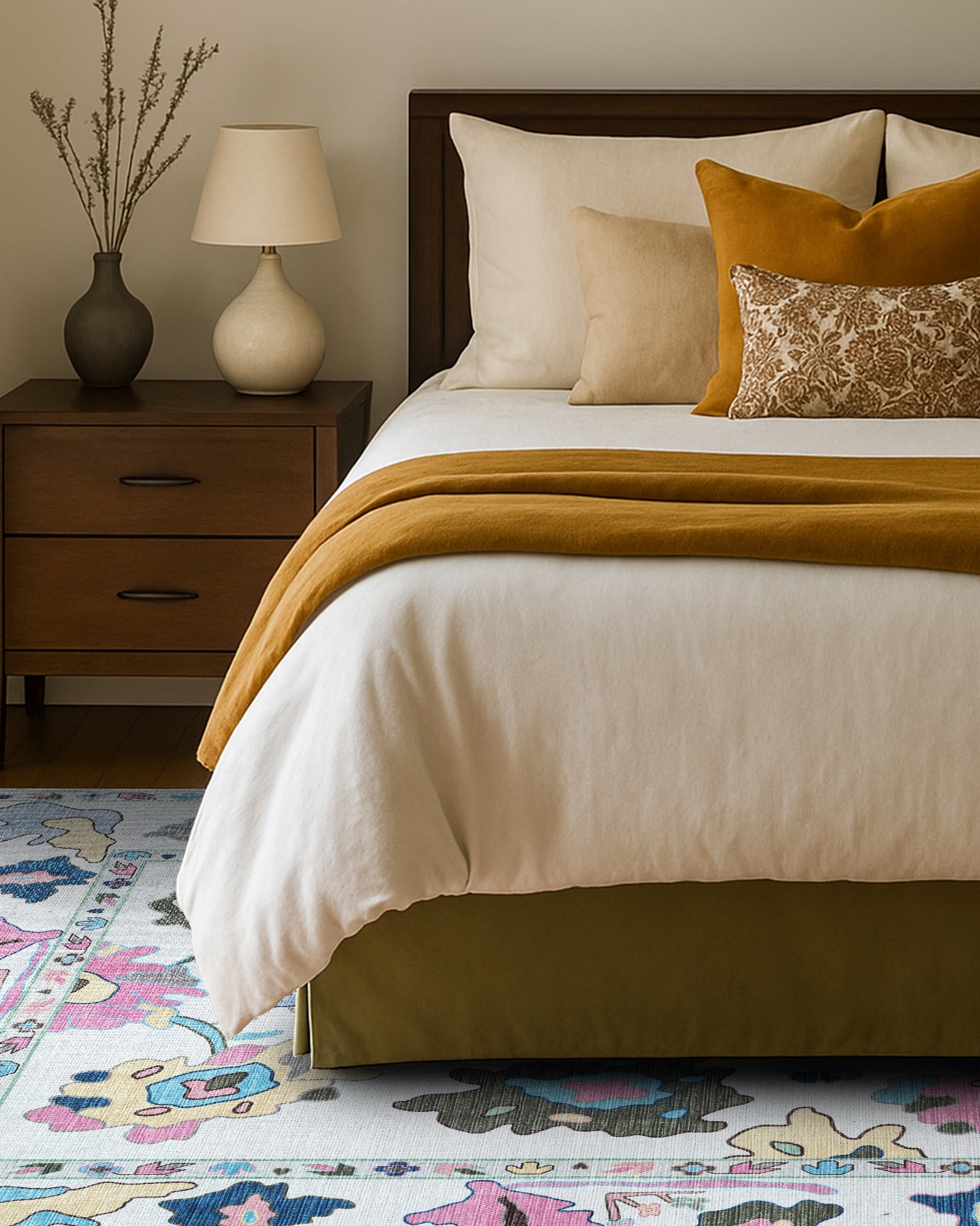
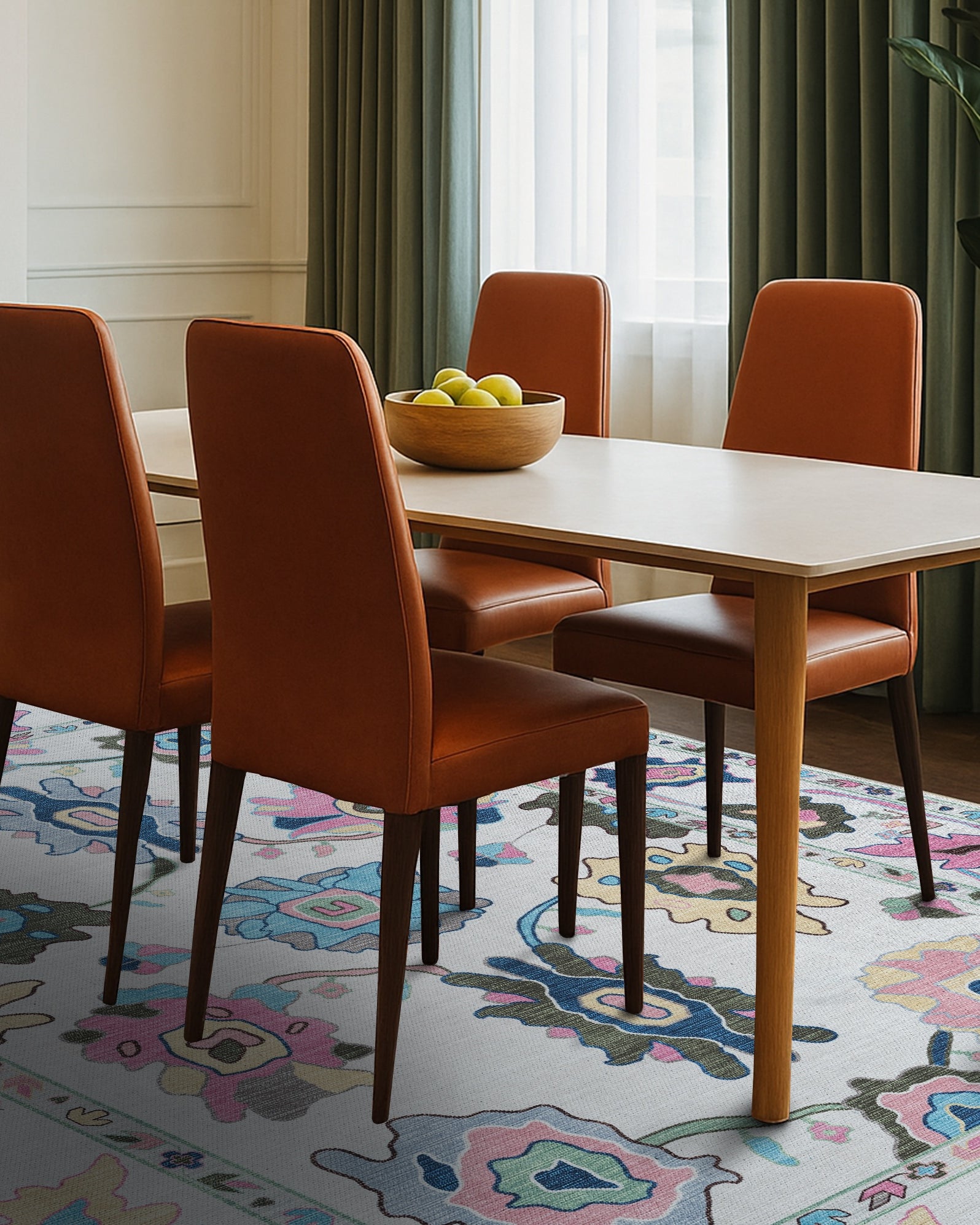
These pieces work particularly well in bedrooms, dressing rooms, nurseries and studies — rooms where the palette is already quiet and the rug is there to add texture and age rather than colour. In a living room, keep at least the front legs of every seating piece on the rug. In a bedroom, run it 18 to 24 inches past each side of the bed. In a dining room, allow 24 inches past the table on all sides, though be aware that a pale field shows more in a room where food is served.
The Practical Trade-Off
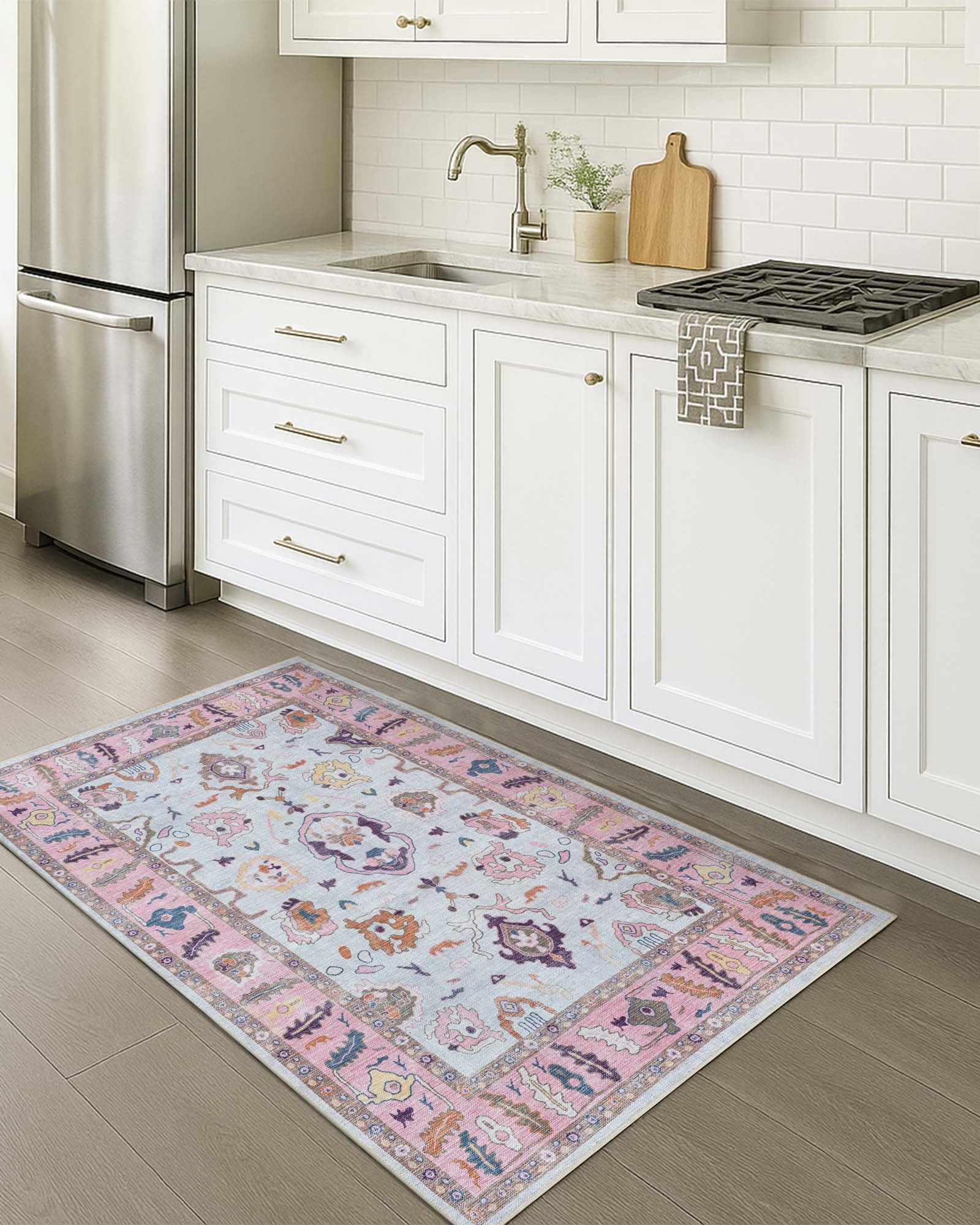
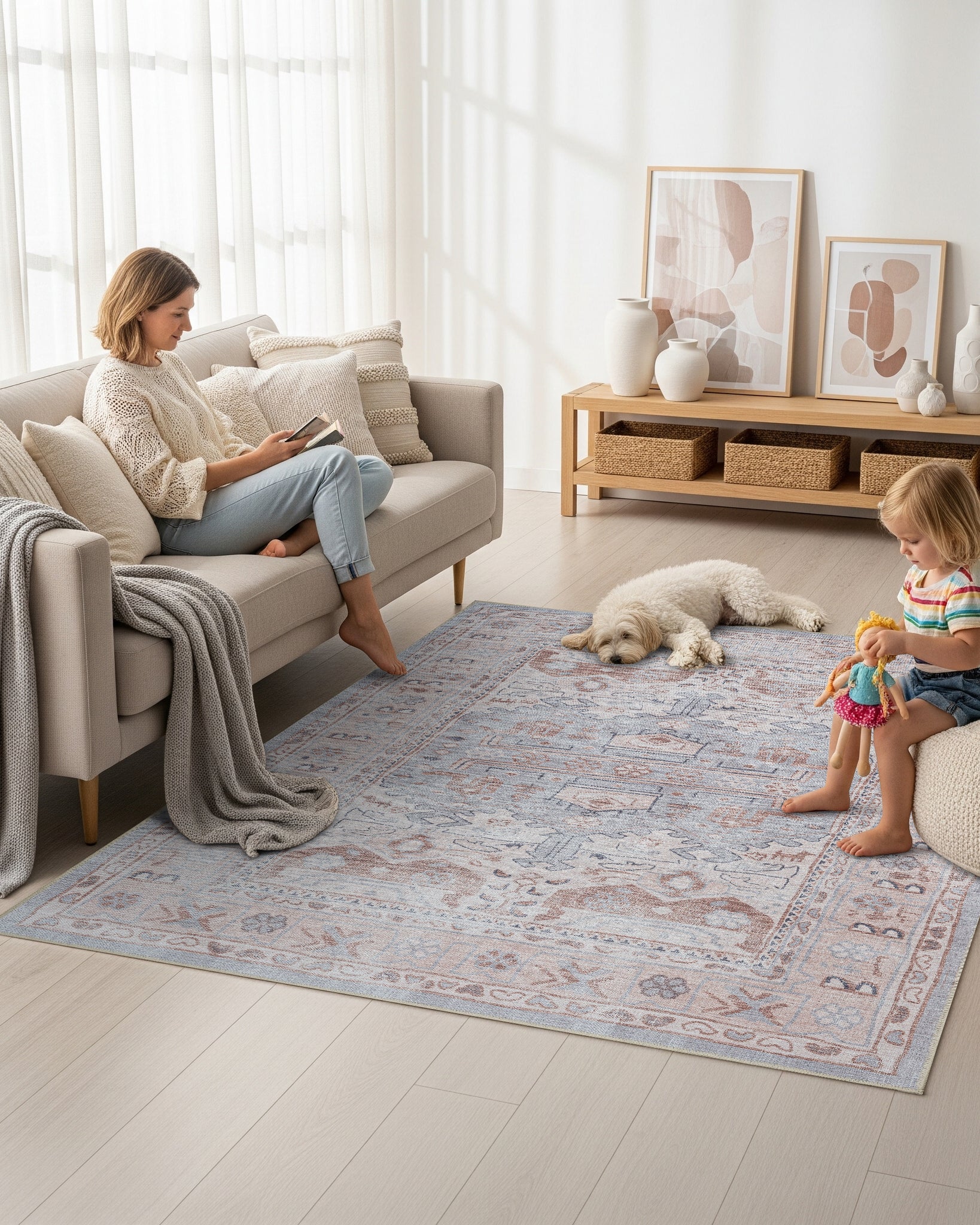
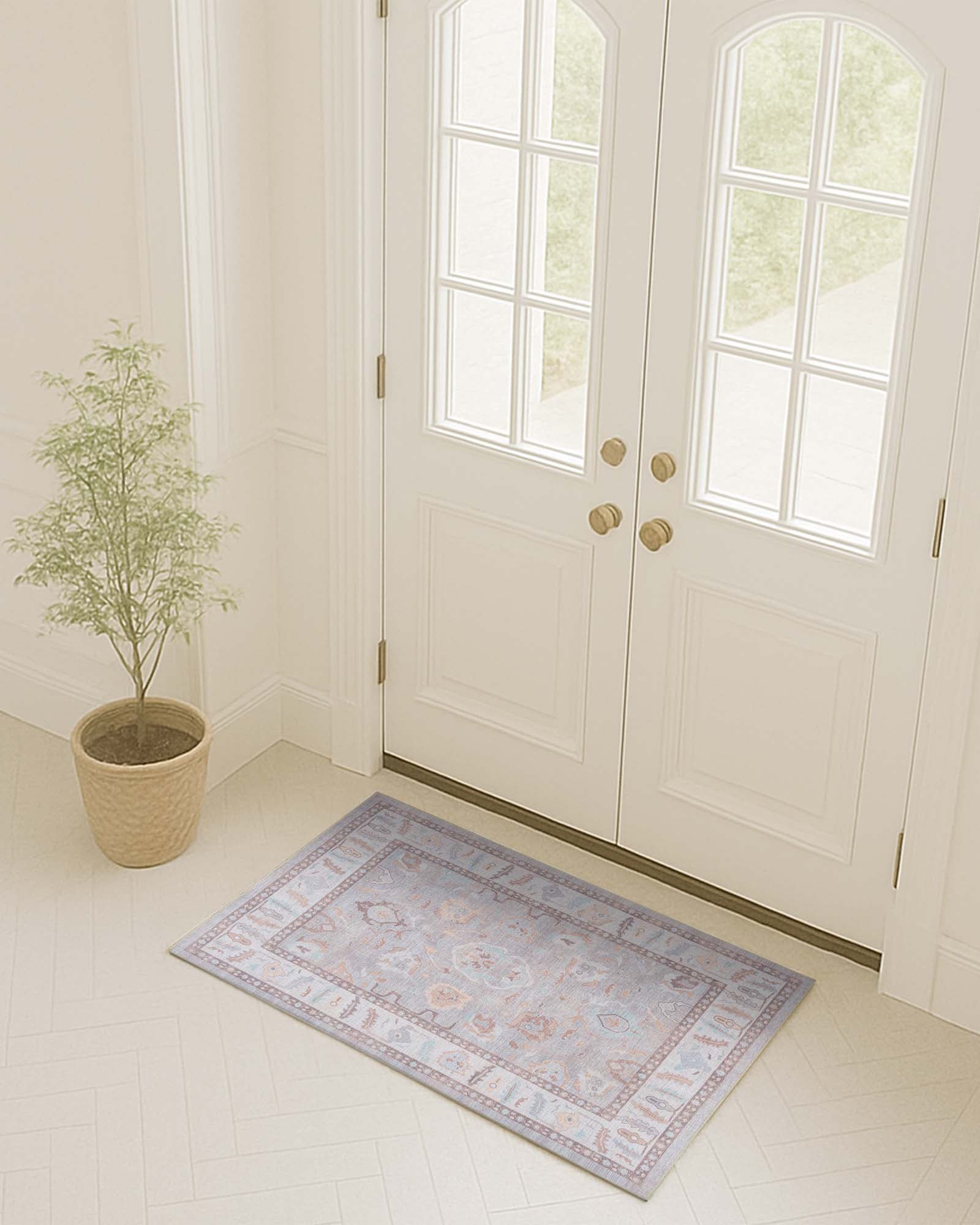
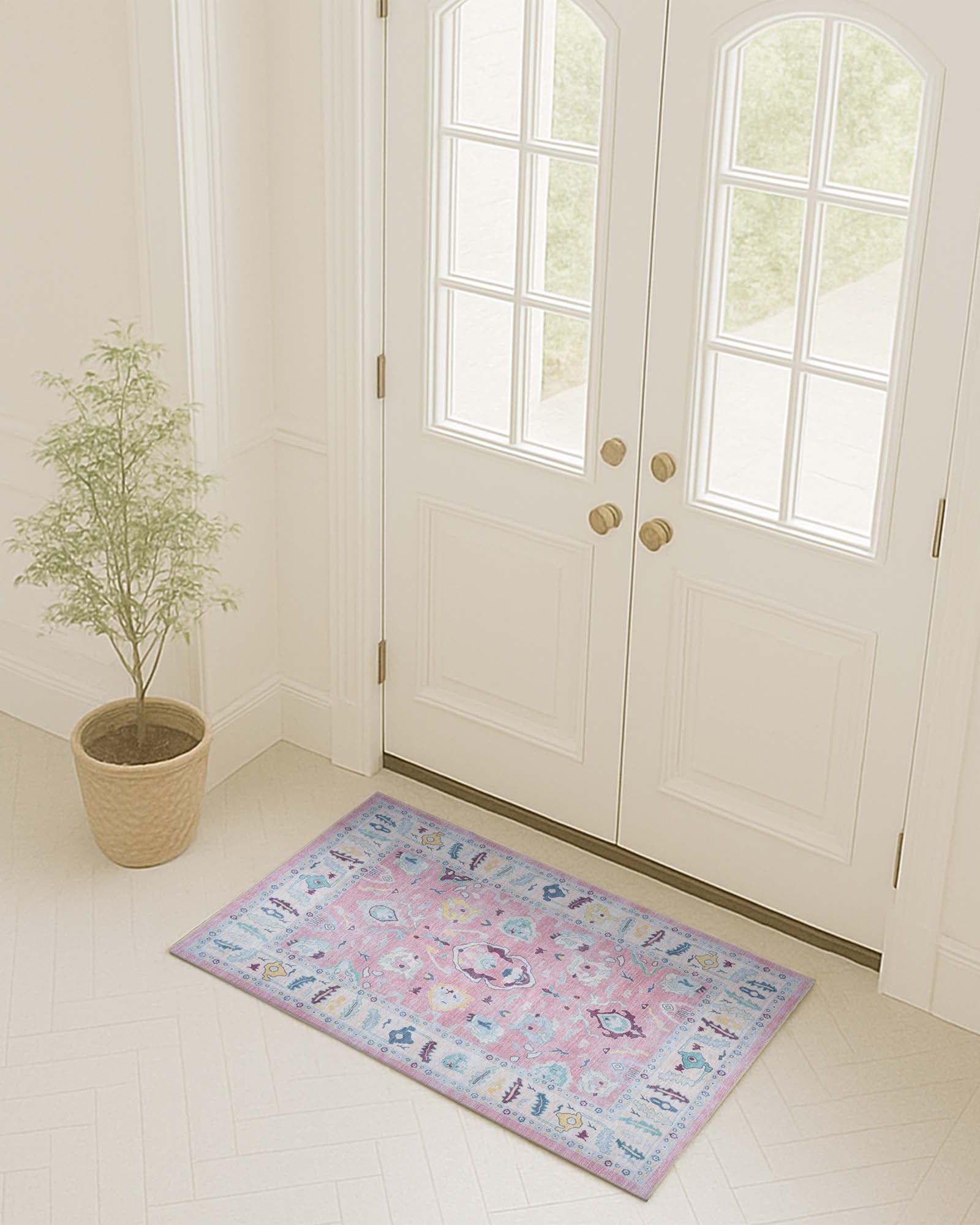
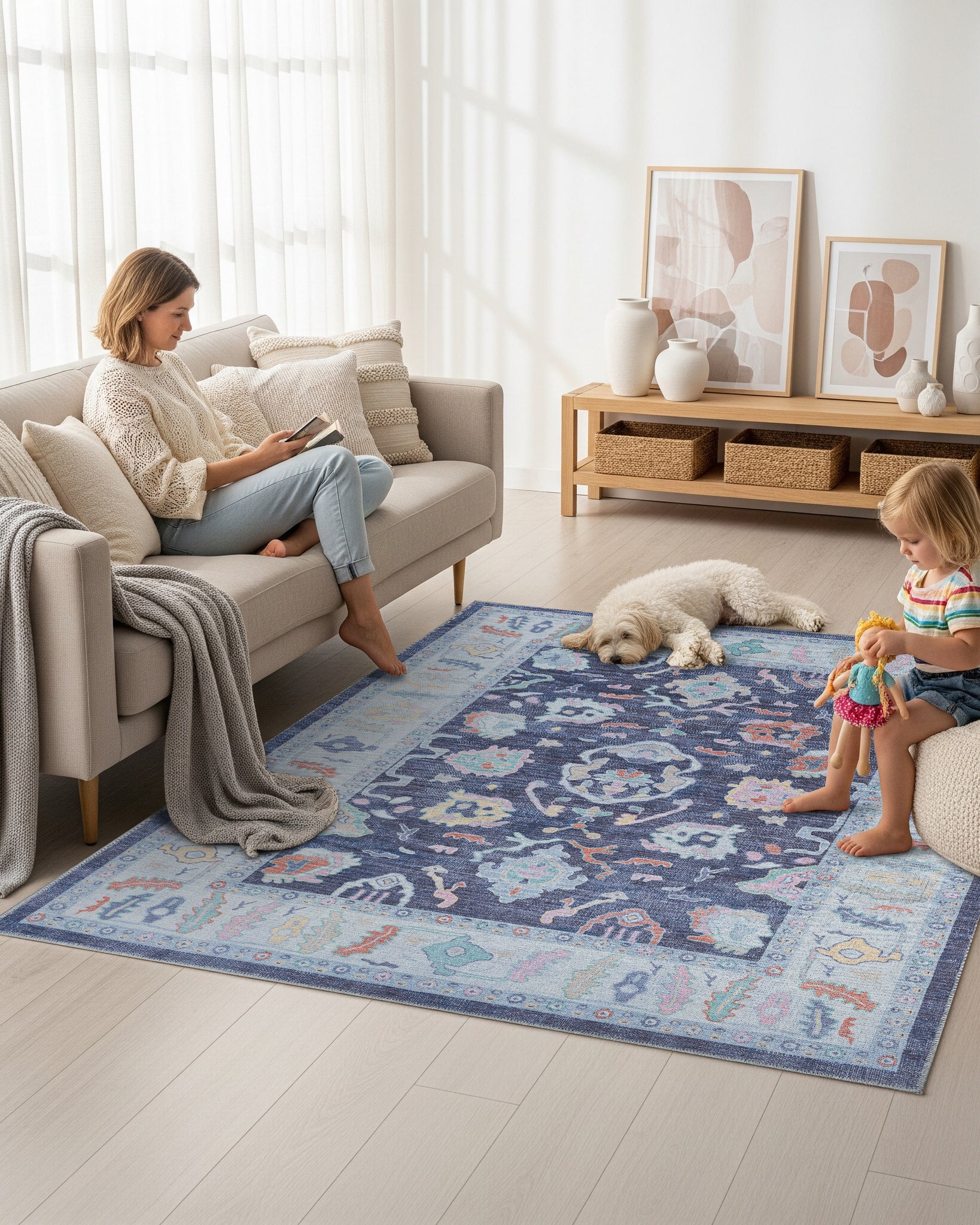
Pale rugs show more than dark ones. A blush piece in an entryway or a house with pets will need more attention than a mid-tone patterned rug that hides everything. Dusty rose and terracotta-pink are the sensible middle ground for busy rooms. If a pale rug is what you want in a high-traffic spot, a good pad and prompt spill response matter more than they would on a dark piece.
Condition, Age and Measurement
Pieces are grouped as antique at over eighty years, vintage at roughly forty to eighty, and semi-vintage below that. Each product page carries the estimated decade, origin where identifiable, exact measured dimensions and a plain condition note. On pink rugs expect uneven fading across the field, deeper colour in protected areas and abrash banding from separately dyed madder batches — all original. Old stains and discolouration also read more visibly on pale wool than on dark, and anything present is photographed and described rather than lit out. Sizes are never standard and opposite edges commonly differ by an inch or more.
Care
Sun management matters most here, since these rugs are already well down the fading curve. Rotate the piece 180 degrees twice a year so continued exposure stays even rather than creating a visible line, and keep it out of prolonged direct sunlight unless further softening is what you want. Blot spills immediately with a white cloth and minimal plain water, pressing rather than rubbing — speed matters more on pale wool than on any dark rug. Aged madder can still bleed into adjacent ivory areas when saturated, so avoid home carpet-cleaning machines, steam cleaners and commercial spot treatments entirely. Use a rug pad on hard floors, vacuum with the beater bar off or raised and stay off the fringe. For anything set-in, use a professional hand-knotted rug washer.