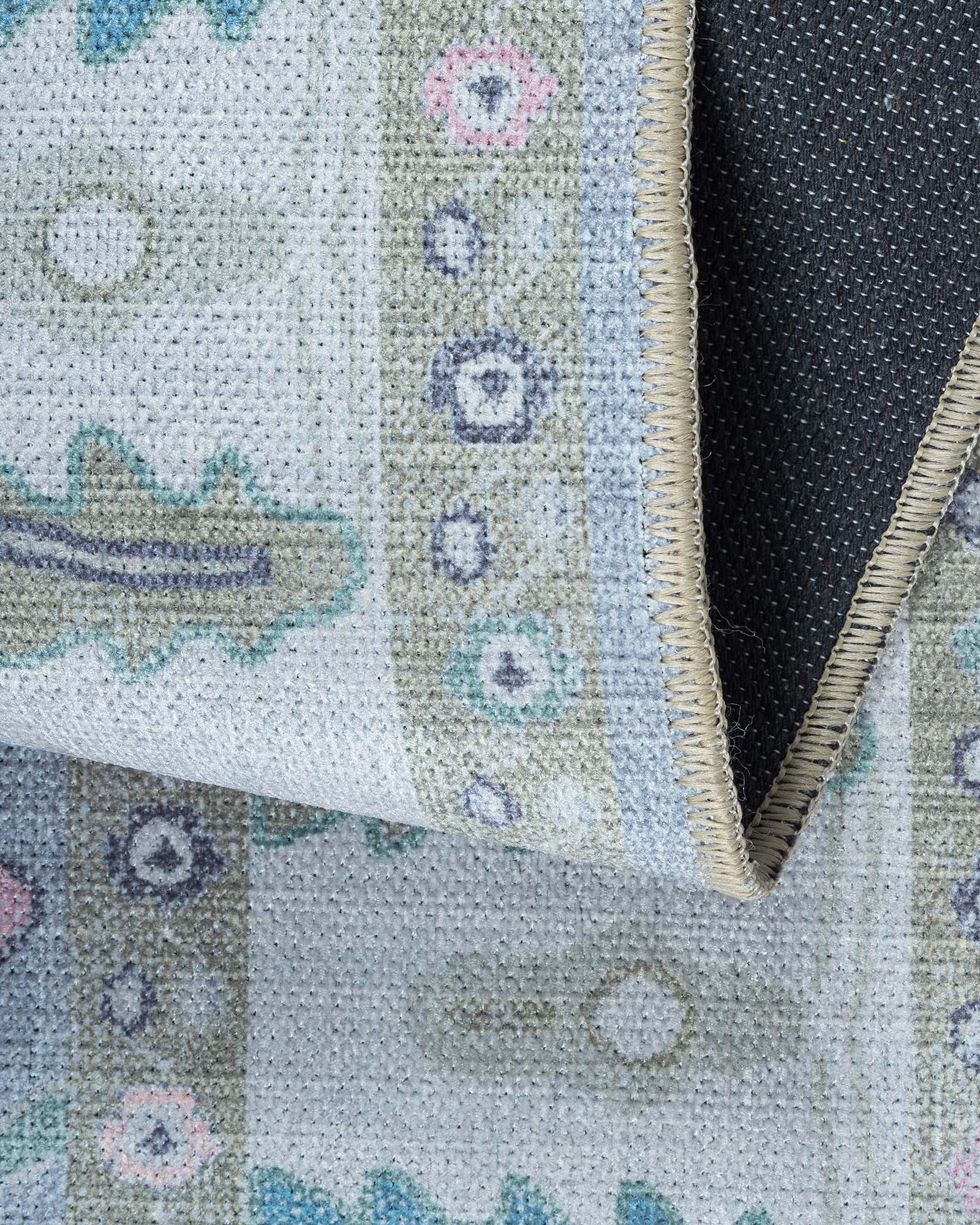
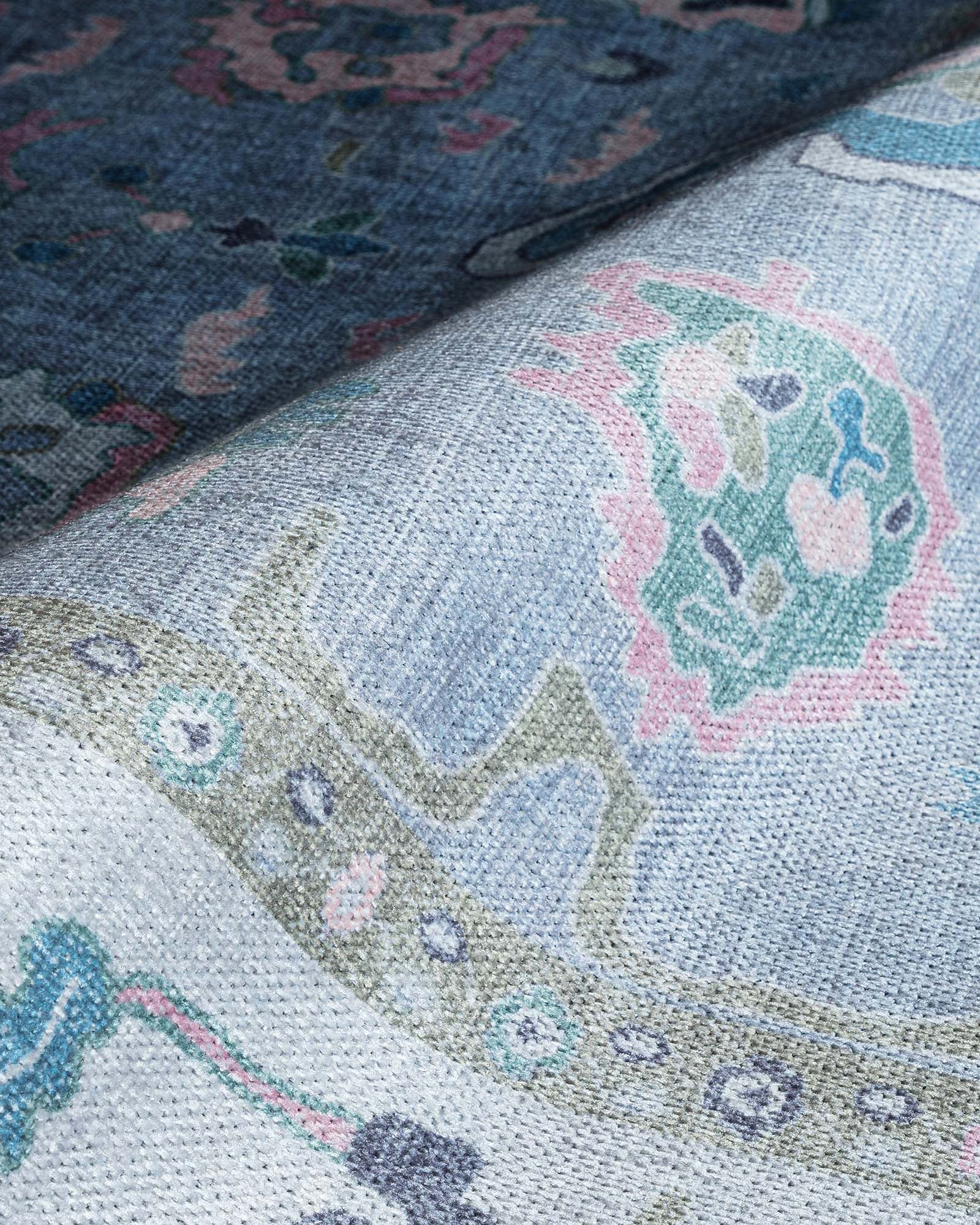
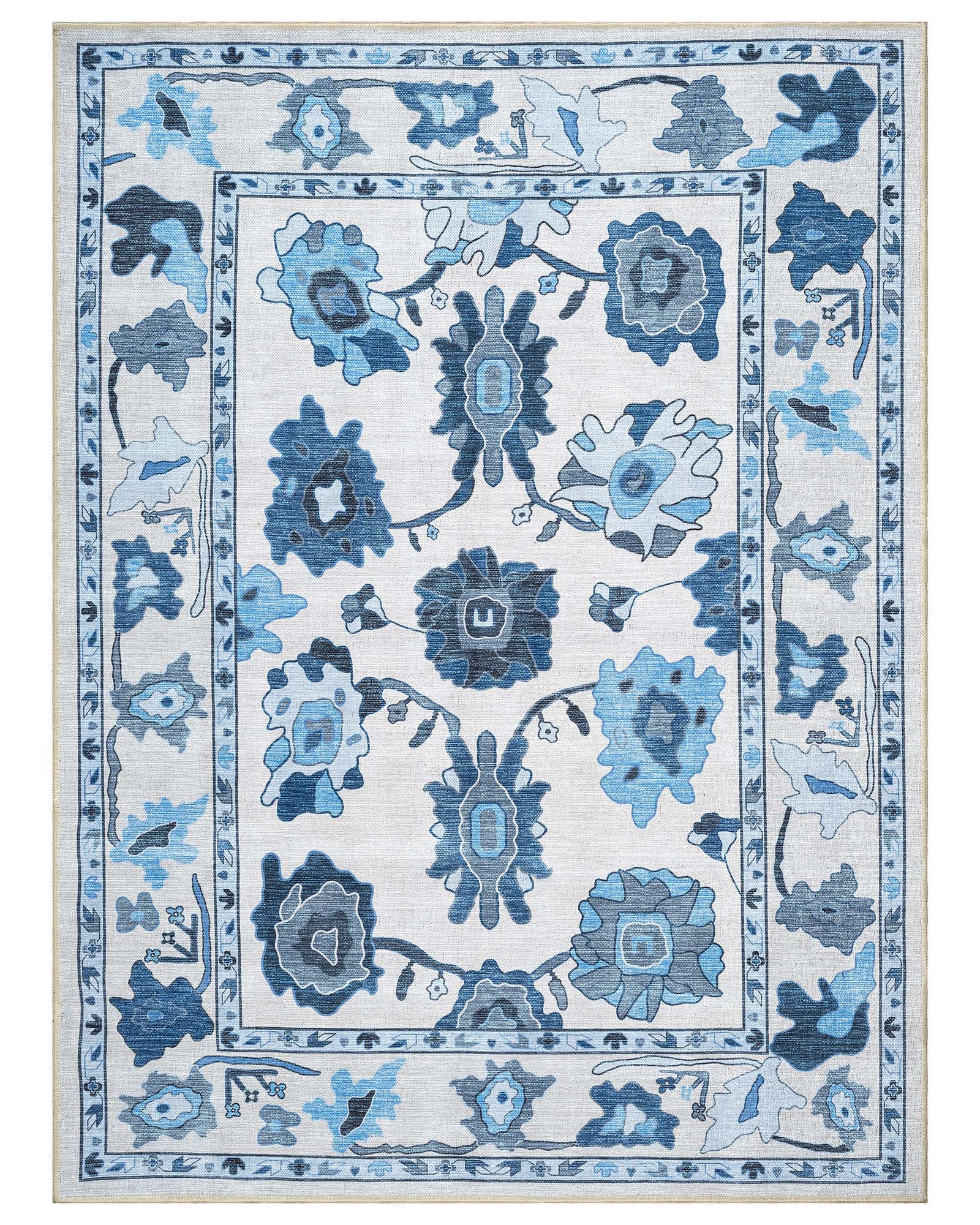
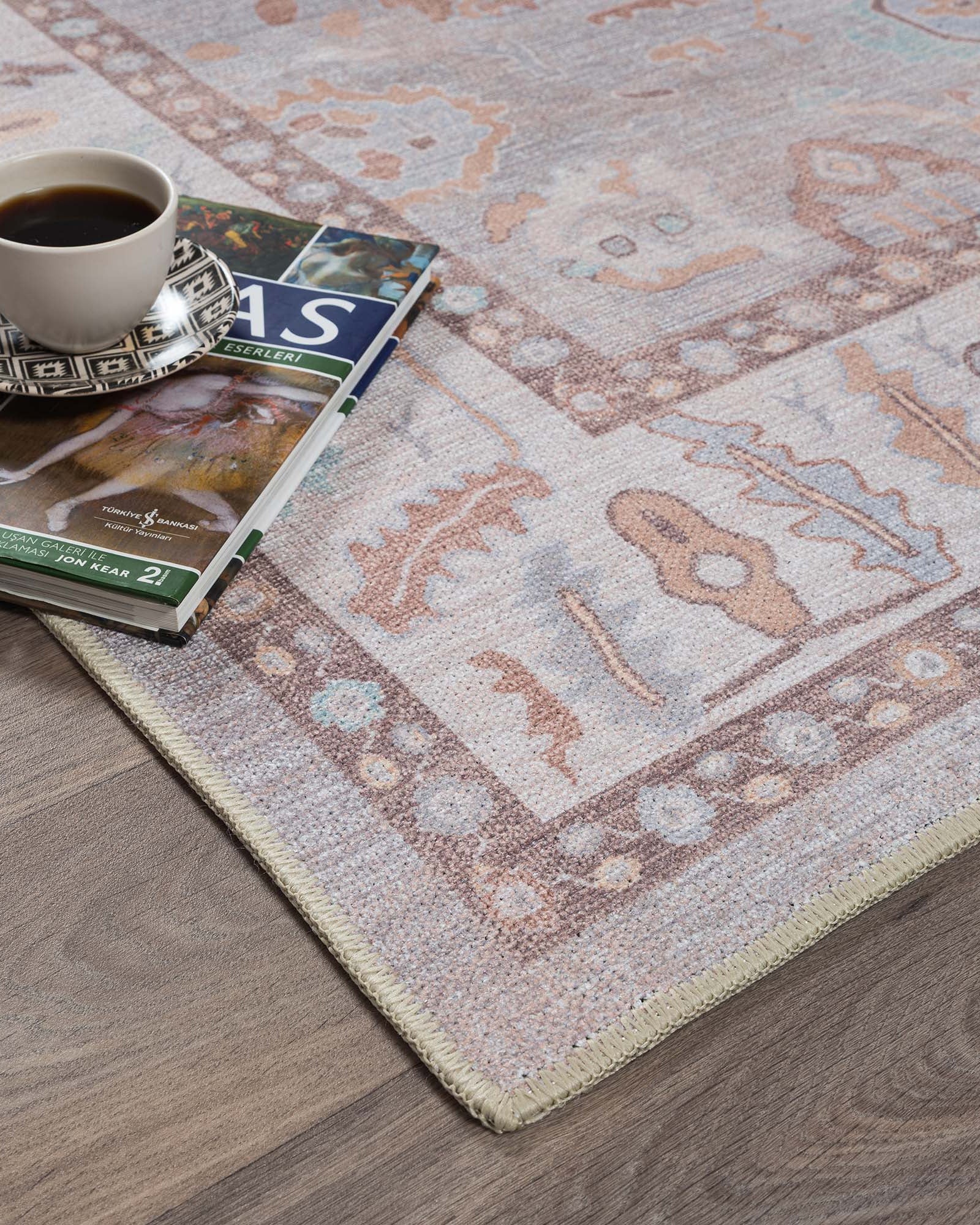
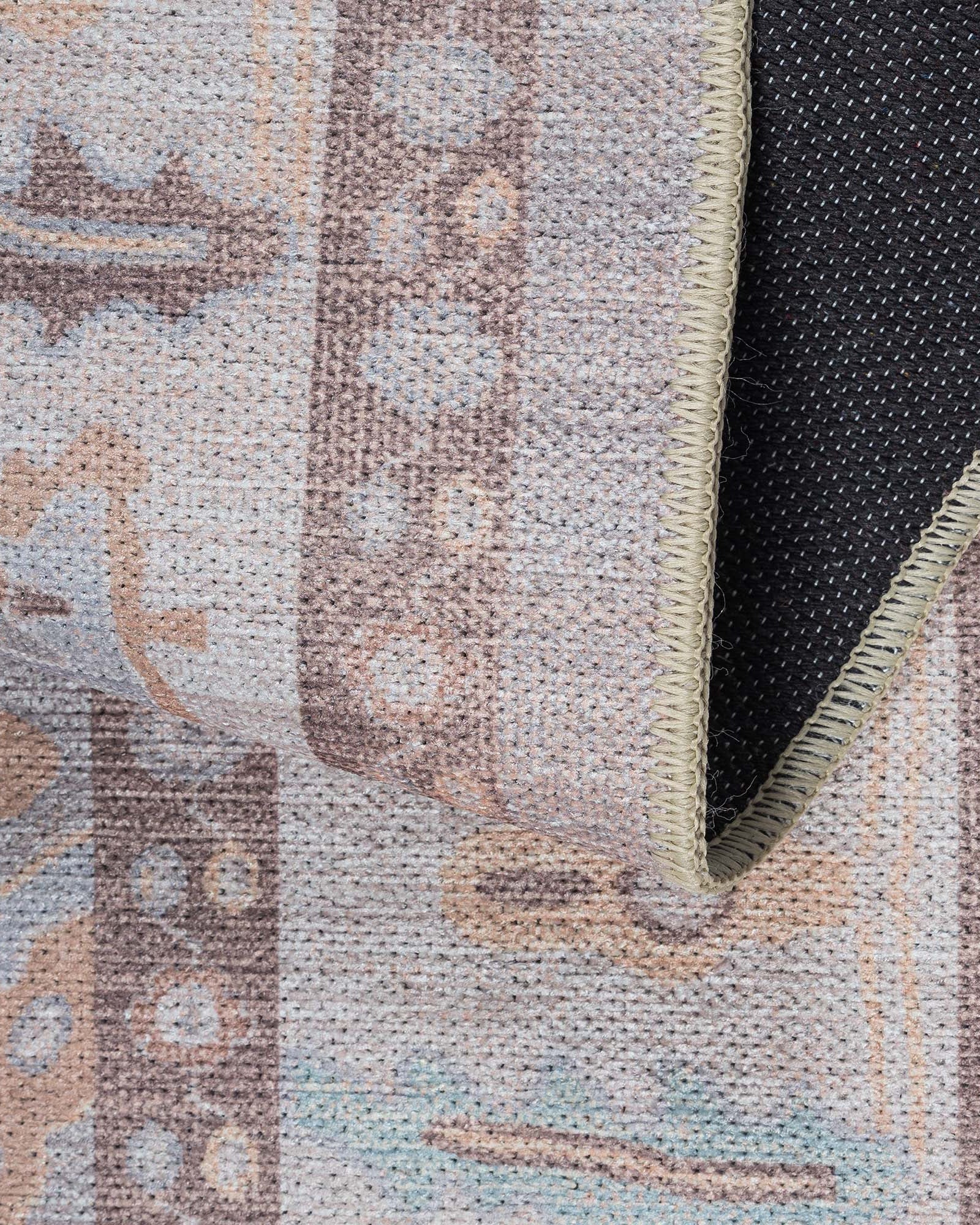
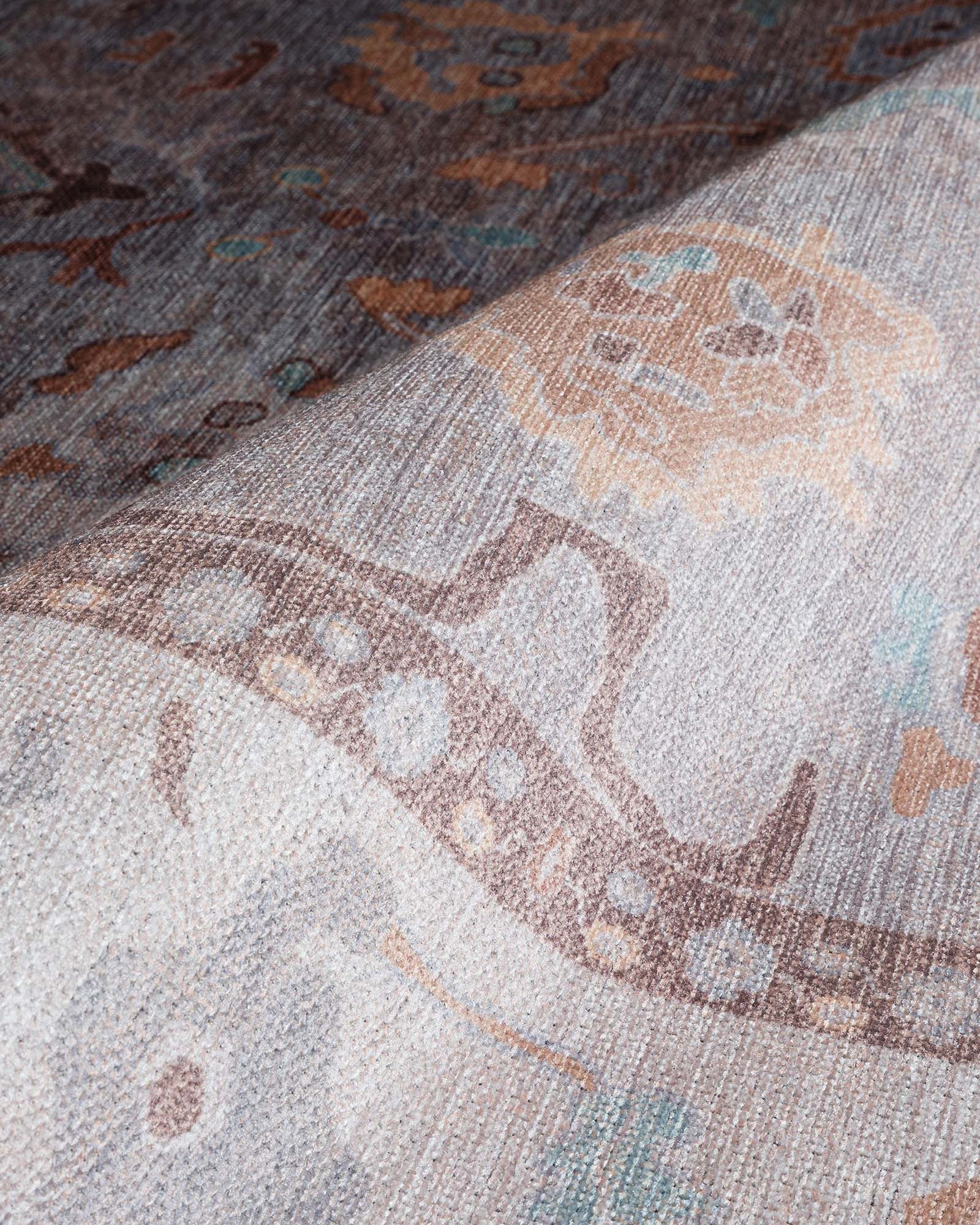
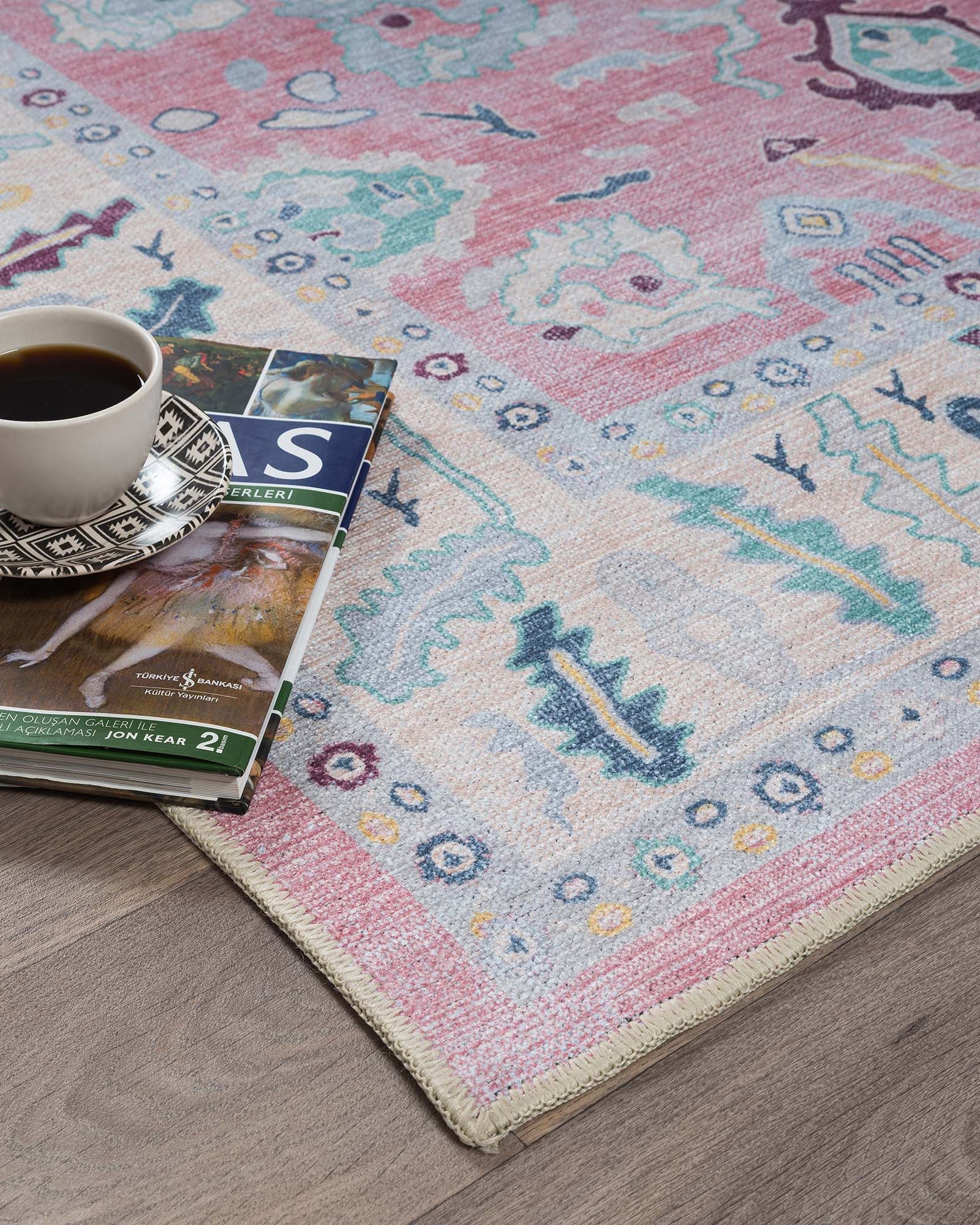
Vintage Turkish Rugs
Turkey has one of the longest continuous rug-weaving traditions on earth, and the pieces in this collection come from across it — village looms in central Anatolia, tribal weavings from the eastern highlands, and the well-known workshop centres of the west. Every rug here is an original hand-knotted piece with genuine age, sold as a single item with its own measurements, palette and history. None of them repeats.
Regions and What They Look Like
"Turkish rug" is a category, not a style. What separates one piece from another is where it was made, who made it and what it was made for. Understanding the regions is the fastest way to find the rug you actually want.
Central Anatolia — Konya, Karapınar, Ladik
Village weavings from the Konya plain tend toward bold geometry on a wide open field, worked in madder red, apricot, undyed ivory and deep indigo. Pile is often long and the wool exceptionally glossy. These were domestic rugs made for the weaver's own household rather than for export, which is why the drawing is confident and slightly irregular rather than draughted.
The West — Oushak, Milas, Bergama
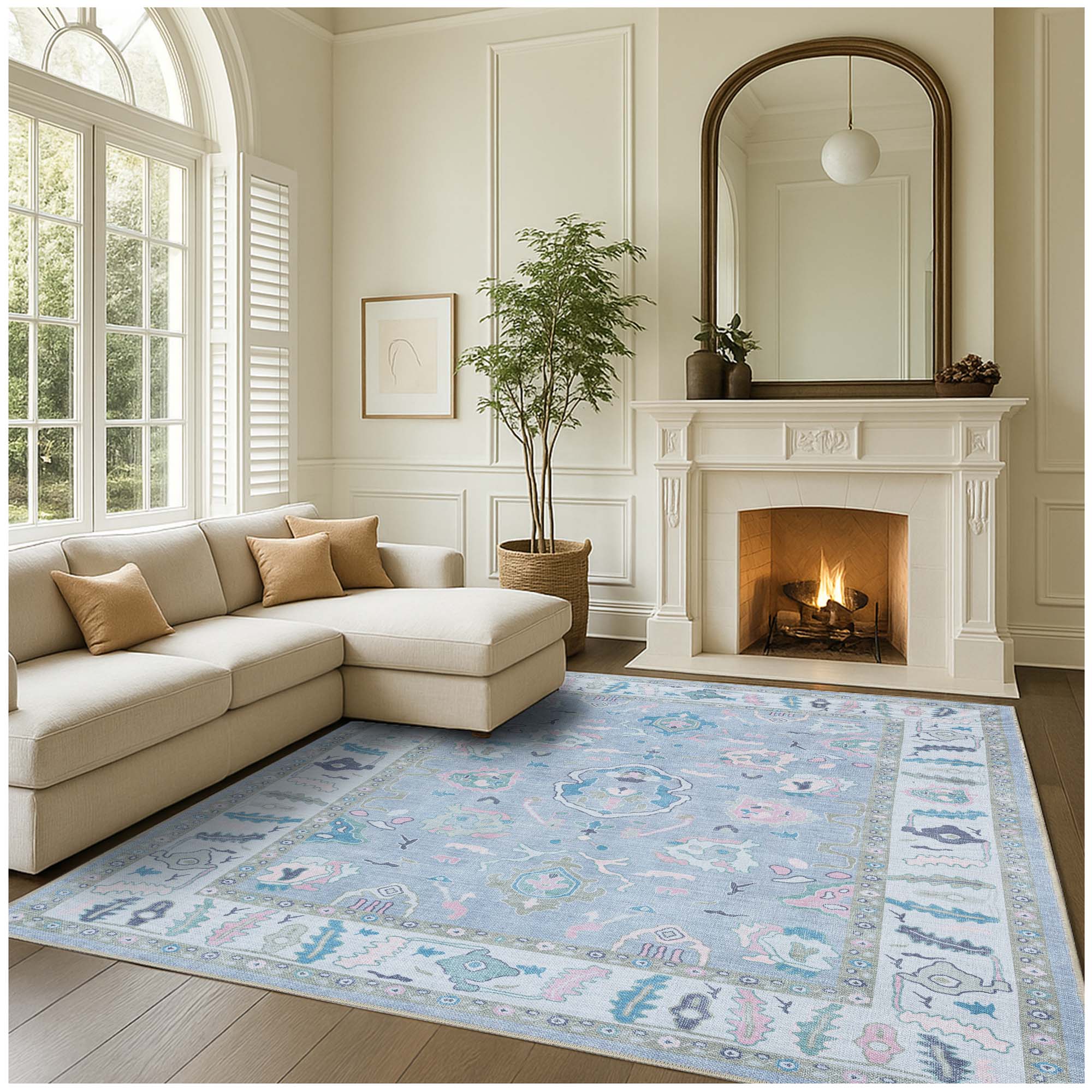
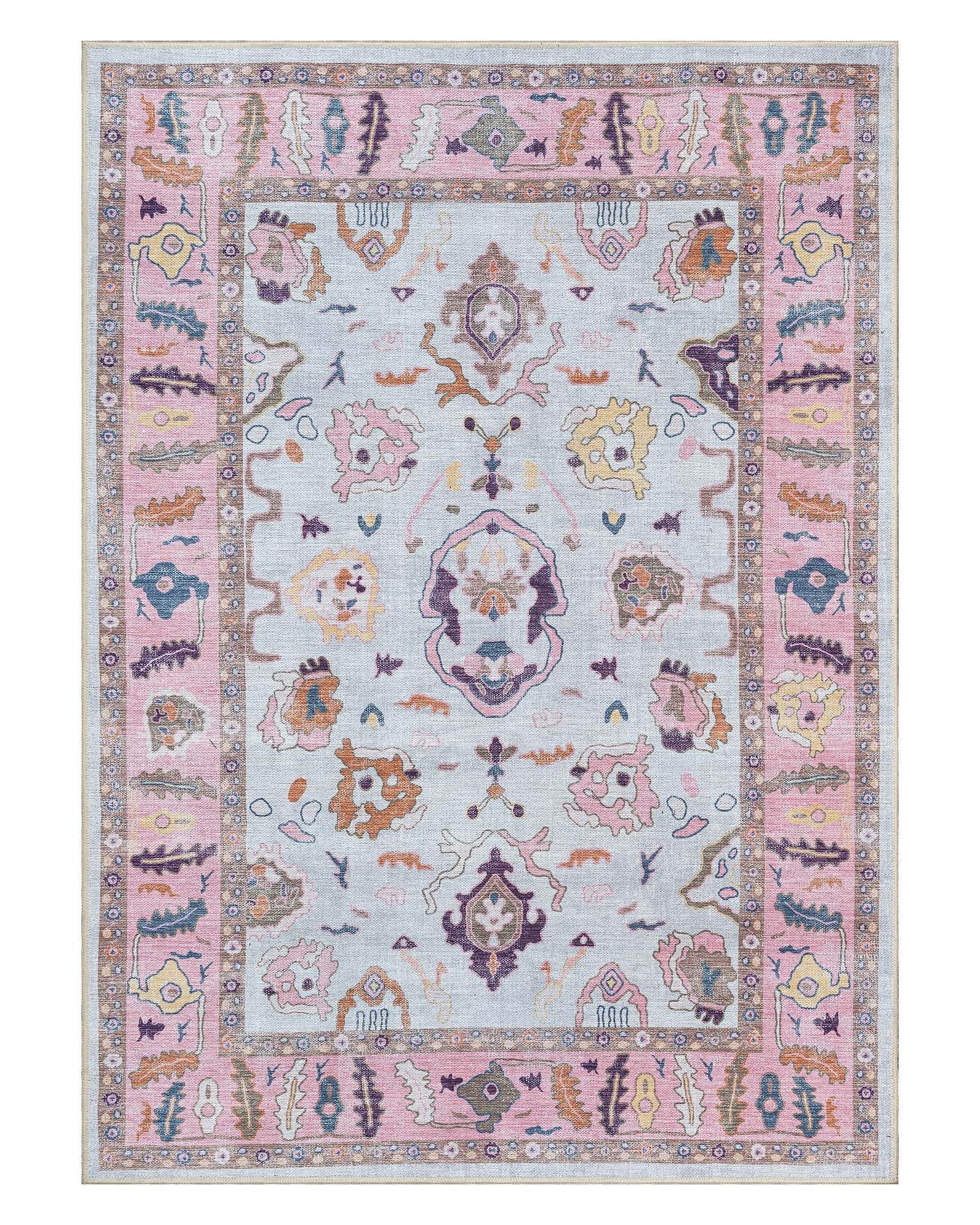
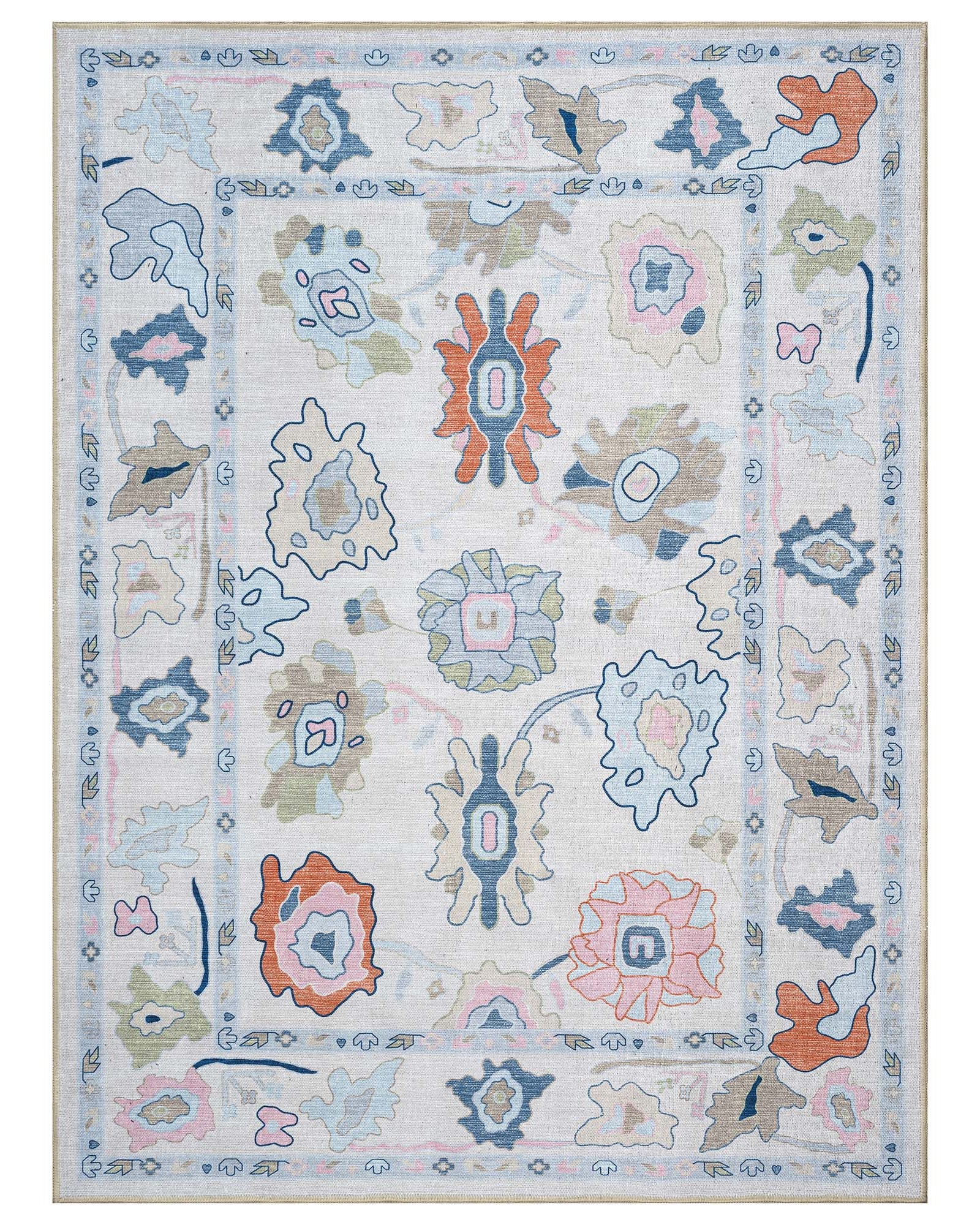
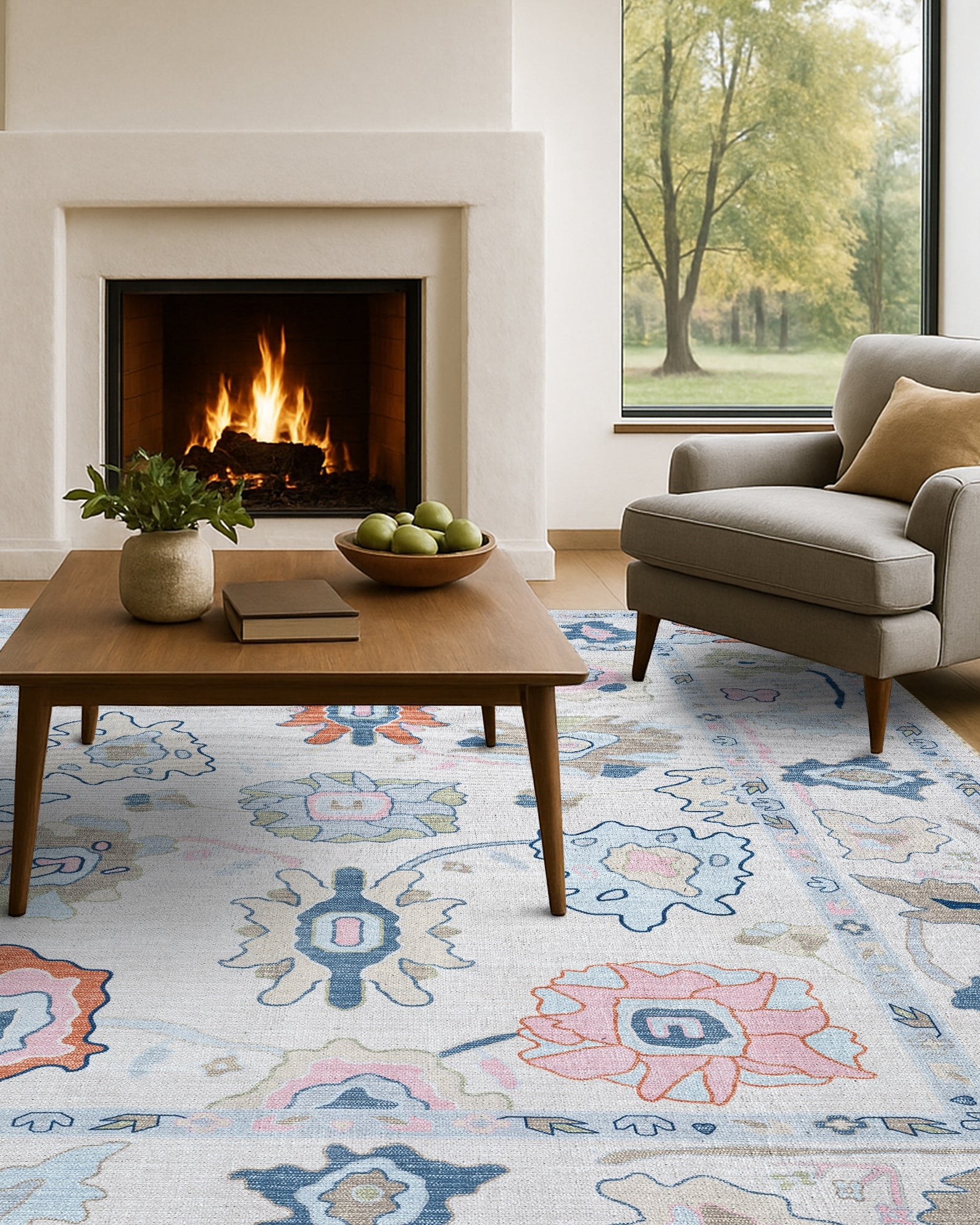
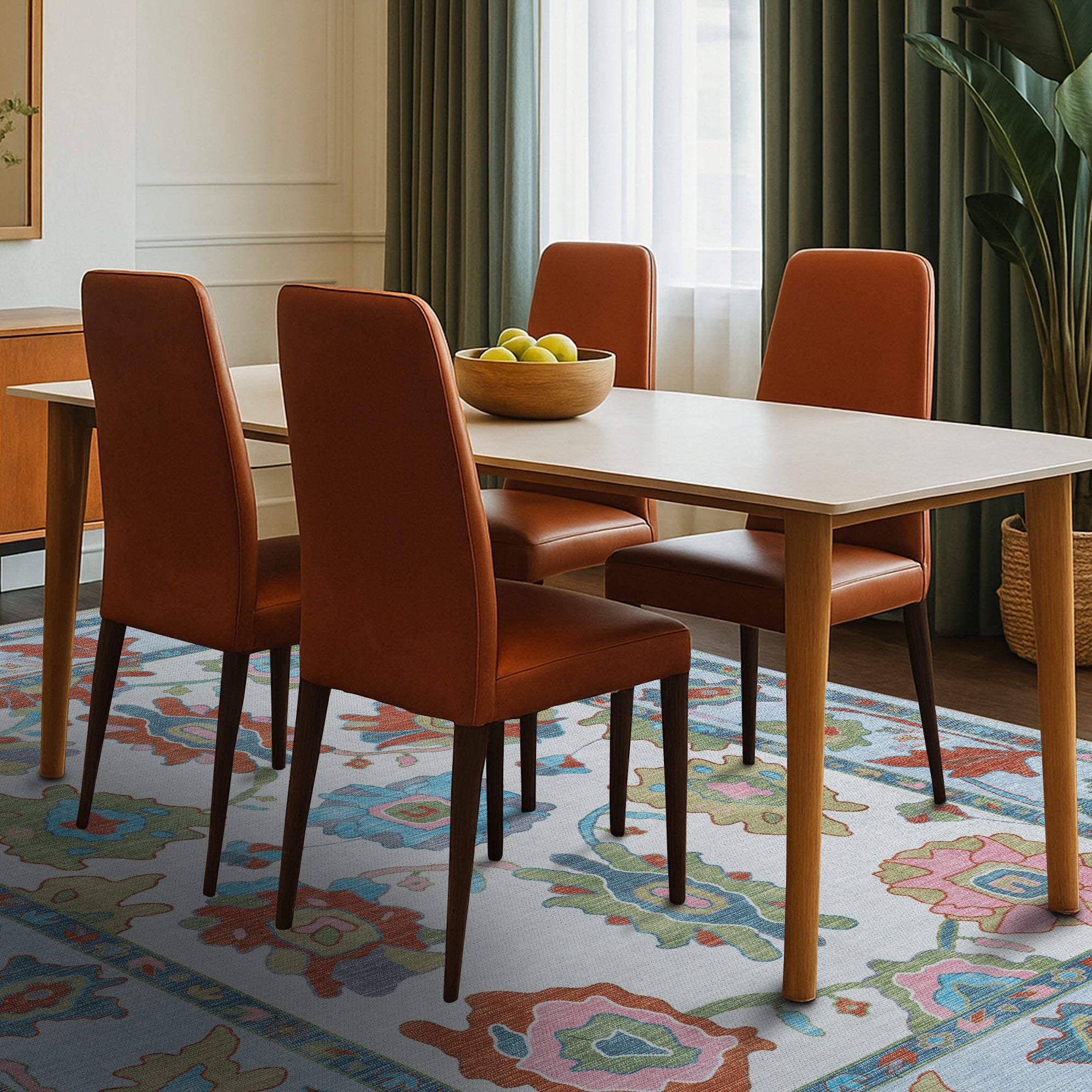
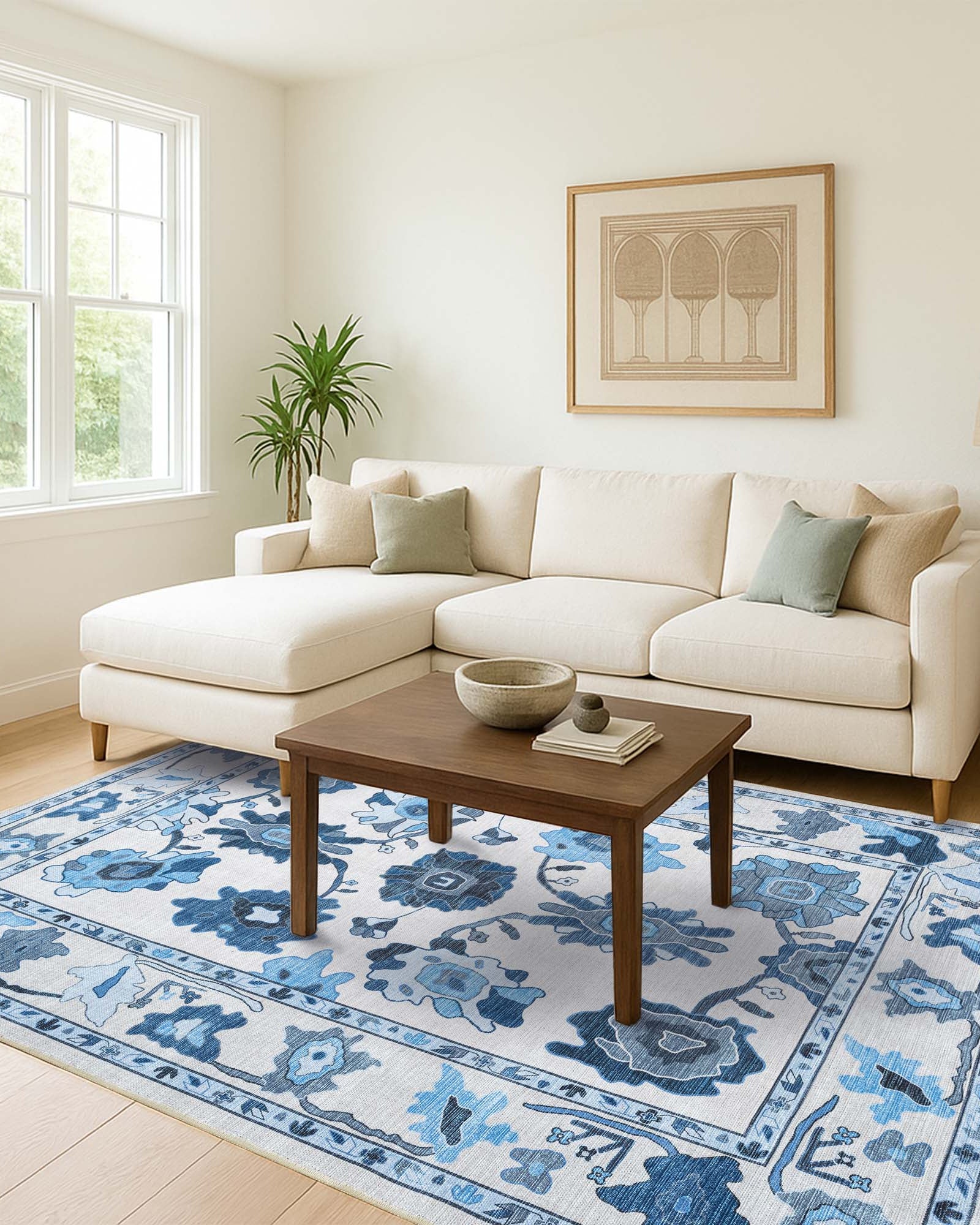
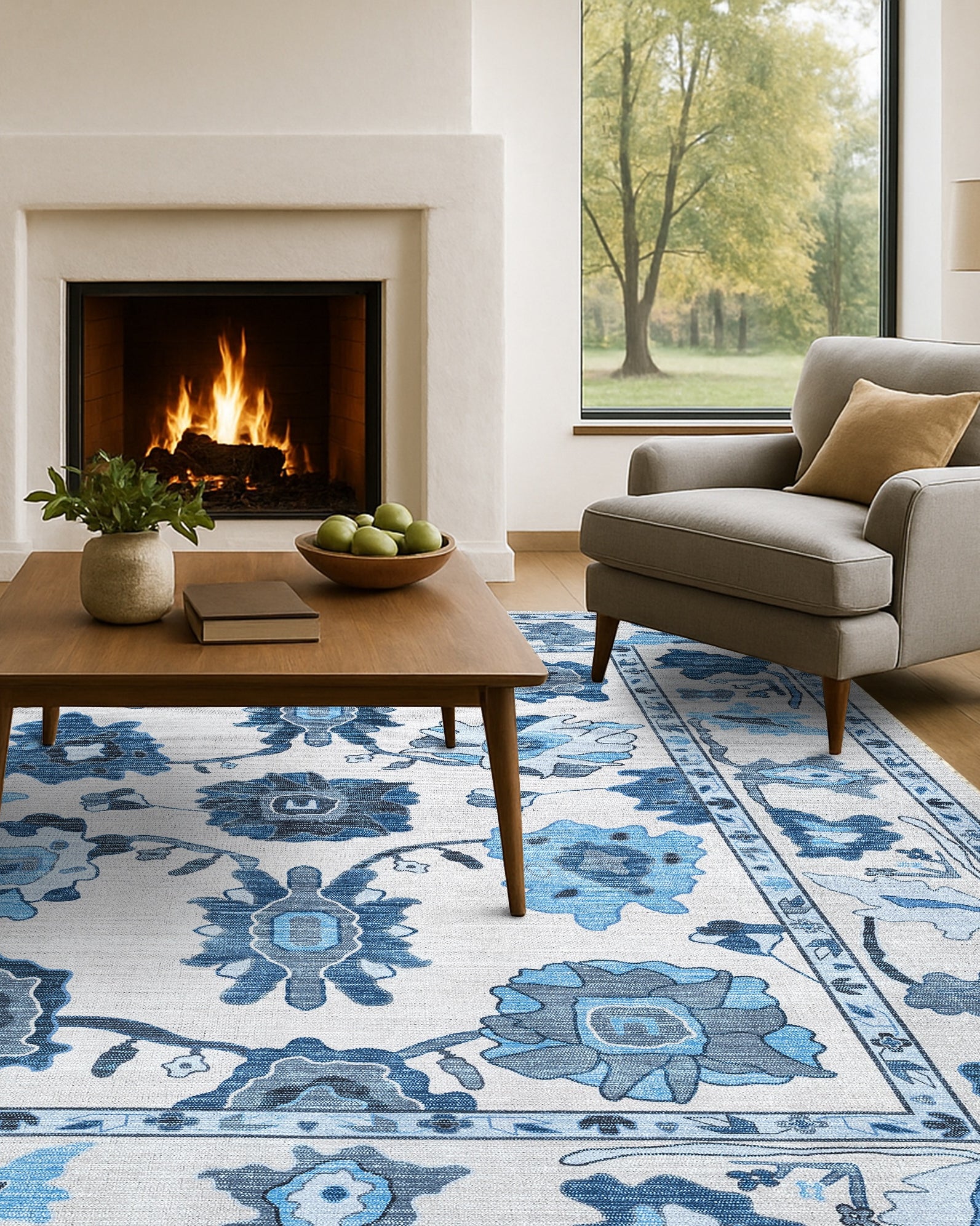
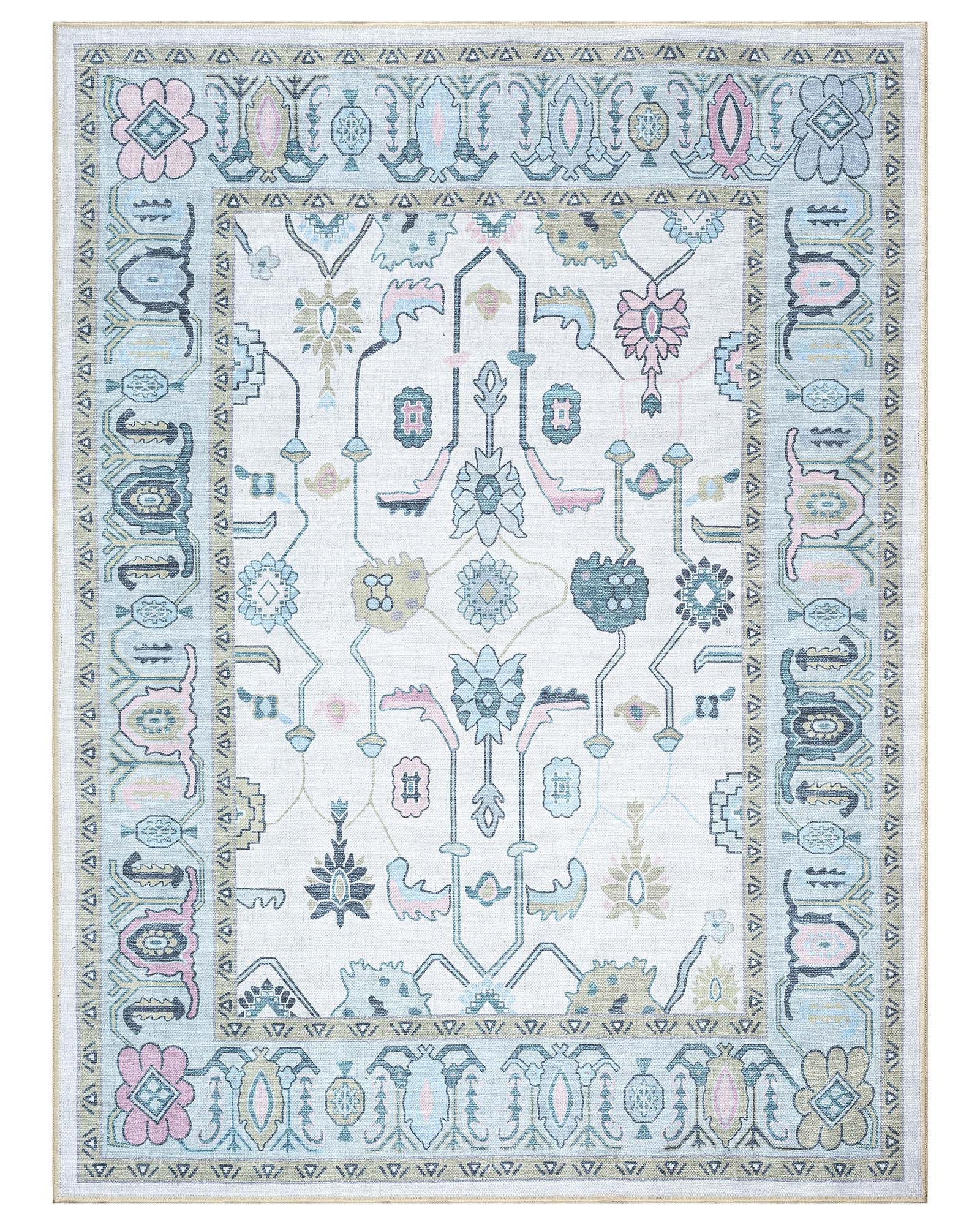
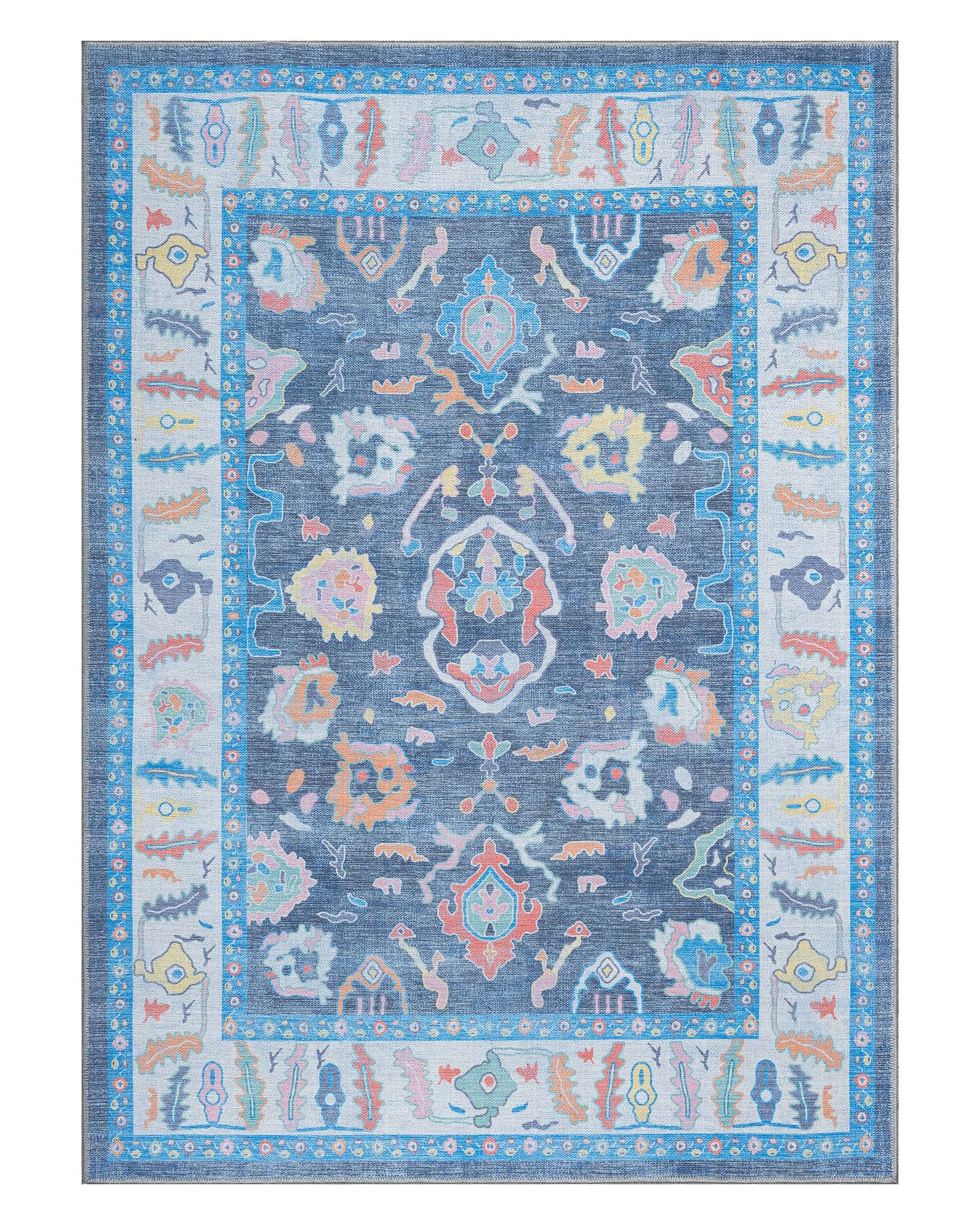
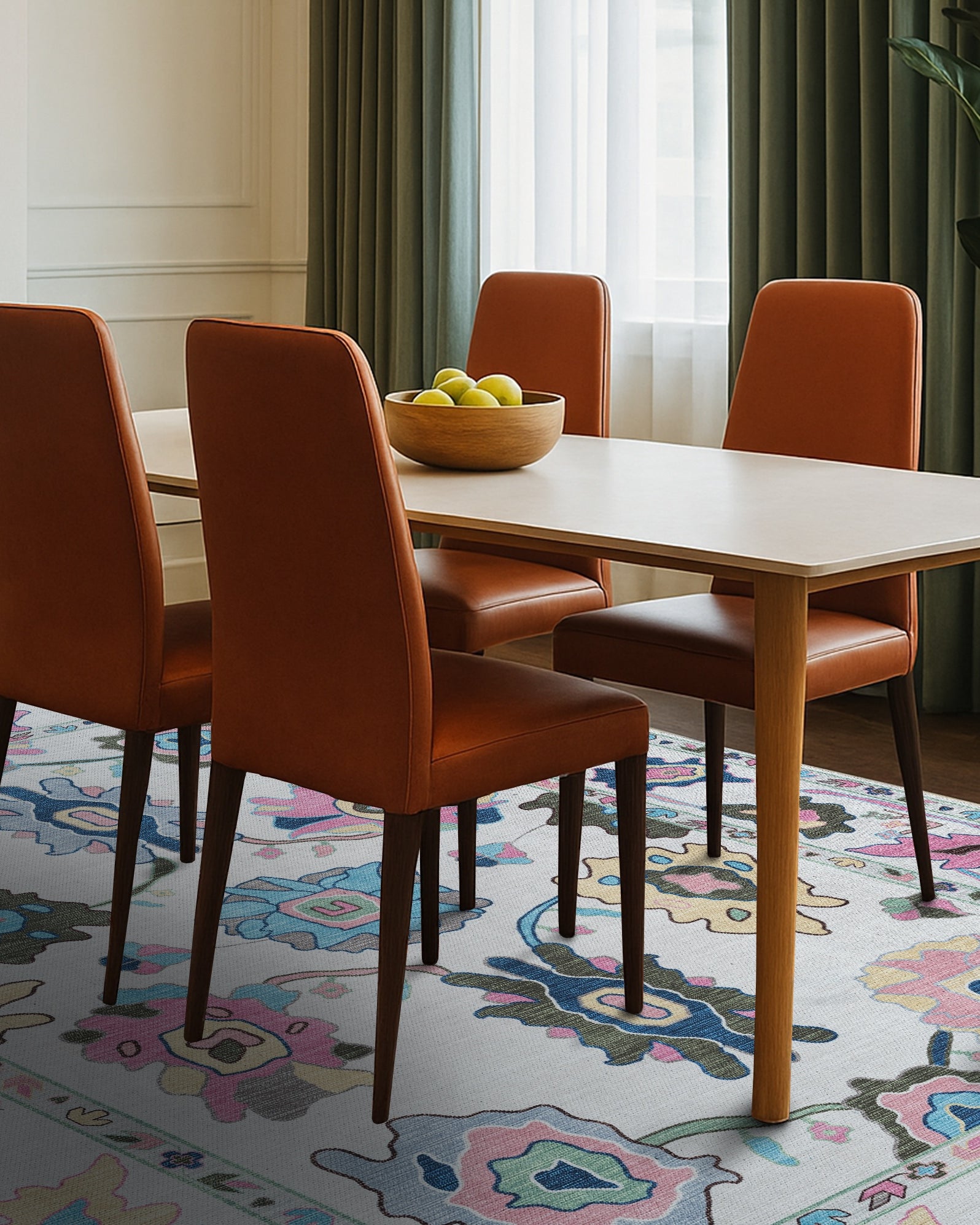
Western Anatolia produced rugs for trade, and the weaving is correspondingly more organised. Milas pieces are known for their narrow ochre-yellow fields and distinctive stepped mihrab; Bergama for compact geometric medallions in saturated red and blue. The largest and best-known group is Oushak, with its soft, open, large-scale patterning.
The East — Kars, Erzurum, Kurdish Weavings
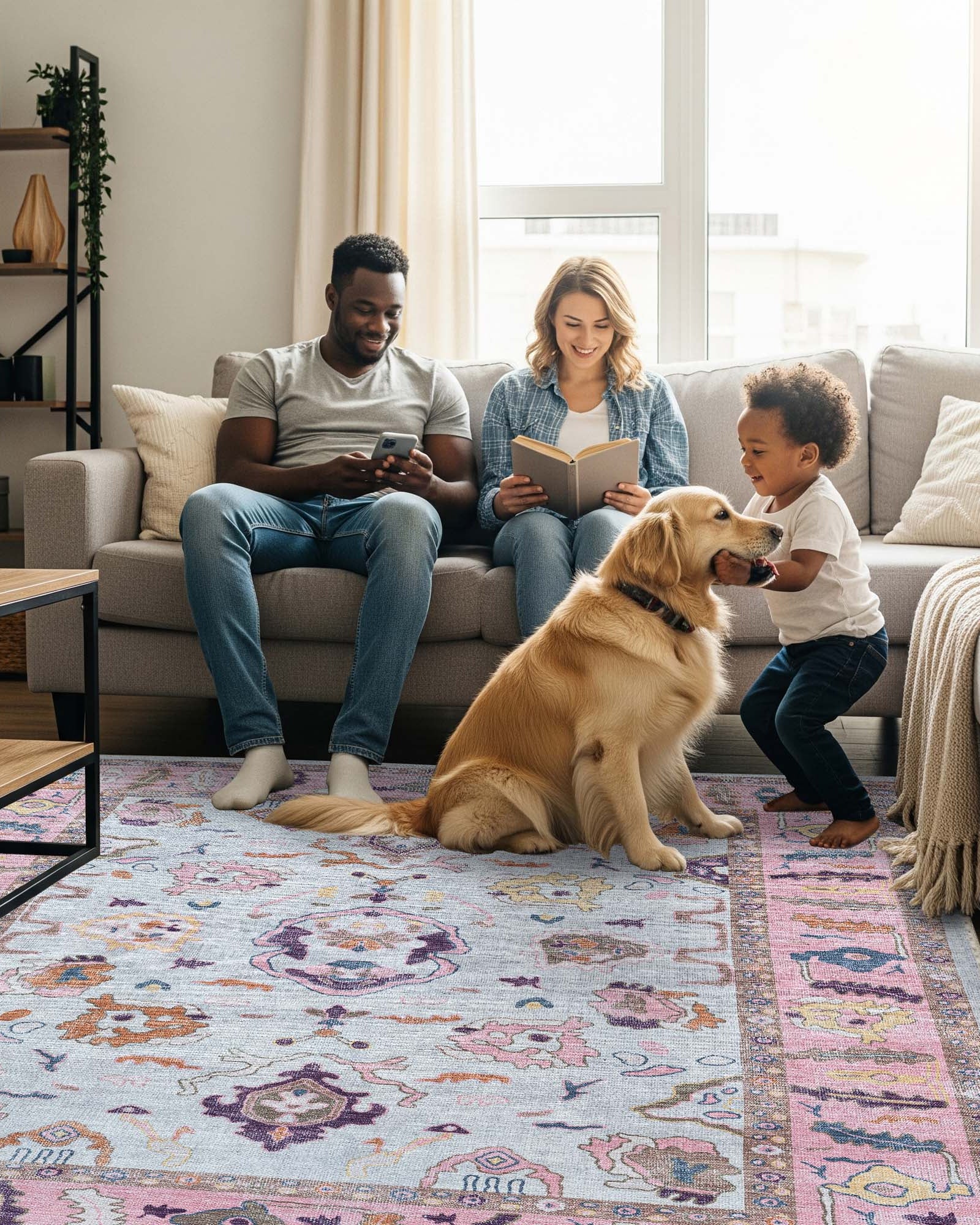
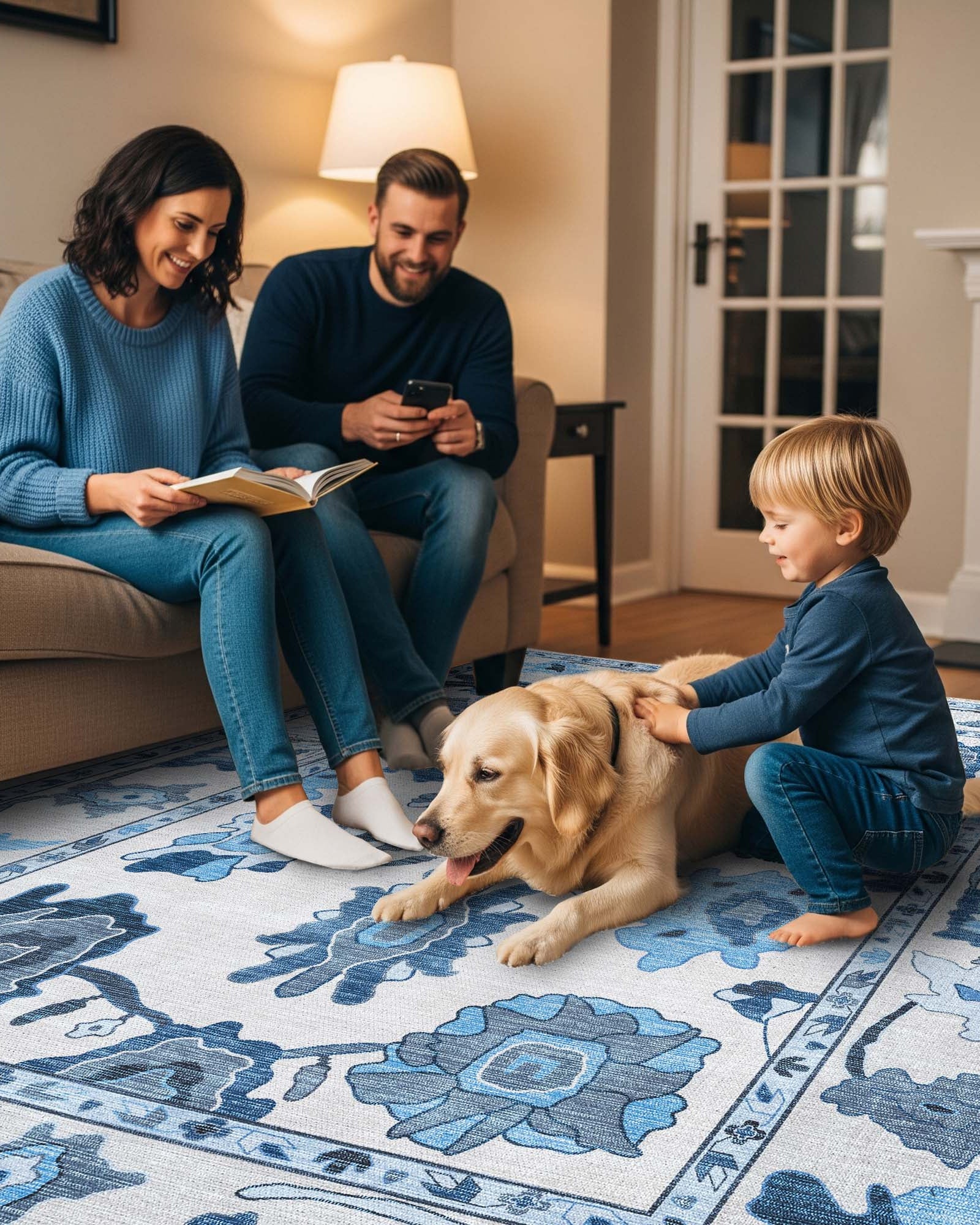
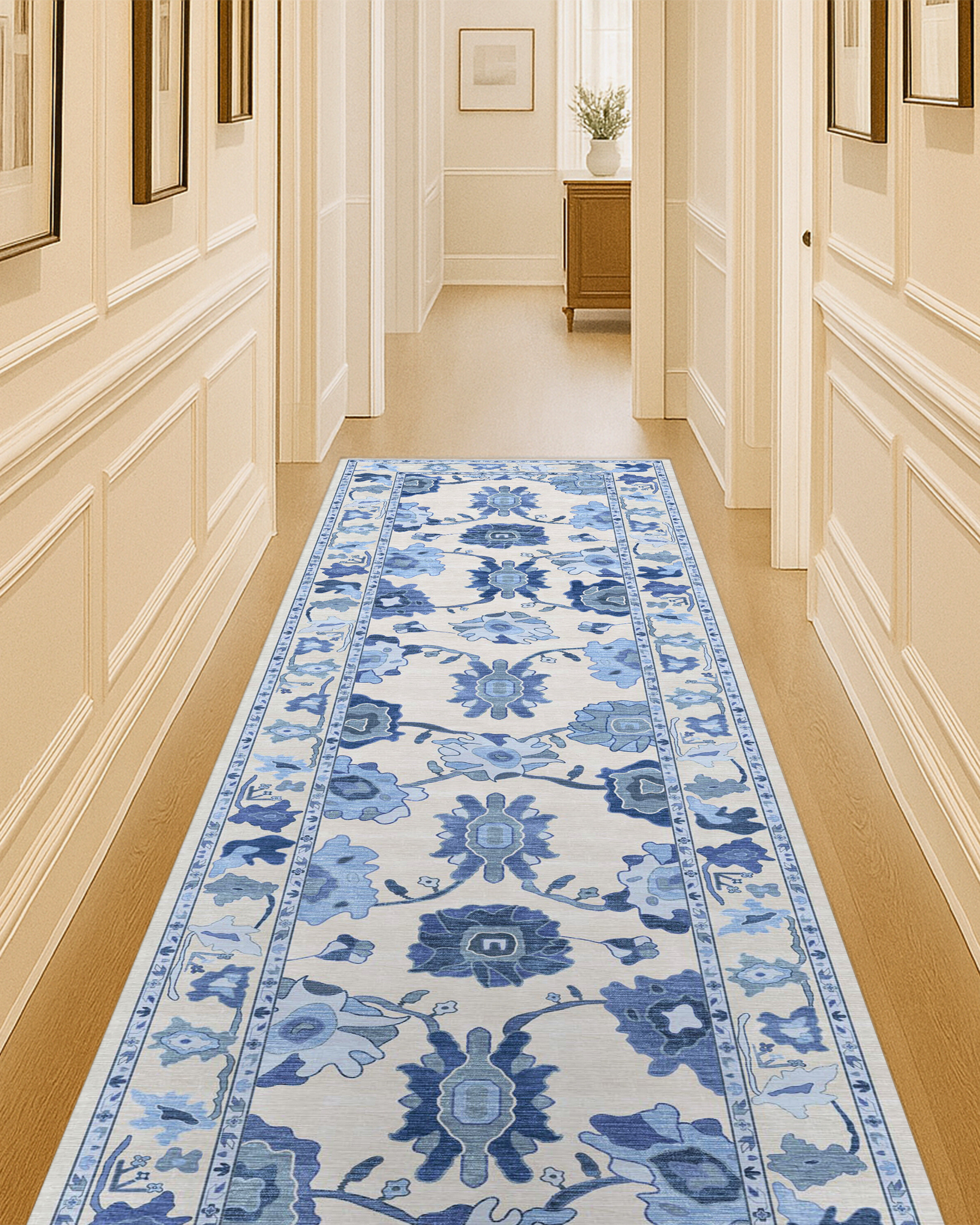
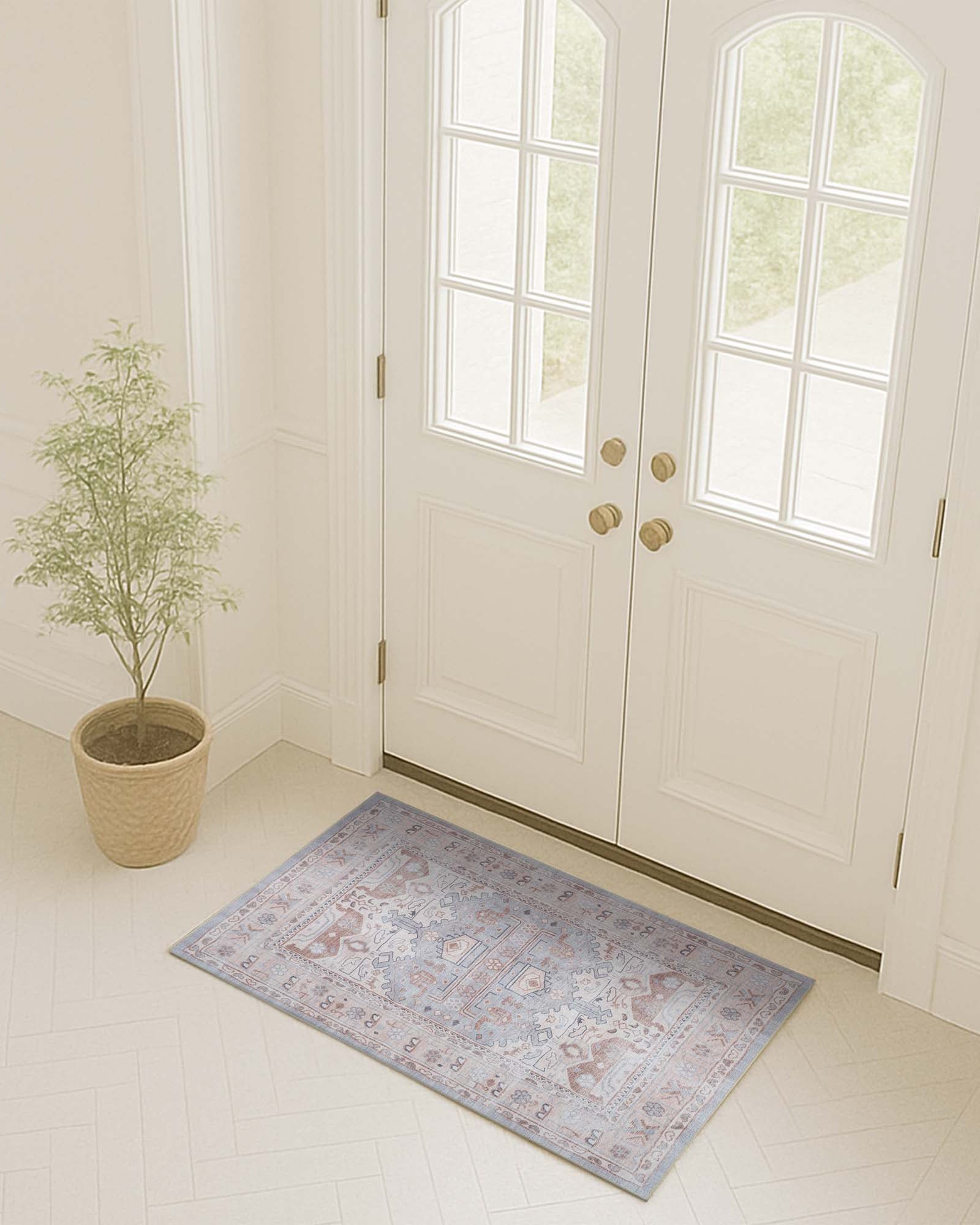
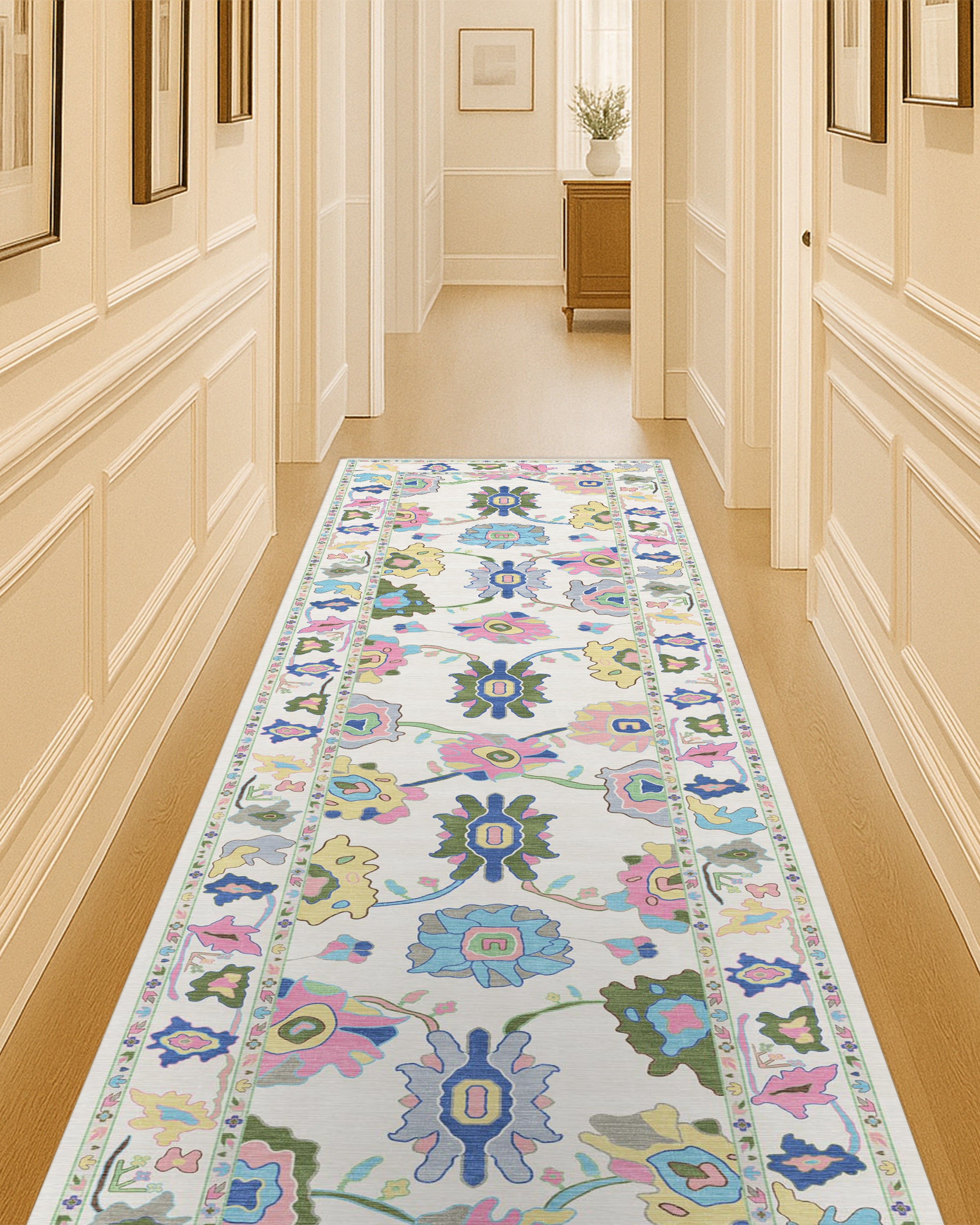
Eastern and Kurdish pieces are the most tribal in feeling: dense, angular, often built on repeating hooked medallions or column layouts. Highland wool from this region is heavy and coarse, which makes these among the most durable Turkish rugs and a practical choice for hallways and entryways.
Yastık, Tülü and Flatweave
Not everything on an Anatolian loom was a room-sized rug. Yastık are small pile cushion covers, roughly 2' x 3', ideal as accent or layering pieces. Tülü are long-pile shaggy rugs from central Anatolia woven for warmth, usually in undyed cream or soft brown. Flatwoven kilims, with no pile at all, were used as floor coverings, storage bags and wall hangings.
Reading the Motifs
Anatolian village weavers worked from a shared symbolic vocabulary rather than a paper design. The elibelinde, a stylised standing figure with hands on hips, signified fertility and motherhood. The koçboynuzu ram's horn stood for strength. Hooked forms and the nazar eye motif were protective. A comb represented marriage, a running-water border meant abundance. These symbols were rarely decorative alone, and their placement often records something about the household the rug was made in.
Construction and Materials
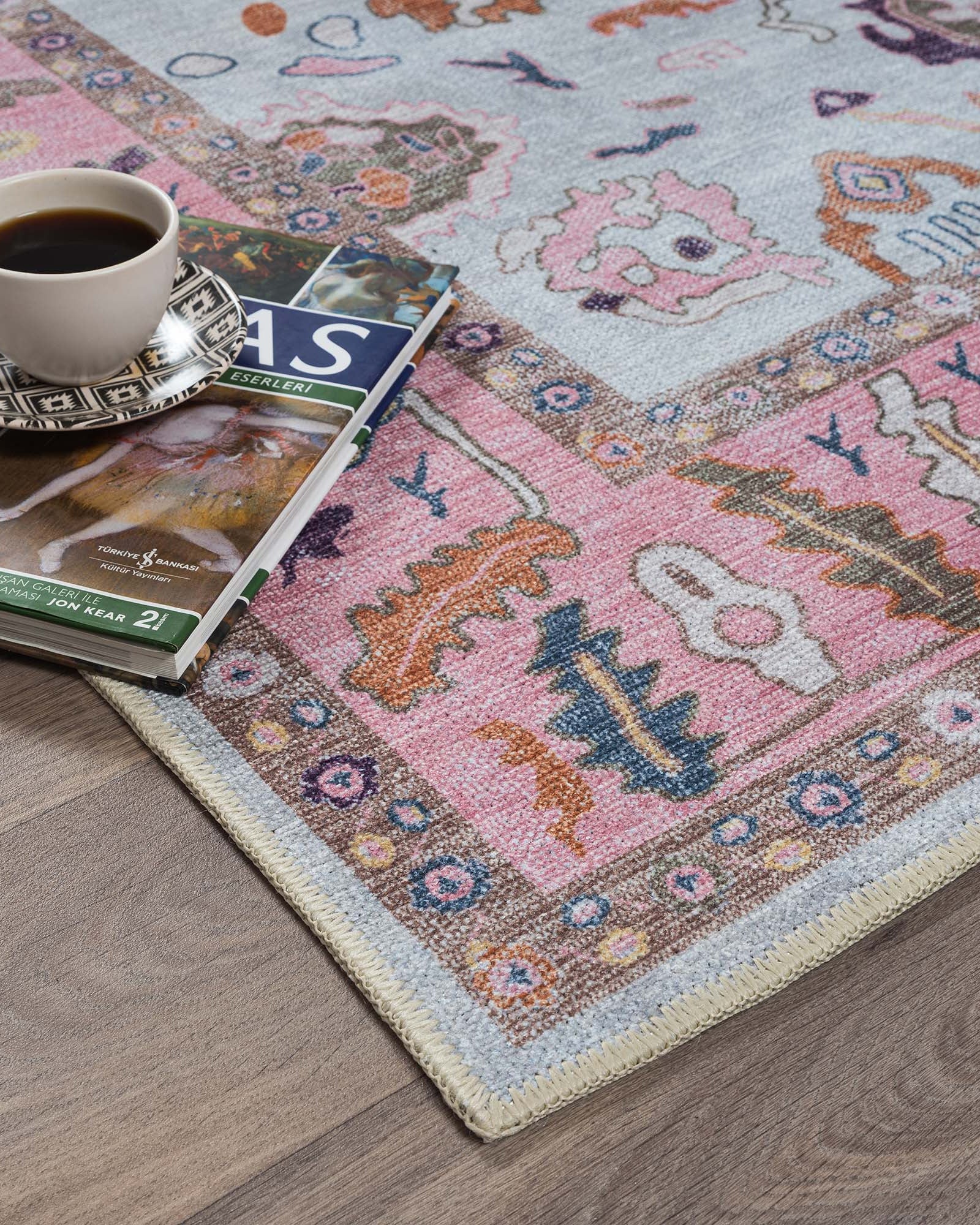
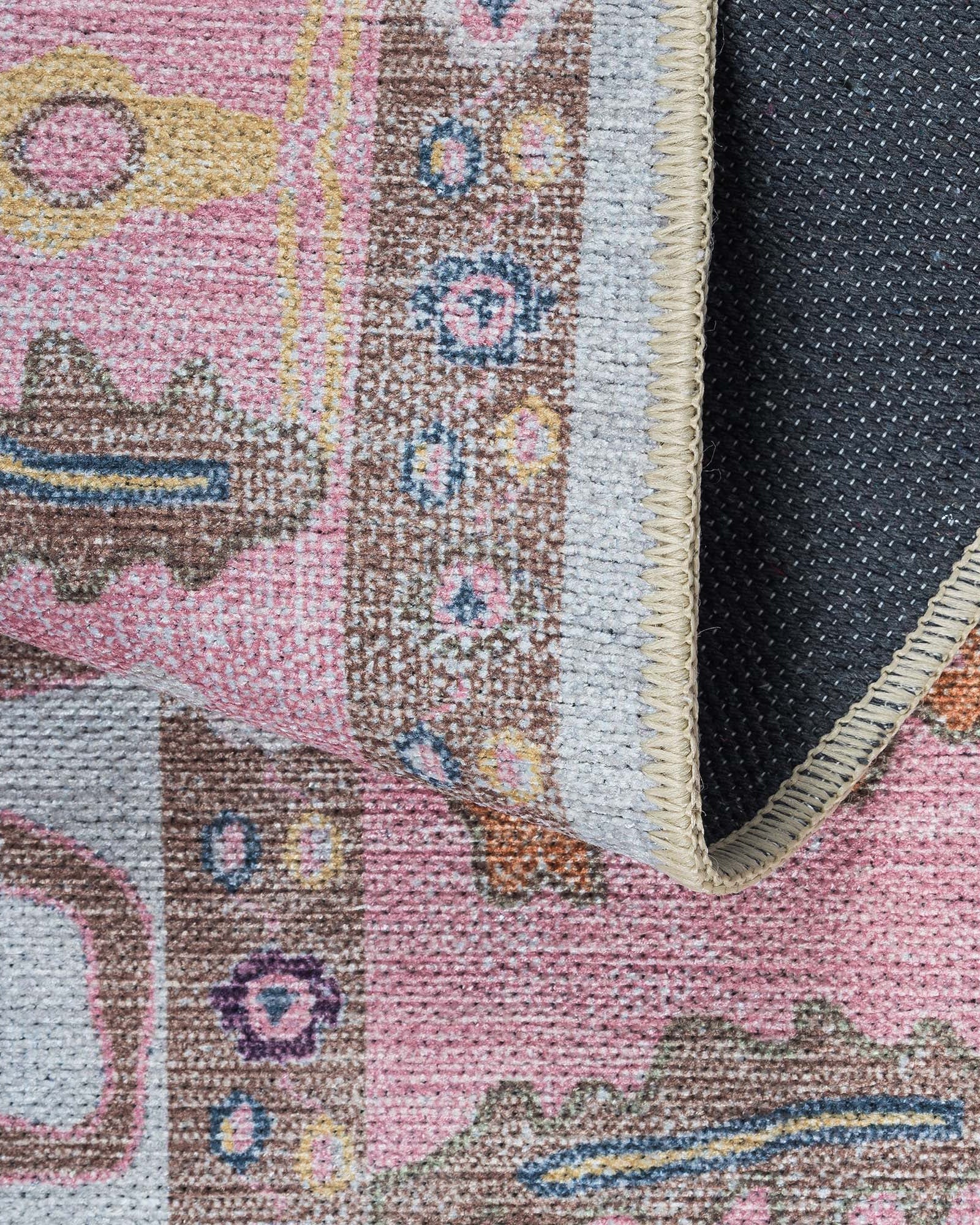
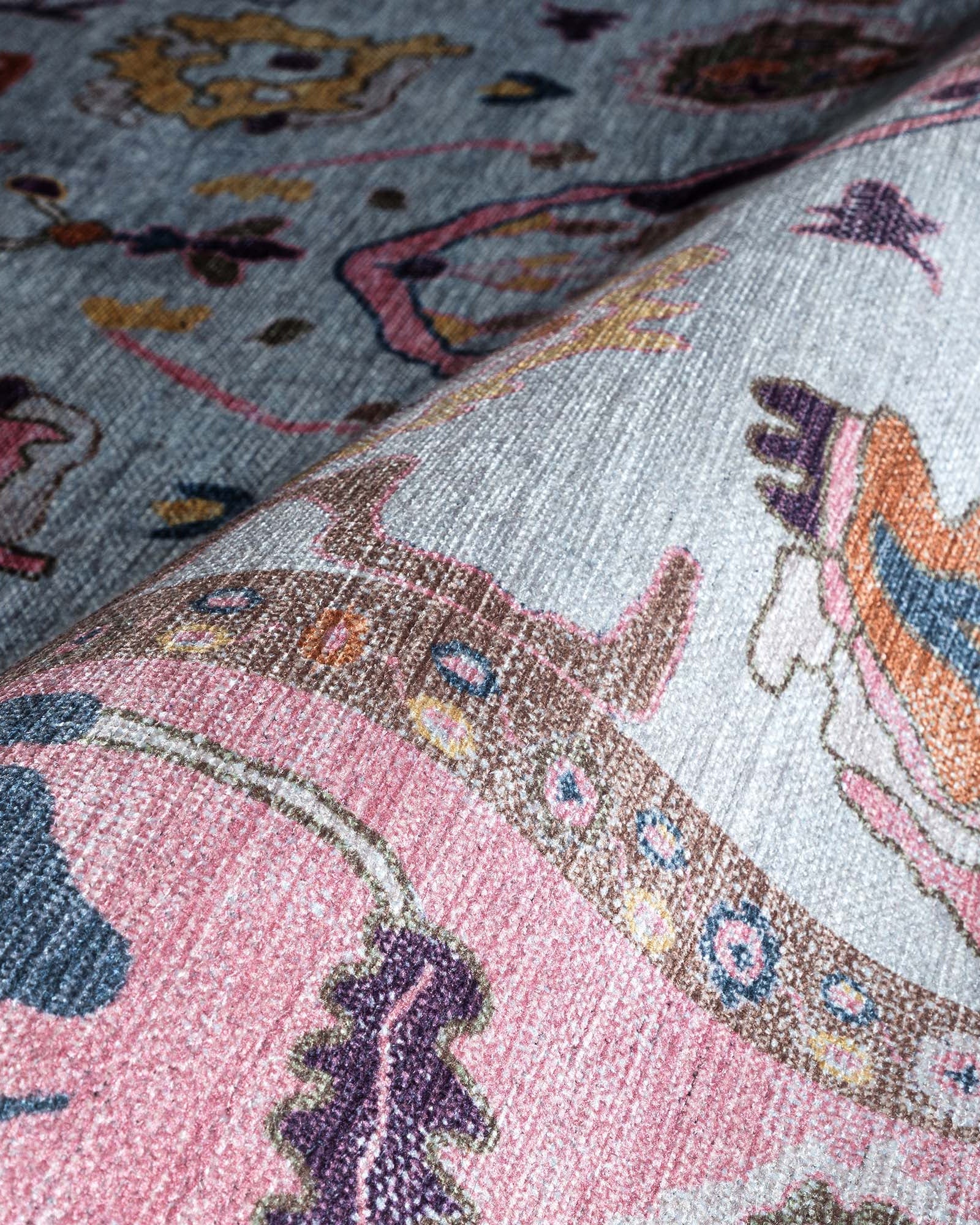
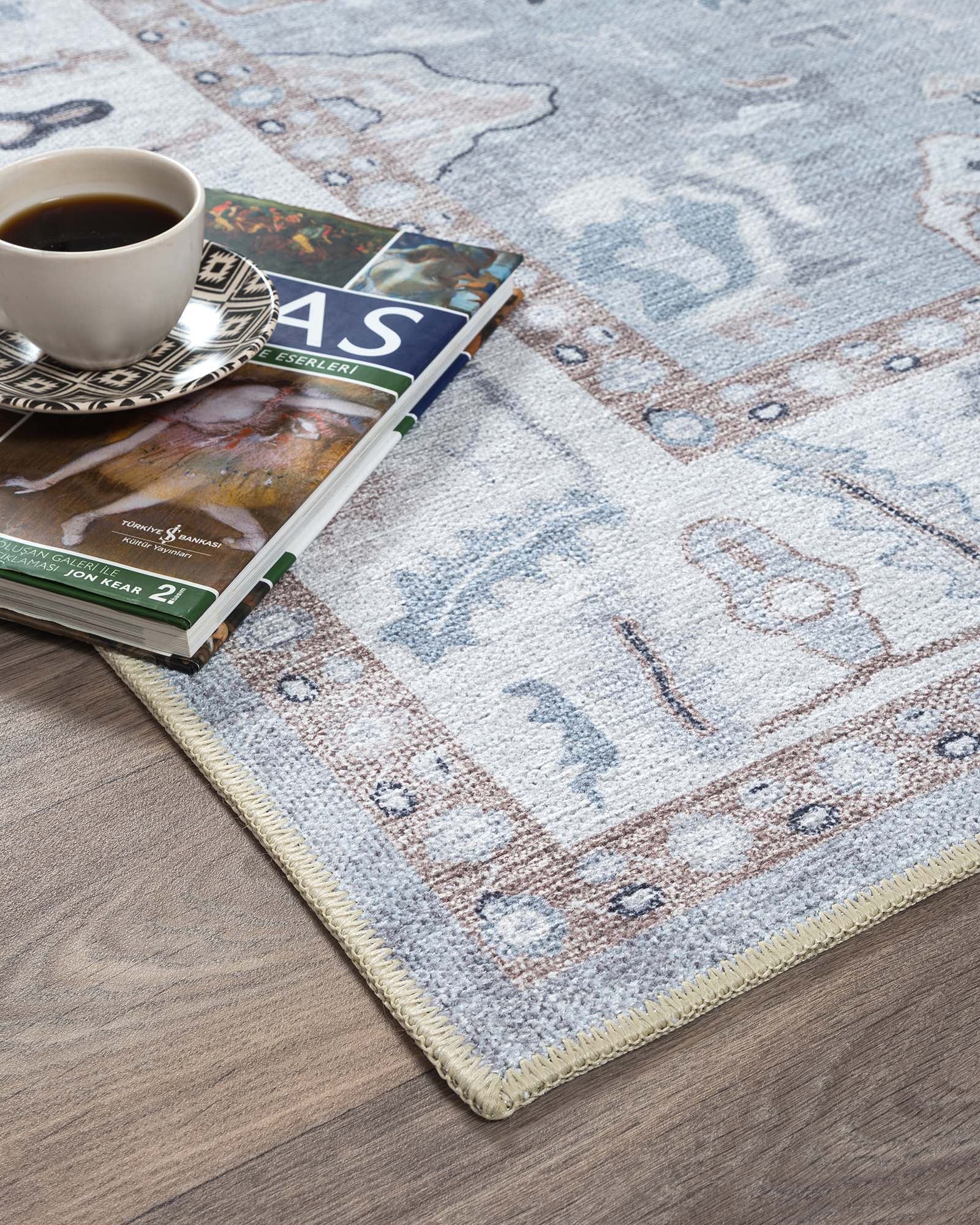
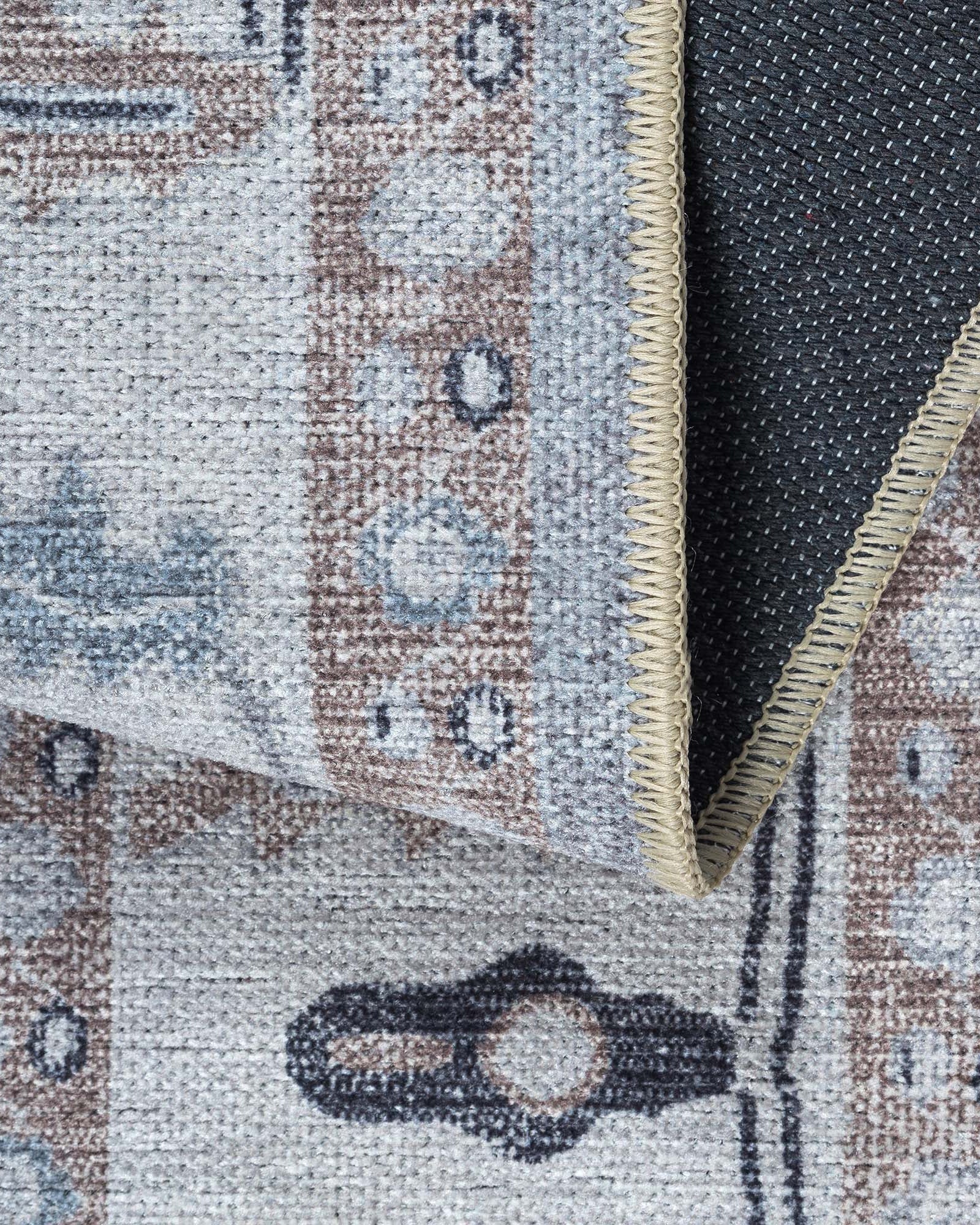
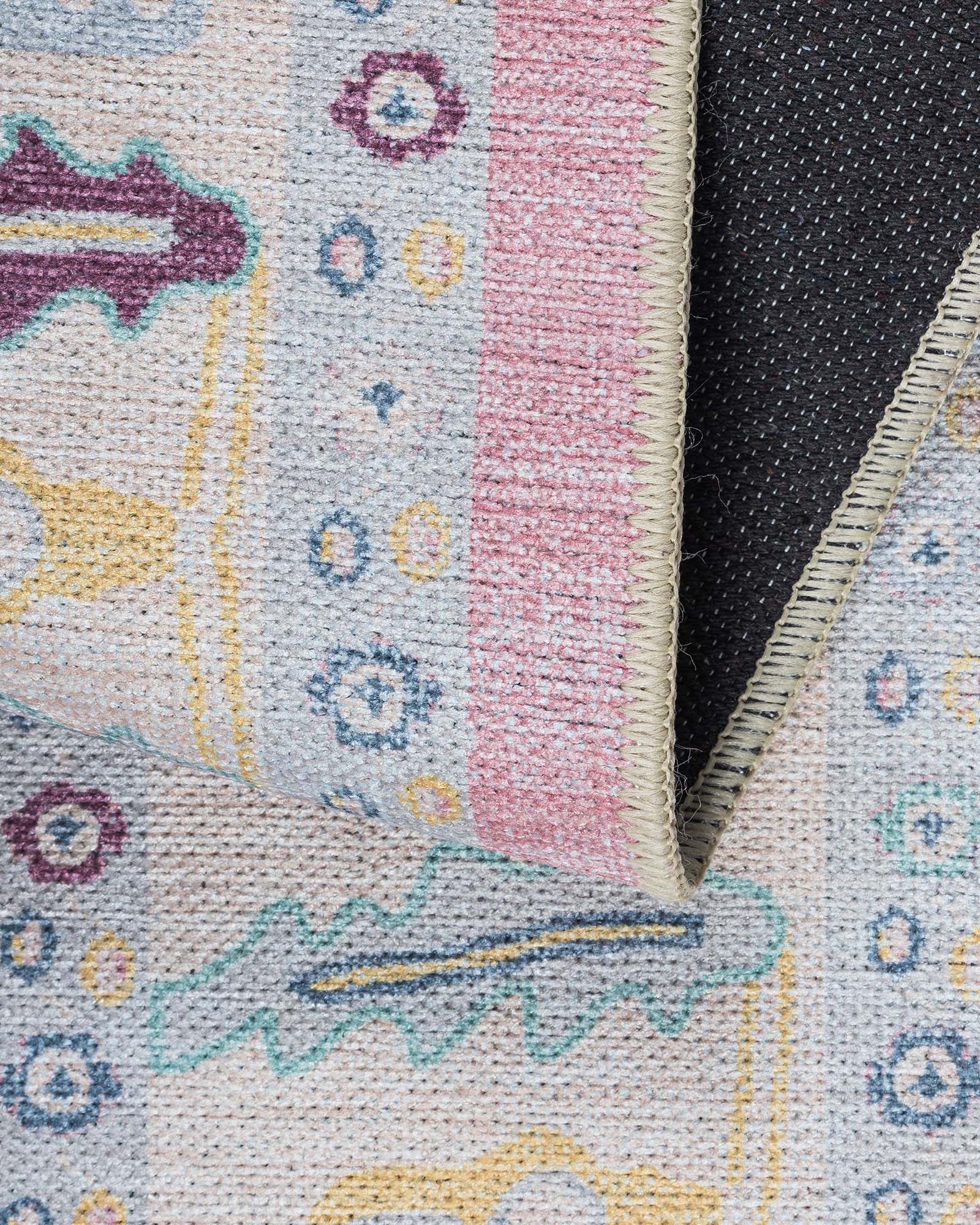
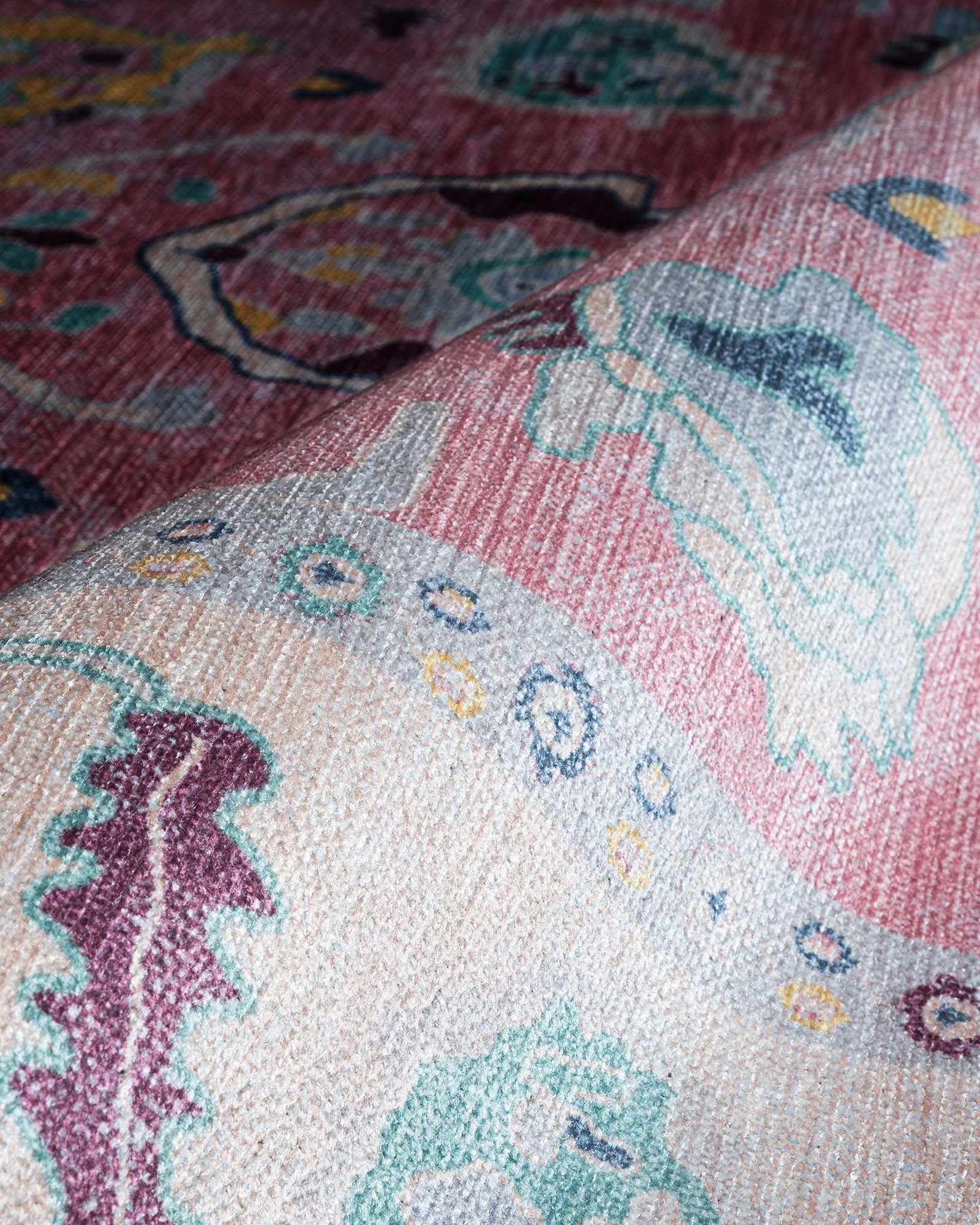
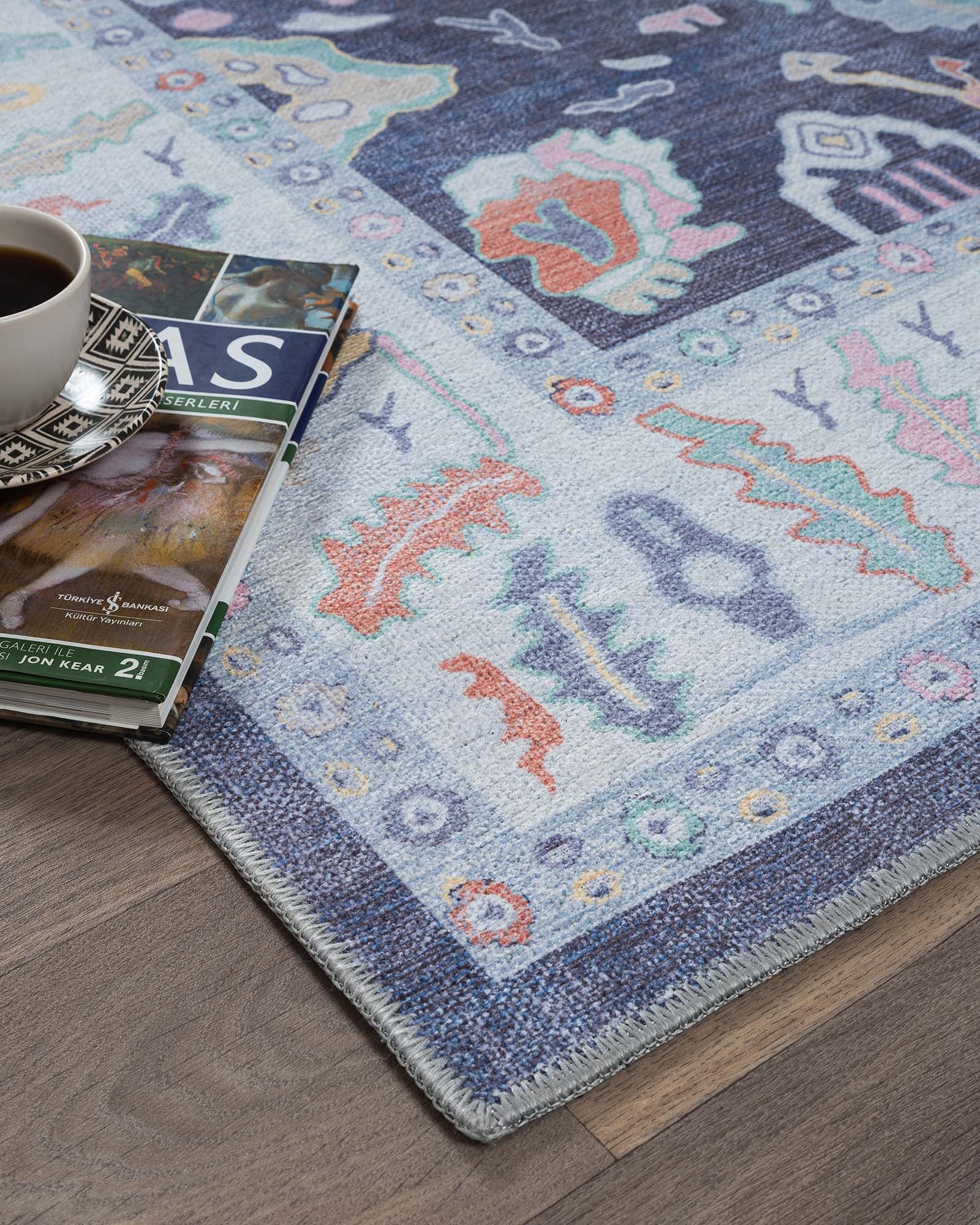
Turkish rugs are tied with the symmetrical knot — one strand looped around two adjacent warps — which produces a sturdier, slightly less detailed pile than the asymmetrical knot used across Persia. Foundations are wool on wool in village and tribal pieces and cotton in later workshop production. Colour came from madder root, indigo, walnut husk, chamomile and pomegranate rind. Because dye lots were small, most authentic pieces show abrash: horizontal bands of tonal variation where the weaver switched wool batches.
Condition, Age and Size
Pieces are grouped as antique at over eighty years, vintage at roughly forty to eighty, and semi-vintage below that. Each product page carries the estimated decade, the region, a condition note and the exact measured dimensions. Expect honest wear — flattened pile in traffic lanes, old selvage repairs, trimmed fringes, small areas of colour loss. Every rug is photographed as it is. Sizes are never standard: opposite edges routinely differ by an inch or two, and village pieces in particular skew narrow and long, so measure your space against the listed figures rather than the rounded size label.
Placing and Caring for Anatolian Pieces
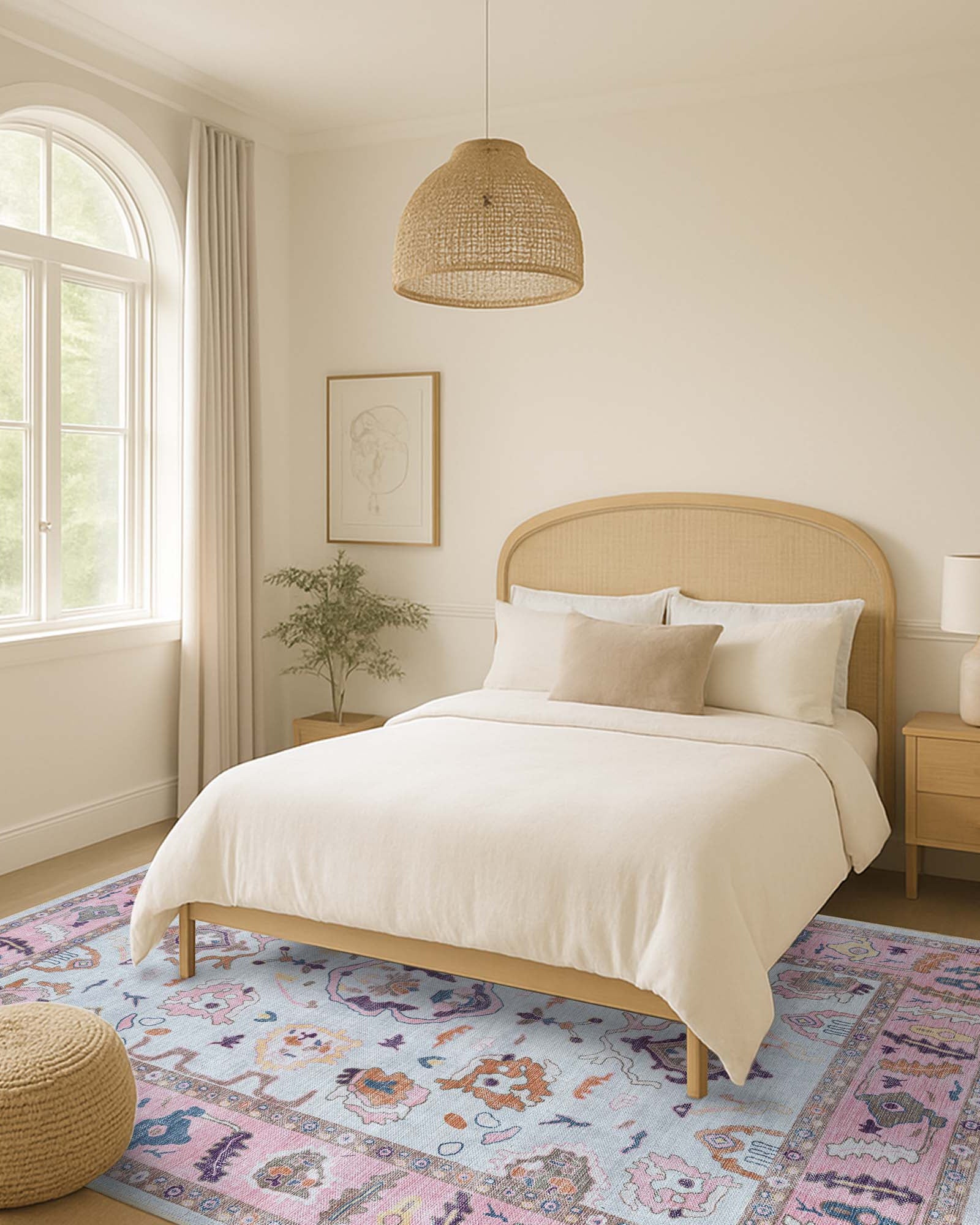
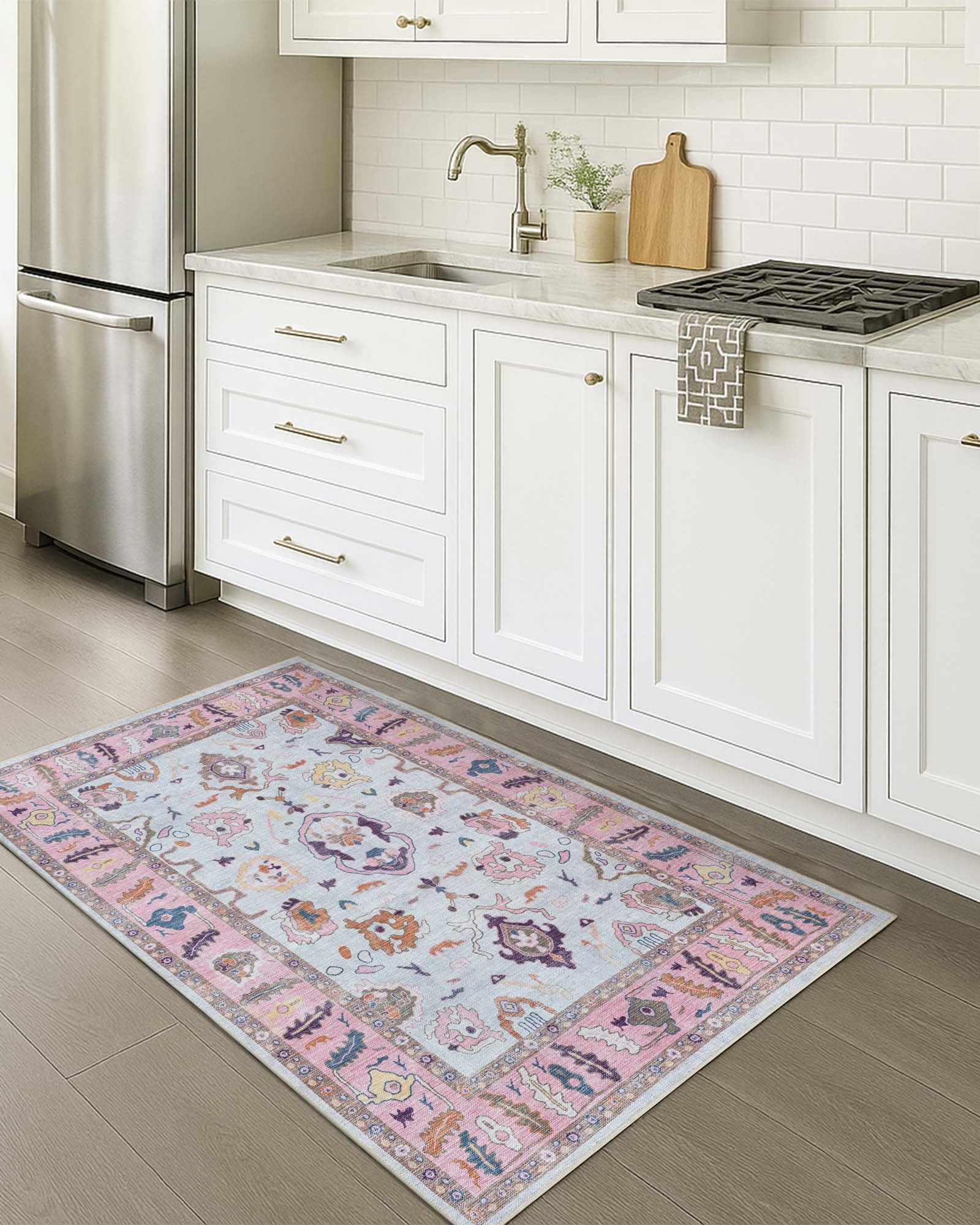
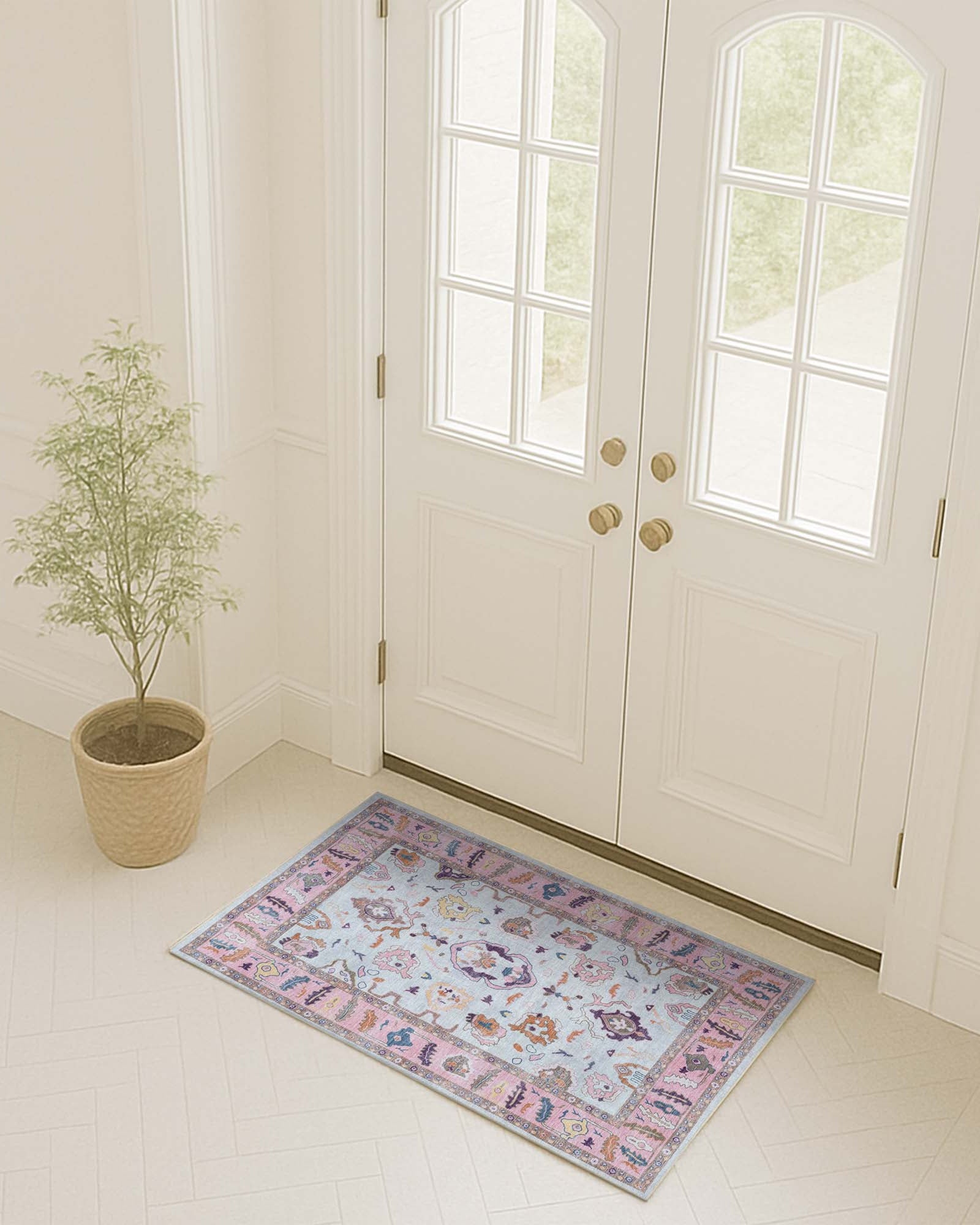
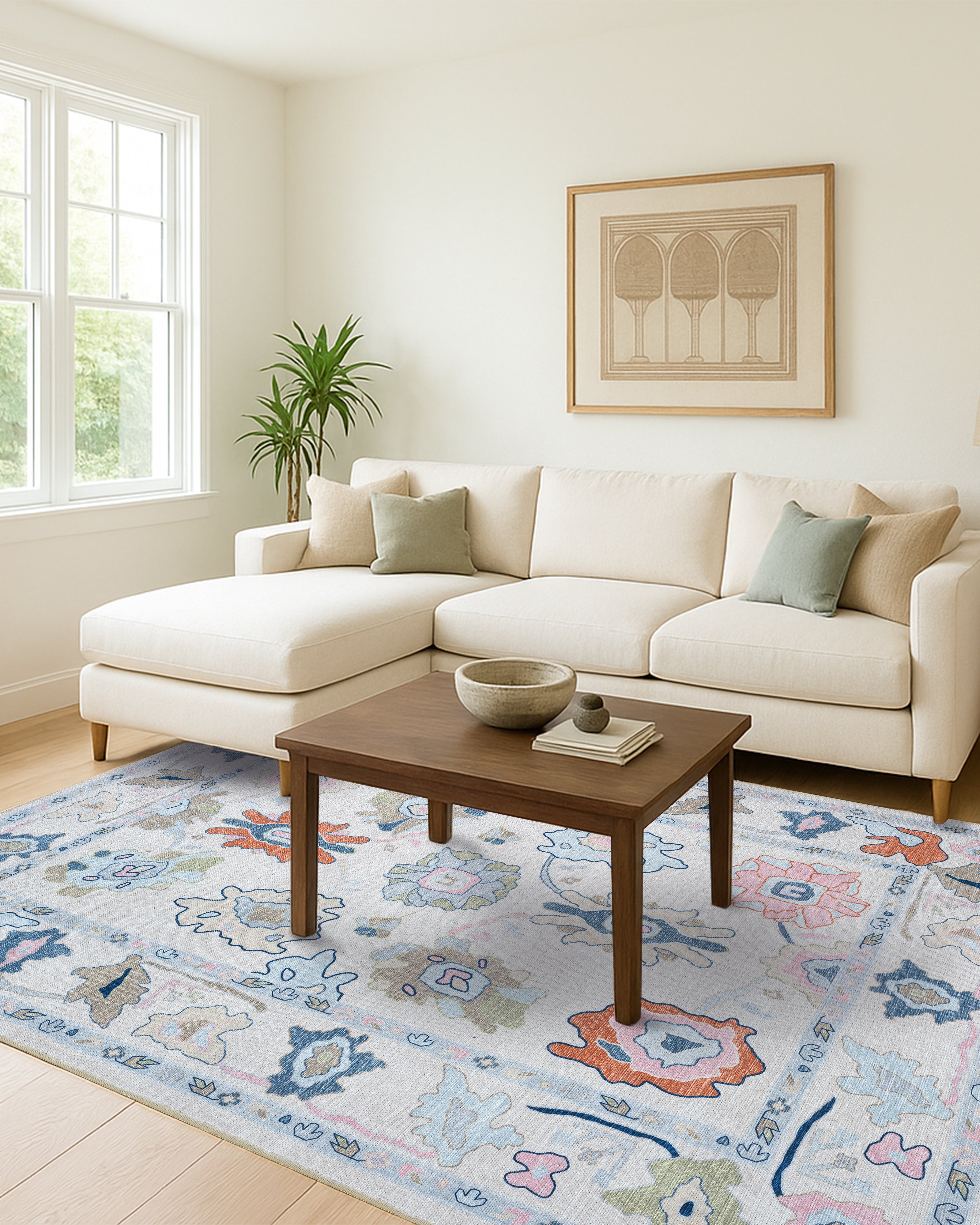
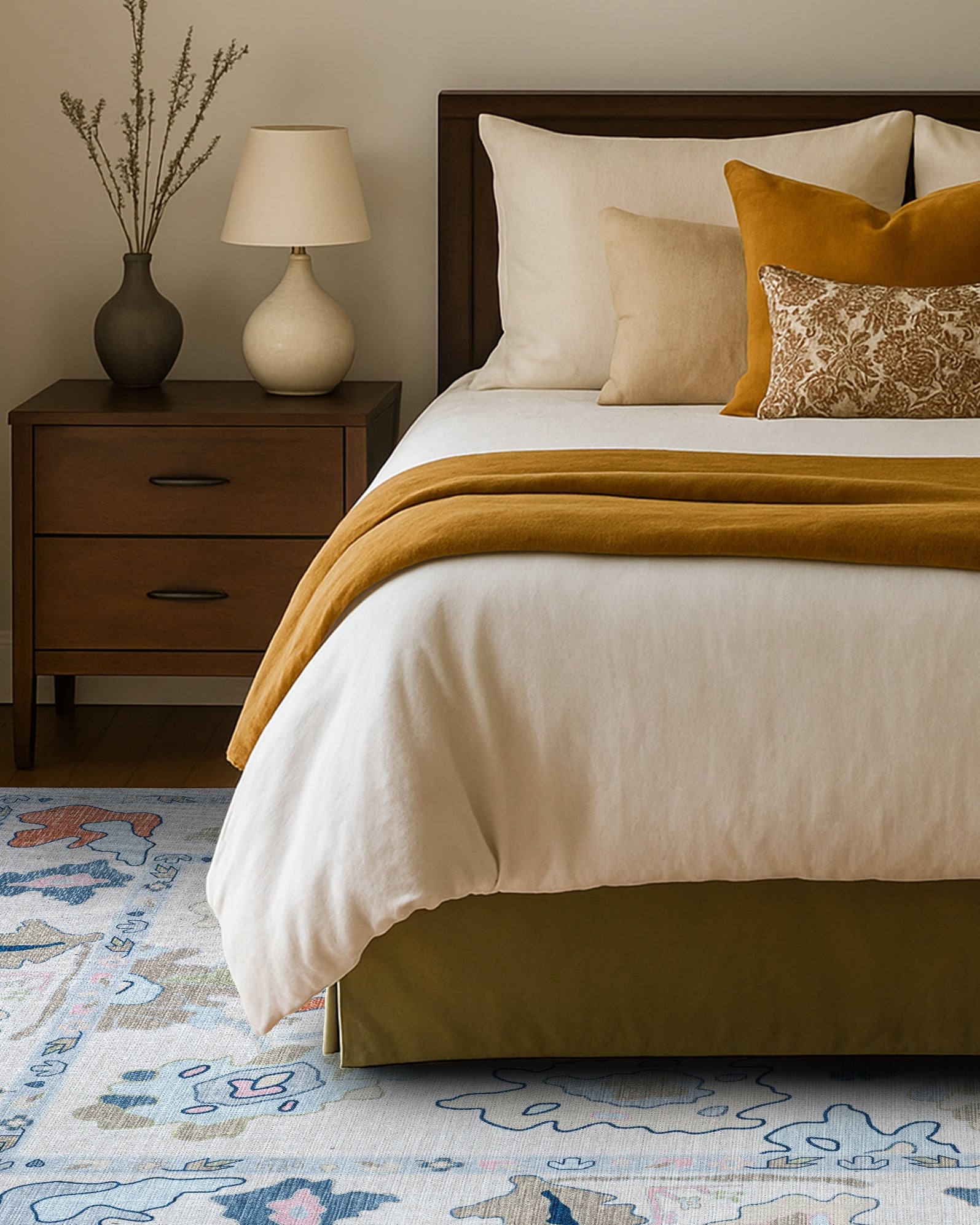
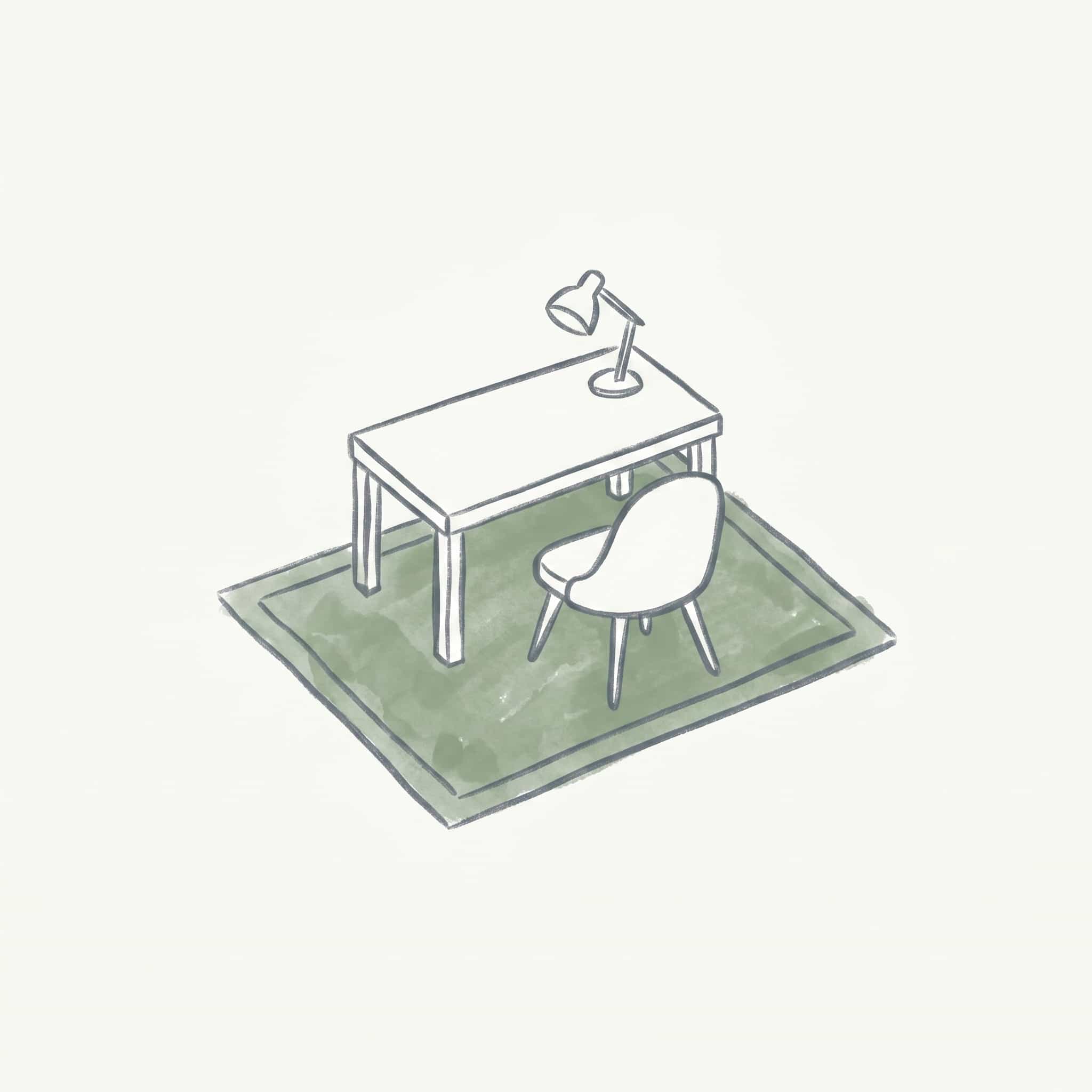
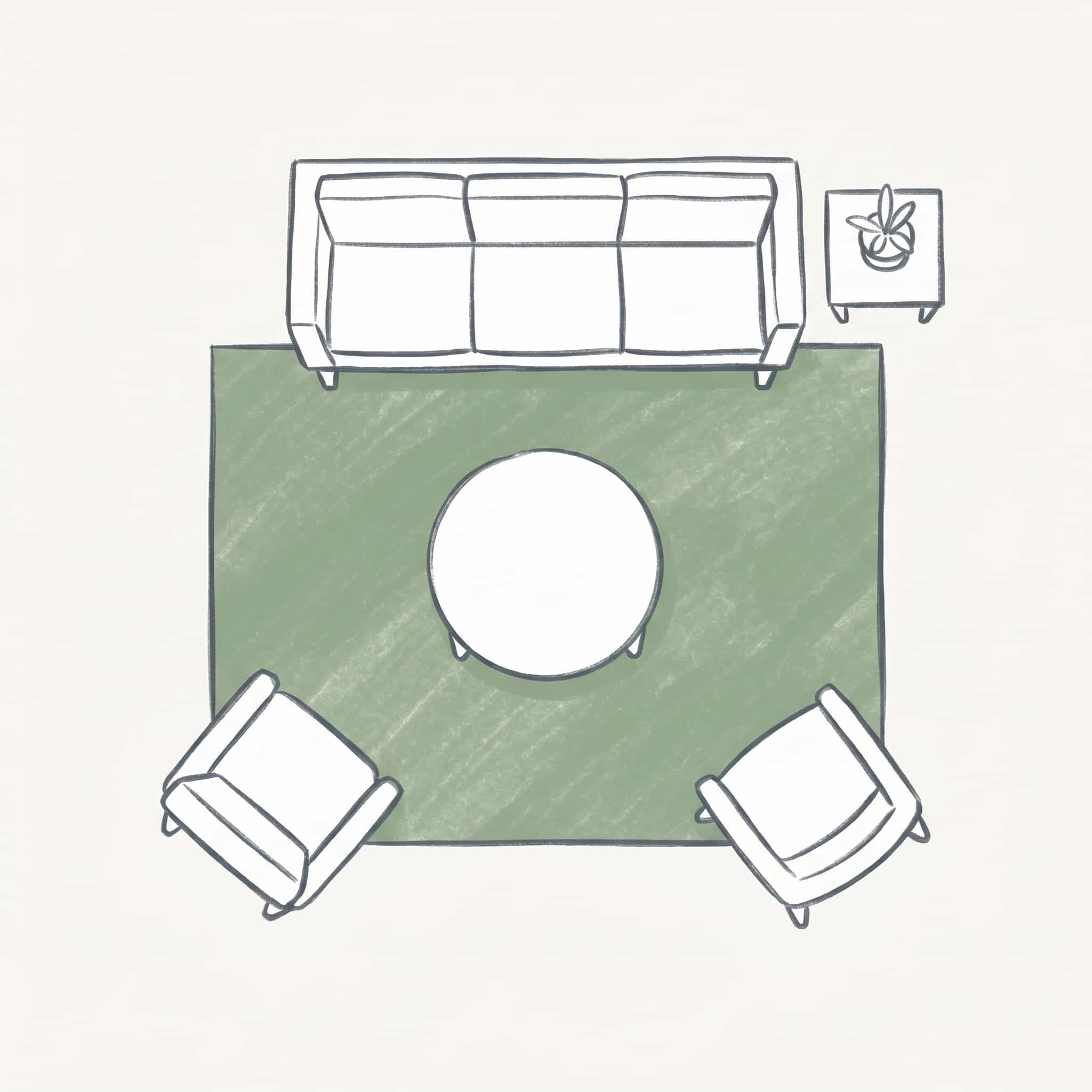
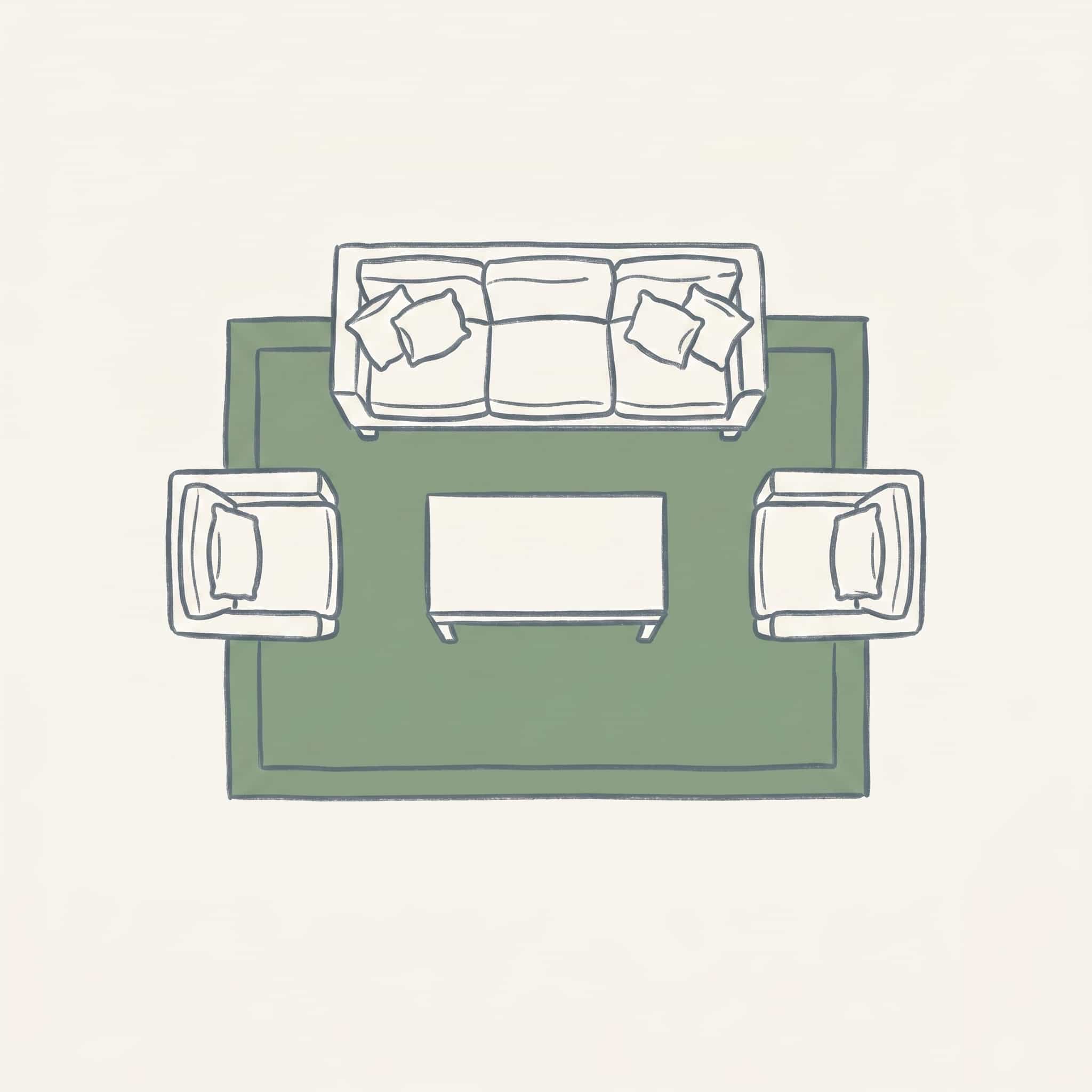
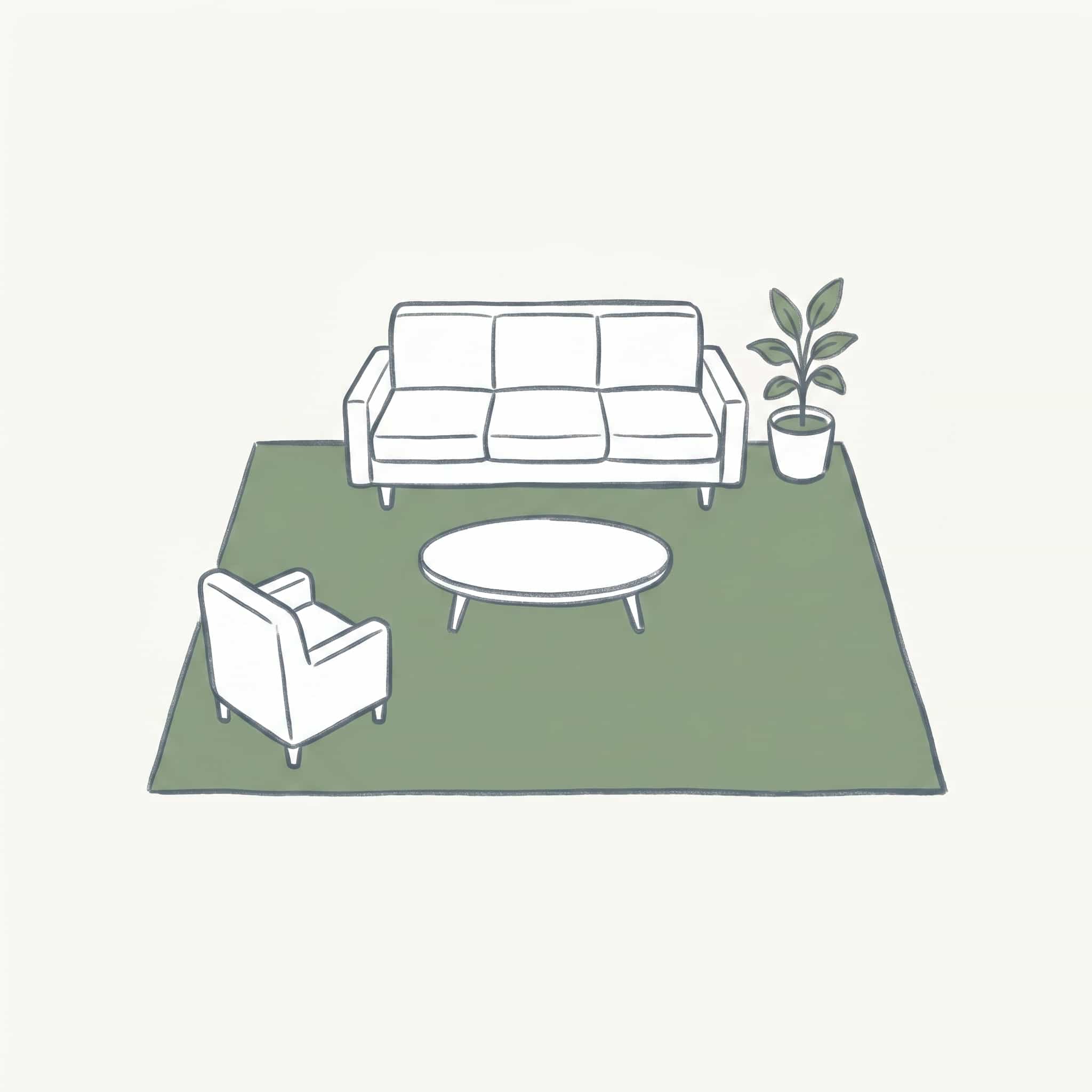
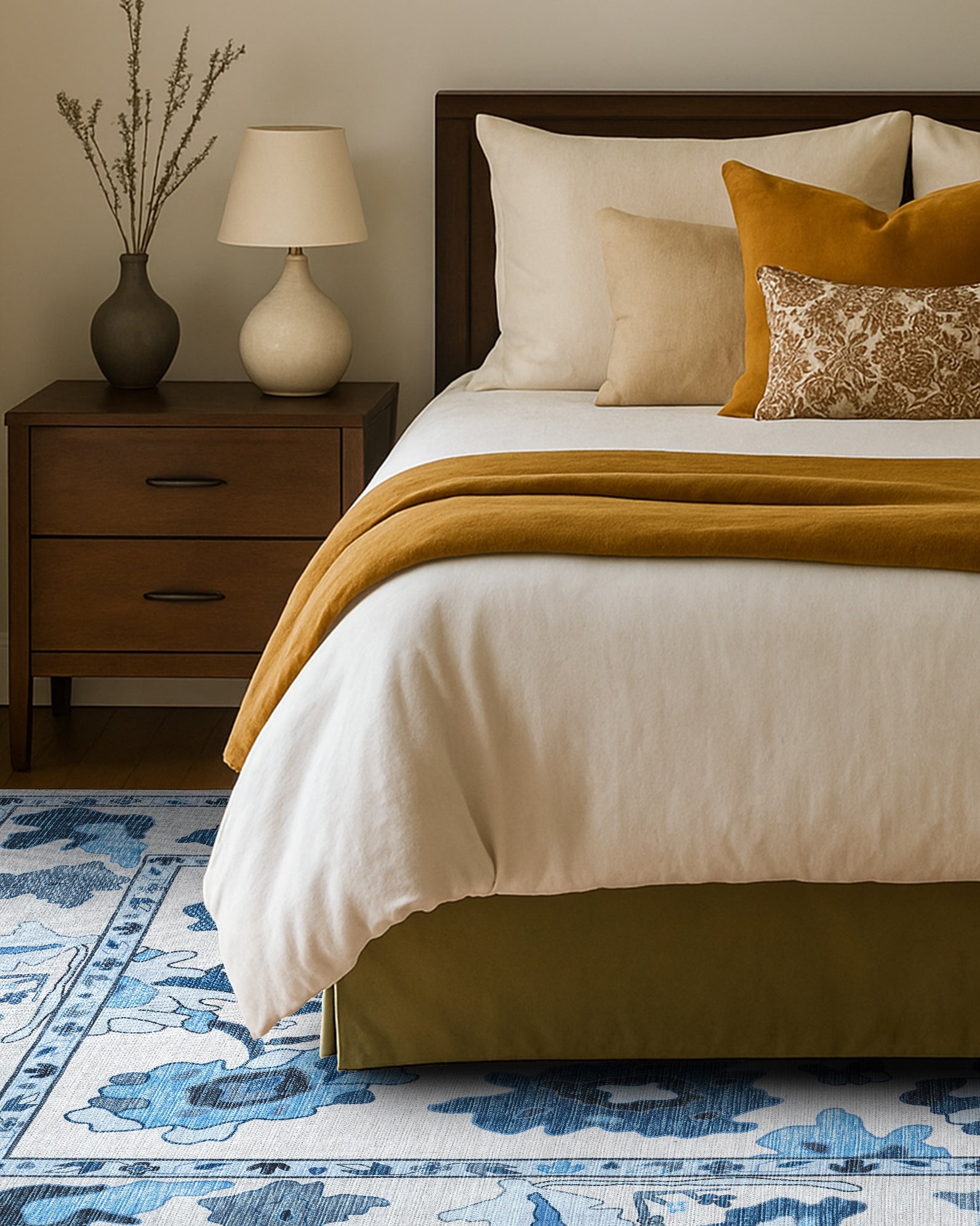
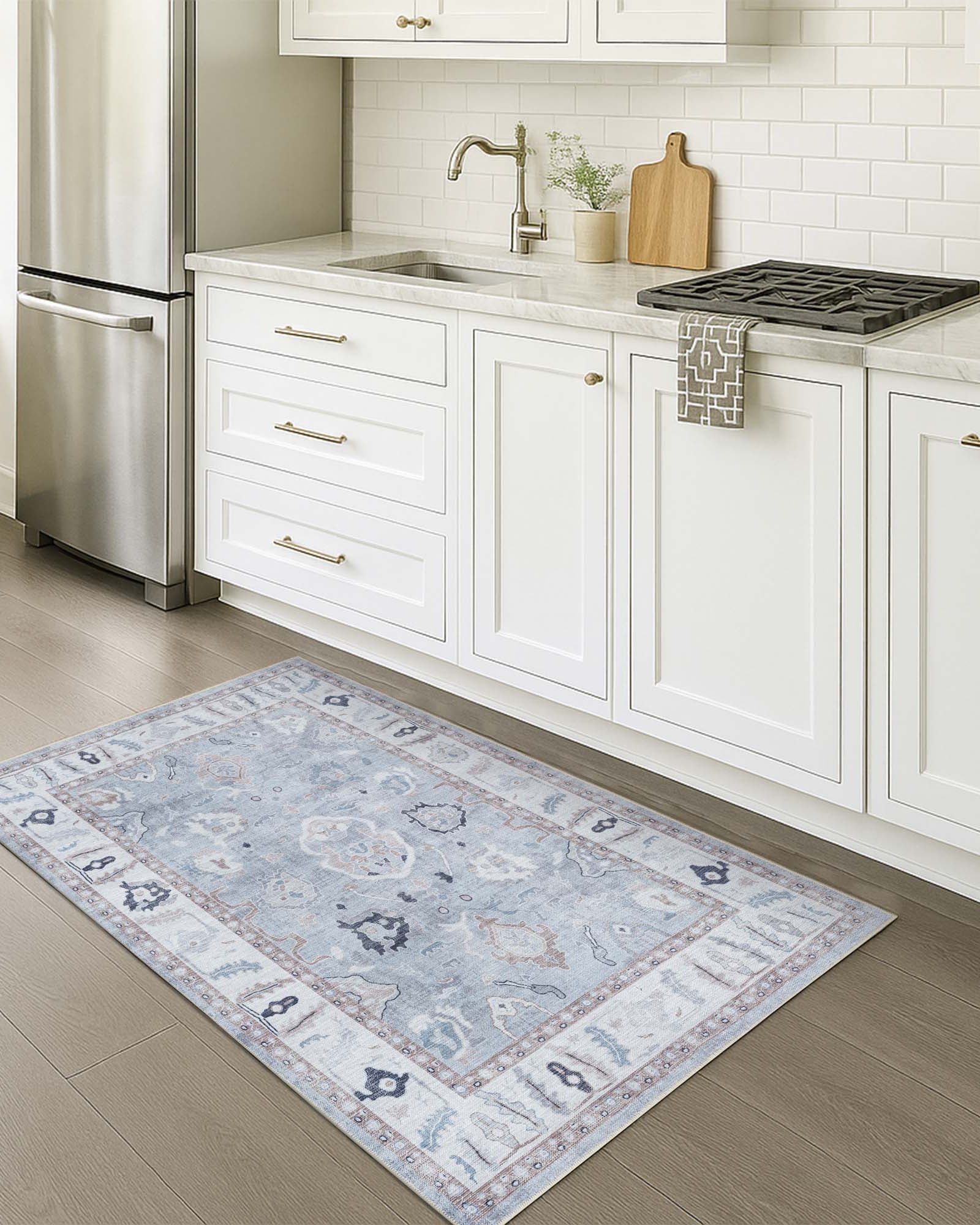
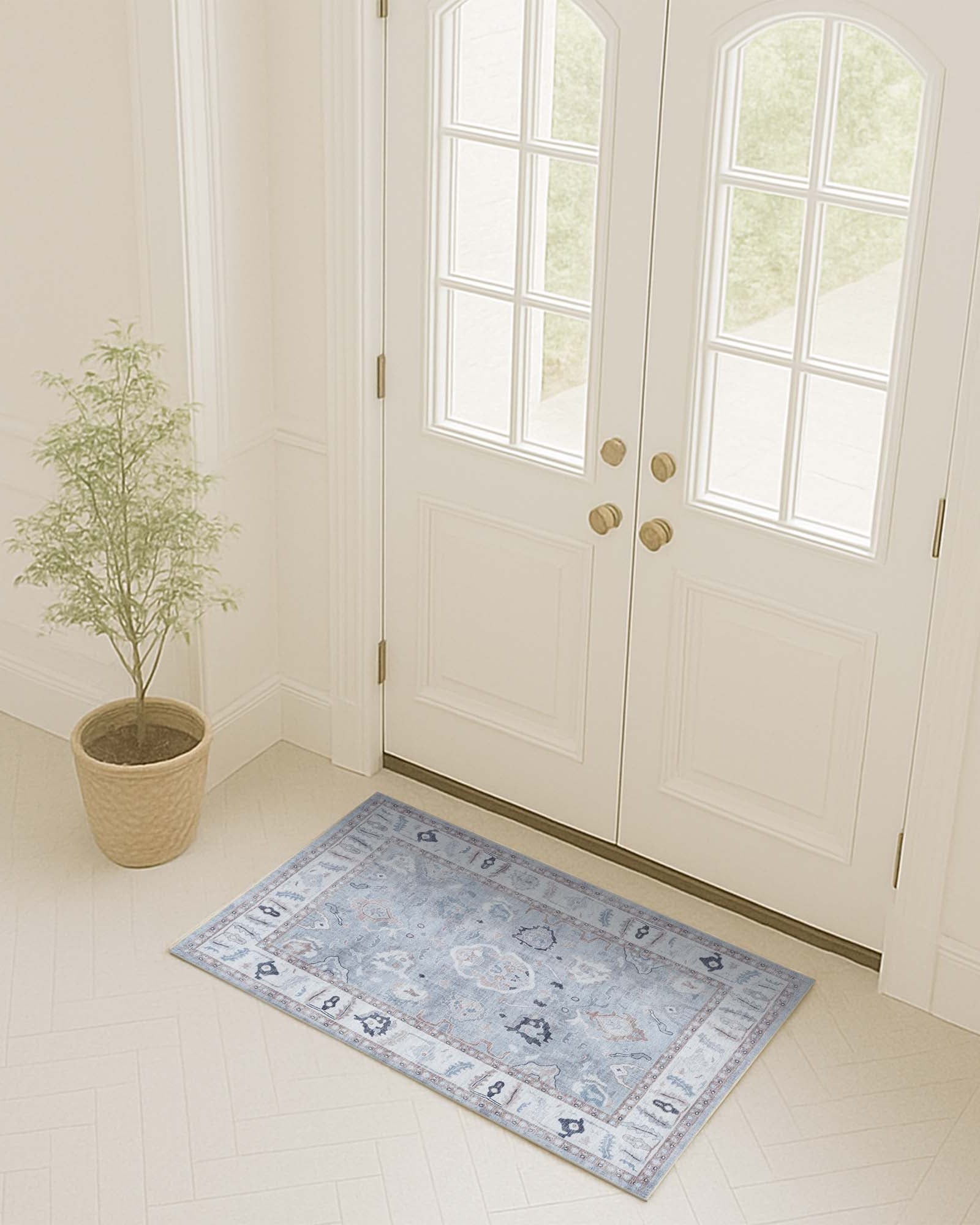
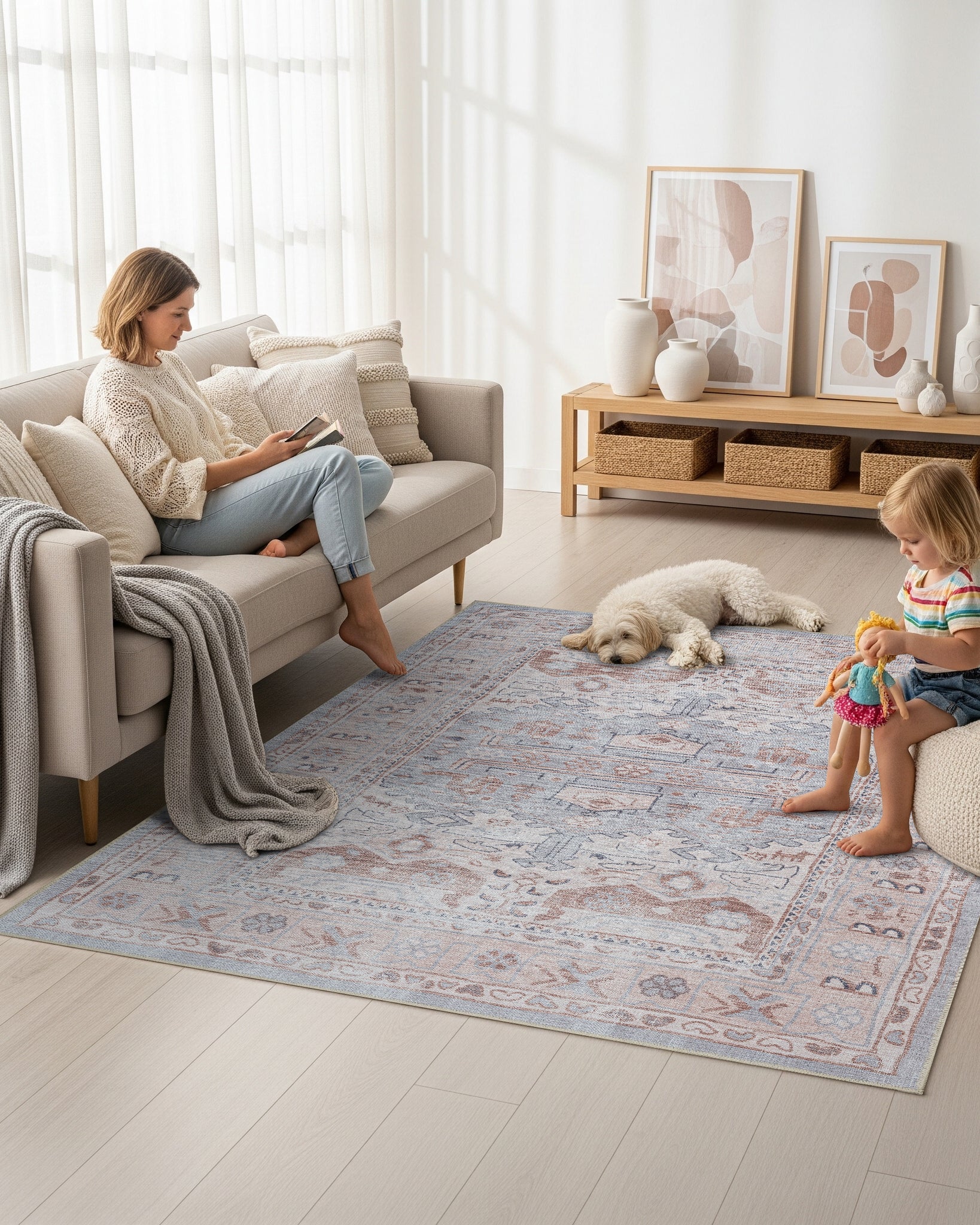
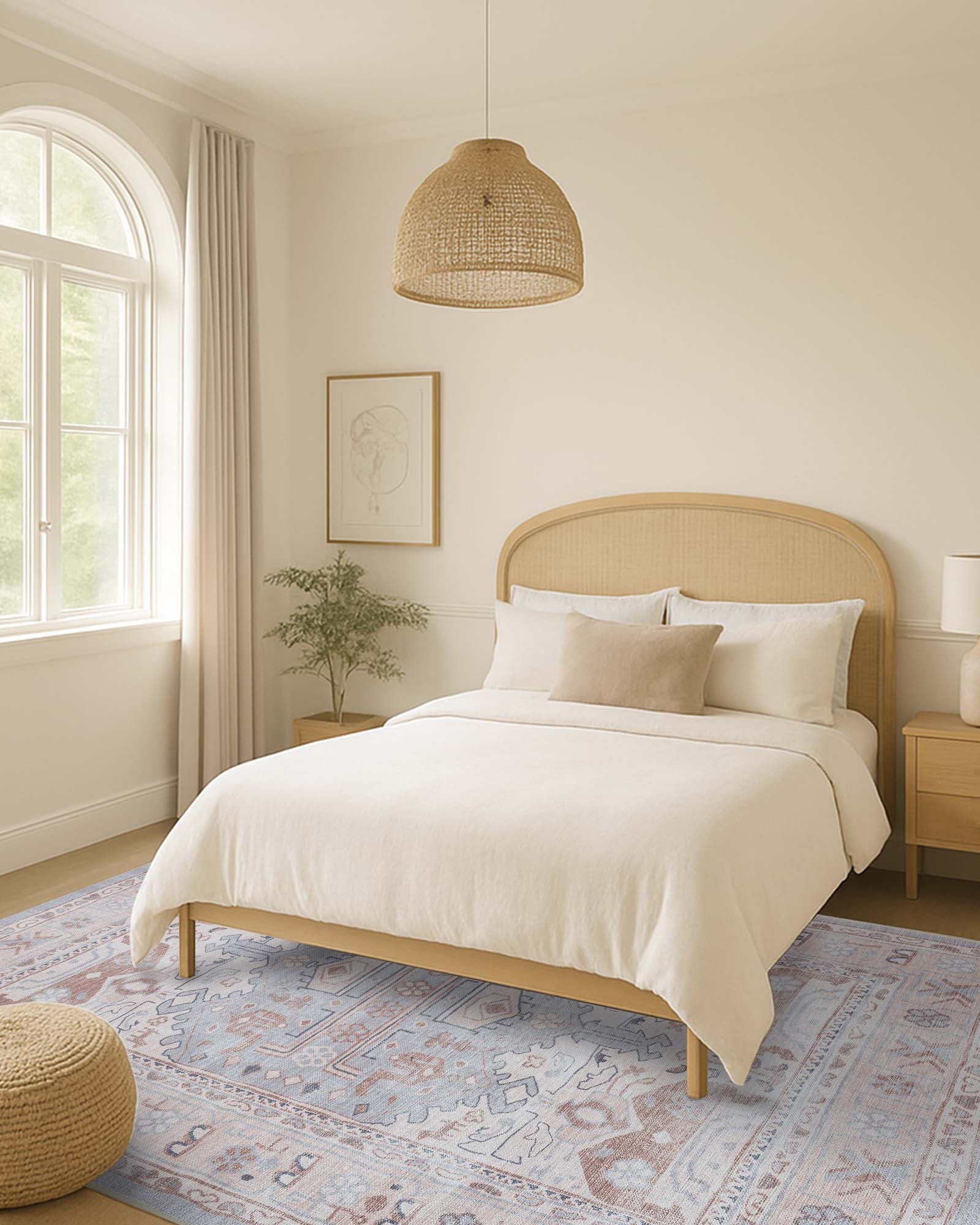
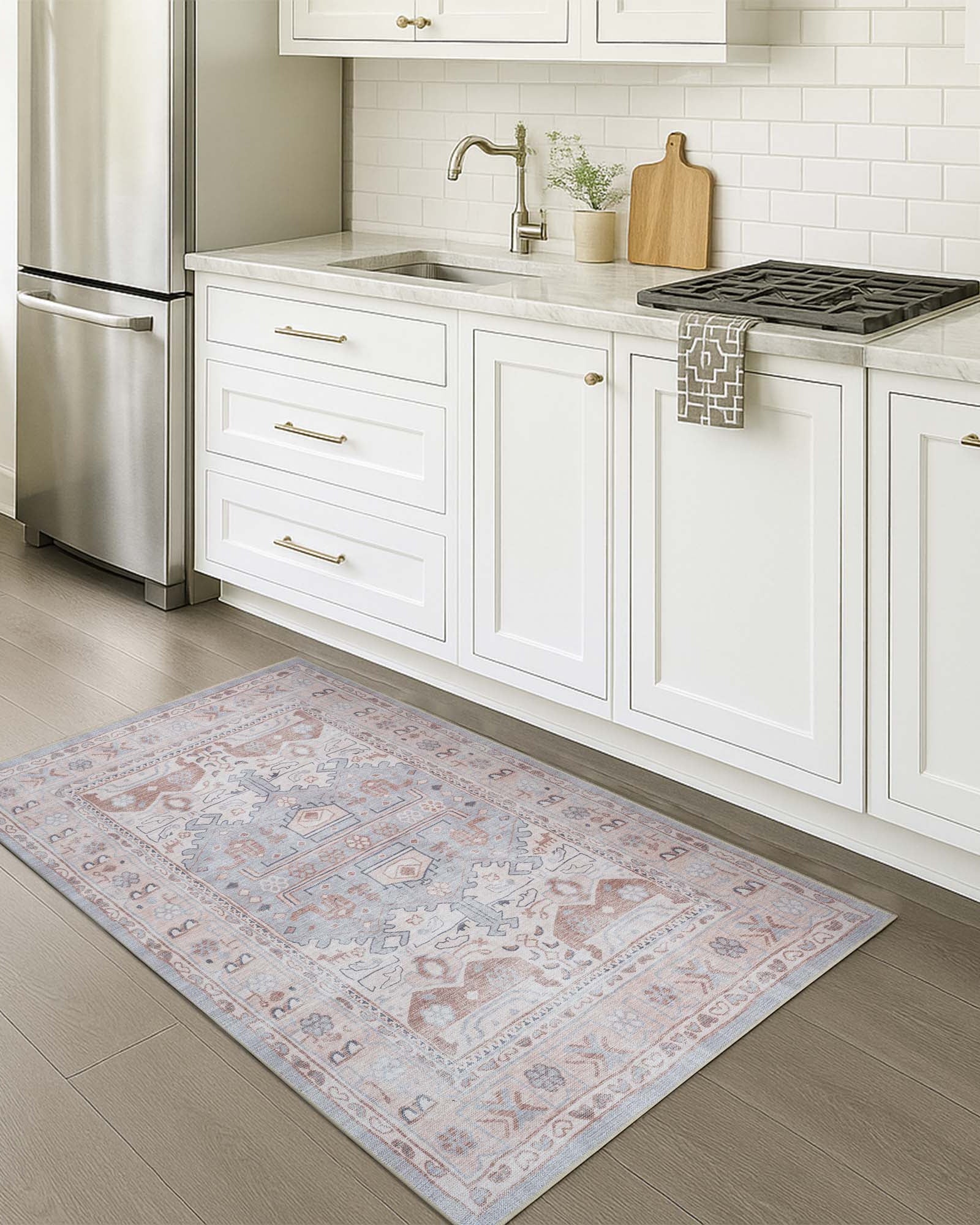
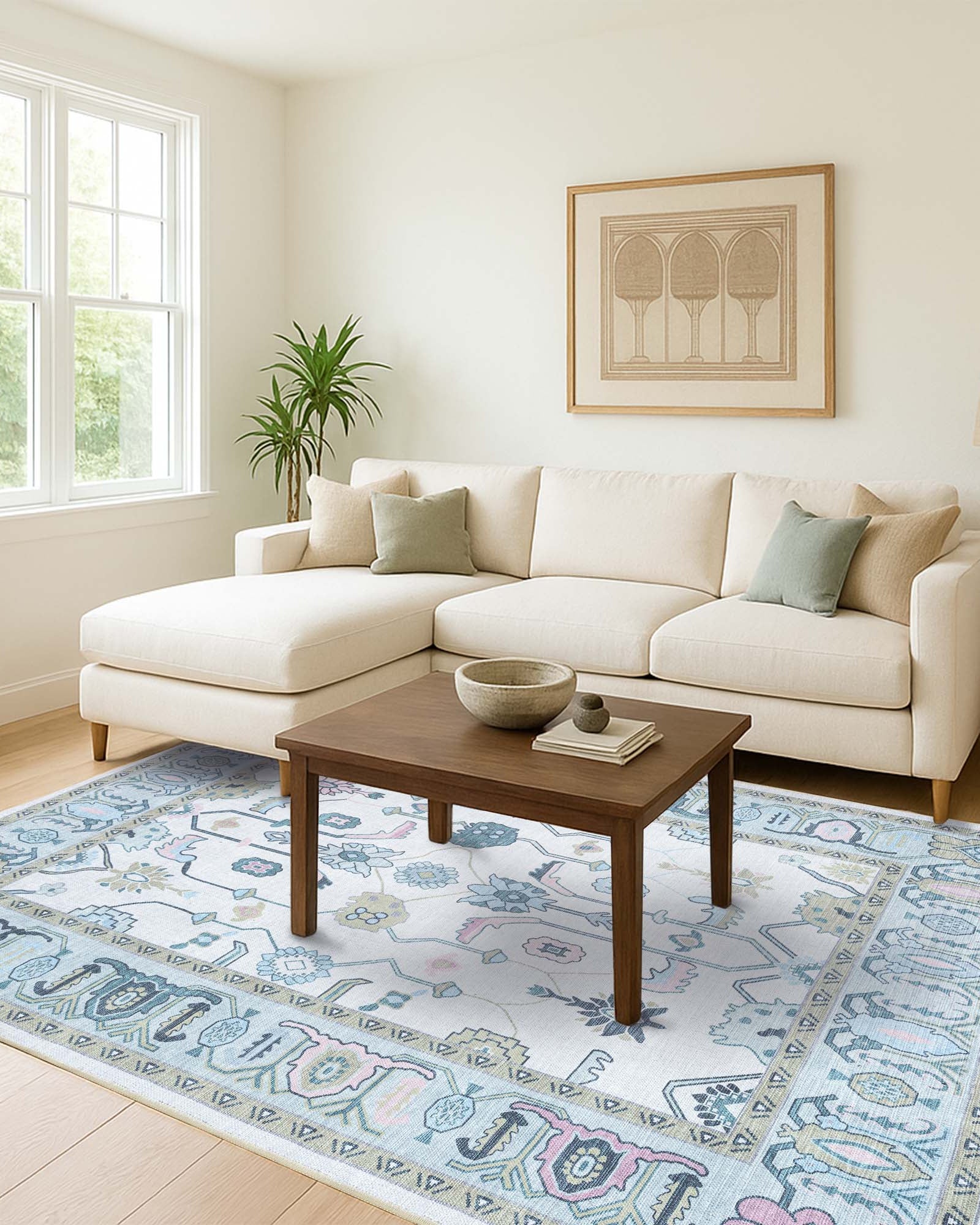
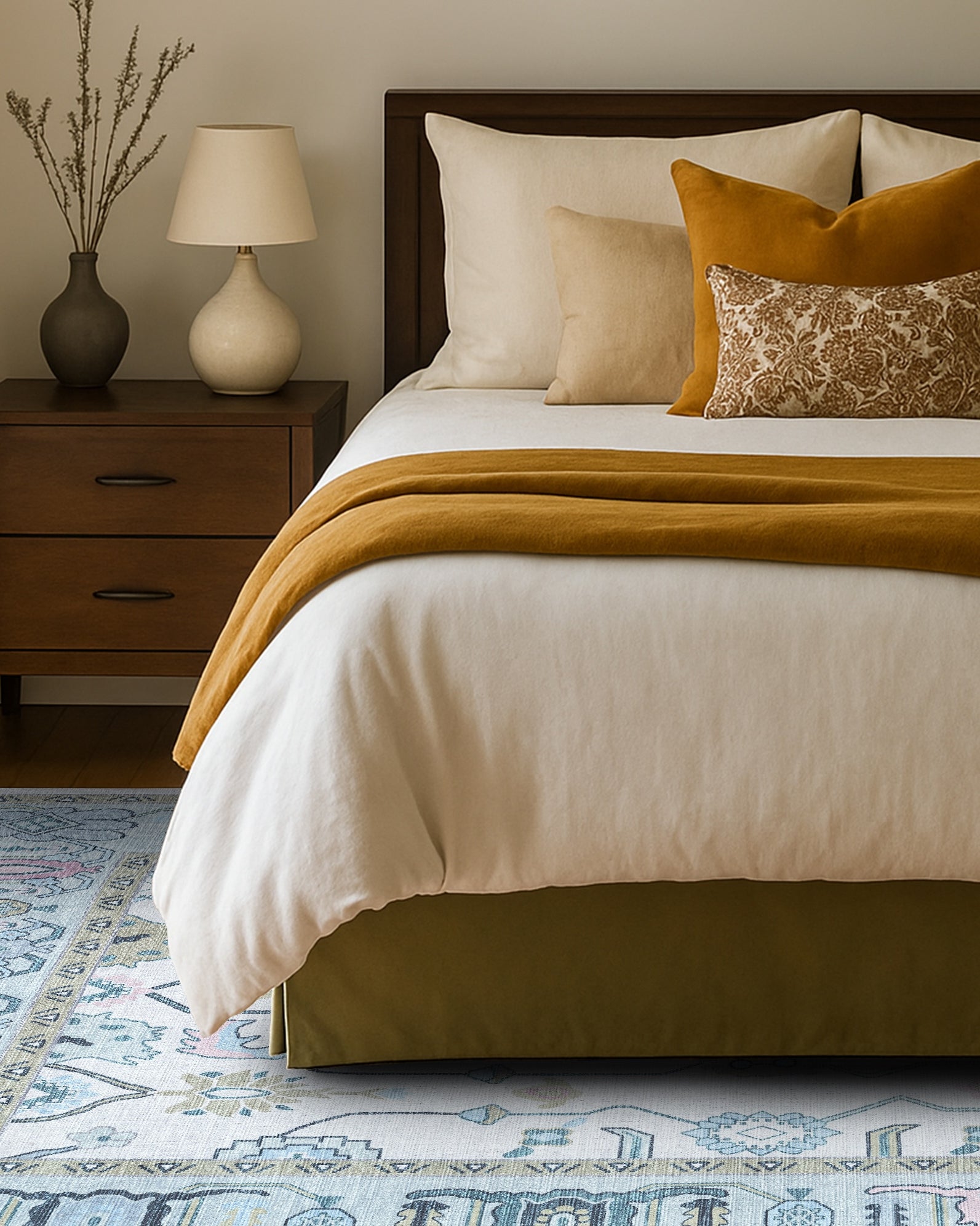
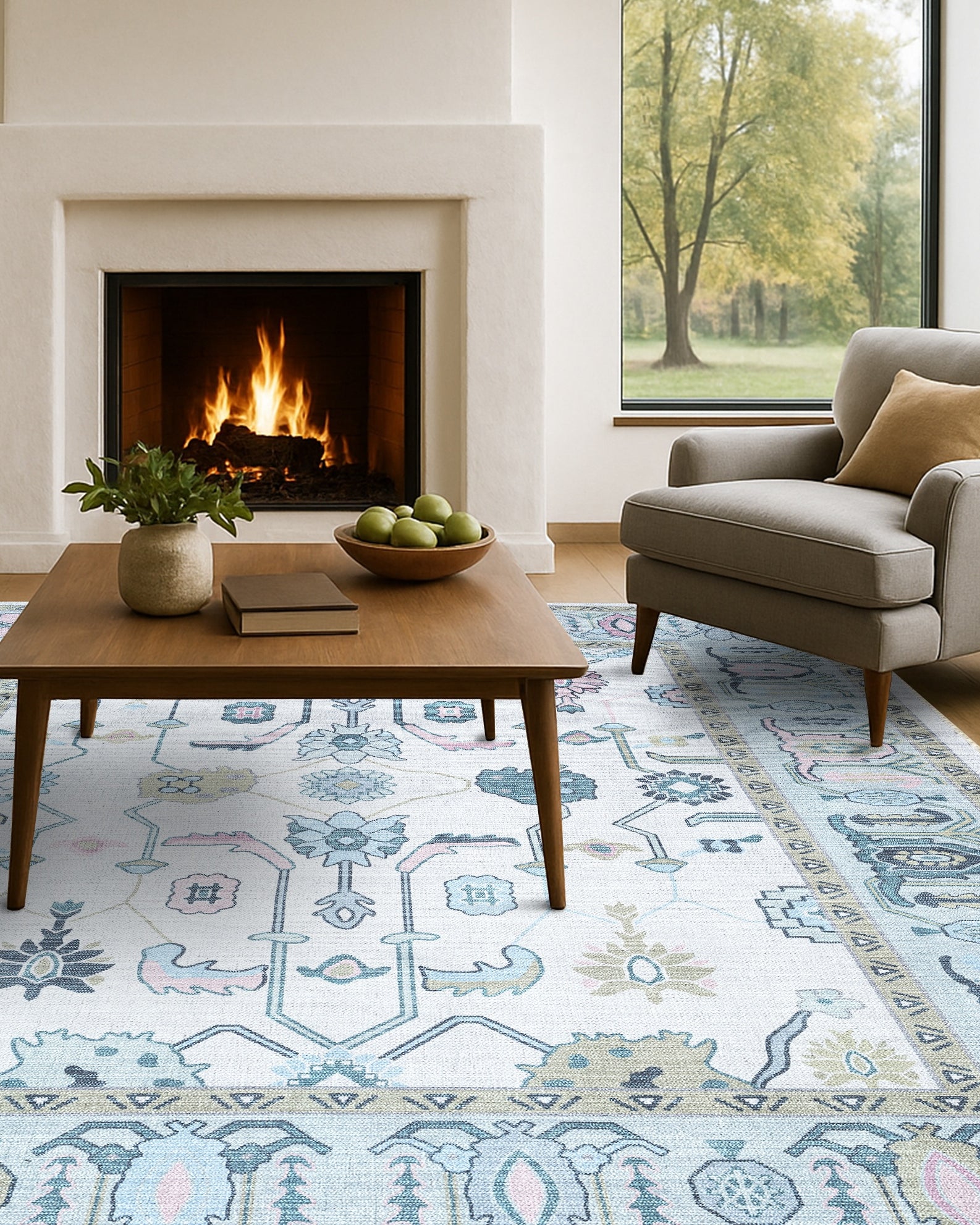
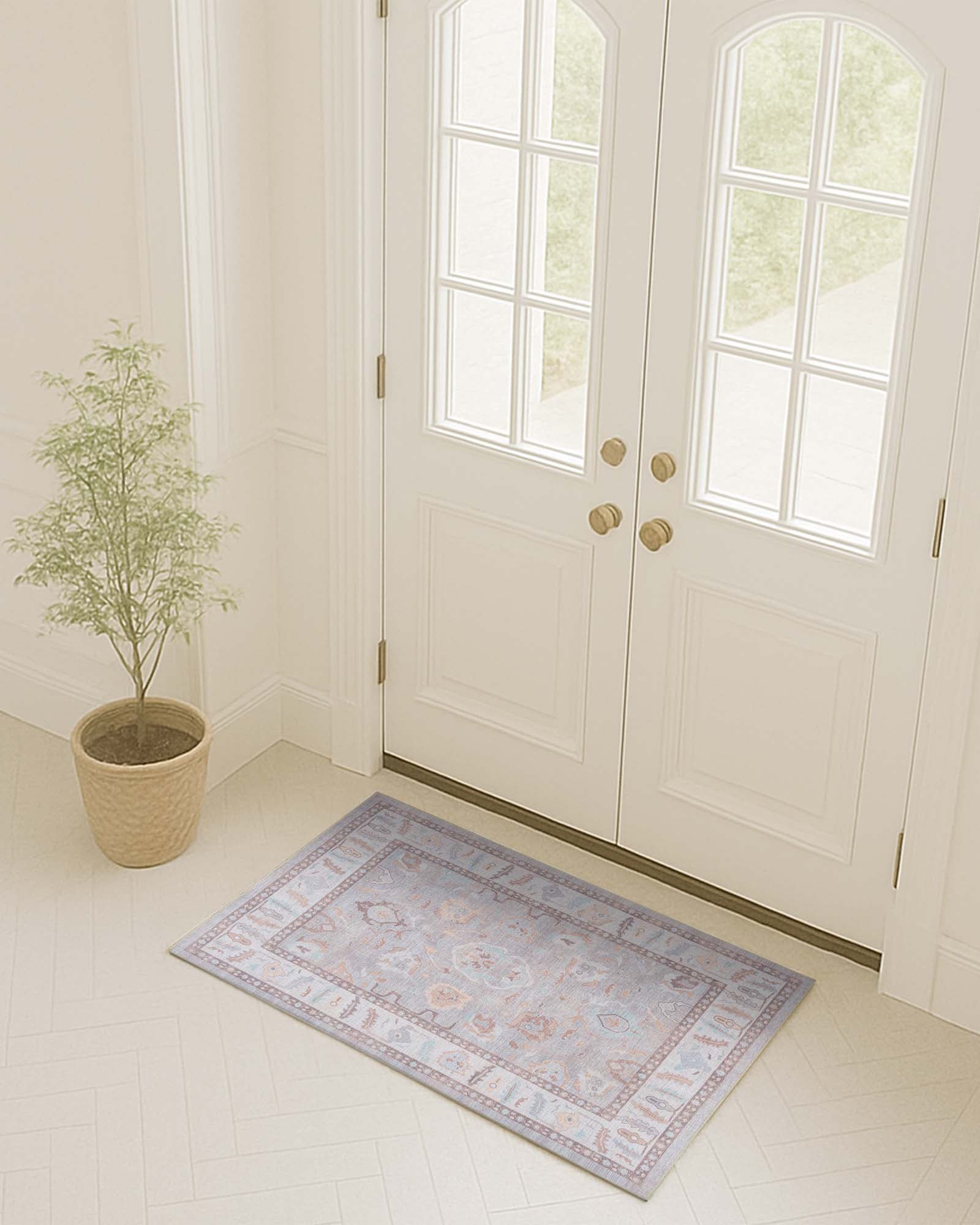
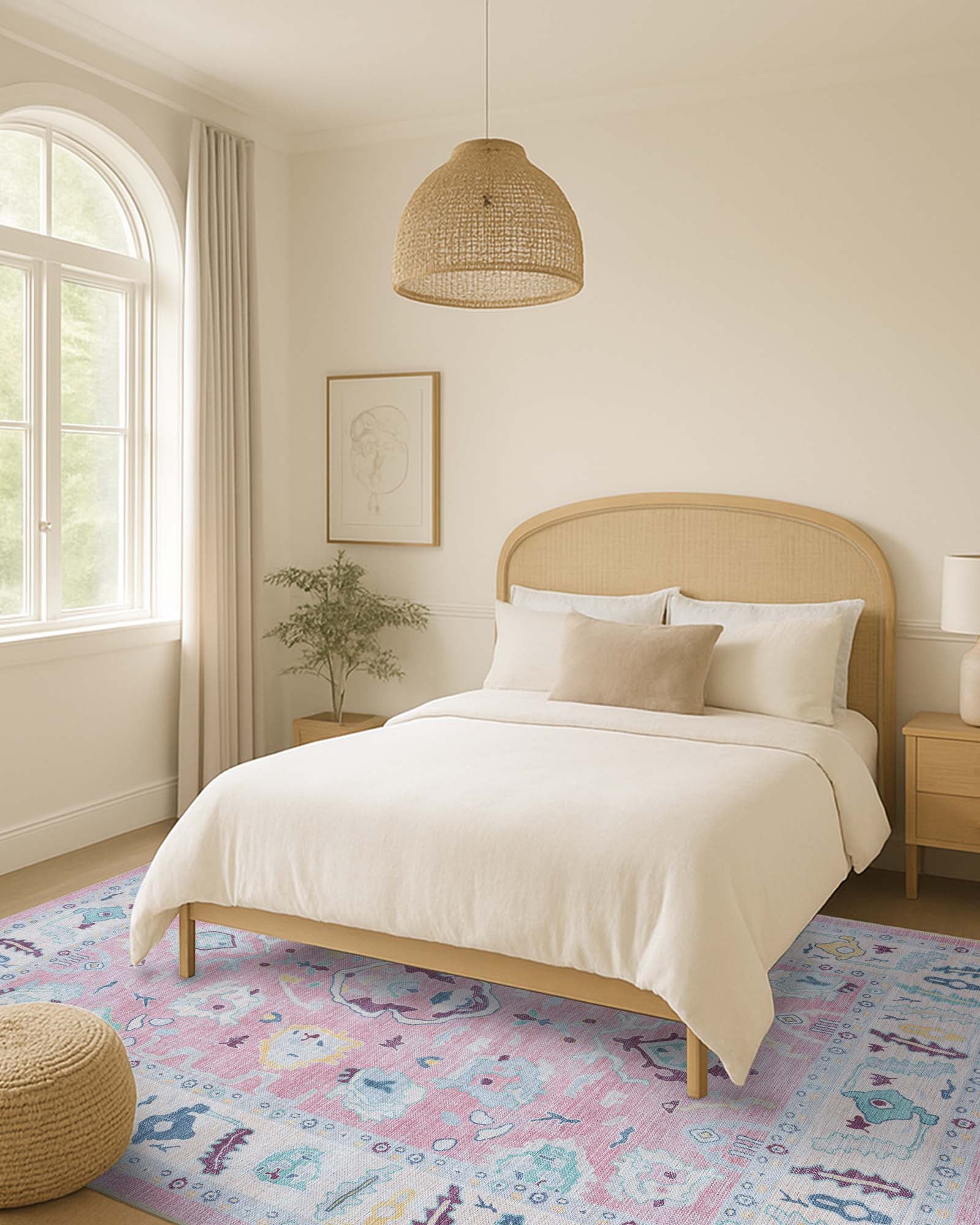
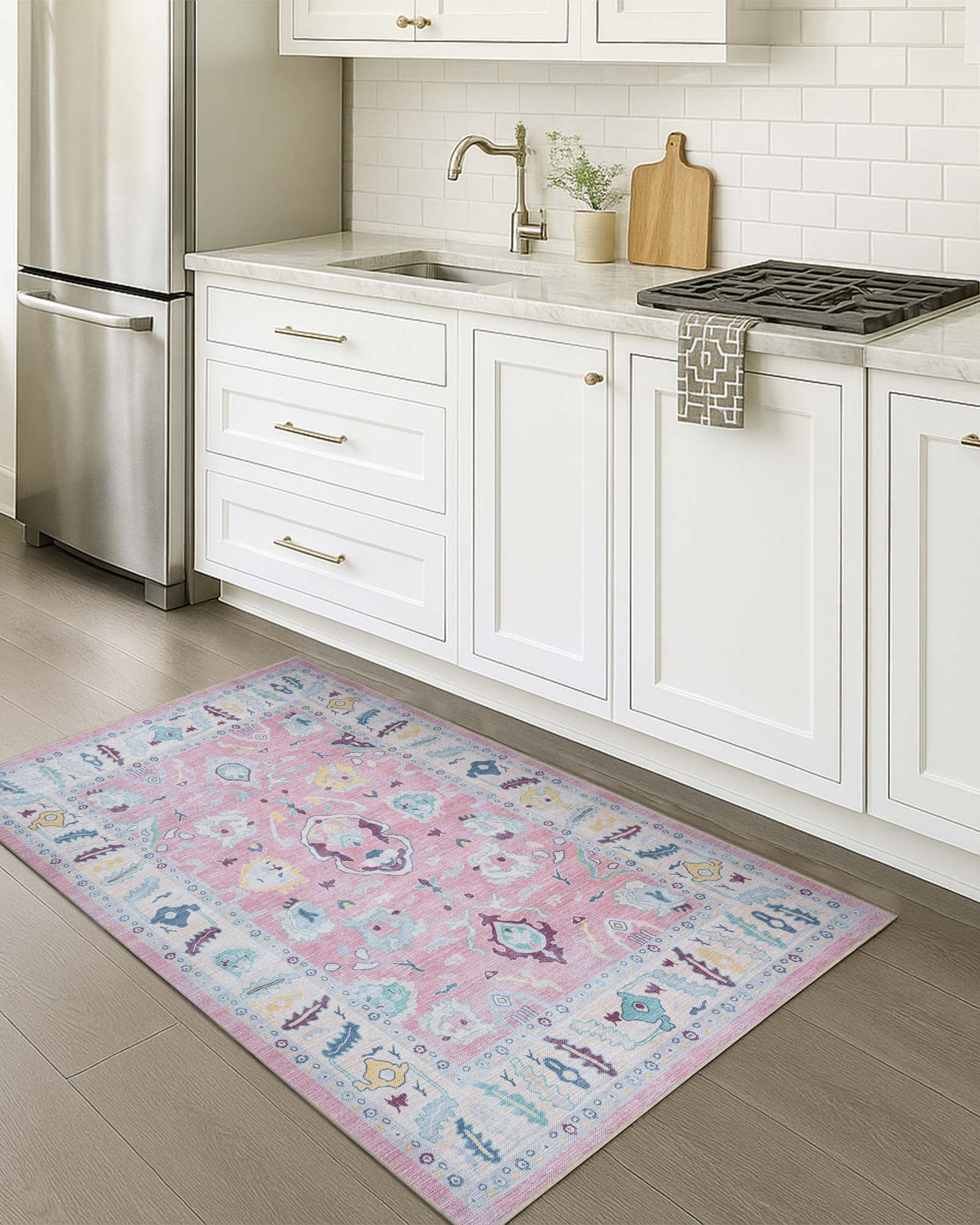
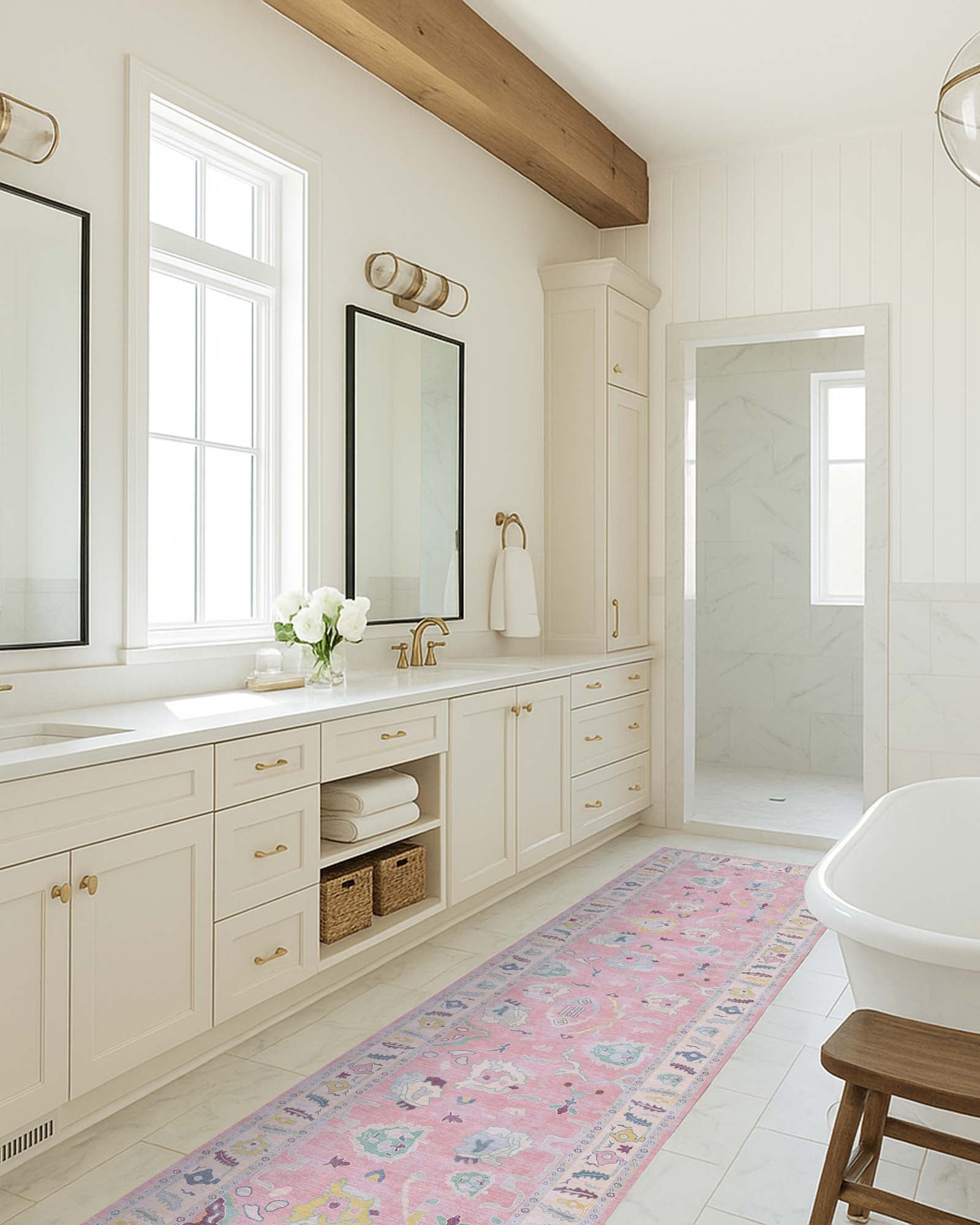
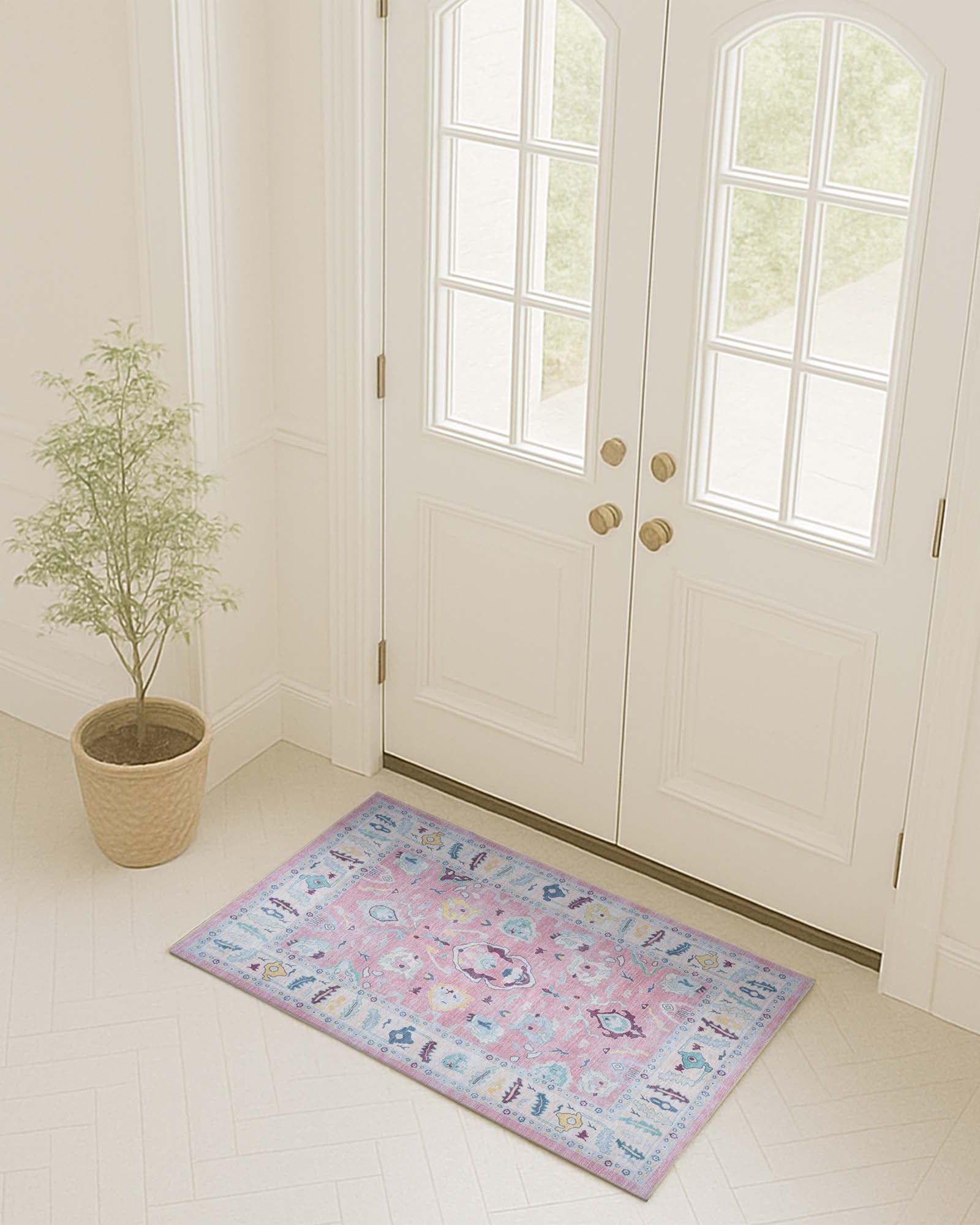
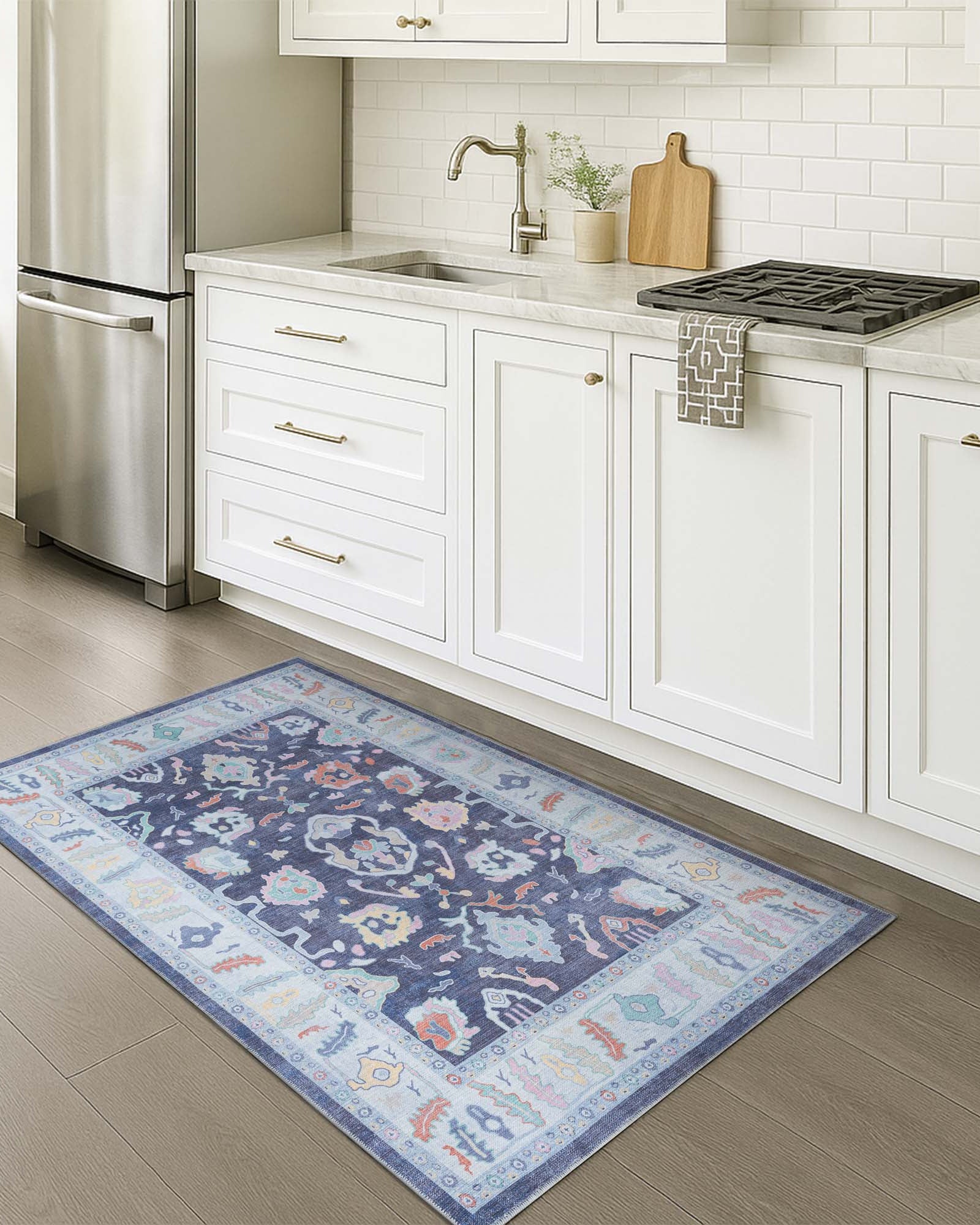
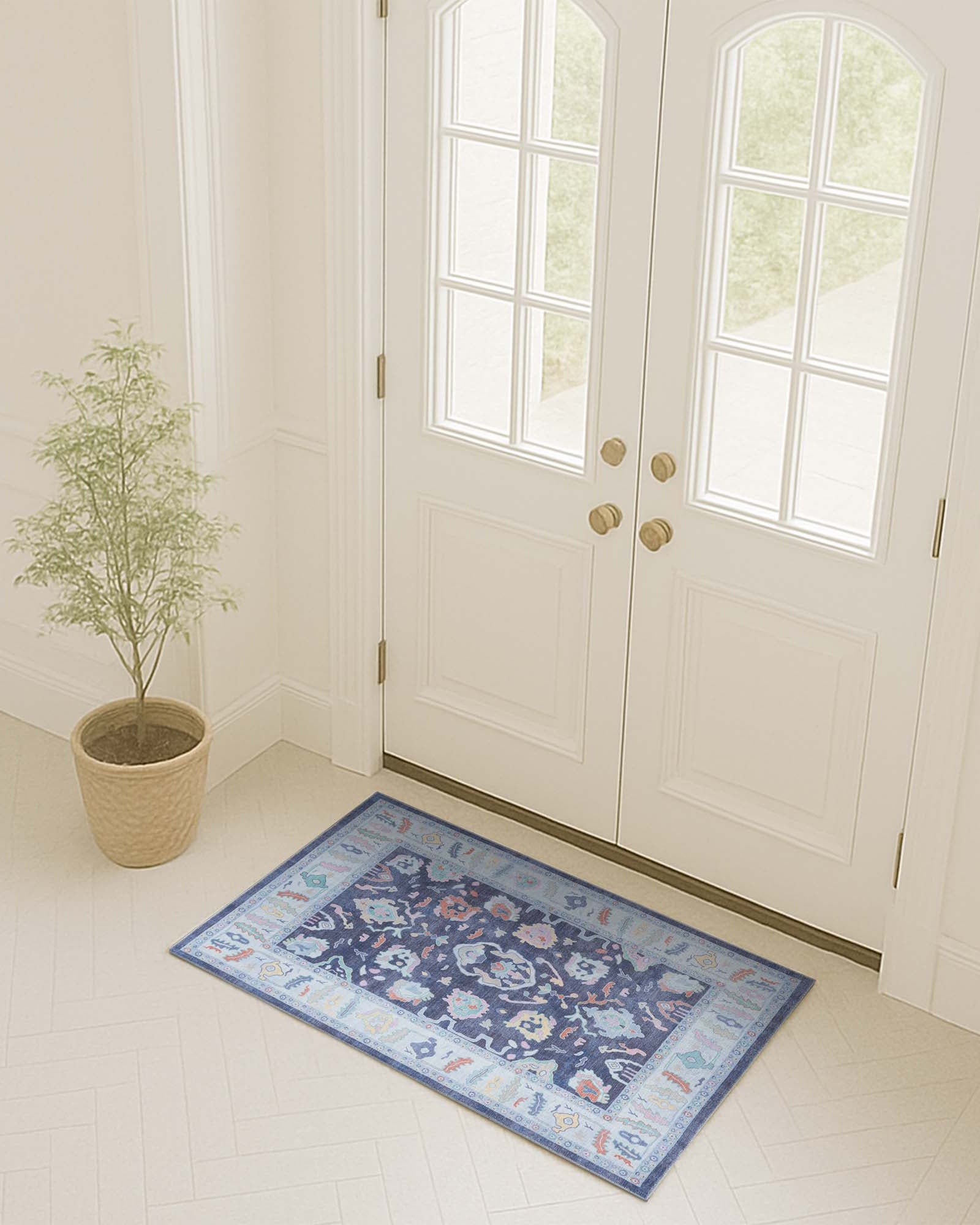
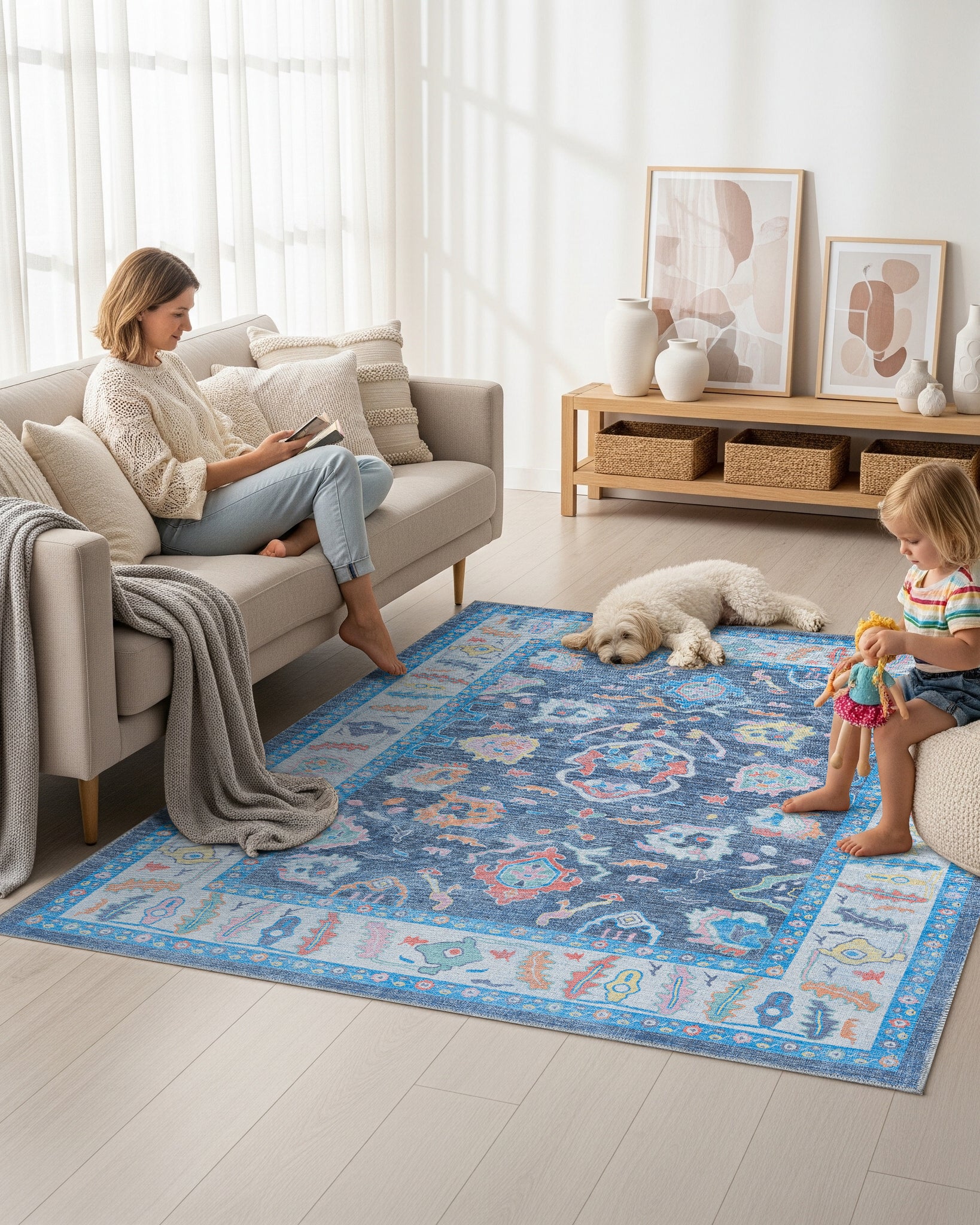
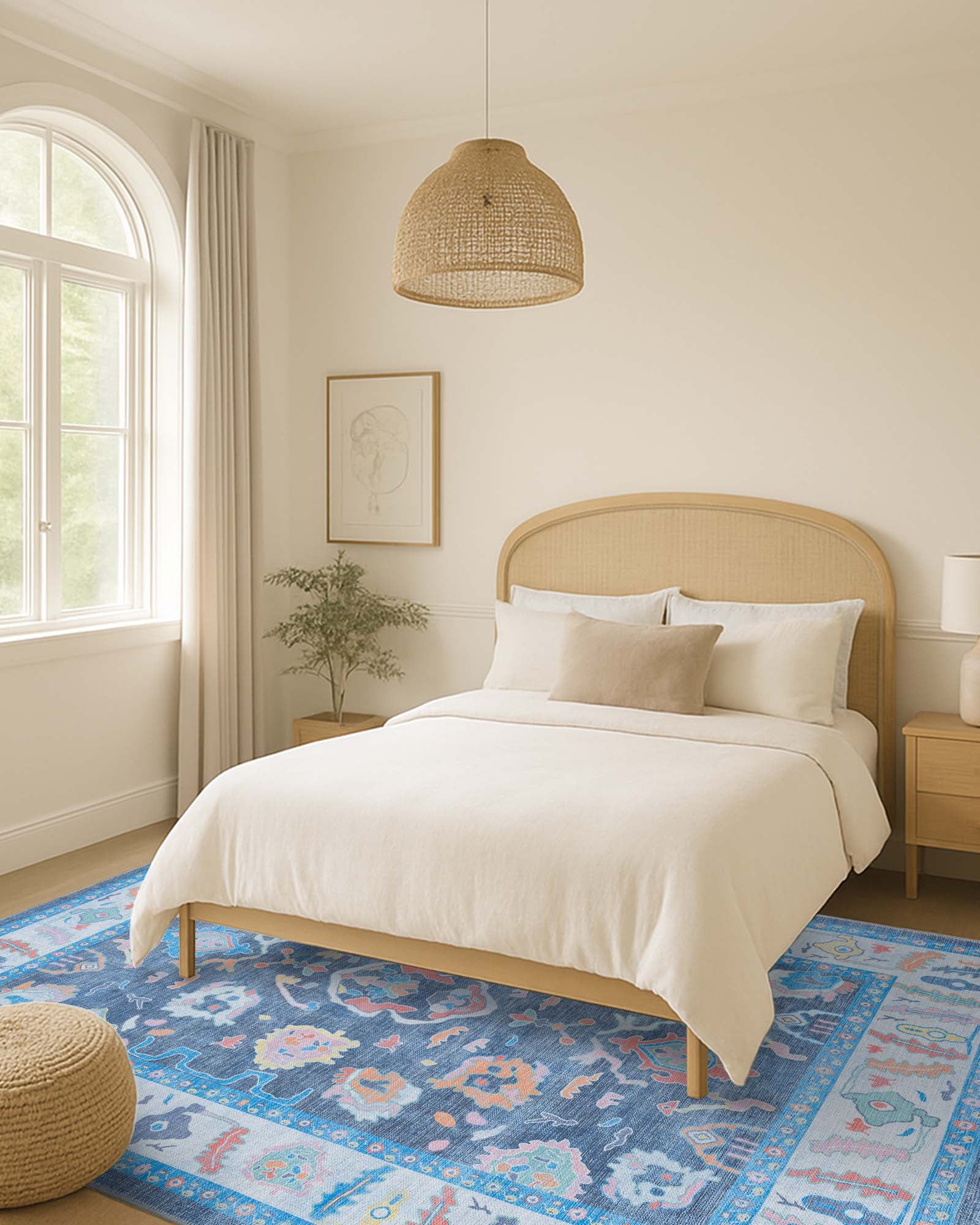
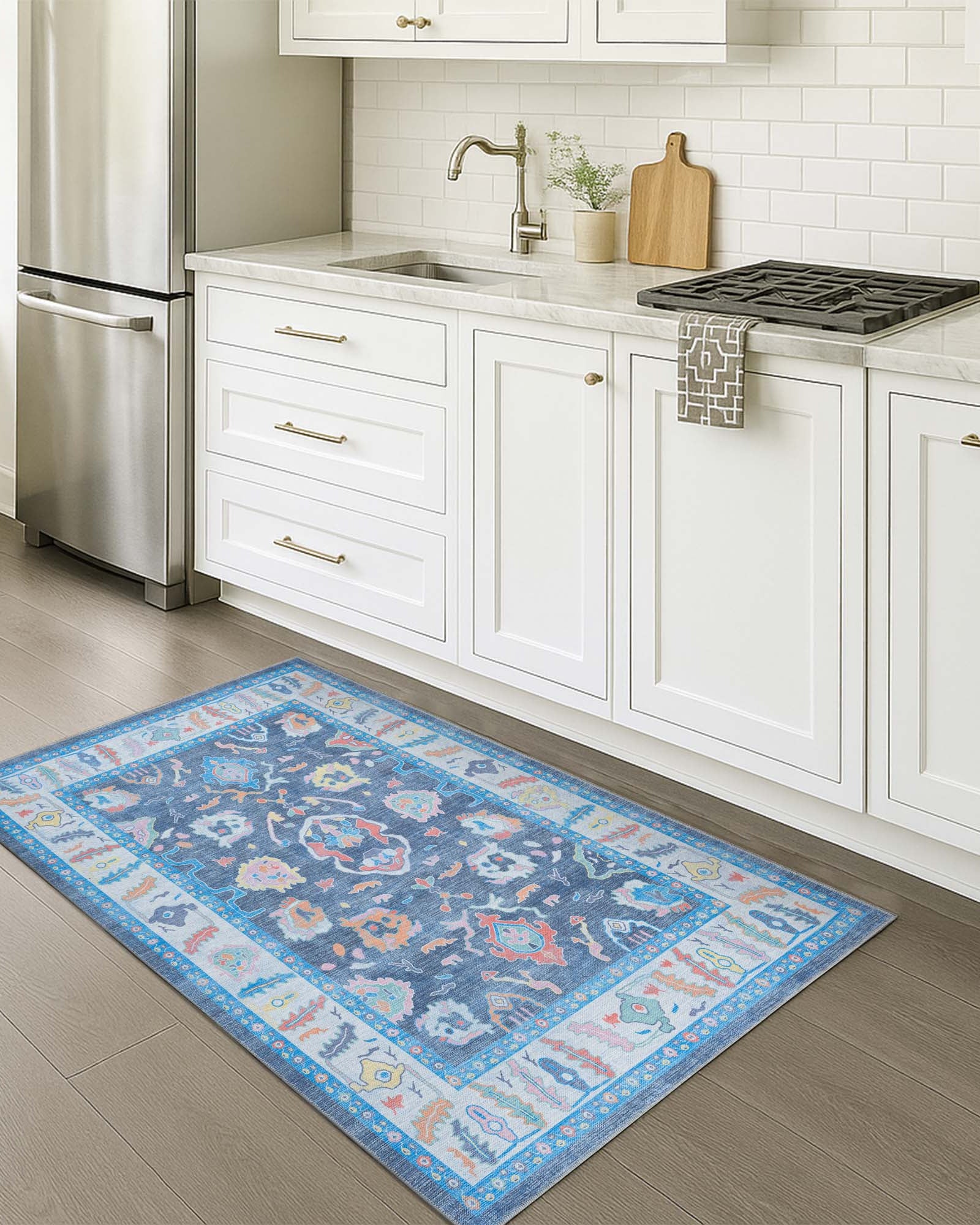
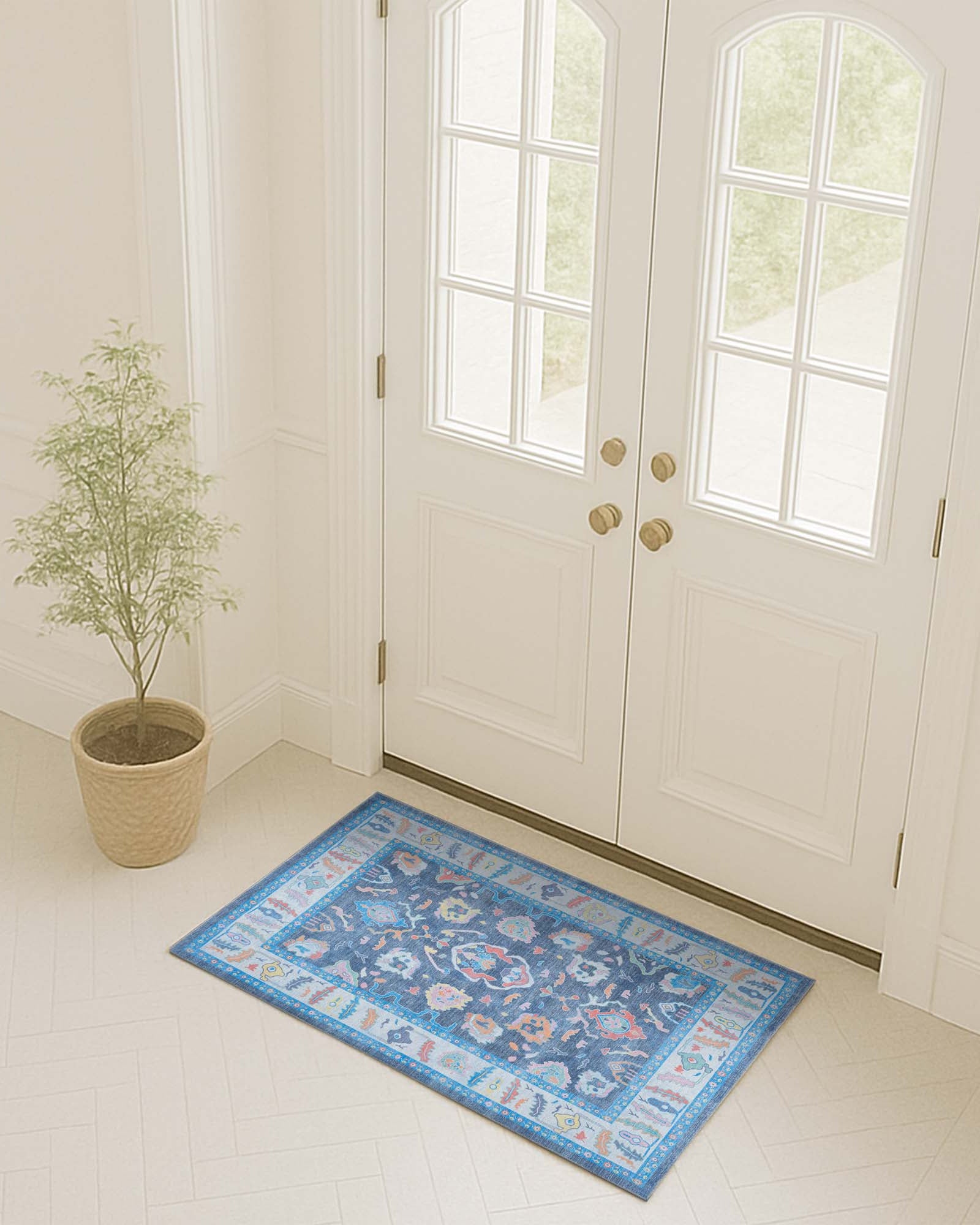
Tribal and village rugs carry more visual weight than an Oushak, so give them room — a clear floor, simple upholstery, or a layered arrangement over jute or a larger neutral rug. Small yastık and 3' x 5' village pieces work best in entryways, beside a bed, or layered rather than floating alone in an open room. Always use a rug pad on hard floors. Rotate twice a year, vacuum with the beater bar disengaged and keep it off the fringe, and blot spills straight away with a white cloth and plain water. Wool with high lanolin content sheds most spills if you get to them fast. Send anything set-in to a professional hand-knotted rug washer rather than treating it at home.