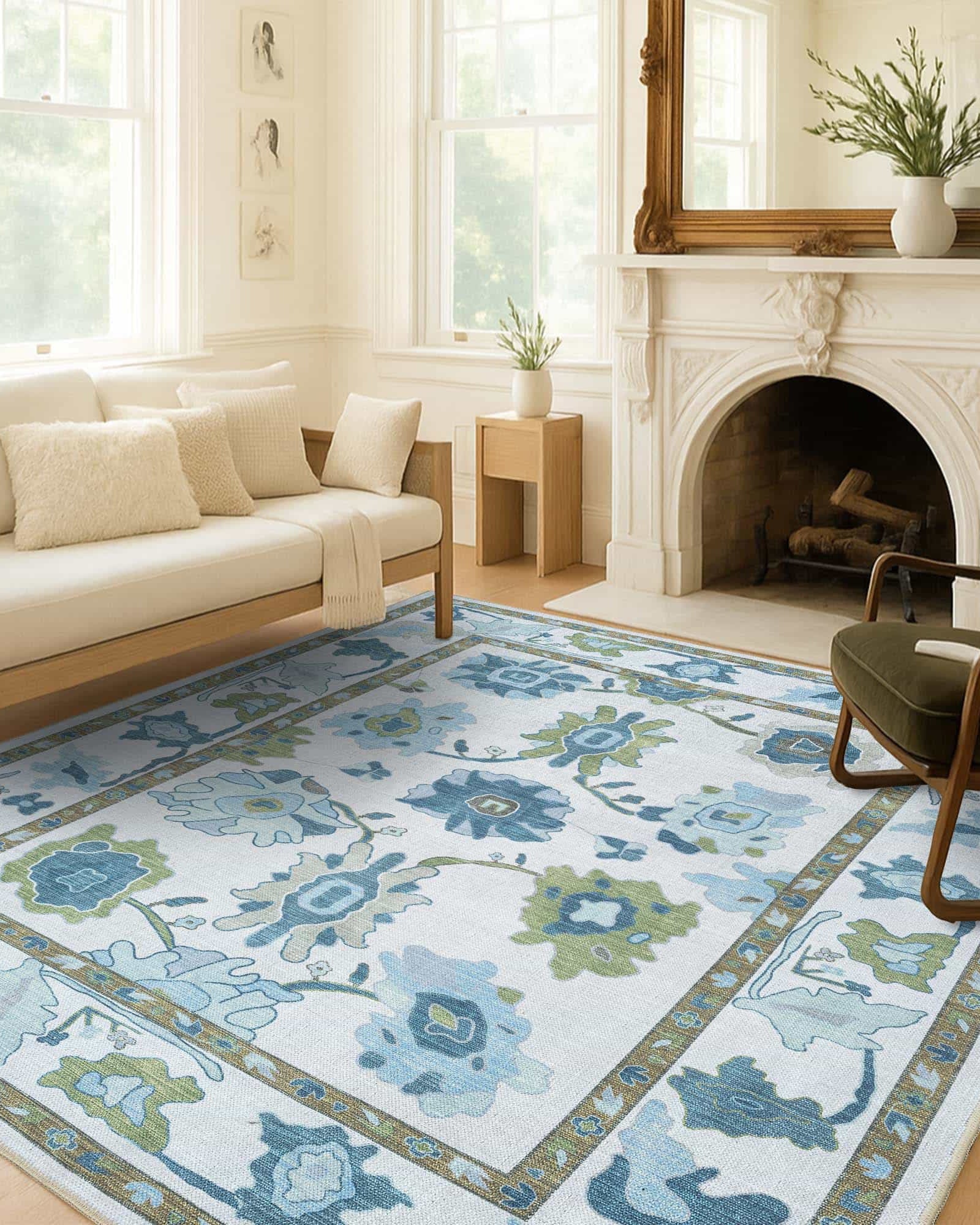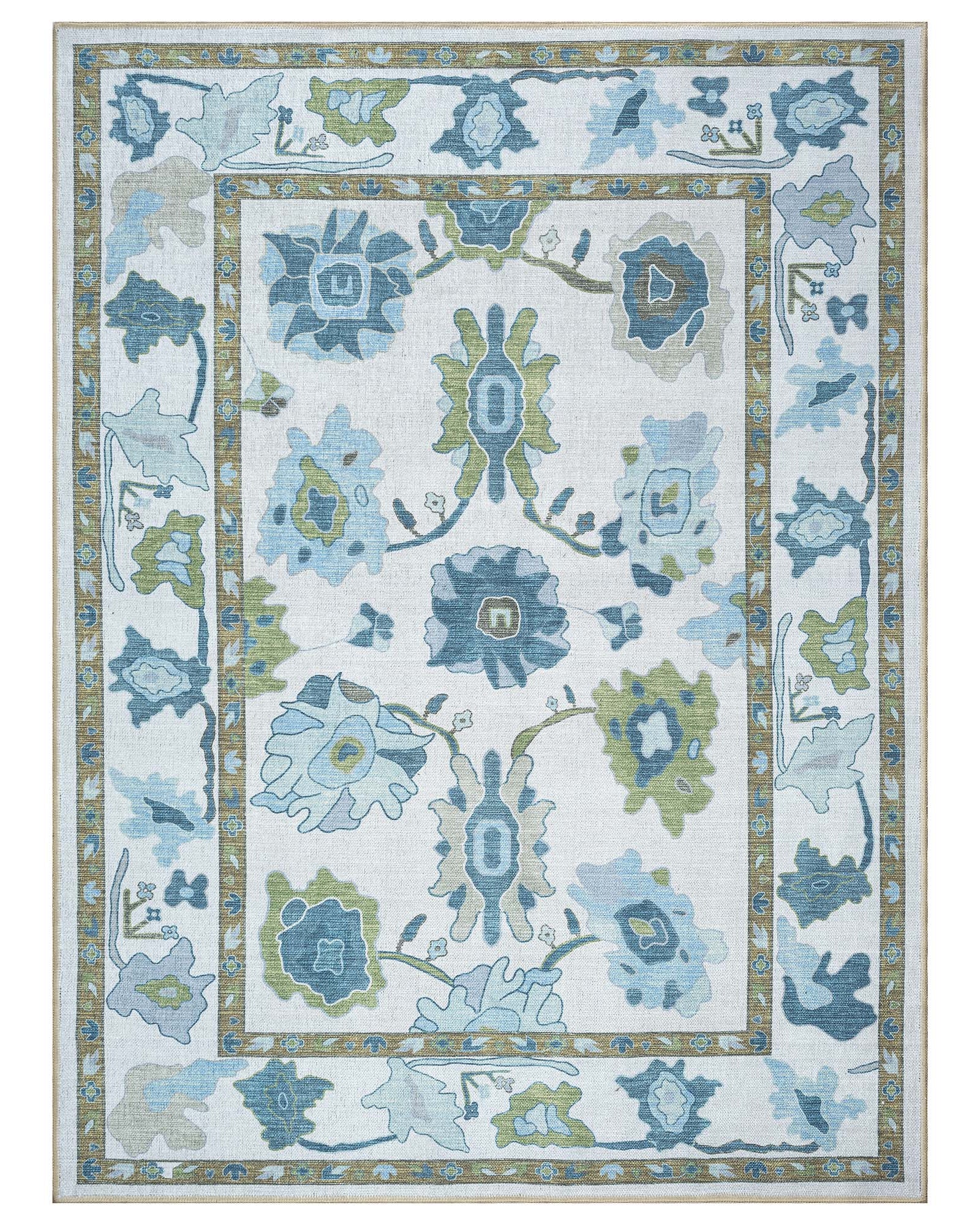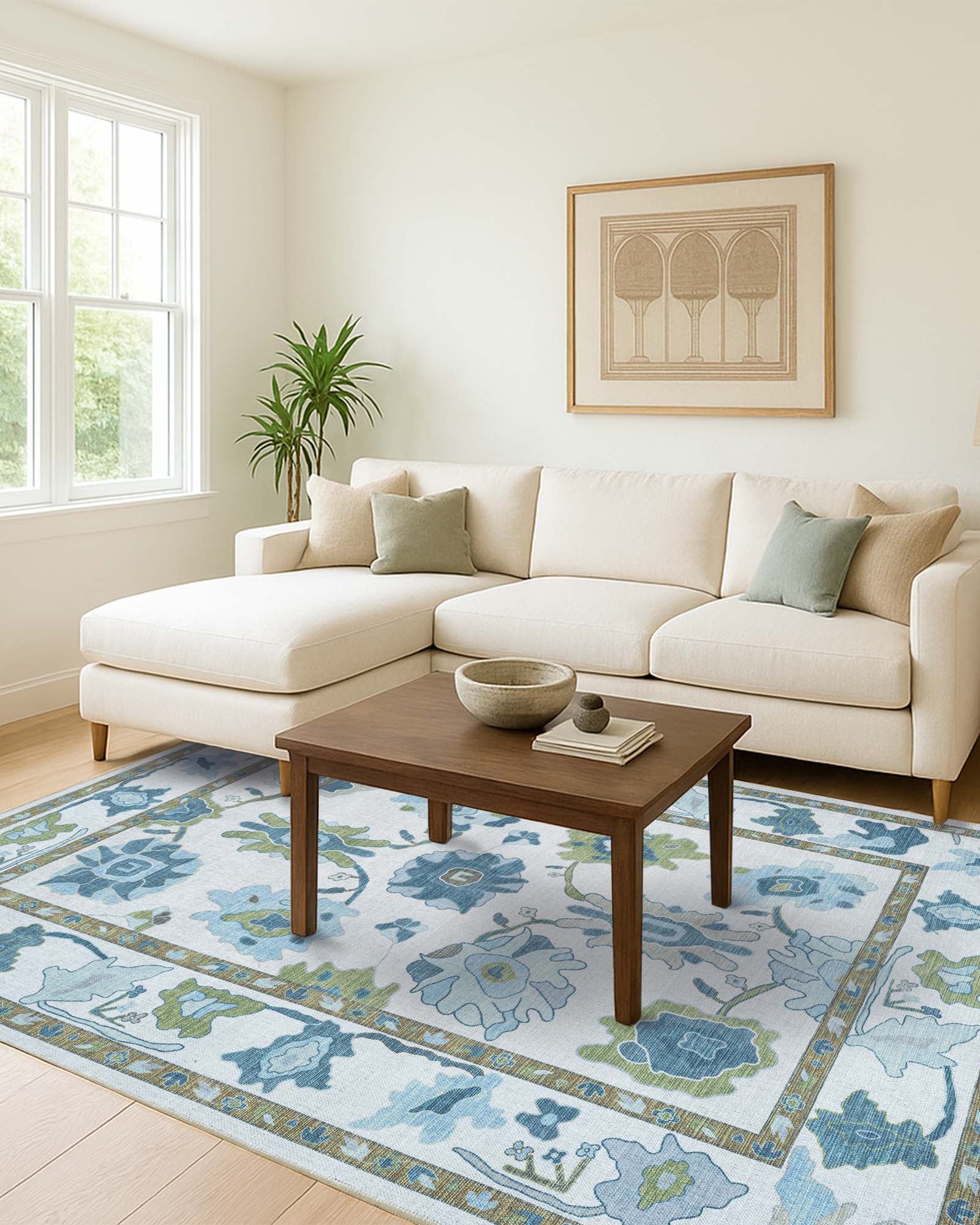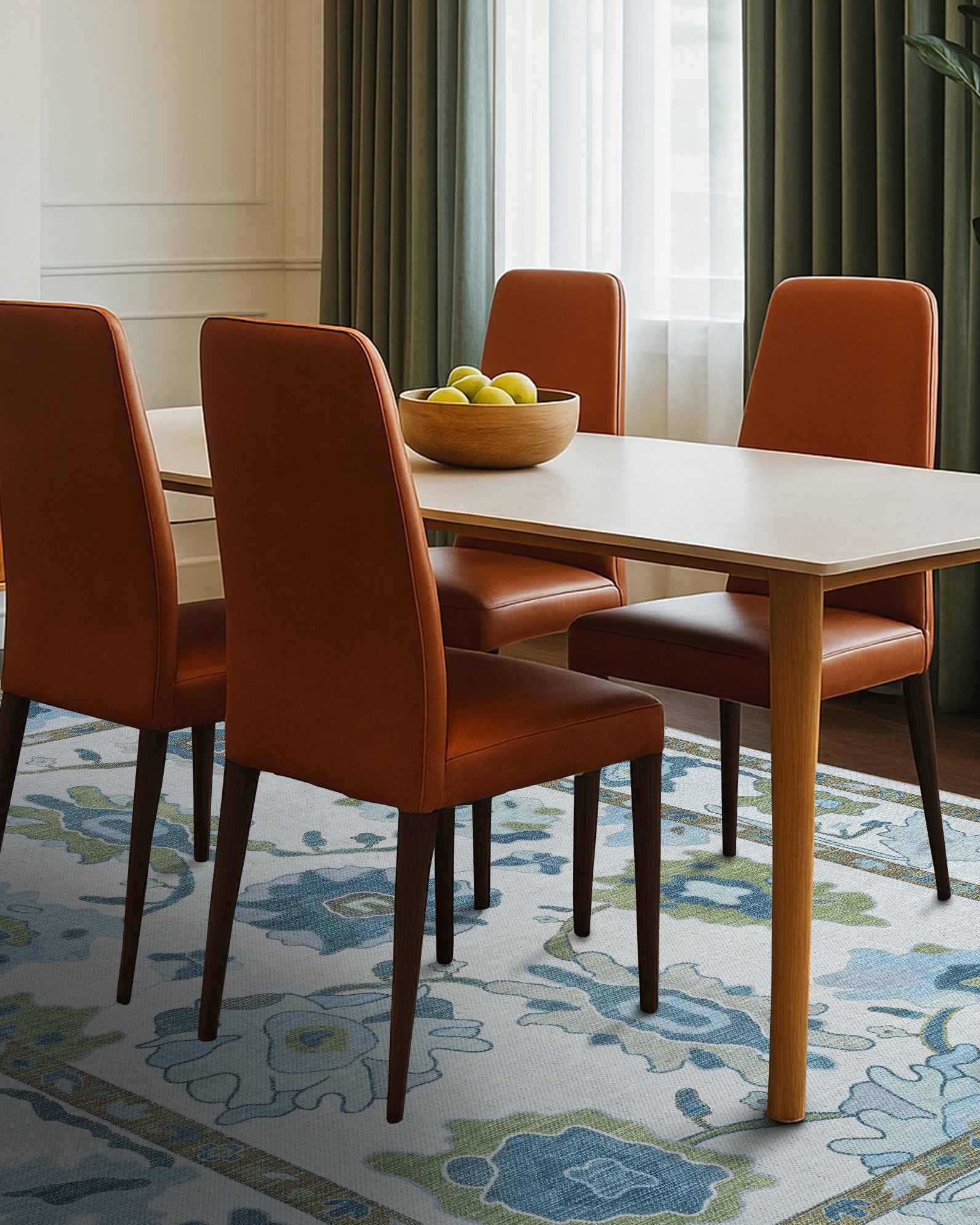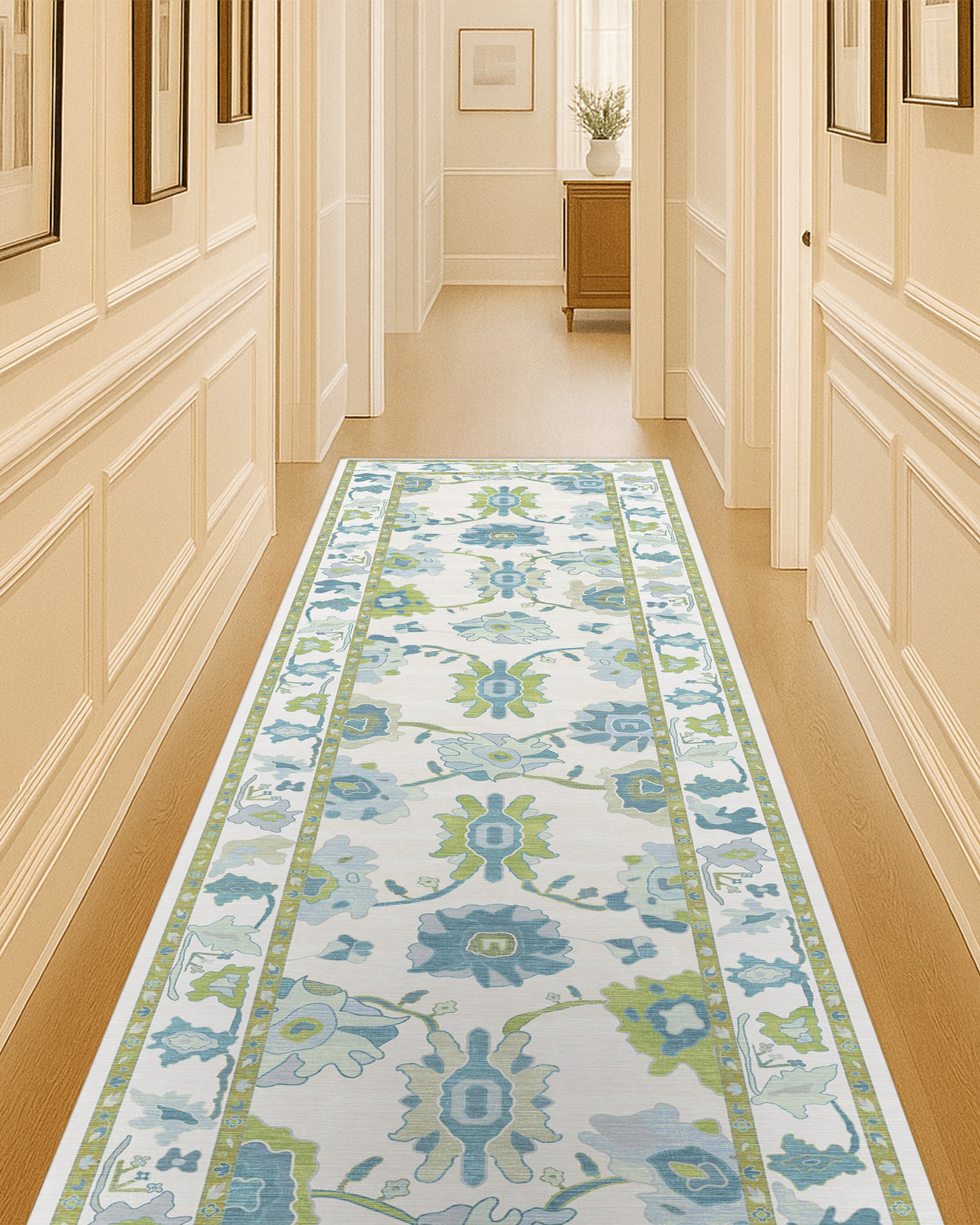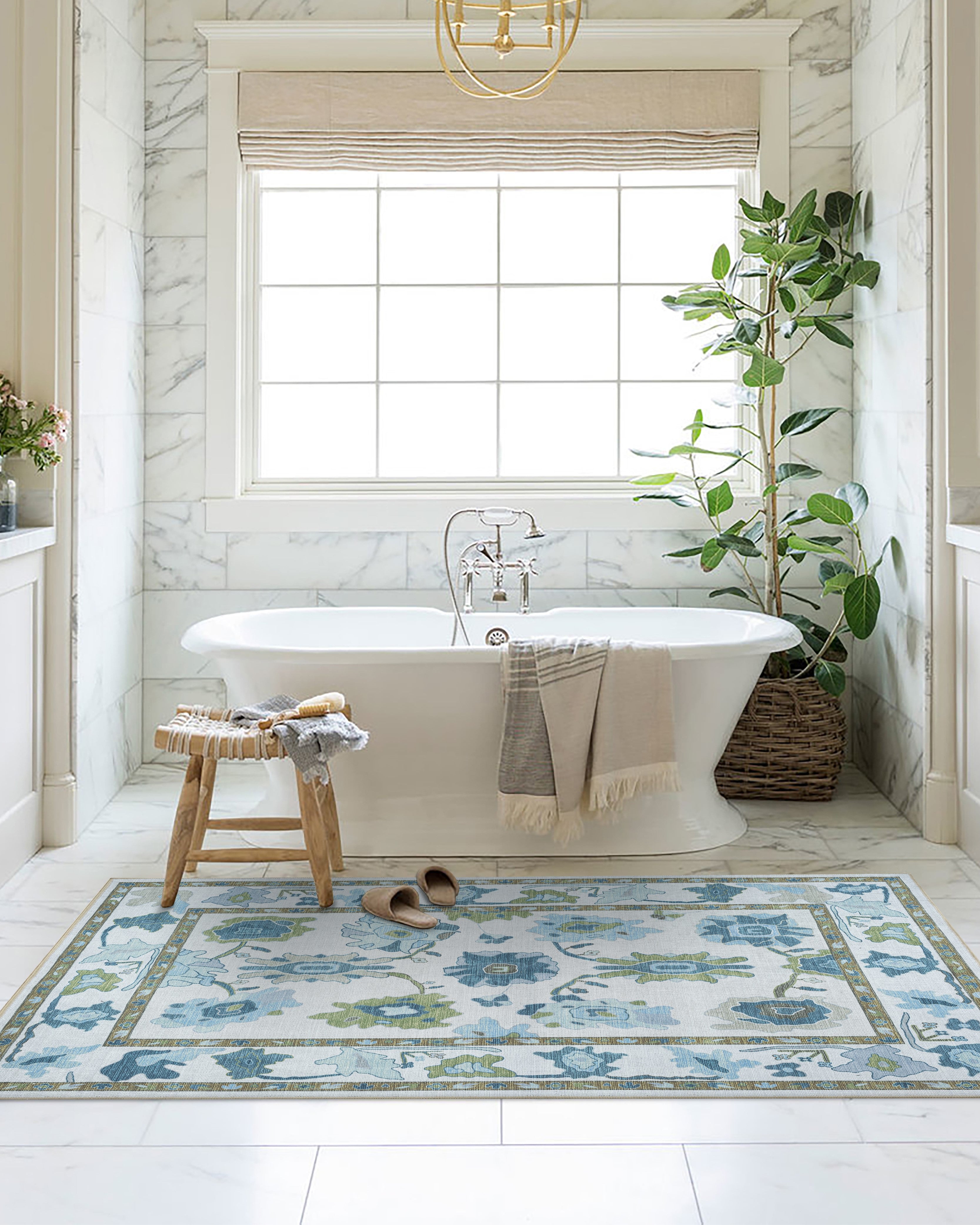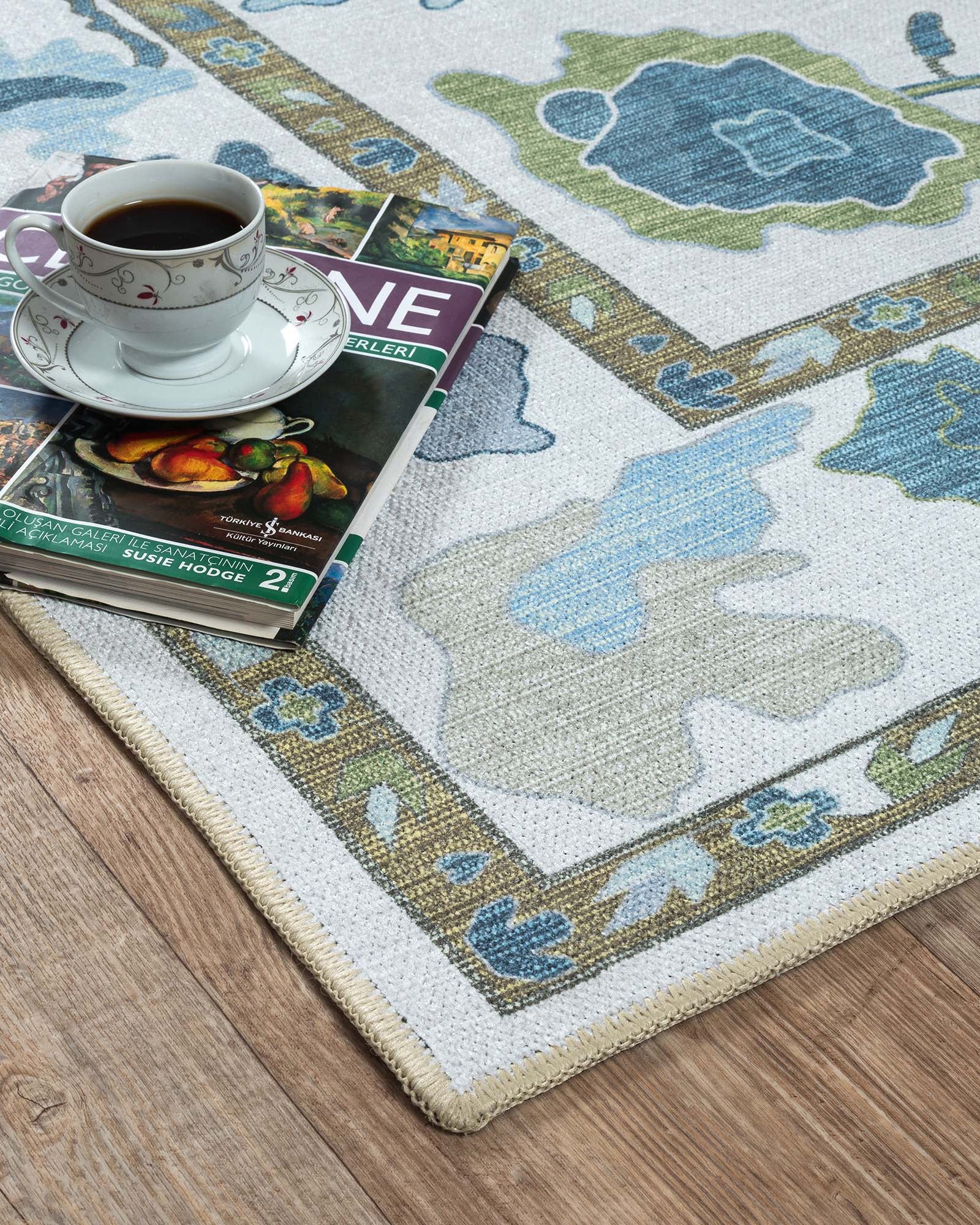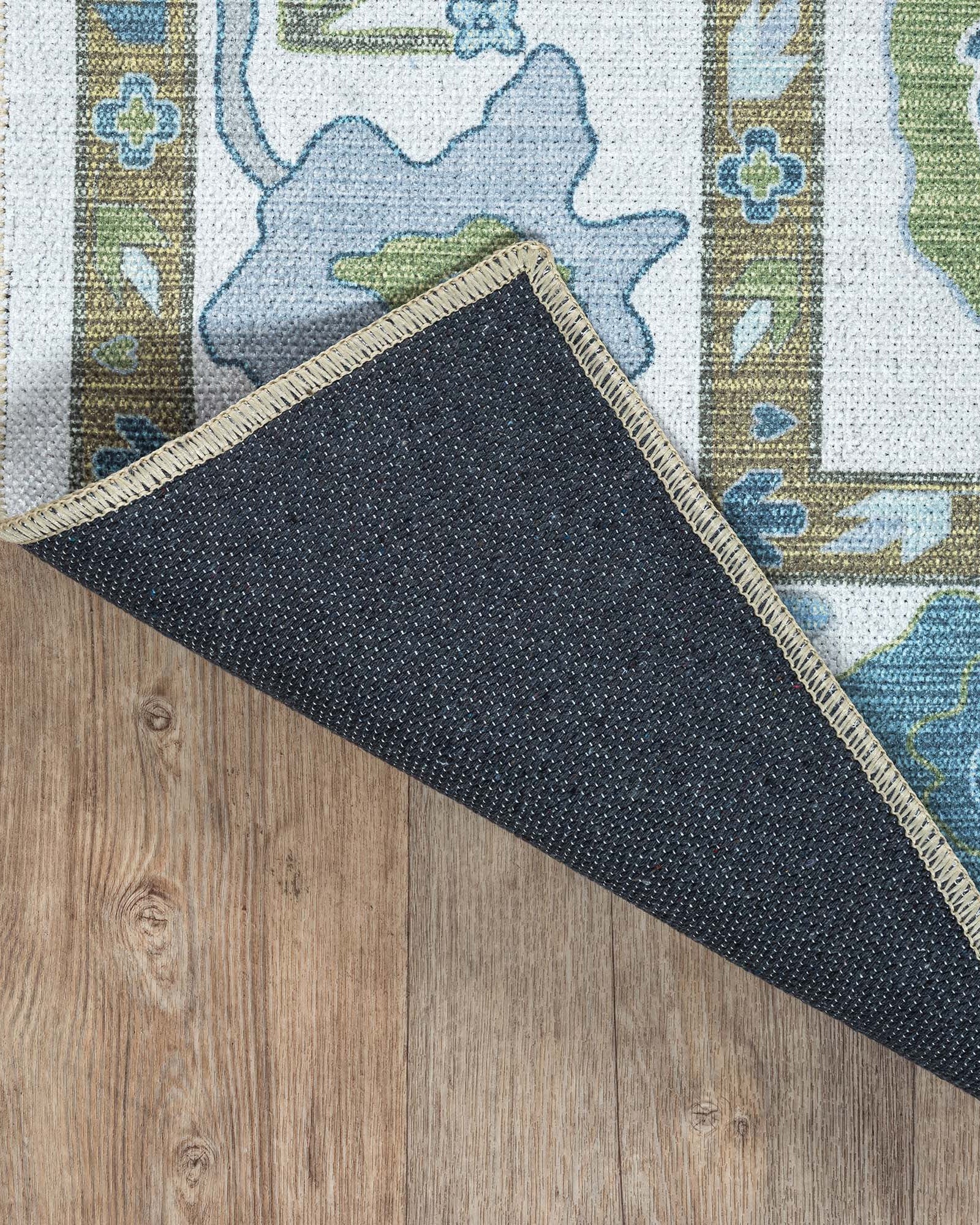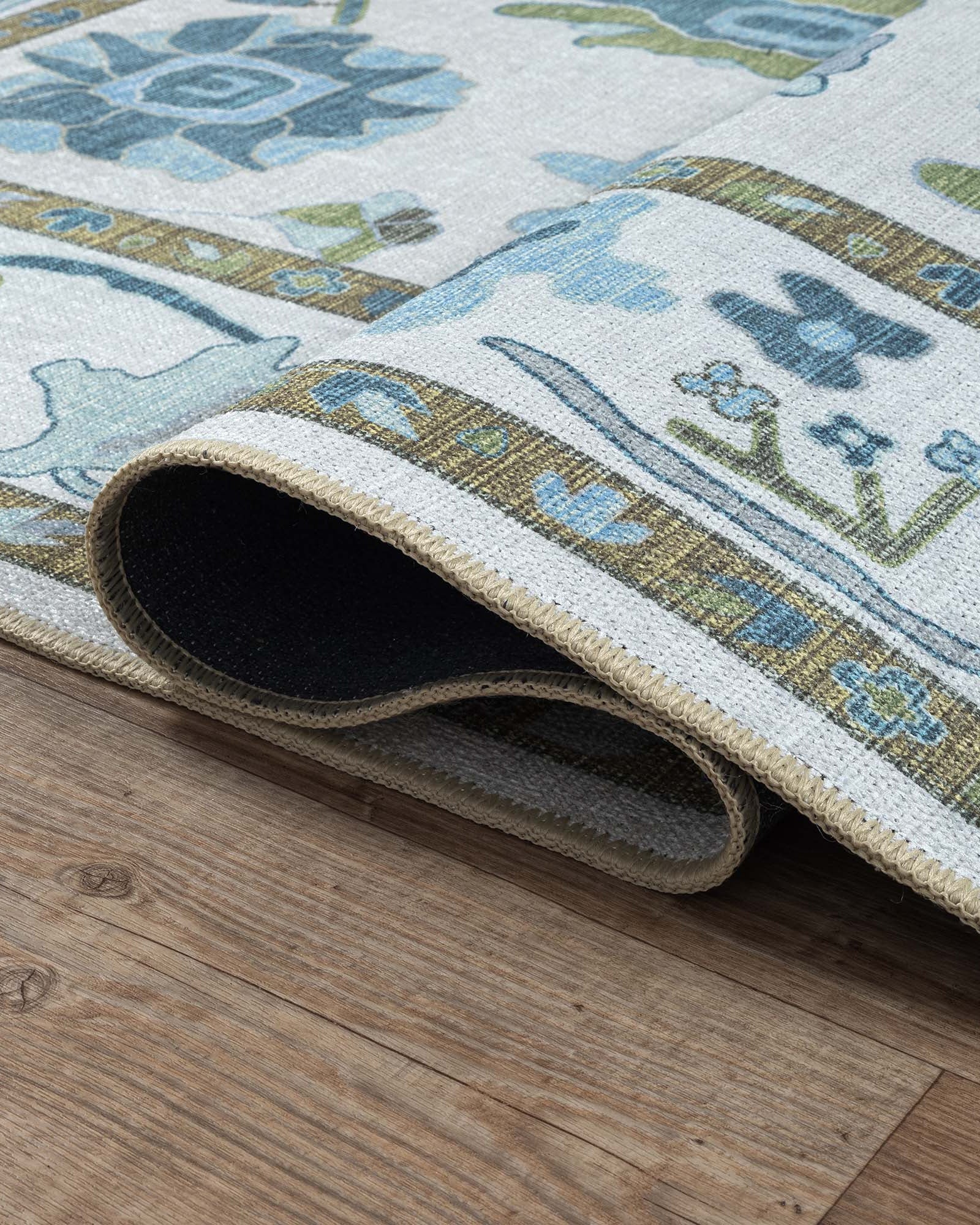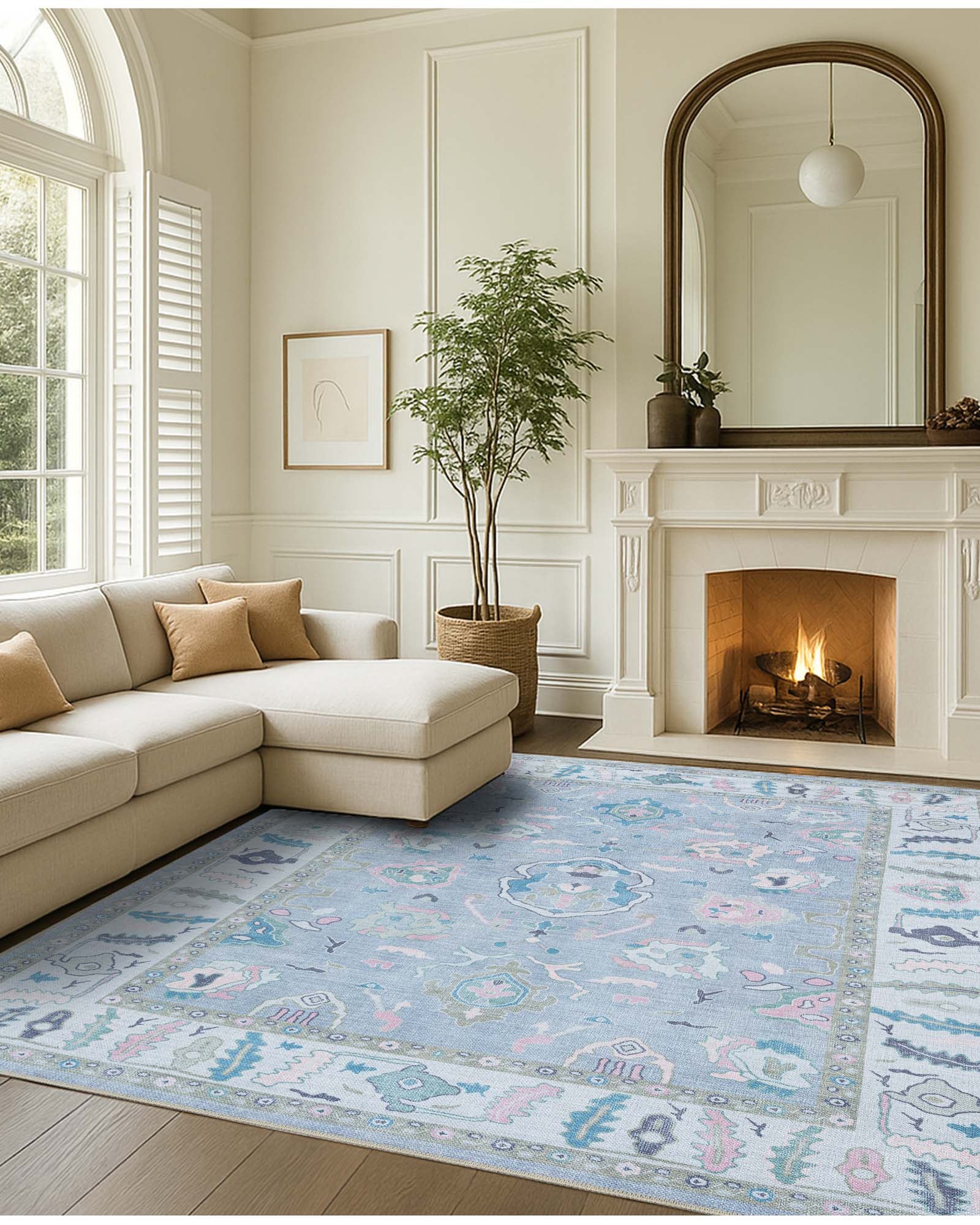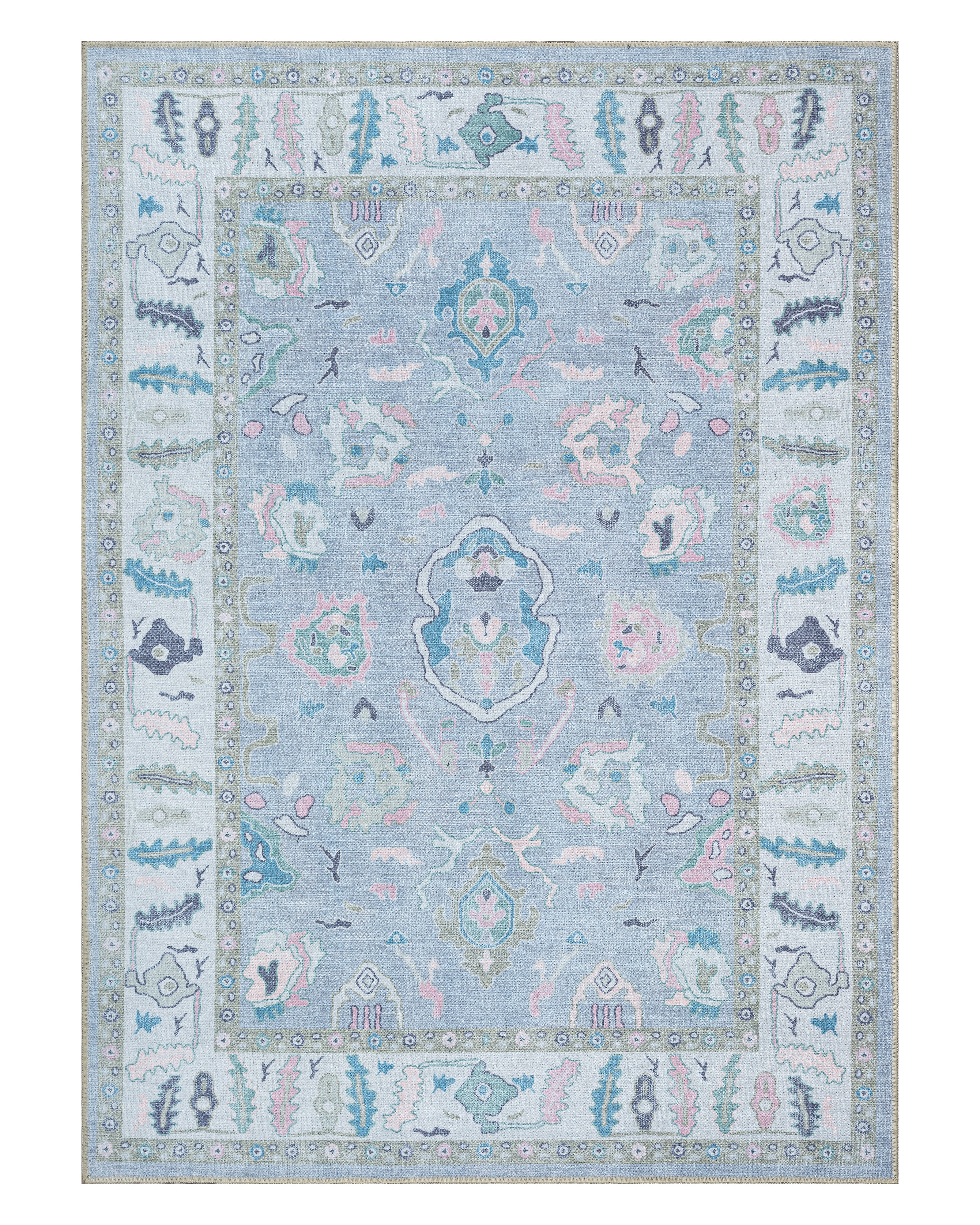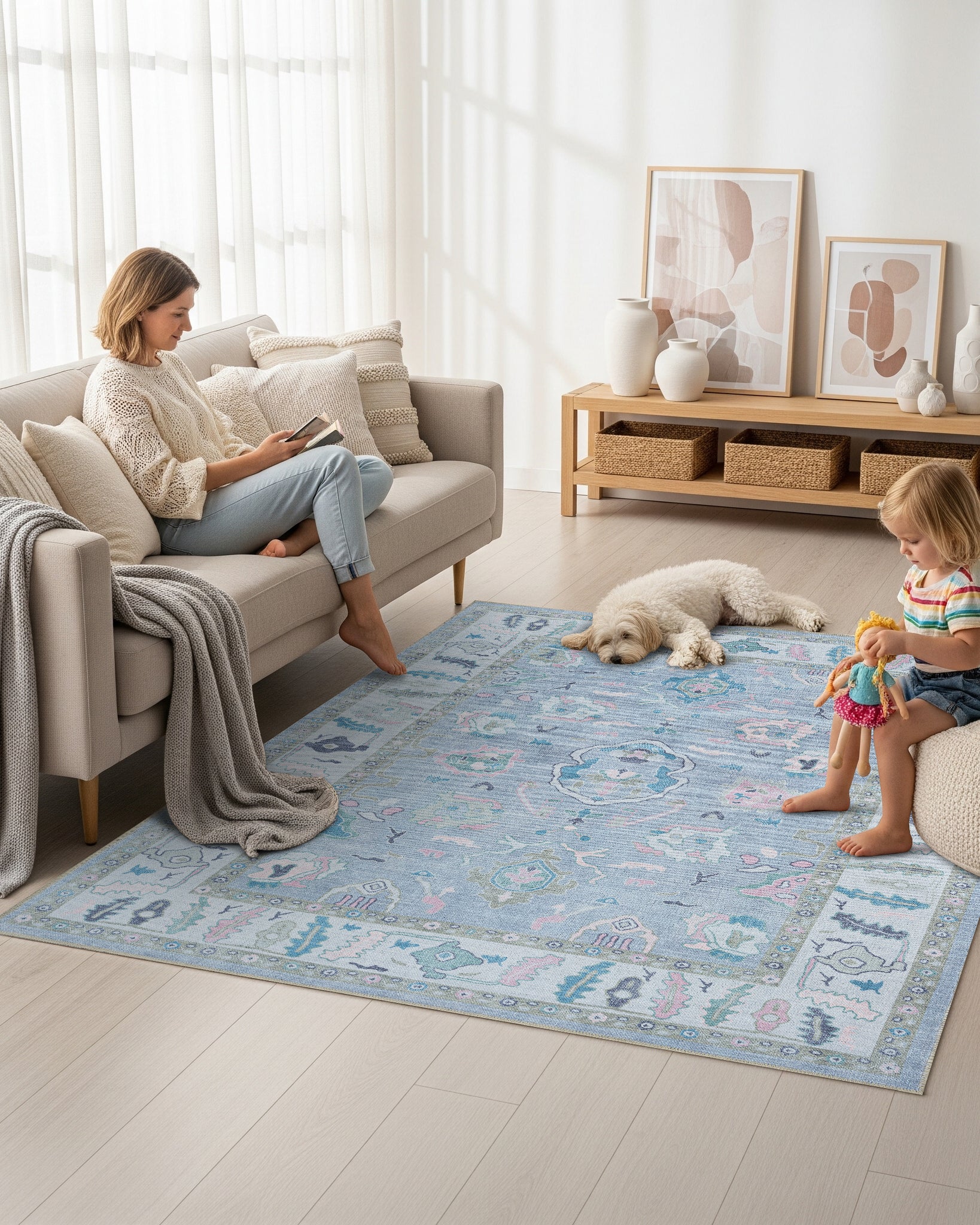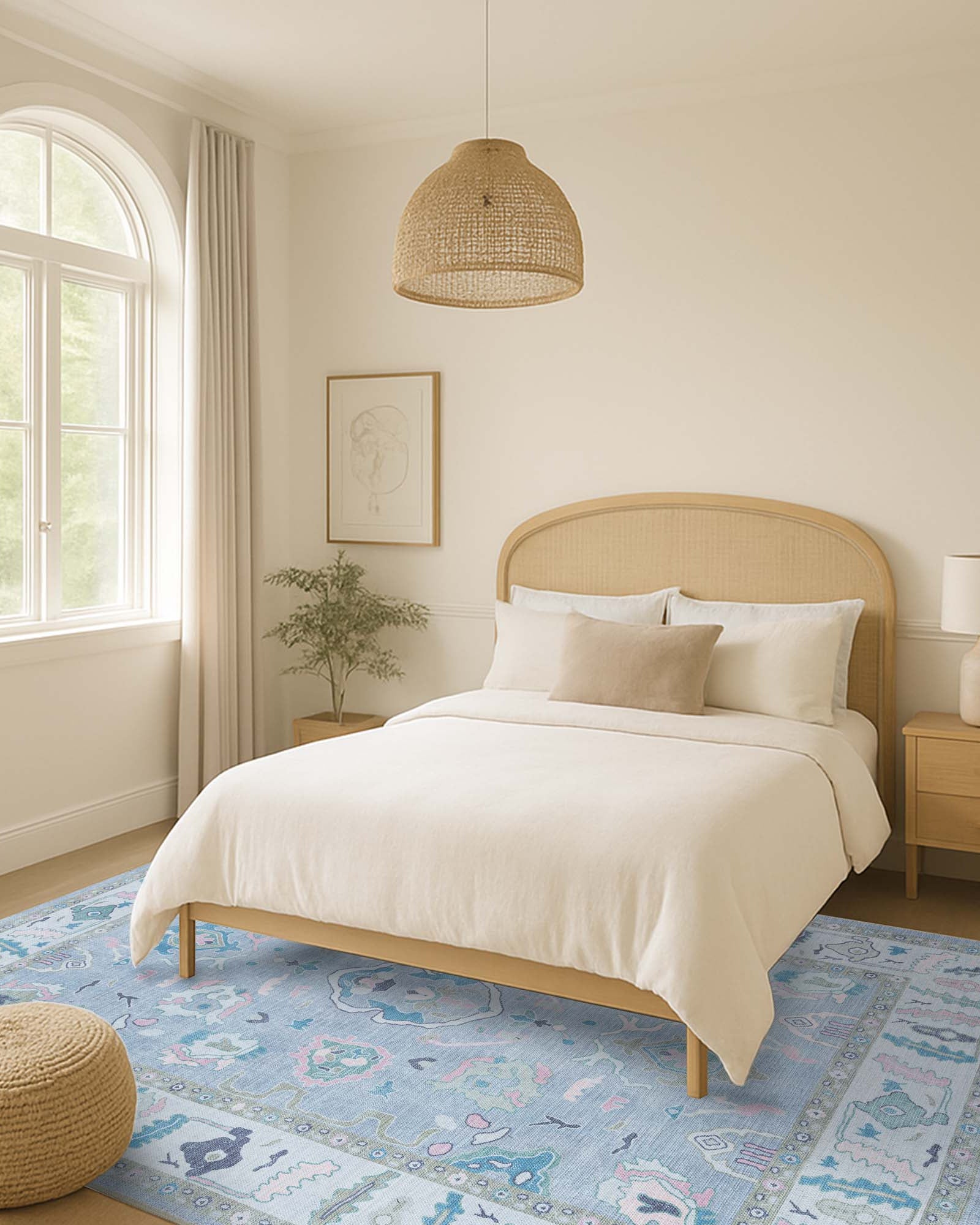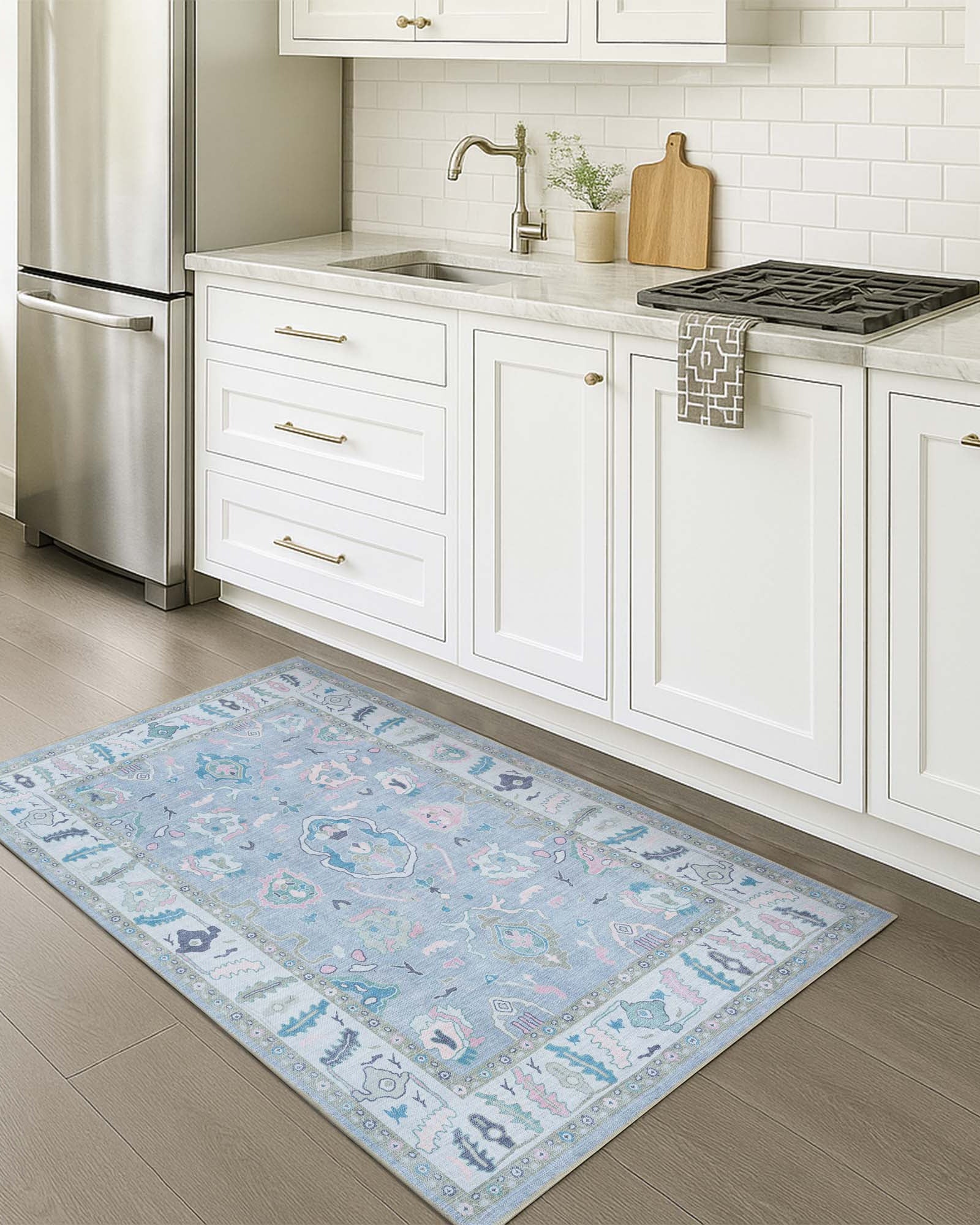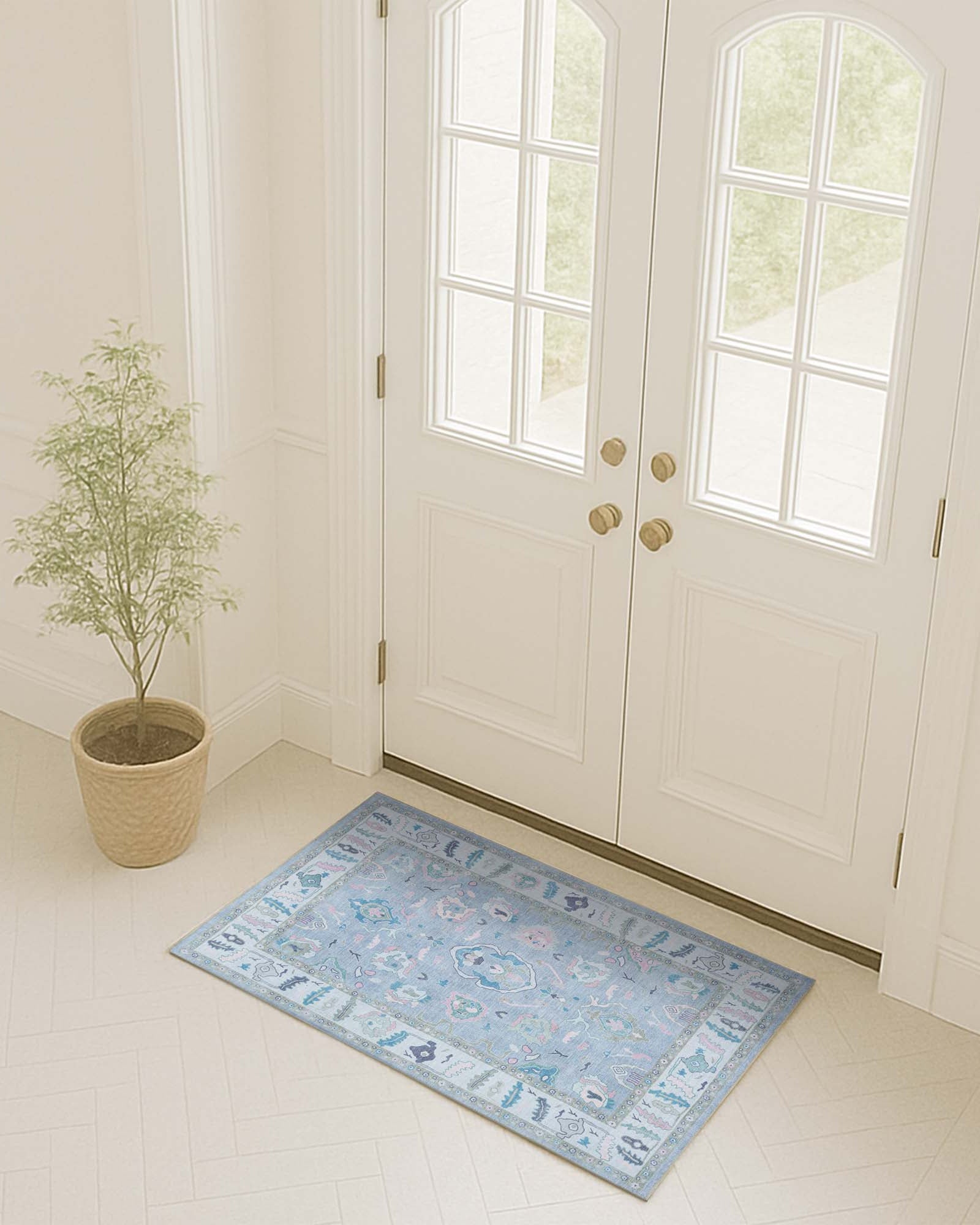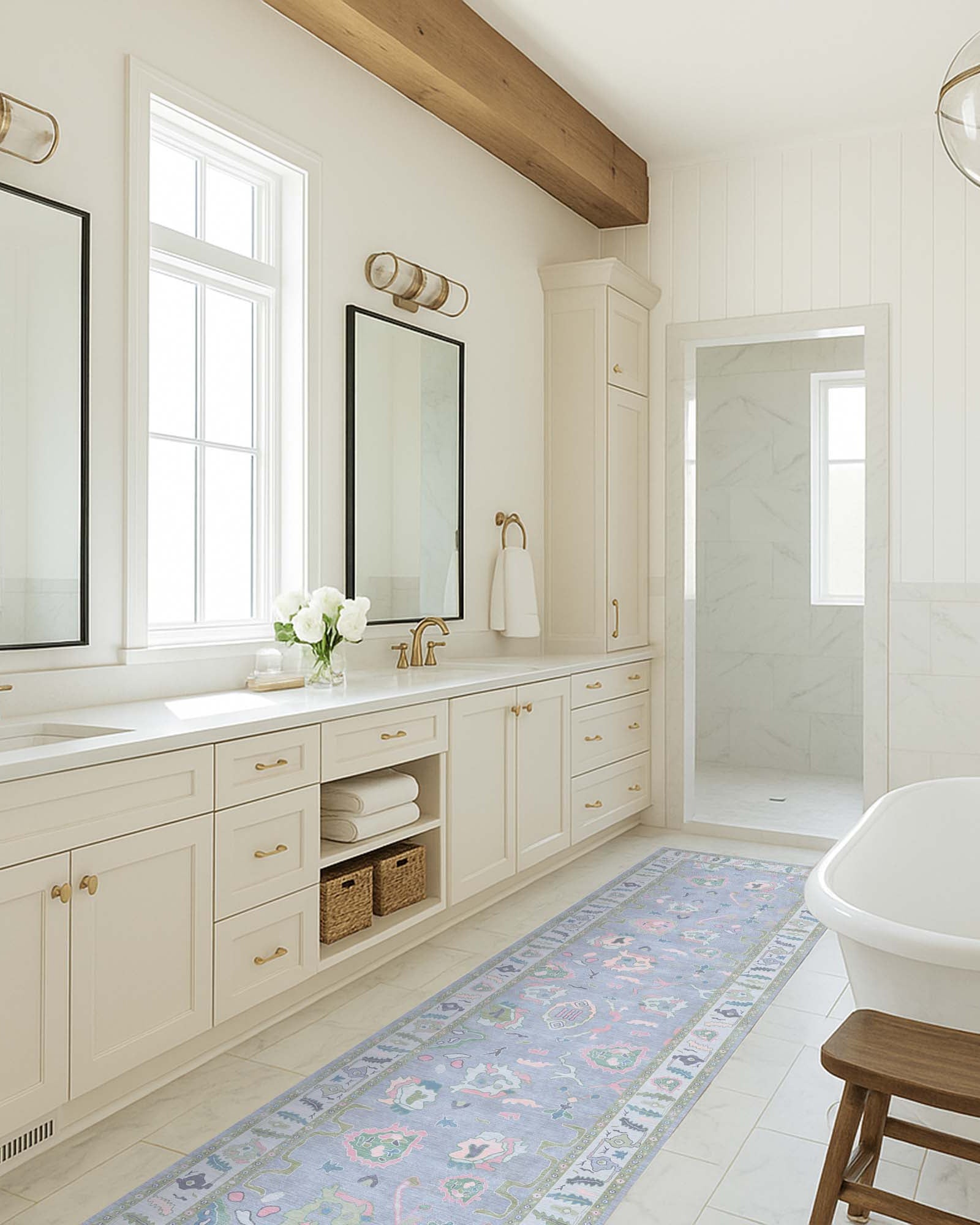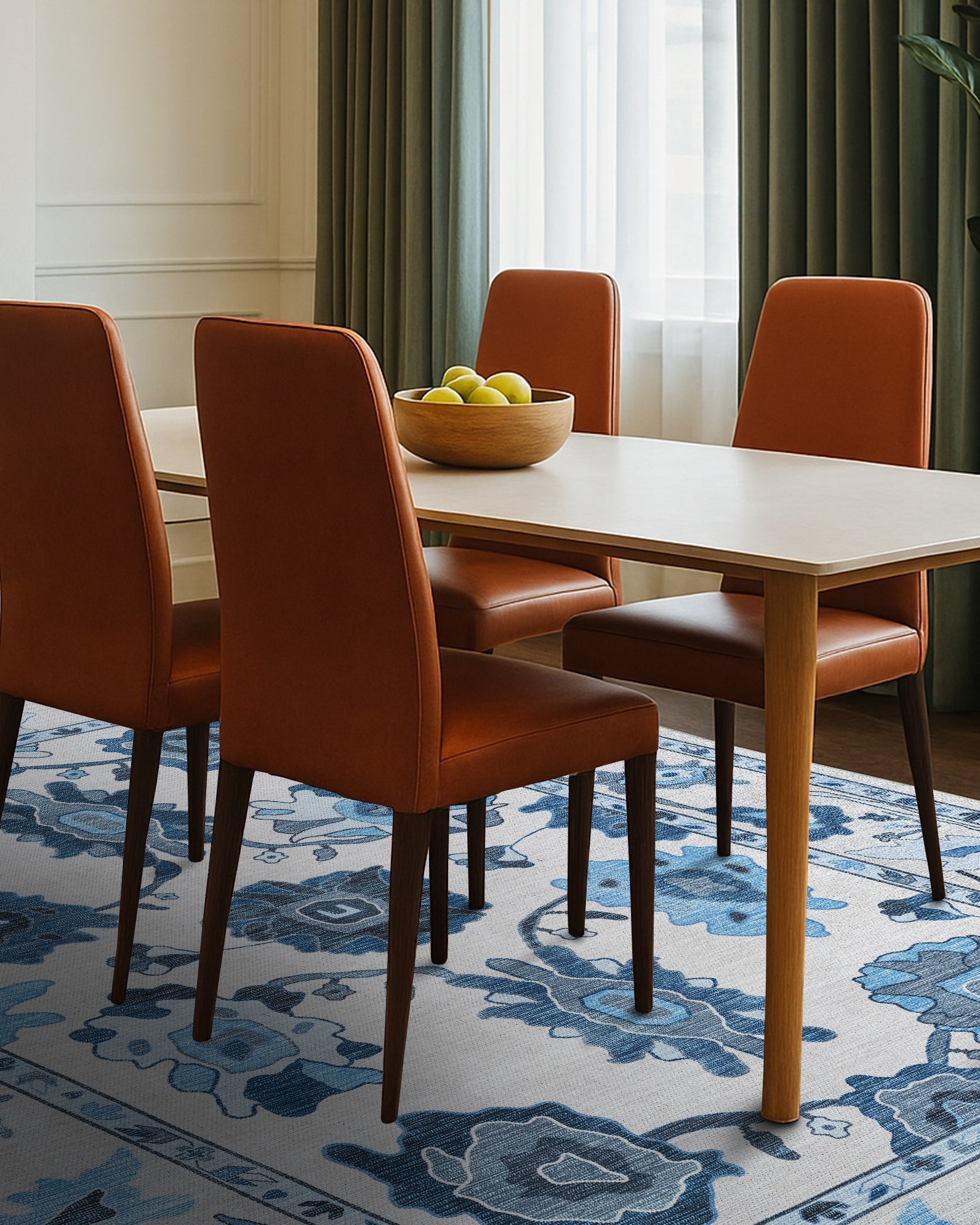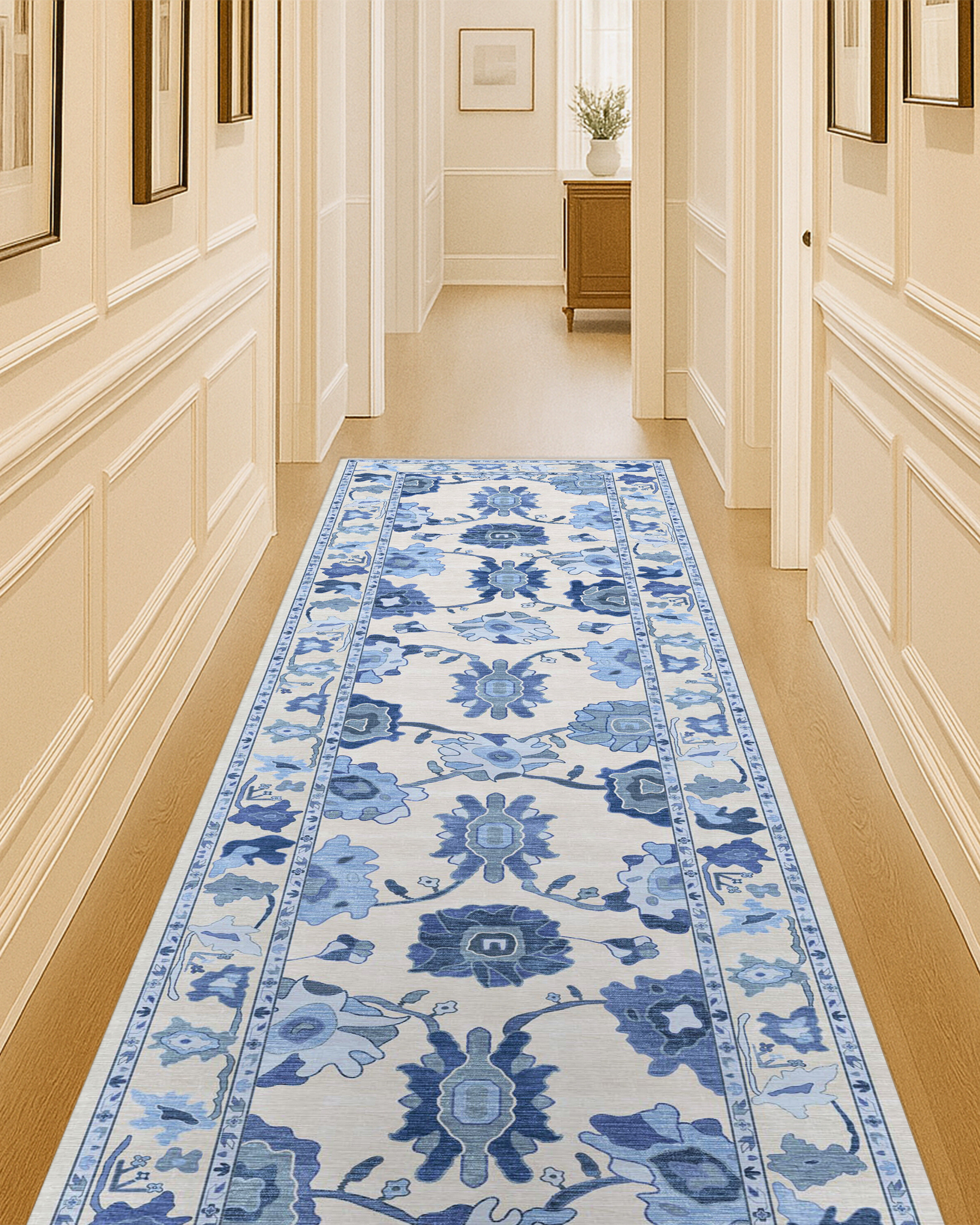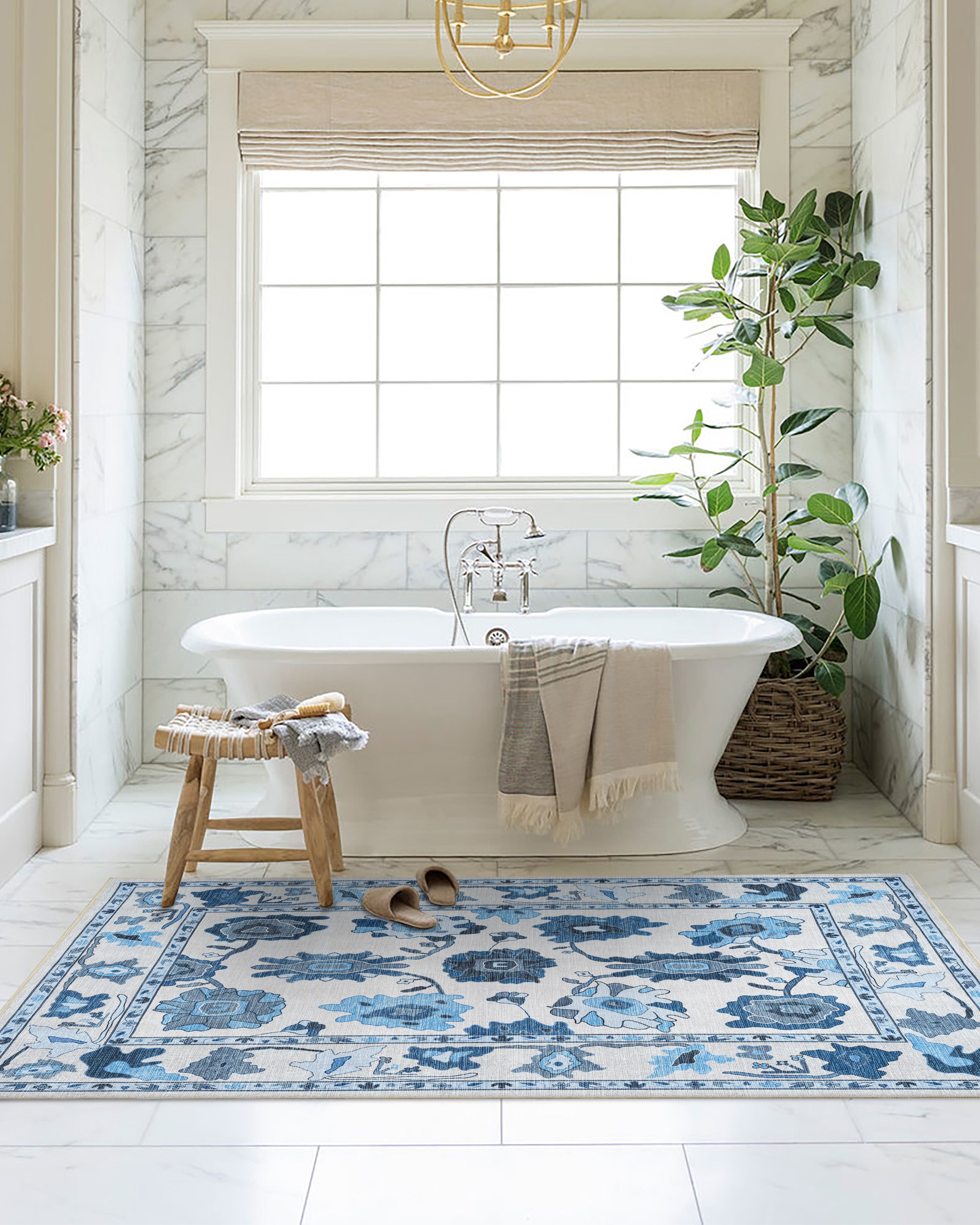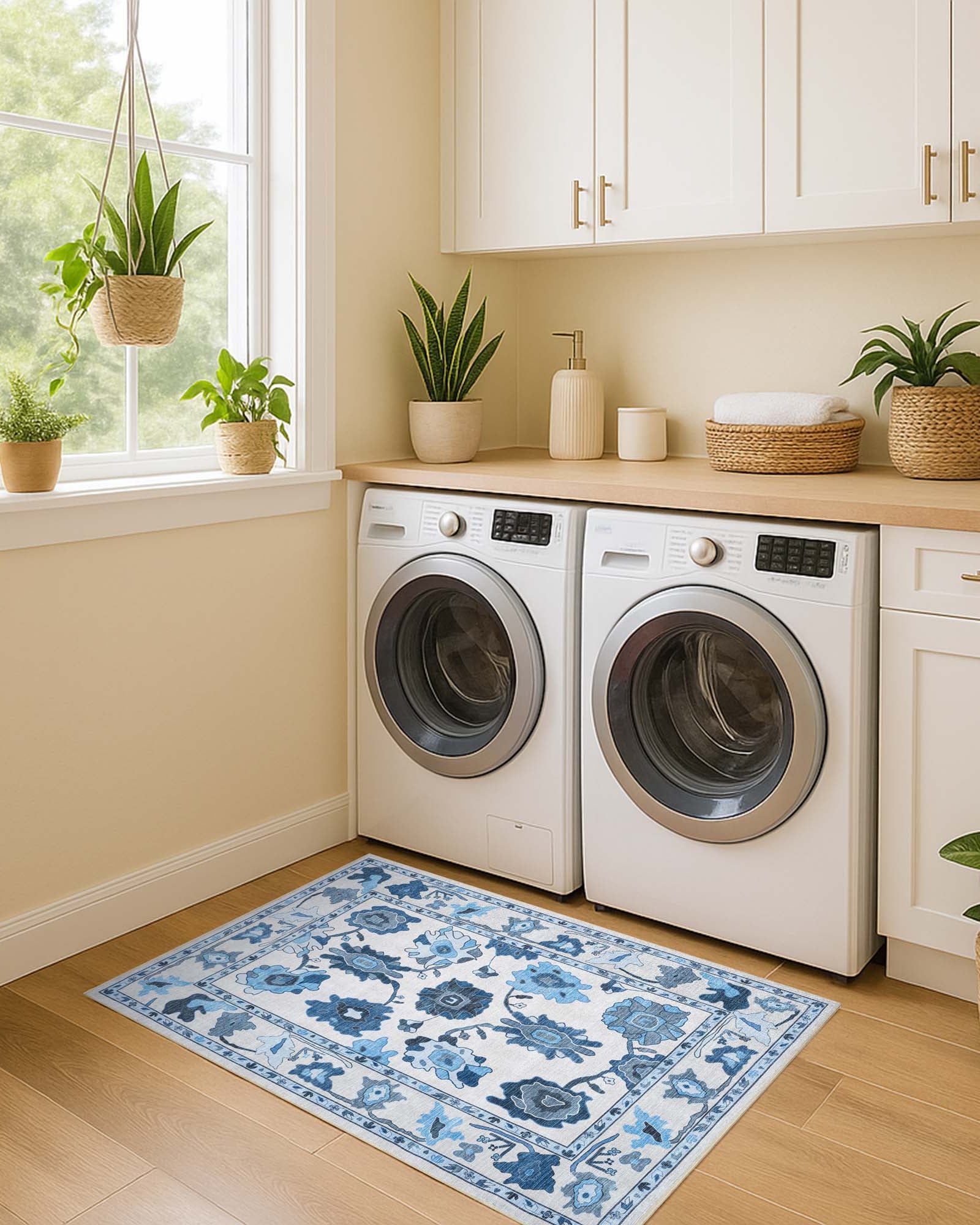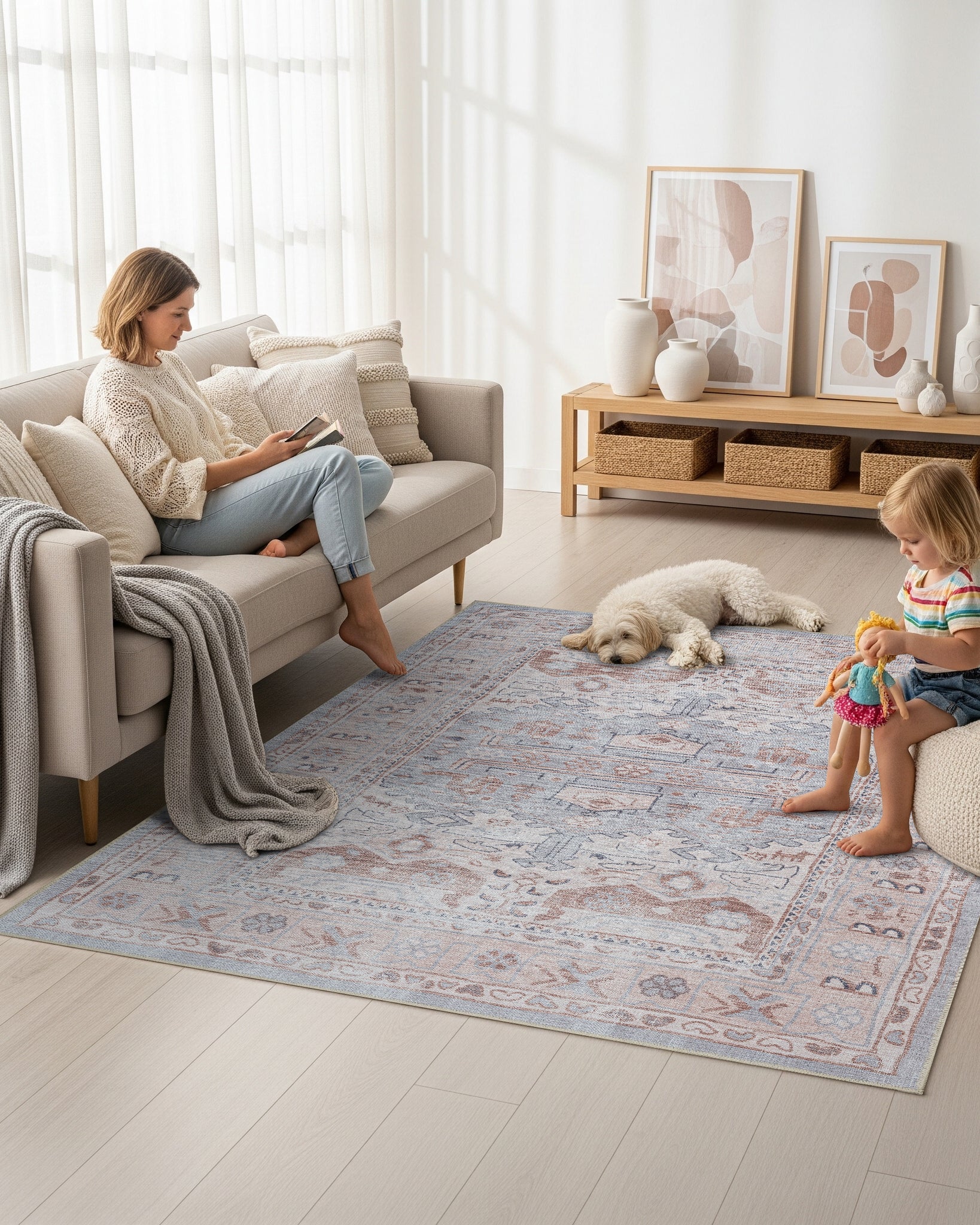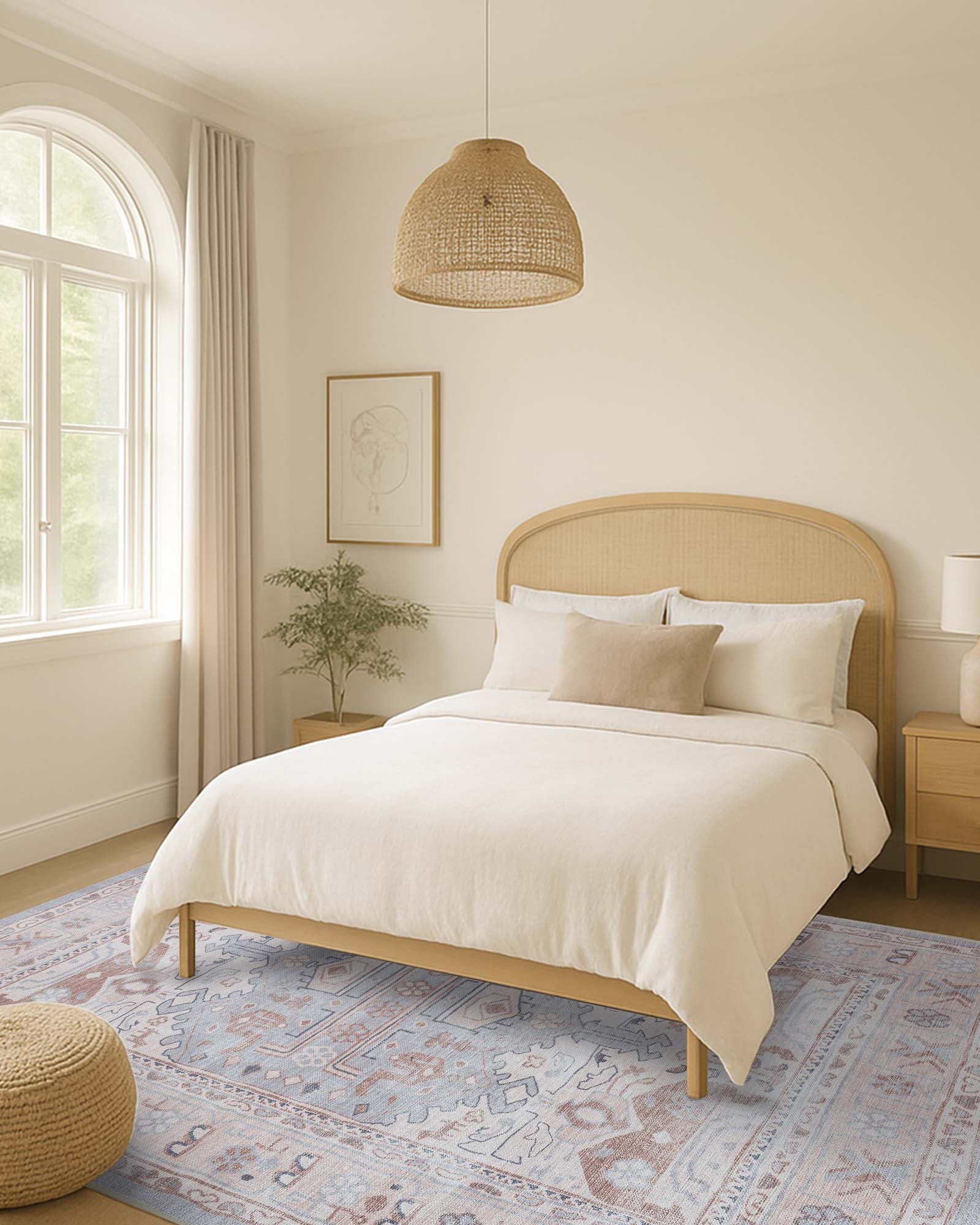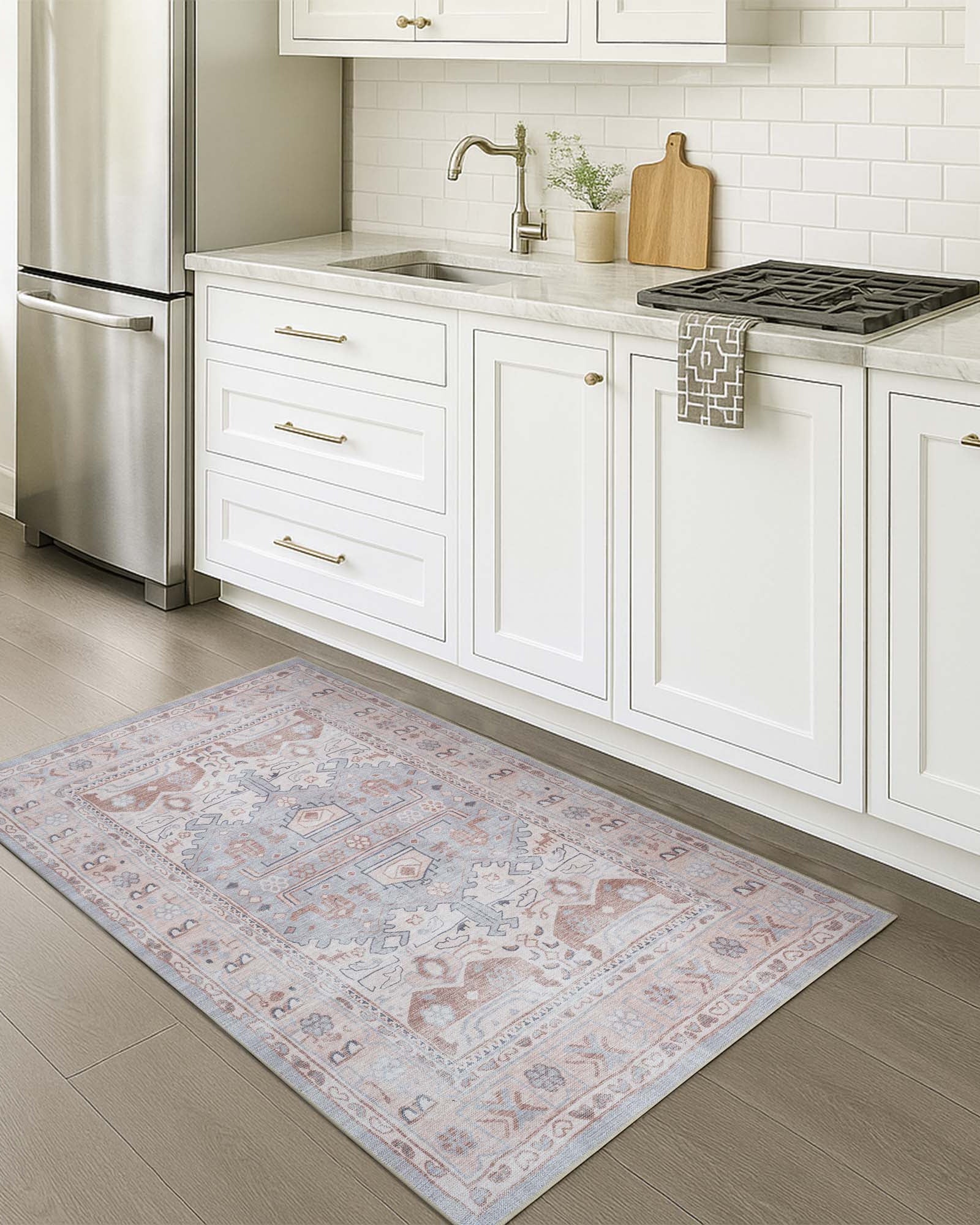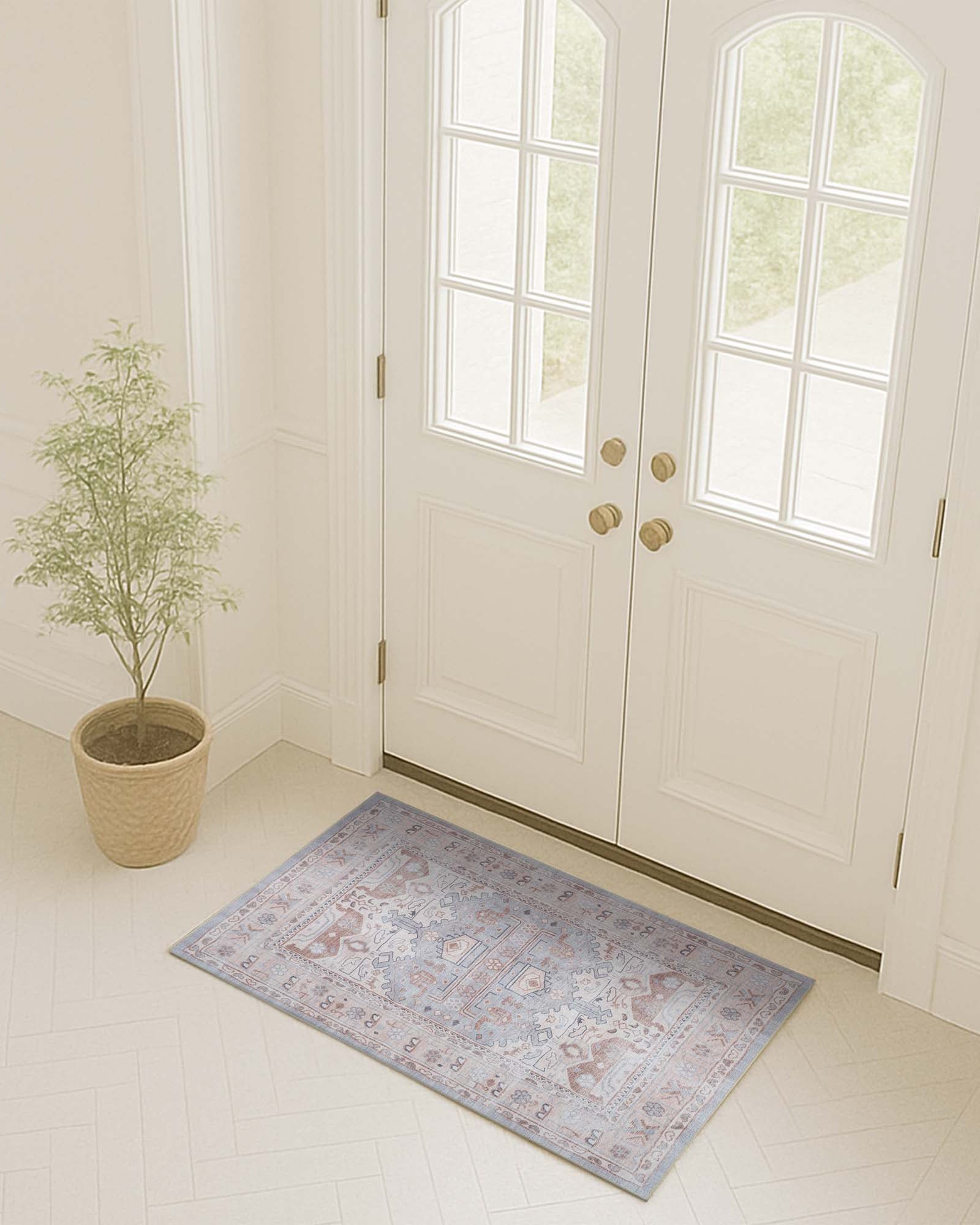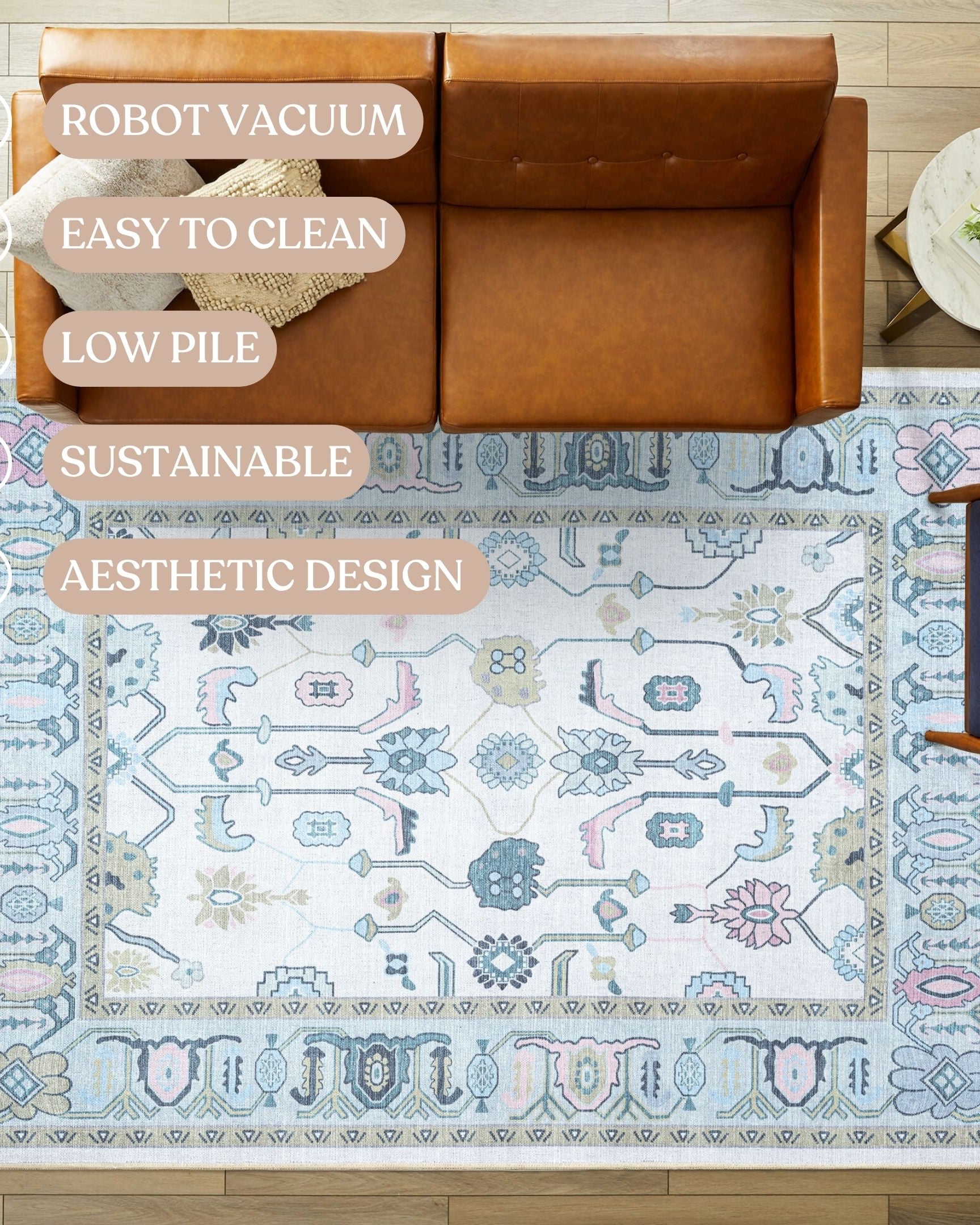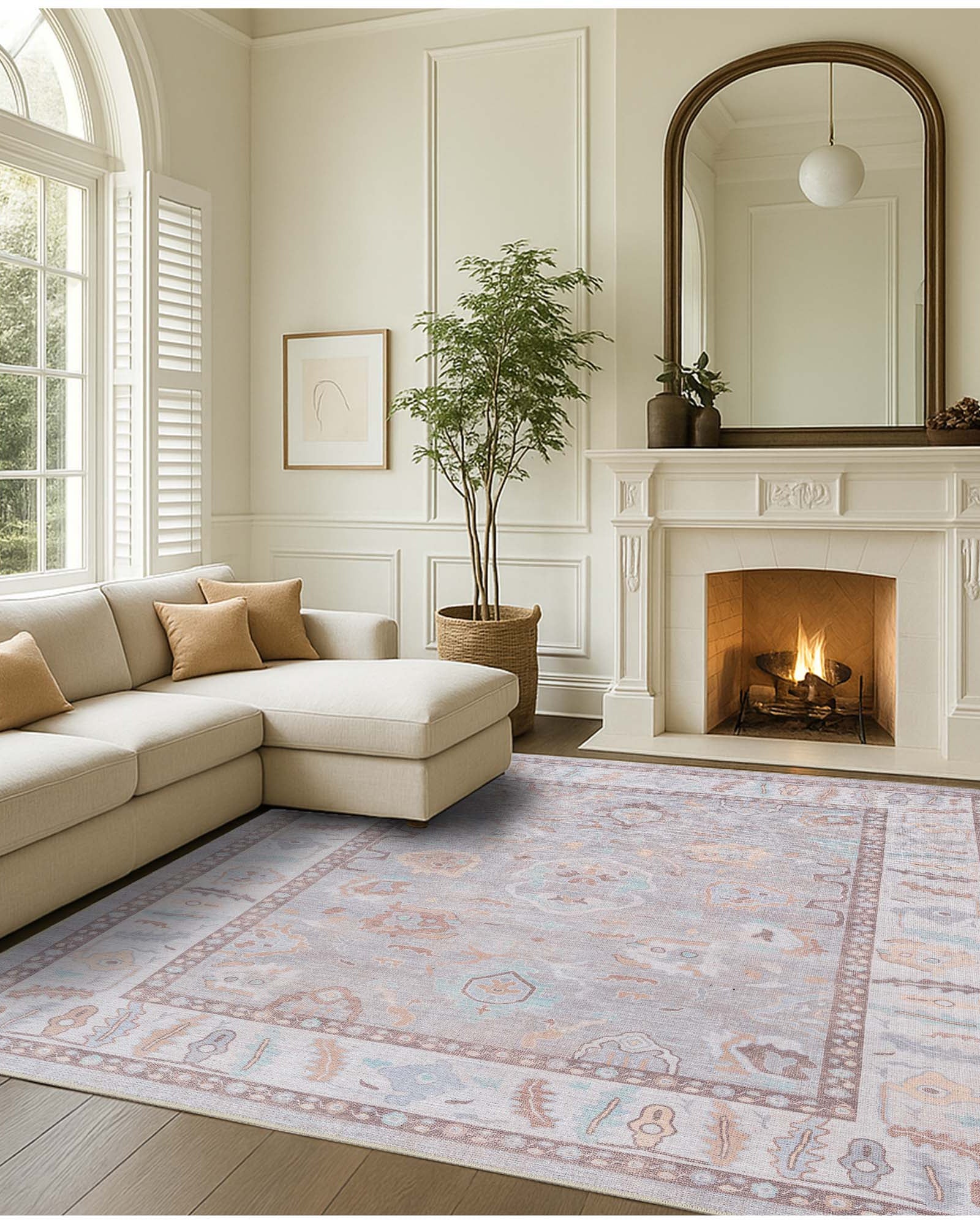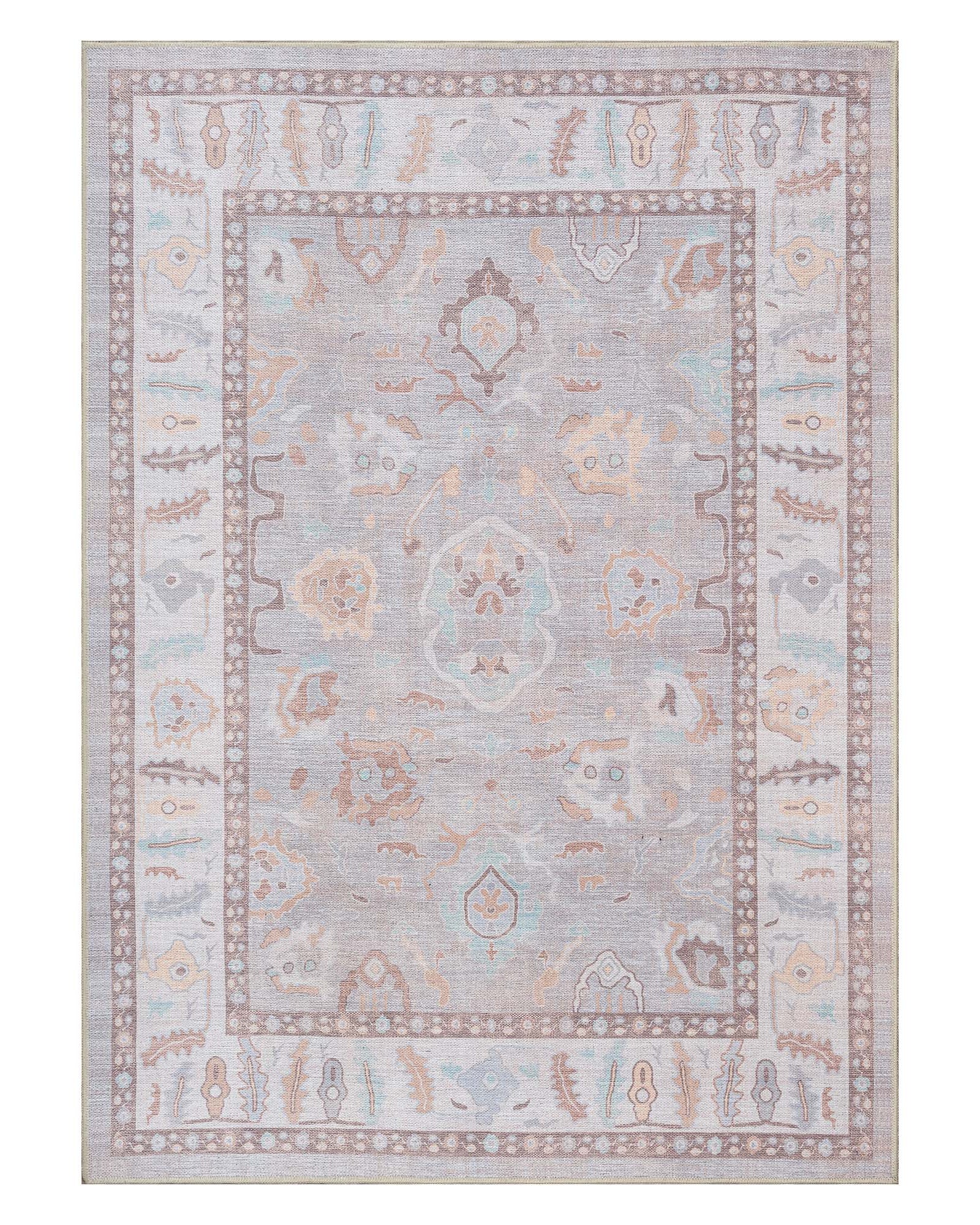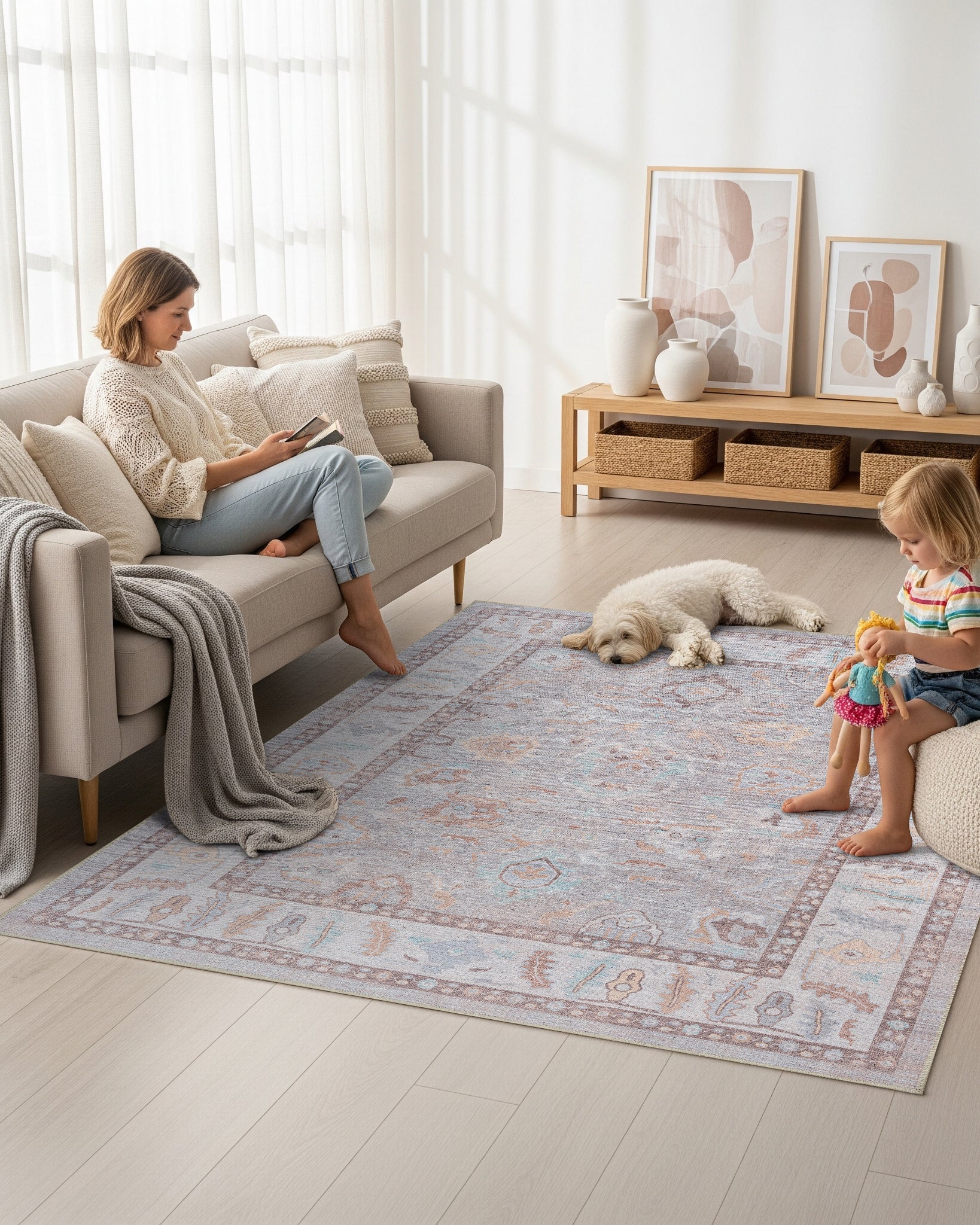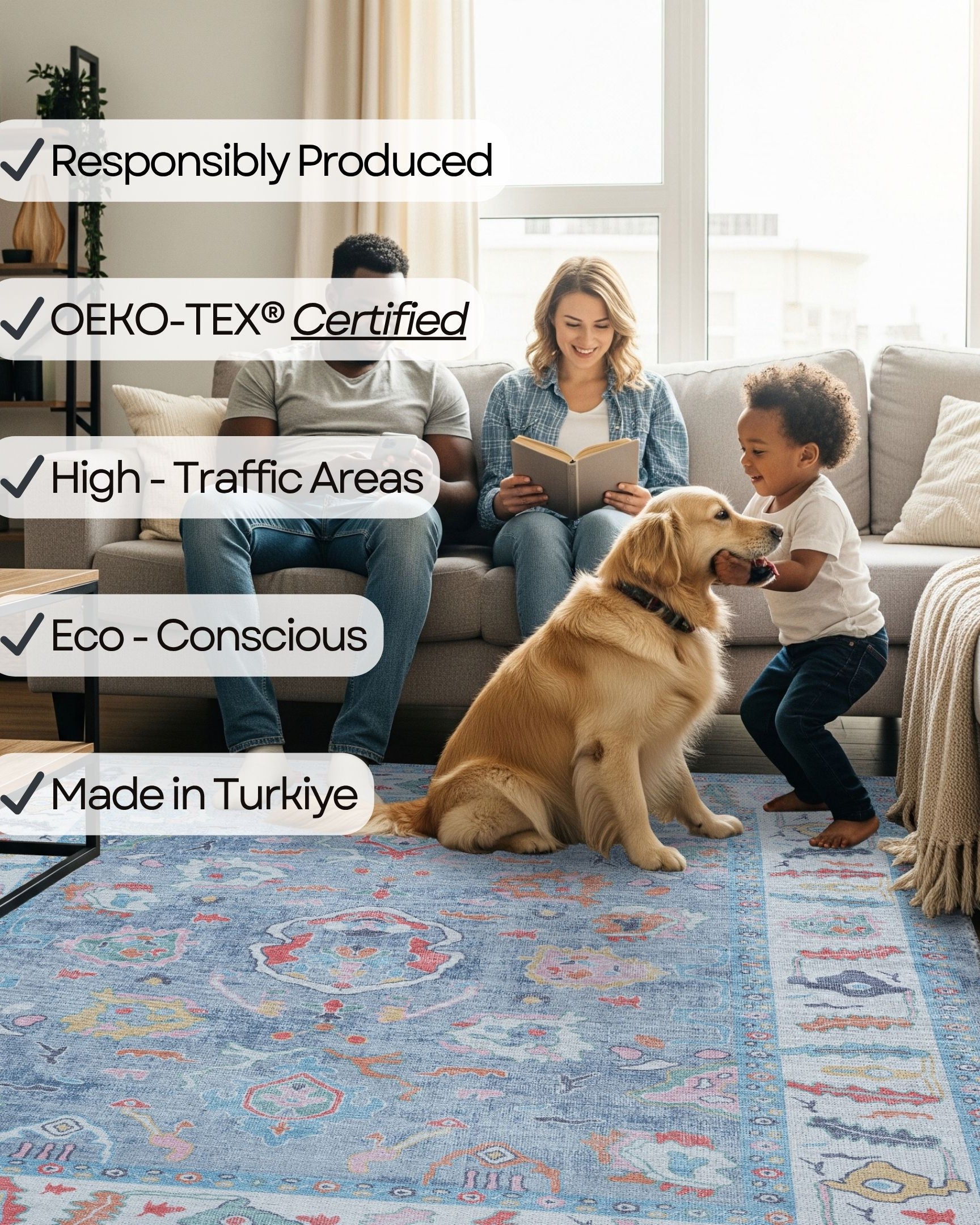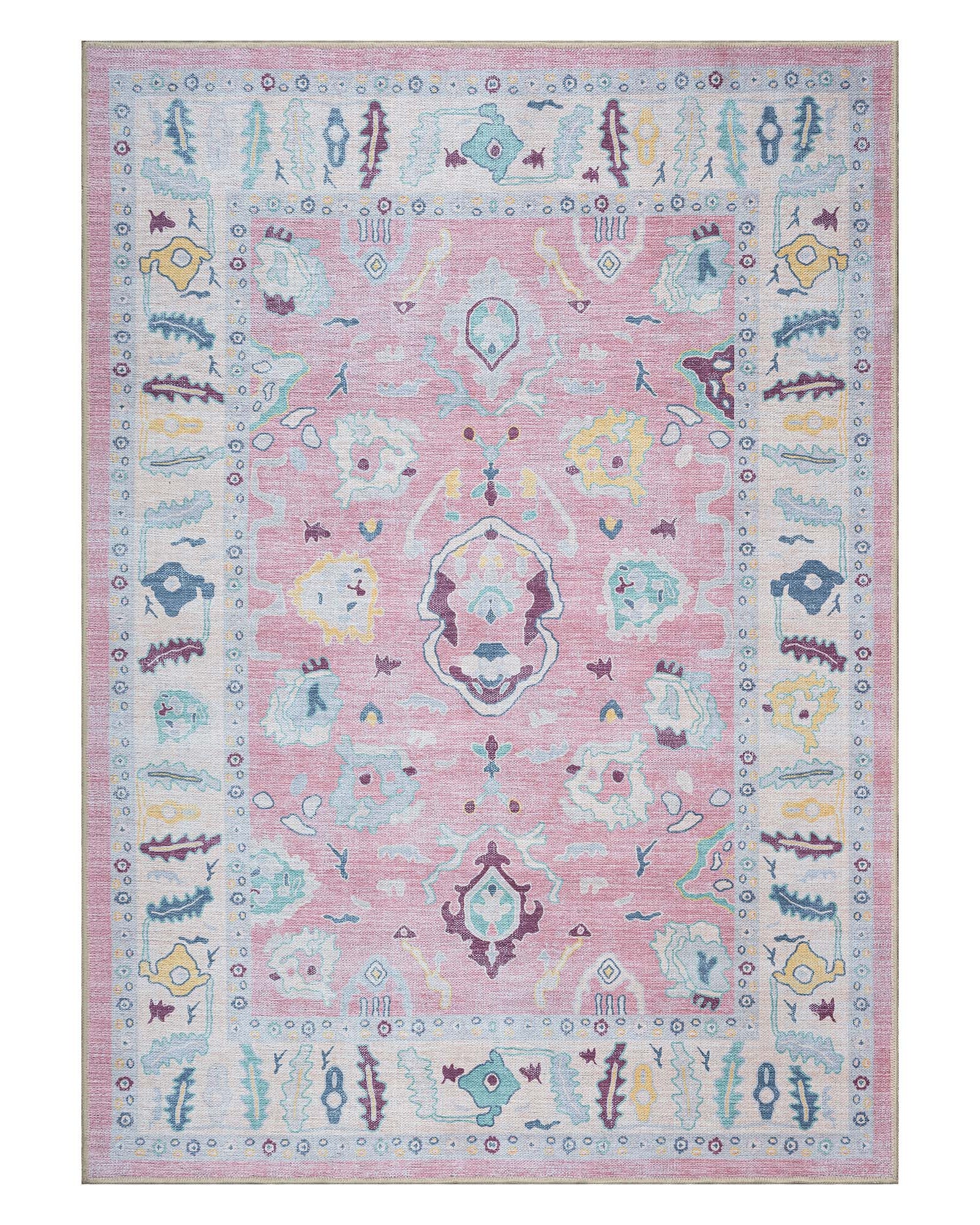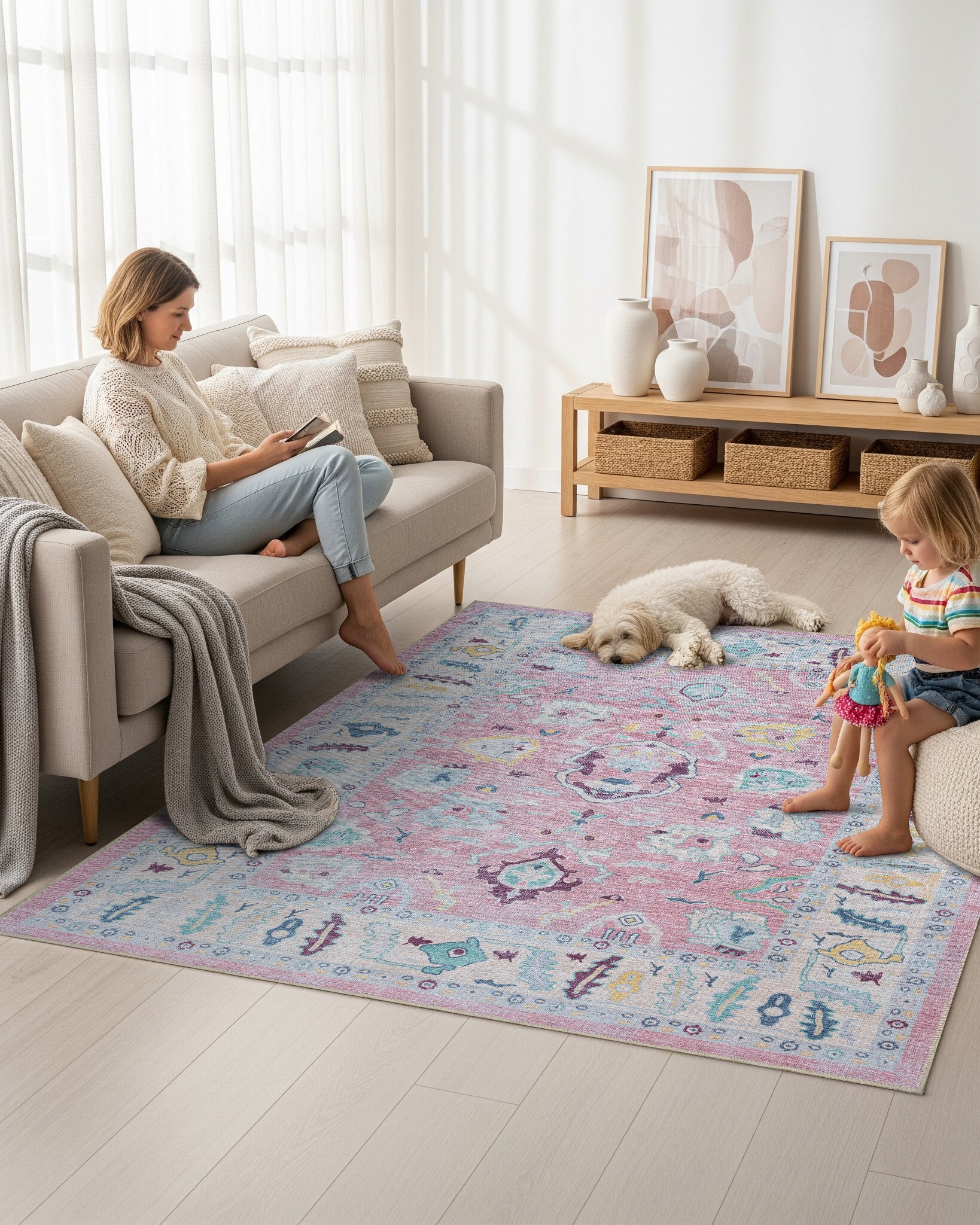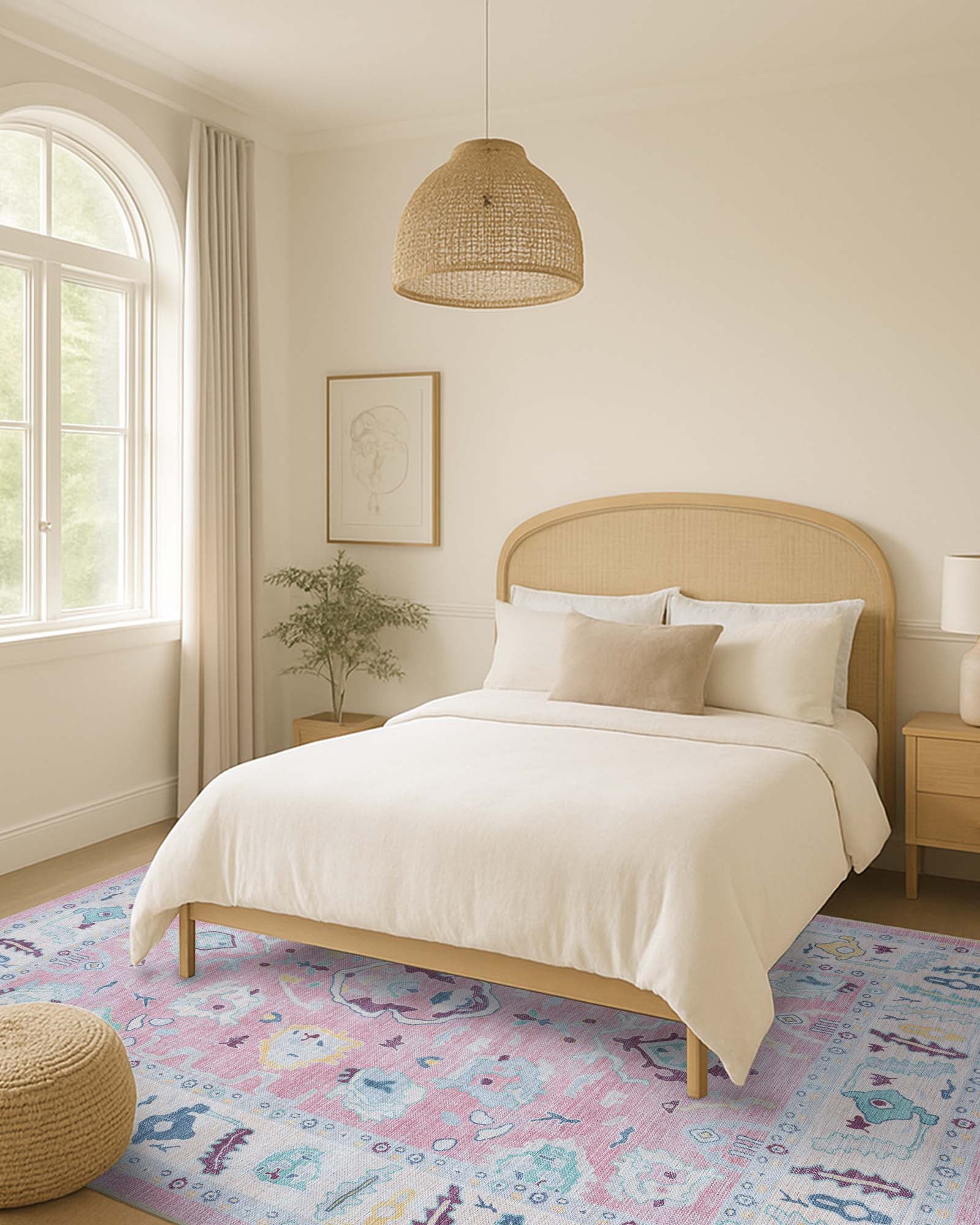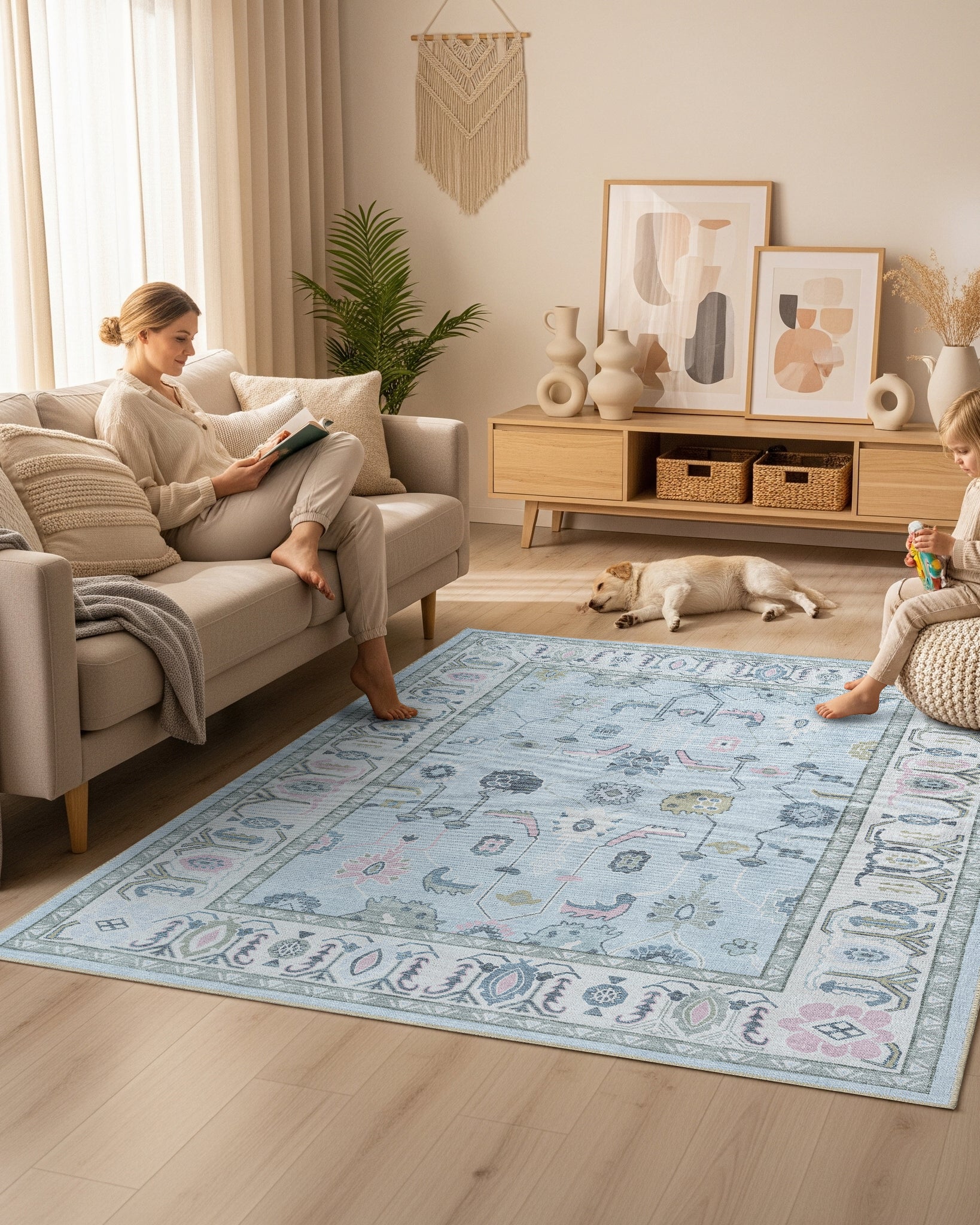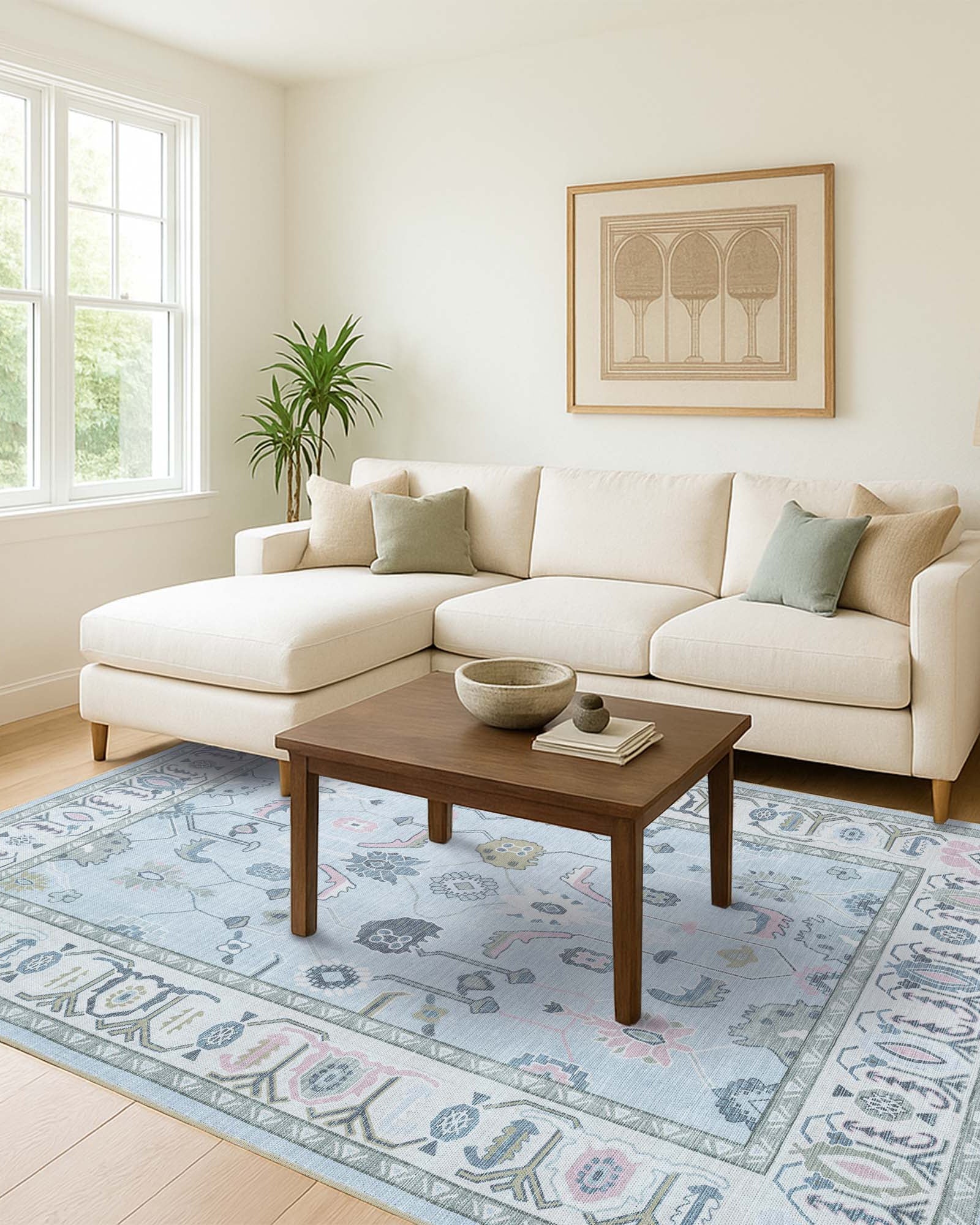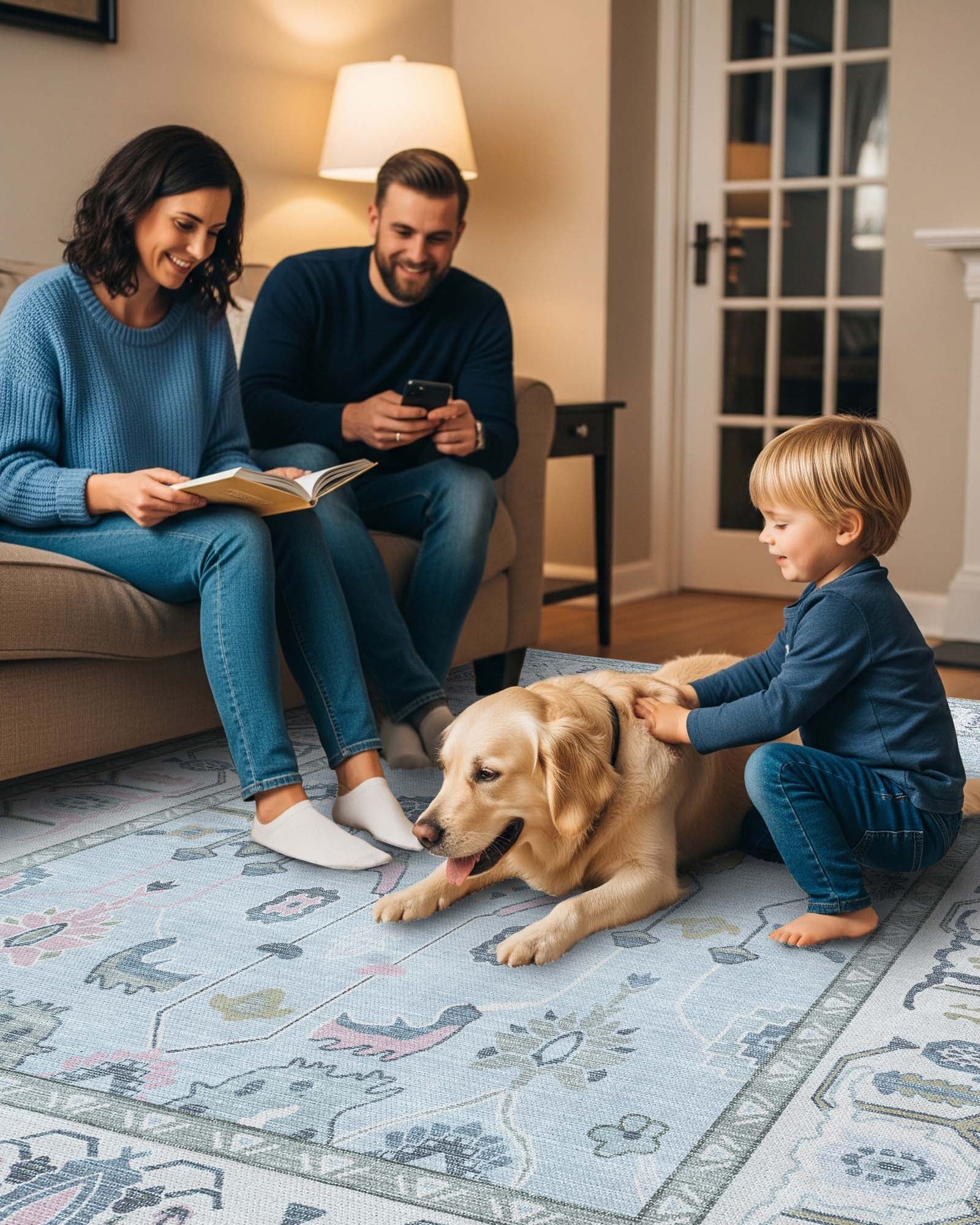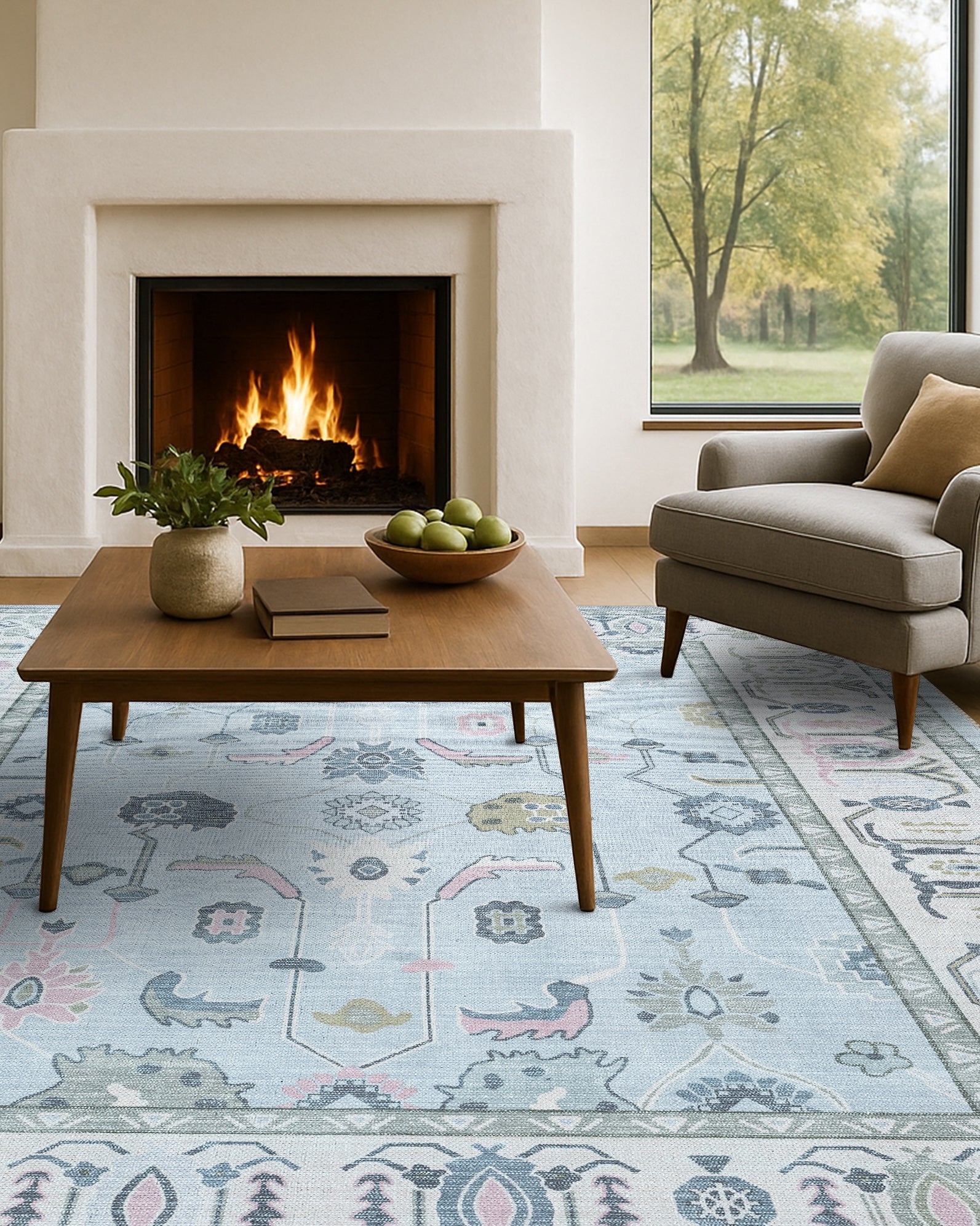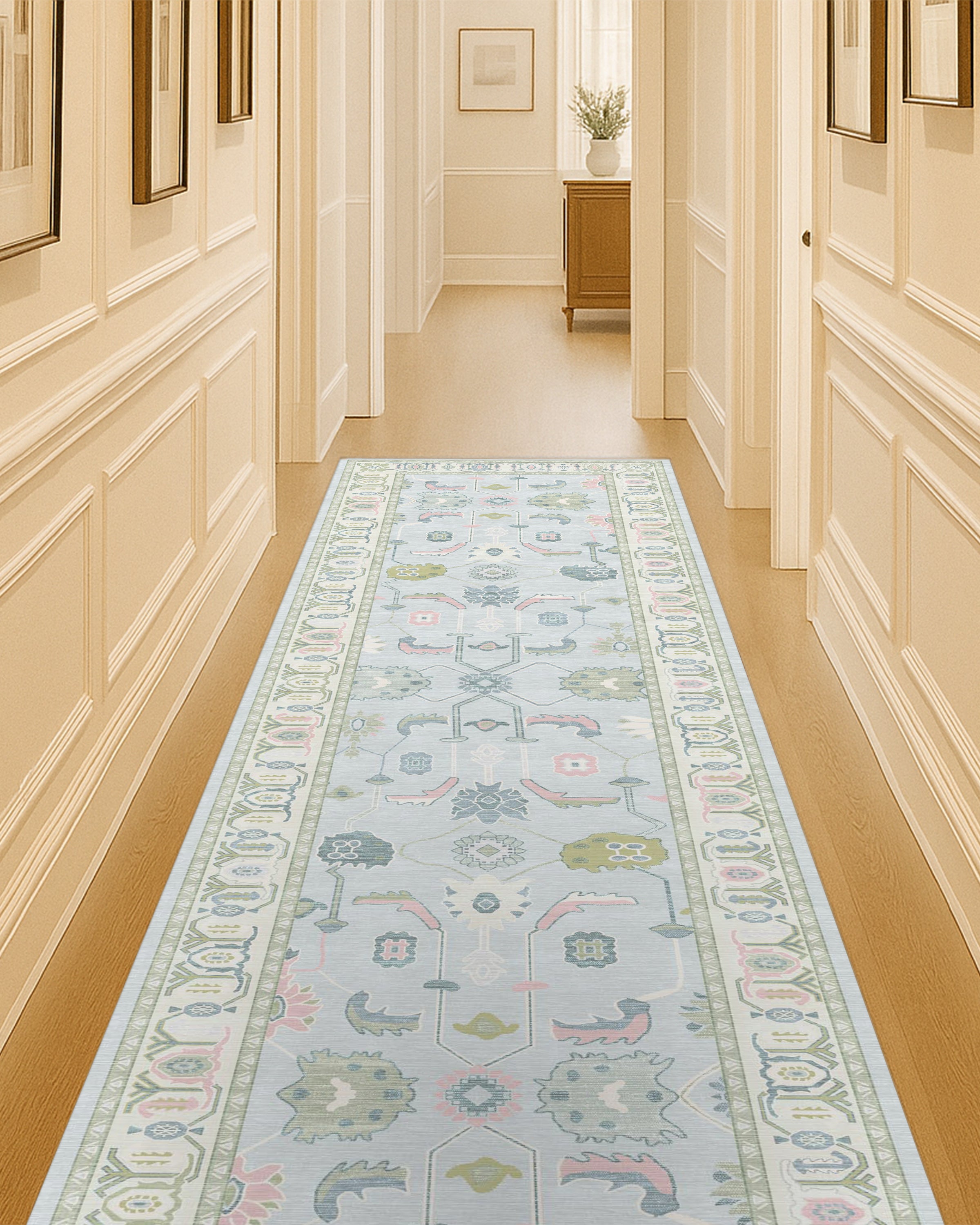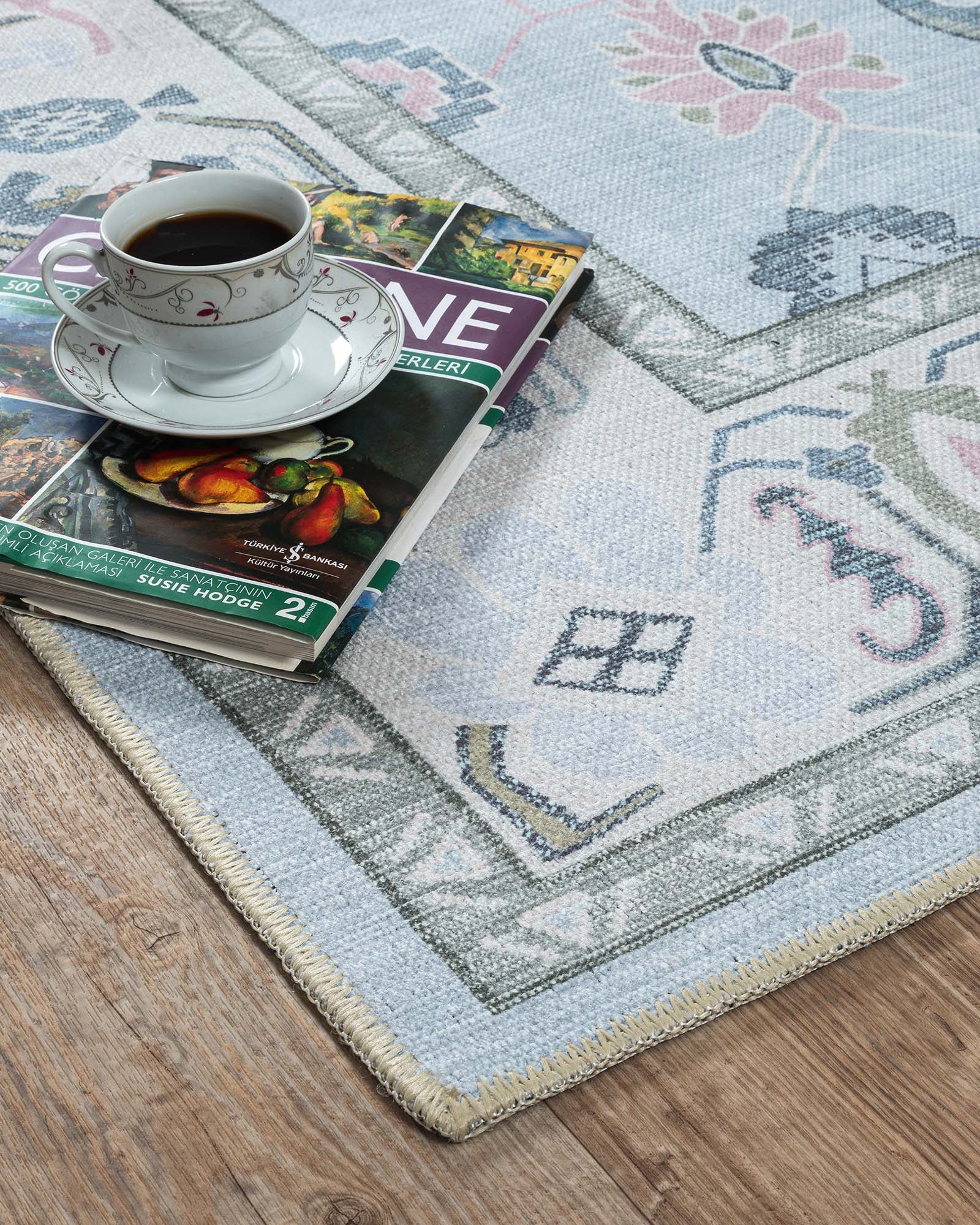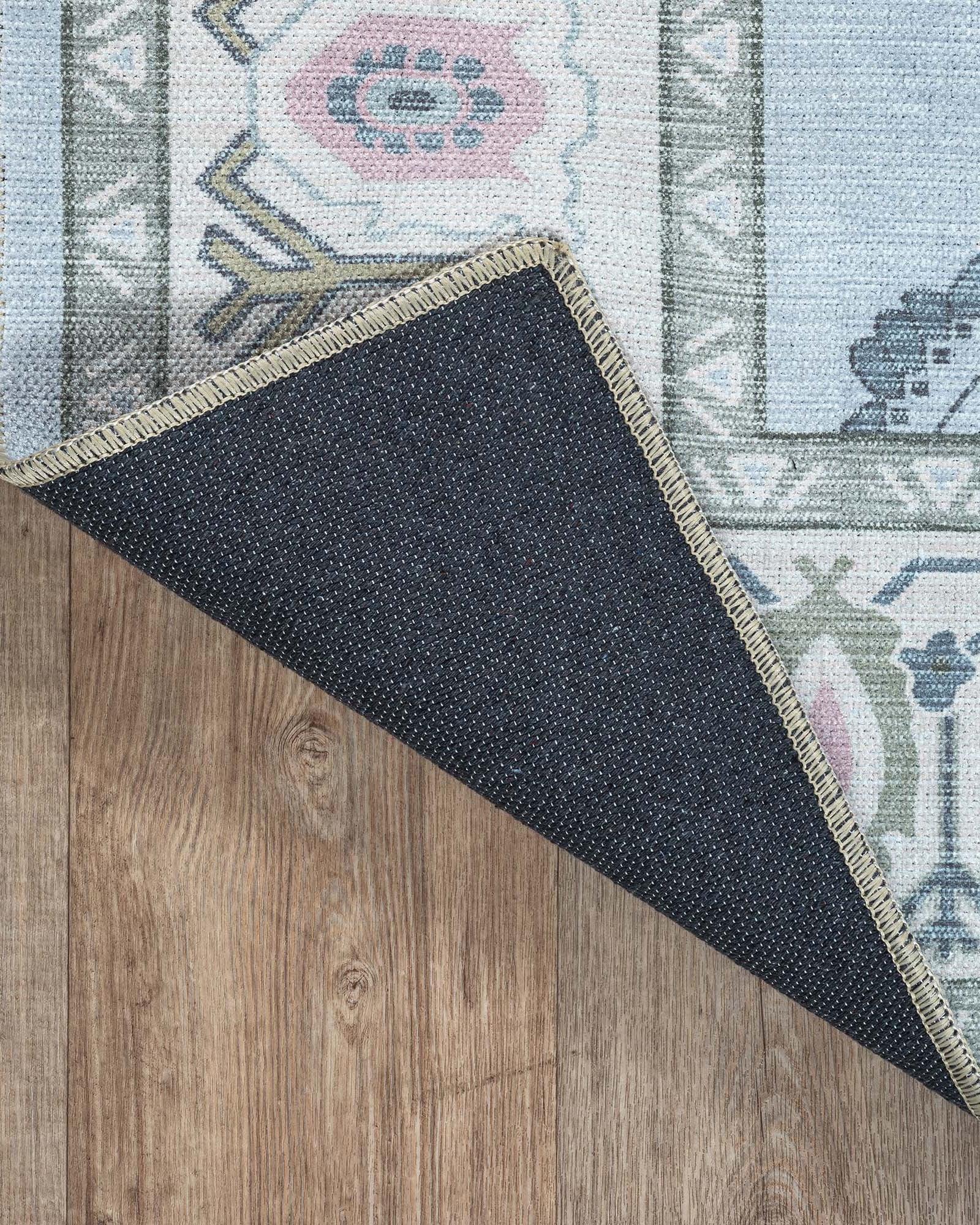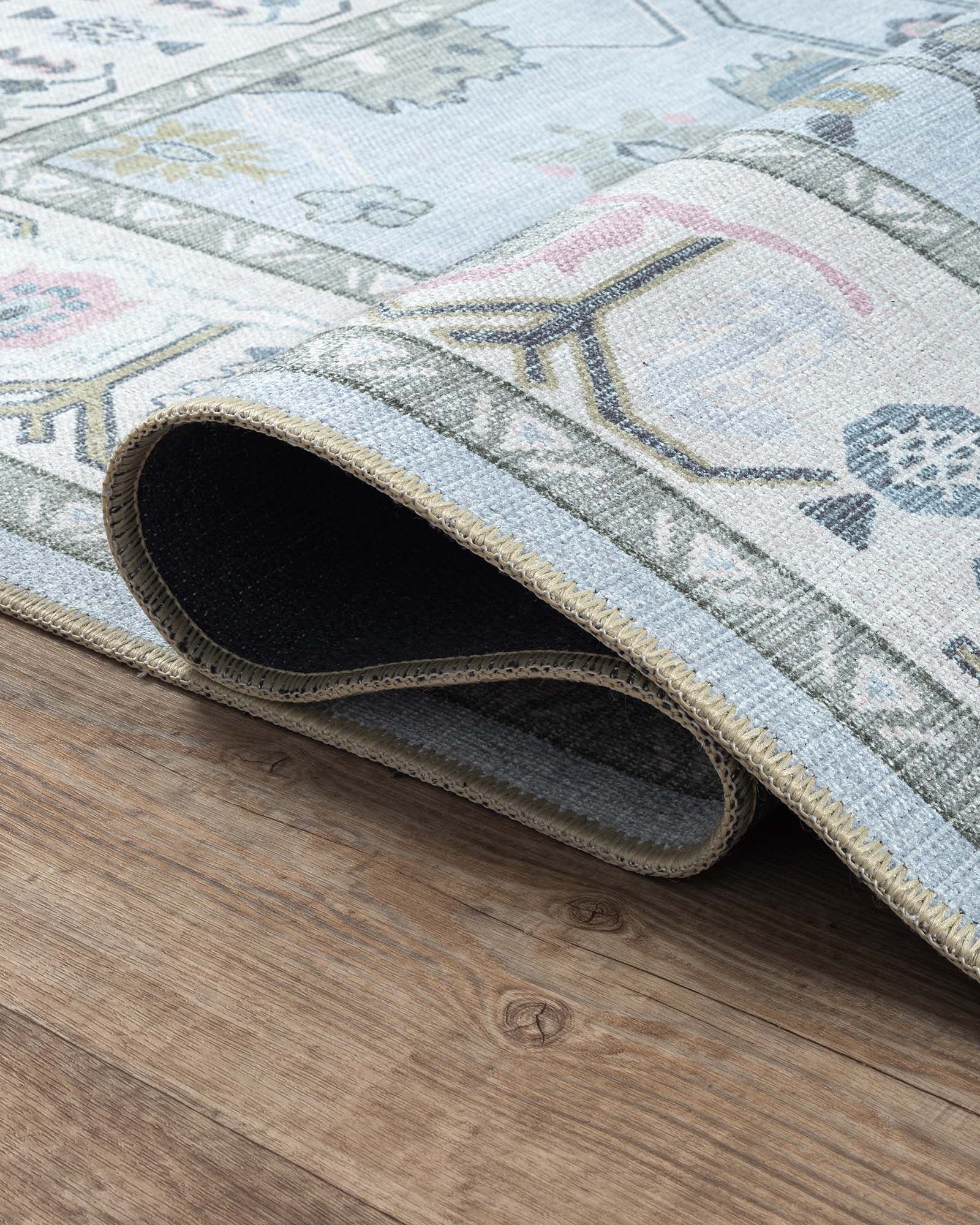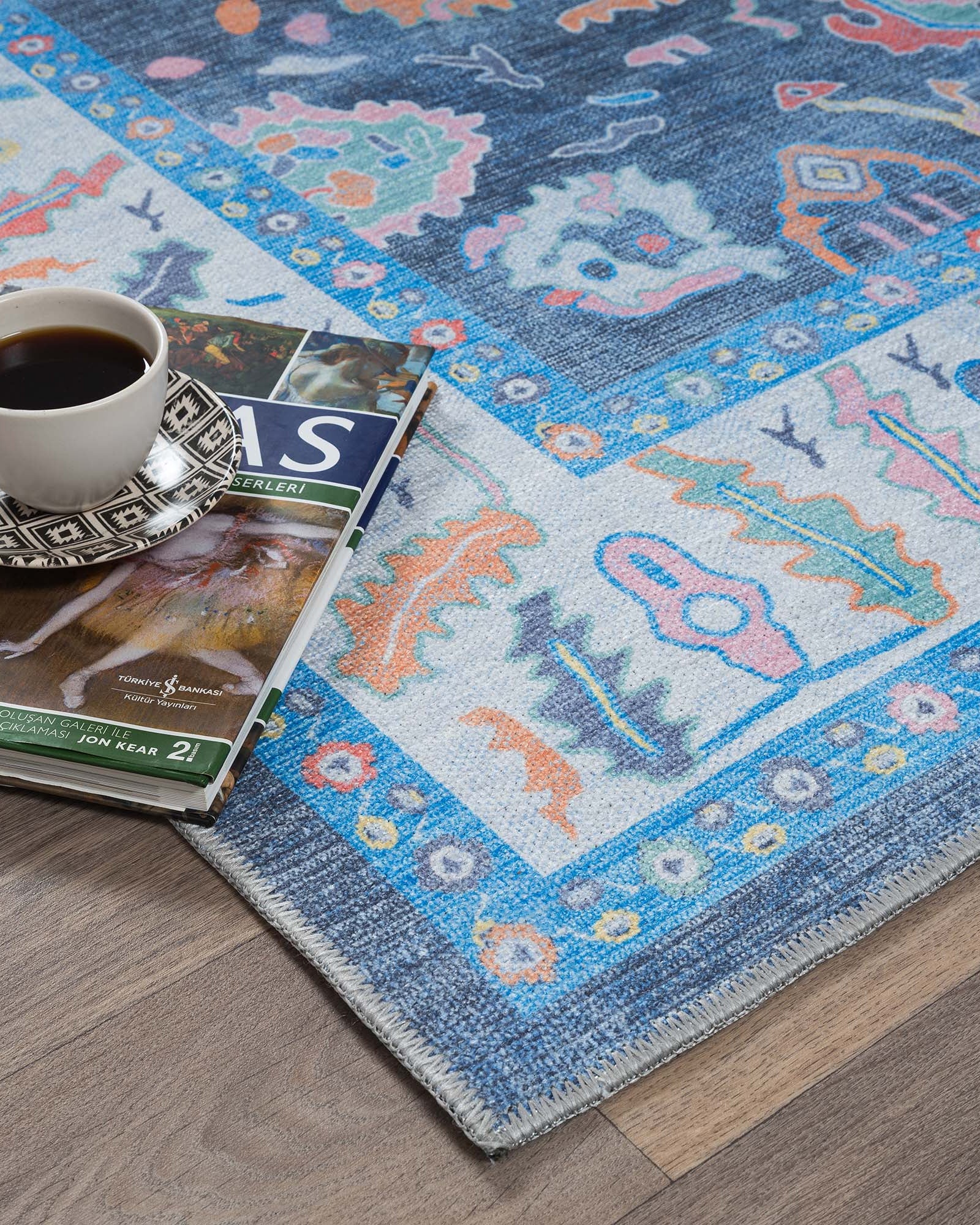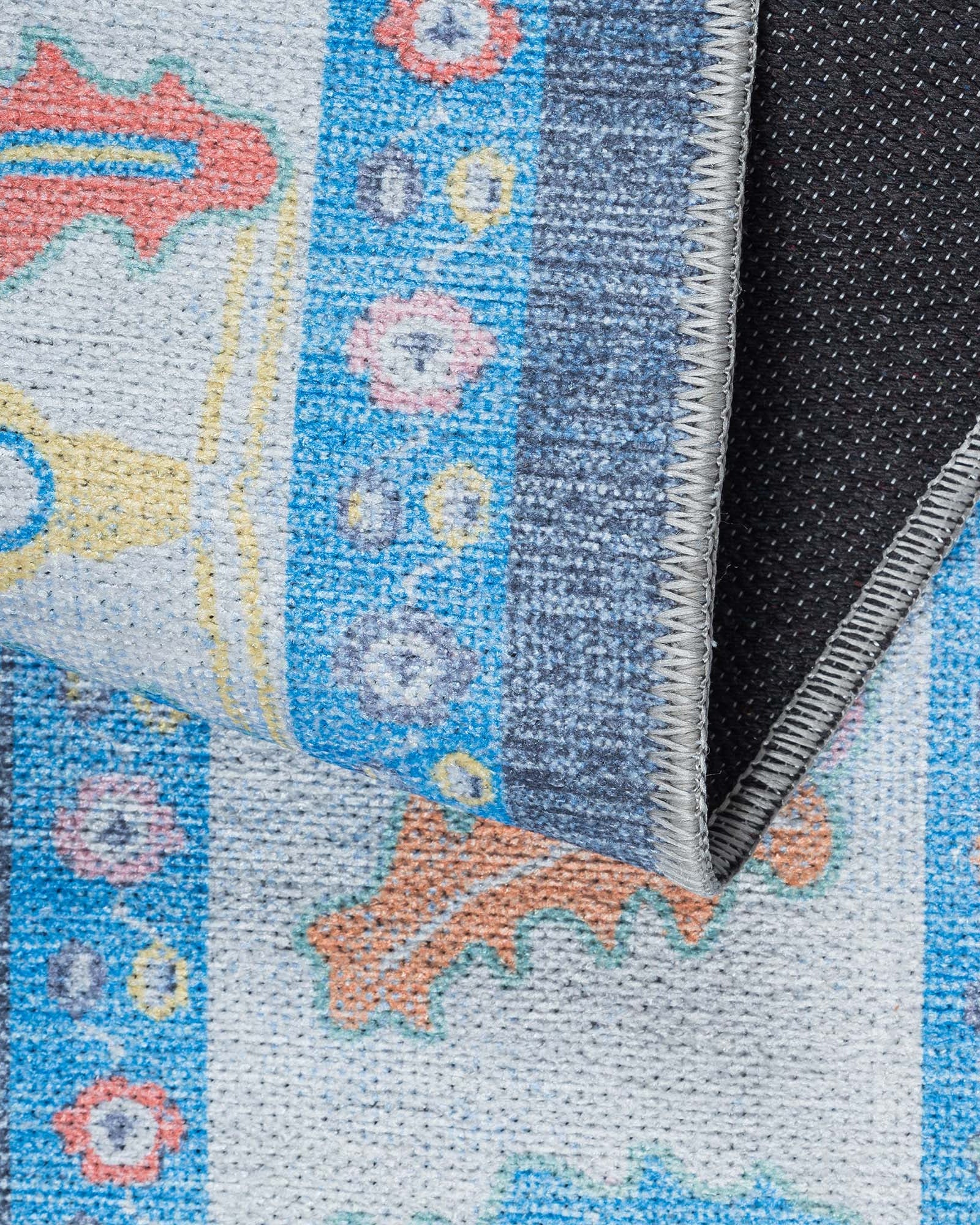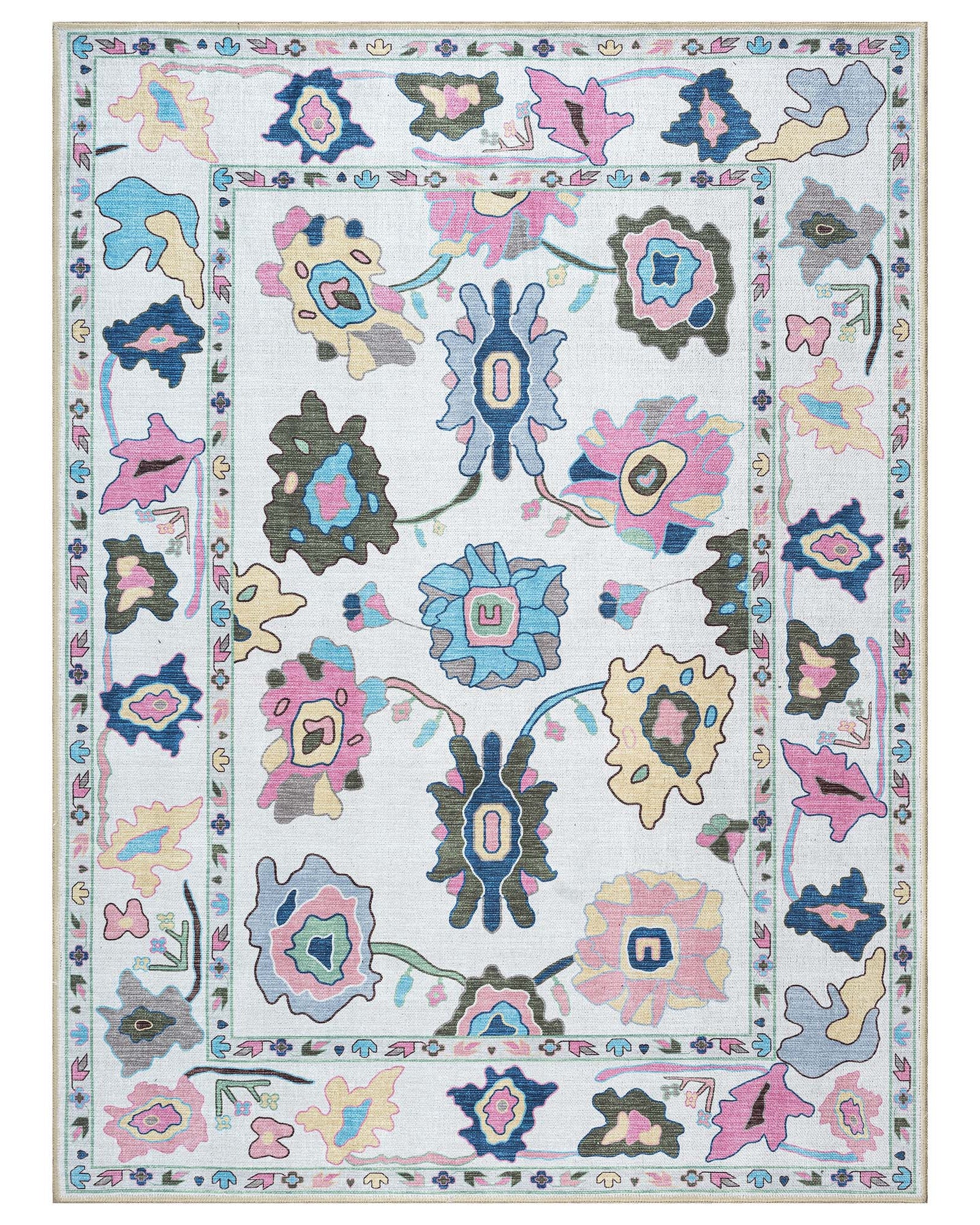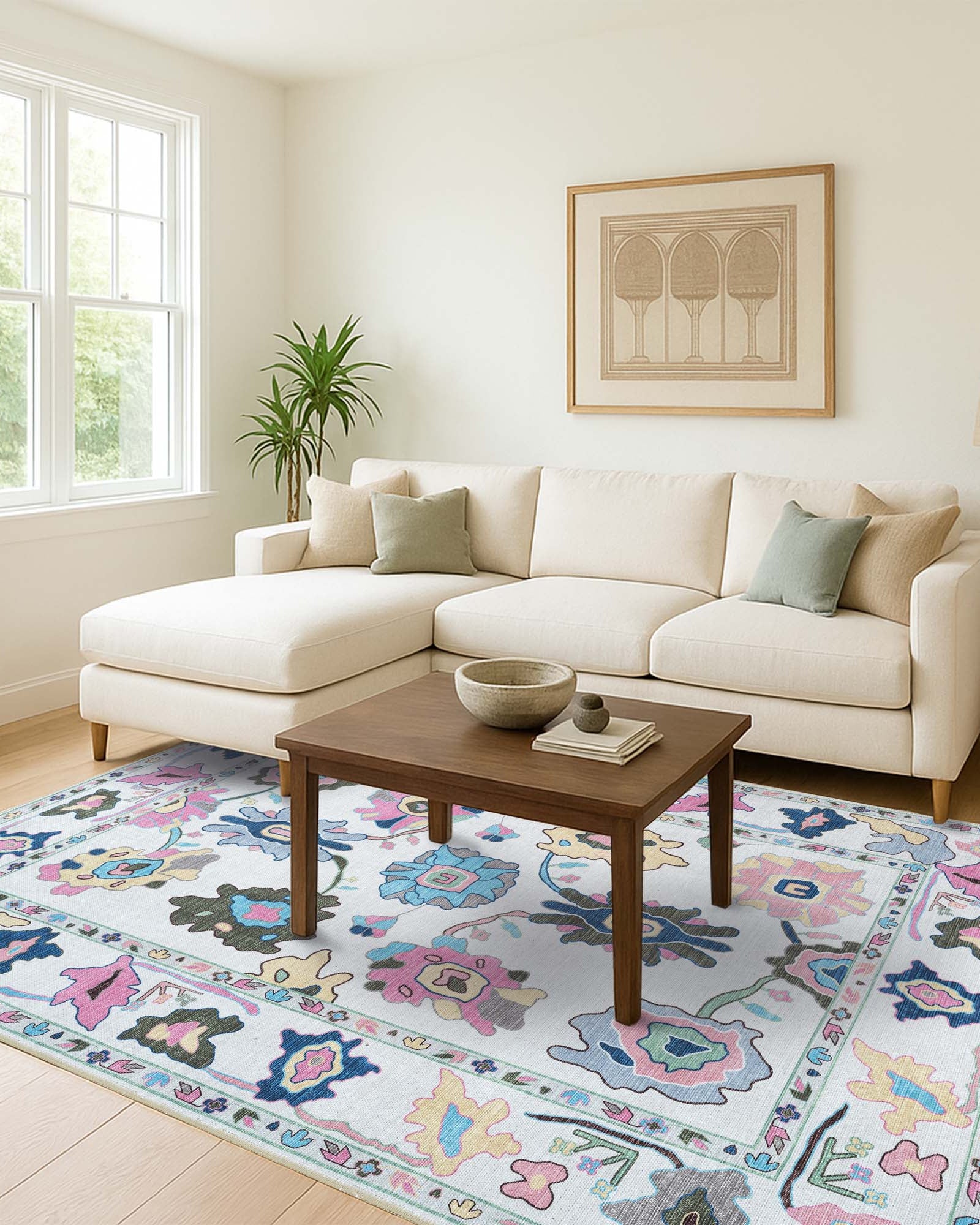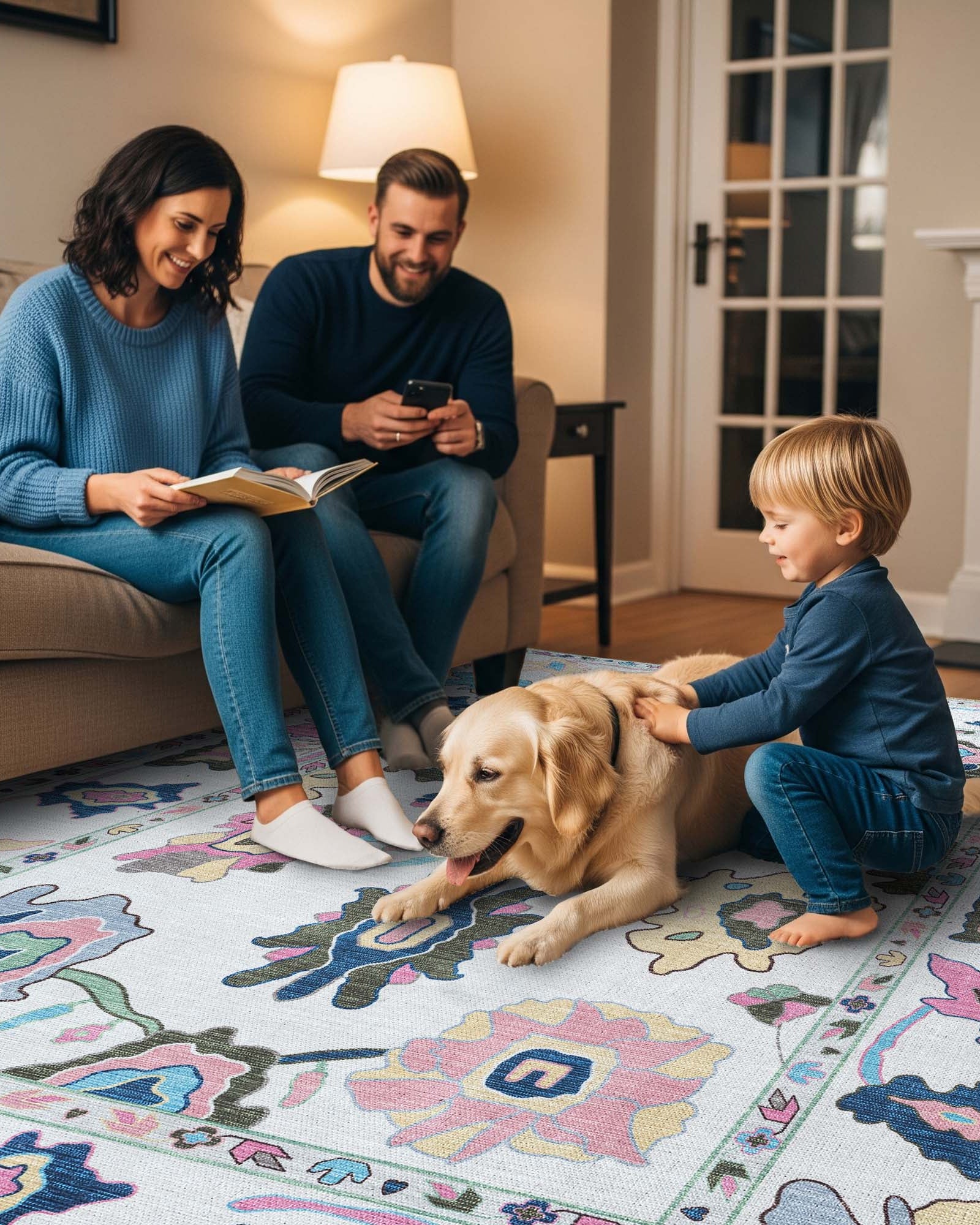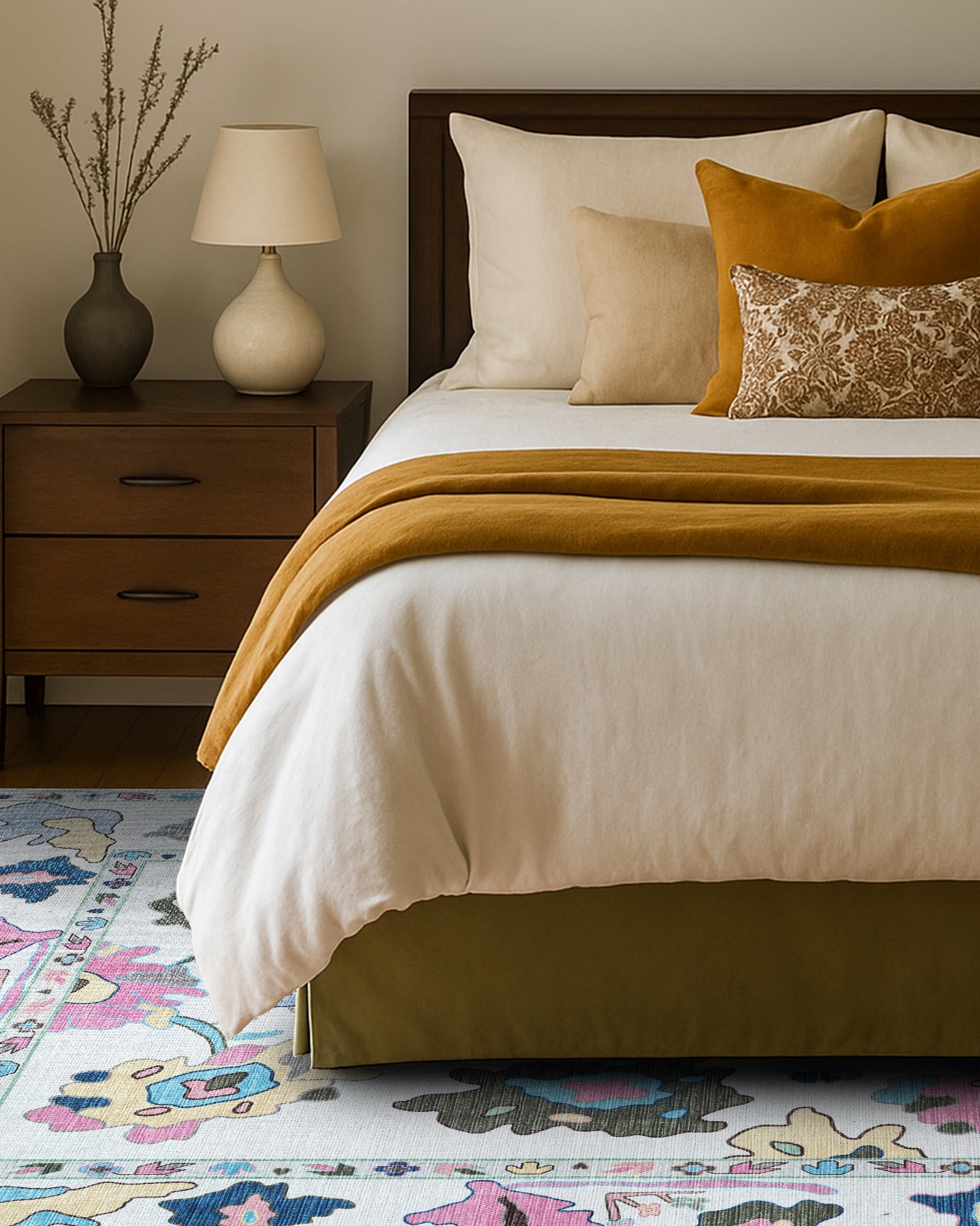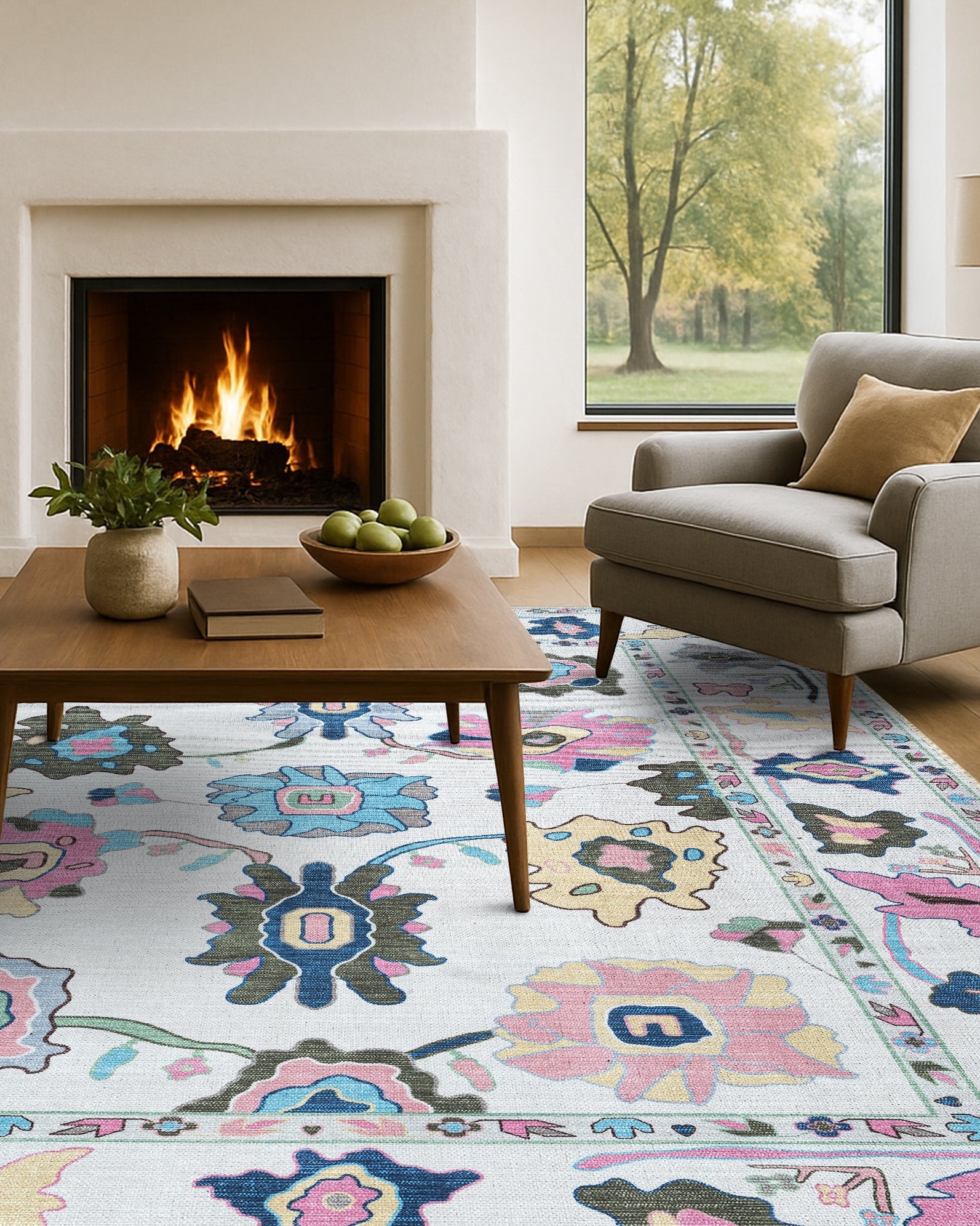






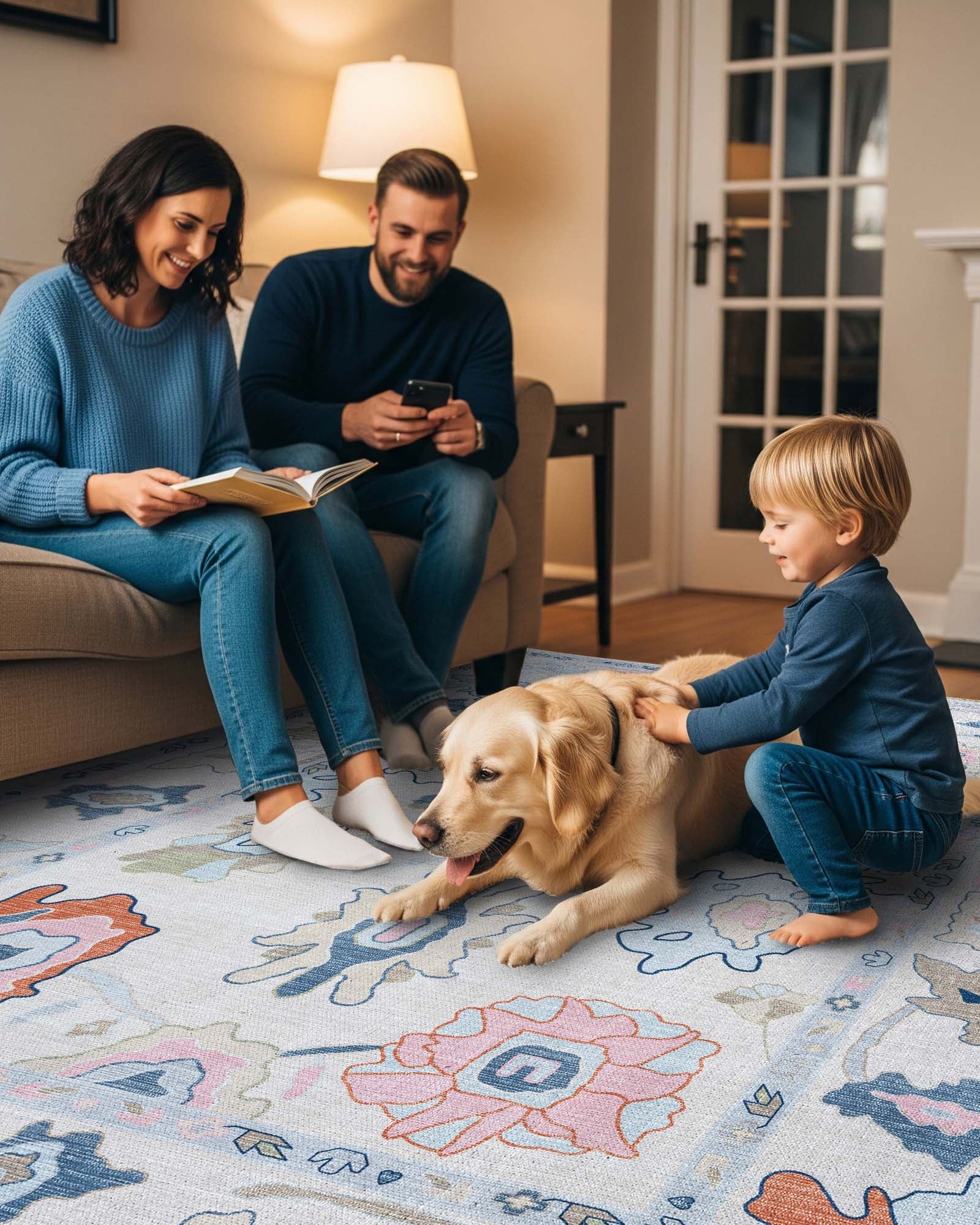
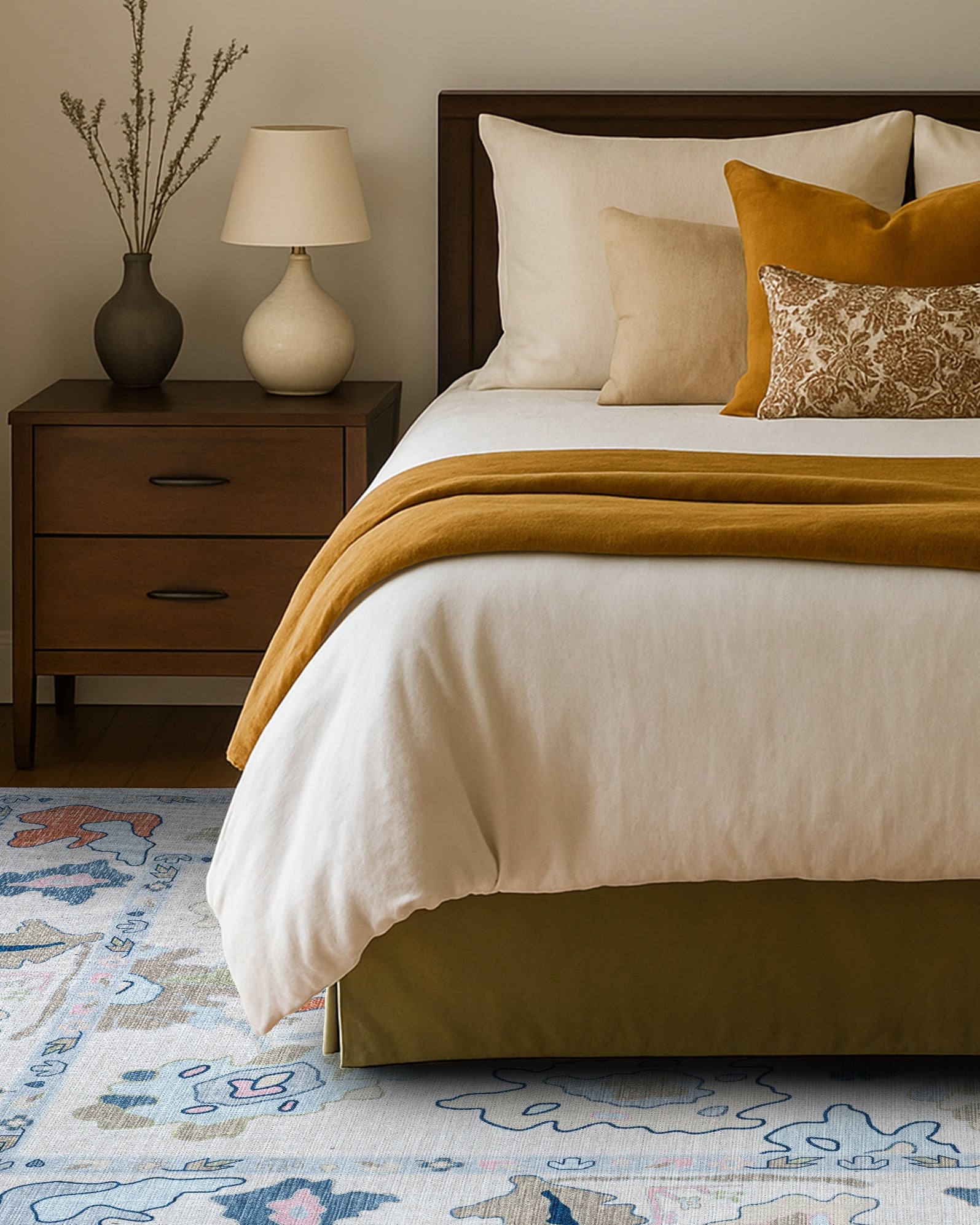
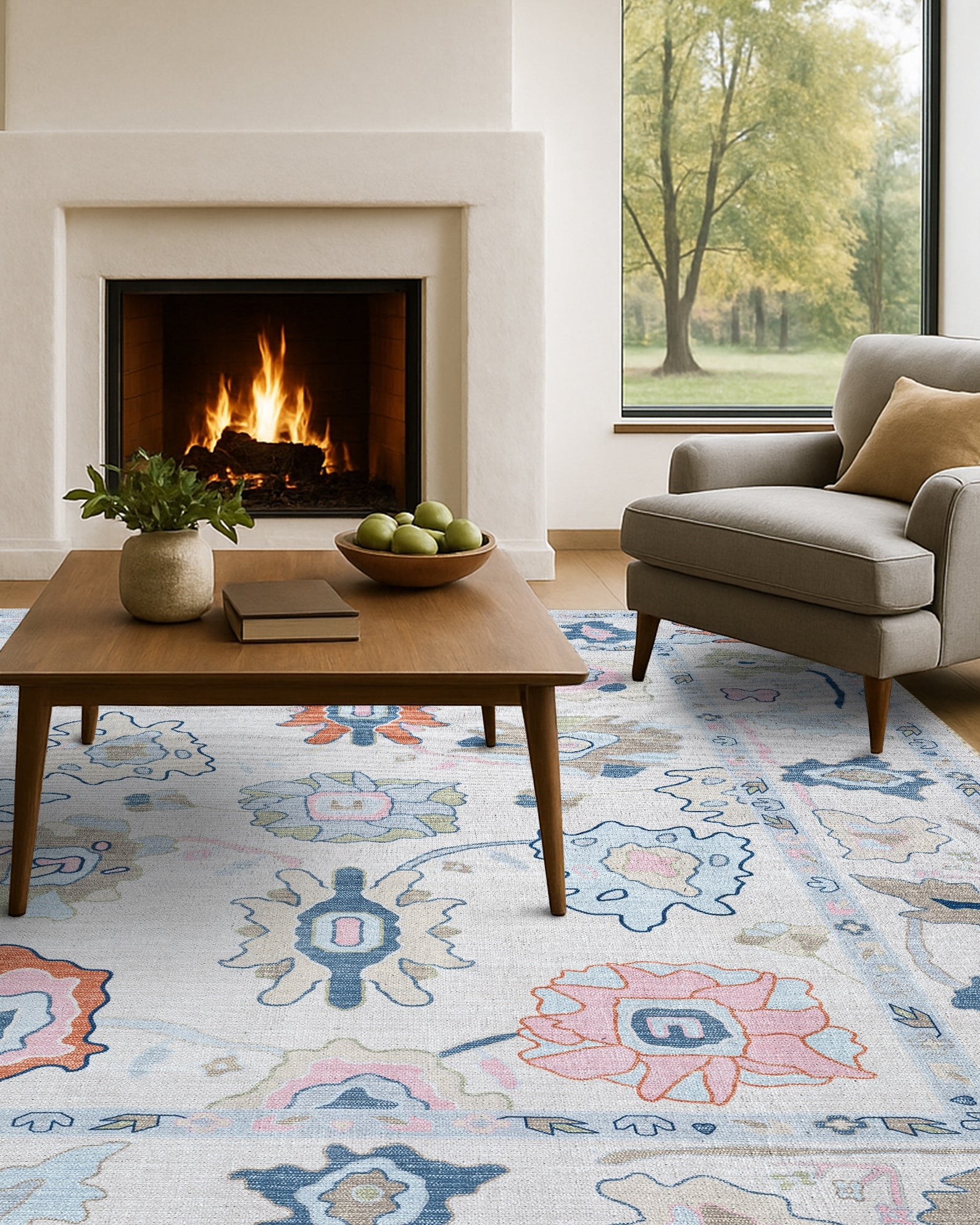

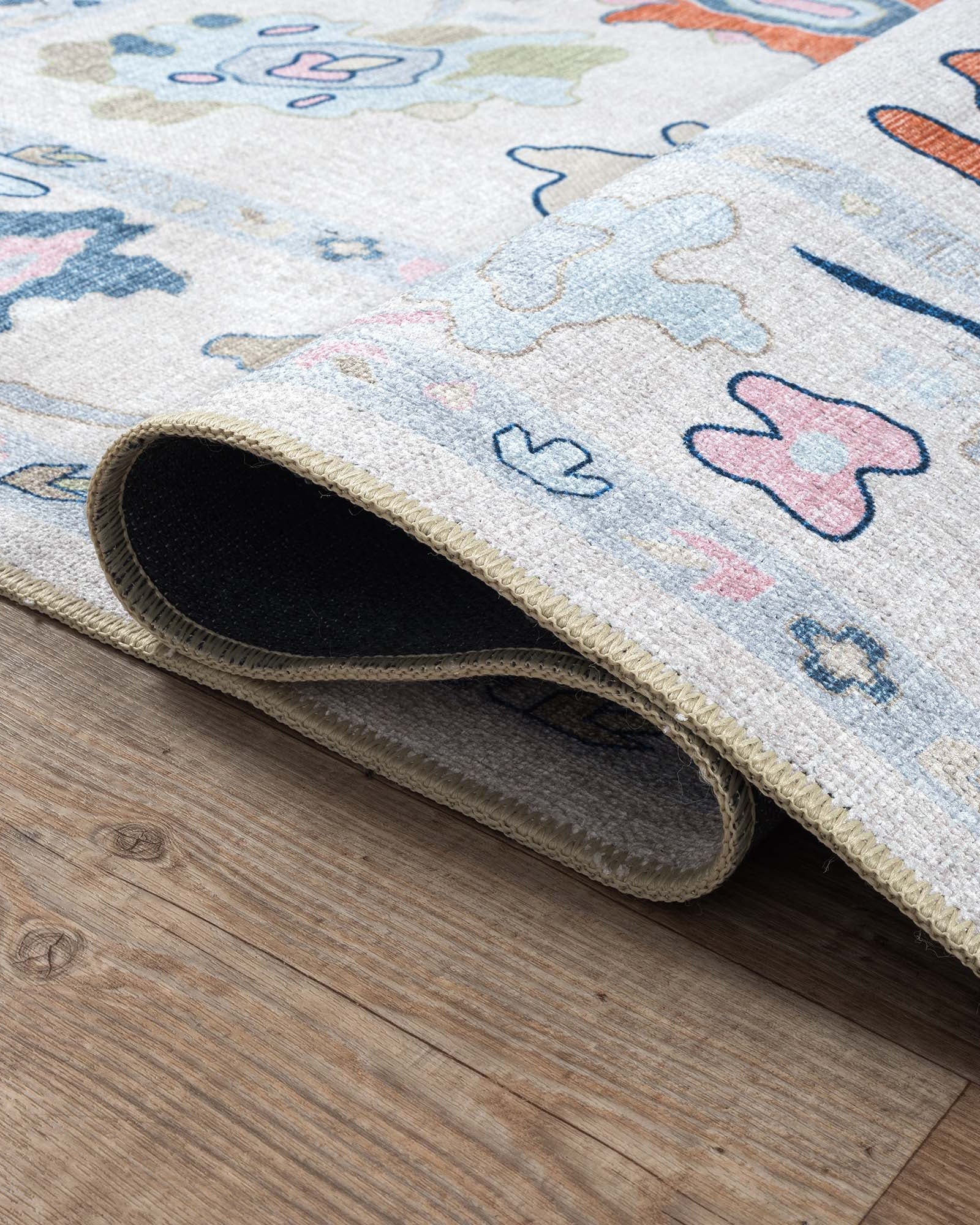
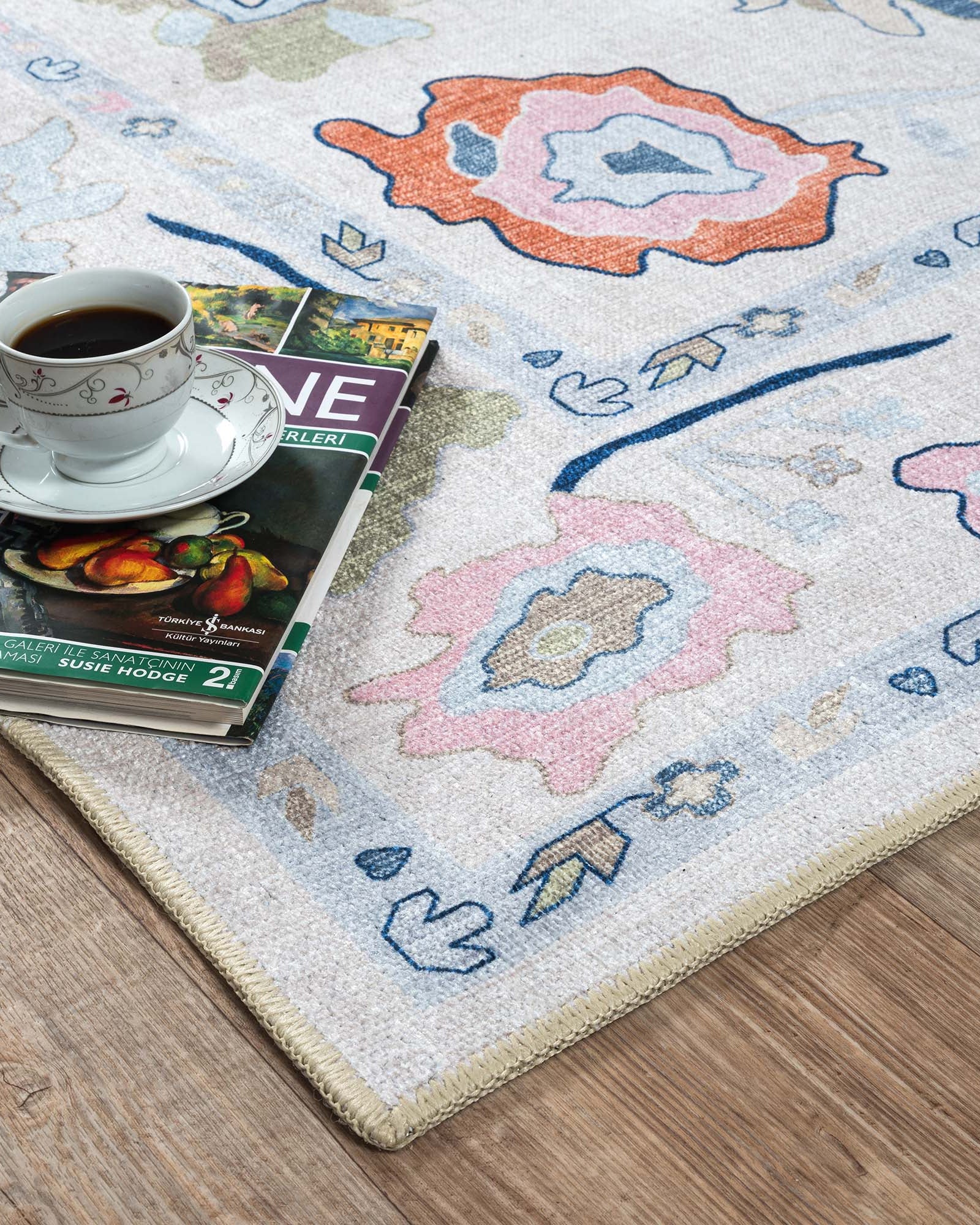
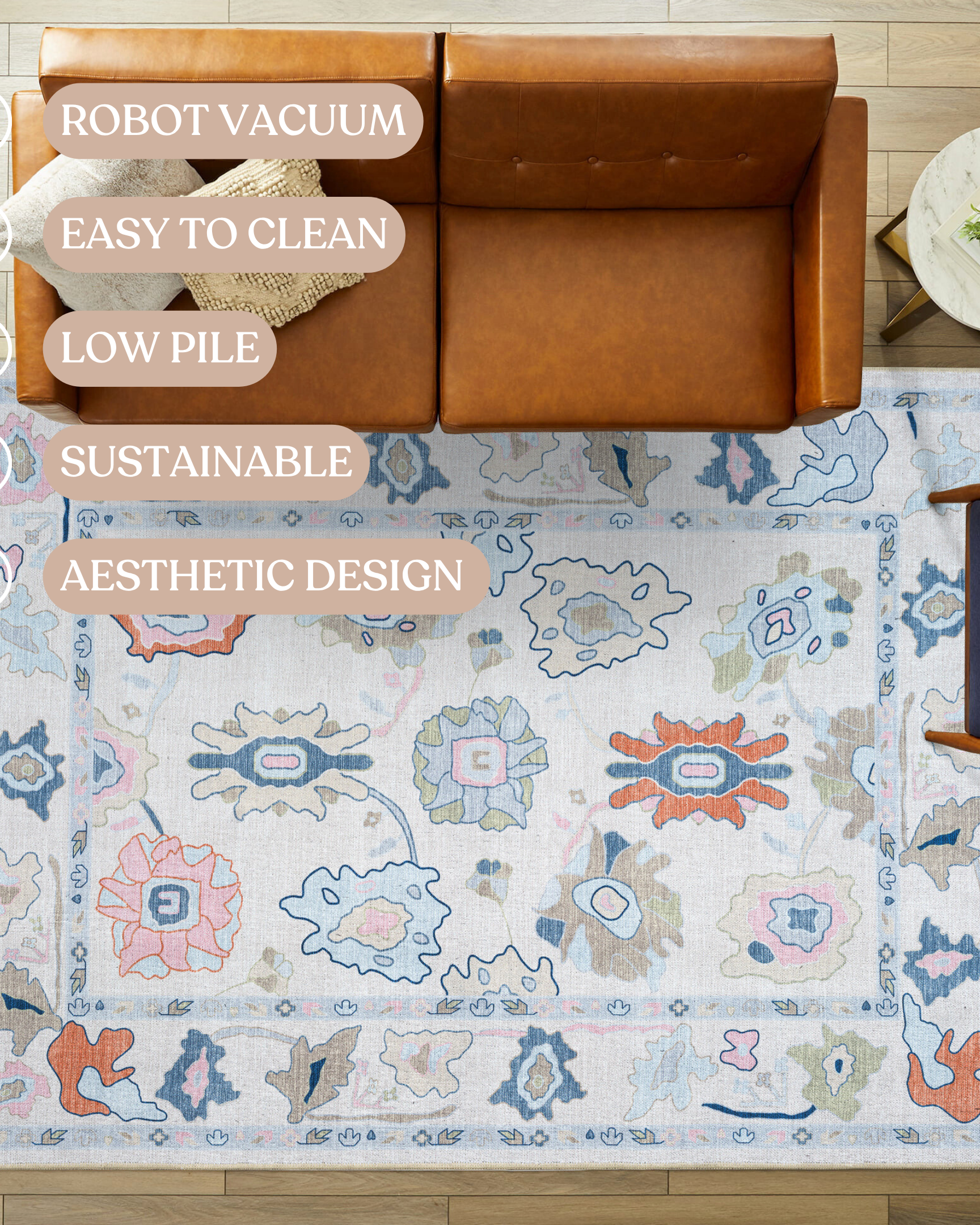


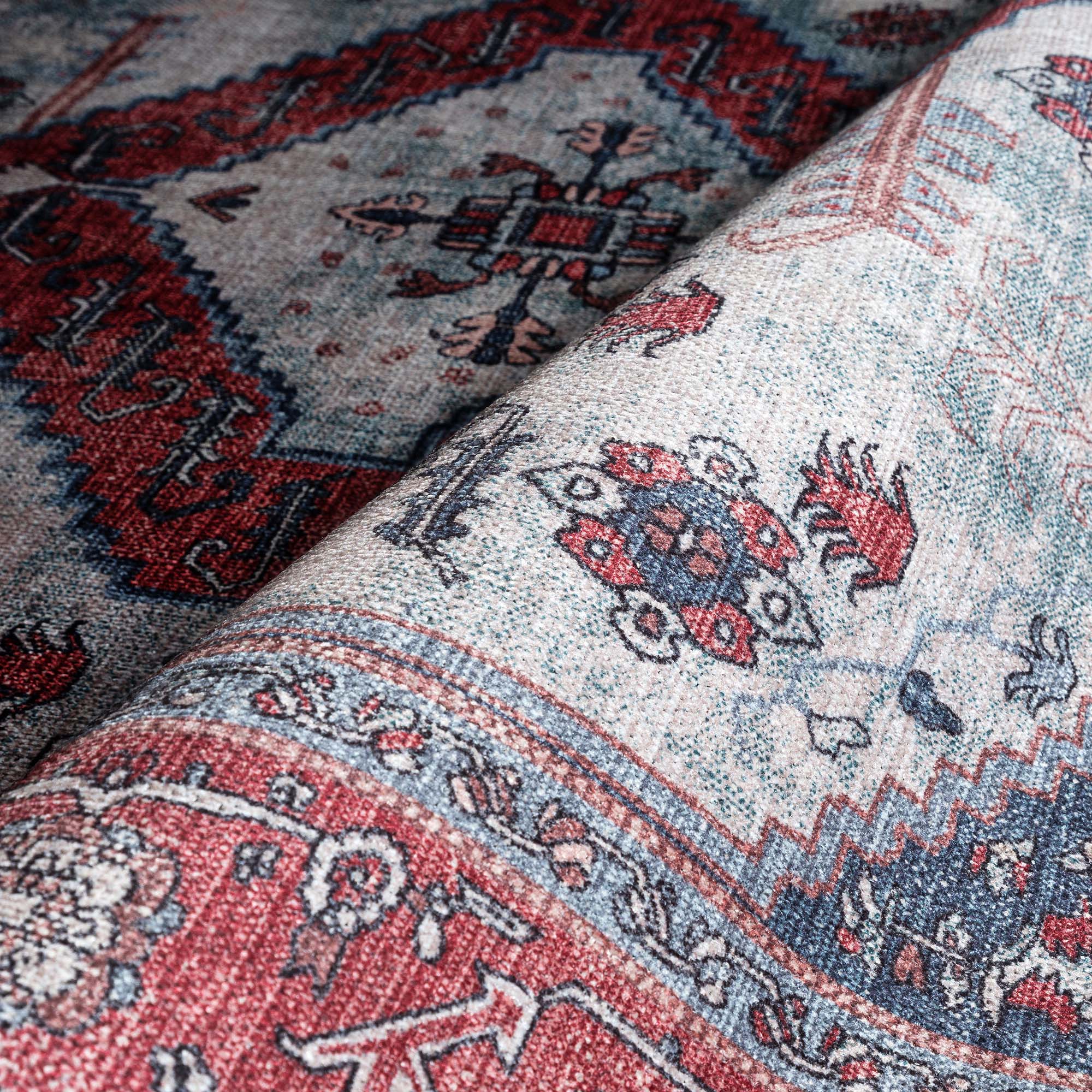





Nott Looped Wool Flatweave Kilim Rug
Color: Nott Looped Wool Flatweave Kilim Rug


 Order today to get by -
Your order should arrive within the estimated delivery window if placed today. Delivery times may vary depending on your location, rug size, and carrier transit times. Our estimates consider shipping history, processing times, and destination details.
Order today to get by -
Your order should arrive within the estimated delivery window if placed today. Delivery times may vary depending on your location, rug size, and carrier transit times. Our estimates consider shipping history, processing times, and destination details.
Details
- Sustainable
- Natural Fiber
- Upcycled
- Handmade
- Vintage
- Ready to Ship
- Only One Made
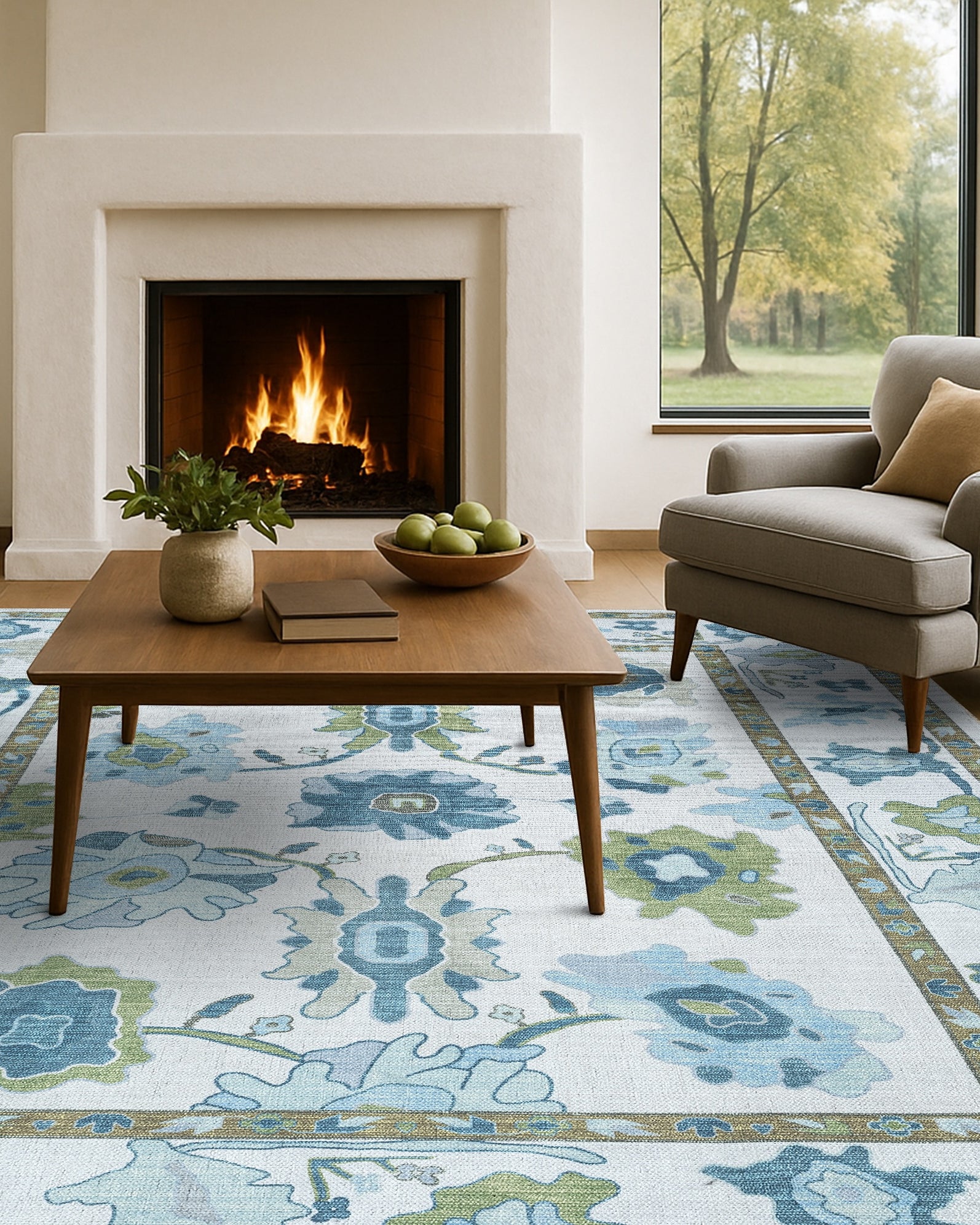
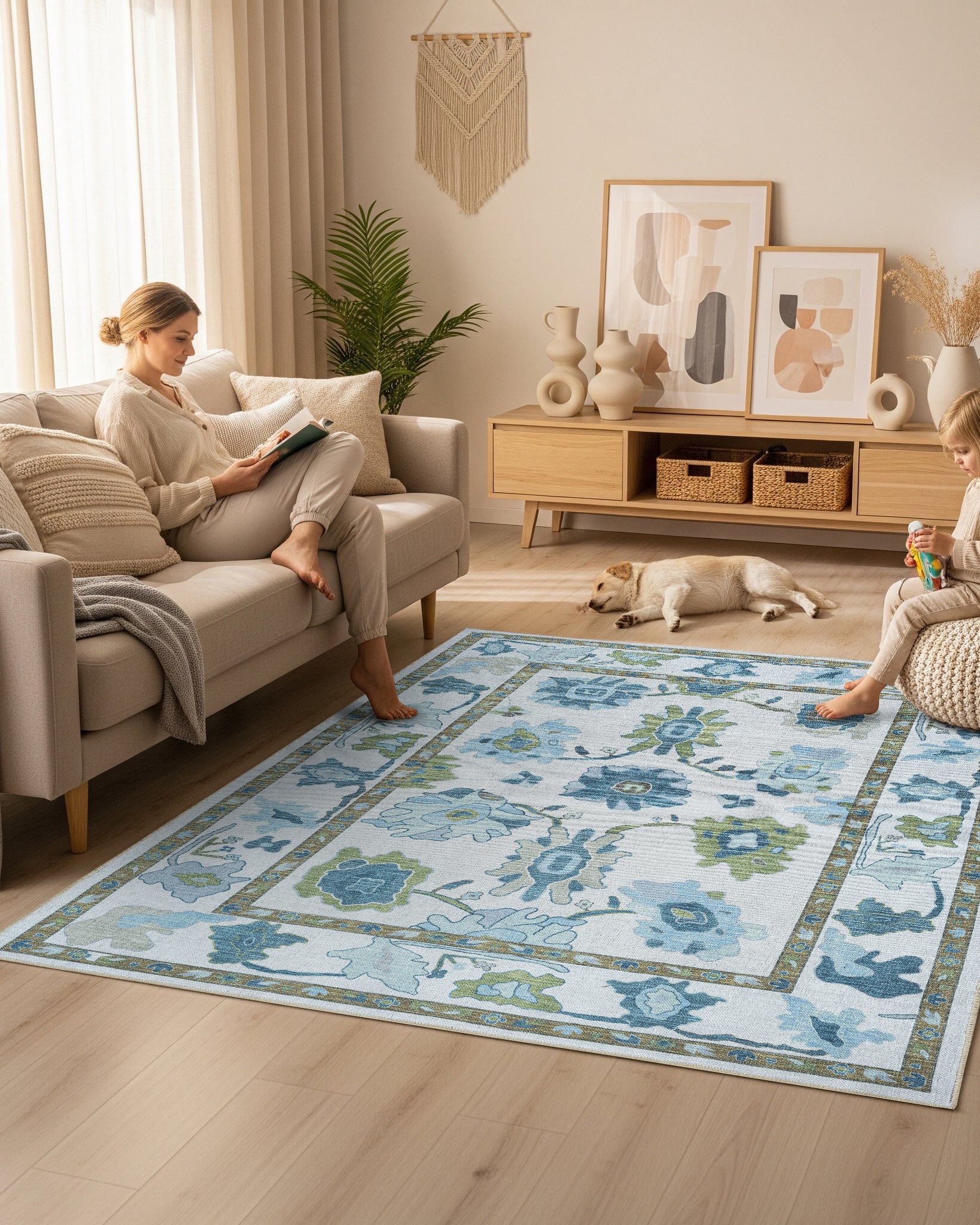
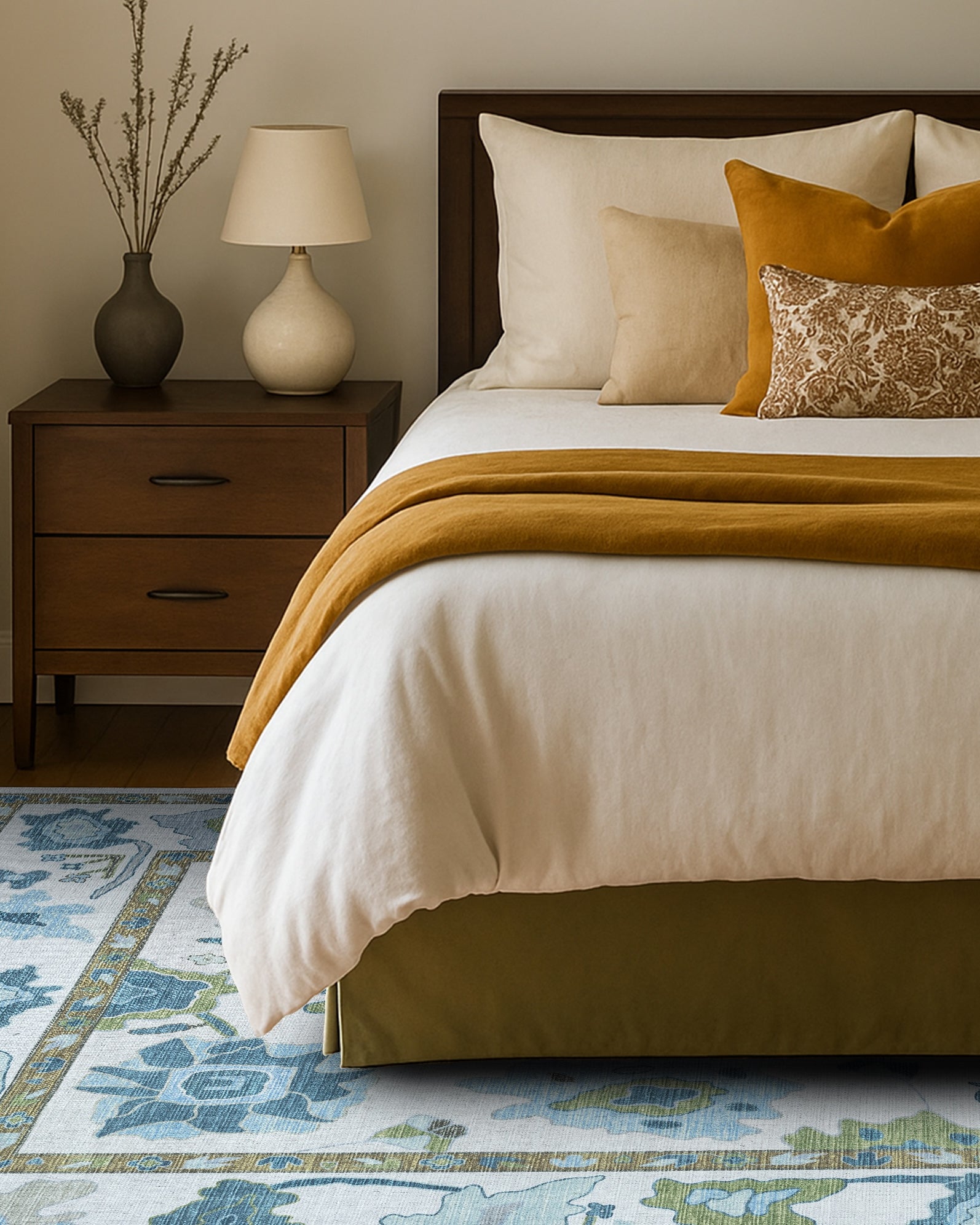
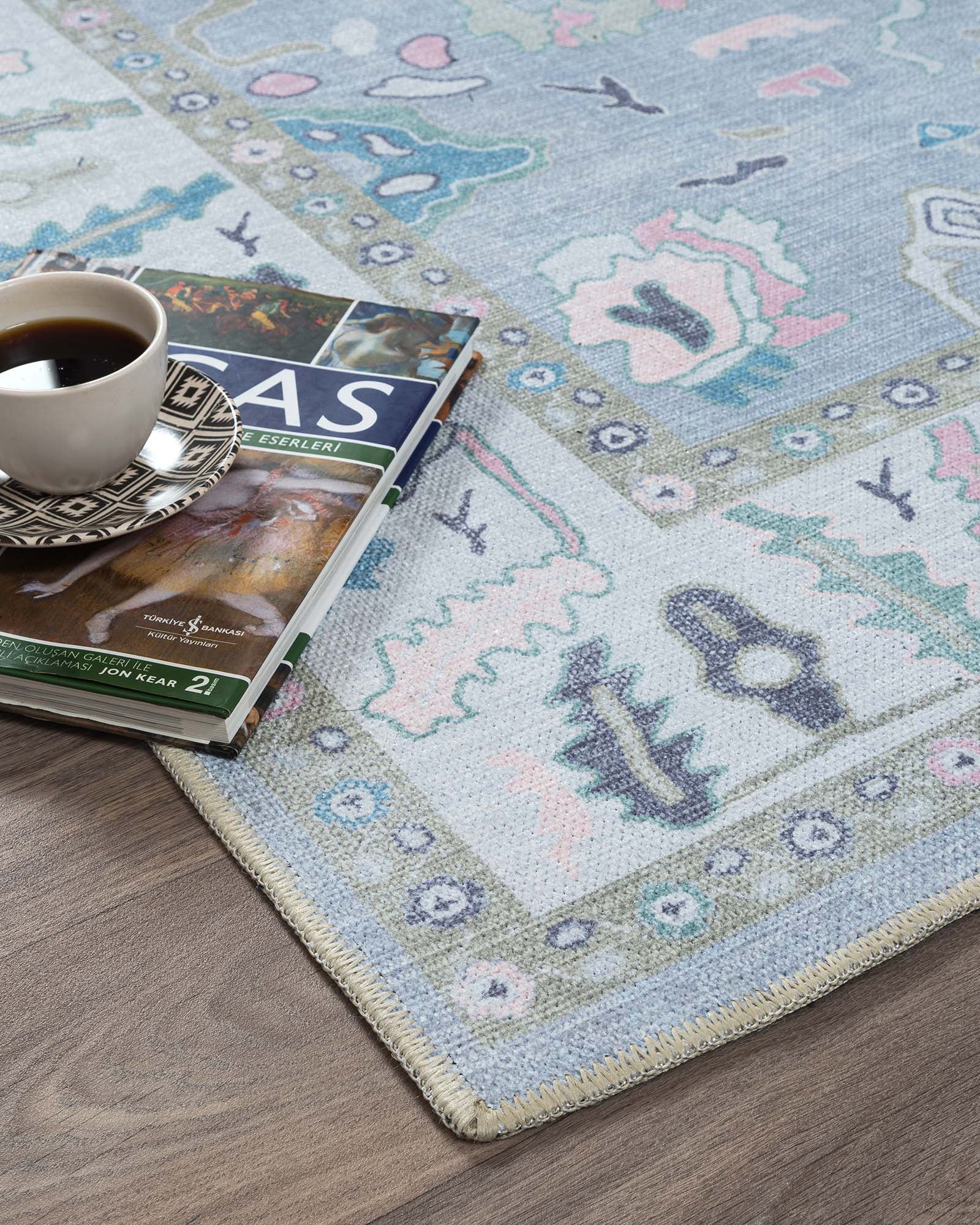
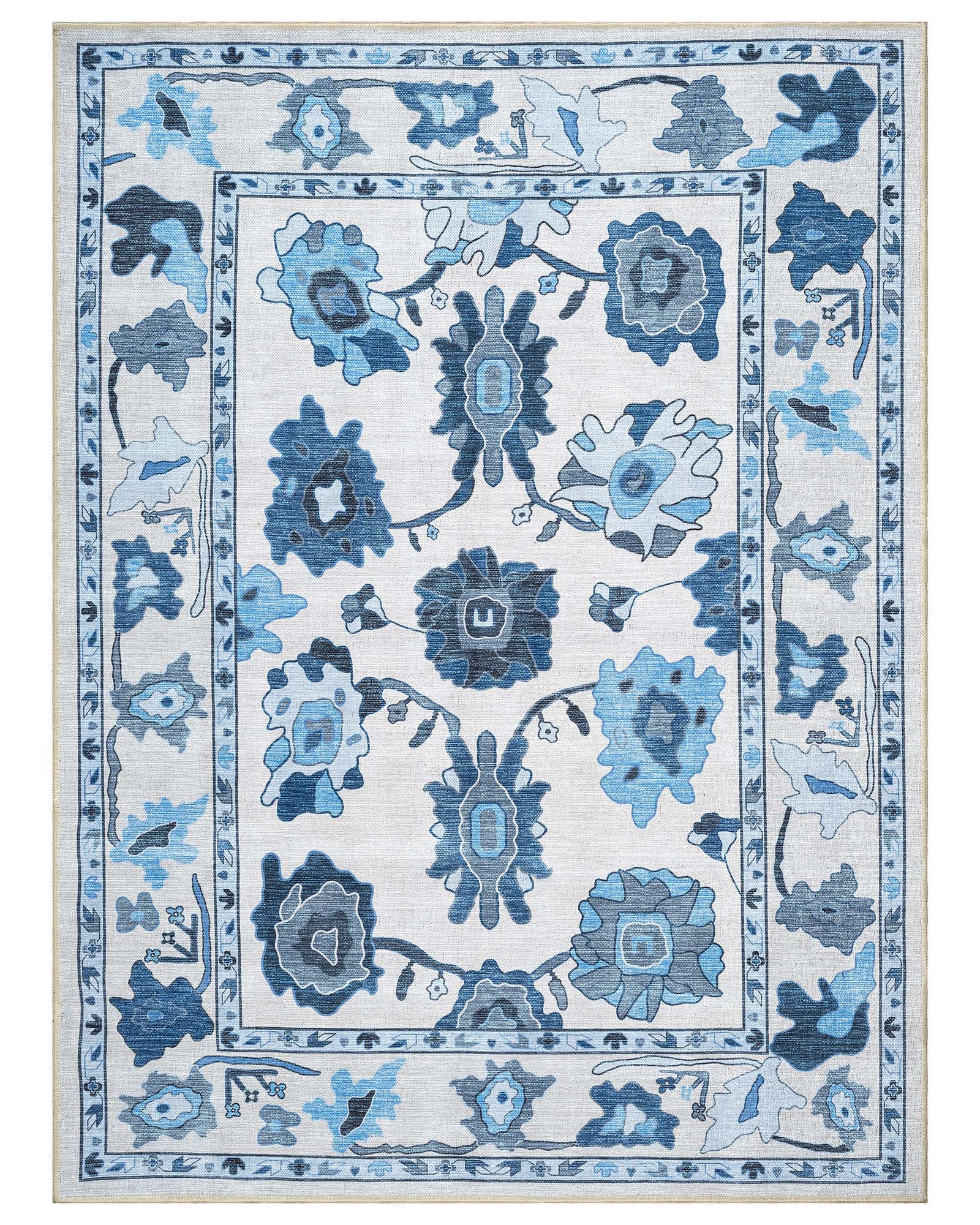
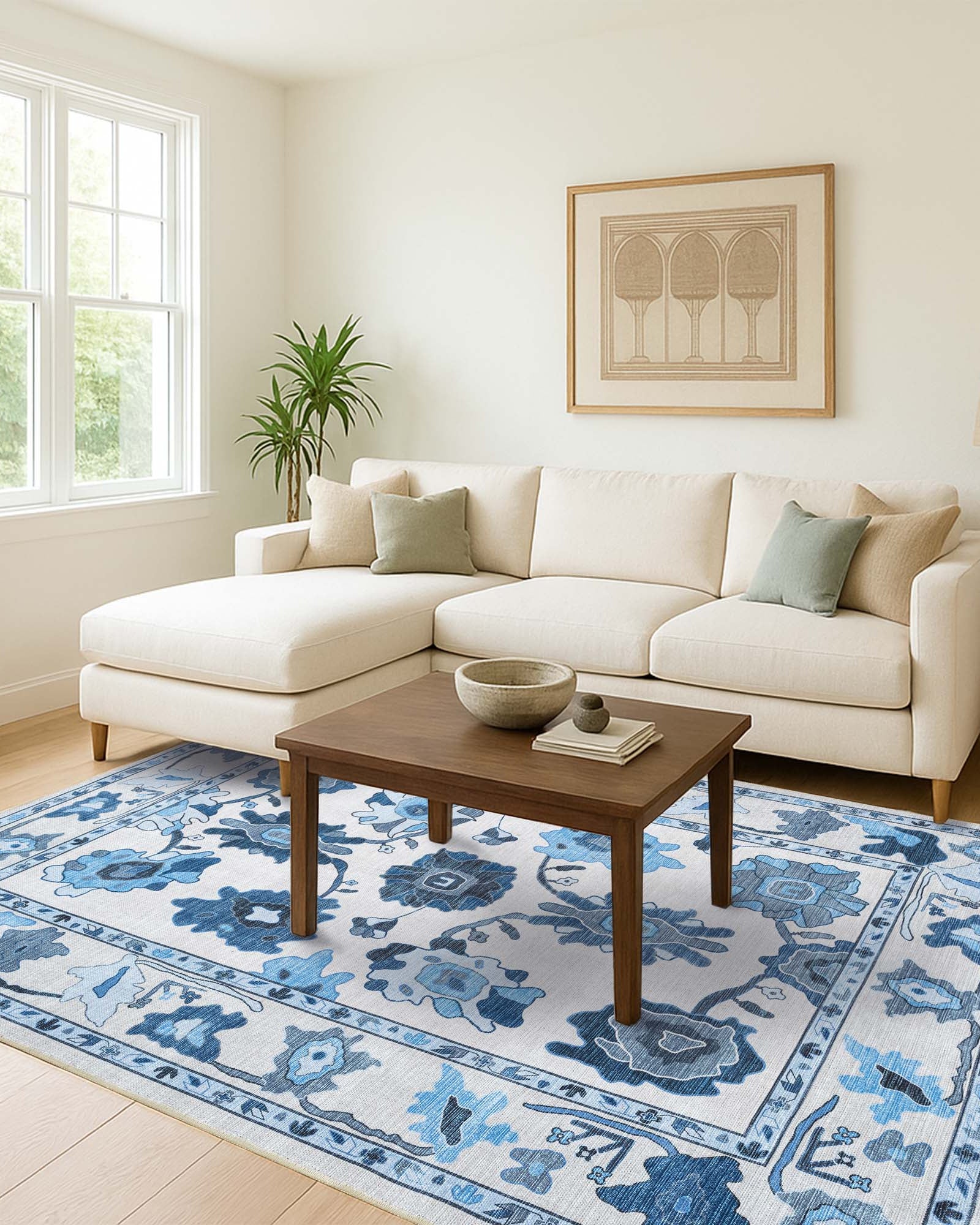
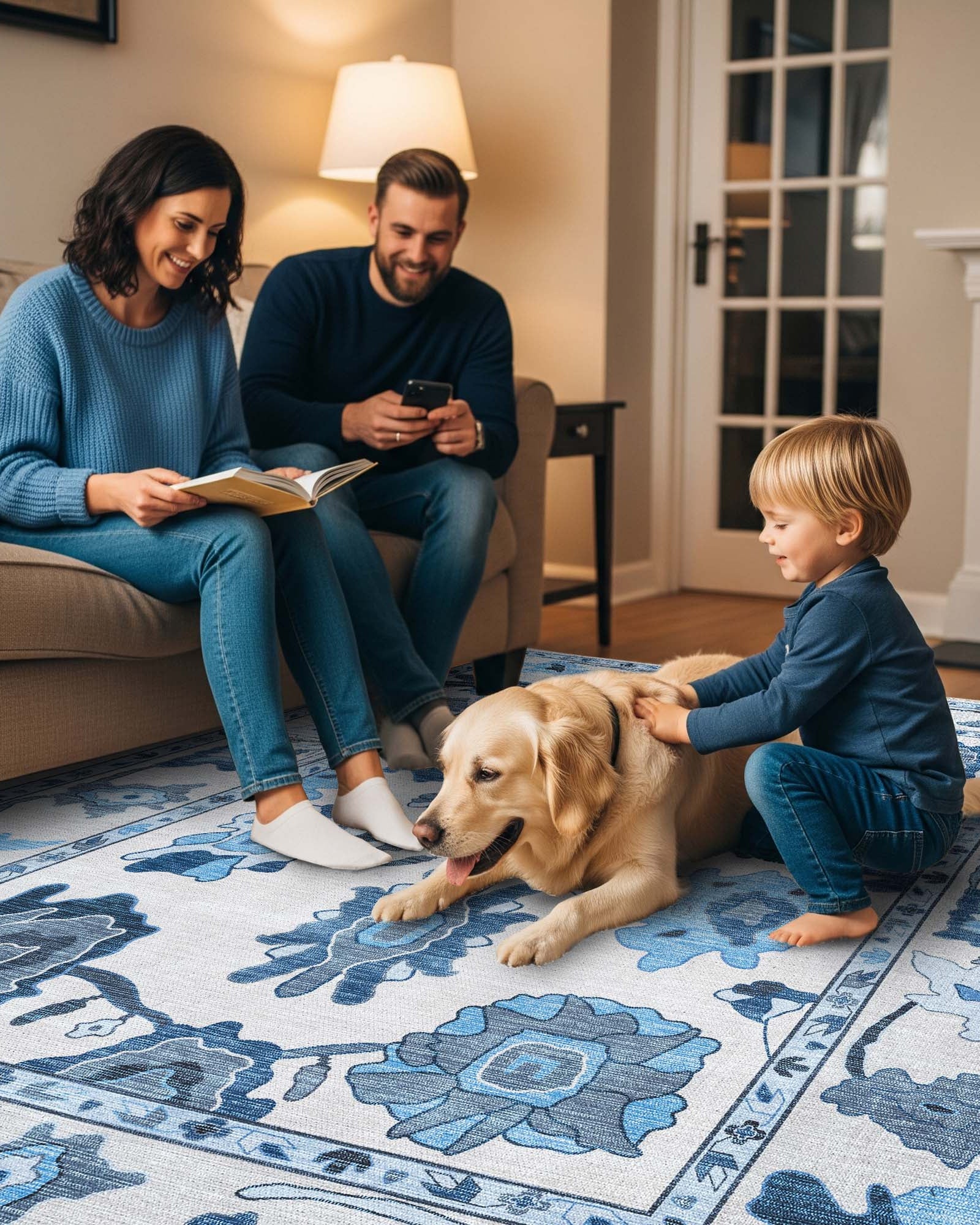
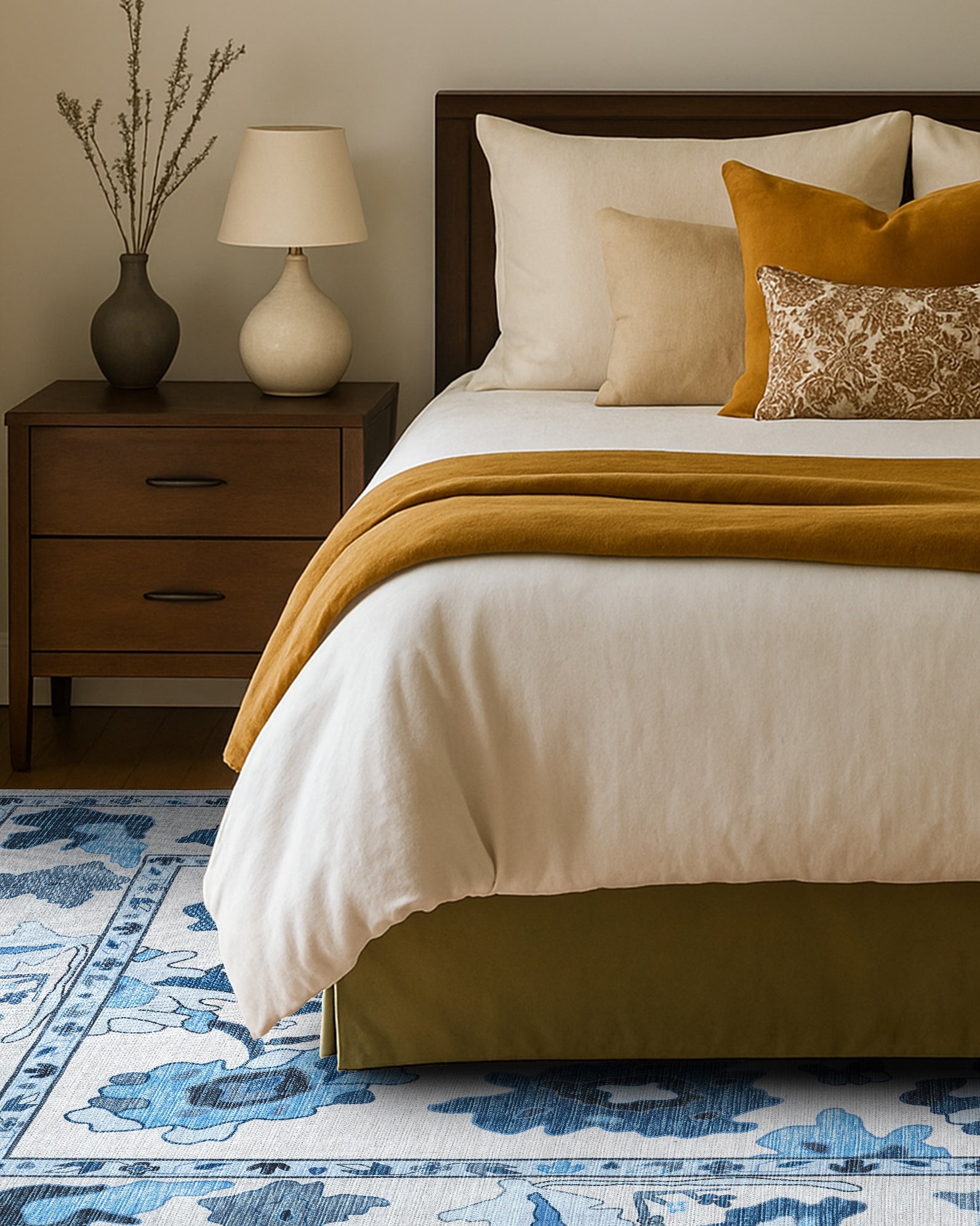
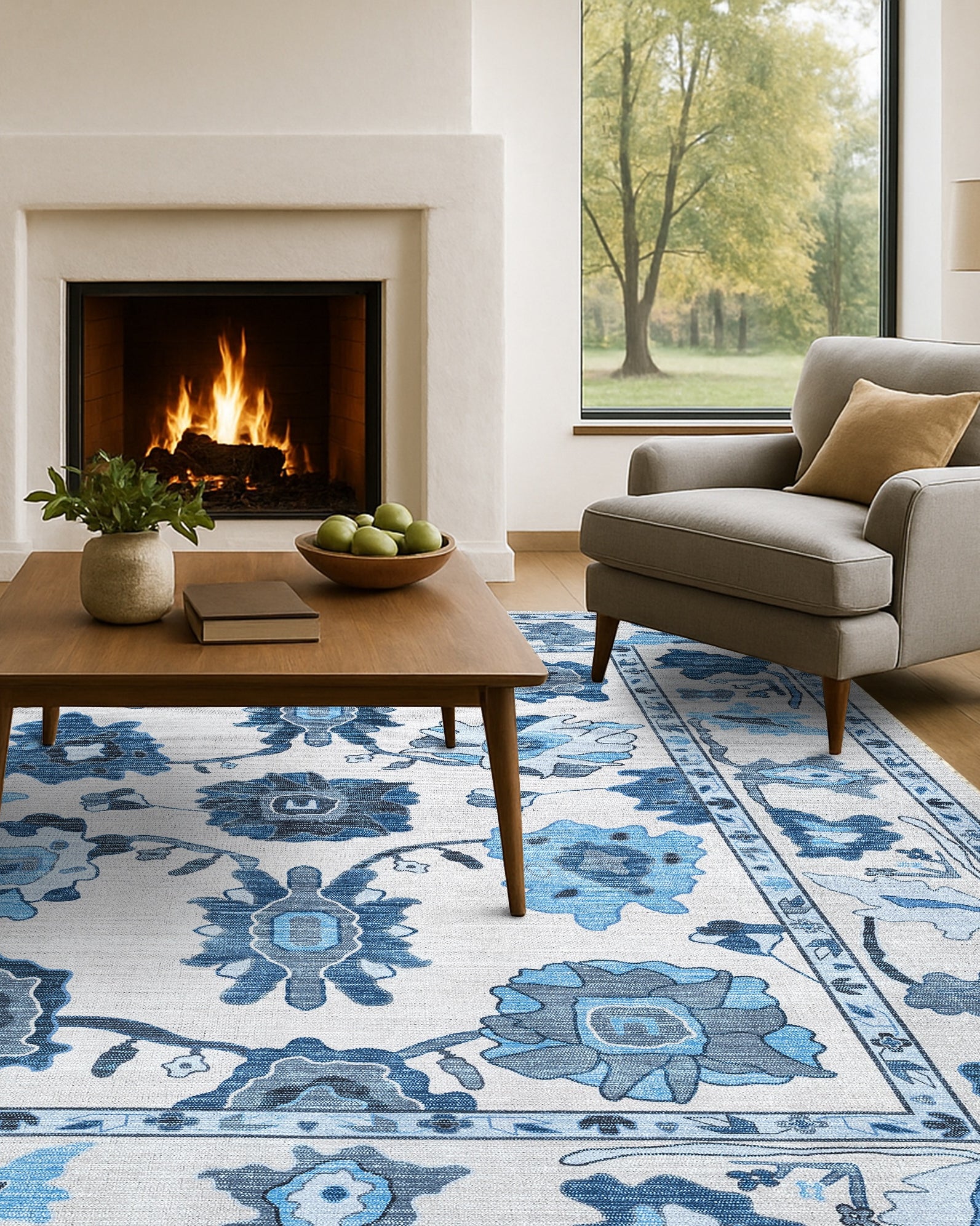
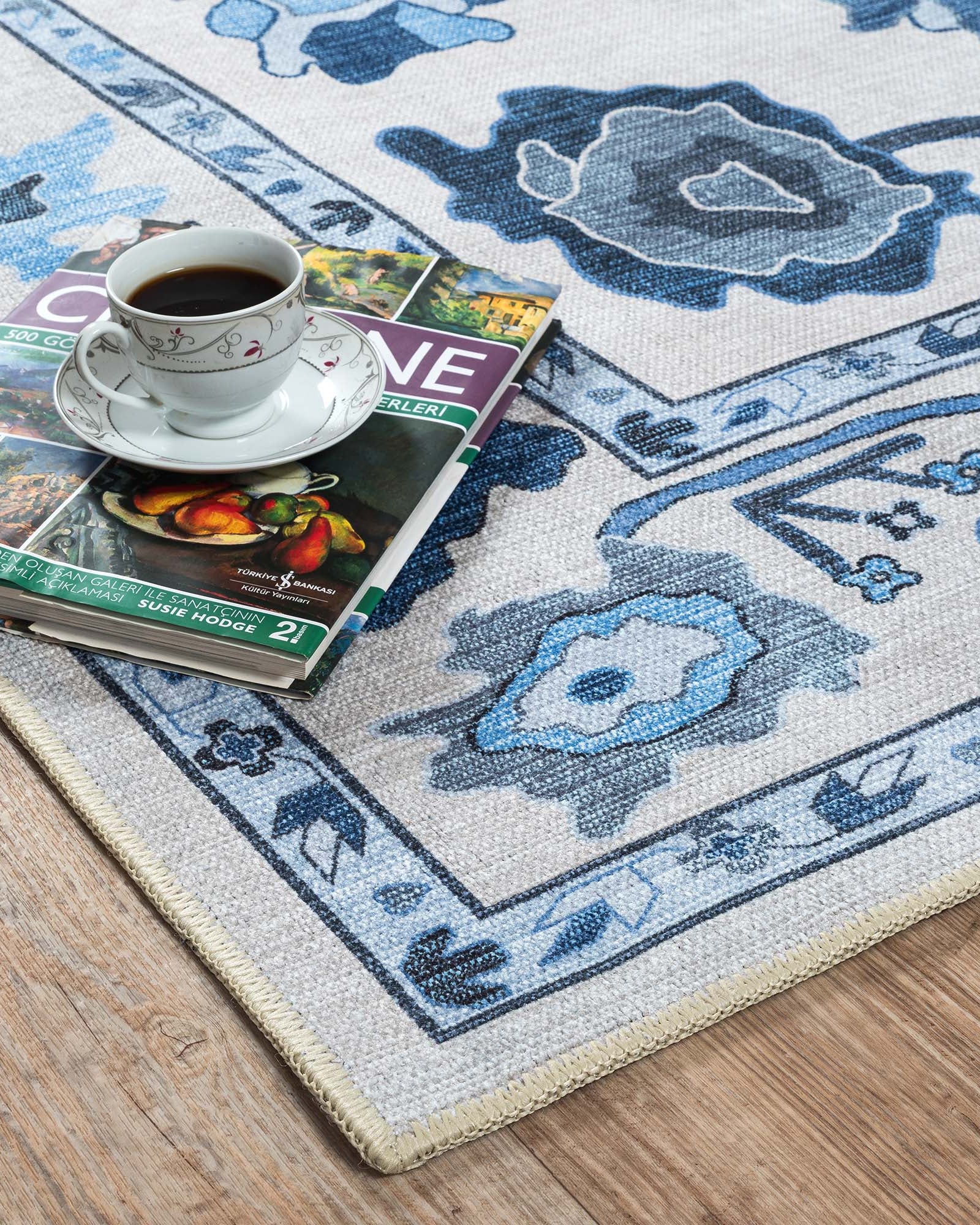
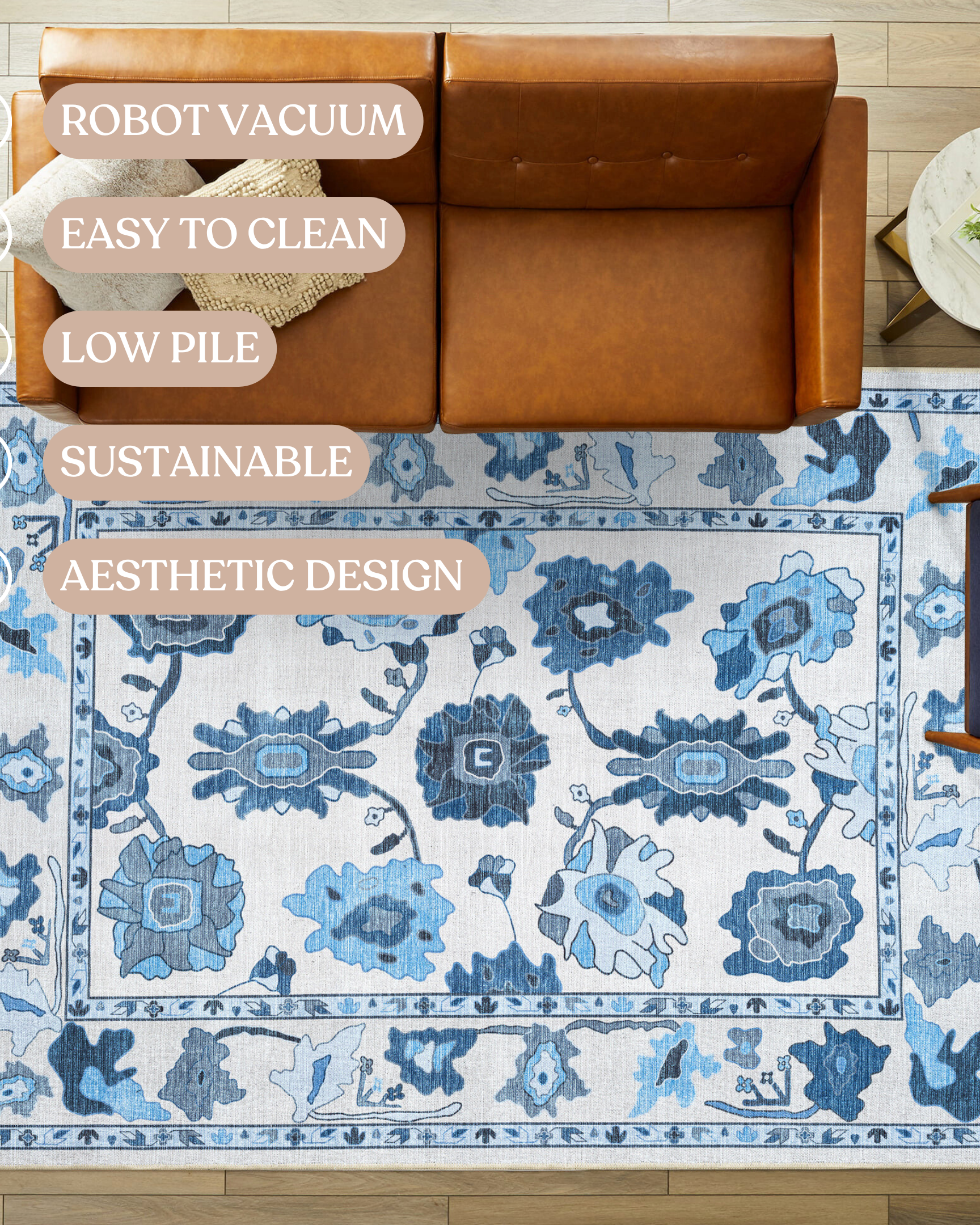
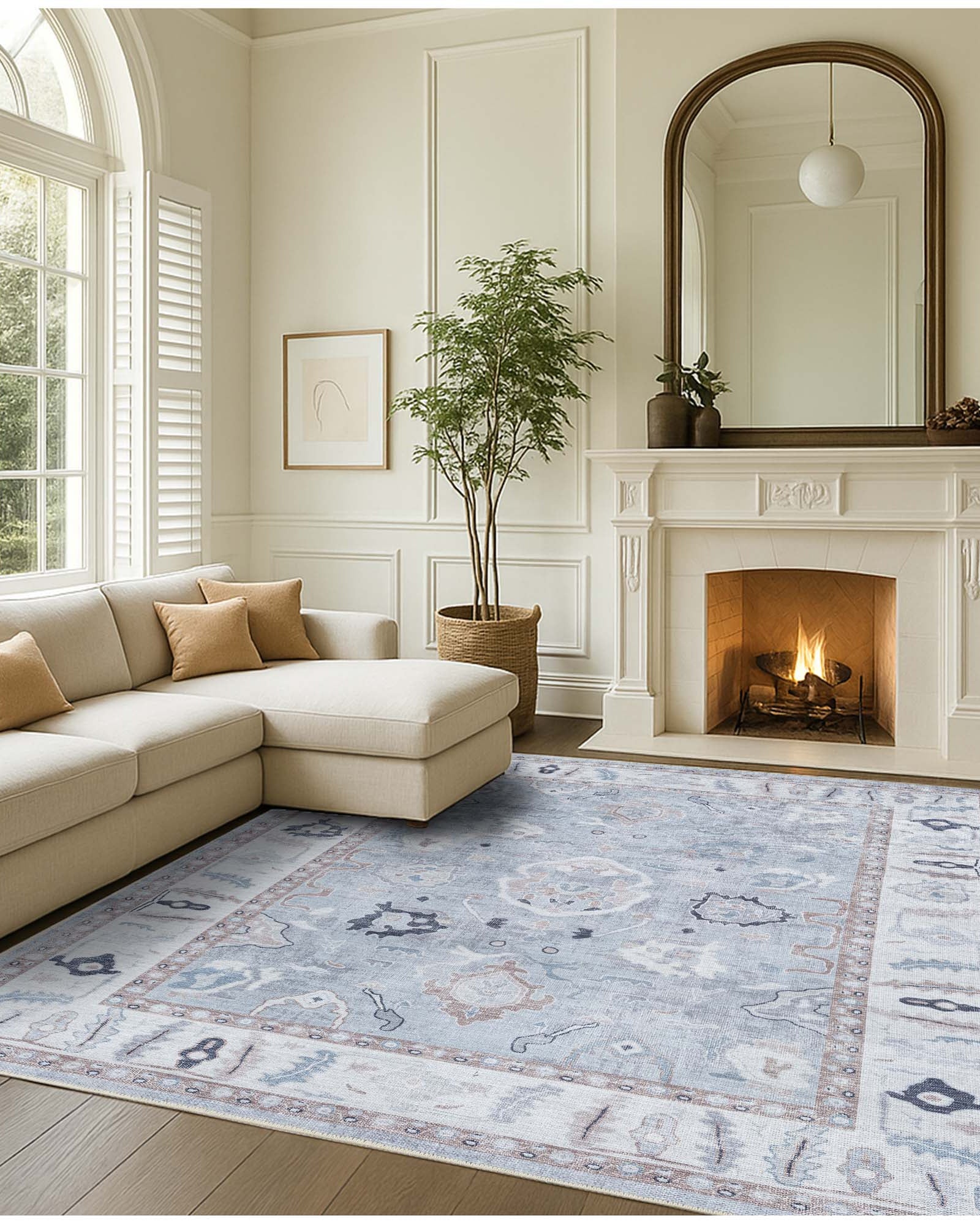
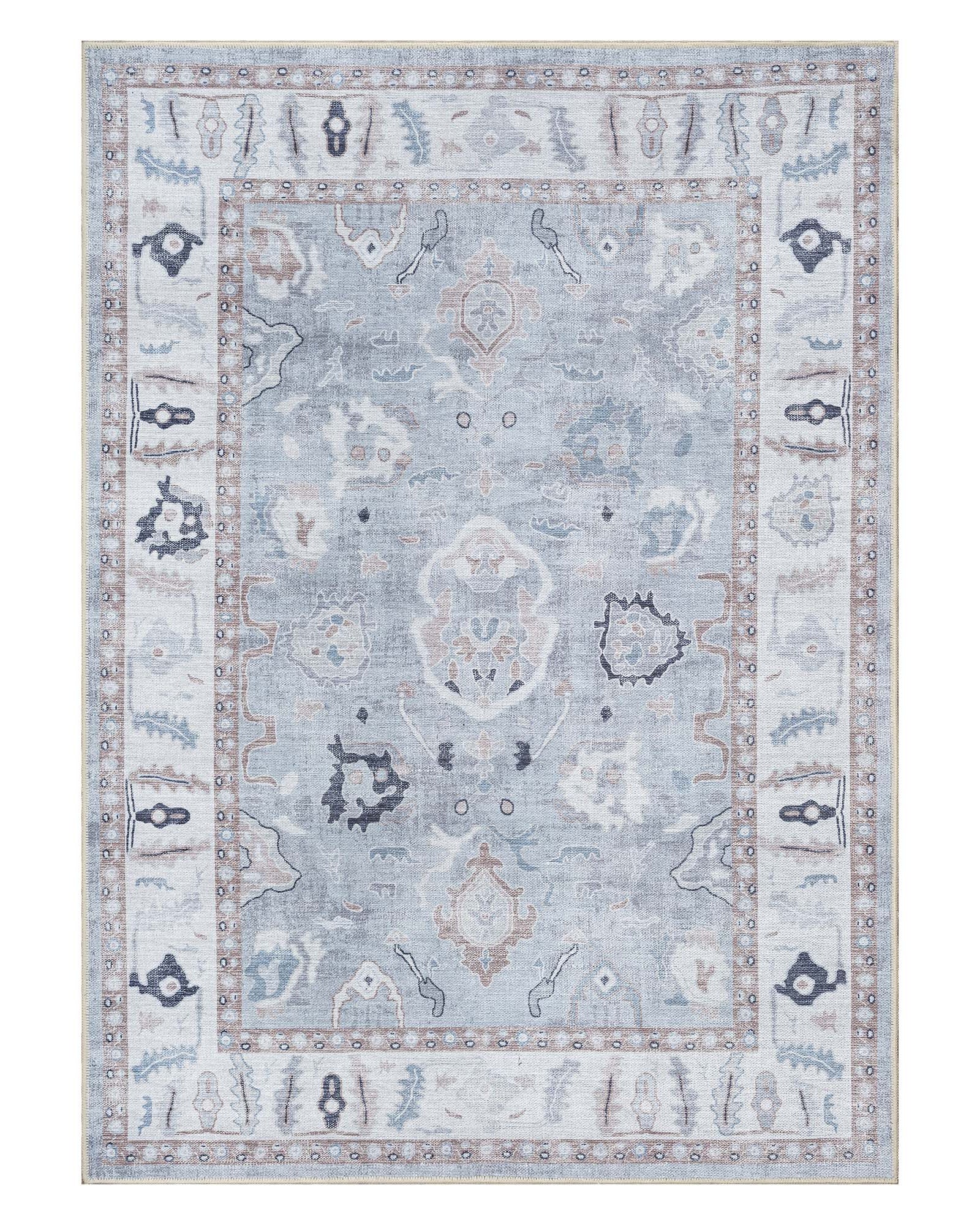
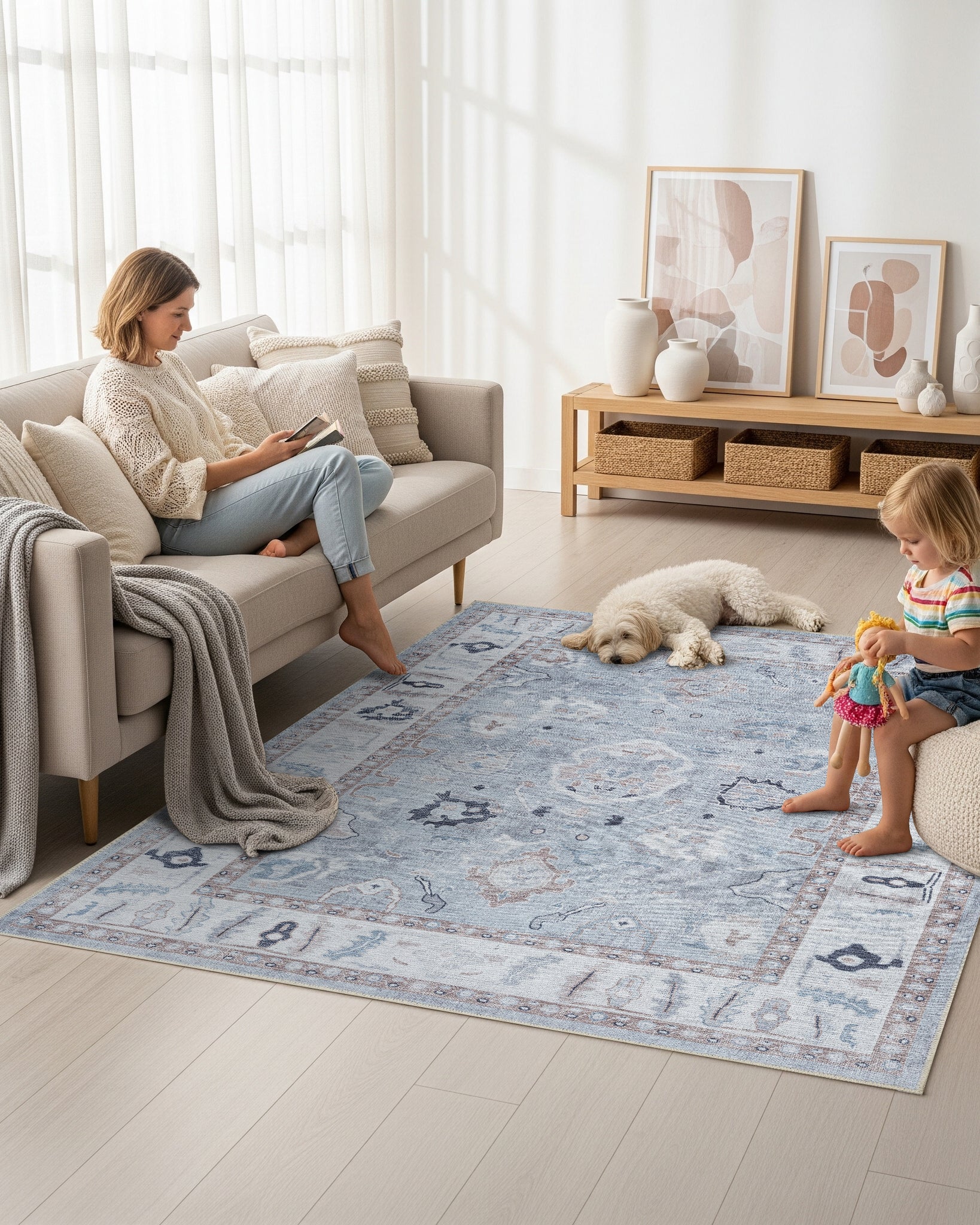
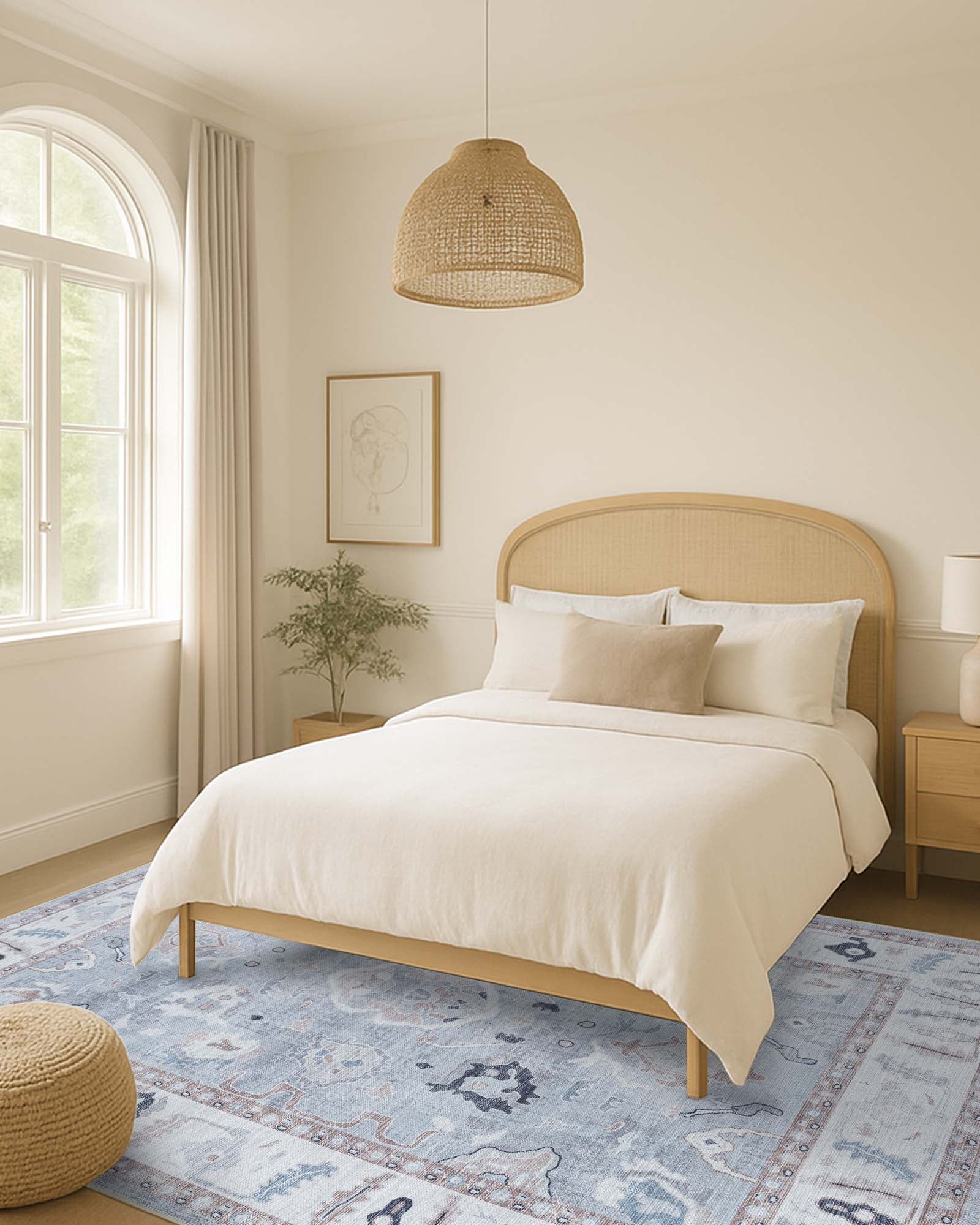
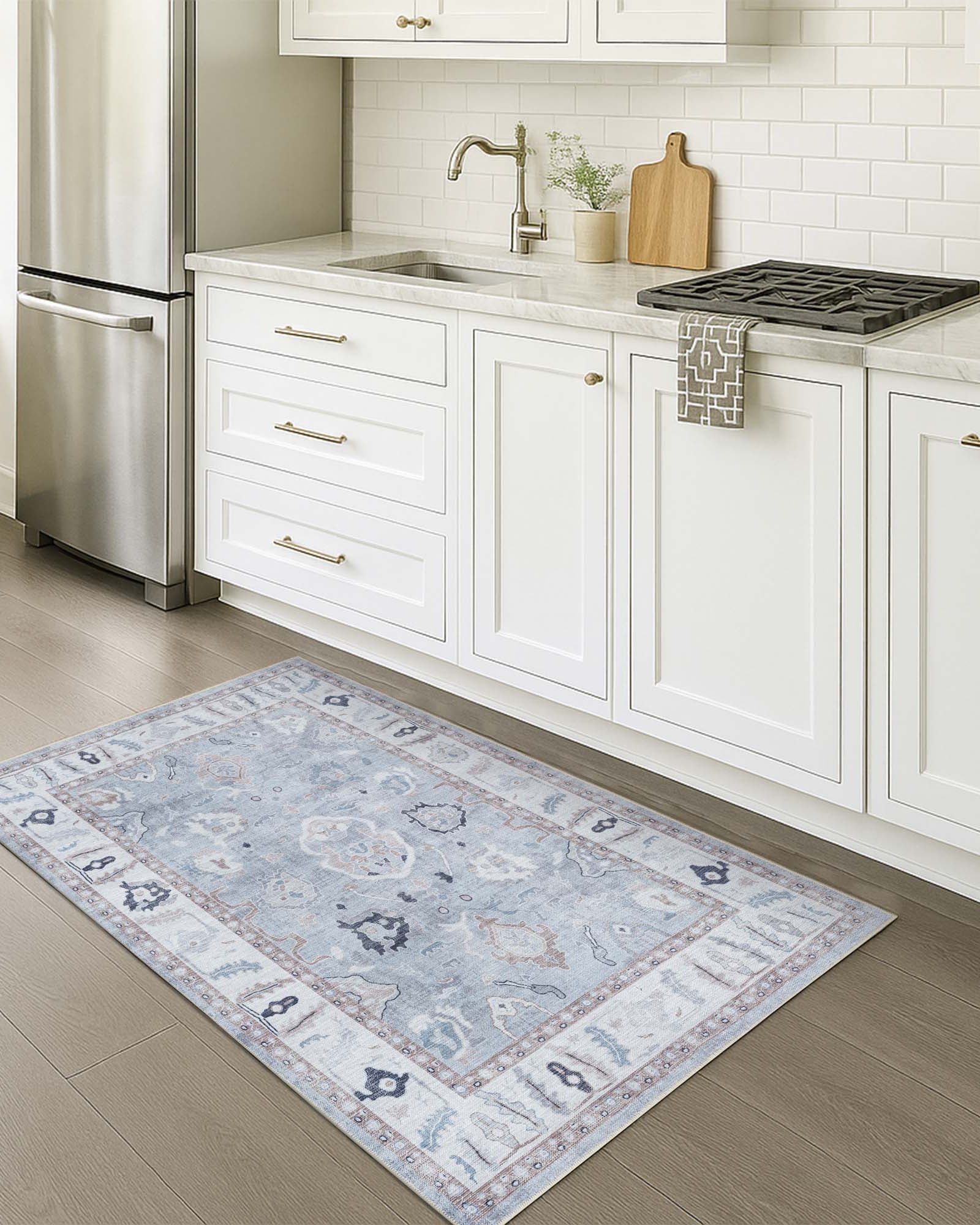
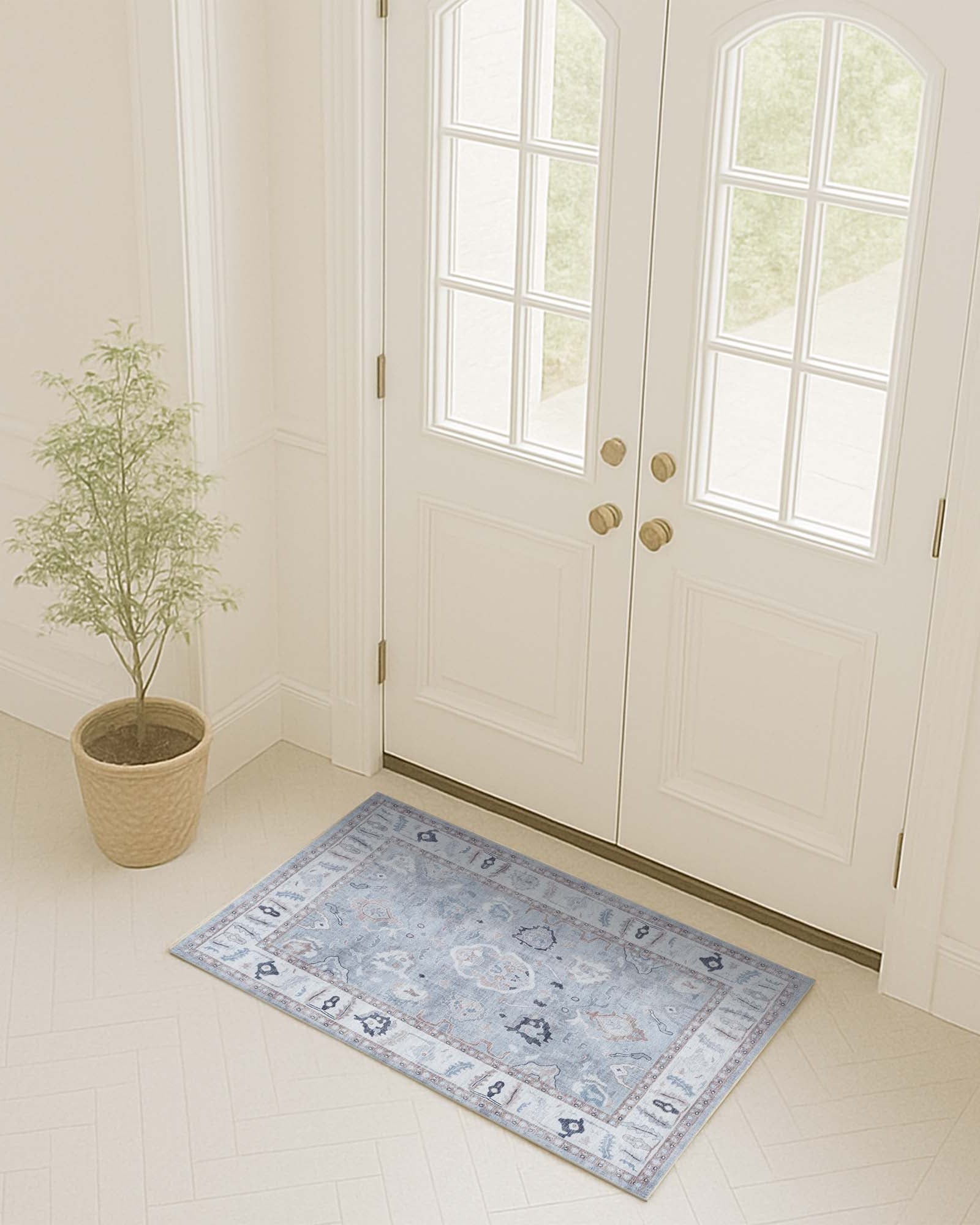
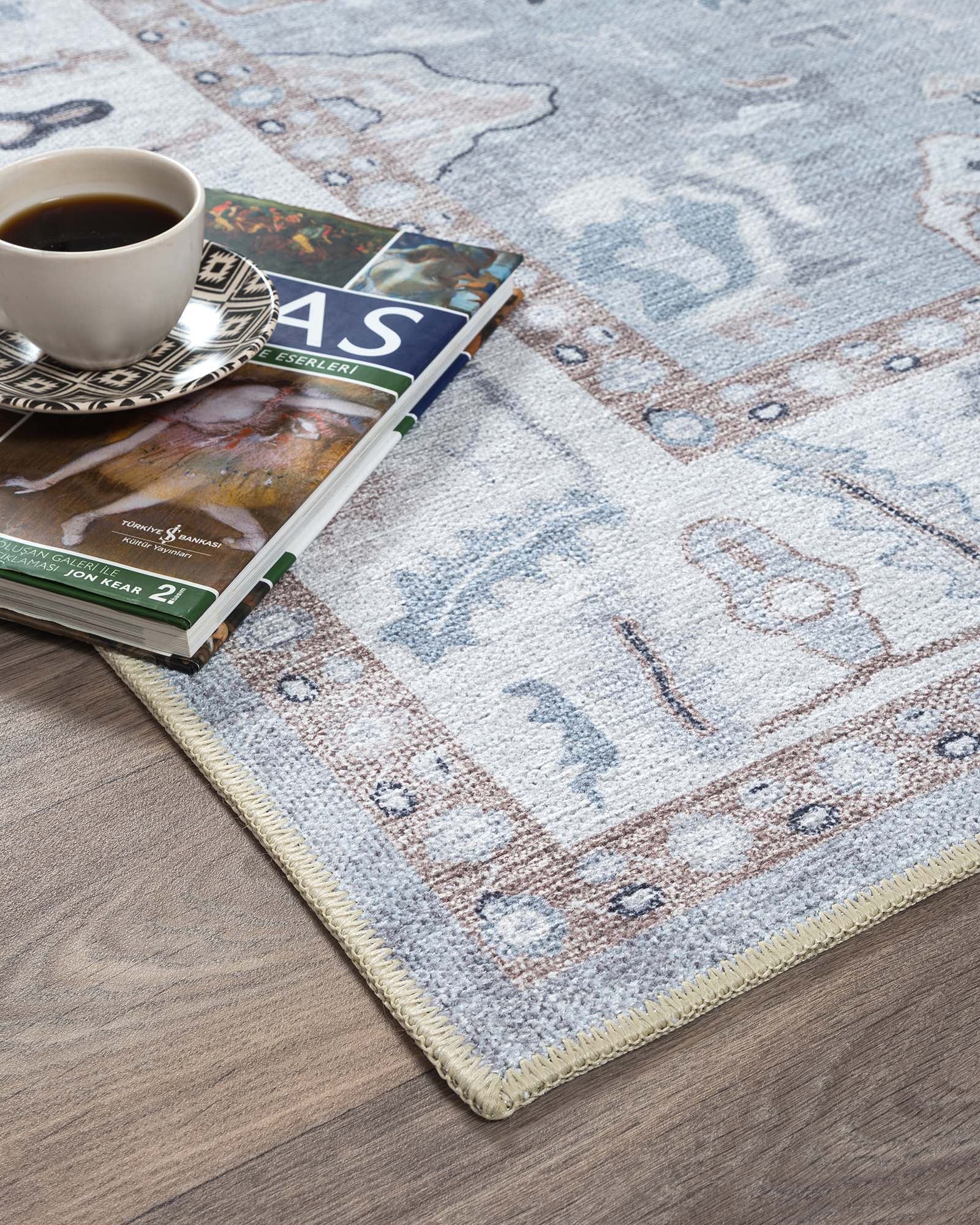
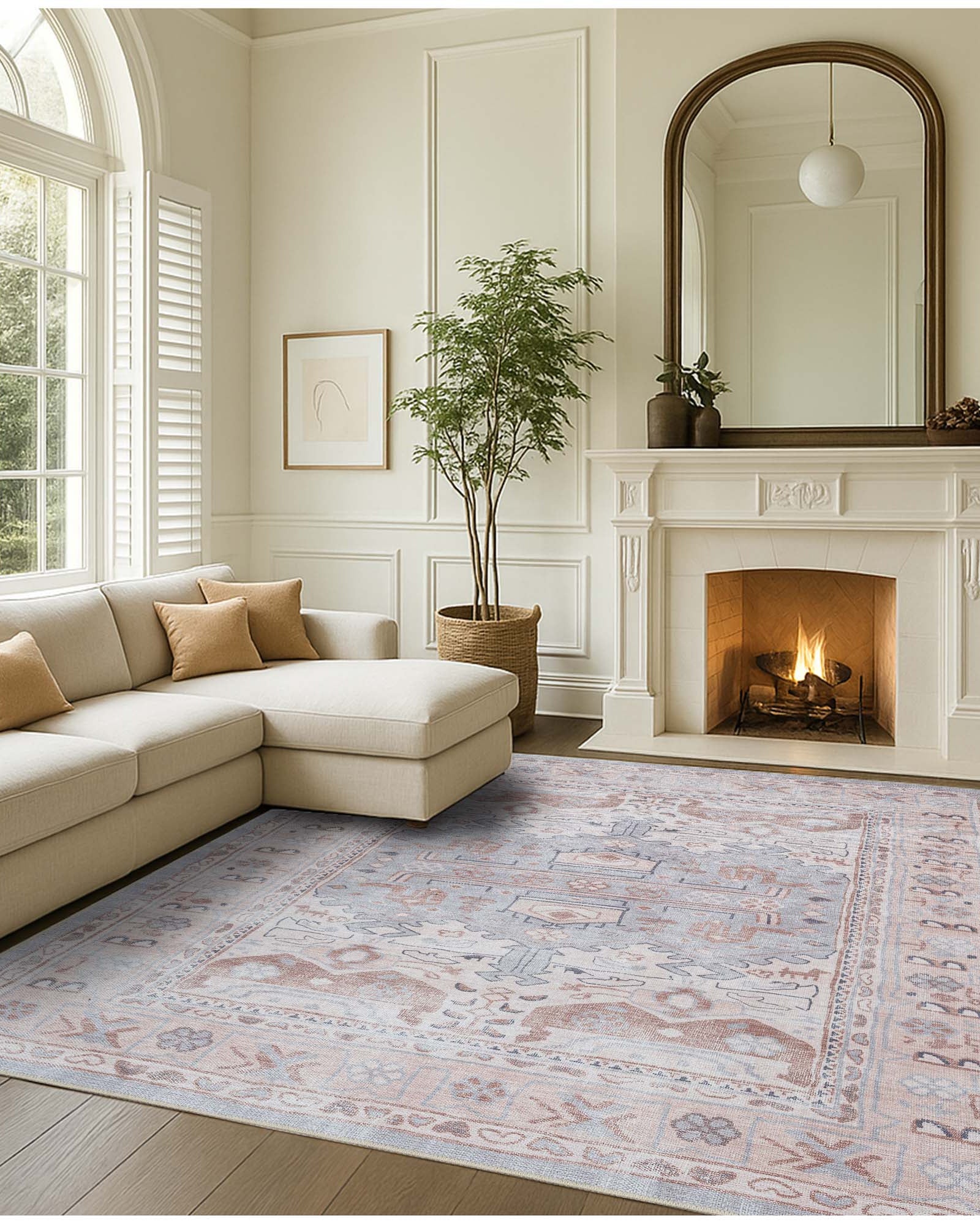
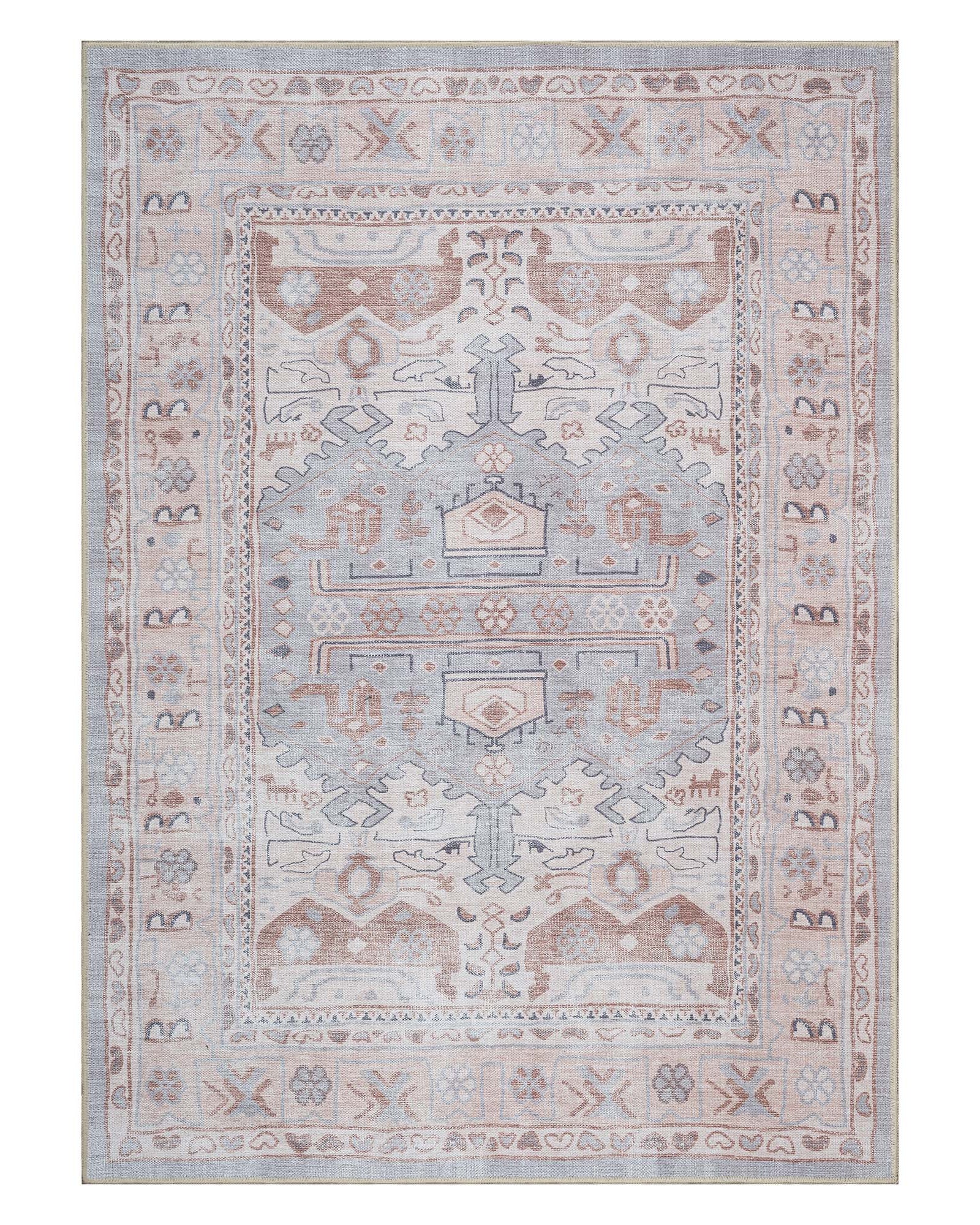
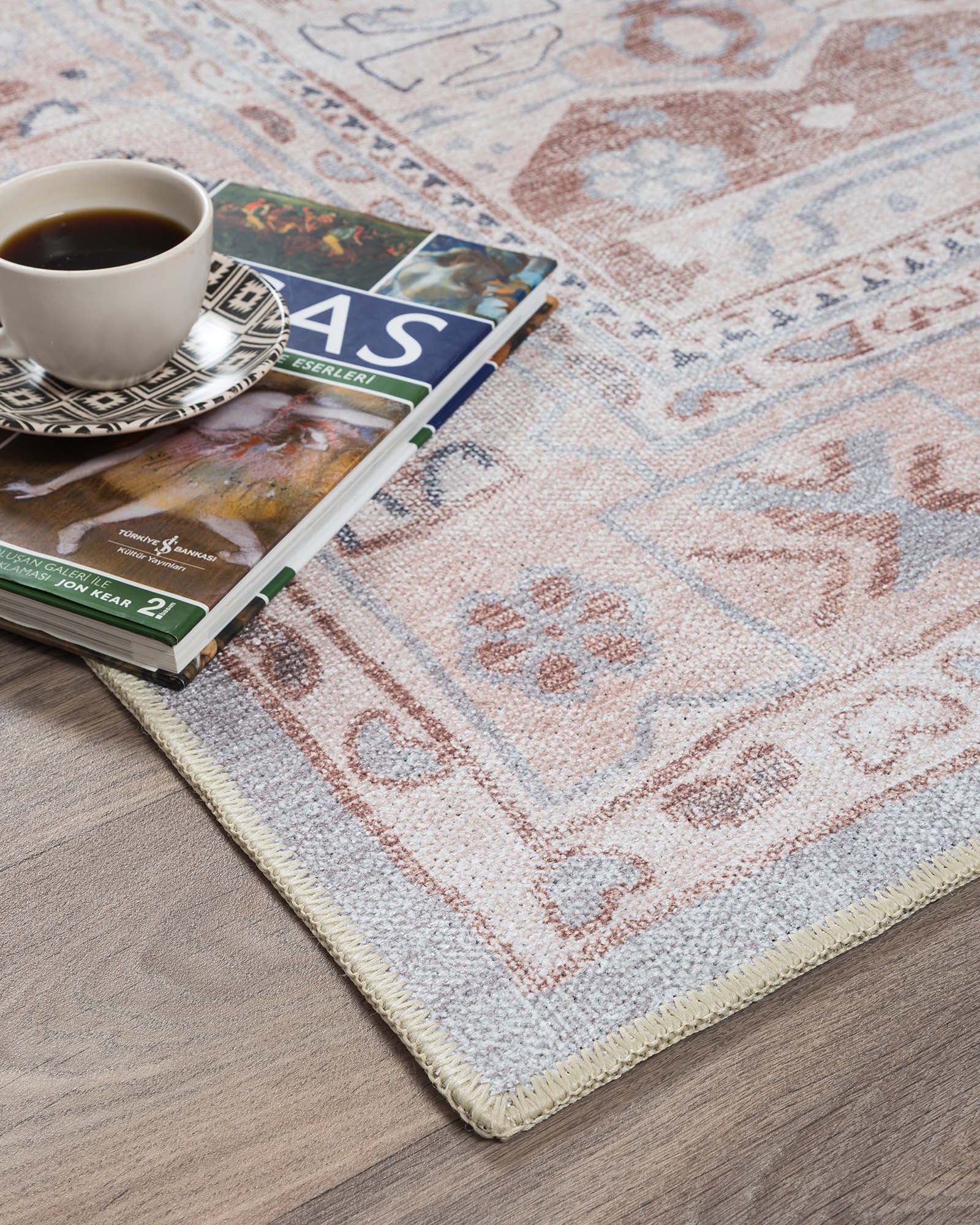
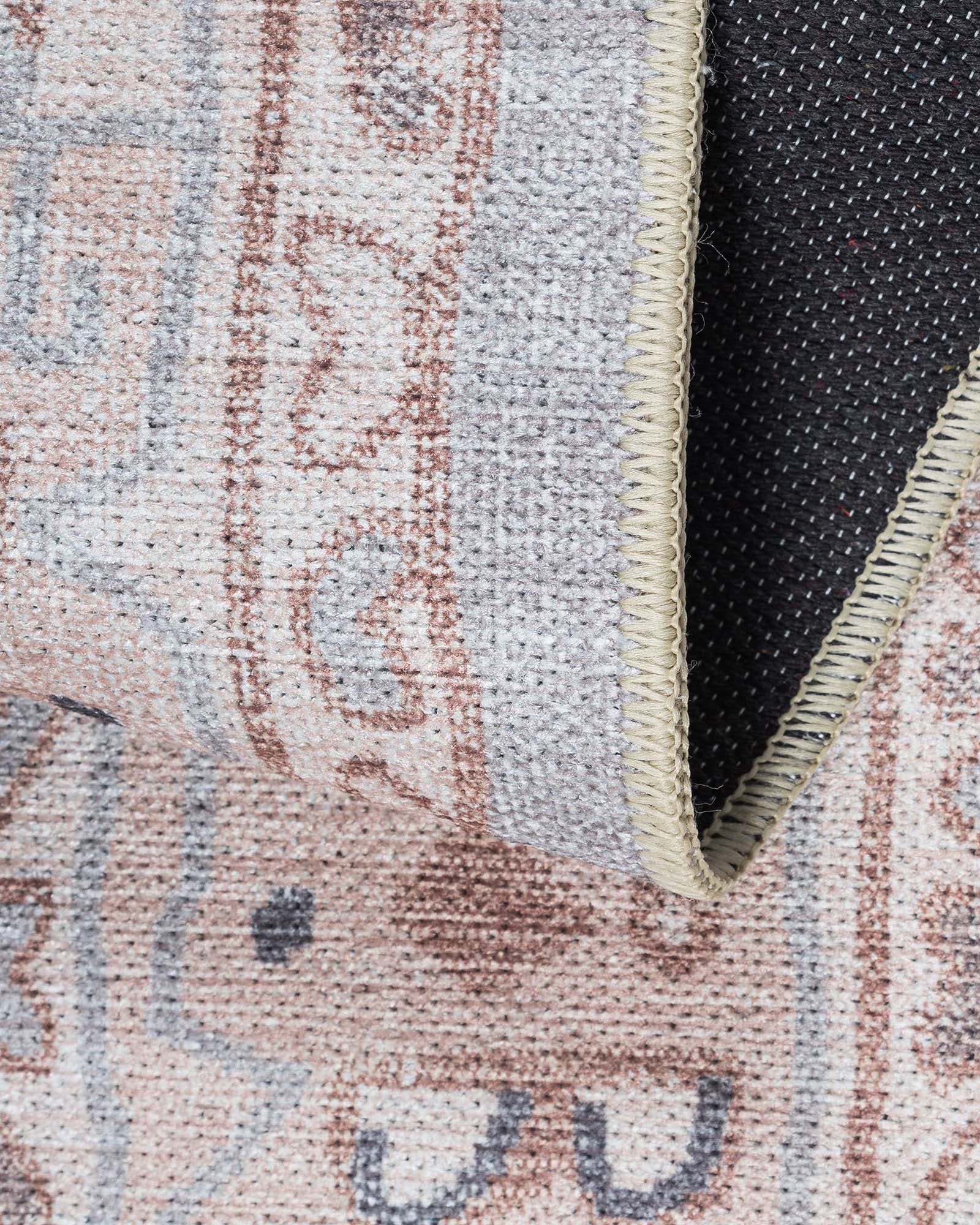
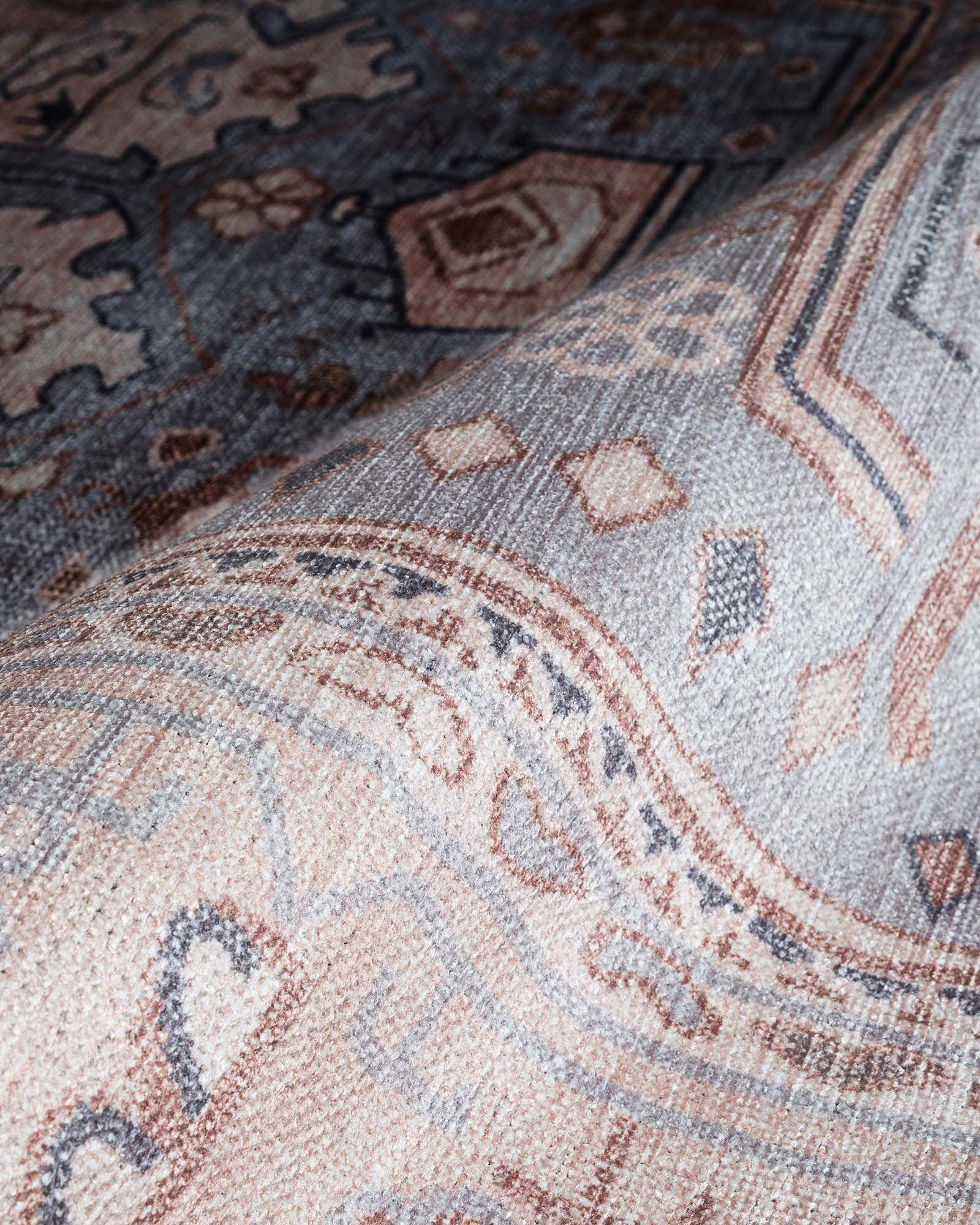
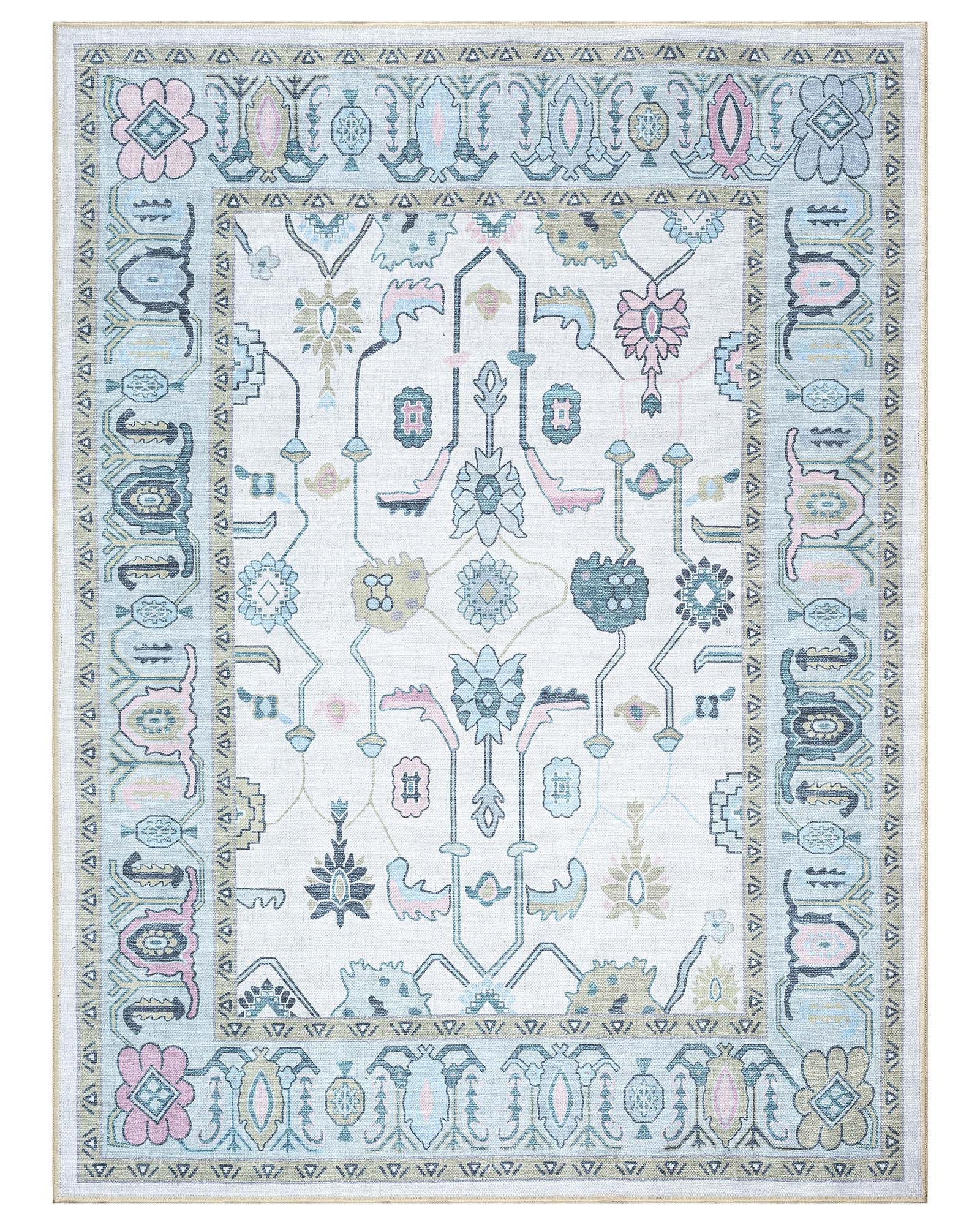
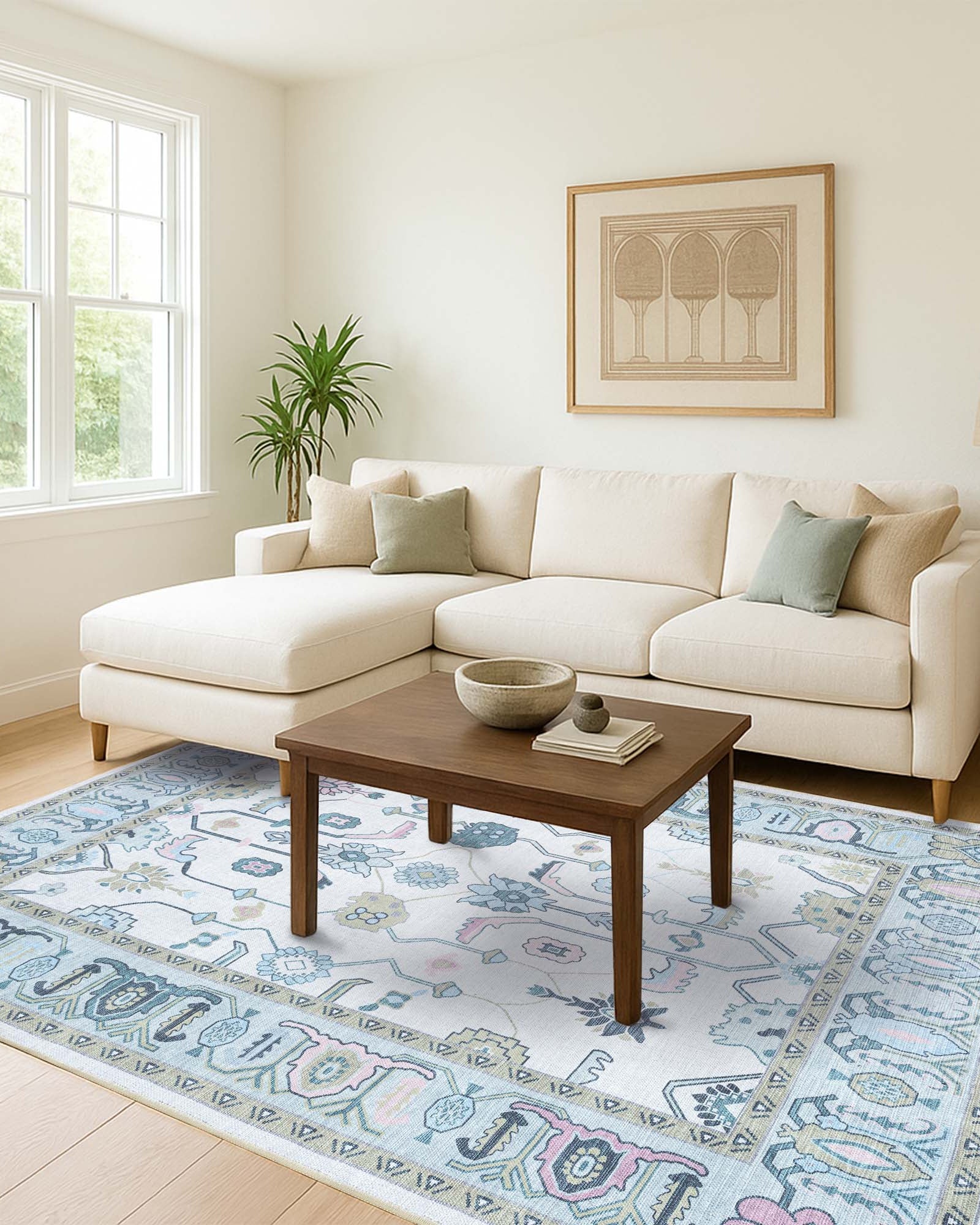
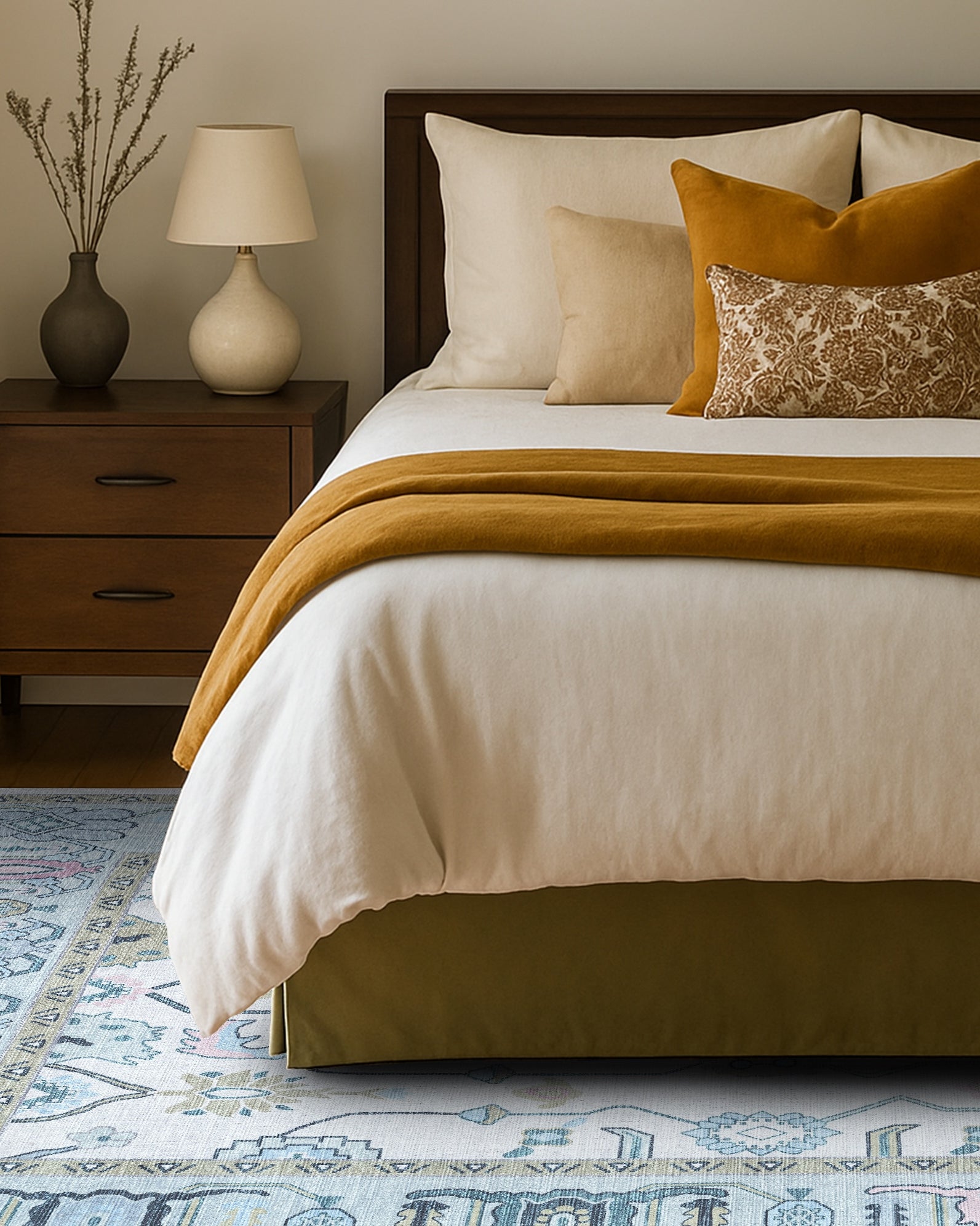
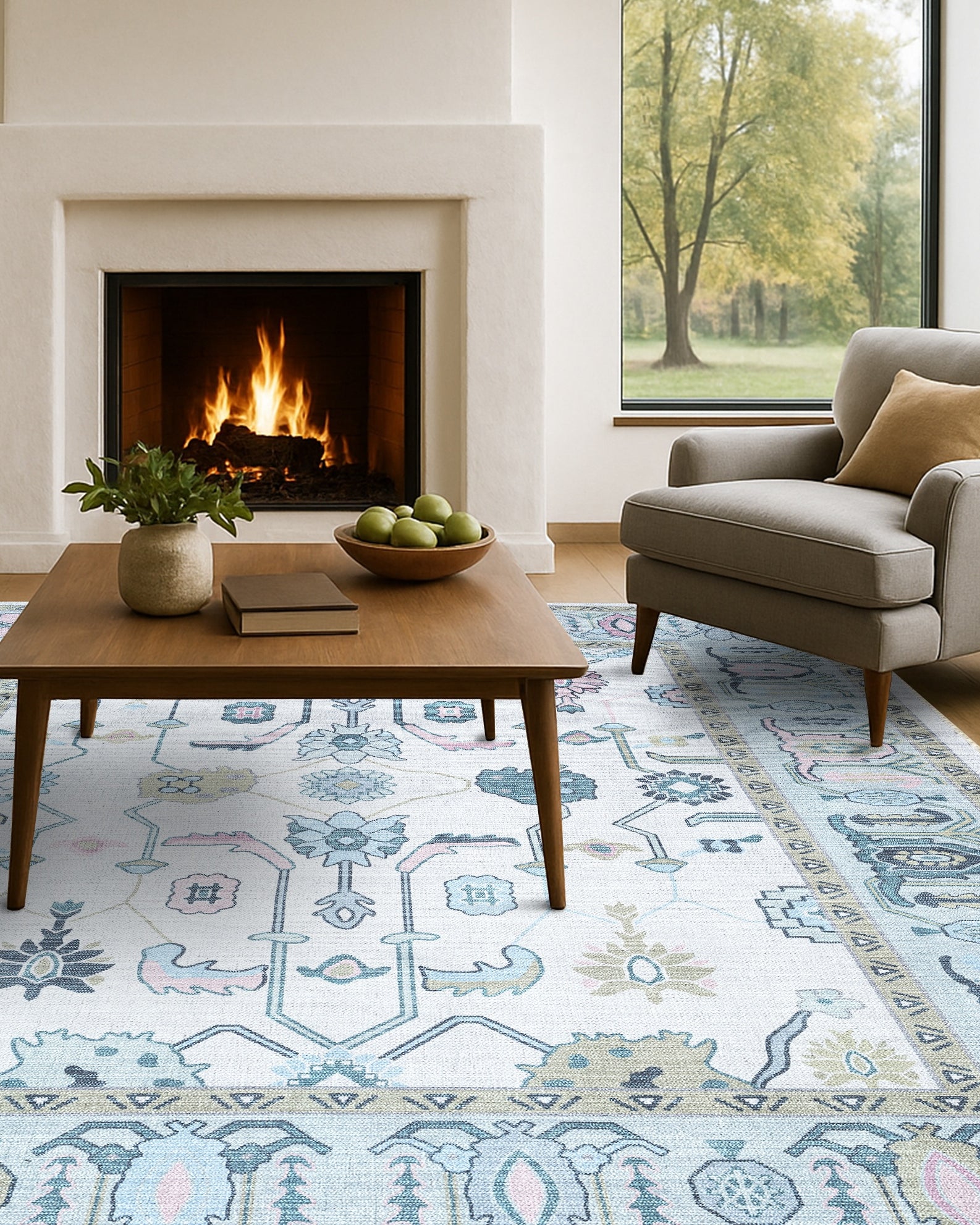
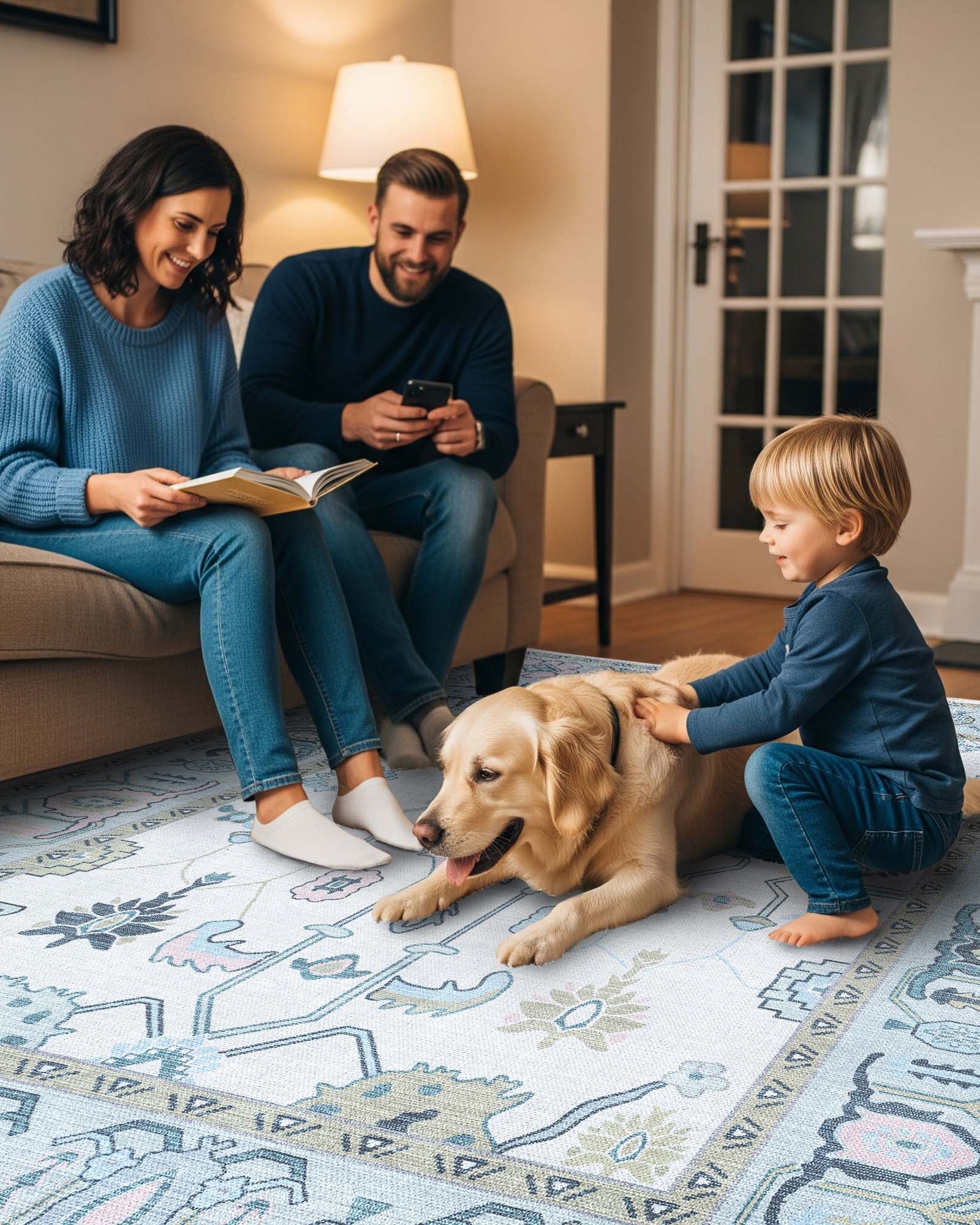
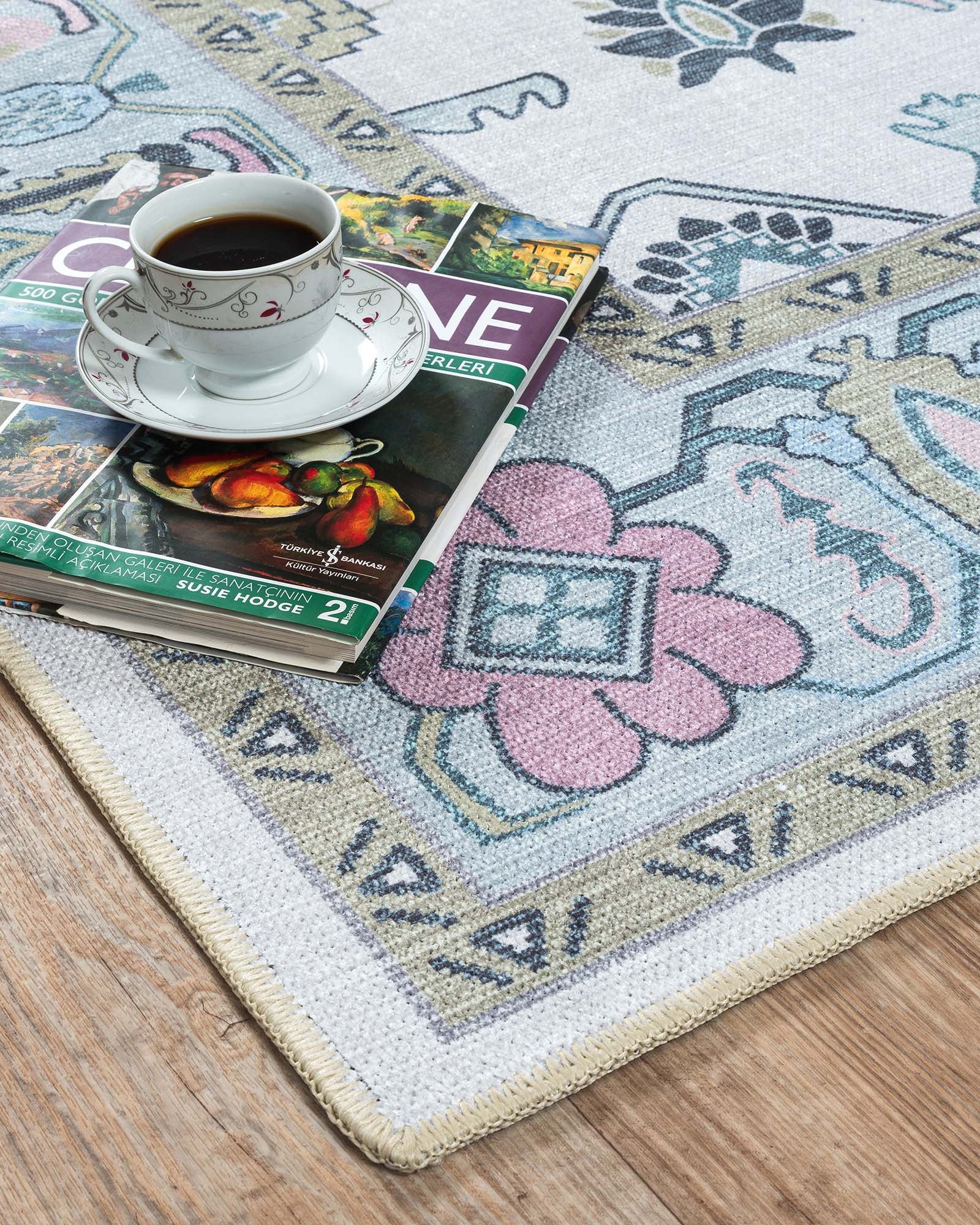
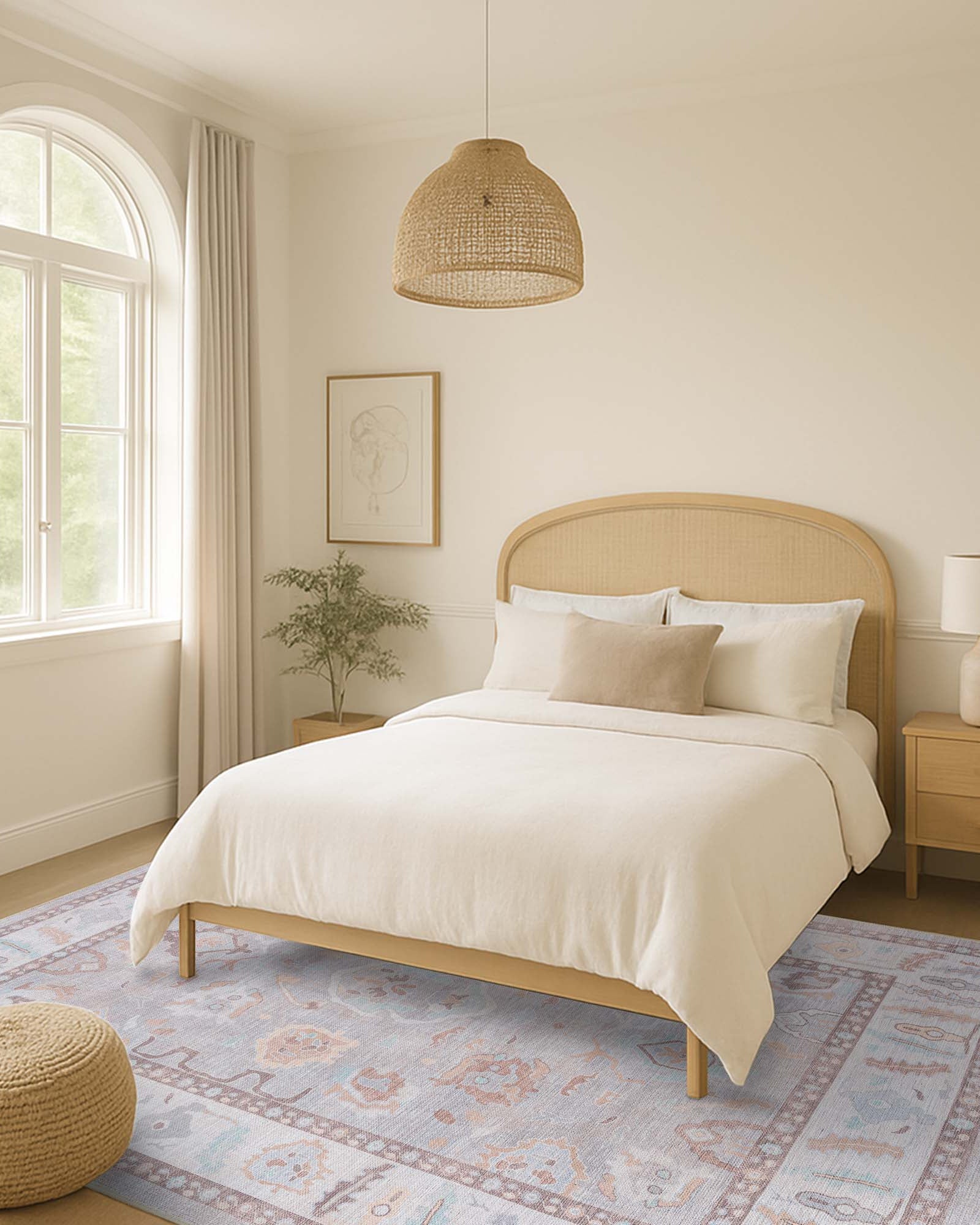
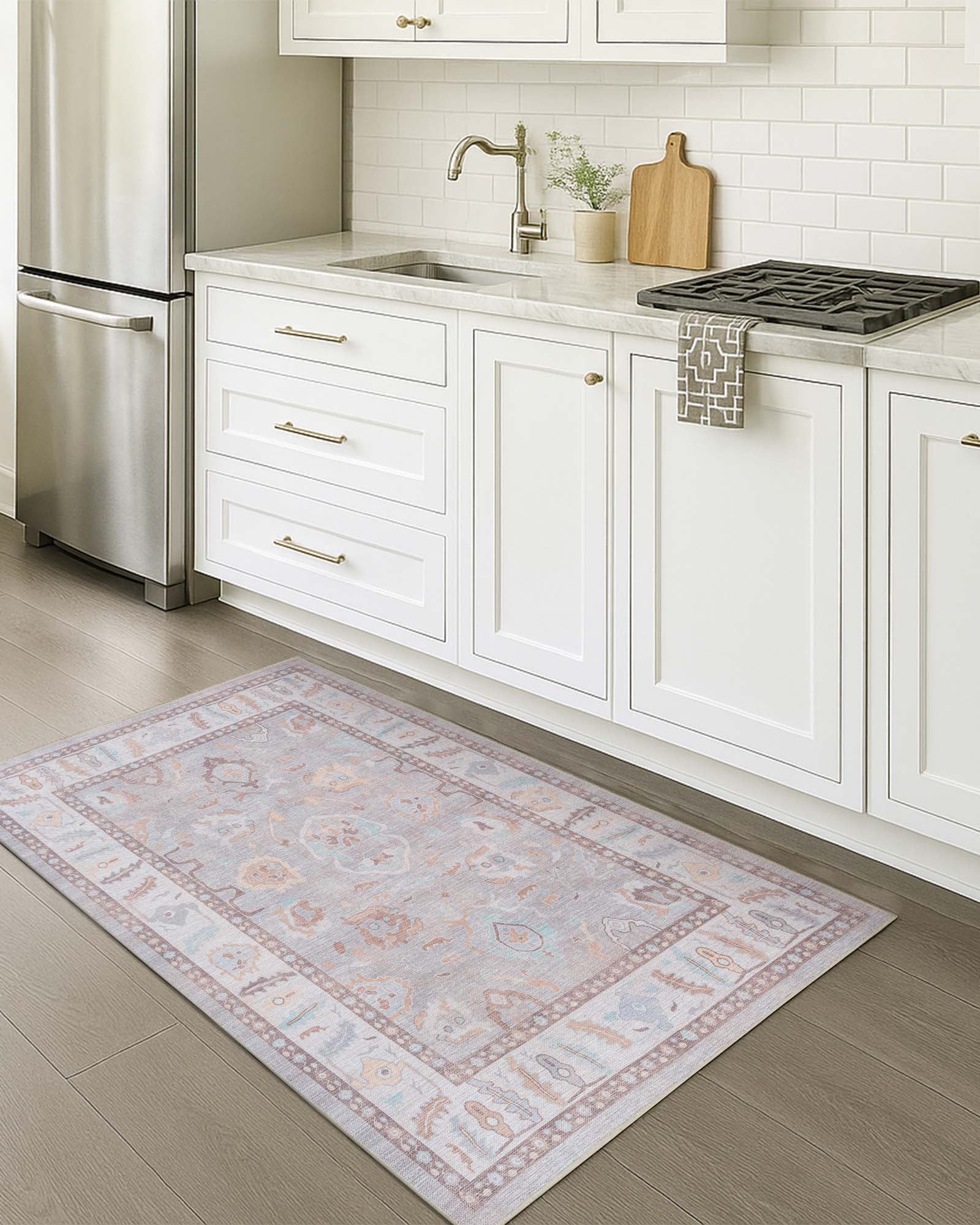
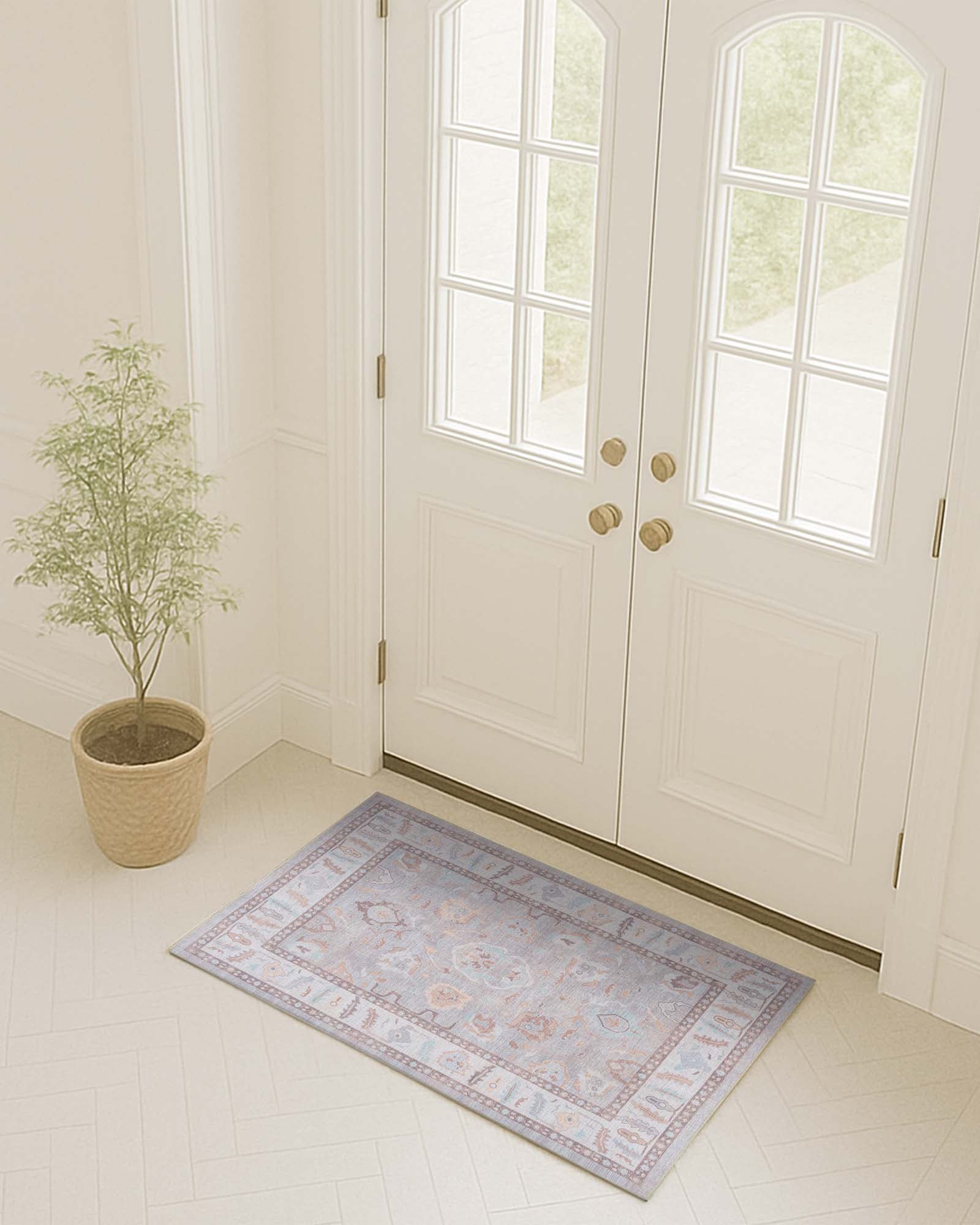
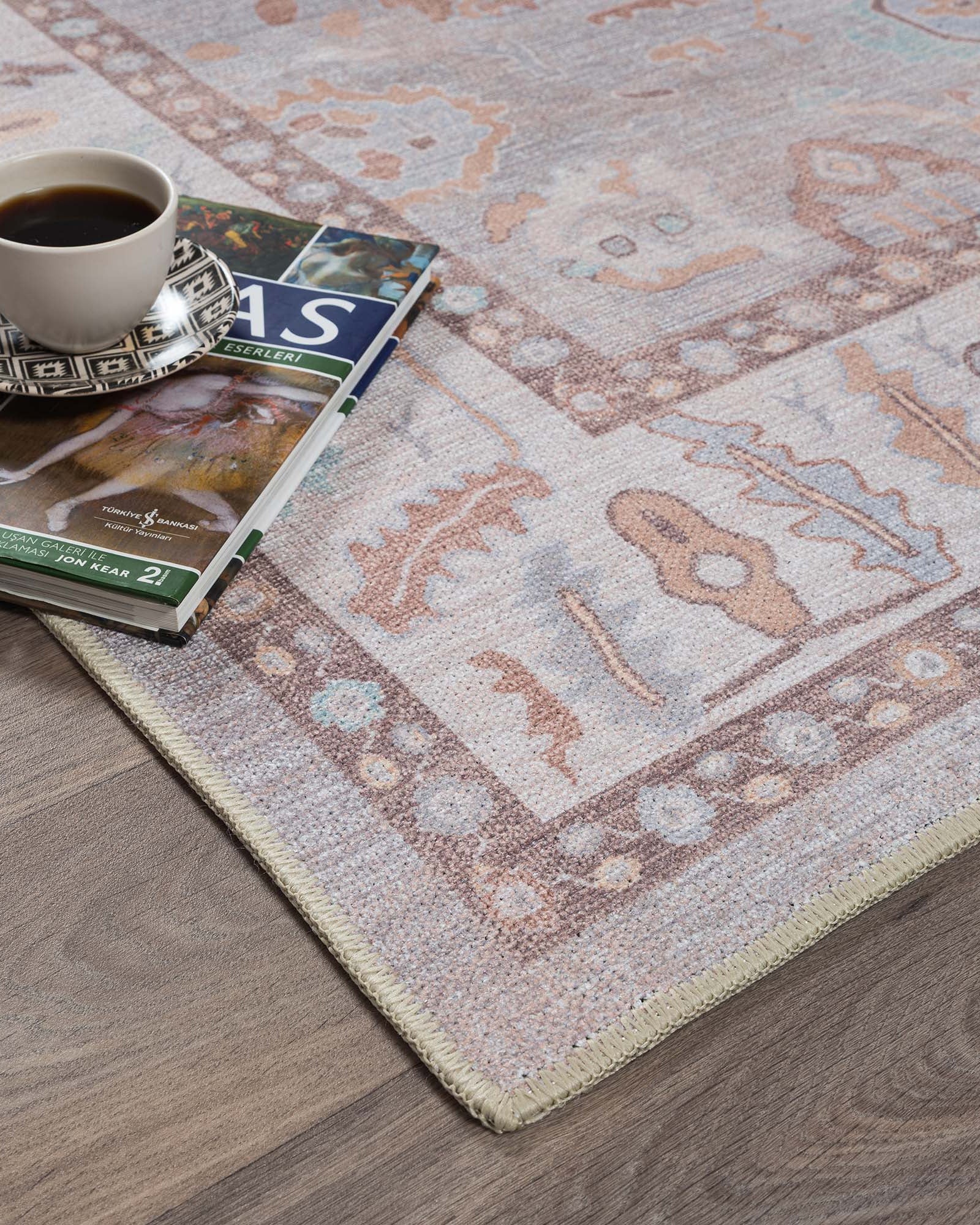
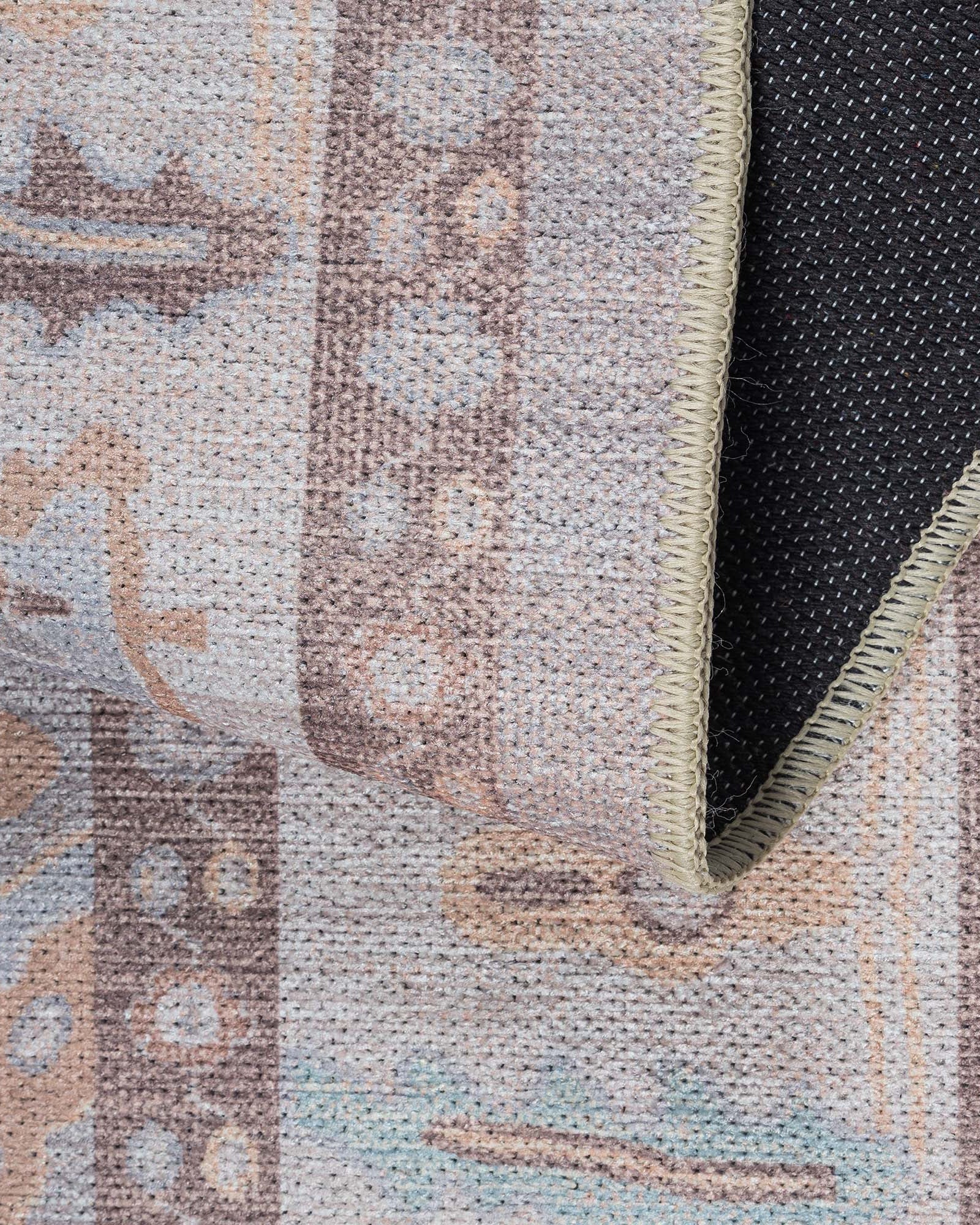
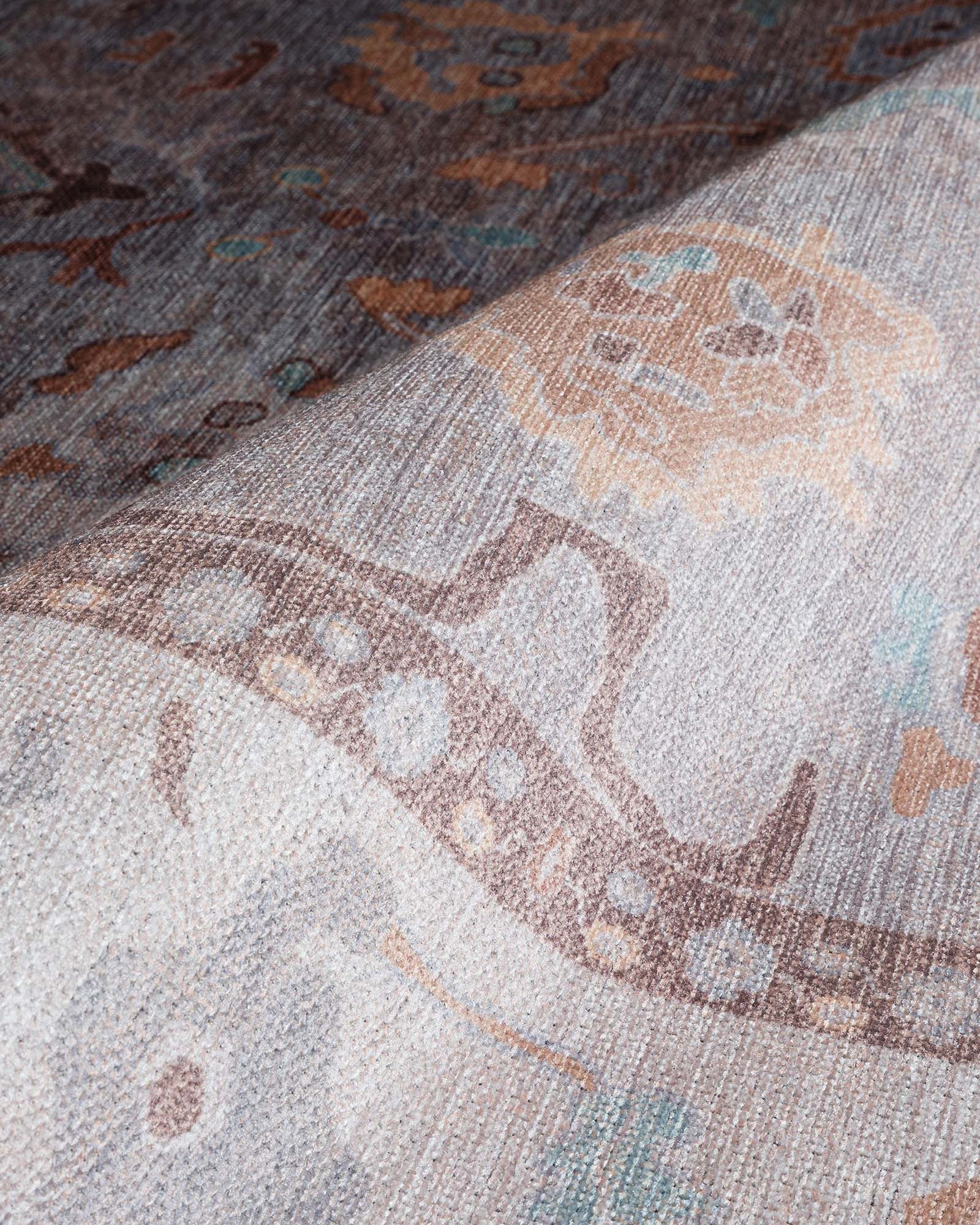
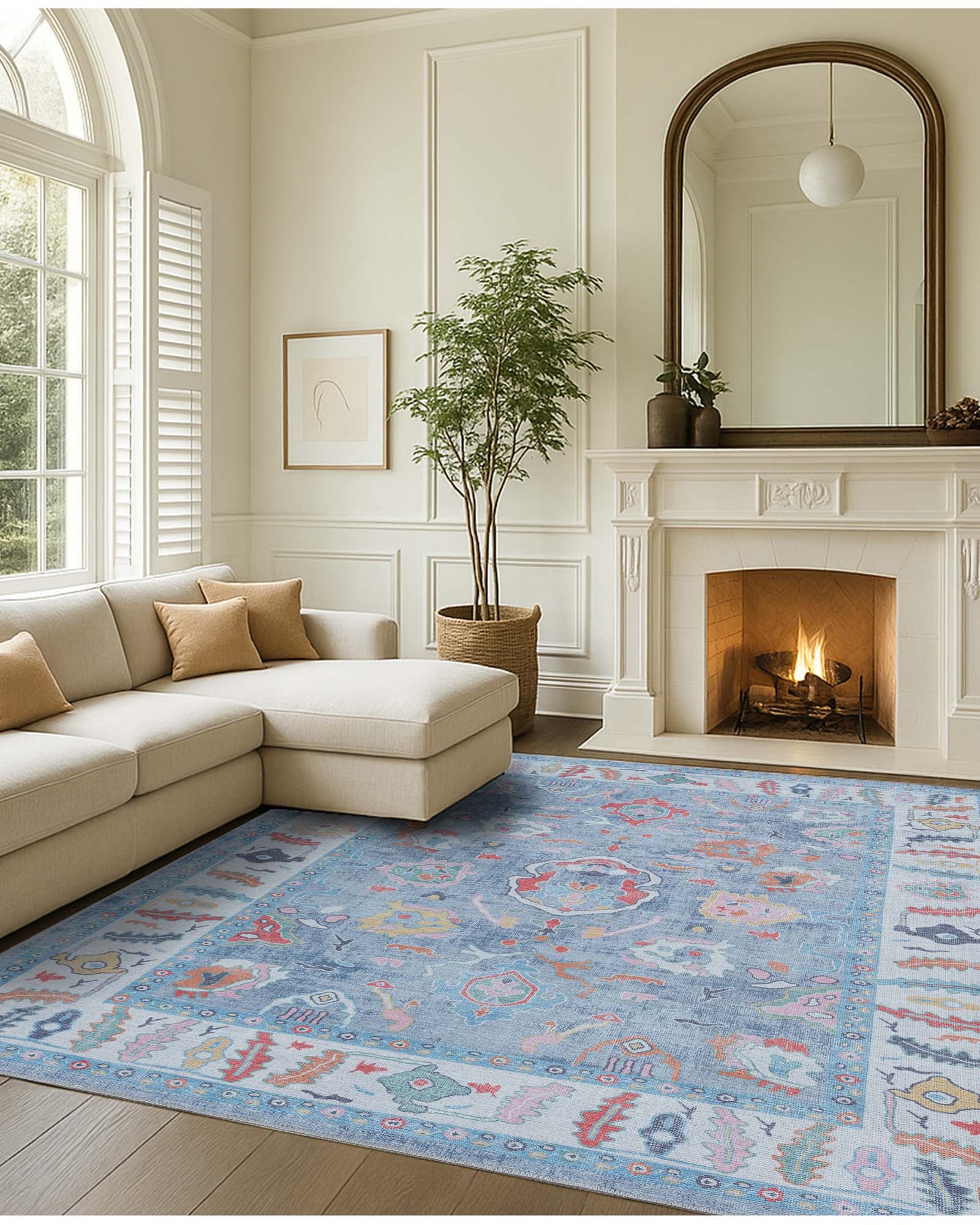
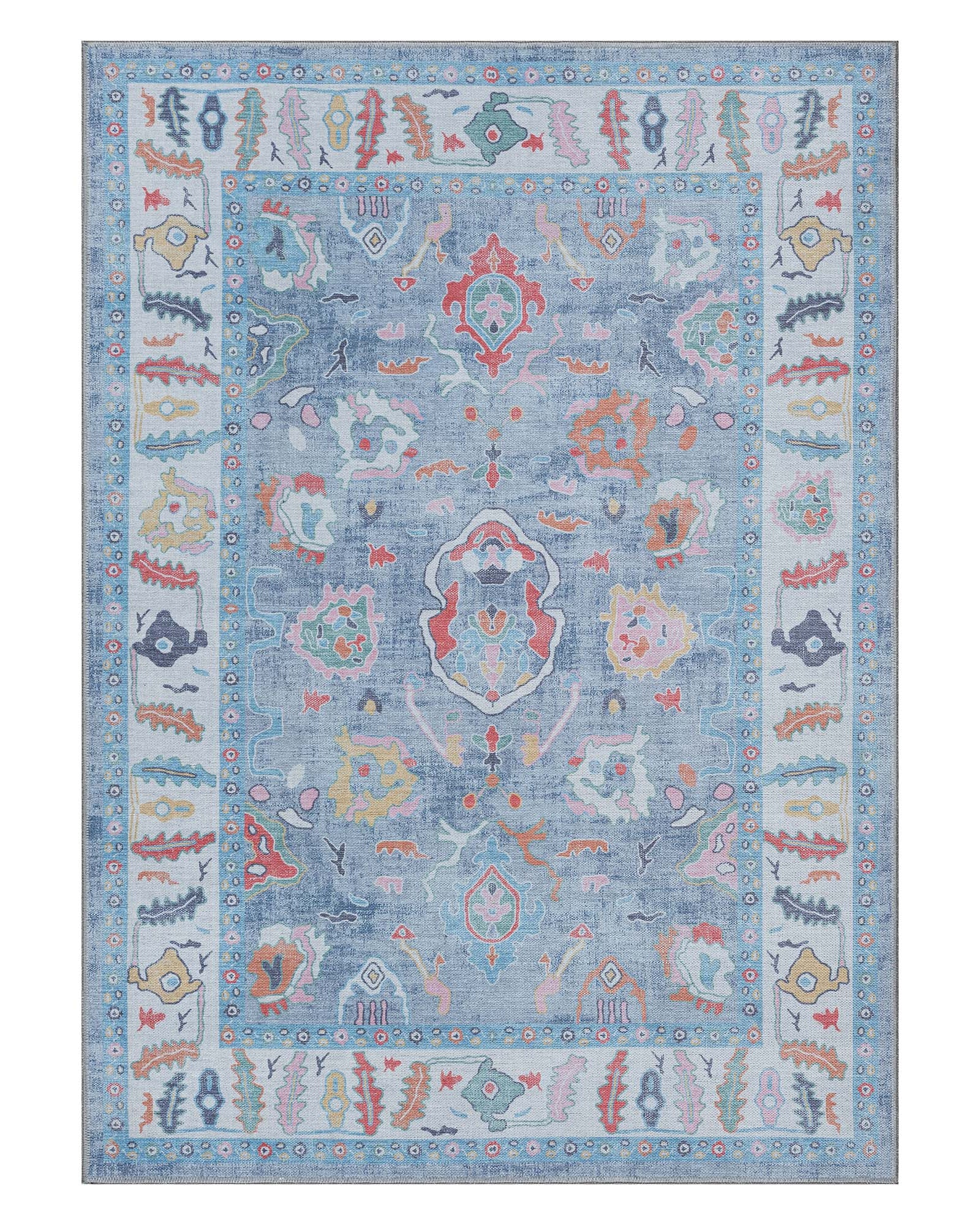
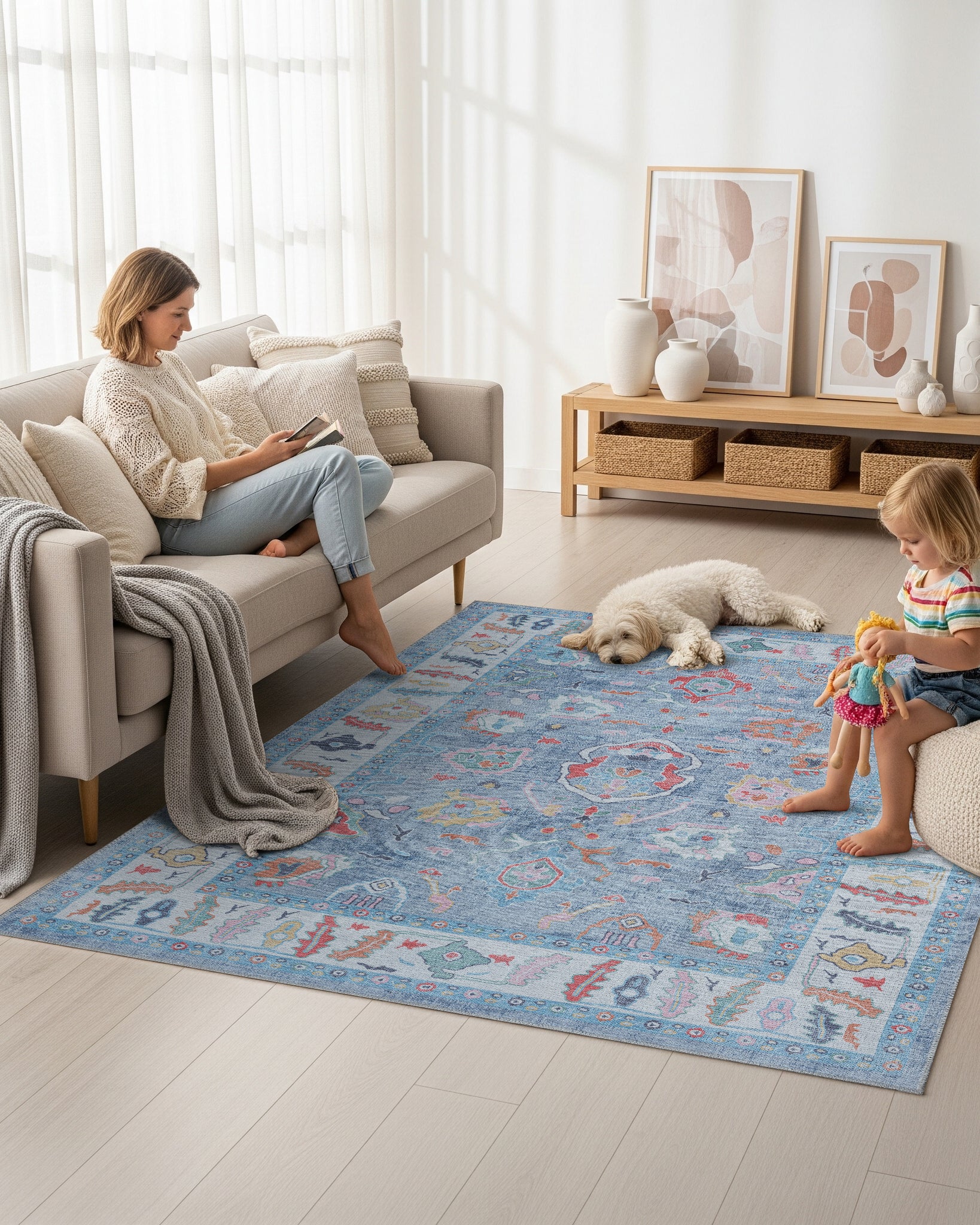
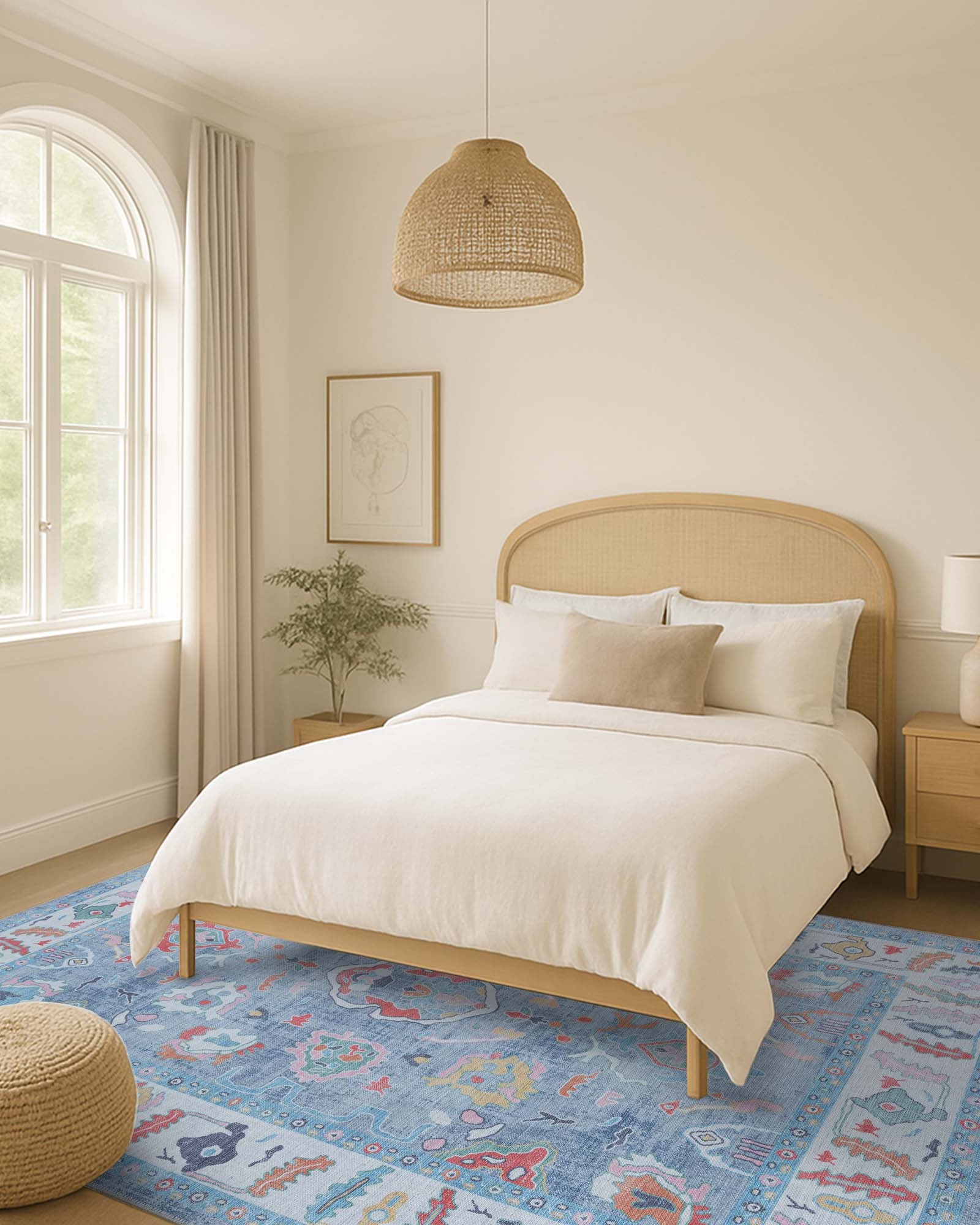
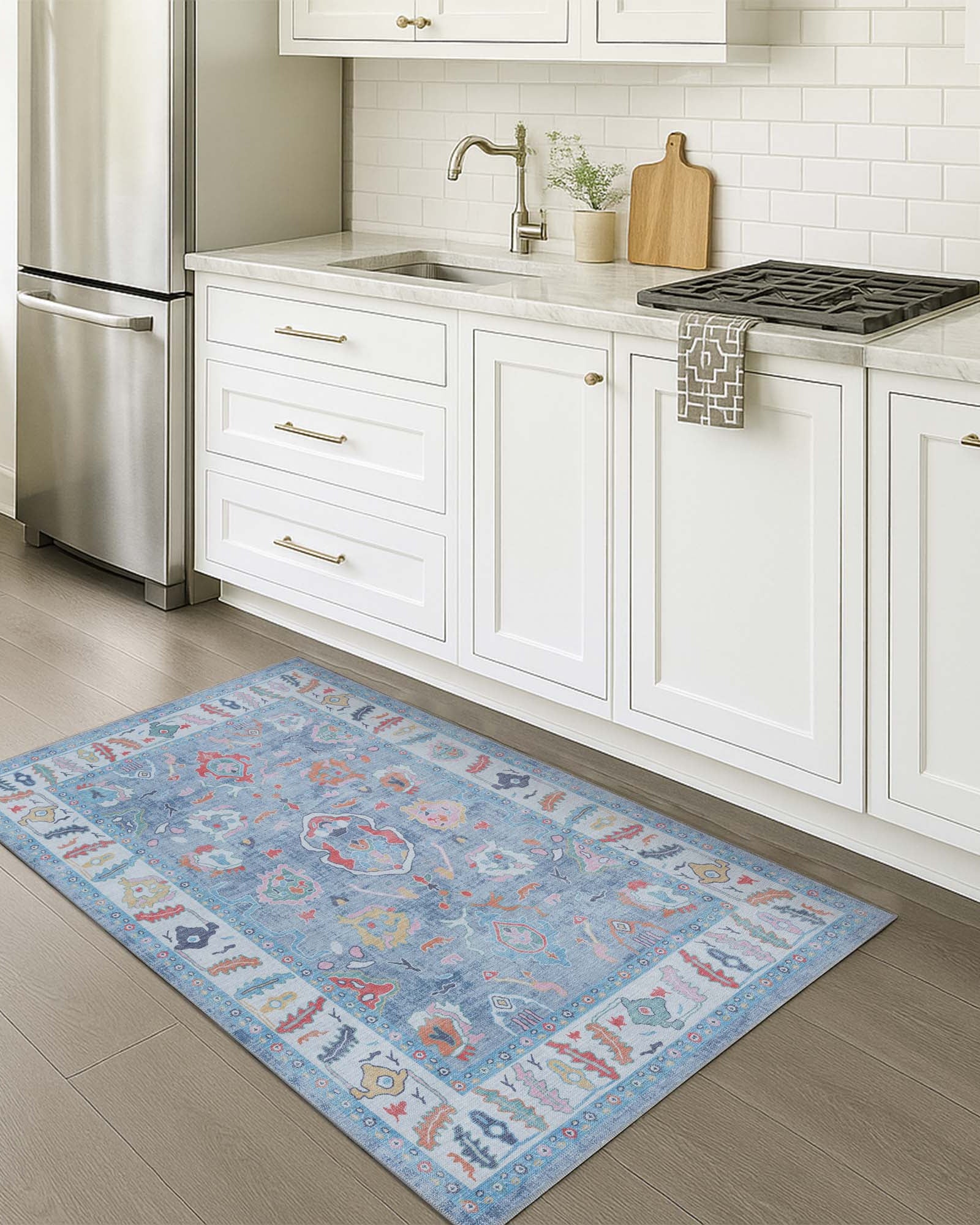
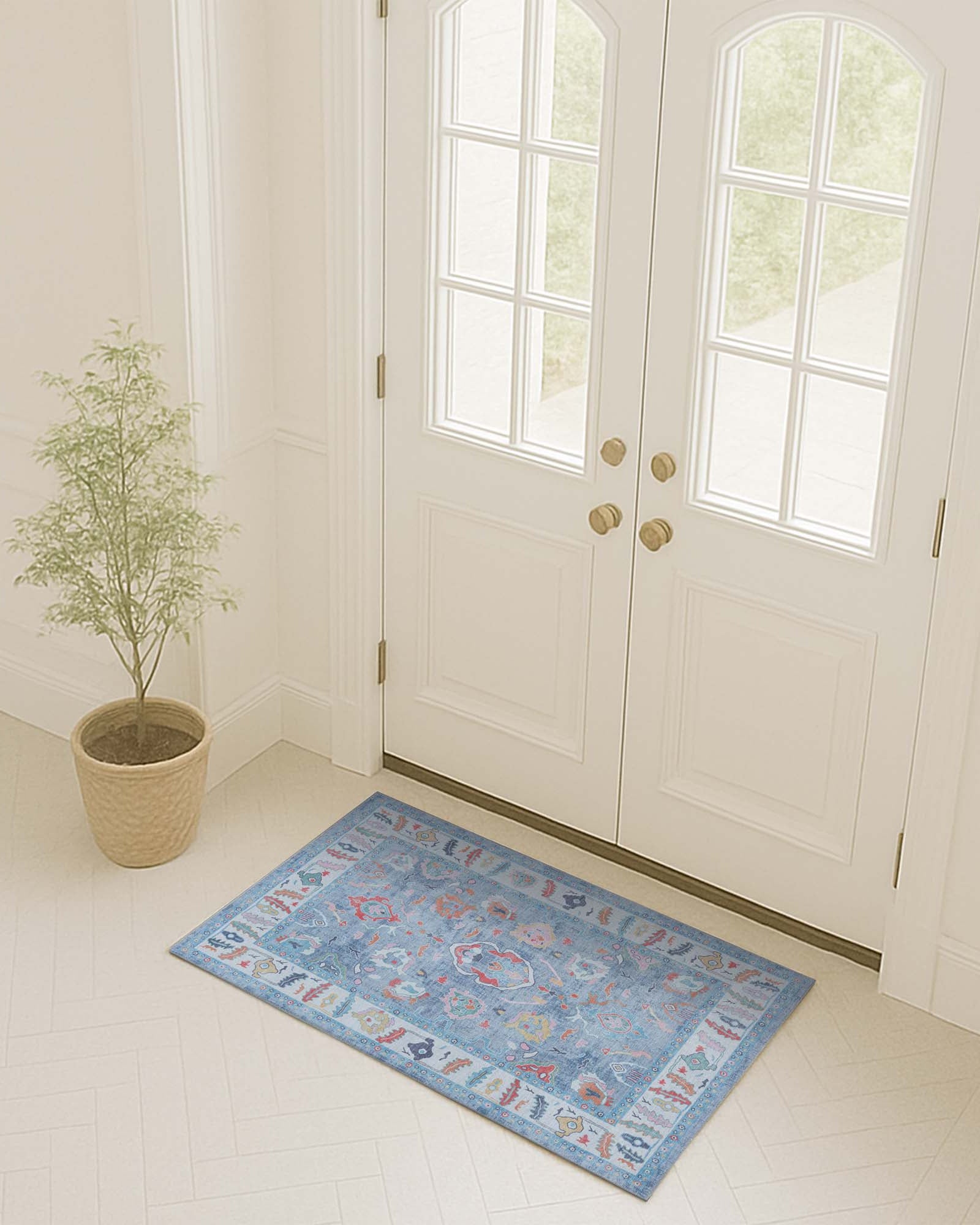
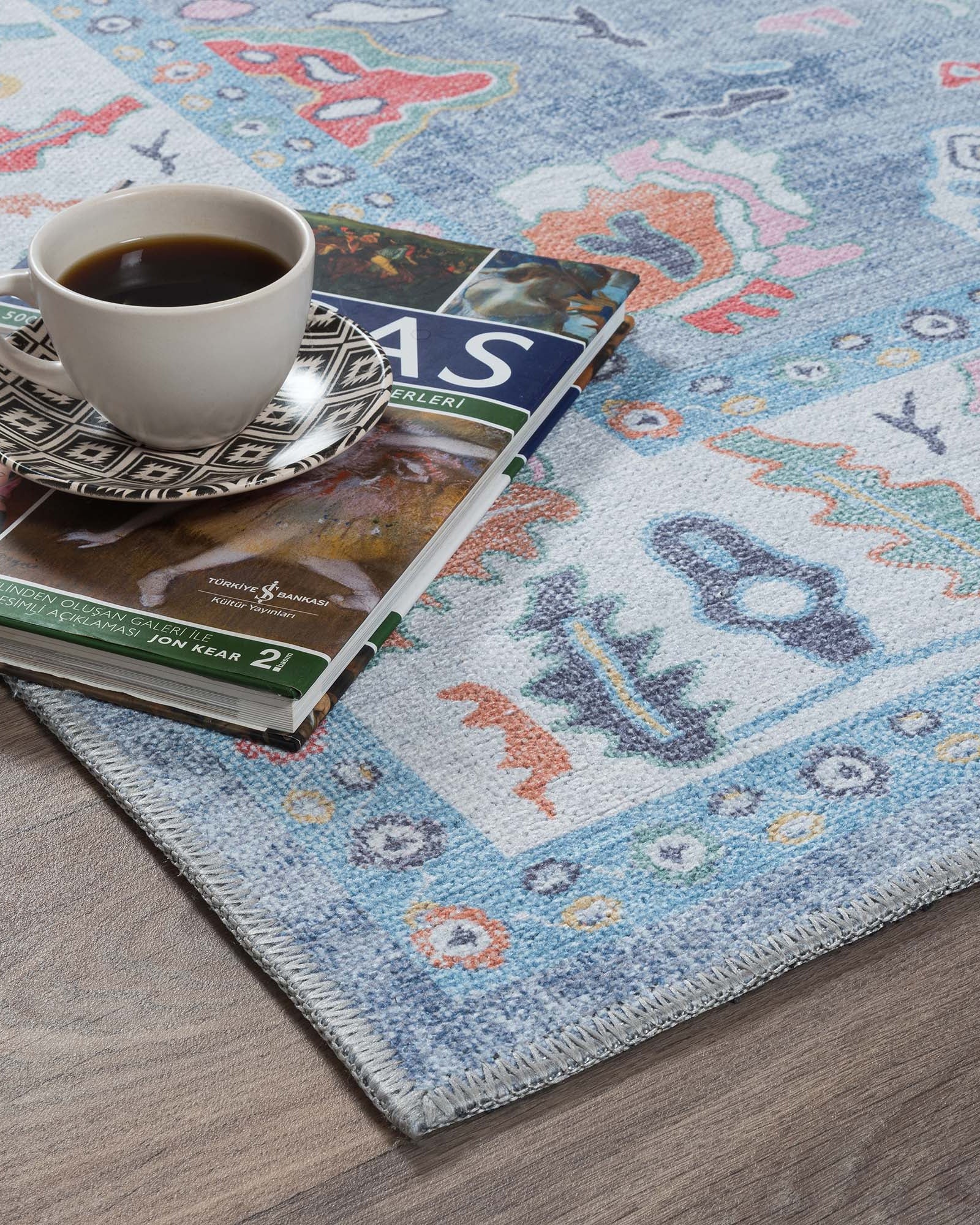
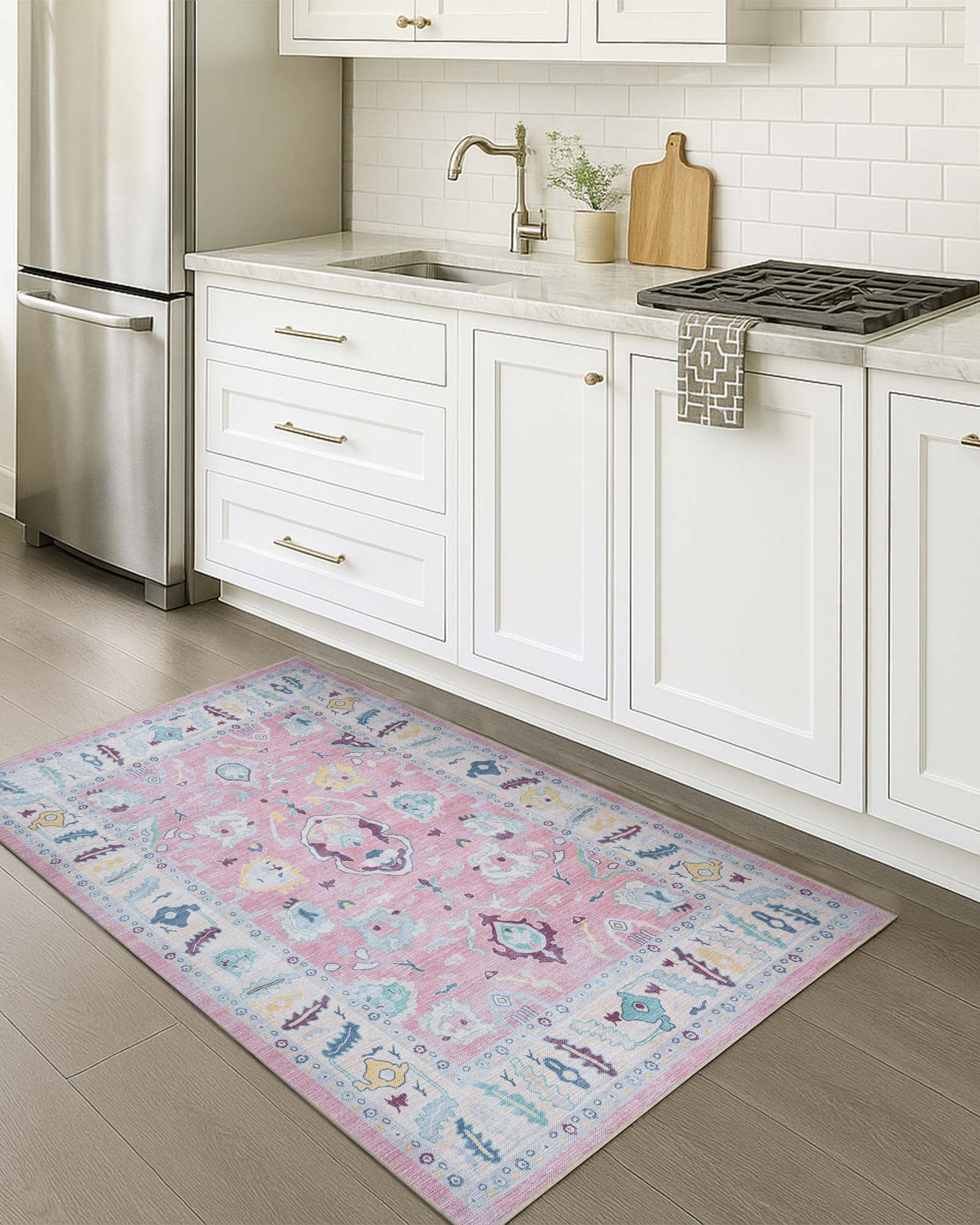
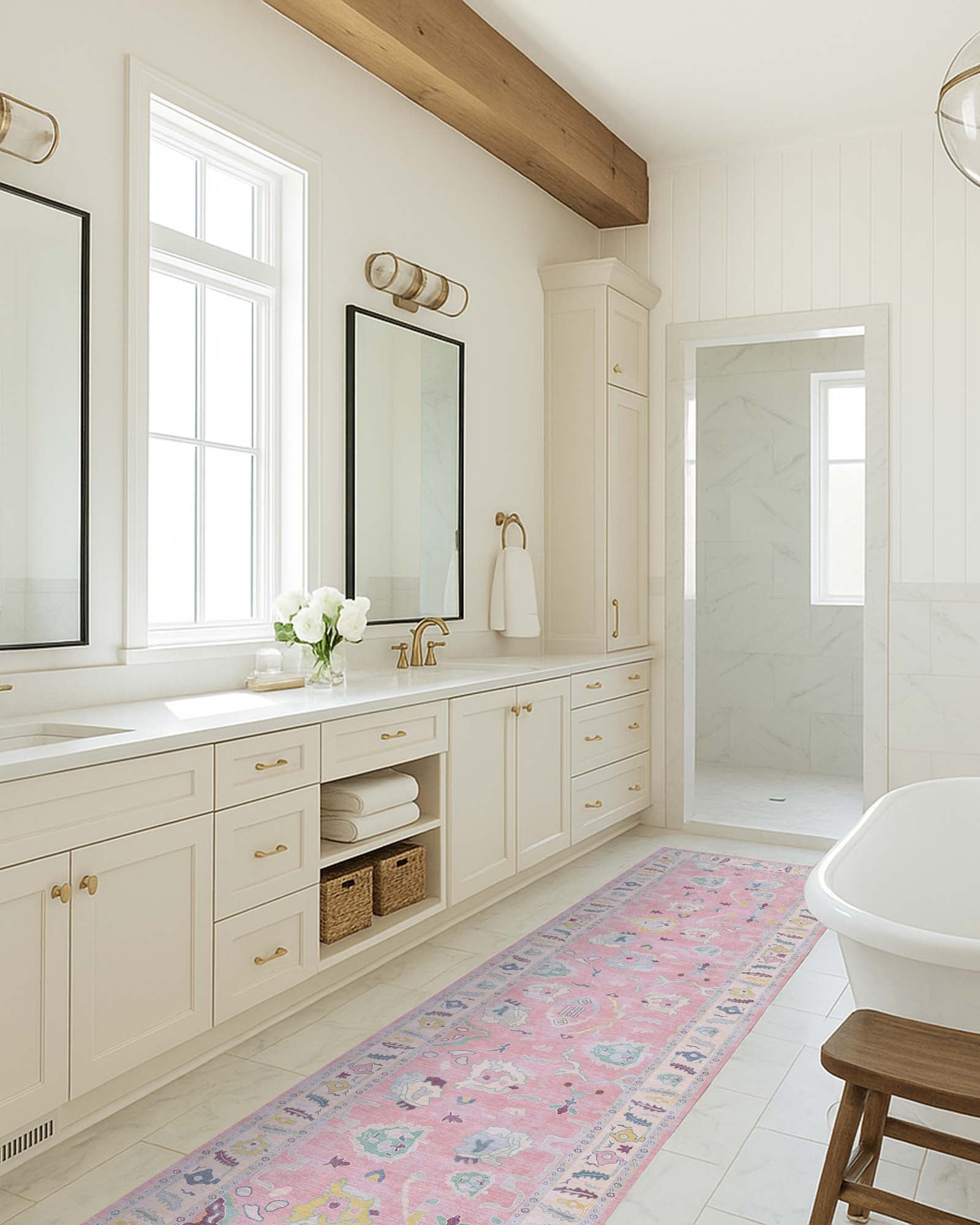
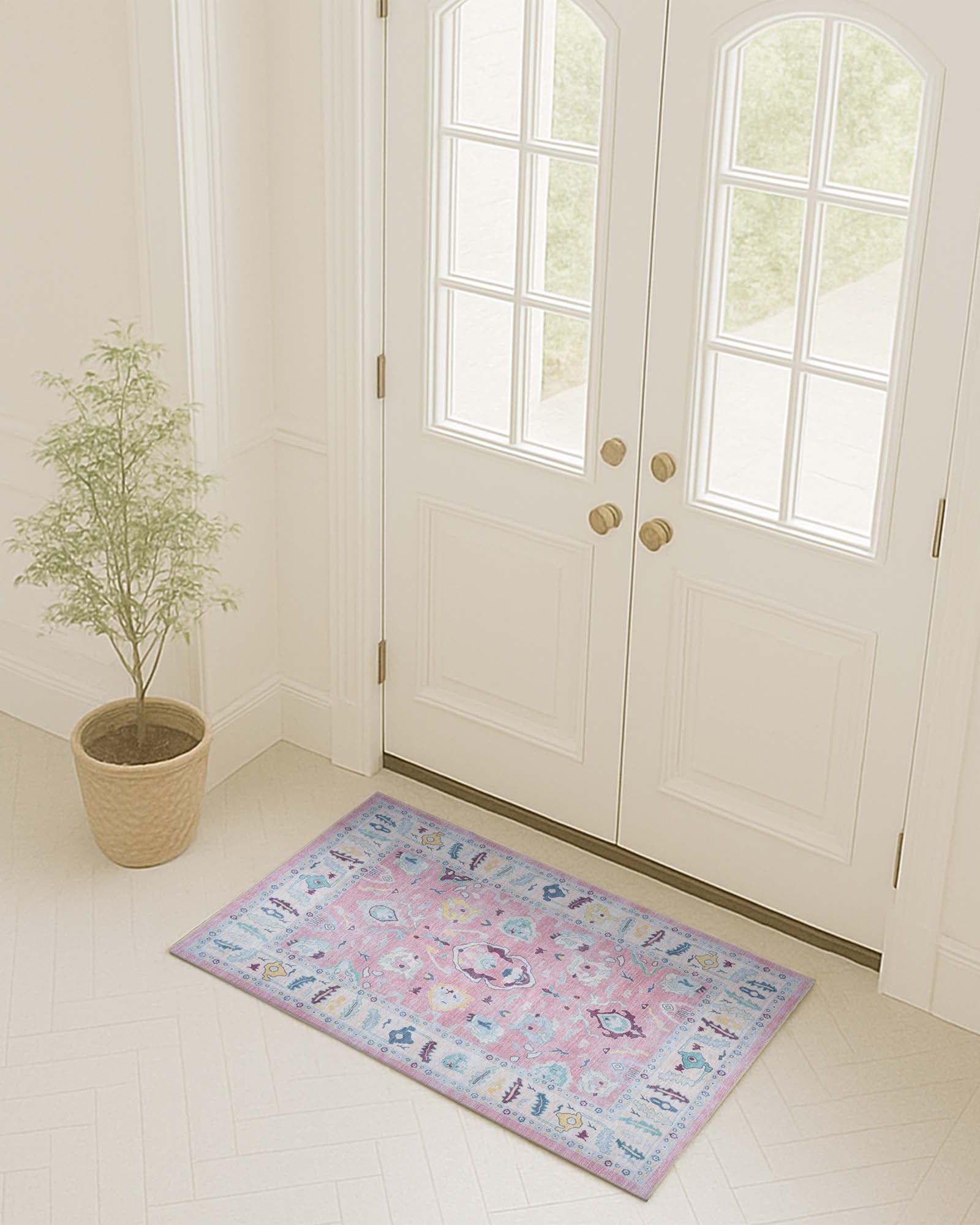
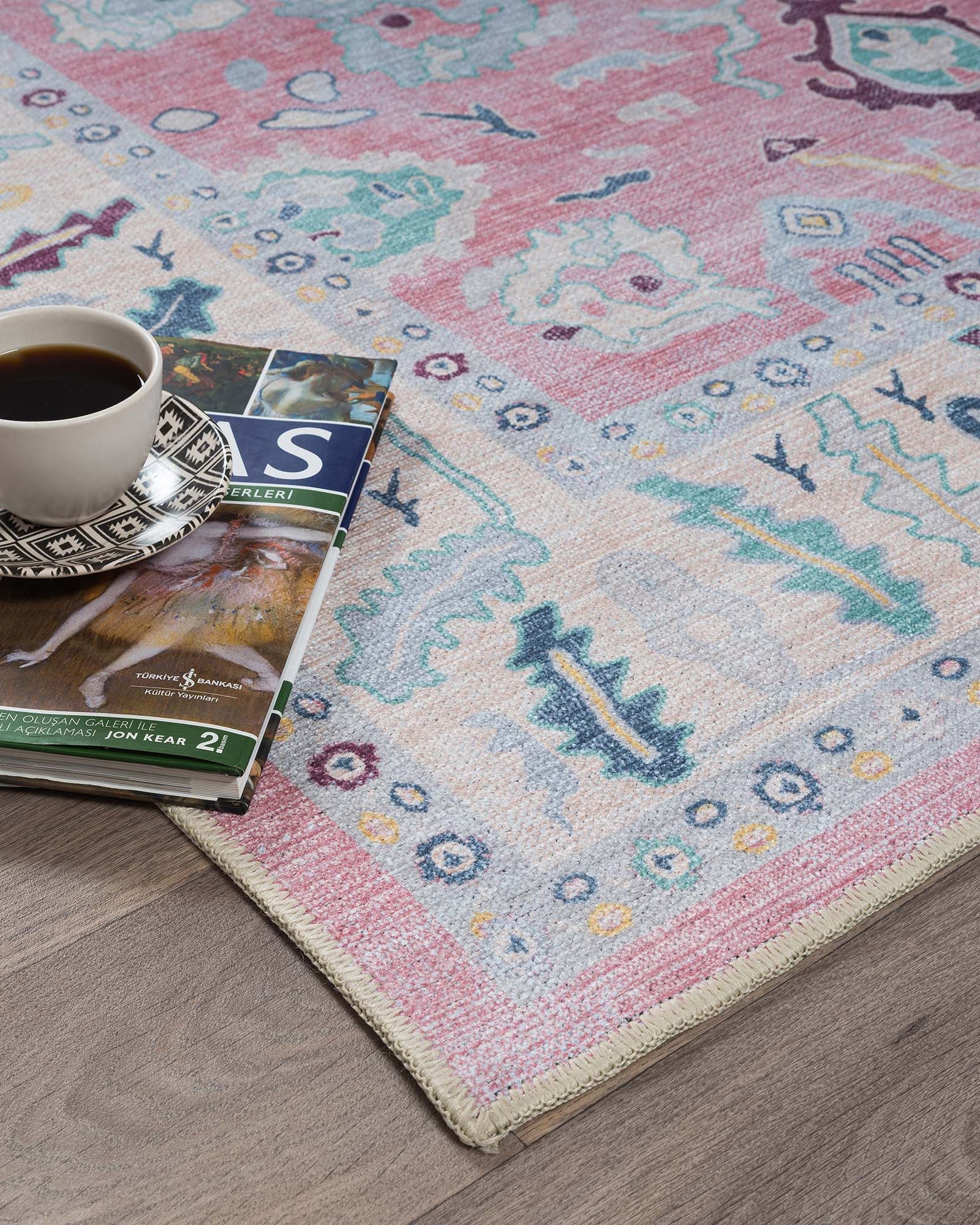
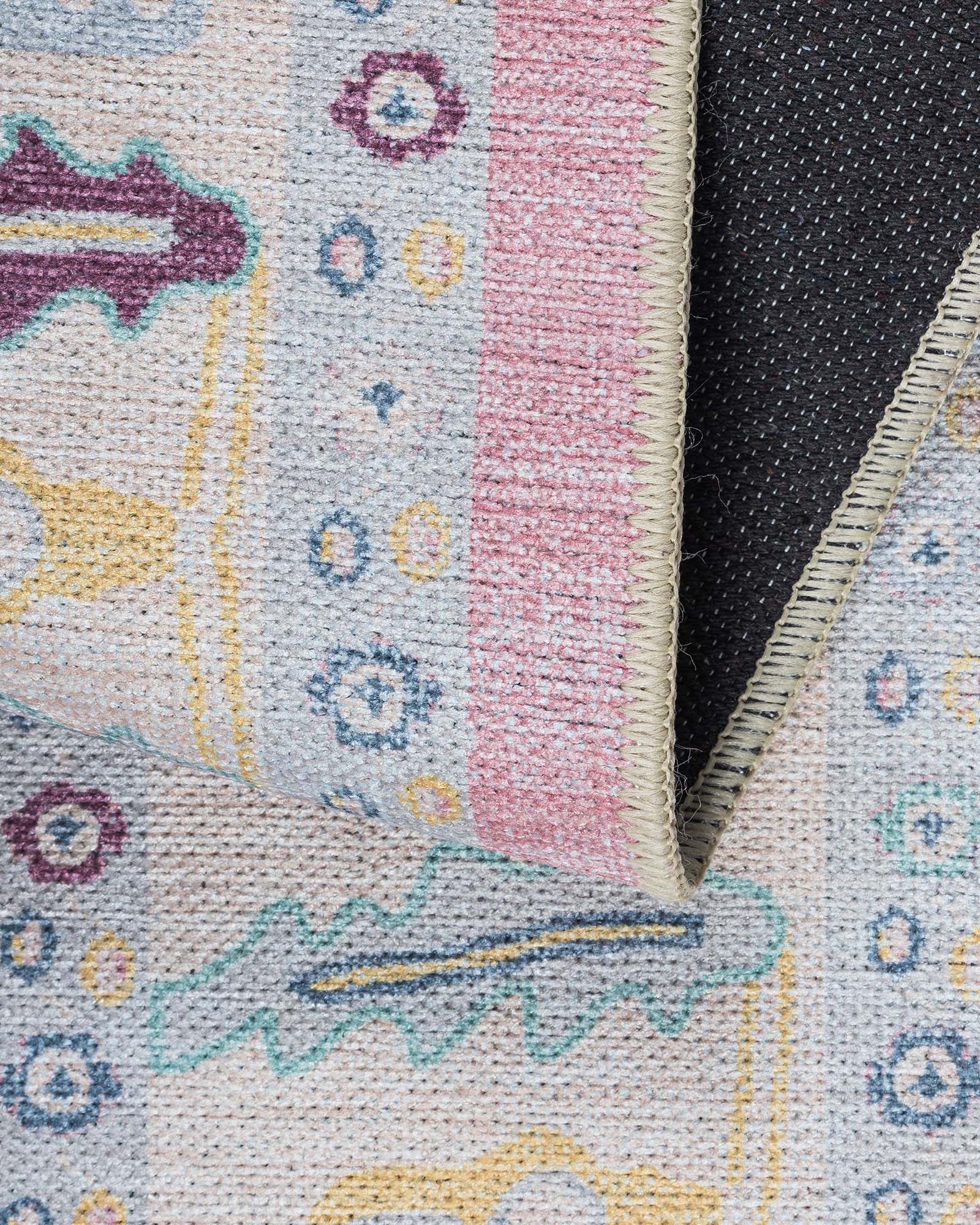
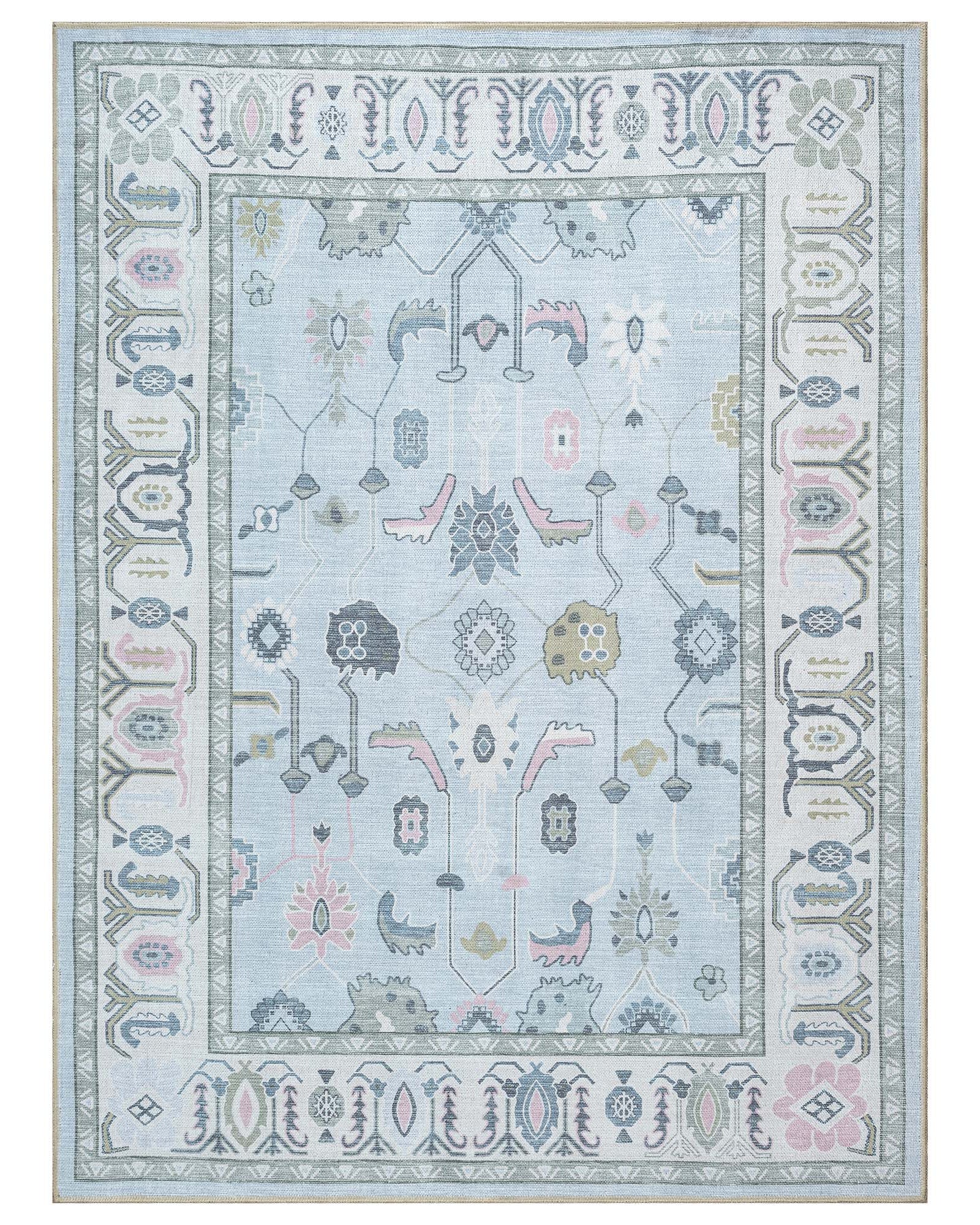
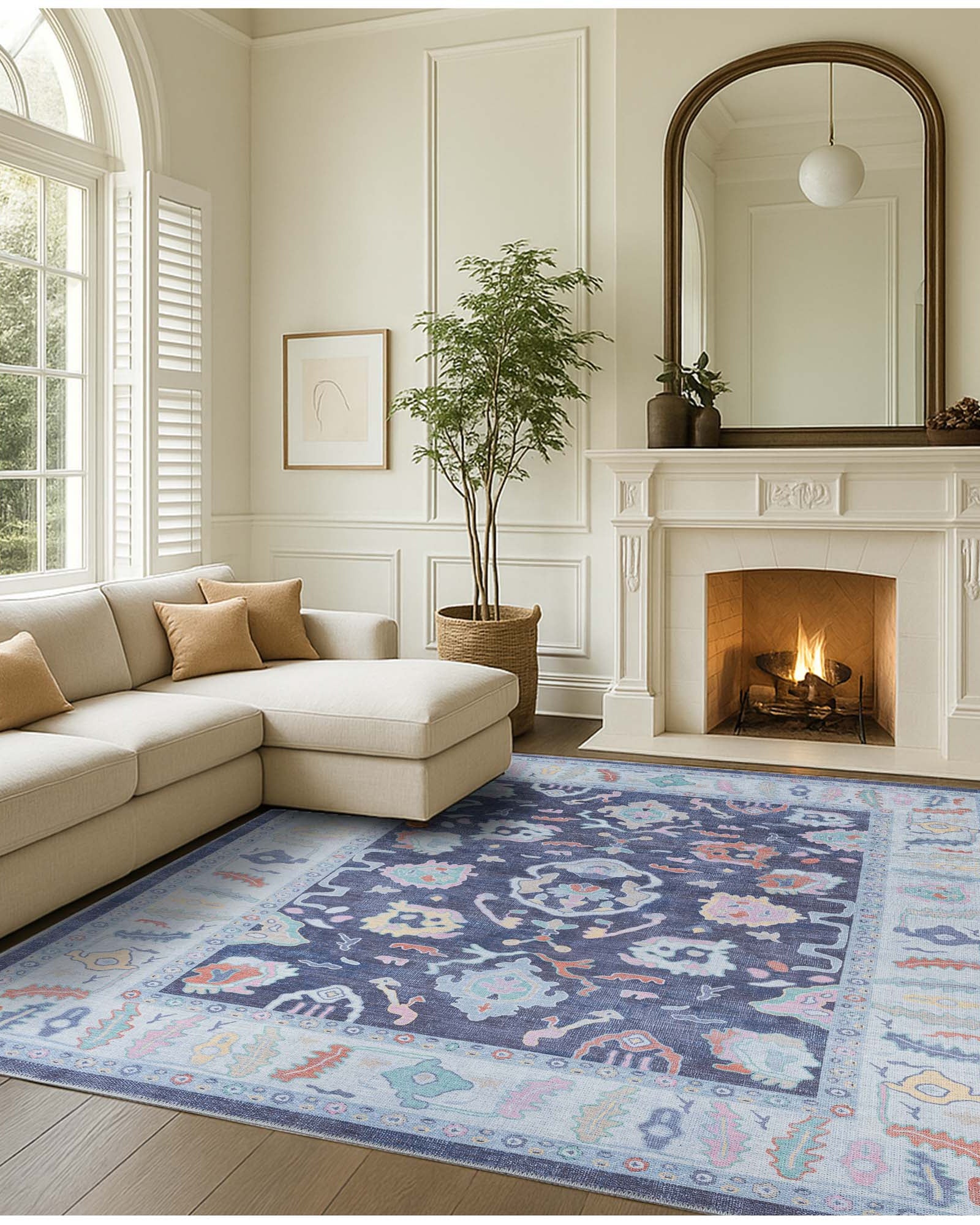
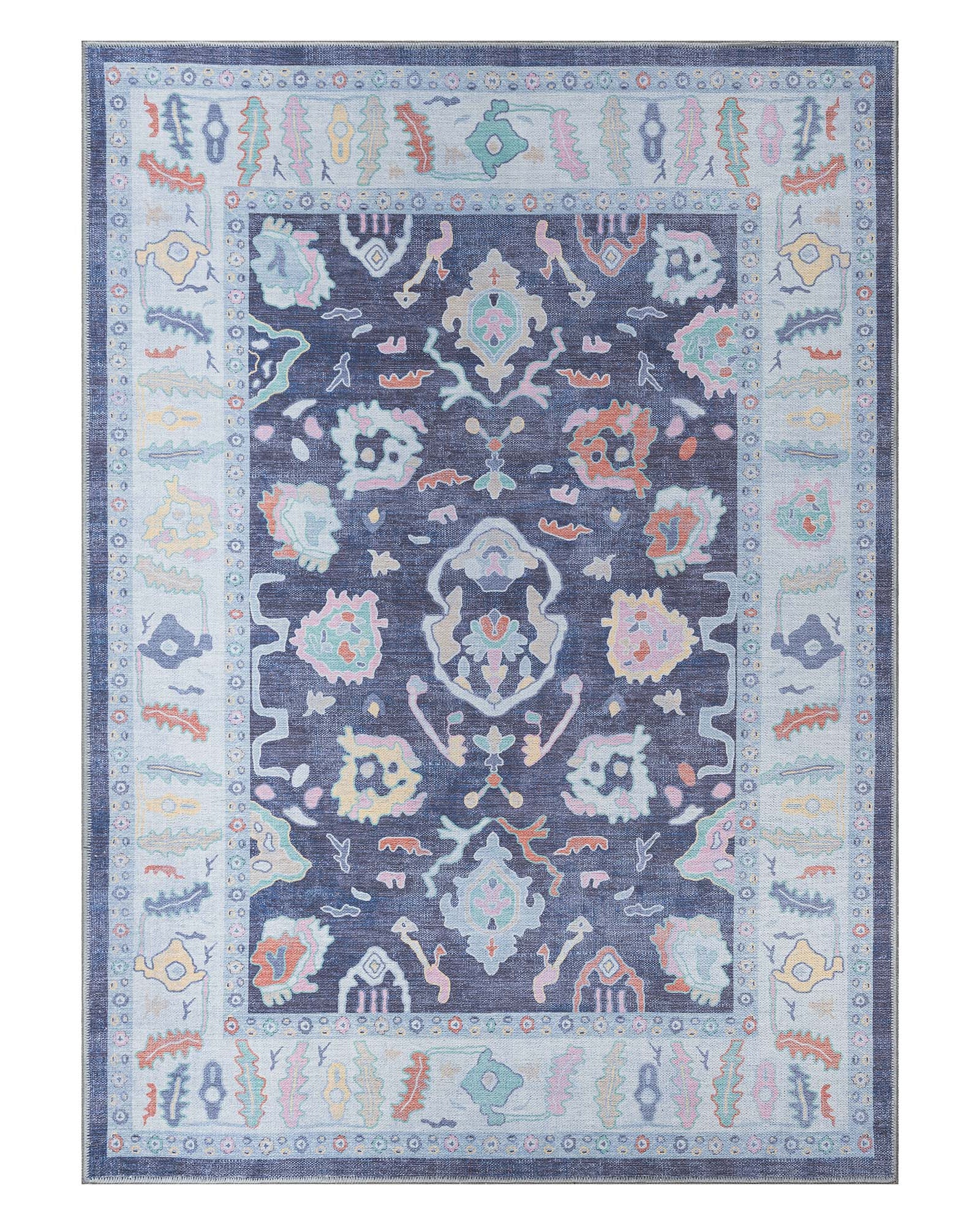
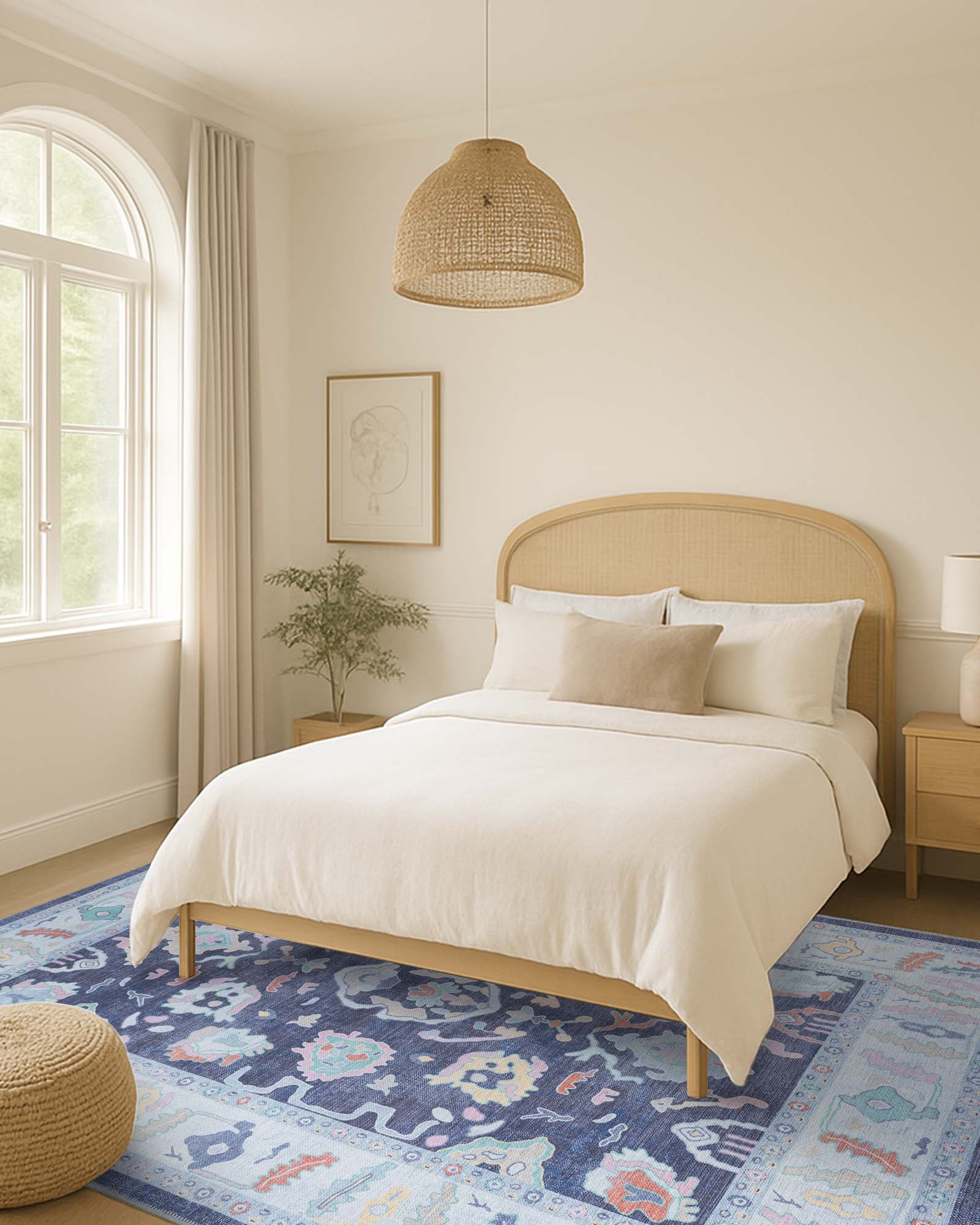
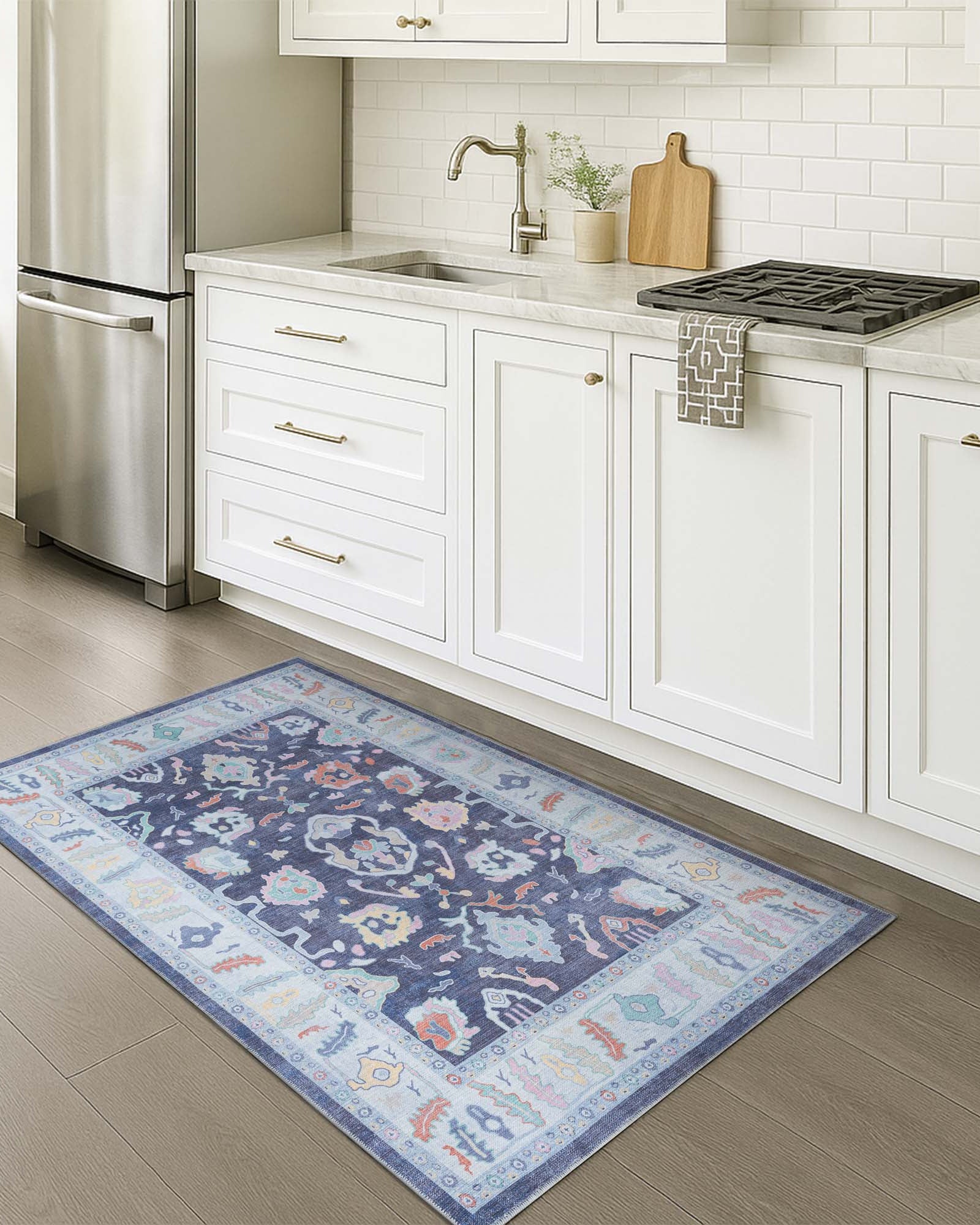
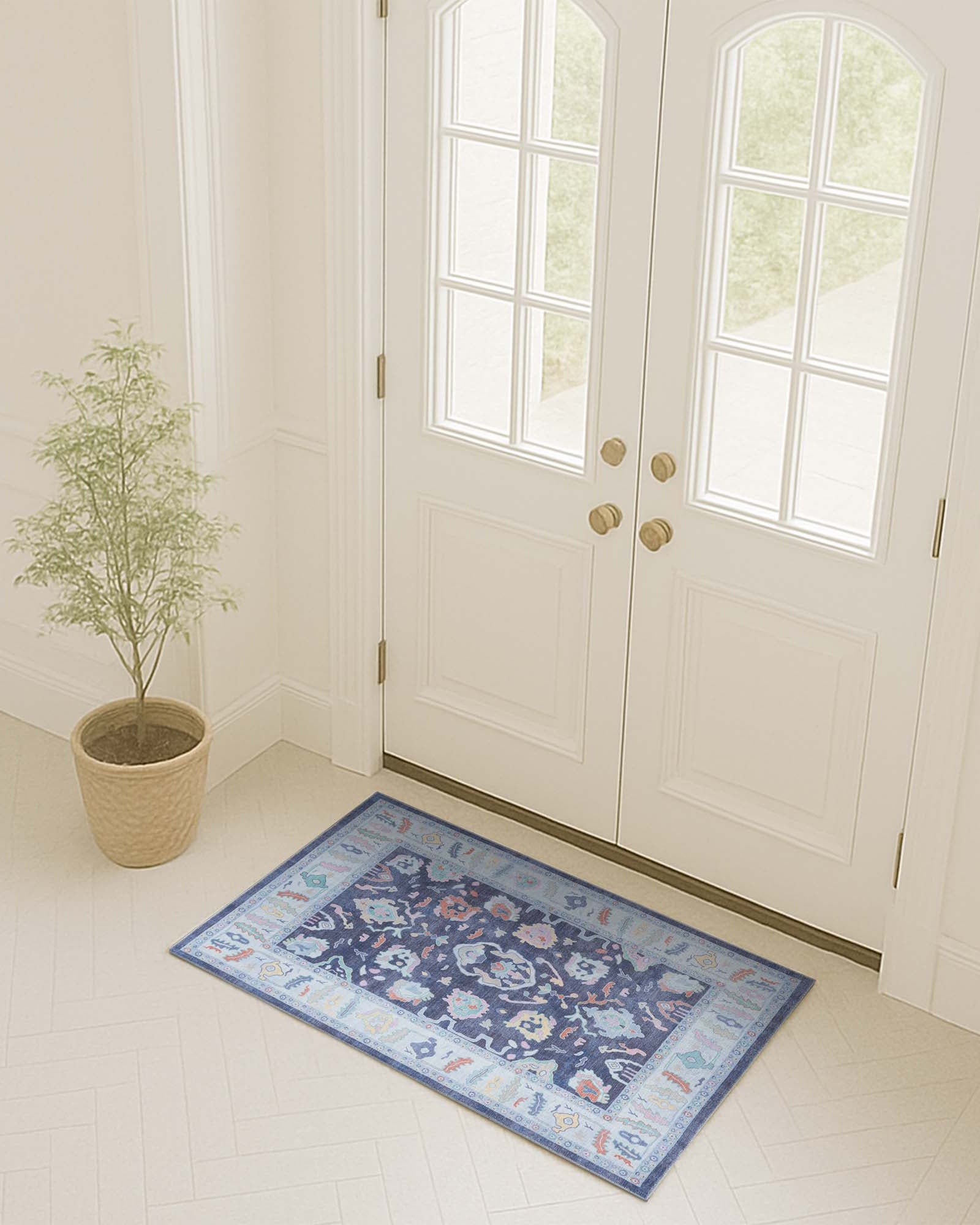
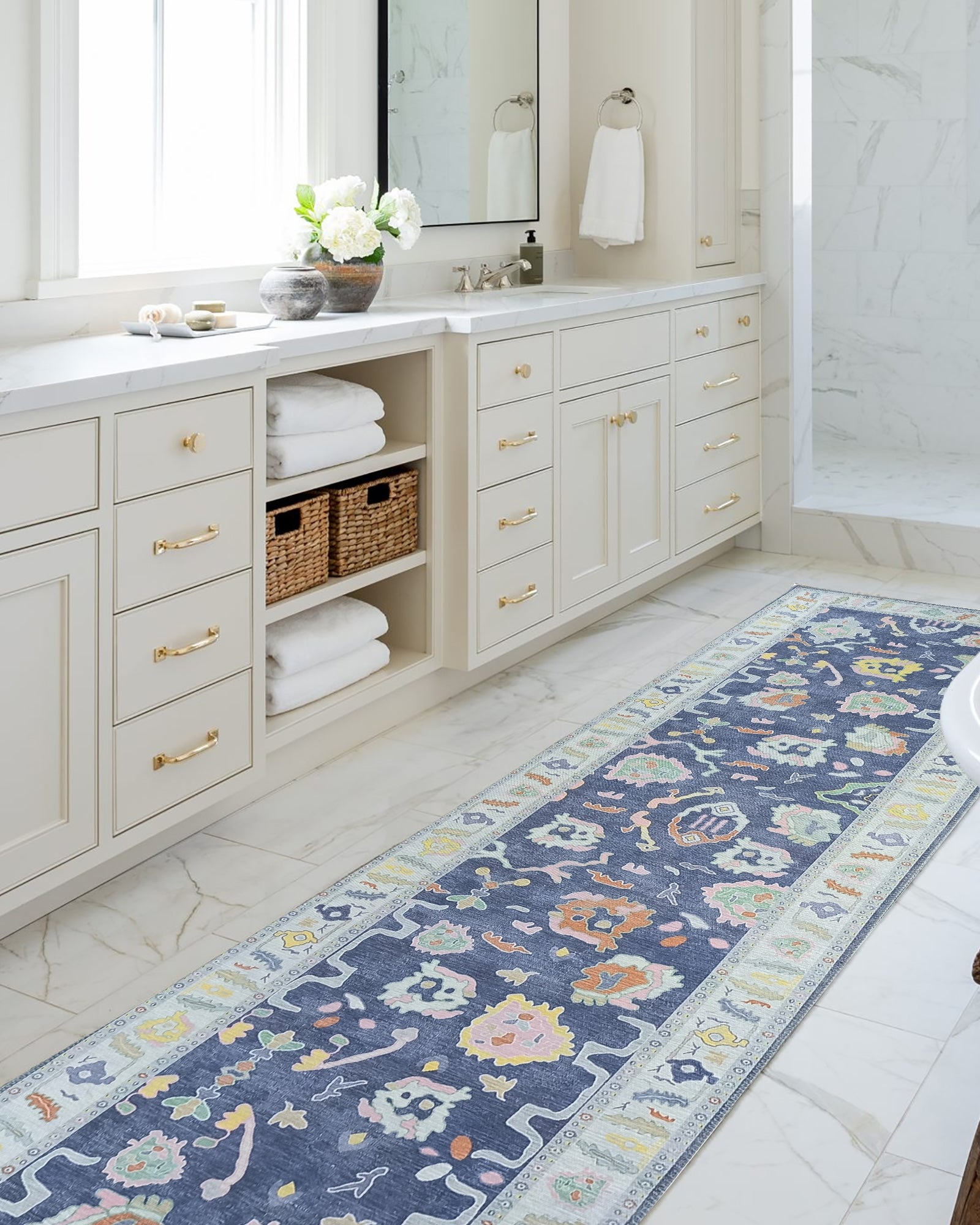
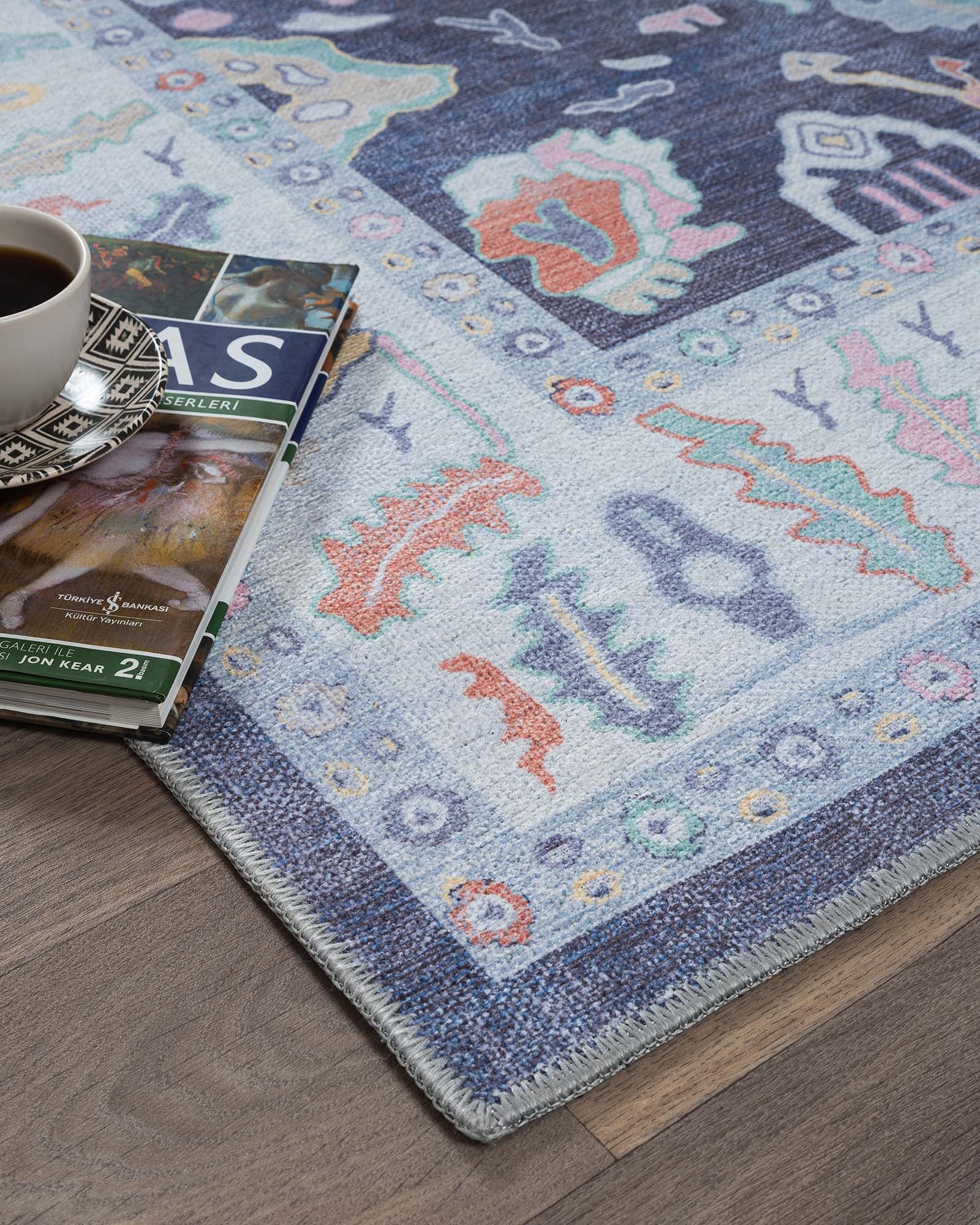
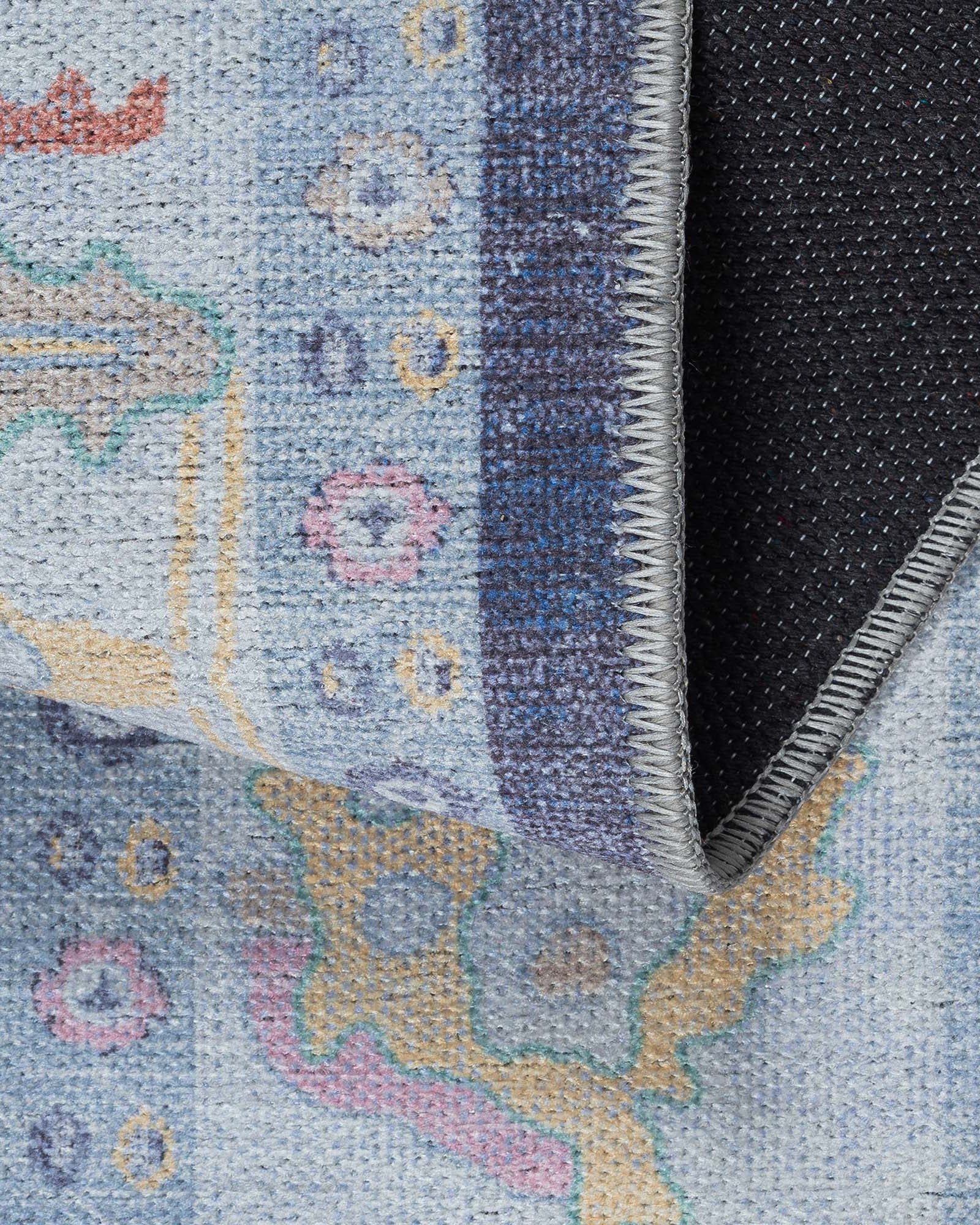
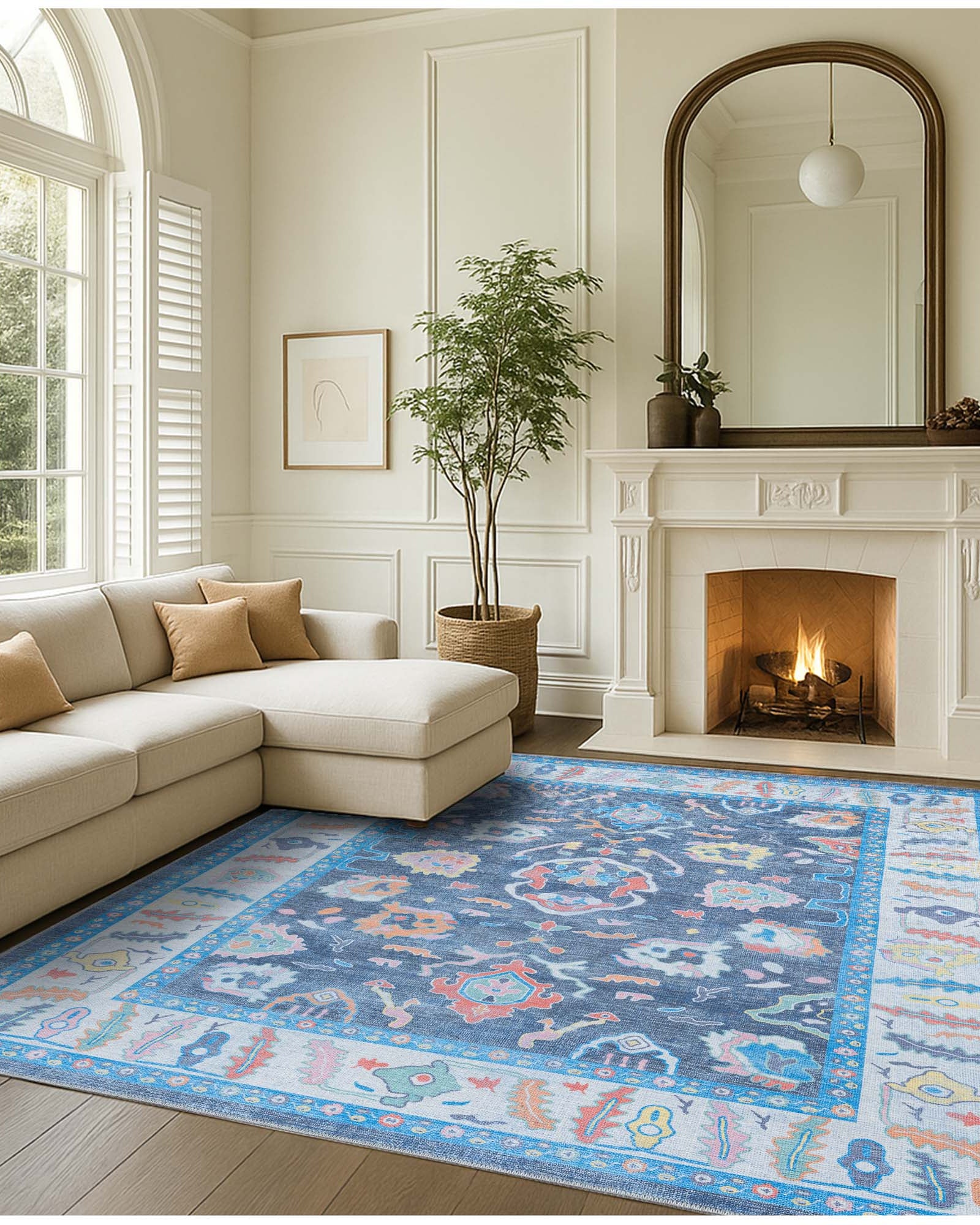
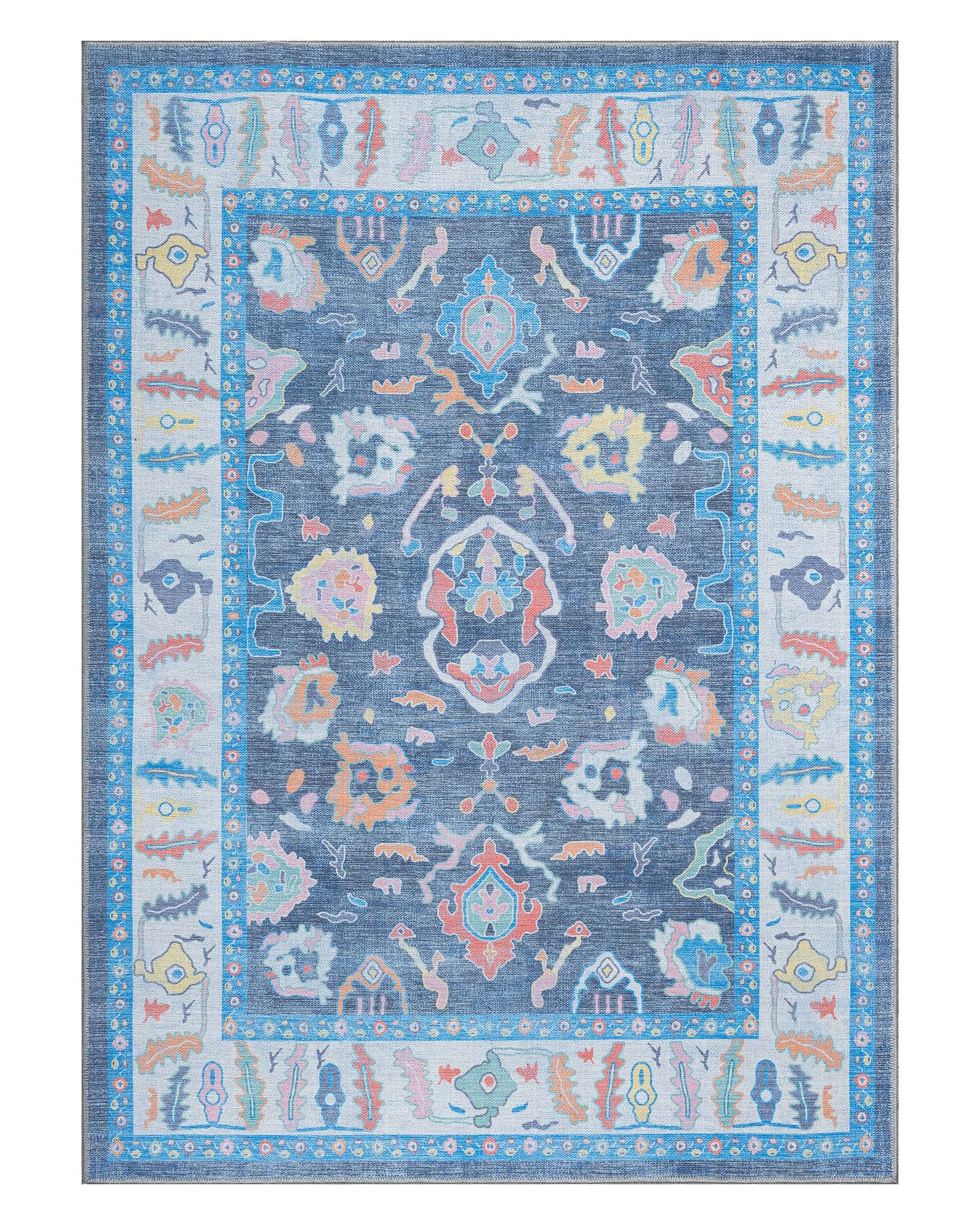
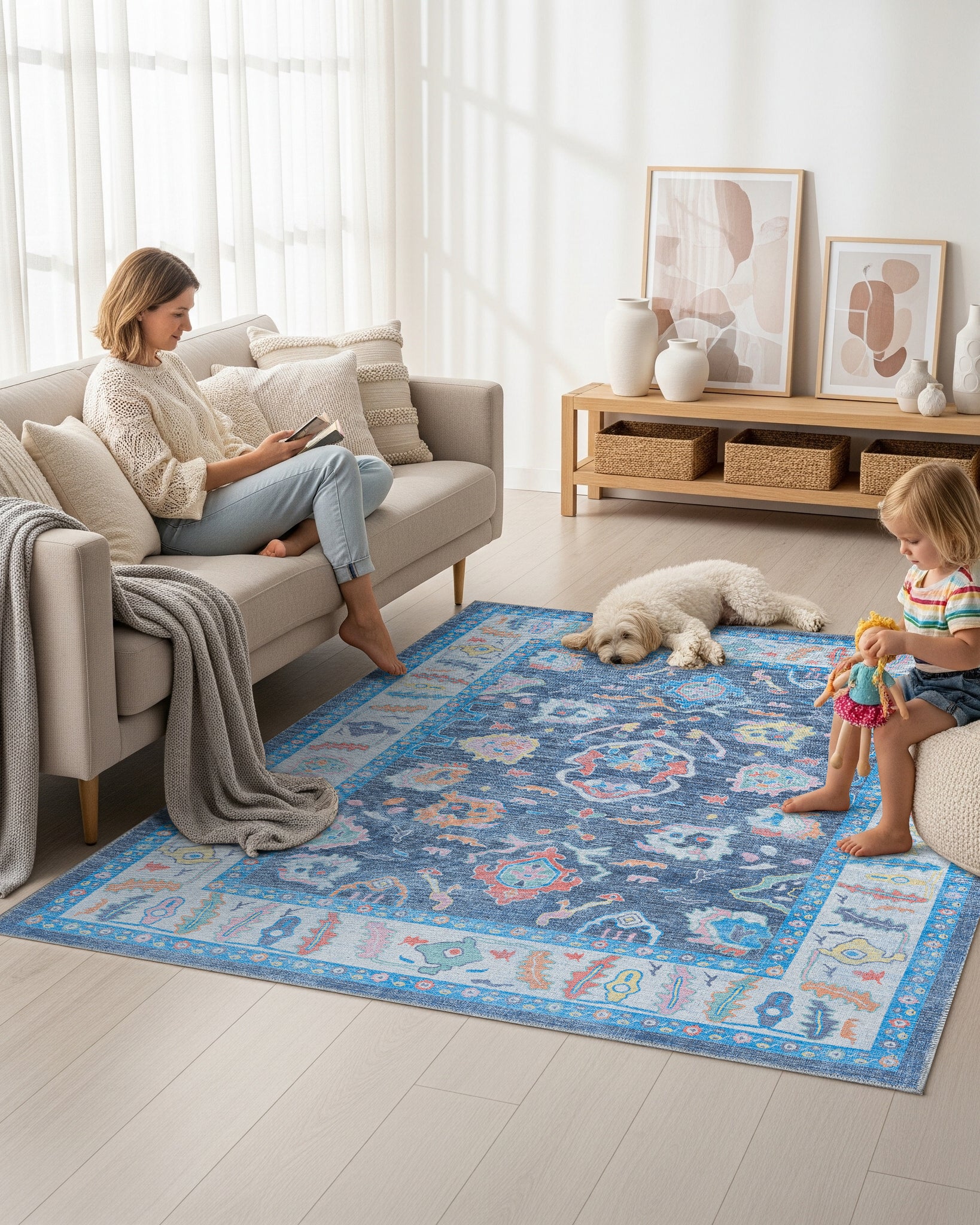
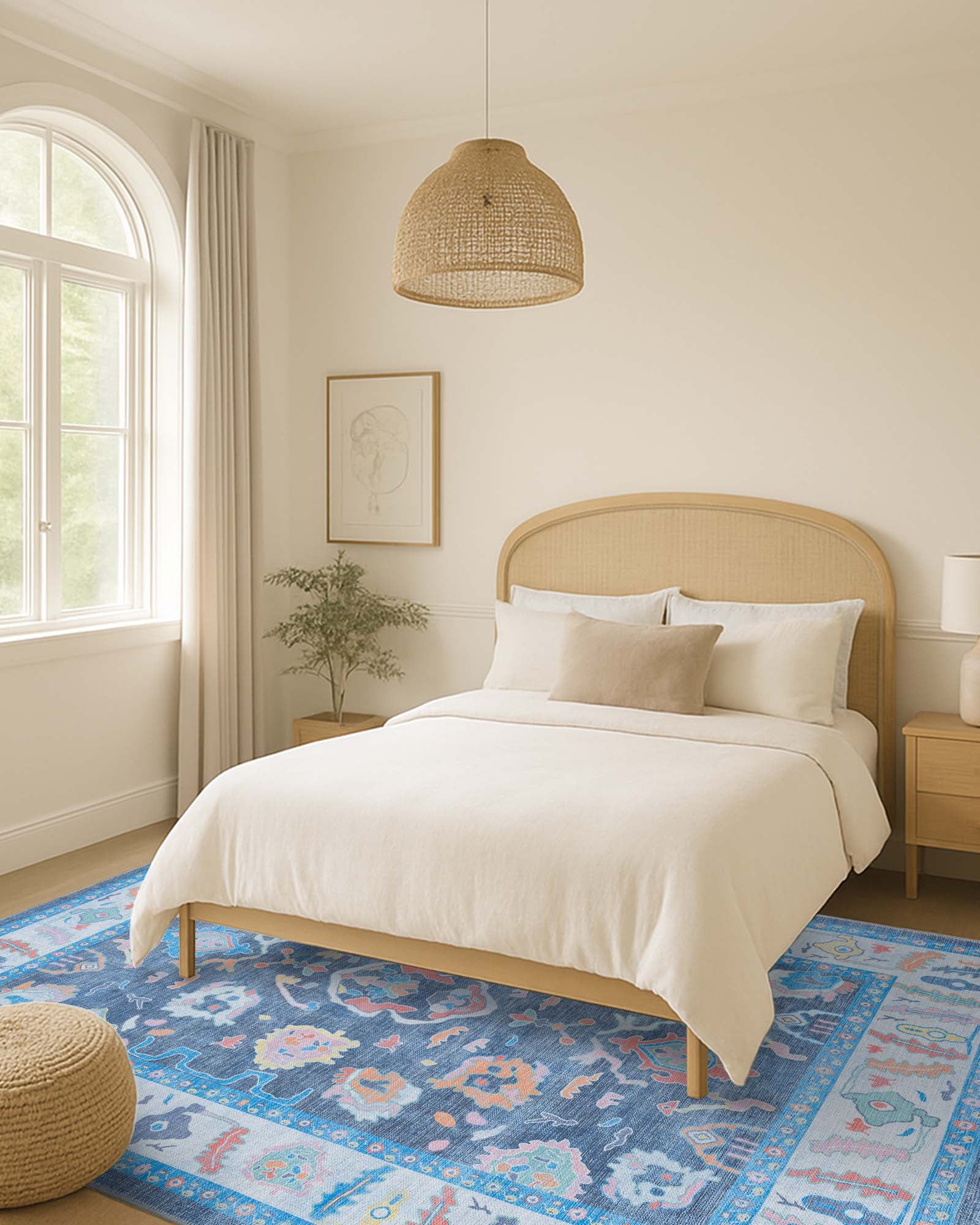
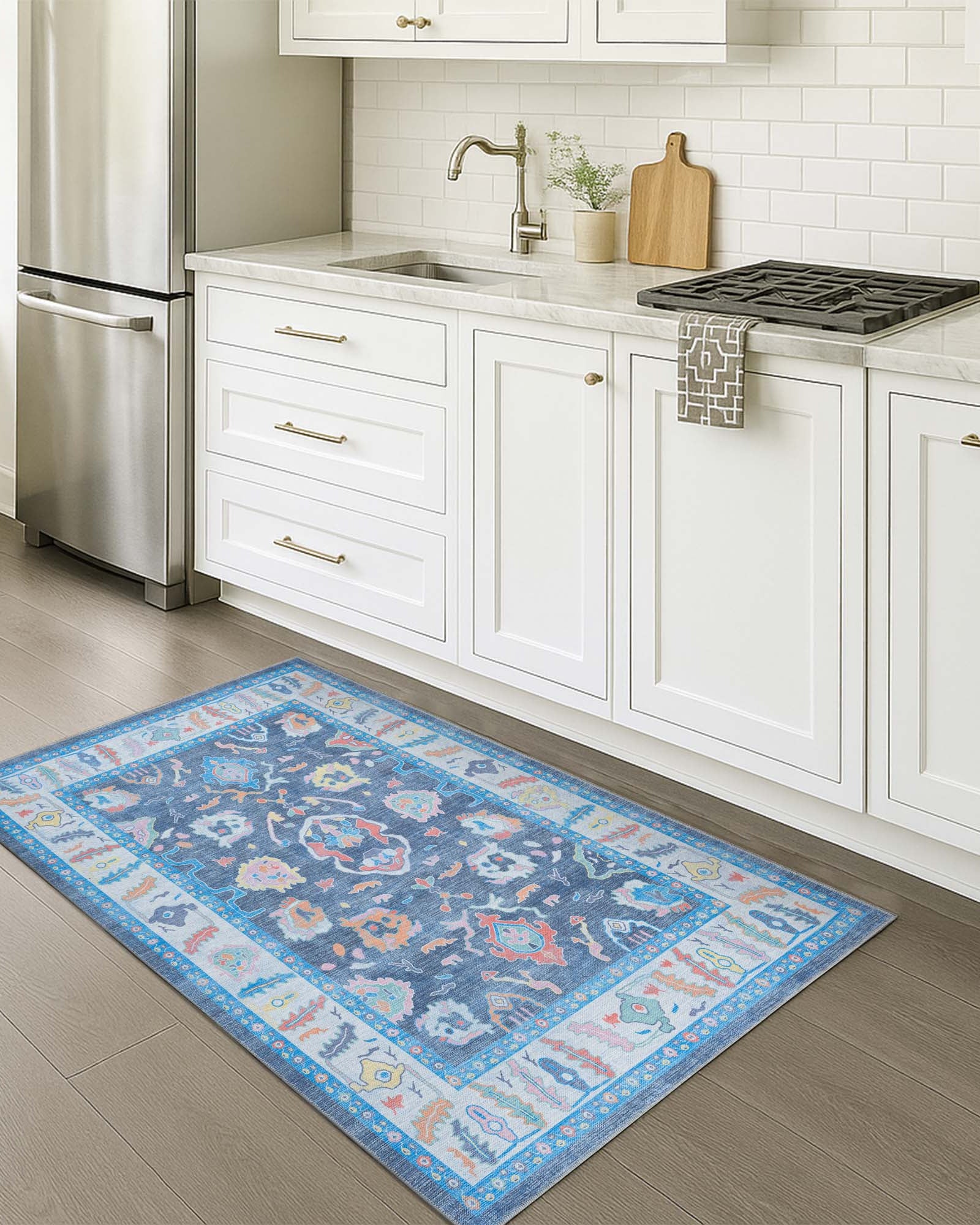
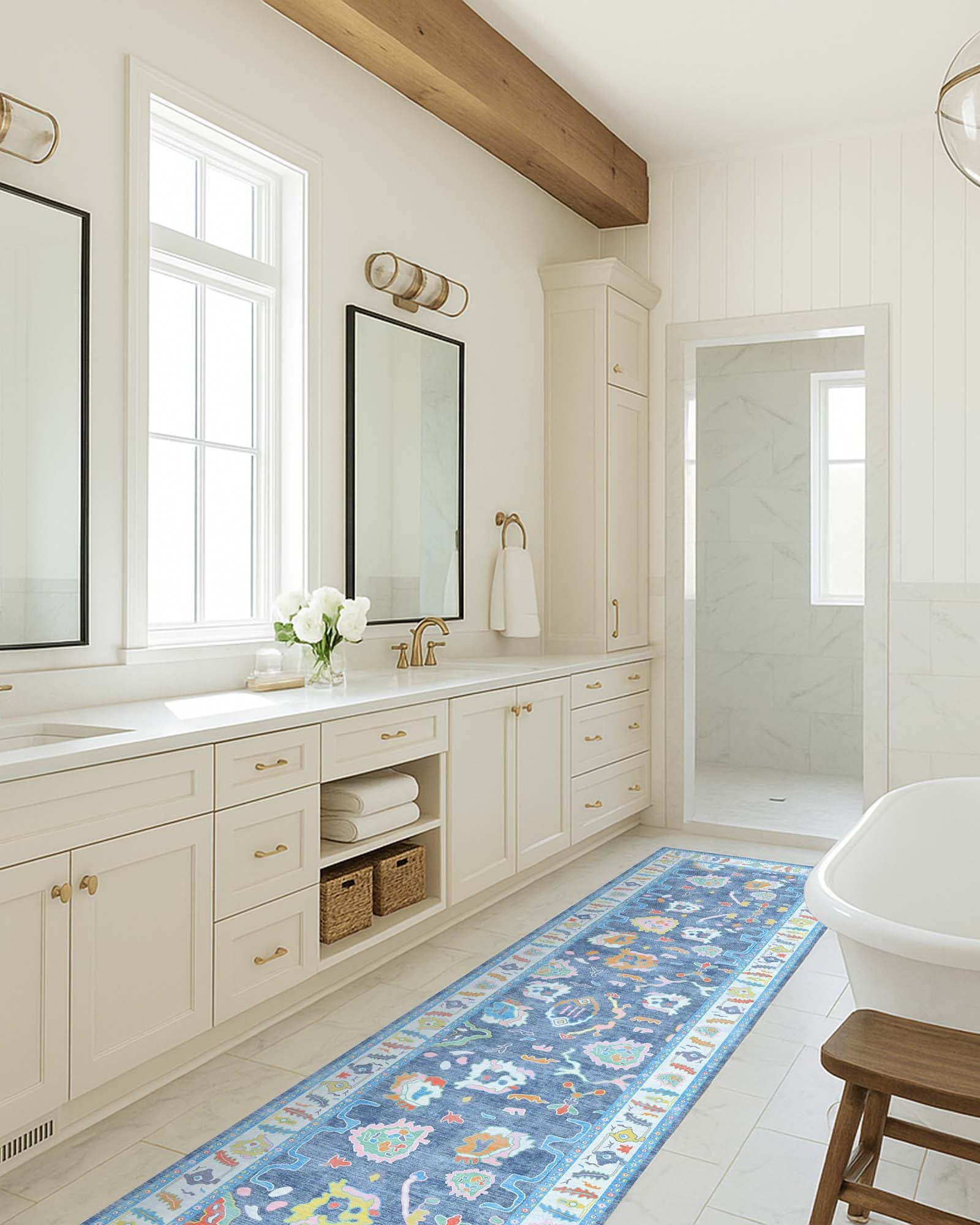
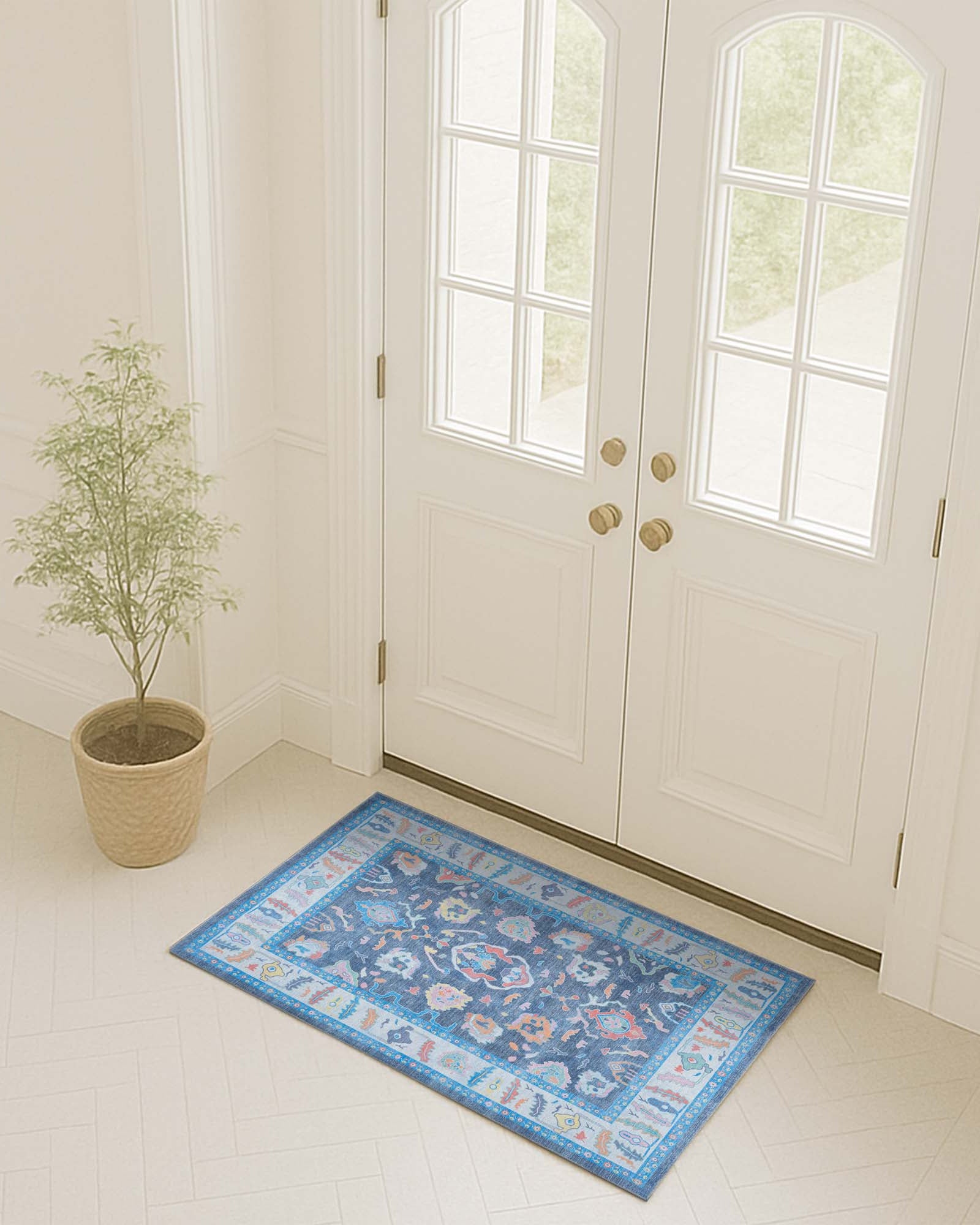
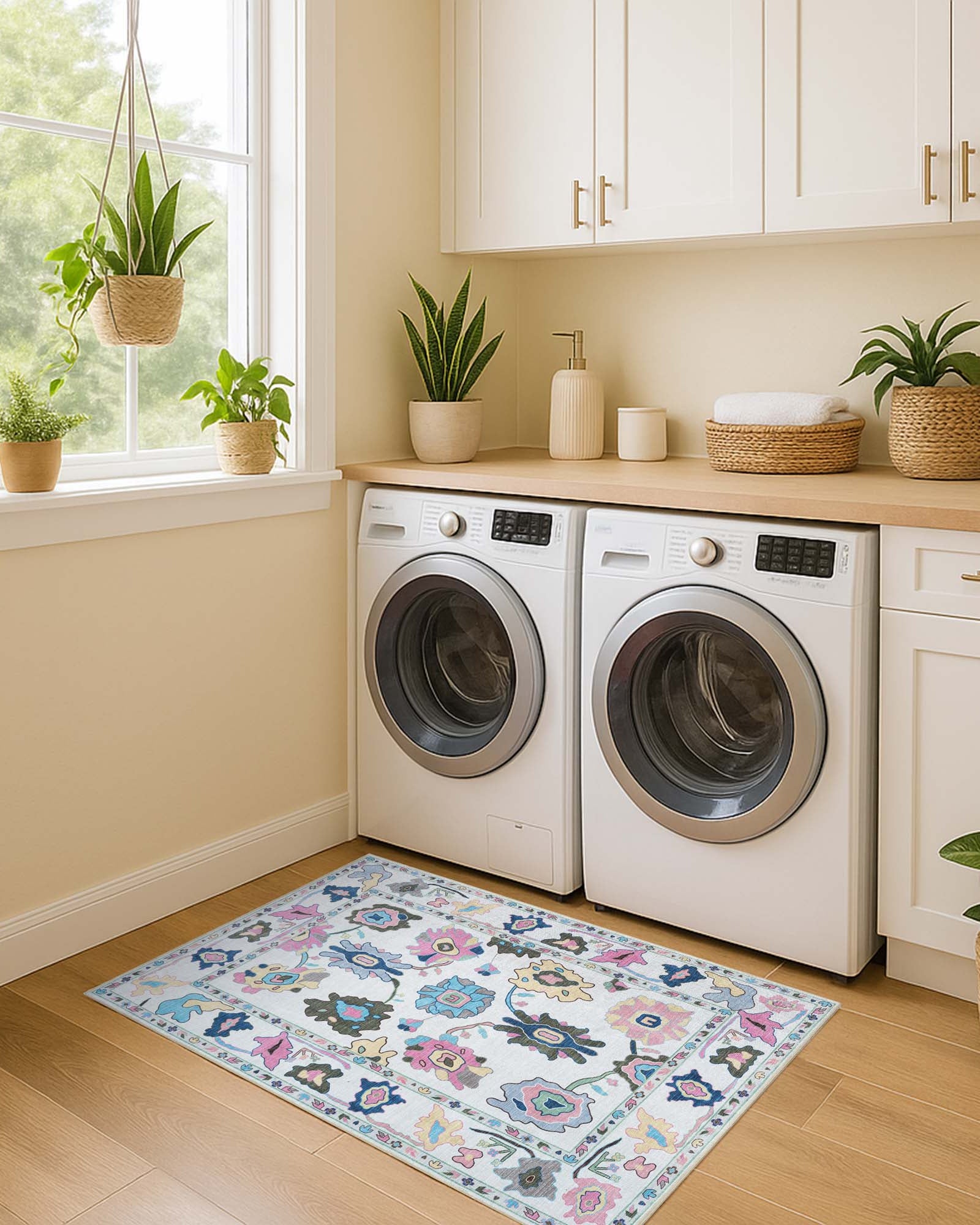
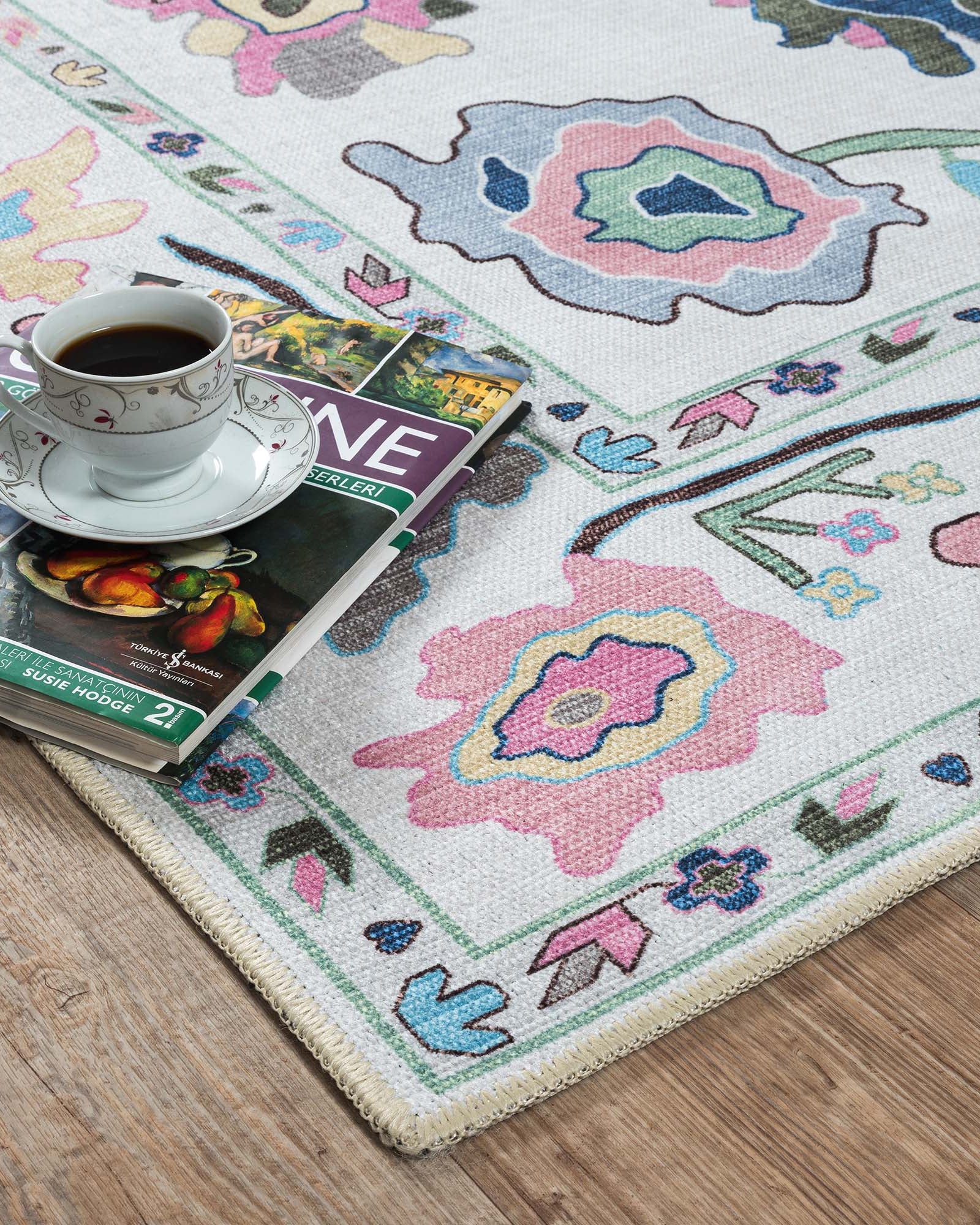
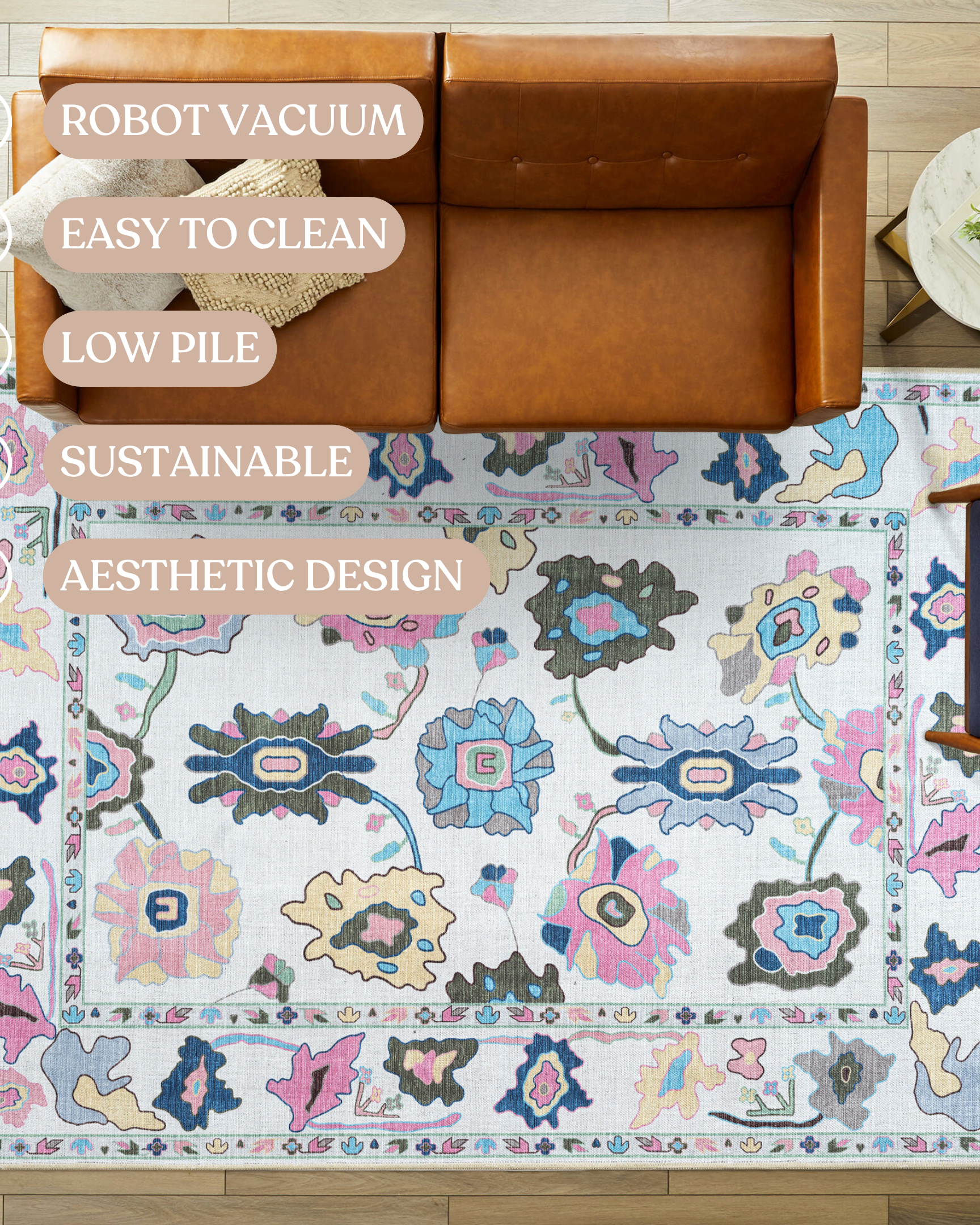
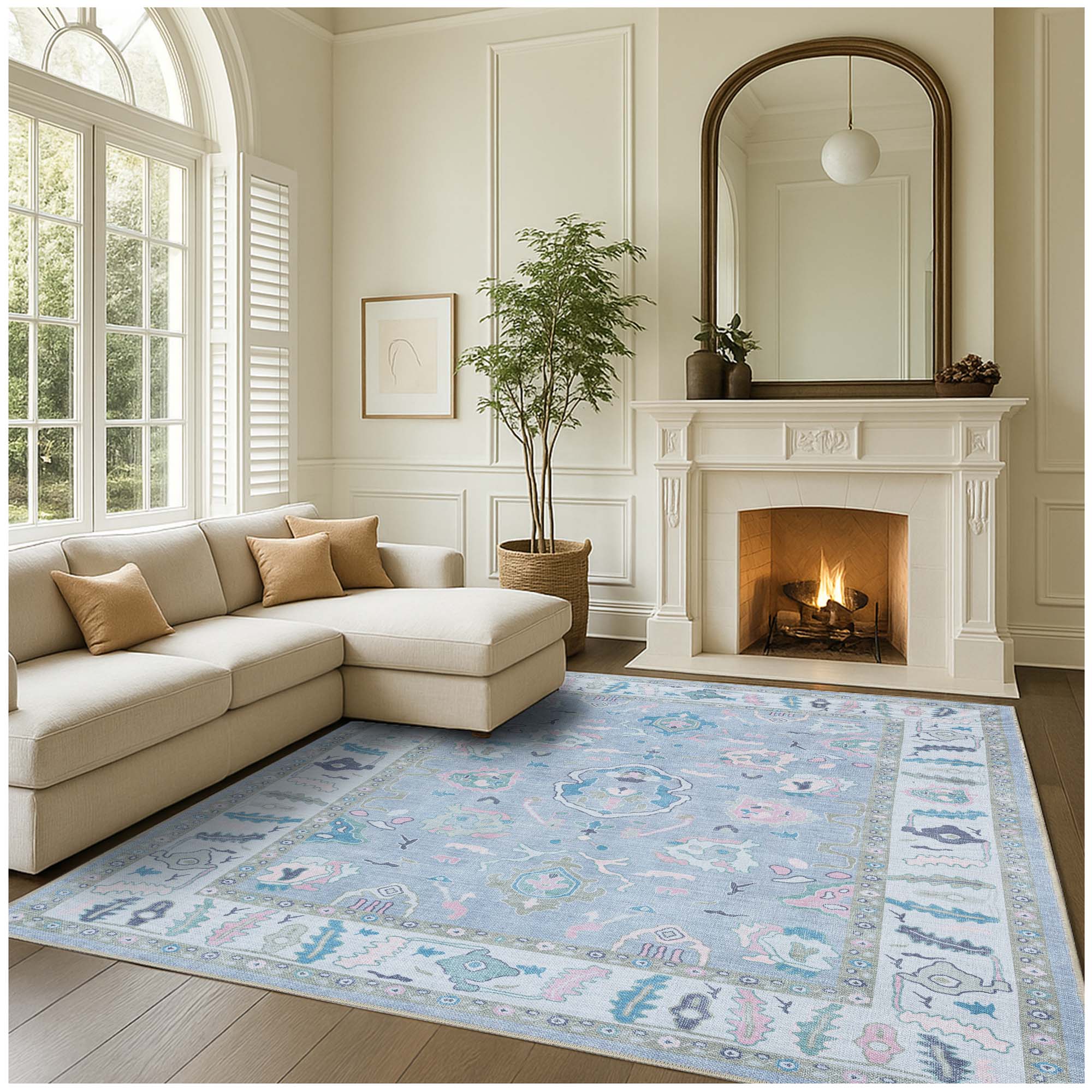
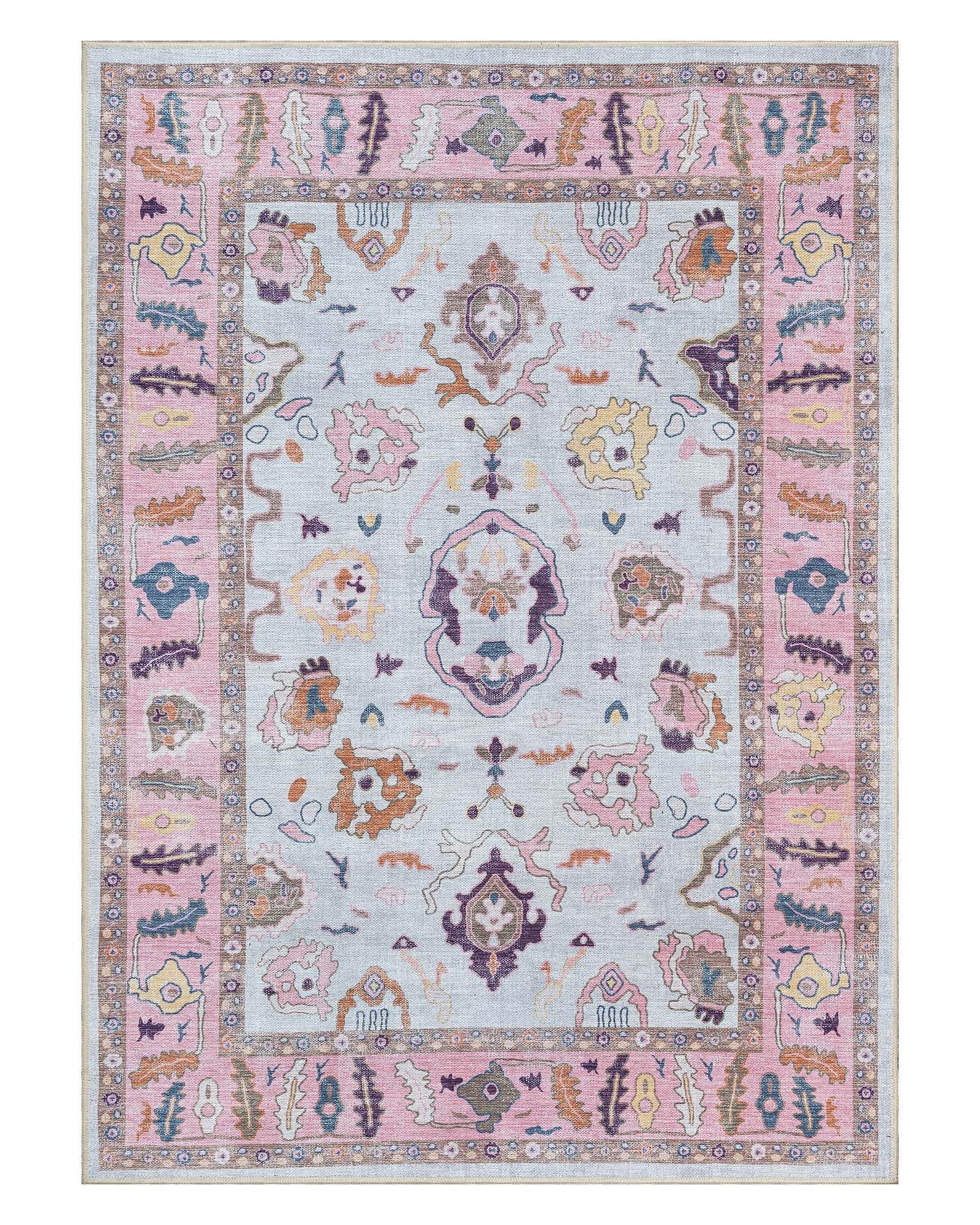
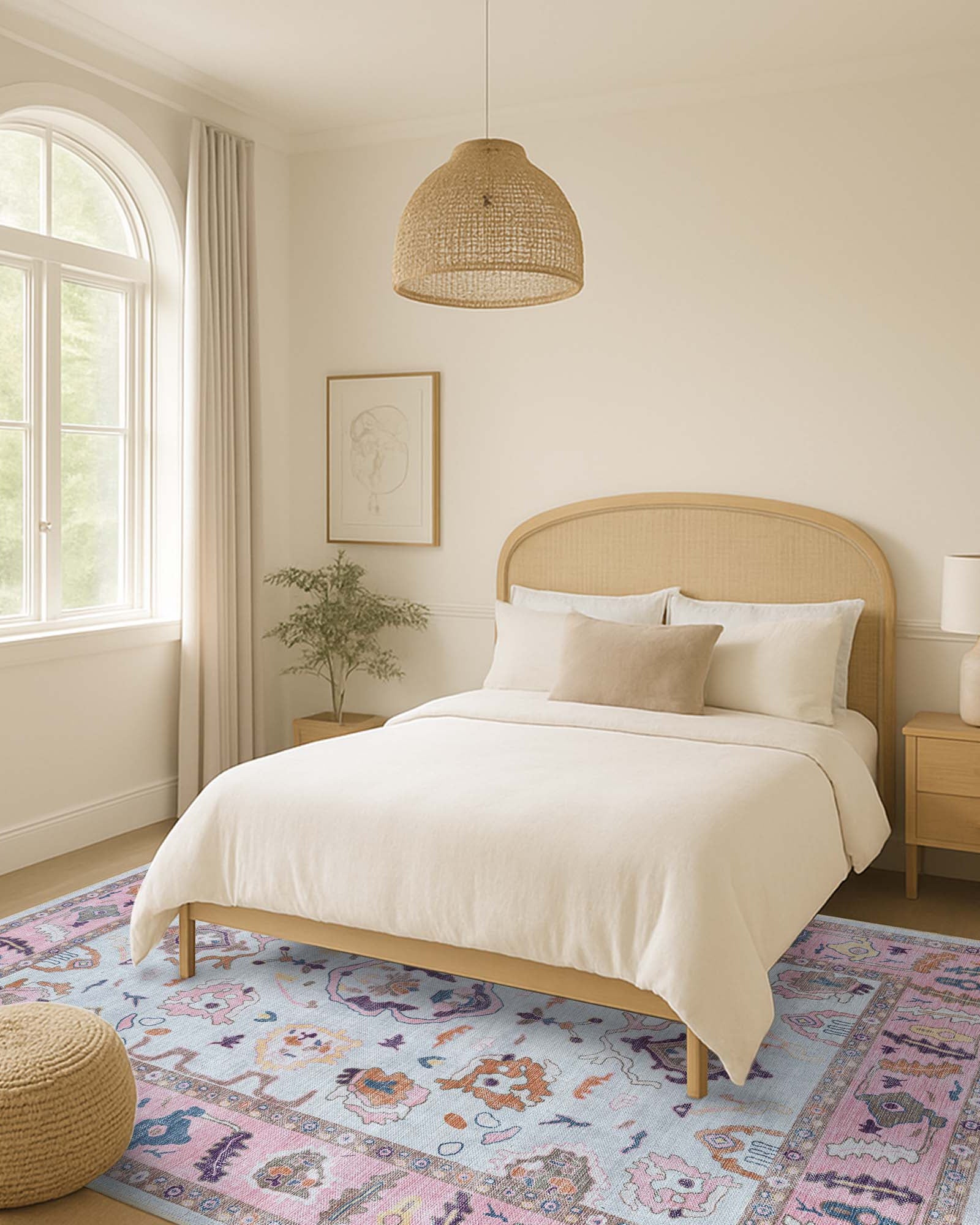
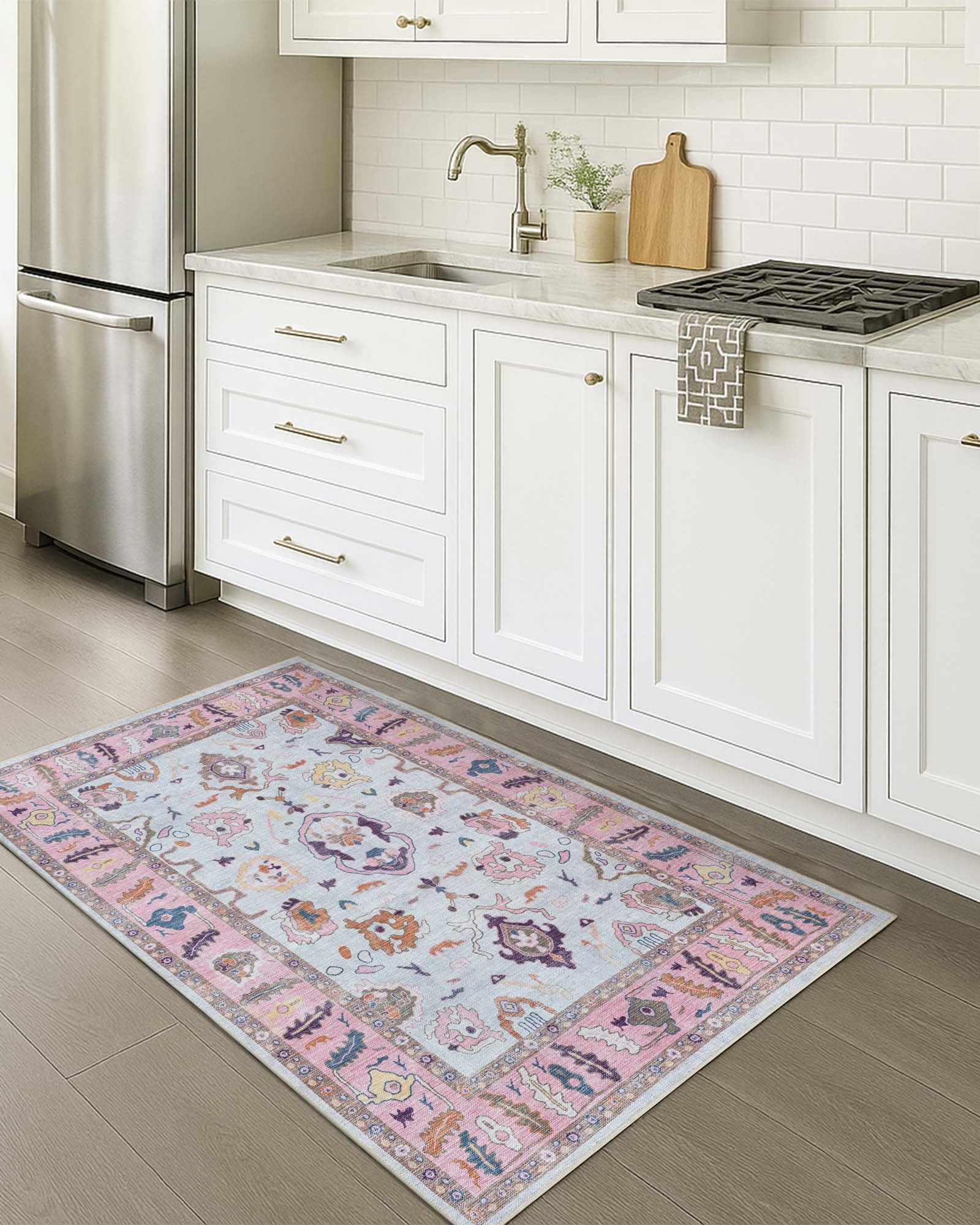
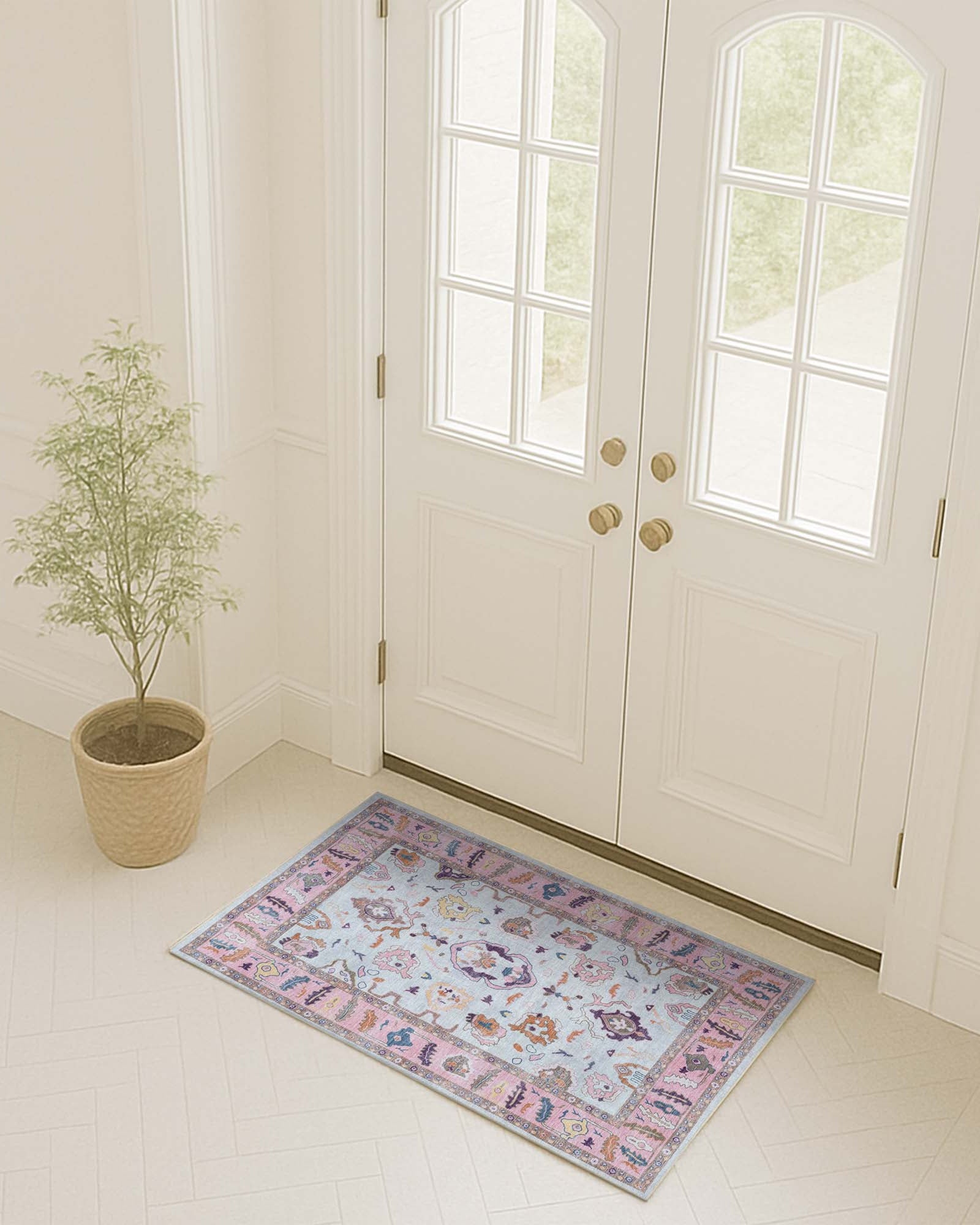
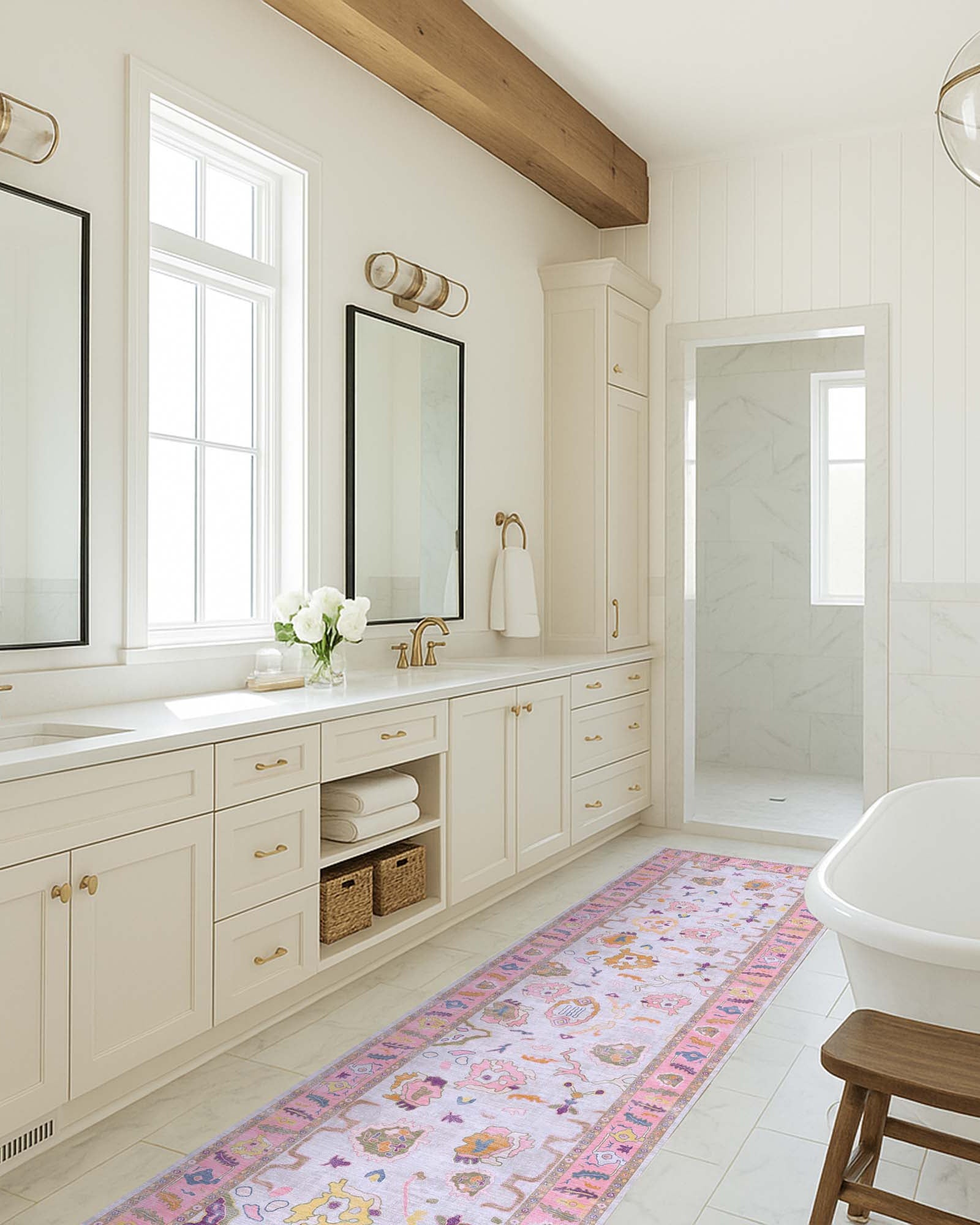
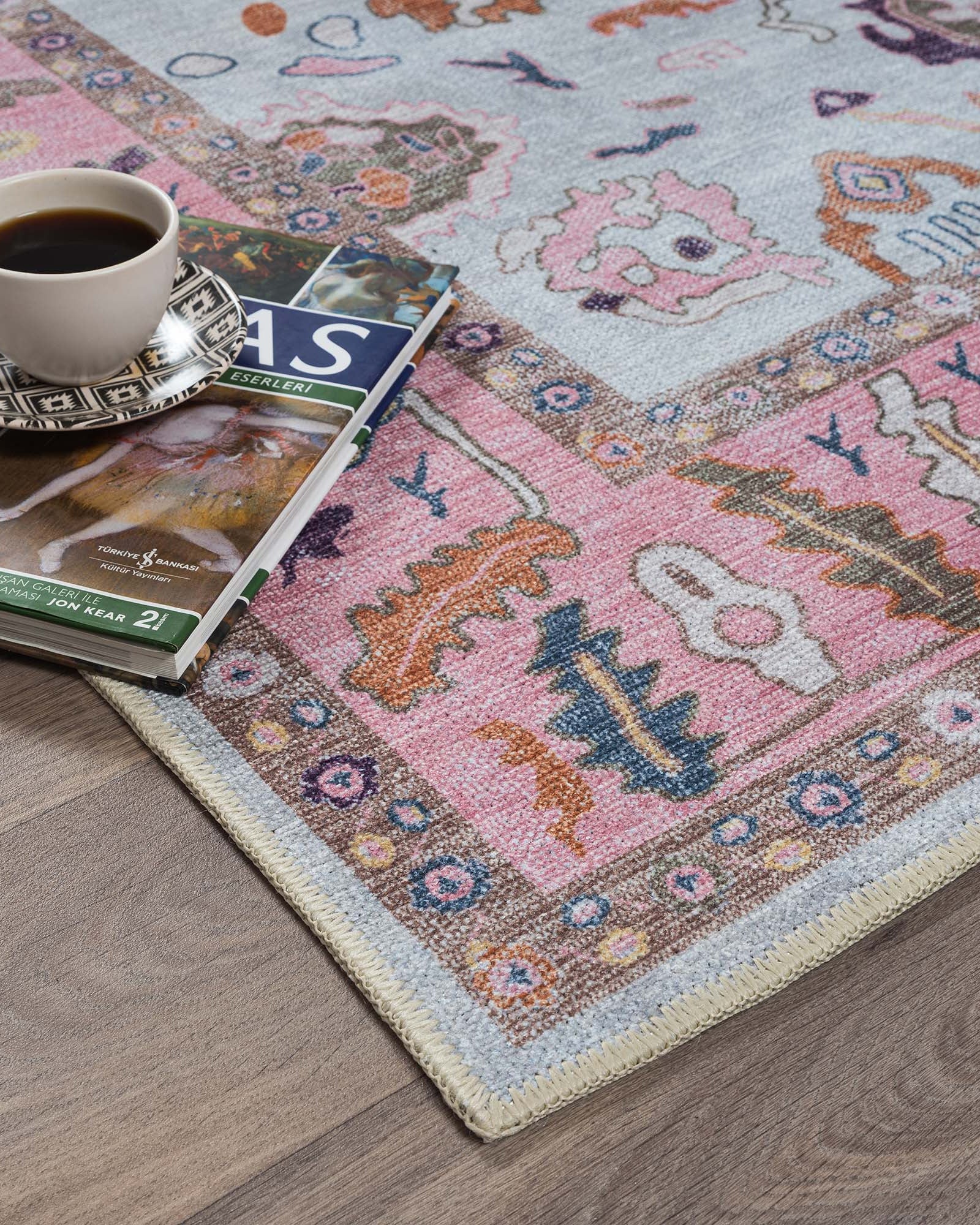
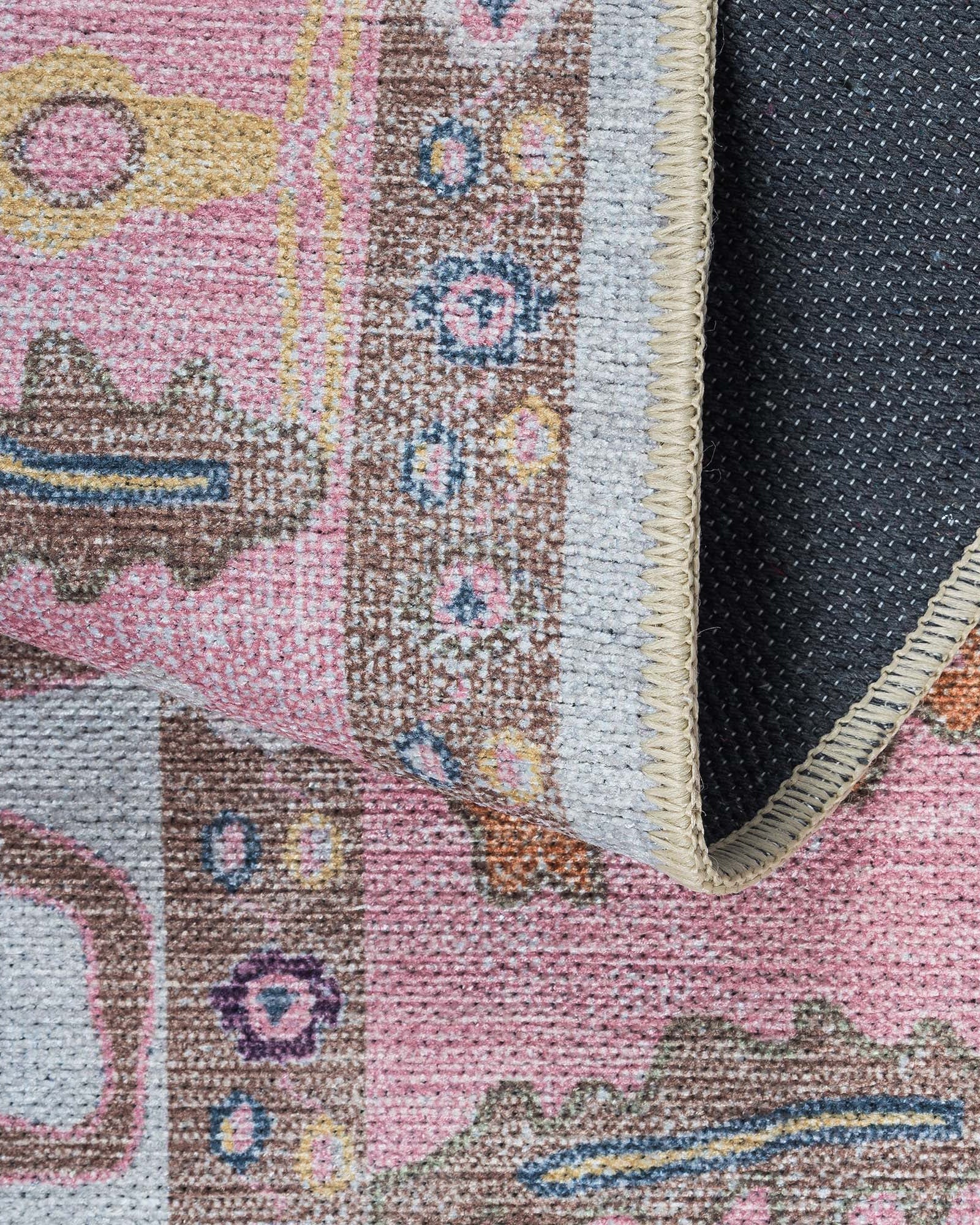
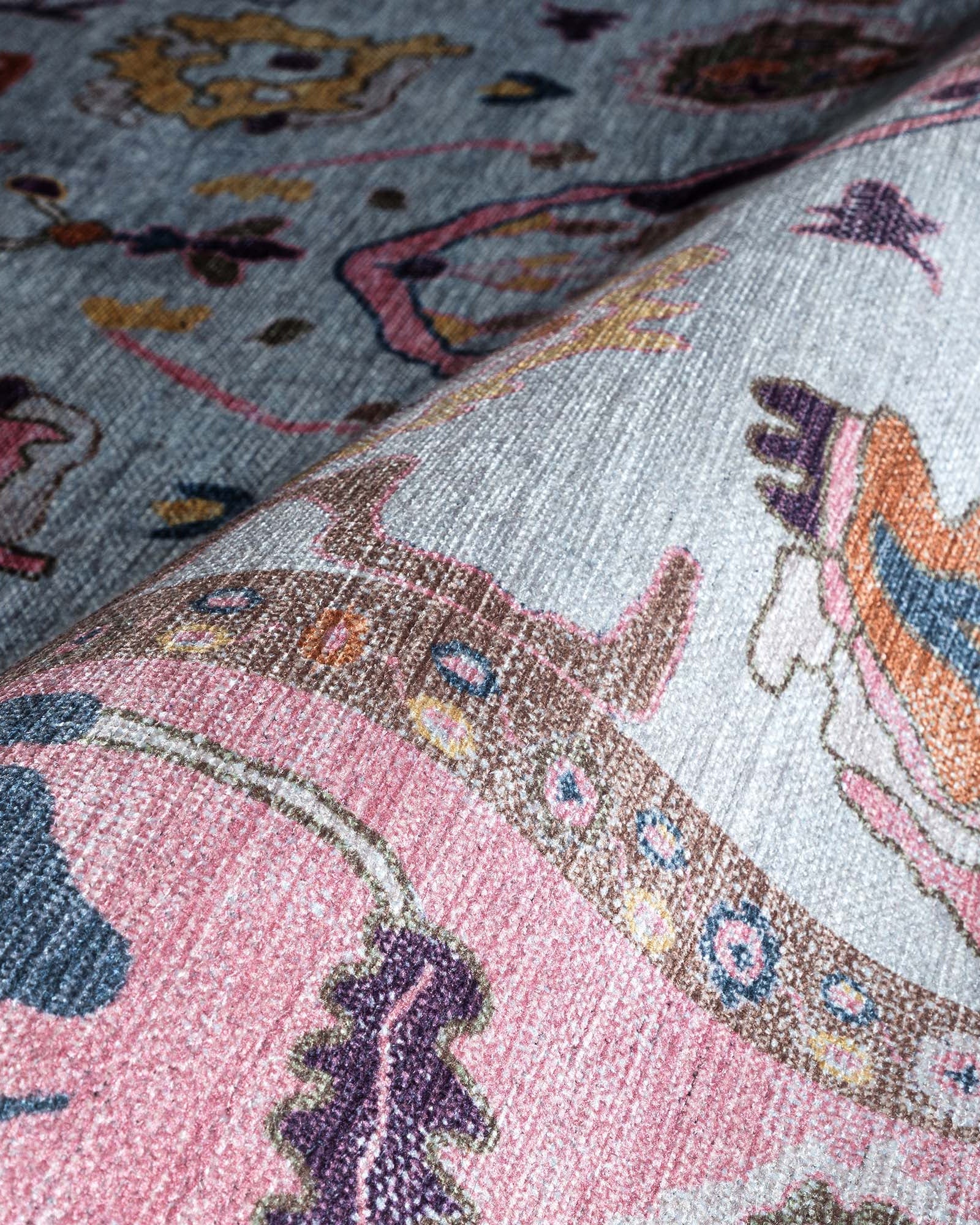
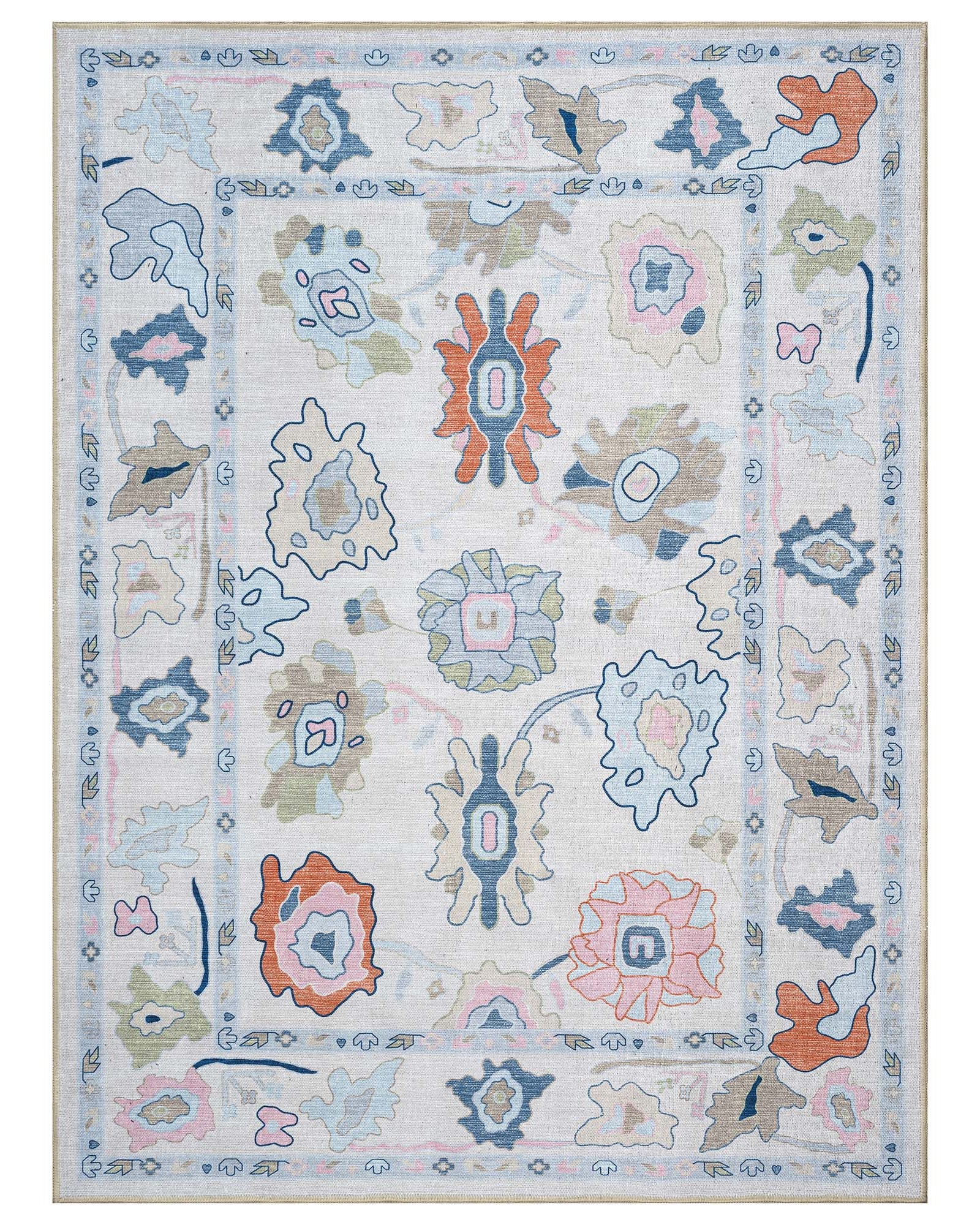
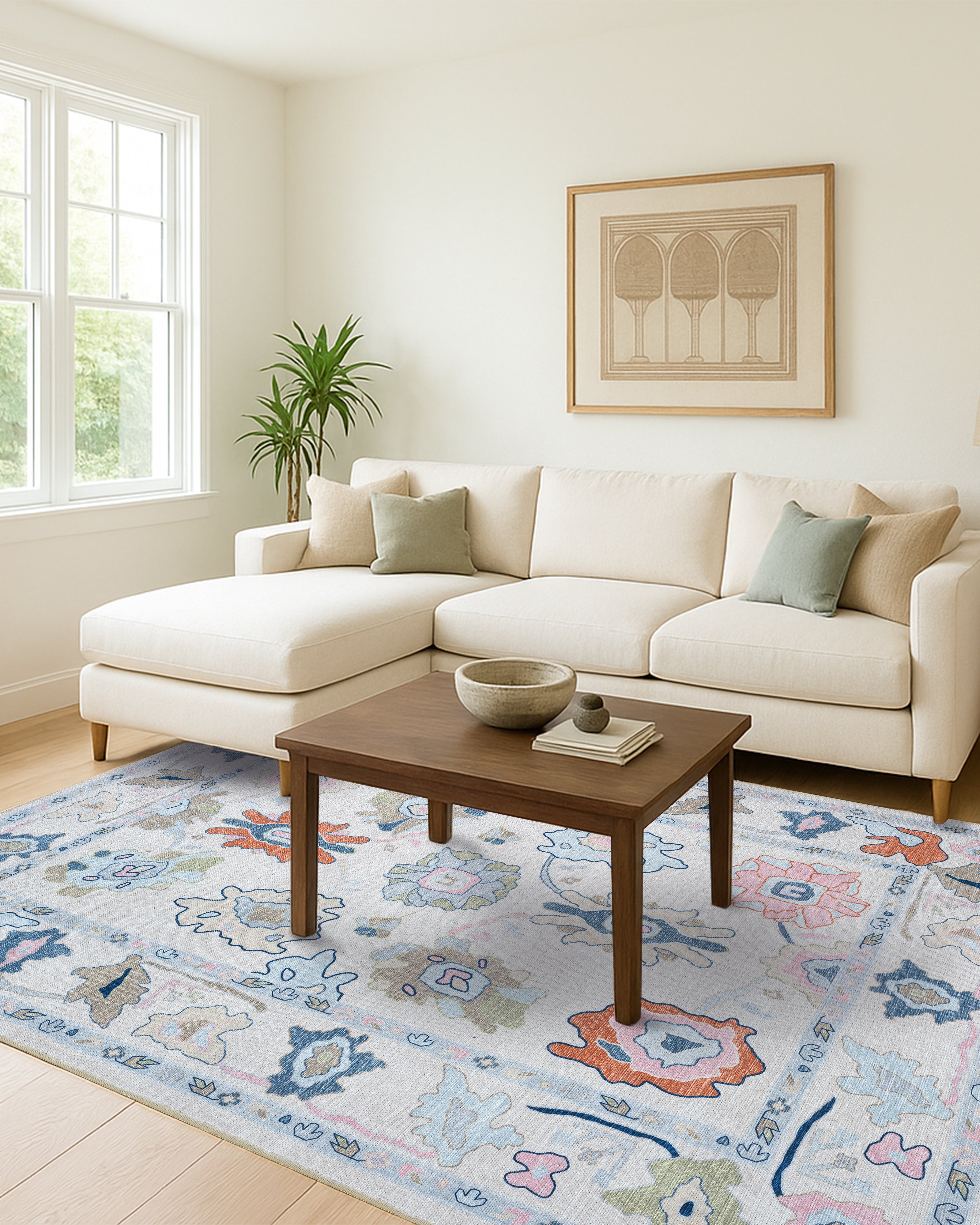
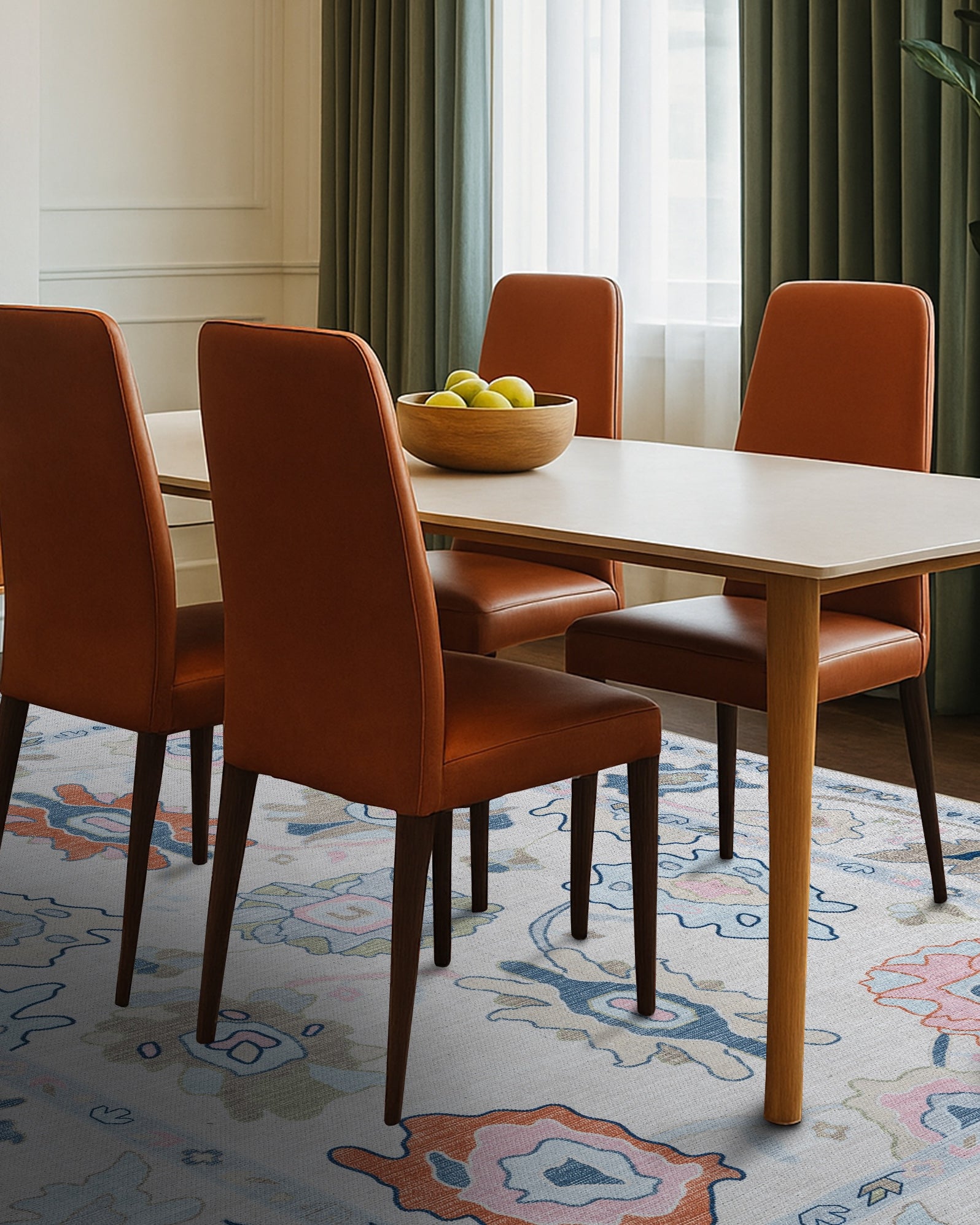
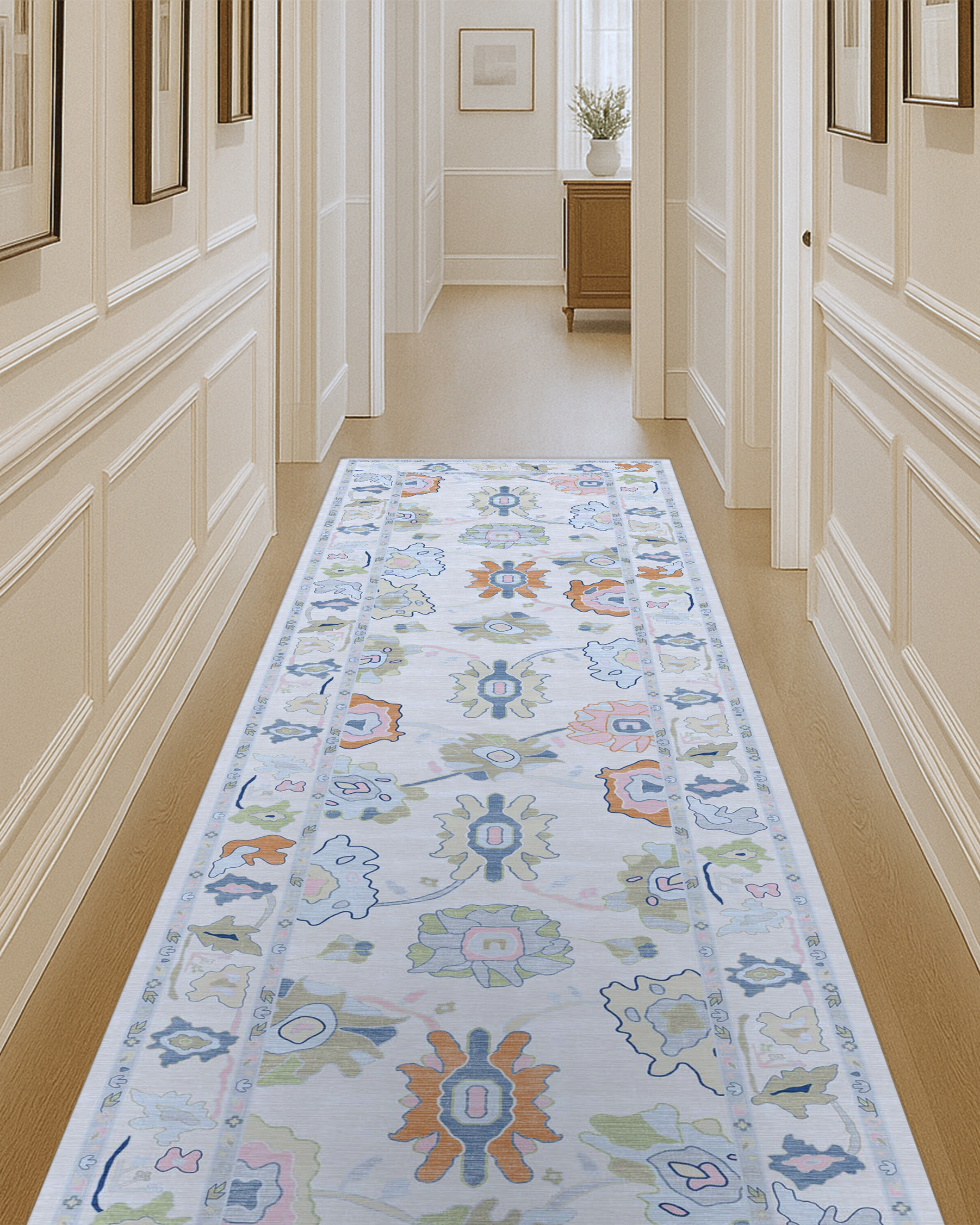
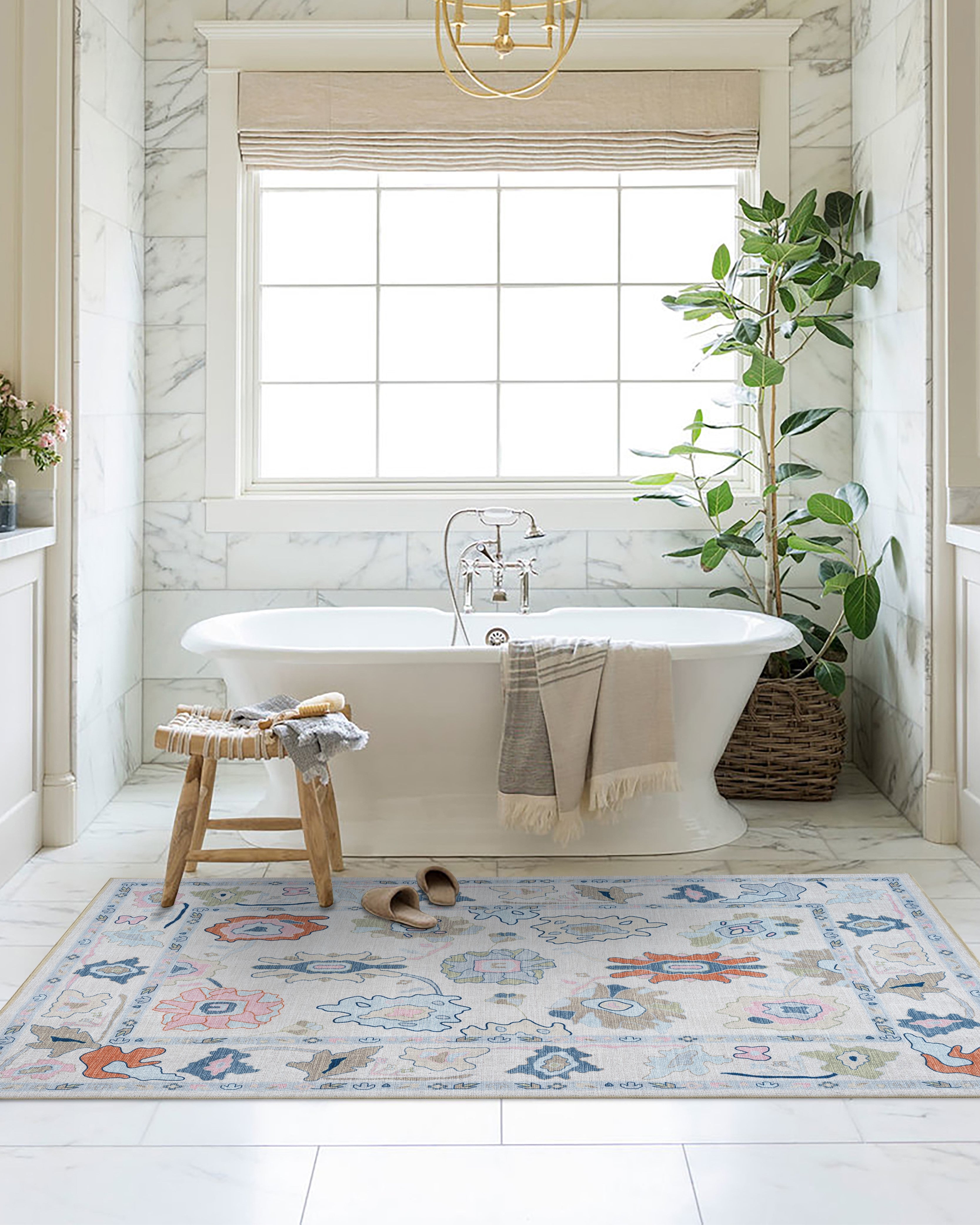
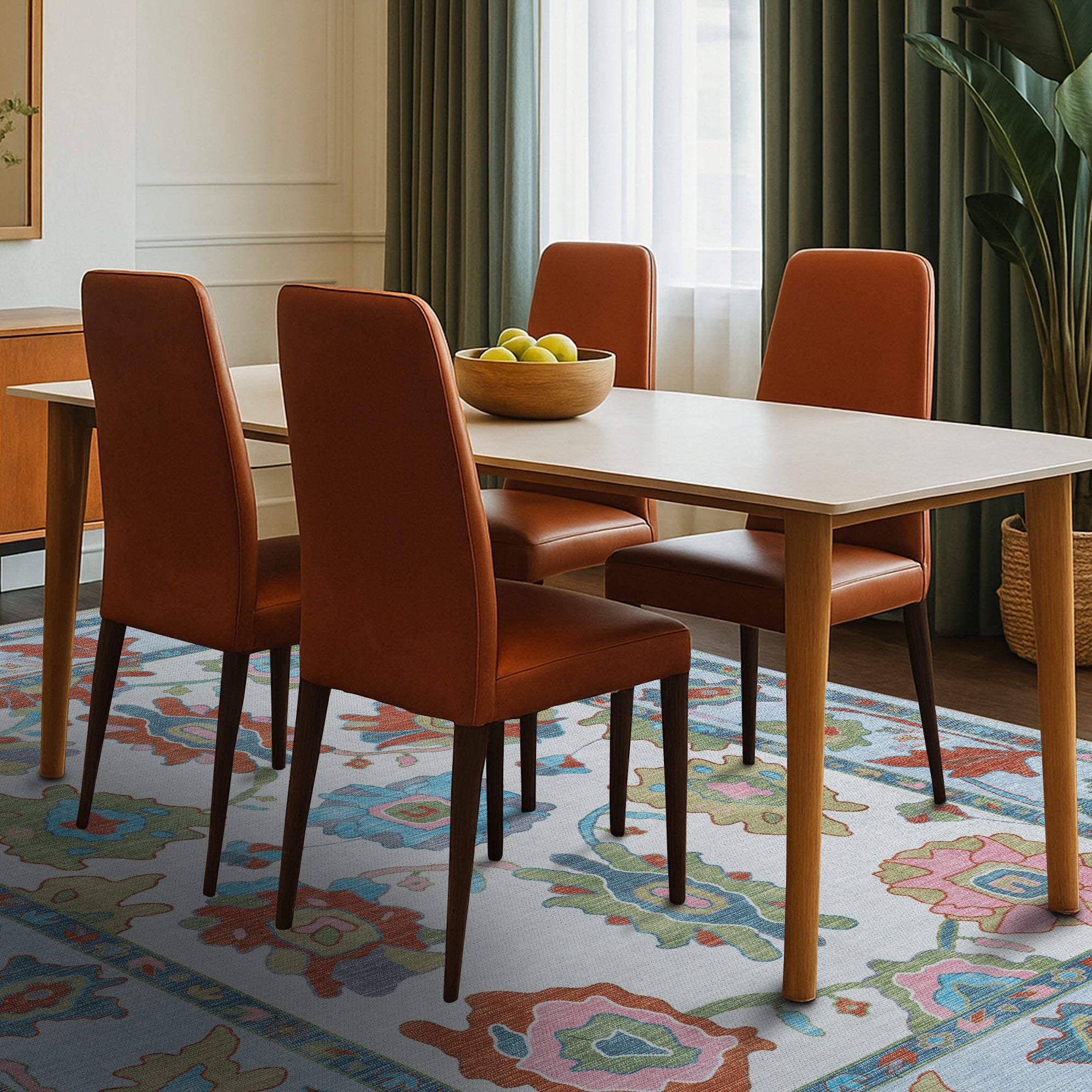
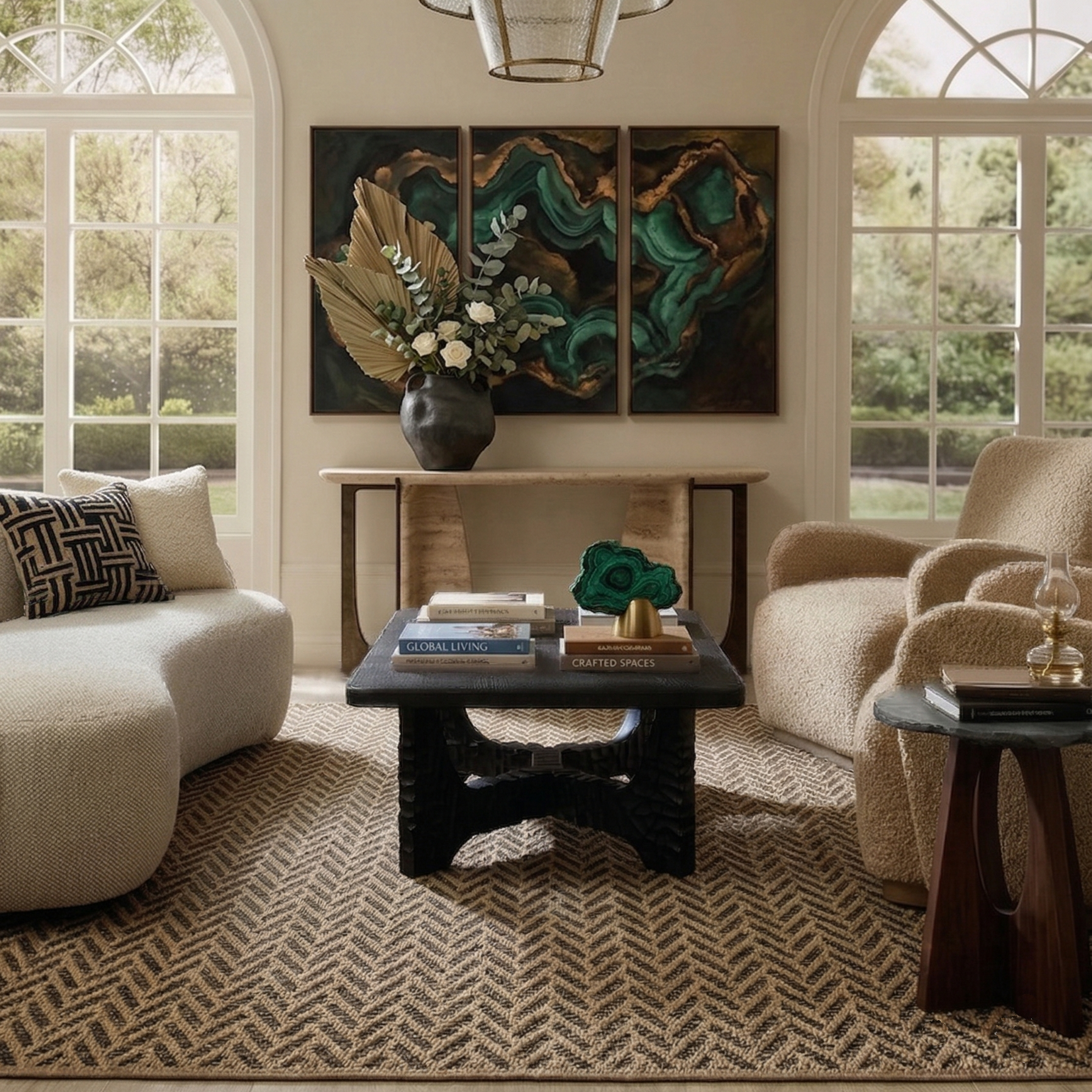
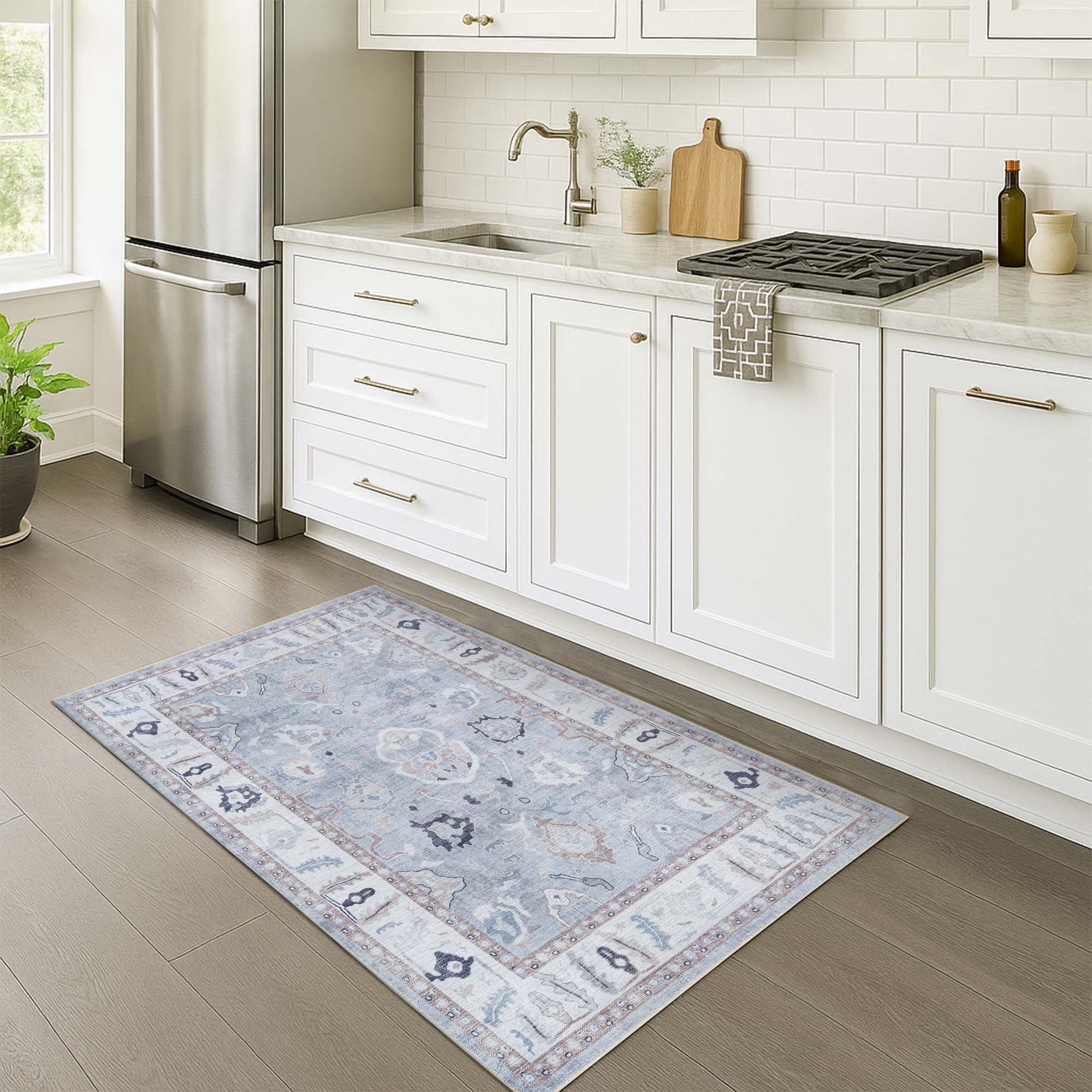
Handwoven from 95% wool and 5% cotton. Authentic chunky flatweave kilim rug with terracotta red, brunt orange, cream white, warm beige with a modern bordered grid. Elevate your interior with this artisanal masterpiece that seamlessly marries heritage craftsmanship with refined elegance. Because each piece is individually handmade, subtle variations render your rug uniquely its own—delivering an exclusive statement piece designed to bring warmth, texture, and sophisticated style to your home.
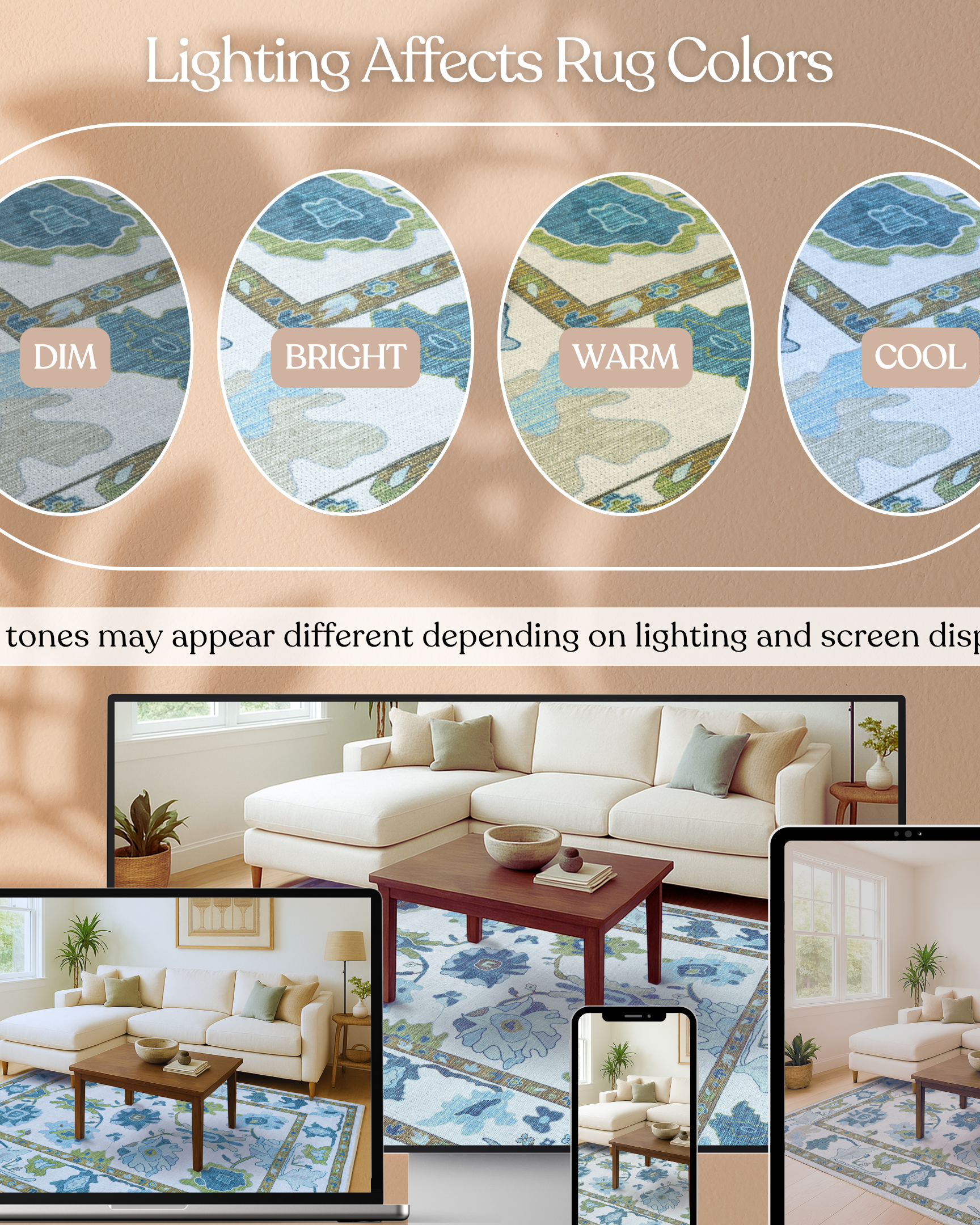
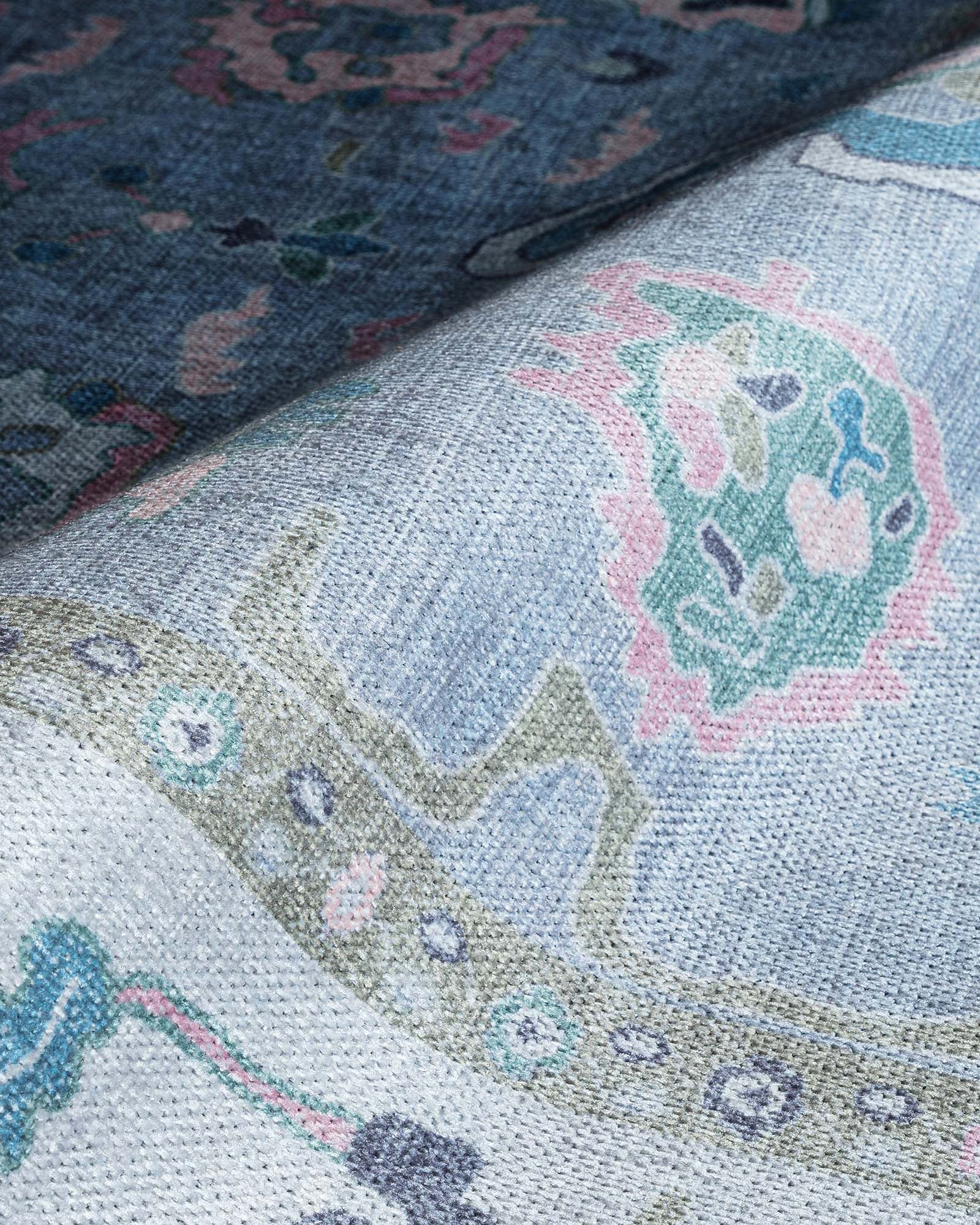
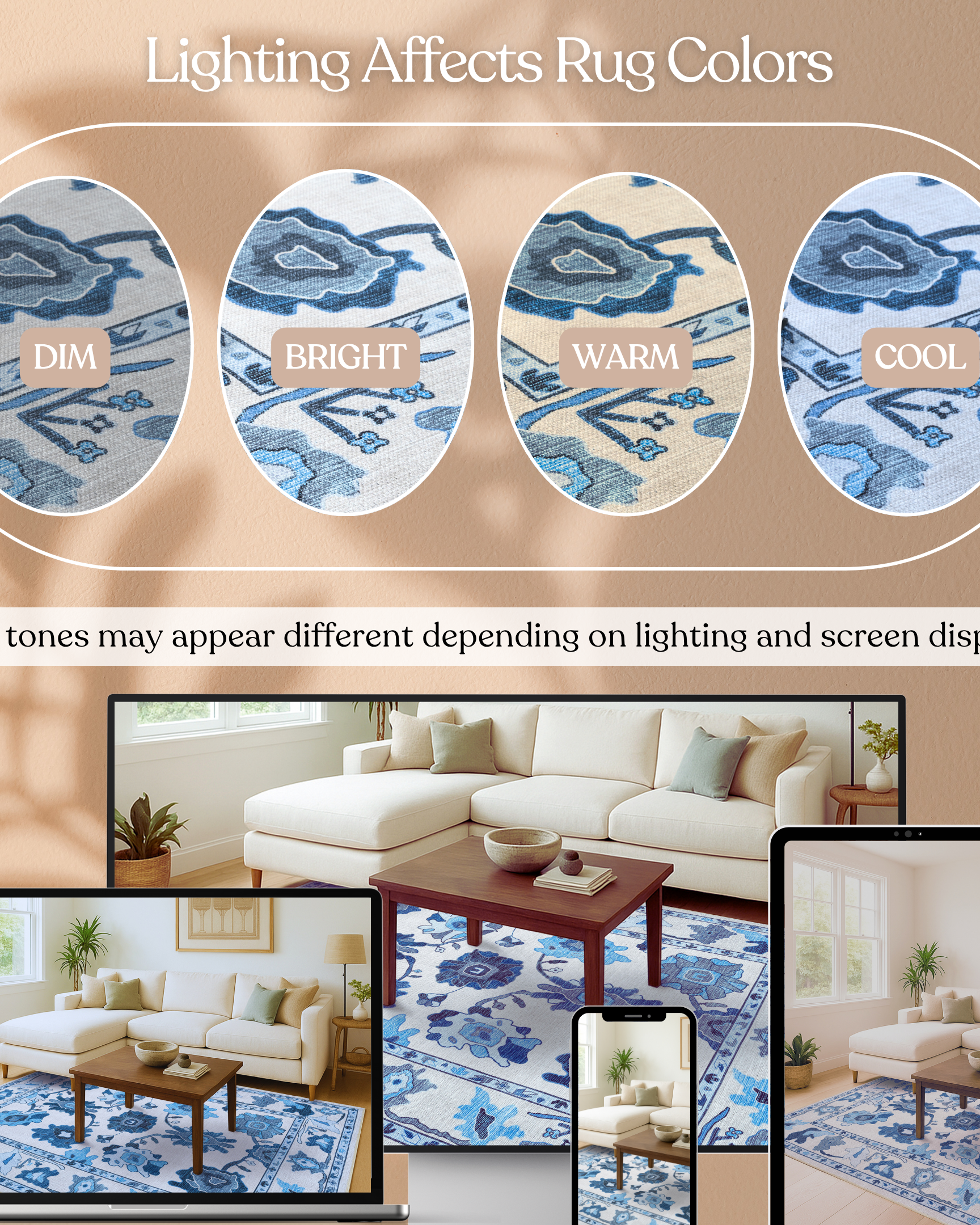
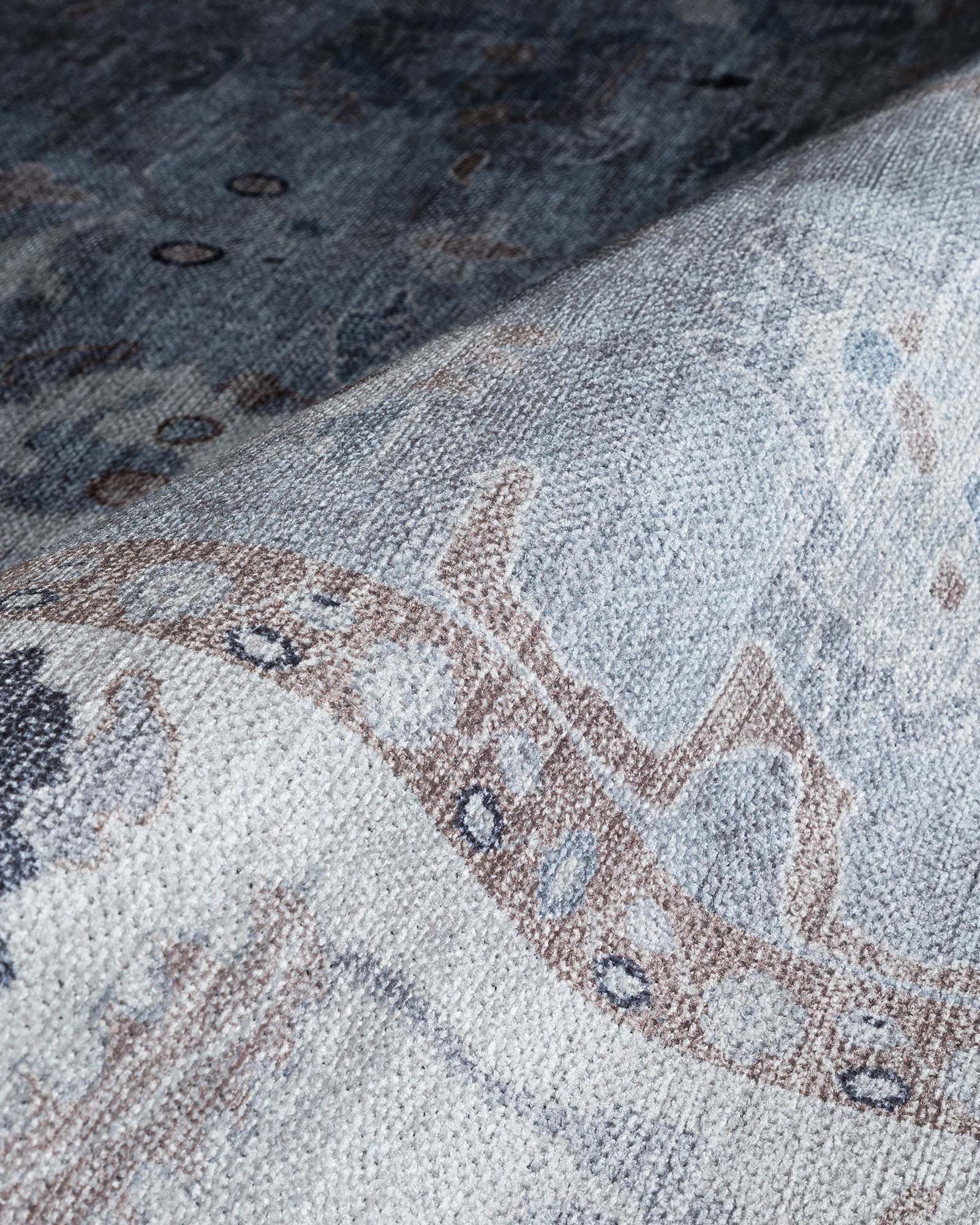
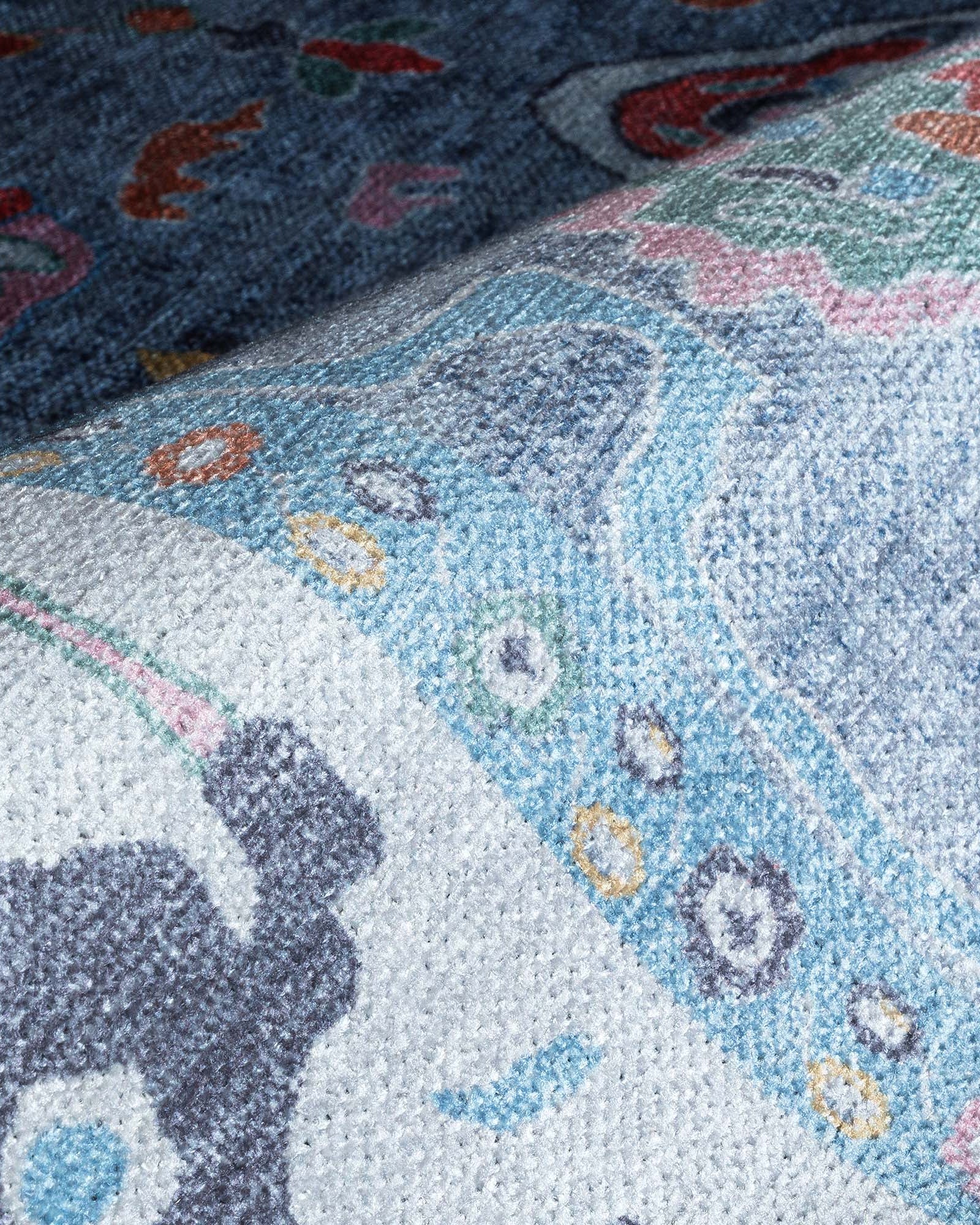
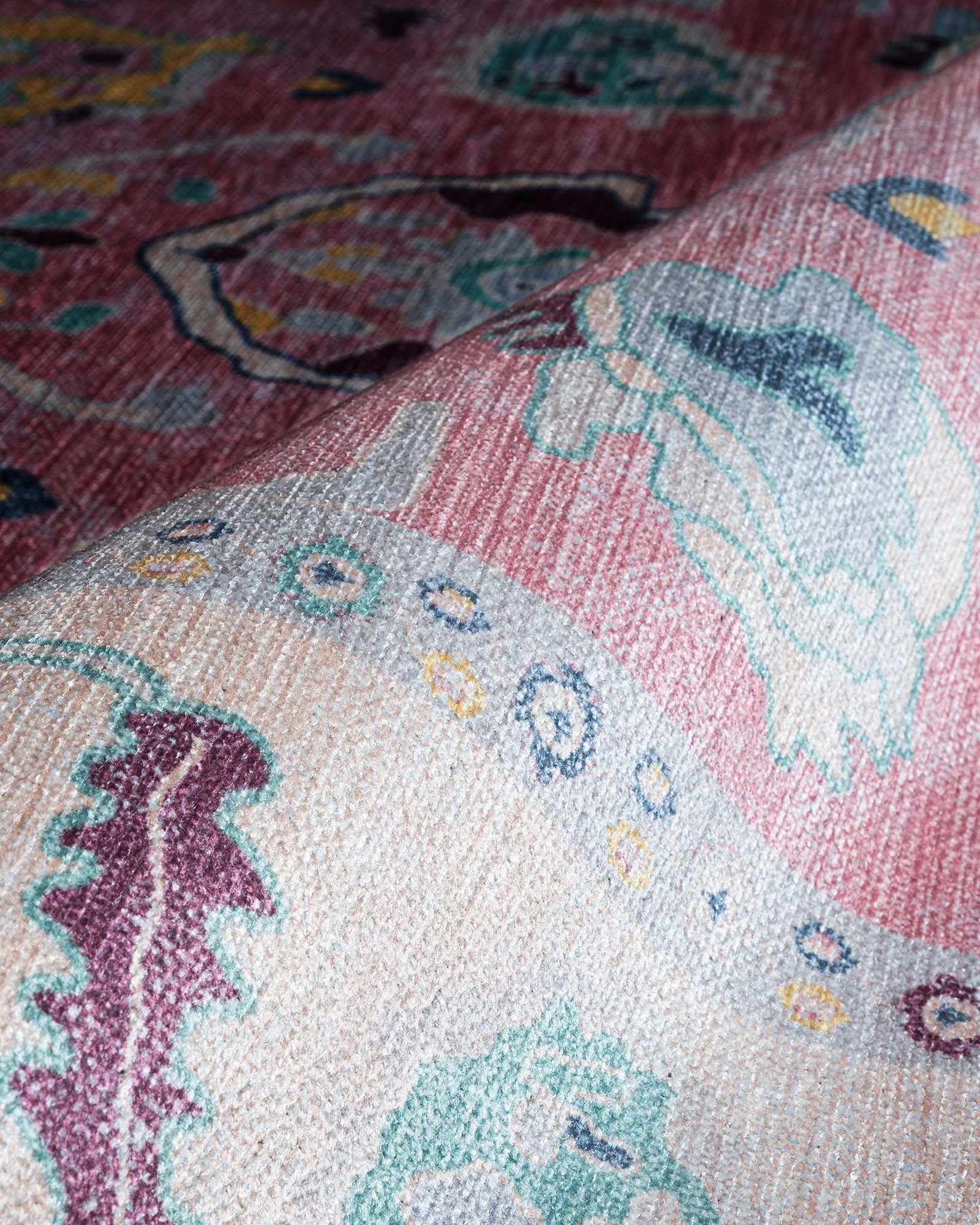
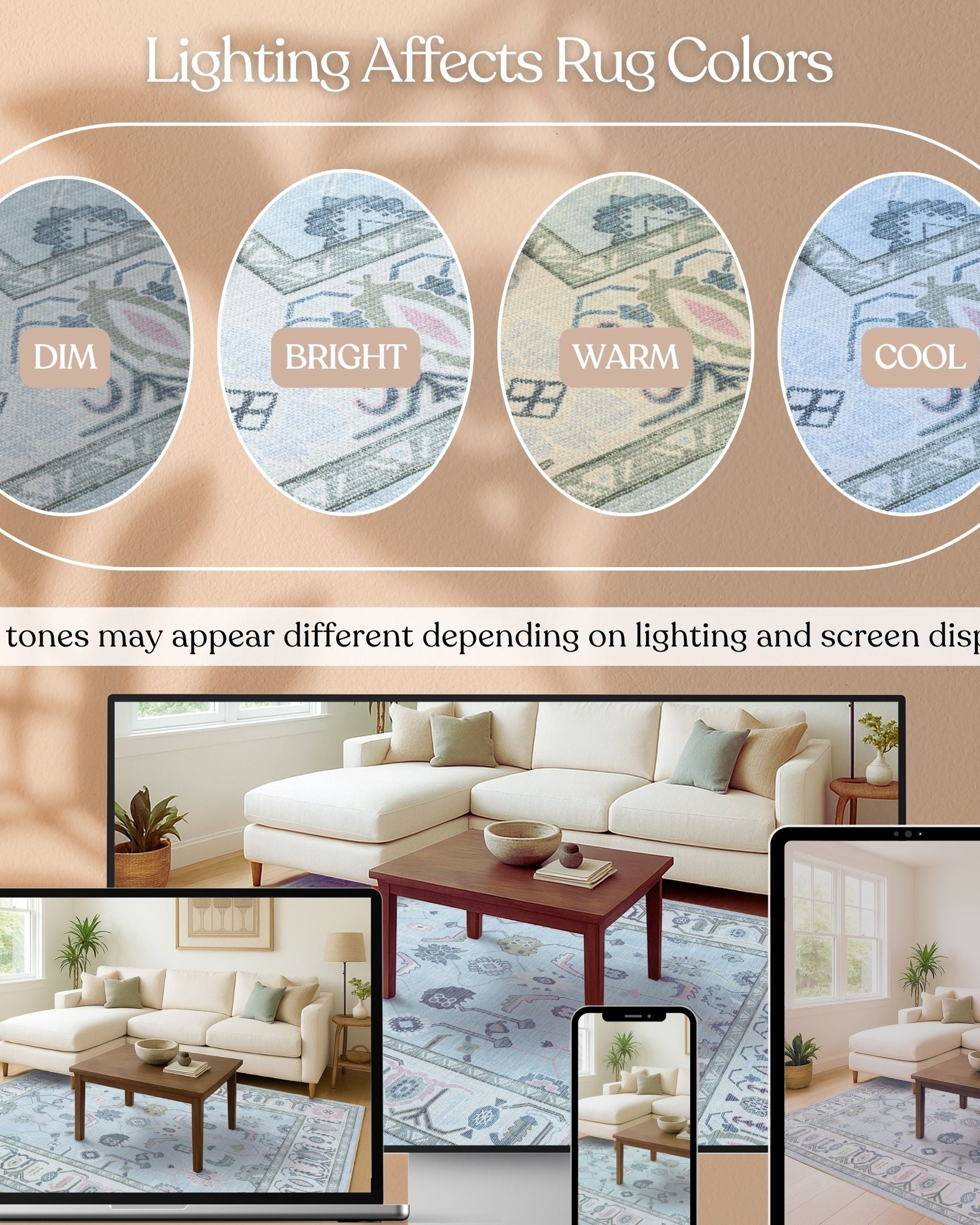
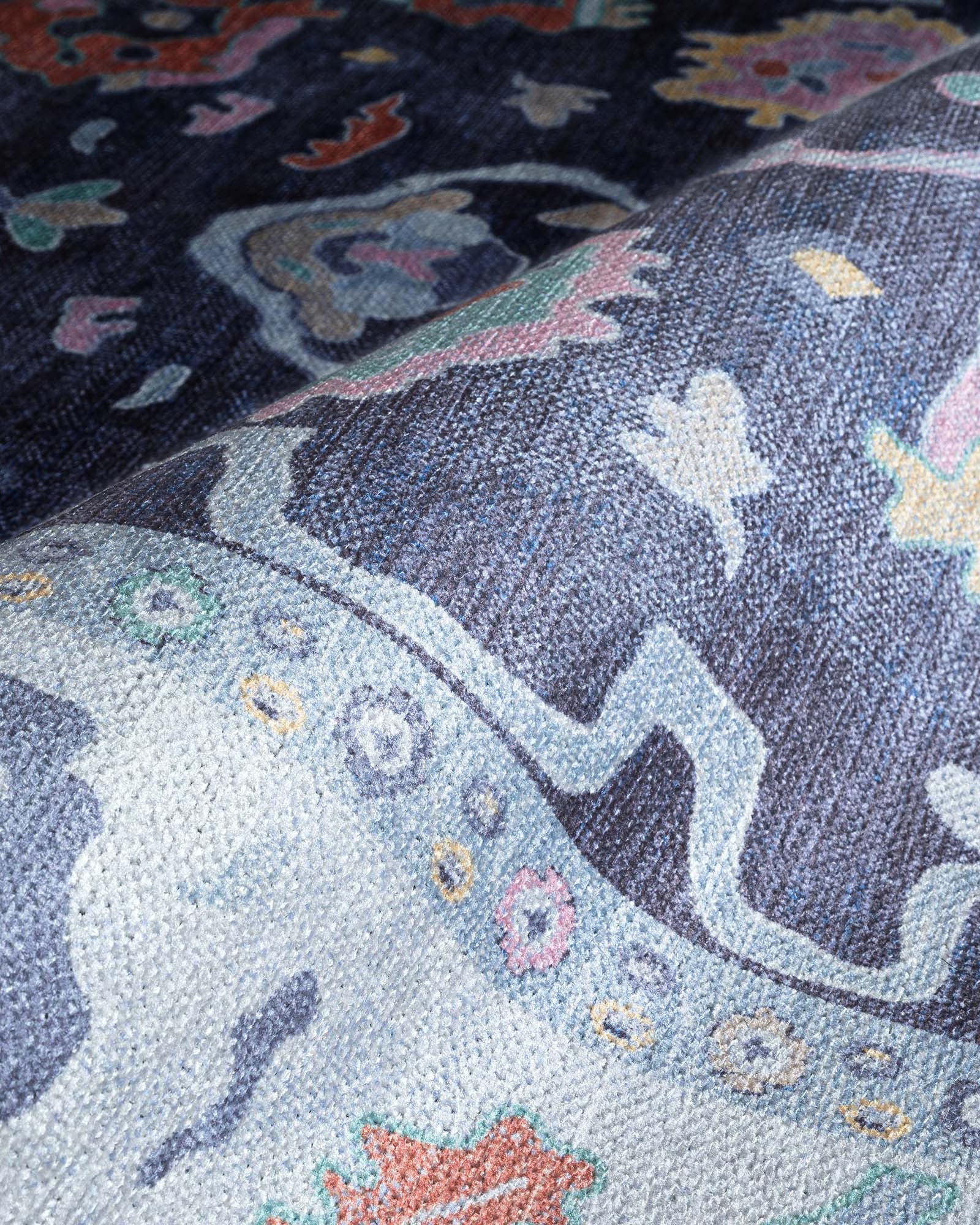
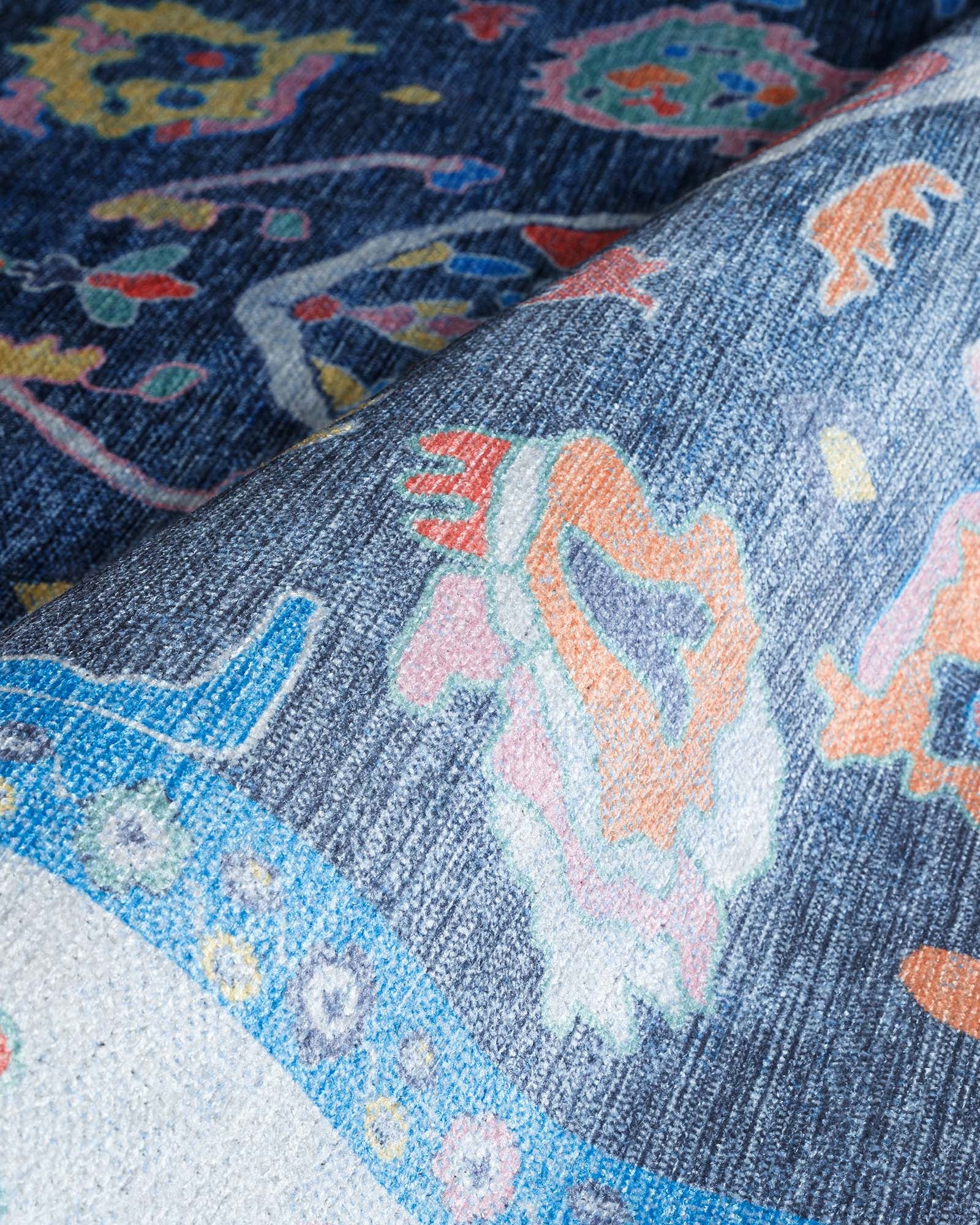
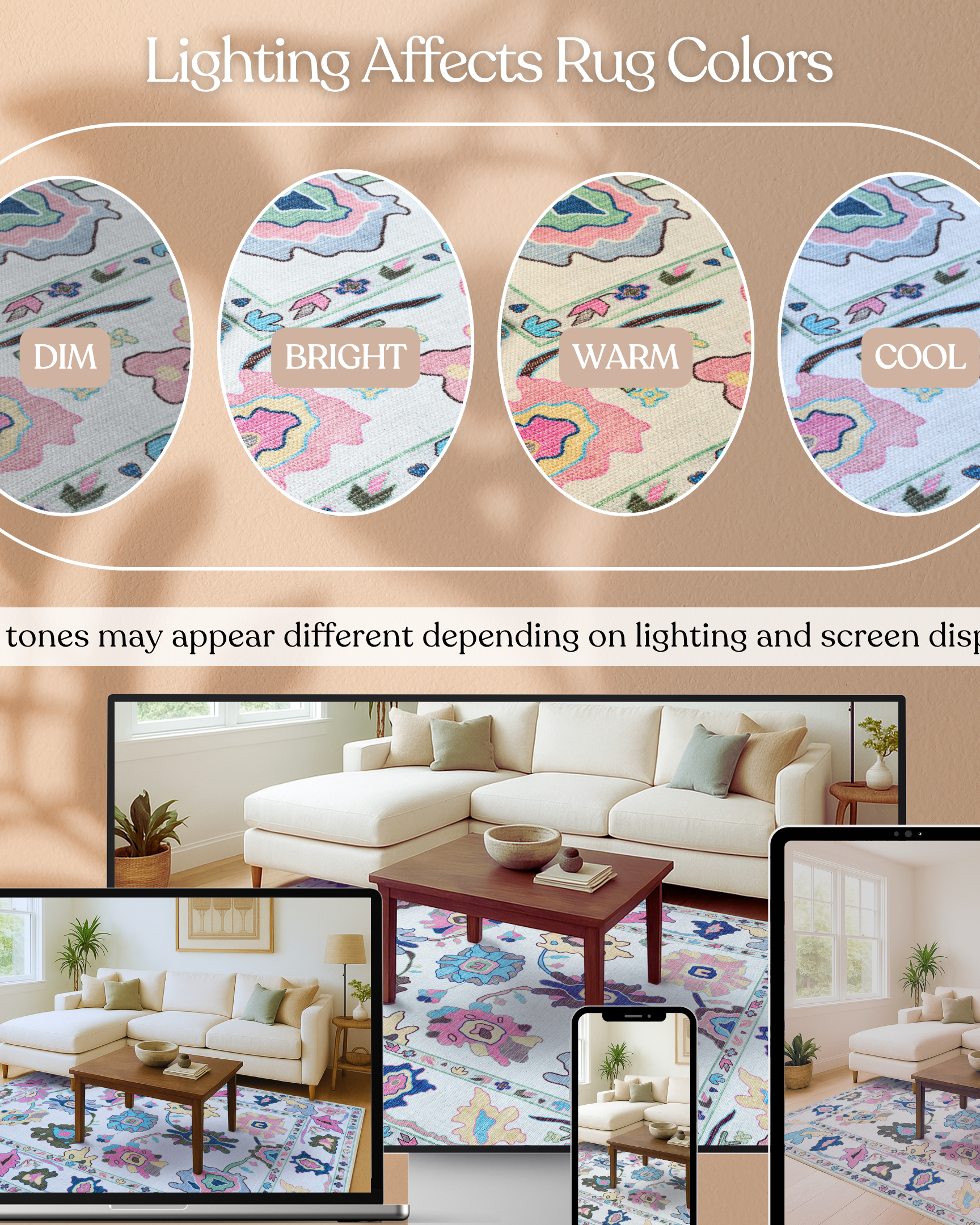
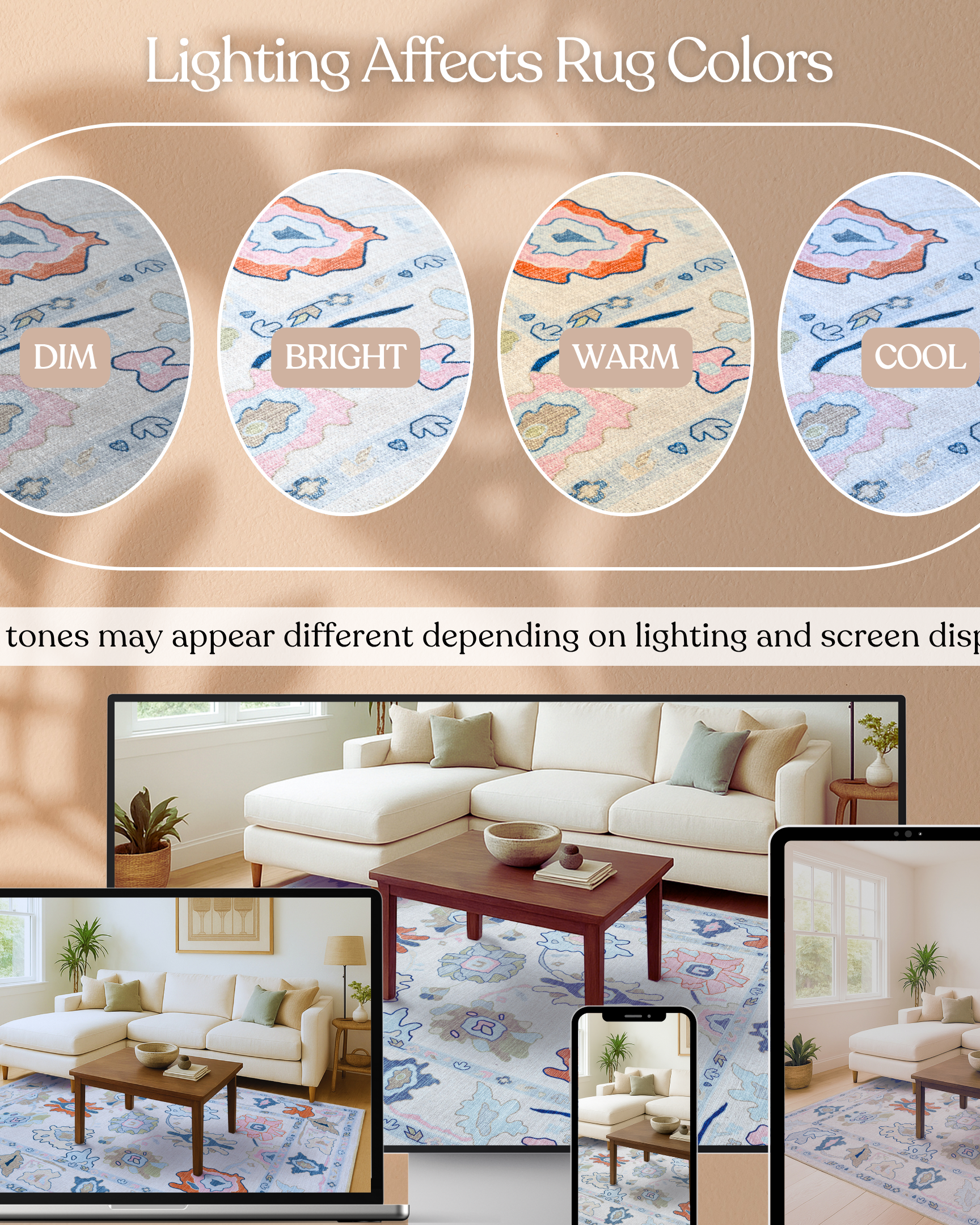
Viewed from one end the rug looks lighter; from the other, deeper. That is the wool pile catching light.
Nott has been professionally cleaned; age-related wear and natural inconsistencies are inherent in these unique, handcrafted vintage rugs
- Only one in stock
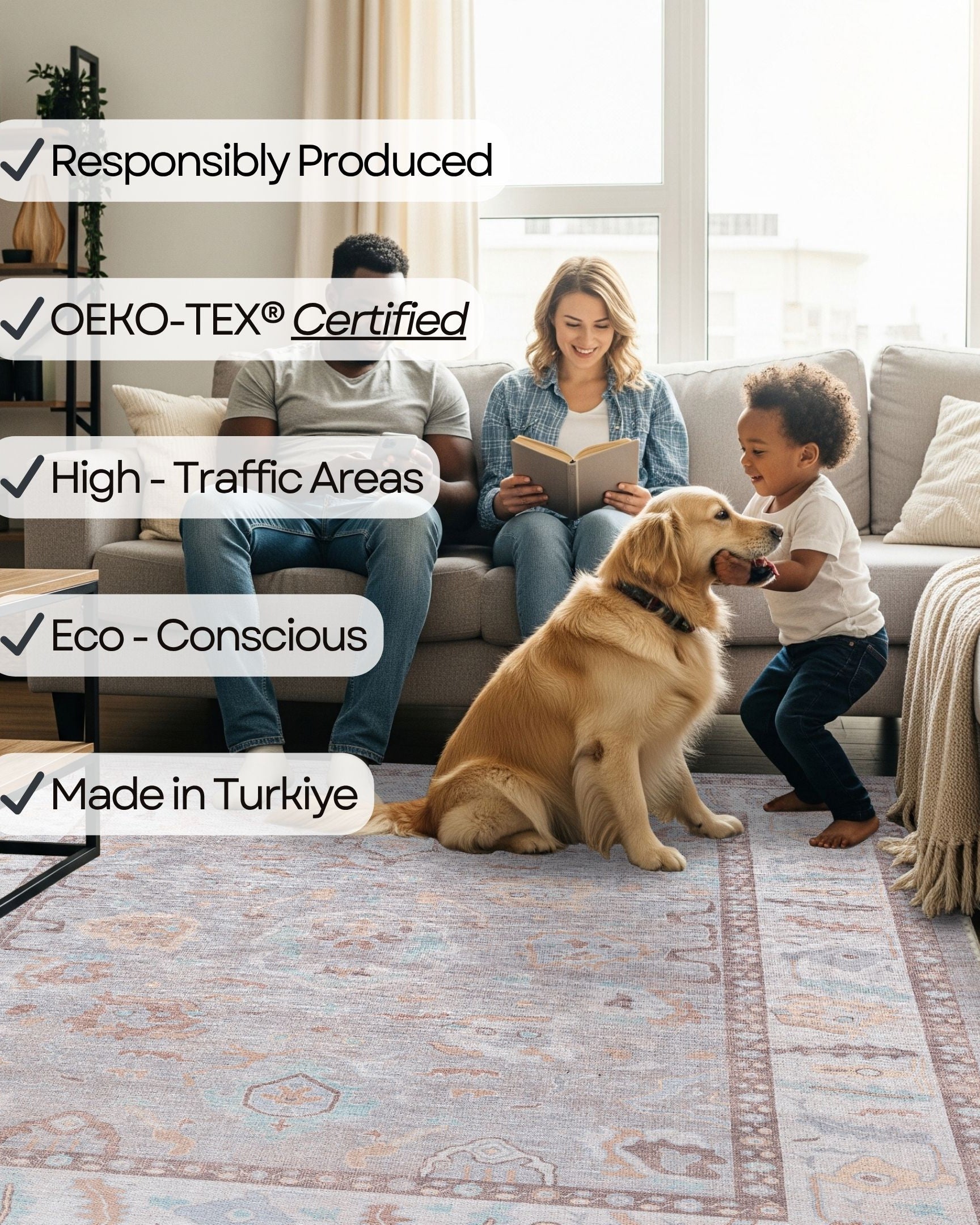
- Made in Turkey
- 100% wool
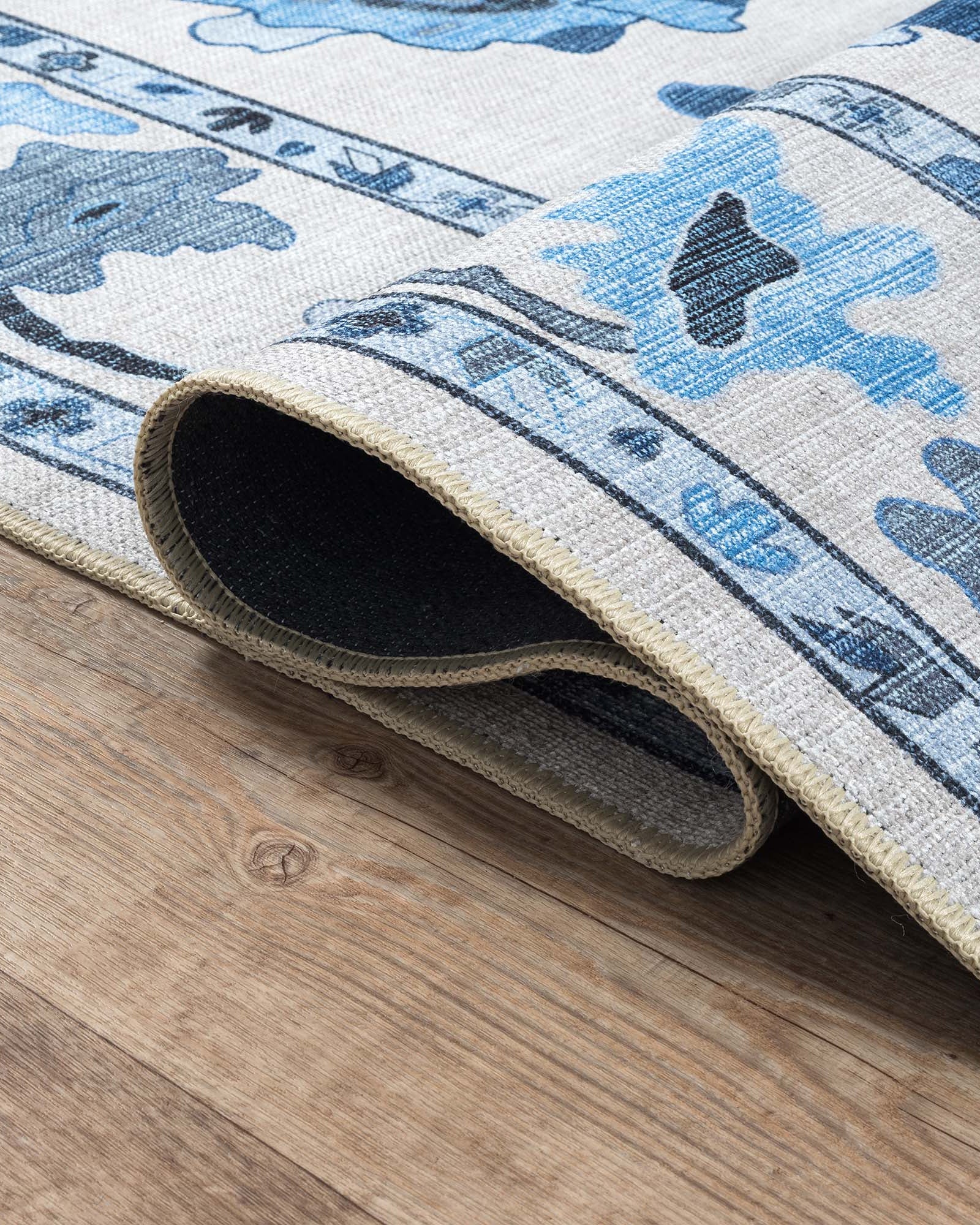
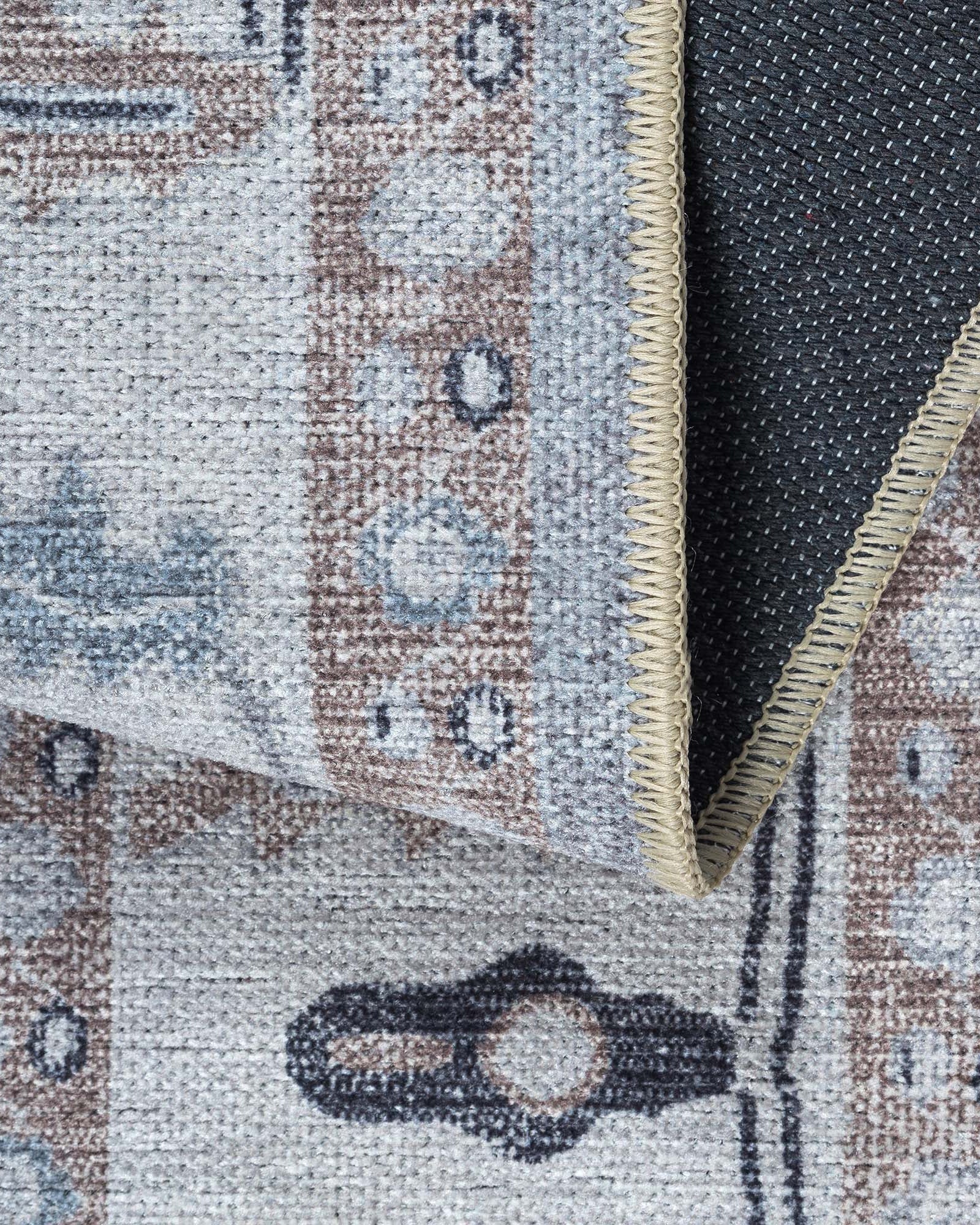
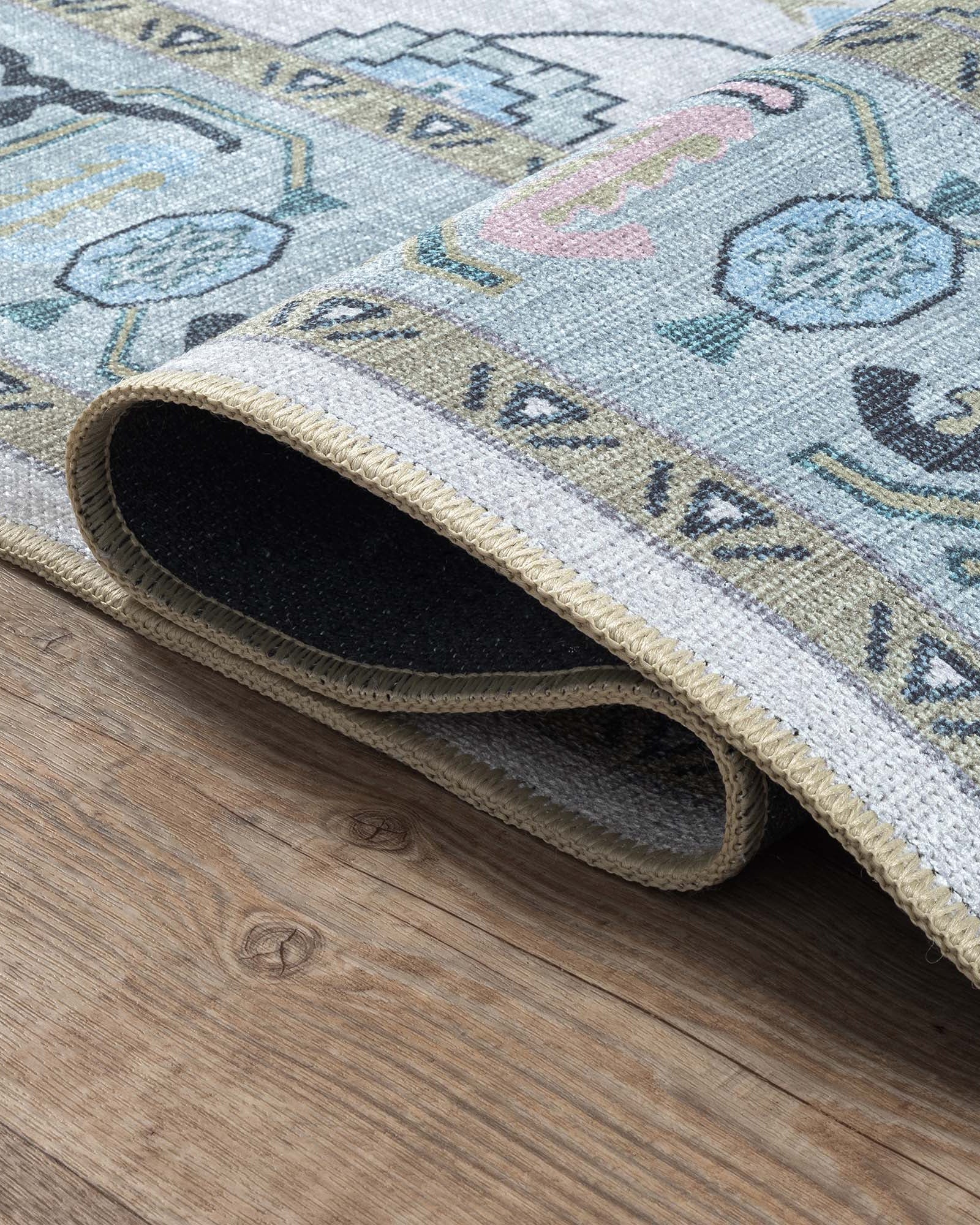
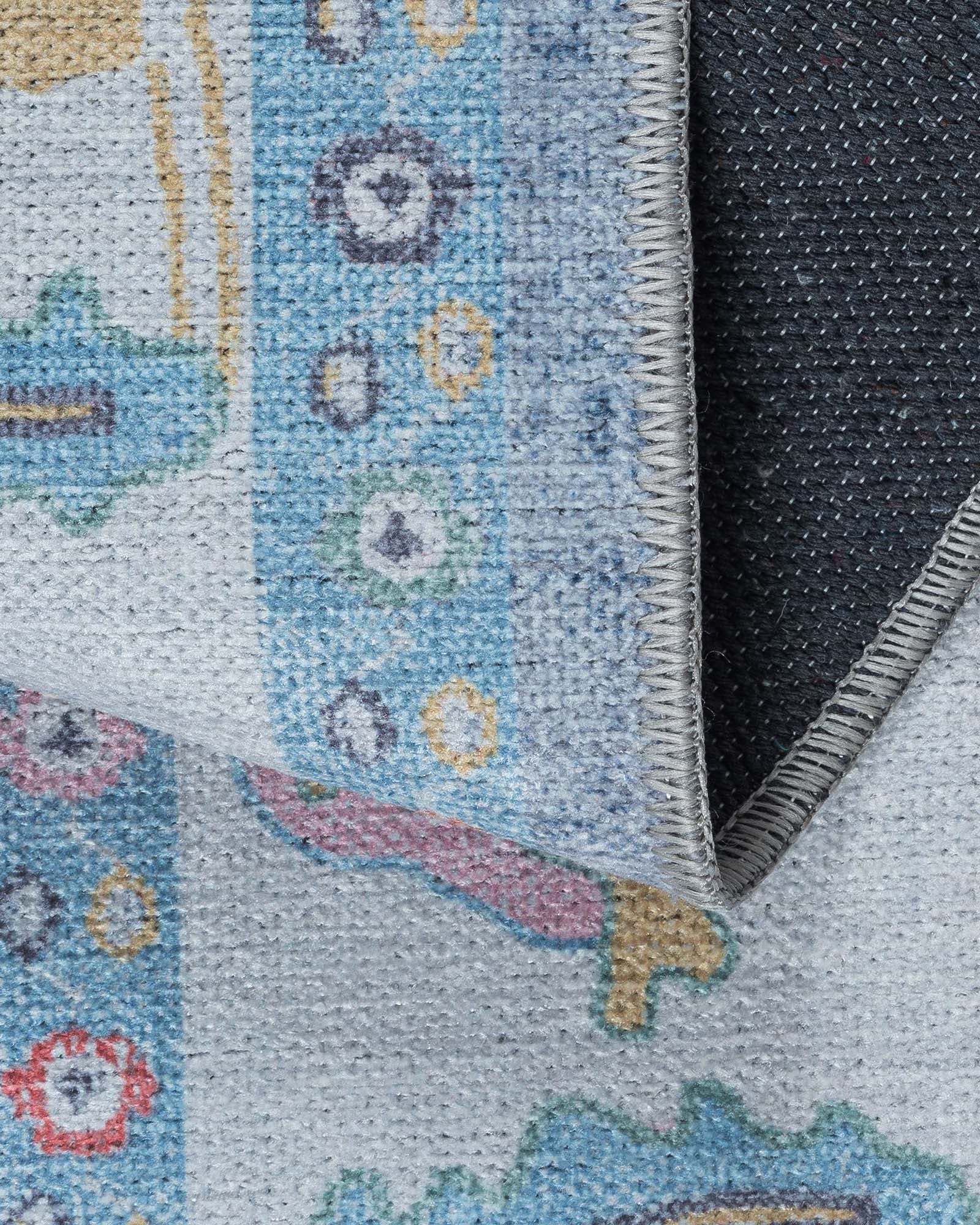
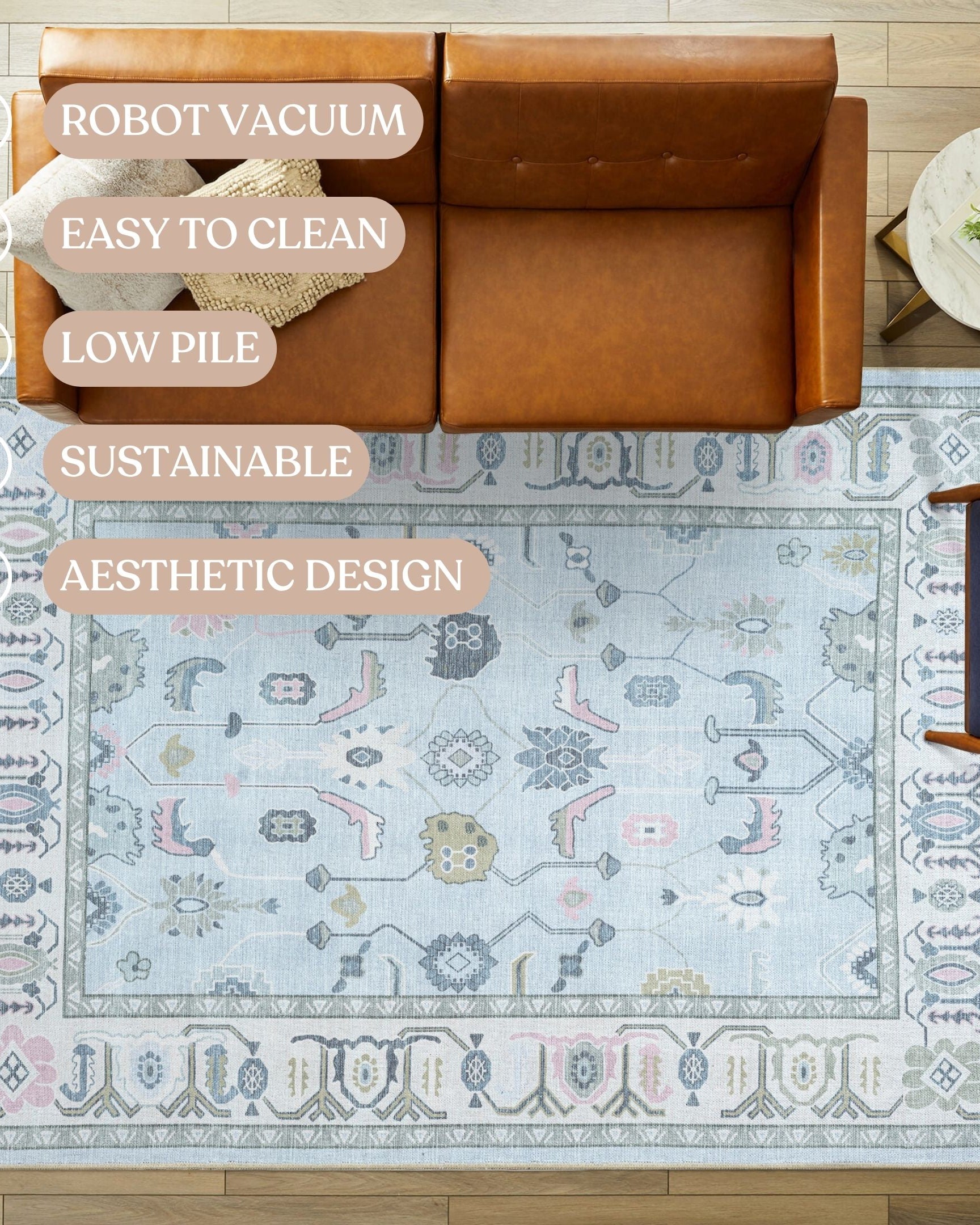
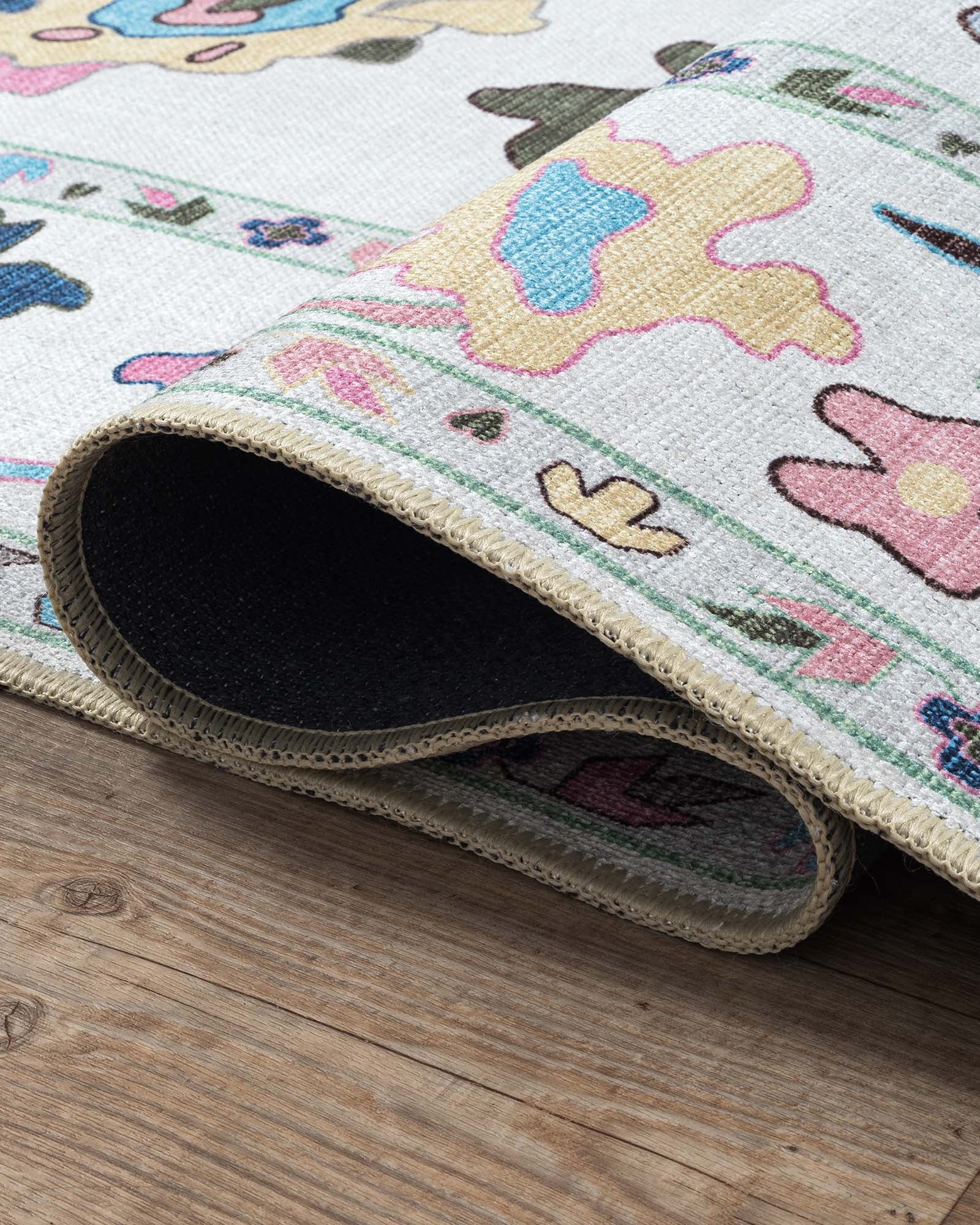
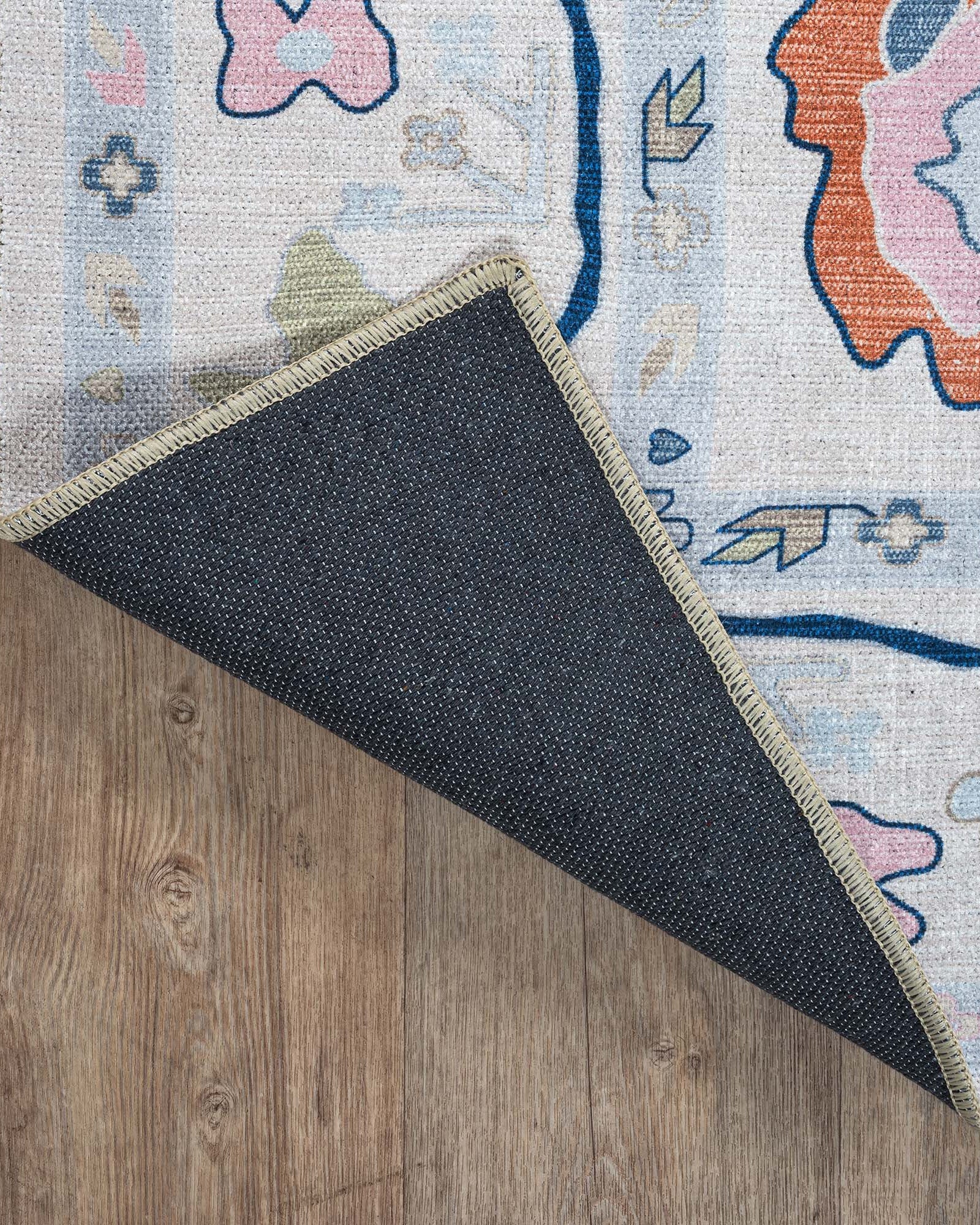
- Low pile: approximately 0.2" (0.5 cm)
How to Clean & Care
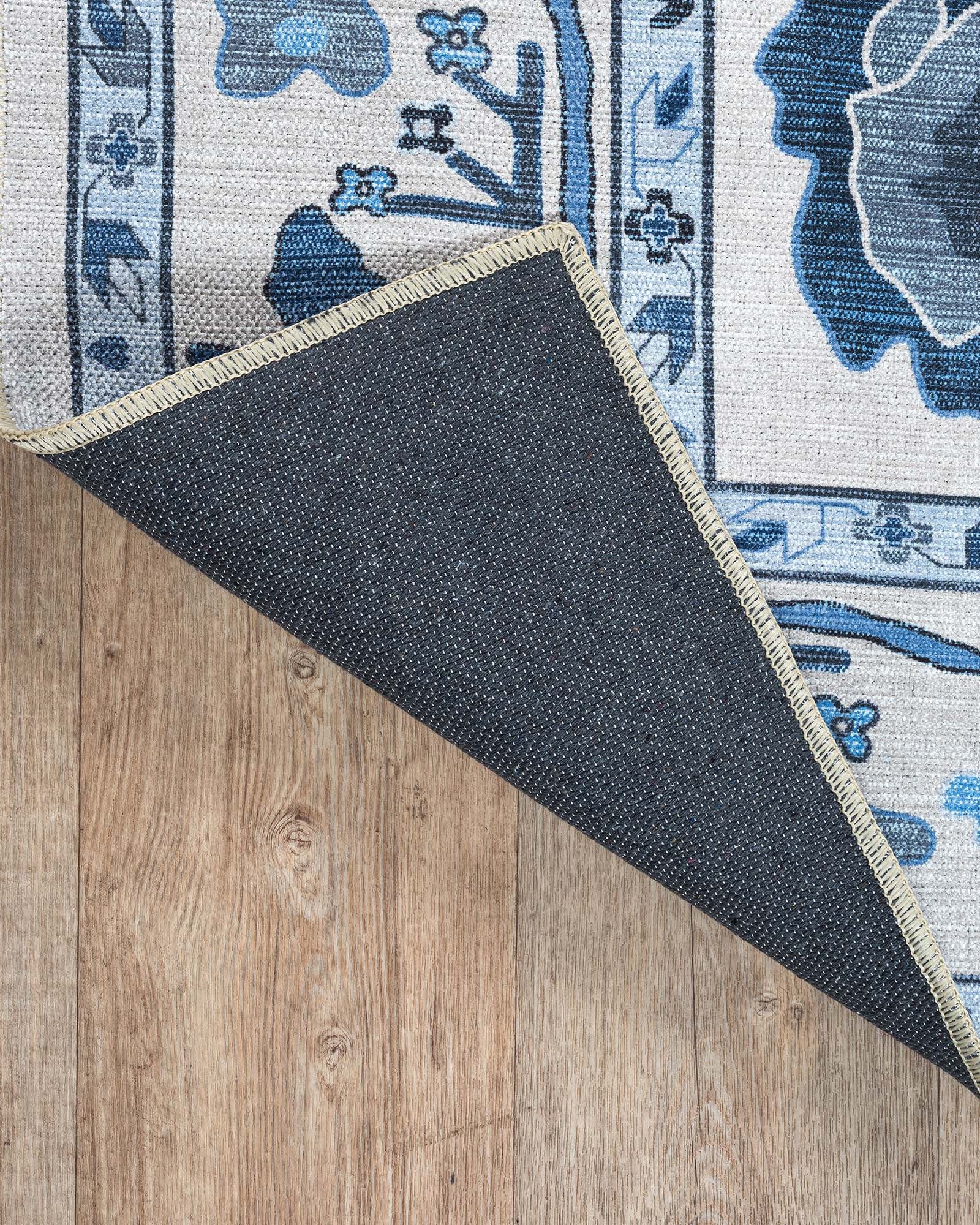
- We recommend that you regularly vacuum your rug to remove dirt and grime. Depending on how heavily your rug is used, just once or twice a month is adequate. Too much vacuuming can wear down the knots and fibers more quickly. If you have a suction attachment on your vacuum cleaner, use that instead of a rotary vacuum.
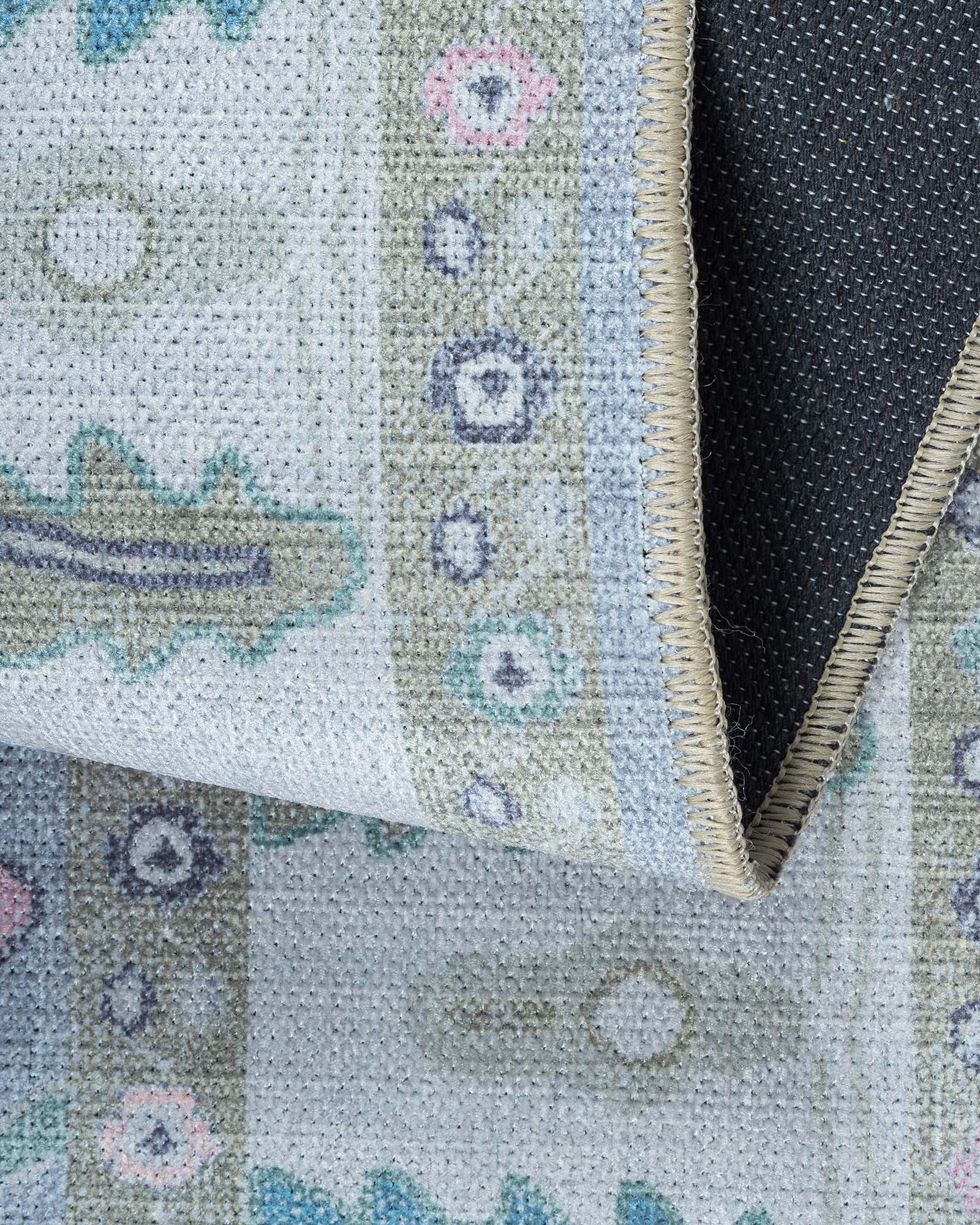
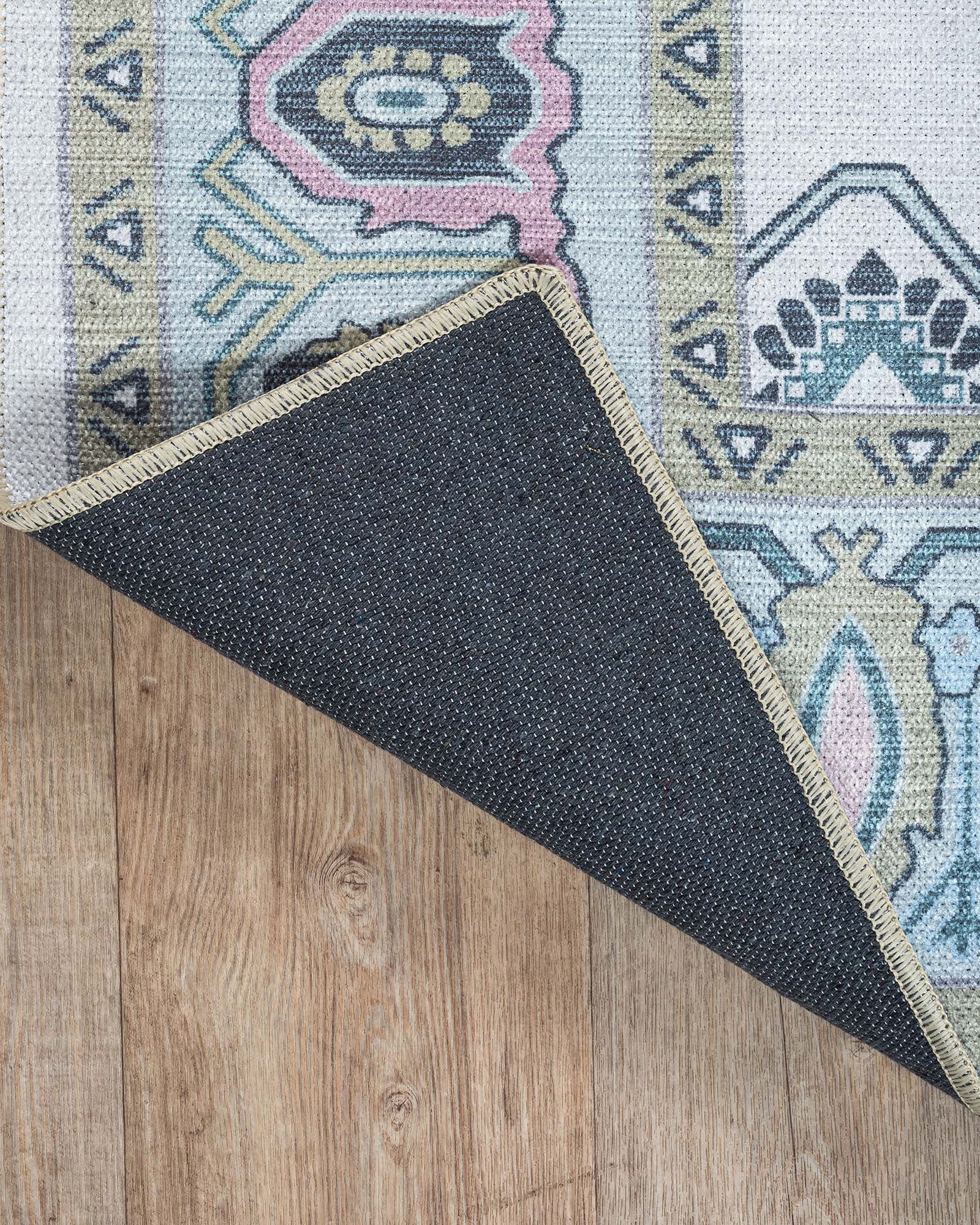
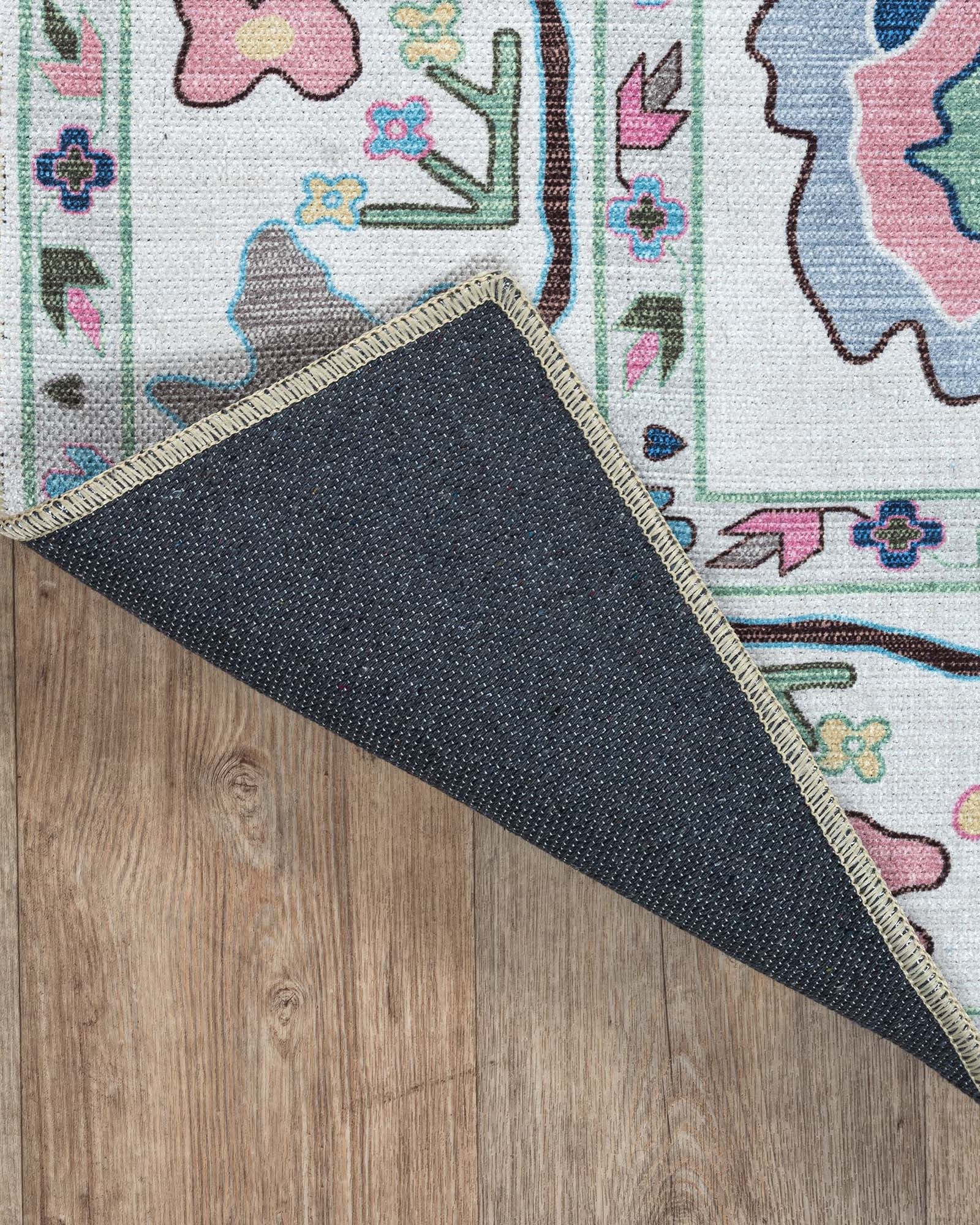
- Every few months, you'll also want to flip your rug over and vacuum the back to get the grit out of the foundation of the rug. It also helps to rotate your rug once a year to ensure even wear over time.
- Every 3–5 years, we recommend getting your rug professionally hand-washed. Please do not take it to get steam or dry cleaned—this will almost certainly damage the rug! Hand-washing requires the use of a pH-balanced shampoo, worked into the rug by hand with a soft-bristled brush, before being rinsed thoroughly. This process should be repeated a few times.
-
In case of spills:
- If the spill is organic and non-oily (e.g., wine), use a paper towel or cloth to blot the liquid. Add some clean water sparingly to the spot to dilute the stain (or wet a paper towel or cloth) and blot. Repeat this process until the stain is removed.
- If the stain is persistent, resist the urge to scrub. Scrubbing can damage the wool fibers and more easily allow the stain to penetrate. You may try using a mild detergent, such as very diluted dishwashing soap, following the same blot-and-rinse procedure.
- If the spill is a denser, more oily liquid, try first to scoop what you can from the surface using a spoon or perhaps some heavier paper, and then do the blot-and-rinse. If the spill is significant, non-organic and/or composed of chemical substances, or the above methods don't work, we suggest getting the rug professionally hand-washed as soon as possible.
- For rugs with deeply saturated color palettes, be sure to spot-clean them in an area that can be hosed down immediately after, as some color bleeding may occur.
How It's Made
Motifs
- A central medallion anchors the motif to a center focal point from which the design blooms out and is balanced by complementary design elements
- Classic and timeless Persian motifs feature intricate patterns and floral designs, all framed by a border
Region of Origin
Usak, located just west of central Anatolia, is known for carpets marking the rise of what scholars call the Turkish carpet design revolution. This refers to the transition from angular, geometric designs to the more organic, curvilinear designs found in Persian carpets—resembling Ottoman art and architecture.
Material Details
Wool is the most widely used fiber in Turkish rug design. Not only is it plentiful in supply, it's durable, long-lasting, and incredibly soft—so it's super comfy to walk and relax on.
Easy Returns
We offer 30-day returns for unused and unwashed products in like-new condition. Custom and final sale items are excluded. Prepaid shipping labels are provided for all eligible returns and exchanges. A restocking fee based on the size of the item may apply. For more return policy details, visit our Help Center.
- Wool It starts as highland sheep wool, spun into yarn. Wool carries the pattern and the texture; a small share of cotton goes into the warp so the rug holds its shape over the years.
- Dyed Yarn is dyed in small batches and dried in open air. Batch to batch the tone moves a little, which is why two rugs of the same design never read exactly alike.
- Woven Weavers build the rug row by row on a village loom — flatweave, so no pile and no knots, just the weave itself carrying the design. A large piece takes weeks of work by hand.
- Washed Off the loom the rug is washed with soft water and mild soap, then dried flat. The wool relaxes, the colors settle, and the surface takes on the softness it will keep.
- Finished Edges and fringes are finished by hand, then each rug is measured, inspected, and rolled for shipping. In-stock sizes leave our warehouse within one business day.
Handwoven work carries small irregularities — a line that wanders, a shade that shifts across the field. They are the record of a person at the loom, not a flaw.