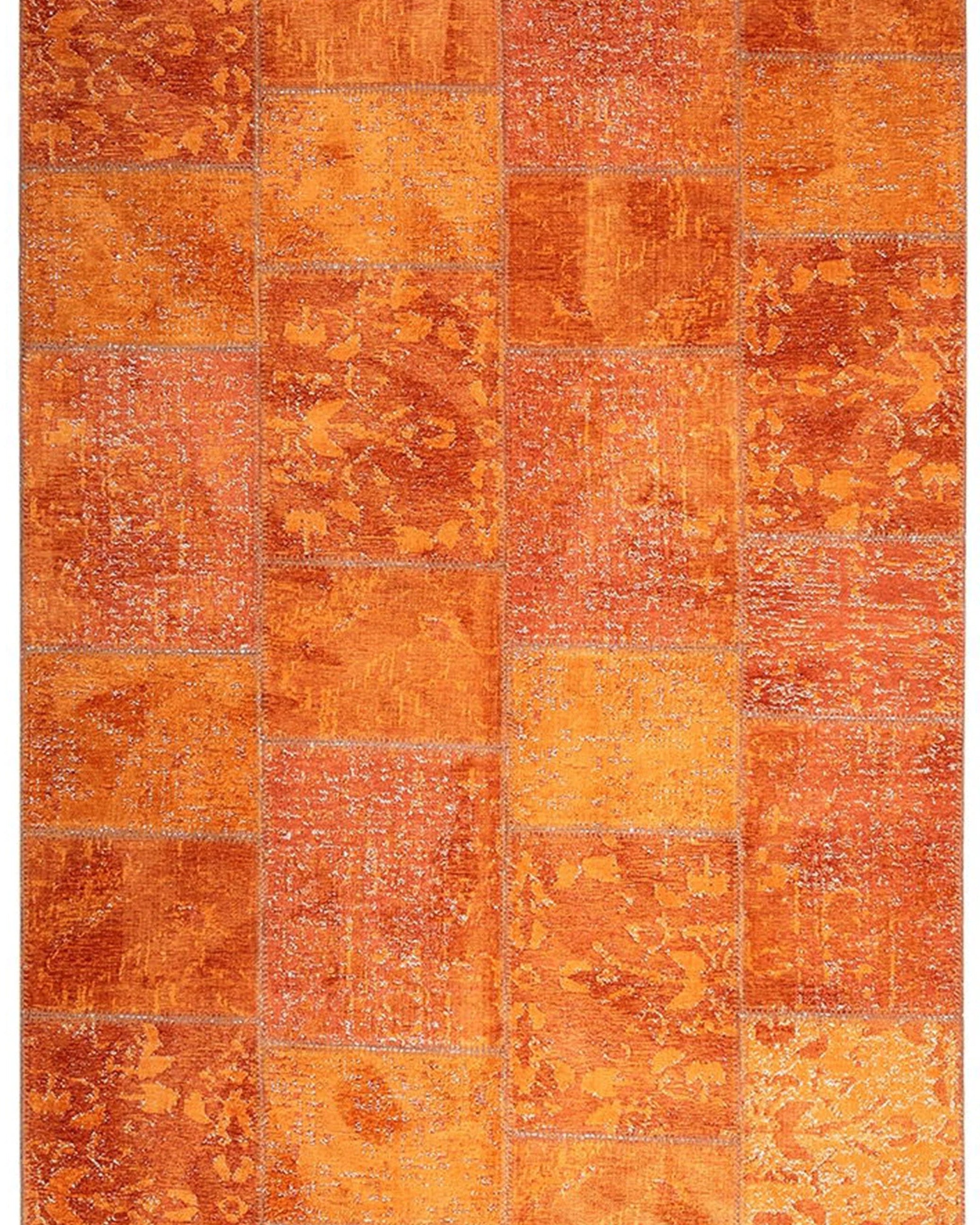
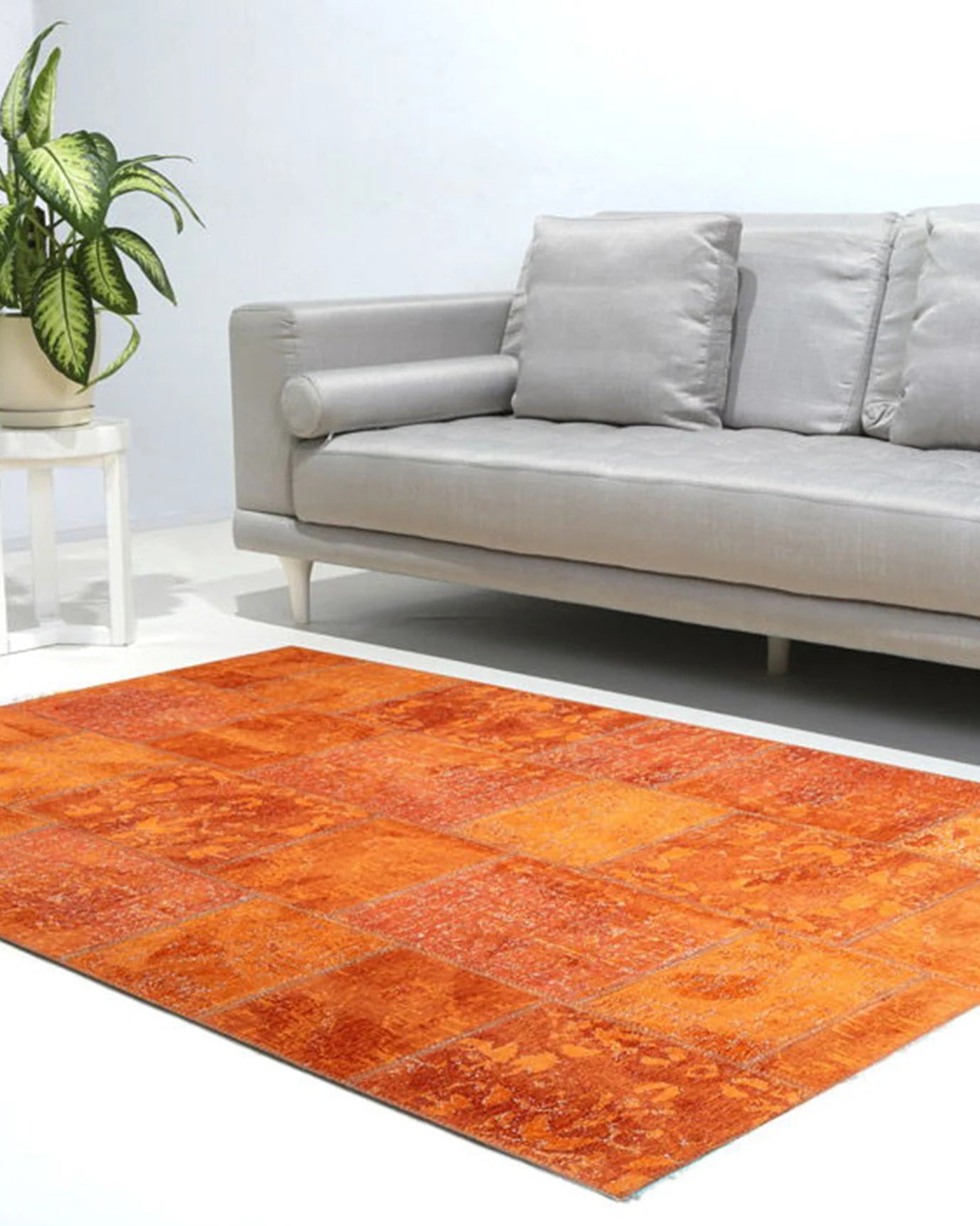
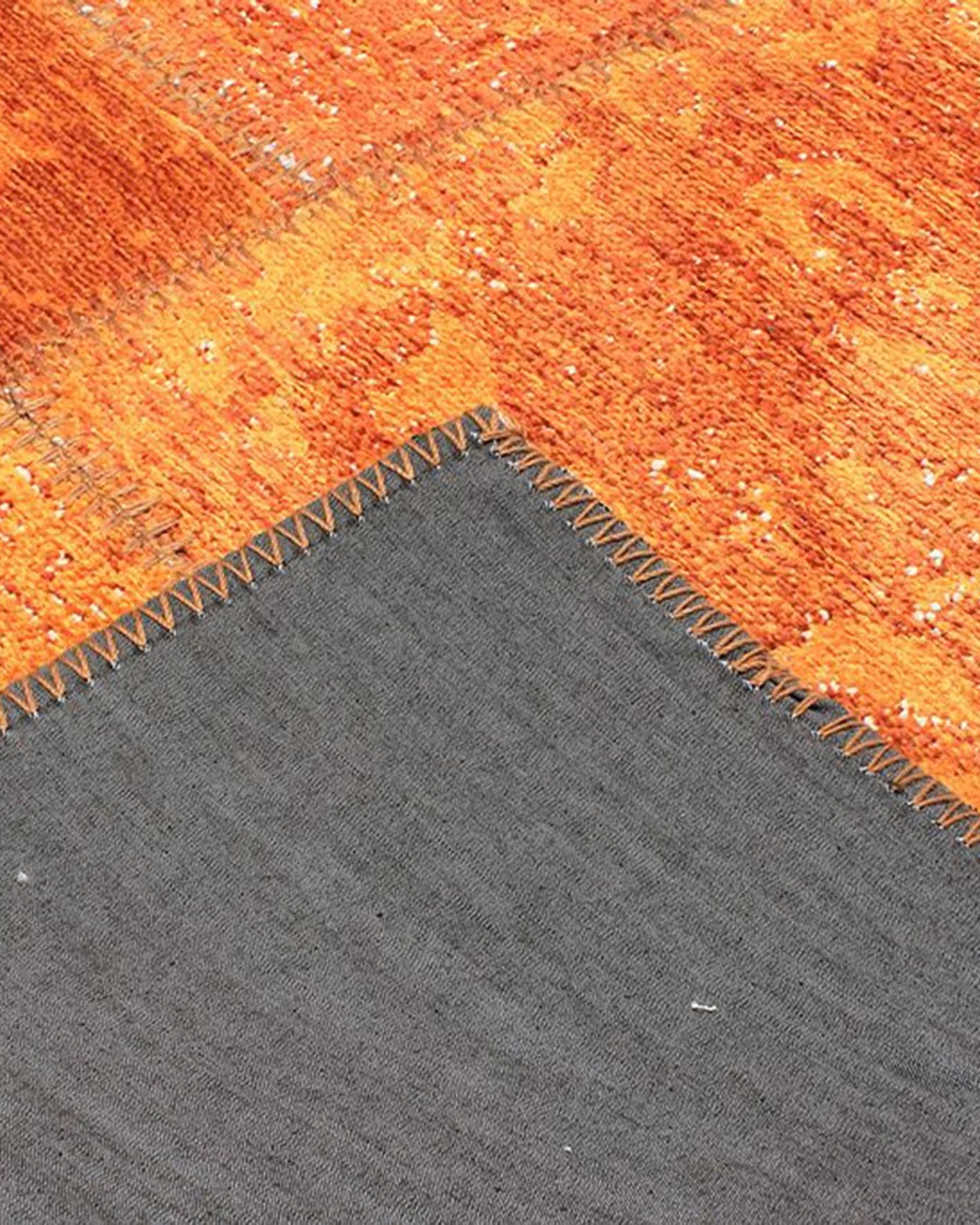
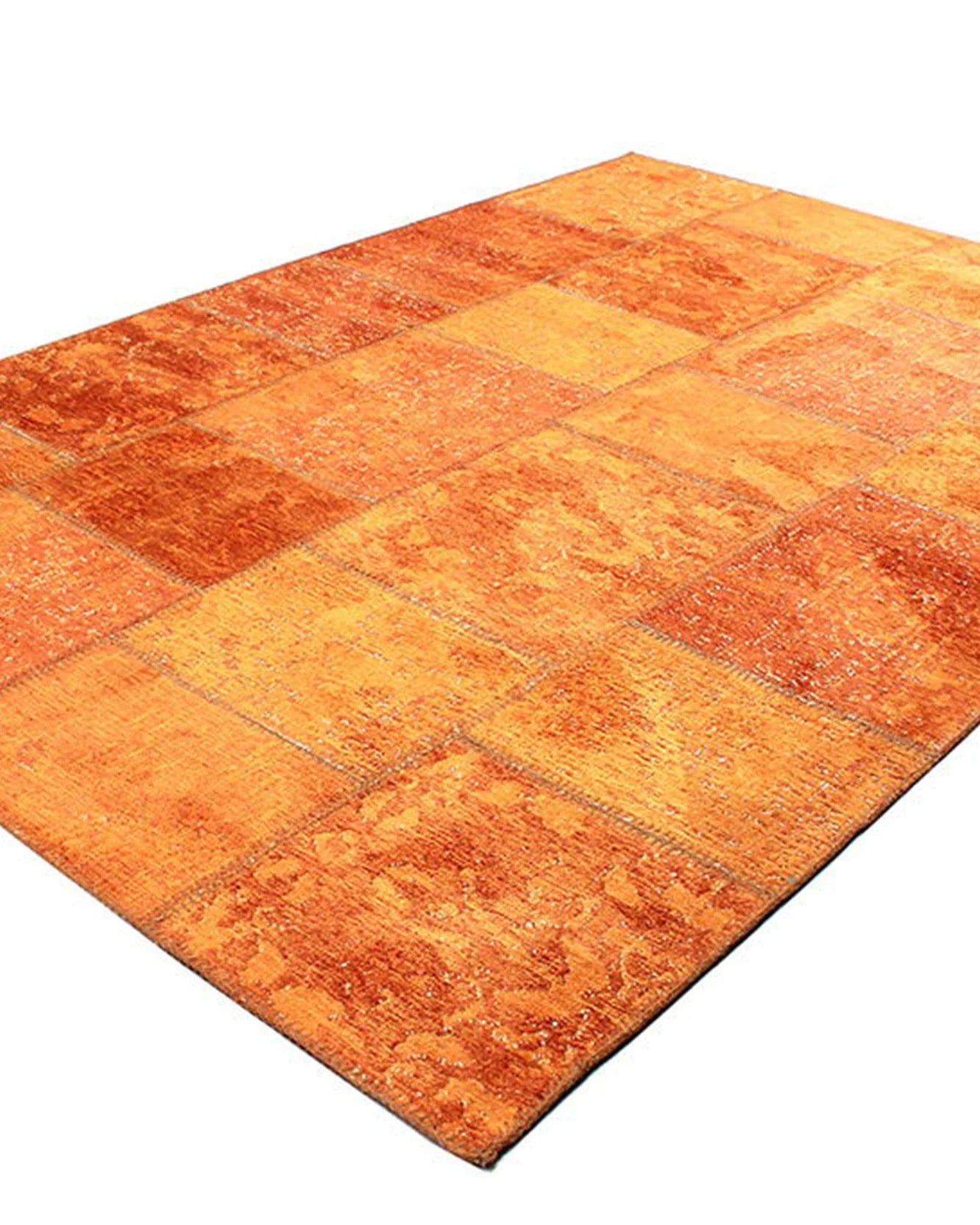
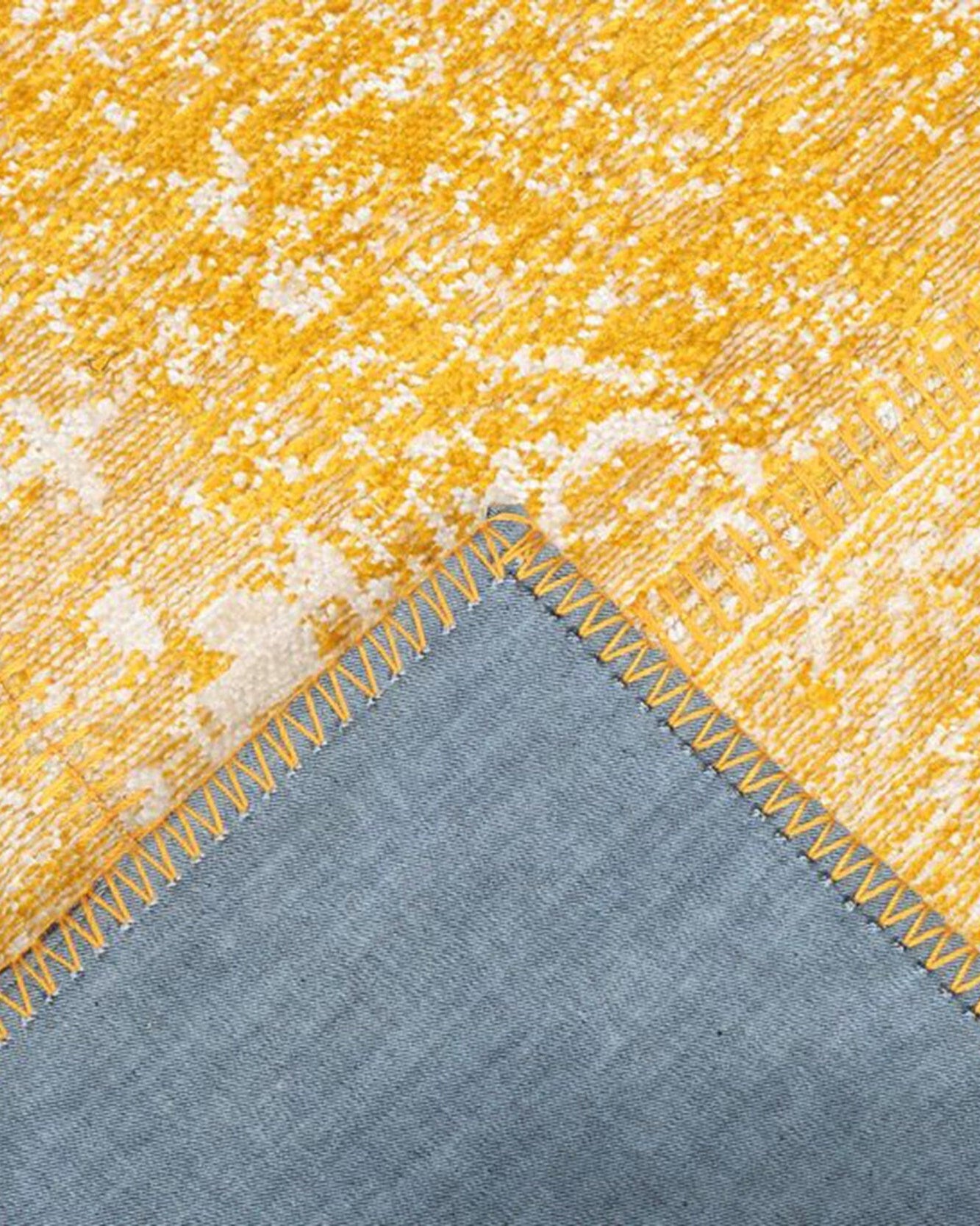
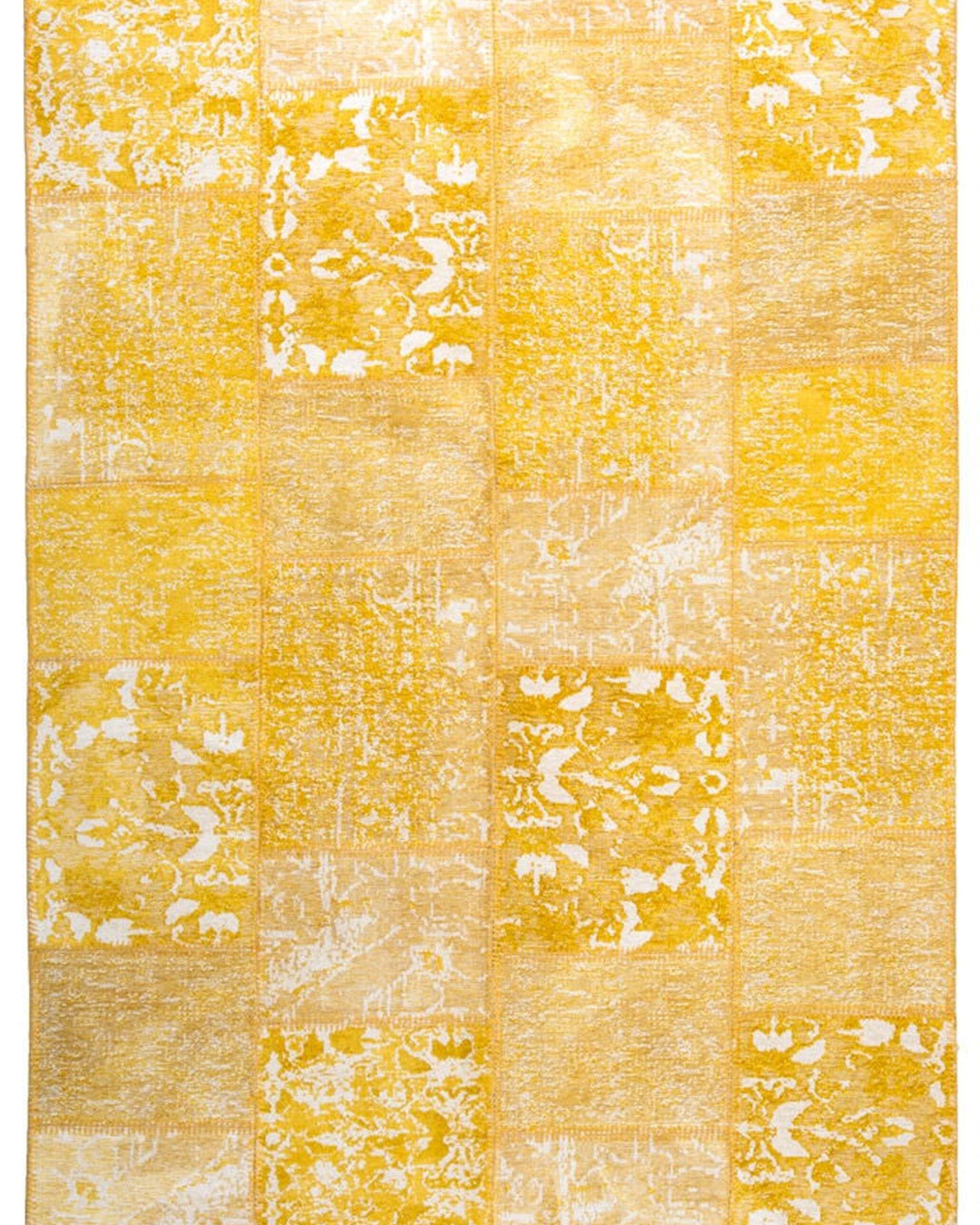
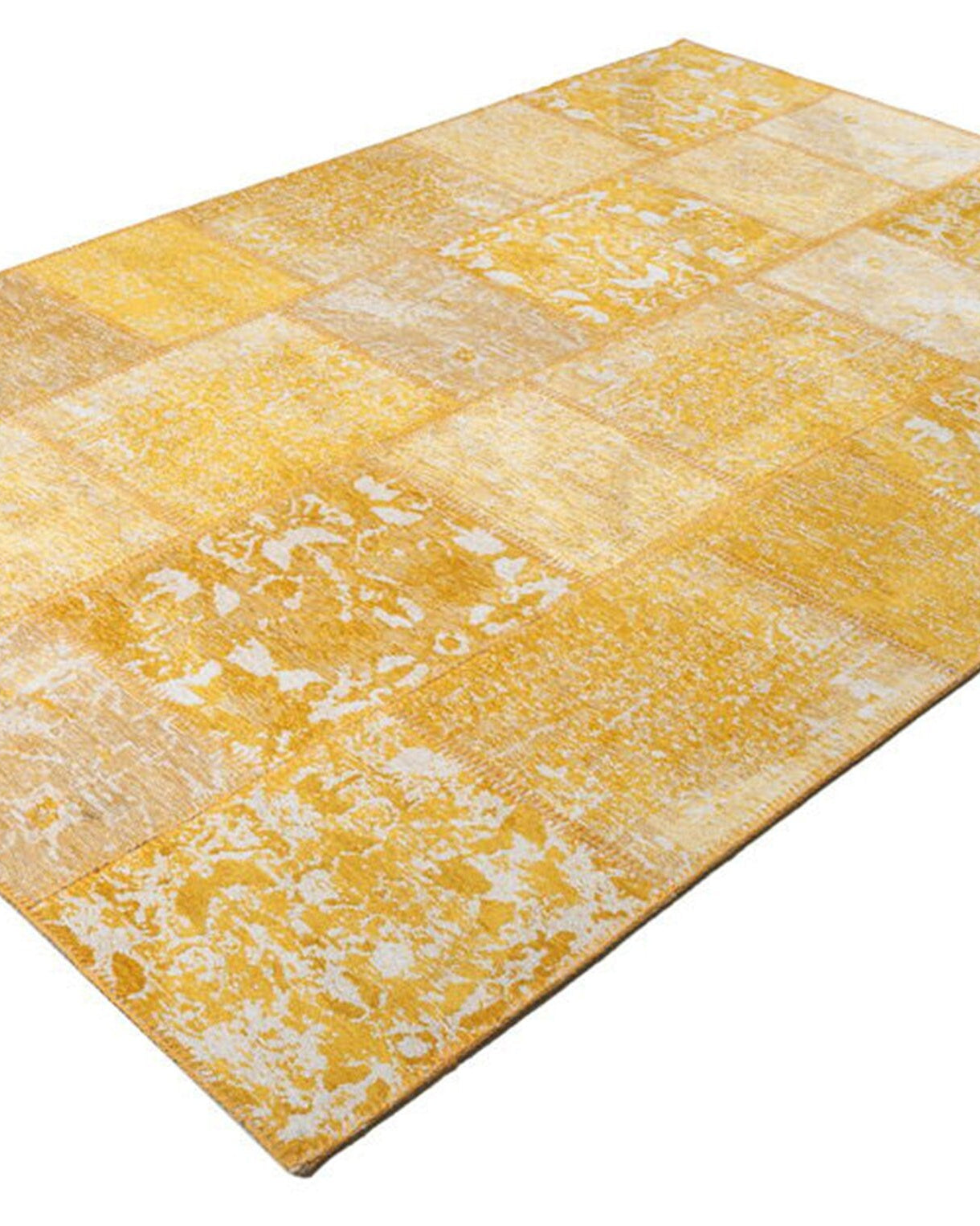
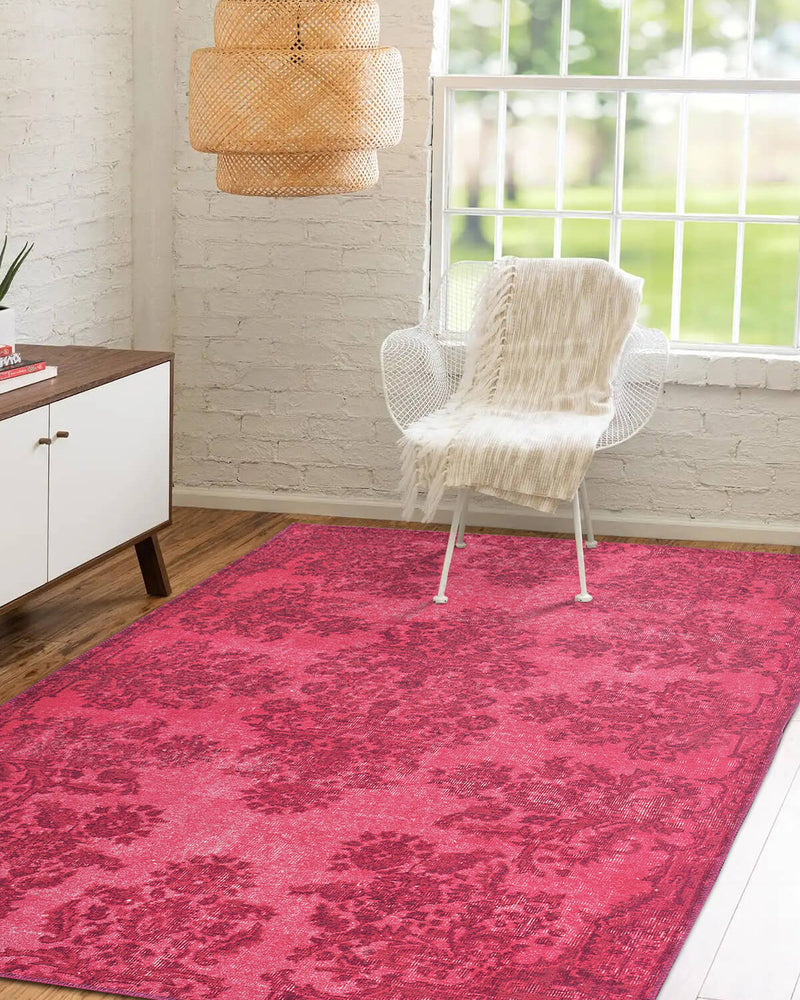
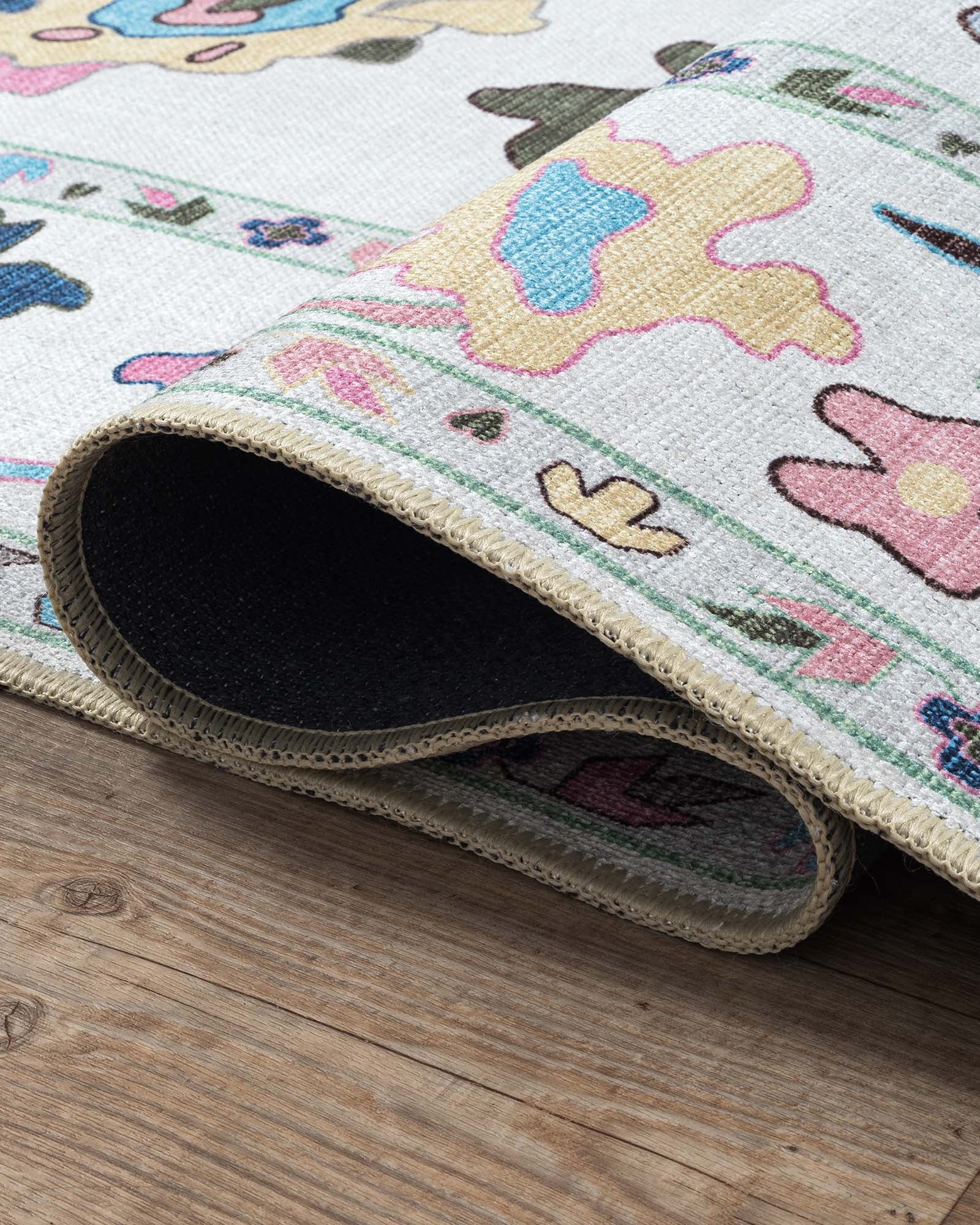
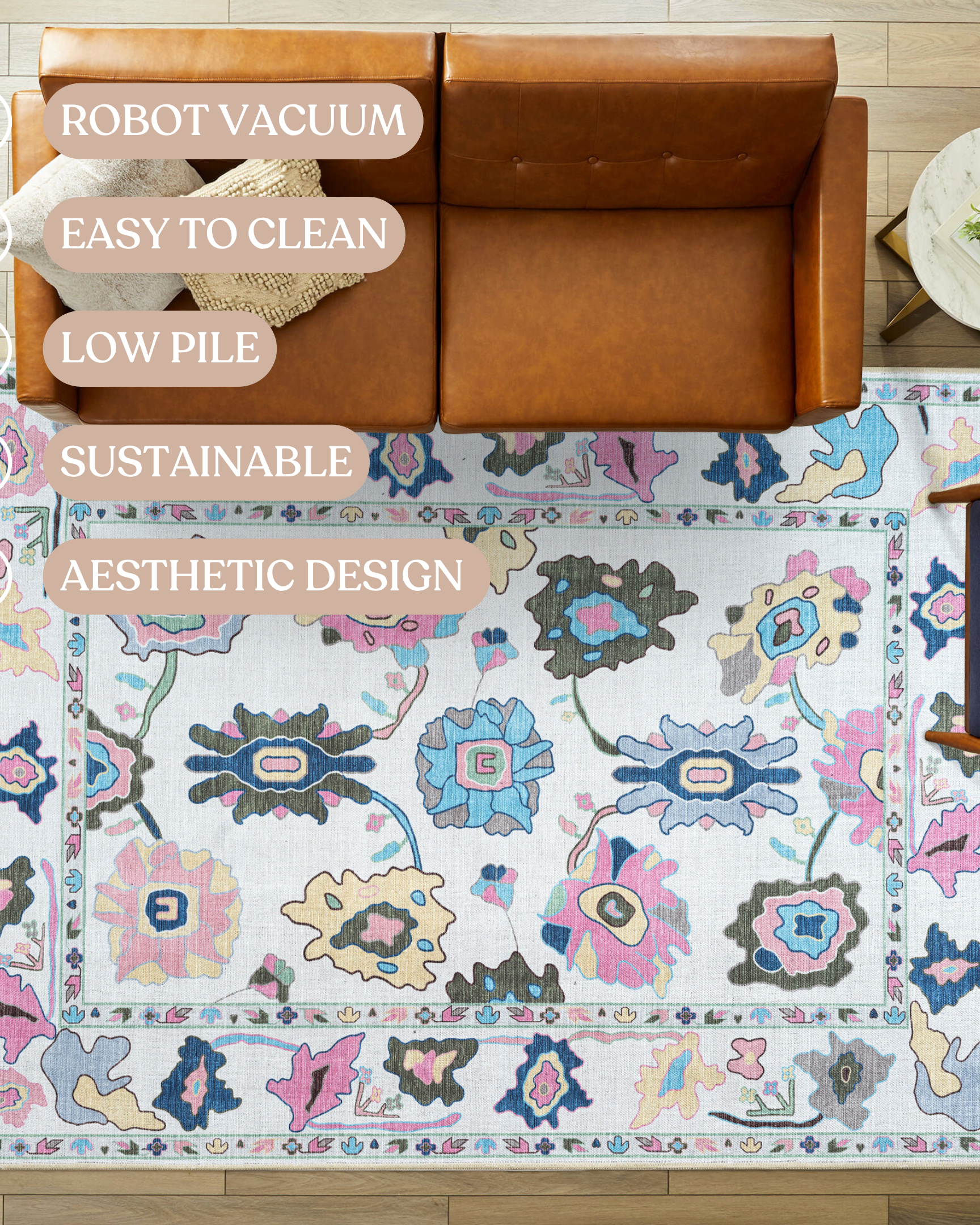
The Timeless Elegance of Oriental Rugs
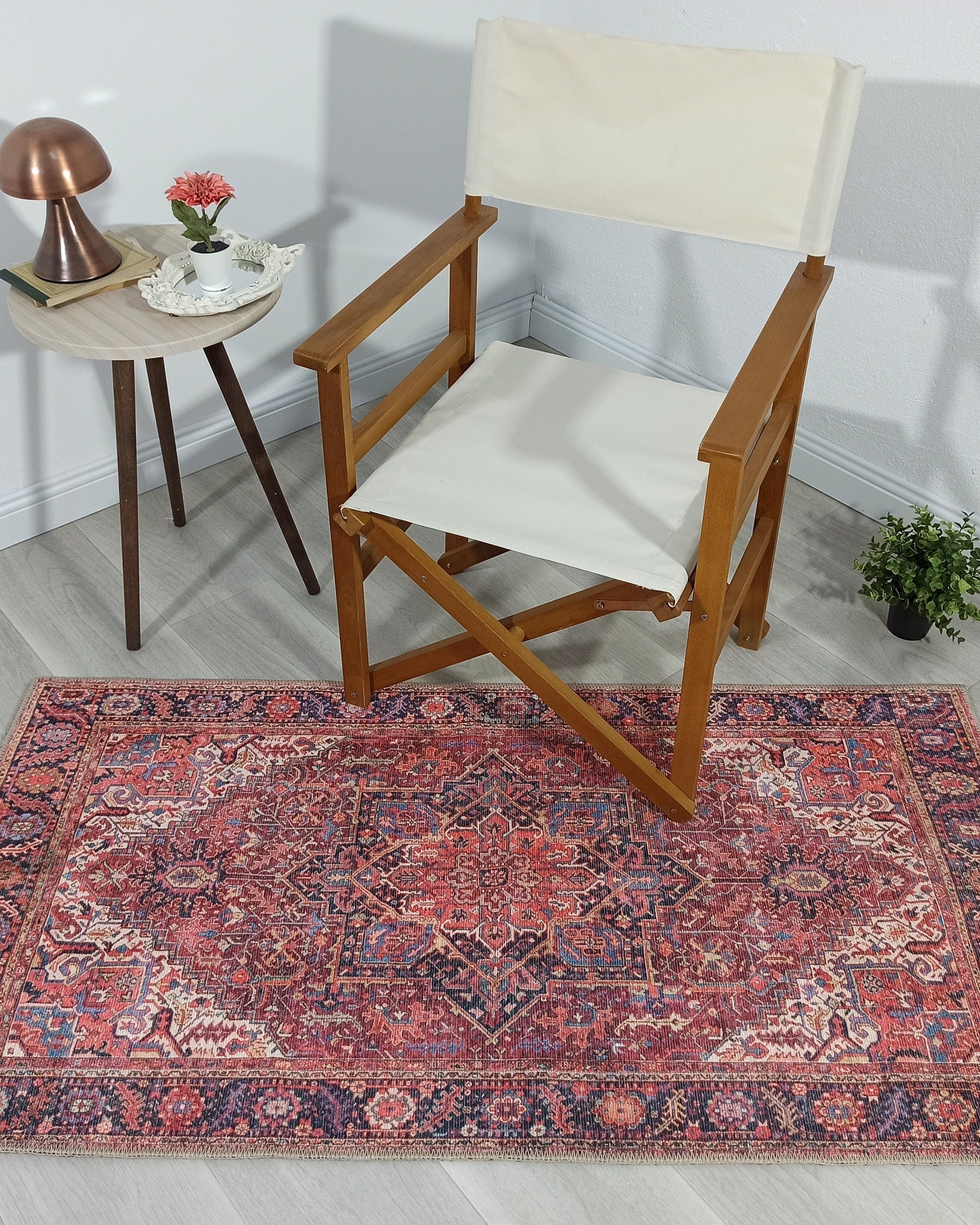
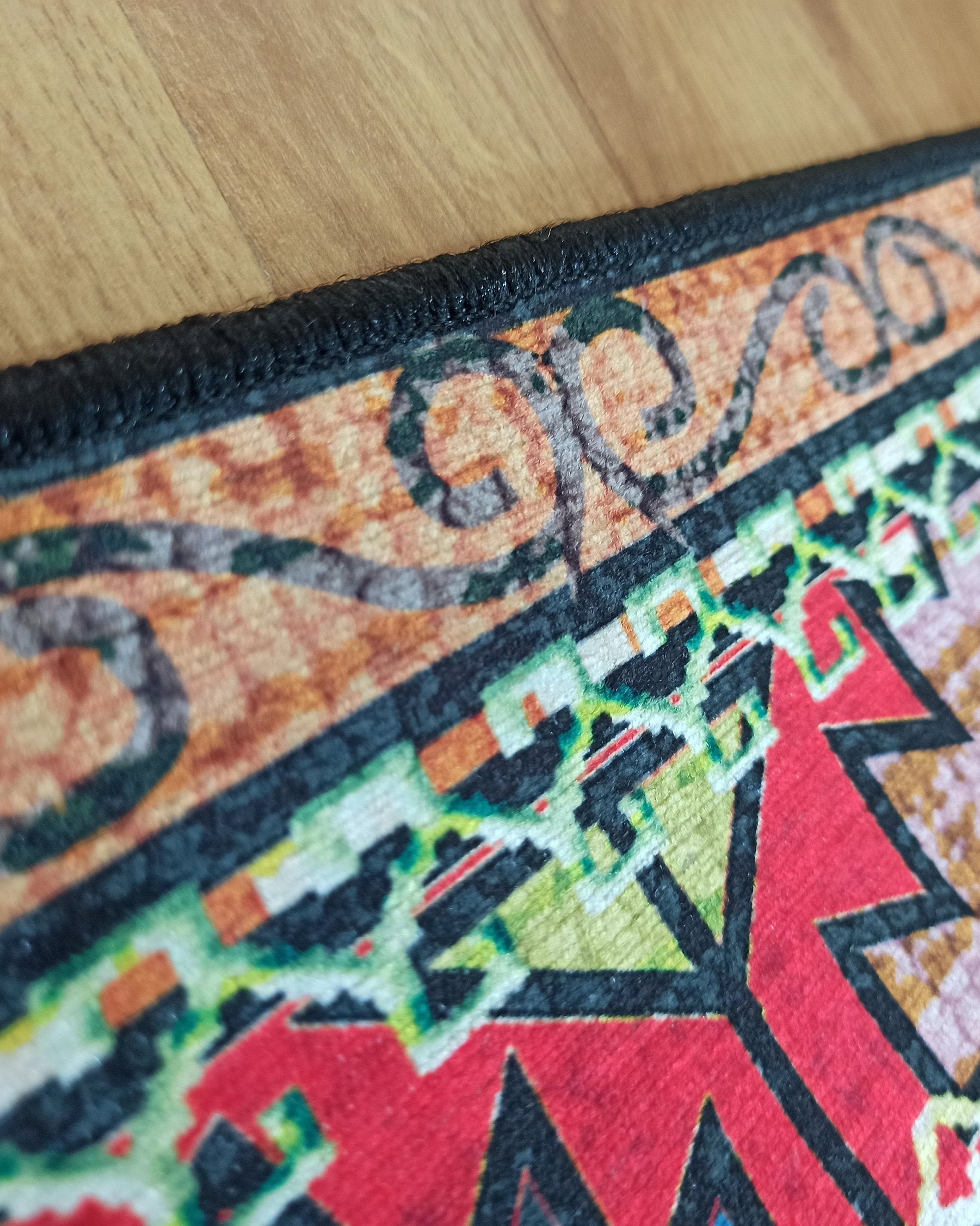
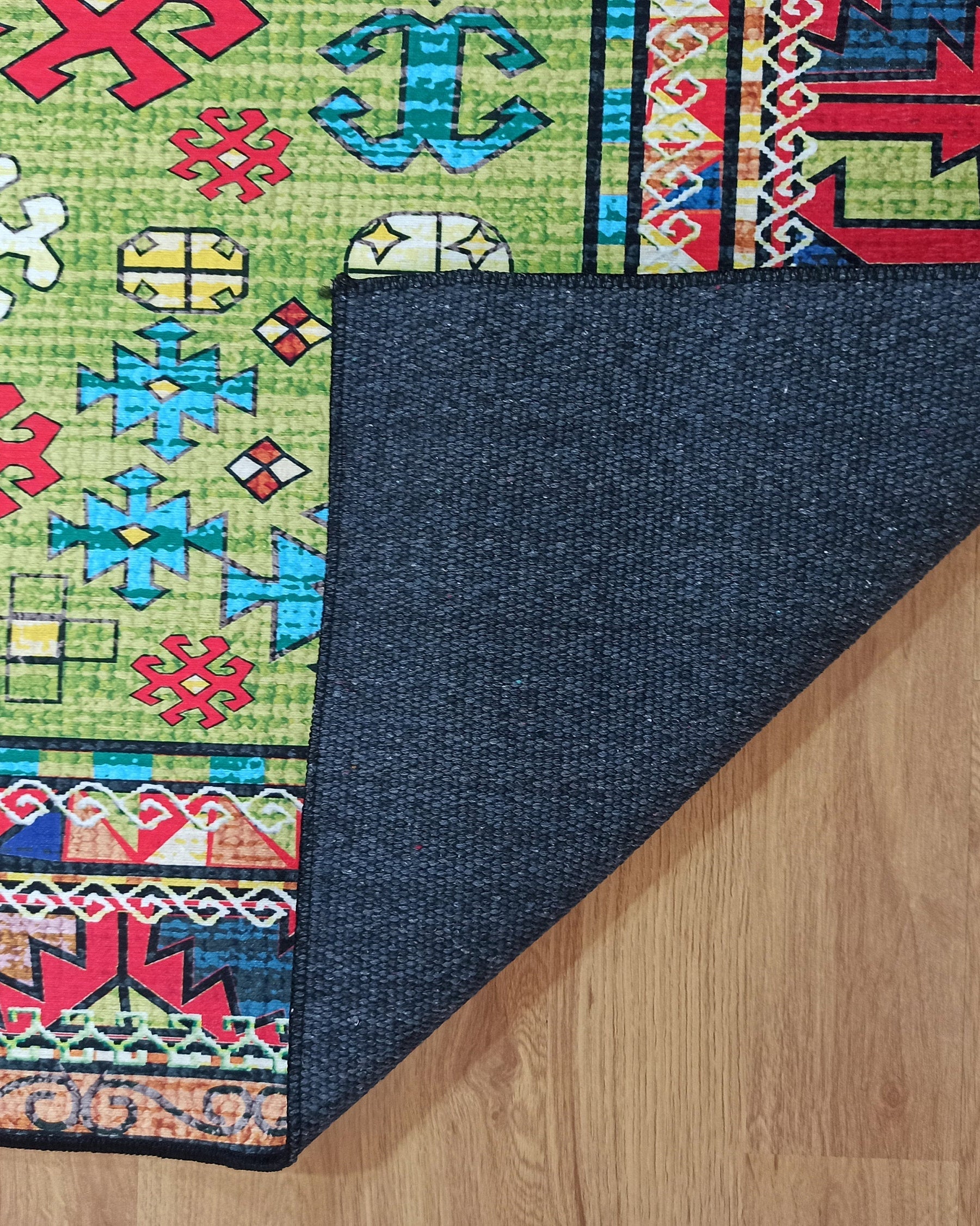
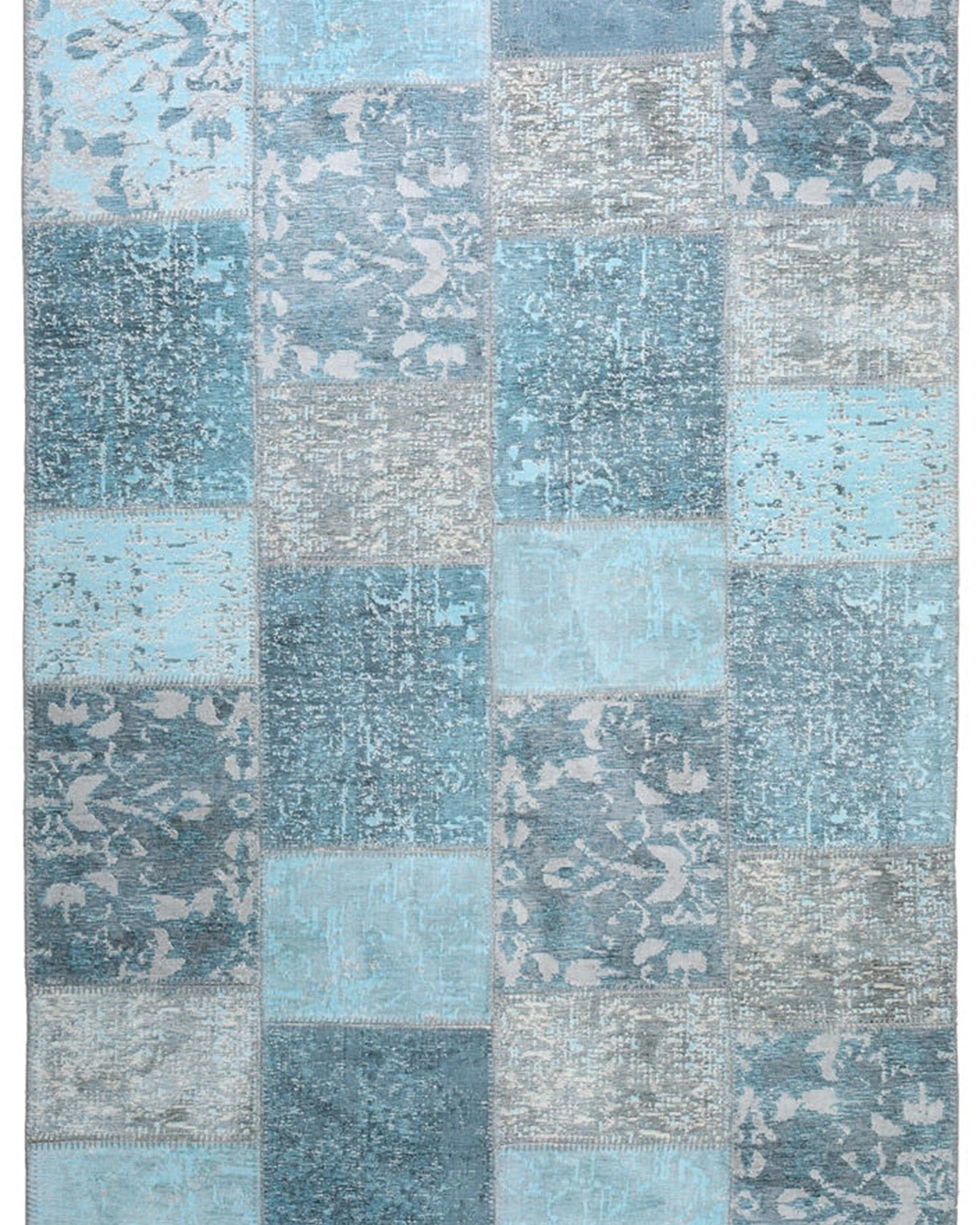
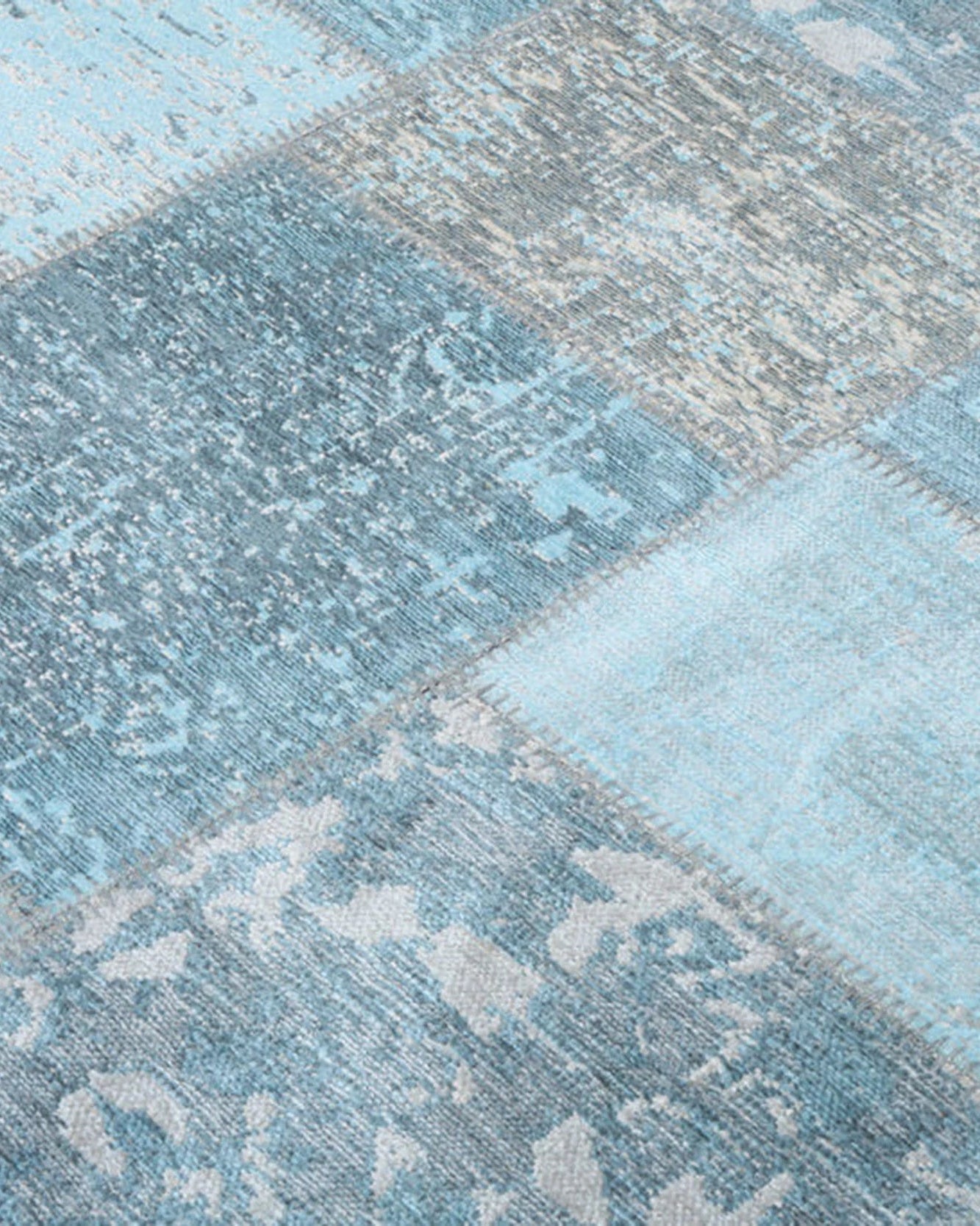
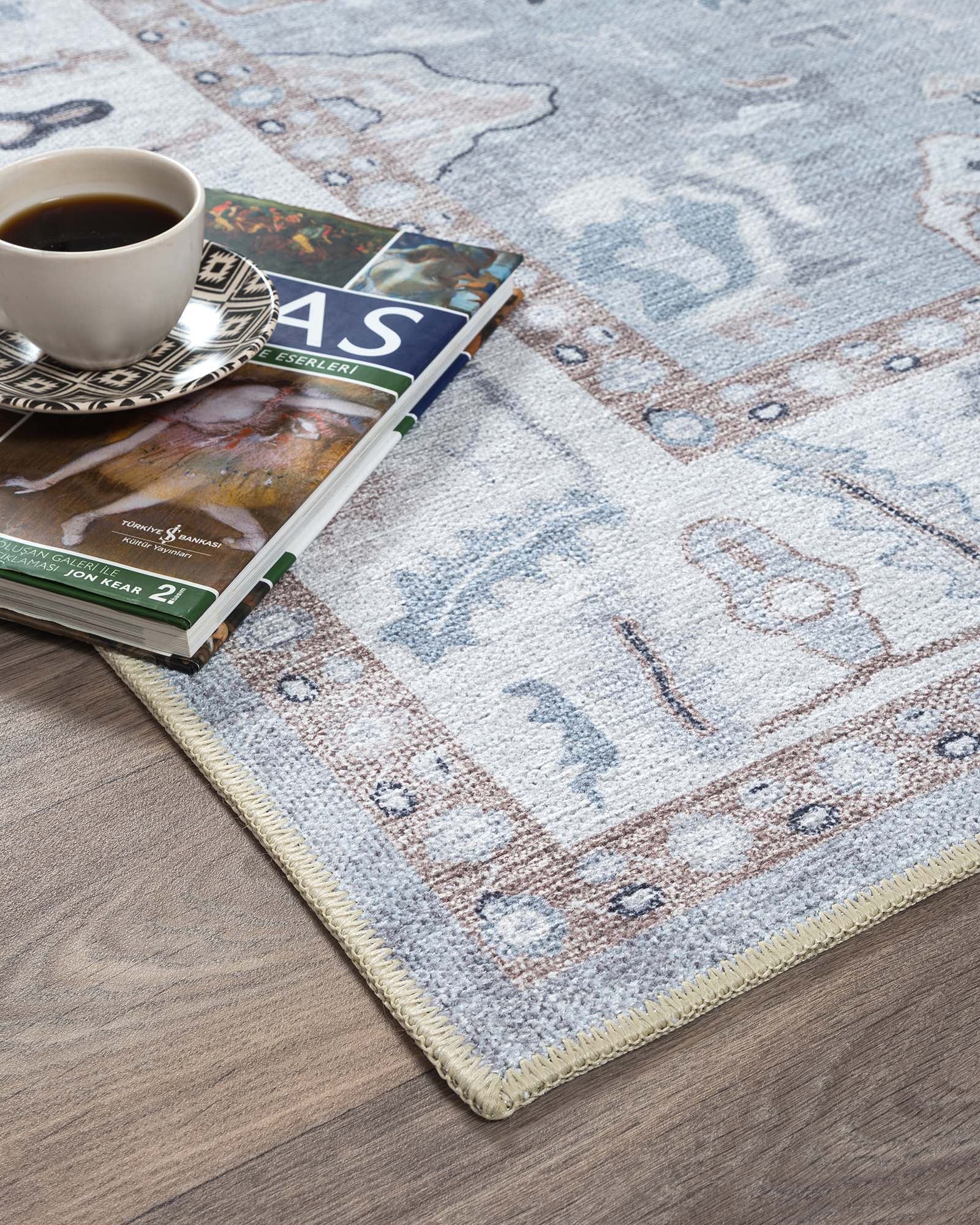
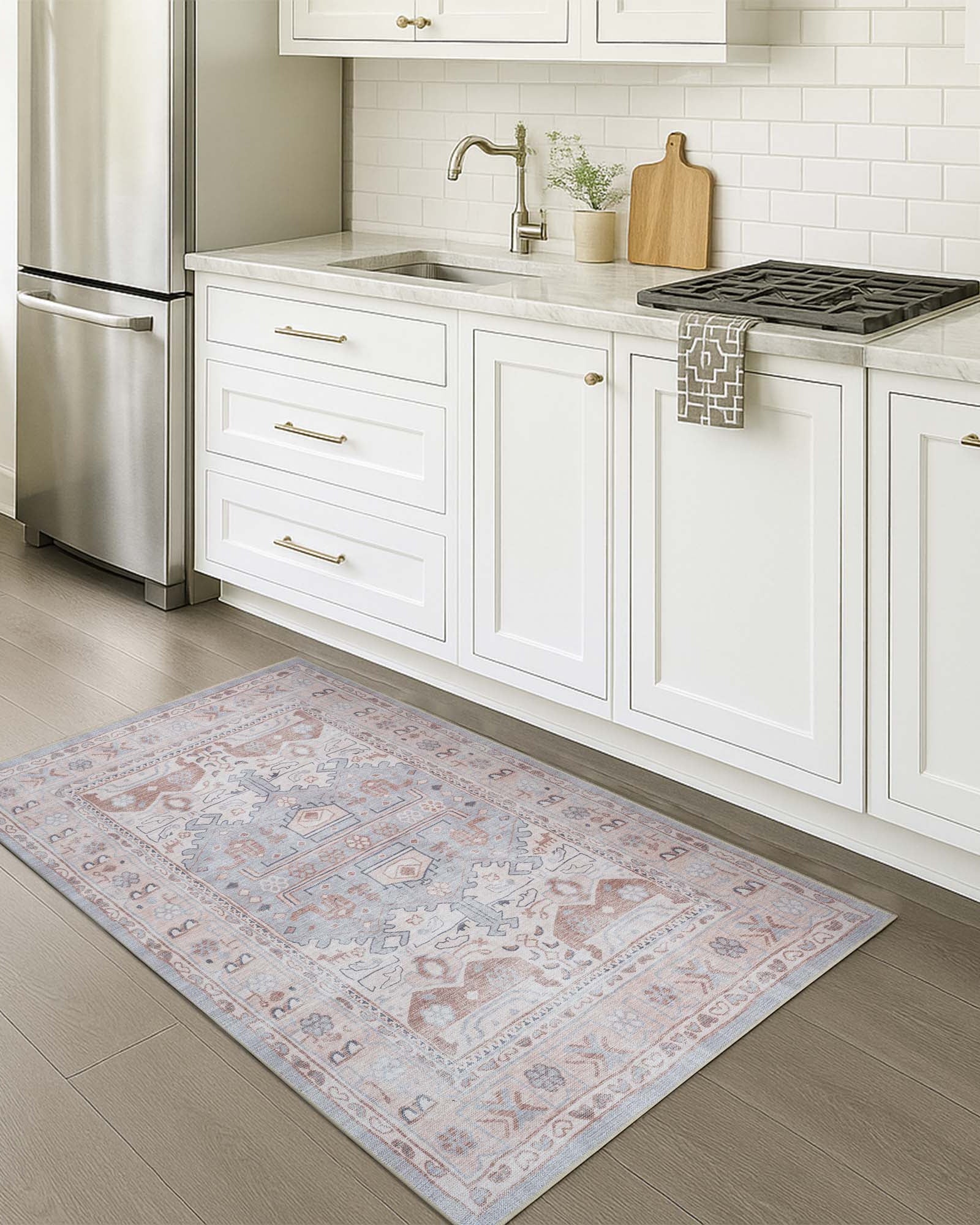
For centuries, Oriental rugs have been admired as some of the most exquisite and culturally significant textiles in the world. With origins spanning Turkey, Persia (Iran), India, China, and other regions of Asia, these rugs represent artistry, history, and tradition woven into every fiber. Whether used as a centerpiece in a grand living room or as a cozy accent in a bedroom, Oriental rugs are treasured for their intricate patterns, rich colors, and hand-knotted craftsmanship.
A History of Oriental Rugs
The art of Oriental rug weaving dates back thousands of years, with early examples discovered in Central Asia. These rugs were prized not only for their decorative value but also for their durability and warmth. As trade routes expanded, Oriental rugs became highly sought after in Europe and beyond, adorning palaces, mosques, and private homes. Today, authentic Oriental rugs remain symbols of luxury, culture, and artistry.
Key Characteristics of Oriental Rugs
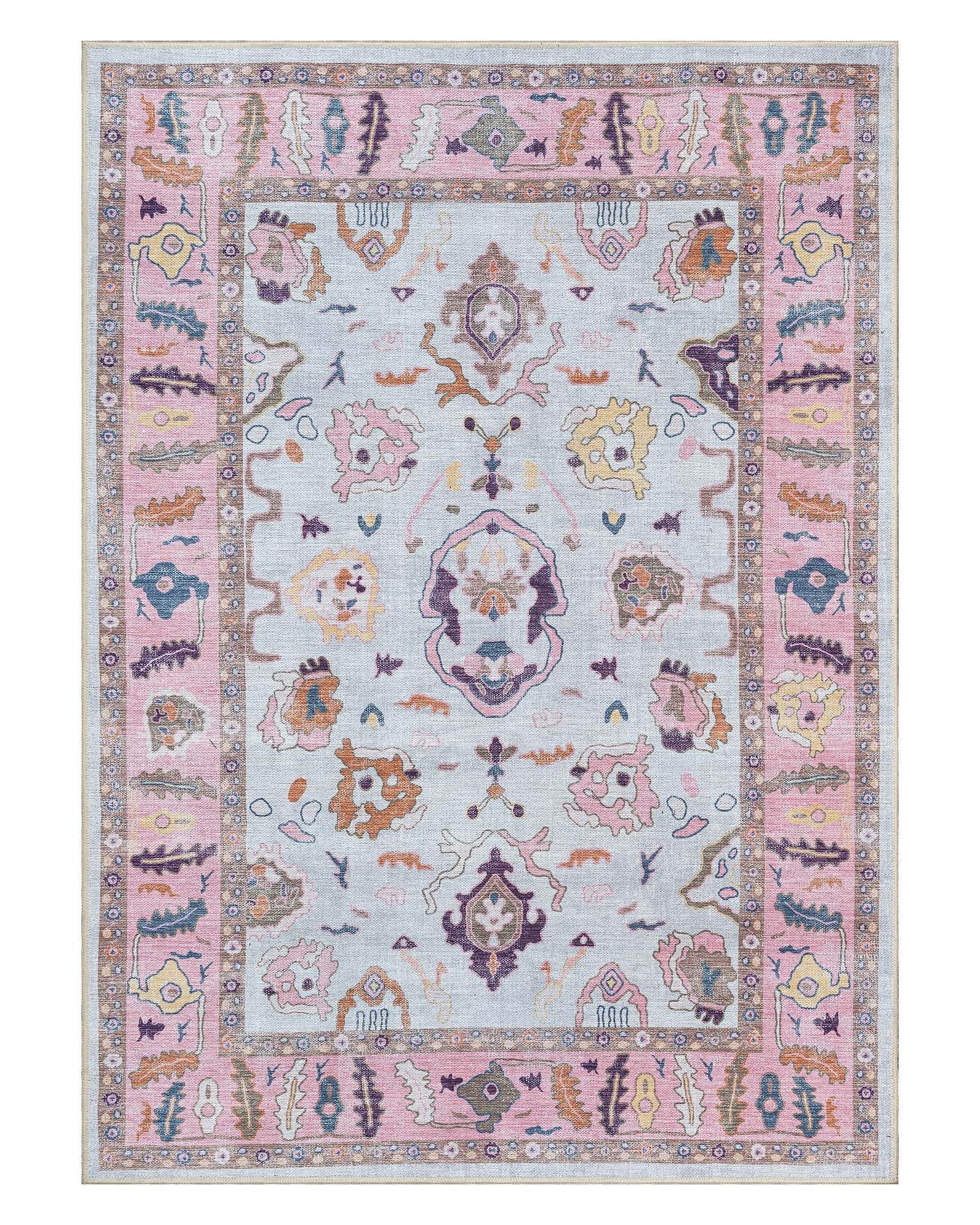
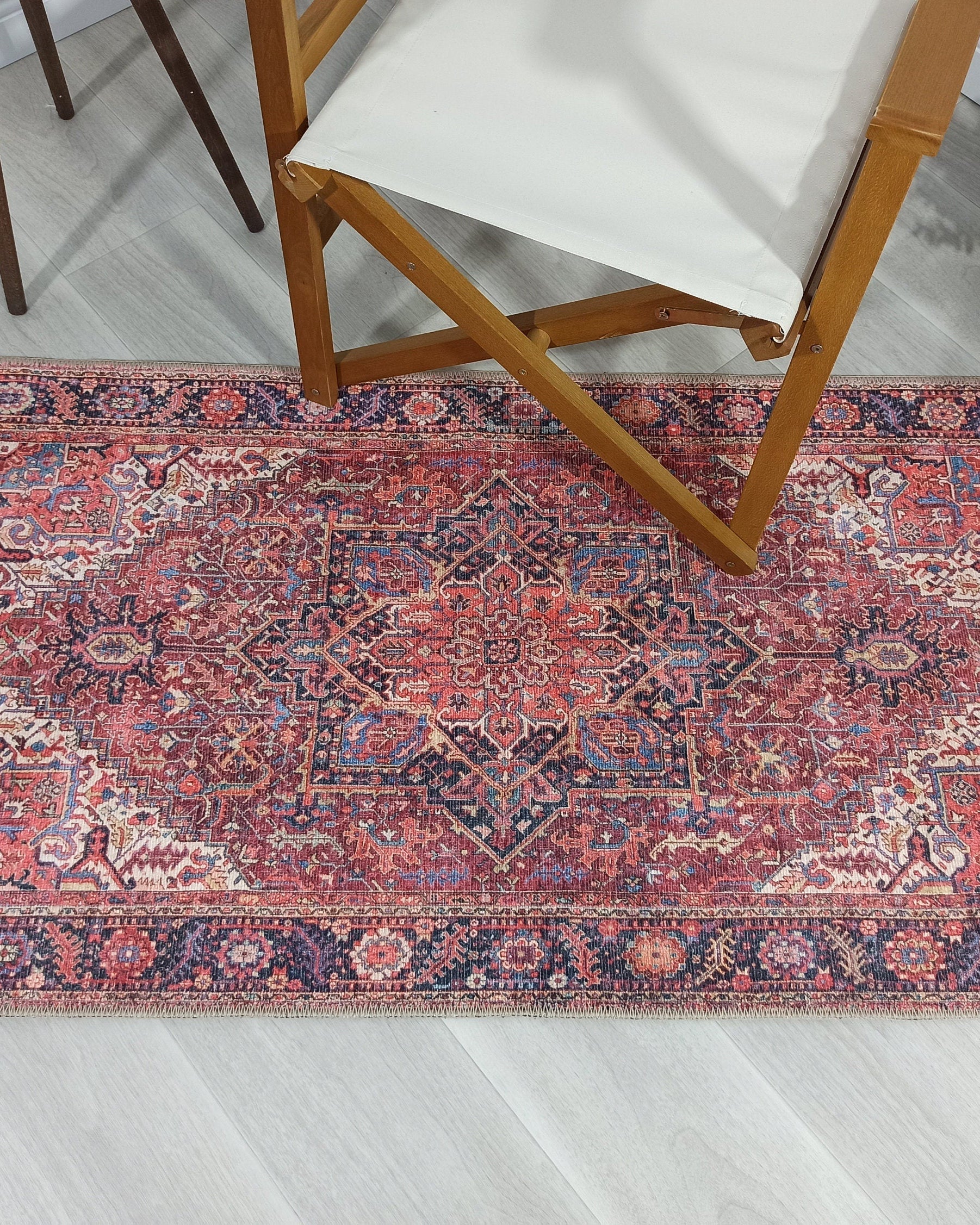
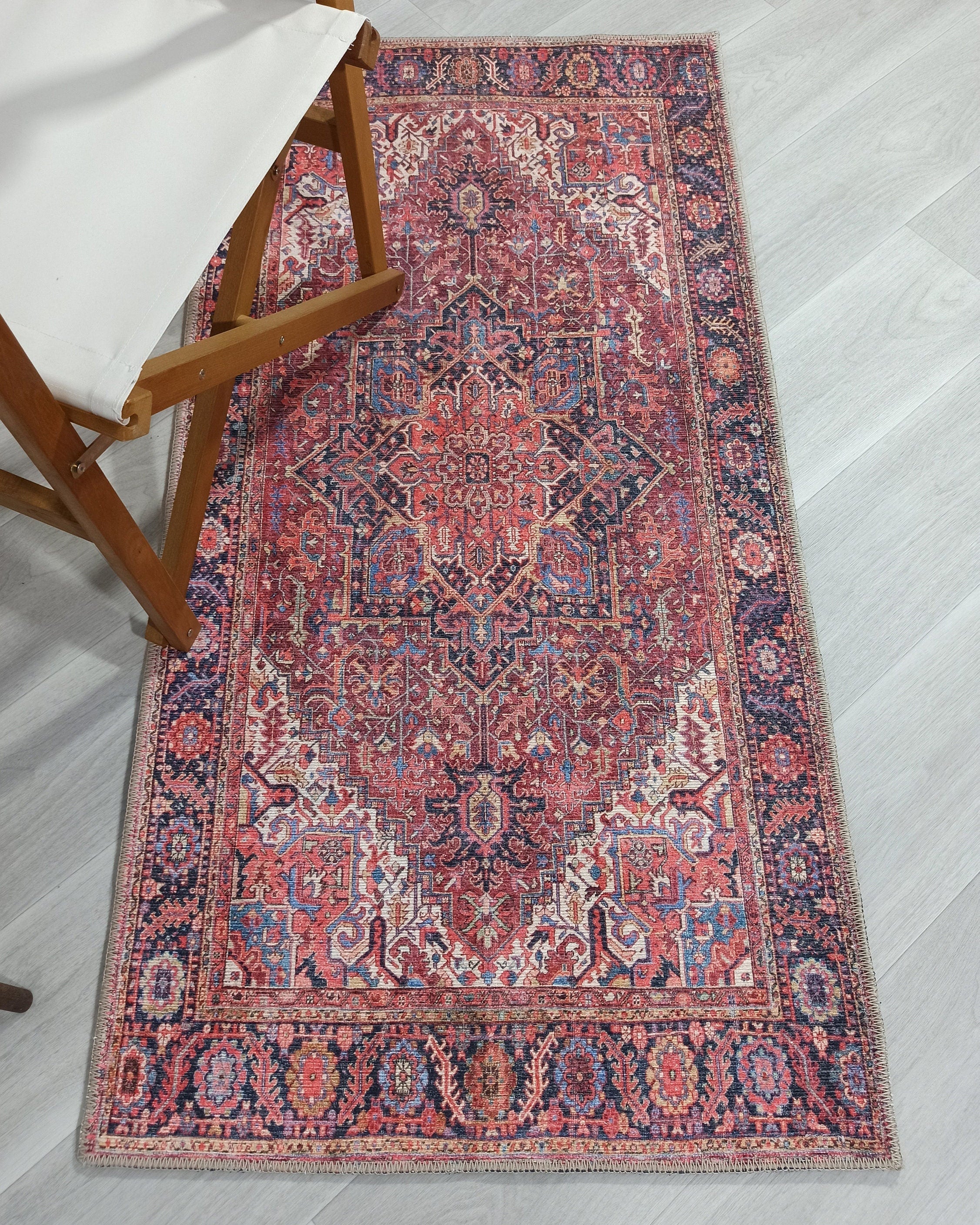
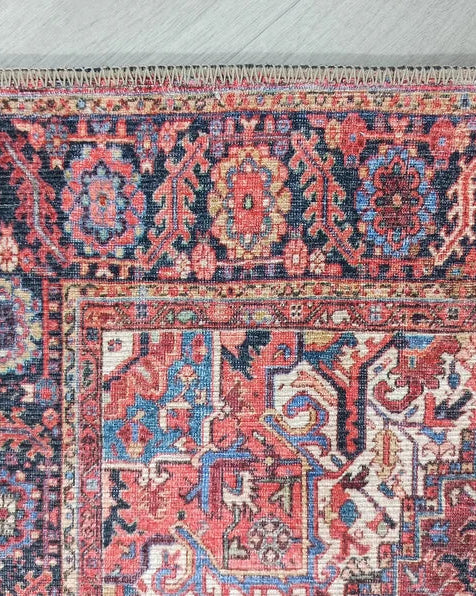
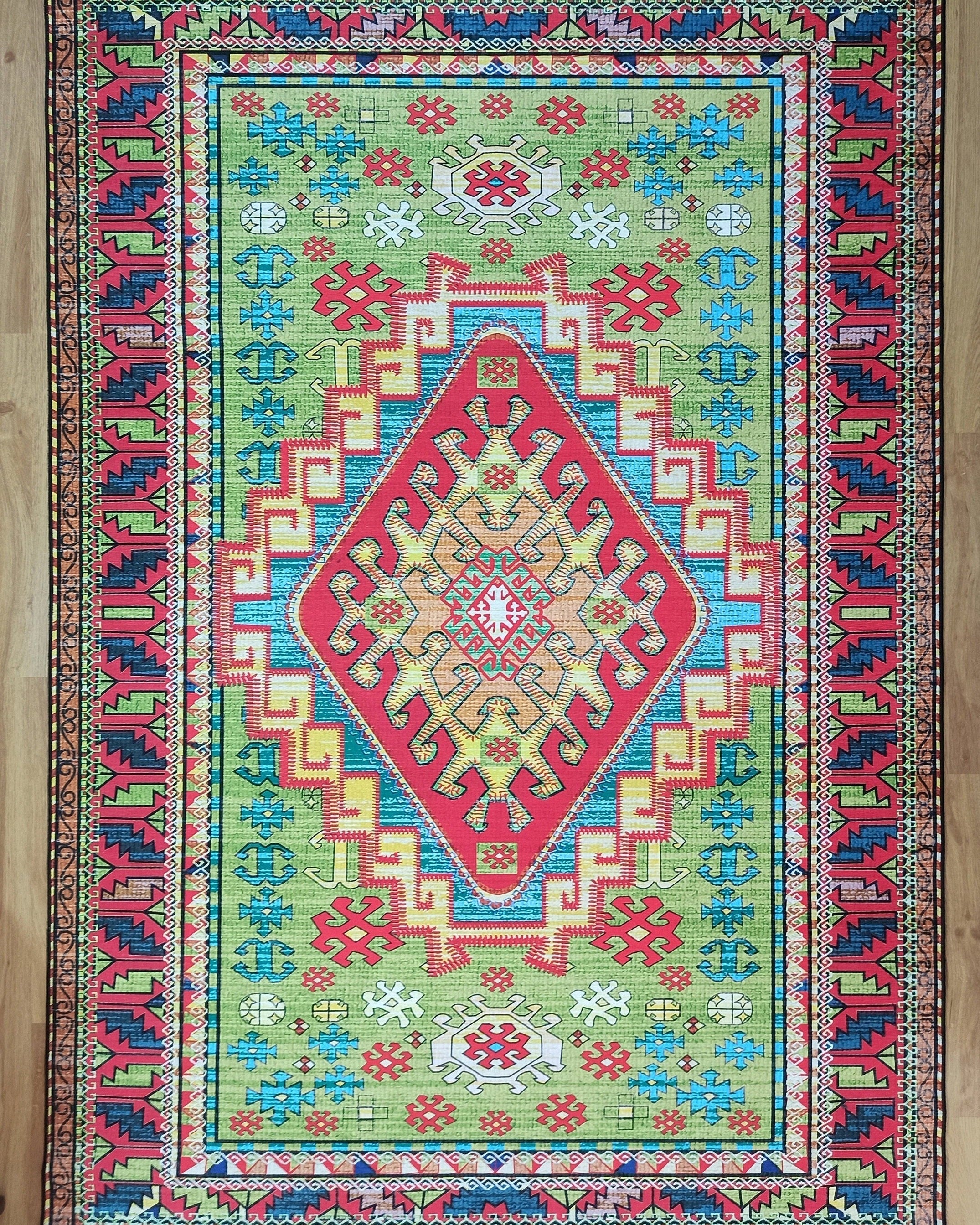
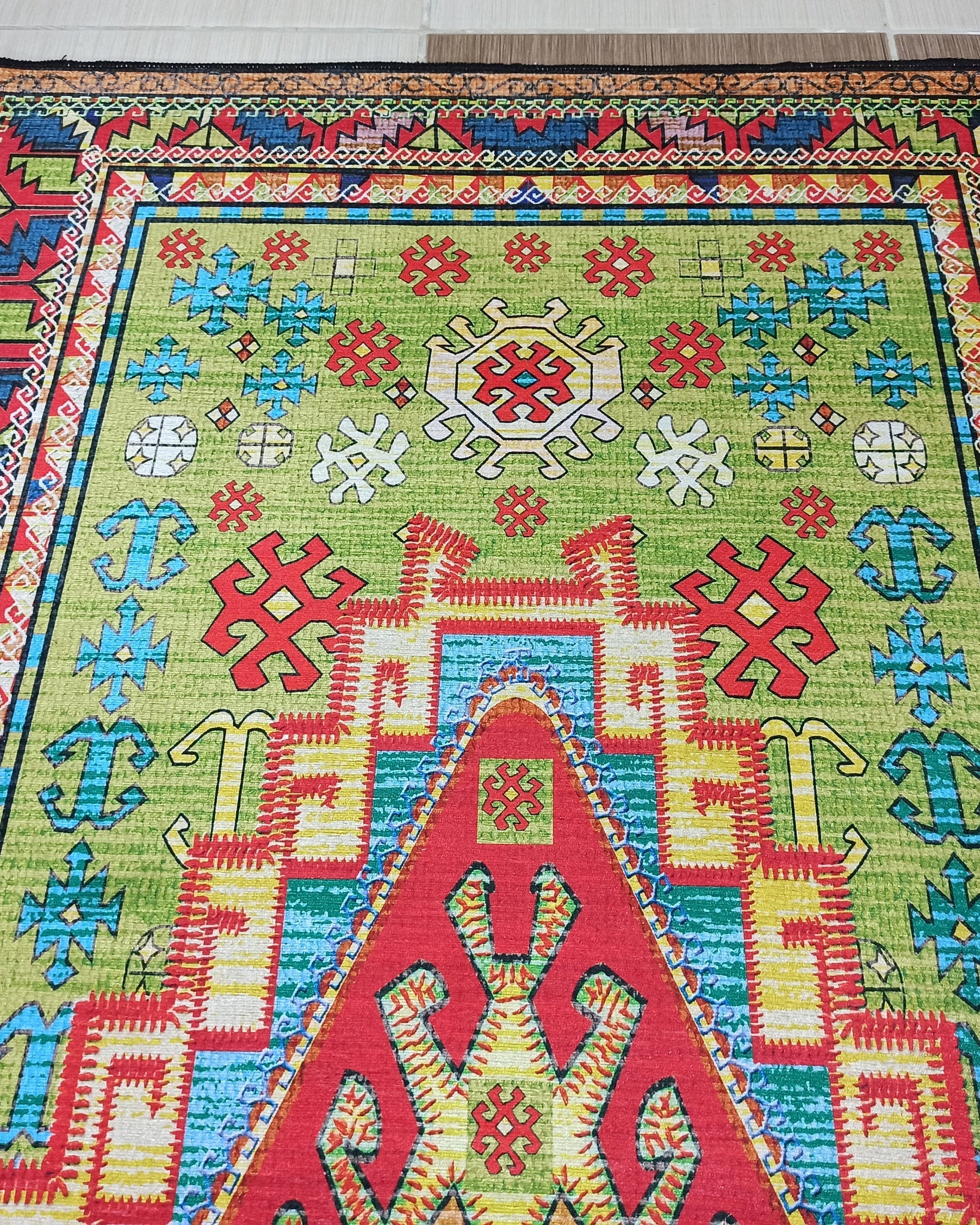
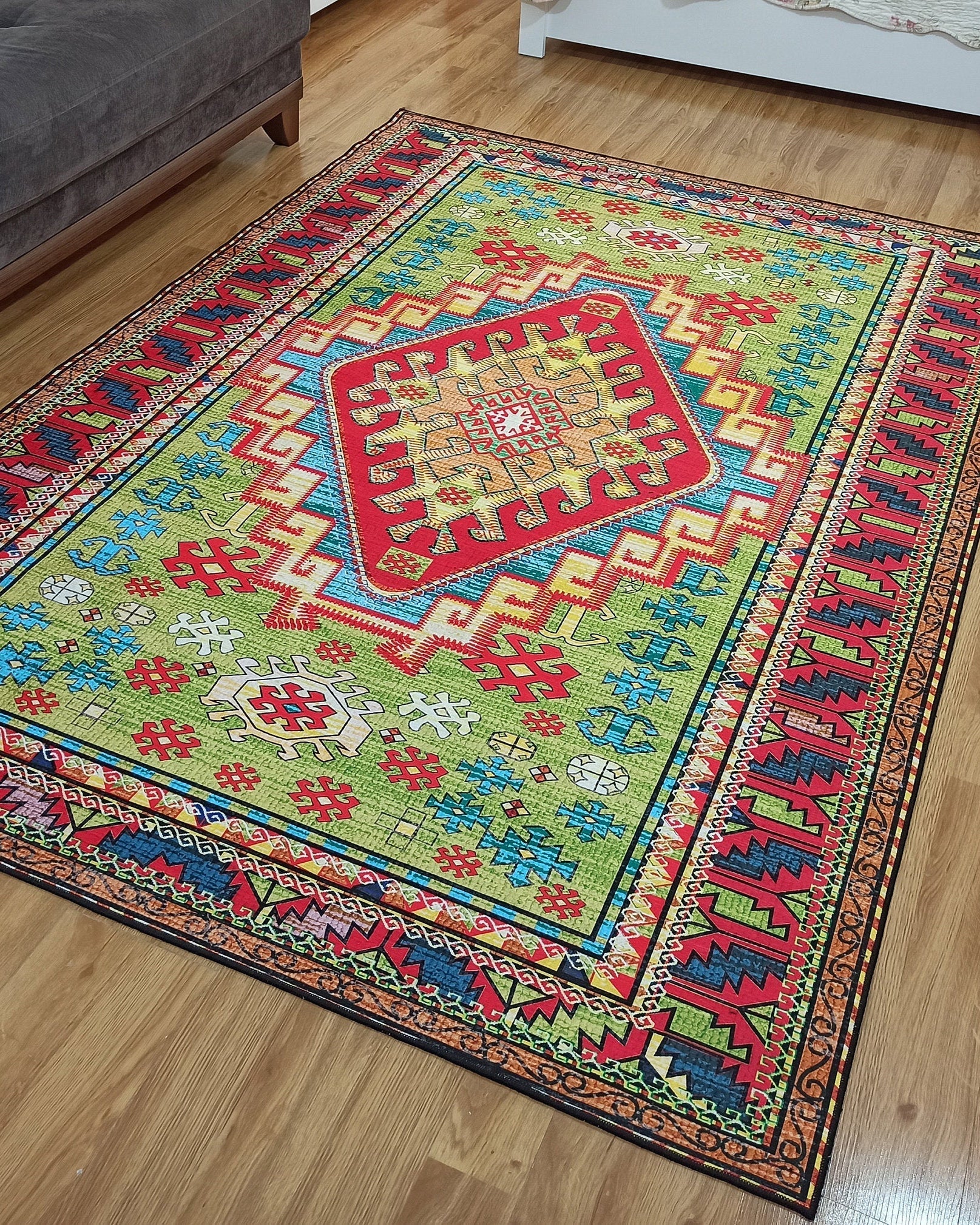
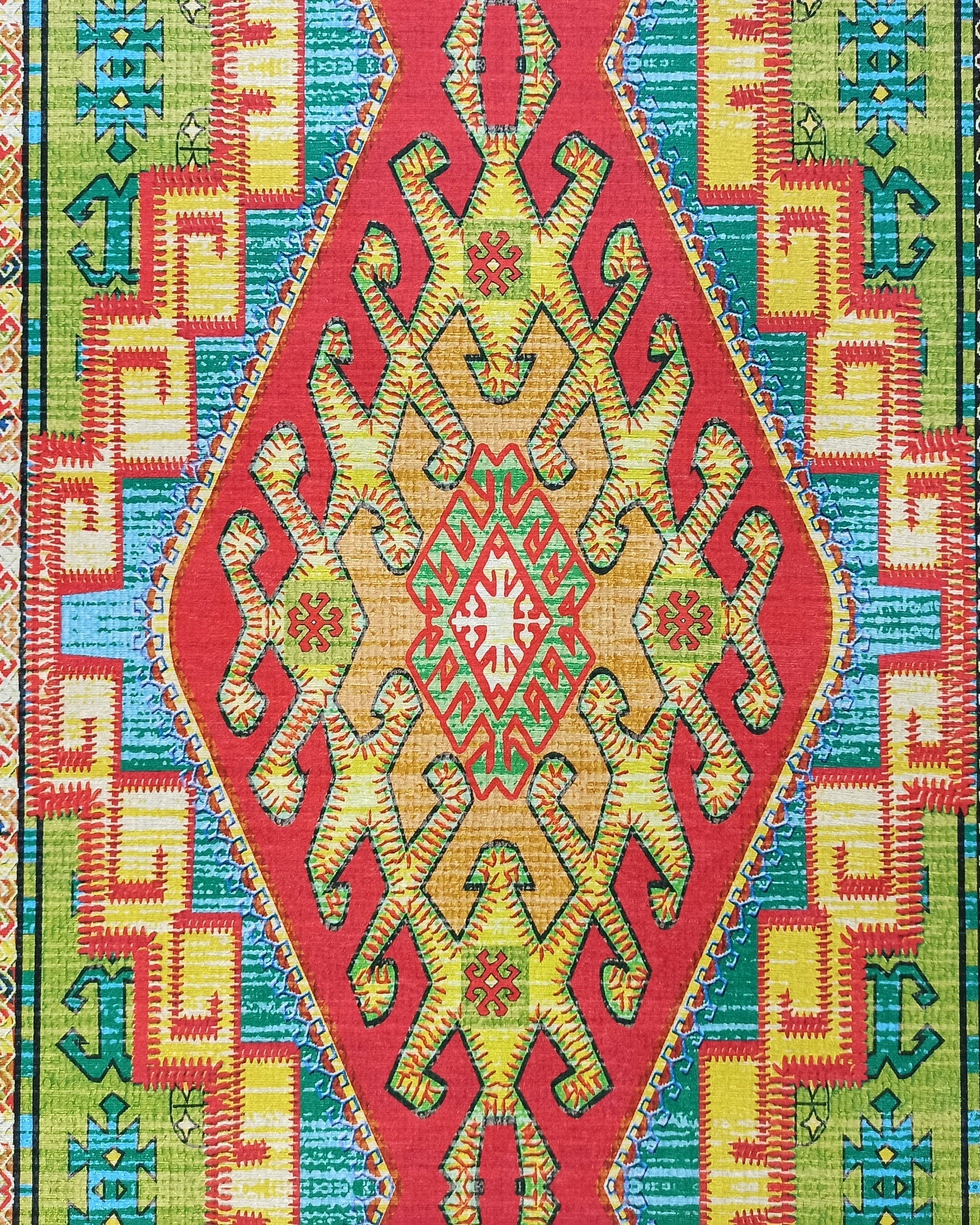
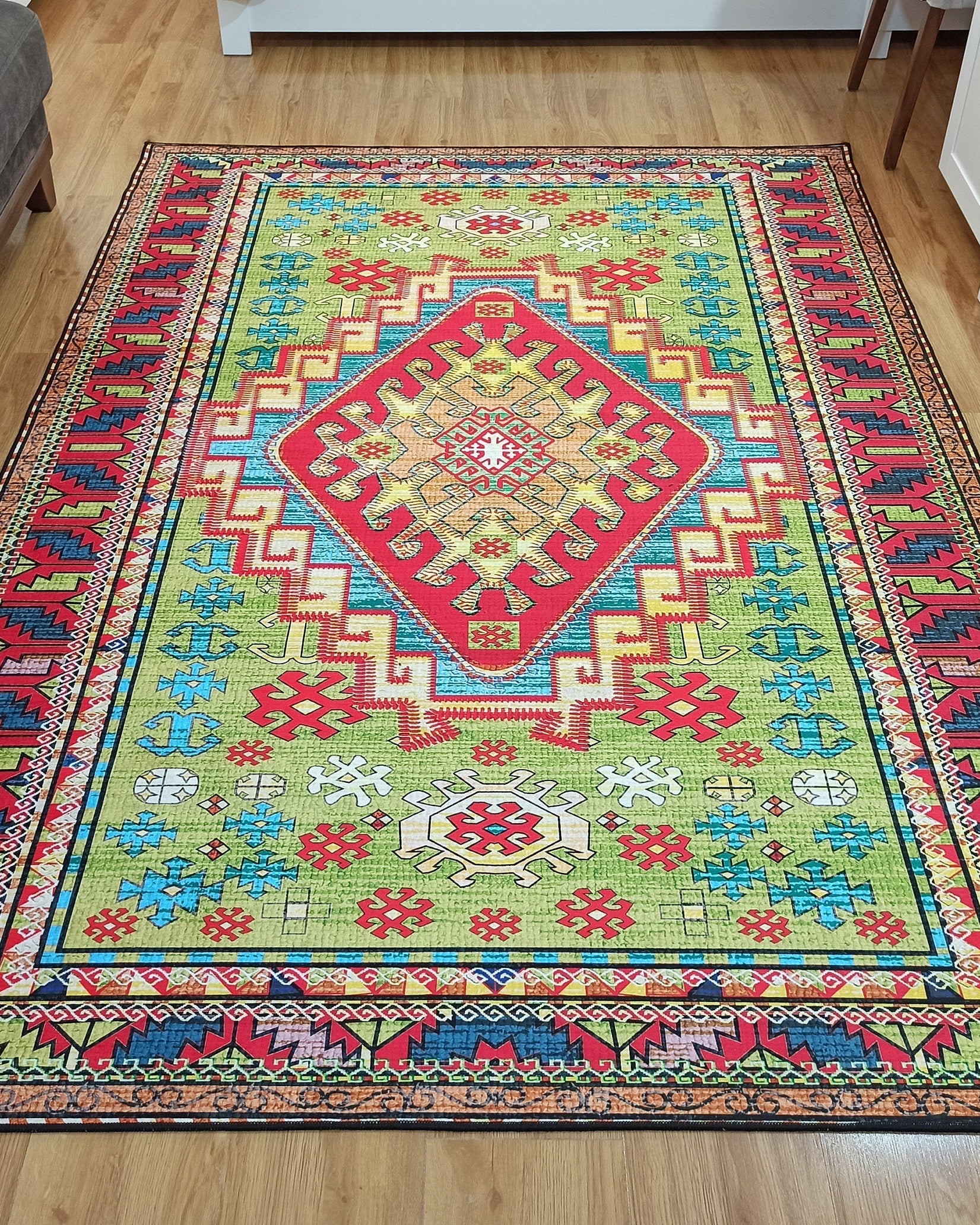
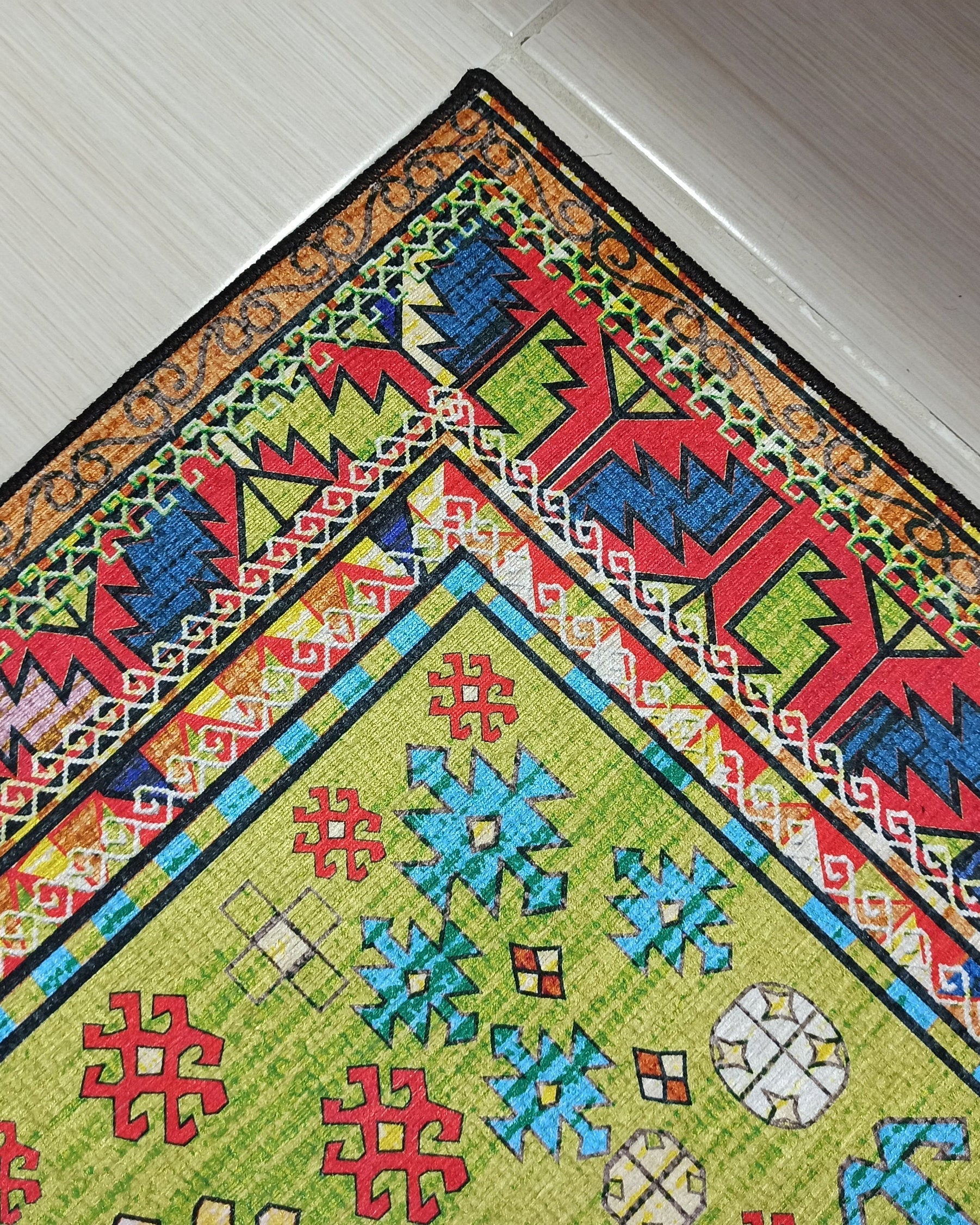
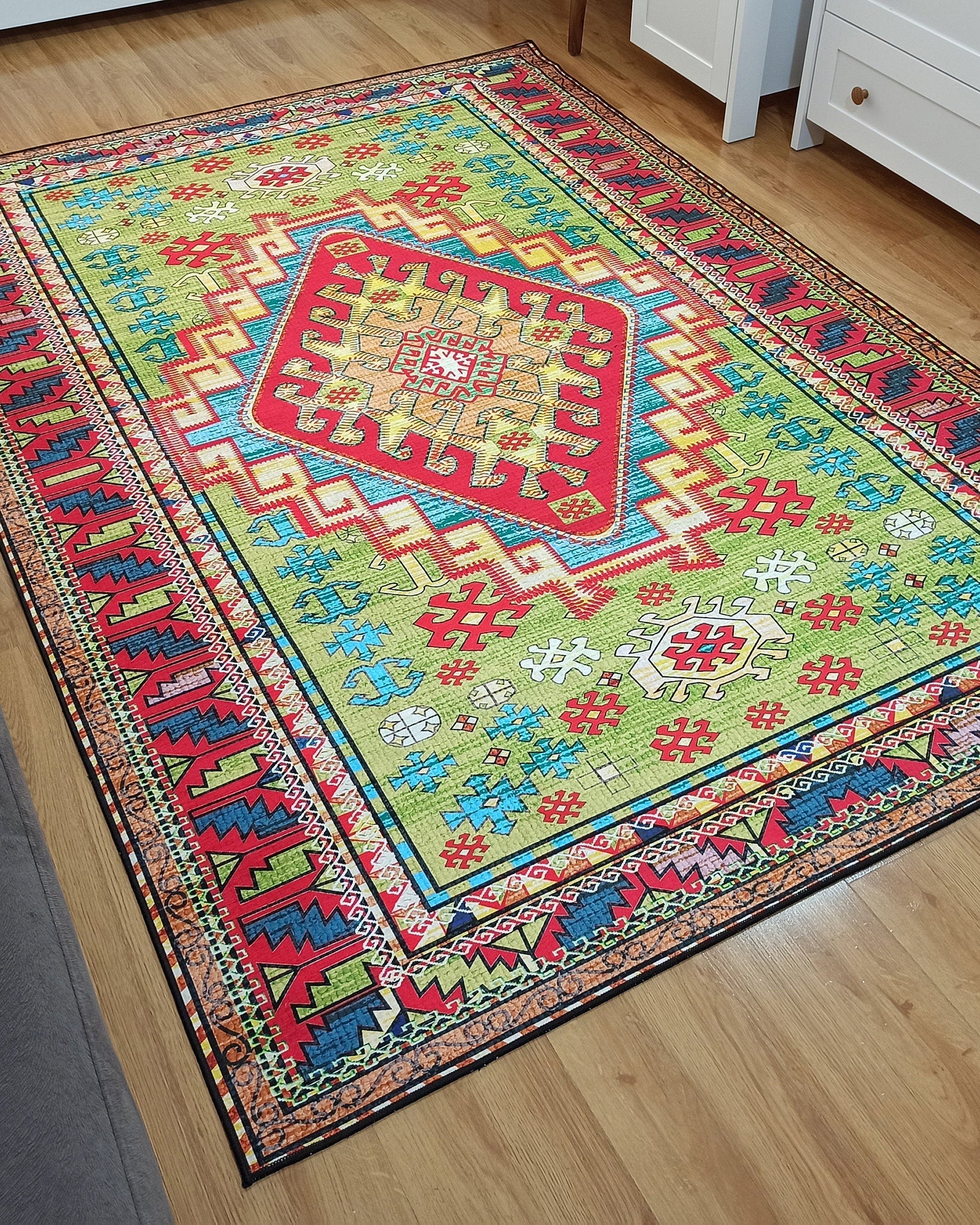
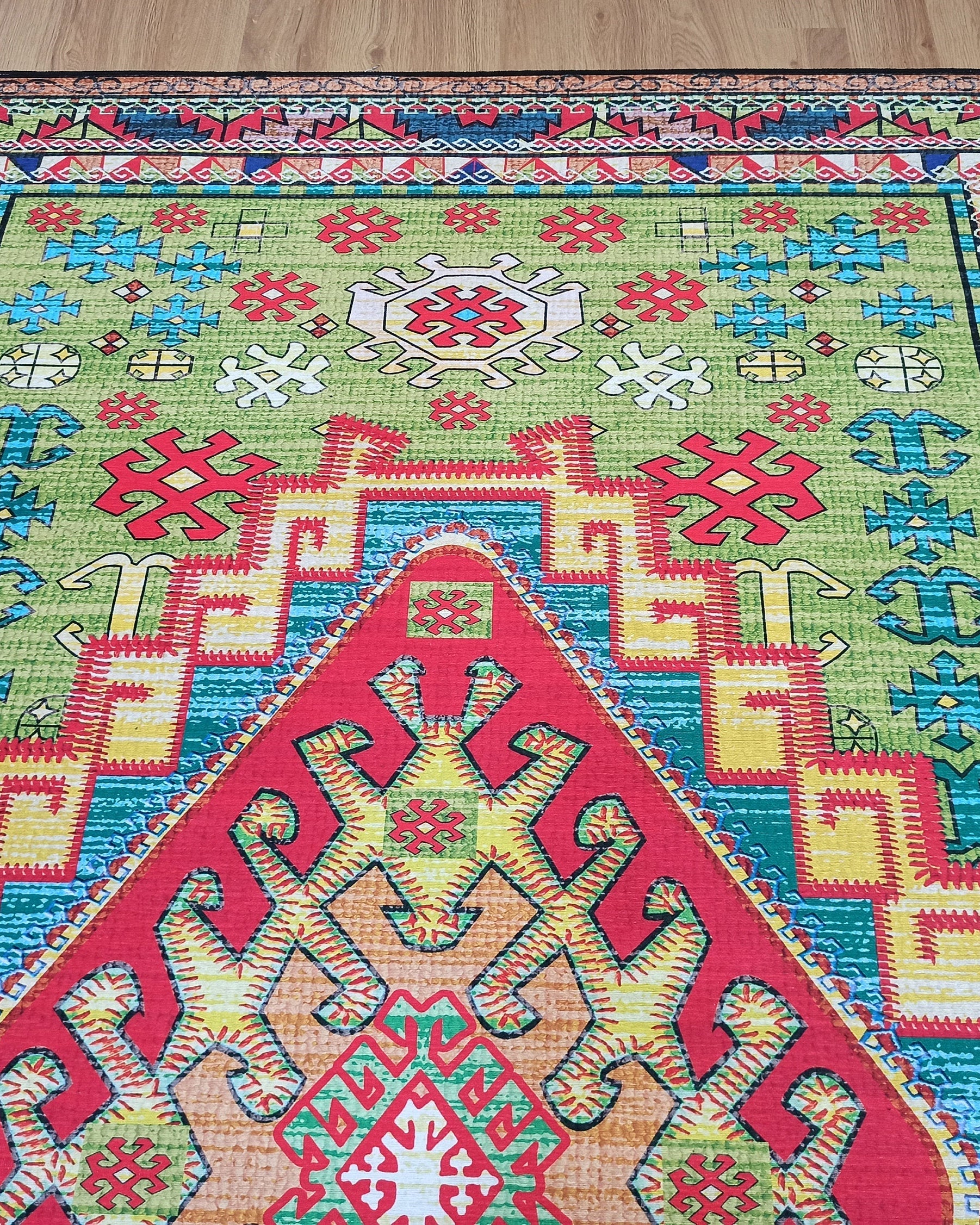
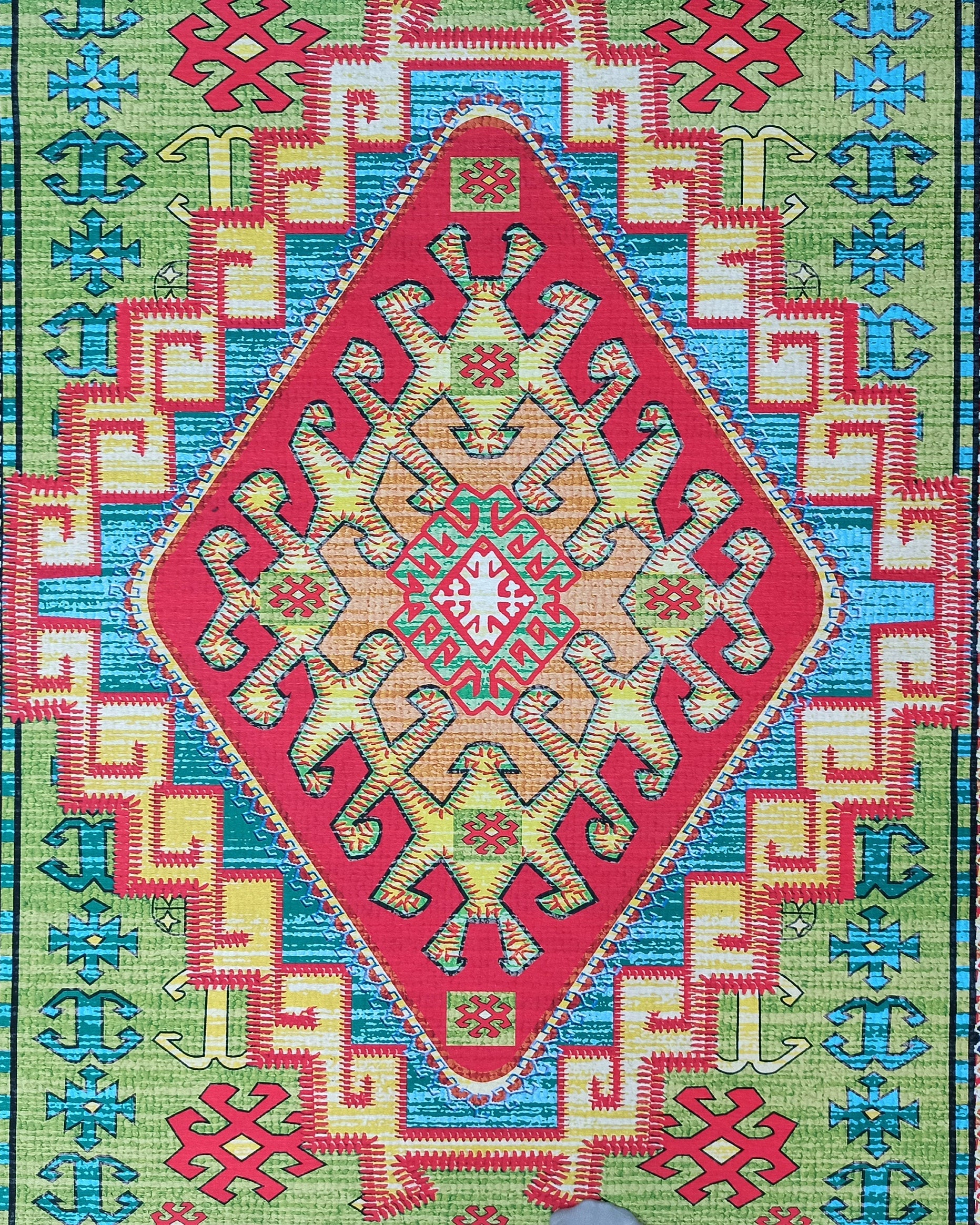
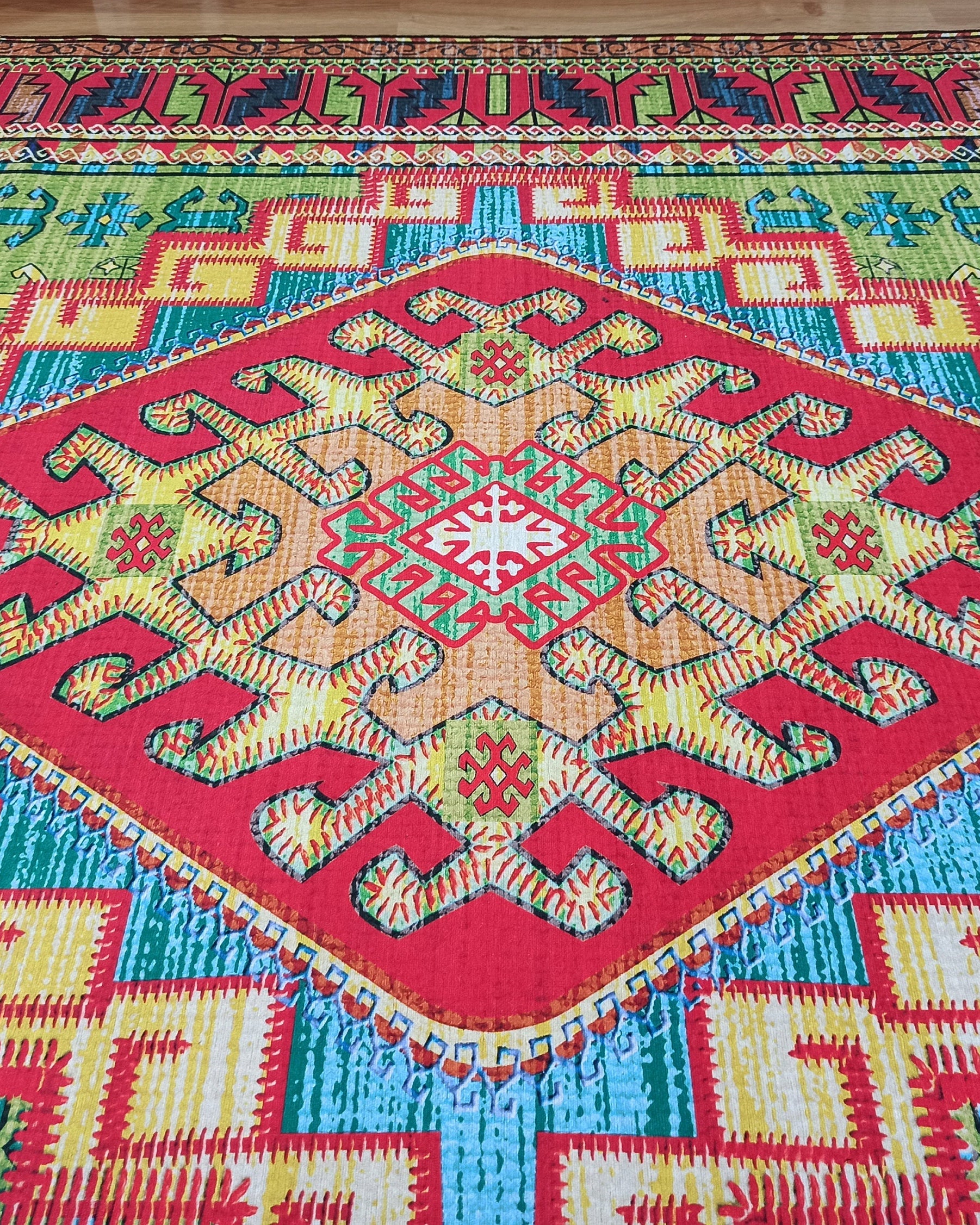
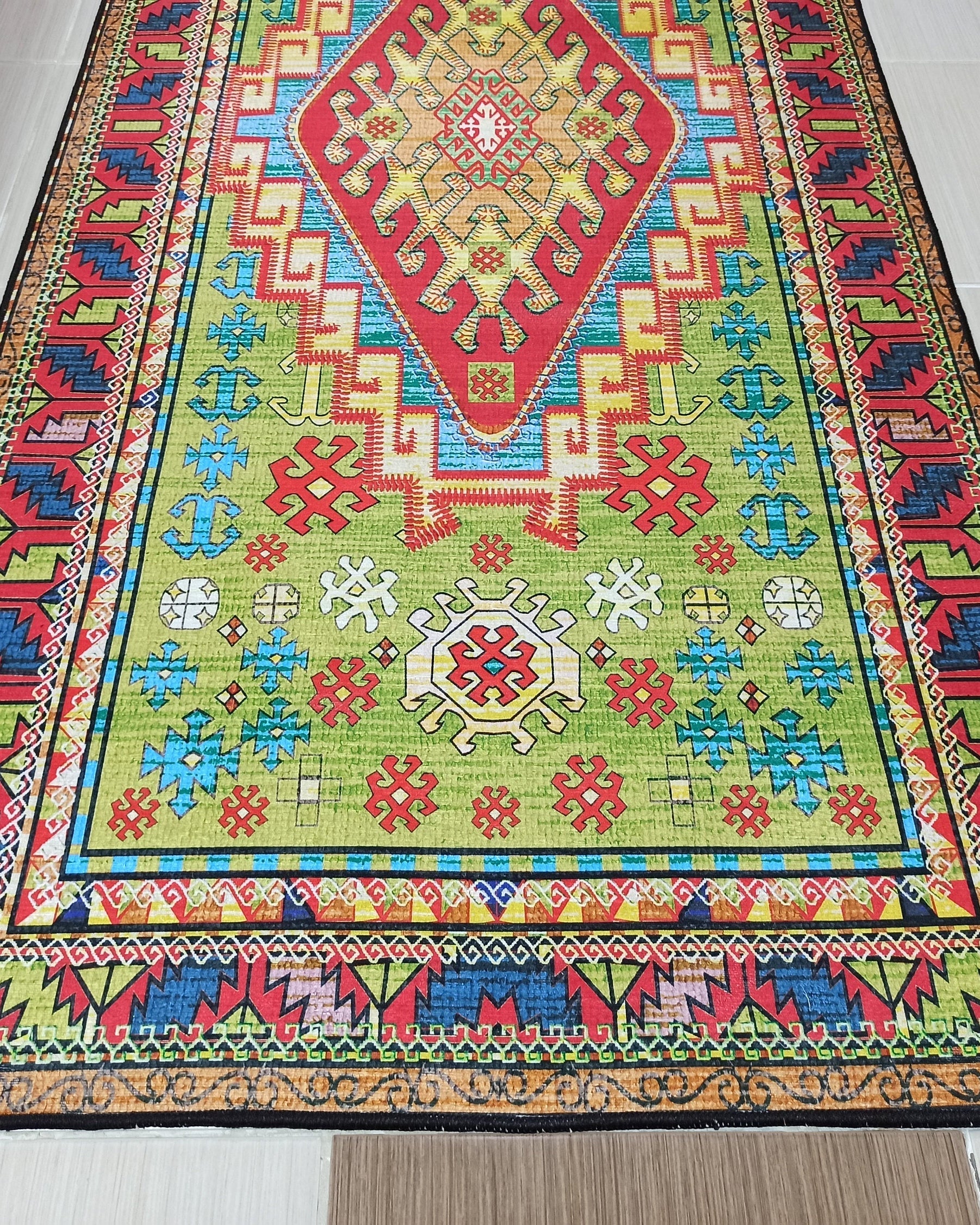
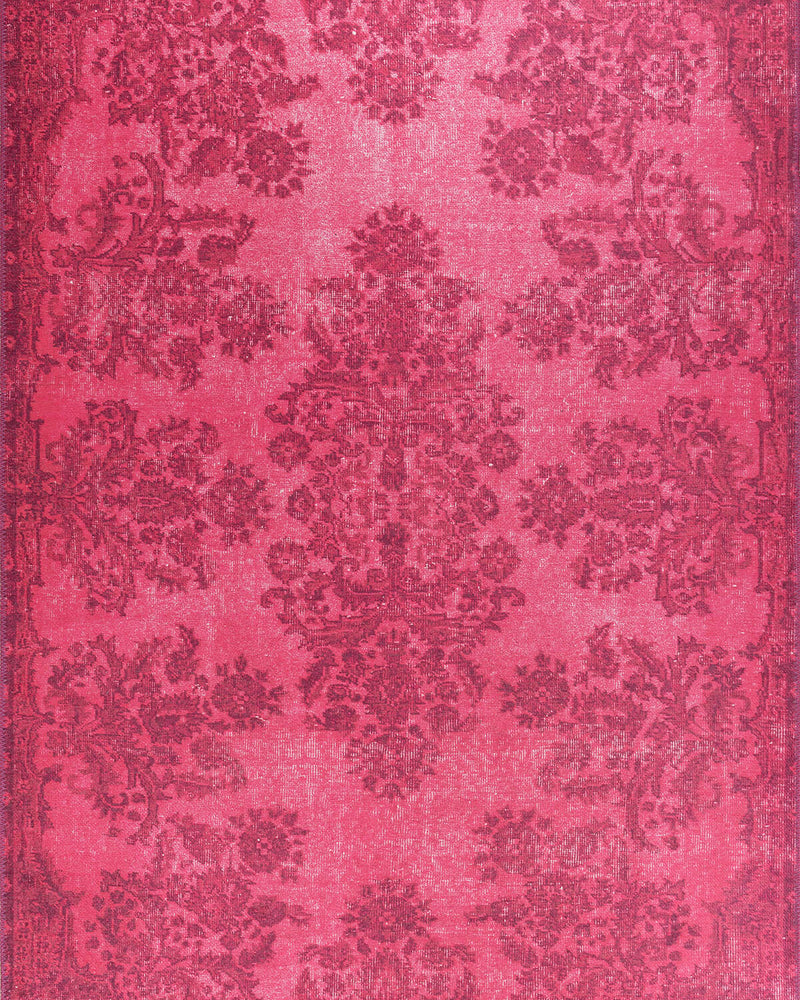
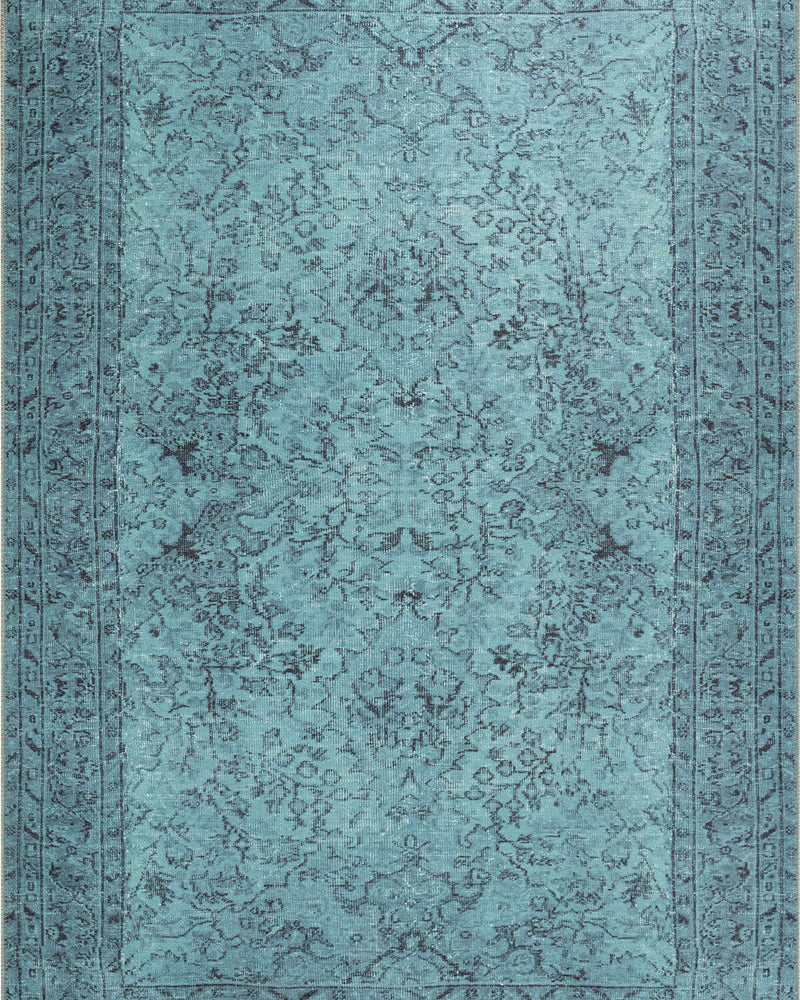
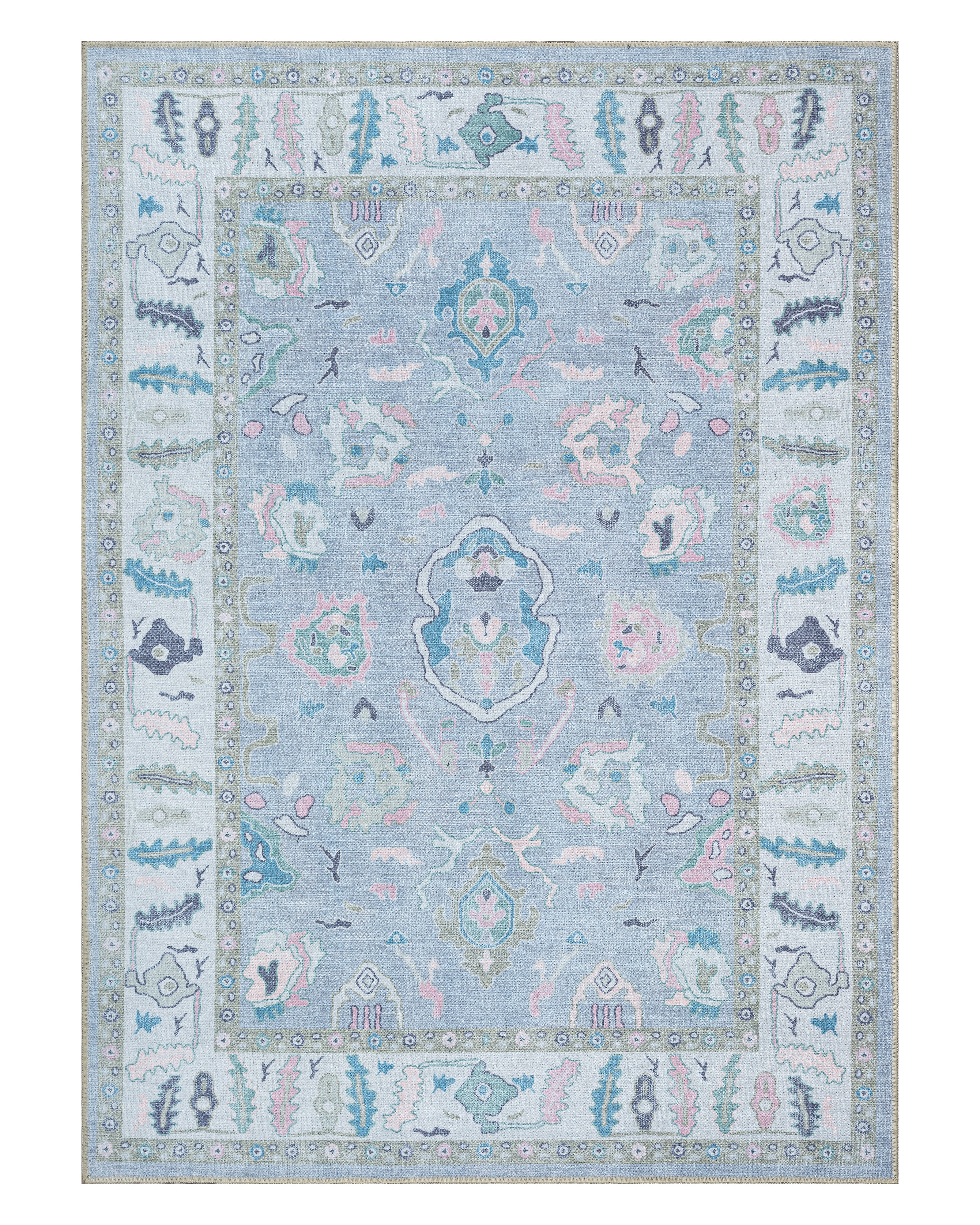
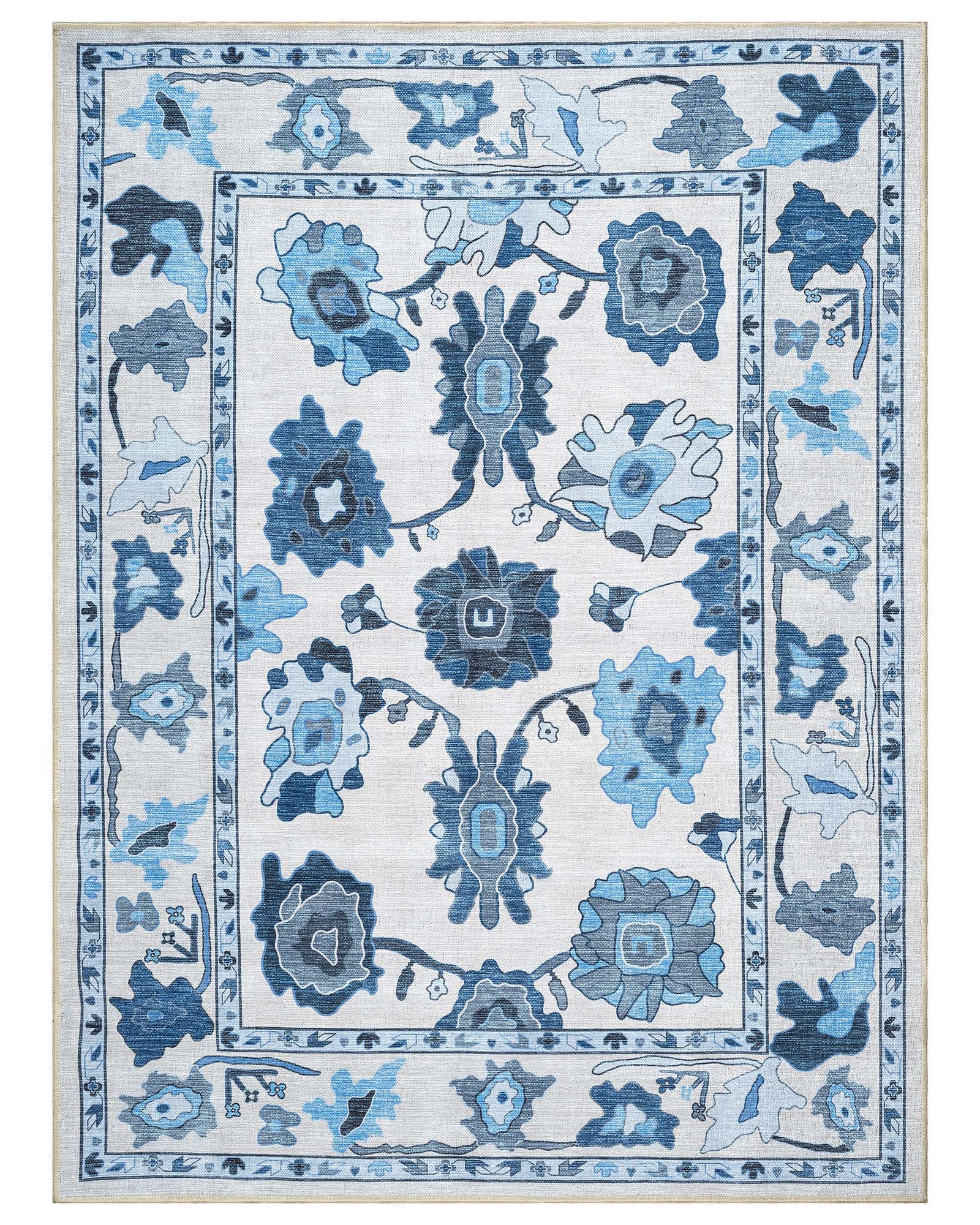
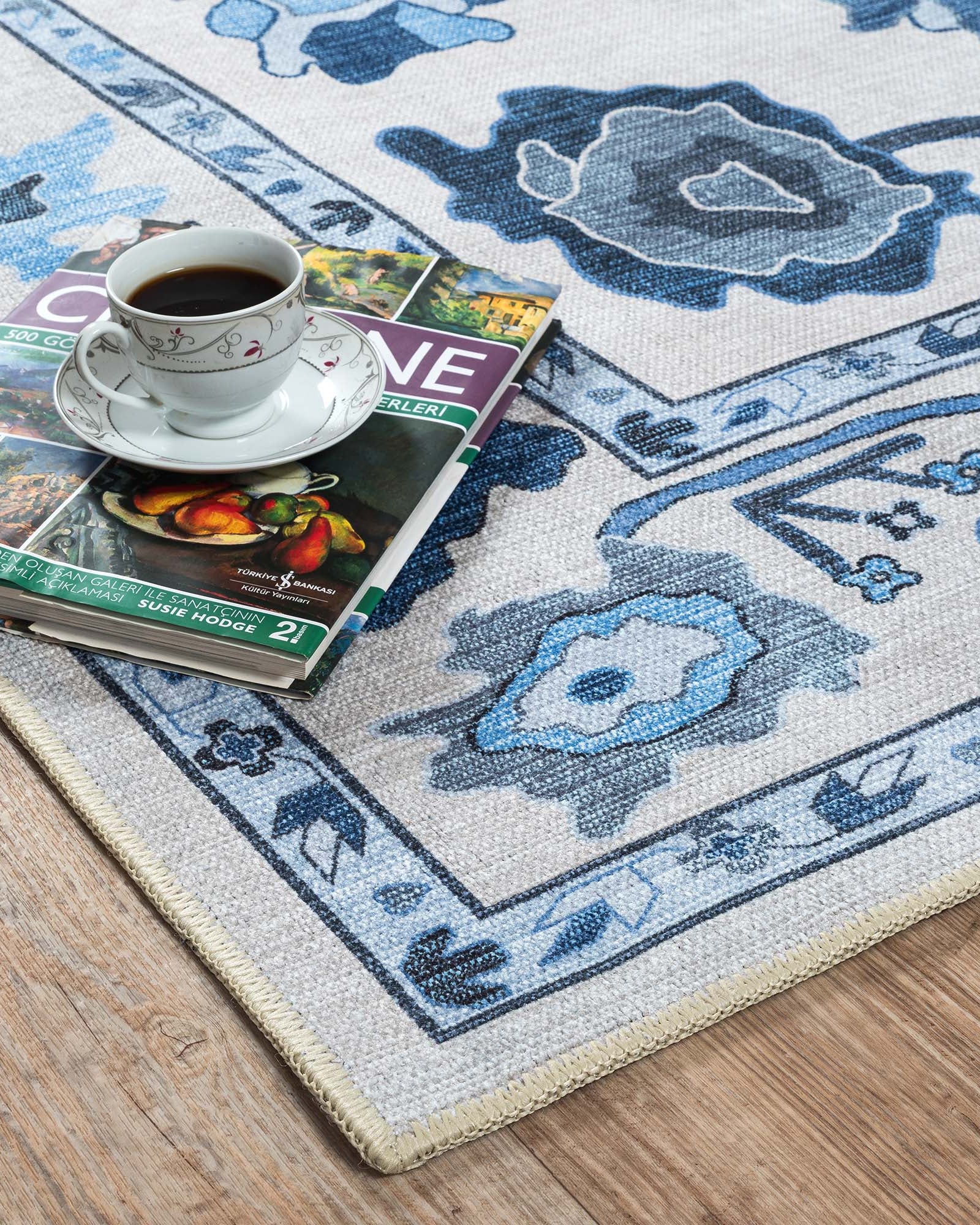
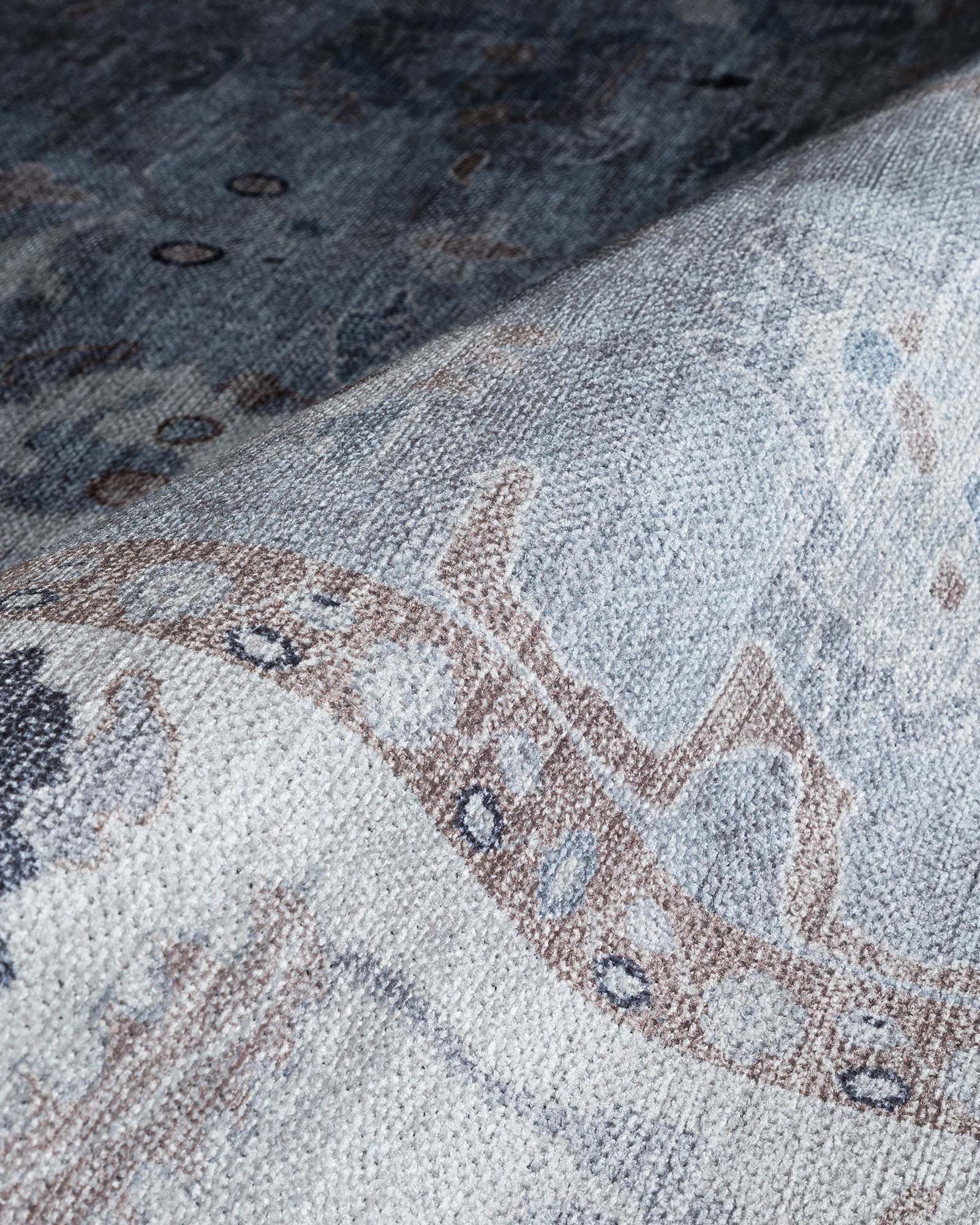
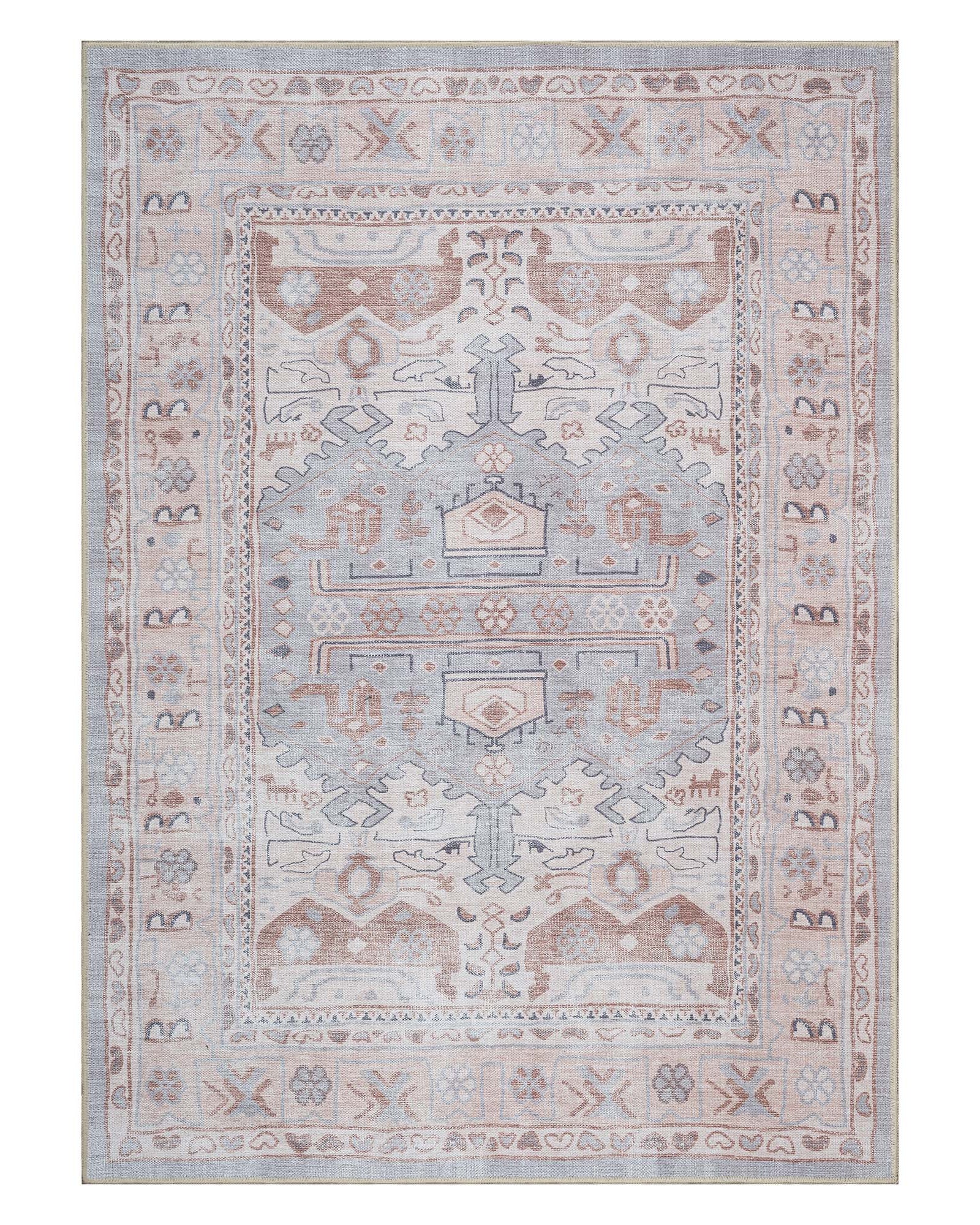
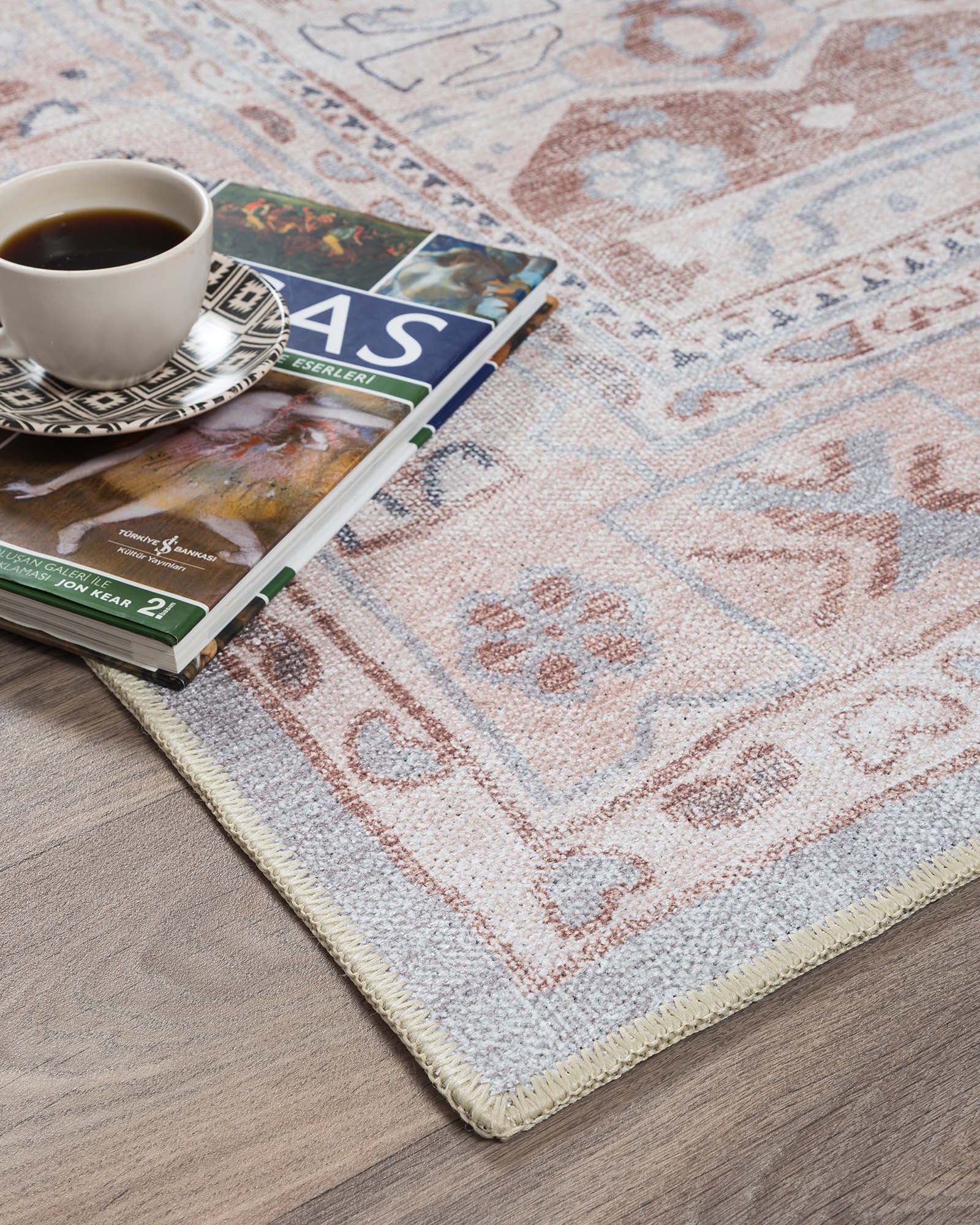
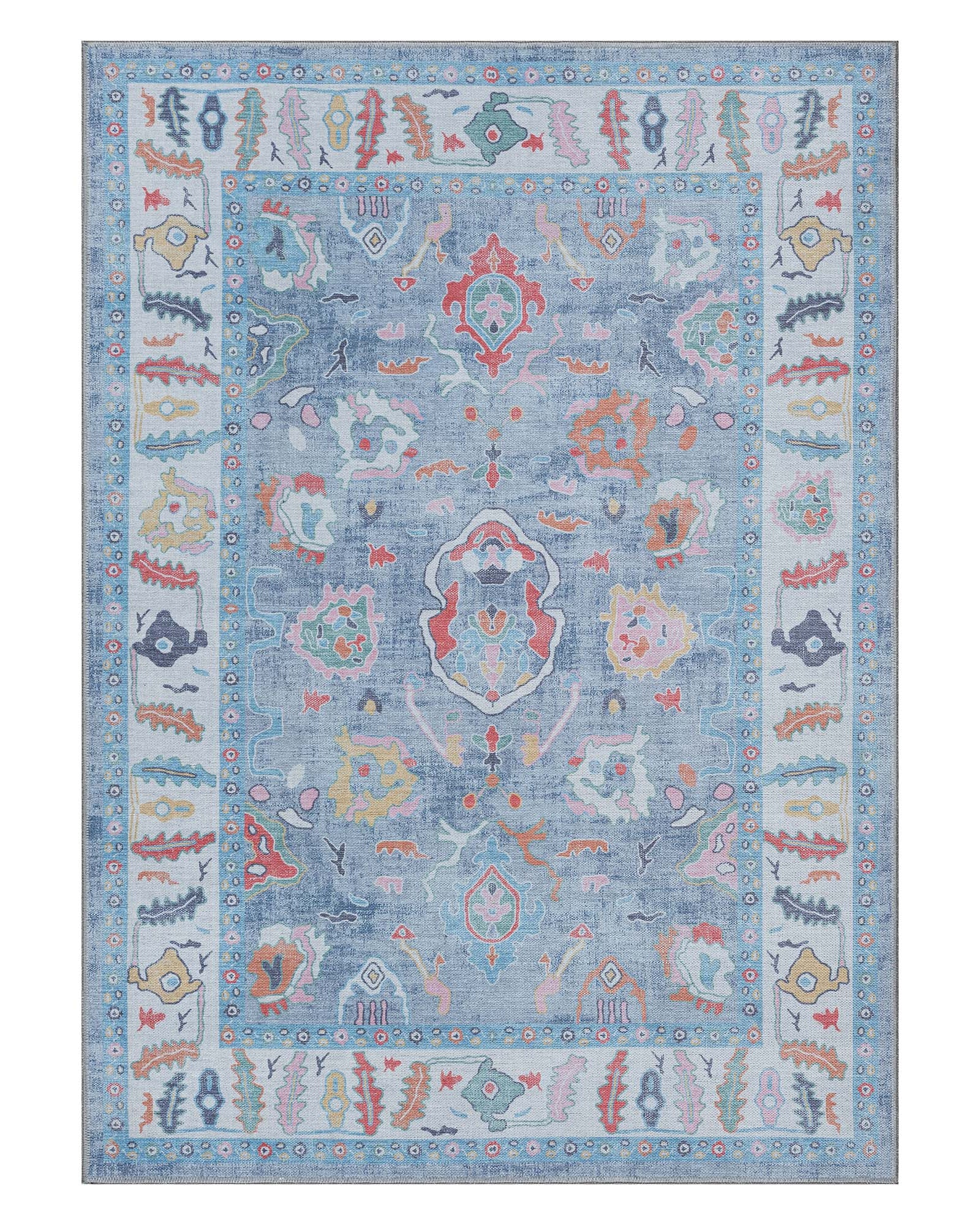
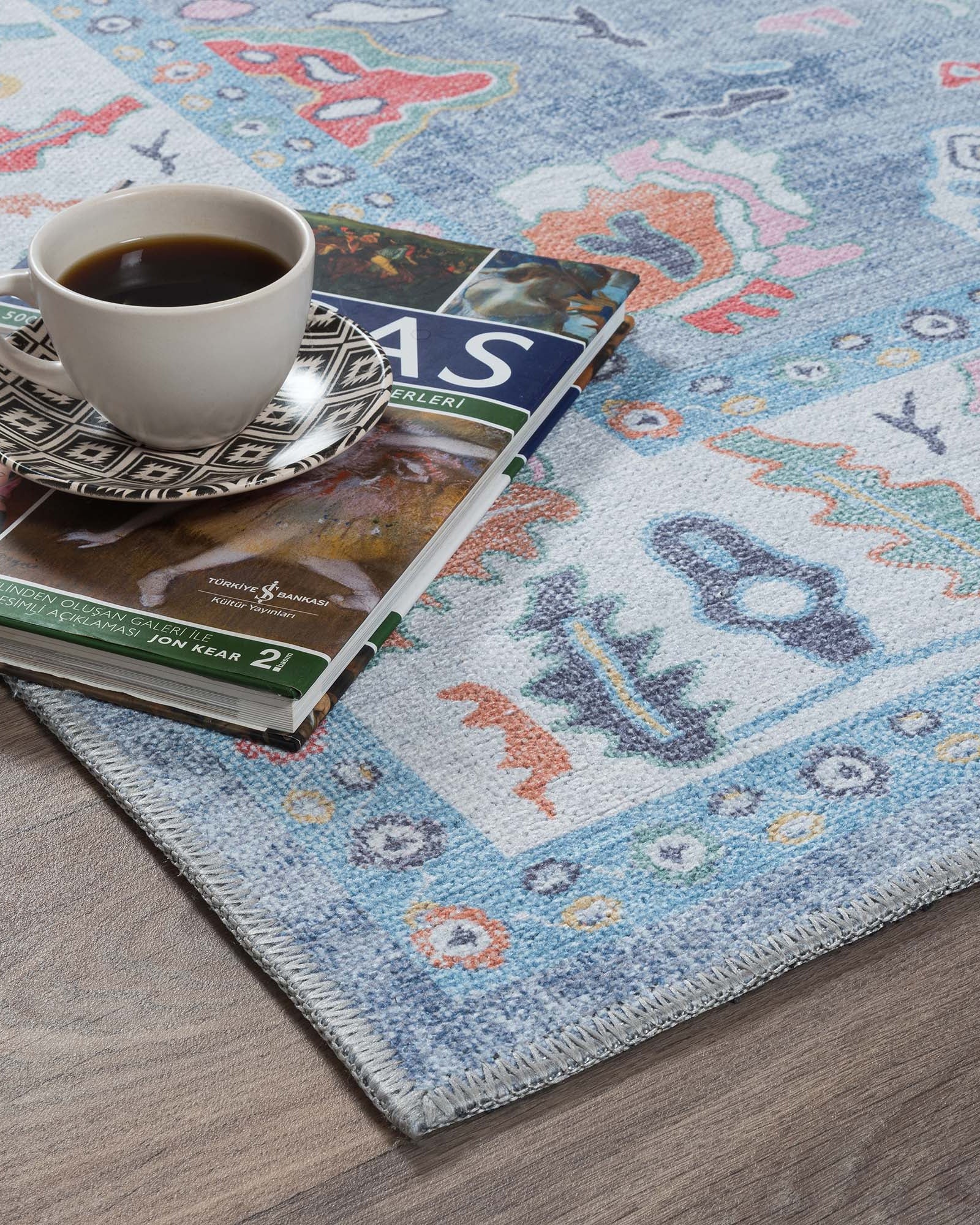
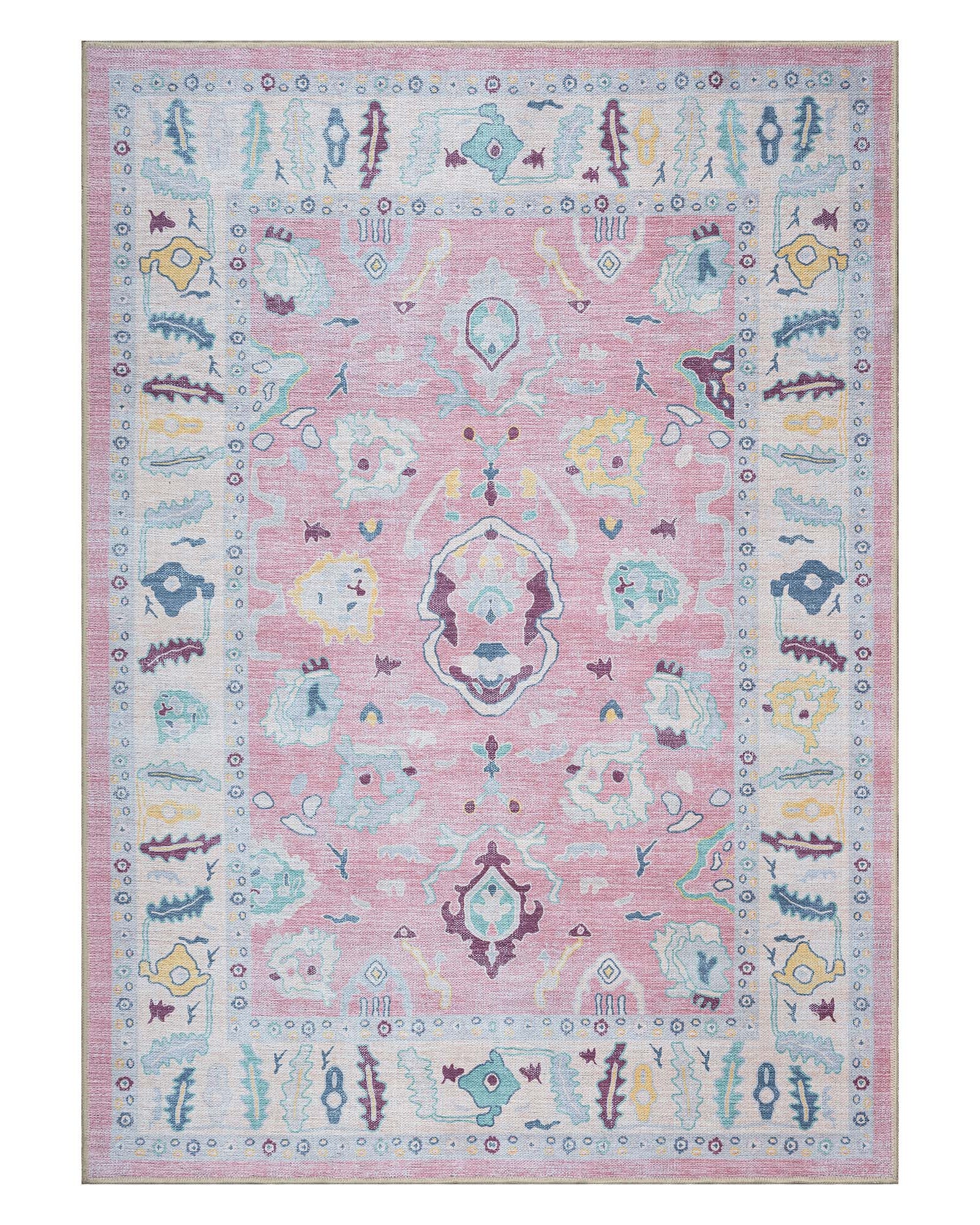
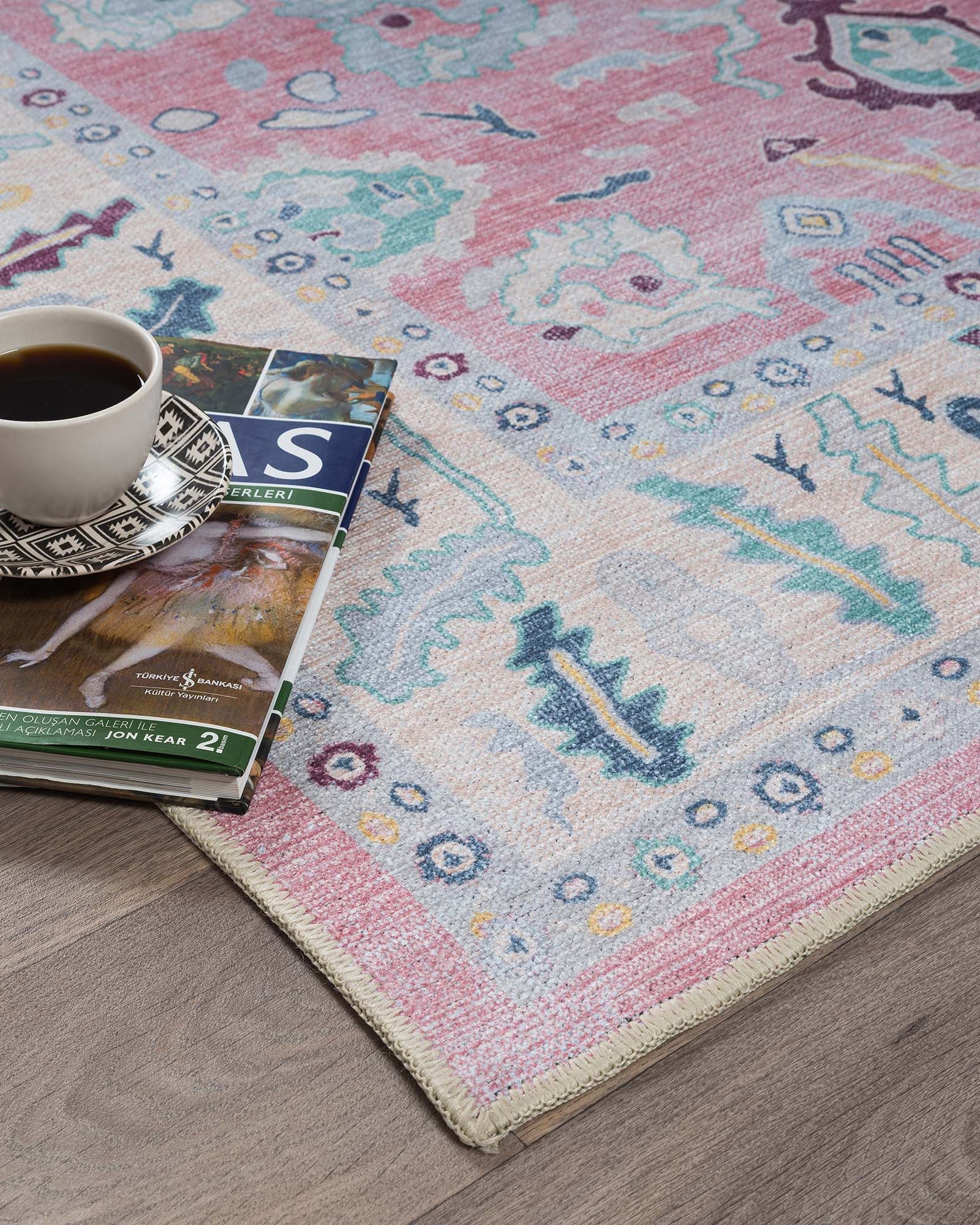
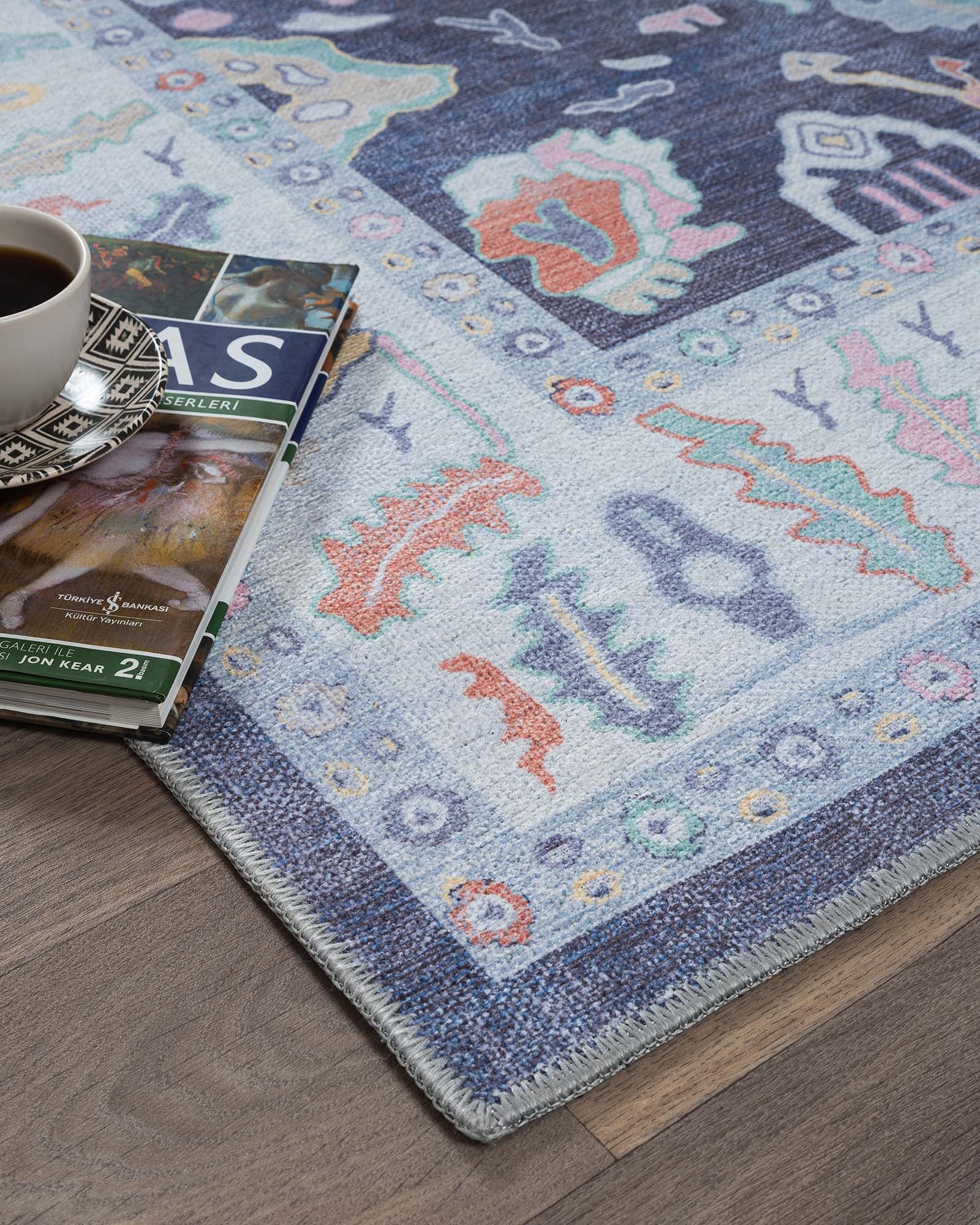
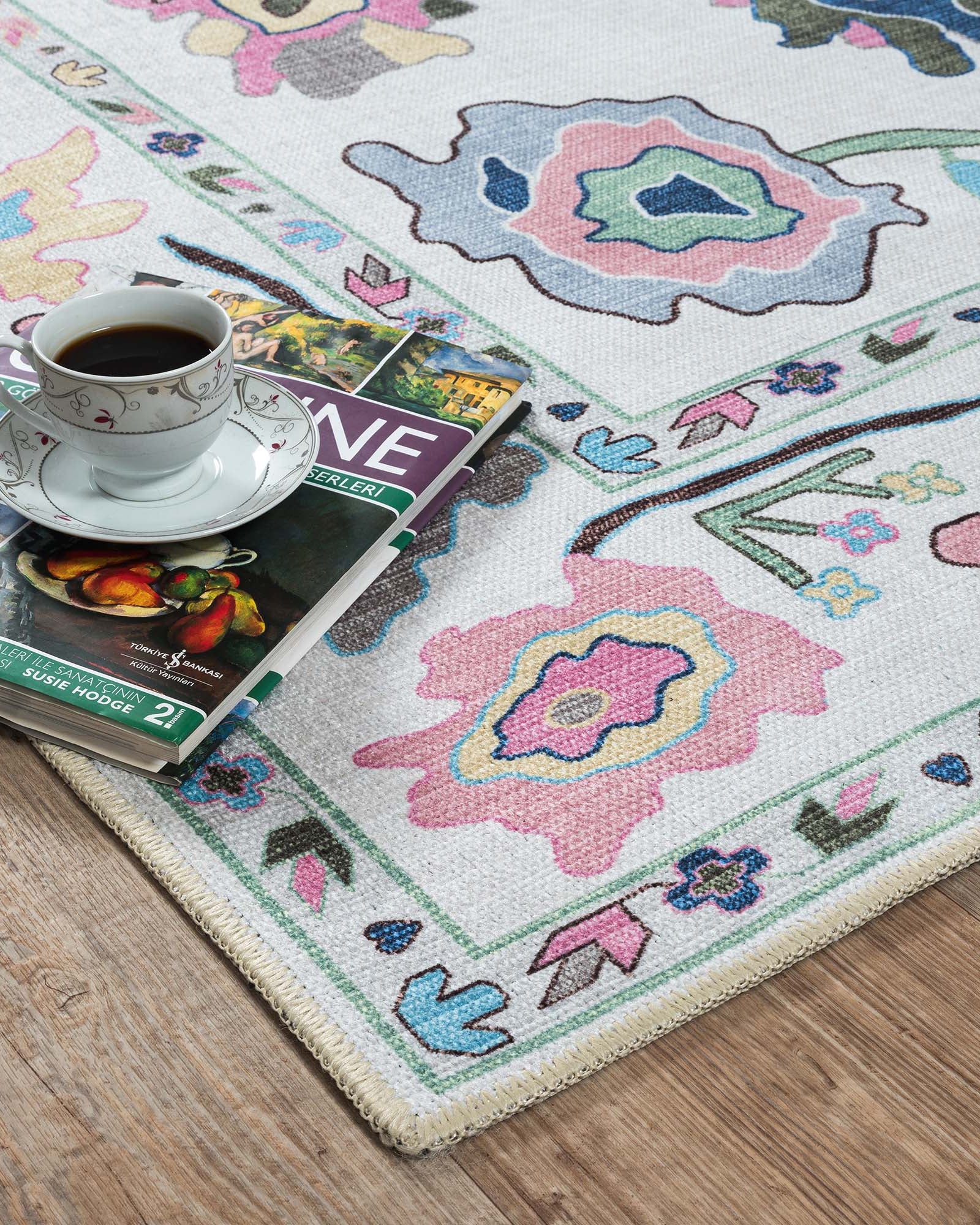
- Intricate Patterns: Floral motifs, geometric medallions, and symbolic designs are hallmarks of Oriental rugs.
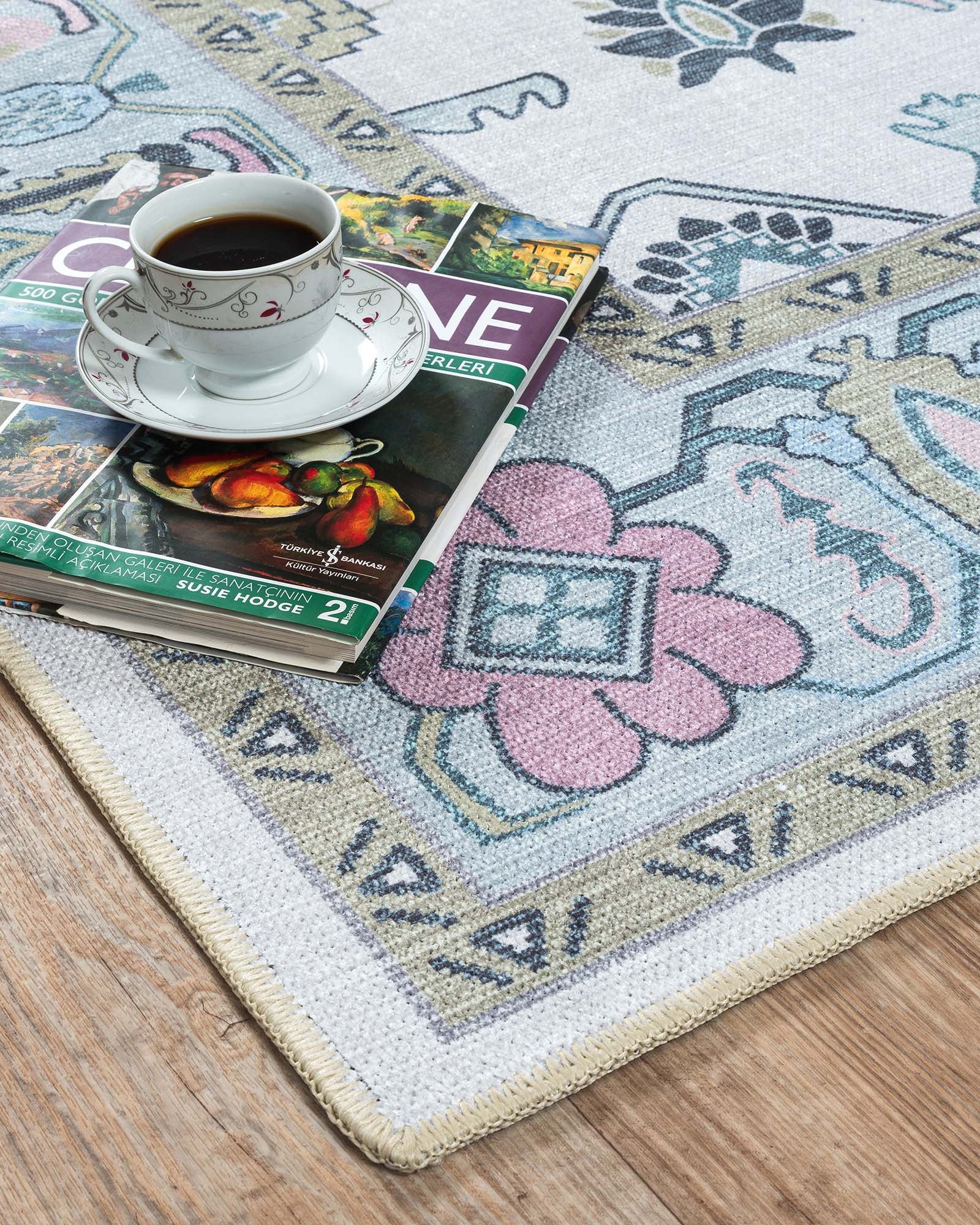
- Rich Color Palettes: Traditional hues include deep reds, navy blues, ivory, and earthy tones, often created with natural dyes.
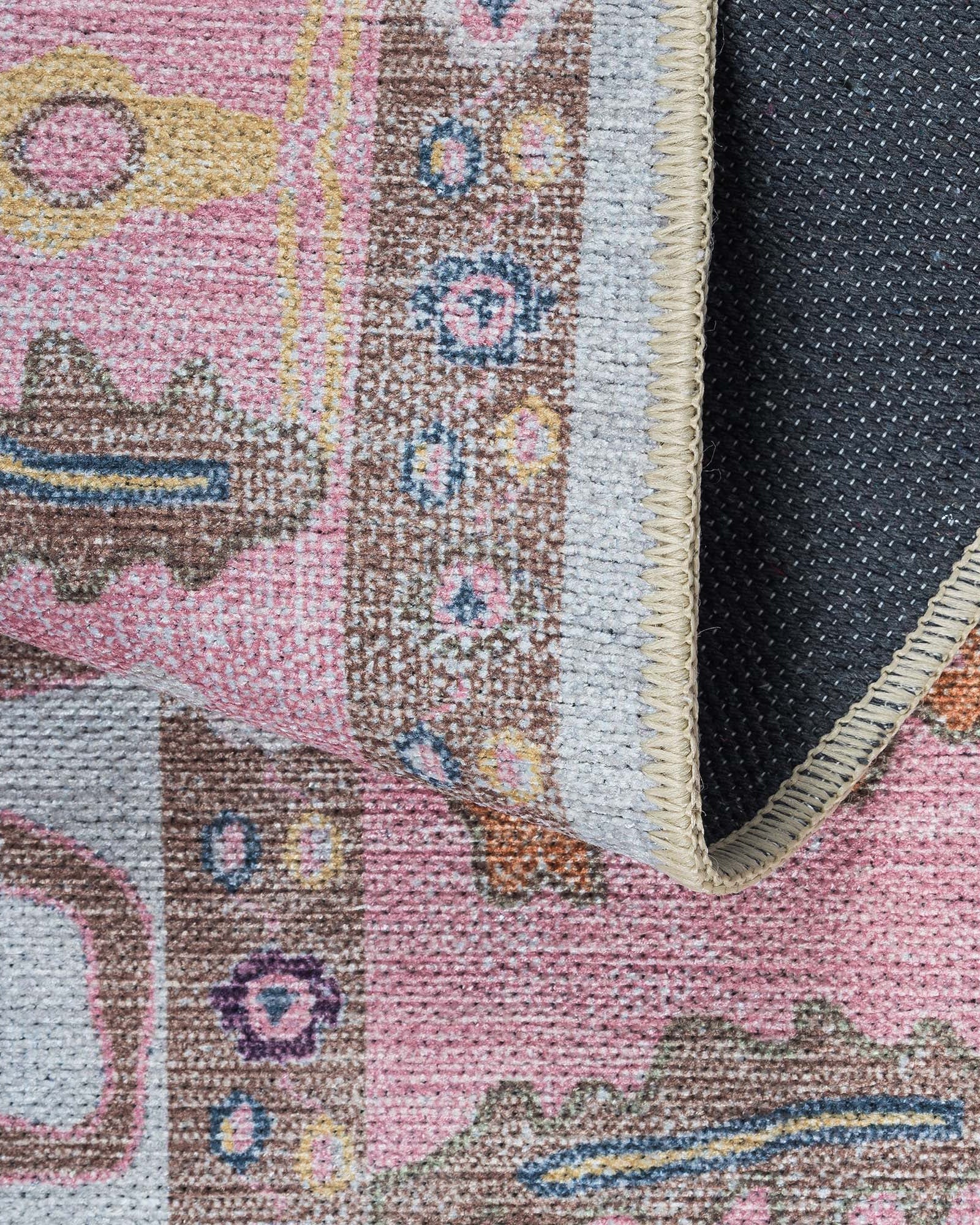
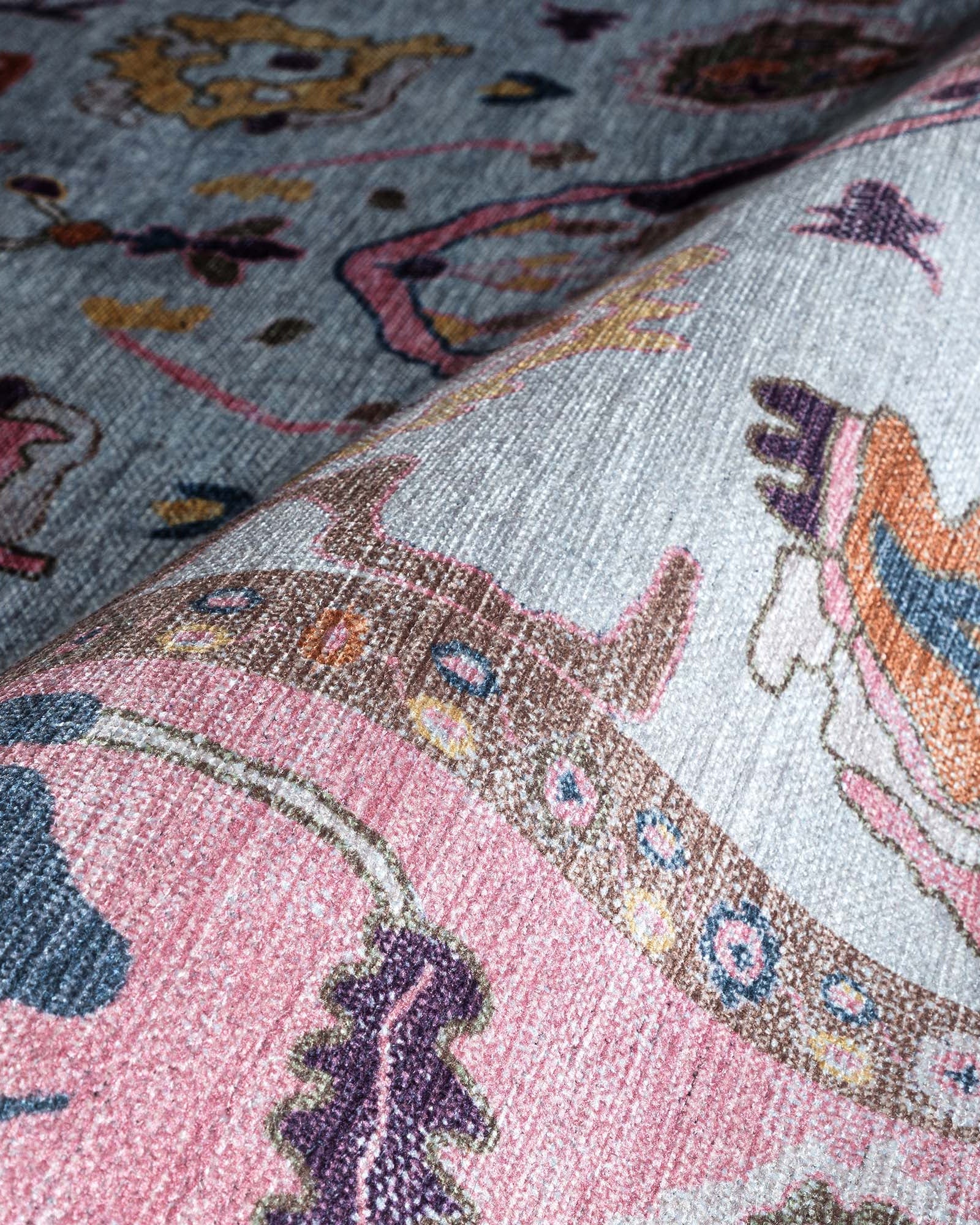
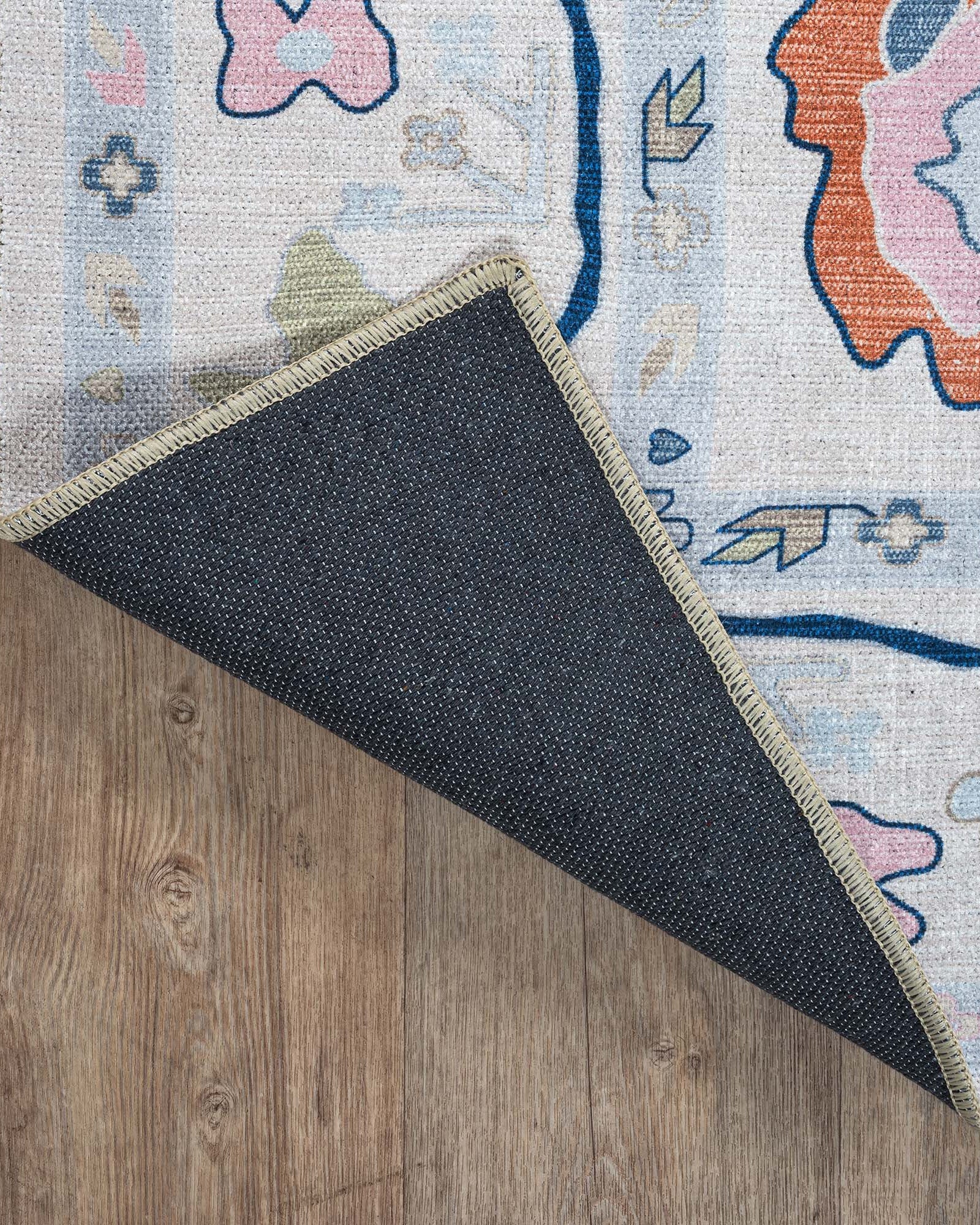
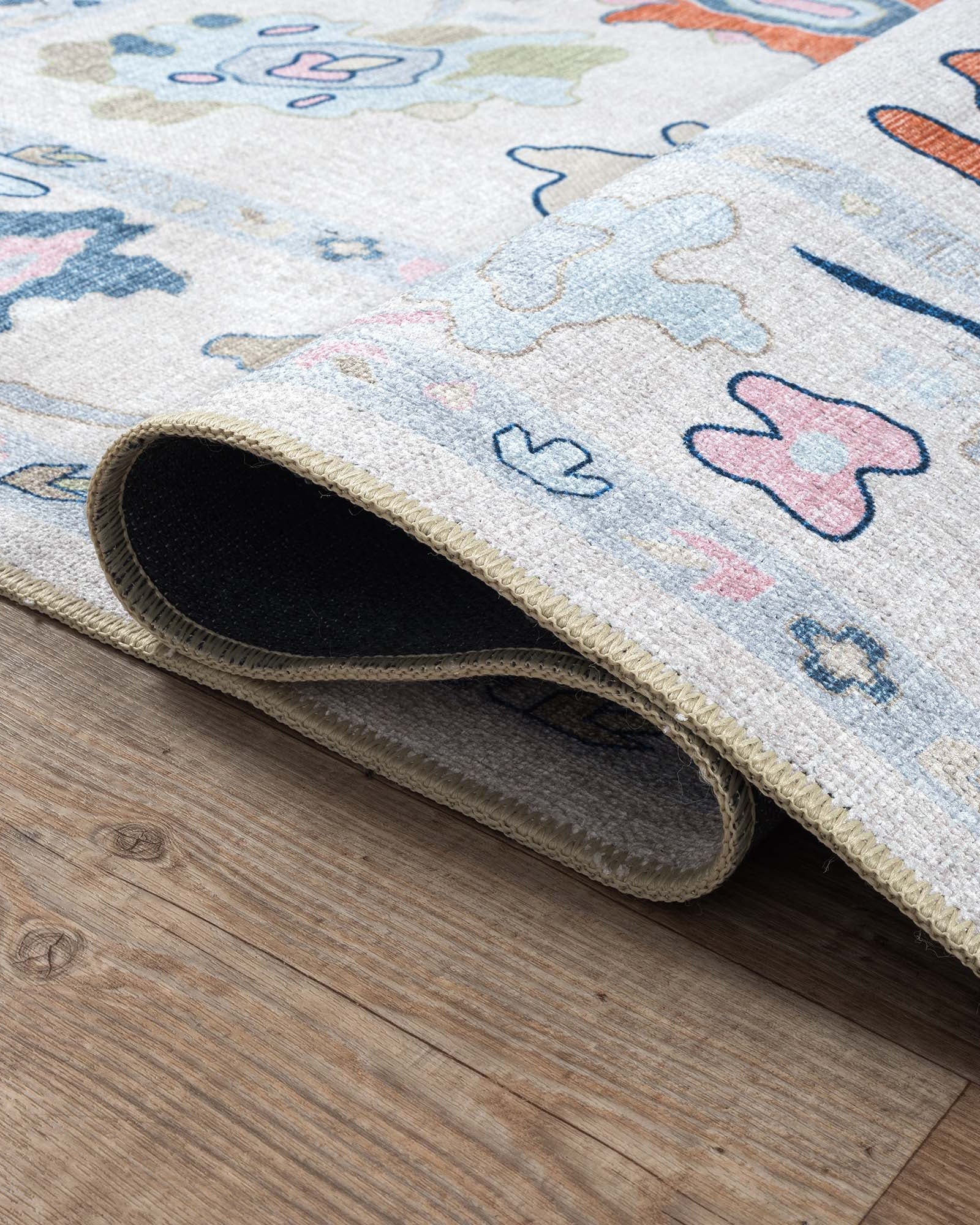
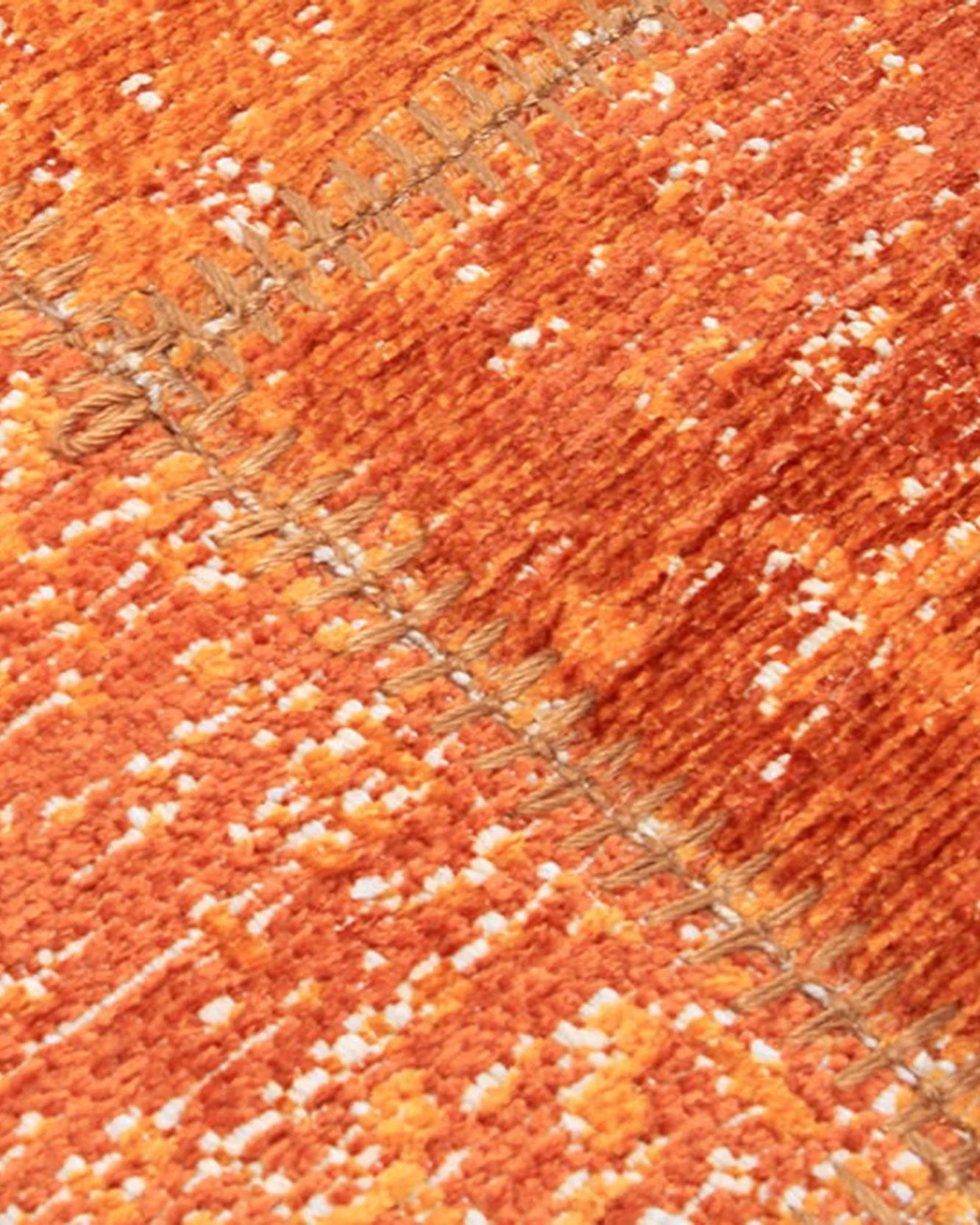
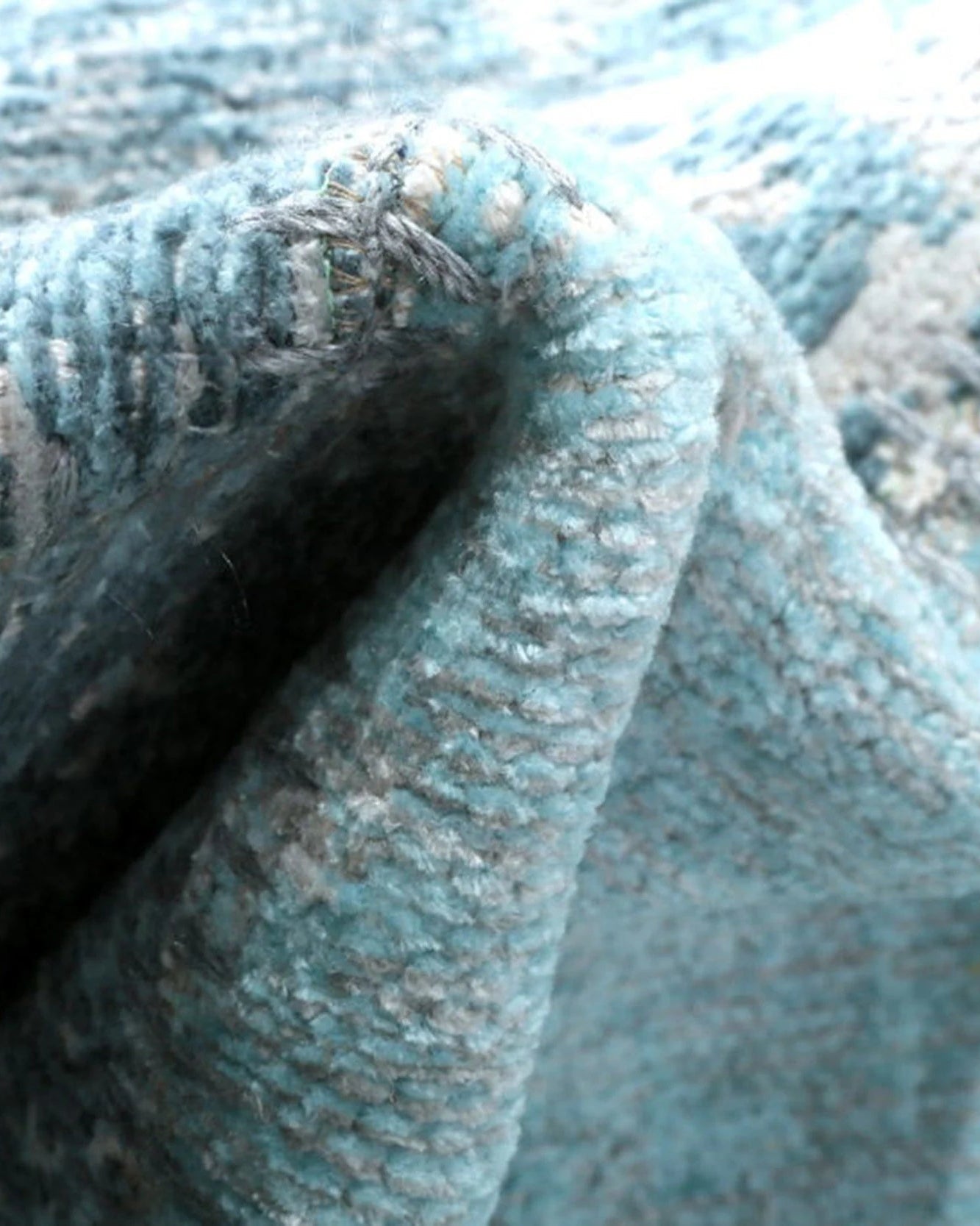
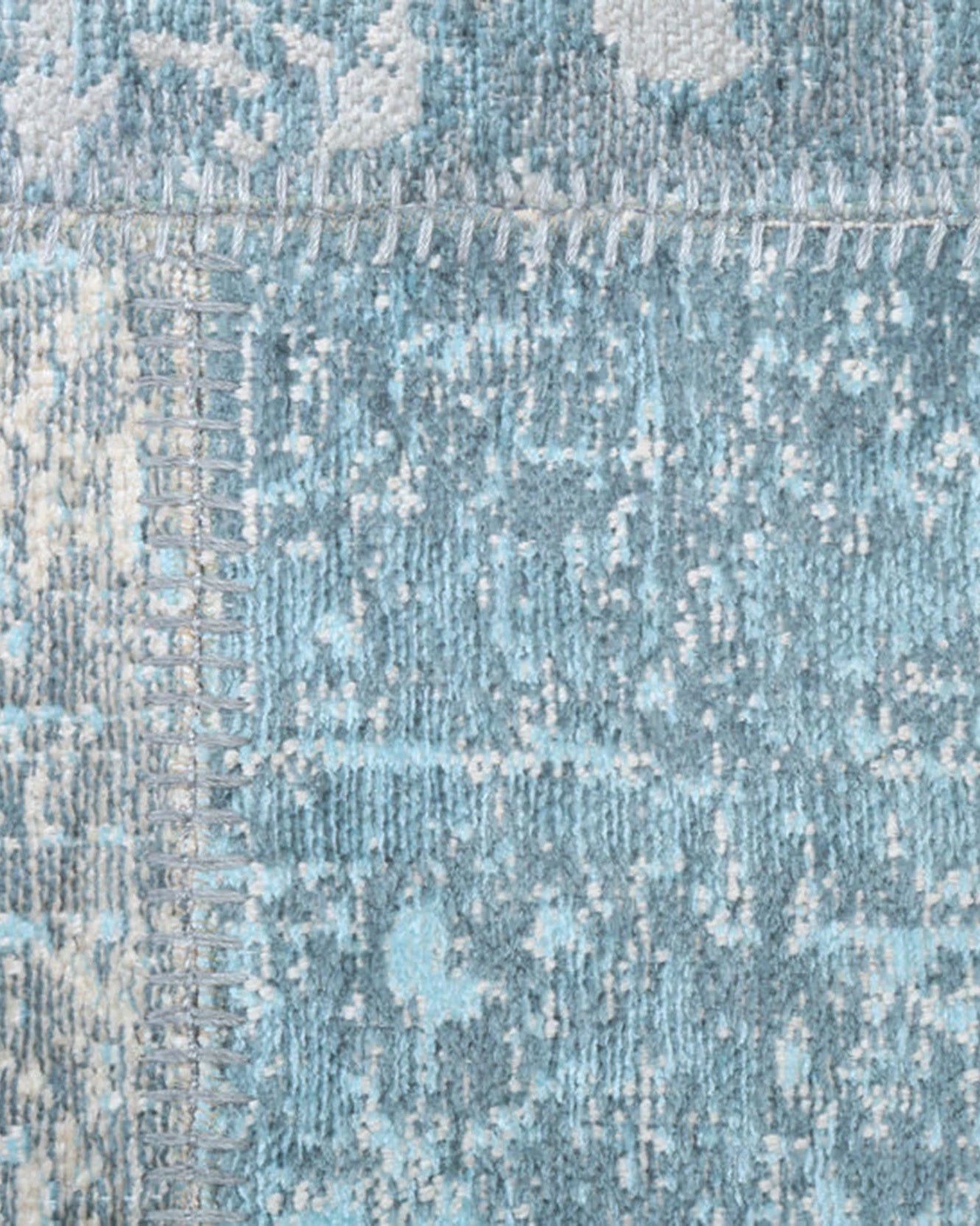
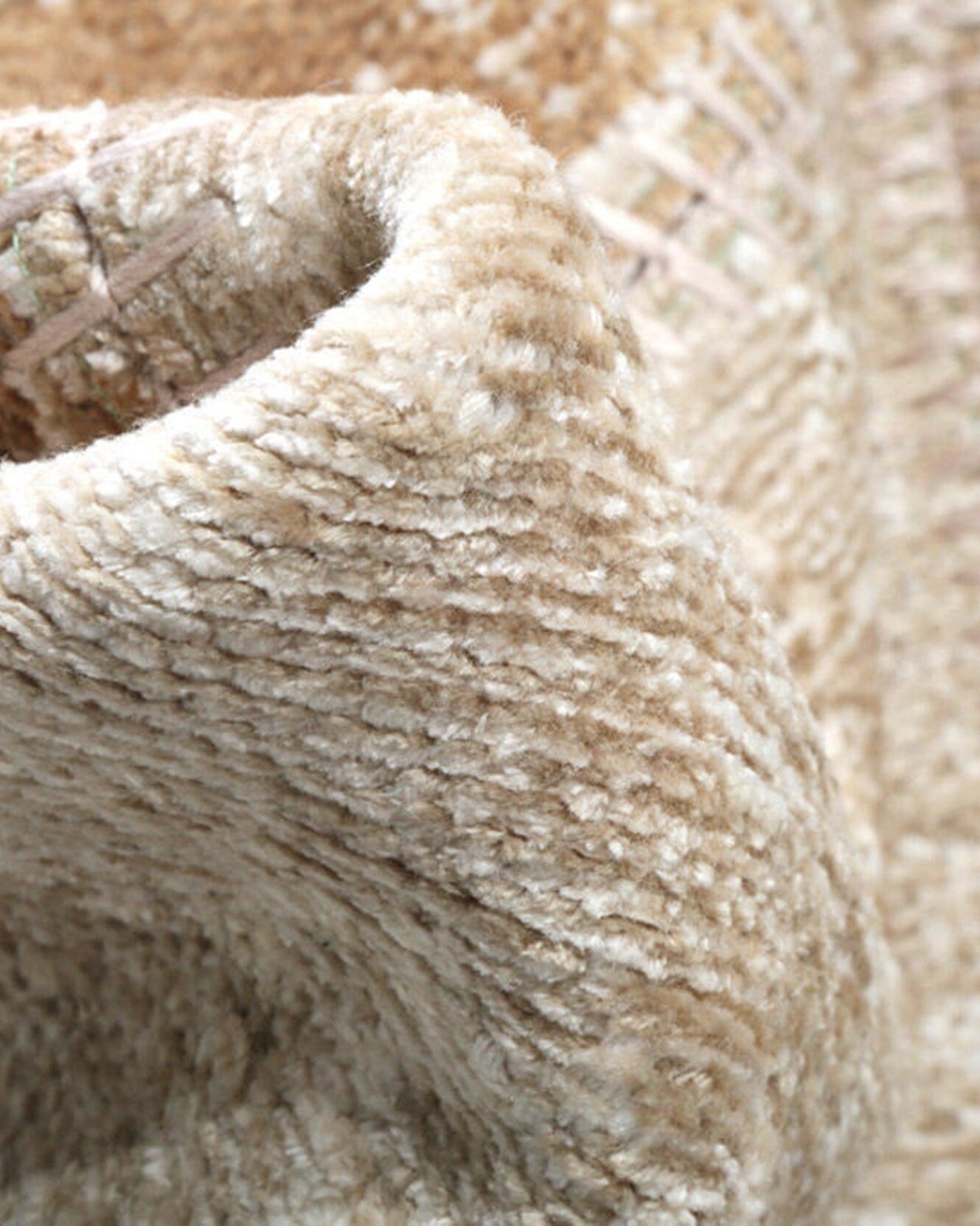
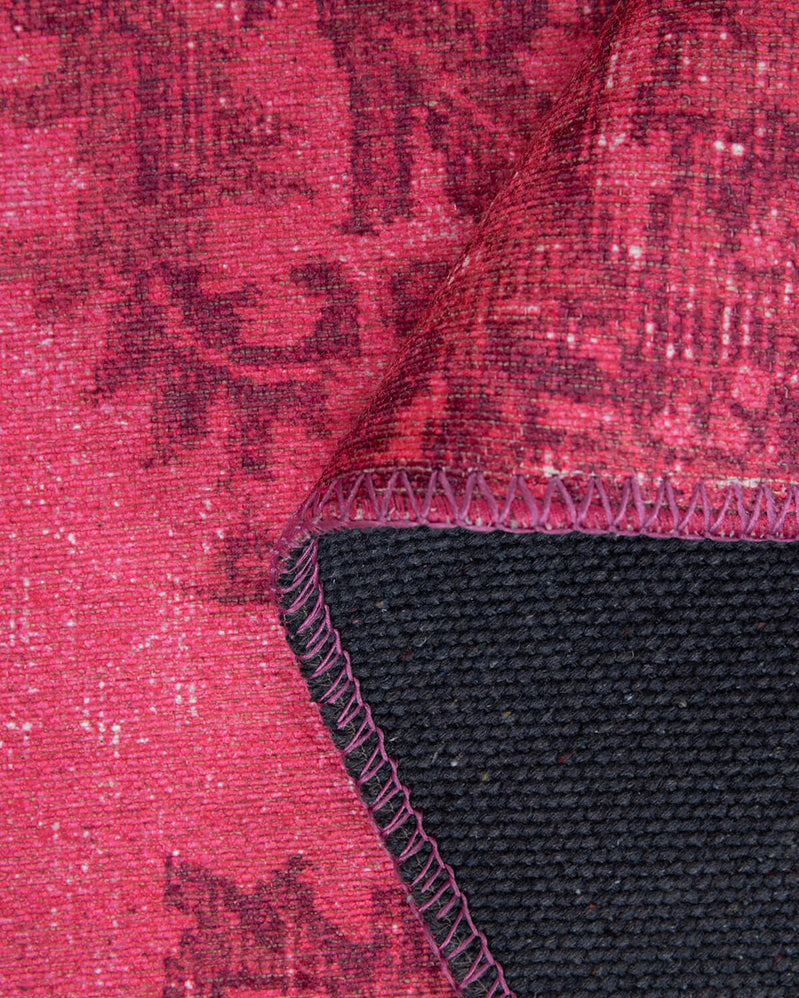
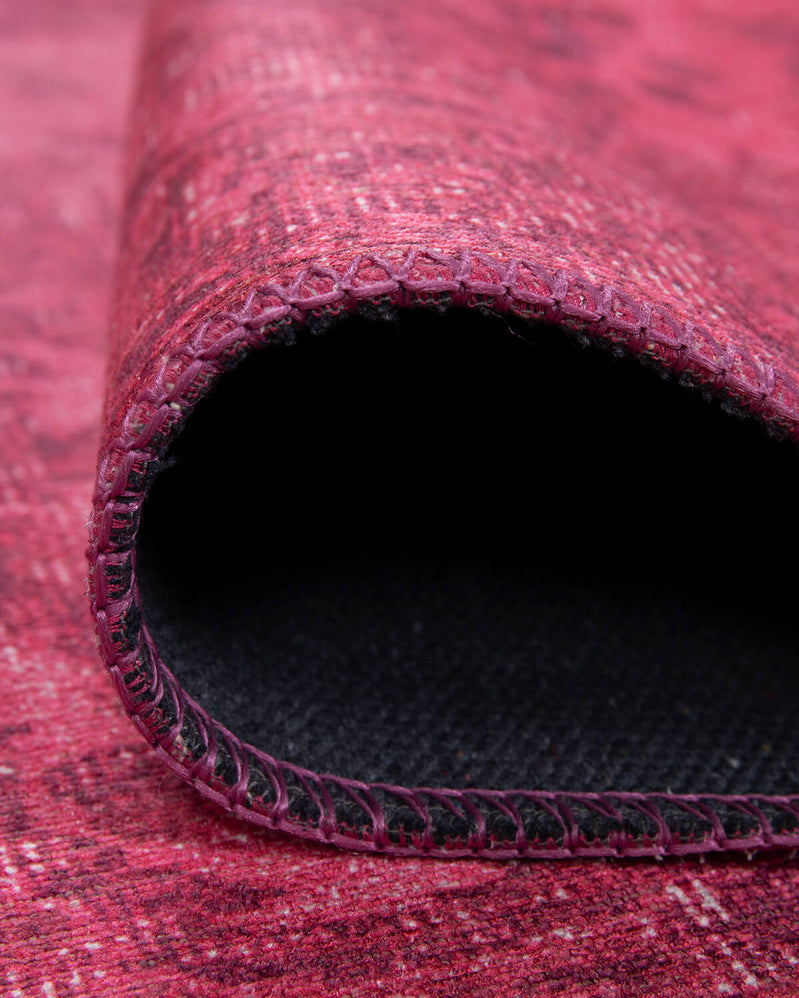
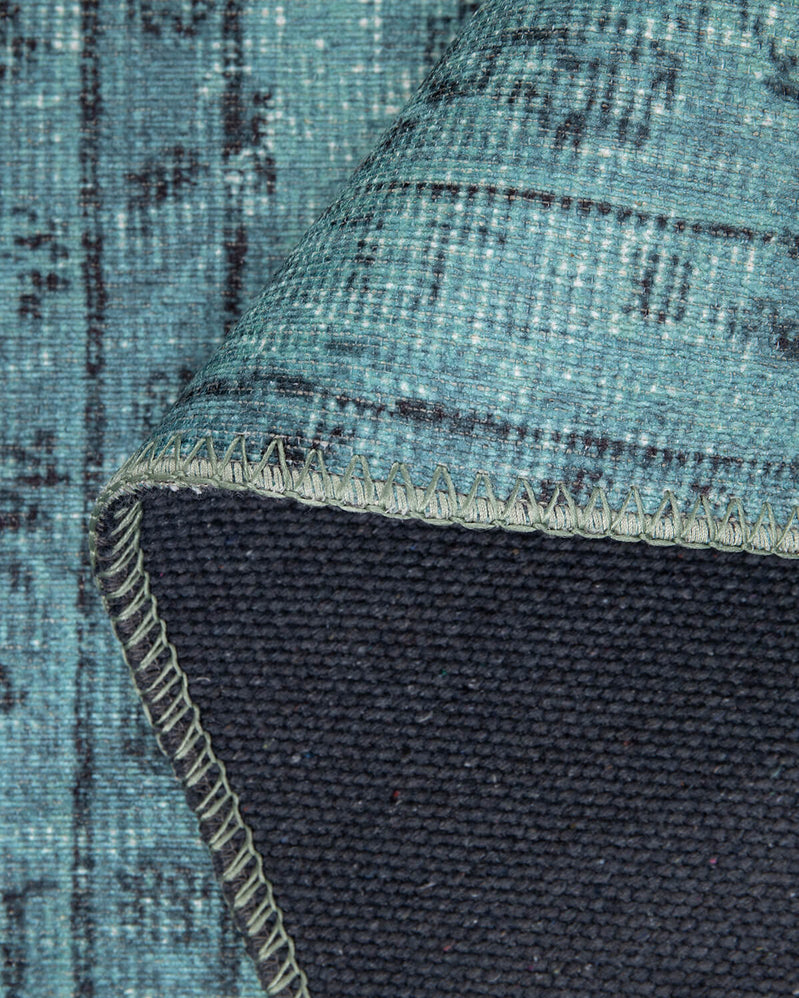
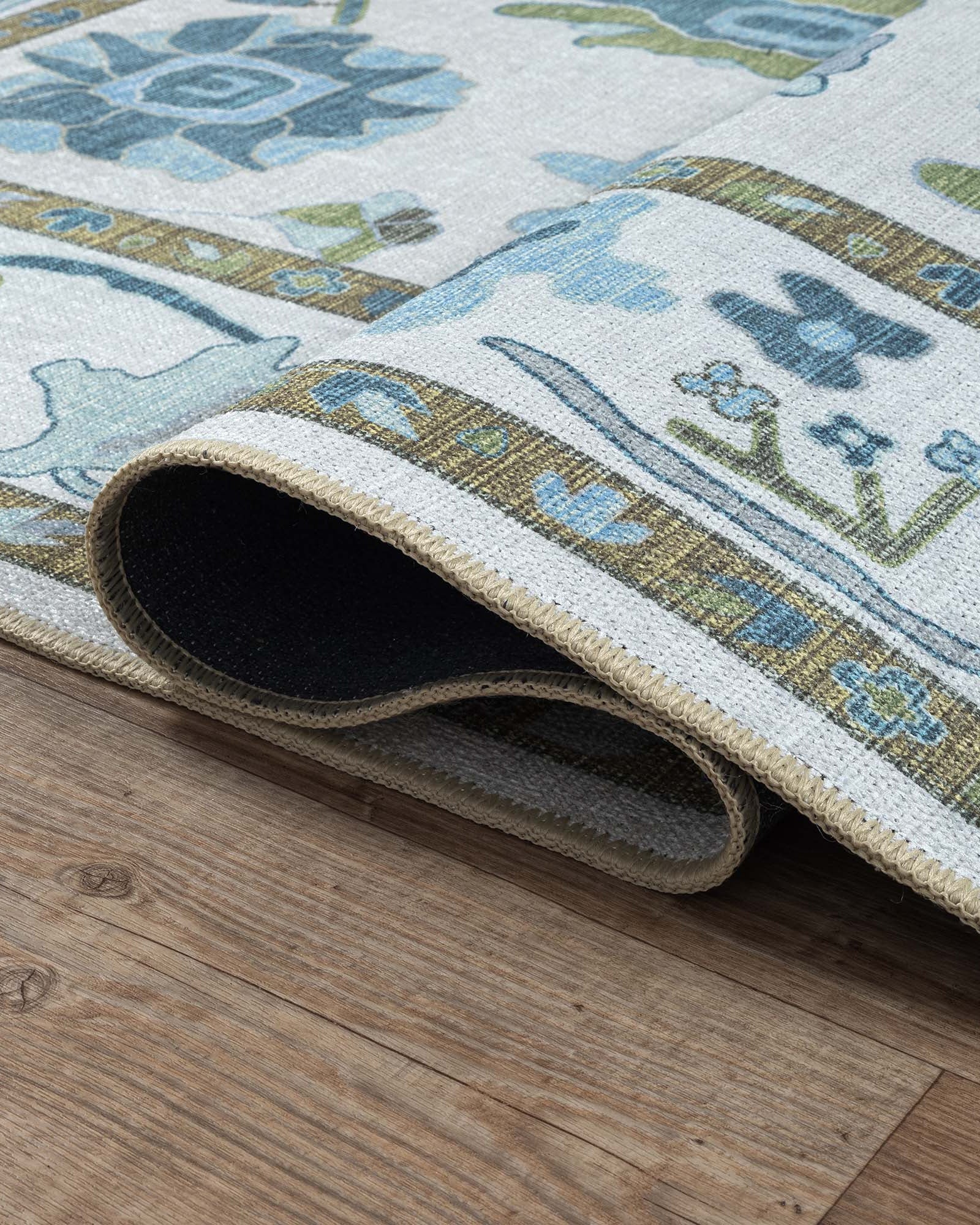
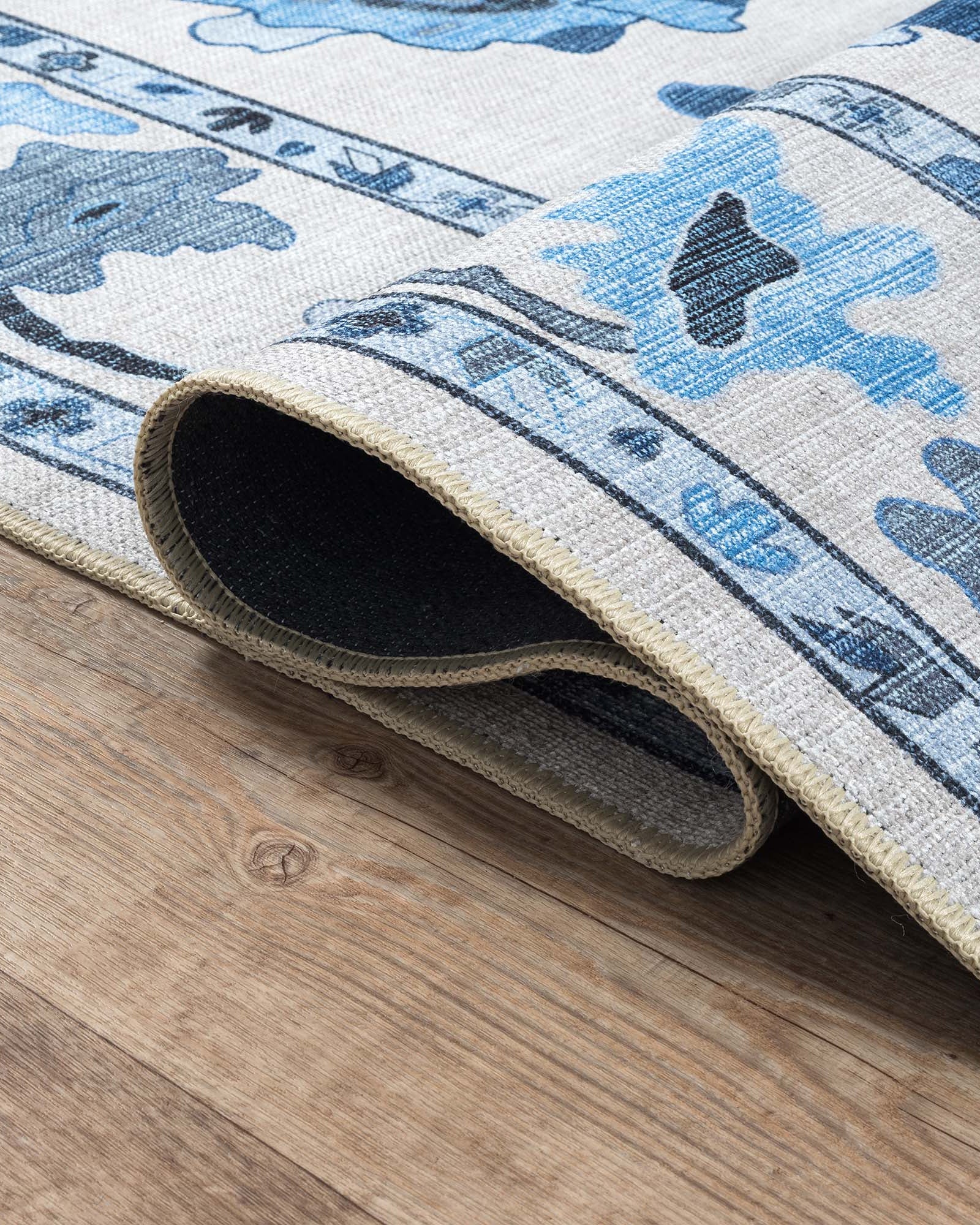
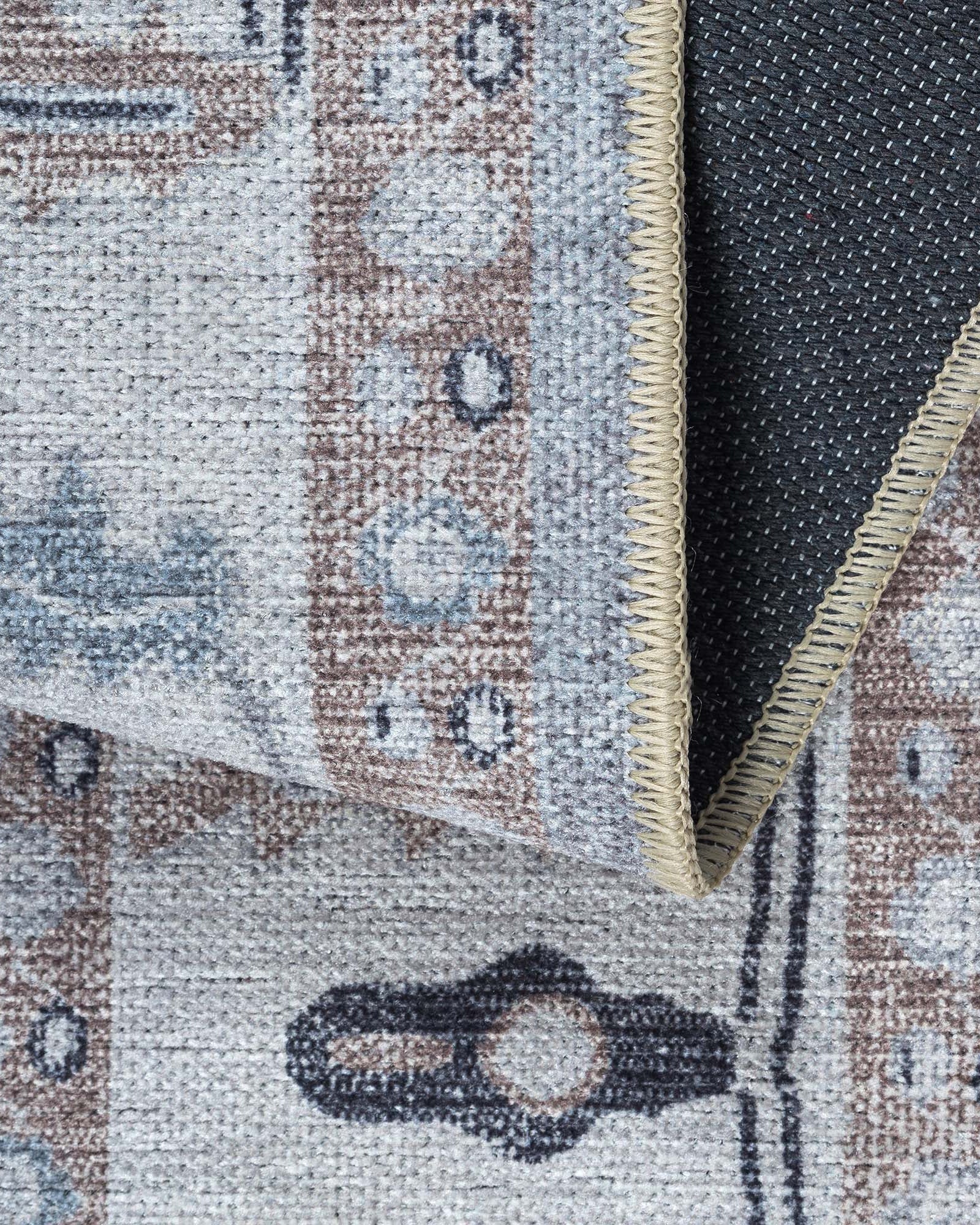
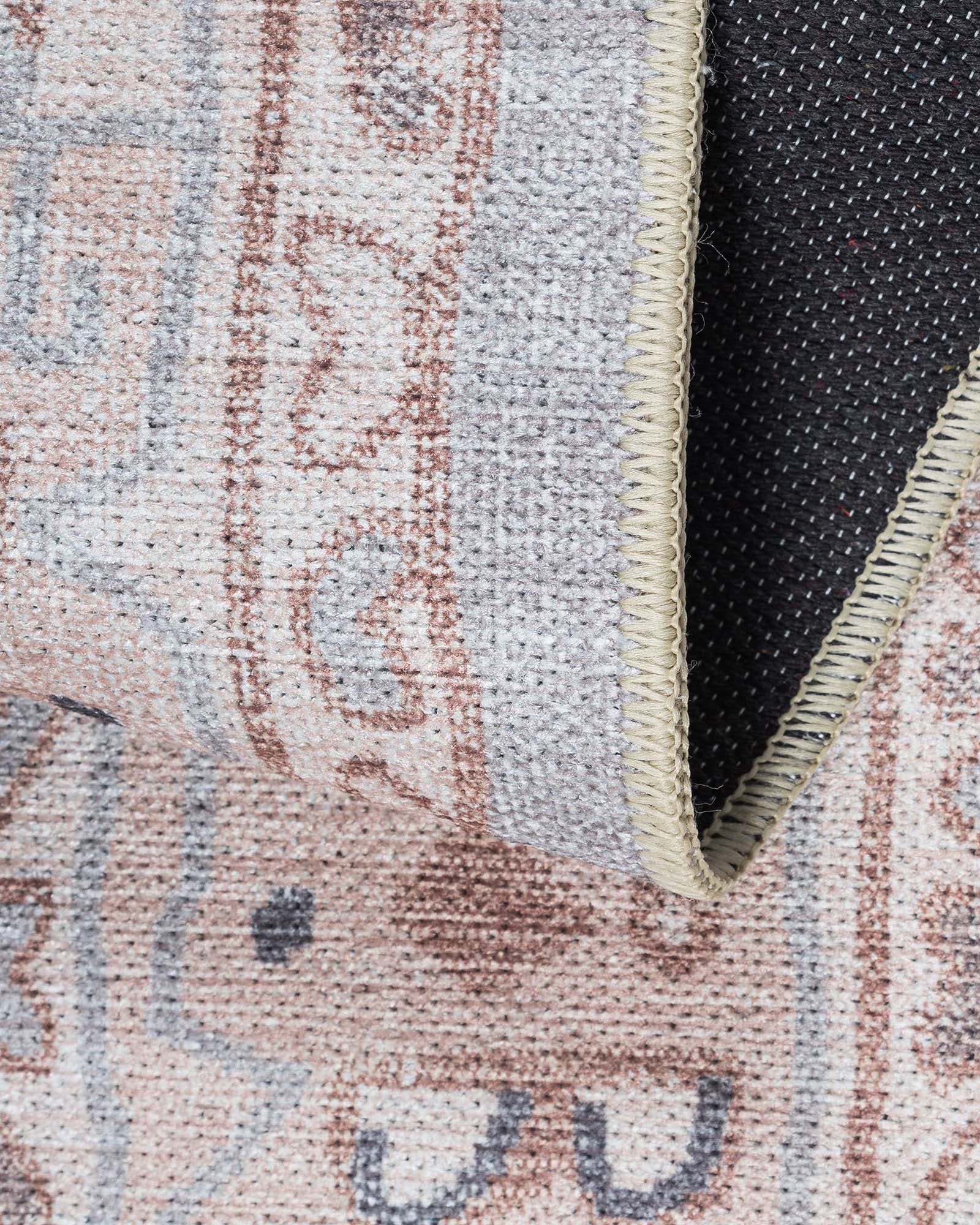
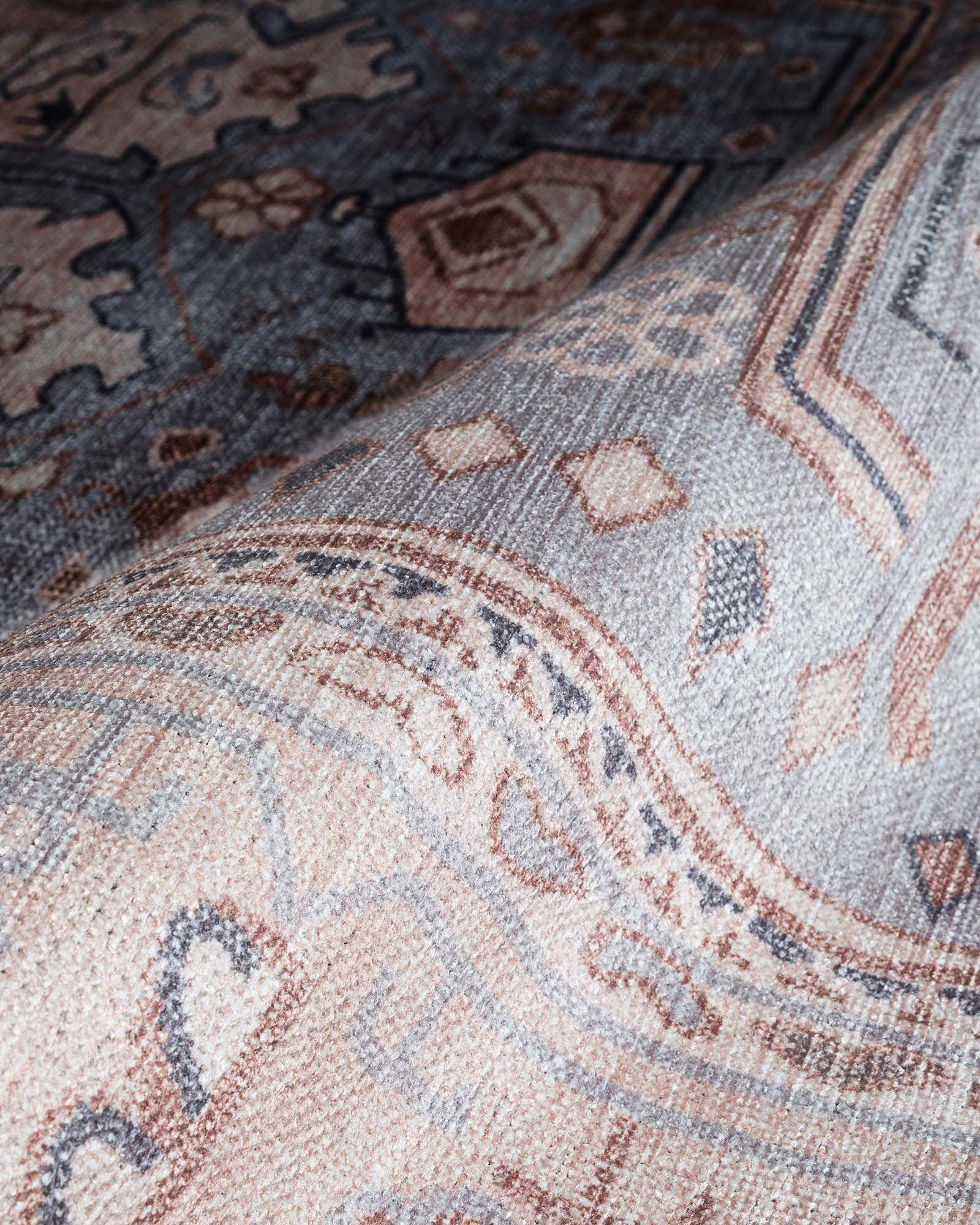
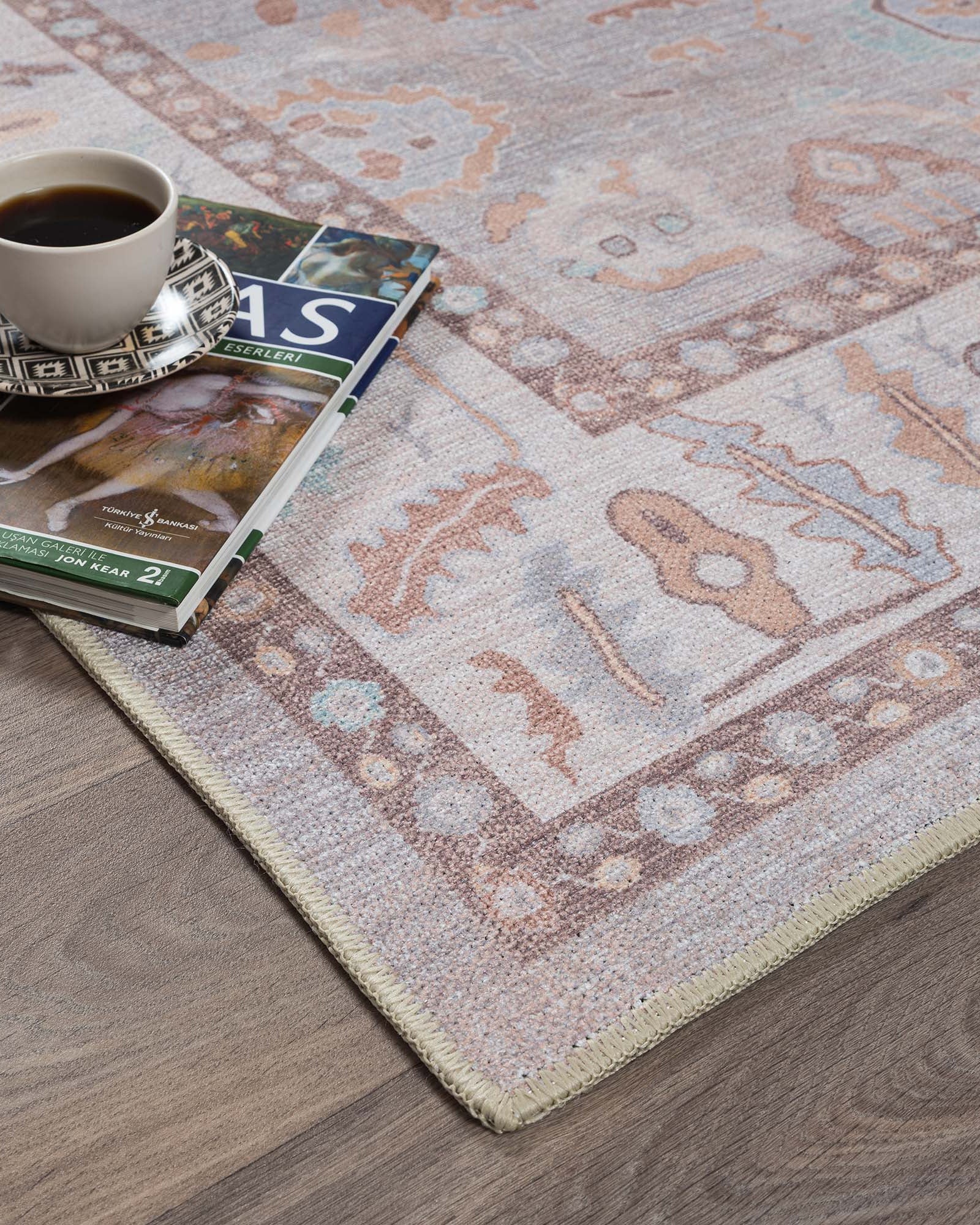
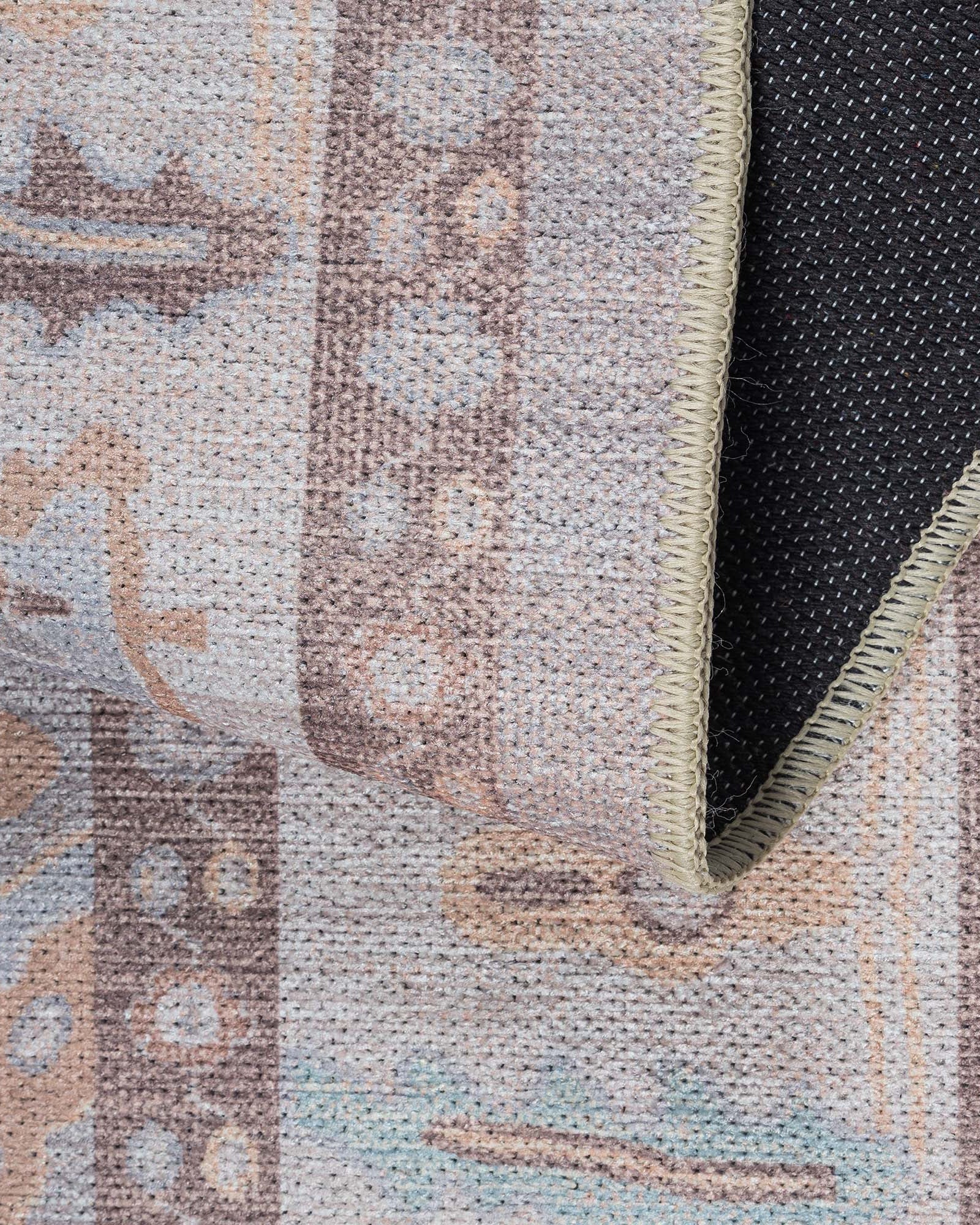
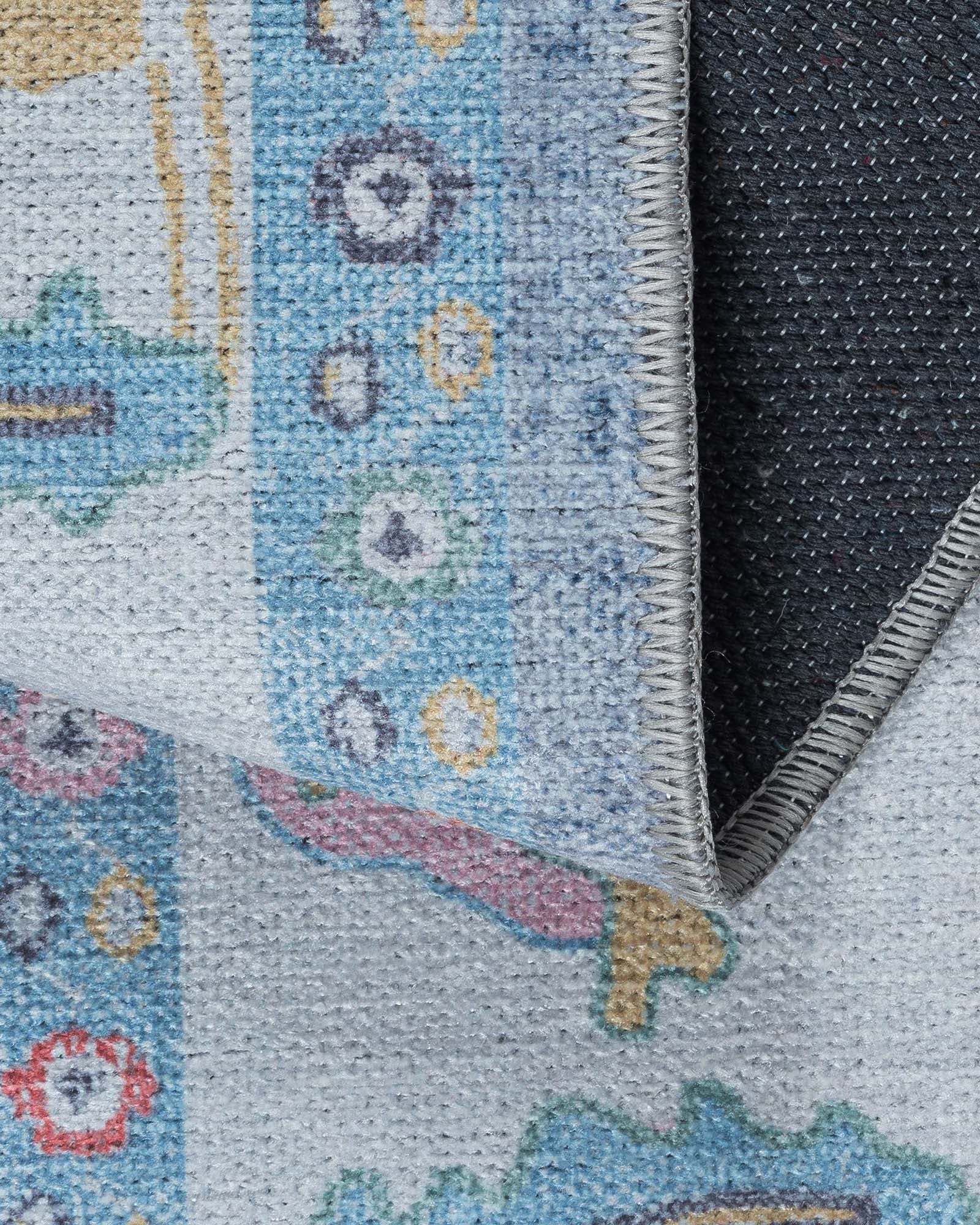
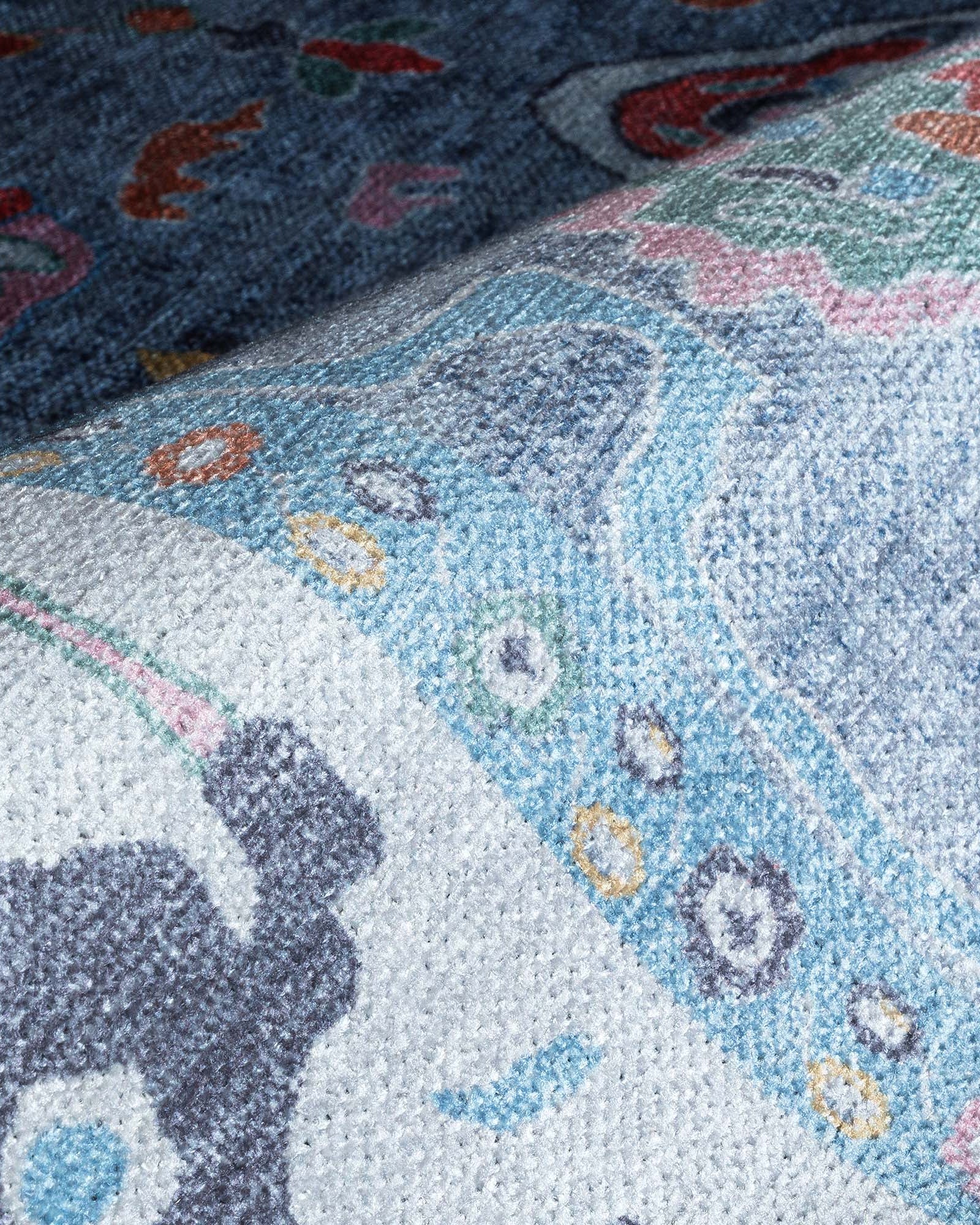
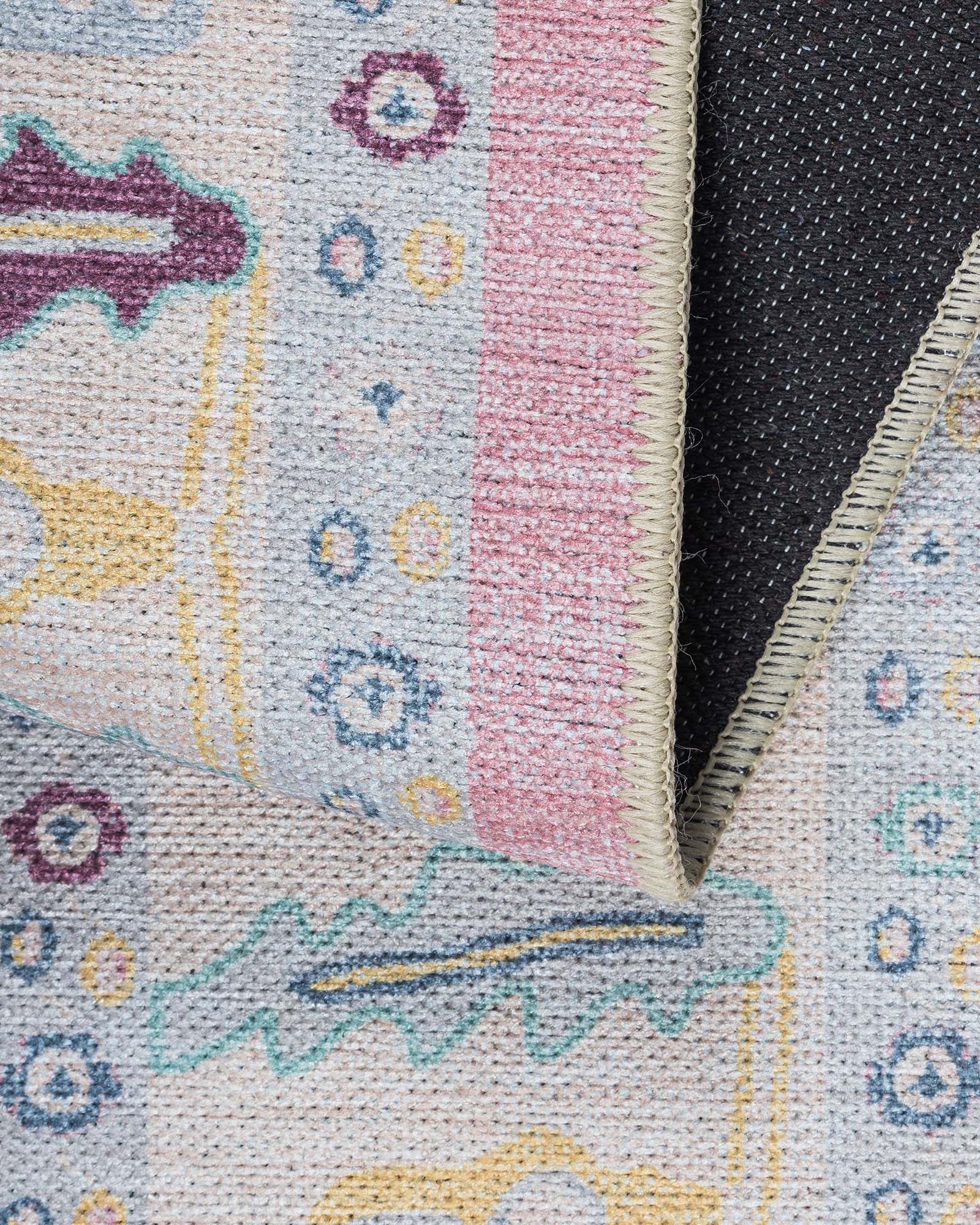
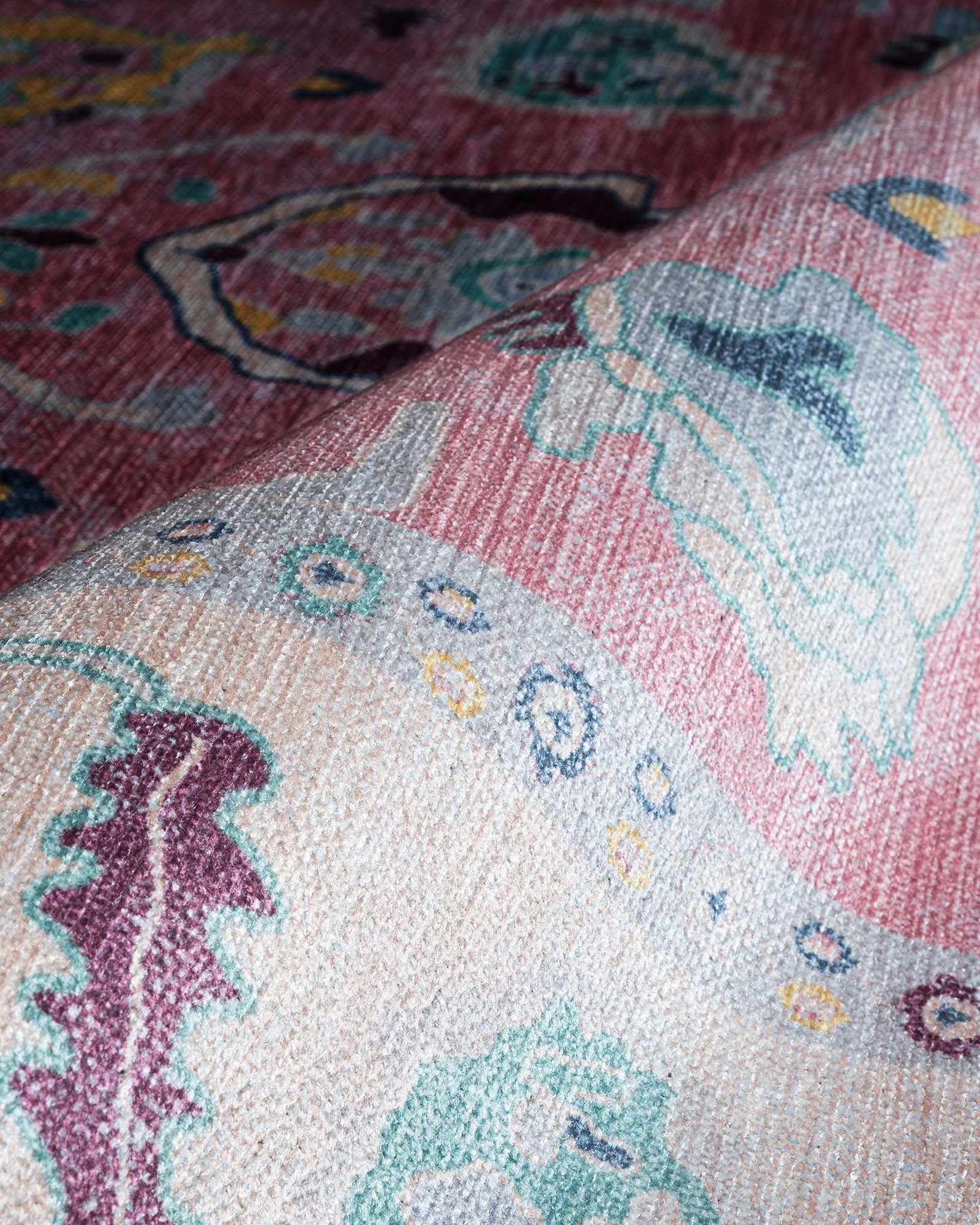
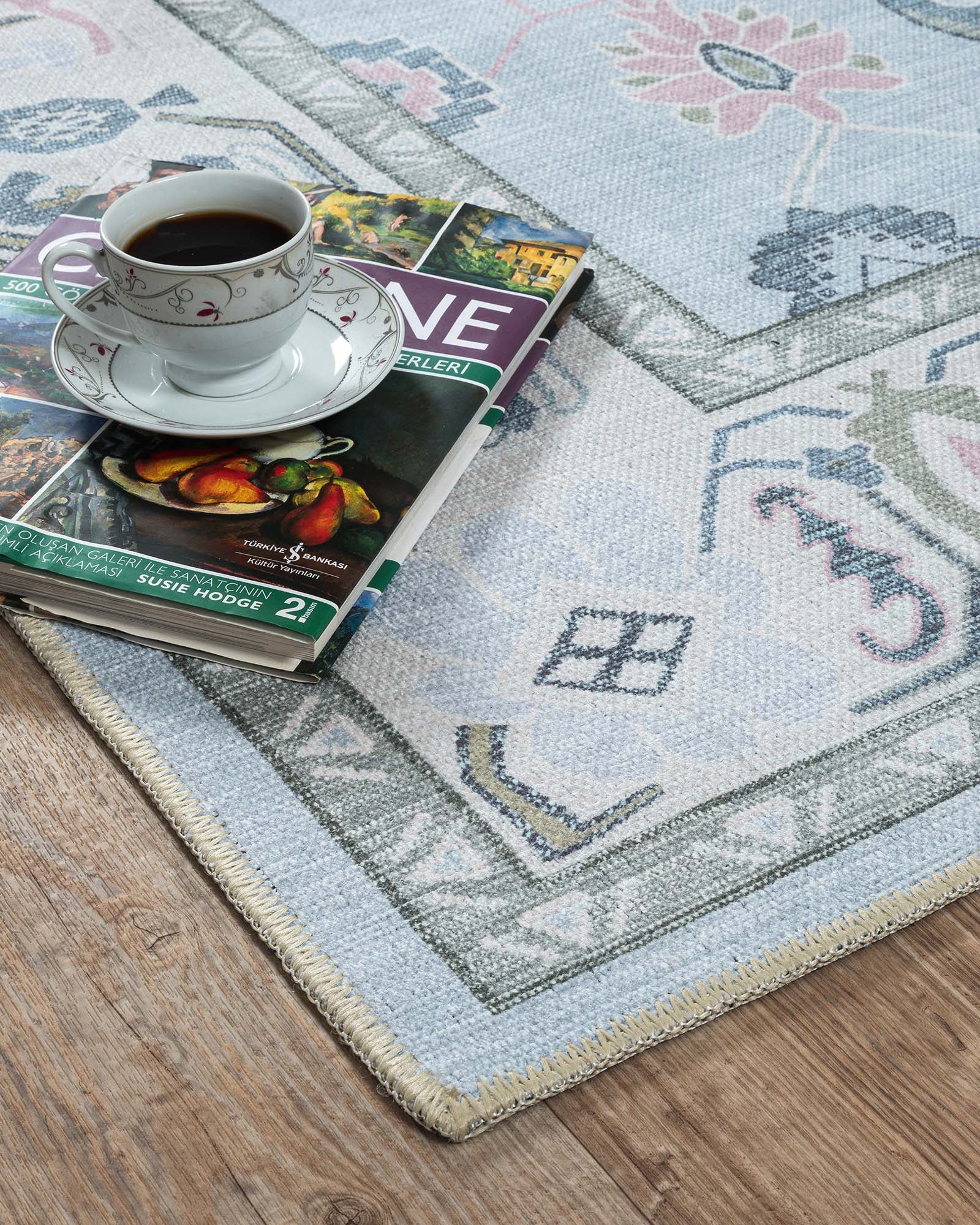
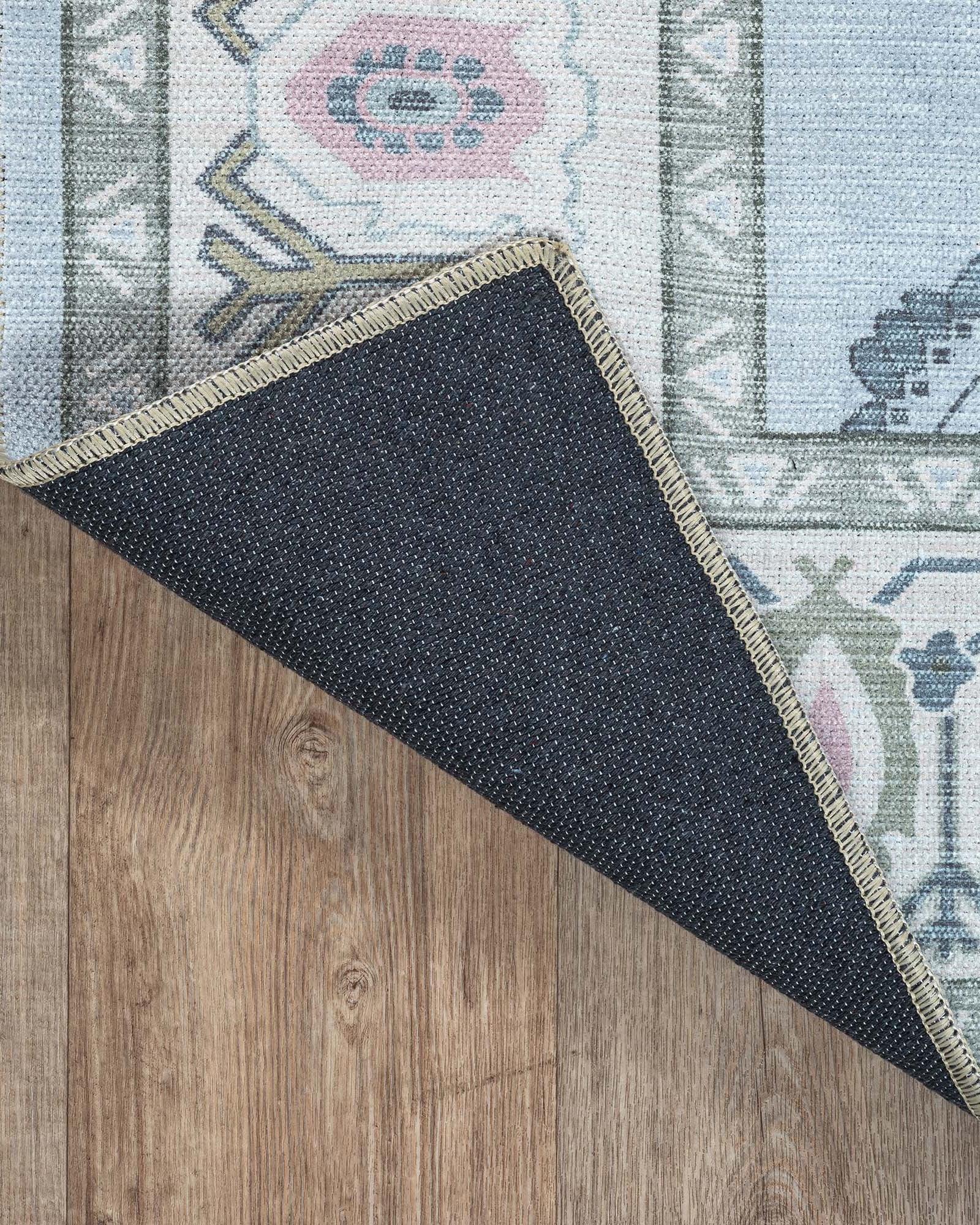
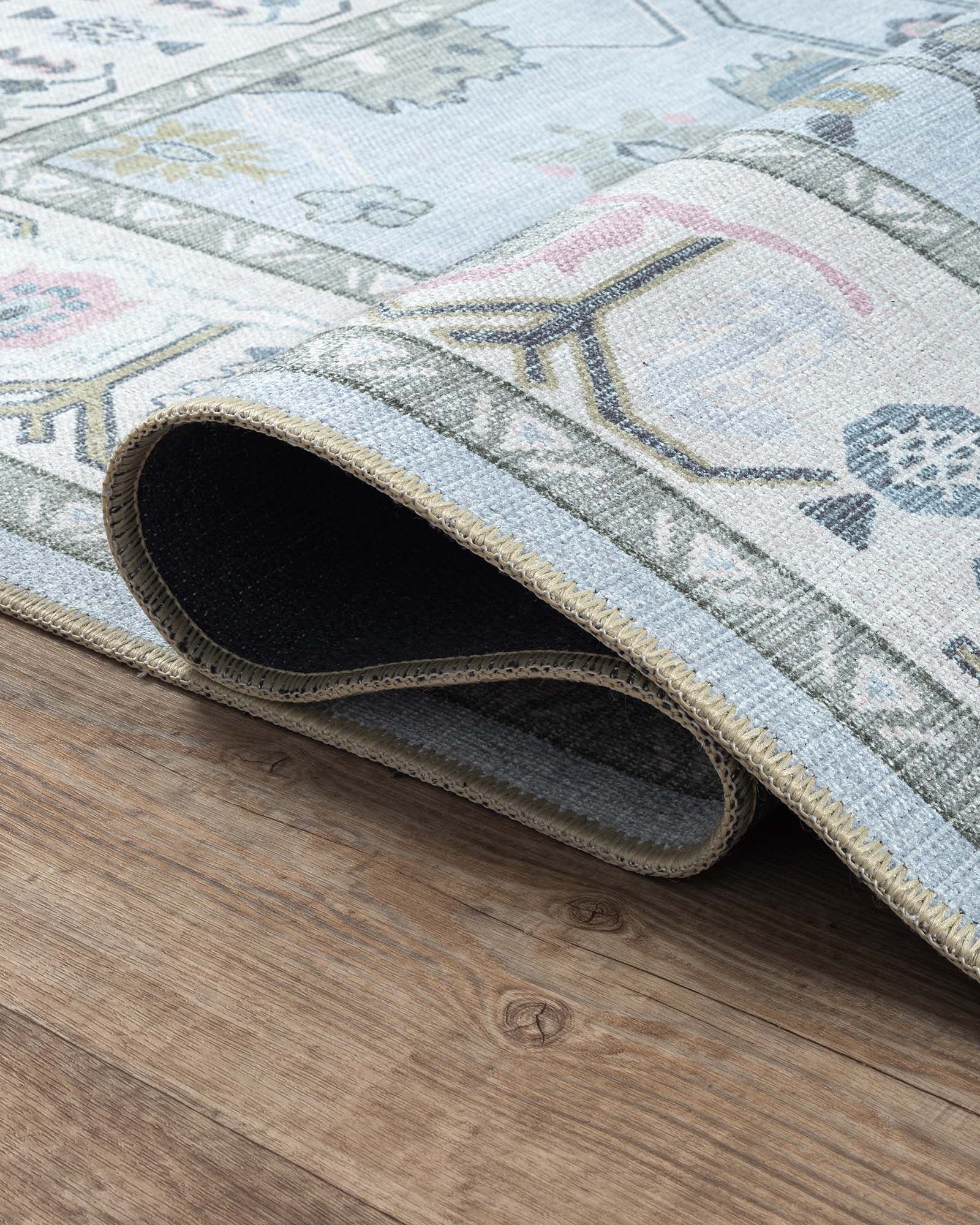
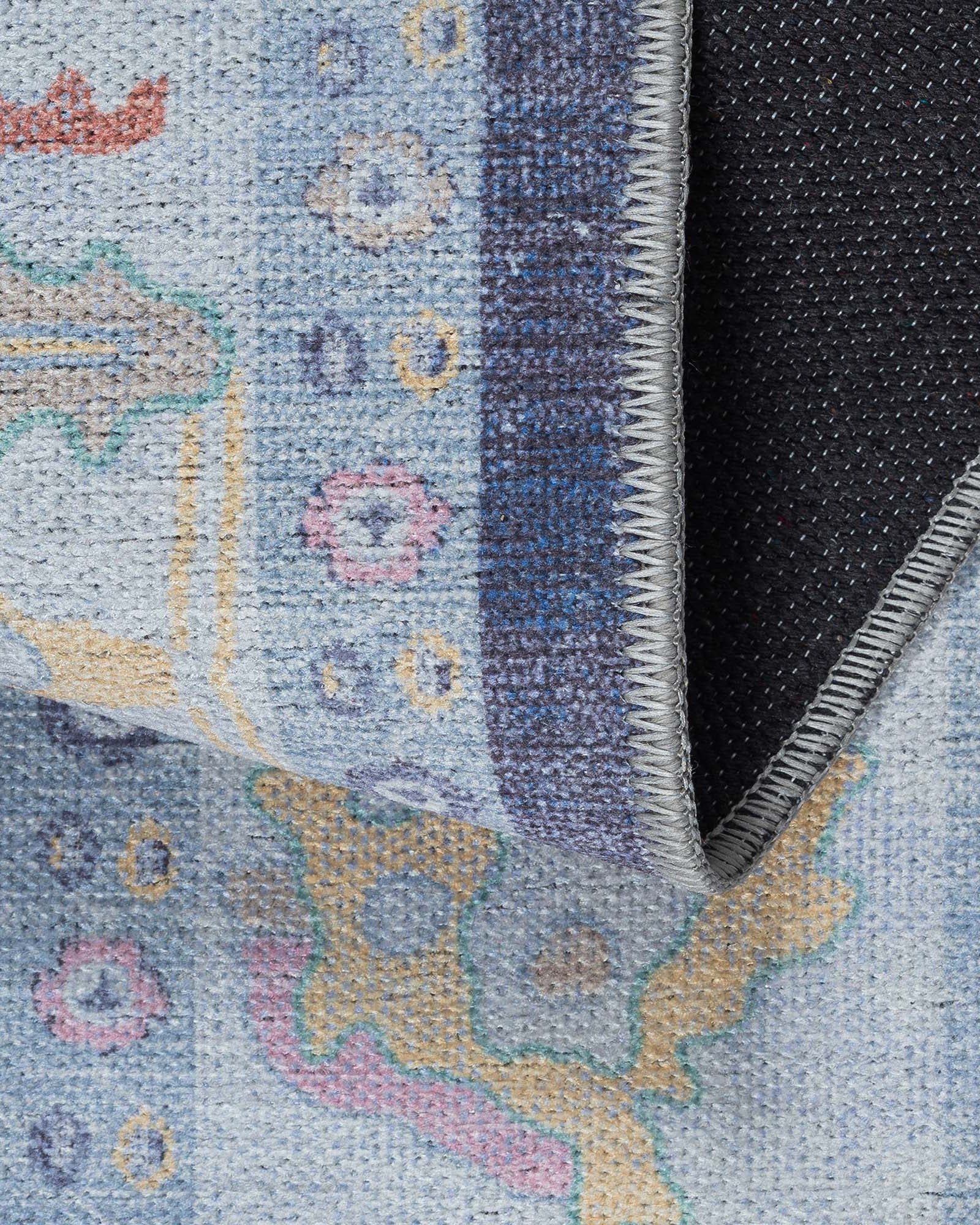
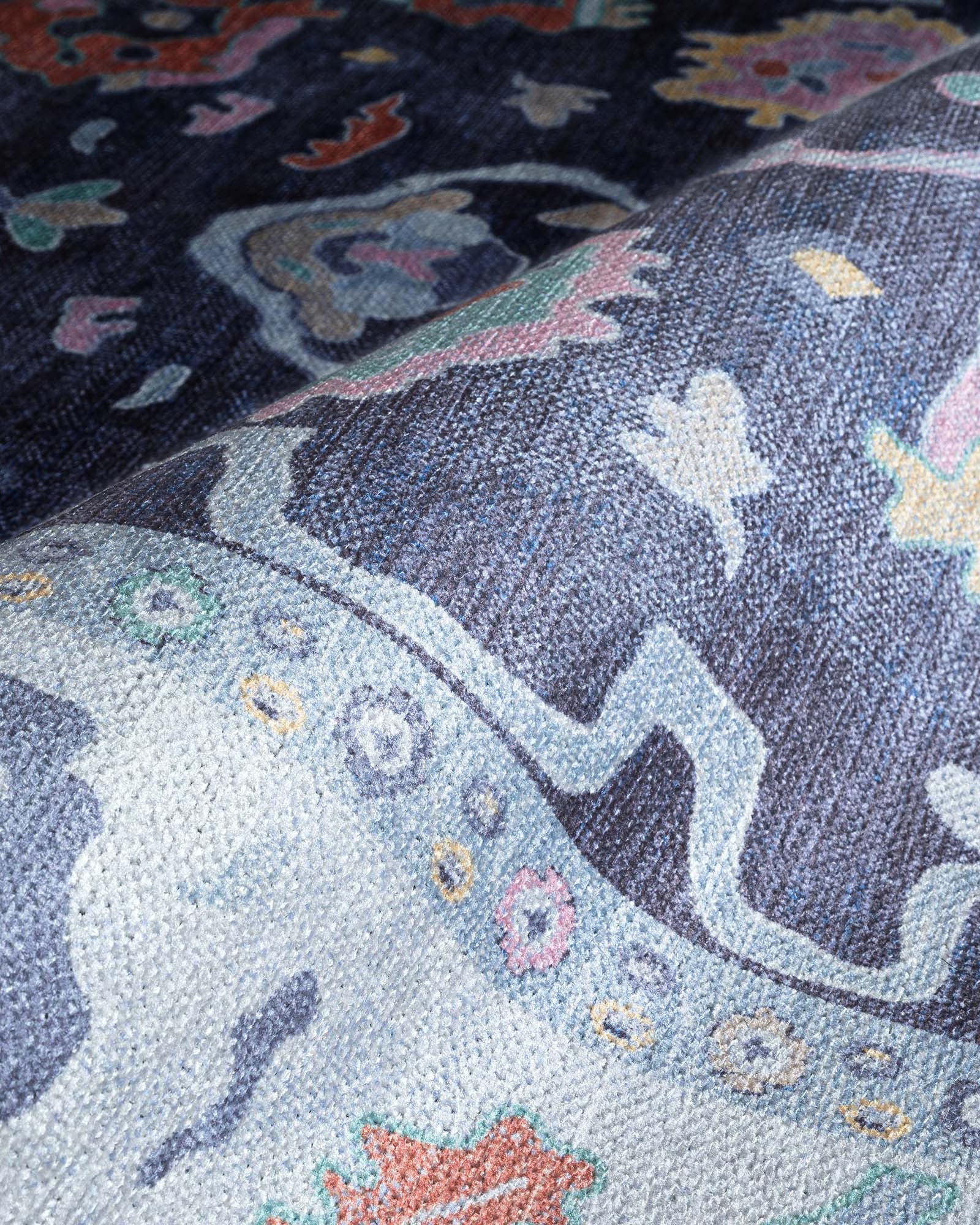
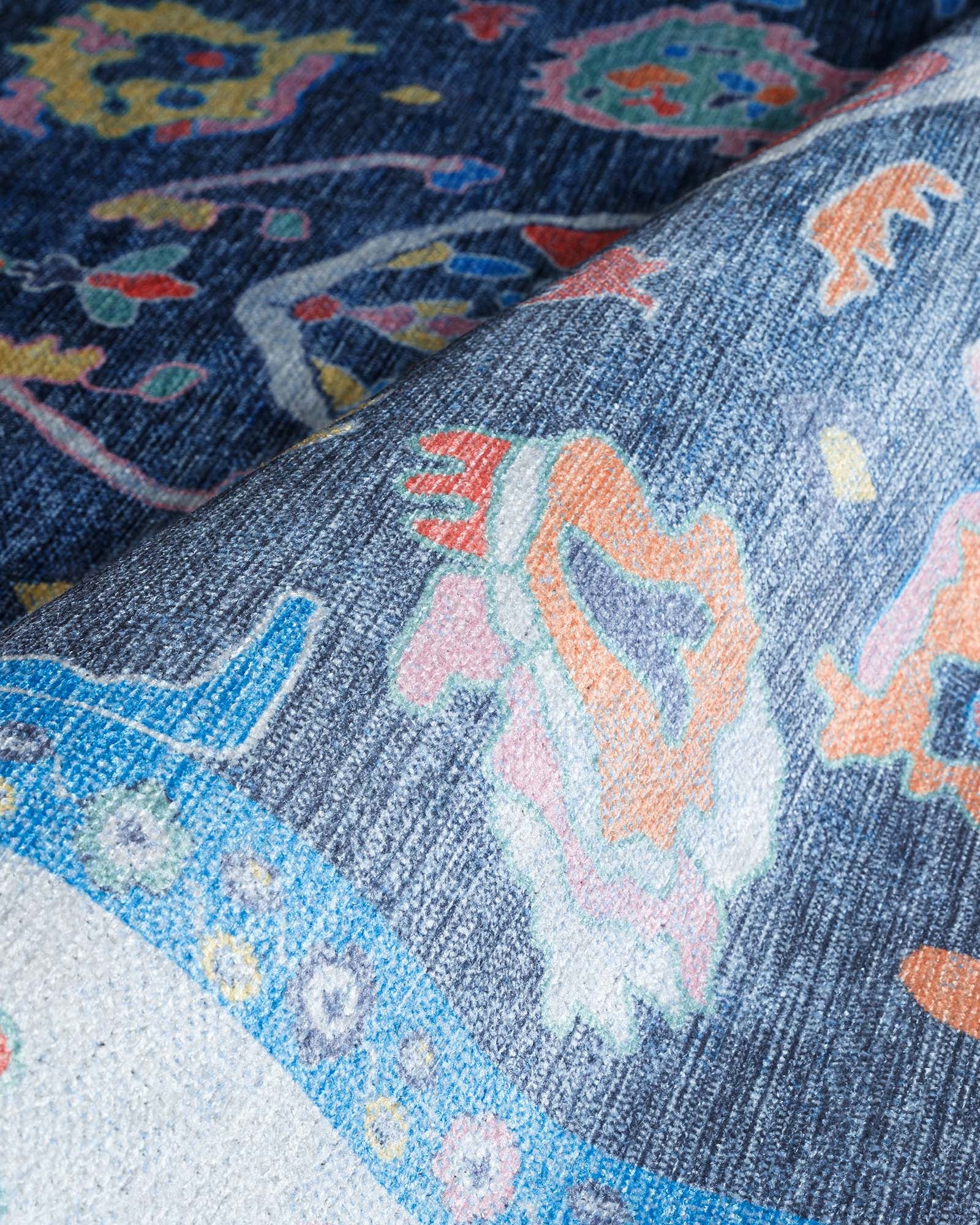
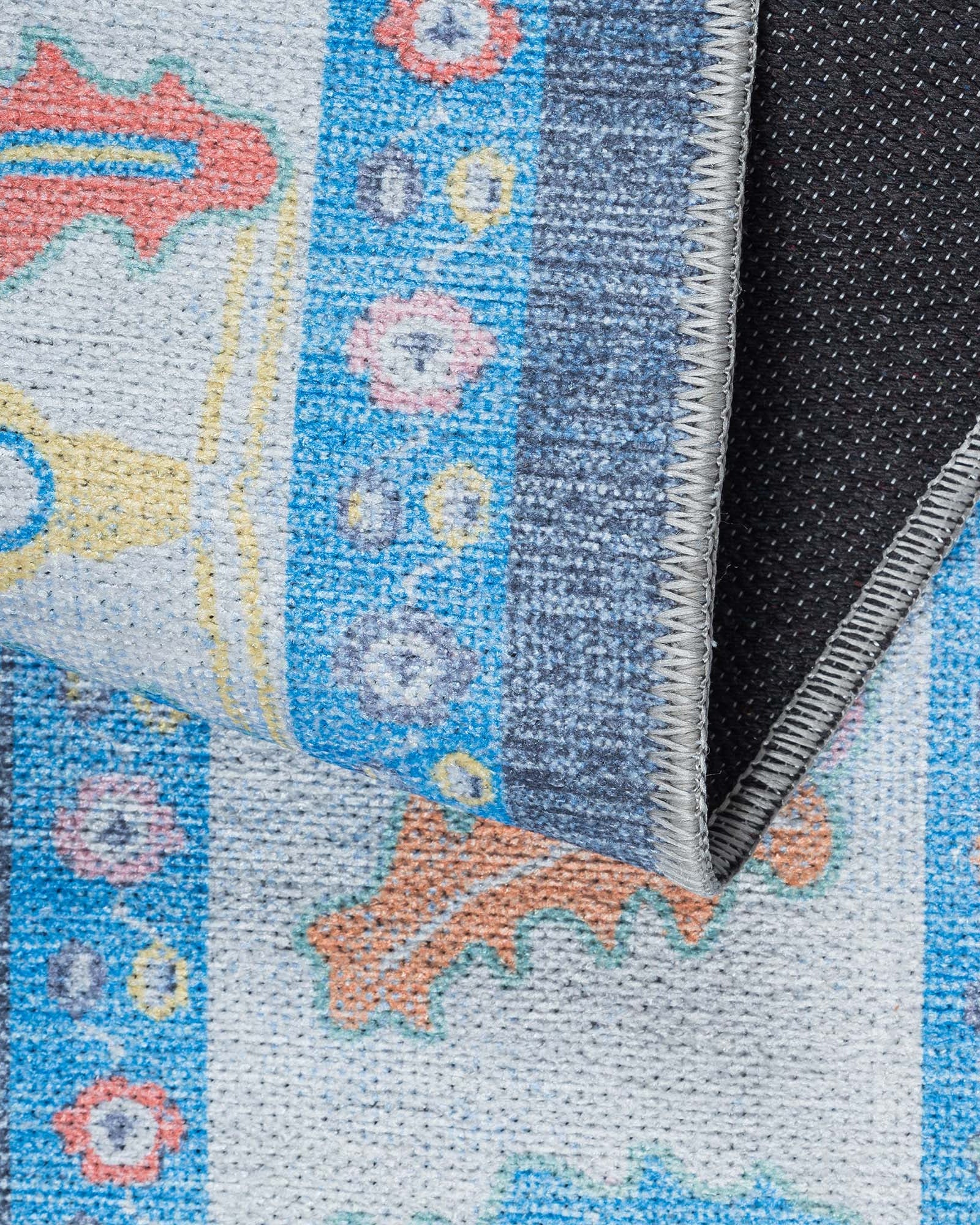
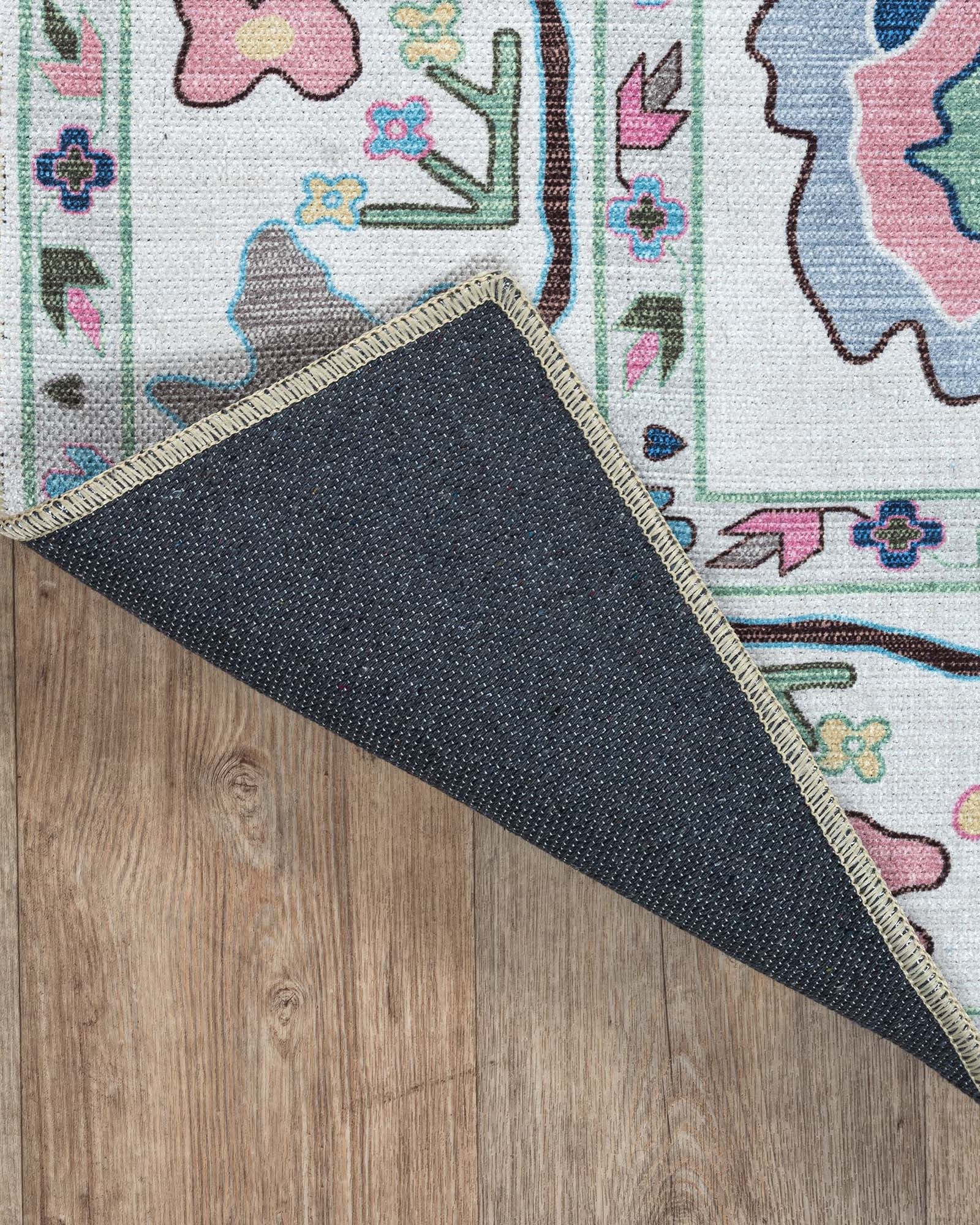
- Hand-Knotted Craftsmanship: Many Oriental rugs are handwoven using wool, silk, or cotton, with thousands of knots per square inch.
- Regional Styles: Each rug reflects the culture and traditions of its region, making every piece unique.
Popular Types of Oriental Rugs
Persian Oriental Rugs
Known for their unmatched craftsmanship and intricate designs, Persian rugs often feature detailed floral patterns, medallions, and vibrant colors. They are considered some of the most luxurious Oriental rugs available.
Turkish Oriental Rugs
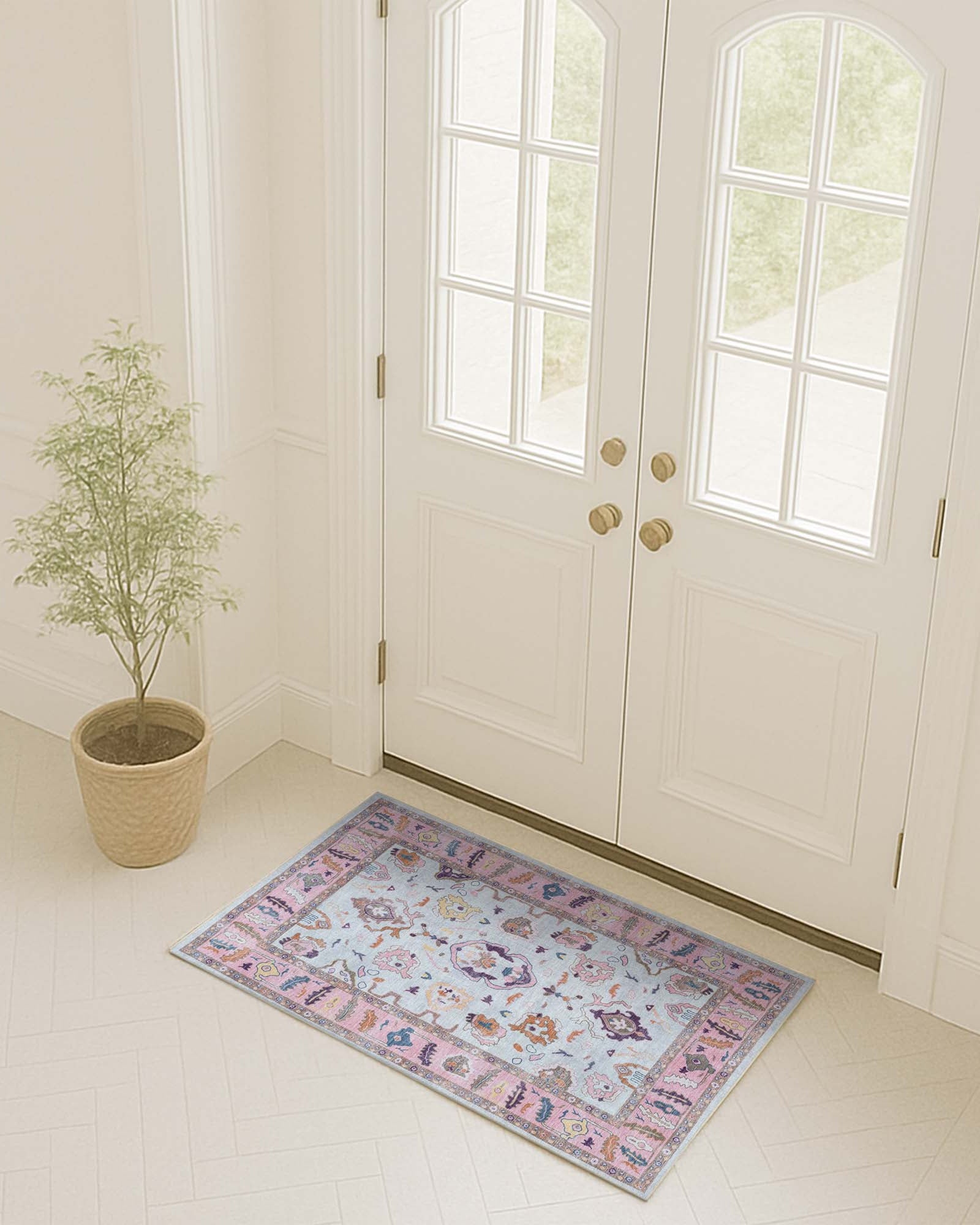
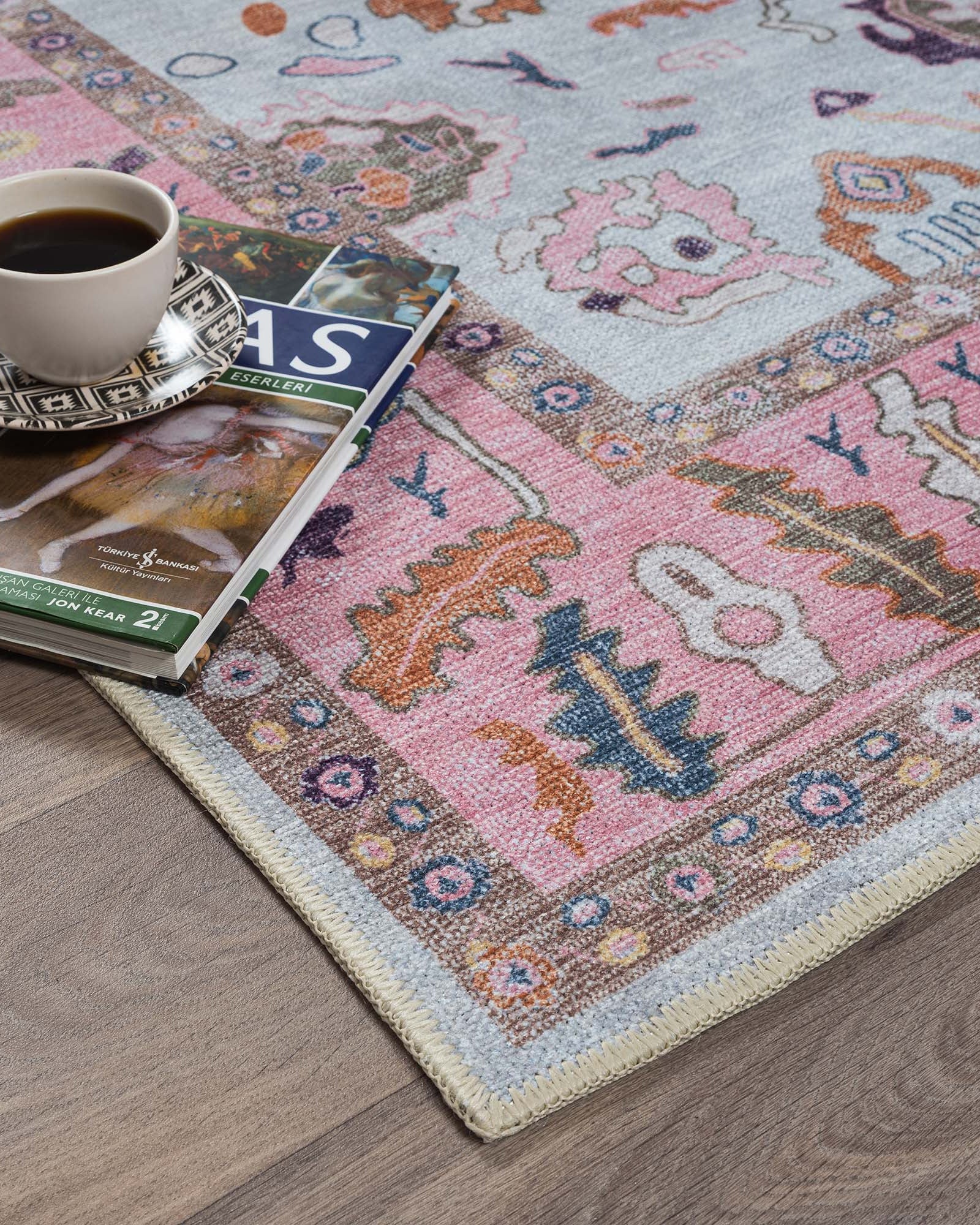
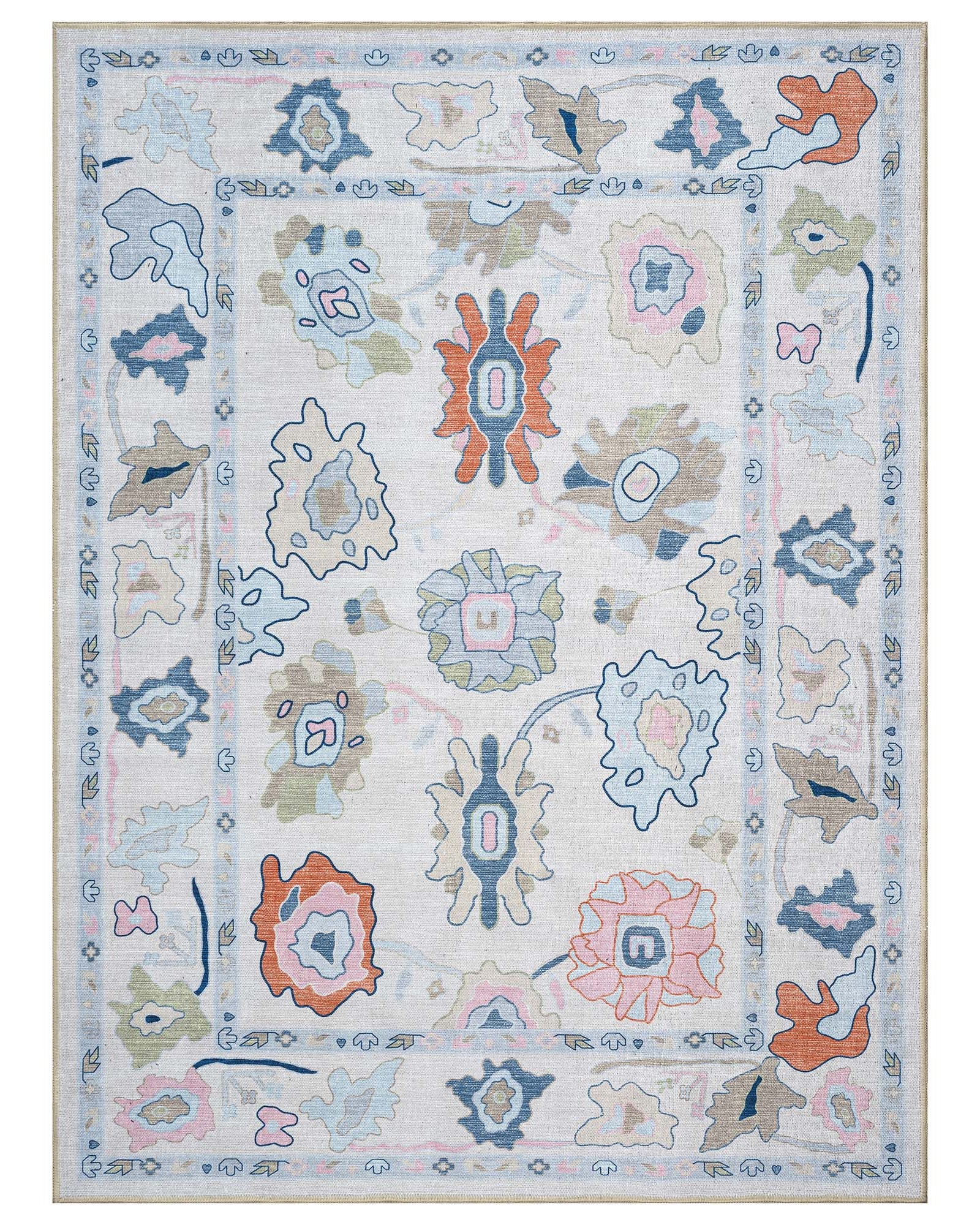
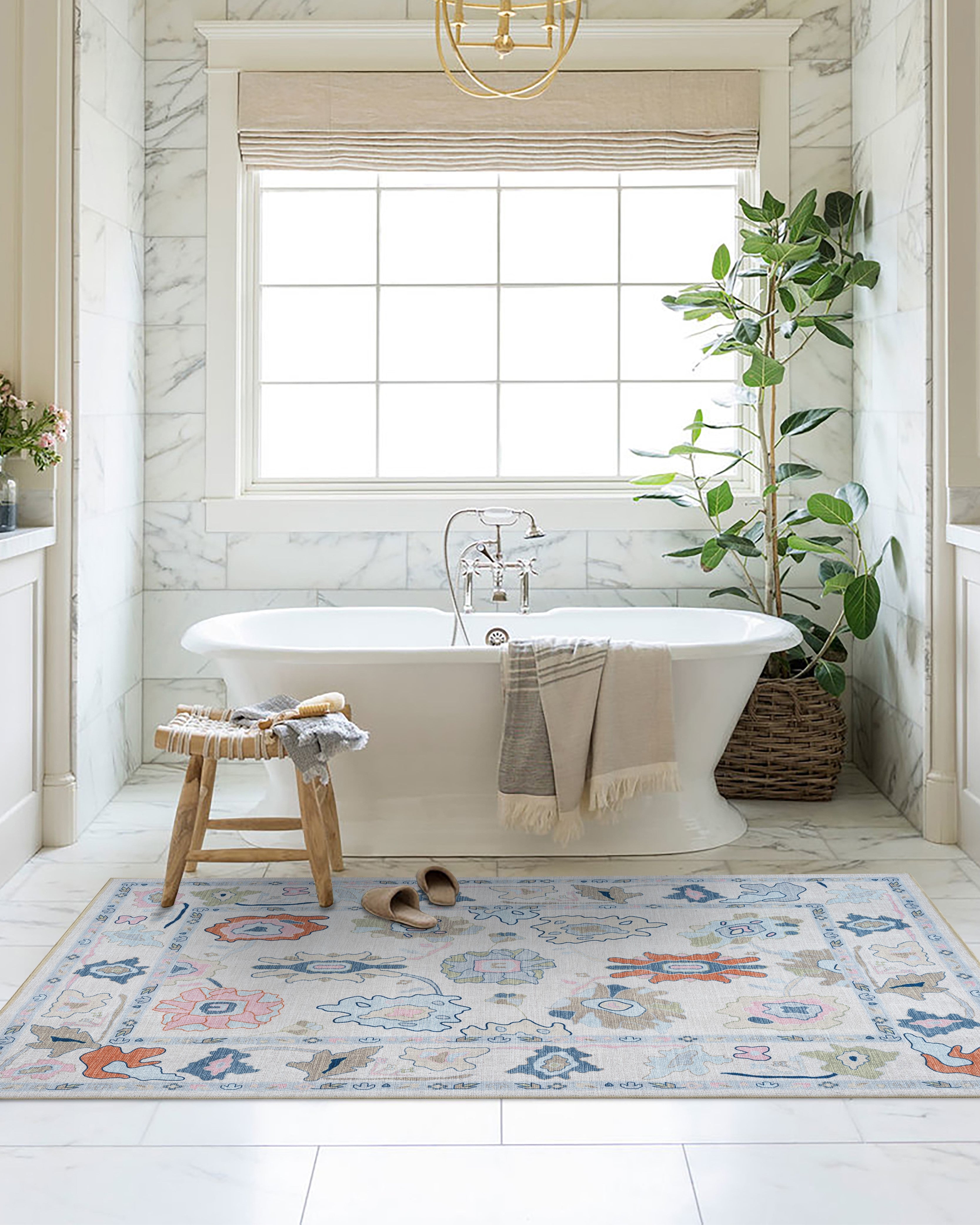
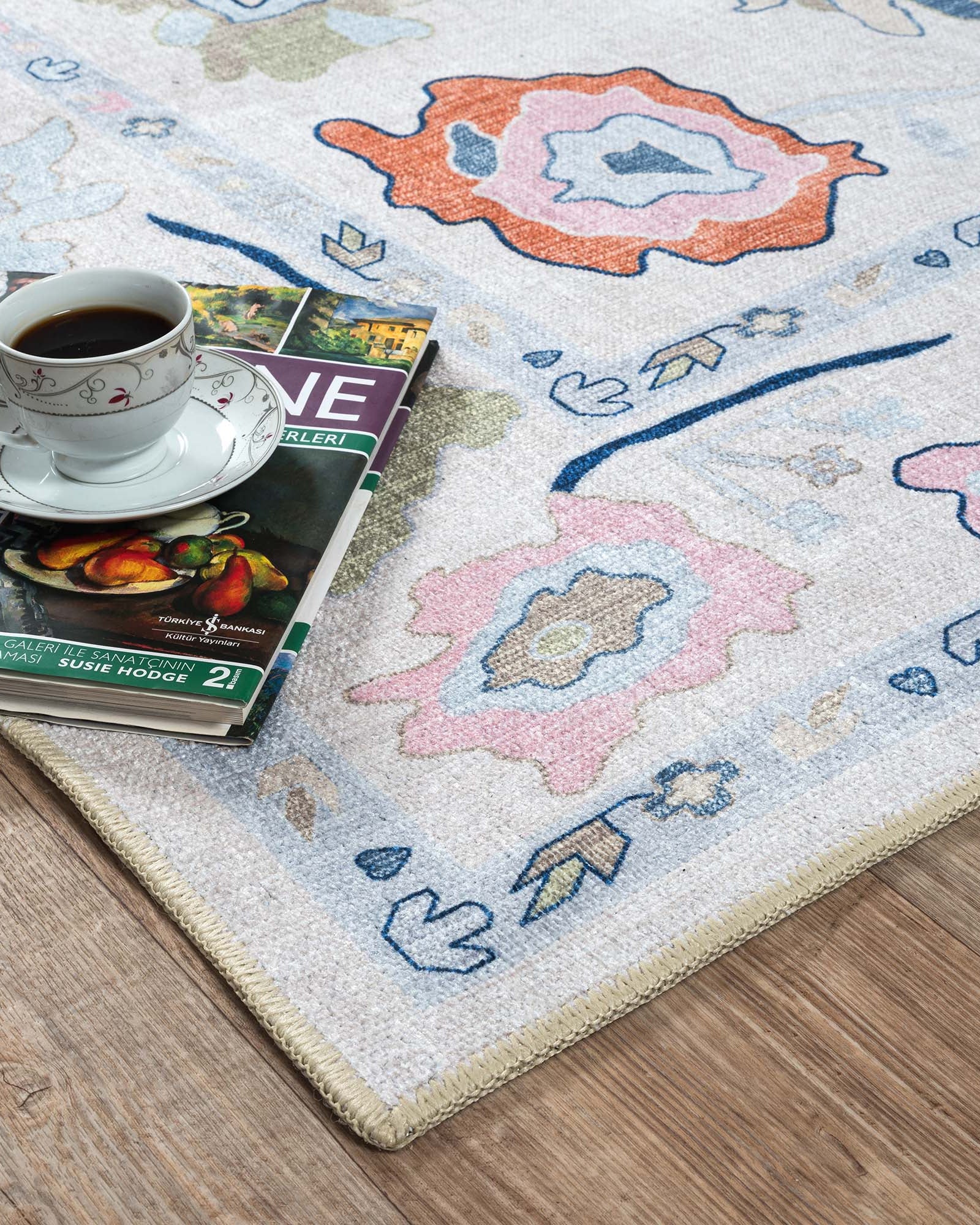
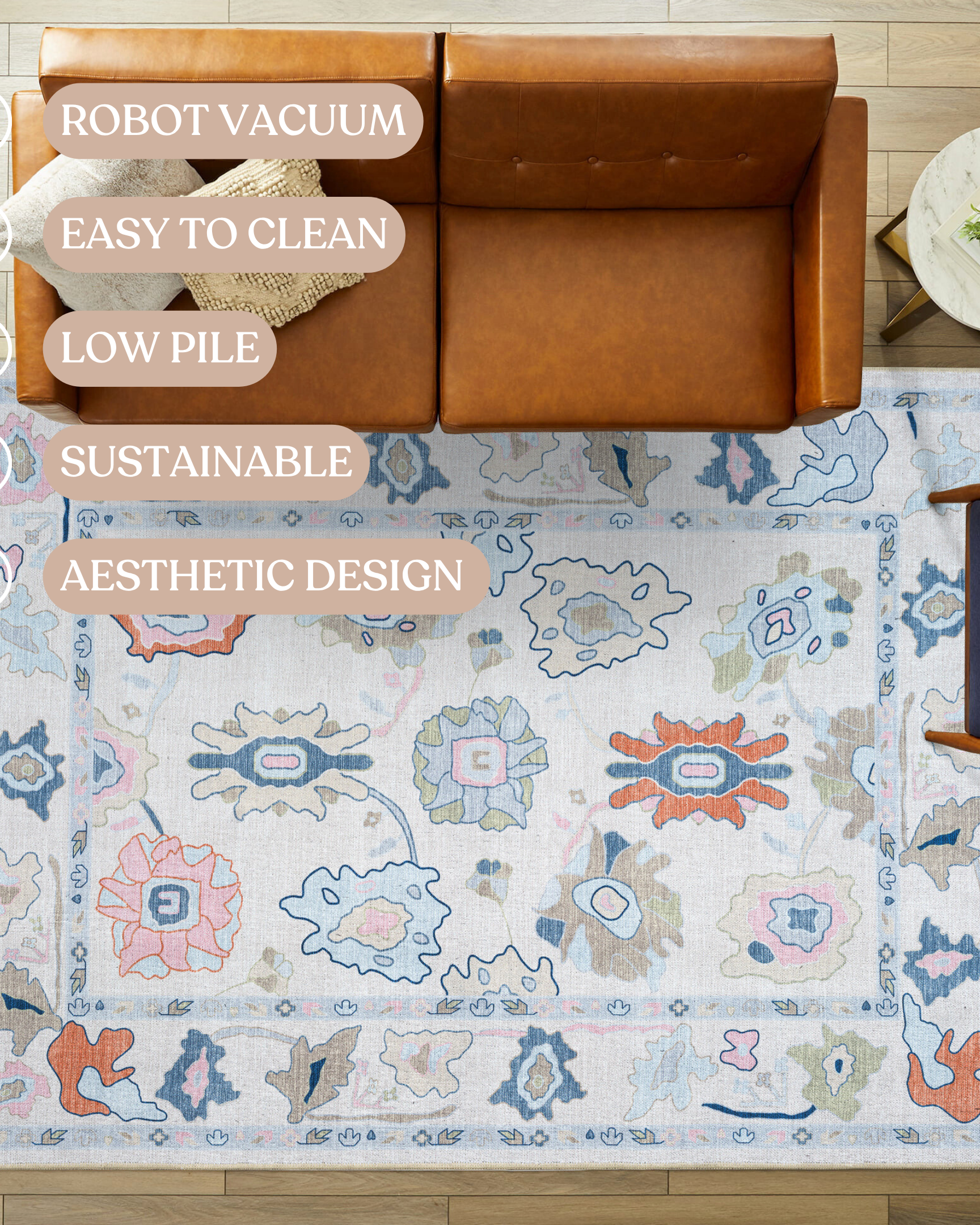
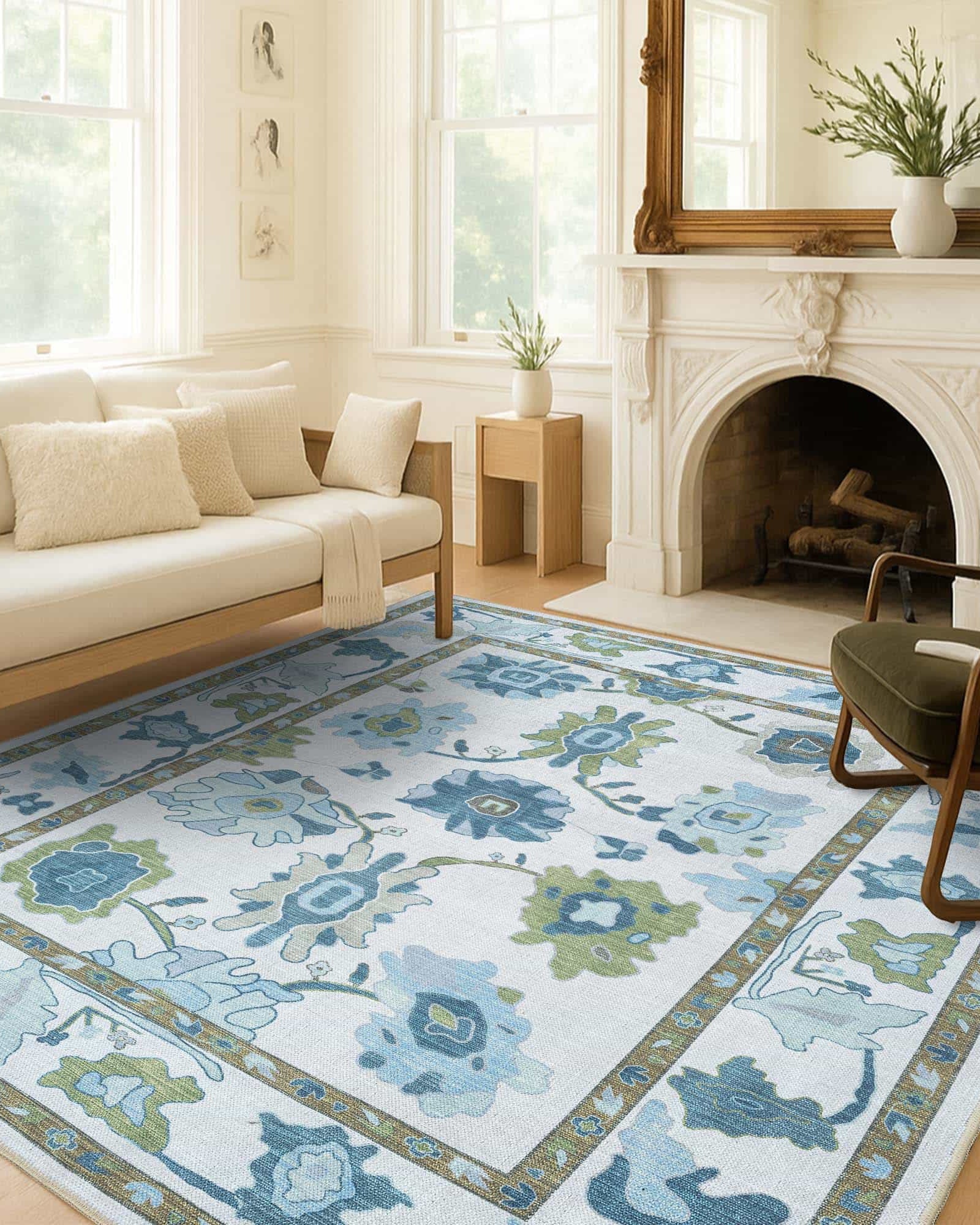
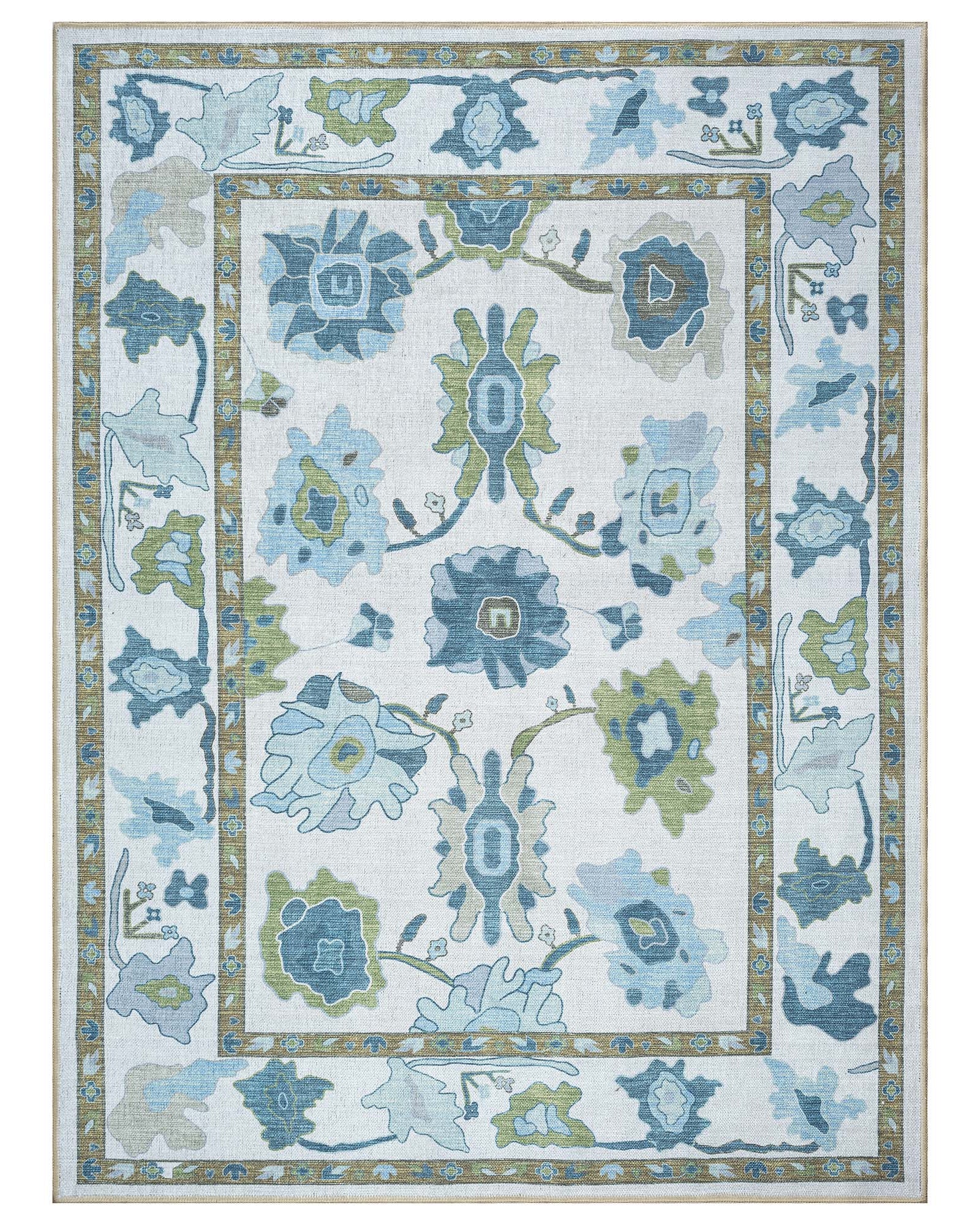
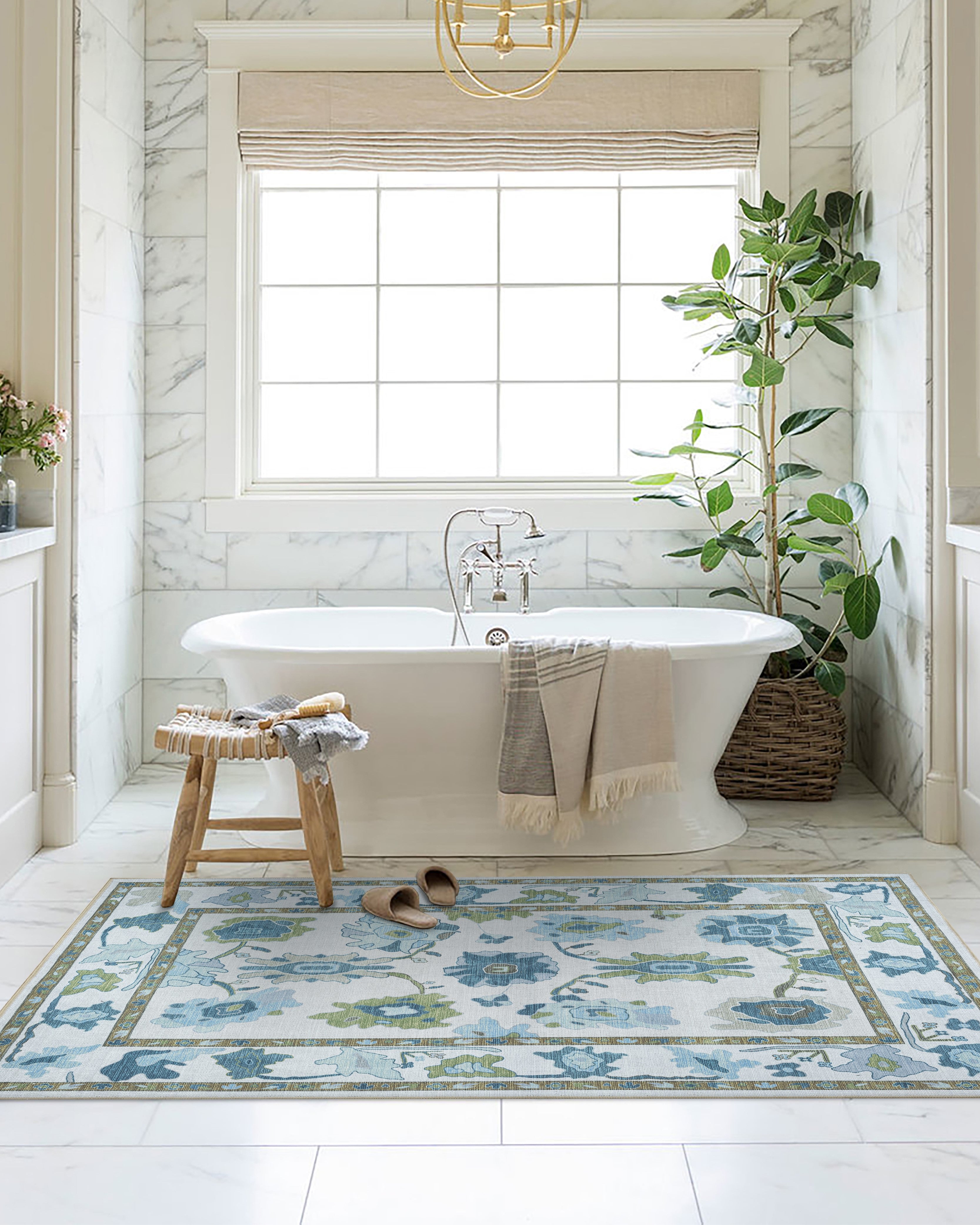
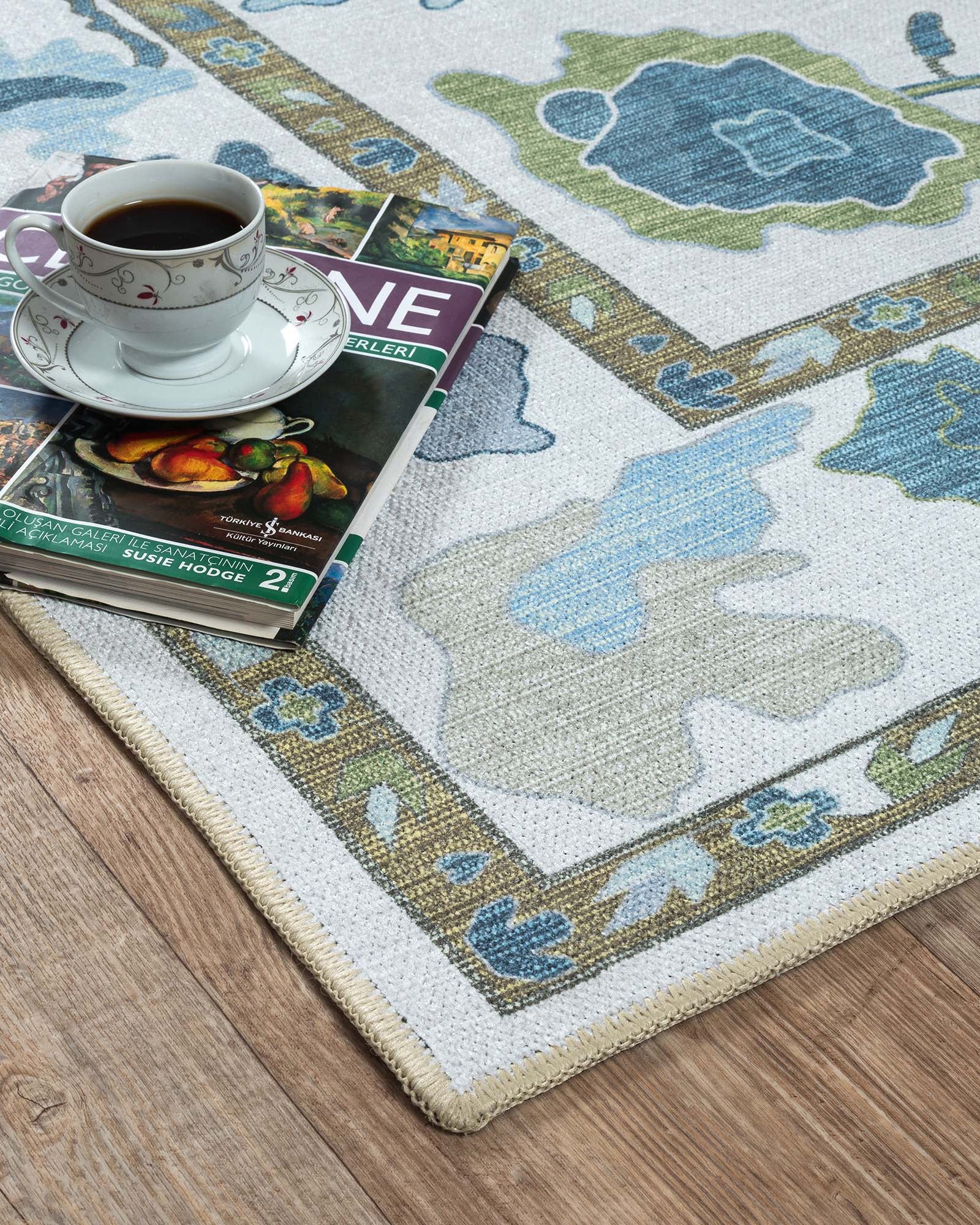
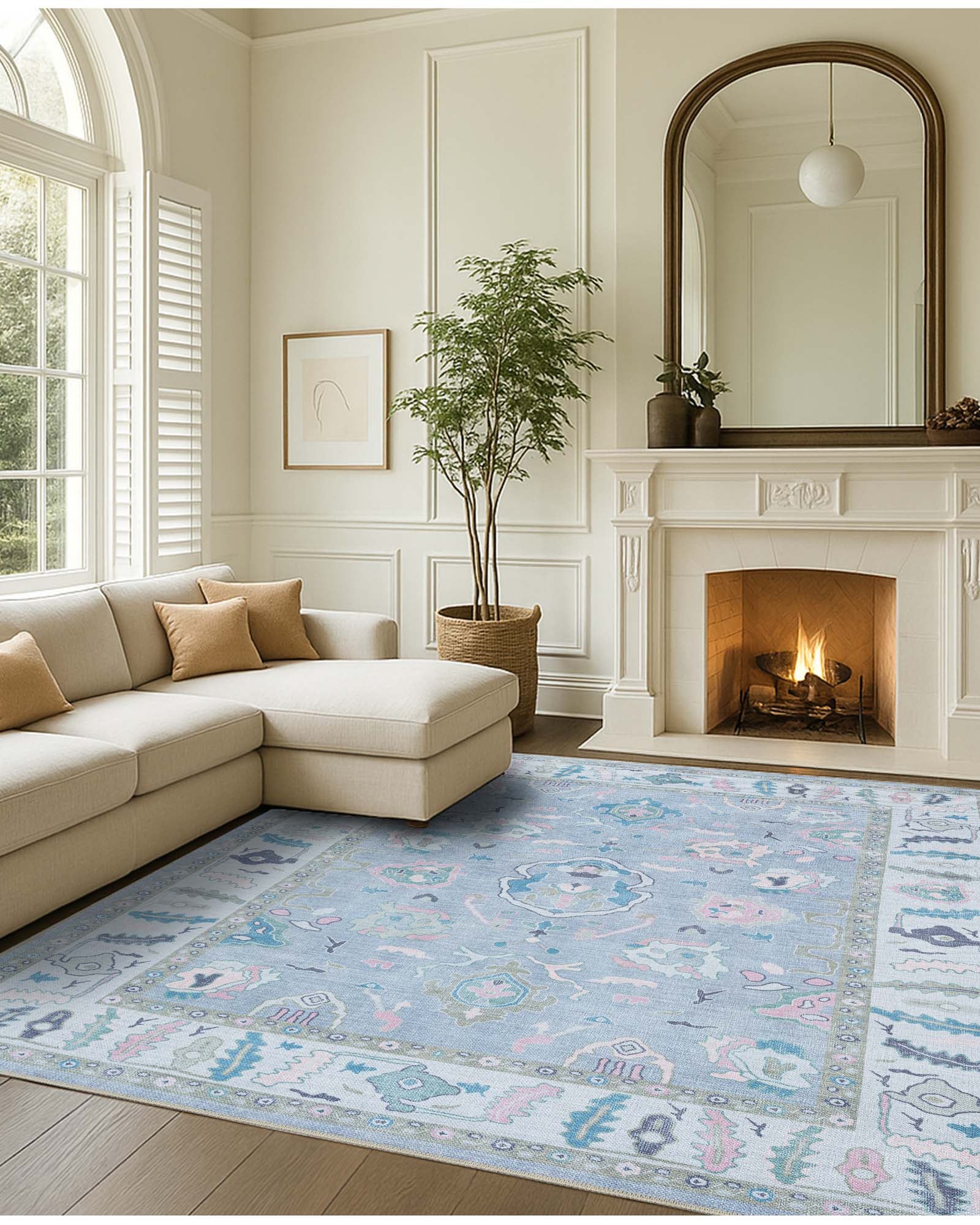
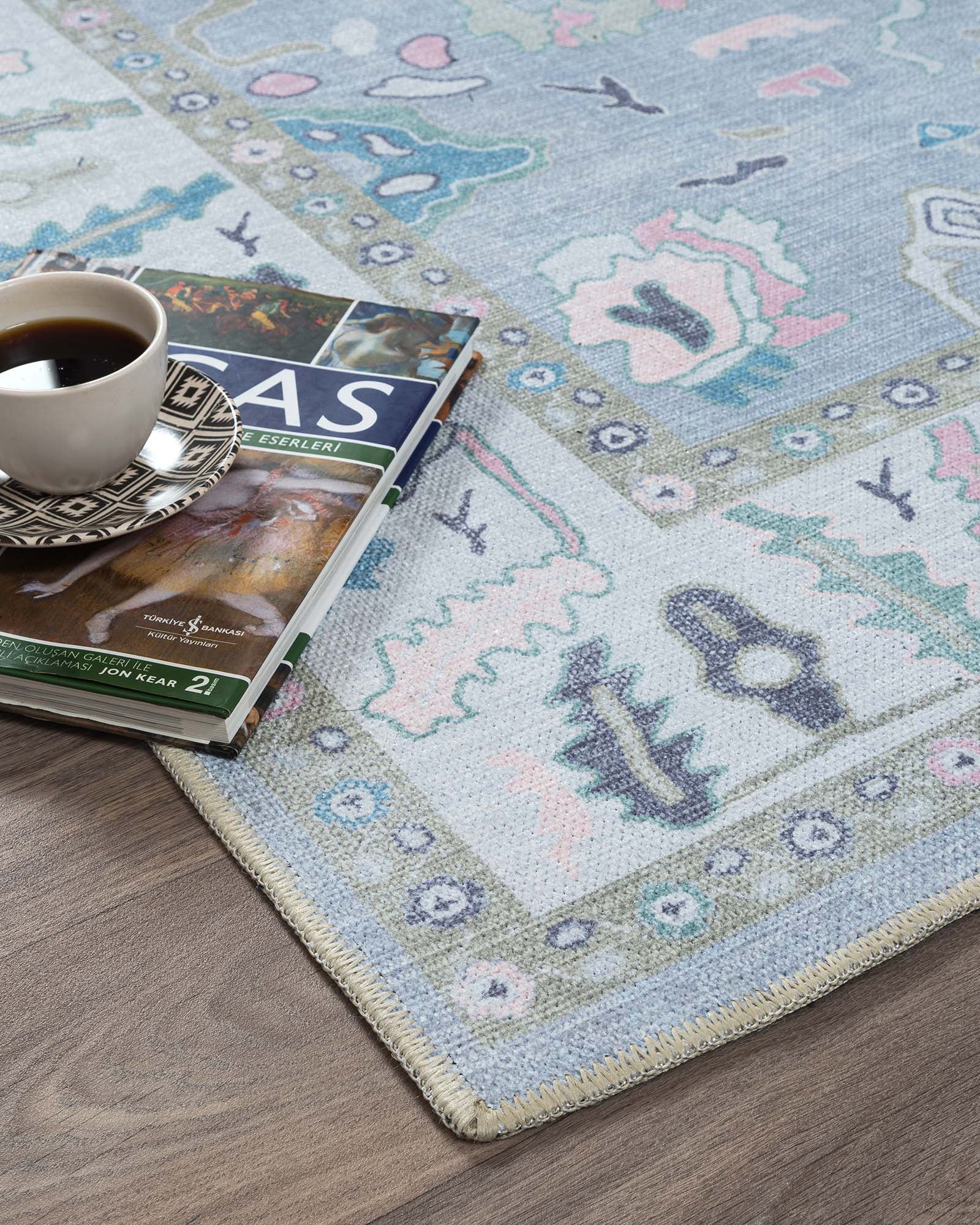
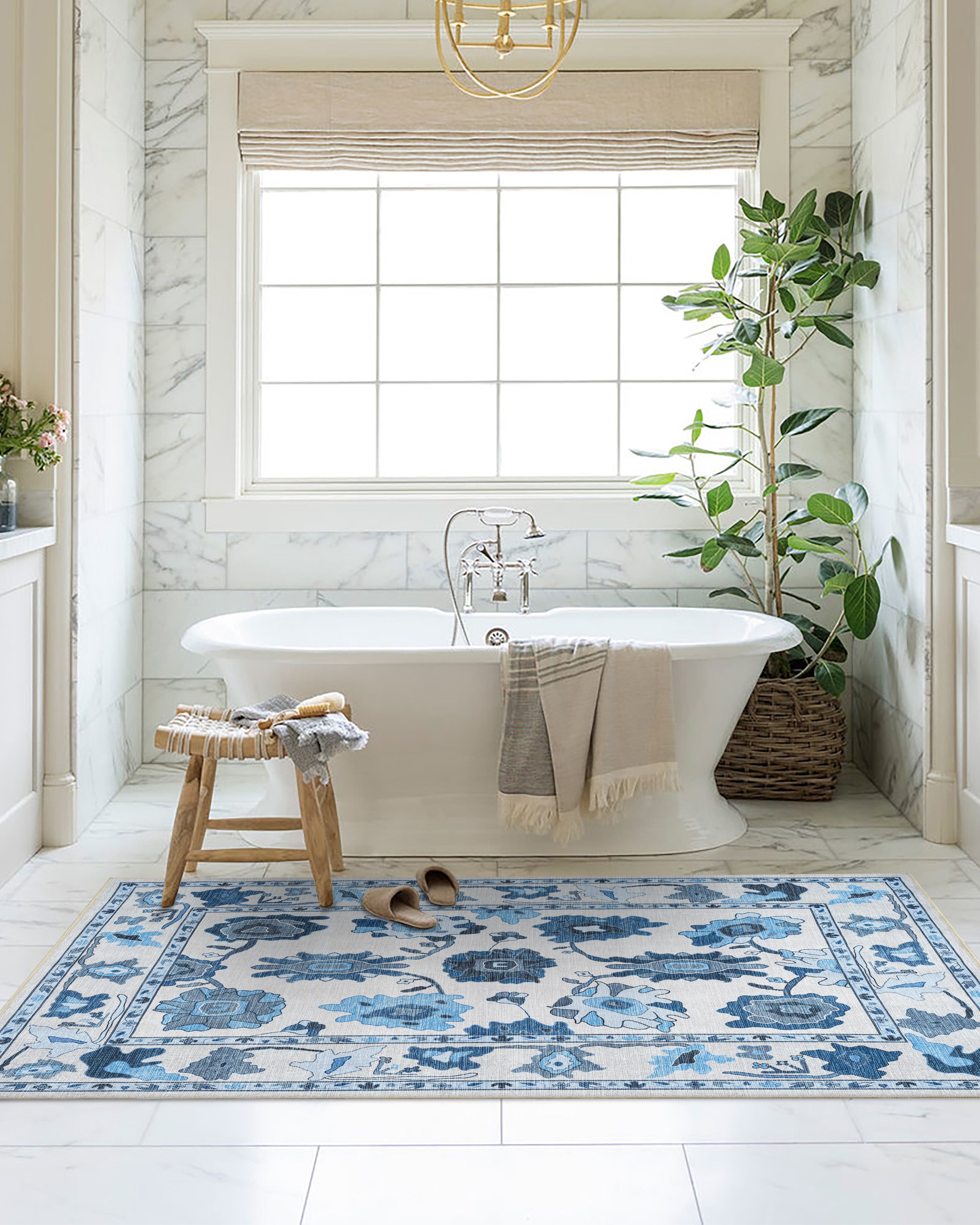
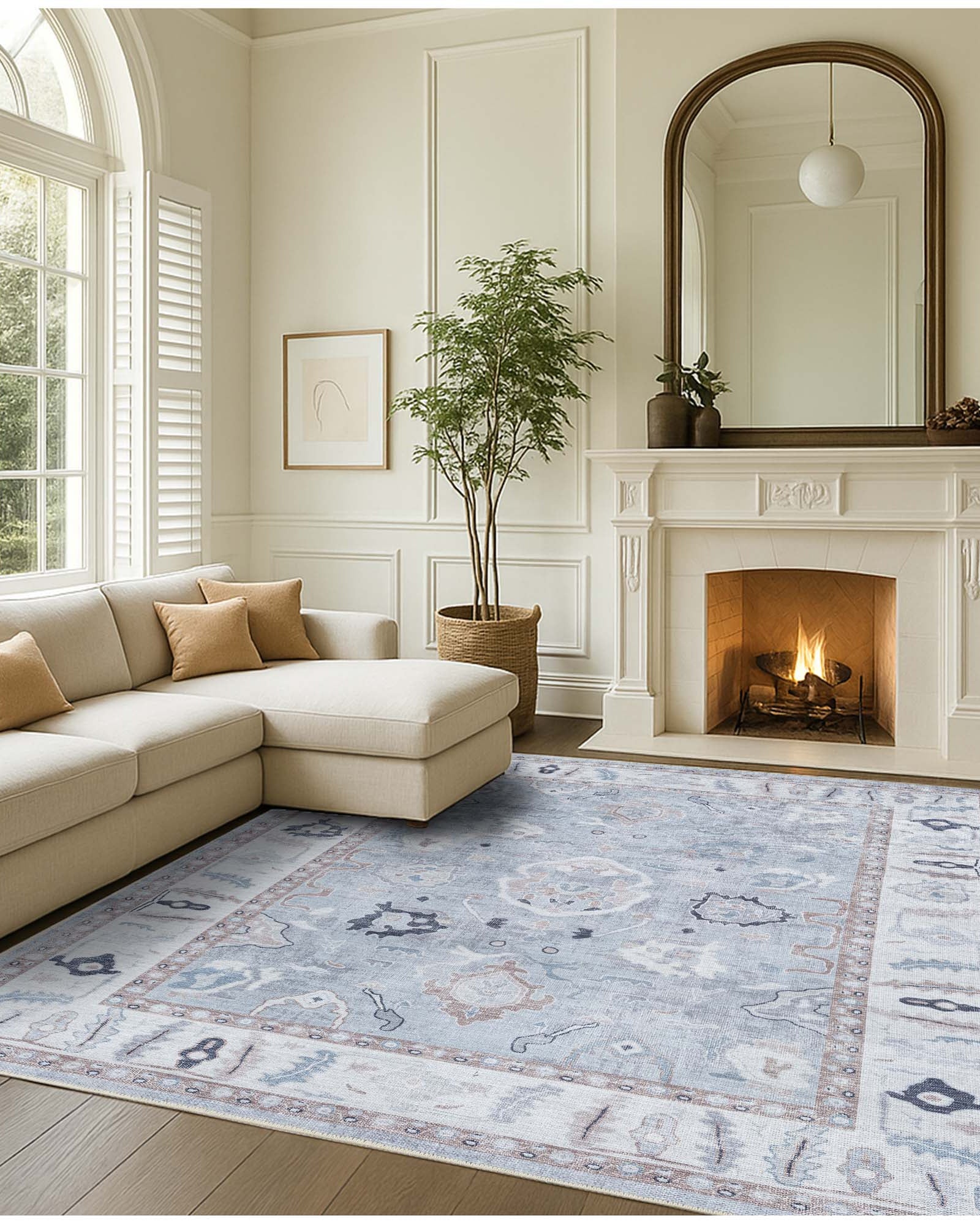
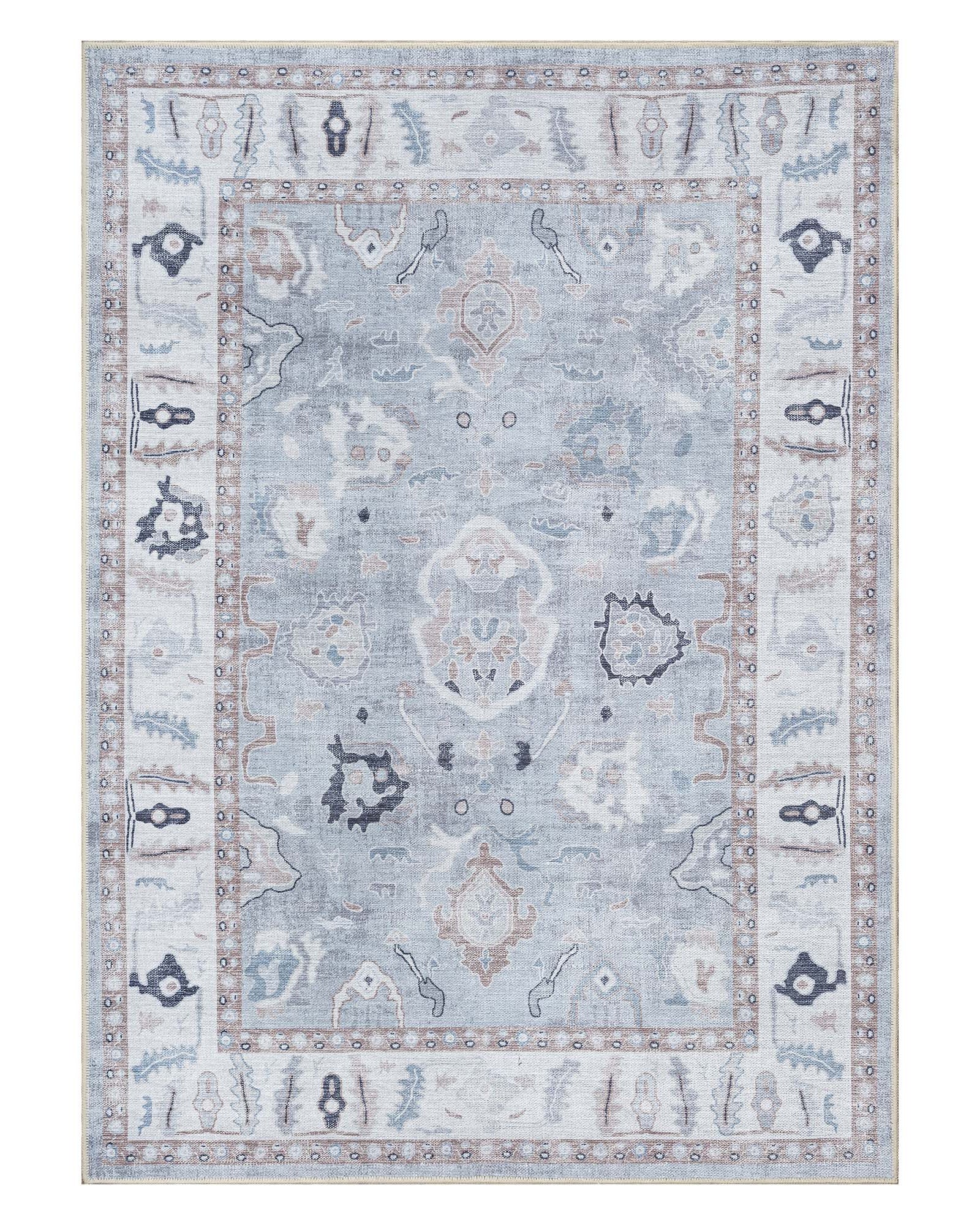
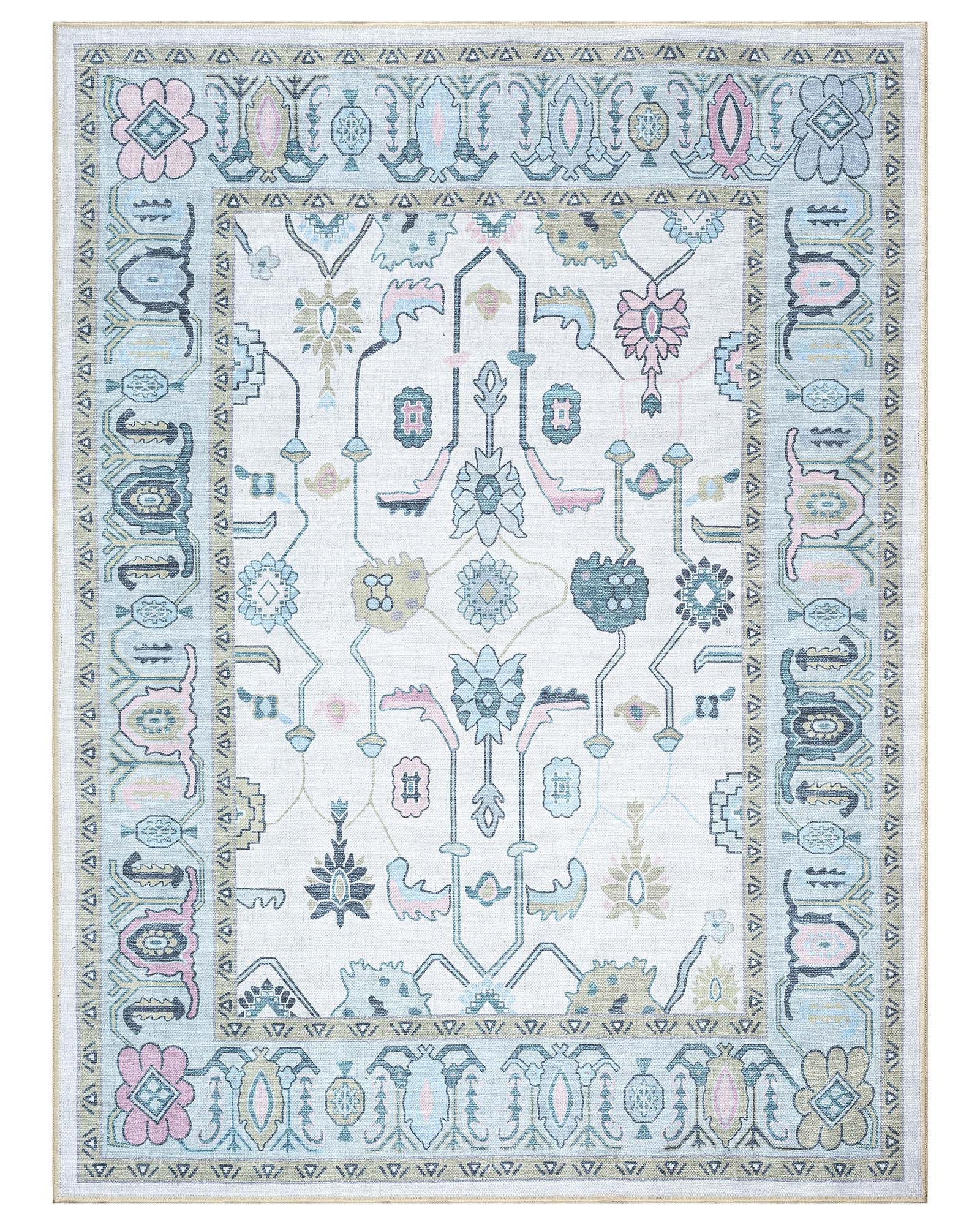
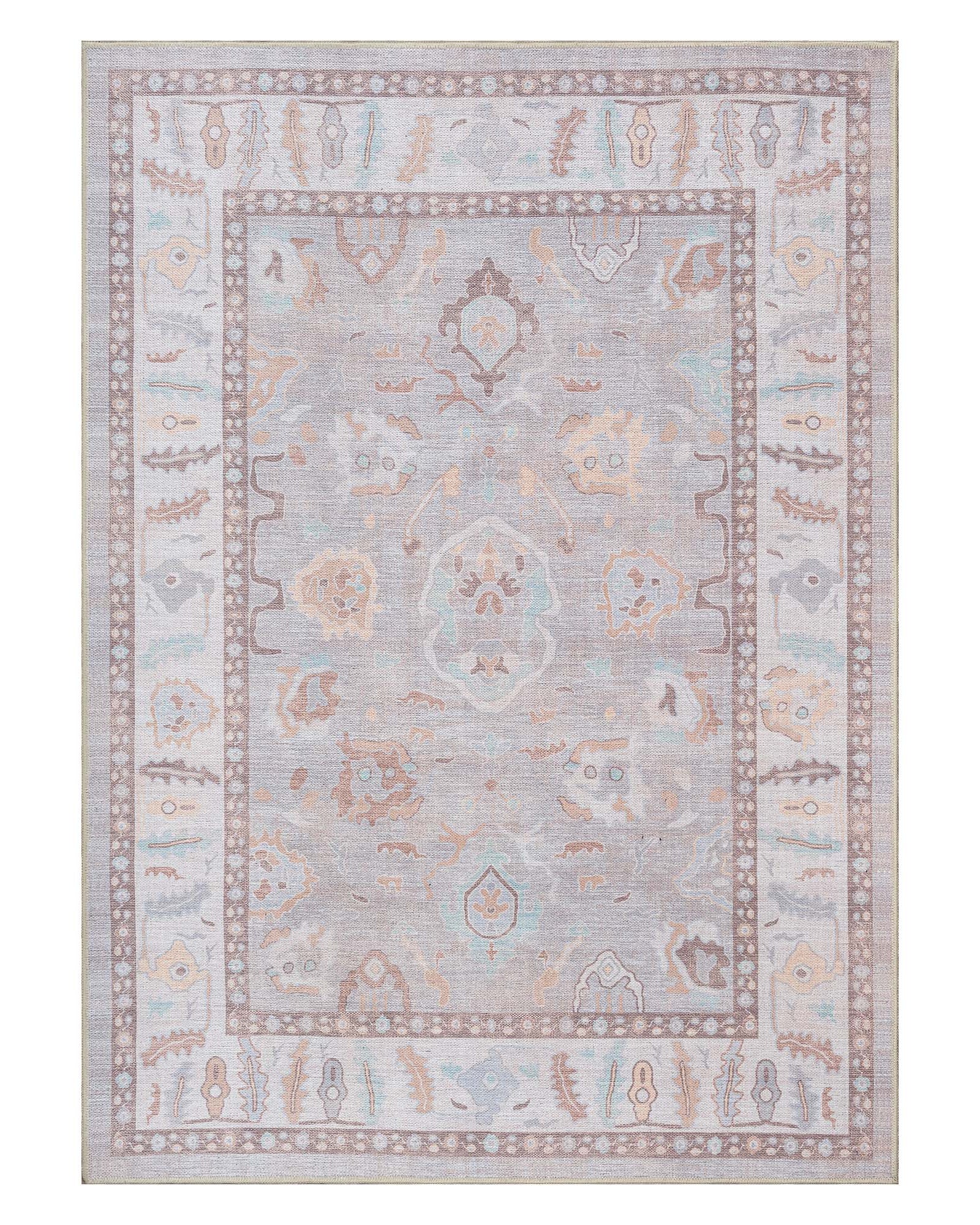
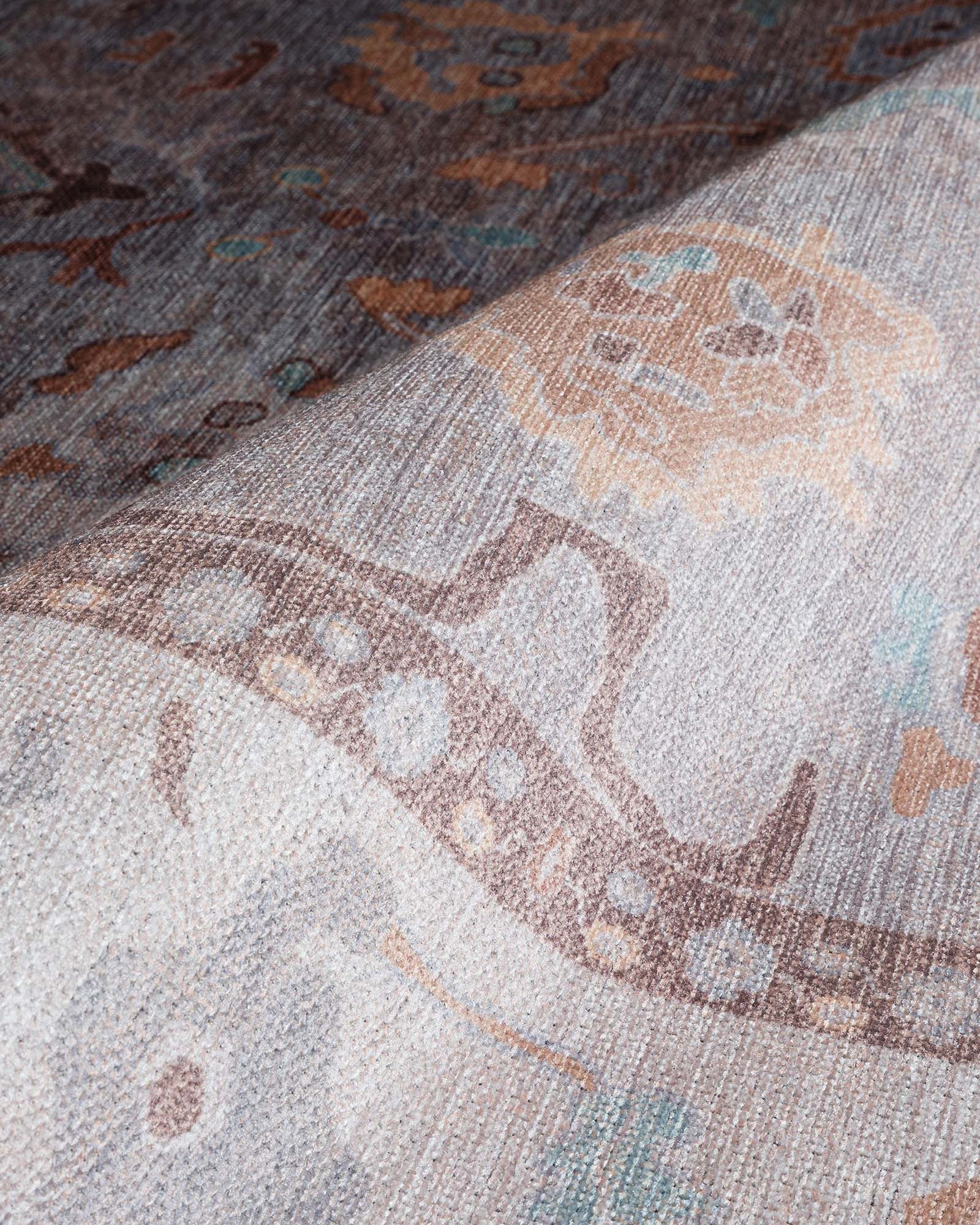
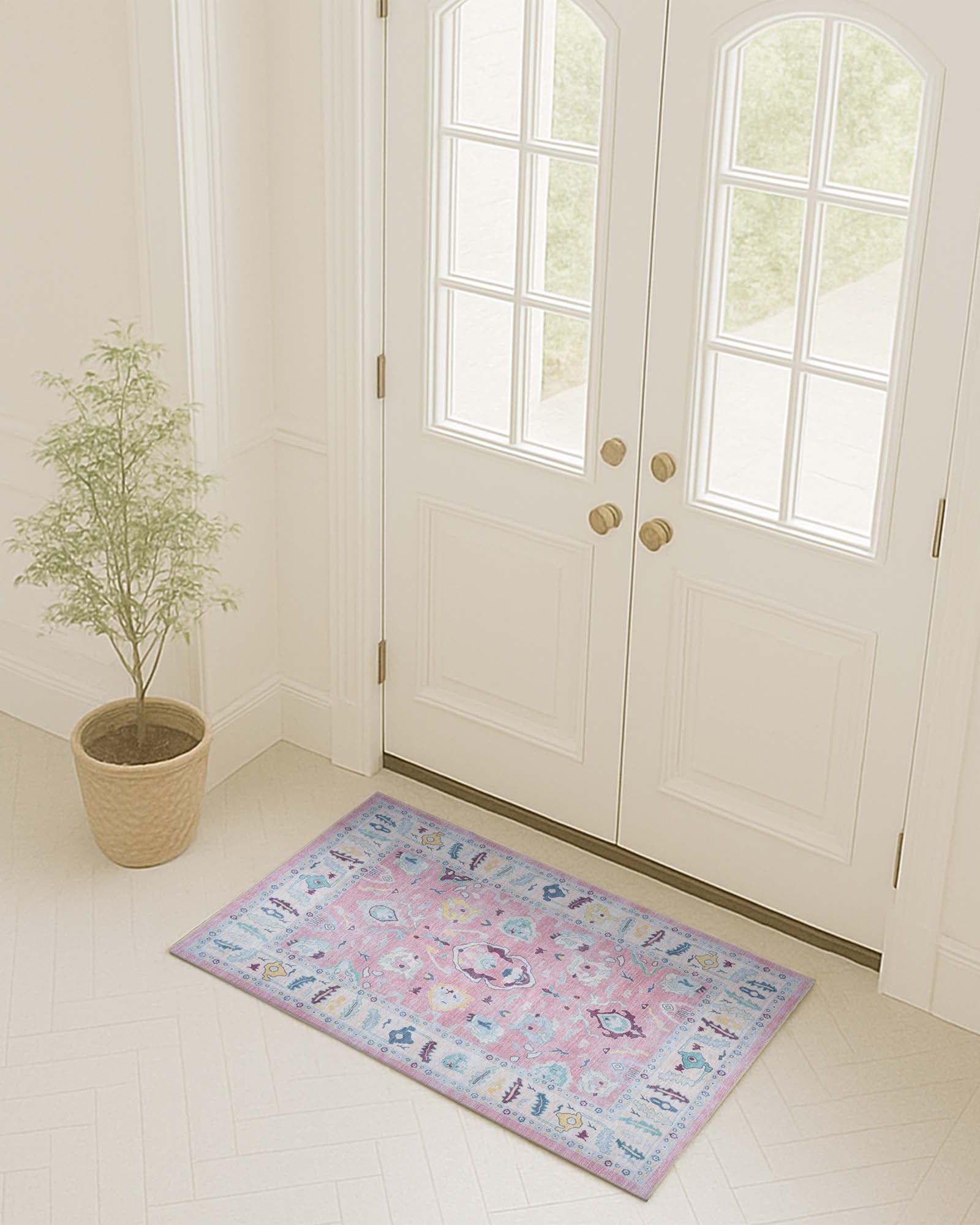
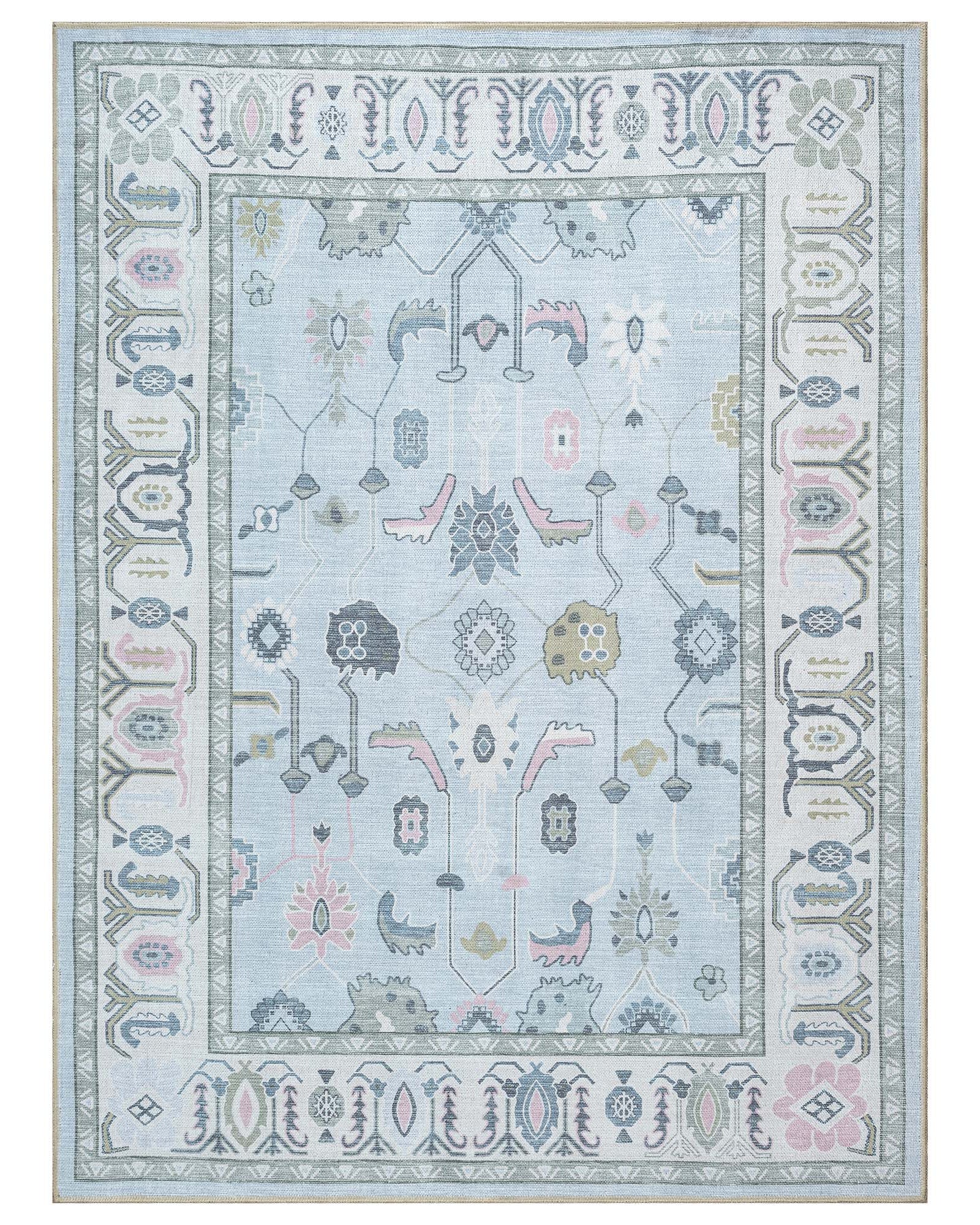
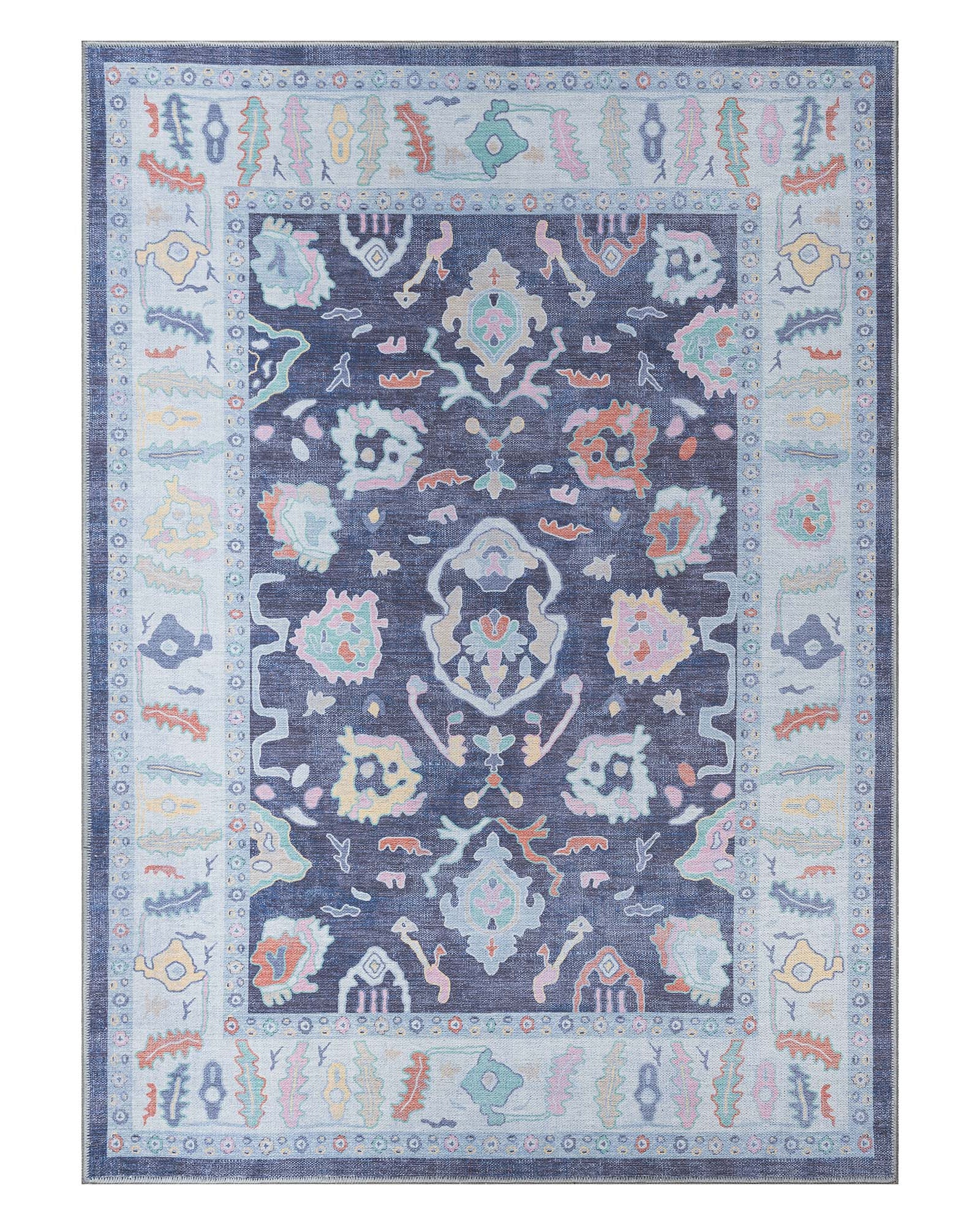
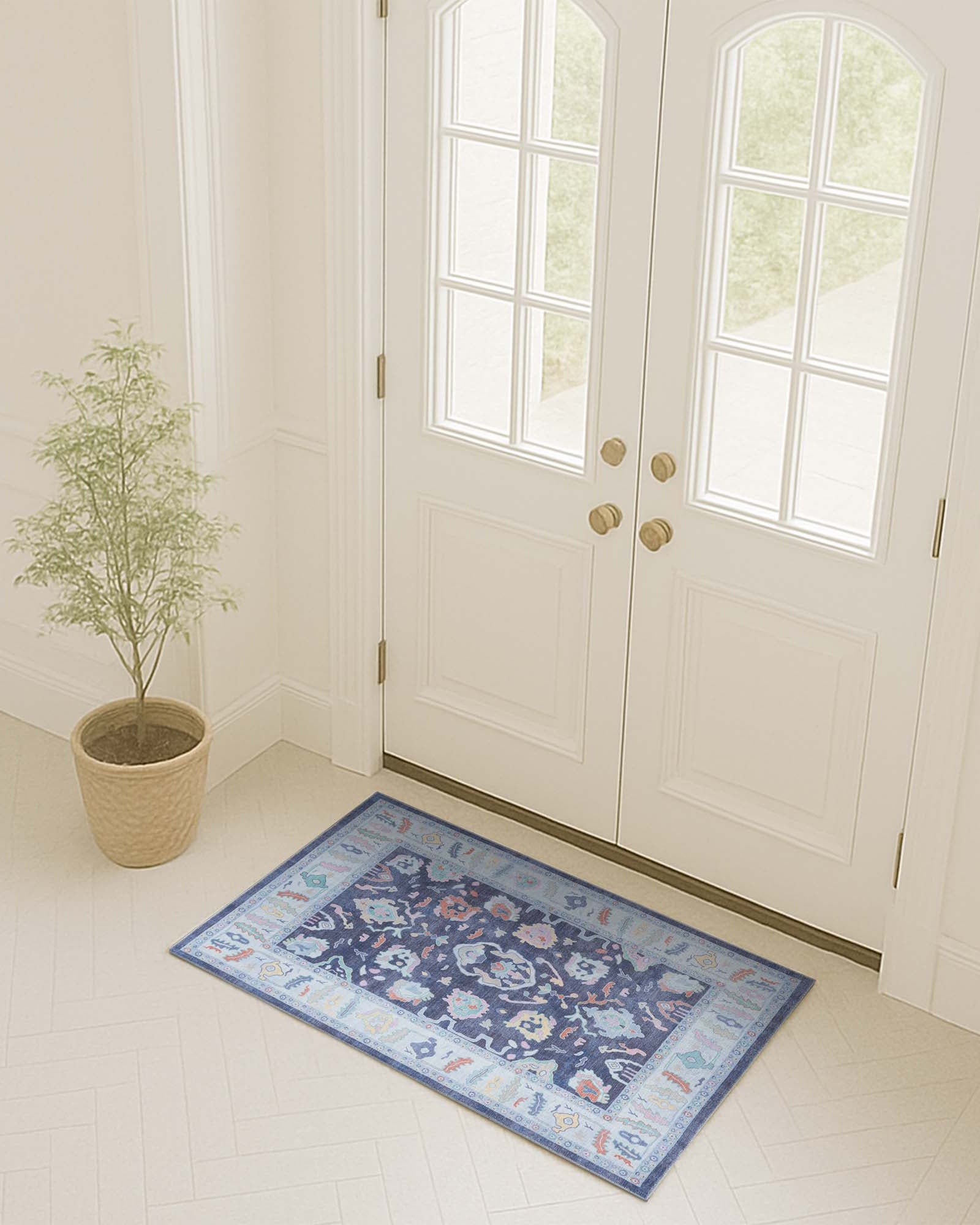
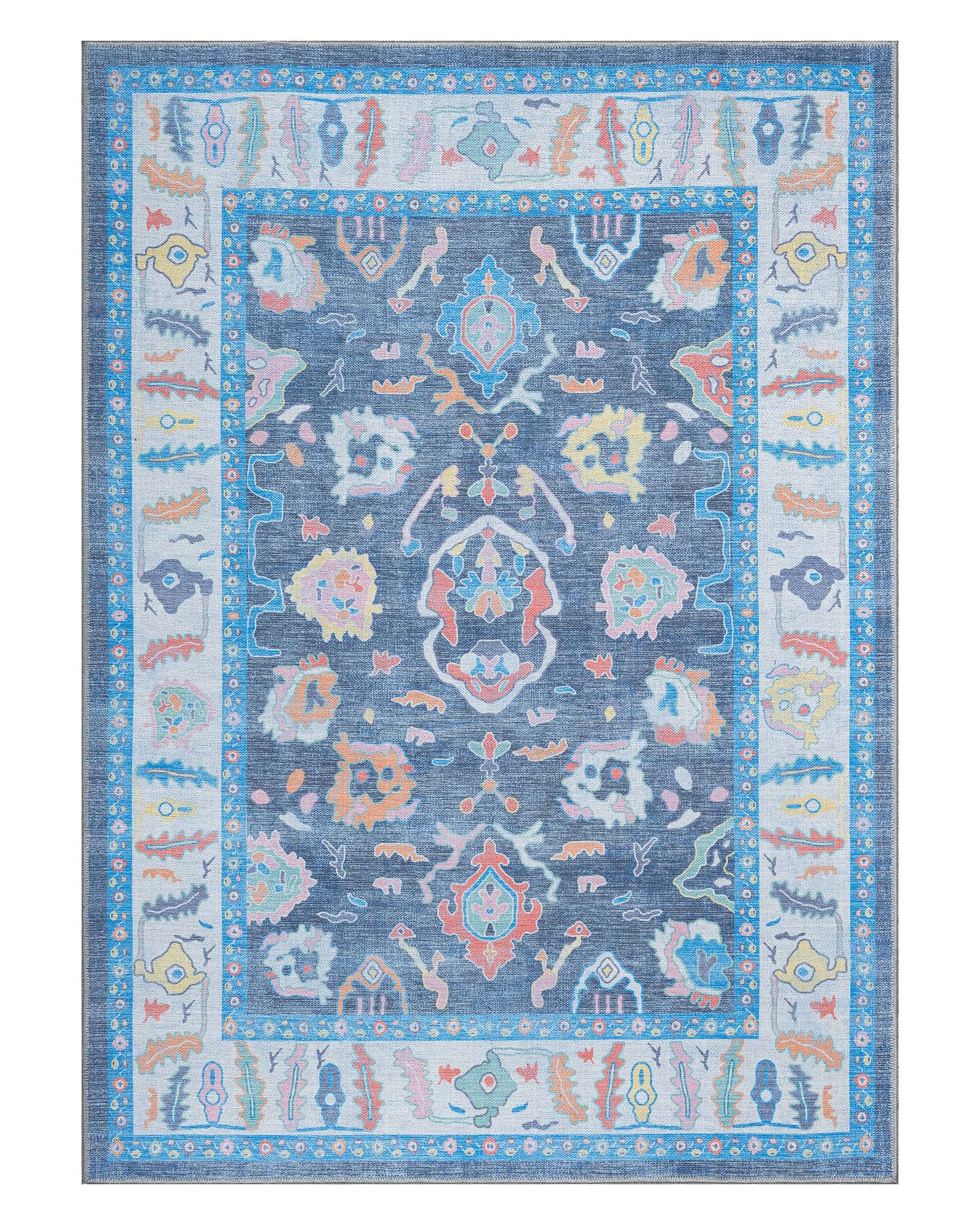
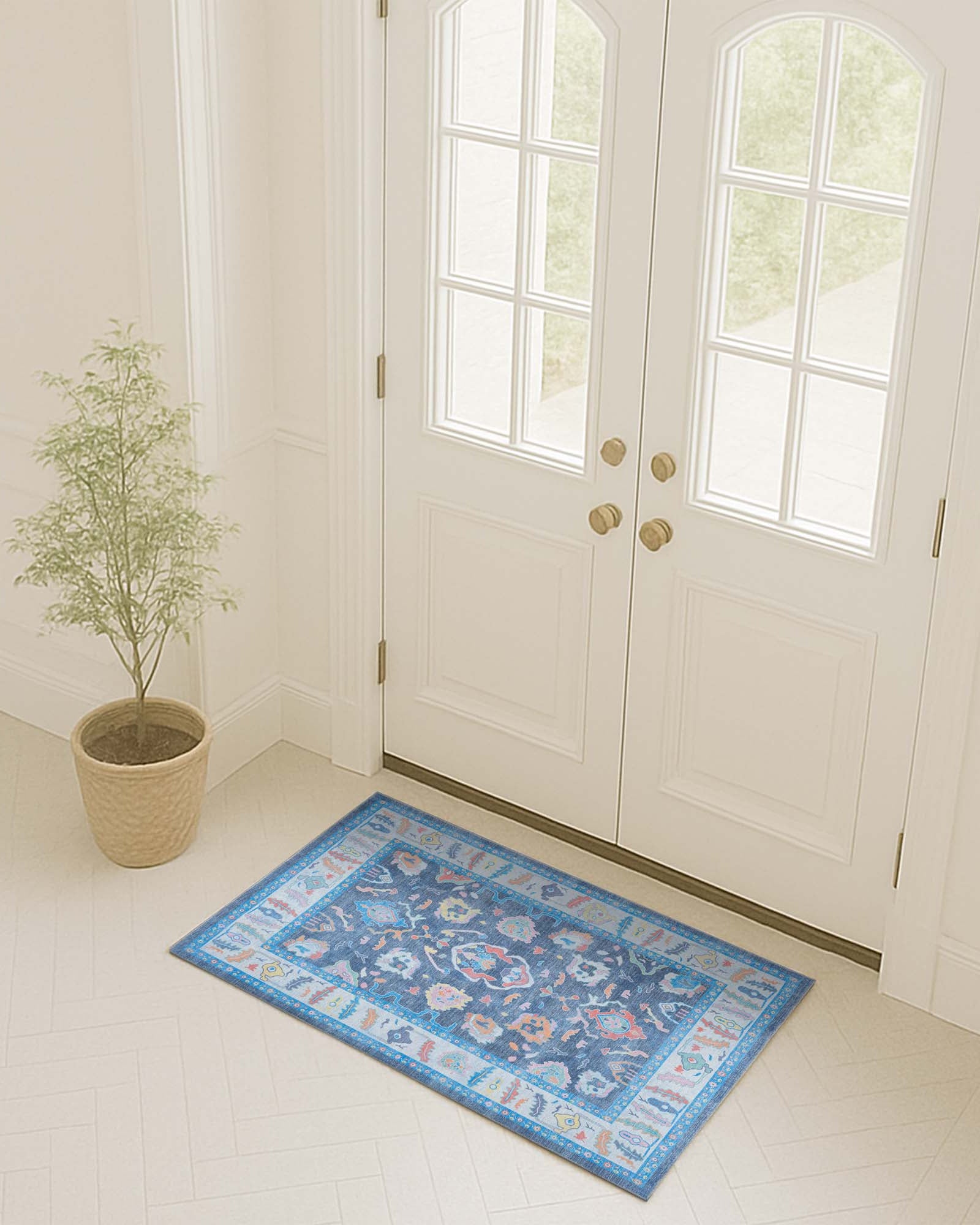
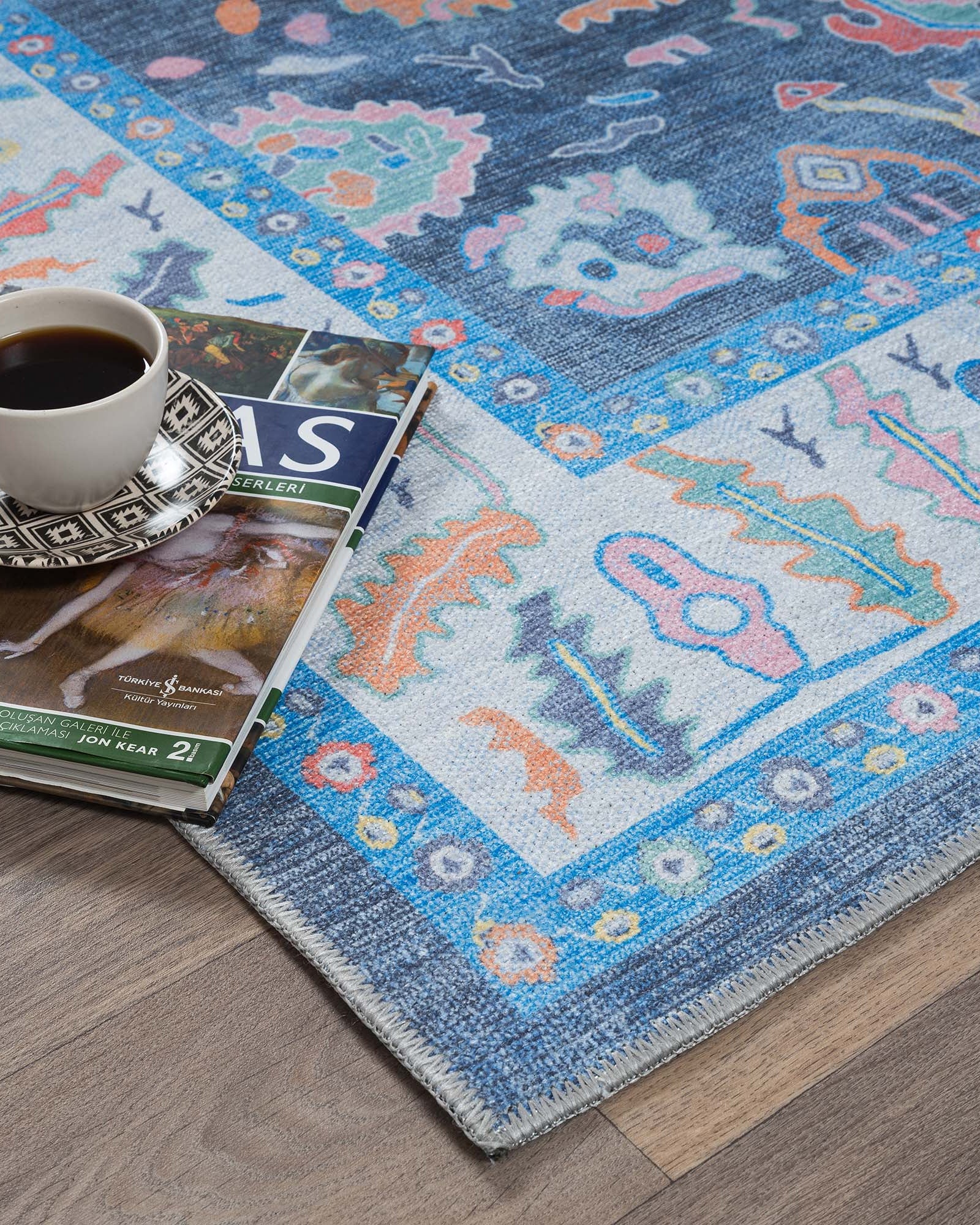
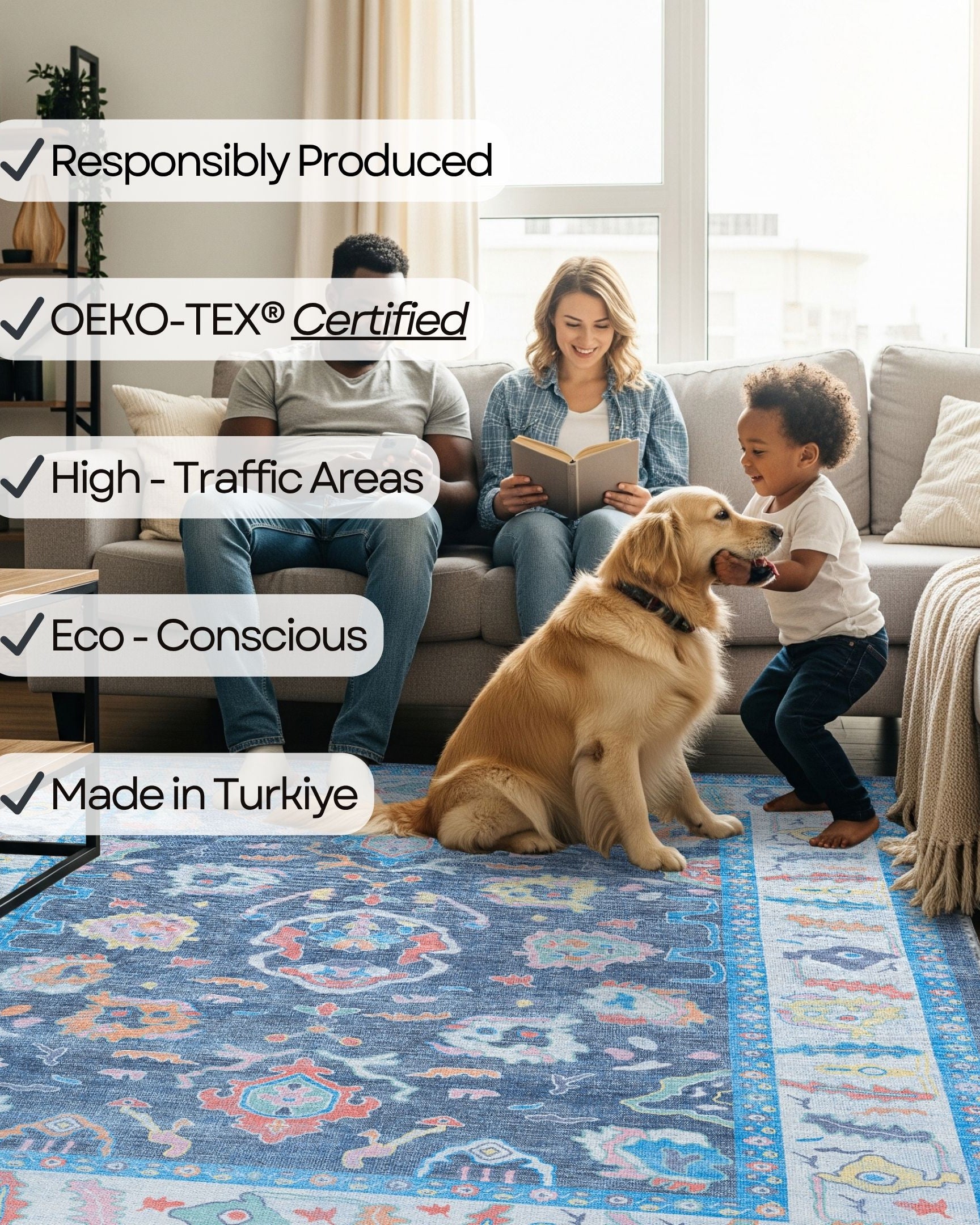
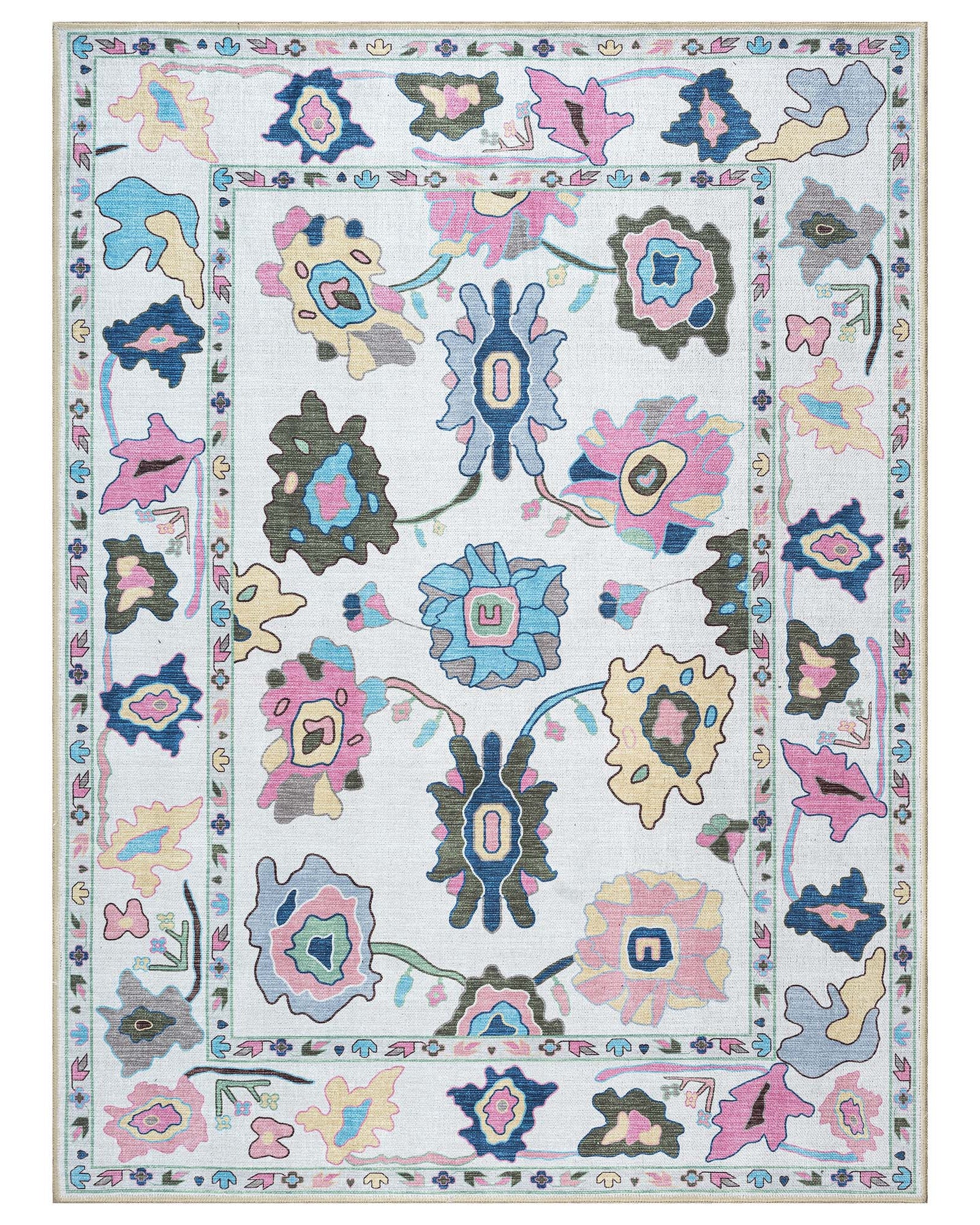
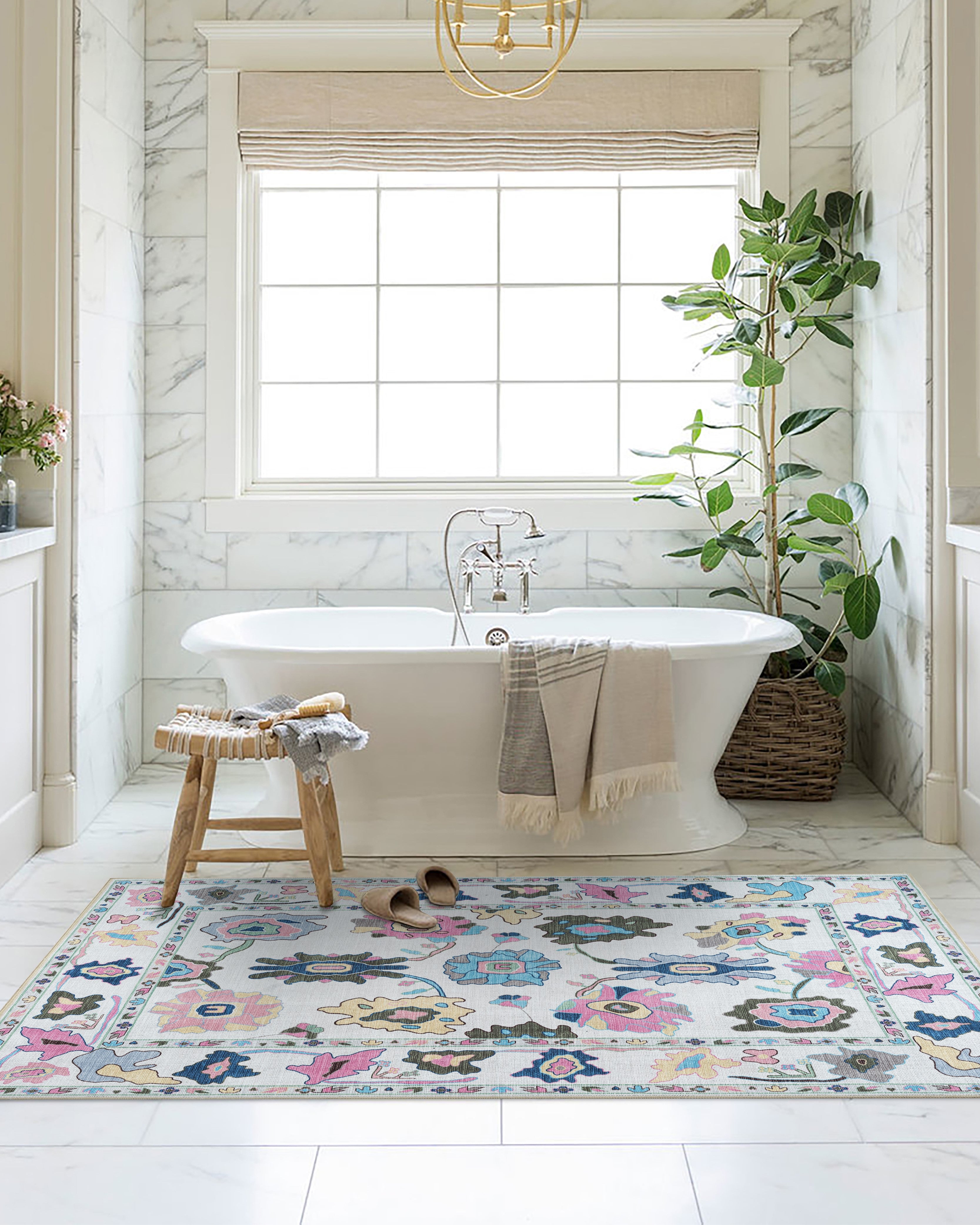
Famous for the Oushak and Anatolian styles, Turkish Oriental rugs are loved for their soft colors, large motifs, and wool textures. They blend elegance with durability, making them ideal for both traditional and modern homes.
Chinese Oriental Rugs
Often featuring symbolic motifs like dragons, lotus flowers, and clouds, Chinese Oriental rugs are characterized by bold imagery and cultural symbolism.
Indian Oriental Rugs
Inspired by Persian designs, Indian Oriental rugs often showcase intricate floral and paisley motifs, crafted with high attention to detail.
Oriental Rugs in Modern Homes
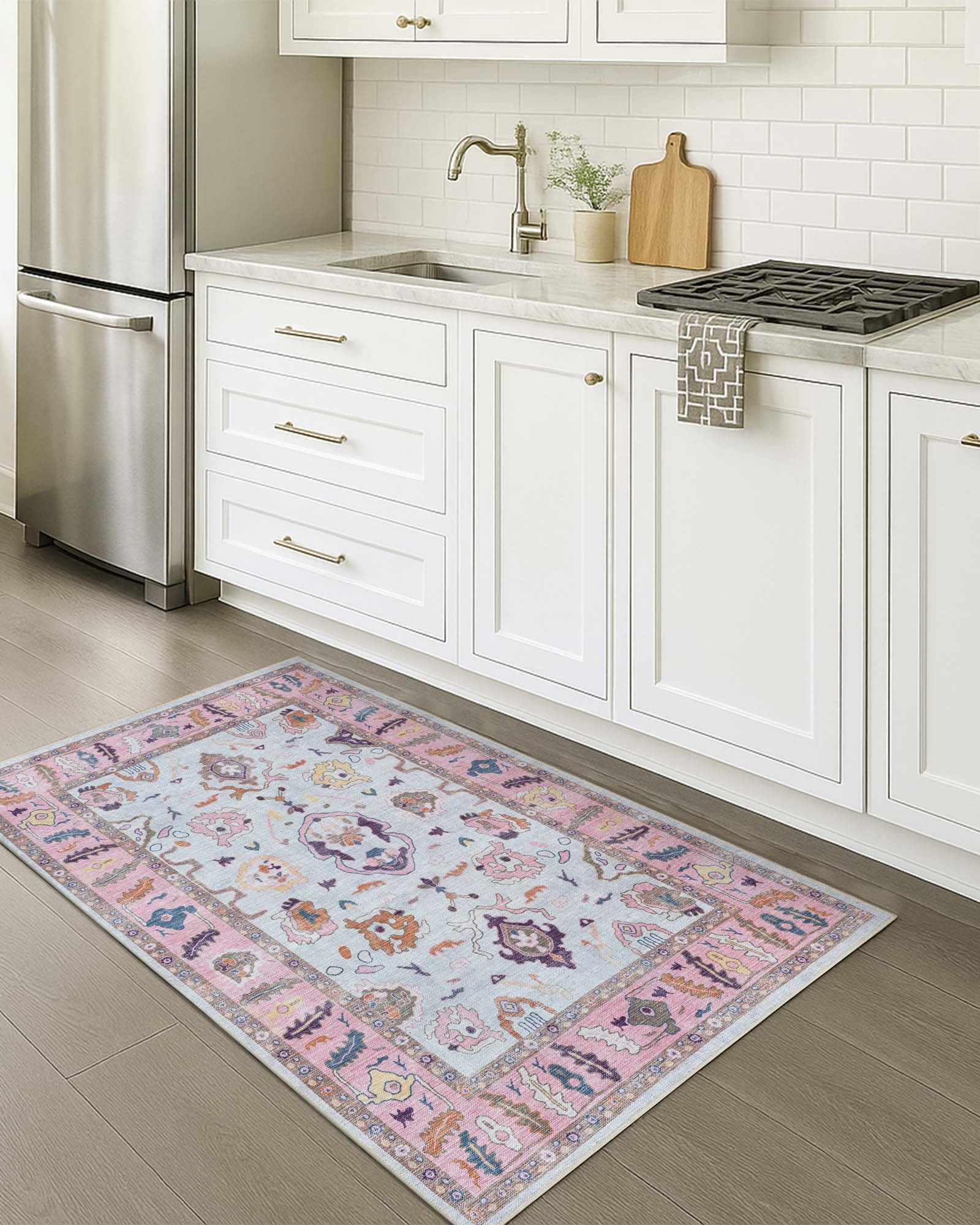
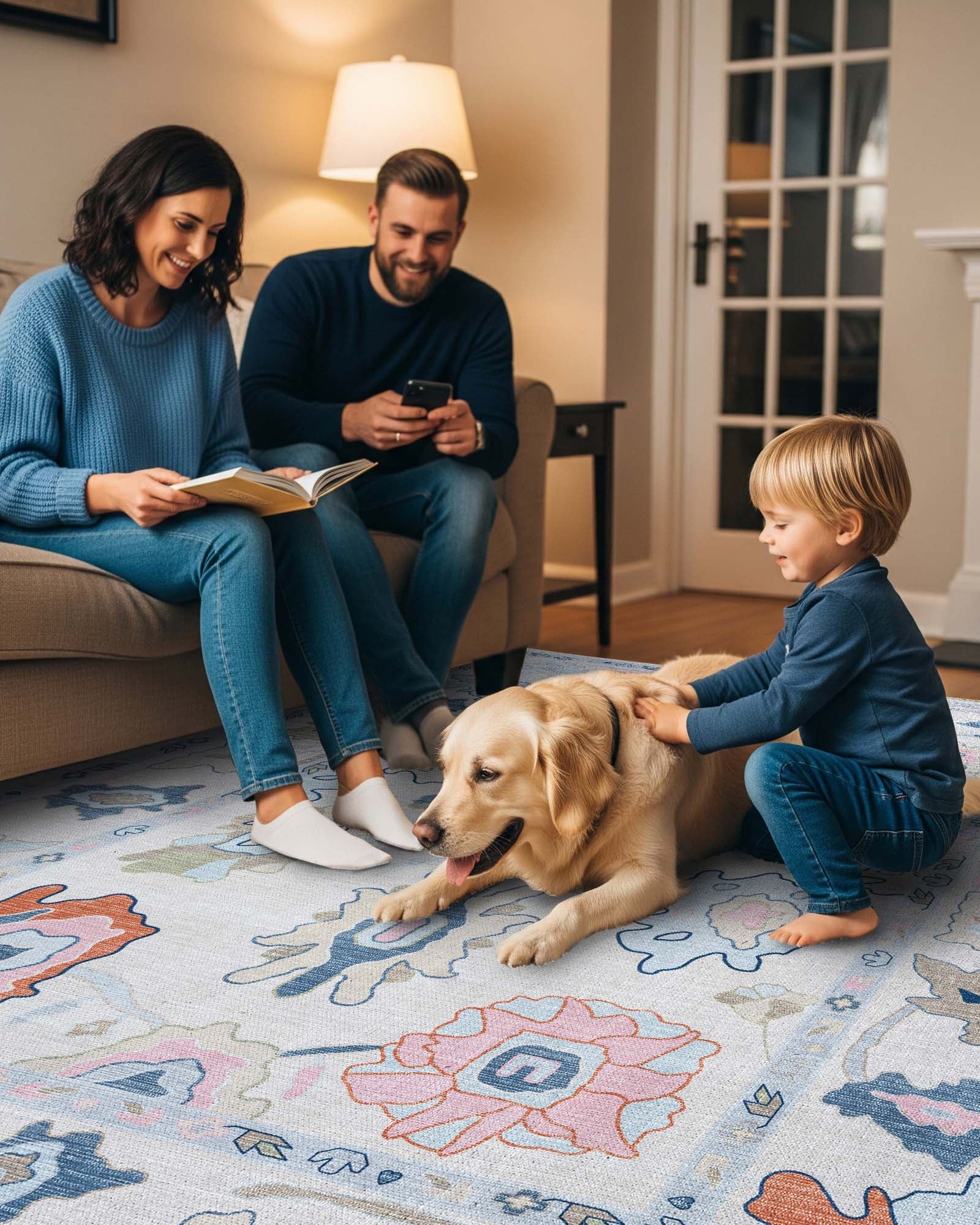
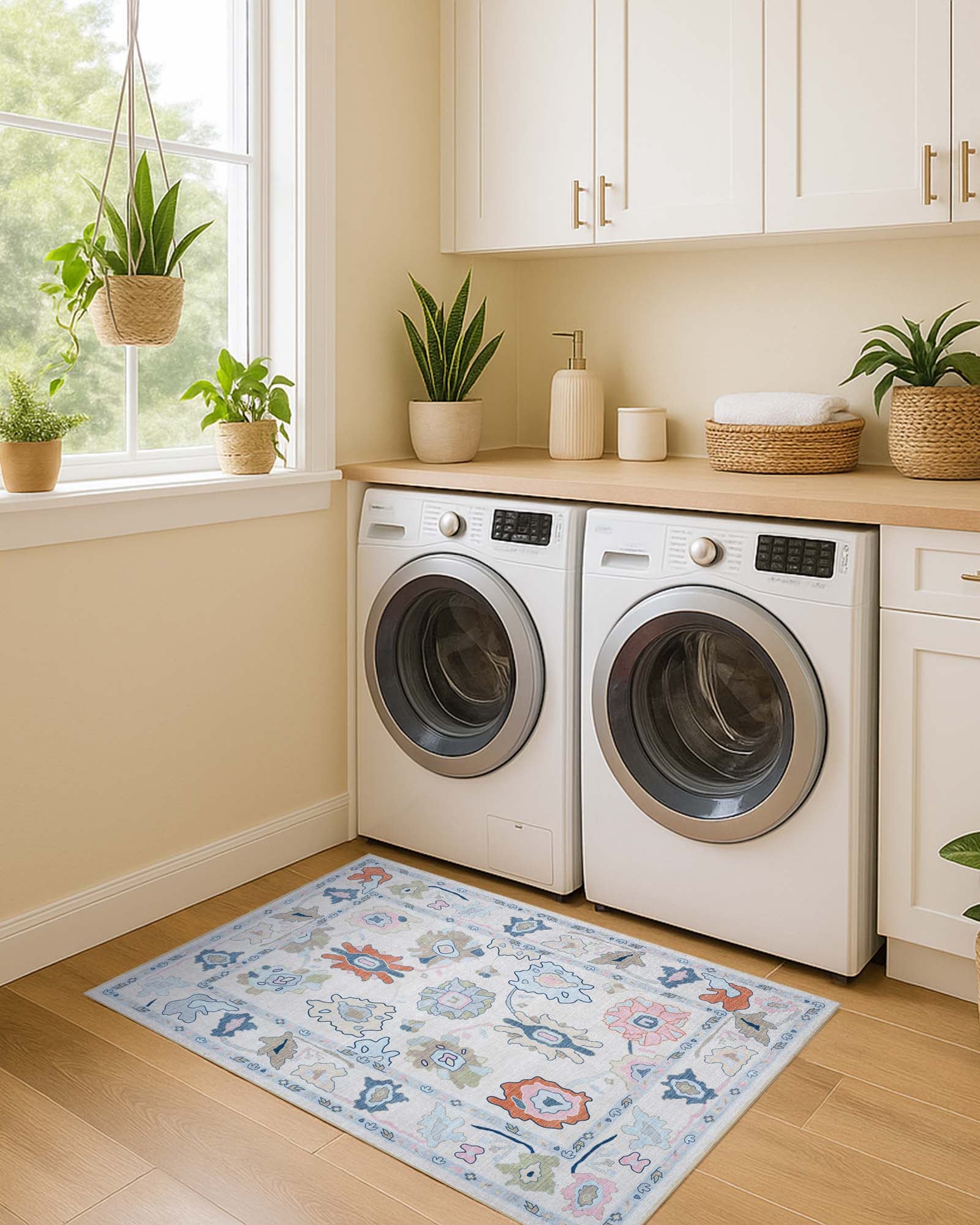
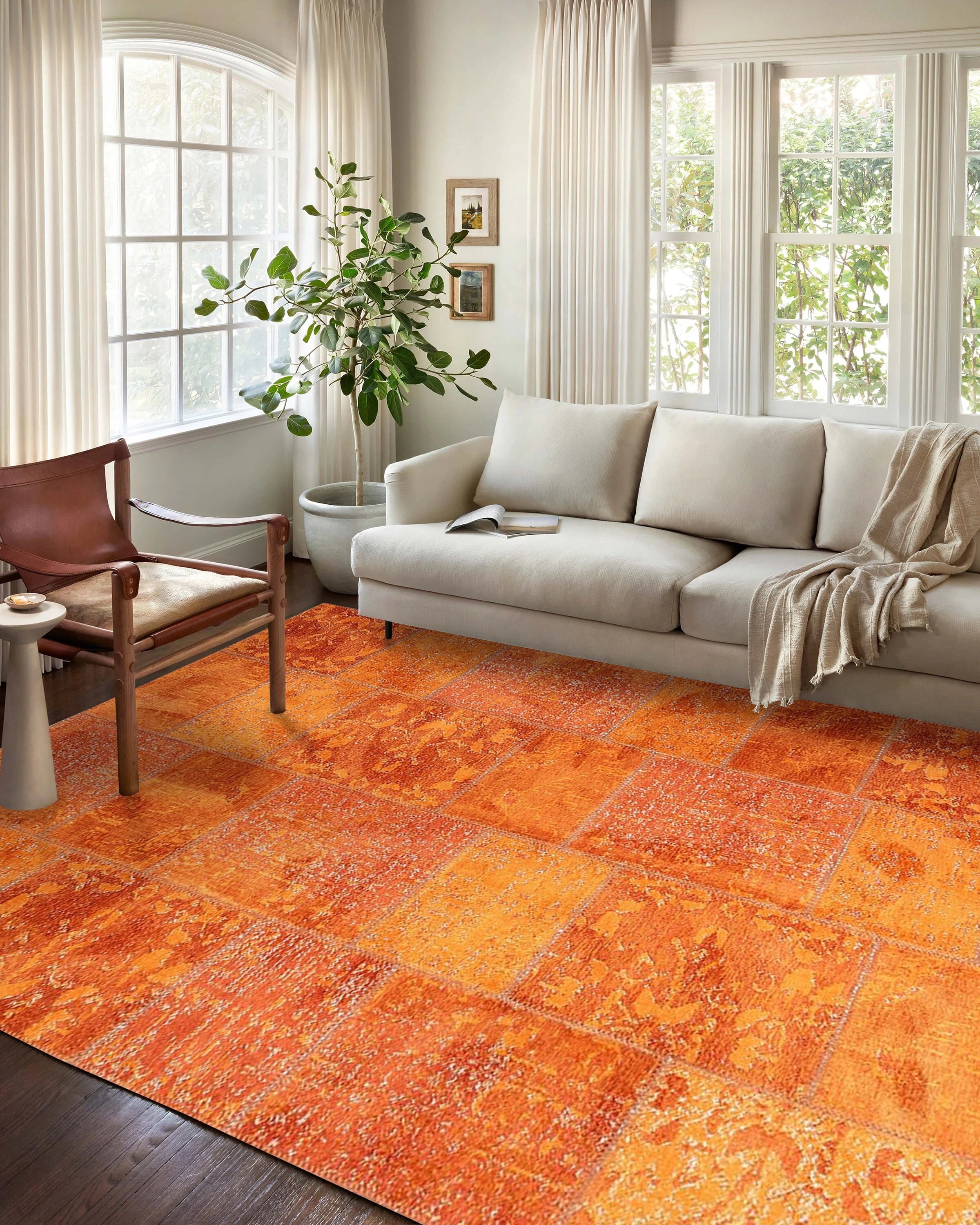
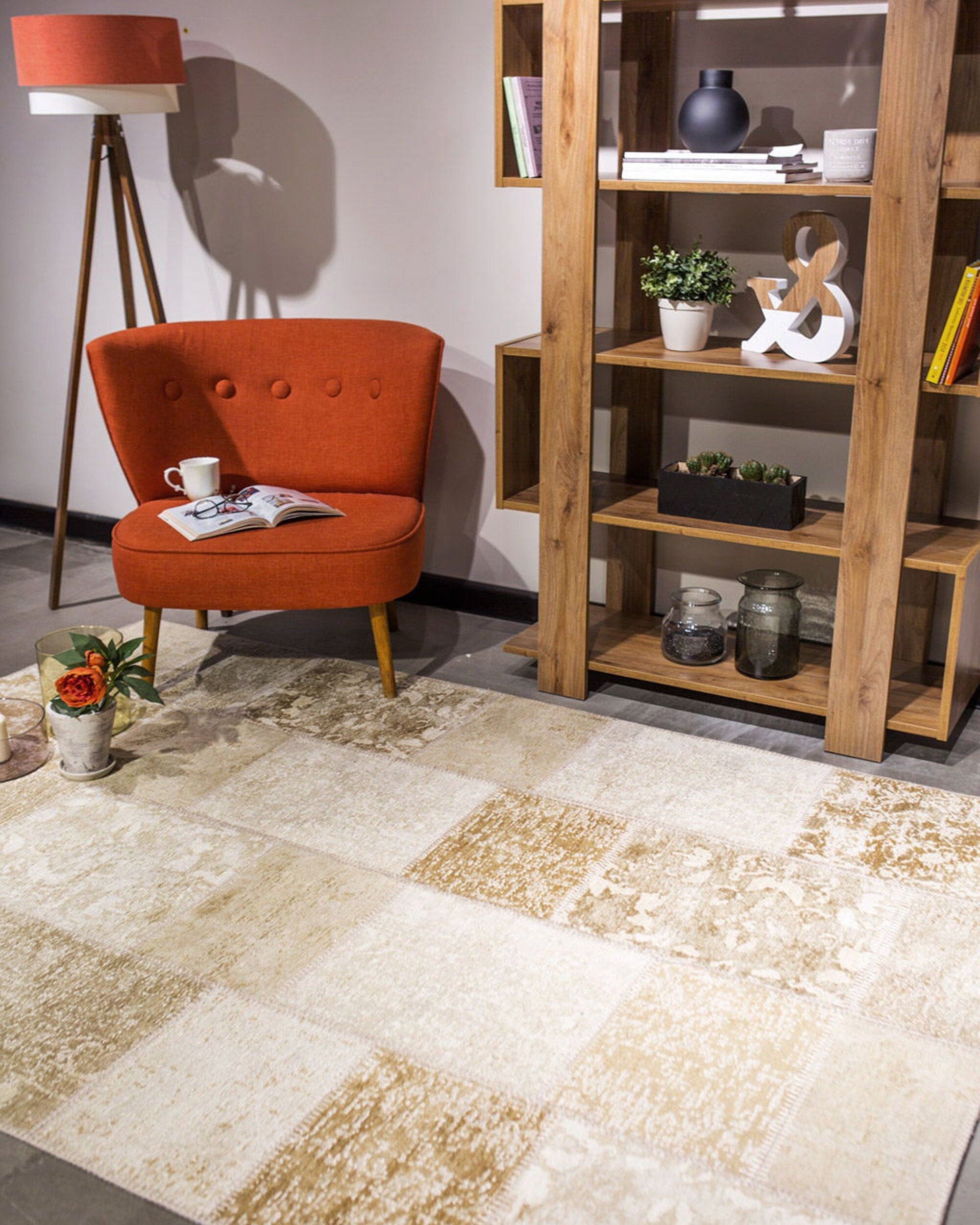
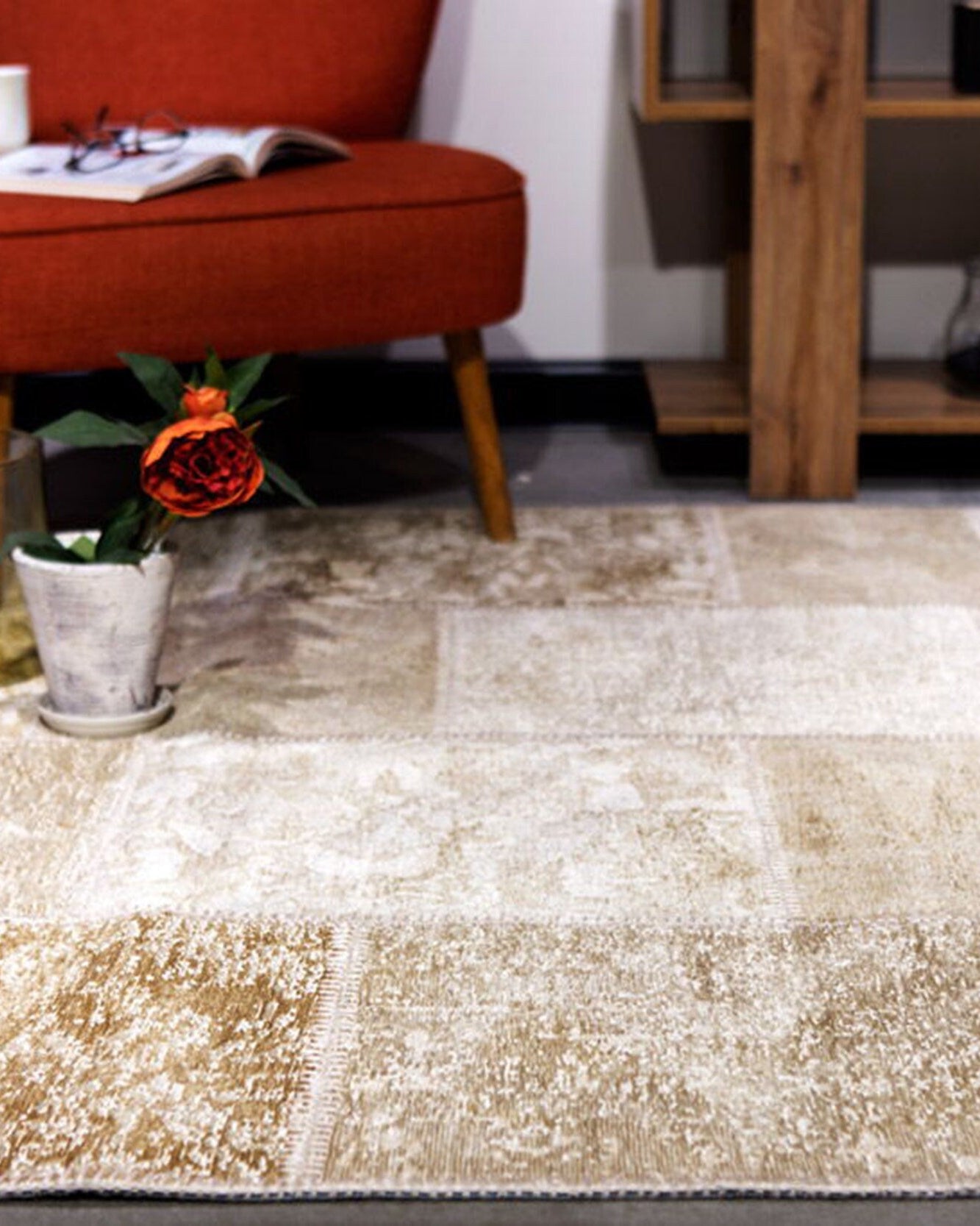
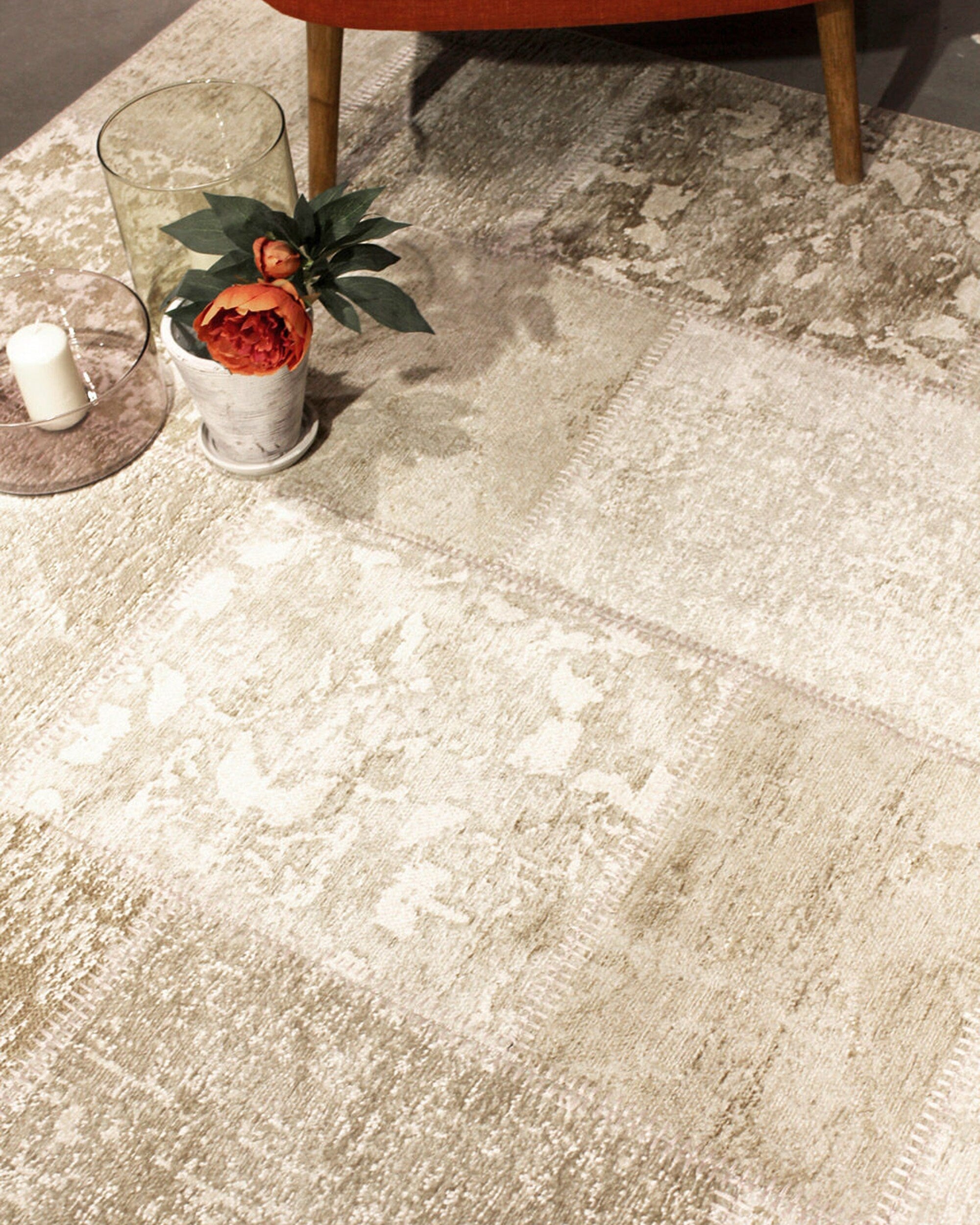
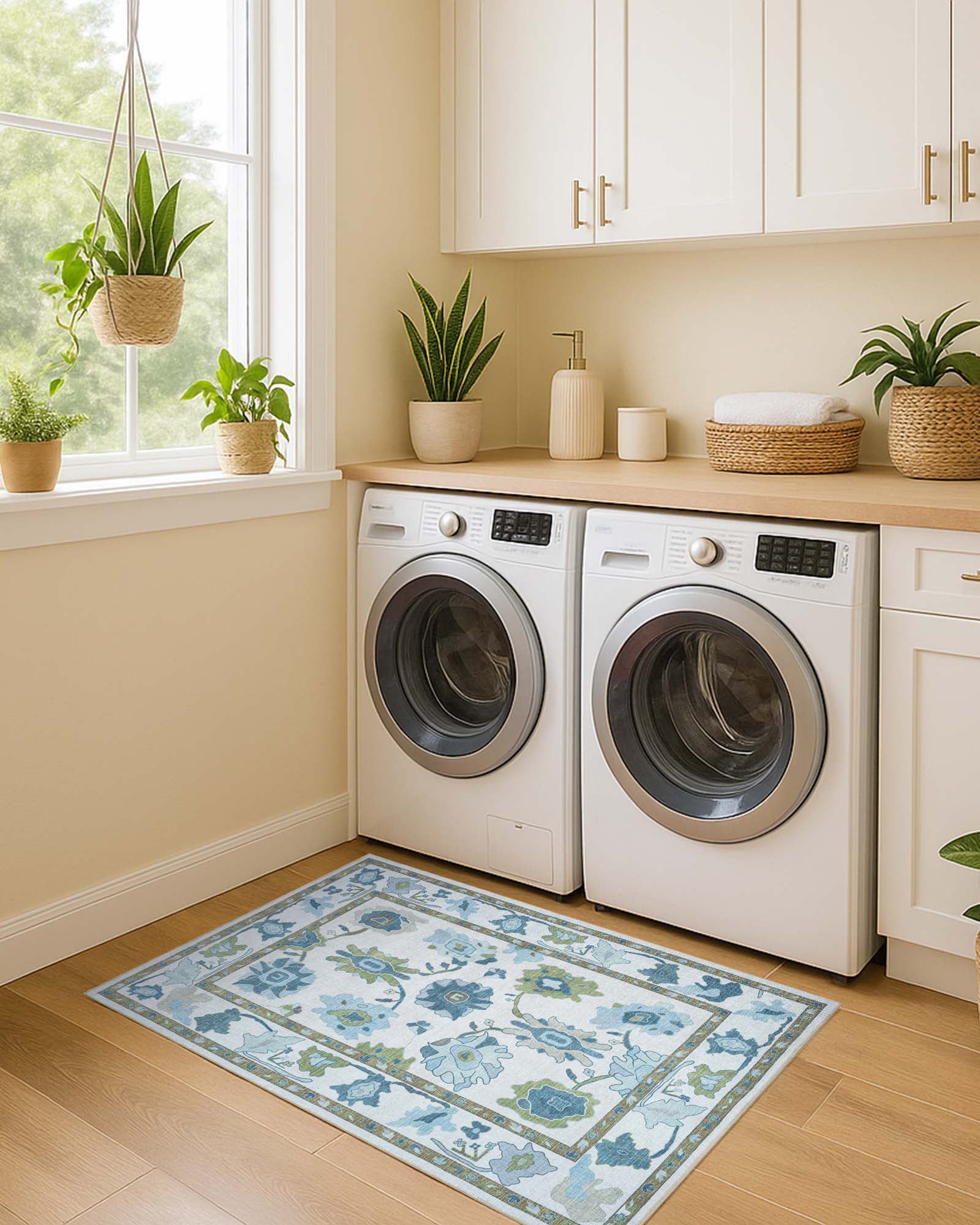
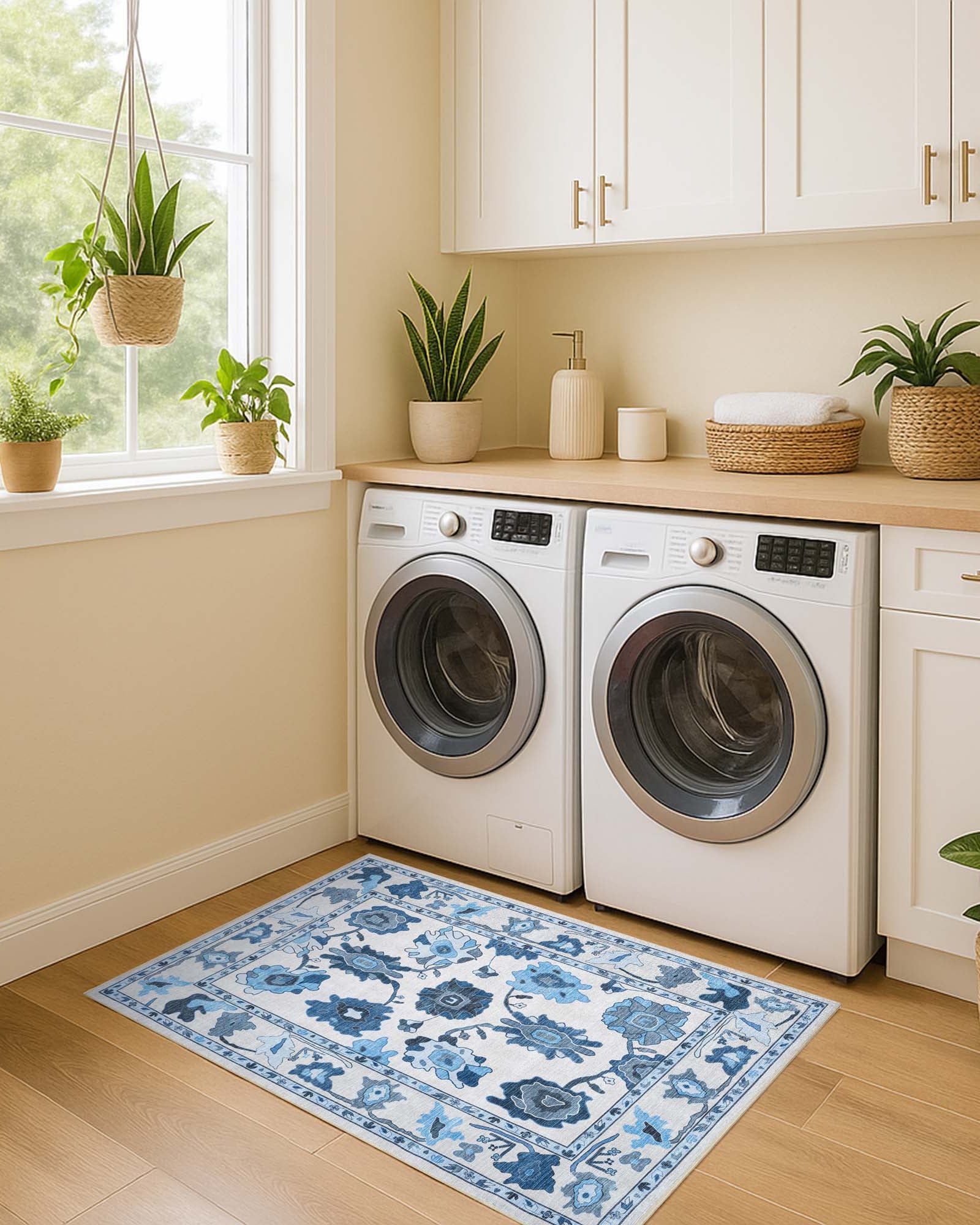
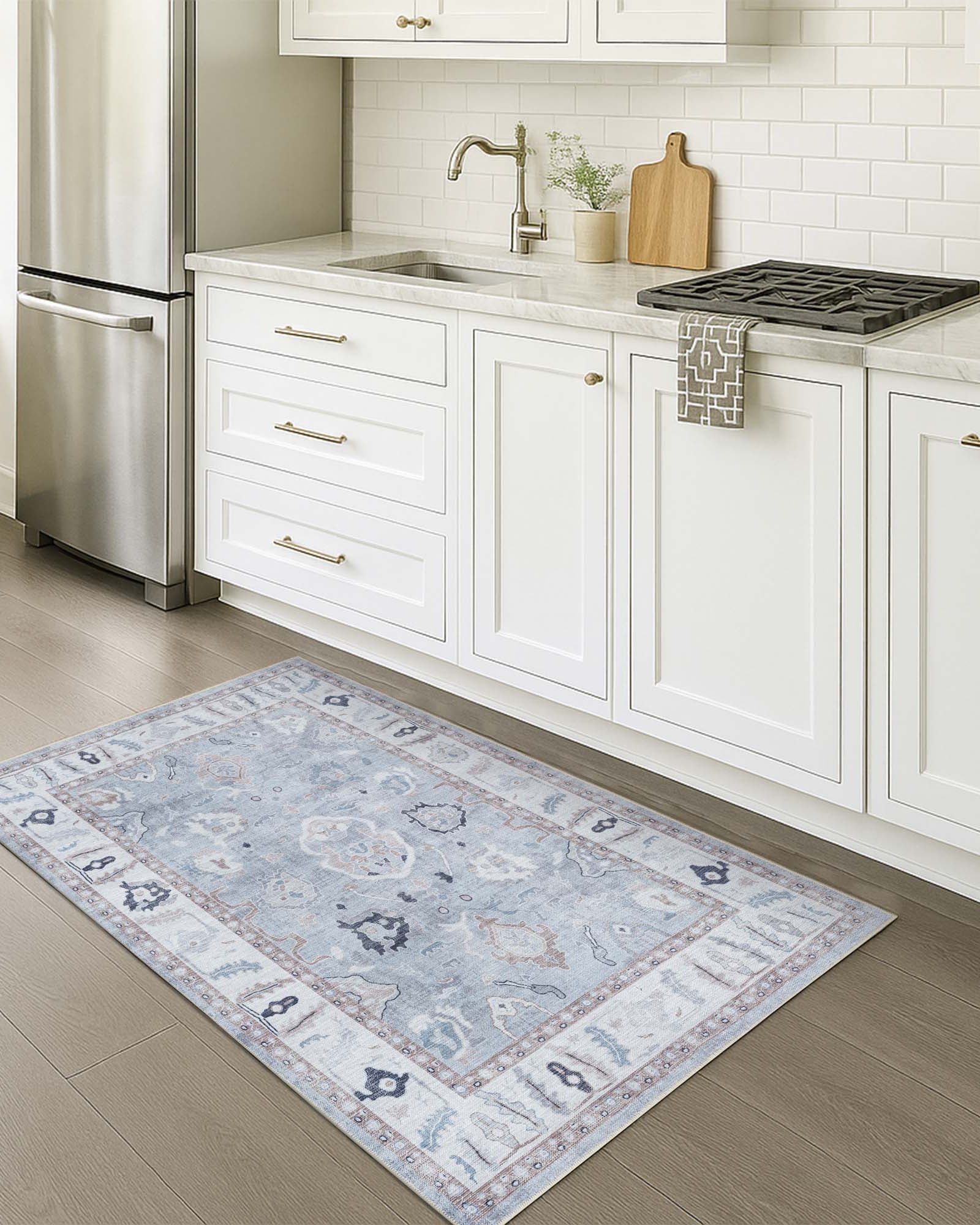
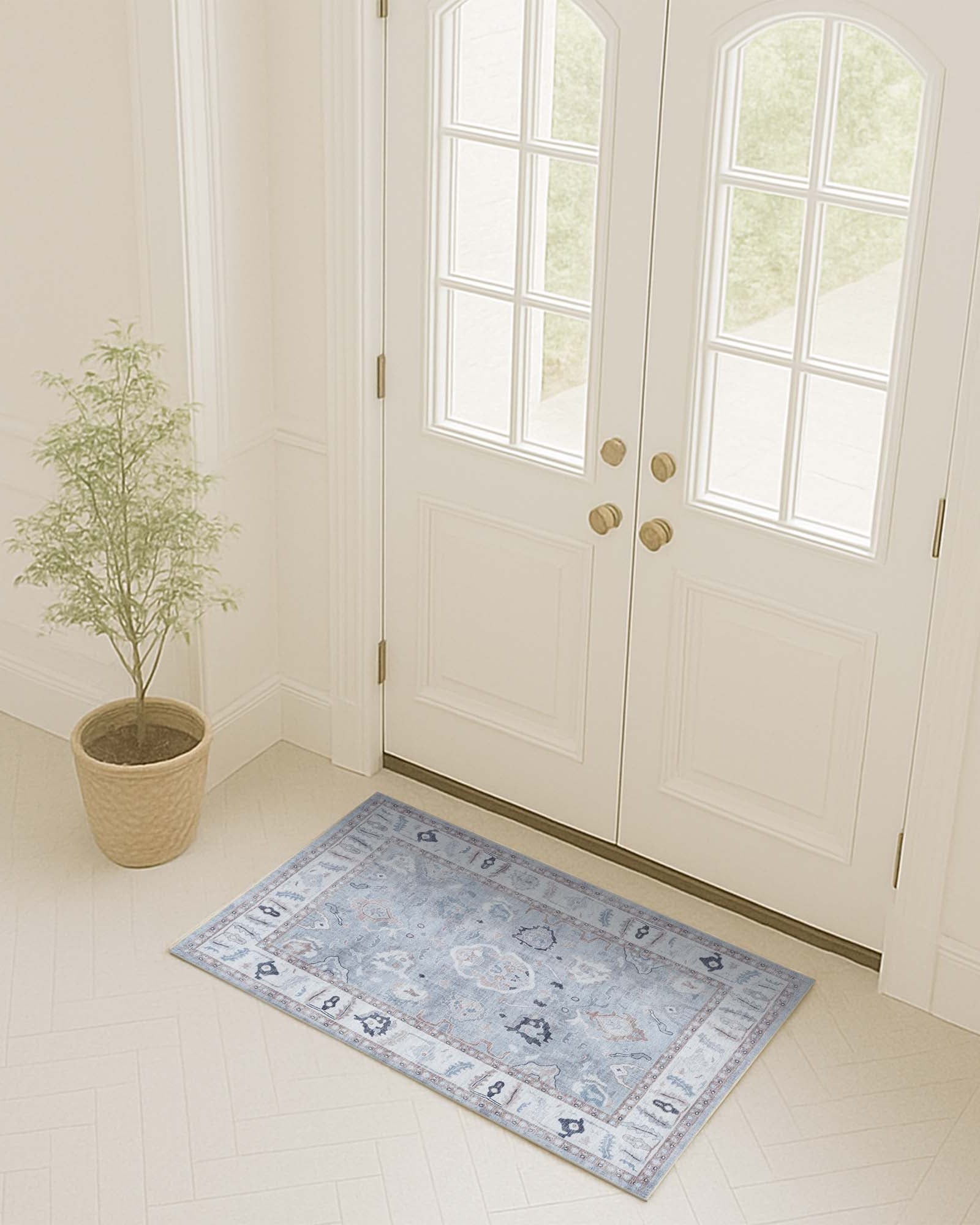
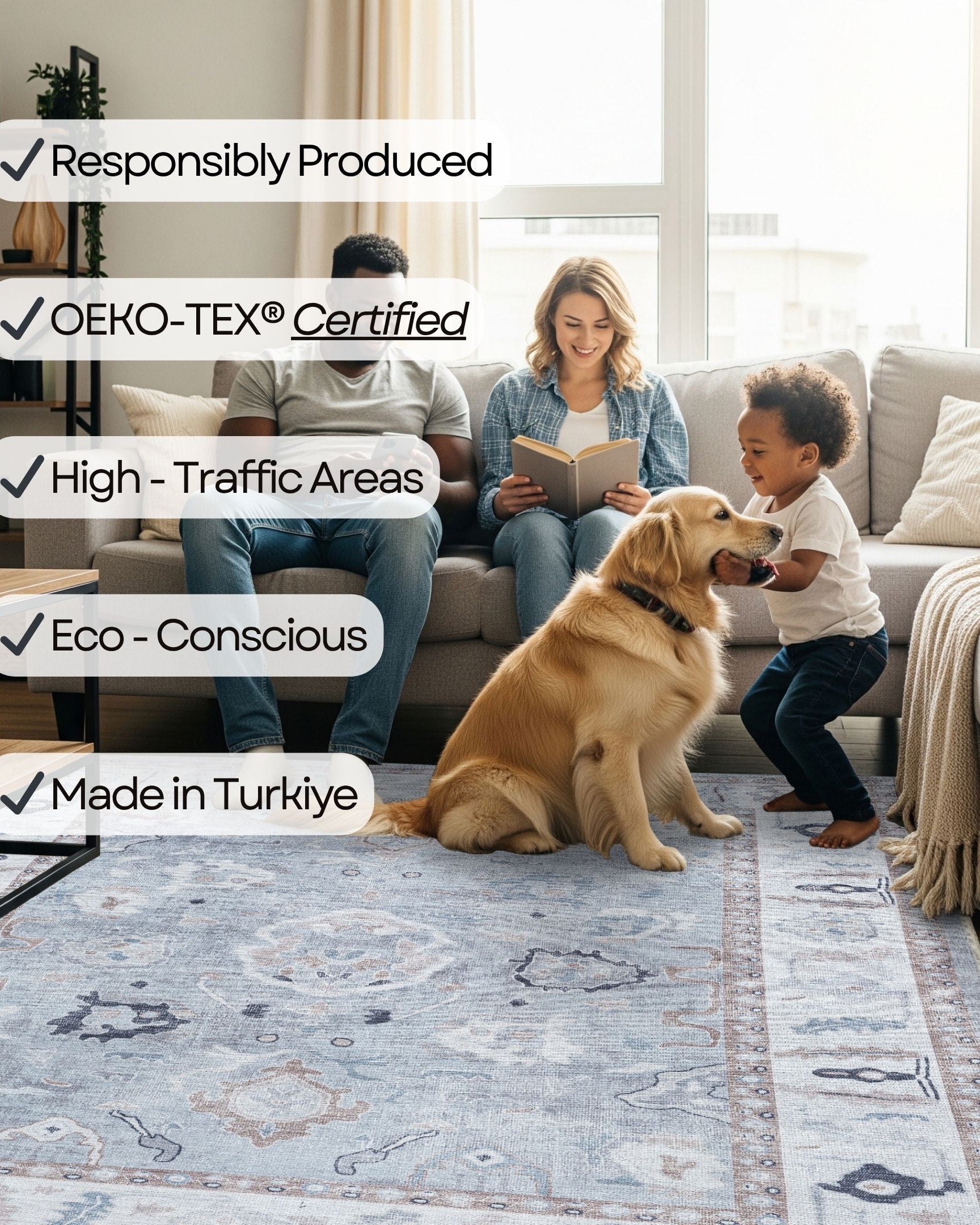
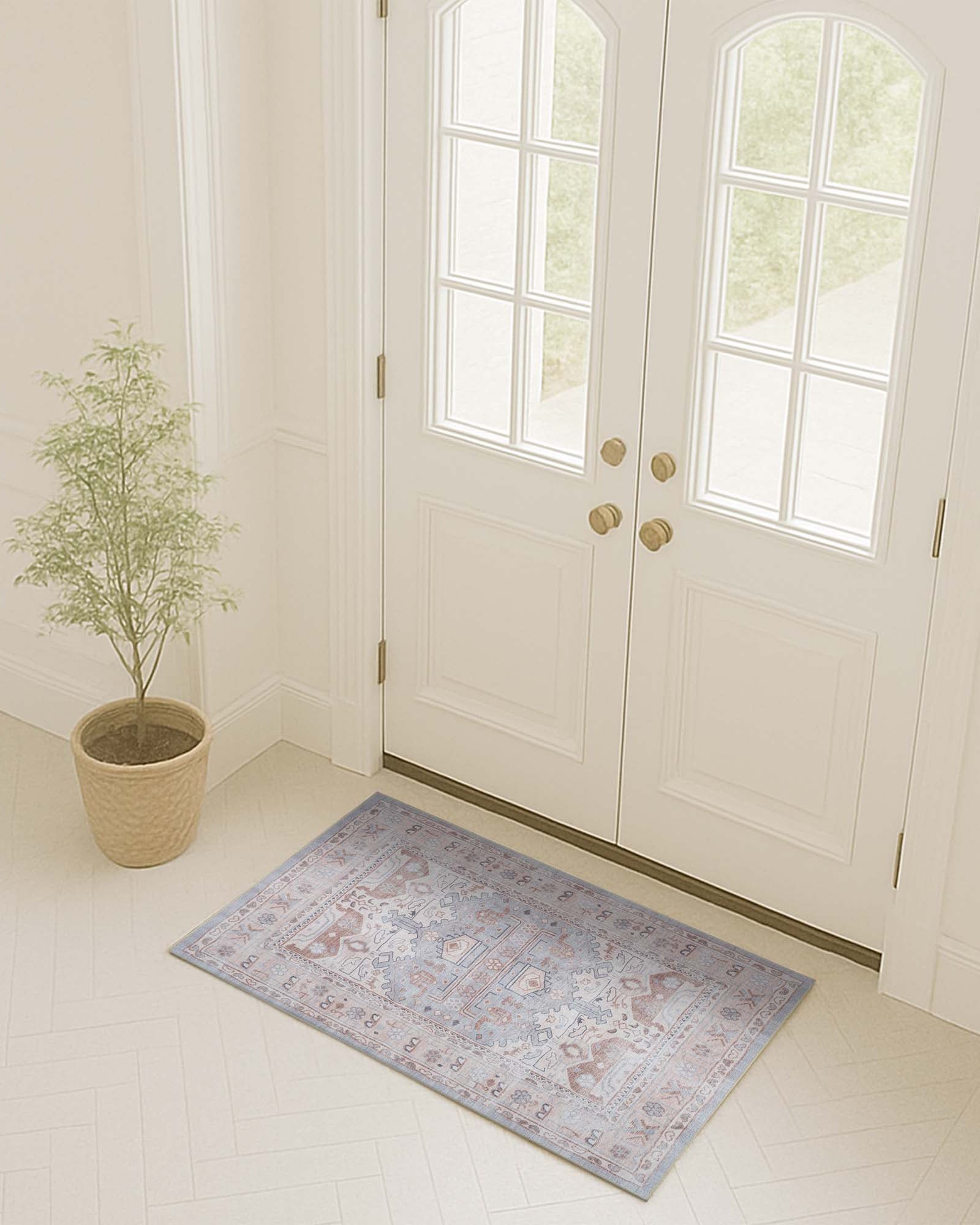
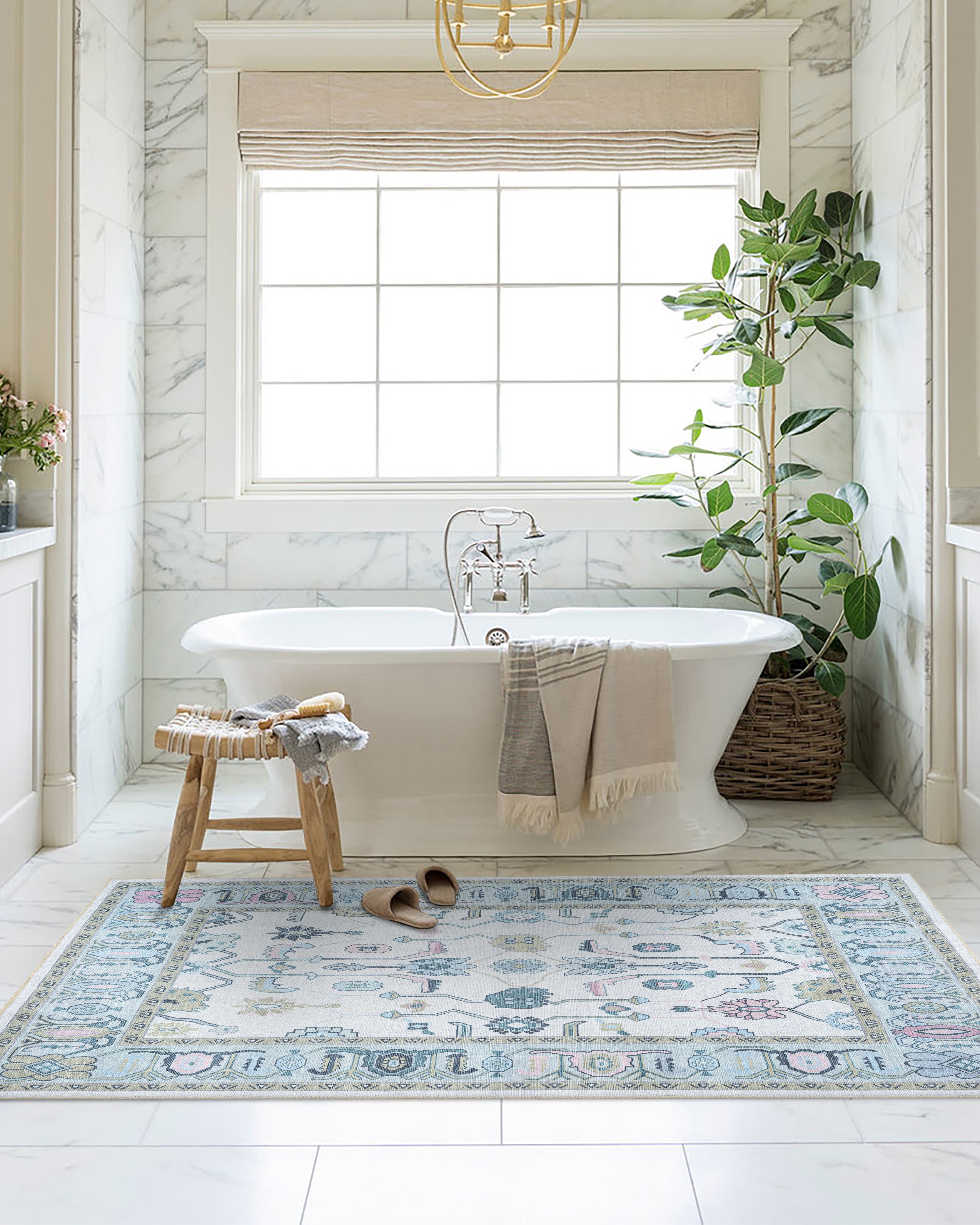
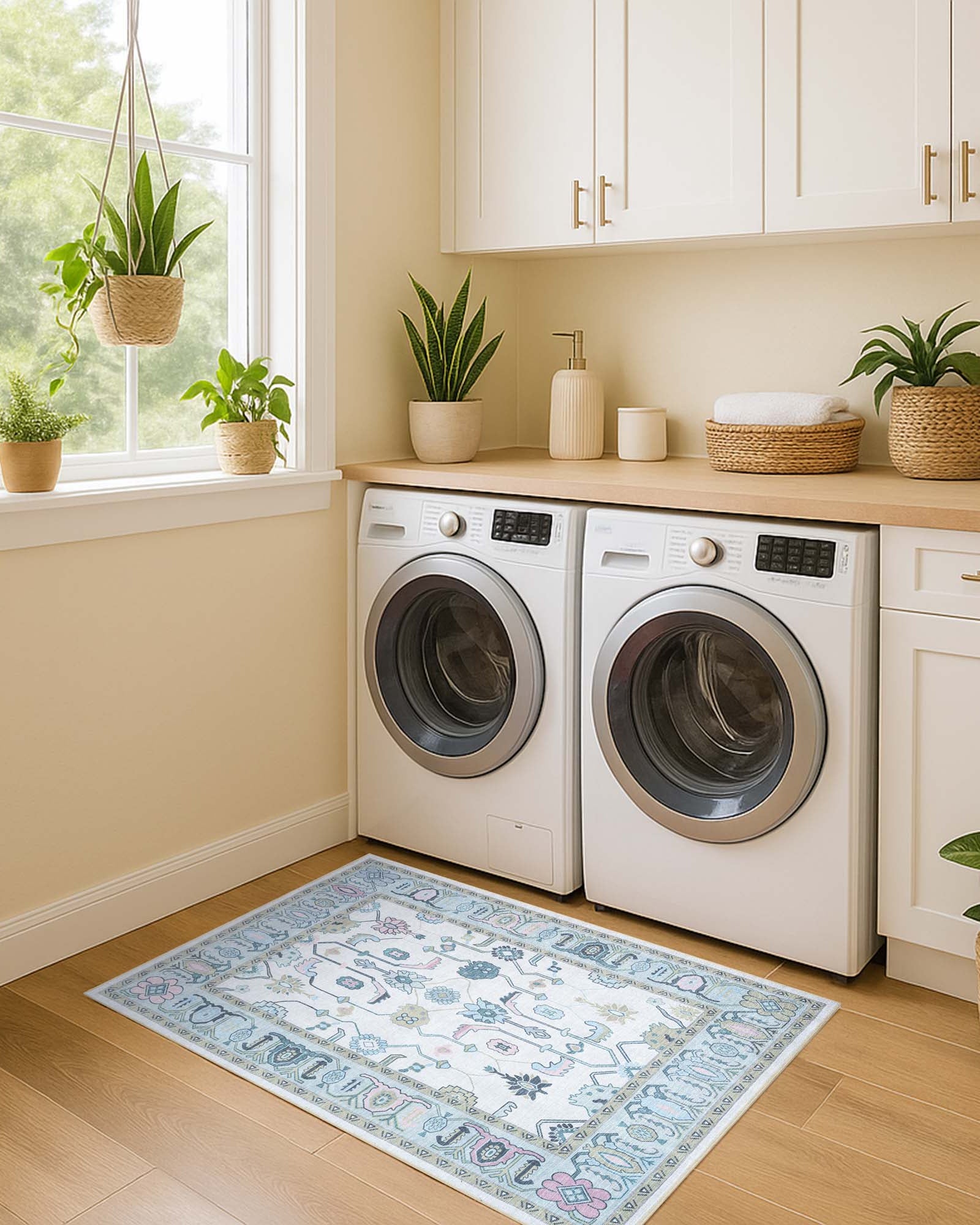
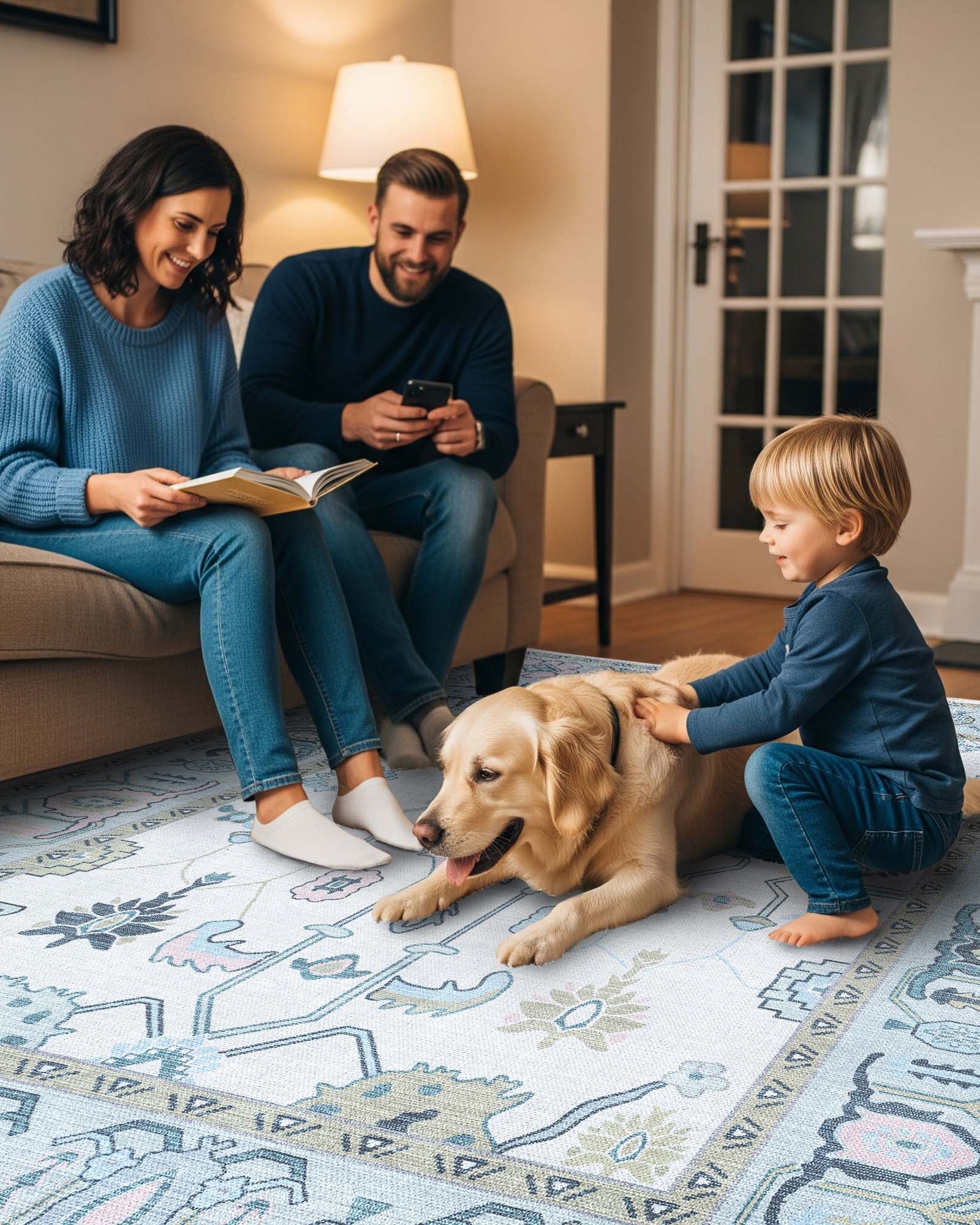
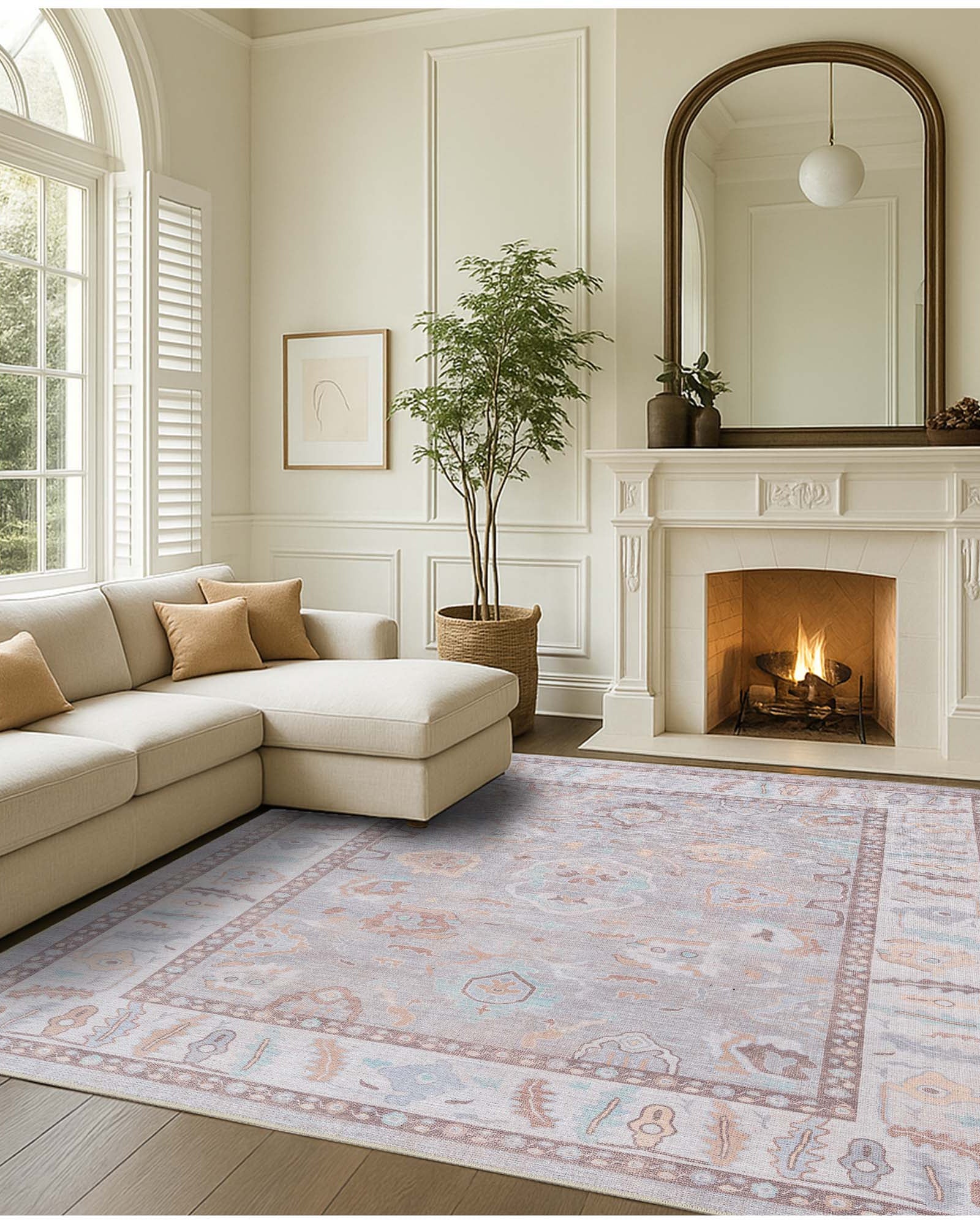
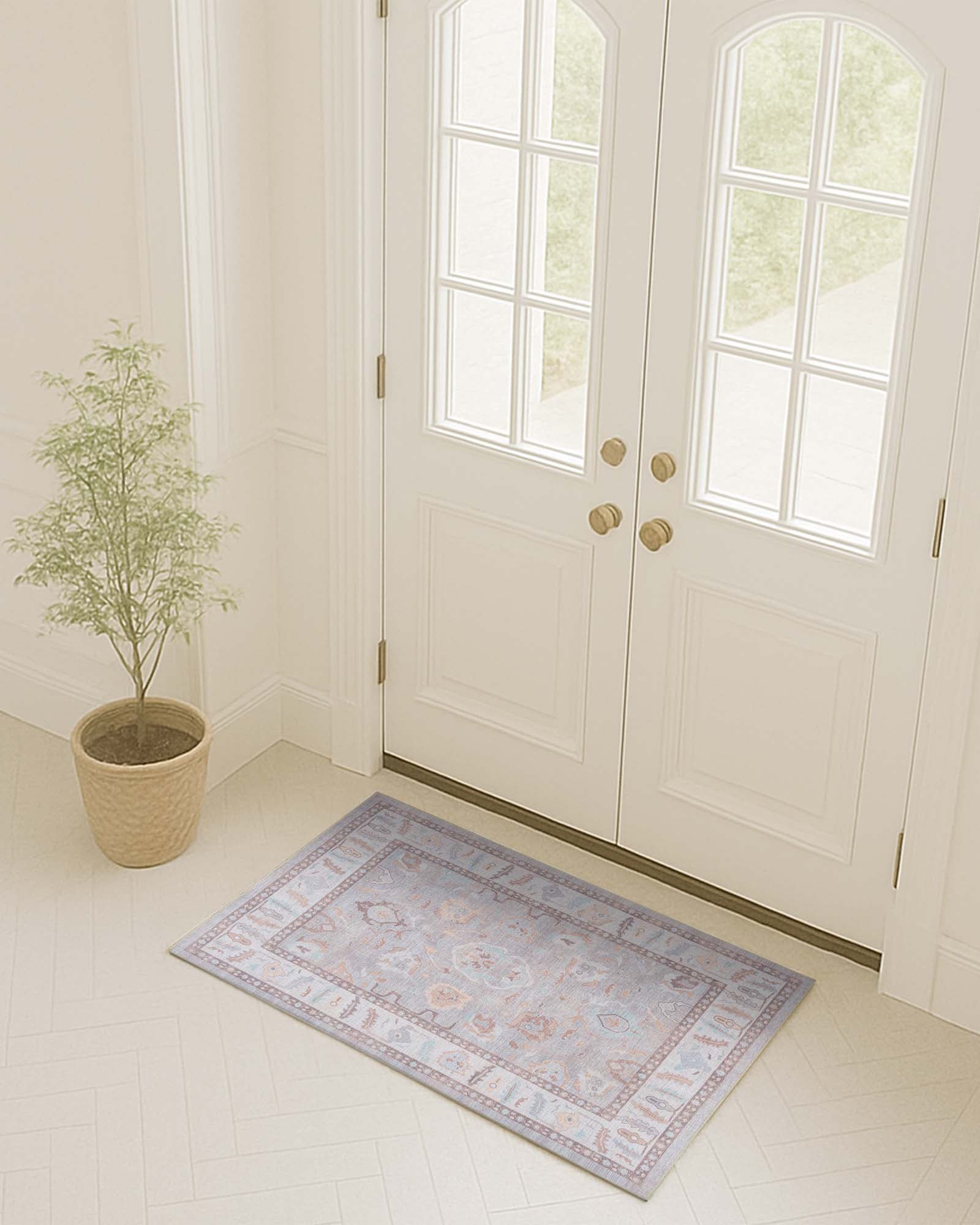
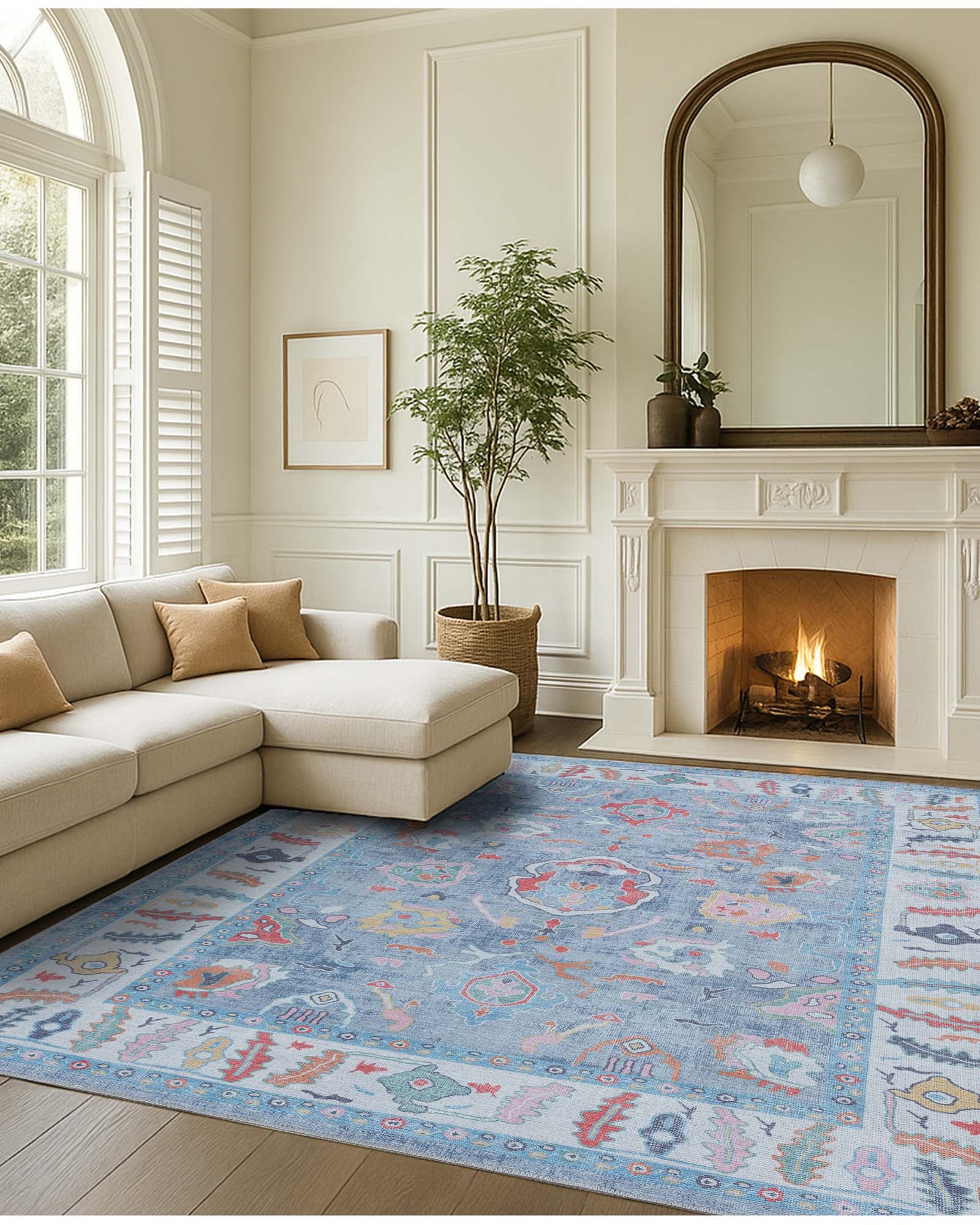
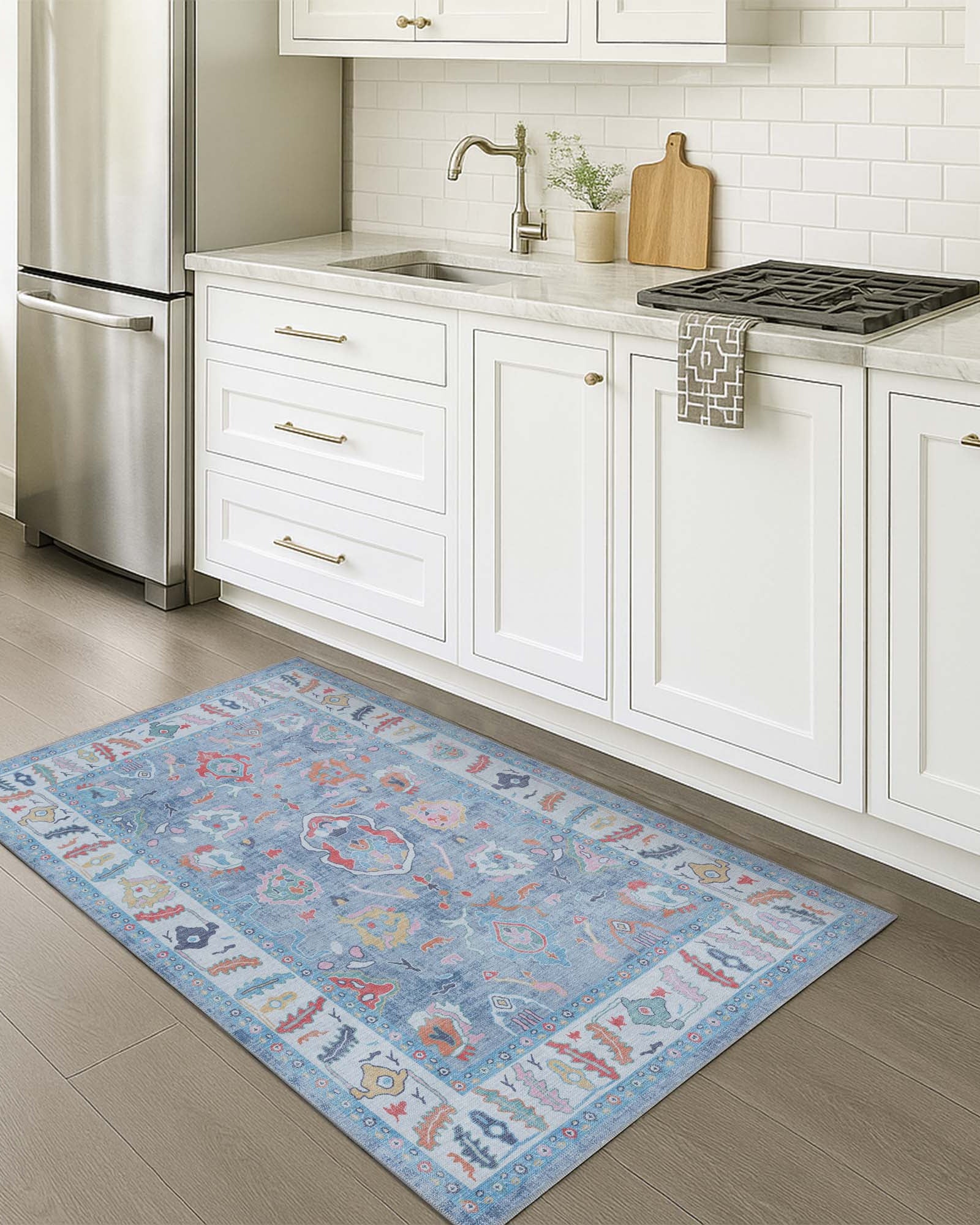
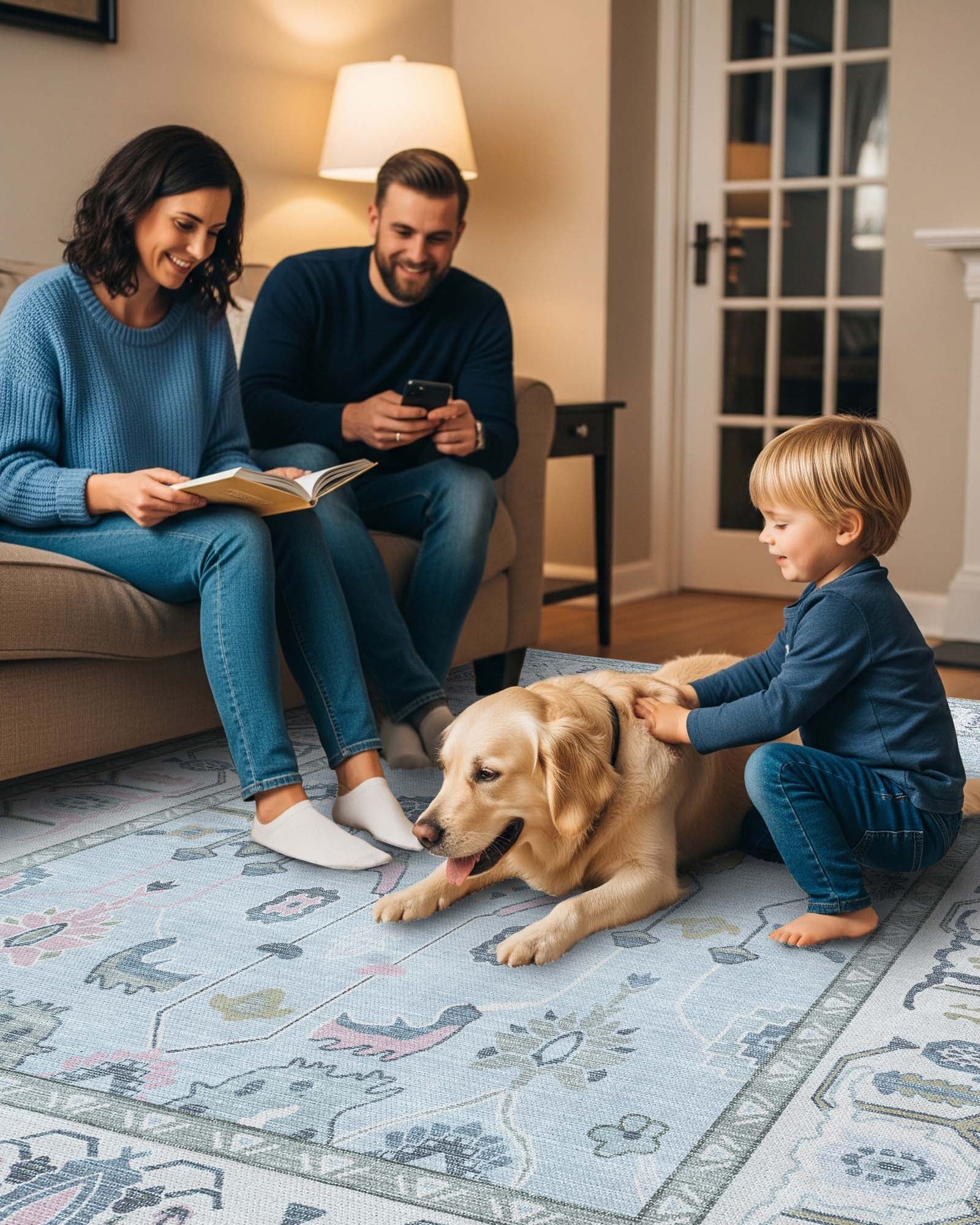
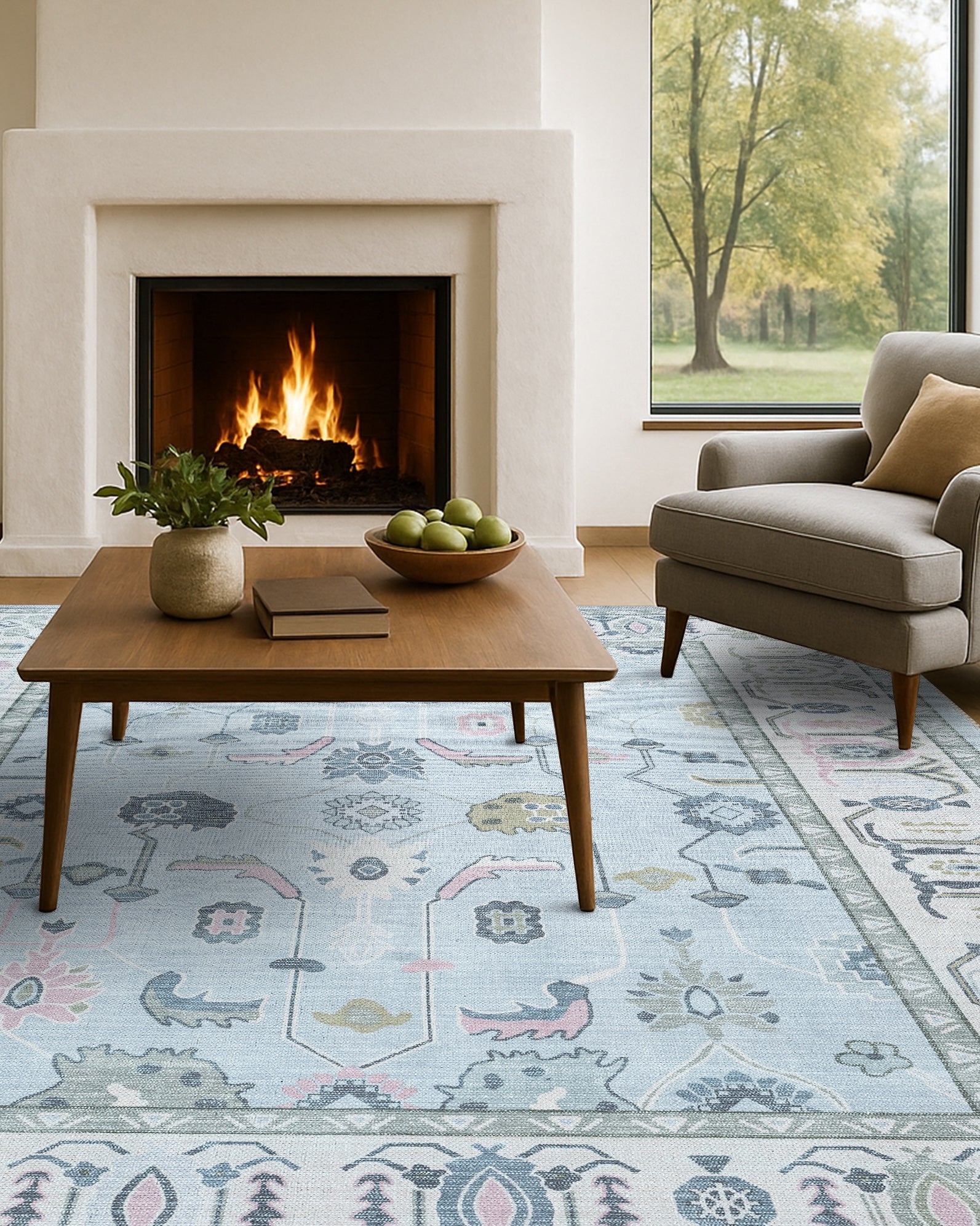
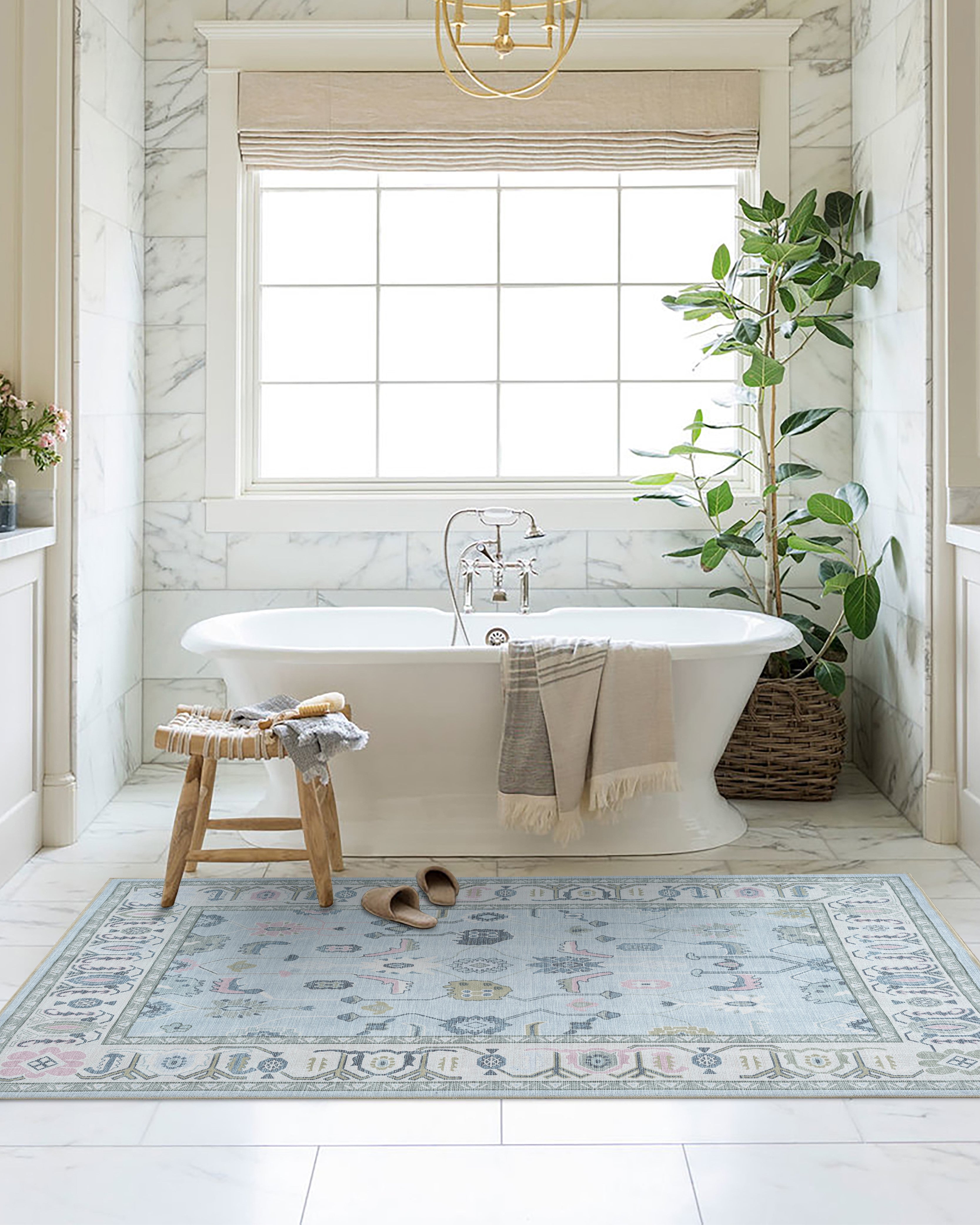
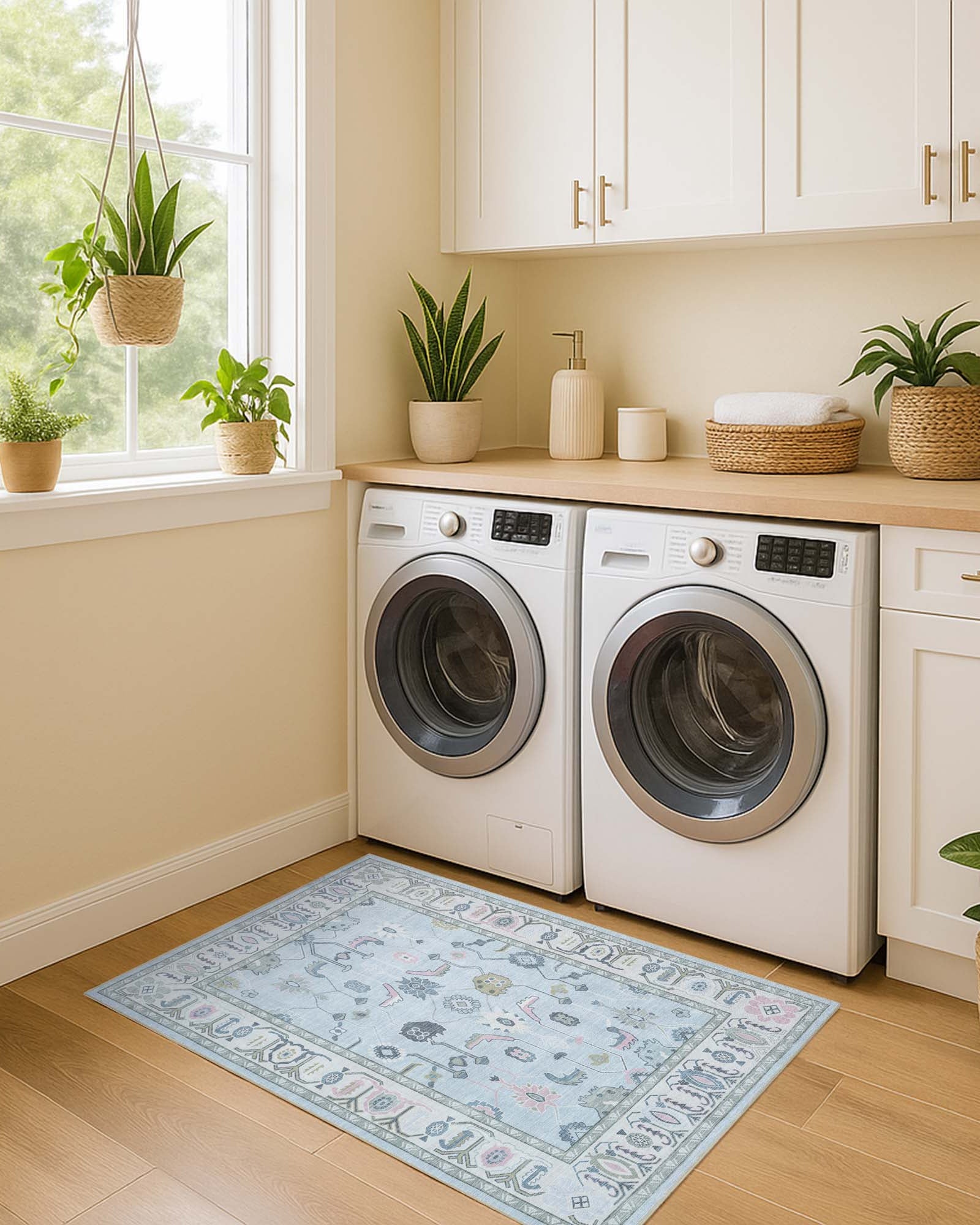
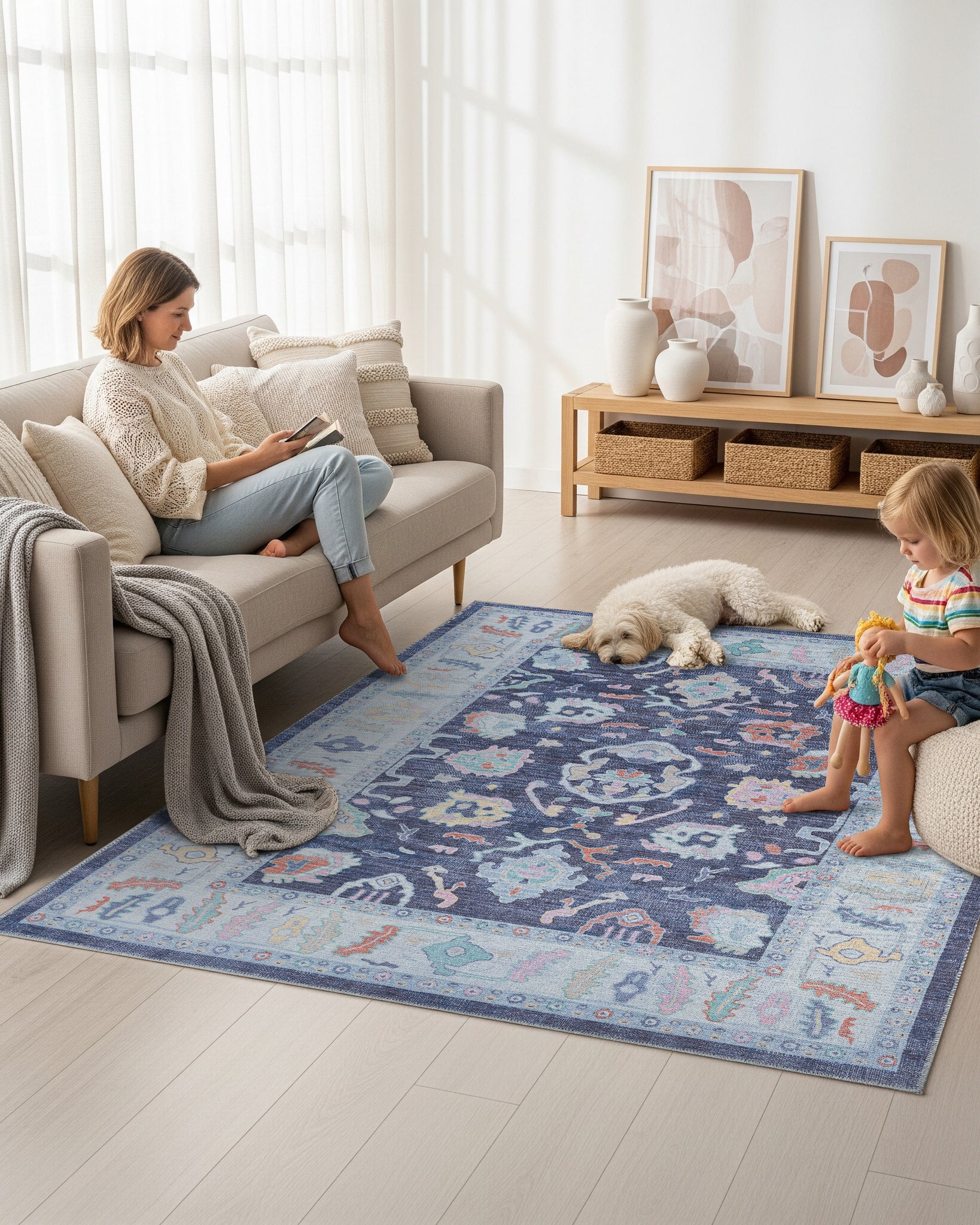
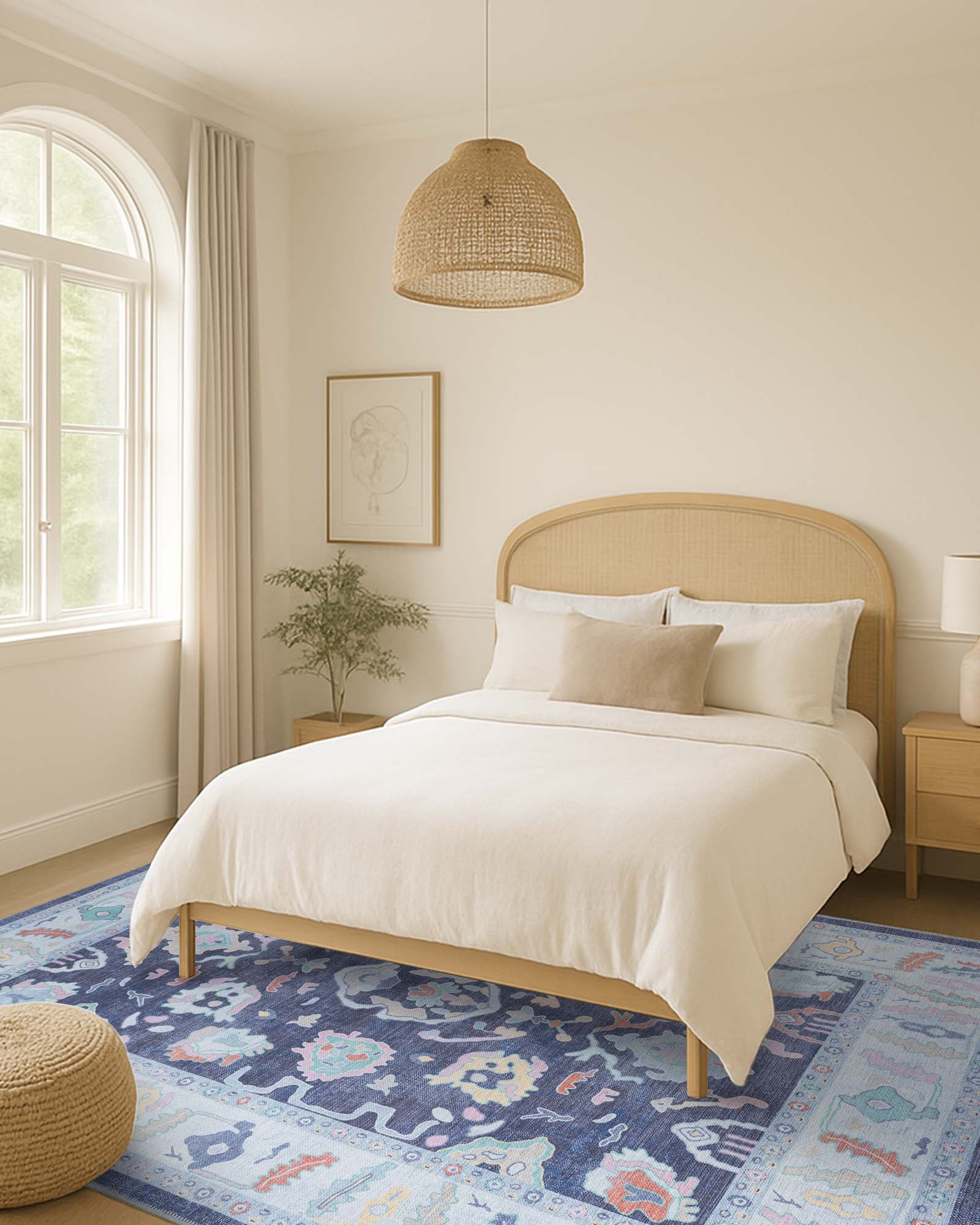
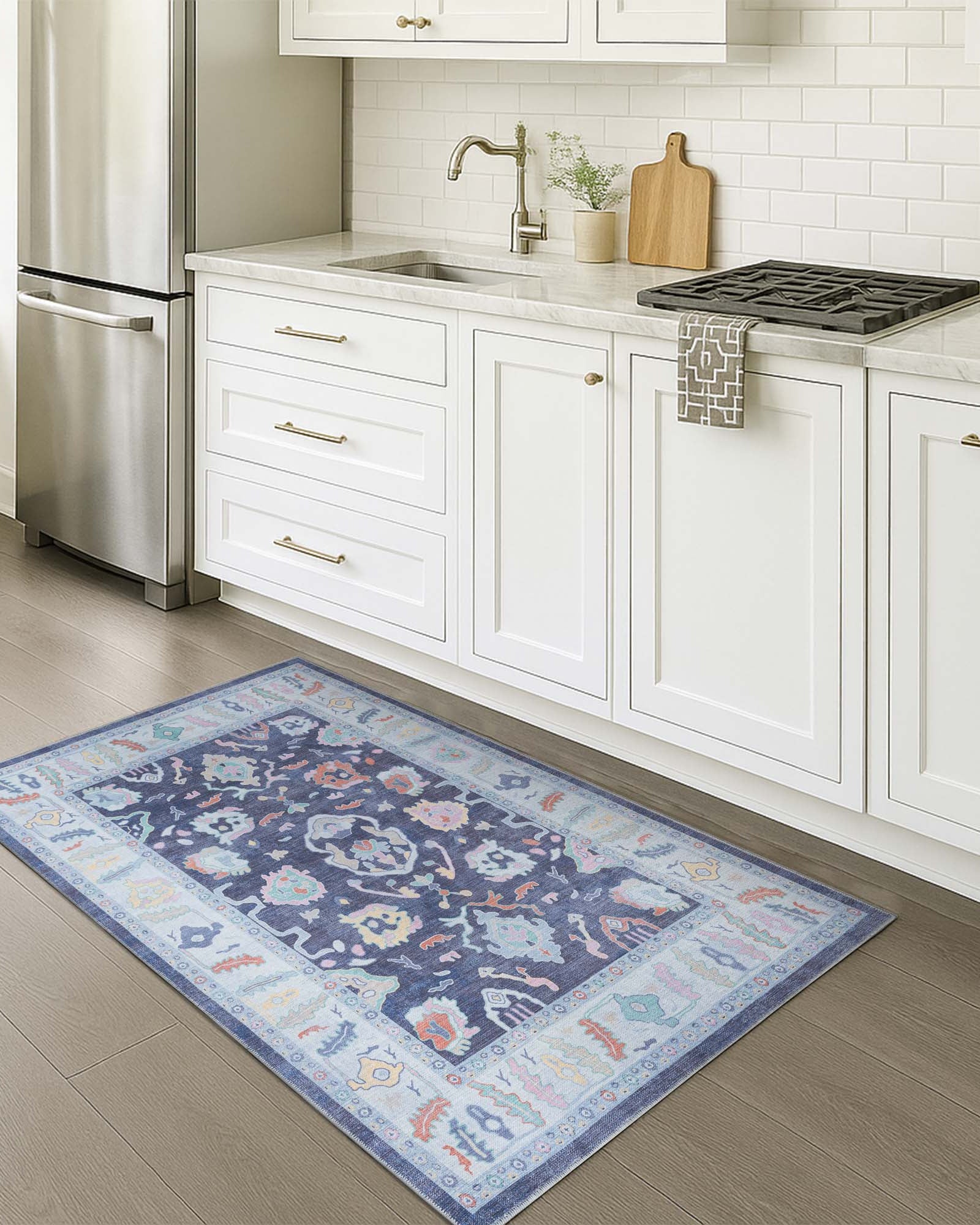
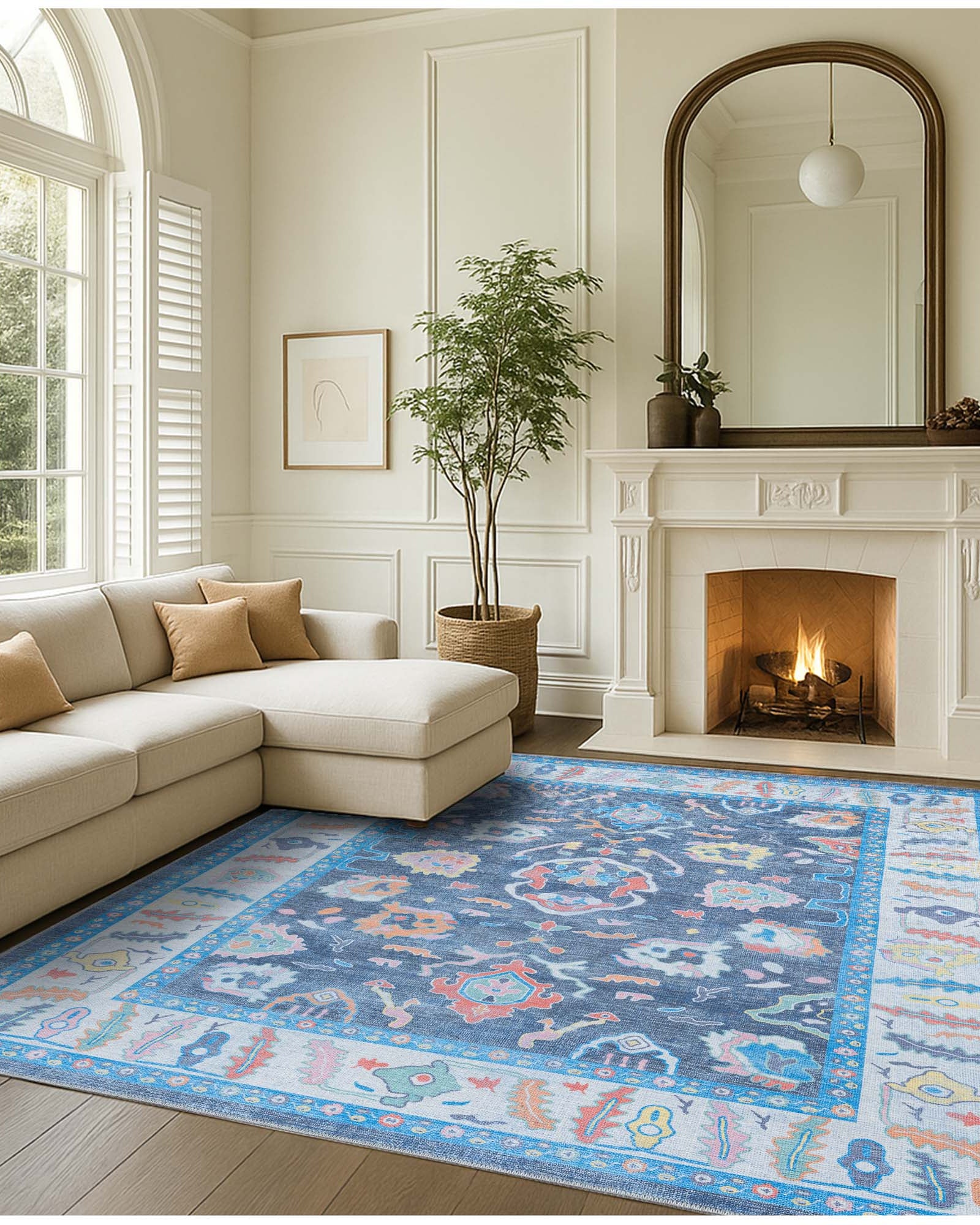
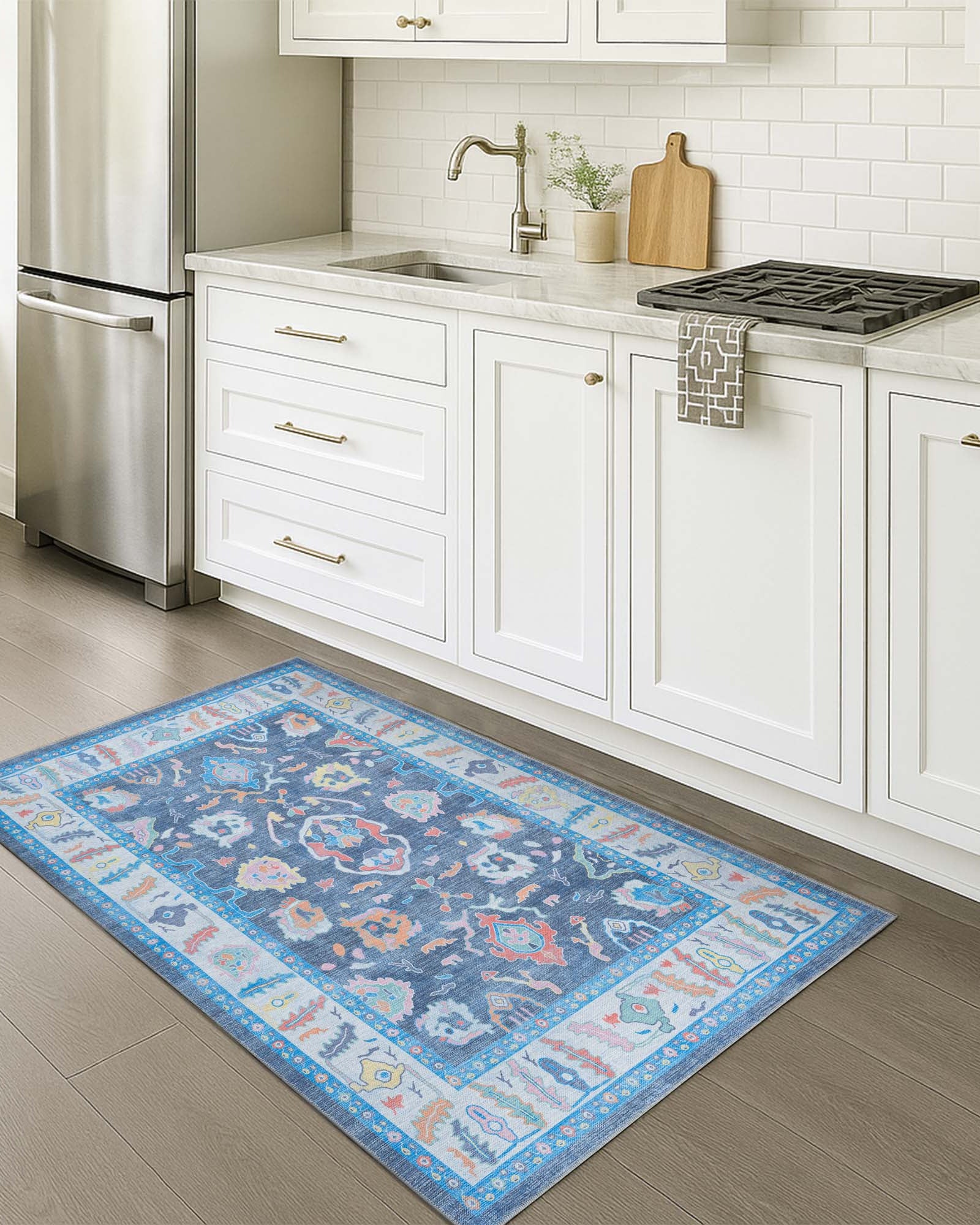
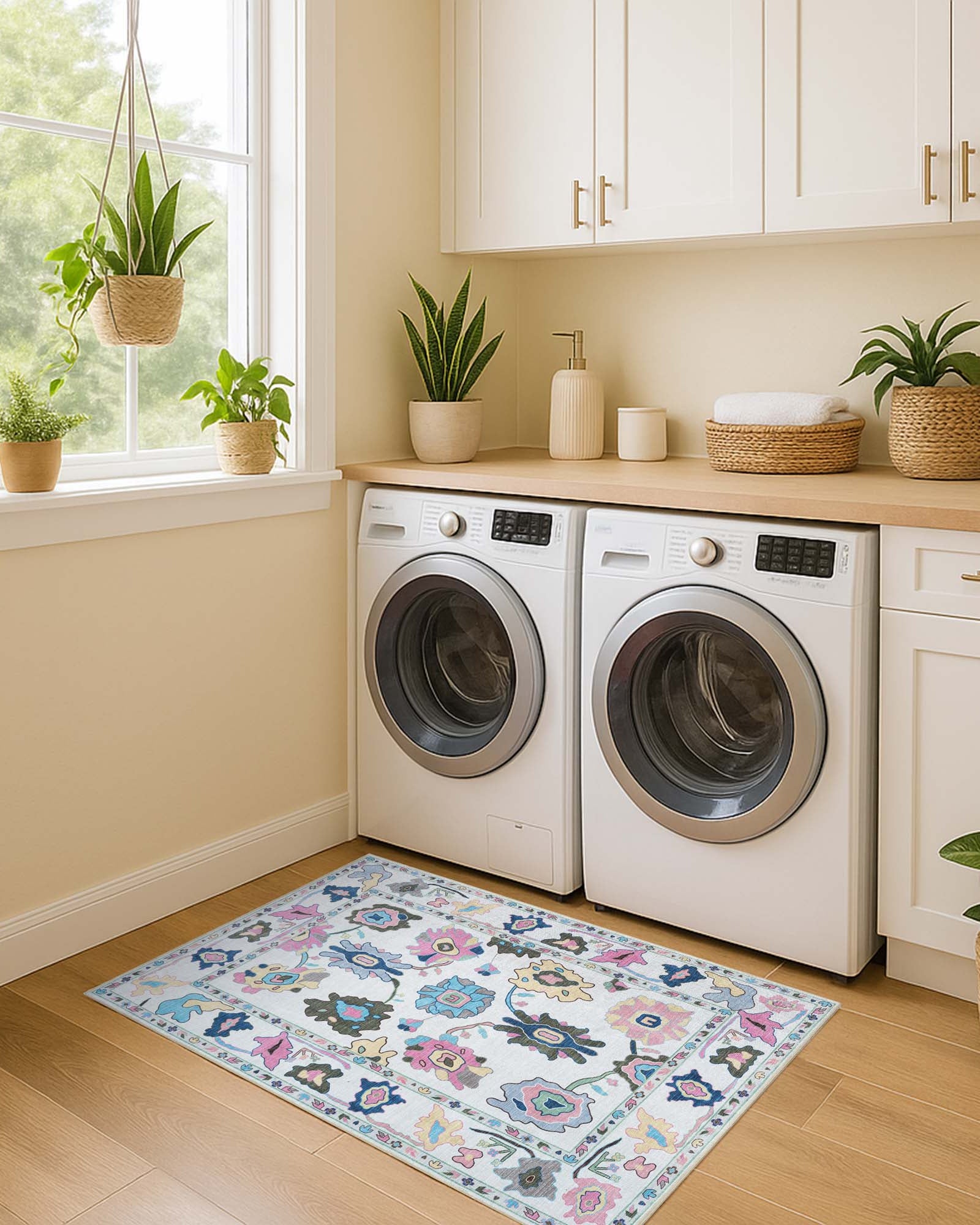
While Oriental rugs are steeped in tradition, they remain versatile for today’s interiors. Their timeless patterns and colors complement modern, eclectic, and traditional décor alike.
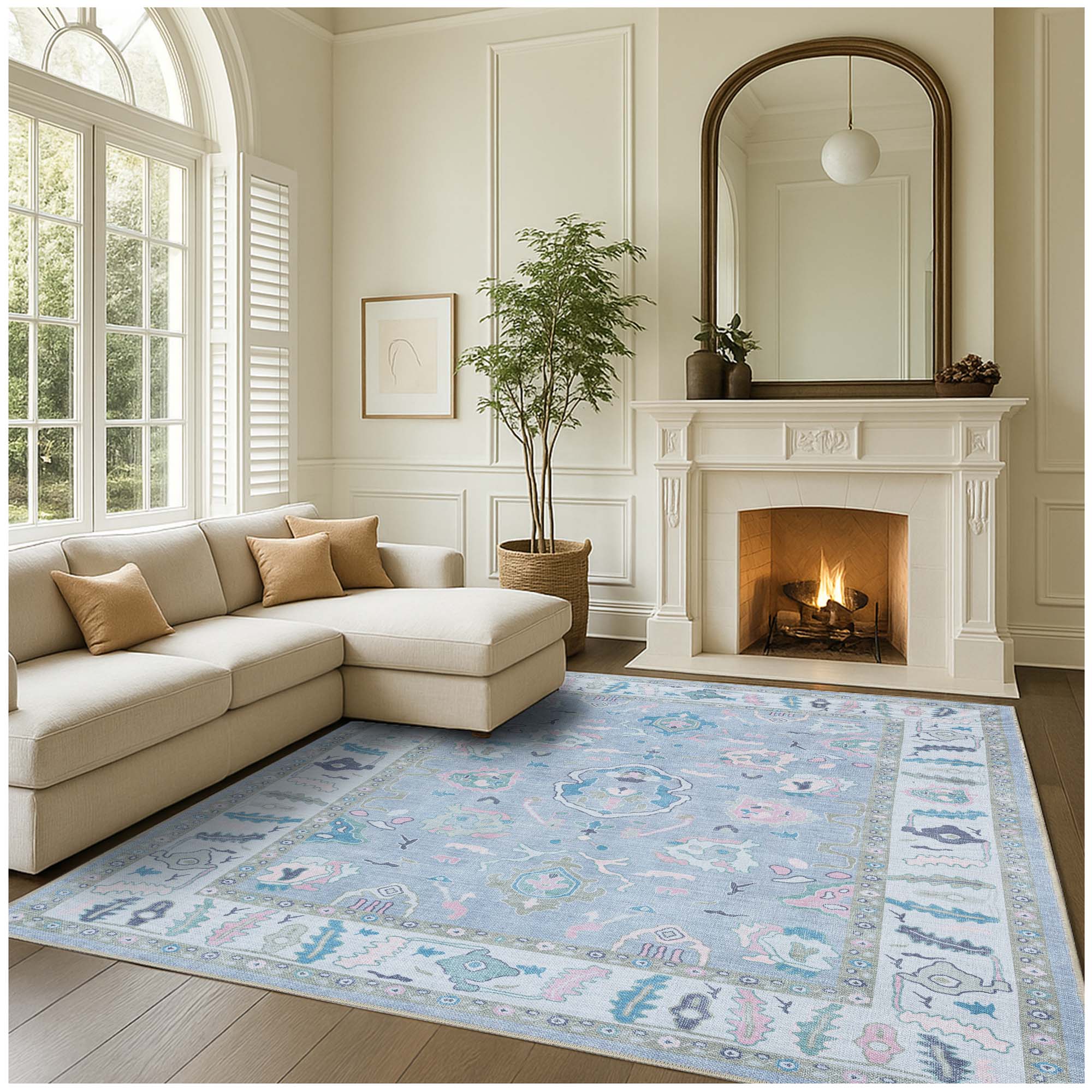
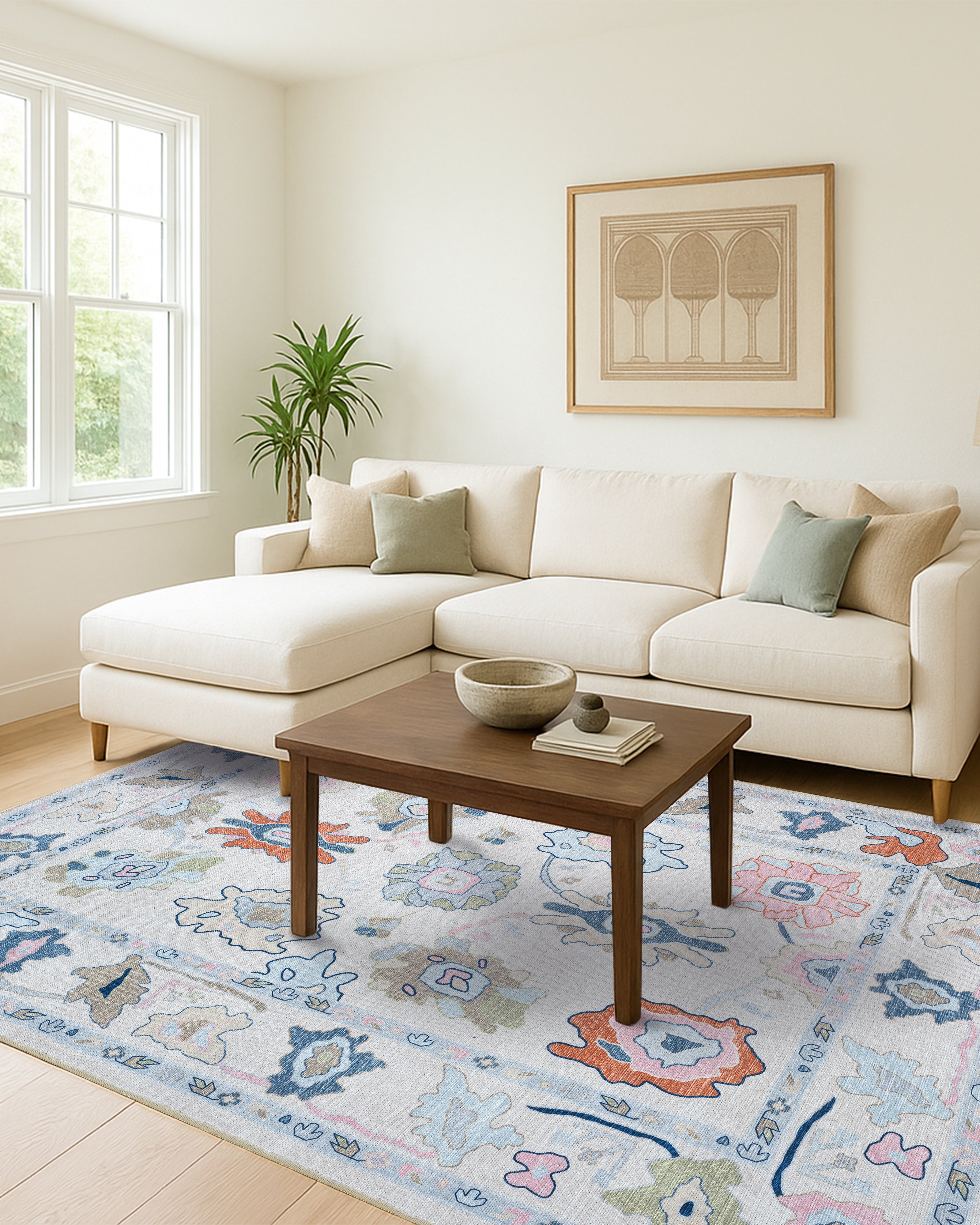
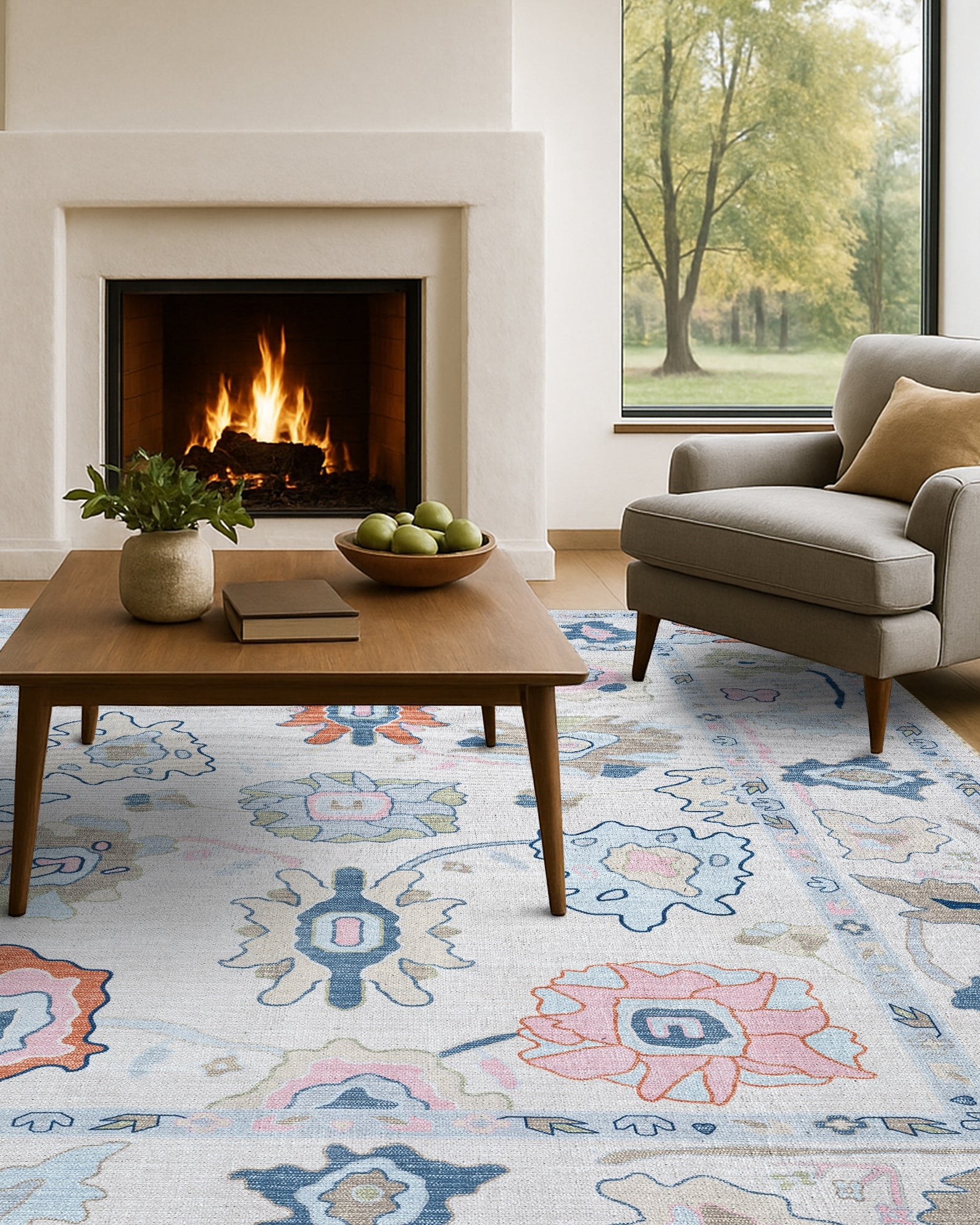
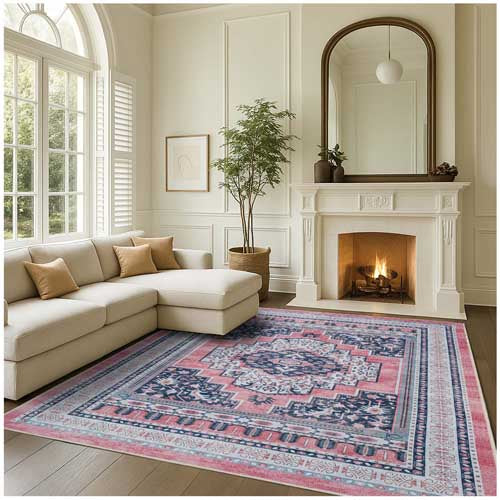
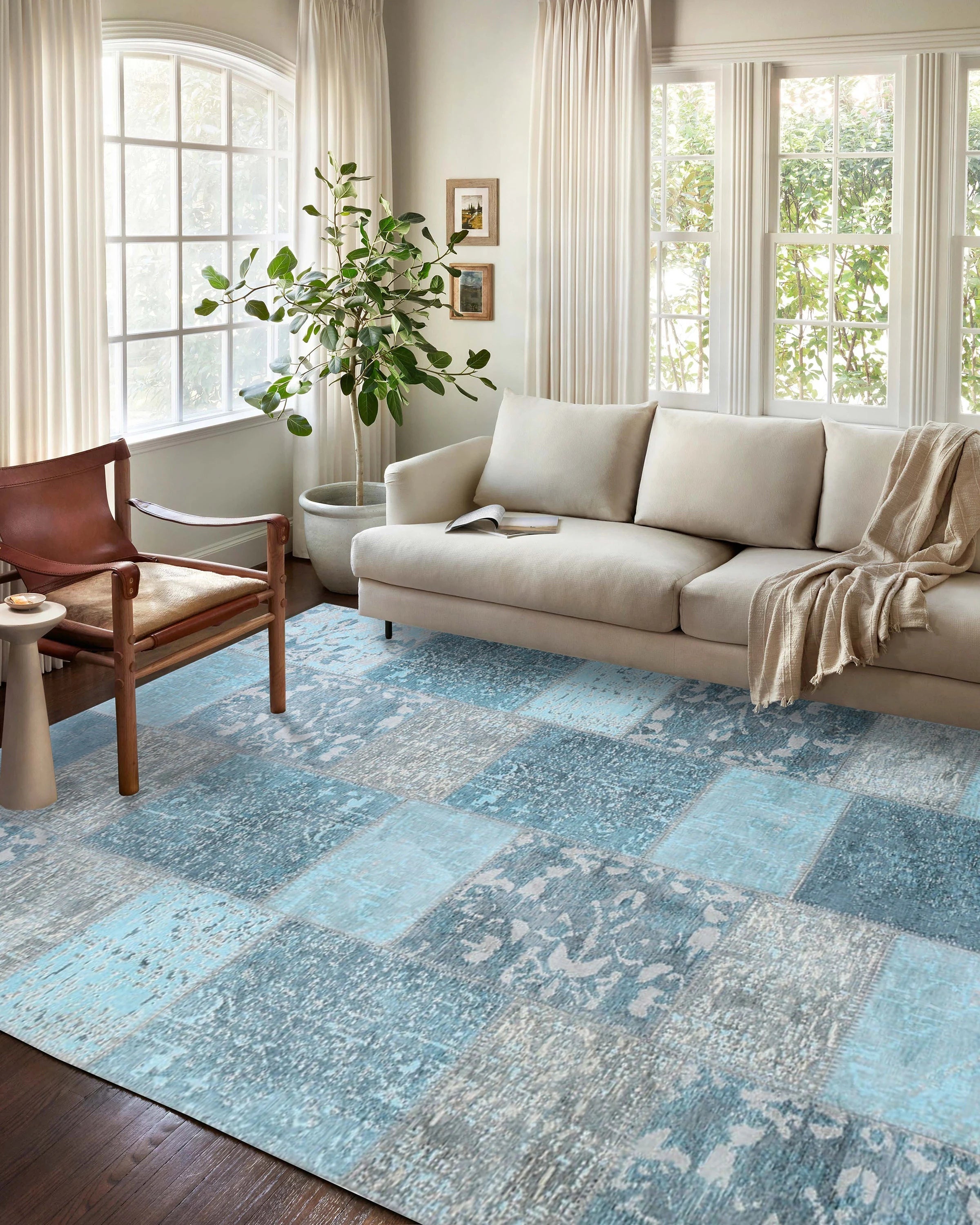
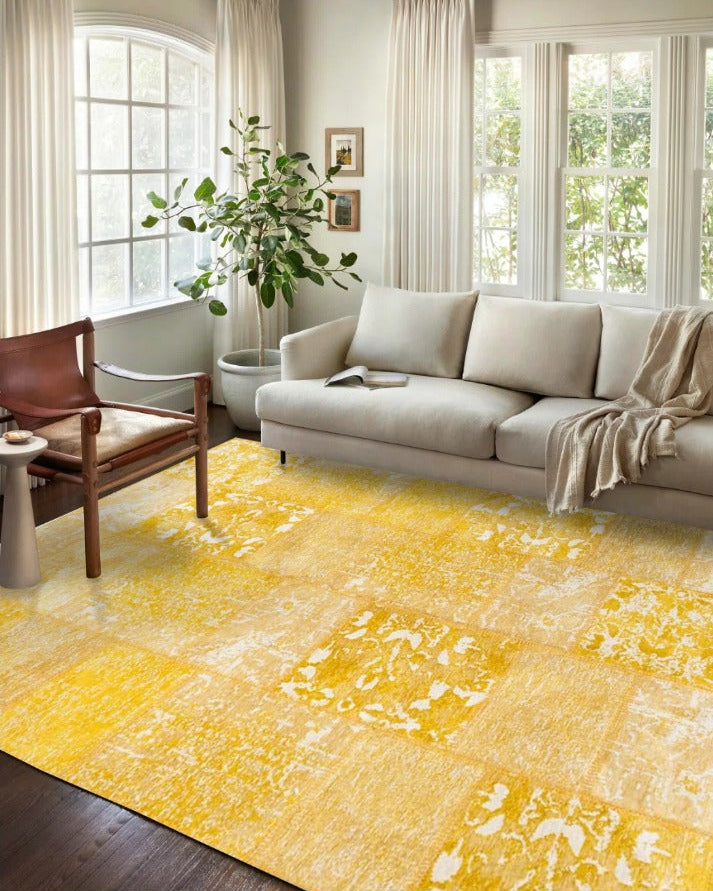
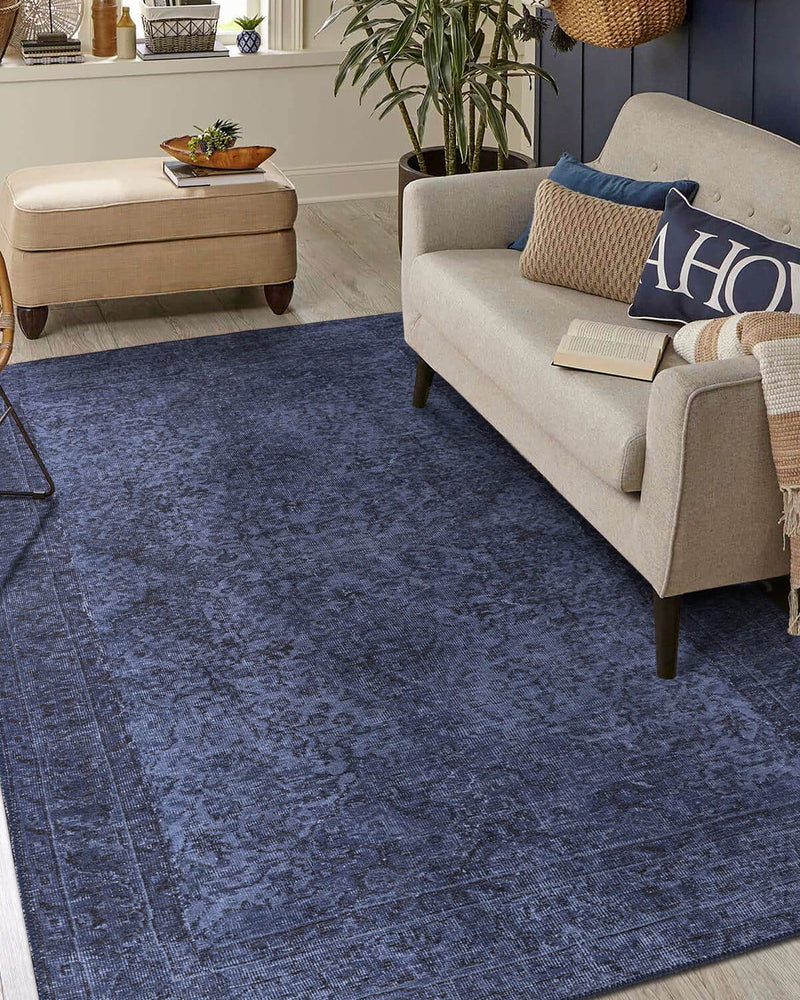
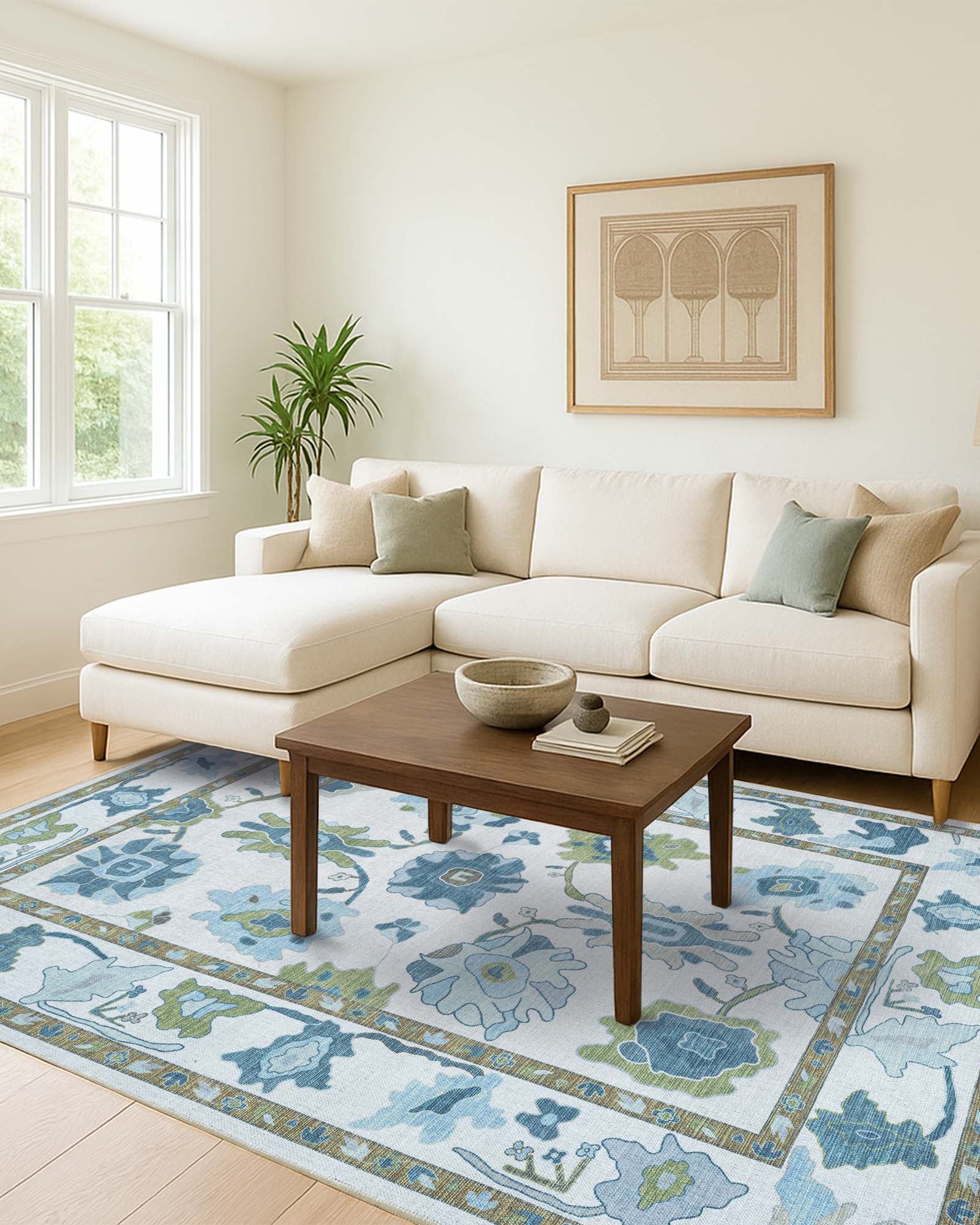
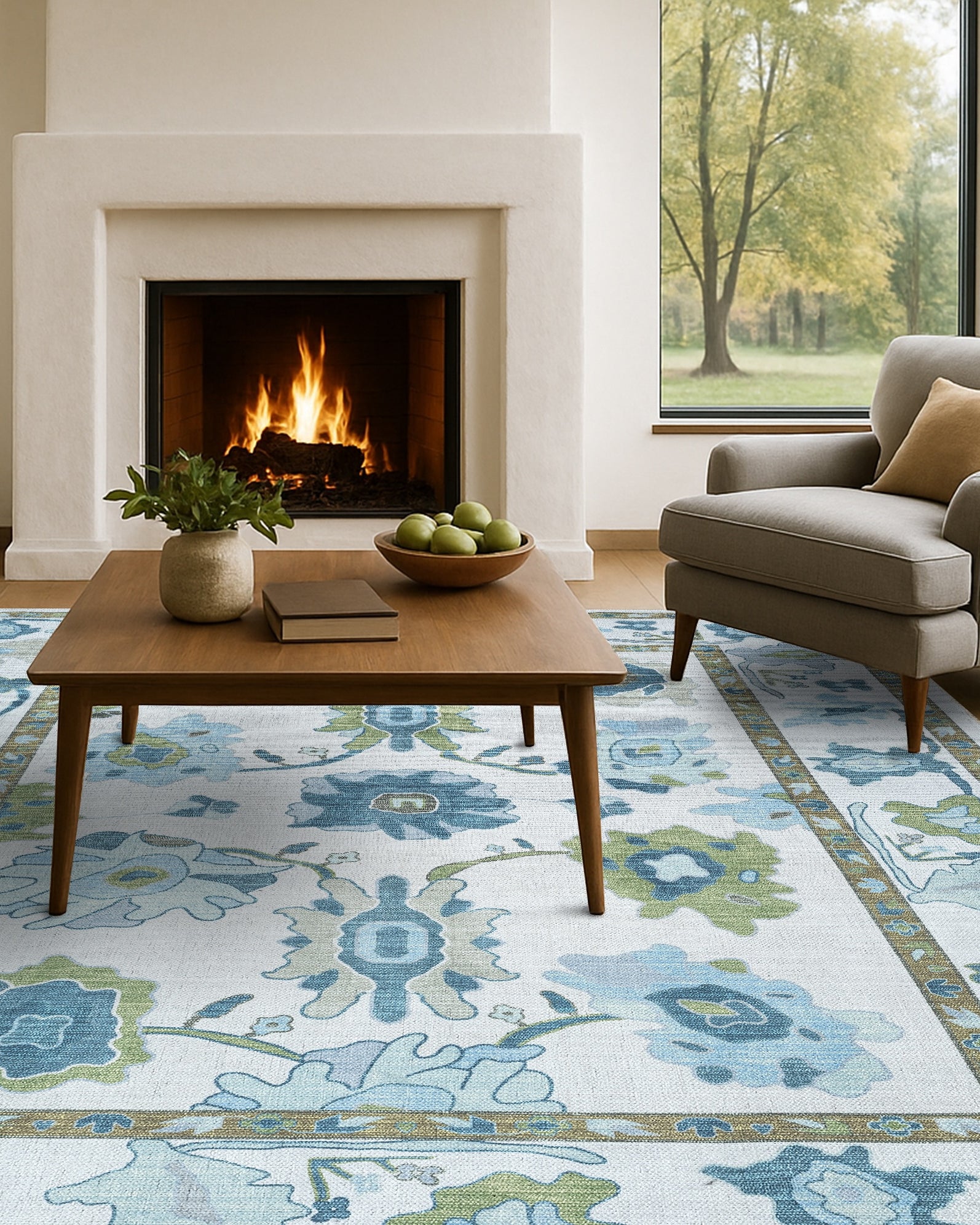
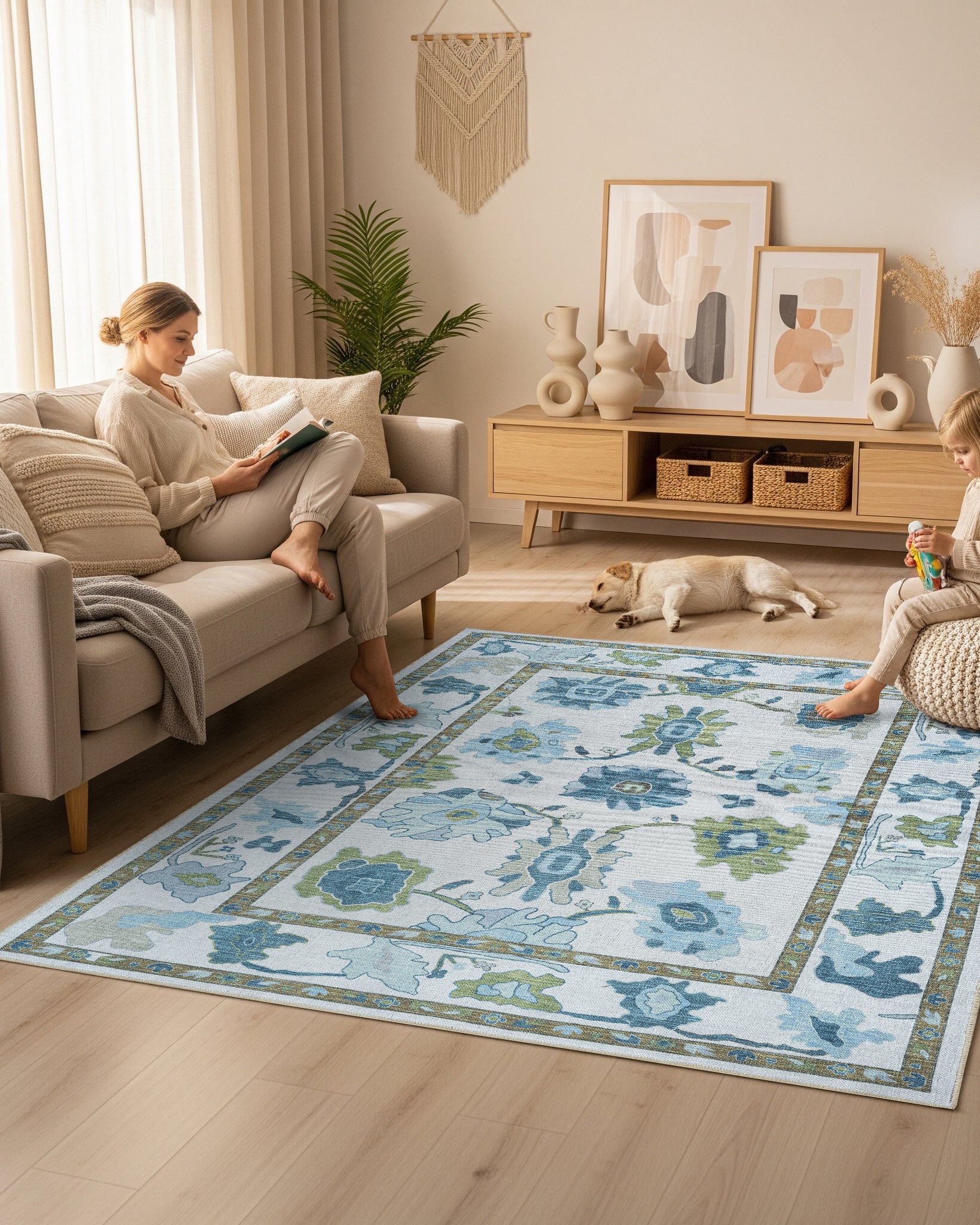
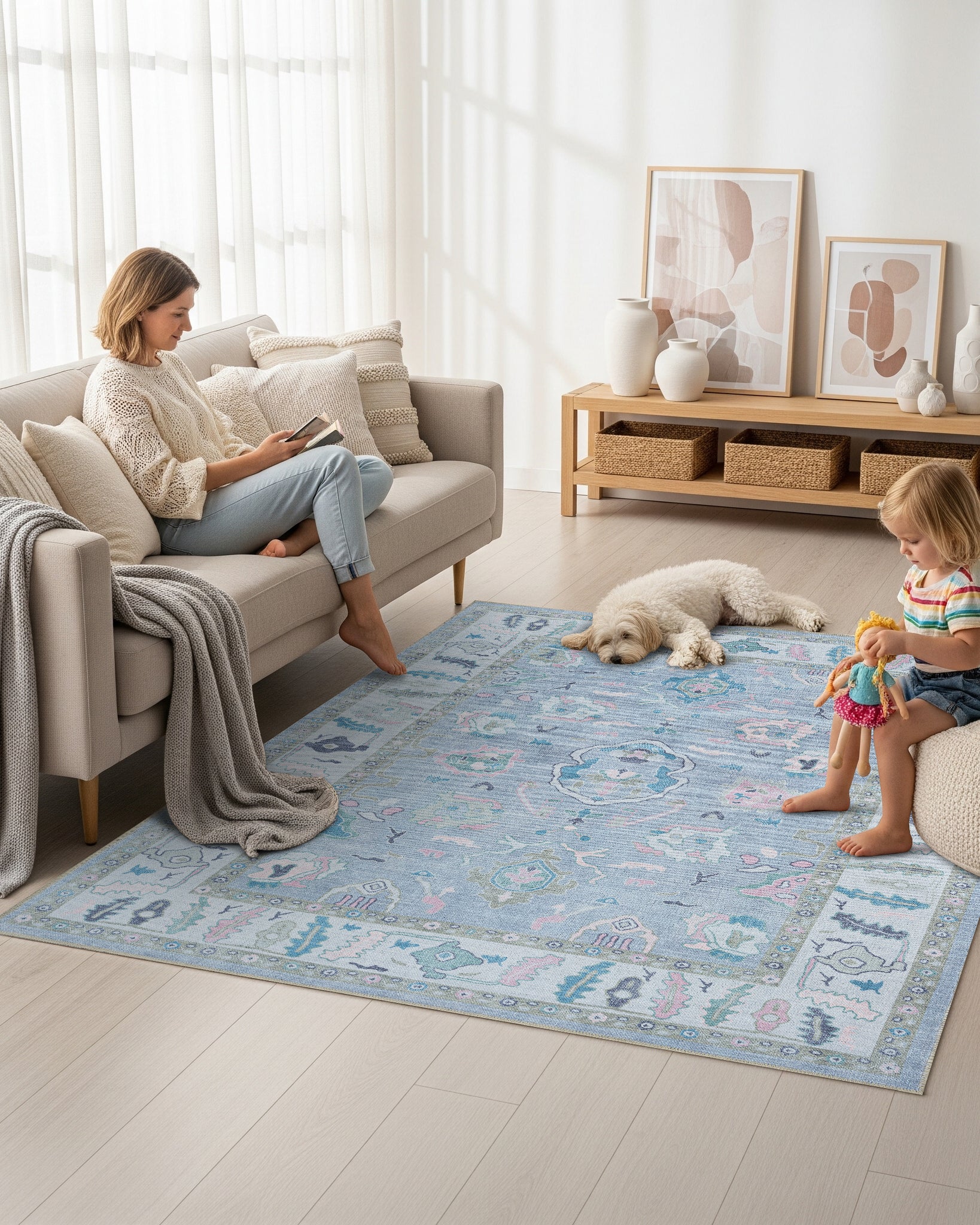
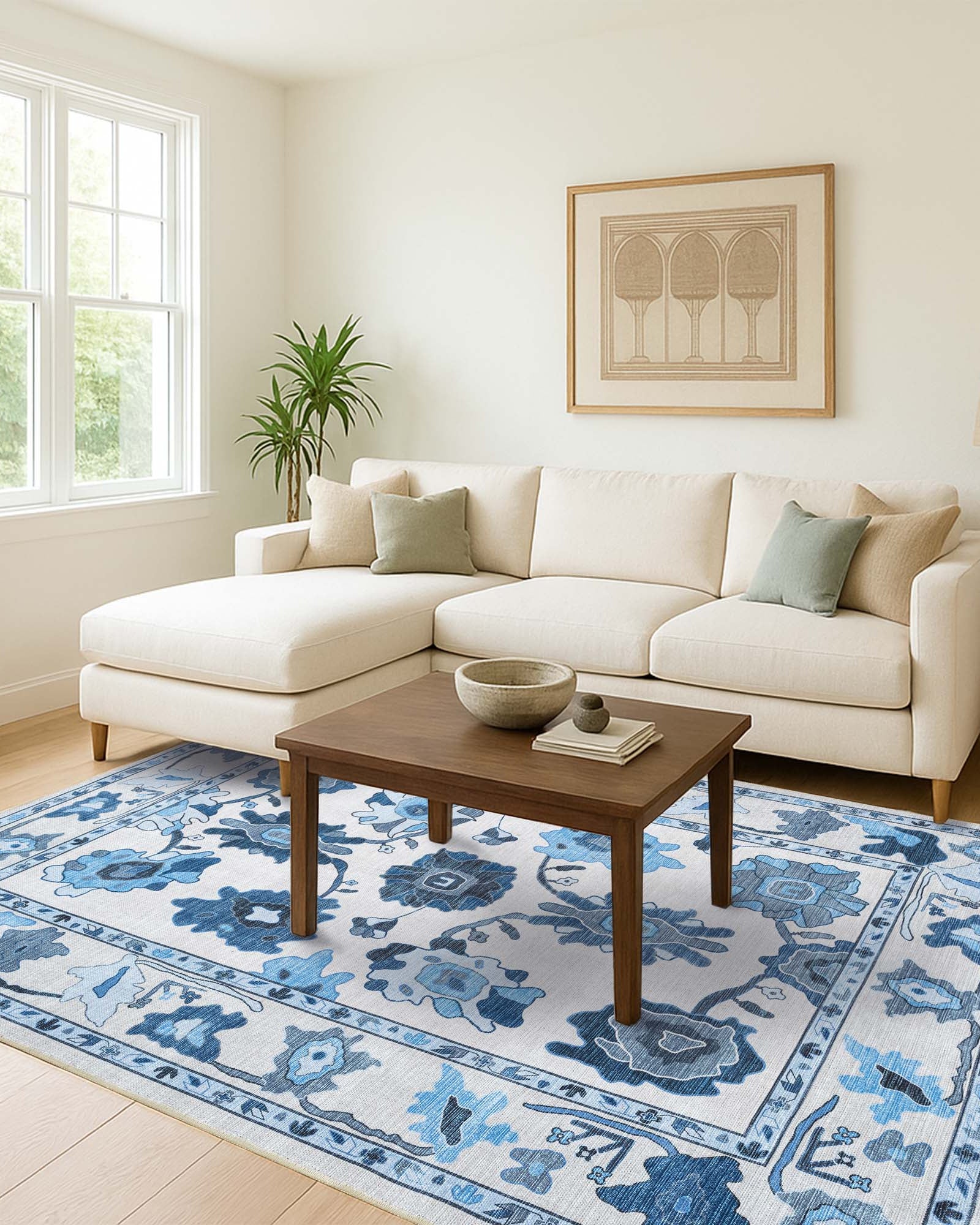
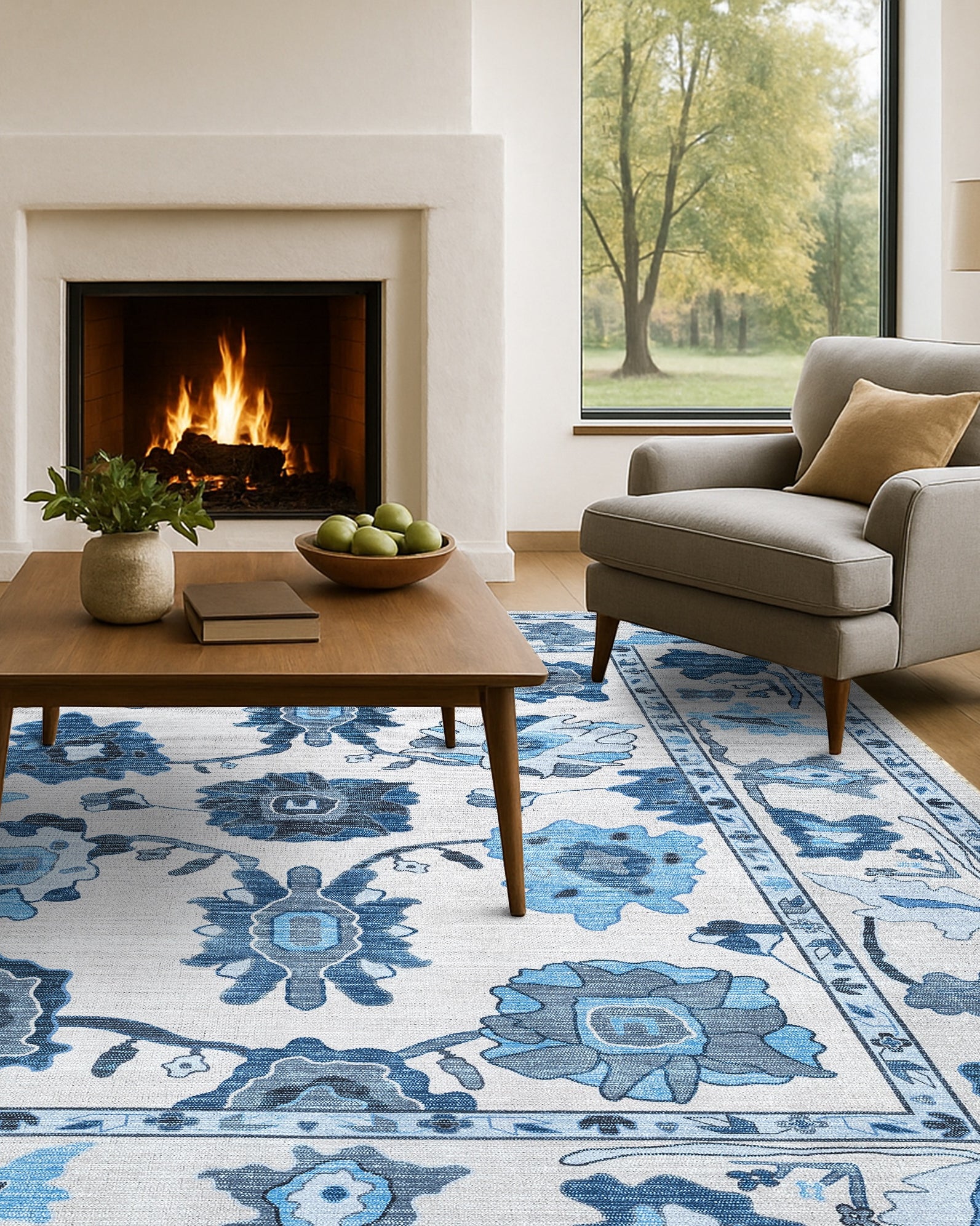
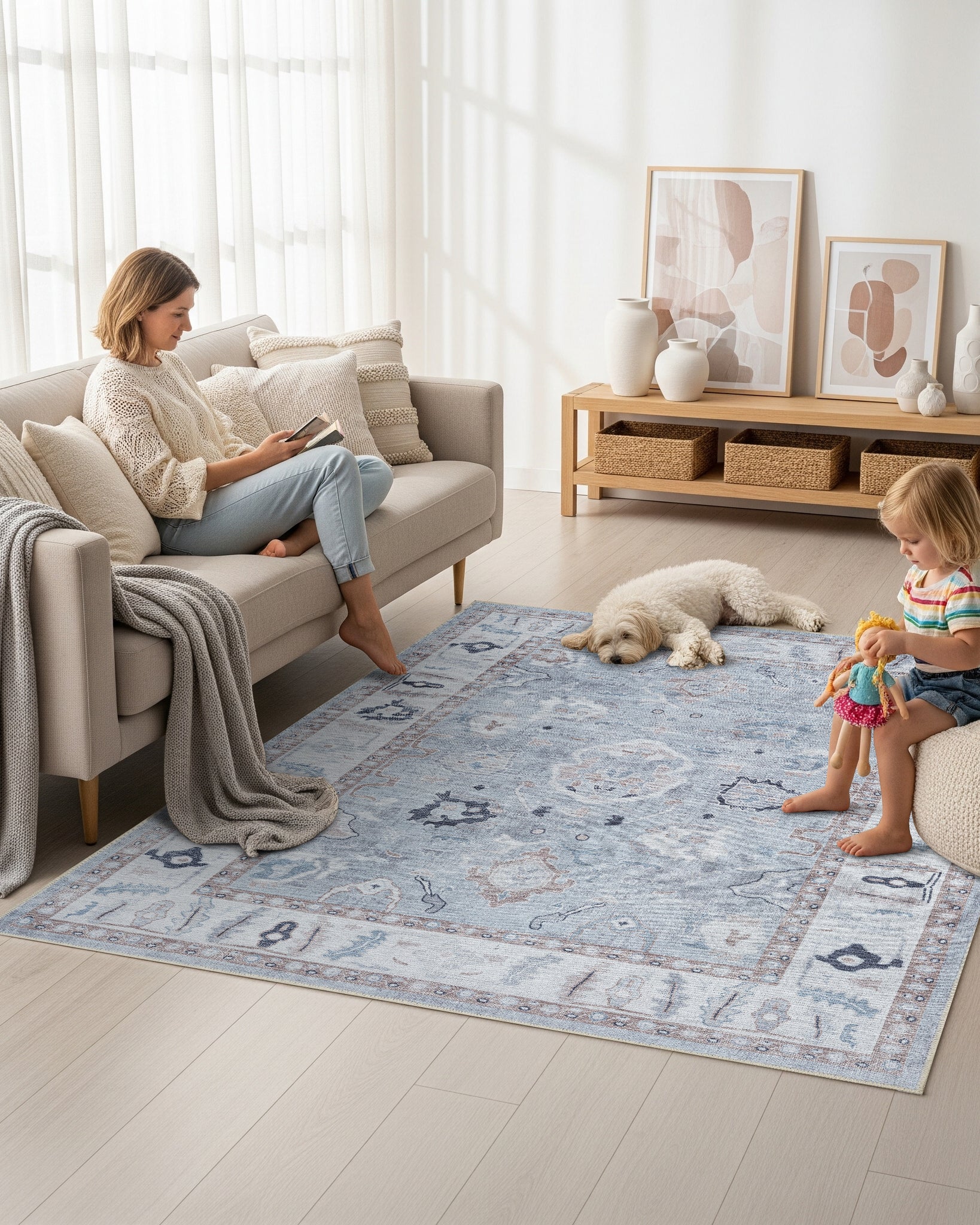
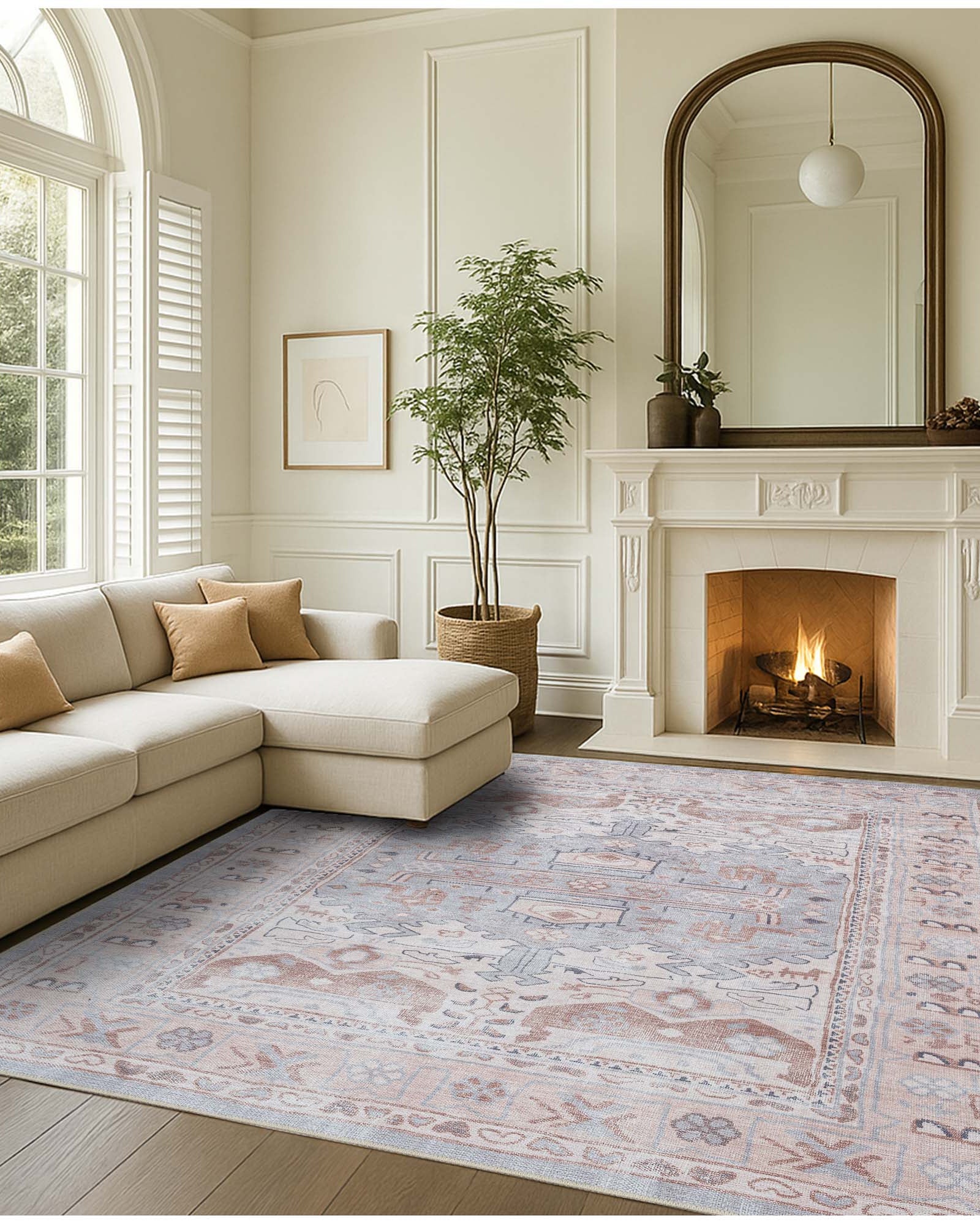
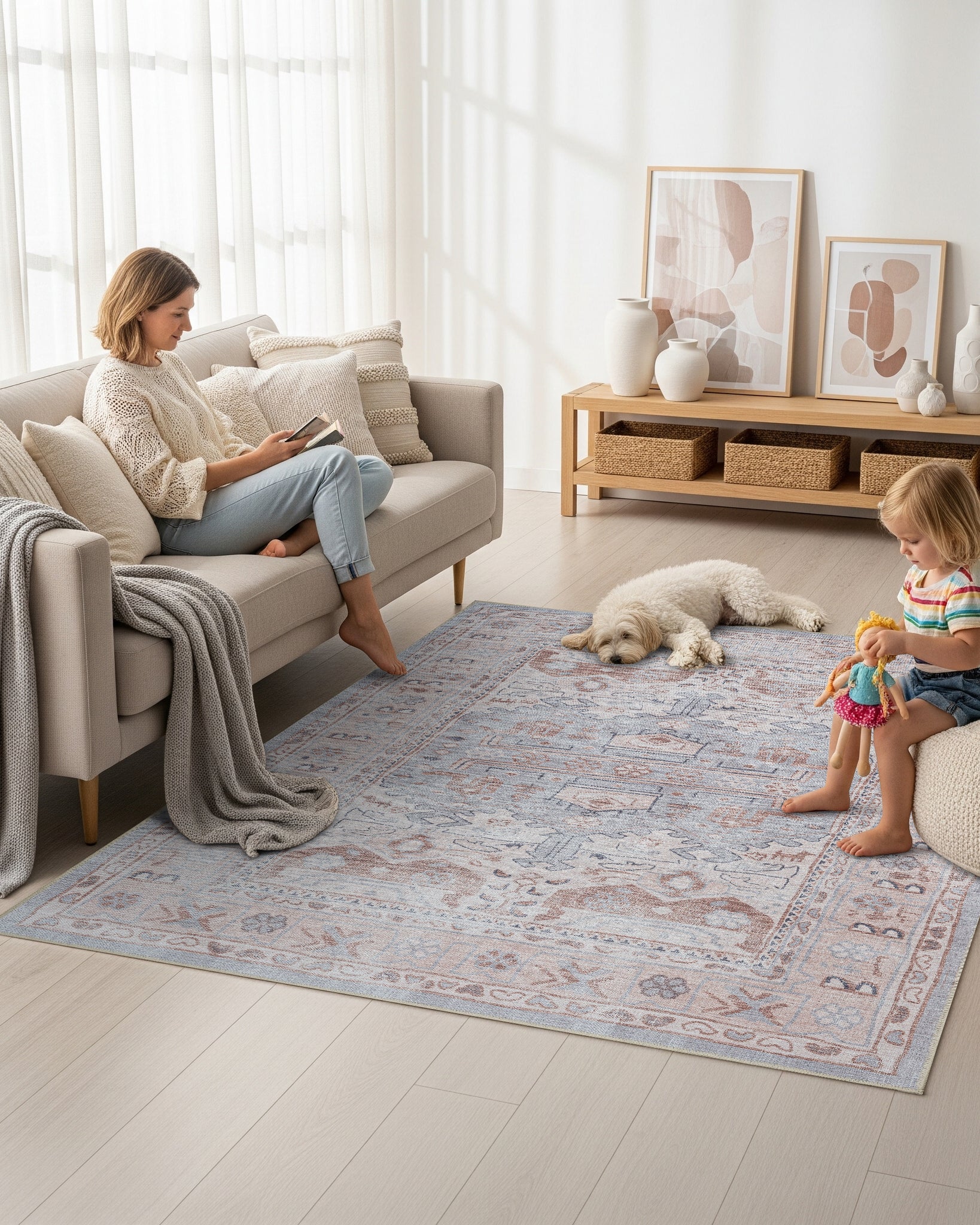
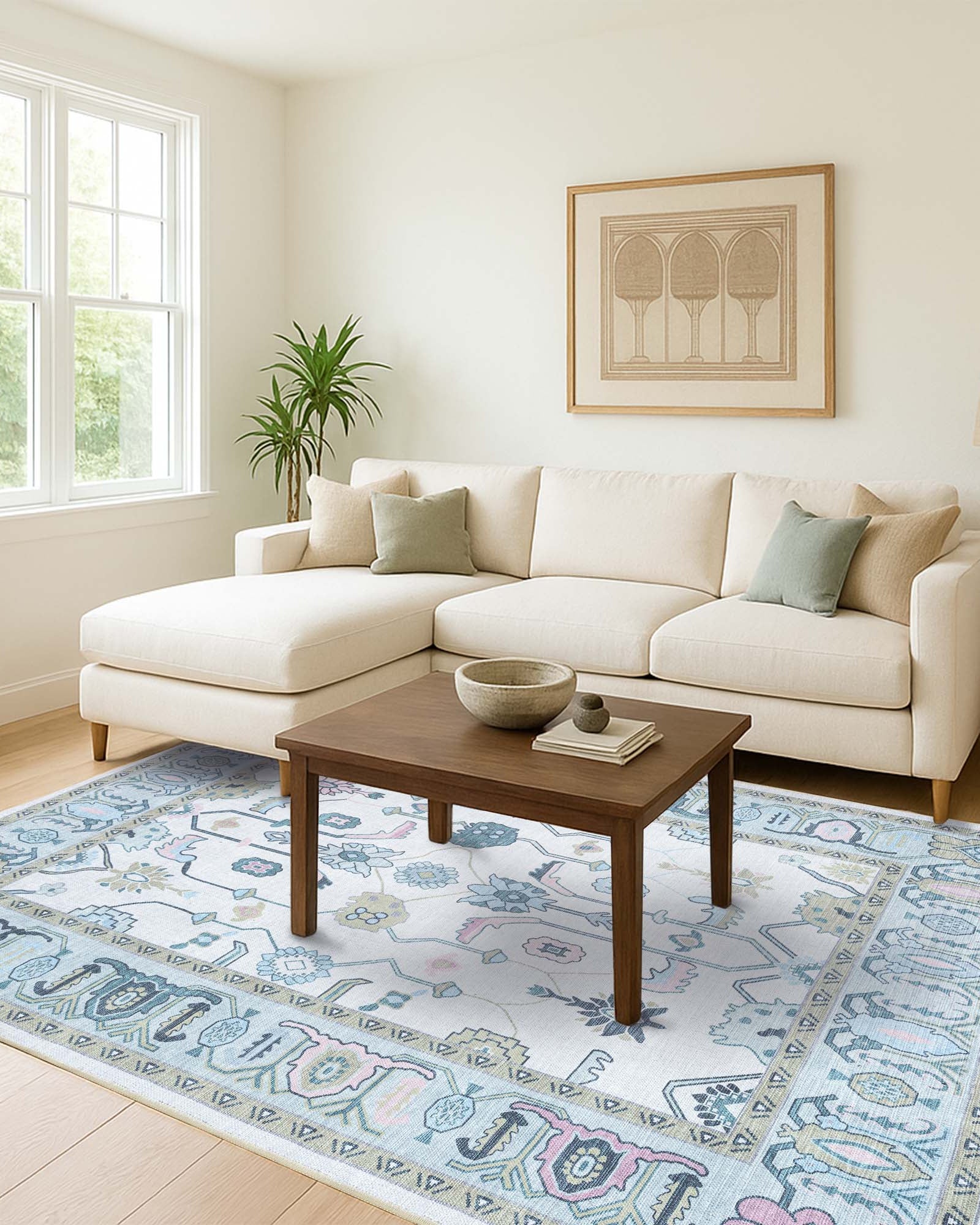
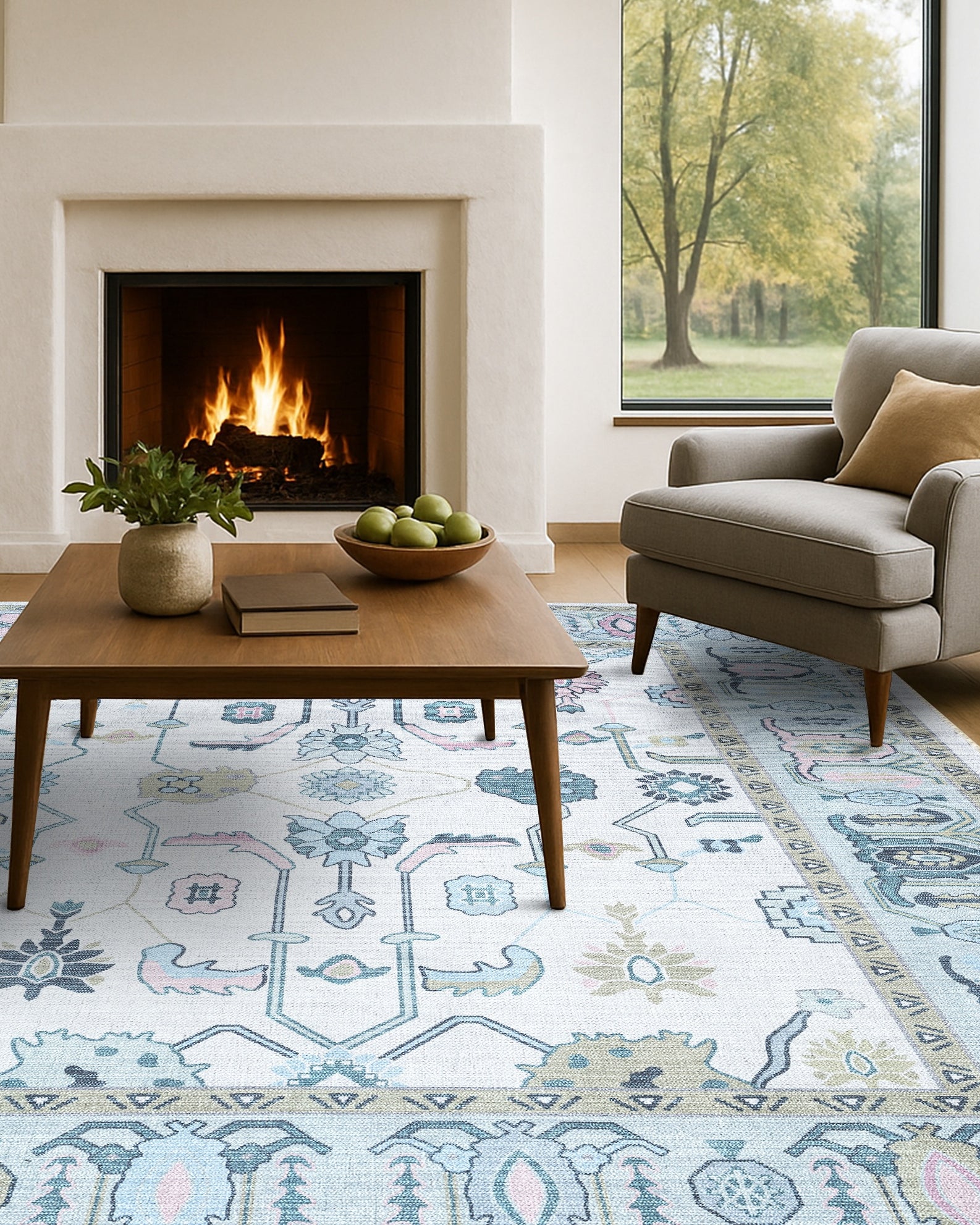
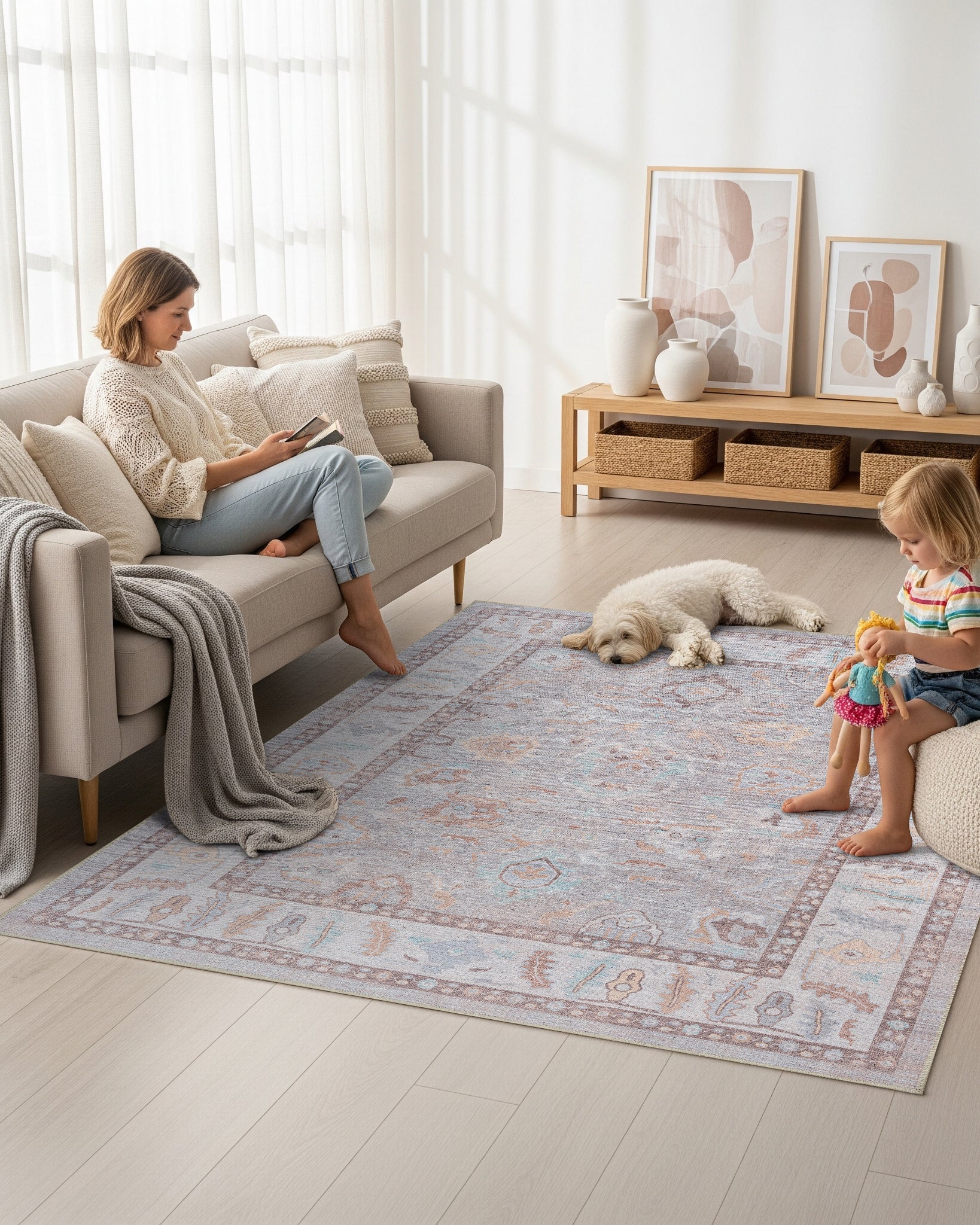
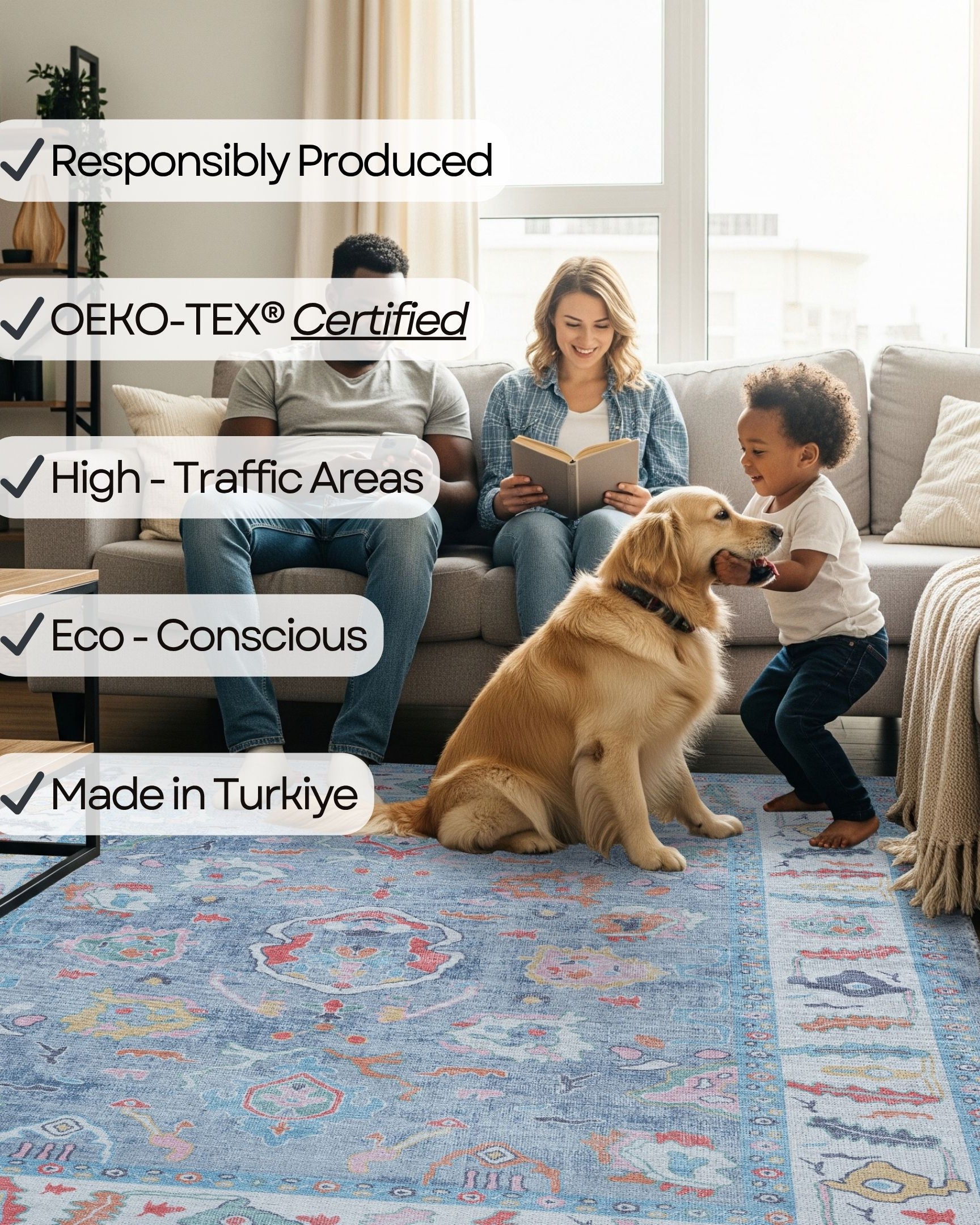
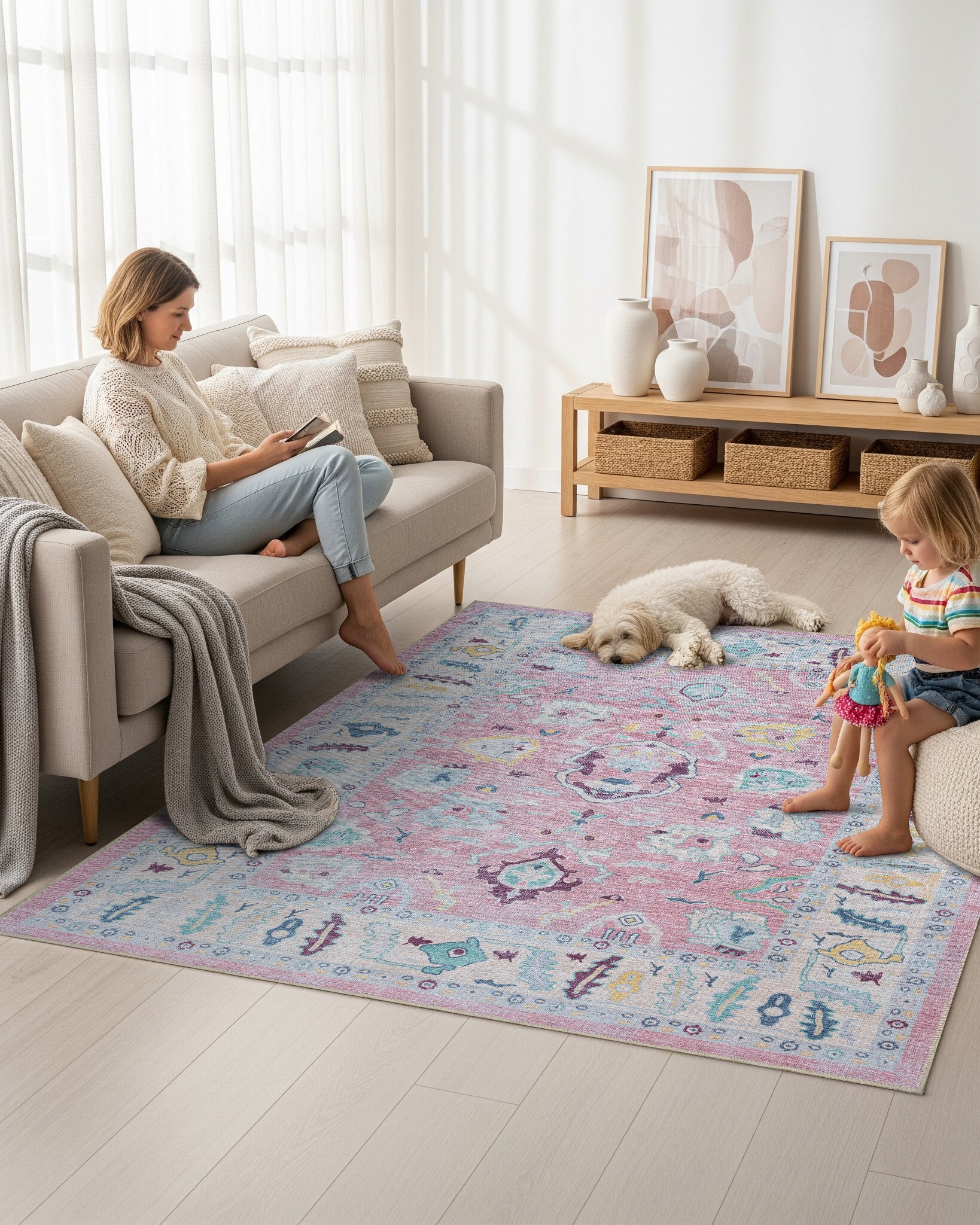
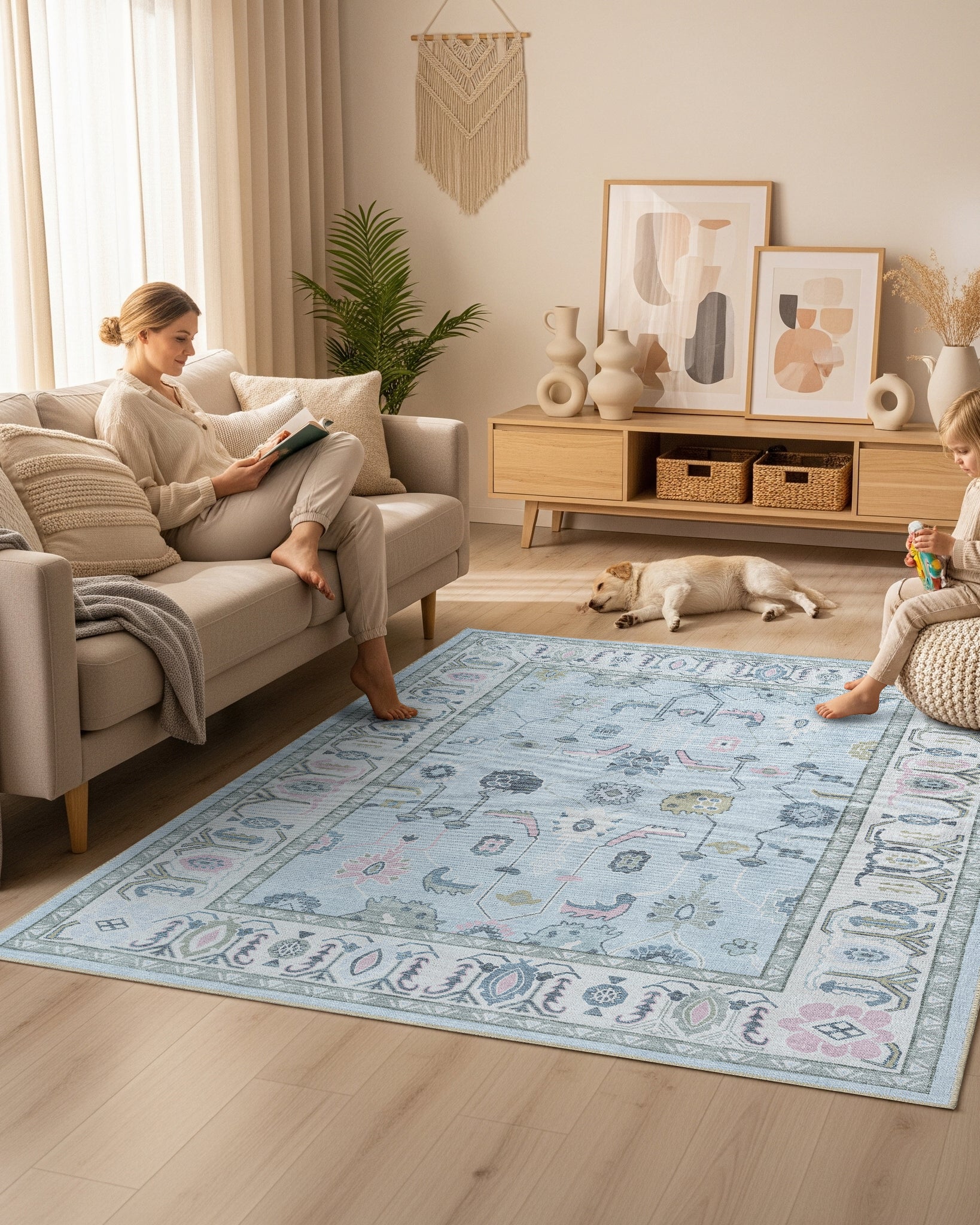
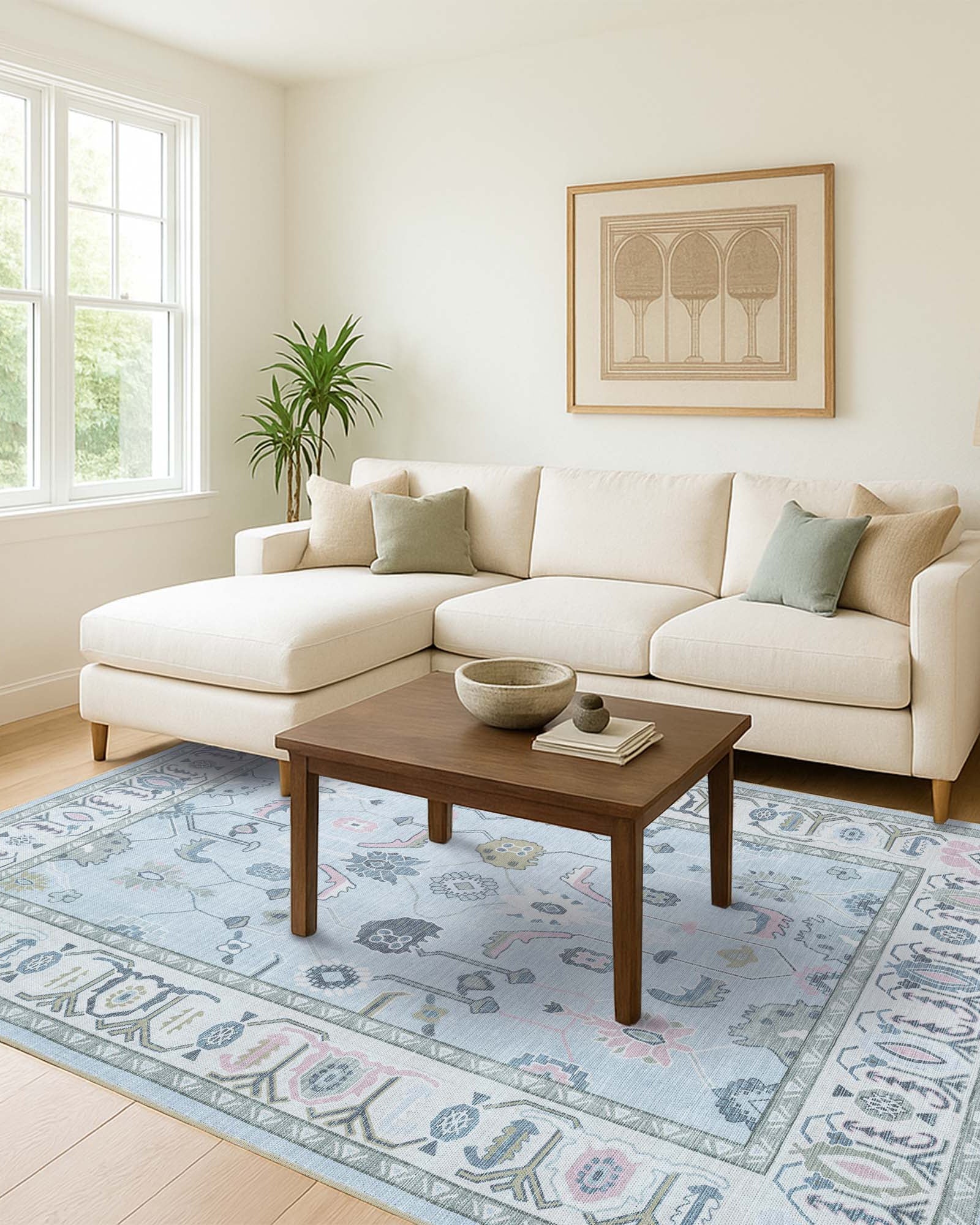
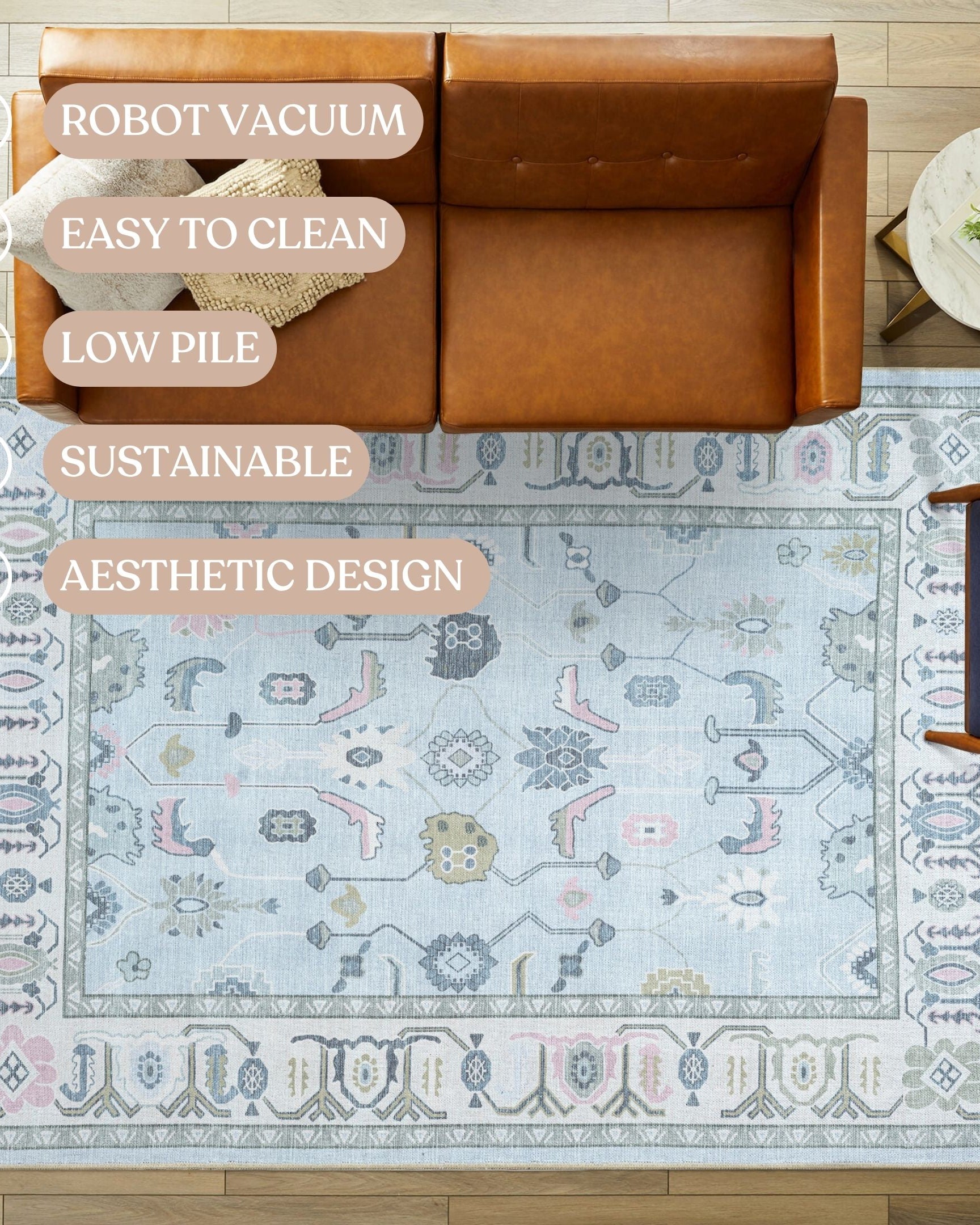
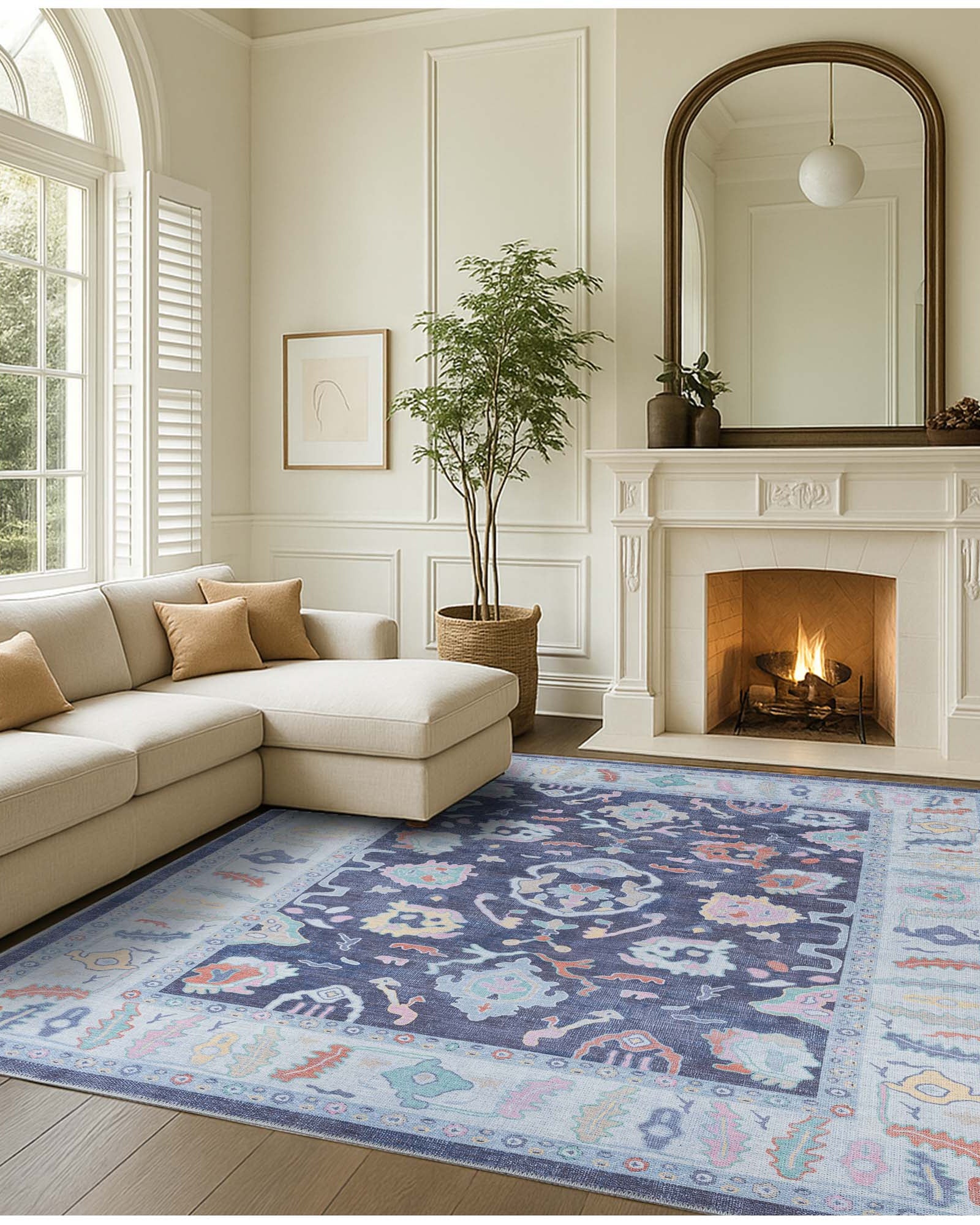
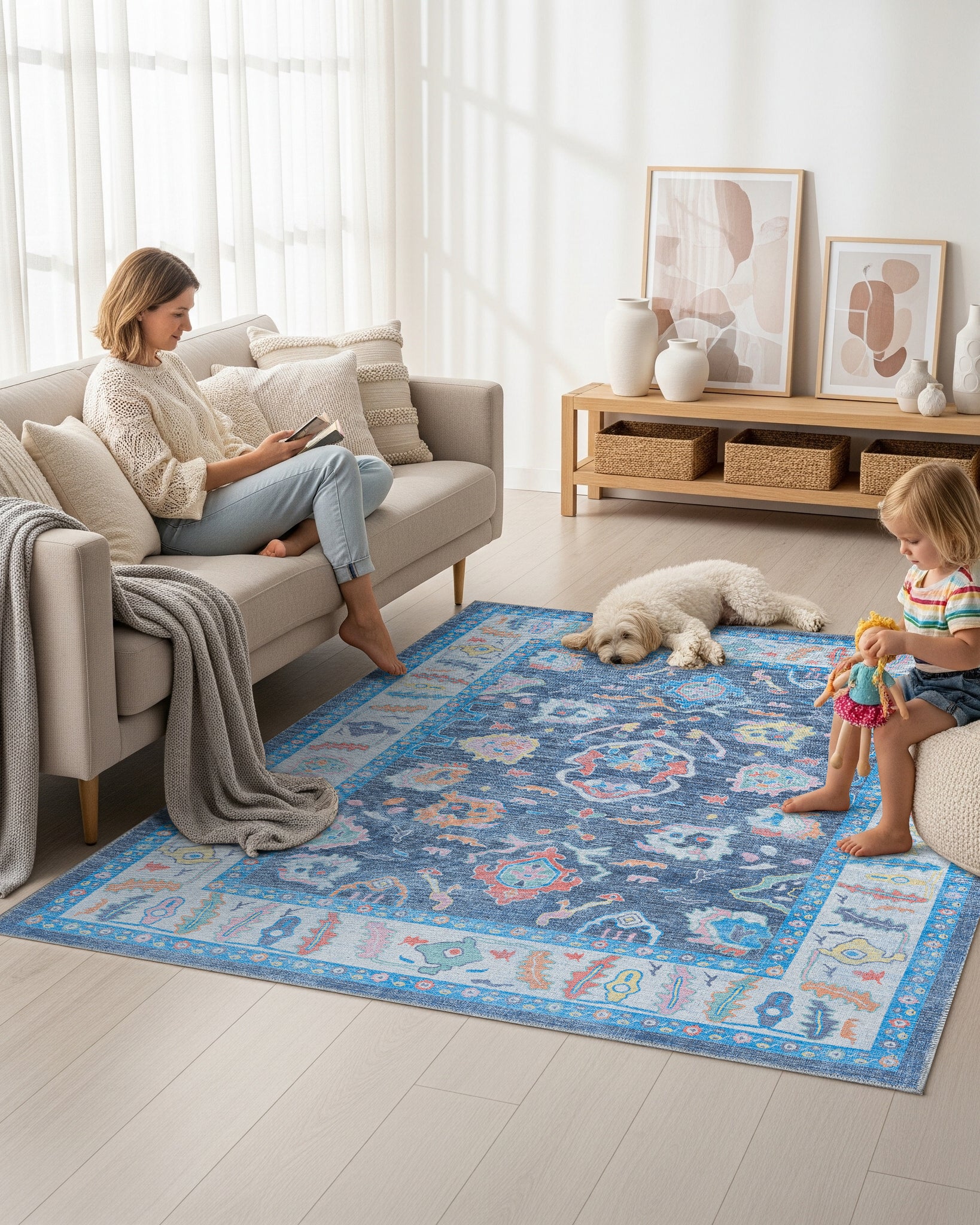
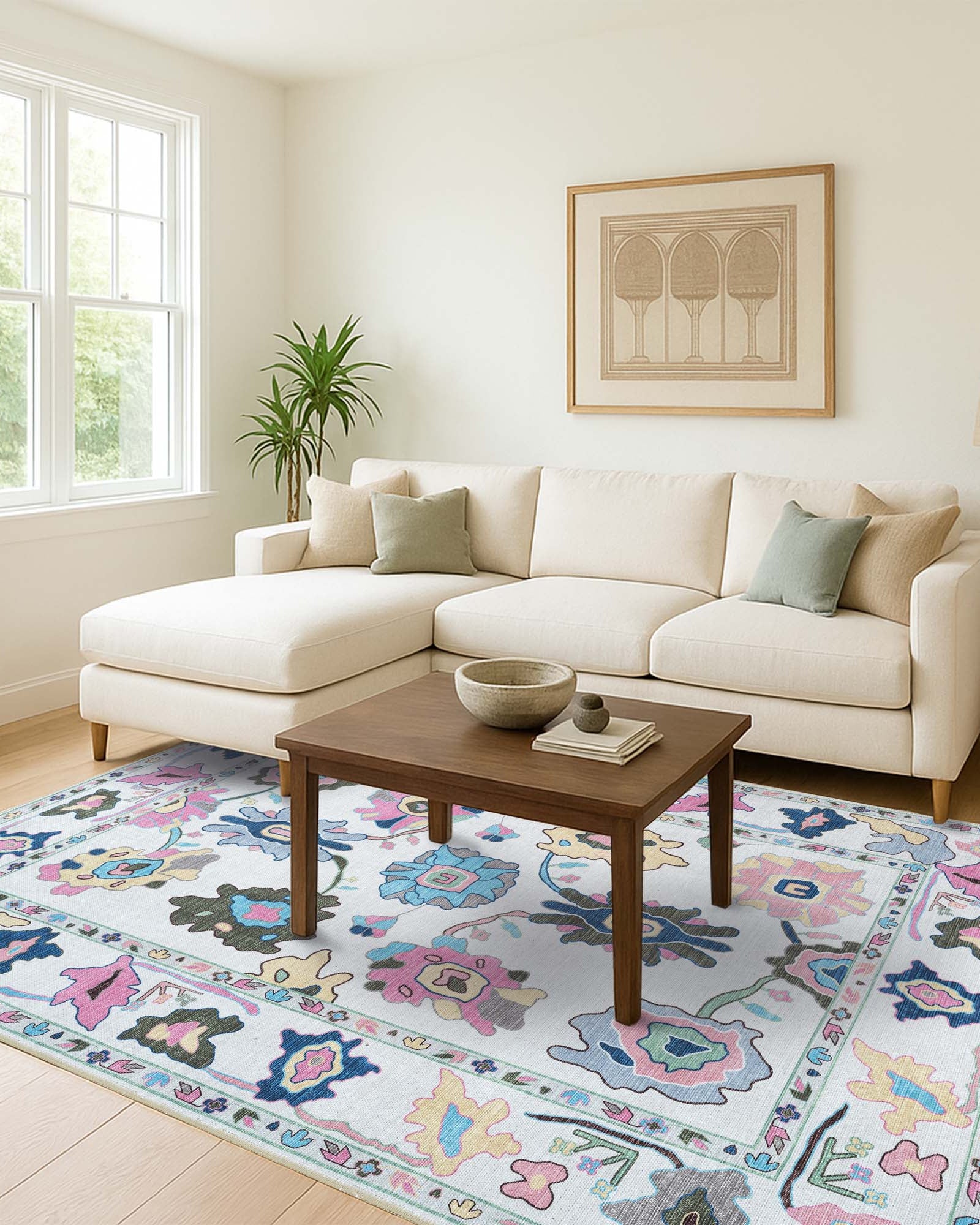
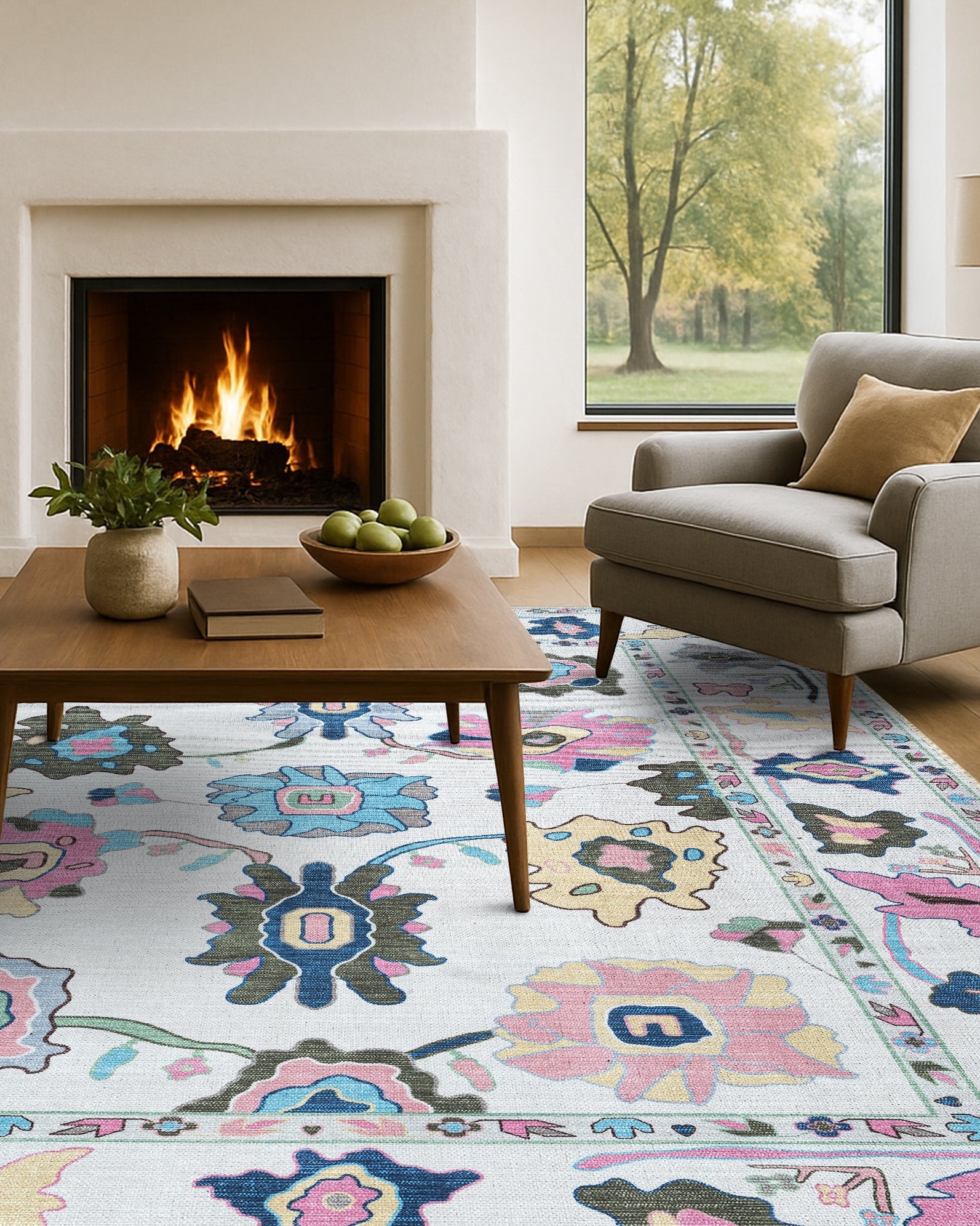
- Living Rooms: Use a large Oriental area rug to anchor seating arrangements and add sophistication.
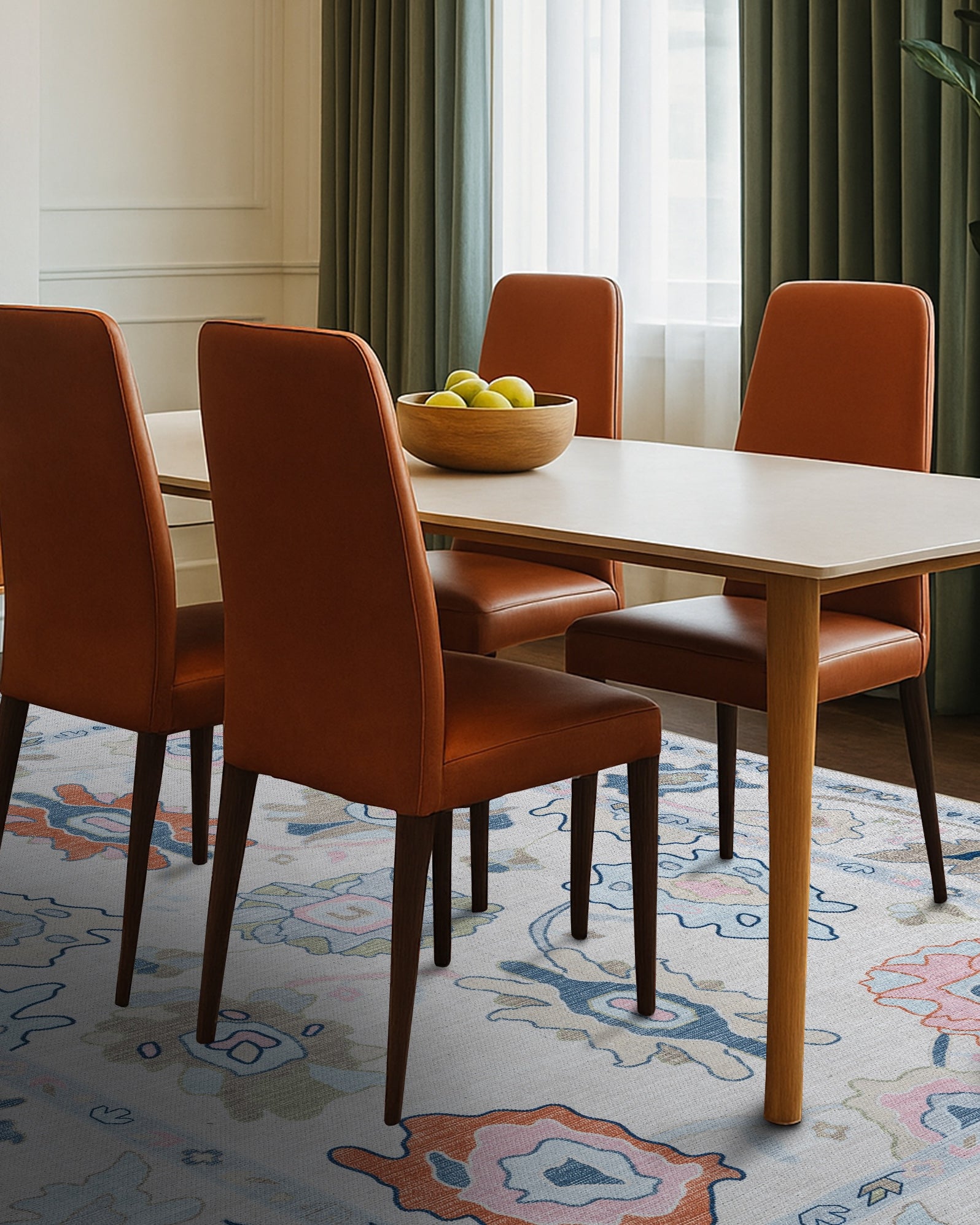
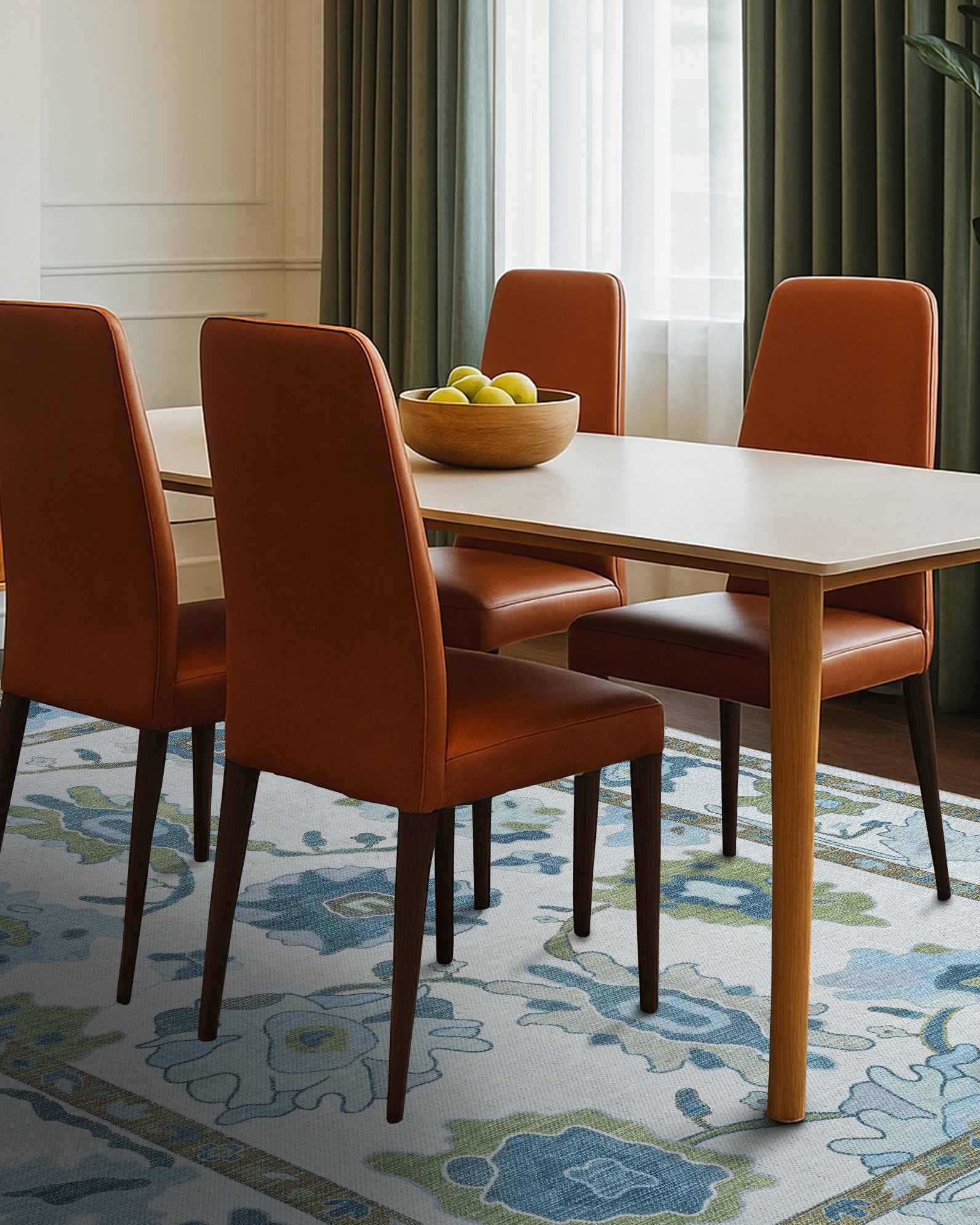
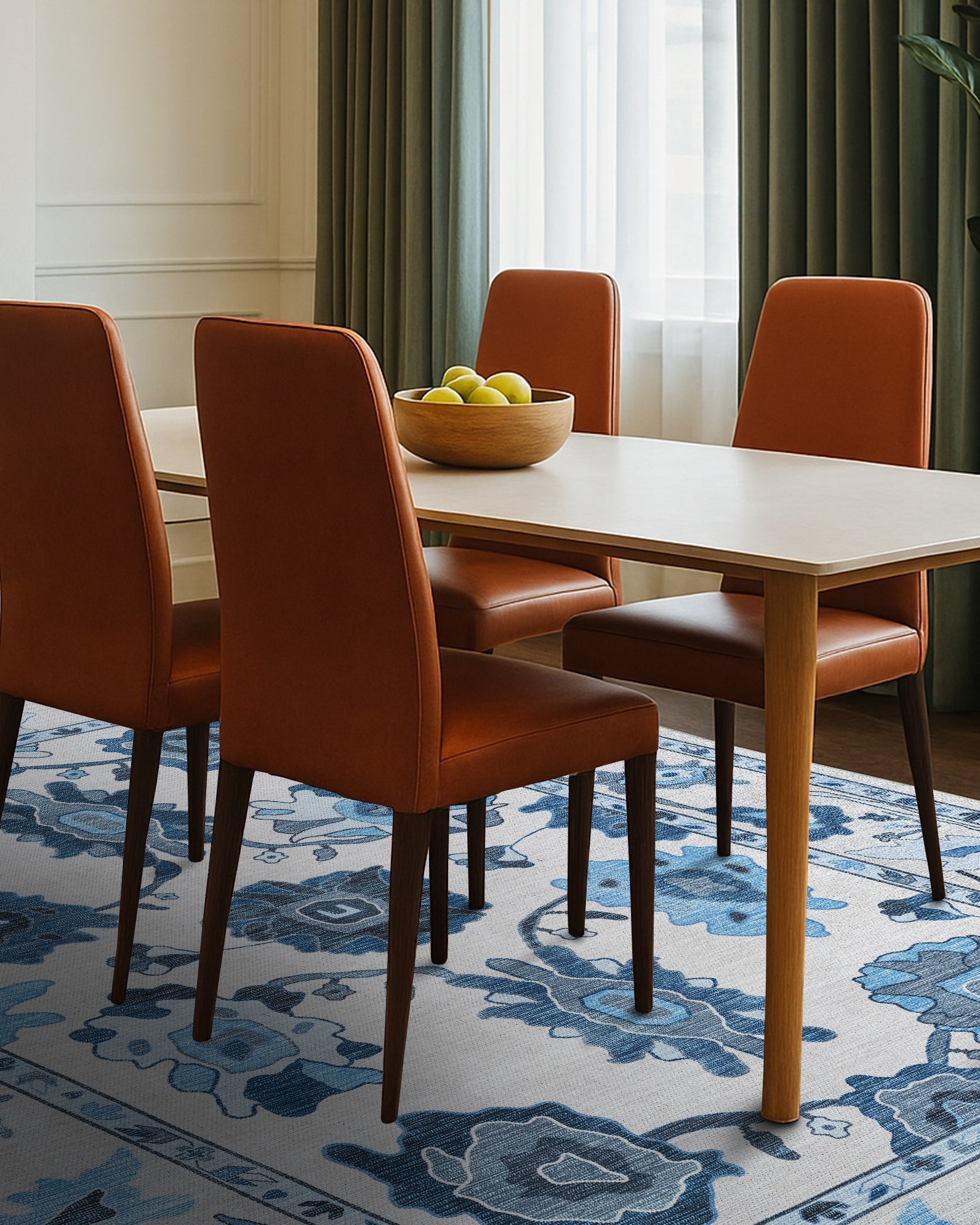
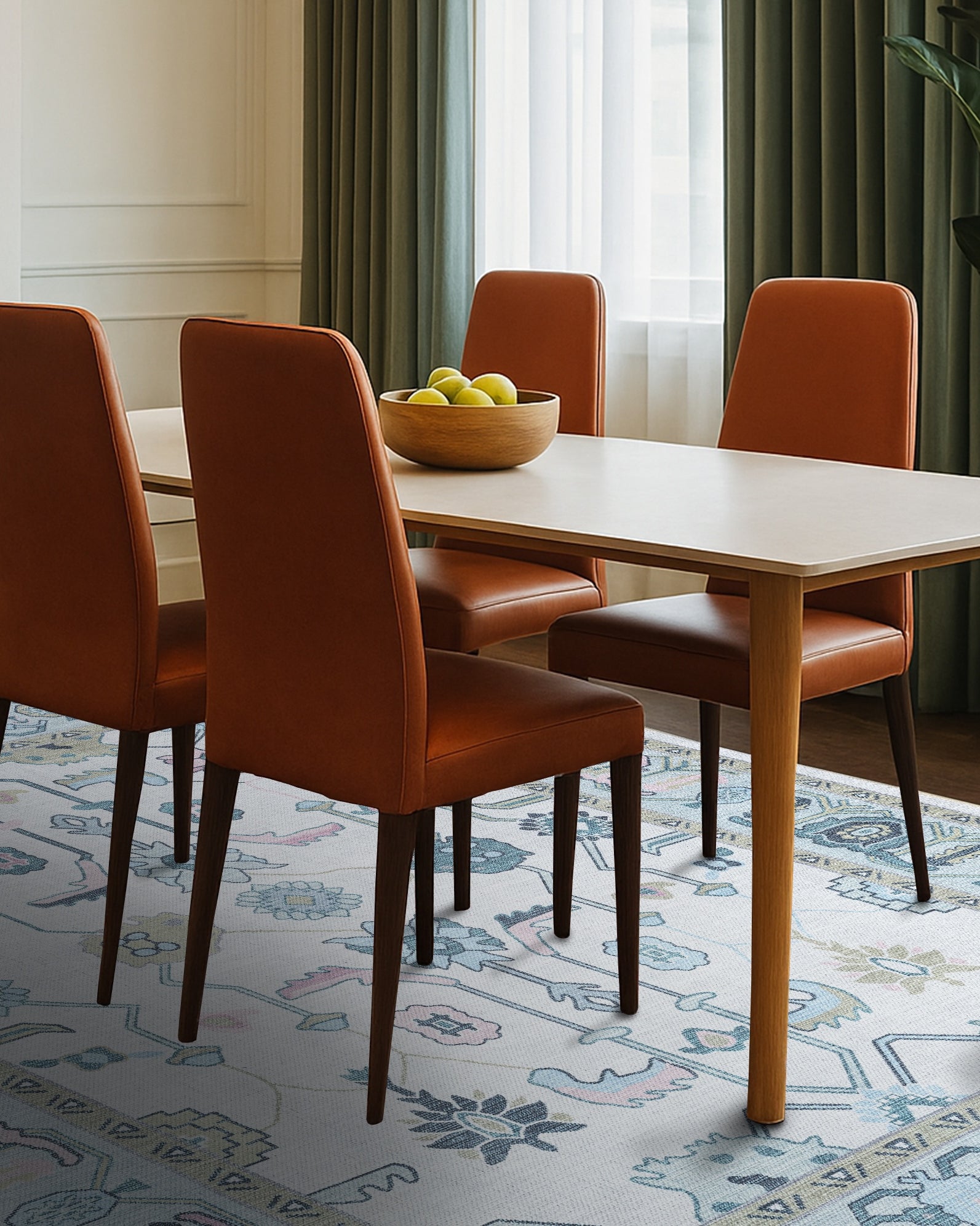
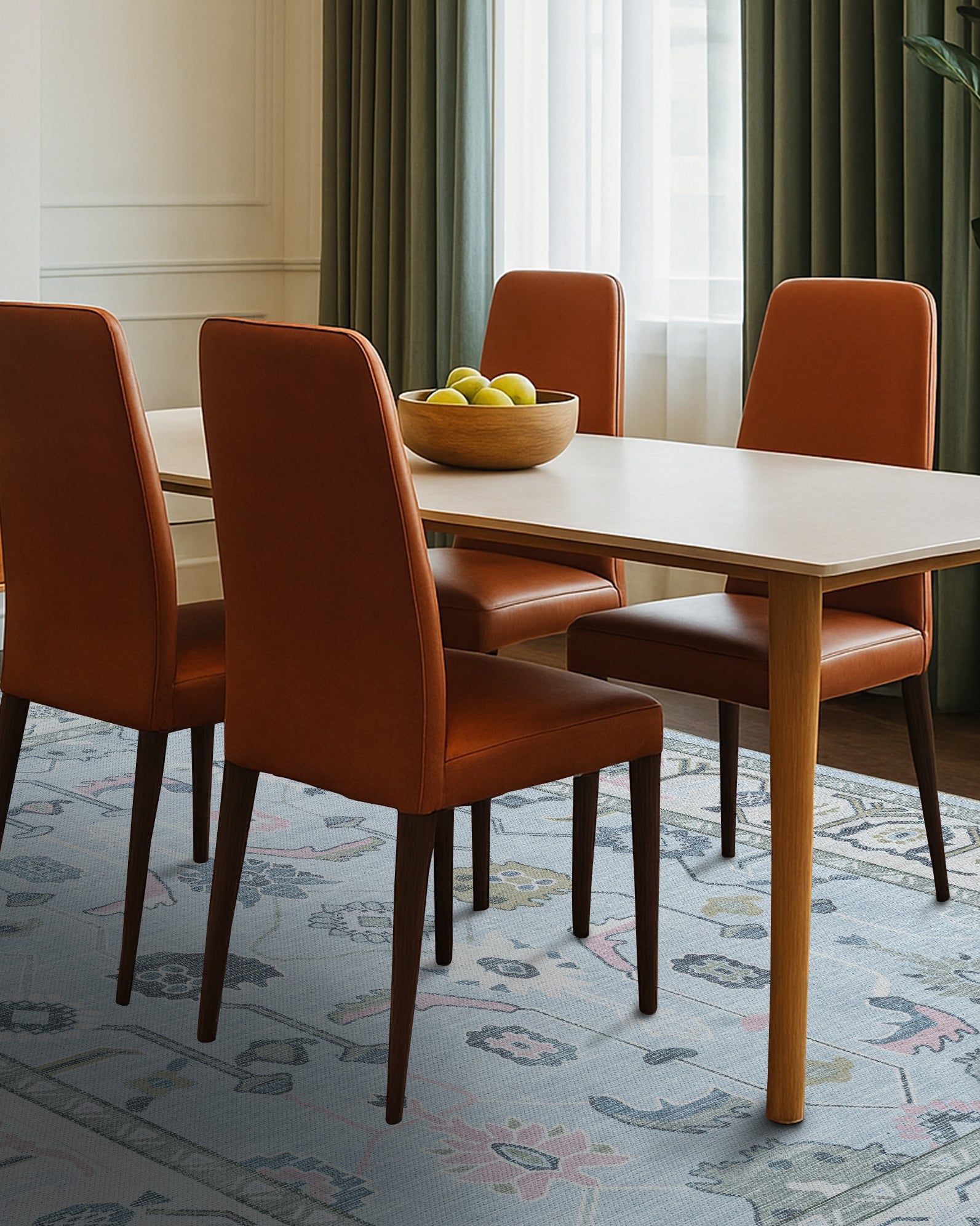
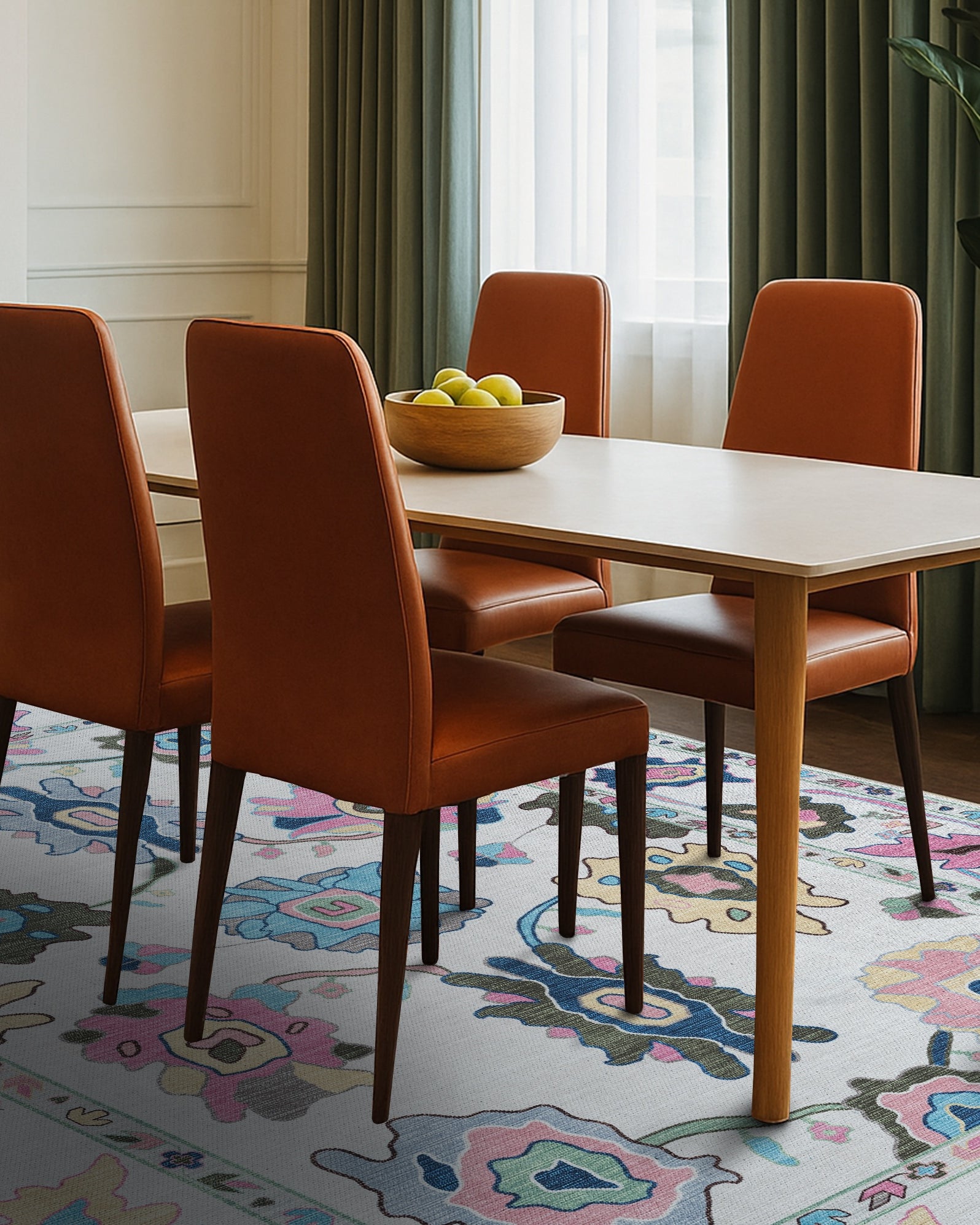
- Dining Rooms: Place a durable wool Oriental rug beneath the dining table for warmth and elegance.
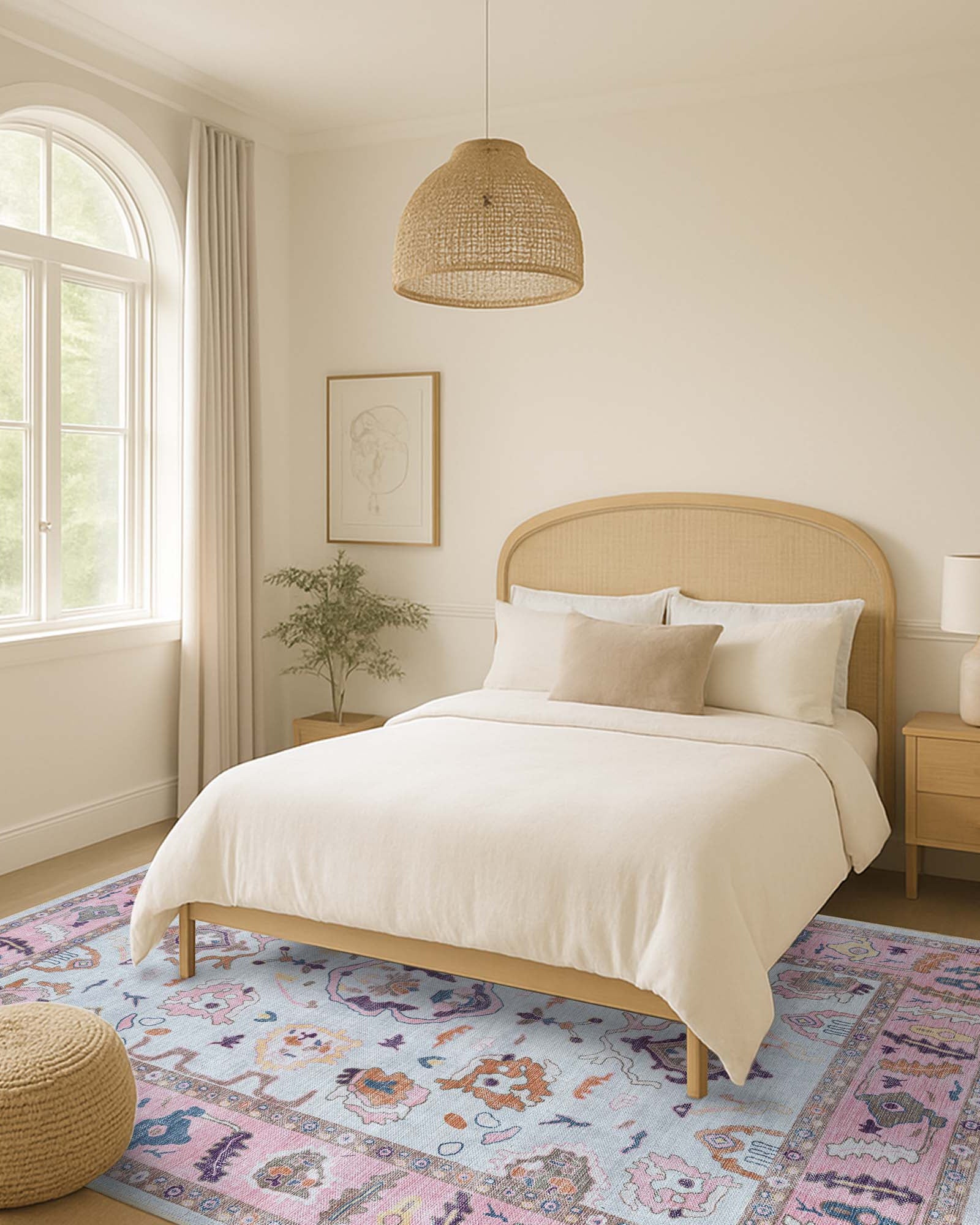
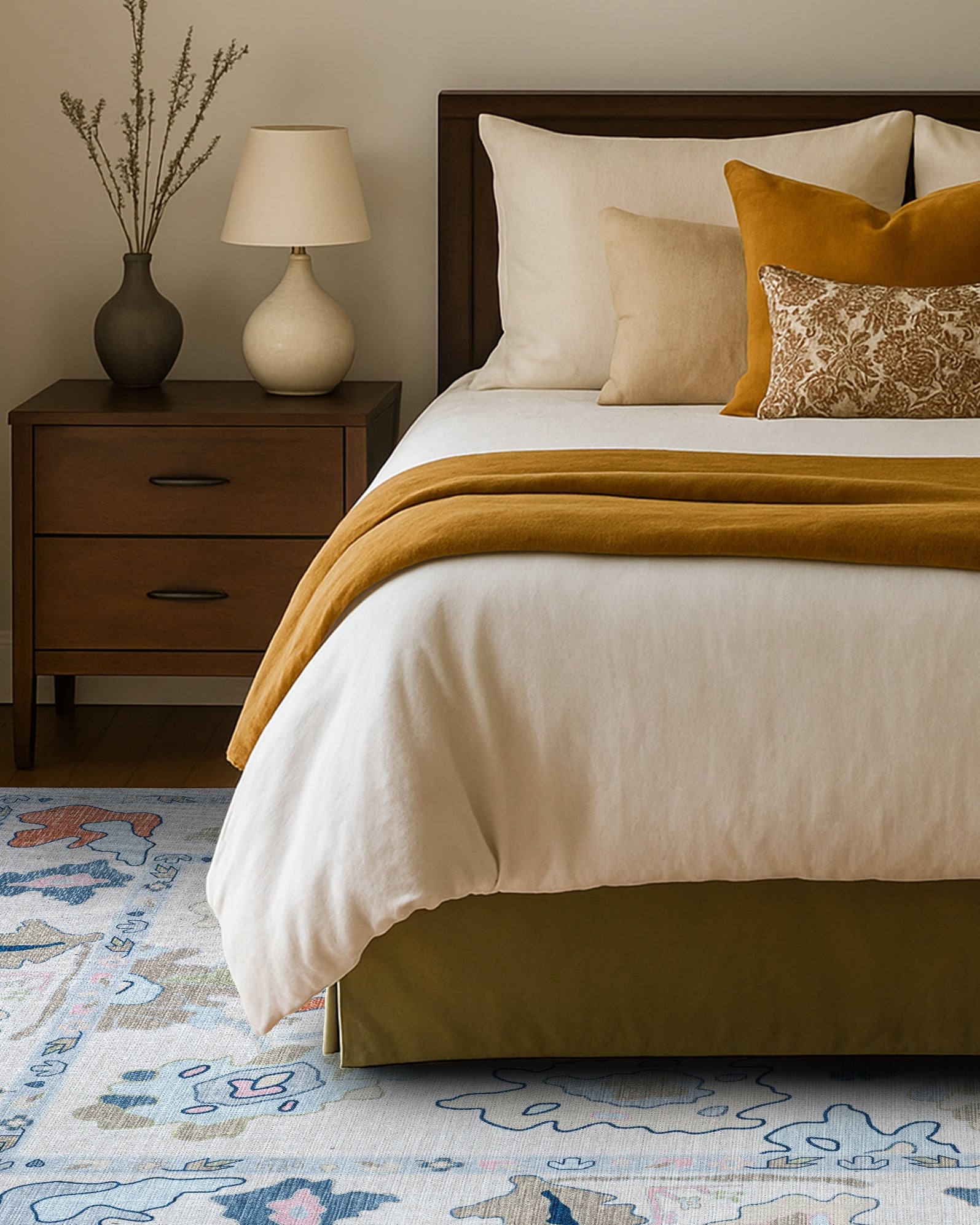
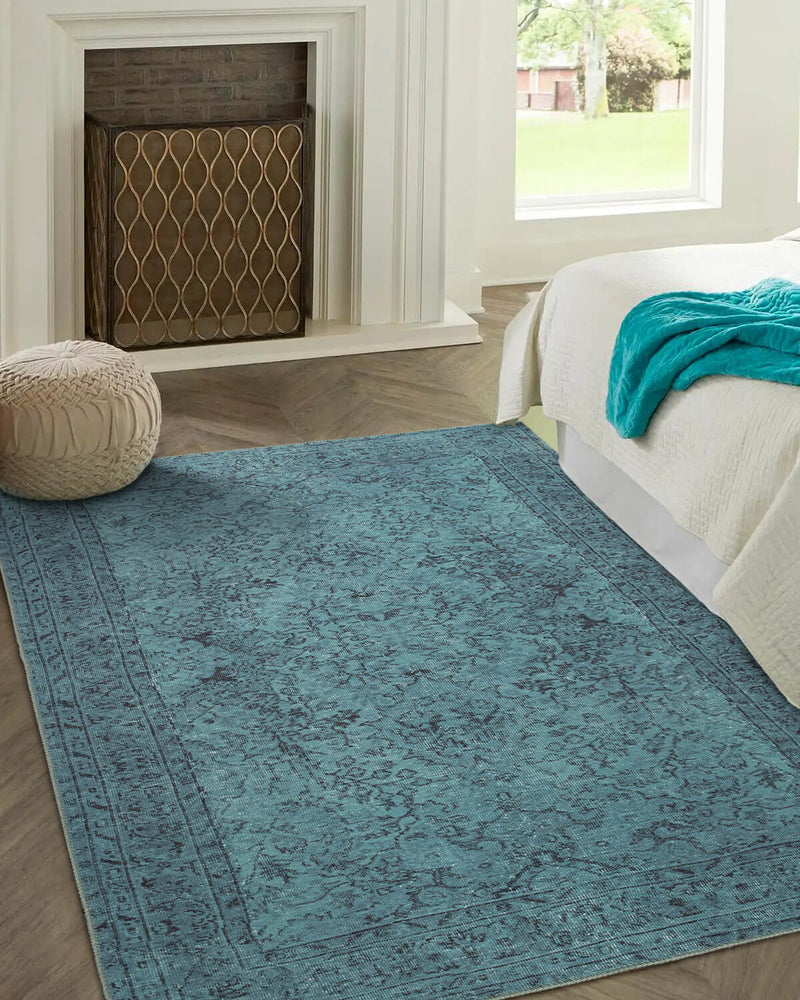
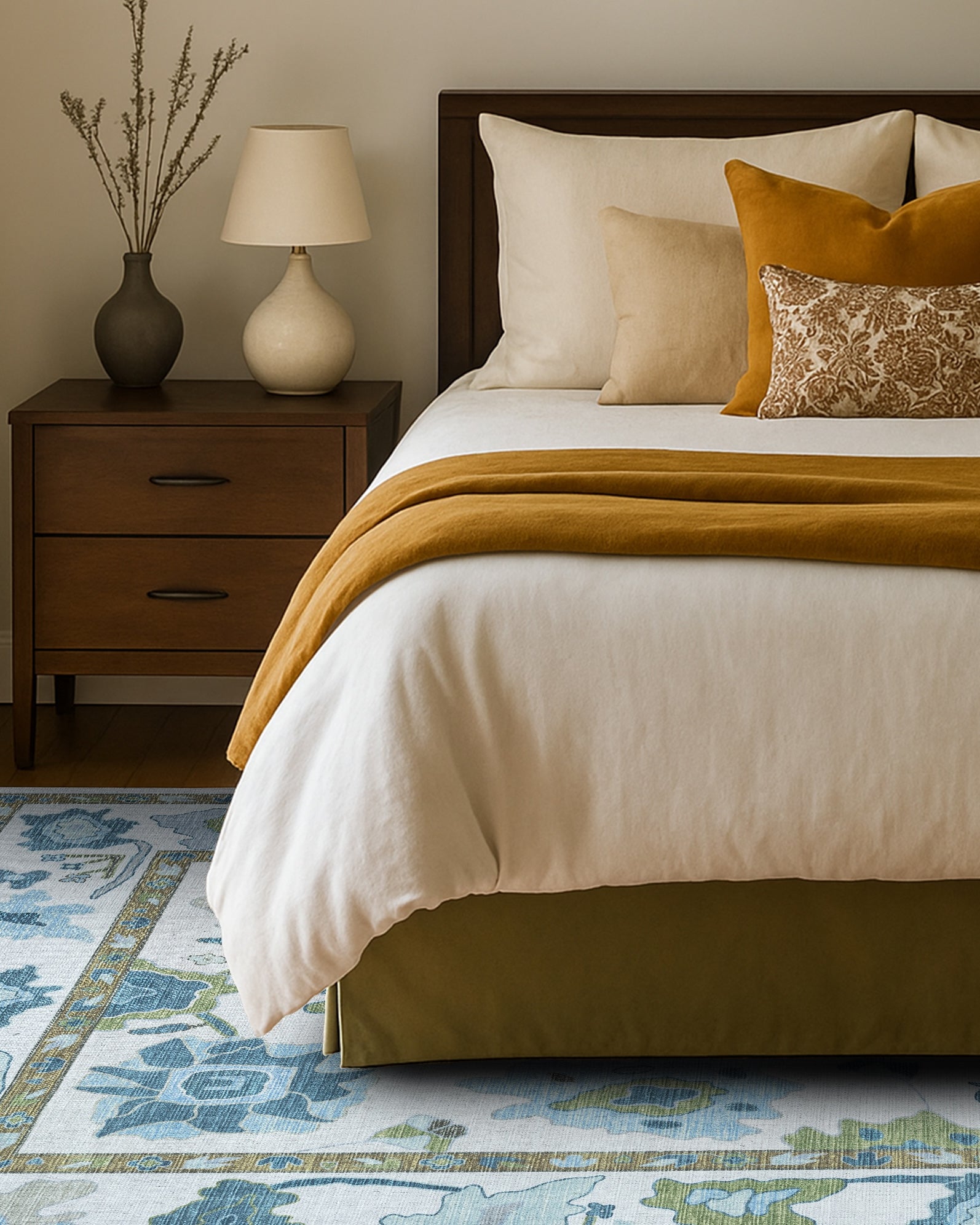
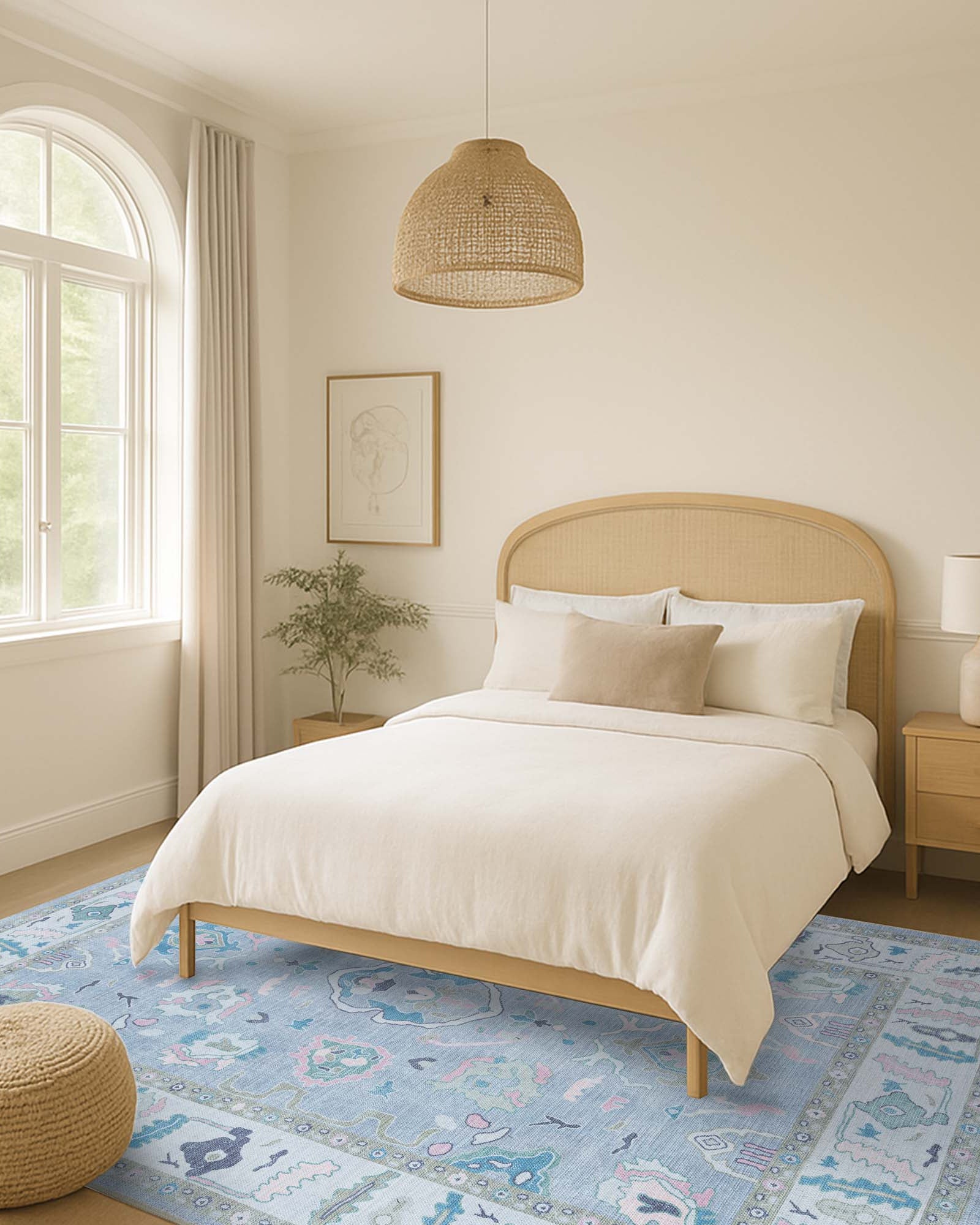
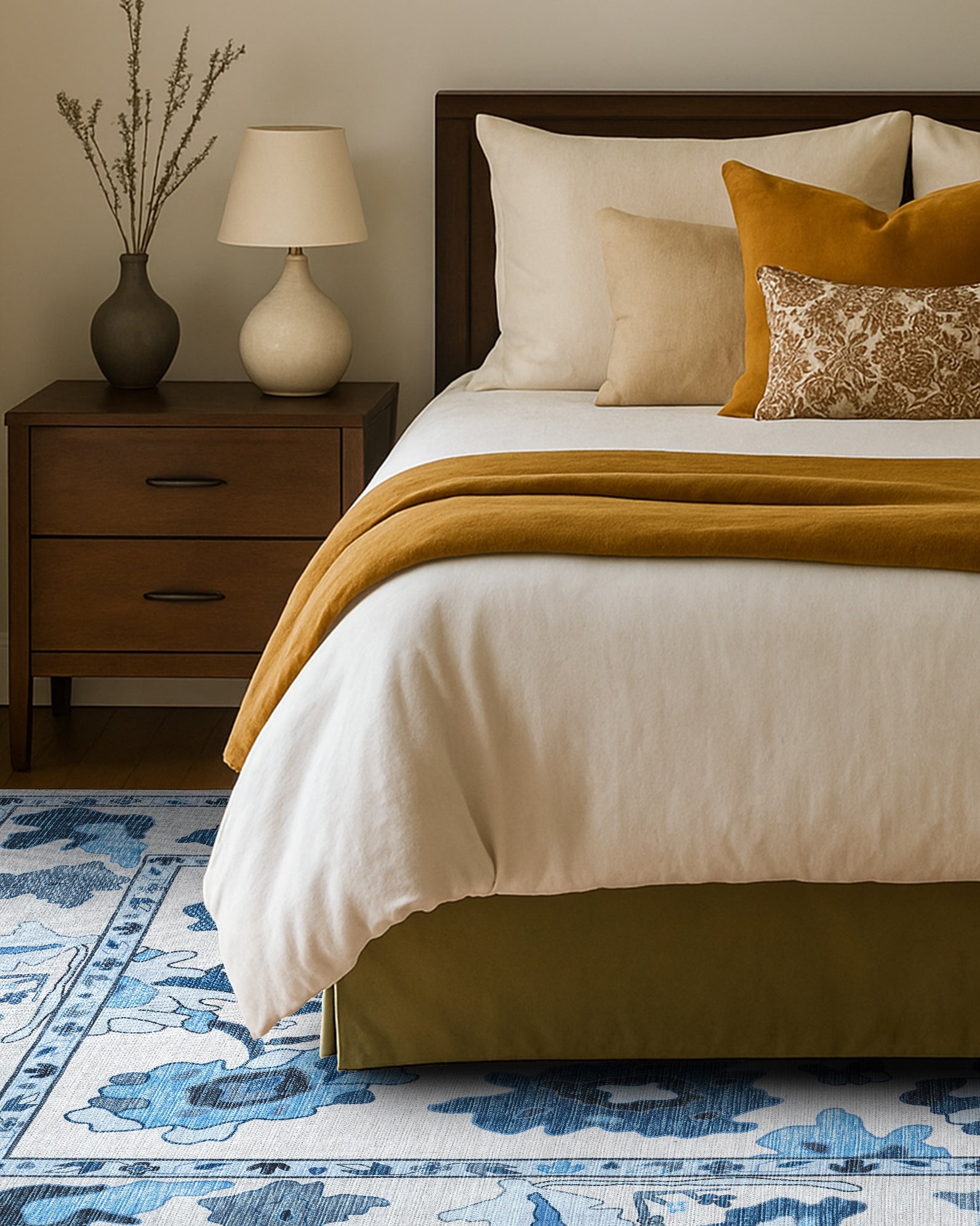
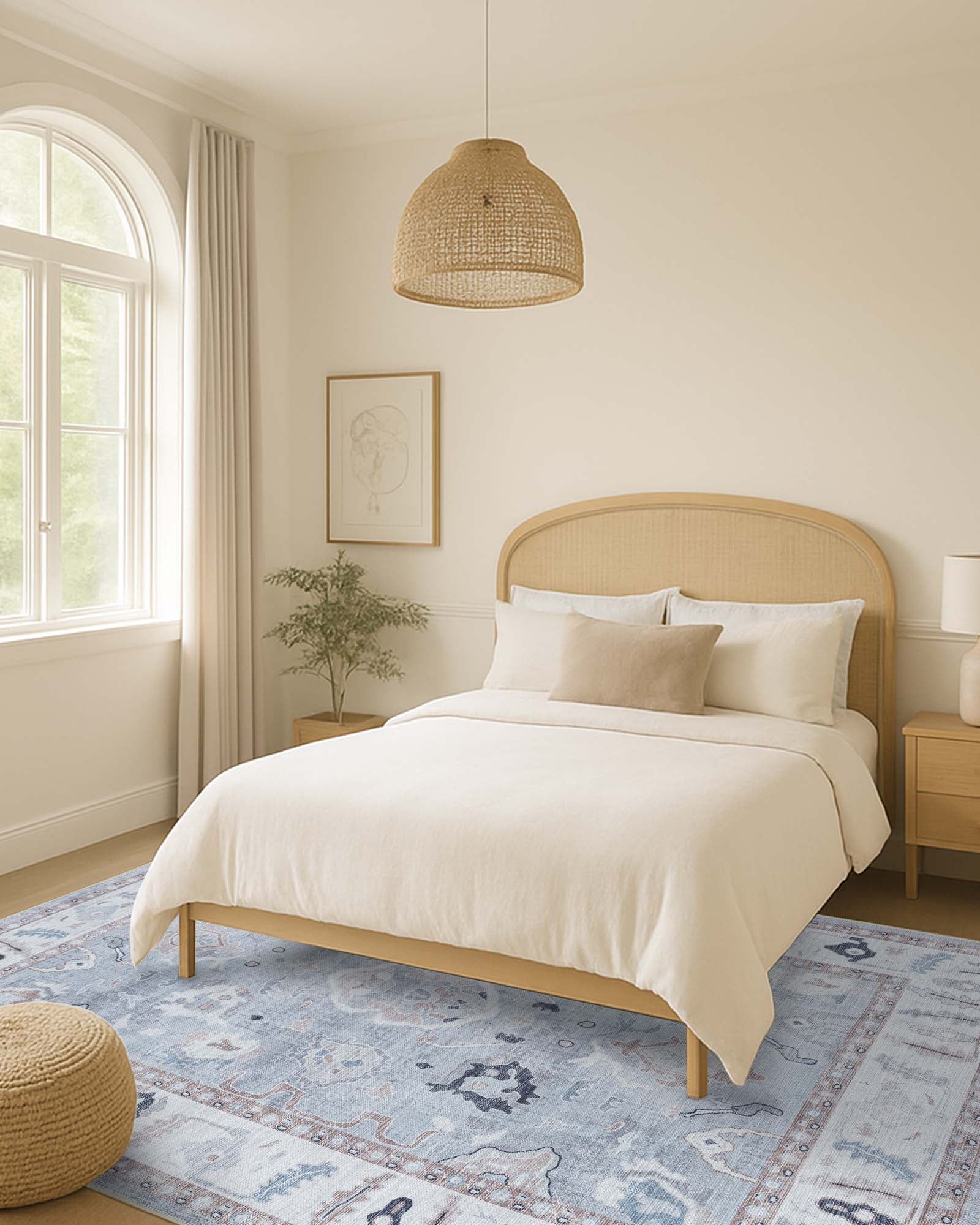
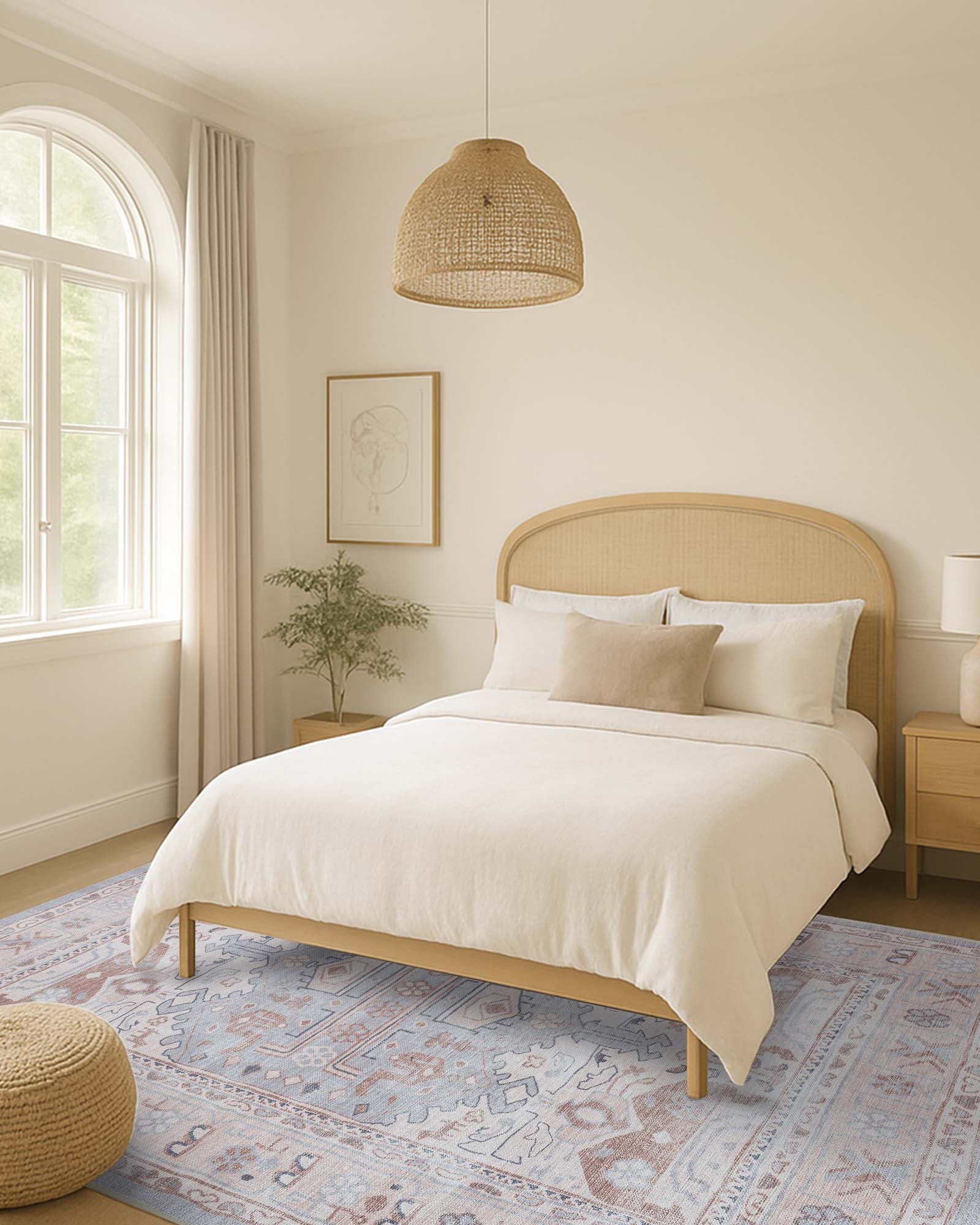
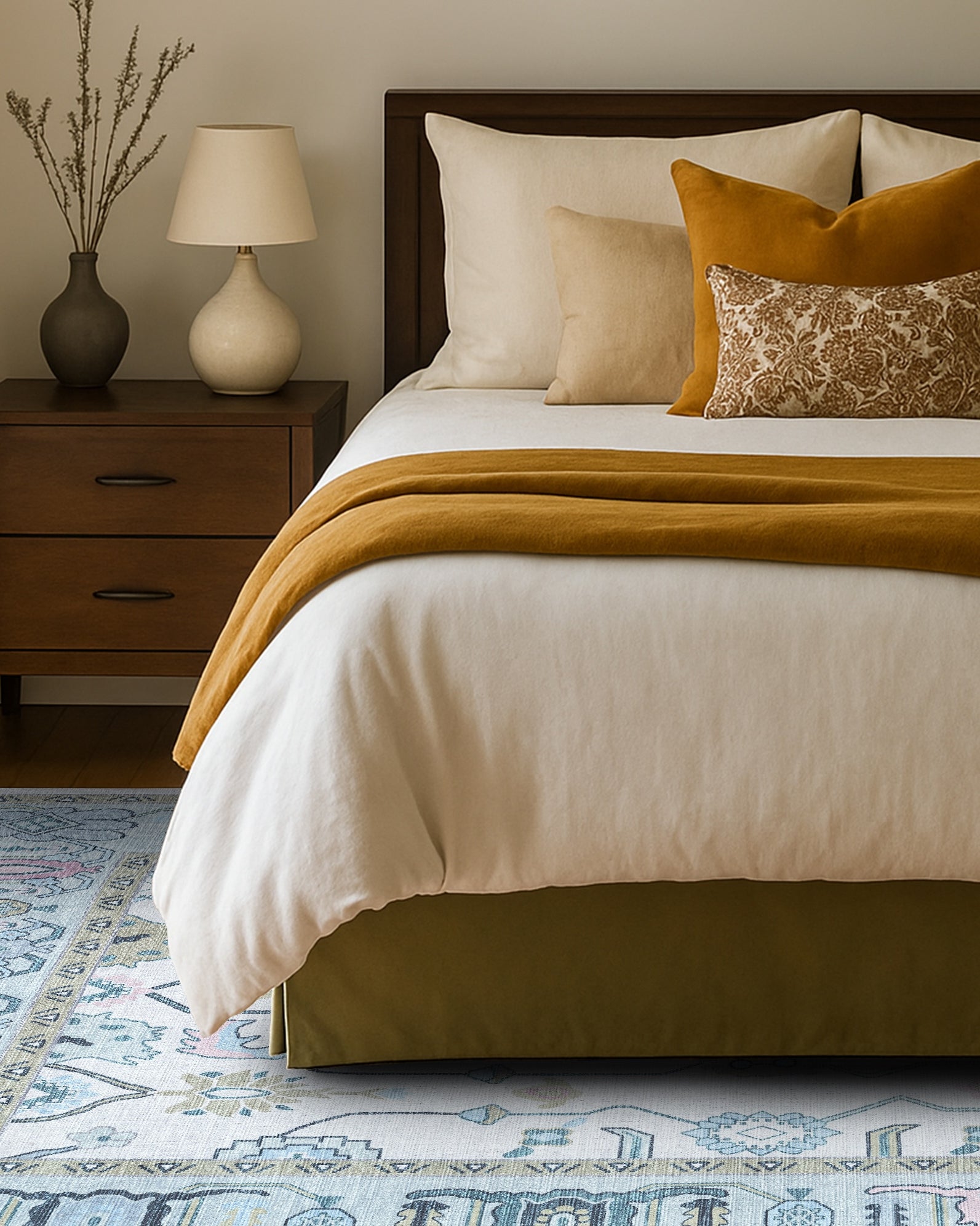
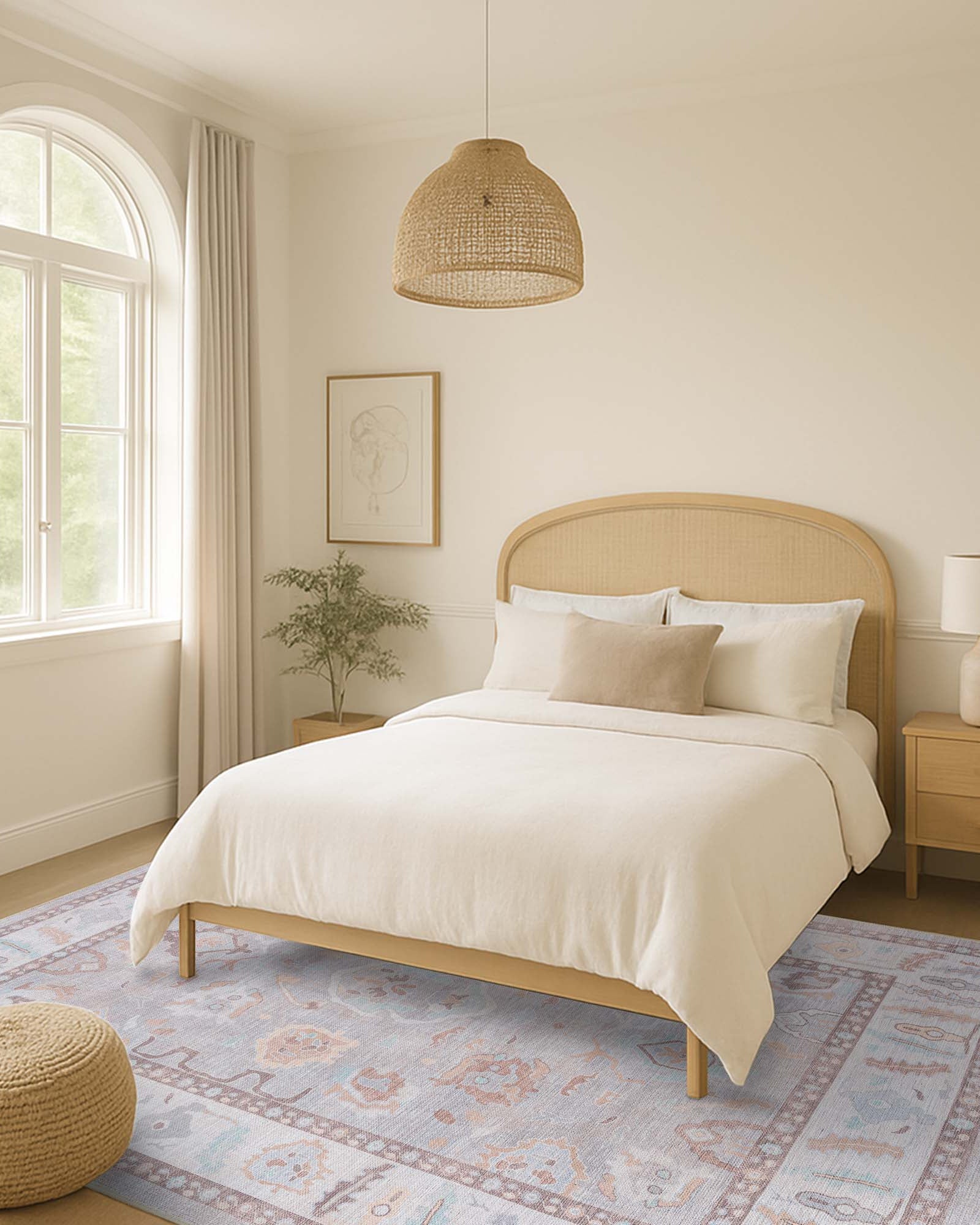
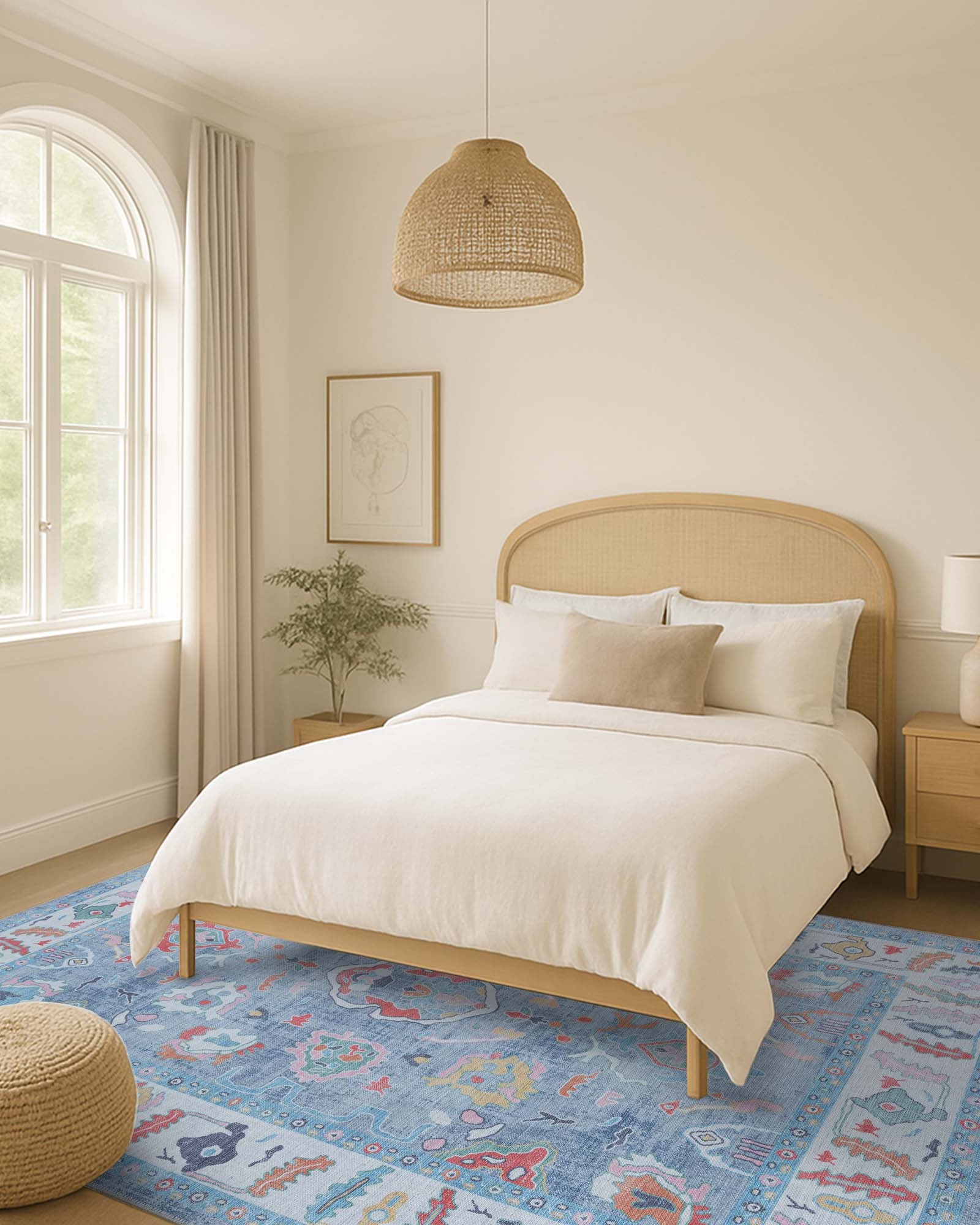
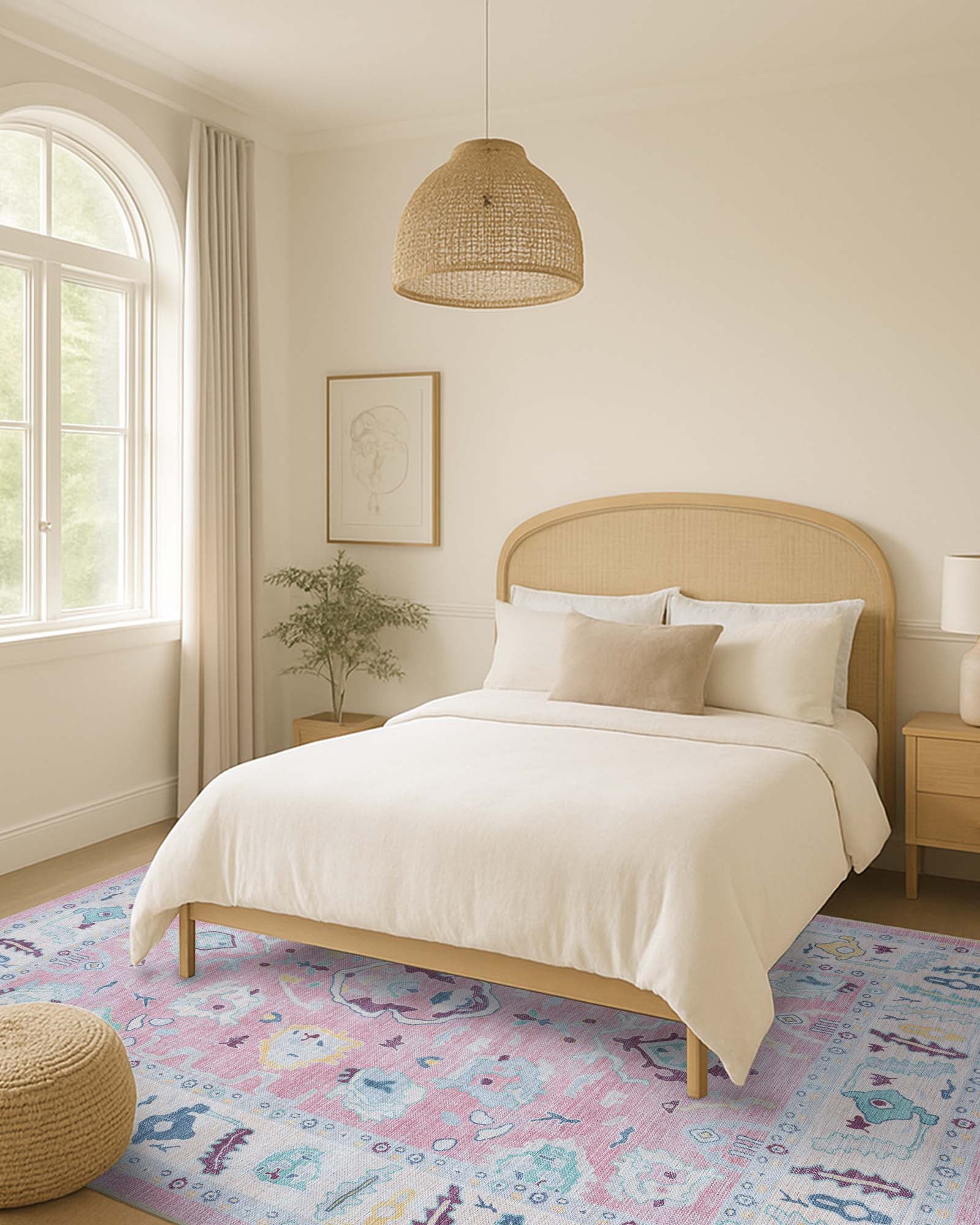
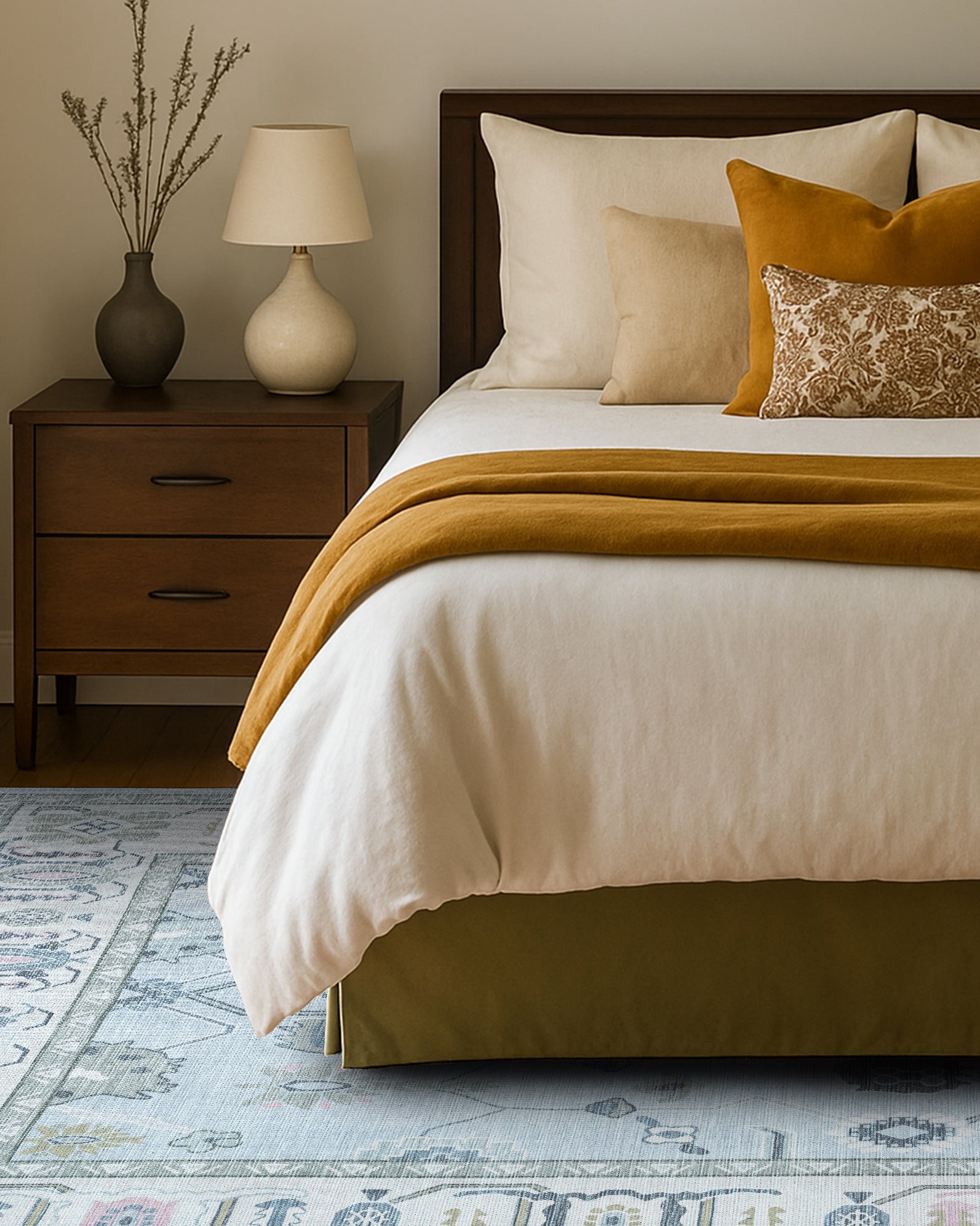
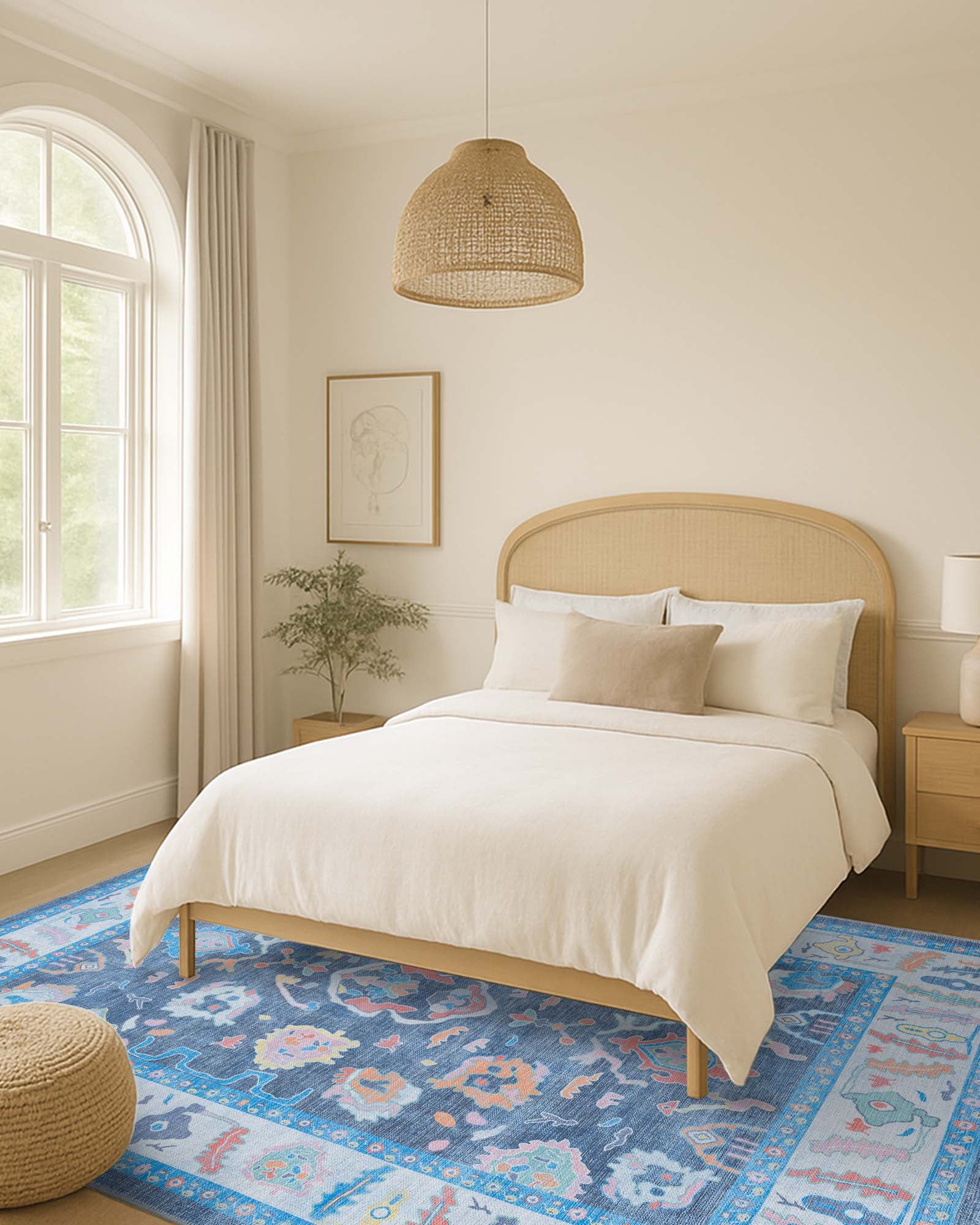
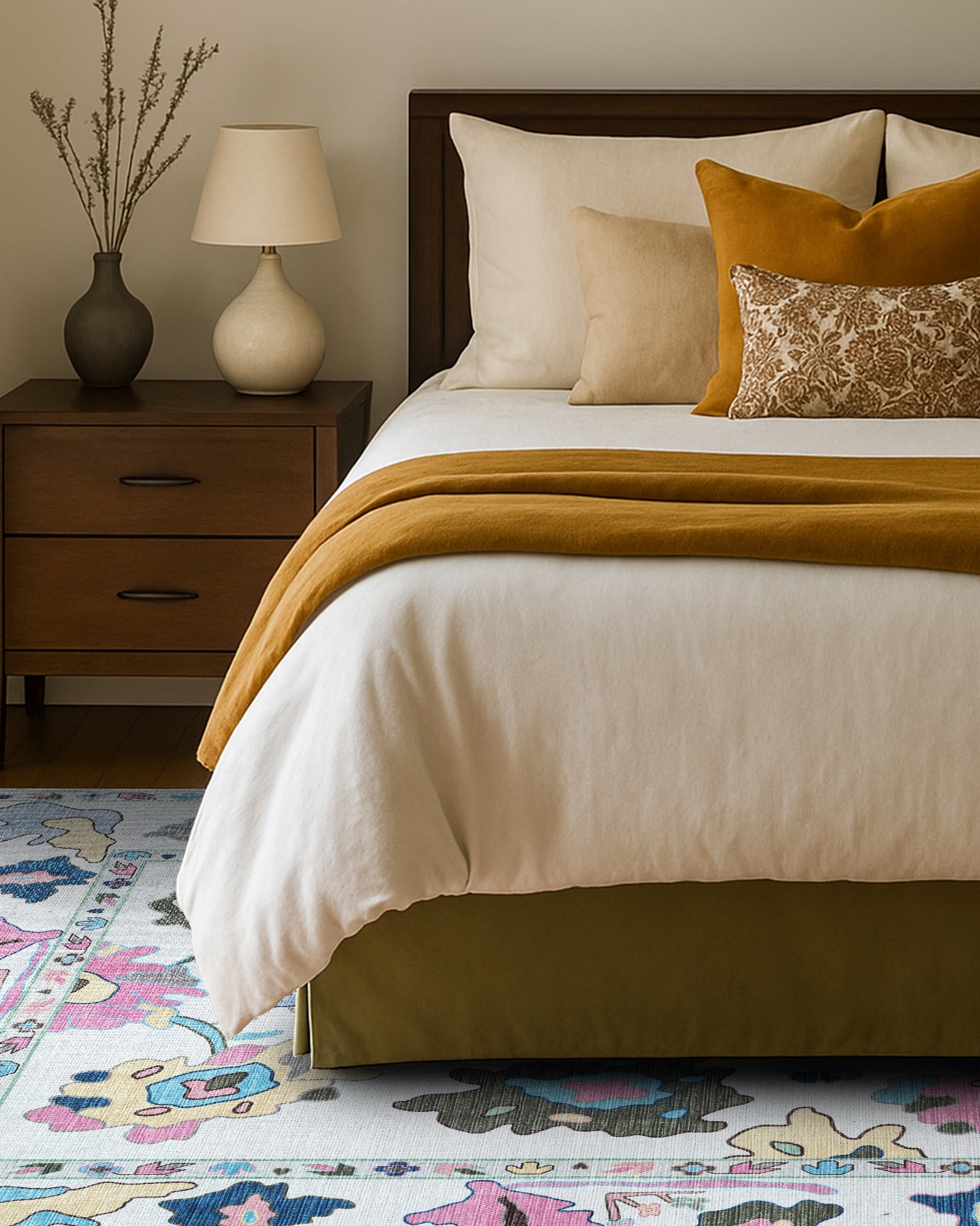
- Bedrooms: A smaller Oriental rug at the foot of the bed adds coziness and character.
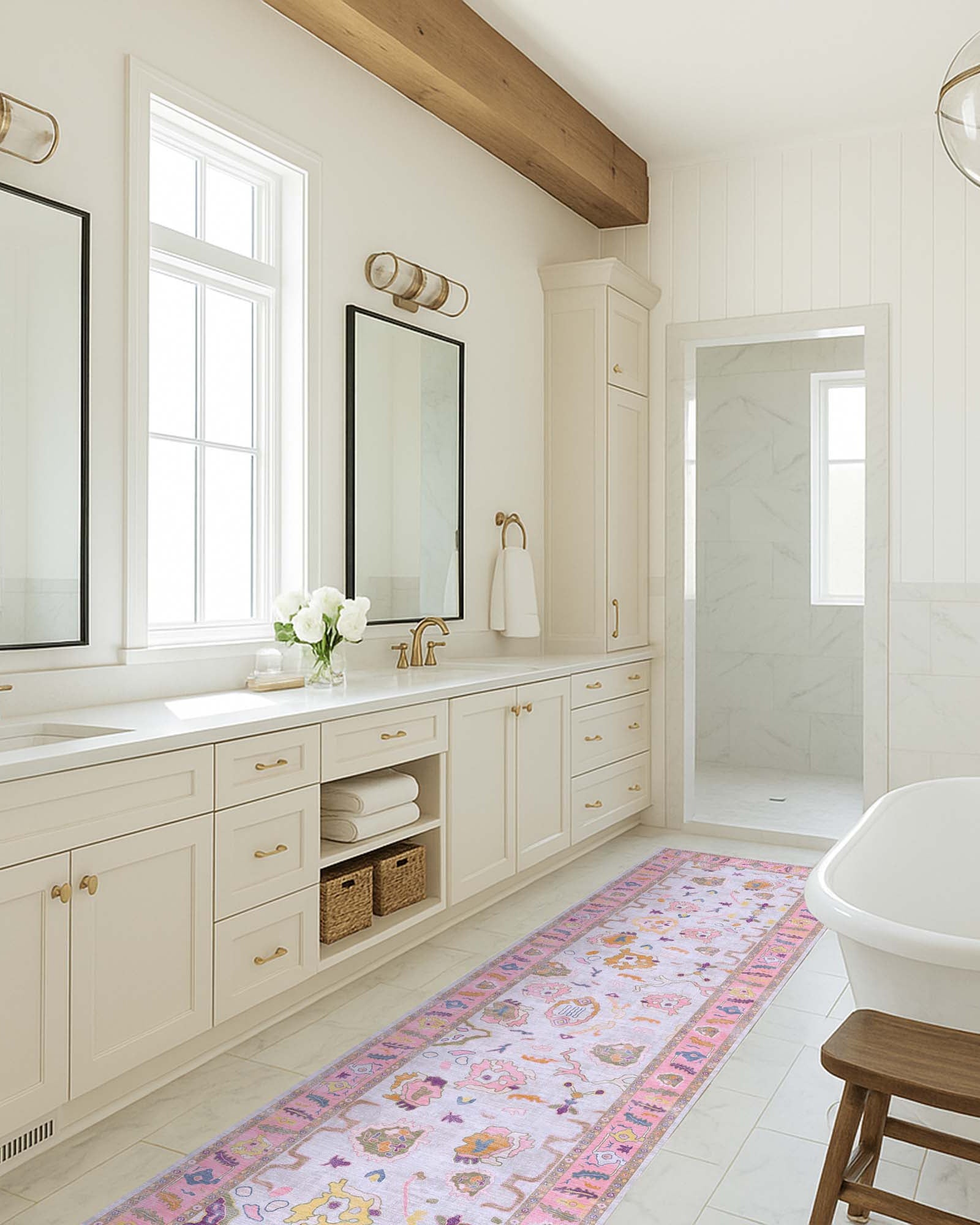
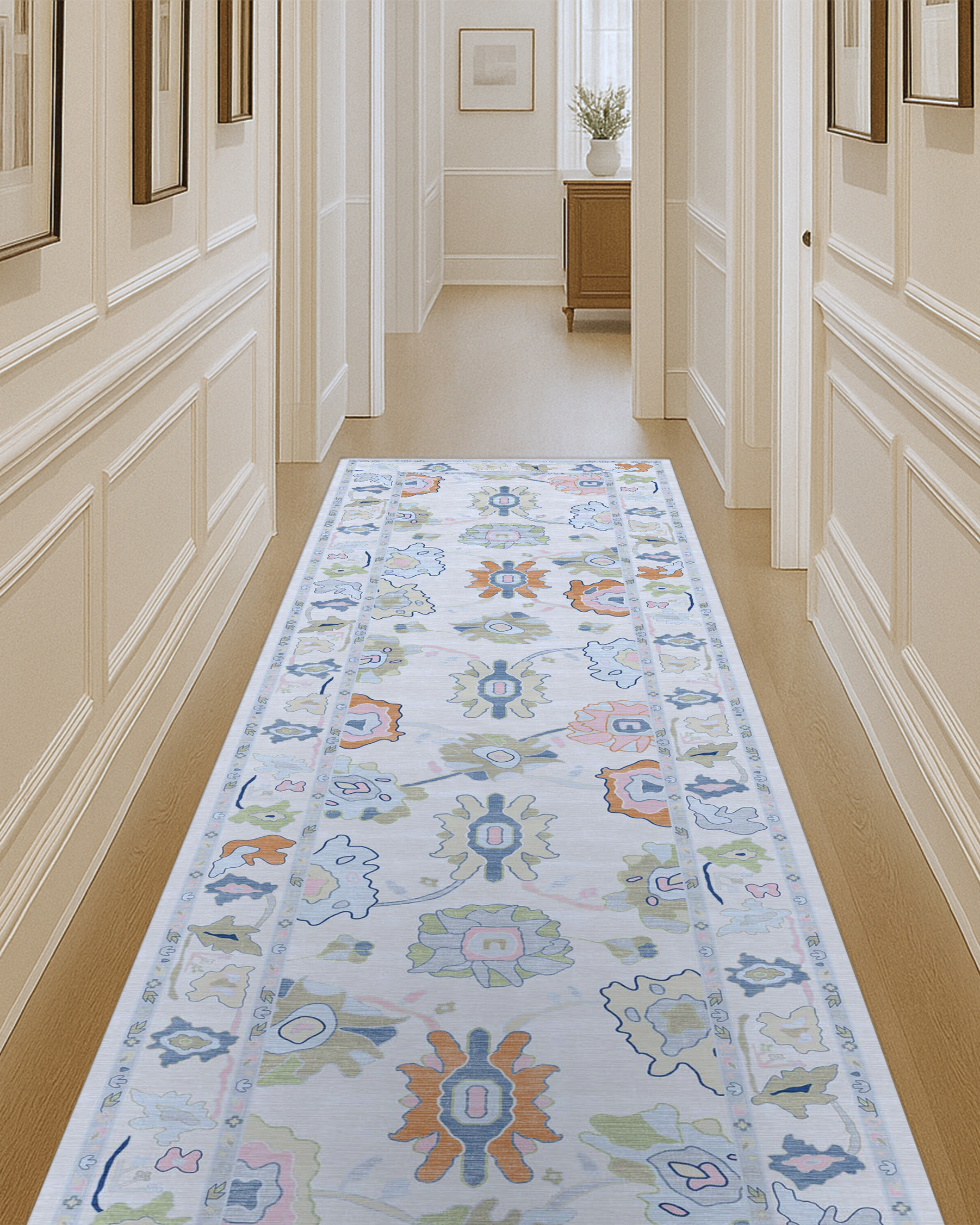
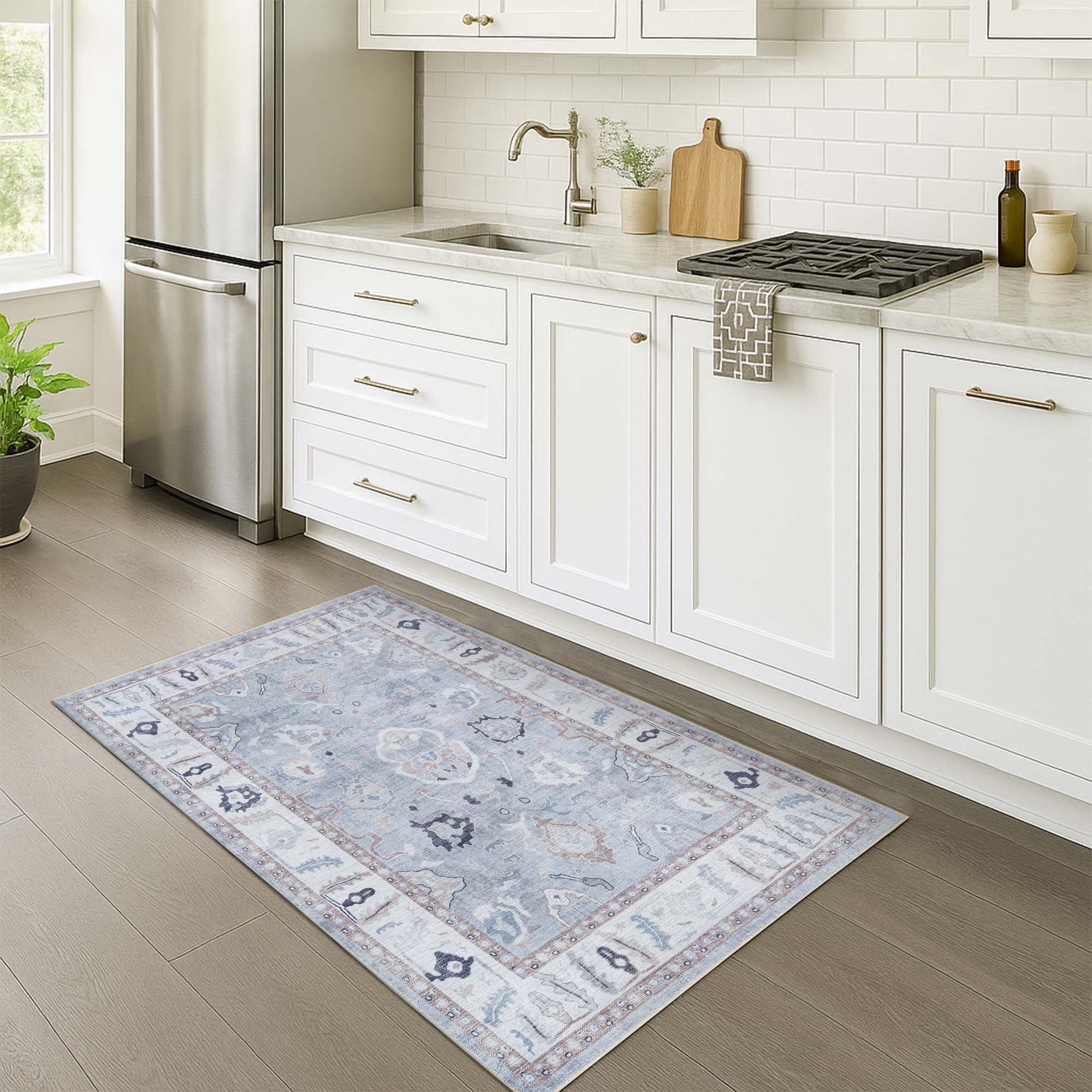
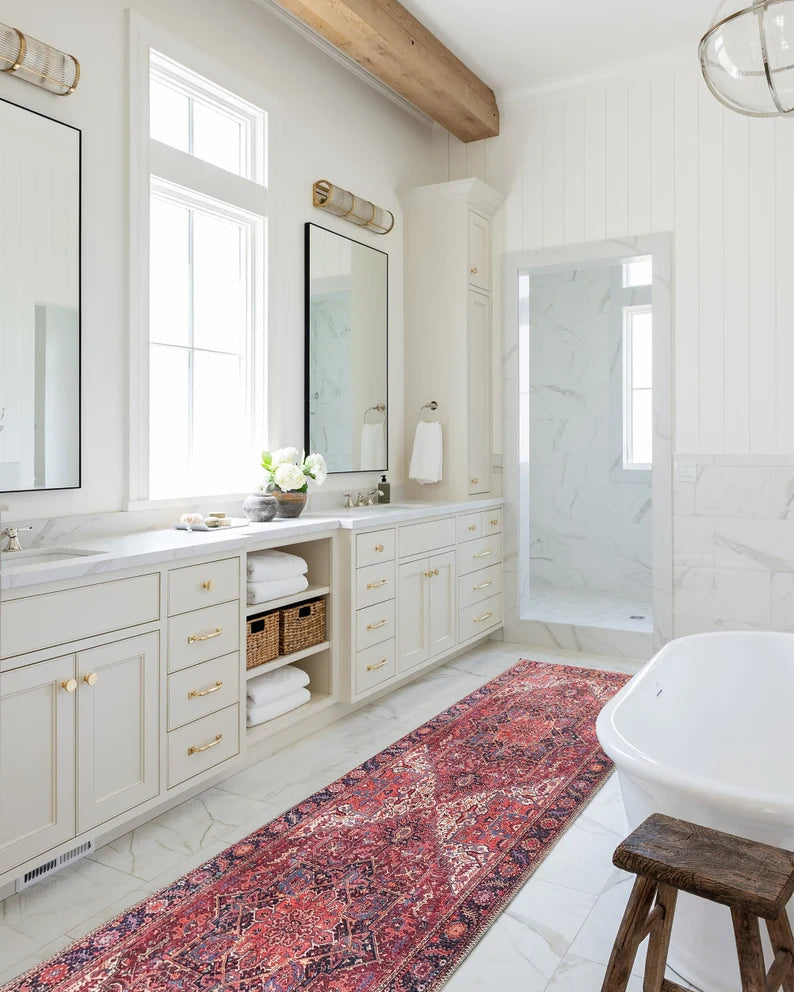
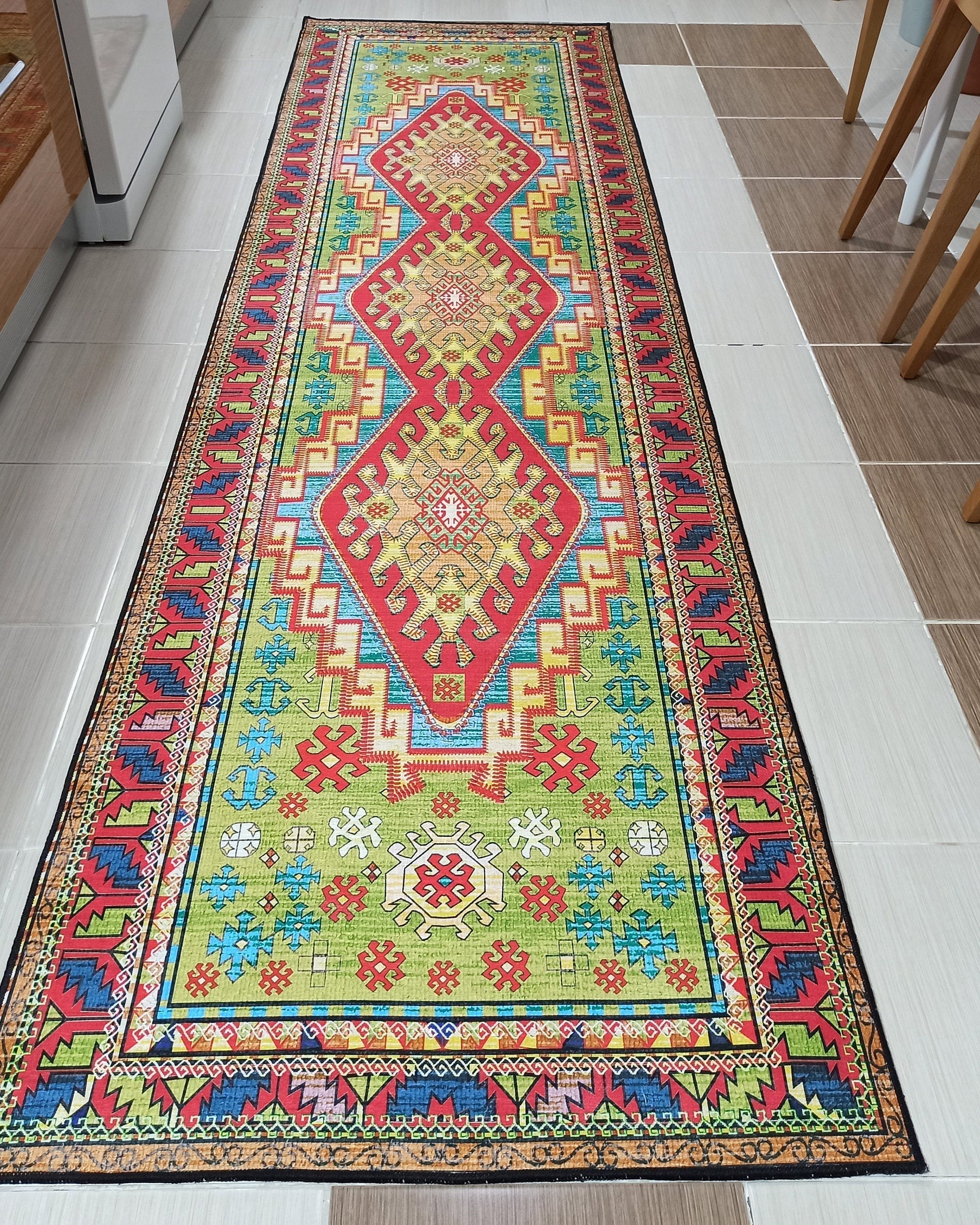
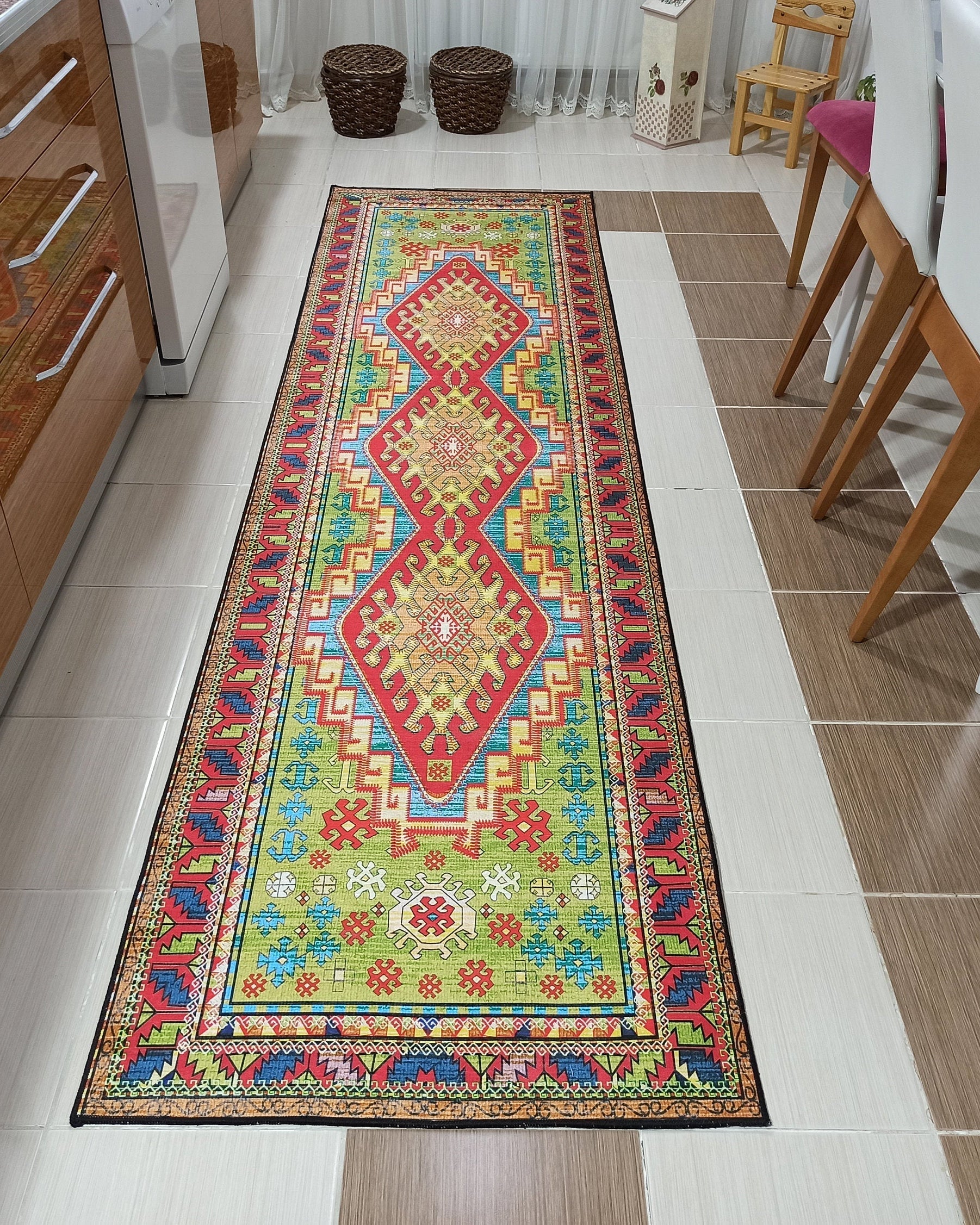
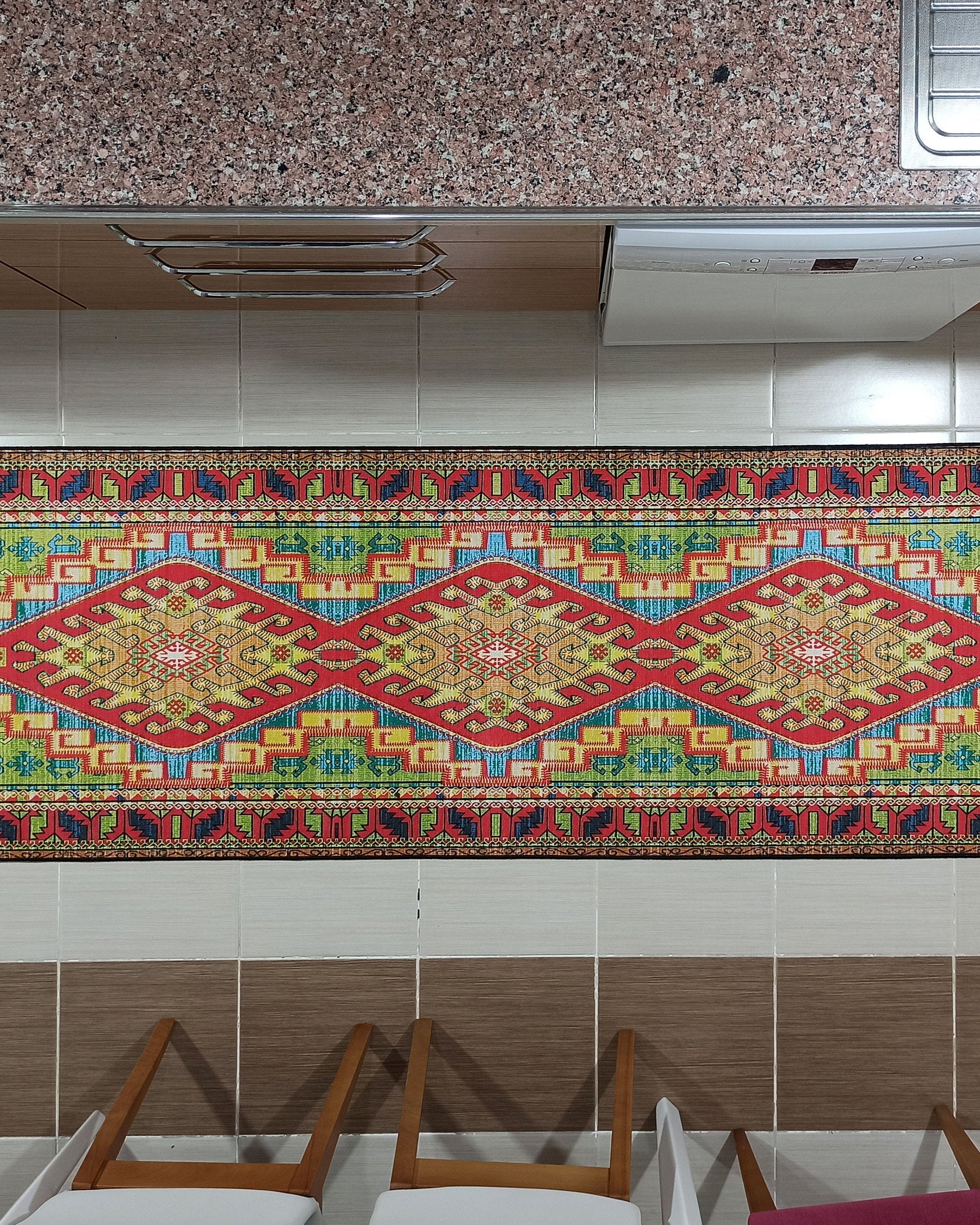
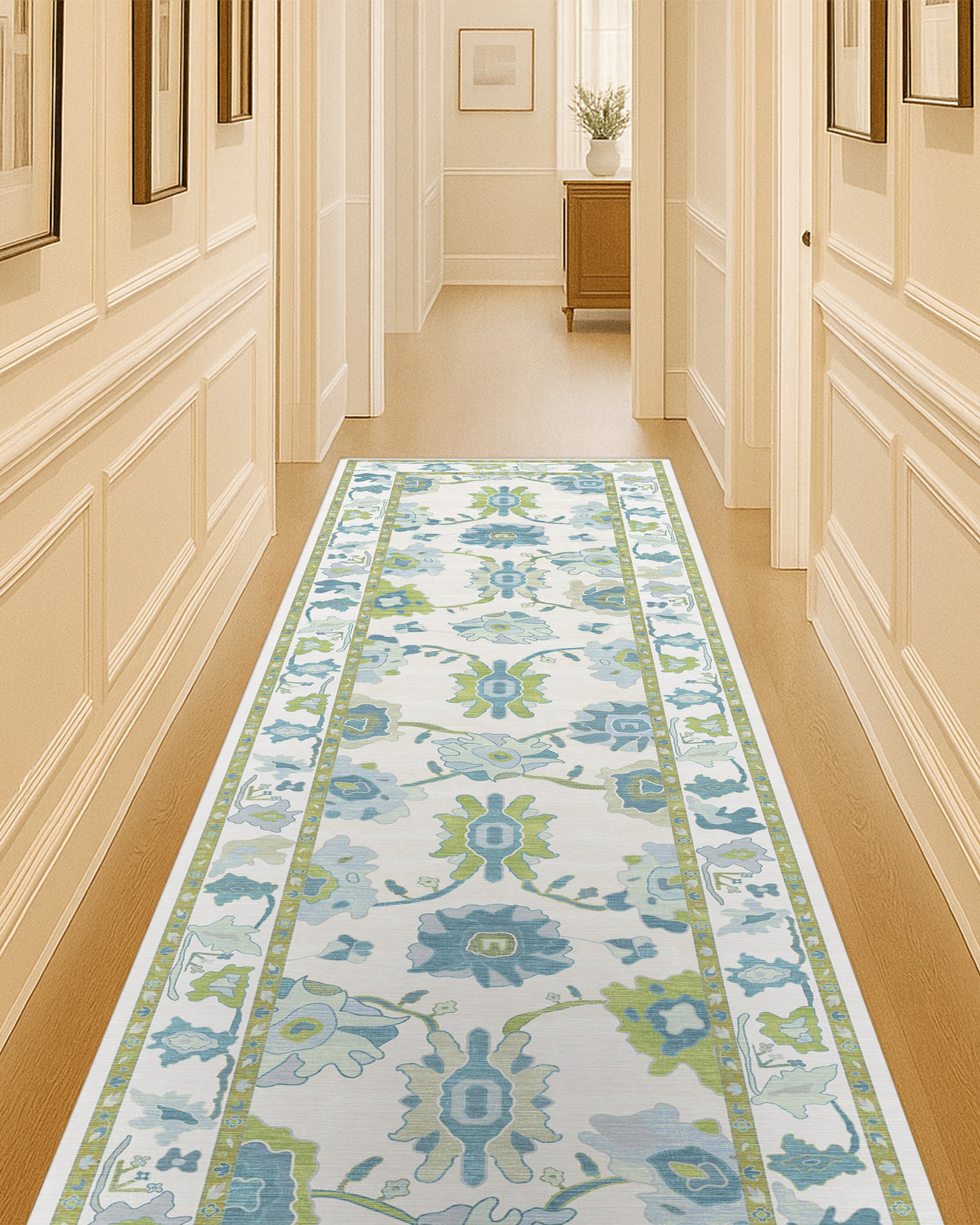
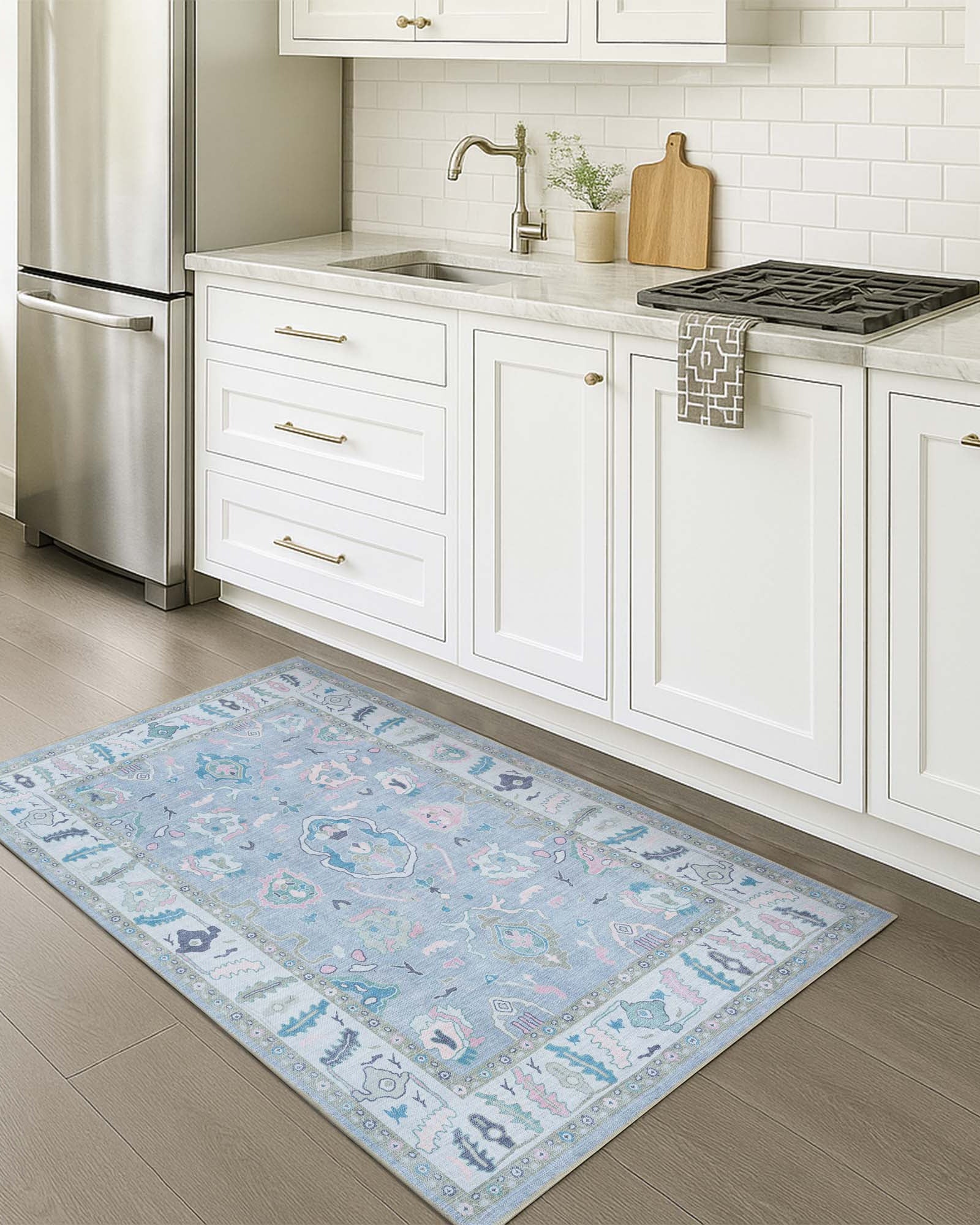
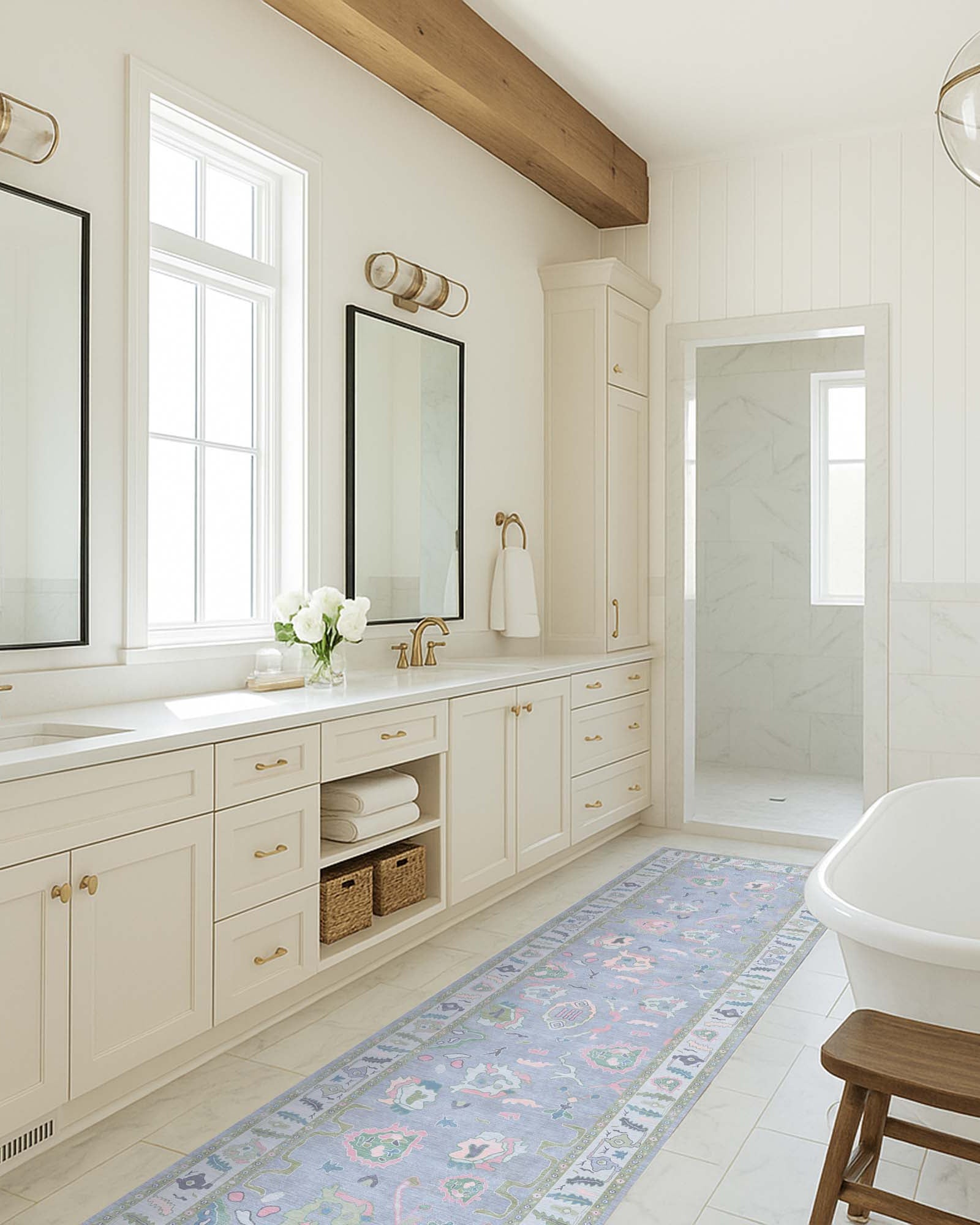
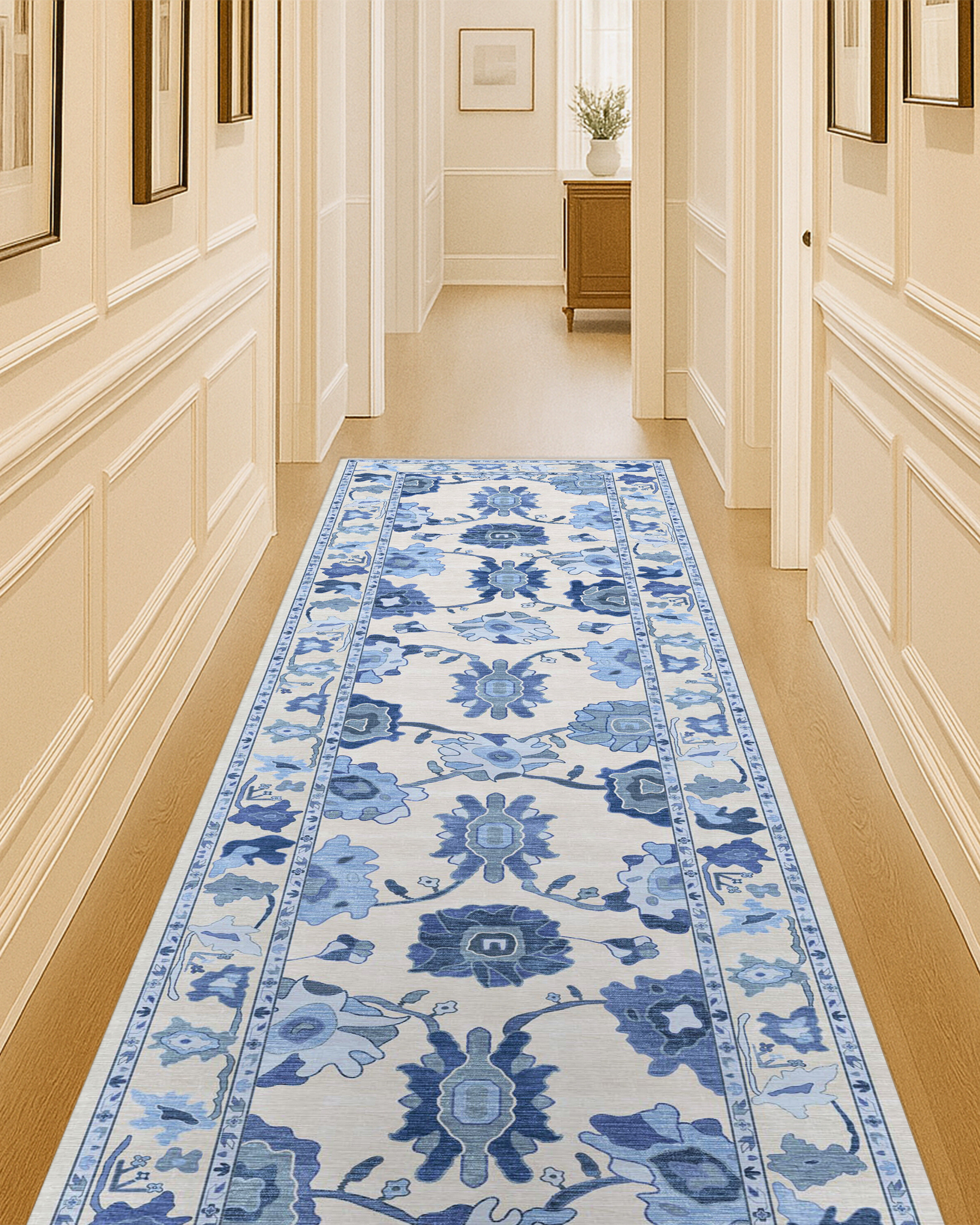
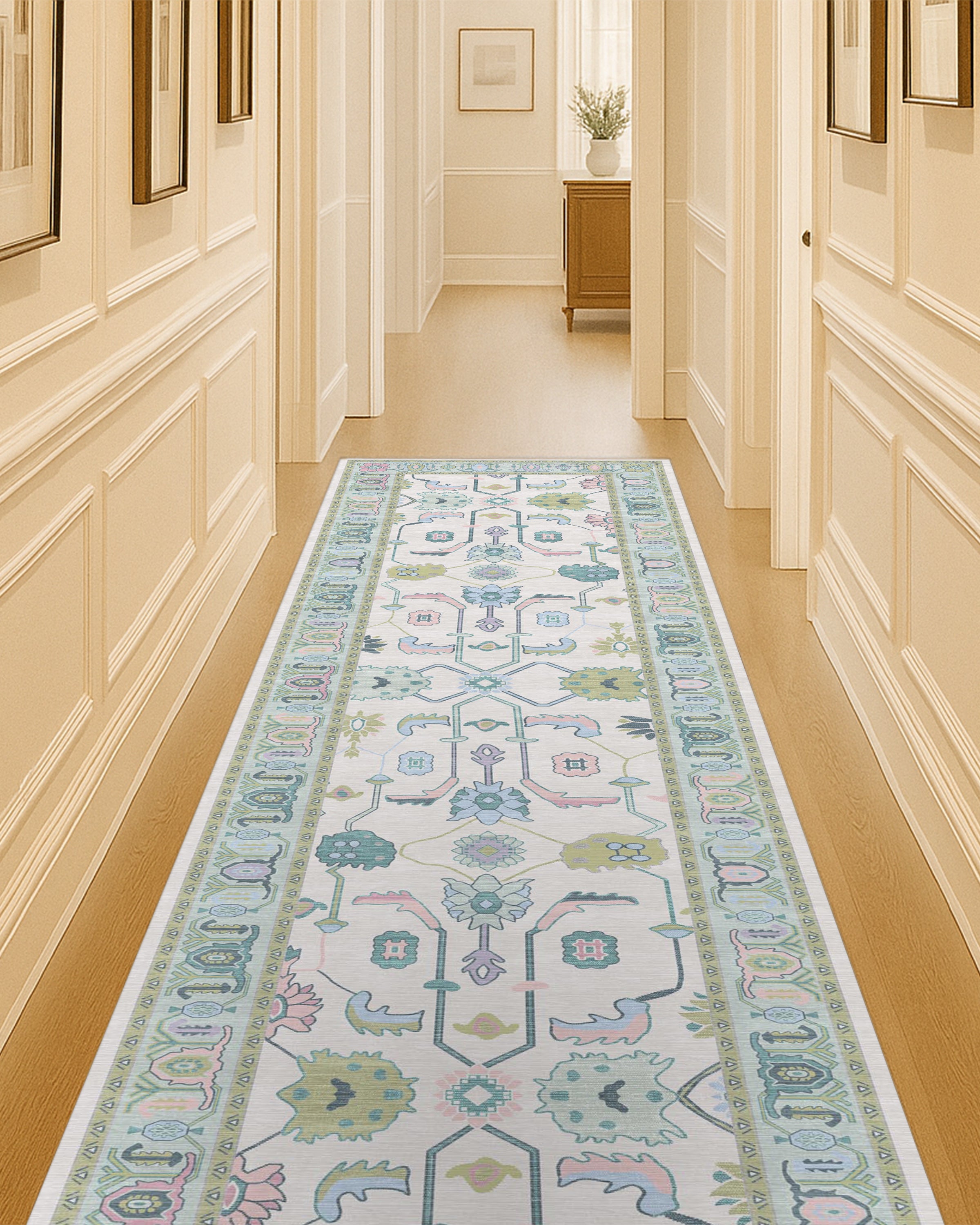
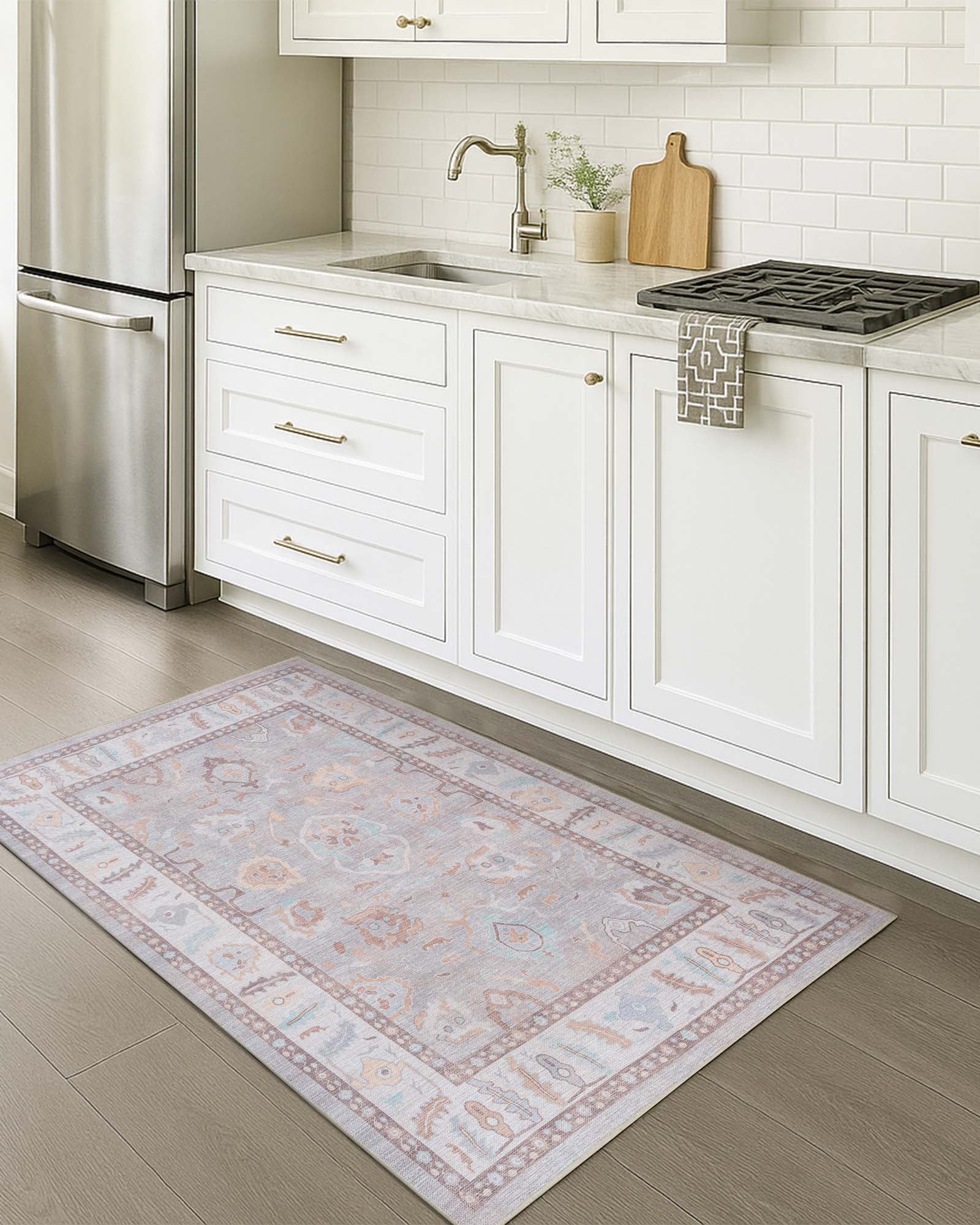
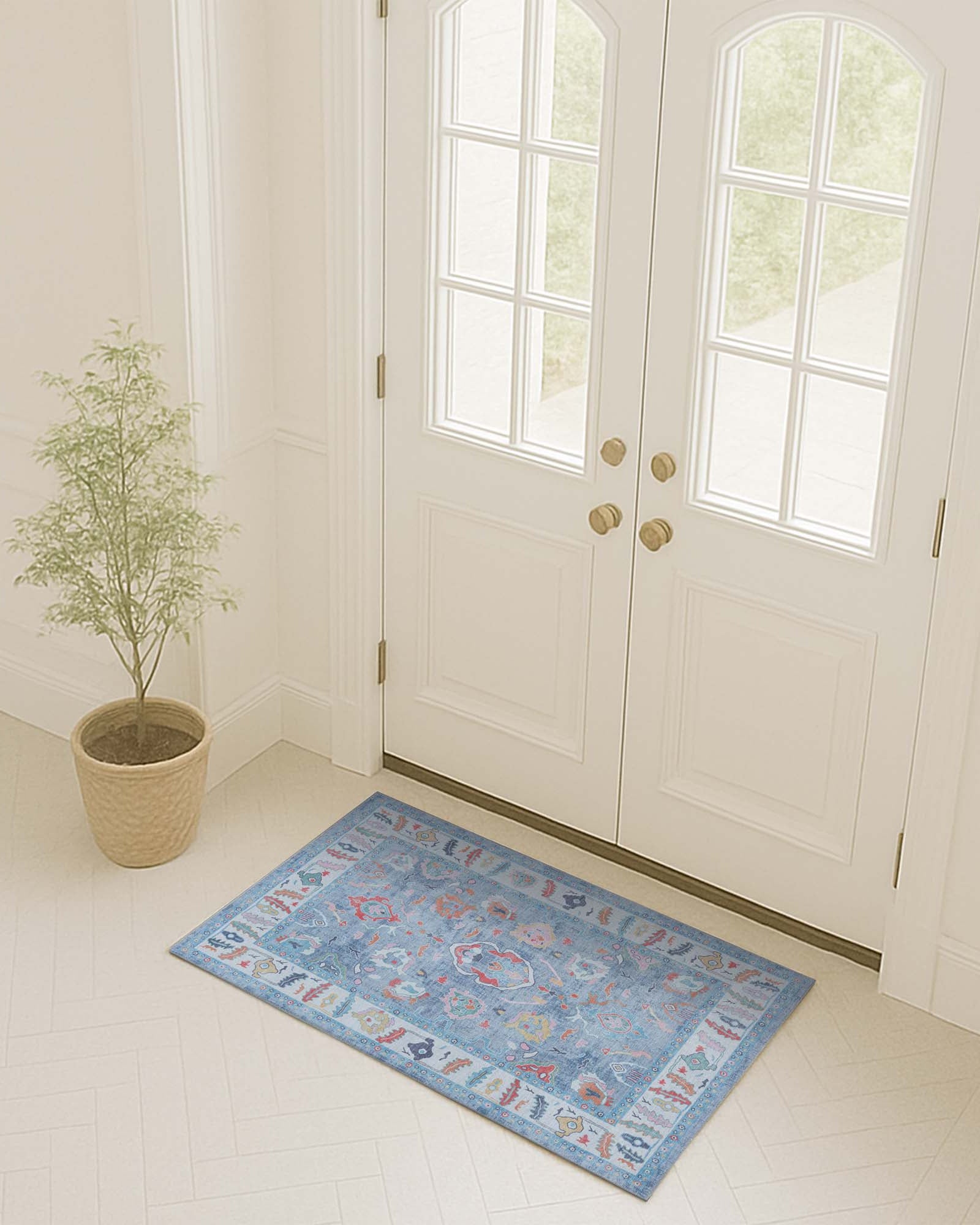
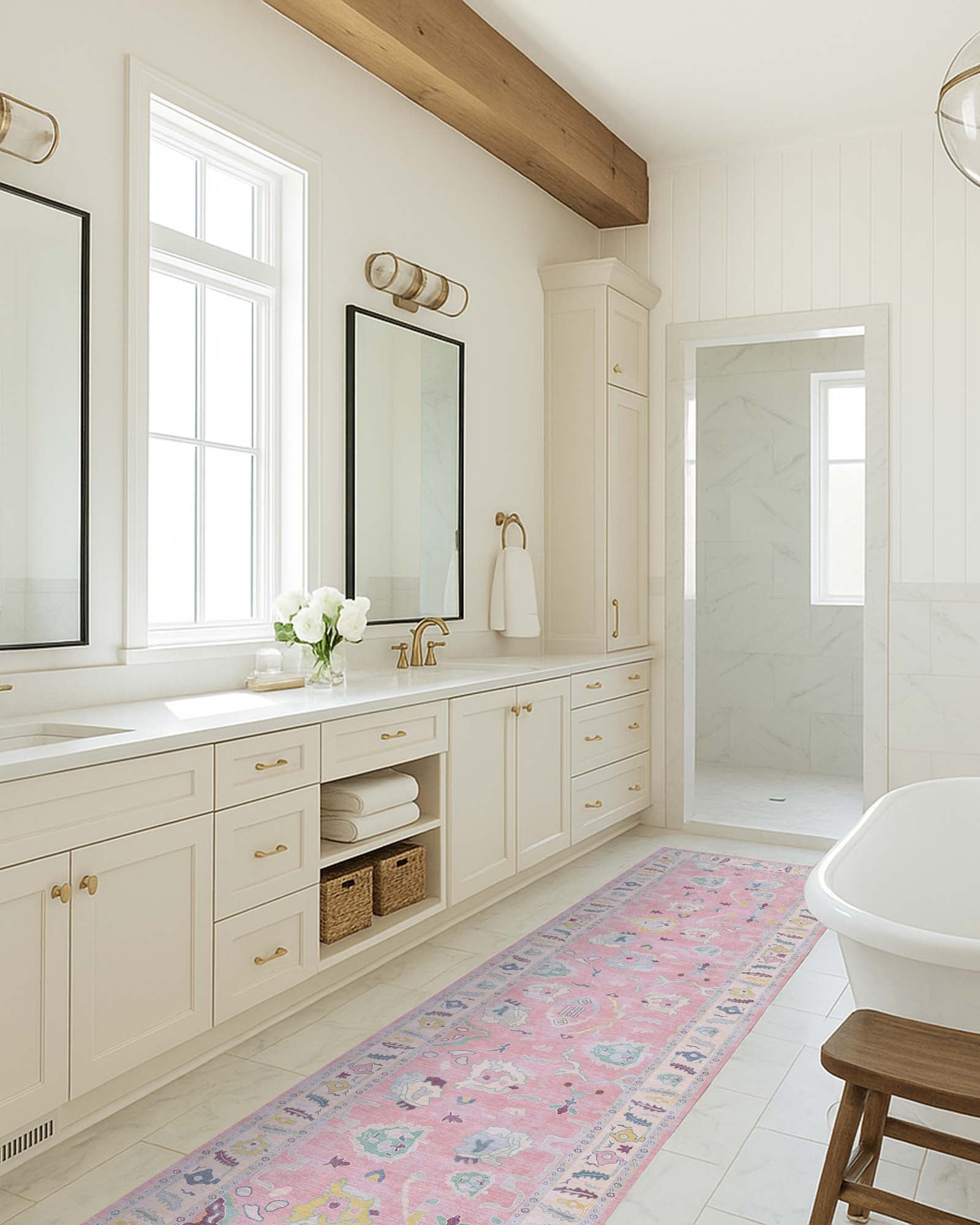
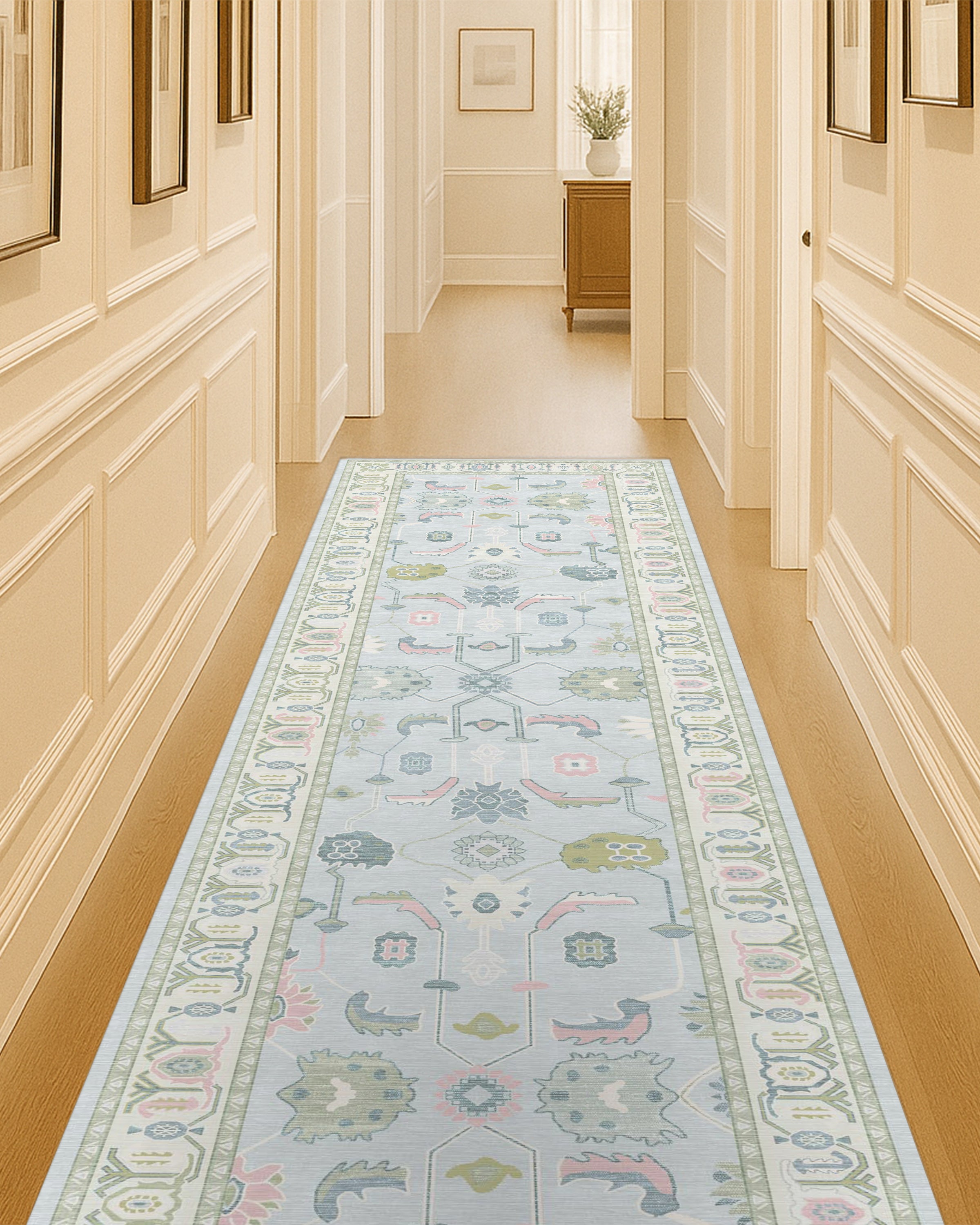
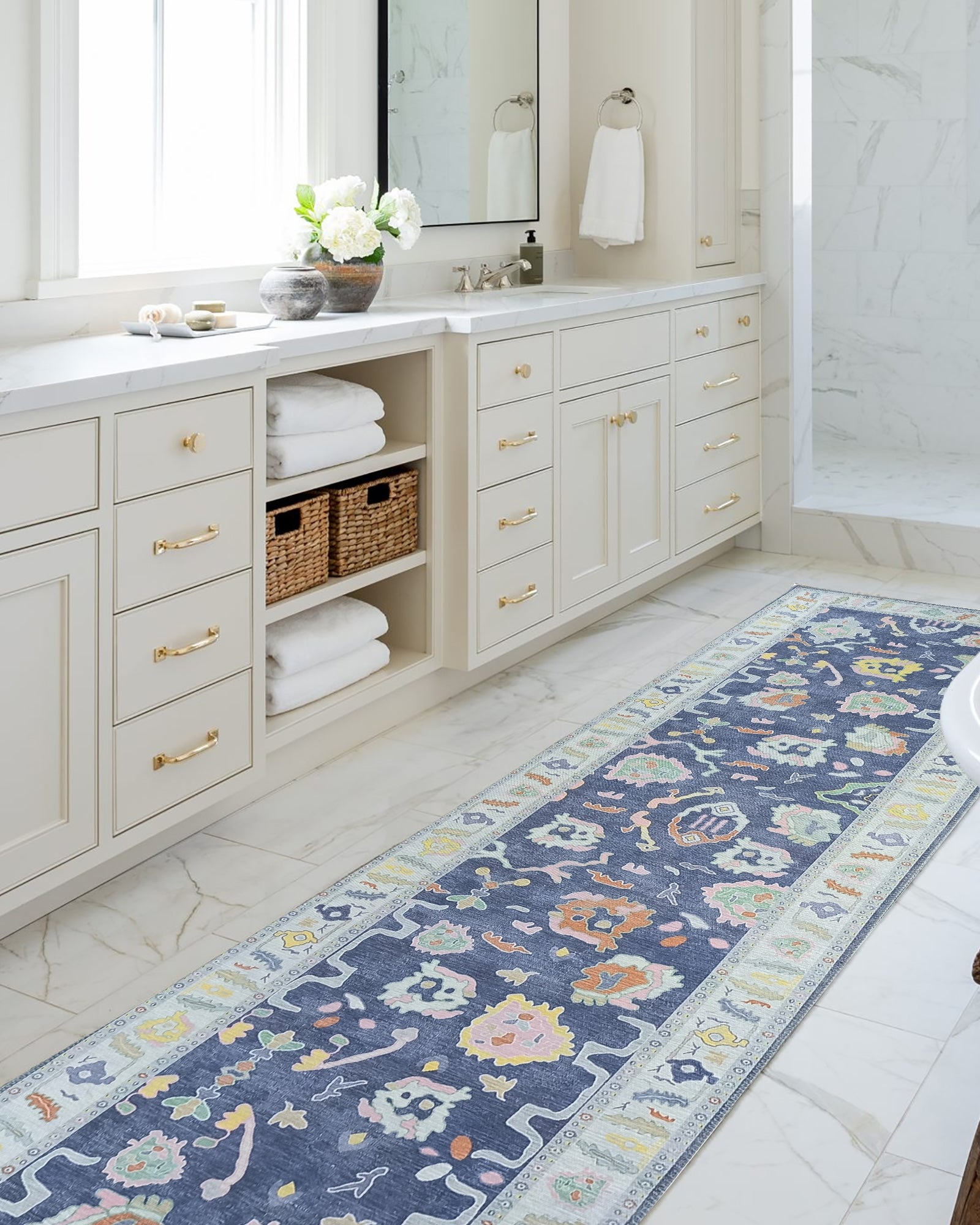
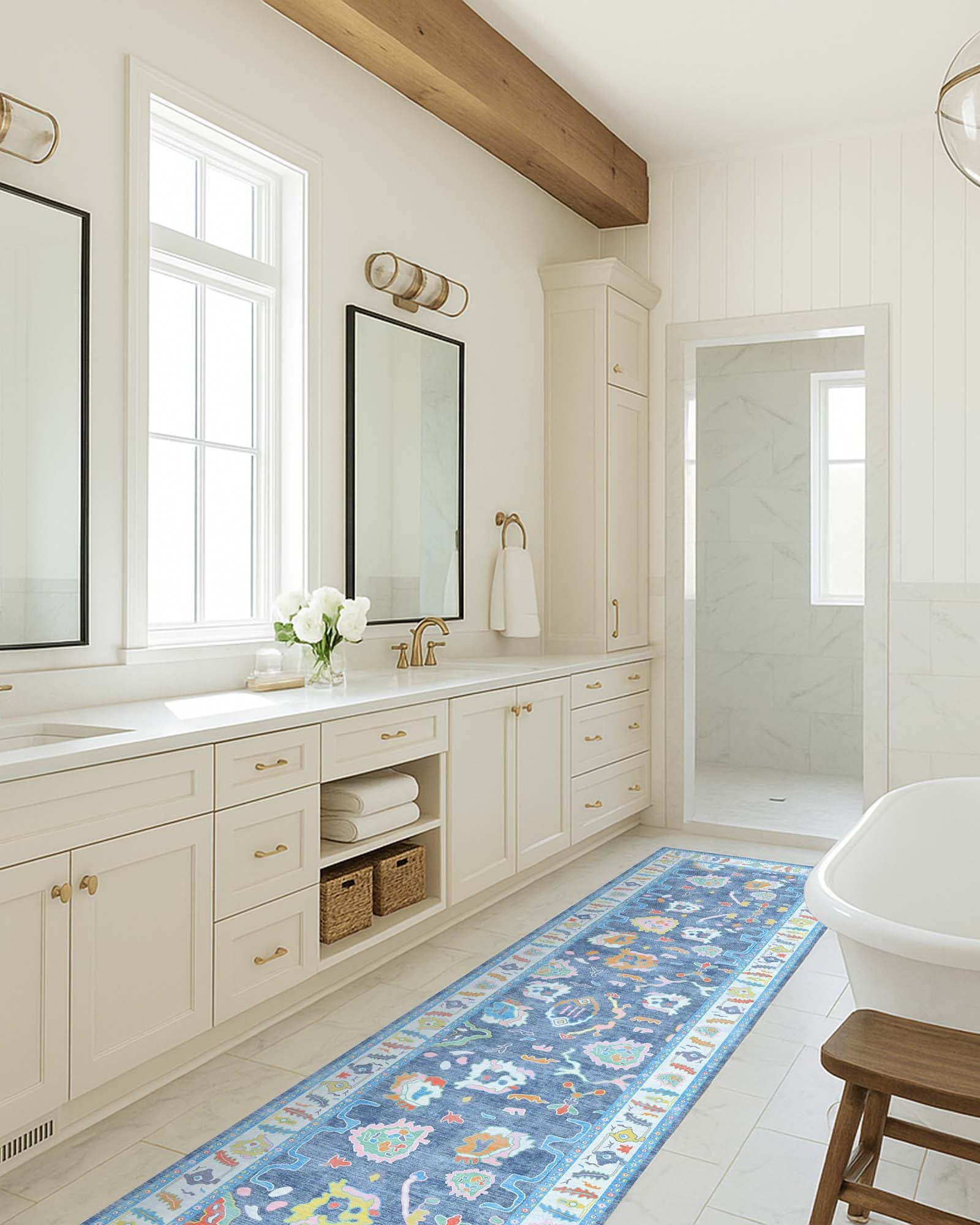
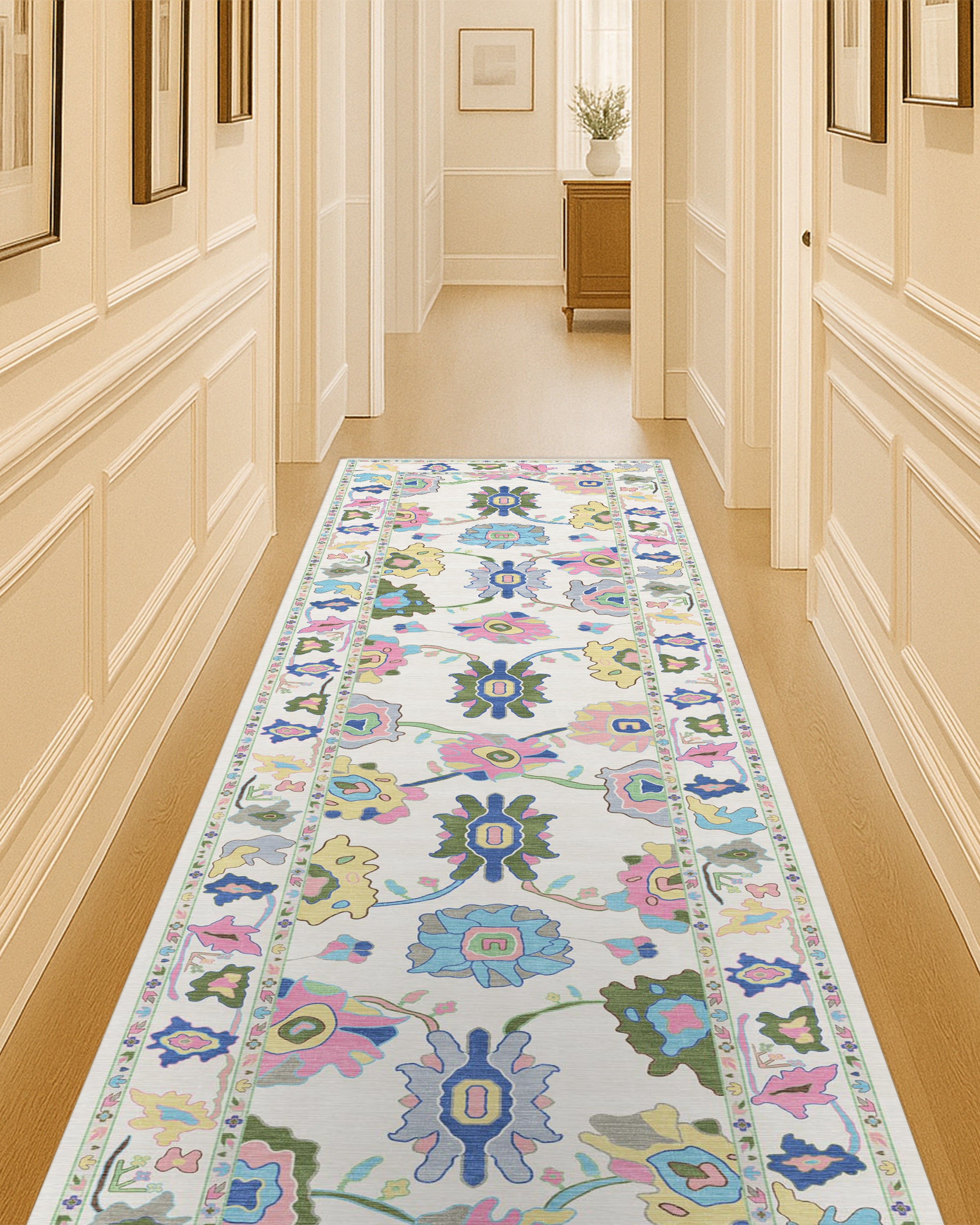
- Hallways: Long Oriental runner rugs enhance transitional spaces with charm and style.
Why Choose Oriental Rugs?
- Heritage & Tradition: Each rug carries cultural stories and centuries-old techniques.
- Durability: Hand-knotted Oriental rugs can last for generations with proper care.
- Investment Value: Authentic and antique Oriental rugs often increase in value.
- Versatility: Work in both classic and modern interiors.
- Artistry: Every rug is a one-of-a-kind masterpiece.
Materials Used in Oriental Rugs
- Wool: The most common material, offering softness and durability.
- Silk: Adds luxury and sheen, often used in fine Persian or Hereke rugs.
- Cotton: Typically used for foundation threads, enhancing structure.
Caring for Oriental Rugs
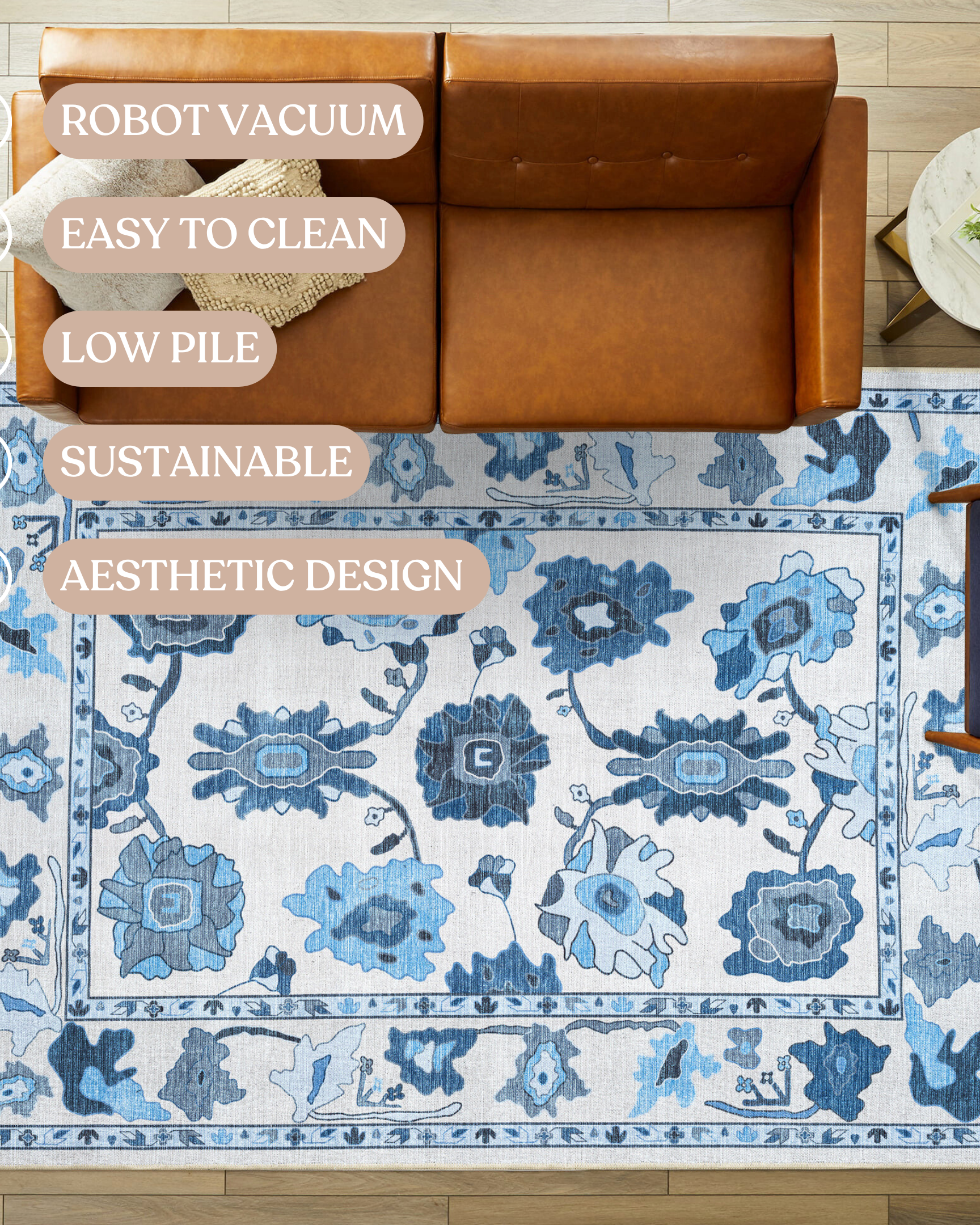
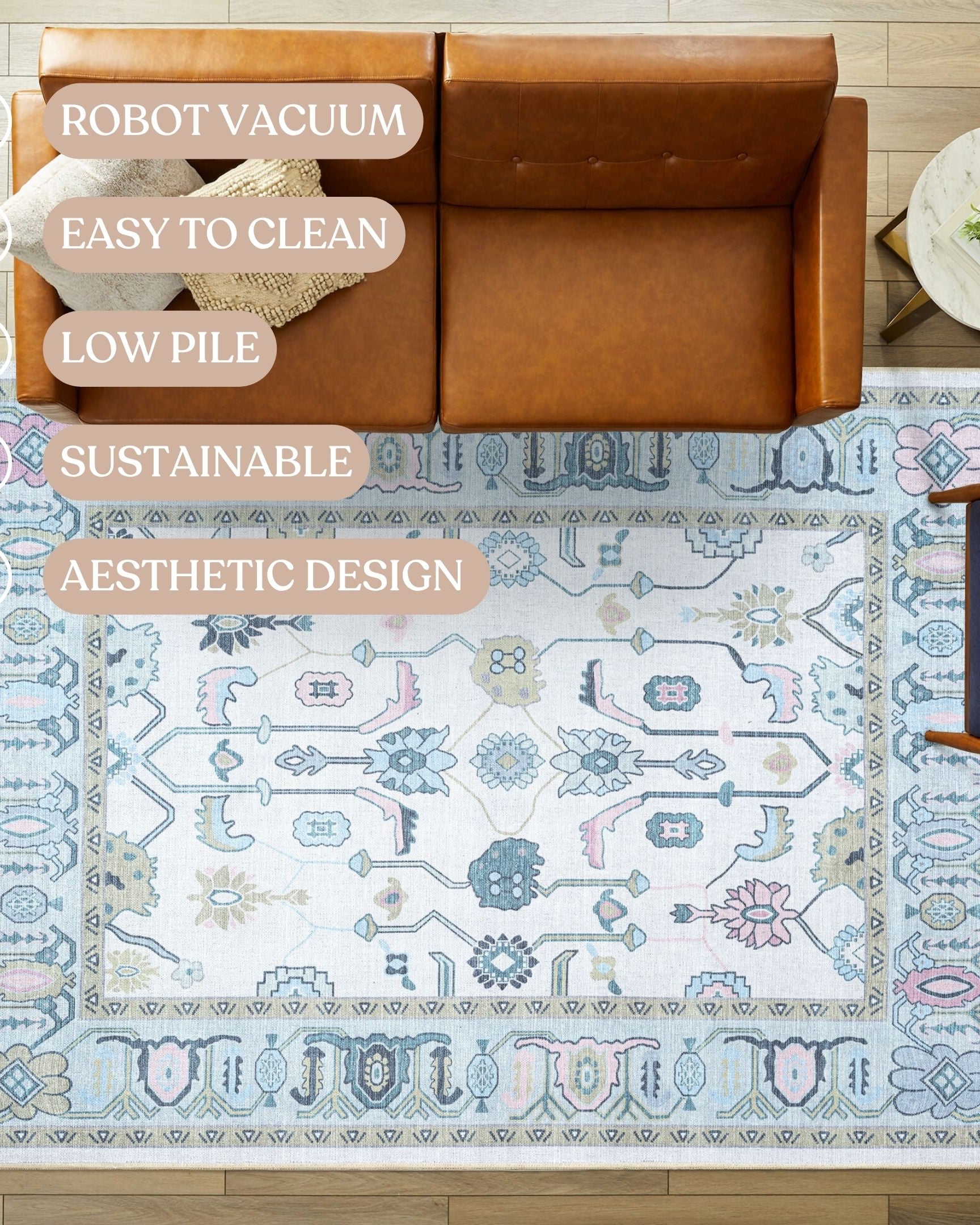
- Vacuum regularly with a gentle brush.
- Rotate rugs every few months to ensure even wear.
- Blot spills immediately with a clean cloth.
- Avoid direct sunlight to prevent fading.
- For antique or delicate rugs, professional cleaning is recommended.
Oriental Rugs as Investments
Collectors and homeowners alike prize Oriental rugs for their lasting value. Rare antique Persian or Turkish Oriental rugs can appreciate significantly, especially those with unique designs or fine craftsmanship. Purchasing an Oriental rug is not just a décor choice but also a long-term investment in art and culture.
Eco-Friendly and Sustainable Choice
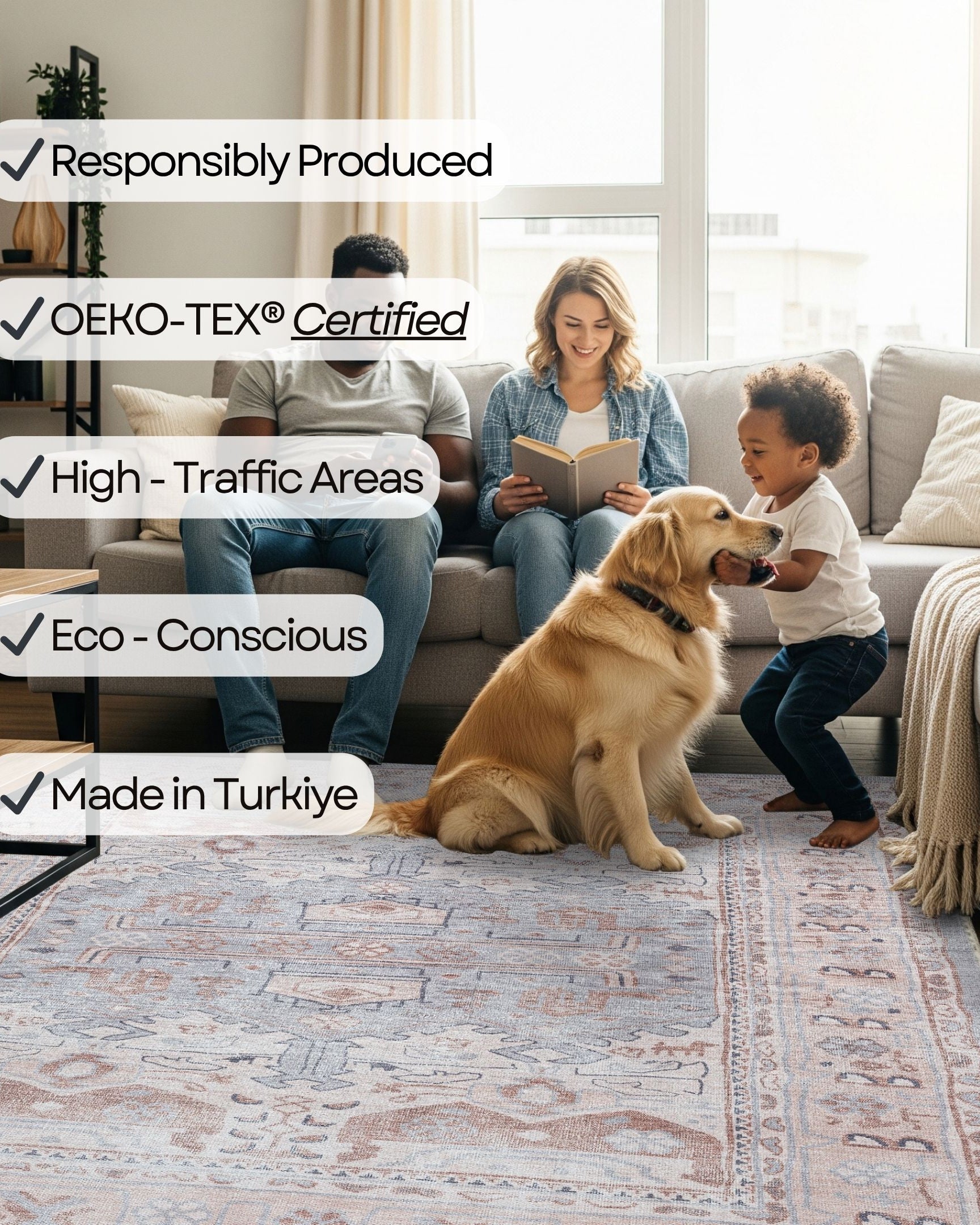
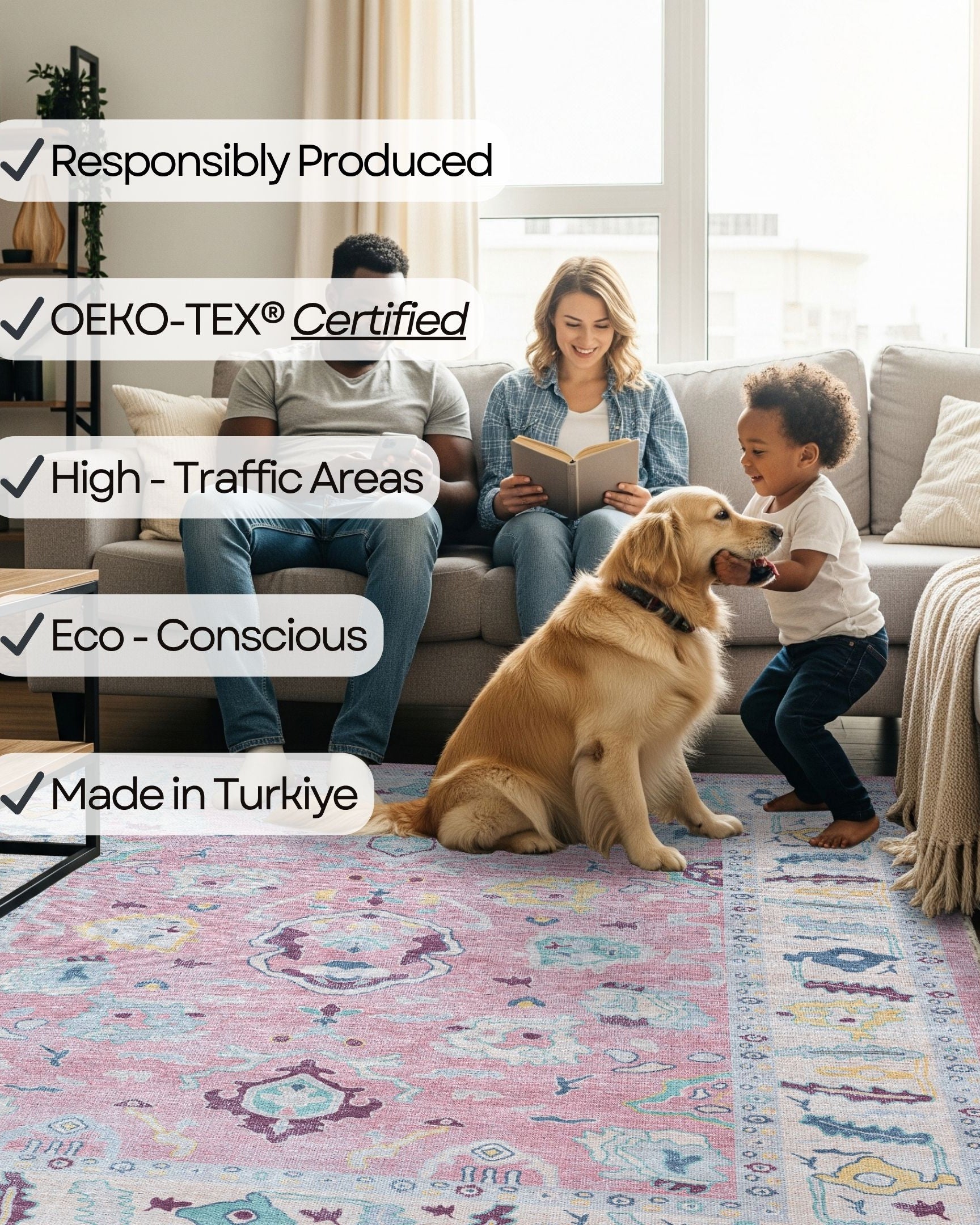
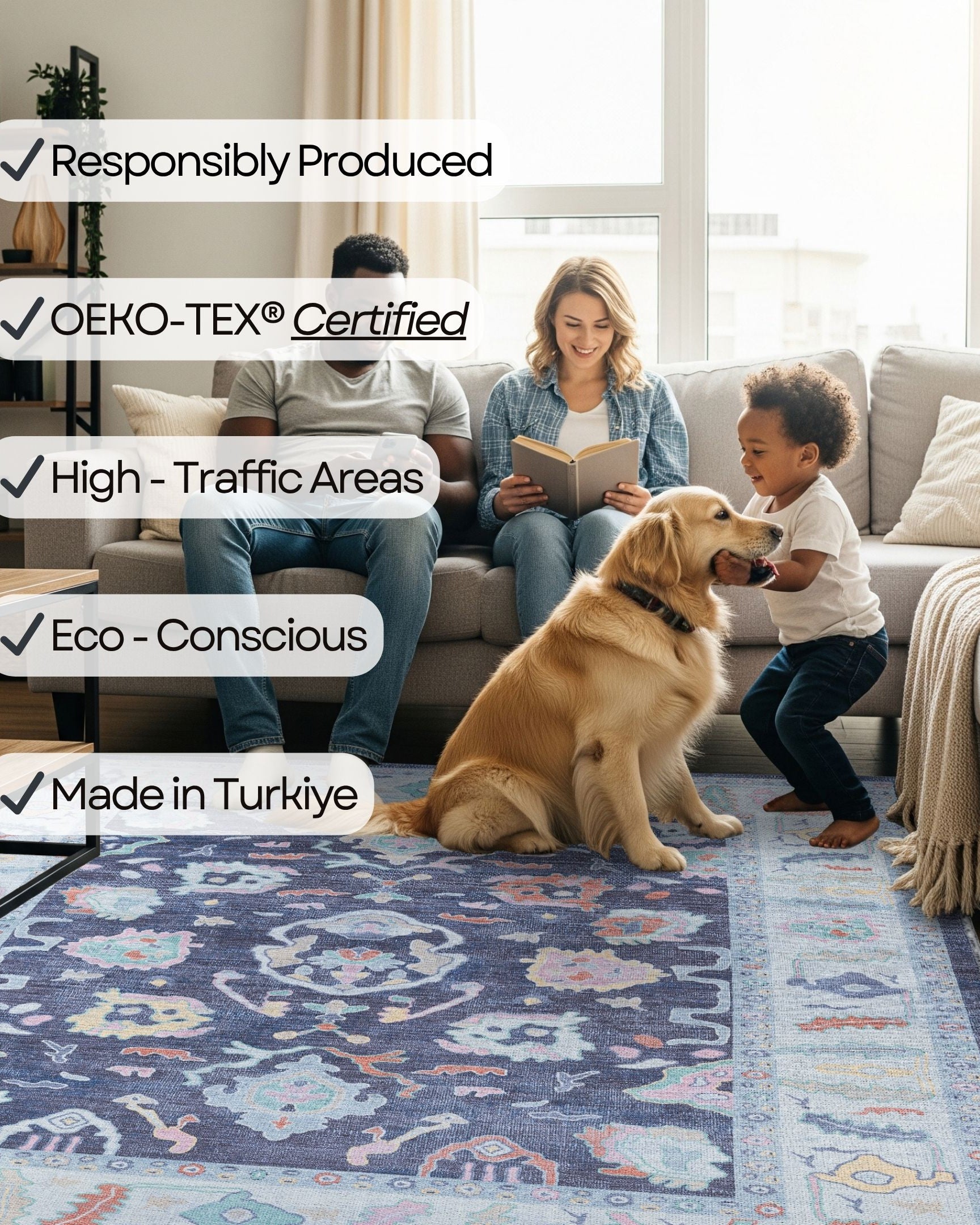
Handmade Oriental rugs are often crafted from natural fibers and dyes, making them environmentally friendly. By choosing an Oriental rug, you’re supporting traditional artisanship and sustainable practices.
Why Buy Oriental Rugs from Us
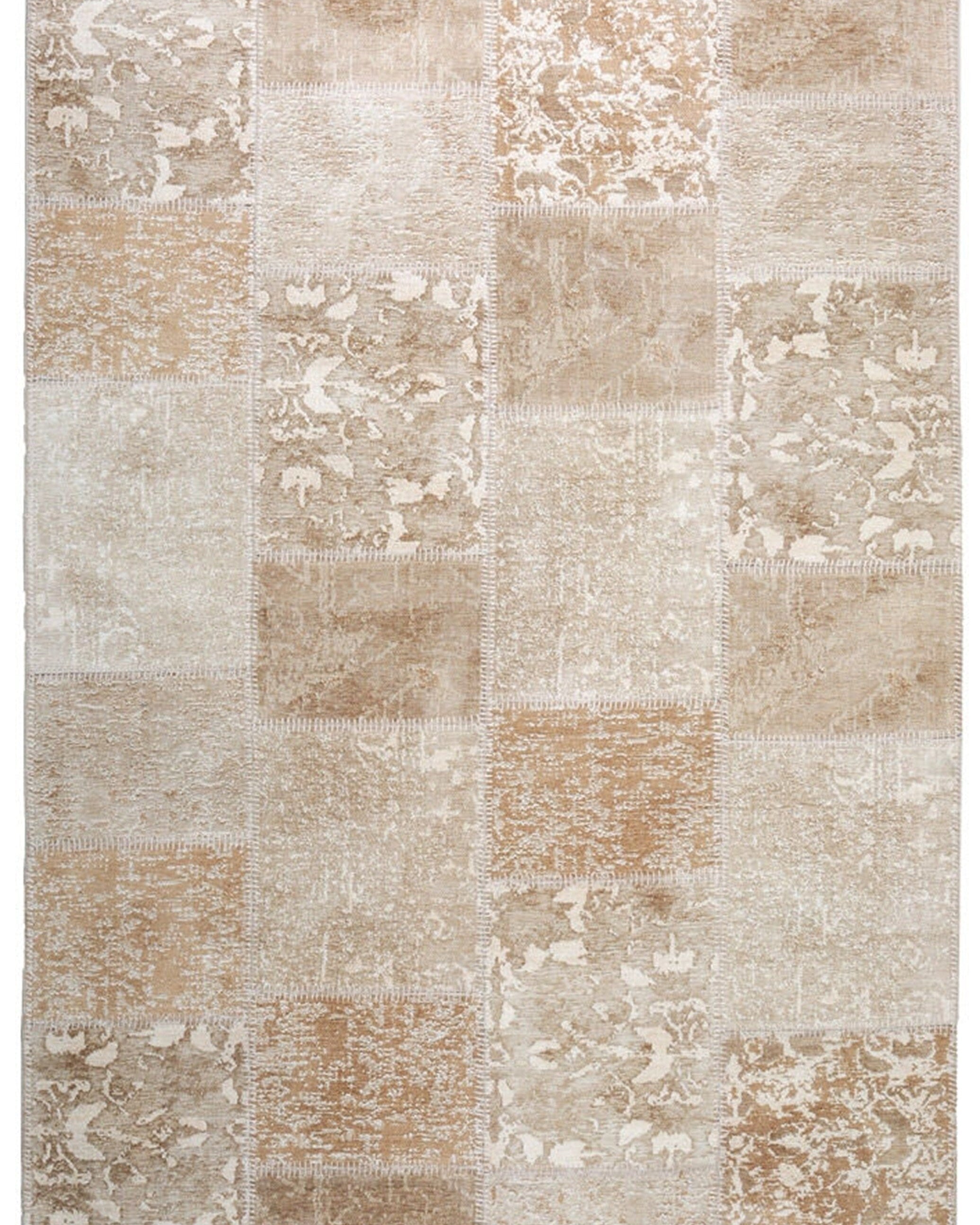
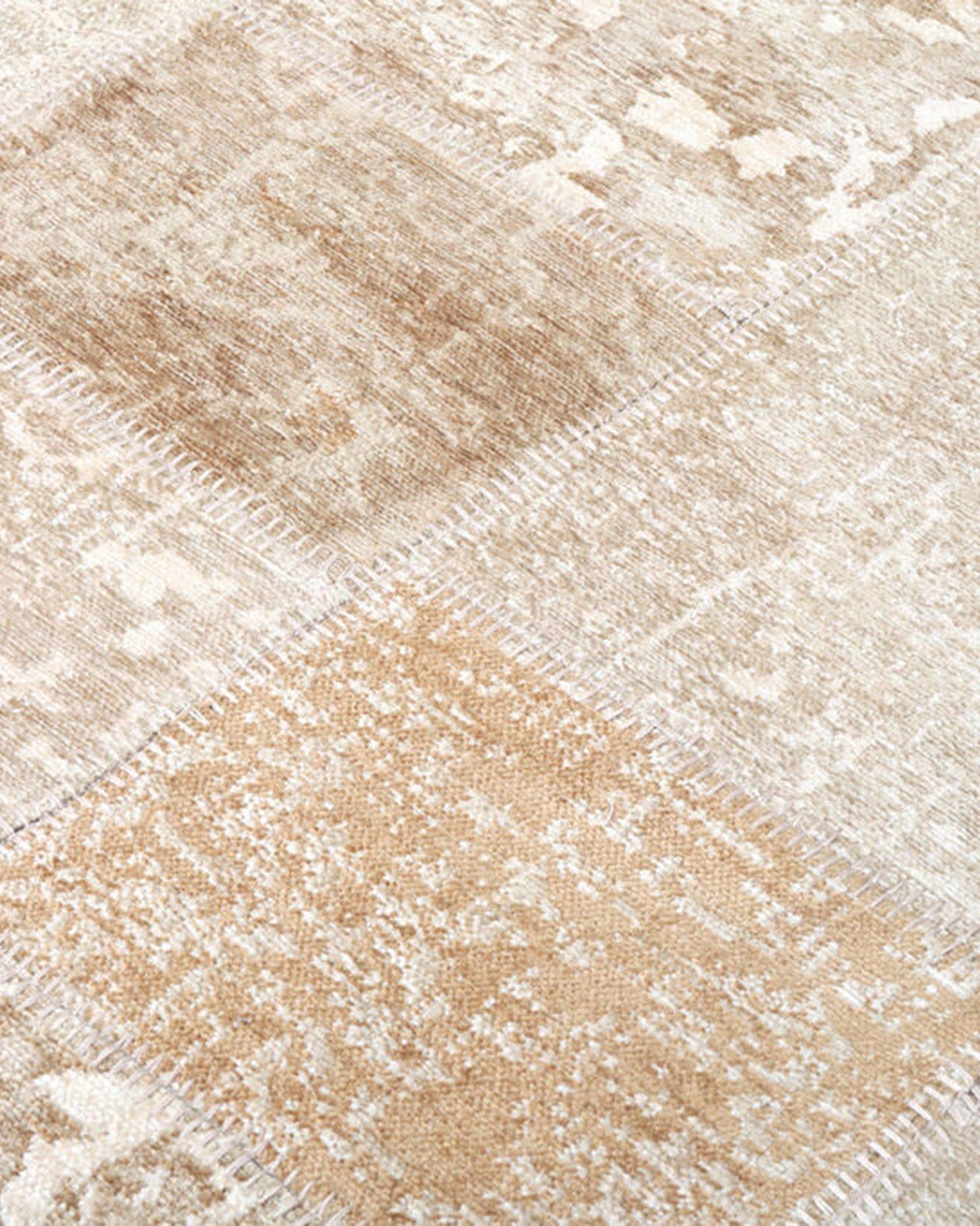
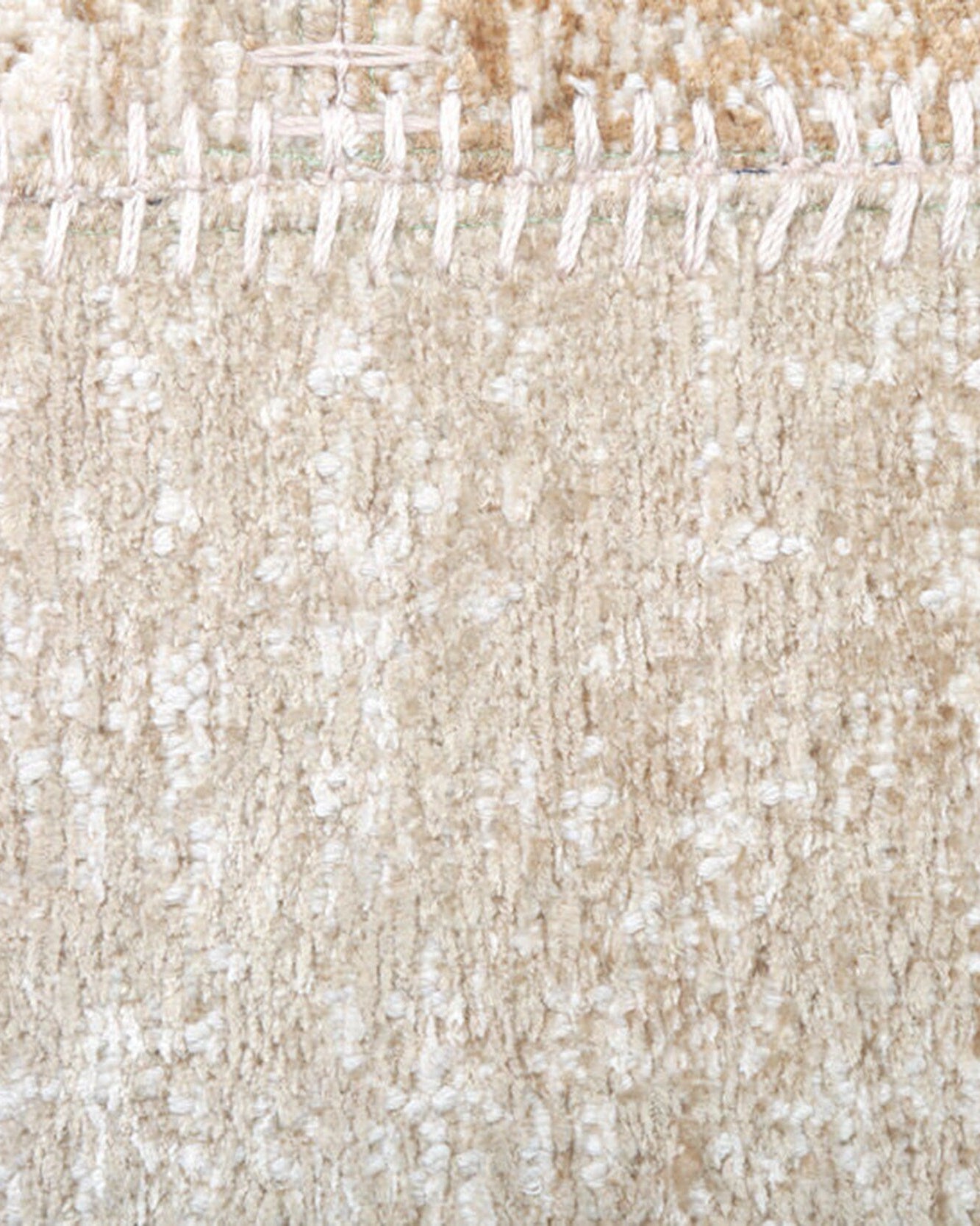
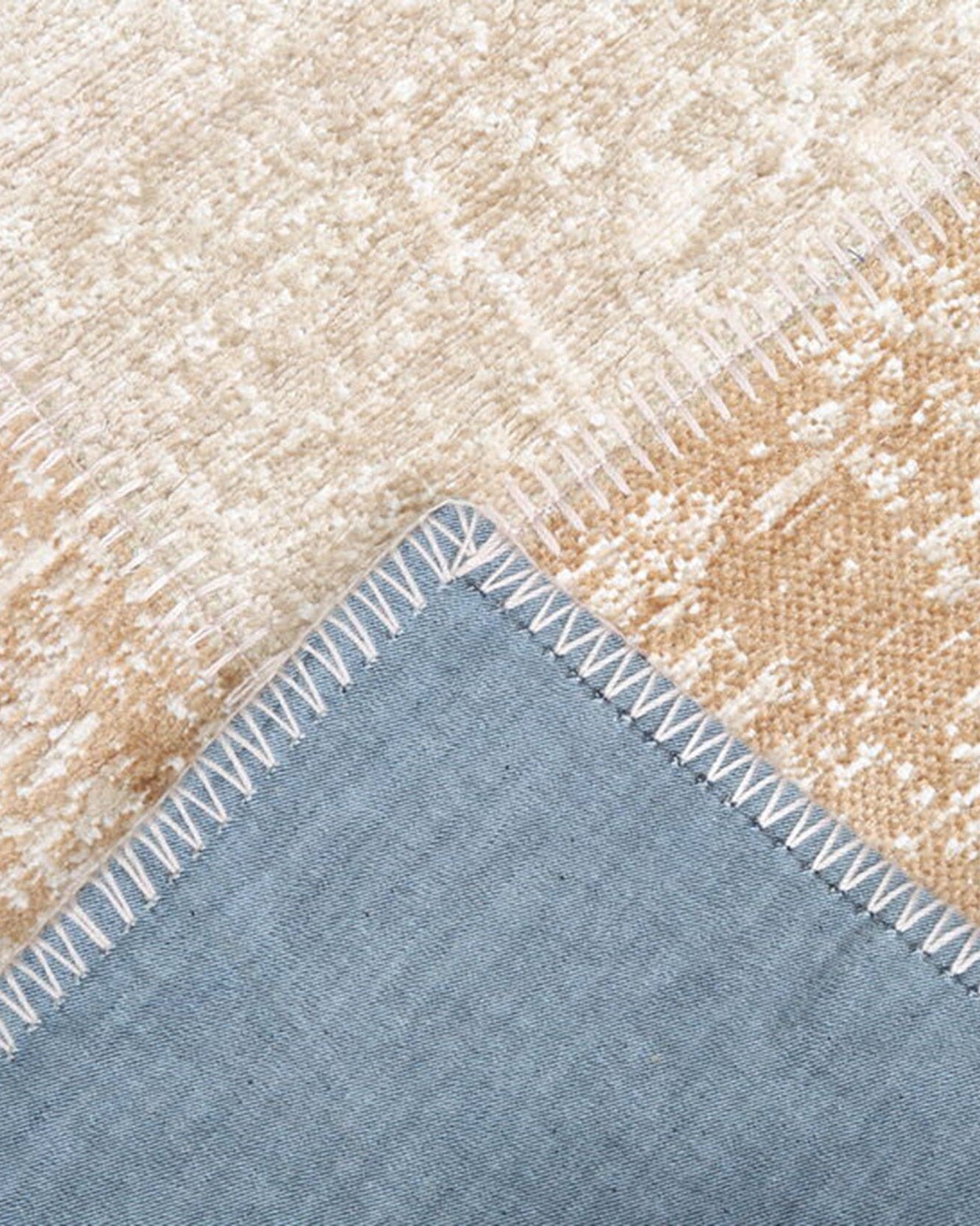
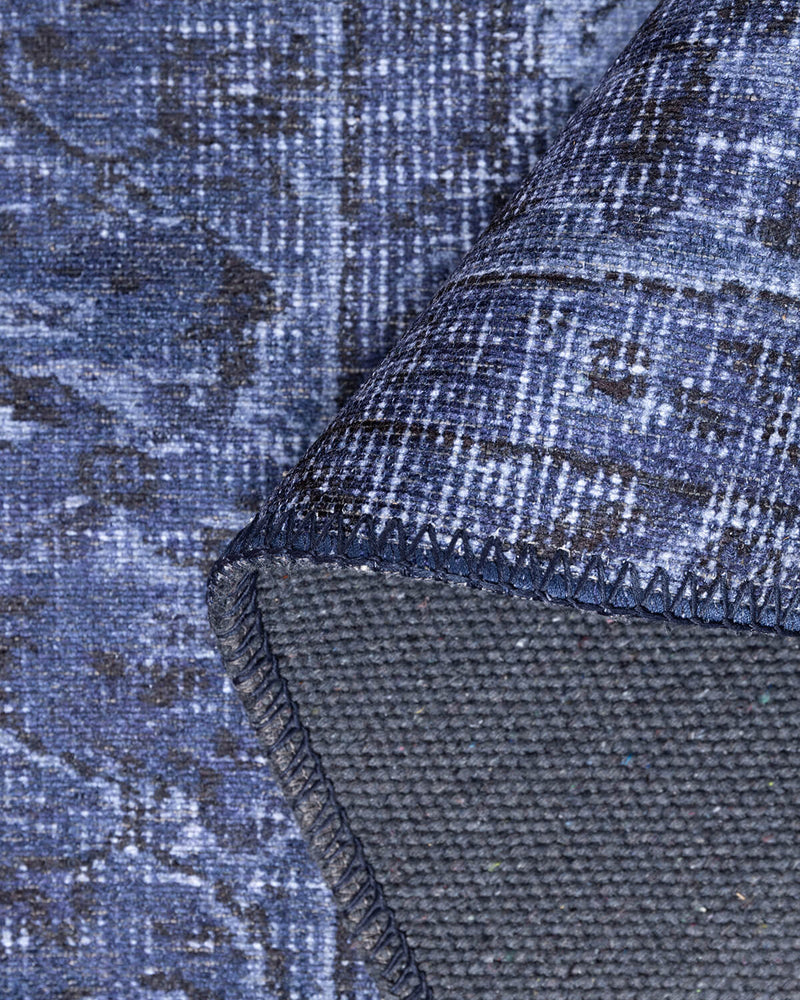
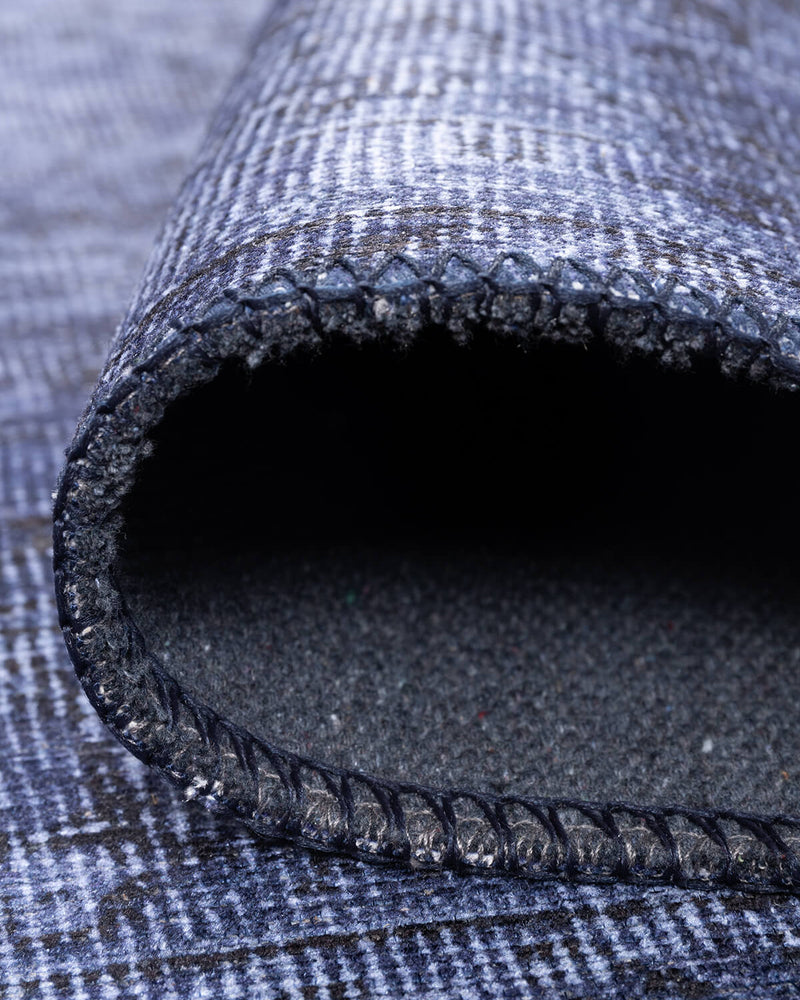
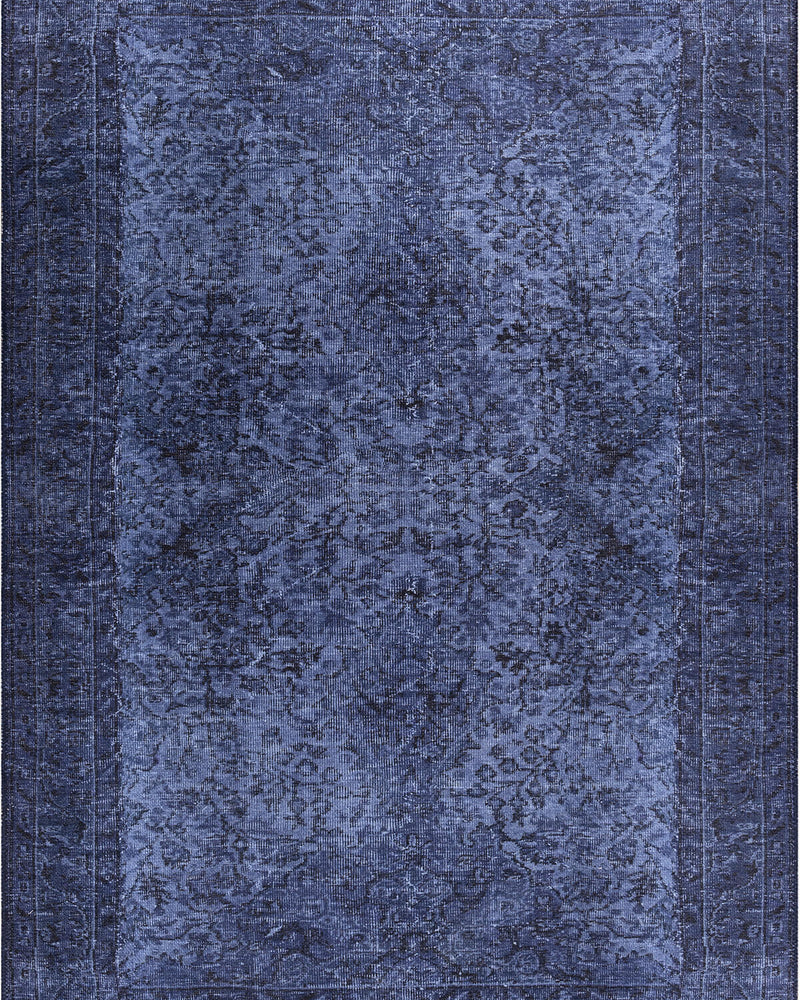
At Fame Rugs, we bring you authentic Oriental rugs sourced from skilled artisans and trusted suppliers. Our collection includes Persian Oriental rugs, Turkish Oushak rugs, antique Oriental rugs, and modern vintage-inspired styles. Each piece is selected for its quality, craftsmanship, and timeless design.
Final Thoughts
Oriental rugs are more than floor coverings — they are living art pieces that carry centuries of history, culture, and craftsmanship. Whether you’re looking for a statement piece for your living room or a subtle runner for your hallway, Oriental rugs bring elegance, warmth, and authenticity into your home. Explore our collection and discover the perfect Oriental rug to complement your style.