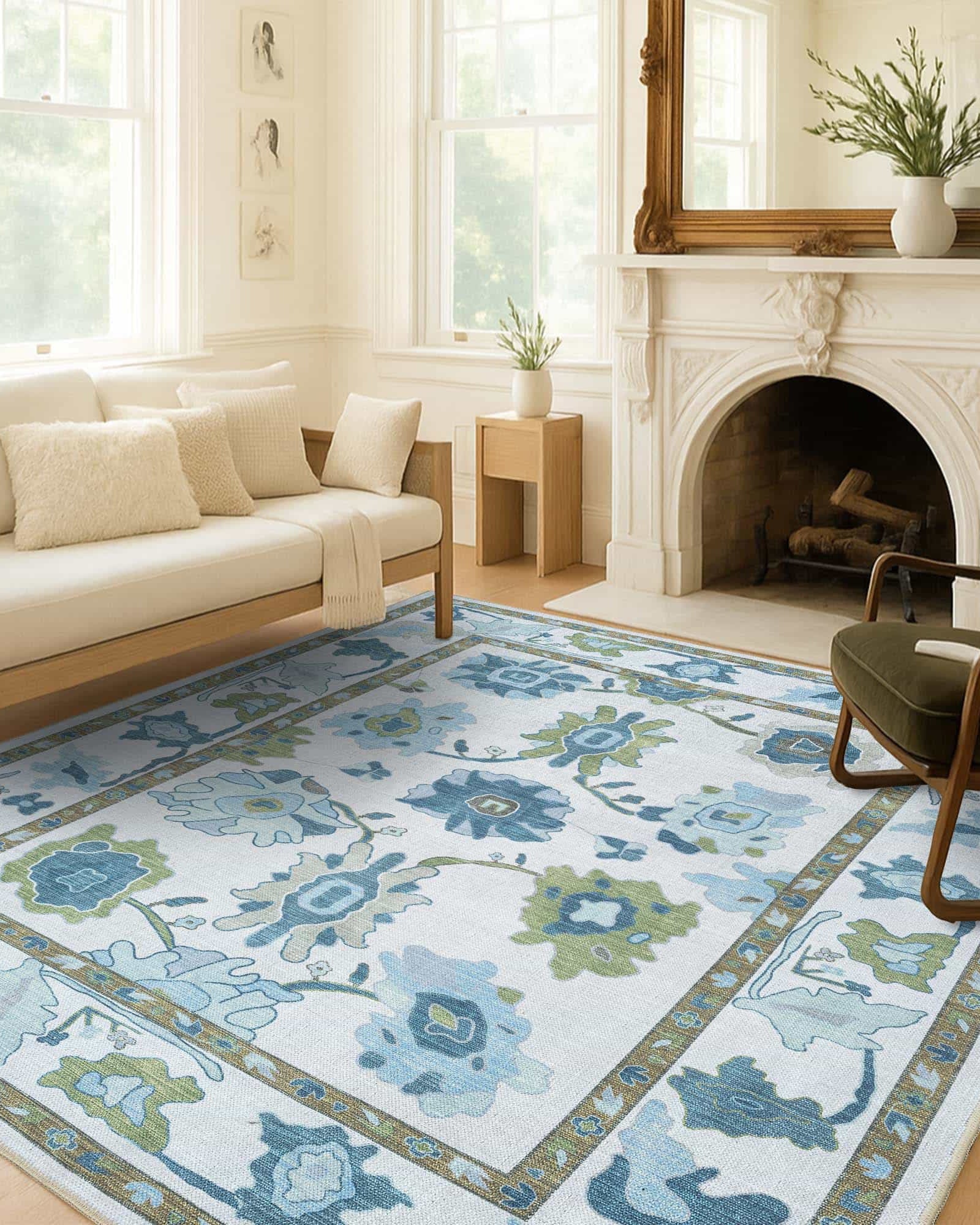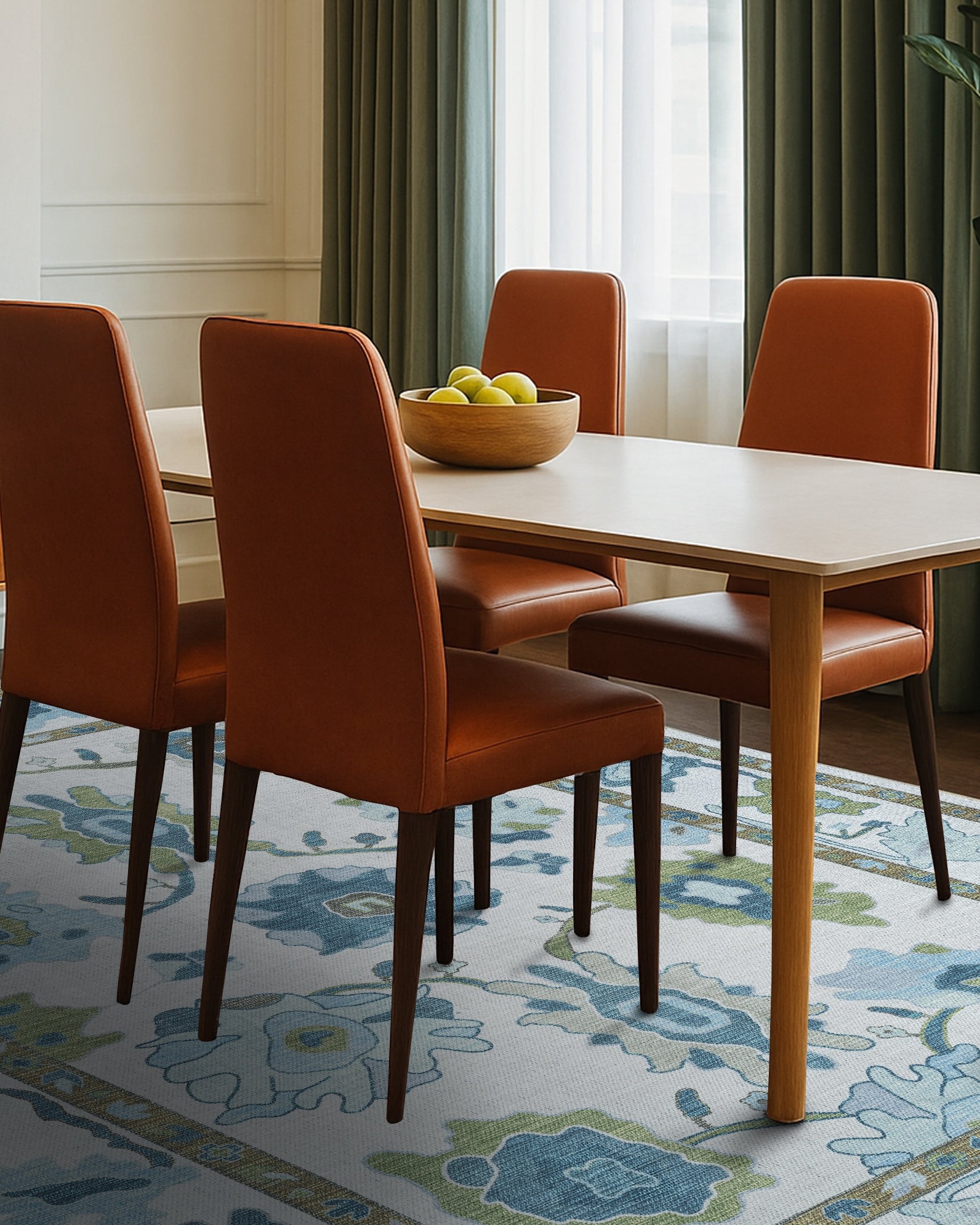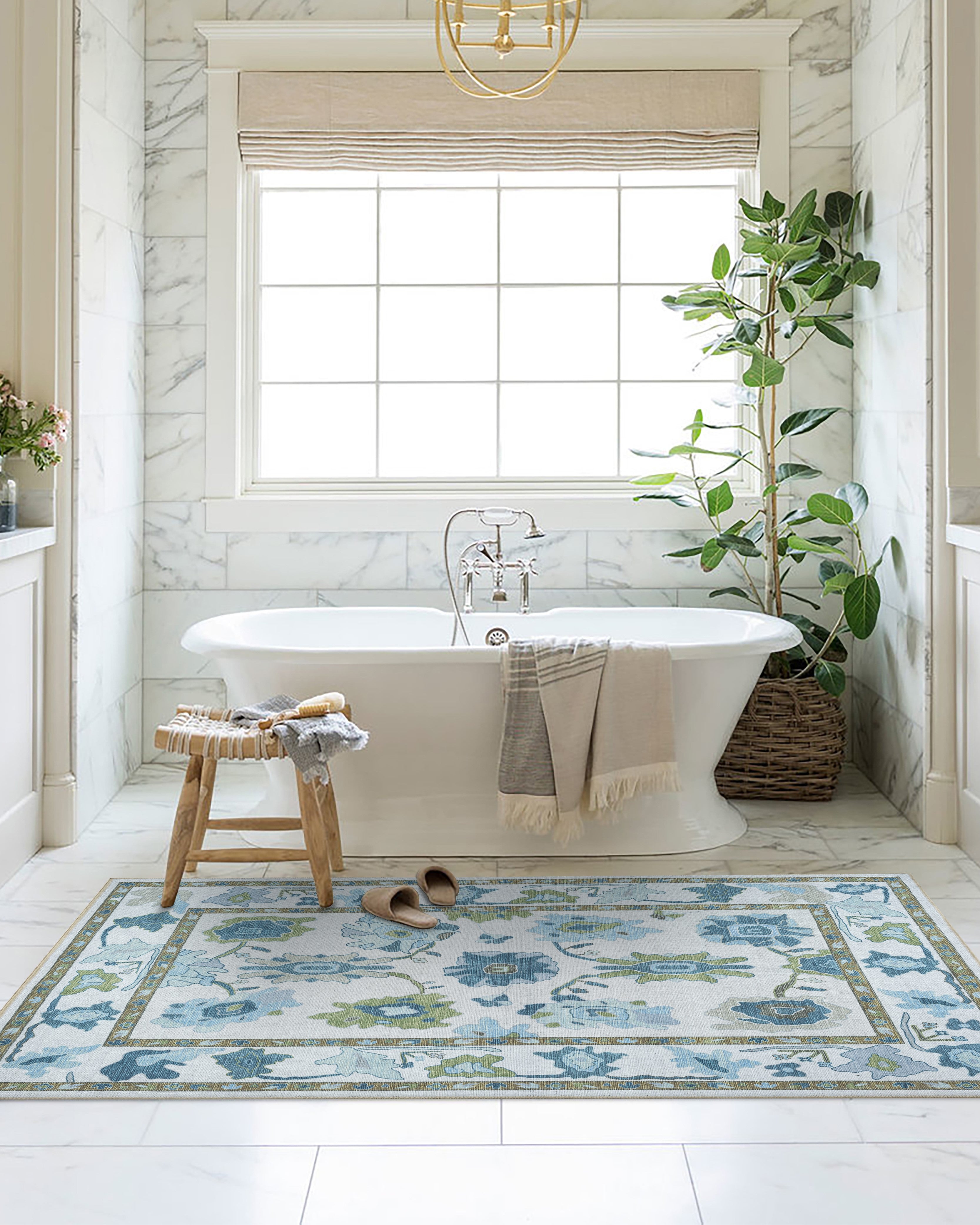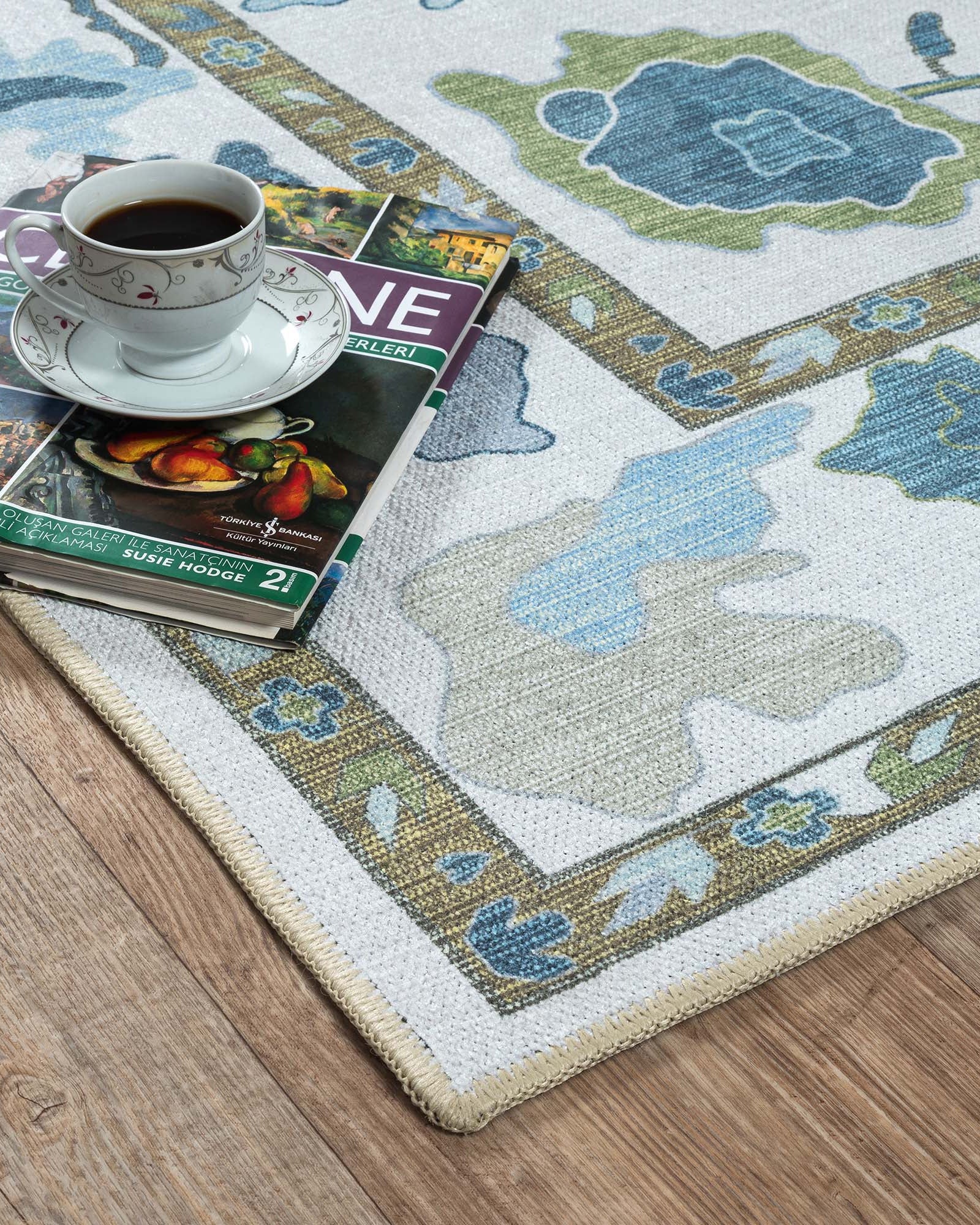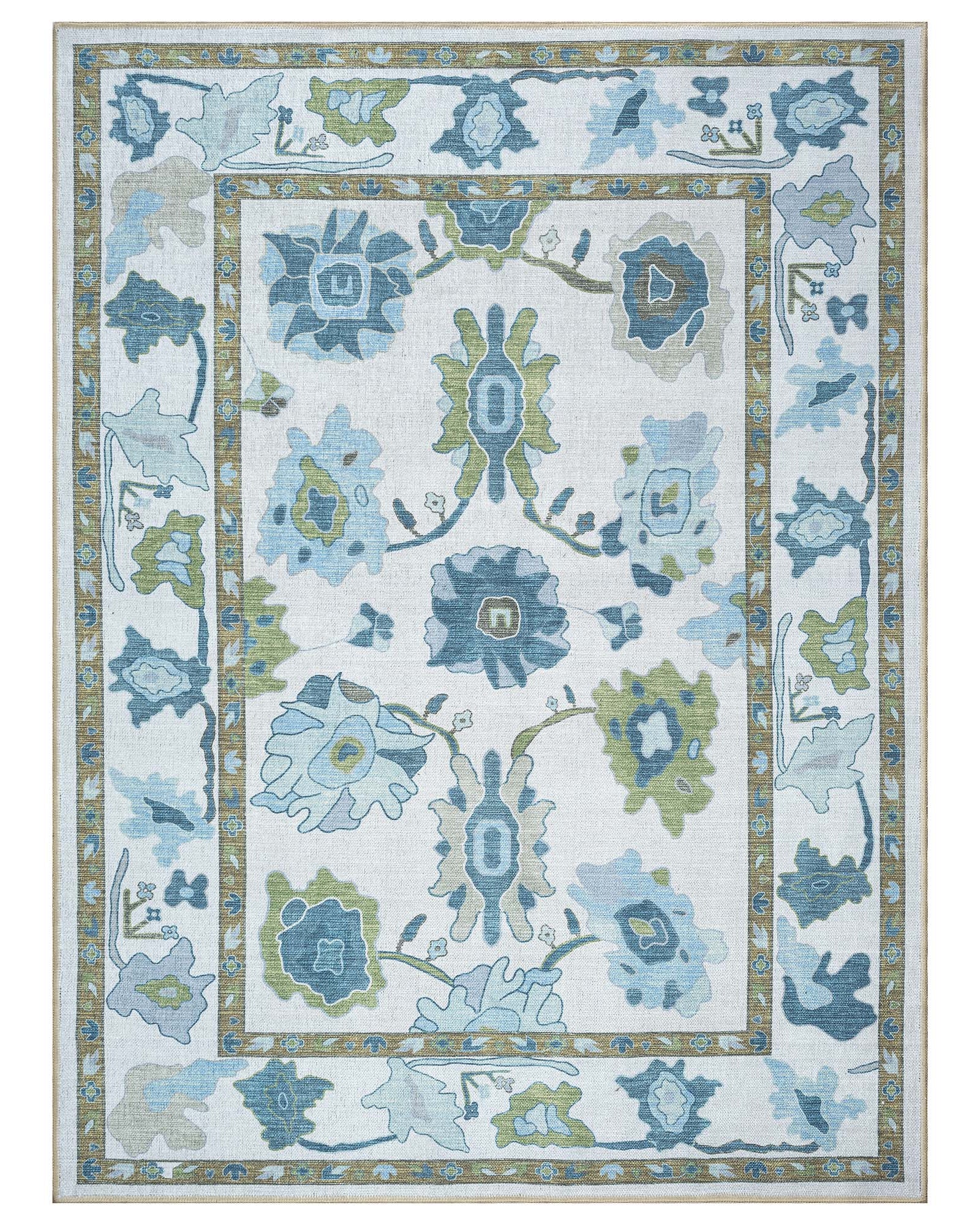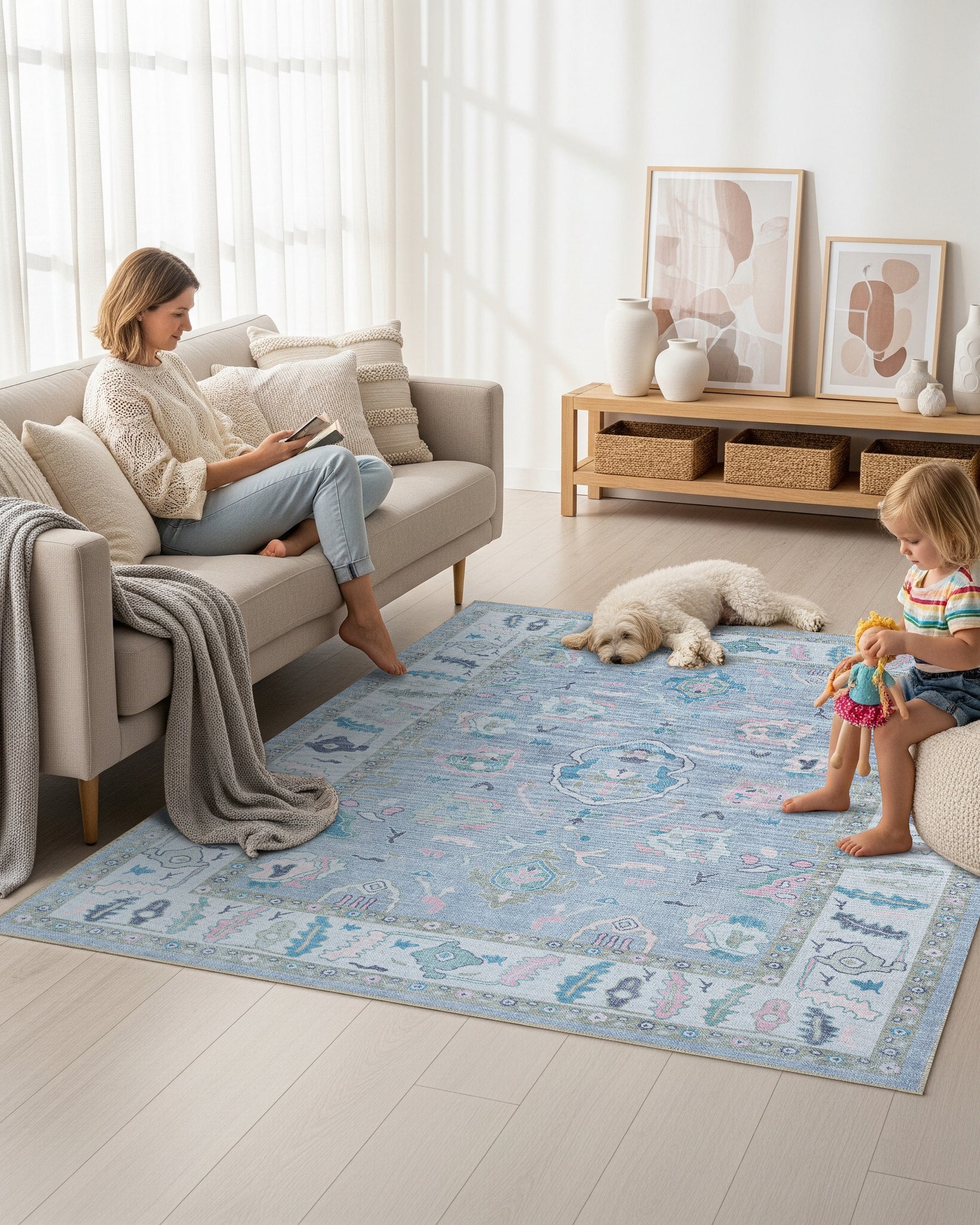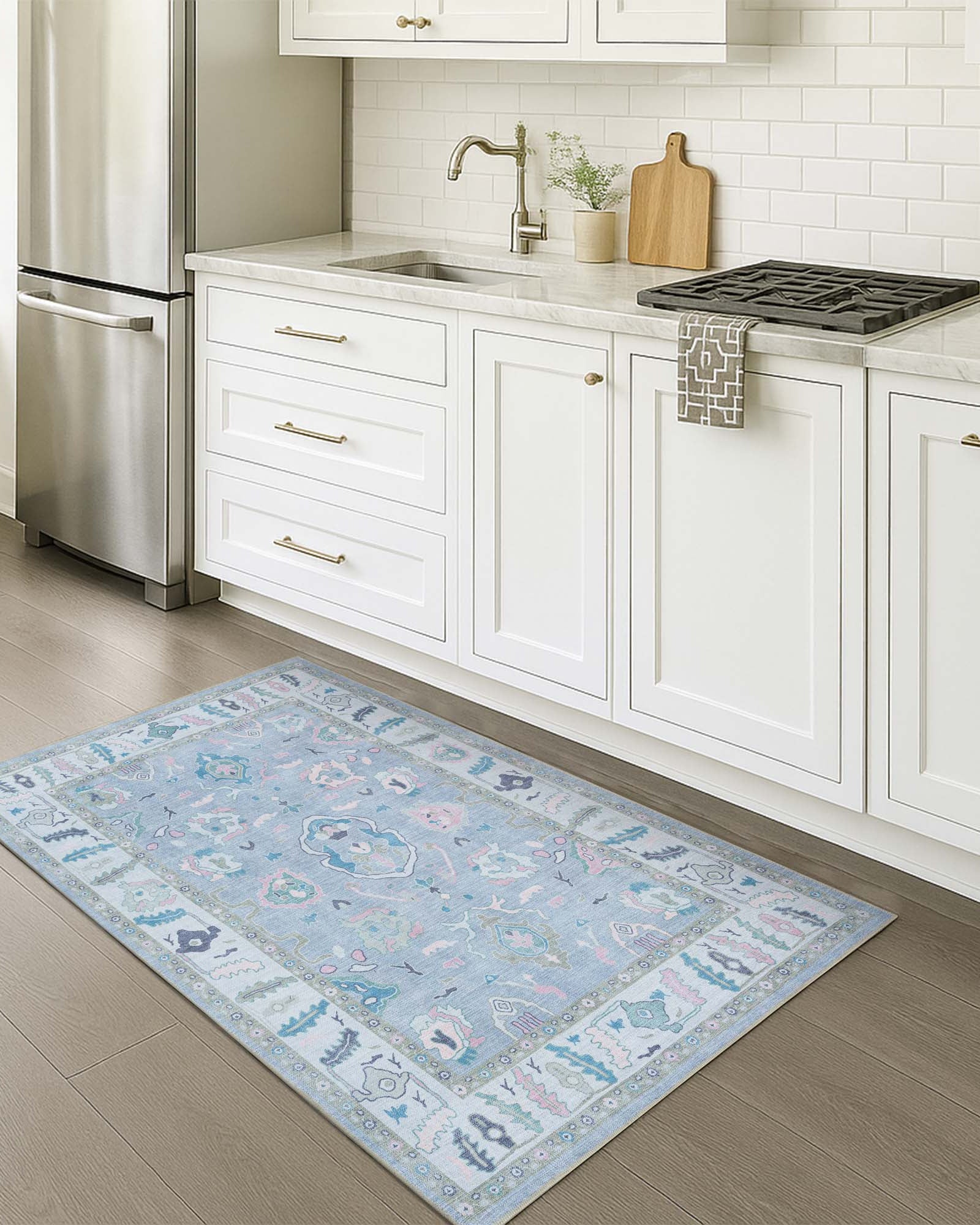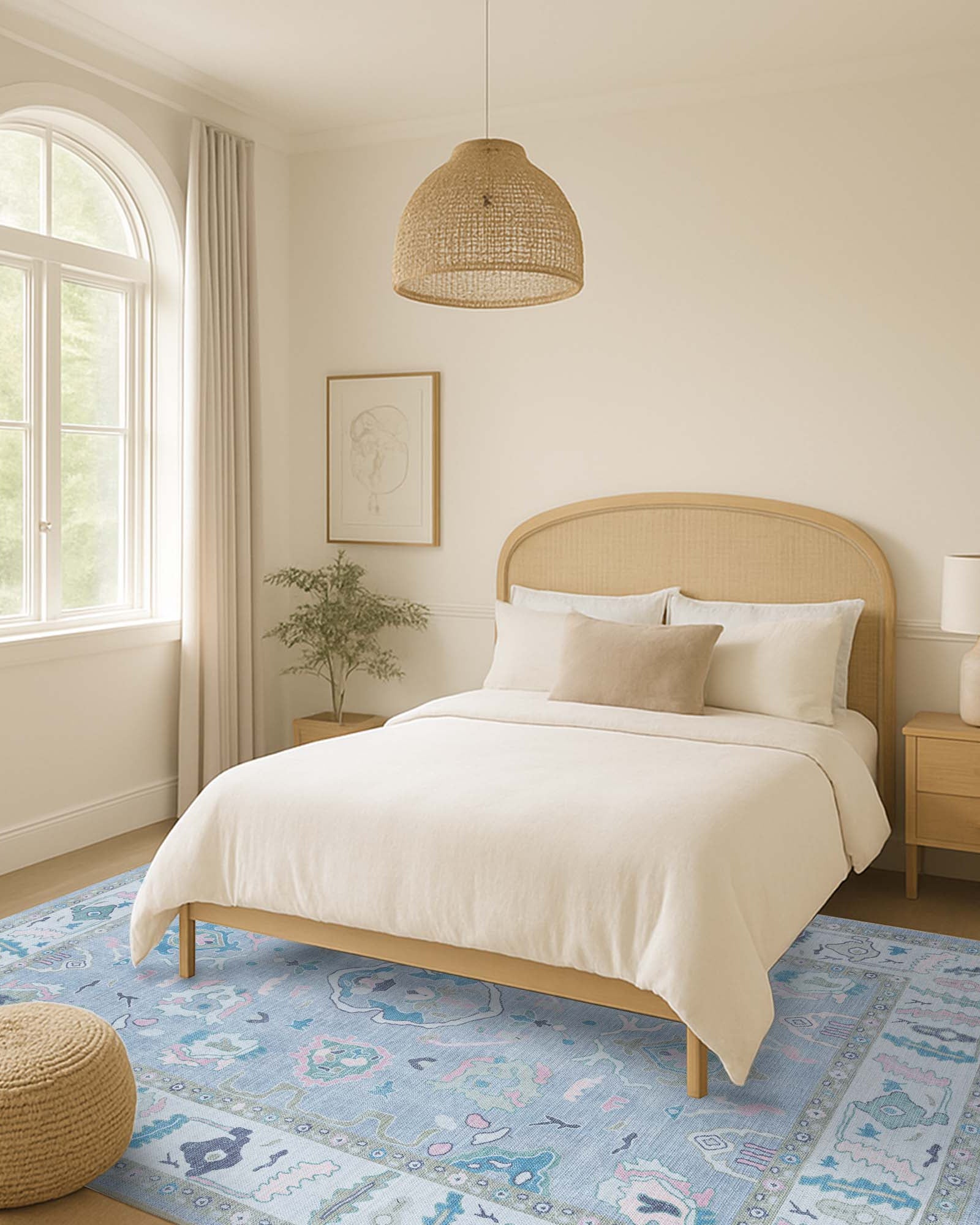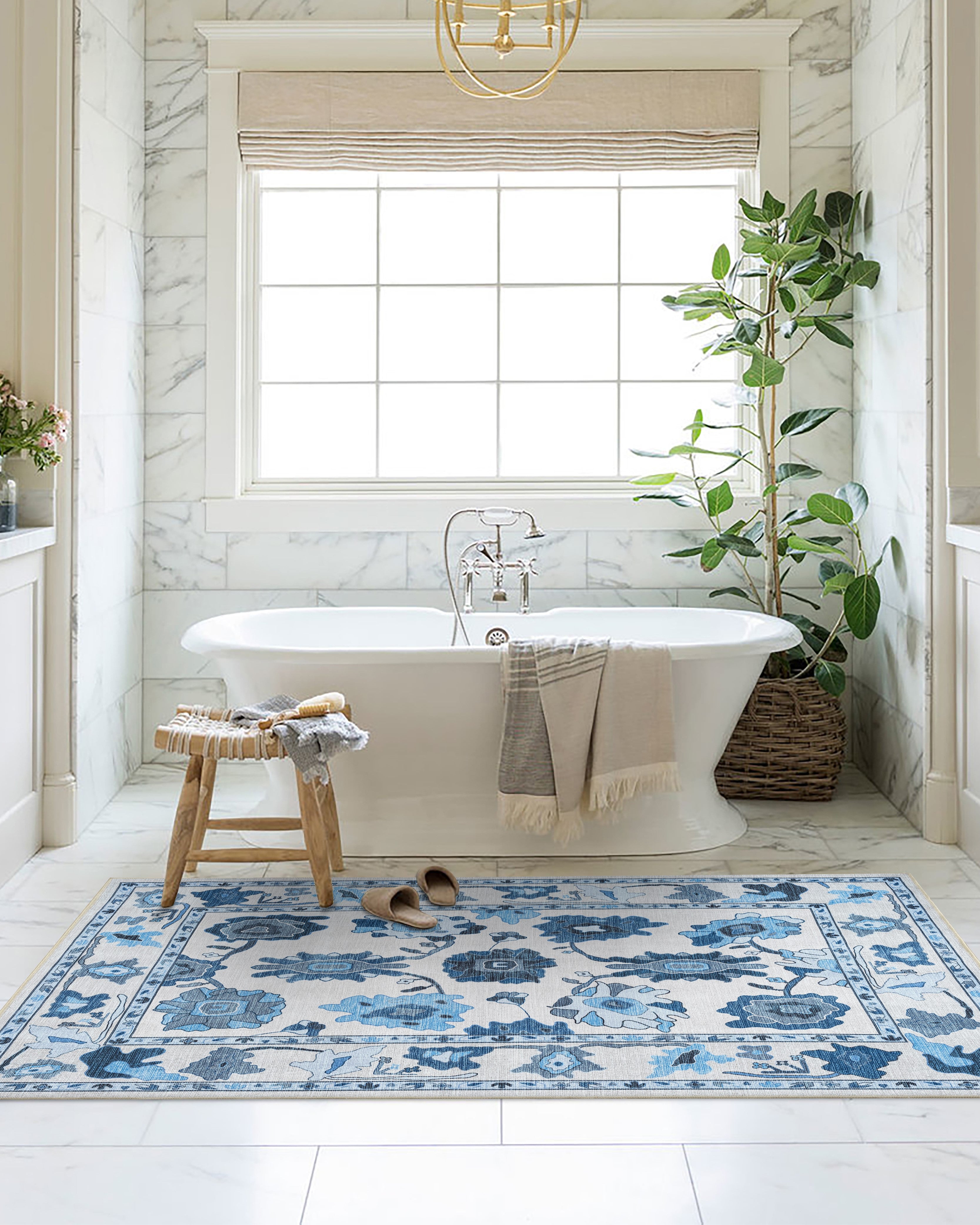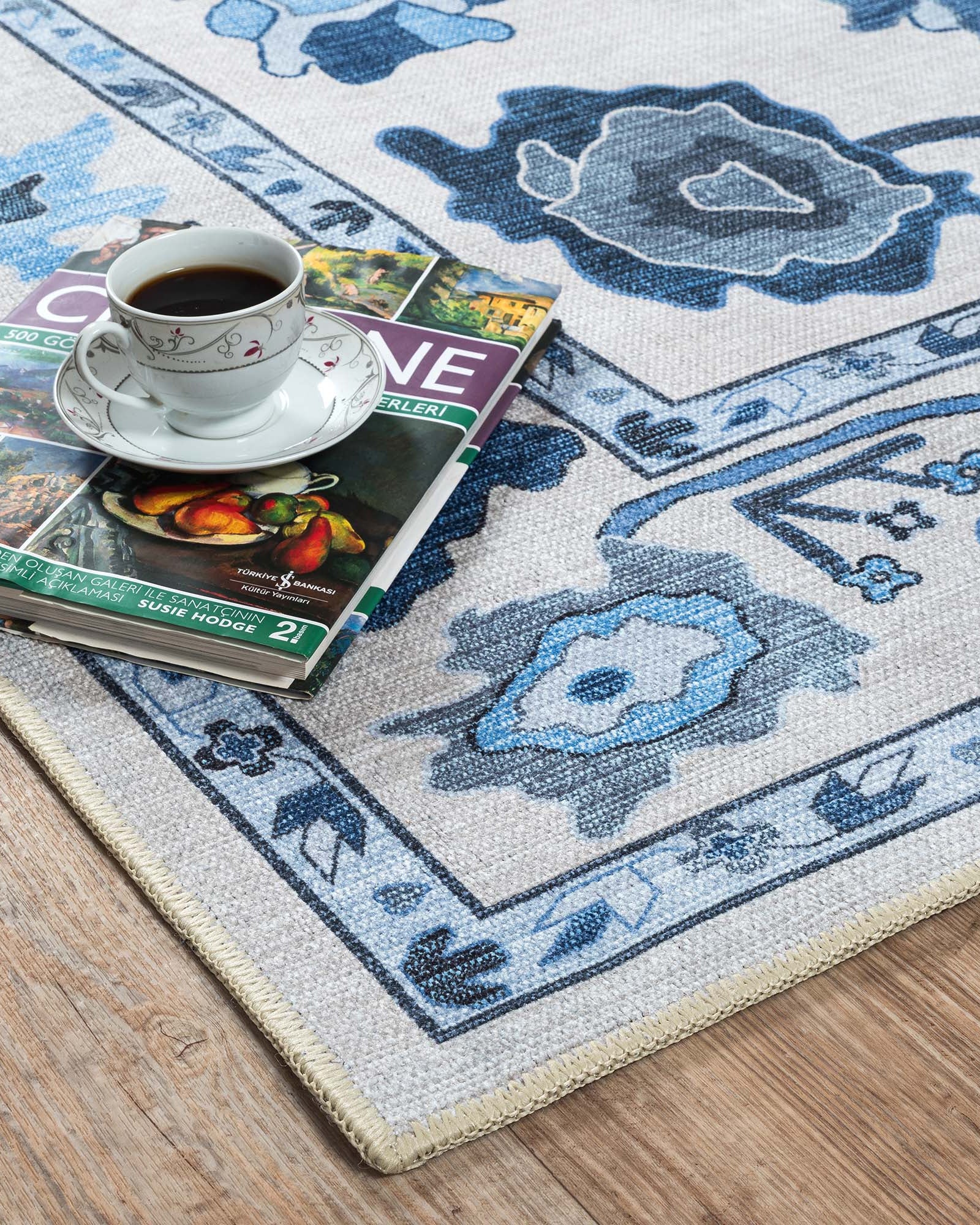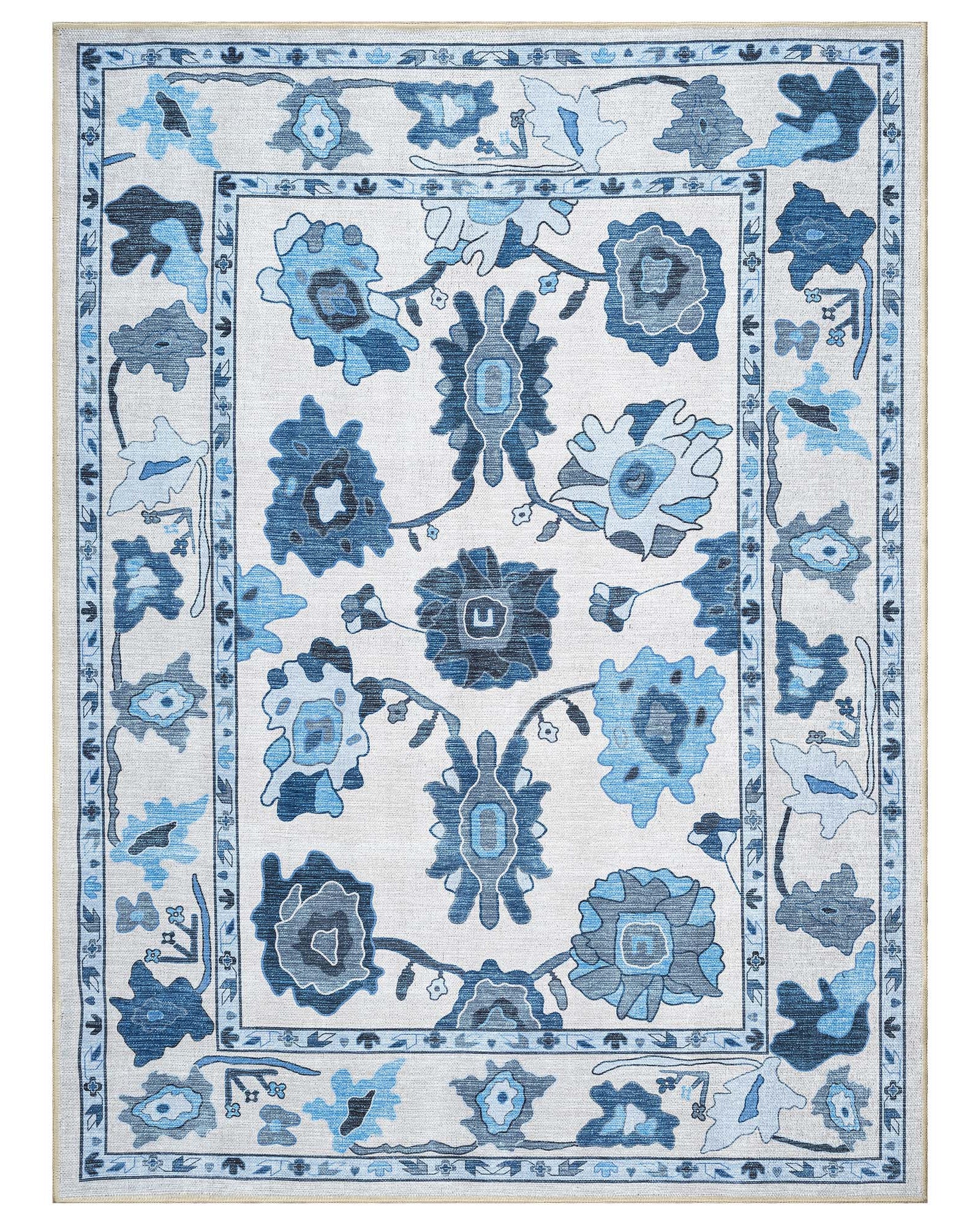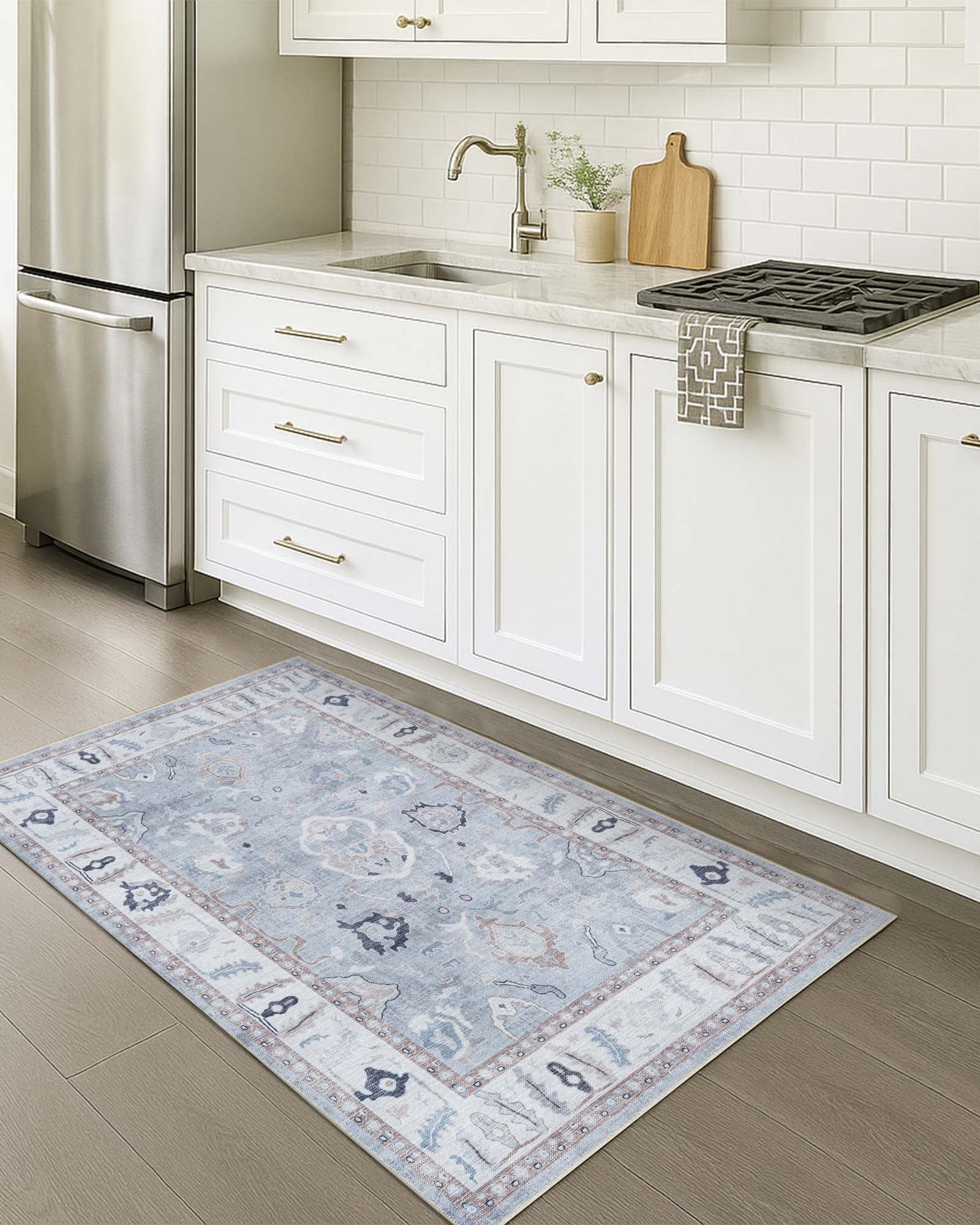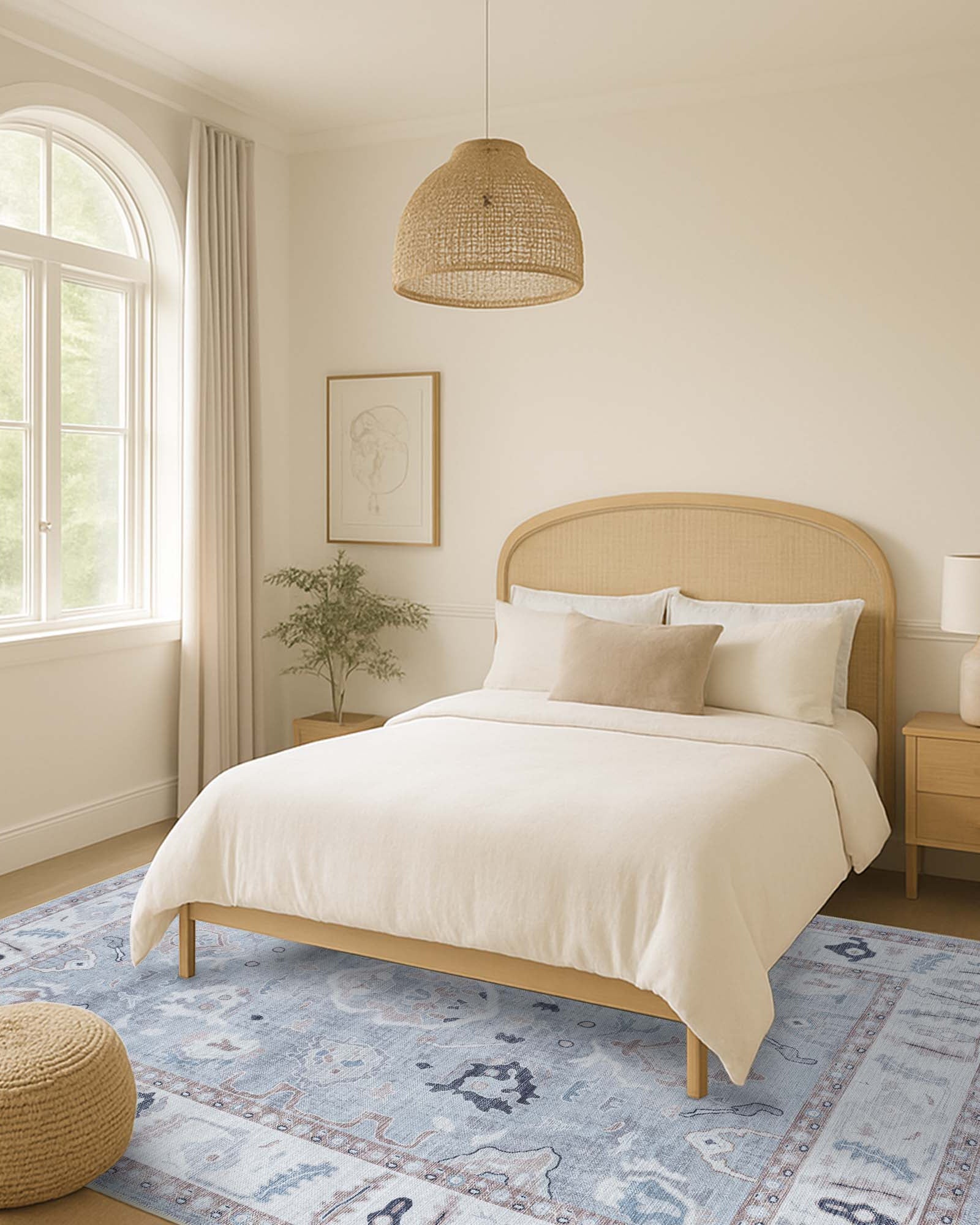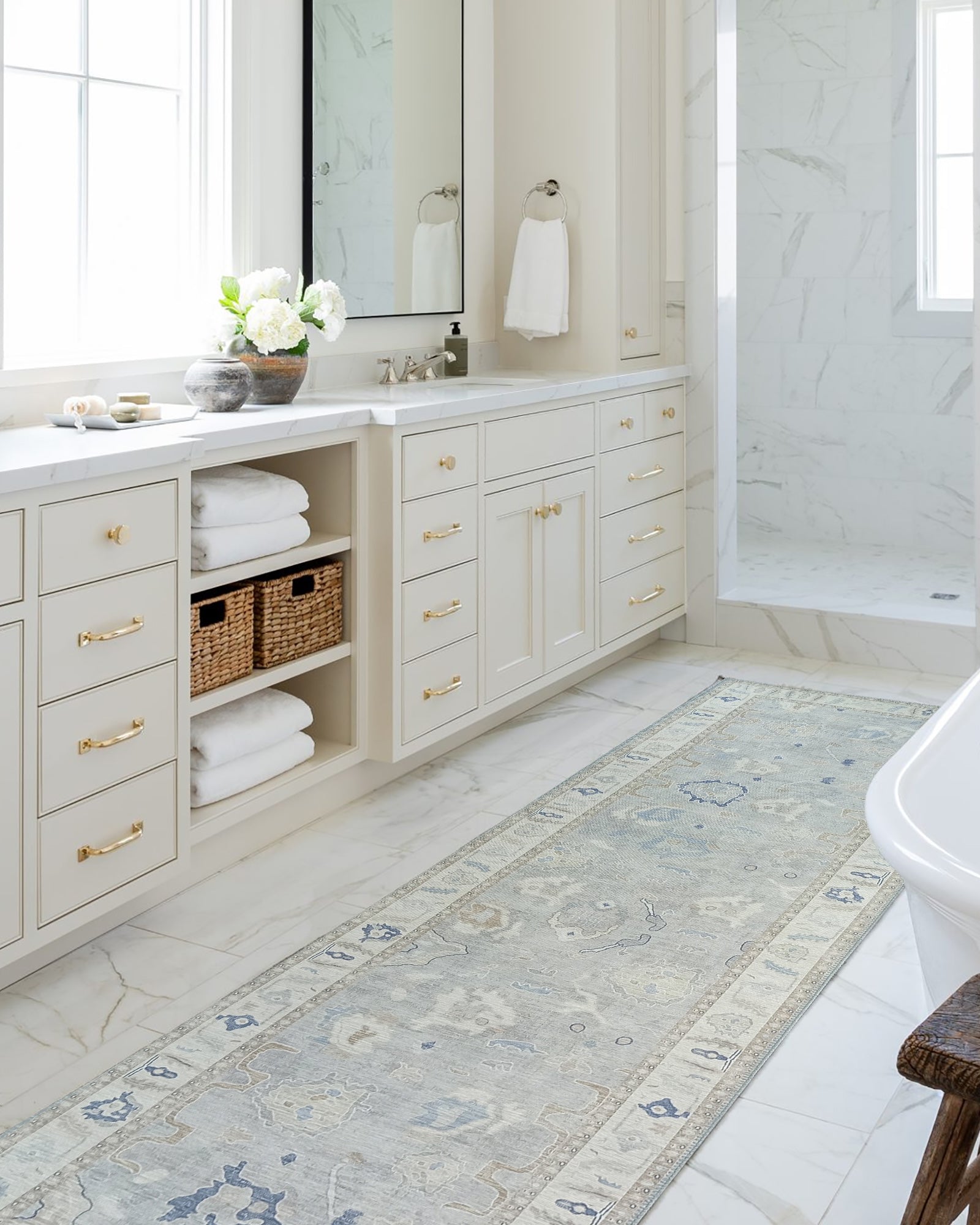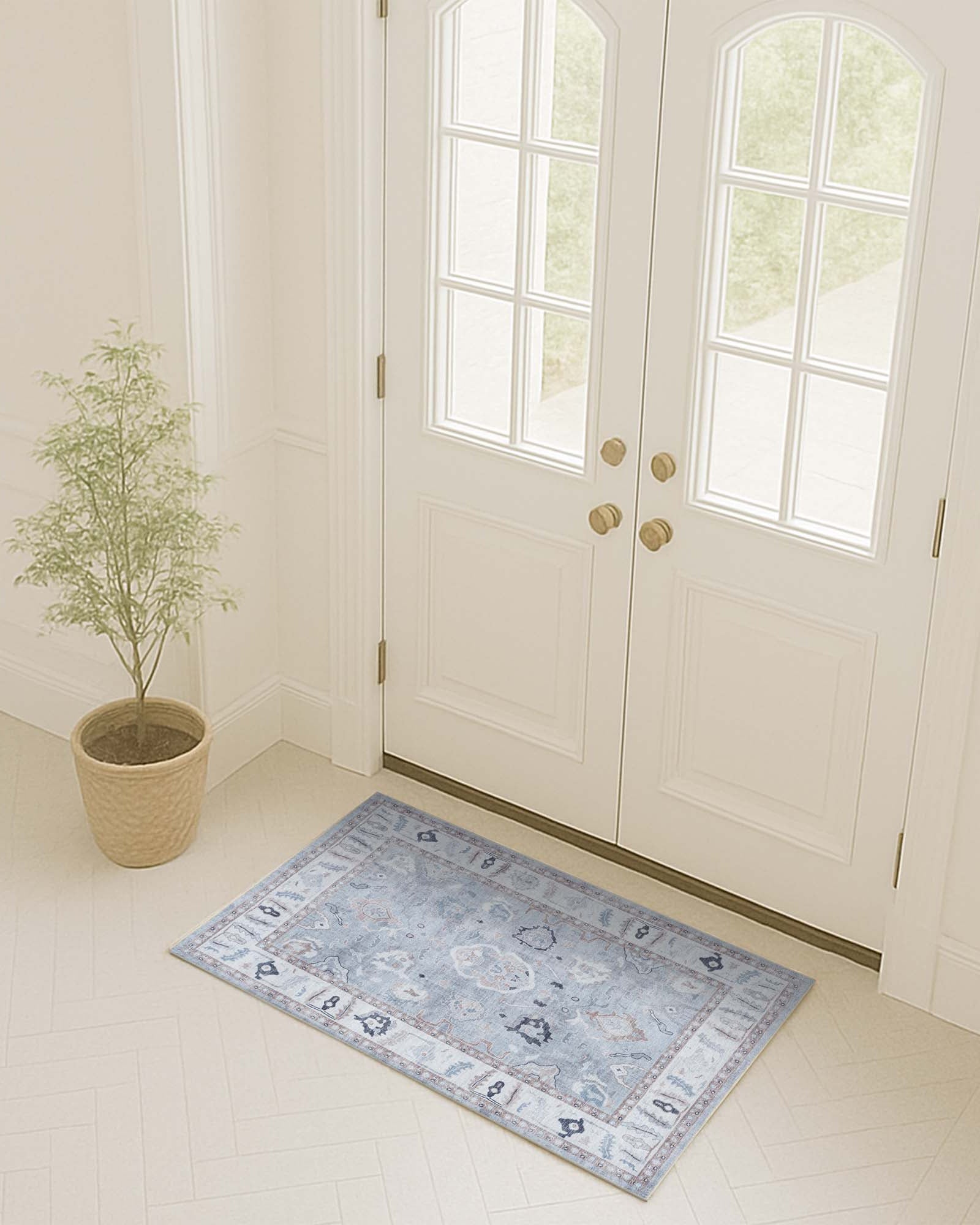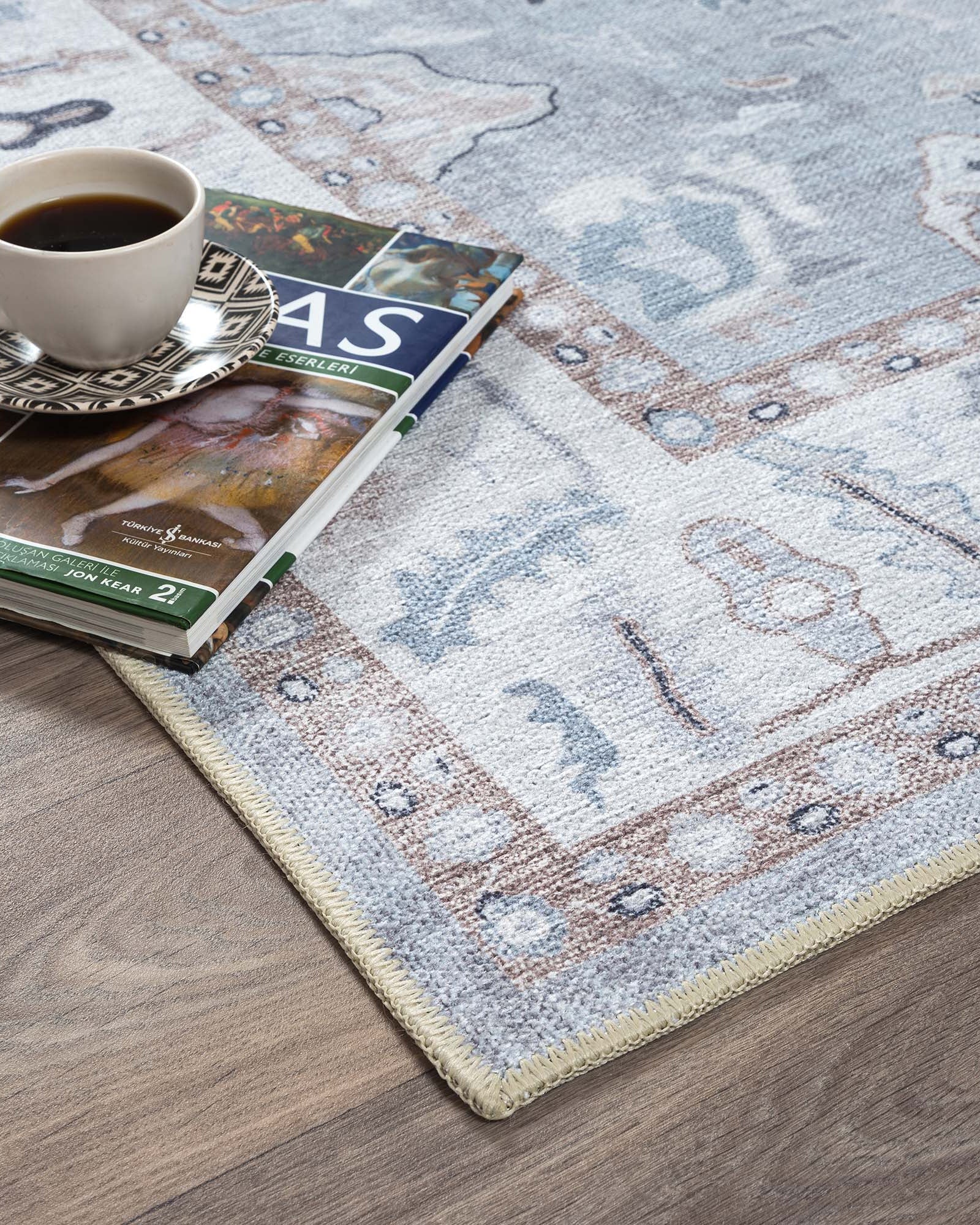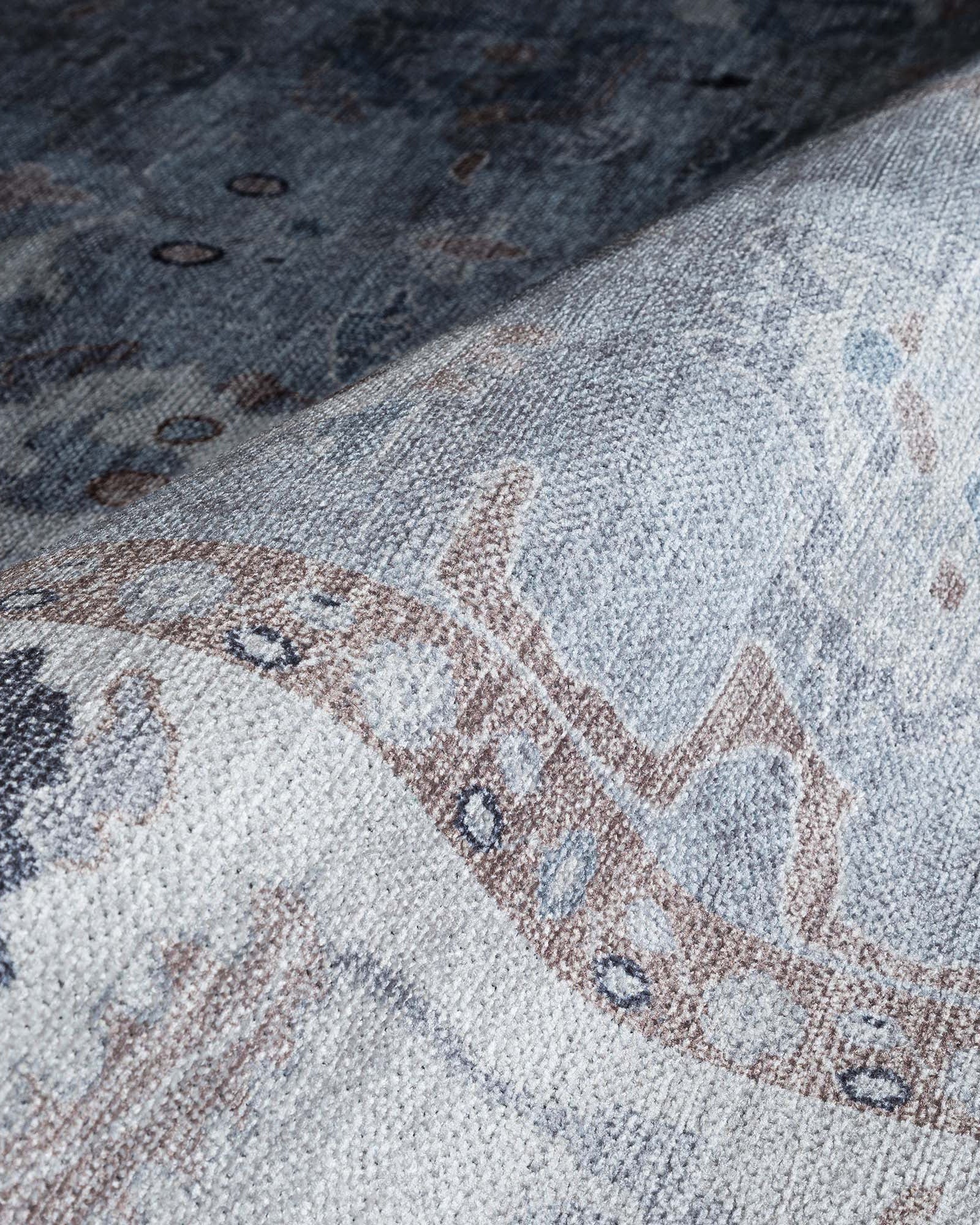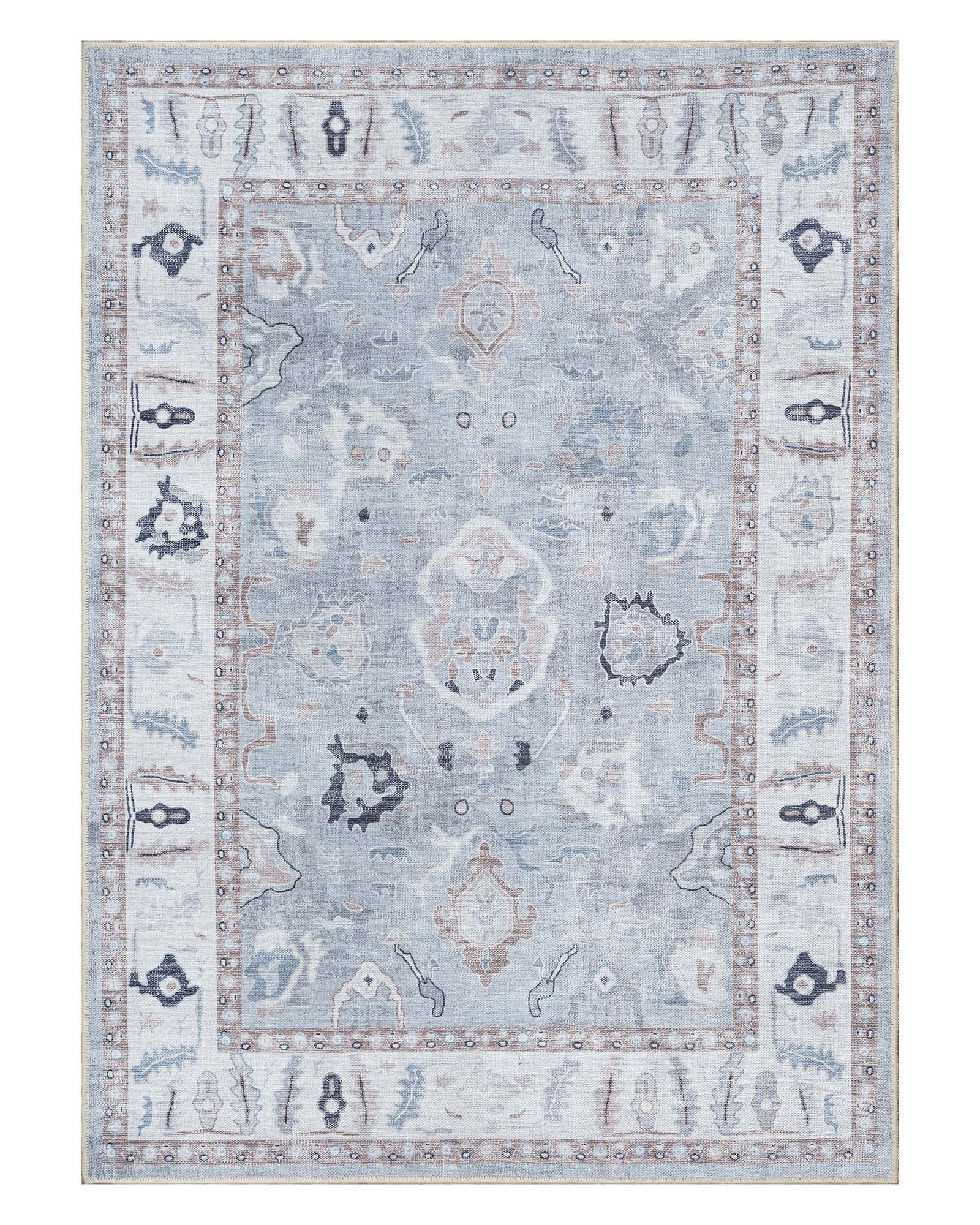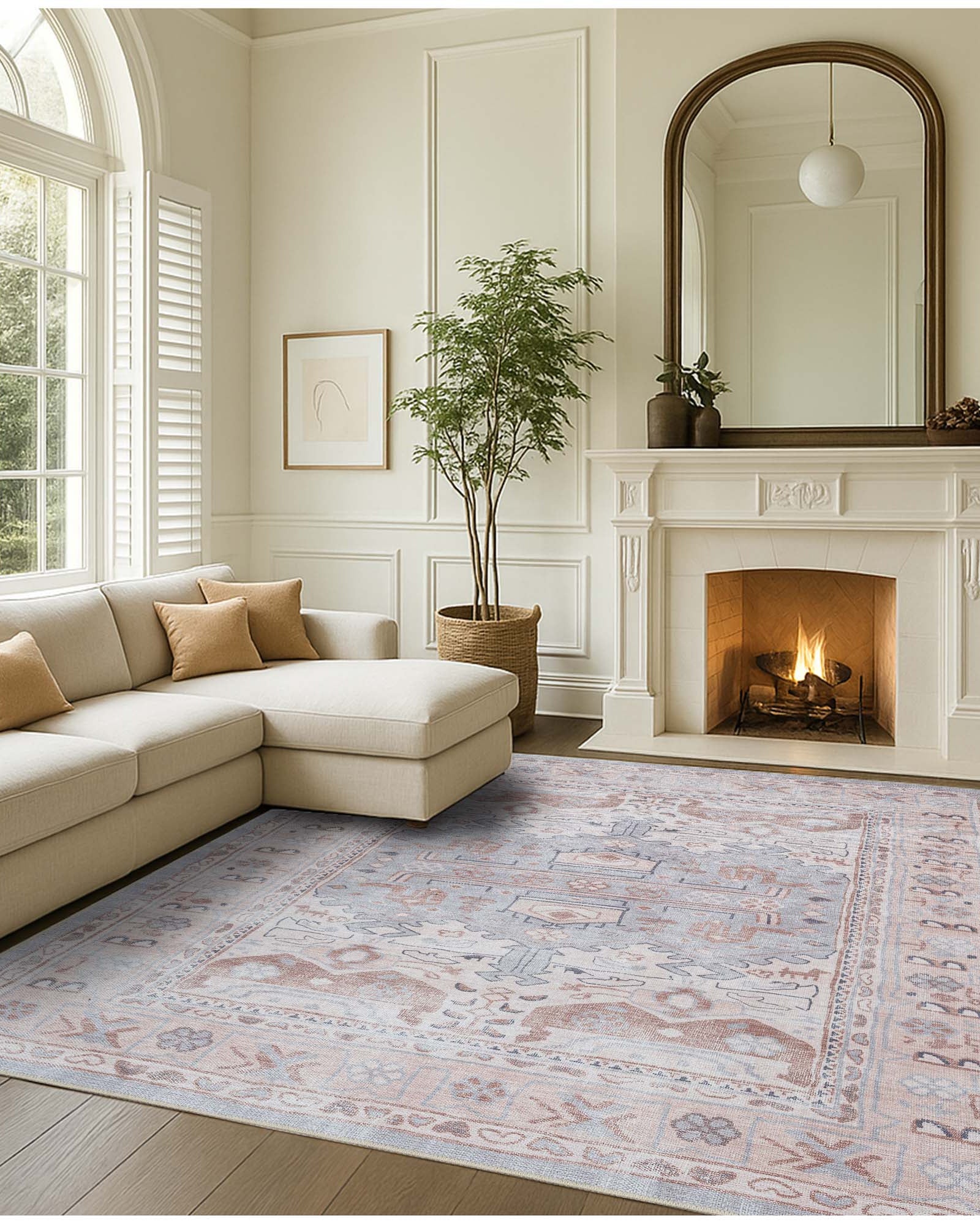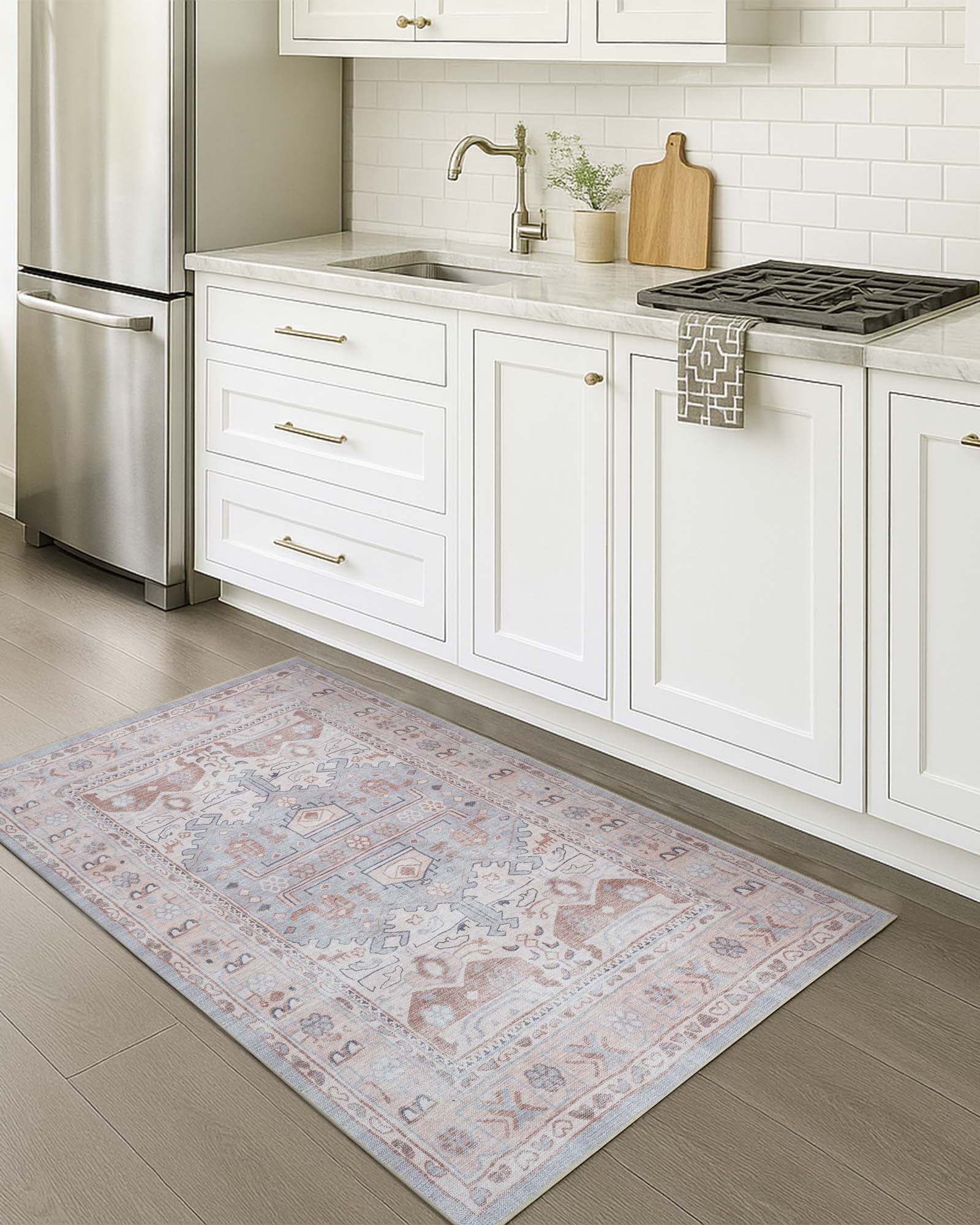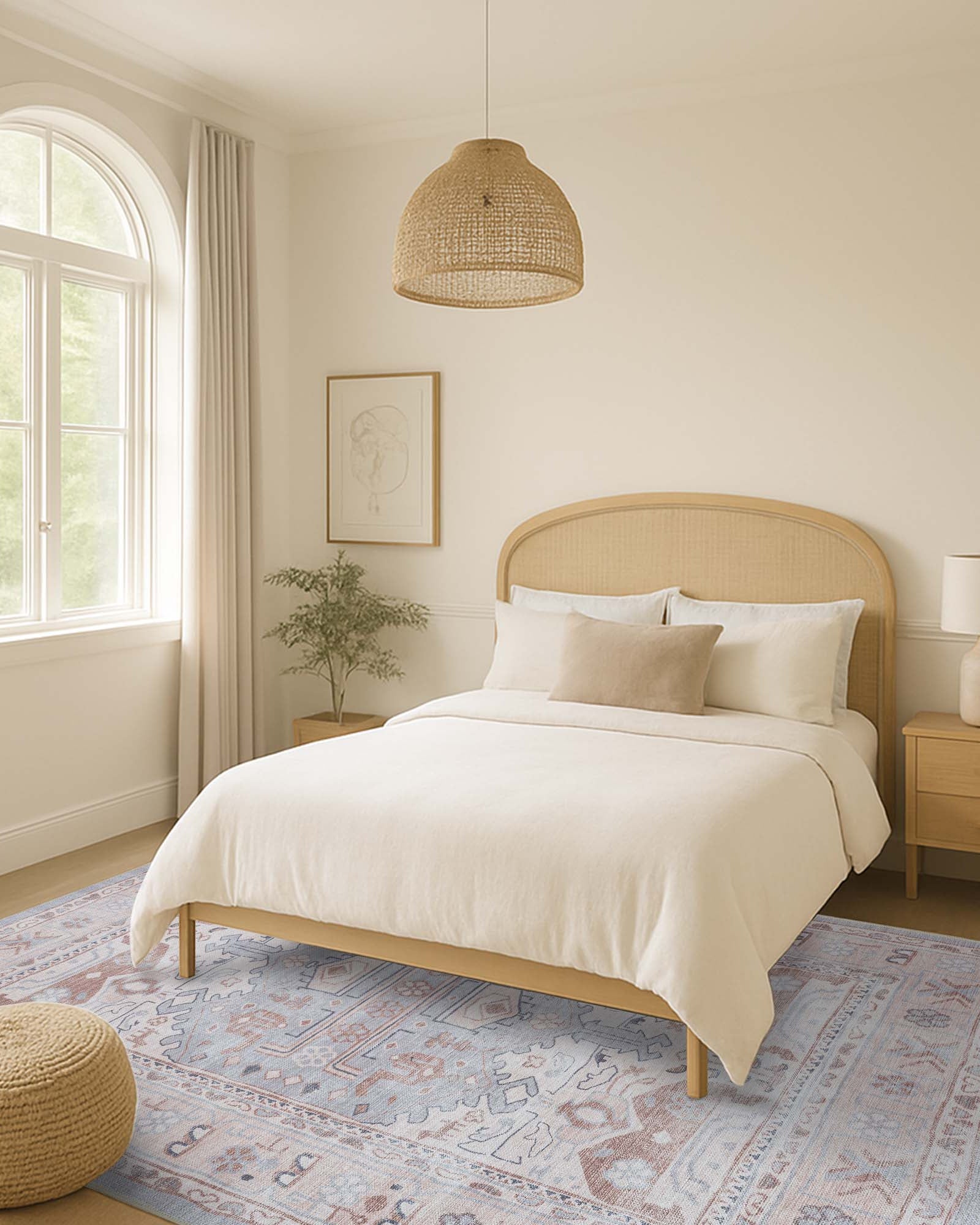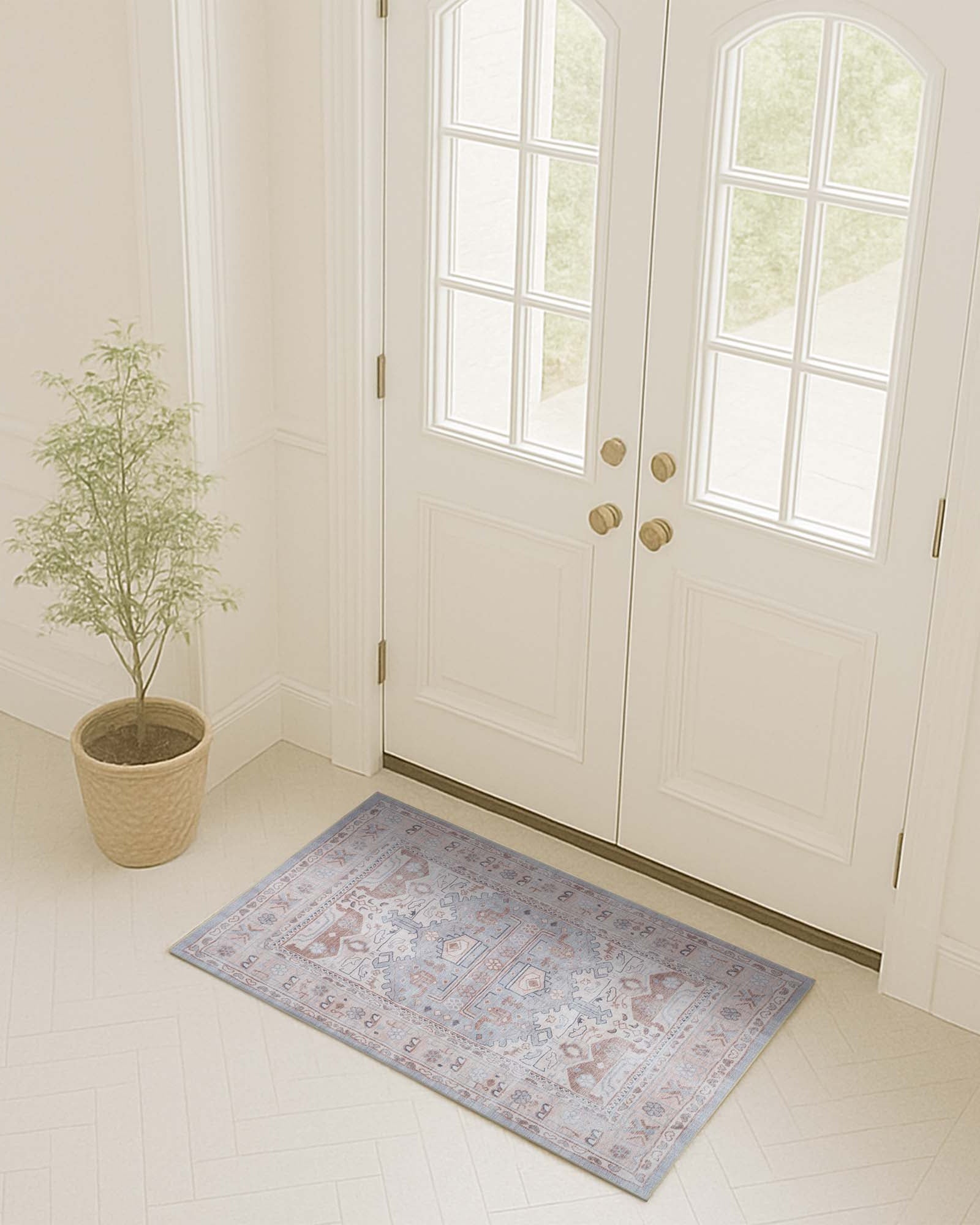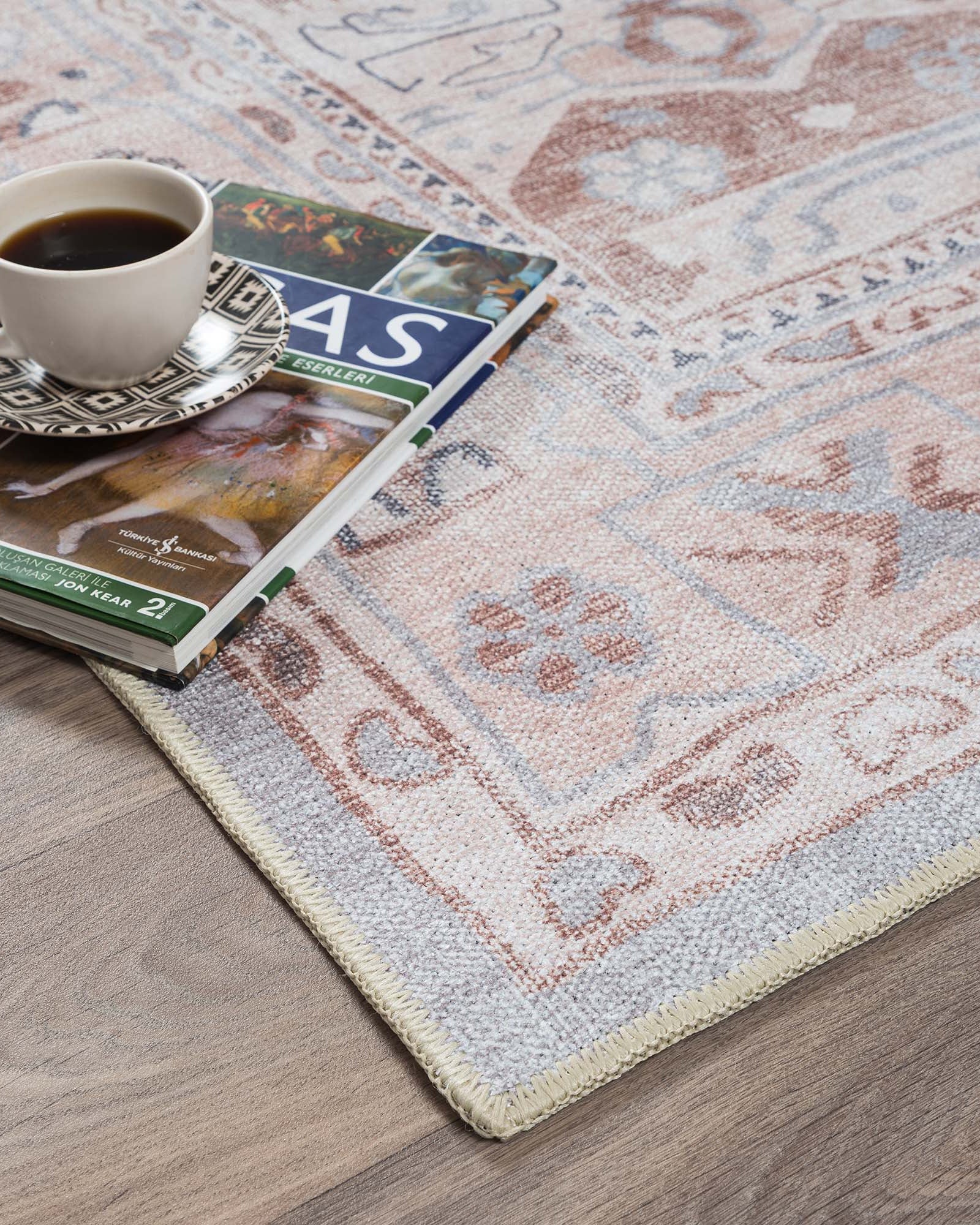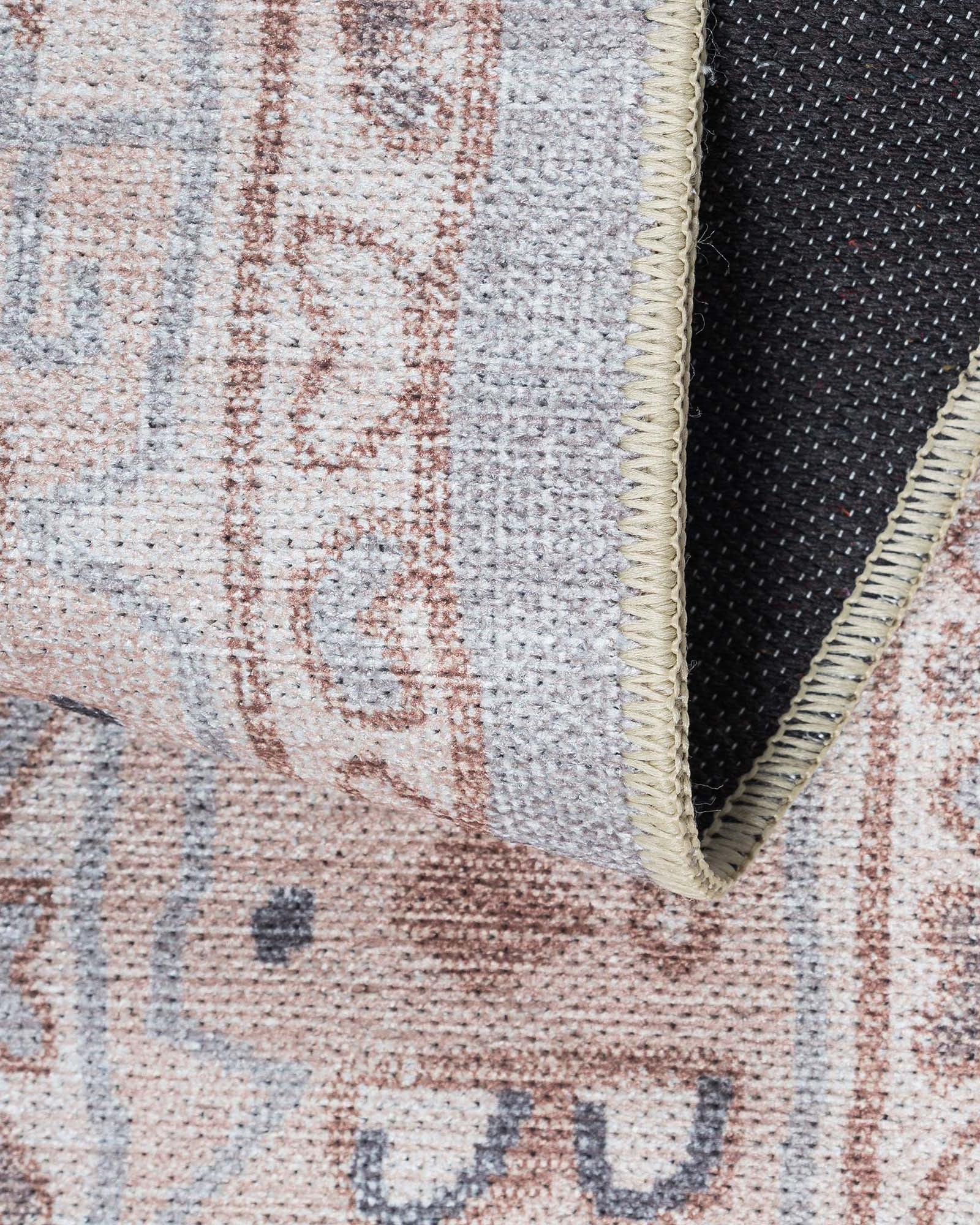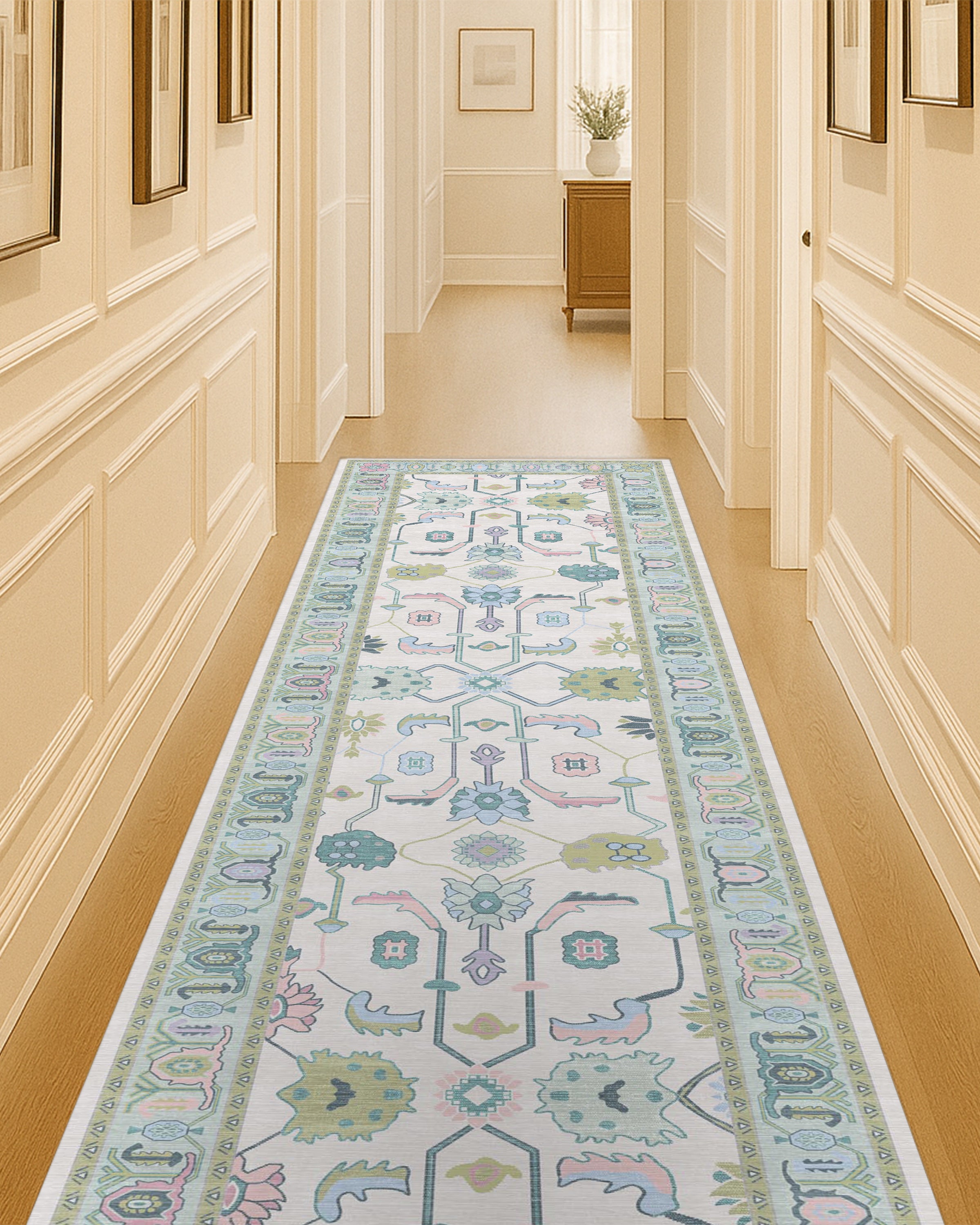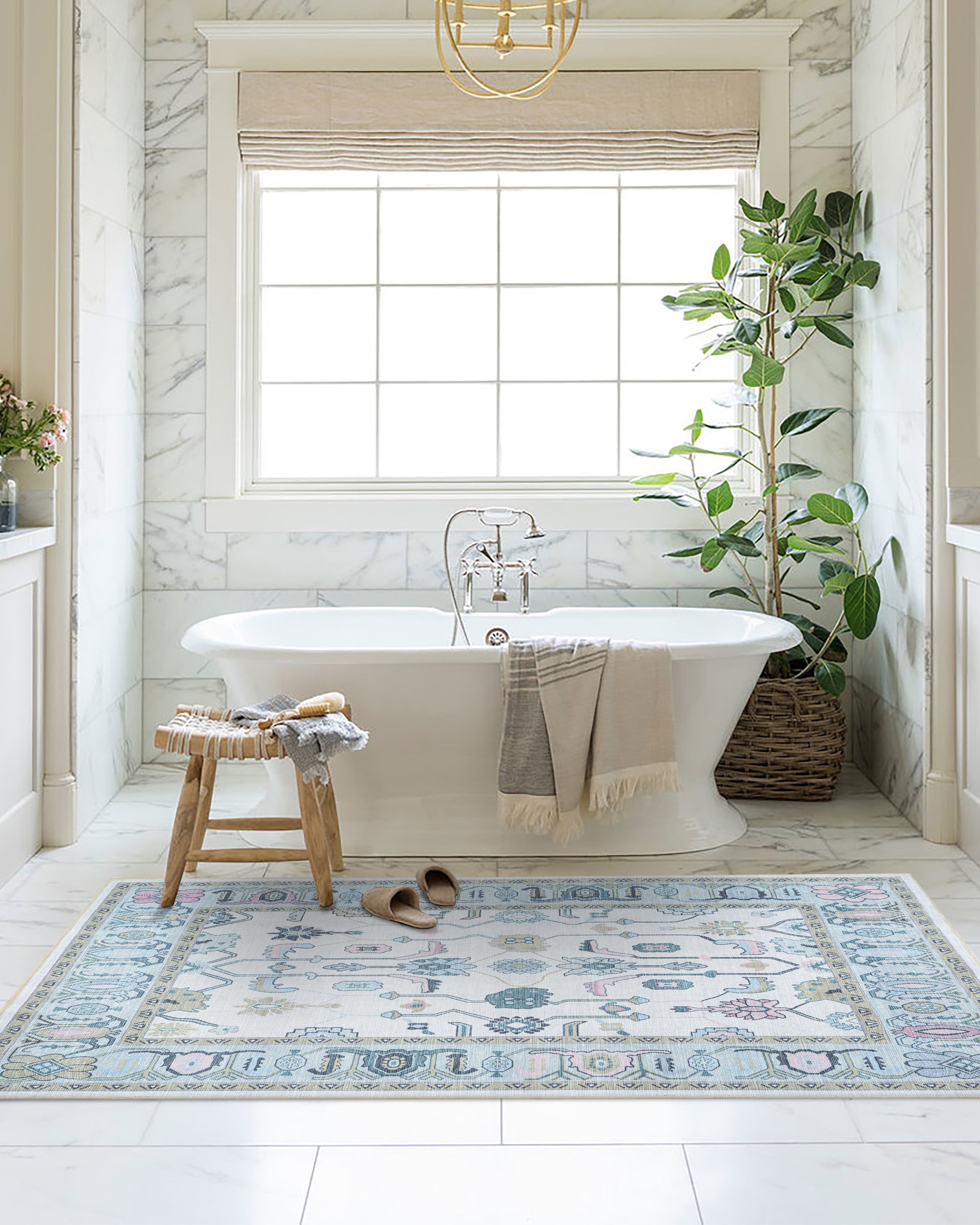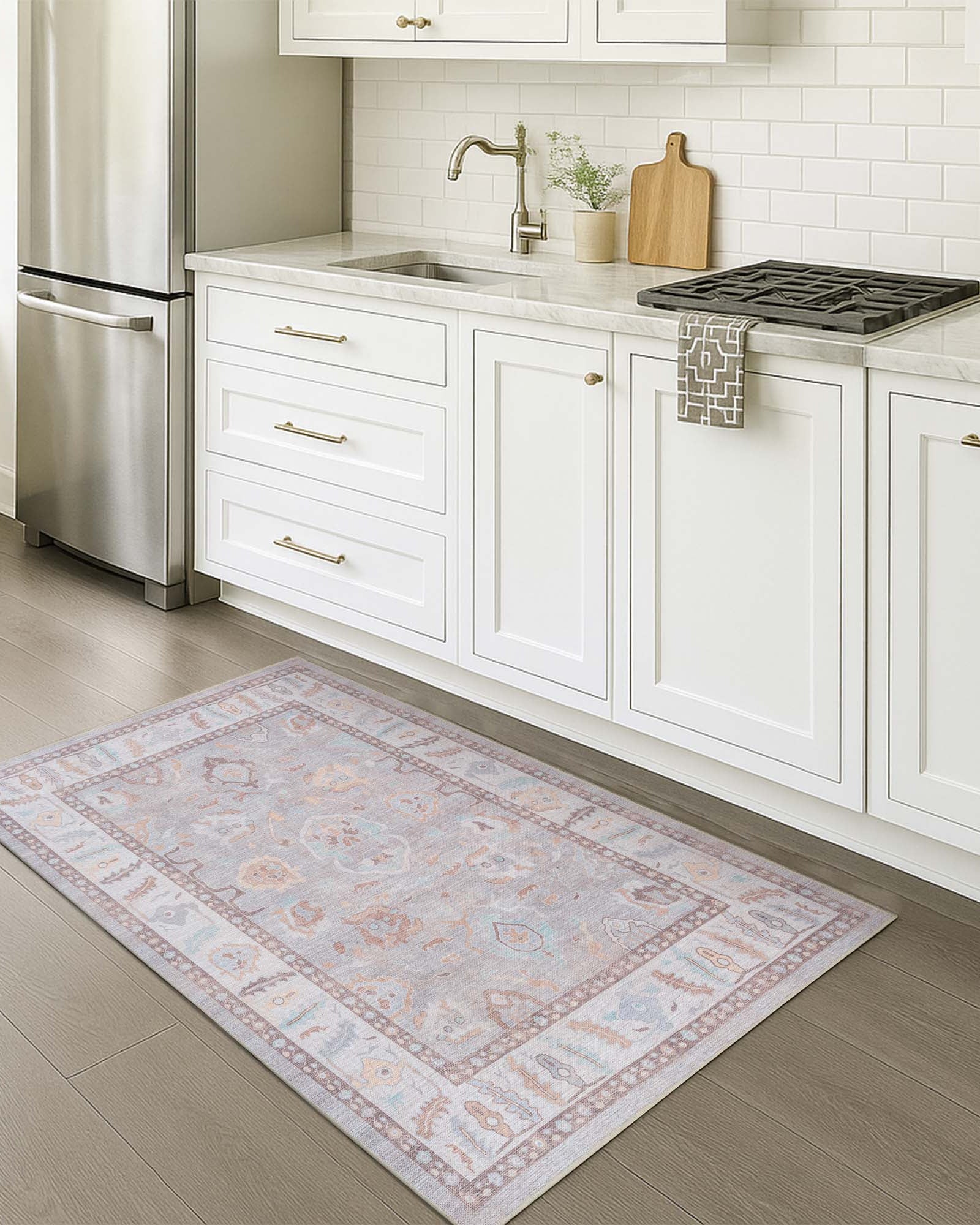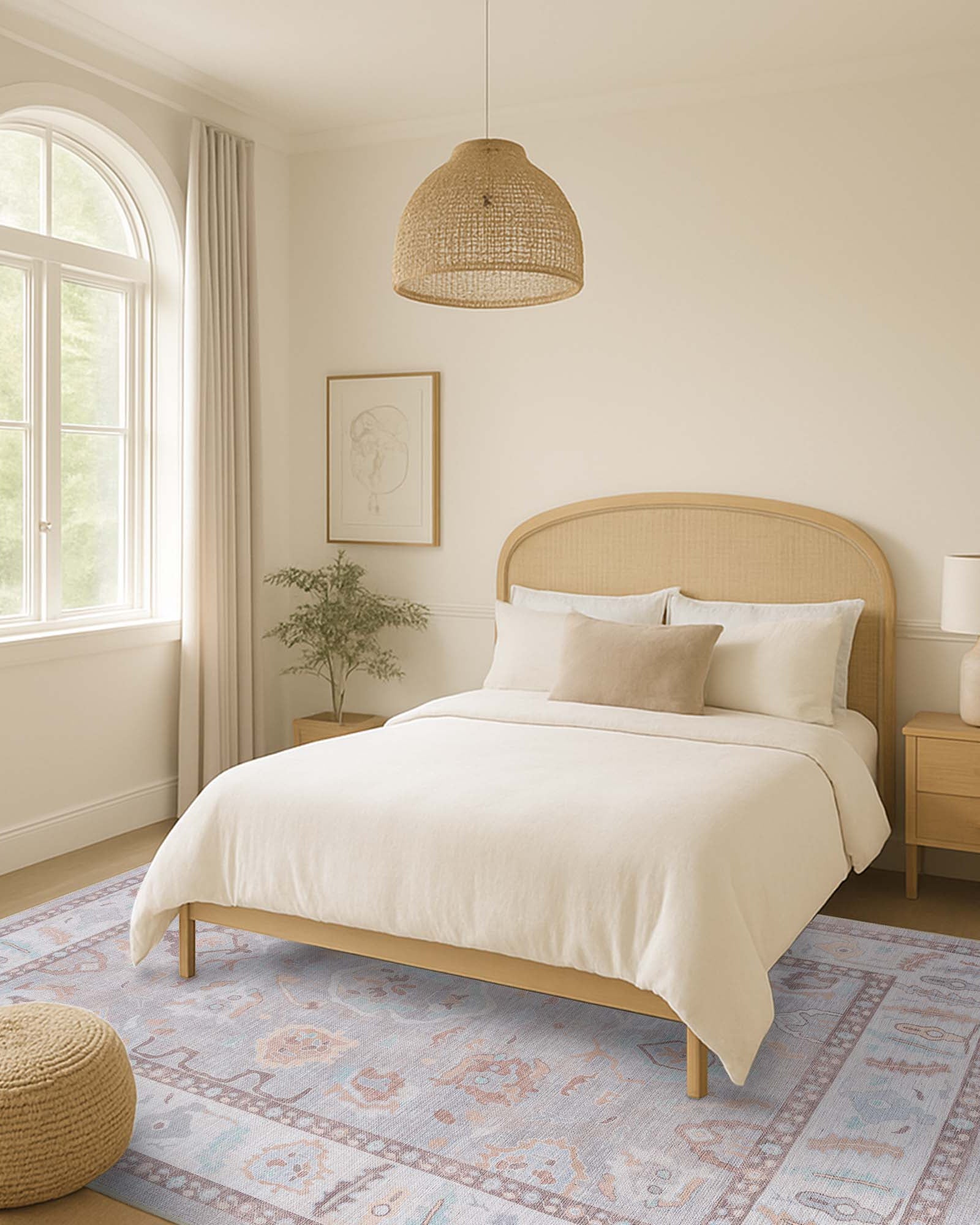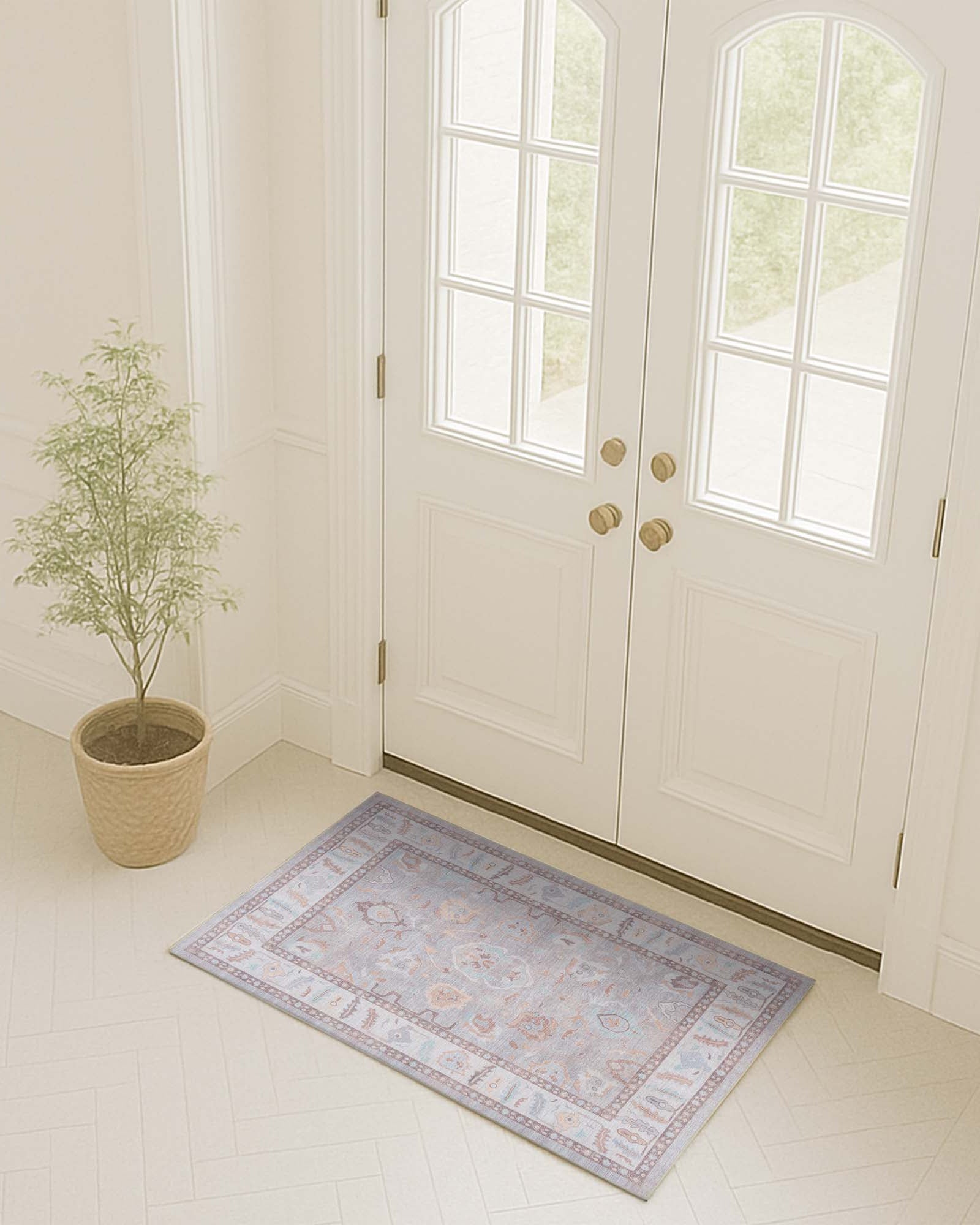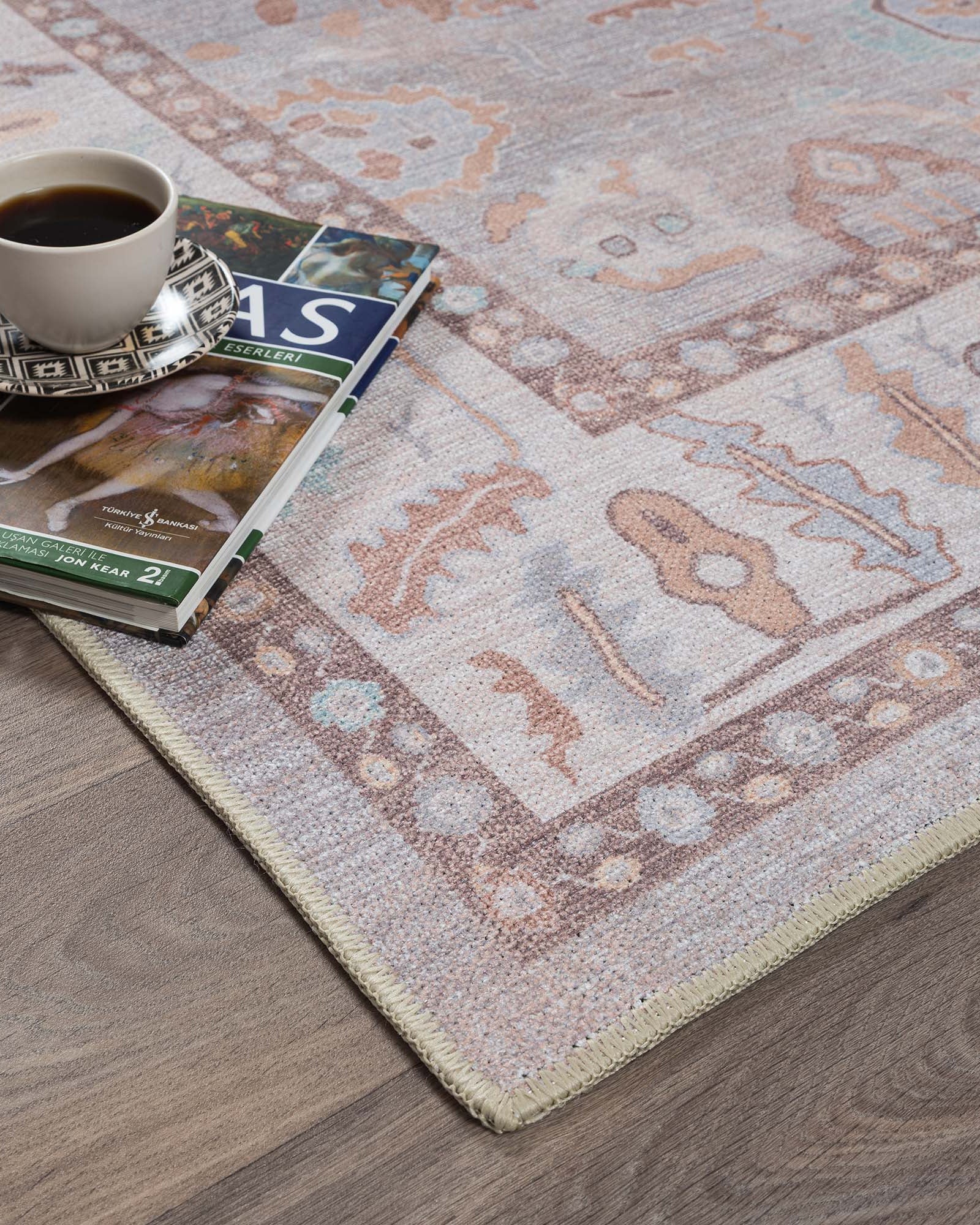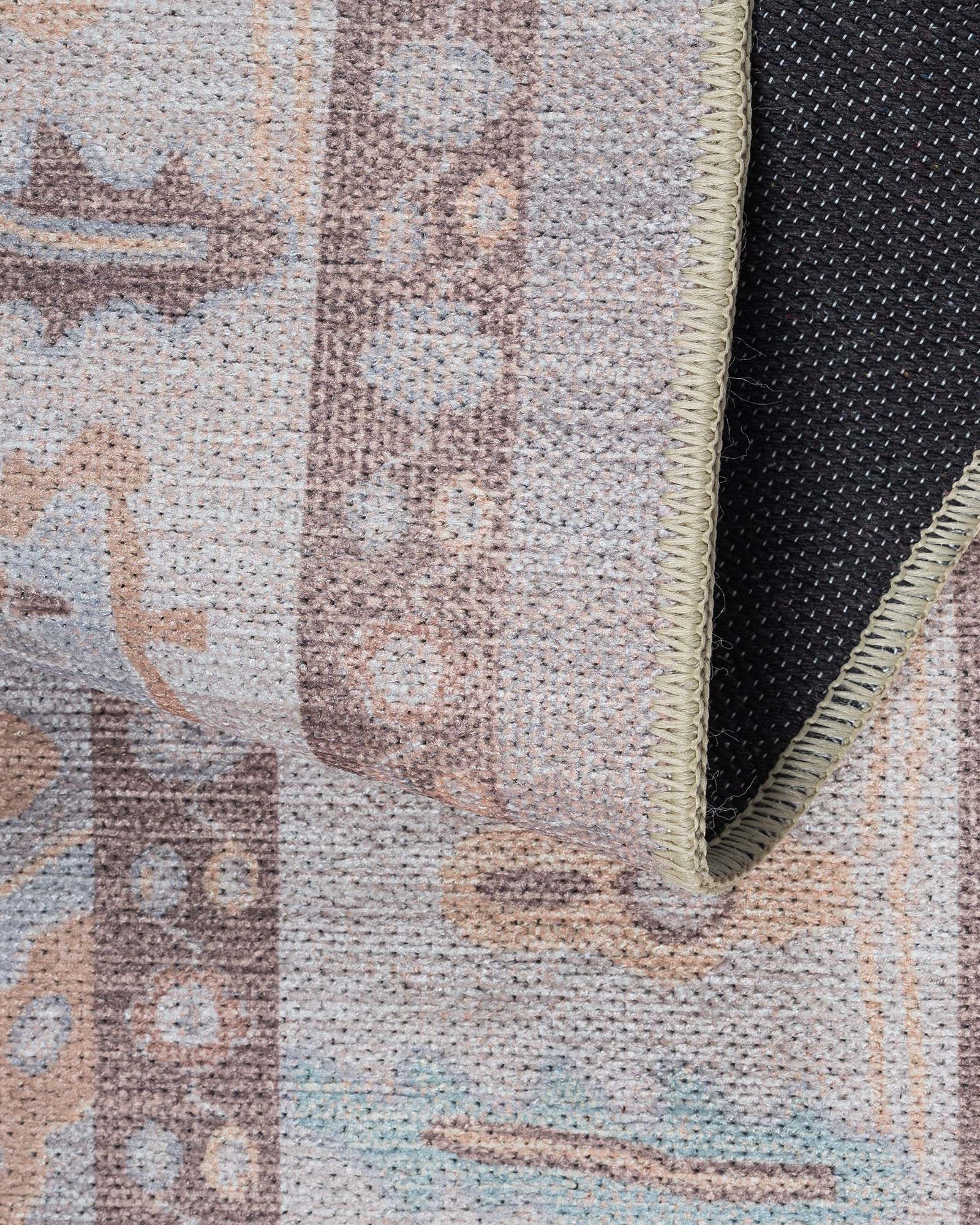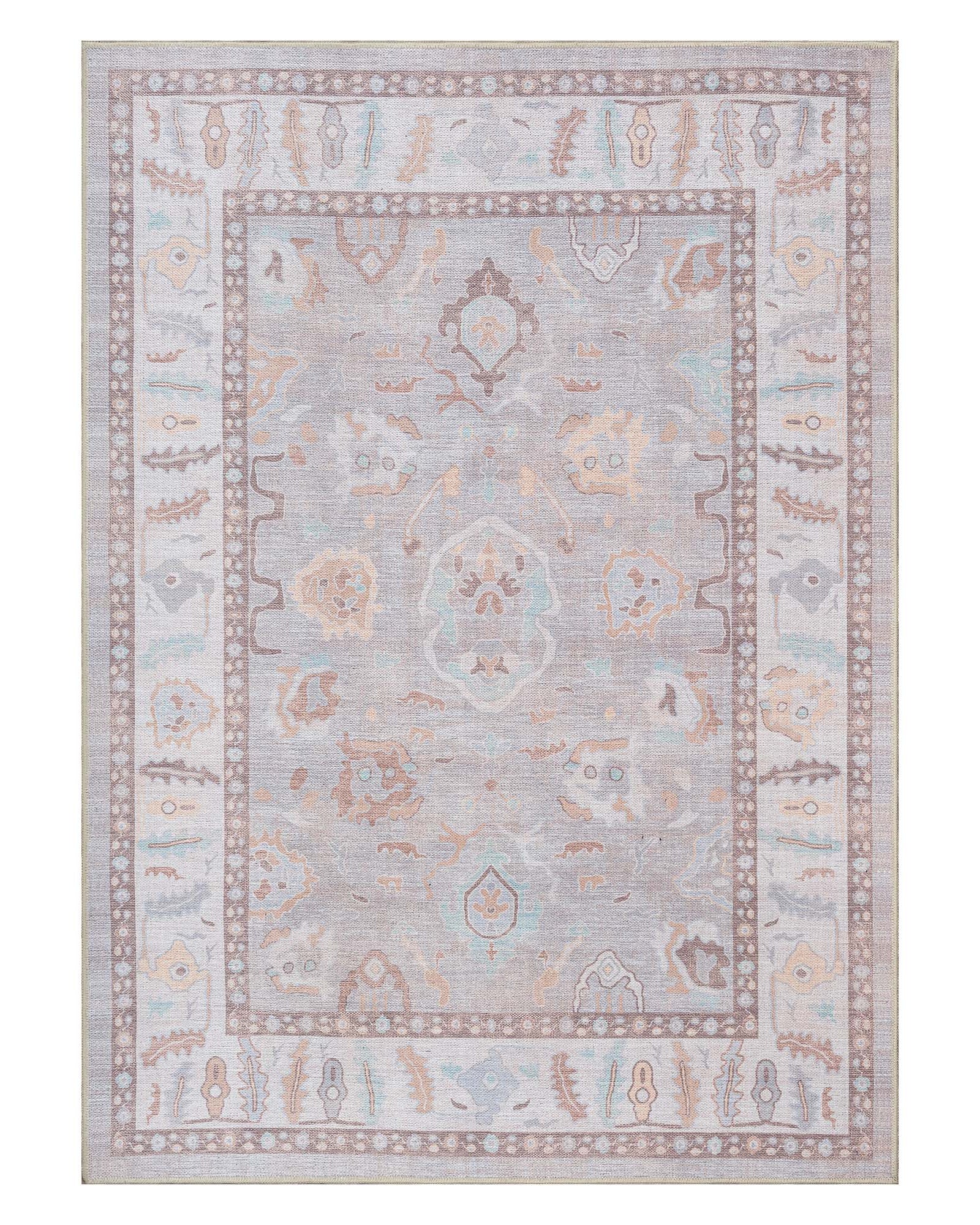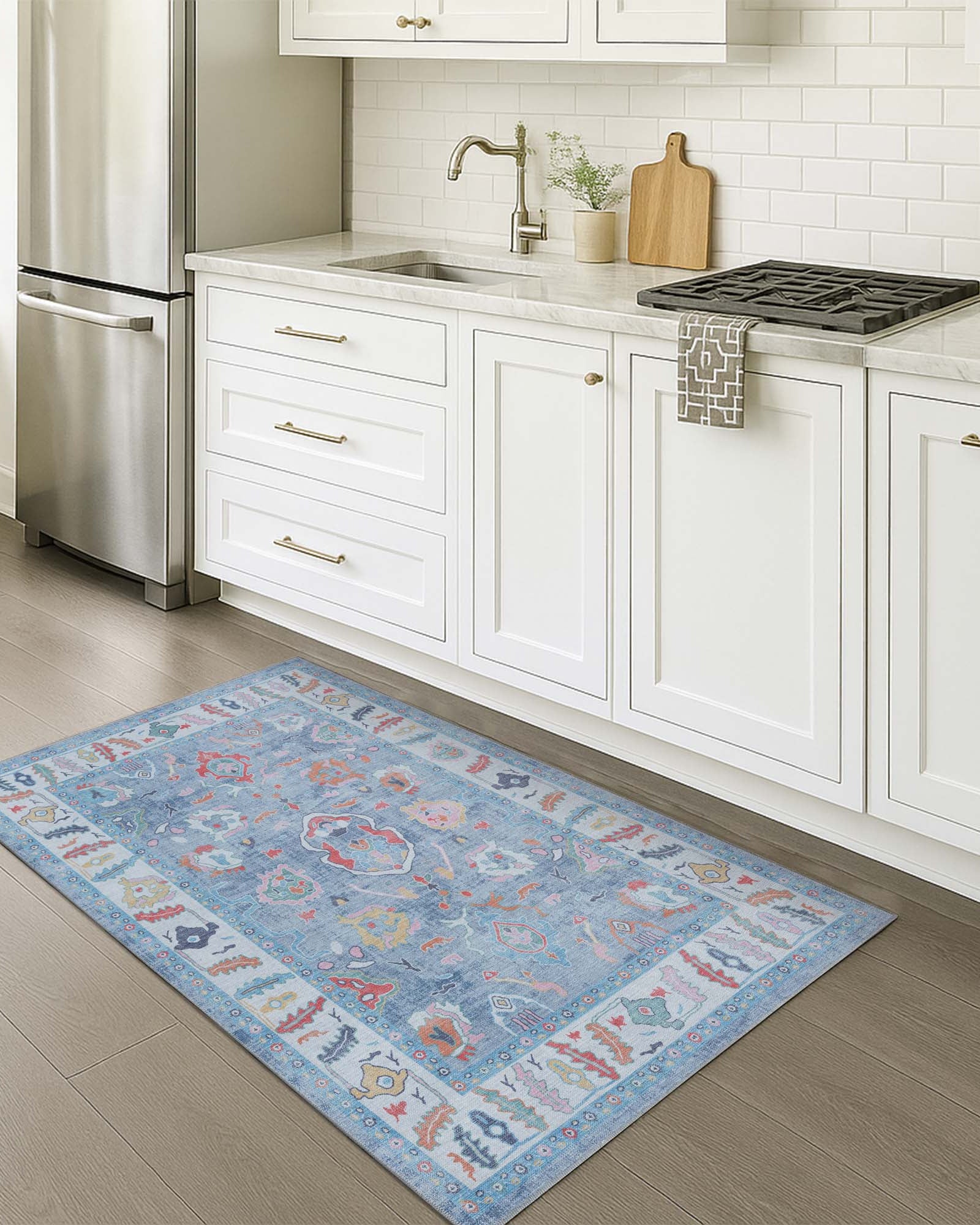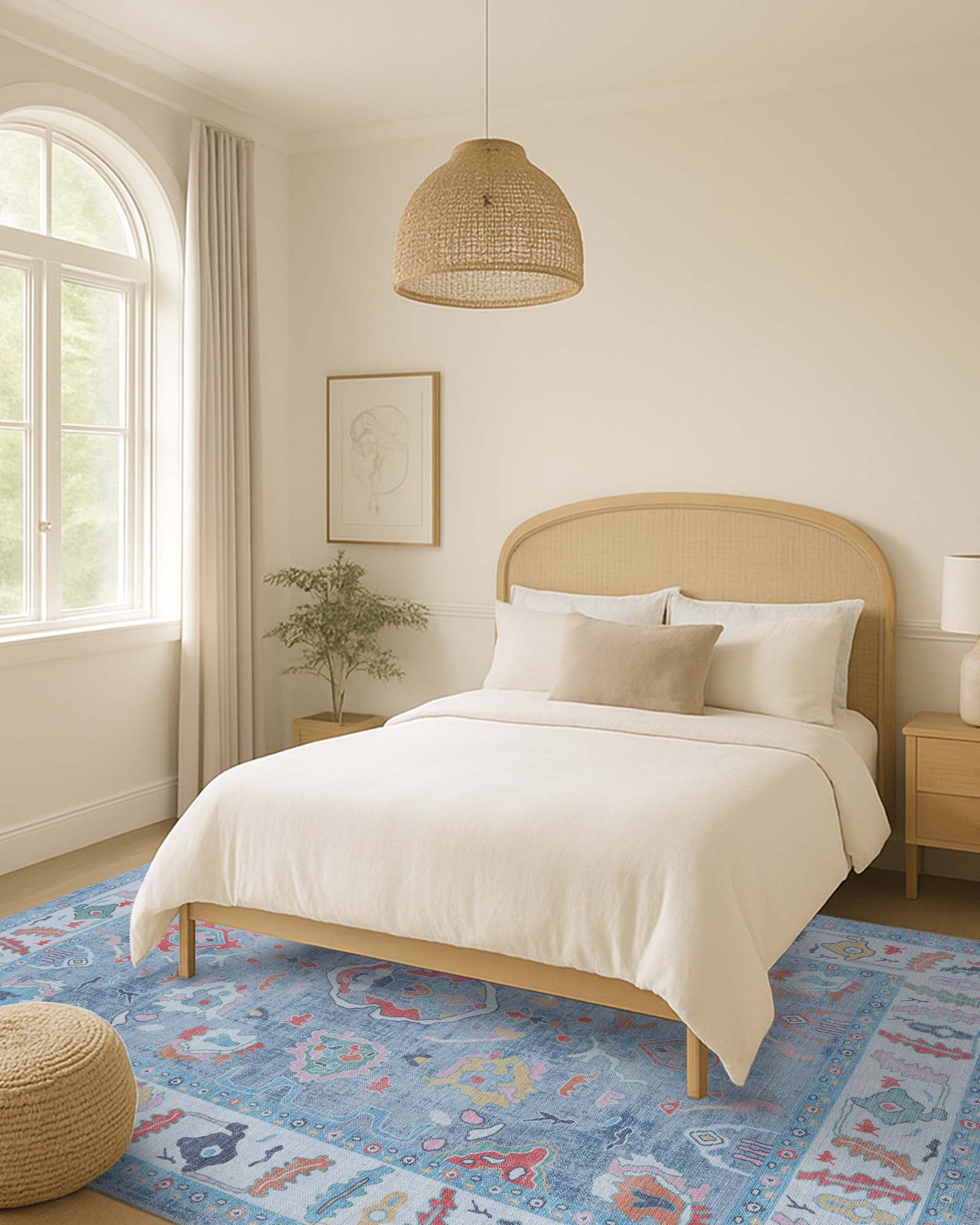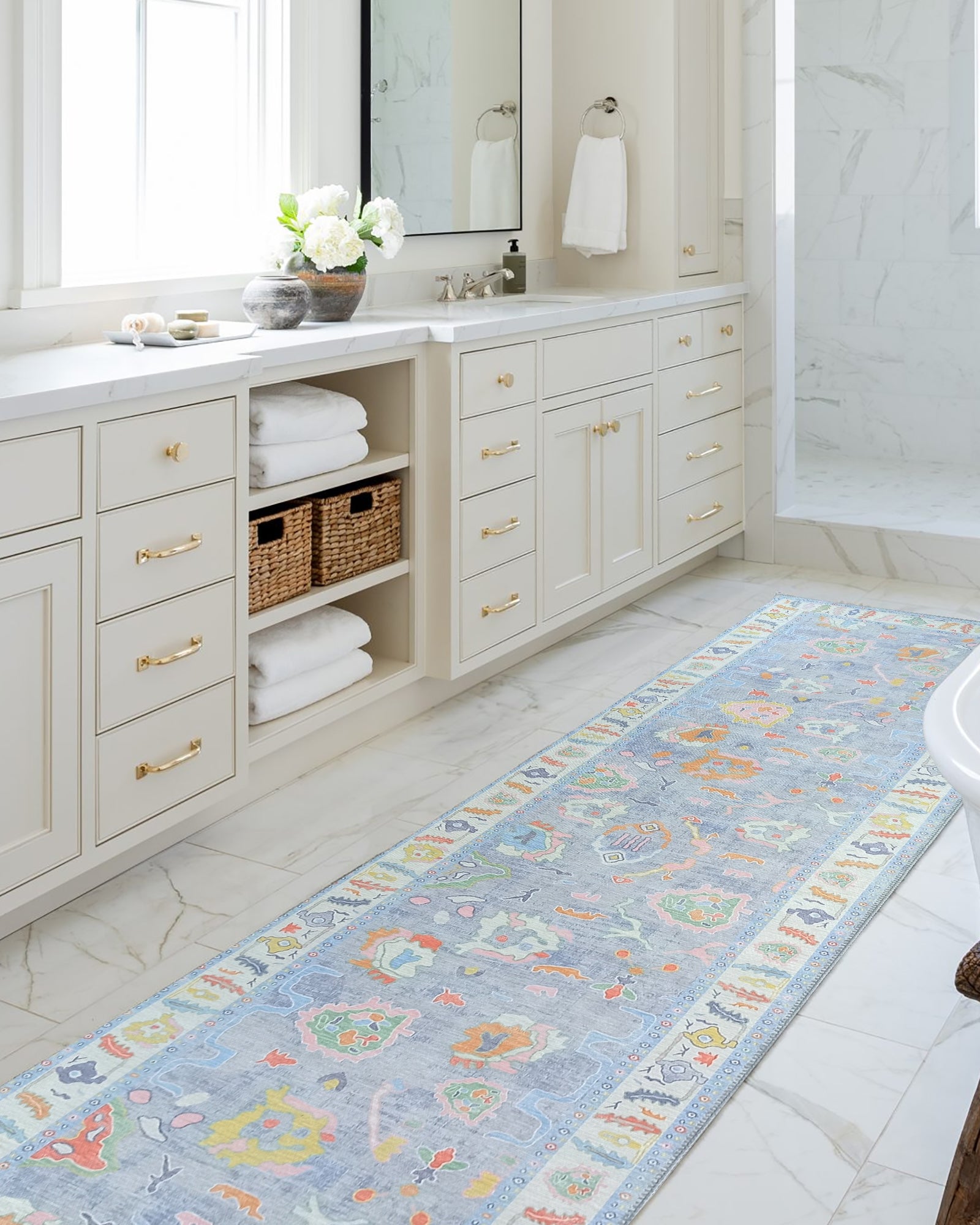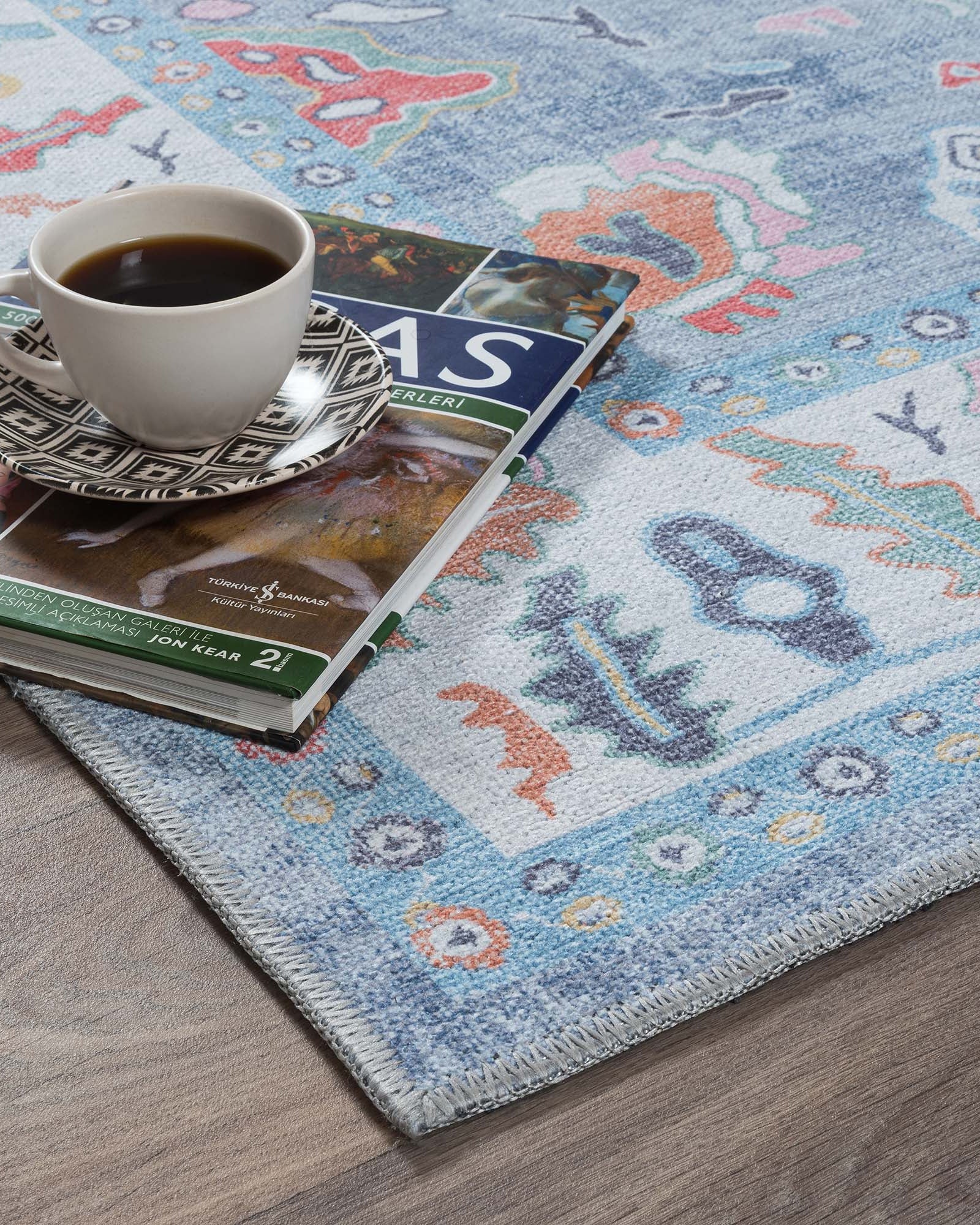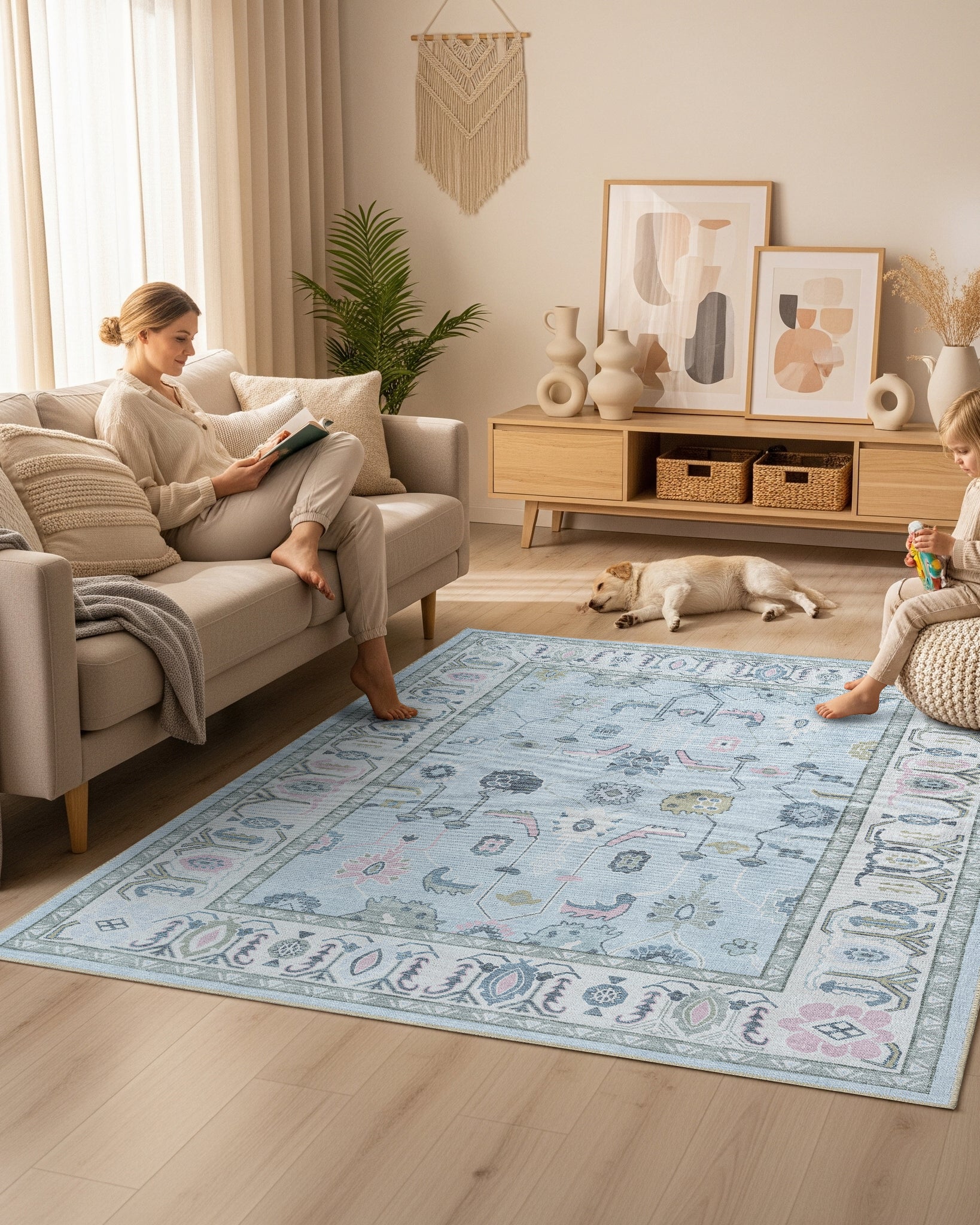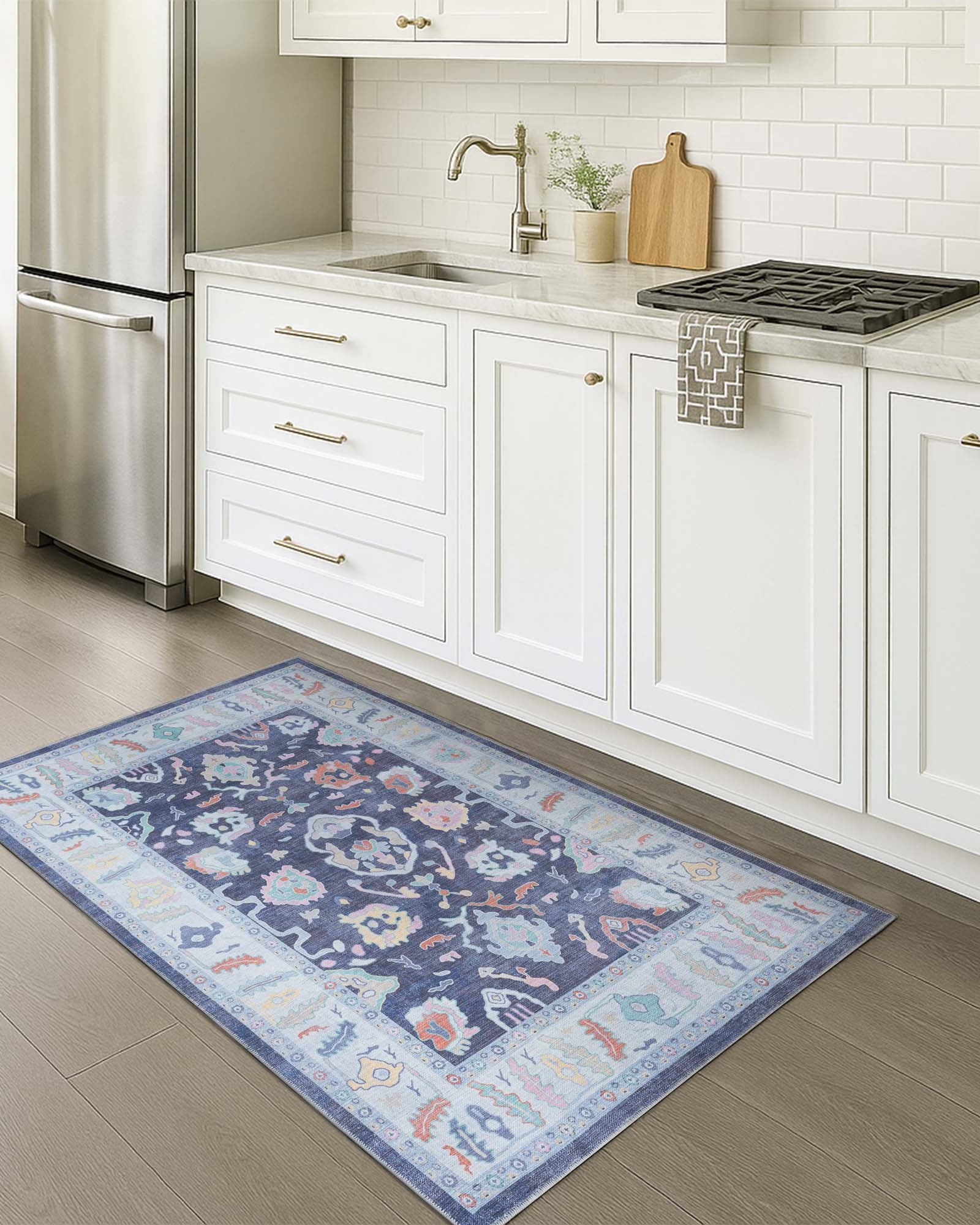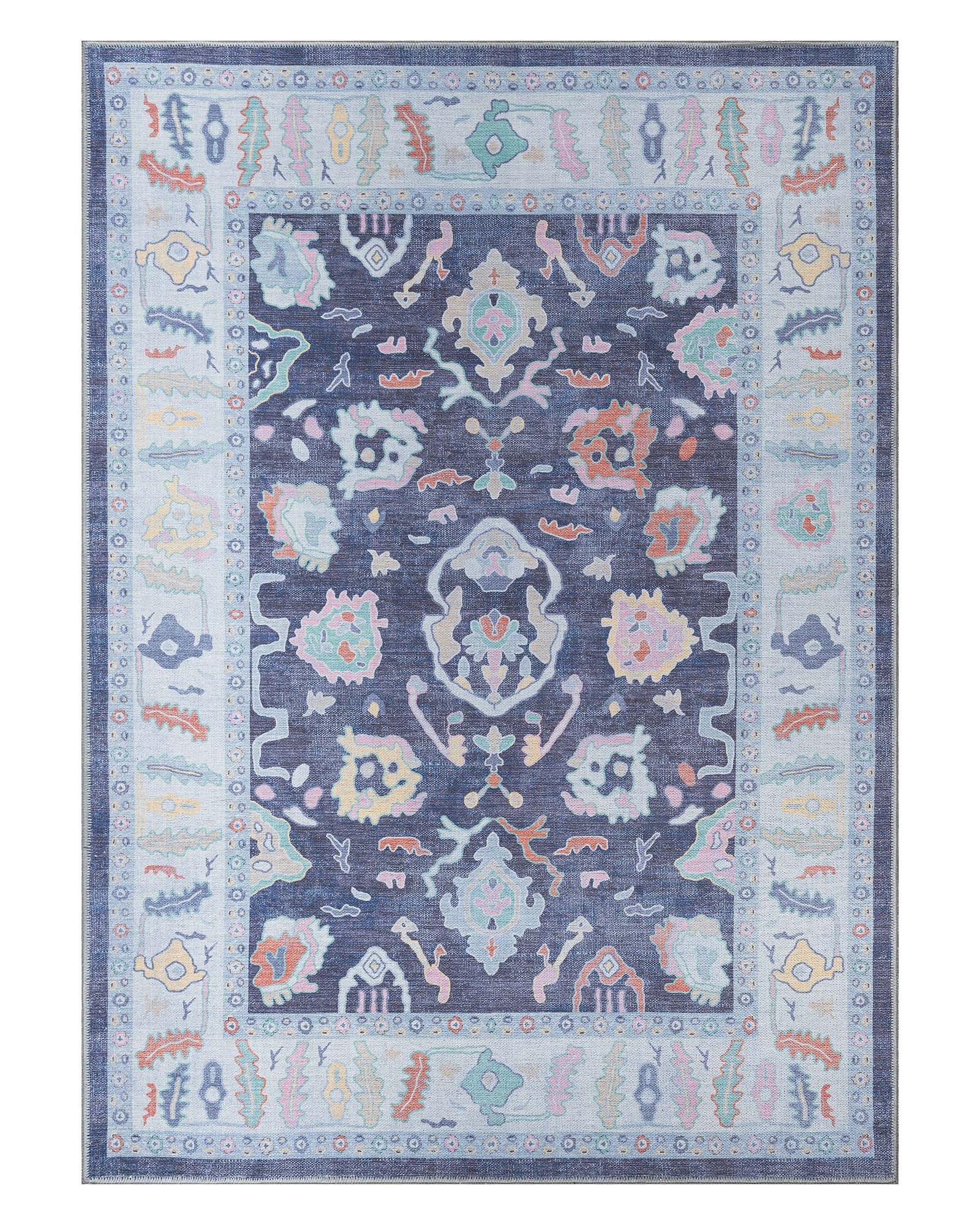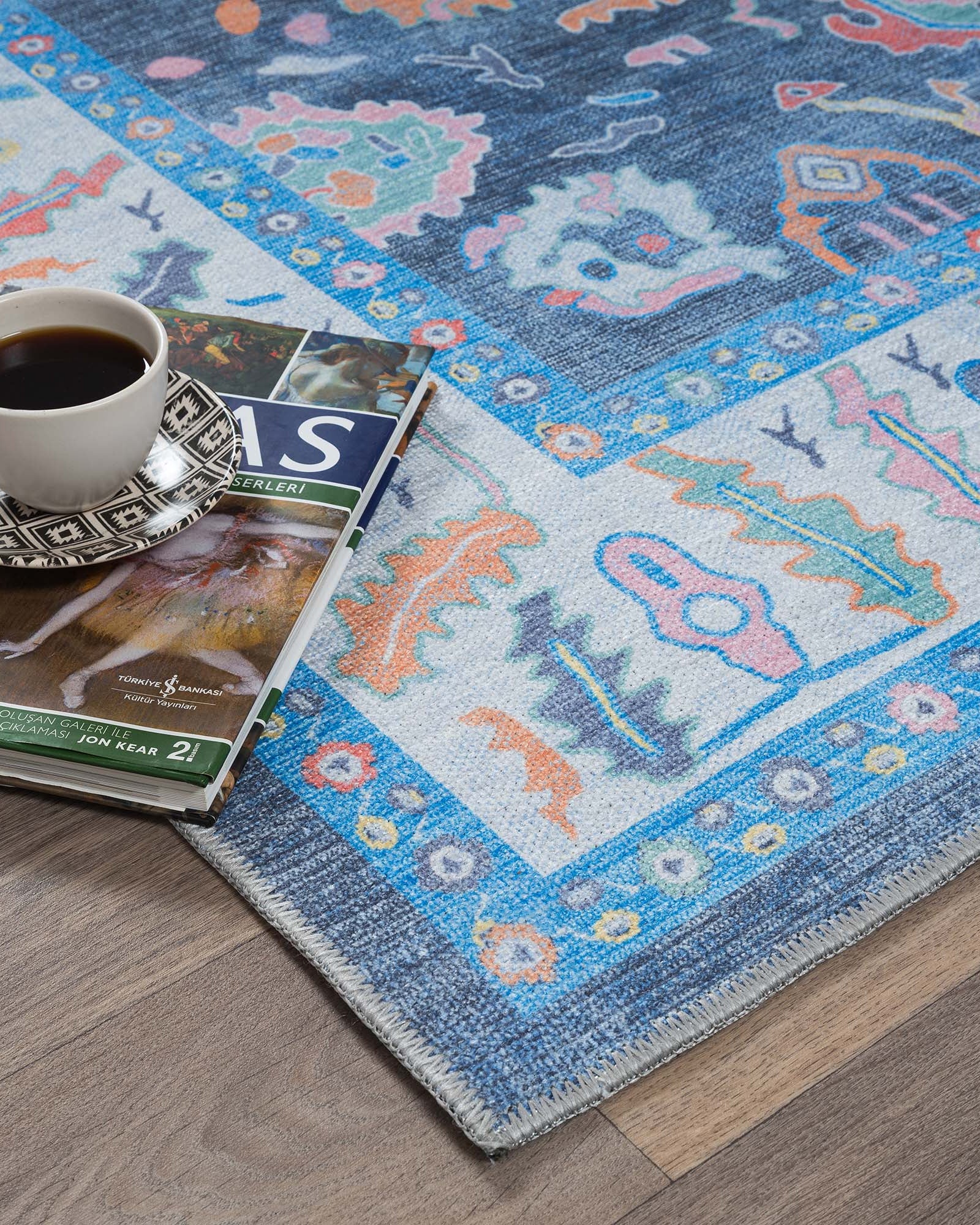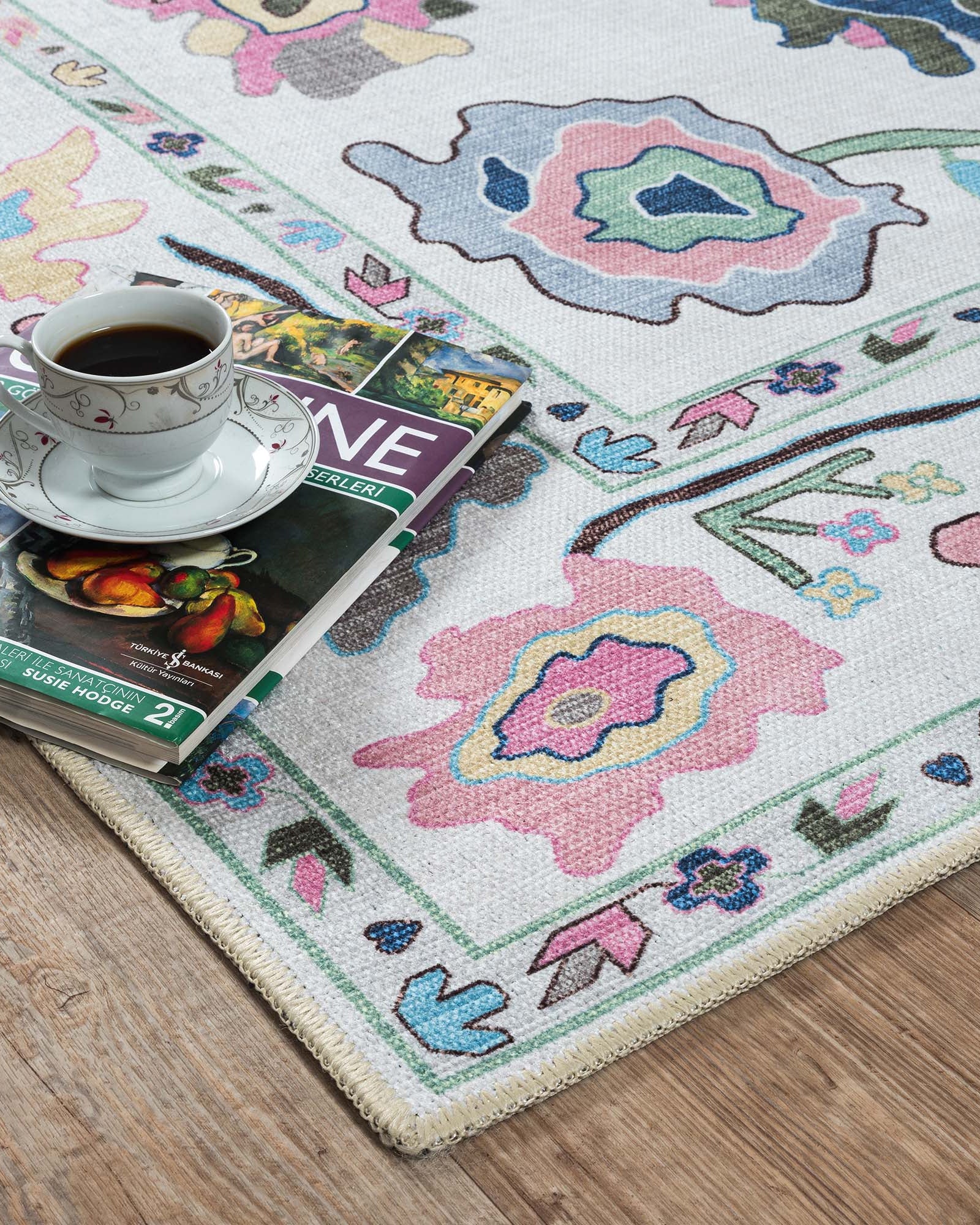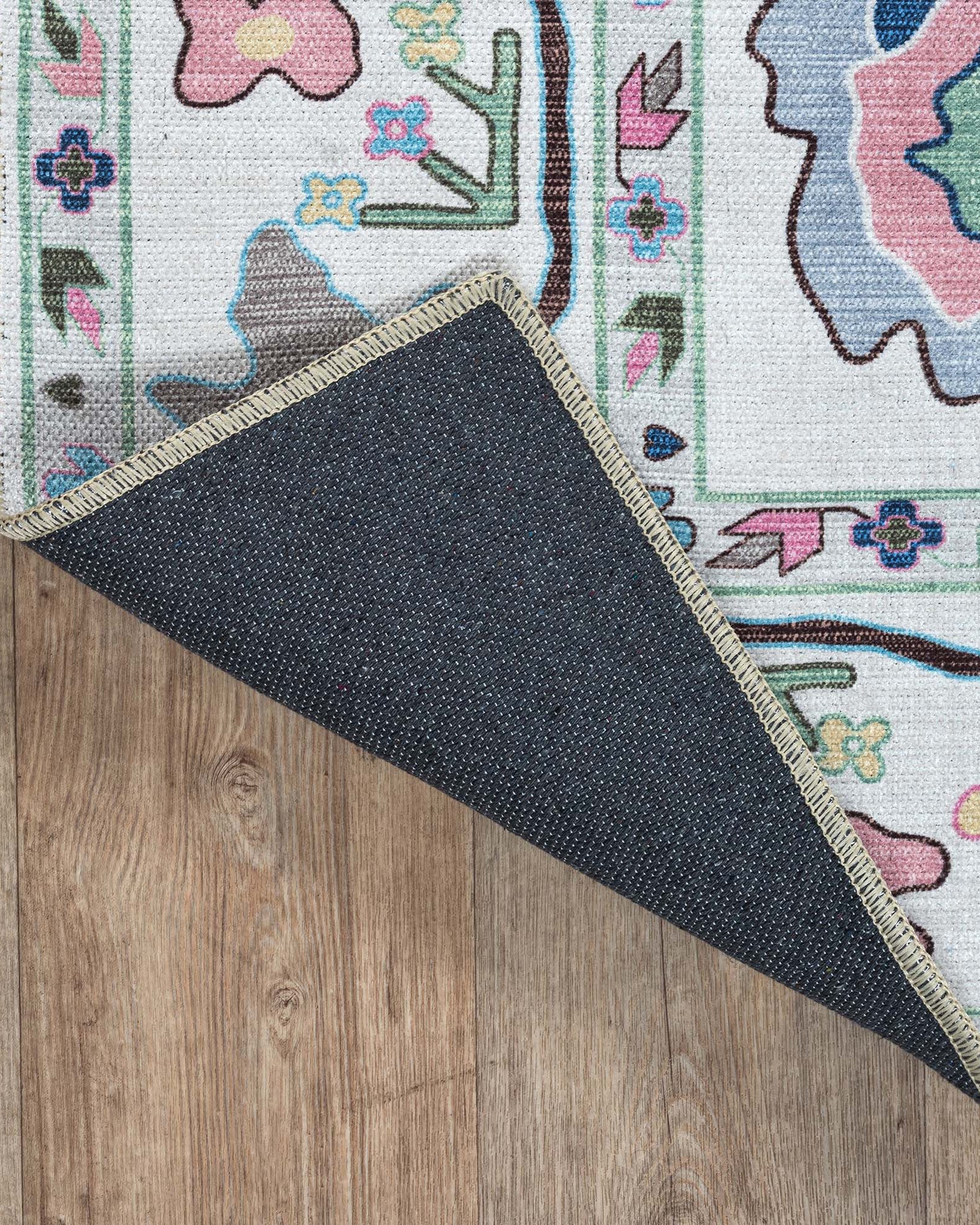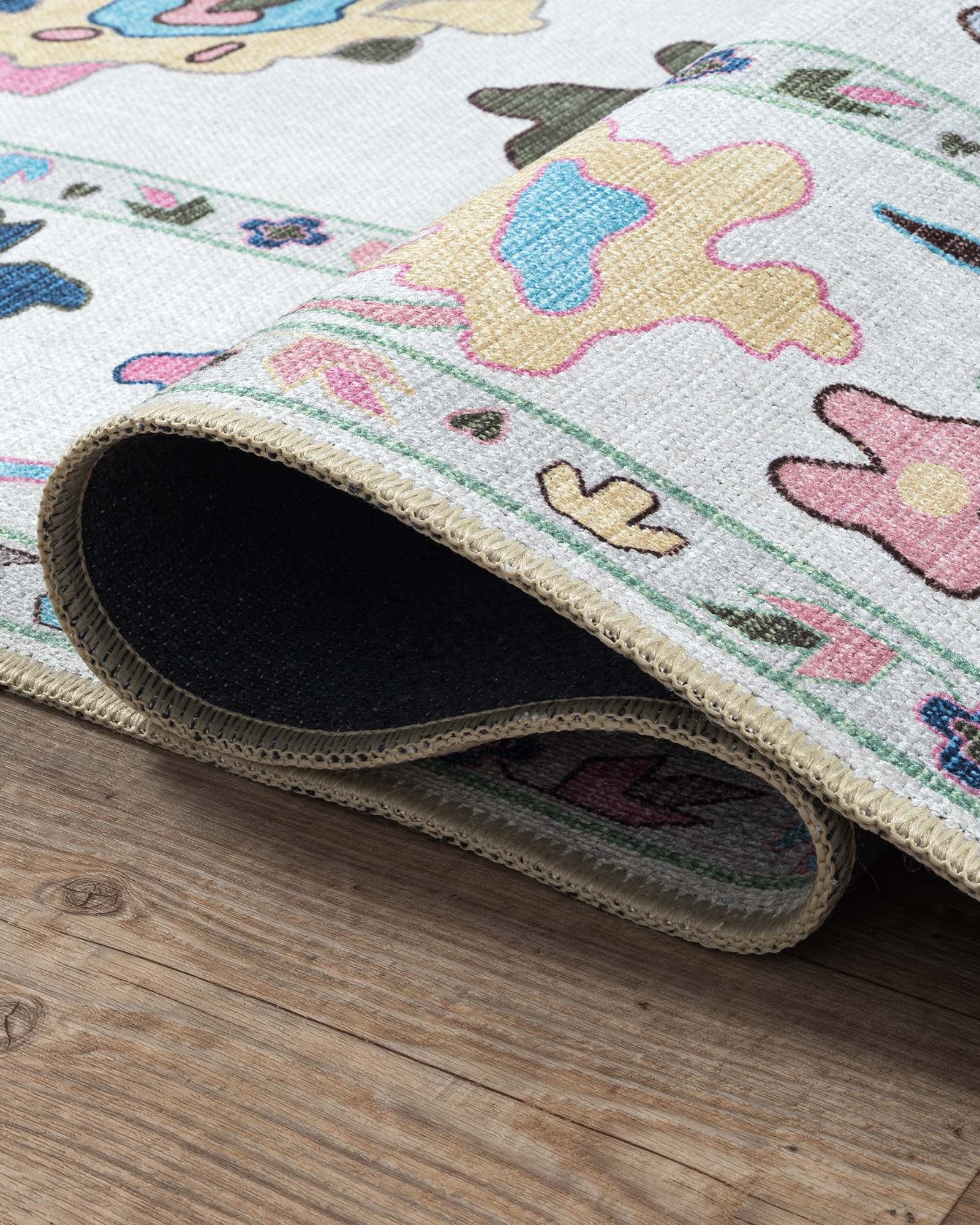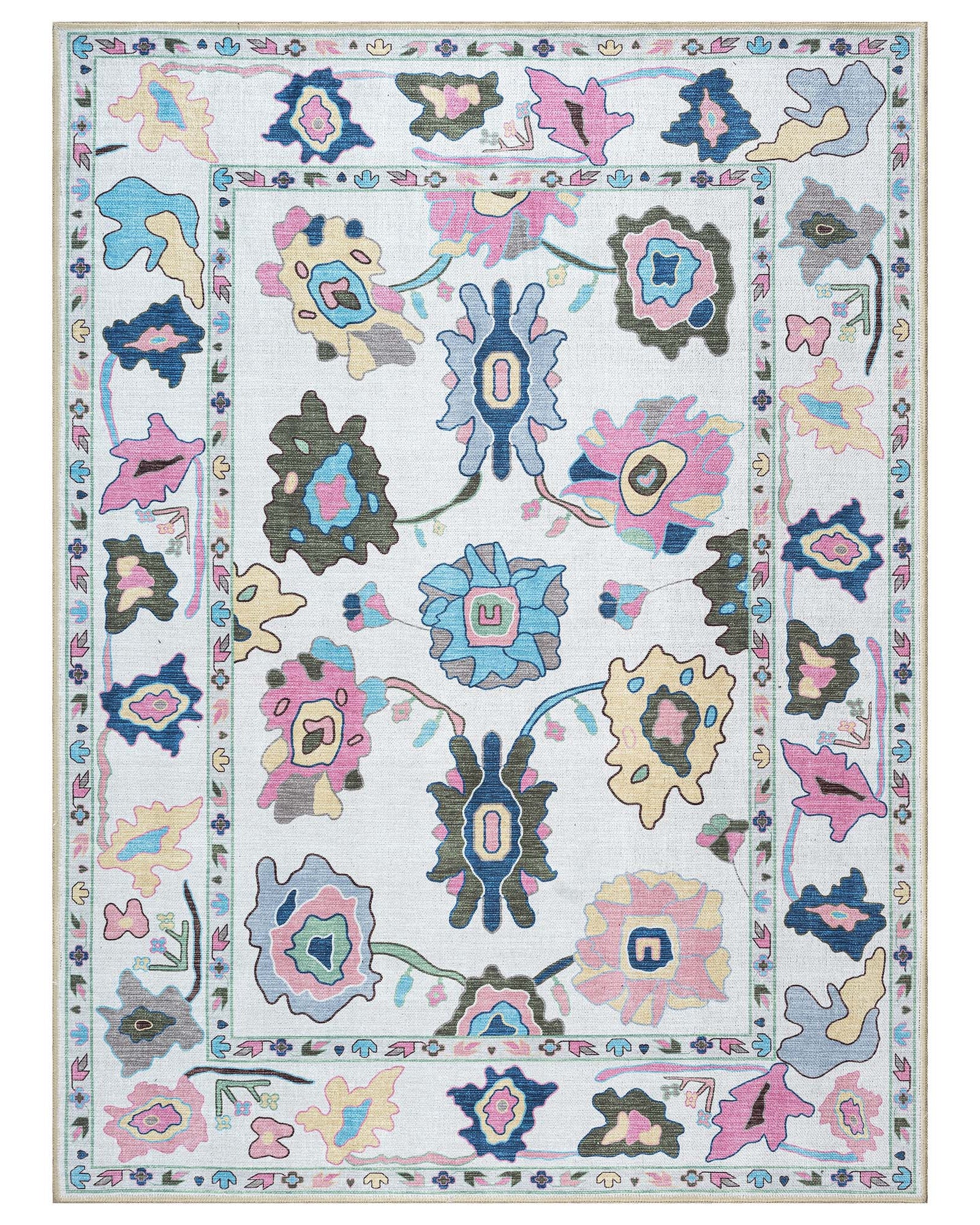

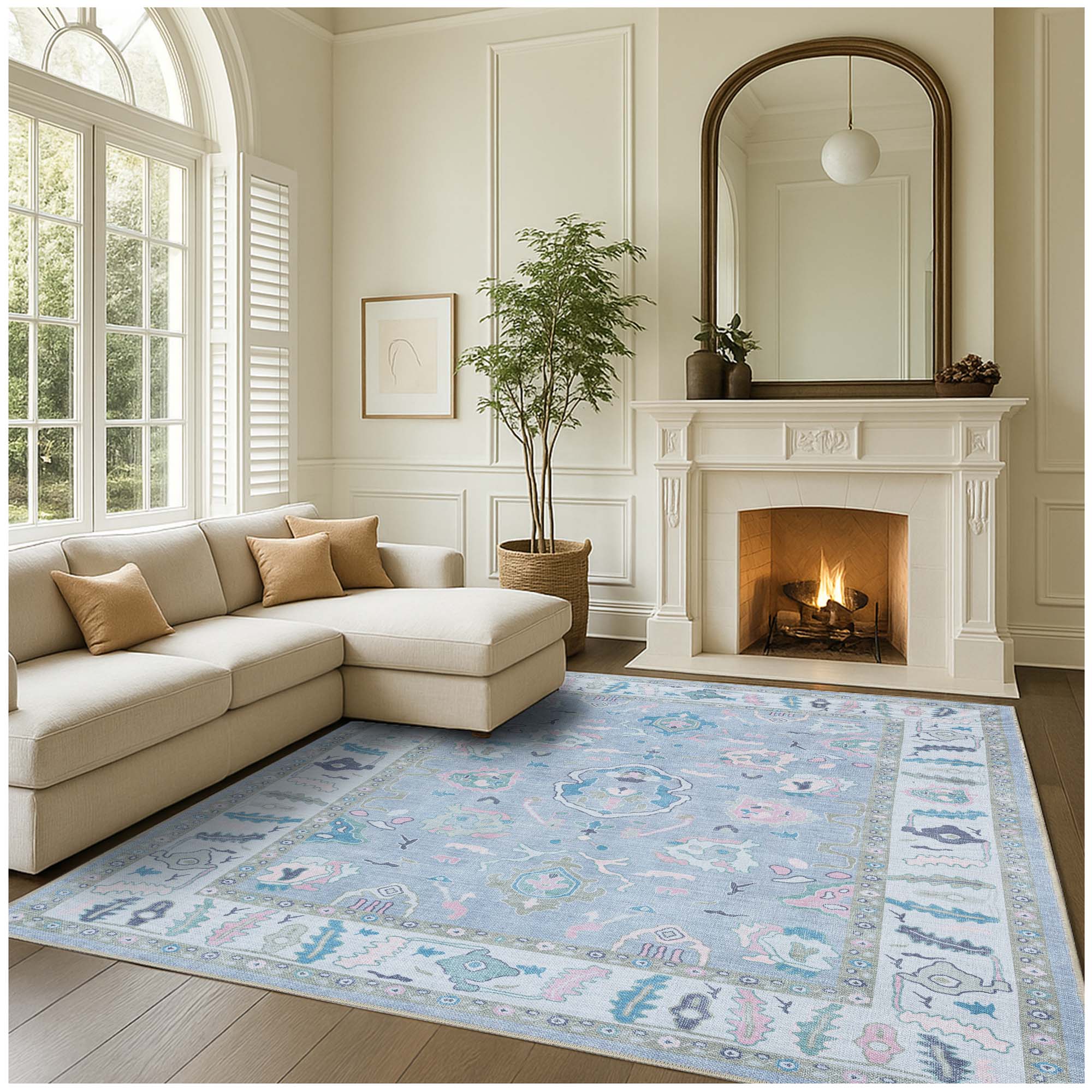

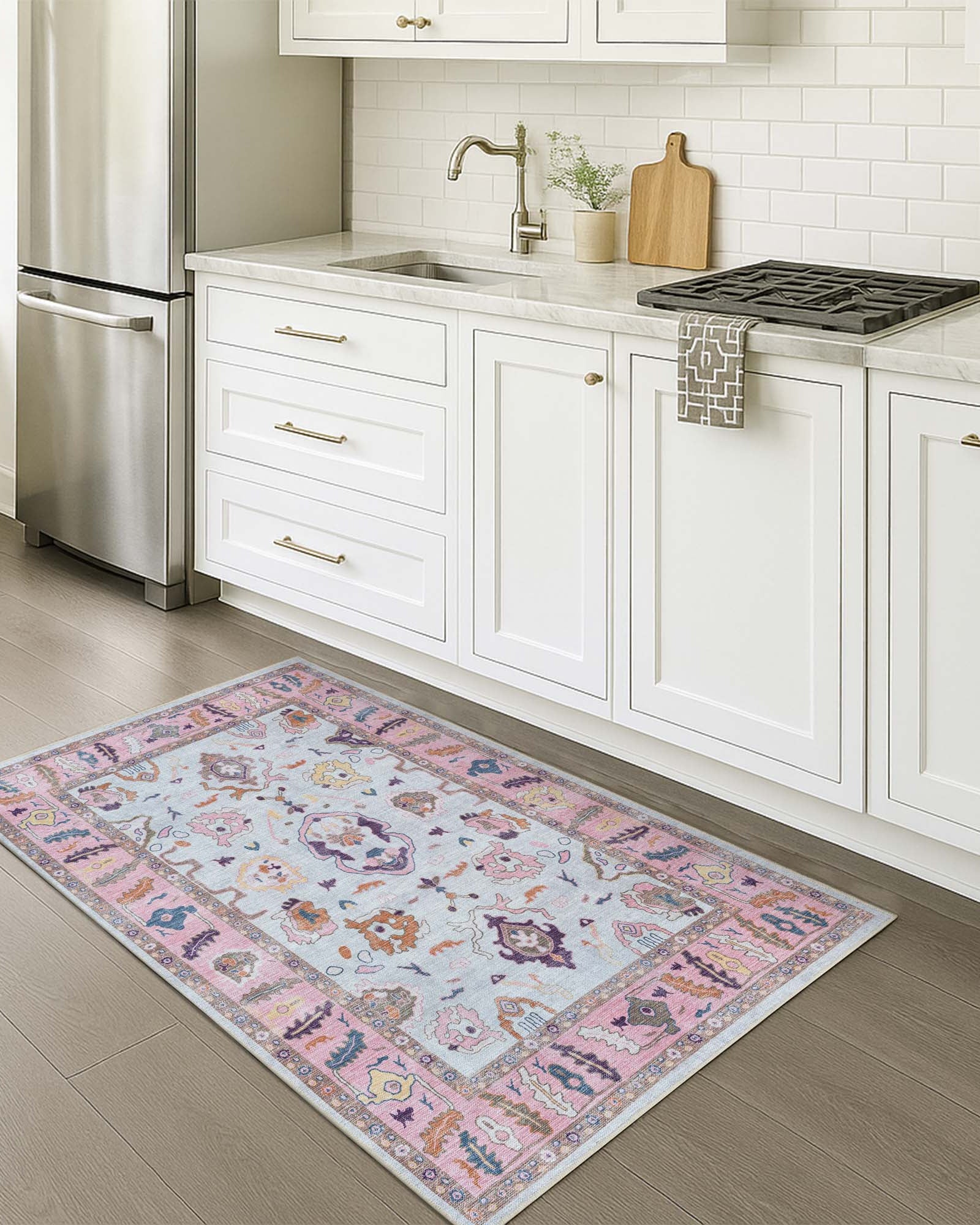
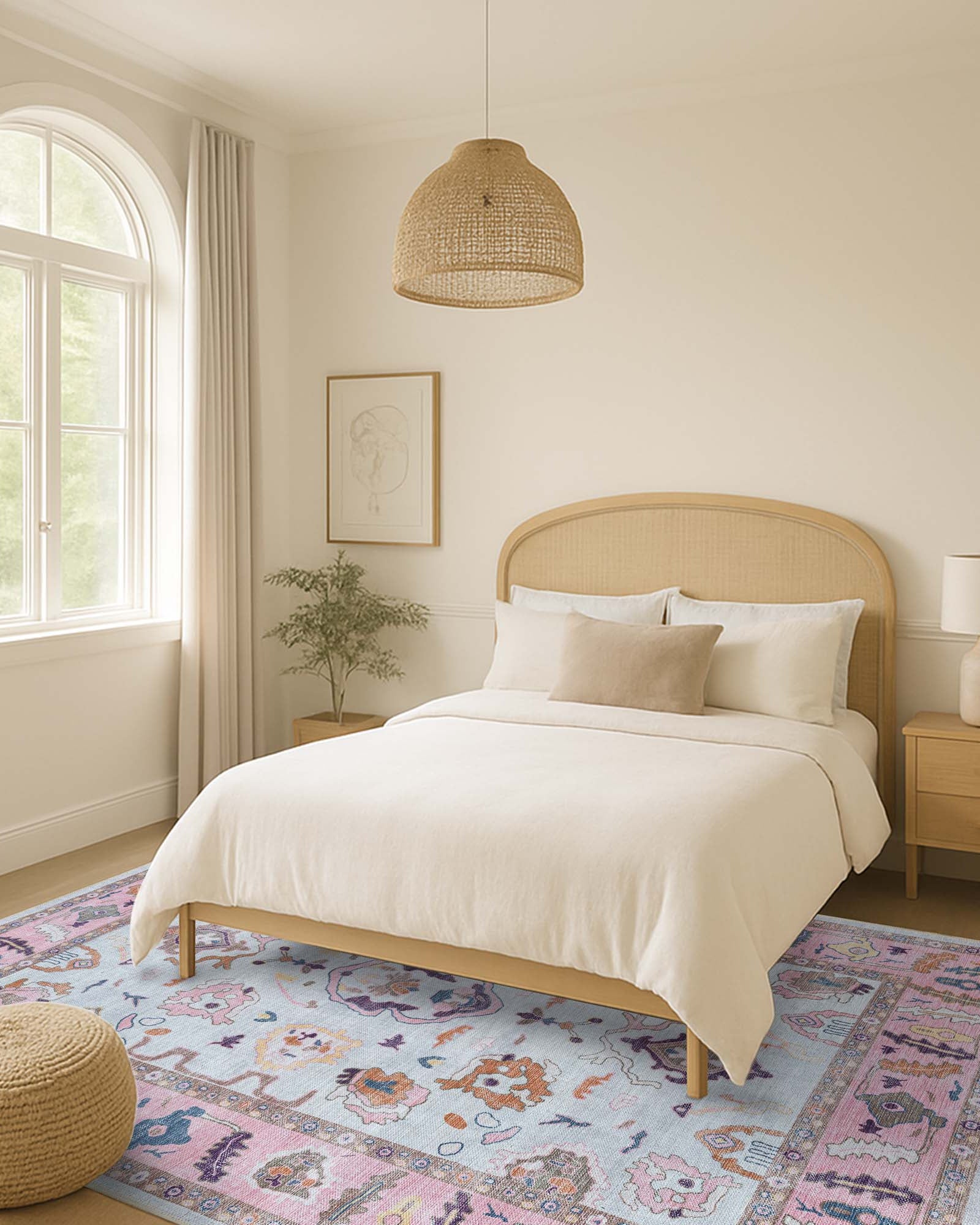
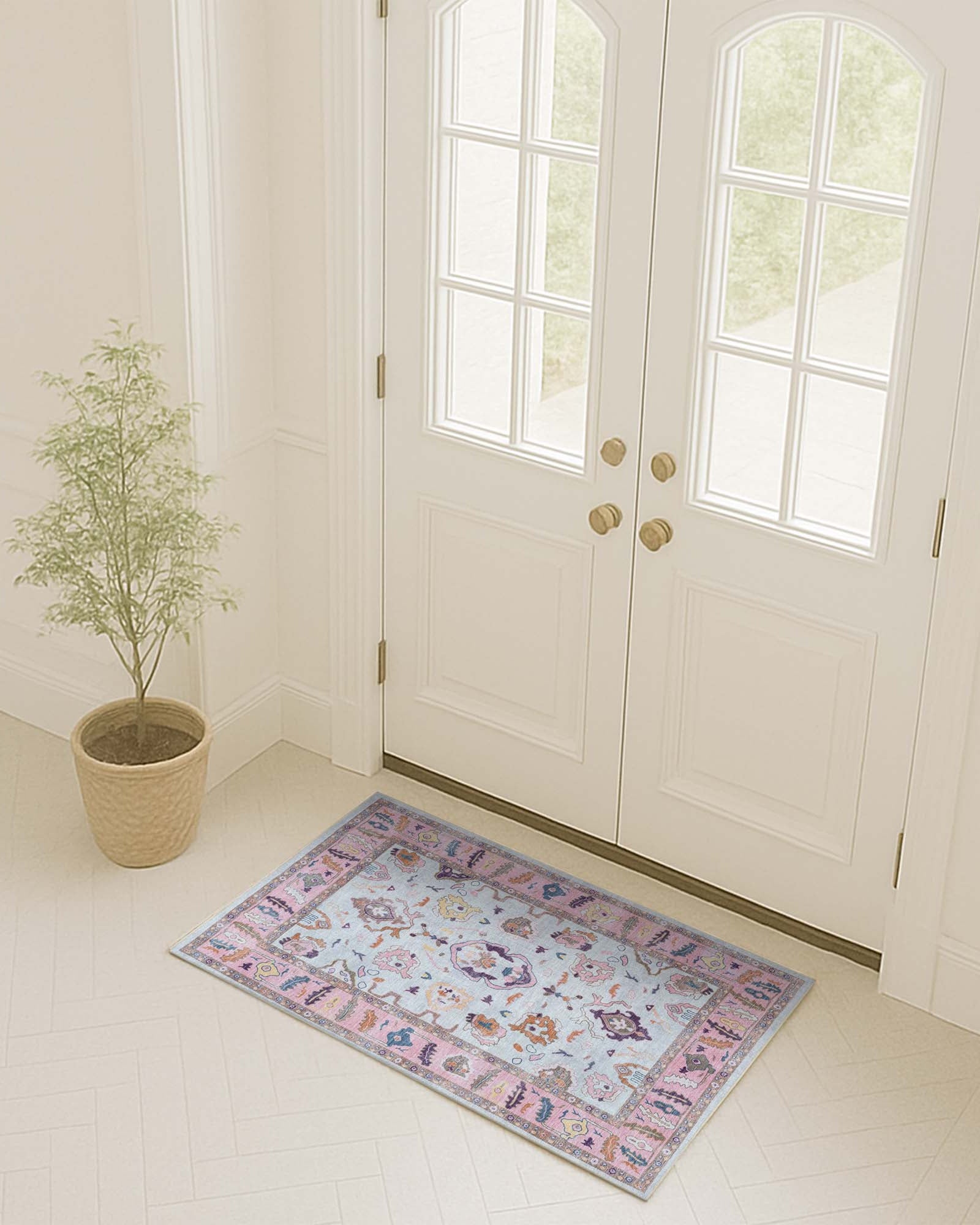


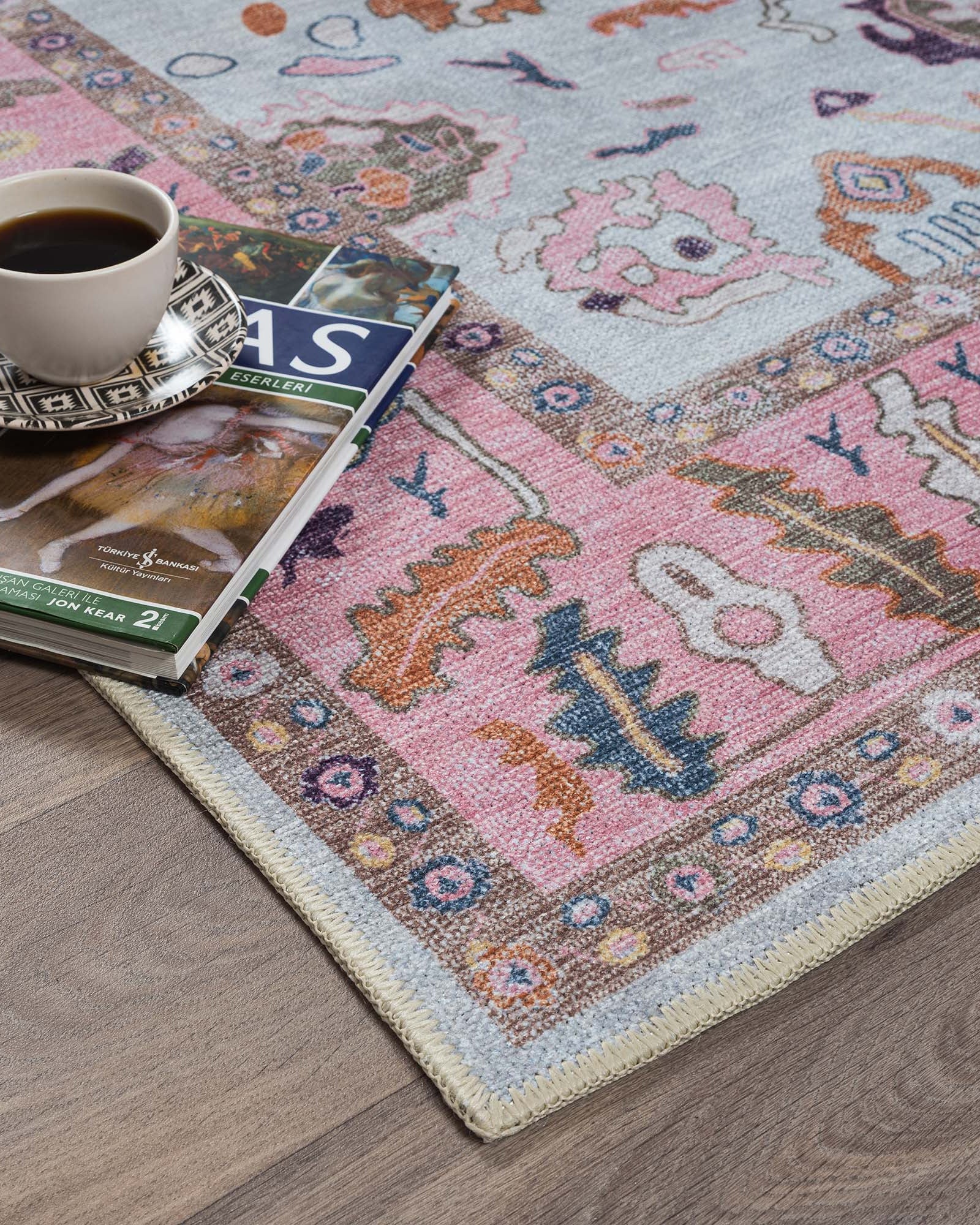
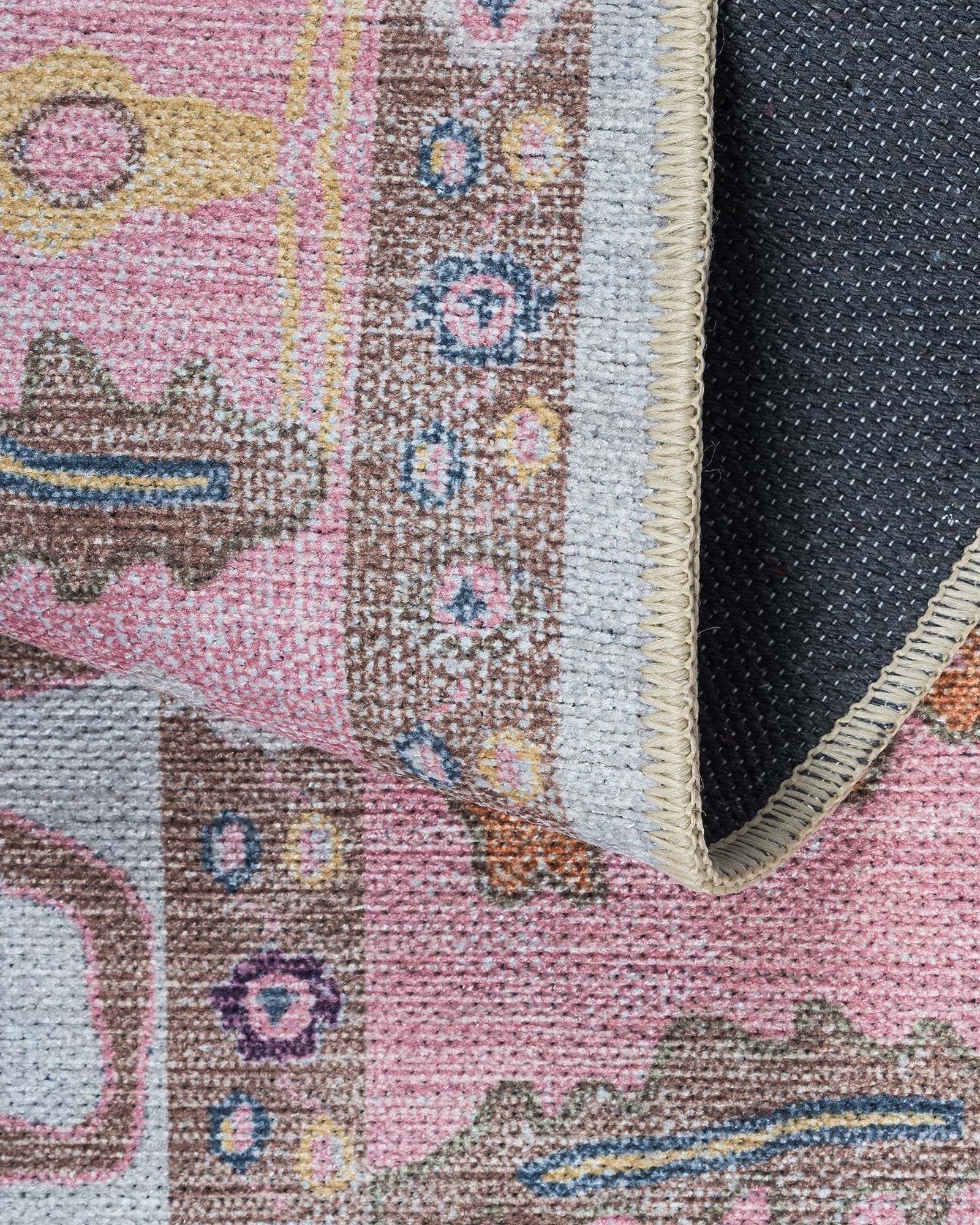



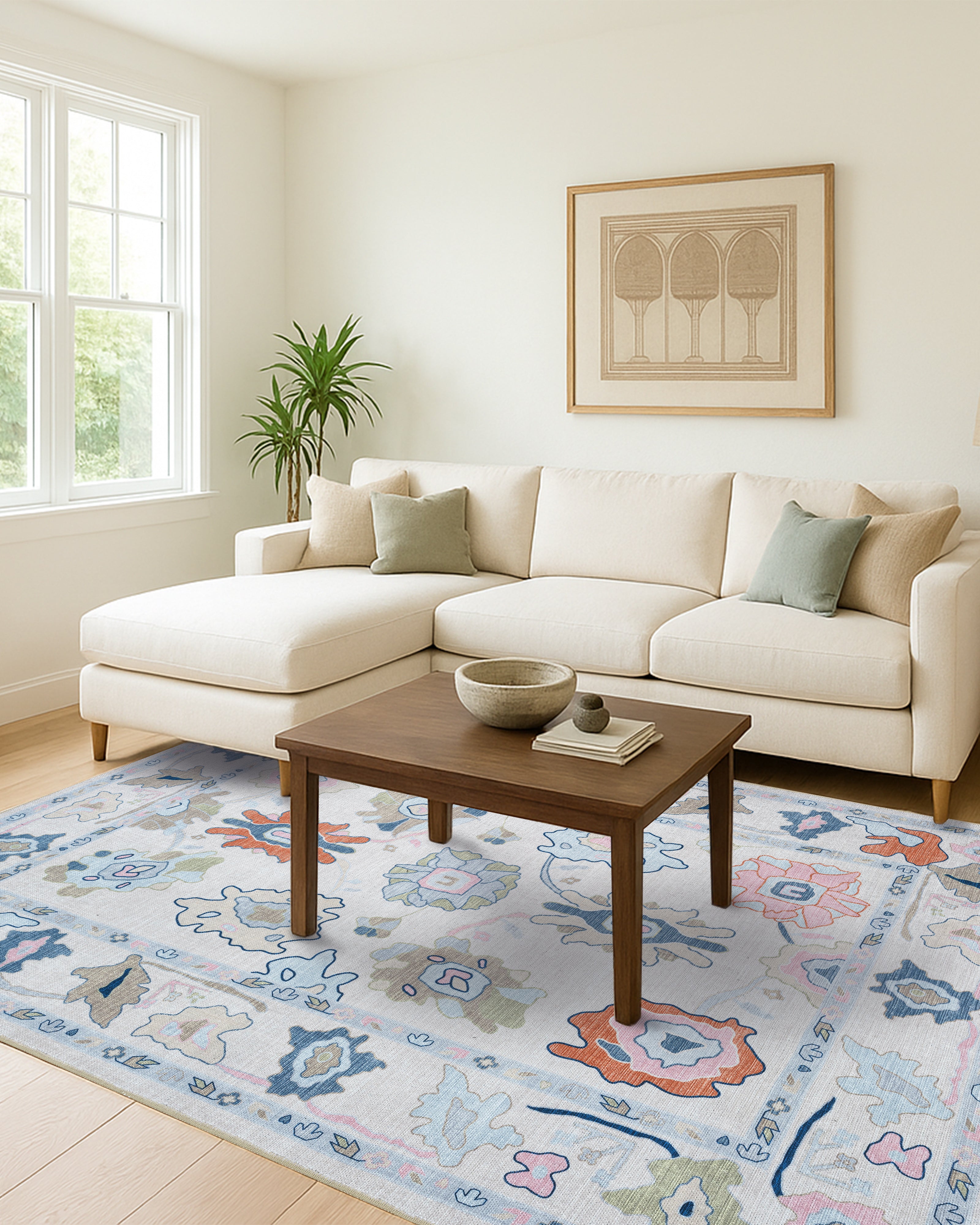



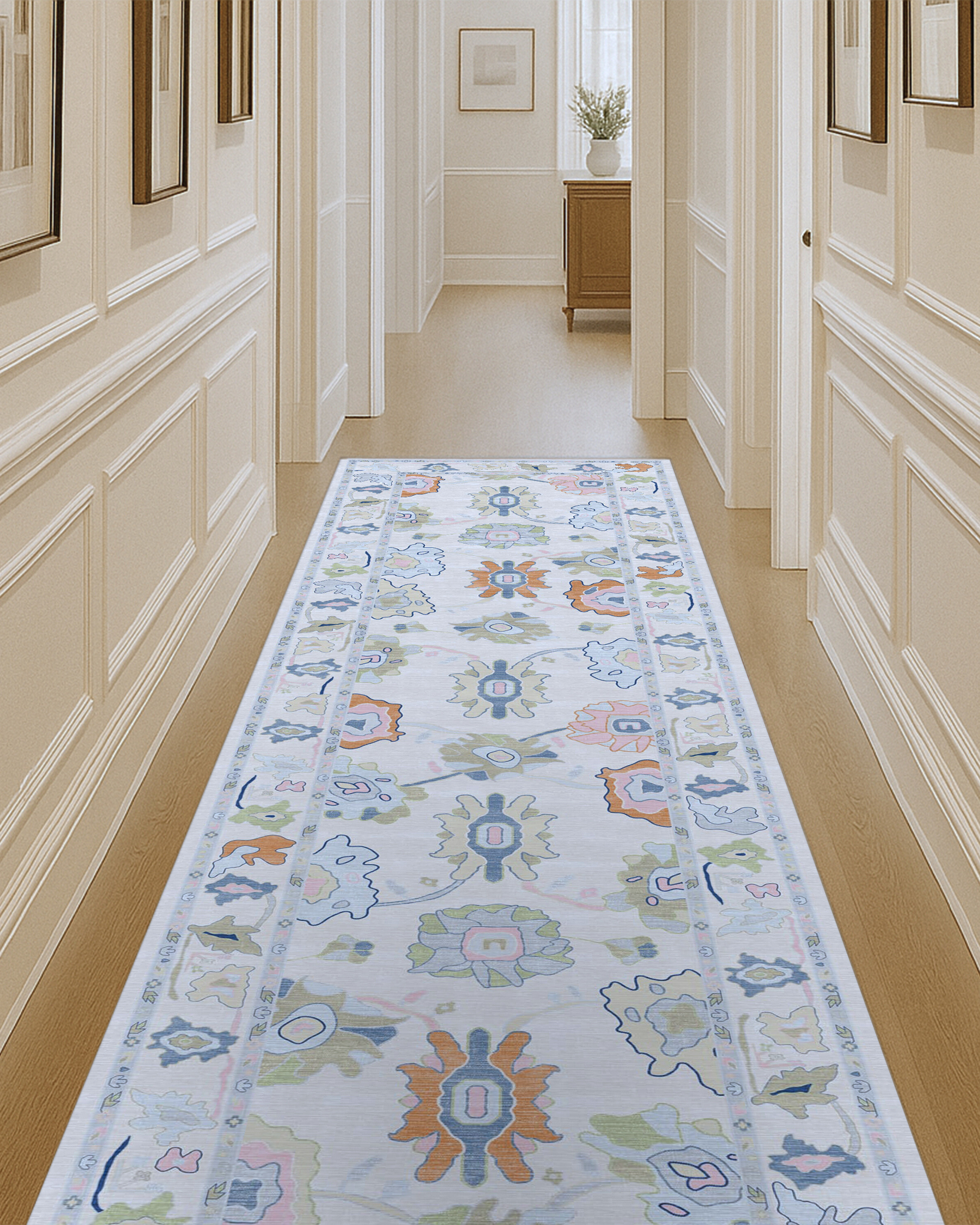


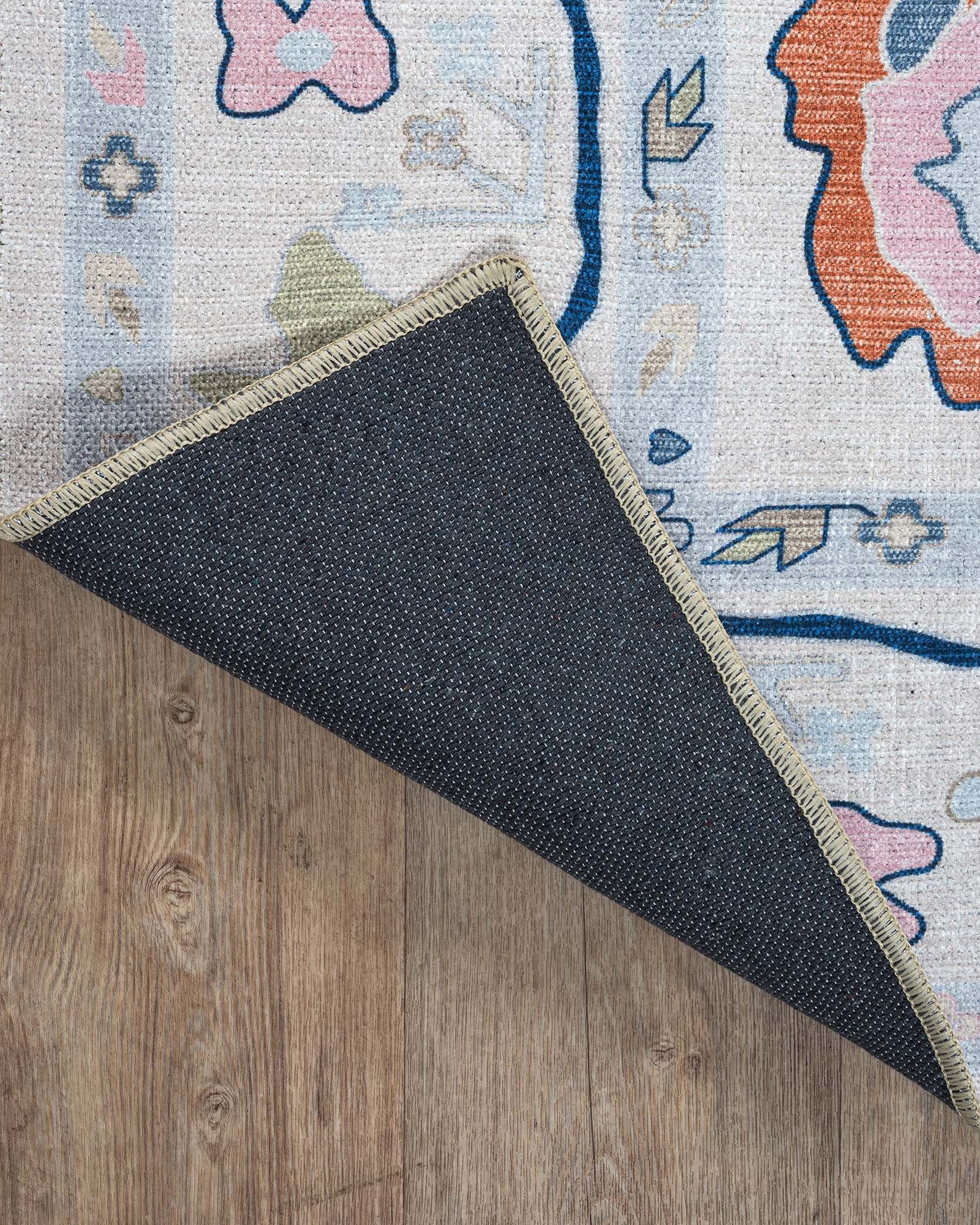
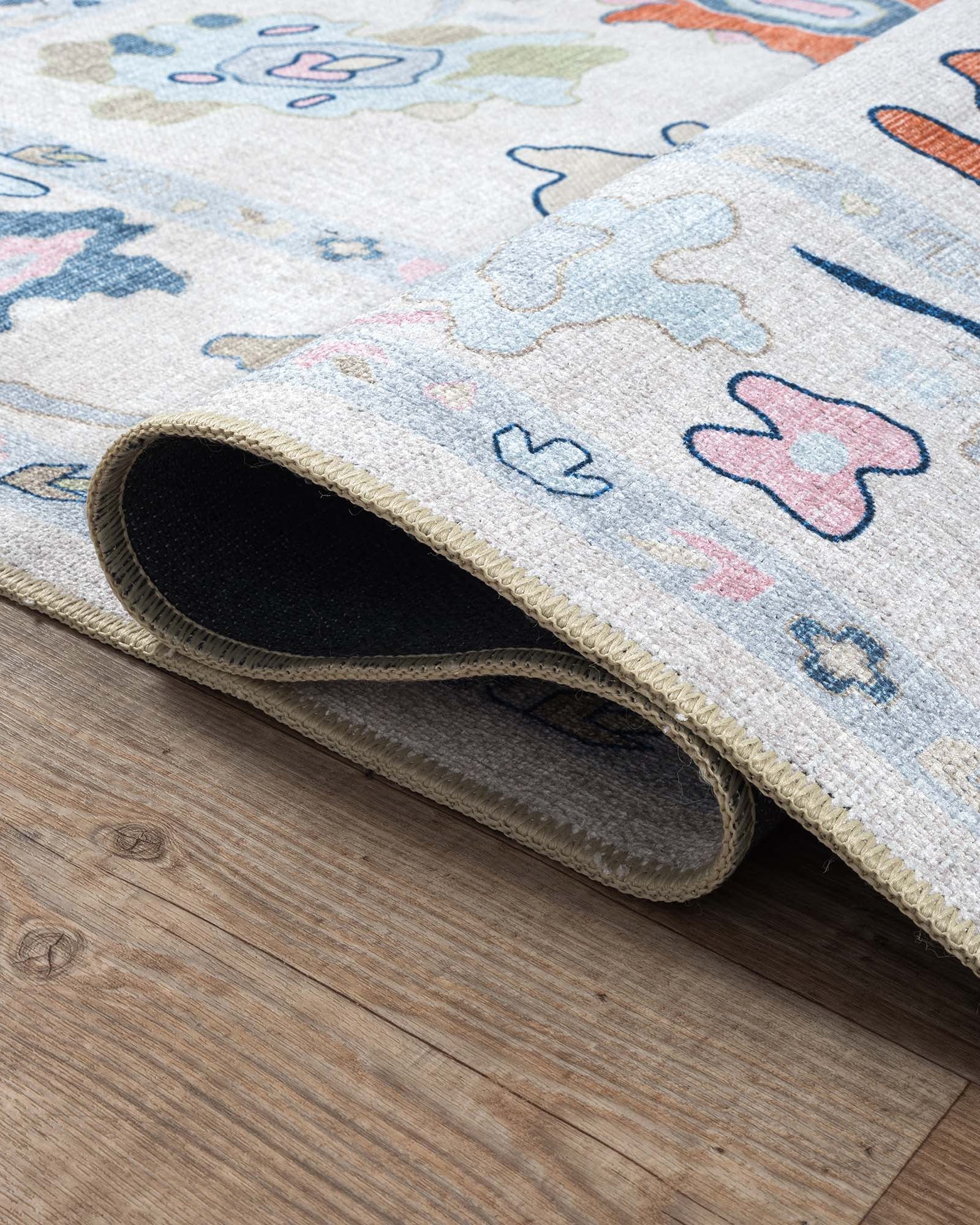

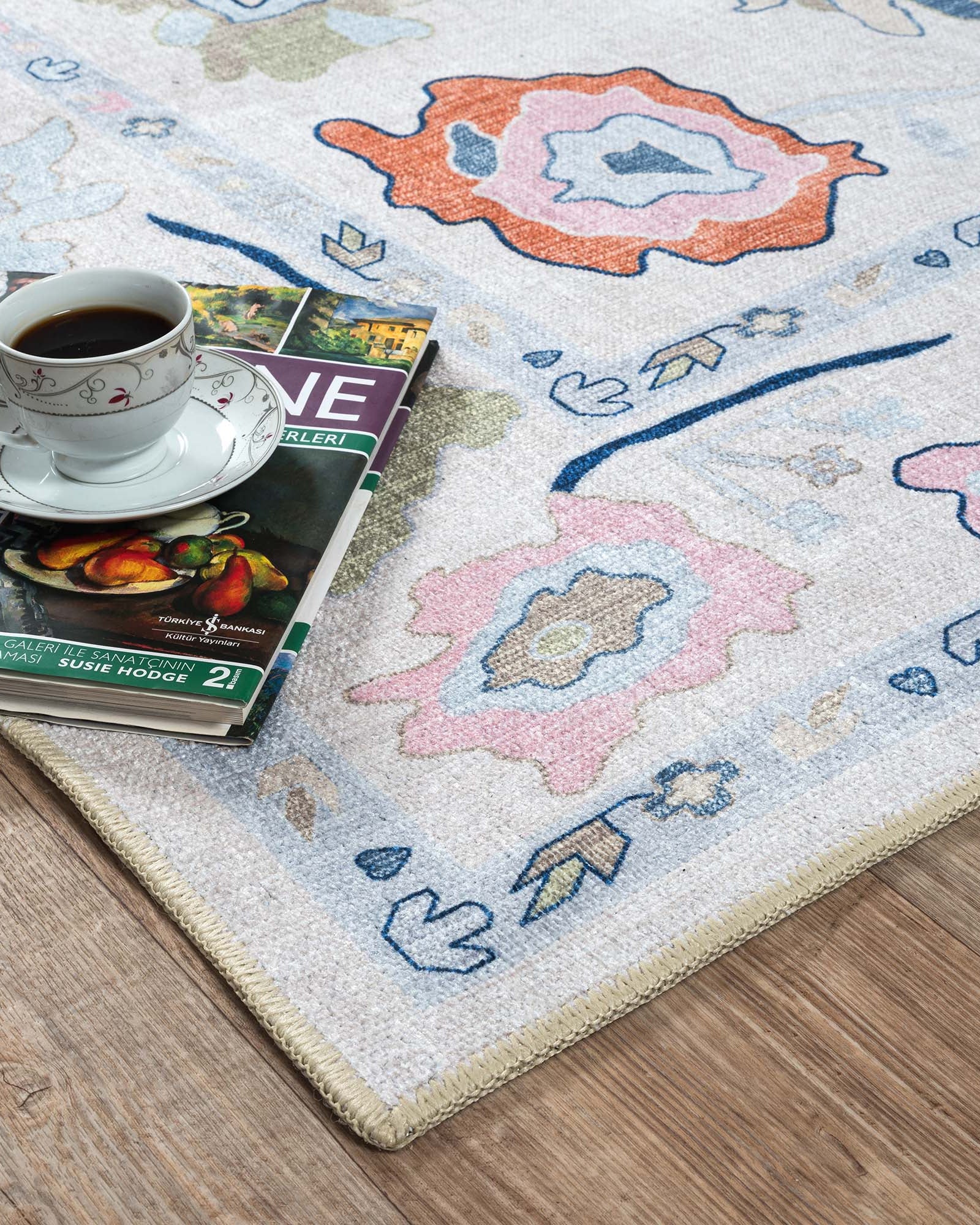









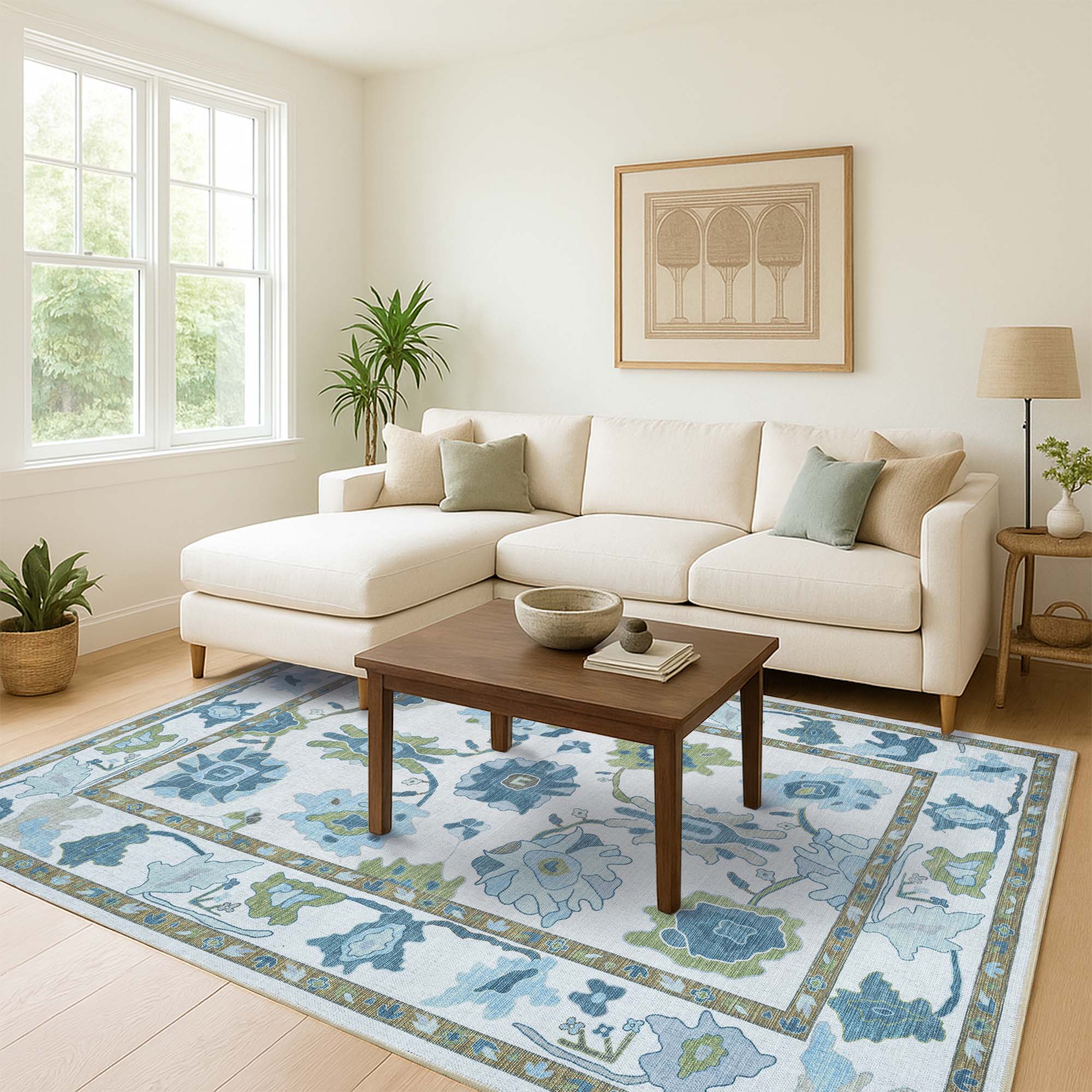
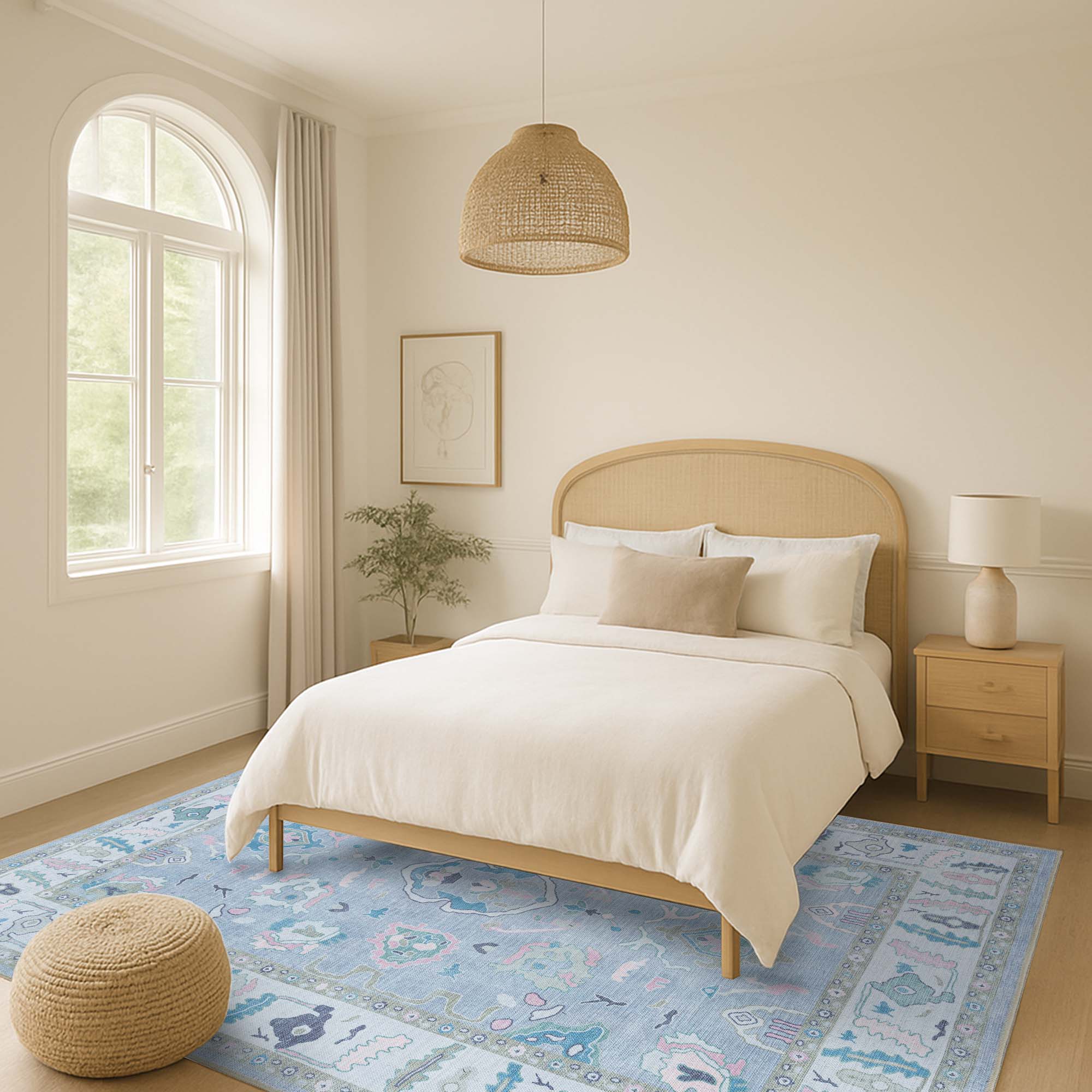
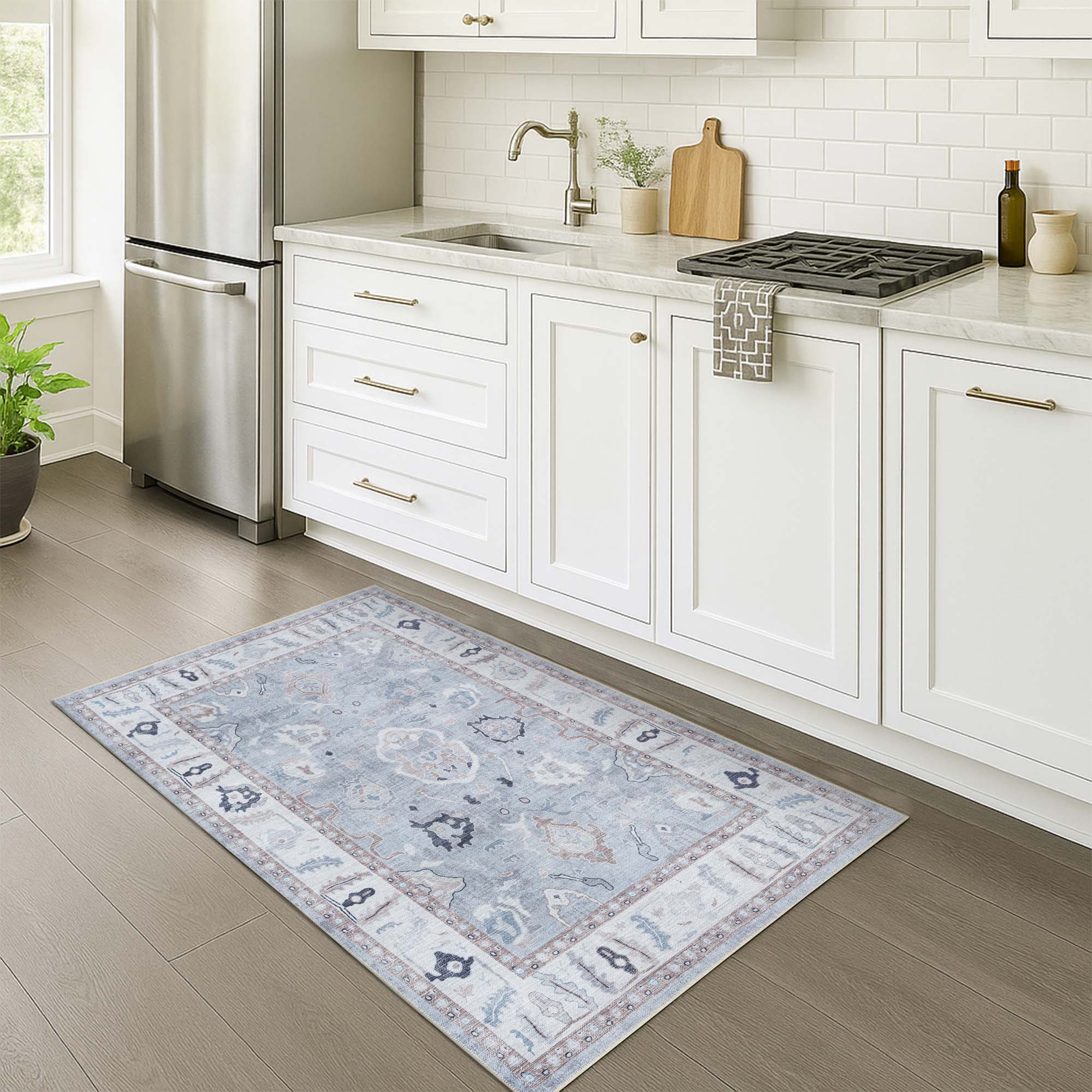
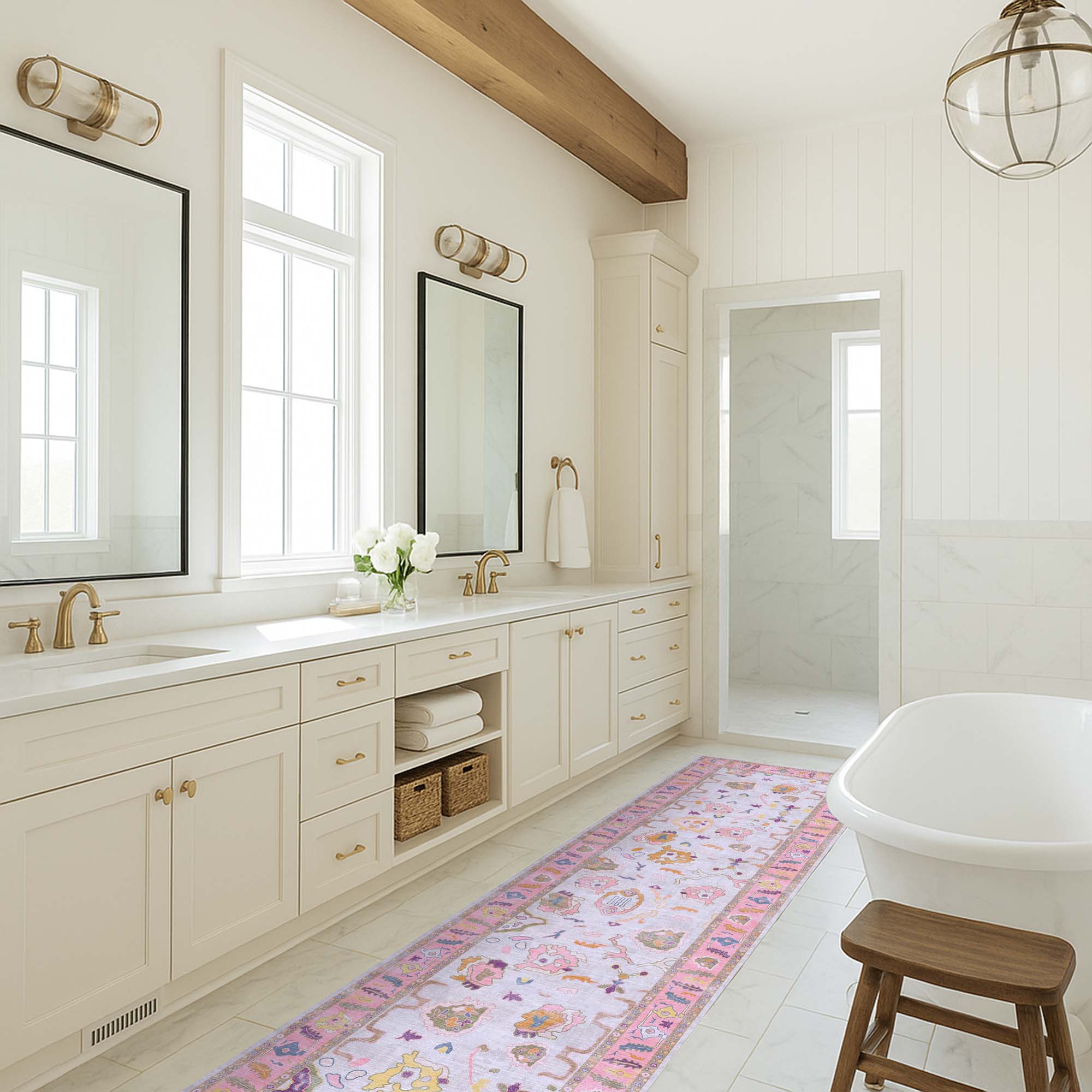


There are countless reasons we adore runners. Practically speaking, they protect floors and reduce echoes and noise in the home. On the aesthetic side (the fun part!), they complete the look of a space, can elongate a room, and infuse personality and color into often overlooked areas. But how do you choose the perfect one for your home? Let us share our top tips on selecting the right size and material for your ideal runner.


Where to Use Runners
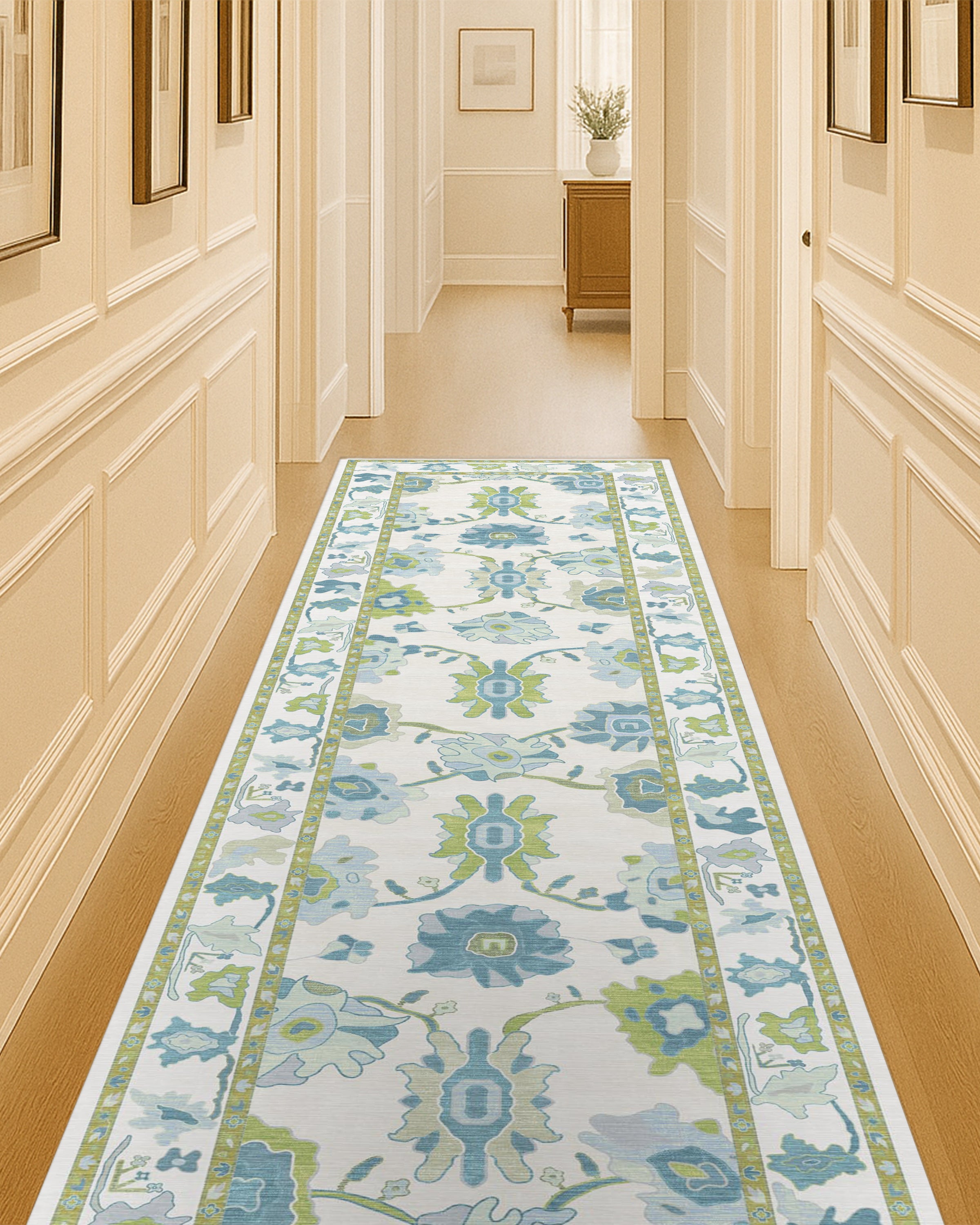
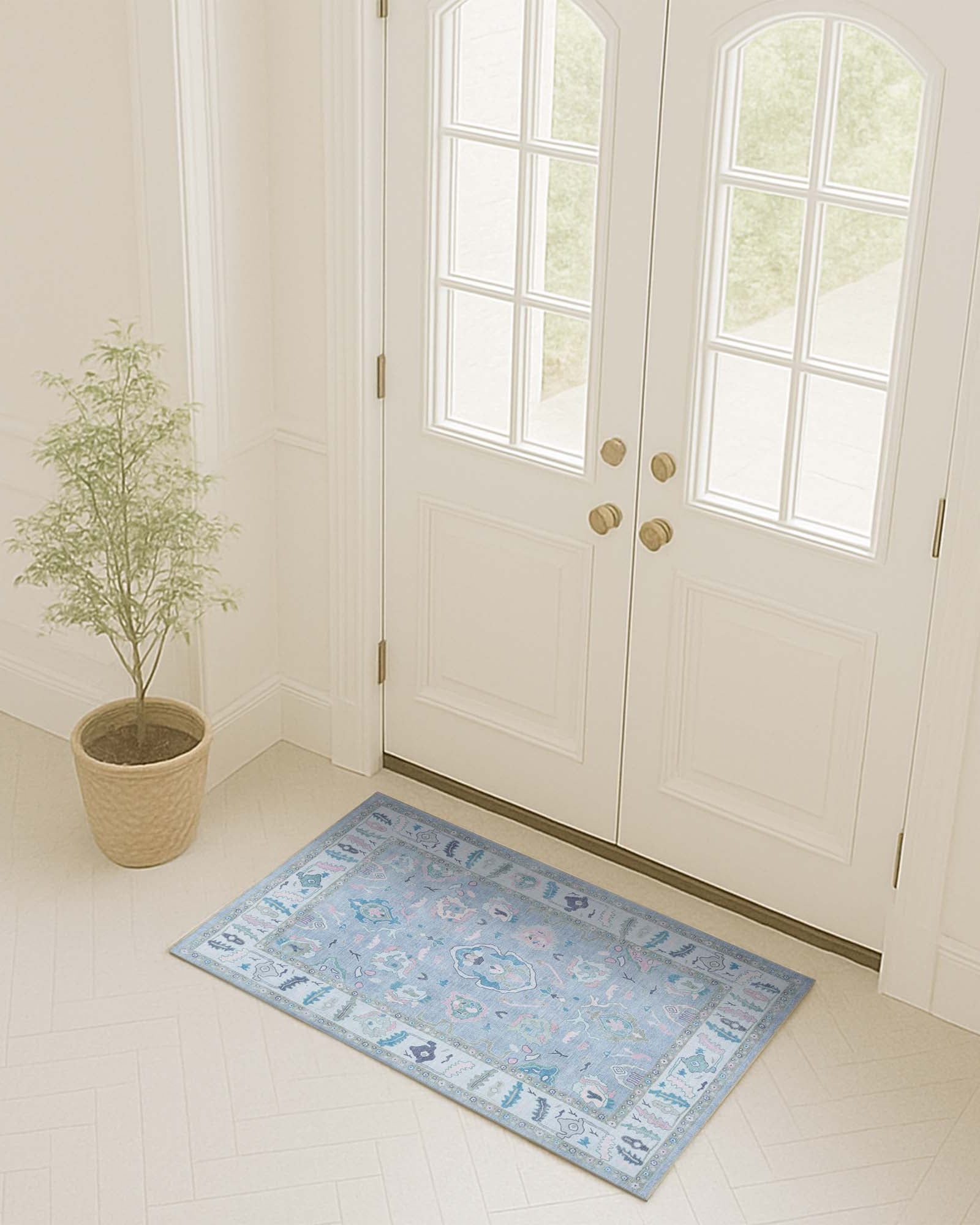
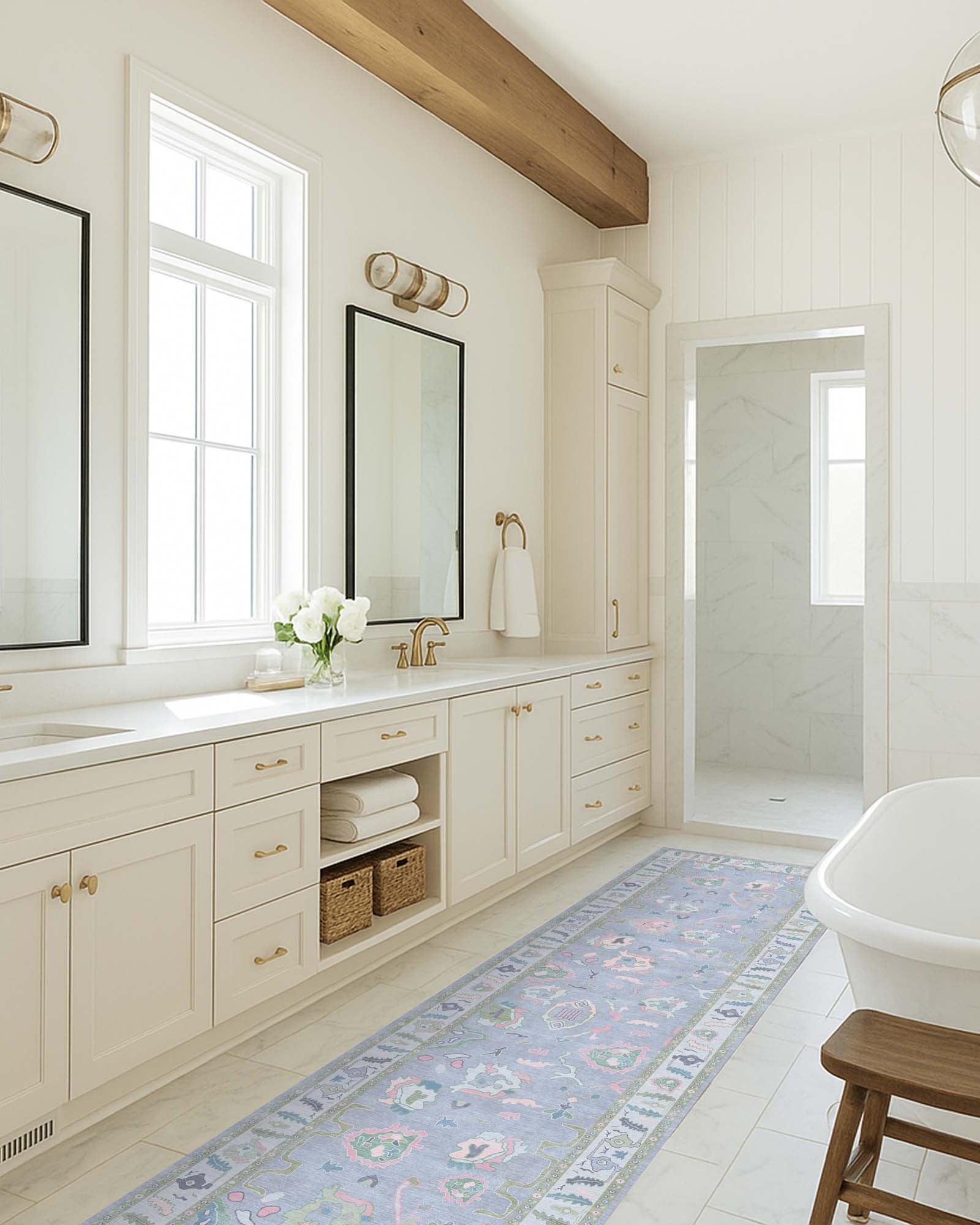
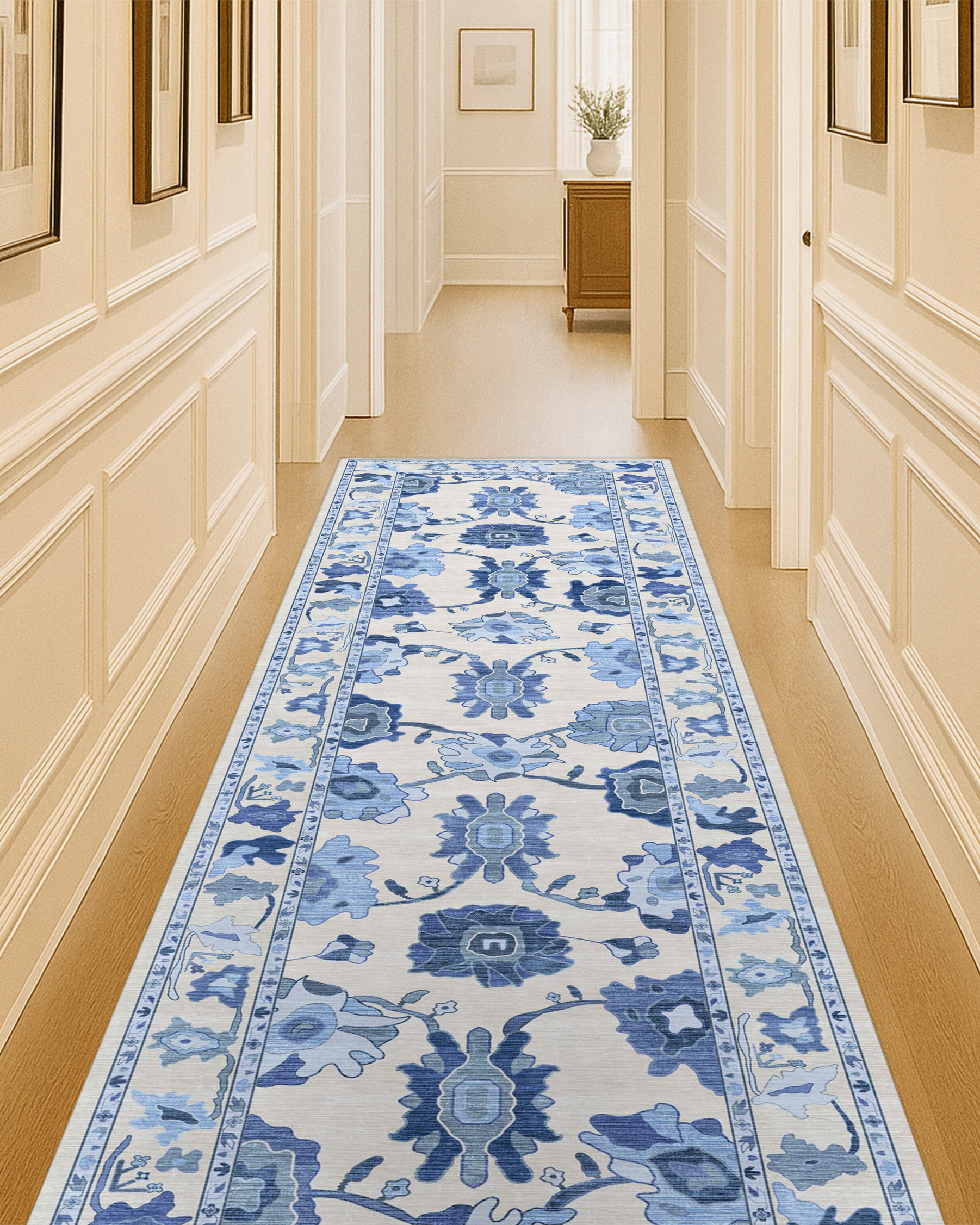
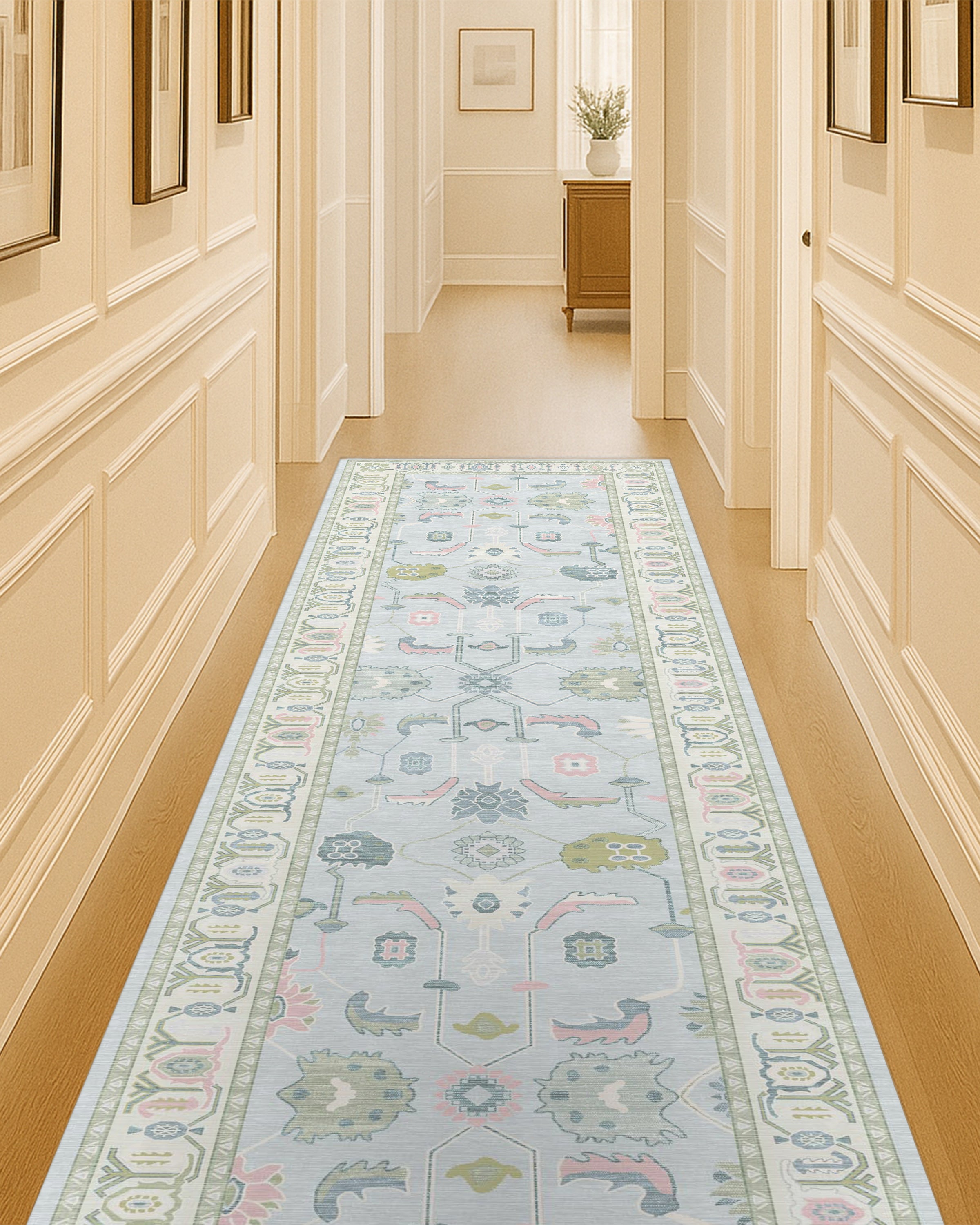
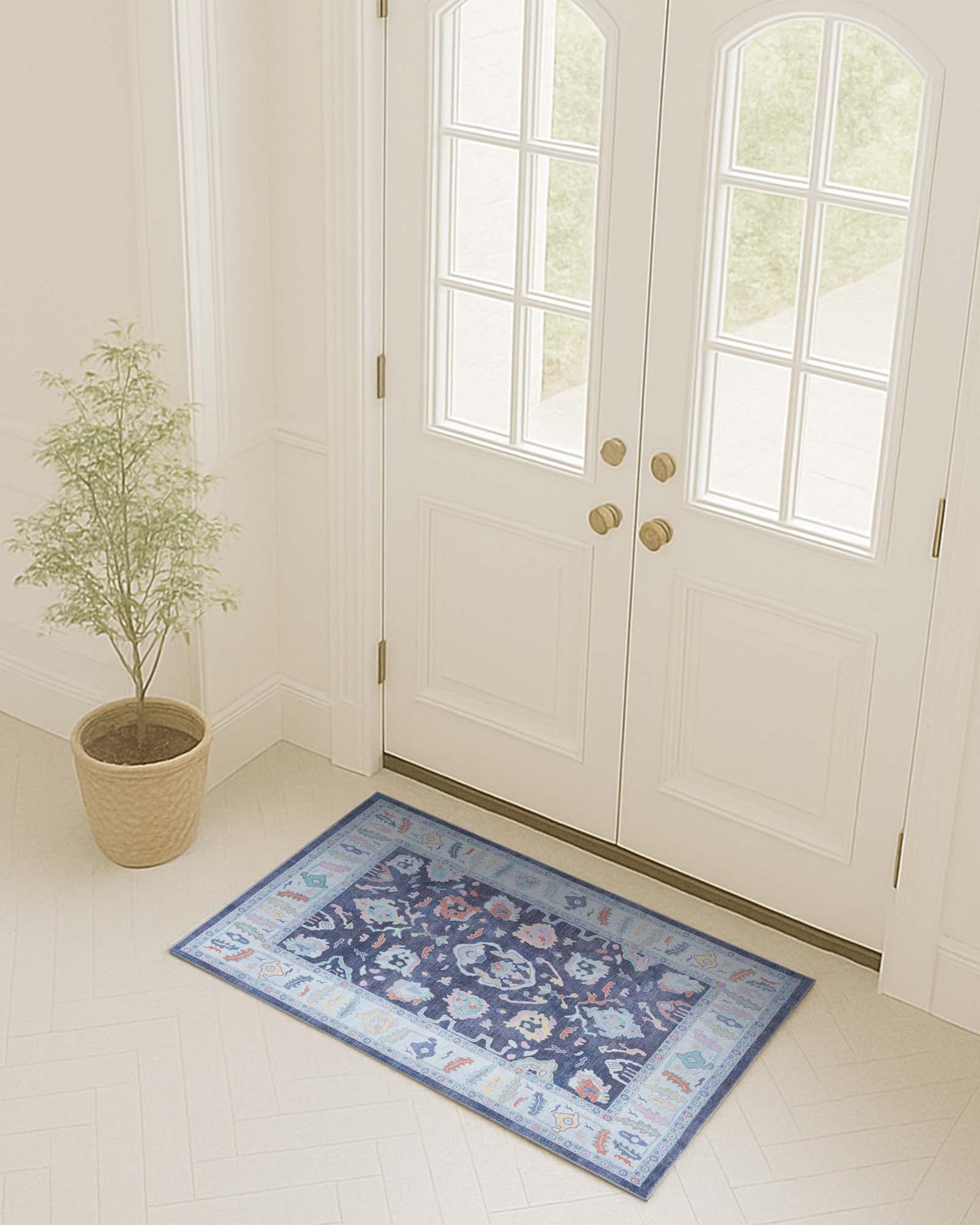
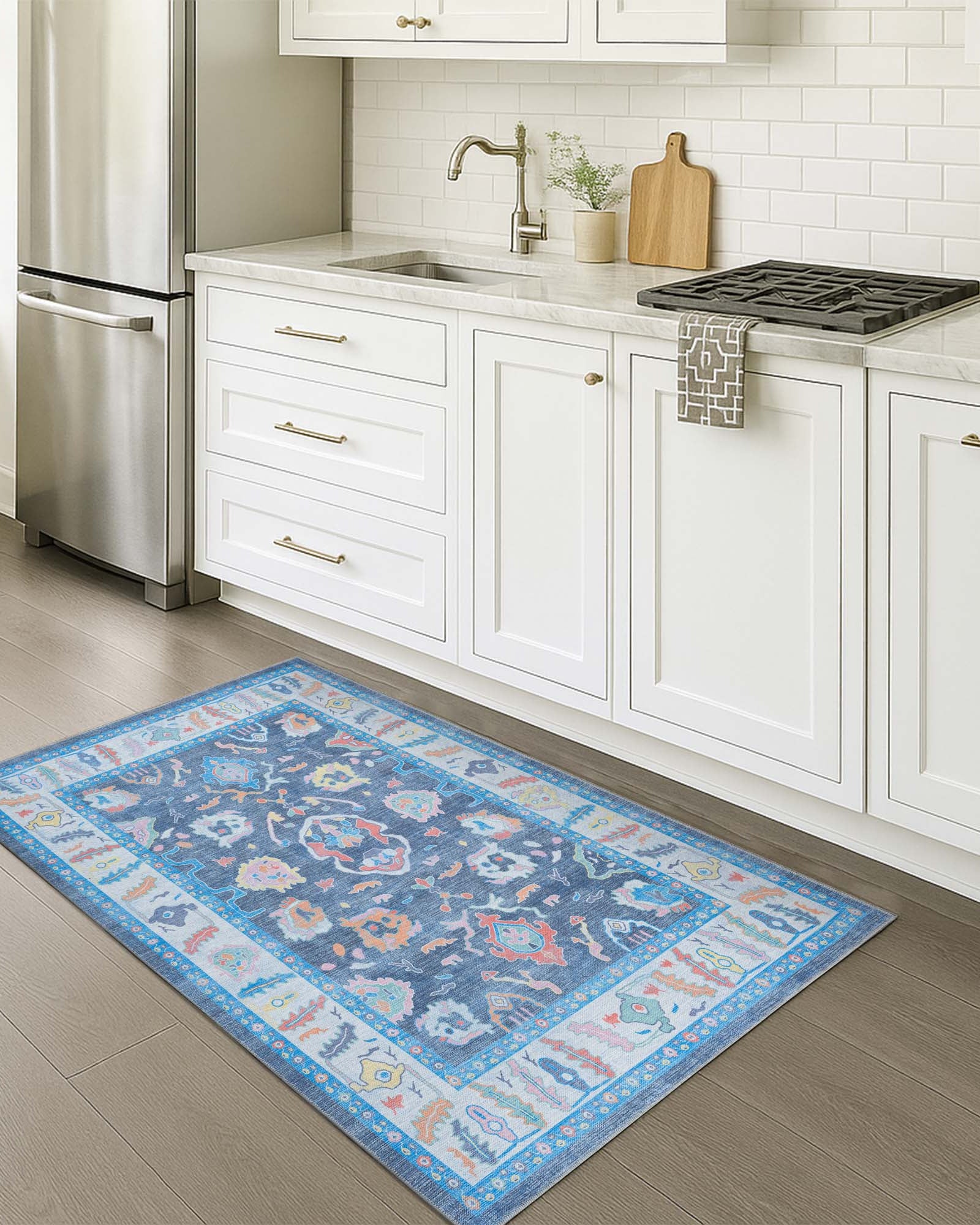
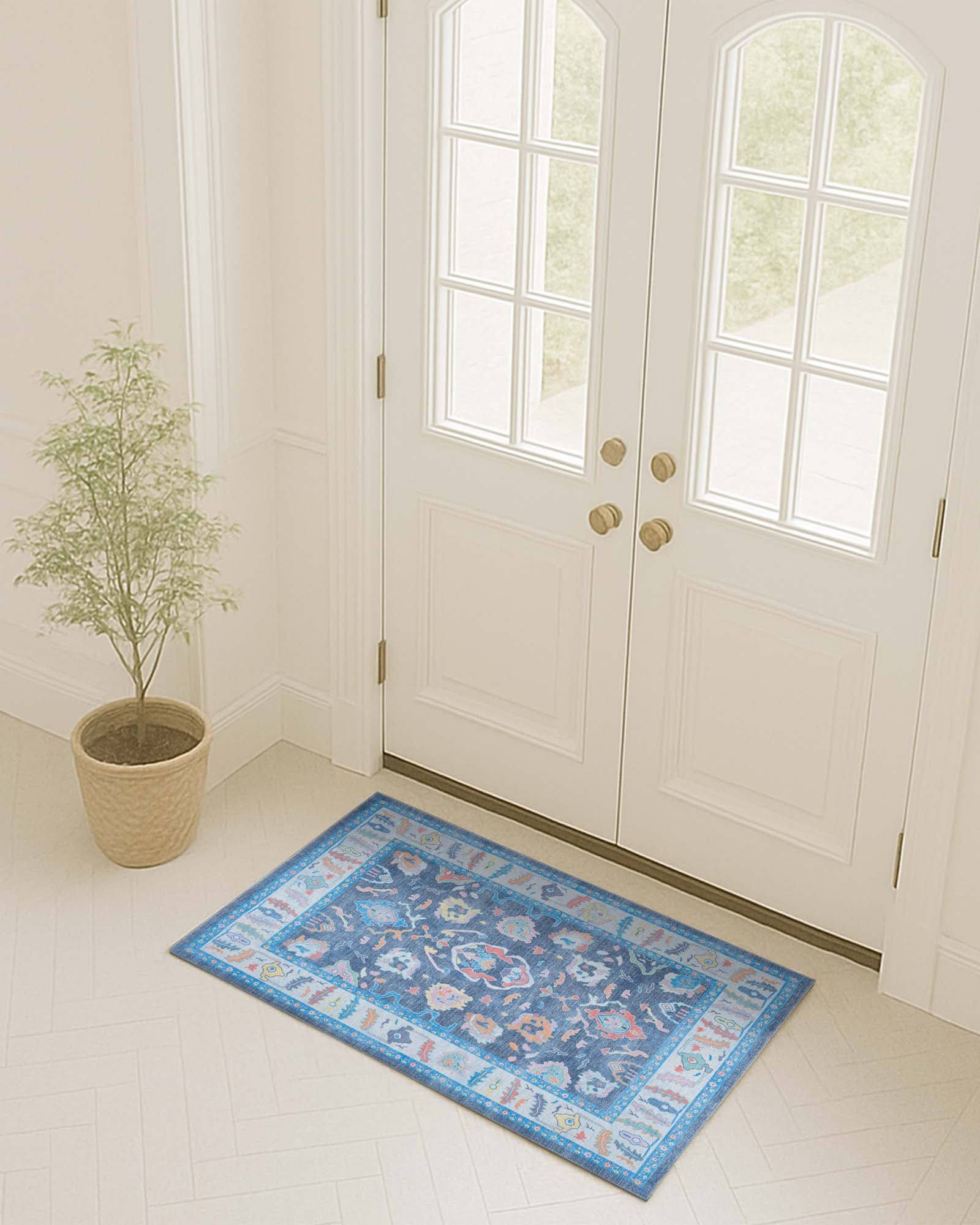
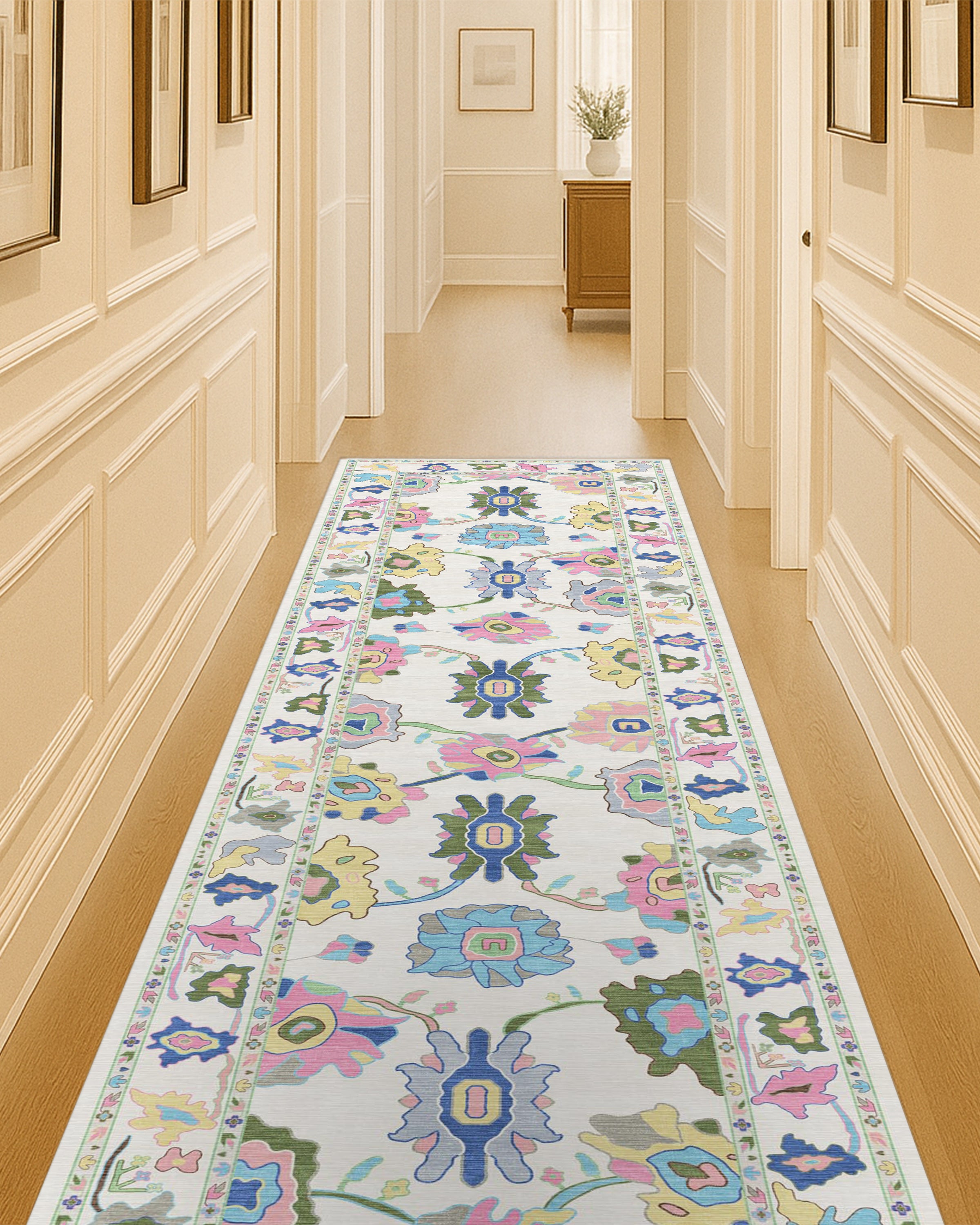
The first question is, where do you put a runner? You’re likely thinking of common areas like hallways, kitchens, and entryways, but runners can be used in any long, narrow space you like or in open floor plans to create distinct walkways or separate areas.

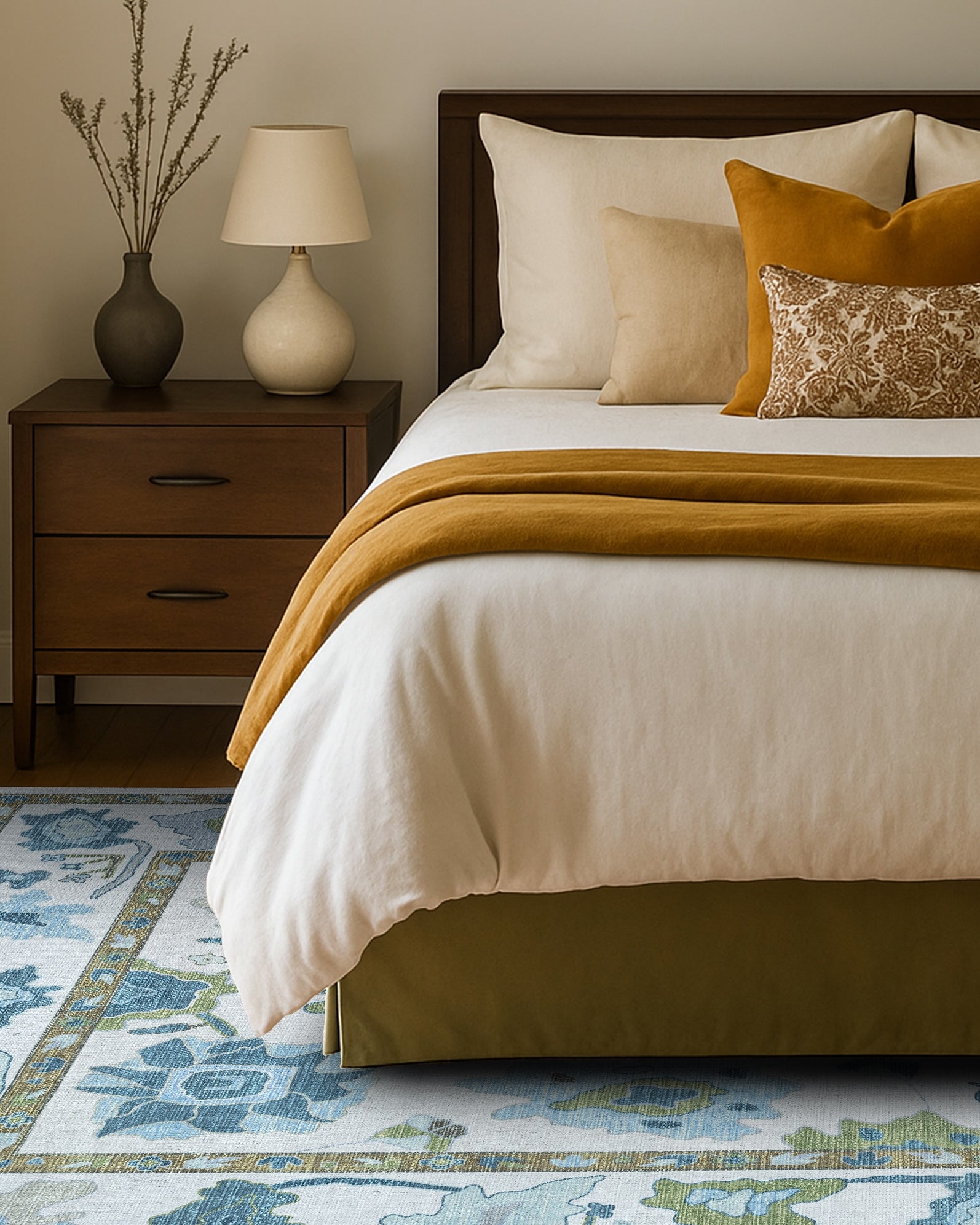
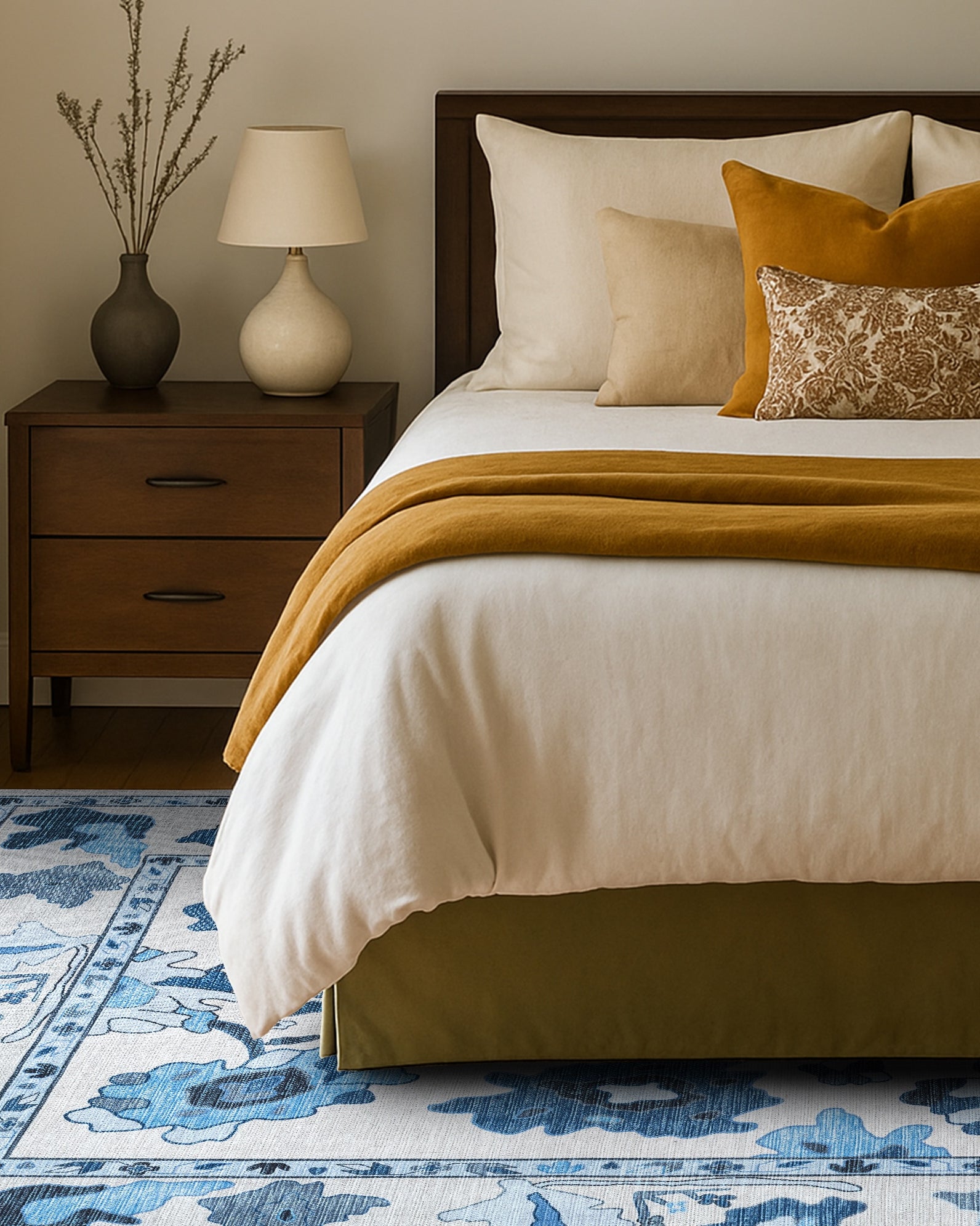
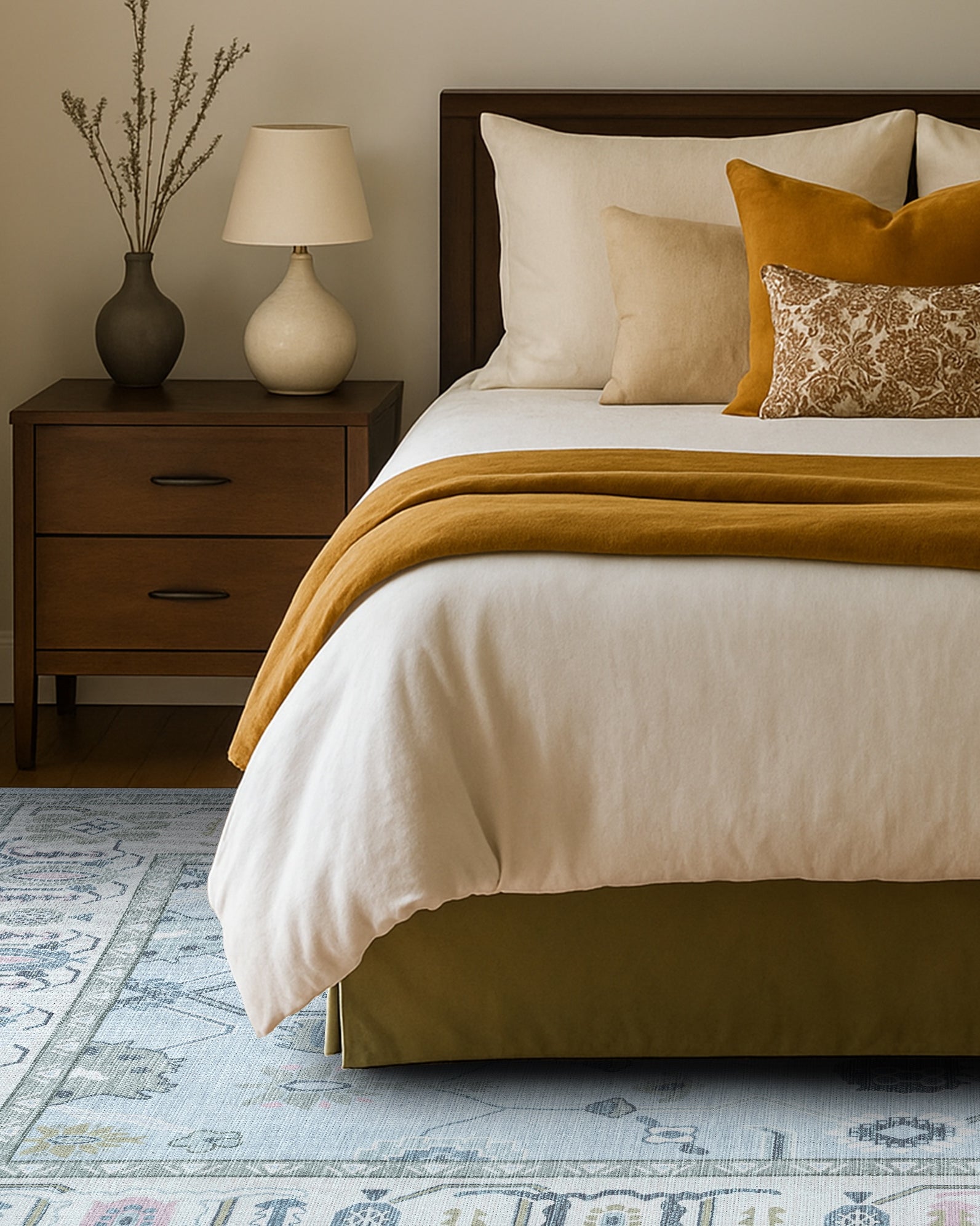
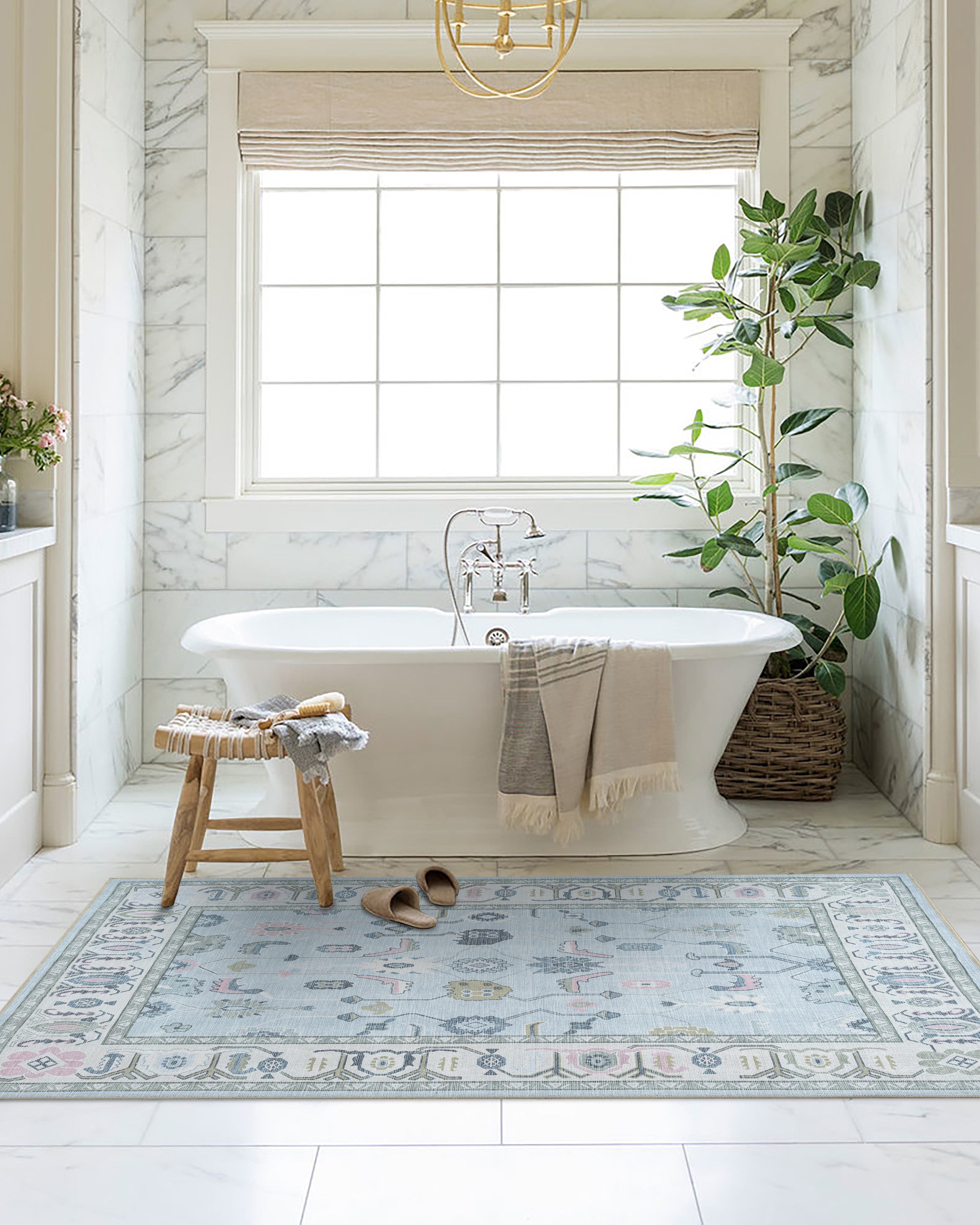
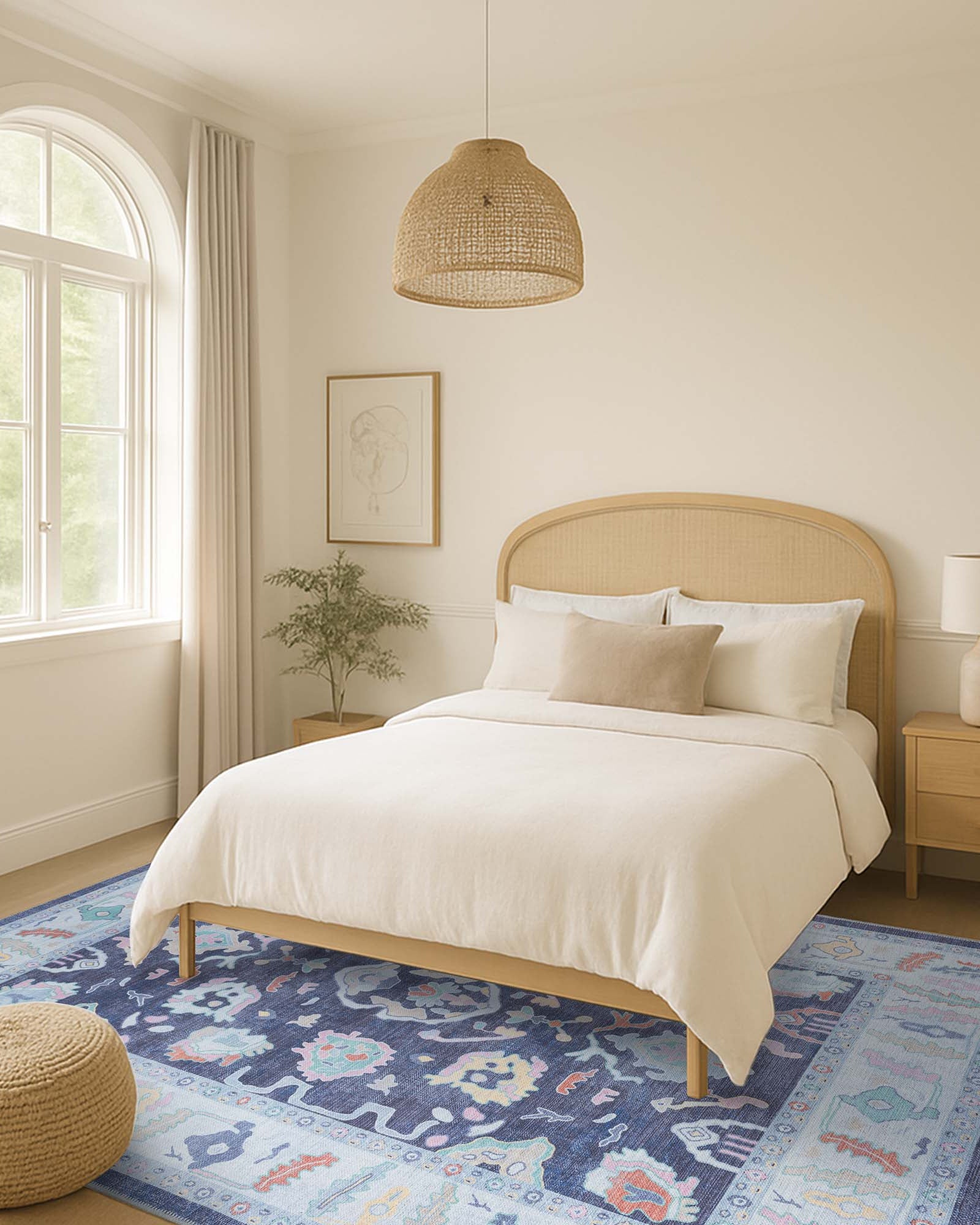
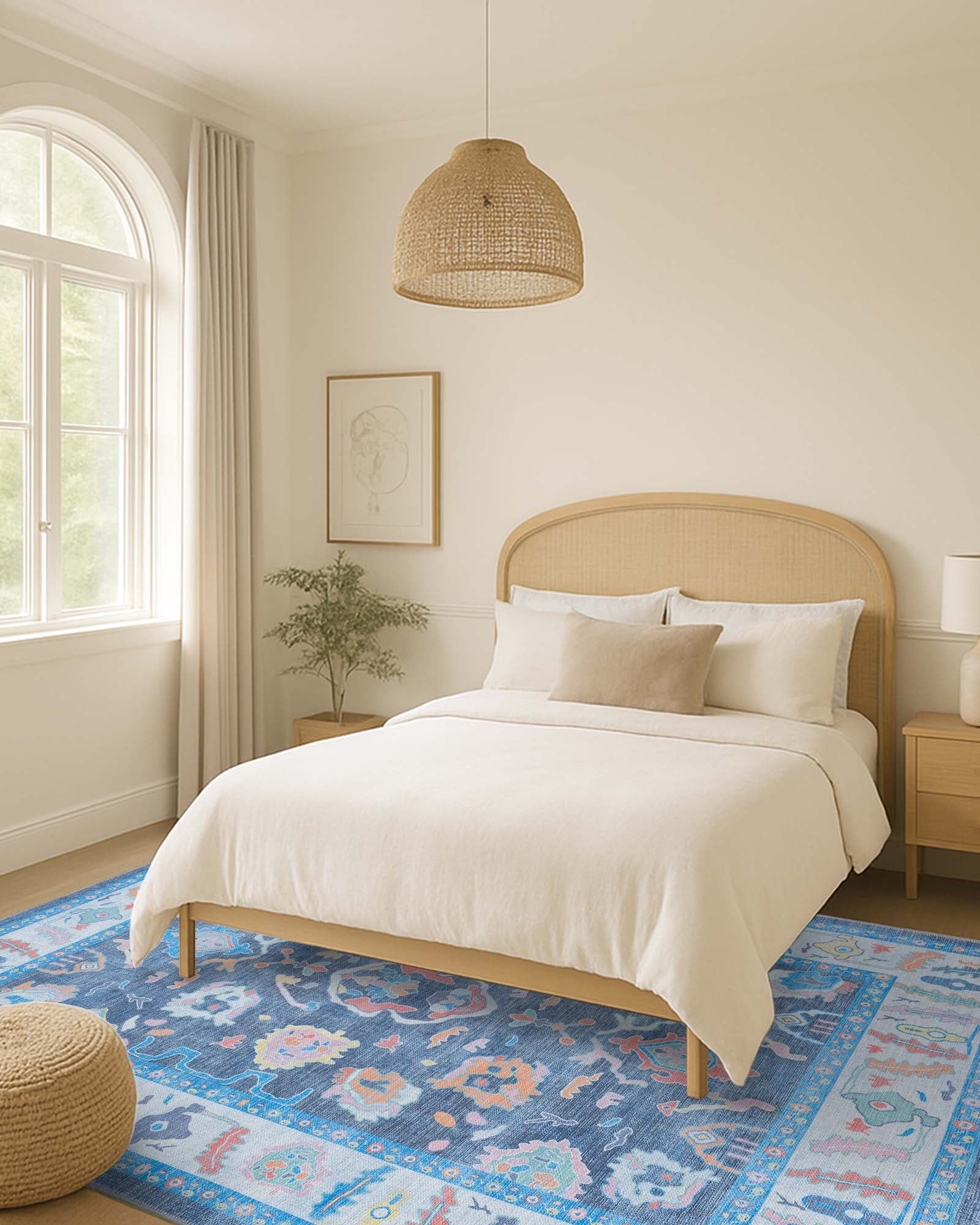
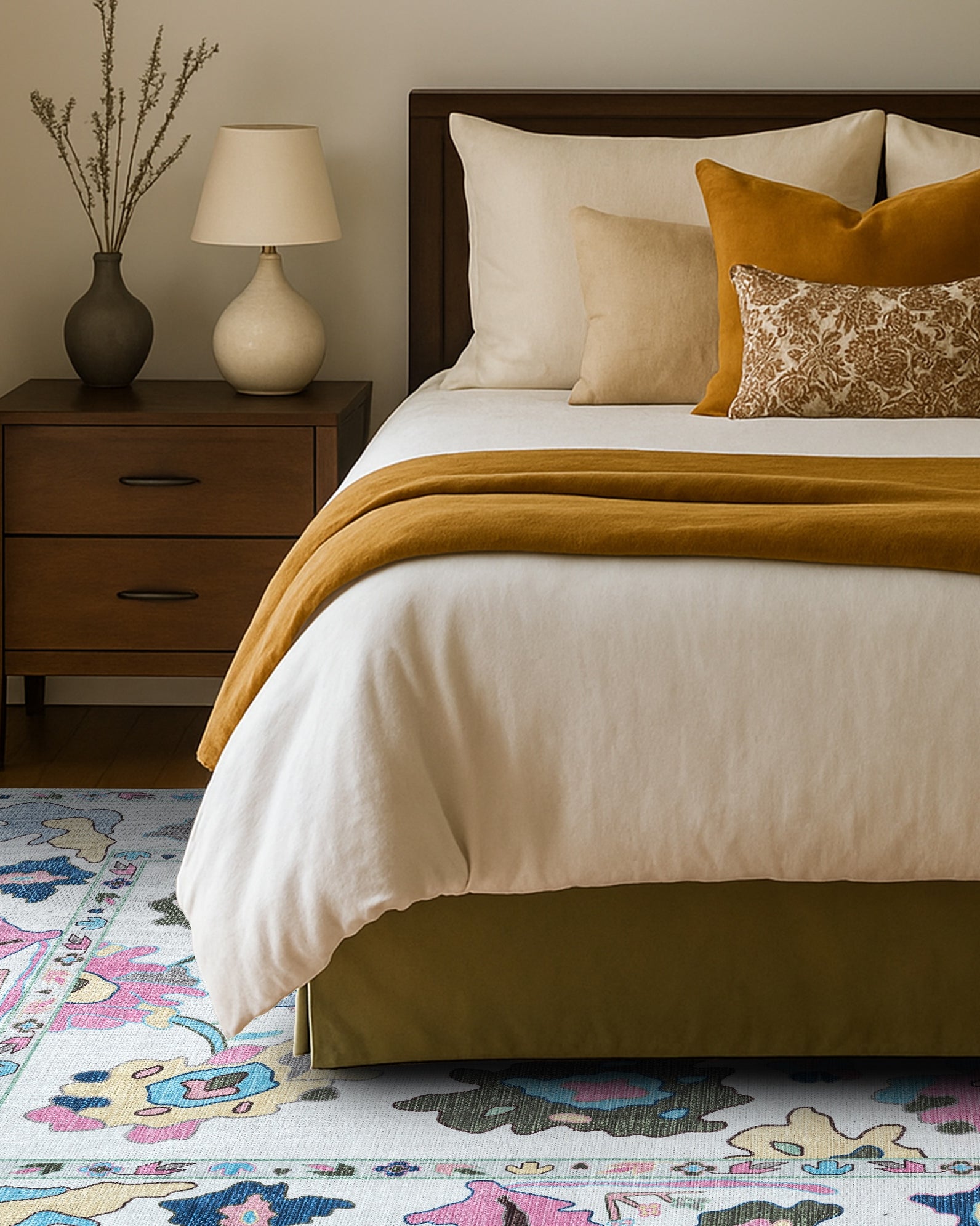
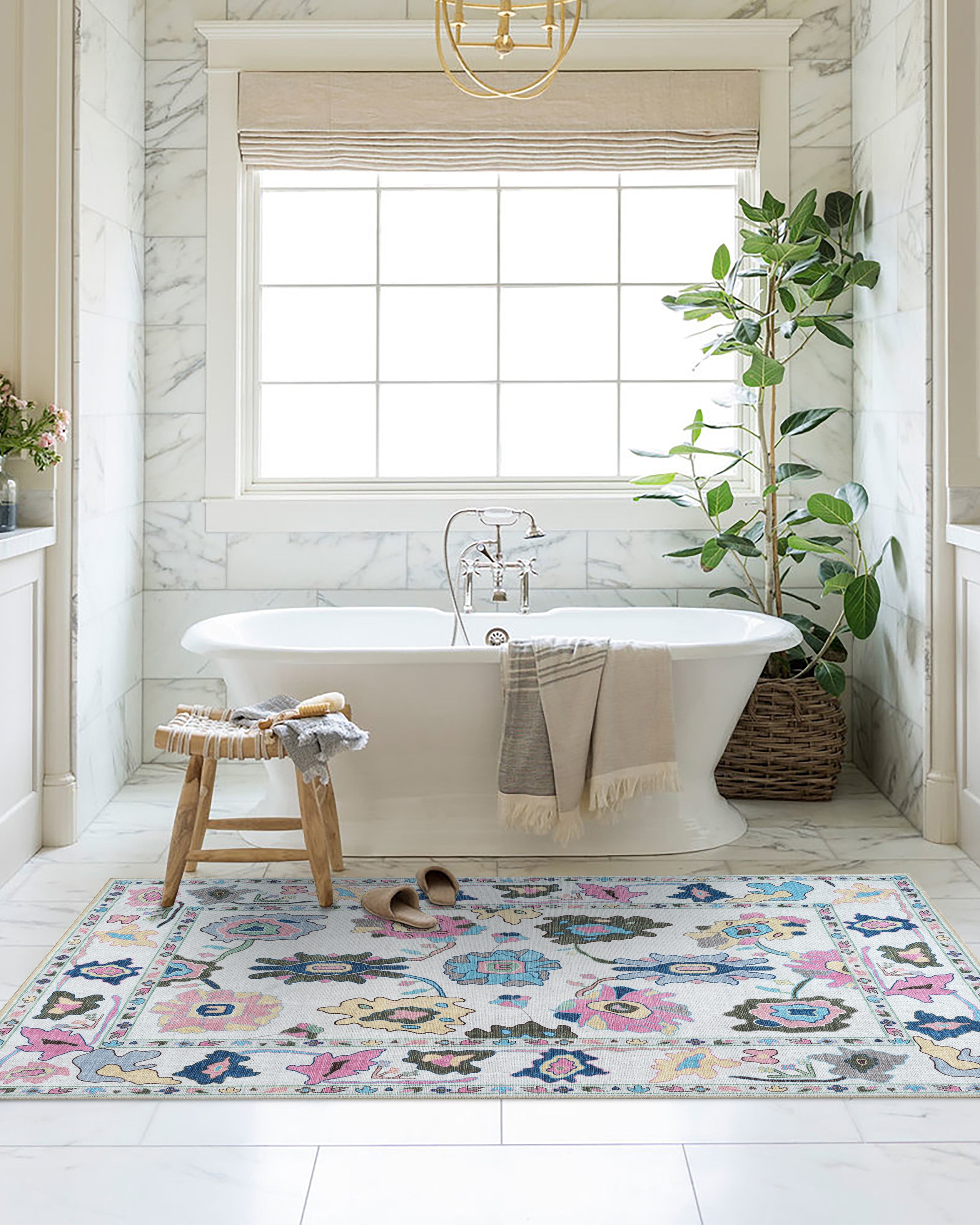
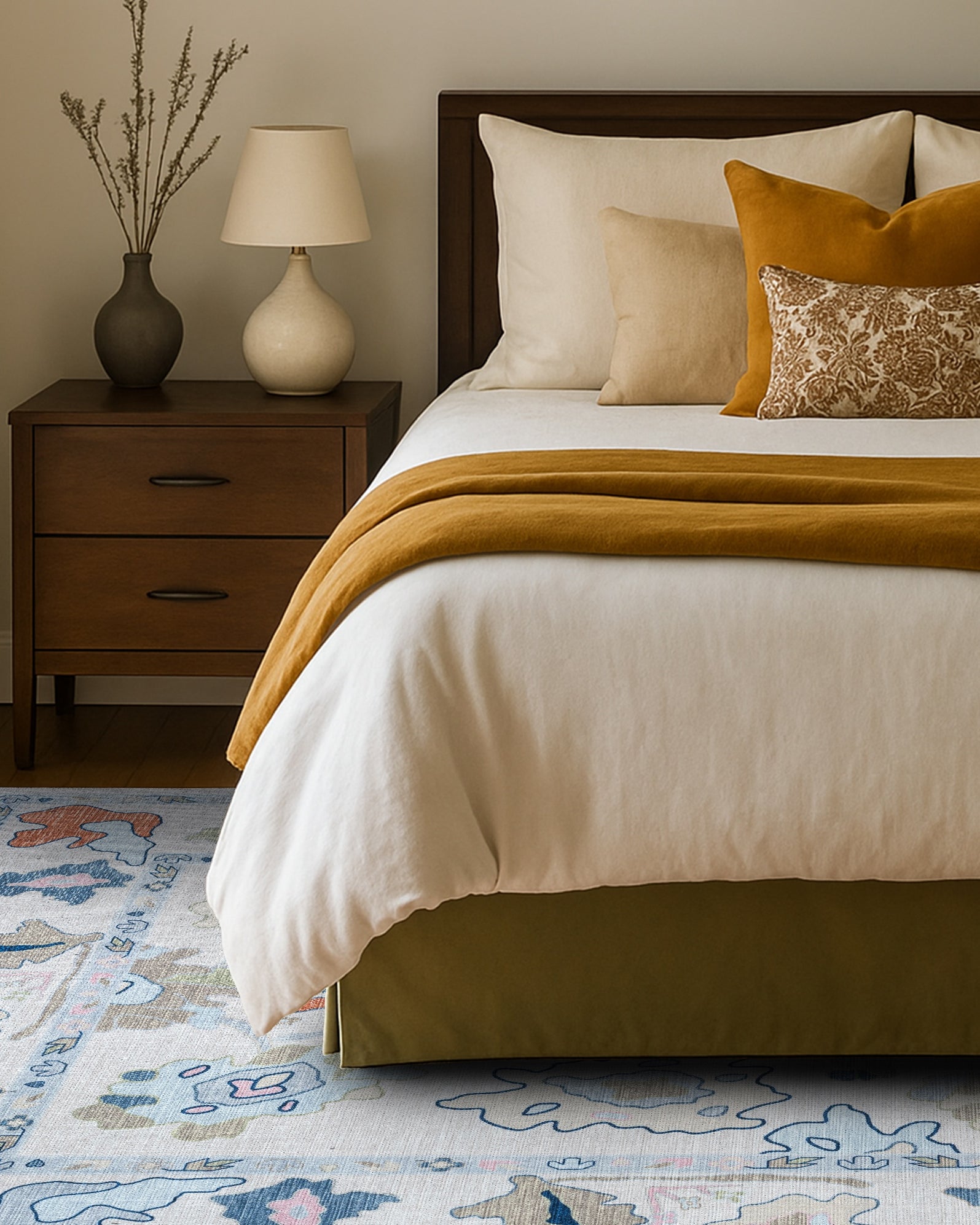
Beyond the typical spots, runners are well-suited for bedrooms, where they can be positioned between twin beds, at the foot of the bed, or on either side. They can be placed directly on the floor or layered over existing rugs or carpet. They’re also ideal for warming up cold bathroom tiles and are great additions to narrow, utilitarian spaces such as laundry rooms, pantries, and closets.
How to Choose a Runner Size

Runners come in various sizes, suitable for spaces ranging from the shortest closets to the longest hallways. It’s generally recommended to leave about six inches of space between your runner and the walls on all sides. However, most ready-made runners are between two and three feet wide, so selecting the right width is usually straightforward. This is perfectly okay! The main thing is to center the runner, even if it doesn’t have exactly six inches of clearance from the walls. Just make sure it’s not too close or touching the walls.
The length of your runner can be flexible, but use the six-inch rule from above as a guide. A longer runner is generally better, as it will help lengthen the space. Ensure that the runner isn’t flush with the wall, as this can make the space feel cramped and smaller.

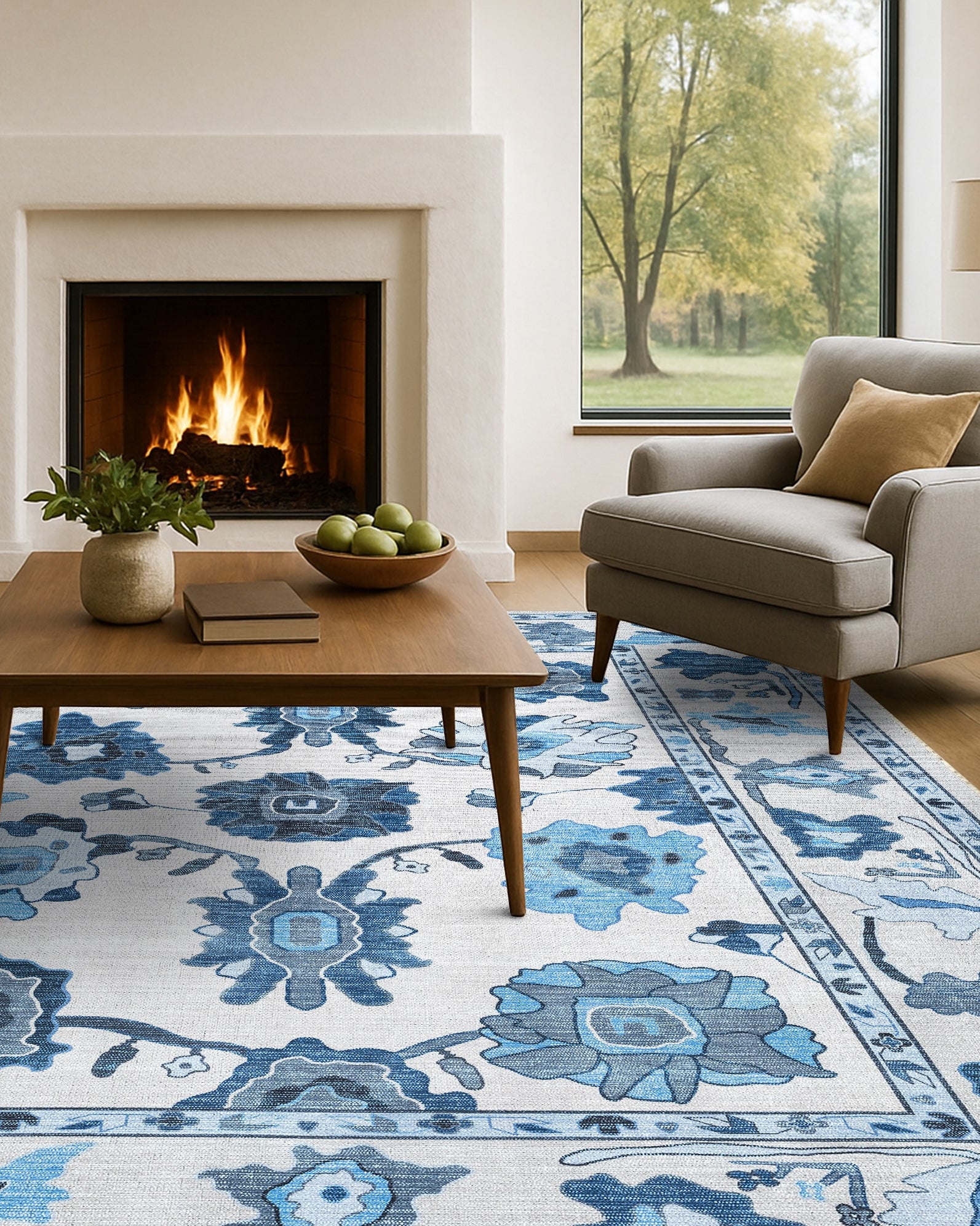
If you’re struggling to find the perfect runner size for your space, consider using an accent rug instead, such as a 3’ x 5’ or 4’ x 6’. These are especially effective for smaller areas that aren’t very long—like laundry rooms and entryways—where they can provide more coverage than a narrow runner.
Choose the Right Runner Material

After finding the right size, consider what material is best suited for your space. Is the runner going in a hallway near the entry, where it will encounter many dirty shoes? Or will it be in the kitchen, where spilled food and drinks are a concern?
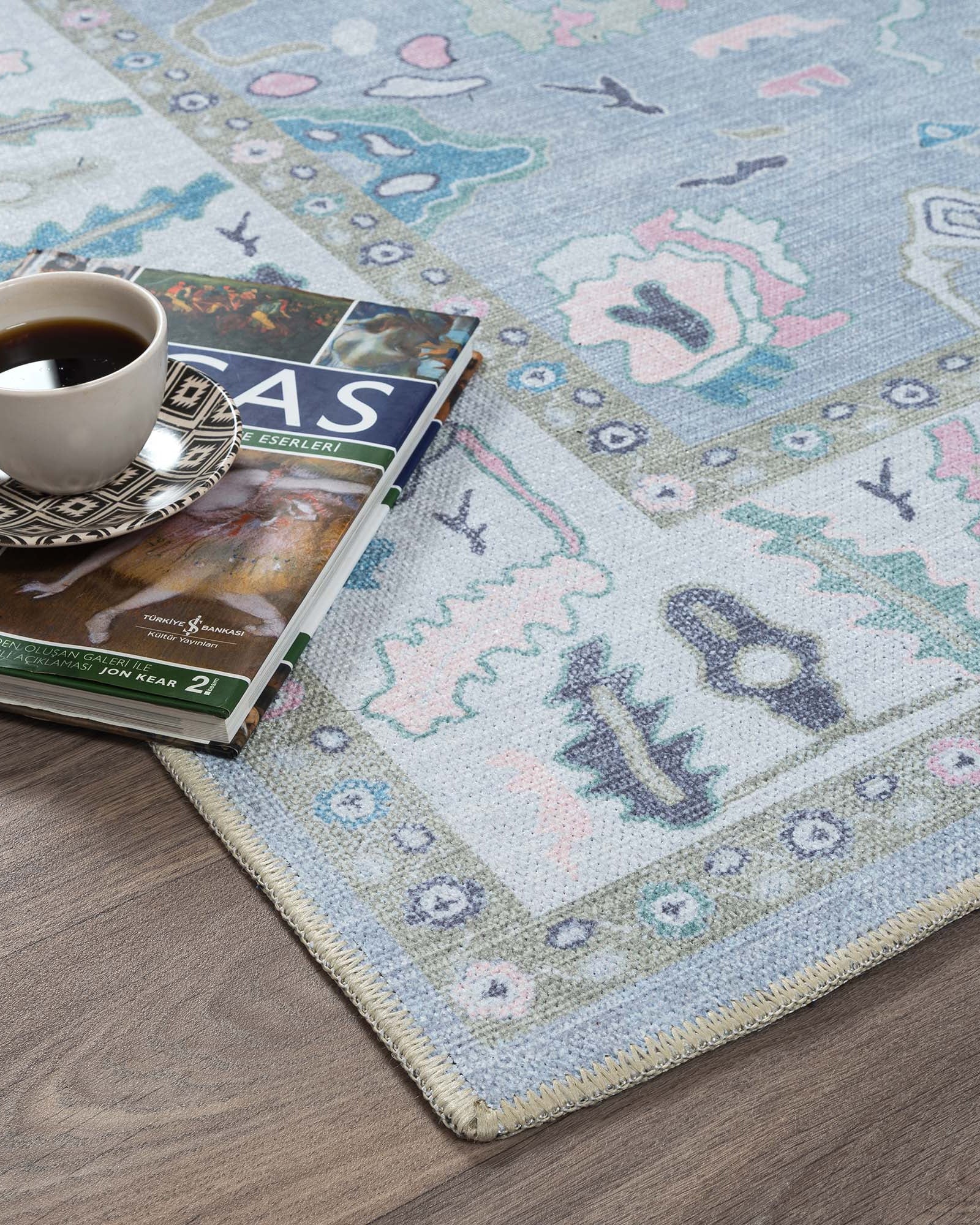
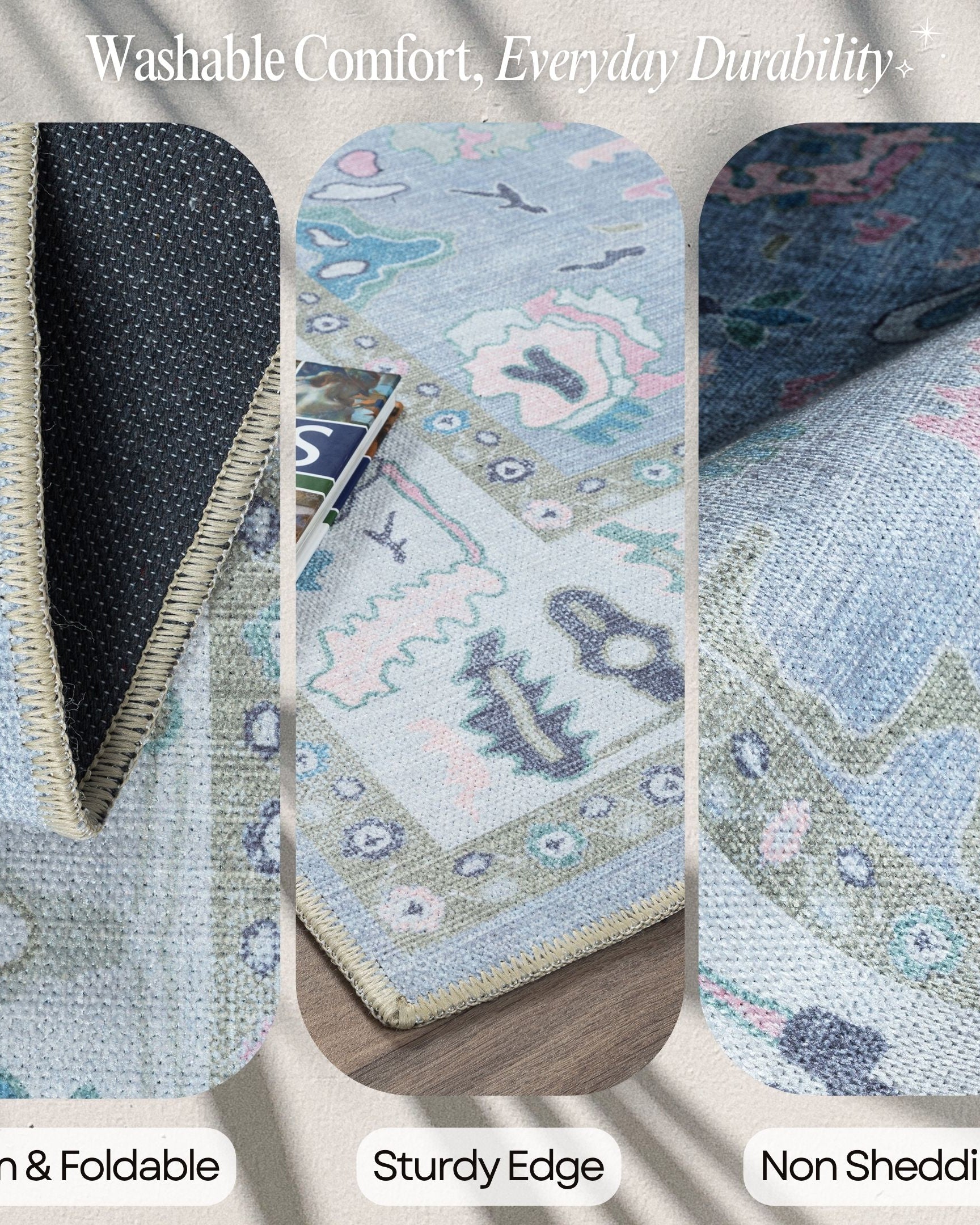
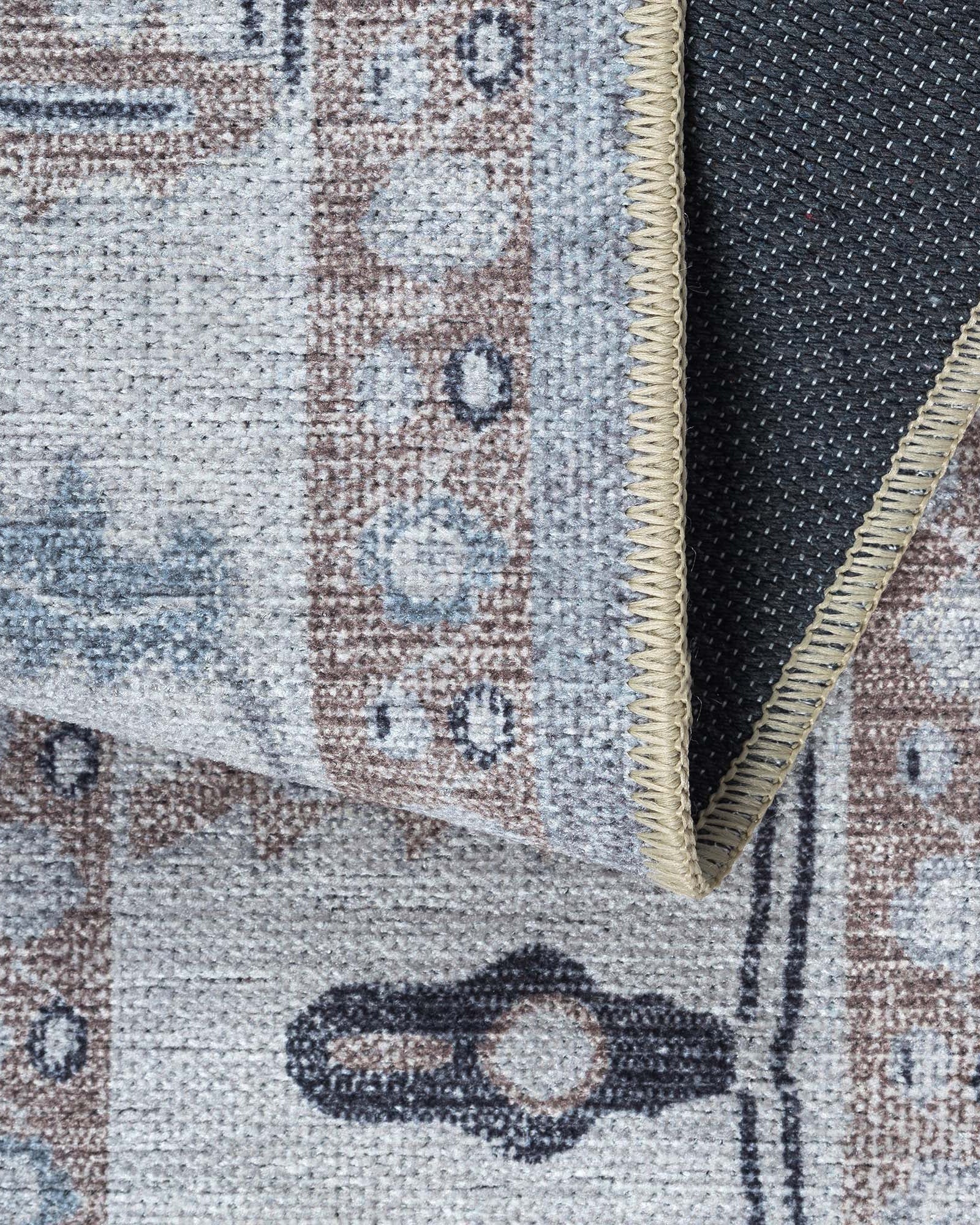
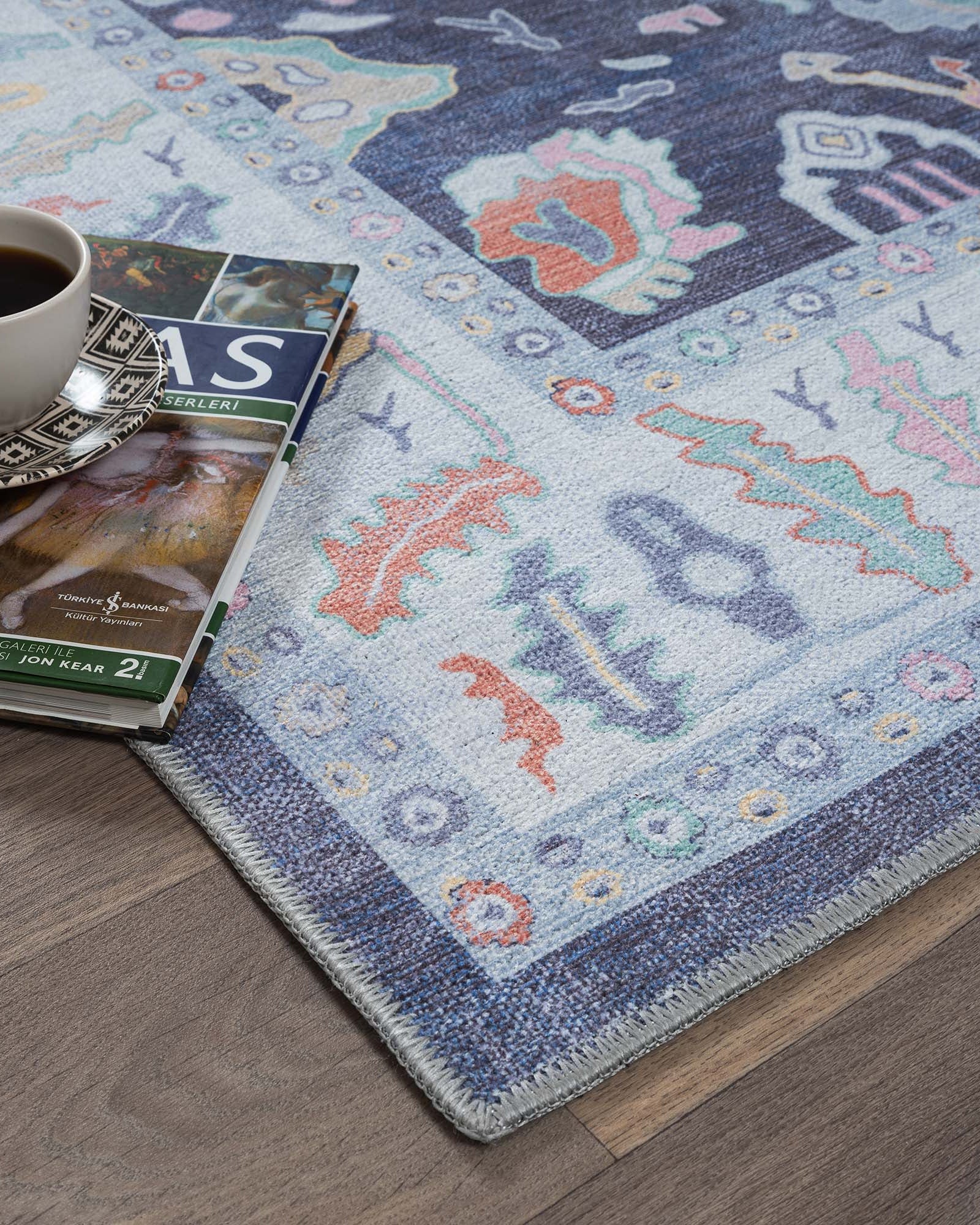
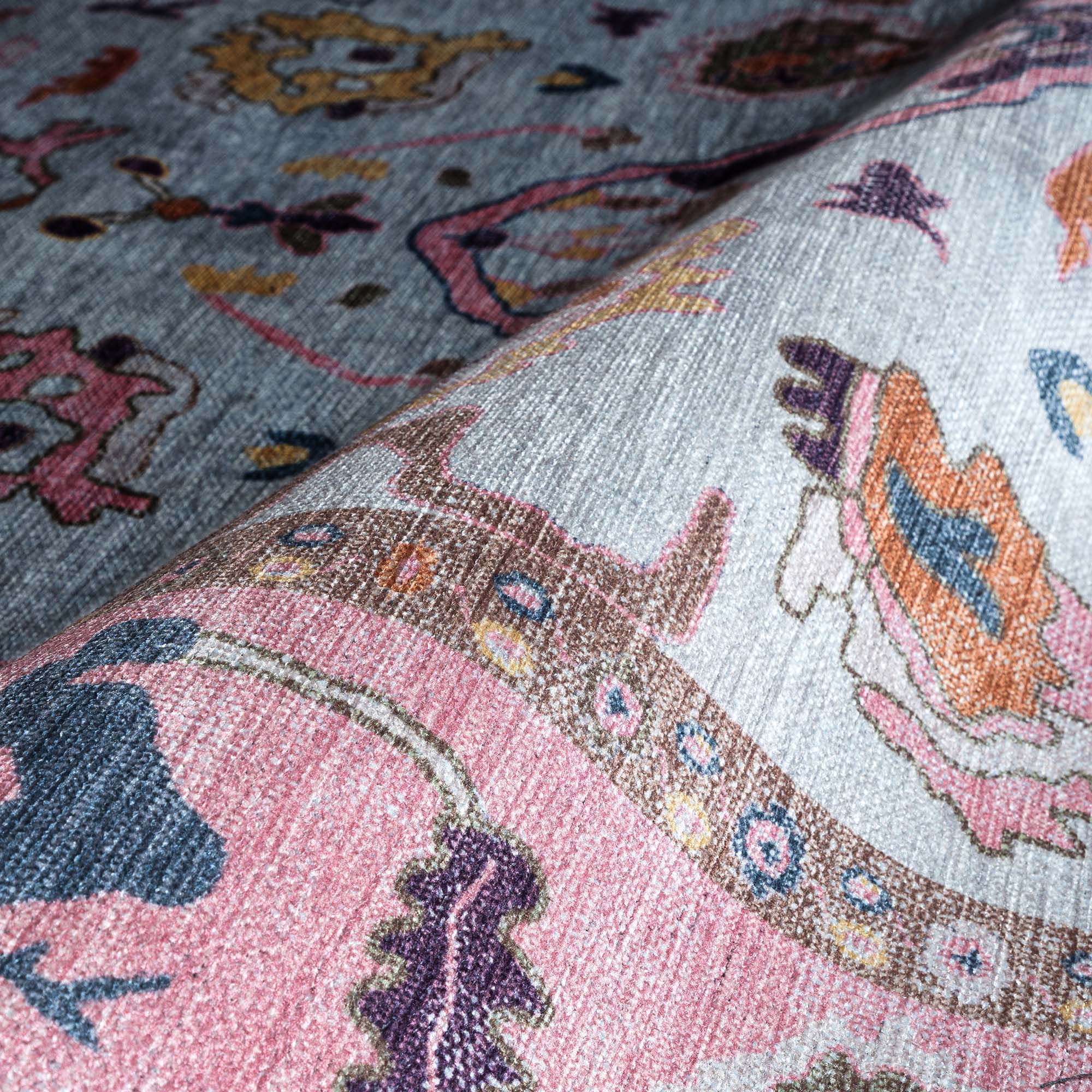
In high-traffic areas such as hallways, kitchens, and entryways, durable materials like wool, synthetics, and cotton are ideal. Our collection of washable rugs is also perfect for extra dirty areas. Simply toss them in the washing machine, hang dry, and they’ll be good as new!
In spaces that don’t experience heavy foot traffic—like bedrooms, bathrooms, closets, or less-used hallways—you have the freedom to choose more diverse rug materials. Durable choices are still effective, but we also favor plush options. Shags (not technically a material) can get matted down in busy areas, so we recommend using these and faux sheepskins in the bedroom. It’s so pleasant to step onto a soft rug when you get out of bed!
How to Lay Down a Runner

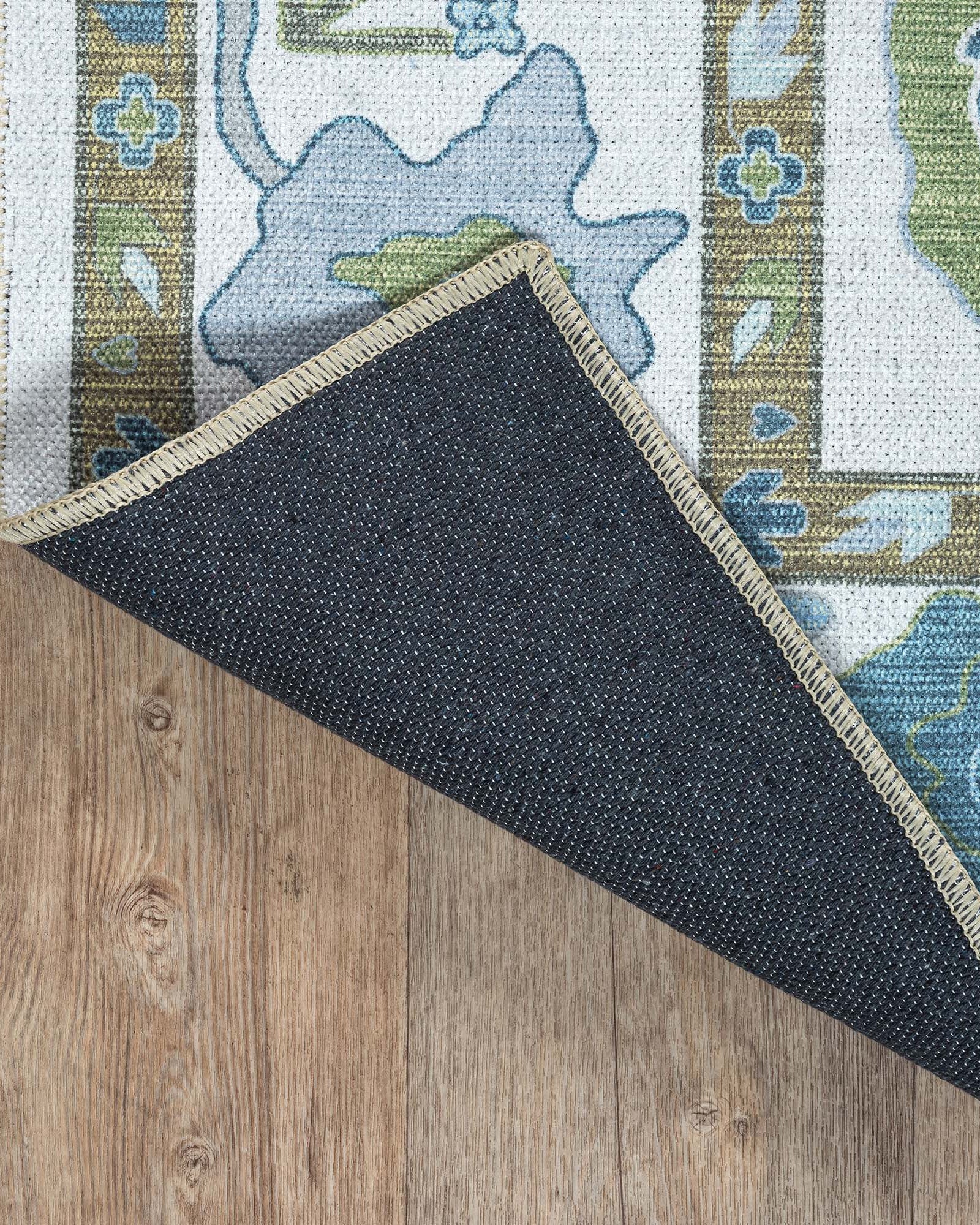
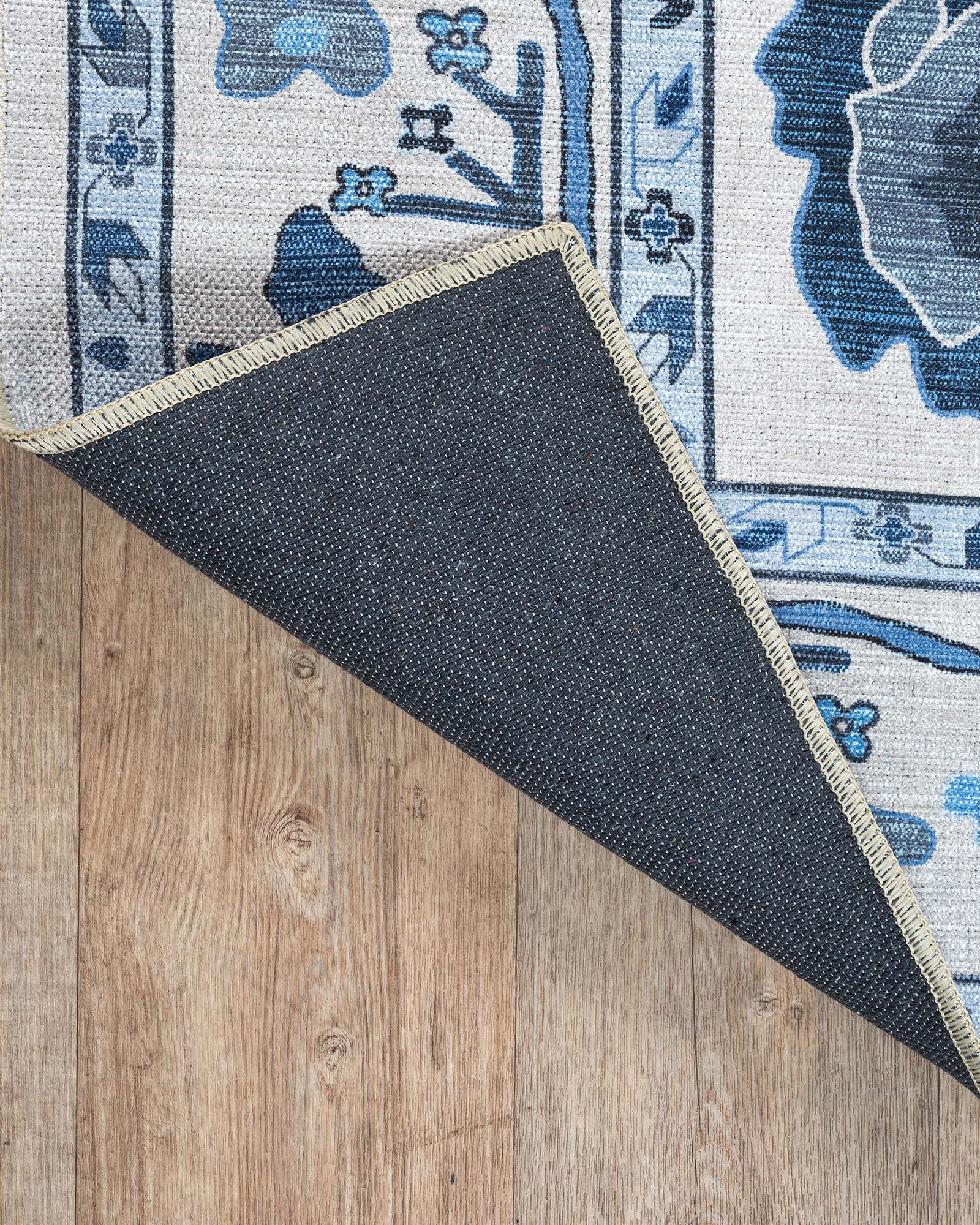
We’ve mentioned this before (and we’ll mention it again!), but using a rug pad under your runner is crucial. With lots of foot traffic, there are plenty of chances for the rug to slip—especially with a narrow runner. A rug pad will keep it securely in place and protect your floors.
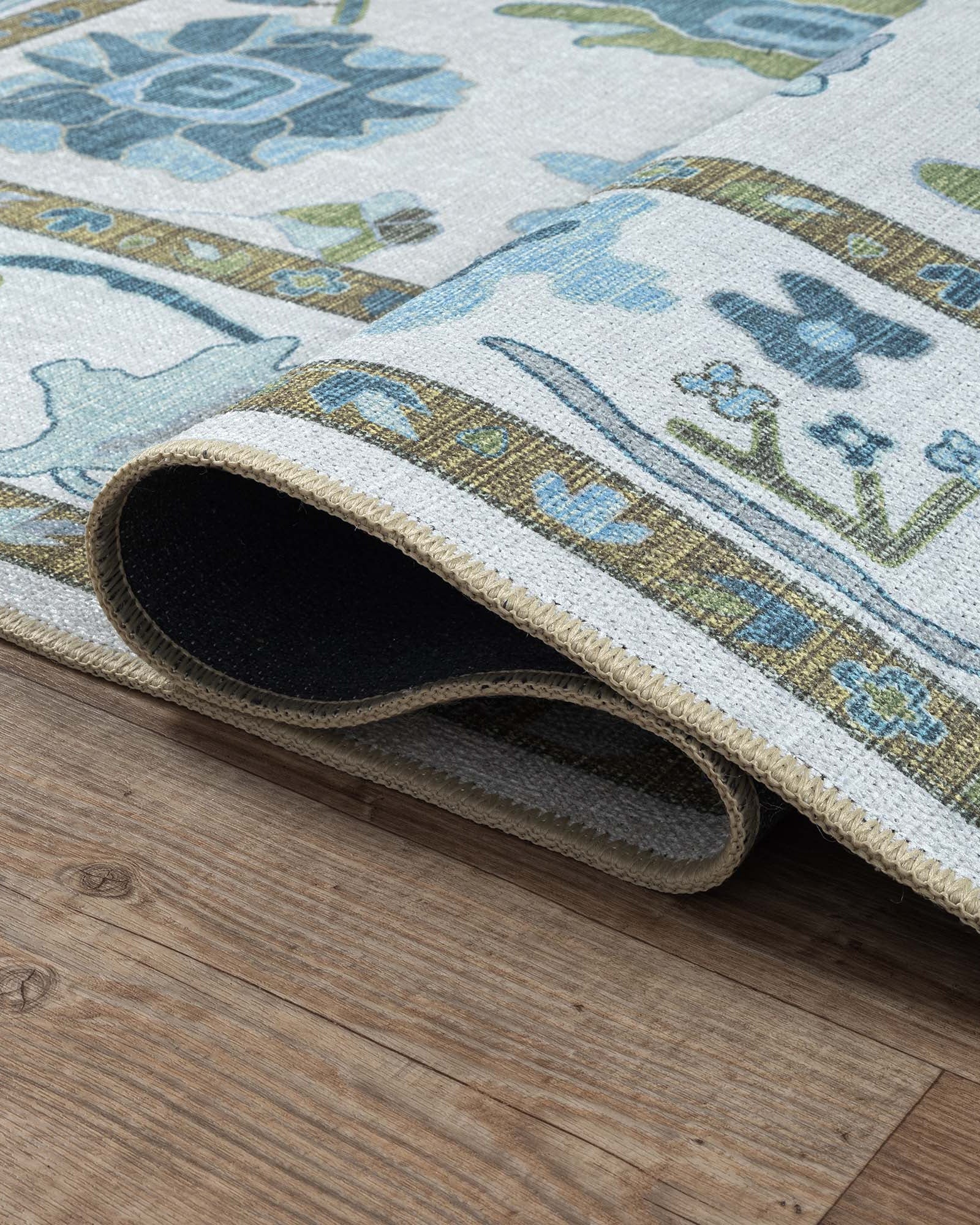
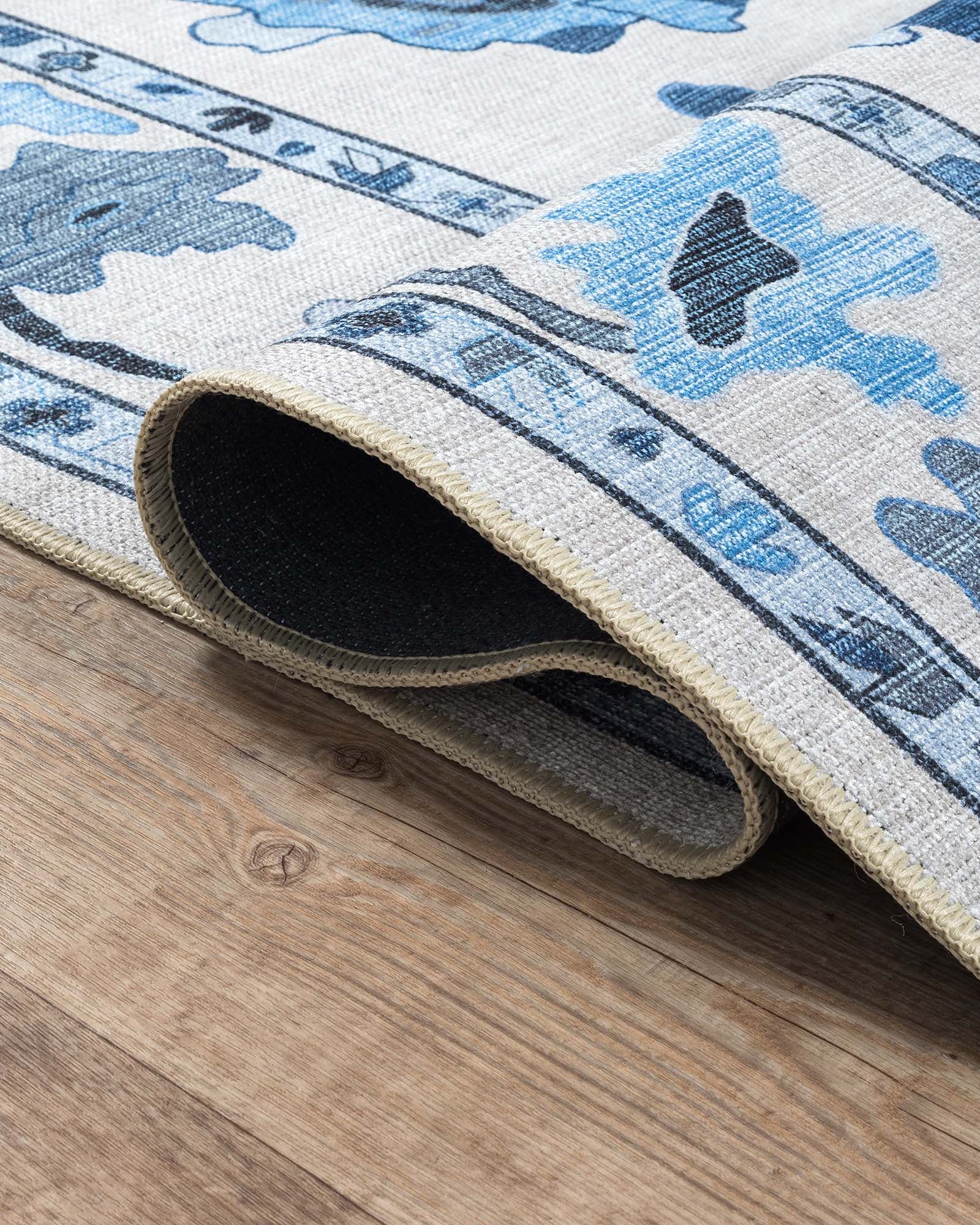
Encountering a curled or creased runner straight out of the packaging? No need to panic—this is a common occurrence. Just try folding the rug back gently in the opposite direction, and if it remains stubbornly curled, place some heavy books on the corners for at least a day to encourage it to flatten out.
More Details to Keep in Mind

Keep doors in mind when deciding on the size and material for your runner. Take note of any doors or architectural elements in the area. If a door opens onto your runner, ensure the rug has a low pile height to accommodate the door, or consider a smaller size that leaves space in front of the doorway.
Why limit yourself to one runner when you can have two? For extended hallways or kitchens with L- or U-shaped layouts, consider doubling up with two (or even three!) runners to amplify coverage, comfort, and texture.

Consider the rooms around when choosing a runner. While perfect coordination isn’t necessary from room to room, since runners often occupy transitional spaces like hallways and entryways, it’s crucial to pick one that doesn’t feel too disconnected from the surrounding areas. Trust your intuition—you've designed the other spaces in your home, so chances are whatever you choose will blend seamlessly with your existing décor.