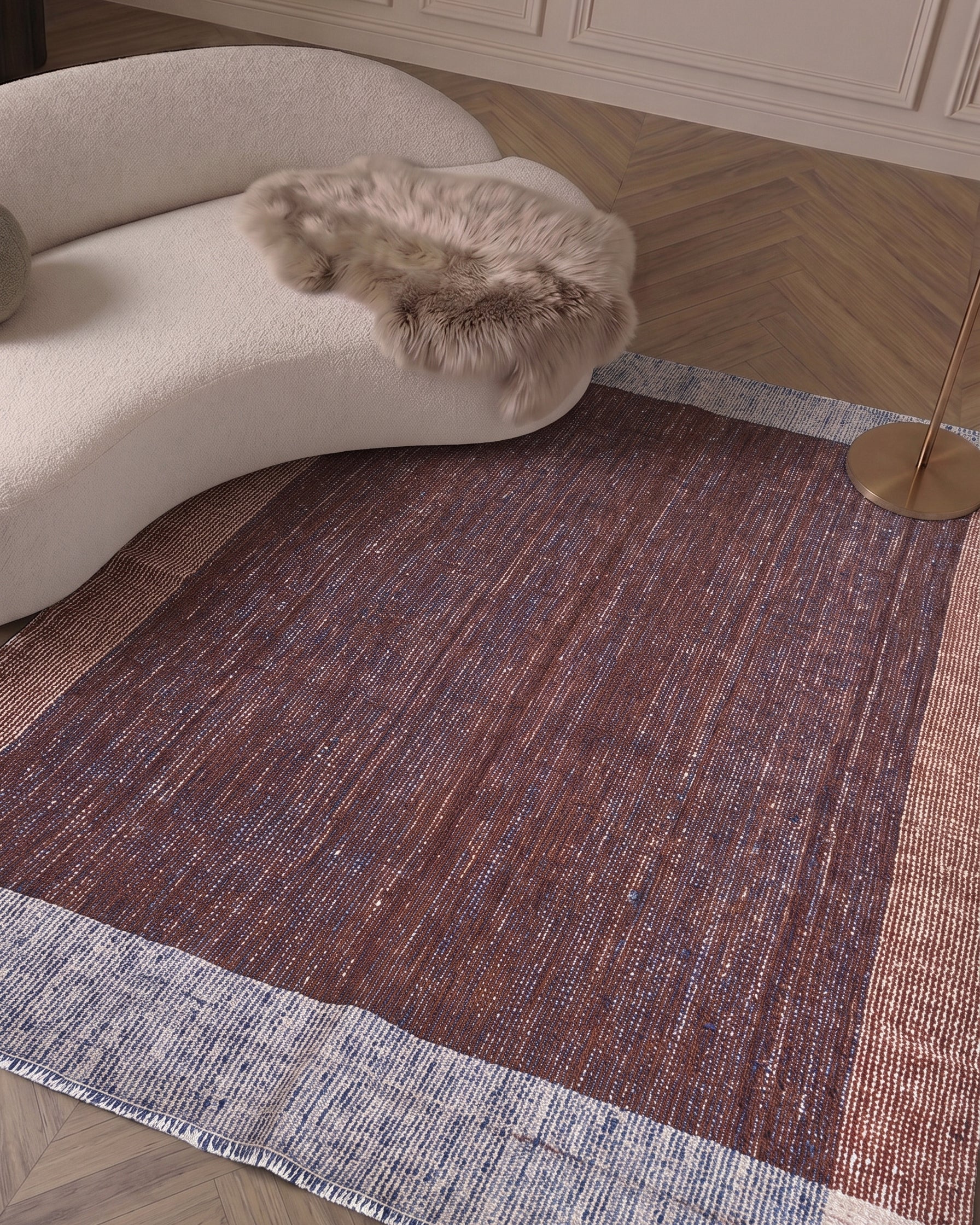
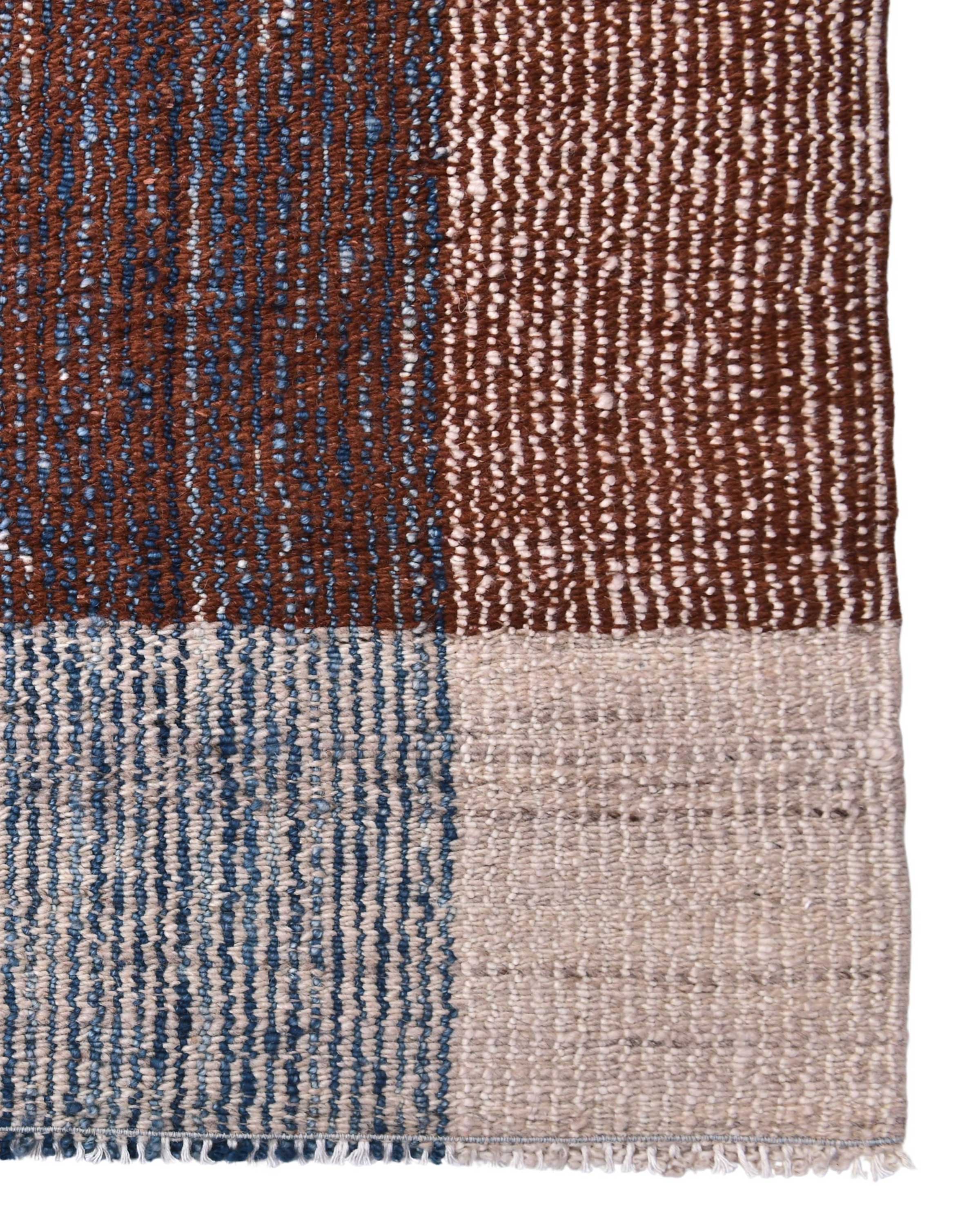
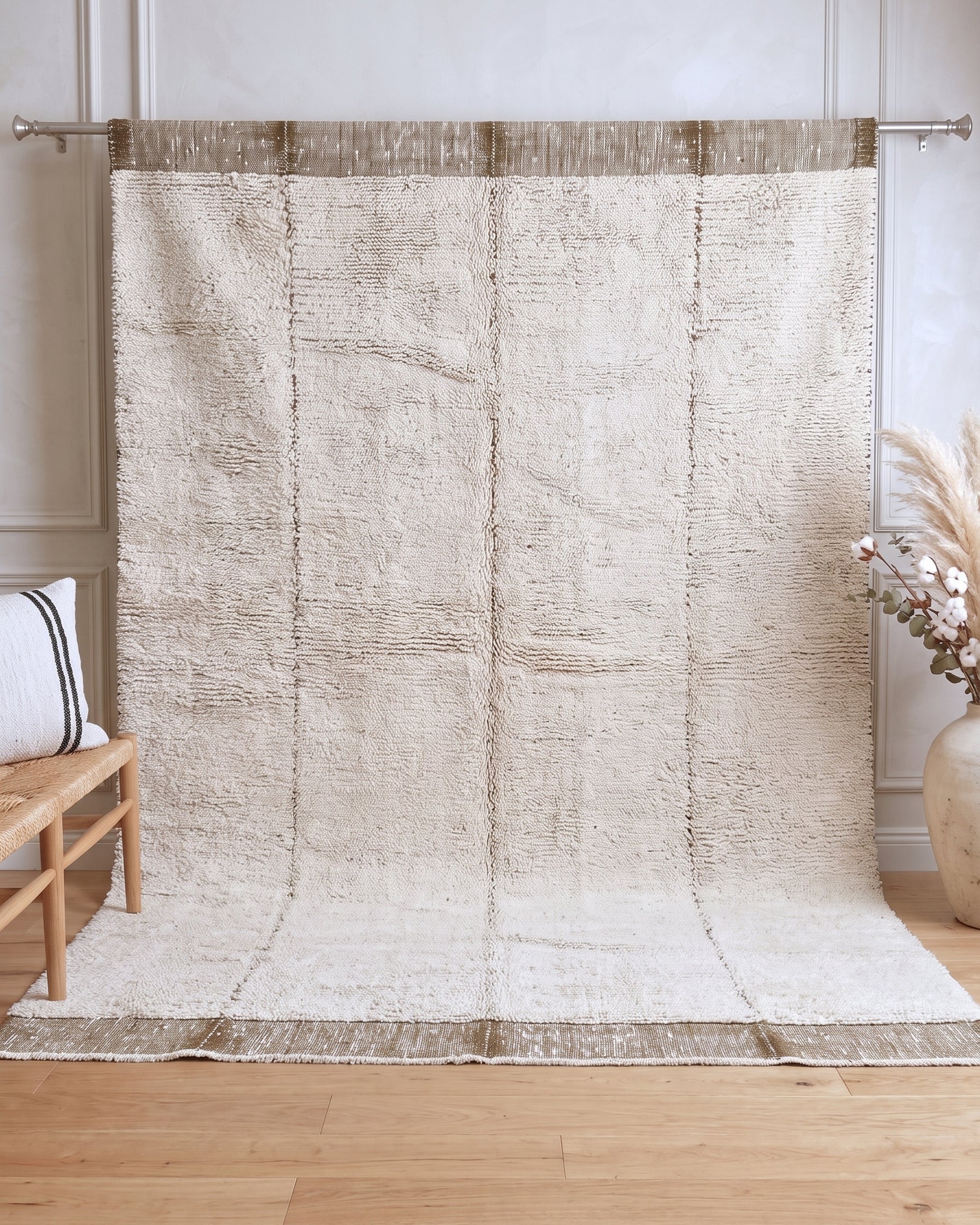
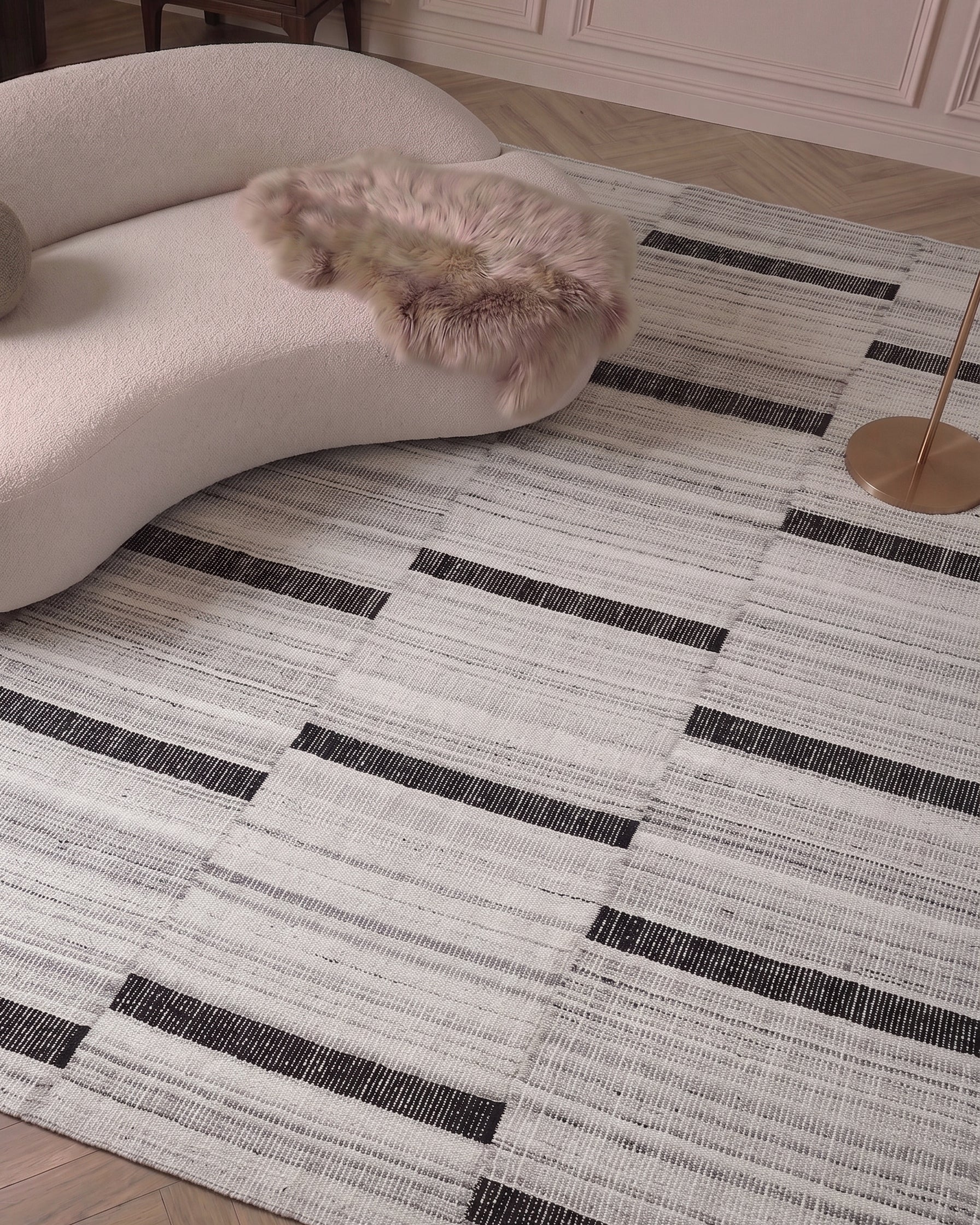
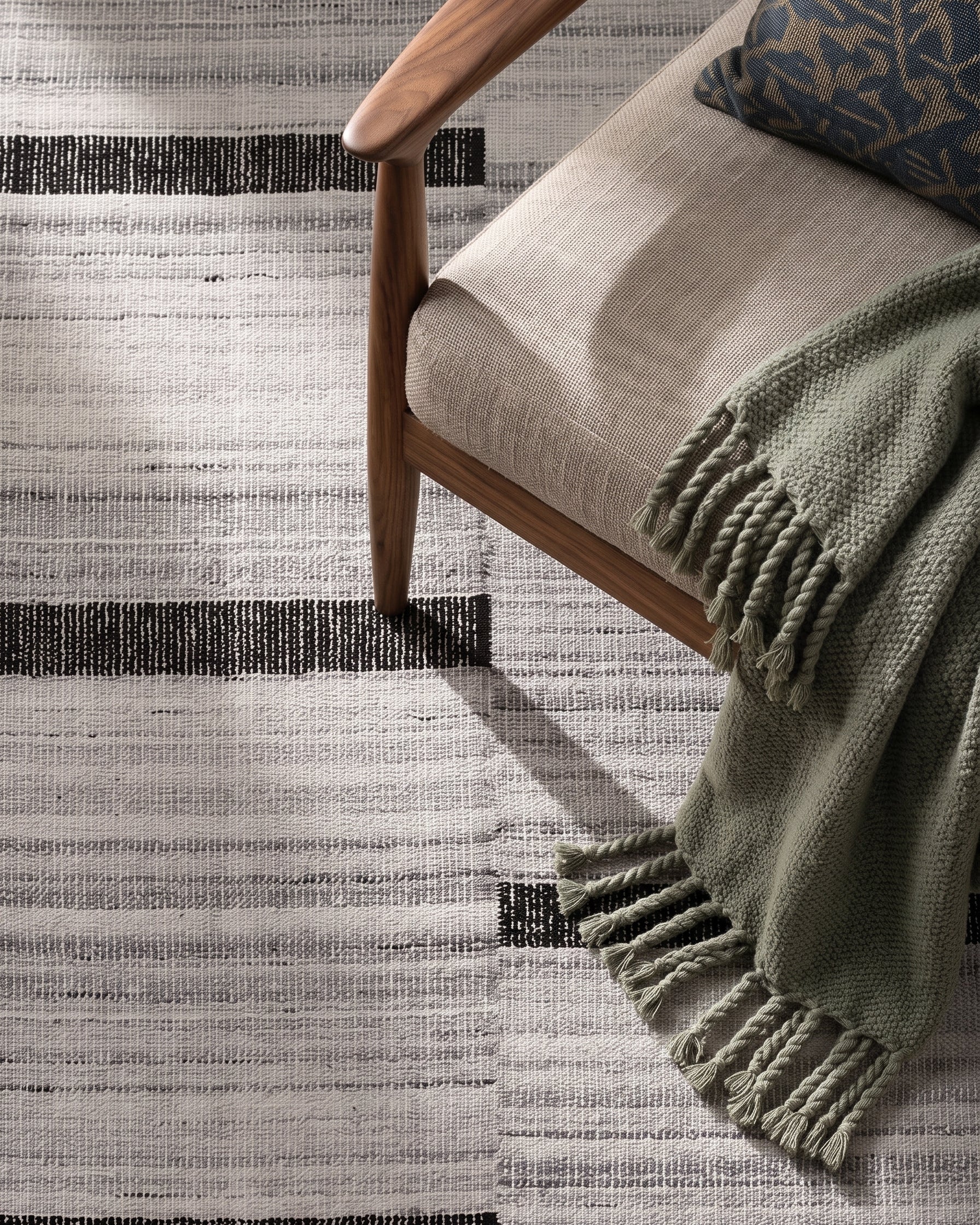
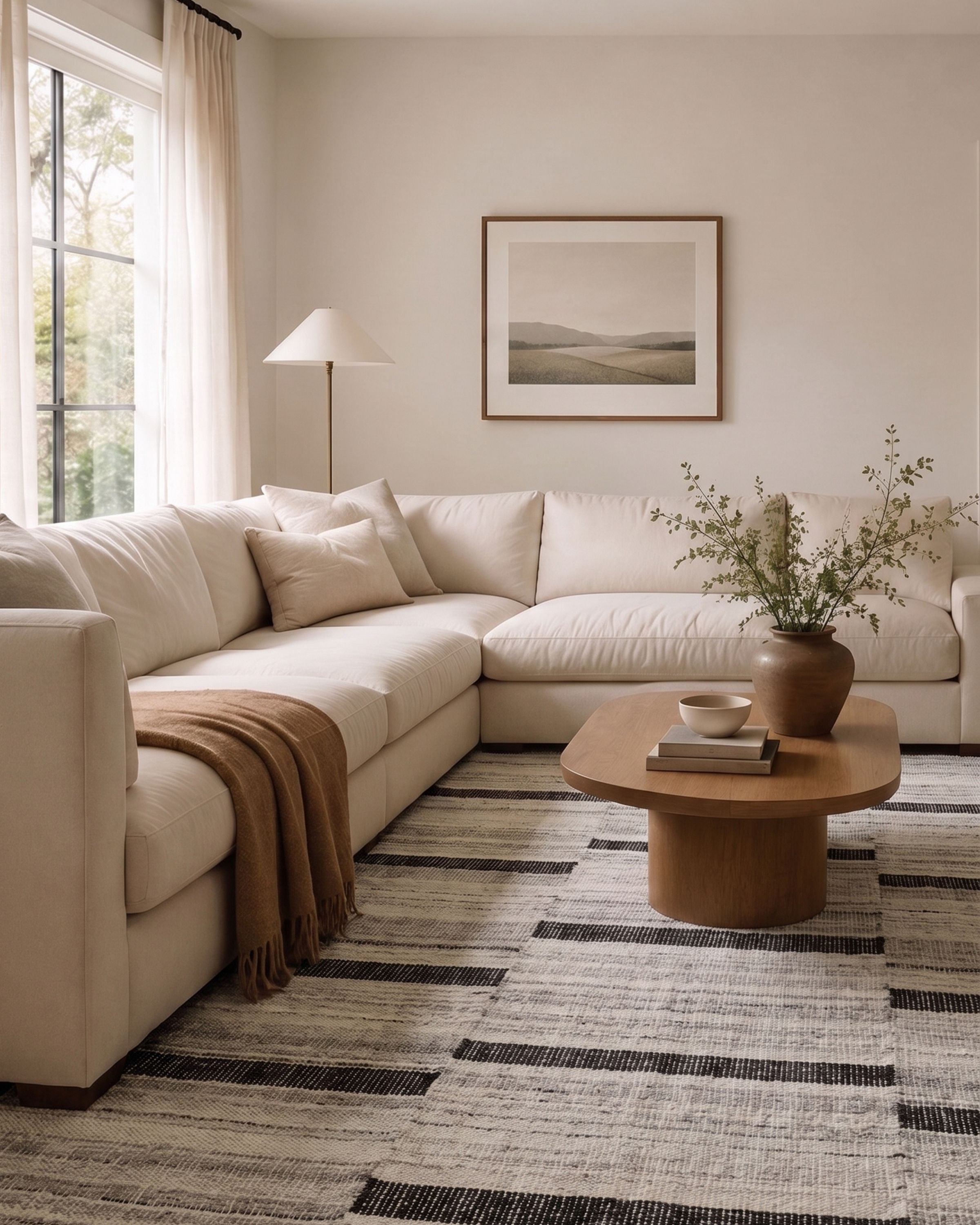
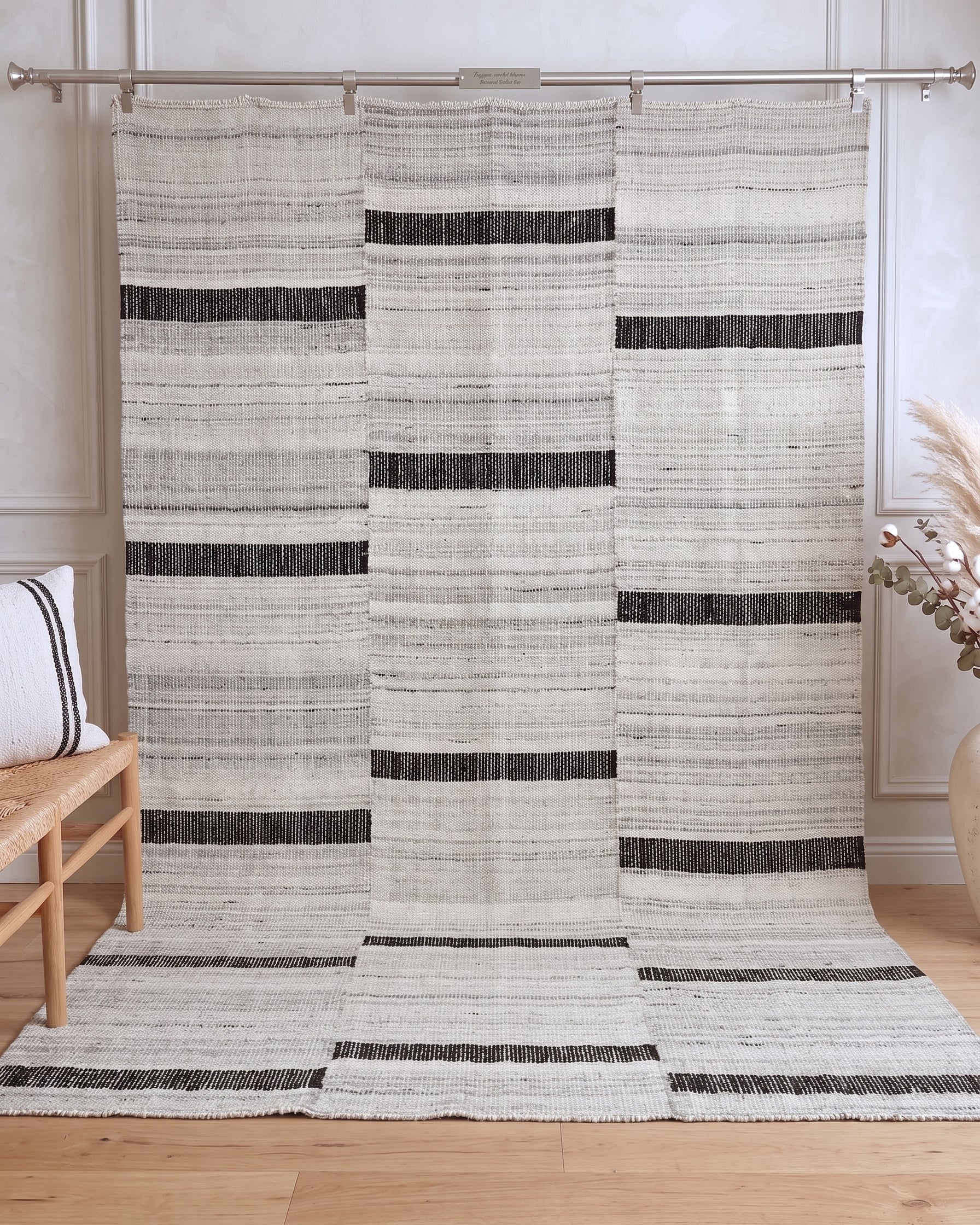
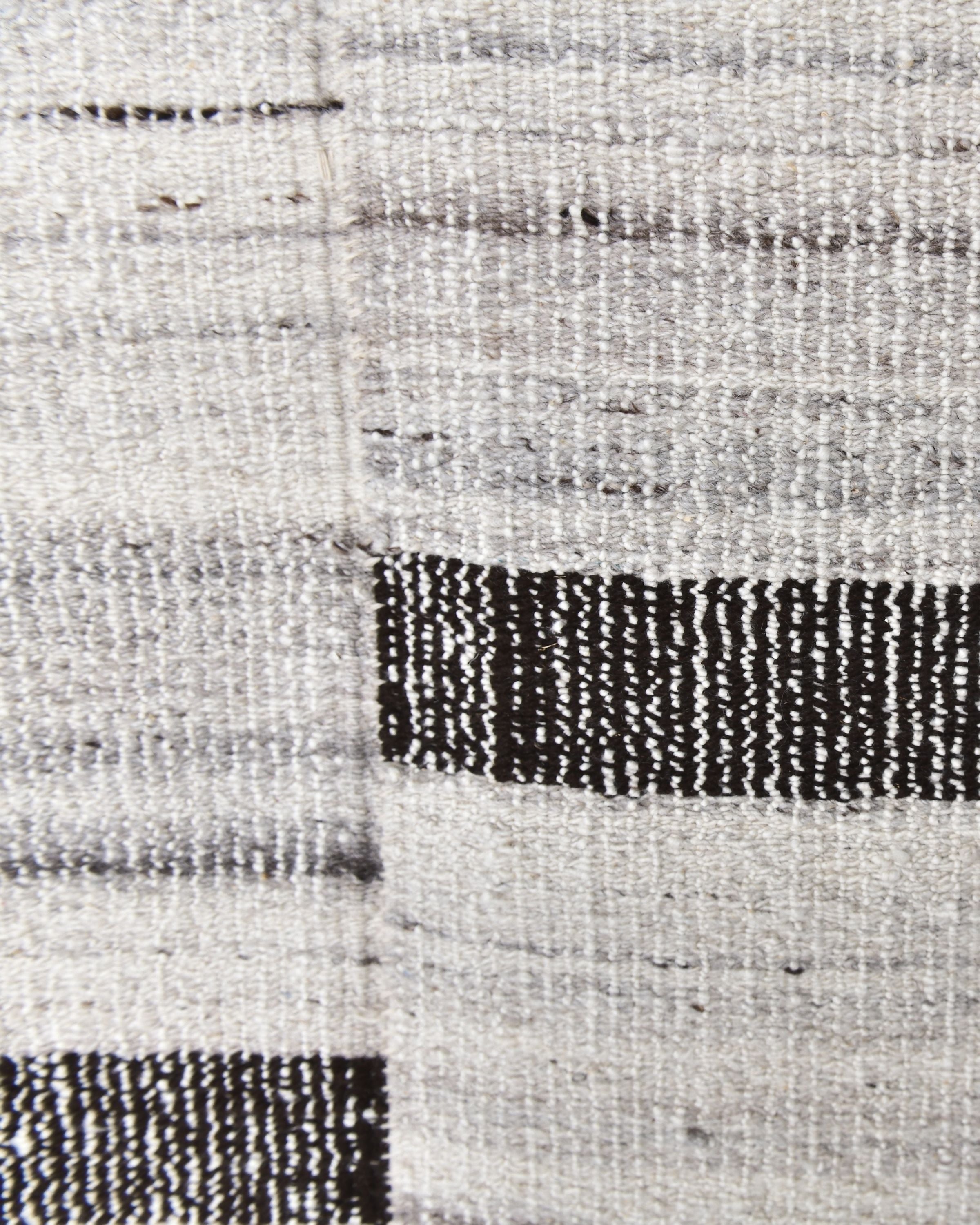
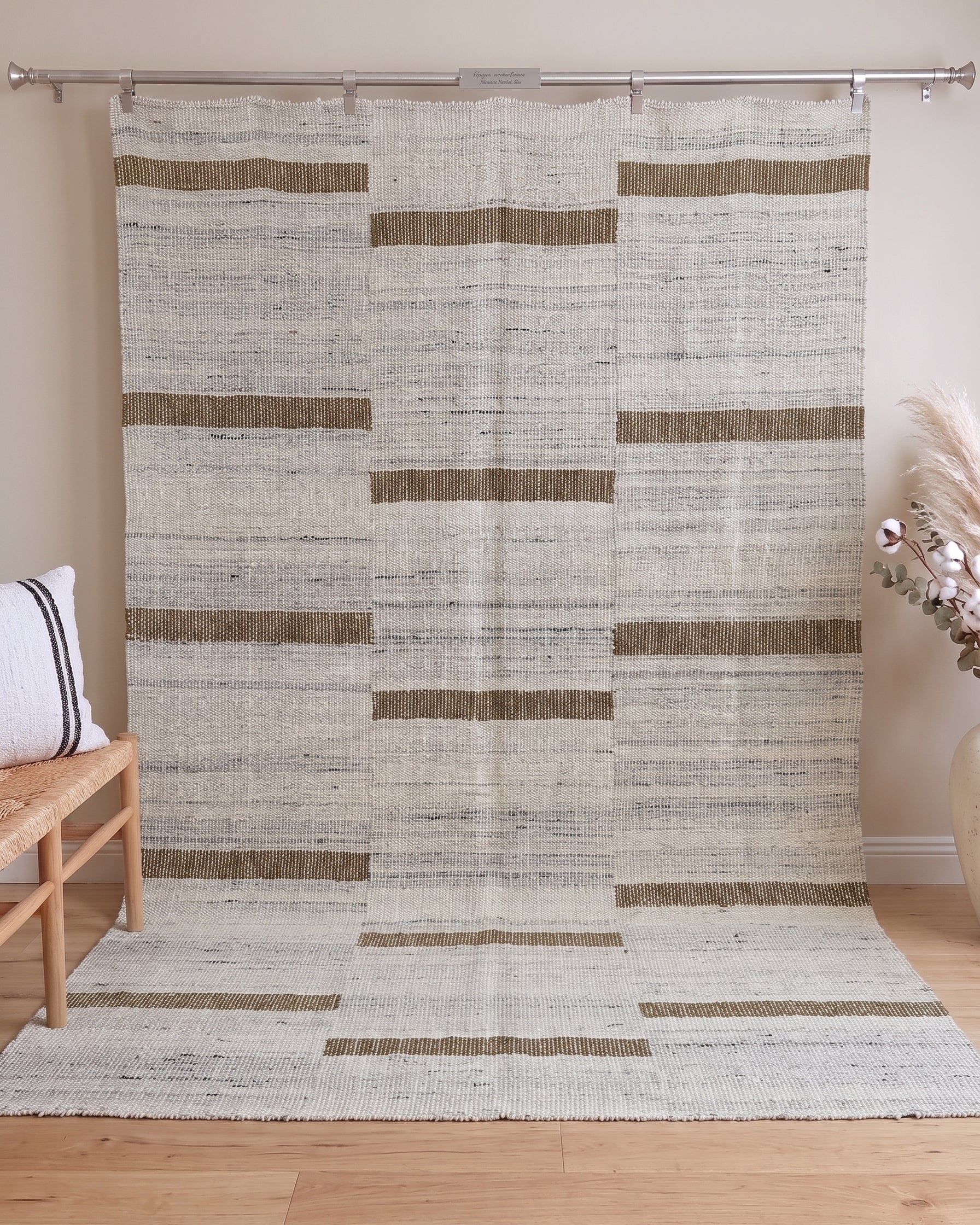
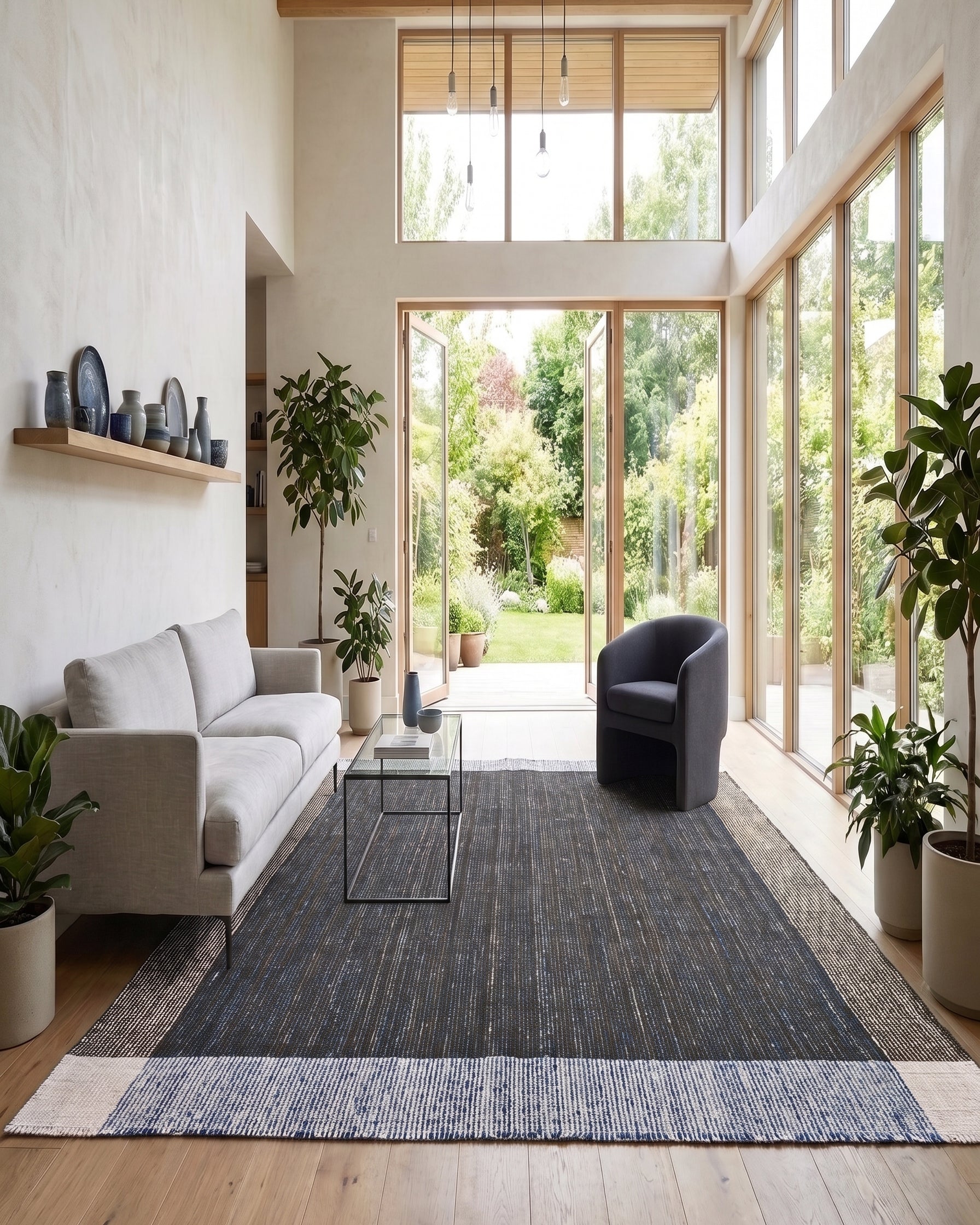
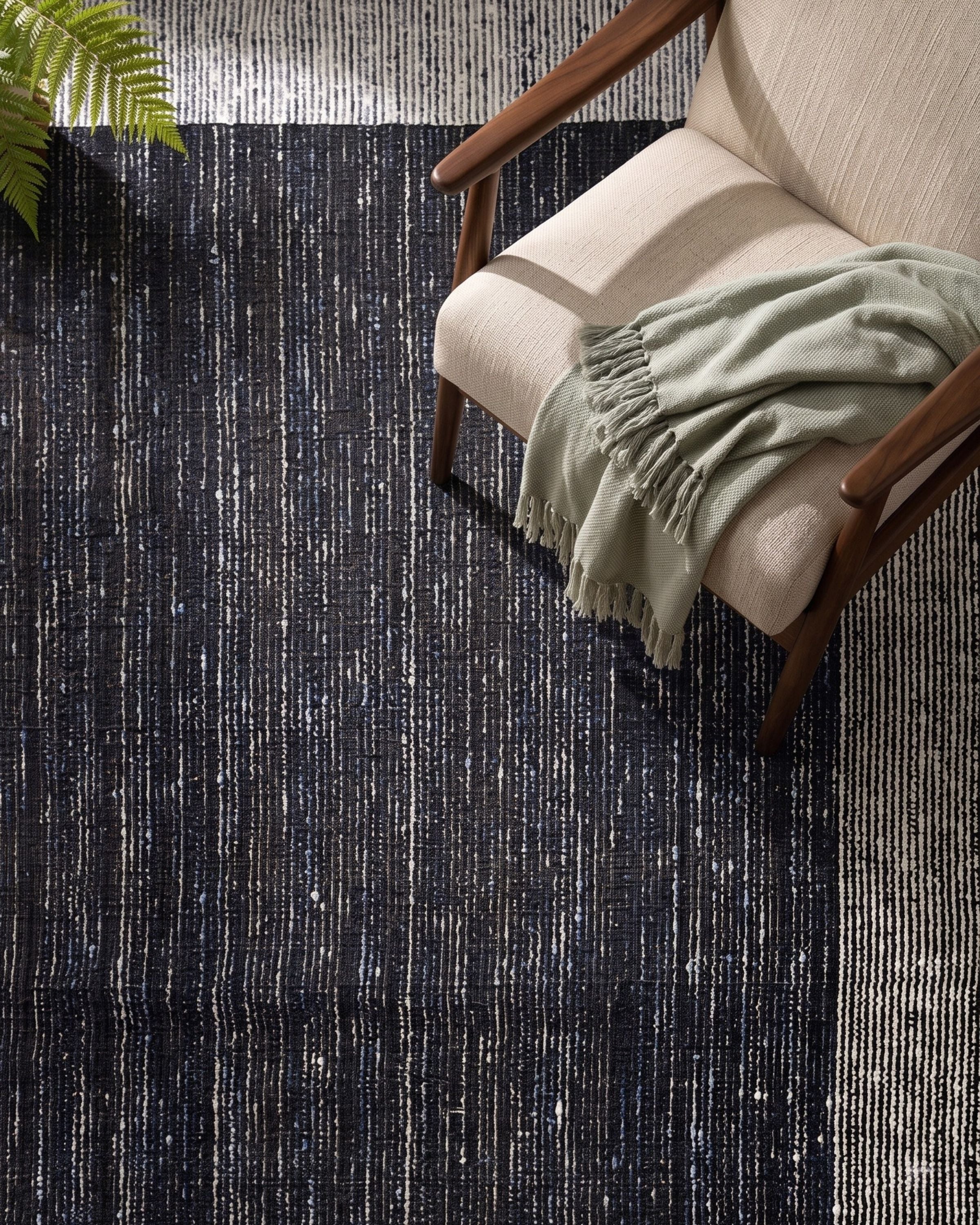
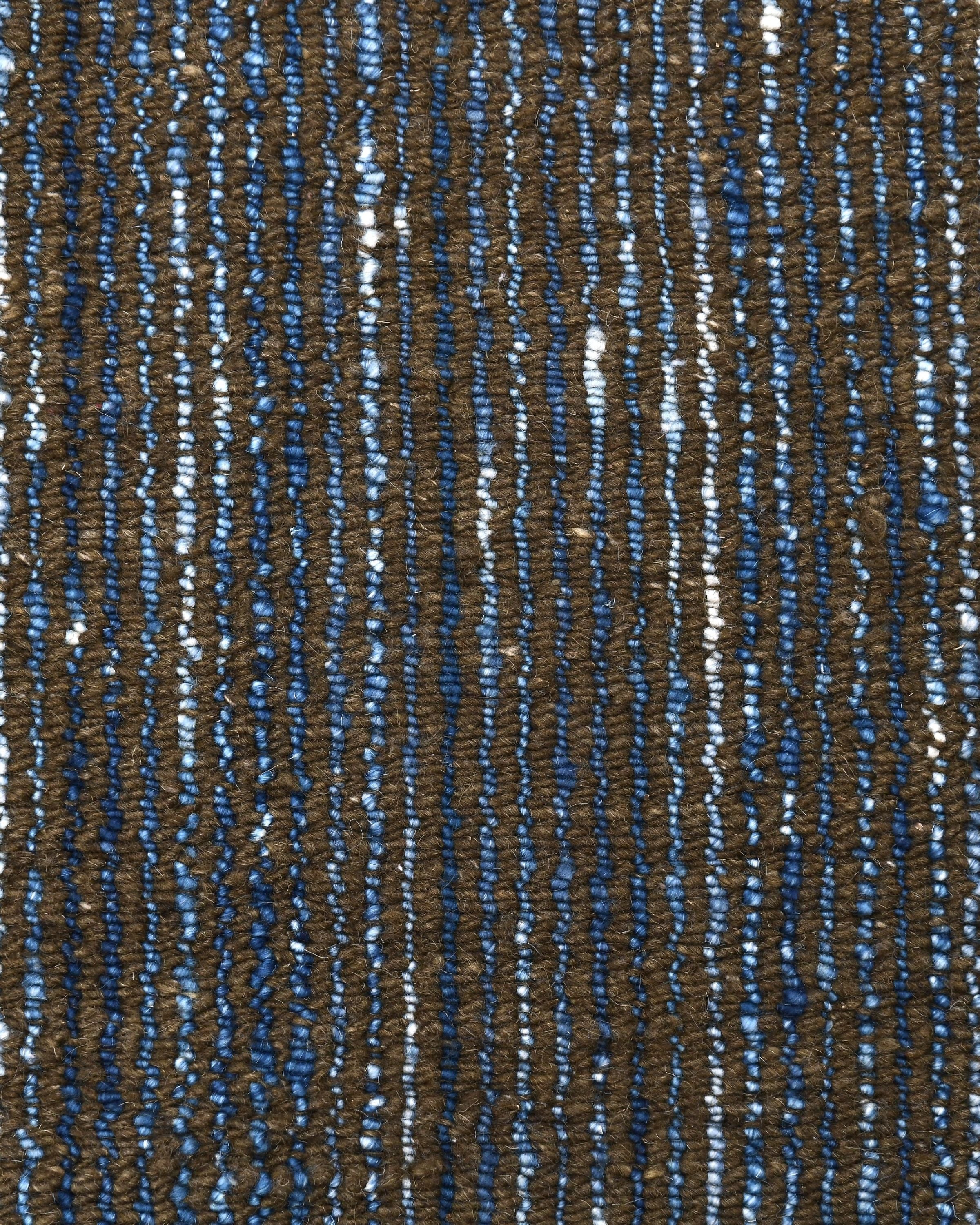
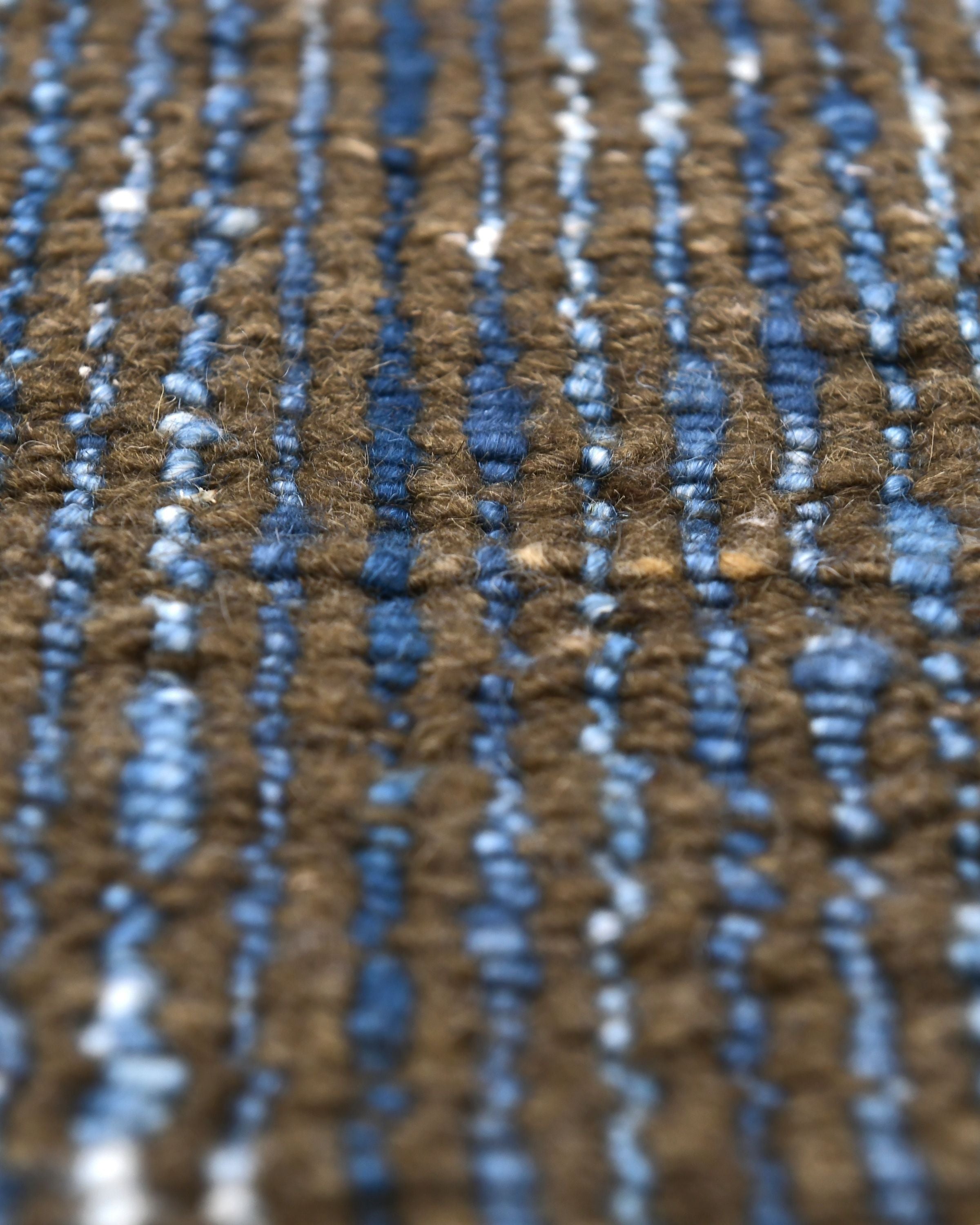
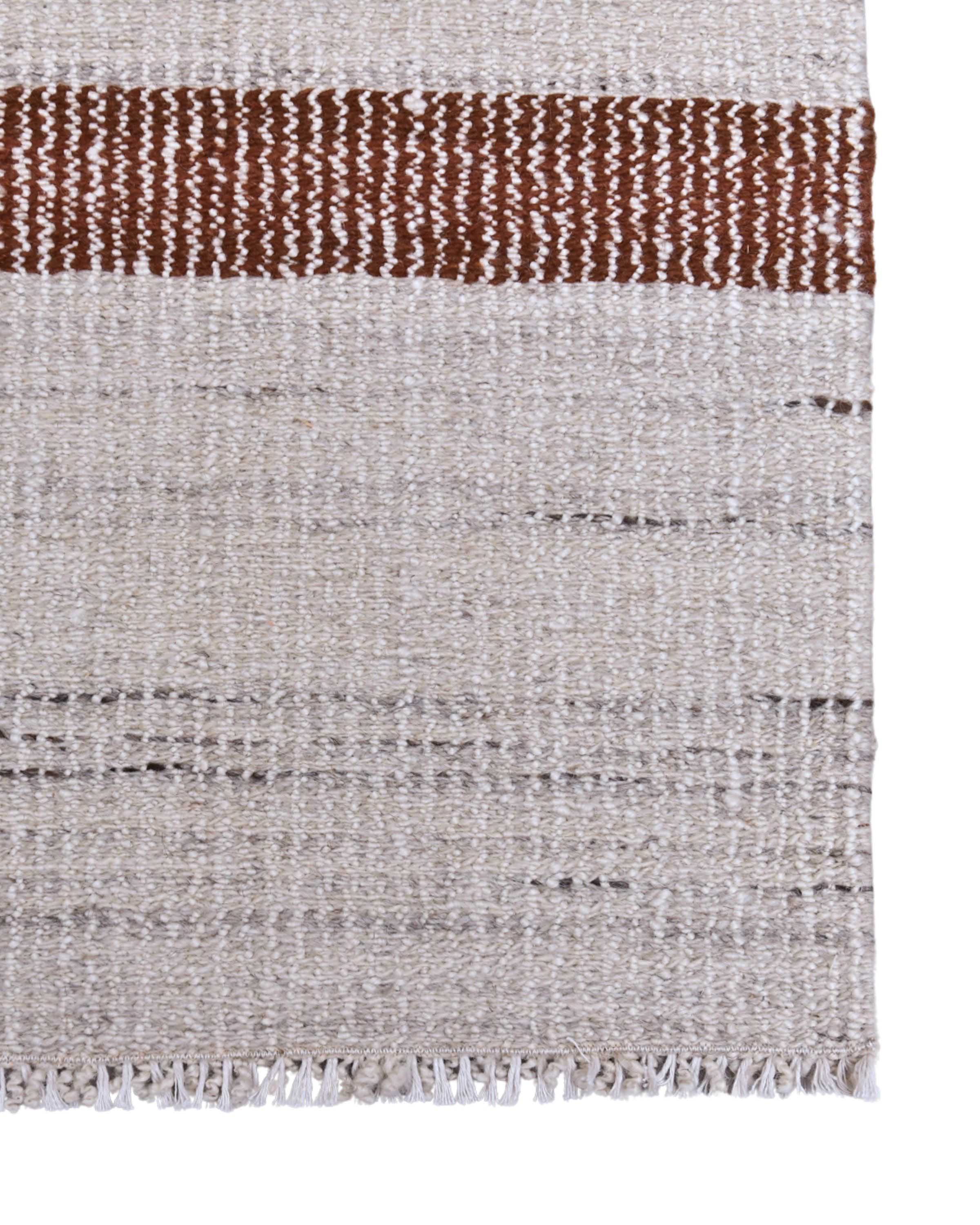
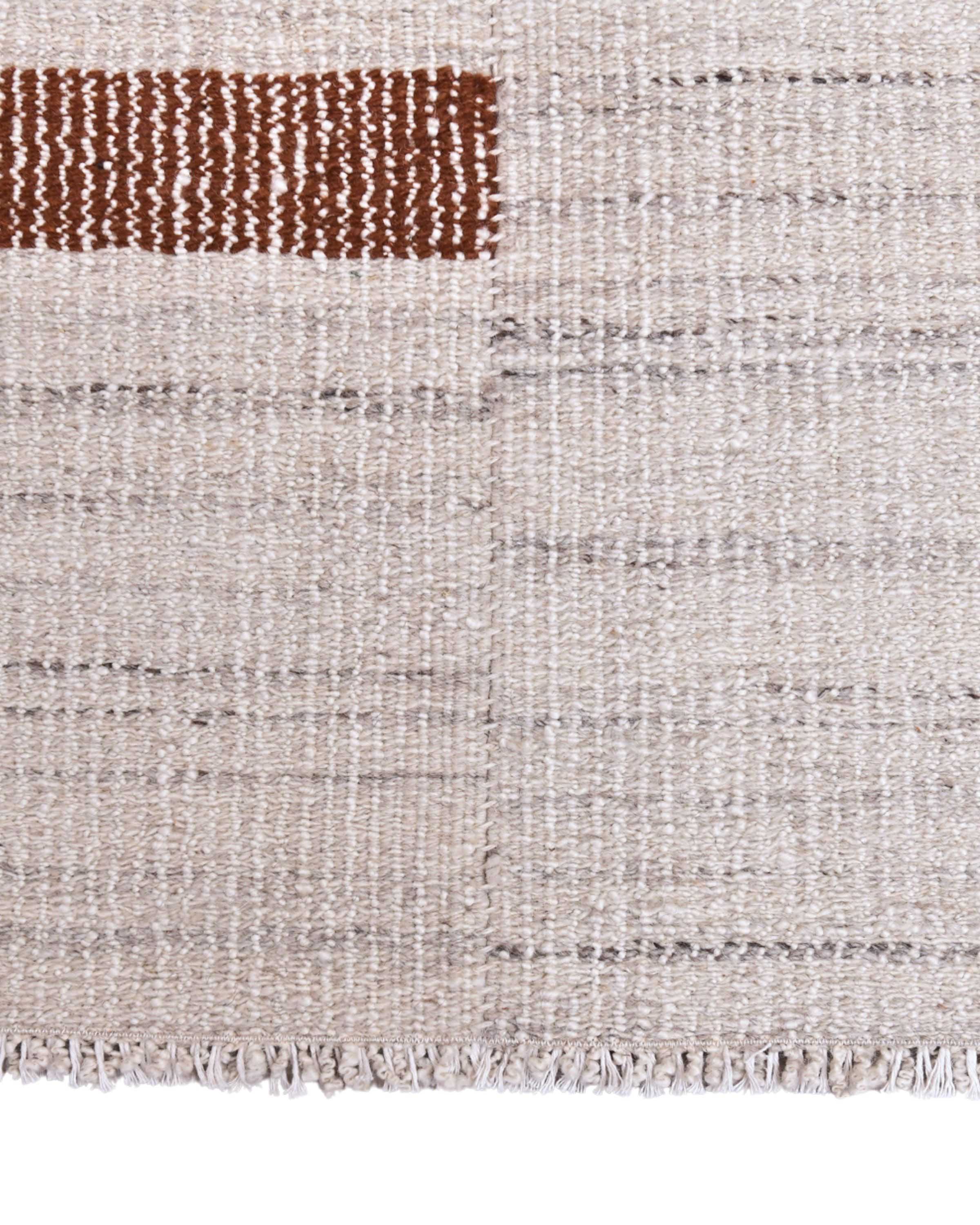
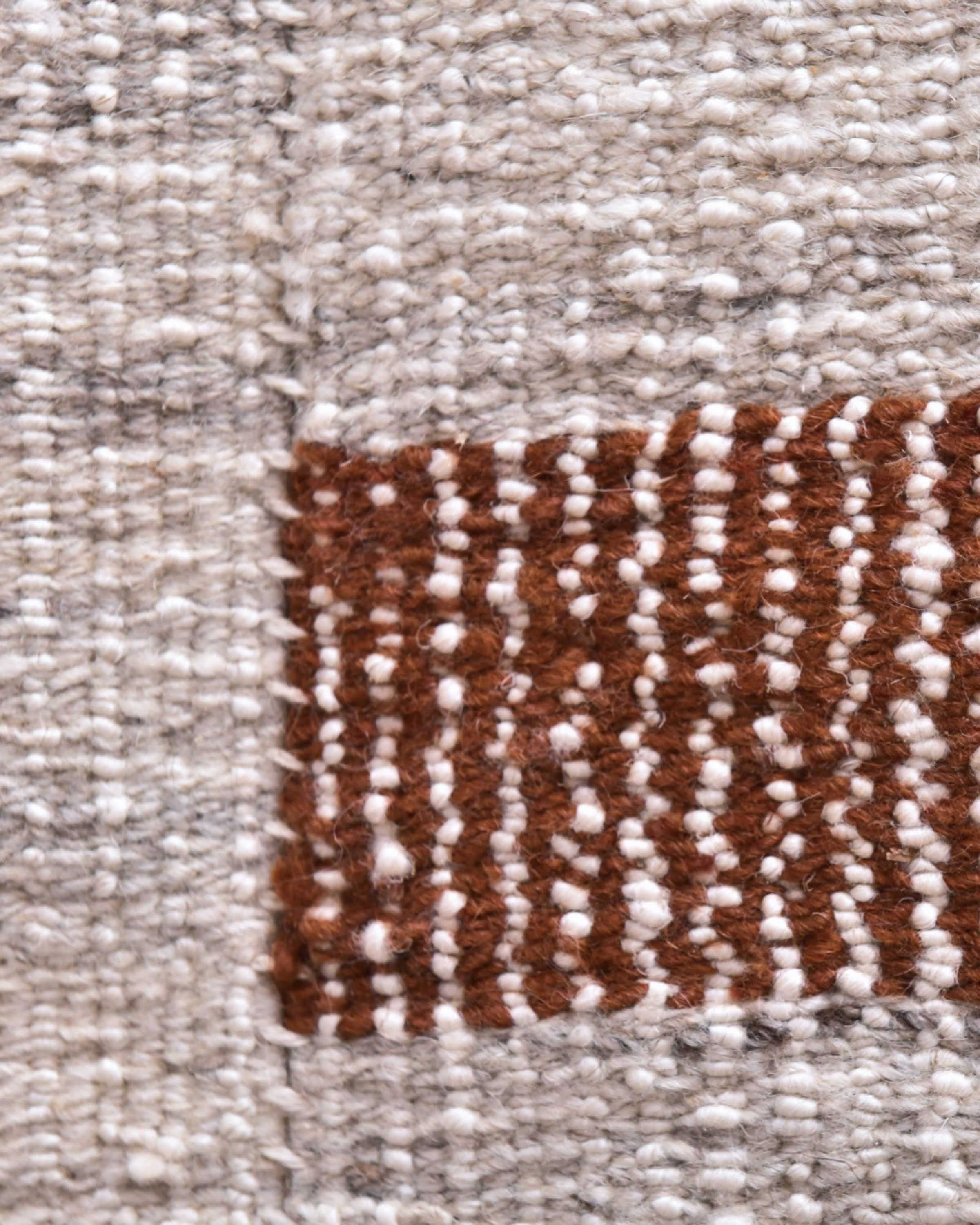
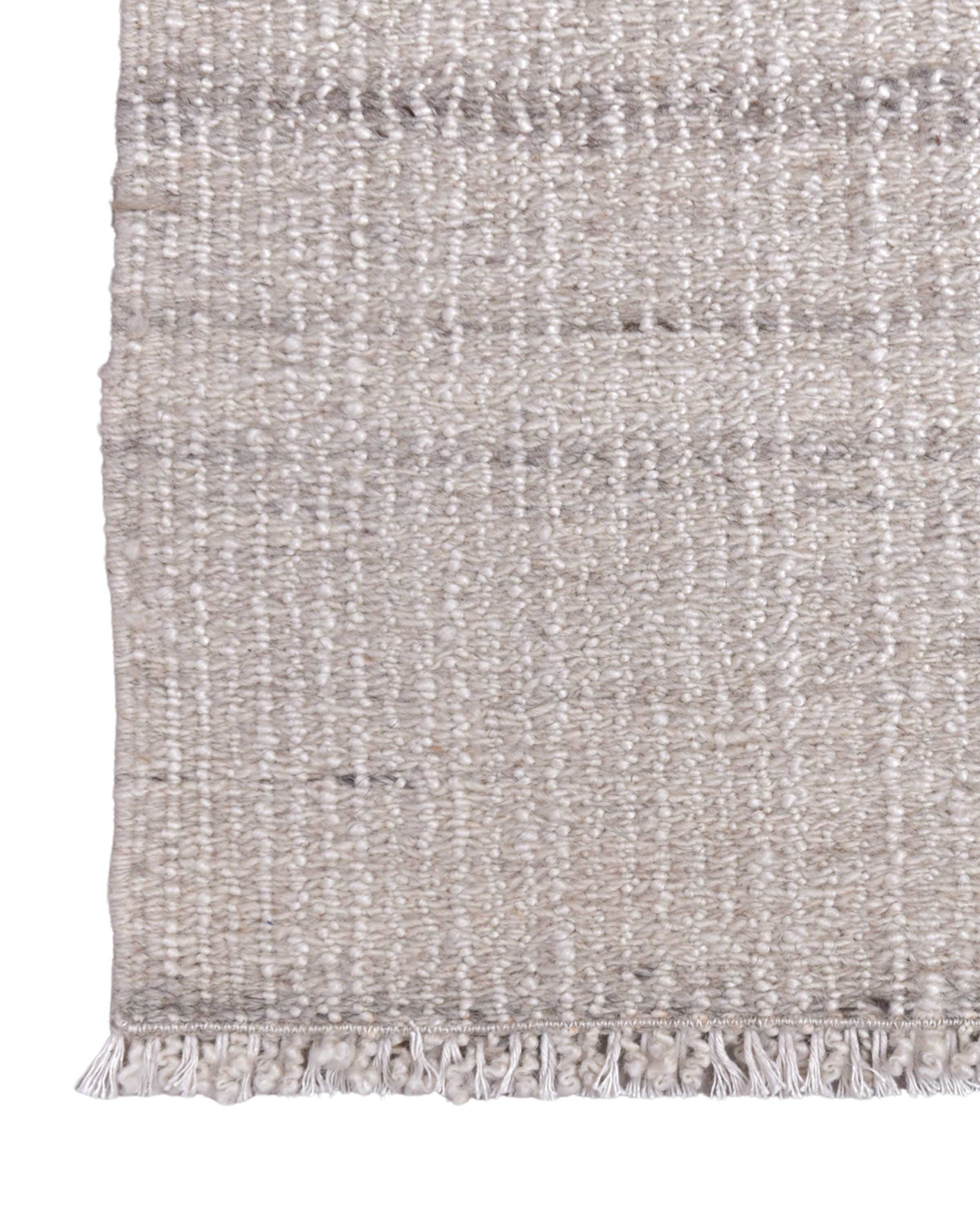
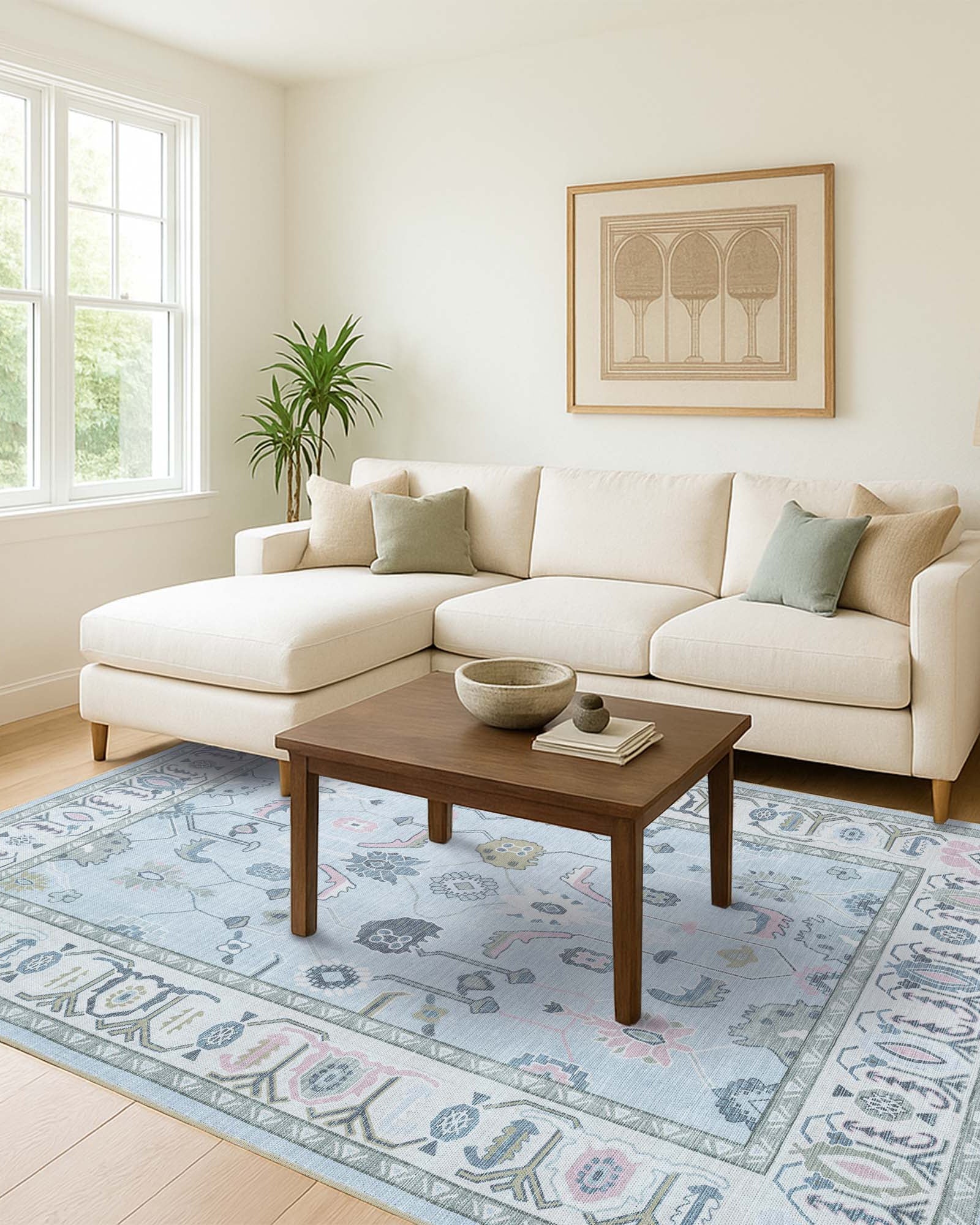
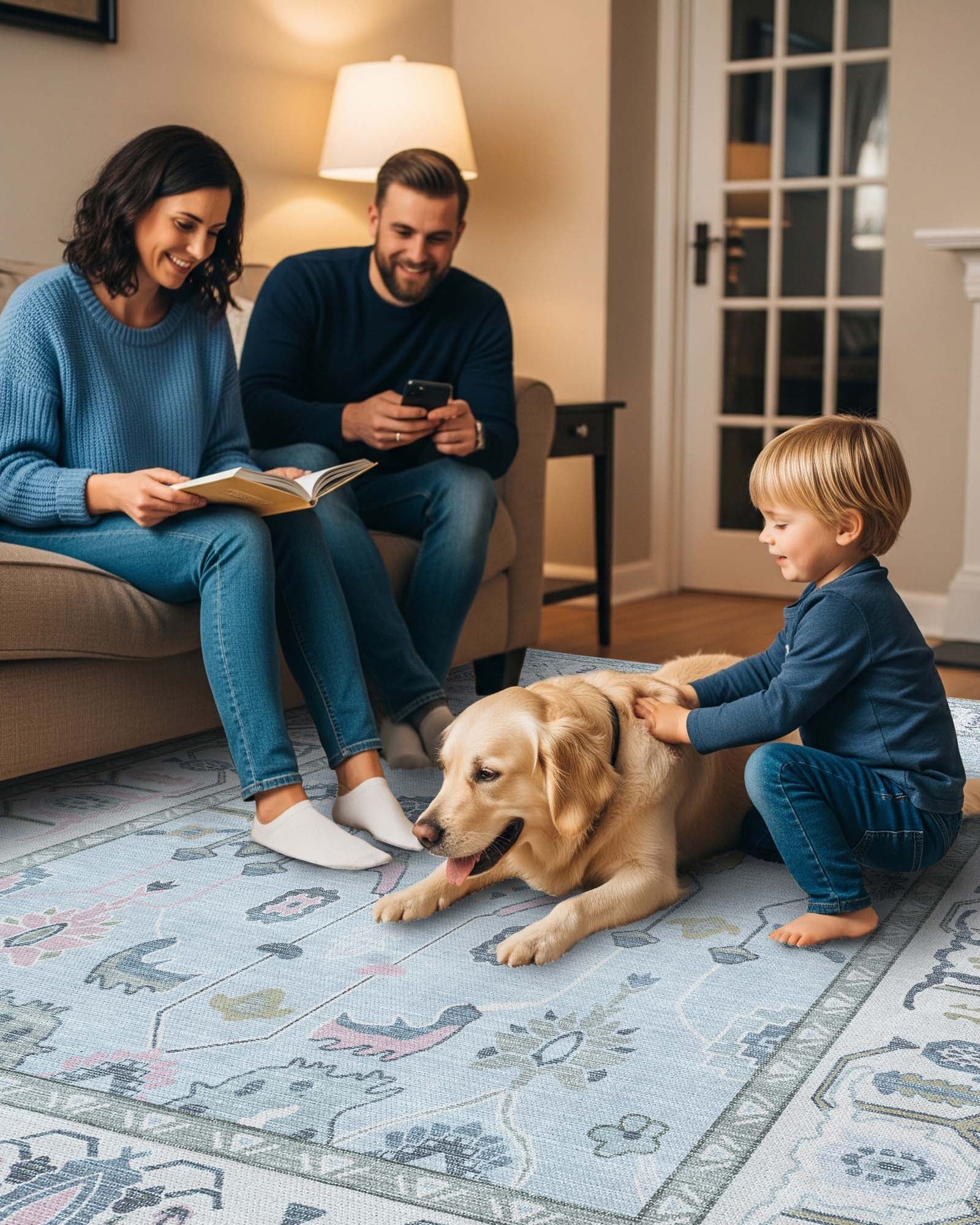
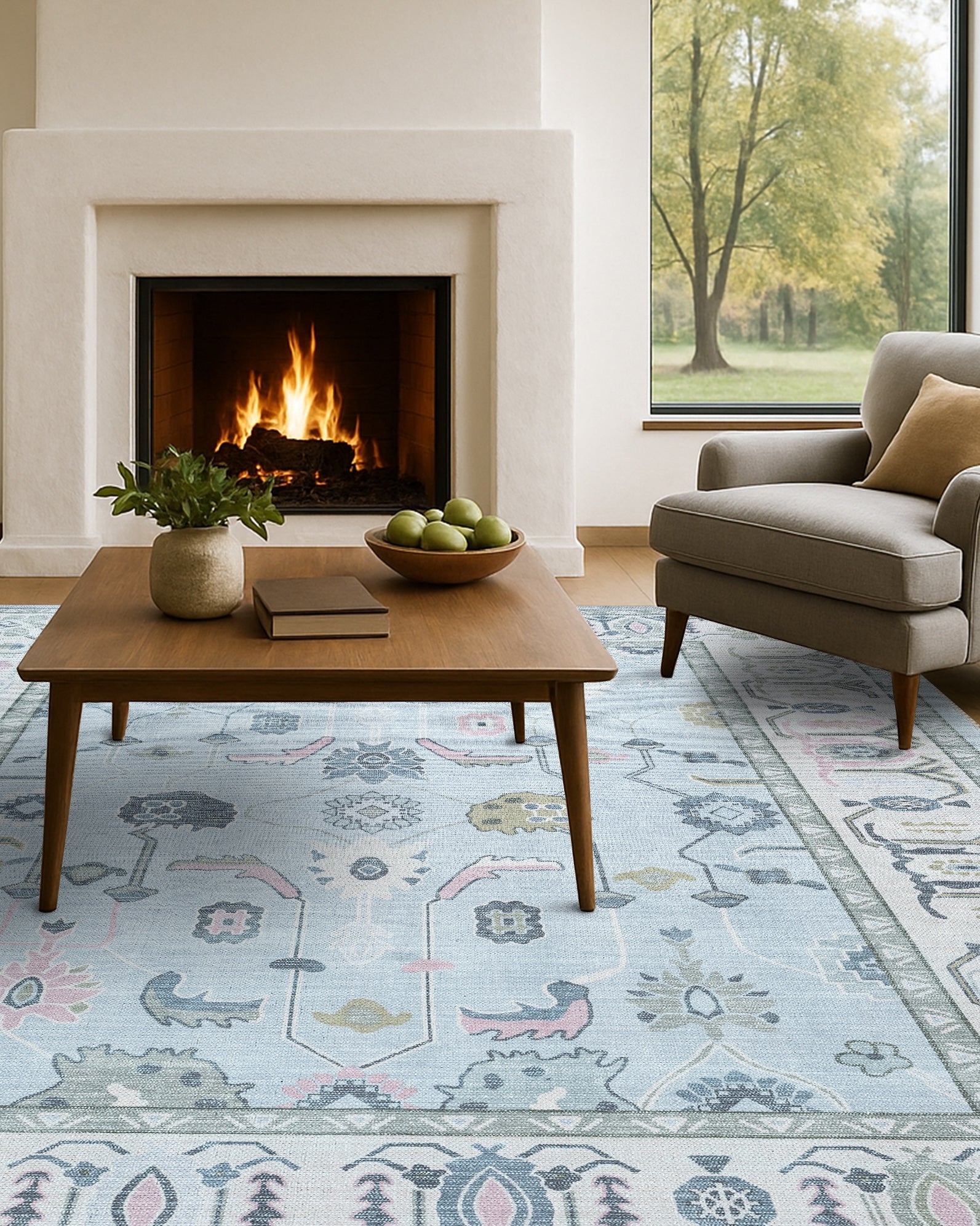
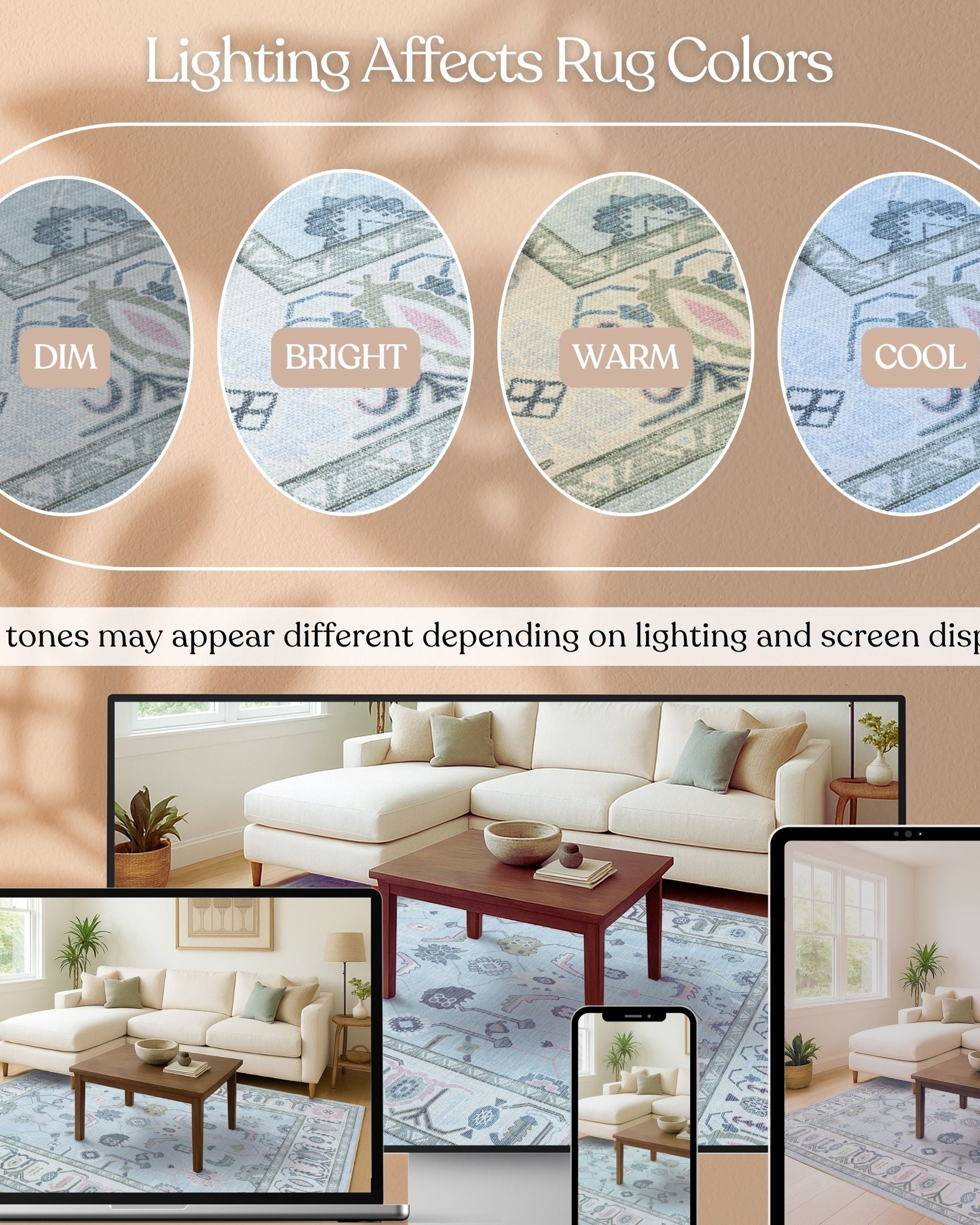
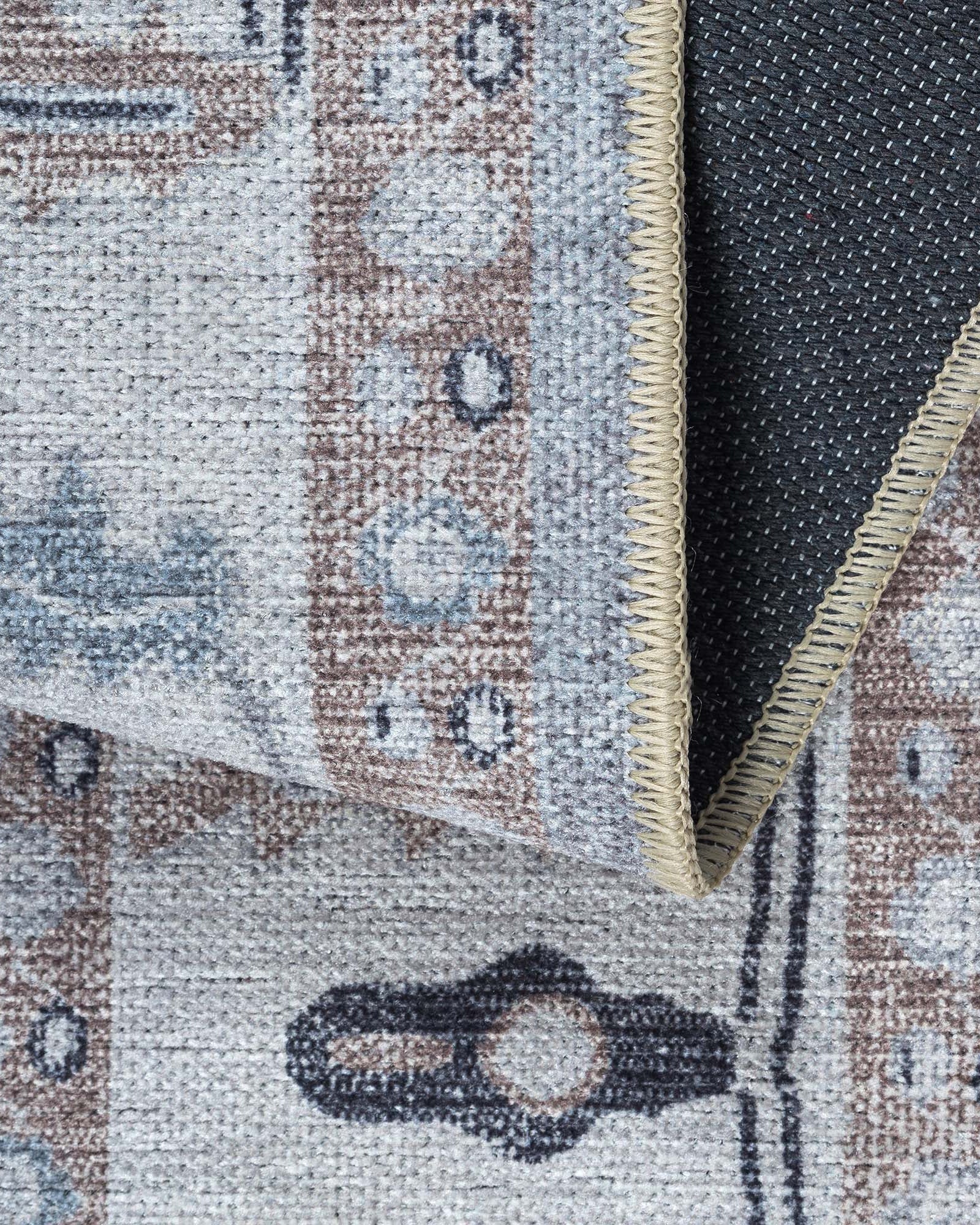
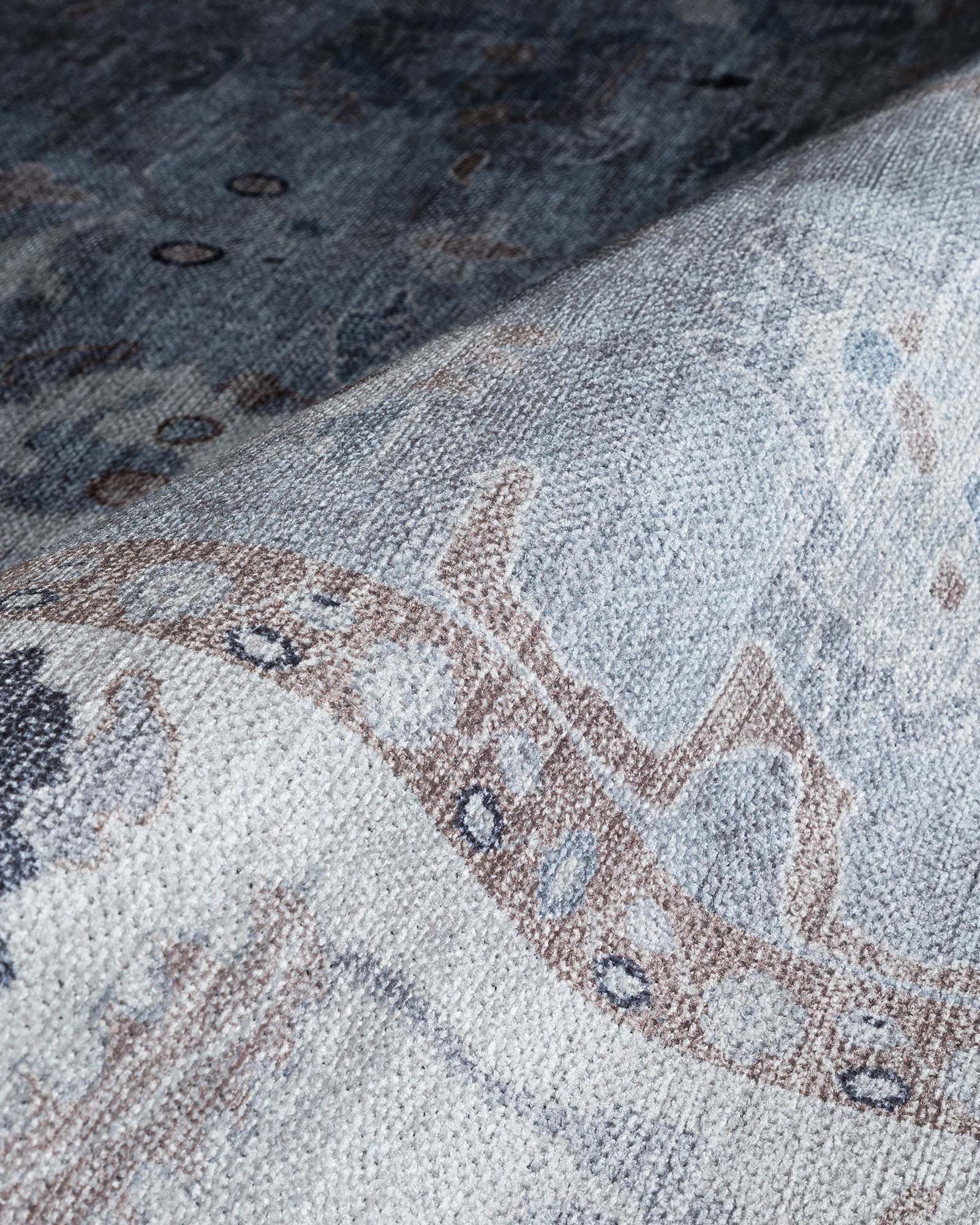
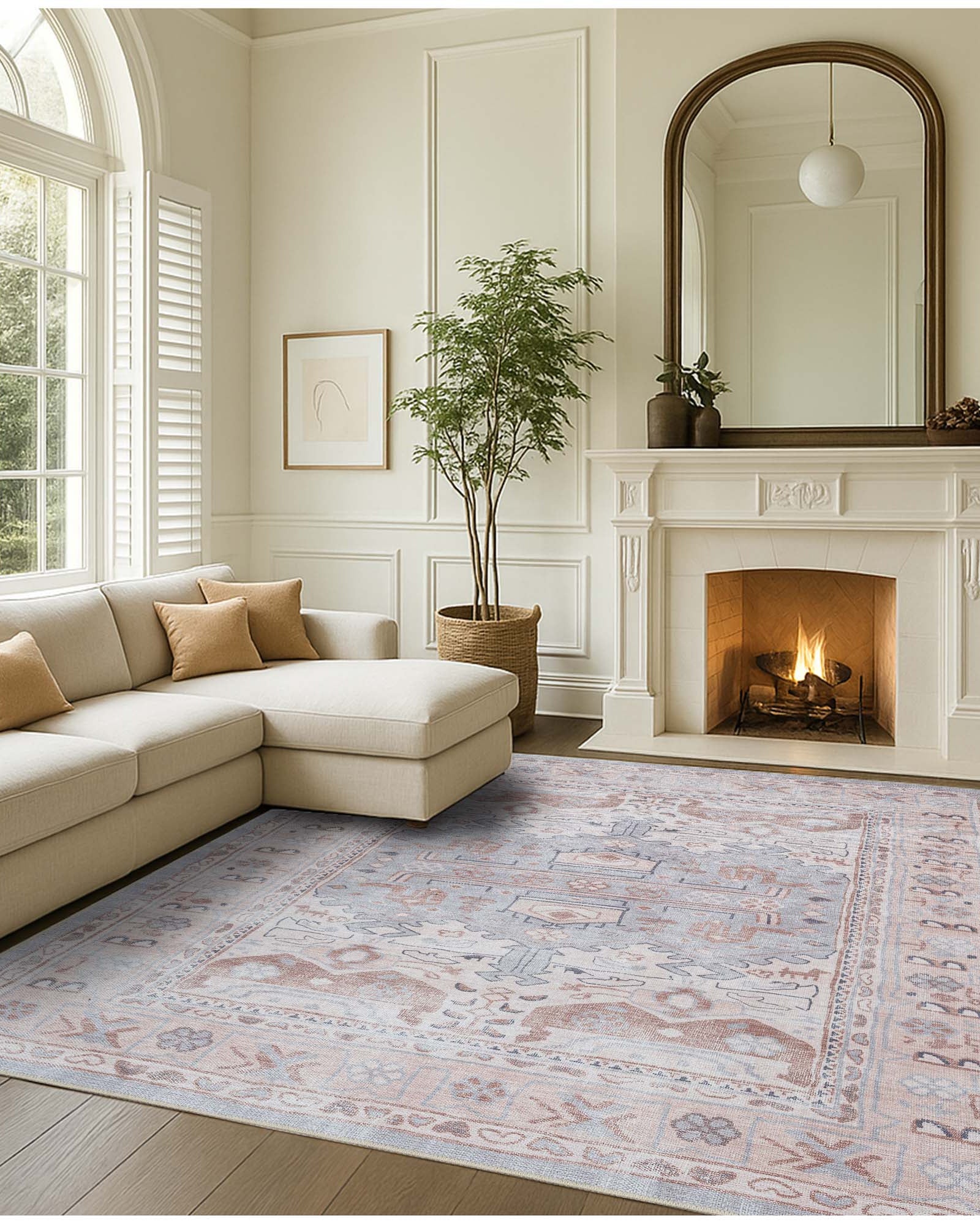
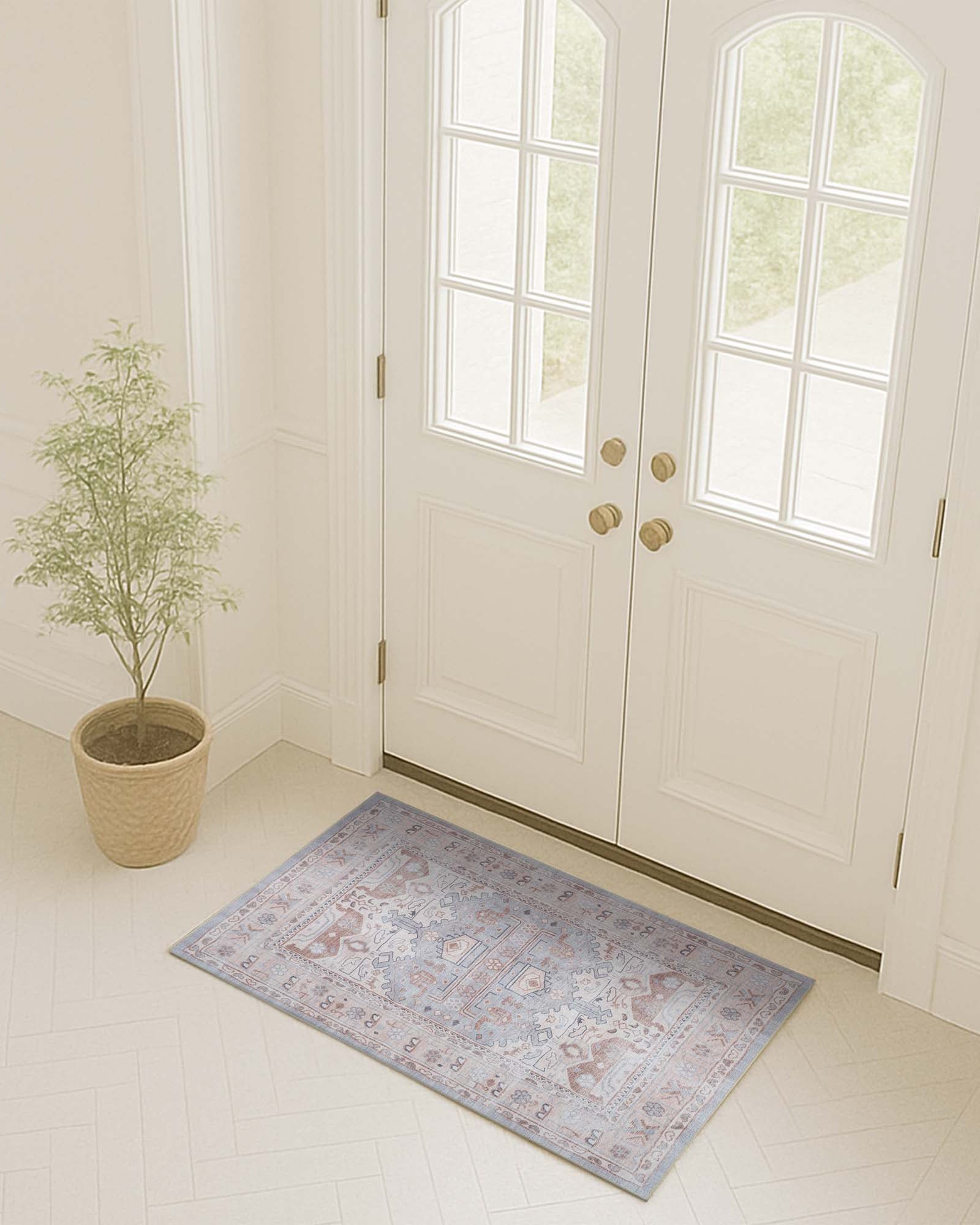
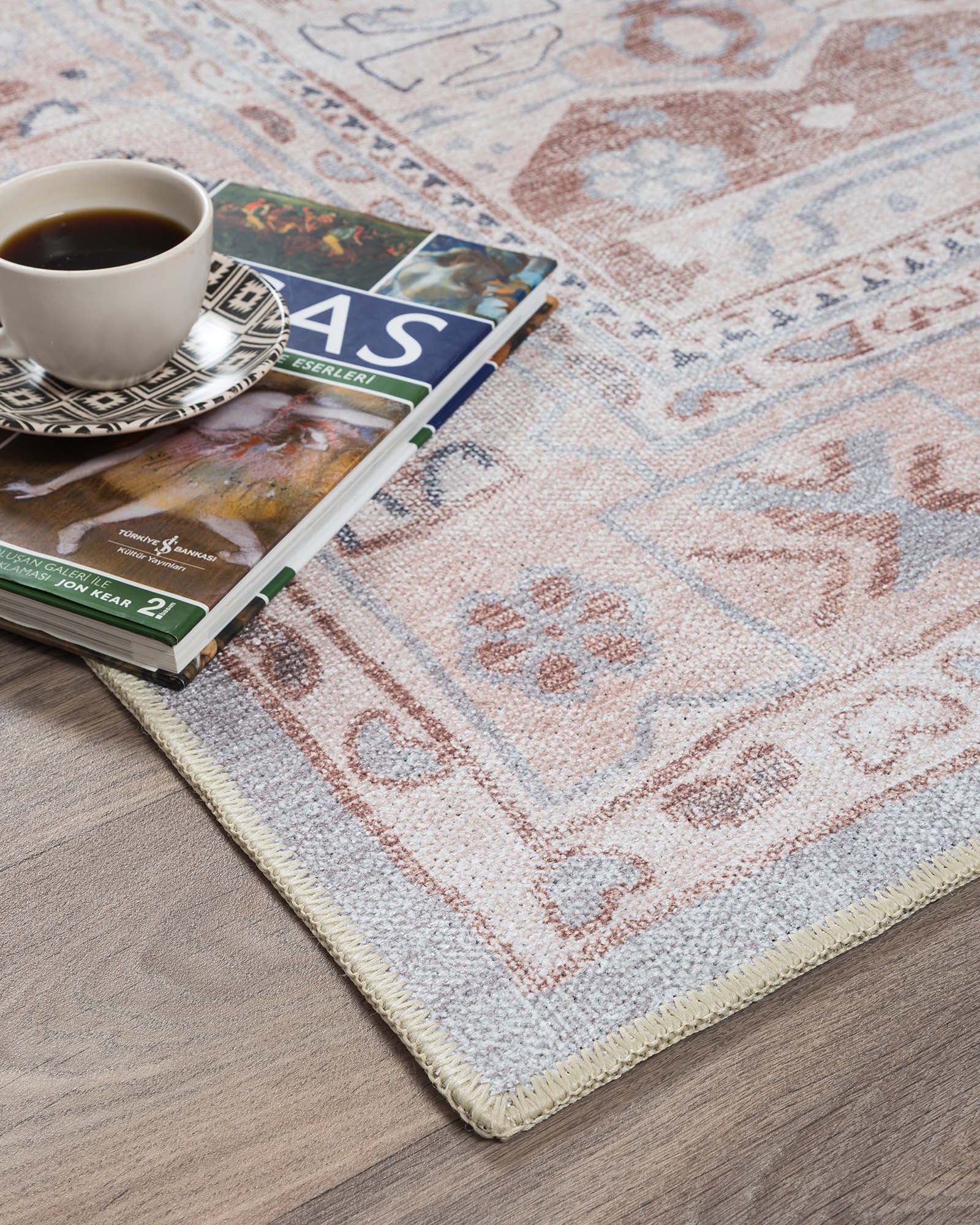
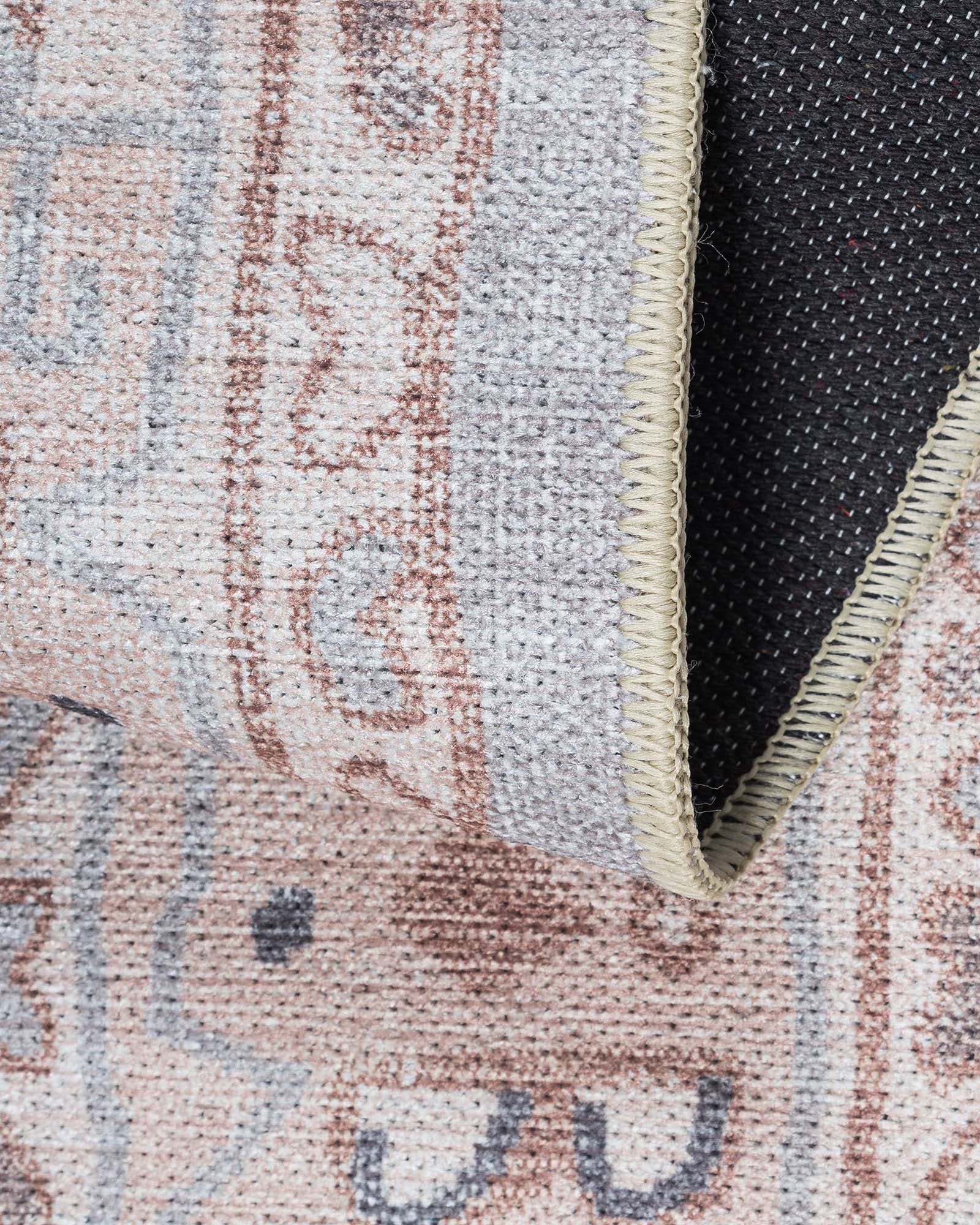
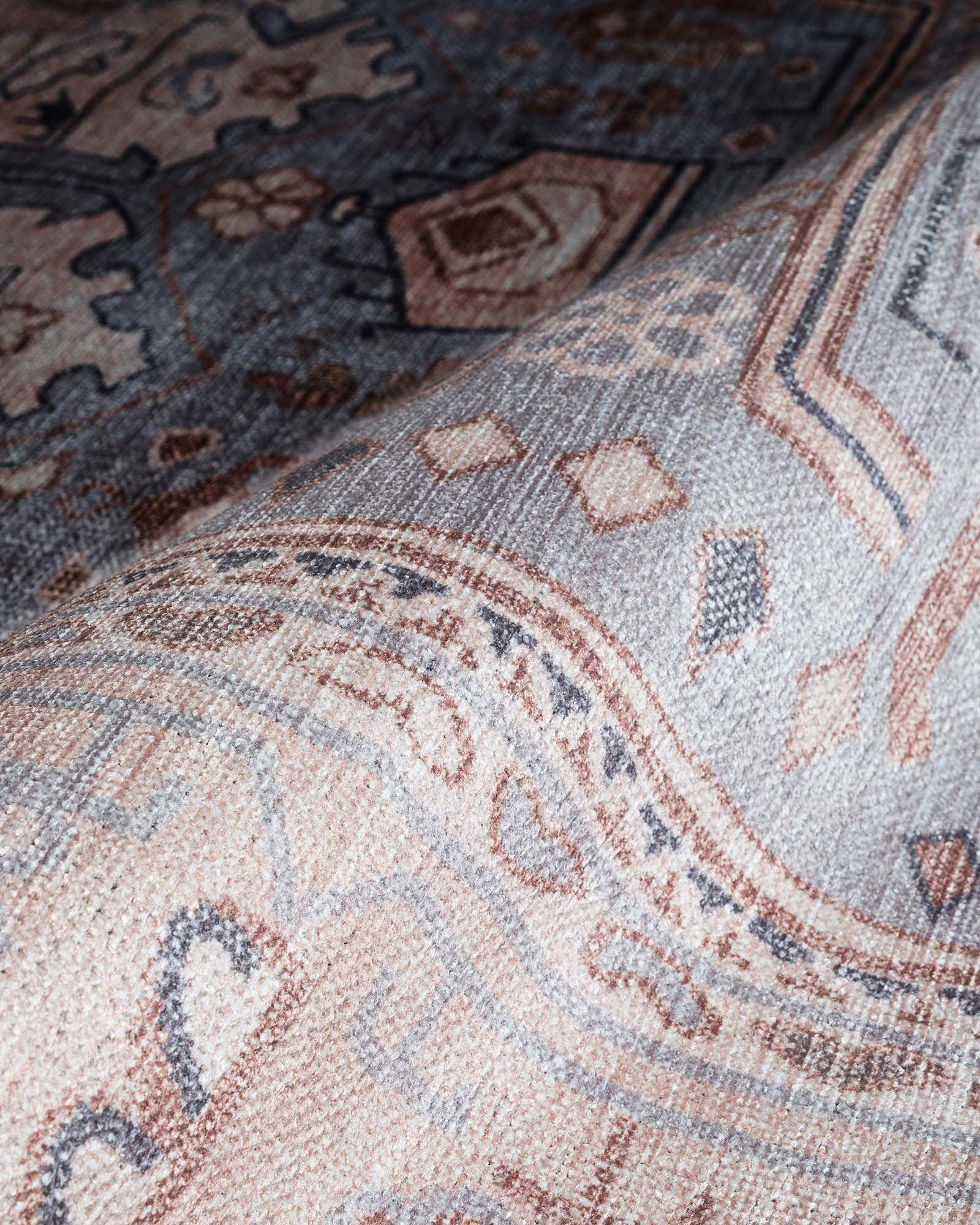
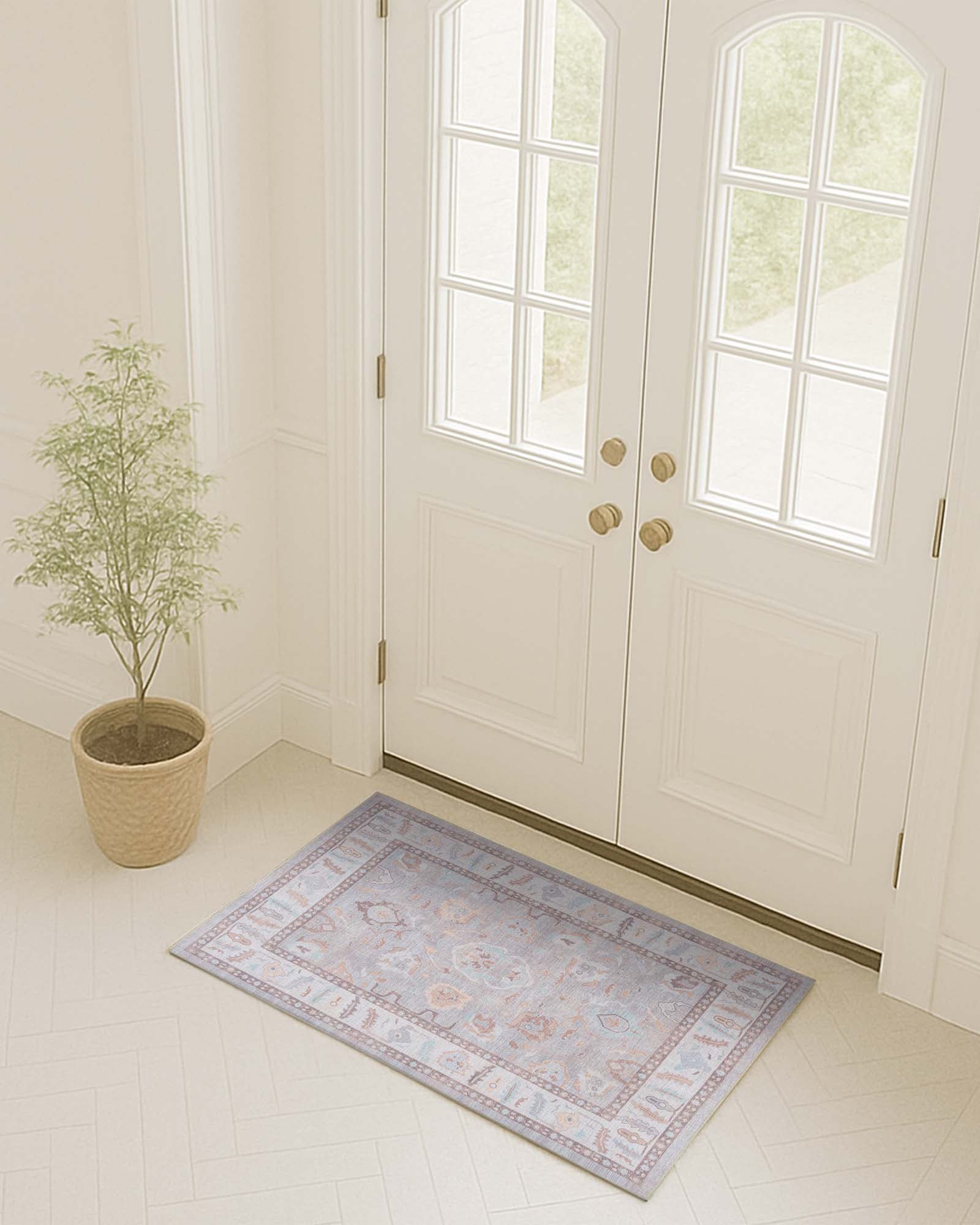
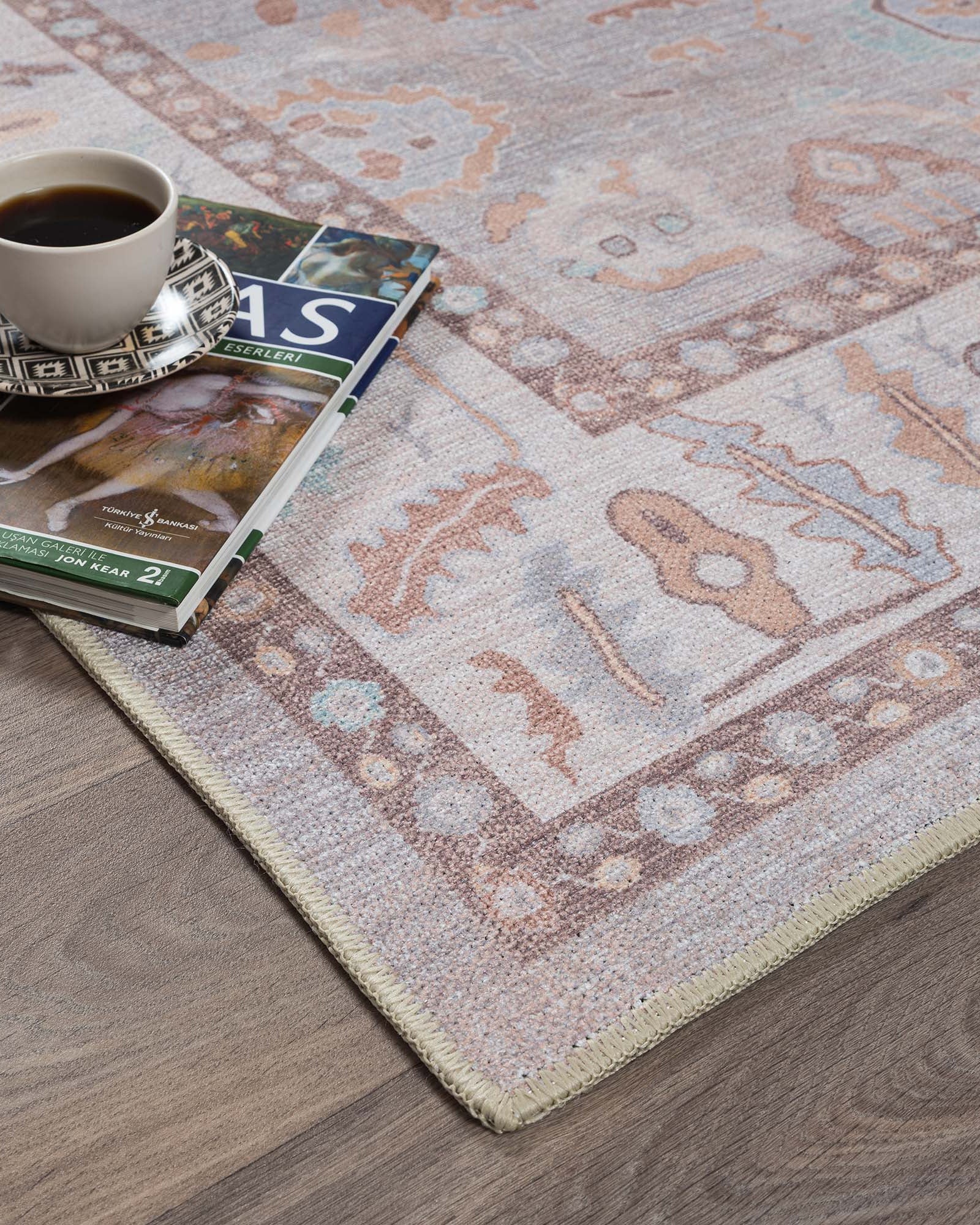
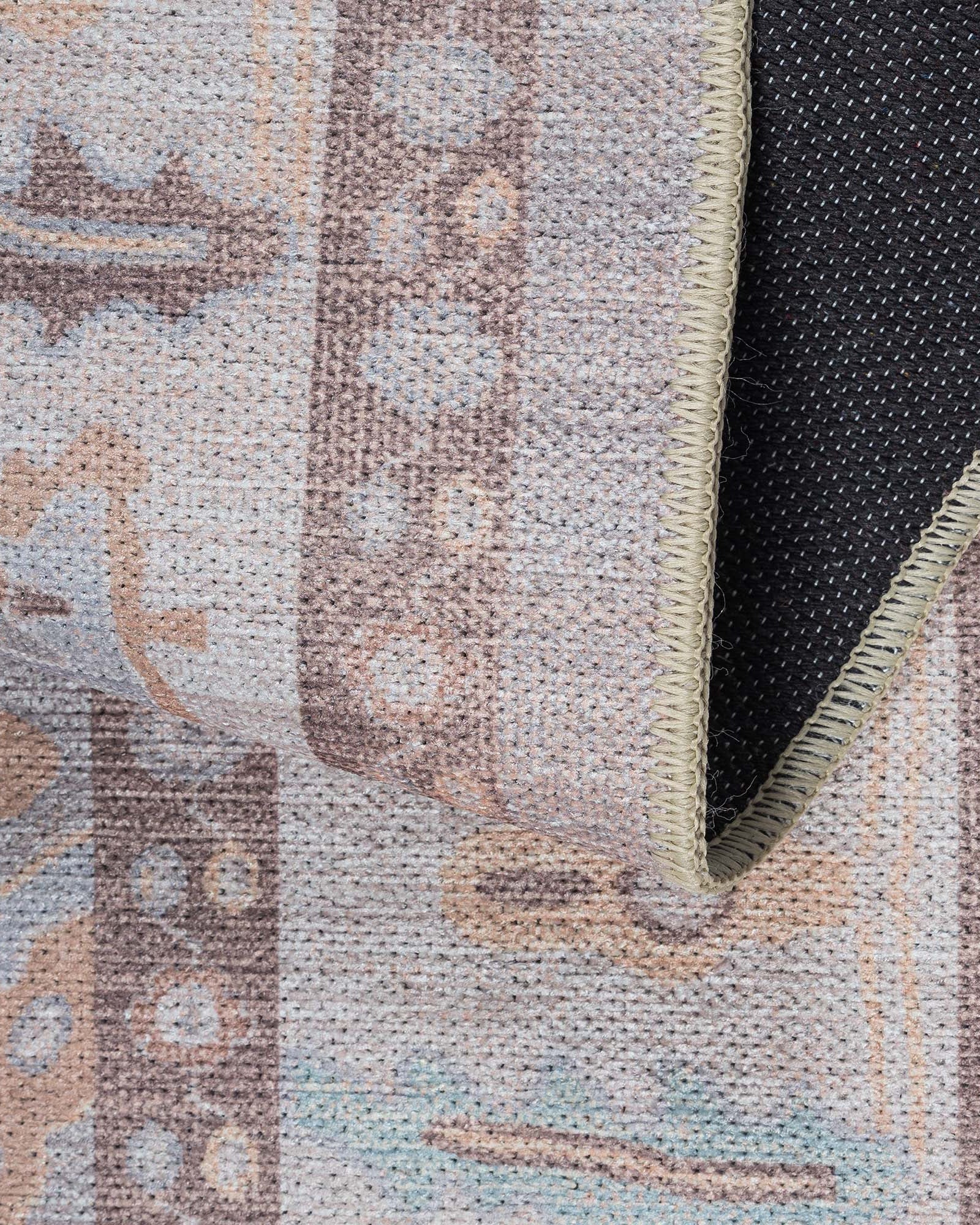
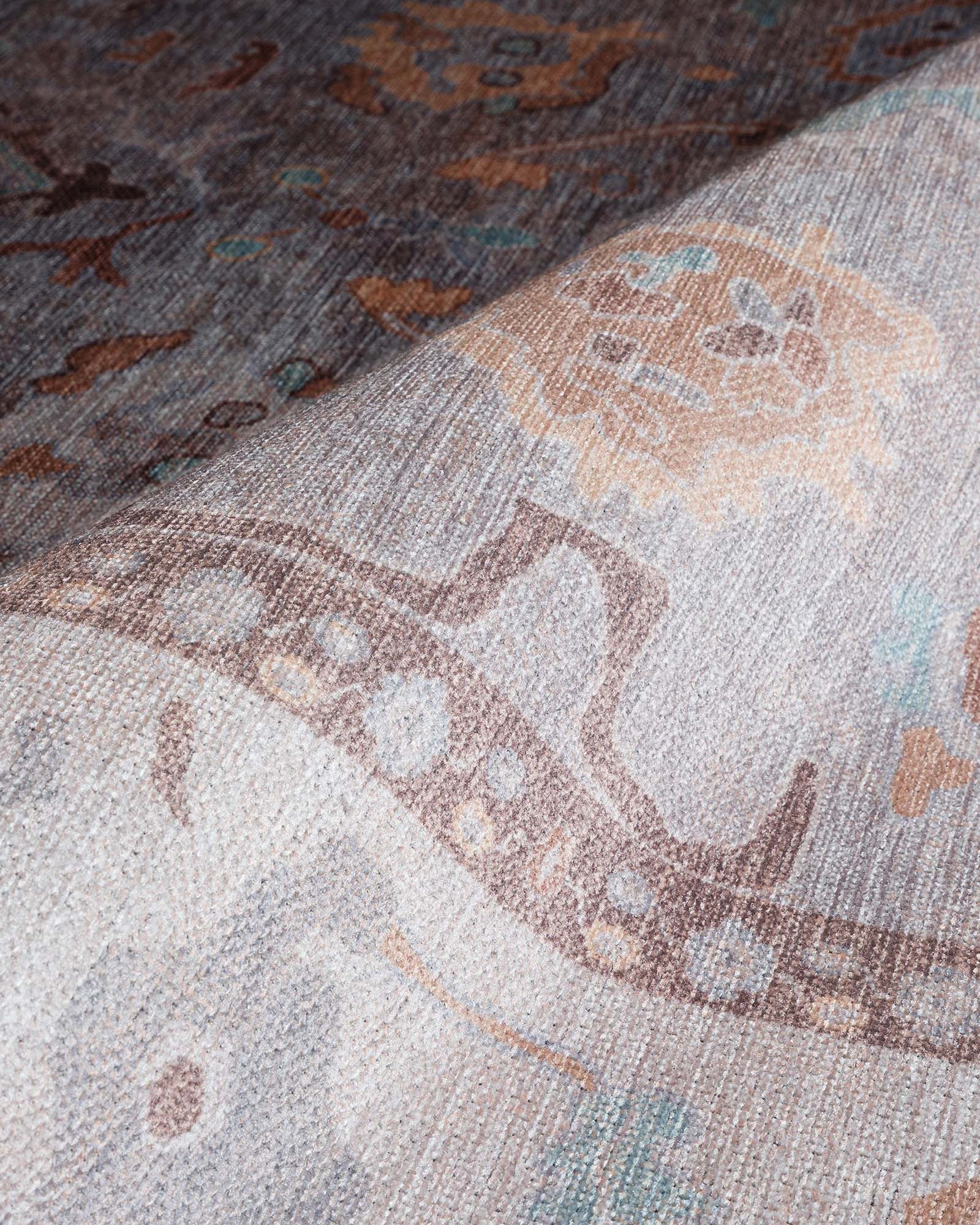
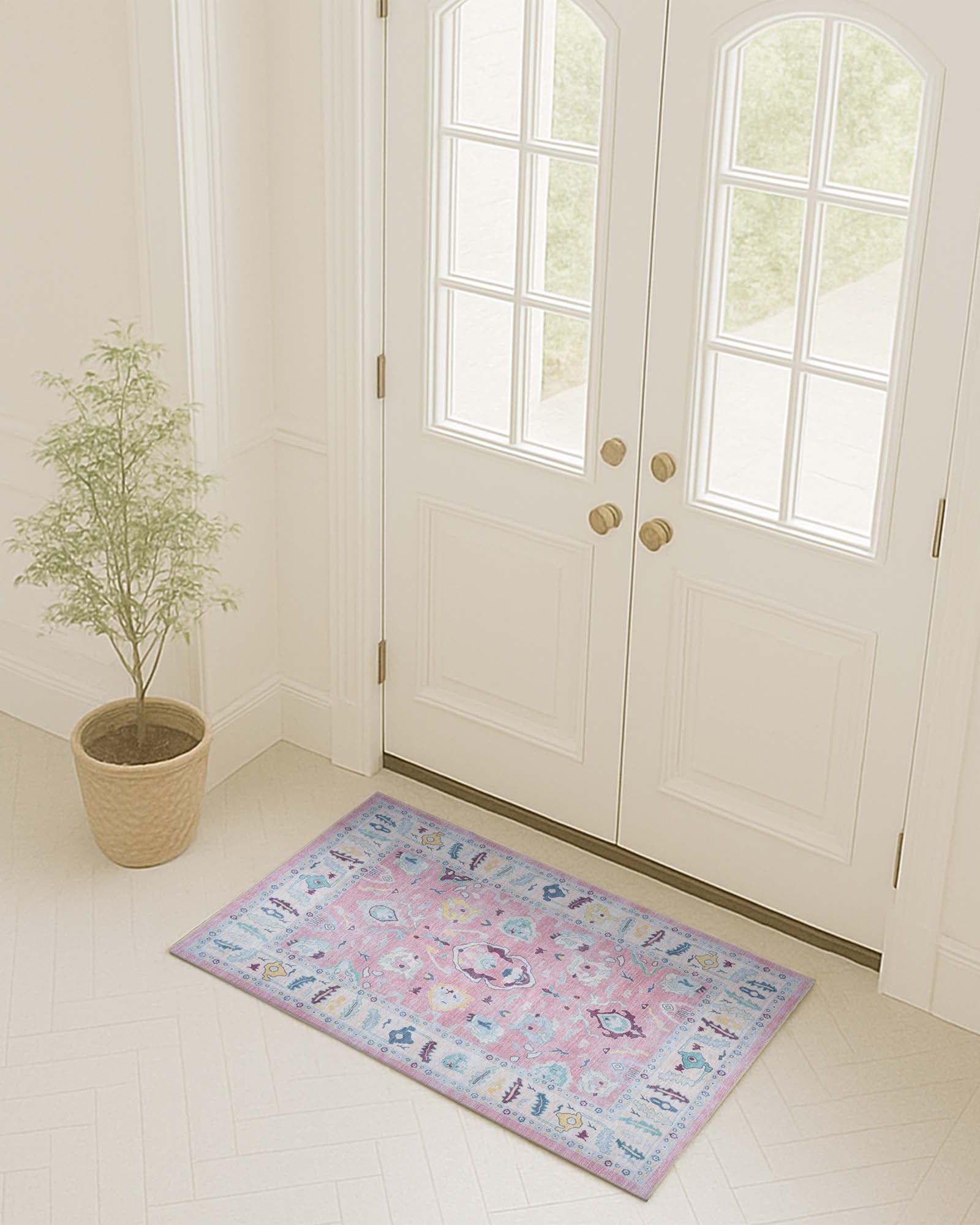
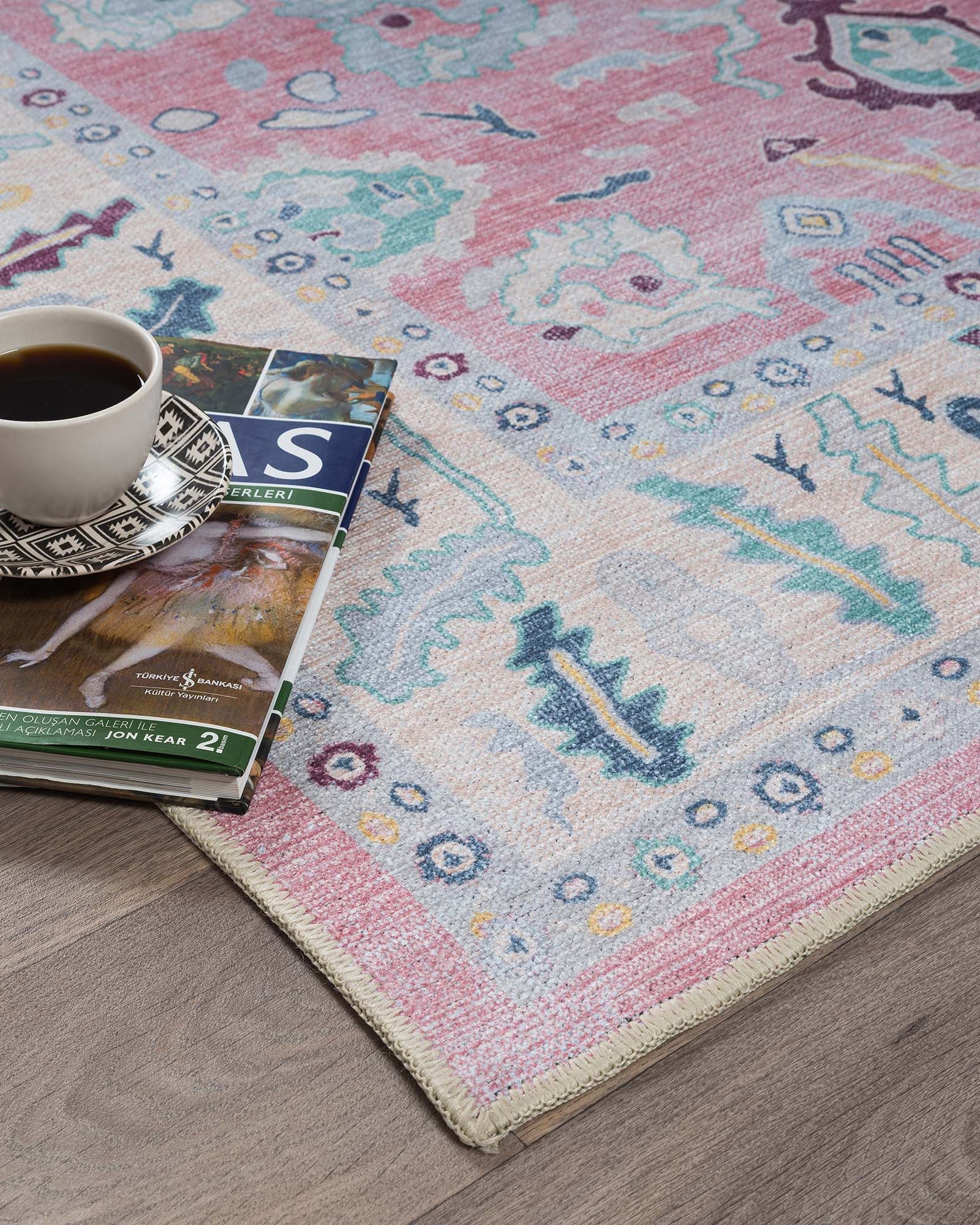
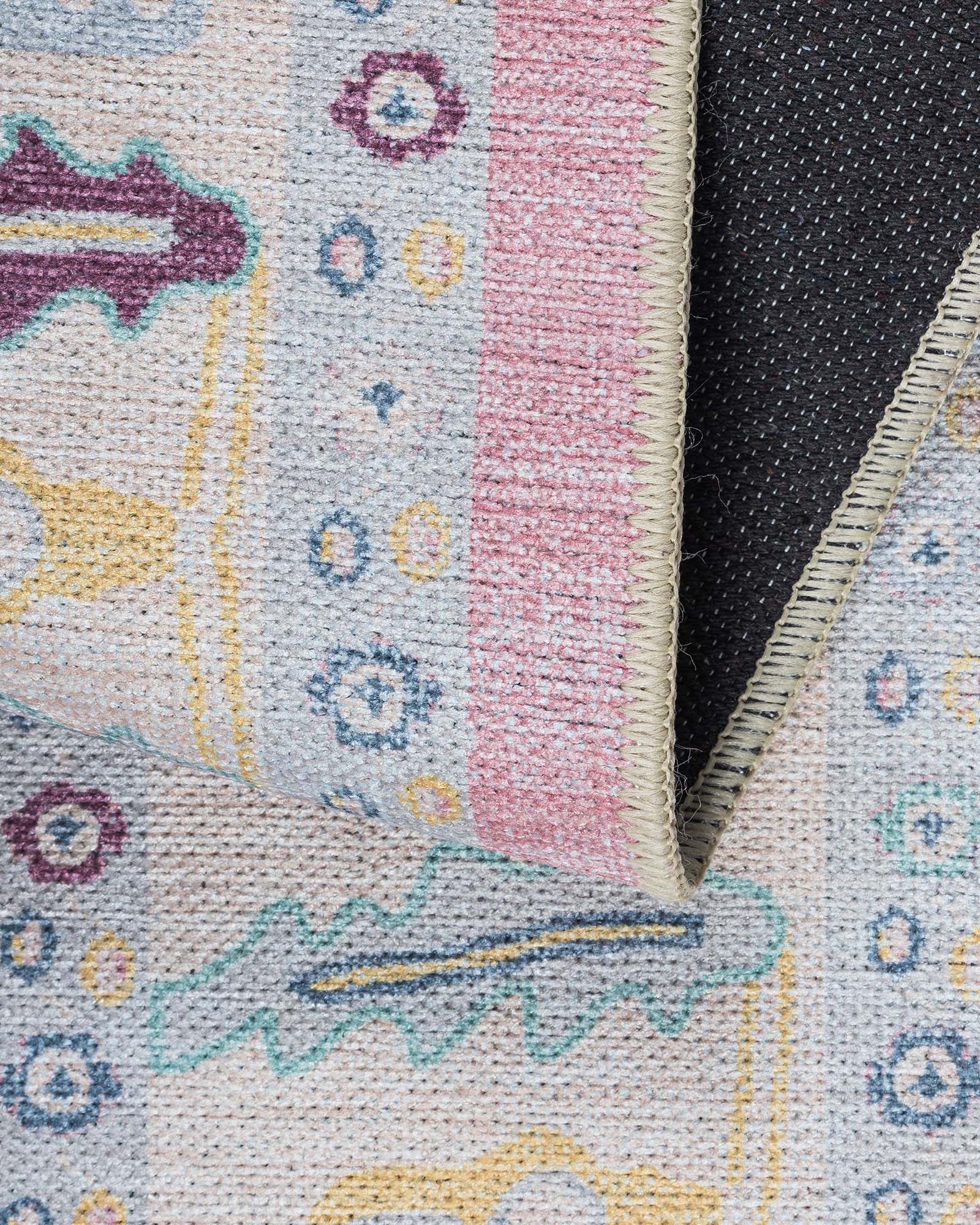
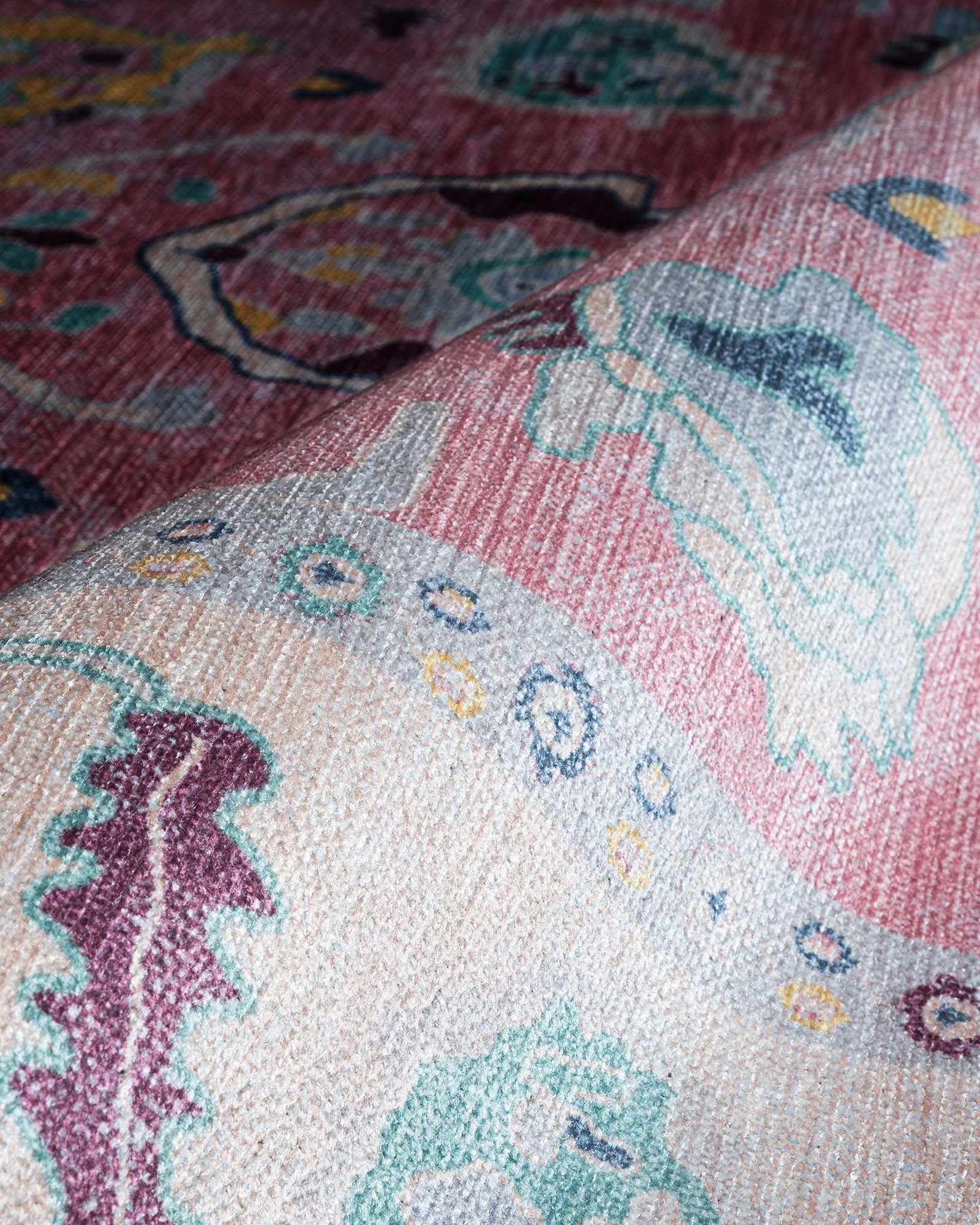
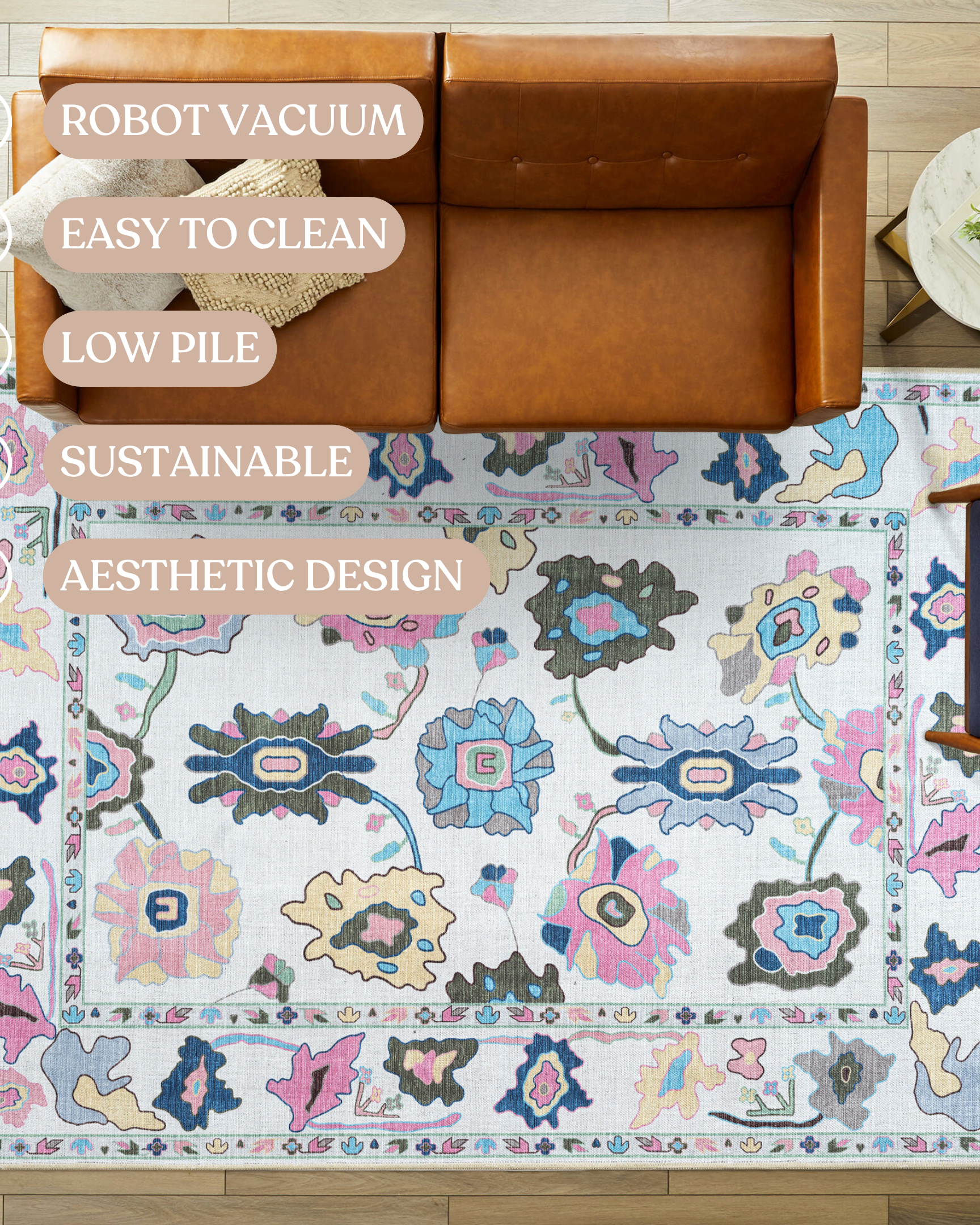
A home office or workspace puts a rug through a specific kind of daily stress most rooms don't — a rolling chair pivoting and shifting for hours at a time, constant foot traffic in a small footprint, and a rug that needs to look professional on a video call without demanding much upkeep. A flatweave manages all of that more reliably than a thick pile rug does, which is why it's worth considering specifically for a desk setup.
Why Flatweave Works Better Under a Desk Chair
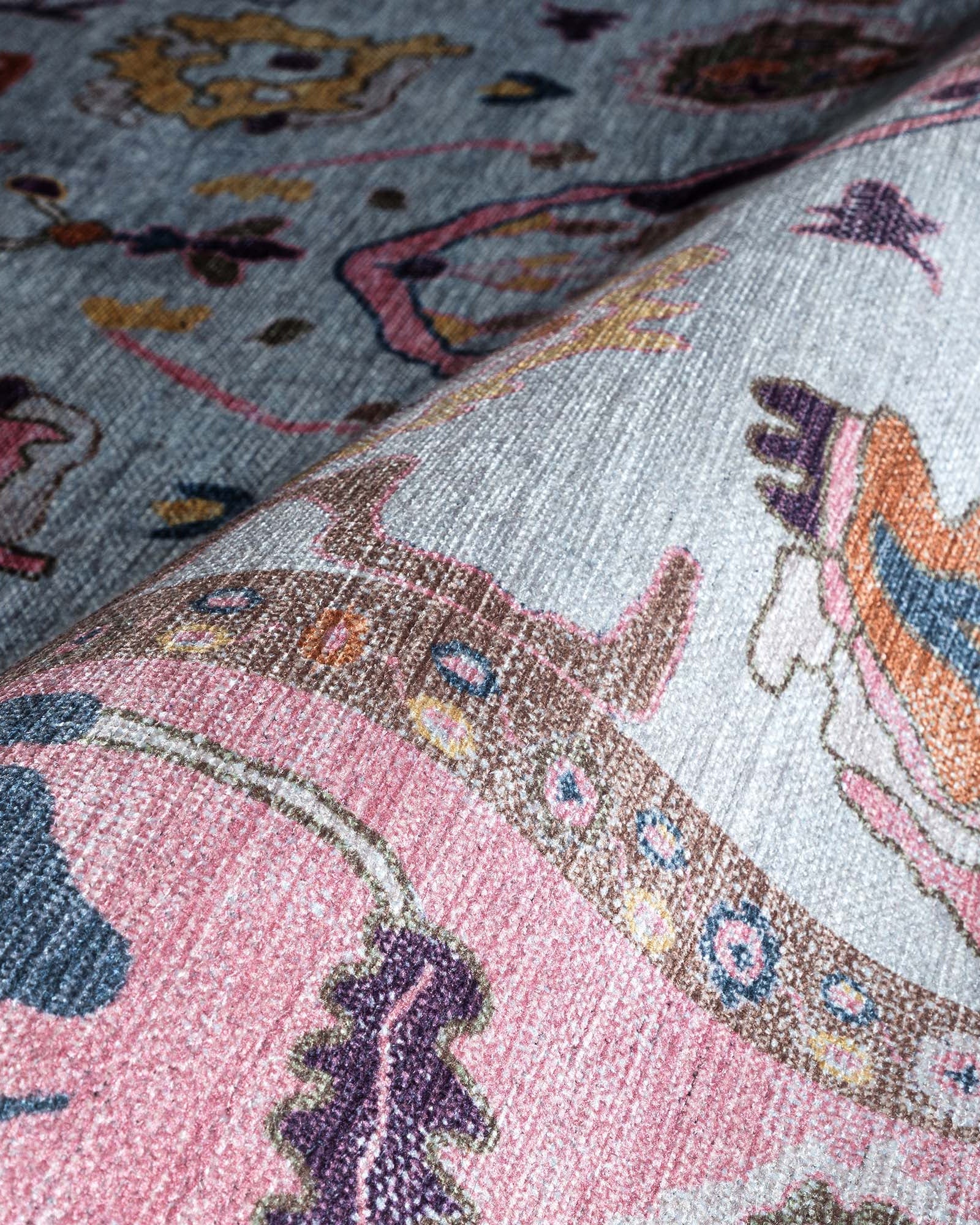
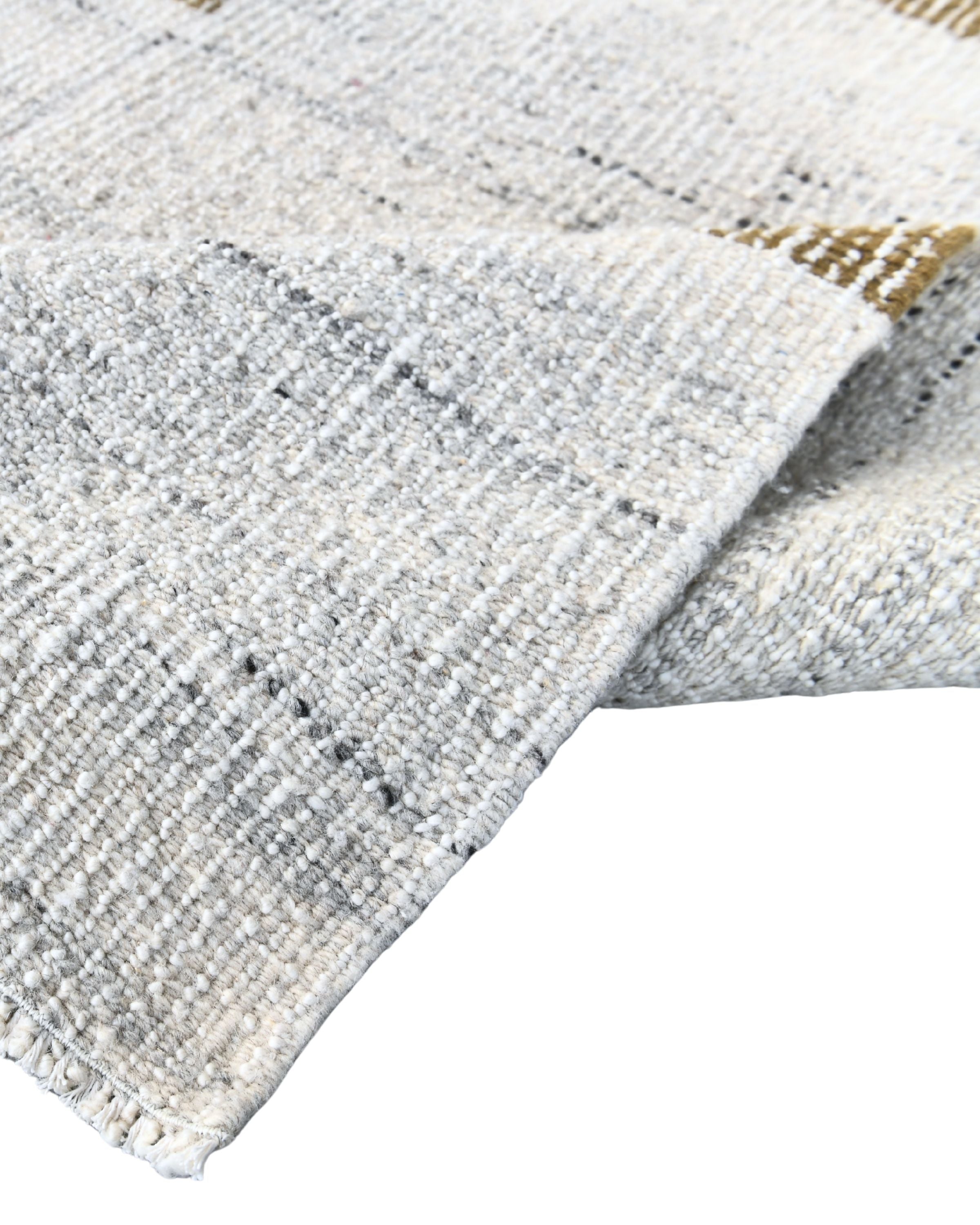
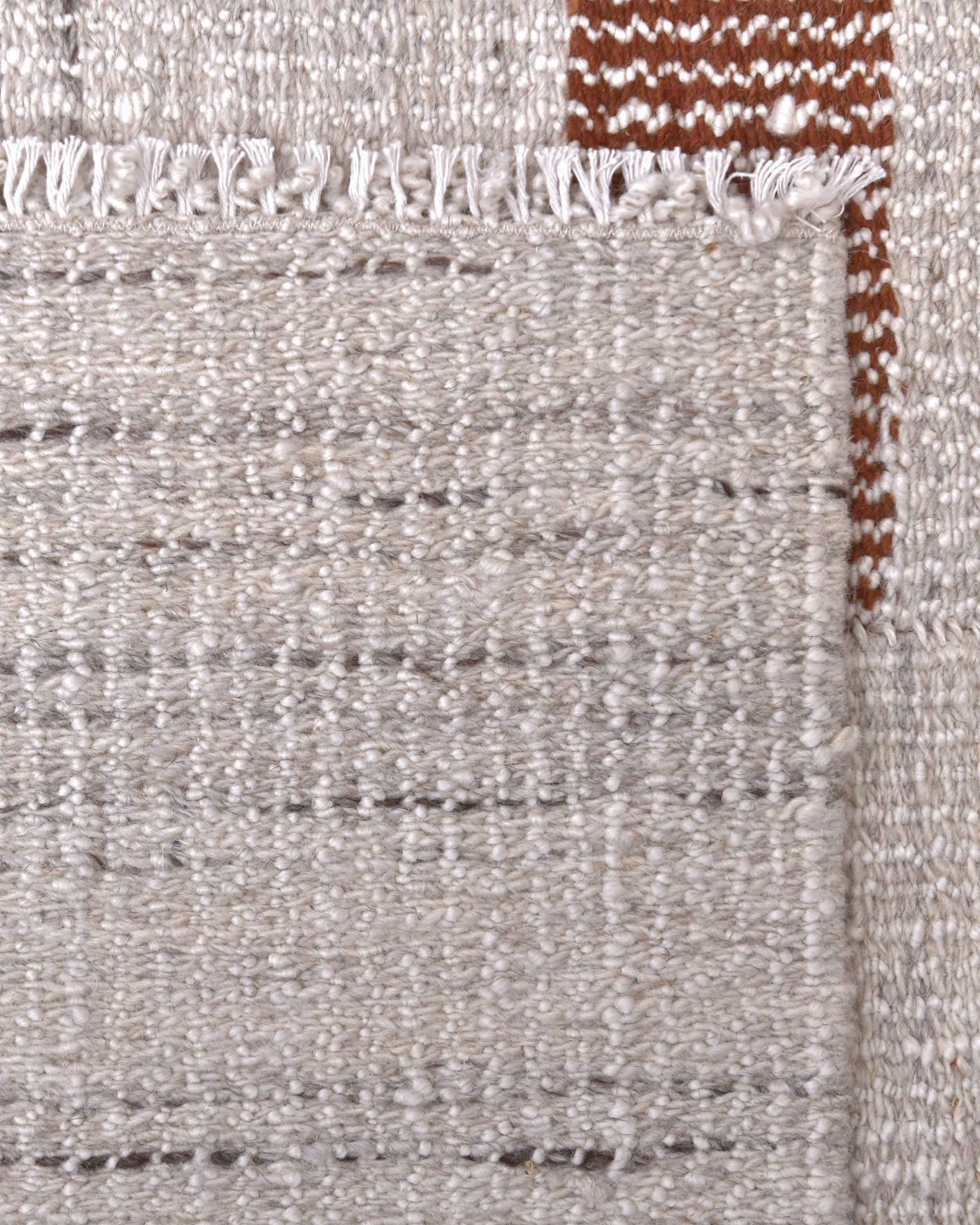
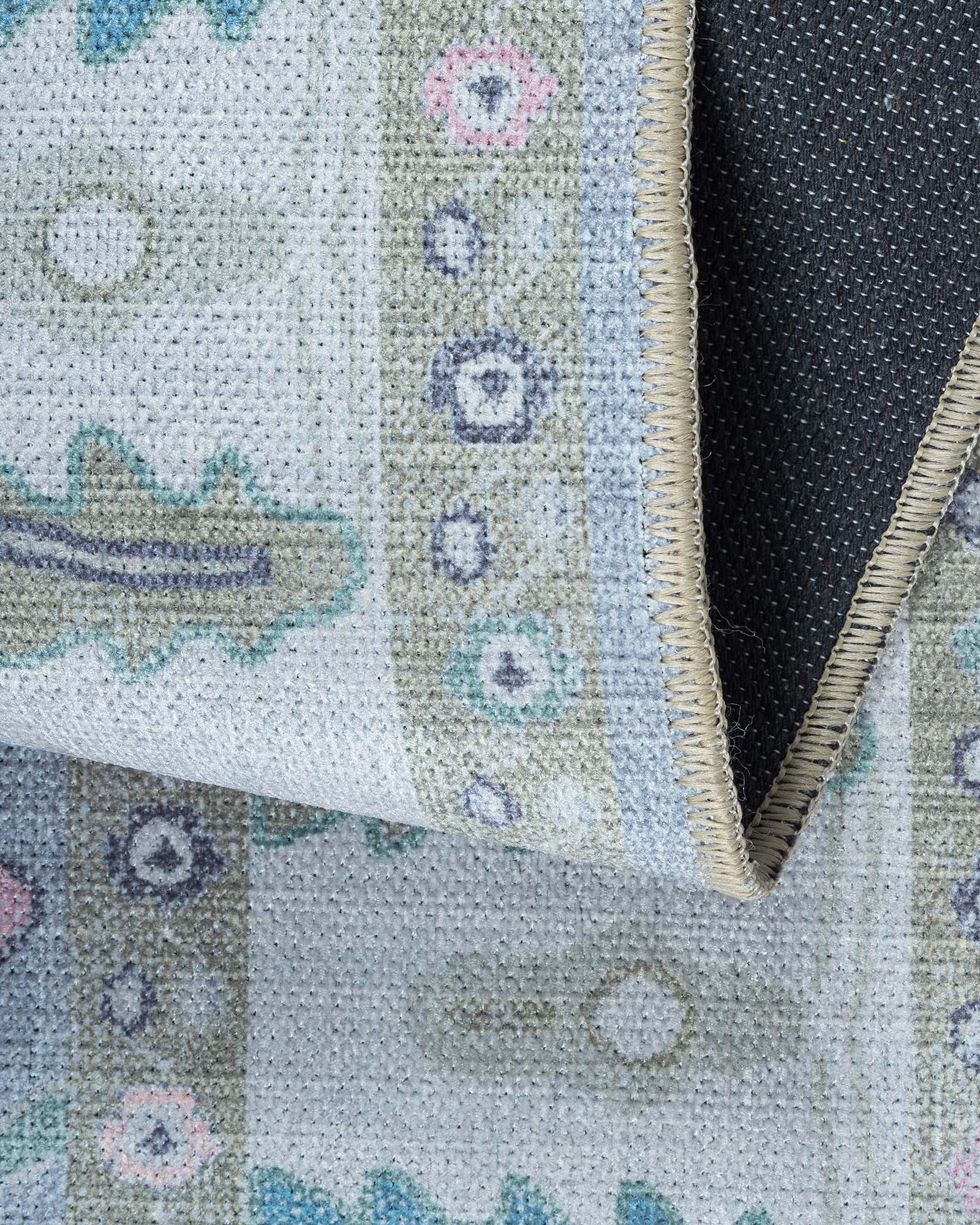
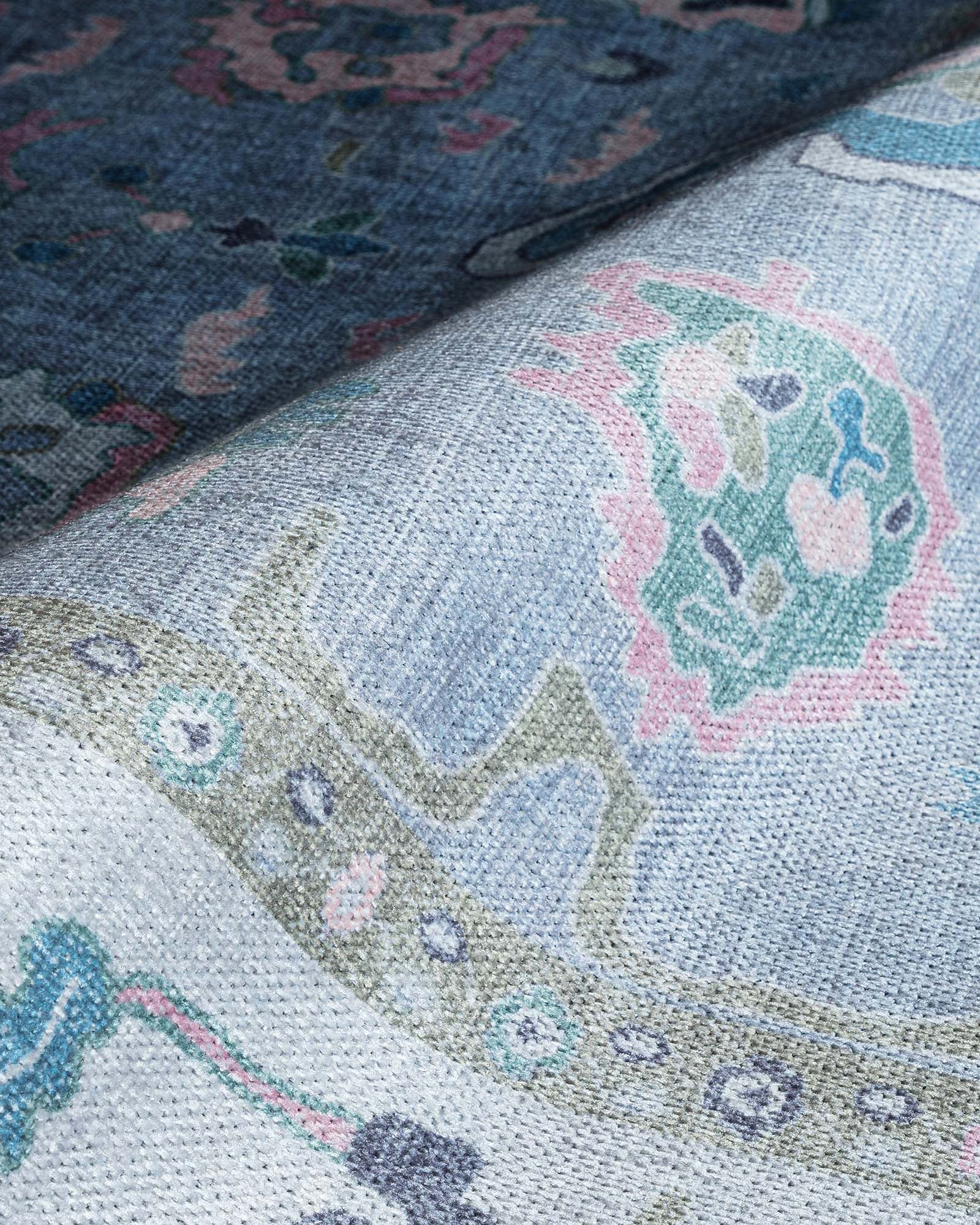
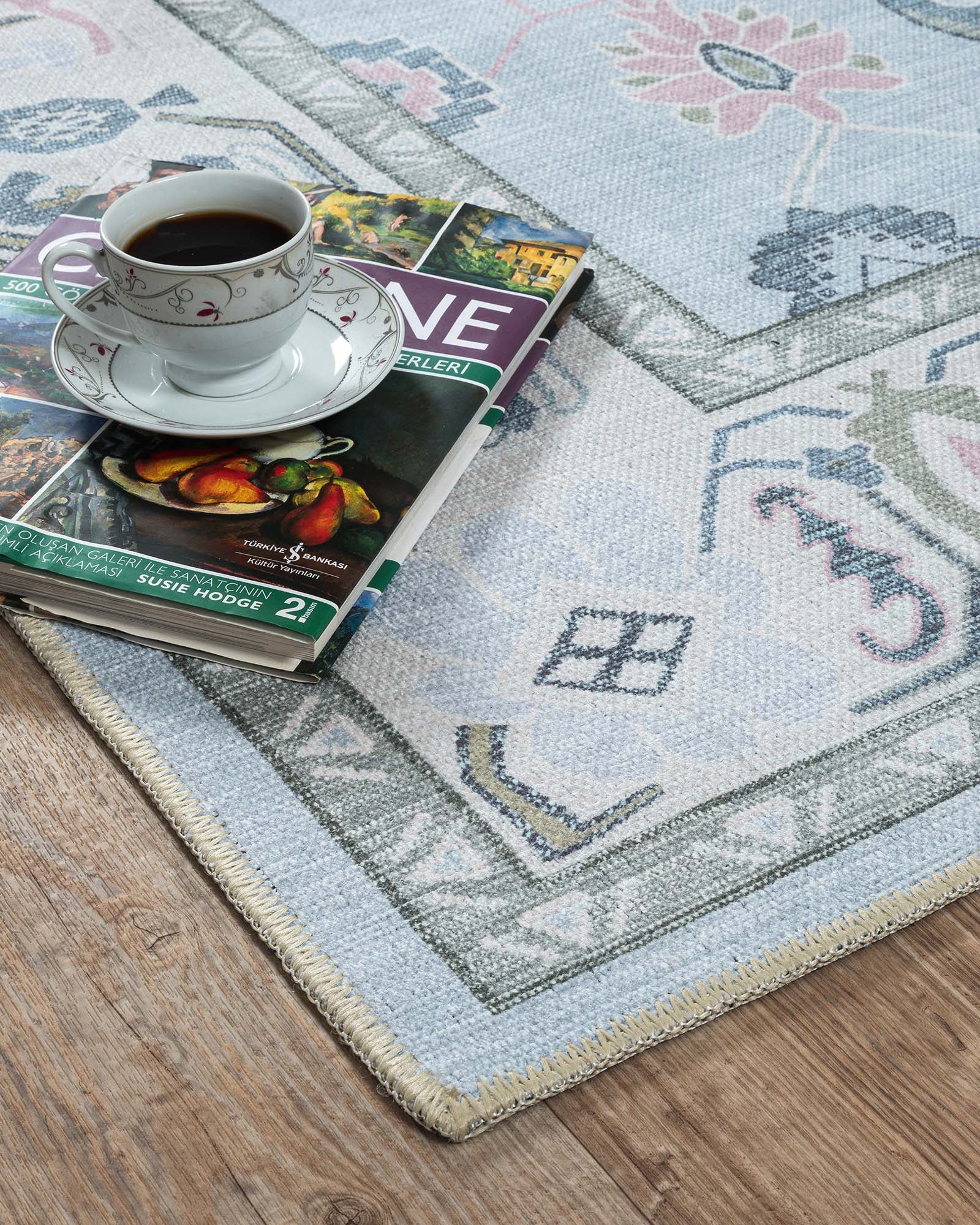
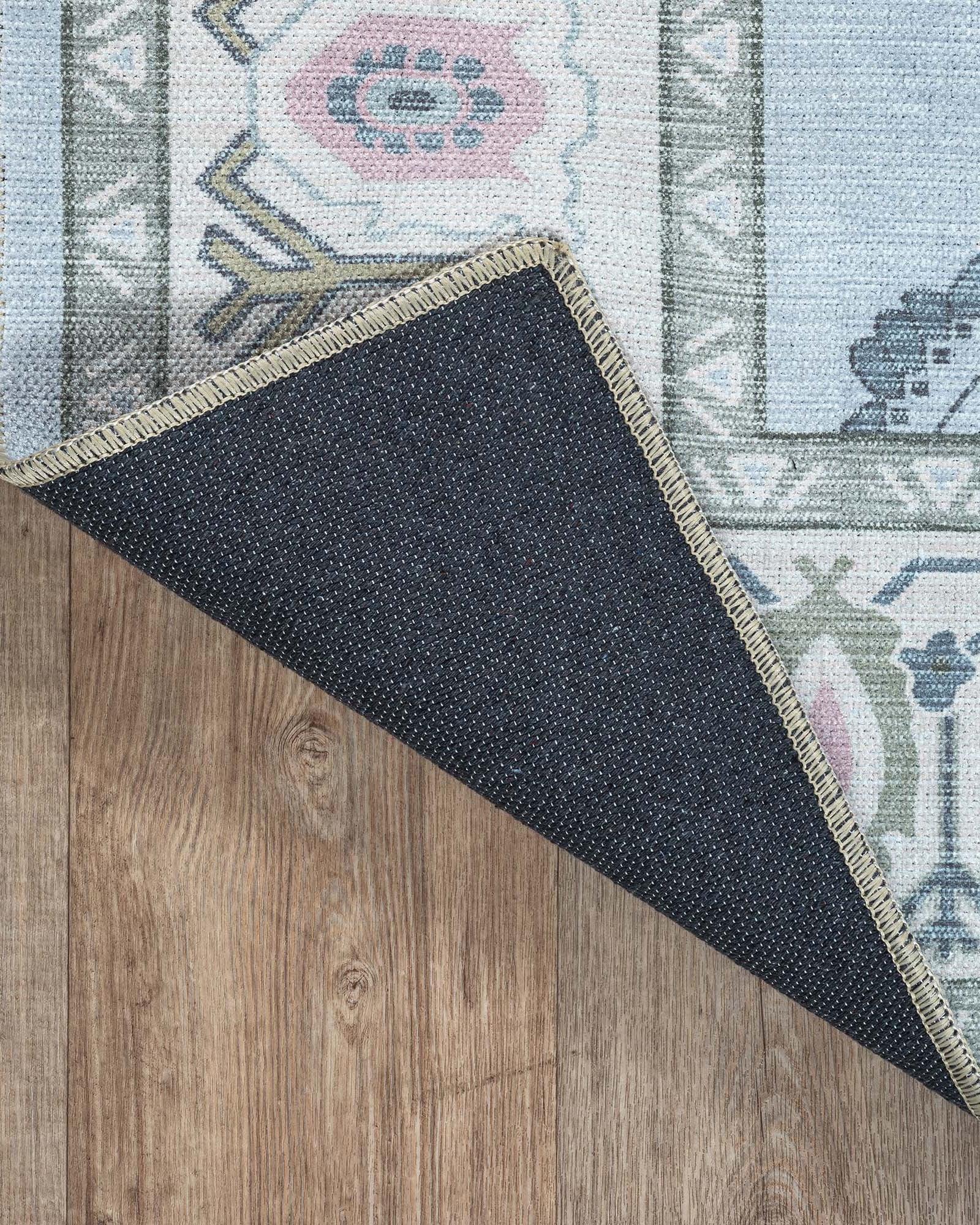
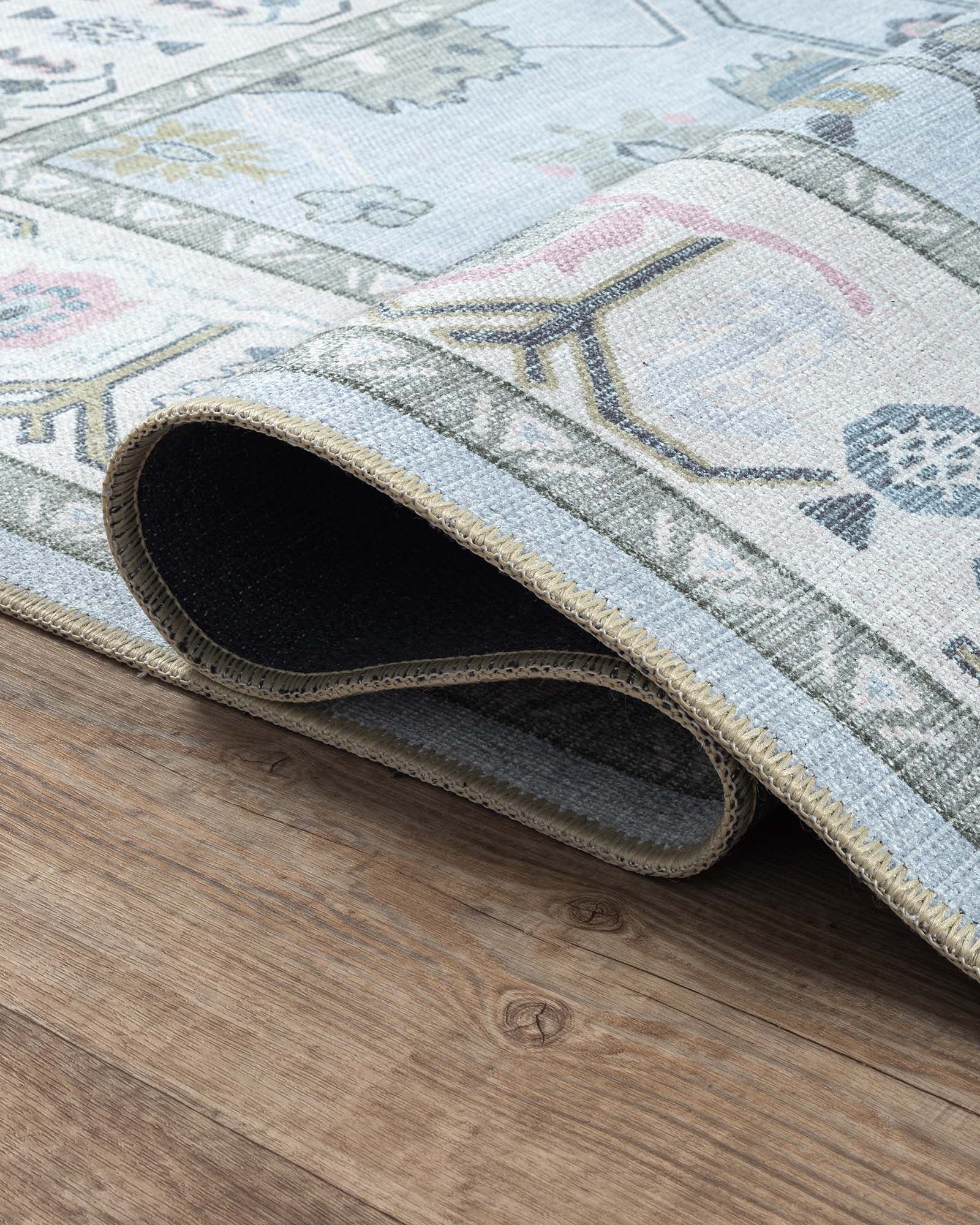
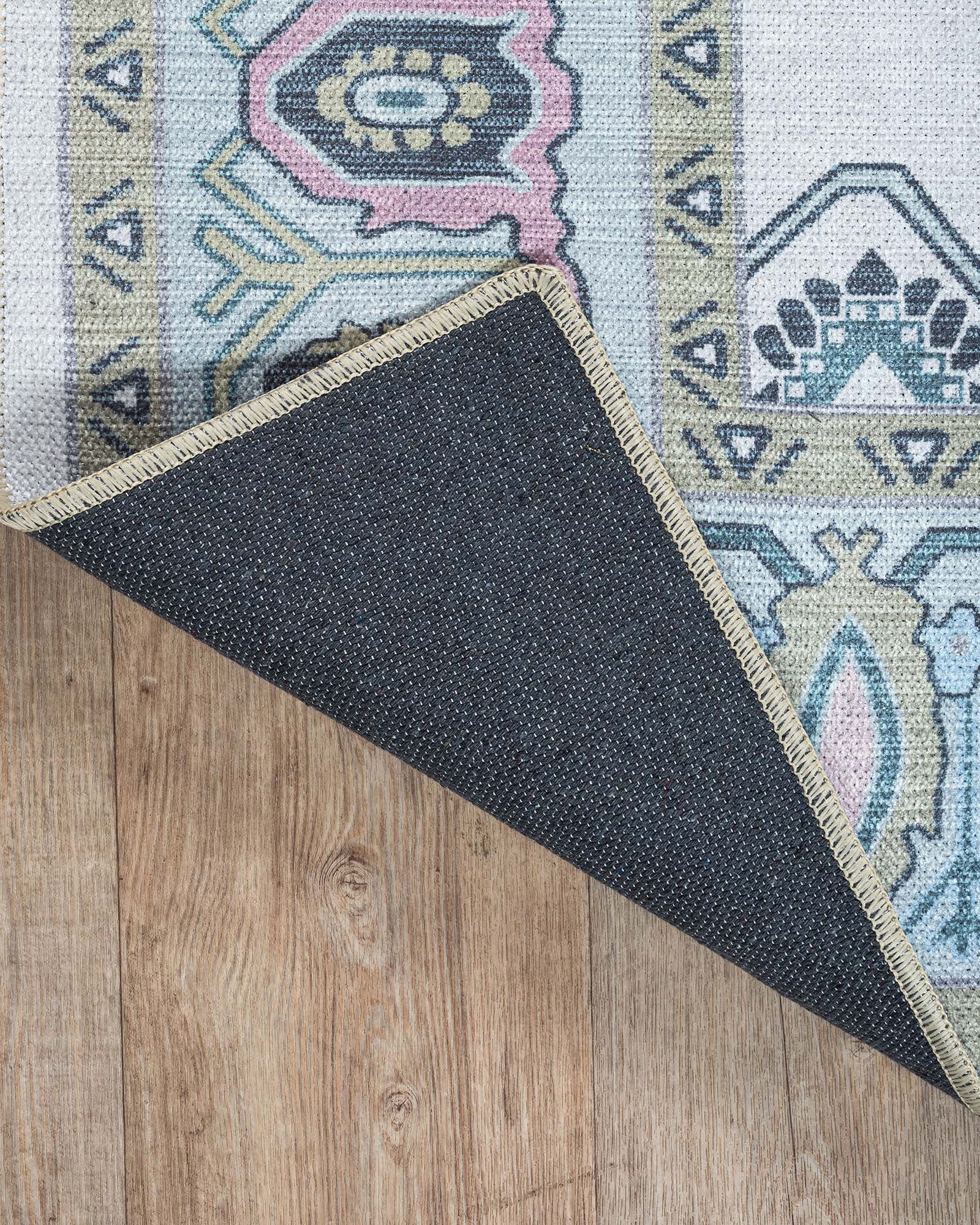
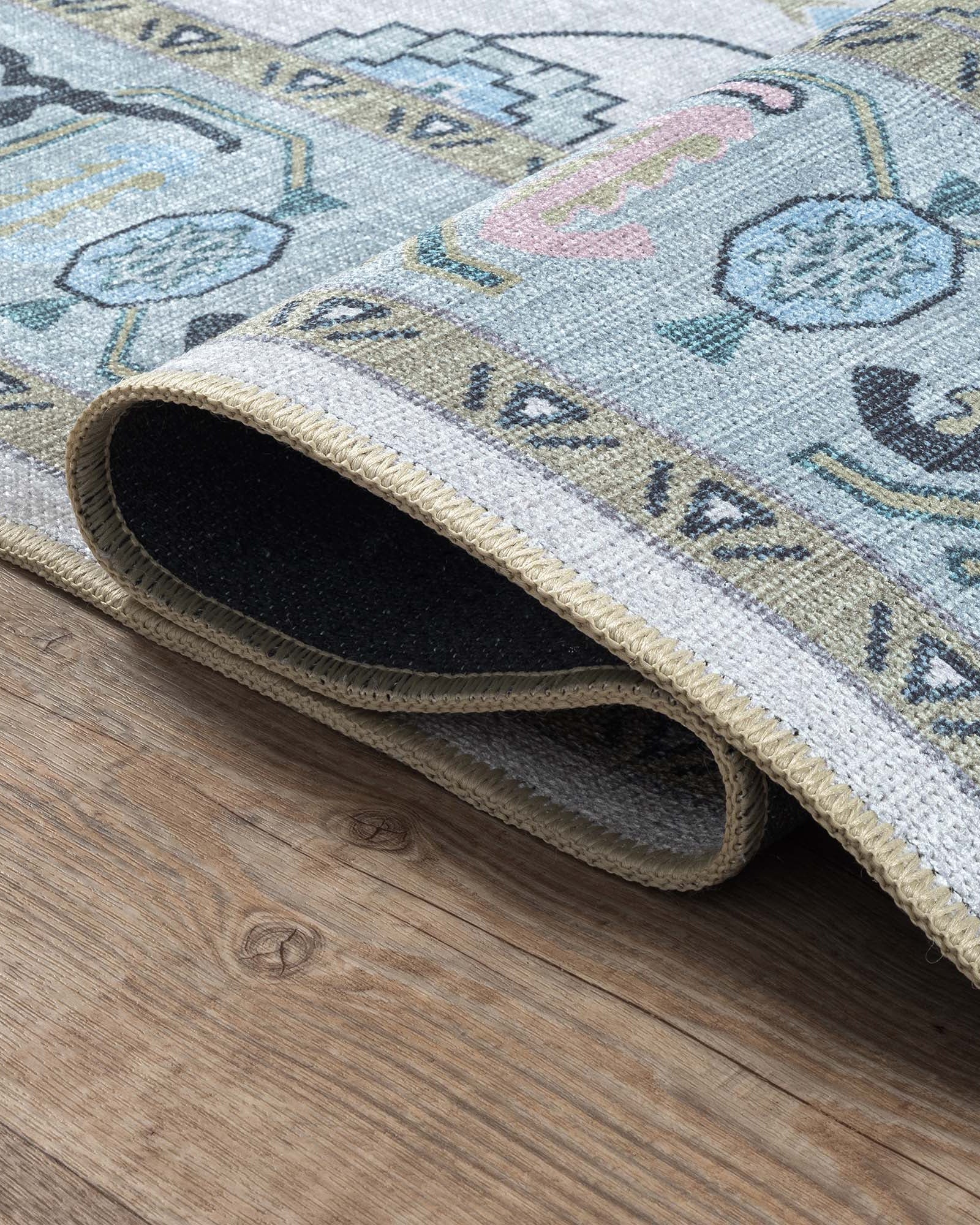
Standard office chair casters are built to roll on hard or low-pile surfaces, and they struggle on deep pile — wheels sink in, resist turning, and can gradually pull at knots over months of daily use. A flatweave's flat surface lets a chair roll and pivot the way it's designed to, without the drag or long-term wear a thick rug would create directly under the desk. If your current rug makes your chair feel like it's fighting the floor, a flatweave solves that specific problem.
Chair Mat Considerations
Even on a flatweave, sustained rolling and pivoting in one small area — right under the desk — will wear a spot faster than the rest of the rug. A clear plastic chair mat placed over that specific zone protects a genuinely vintage piece from concentrated wear while leaving the rest of the rug fully visible and usable. This is a reasonable trade worth making if you're using a real antique flatweave in a working desk setup rather than a purely decorative space.
Looking Professional on Camera
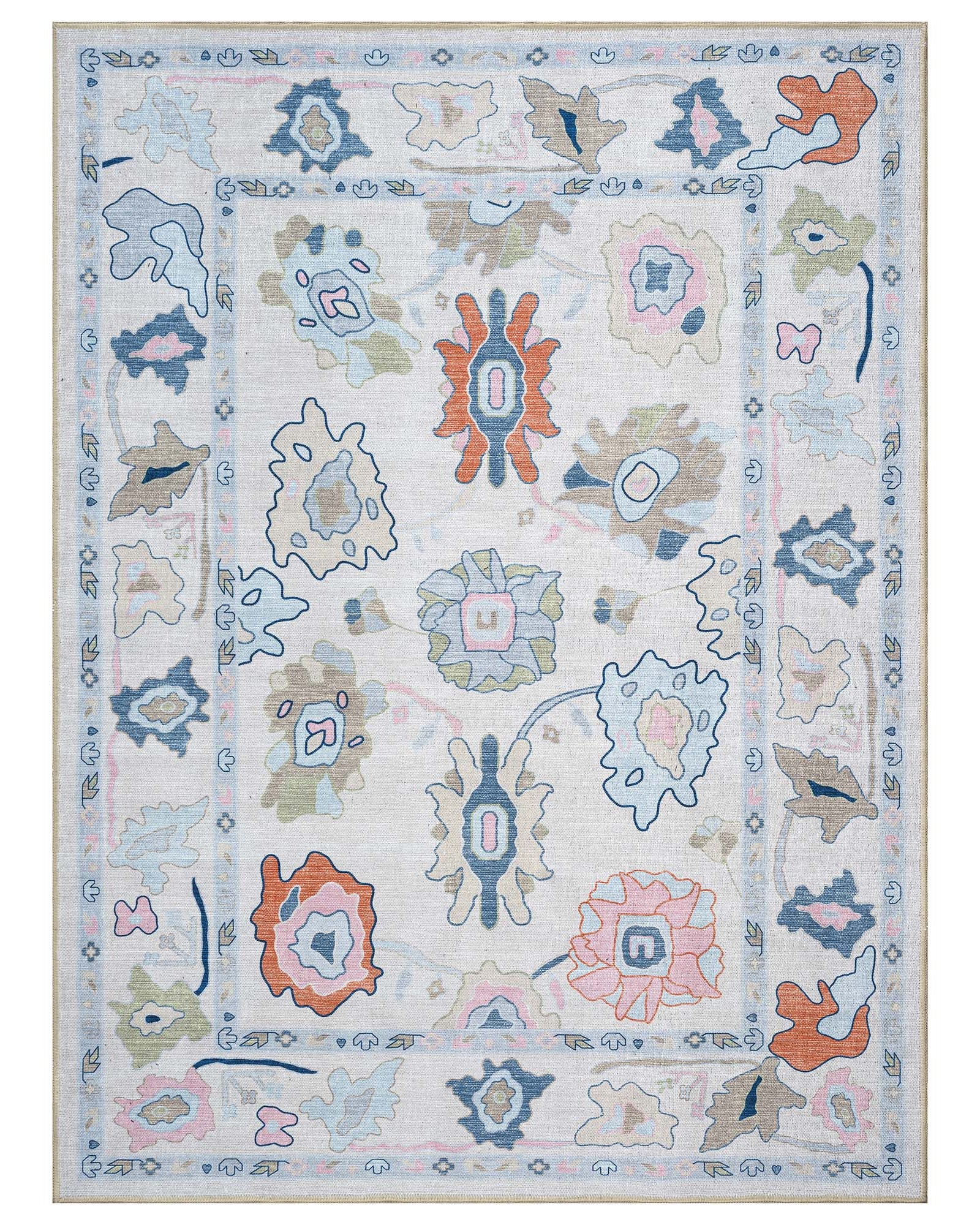
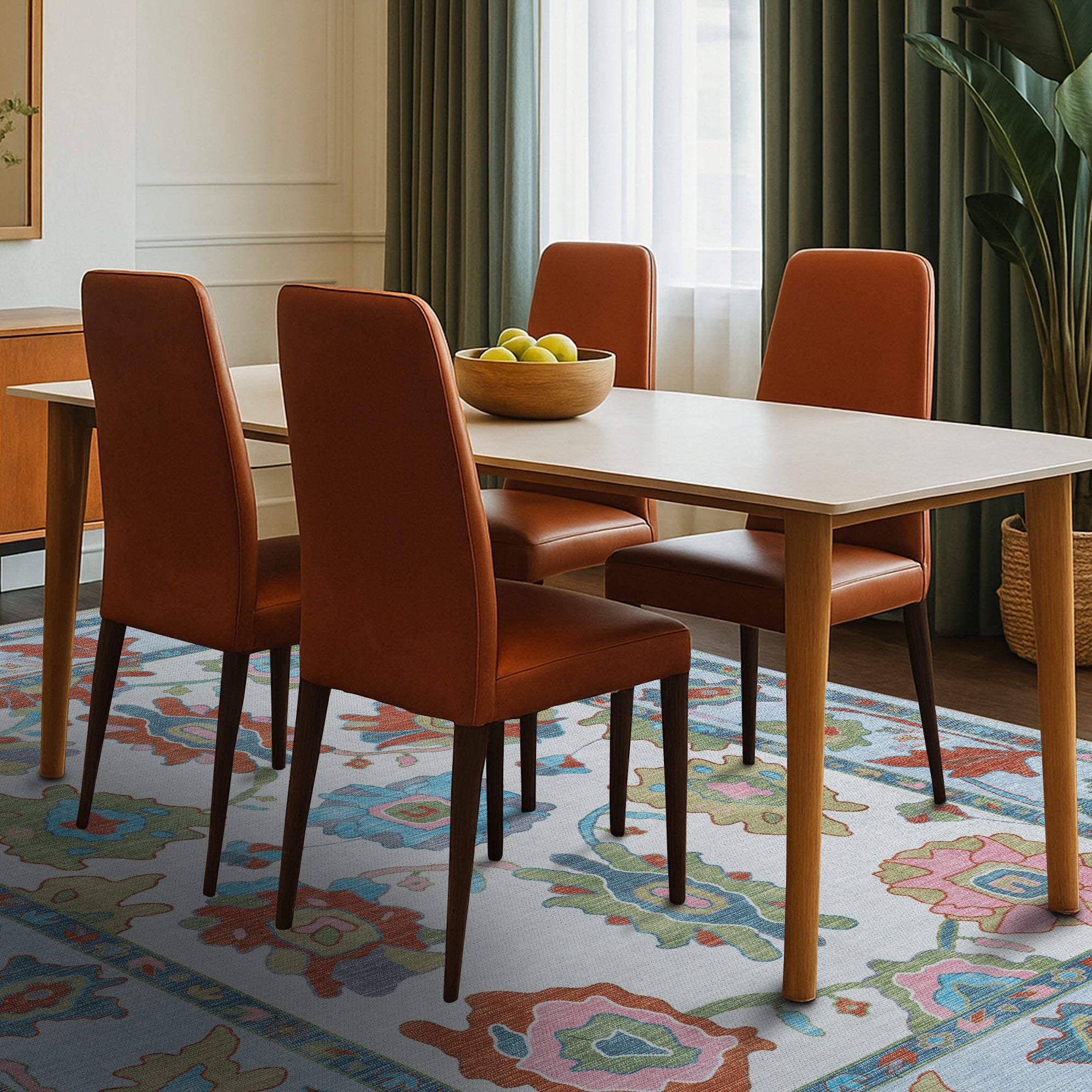
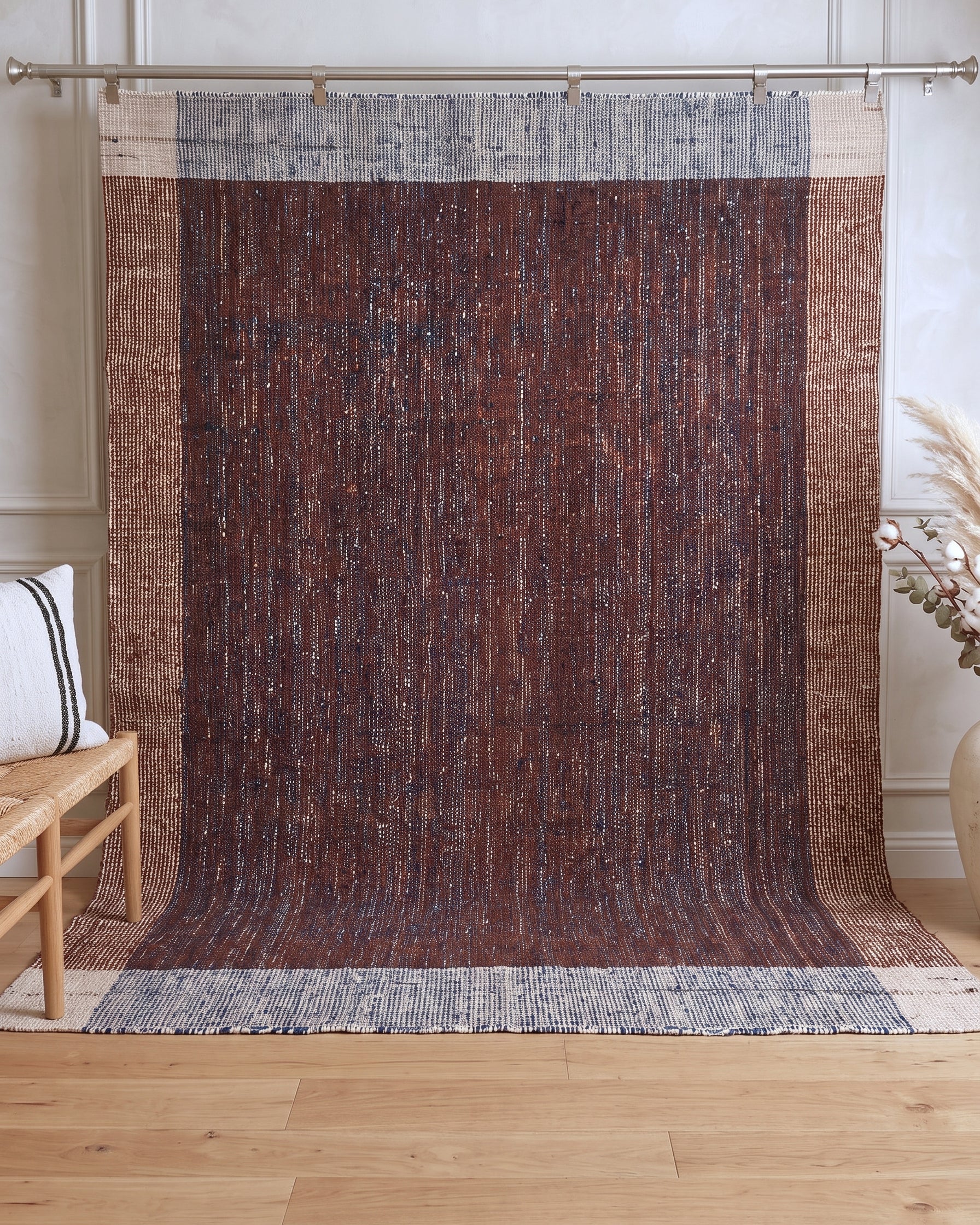
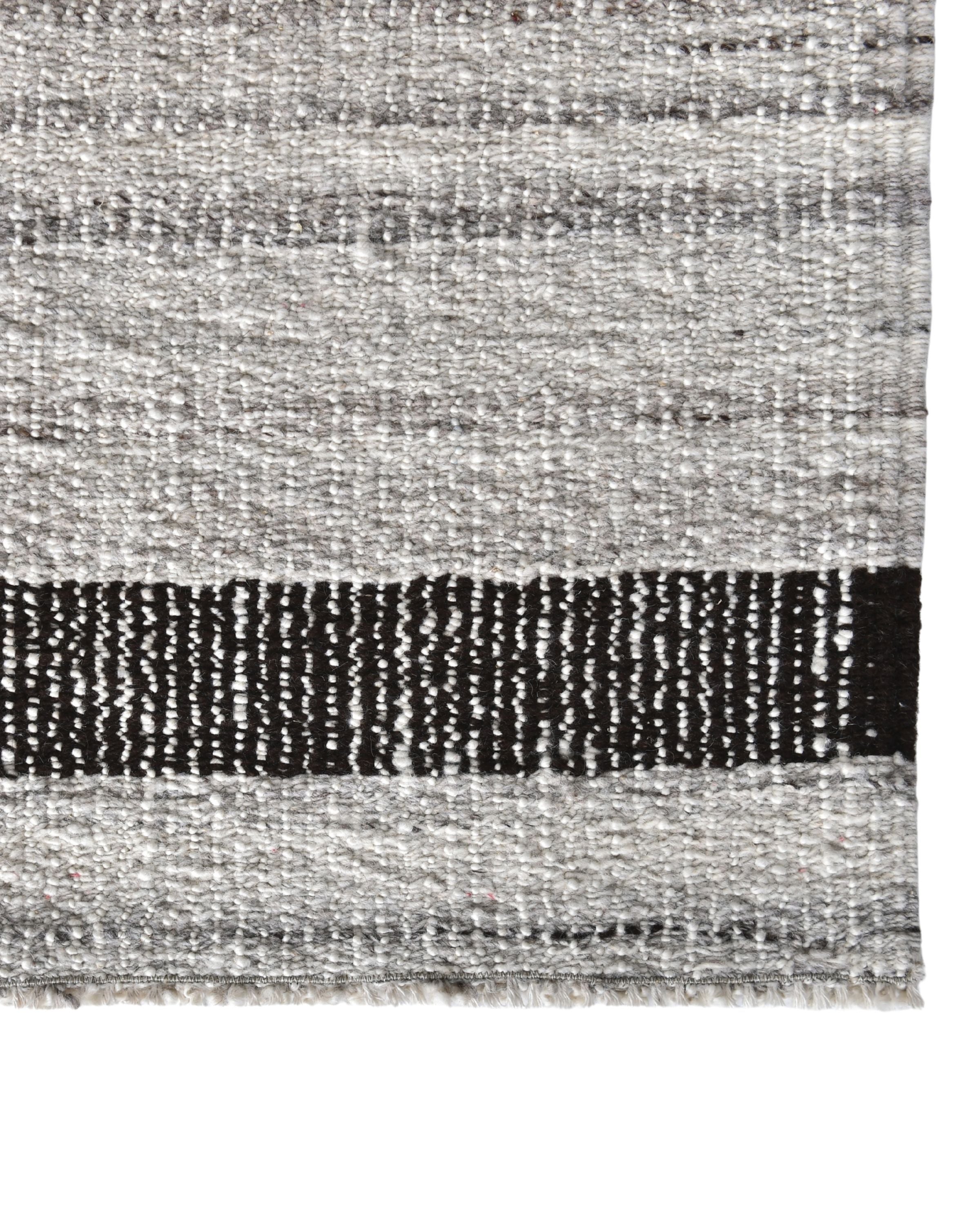
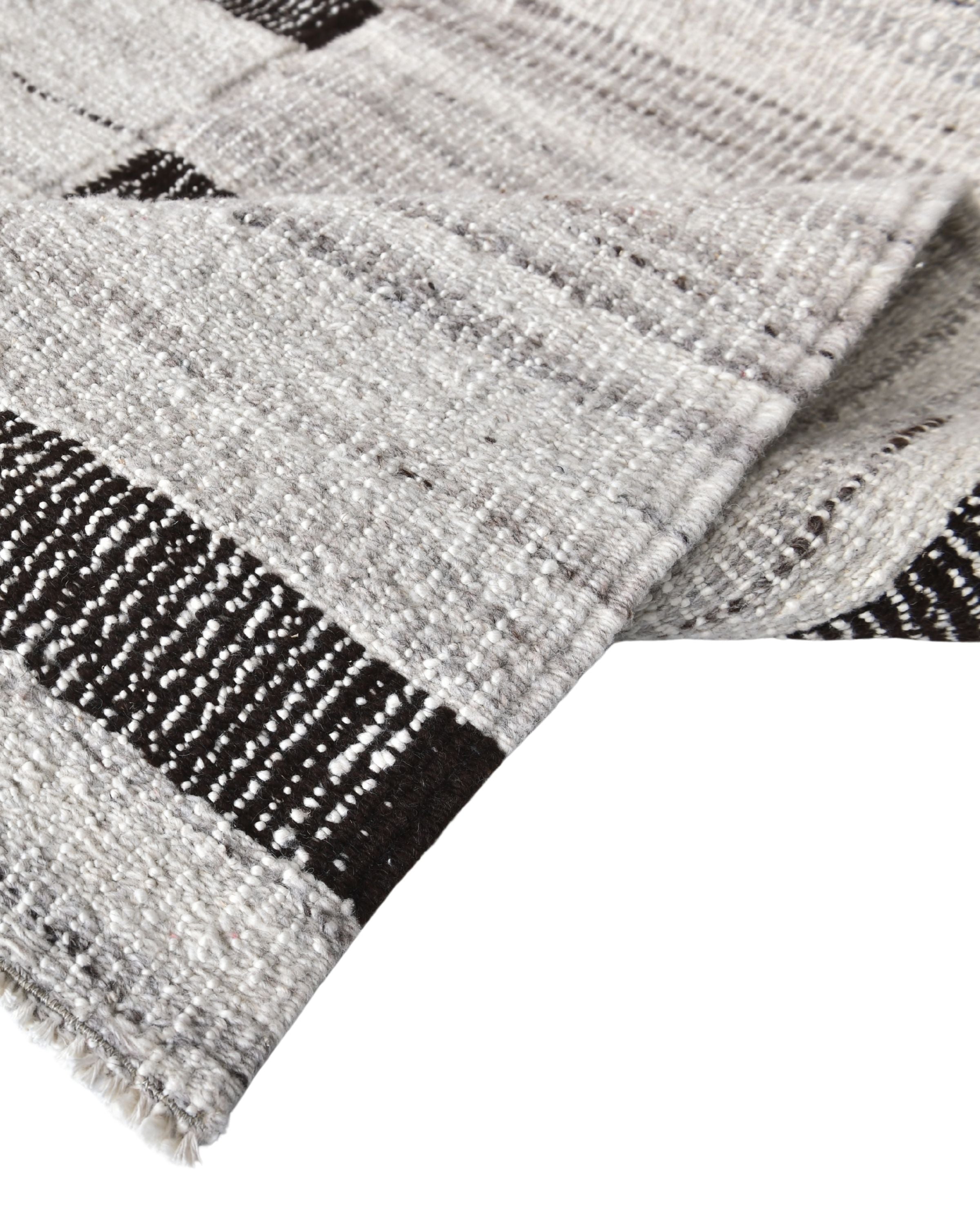
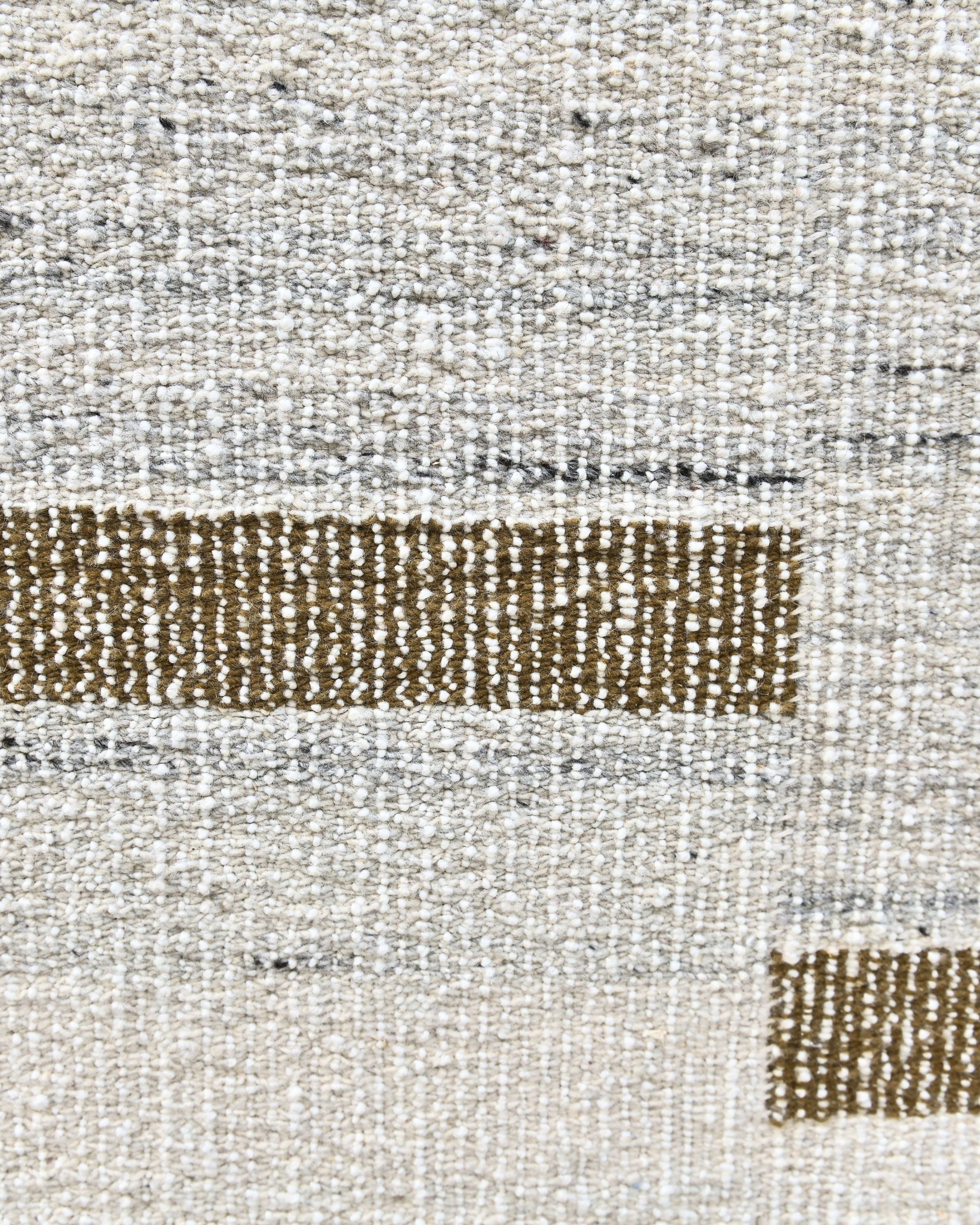
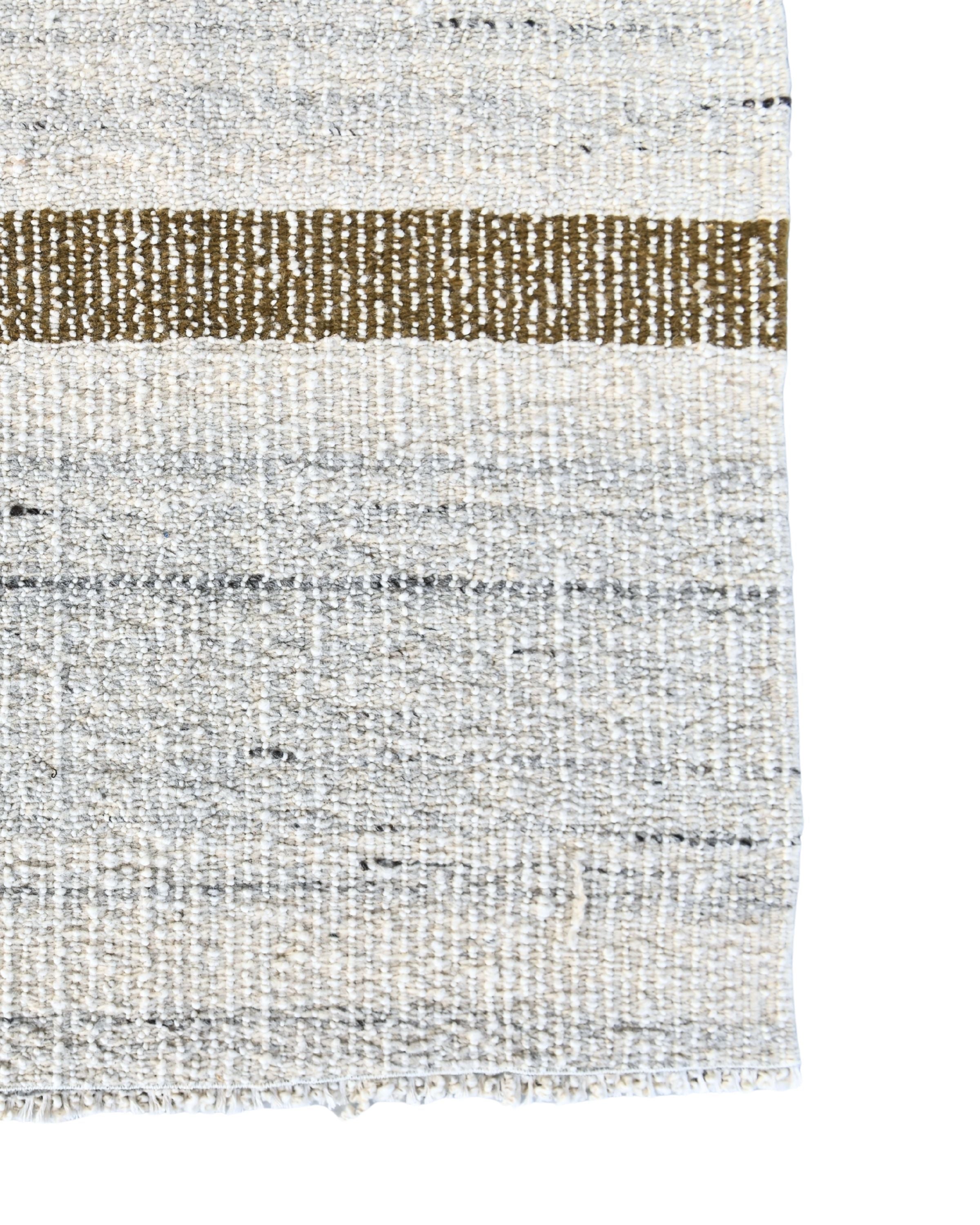
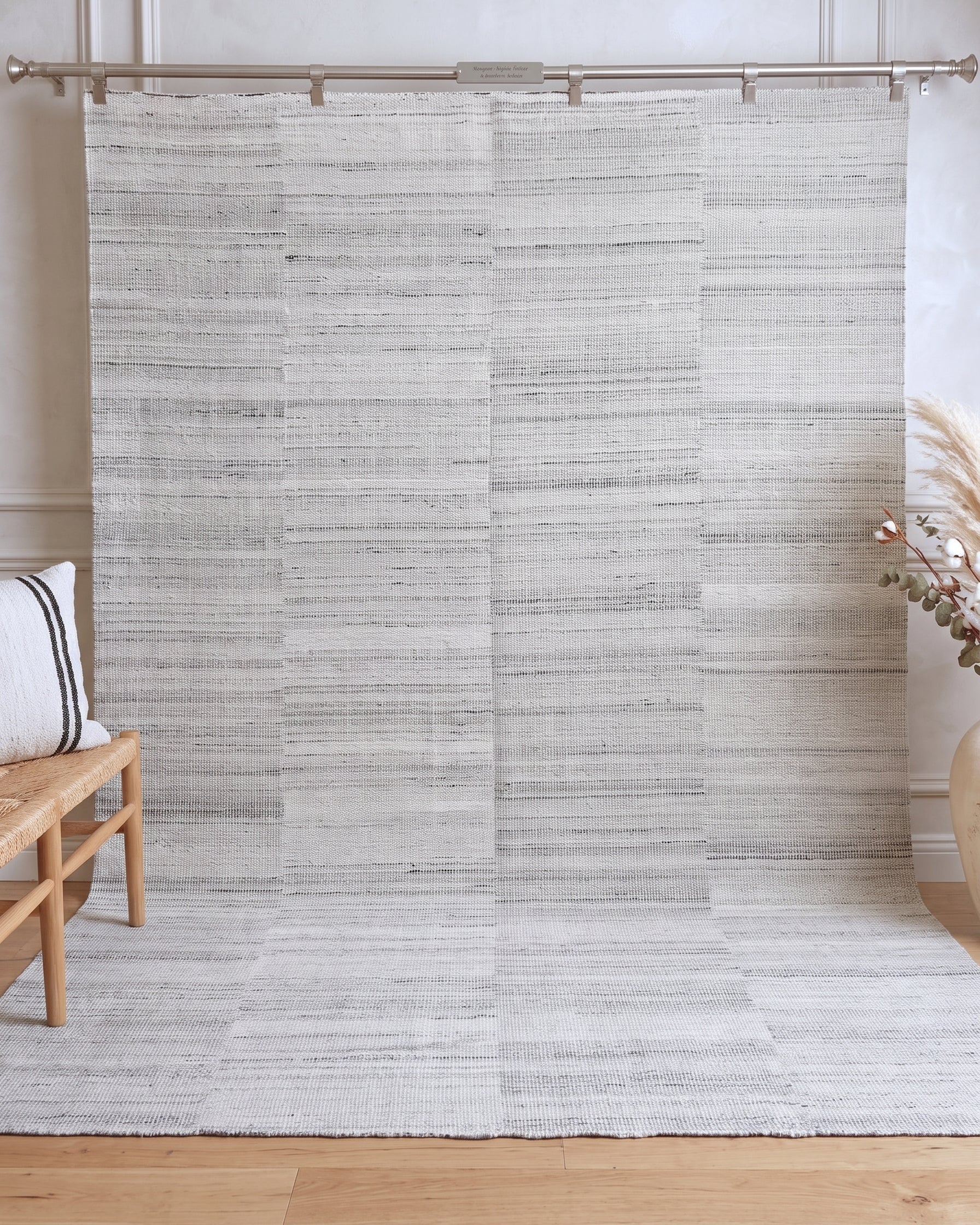
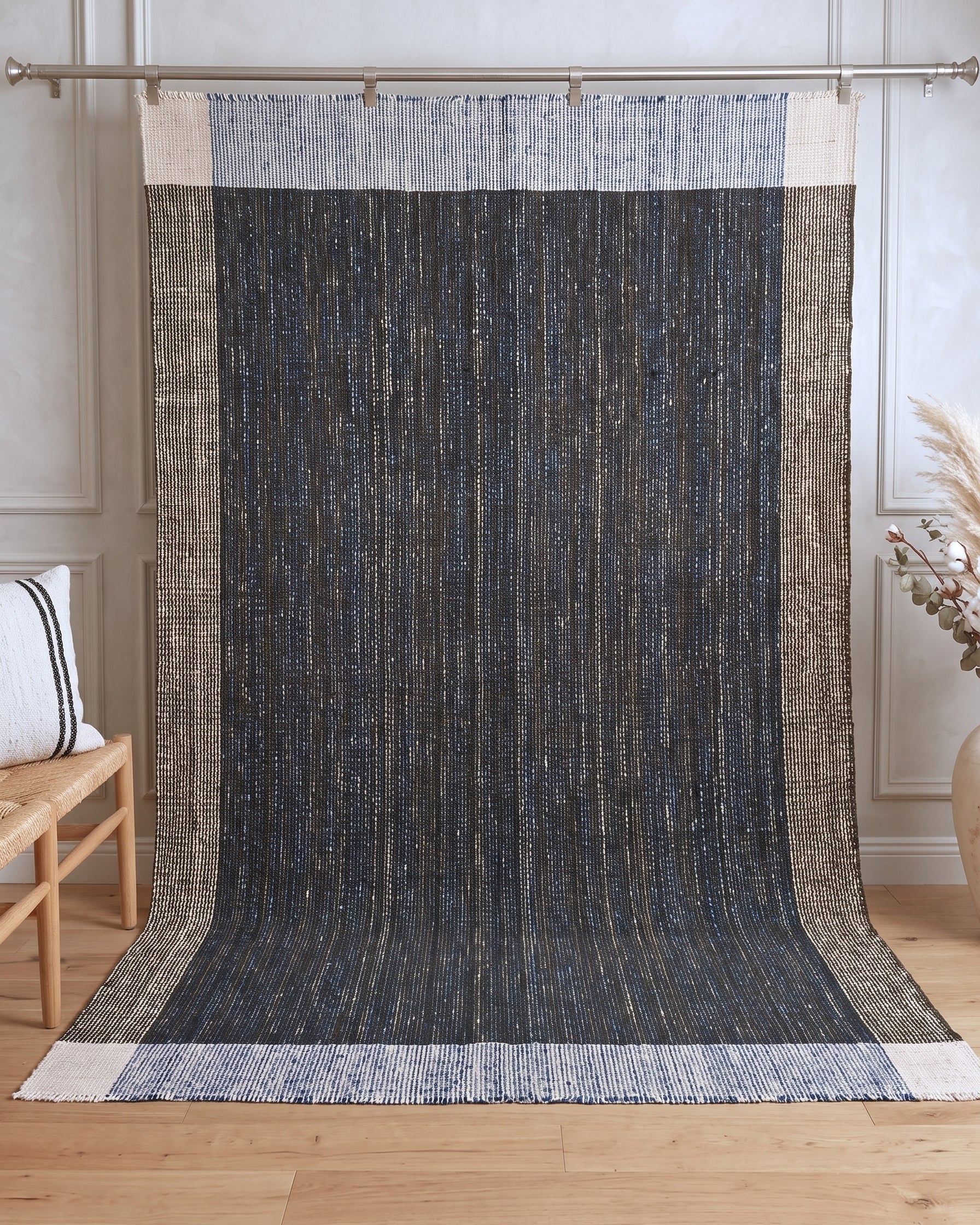
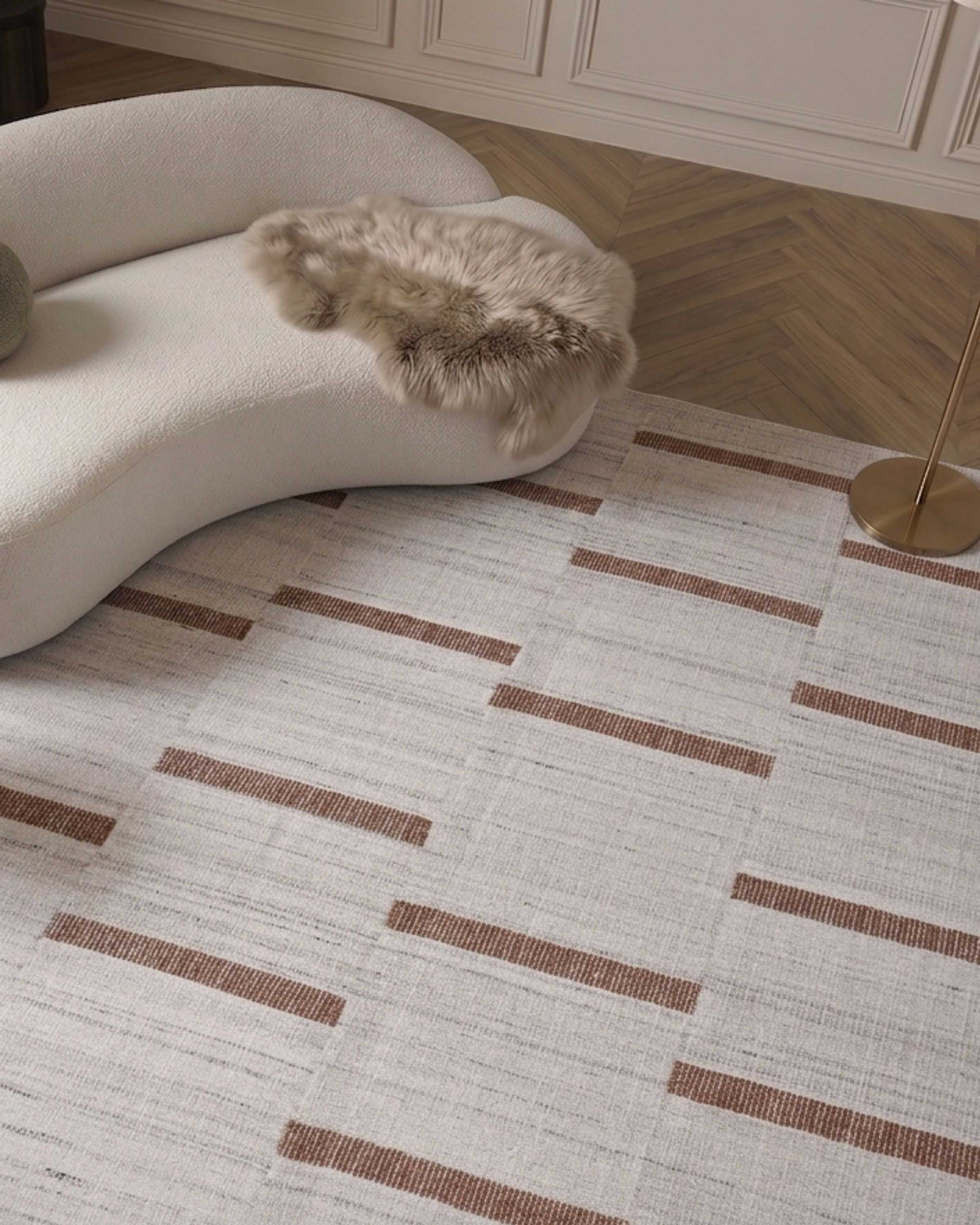
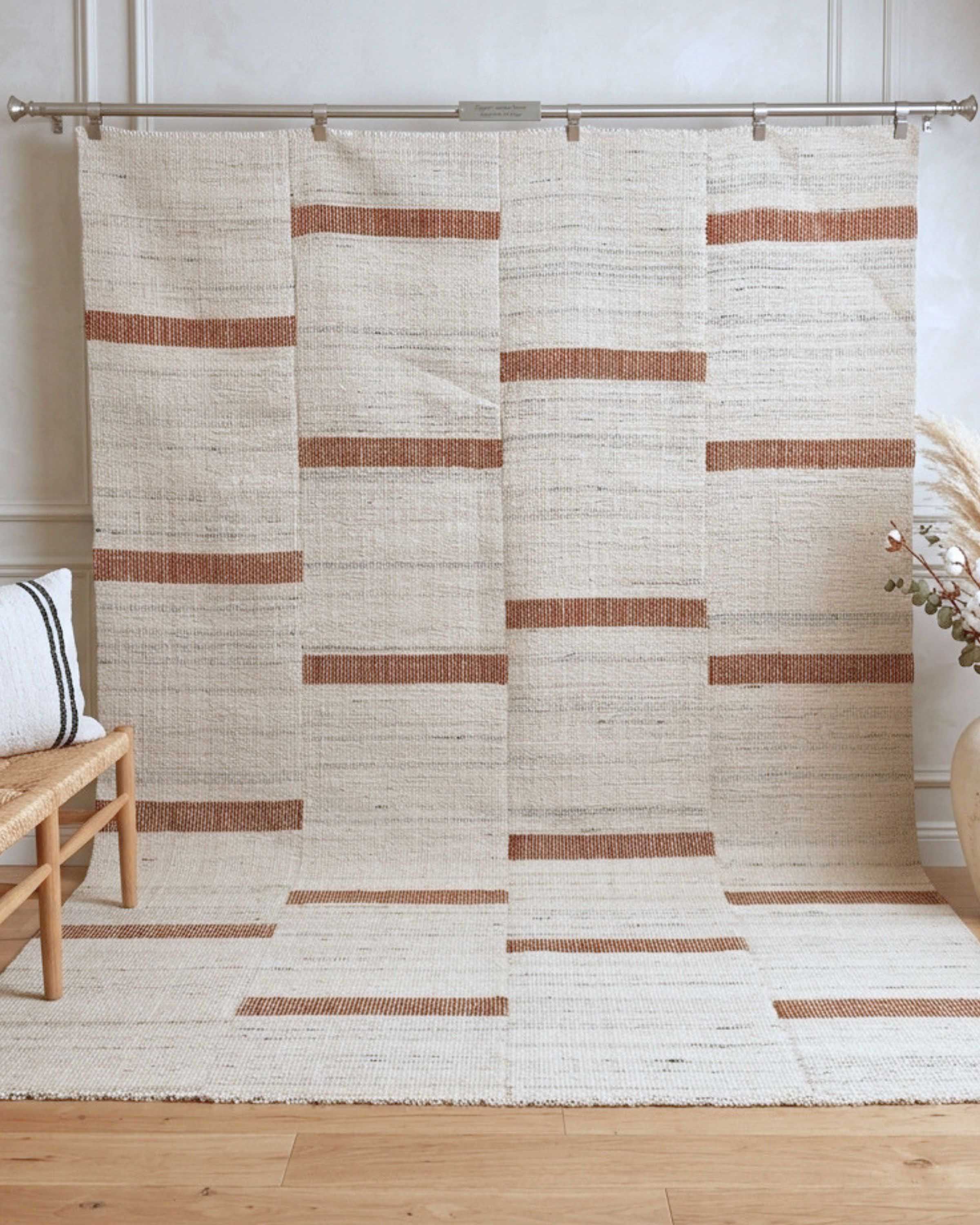
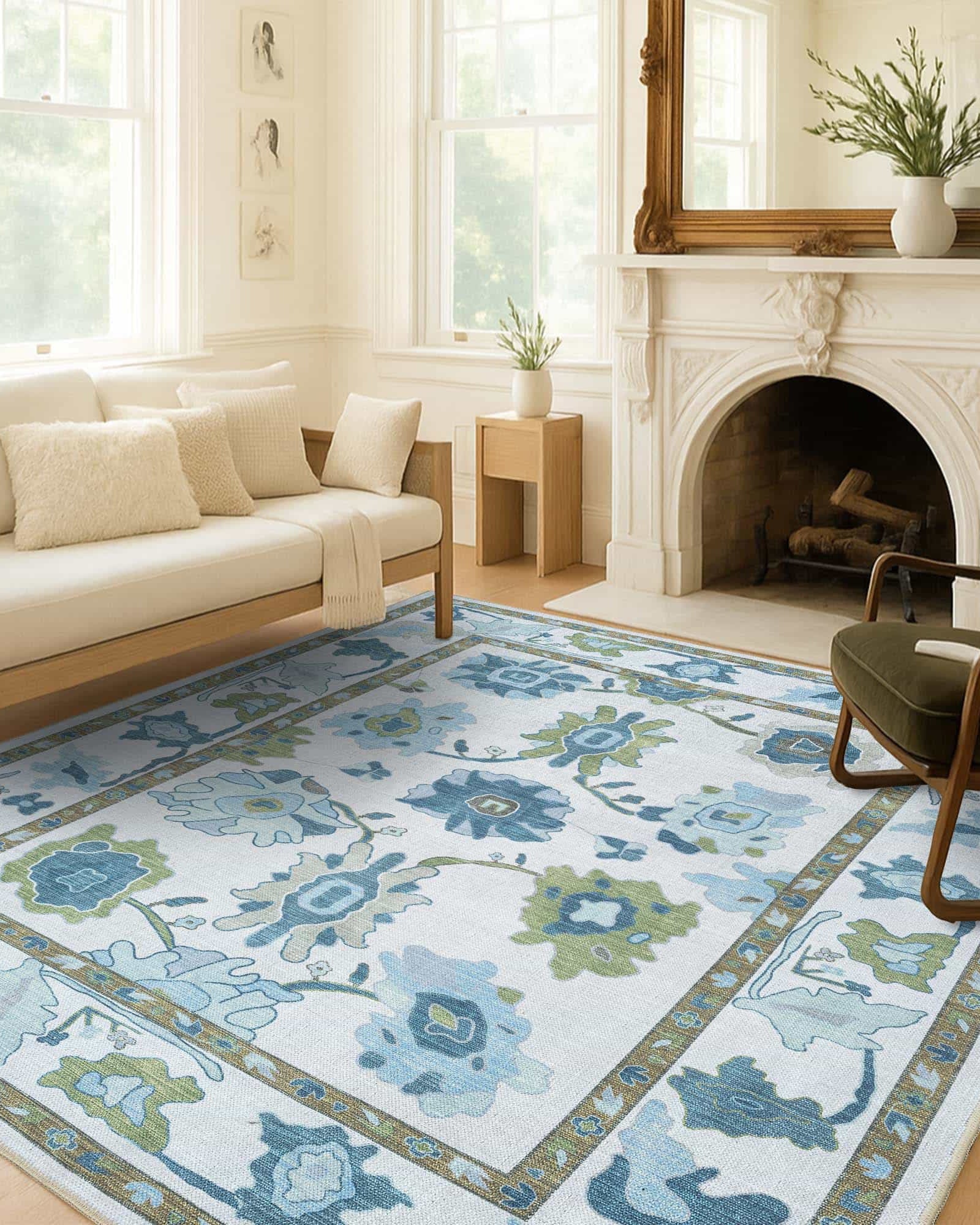
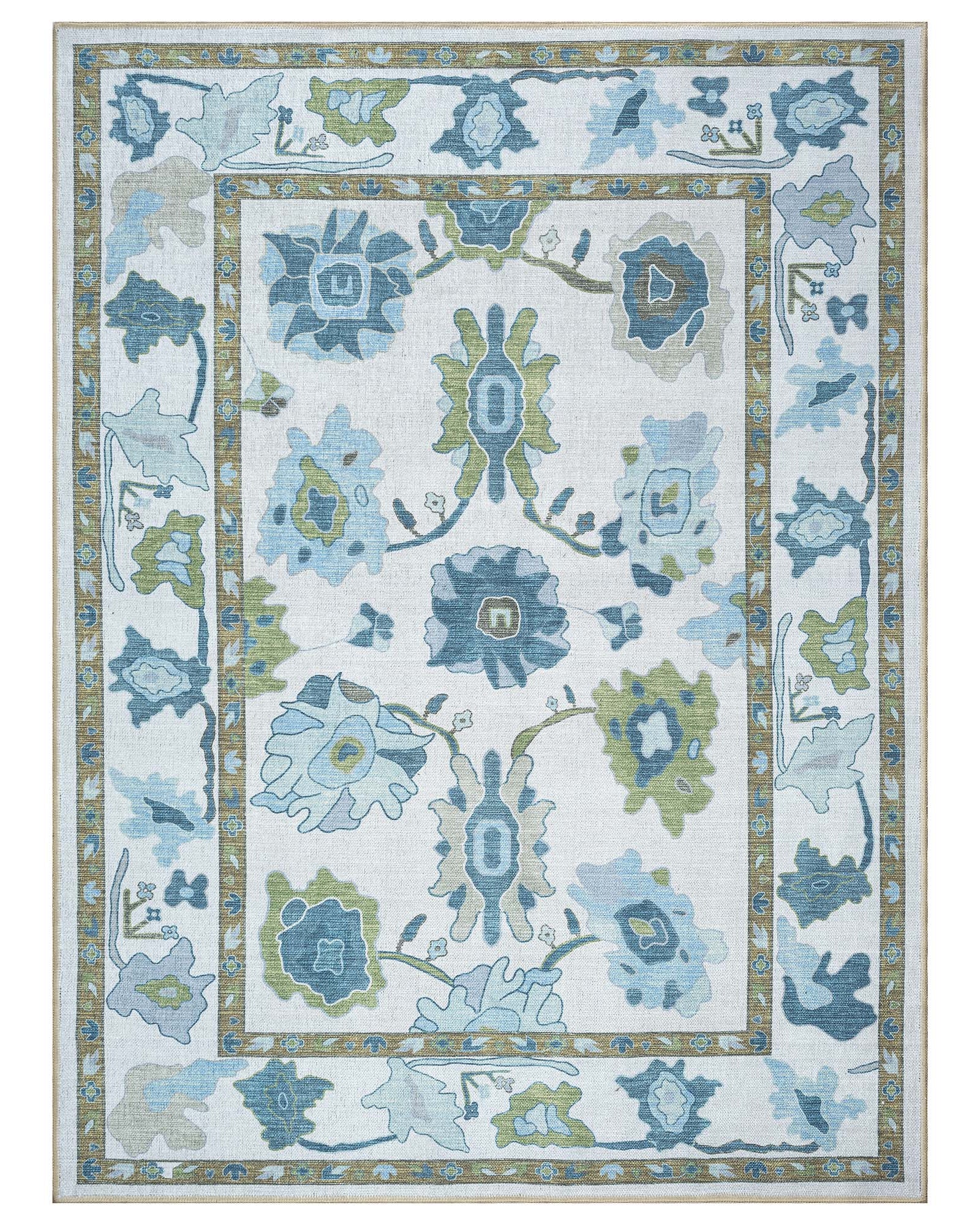
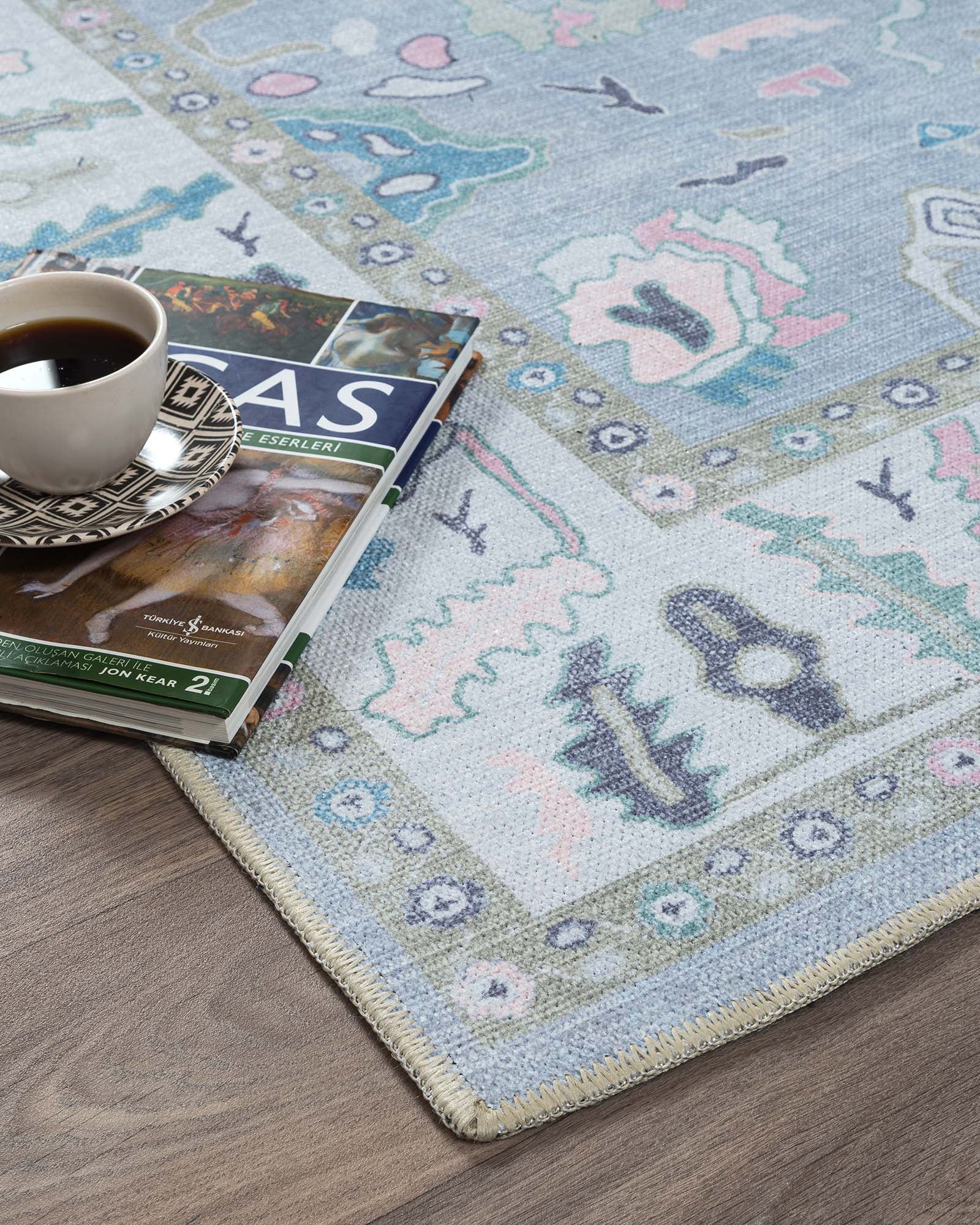
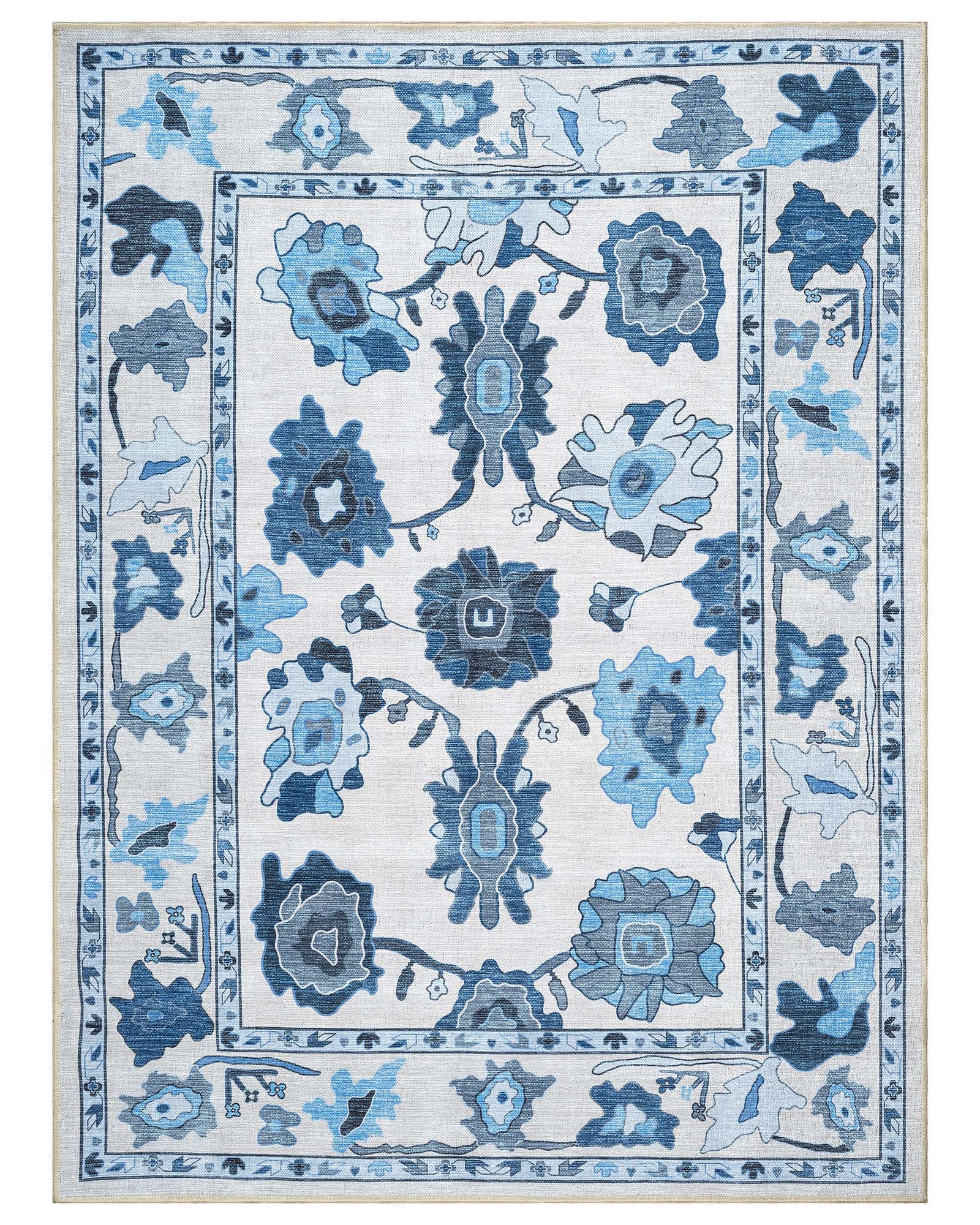
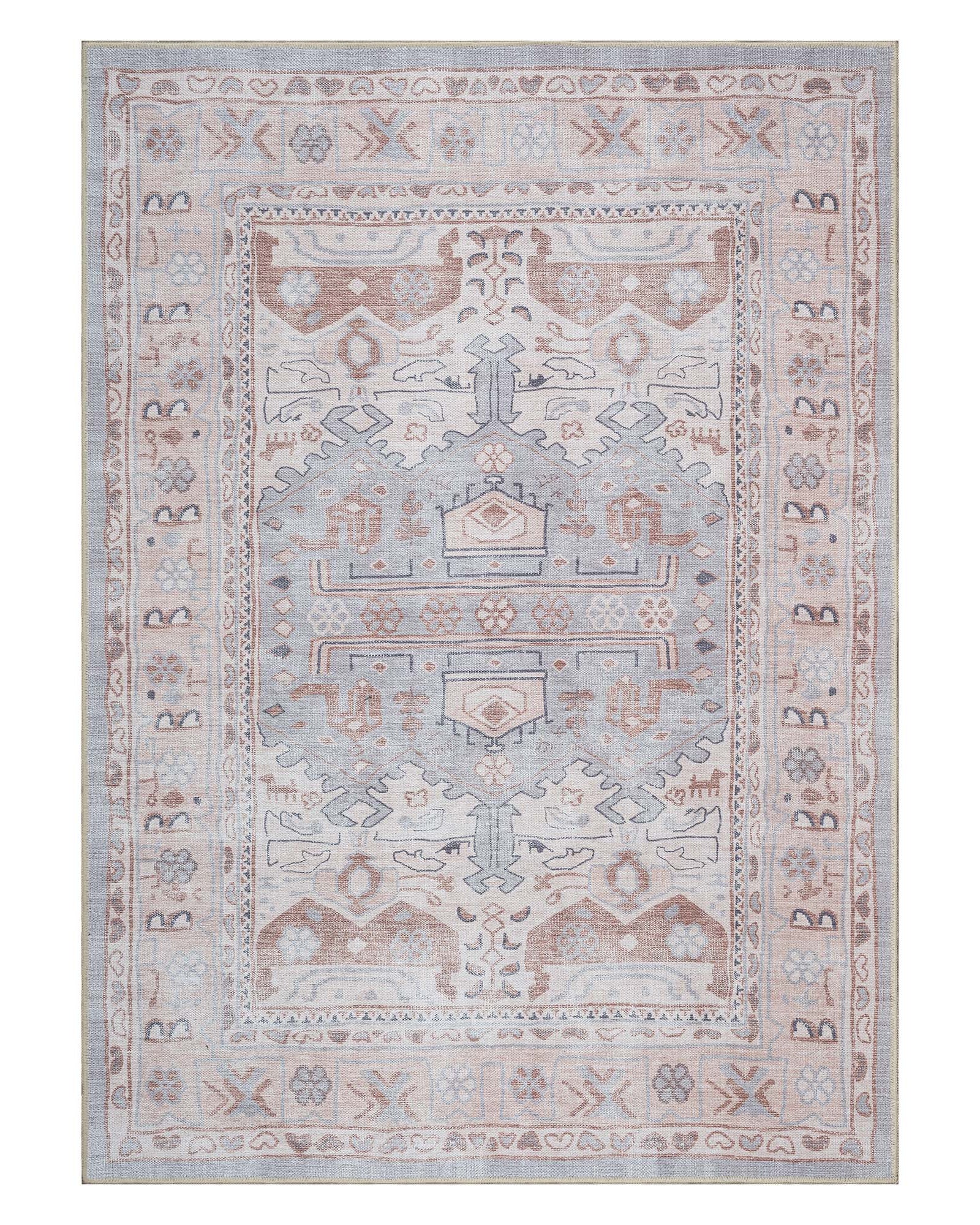
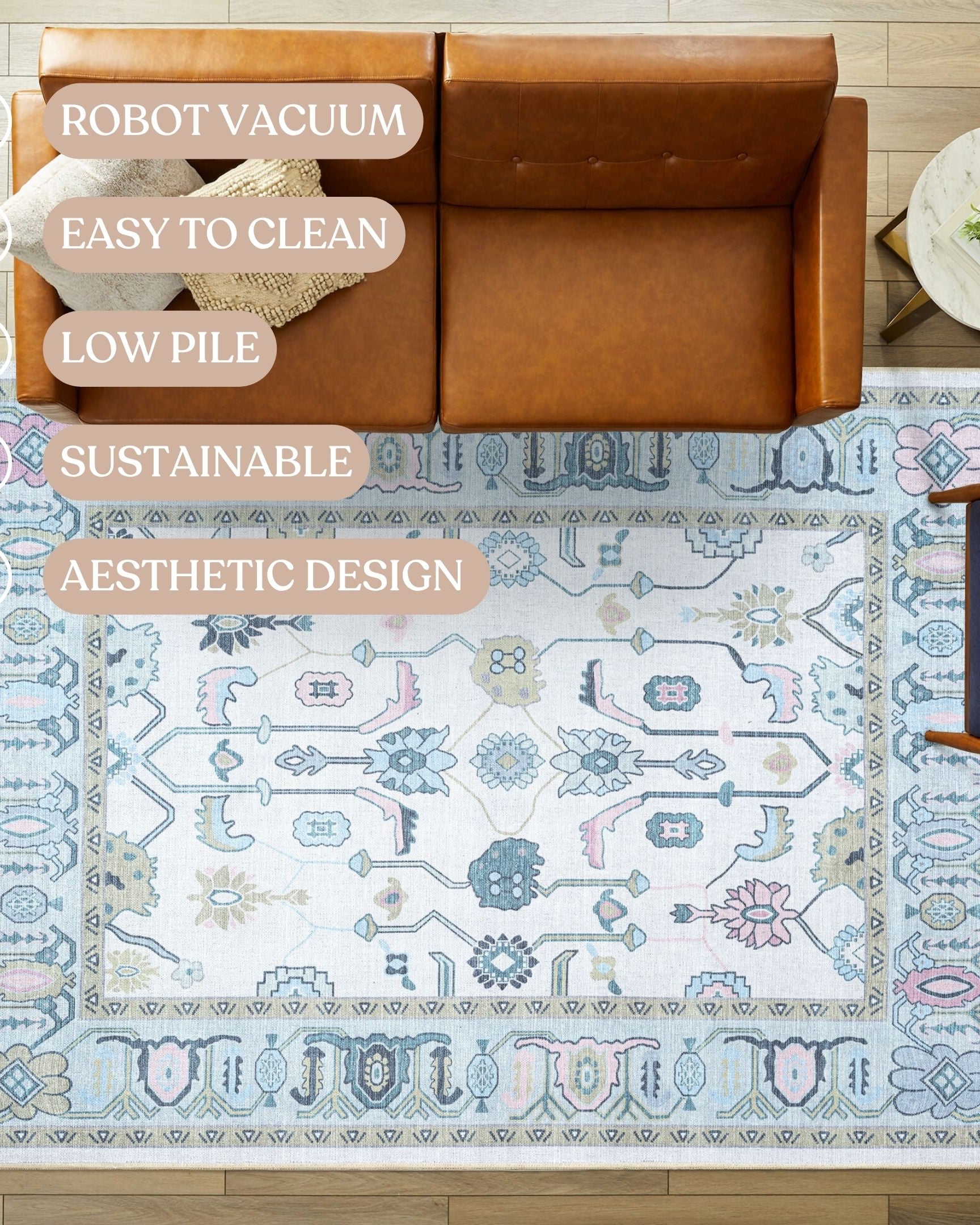
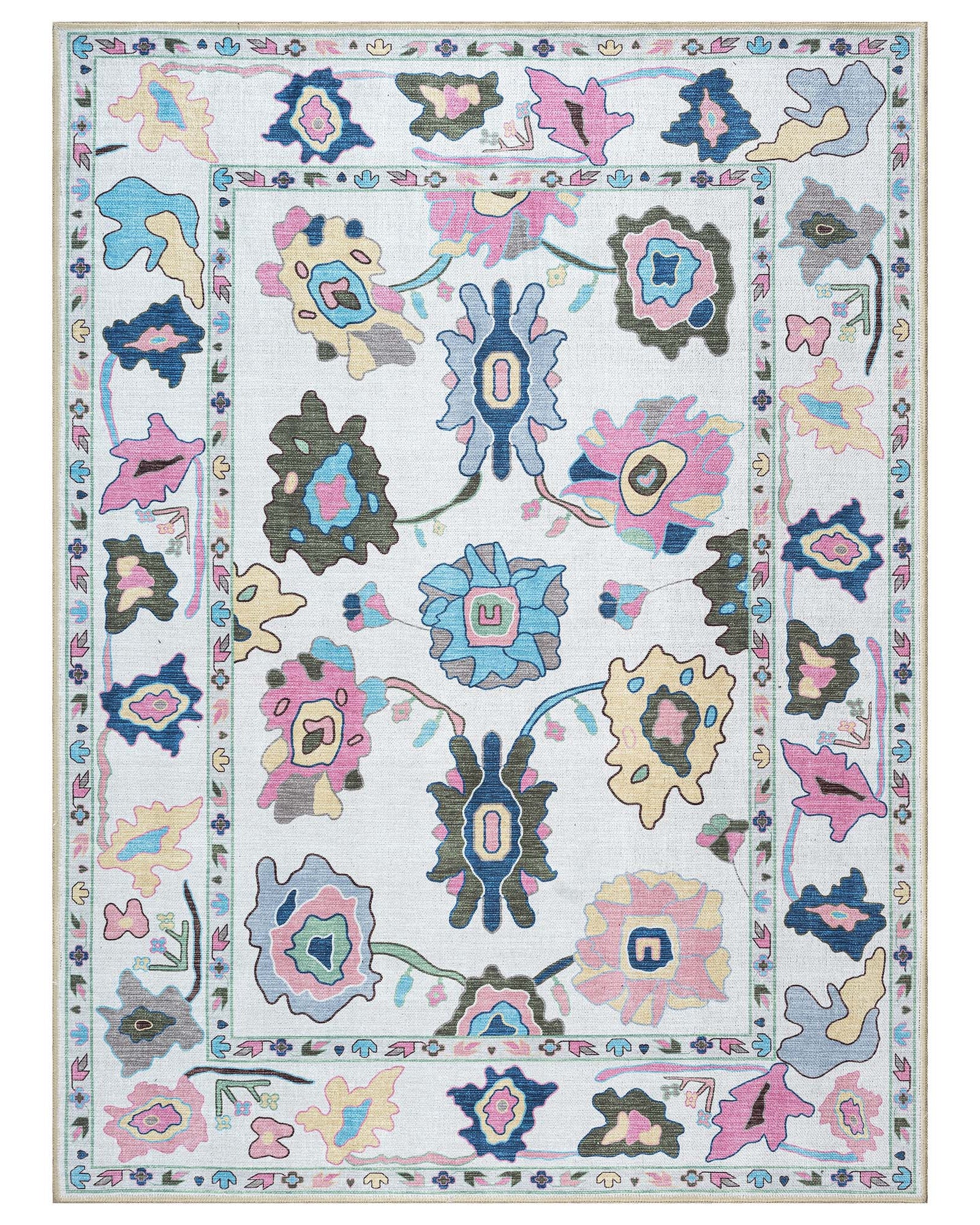
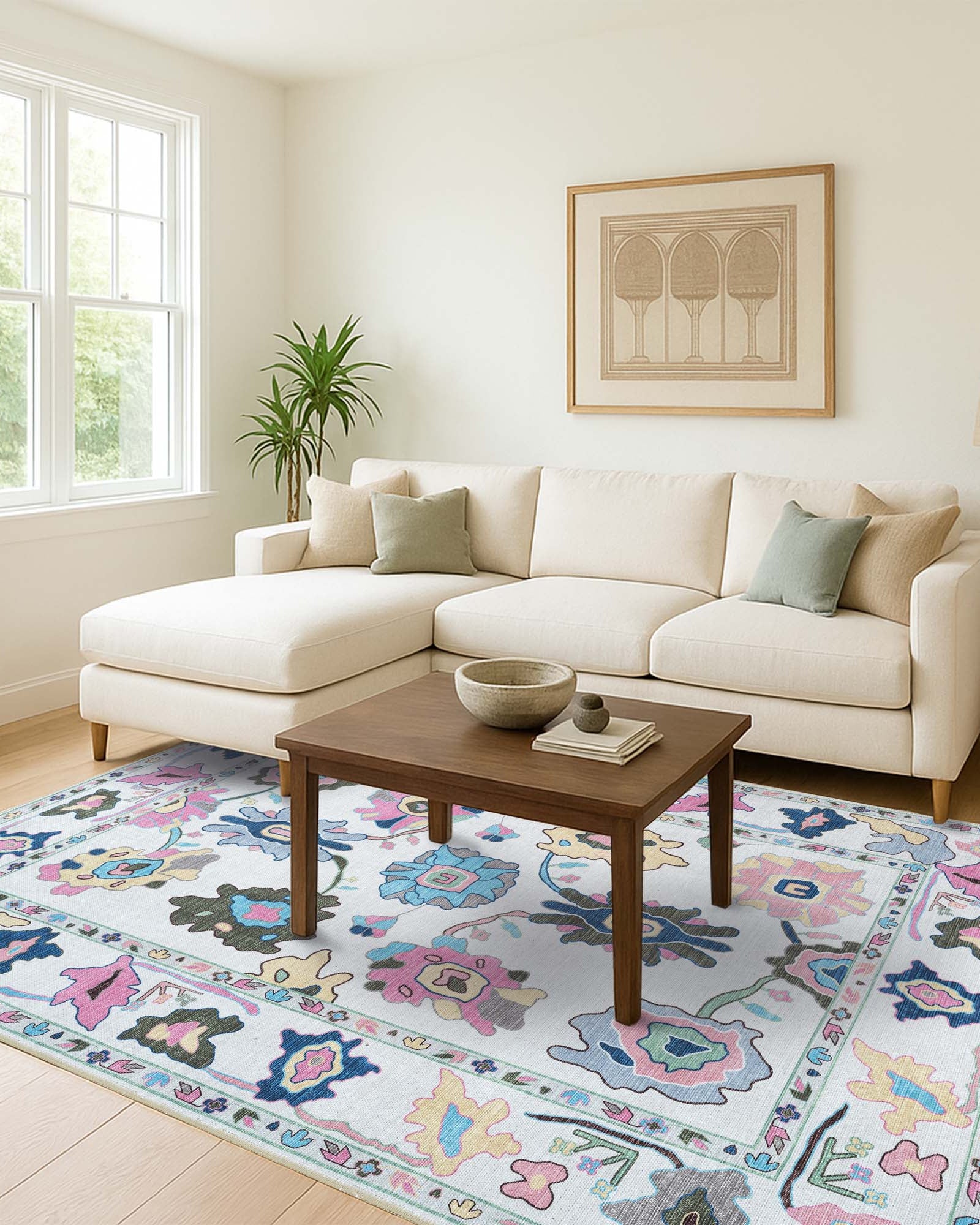
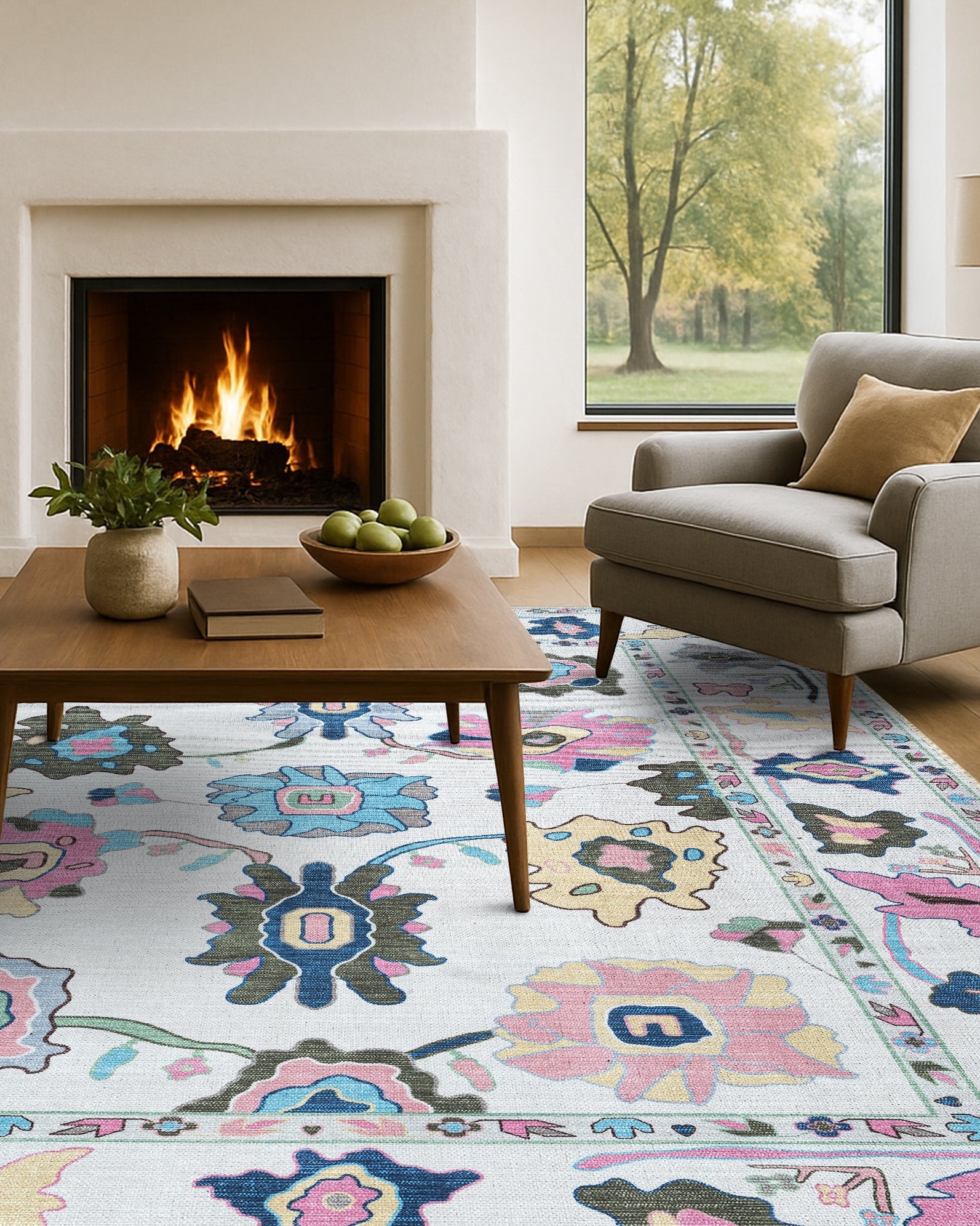
For anyone doing video calls from a home office, what's visible in frame matters. A flatweave with real pattern and color reads well on camera without the visual noise a very busy or oddly lit thick rug can create, and its flat profile means it won't cast the kind of shadow a plush pile rug sometimes does under desk lighting. Choose a piece with confident, legible pattern from a normal seated camera distance rather than something with very fine detail that will read as a blur on screen.
Sizing a Workspace Rug
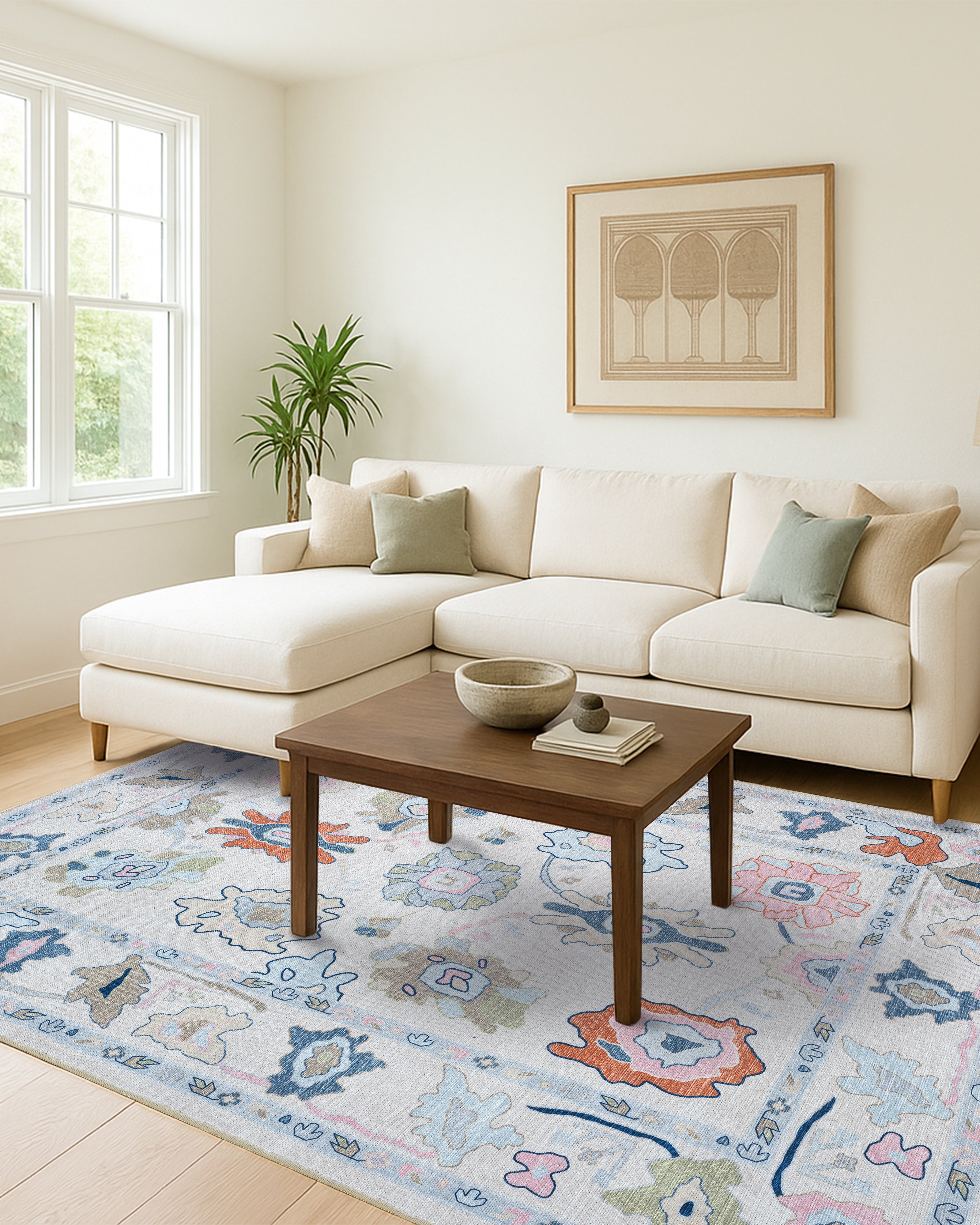
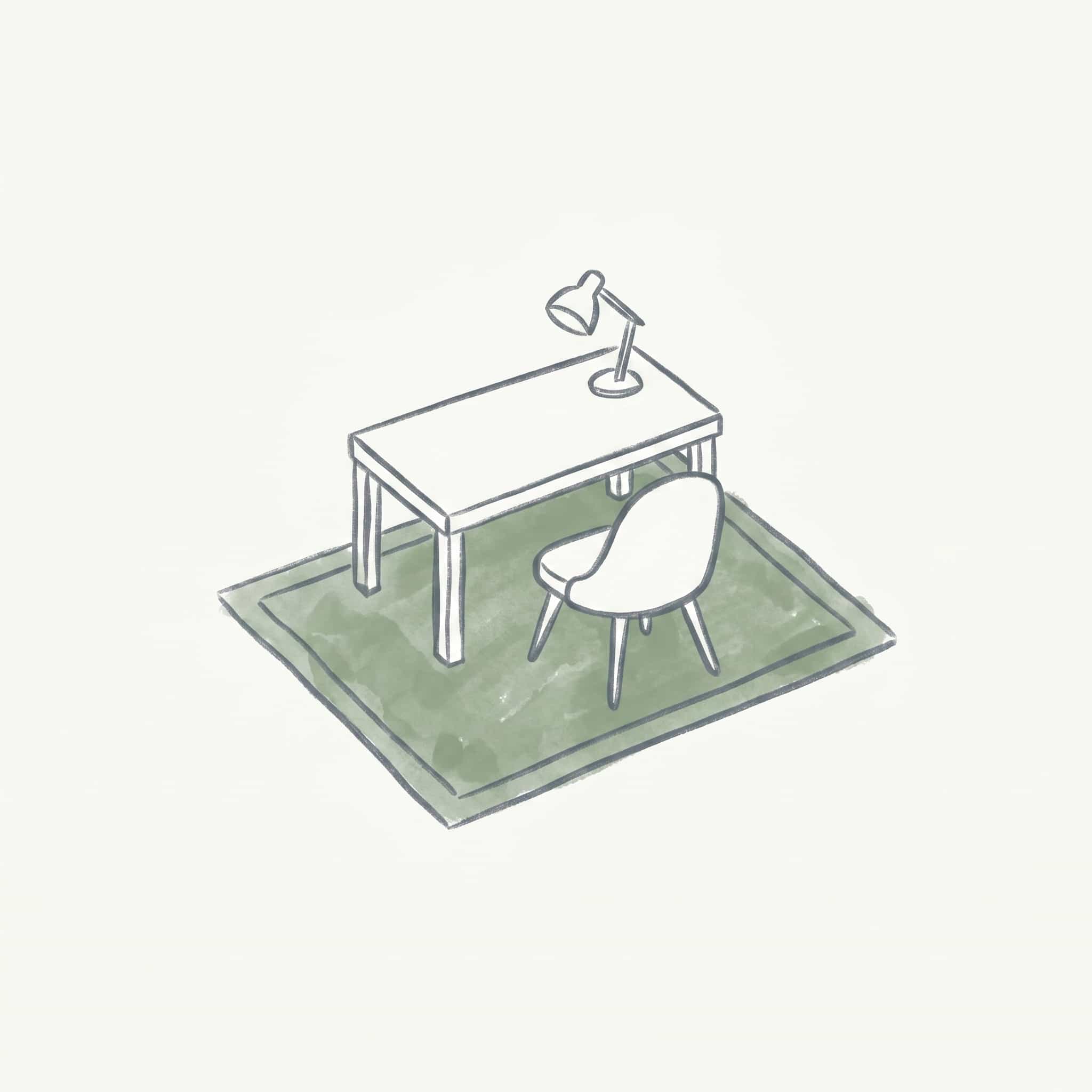
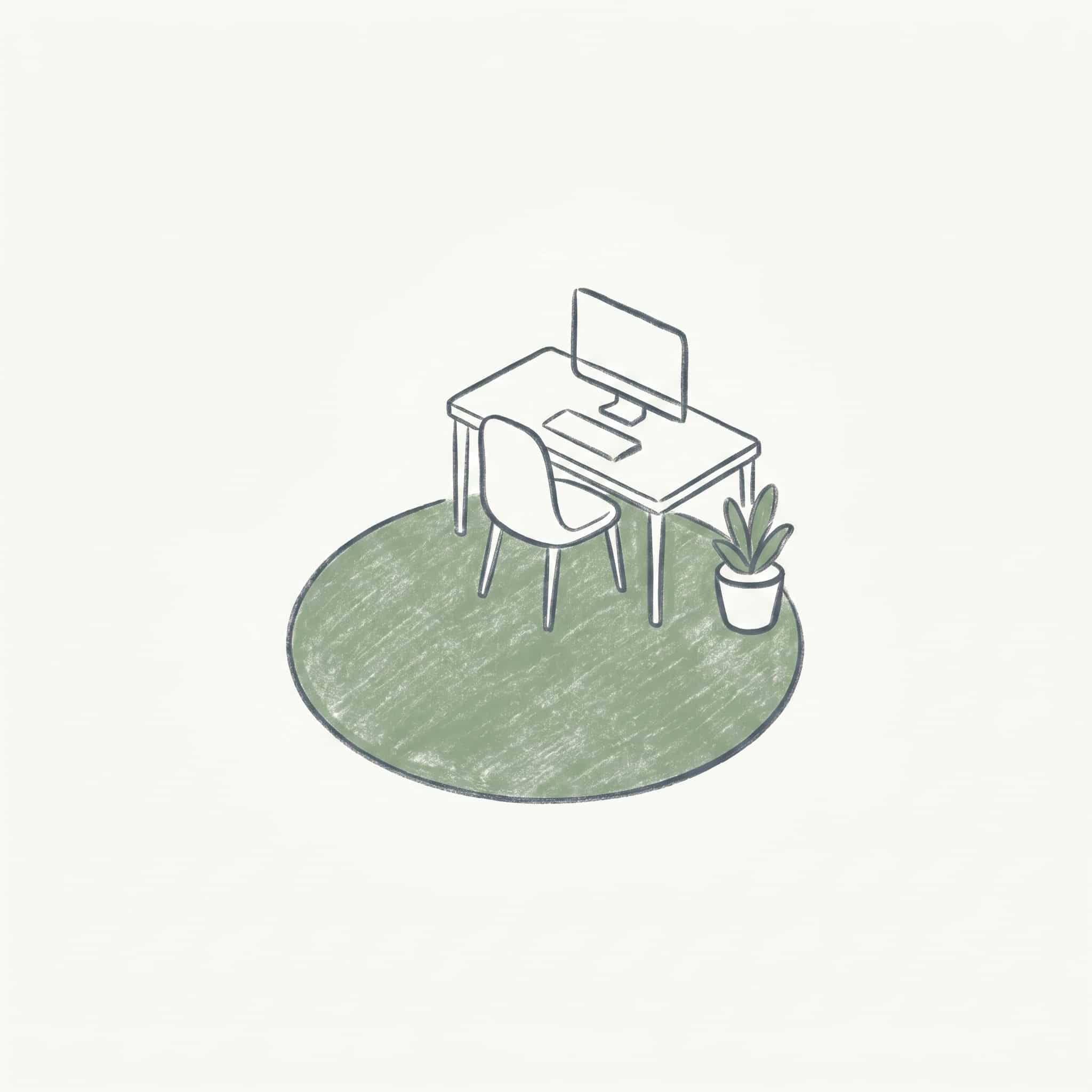
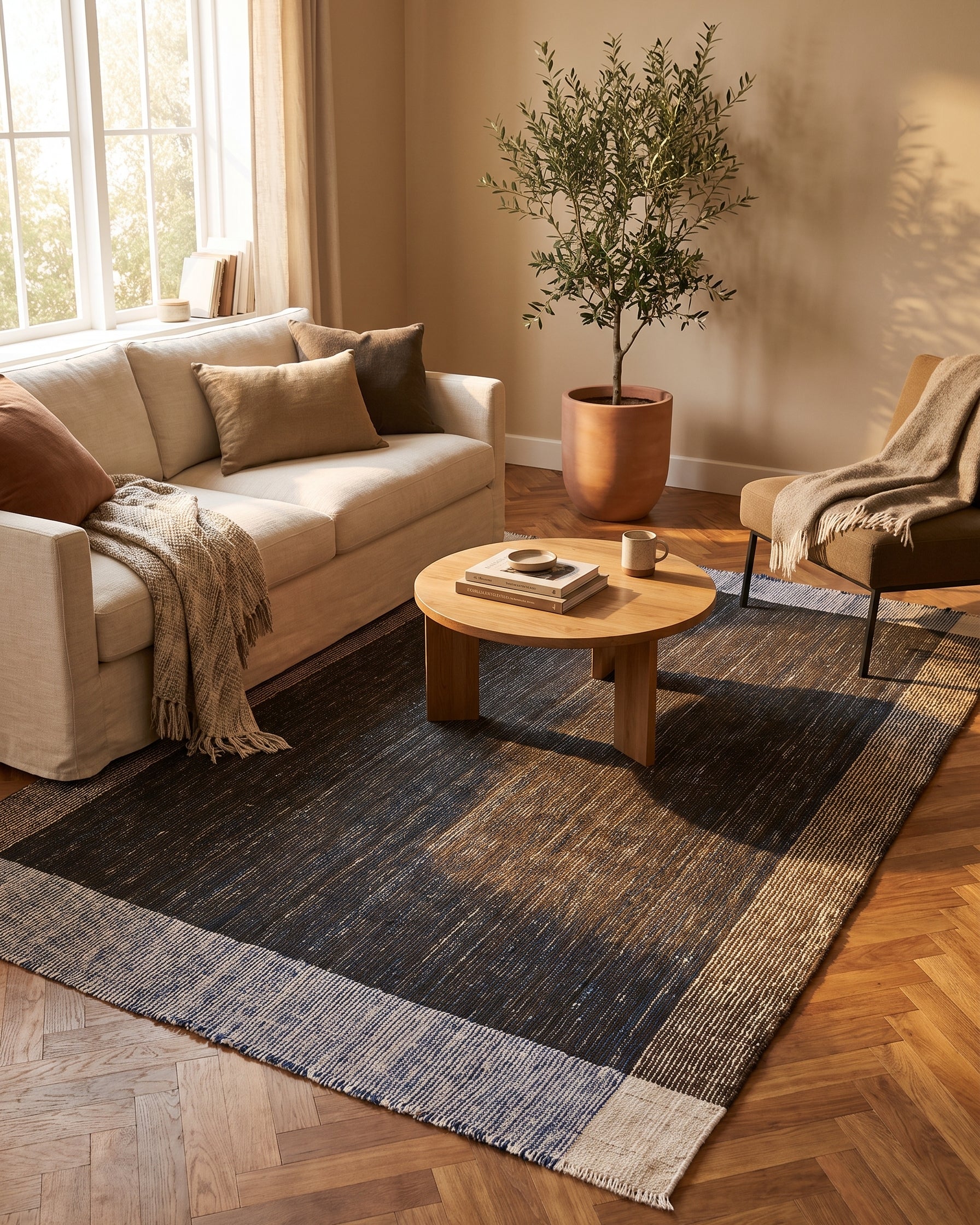
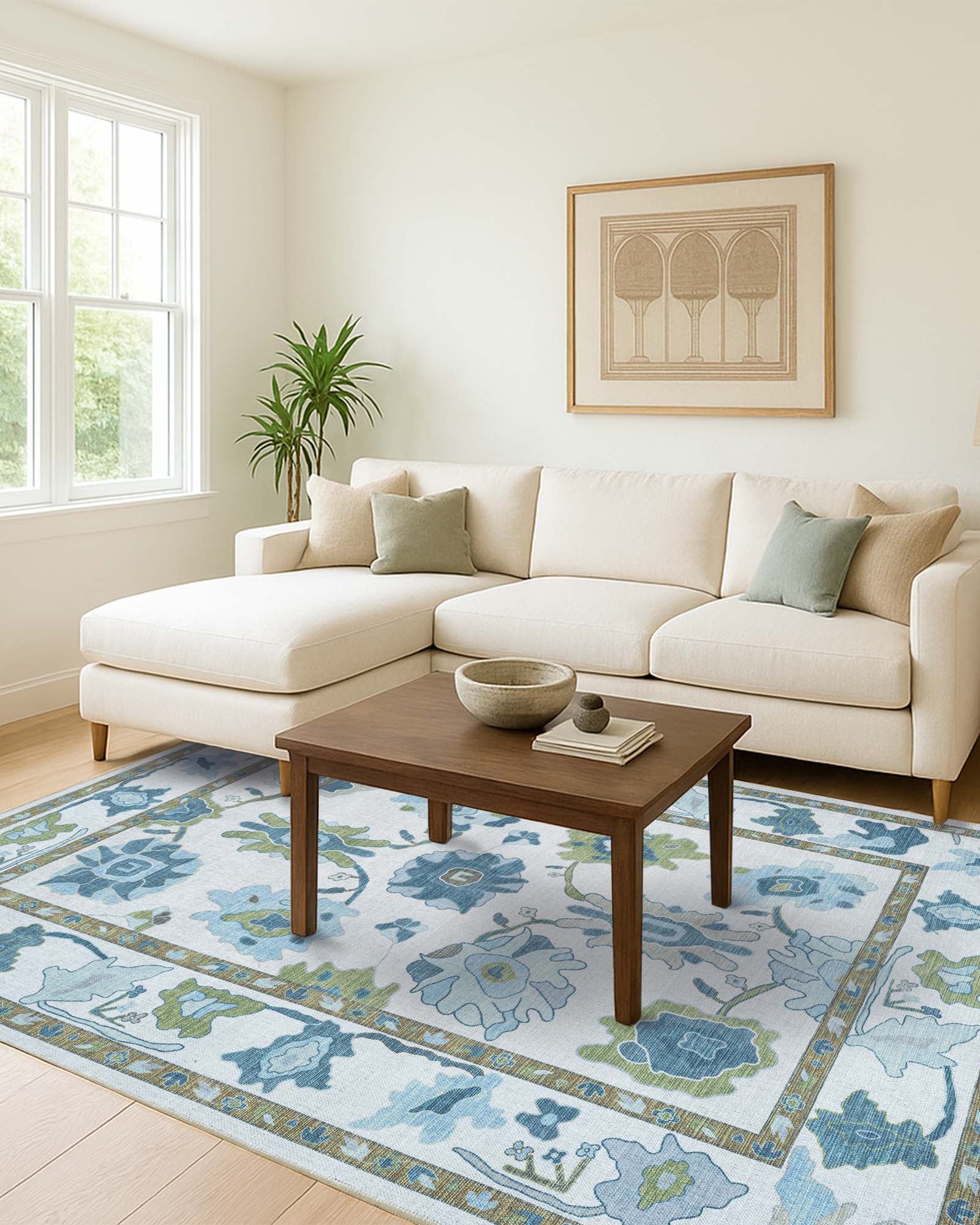
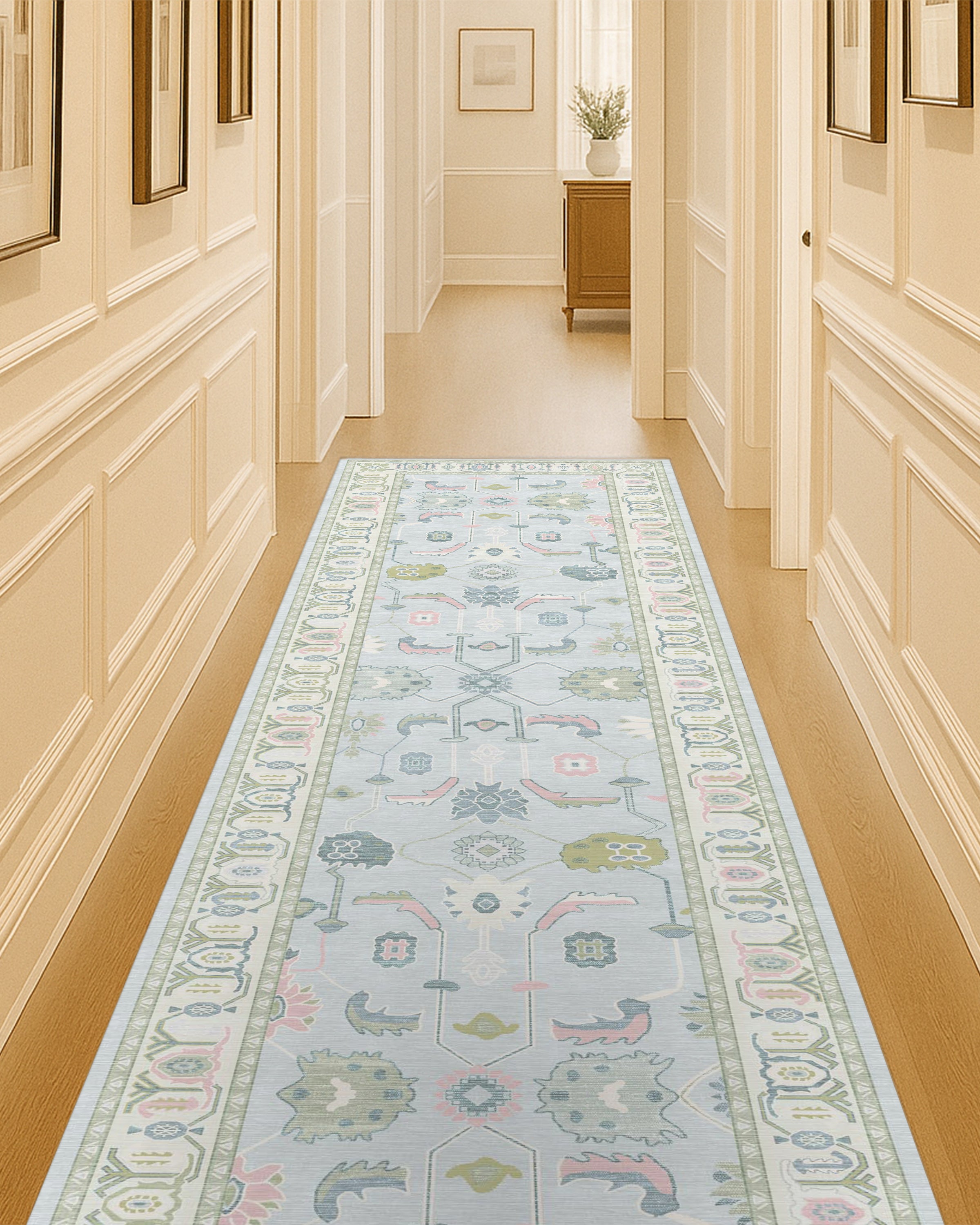
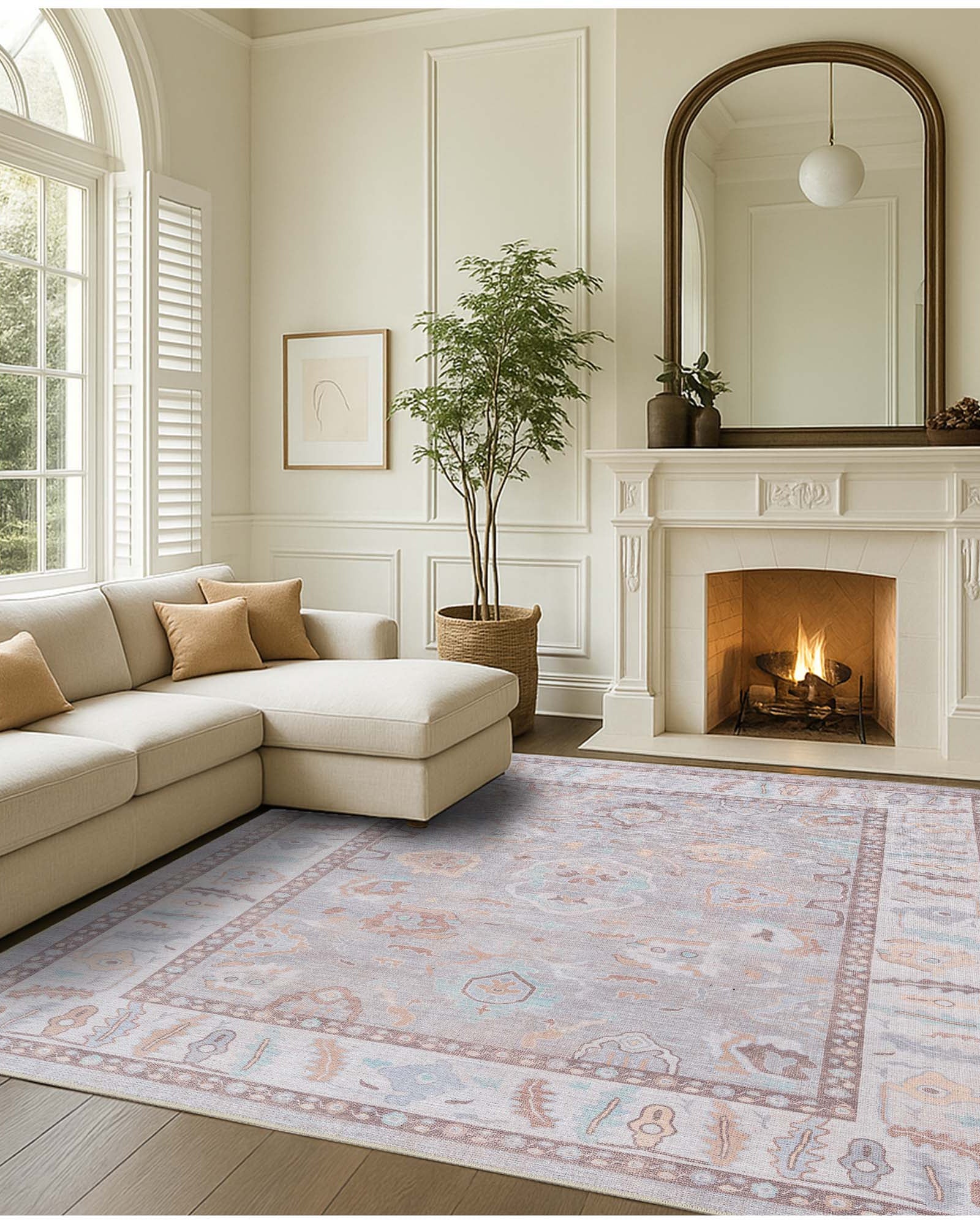
Size the rug to extend a few inches beyond where the chair can roll in every direction — including fully pushed back from the desk — so the chair never rolls off the rug onto bare floor. In a dedicated home office, this usually means a rug larger than the desk footprint alone; in a shared or open-plan workspace, a runner or smaller piece positioned specifically under the chair's roll radius is often enough.
Where to Look Next
For the full range of flatweave construction and pattern, browse Flatweave Rugs. If you want more durability under heavy daily rolling, Soumak Rugs offers a denser weave. For a lightweight option in a small home office, see Lightweight Flatweave Rugs.
Frequently Asked Questions
Why is a flatweave better than a pile rug under a desk chair?
Office chair casters are built for hard or low-pile surfaces and struggle to roll smoothly on deep pile, which also wears at the pile over time. A flatweave's flat surface lets a chair roll and pivot without that drag or concentrated wear.
Do I still need a chair mat over a flatweave?
It's a reasonable addition. Sustained rolling in one specific spot under the desk wears faster than the rest of the rug, so a clear chair mat over that zone protects a genuine vintage piece while leaving the rest visible.
What pattern works best for a home office on video calls?
Confident, legible pattern that reads clearly from a normal seated camera distance. Very fine, intricate detail can look like visual noise or a blur on screen, so bolder pattern generally photographs better for calls.
How big should a workspace rug be?
Large enough that the chair never rolls off the rug in any direction, including fully pushed back from the desk. Measure the chair's full roll radius, not just the desk footprint, before choosing a size.
Is a flatweave durable enough for daily office use?
Yes, especially with a chair mat protecting the highest-wear spot. For even more durability under constant rolling, a denser soumak weave is a good step up from a plain flatweave.