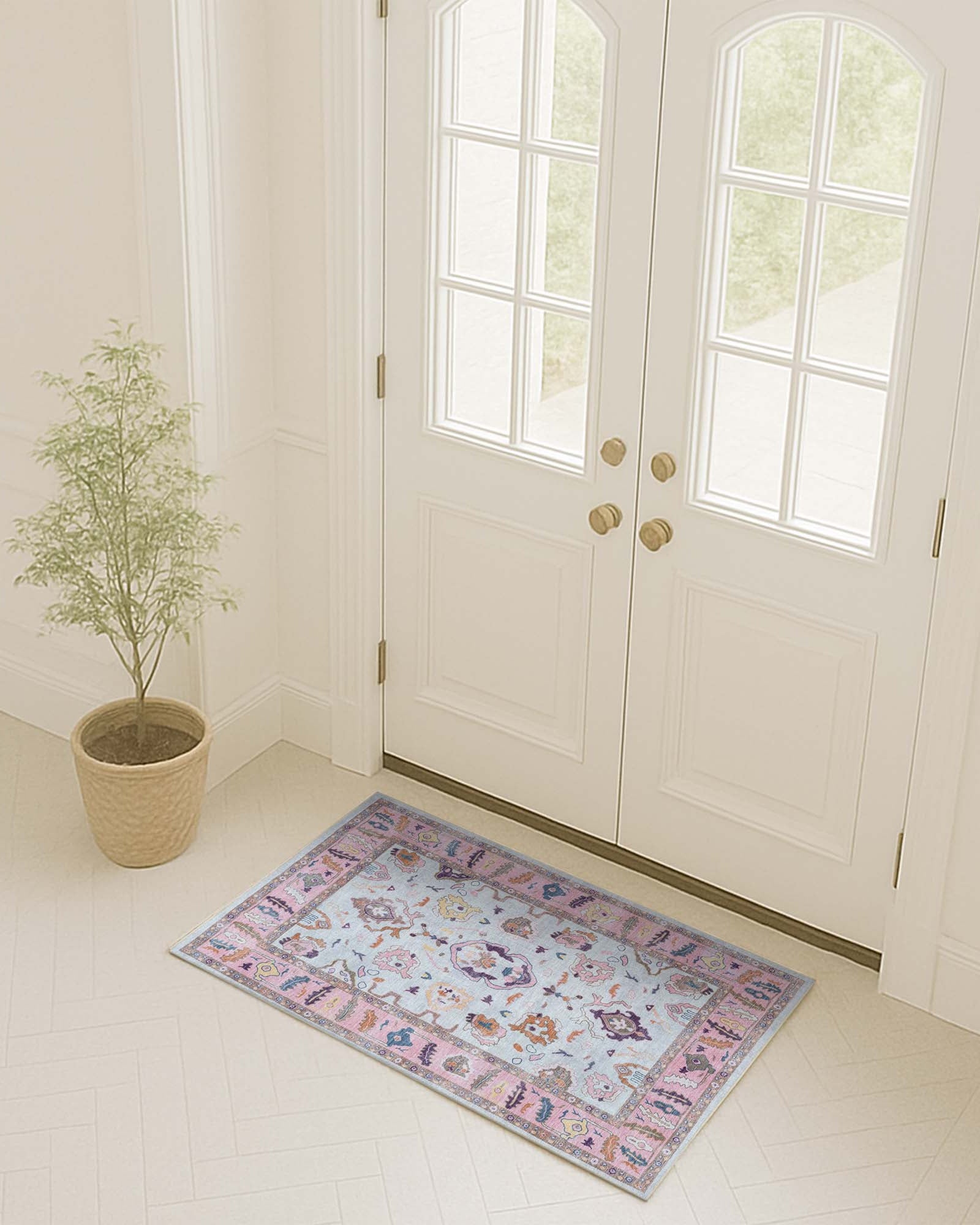
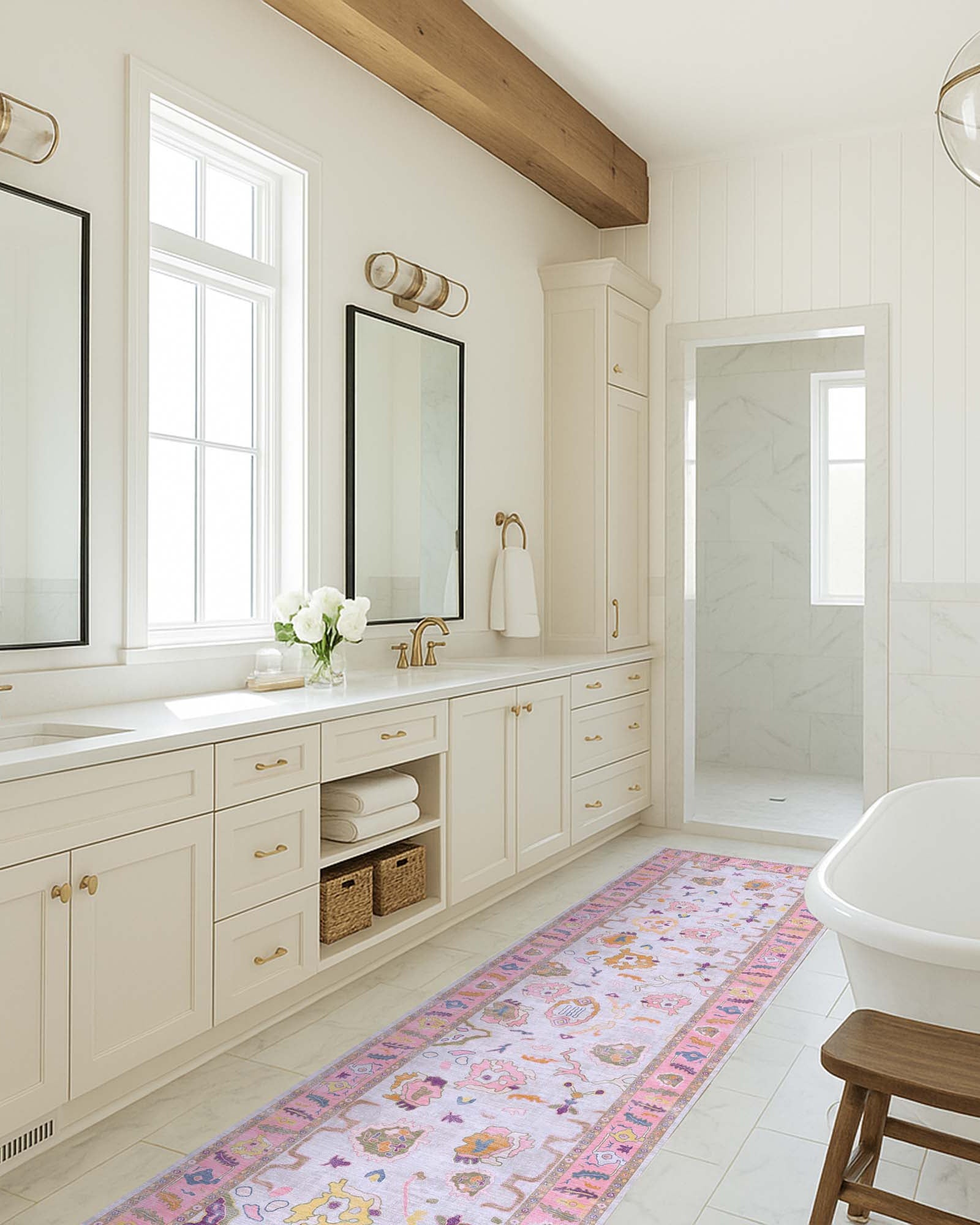
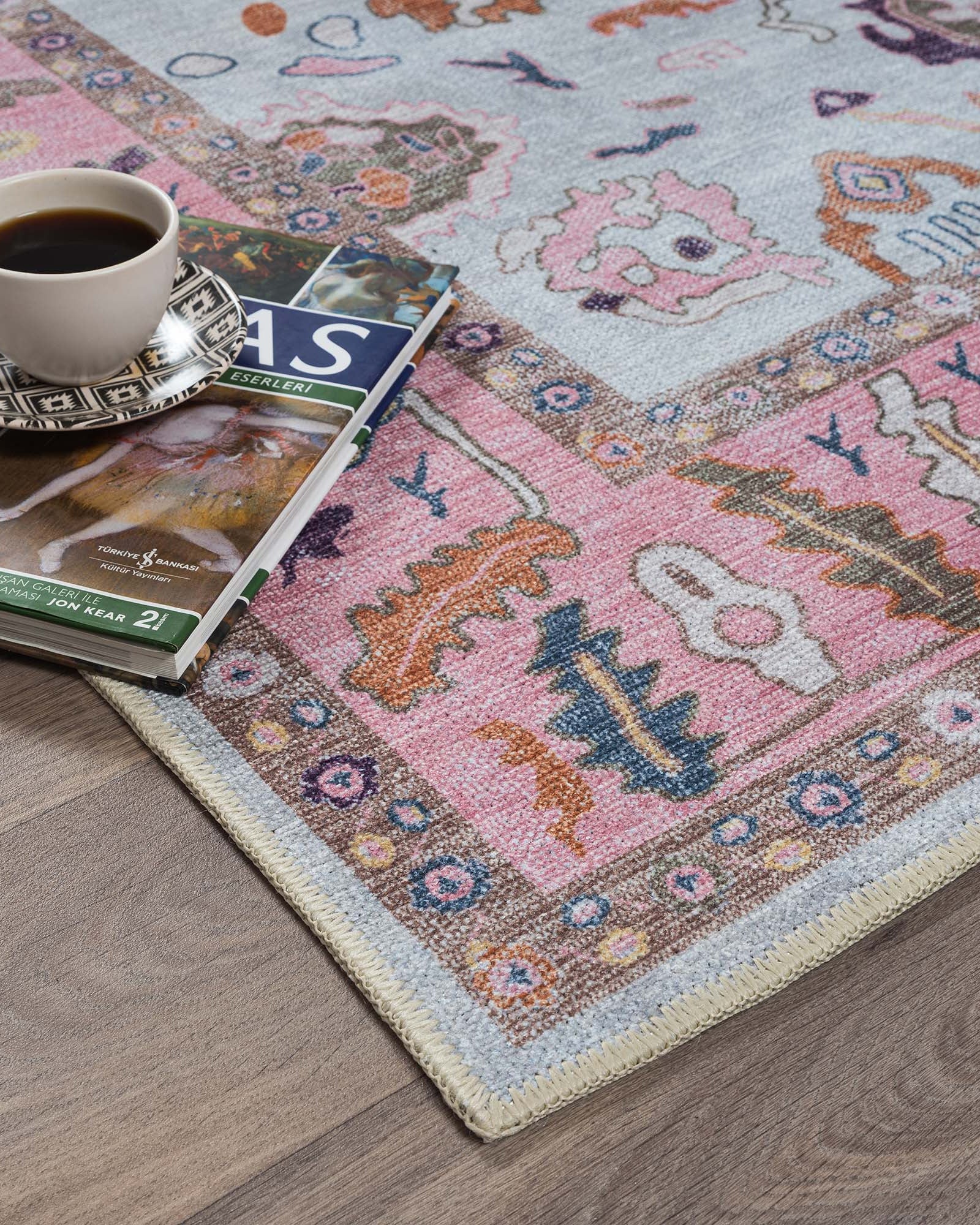
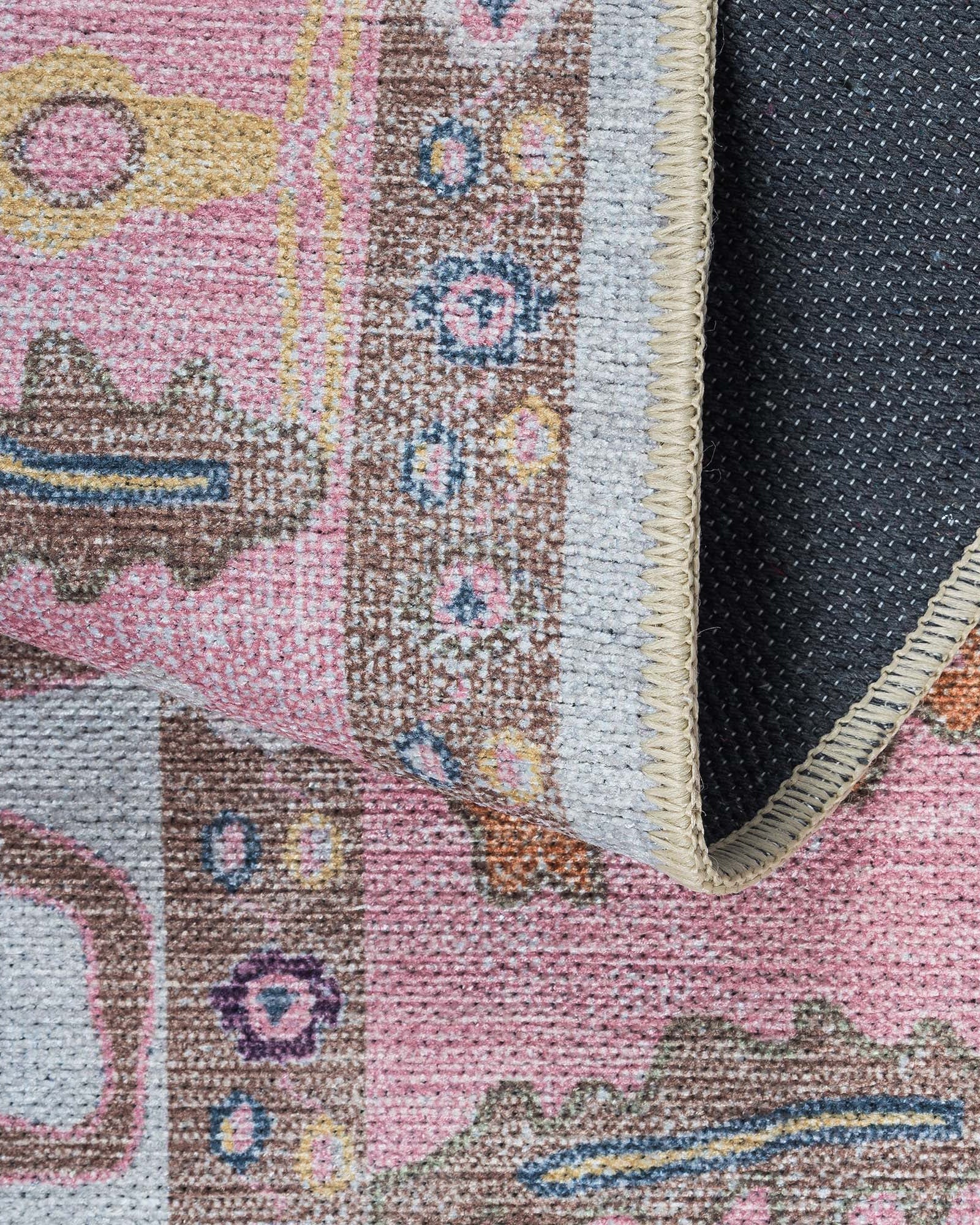
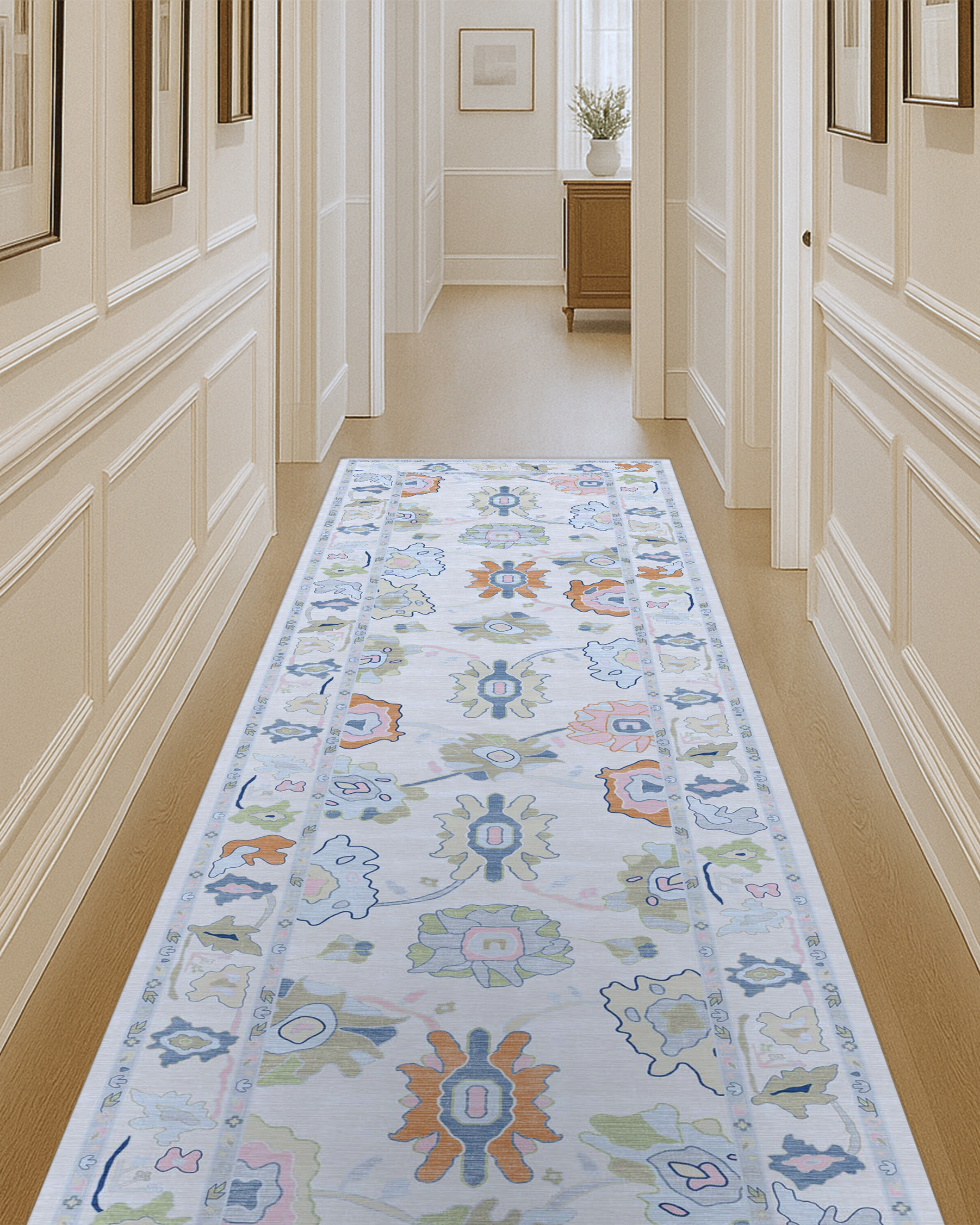
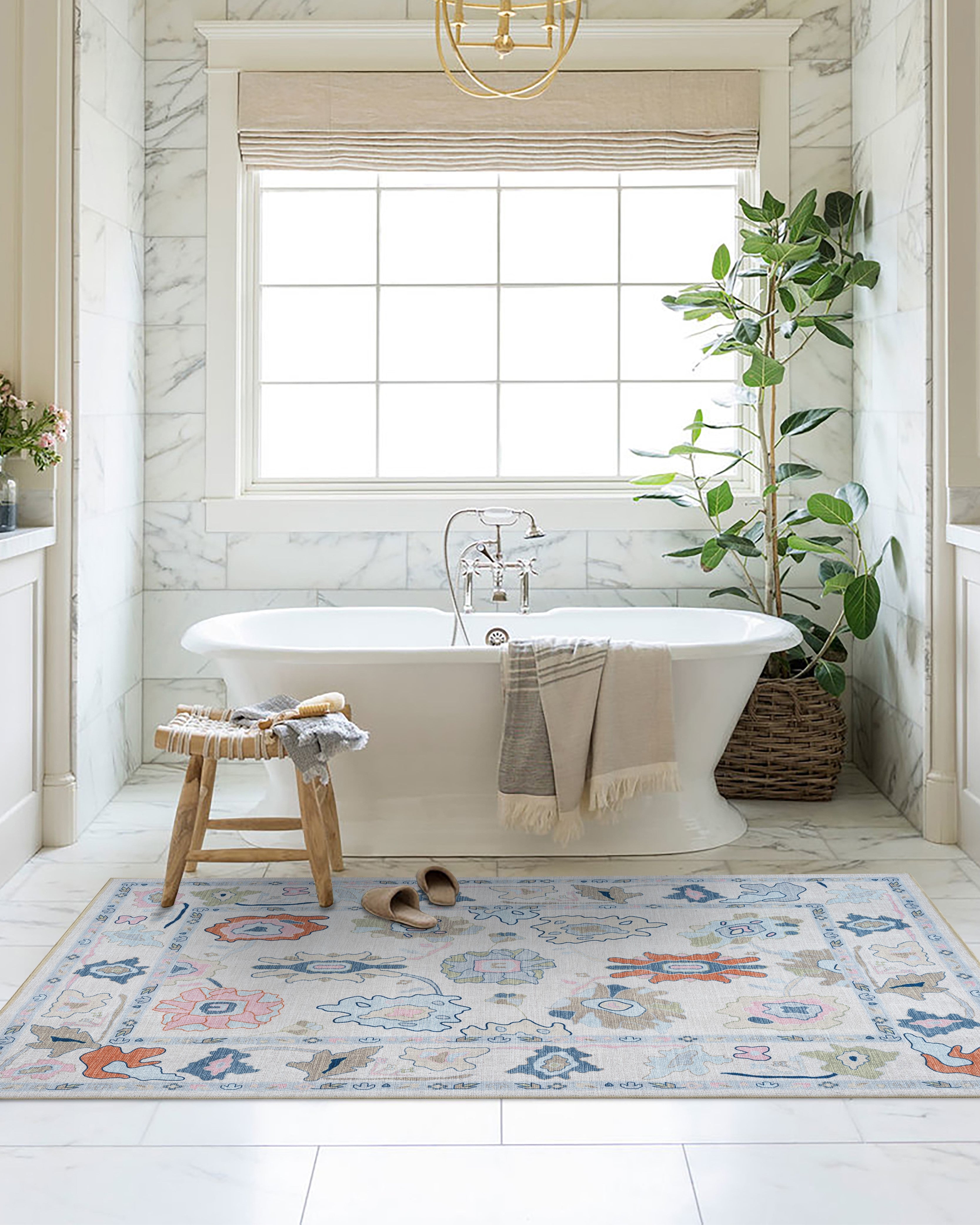
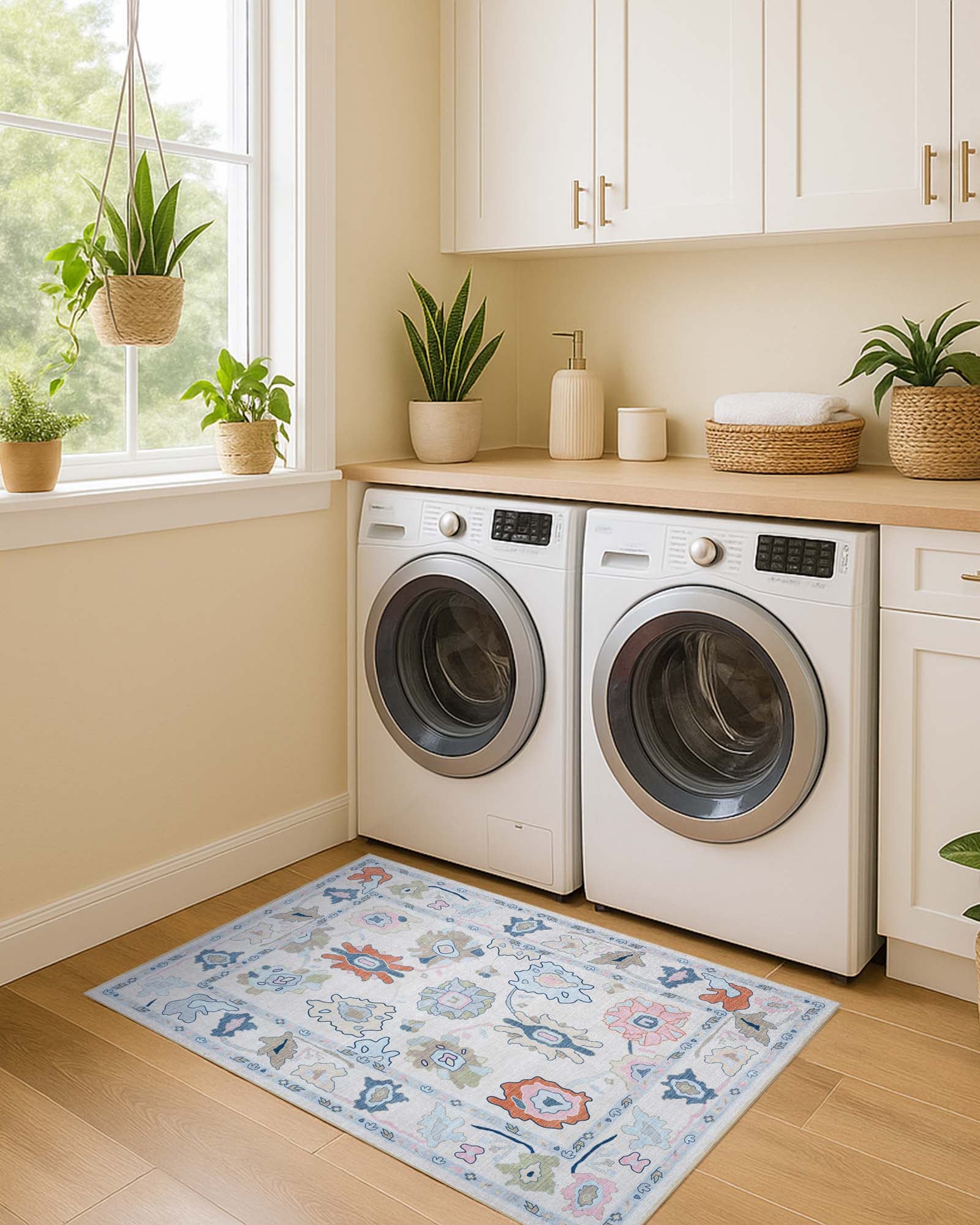
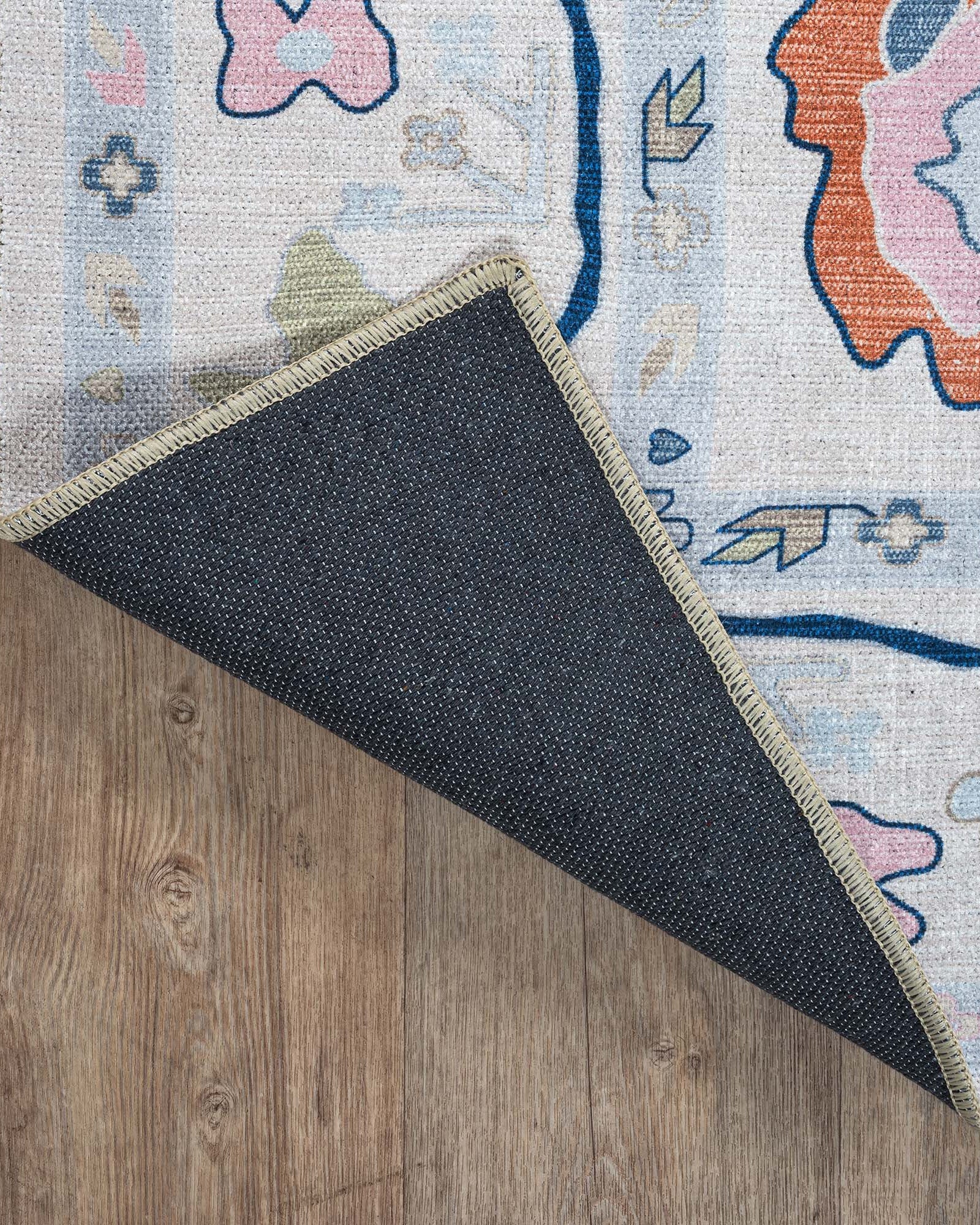
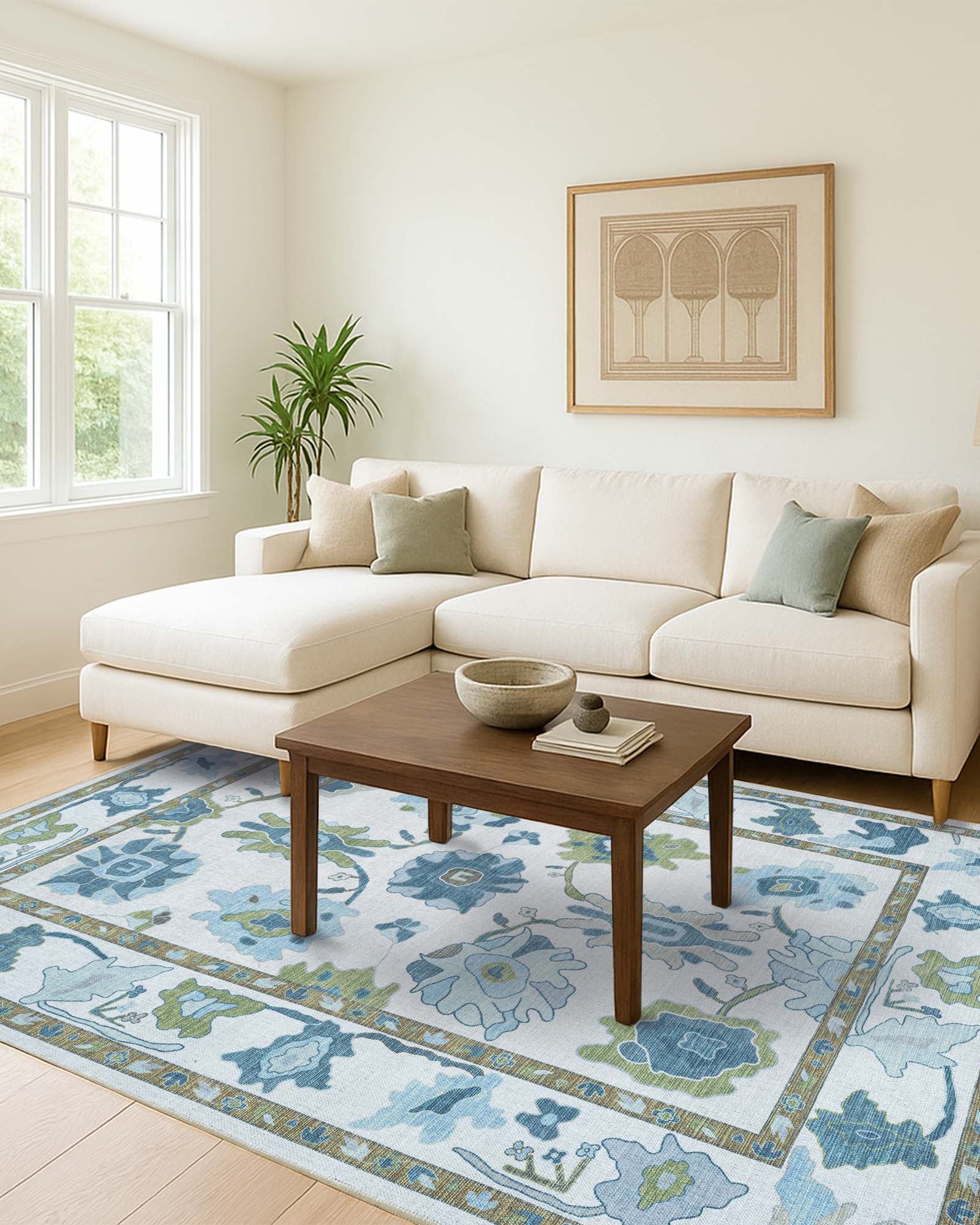
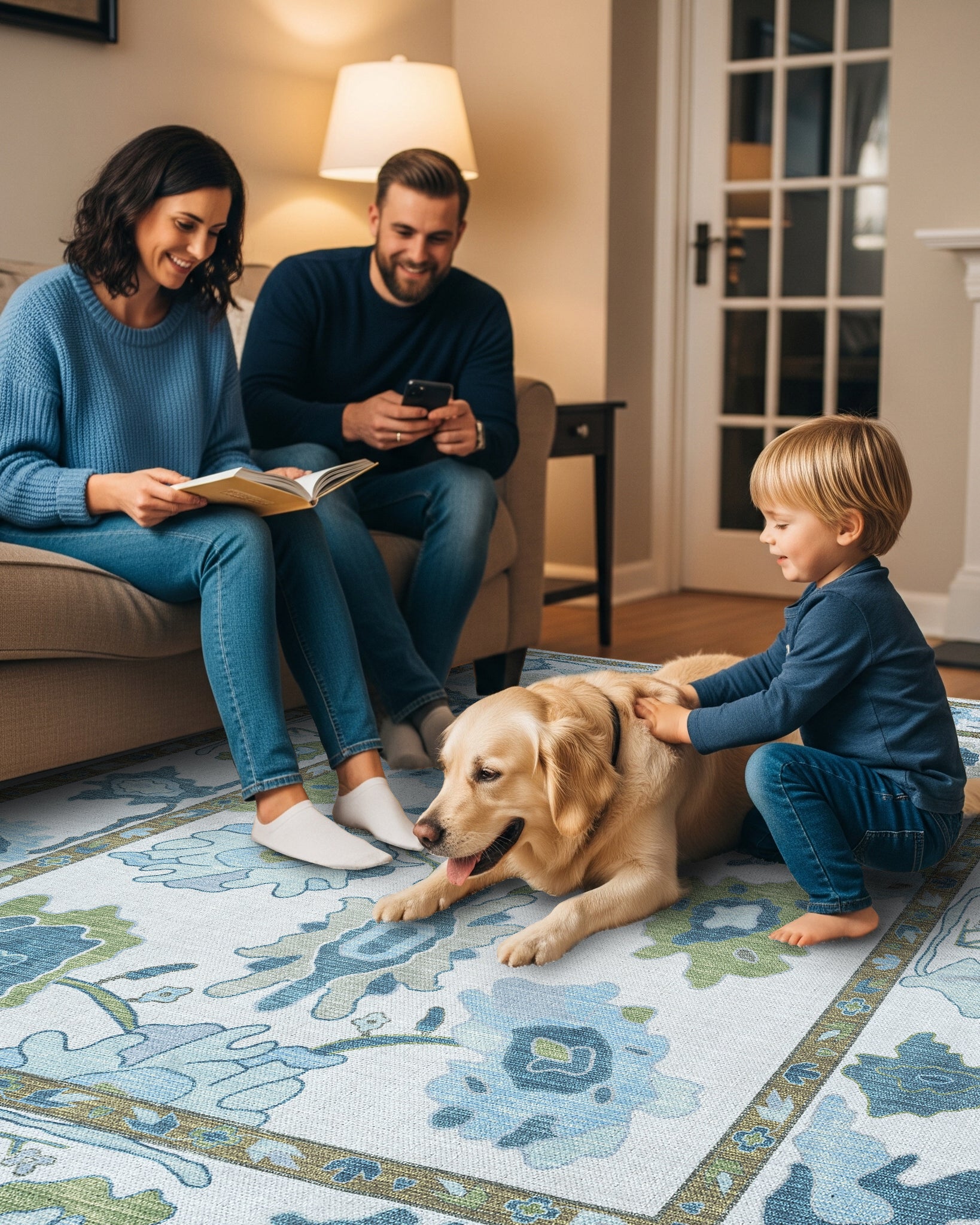
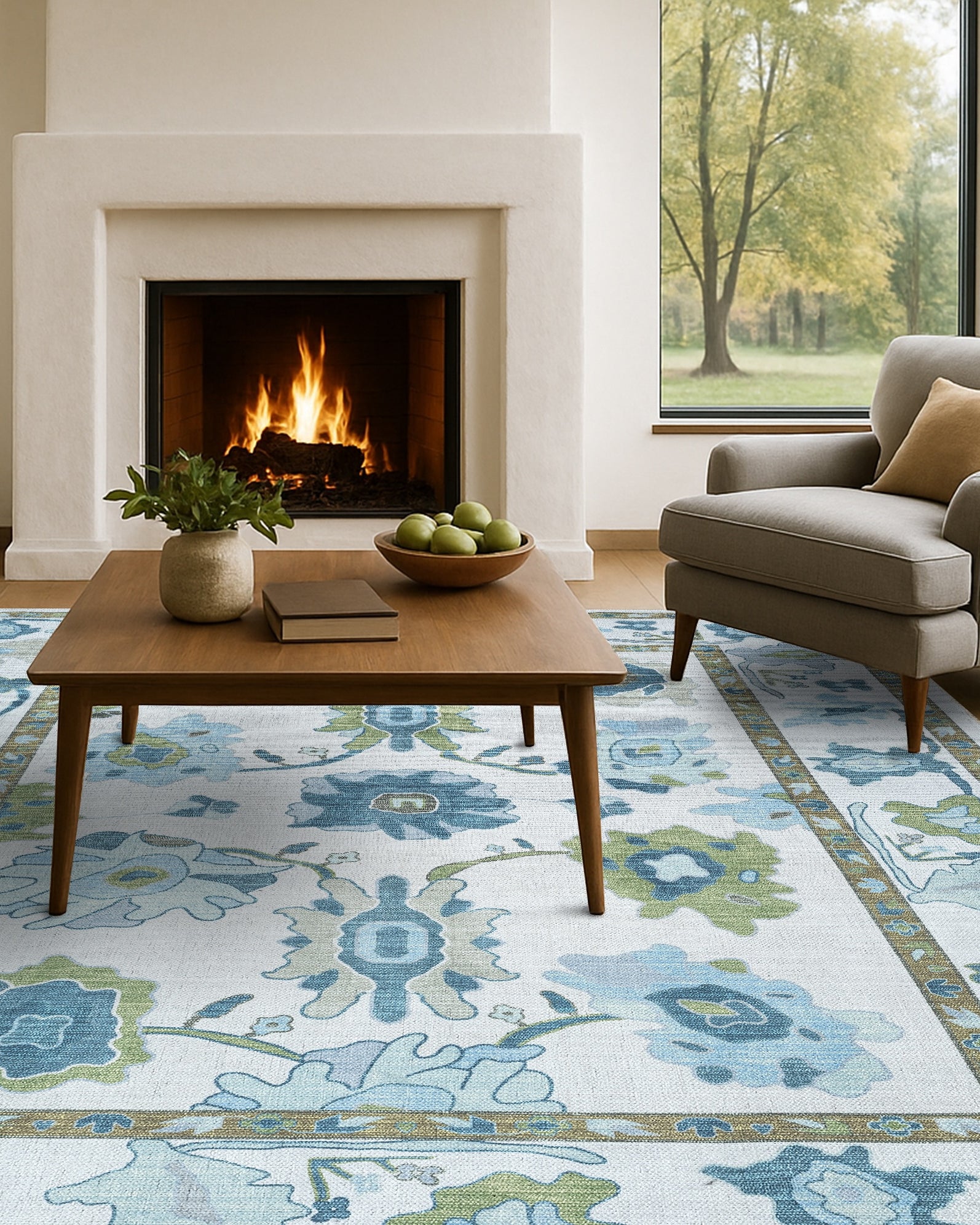
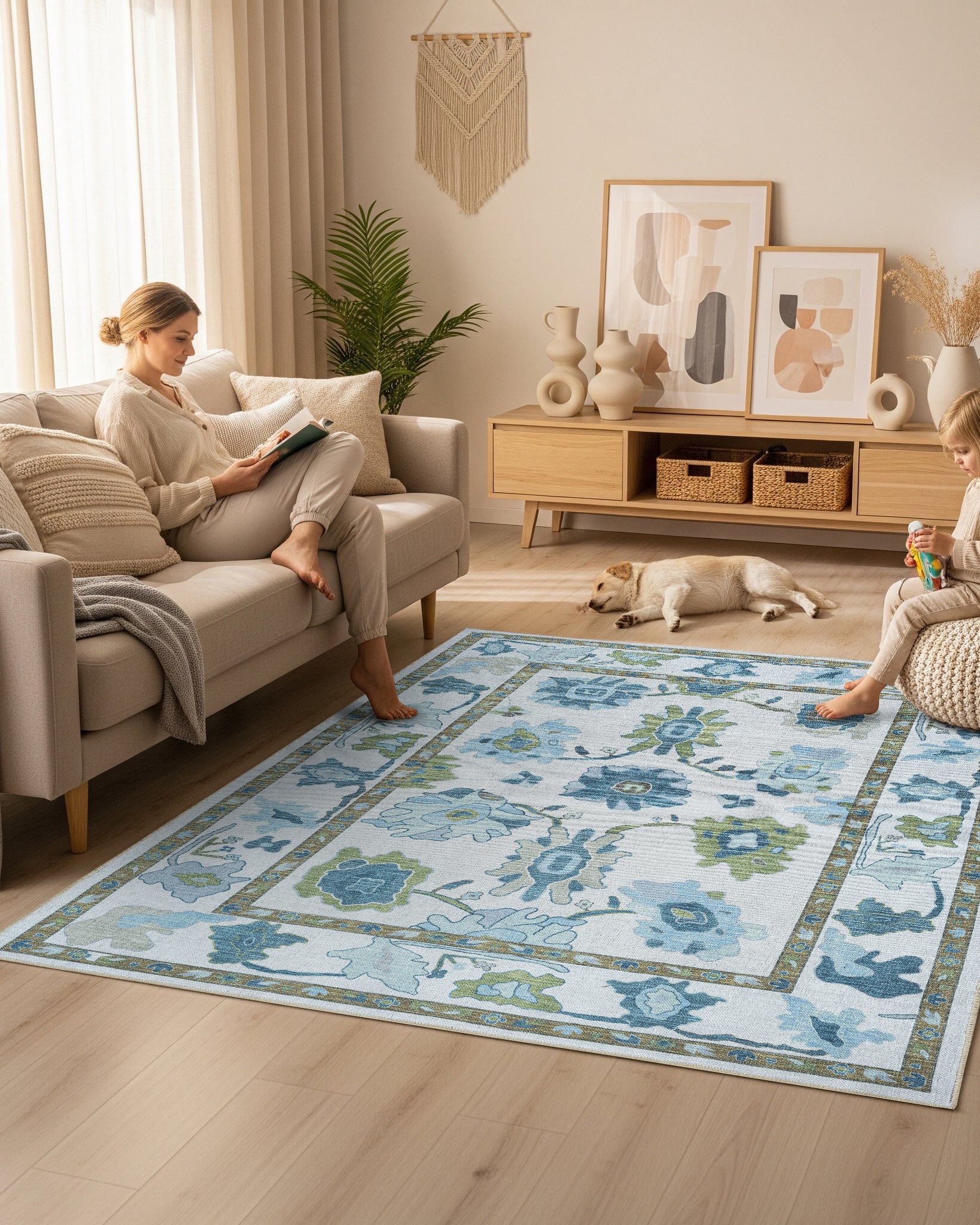
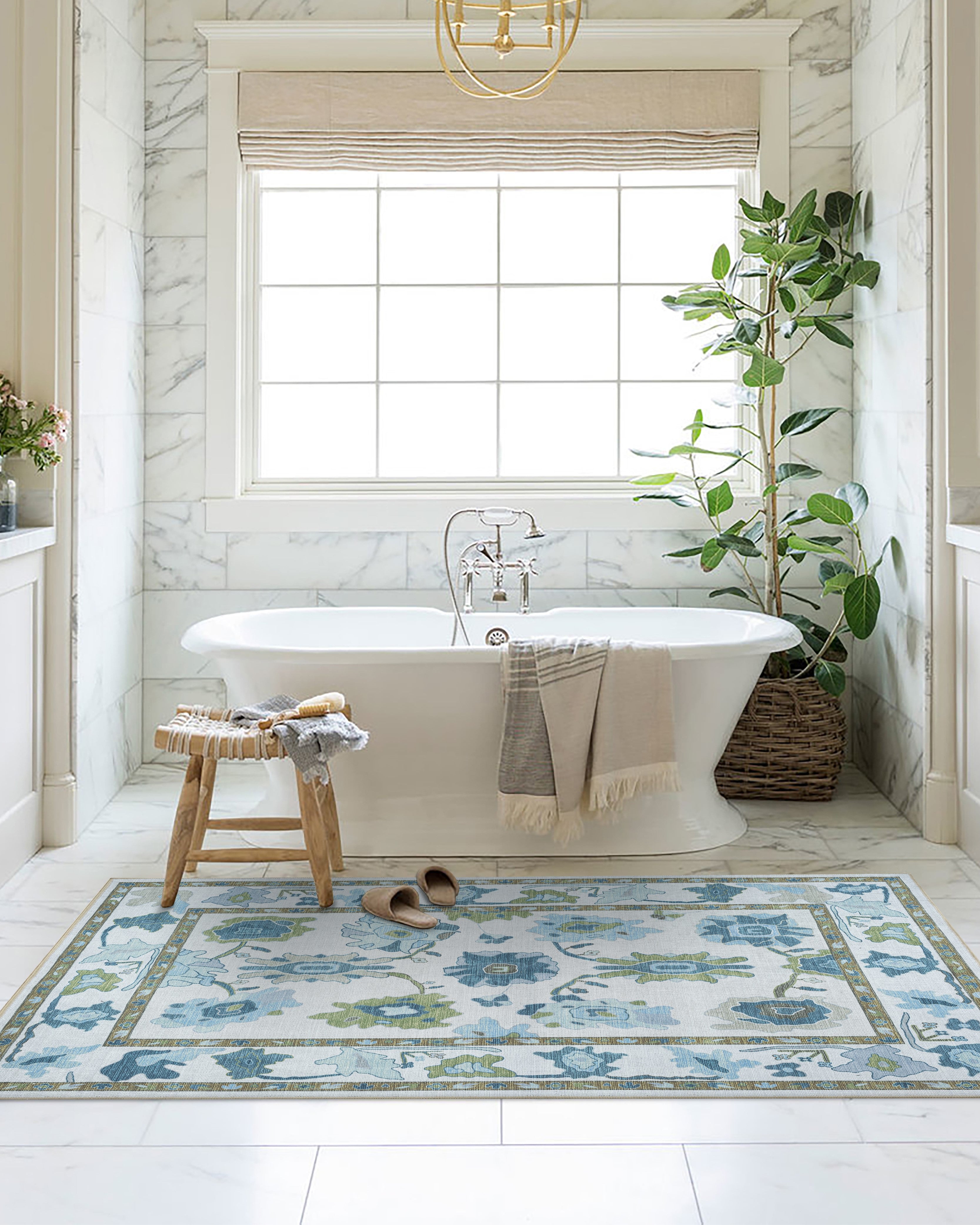
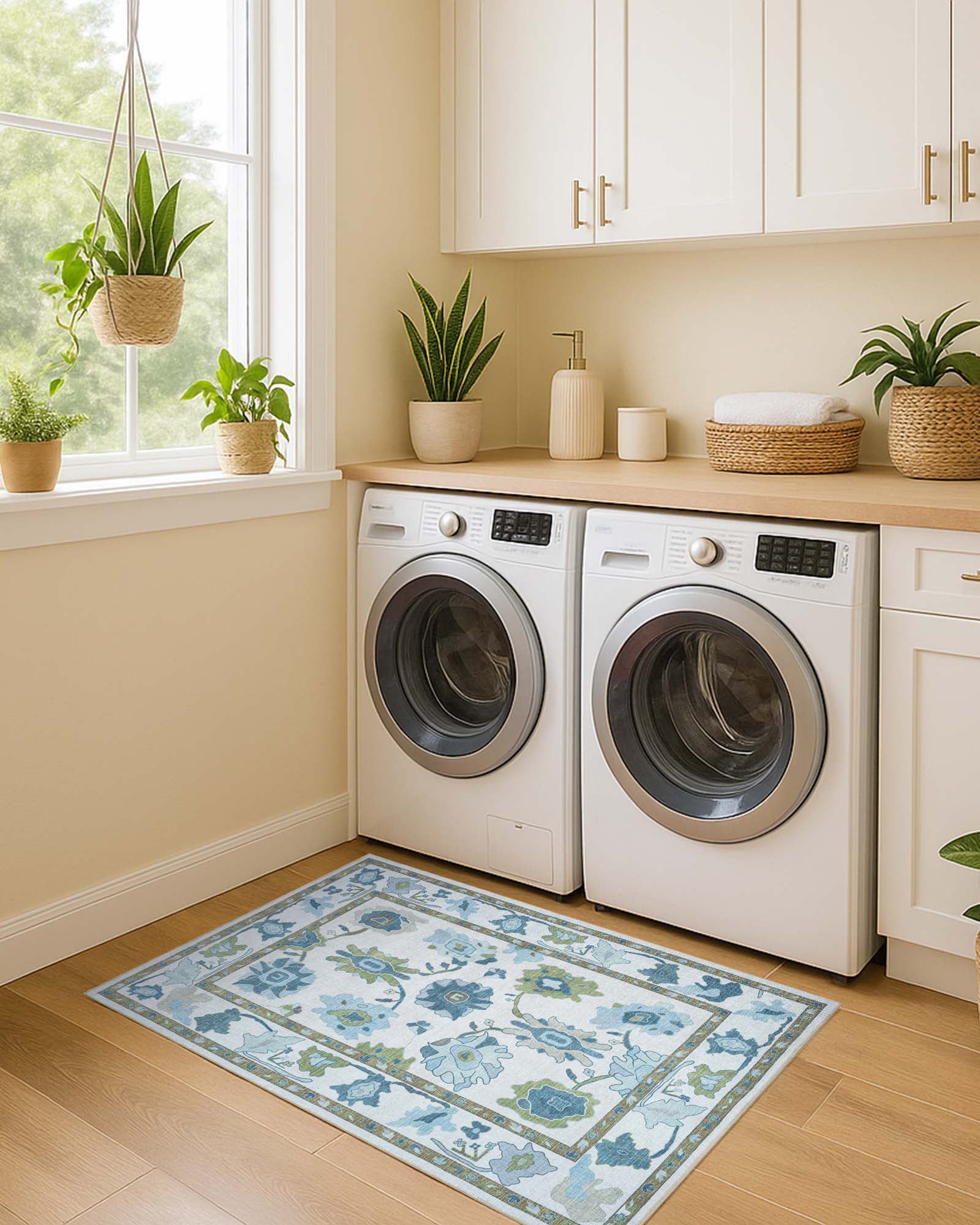
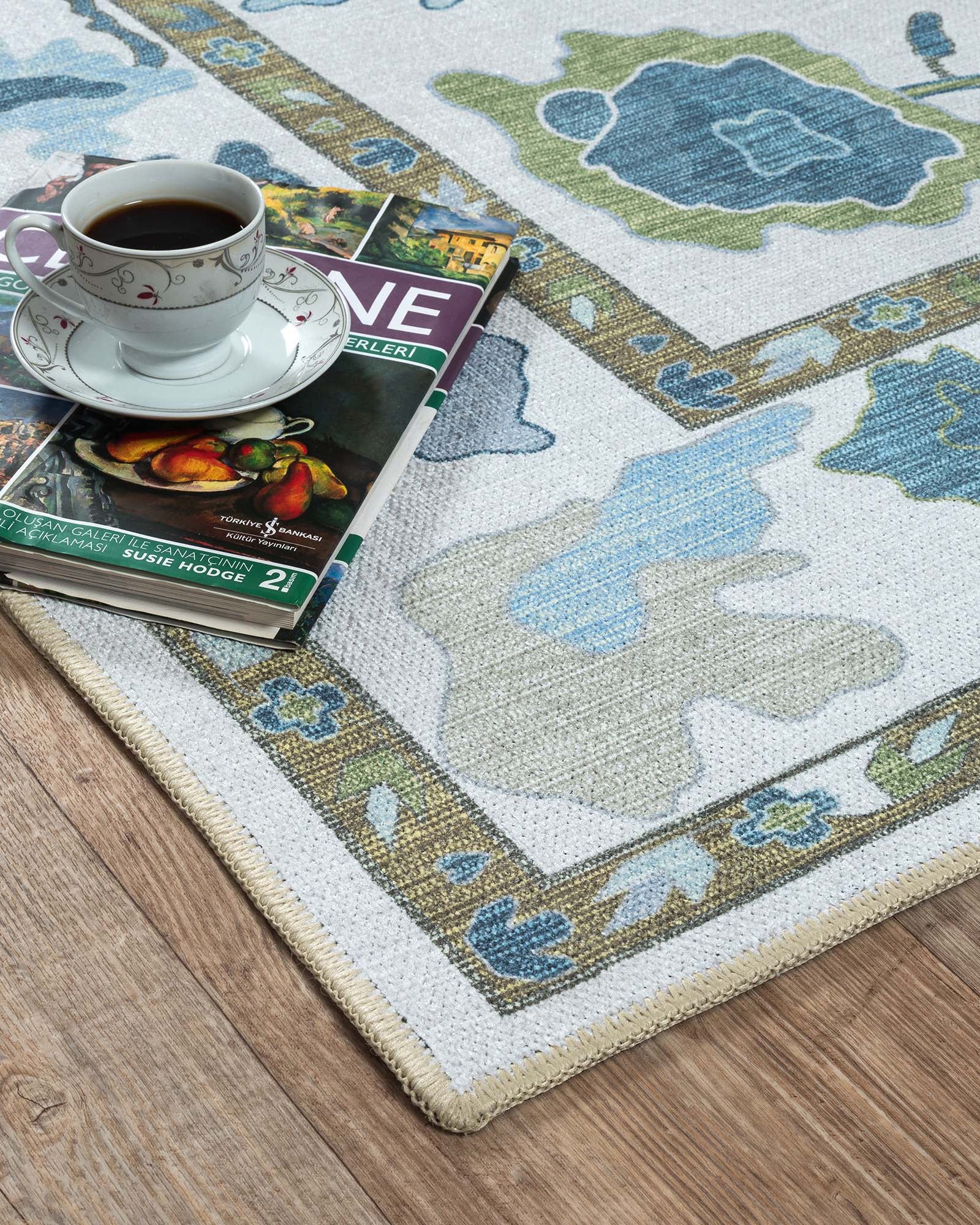
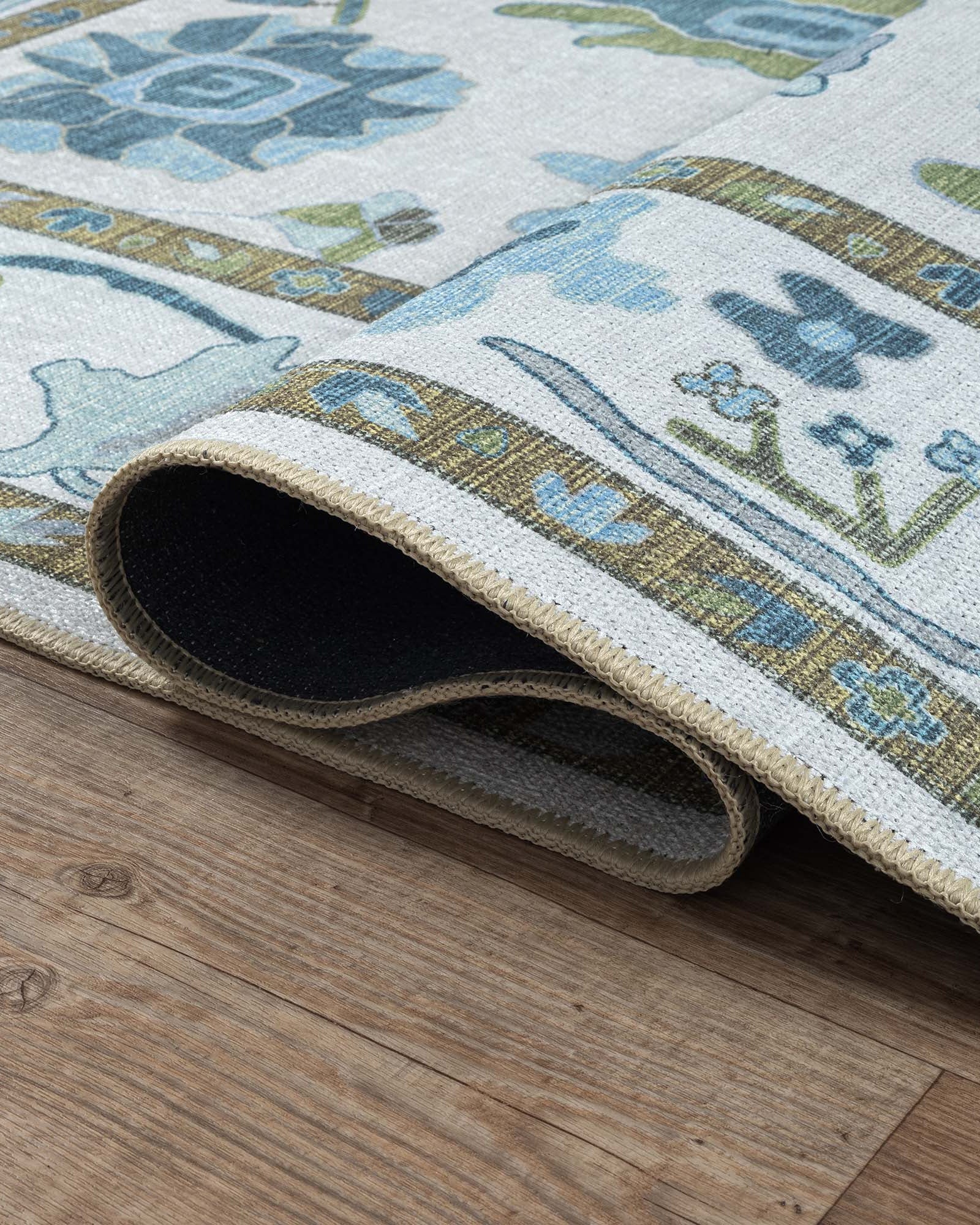
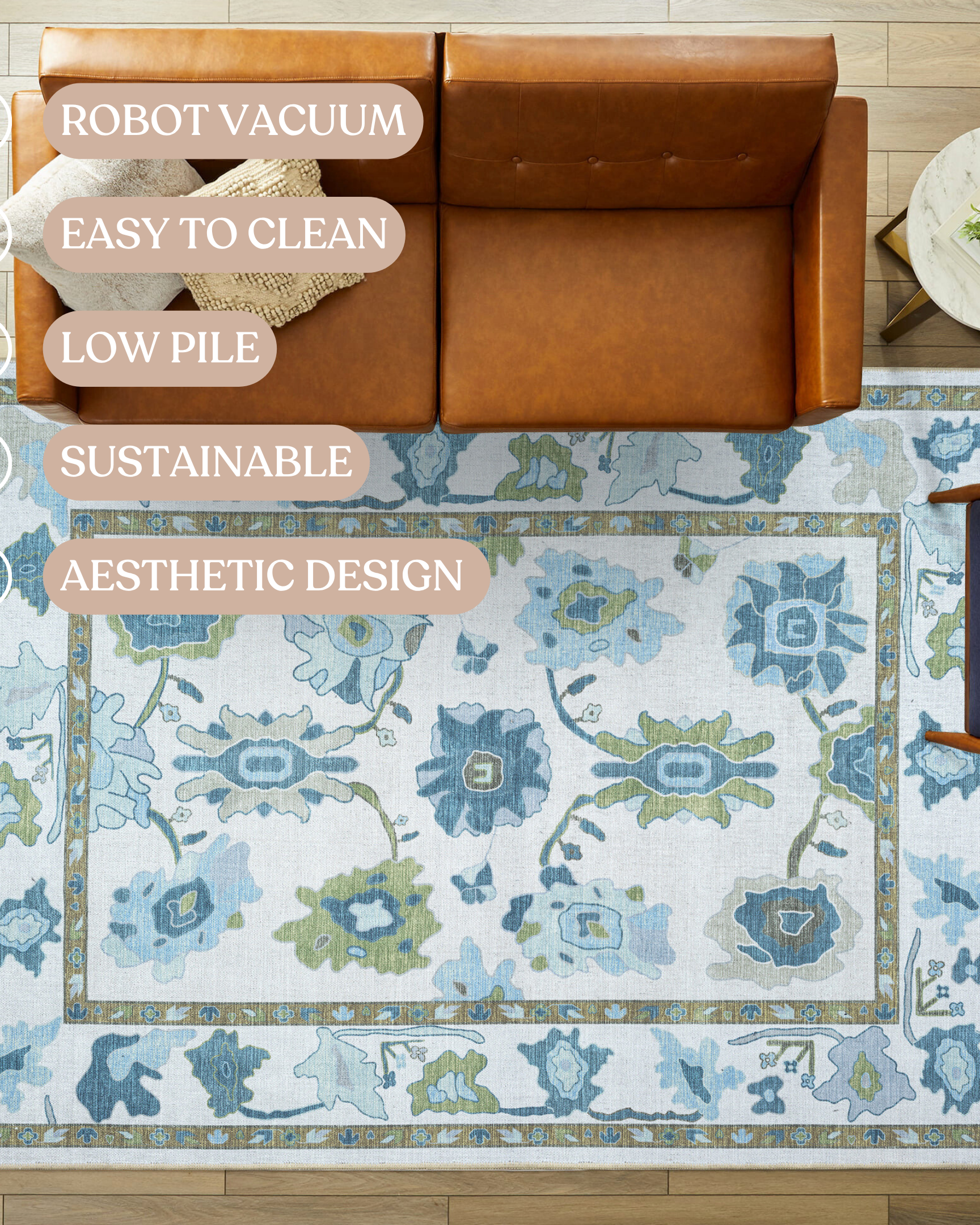
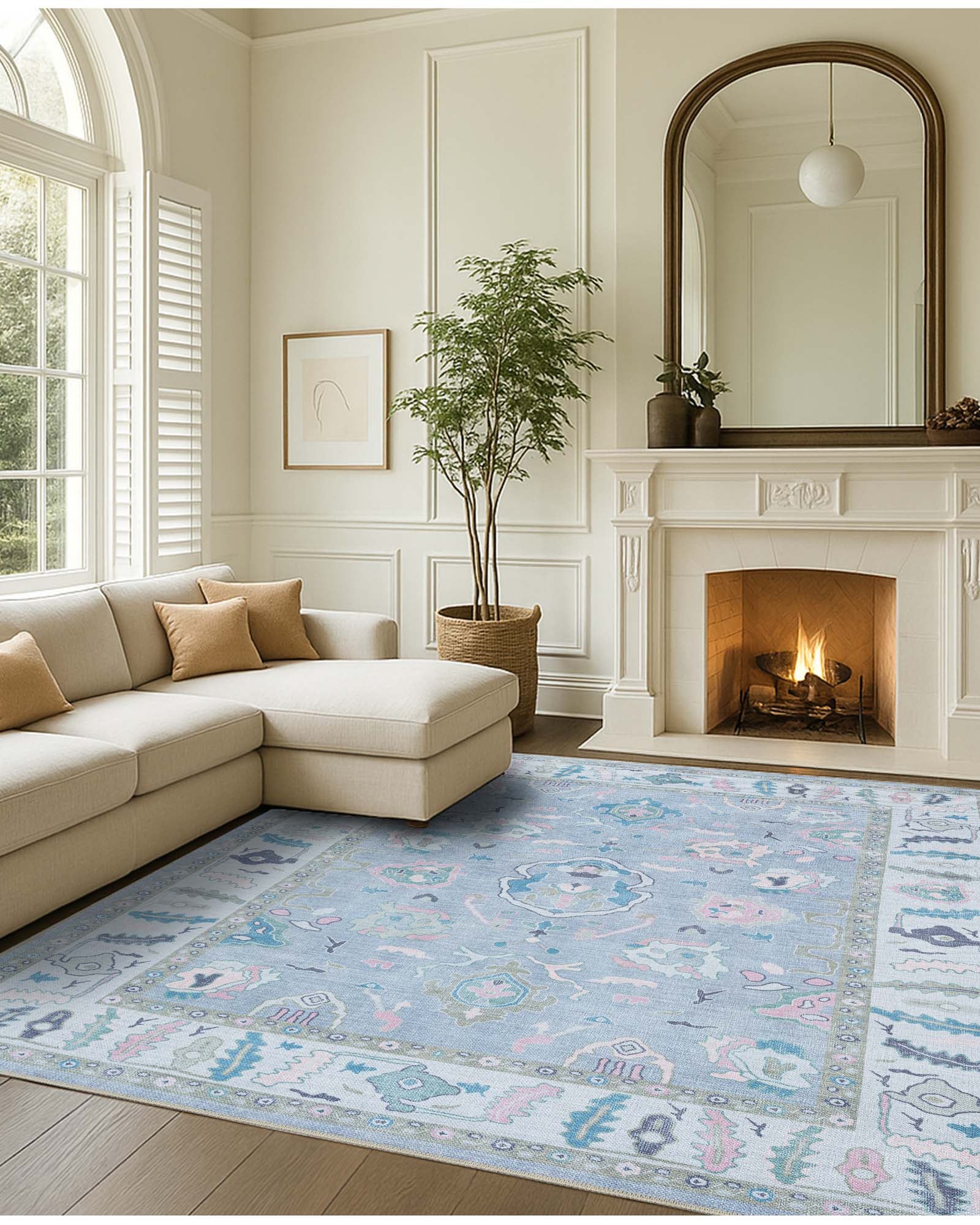
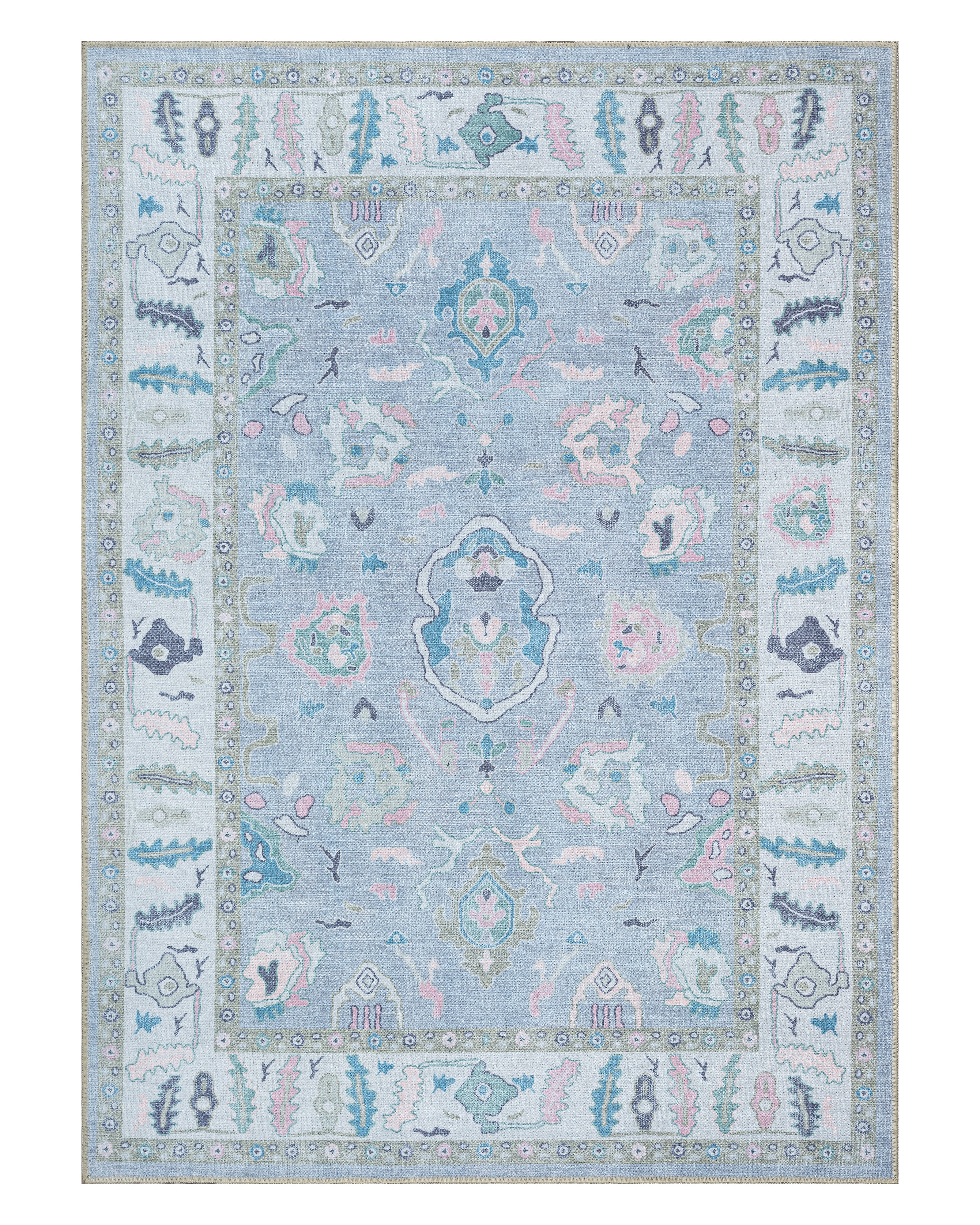
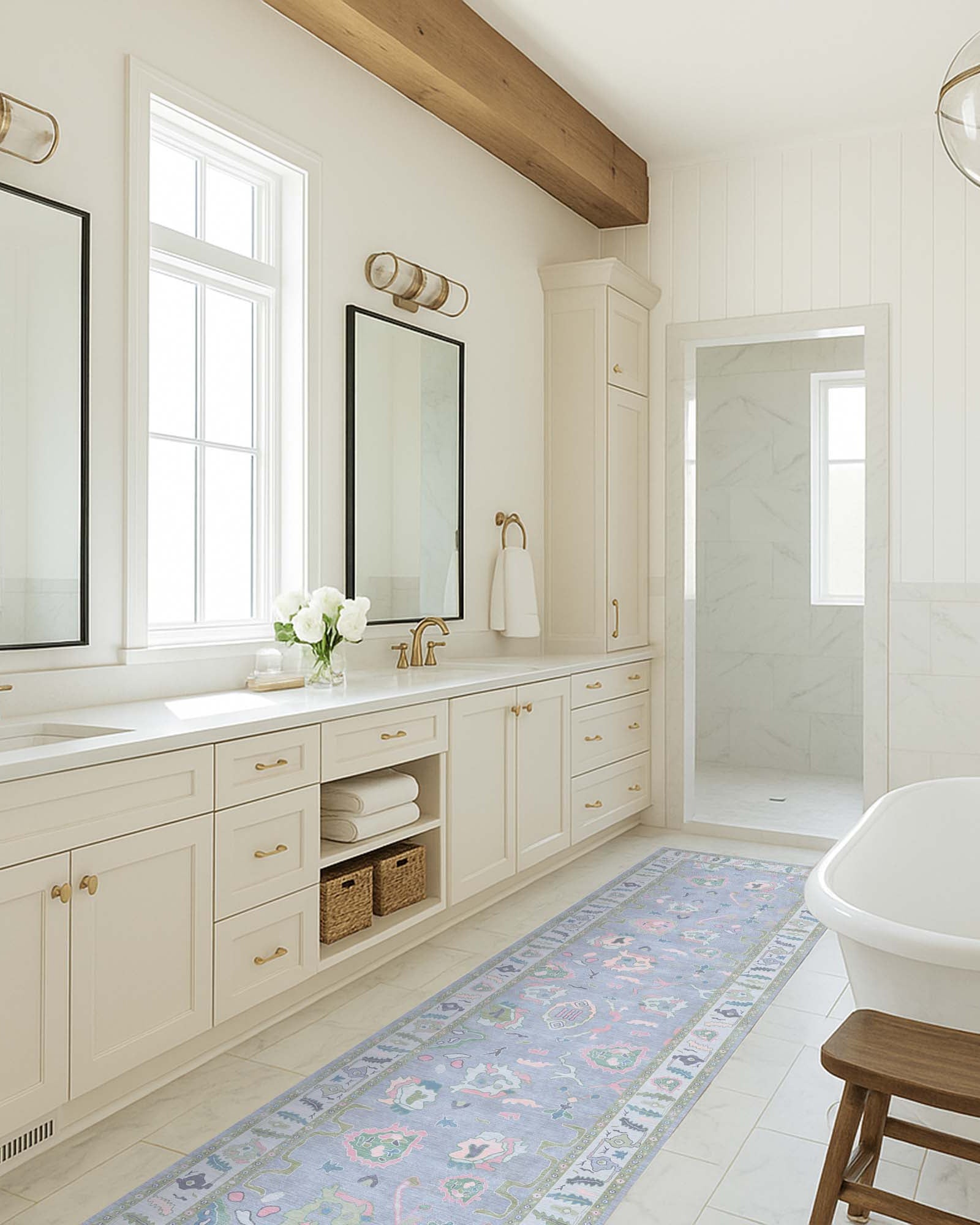
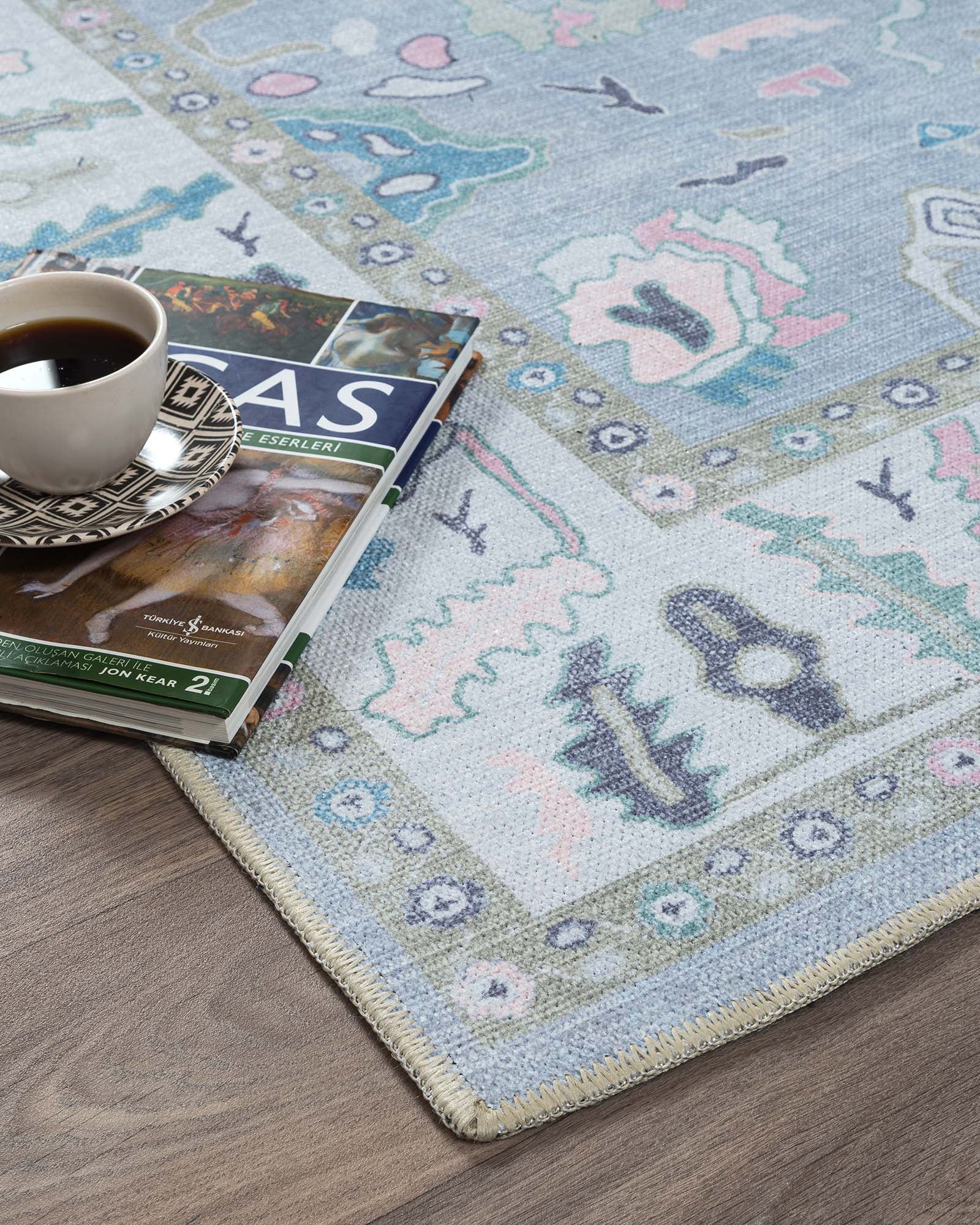
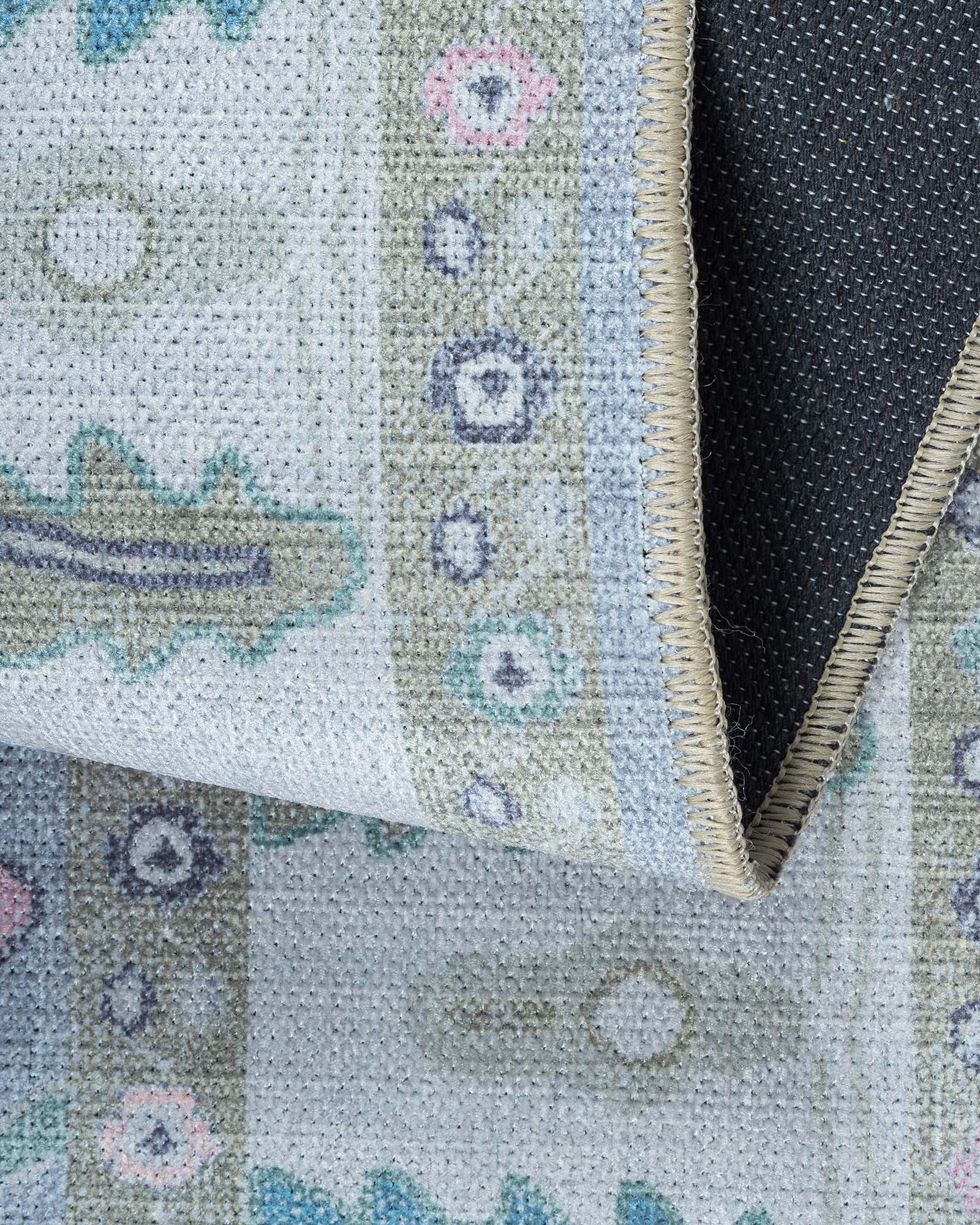
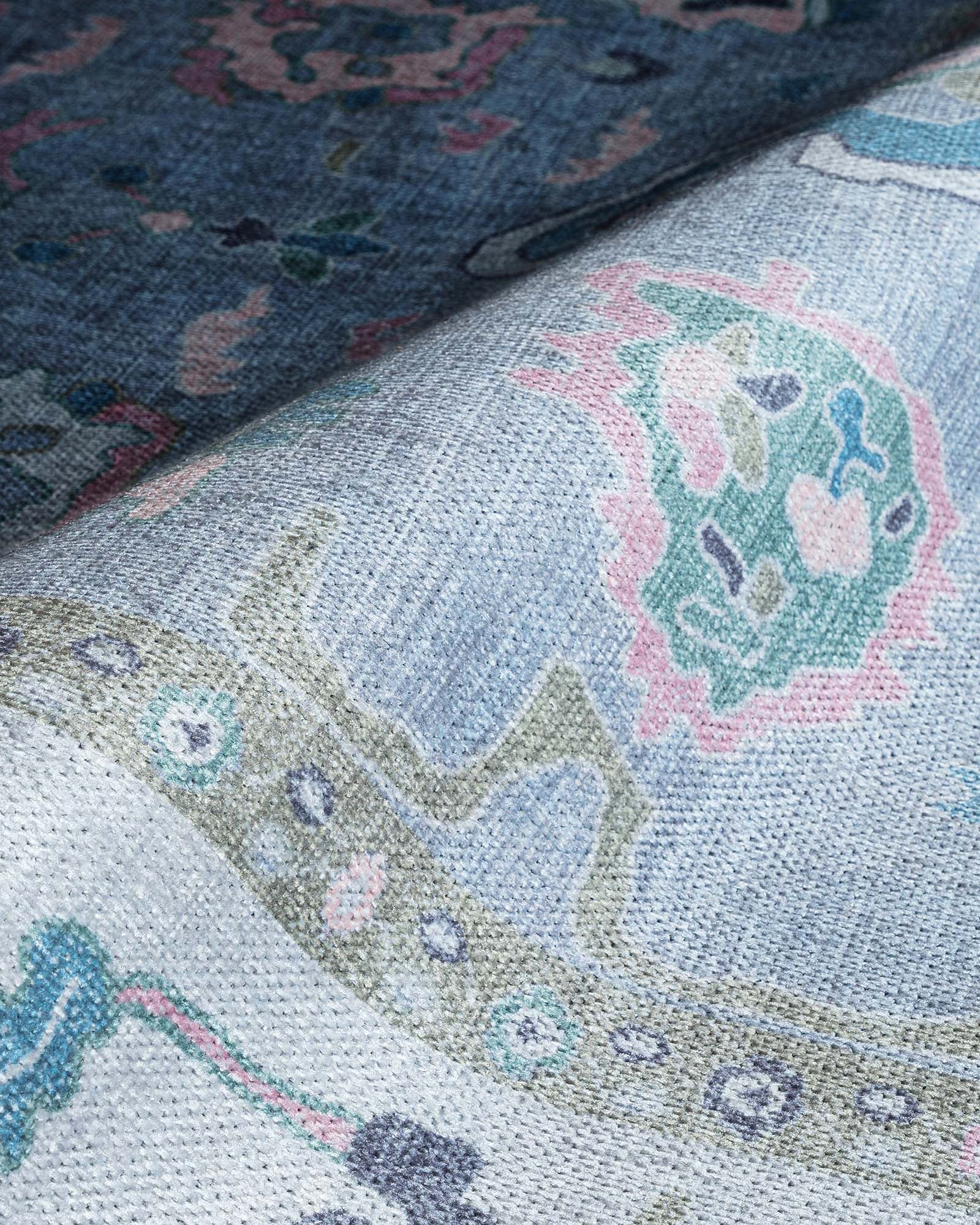
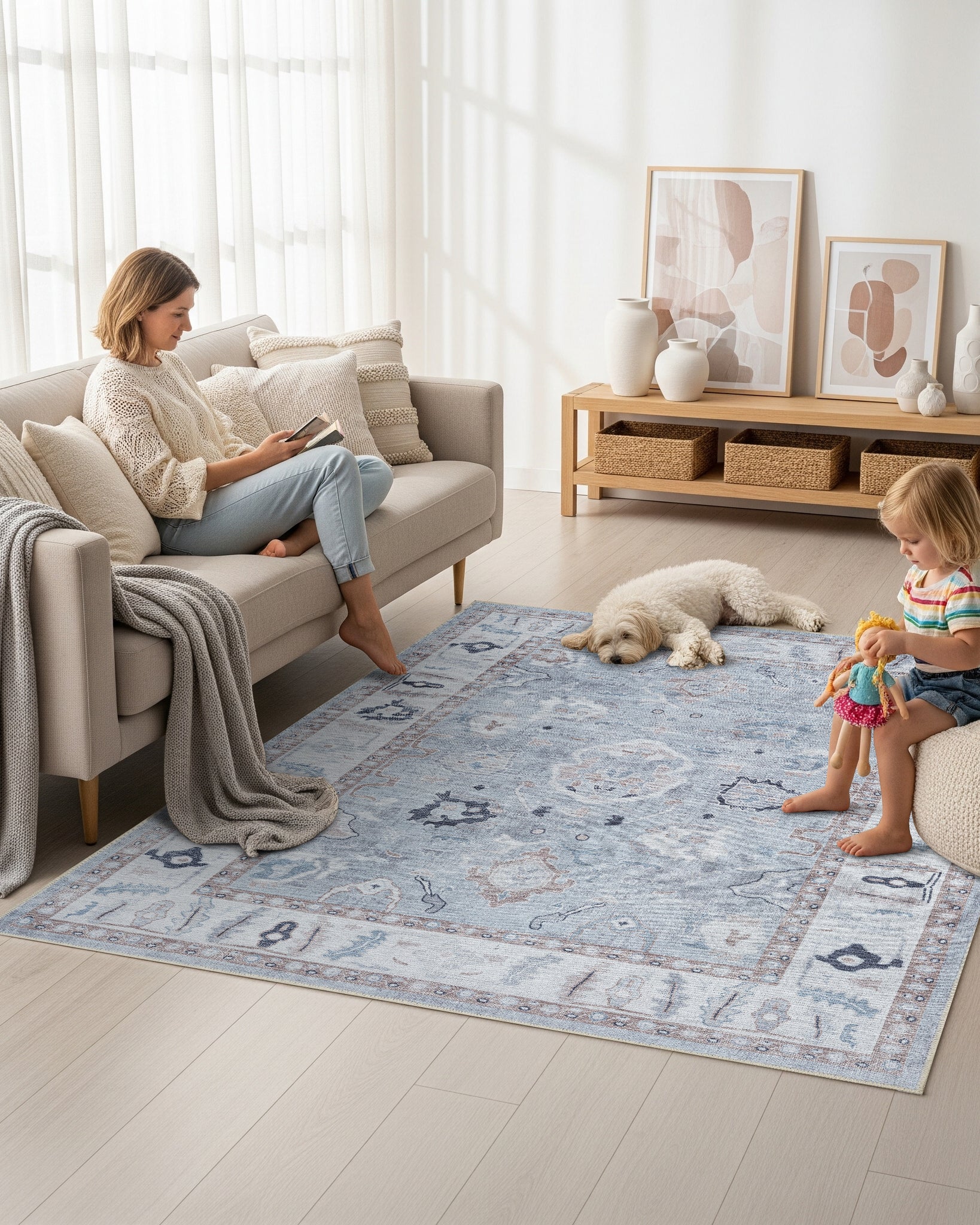
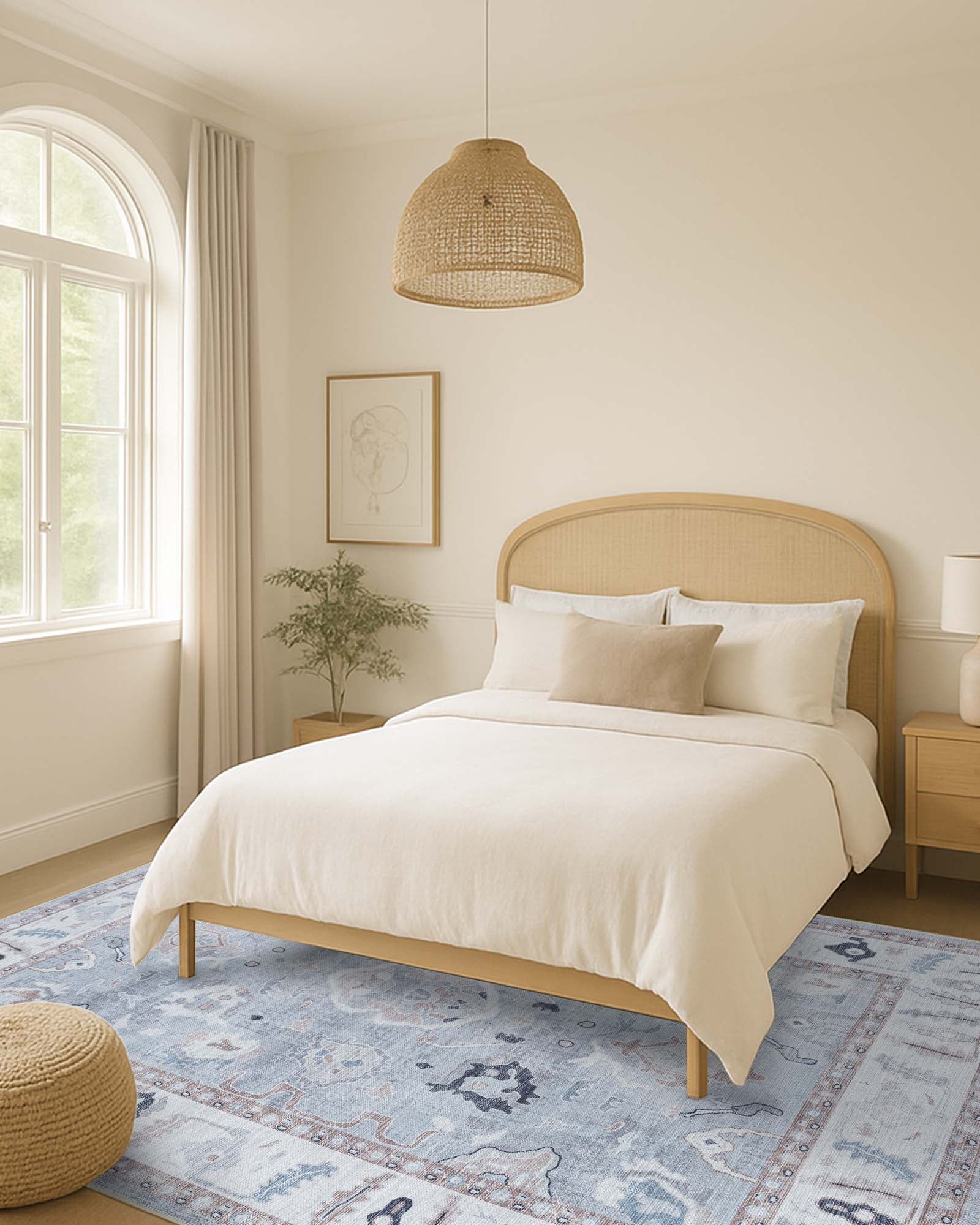
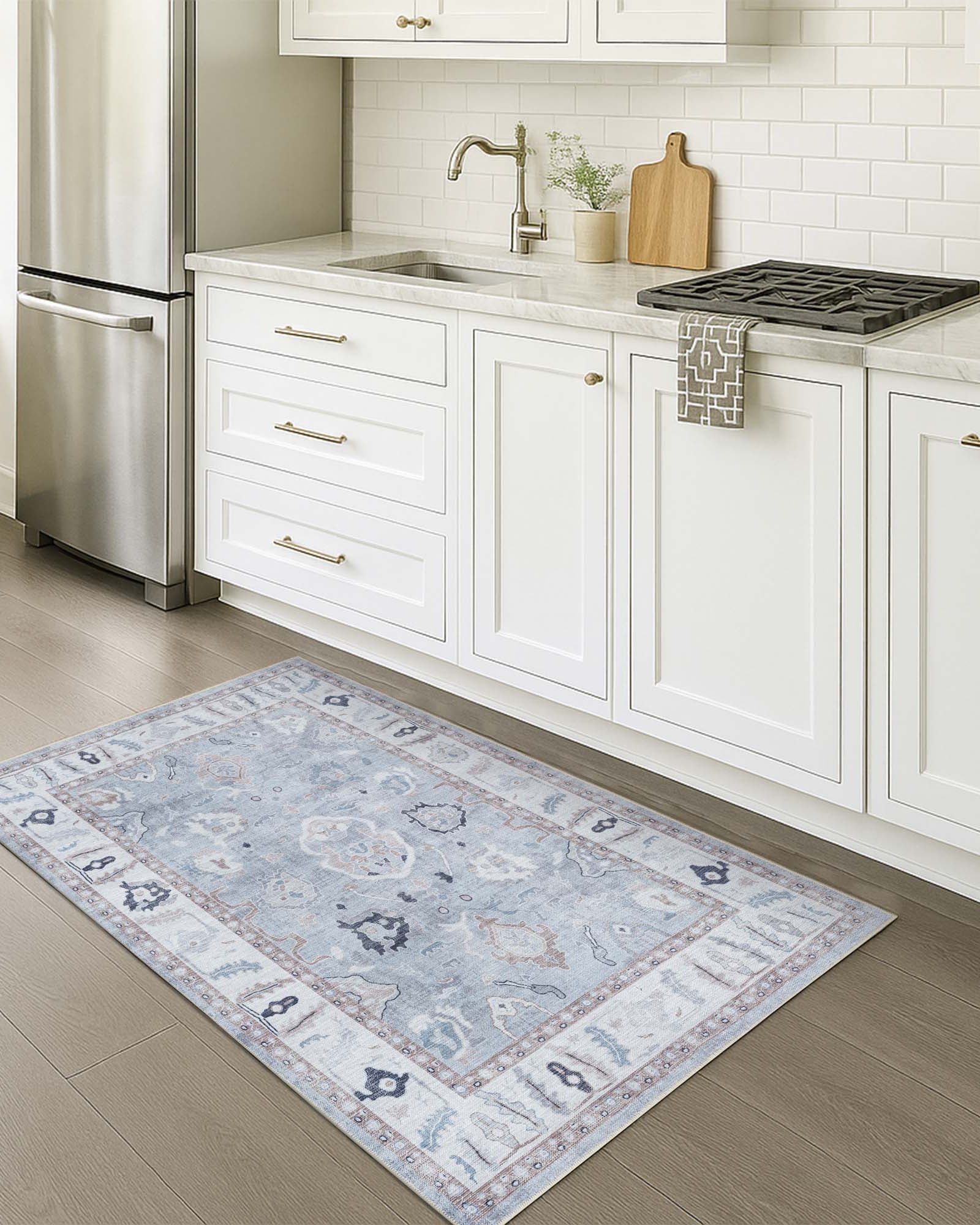
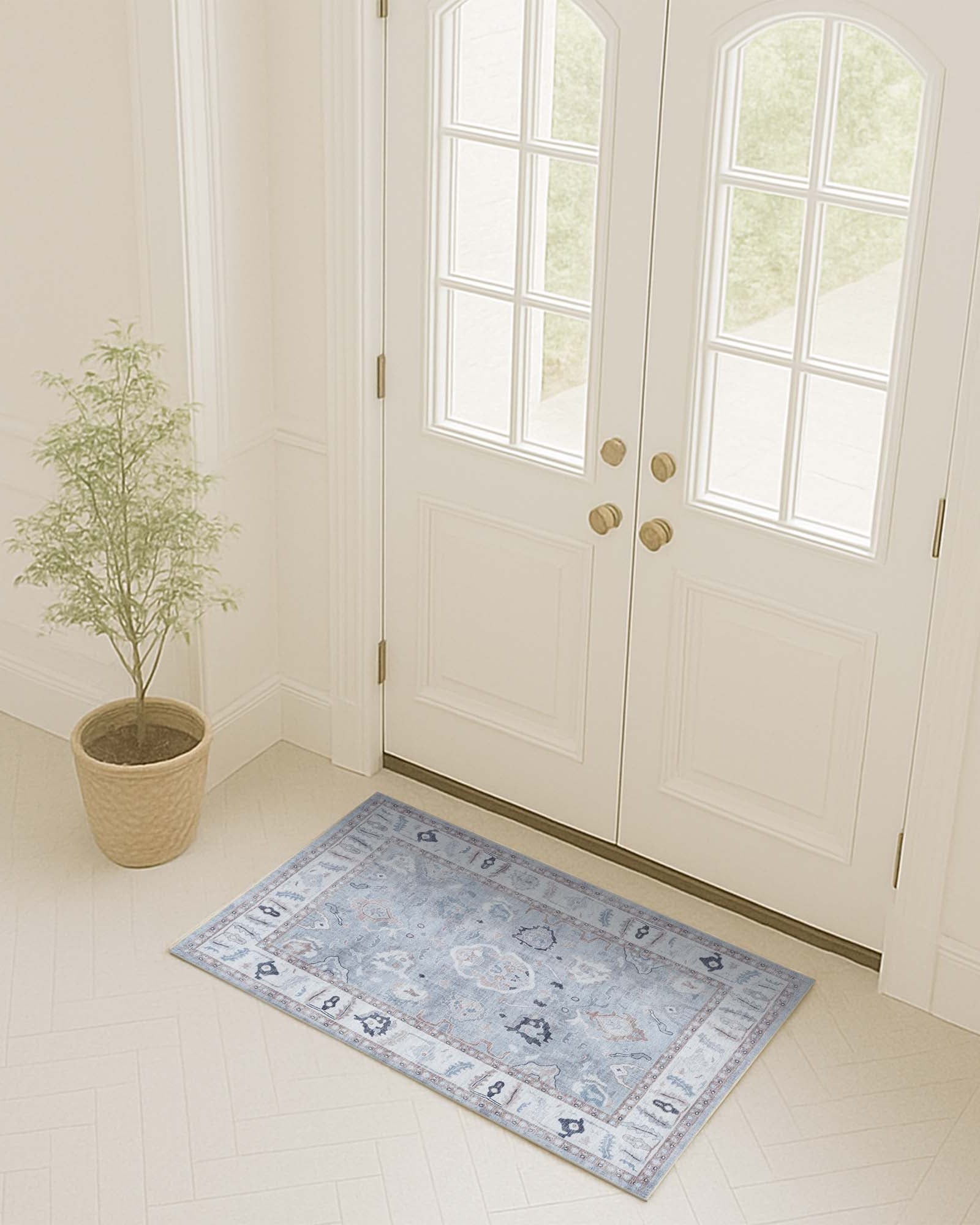
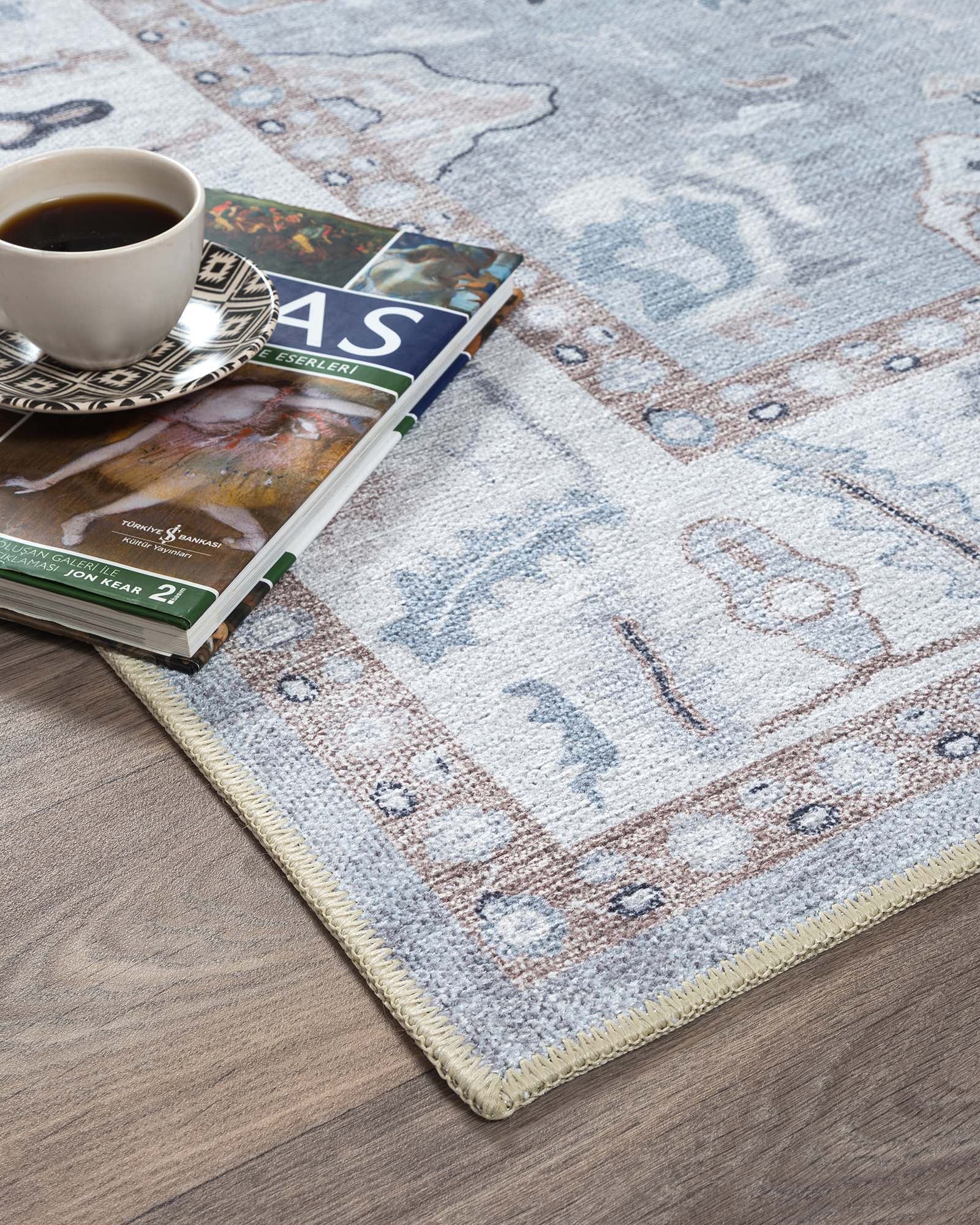
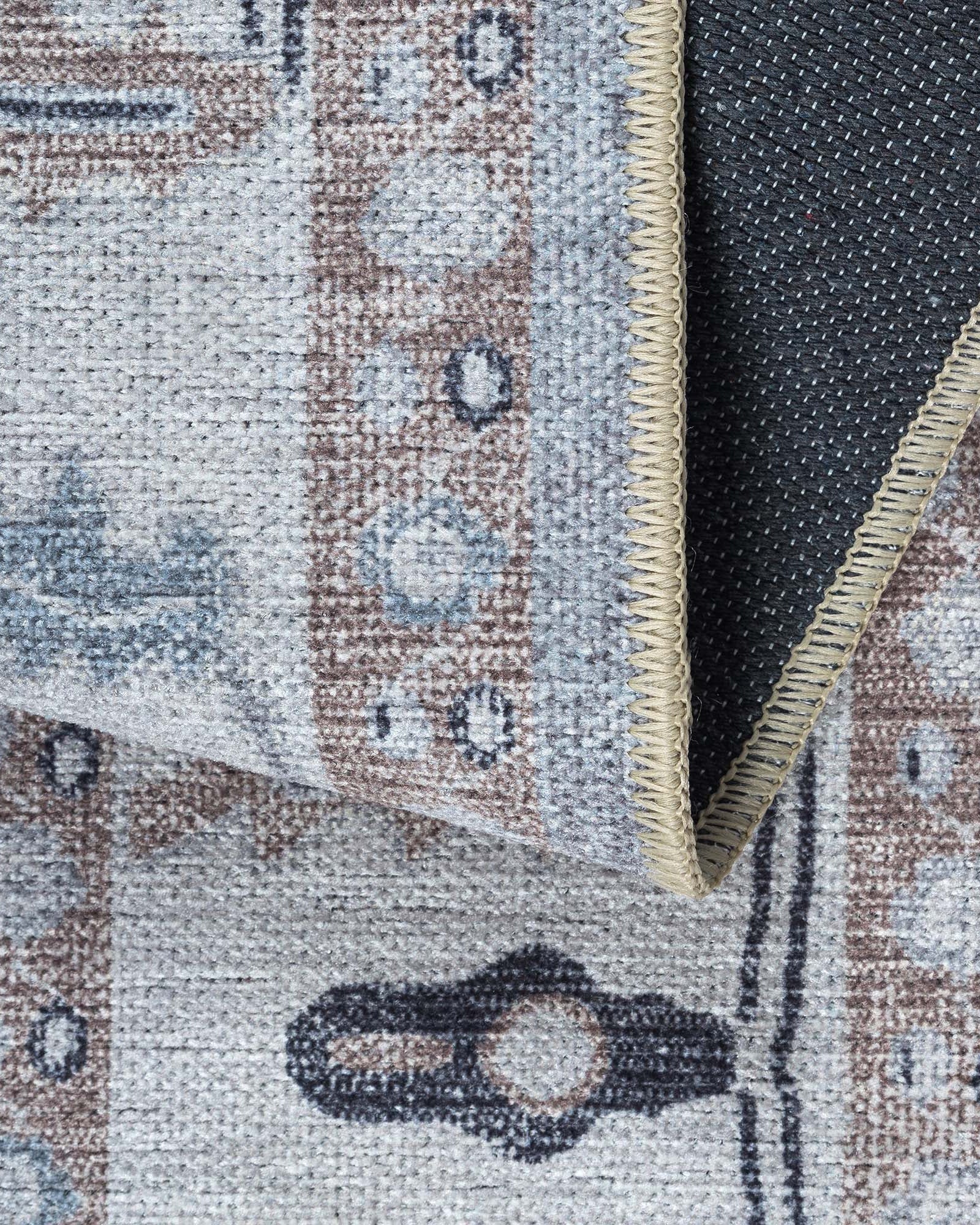
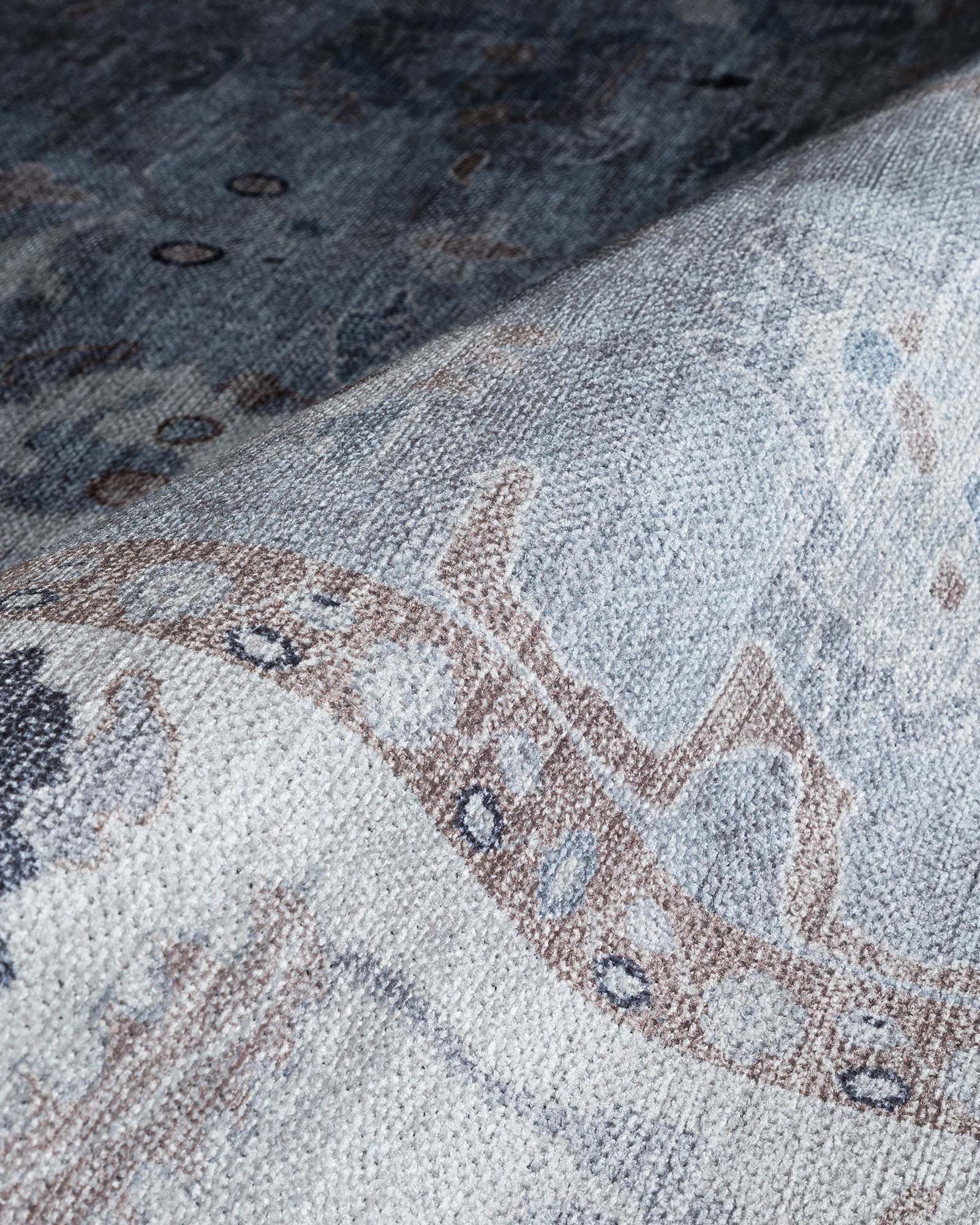
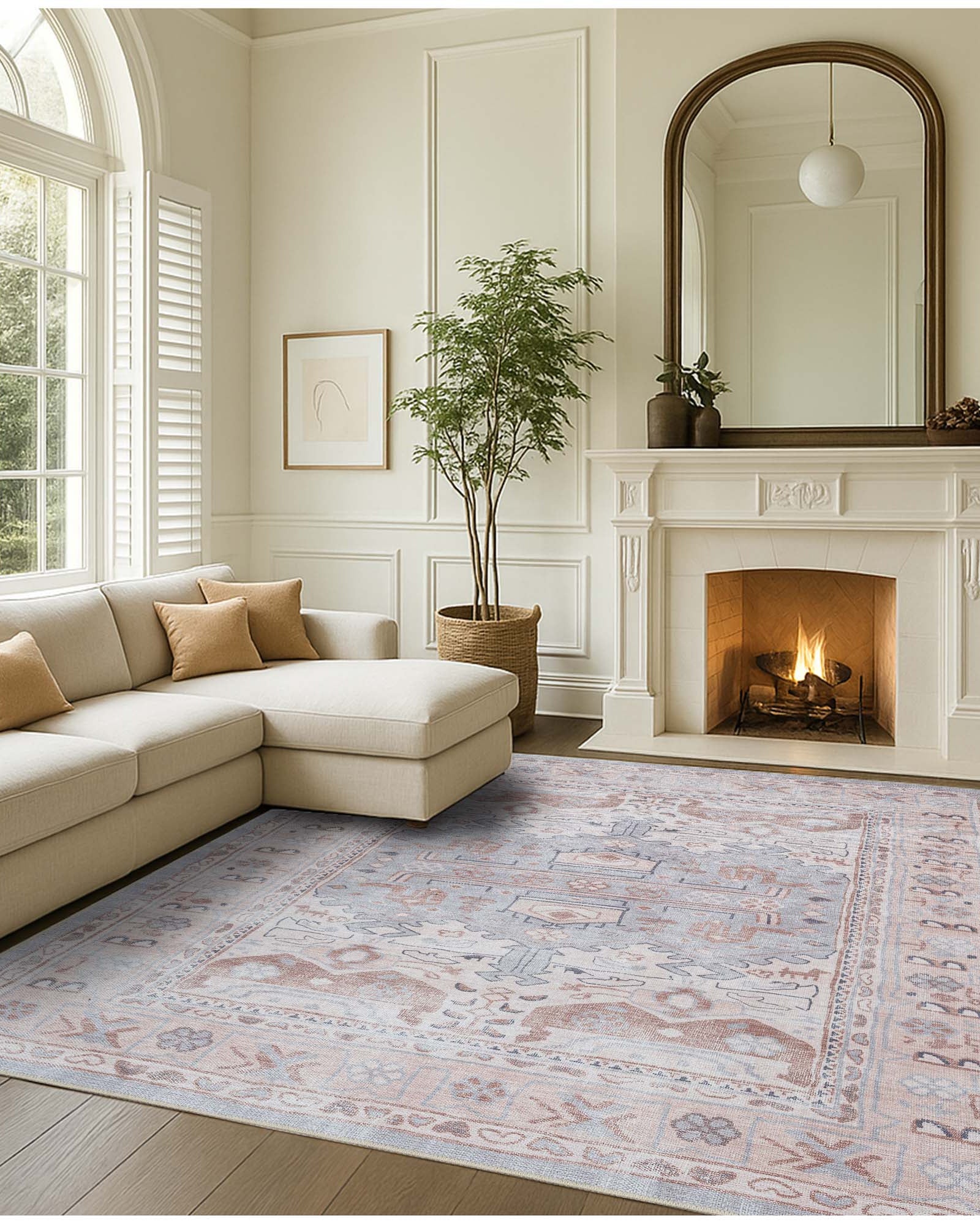
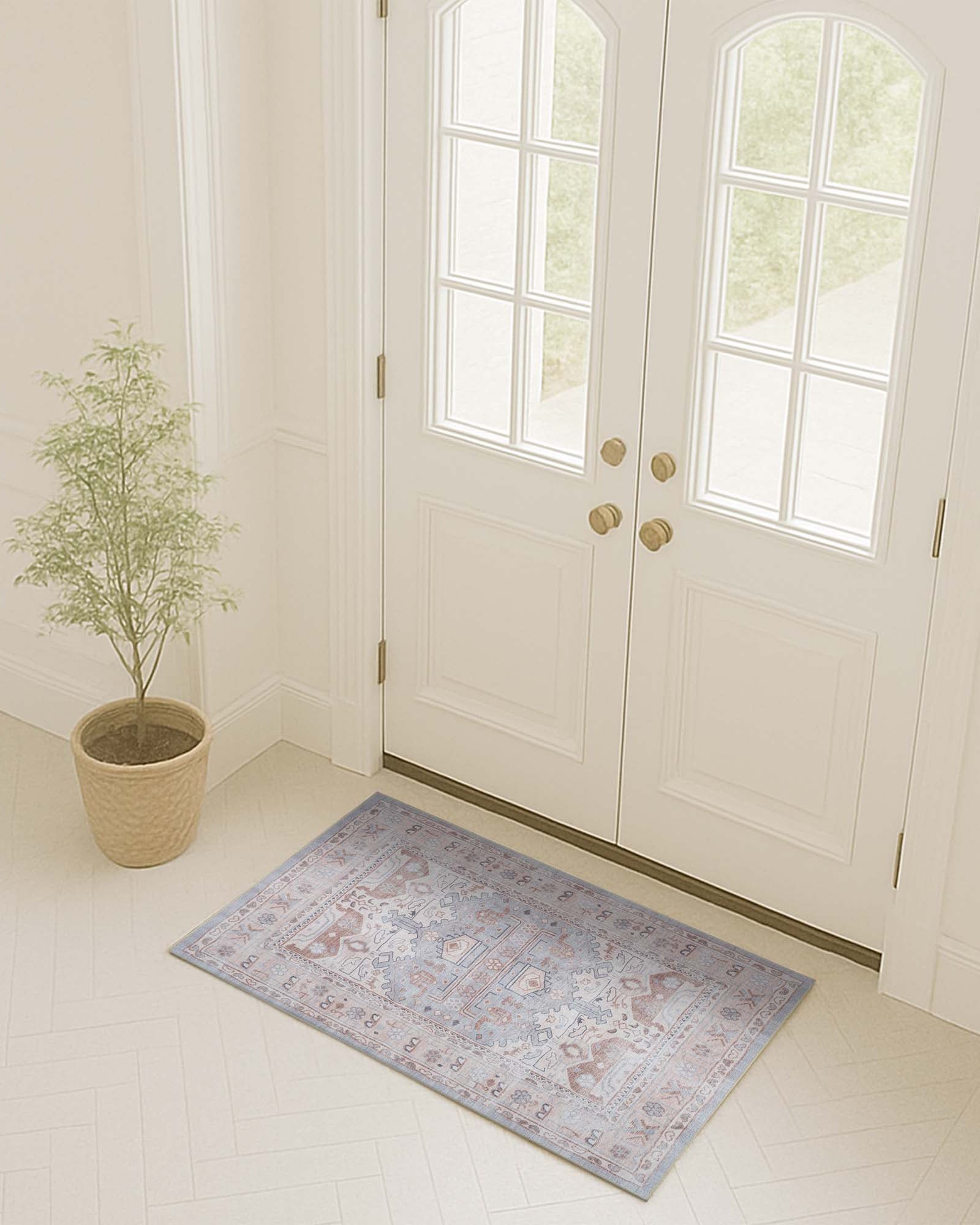
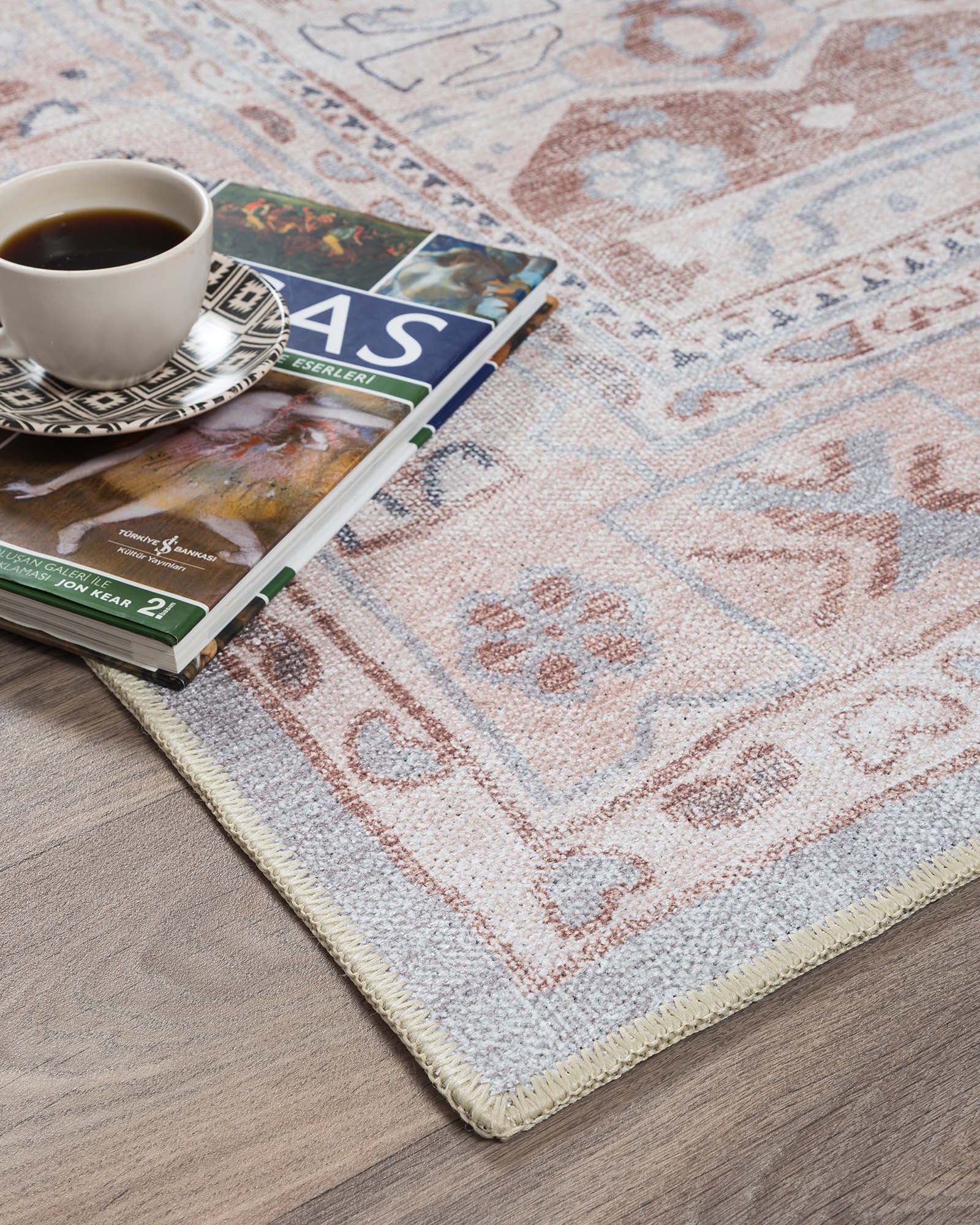
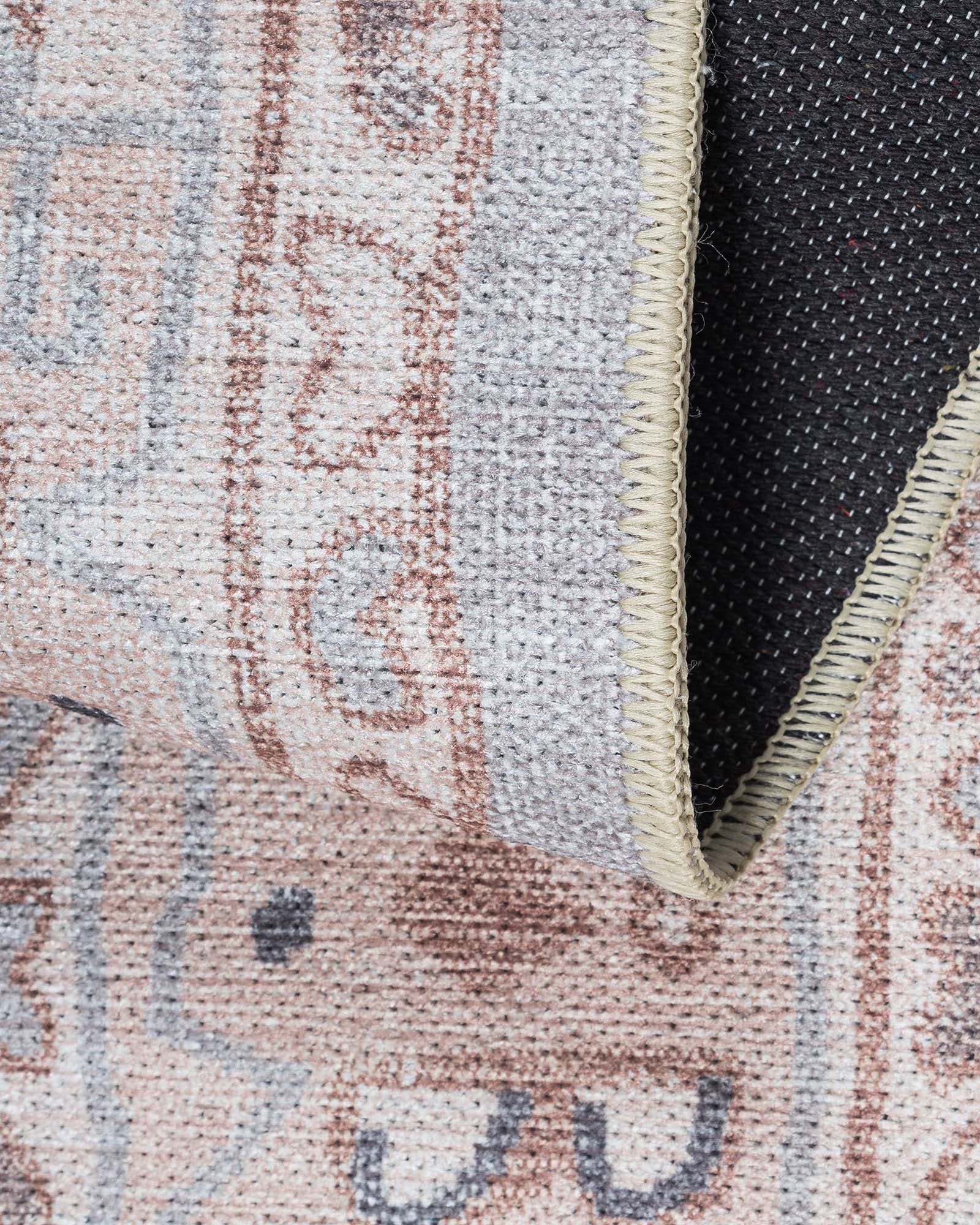
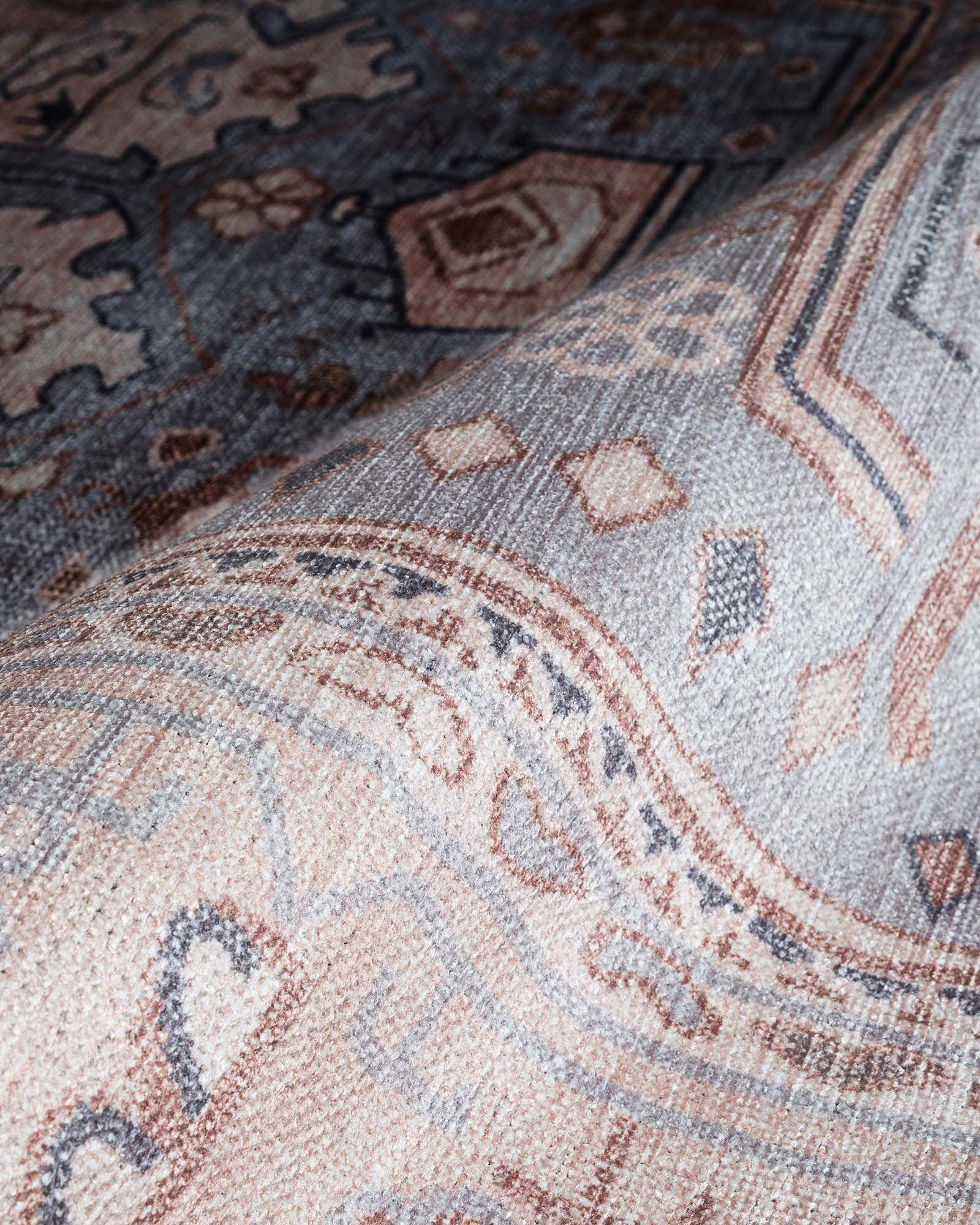
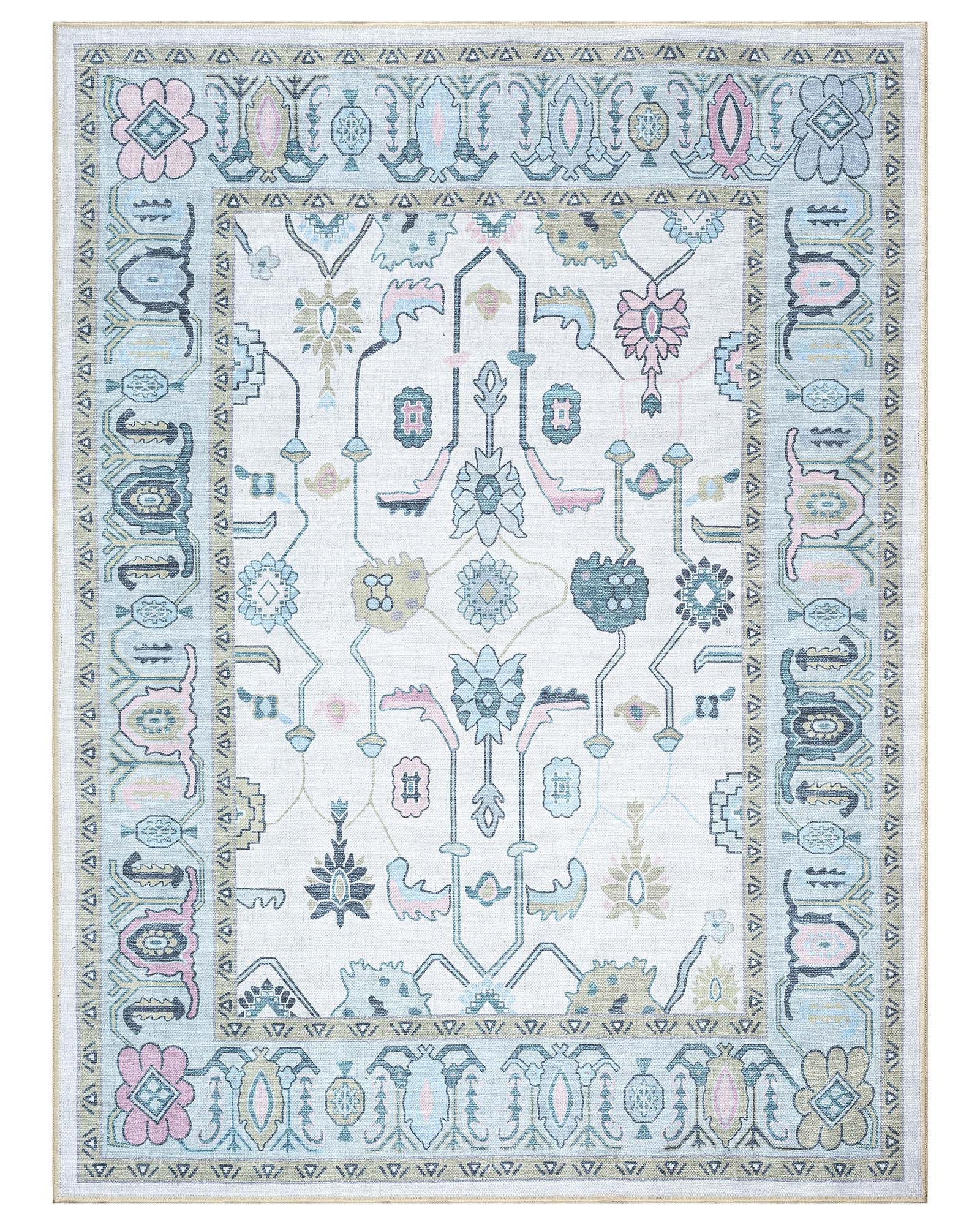
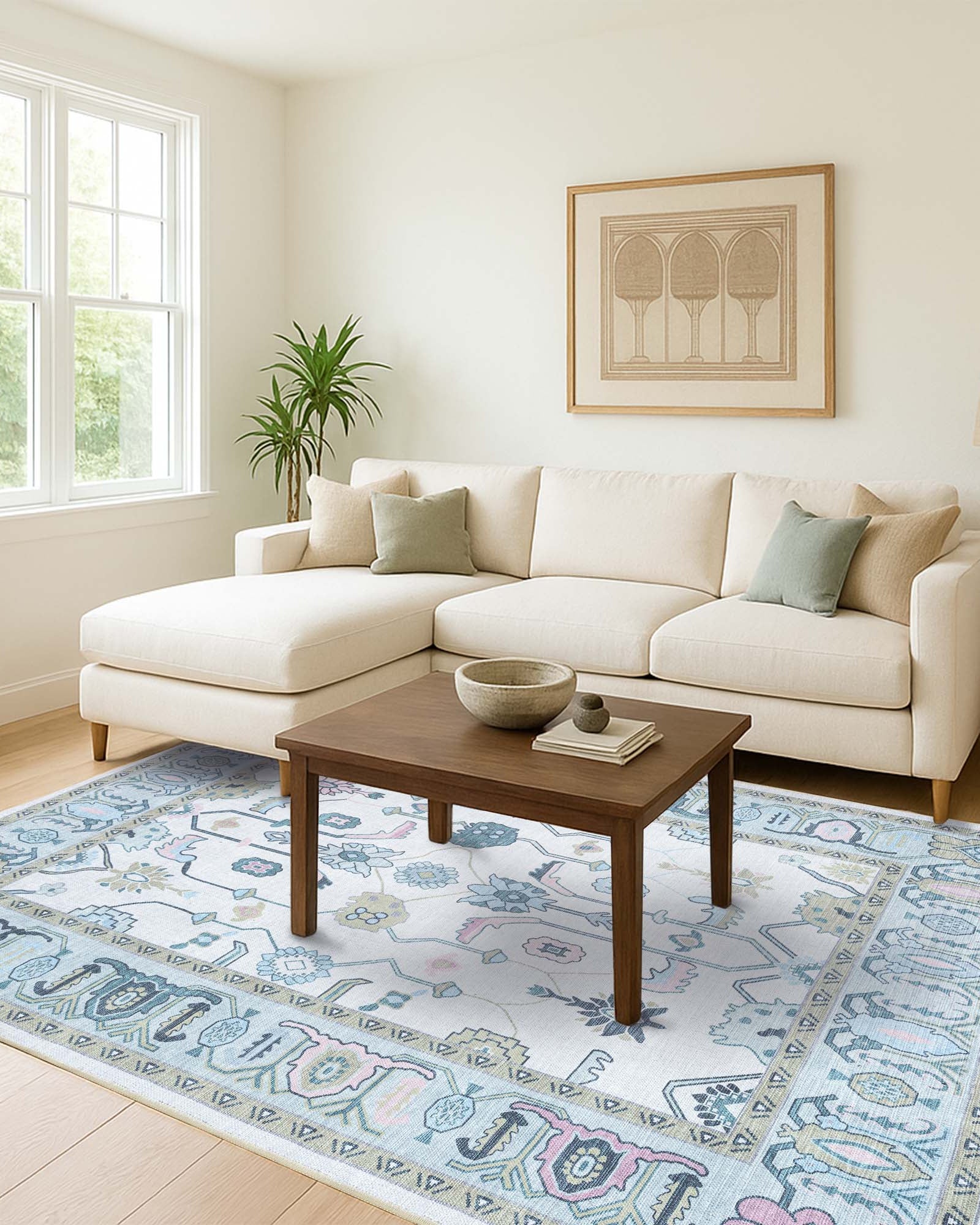
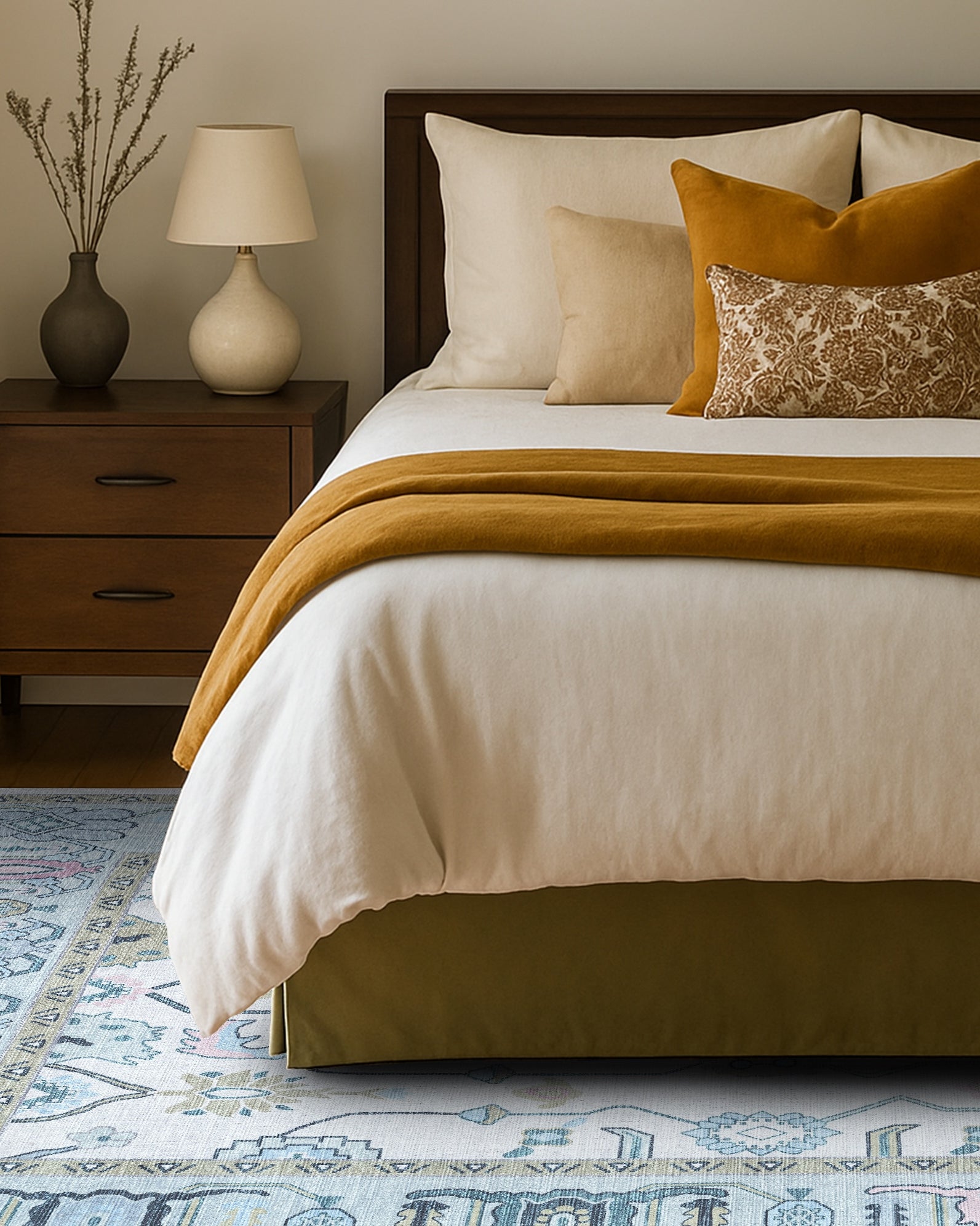
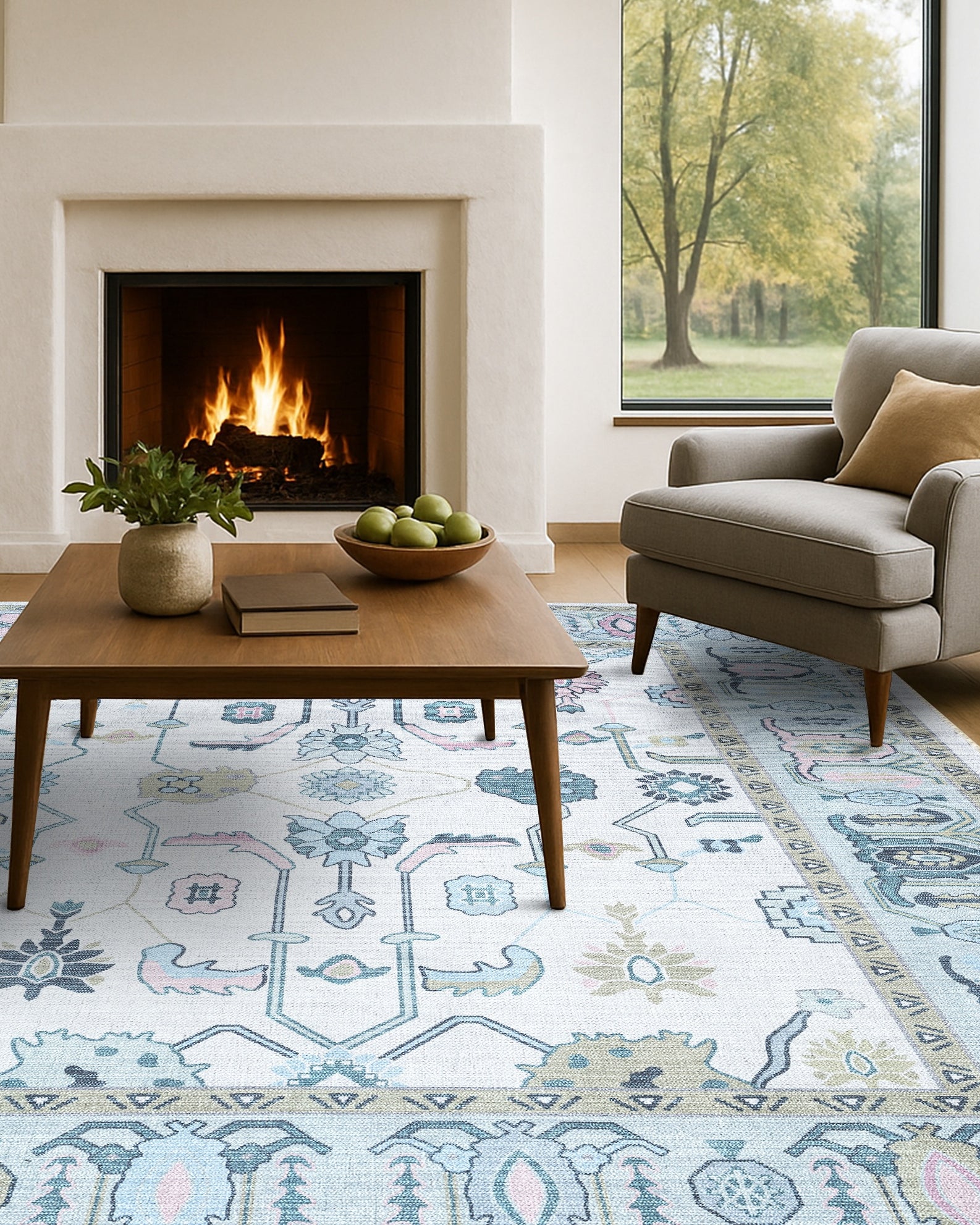
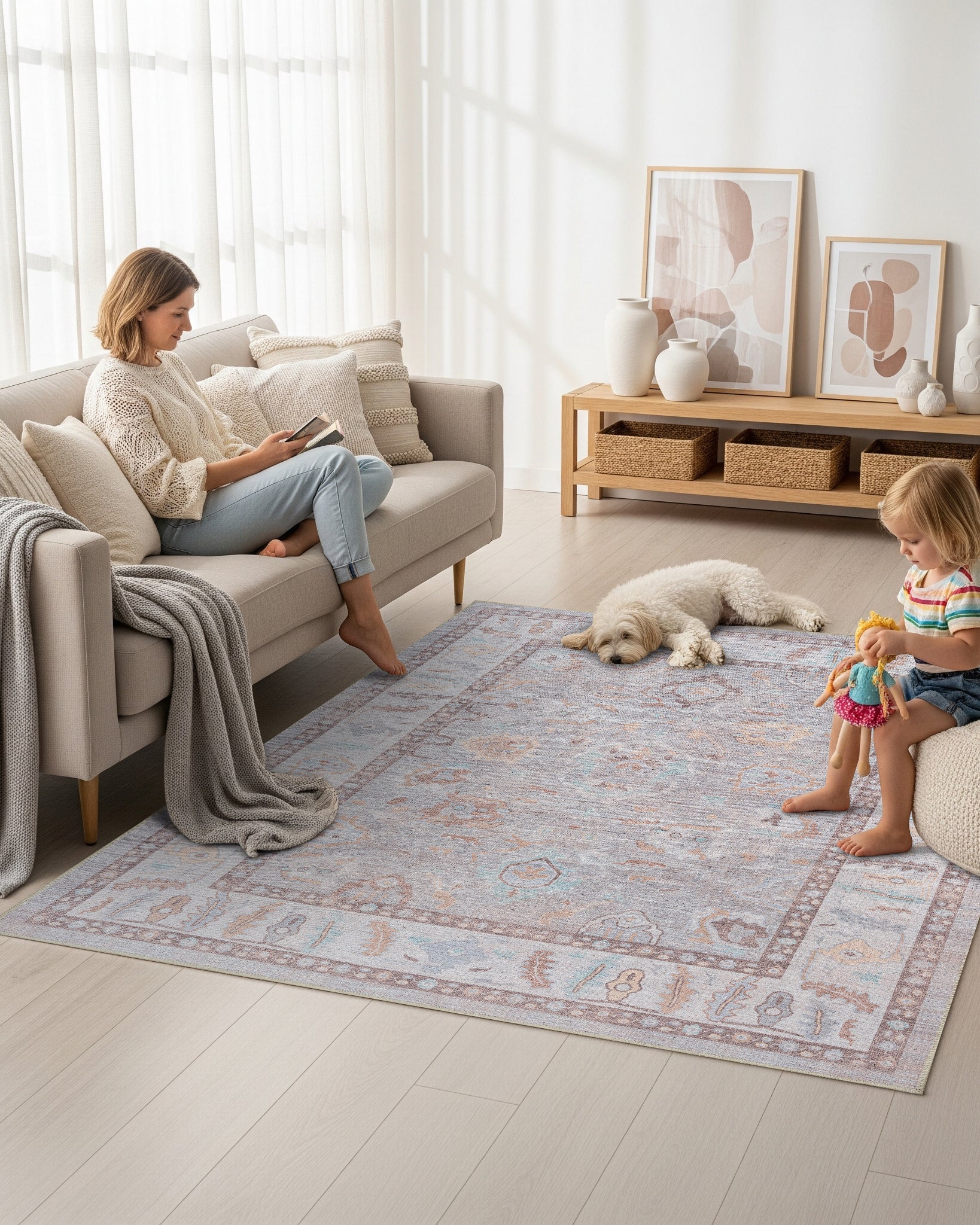
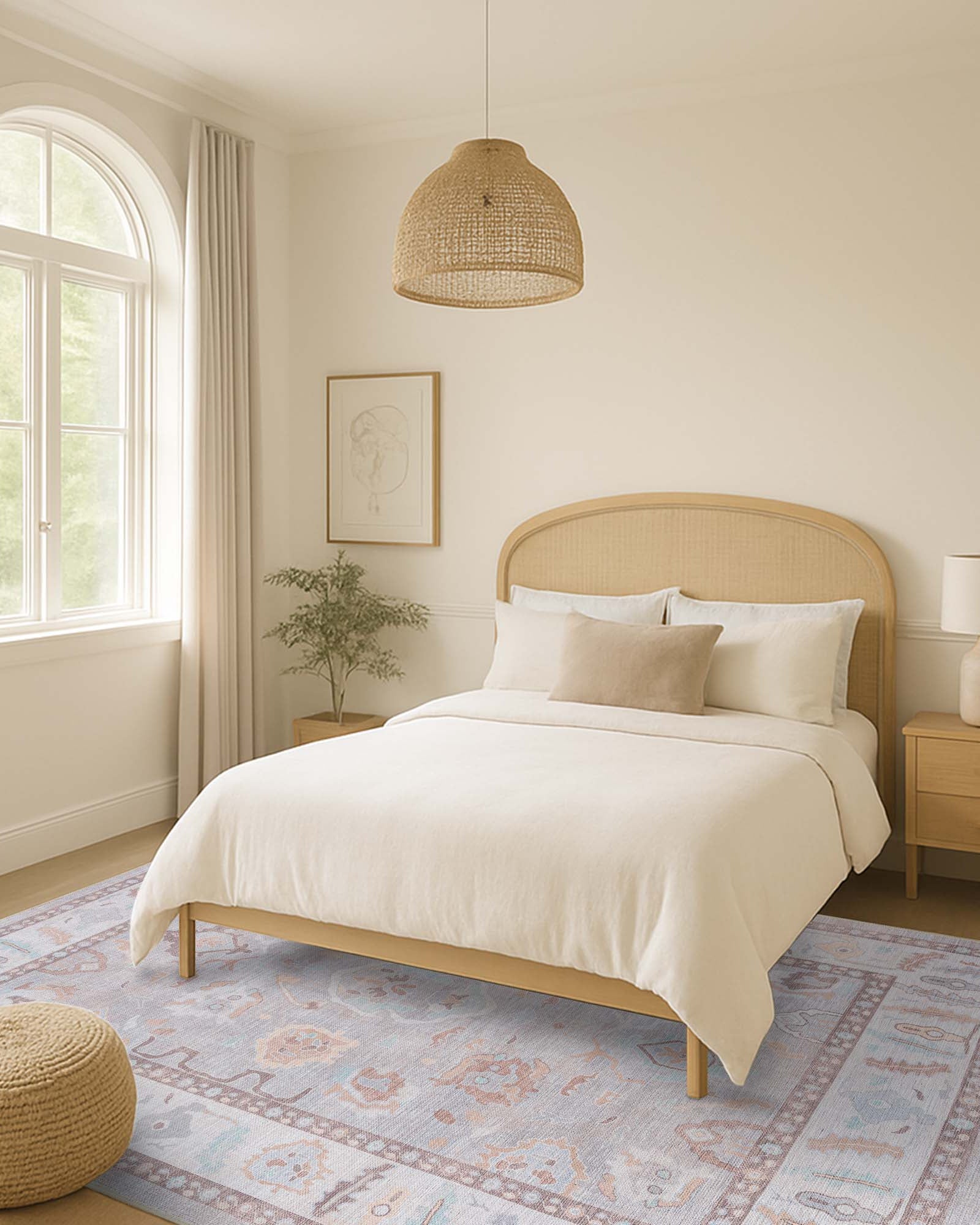
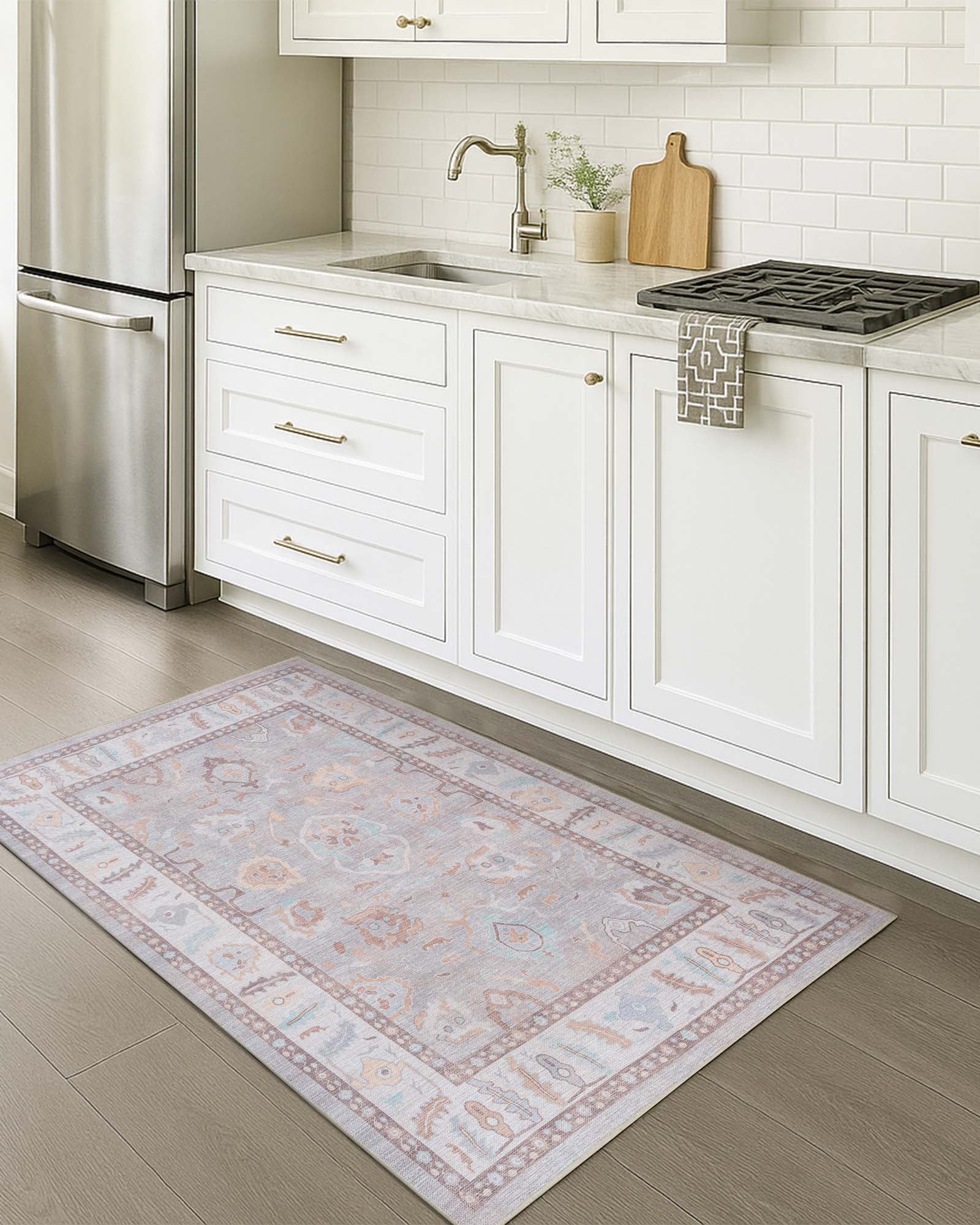
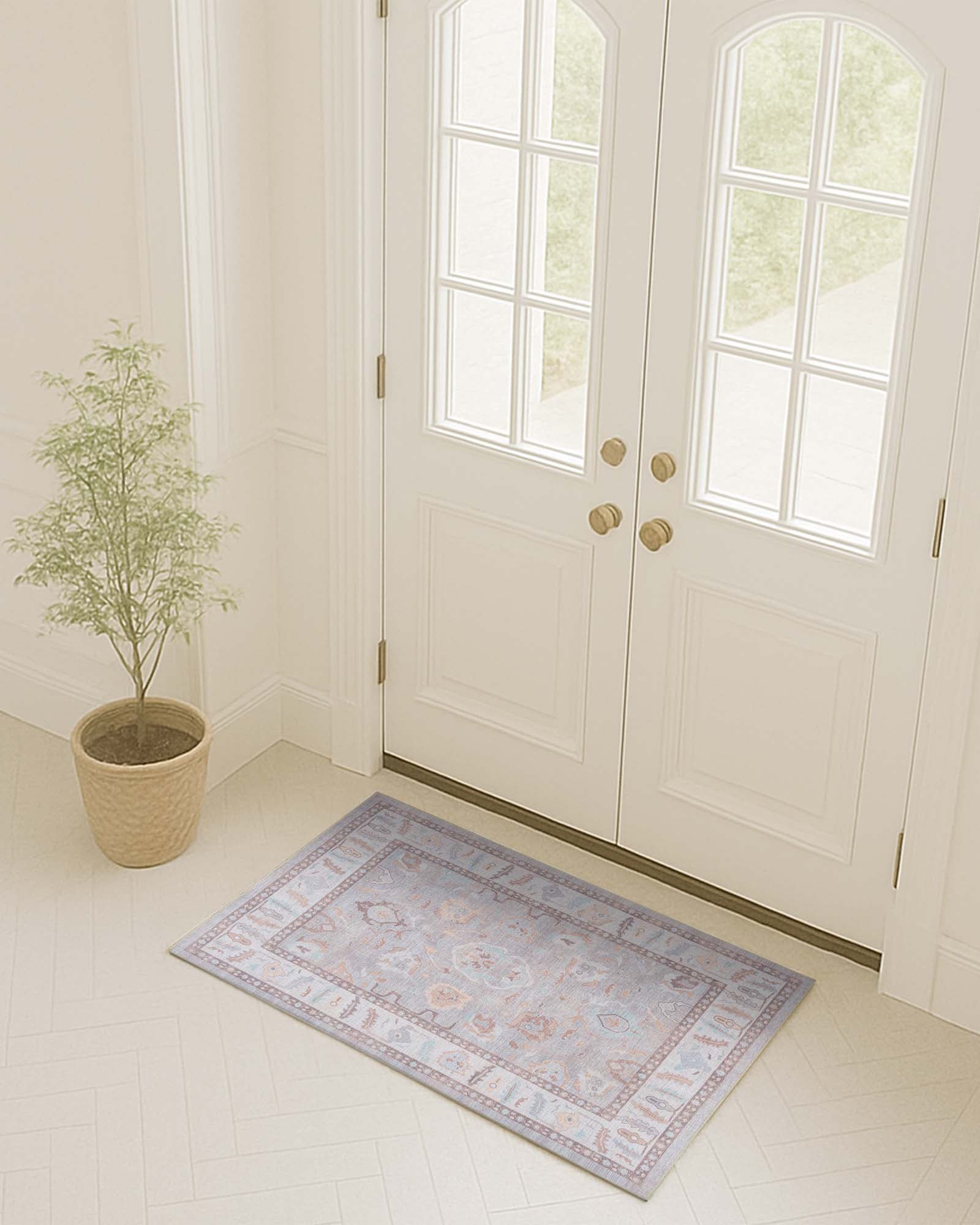
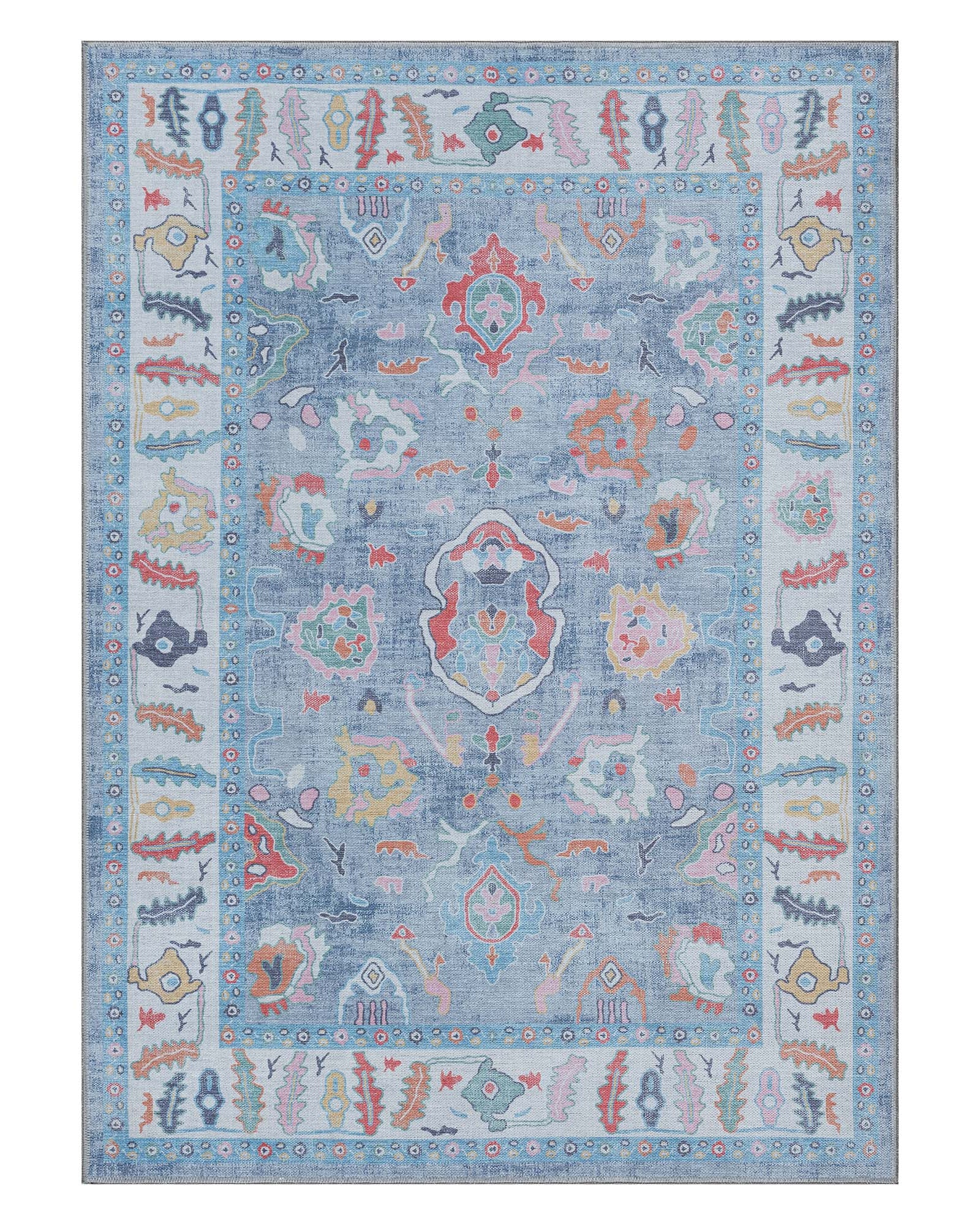
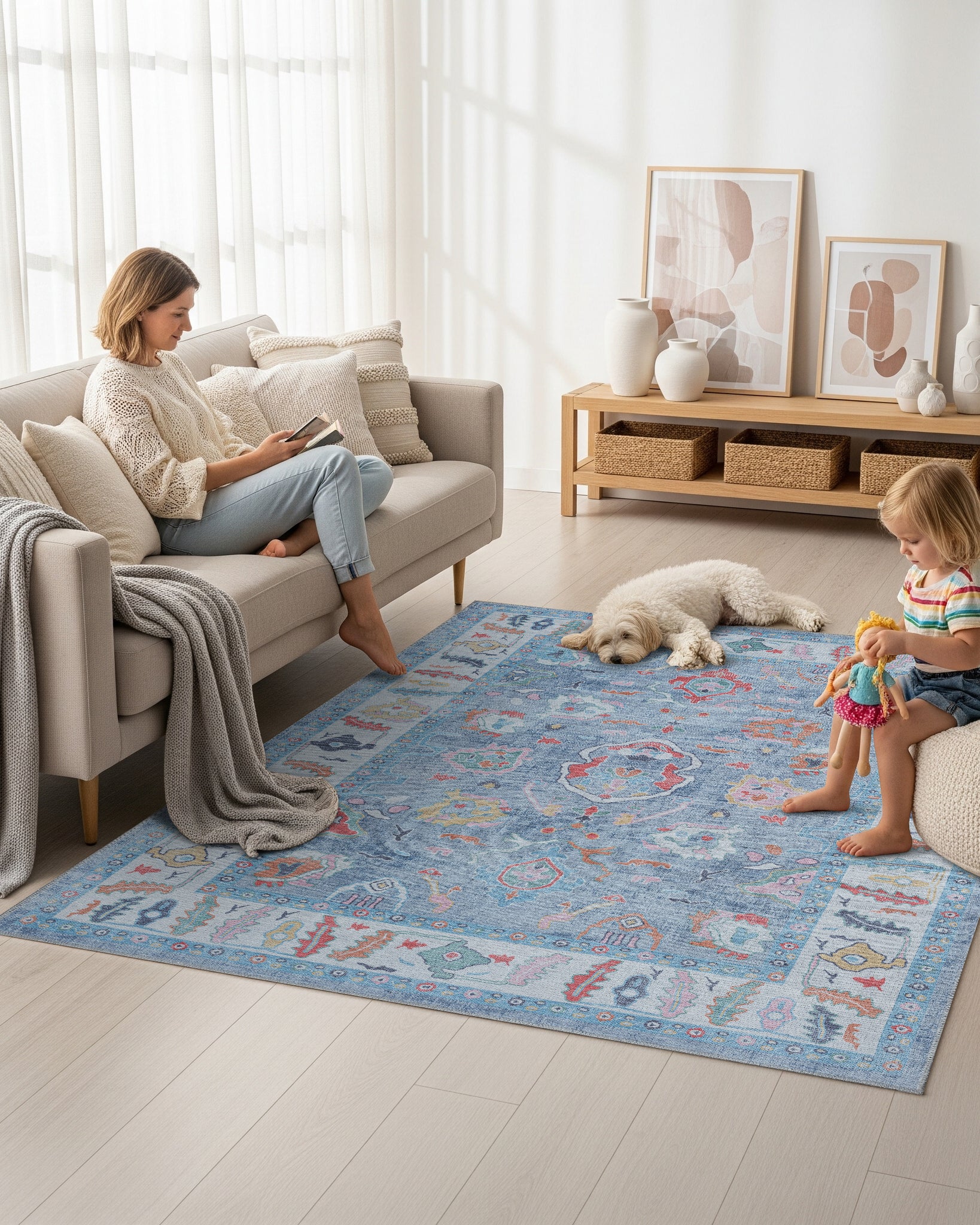
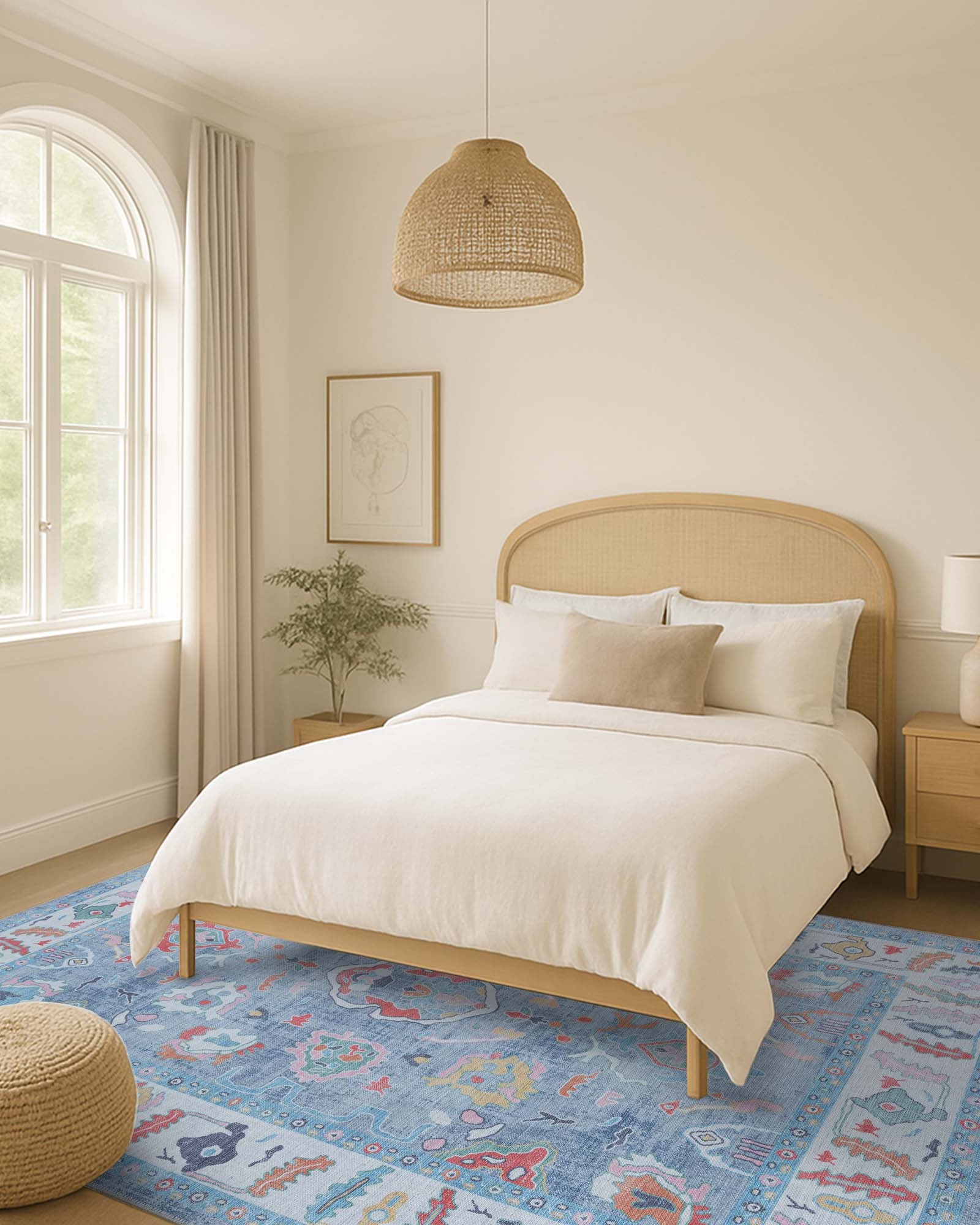
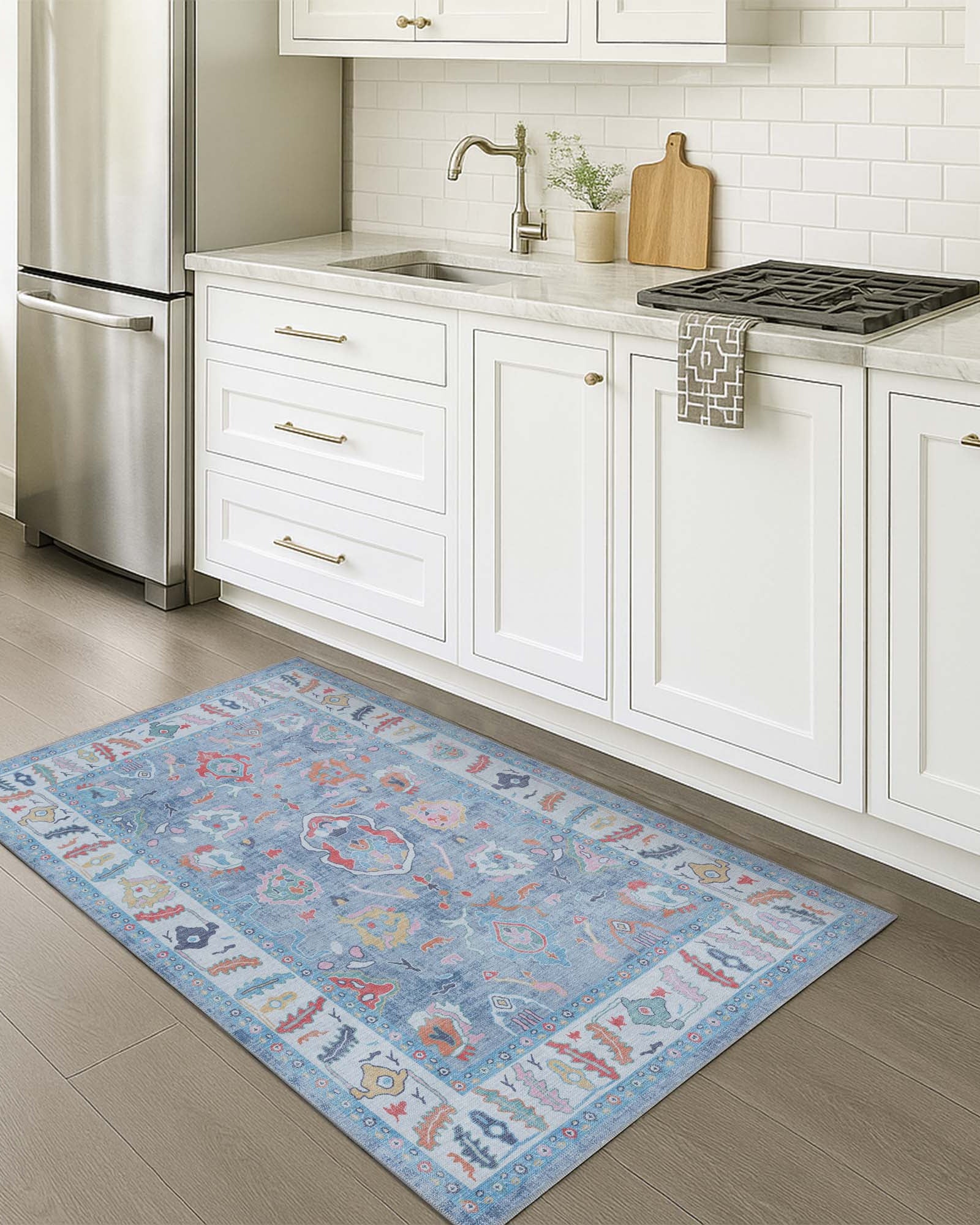
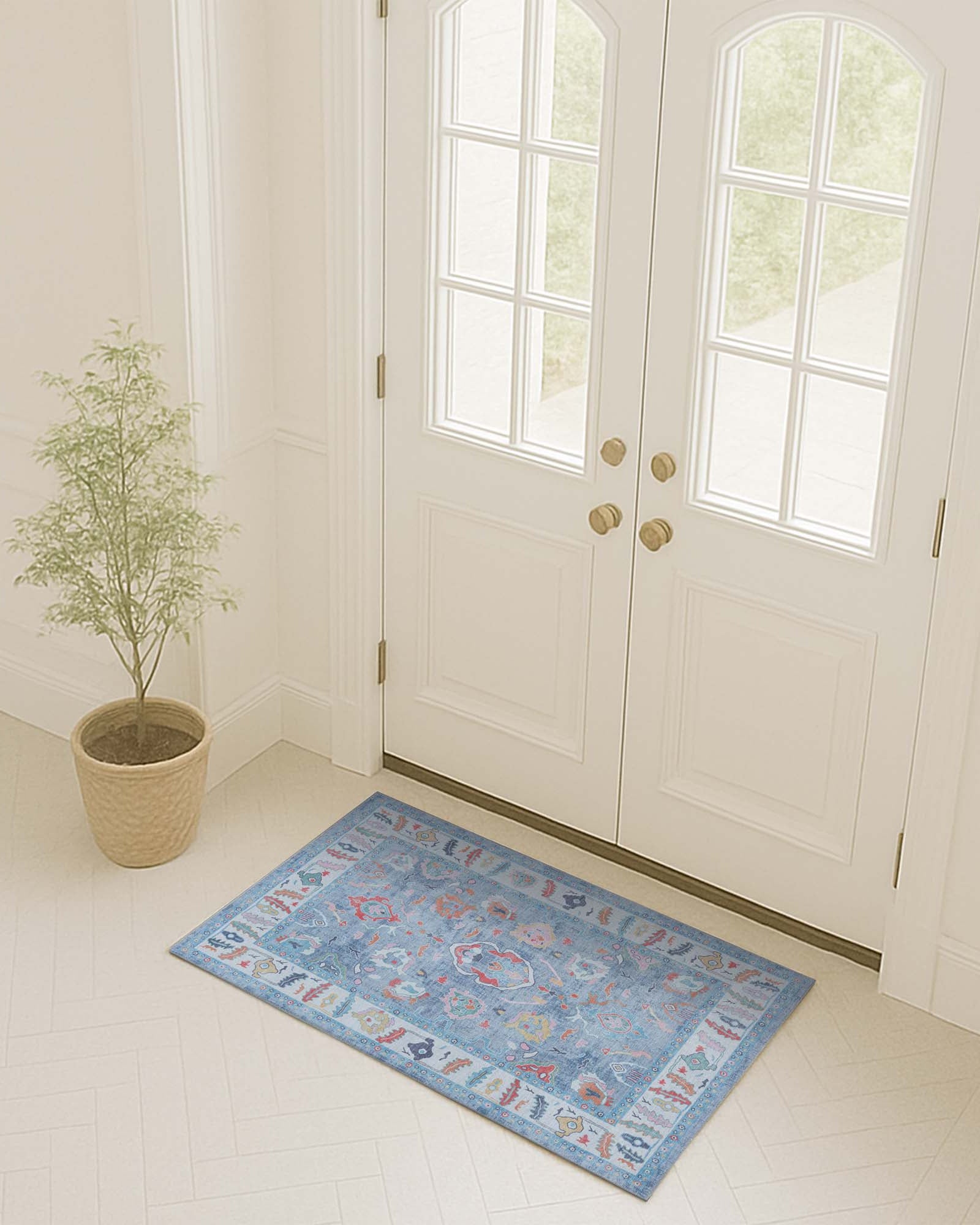
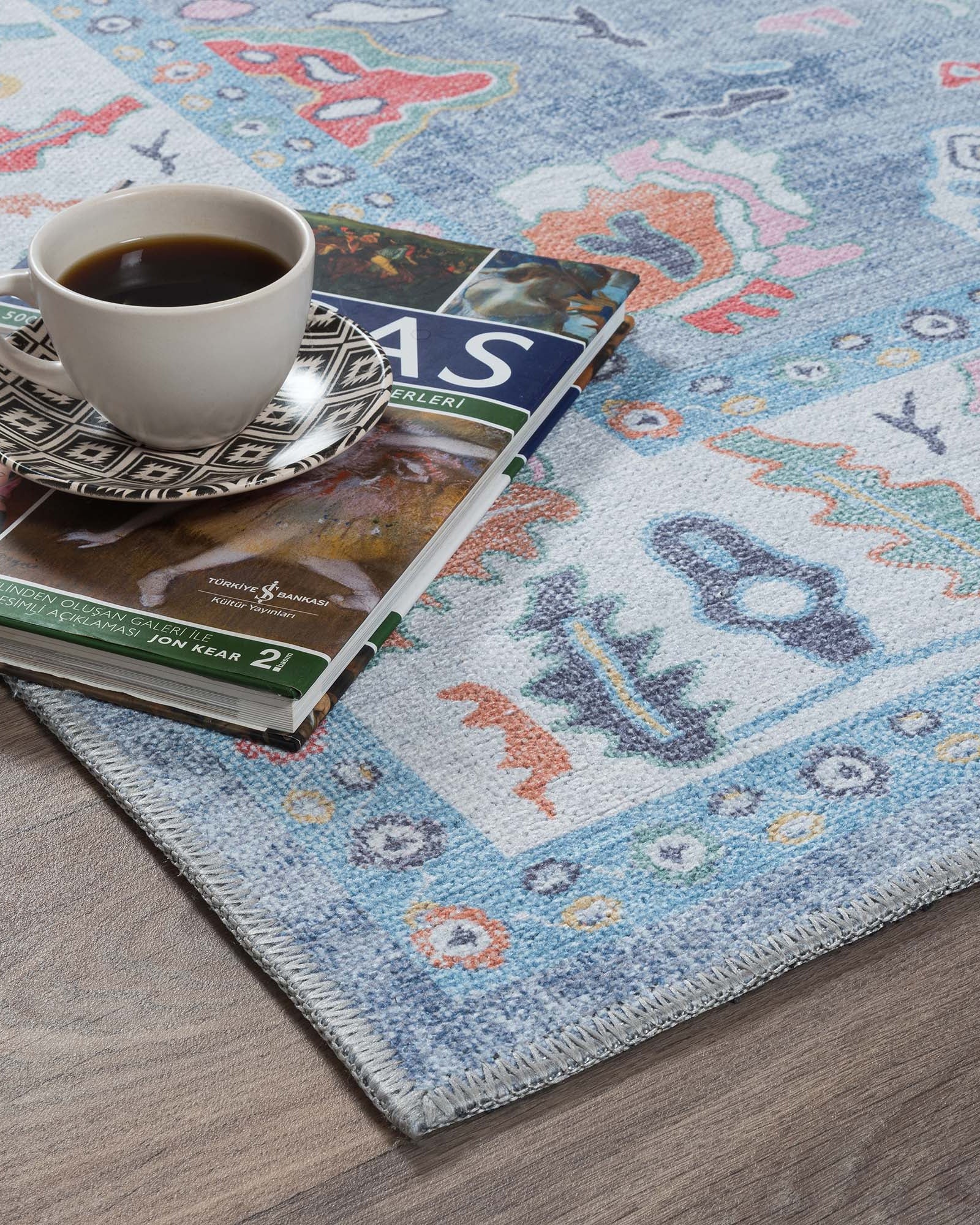
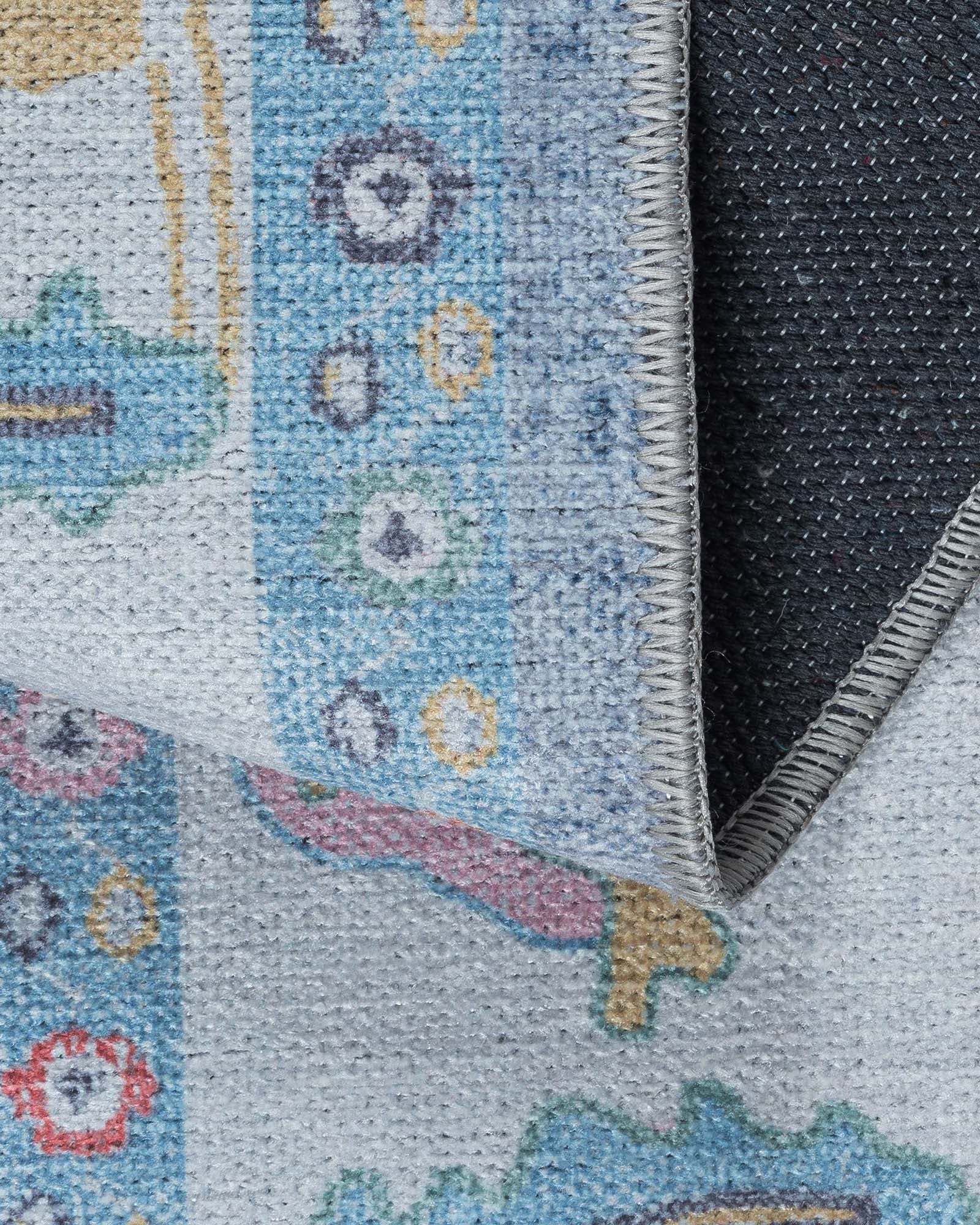
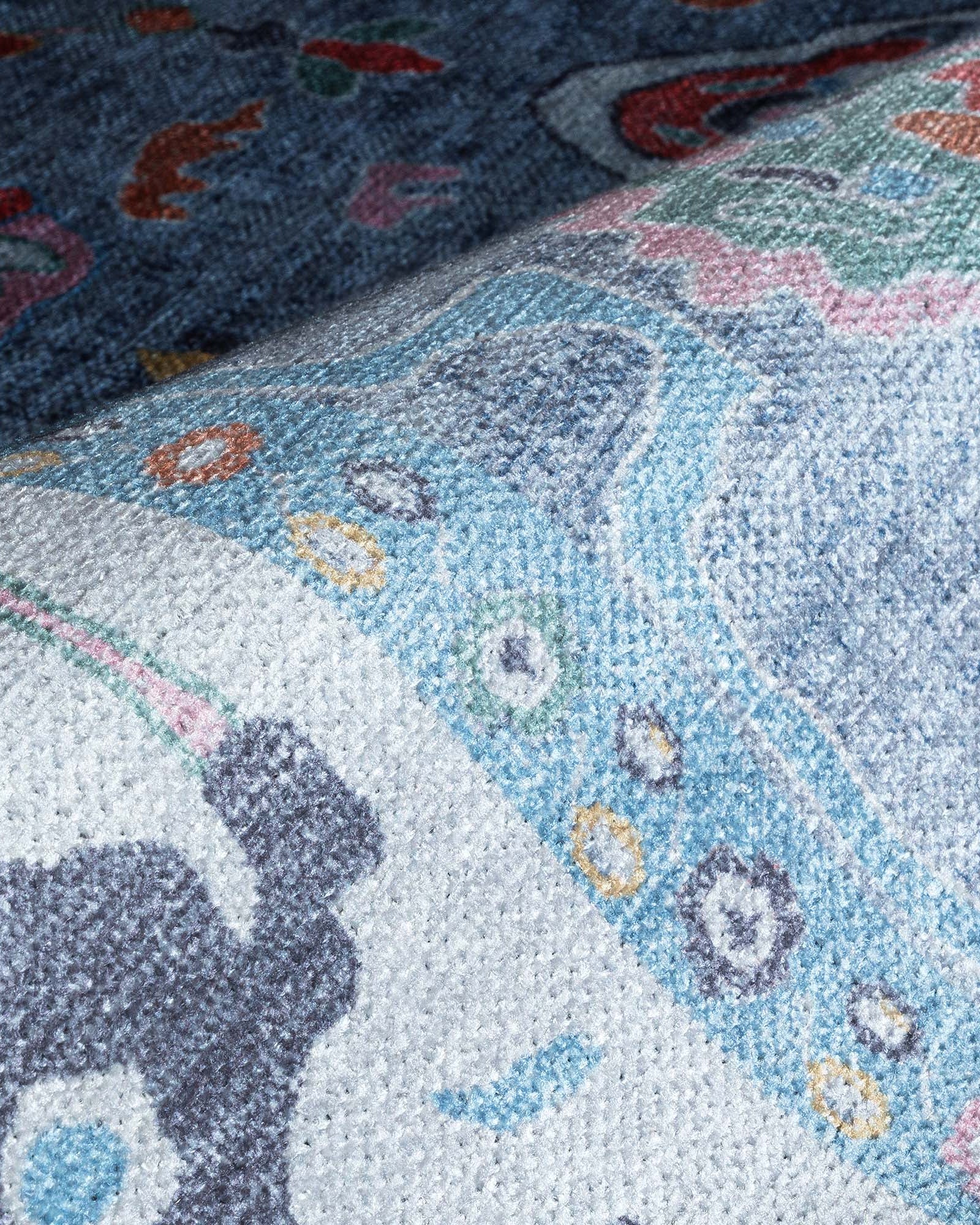
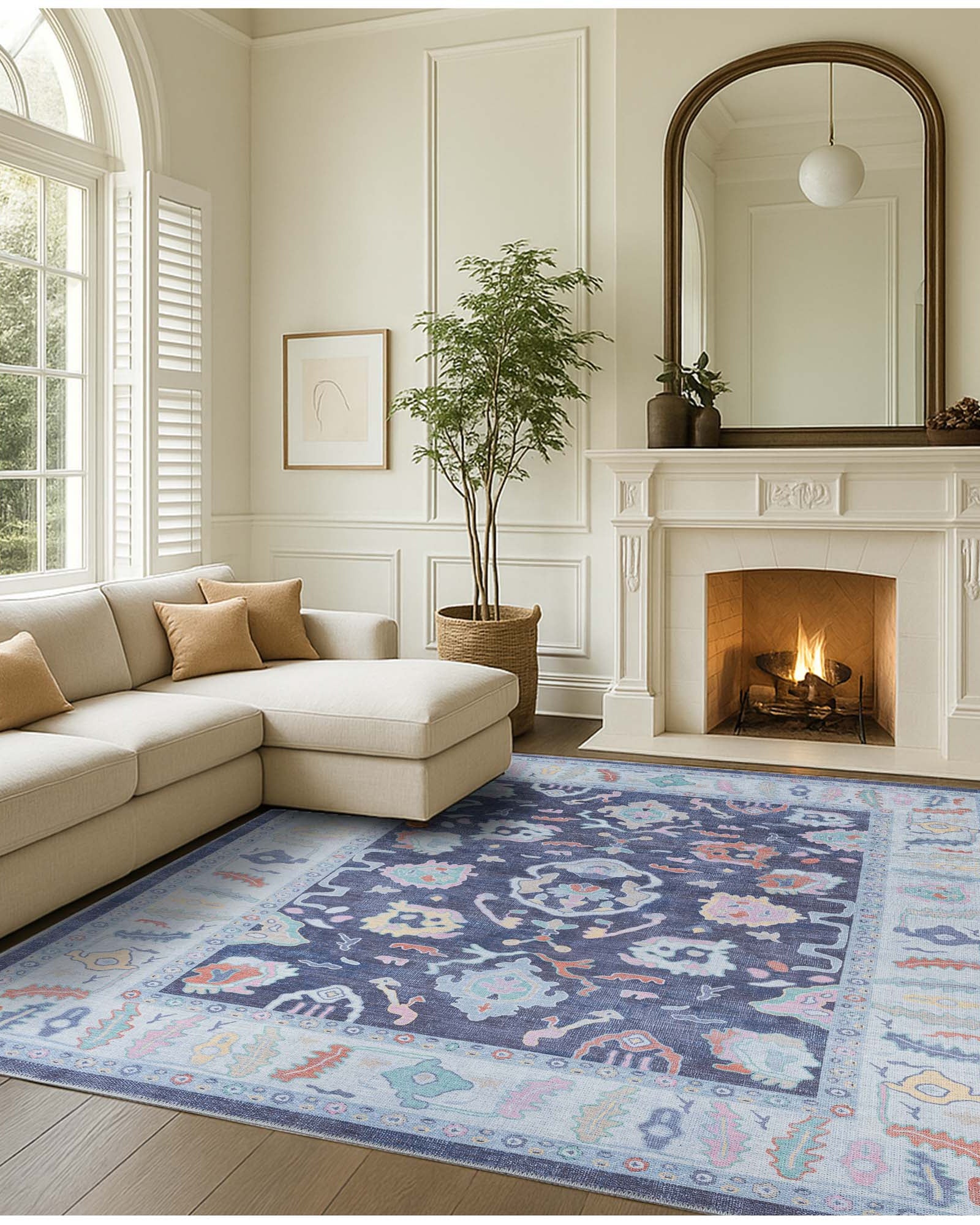
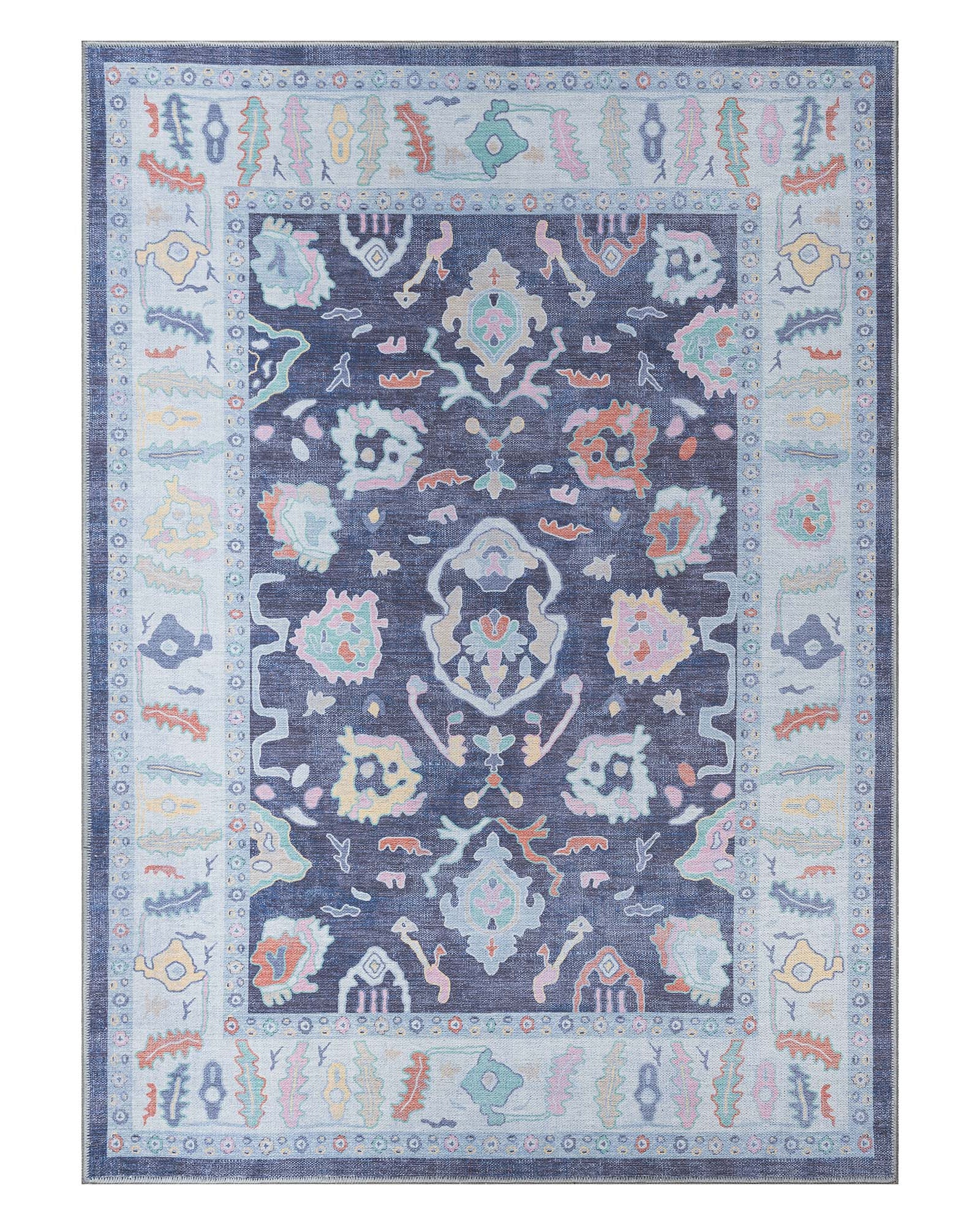
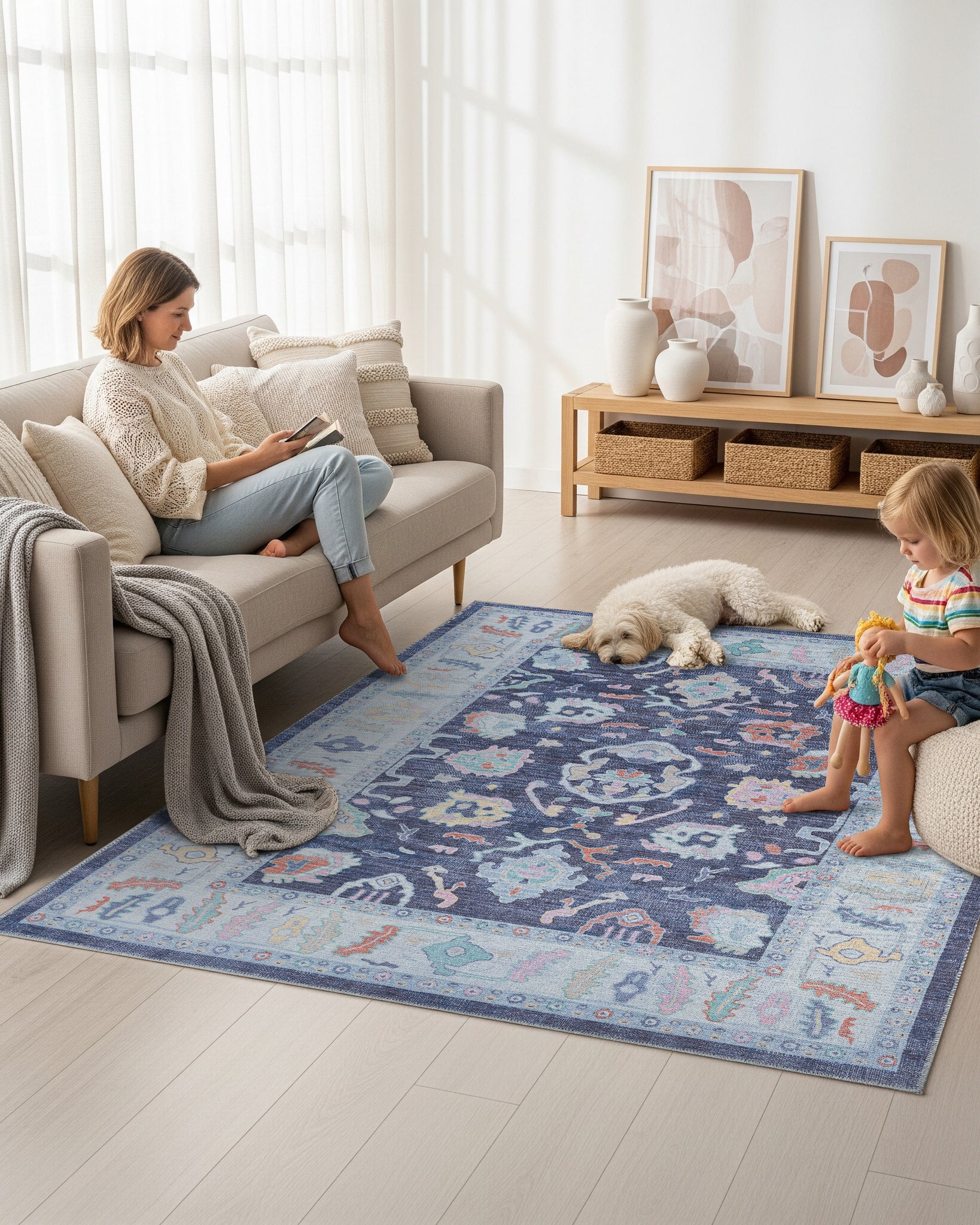
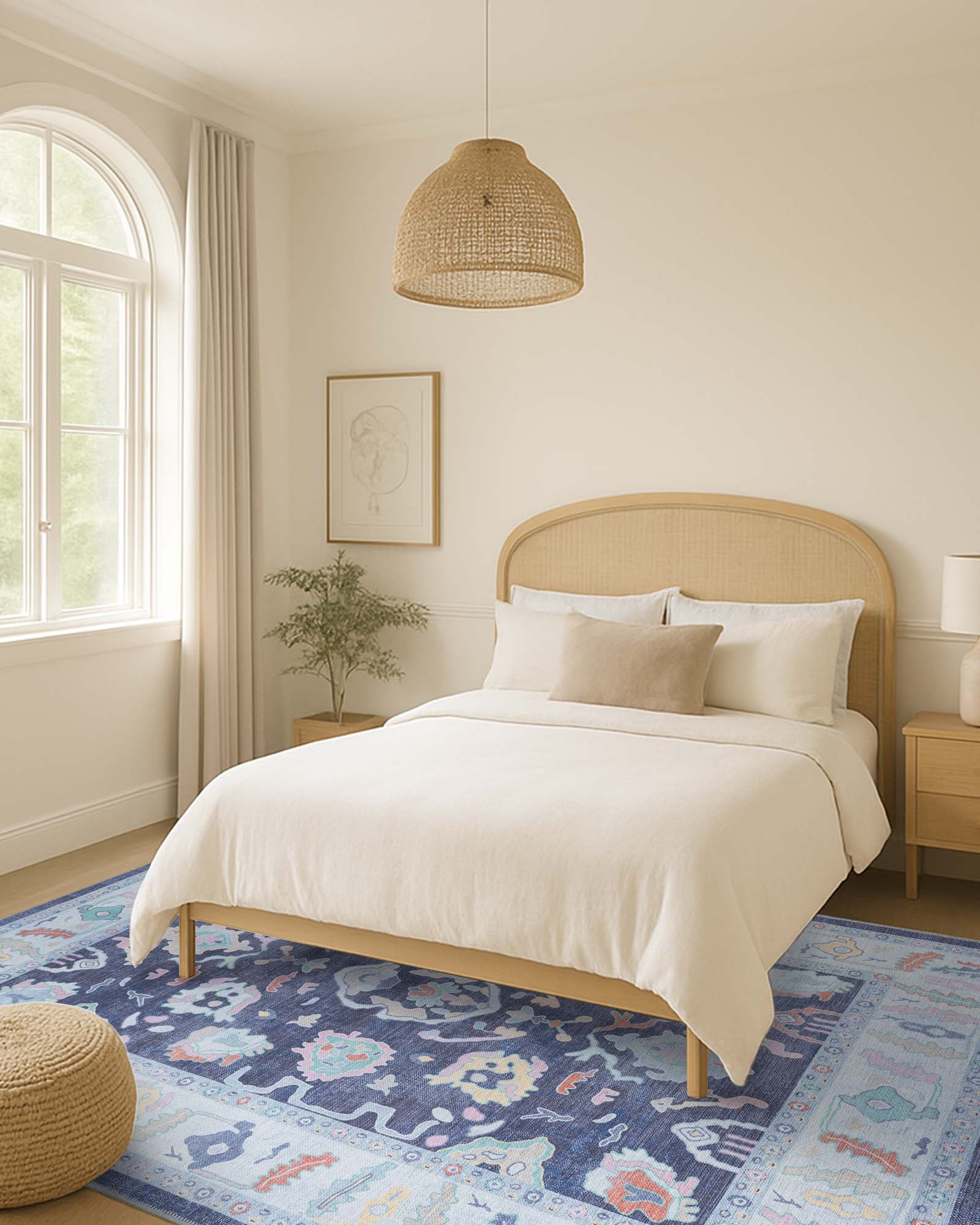
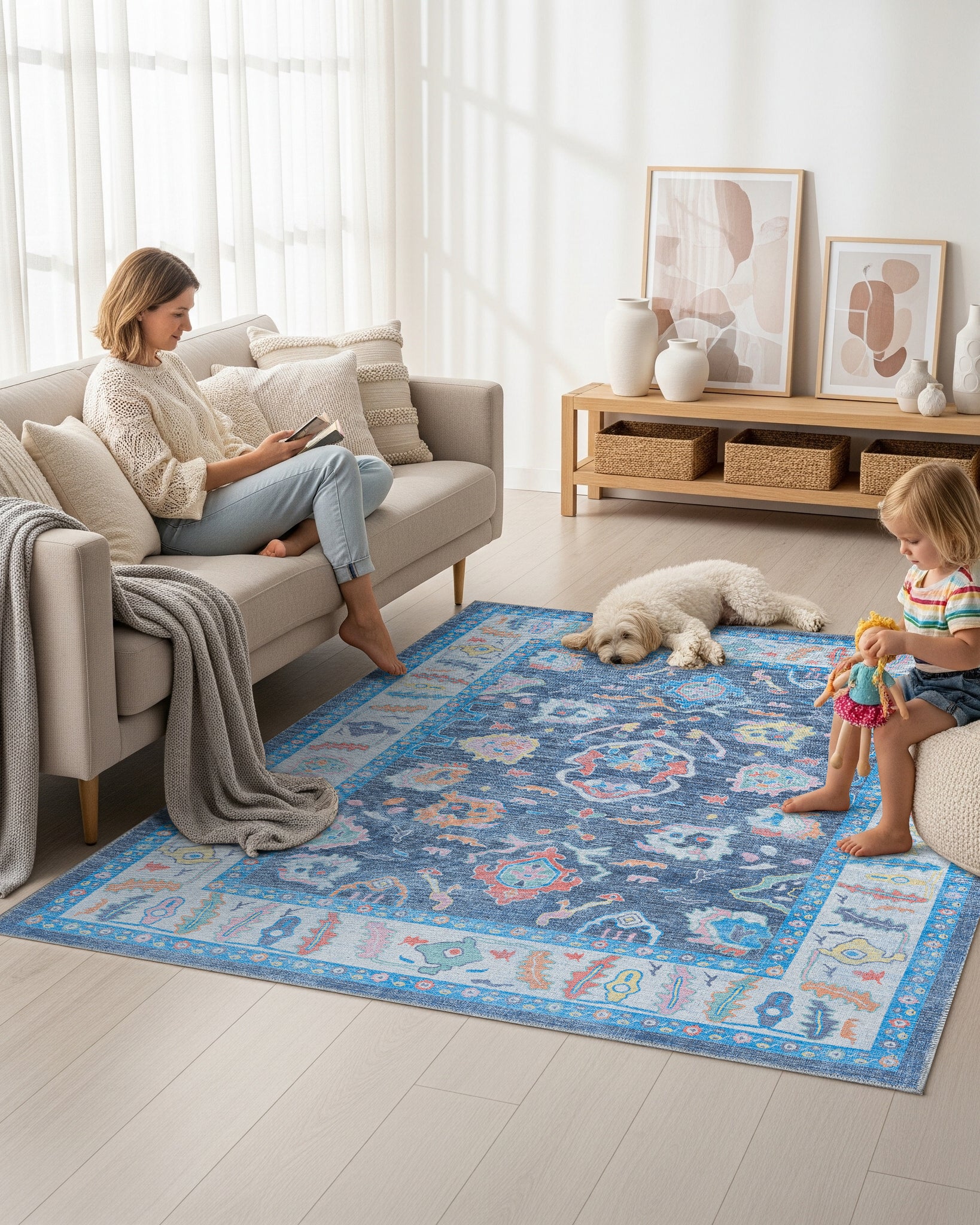
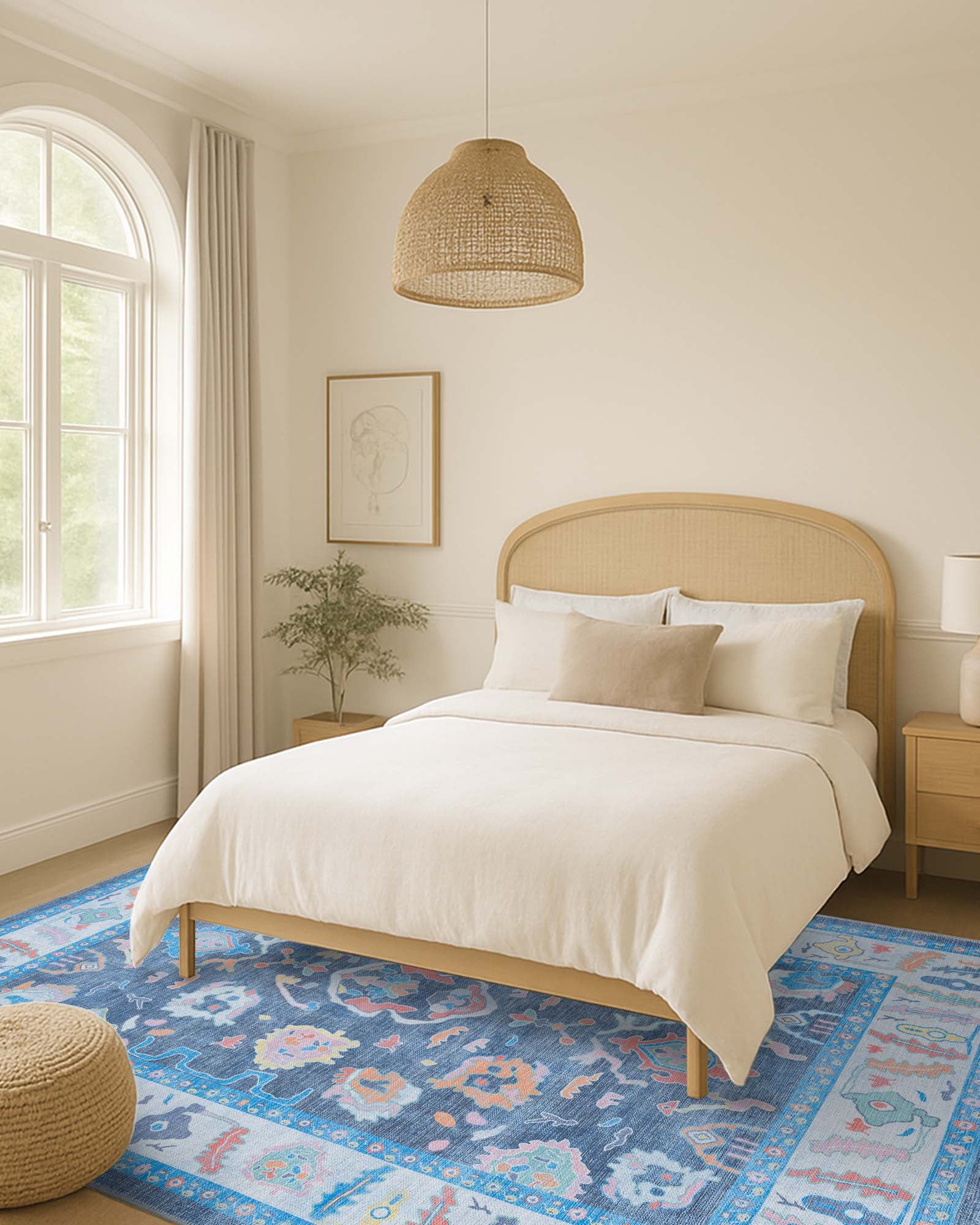
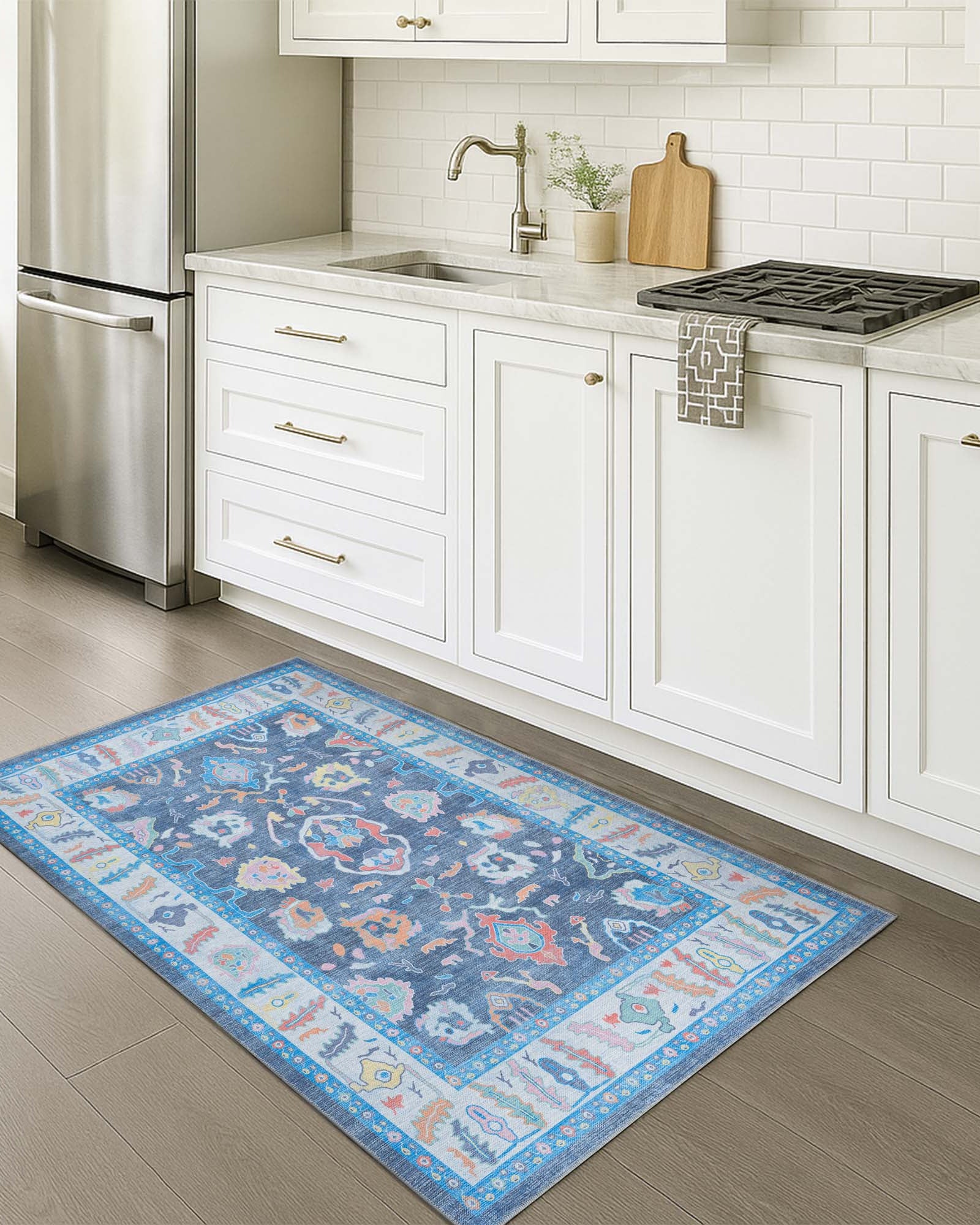
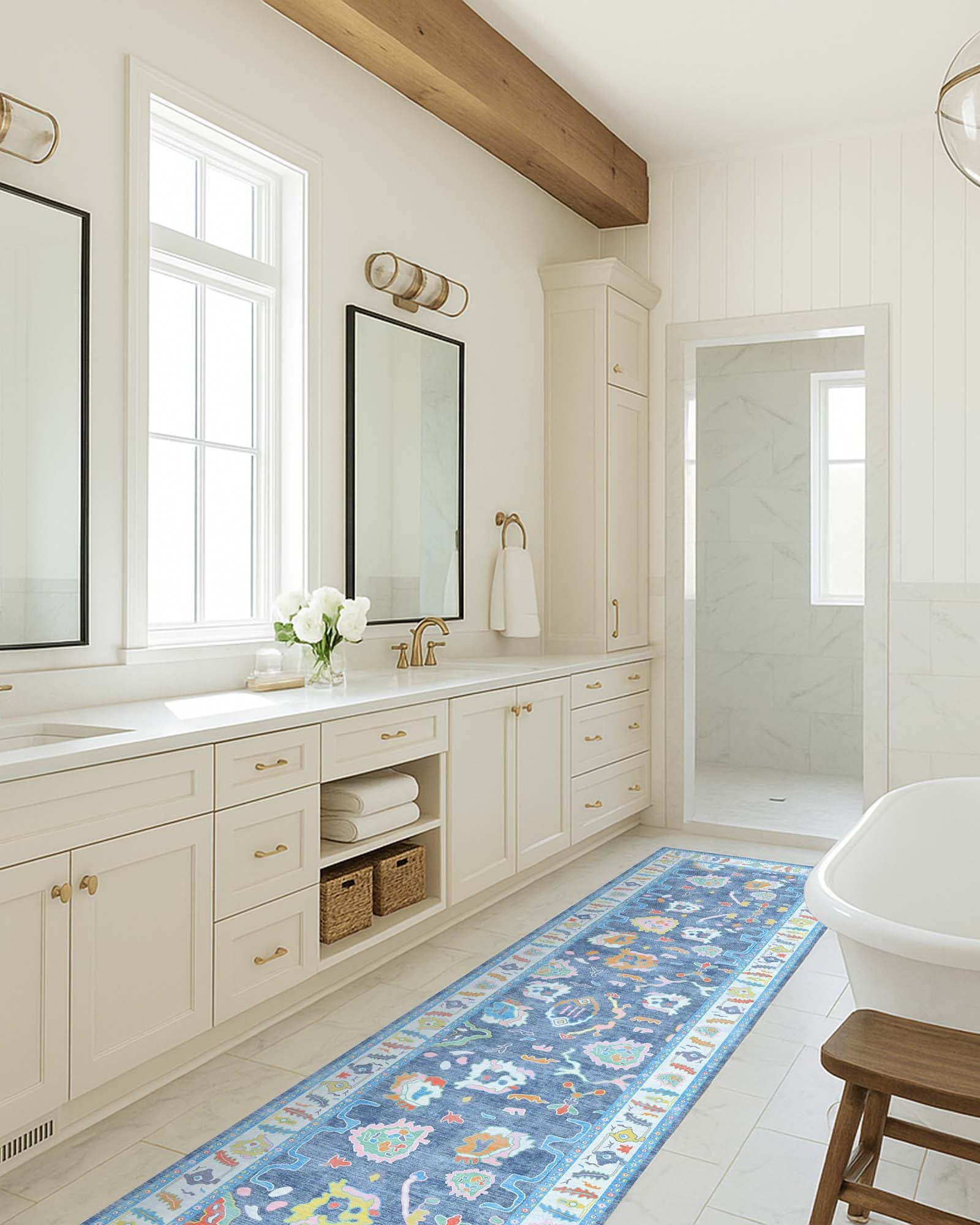
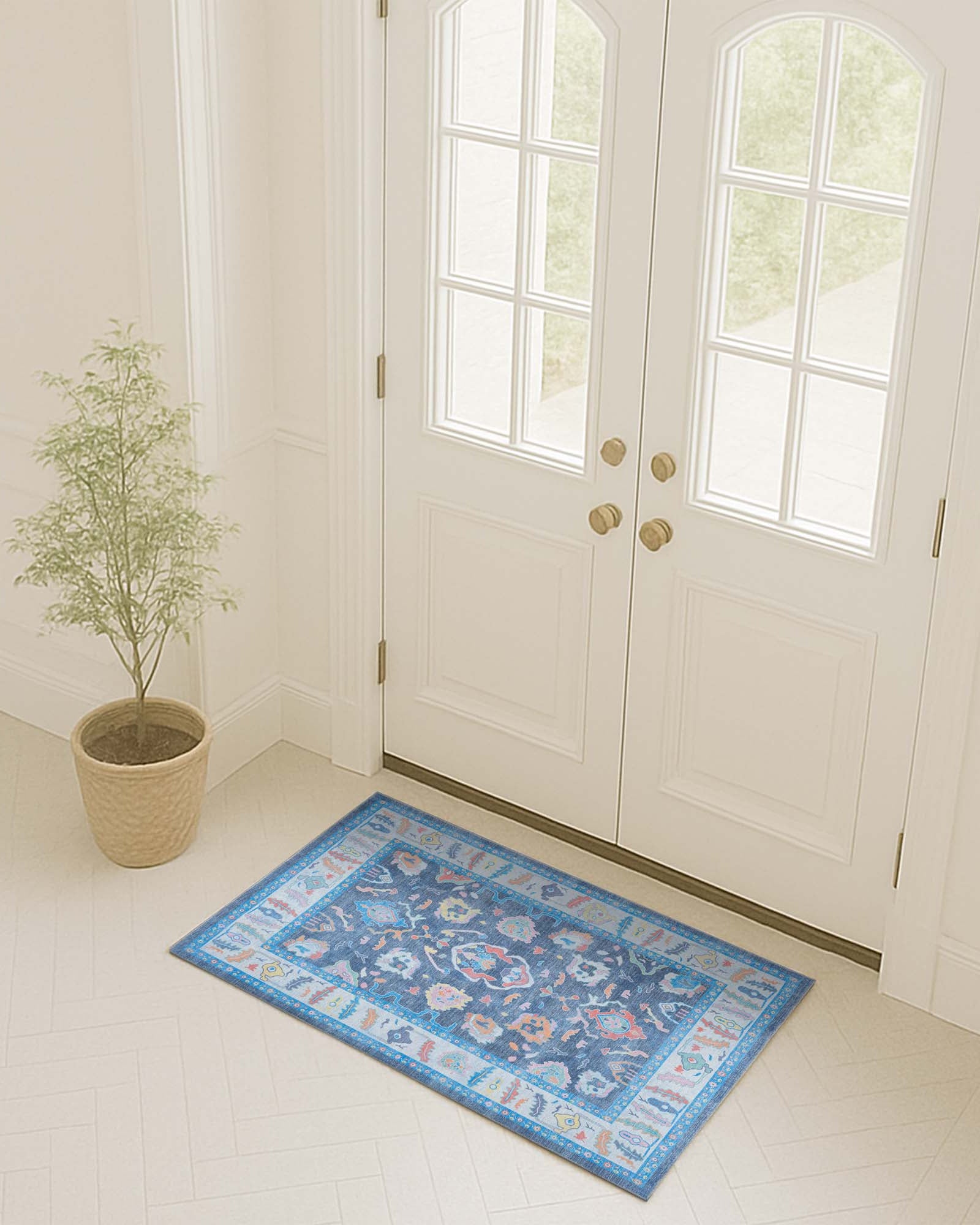
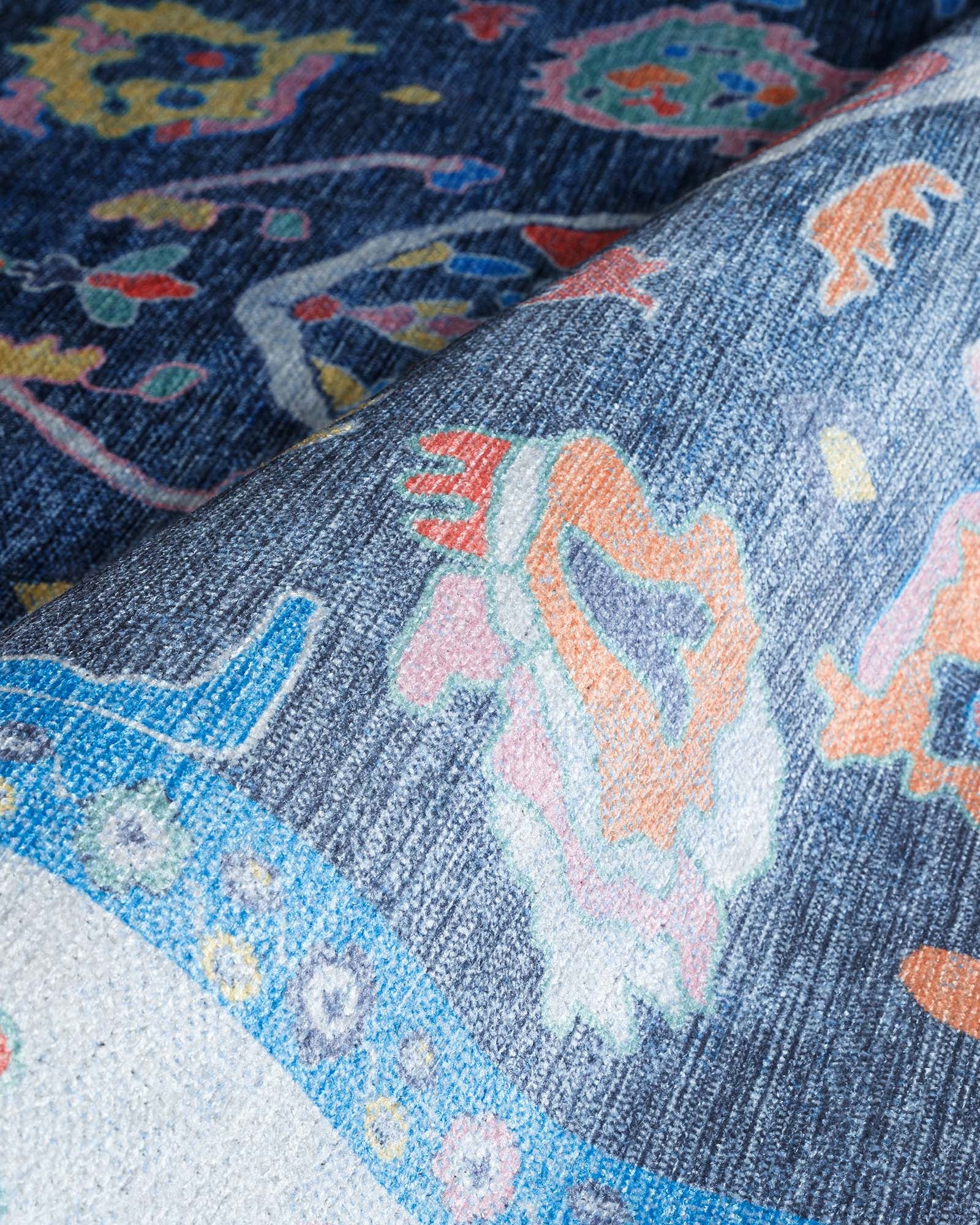
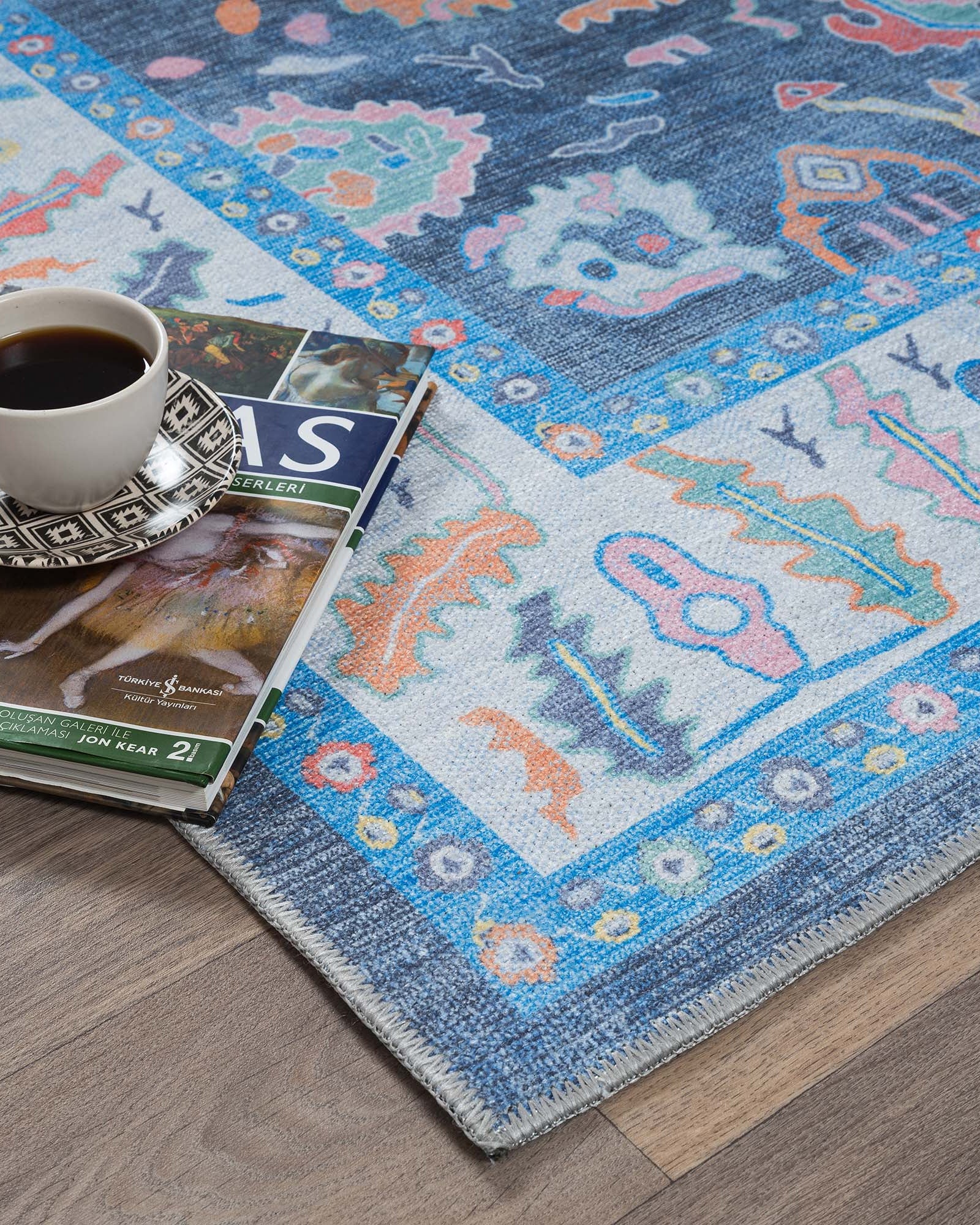
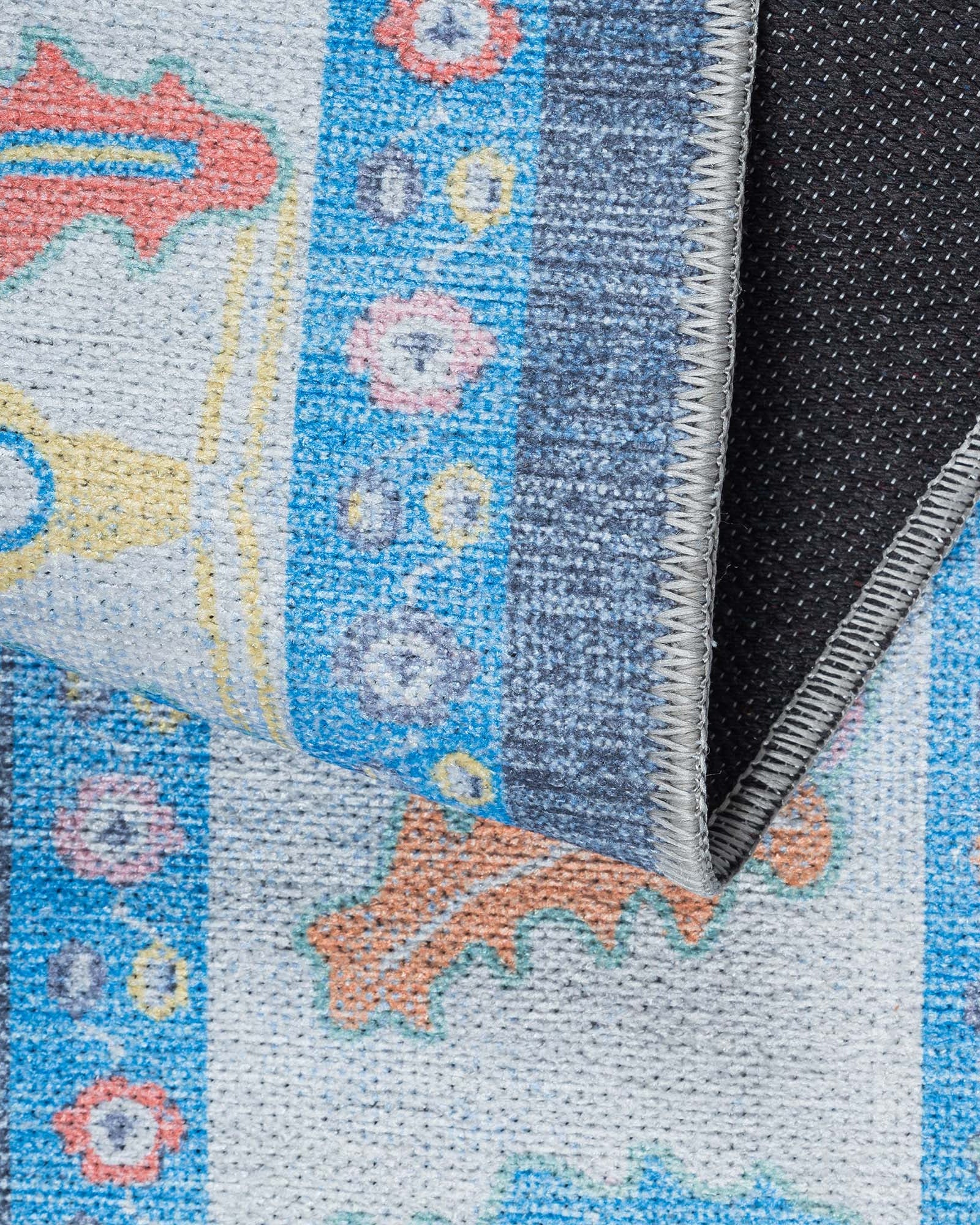
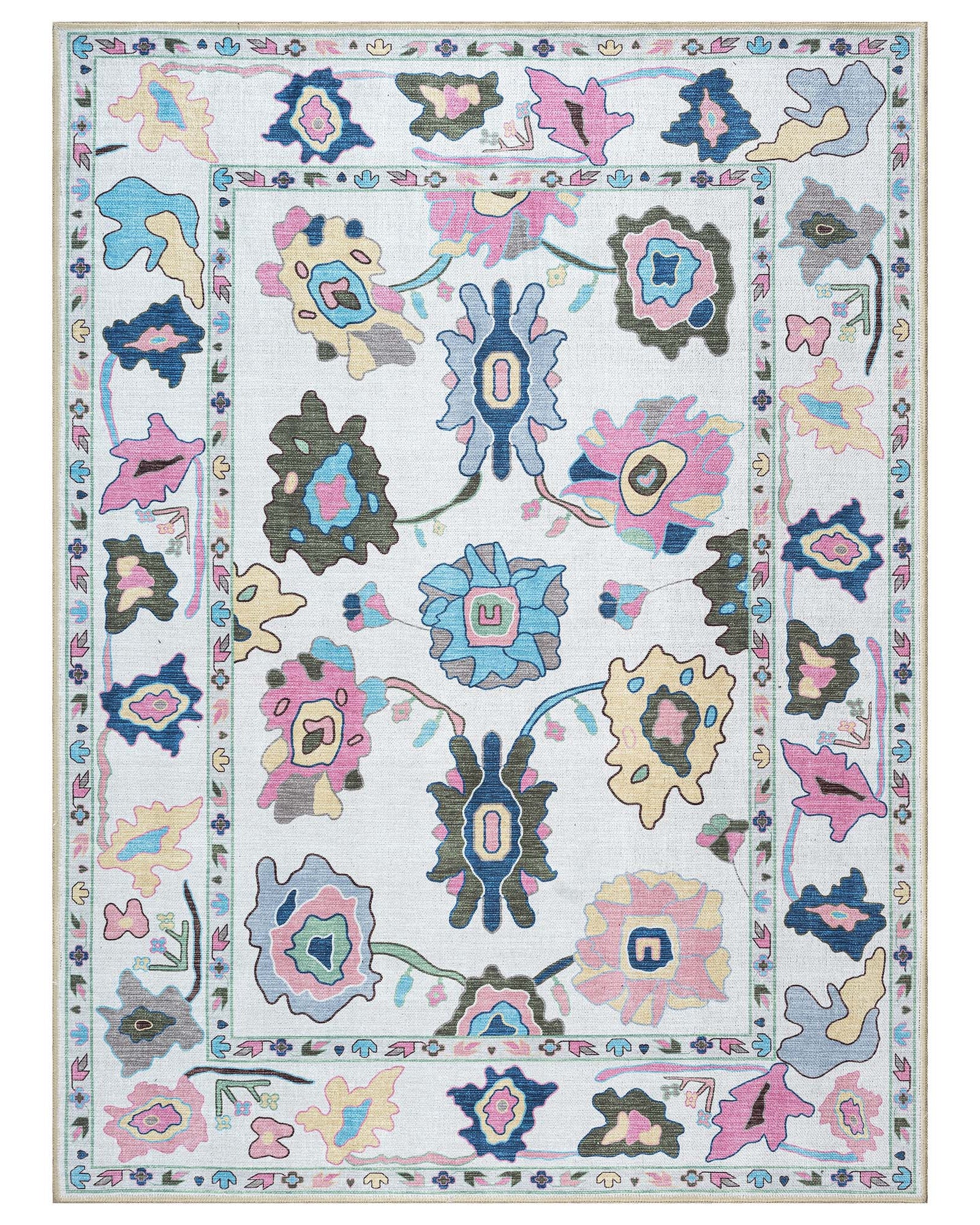
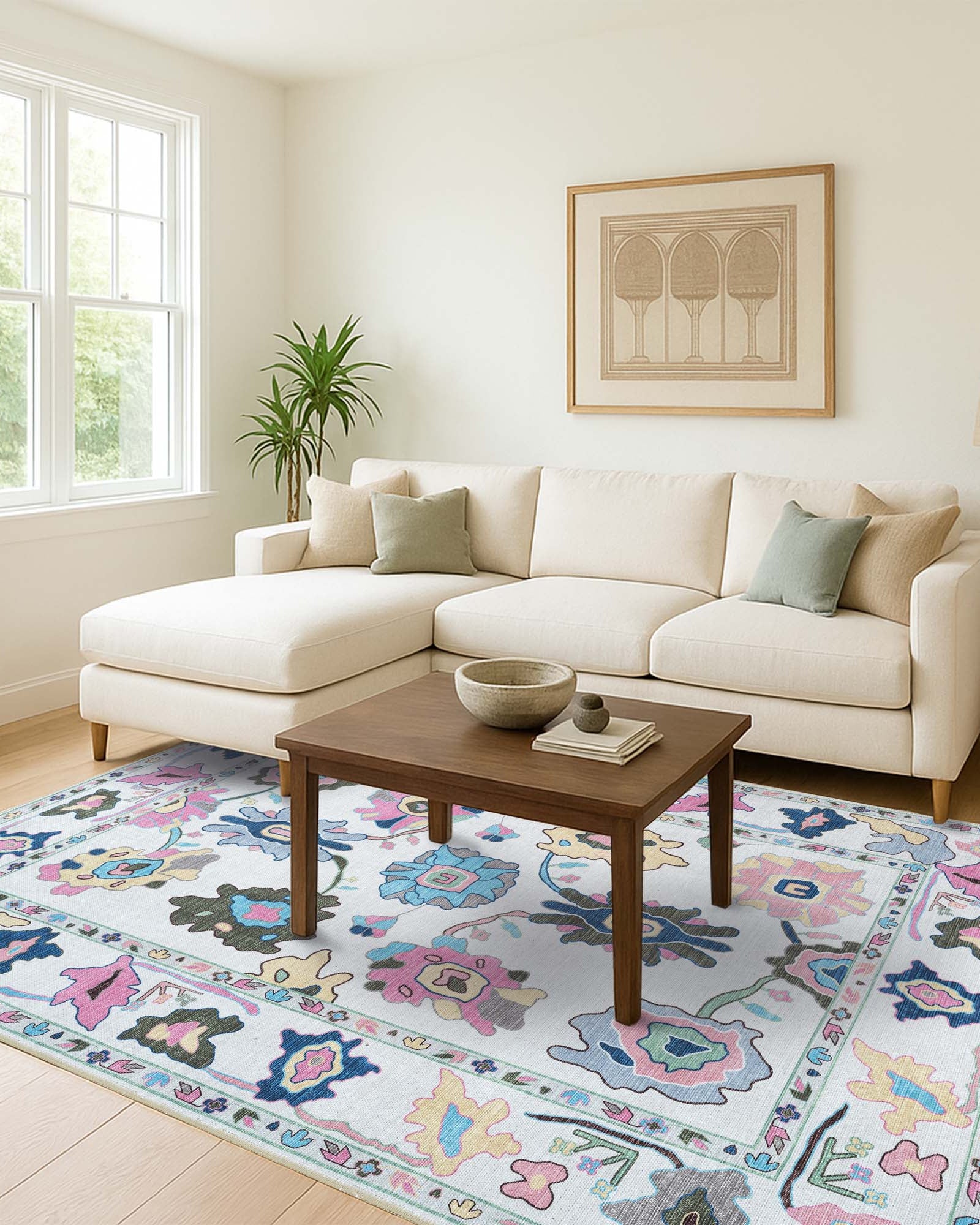
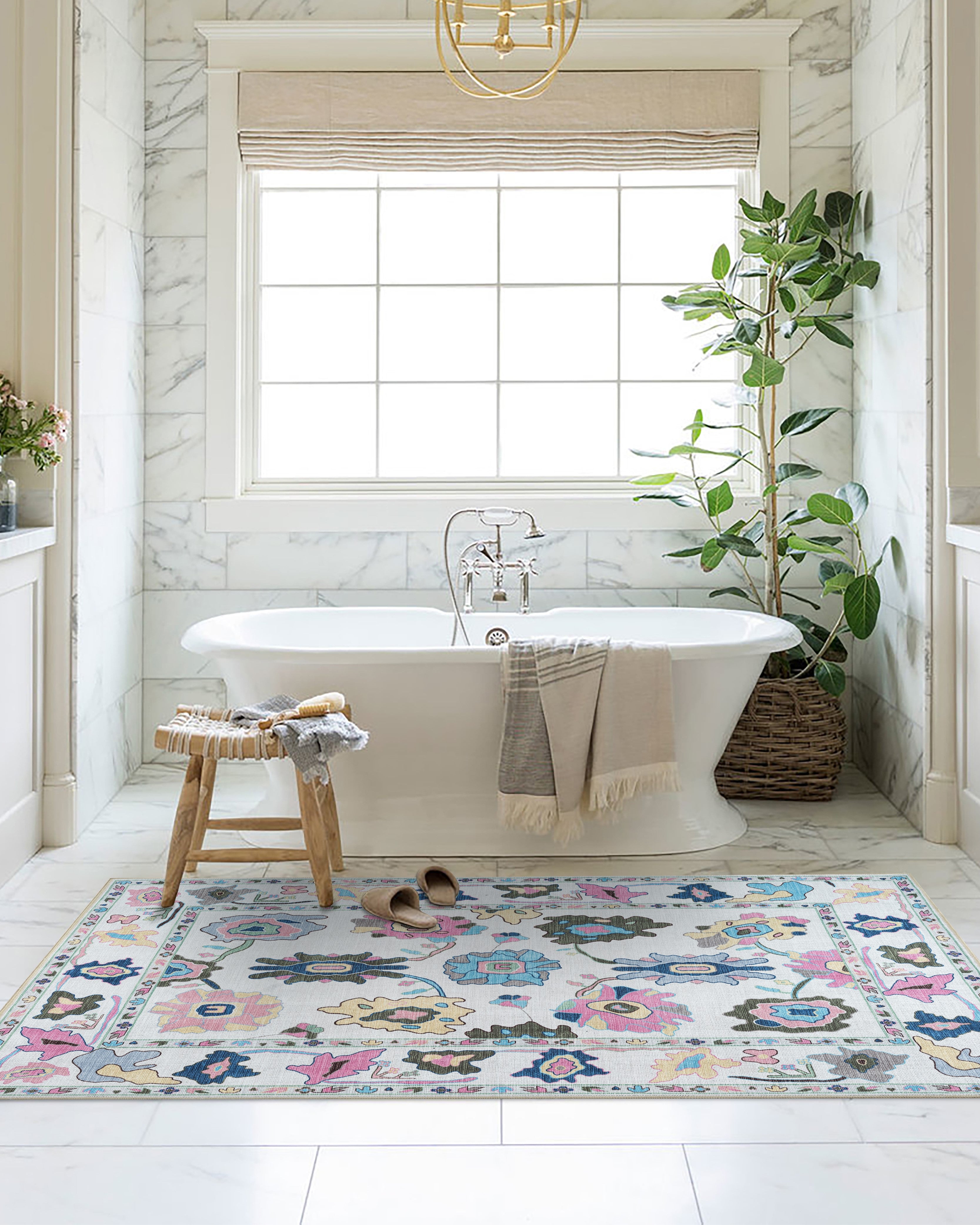
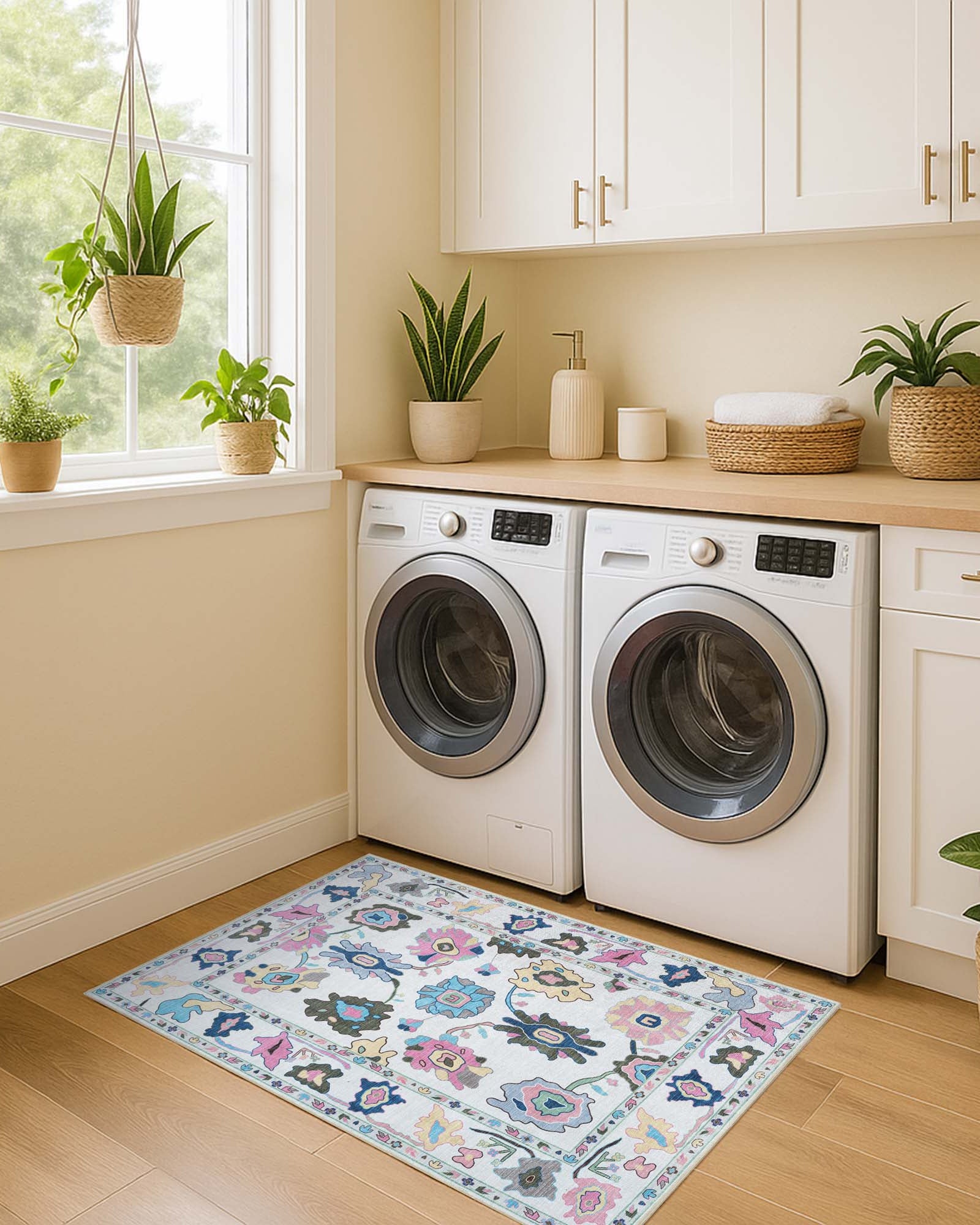
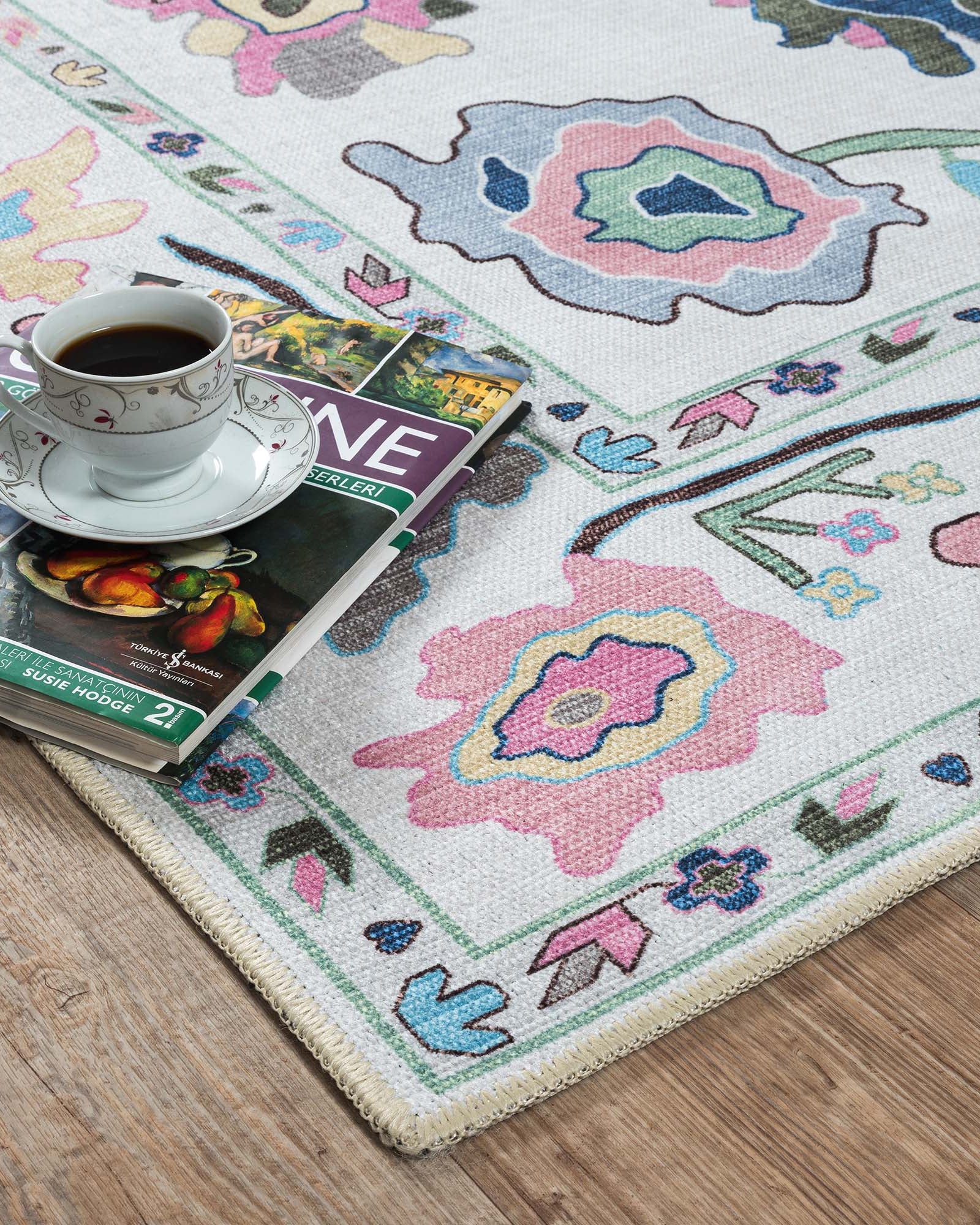
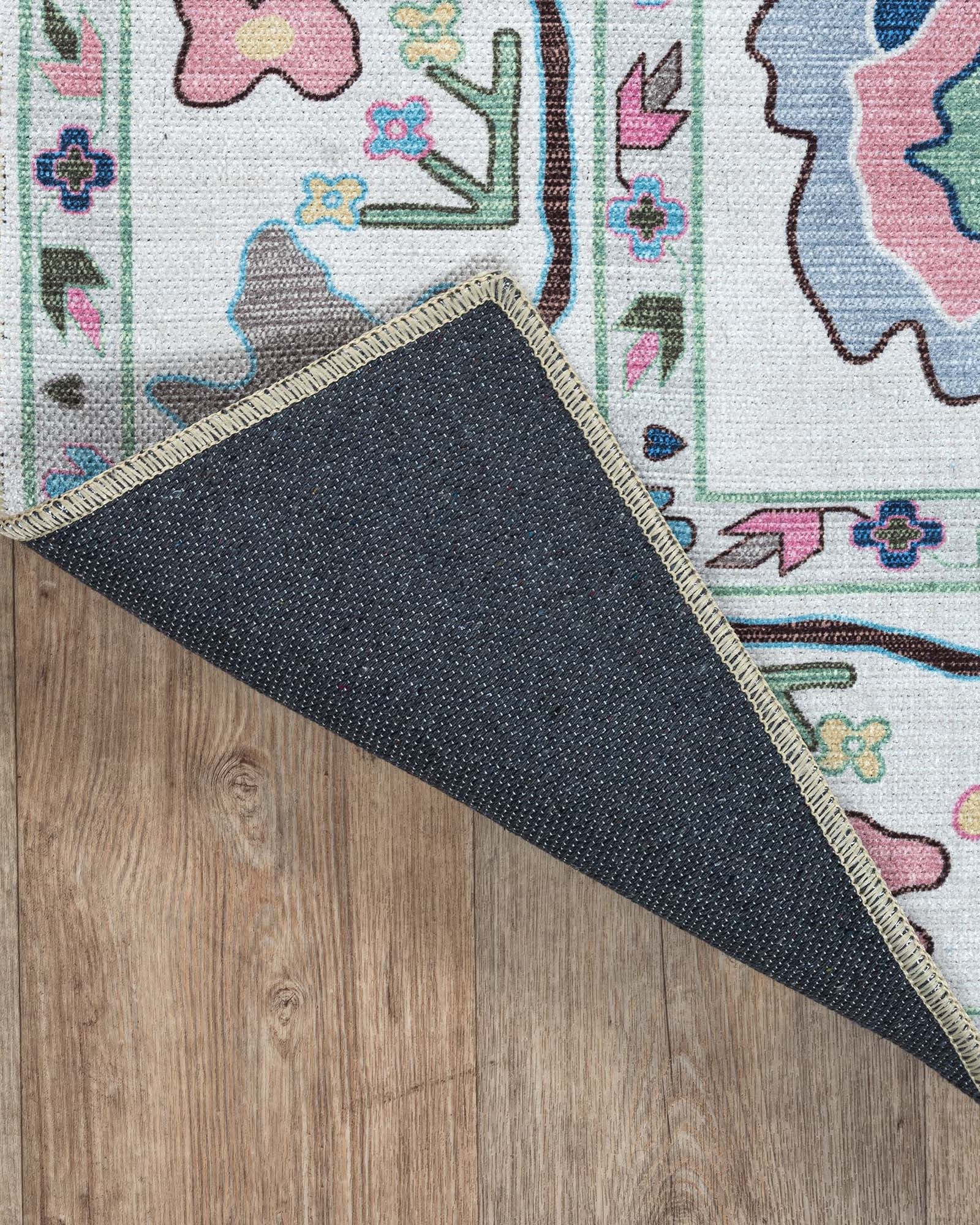
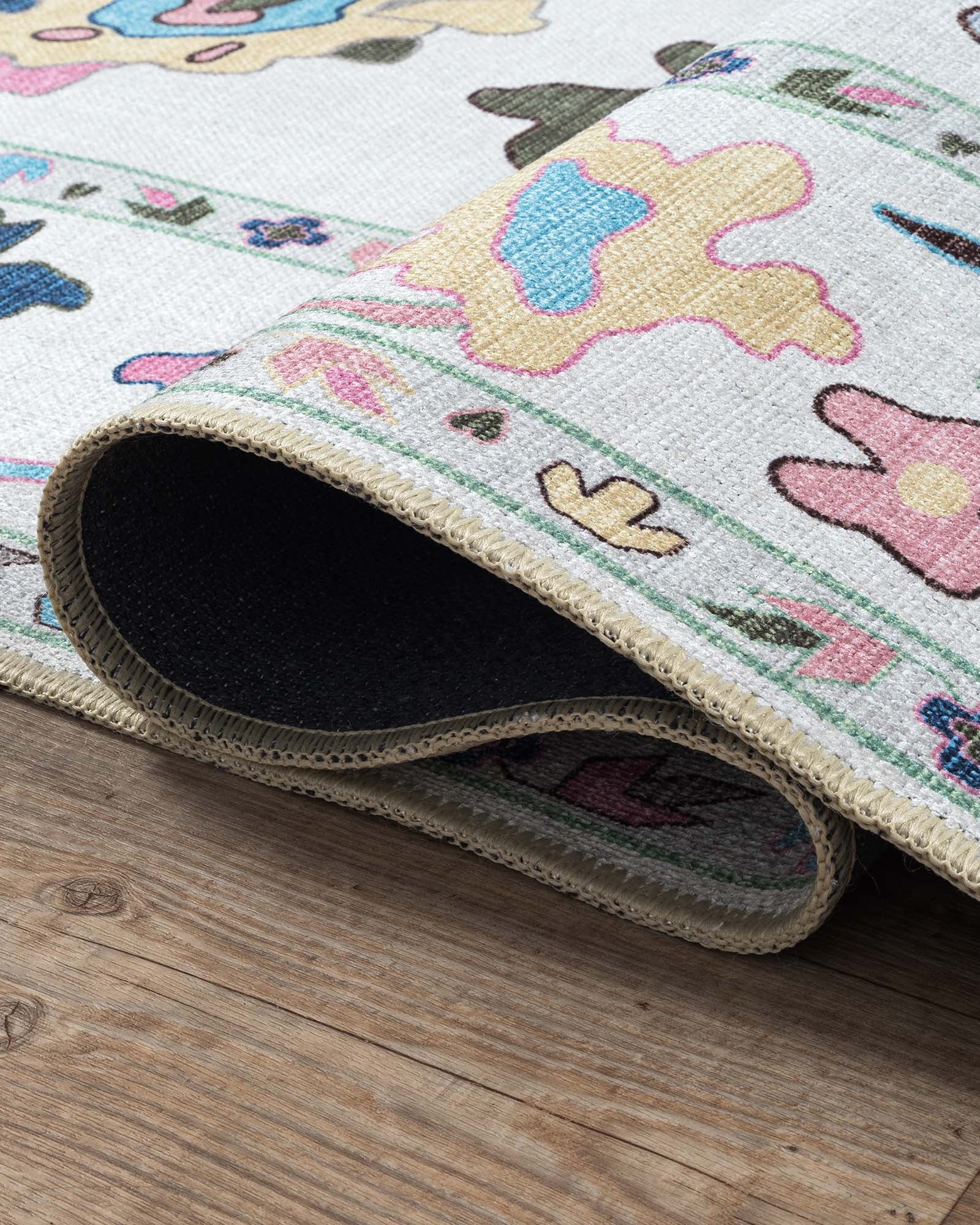
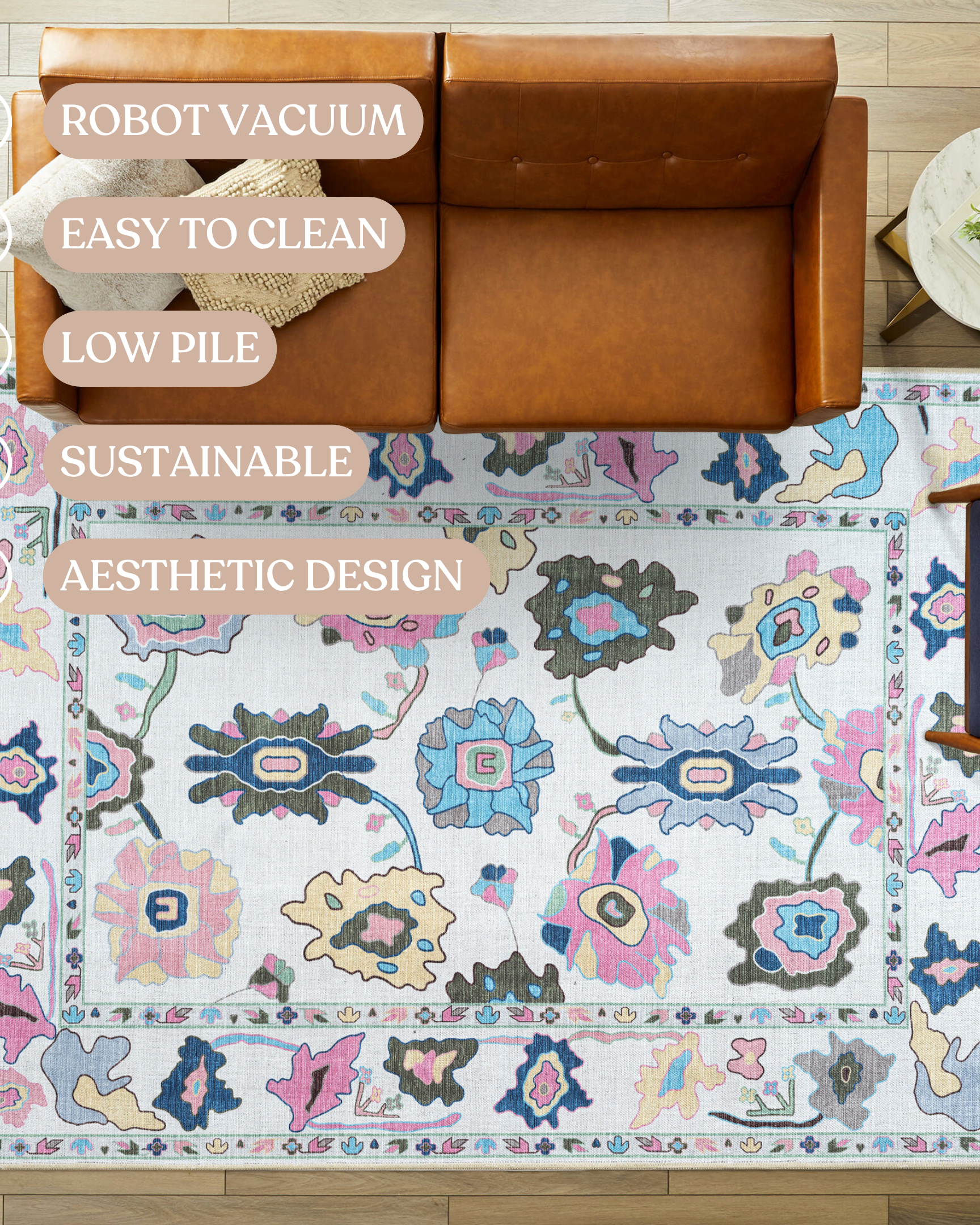
"Contemporary" is usually a construction category — machine-made, low-pile, geometric-print. This collection takes the opposite route: every rug here is hand-knotted with genuine age, but selected specifically because its field, palette or pattern reads as current rather than traditional. The craft is old. The look is not.
What Makes an Old Rug Read as Contemporary
A handmade rug ends up looking modern for reasons that have nothing to do with when it was made. Understanding what those reasons are makes it much easier to shop this collection with intent rather than guessing.
Open Fields
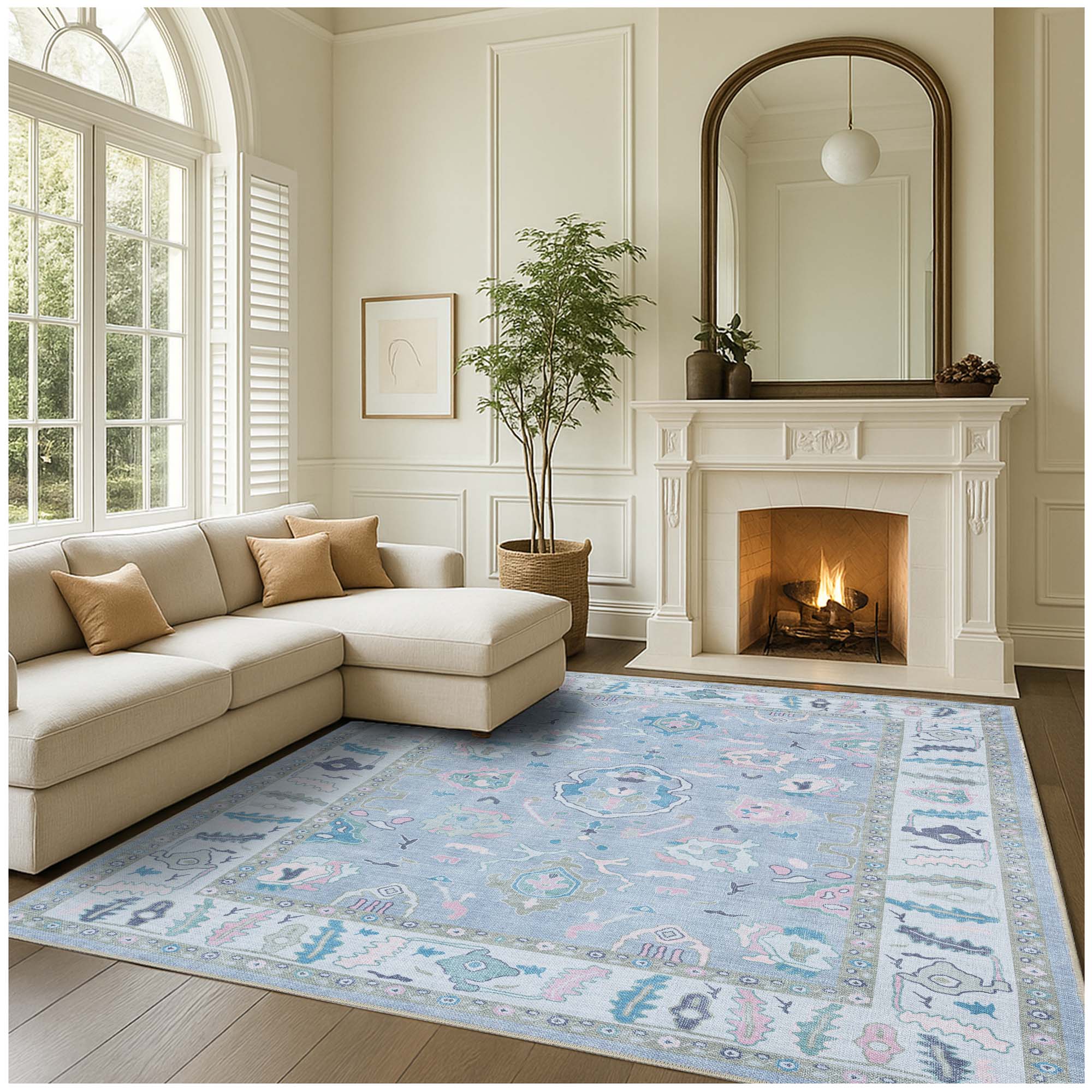
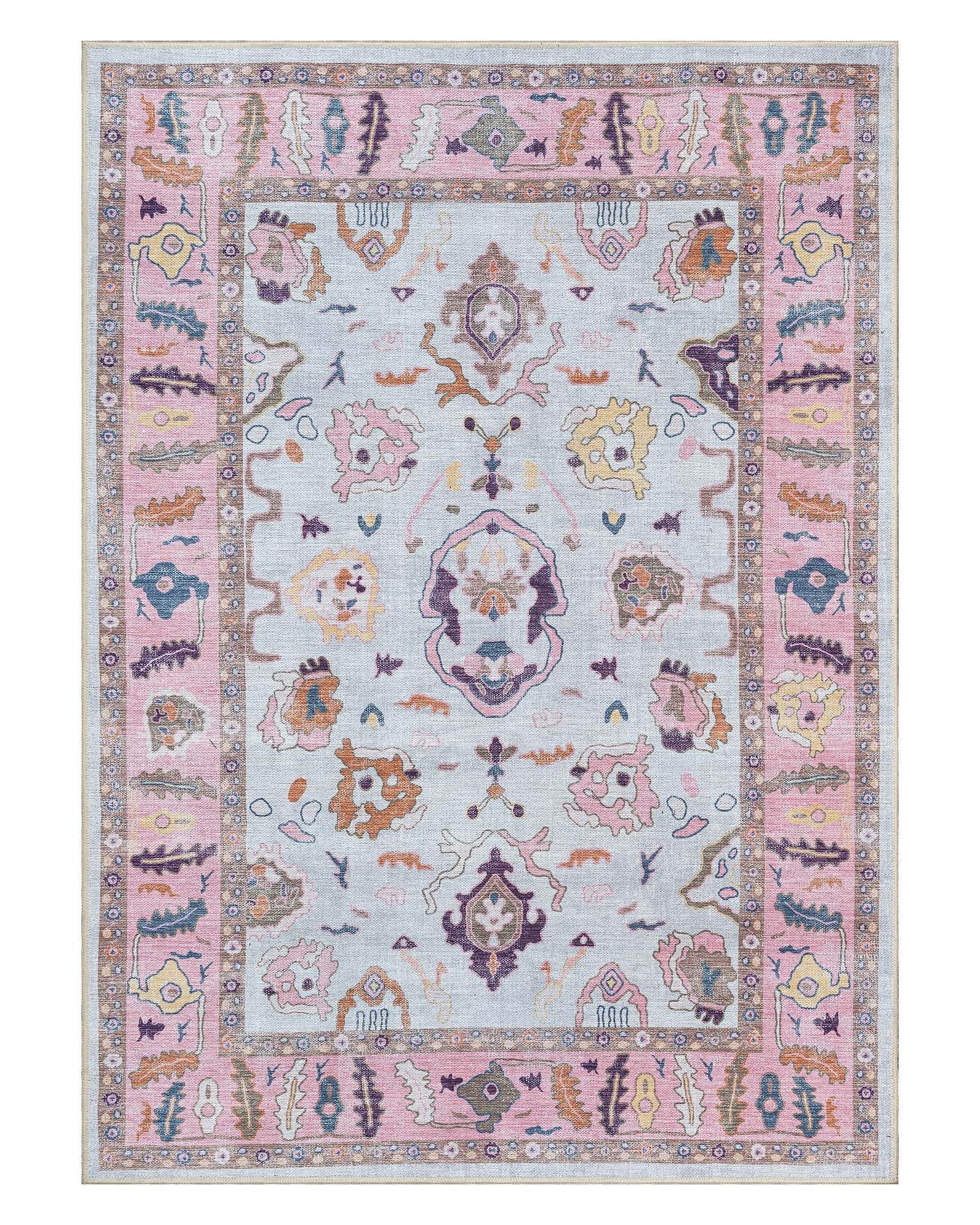
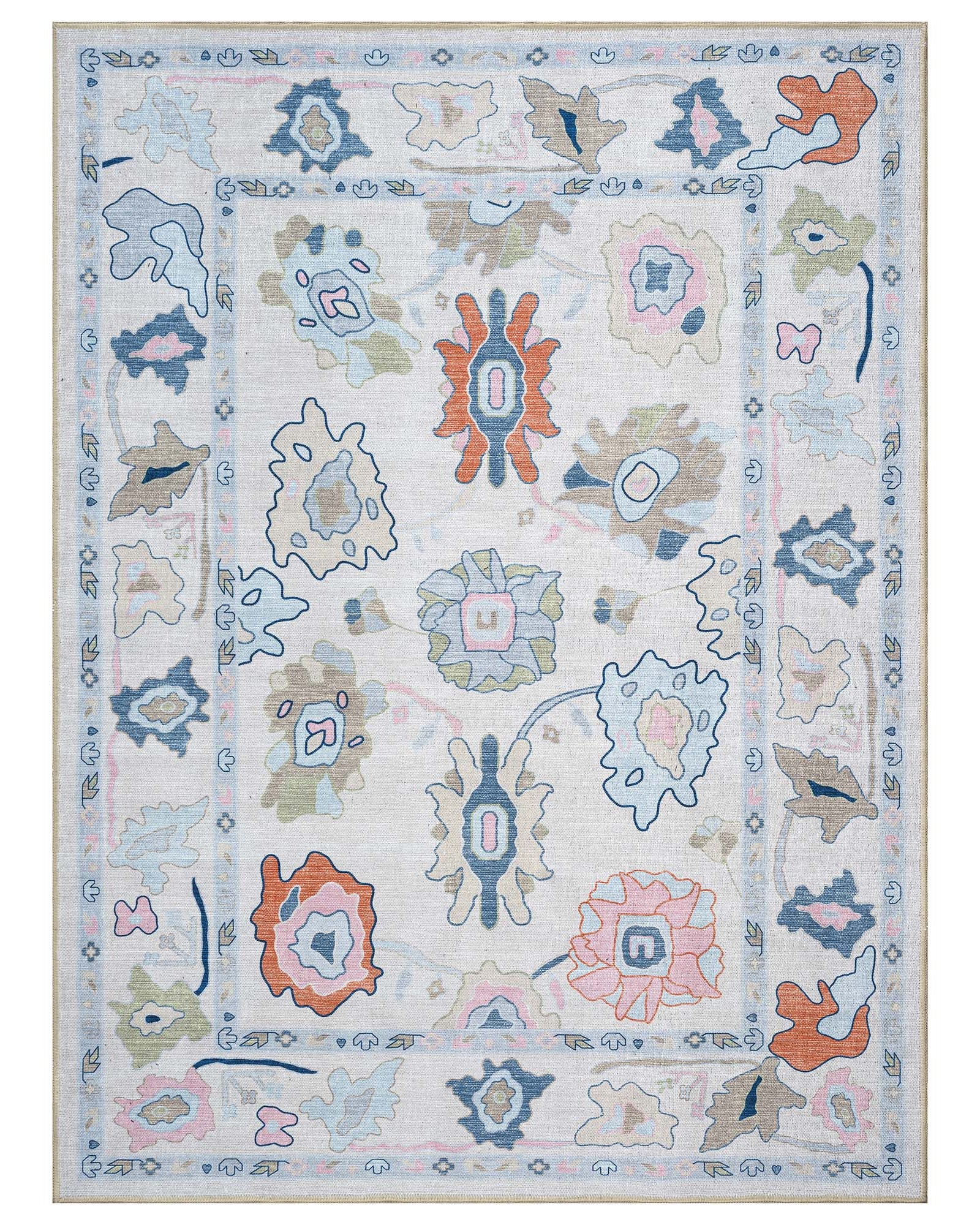
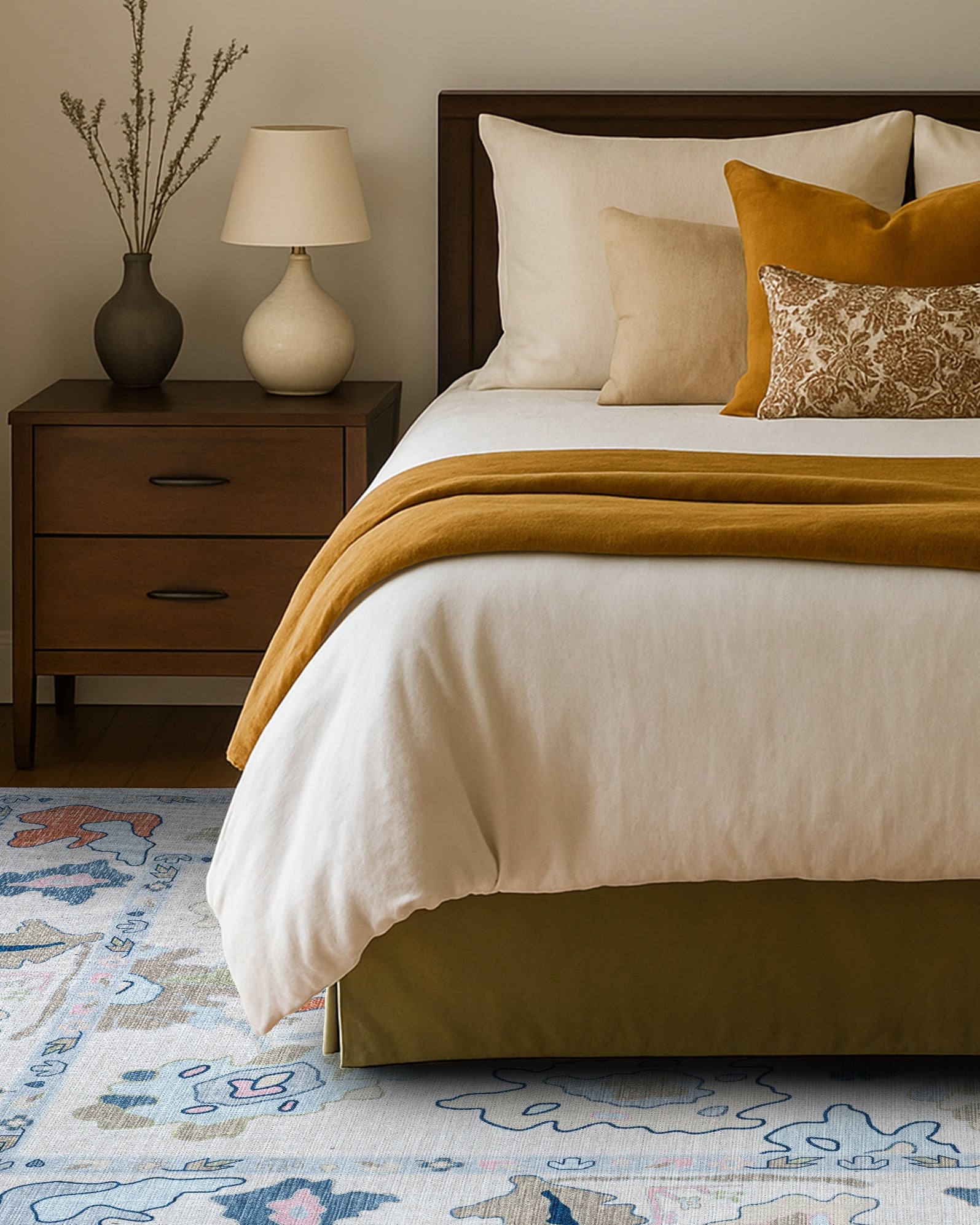
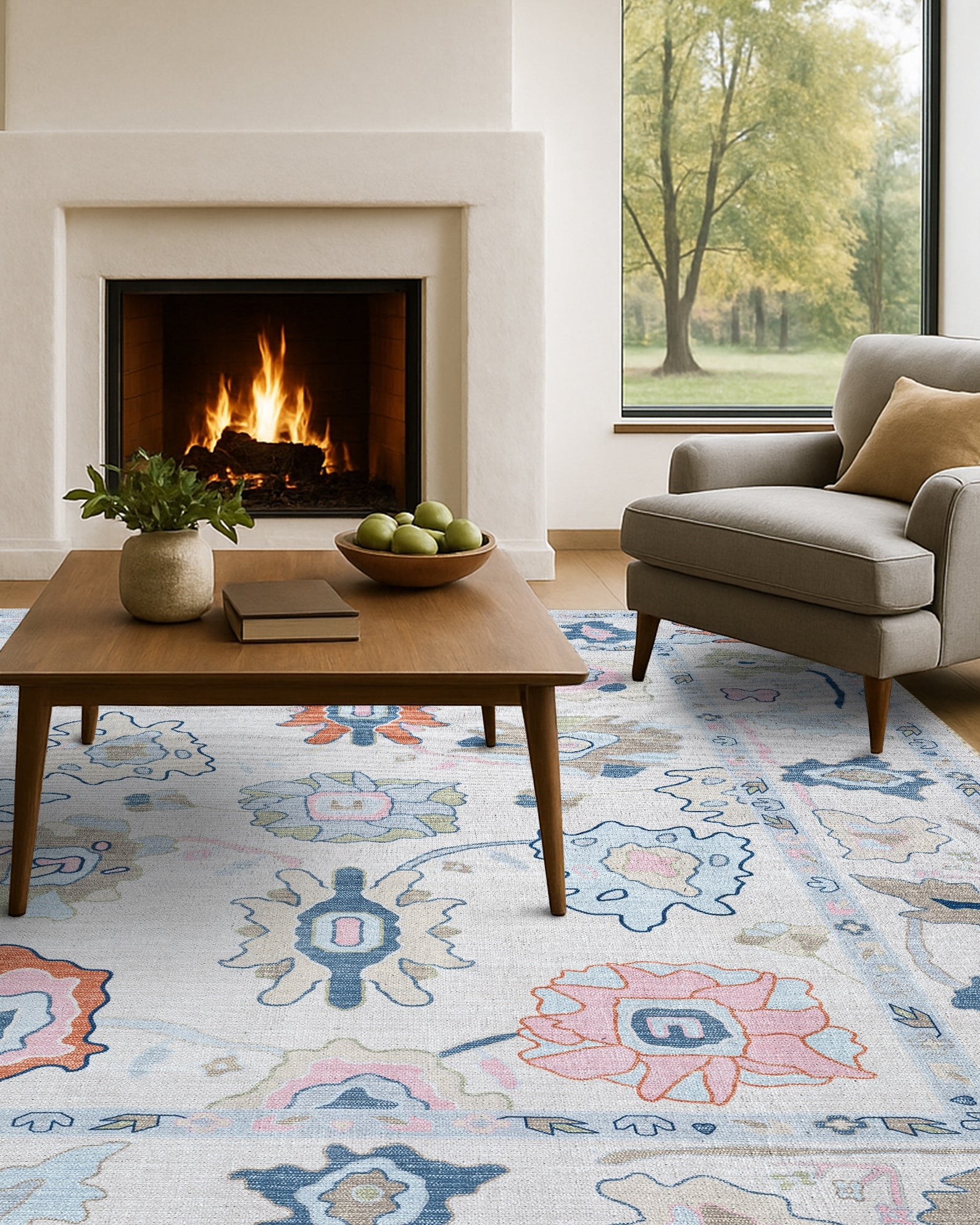
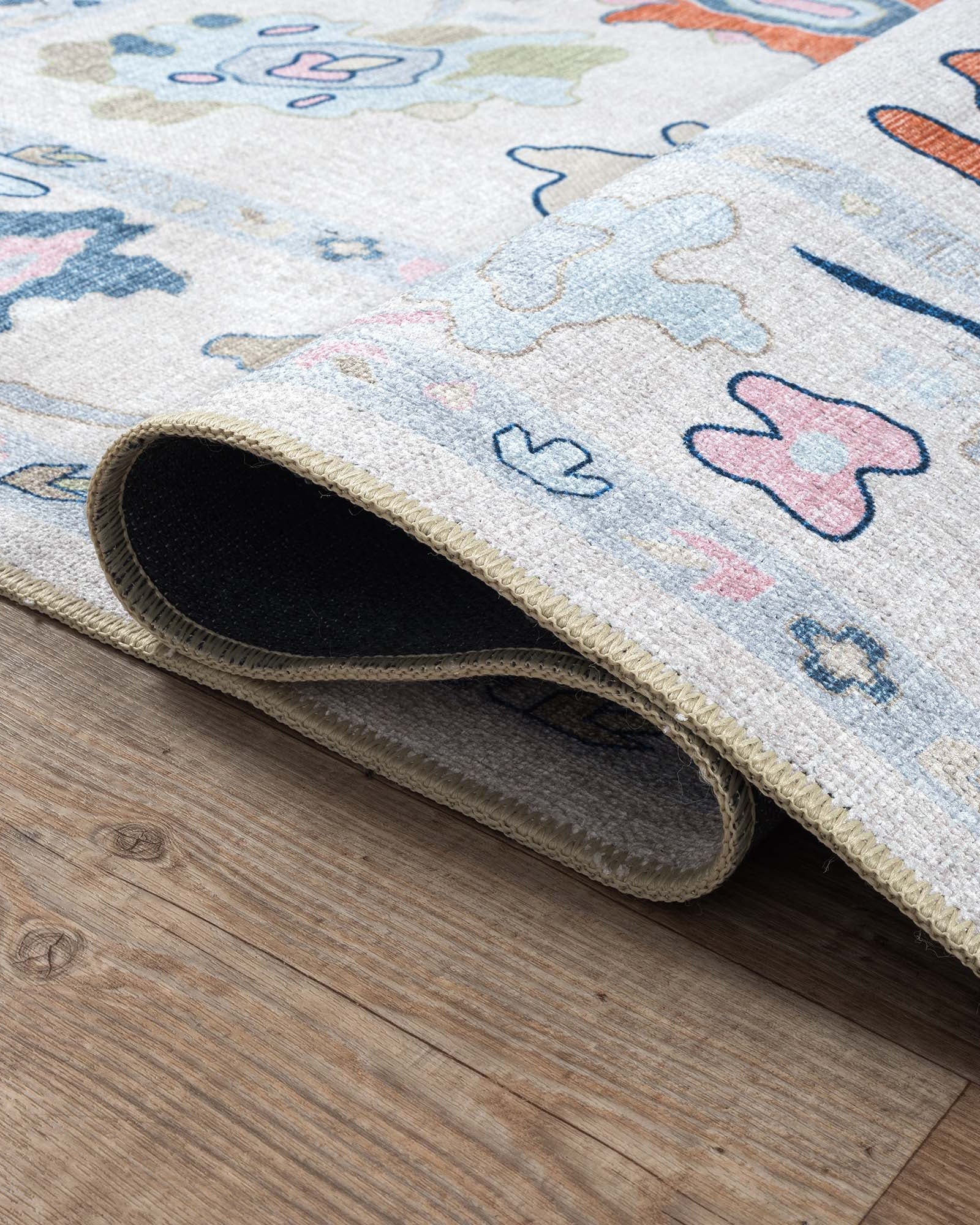
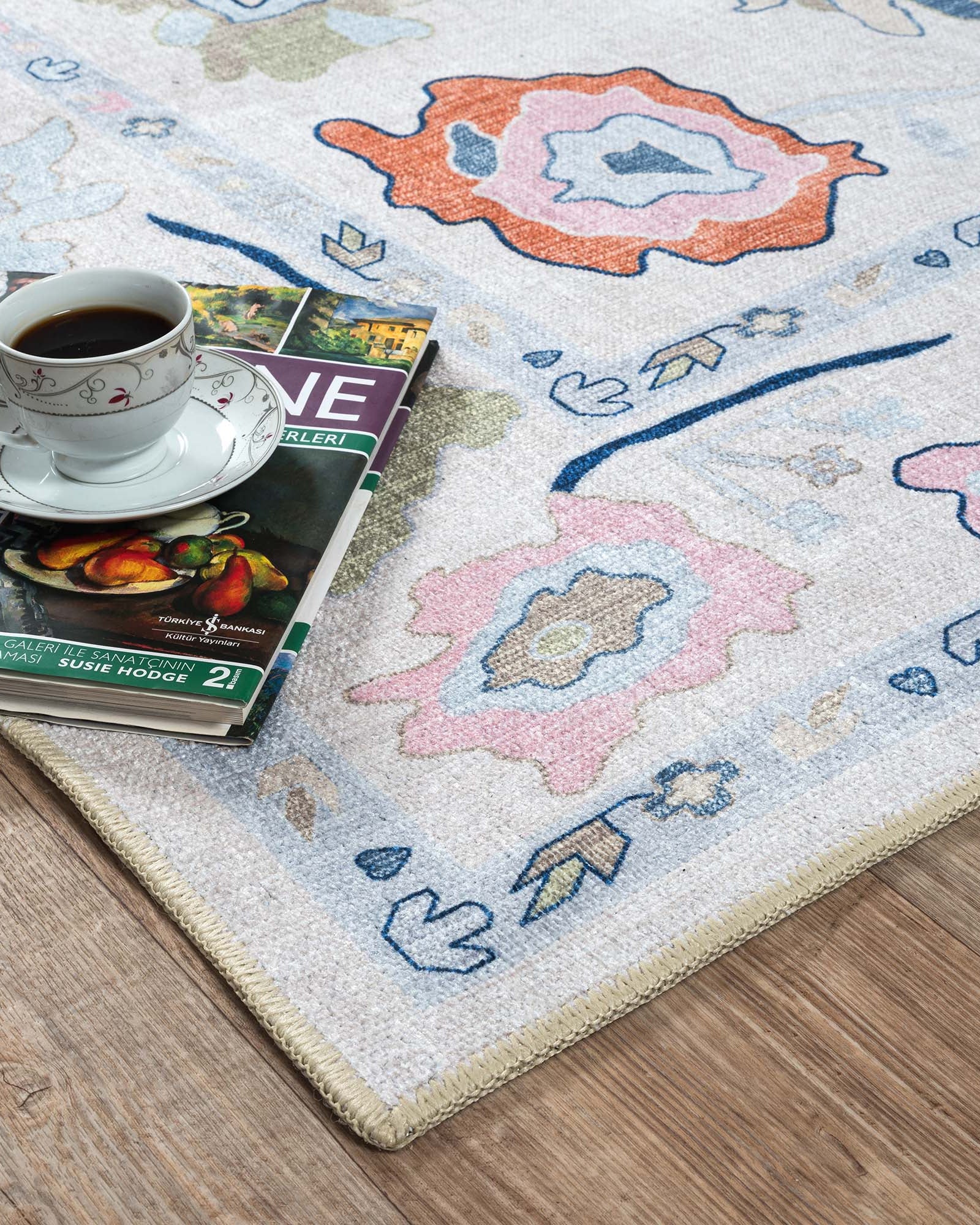
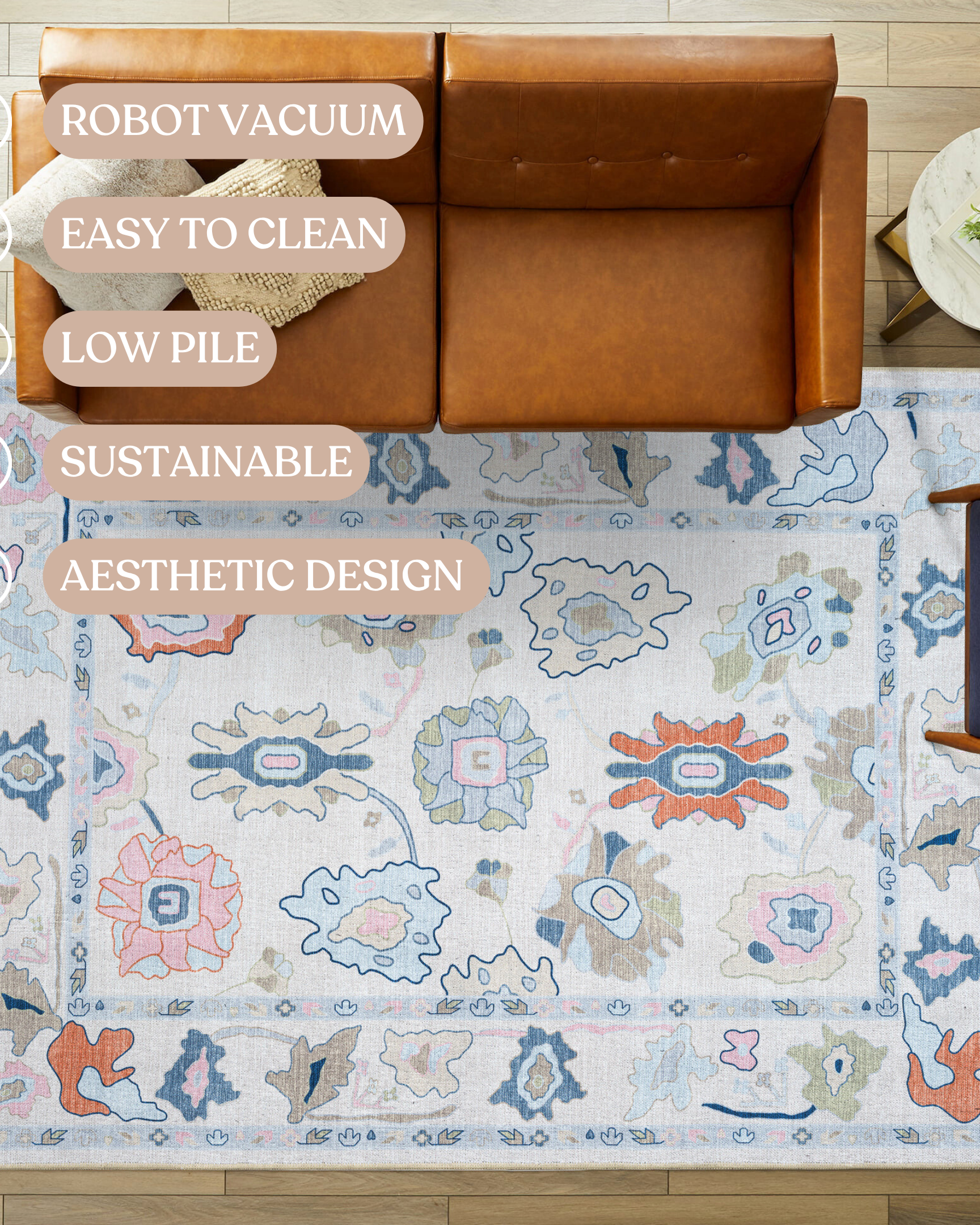
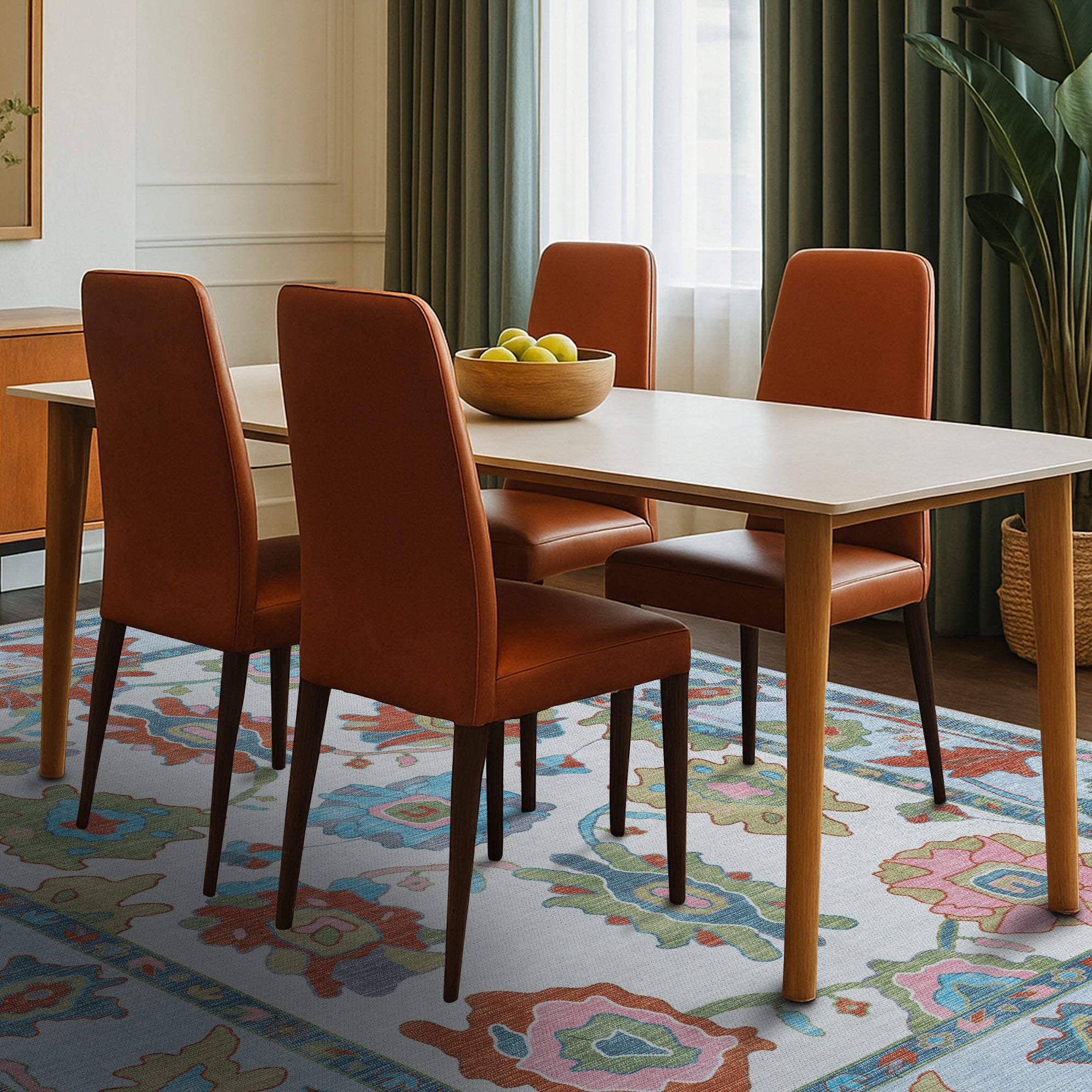
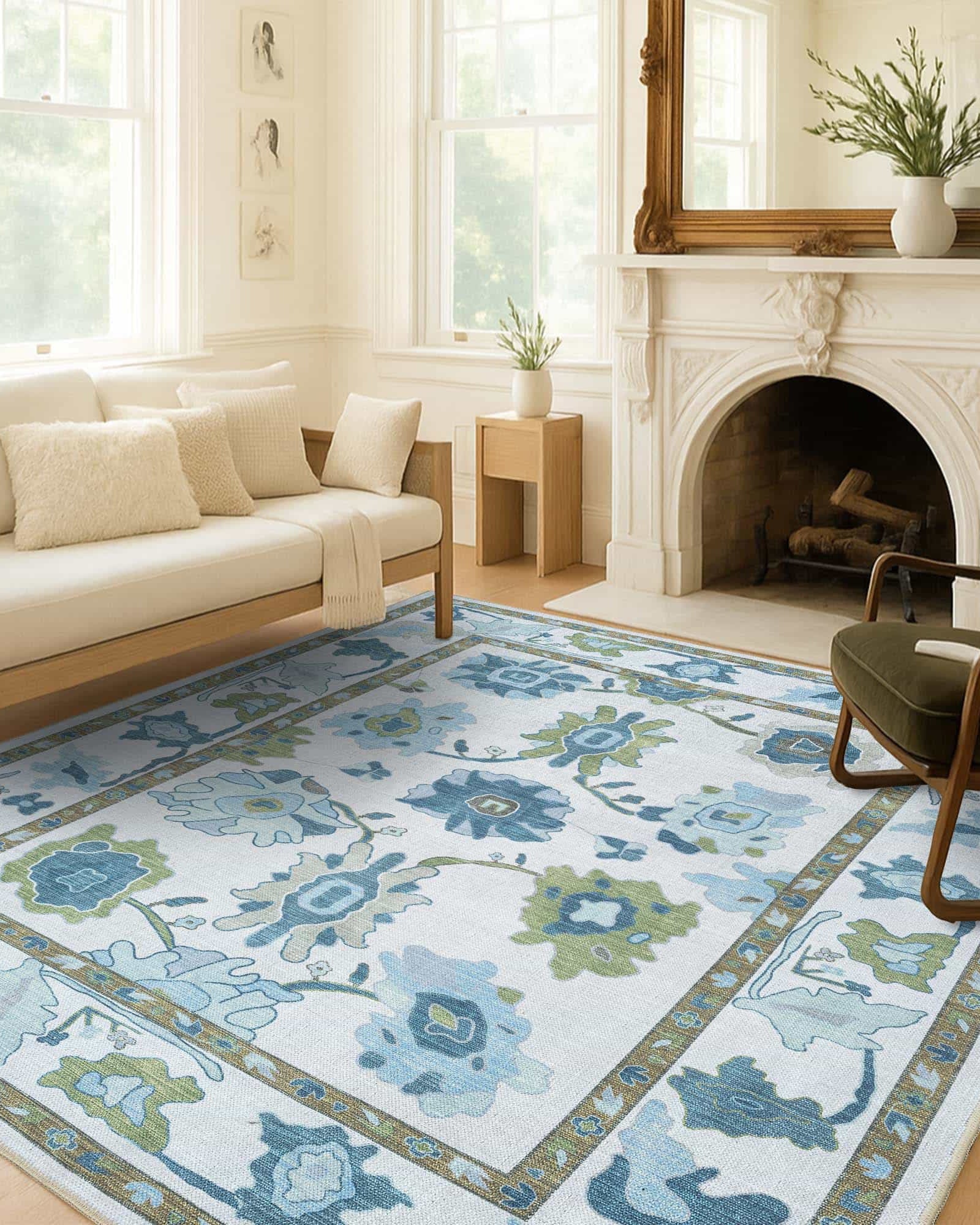
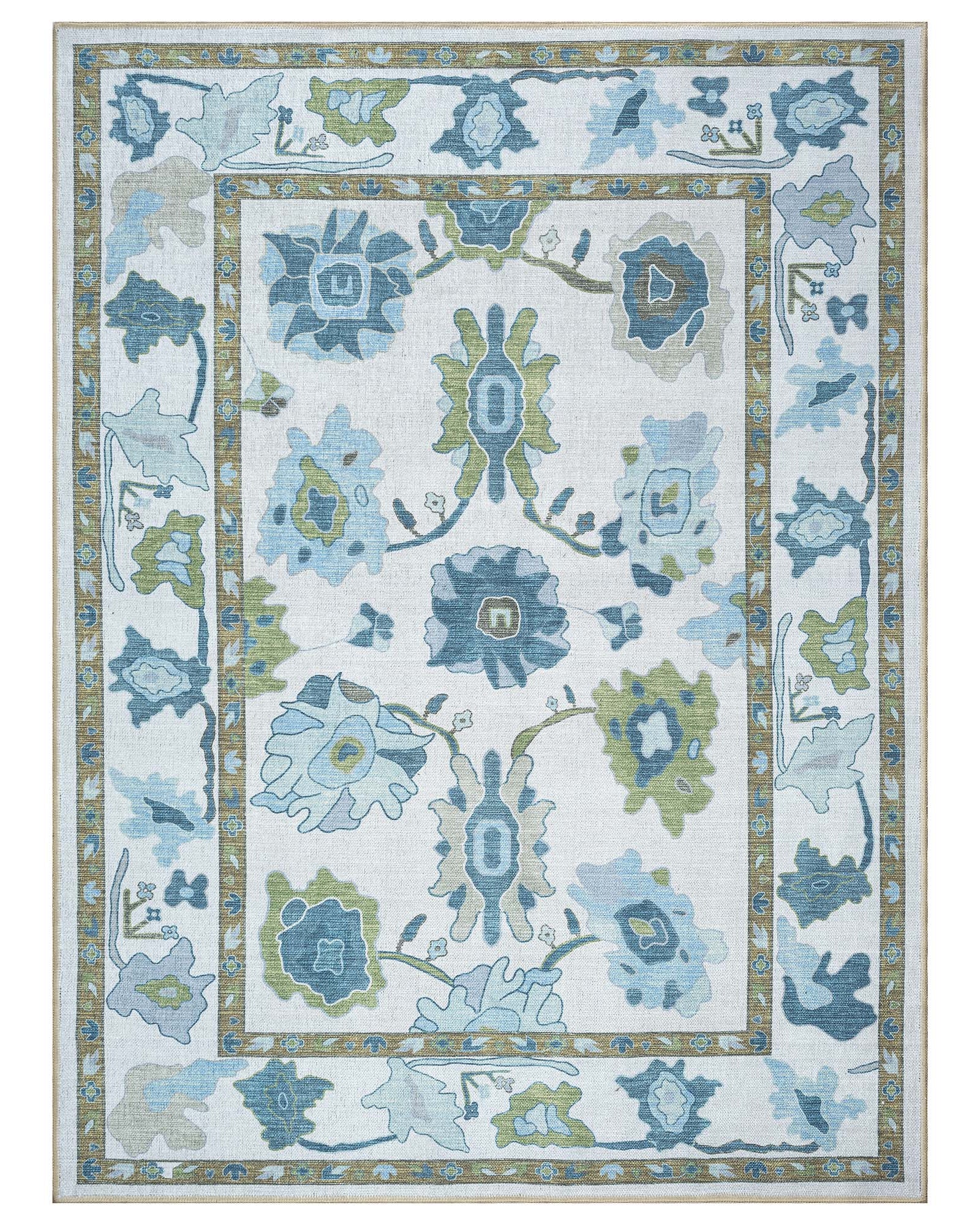
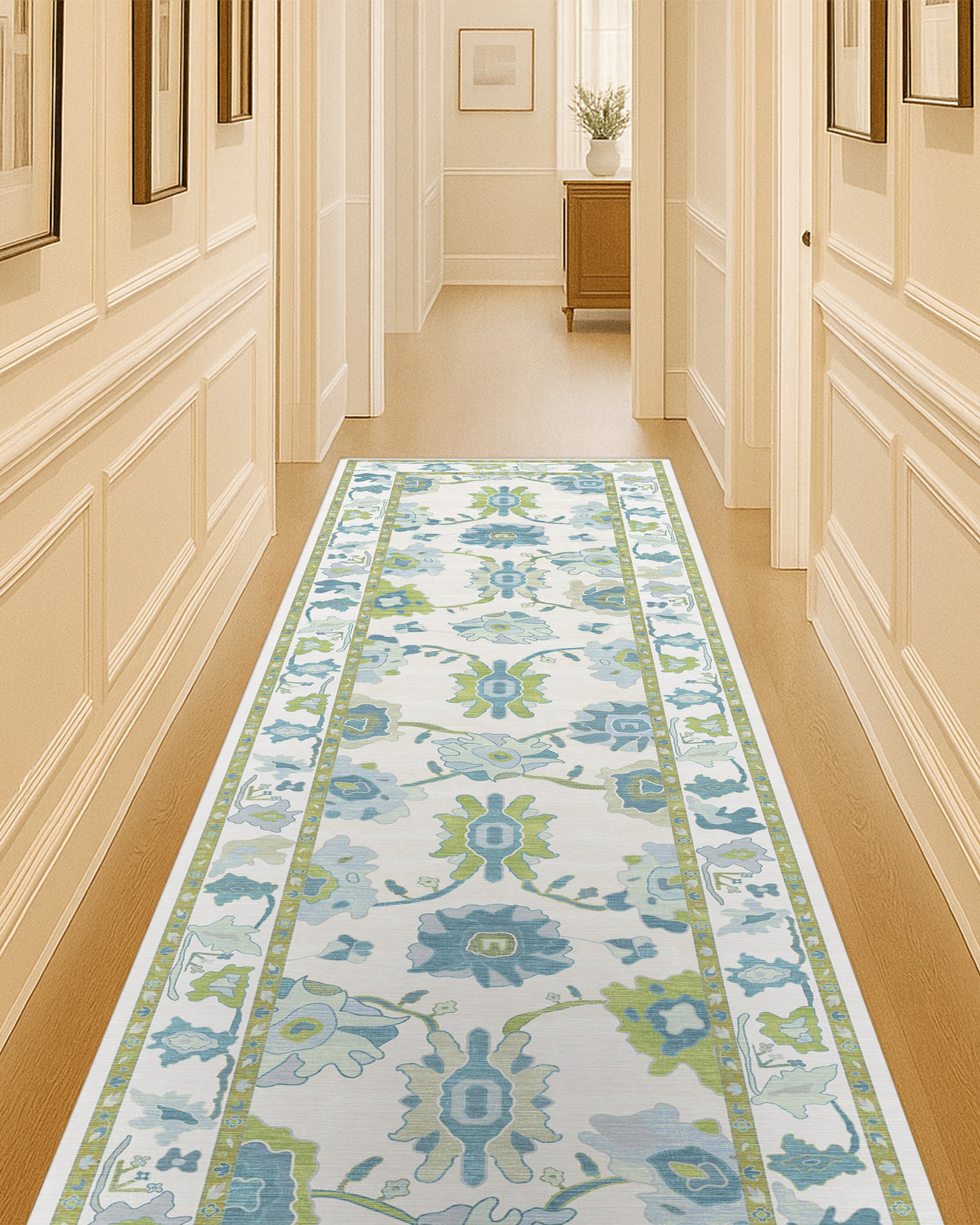
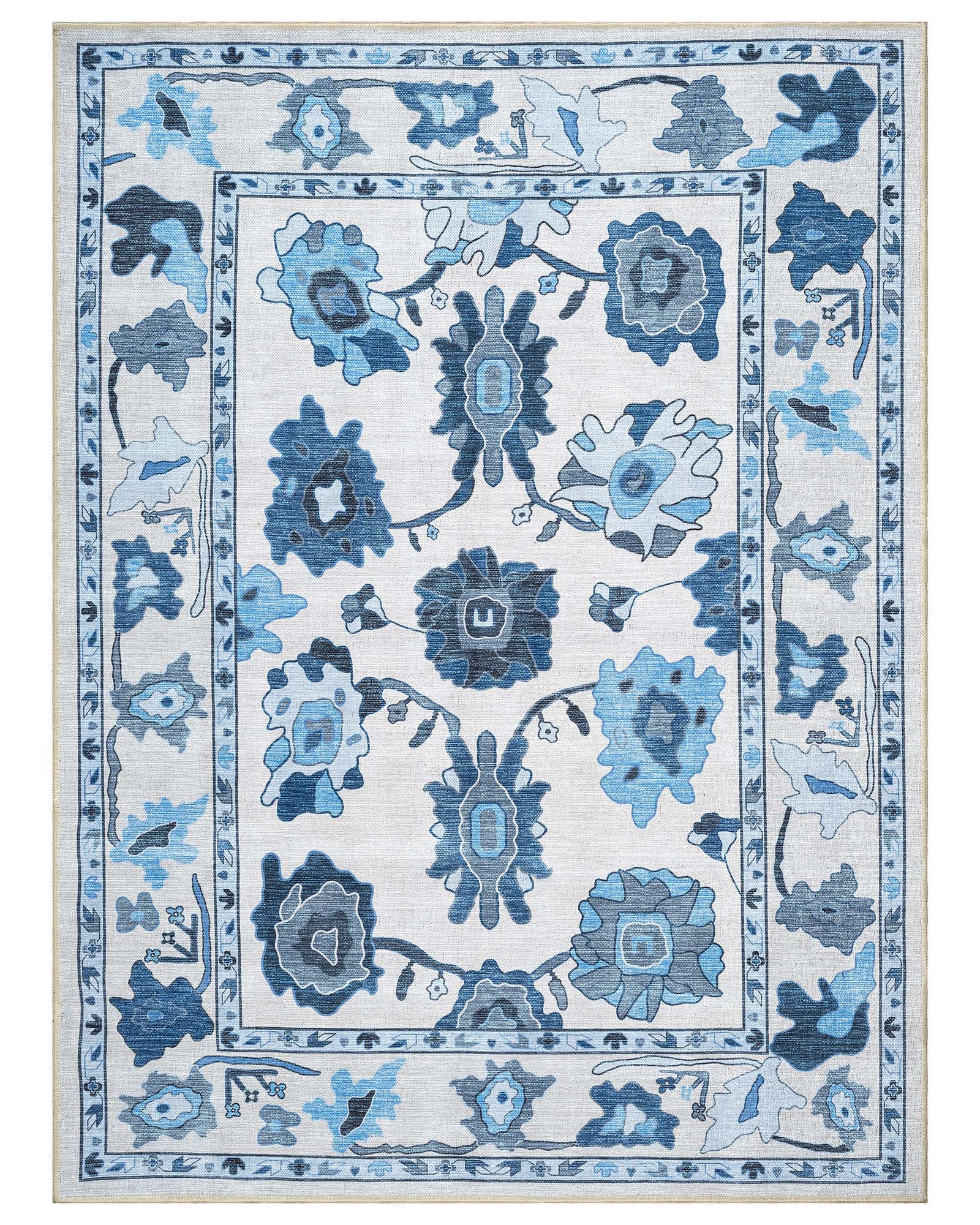
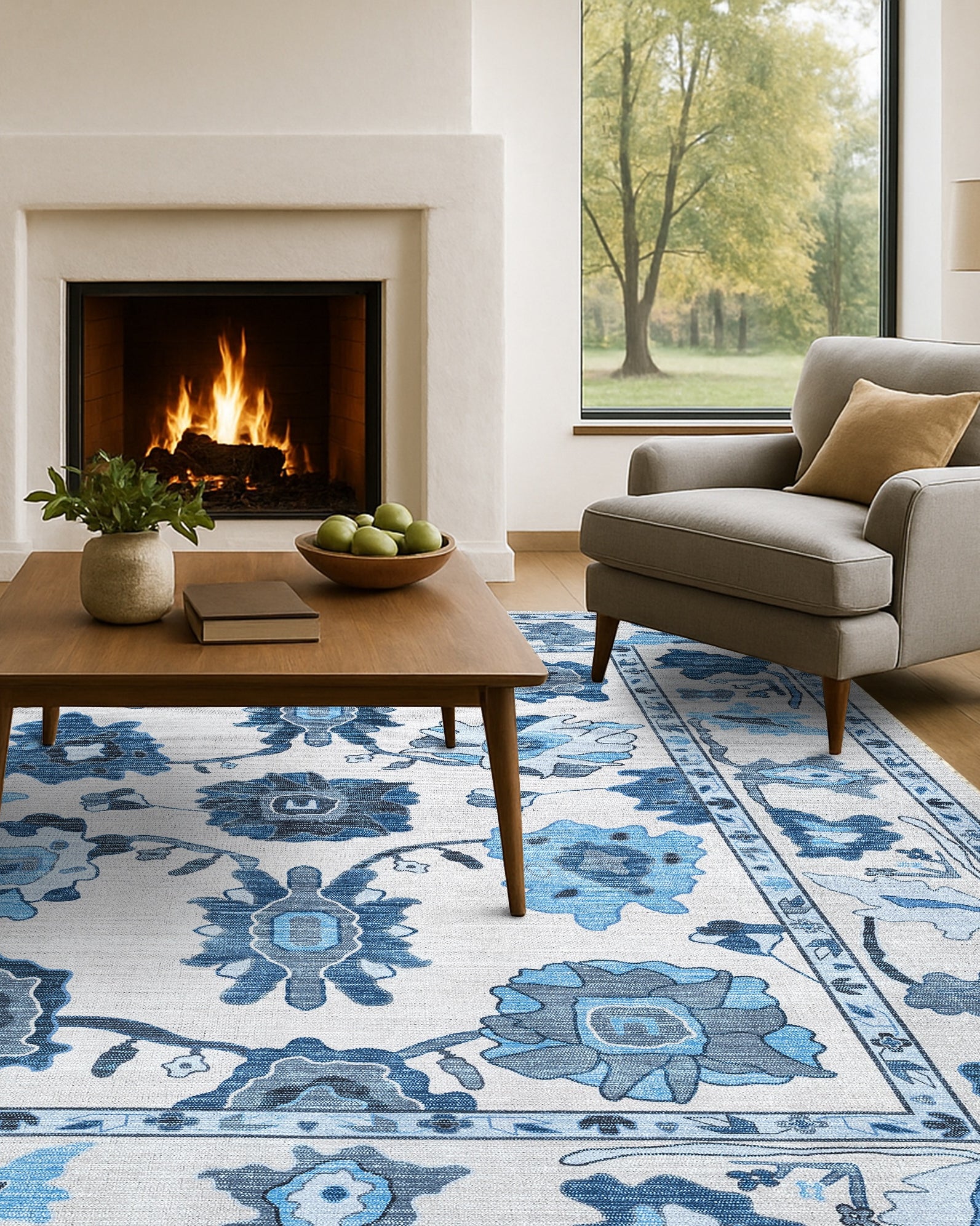
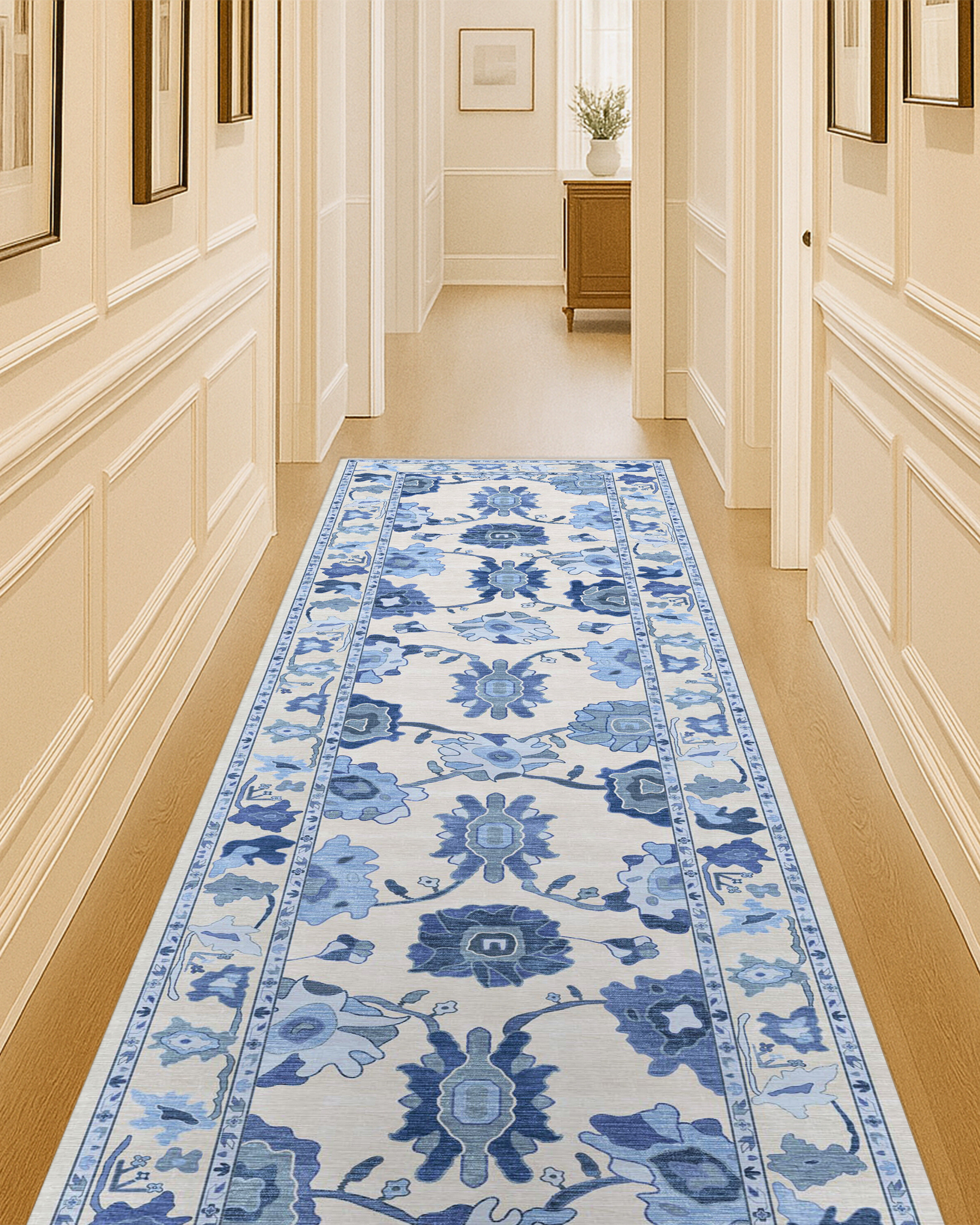
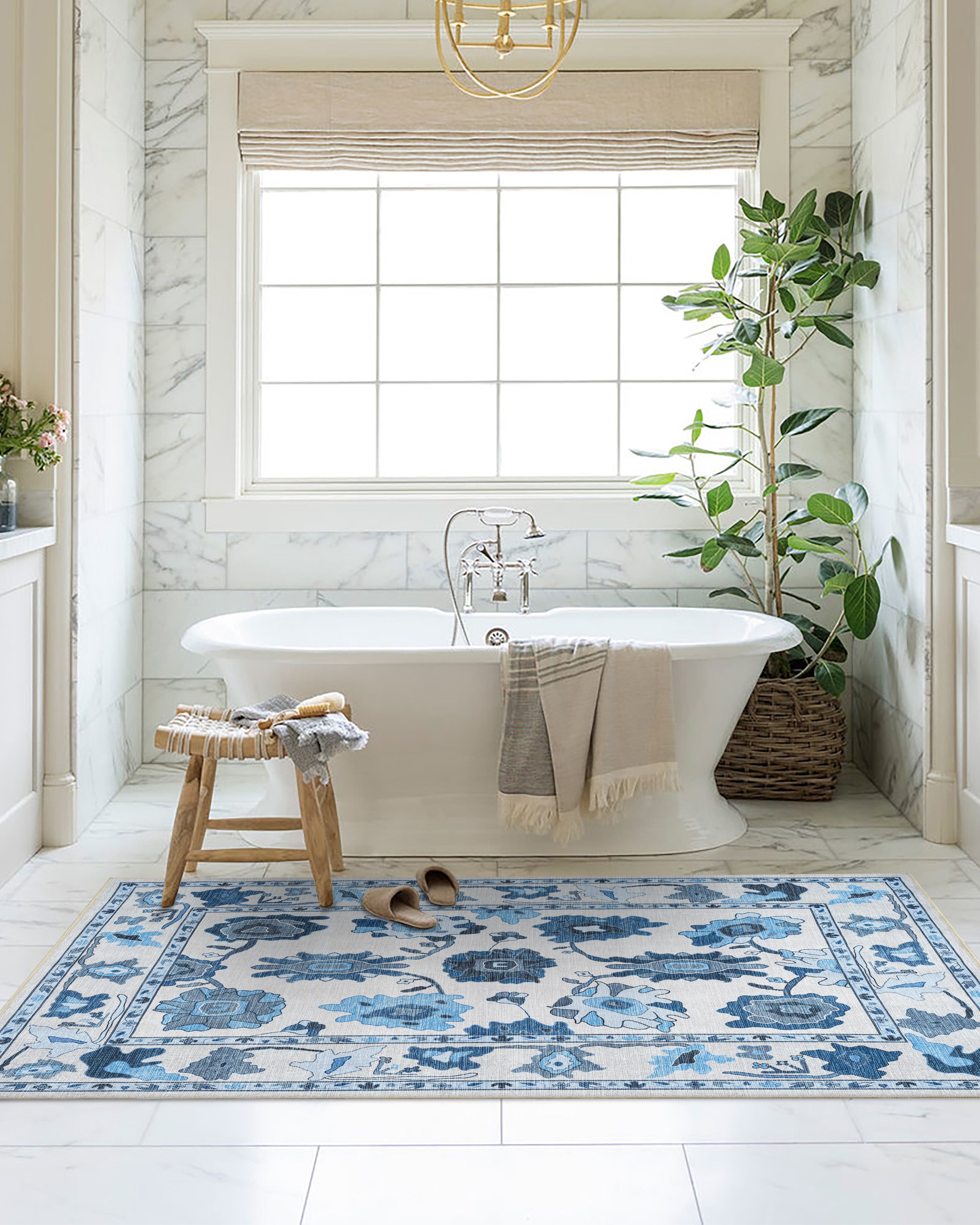
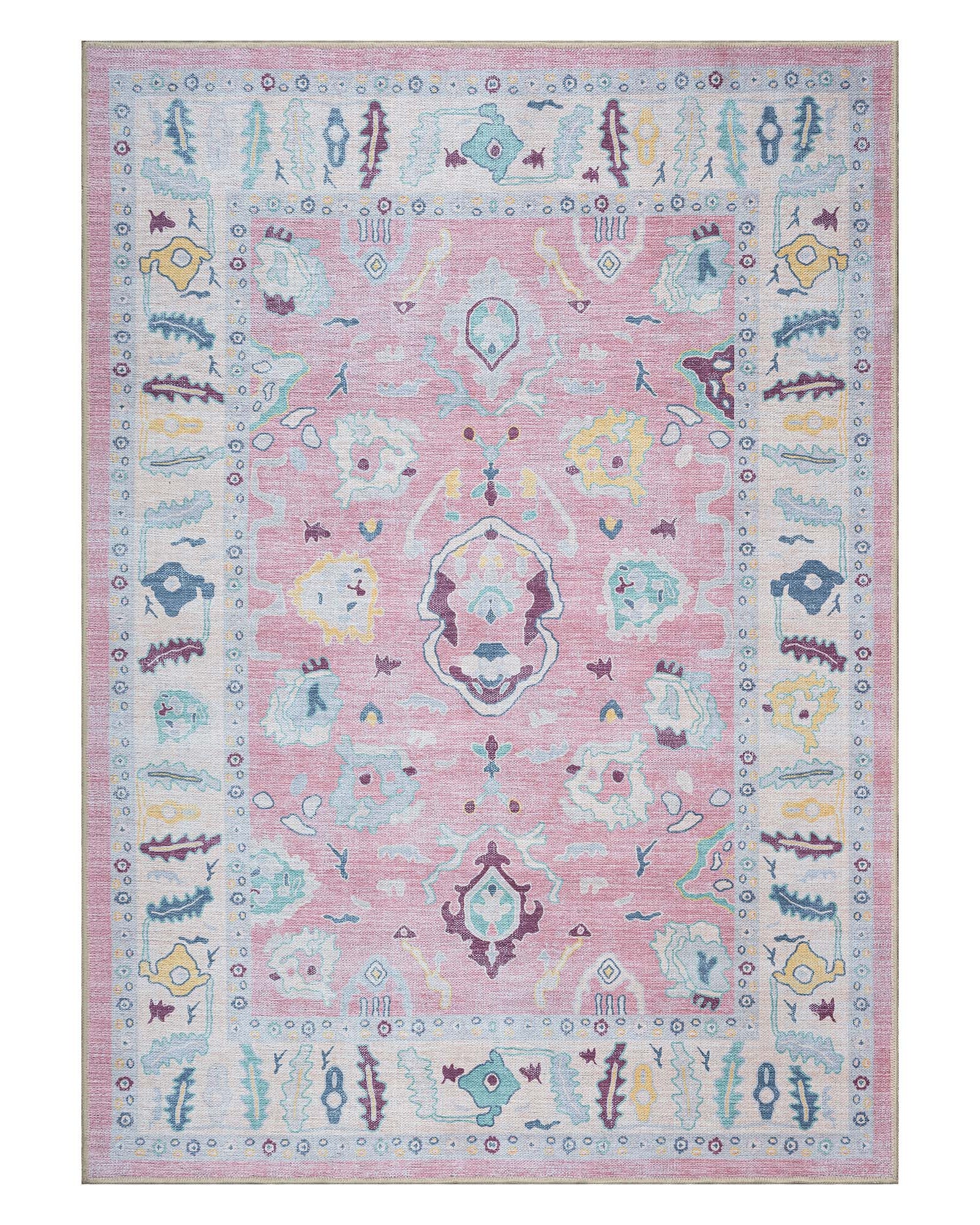
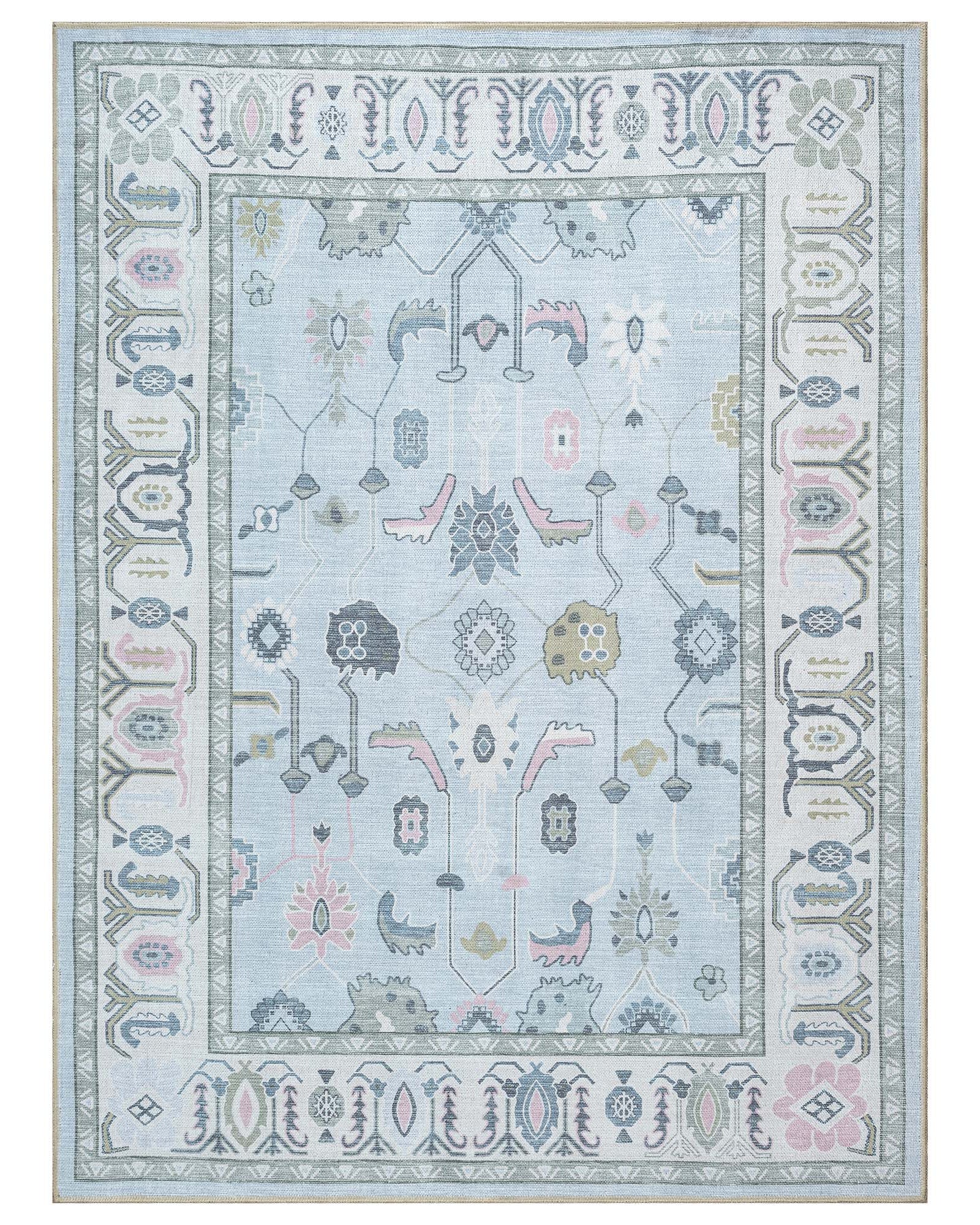
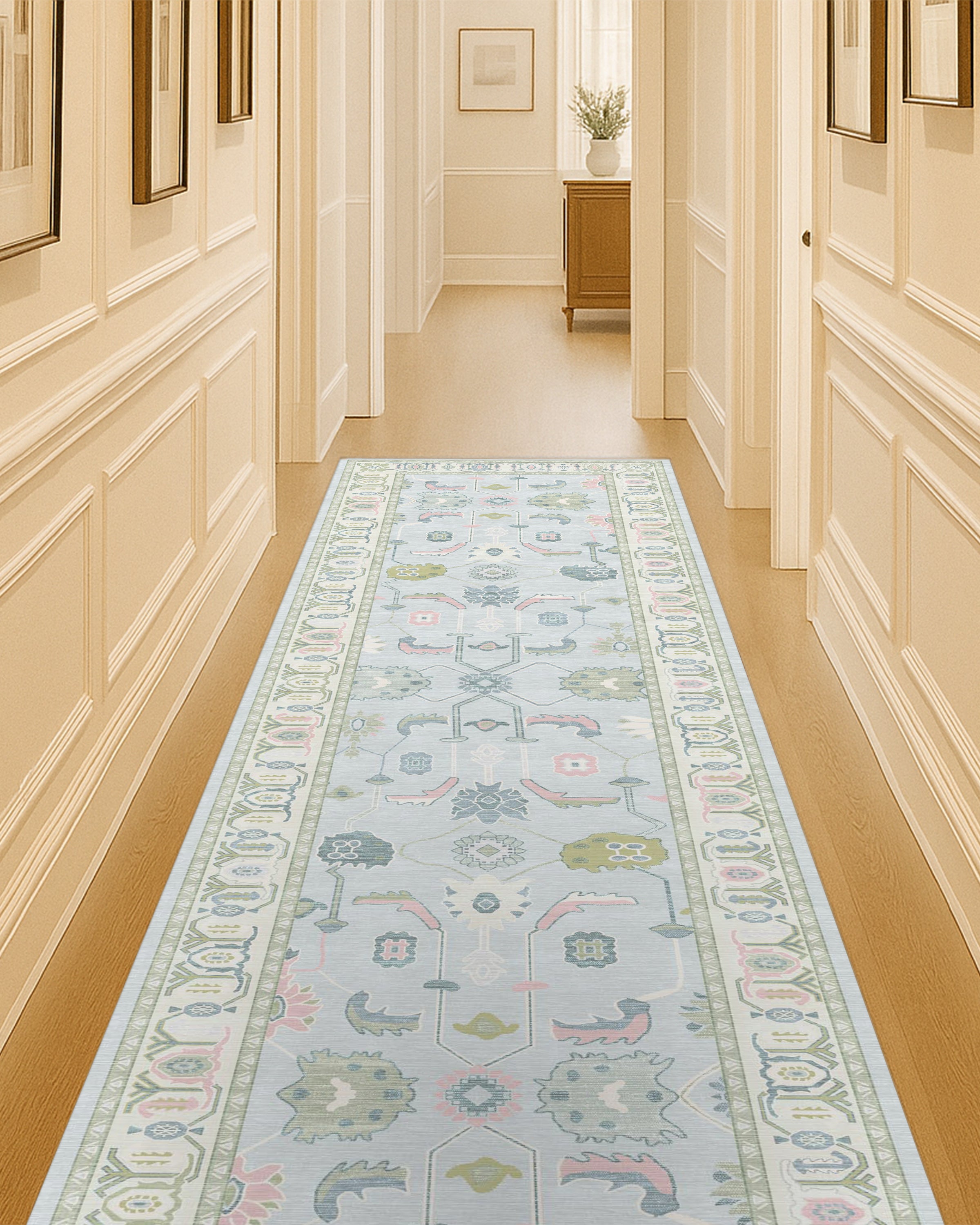
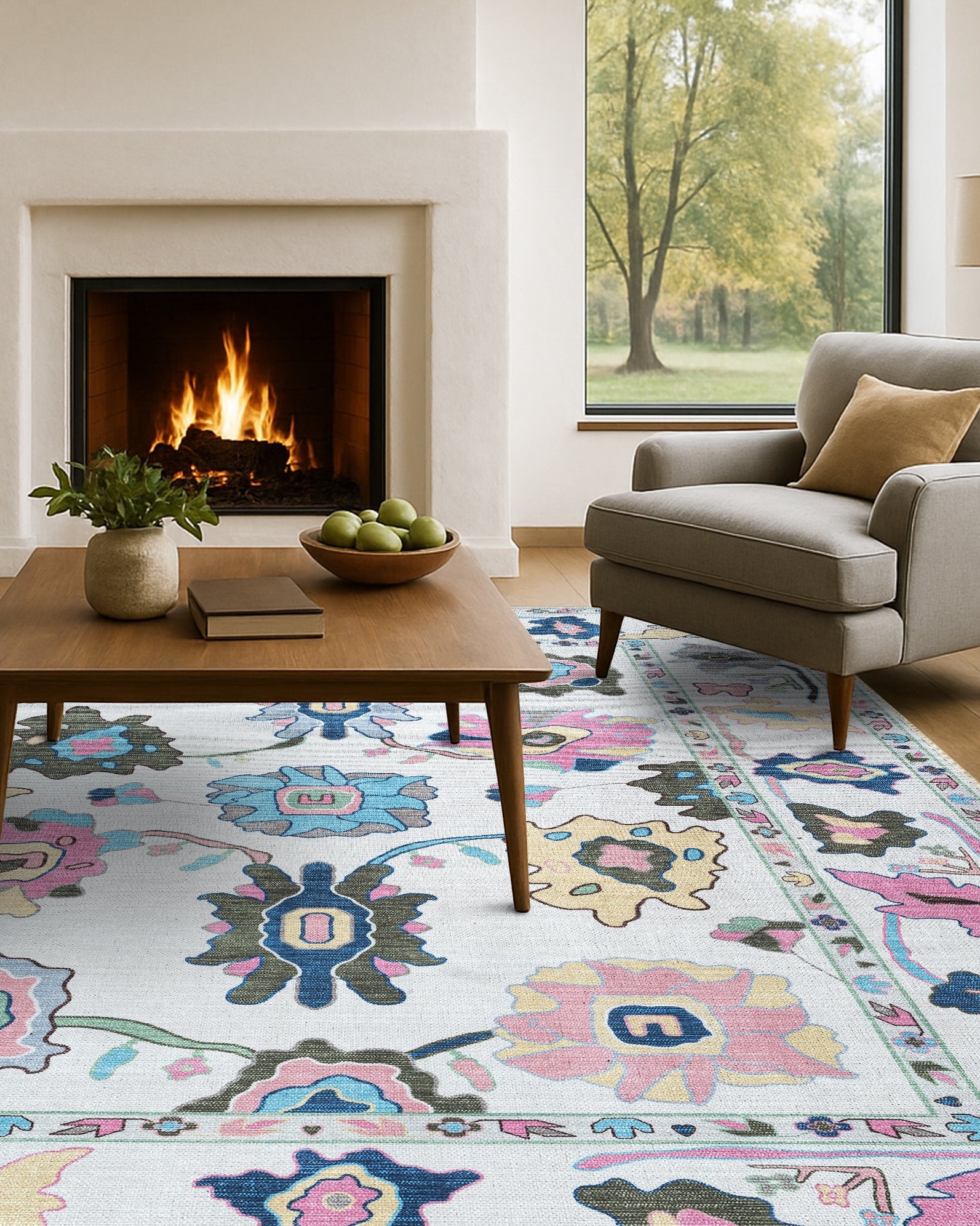
Traditional workshop rugs often fill nearly every inch with pattern — dense florals, elaborate borders, layered motifs. Certain traditions did the opposite. Oushak weaving, in particular, favours a large-scale, loosely drawn pattern set against a wide, open field. That negative space is what a contemporary eye responds to, because it behaves like a solid colour with texture rather than a busy pattern competing with the rest of a room.
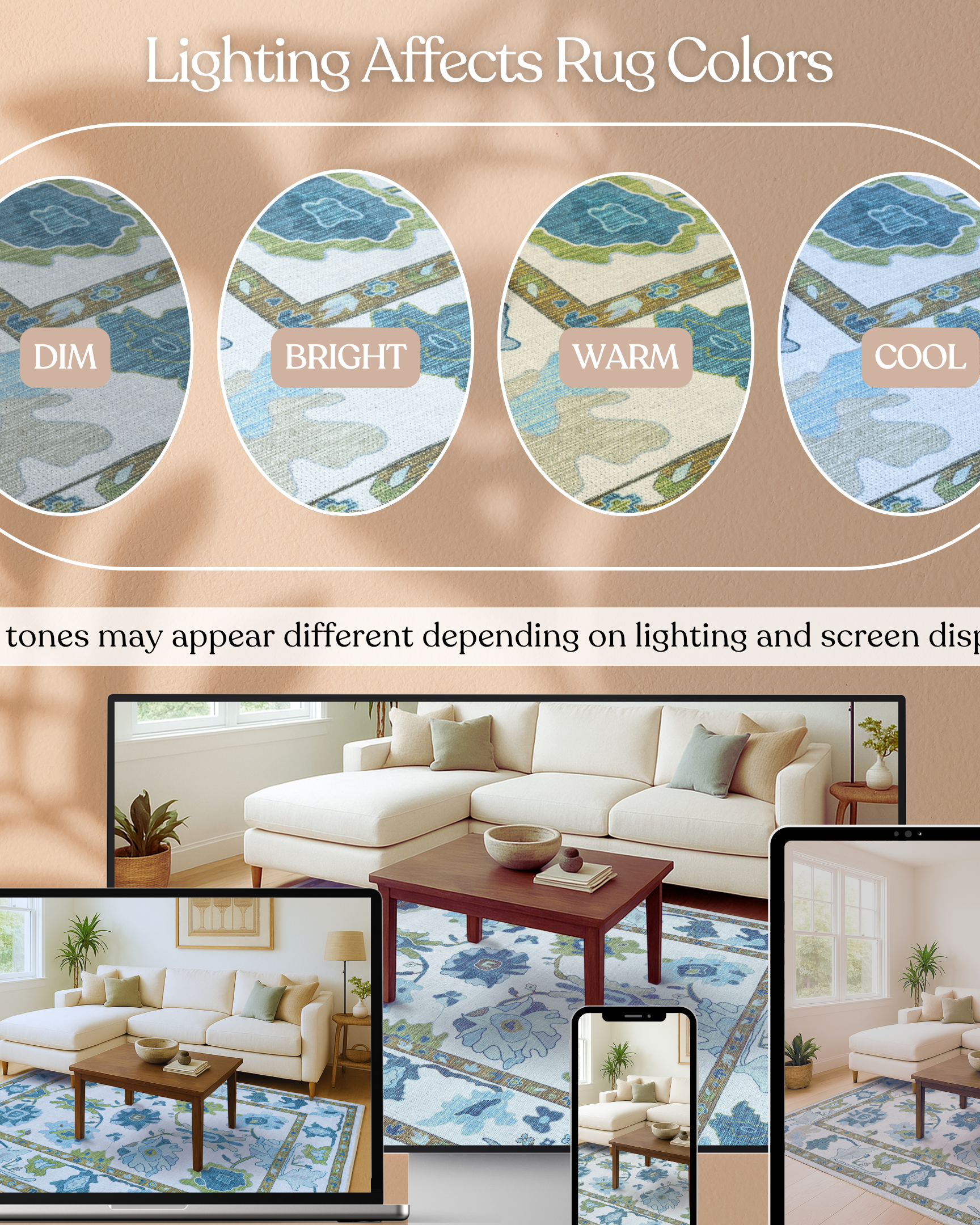
Muted, Sun-Softened Colour
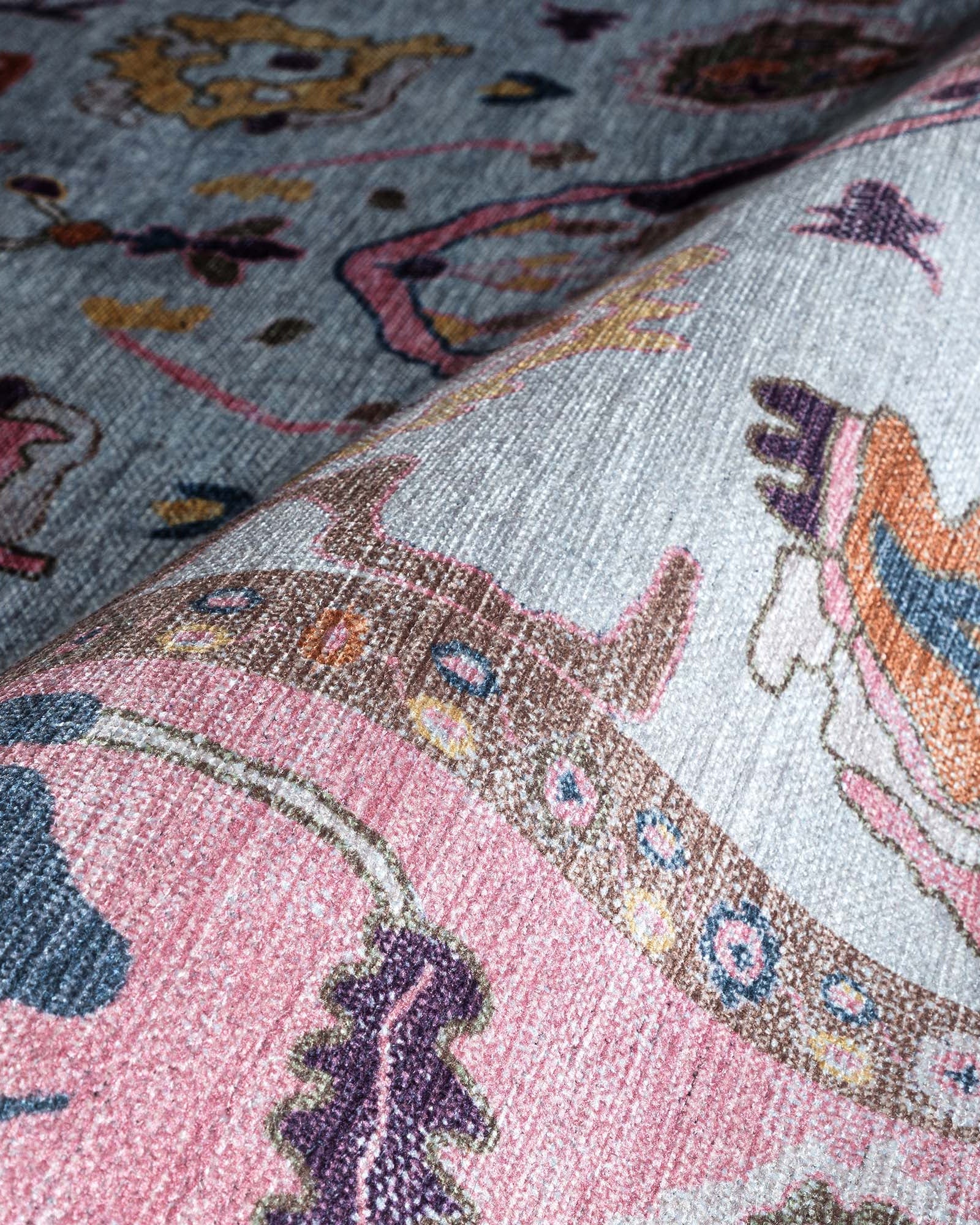
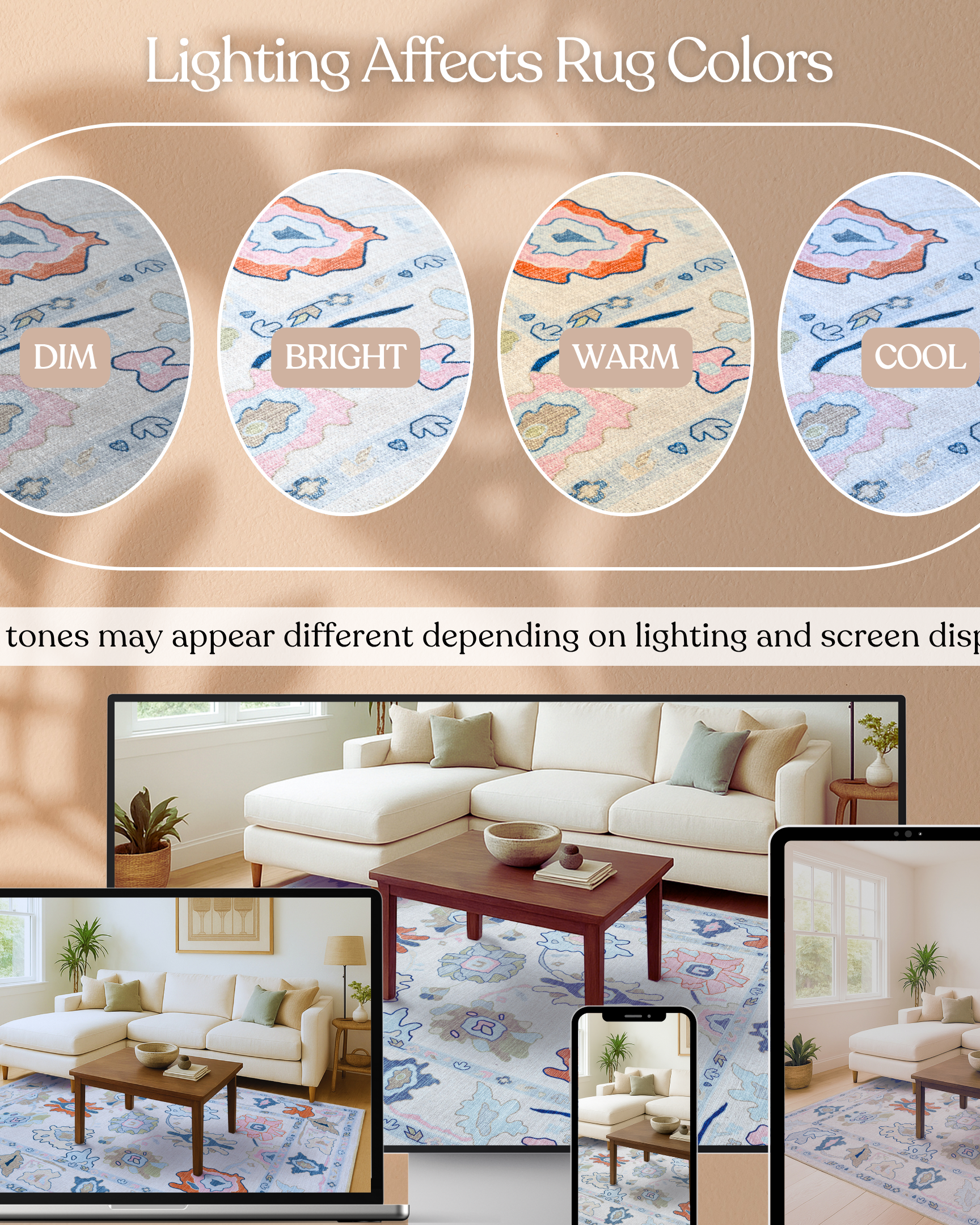
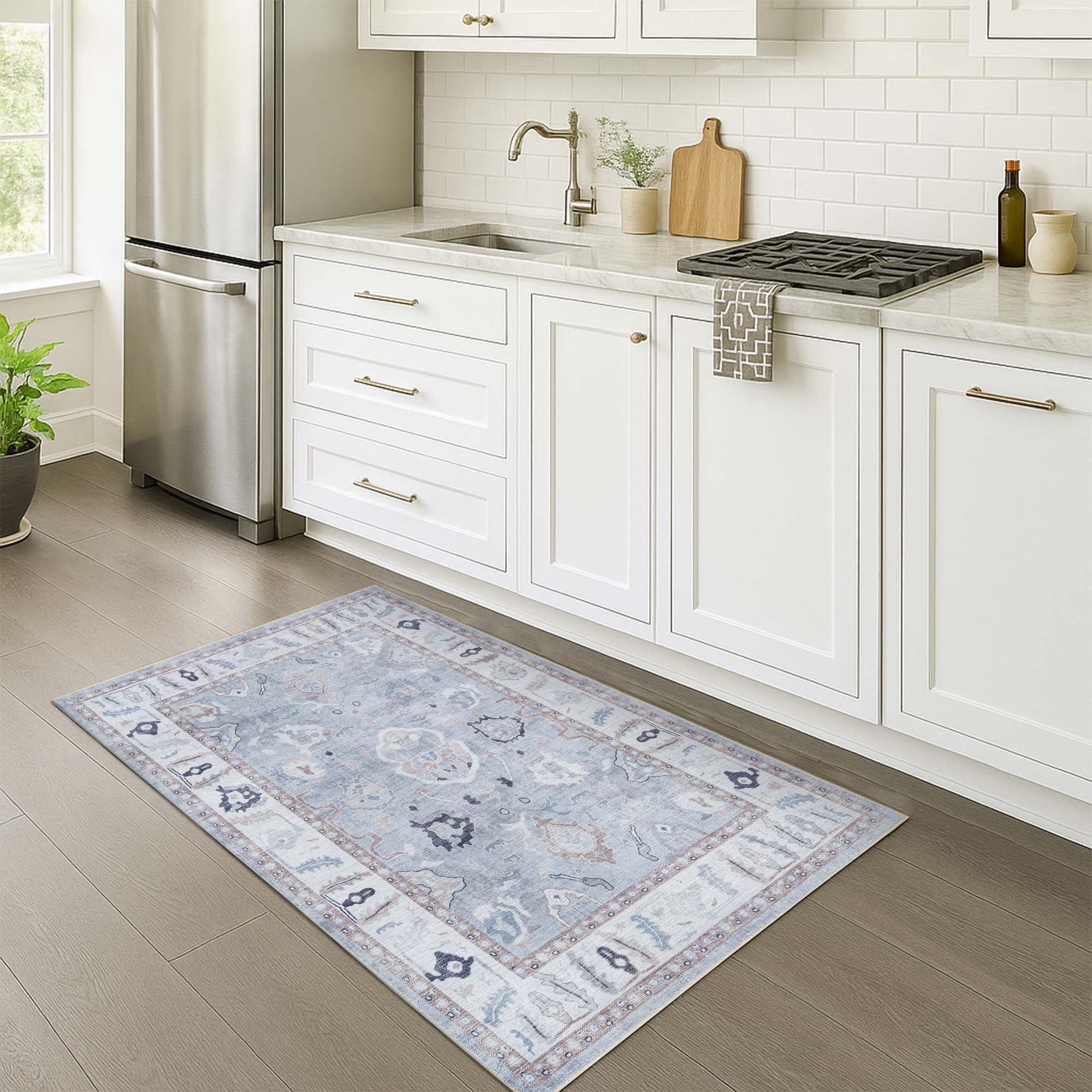
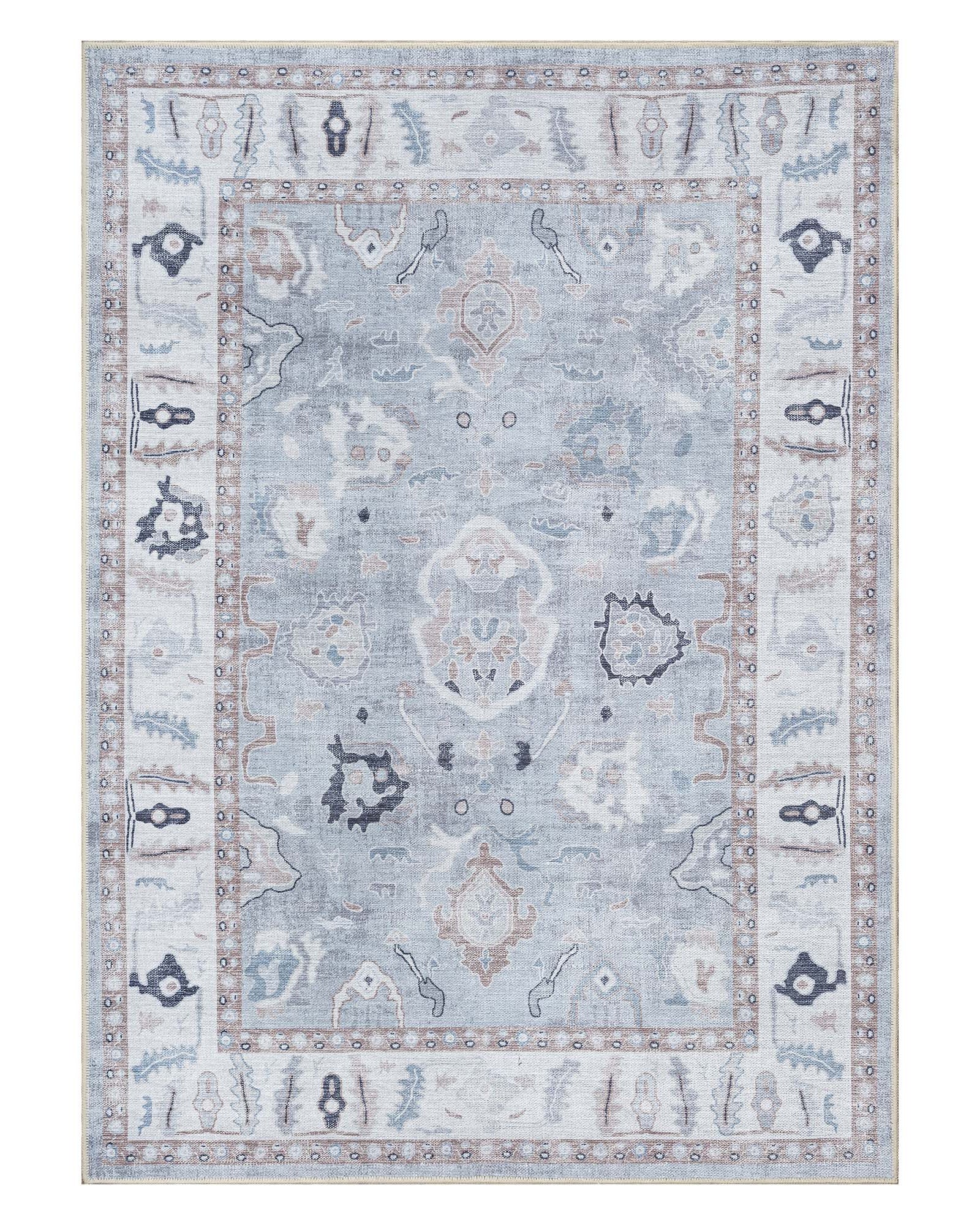
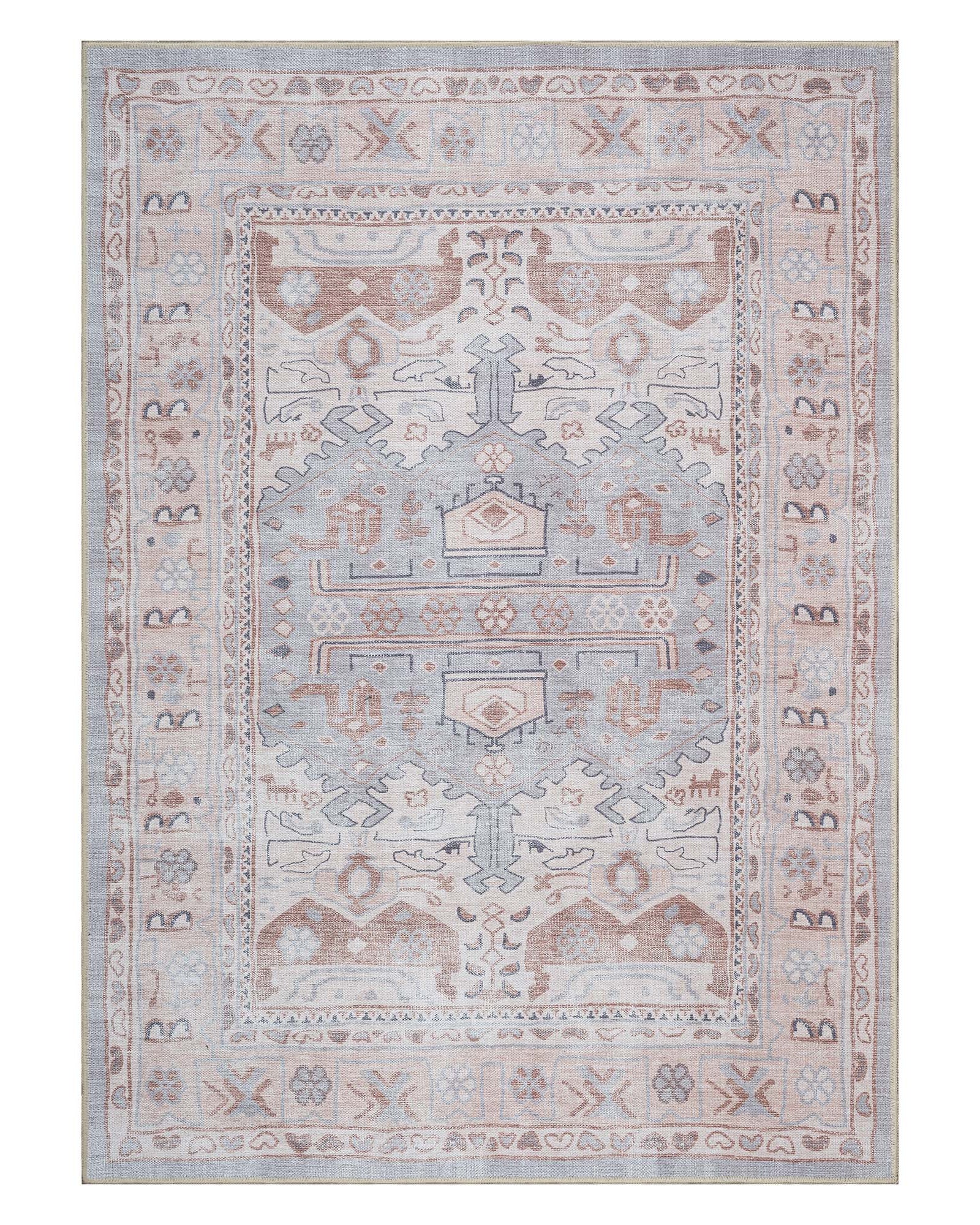
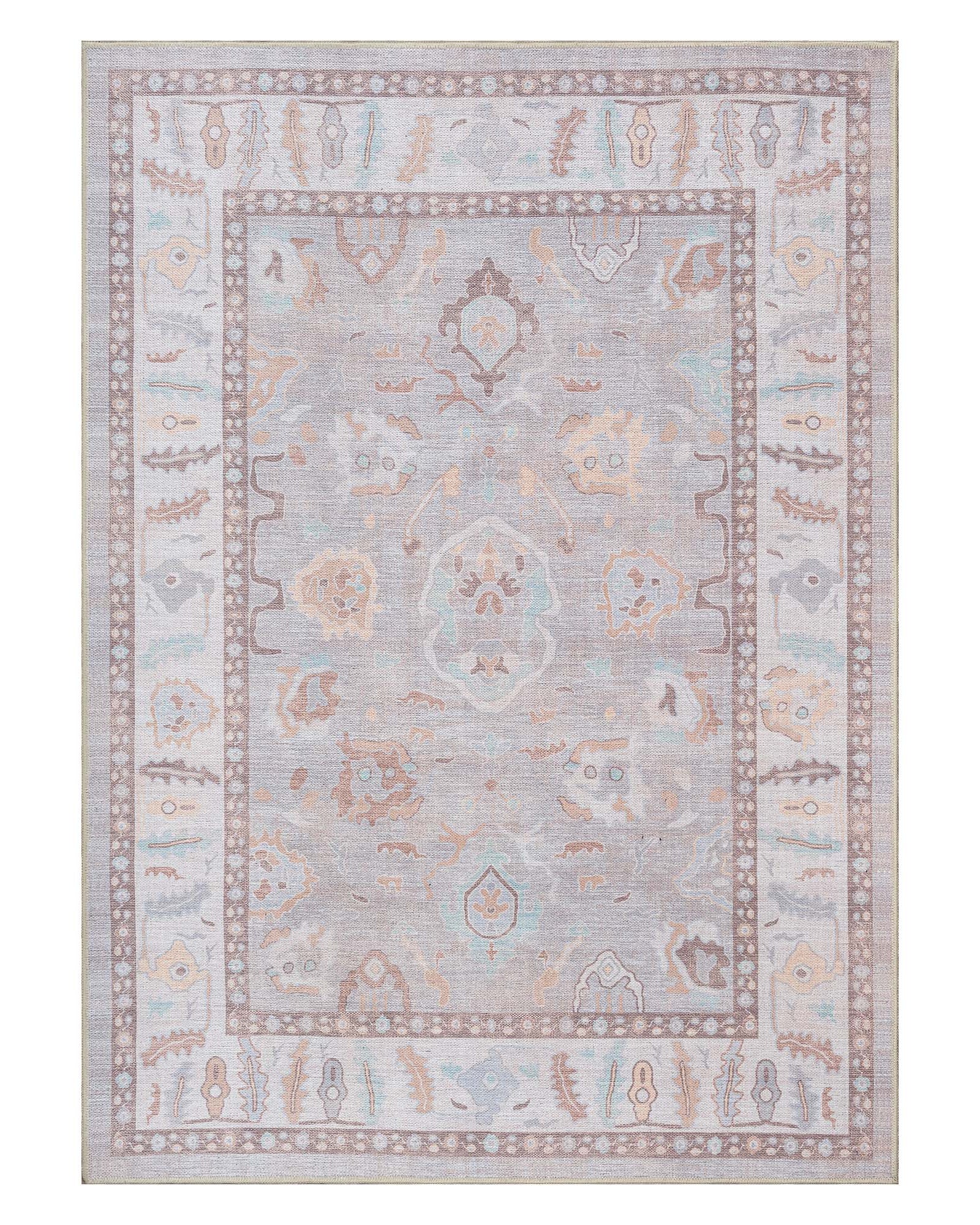
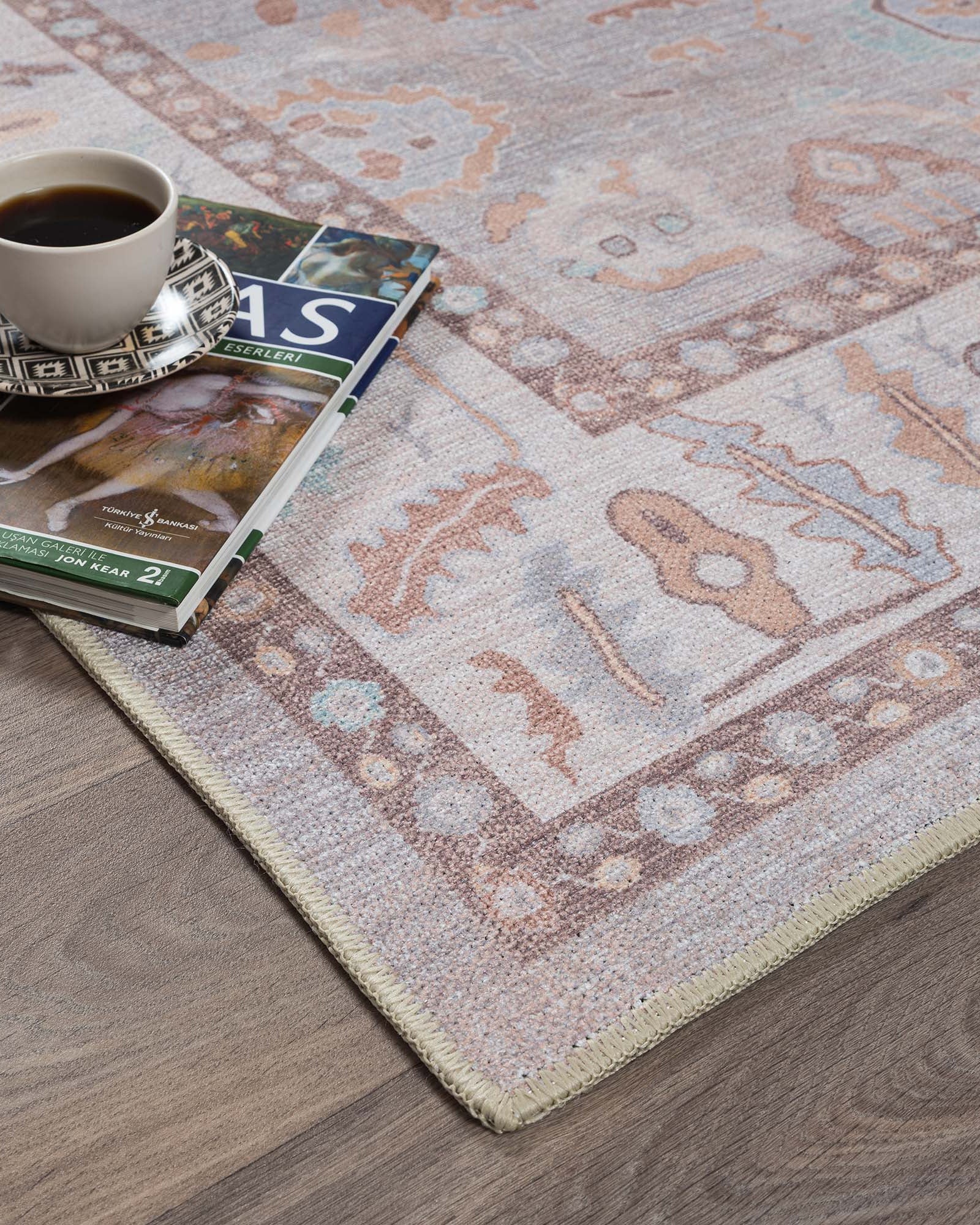
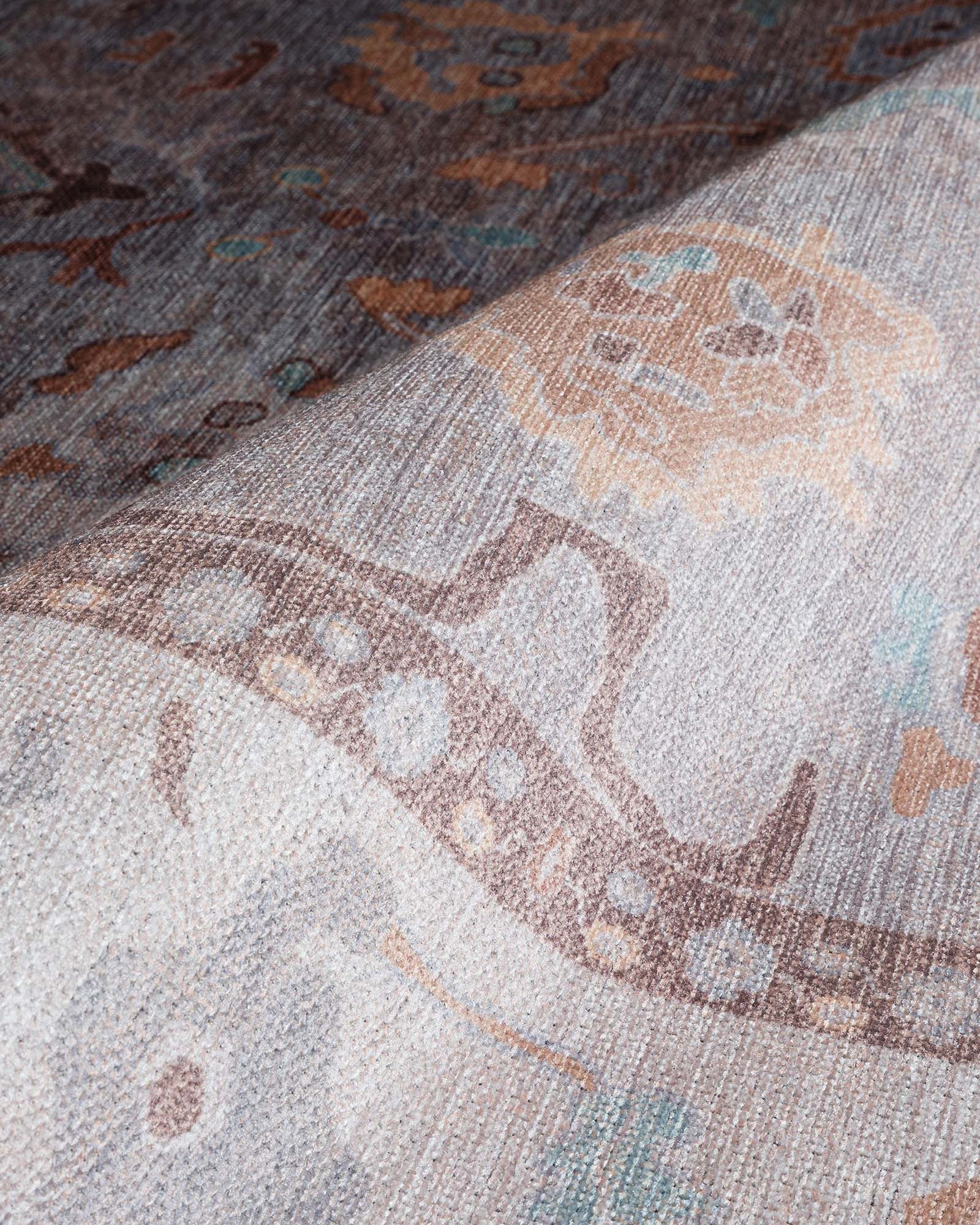
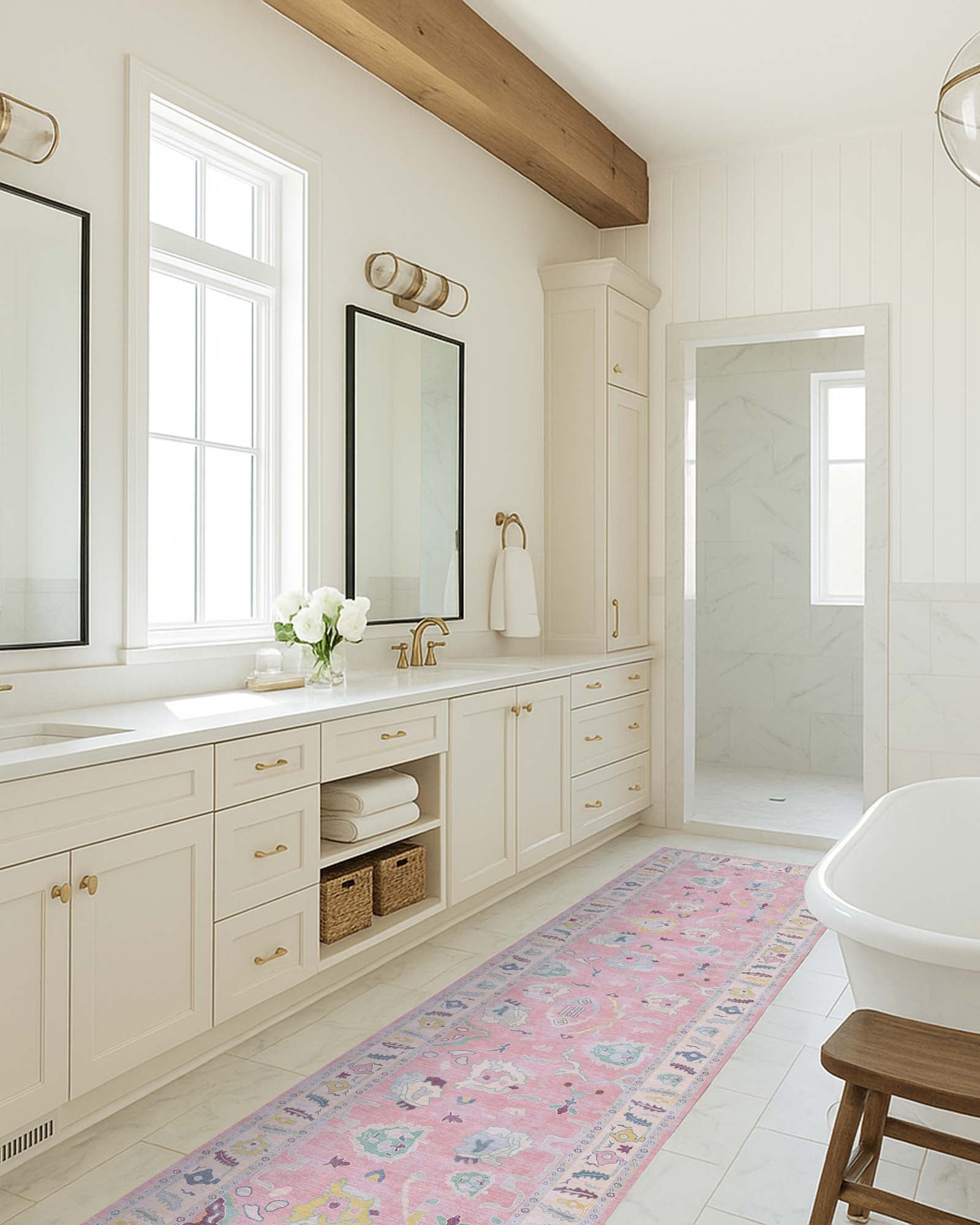
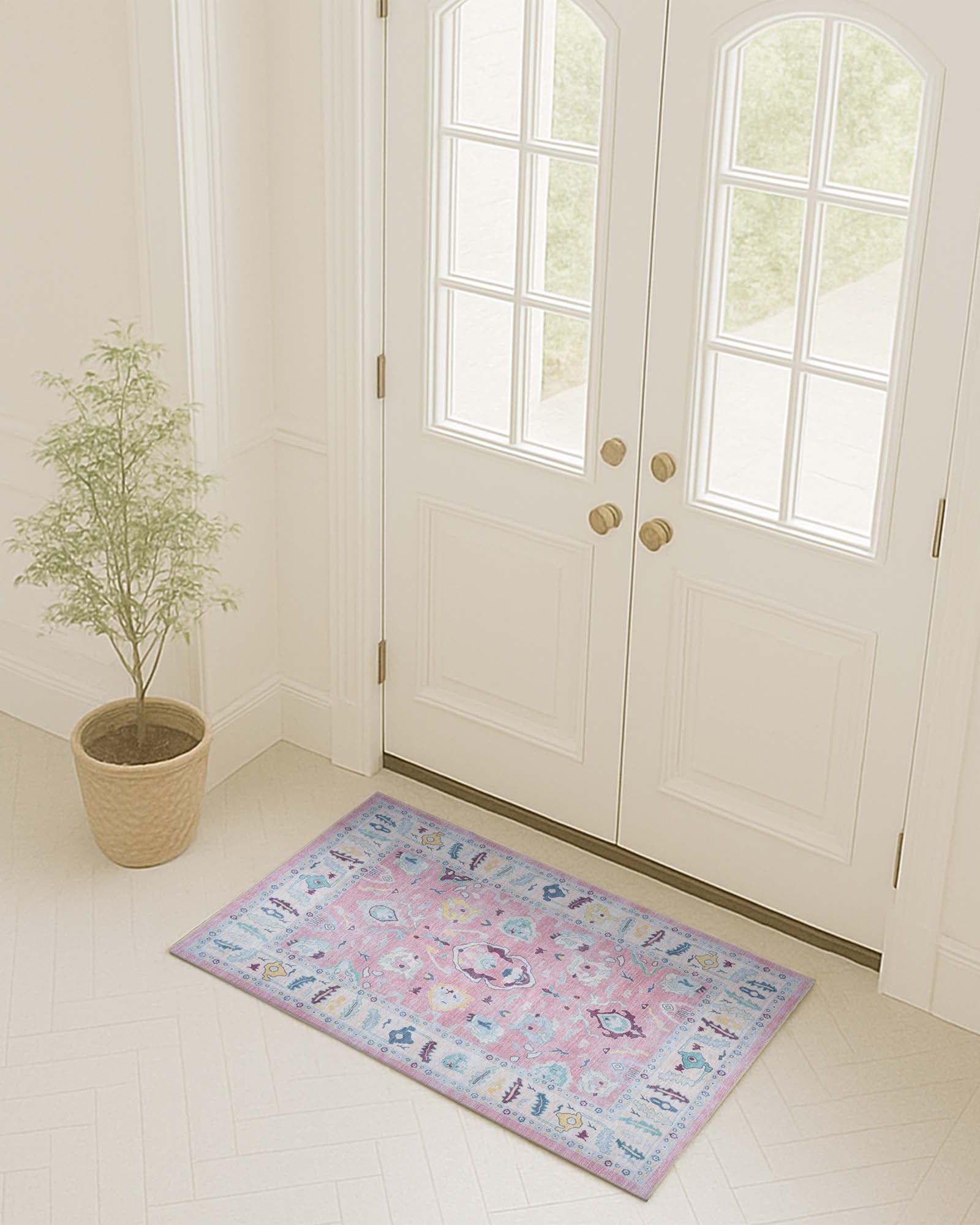
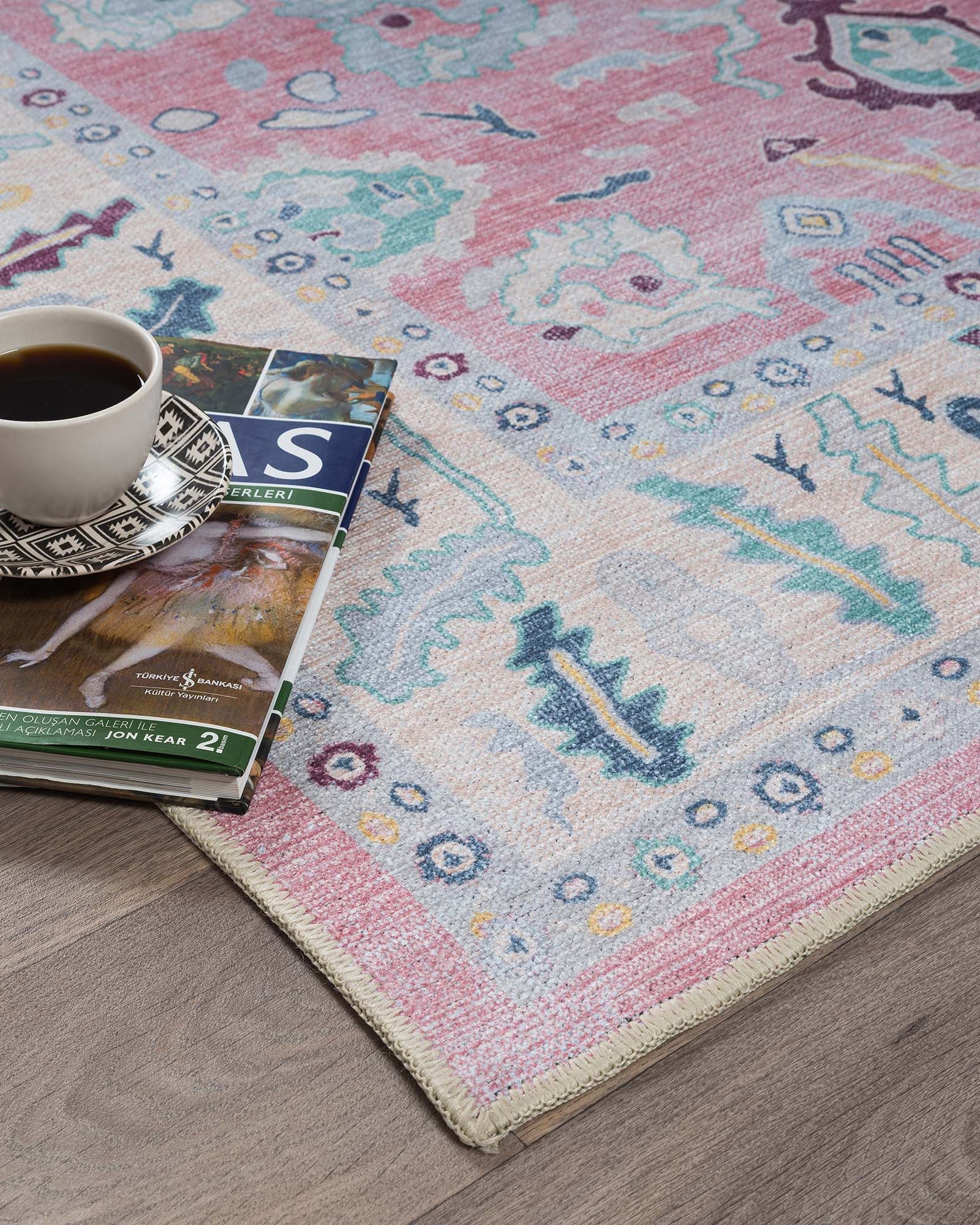
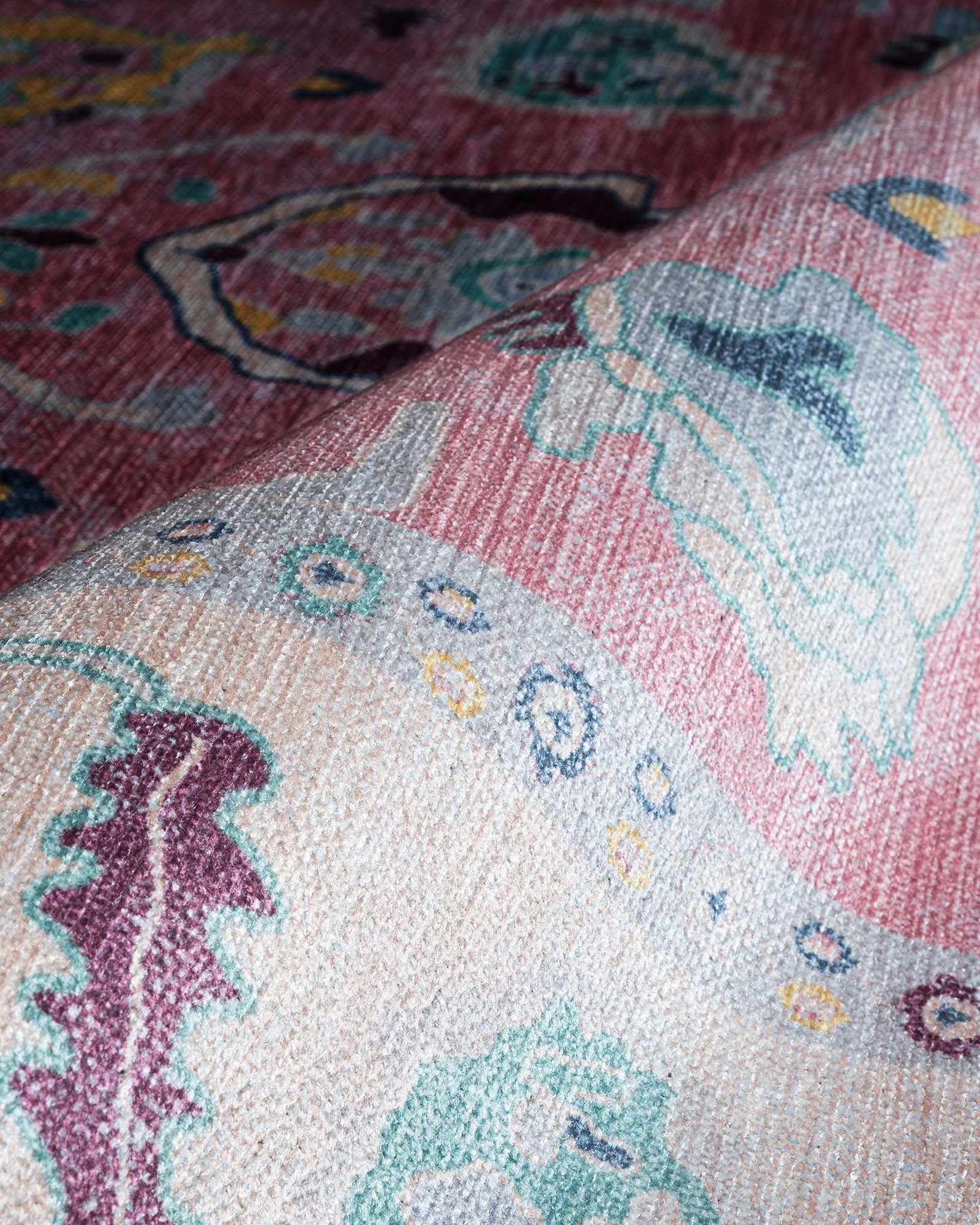
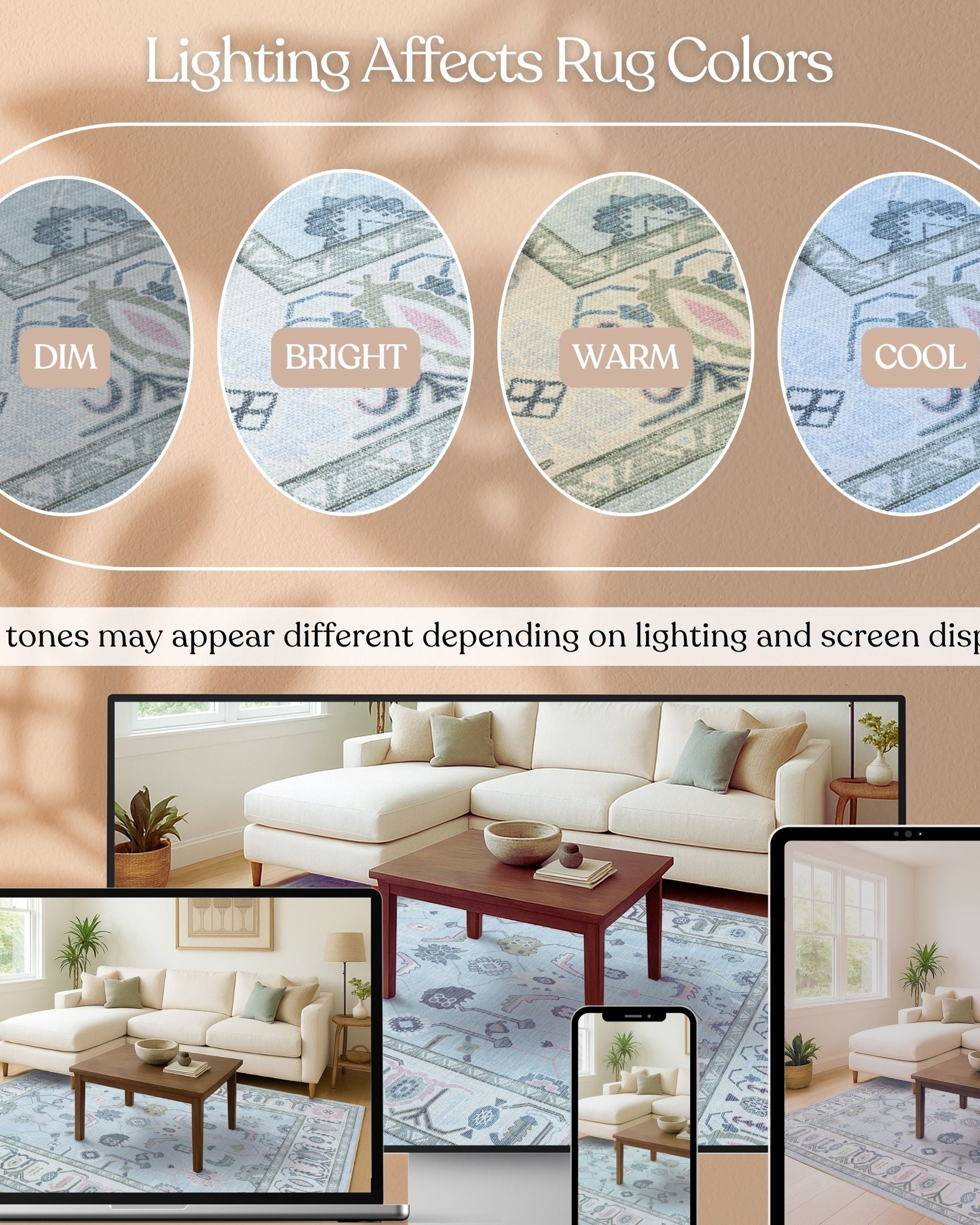
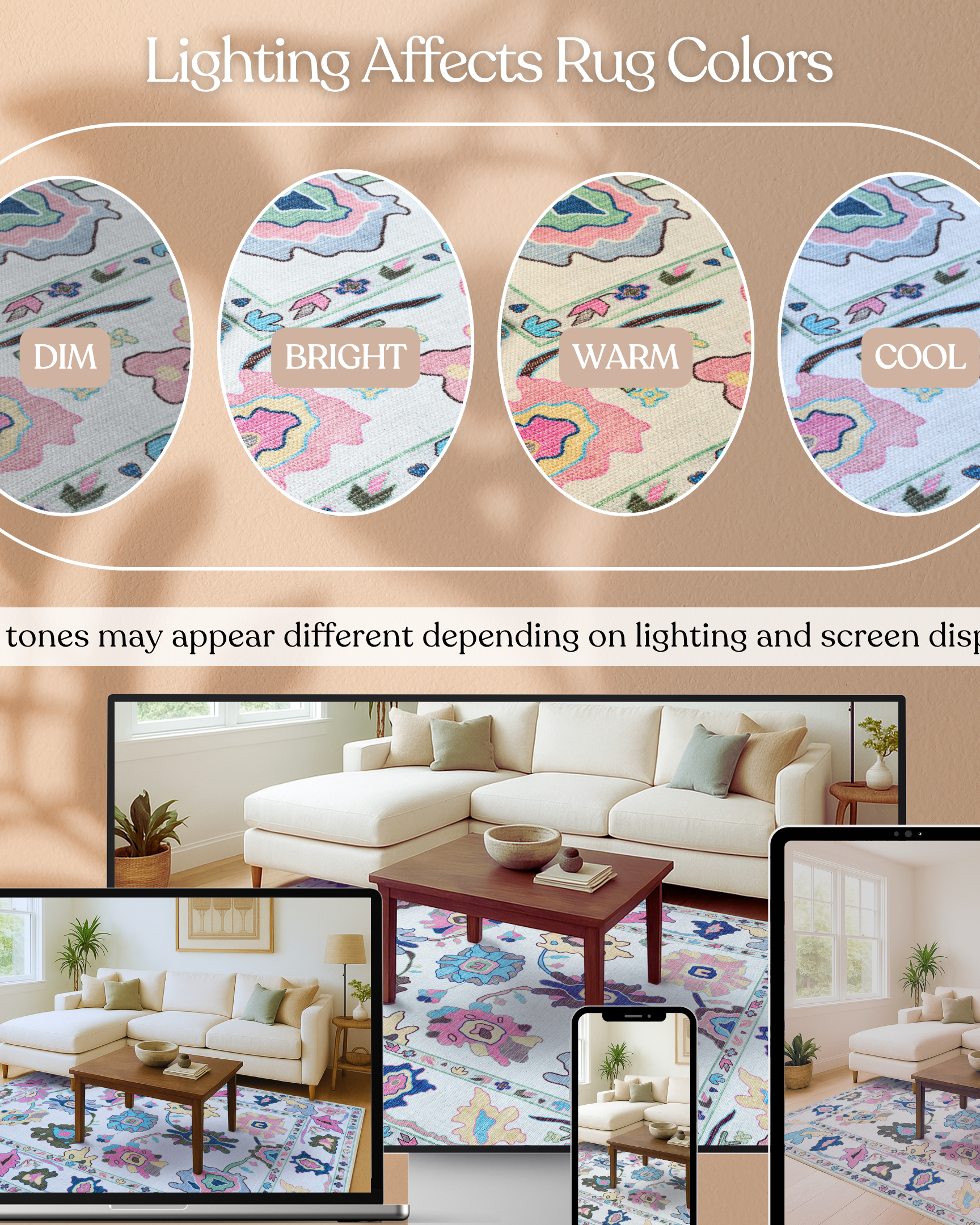
Decades of natural fading pull a once-saturated palette toward something closer to a contemporary neutral — sand, dusty rose, faded denim, soft sage. The pattern is often still legible underneath, but quietly, as texture rather than as colour. A rug that would have looked busy when new can look almost architectural sixty years later.
Overdyed Single-Tone Fields
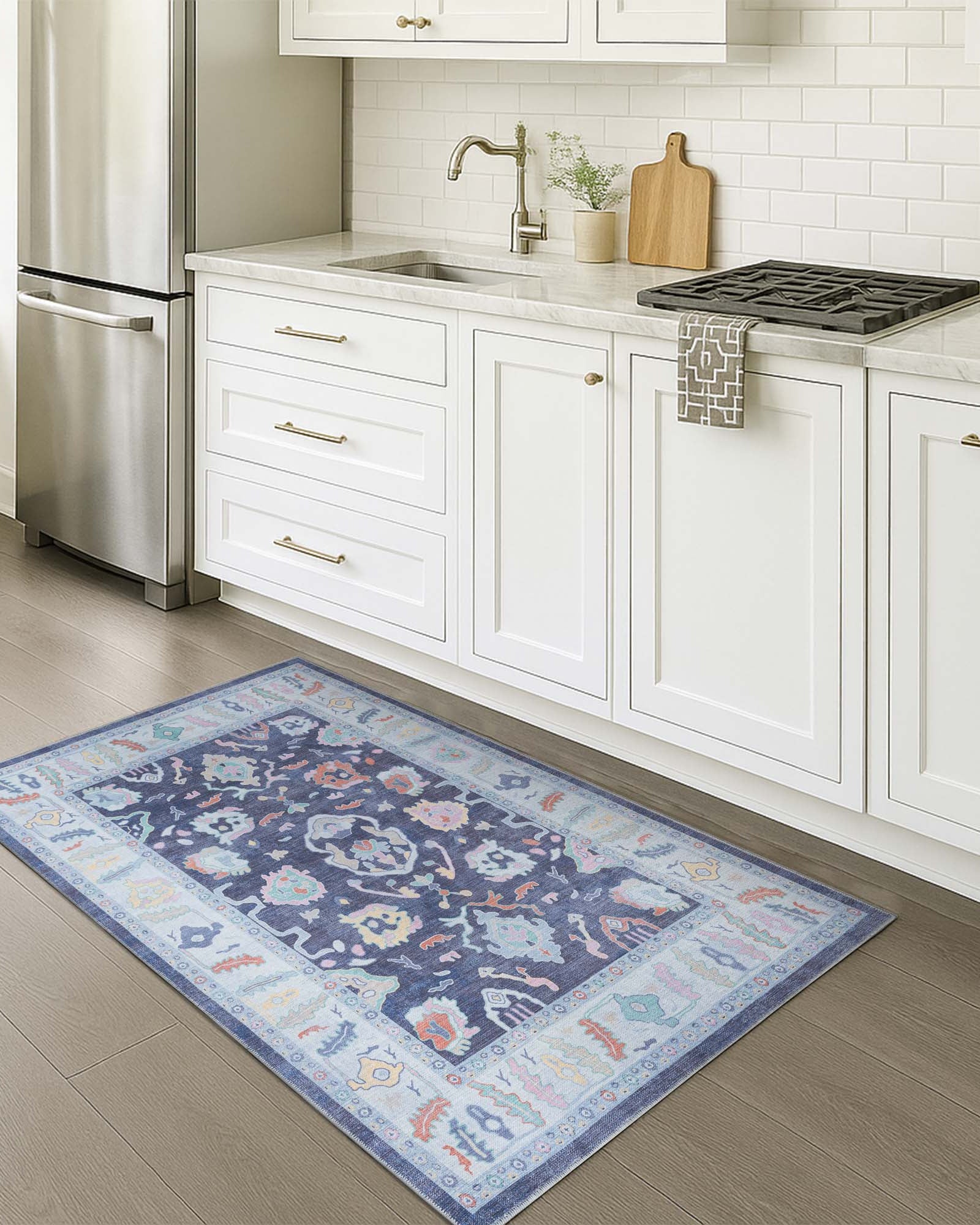
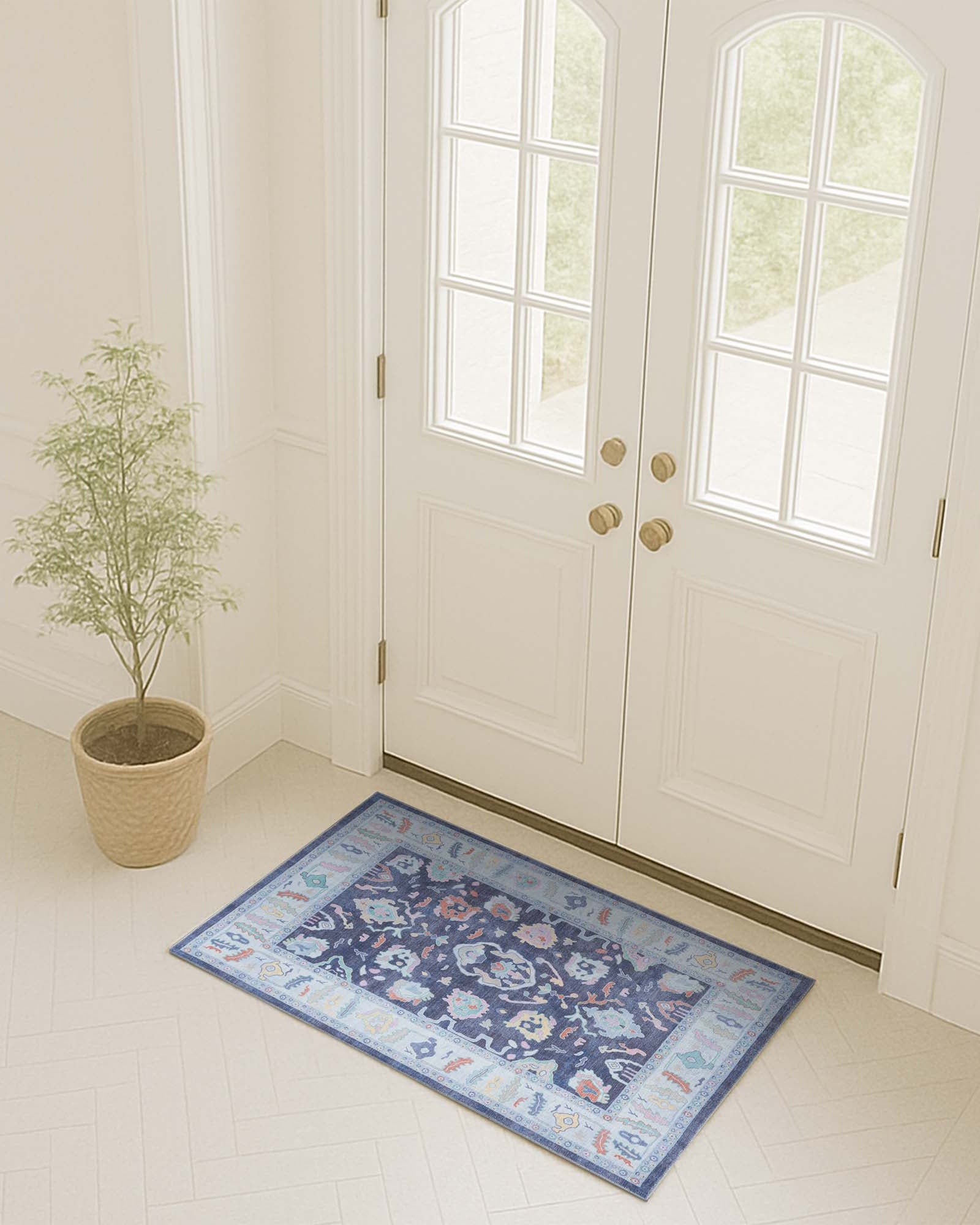
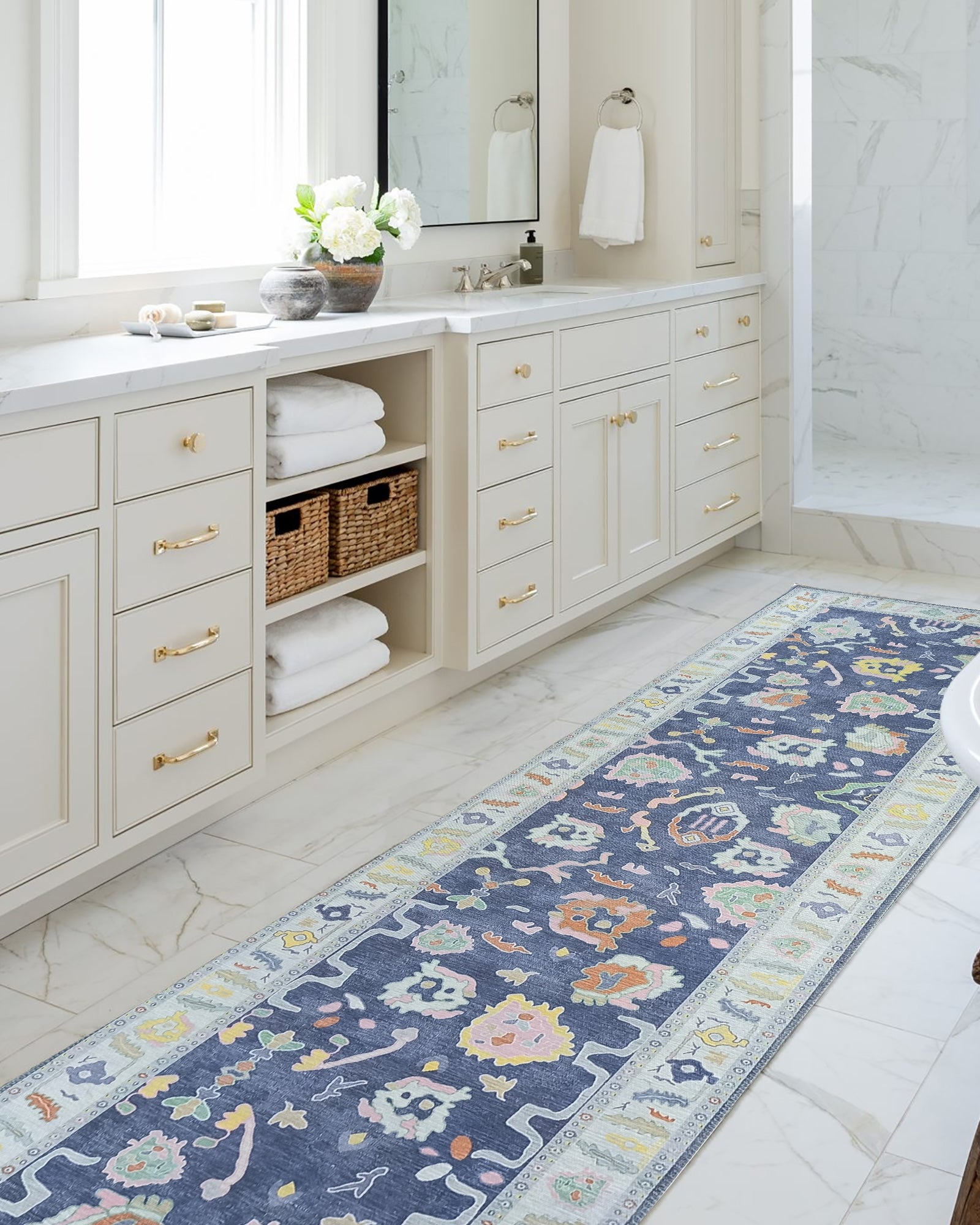
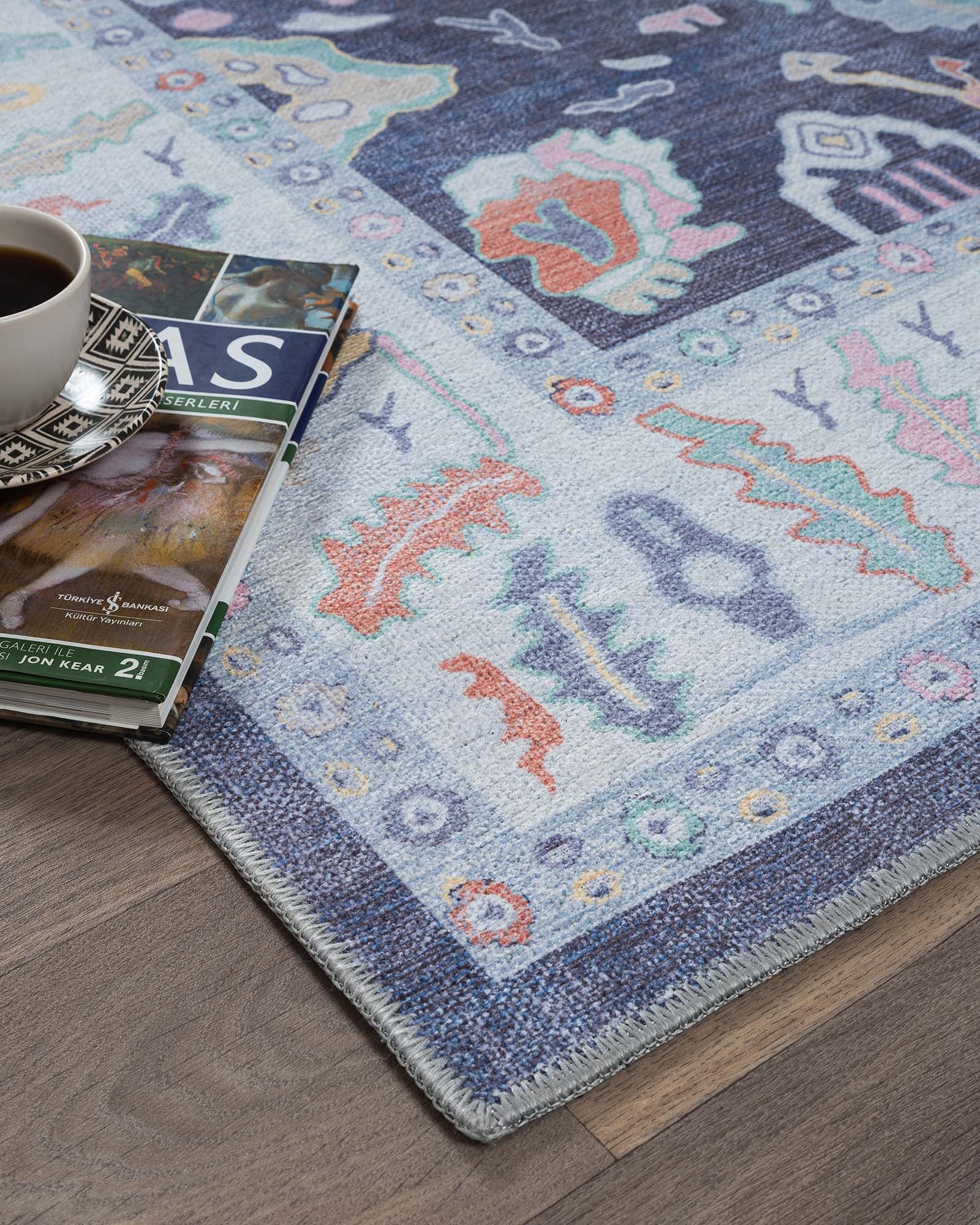
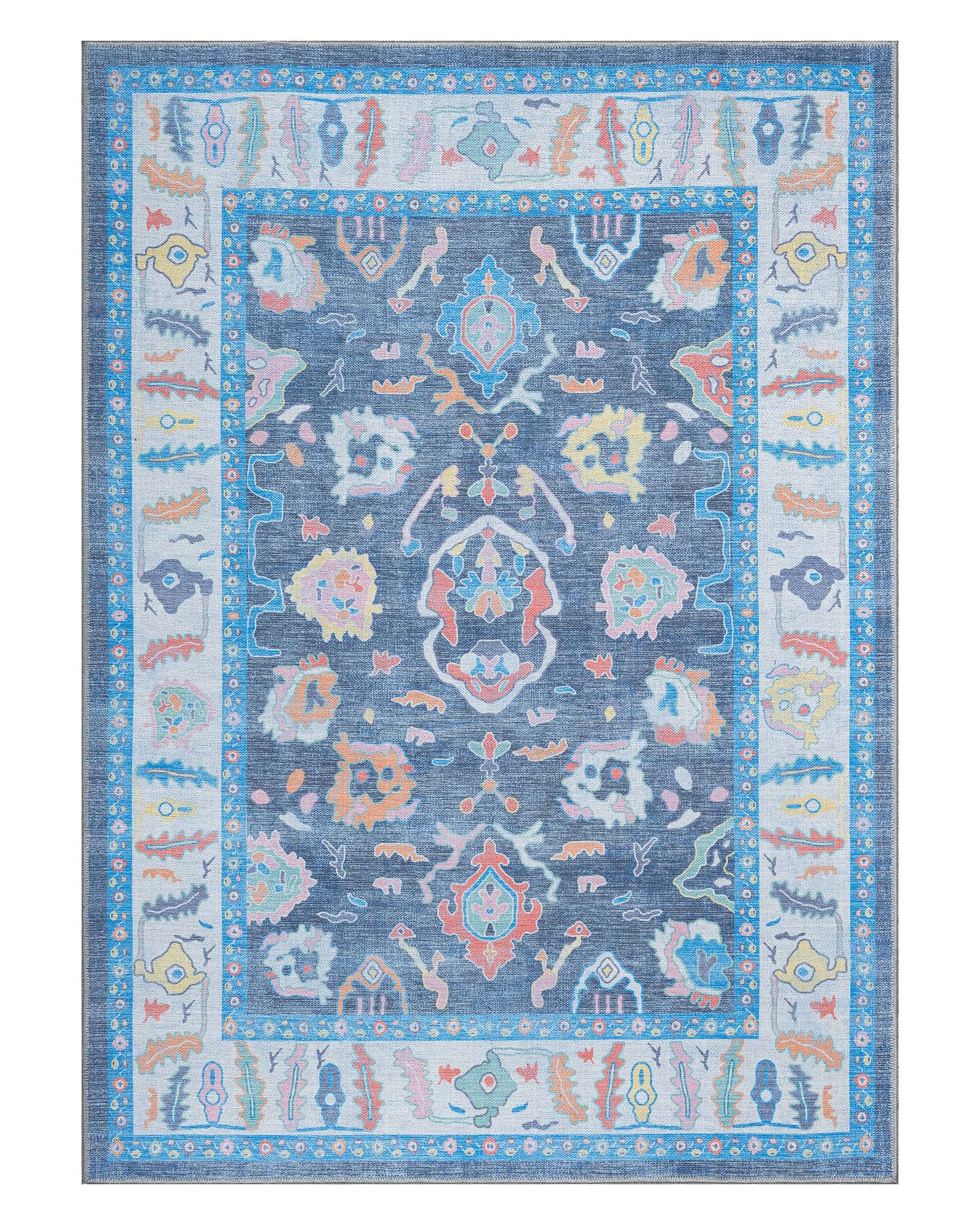
Some pieces have been deliberately stripped and re-dyed in one saturated colour — charcoal, navy, olive — with the original pattern visible only as a tonal shadow beneath. This is the most explicitly modern-looking construction in the collection: a hand-knotted rug that behaves almost like a solid, textured colour block. Overdyed pieces are called out specifically on their product pages.
Geometric Tribal Weaving
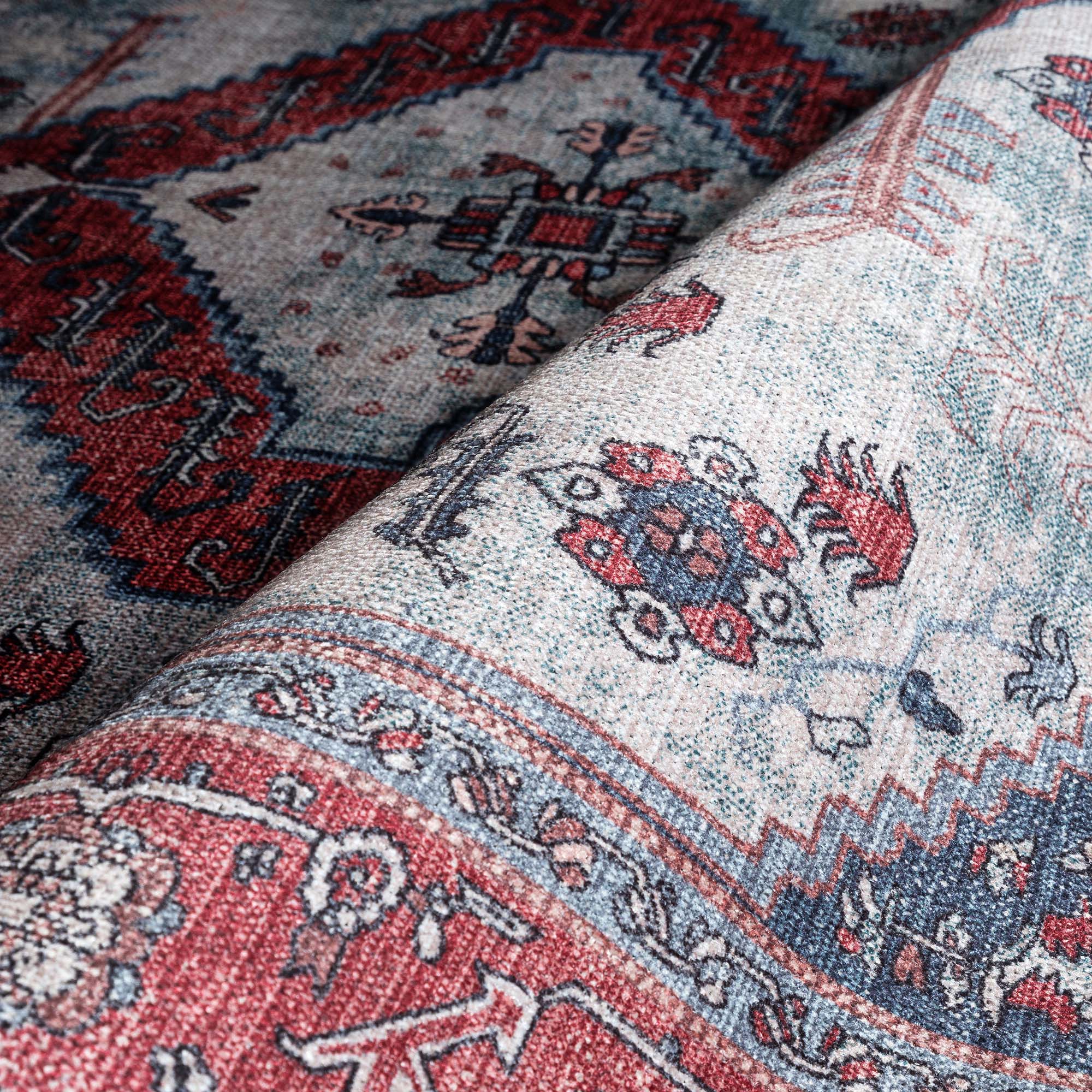
Tribal and village rugs, particularly from the Caucasus and eastern Anatolia, were built on bold, angular, repeating geometry from the start — long before "geometric rug" was a design category. These pieces did not need to change to look contemporary; the visual language was simply ahead of the market by a century.
Why This Matters for Buying
If you want a genuinely old, hand-knotted rug but the room is minimal, modern or monochrome, the traditional collections can feel like the wrong fit even though the construction quality is identical. This collection exists to solve that specific problem: everything here has already been filtered for compatibility with a contemporary interior, so you are choosing from pieces curated for fit rather than trying to imagine how a dense floral medallion rug would work under mid-century furniture.
Using These Rugs in a Modern Room
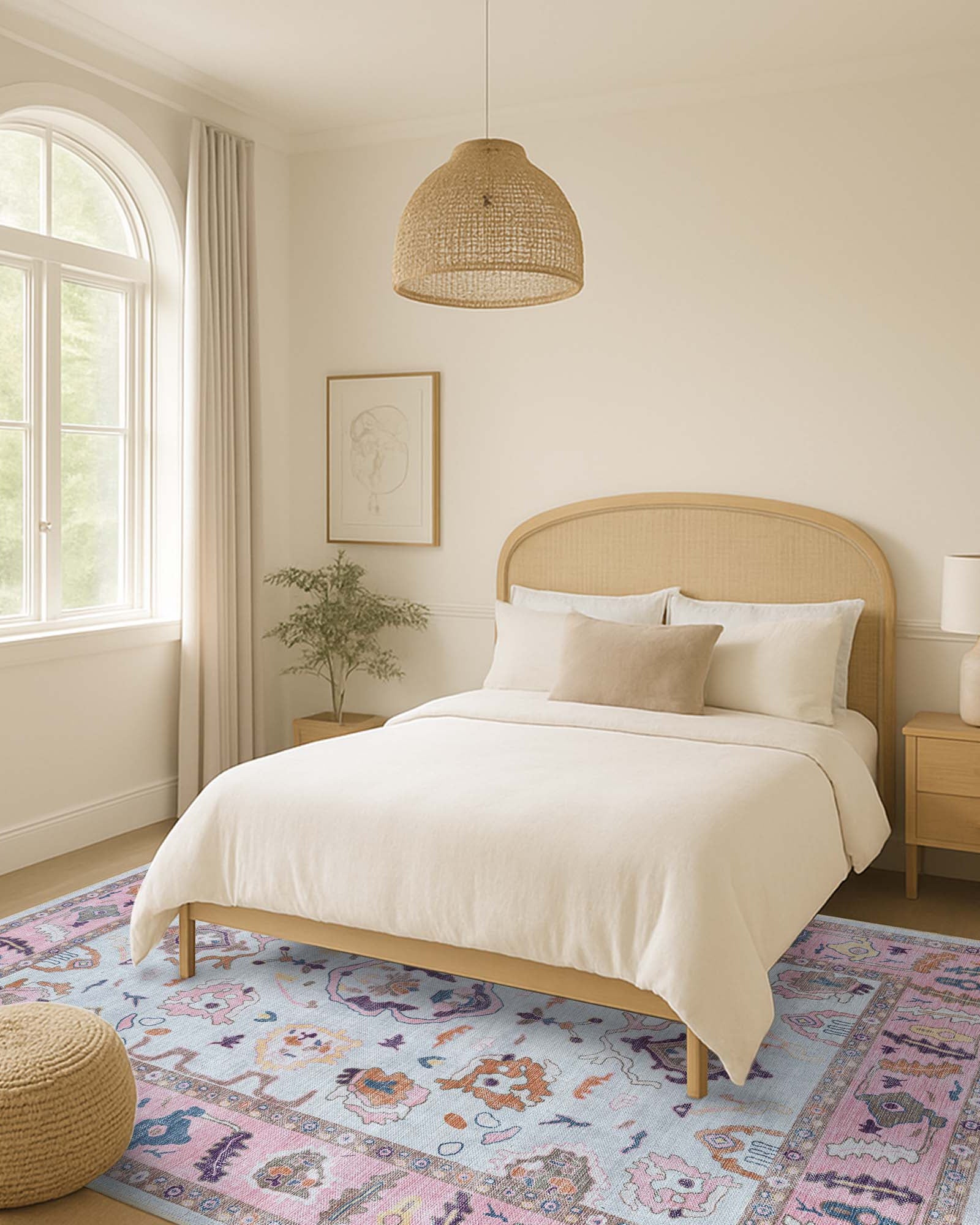
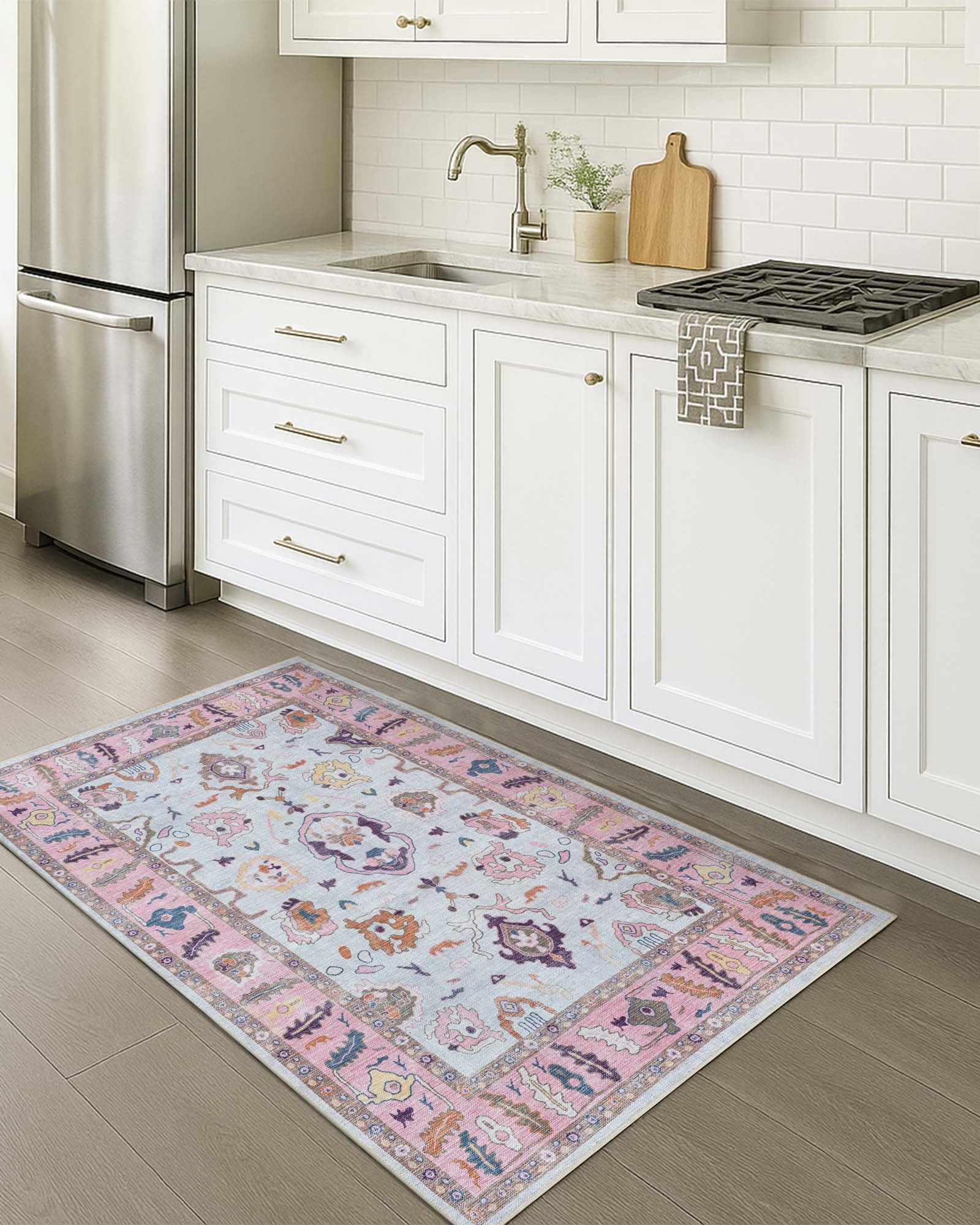
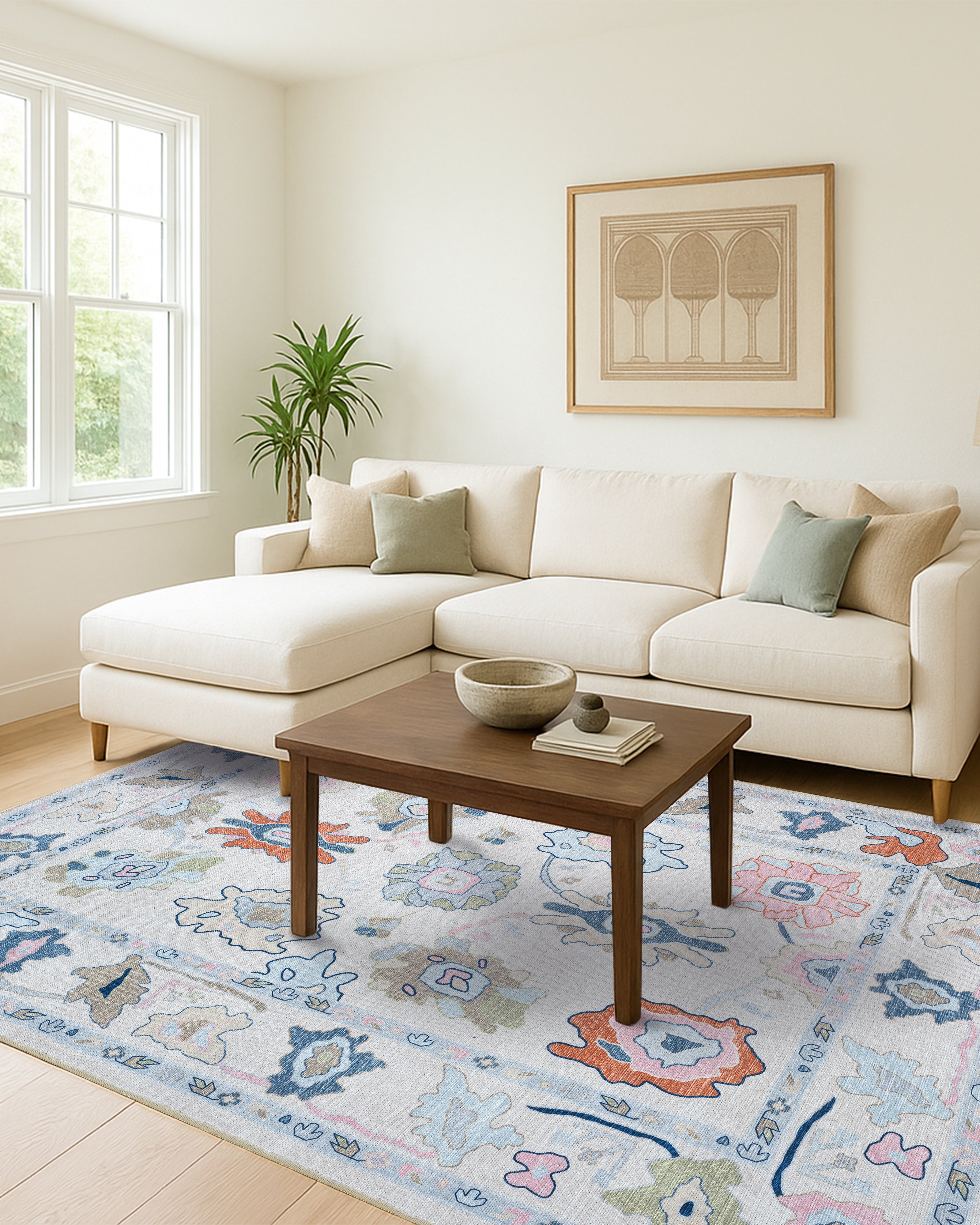
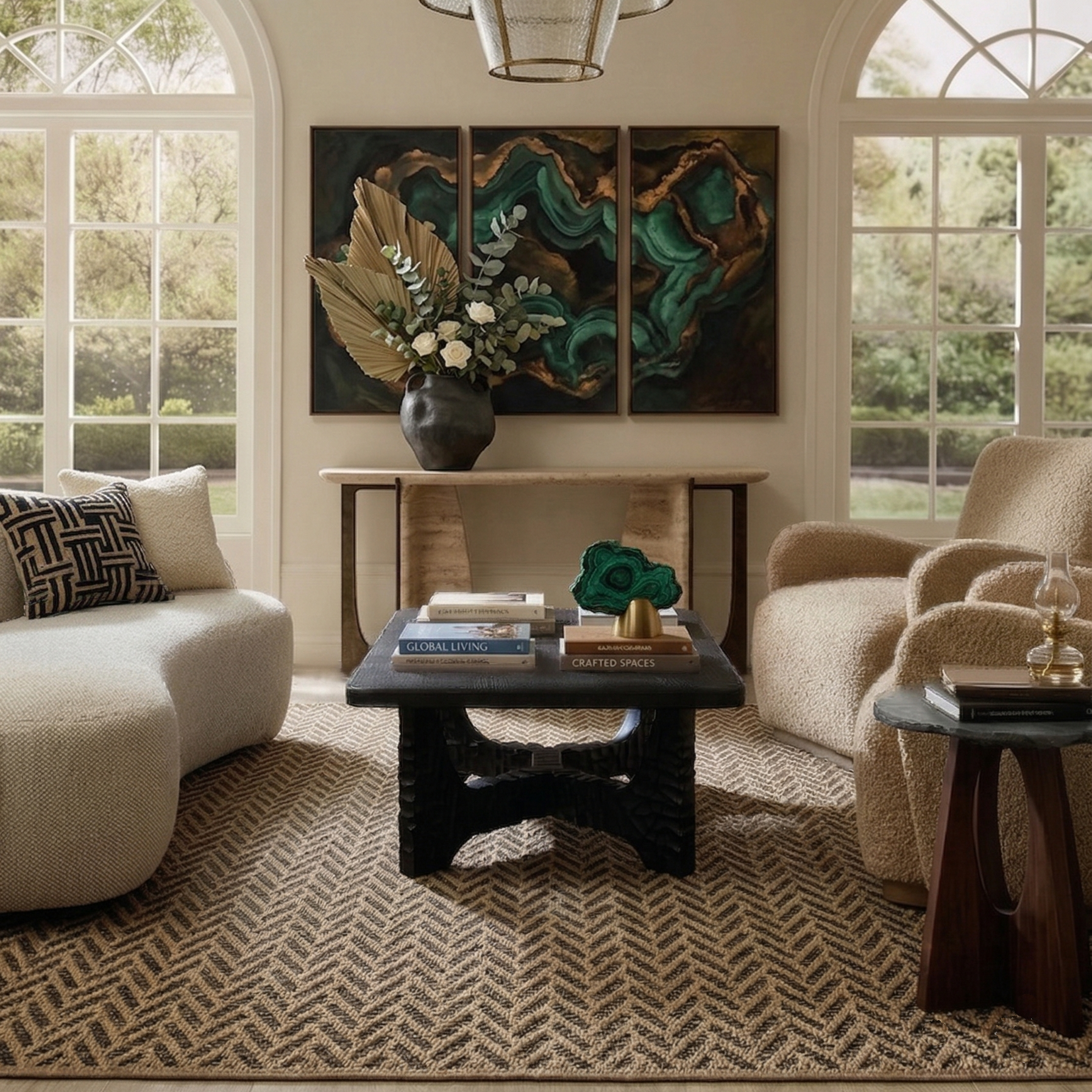
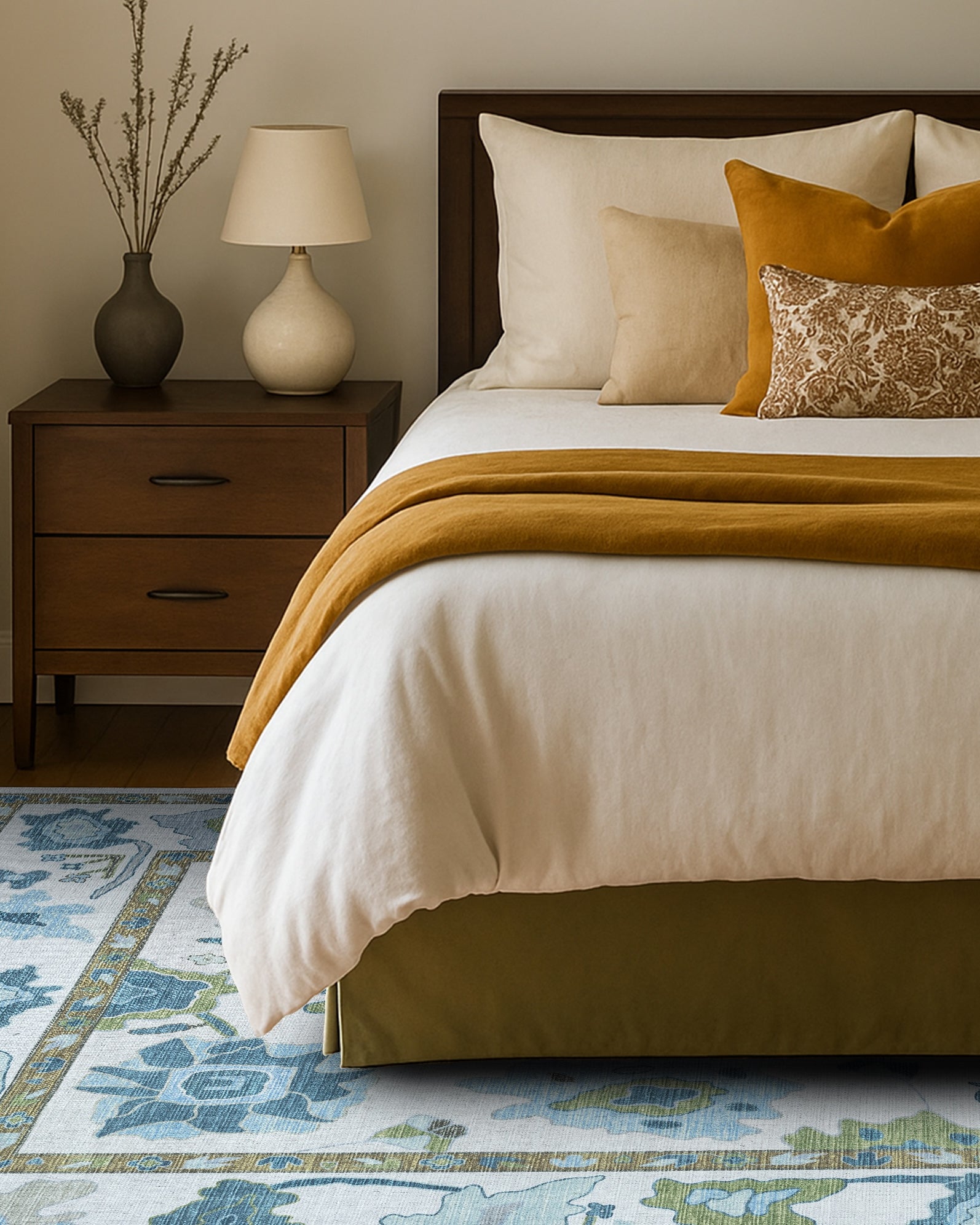
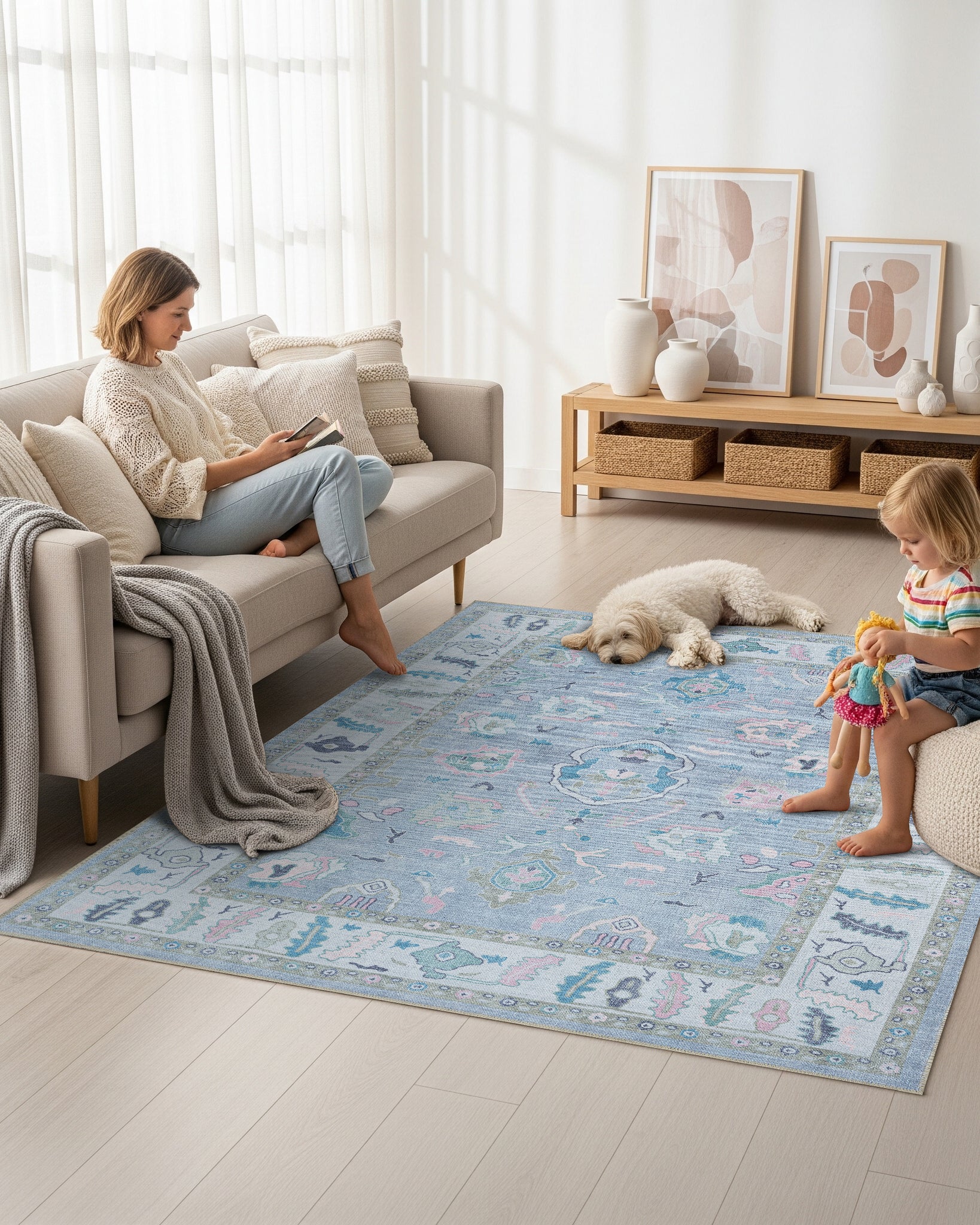
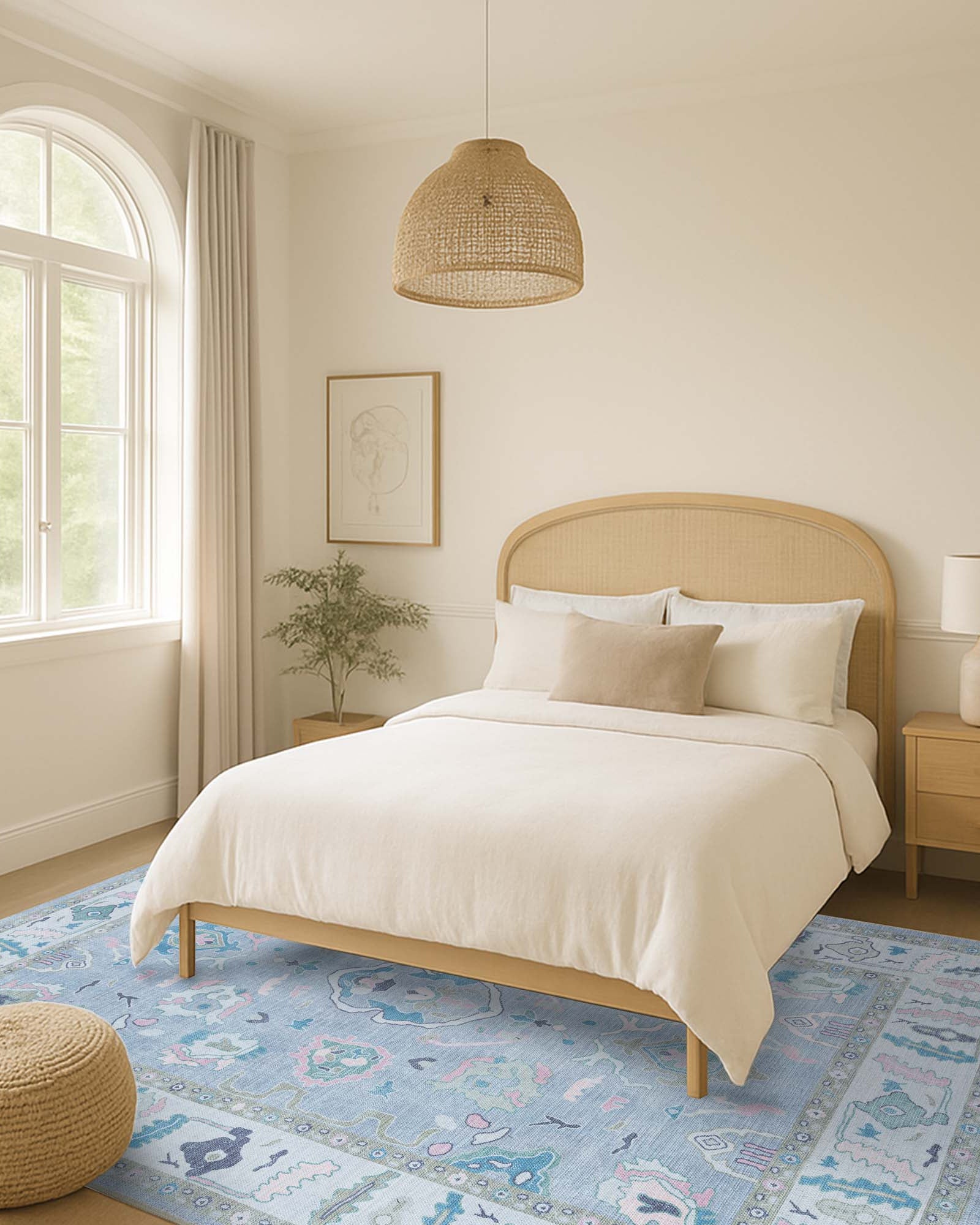
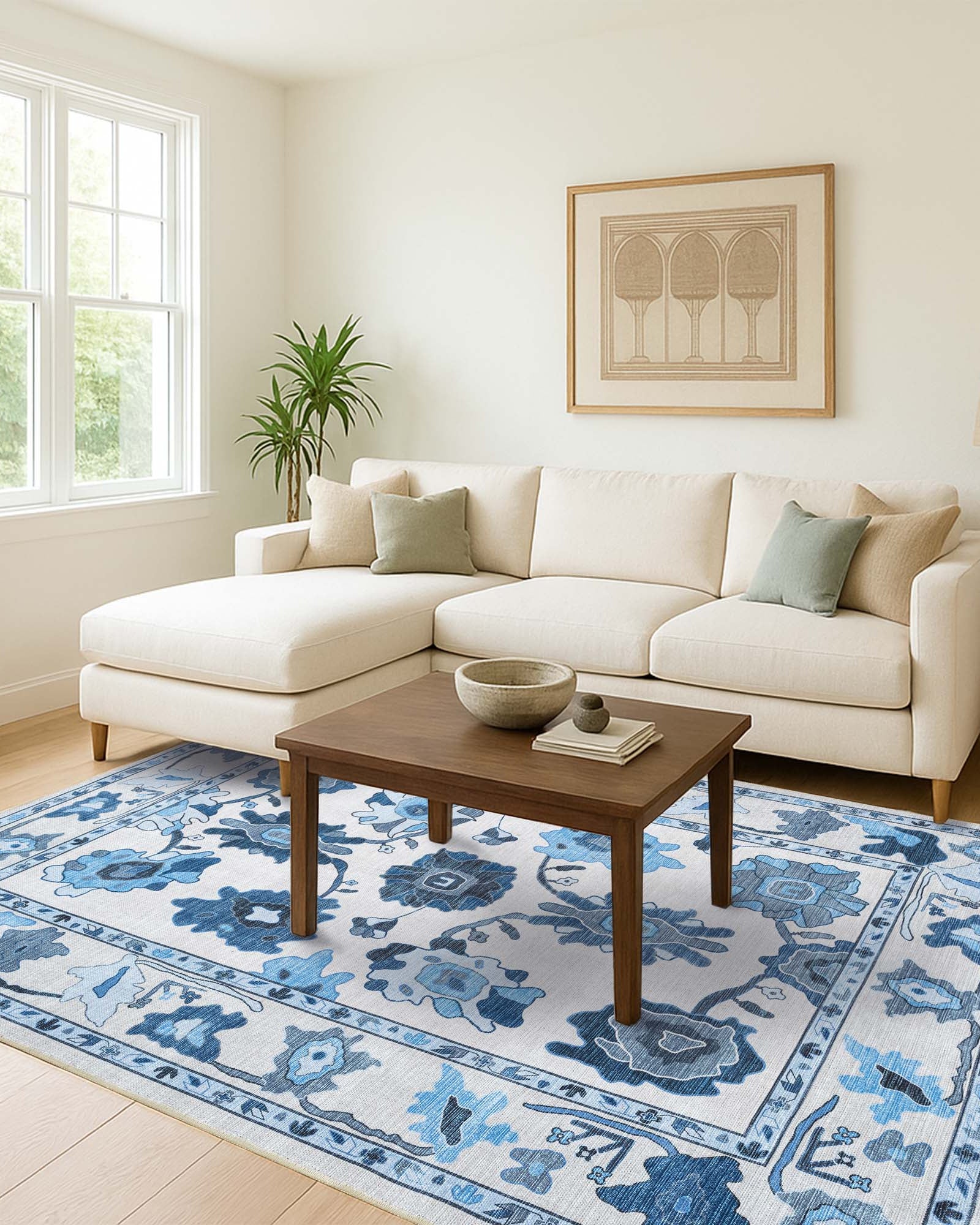
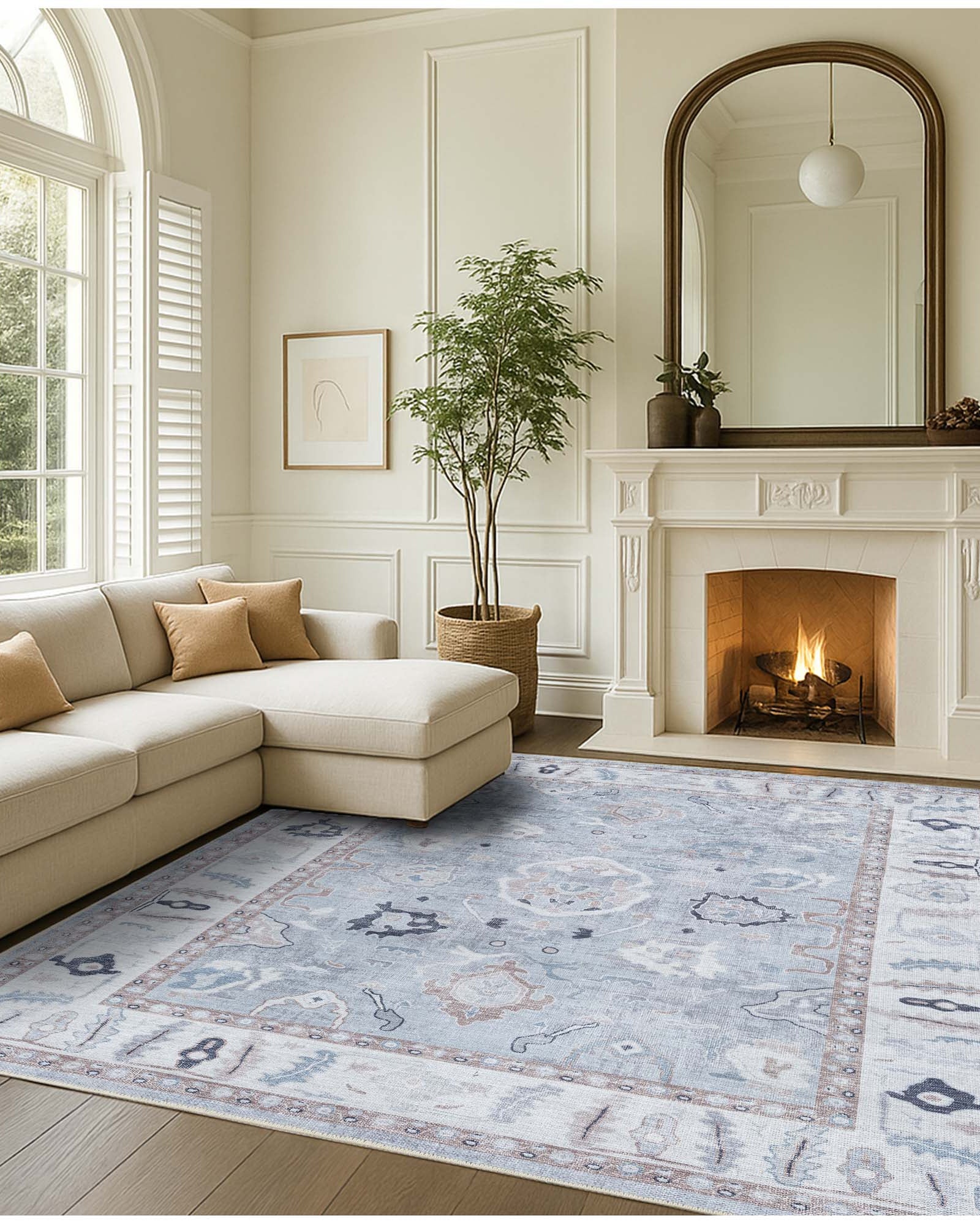
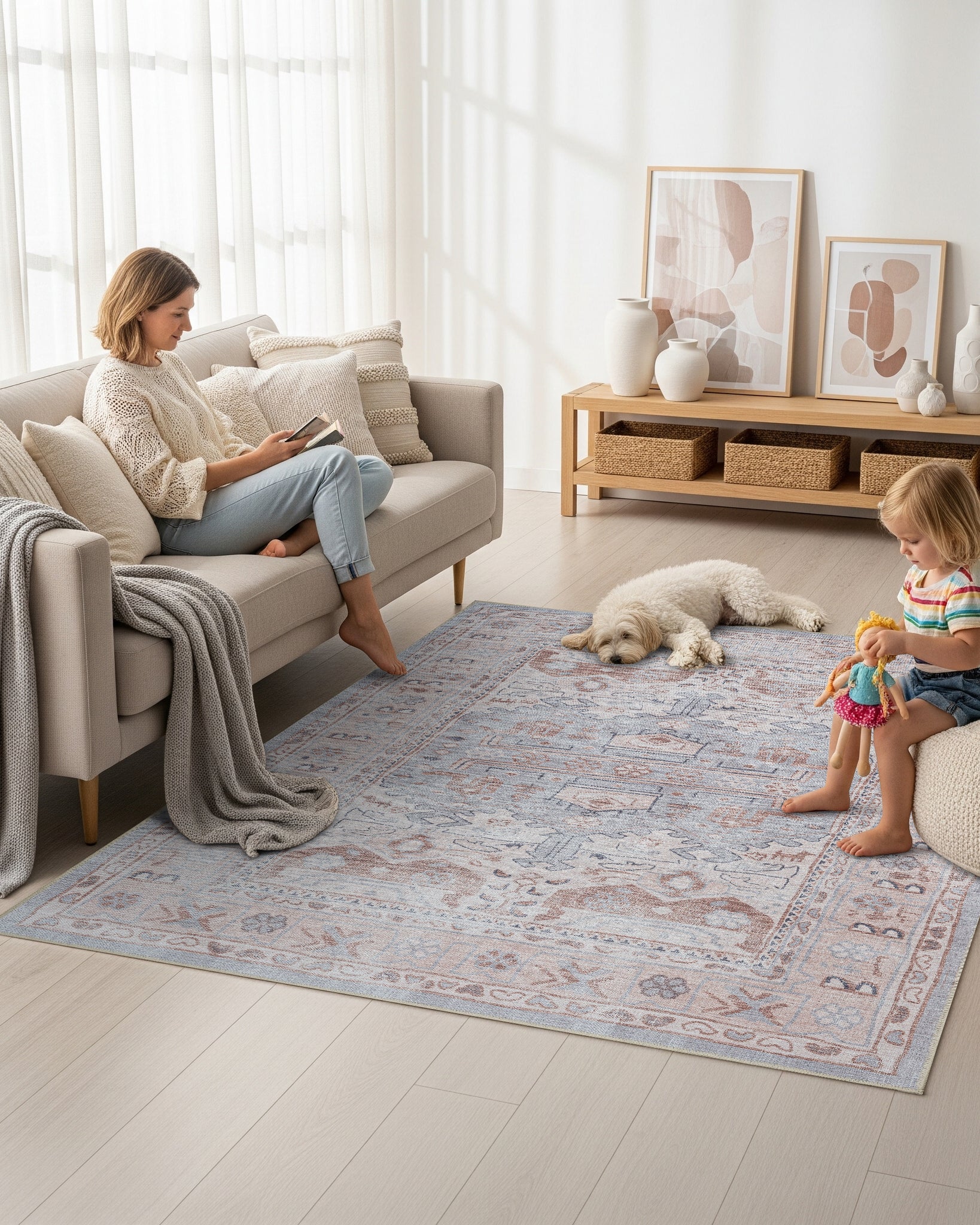
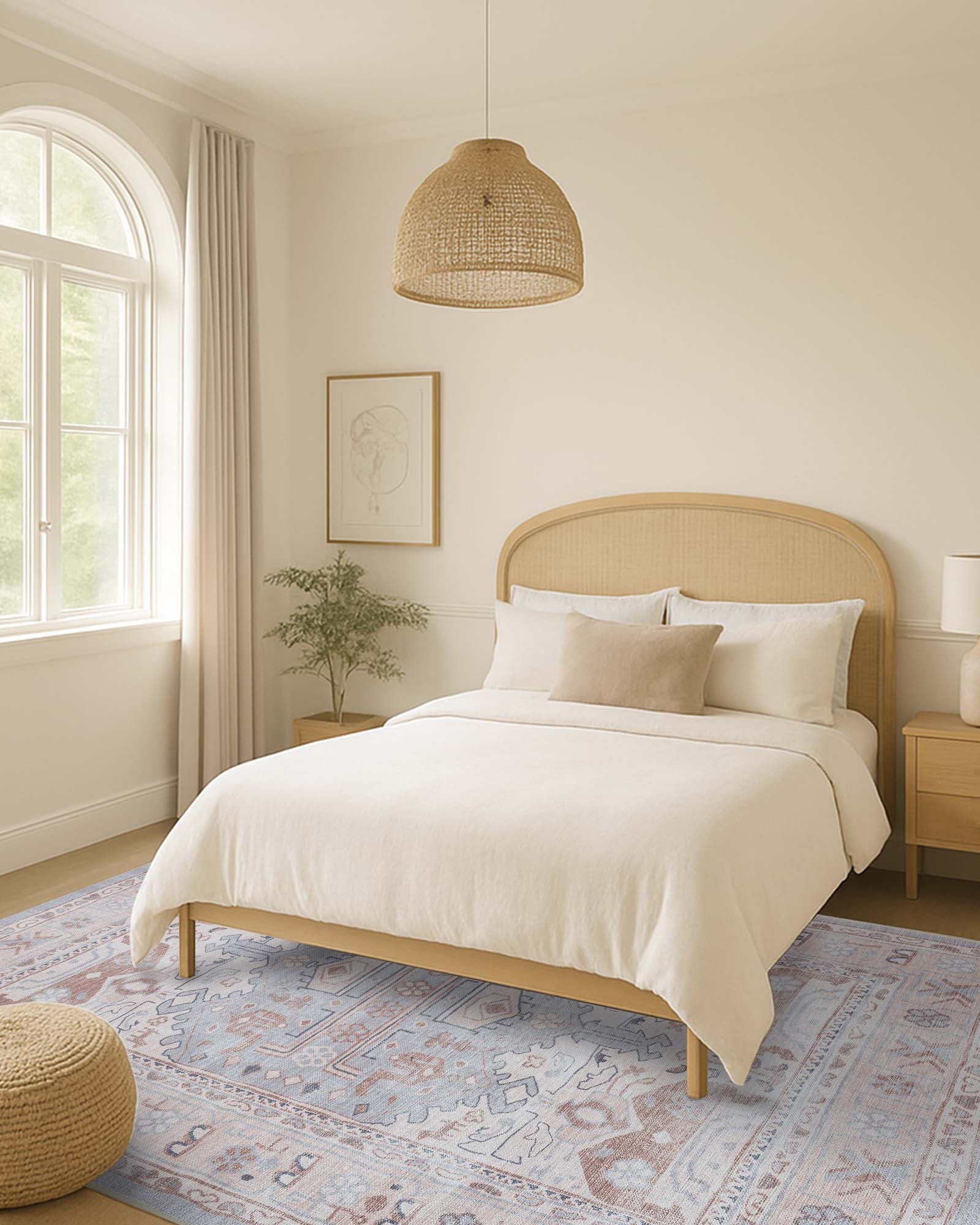
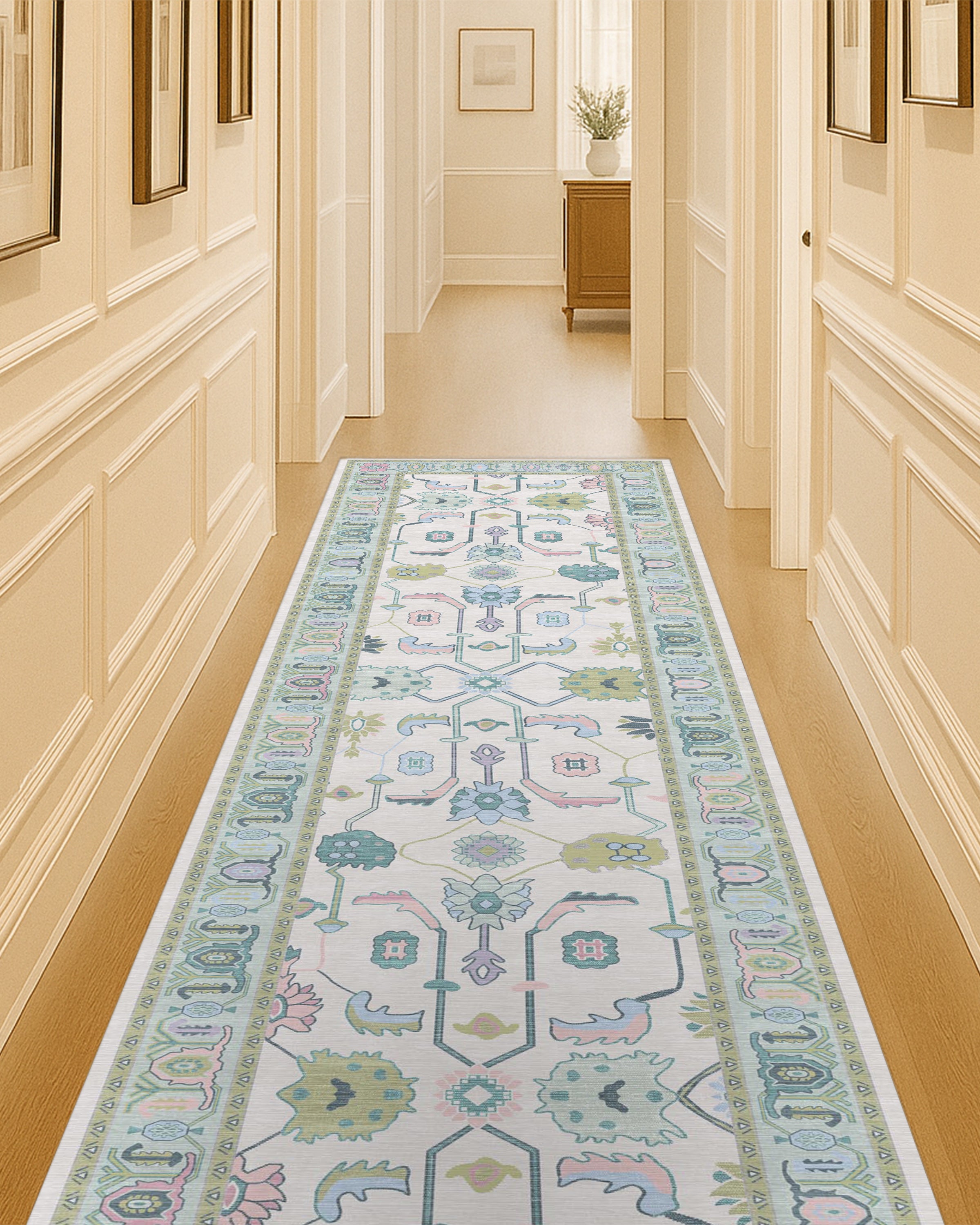
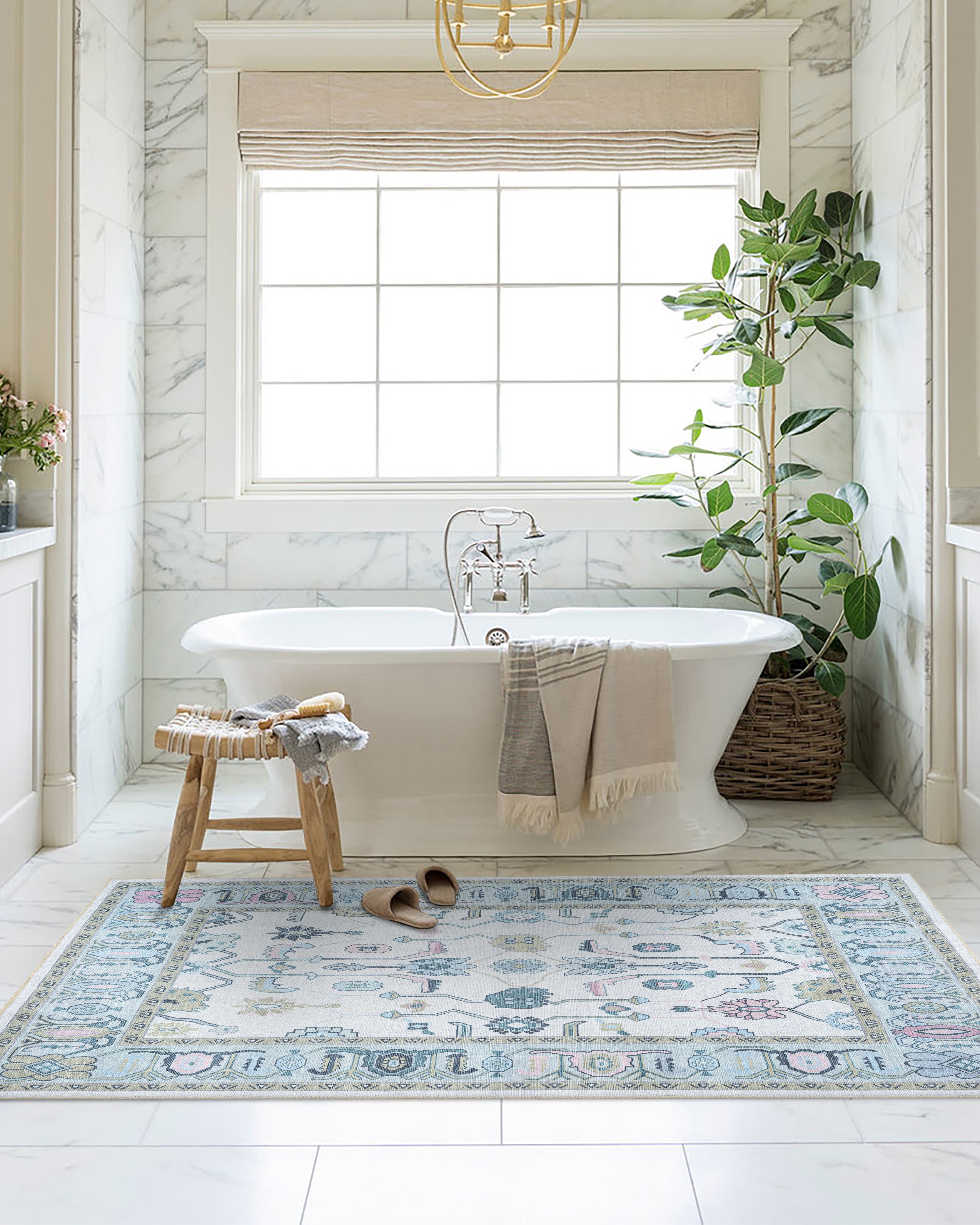
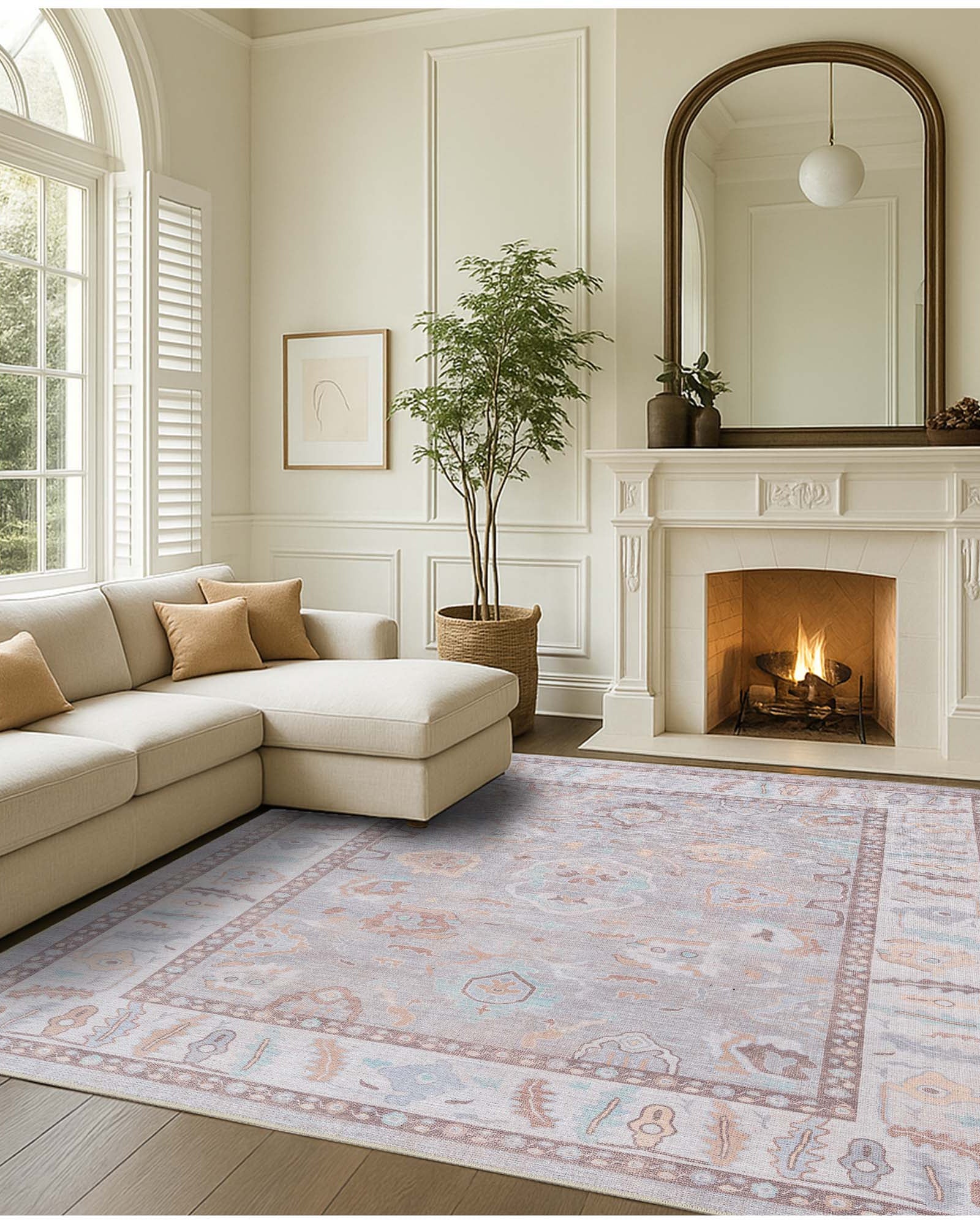
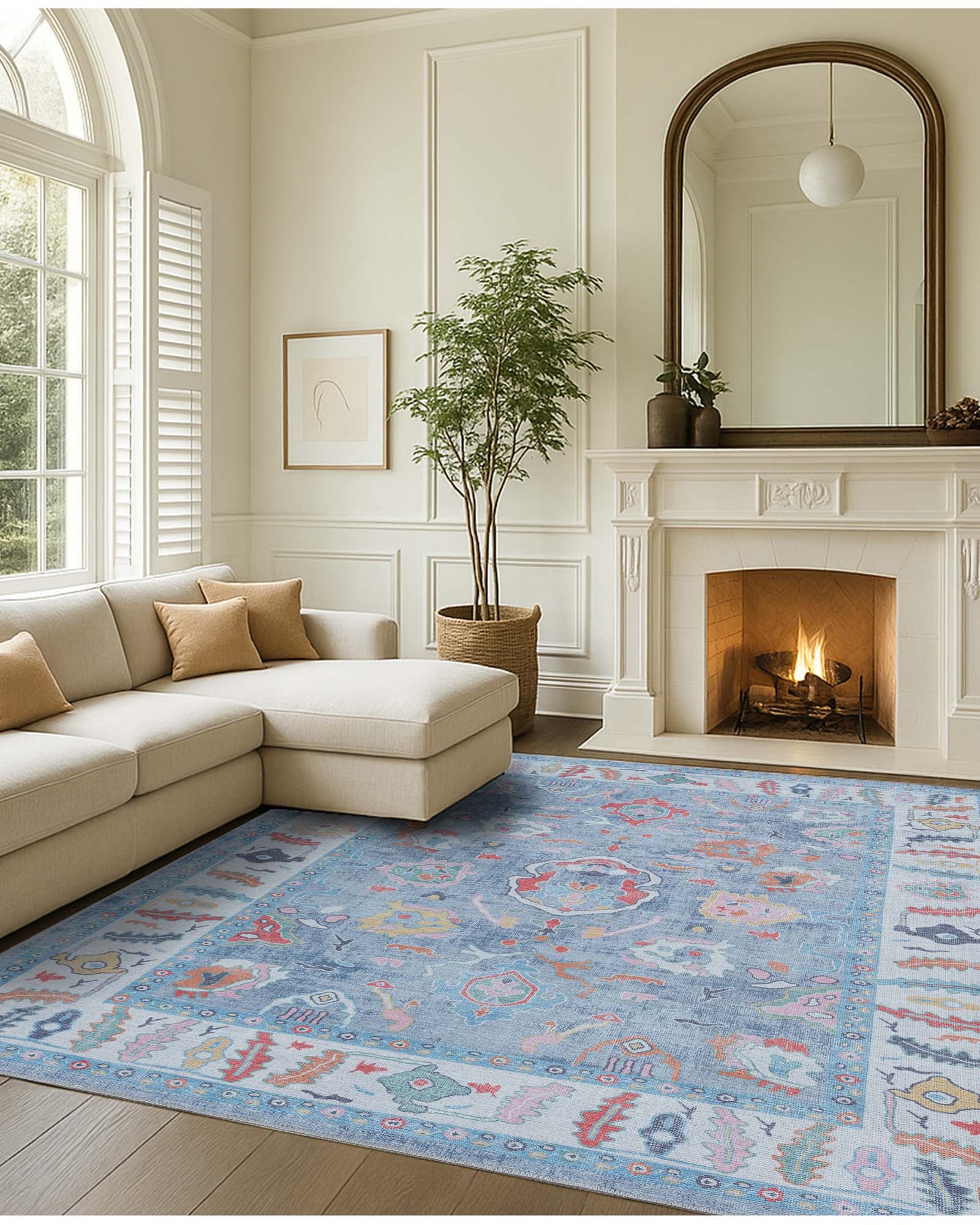
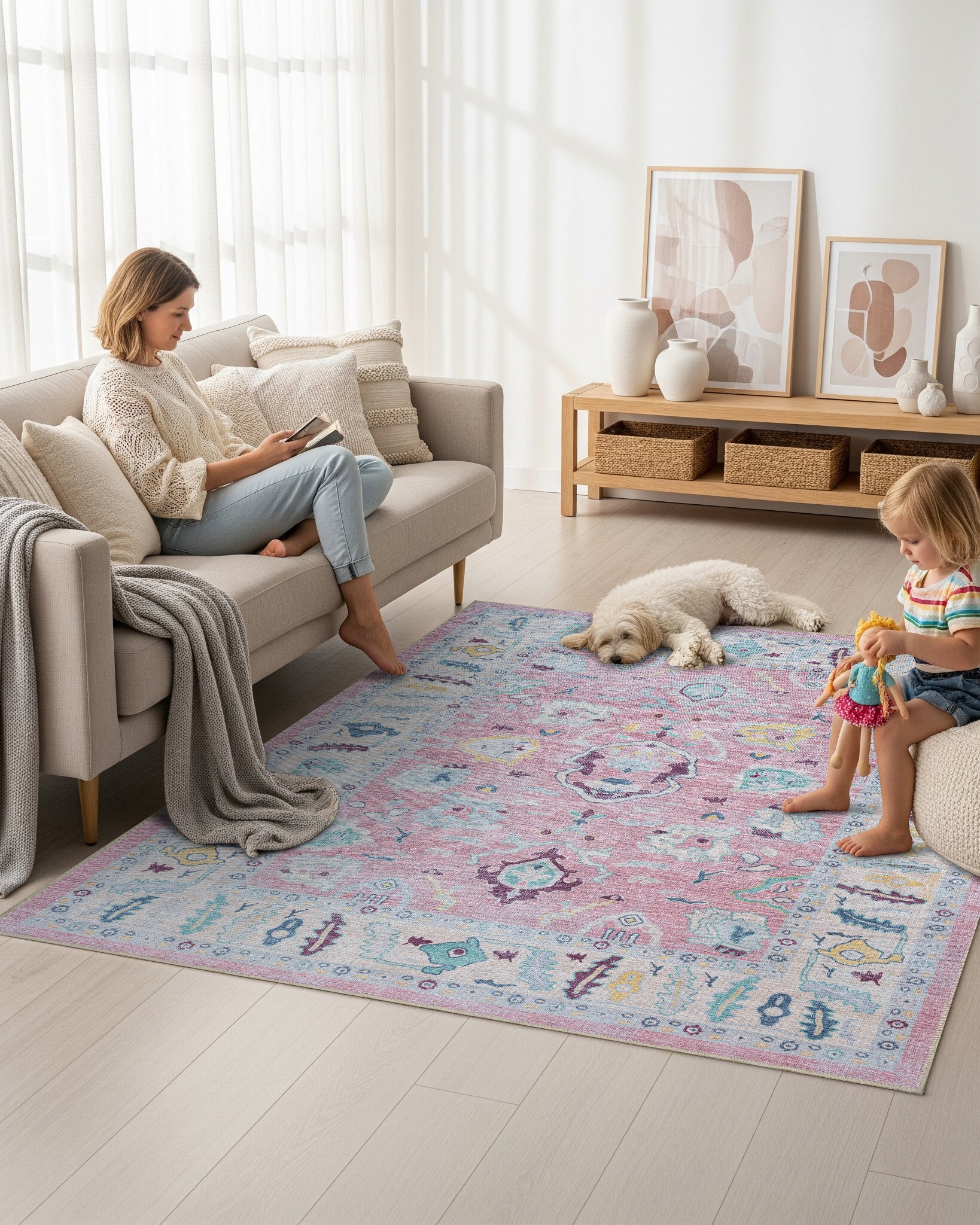
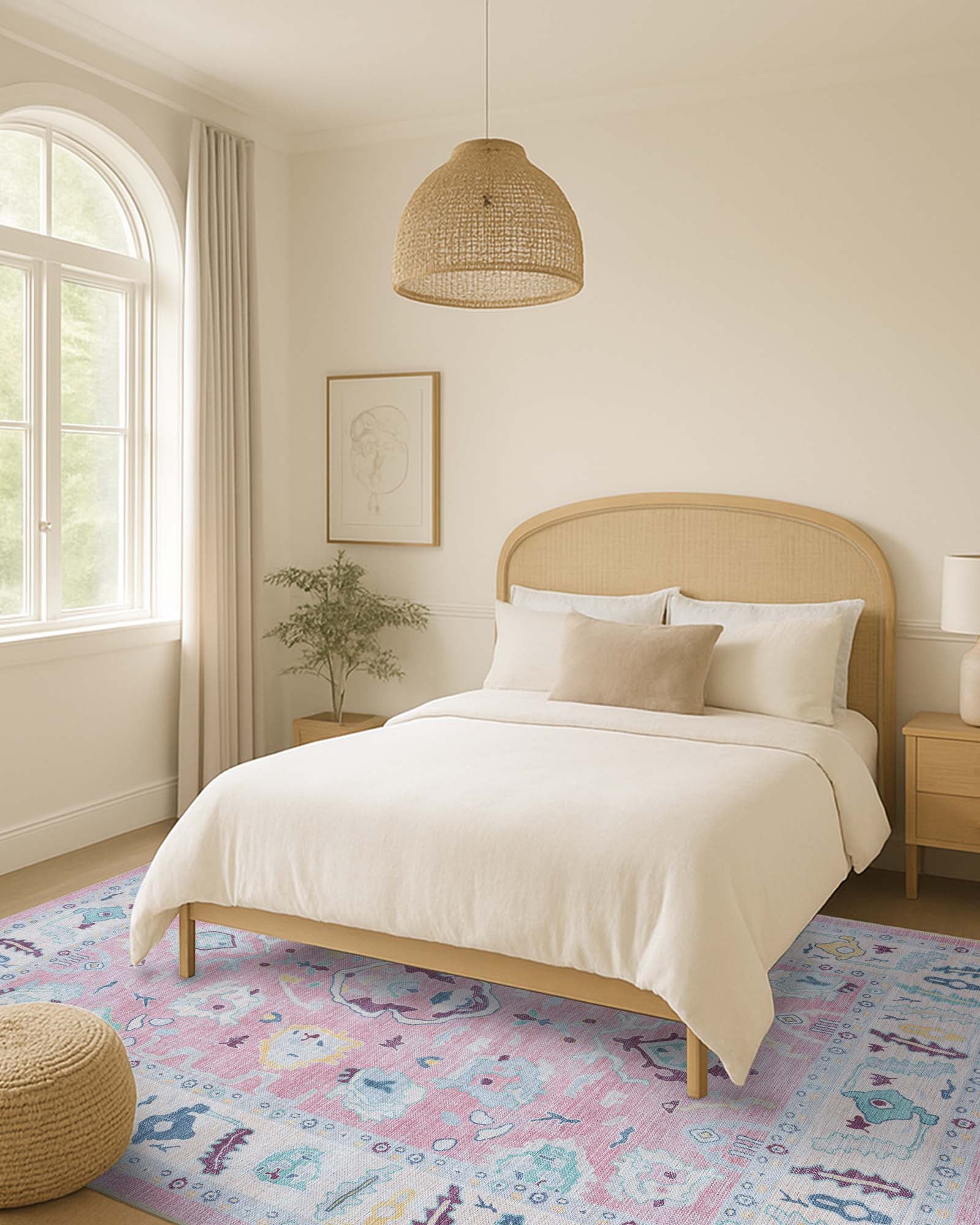
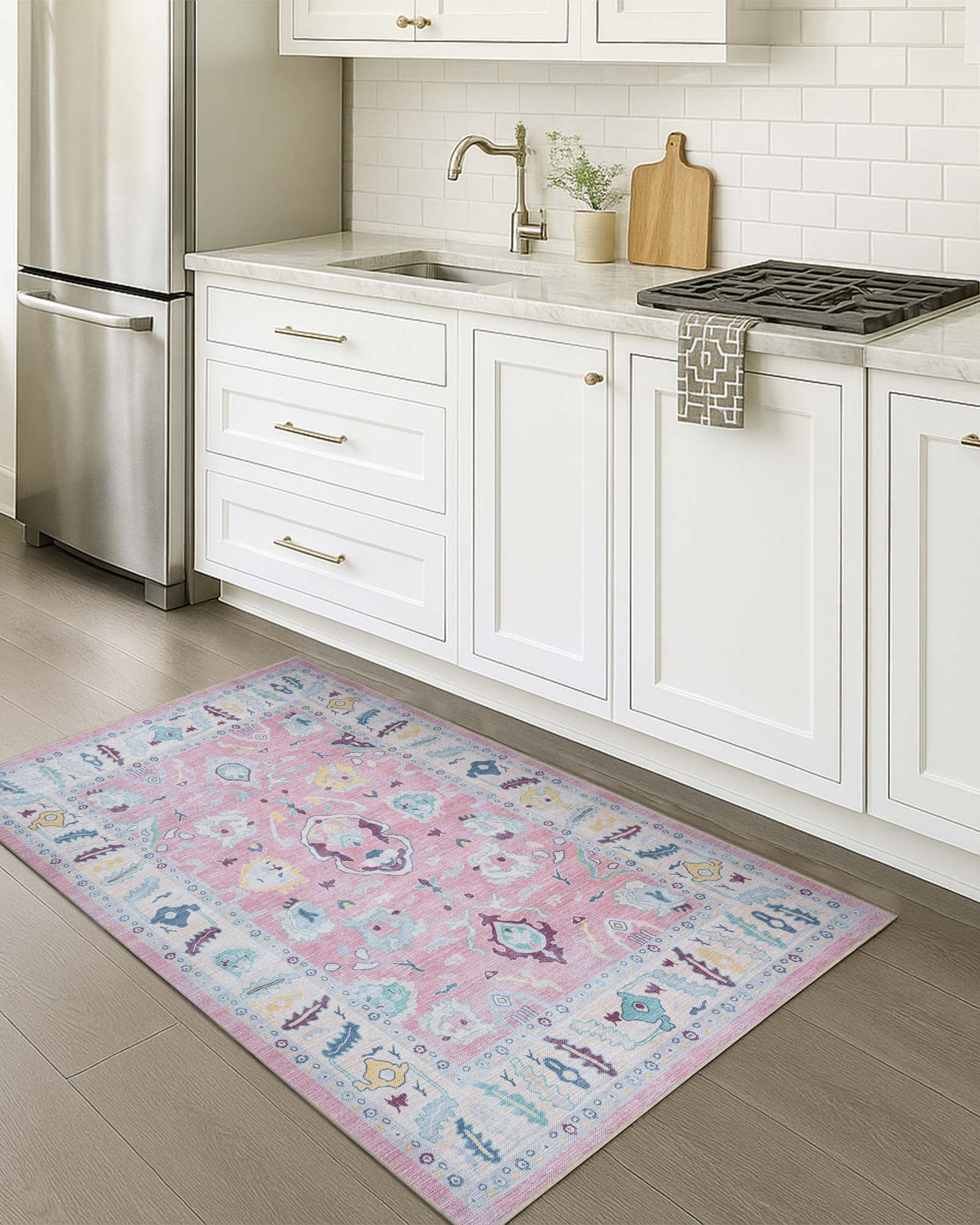
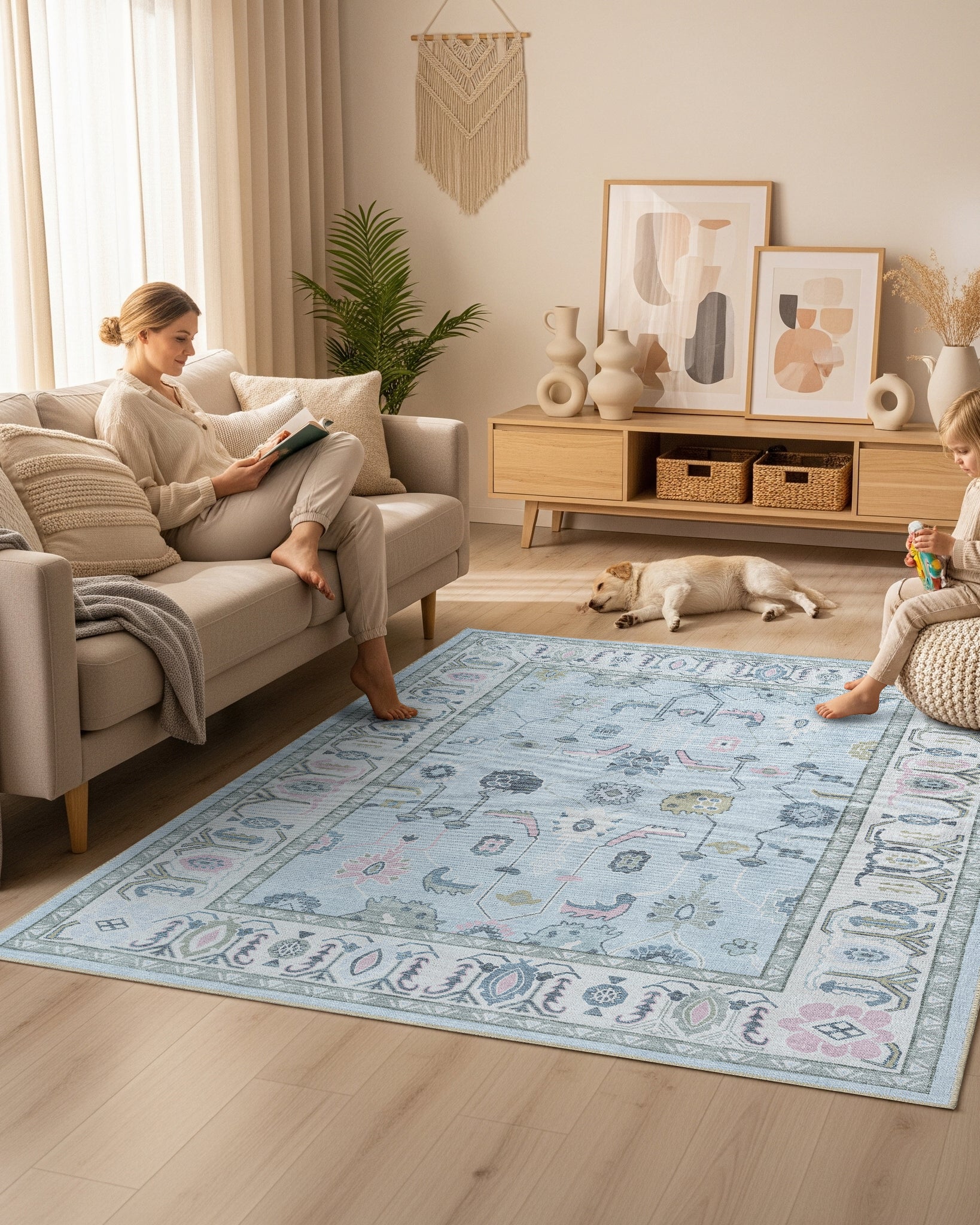
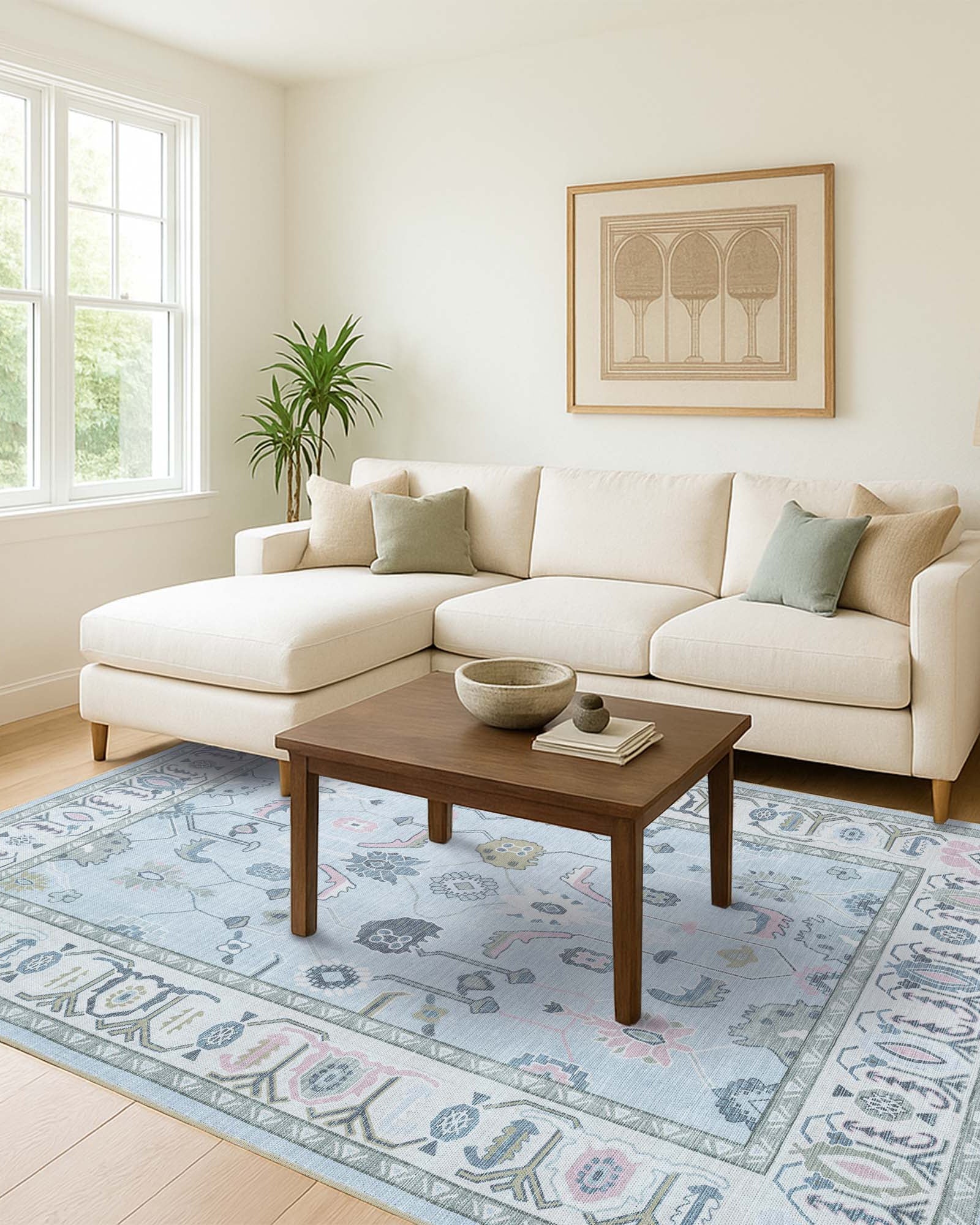
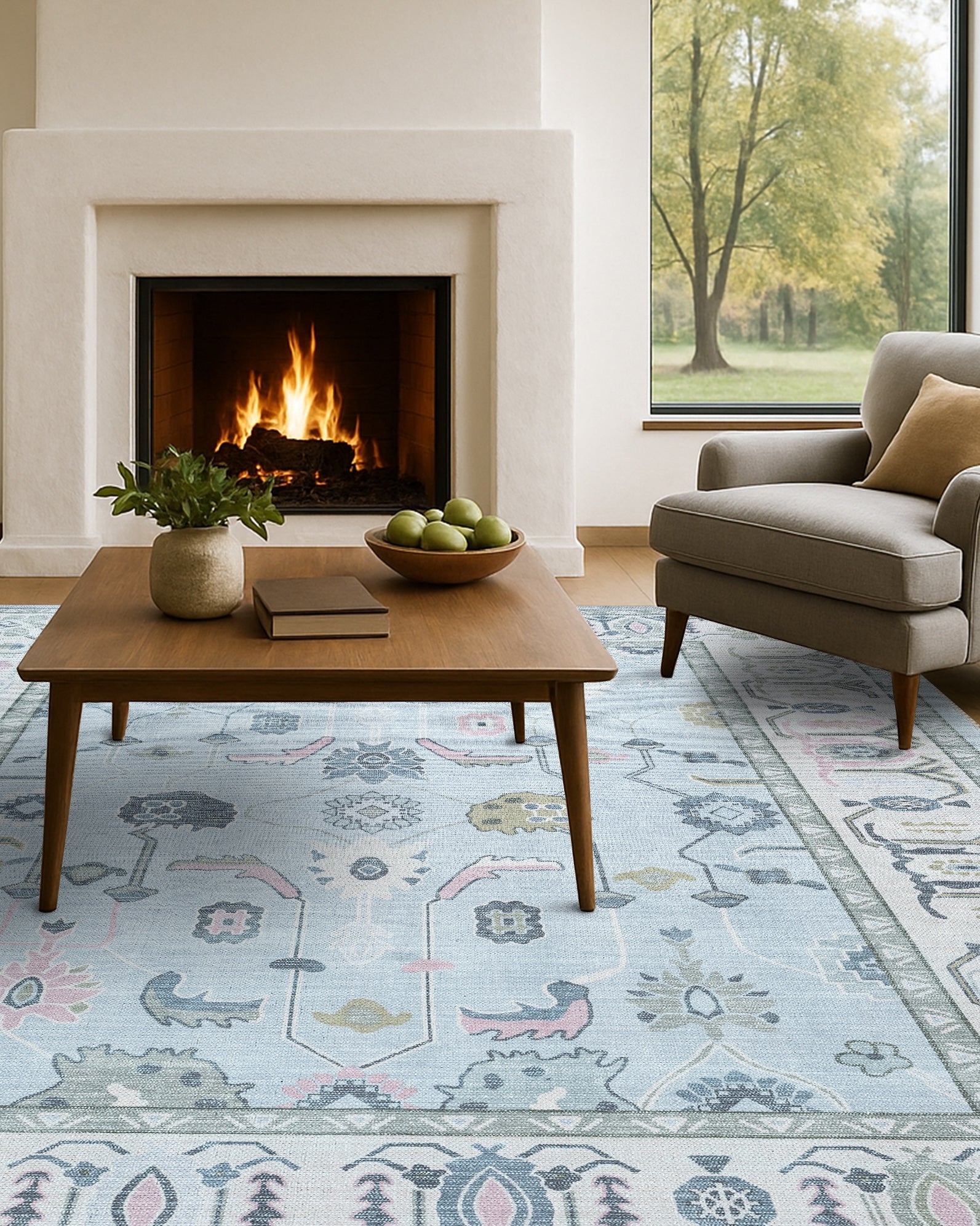
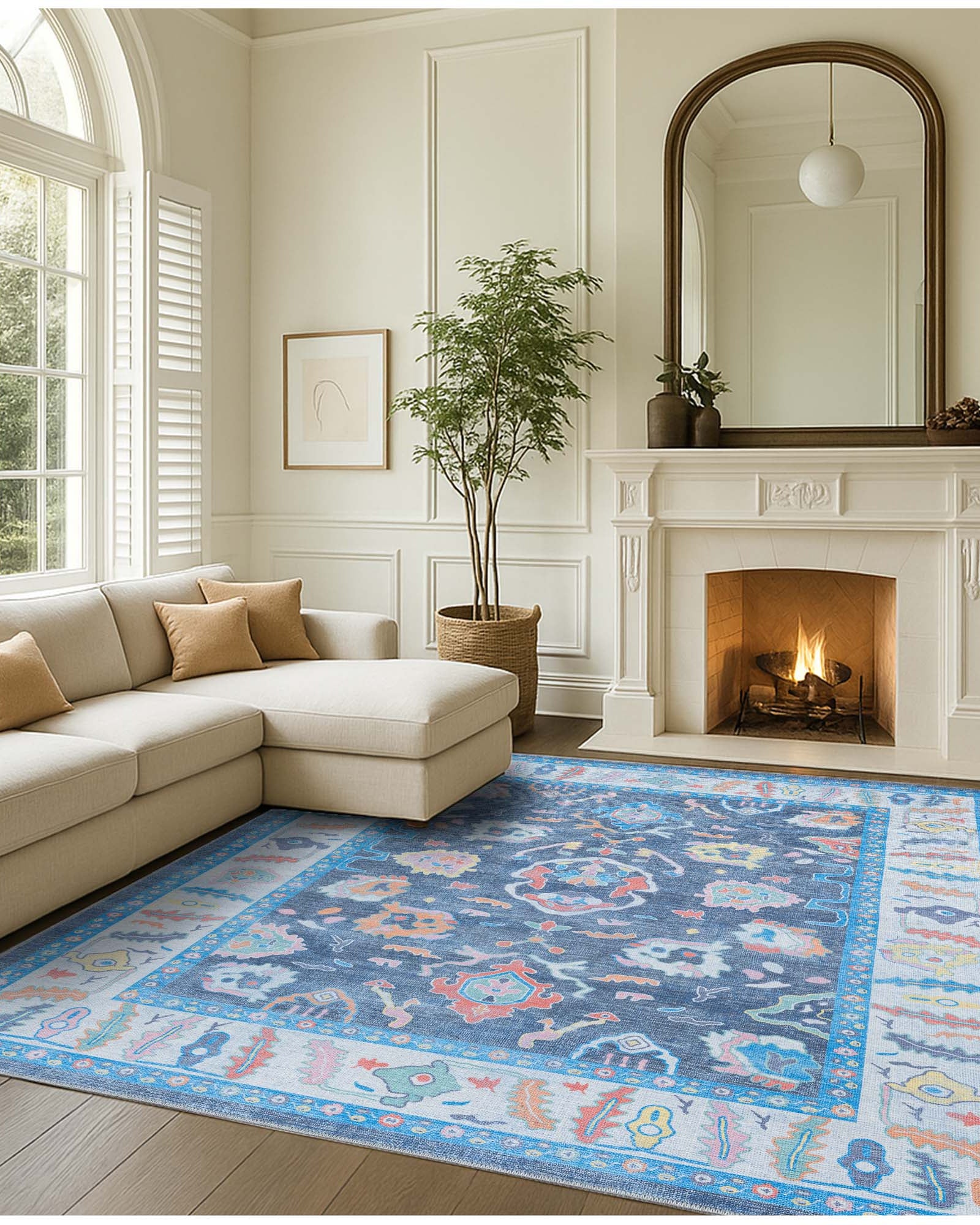
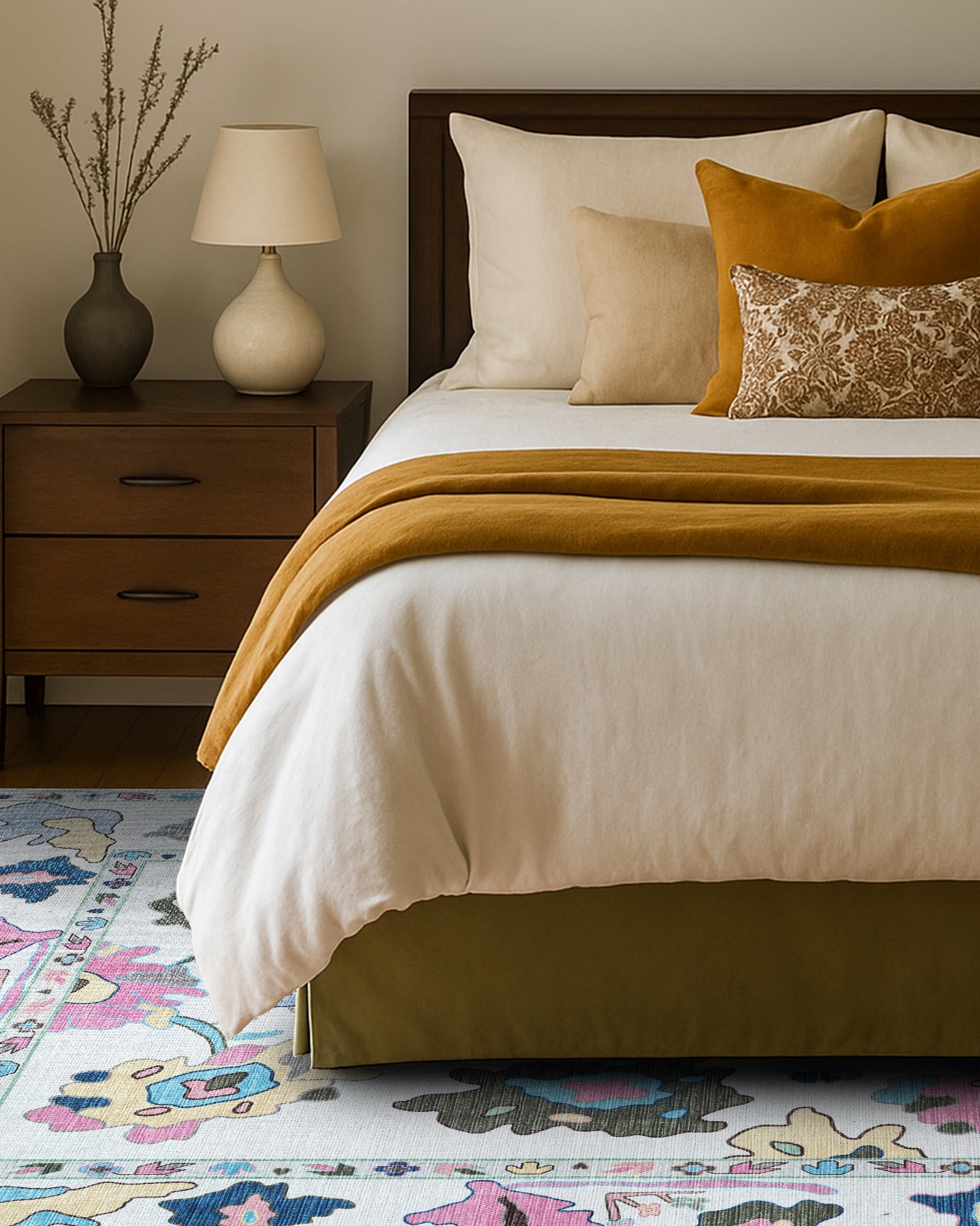
Open-field and muted pieces sit comfortably under clean-lined furniture, alongside concrete, steel and pale wood, and in rooms where art or architecture is meant to carry the visual interest. Overdyed pieces function almost as a colour anchor — pick one to set the room's tone and keep everything else quiet around it. Geometric tribal pieces work as a genuine statement, especially in a room with restrained furniture where the rug is allowed to be the boldest thing in the space.
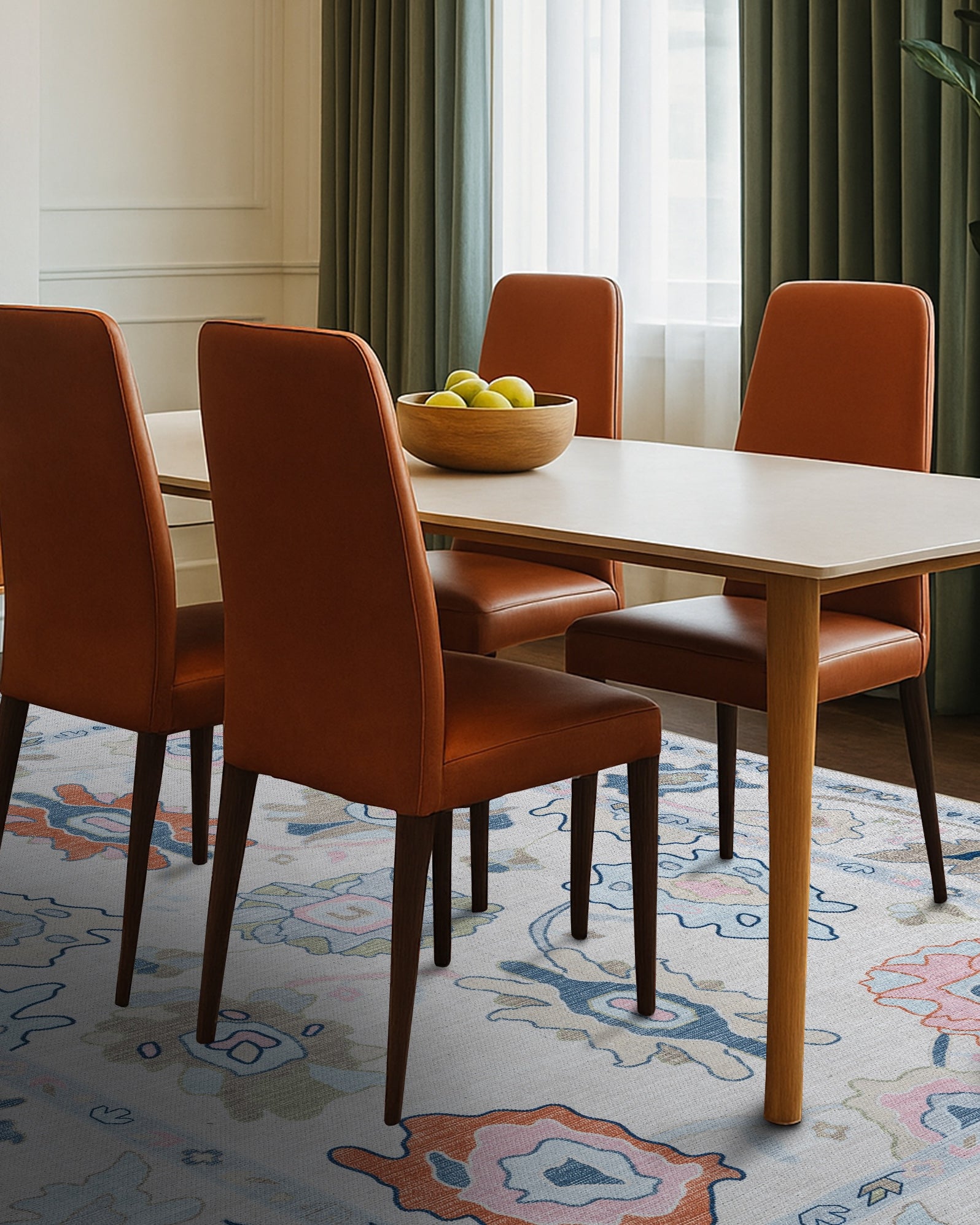
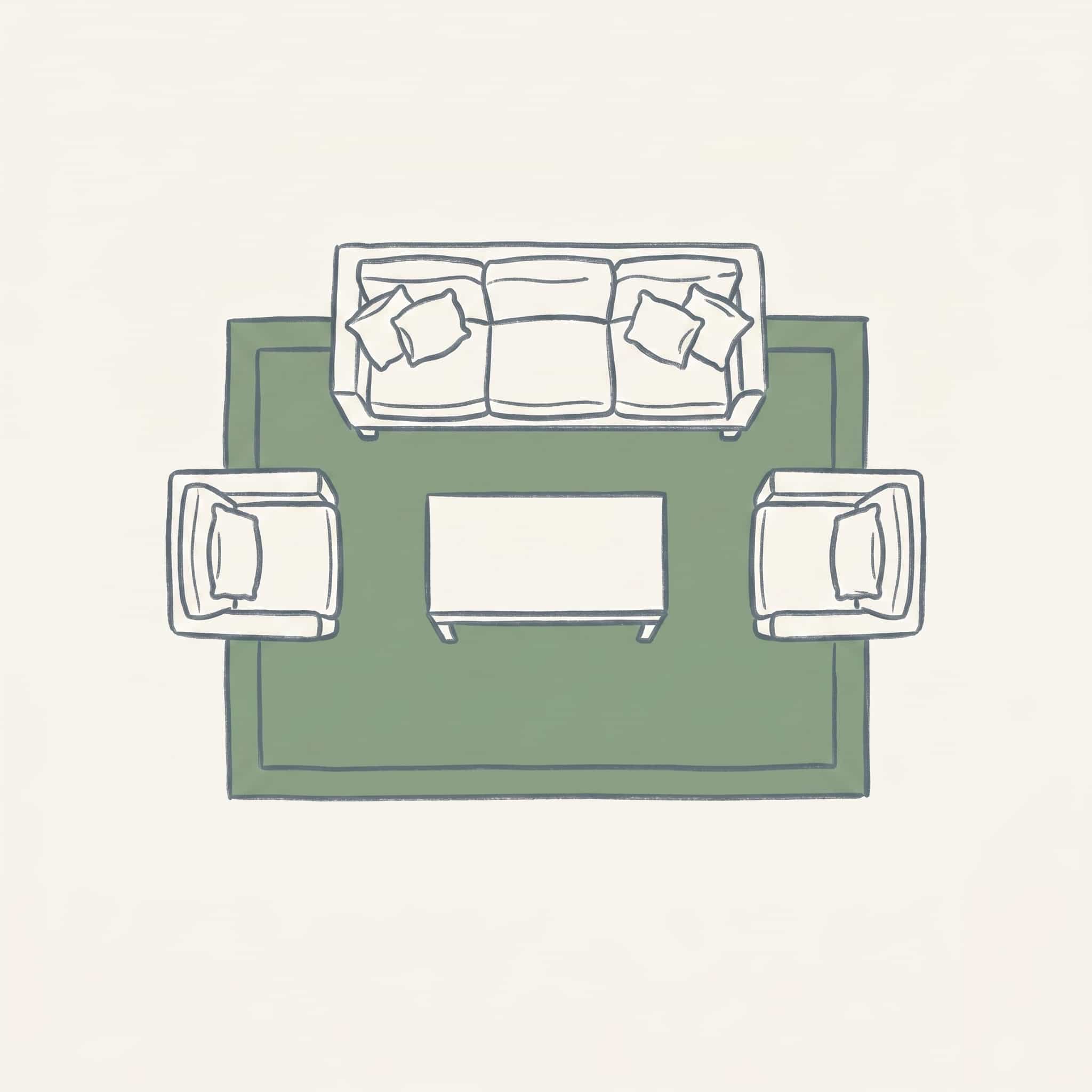
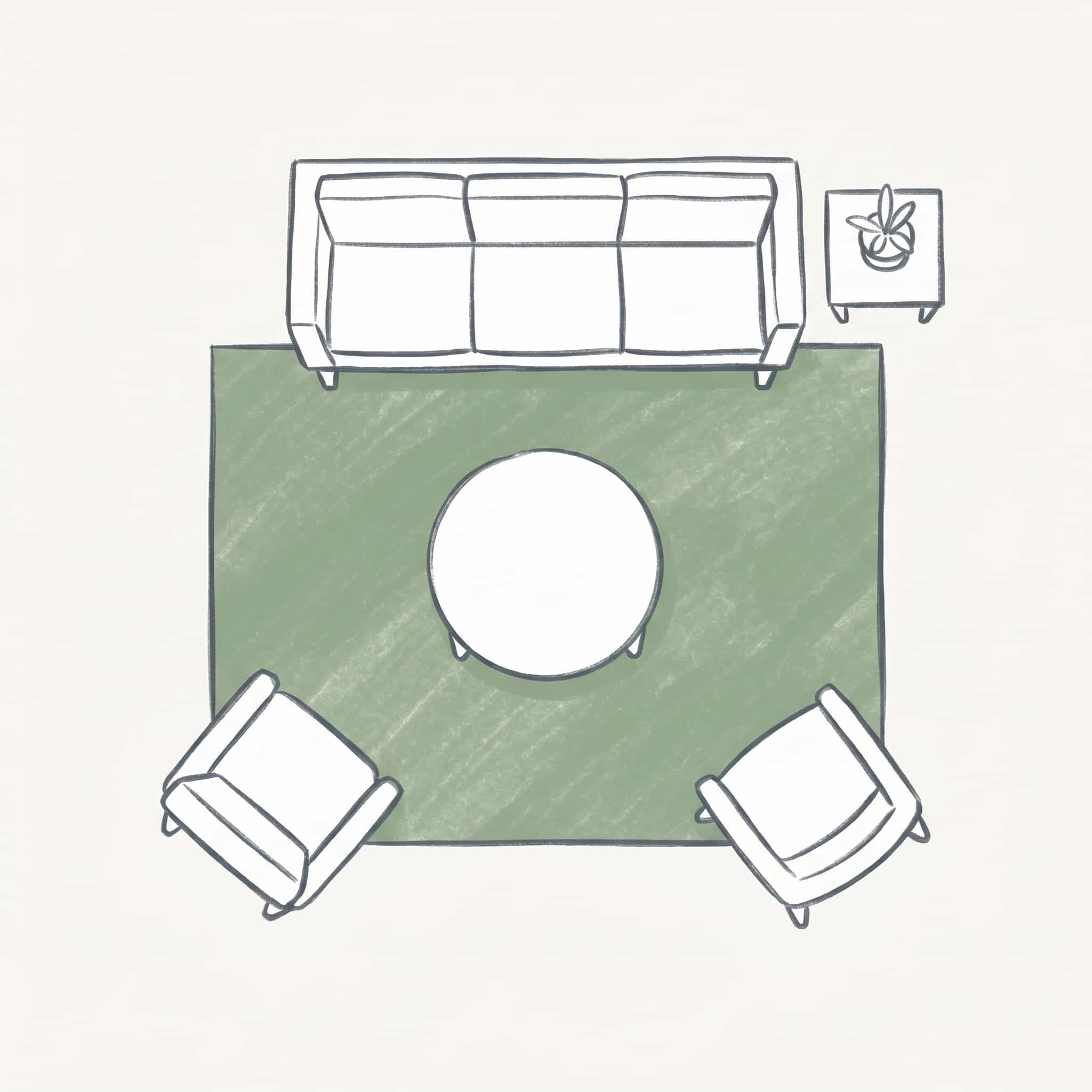
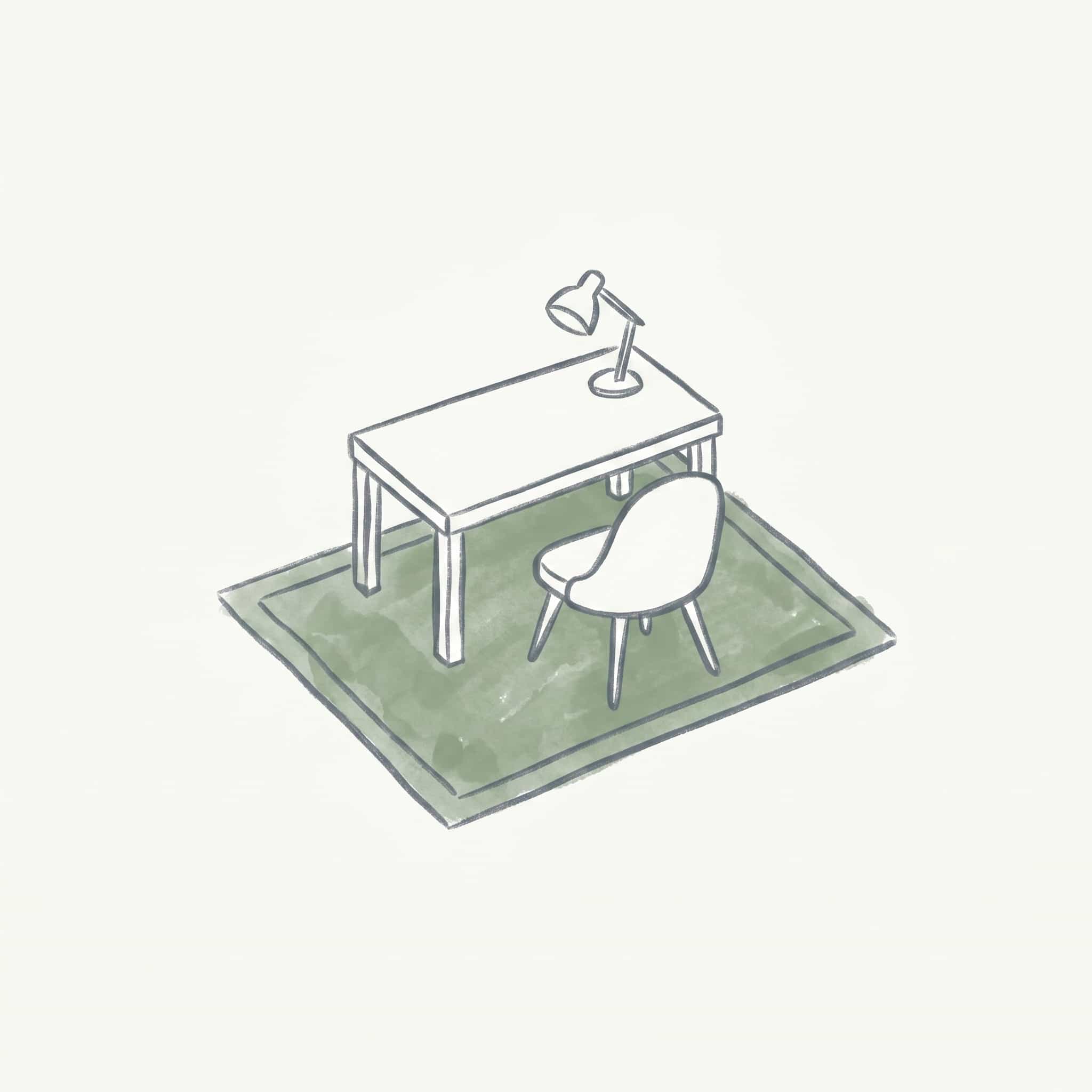
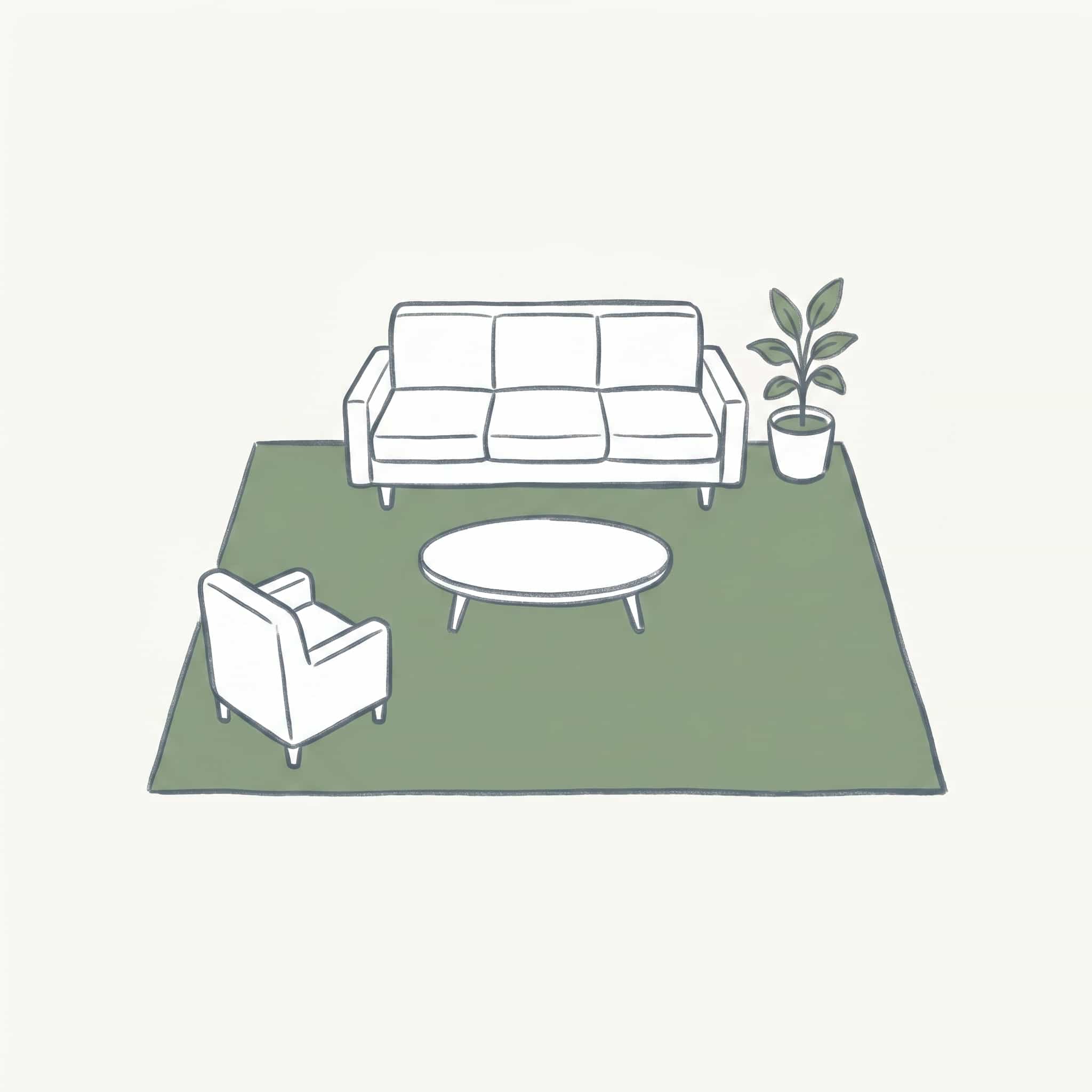
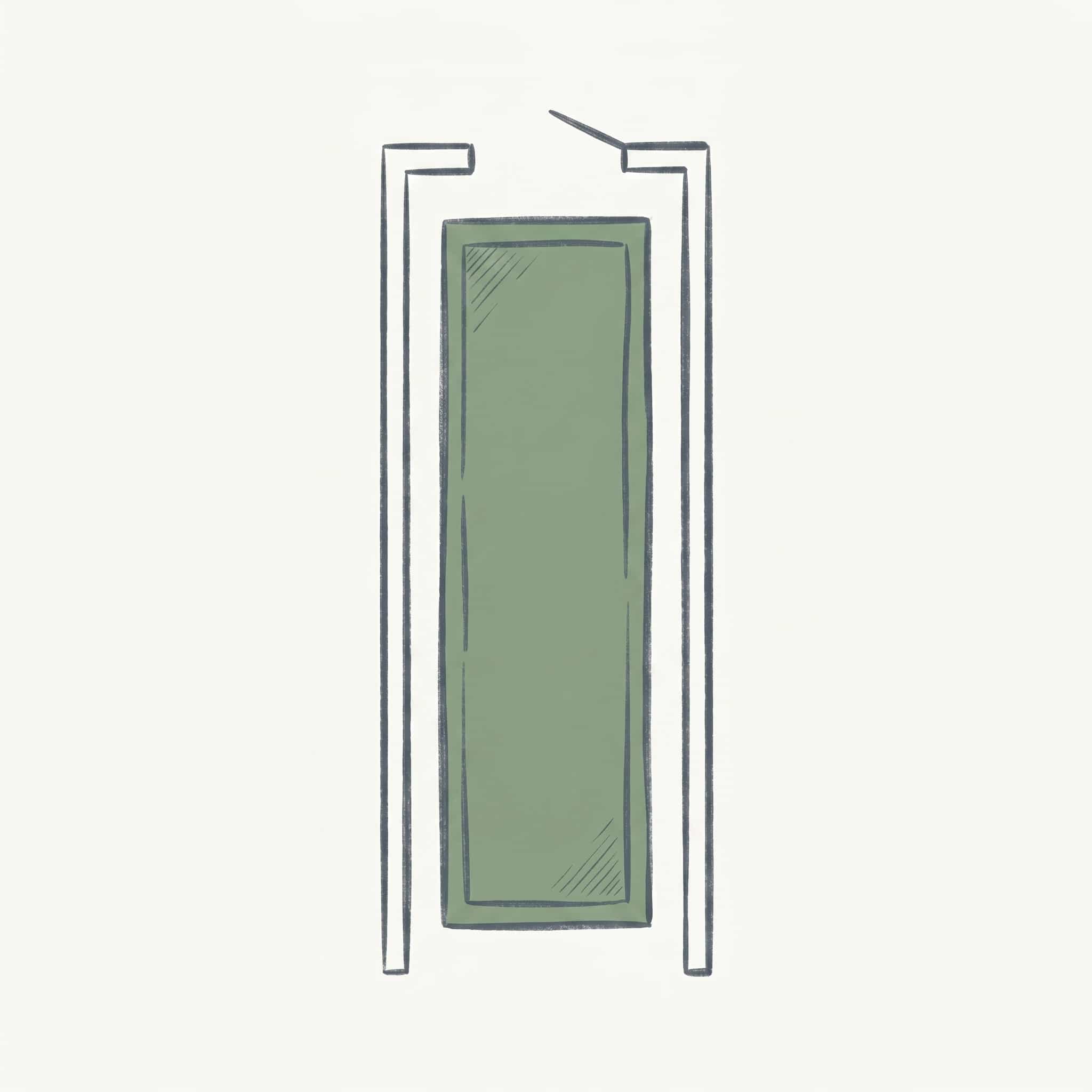
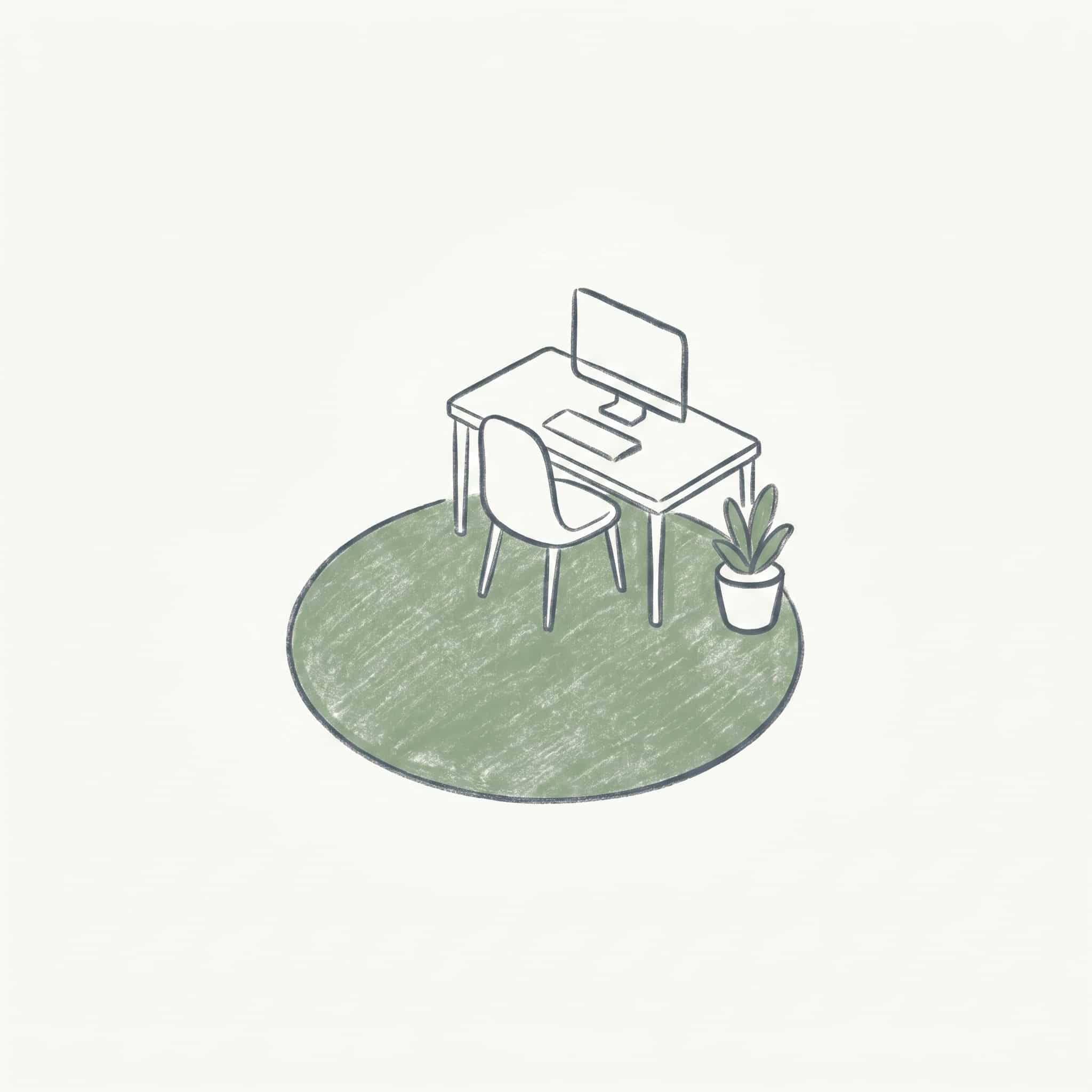
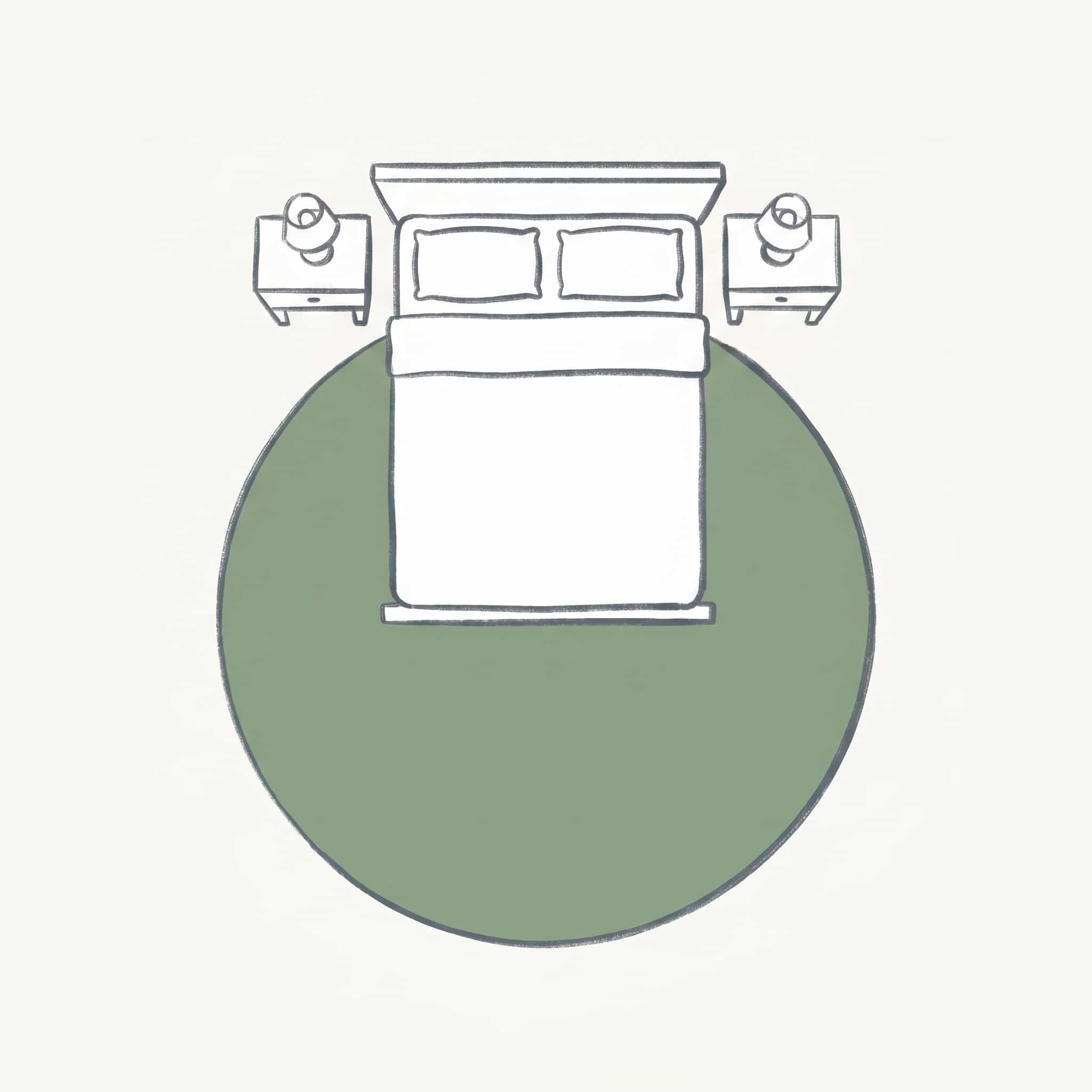
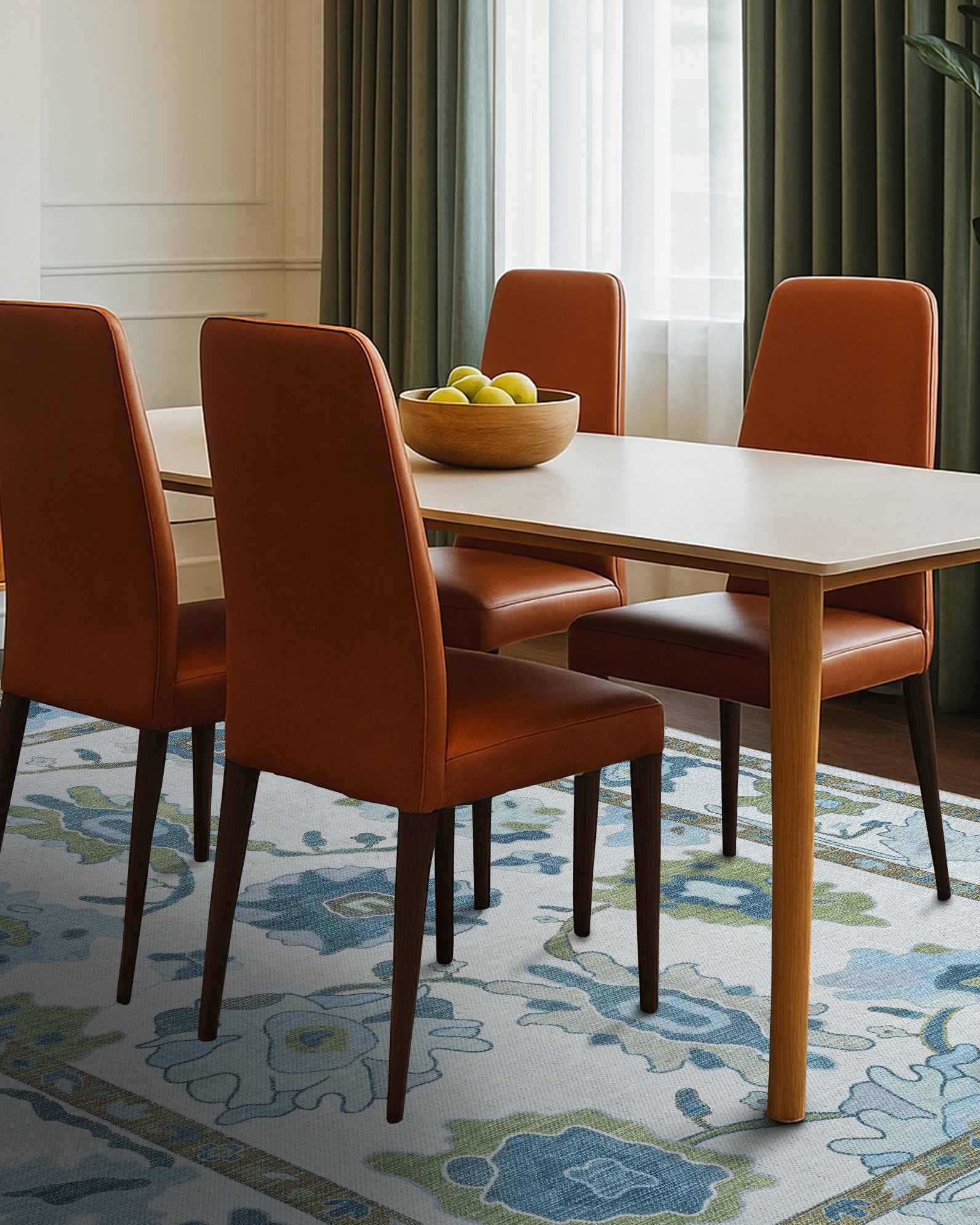
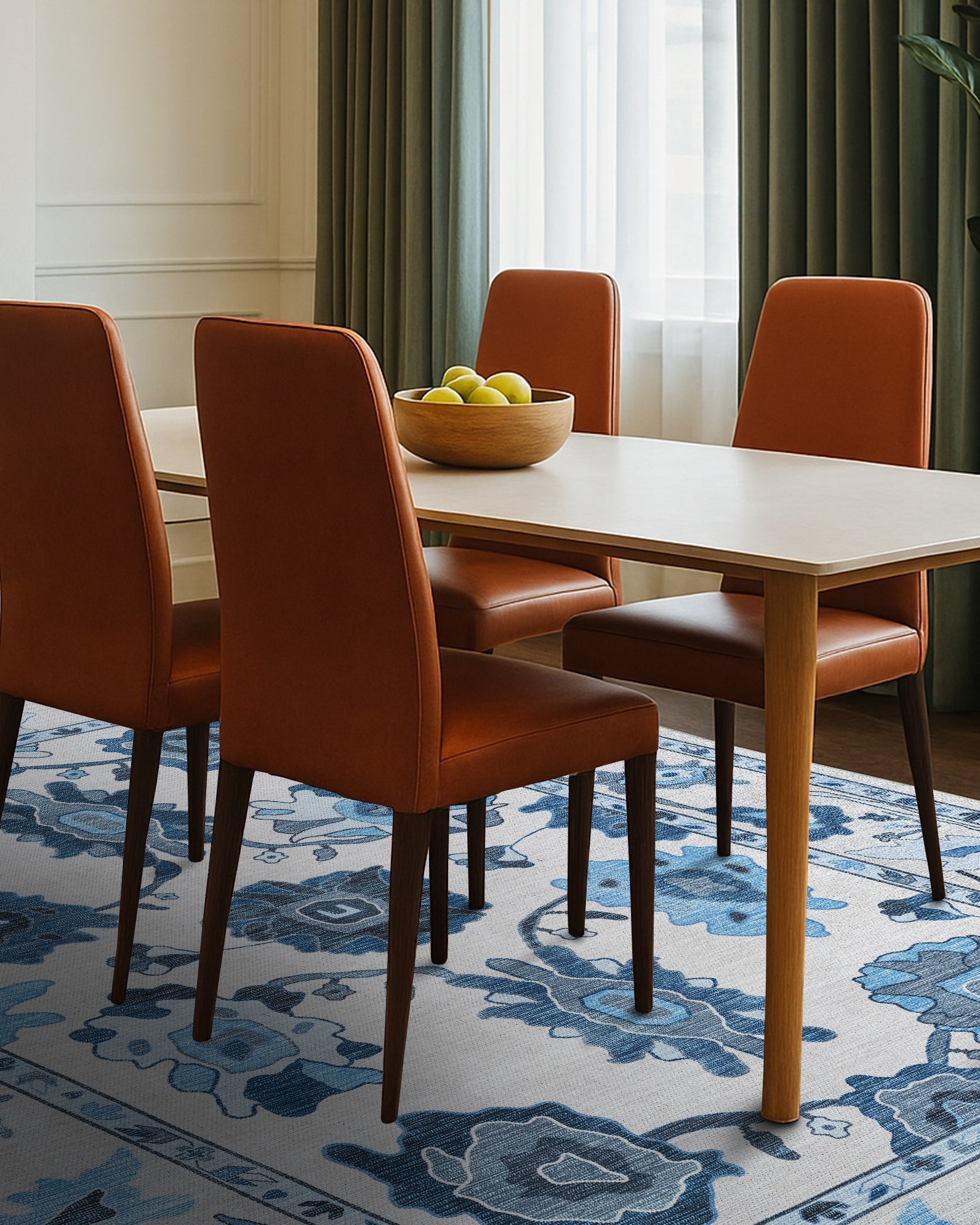
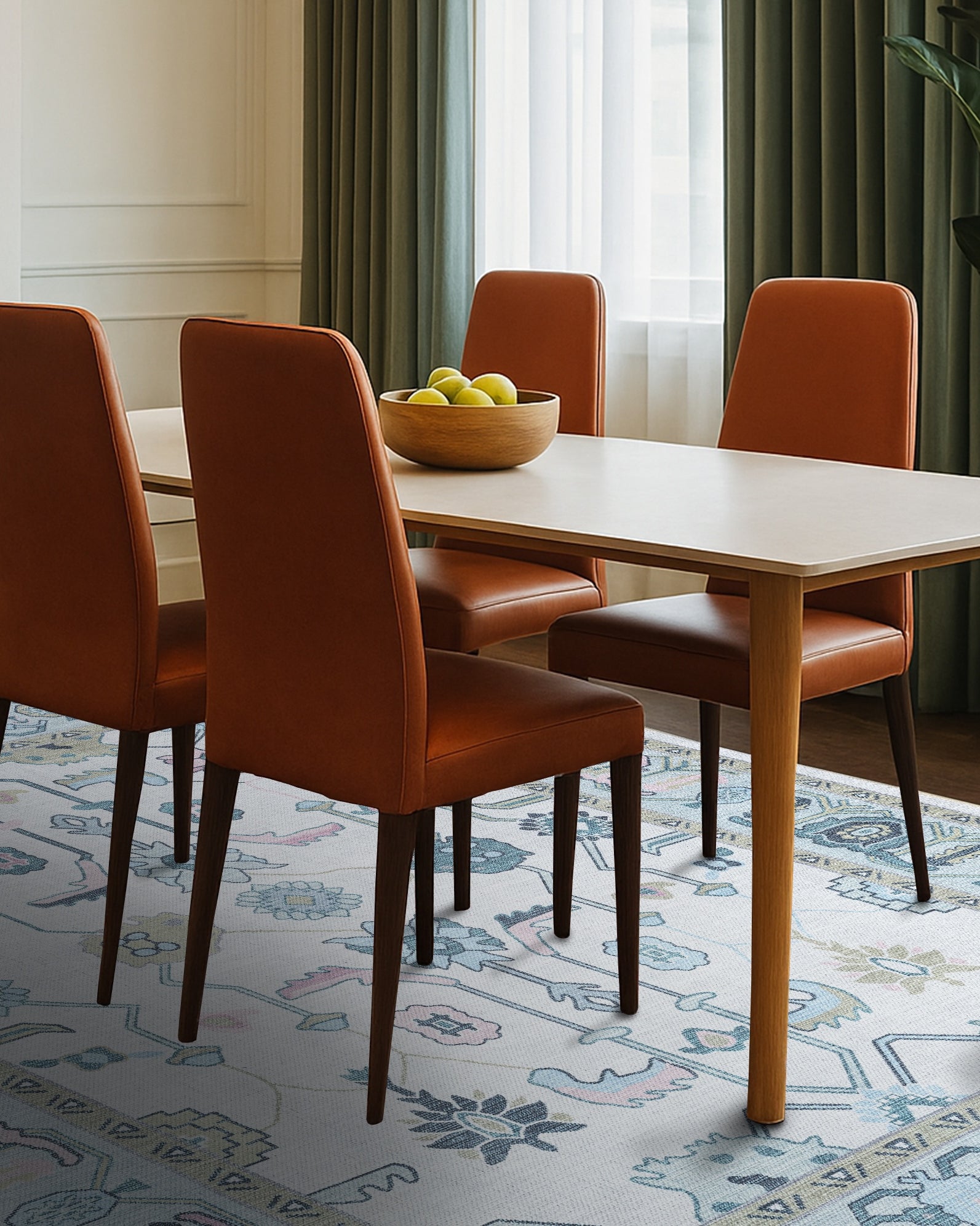
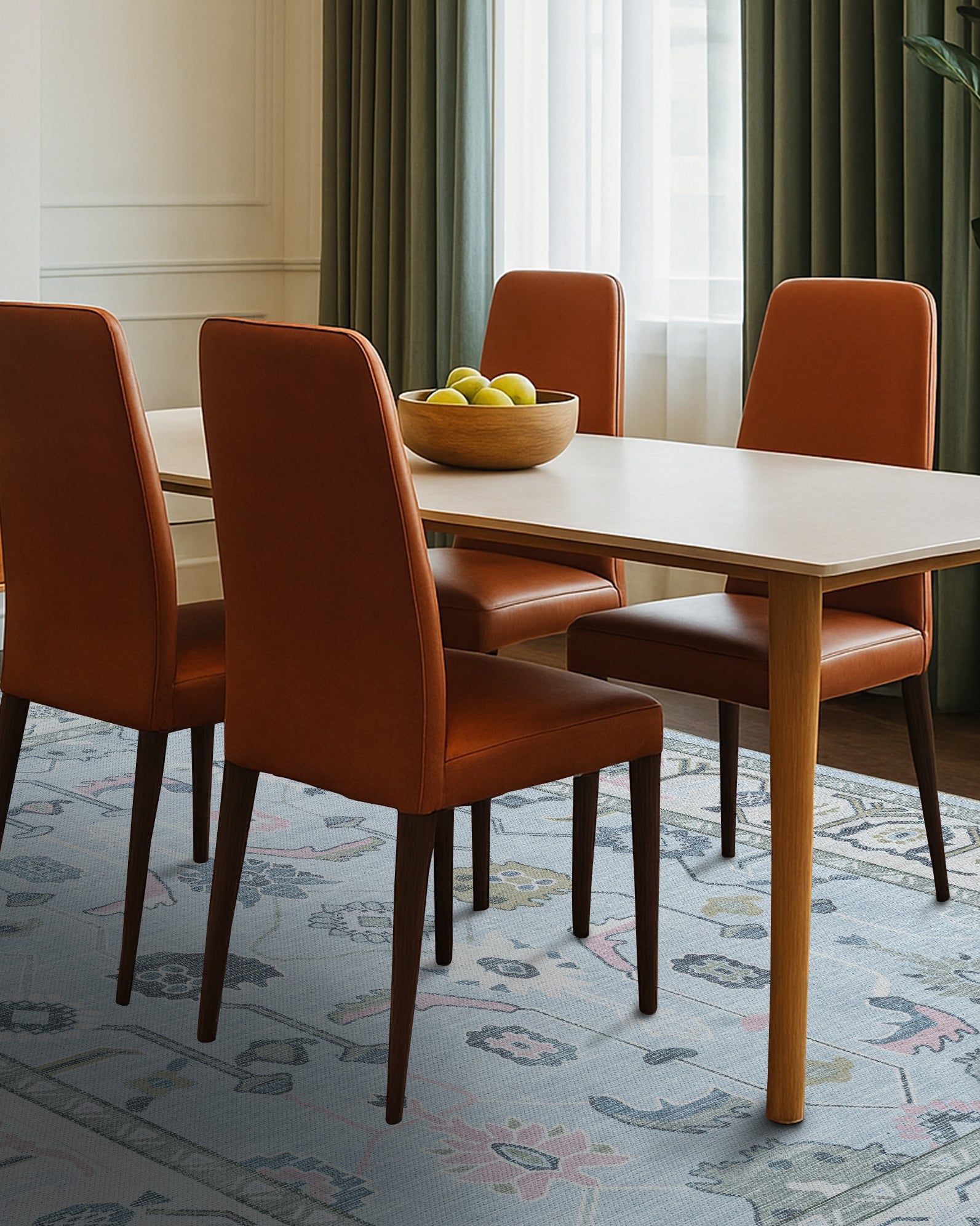
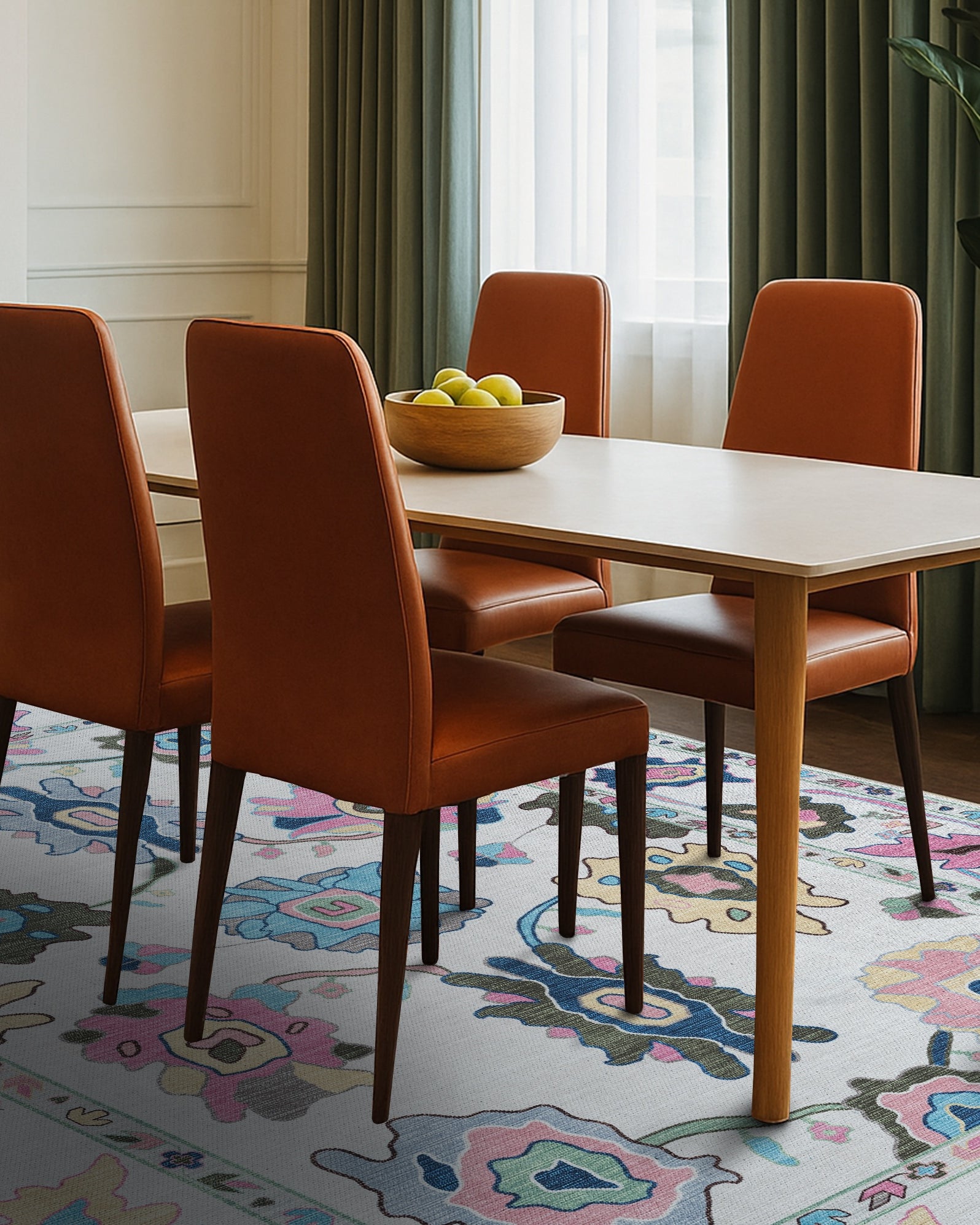
In a living room, keep at least the front legs of every seating piece on the rug. In a dining room, allow 24 inches of rug beyond the table on all sides. Because many of these pieces read as neutral or single-tone, they also layer well over a larger jute or sisal base if the room needs more coverage than one piece provides.
What Stays the Same
None of this changes what the rug fundamentally is. These are hand-knotted wool pieces with real age, made the same way and with the same materials as anything in the traditional collections — hand-spun wool, natural or applied dye, knots tied one at a time over months. What differs is only which pieces were selected and why, based on how they read in a room rather than which region or era they came from.
Age, Condition and Measurement
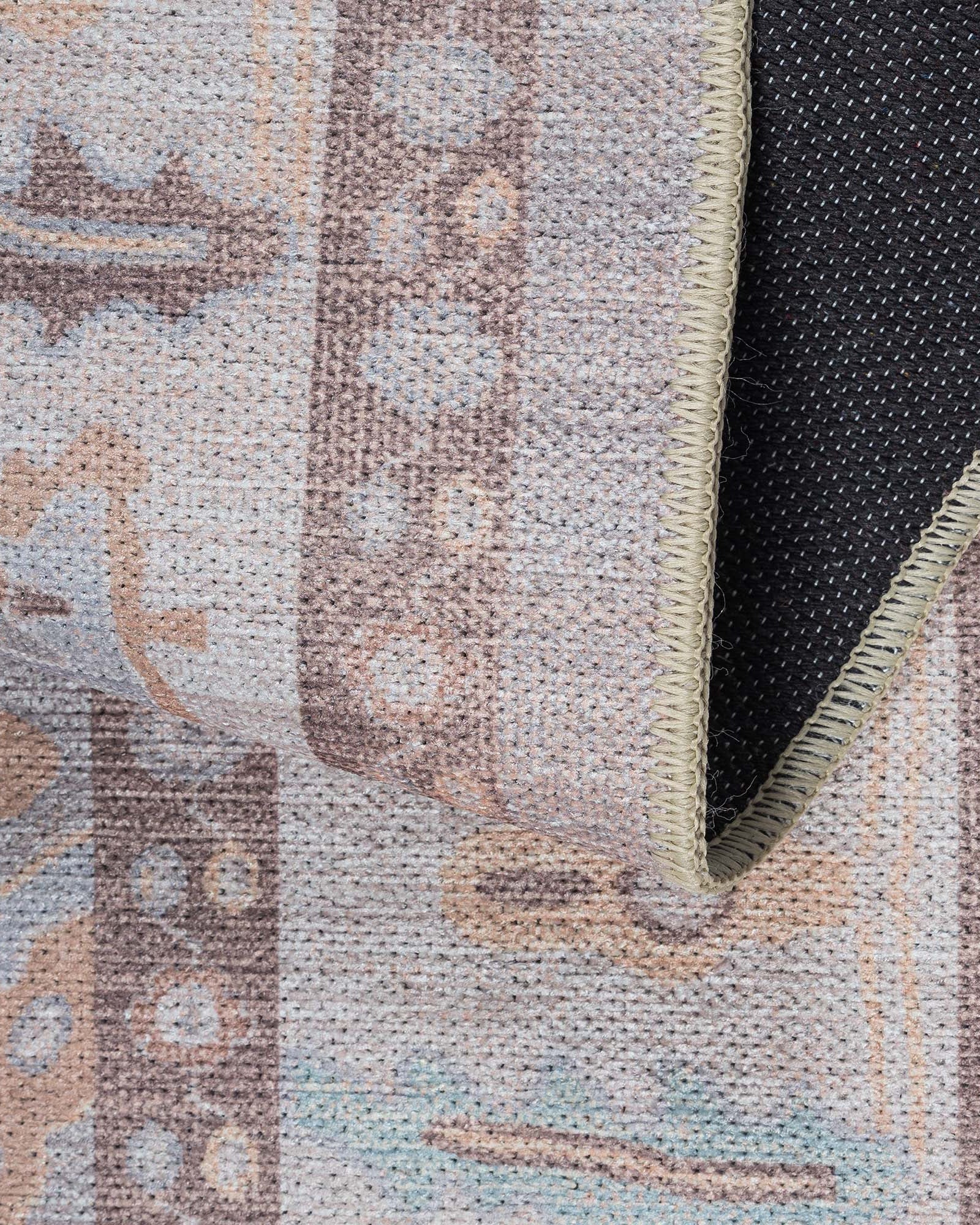
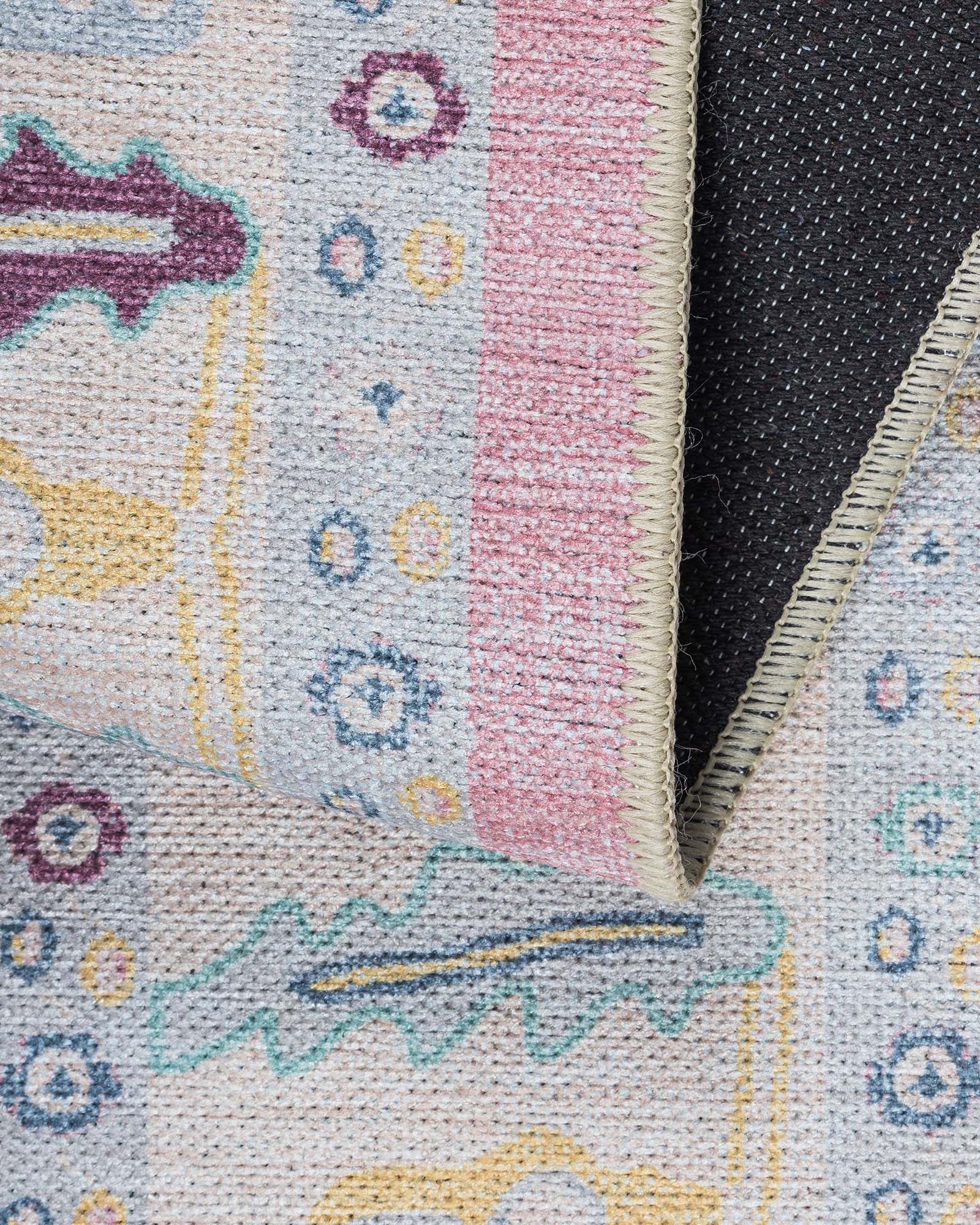
Pieces are grouped as antique at over eighty years, vintage at roughly forty to eighty, and semi-vintage below that. Every product page carries the estimated decade, origin where identifiable, whether the piece has been overdyed, exact measured dimensions and a plain condition note. Expect the same honest wear found across all handmade collections — lower pile in traffic lanes, softened selvages, old repairs — documented rather than edited out. Sizes are never standard; order against the measurements shown.
Care
Use a rug pad on hard floors. Vacuum with the beater bar off or raised and keep it off the fringe. Rotate twice a year so sun exposure and footfall distribute evenly — this matters especially on overdyed pieces, where a single-colour surface shows uneven fading more obviously than a multi-coloured field. Blot spills immediately with a white cloth and plain water; avoid detergents on overdyed rugs specifically, as they can lift the applied colour. Never use a home carpet-cleaning machine or steam cleaner. For deep cleaning, use a professional hand-knotted rug washer.