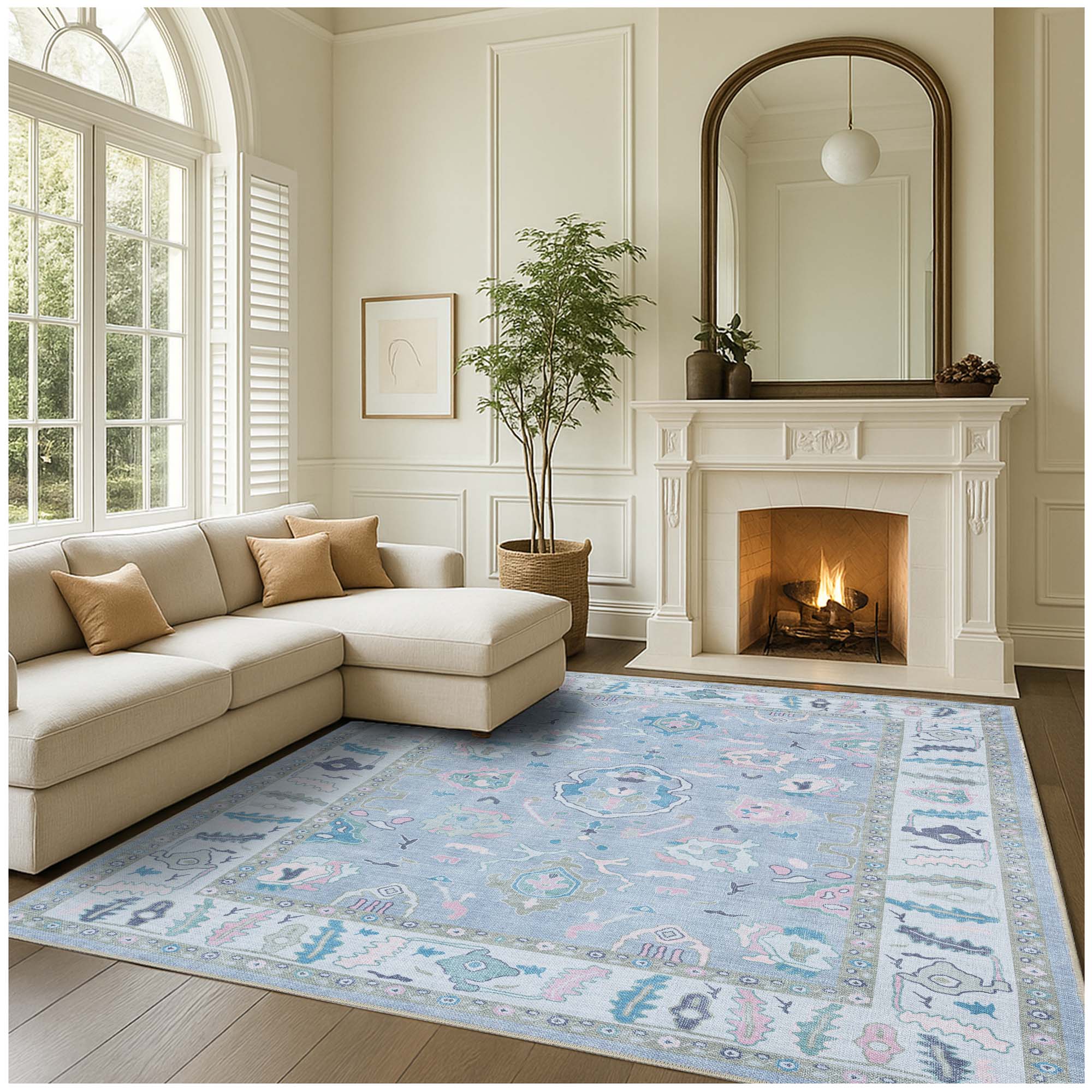
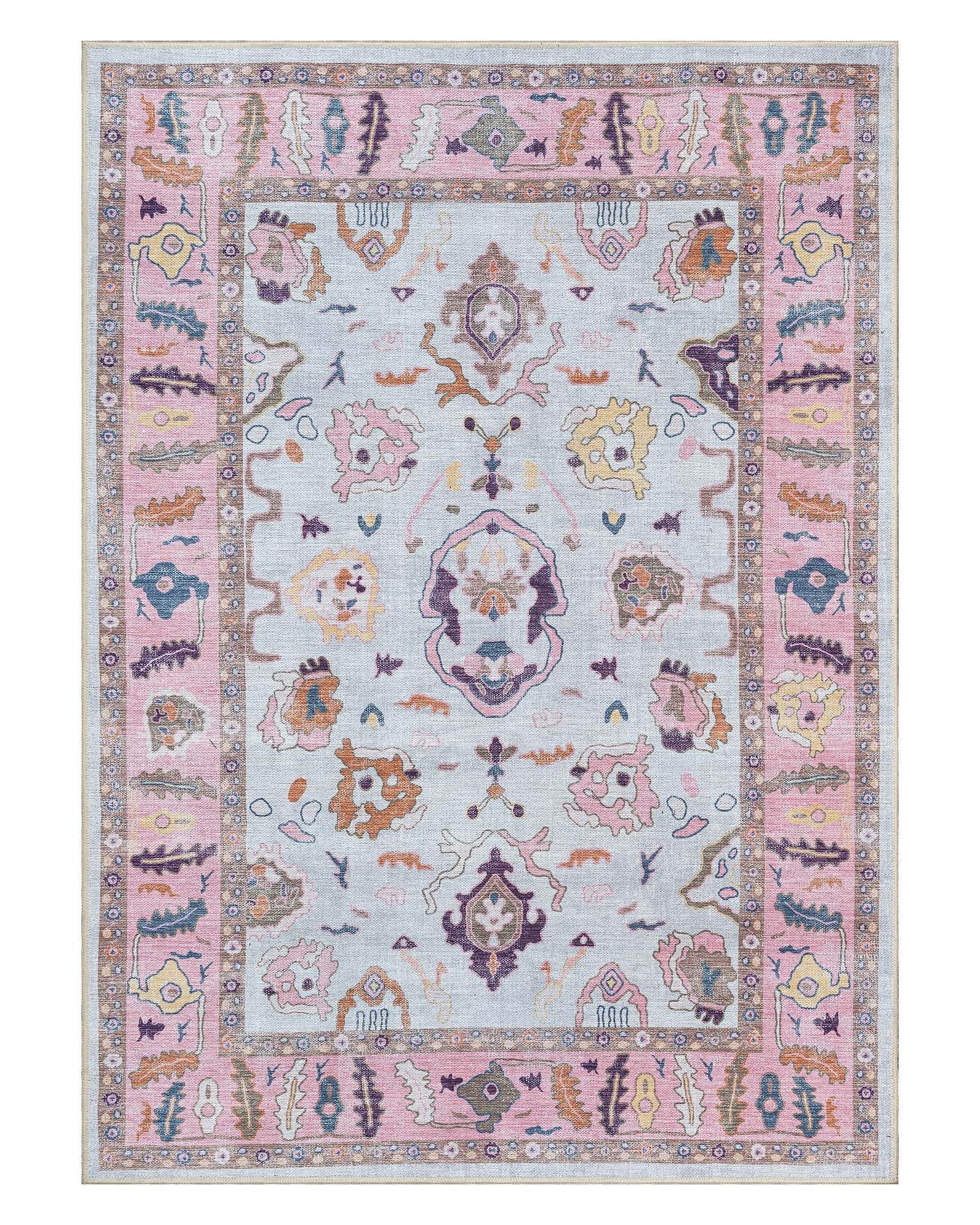
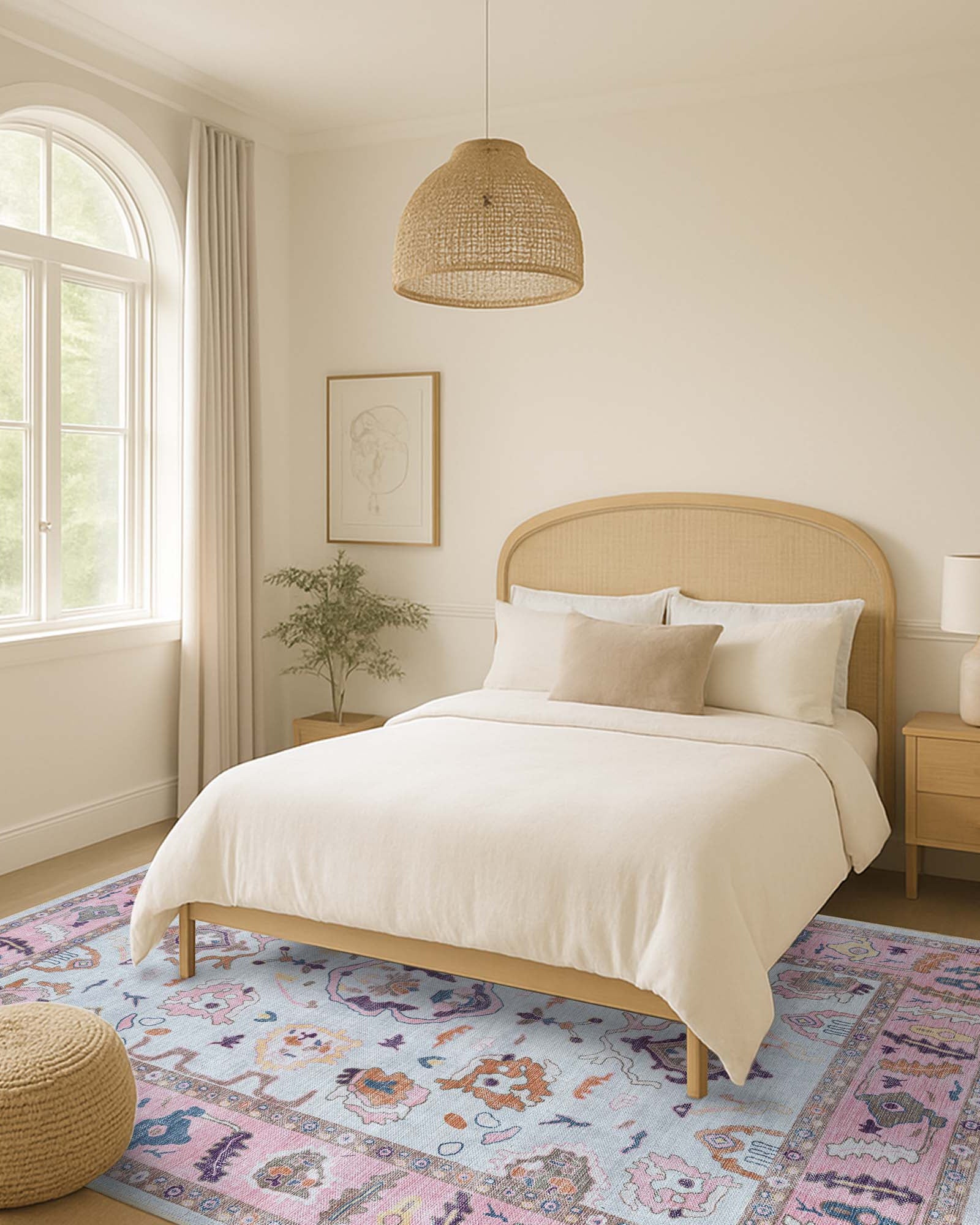
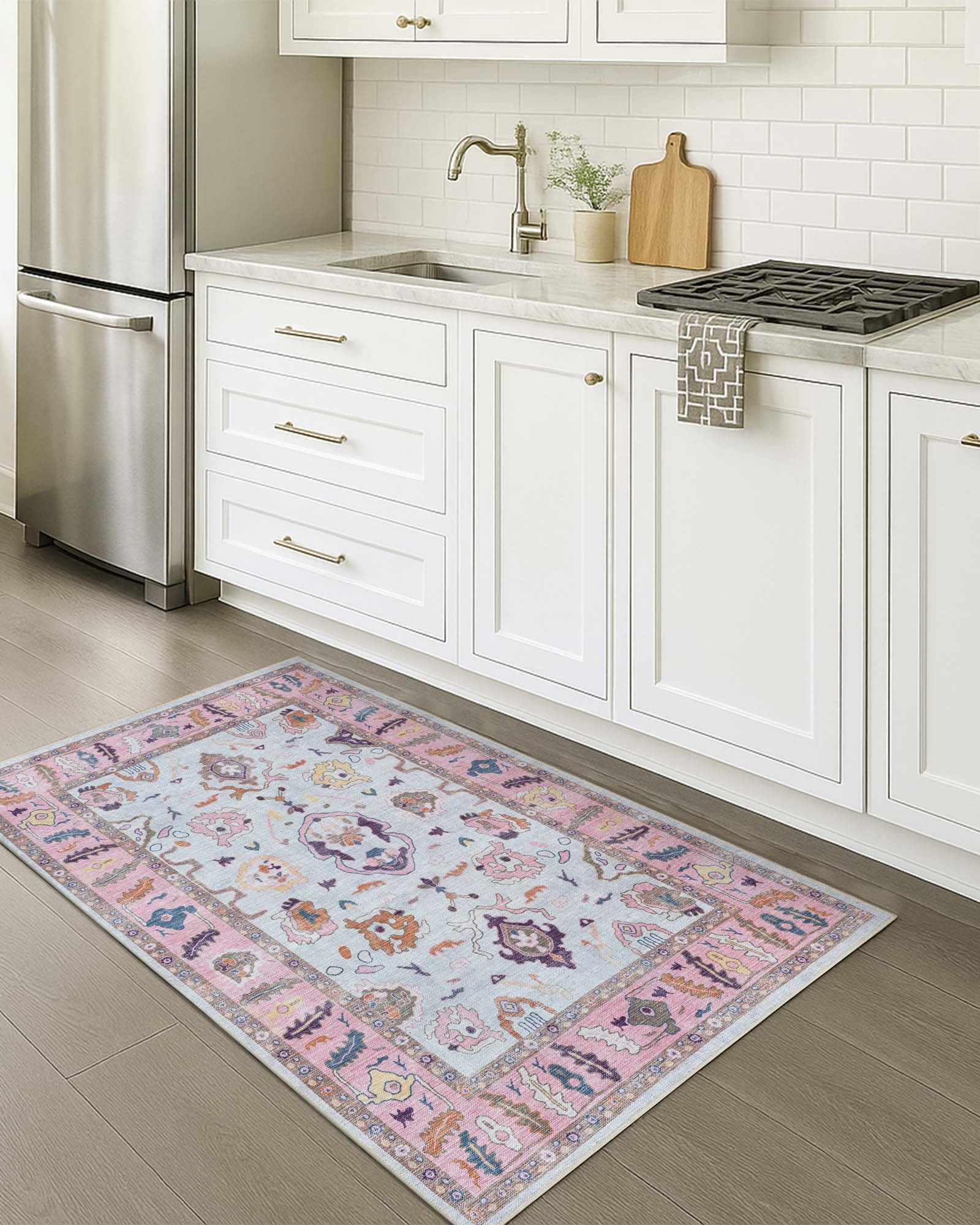
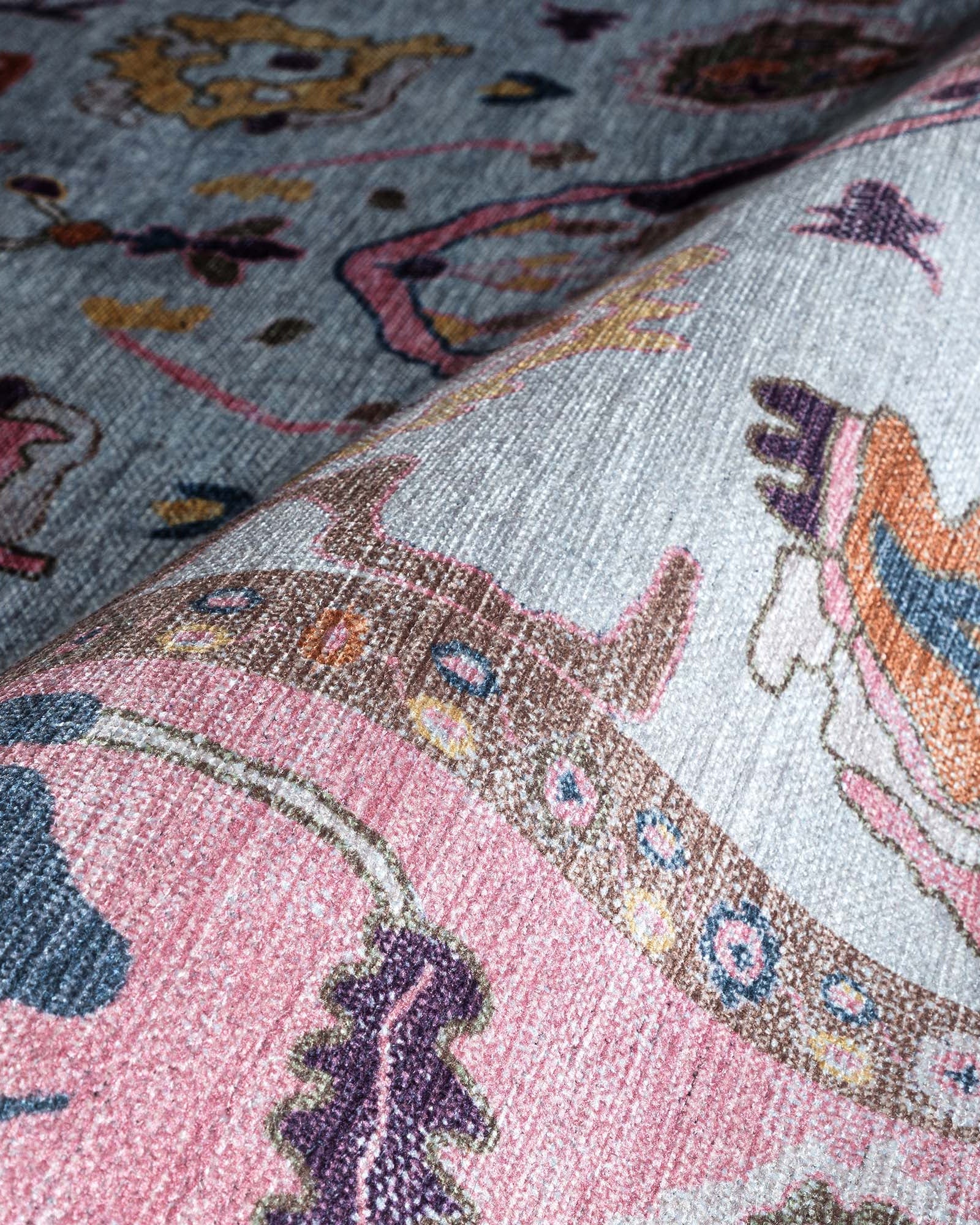
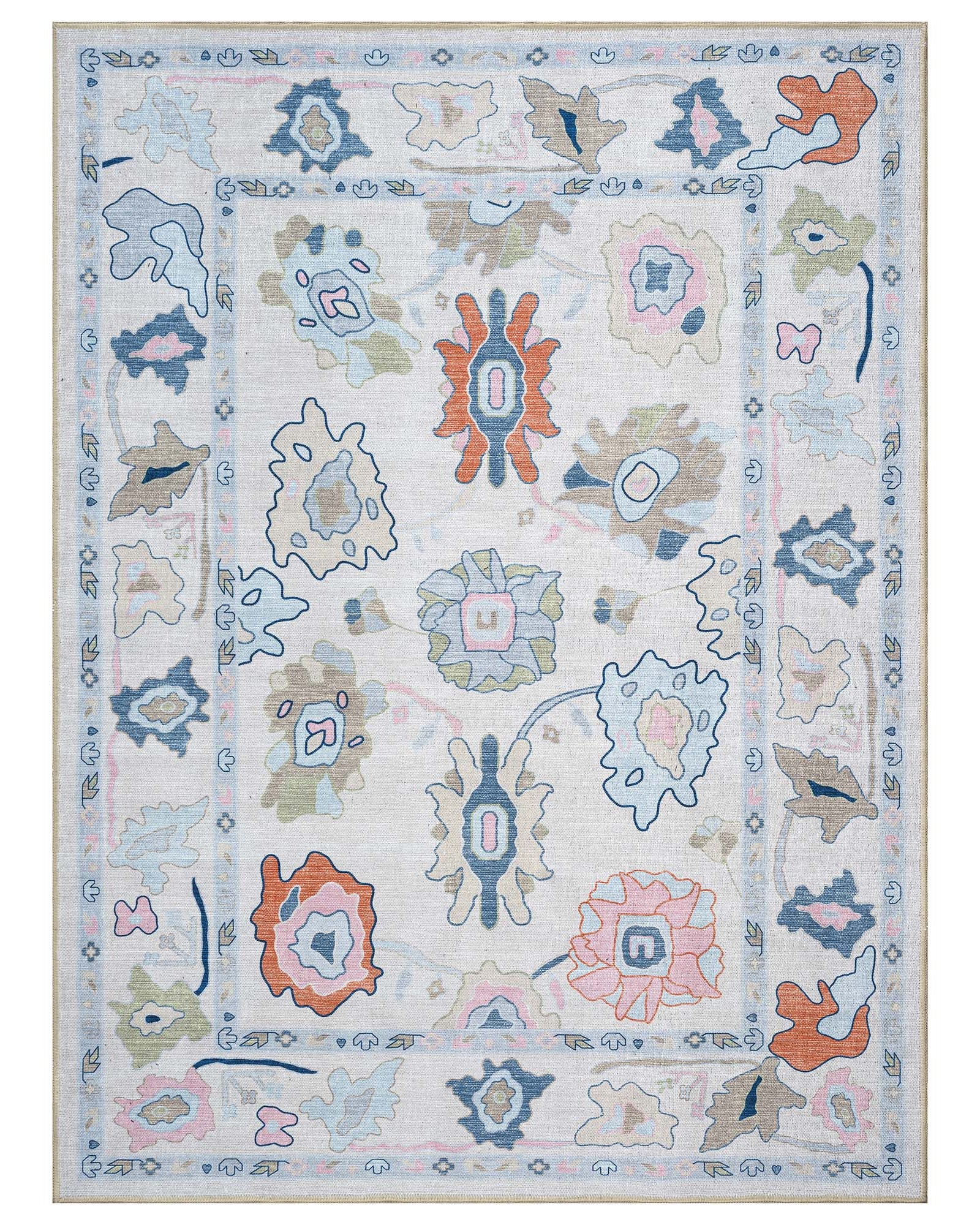
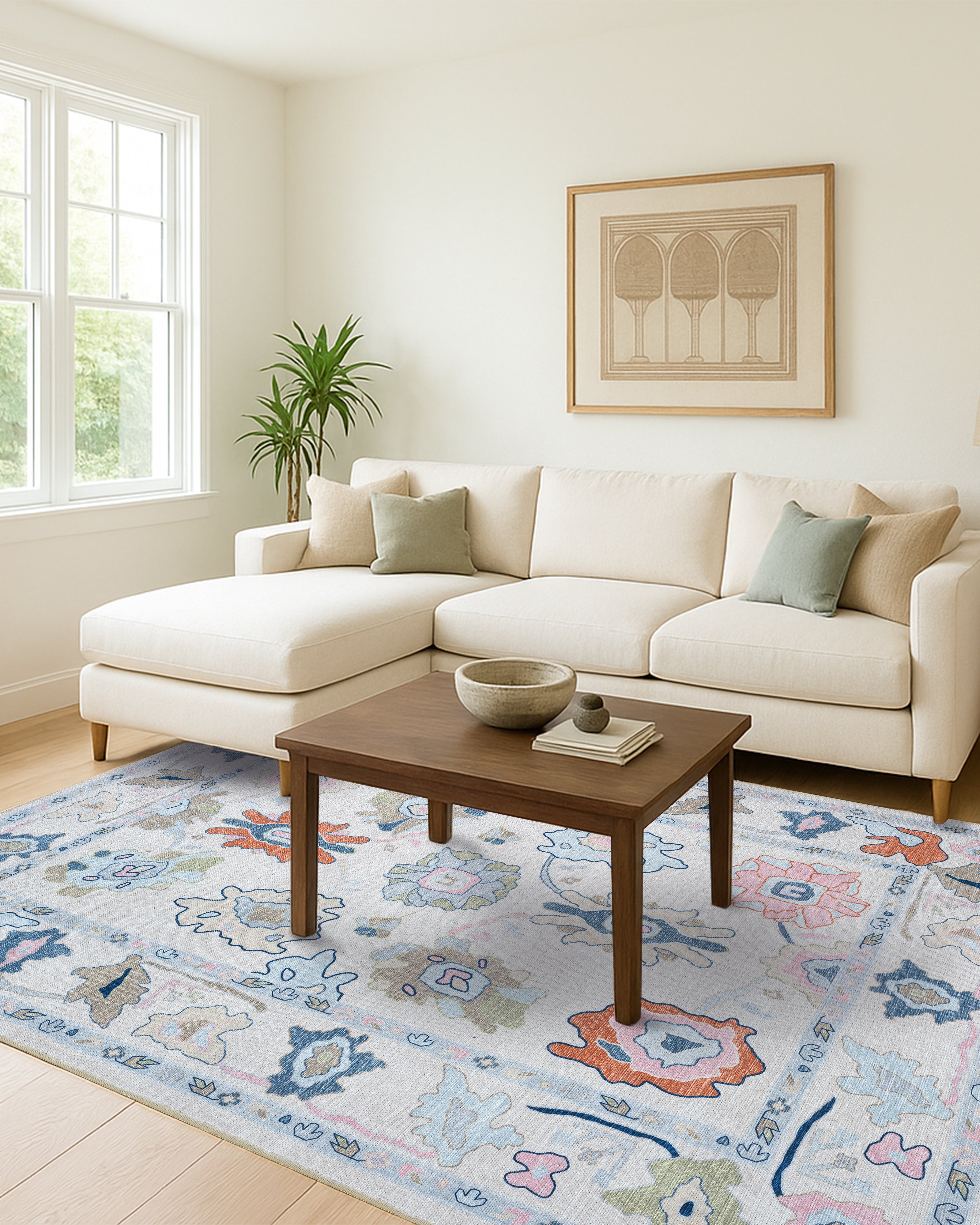
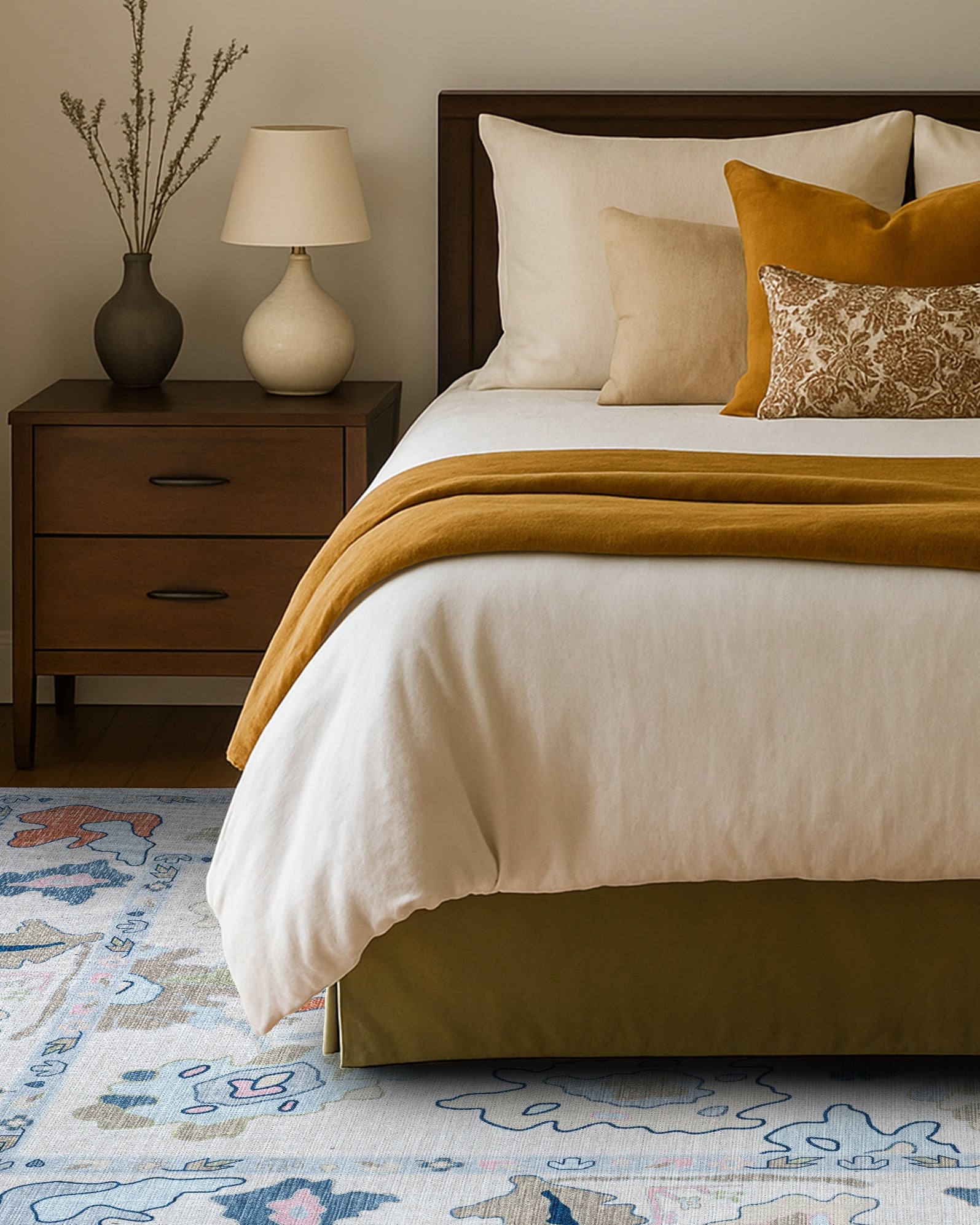
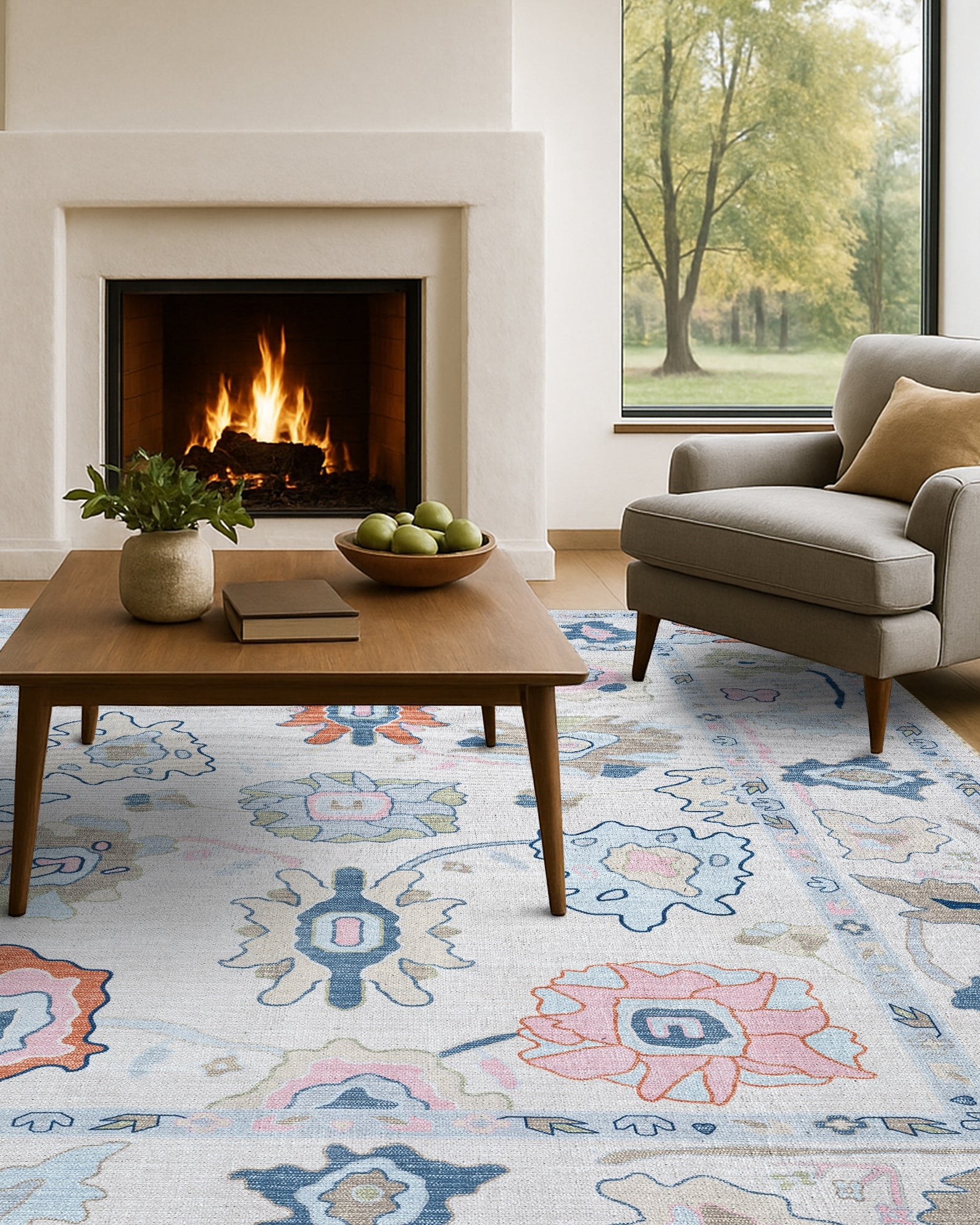
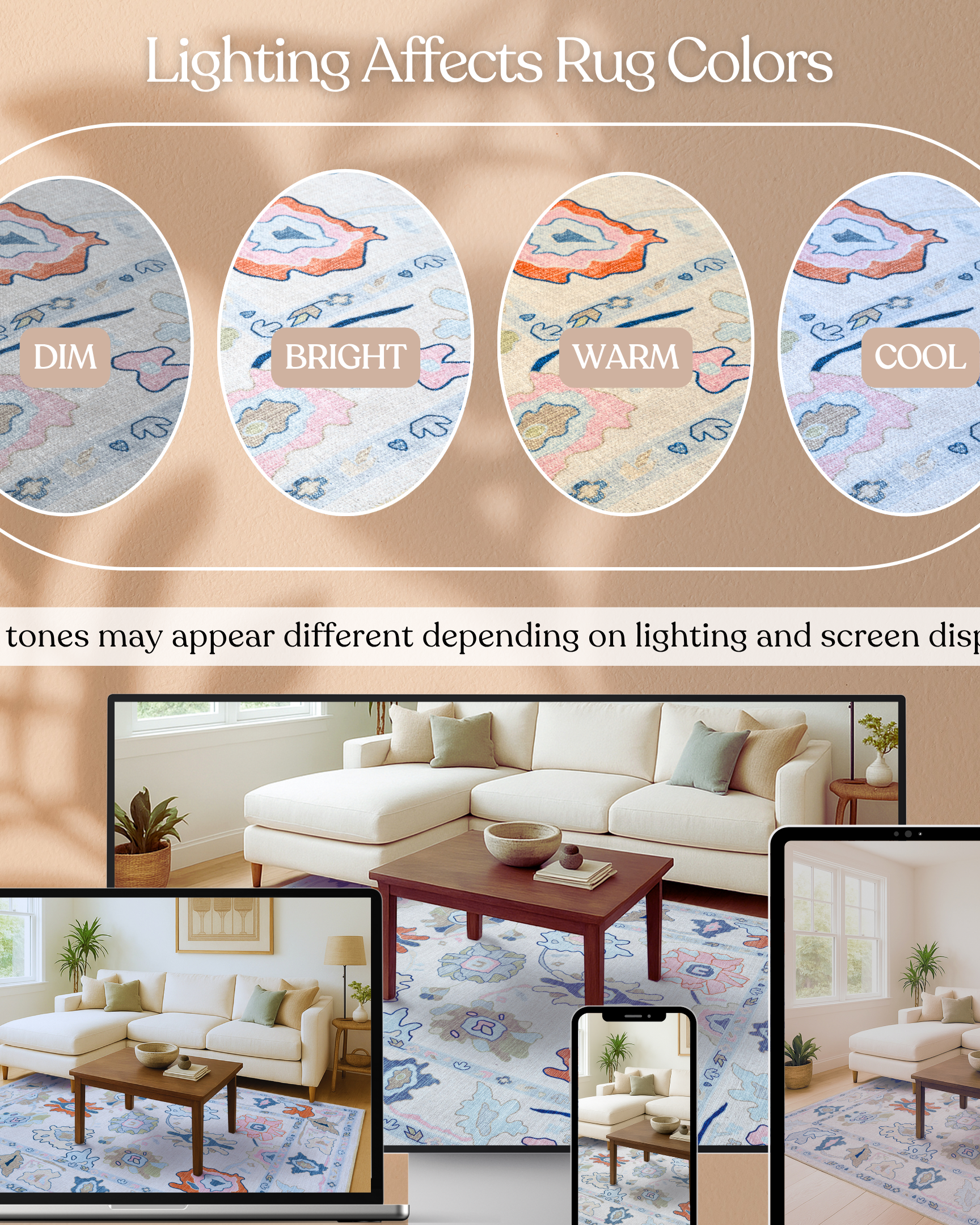
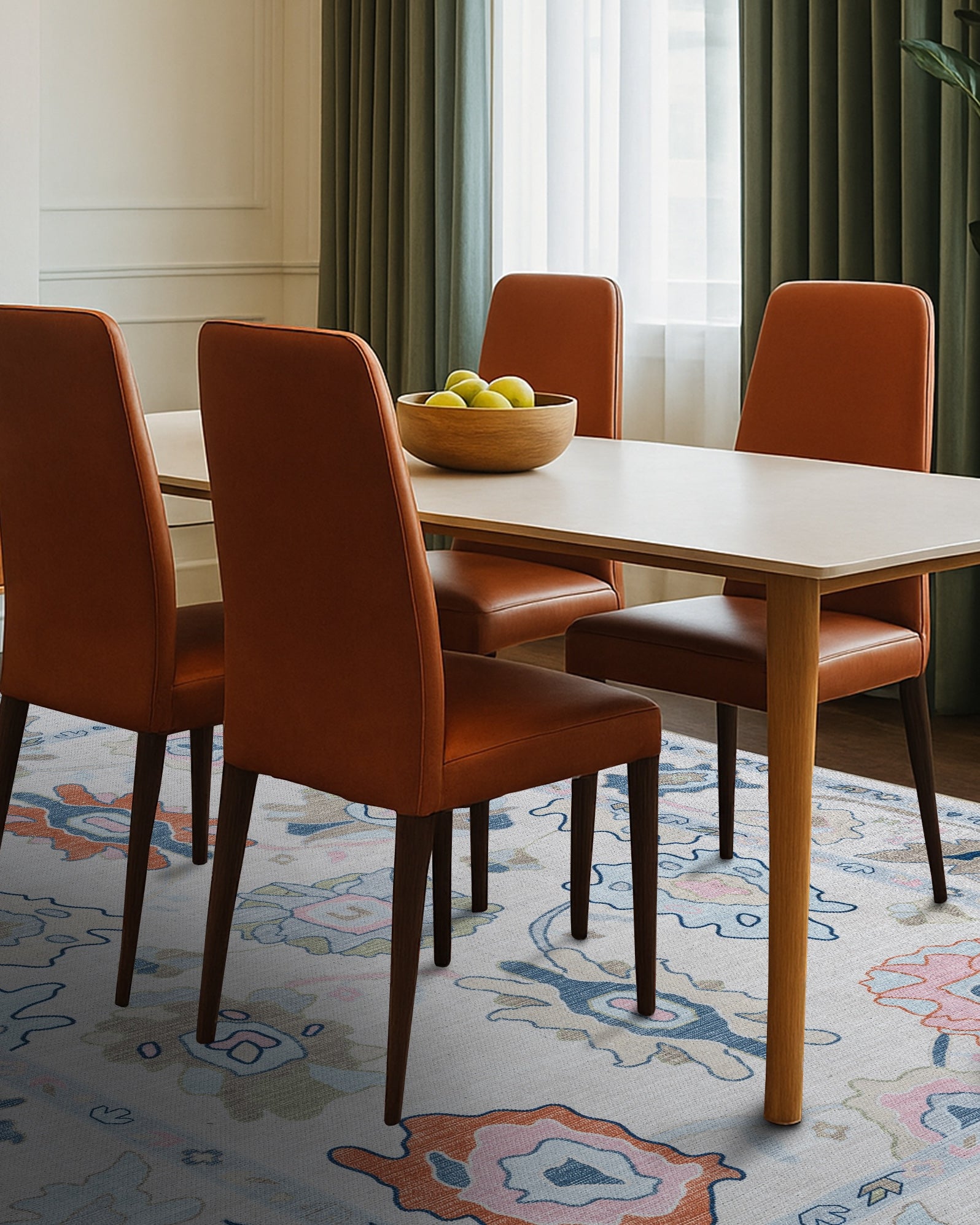
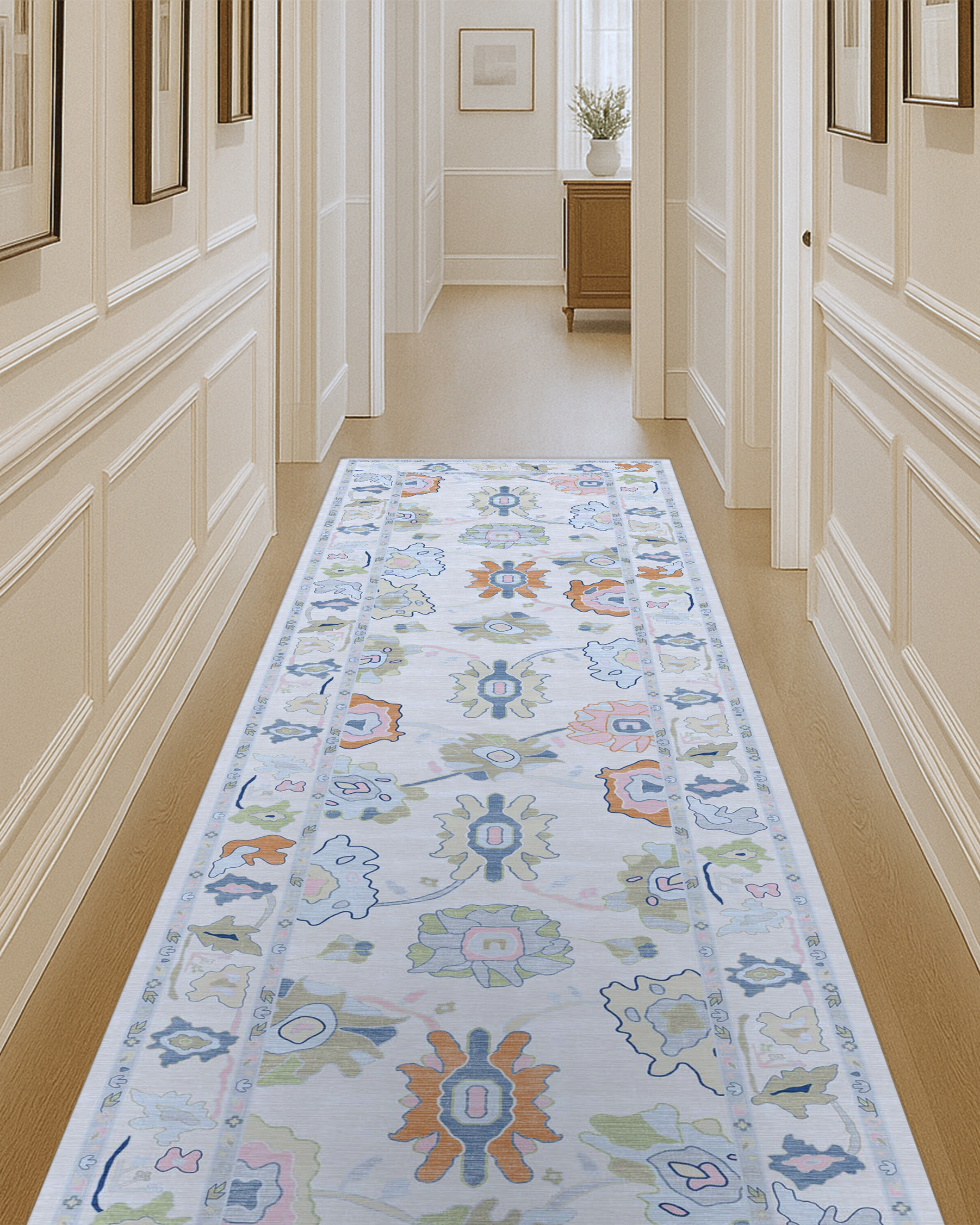
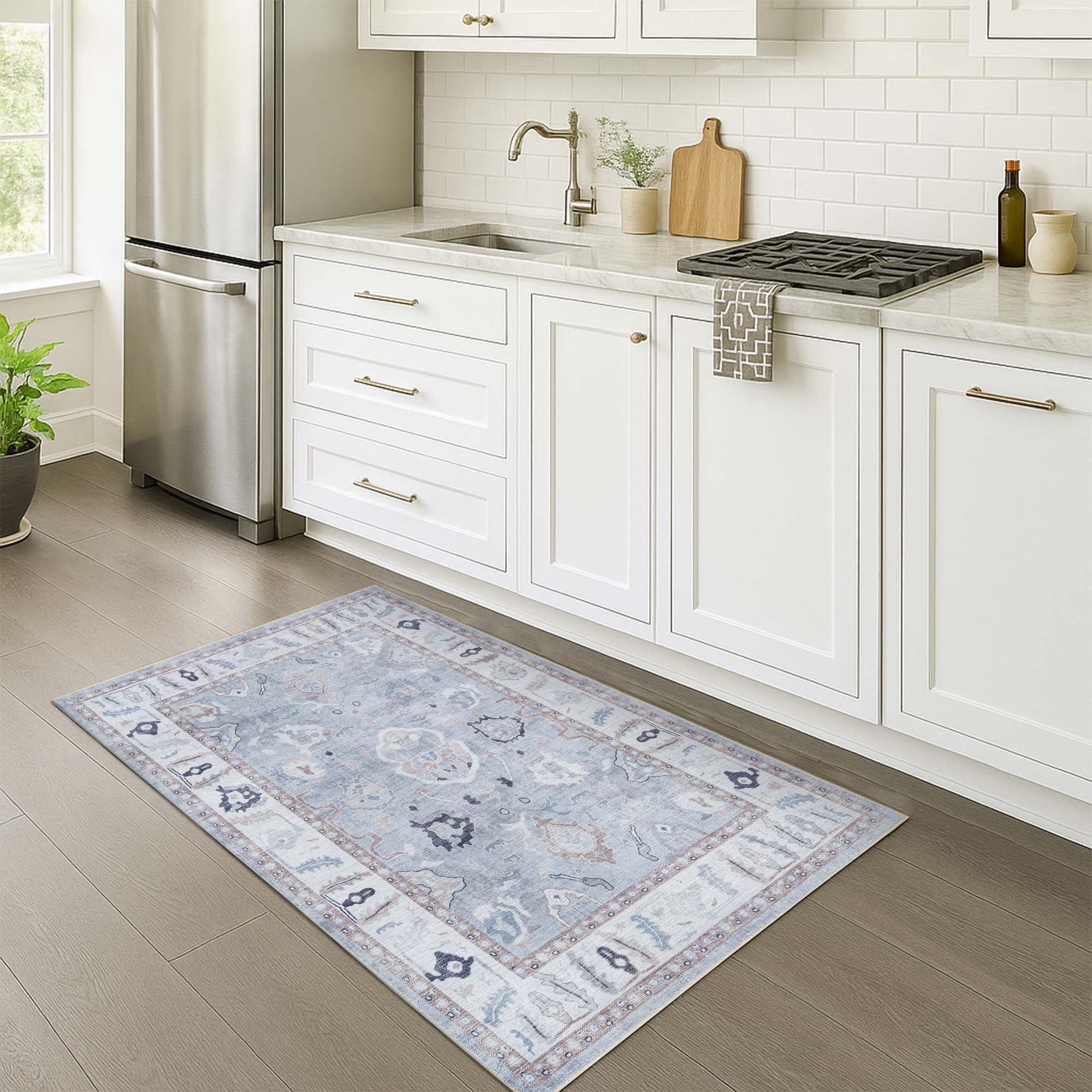
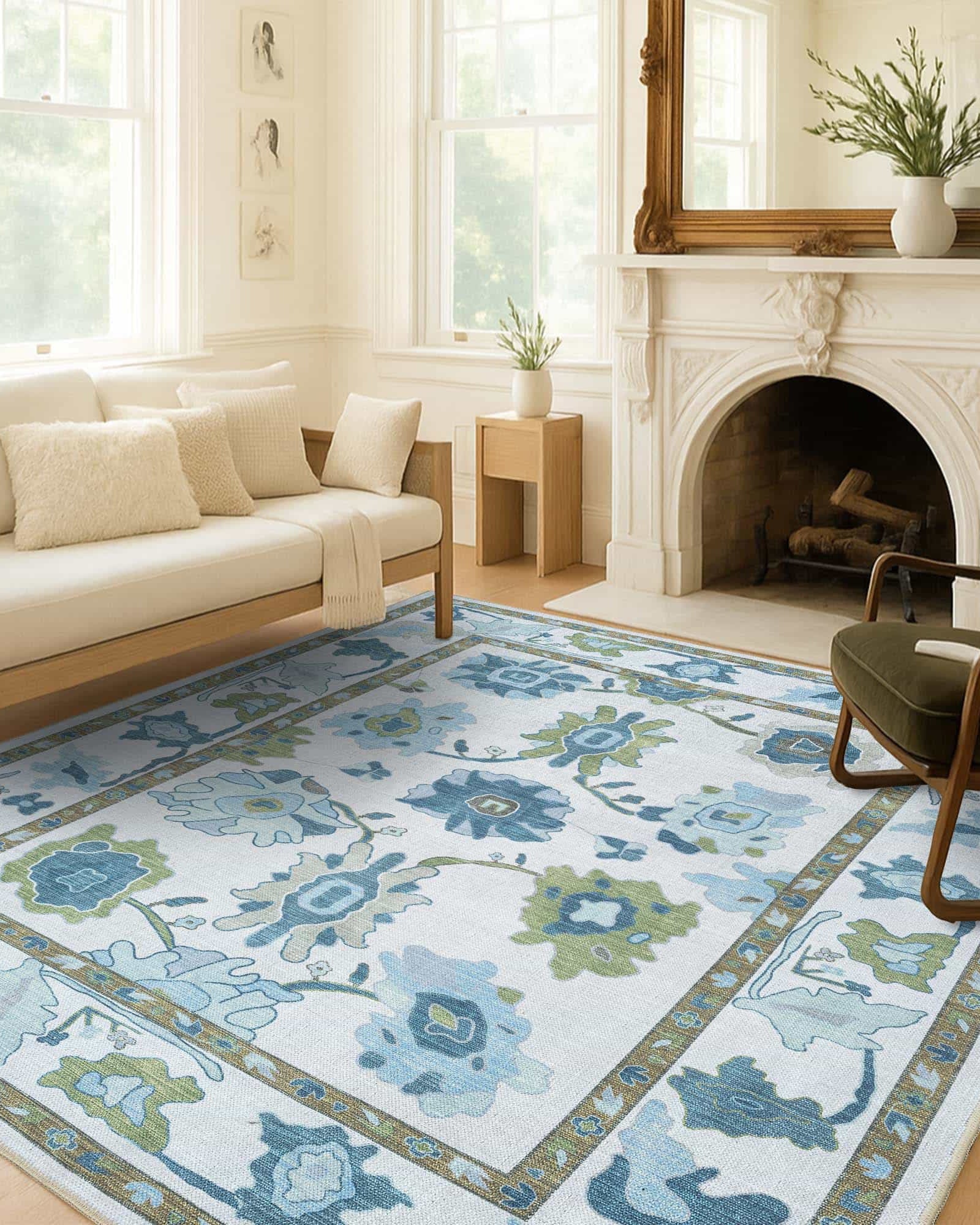
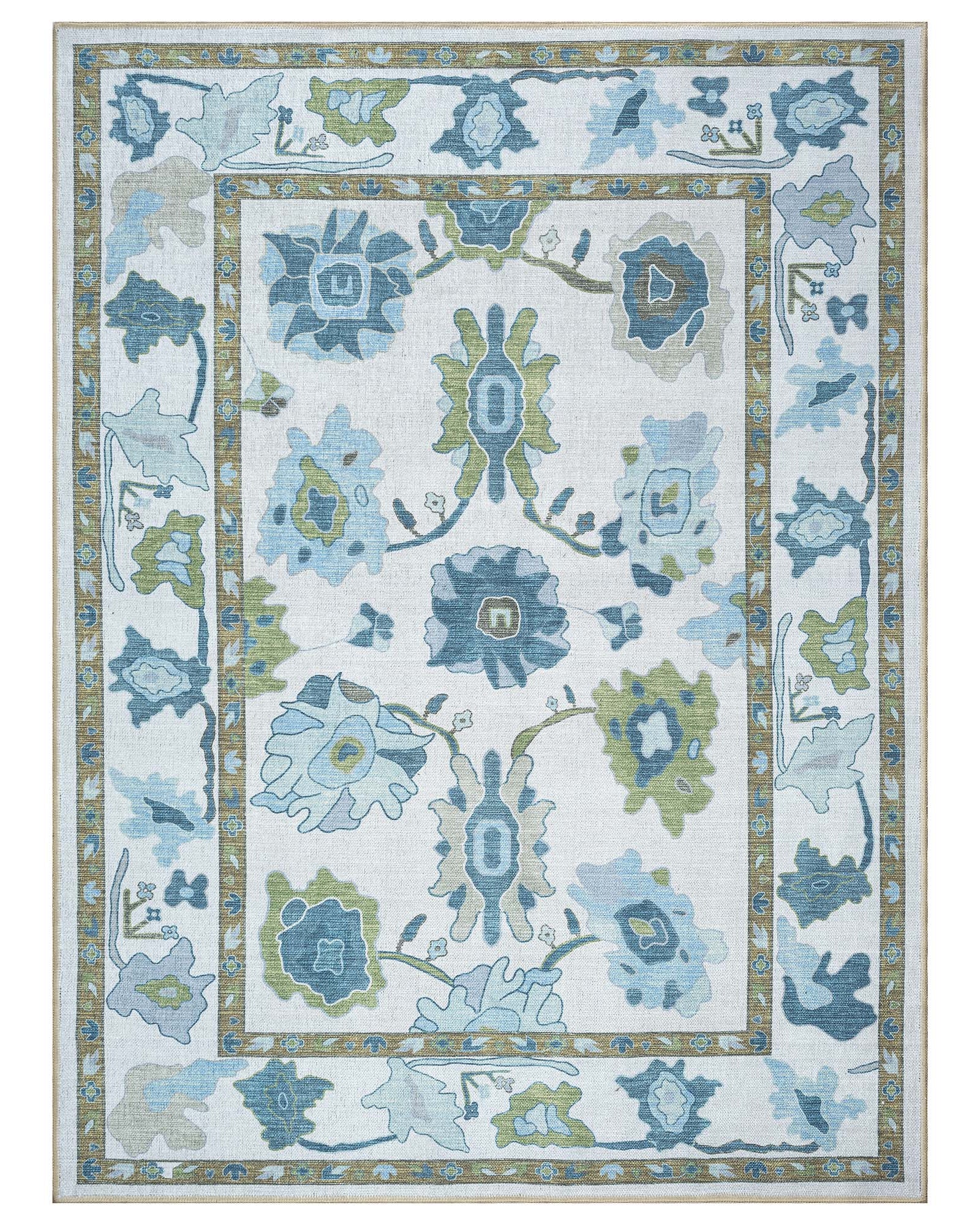
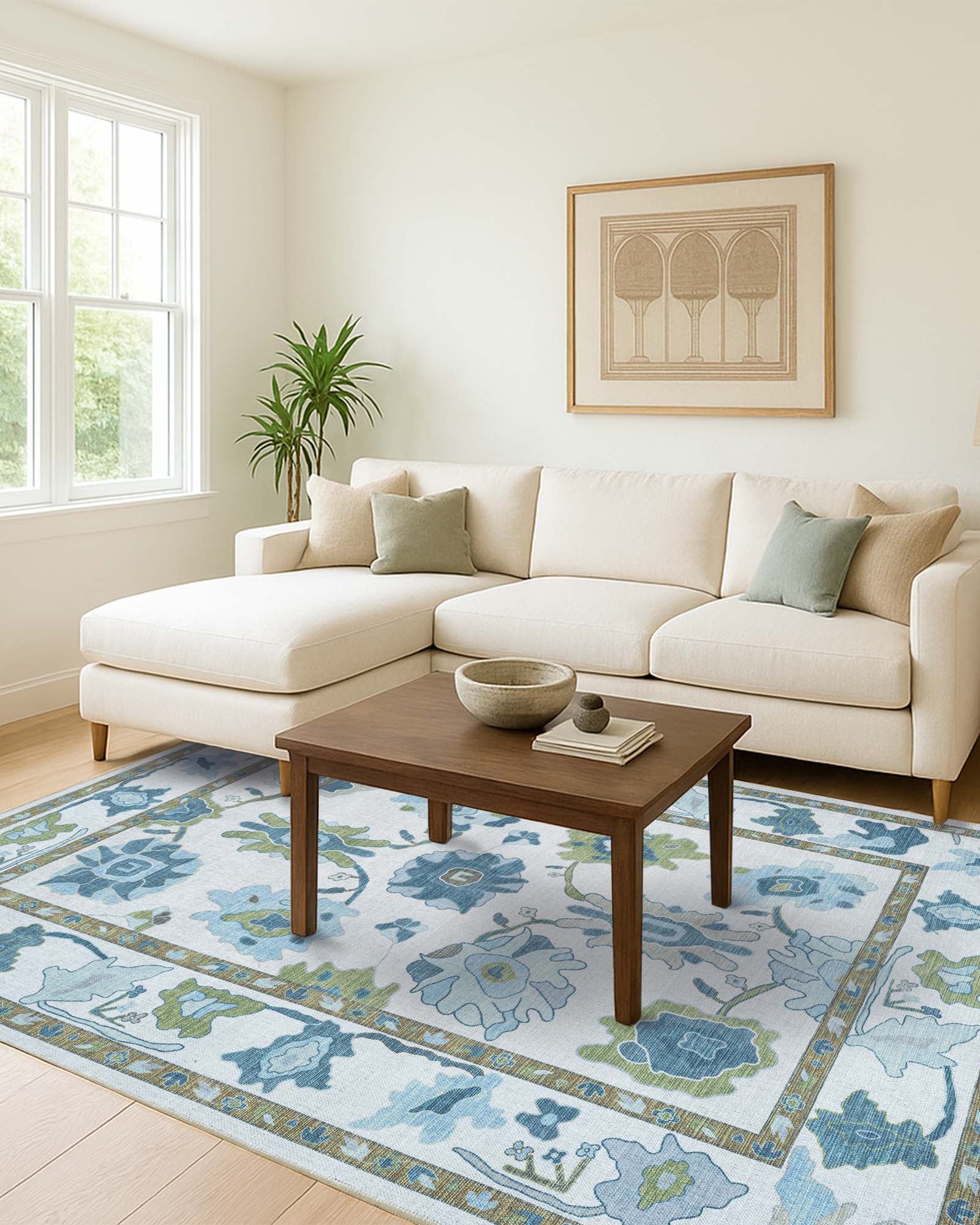
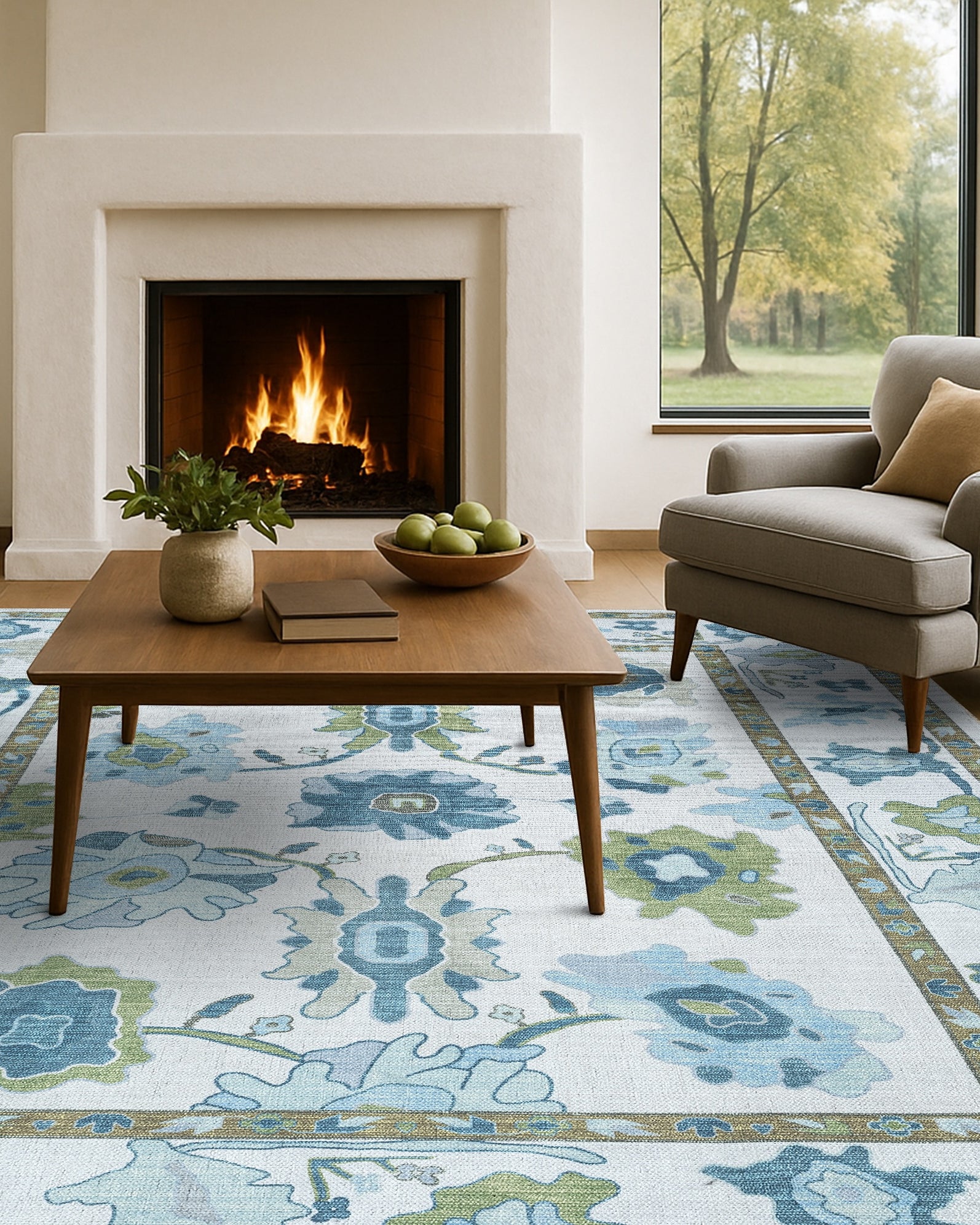
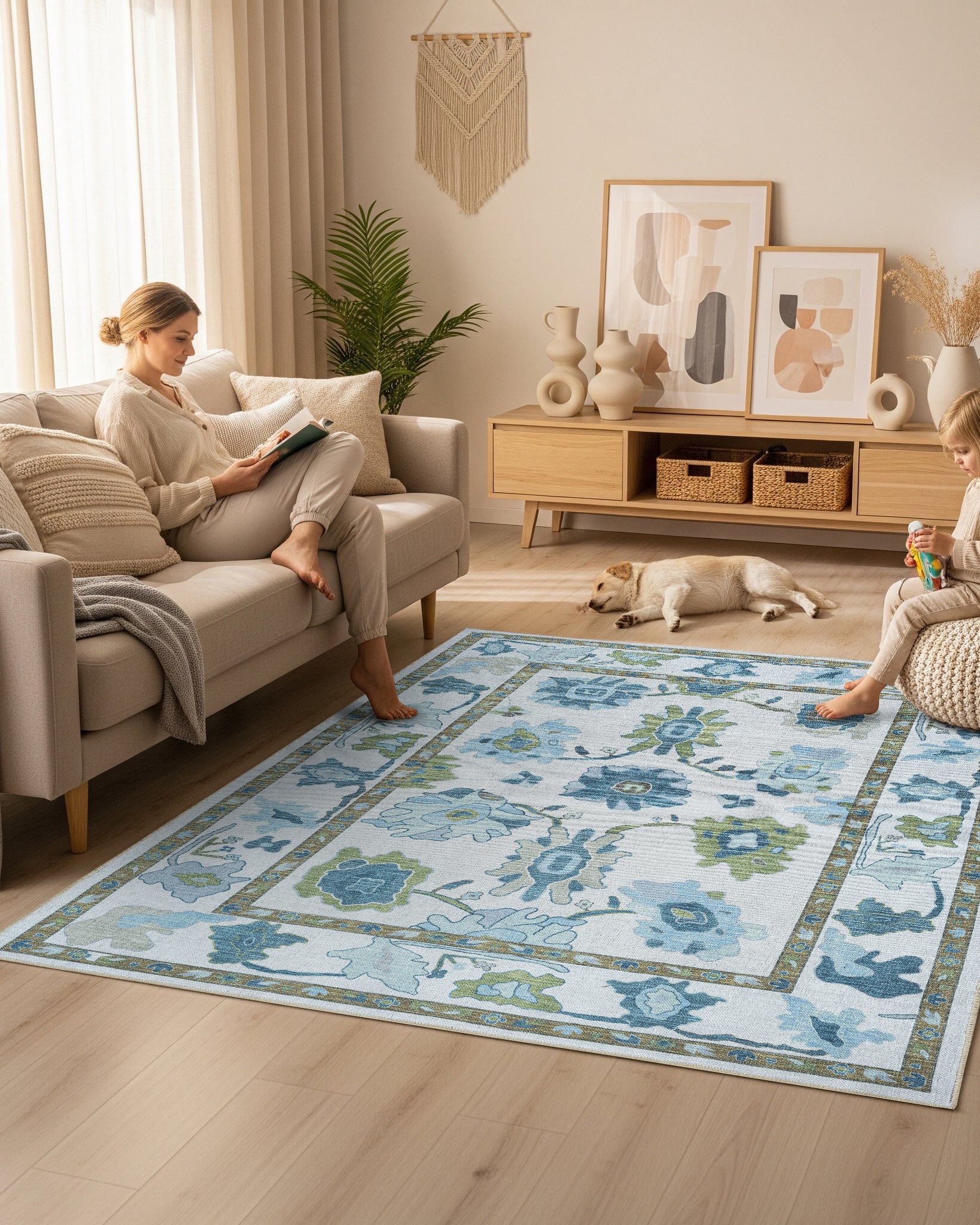
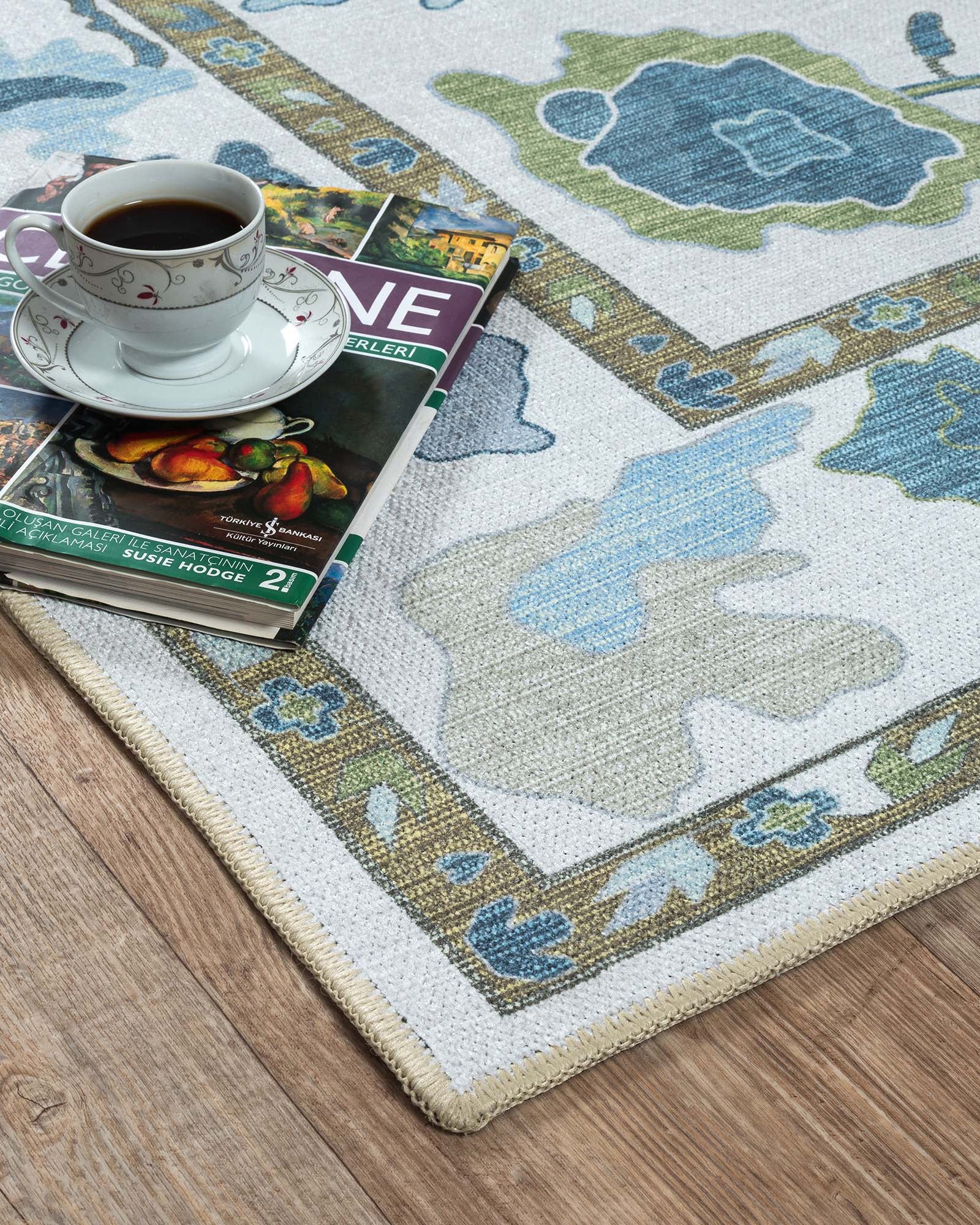
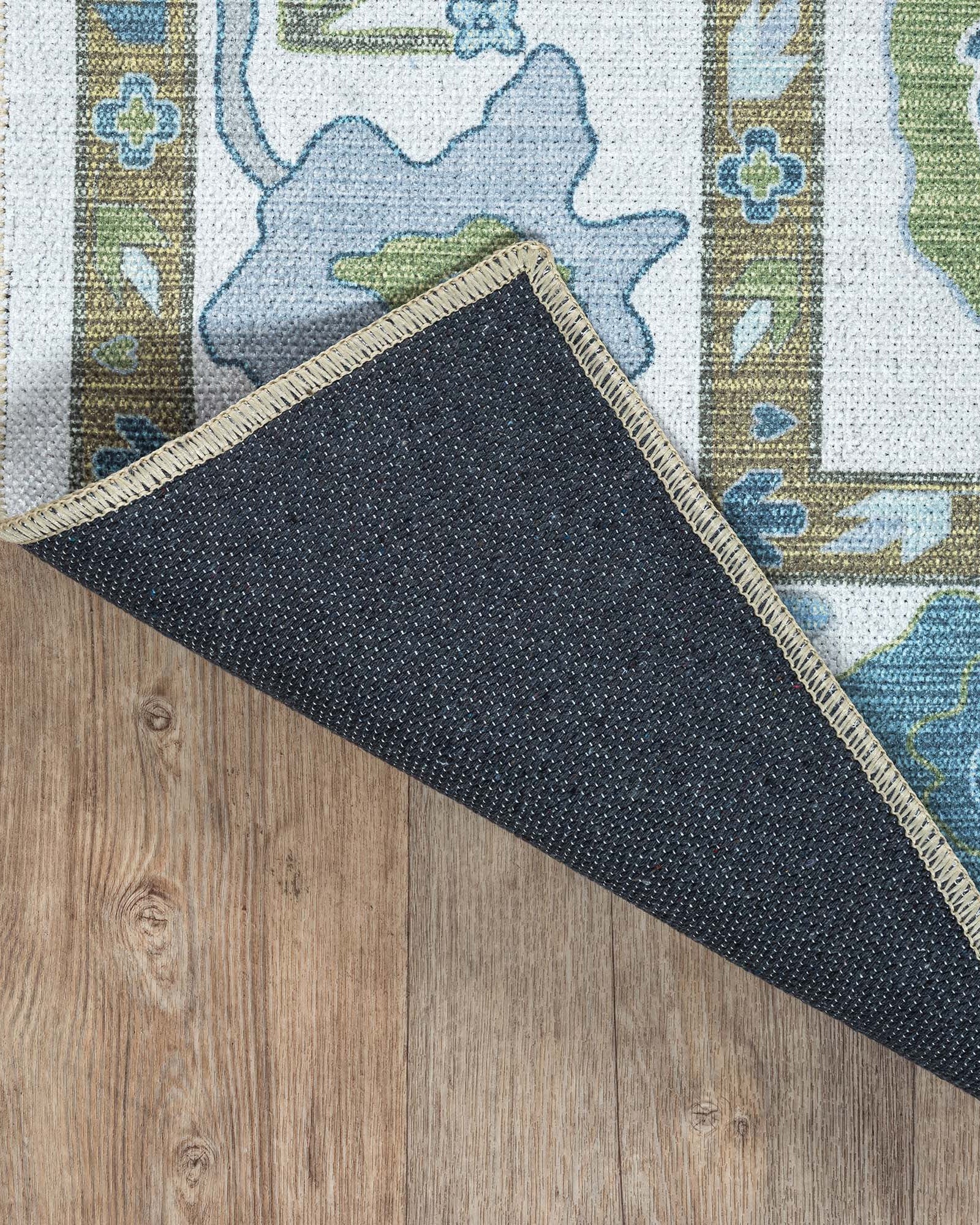
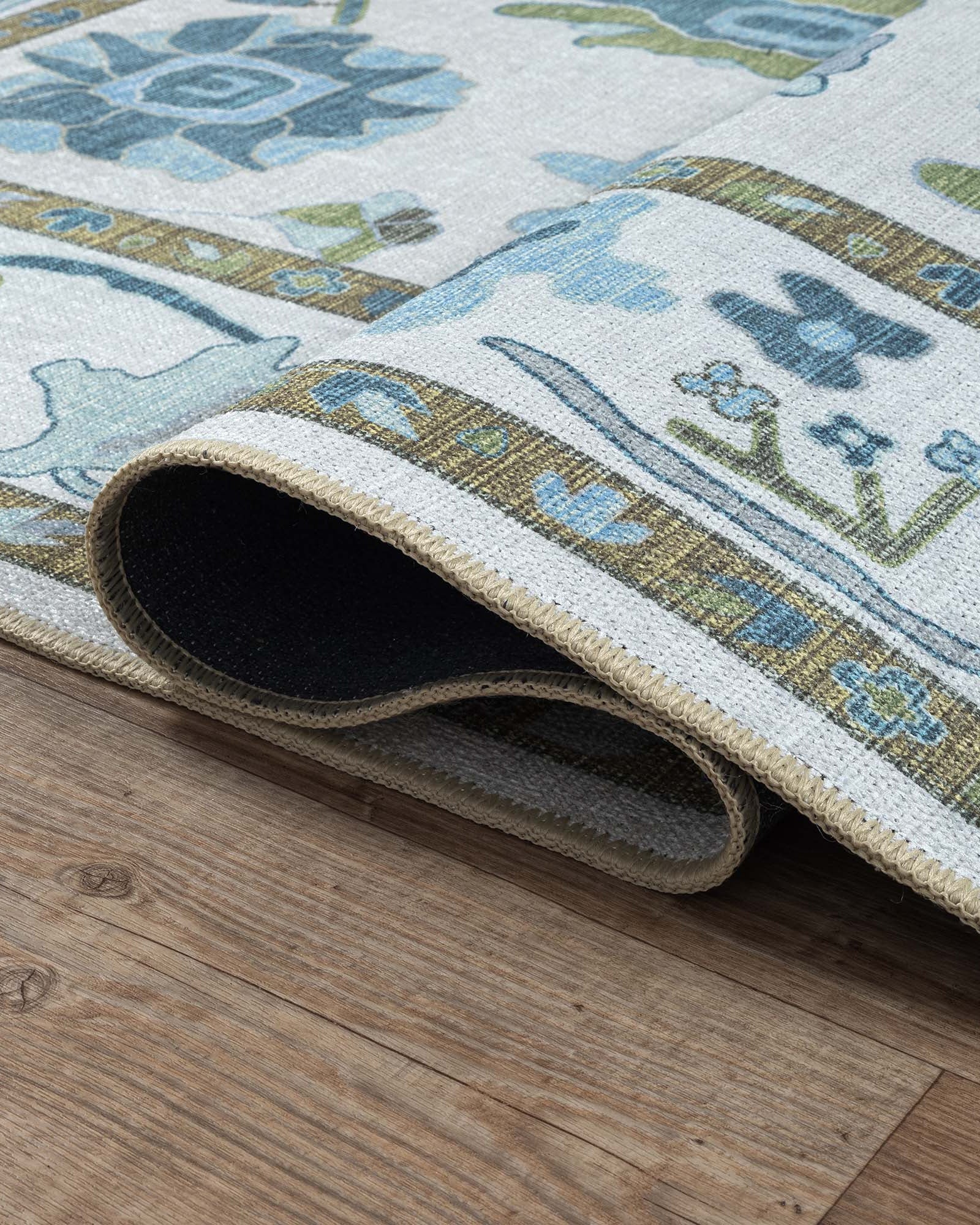
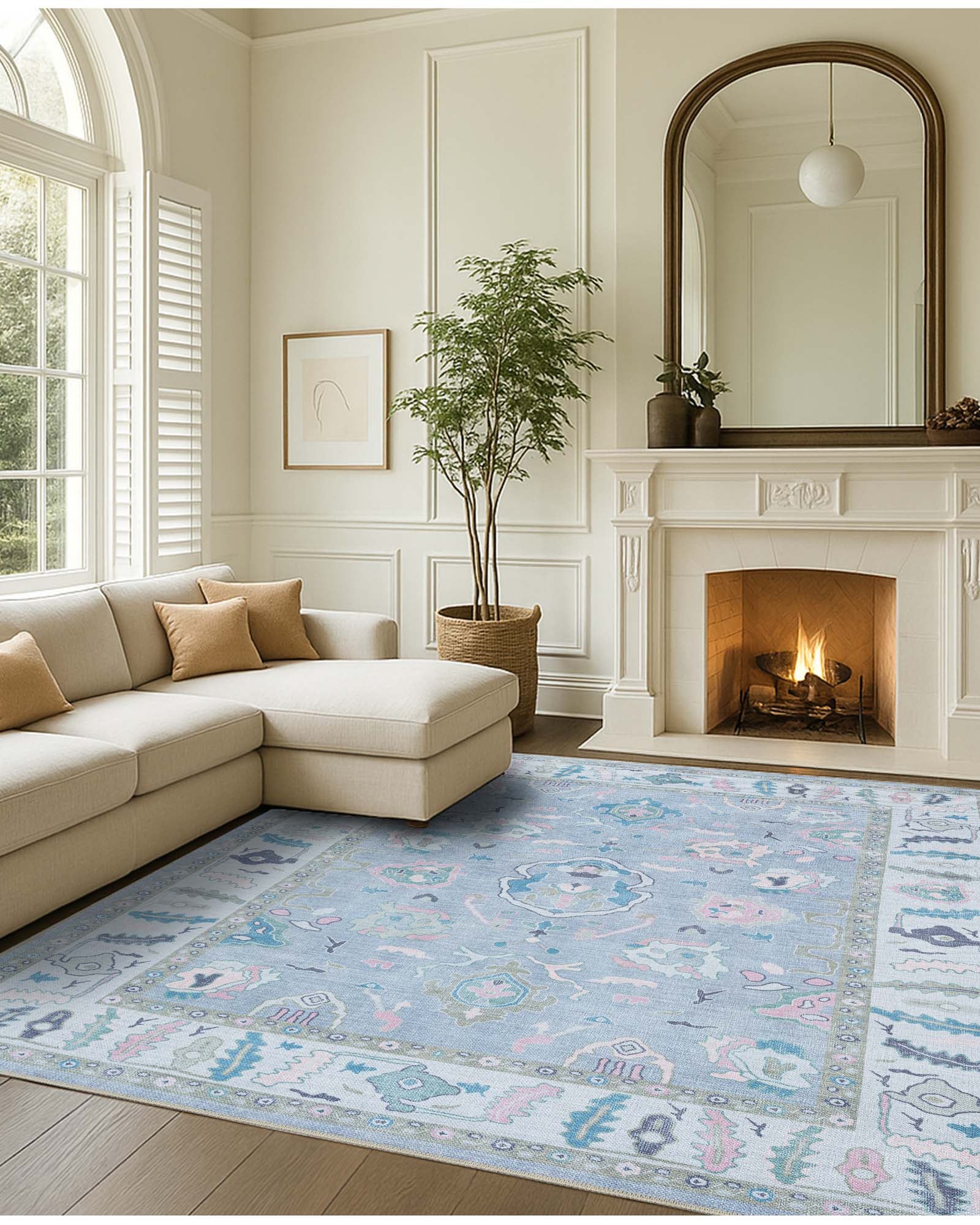
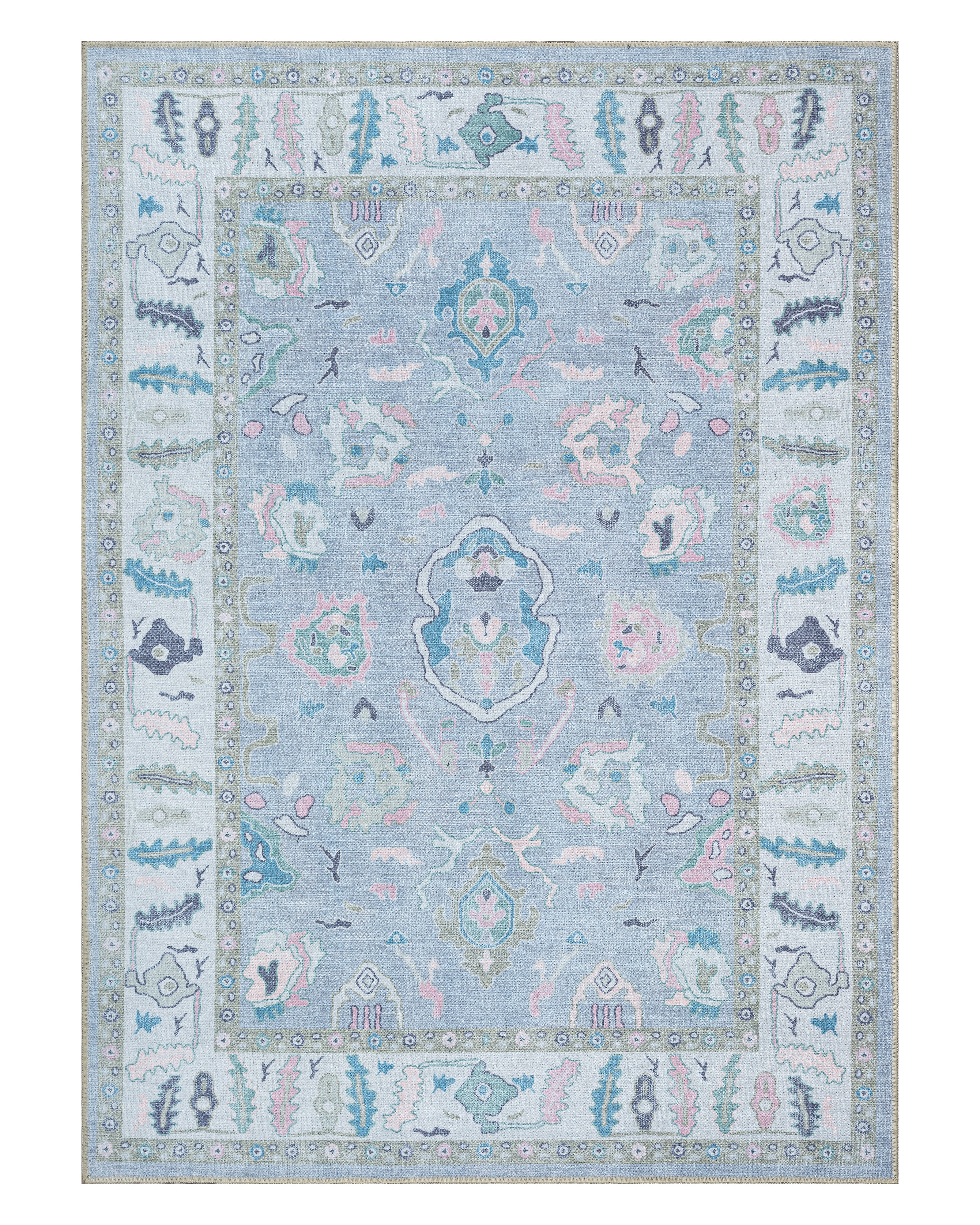
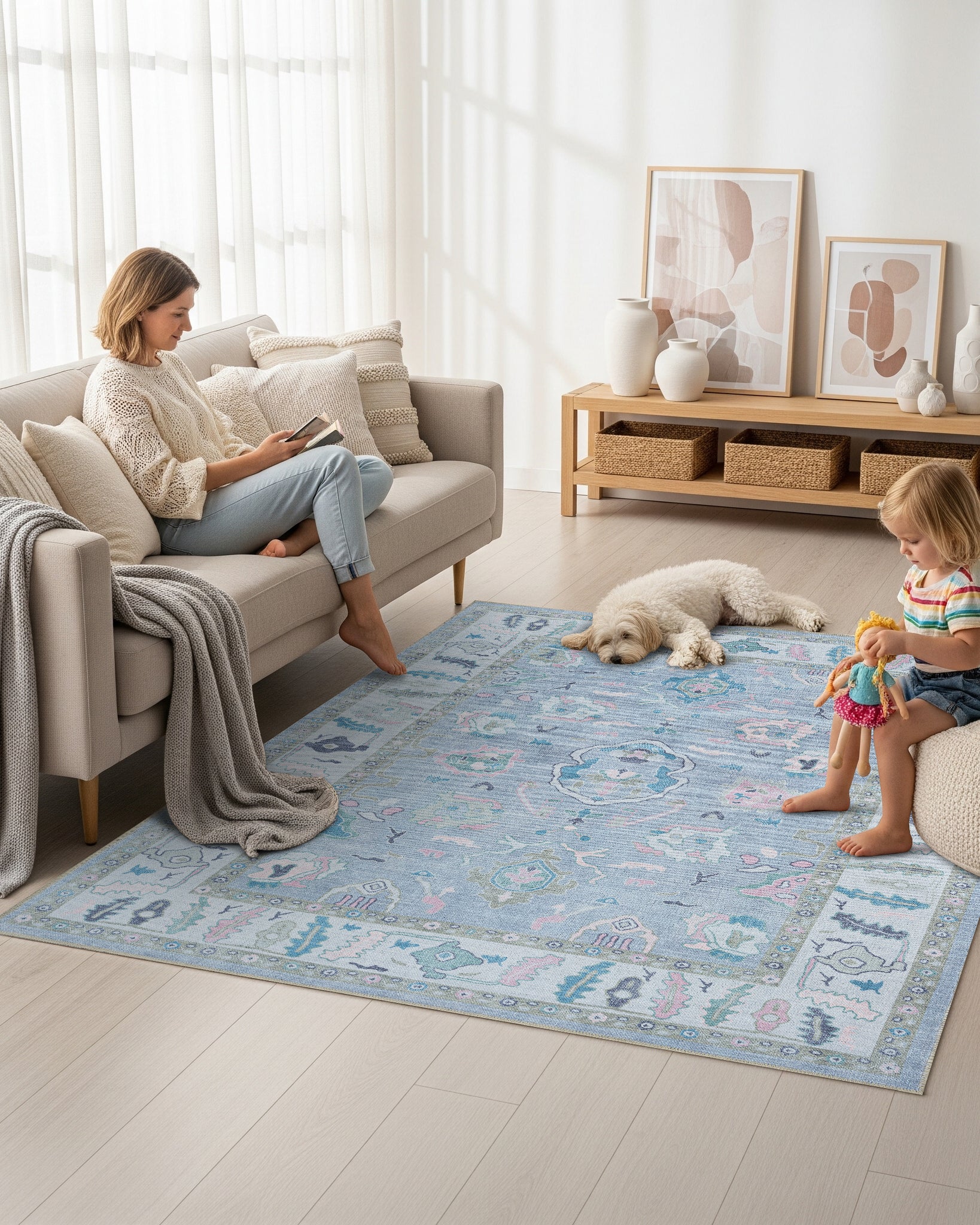
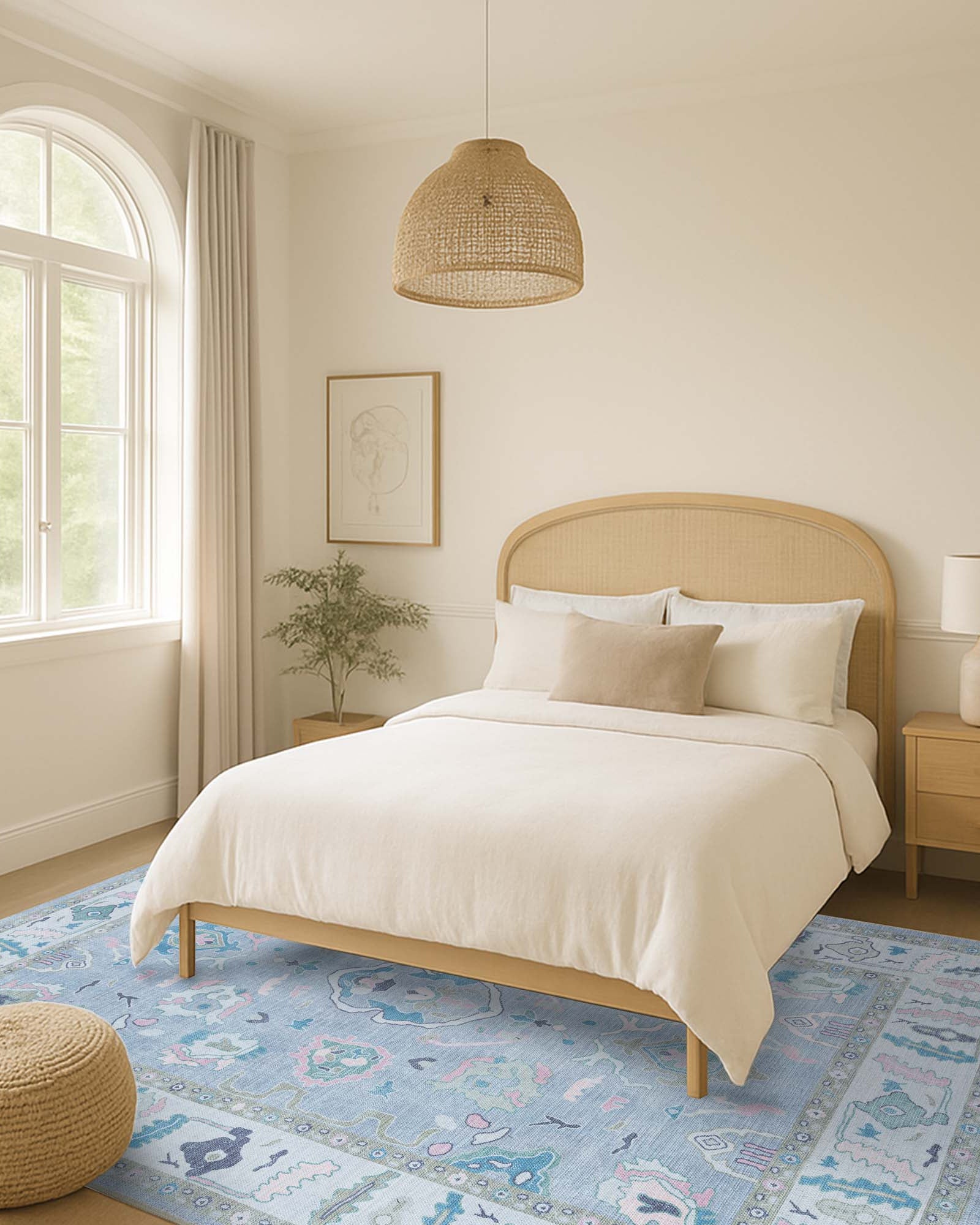
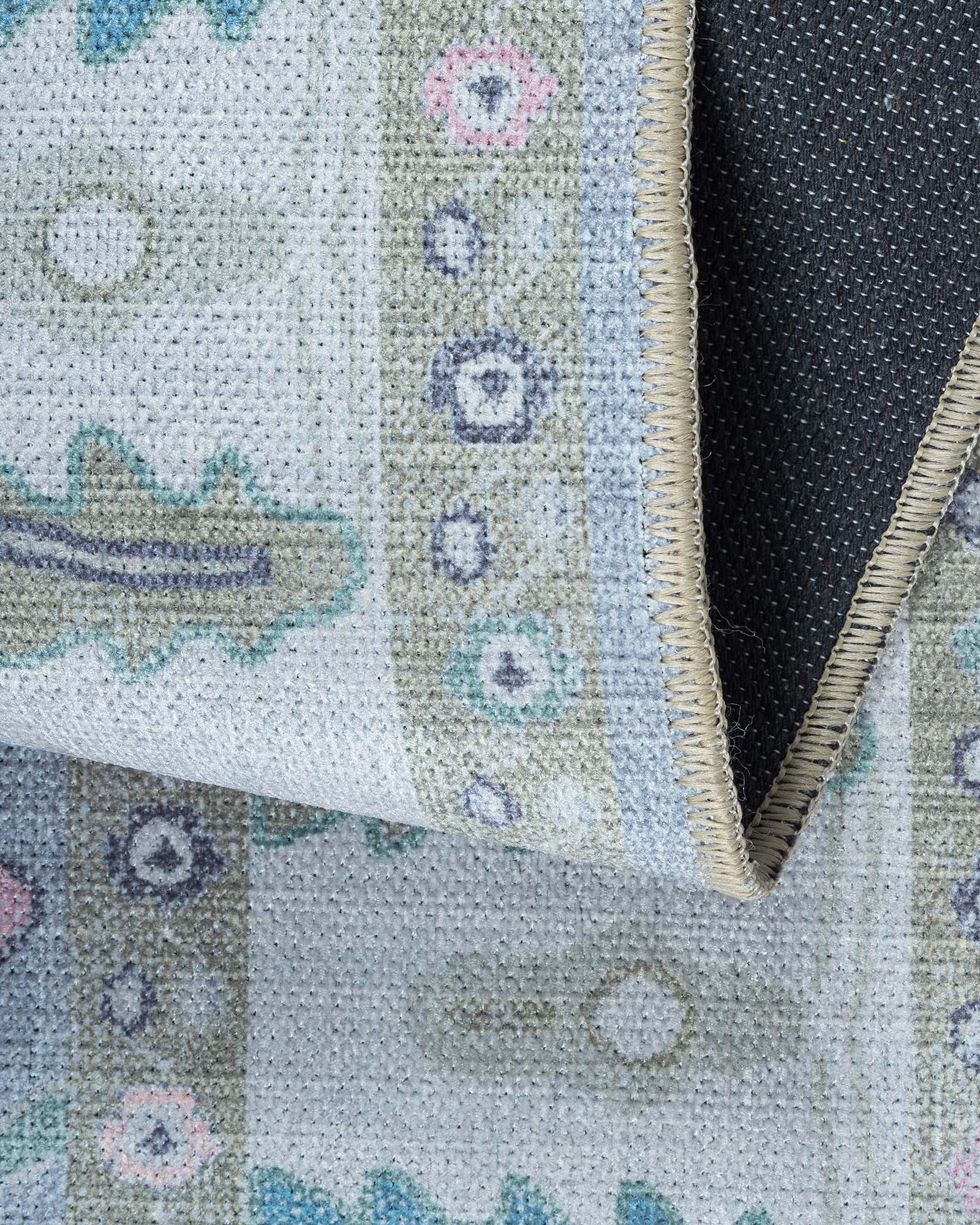
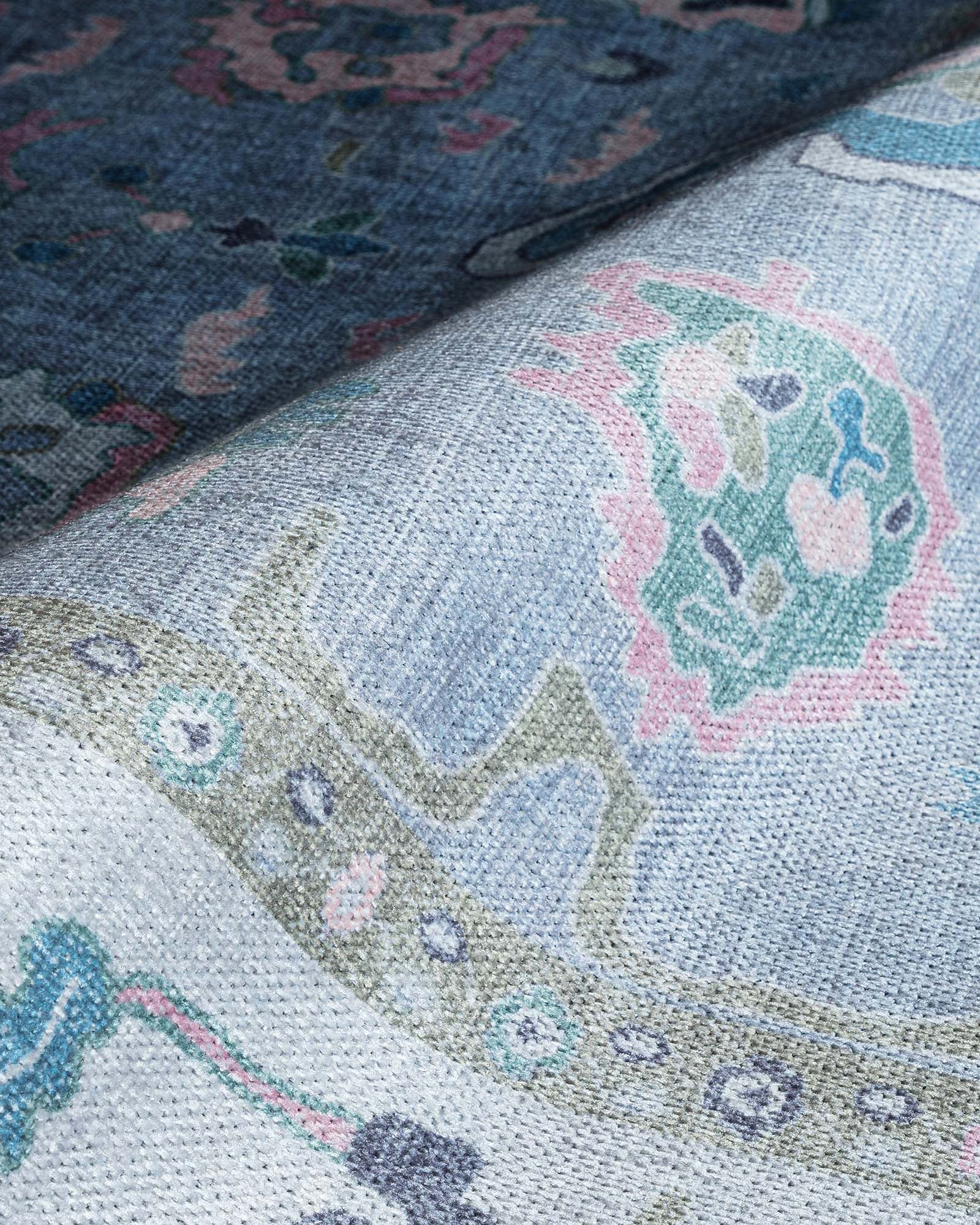
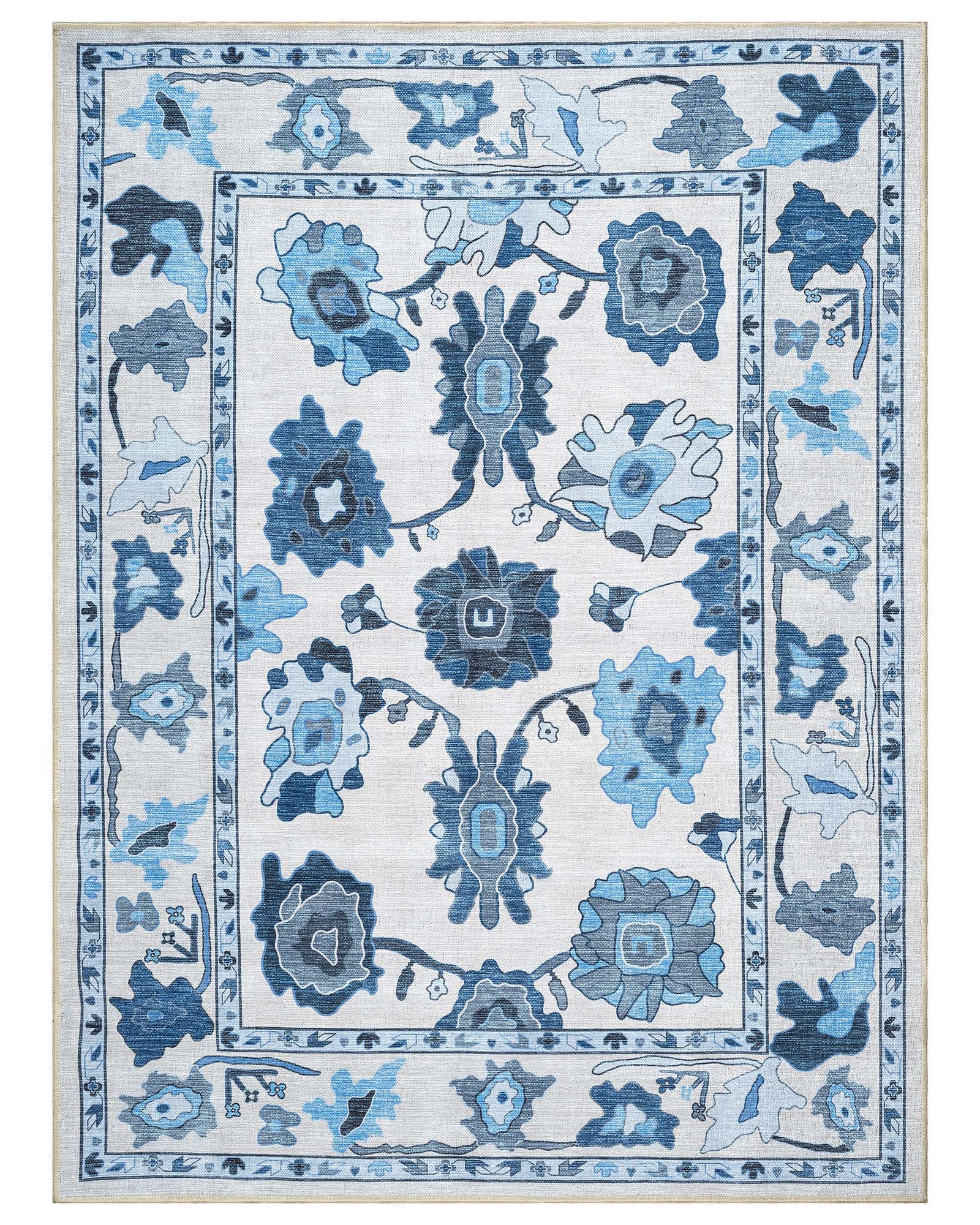
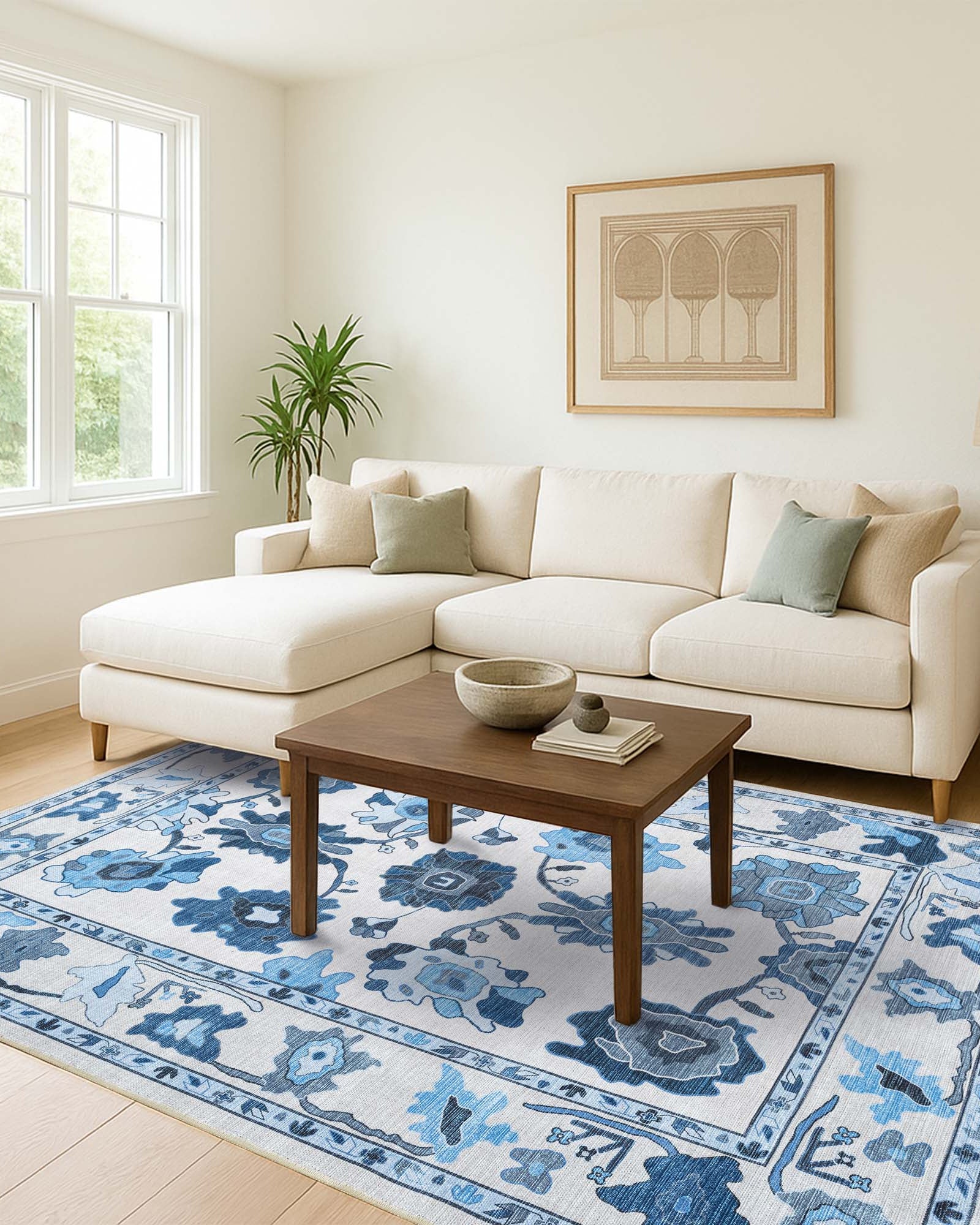
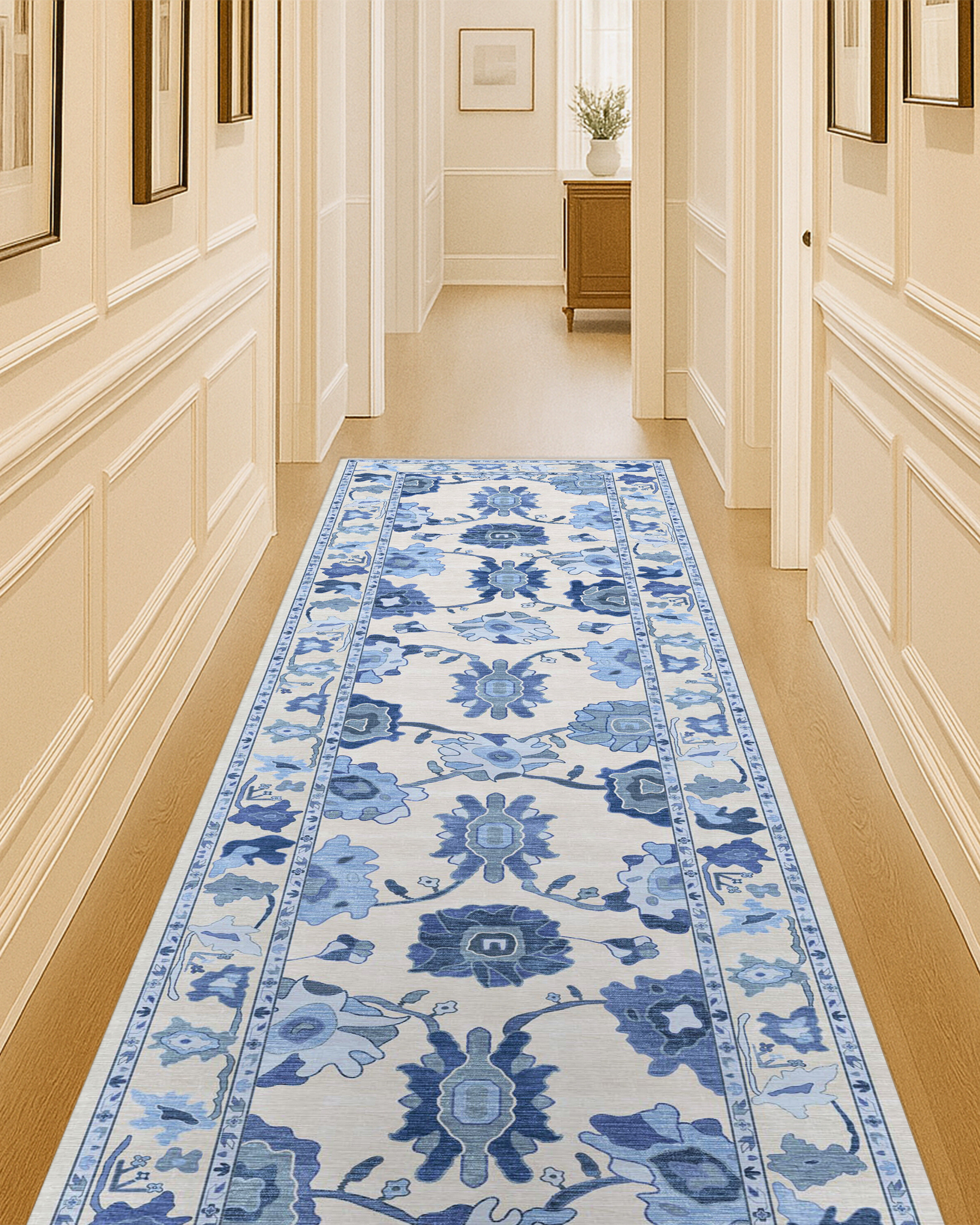
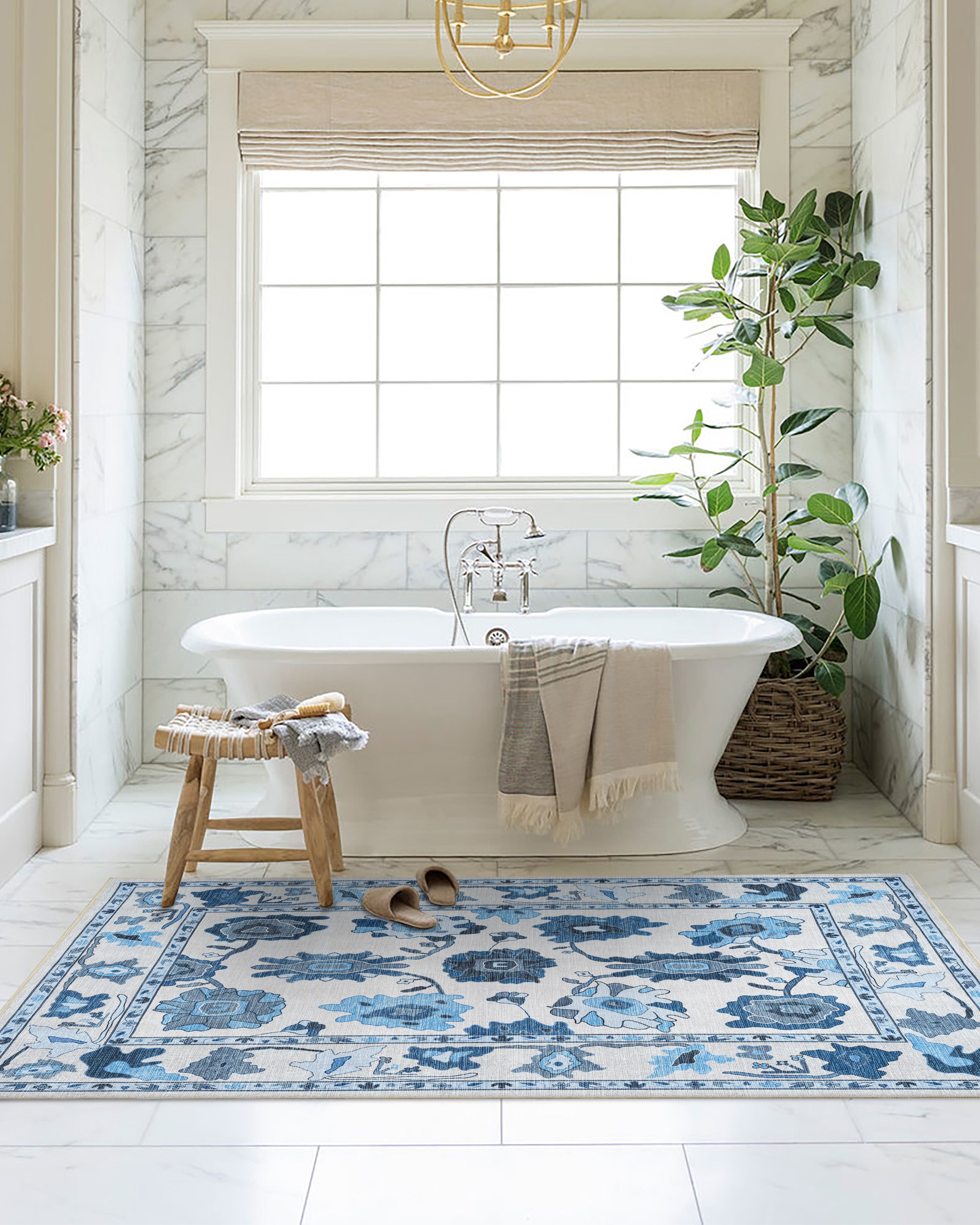
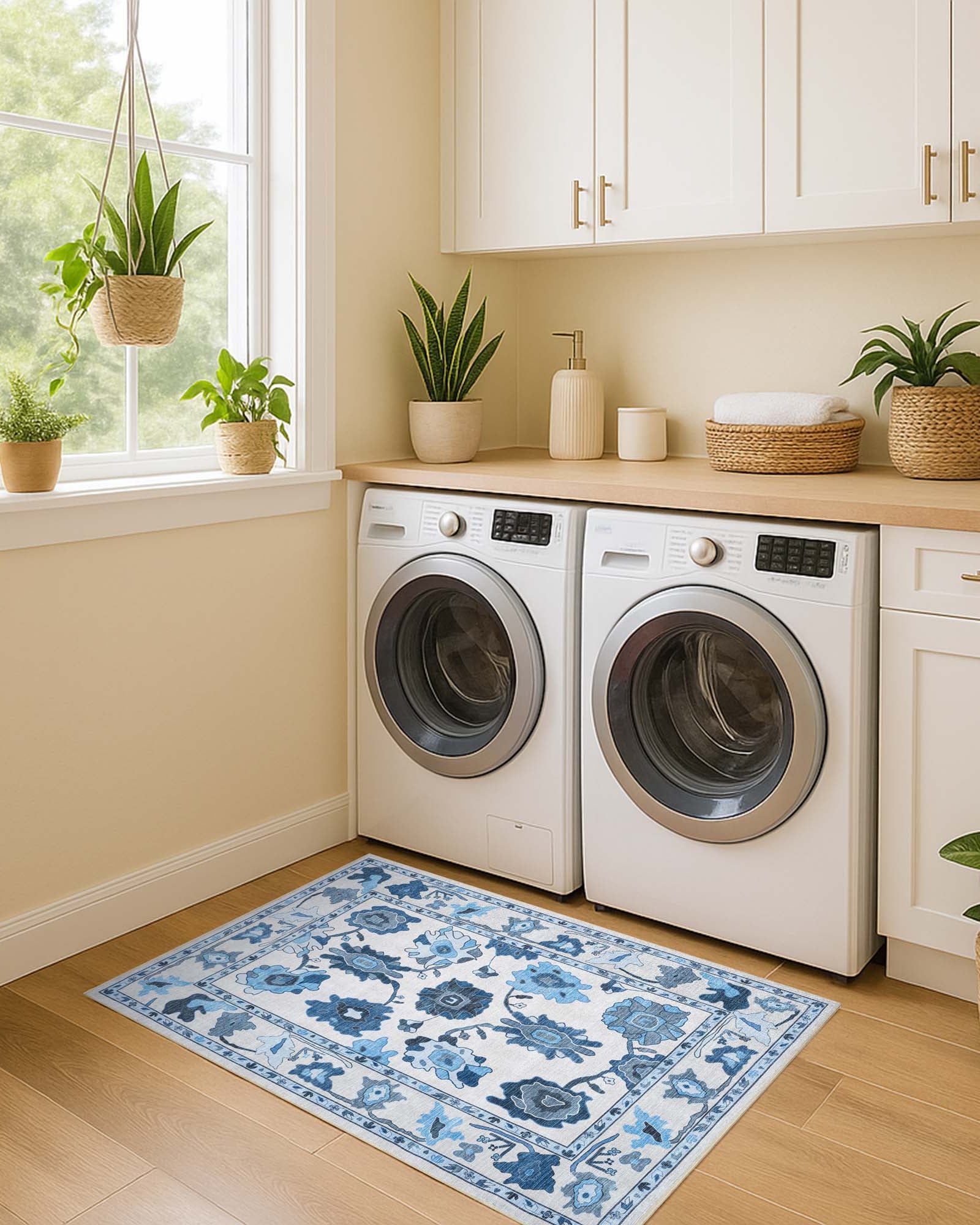
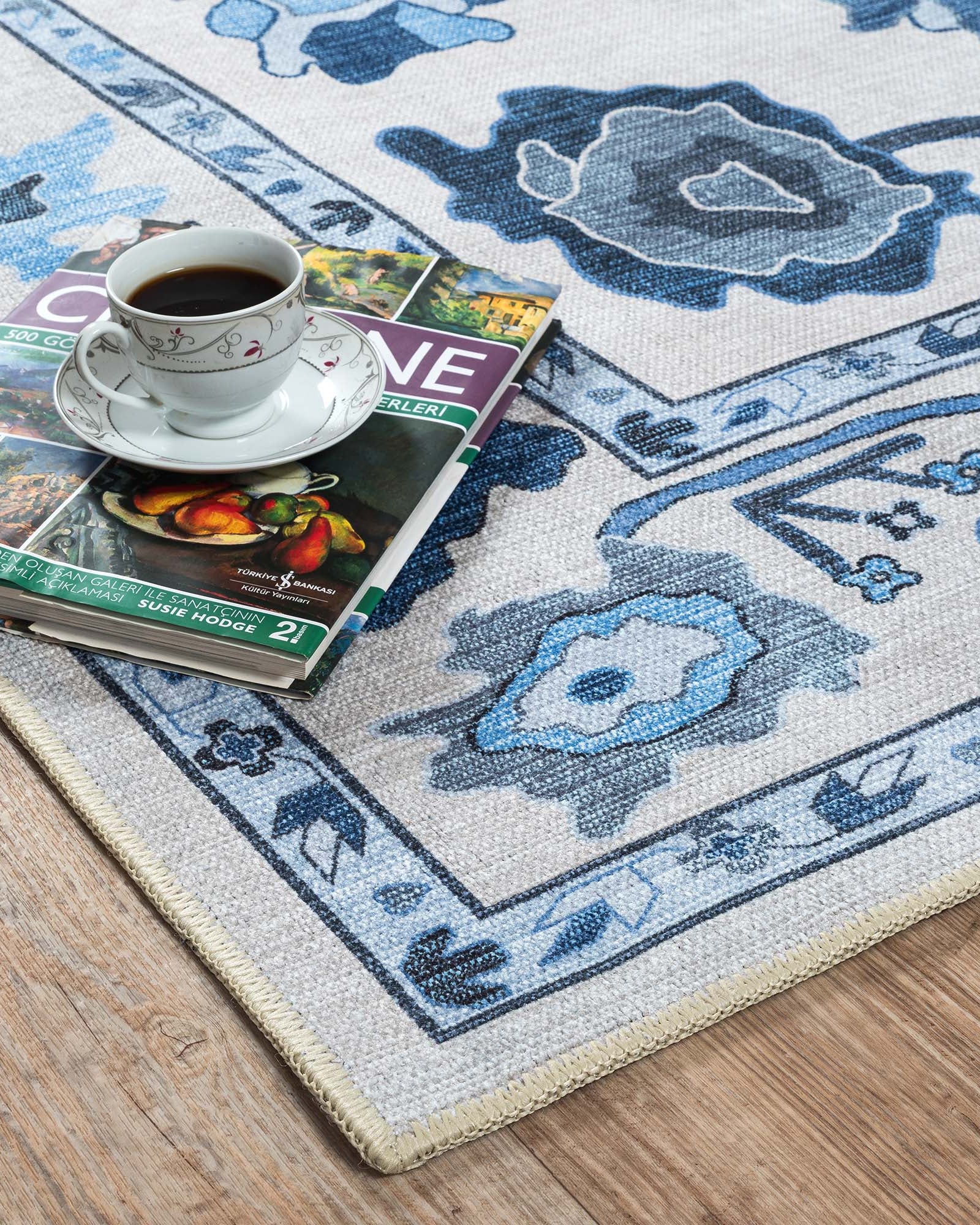
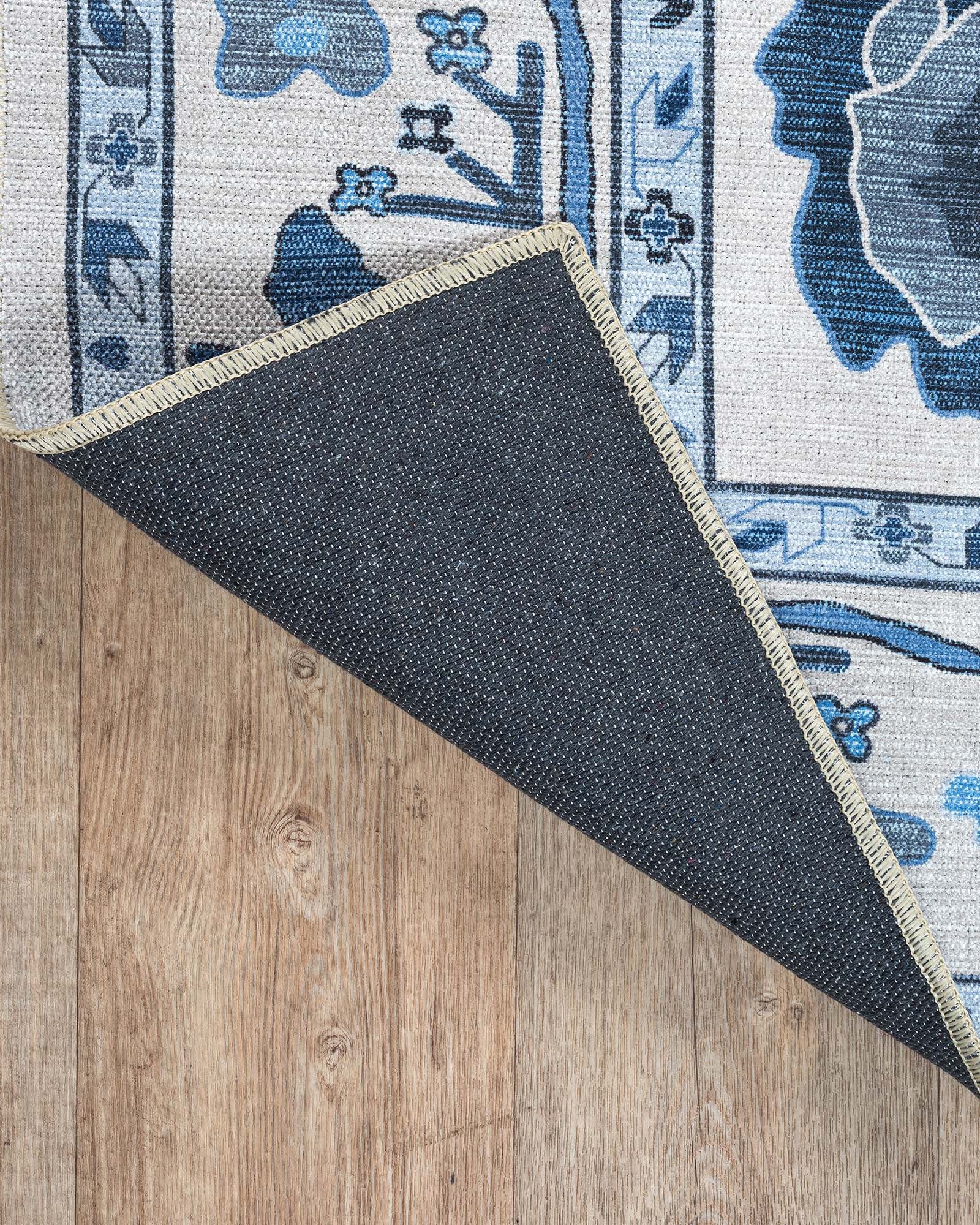
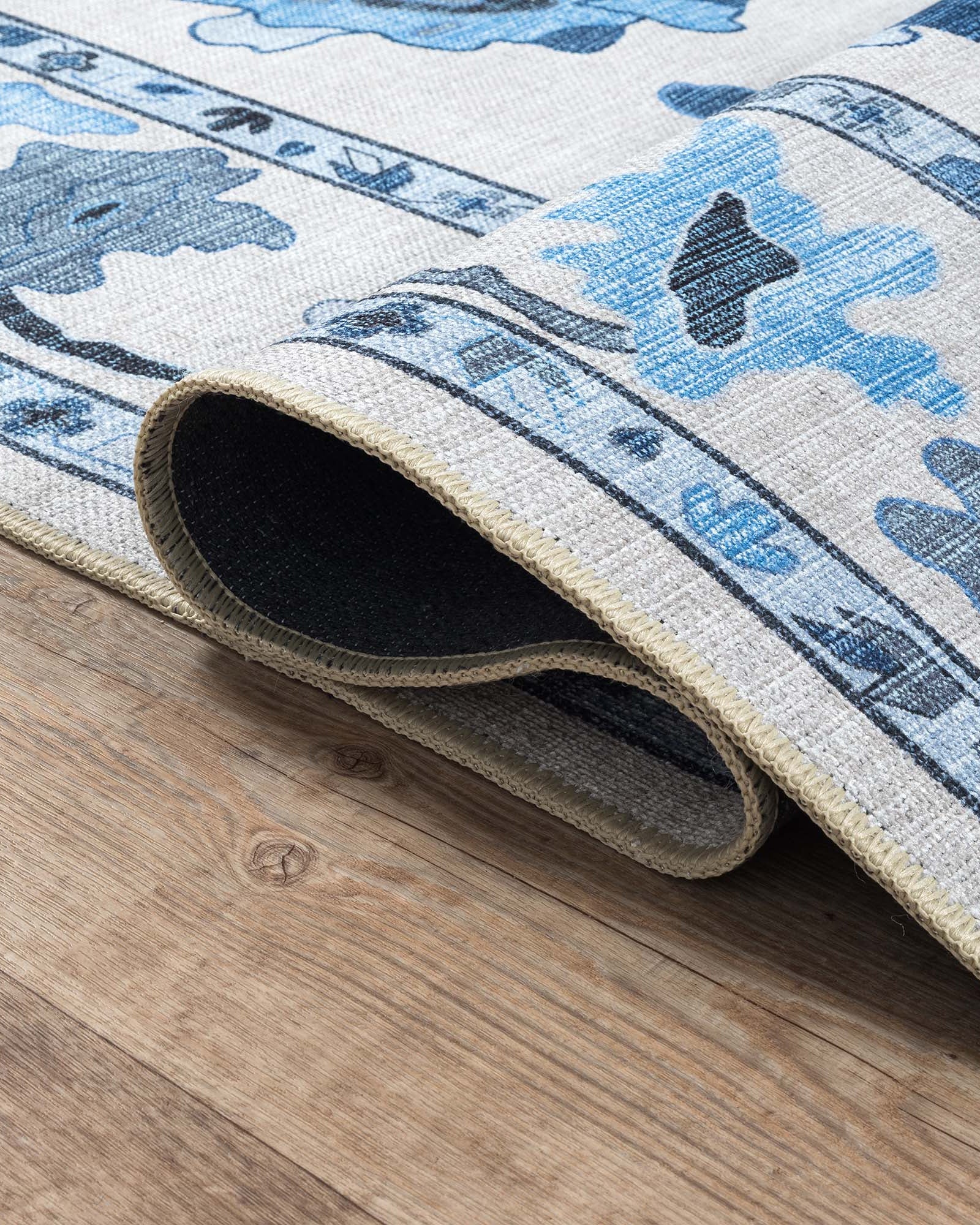
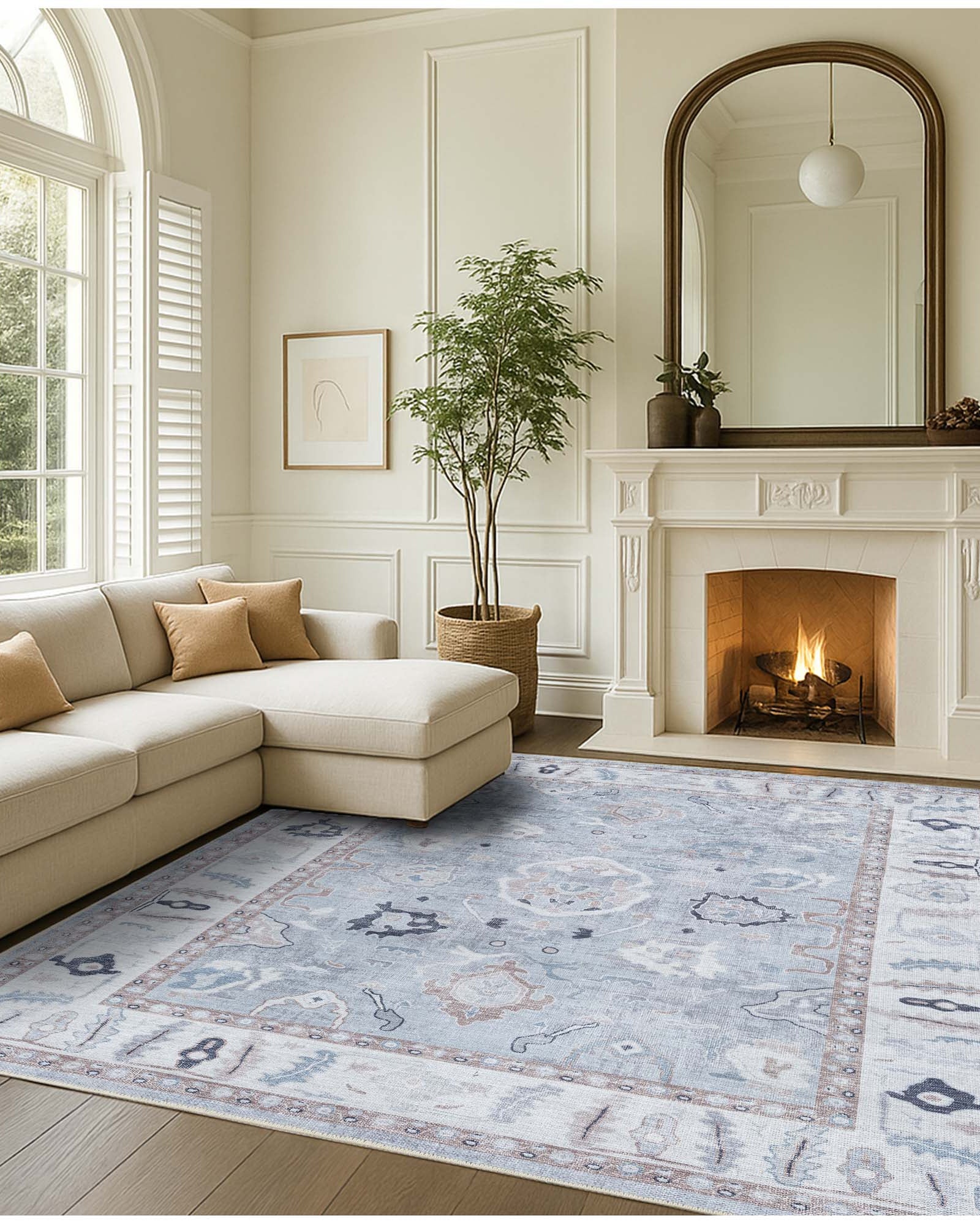
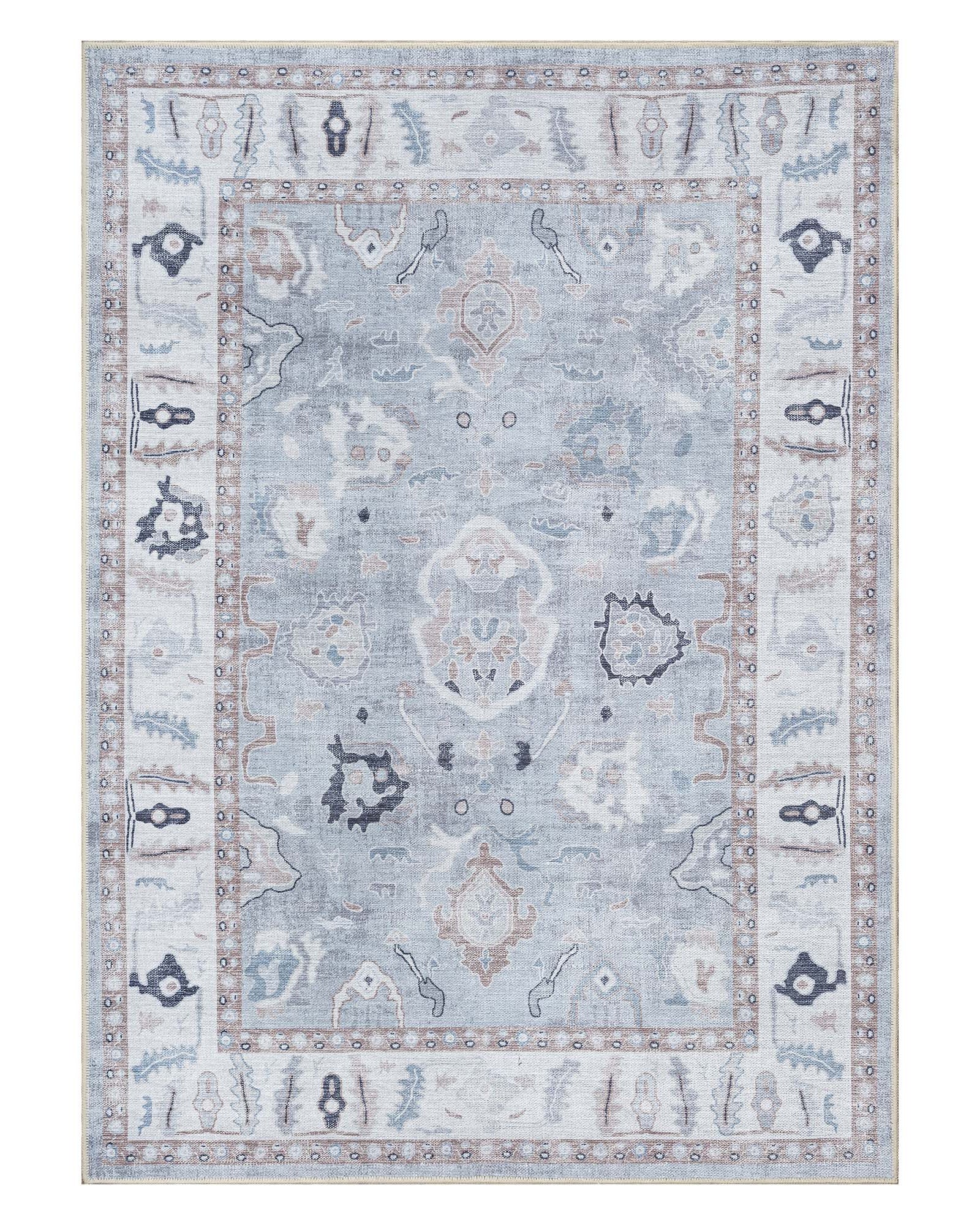
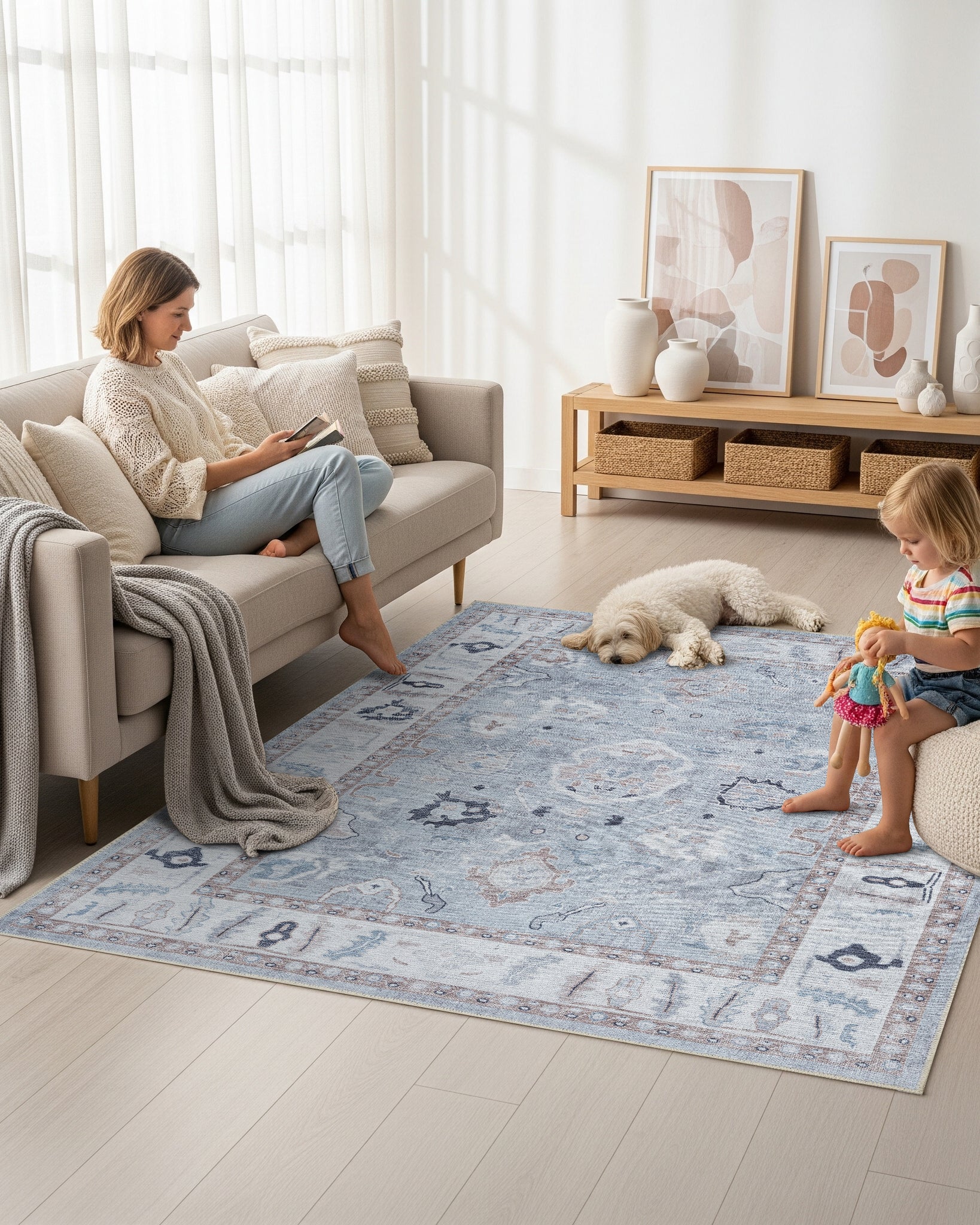
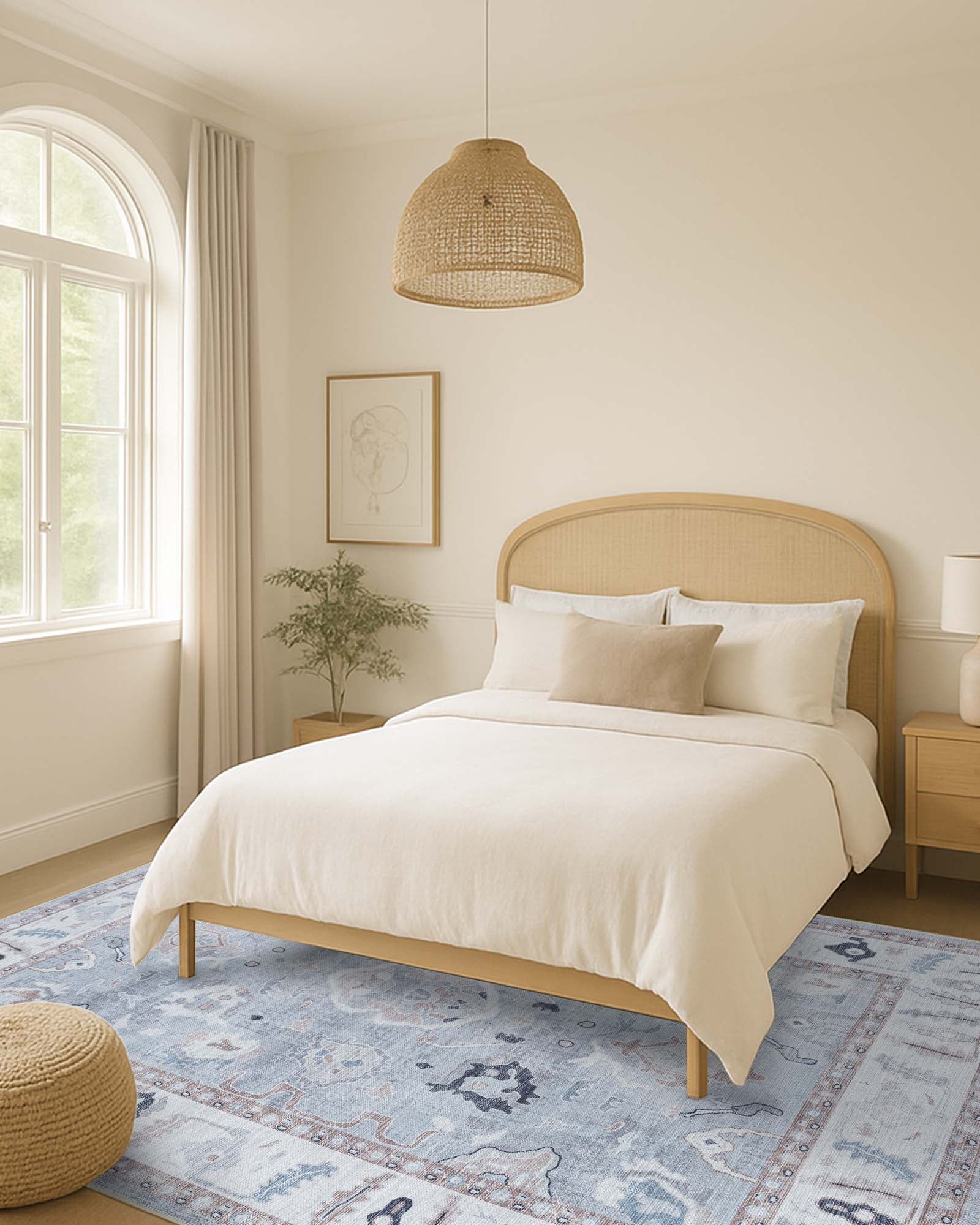
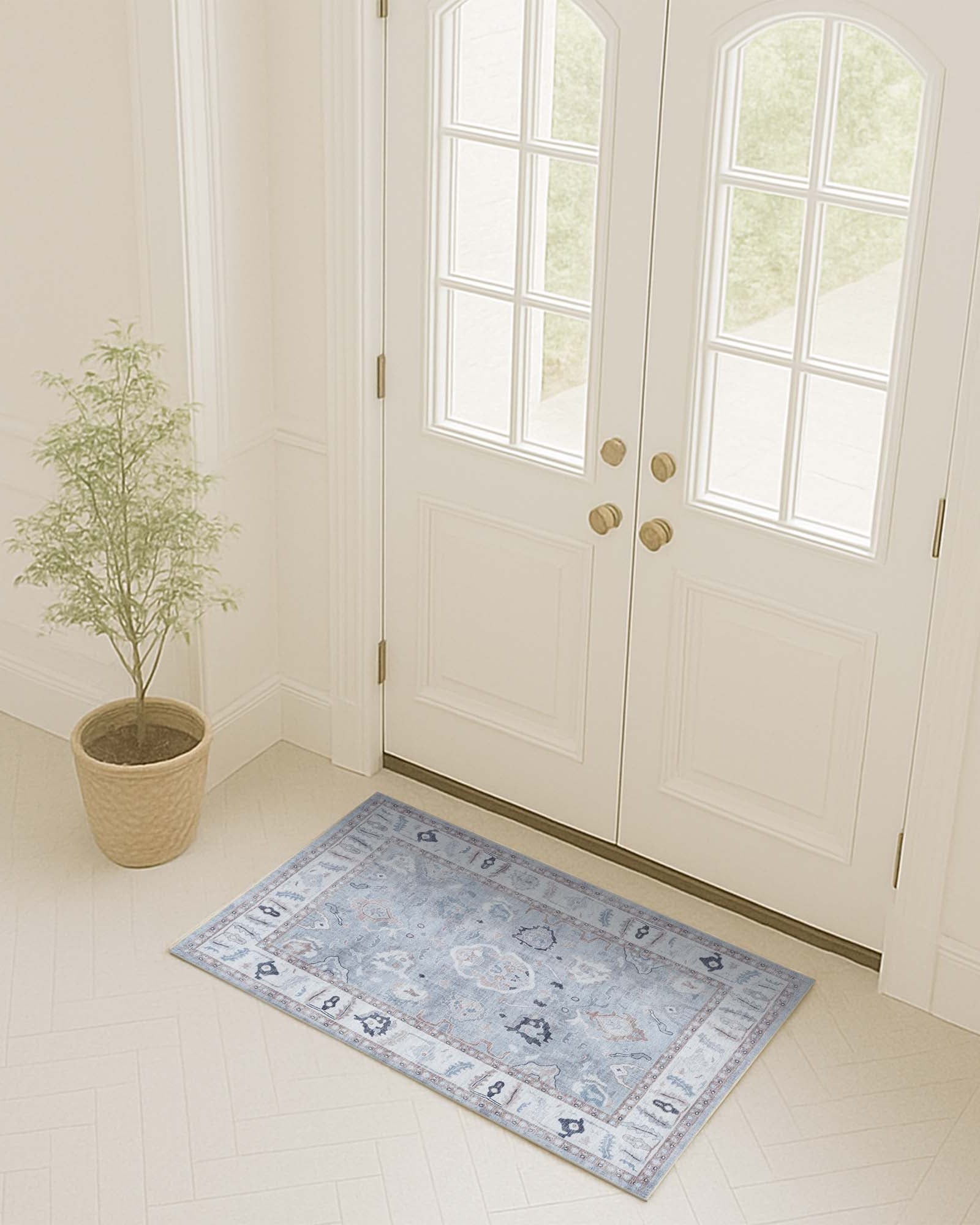
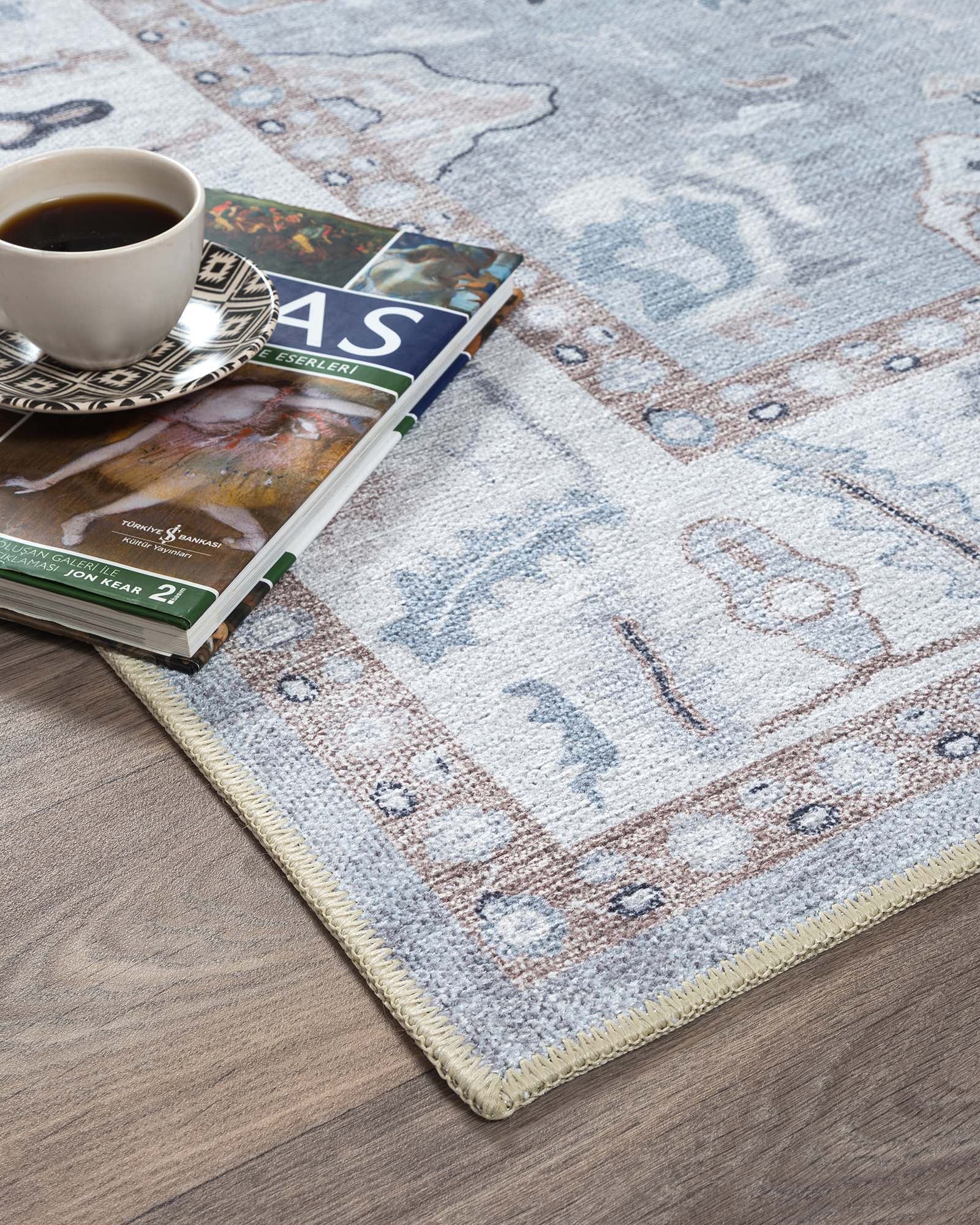
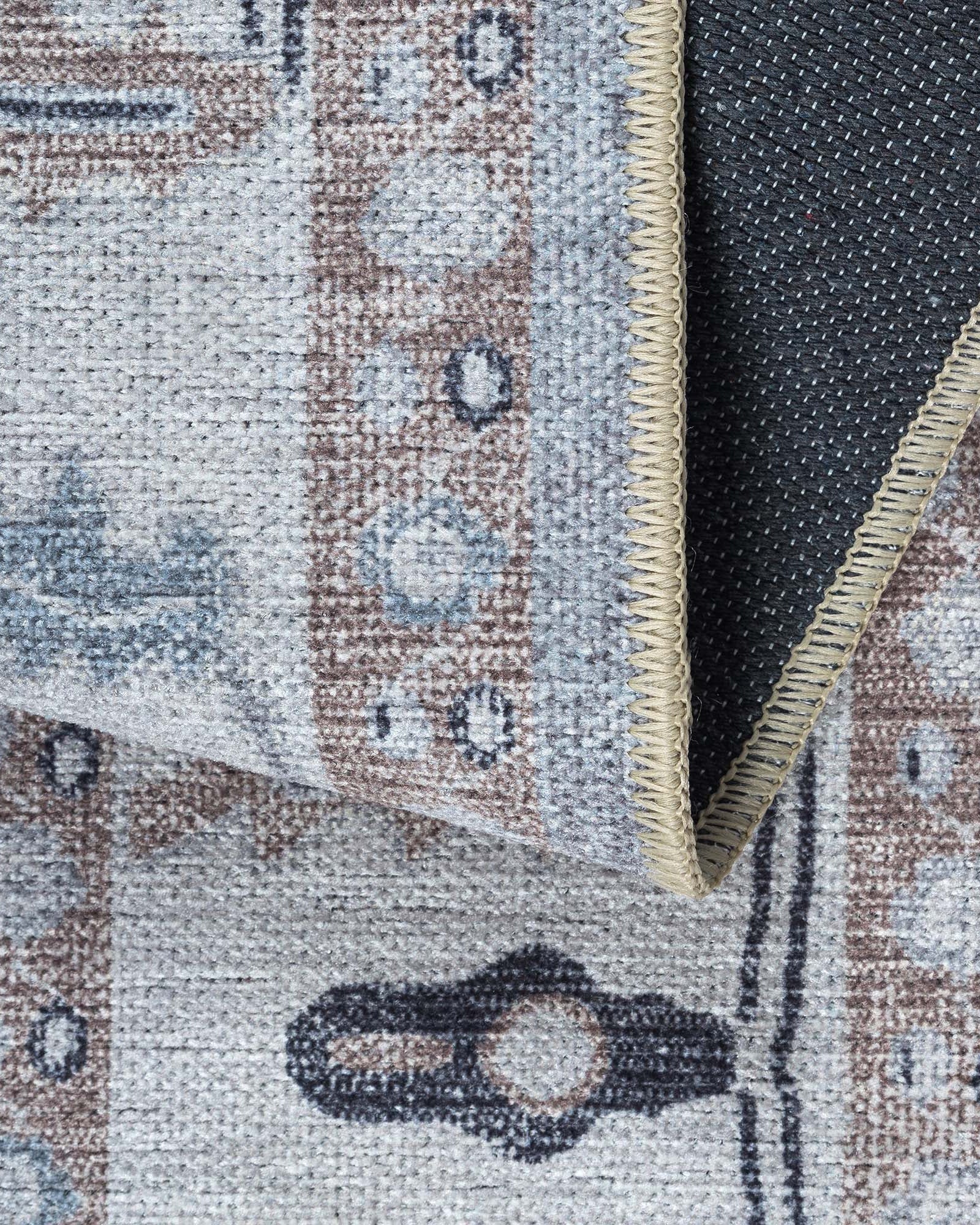
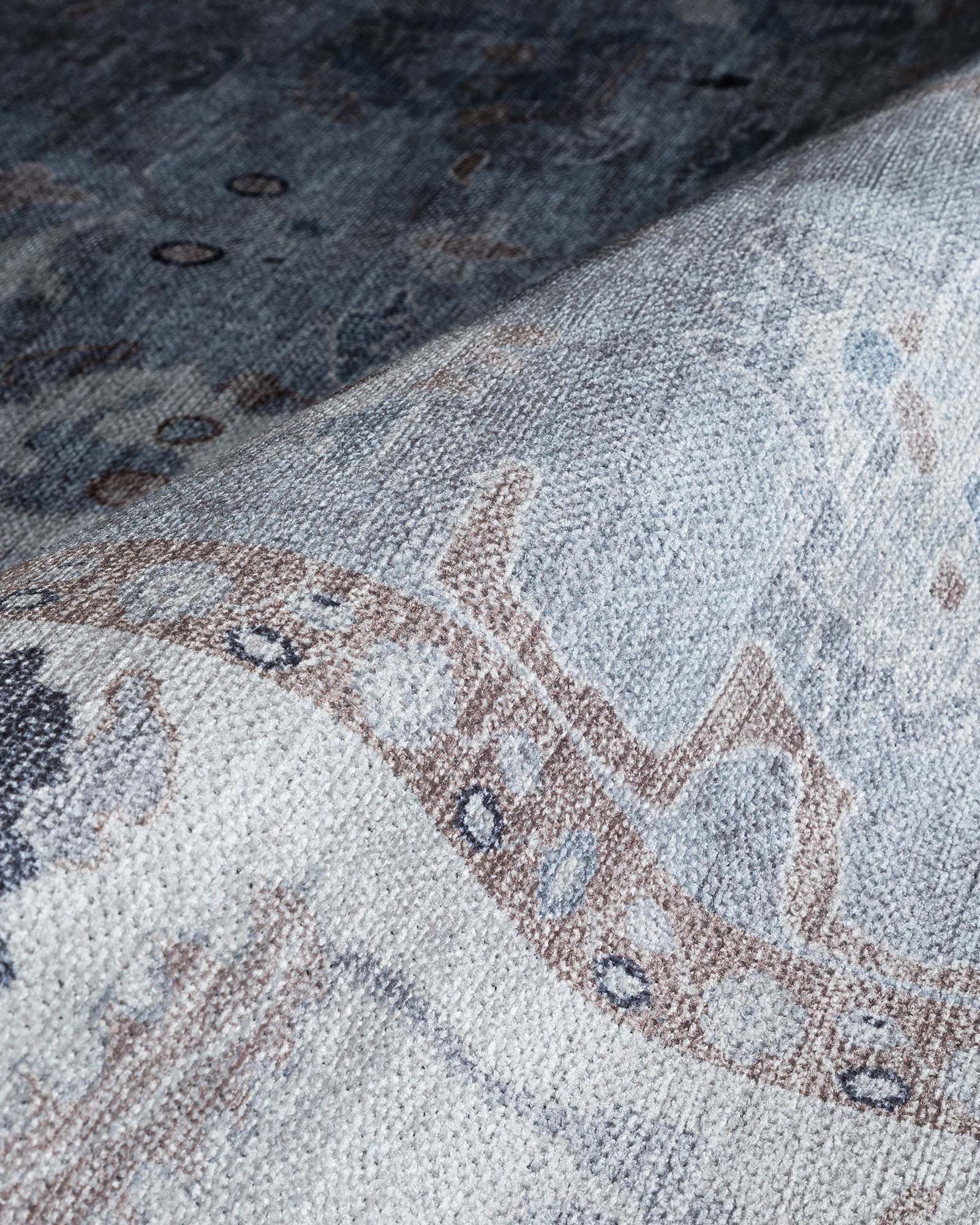
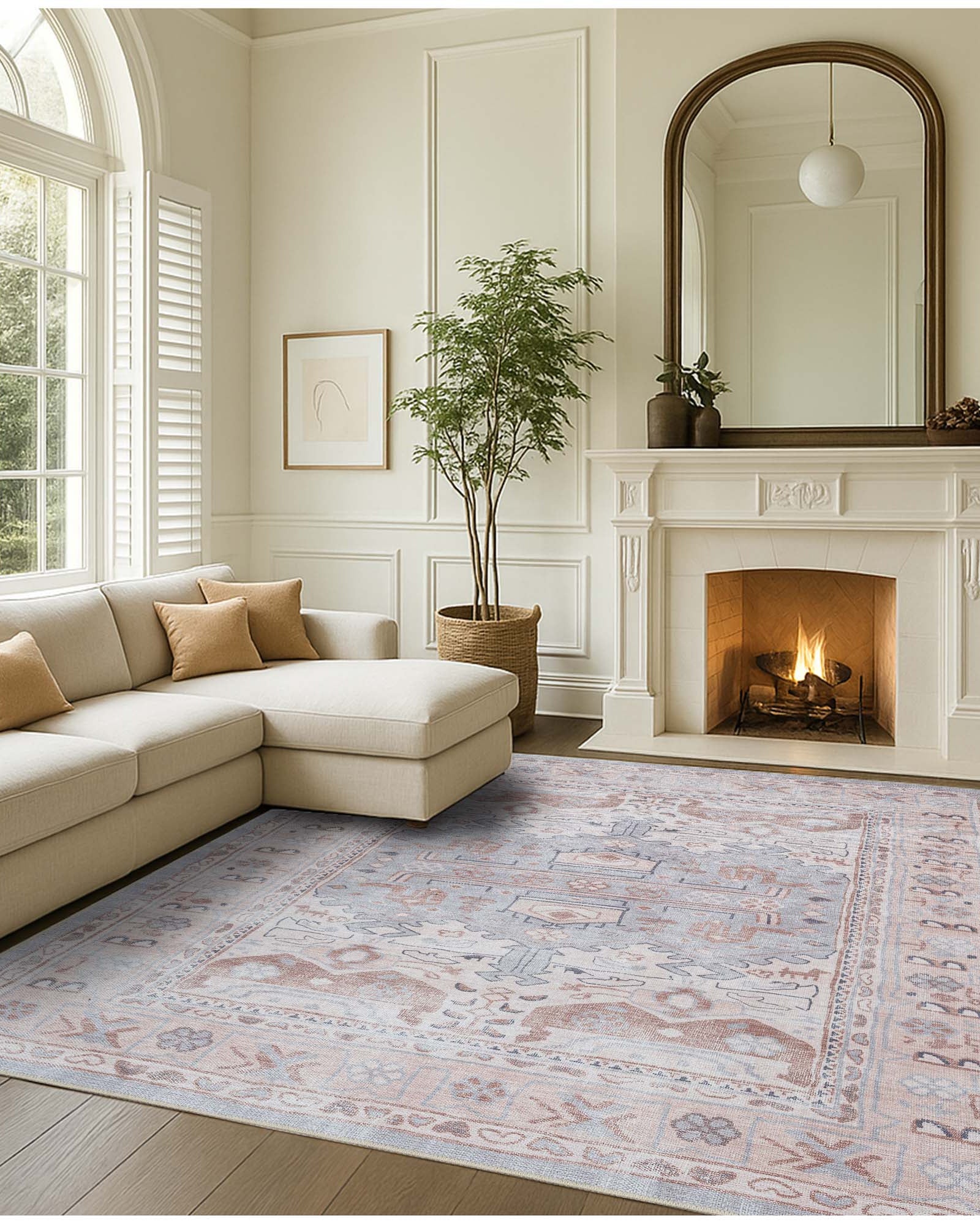
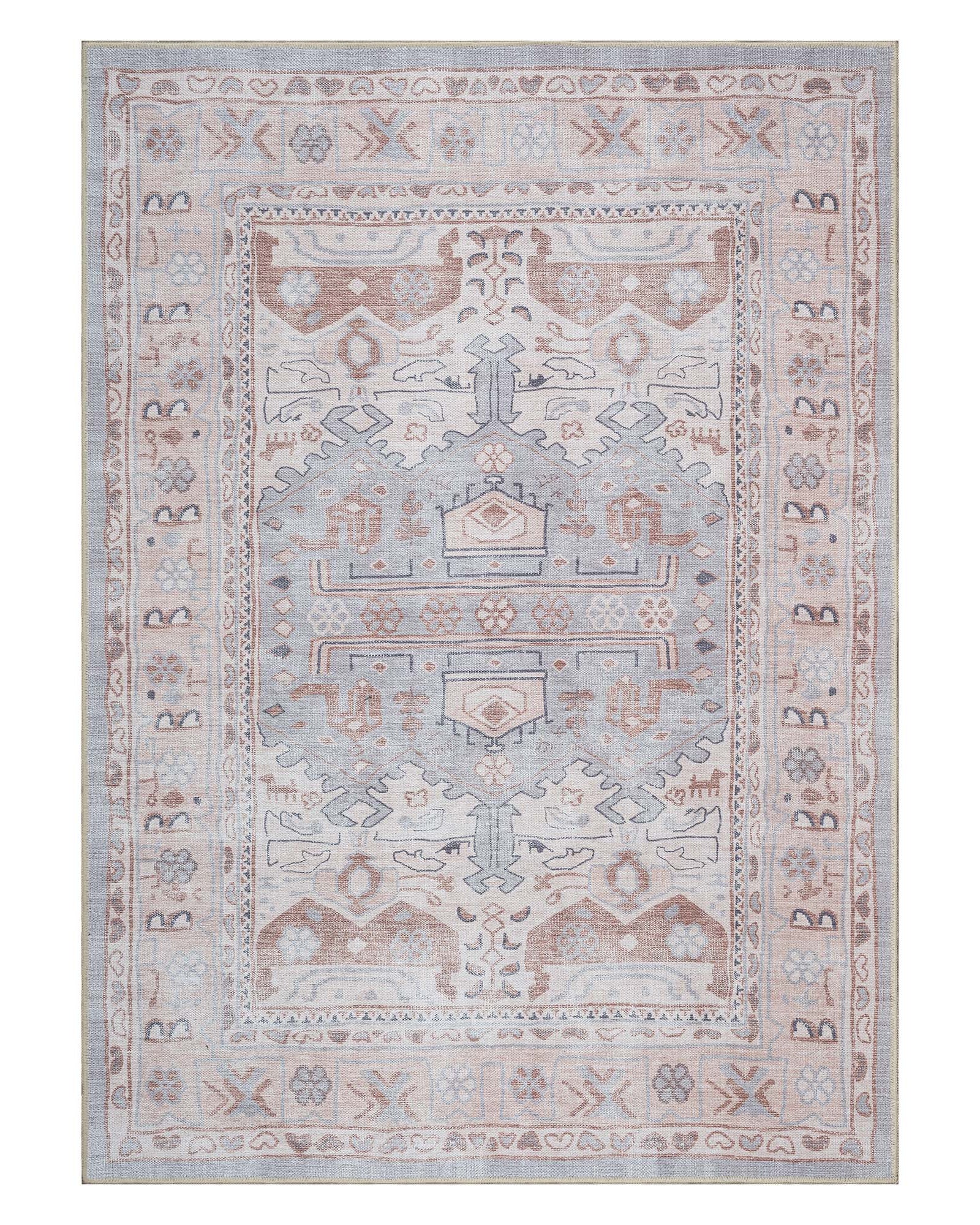
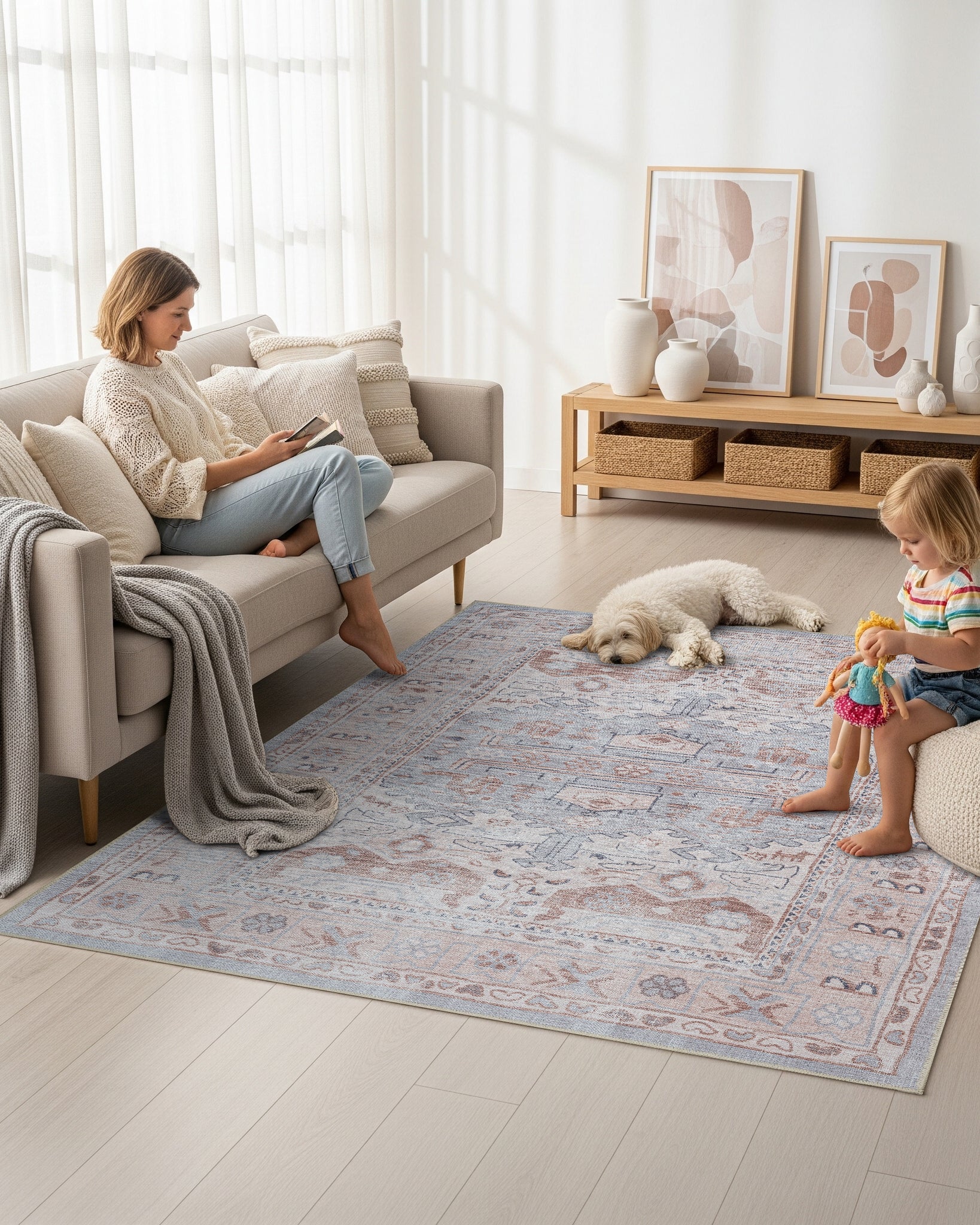
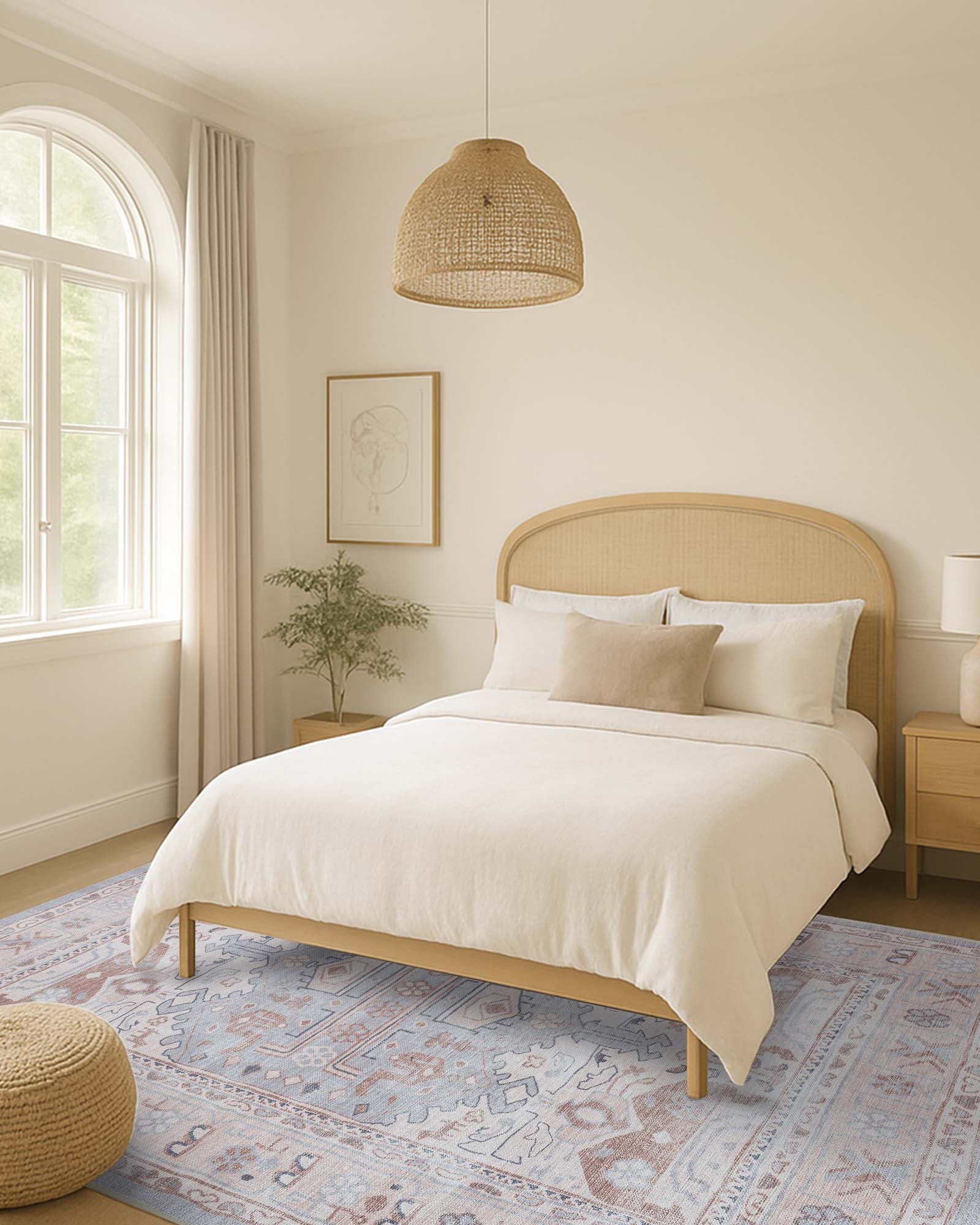
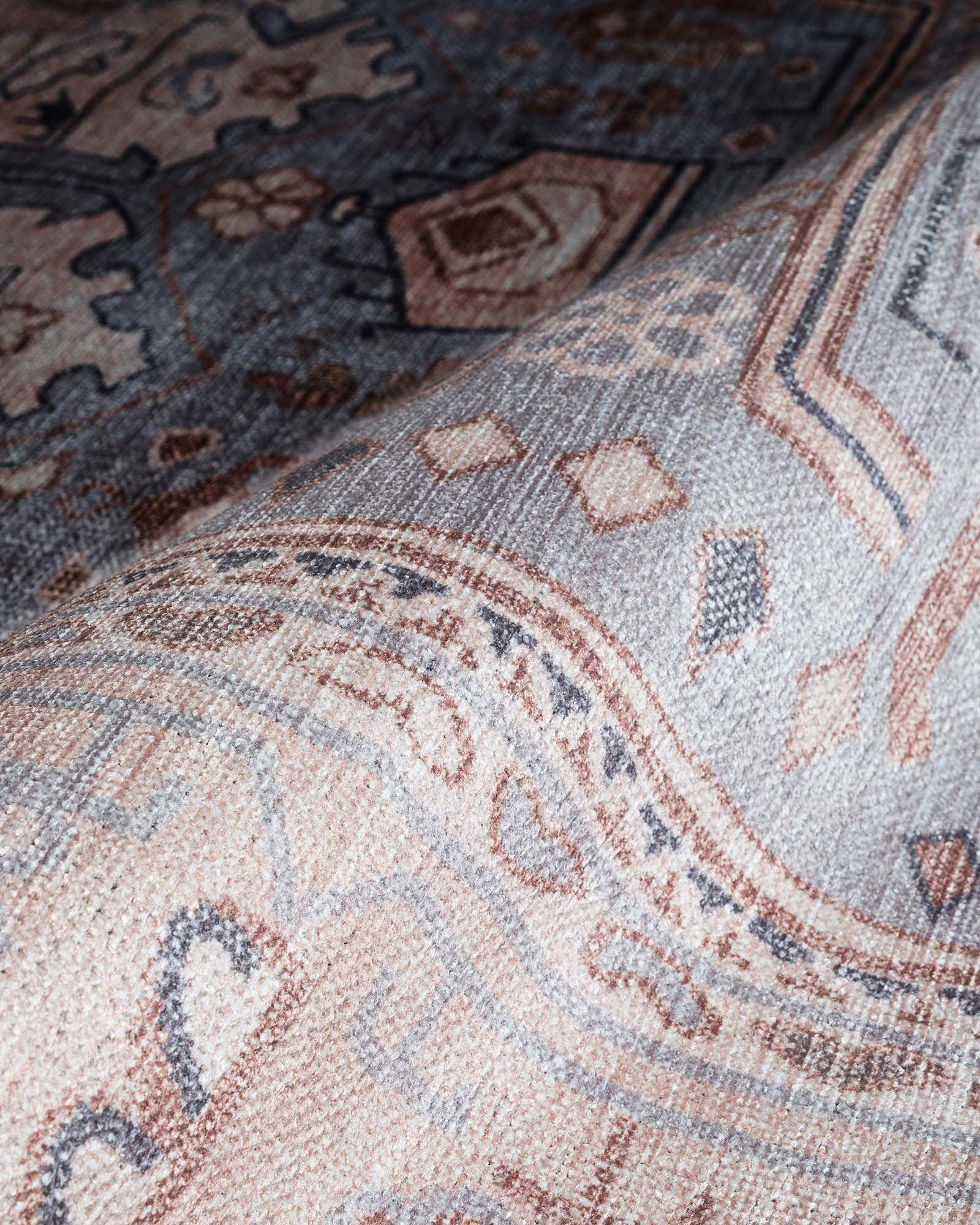
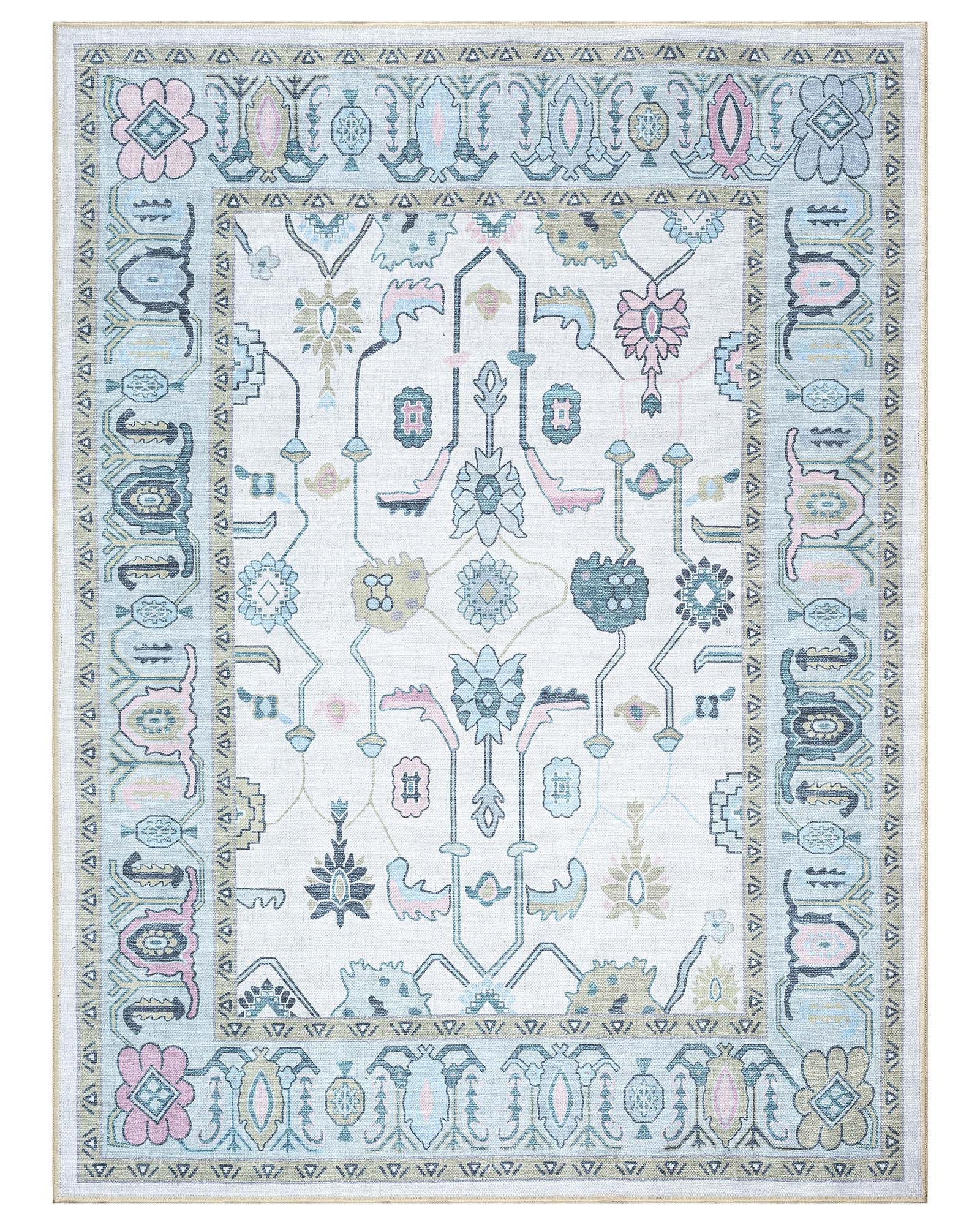
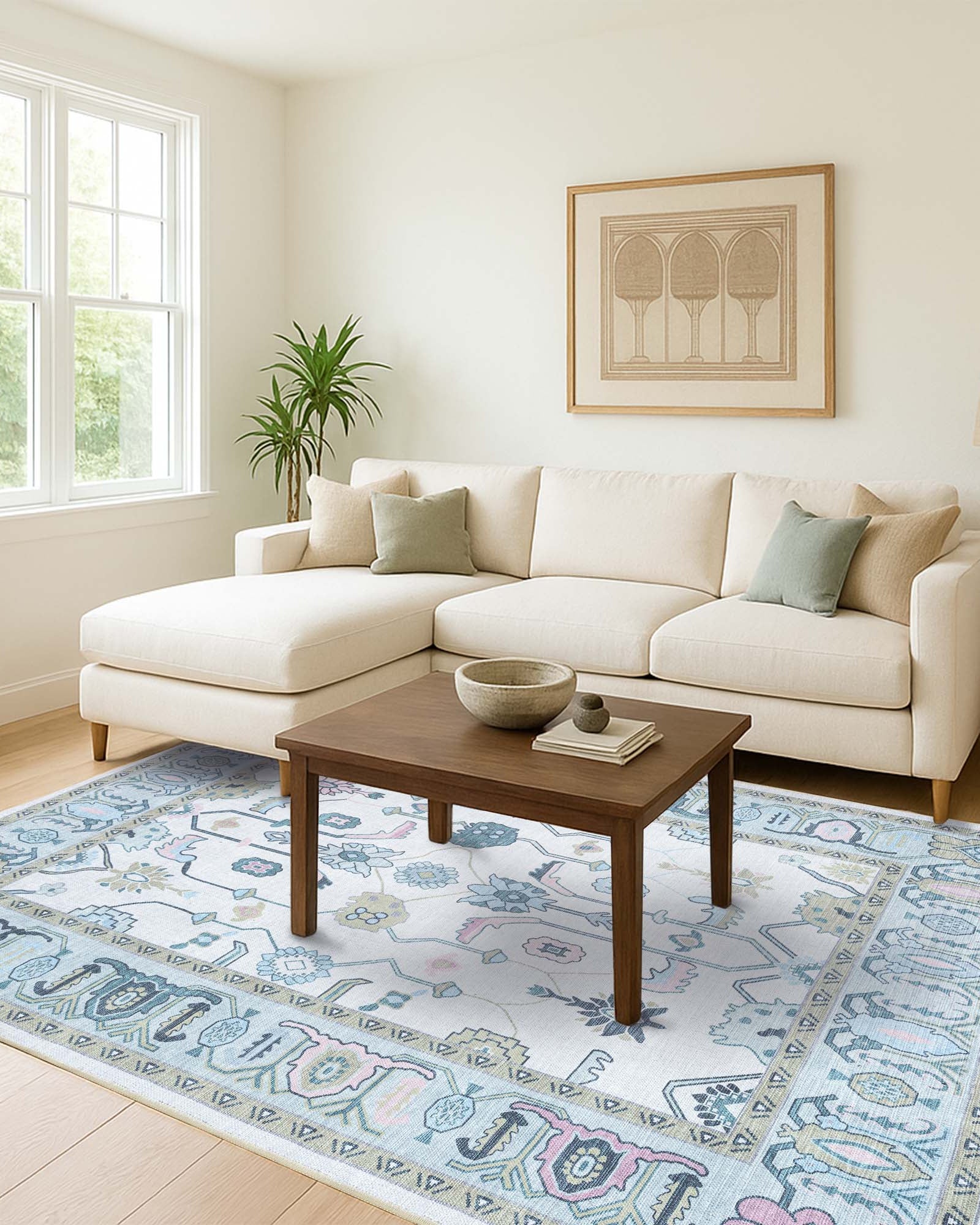
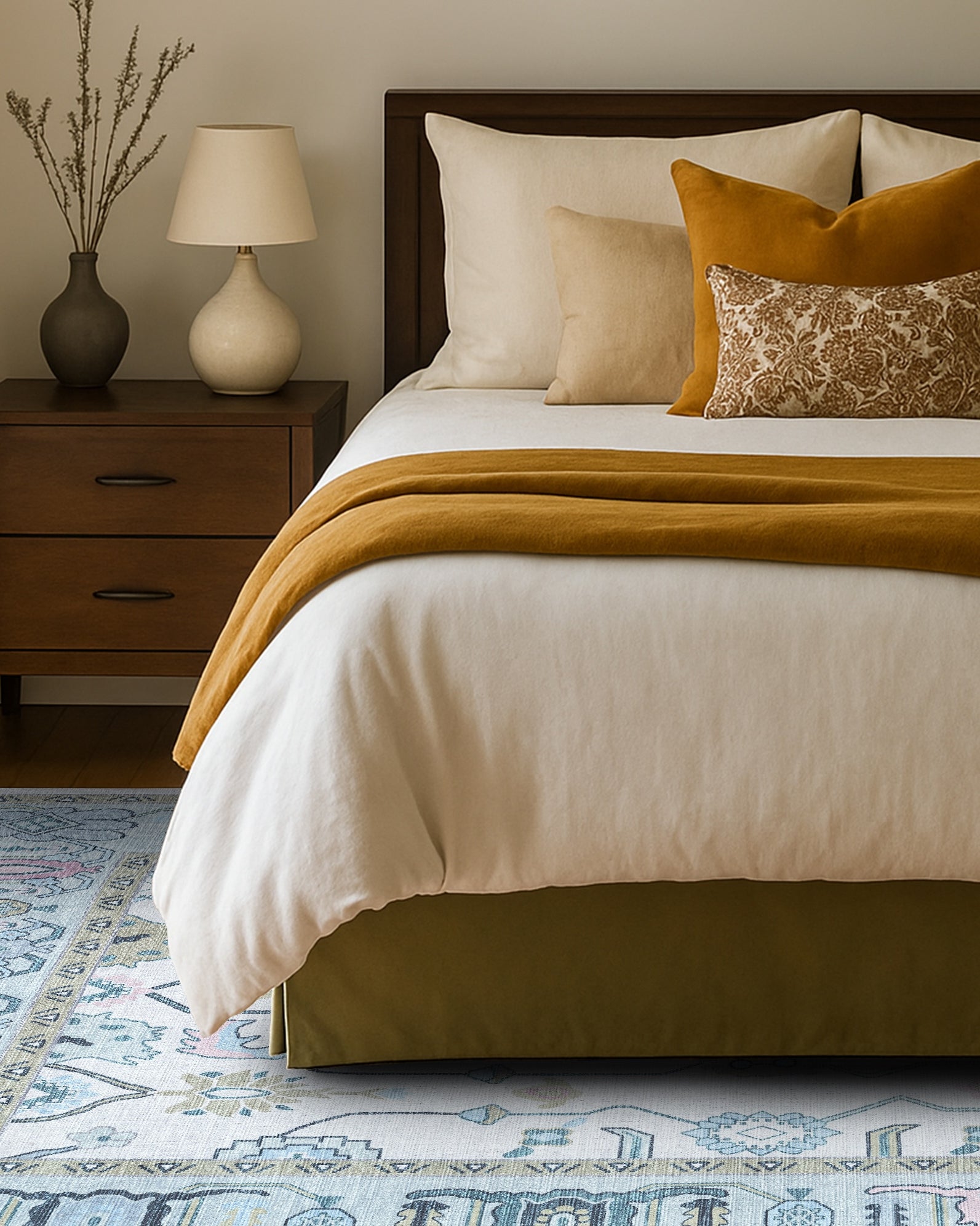
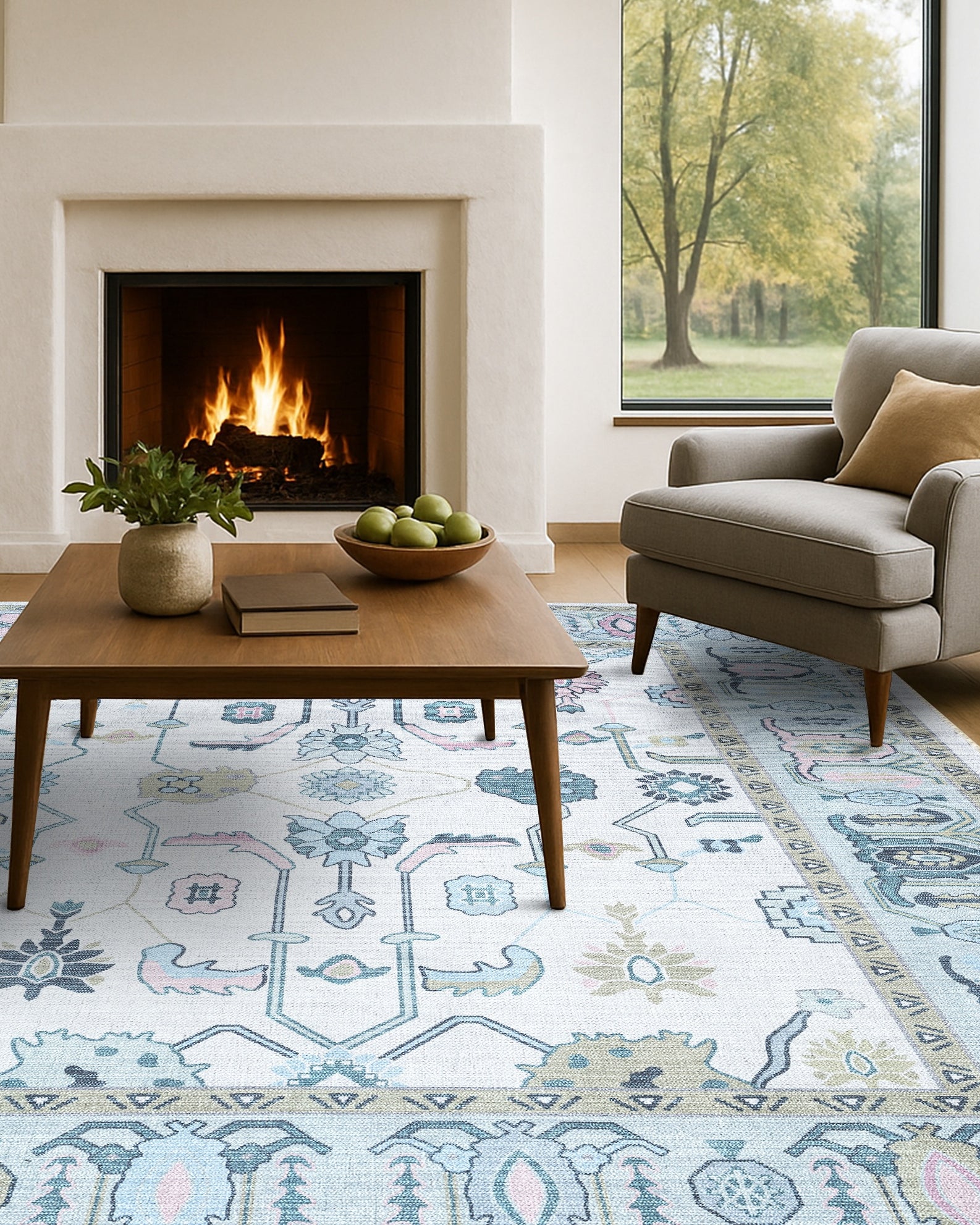
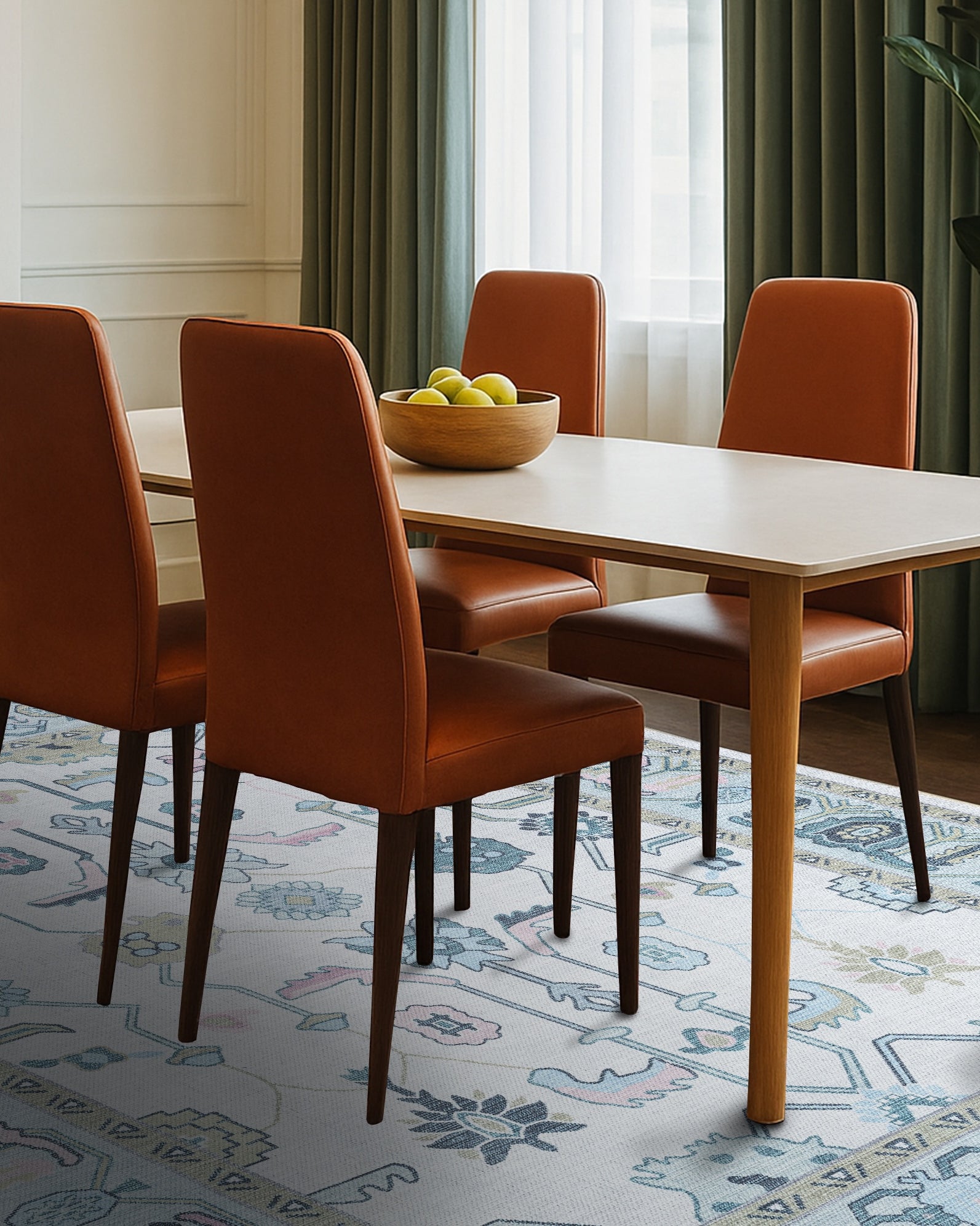
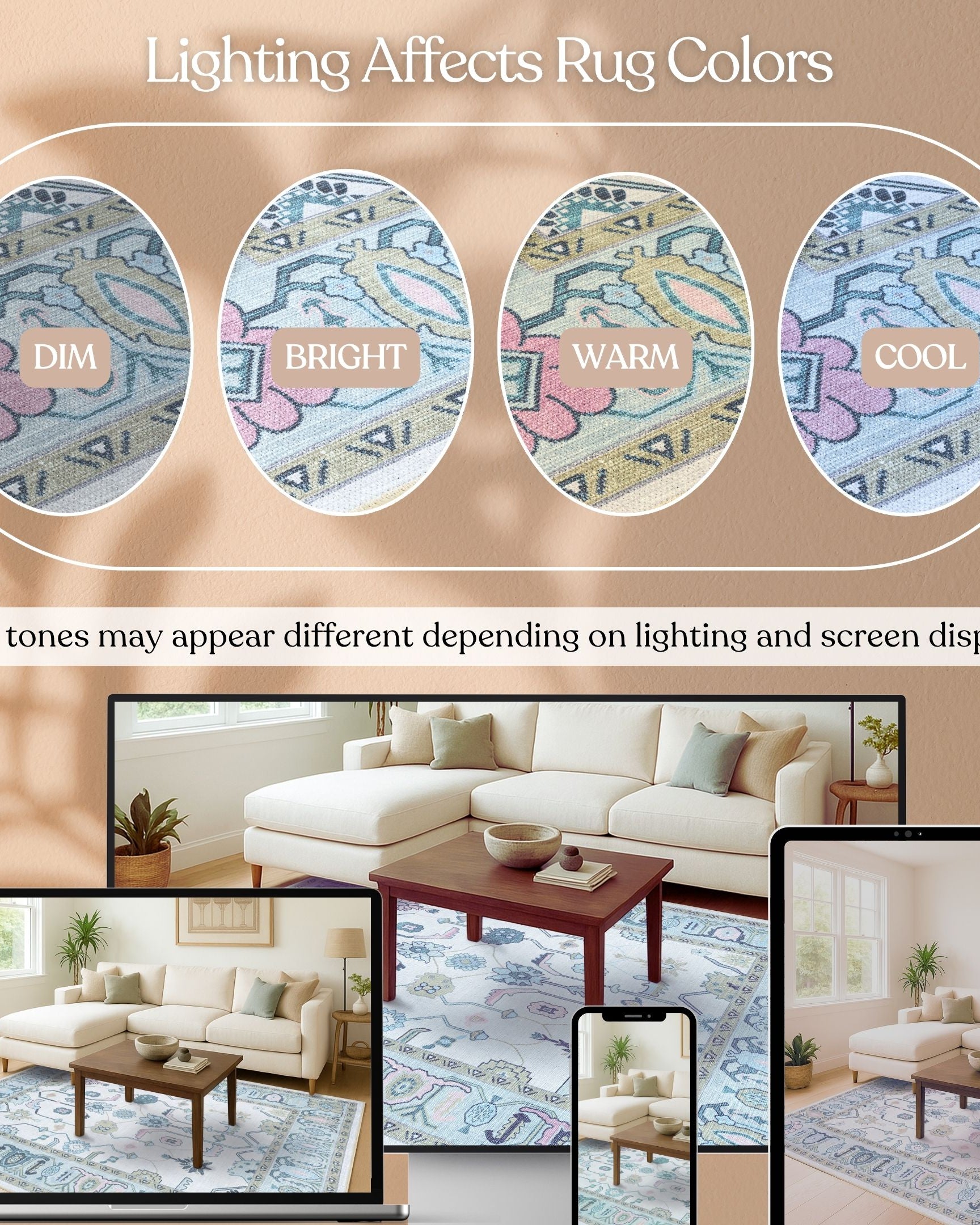
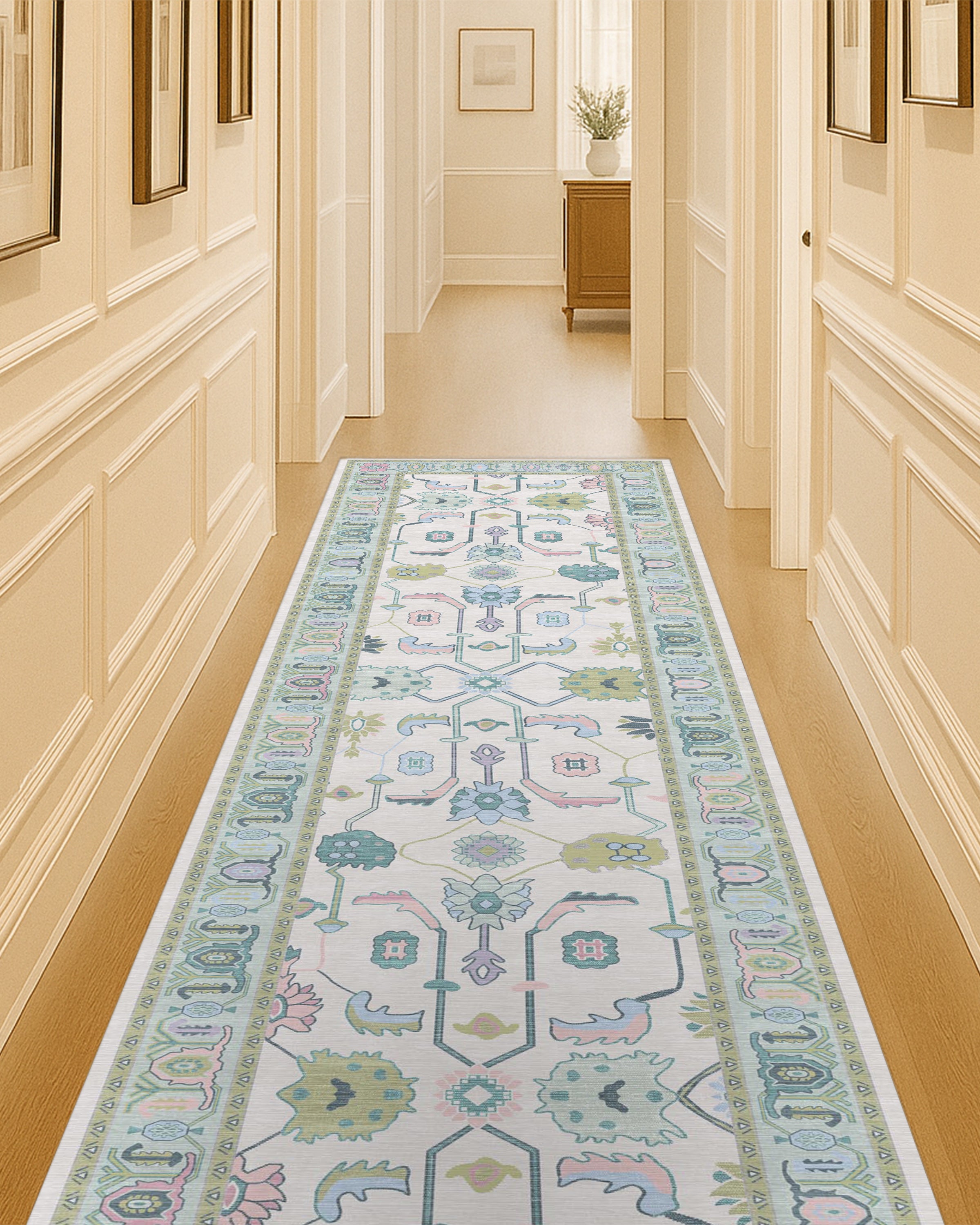
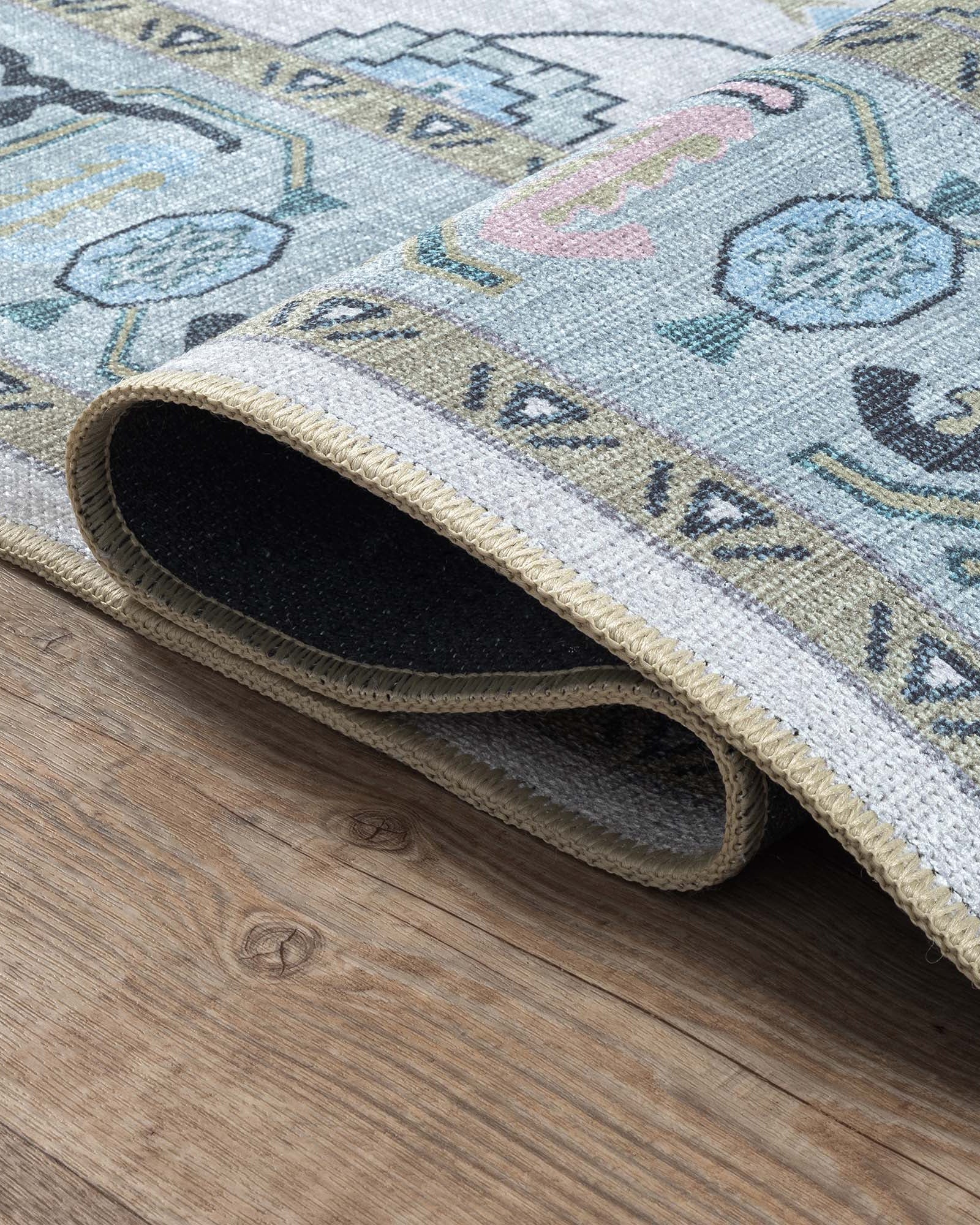
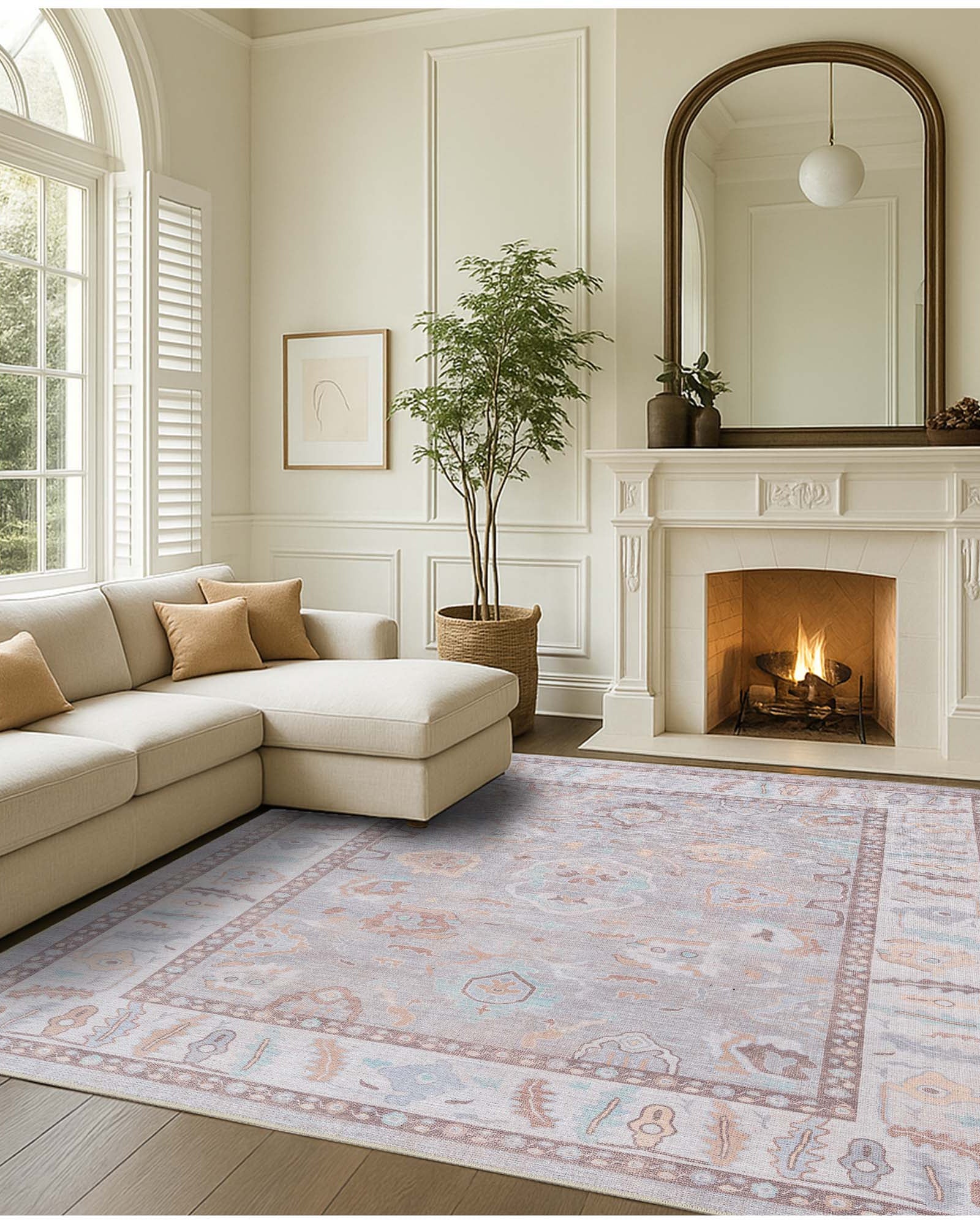
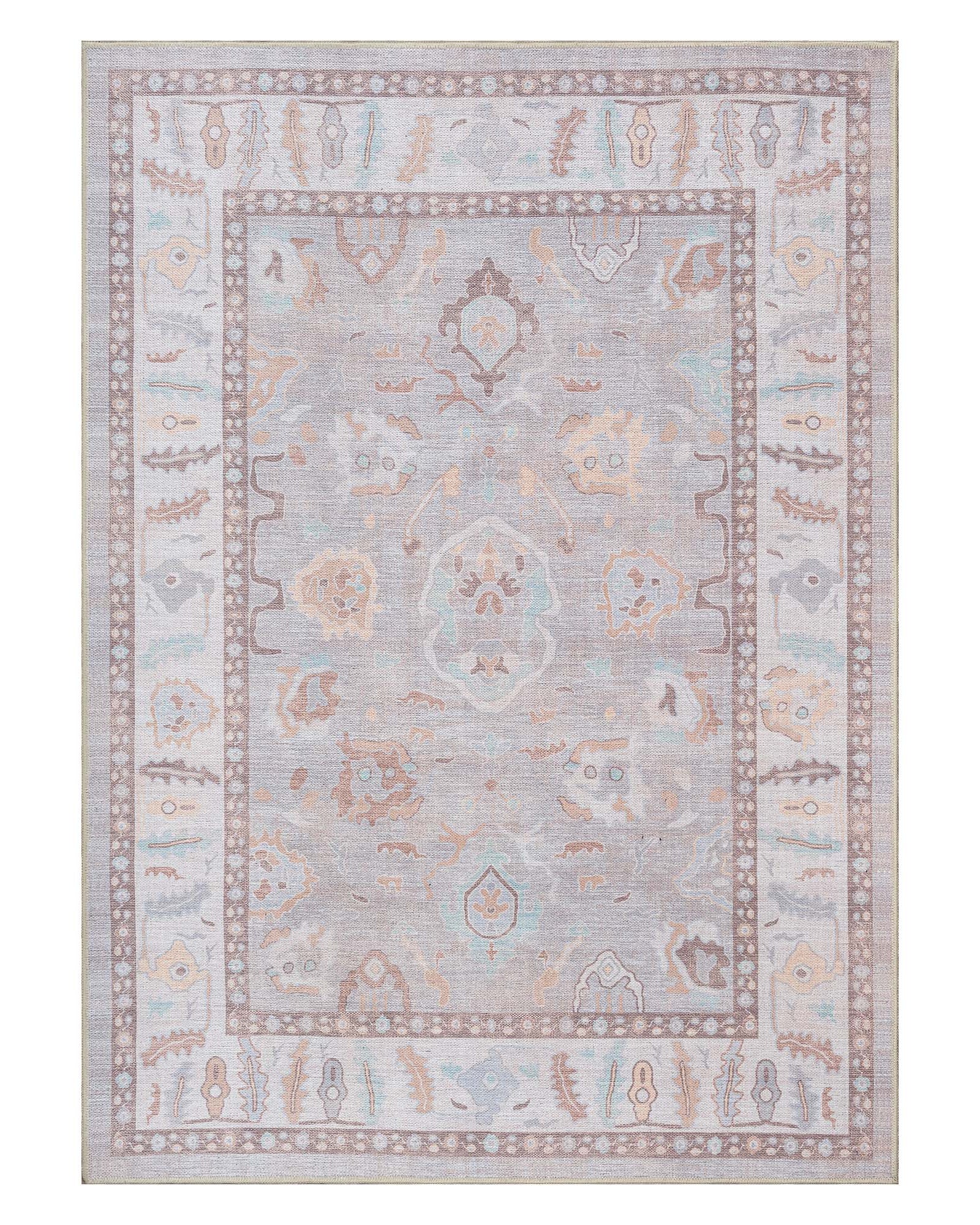
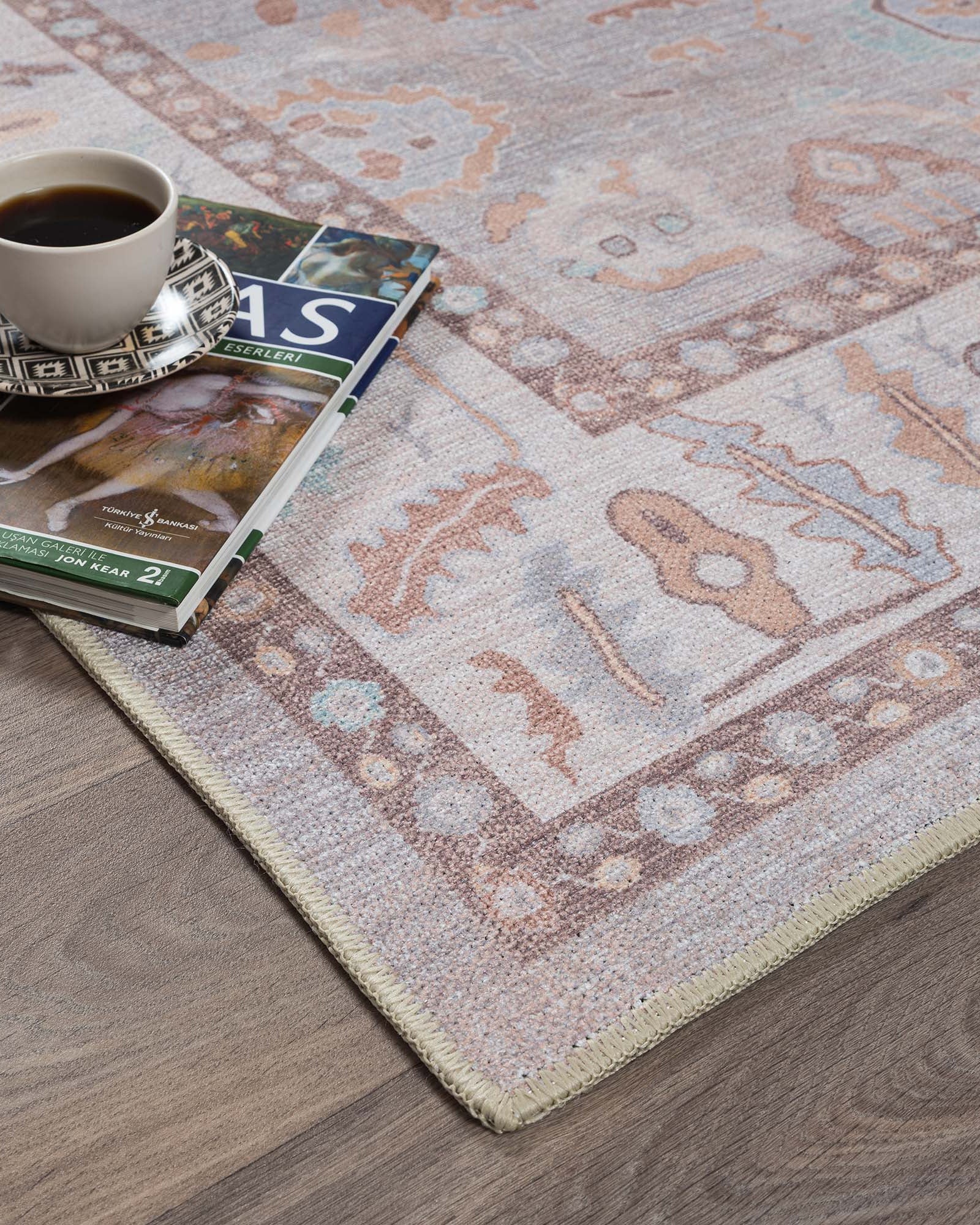
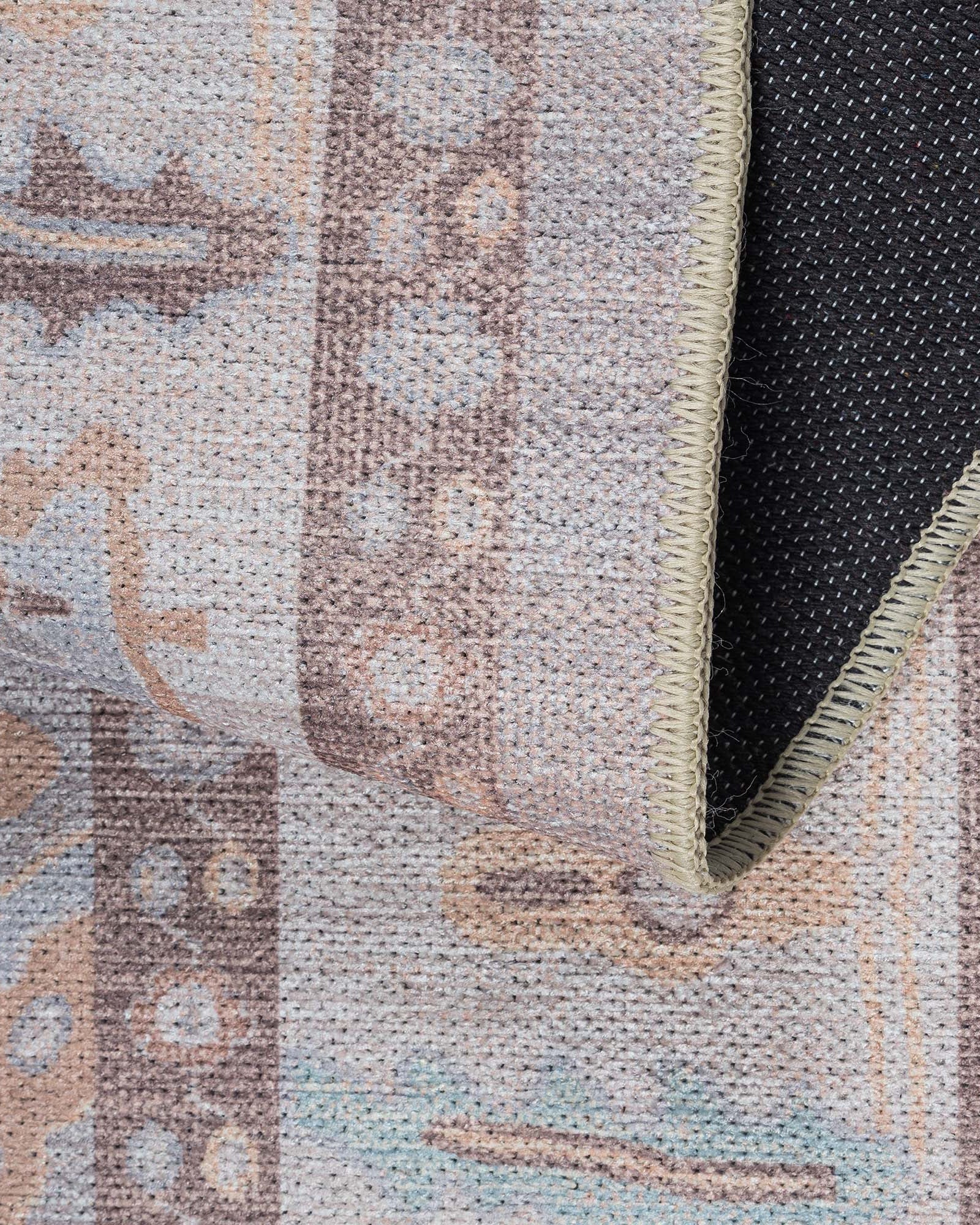
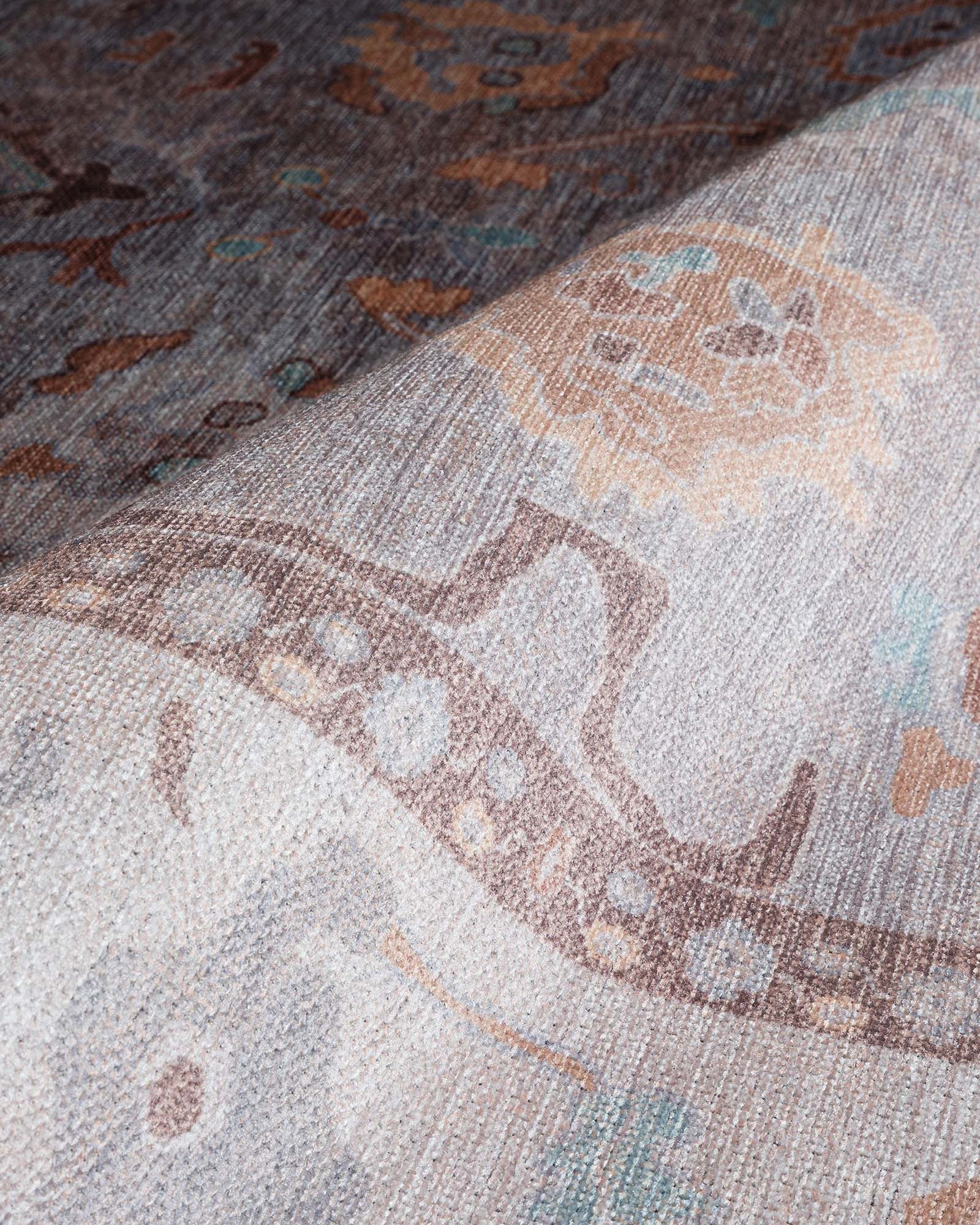
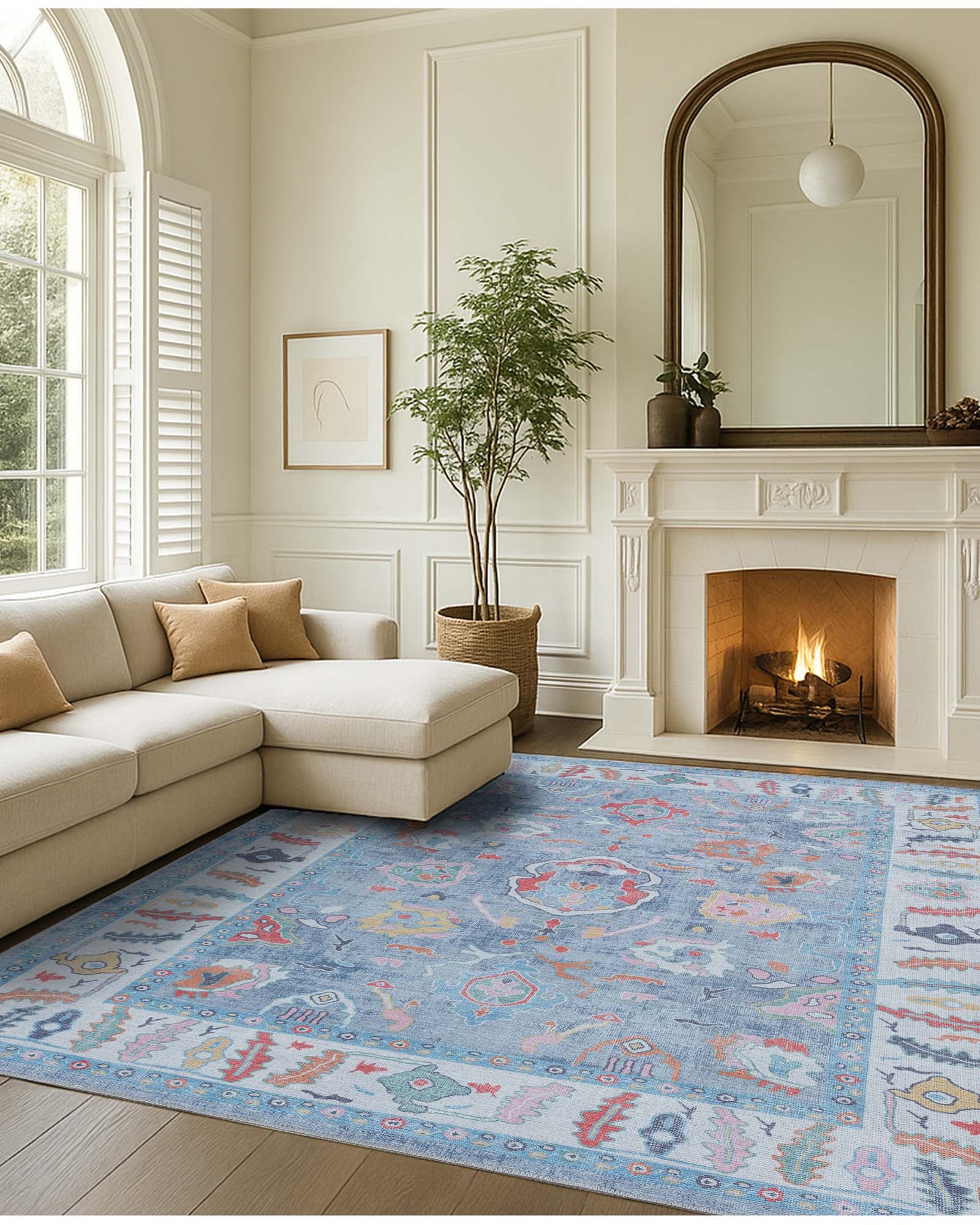
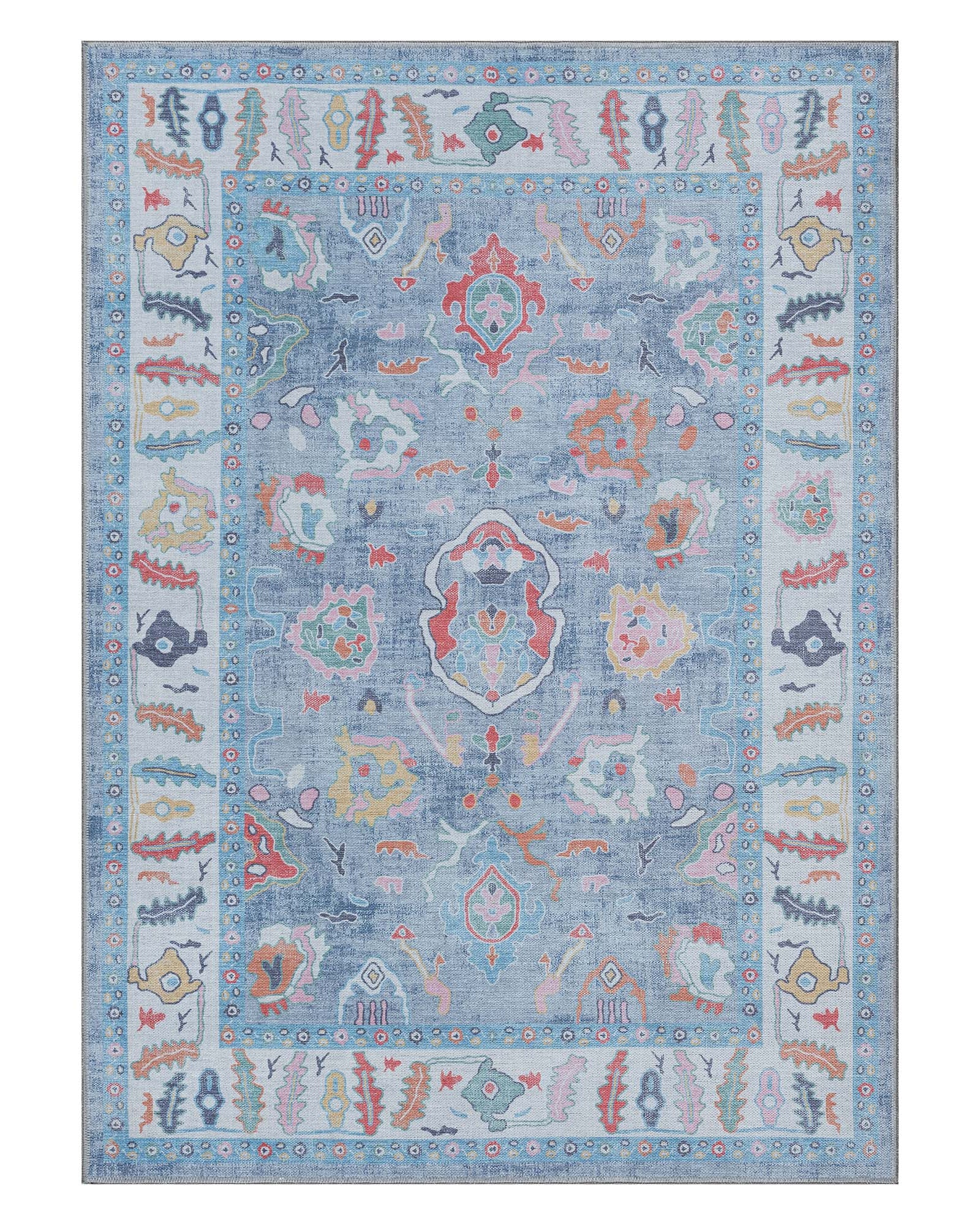
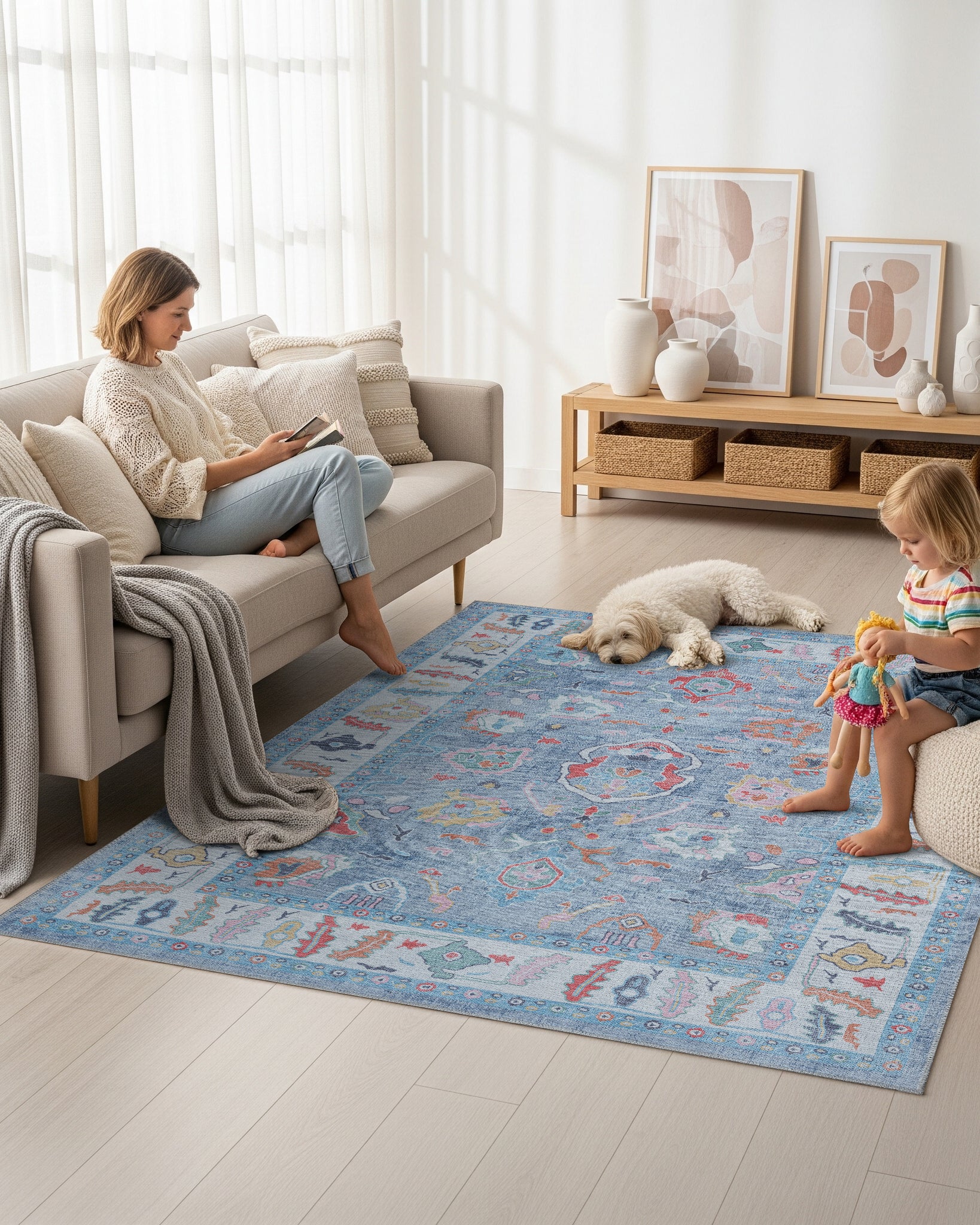
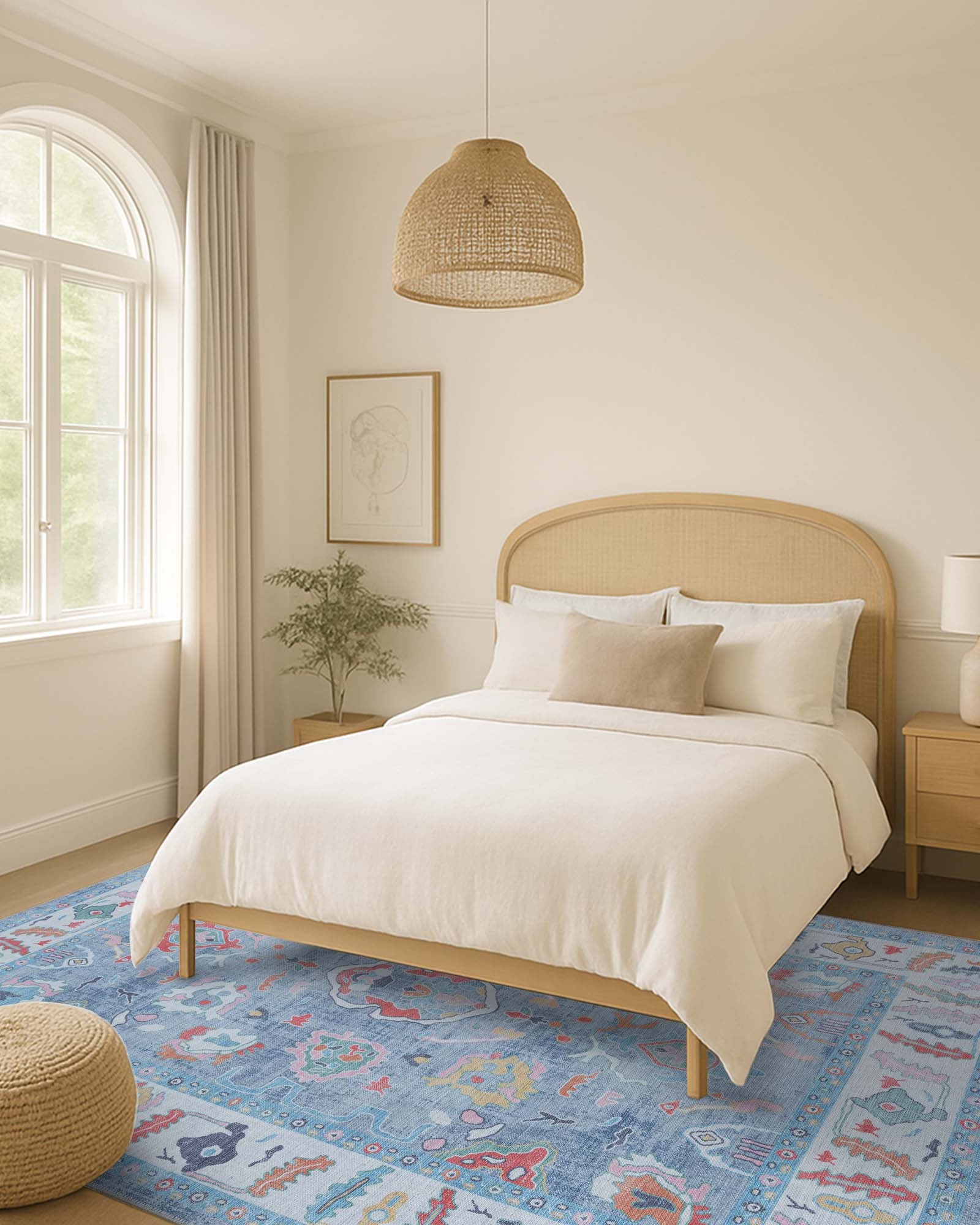
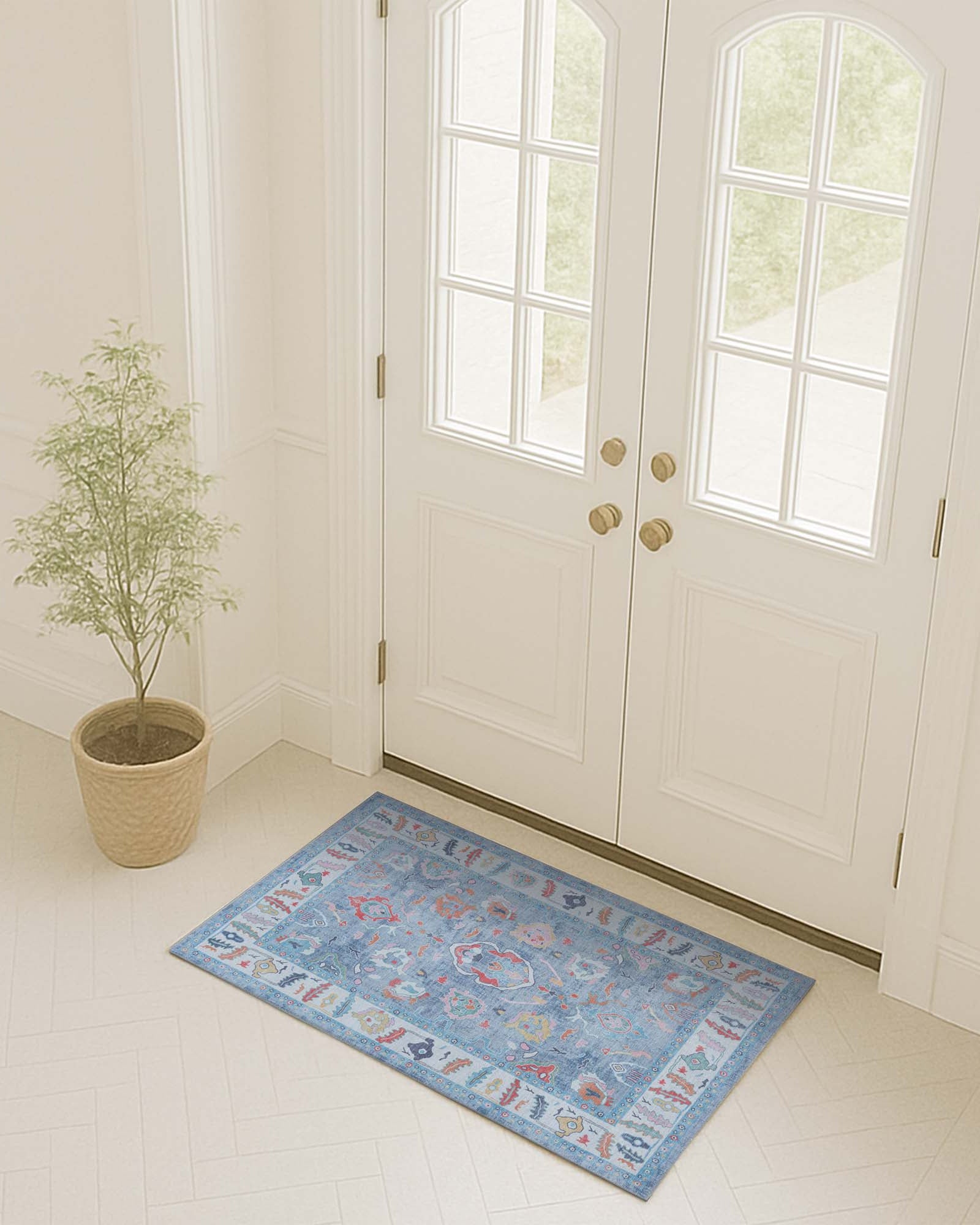
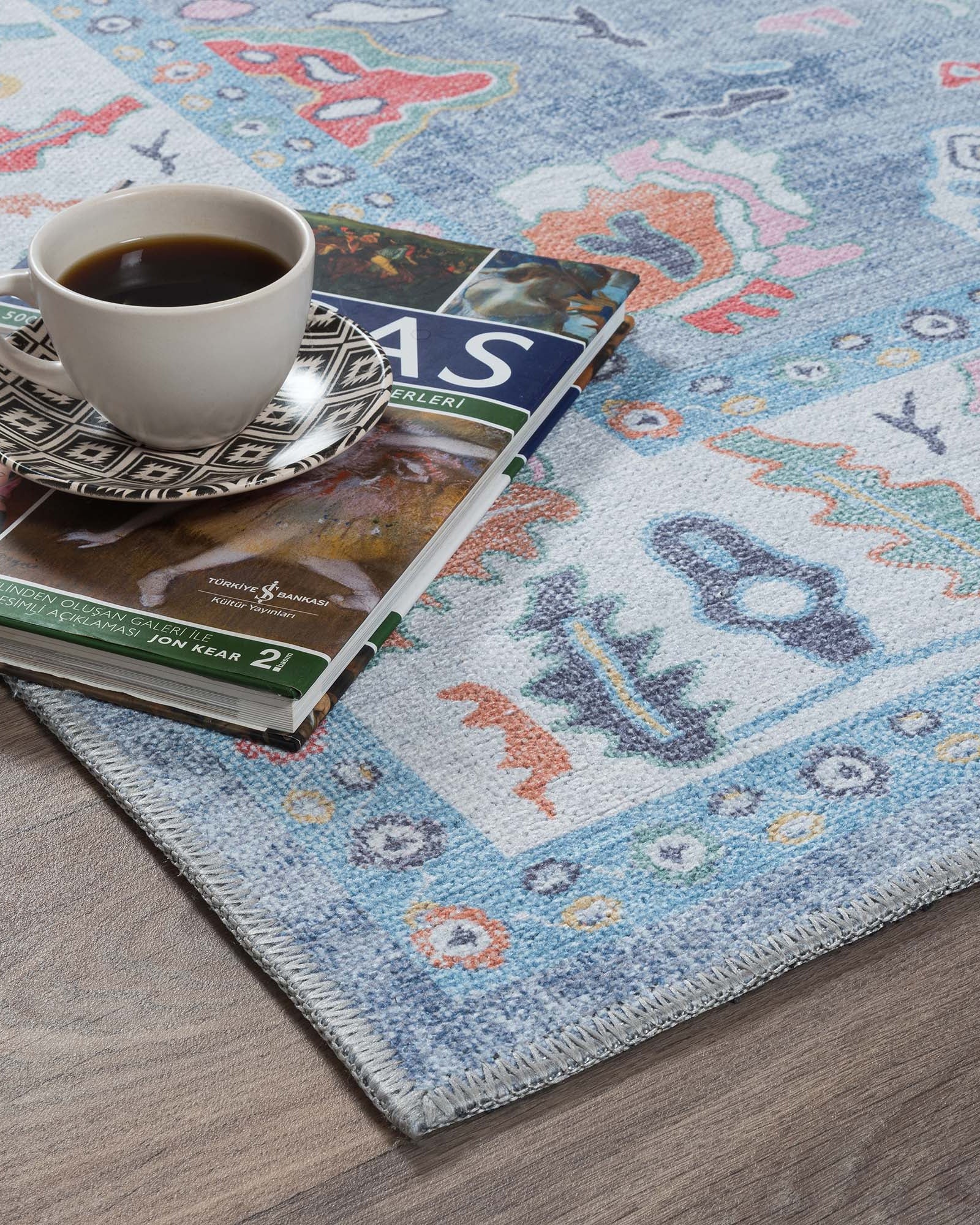
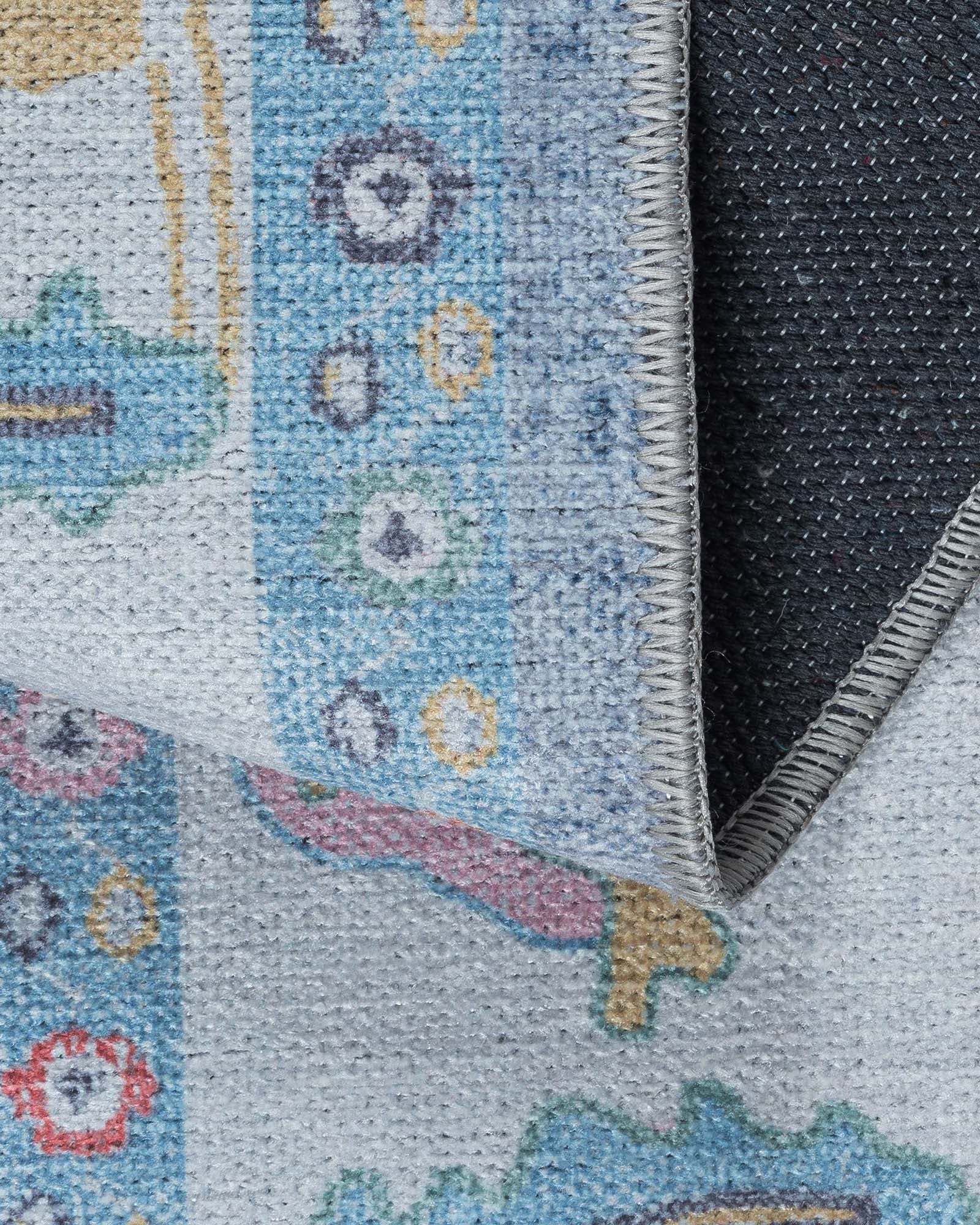
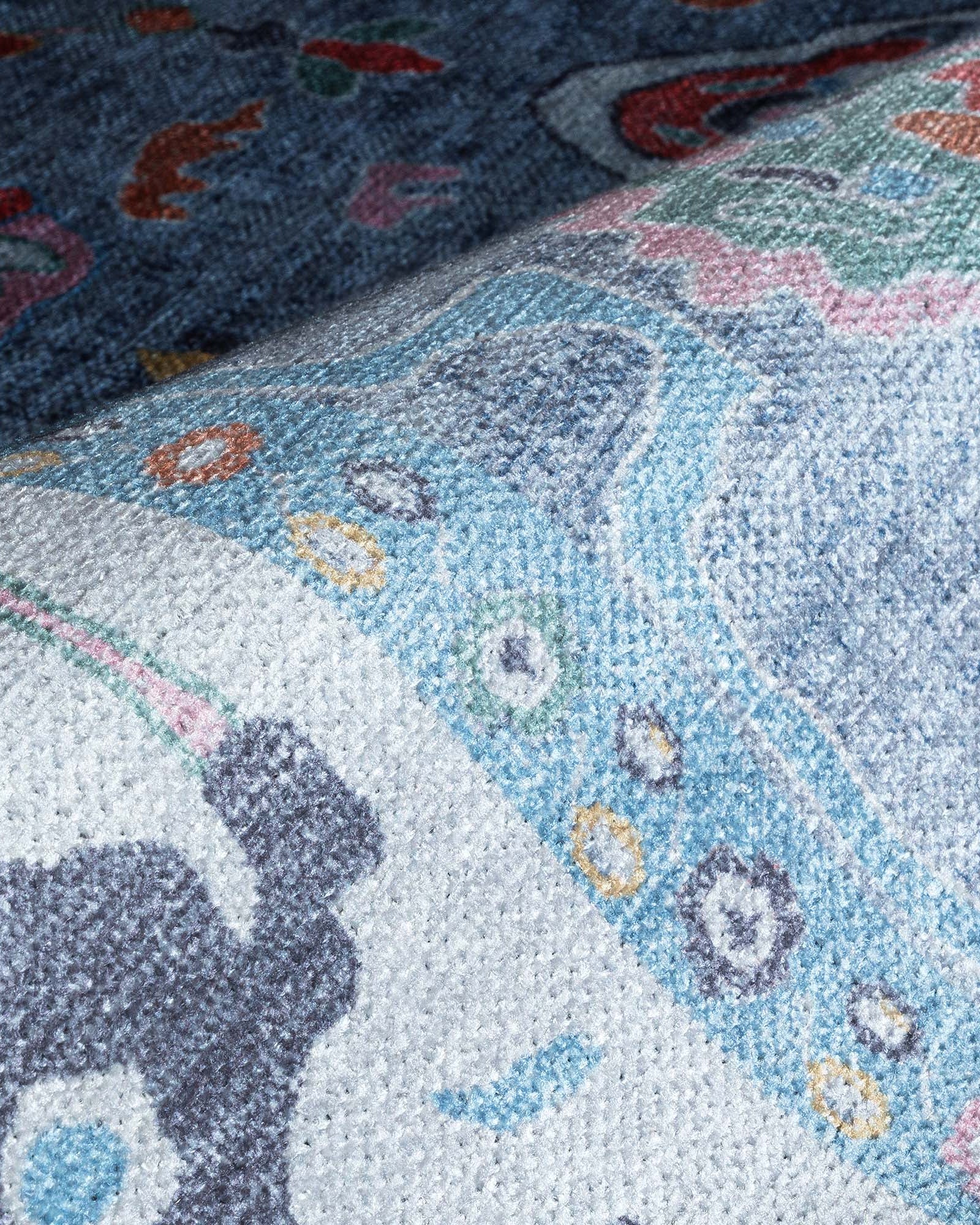
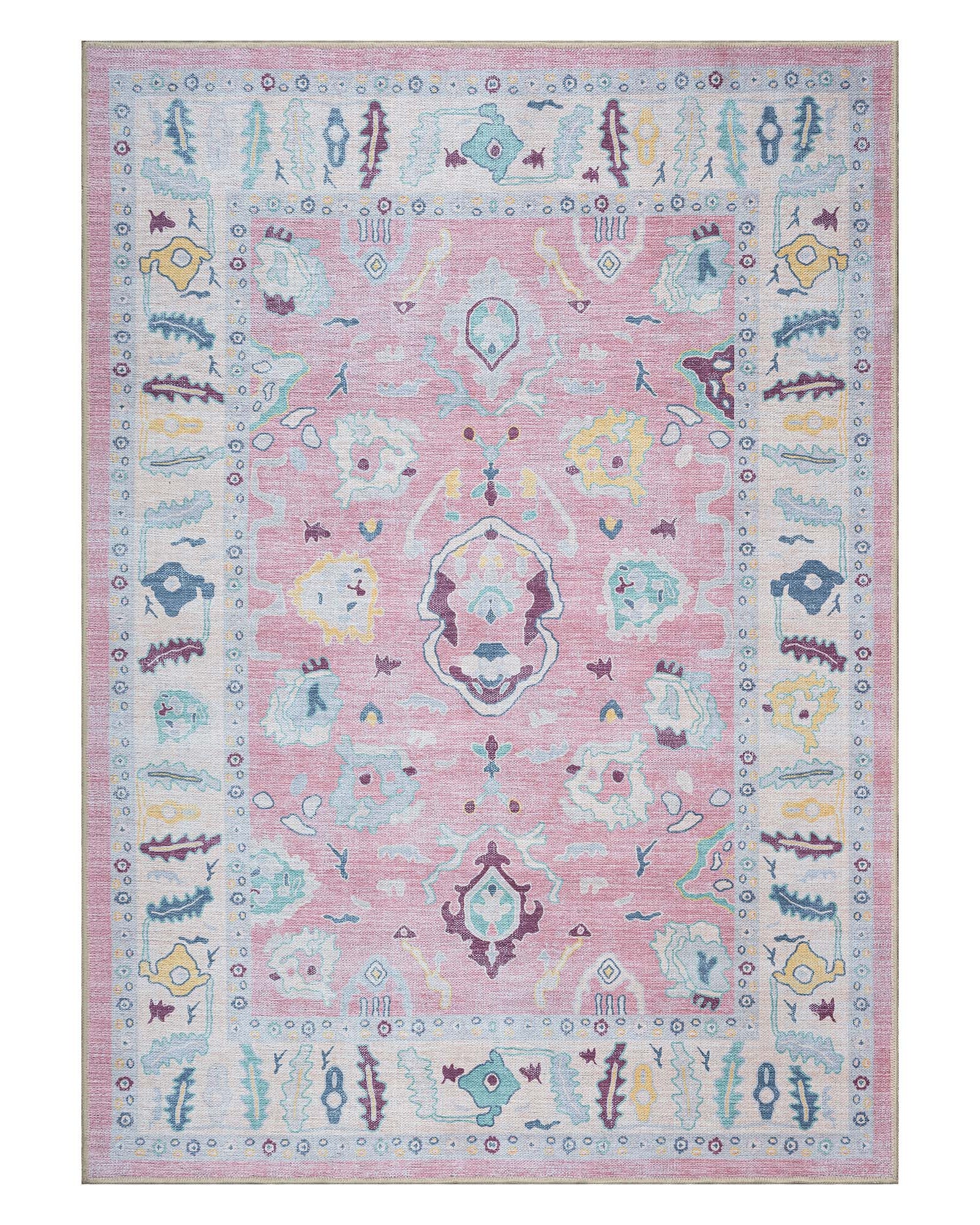
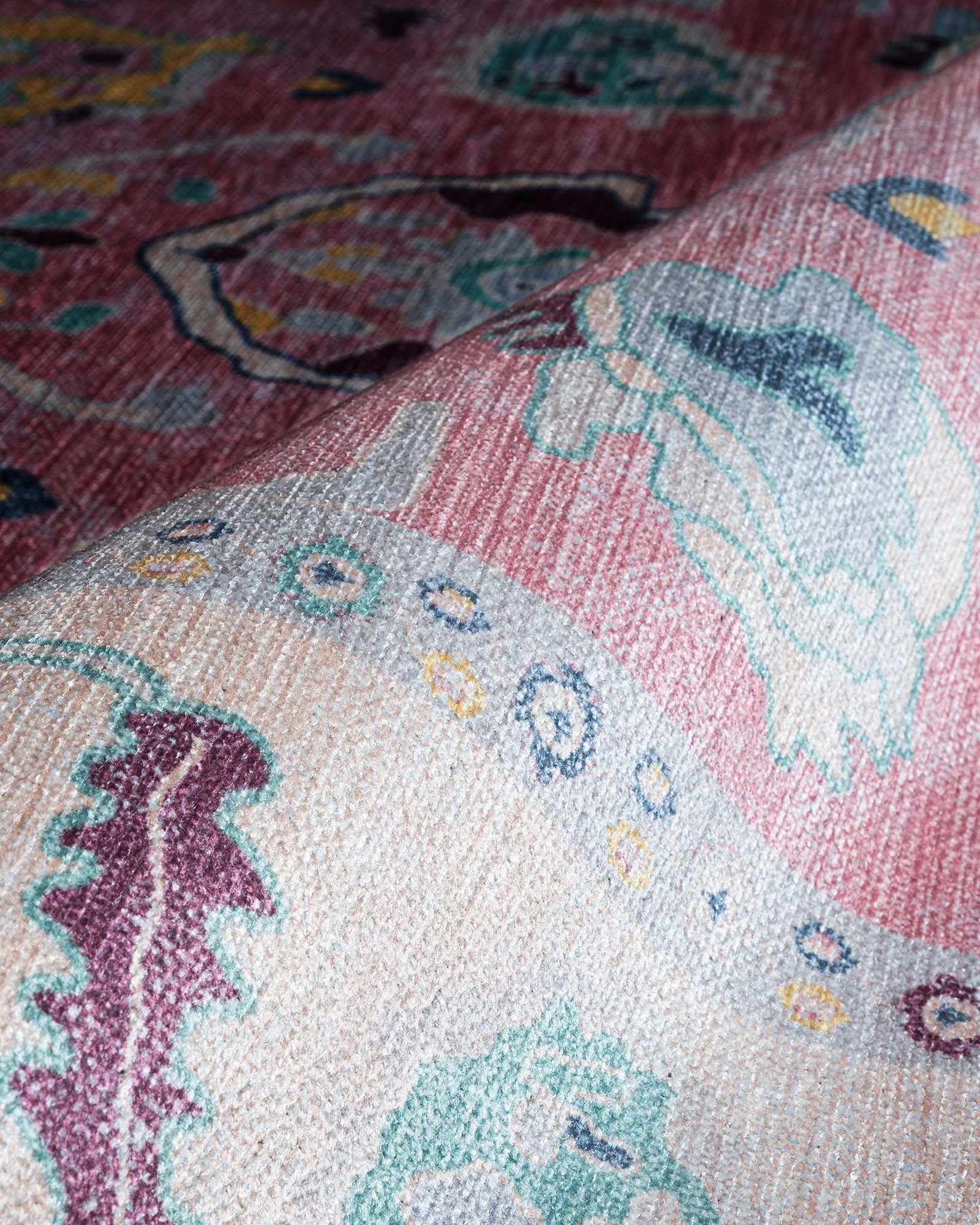
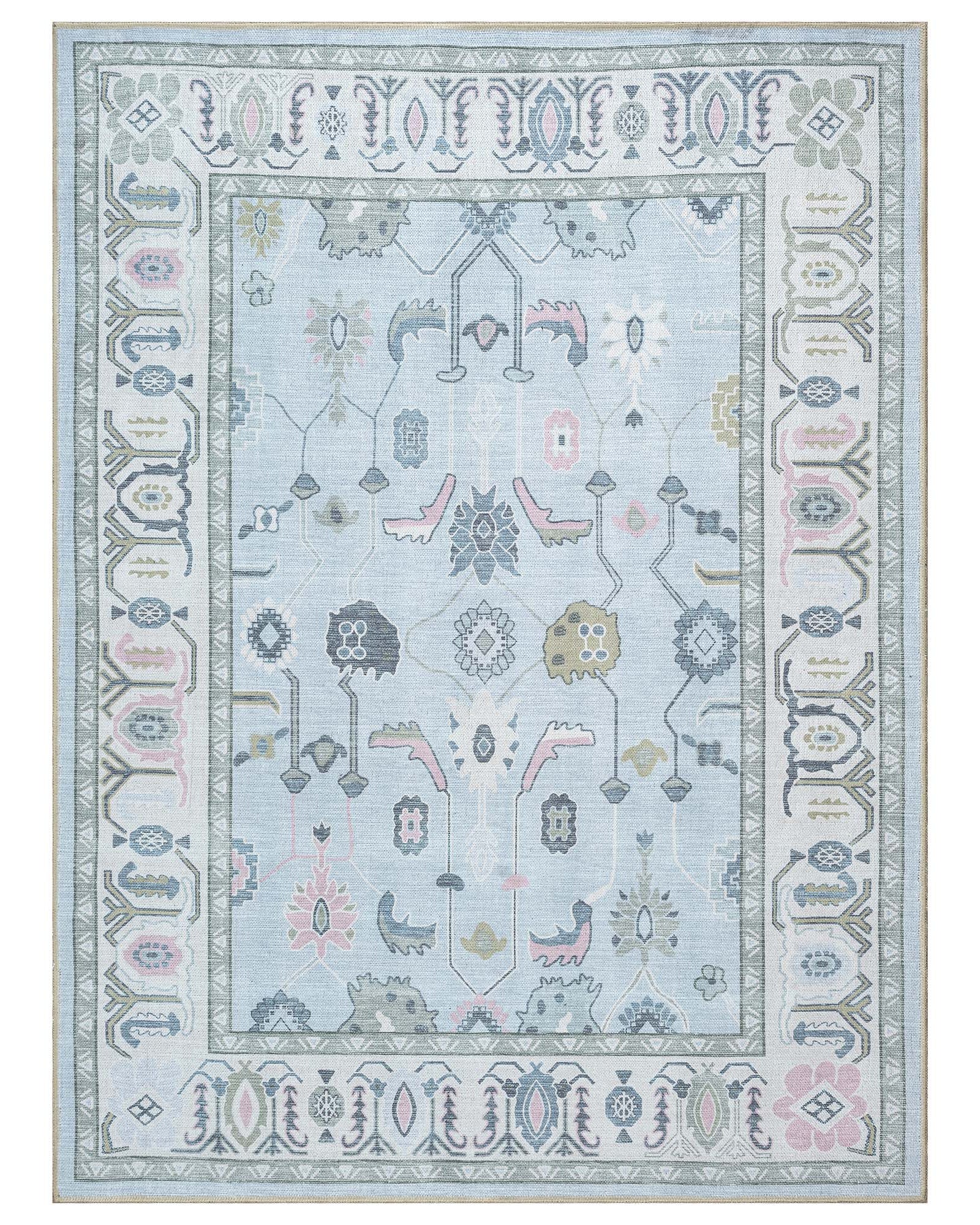
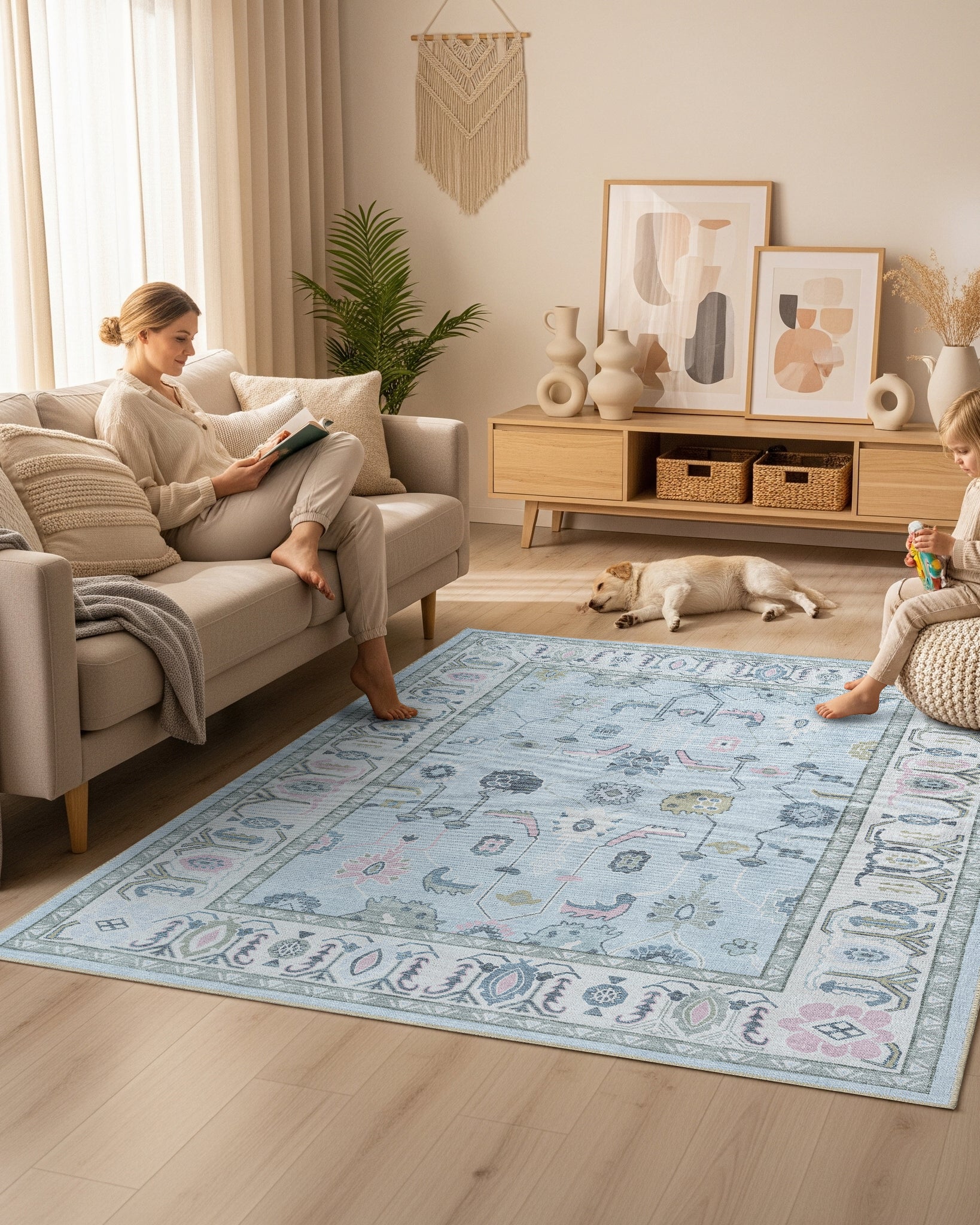
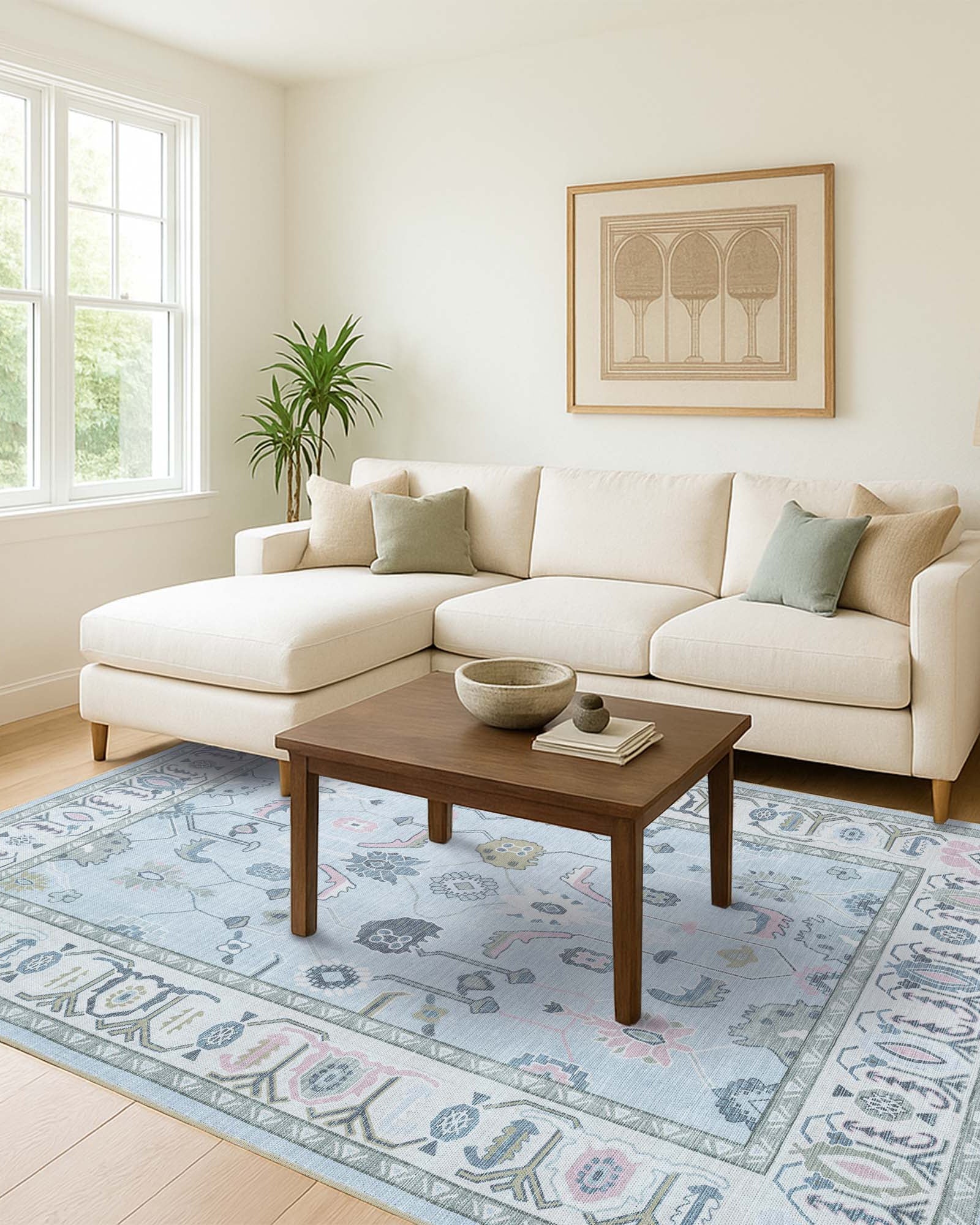
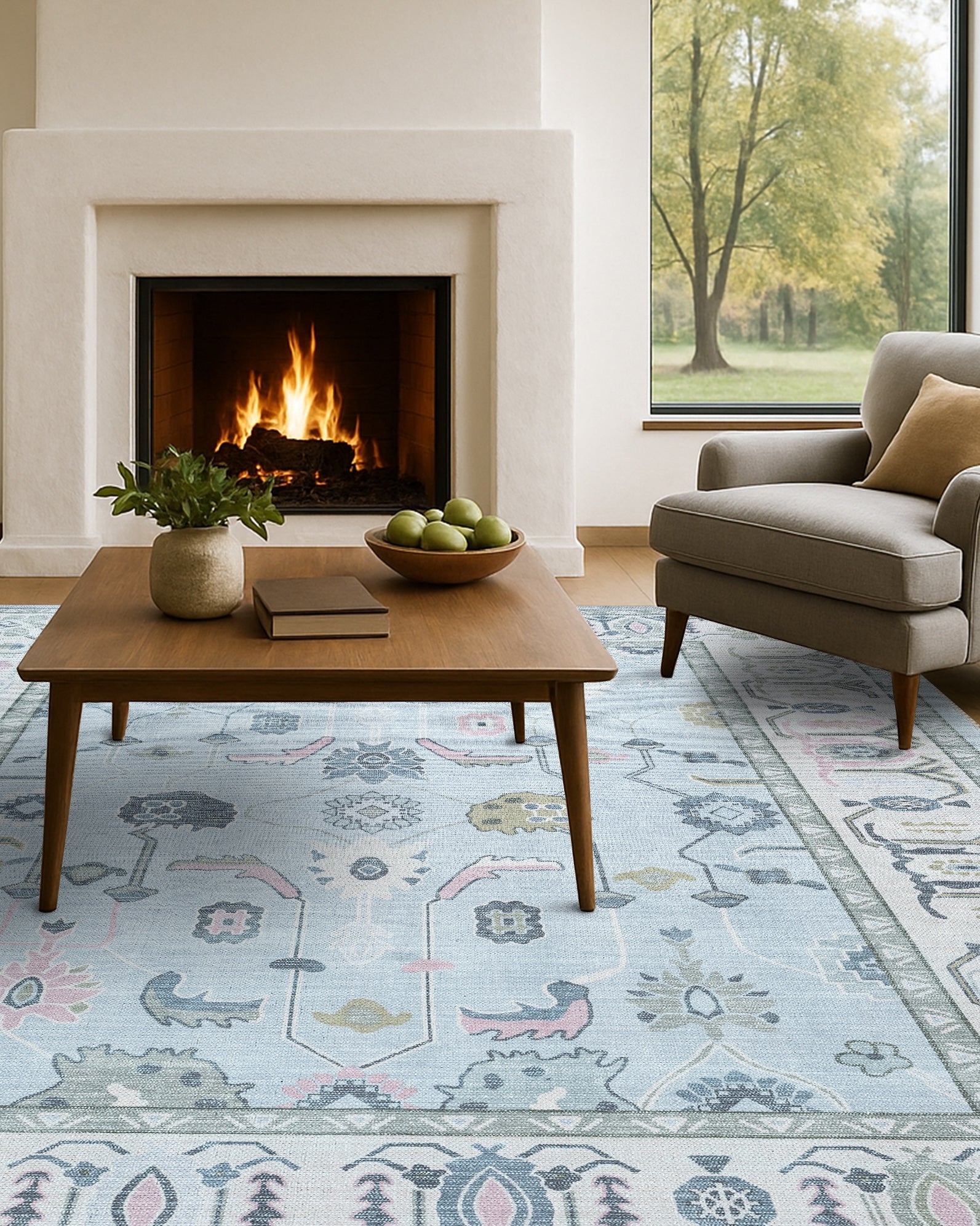
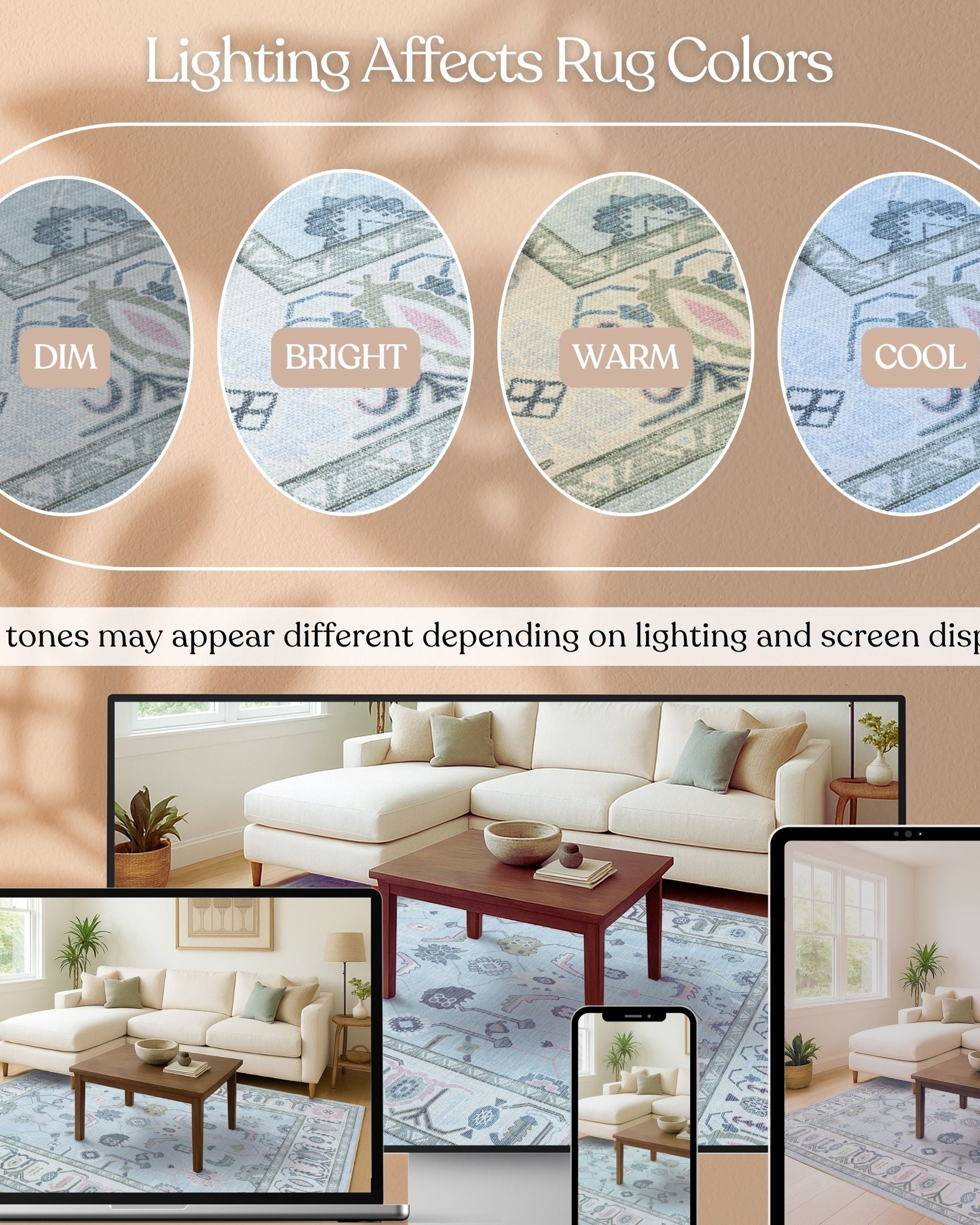
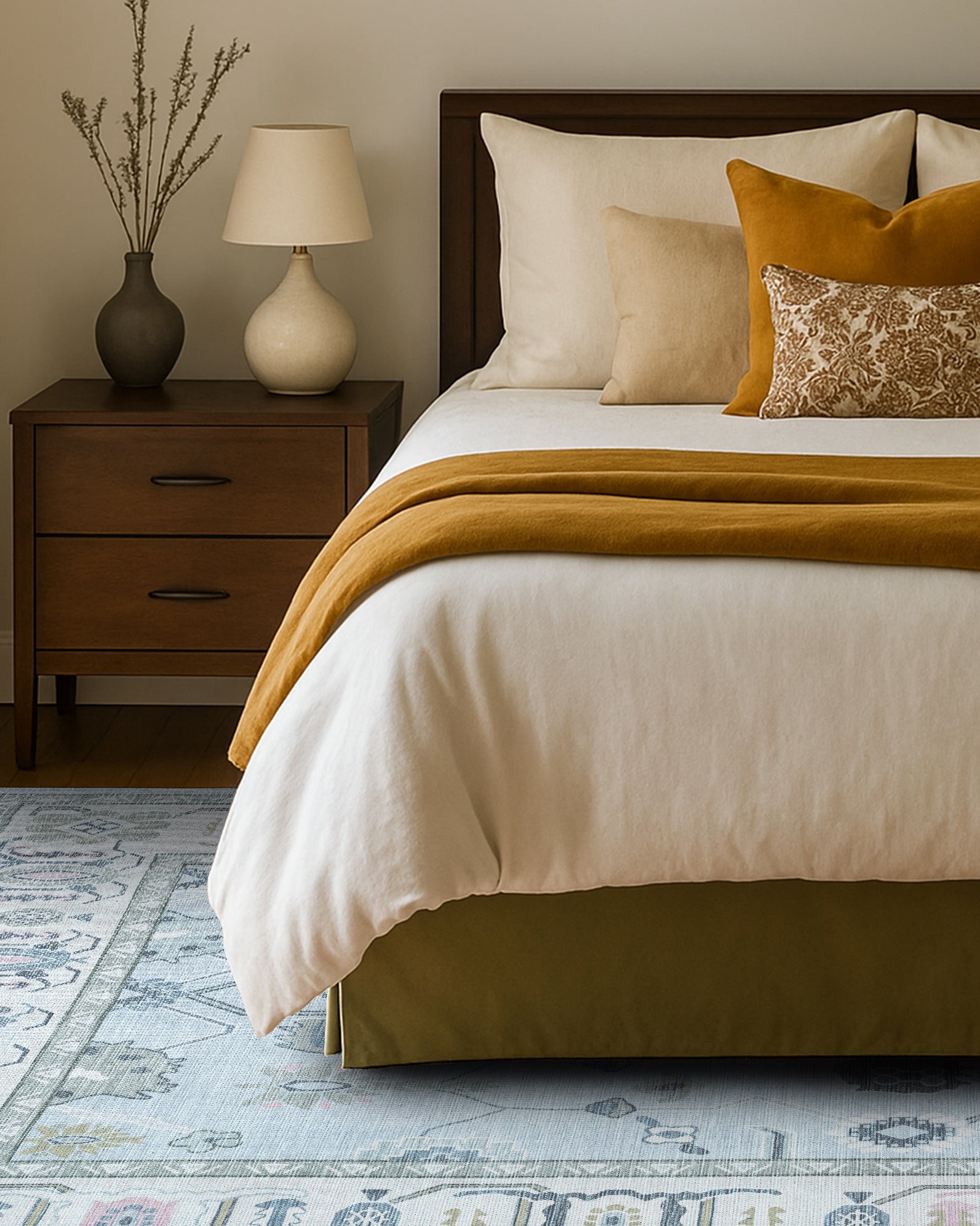
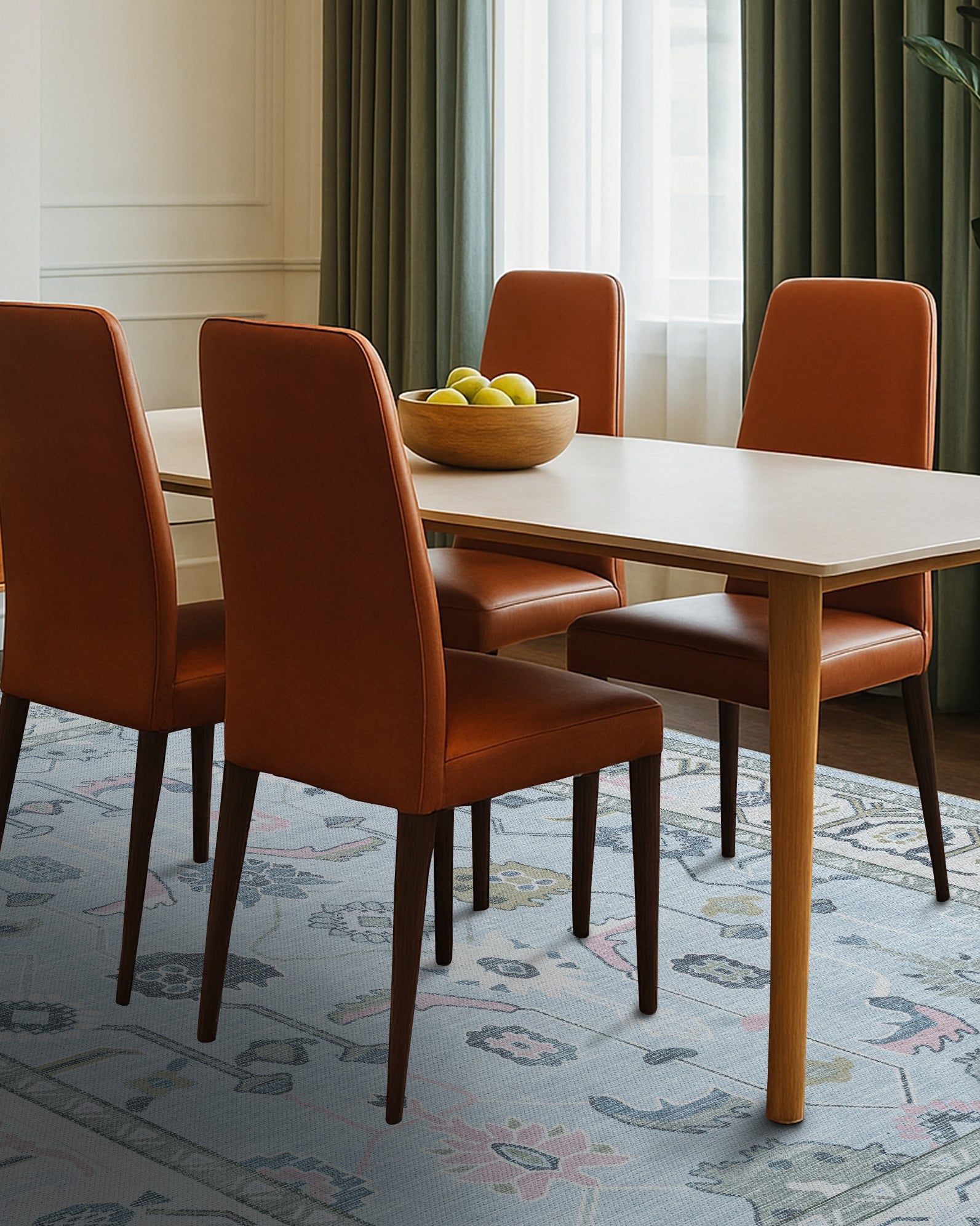
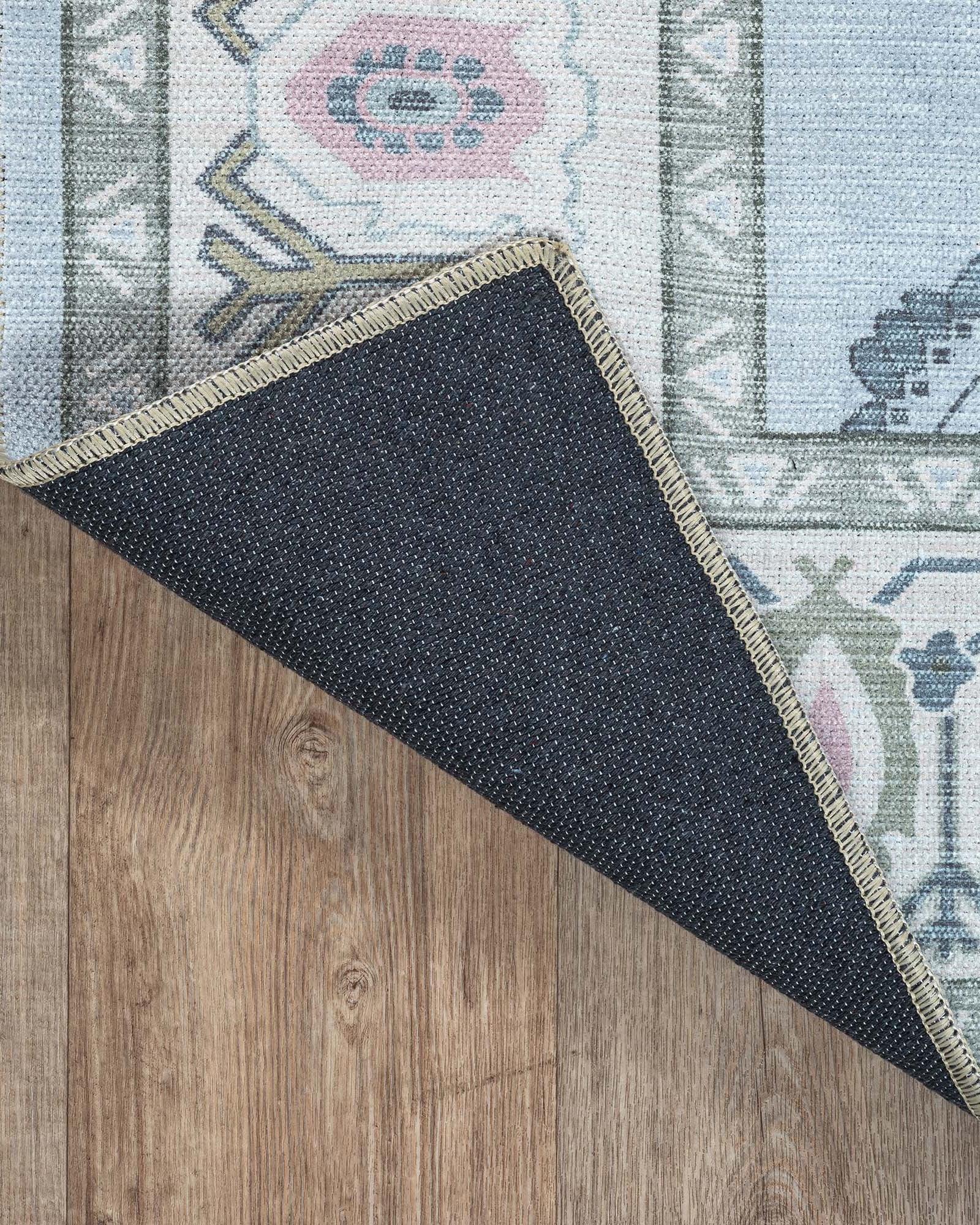
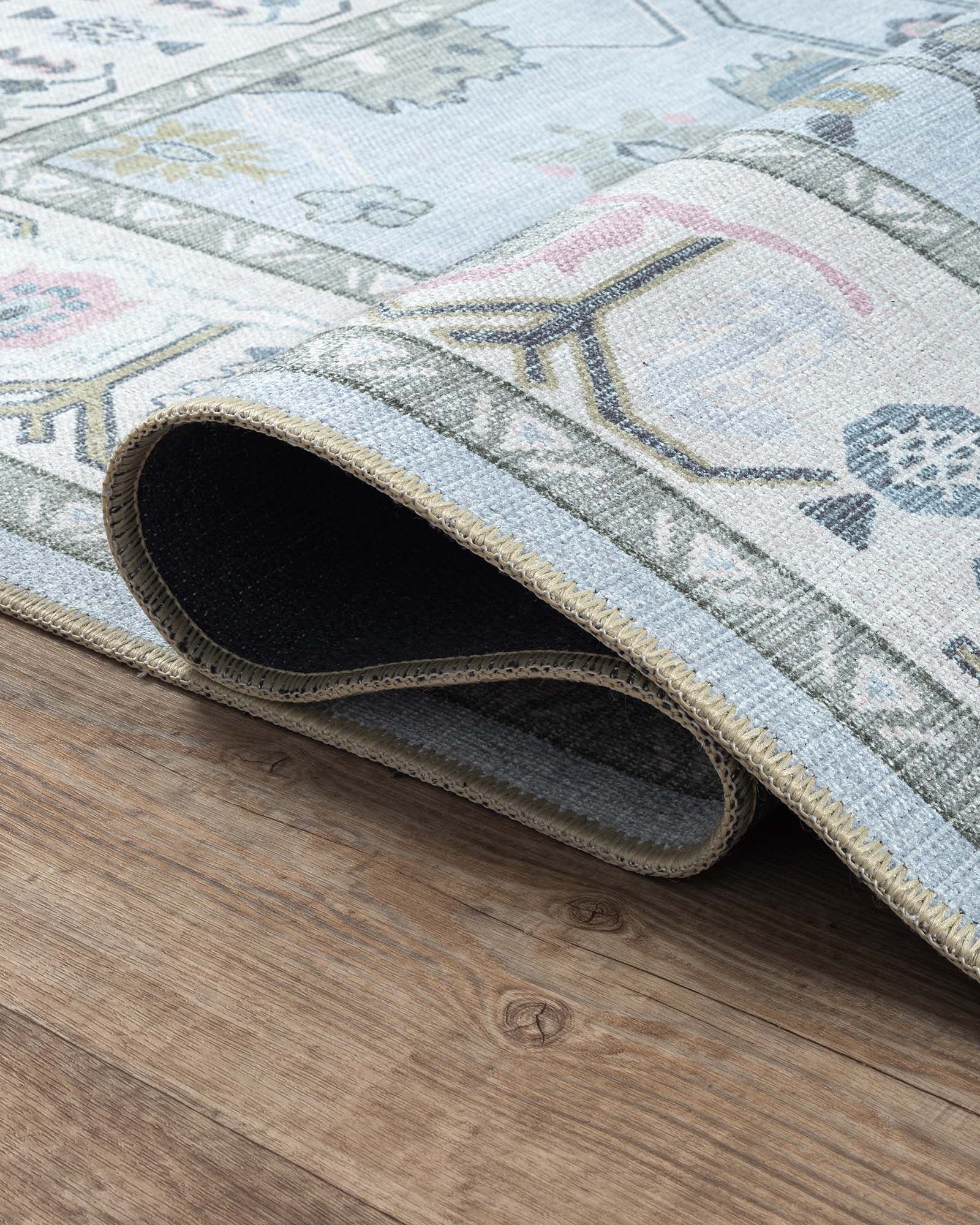
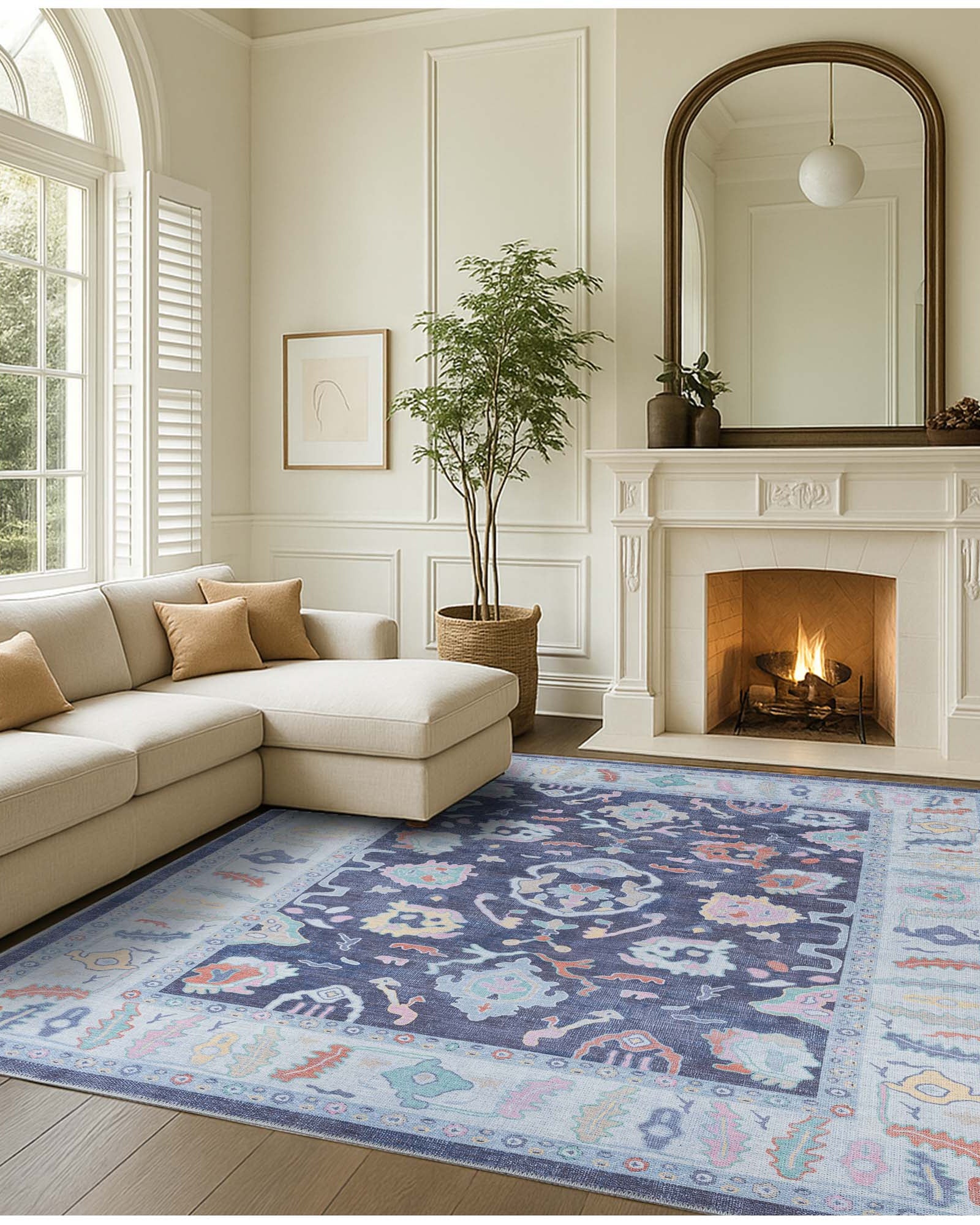
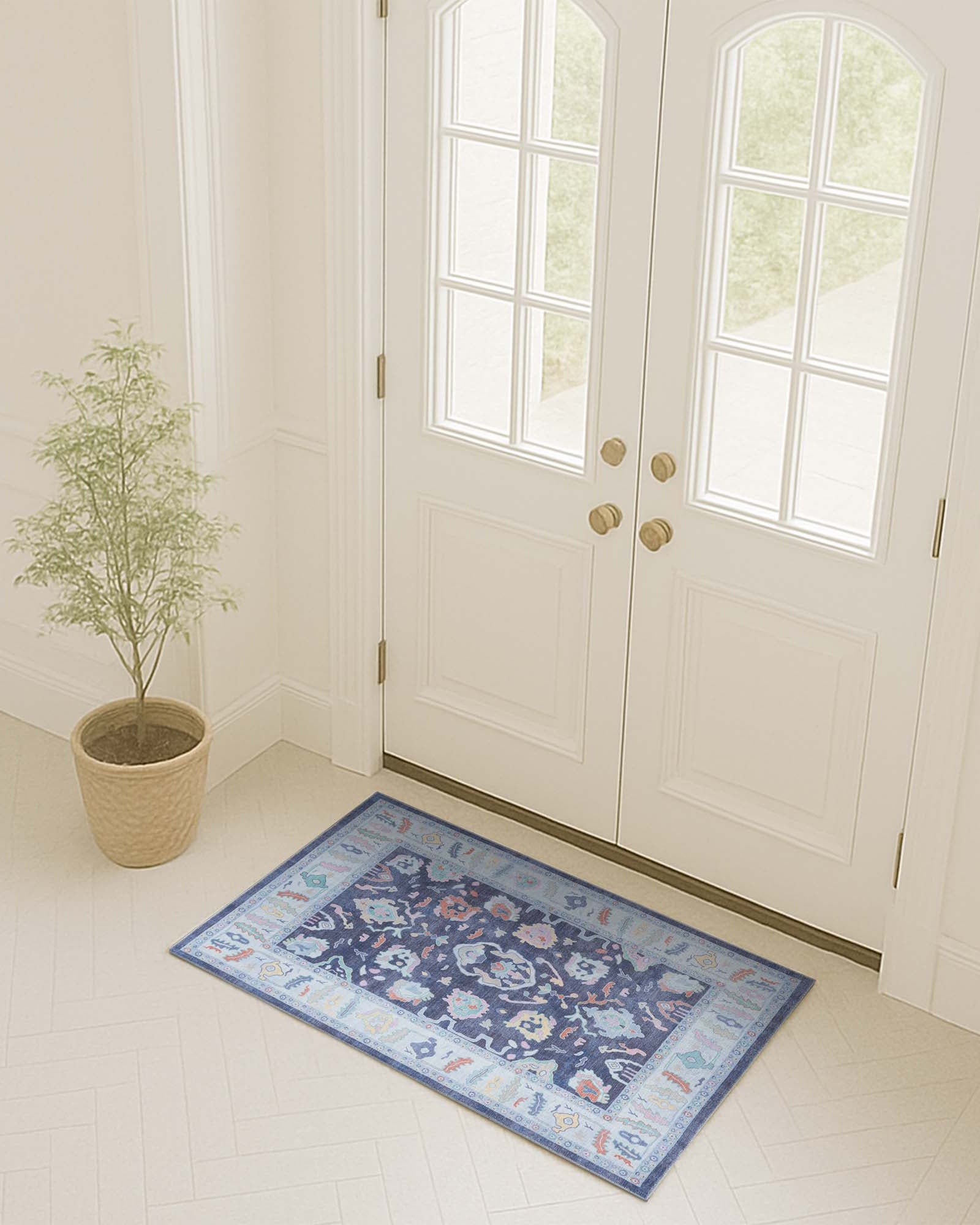
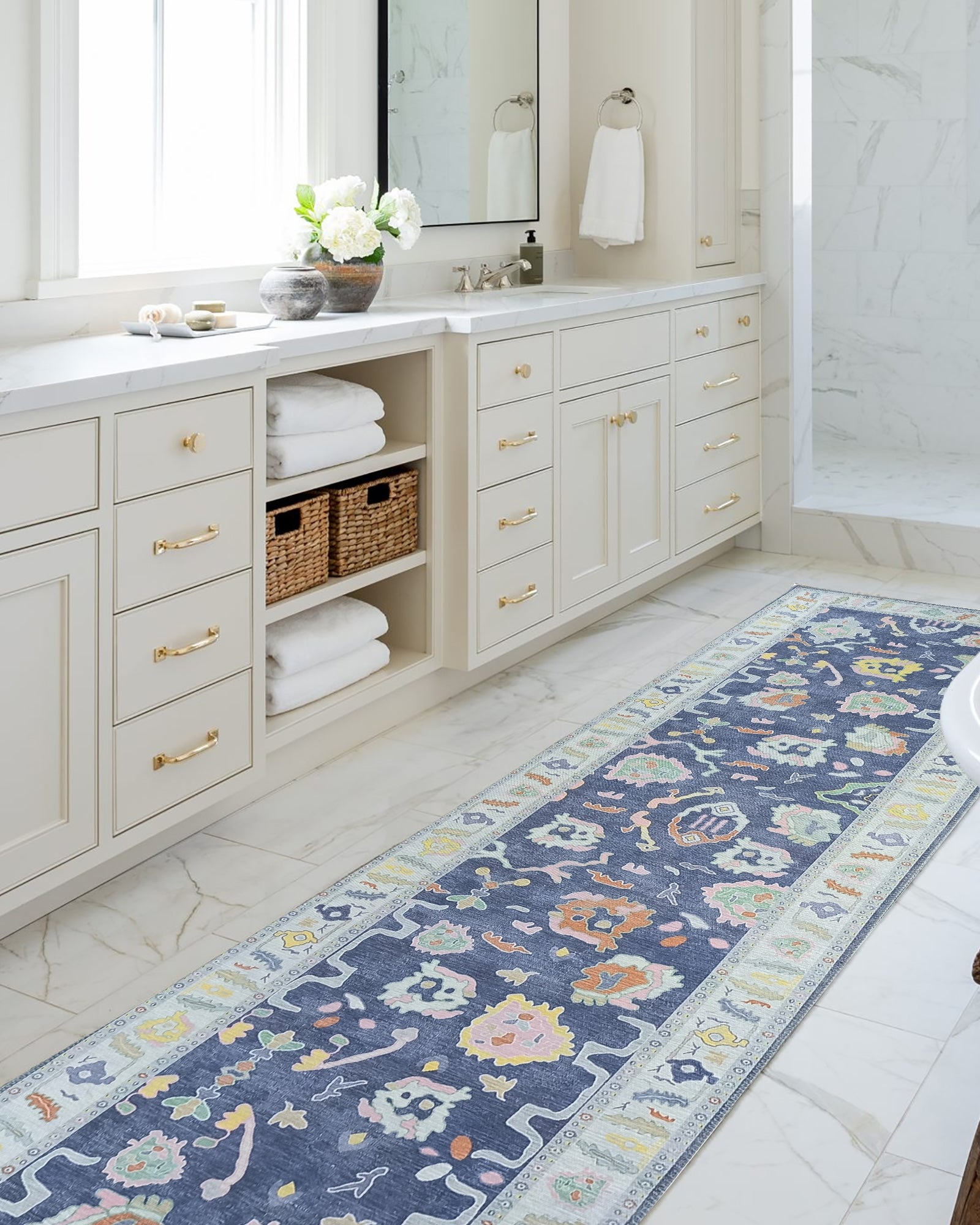
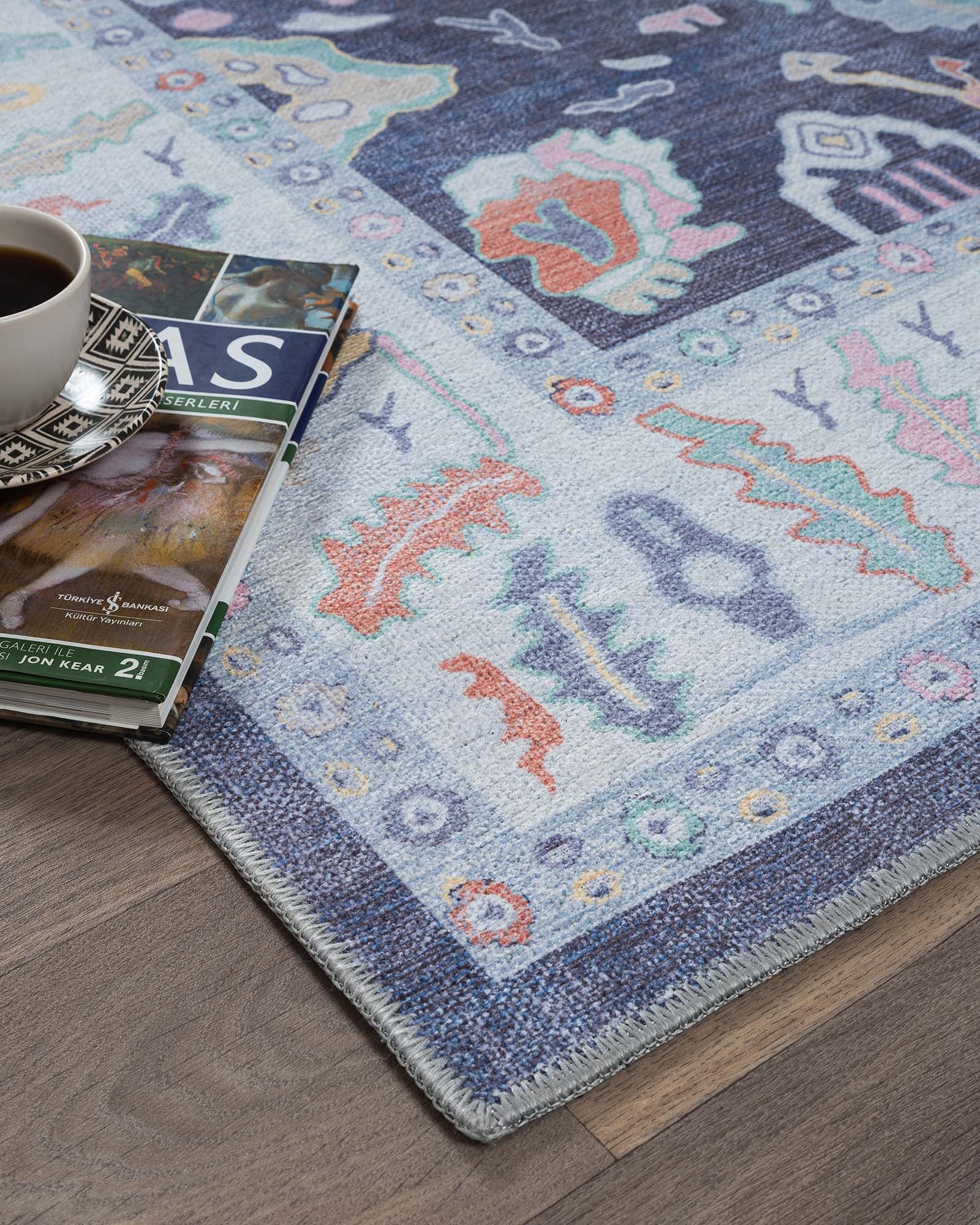
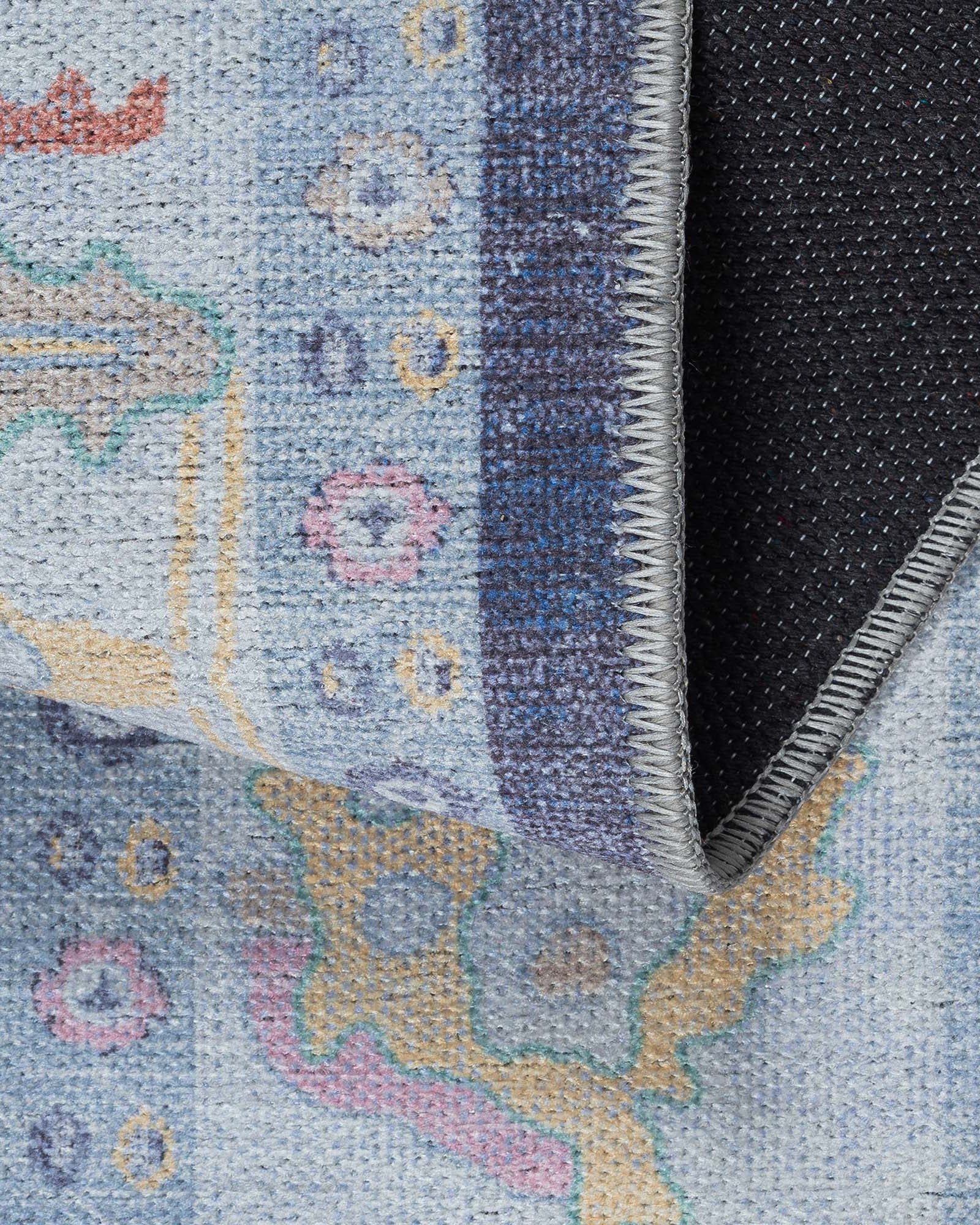
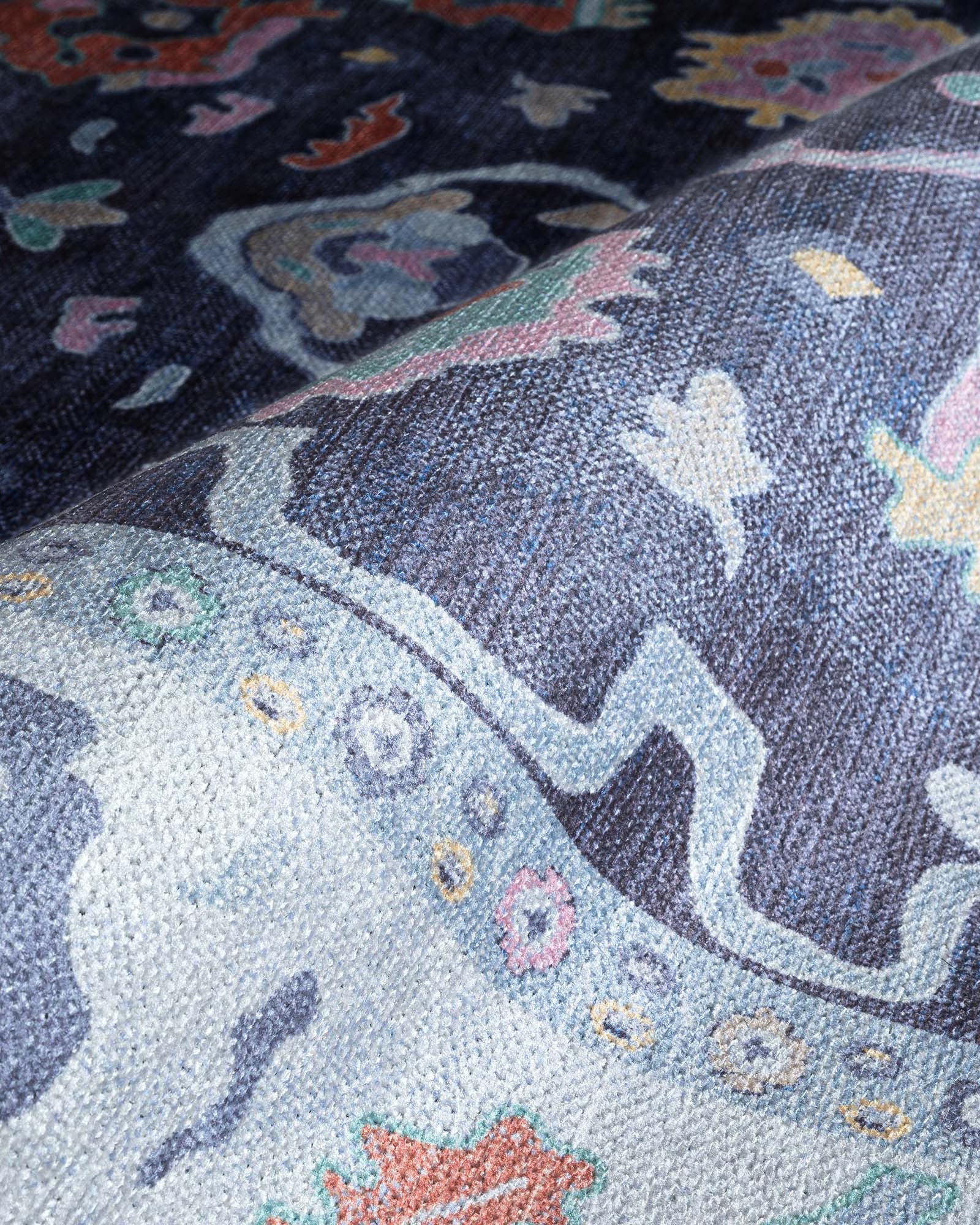
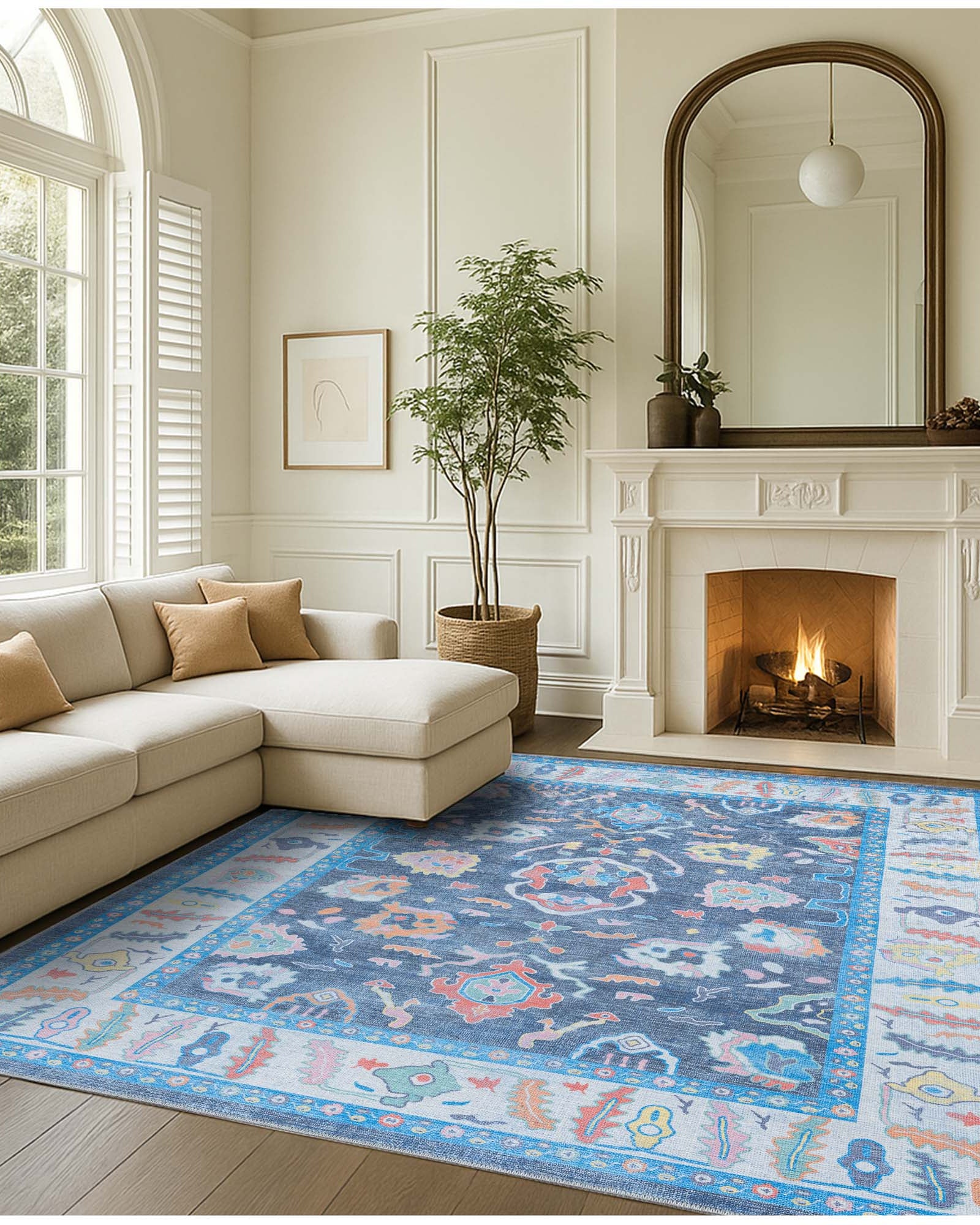
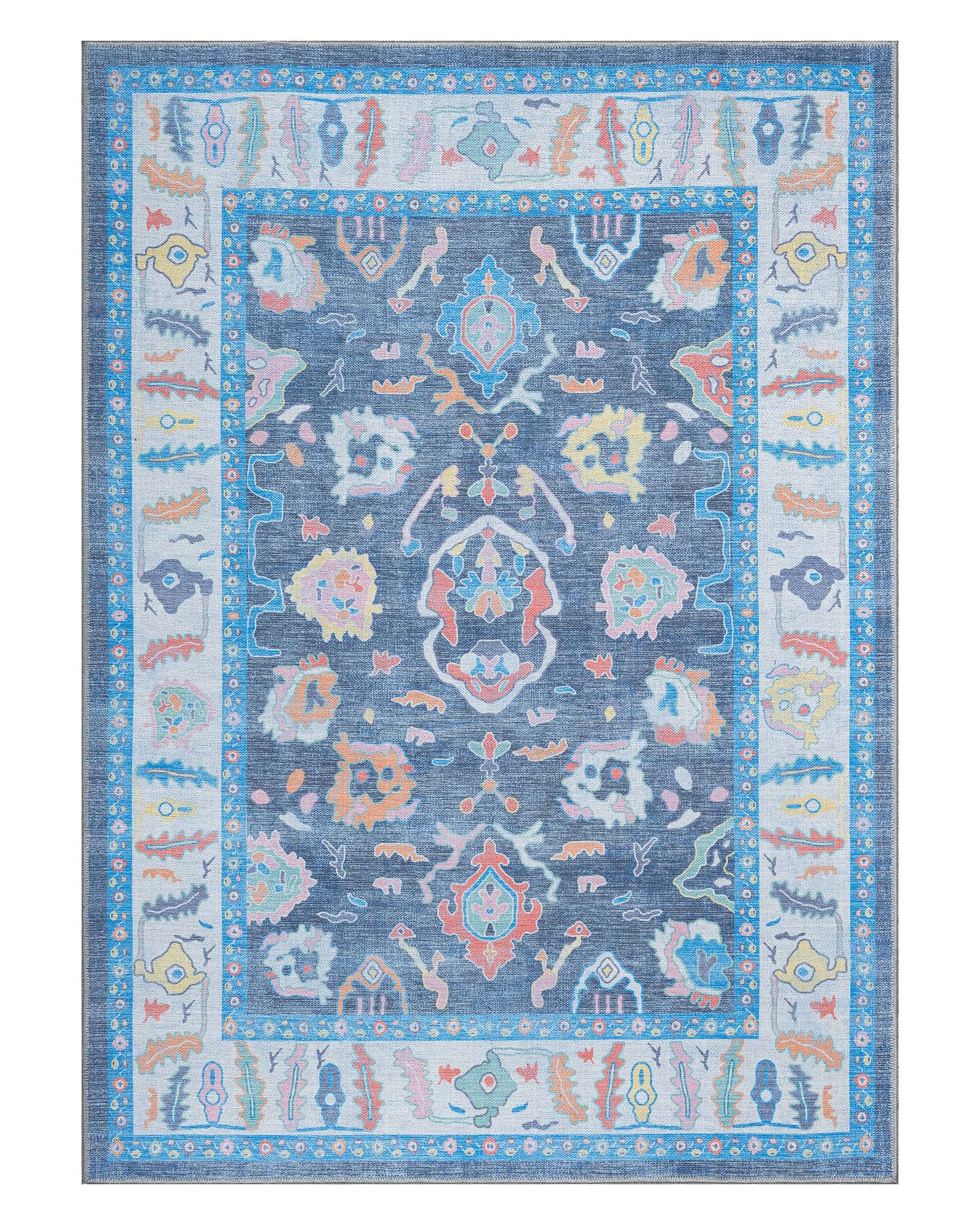
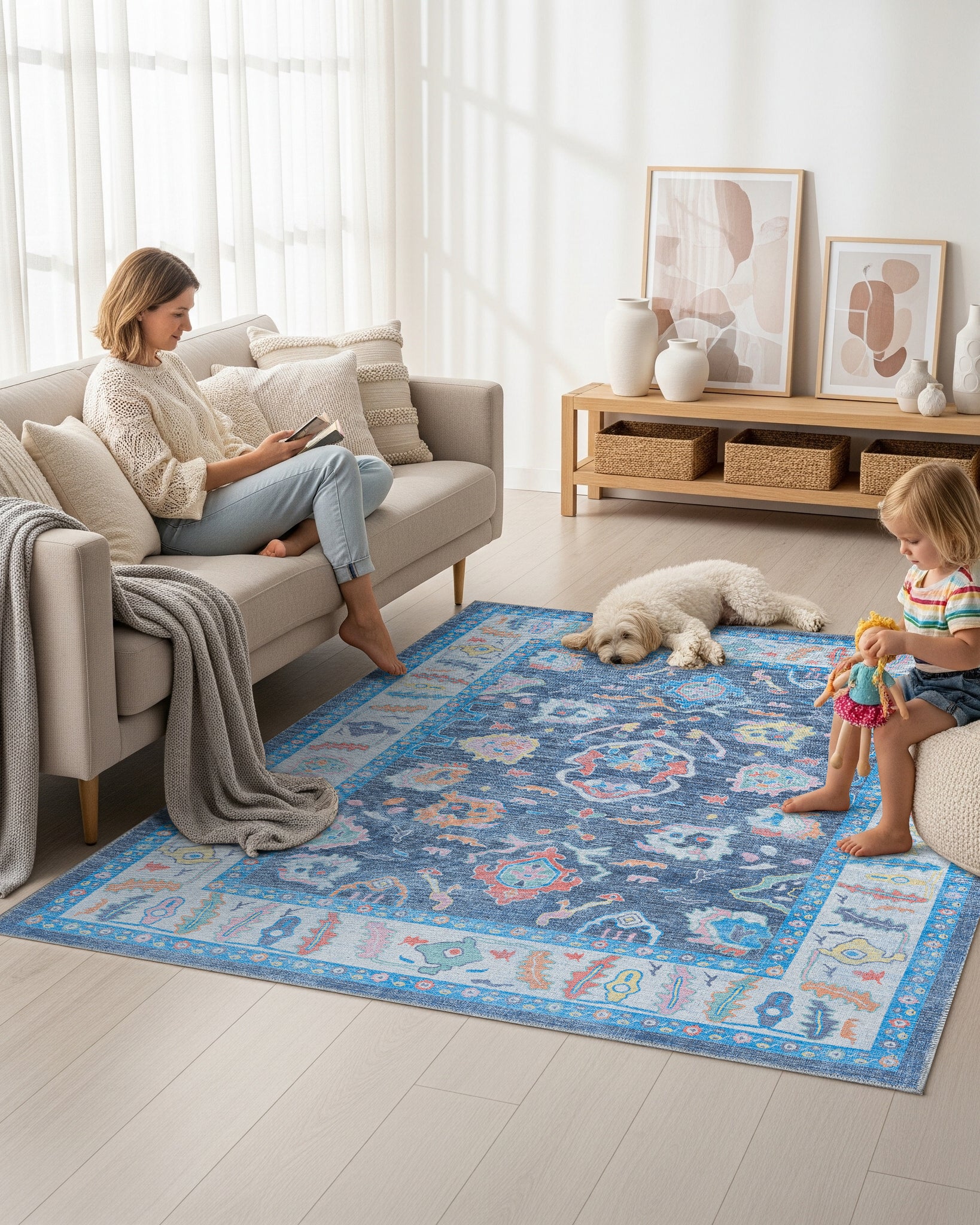
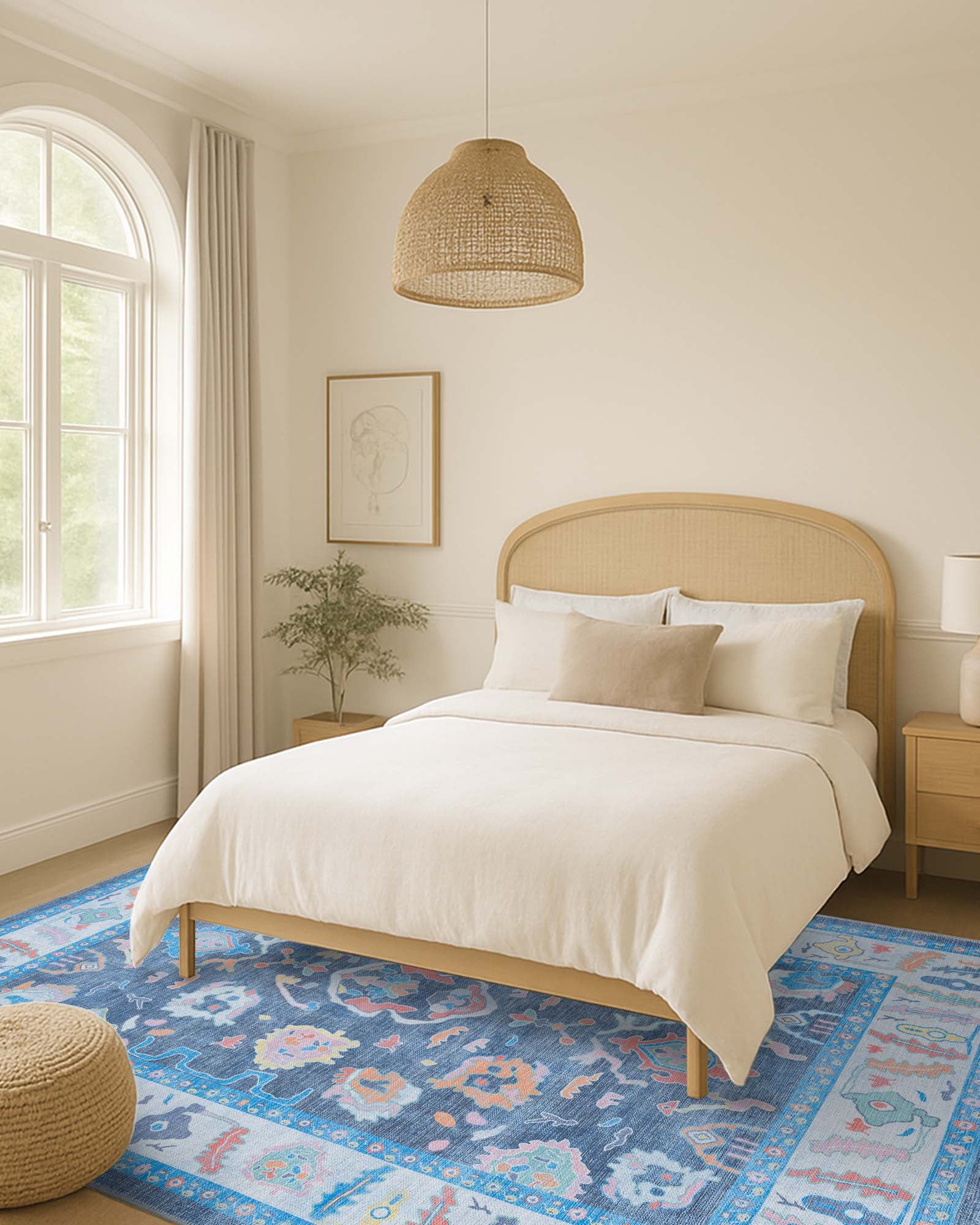
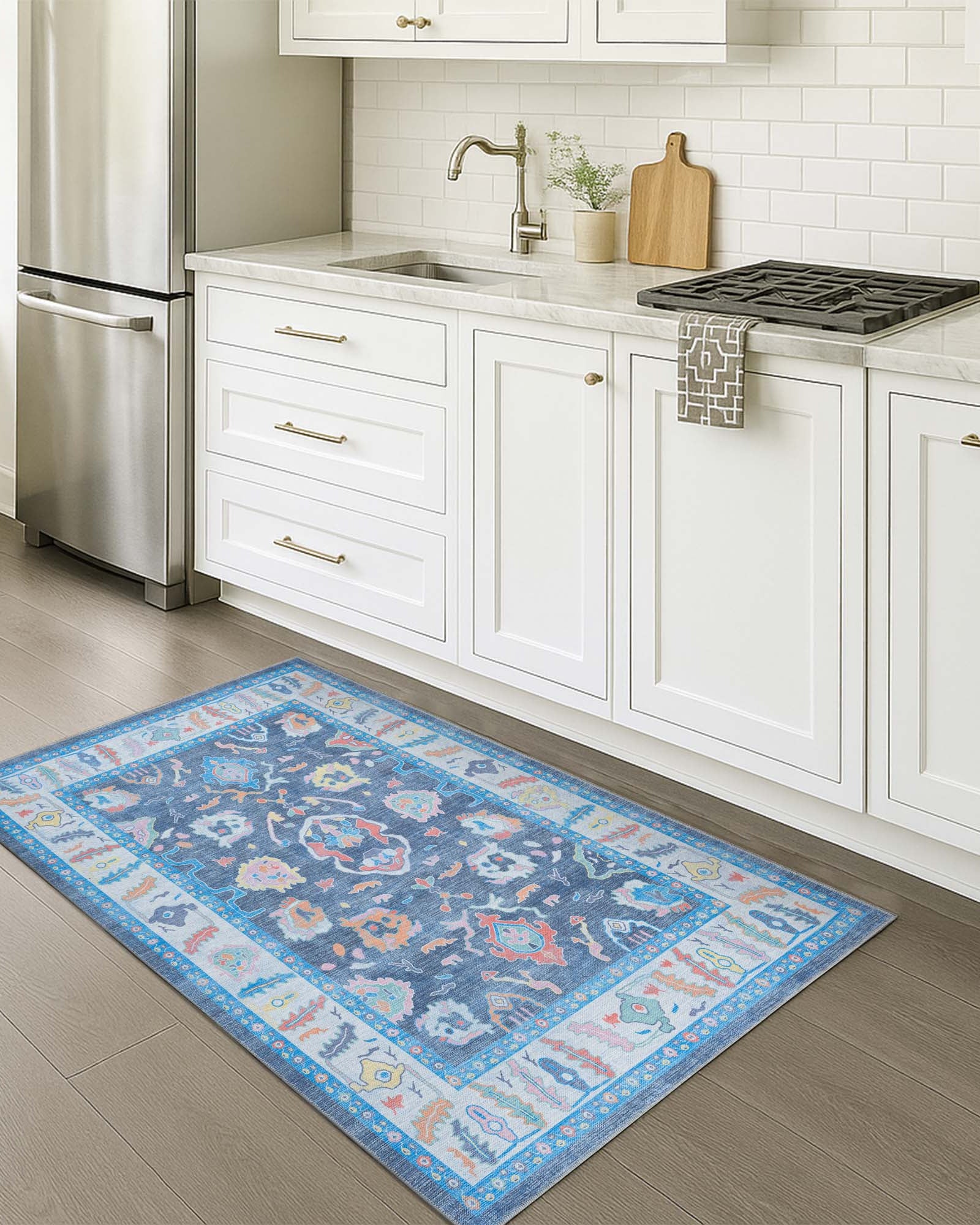
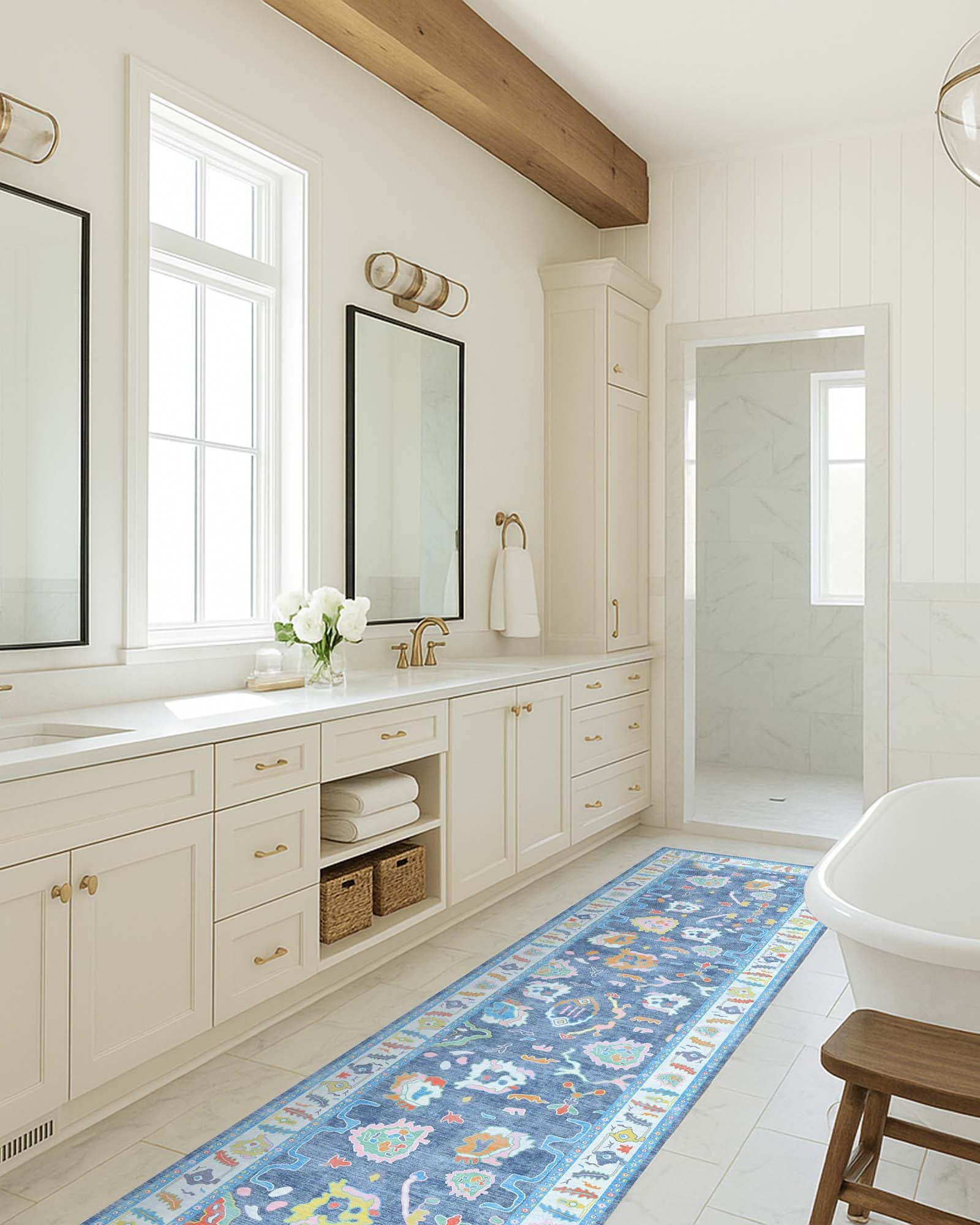
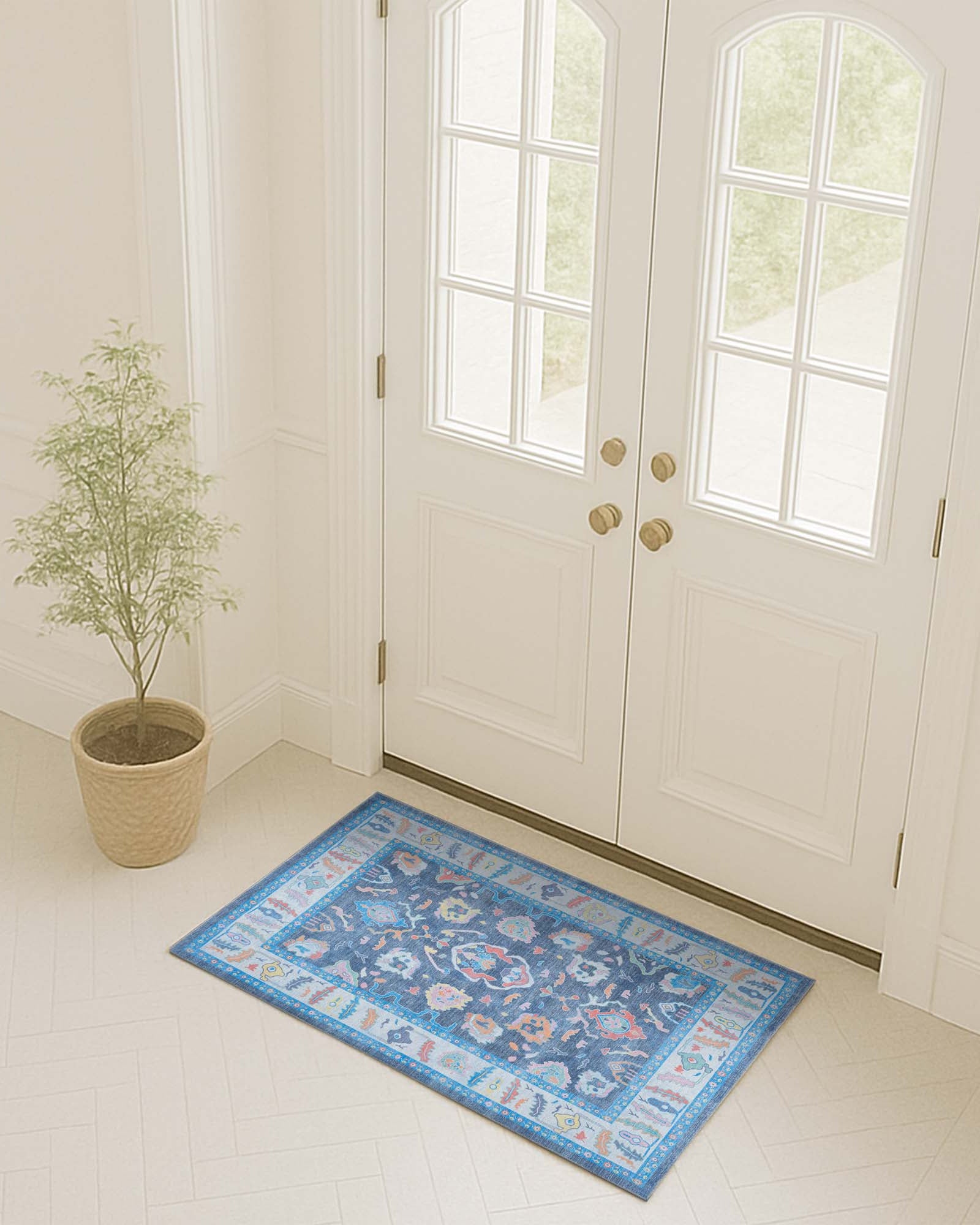
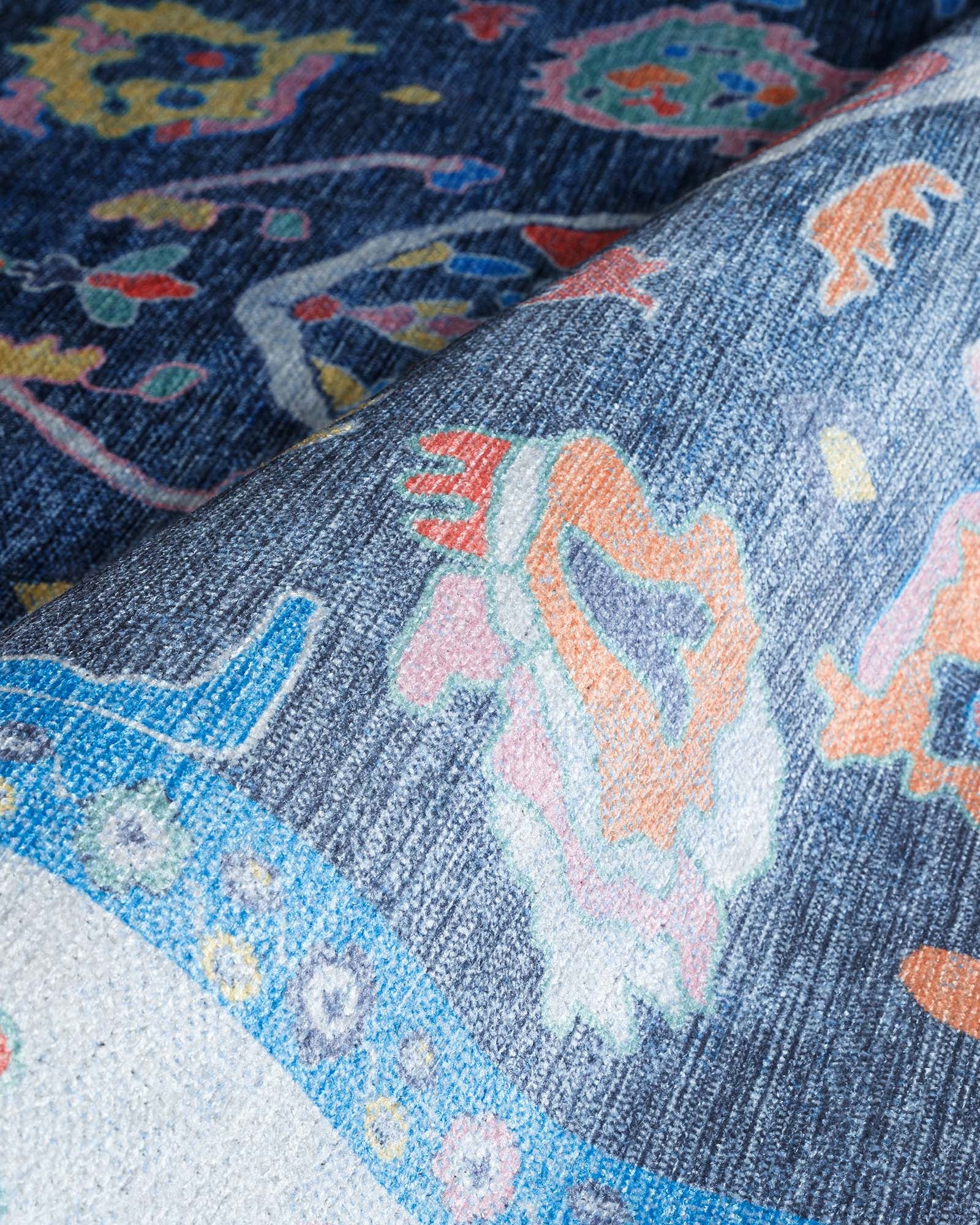
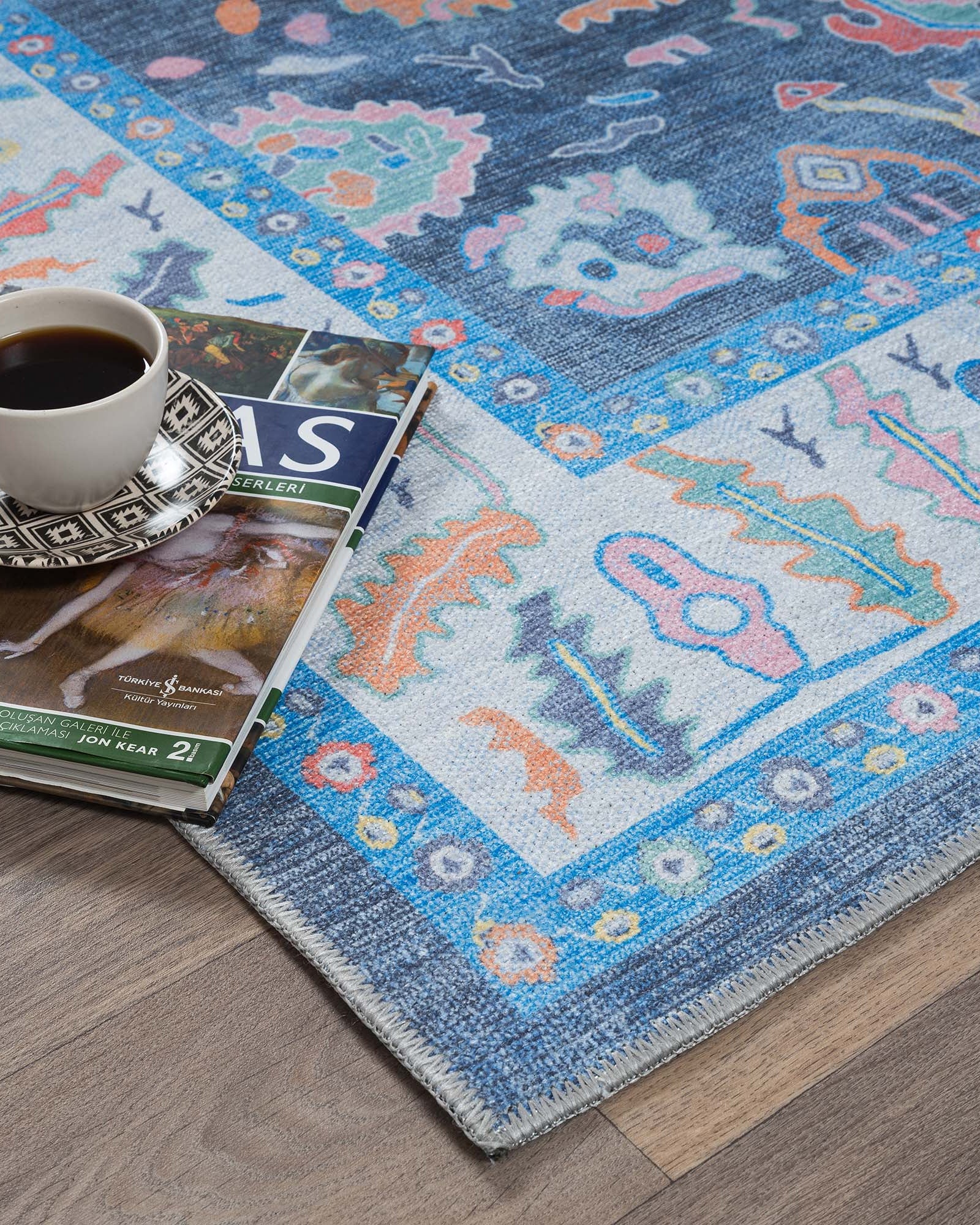
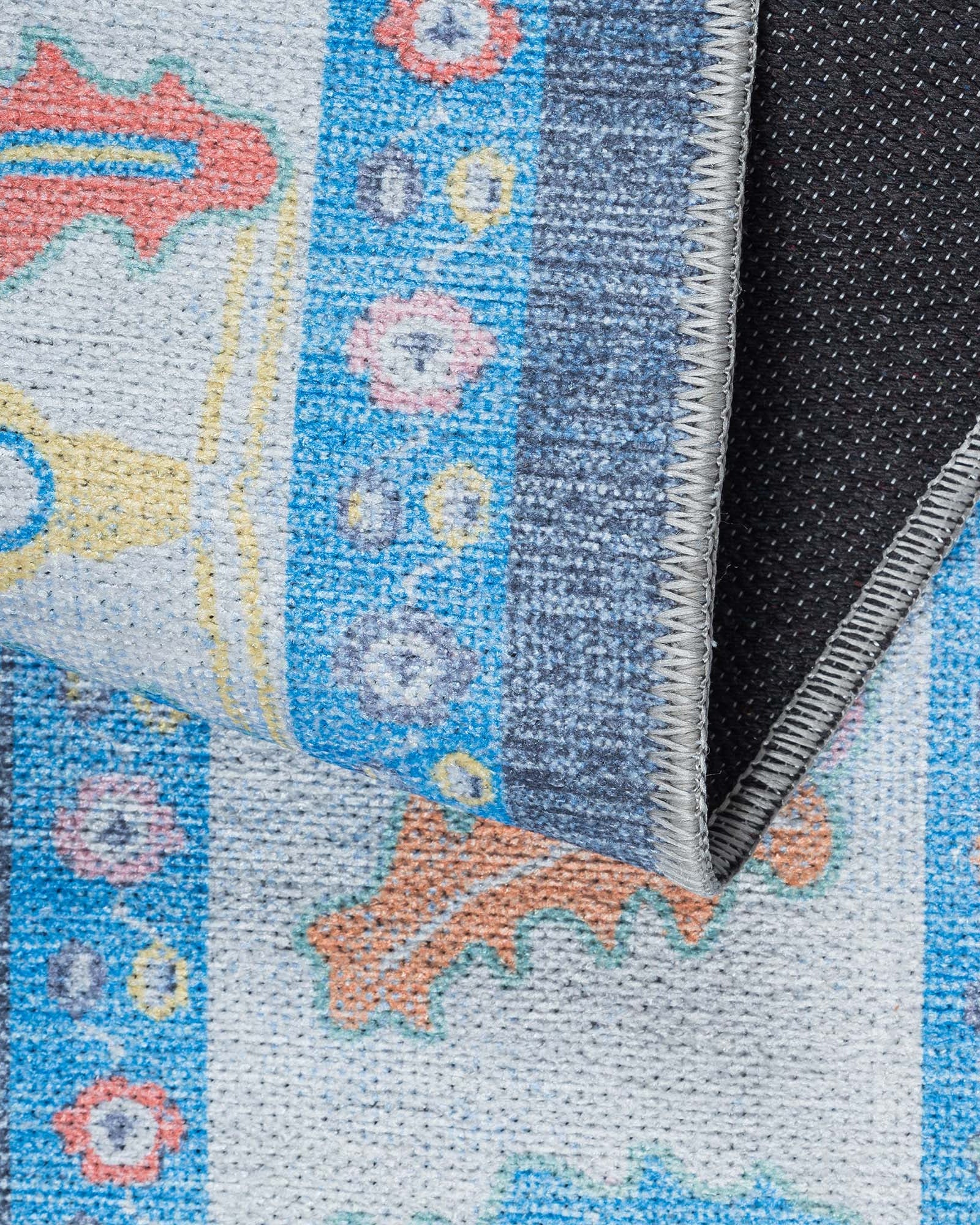
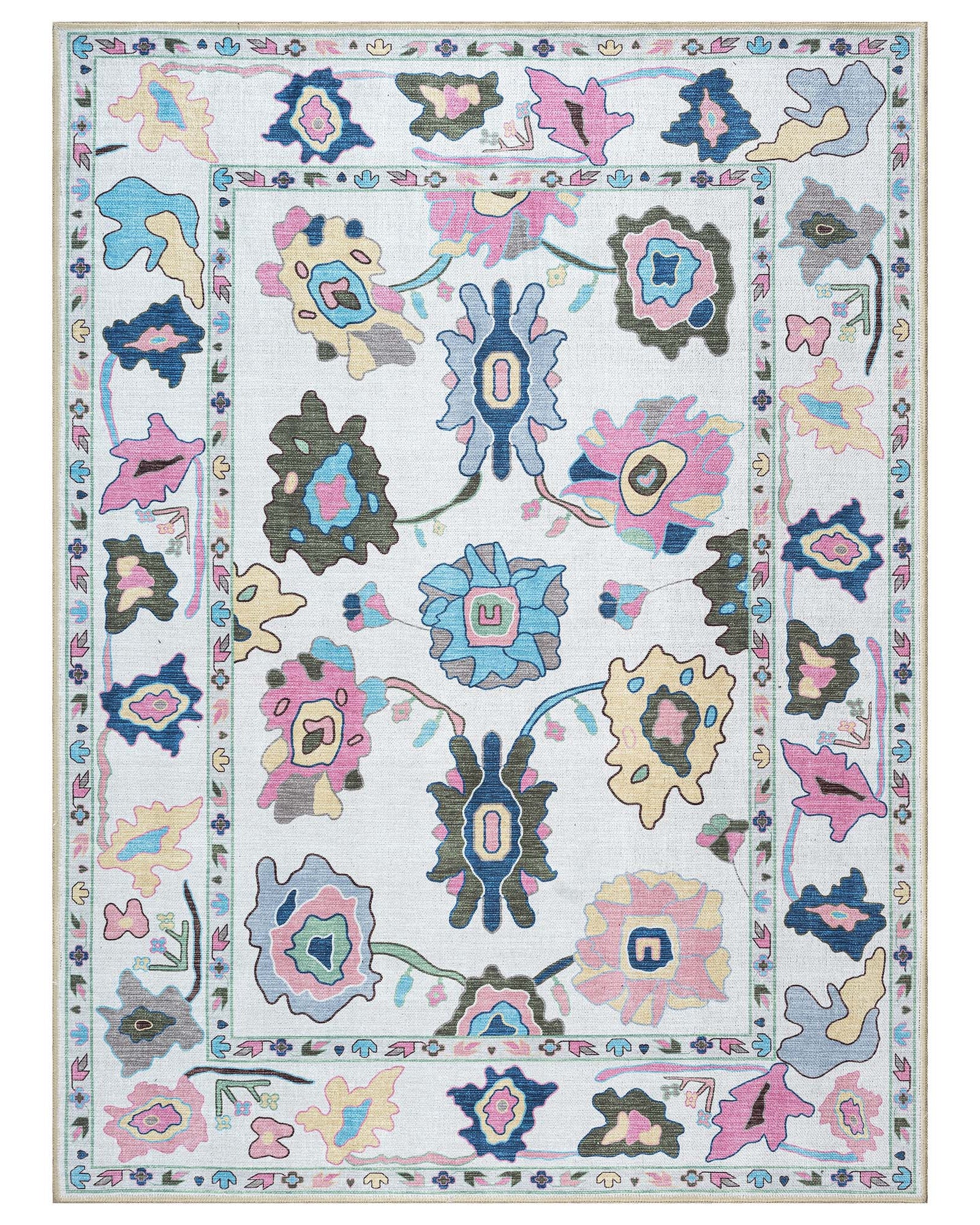
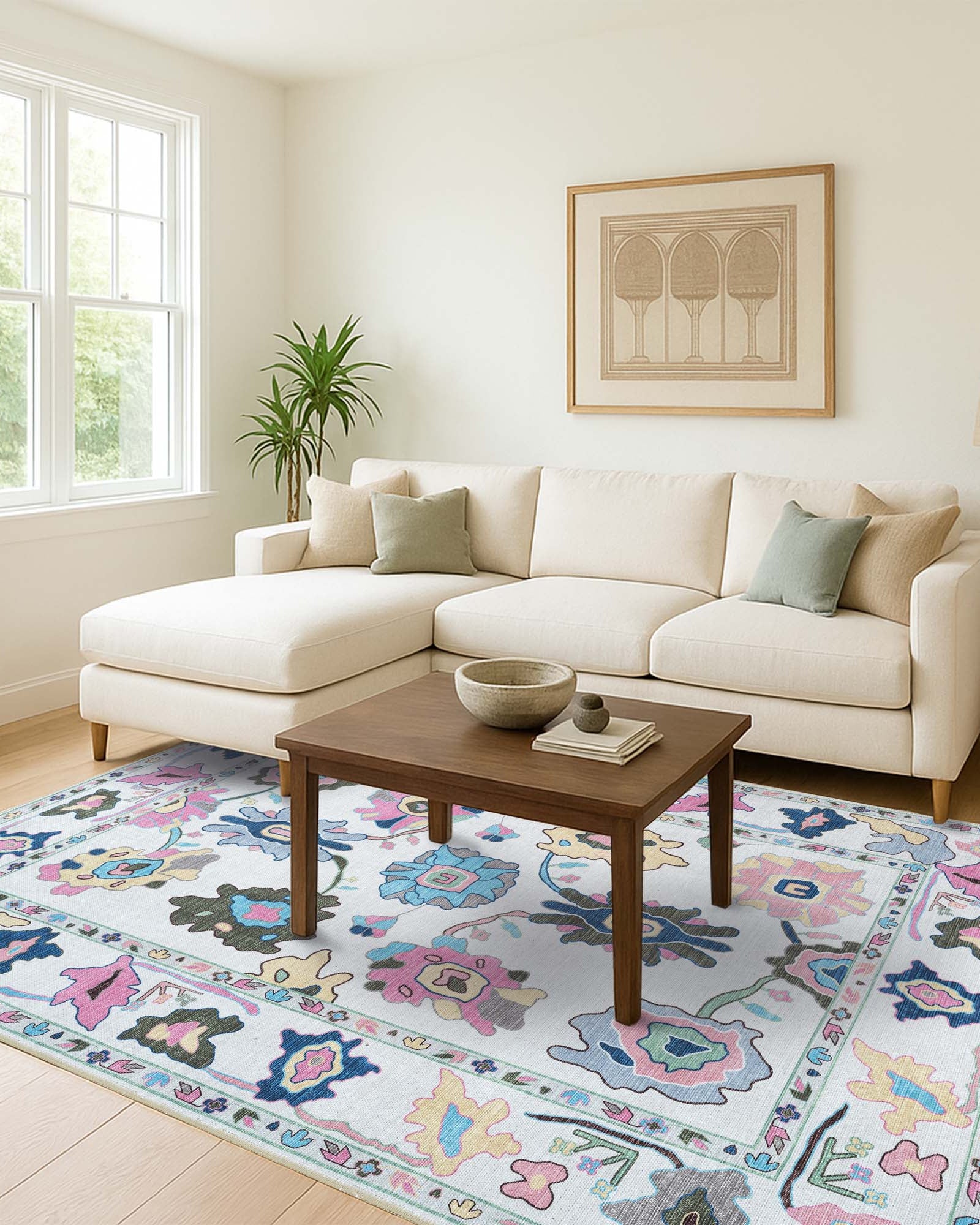
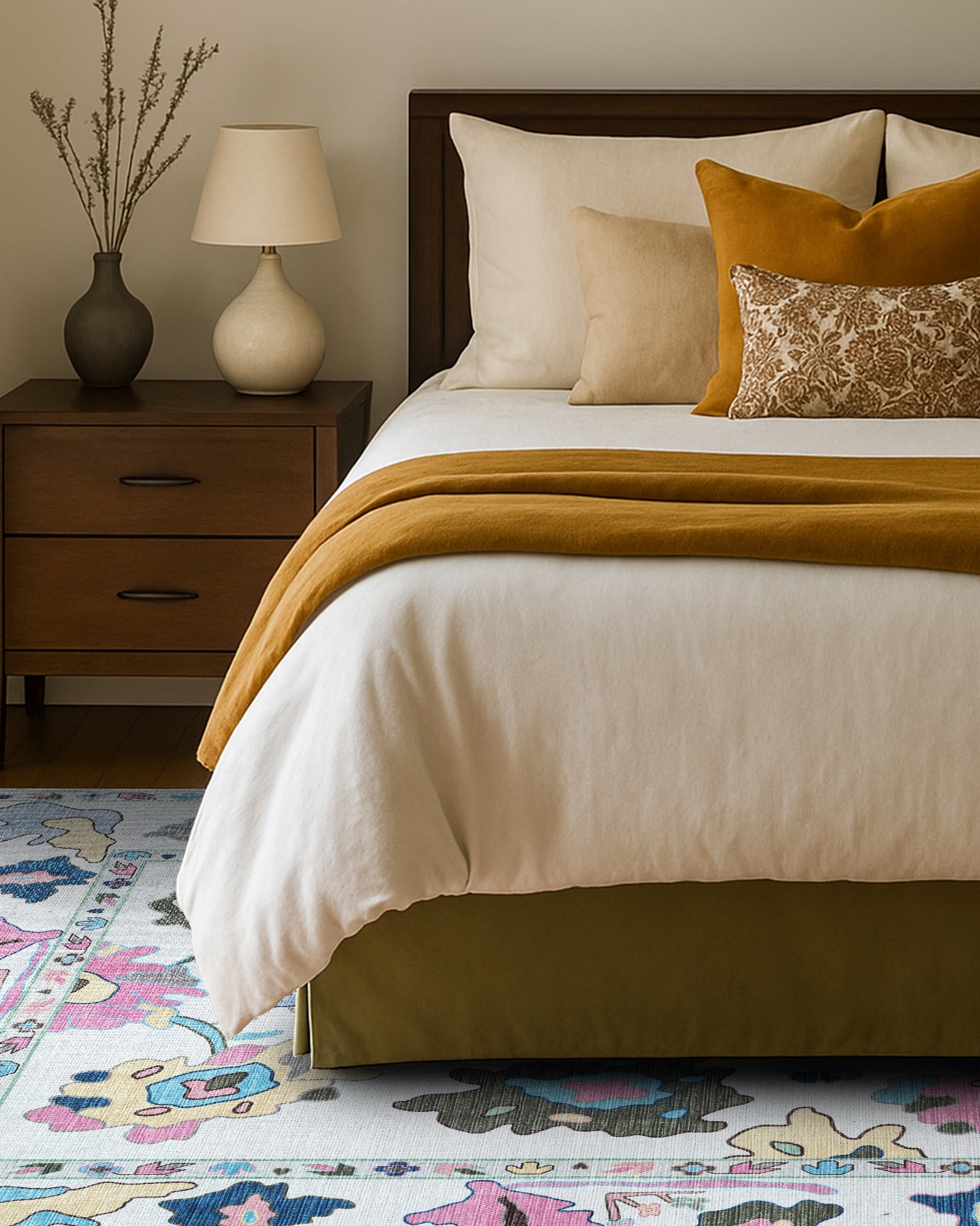
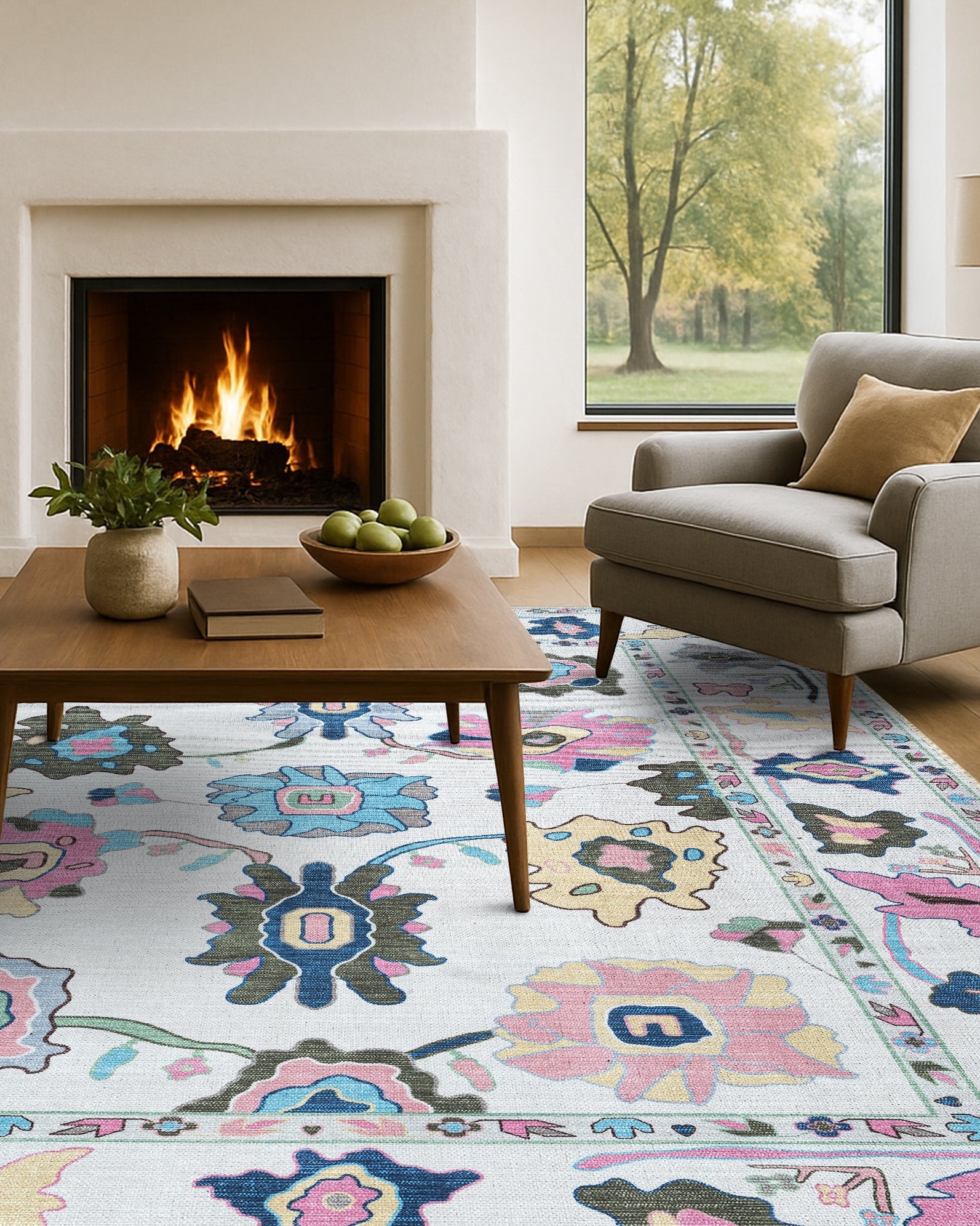
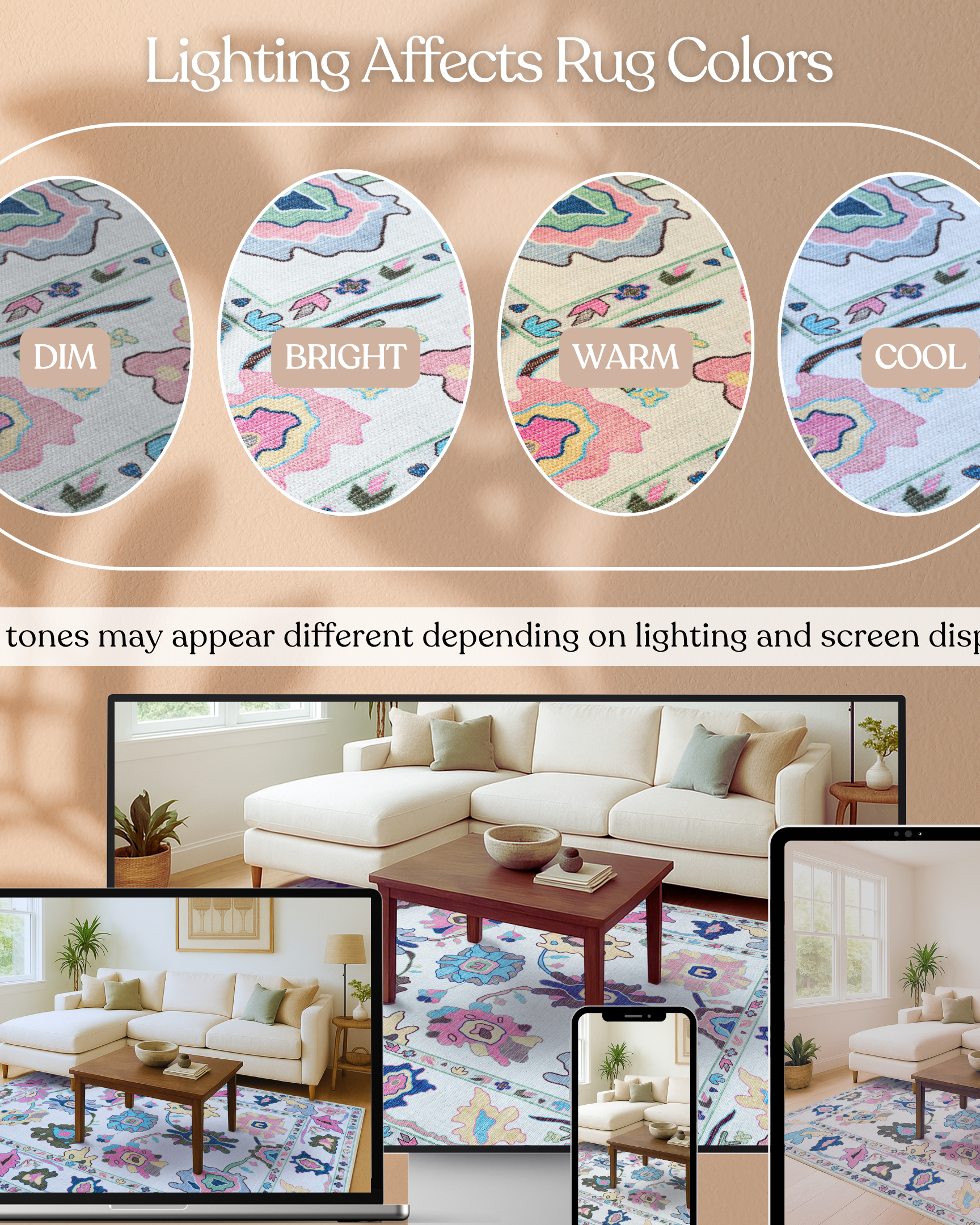
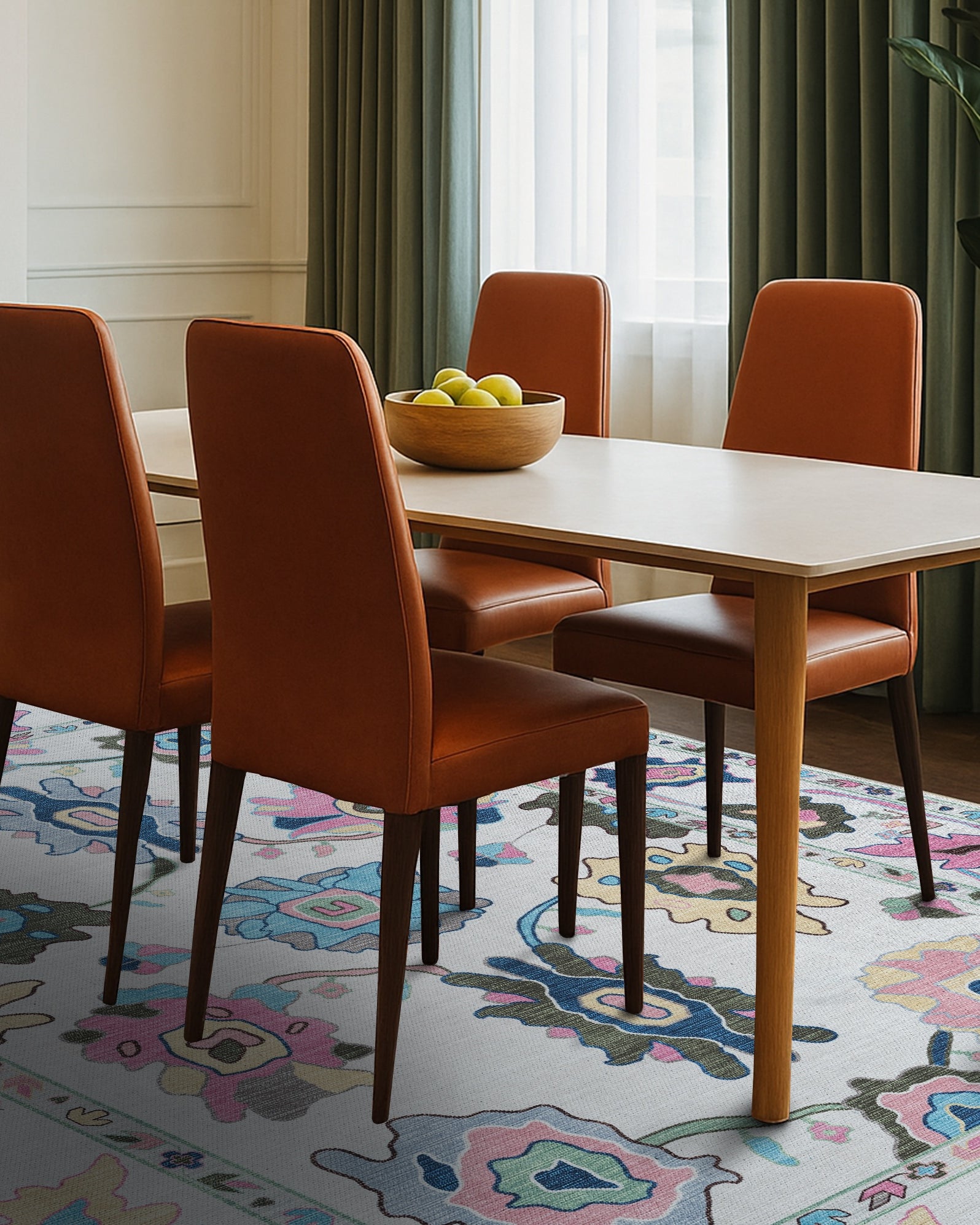
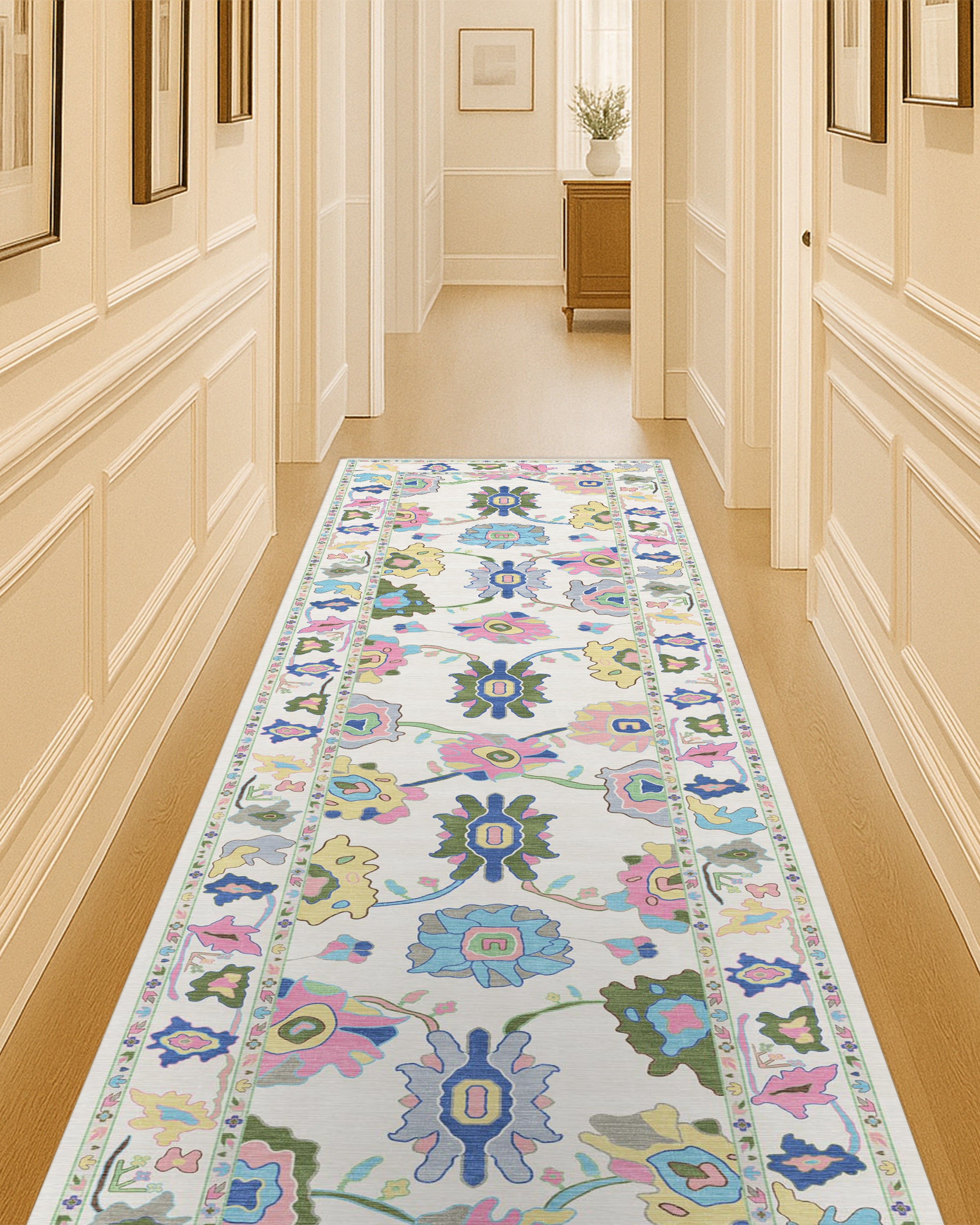
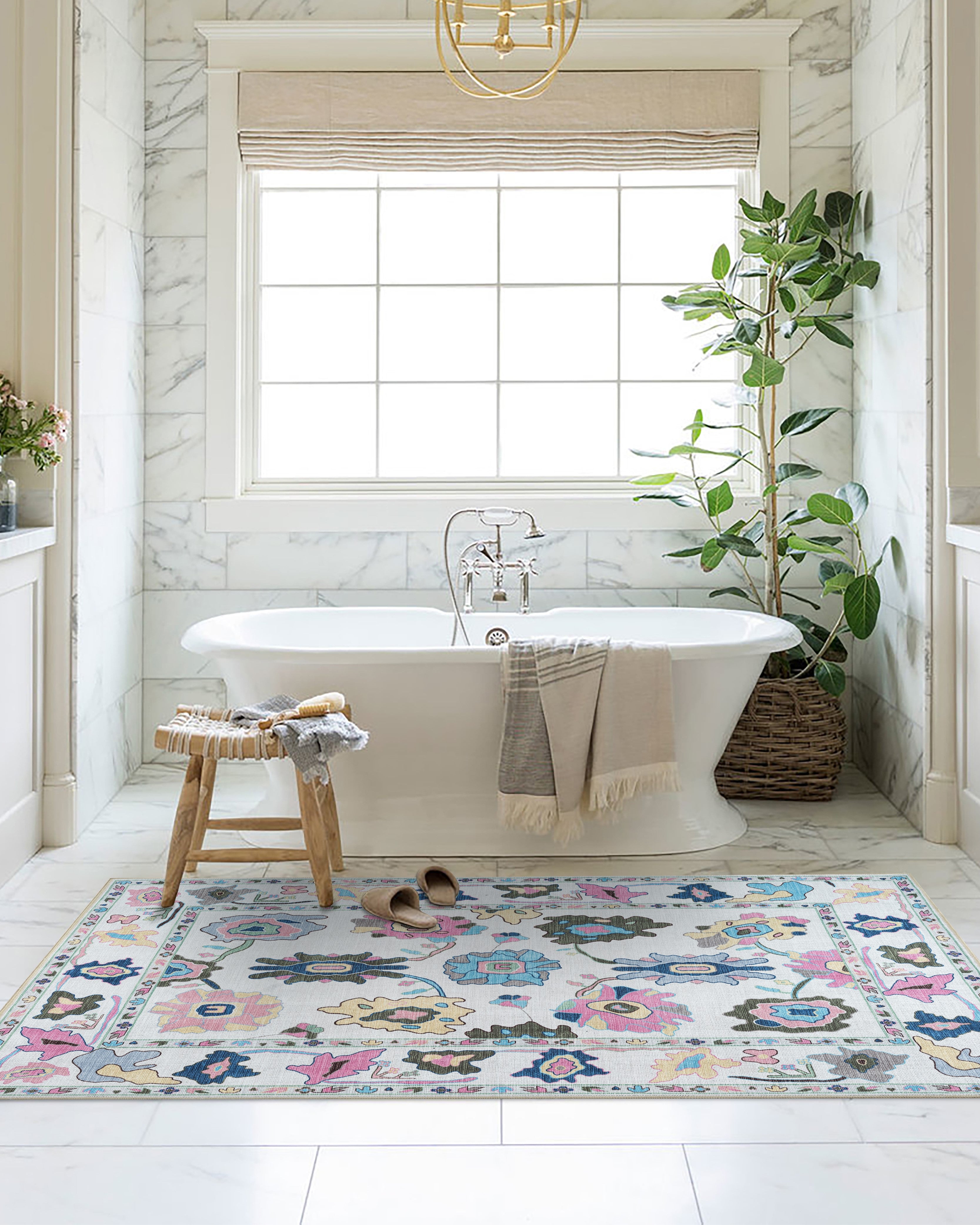
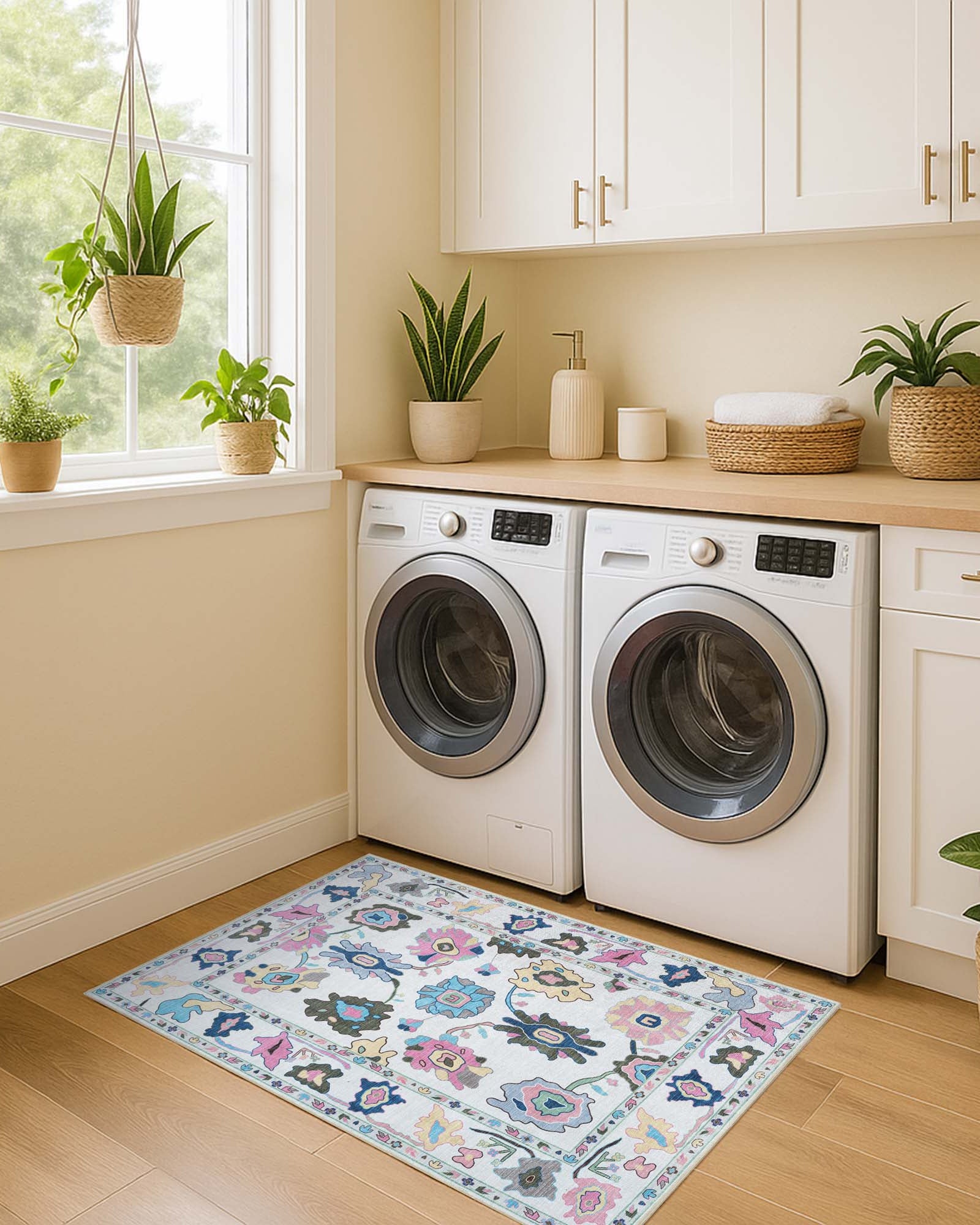
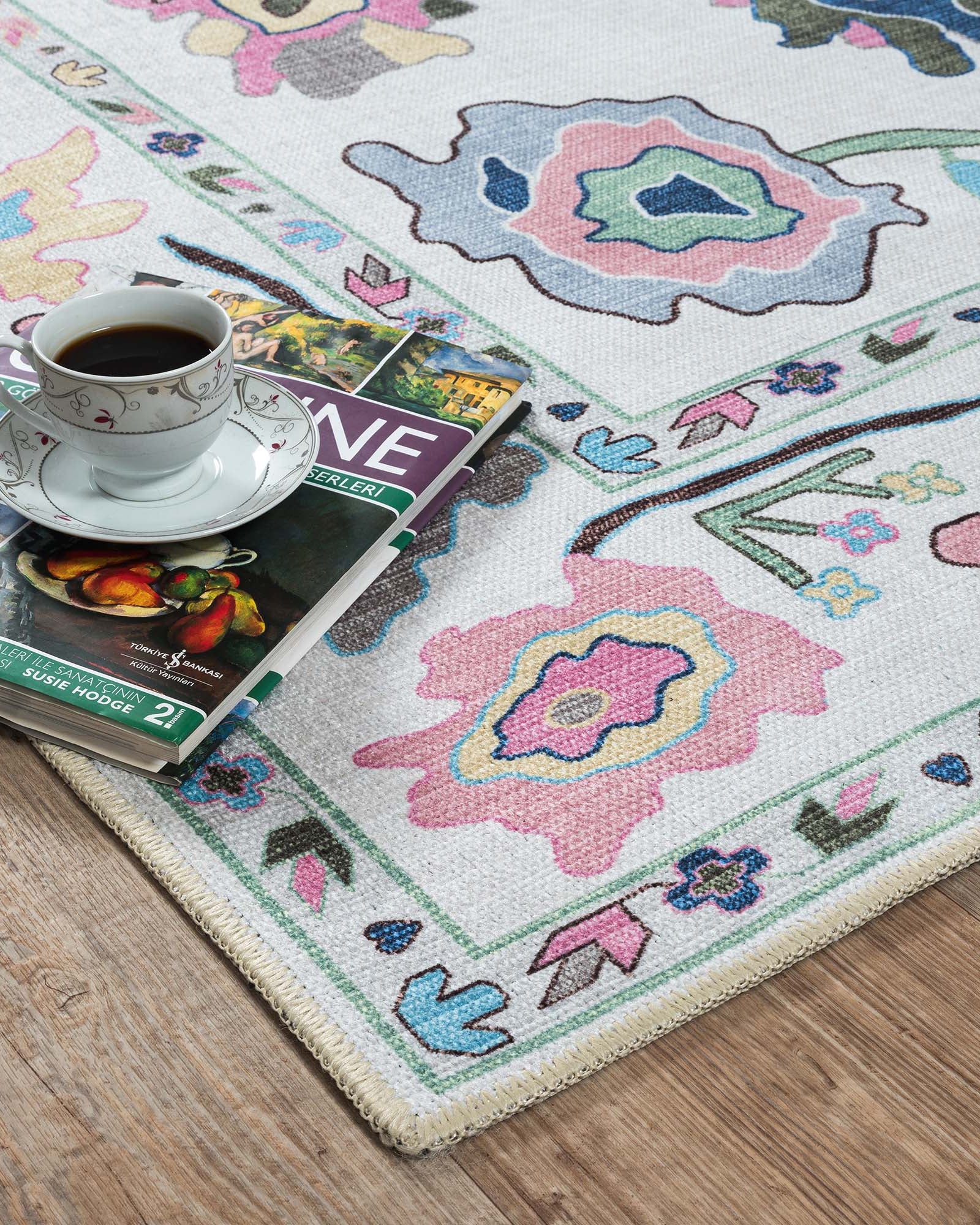
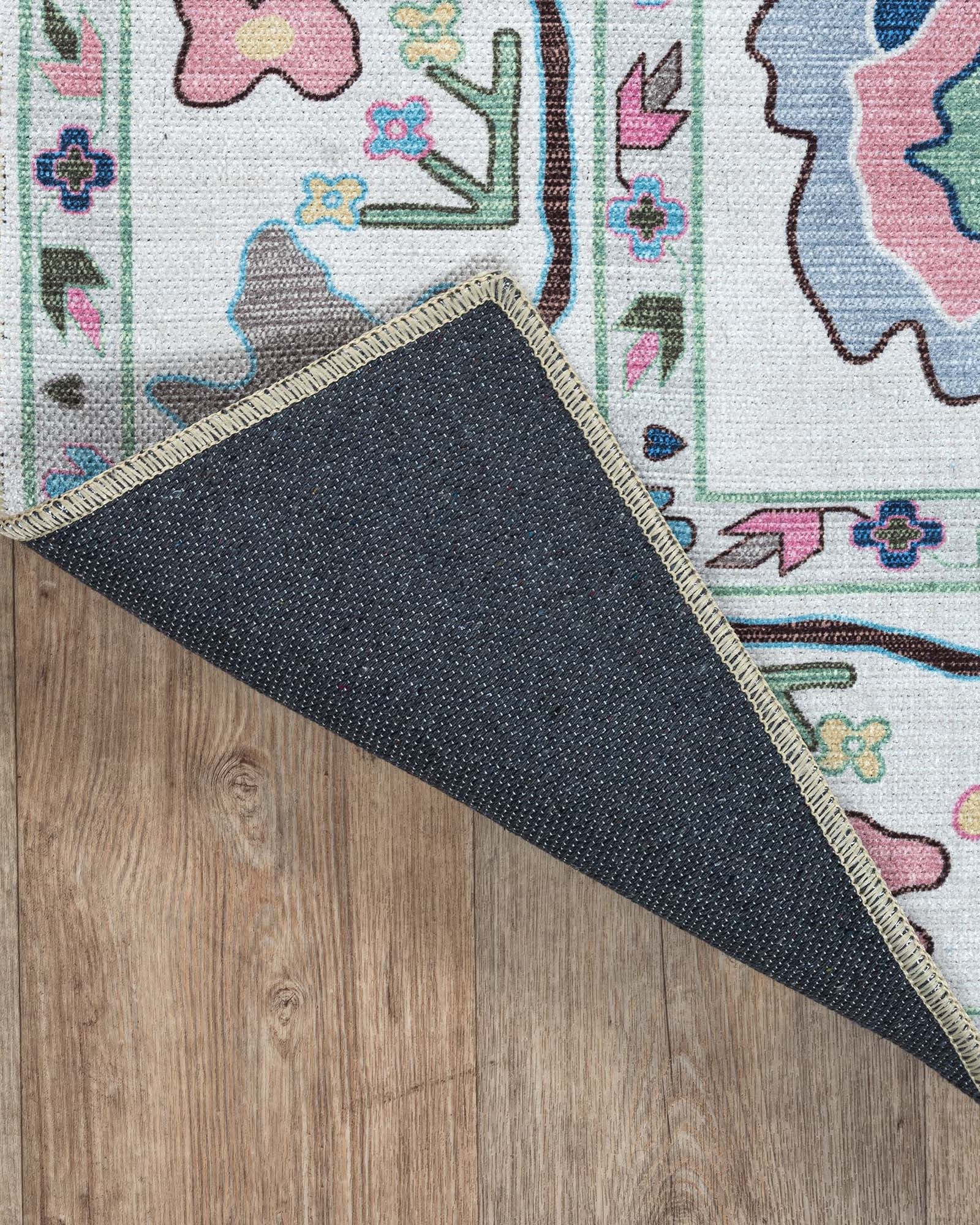
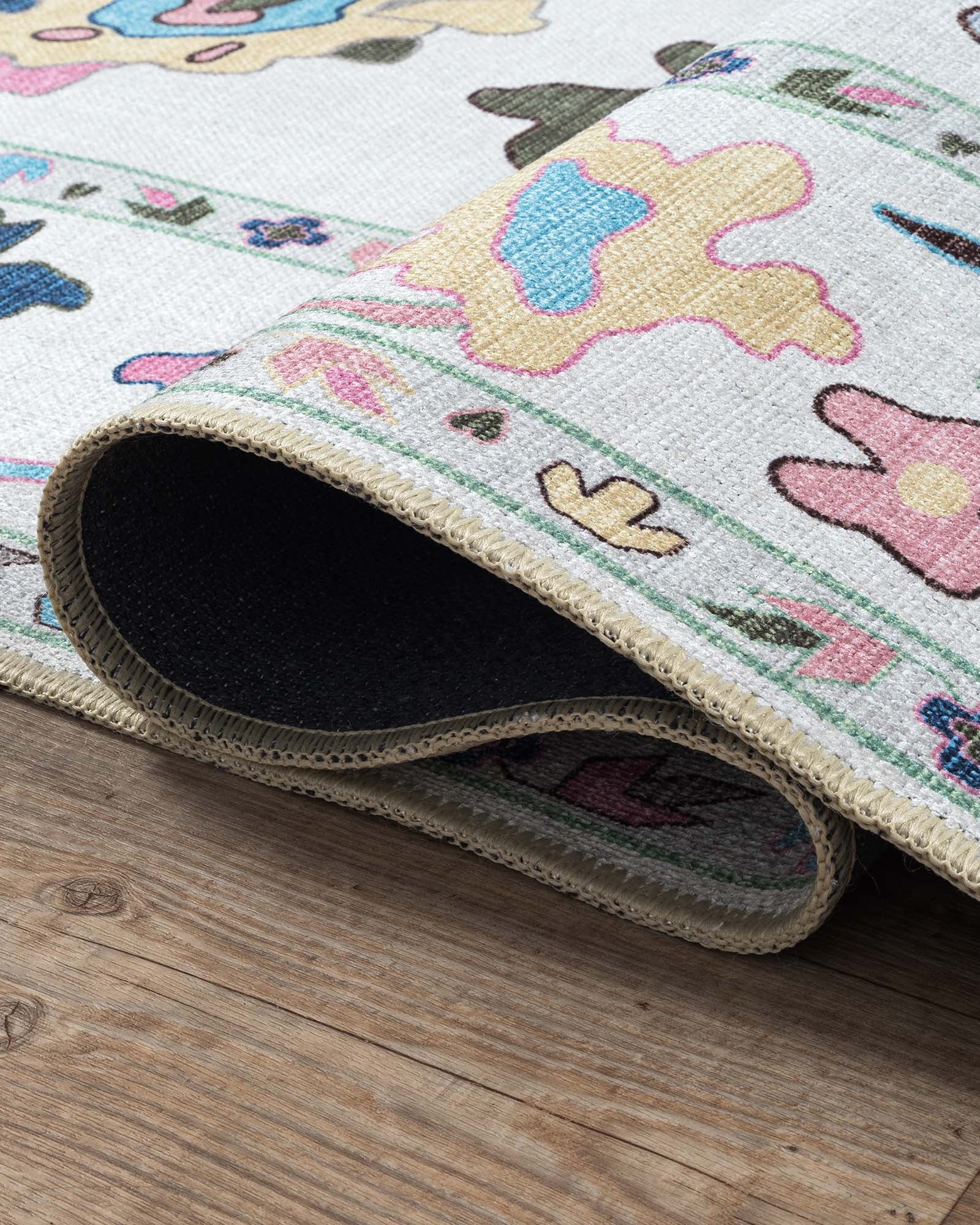
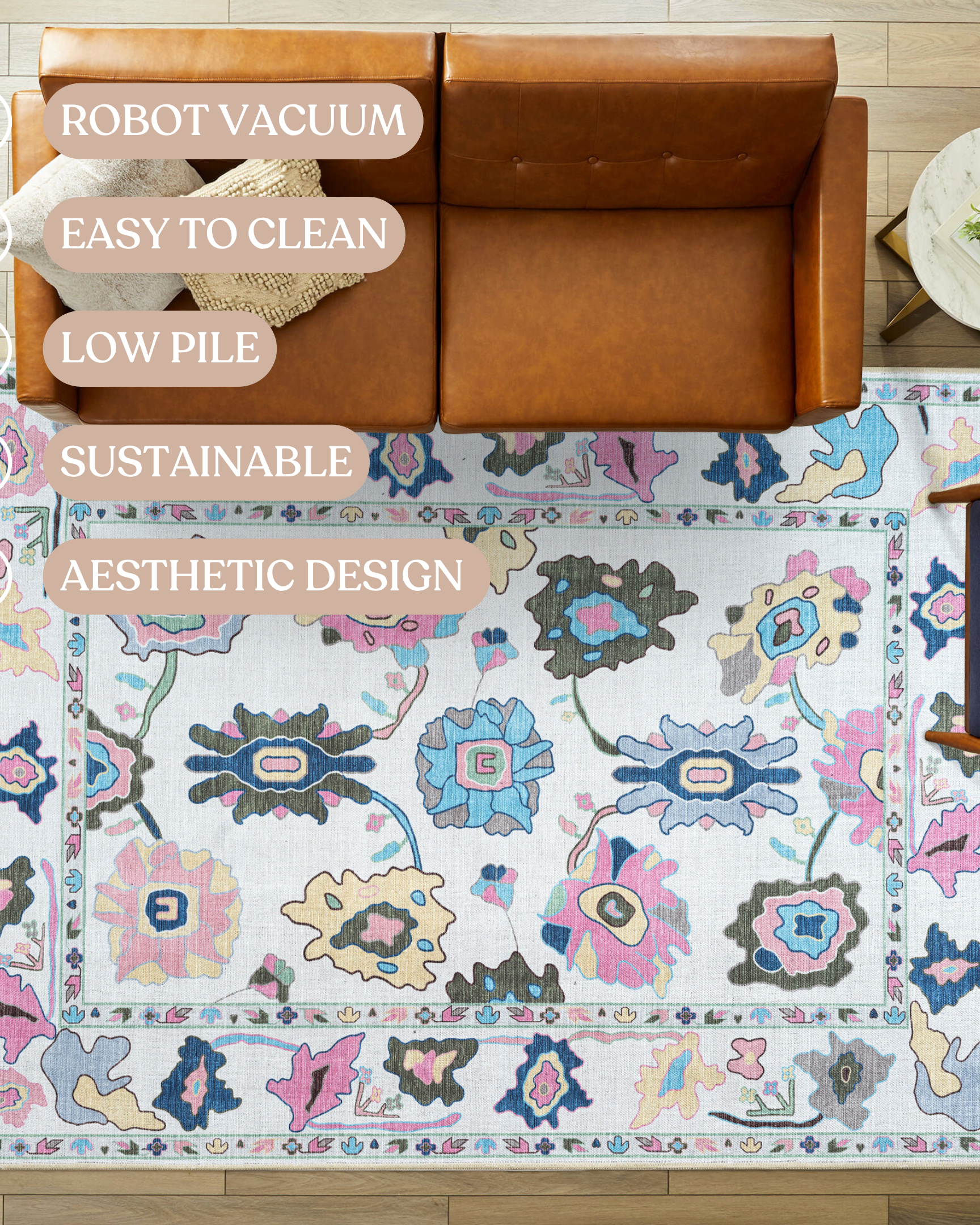
Most of what defines a rug's comfort comes down to one measurement: how far the pile stands off the foundation. High pile rugs sit at the thick end of that range, with the cut wool standing well above the woven base rather than lying low and flat. That extra height is what gives a rug real cushioning underfoot, and it is either left uncut from the loom or preserved through decades of careful use rather than being worn down. Every piece here is an original hand-knotted rug, sold as a single item.
Why Pile Height Varies So Much
Pile height is set at the loom by how long the weaver leaves the wool before trimming it, and different traditions made very different choices here for different reasons. Fine workshop rugs were often sheared low from the start, since a shorter pile shows intricate curving detail more sharply. Rugs made for warmth and comfort — bedding rugs, household floor coverings in cold regions — were left long deliberately, because the extra wool traps more air and insulates better.
What survives to today reflects both the original choice and decades of subsequent wear, so a genuinely high-pile antique rug is one that was either woven long from the start and has been gently used, or simply has not yet worn down to the lower heights common in older, harder-used pieces.
The Long-Pile Tradition
The clearest example of deliberate high-pile weaving is the tülü, a shaggy long-pile rug from central Anatolia, traditionally woven as a sleeping rug or floor bedding rather than a decorative floor covering. Tülü pile can run several times the height of a standard hand-knotted rug, usually in undyed cream or soft brown wool, with minimal pattern since the extended pile itself was the point rather than intricate design work. These rugs were made for warmth first, and it shows in every inch of them.
Beyond tülü specifically, many village and tribal rugs from wool-rich regions were woven with a fuller pile than fine workshop pieces, simply because the weavers had ready access to wool and comfort mattered as much as pattern precision.
What High Pile Actually Feels Like
The practical difference between a high-pile and low-pile rug is significant and immediate. High pile compresses underfoot and springs back, giving genuine cushioning that low pile simply cannot provide — there is enough wool standing that your foot sinks slightly rather than meeting a hard, flat surface almost immediately. It also insulates a cold floor more effectively and absorbs more sound in a room with hard surfaces, since there is simply more fibre to do that work.
The Trade-Offs of Thick Pile
What you gain in comfort, you give up in a few practical ways. Deep pile holds more dirt and grit than a low, worn surface, so it needs more attentive vacuuming to stay clean. Furniture and chair legs sink into it, which can leave temporary indentations and makes rolling chairs and low-clearance furniture a poor fit. Doors with tight clearance may catch on a genuinely thick pile the way they would not on a worn low-pile rug. None of this makes high pile impractical — it simply means the room matters more than usual when choosing where to put one.
Where High Pile Rugs Work Best
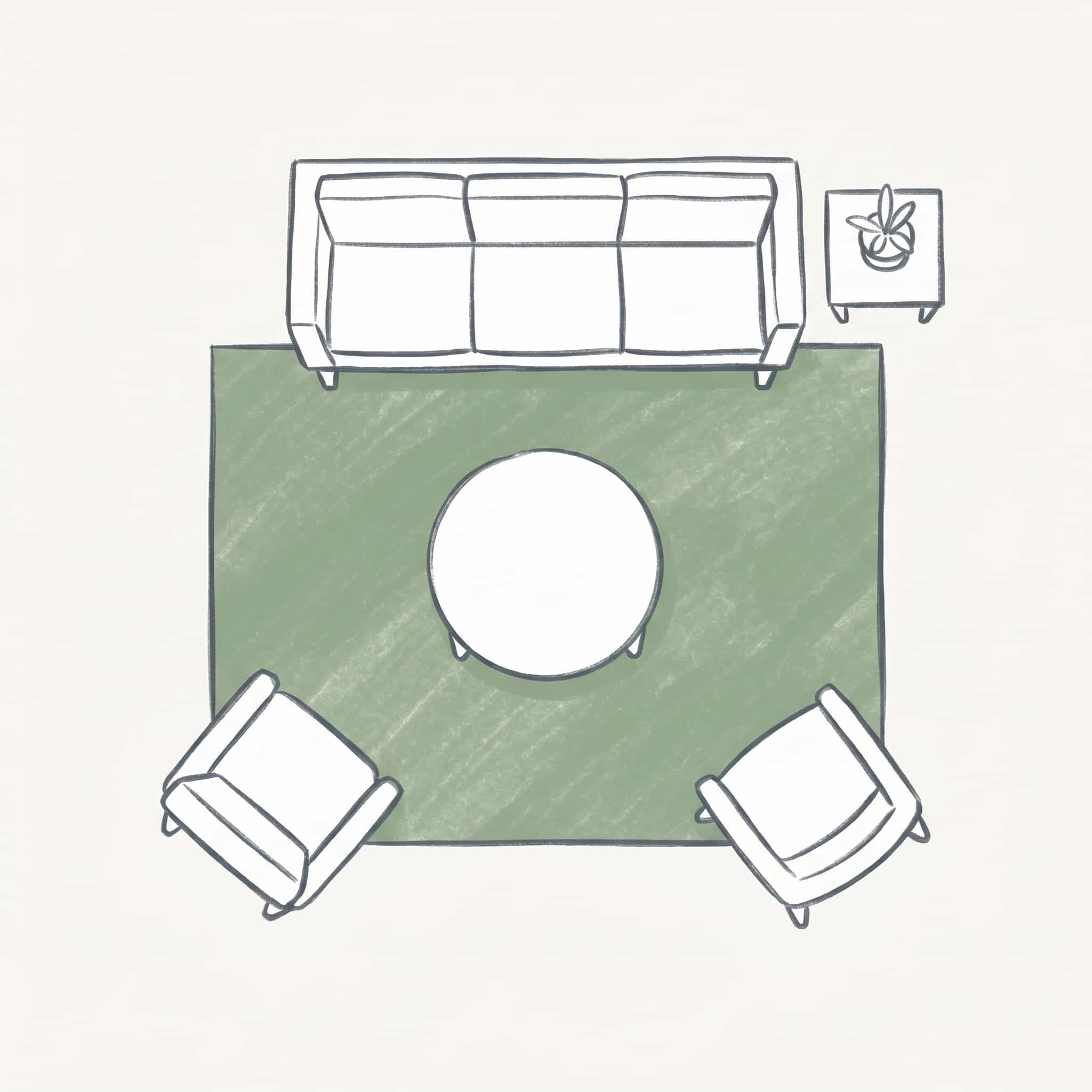
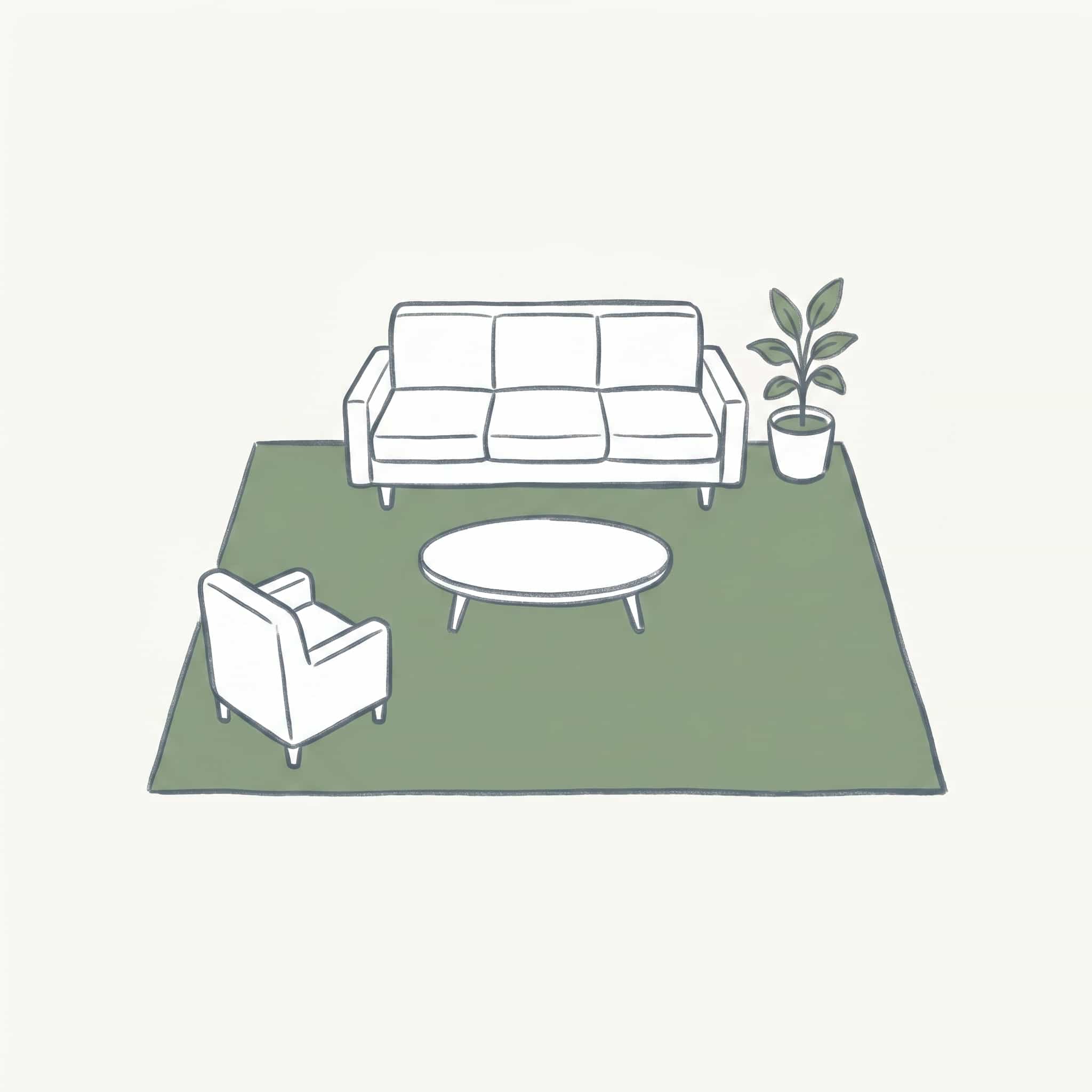
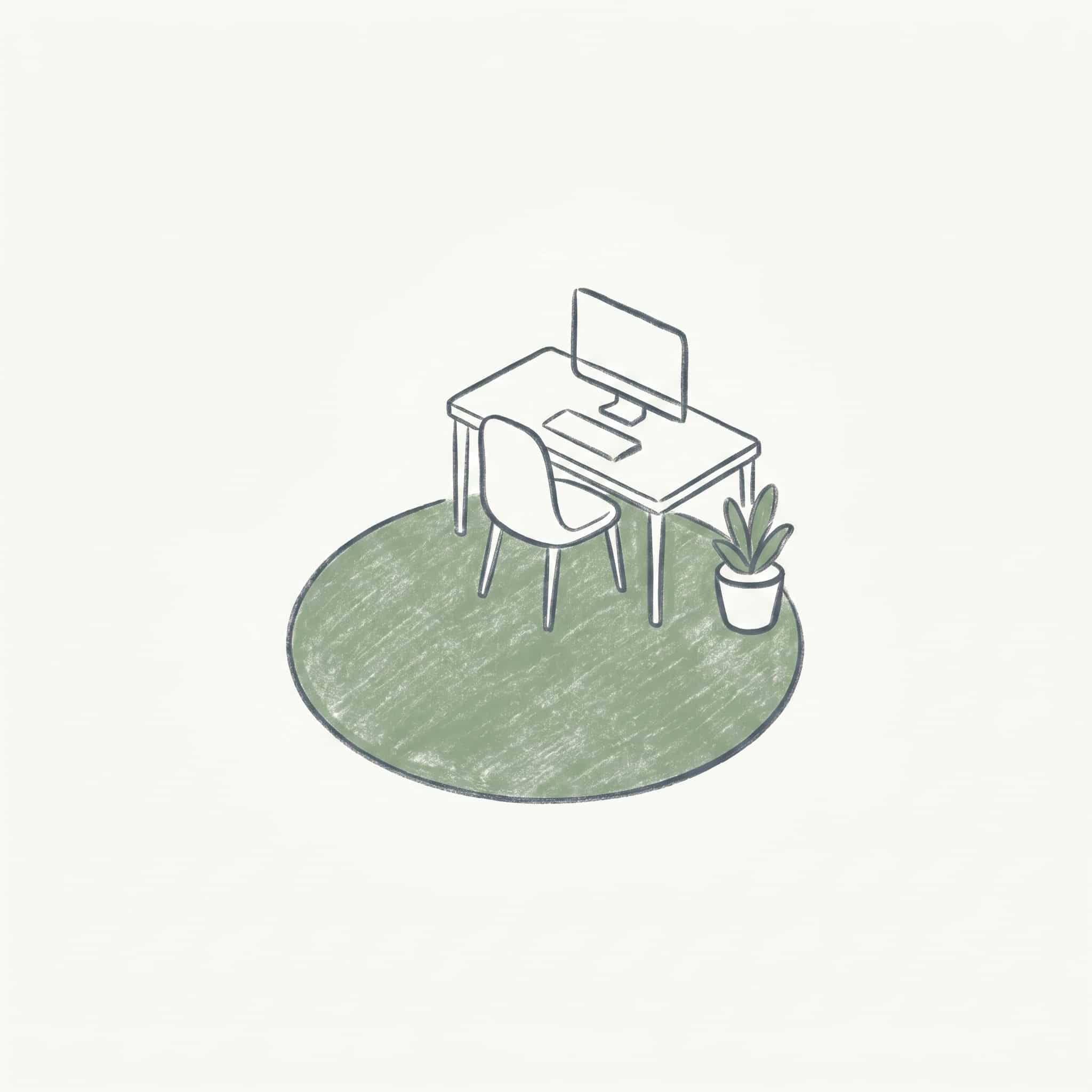
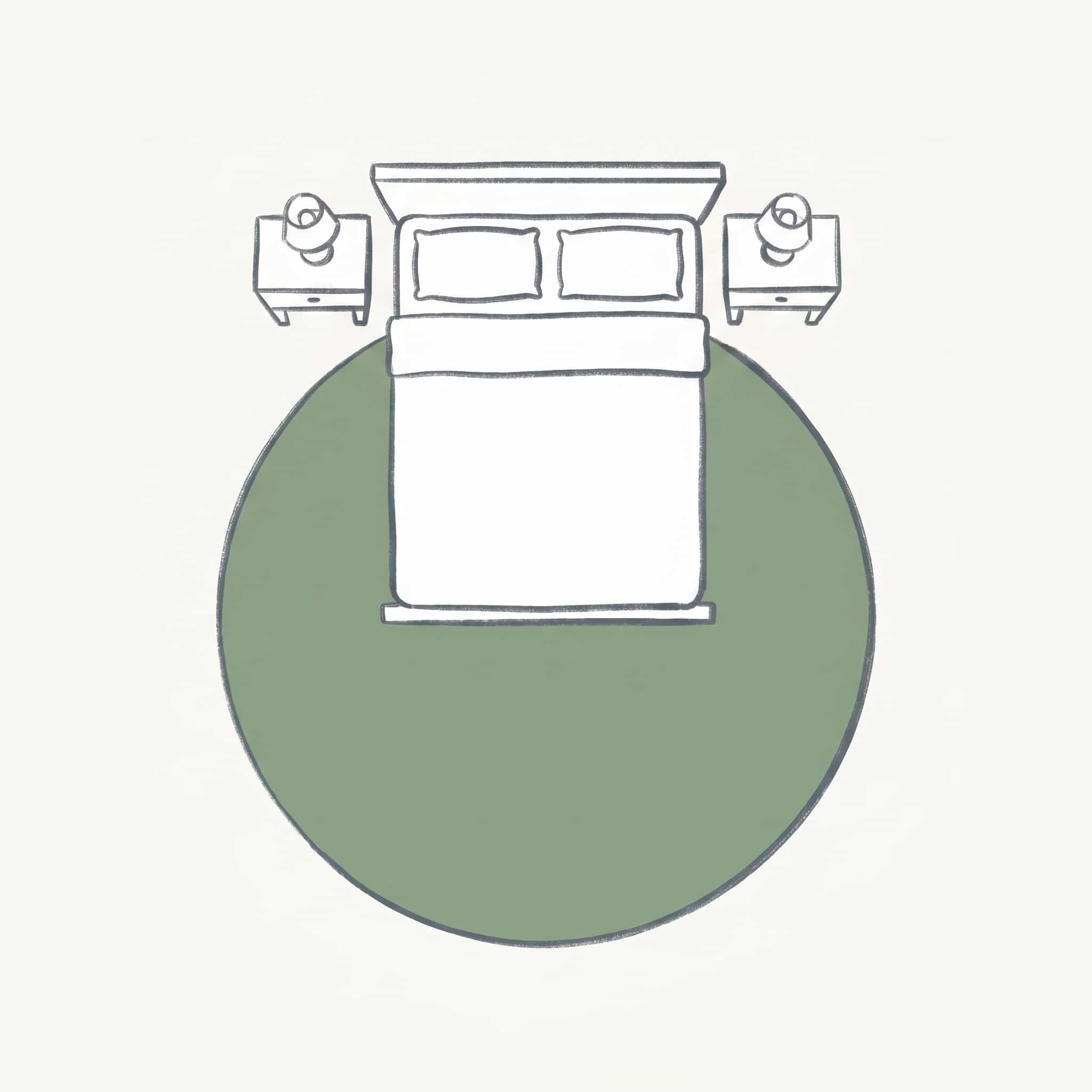
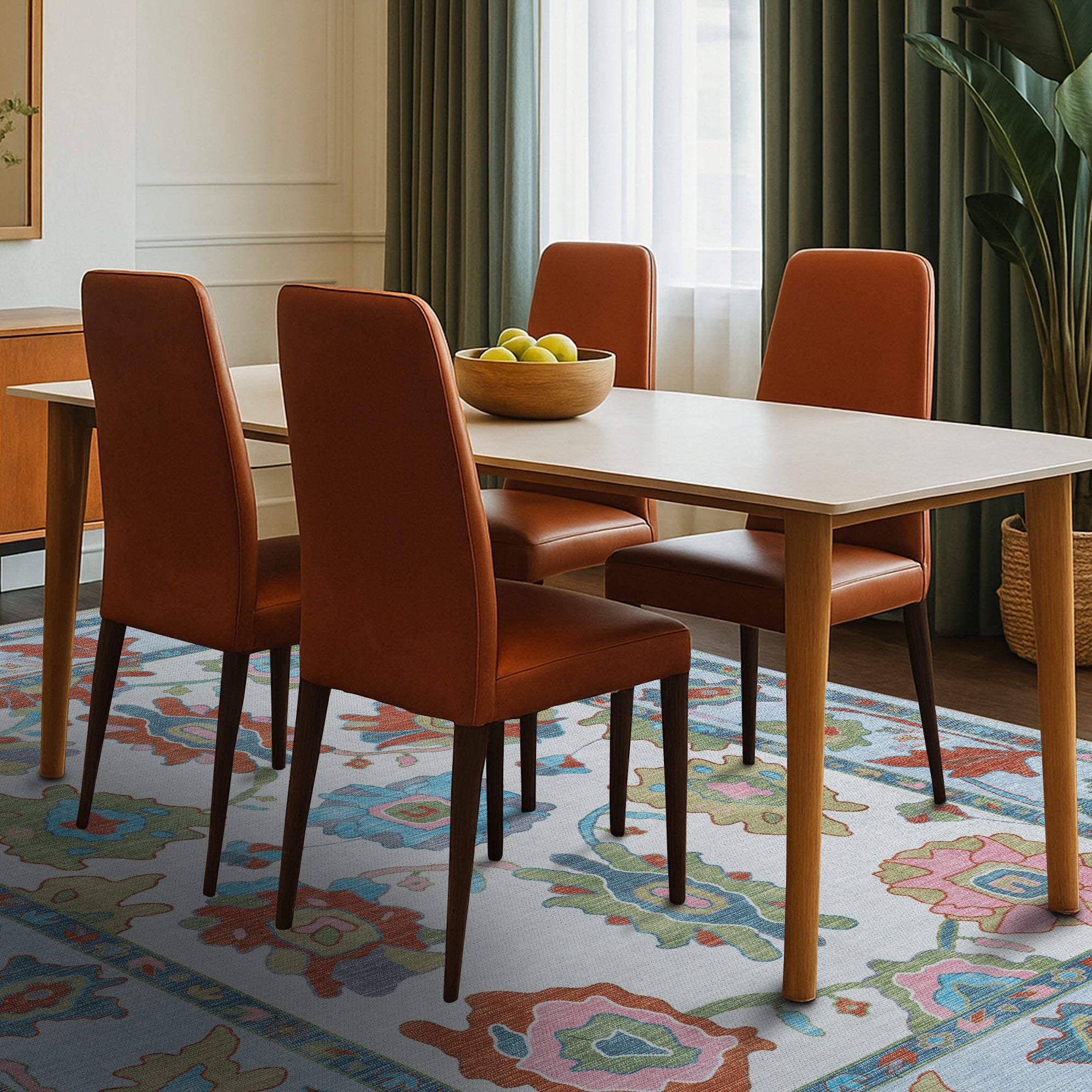
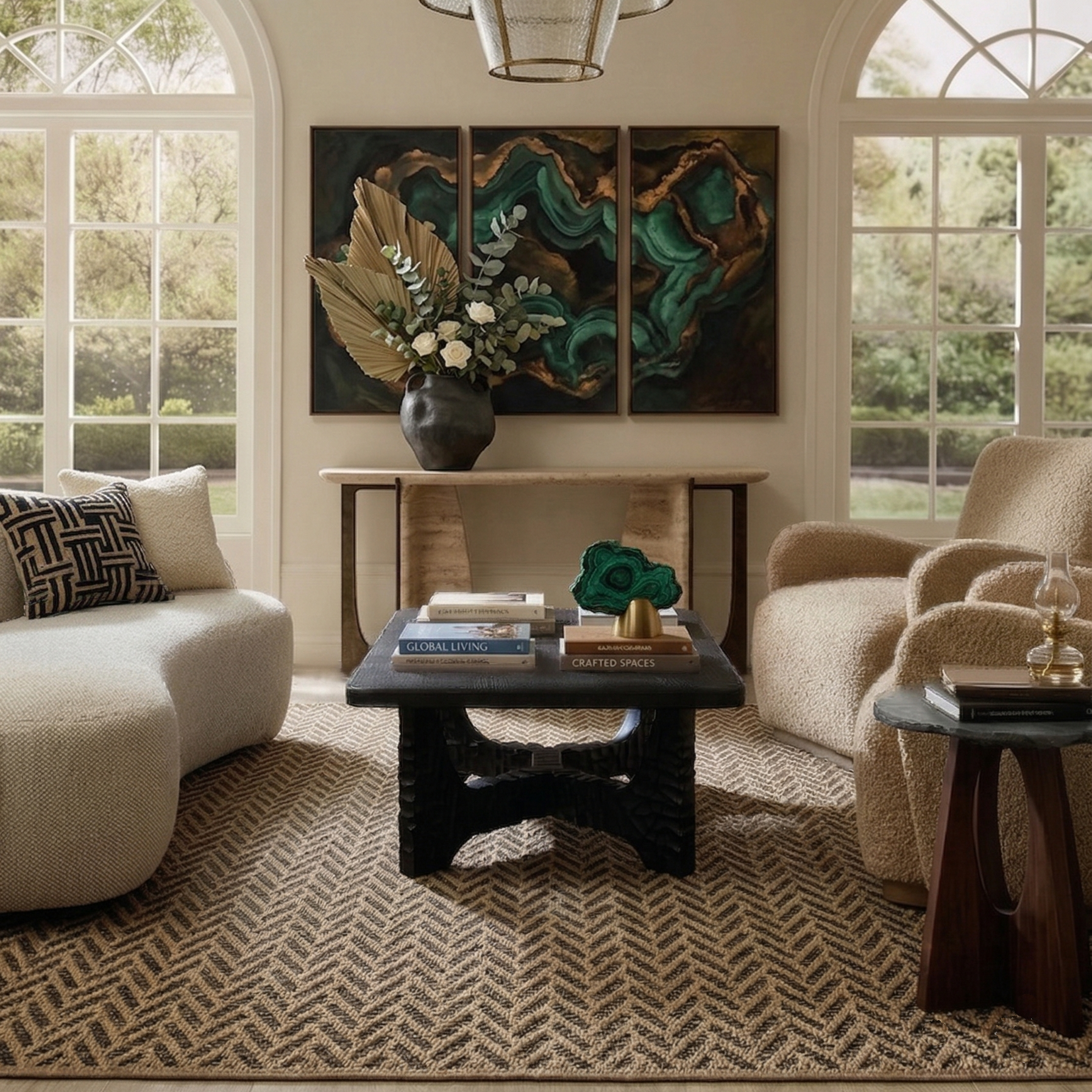
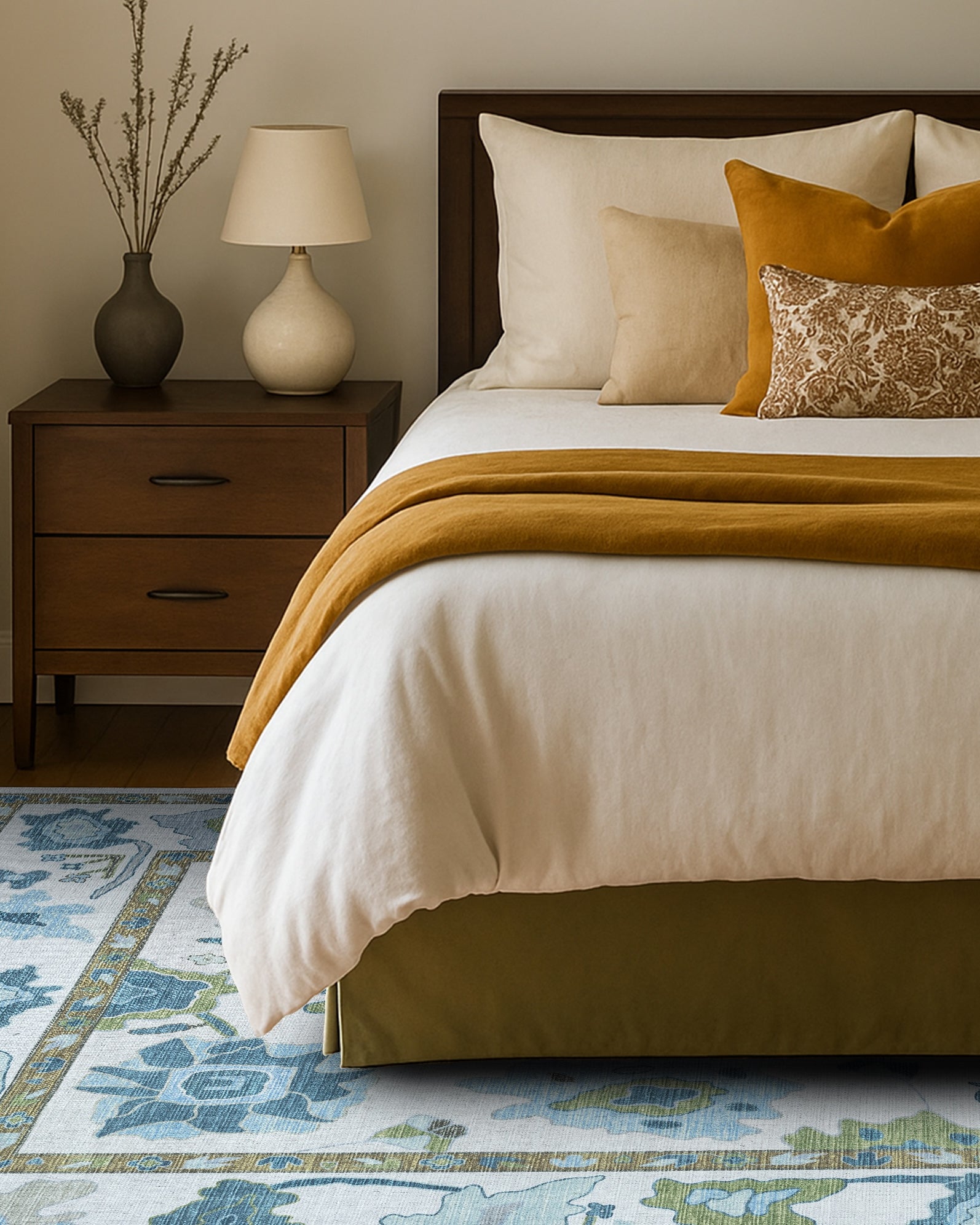
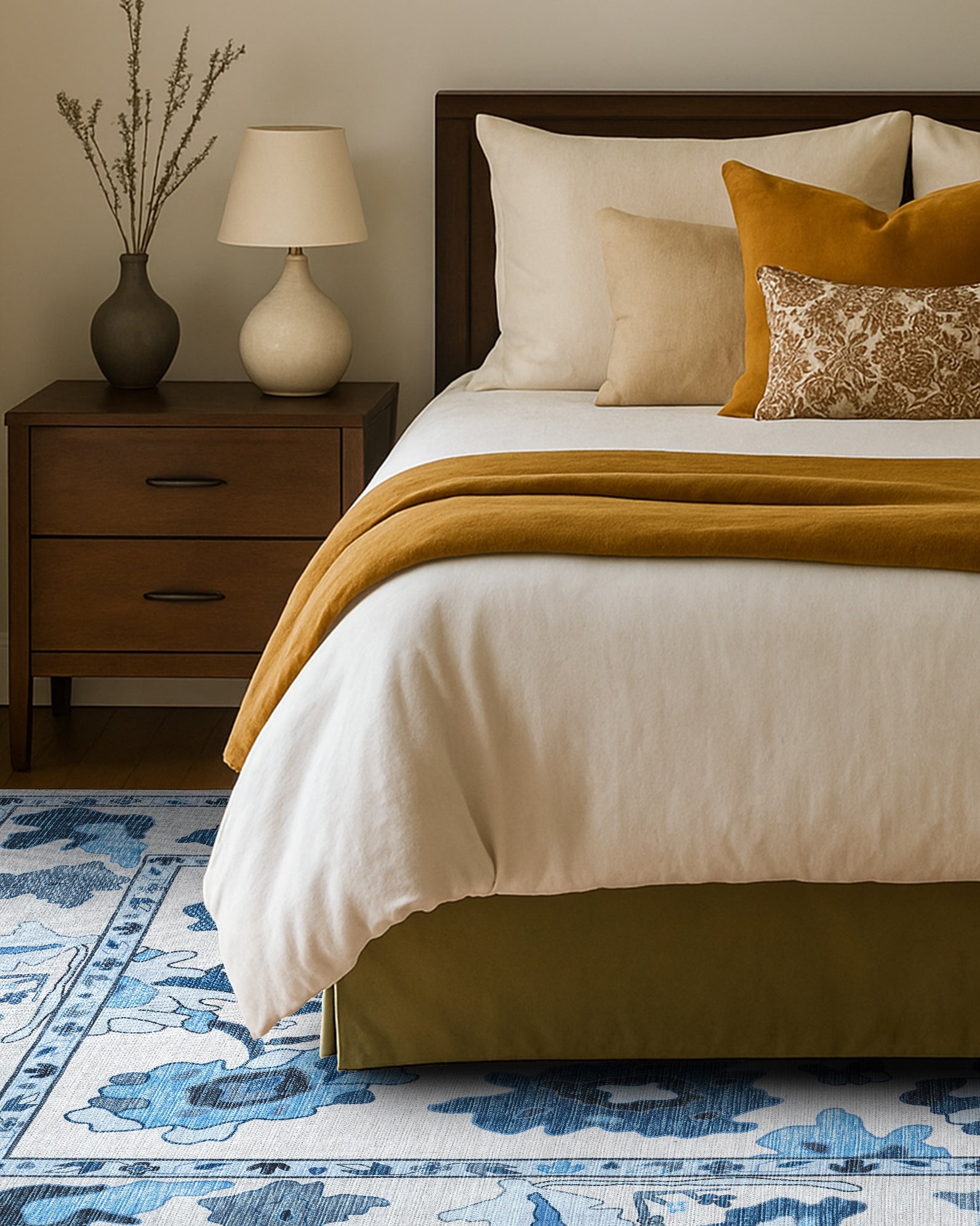
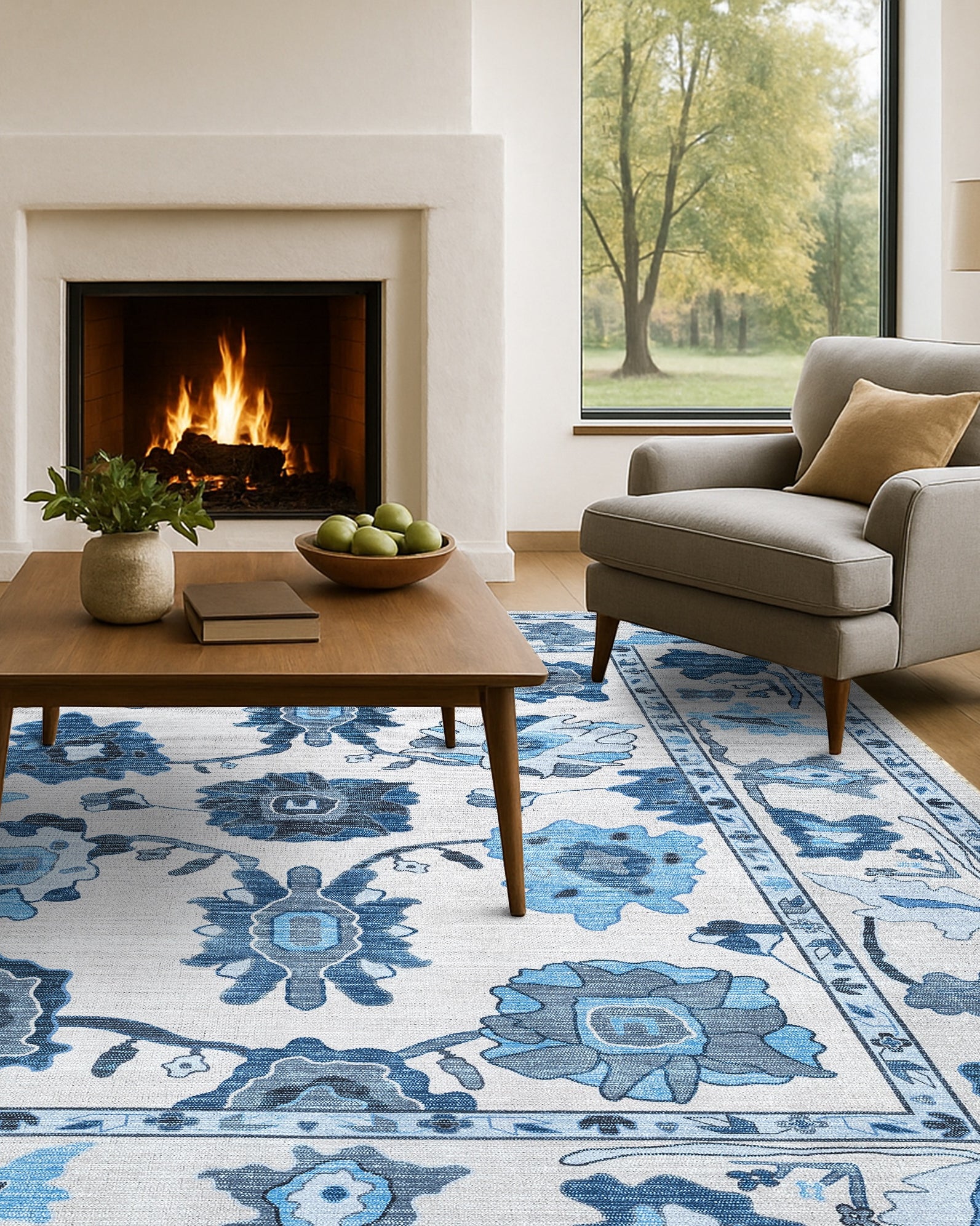
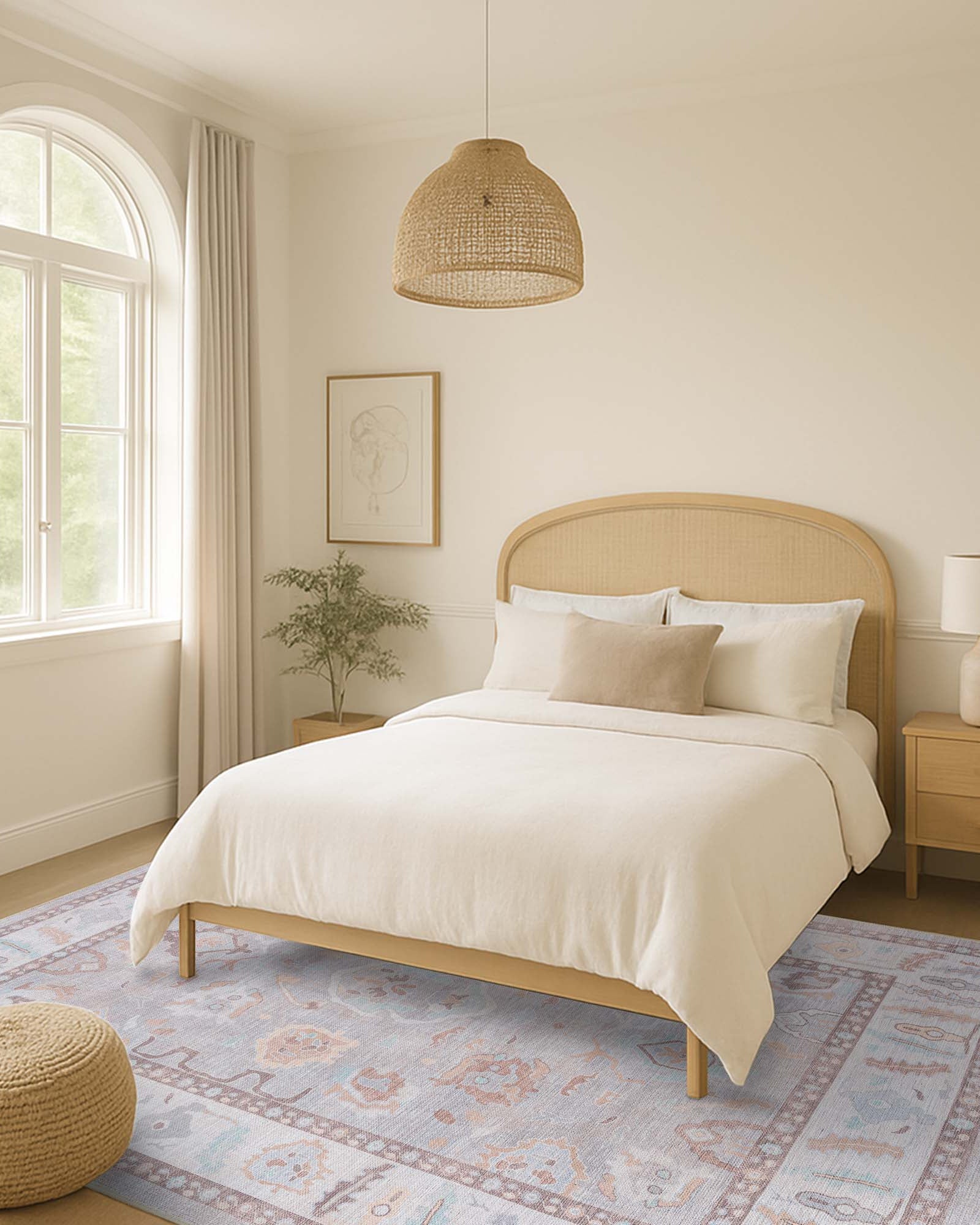
Bedrooms are the natural home for a high-pile rug, particularly a tülü at the foot of the bed or covering the floor you step onto barefoot each morning — the comfort and warmth are exactly what the original weavers intended these rugs to provide. Living rooms with substantial, low-set furniture also suit thick pile well, since there is no door clearance to worry about and the cushioning adds genuine comfort to a space people sit and lounge in. Avoid high pile in kitchens, entryways, and anywhere doors, rolling furniture or heavy daily traffic would fight against the depth of the wool.
Age, Condition and Measurement
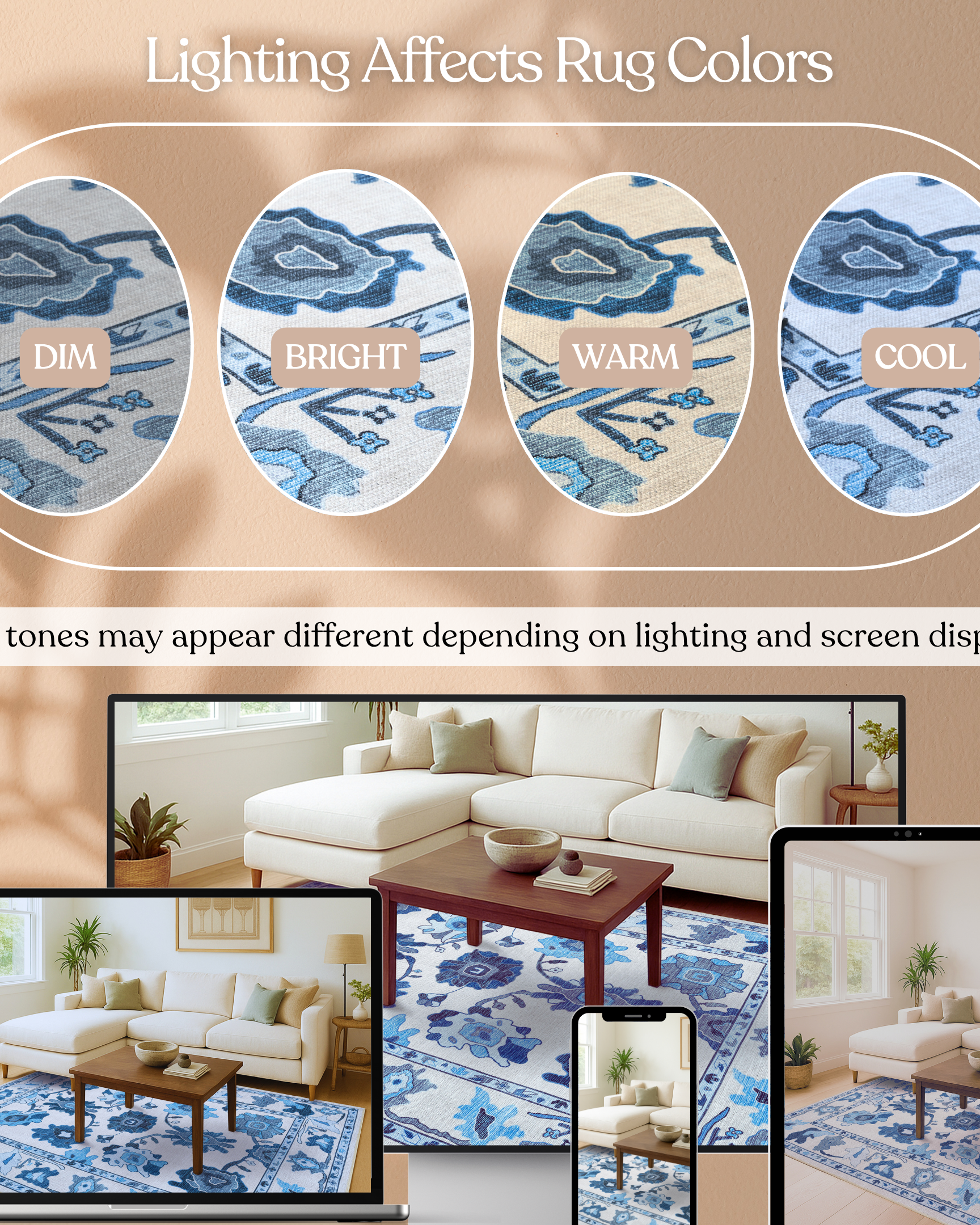
Pieces are grouped as antique at over eighty years, vintage at roughly forty to eighty, and semi-vintage below that. Every product page states the approximate pile height, along with the estimated decade, origin where identifiable, foundation type, exact measured dimensions and a plain condition note. On high-pile pieces specifically, expect some natural matting in areas of concentrated traffic even where the surrounding pile remains full — this is normal wear rather than a defect. Sizes are never standard; order against the measurements shown.
Care
Vacuum thoroughly but gently, since deep pile traps more grit than a worn surface and benefits from more frequent attention — use the beater bar off or on a setting appropriate for thick pile rather than a flat weave setting. Use a rug pad on hard floors. Rotate the rug twice a year so wear distributes evenly and matting does not concentrate in one area. Blot spills immediately with a white cloth and plain water, working the pile gently with your fingers afterward to help it dry evenly and stand back up. Avoid home carpet-cleaning machines and steam cleaners, which can flatten thick pile permanently and bleed aged natural dyes. For deep cleaning, use a professional rug washer experienced with high-pile hand-knotted wool.