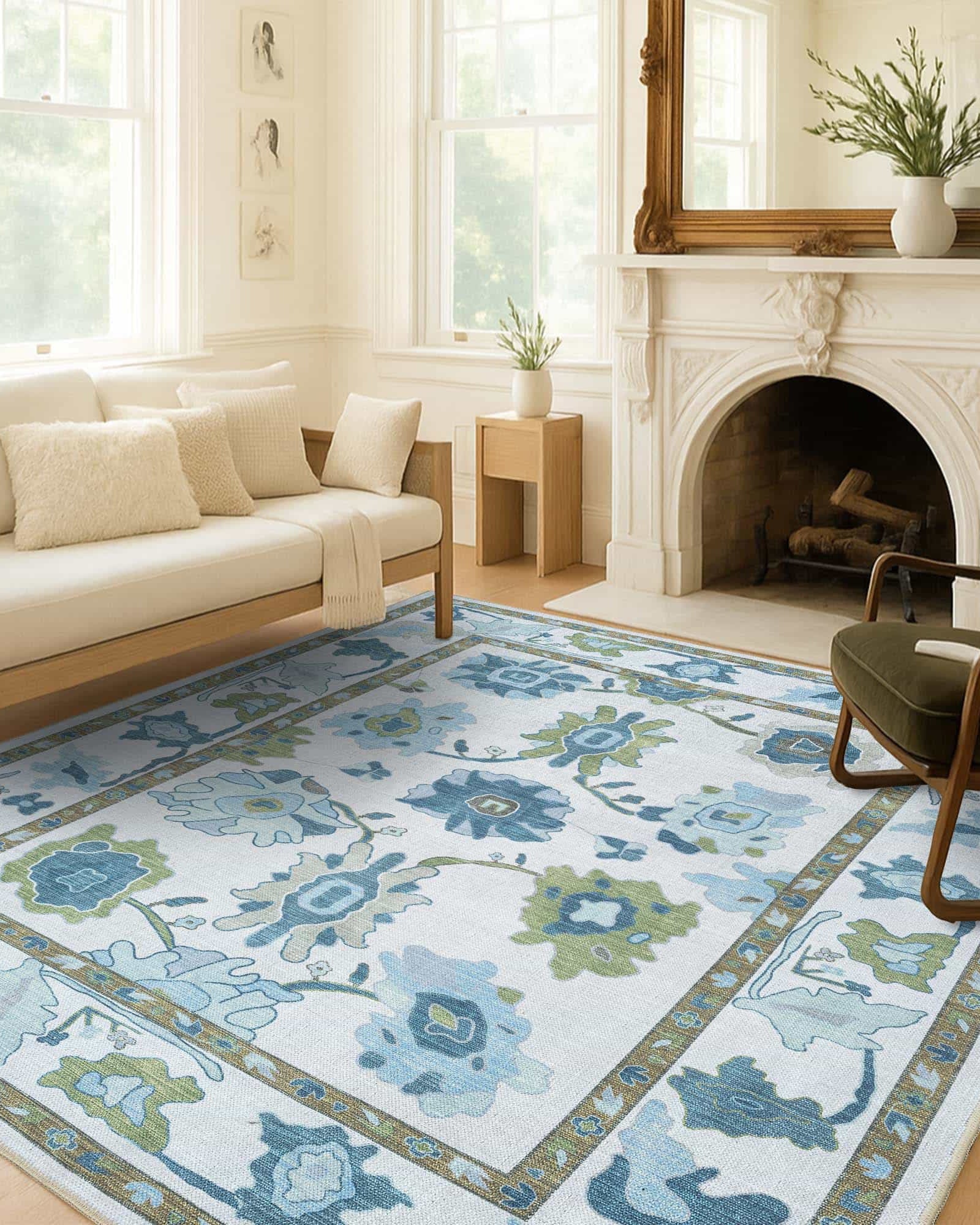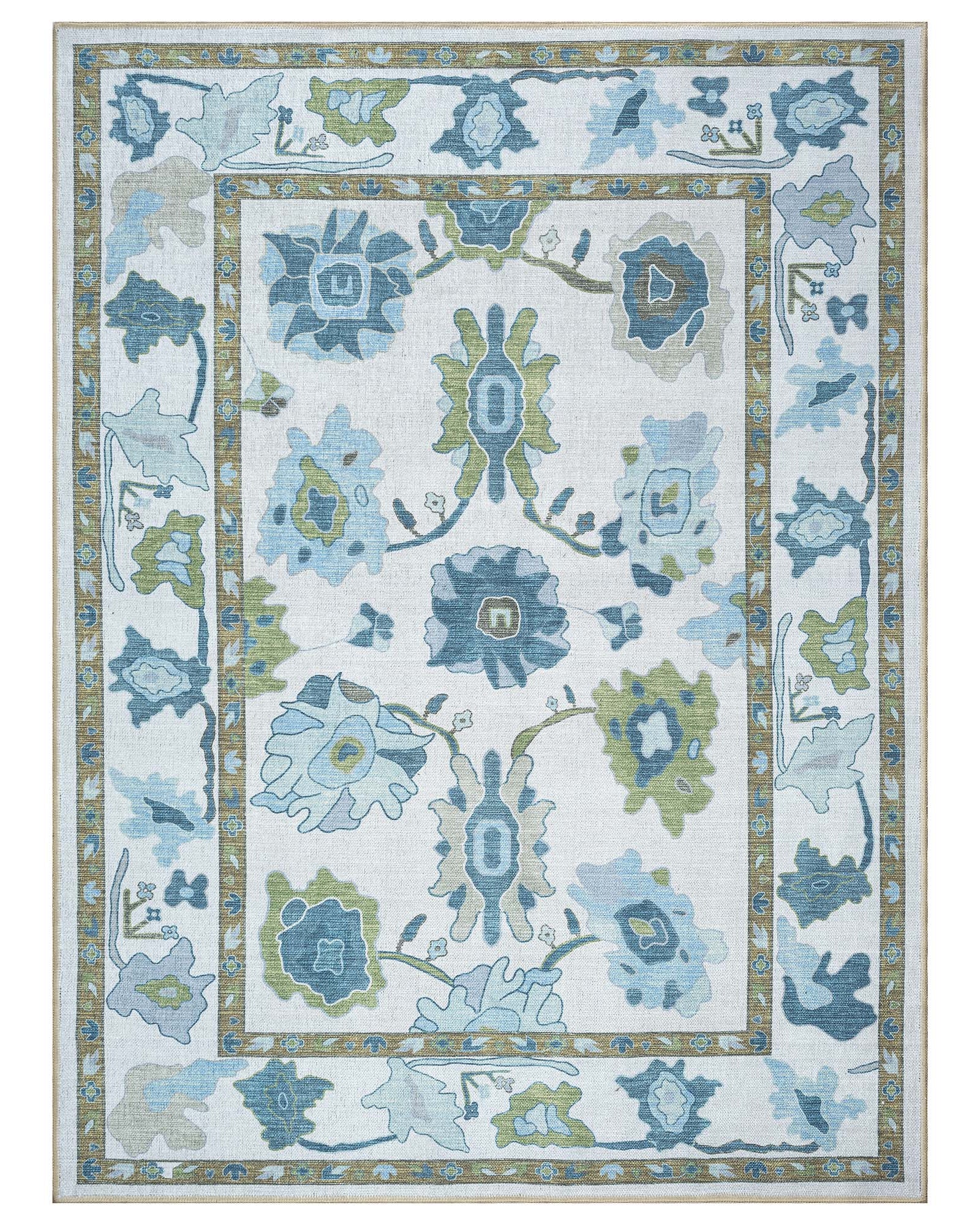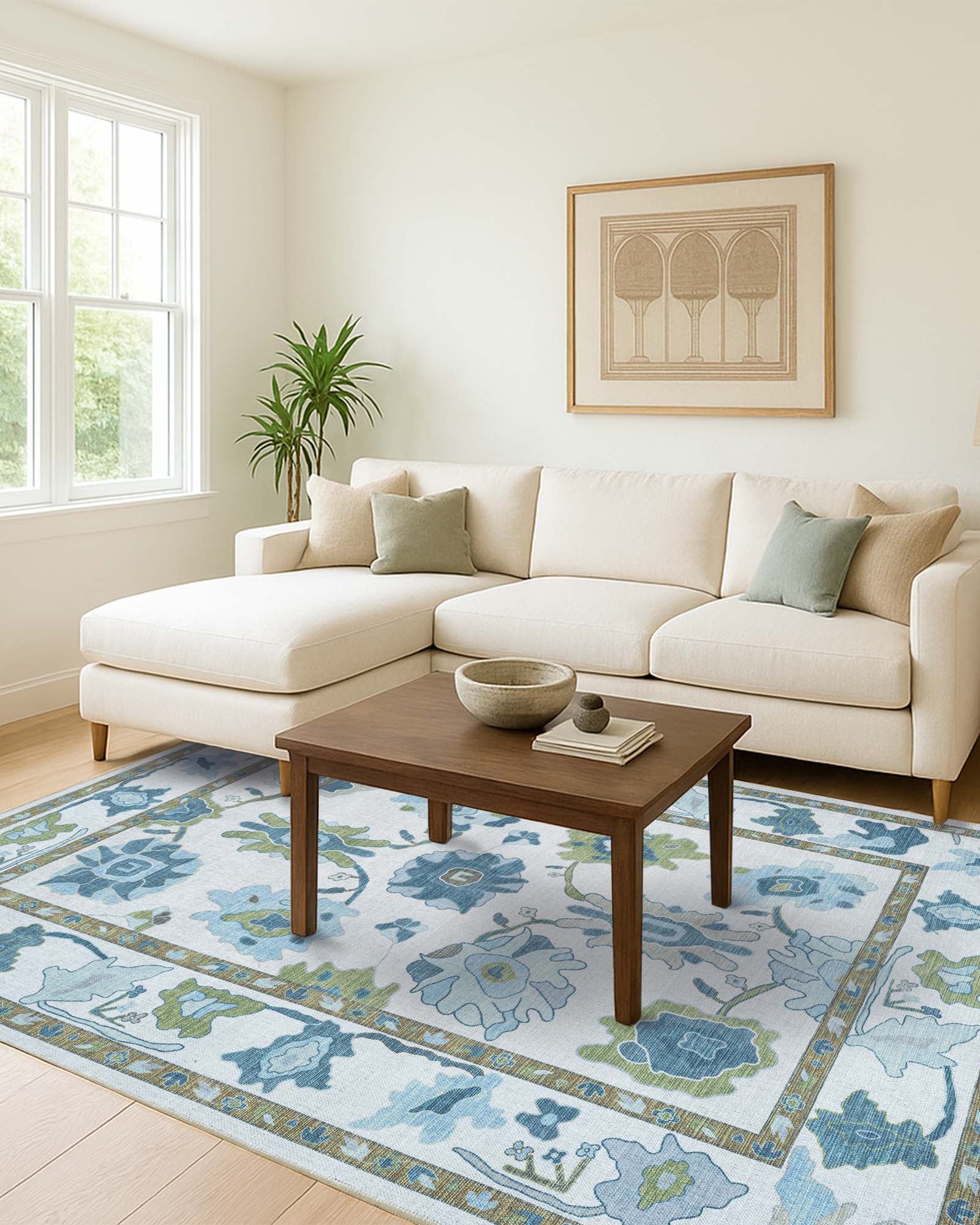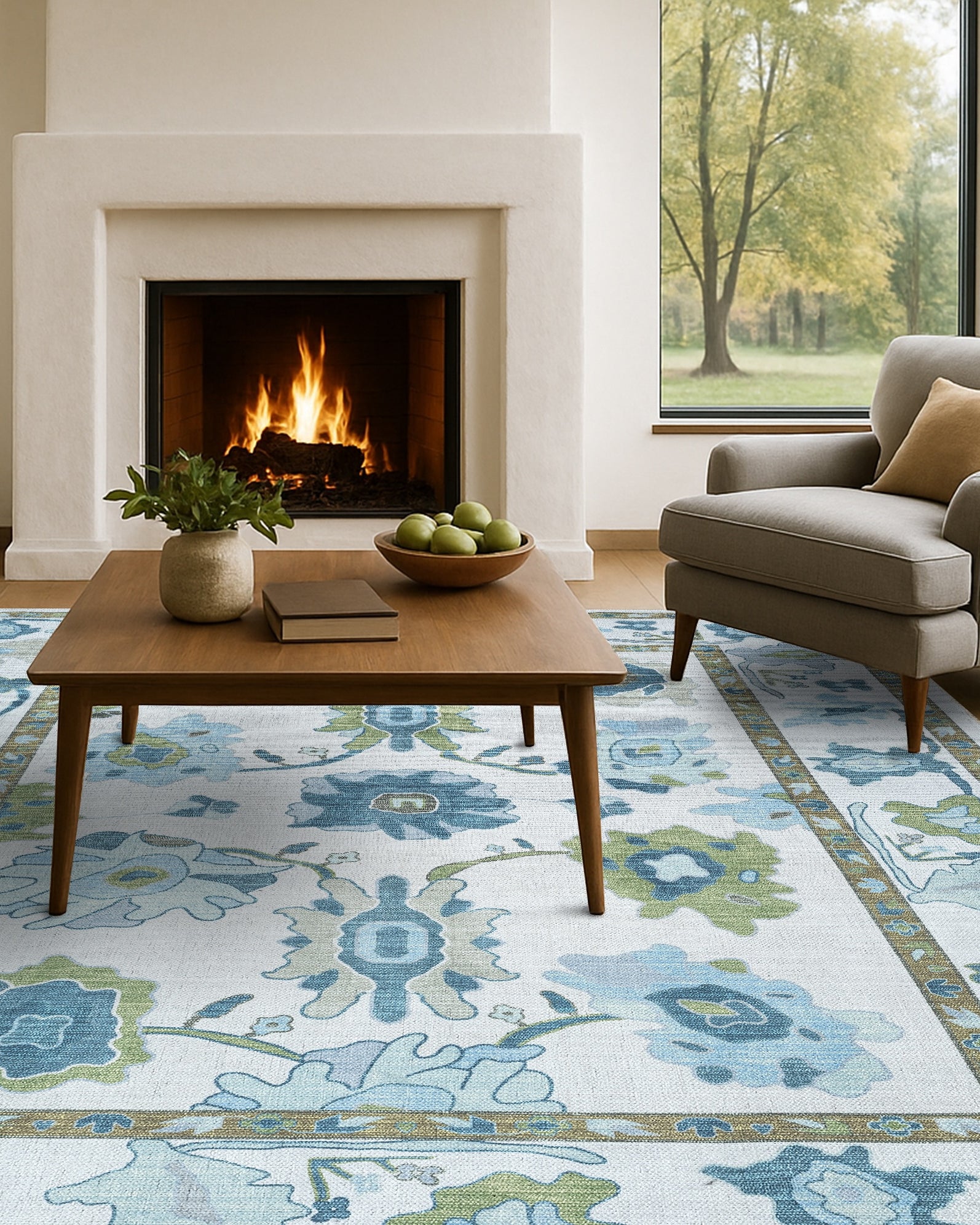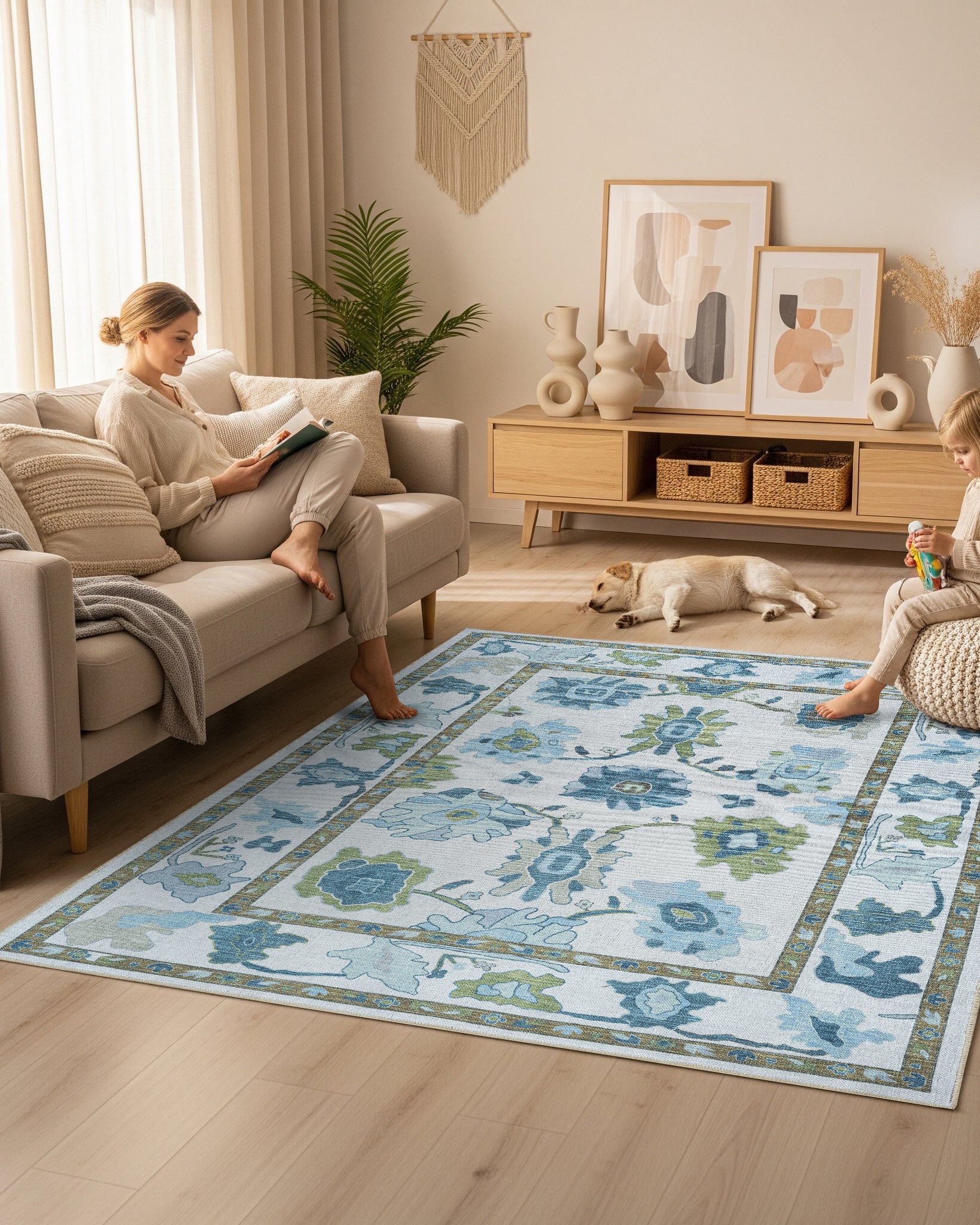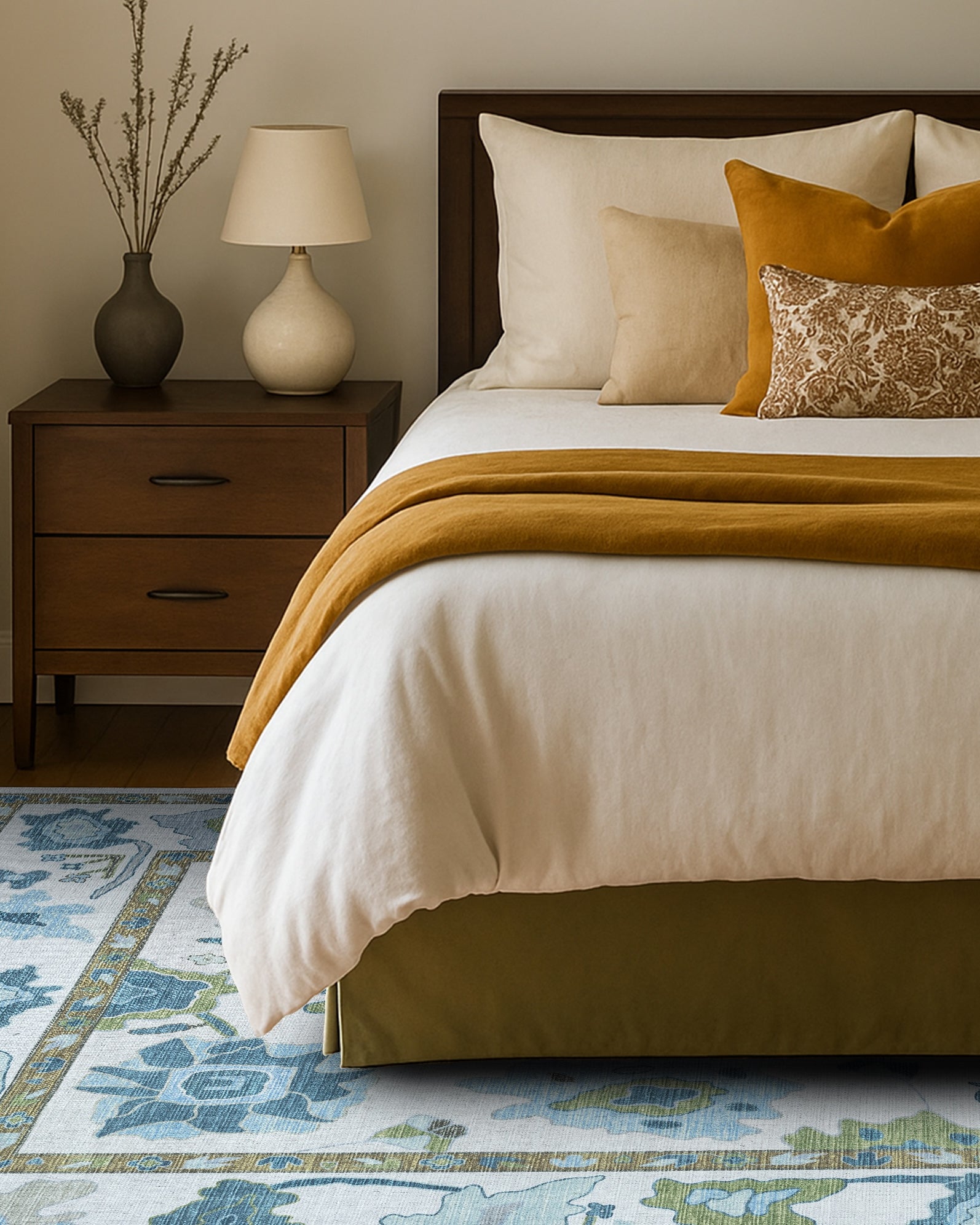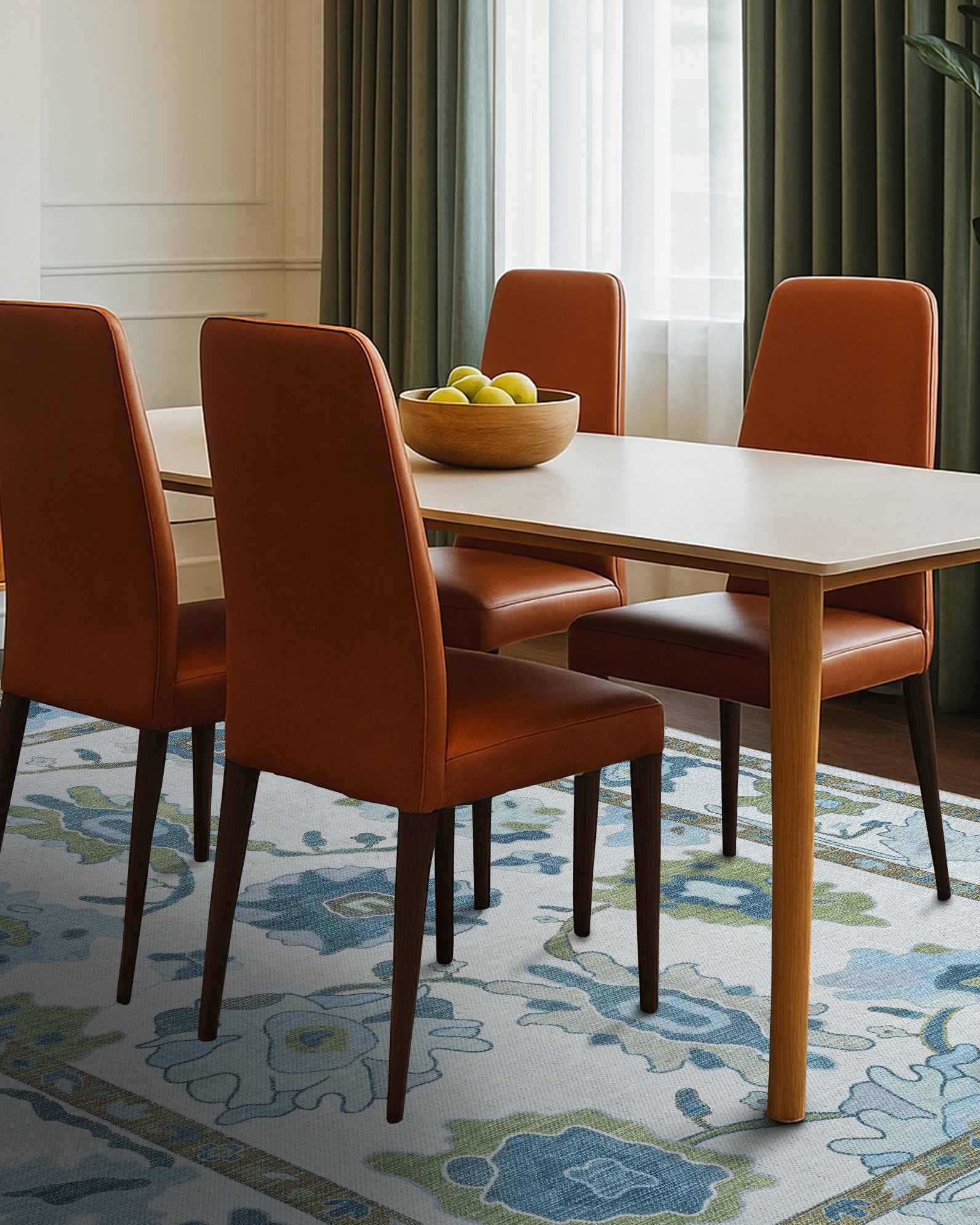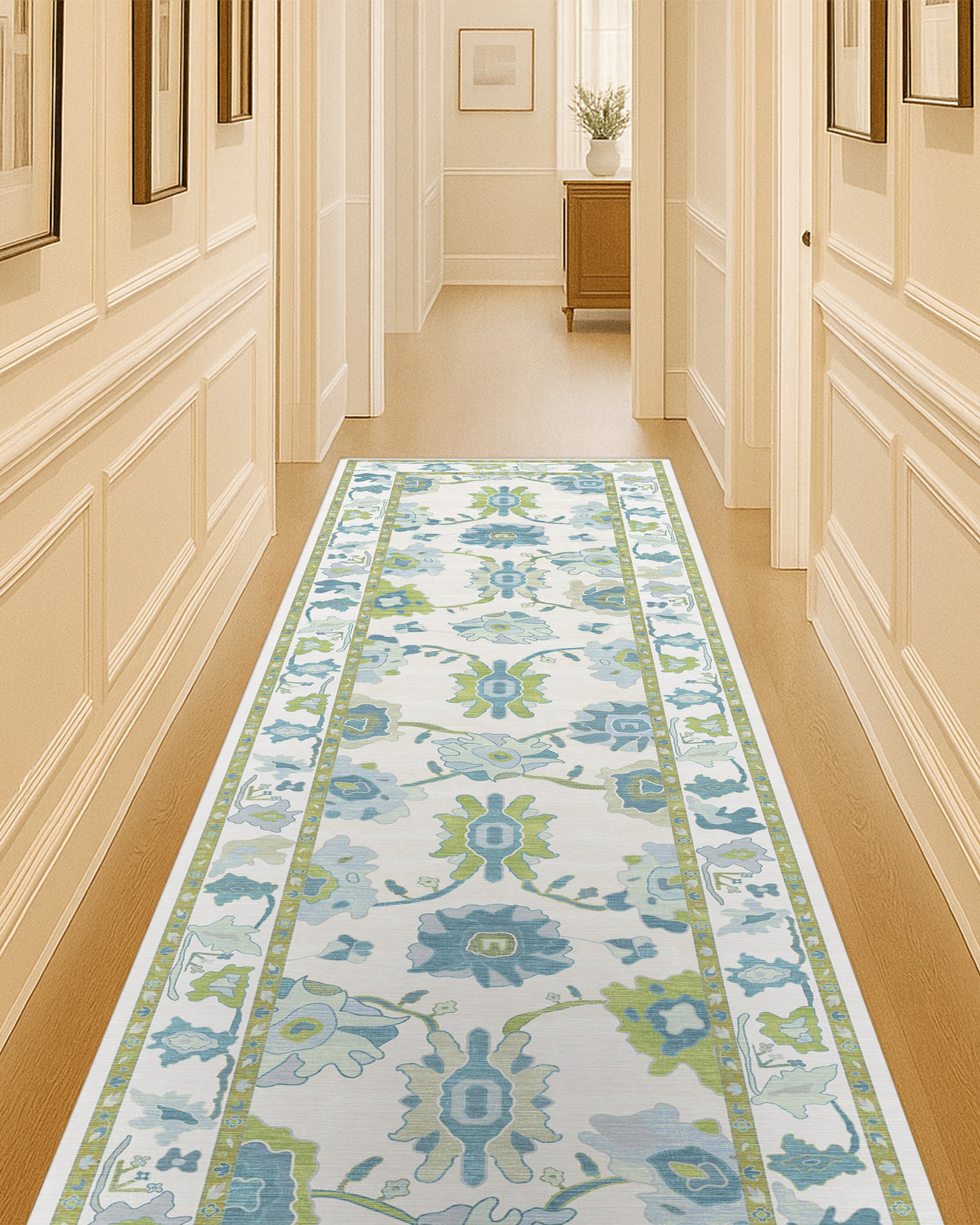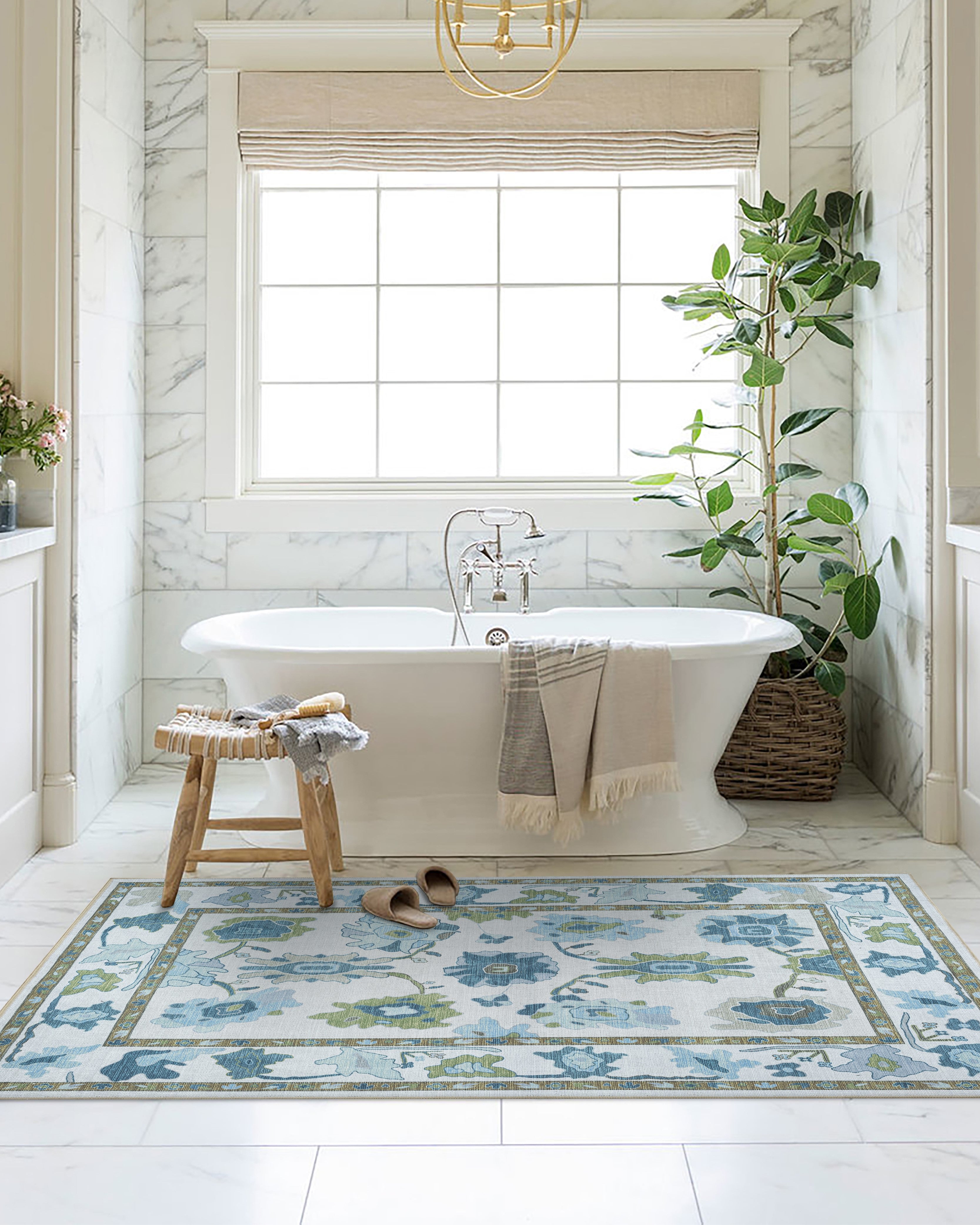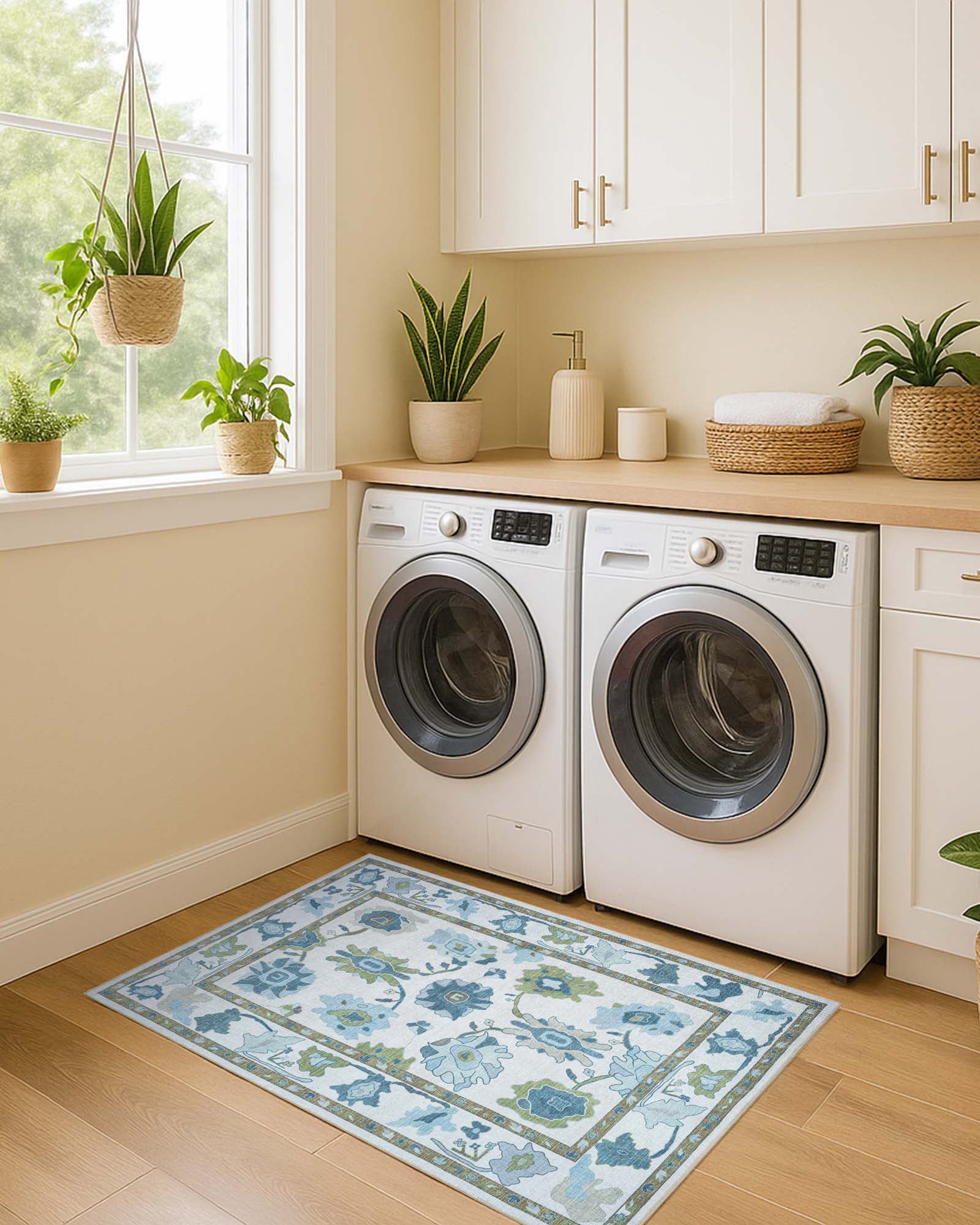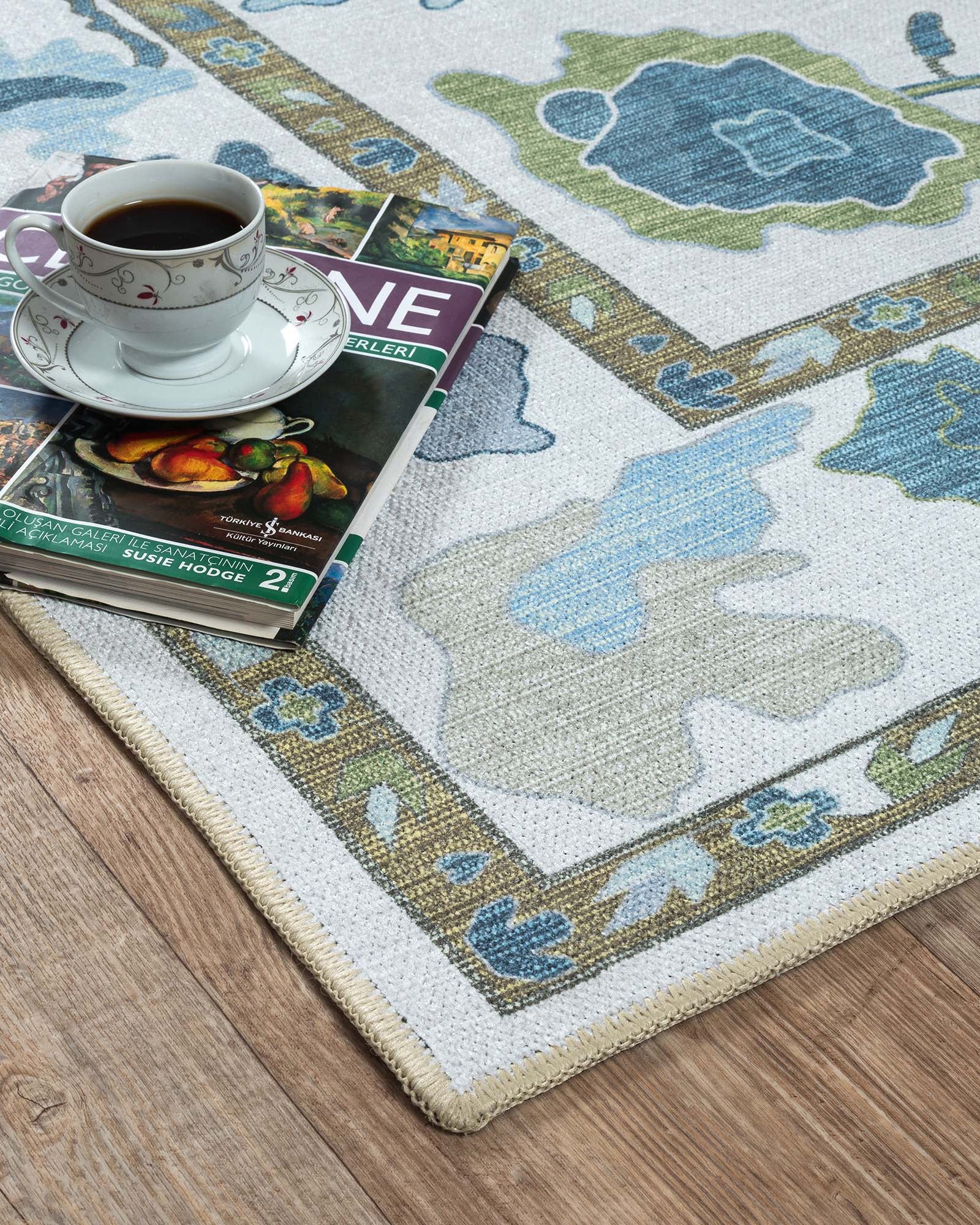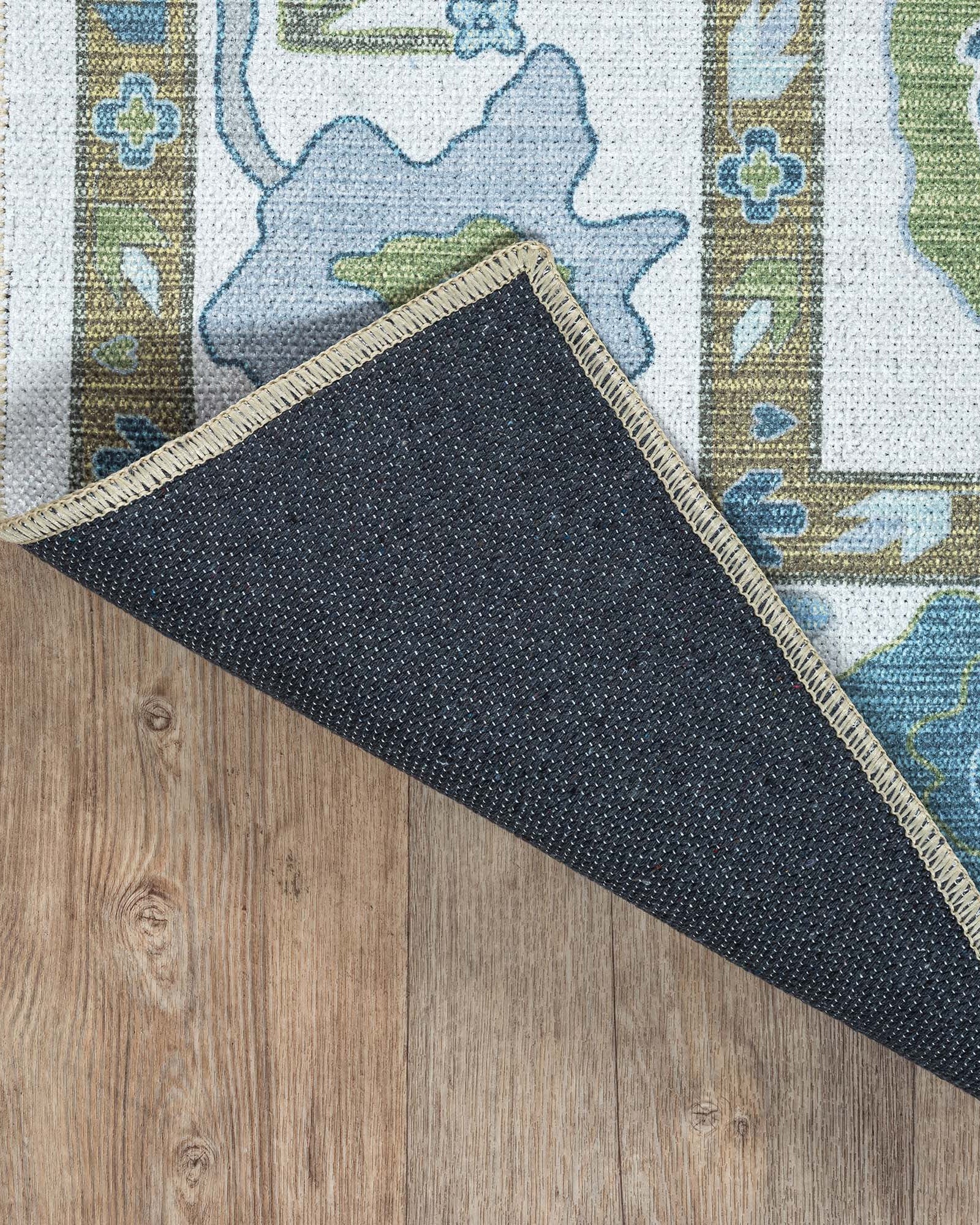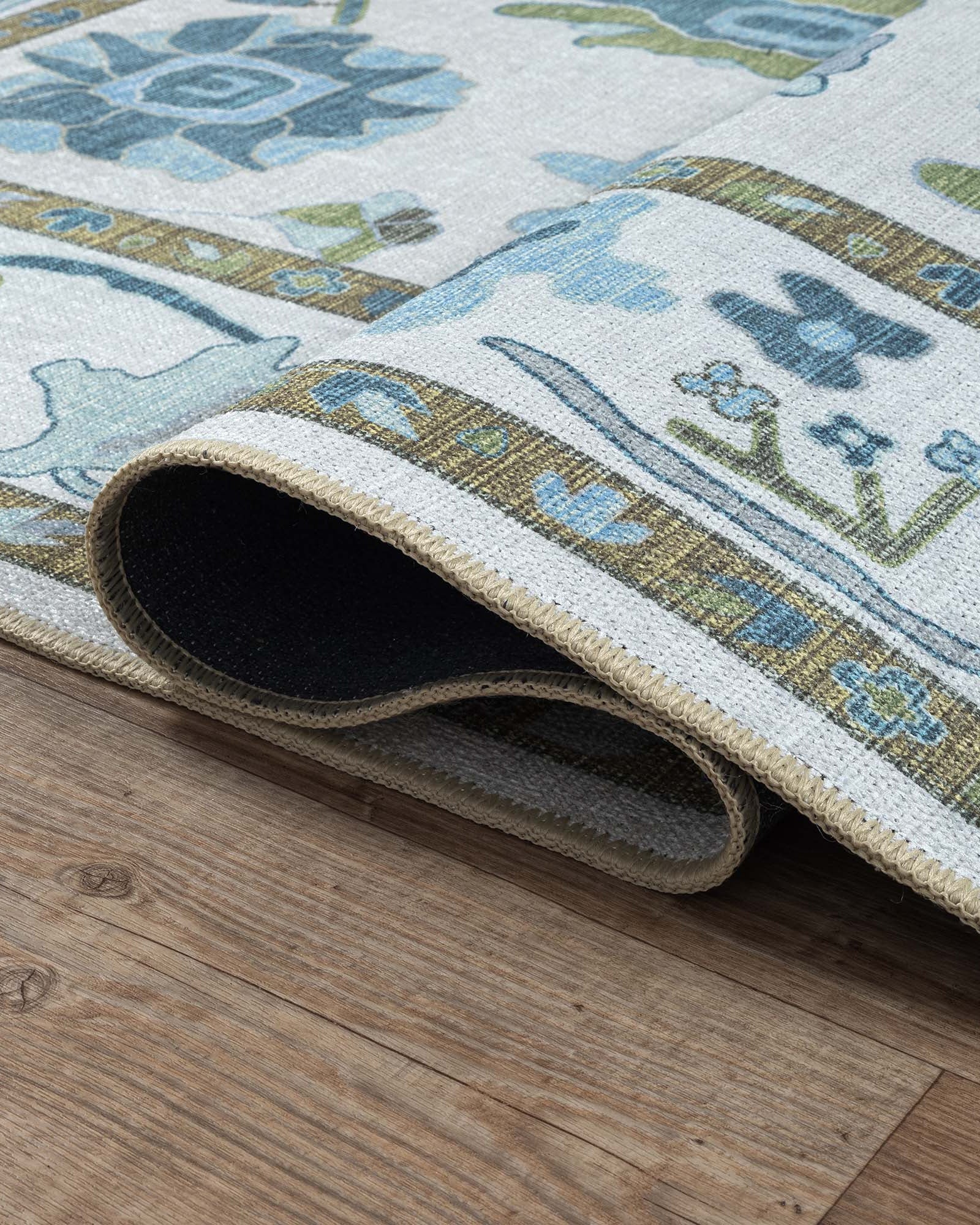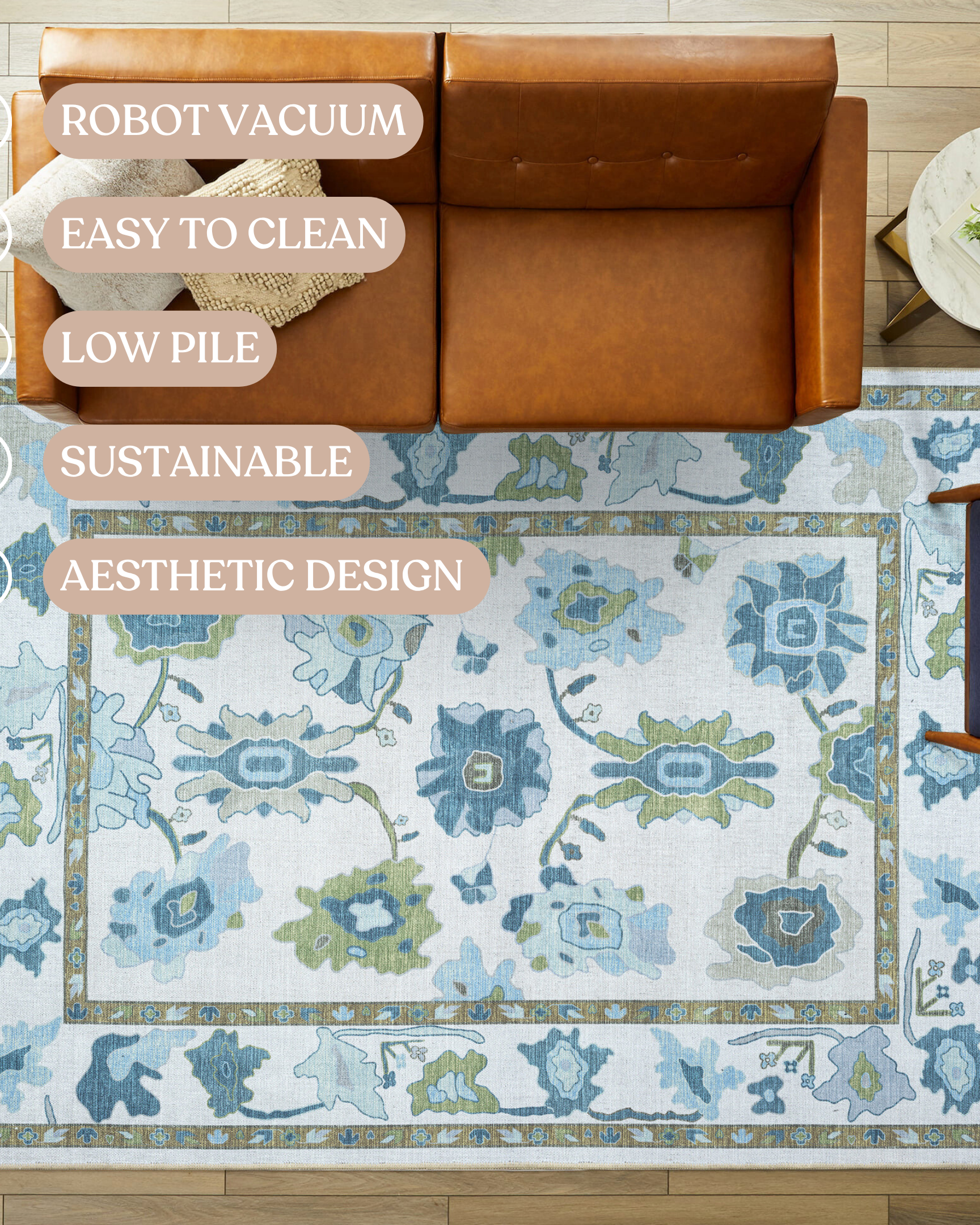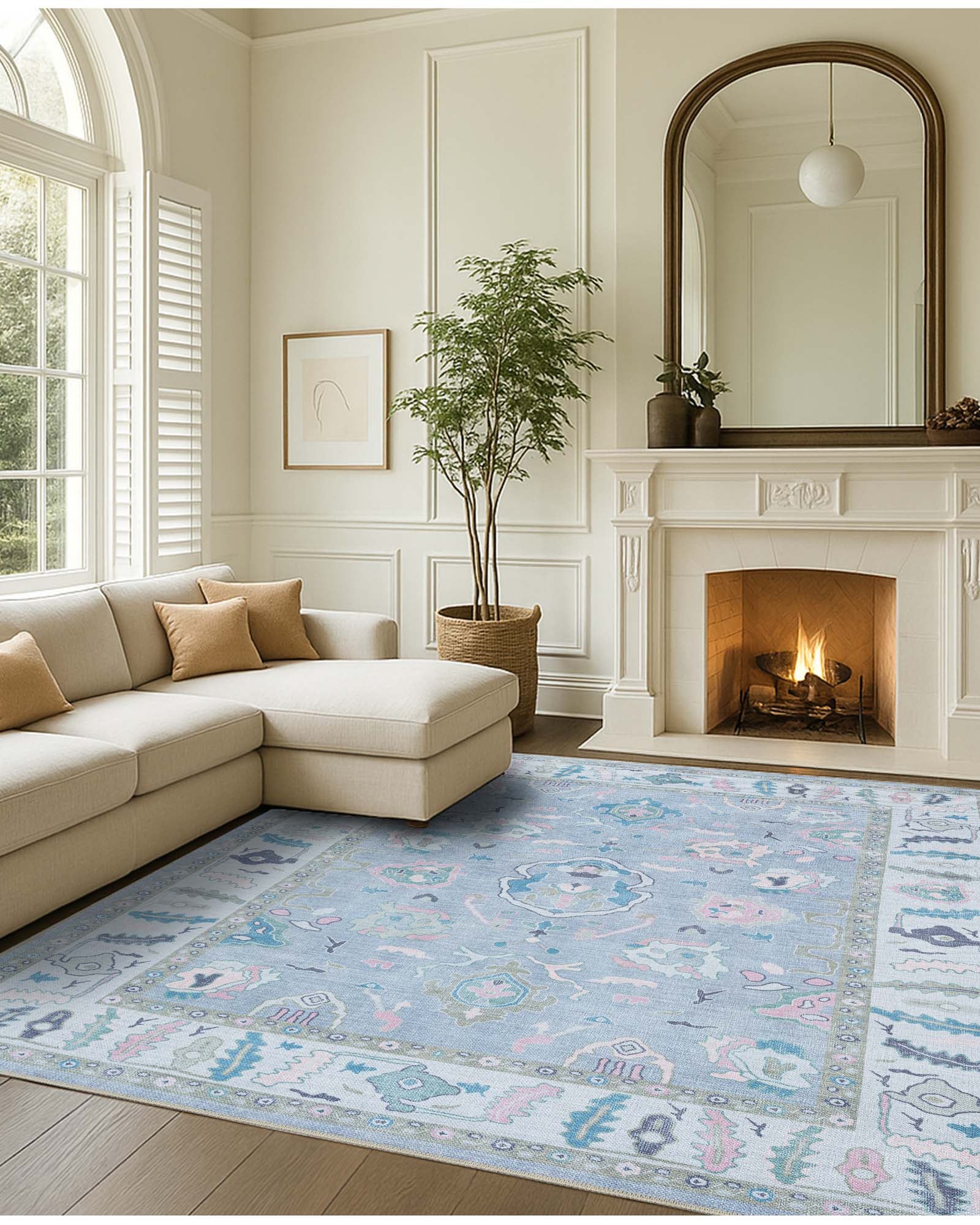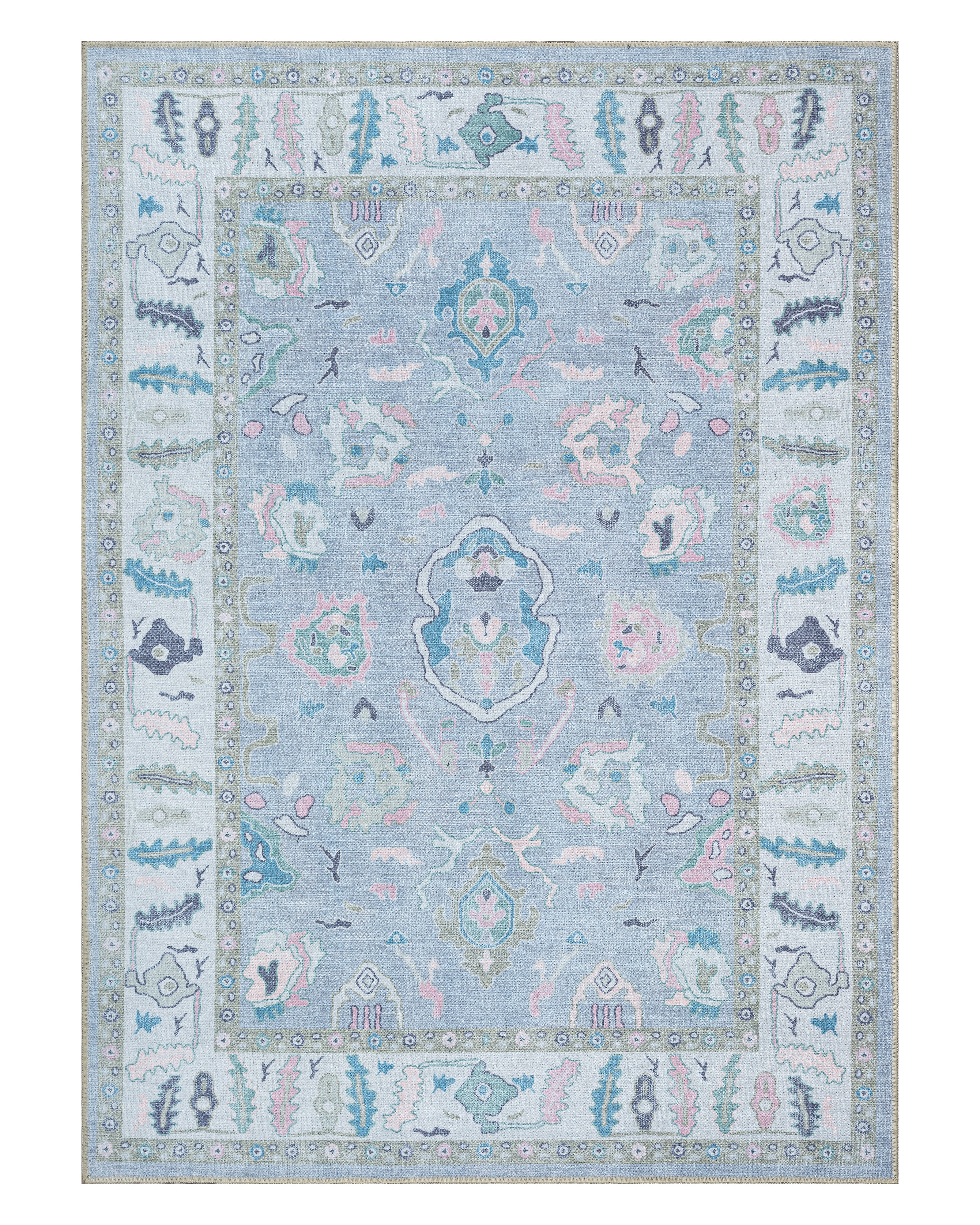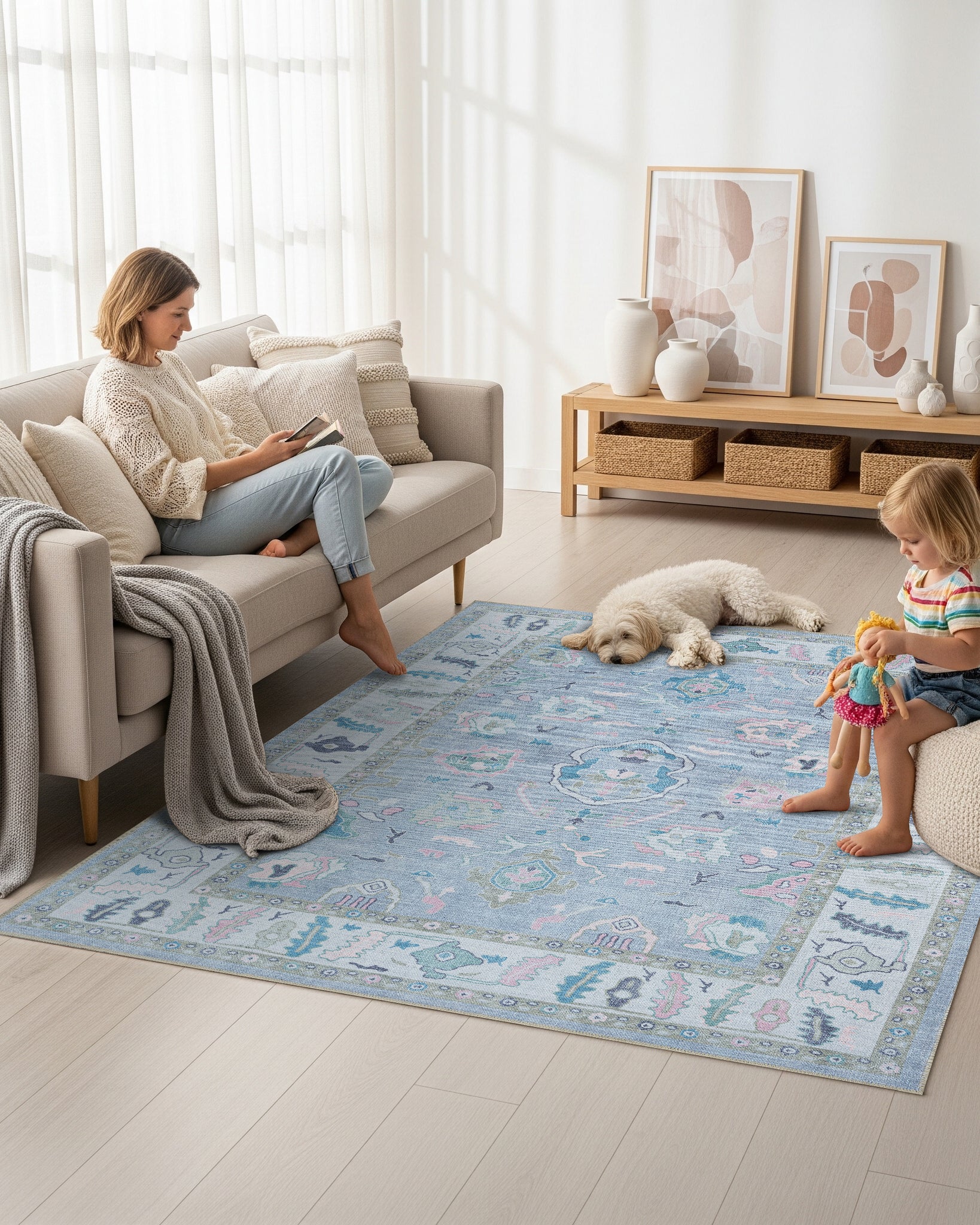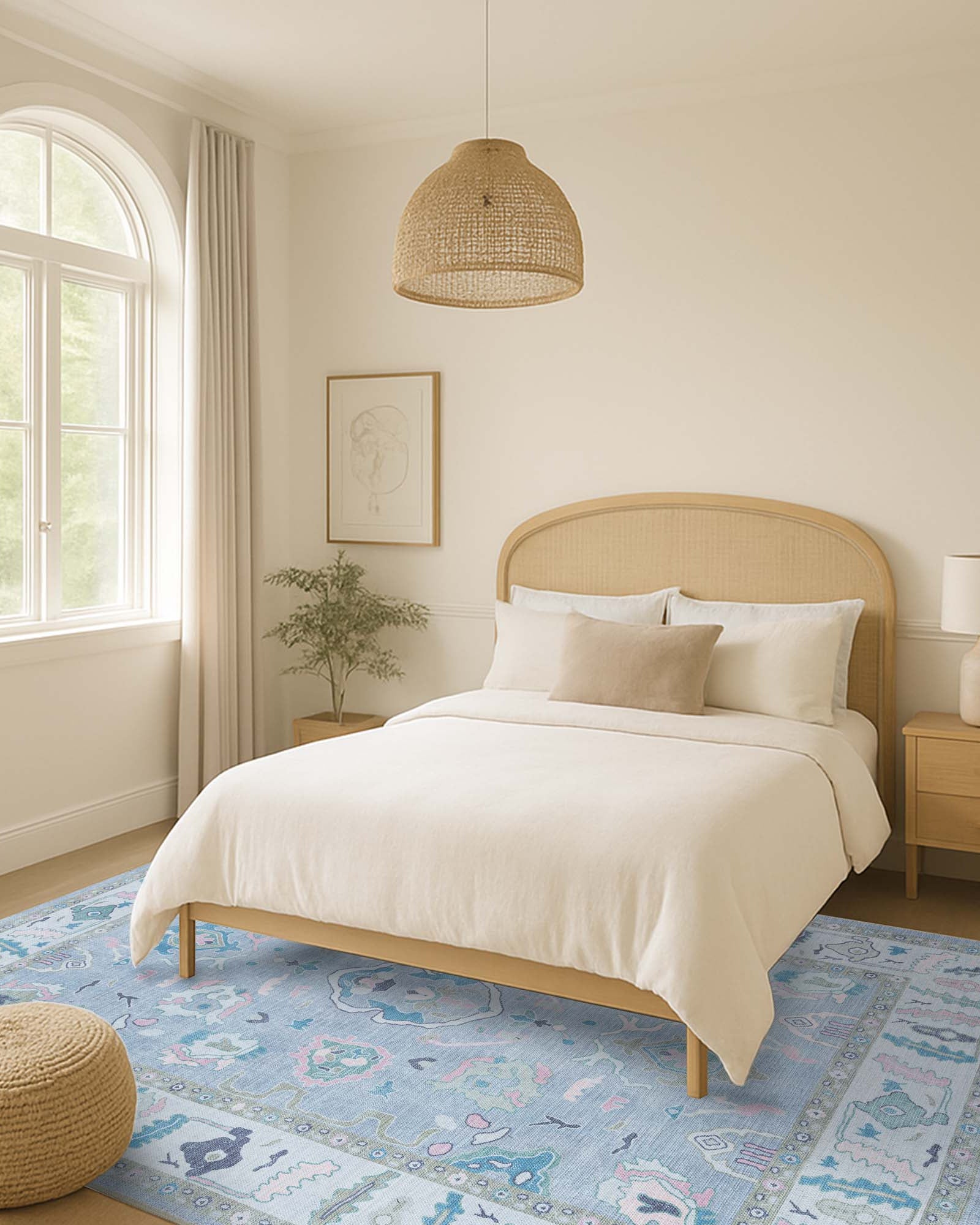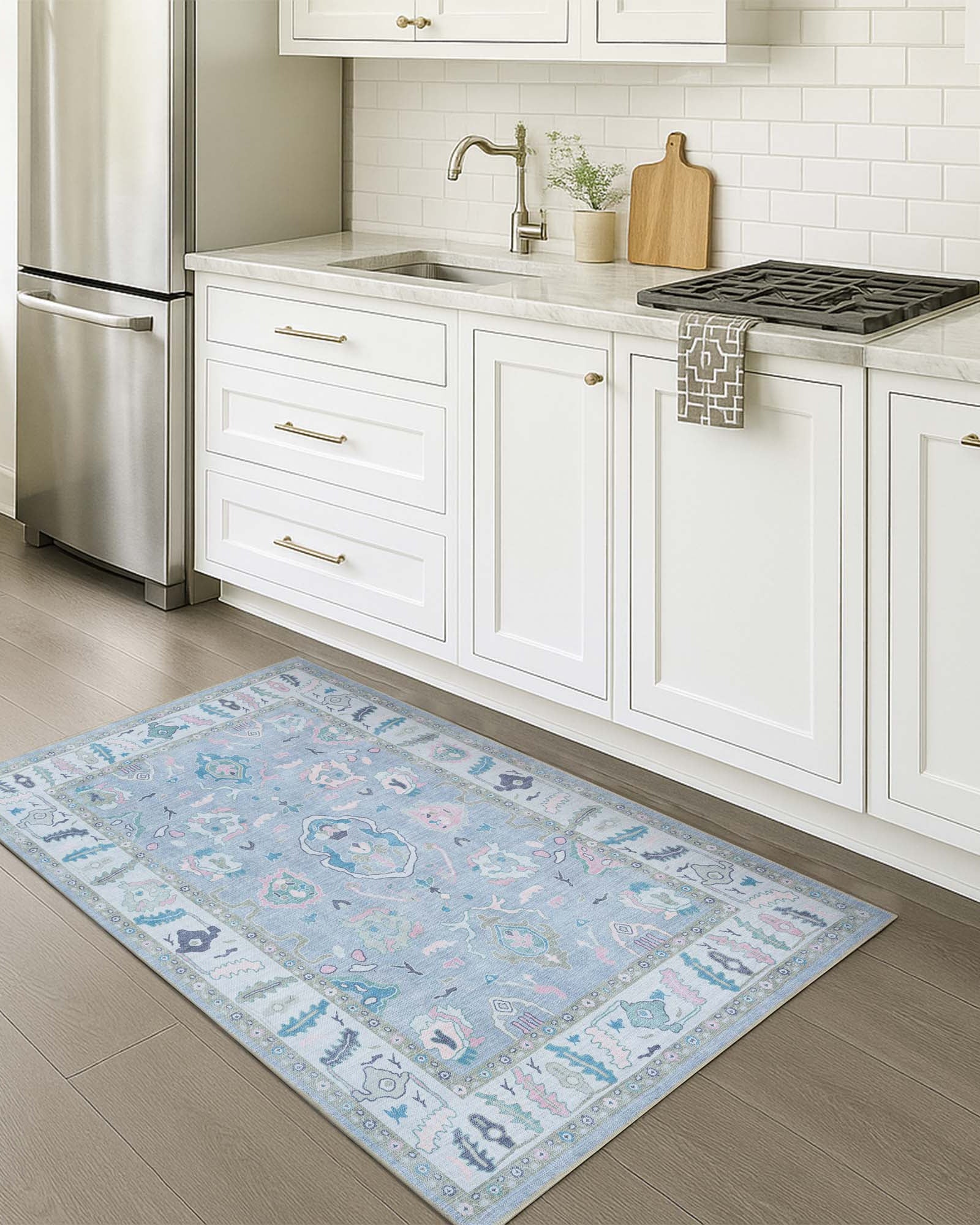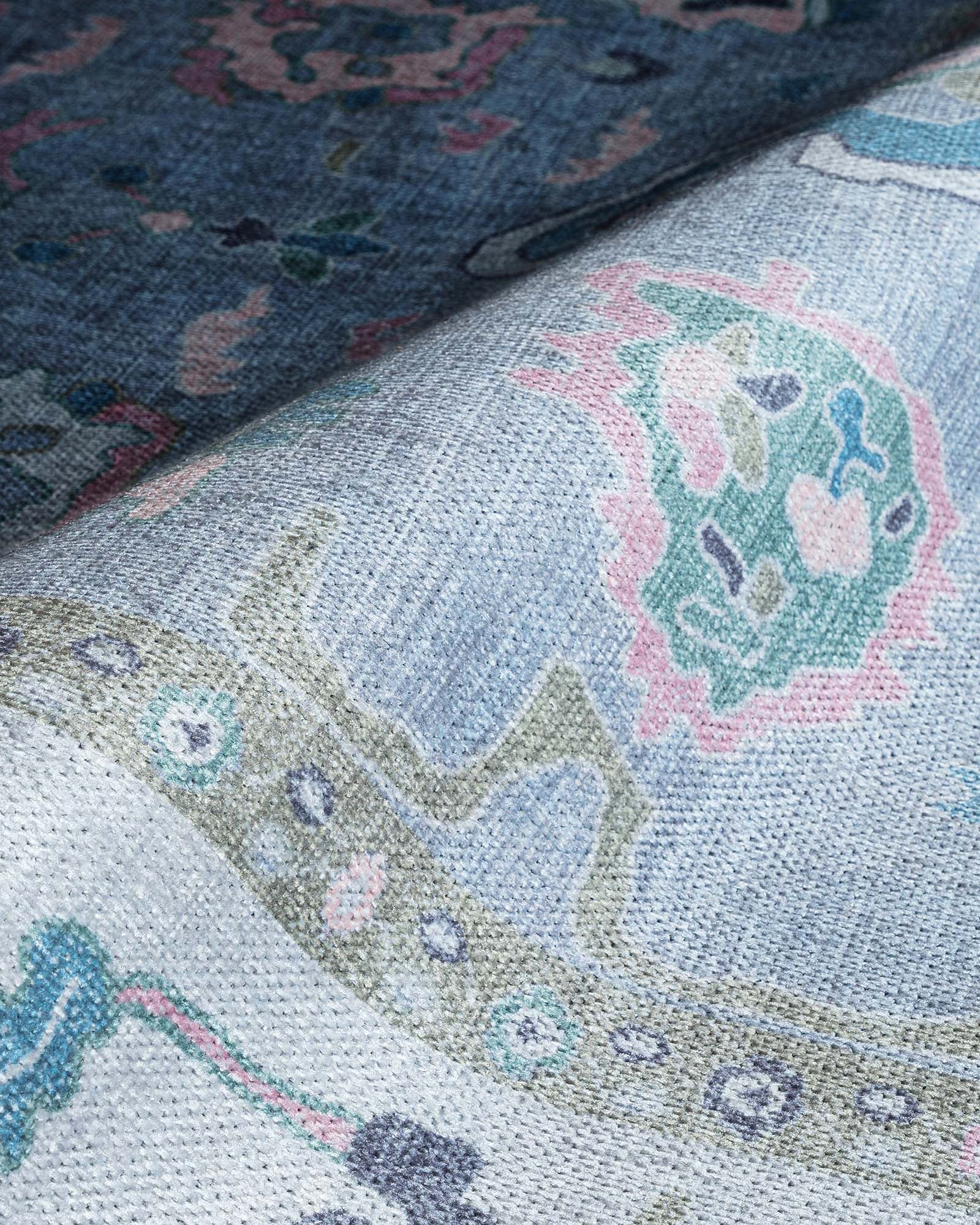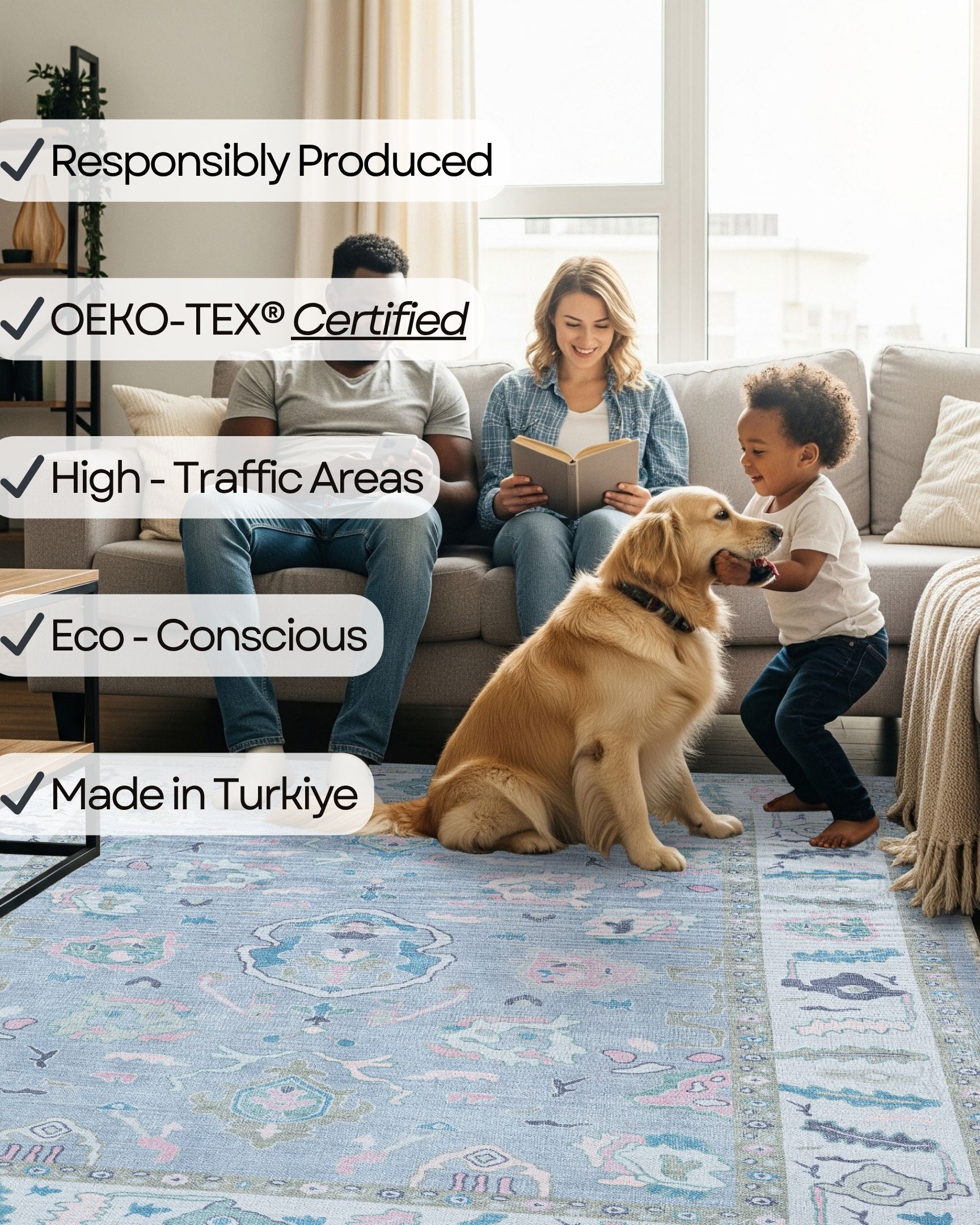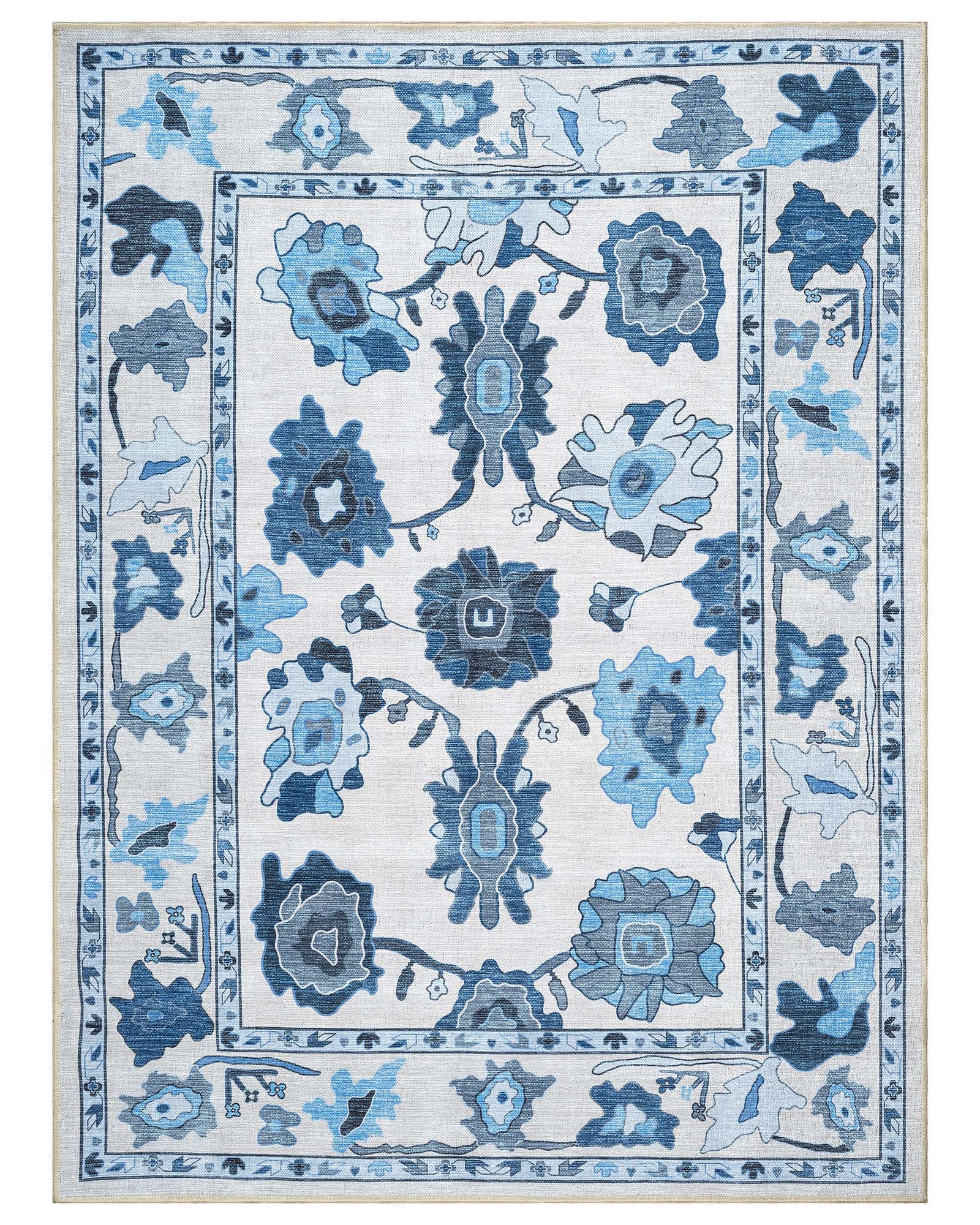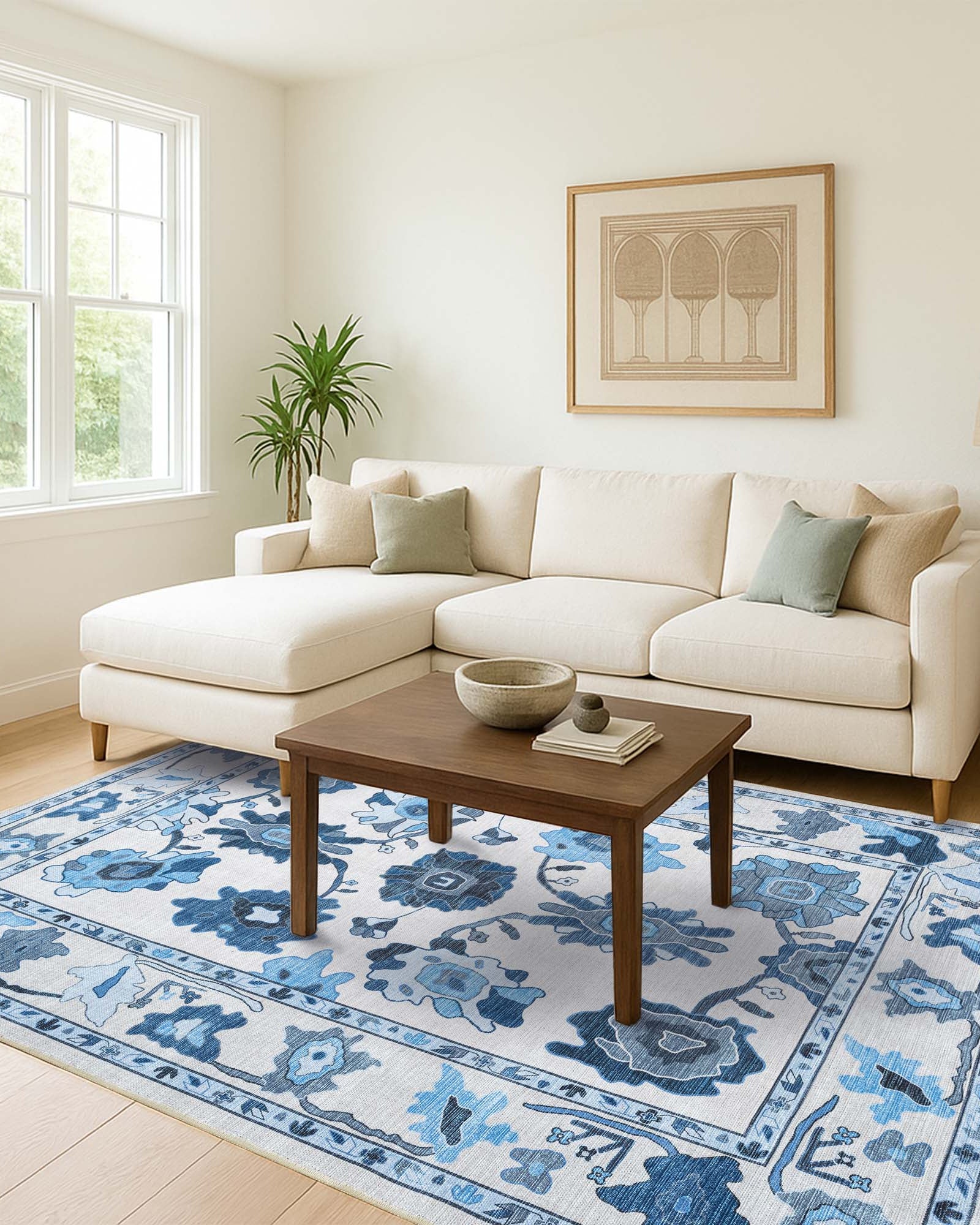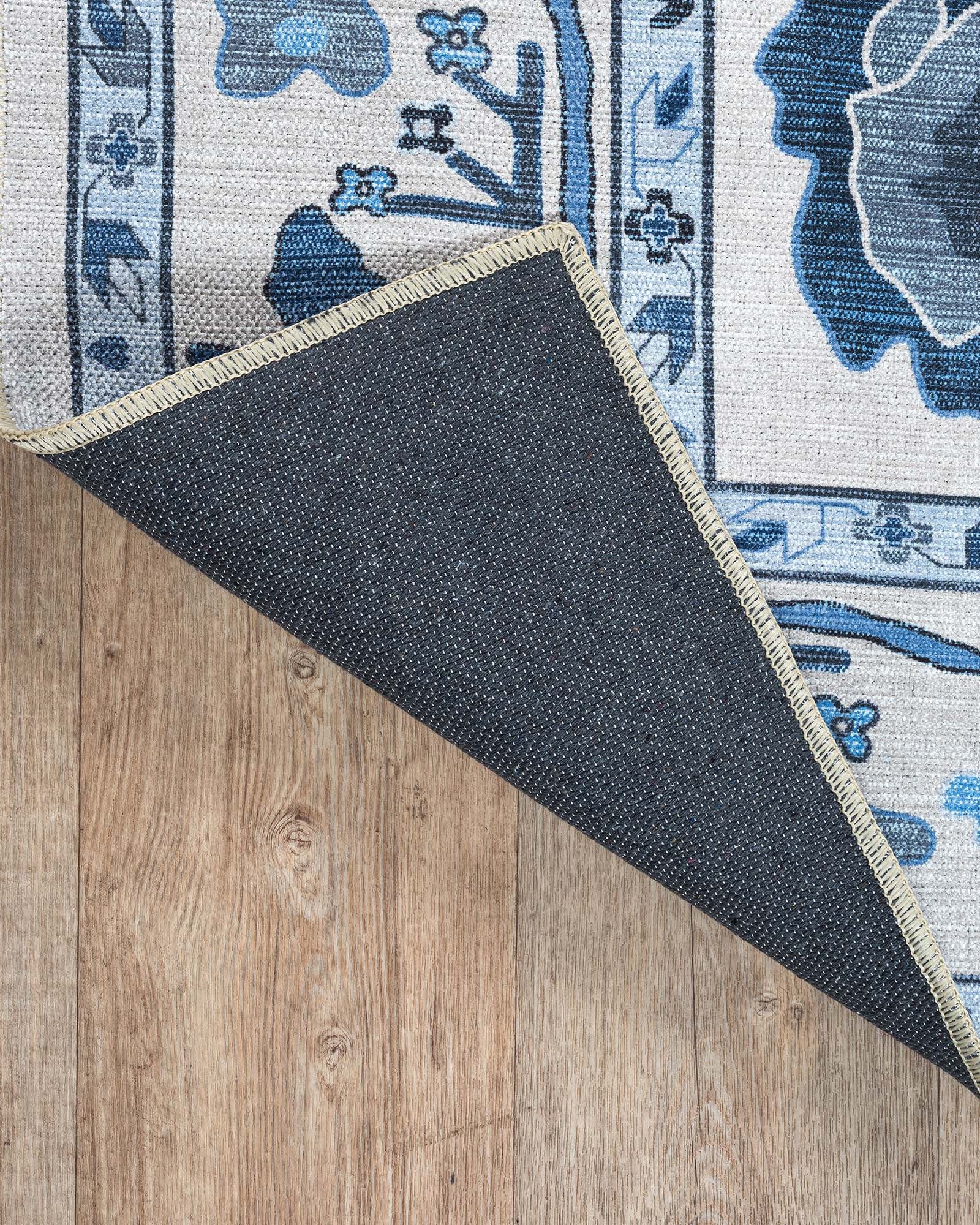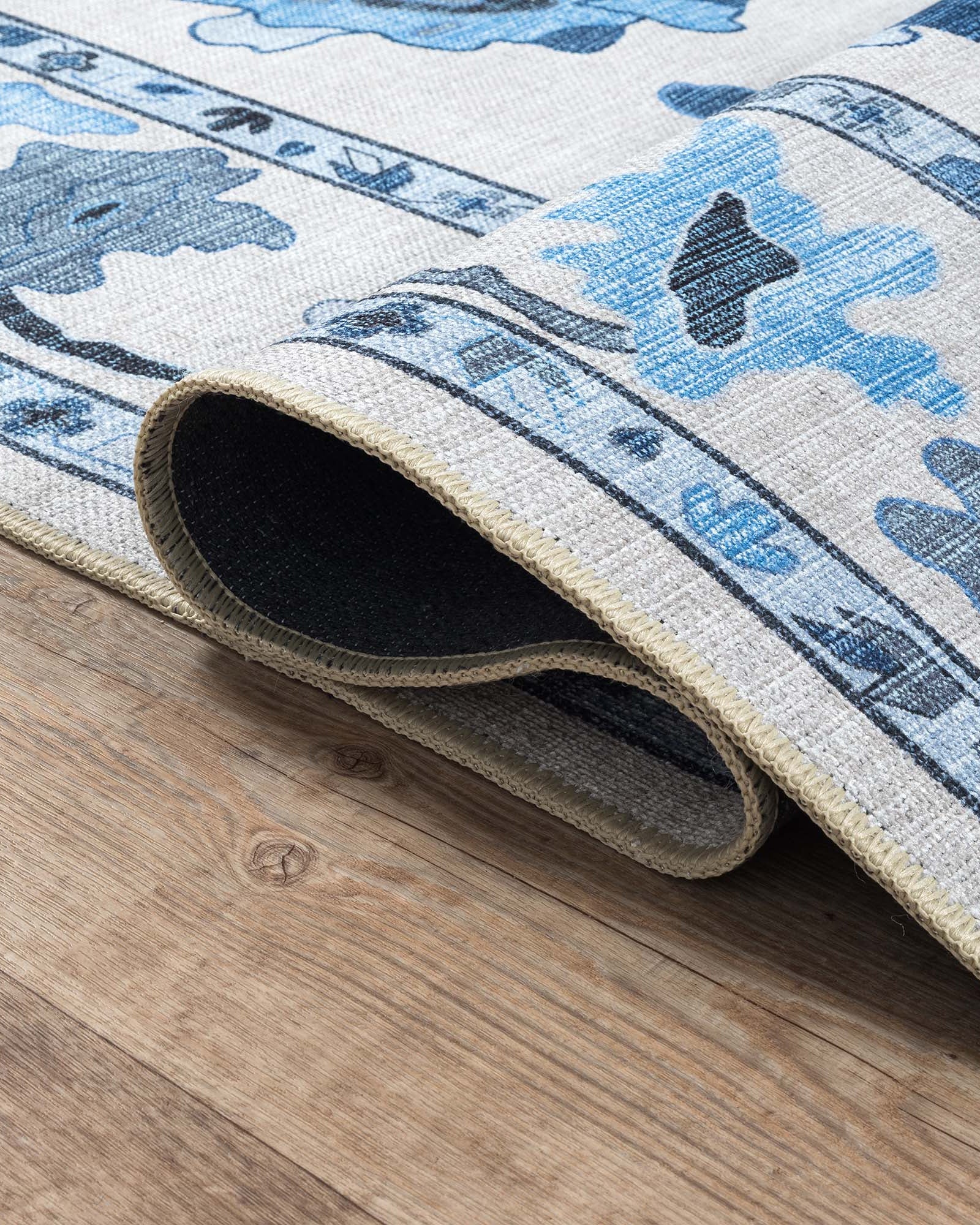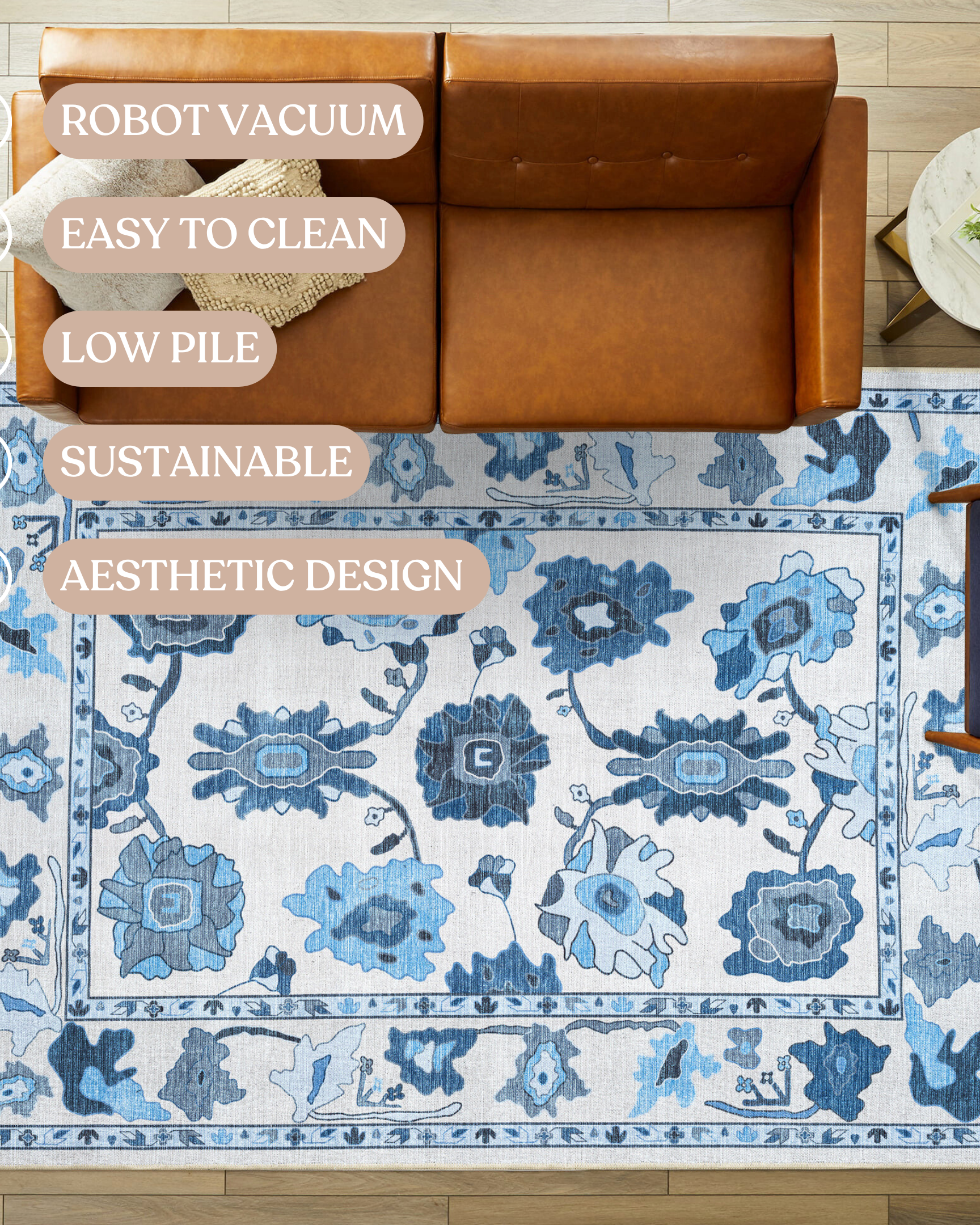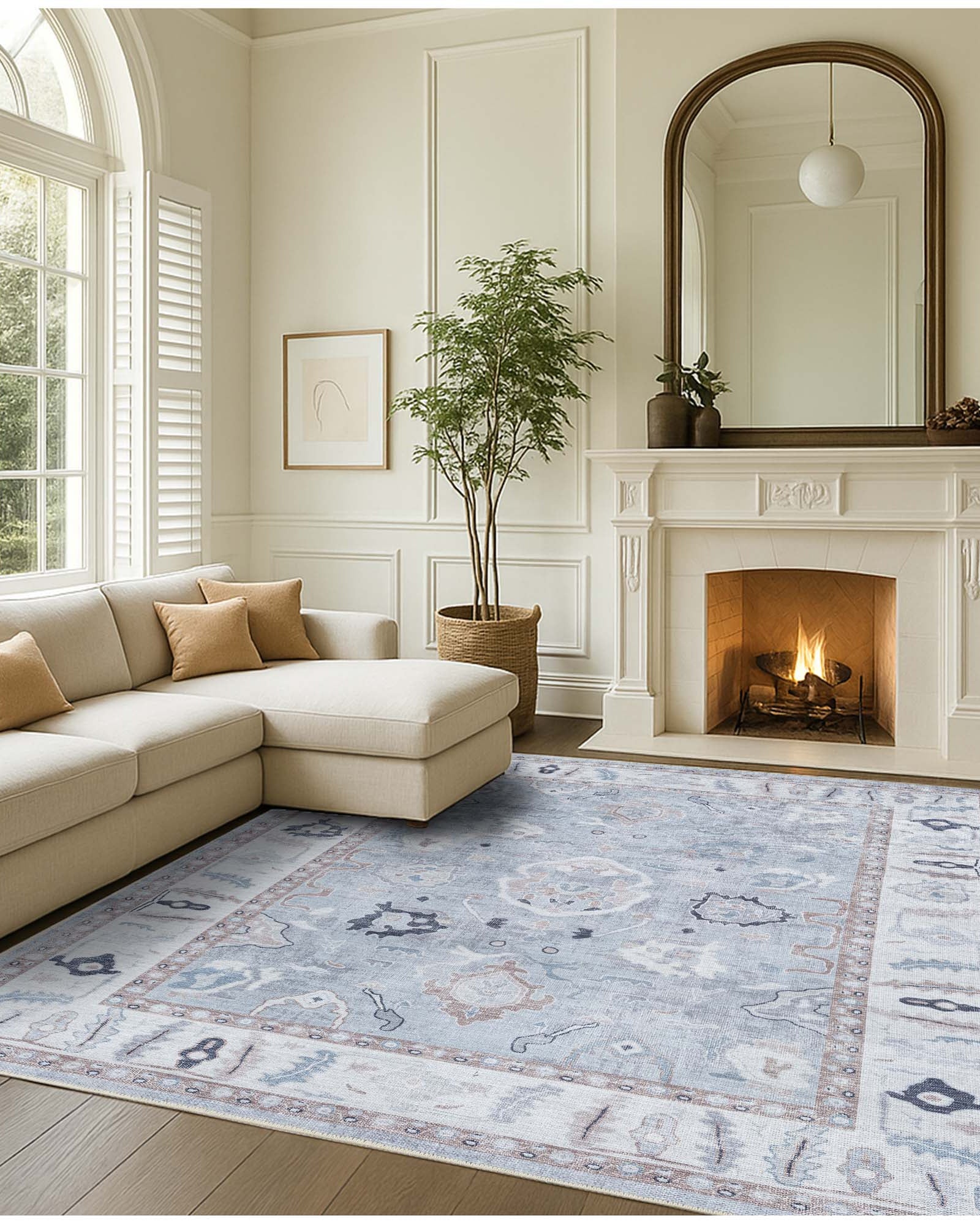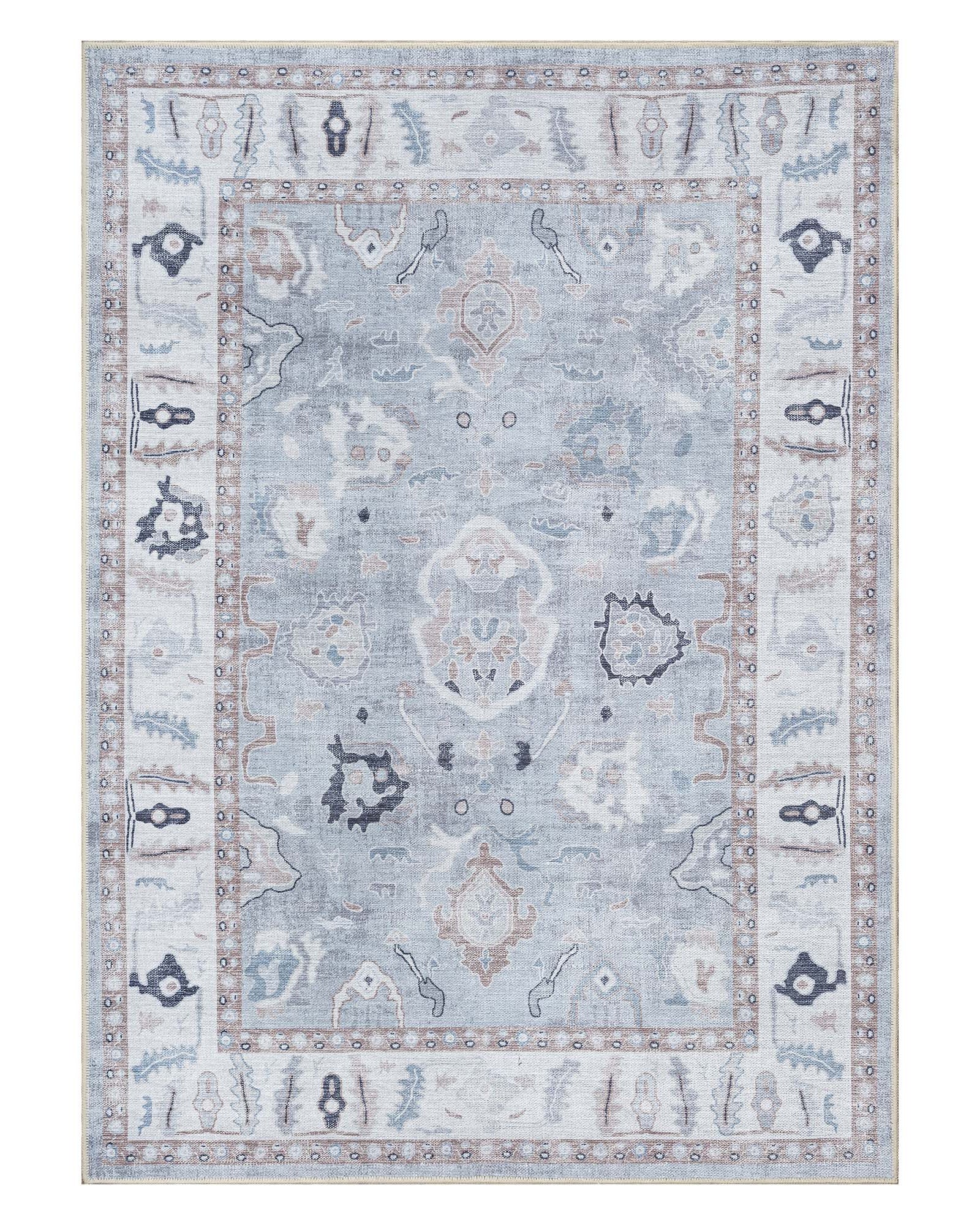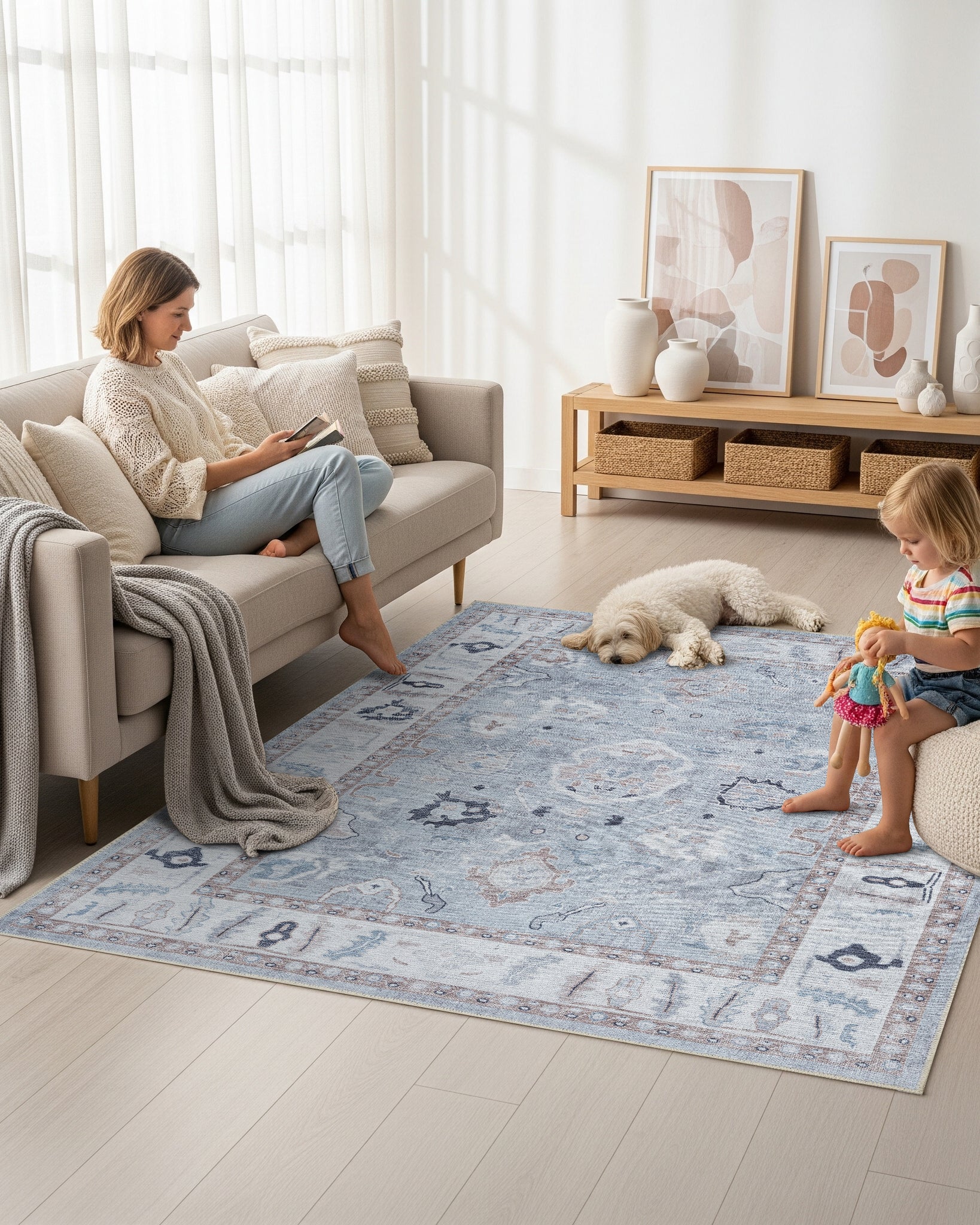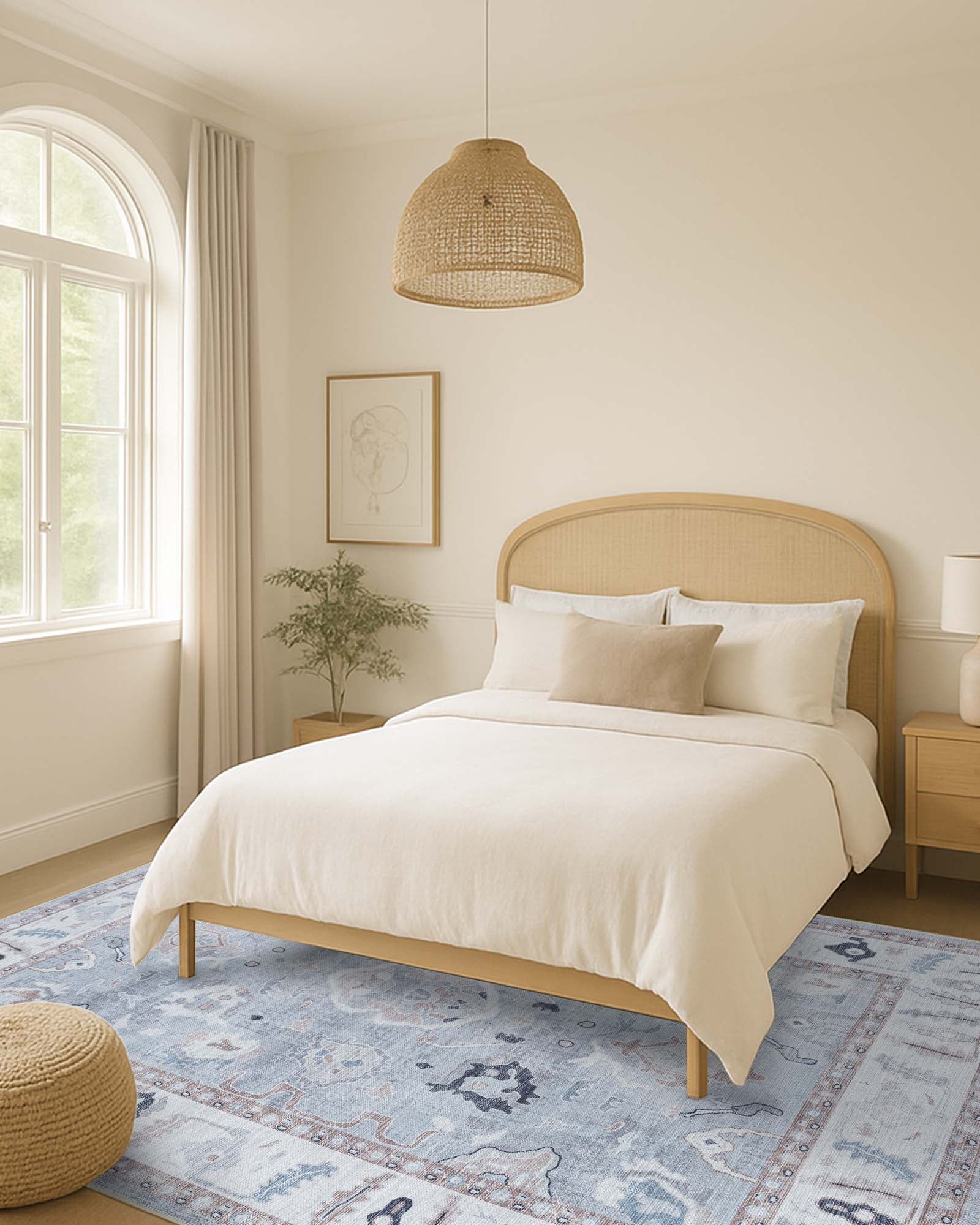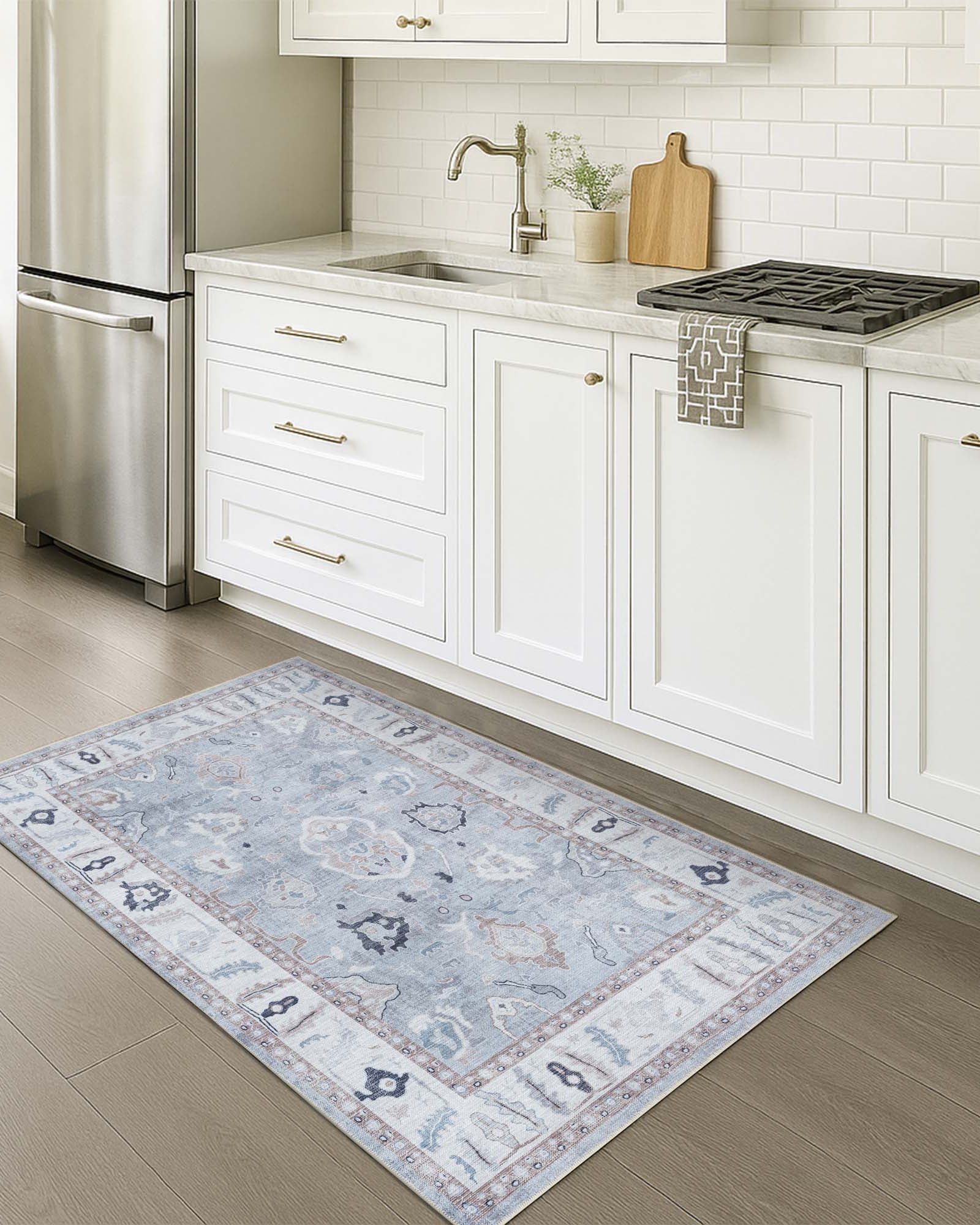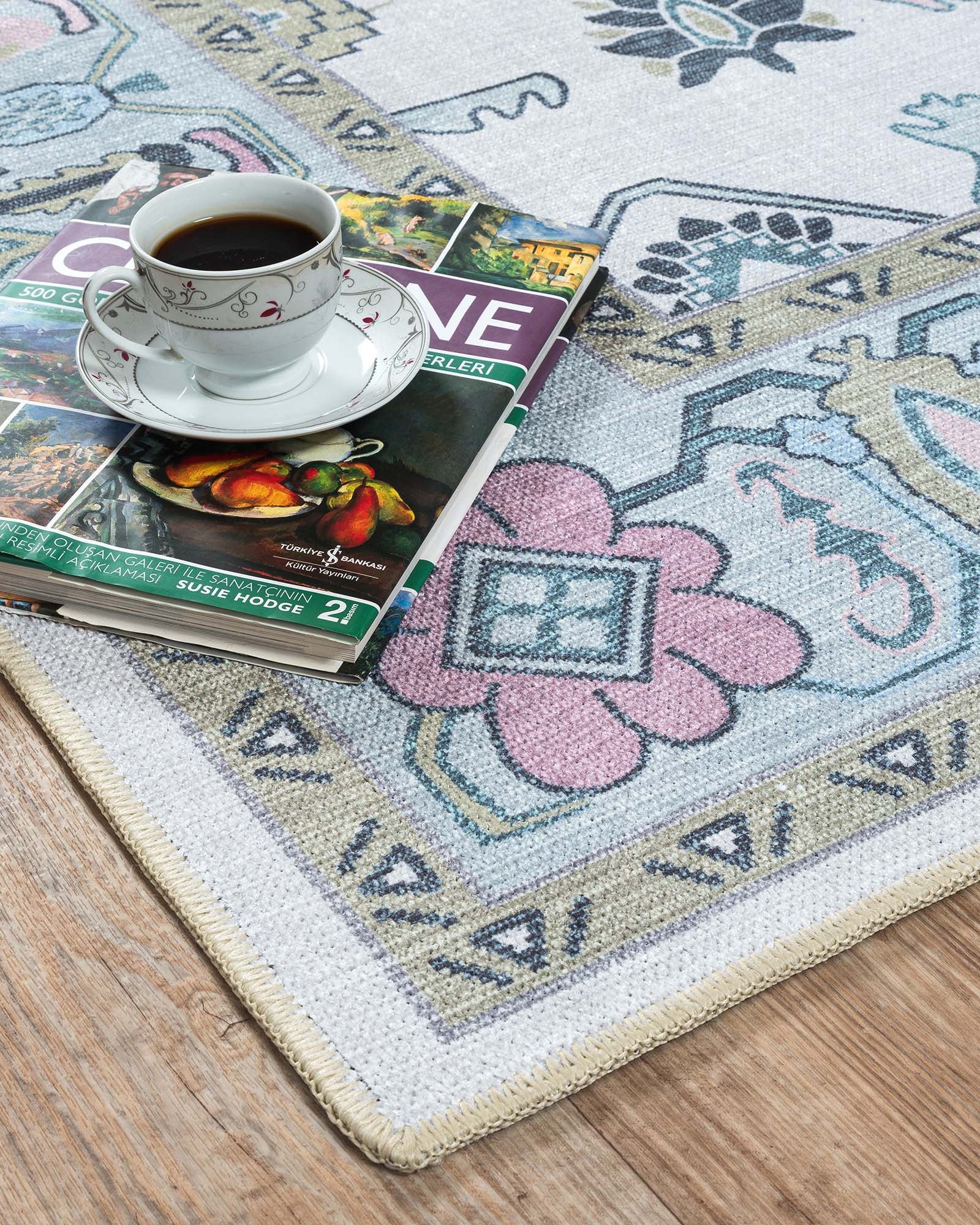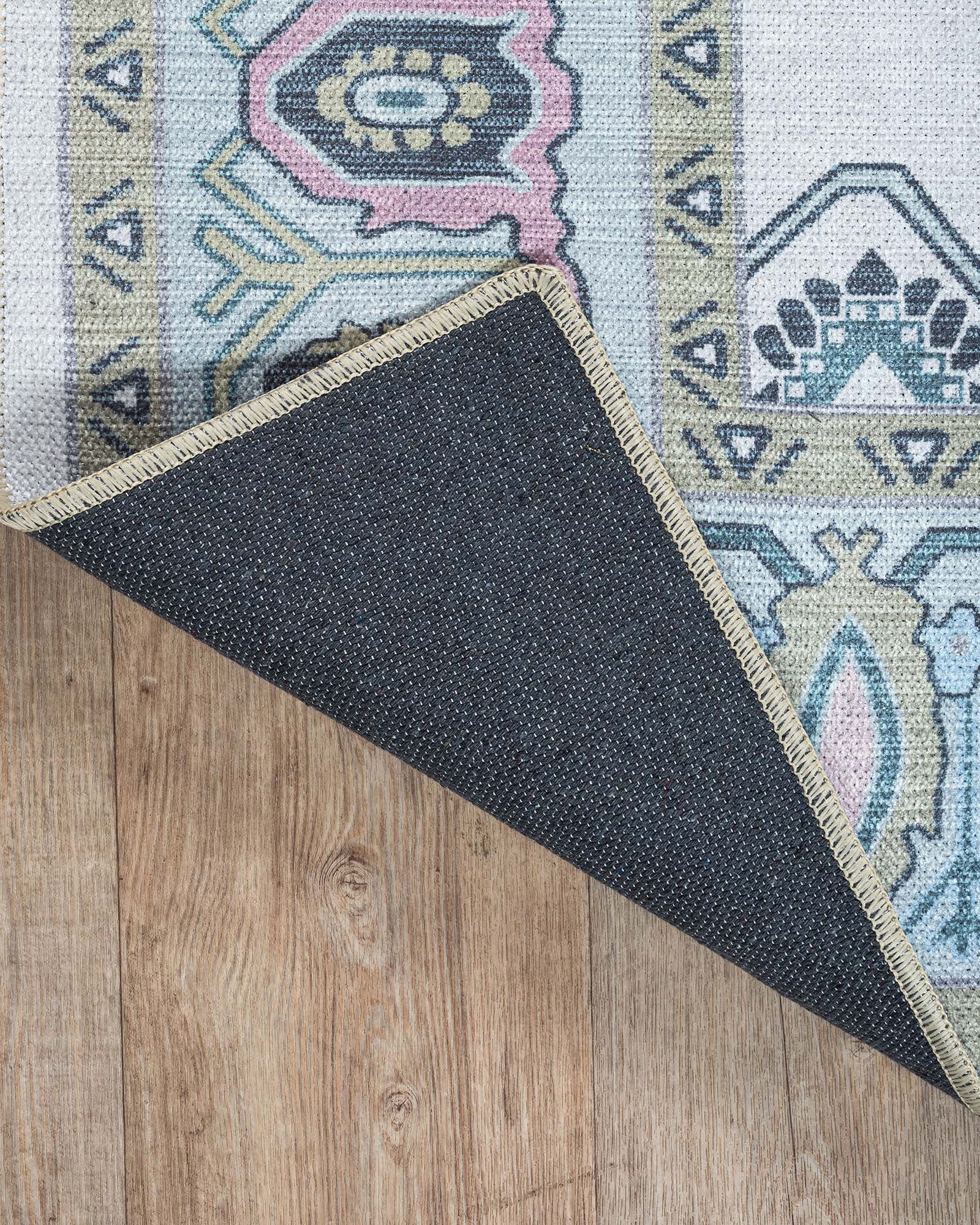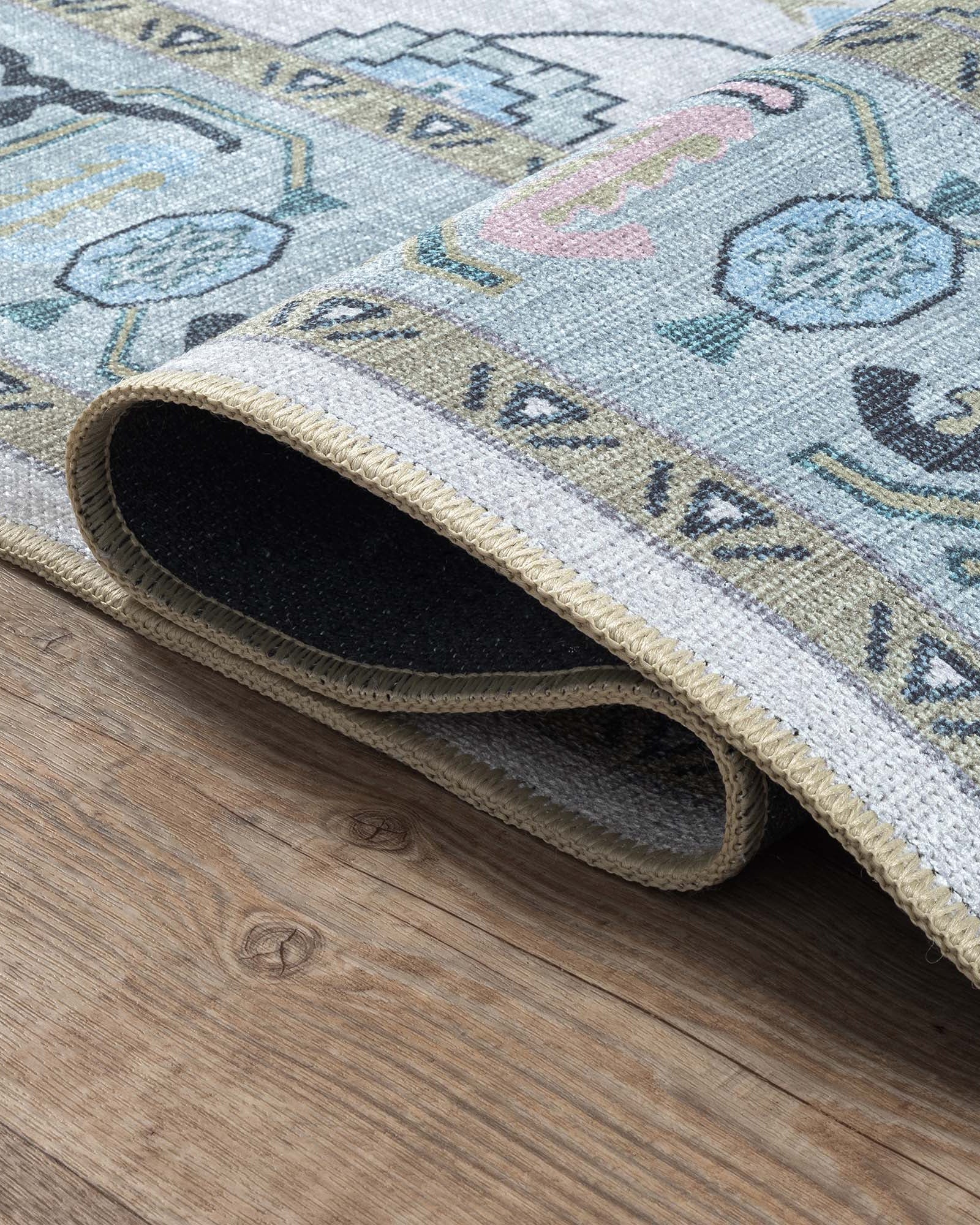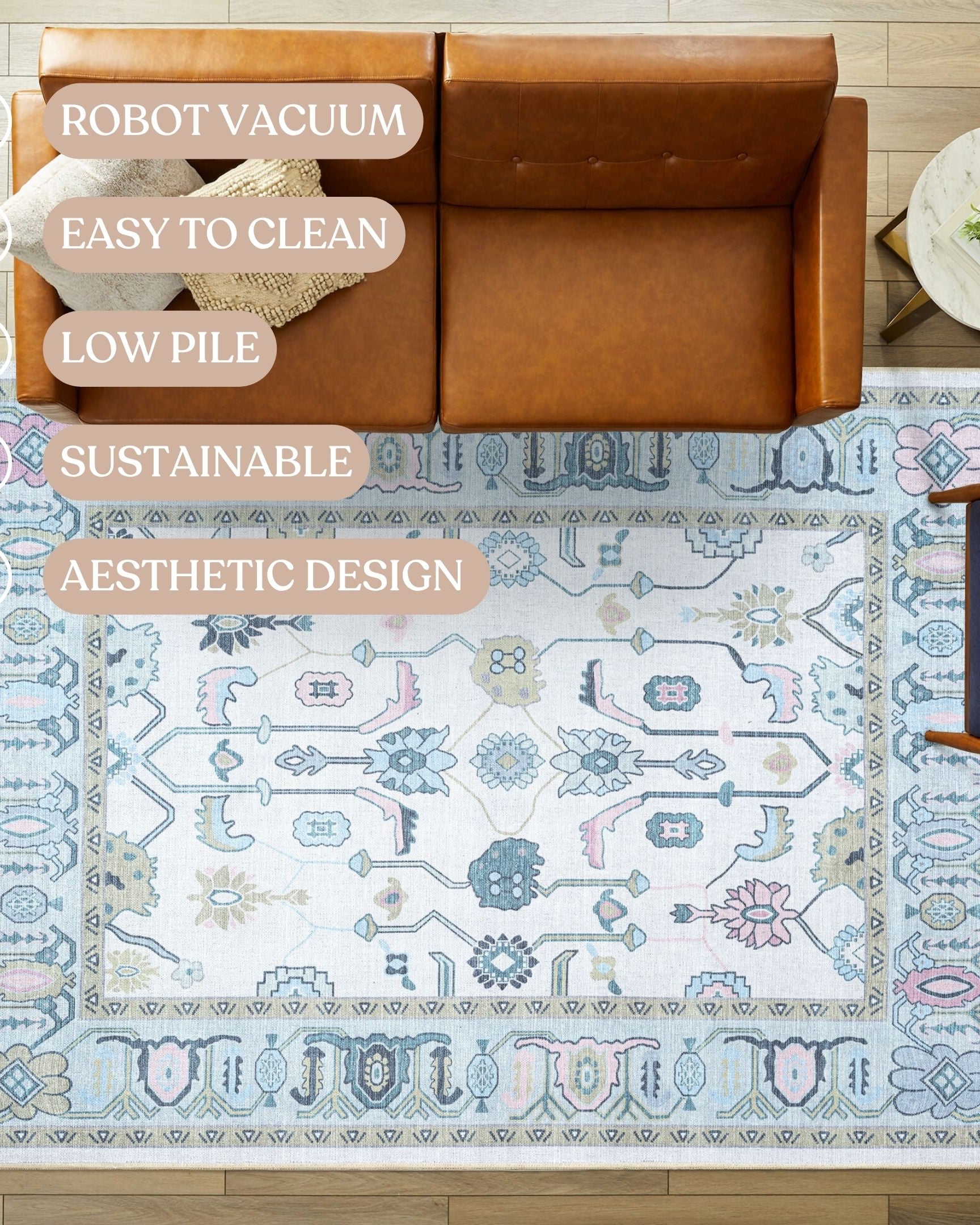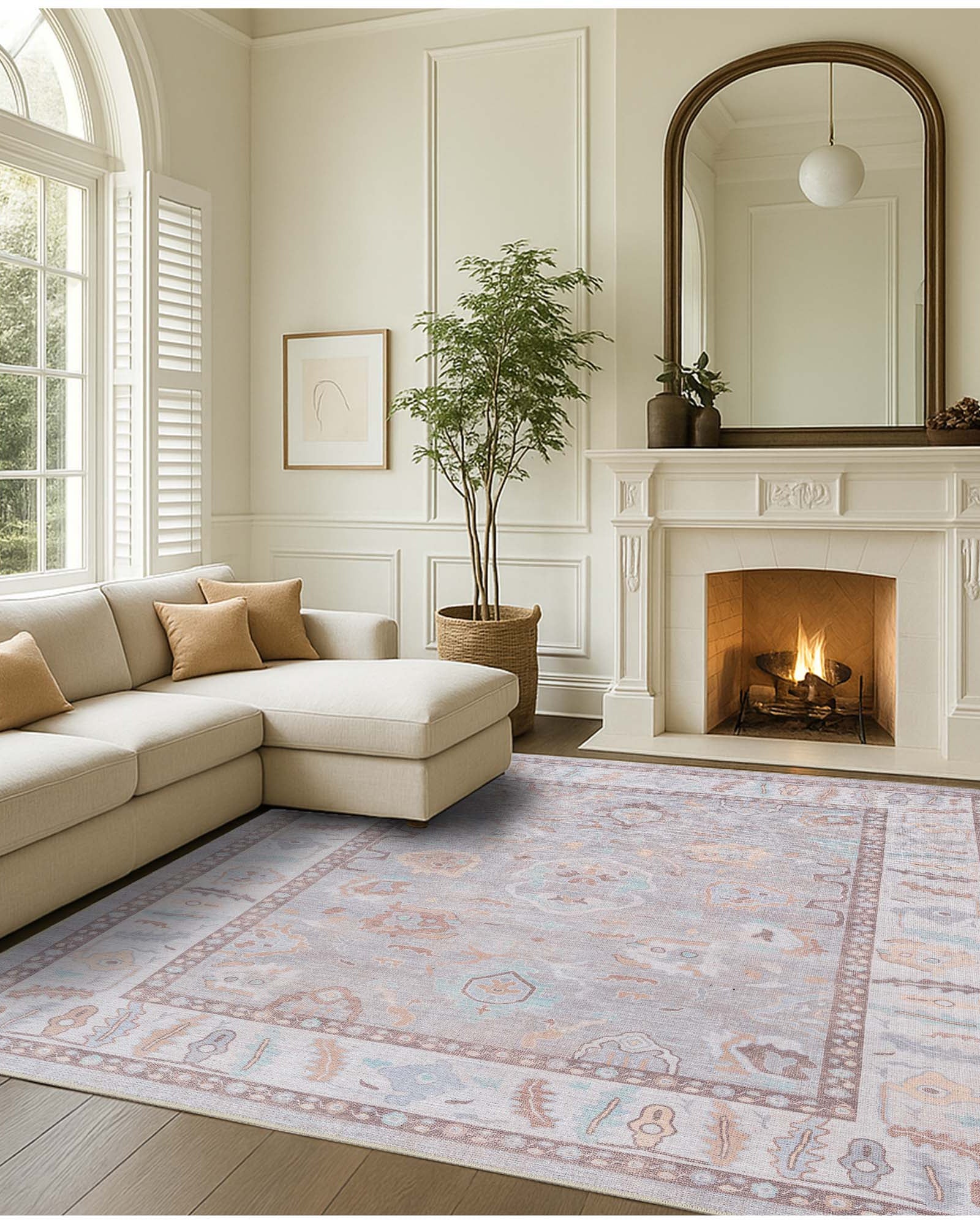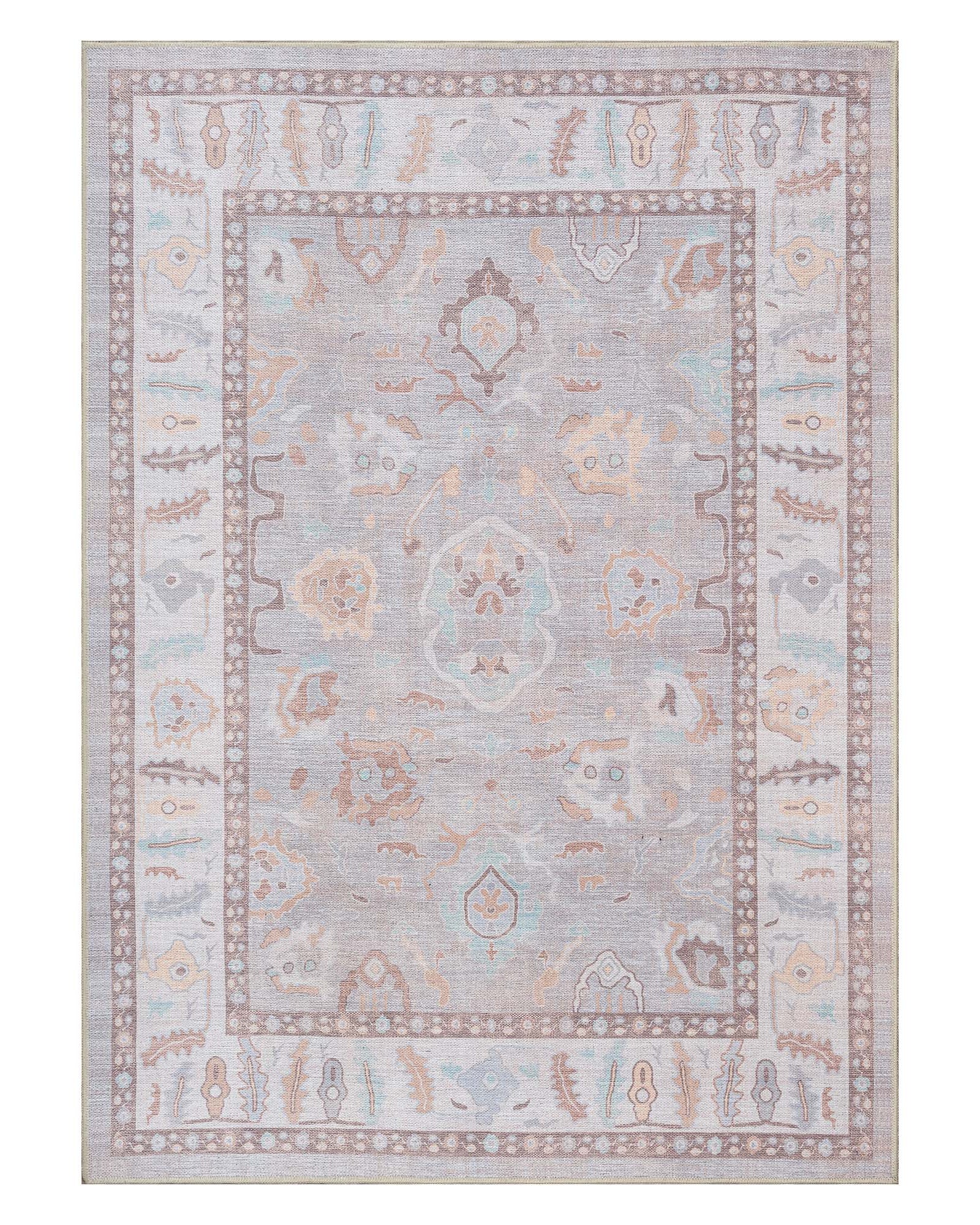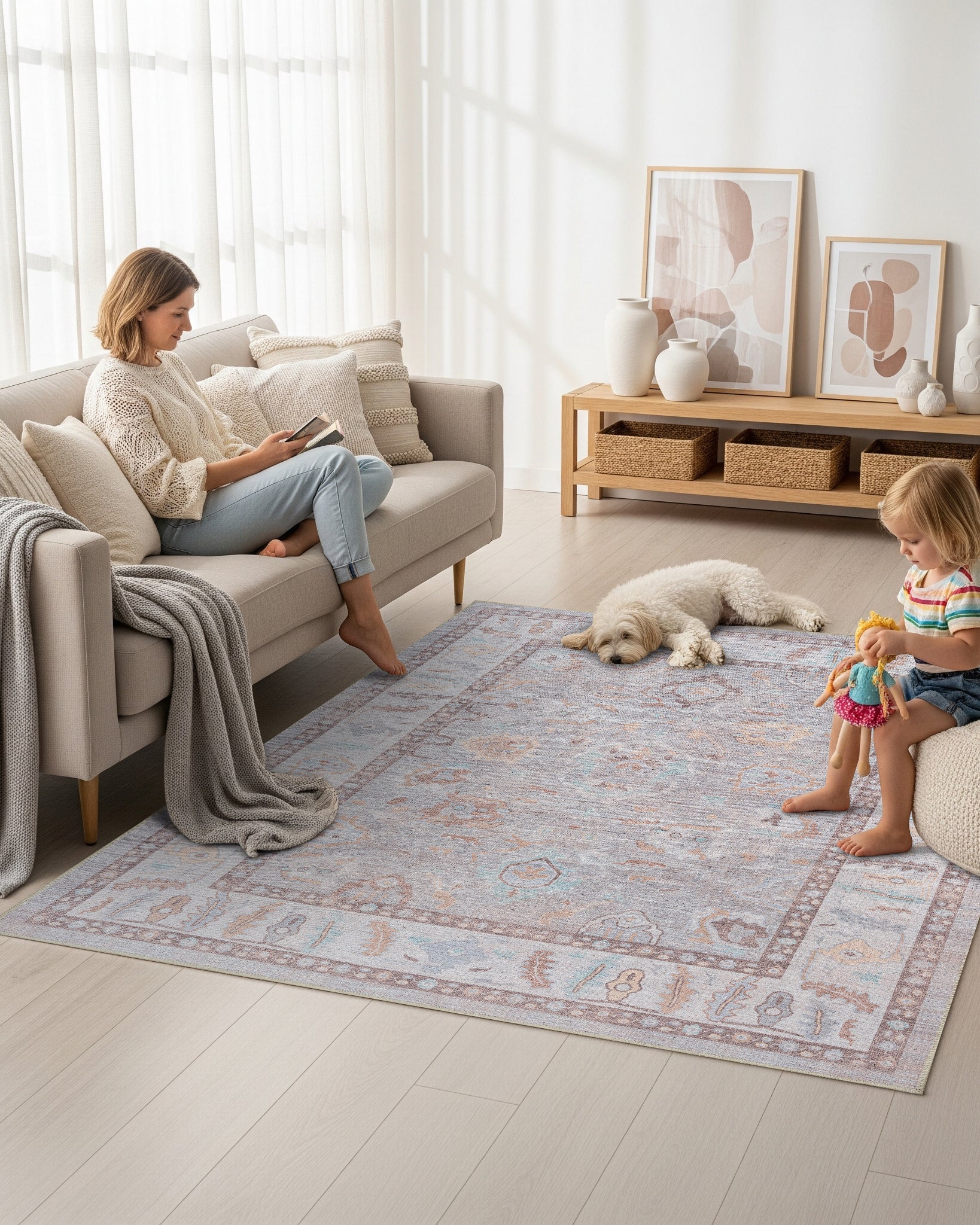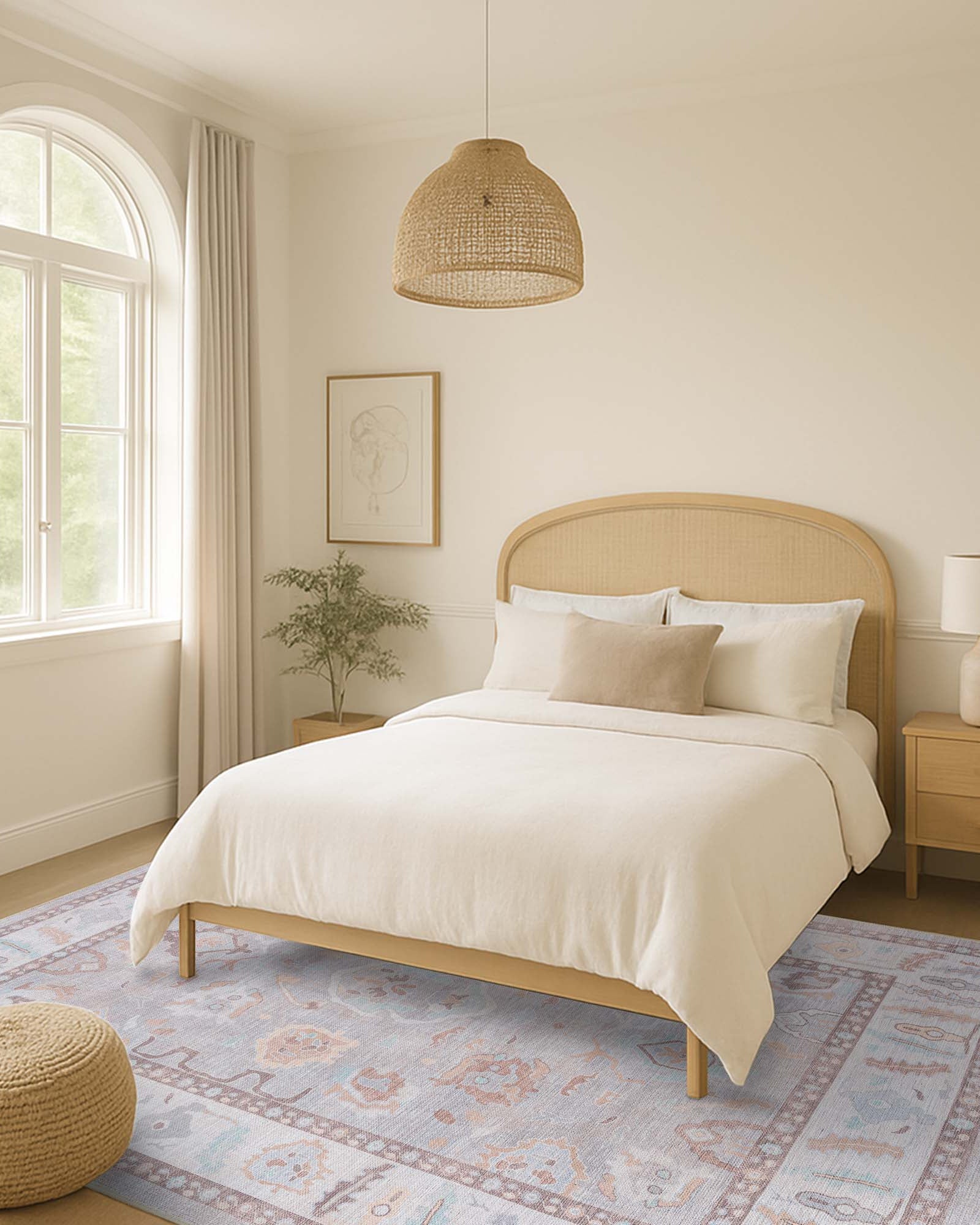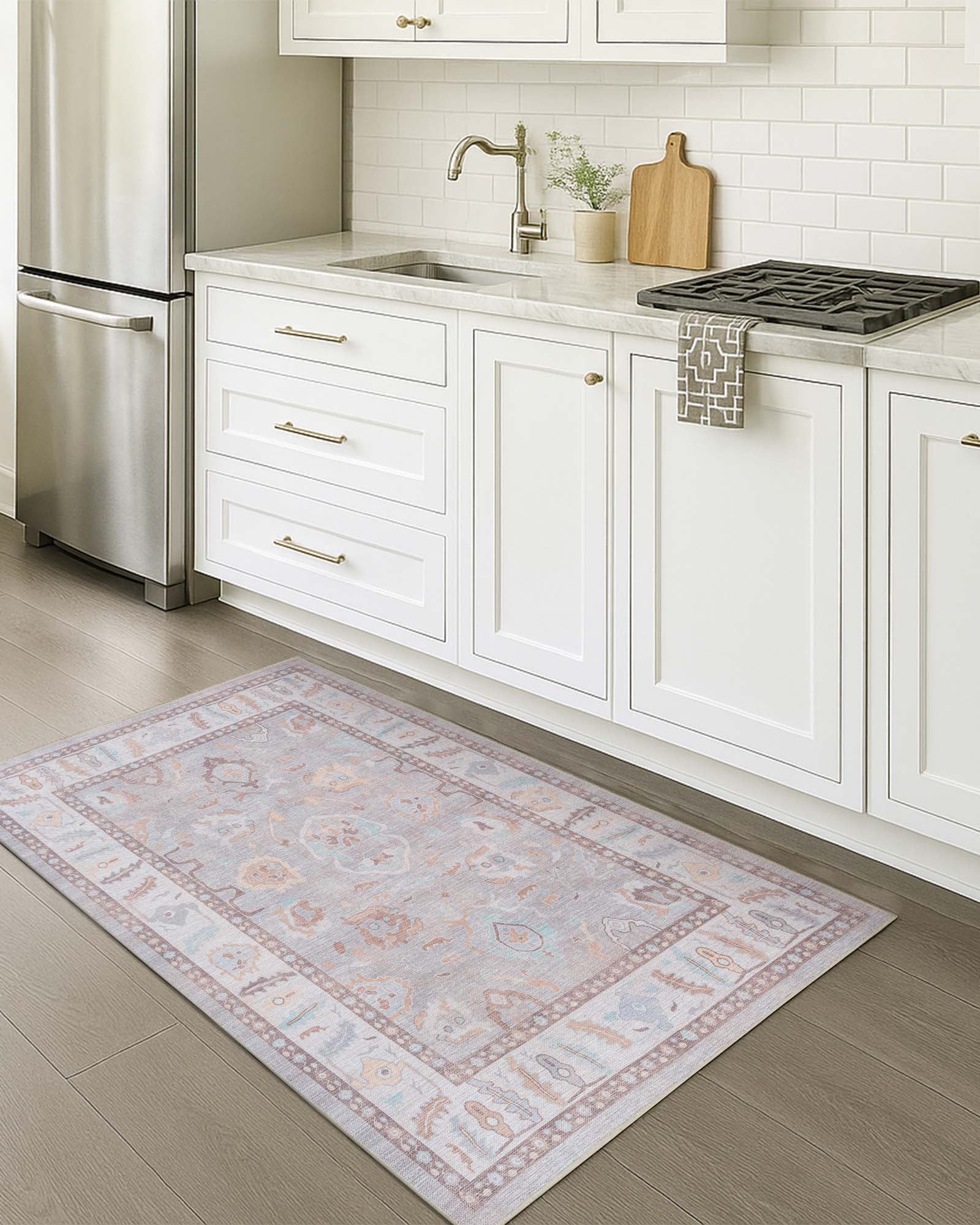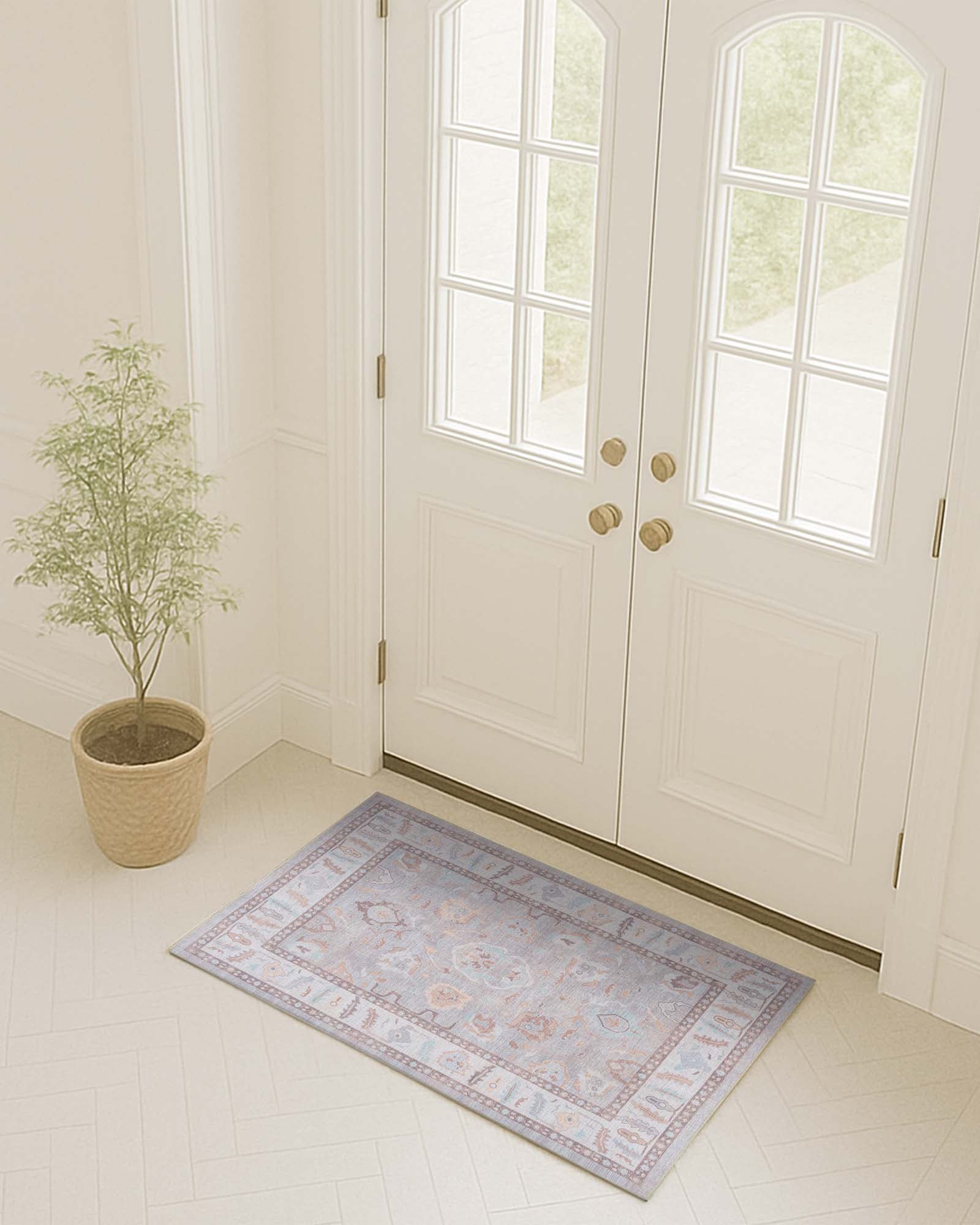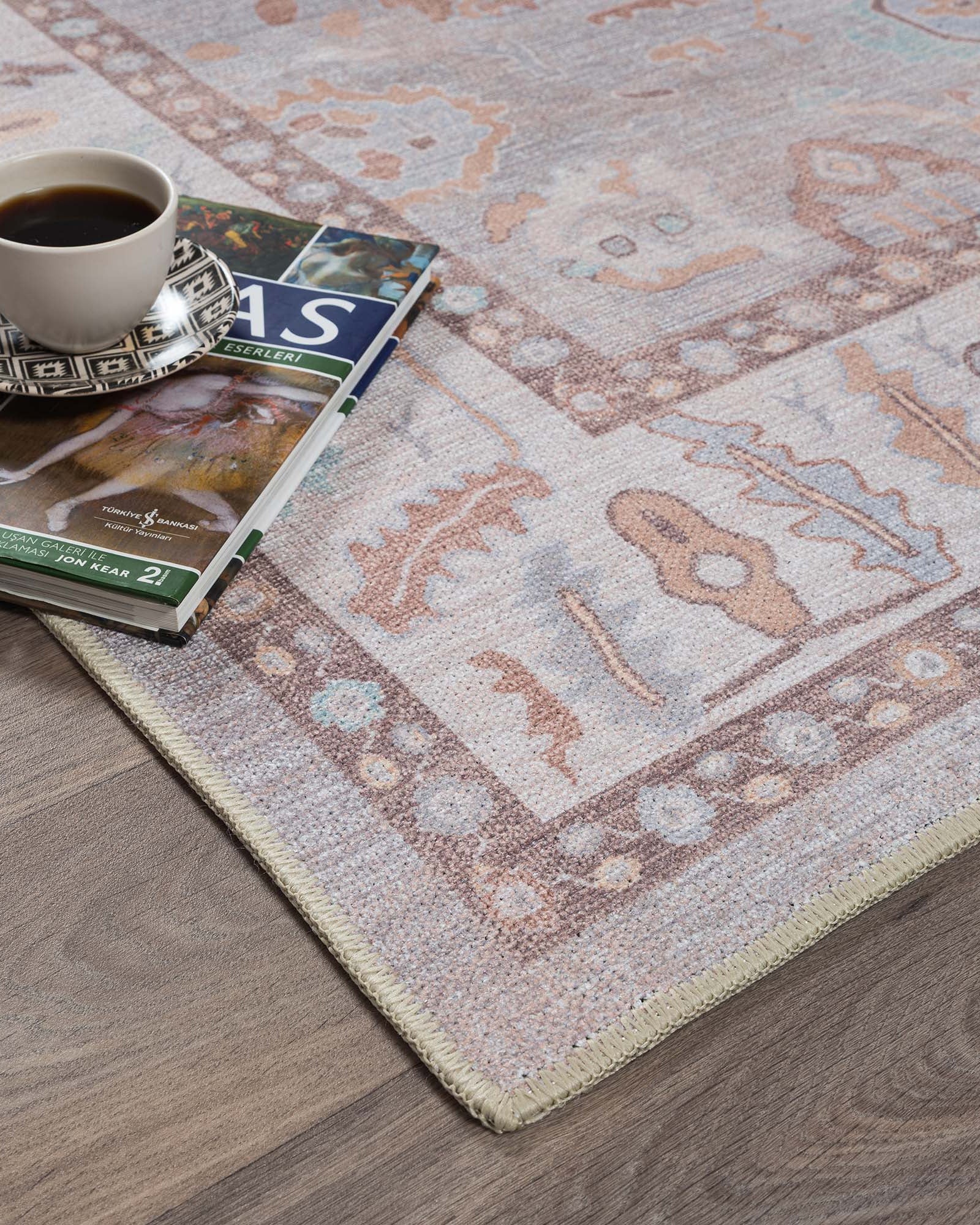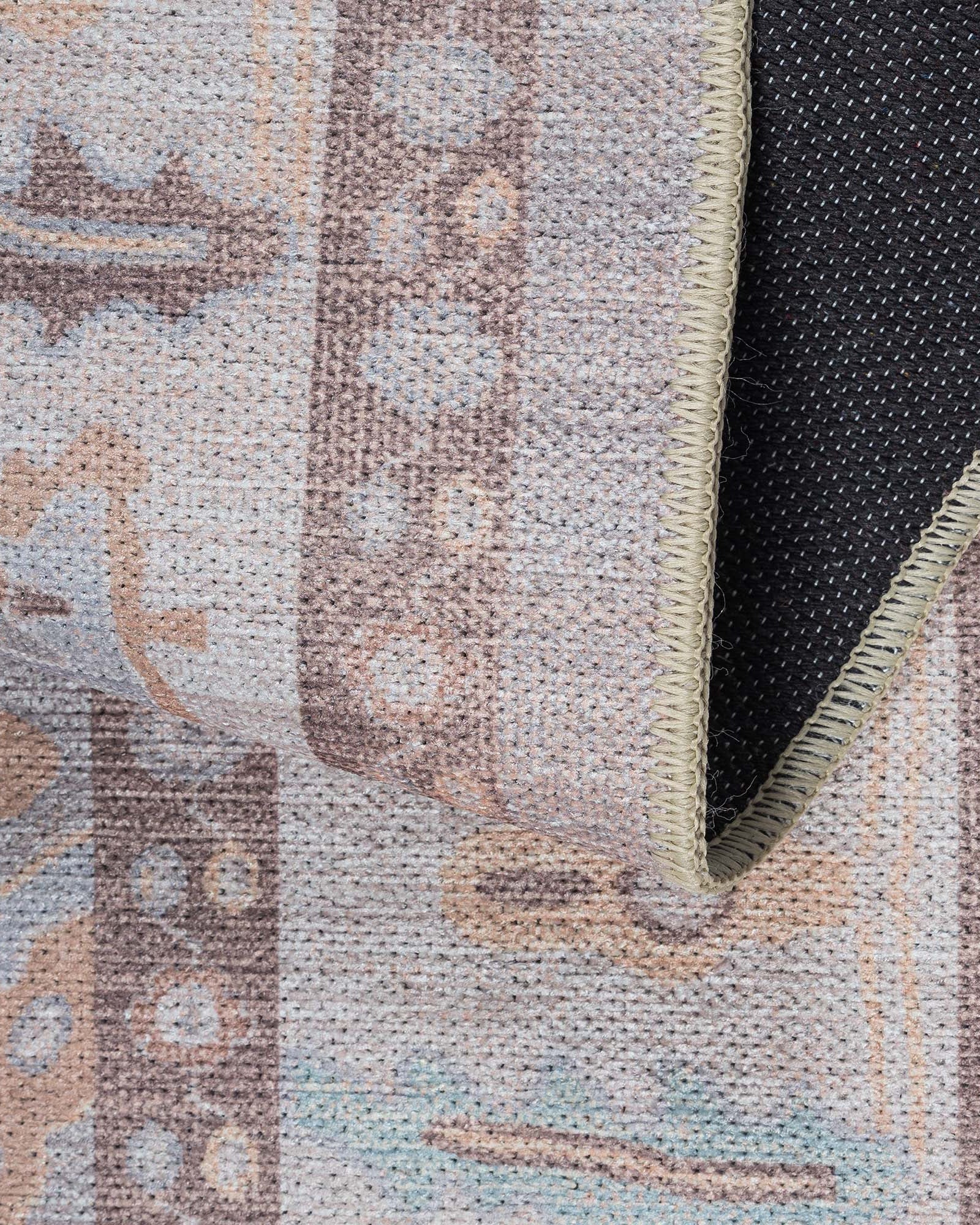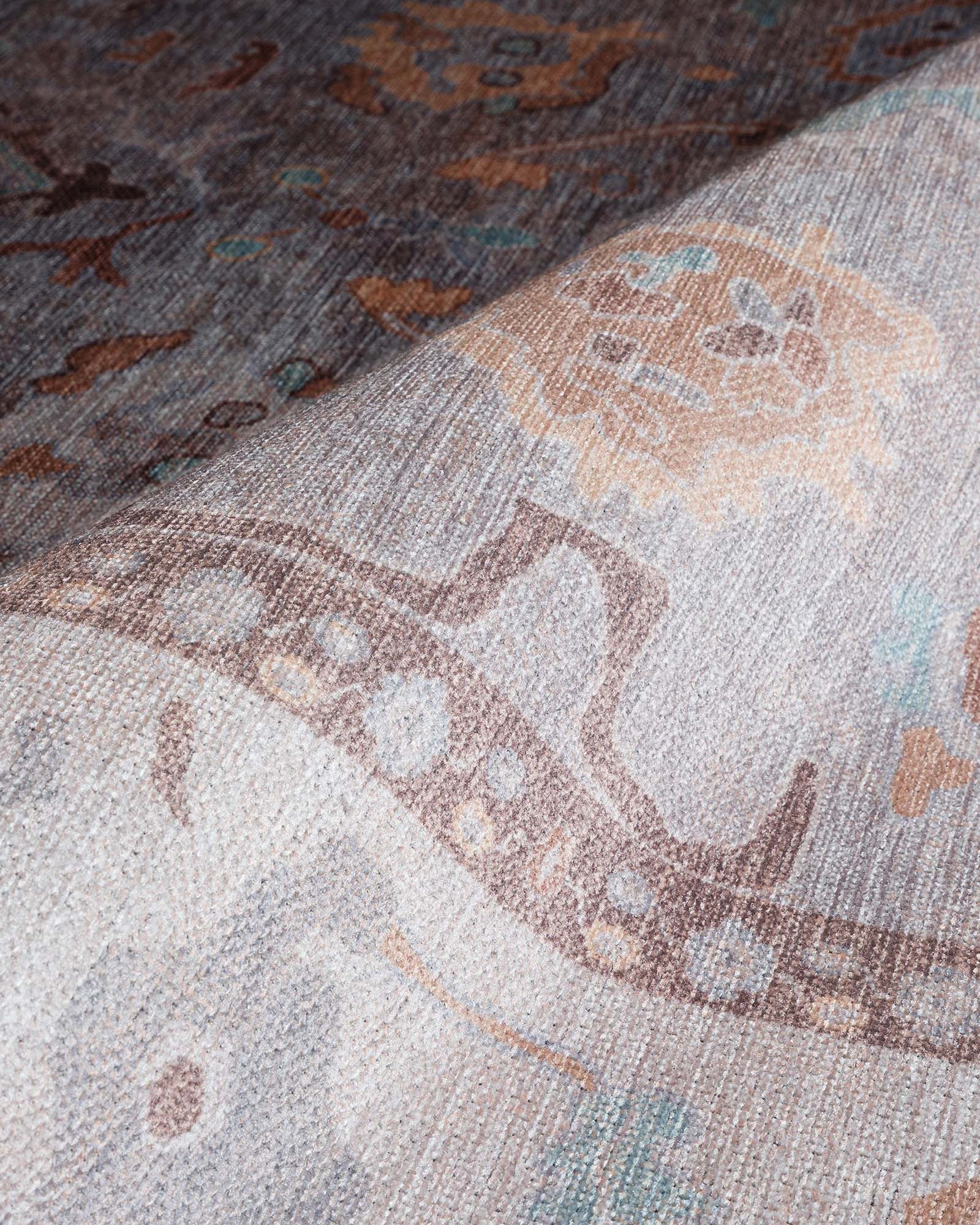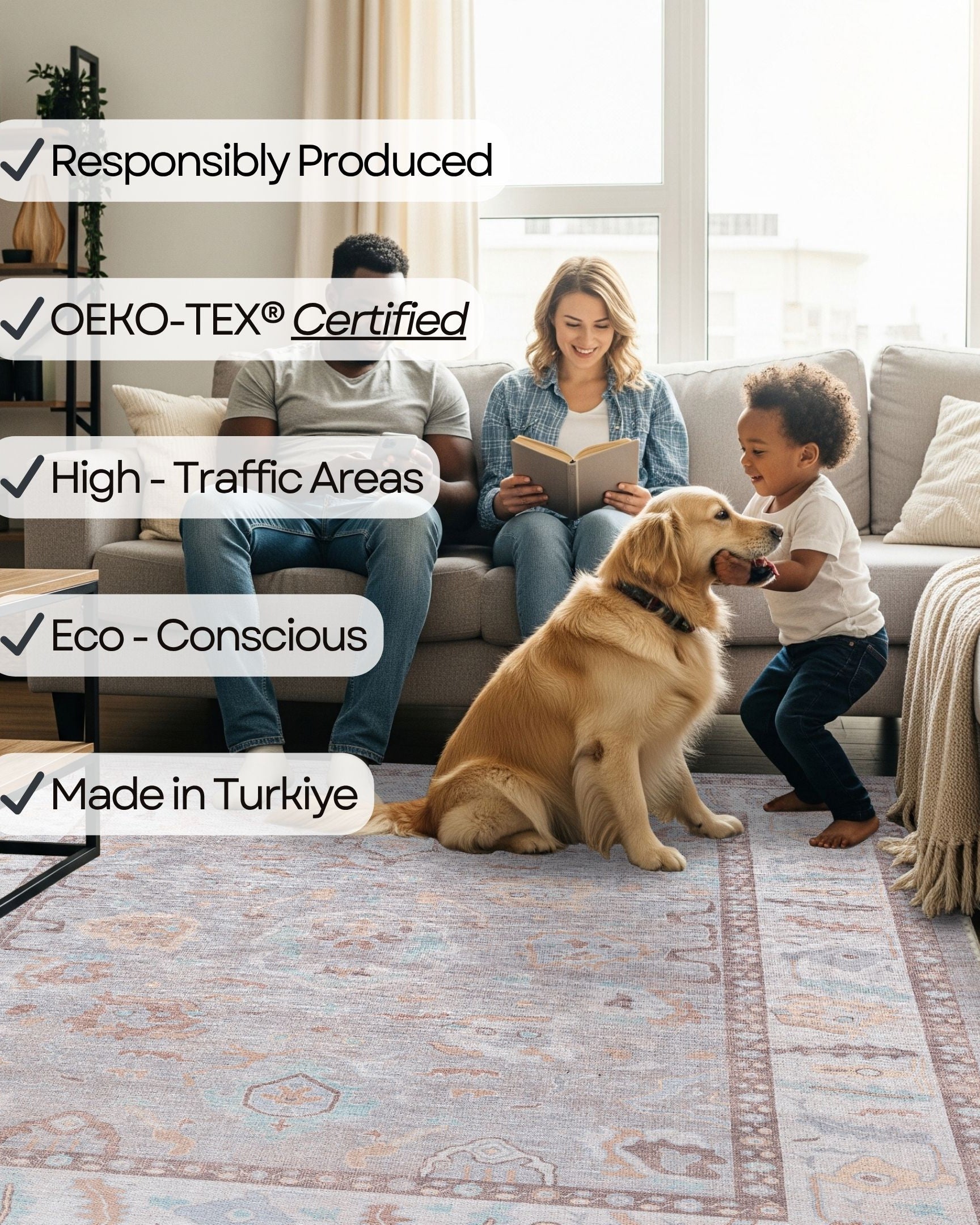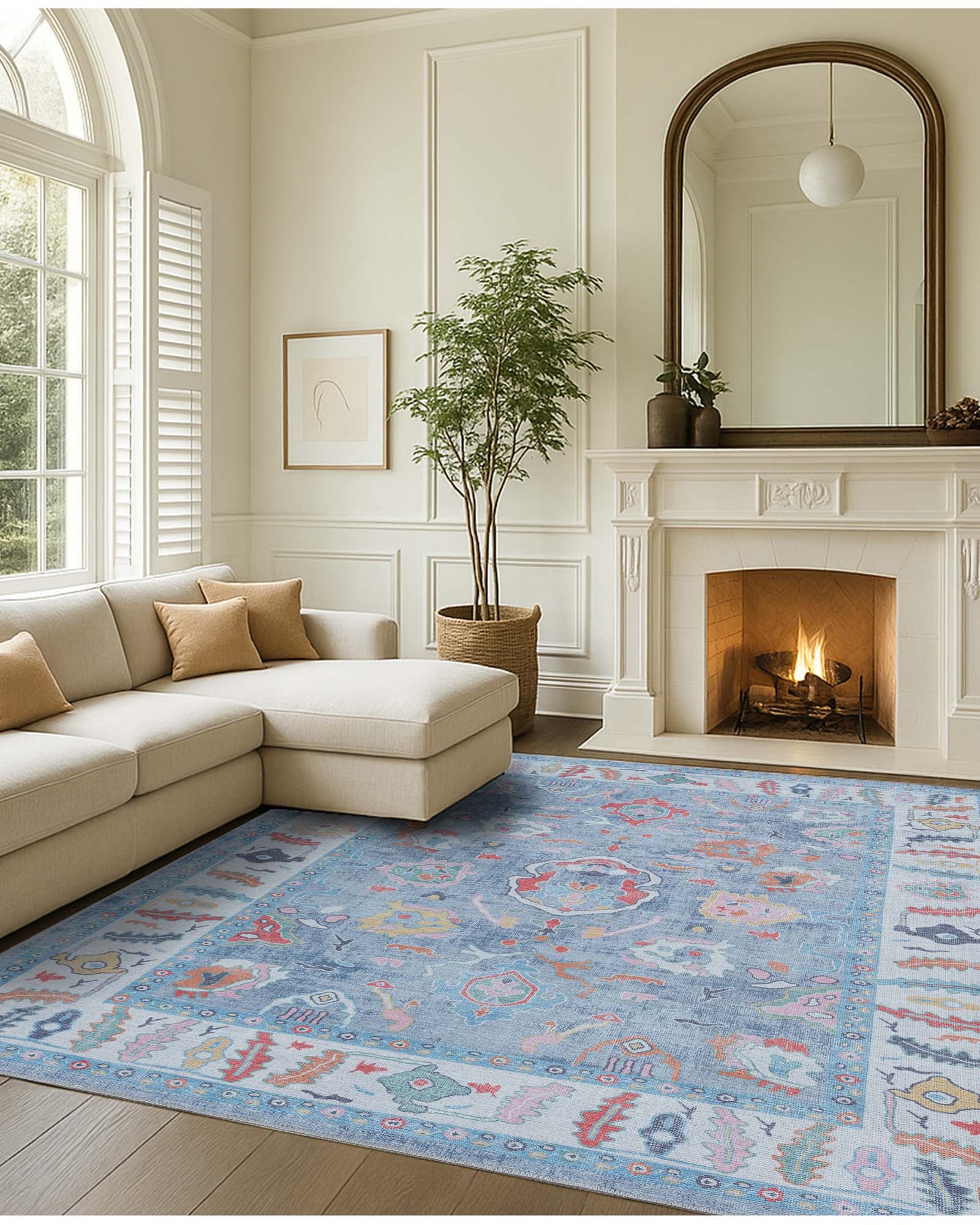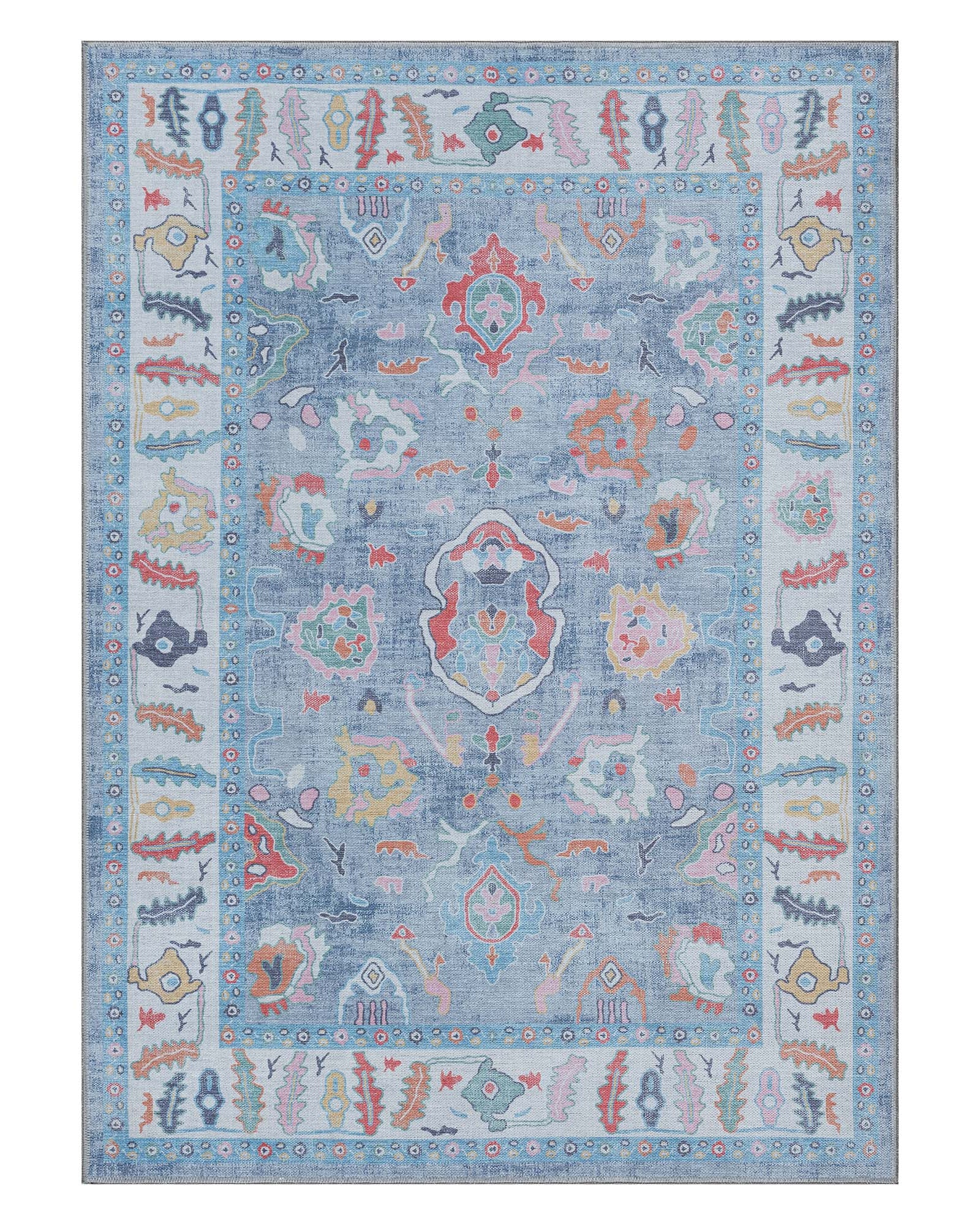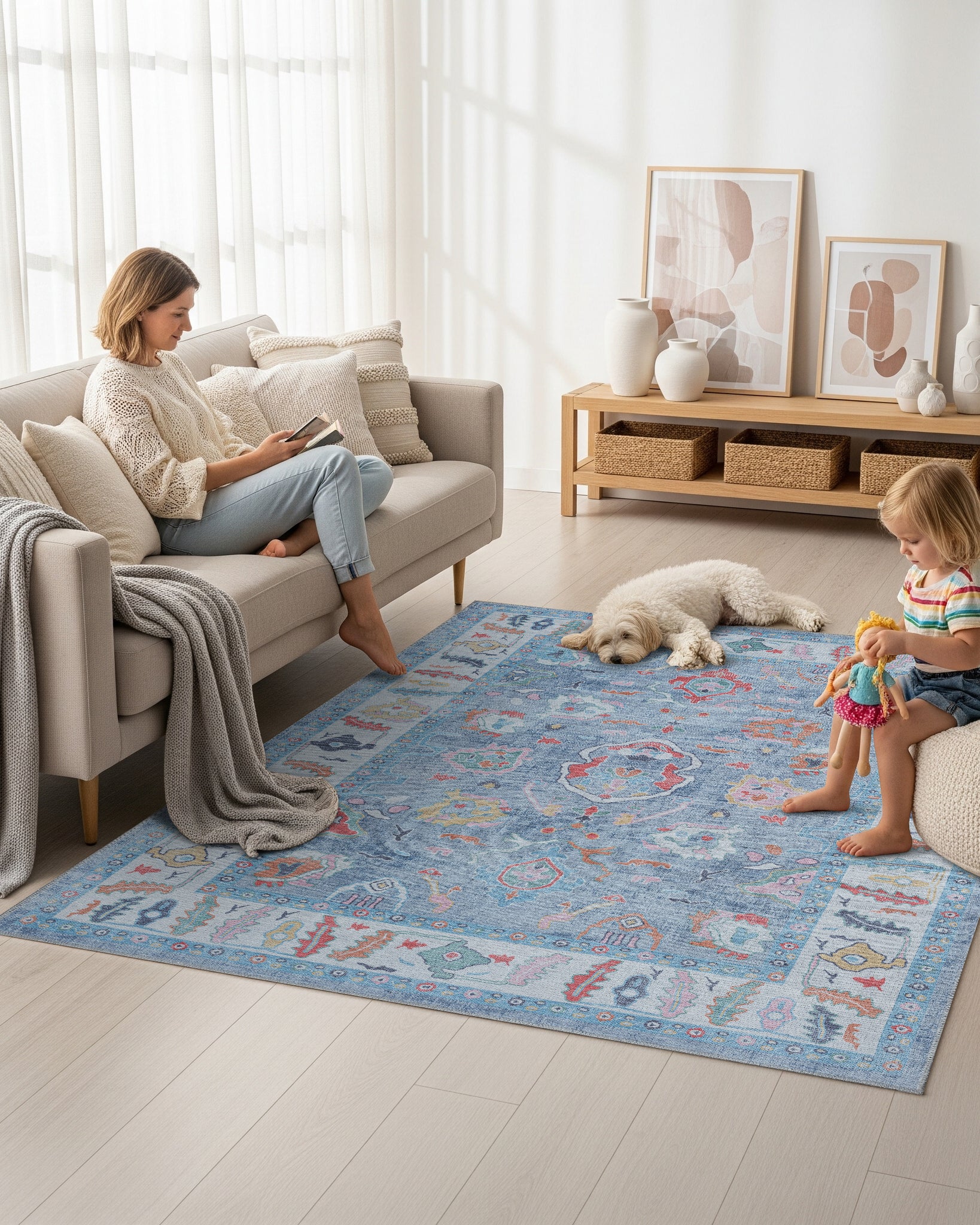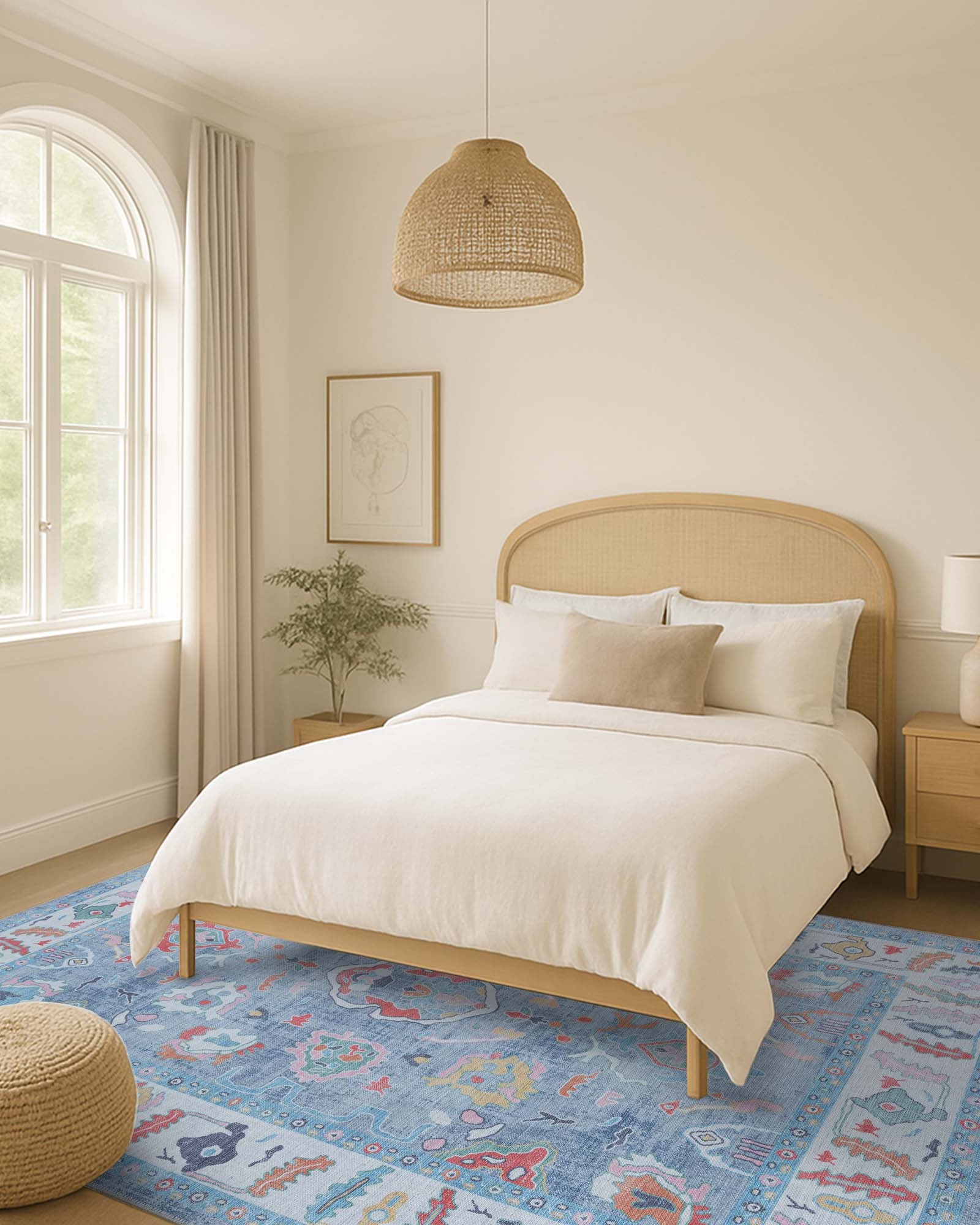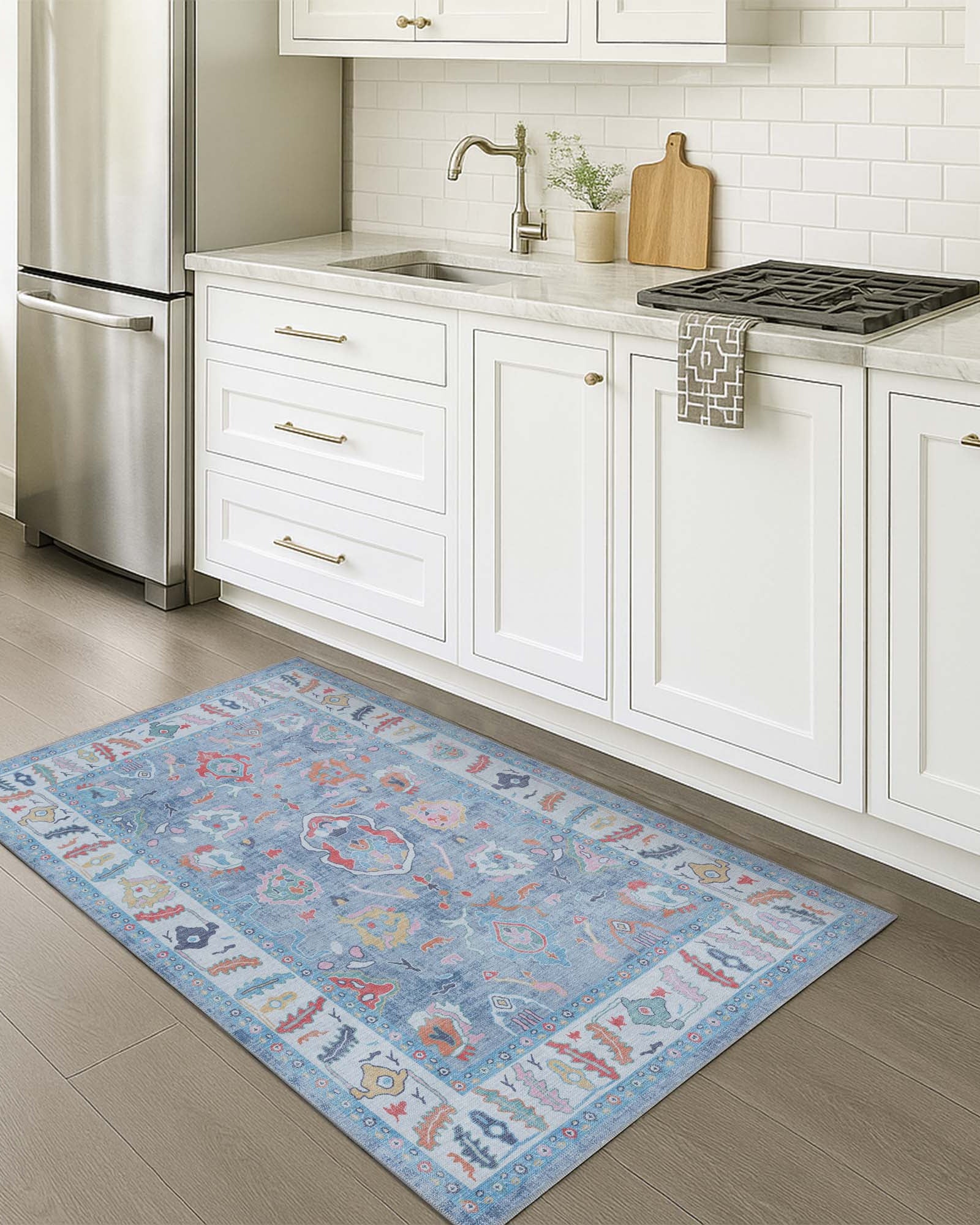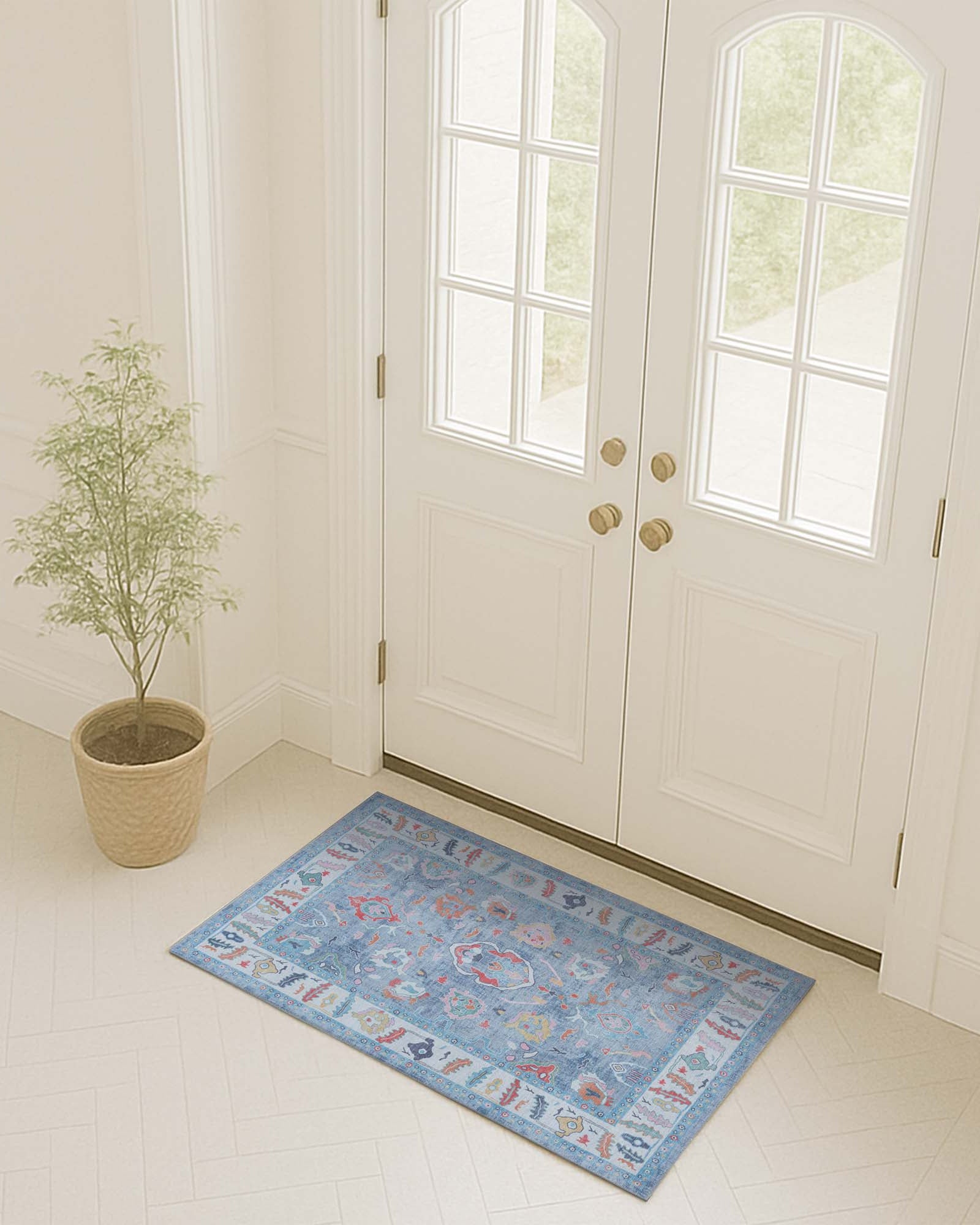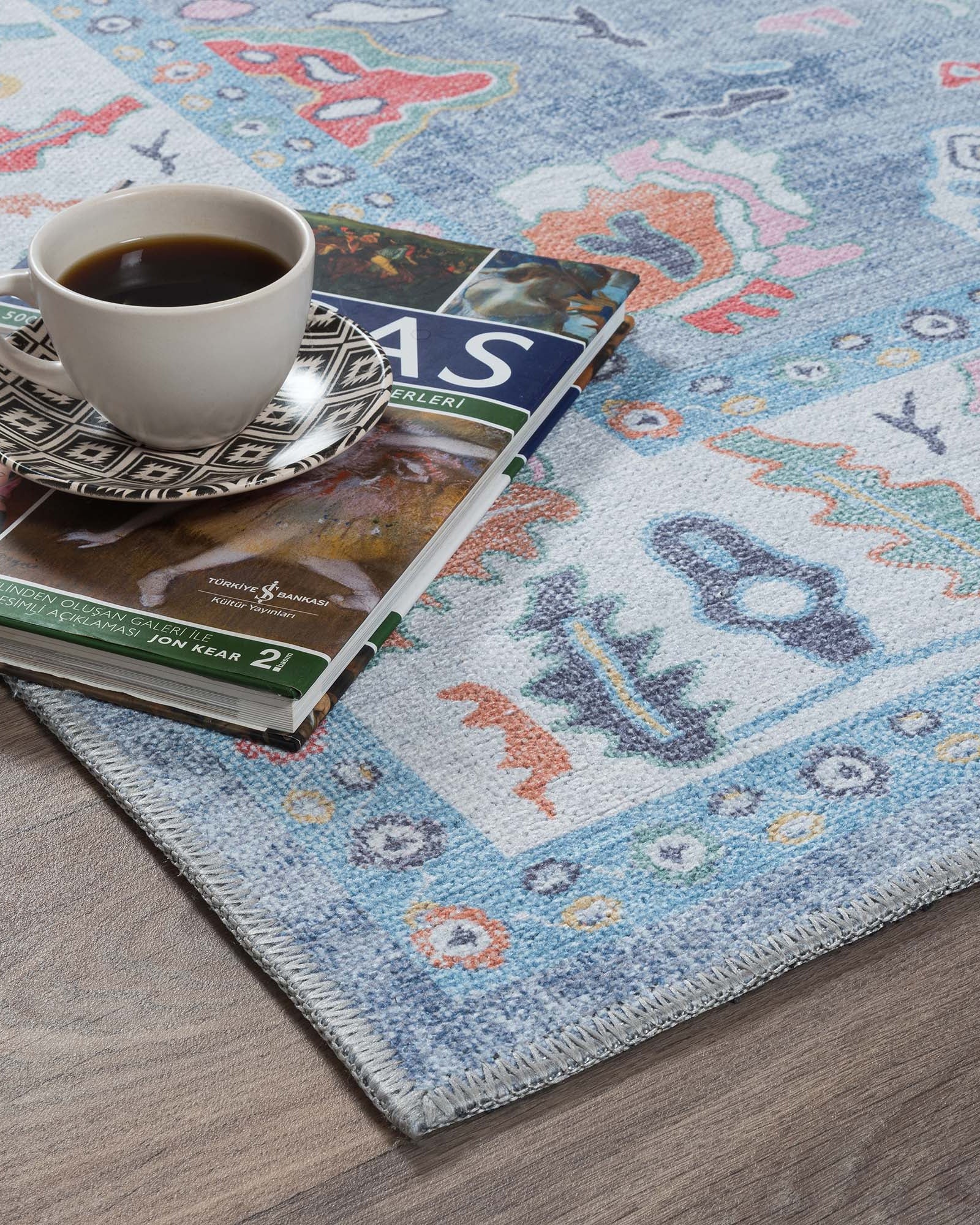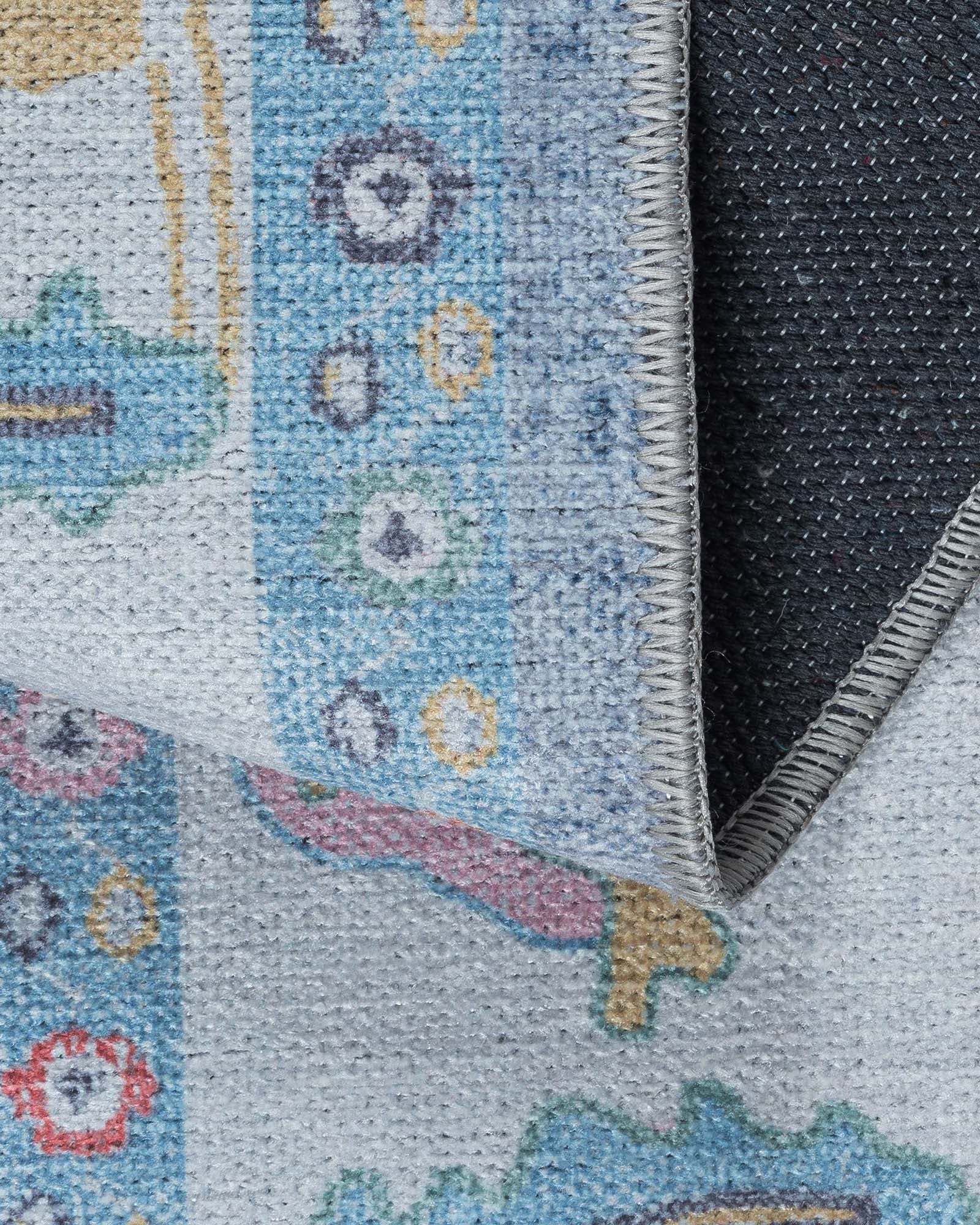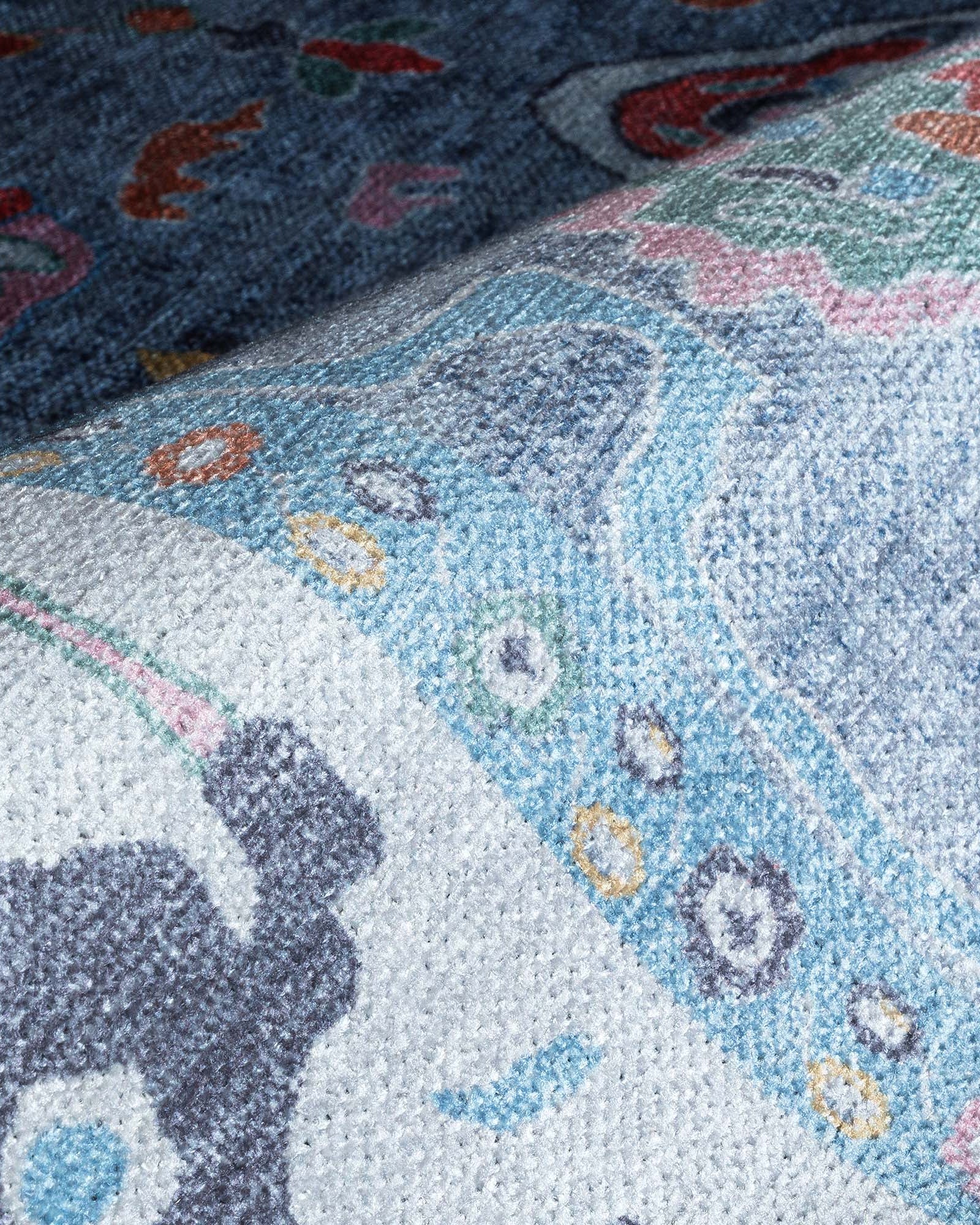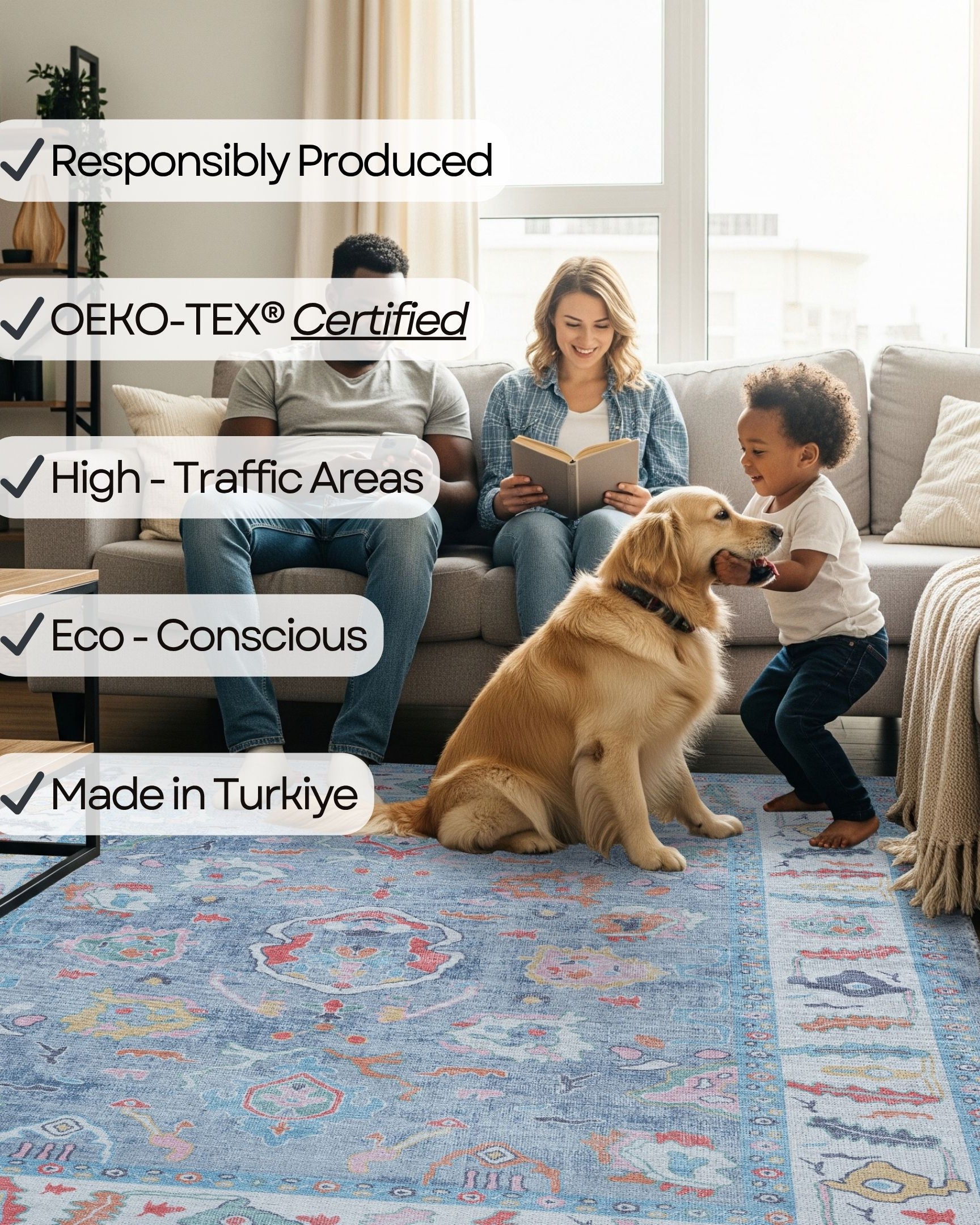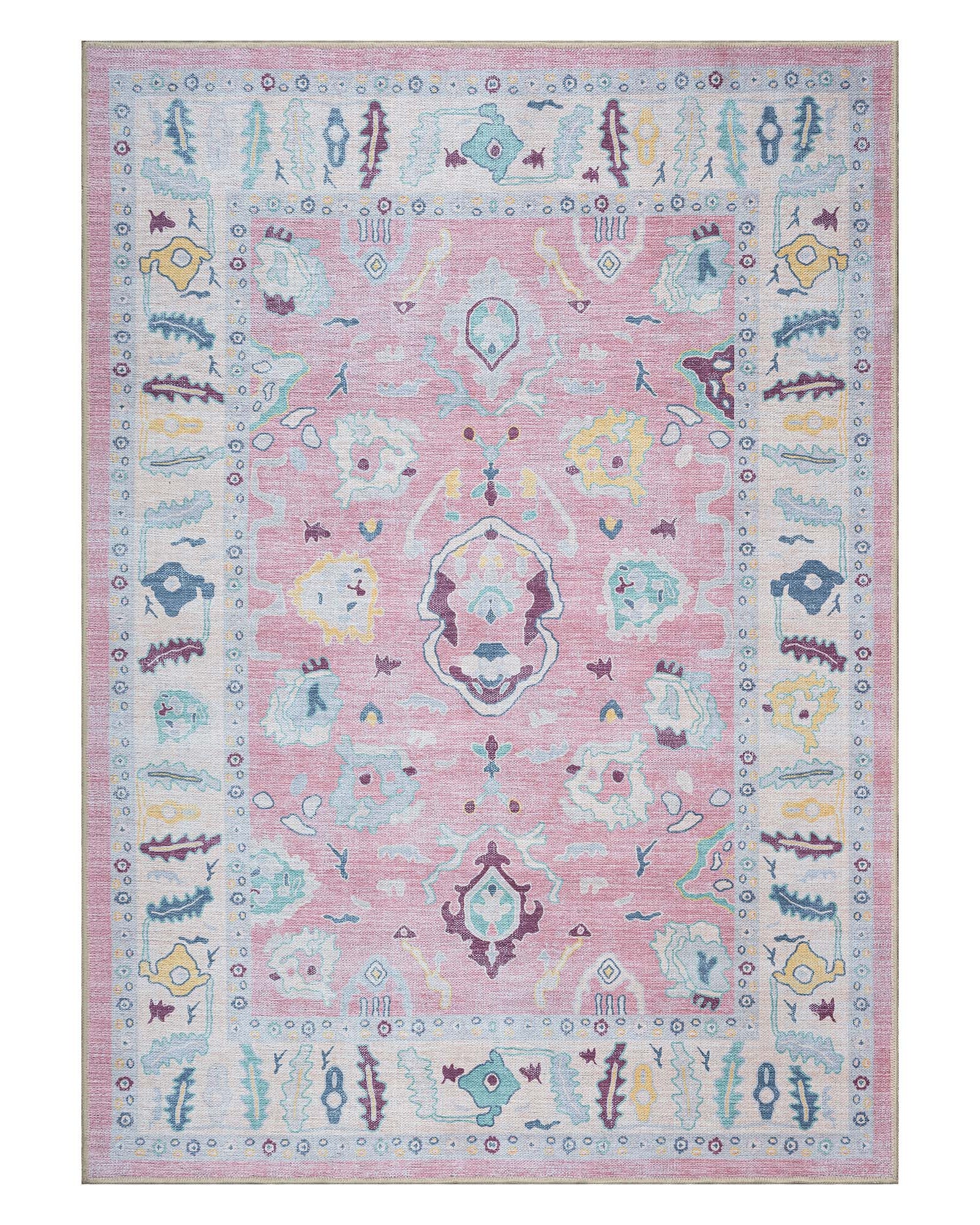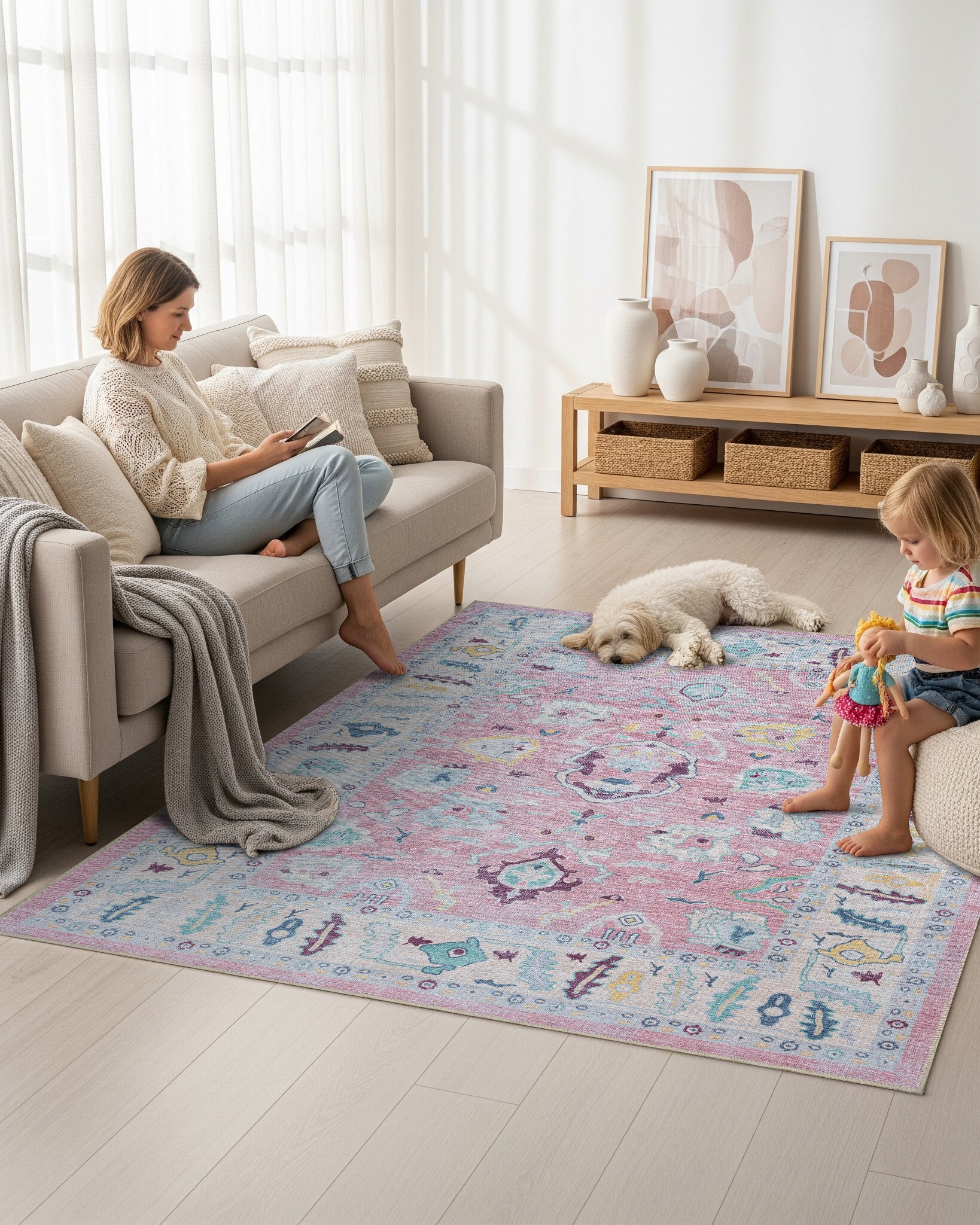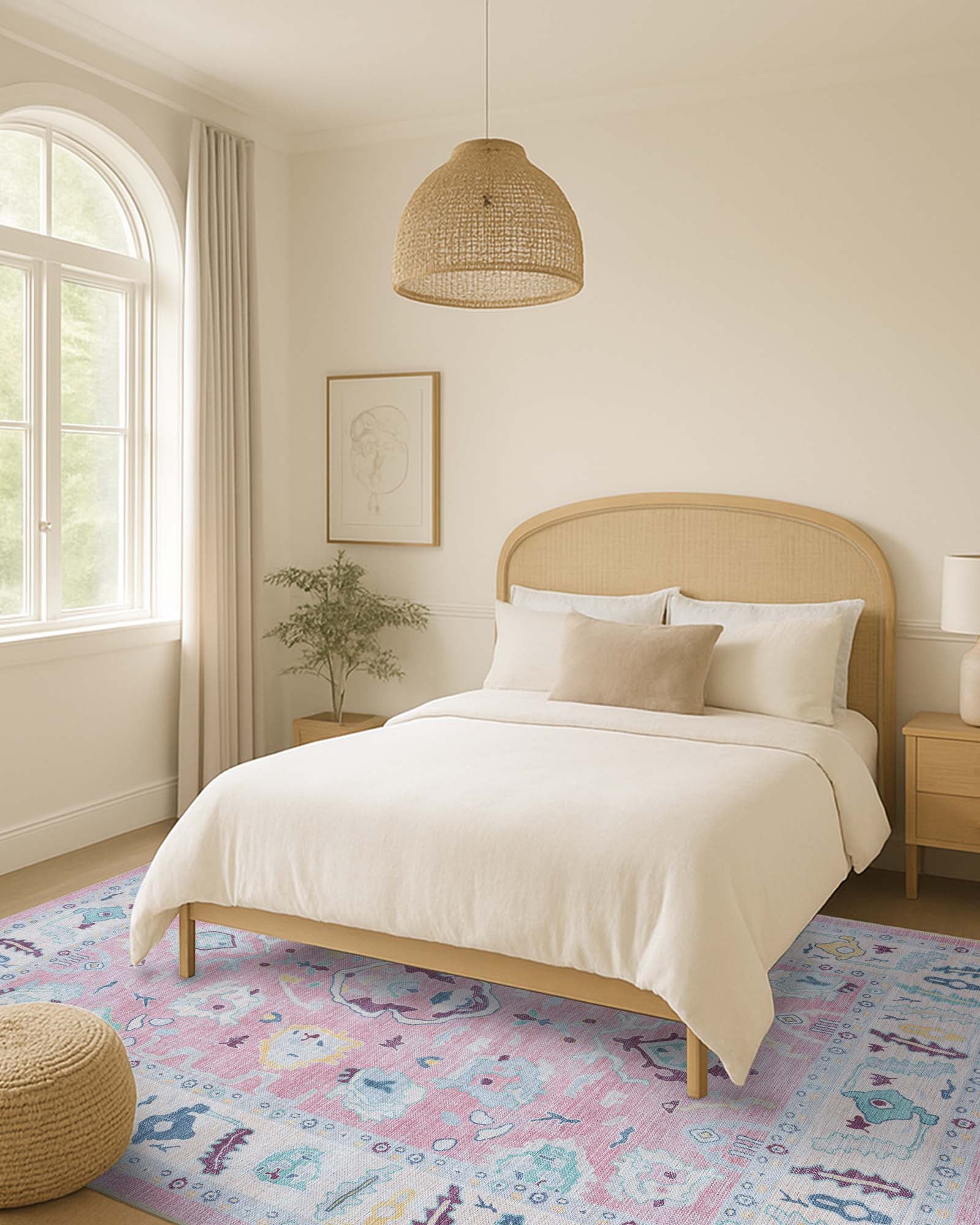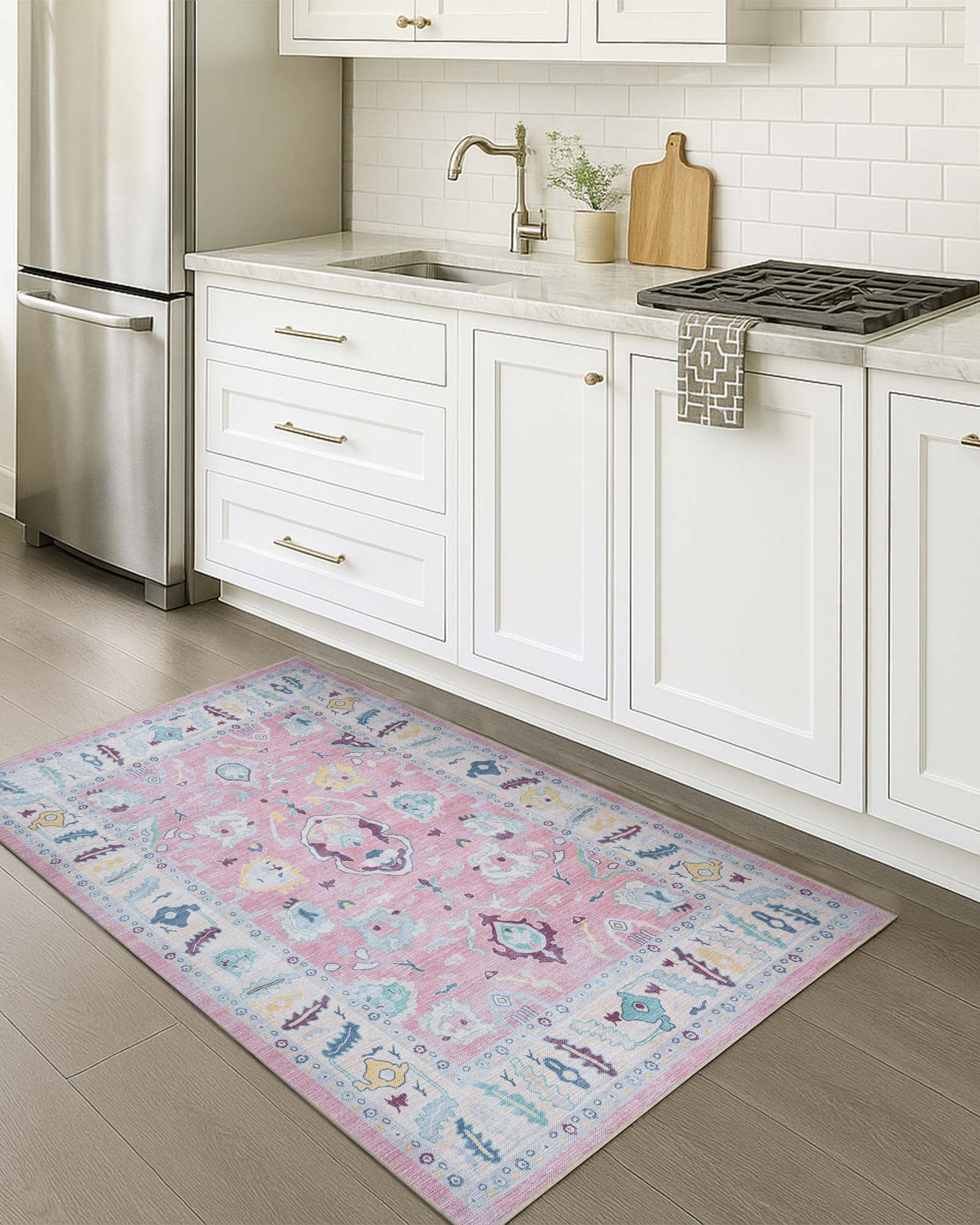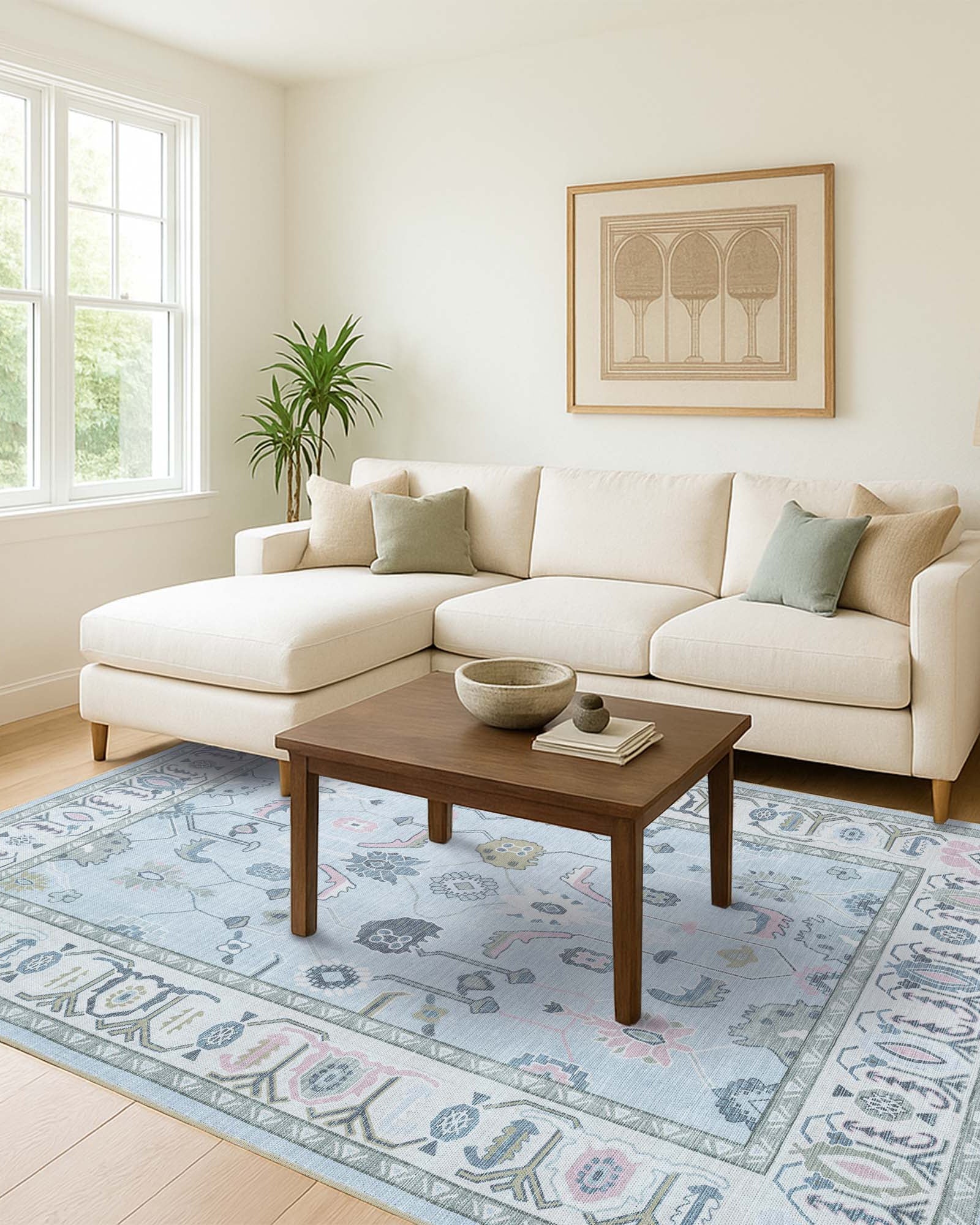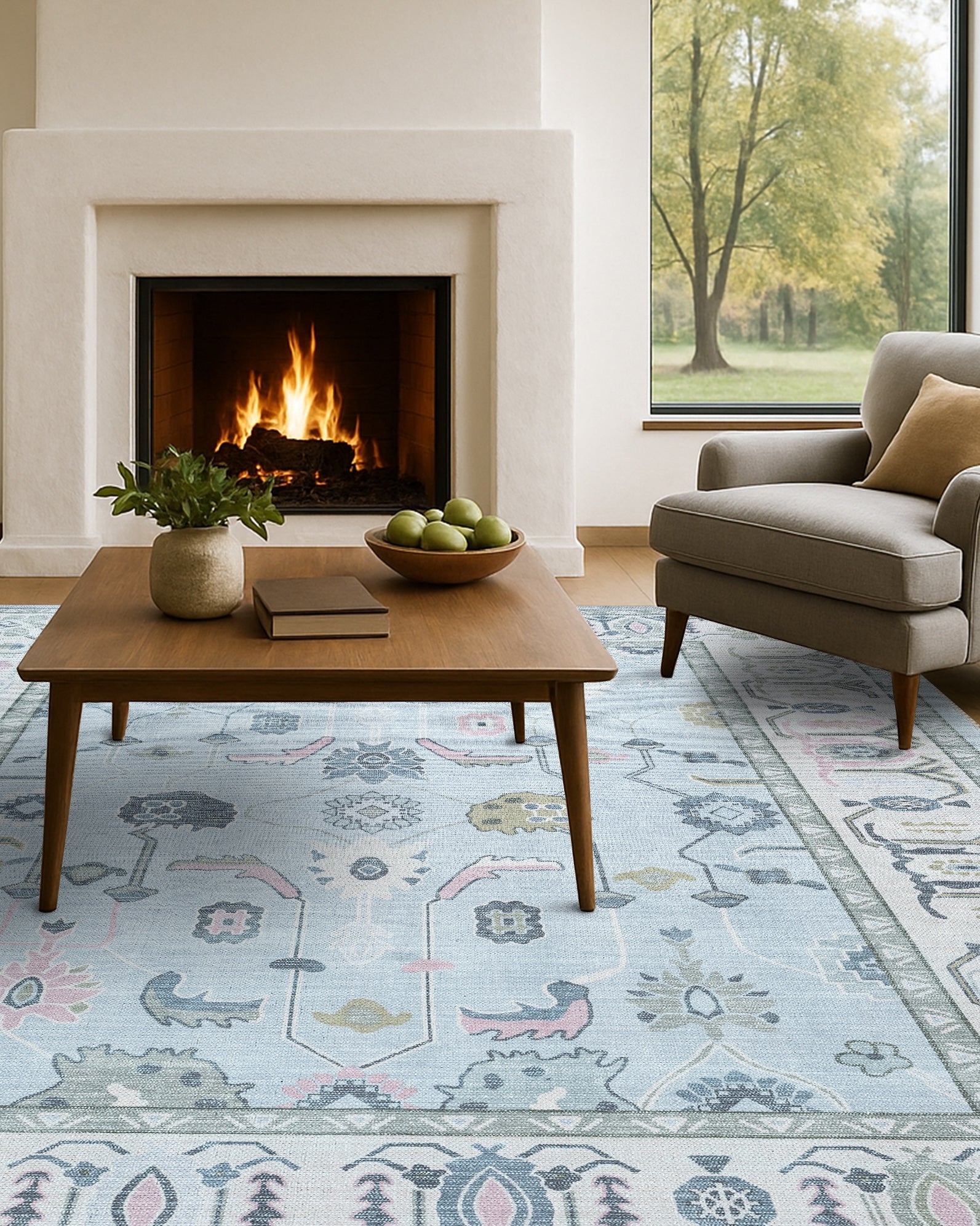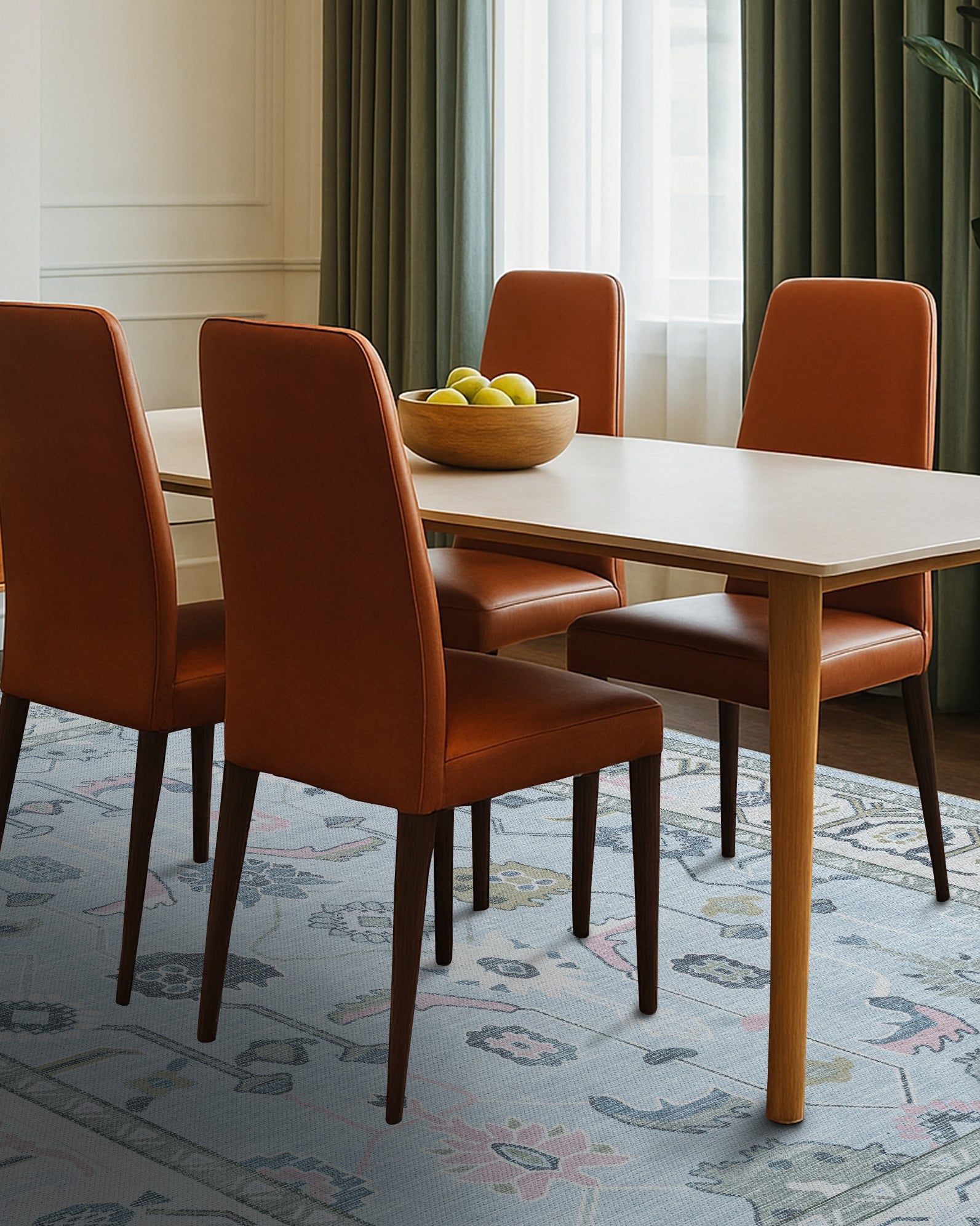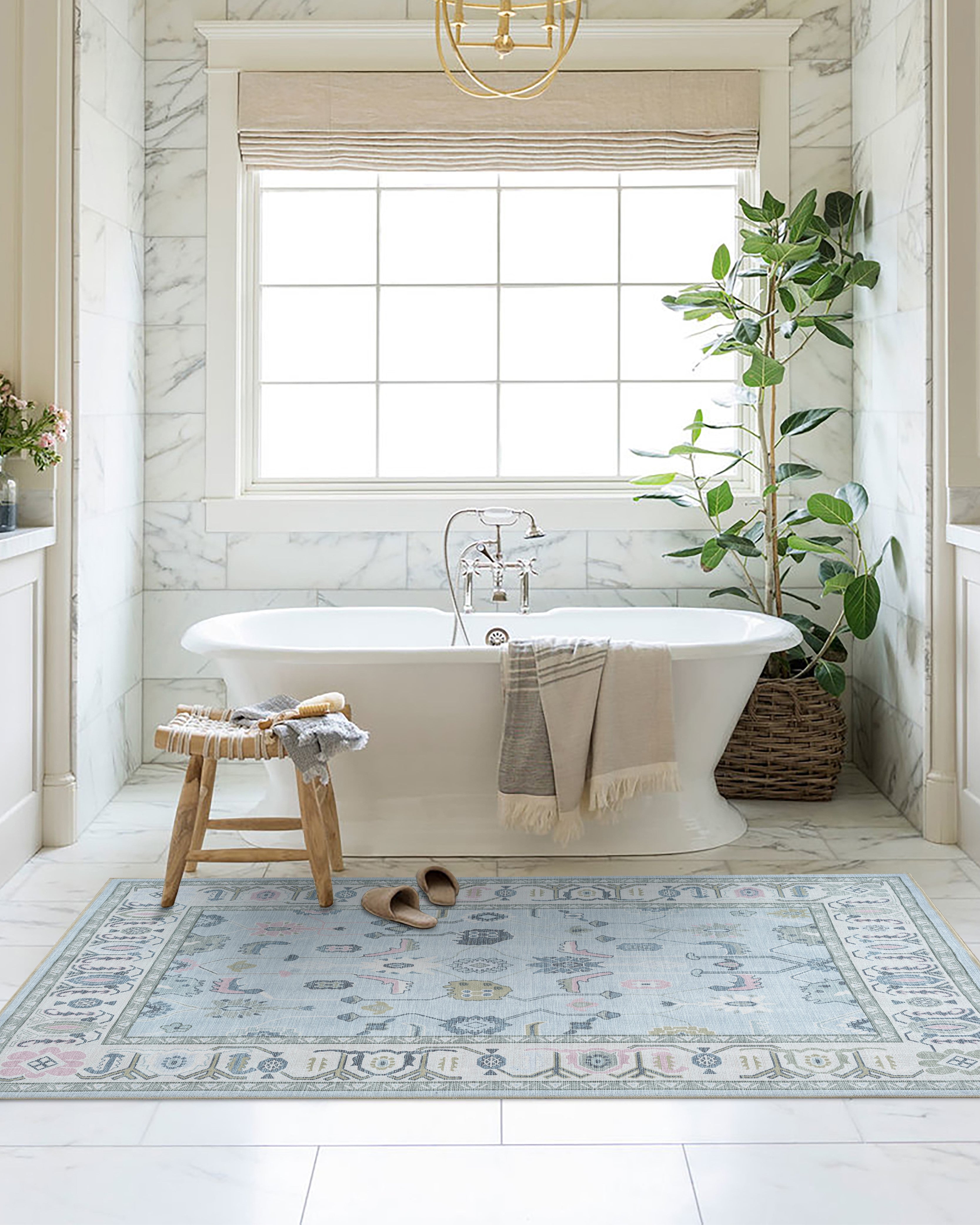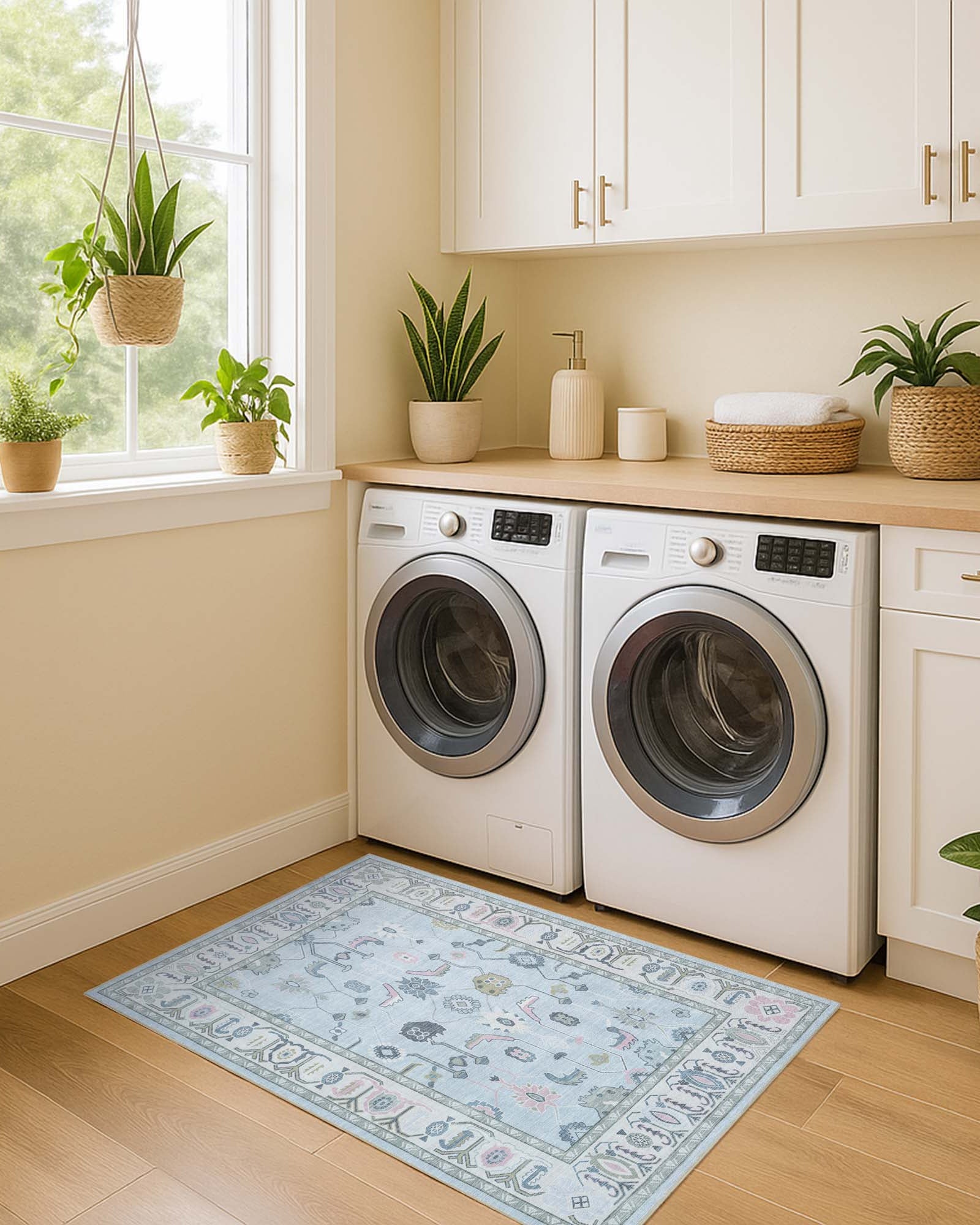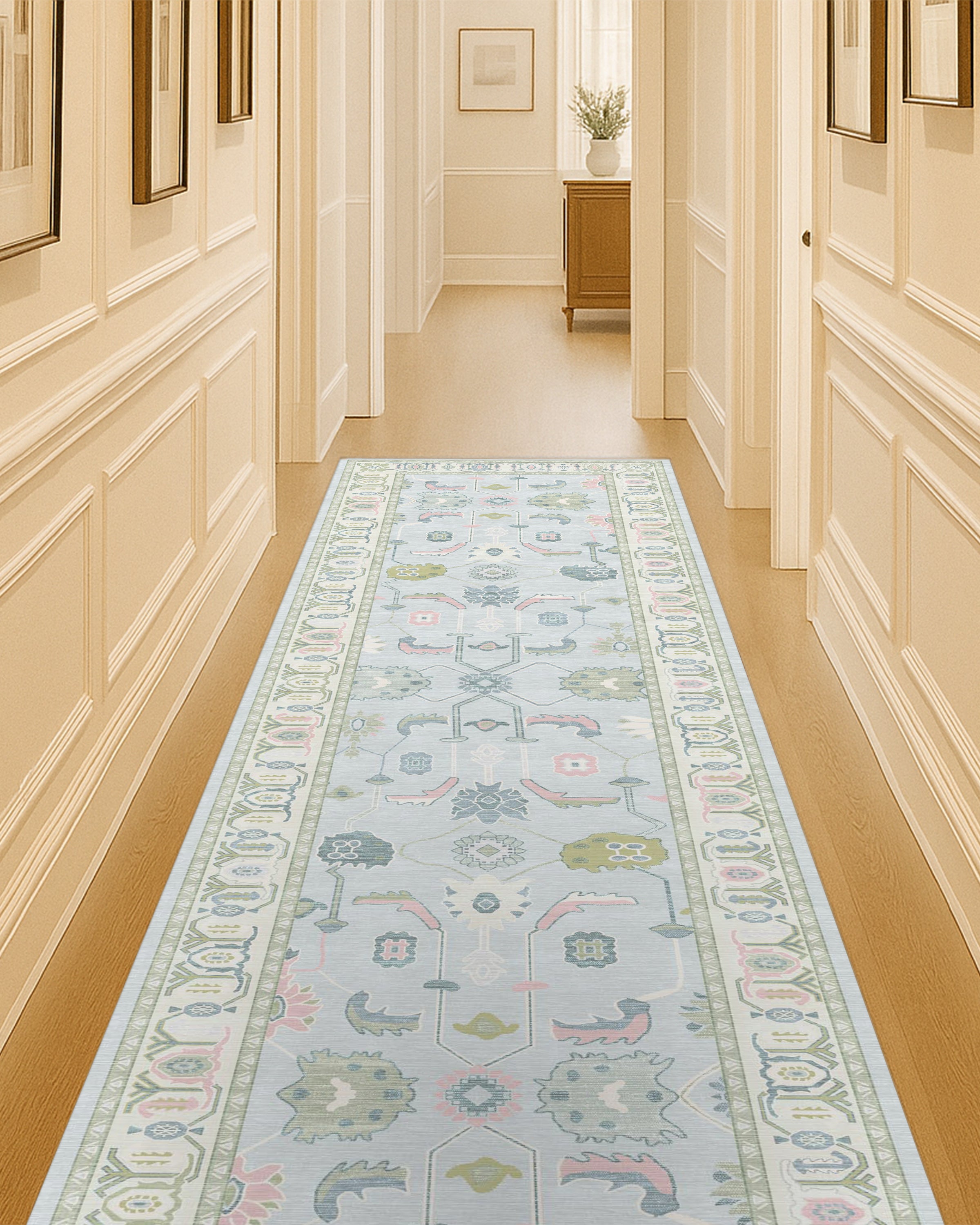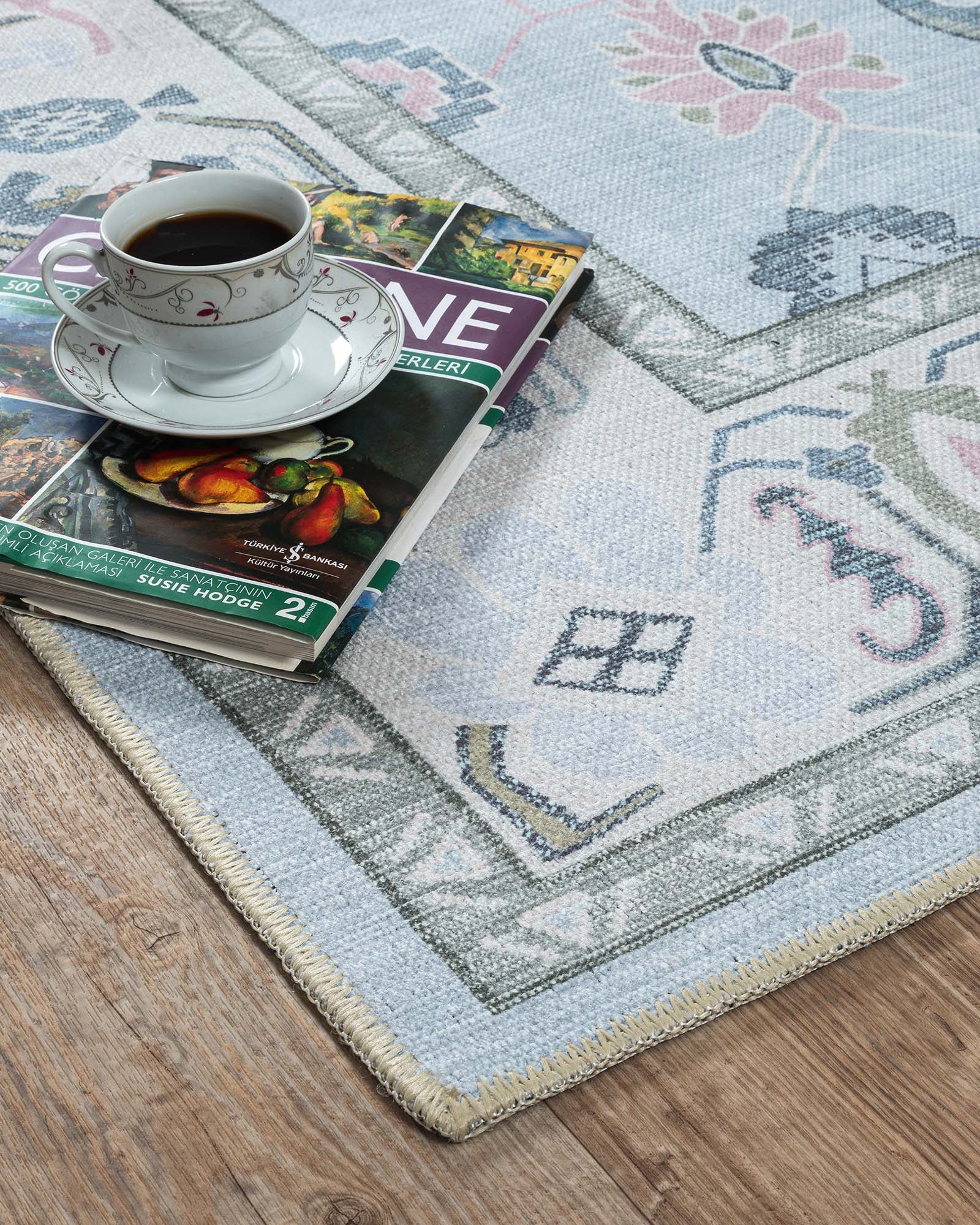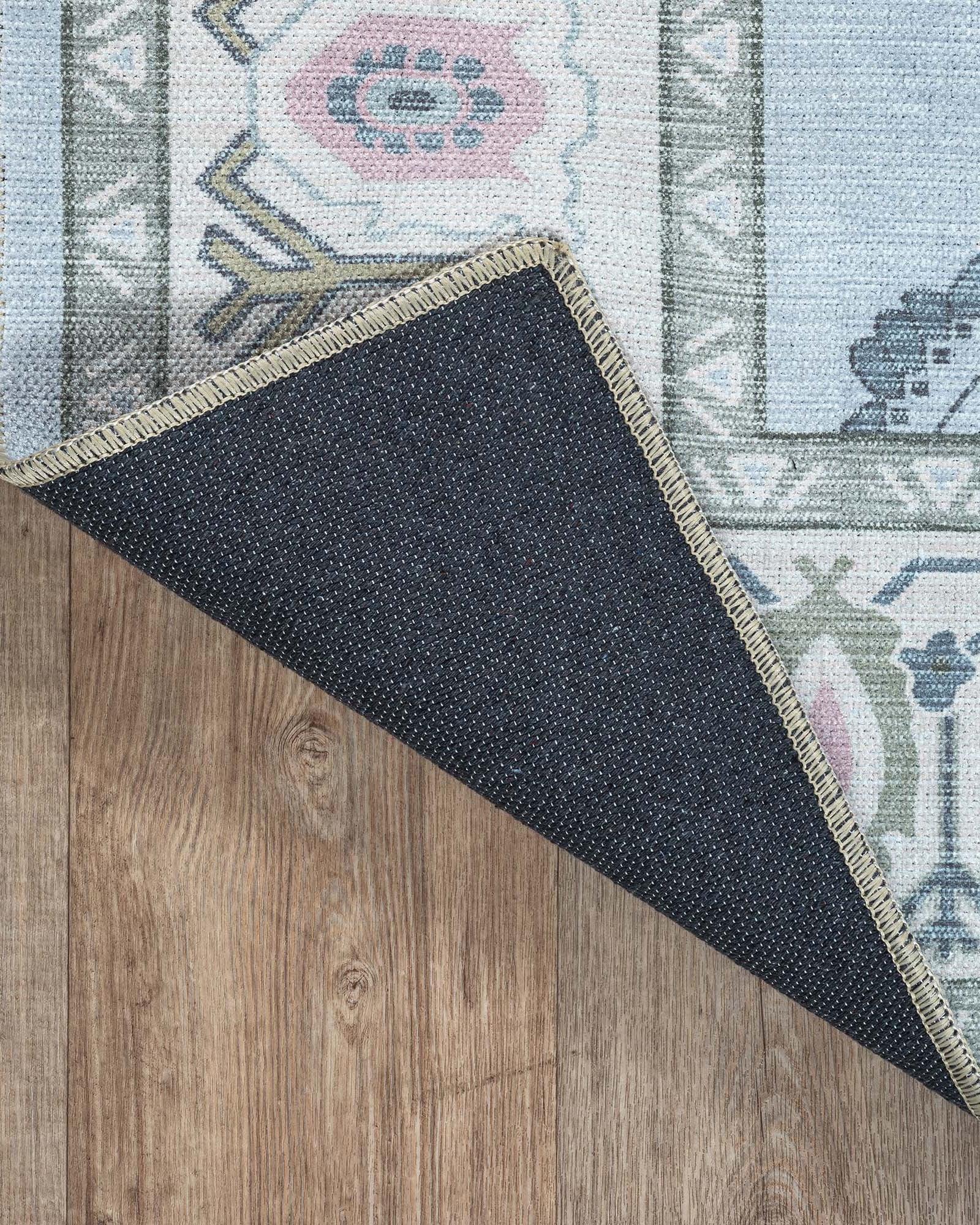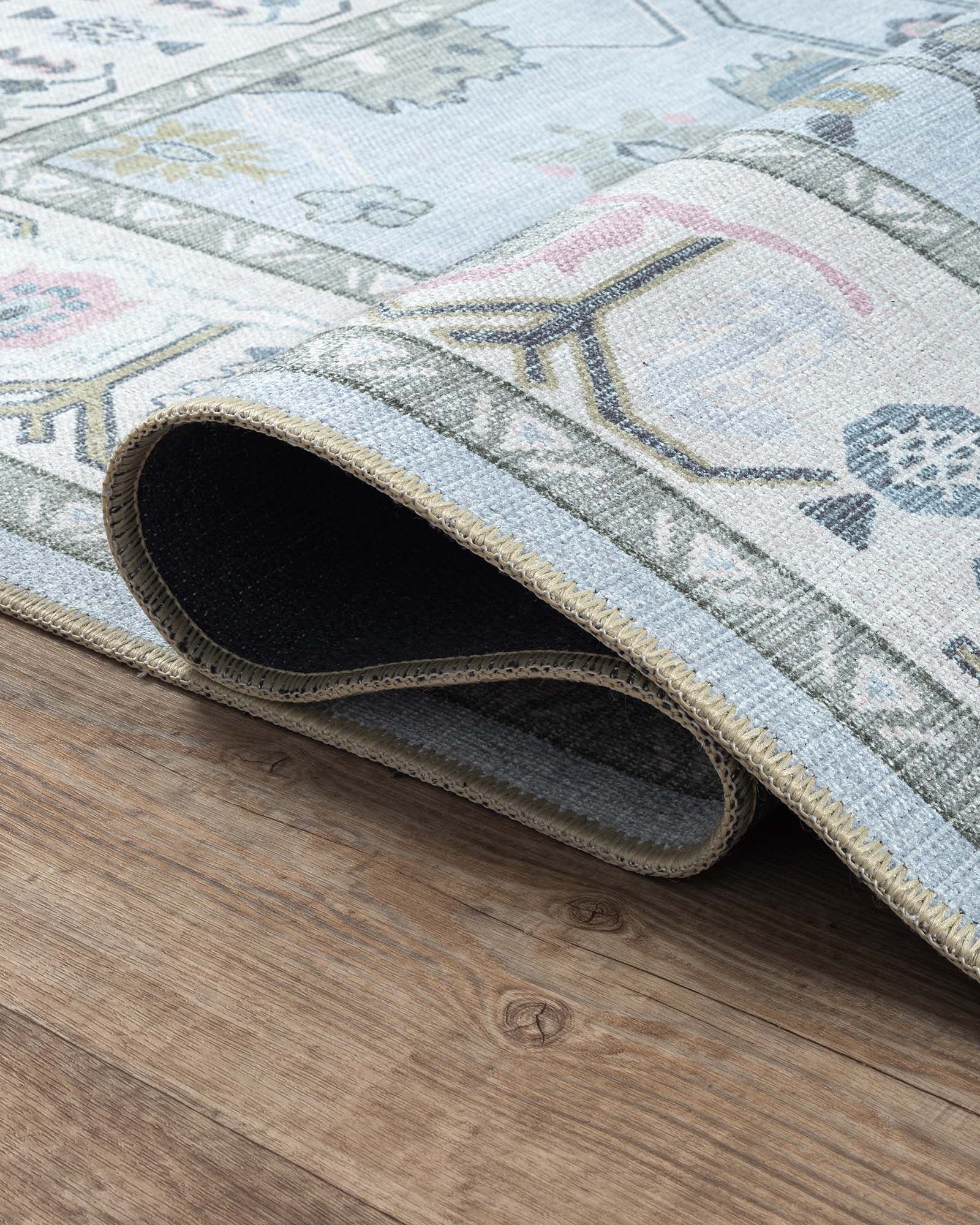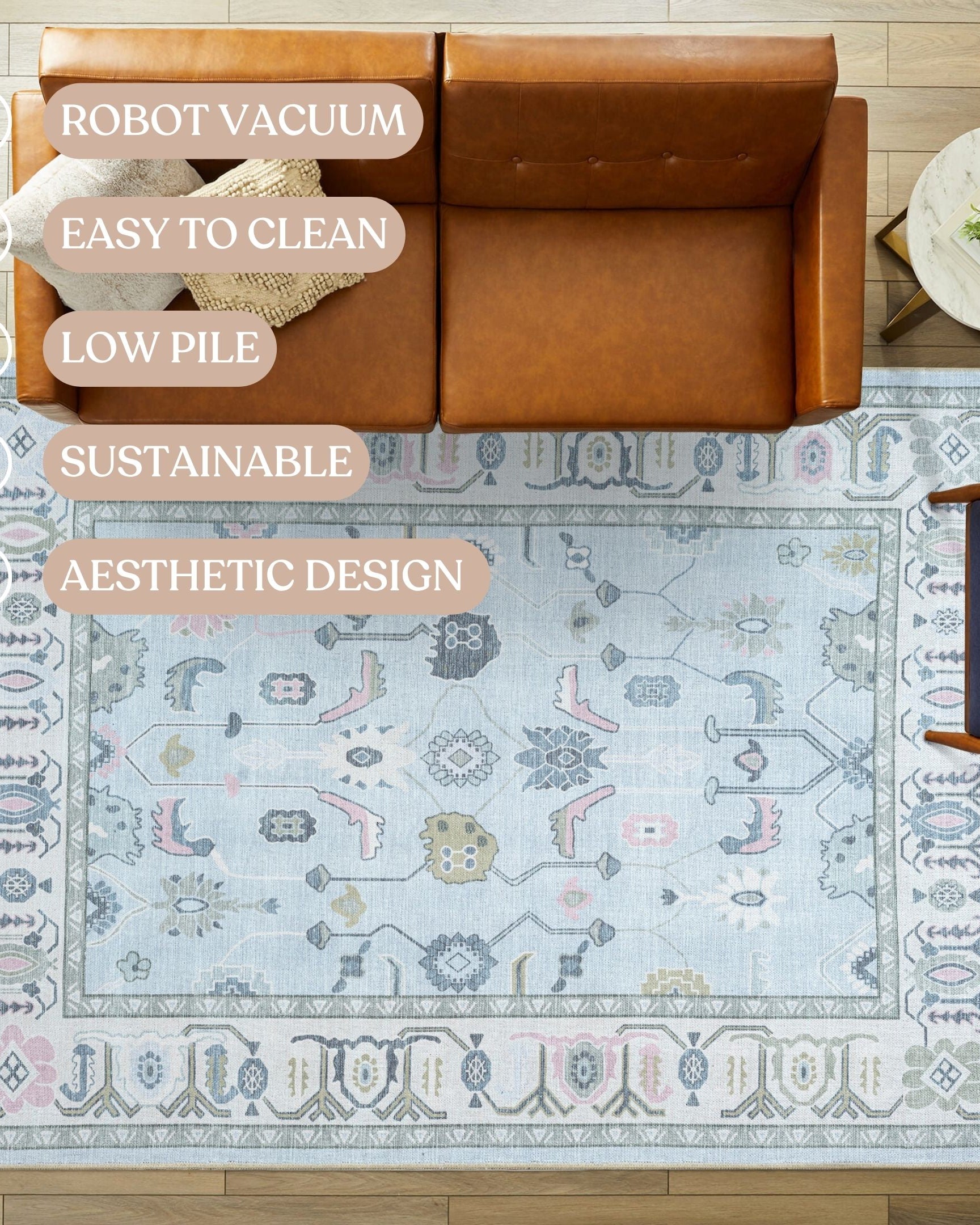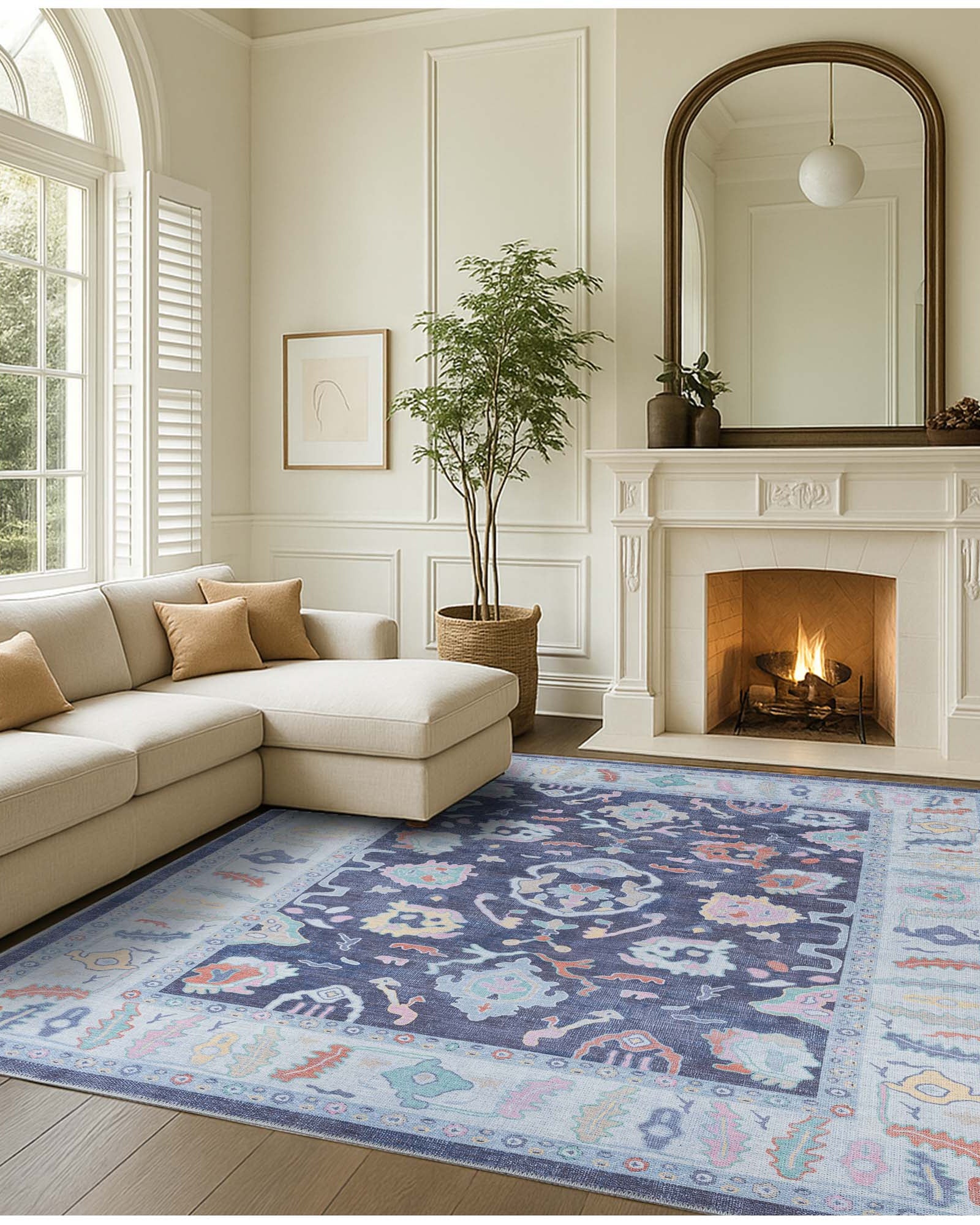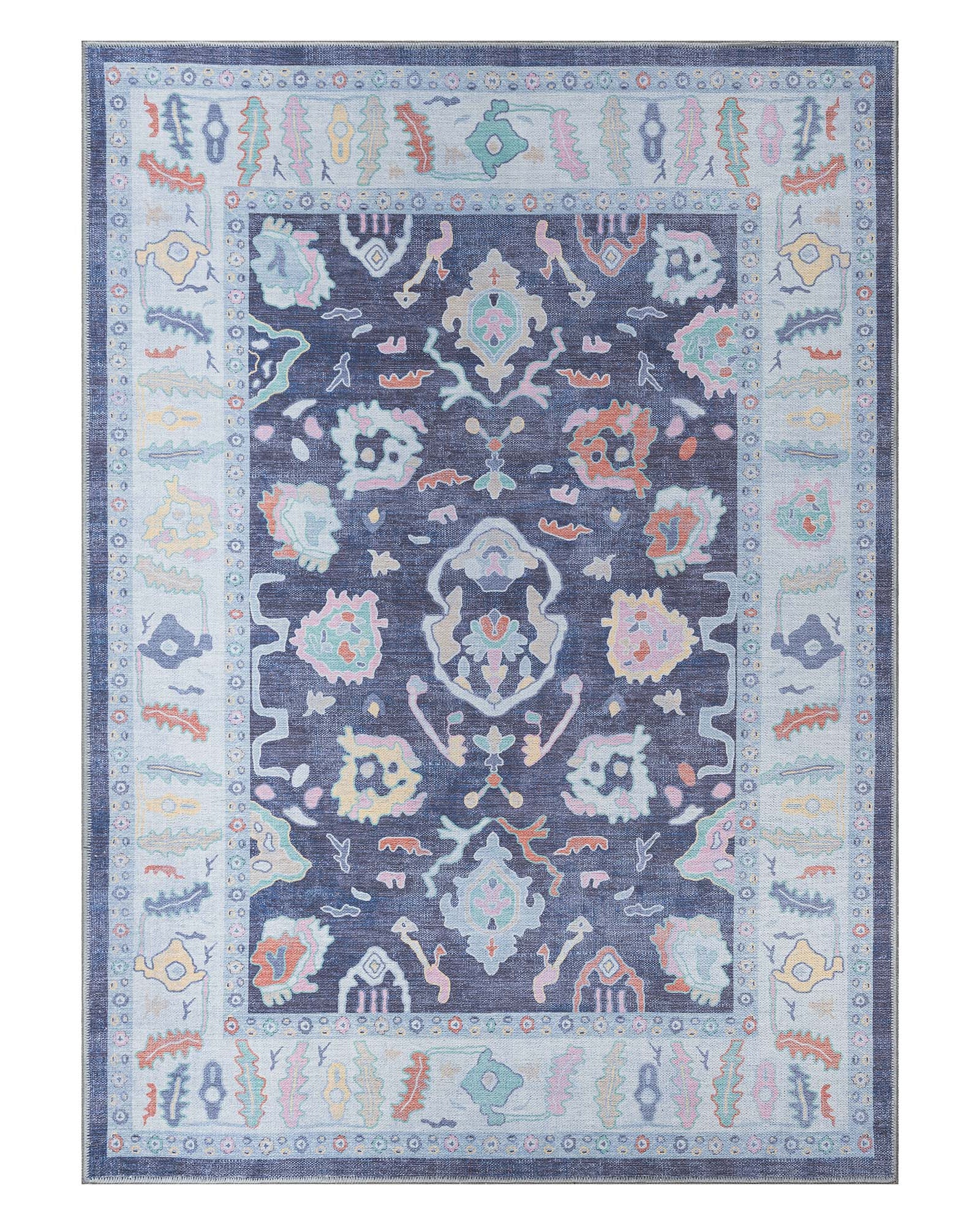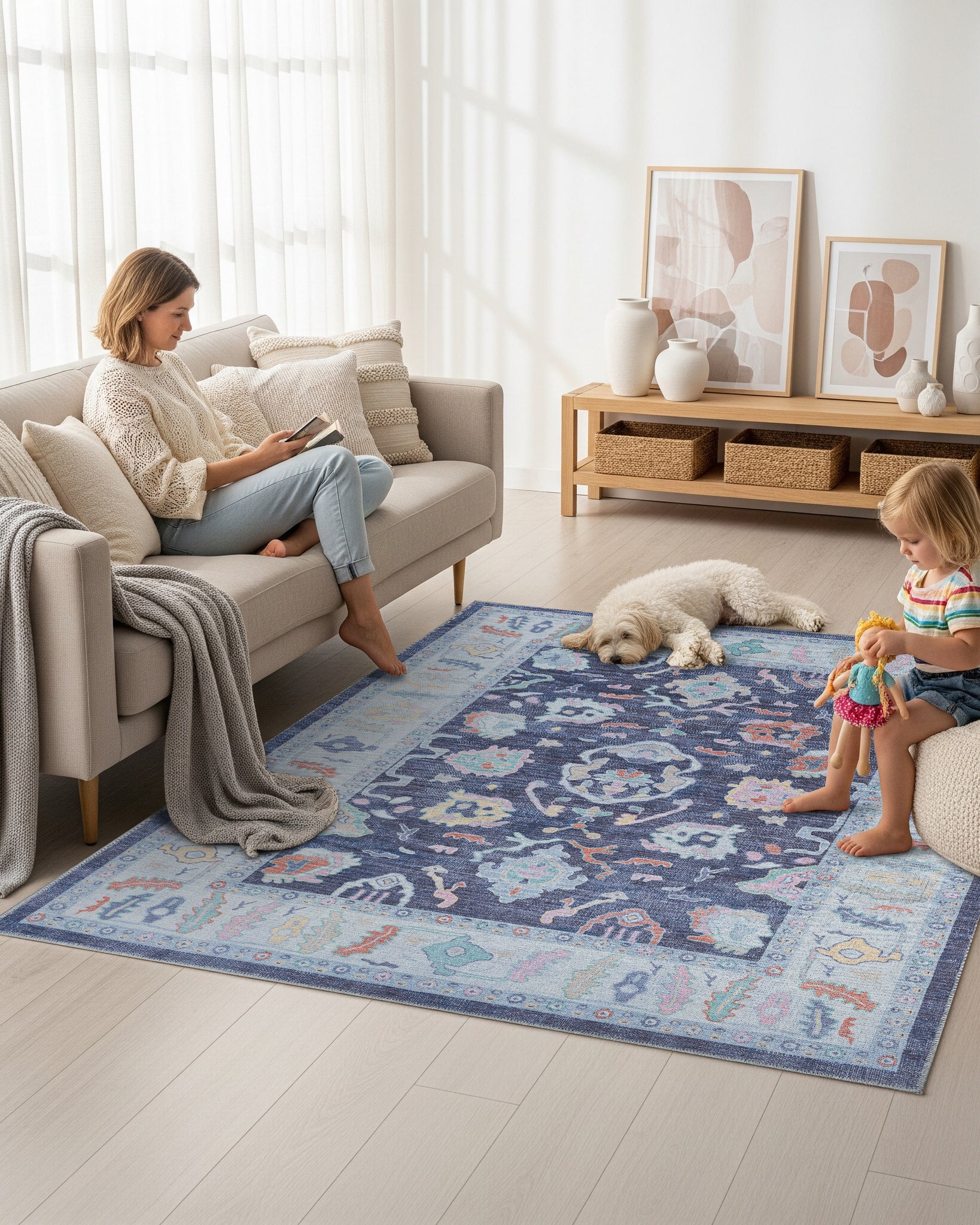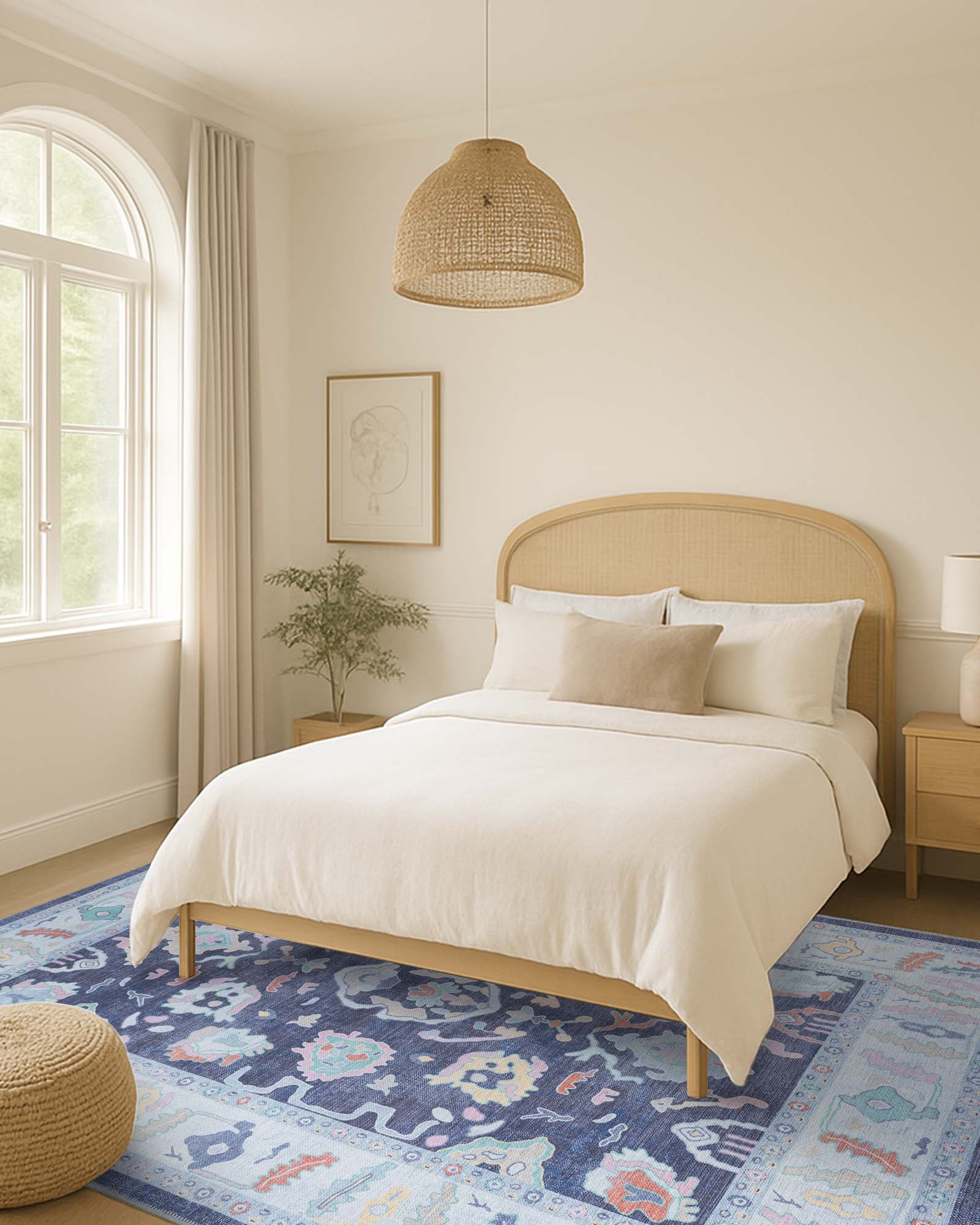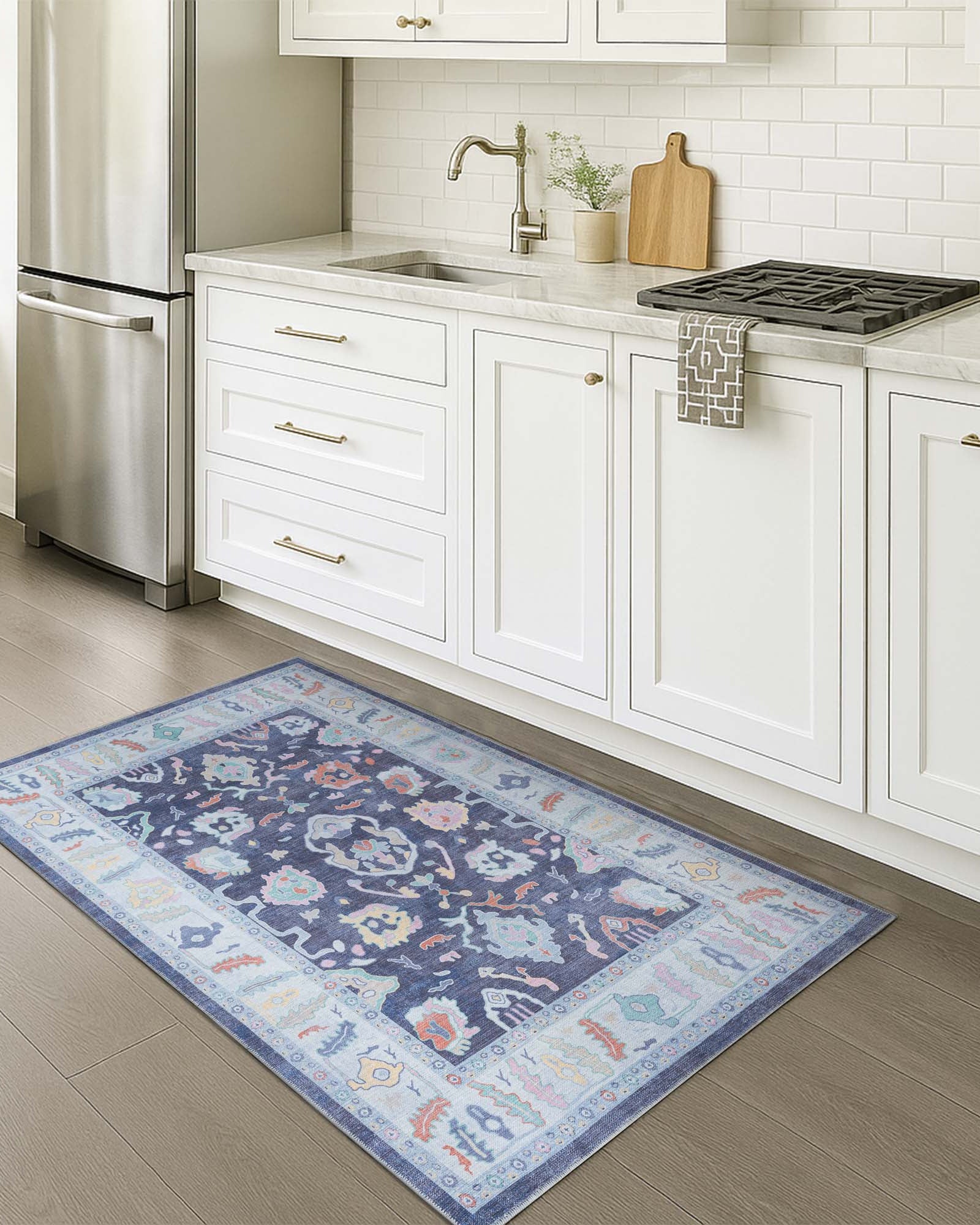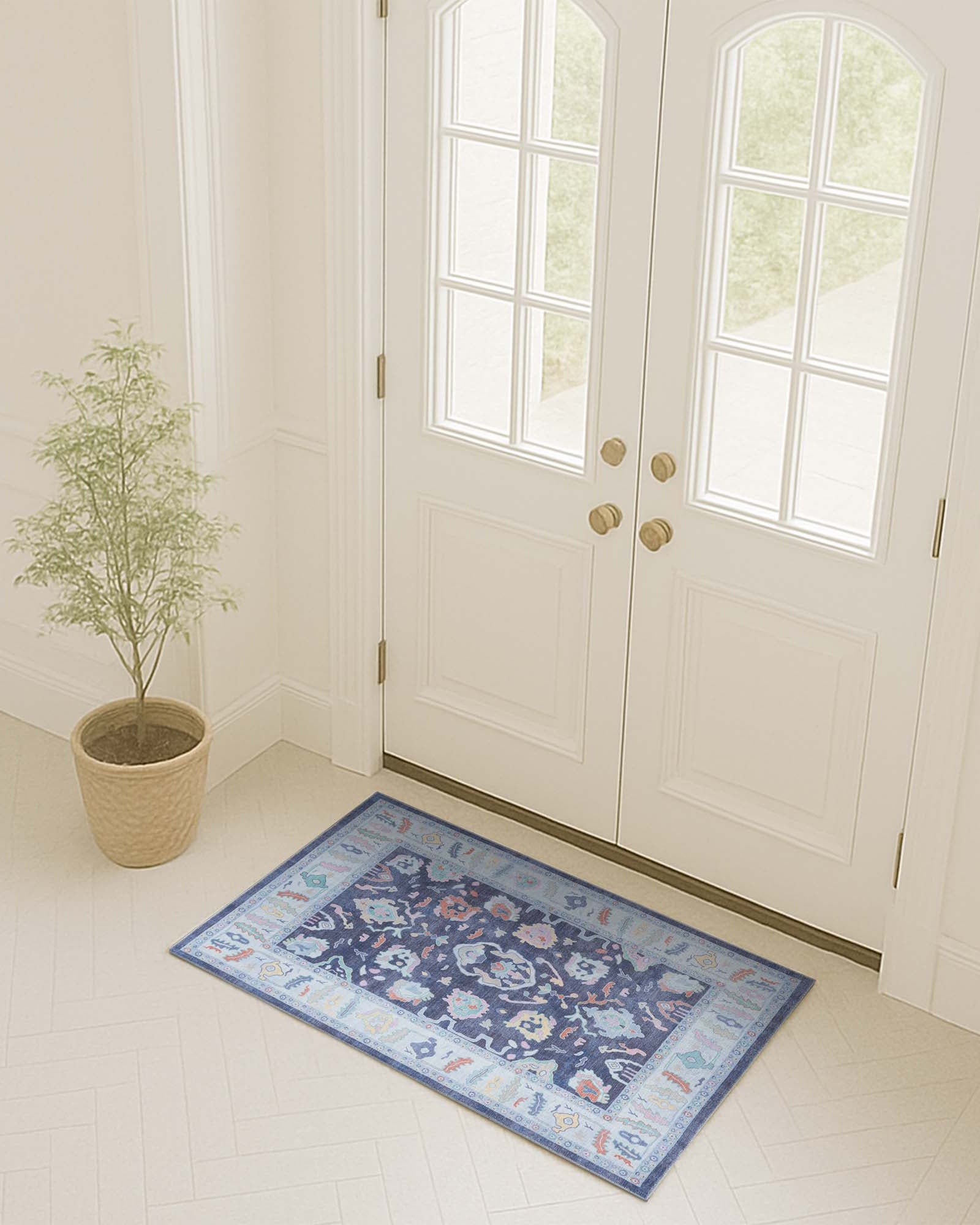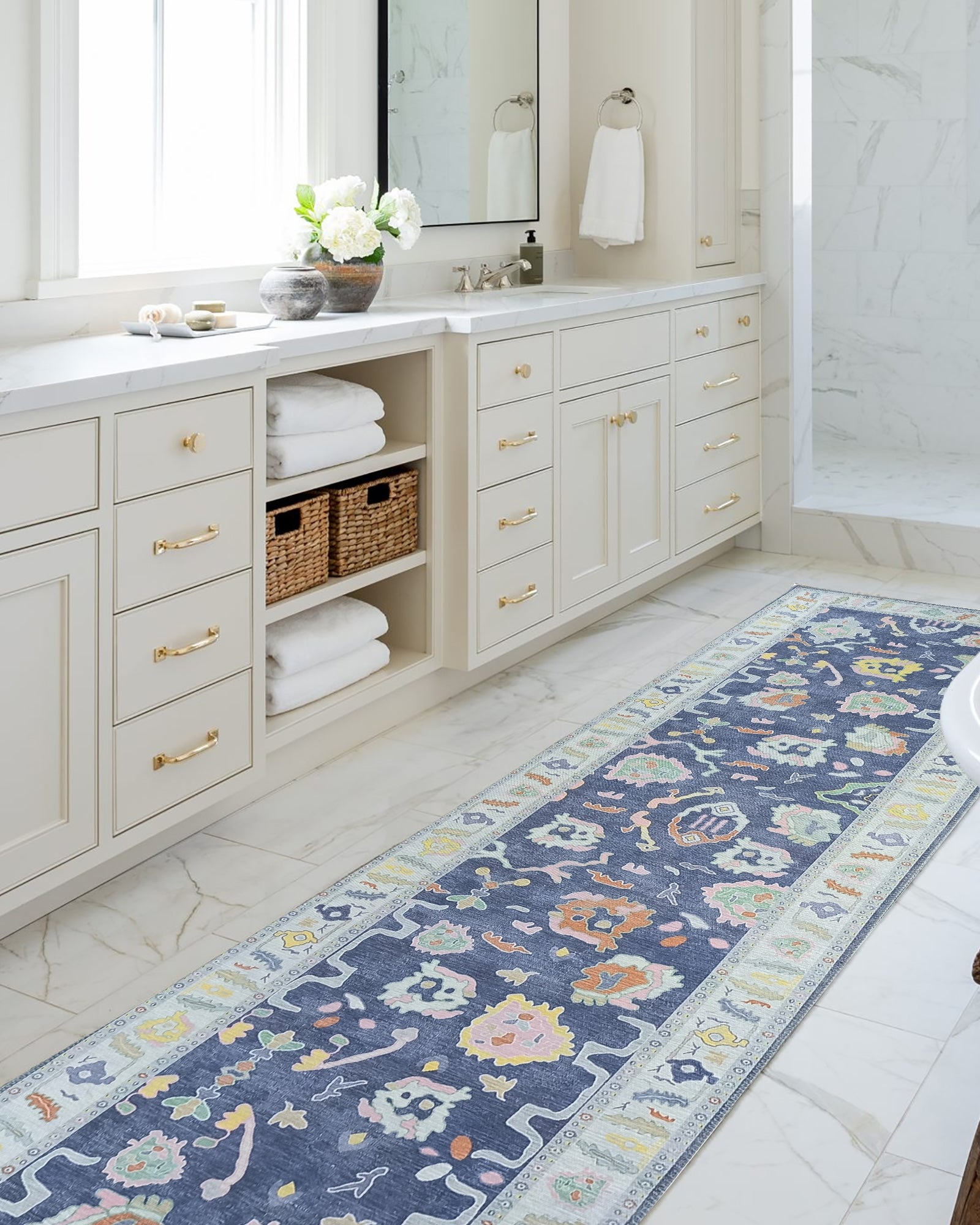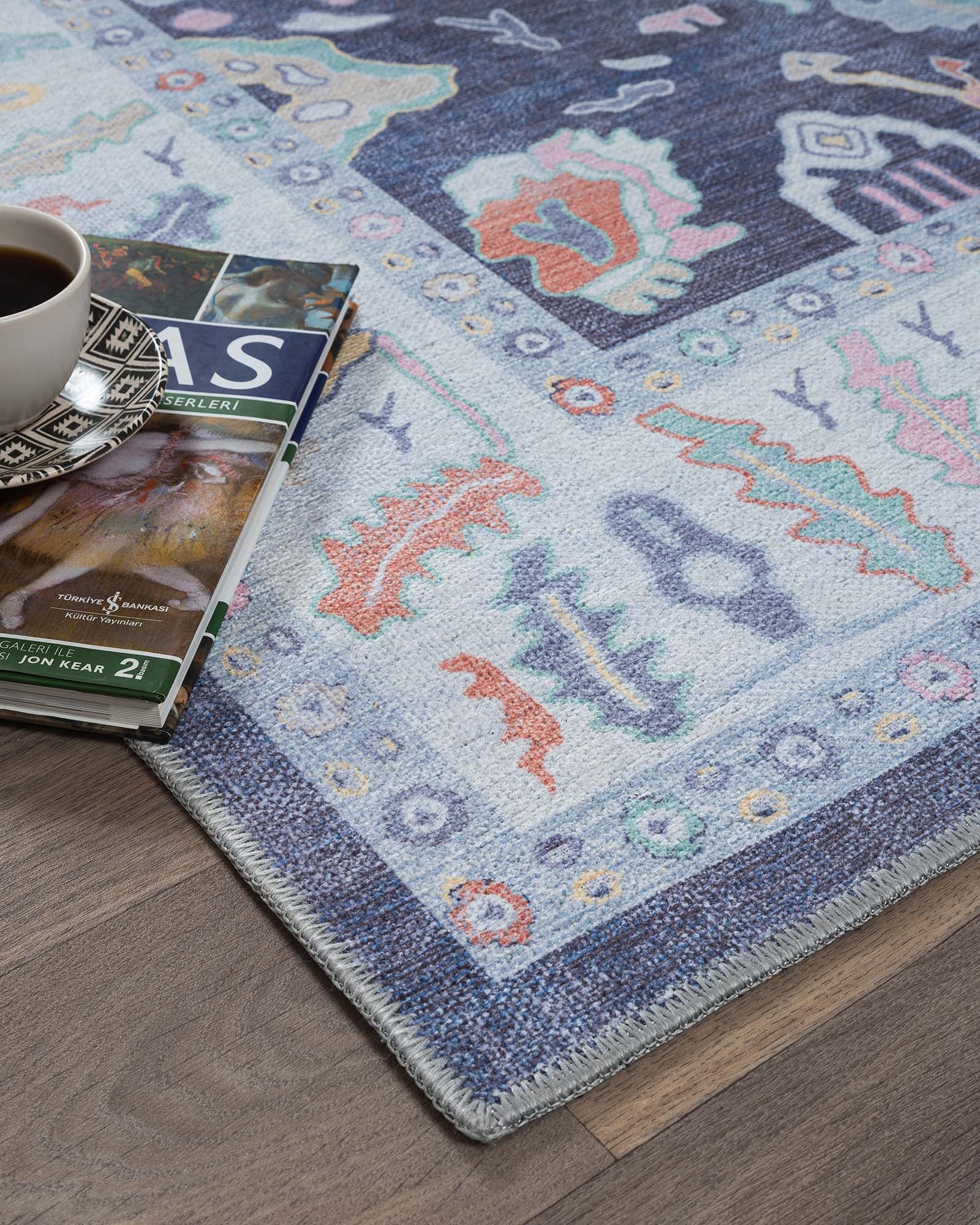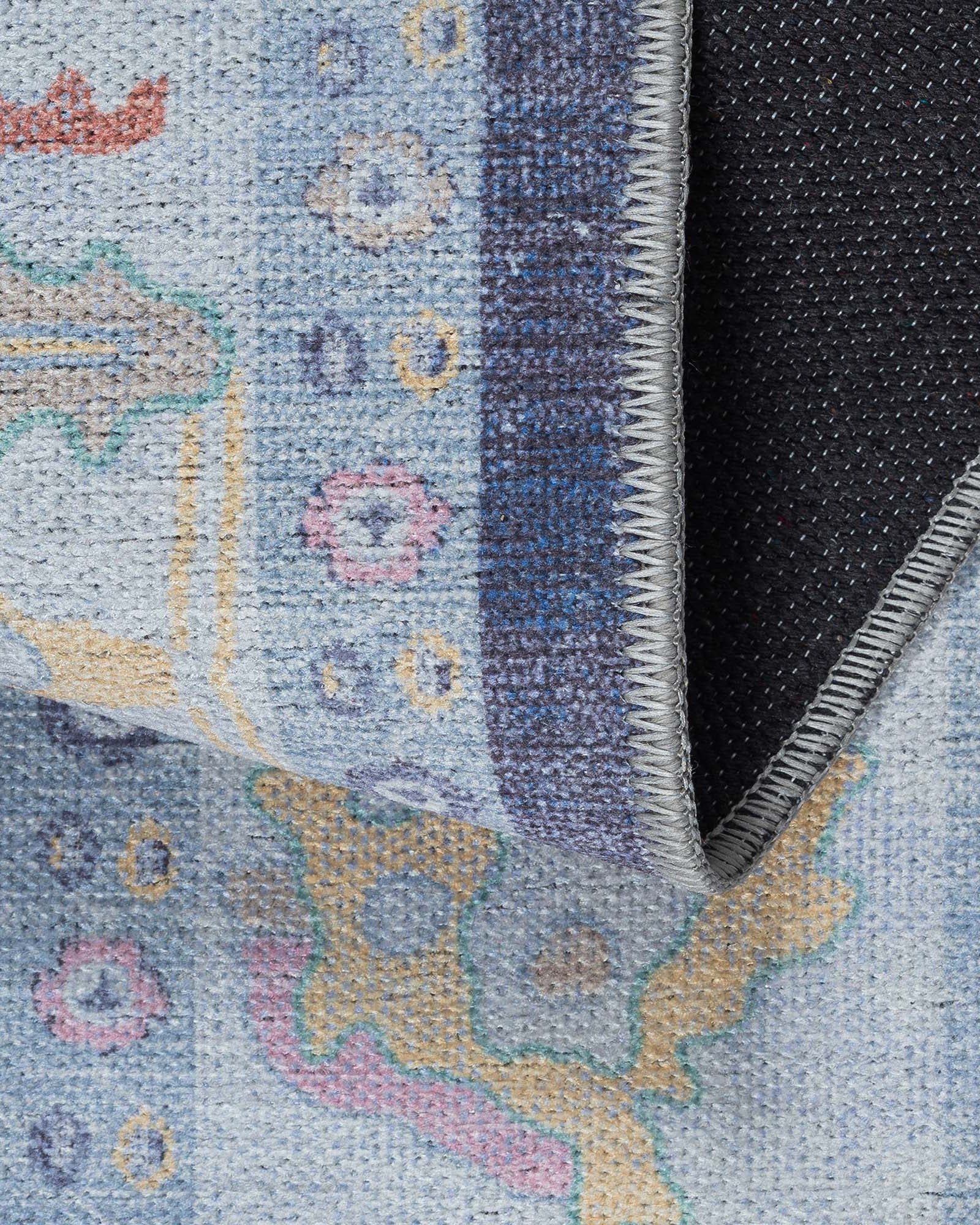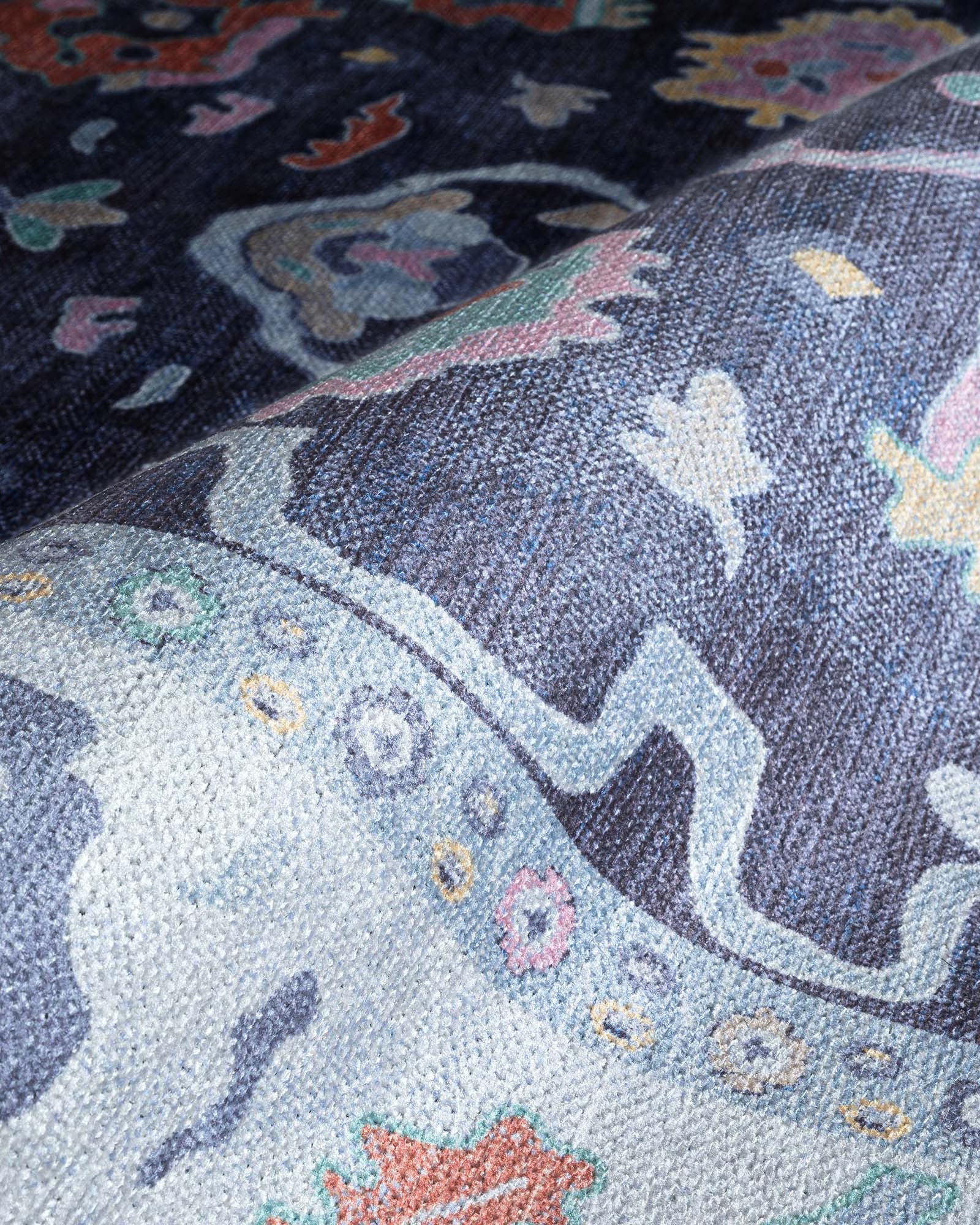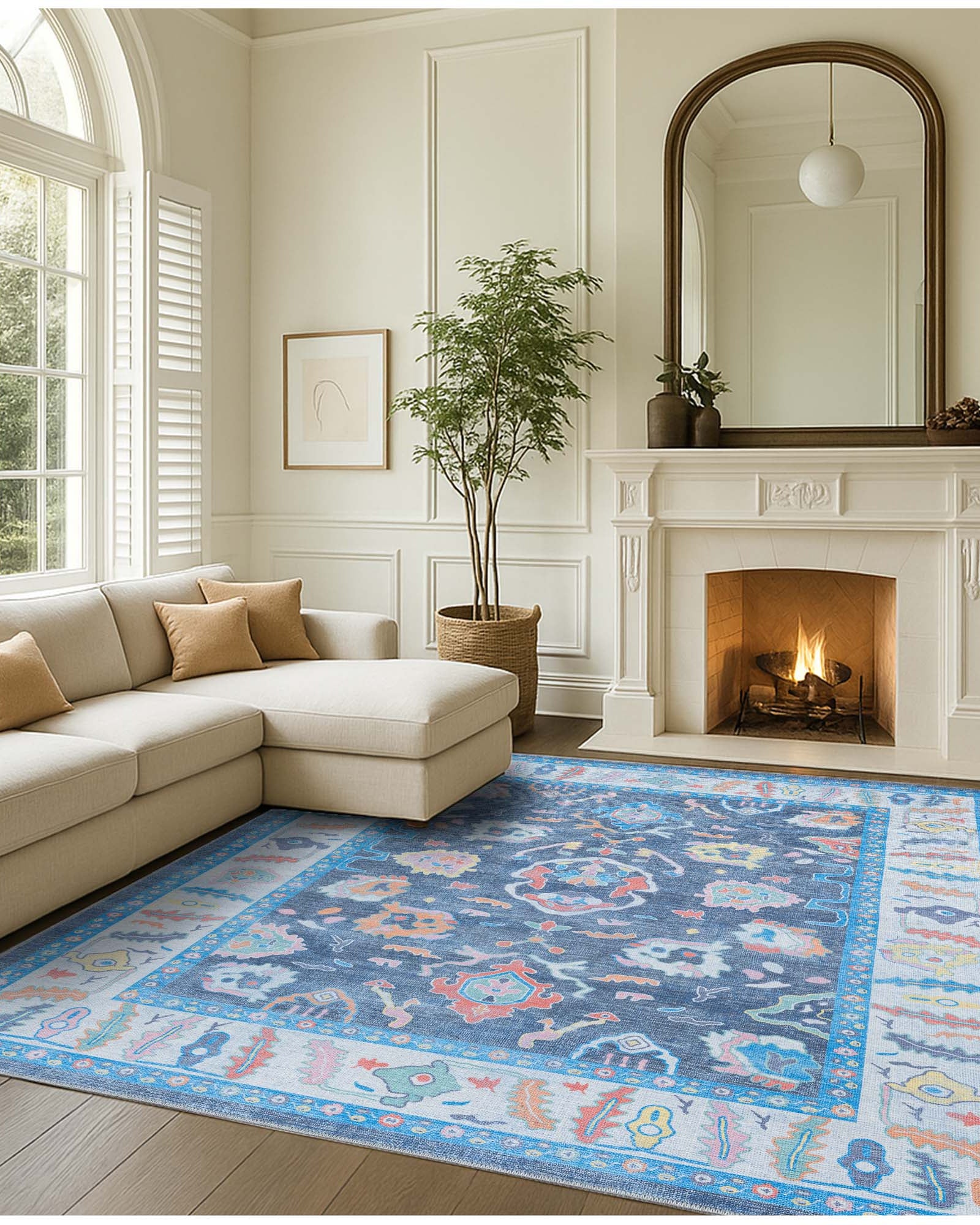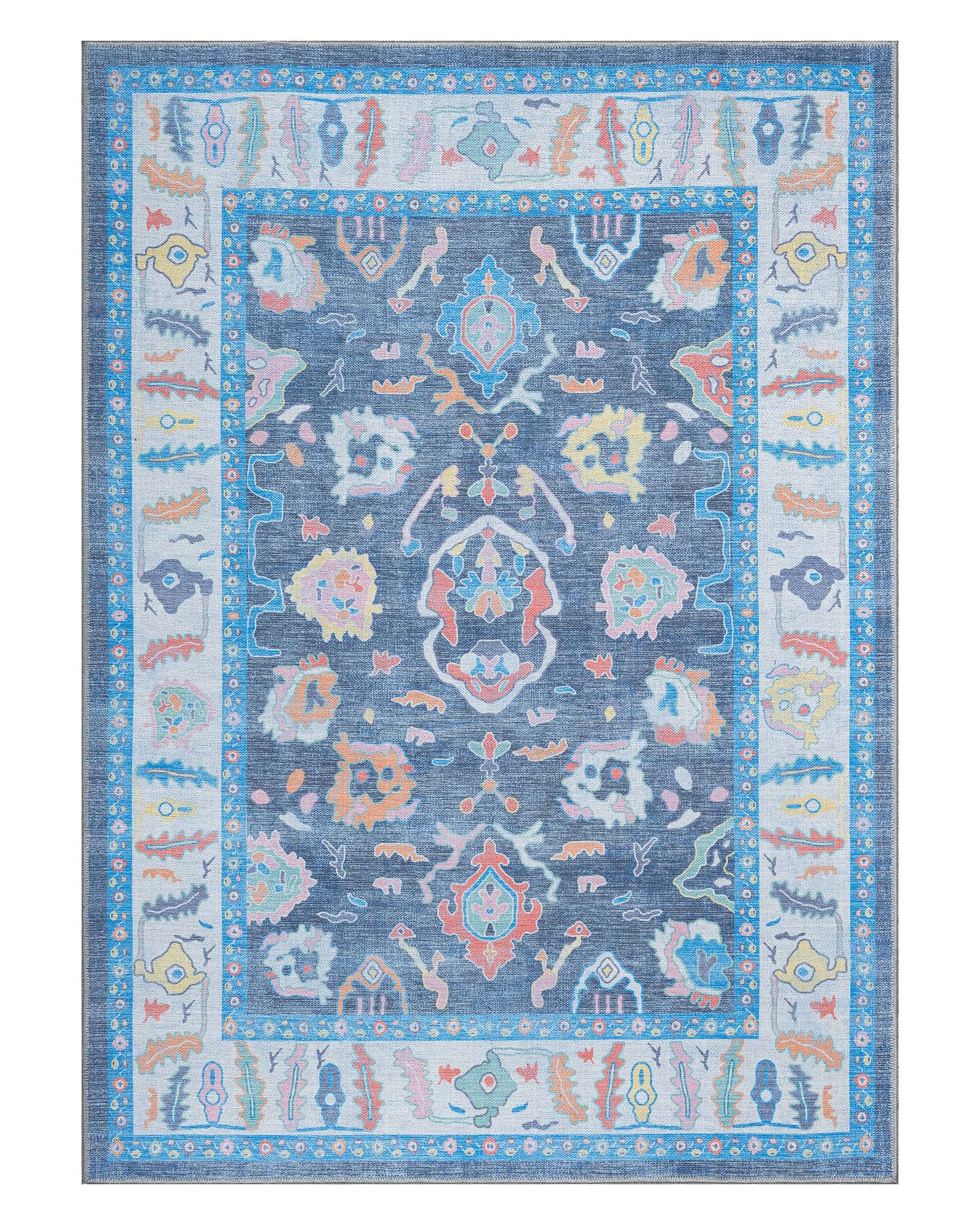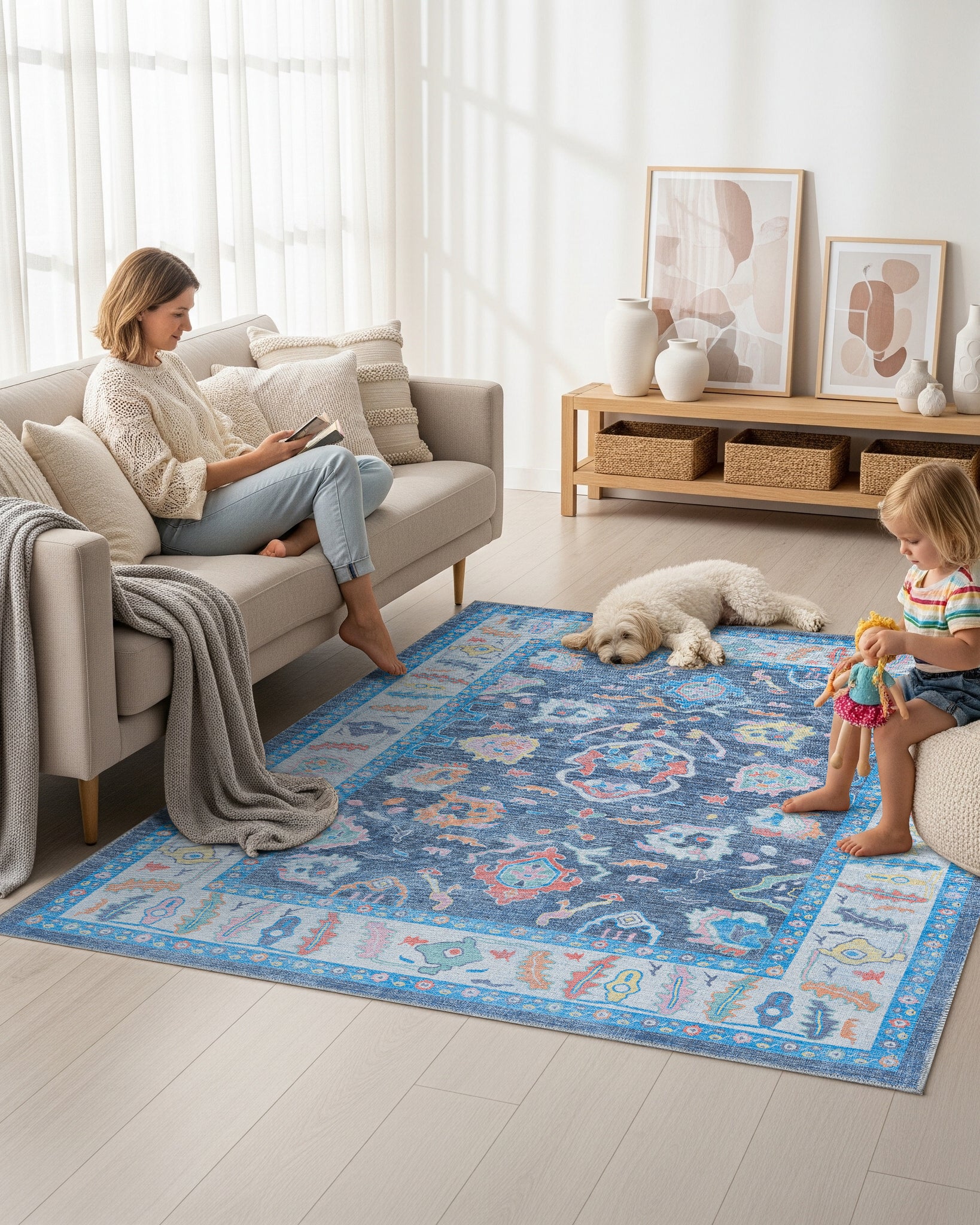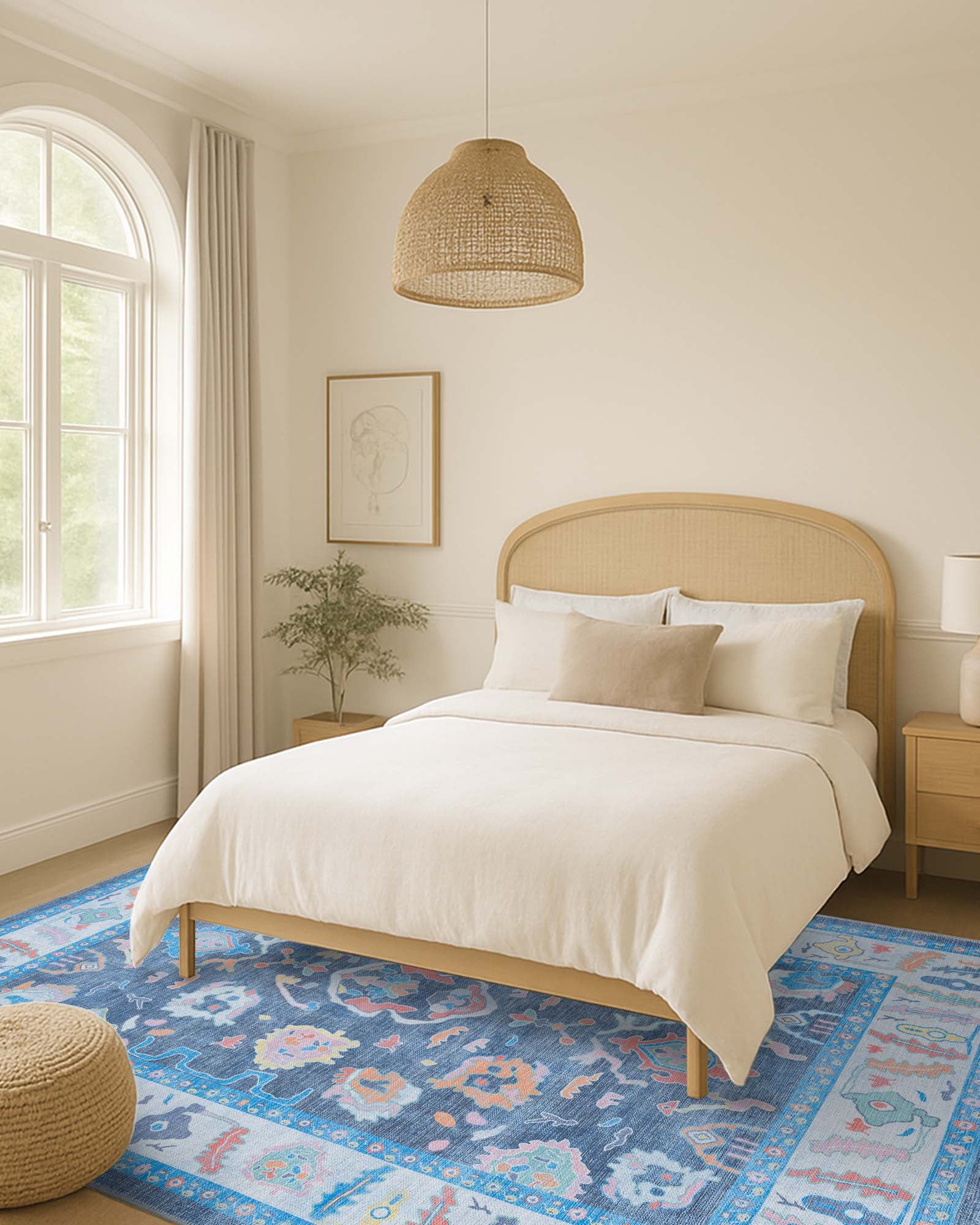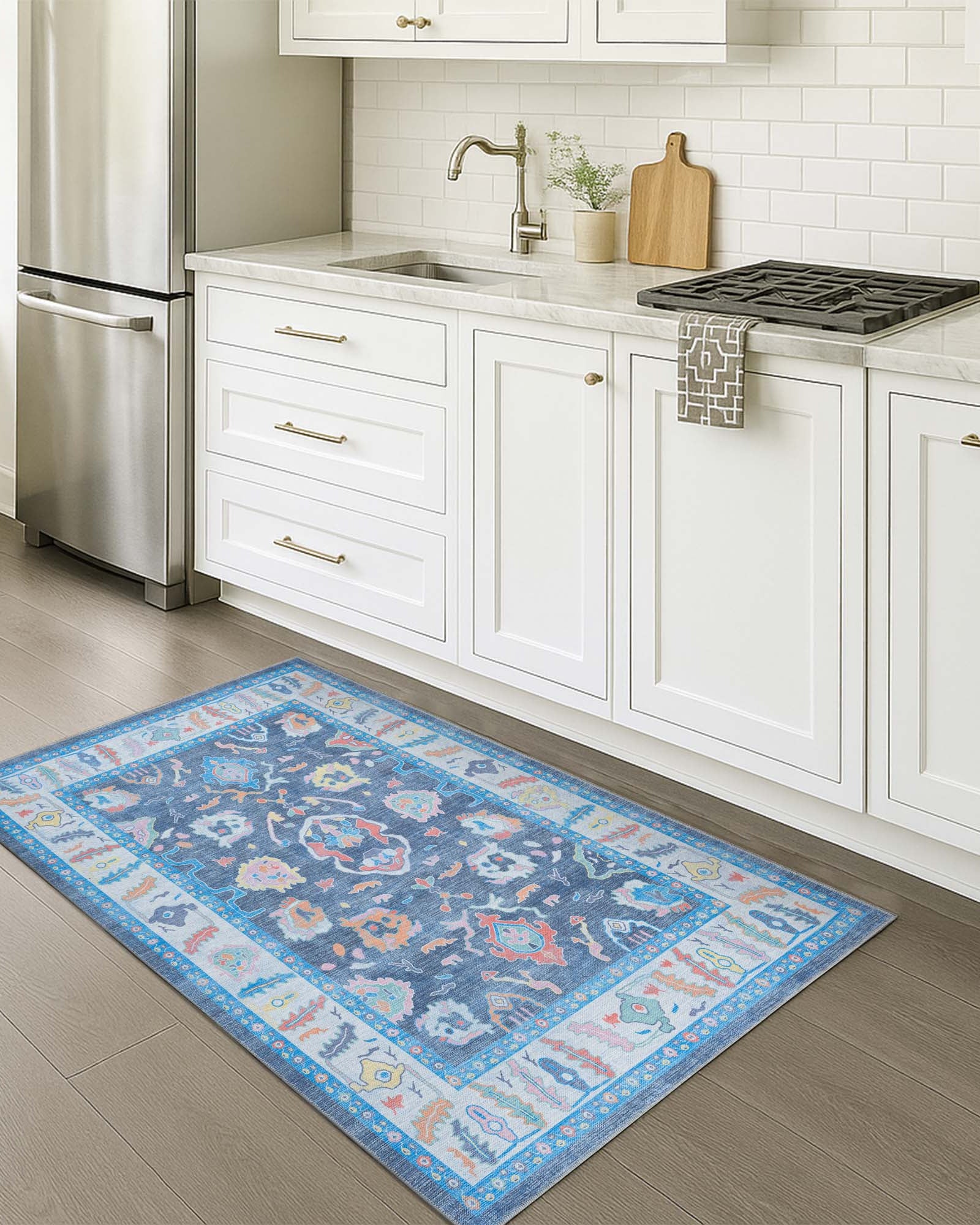


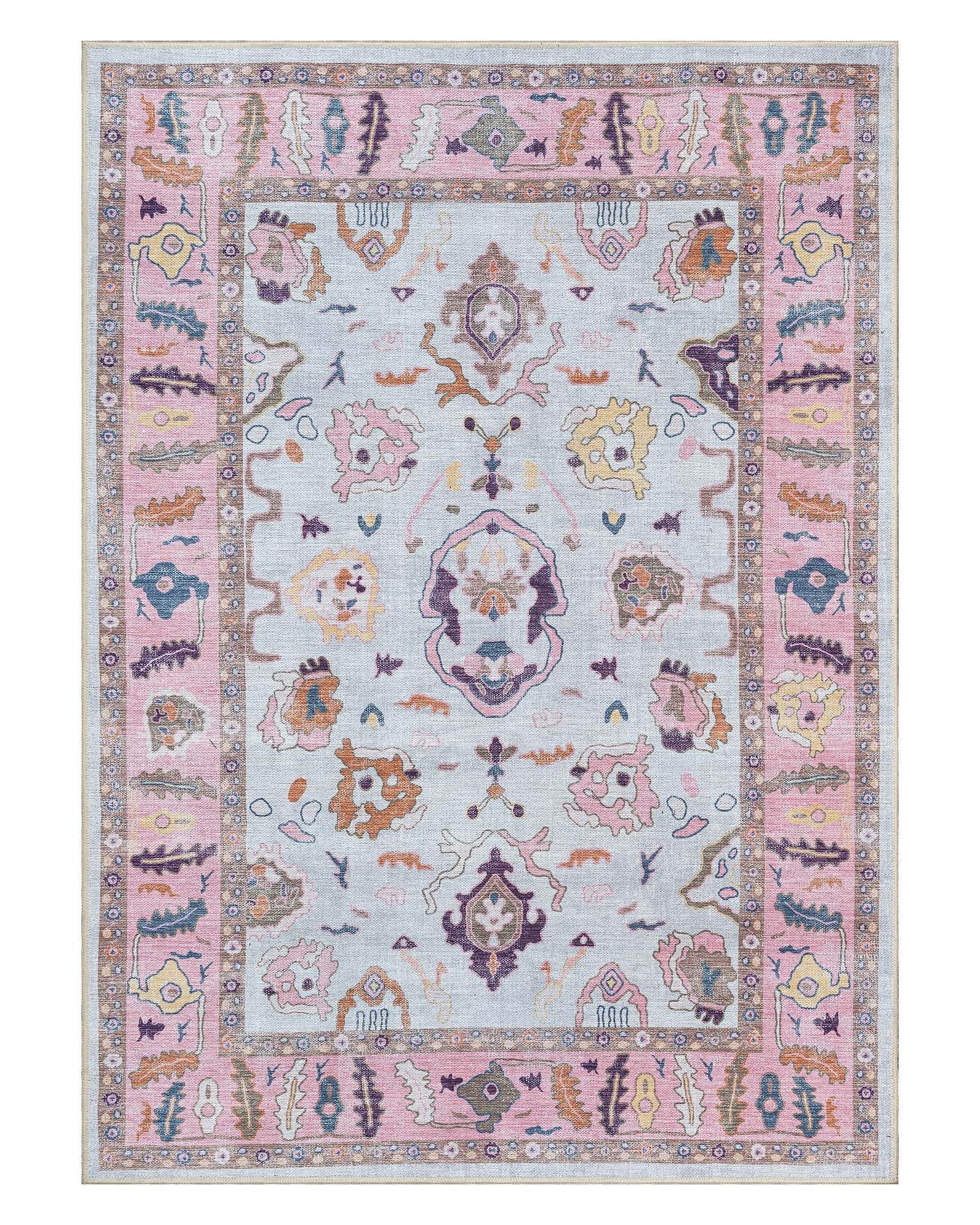


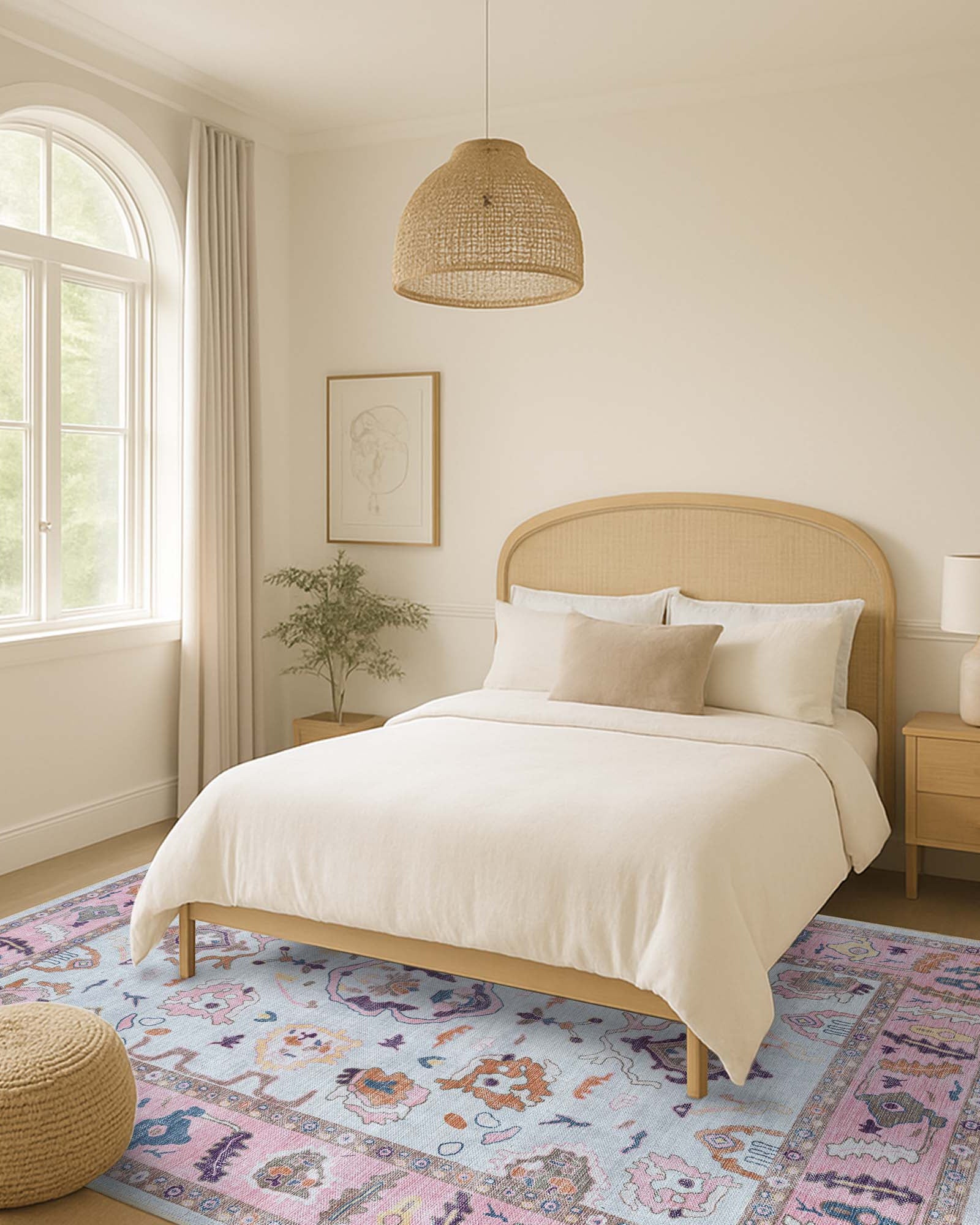
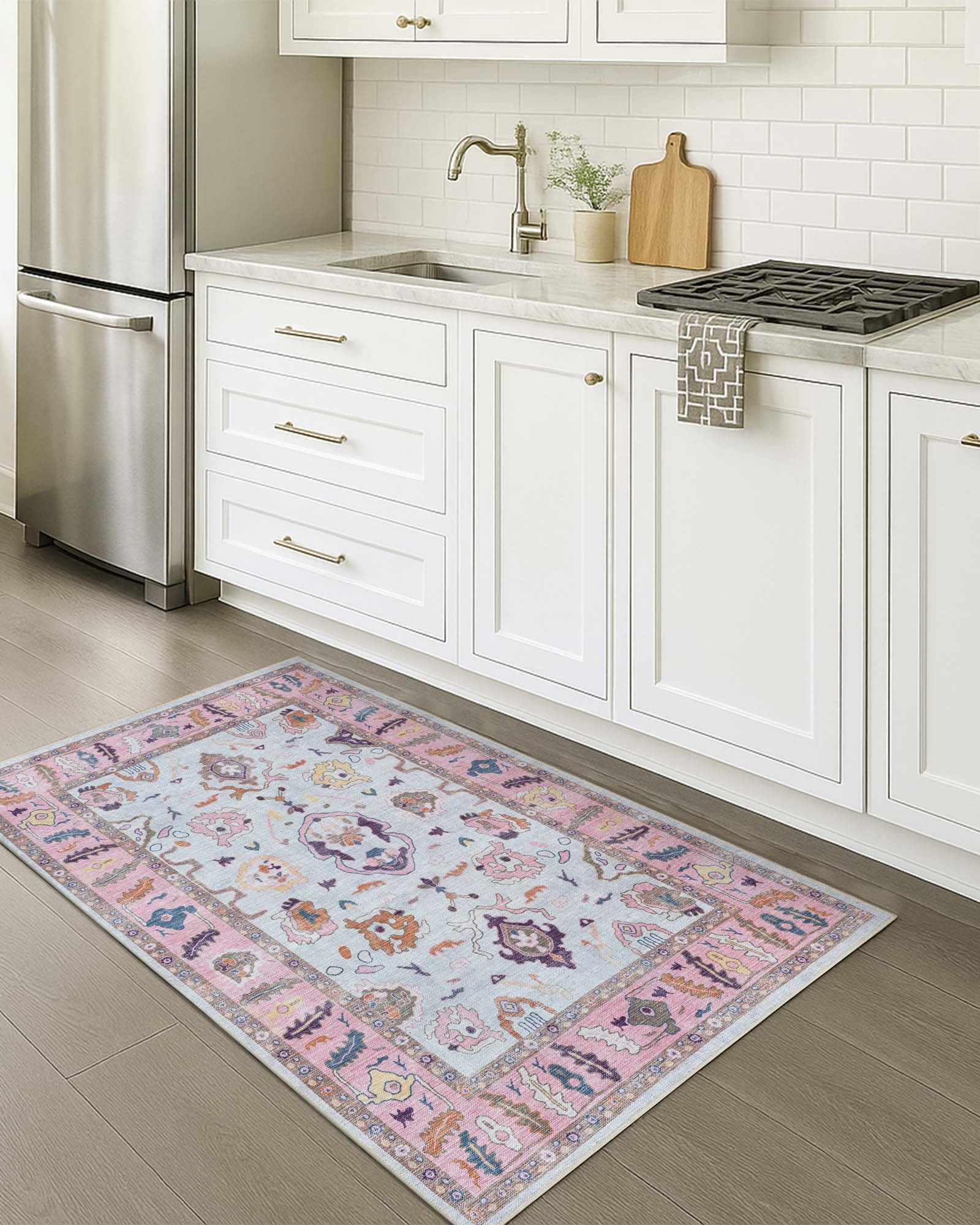
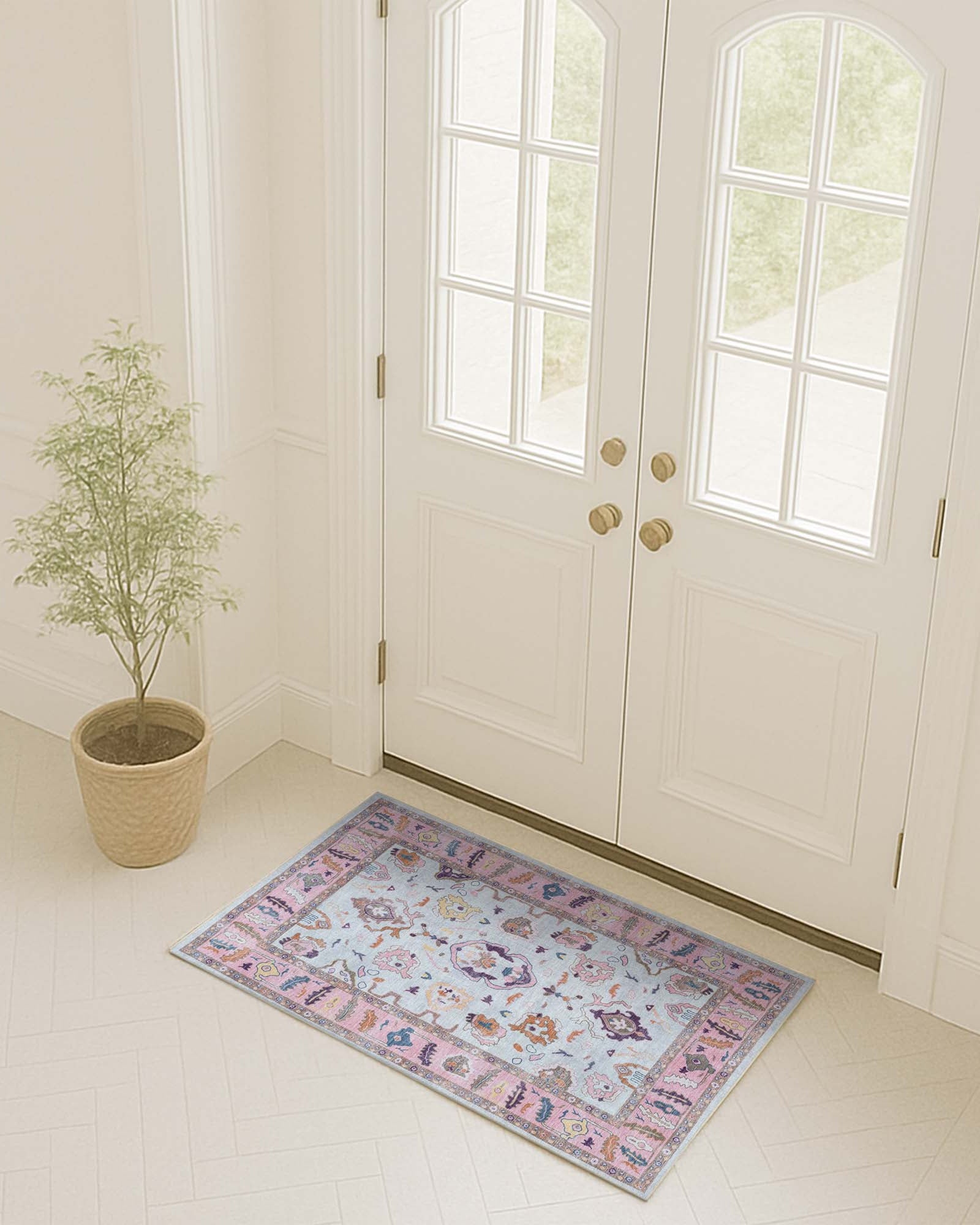
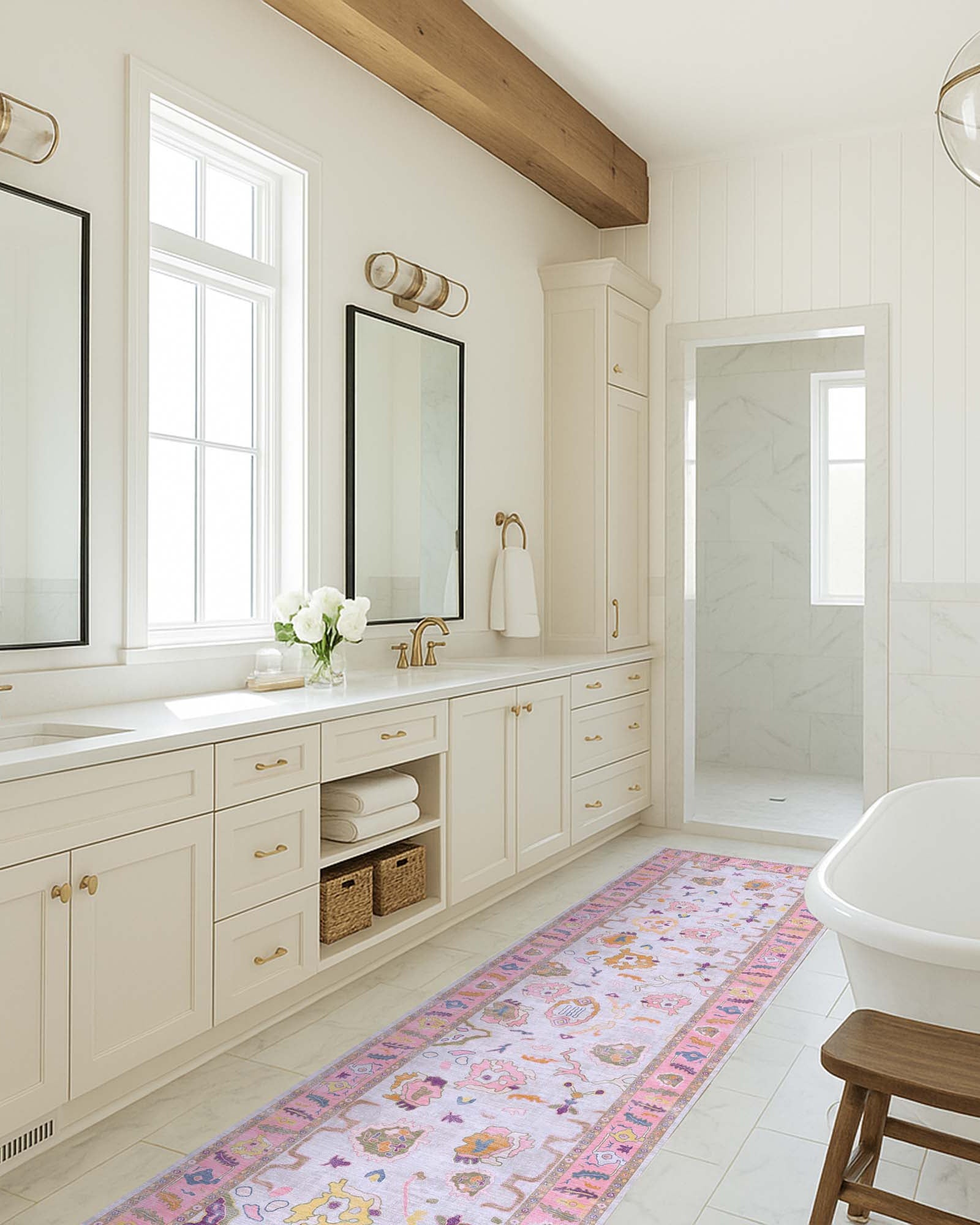
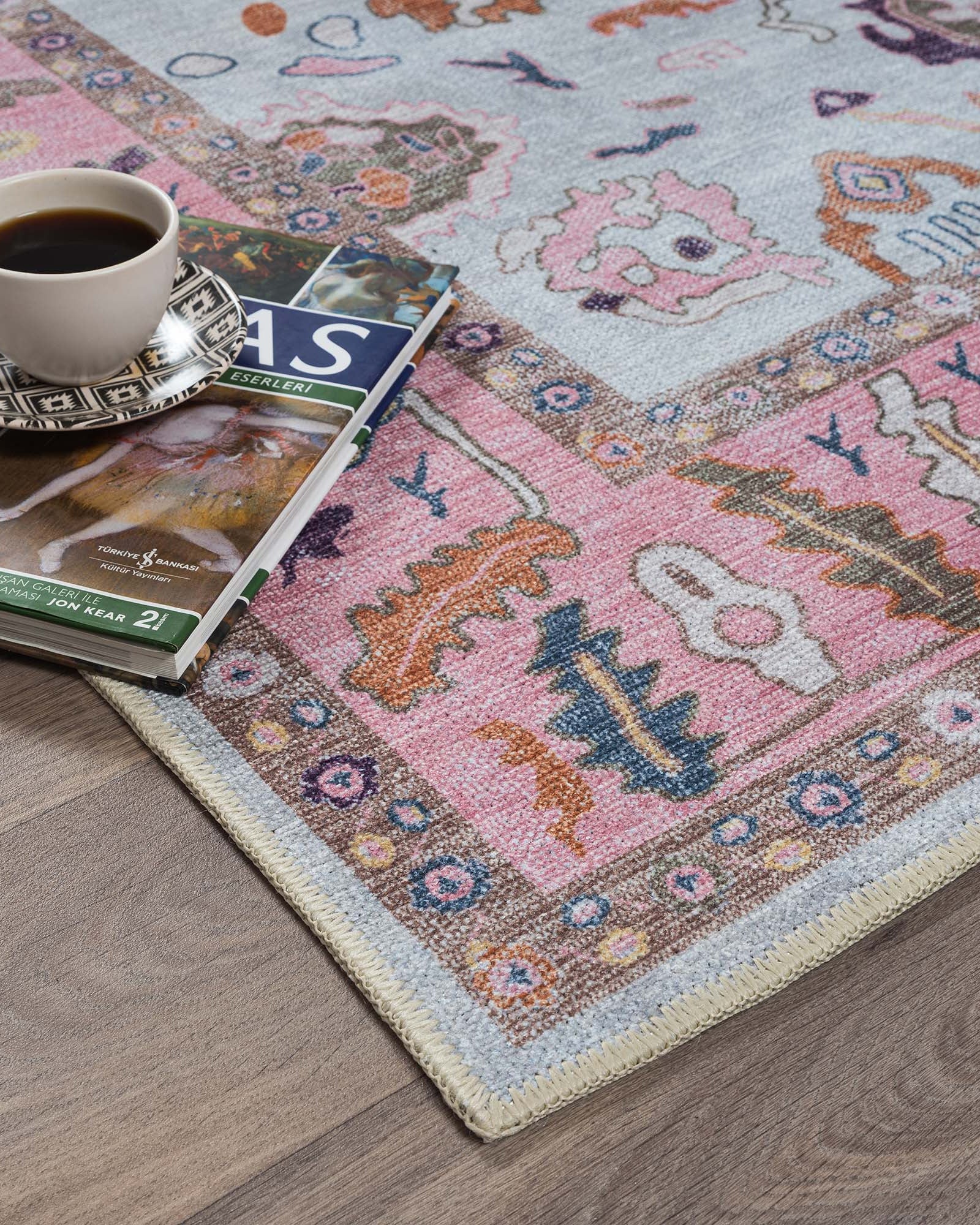
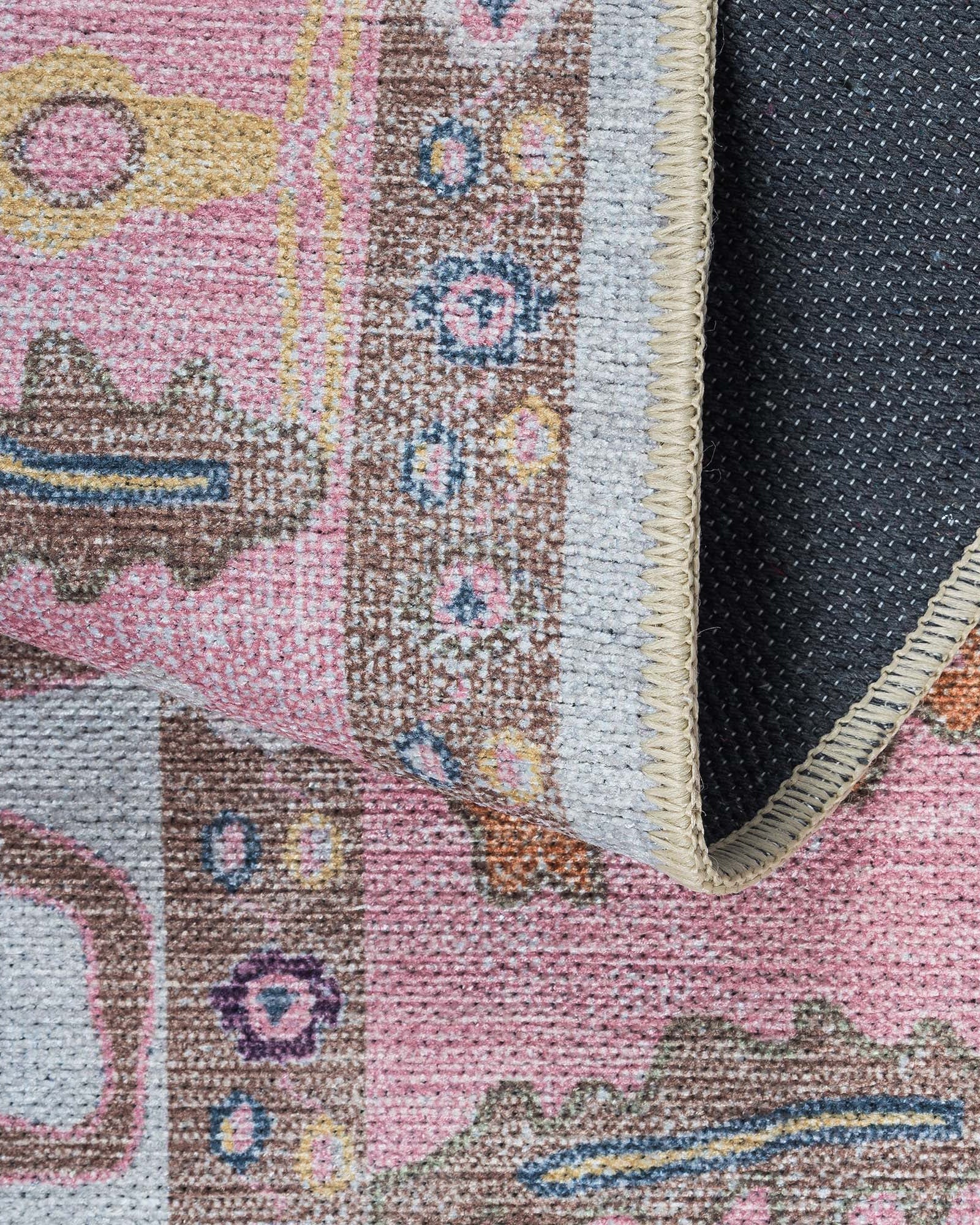
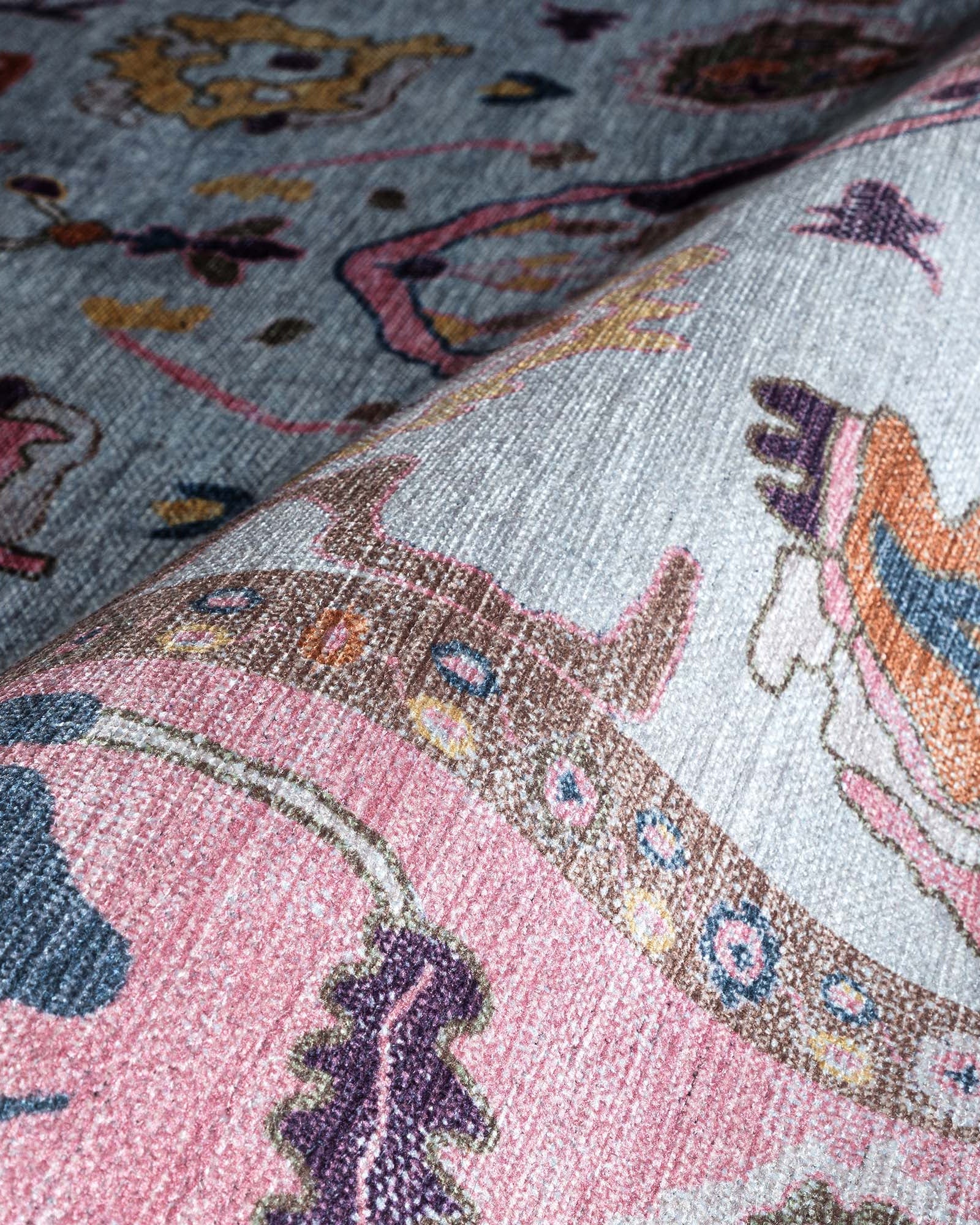


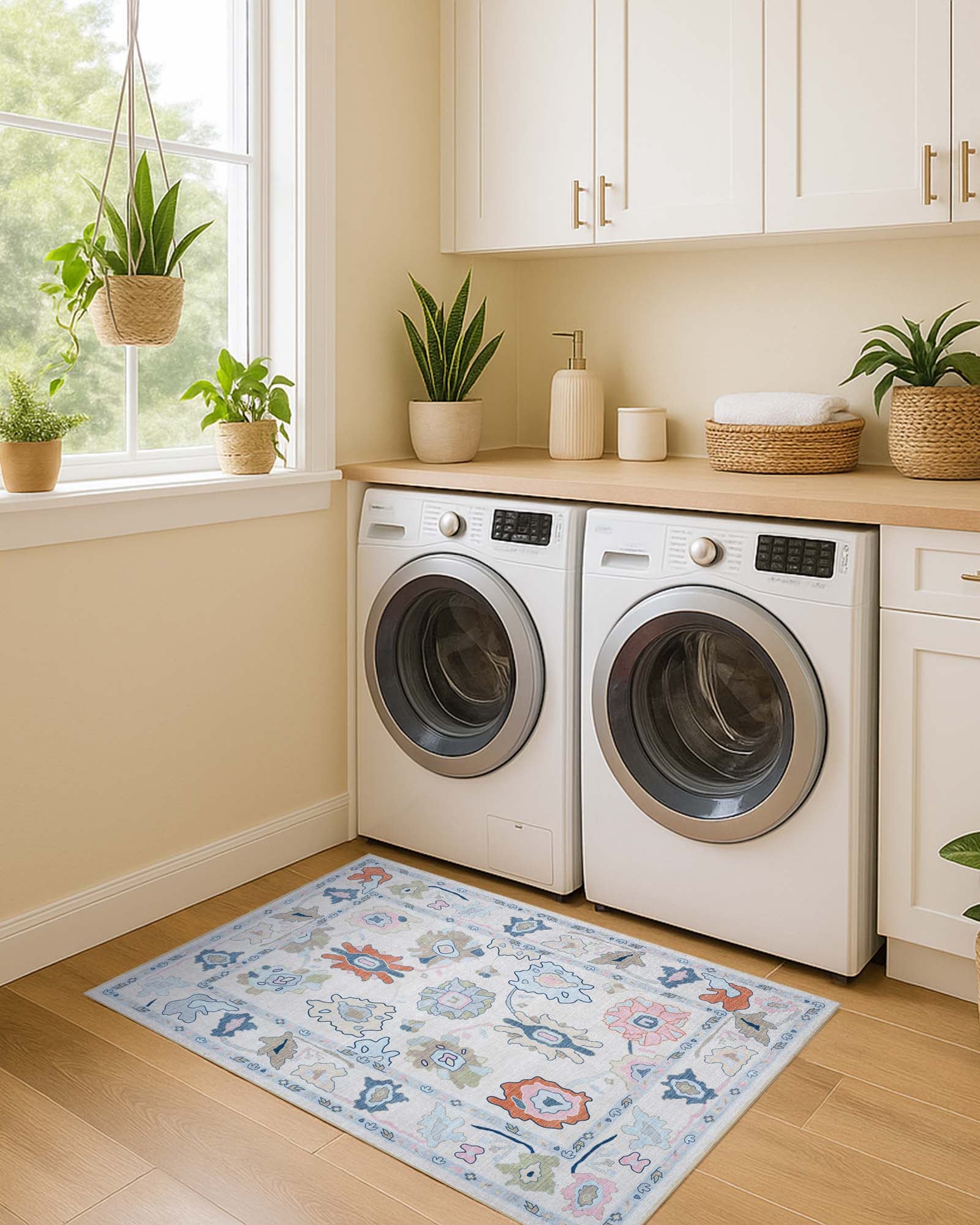
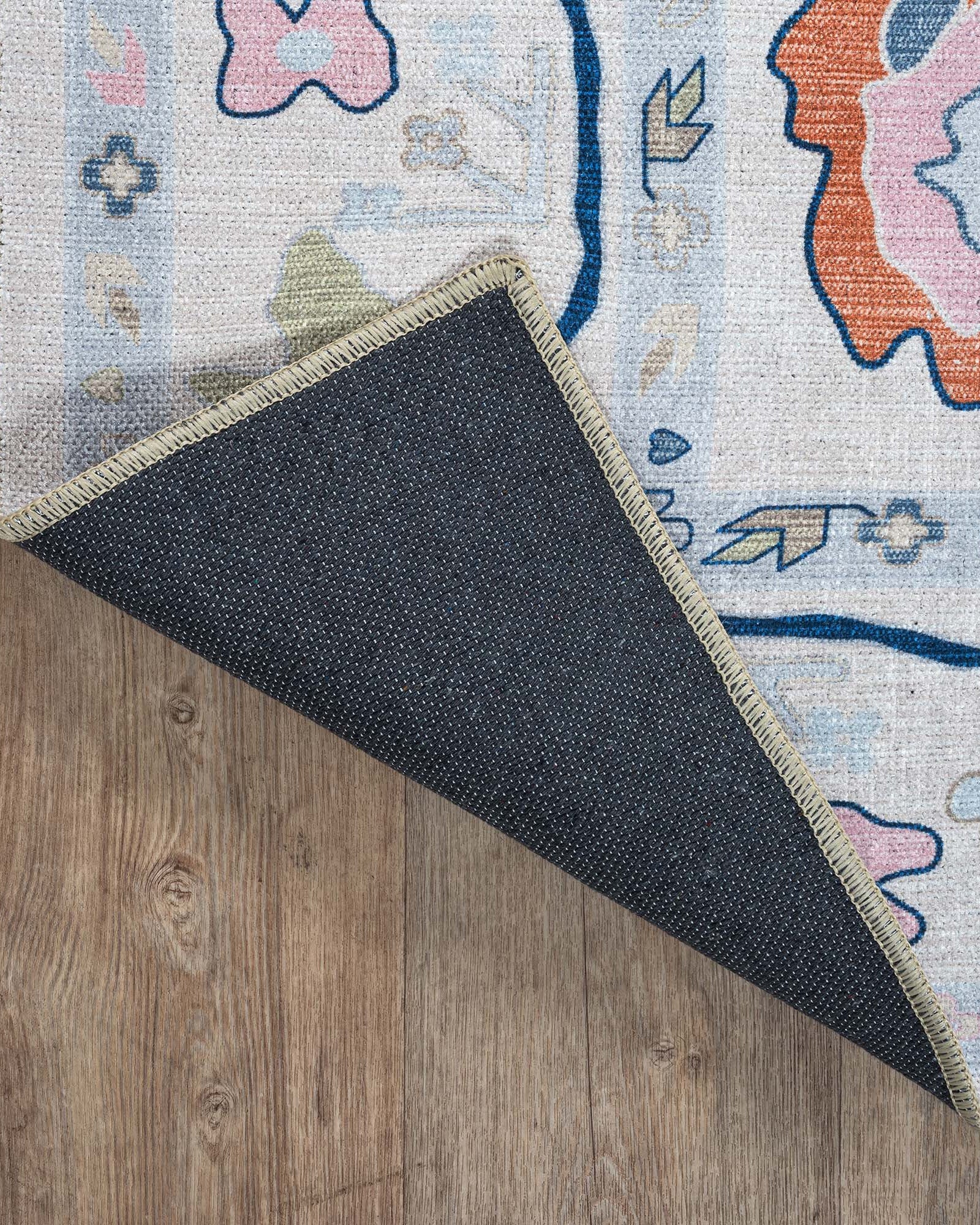
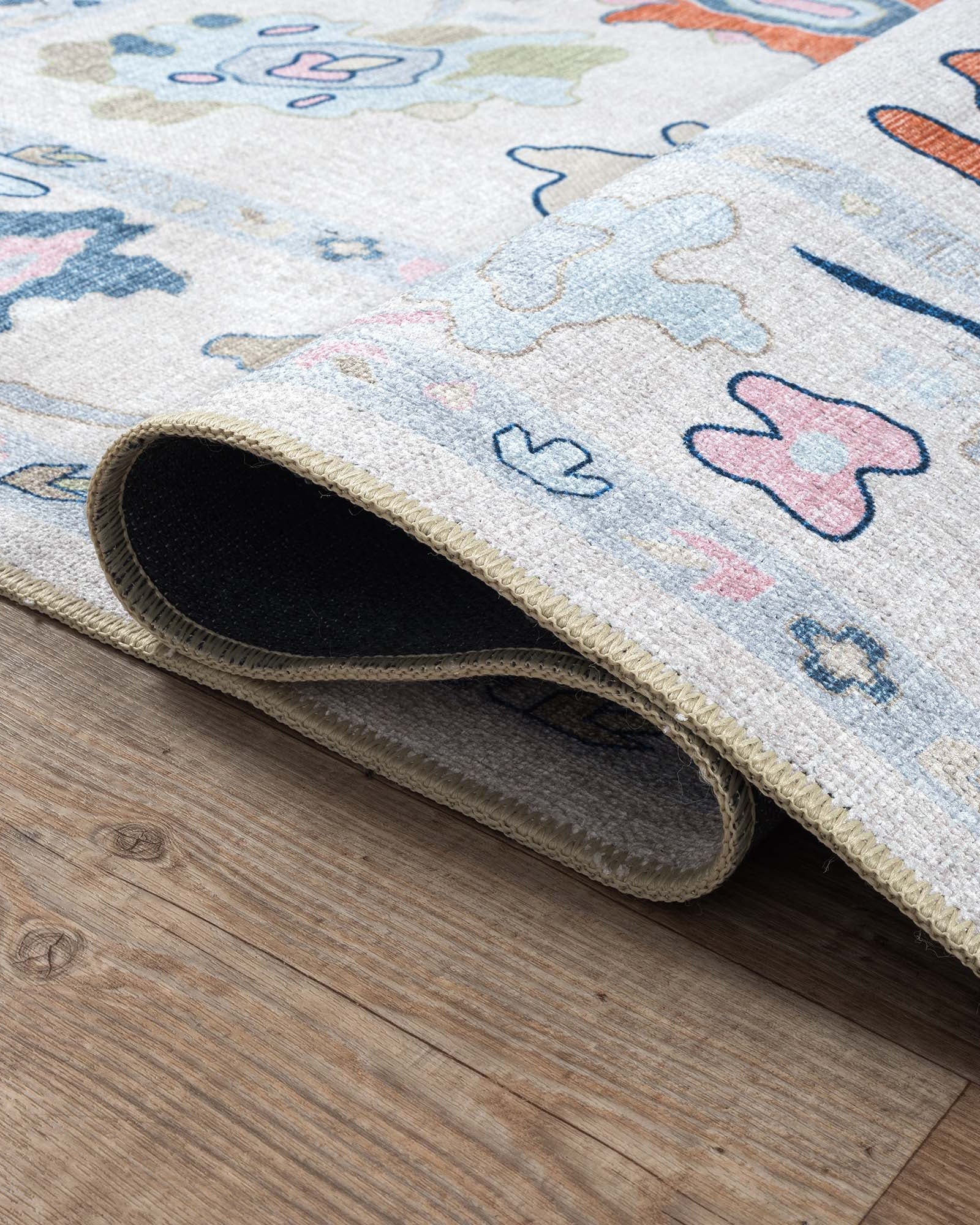
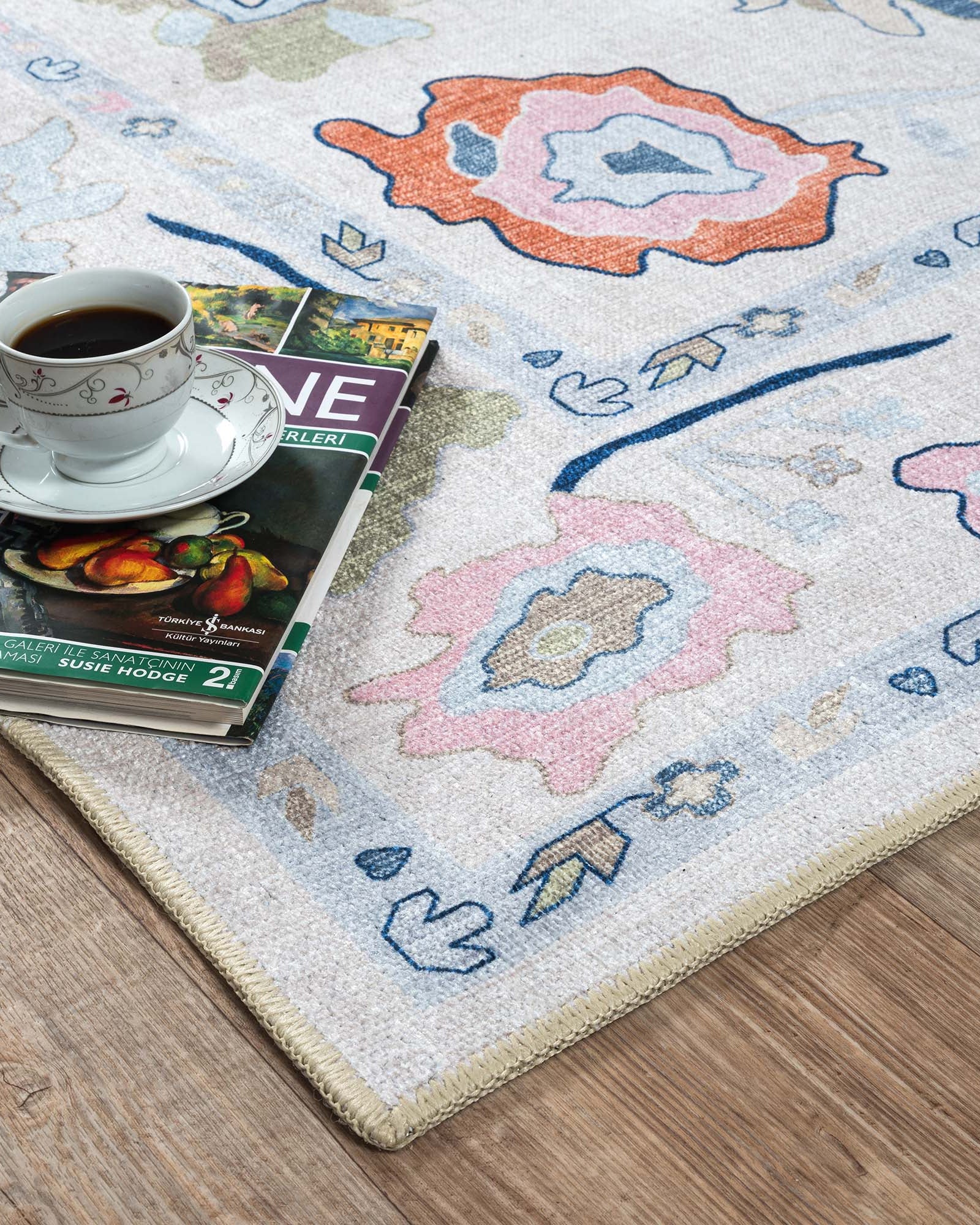







Rug layering is one of the most loved styling techniques used by interior designers to add depth, warmth, and personality to a space. When done right, layered rugs make a room feel curated, cozy, and effortlessly stylish. When done wrong, they can look messy or overwhelming.
At Fame Rugs, we believe rug layering should feel intentional—not intimidating. Here’s a step-by-step guide on how to layer rugs like an interior designer, no matter your home style.
Why Interior Designers Layer Rugs

Layering rugs isn’t just about aesthetics—it’s functional too.
-
Adds visual depth and texture
-
Defines seating or sleeping areas
-
Makes large rooms feel warmer and more inviting
-
Allows you to mix styles without committing to one bold piece
-
Helps extend the life of decorative rugs
Designers often use layering to blend practicality with personality.
Start with the Right Base Rug
Every successful rug layer begins with a solid foundation.
Choose a Neutral Base
Interior designers typically start with a large, neutral rug such as:
-
Jute or flatweave rugs
-
Solid beige, ivory, or light gray area rugs
-
Low-pile rugs with subtle texture
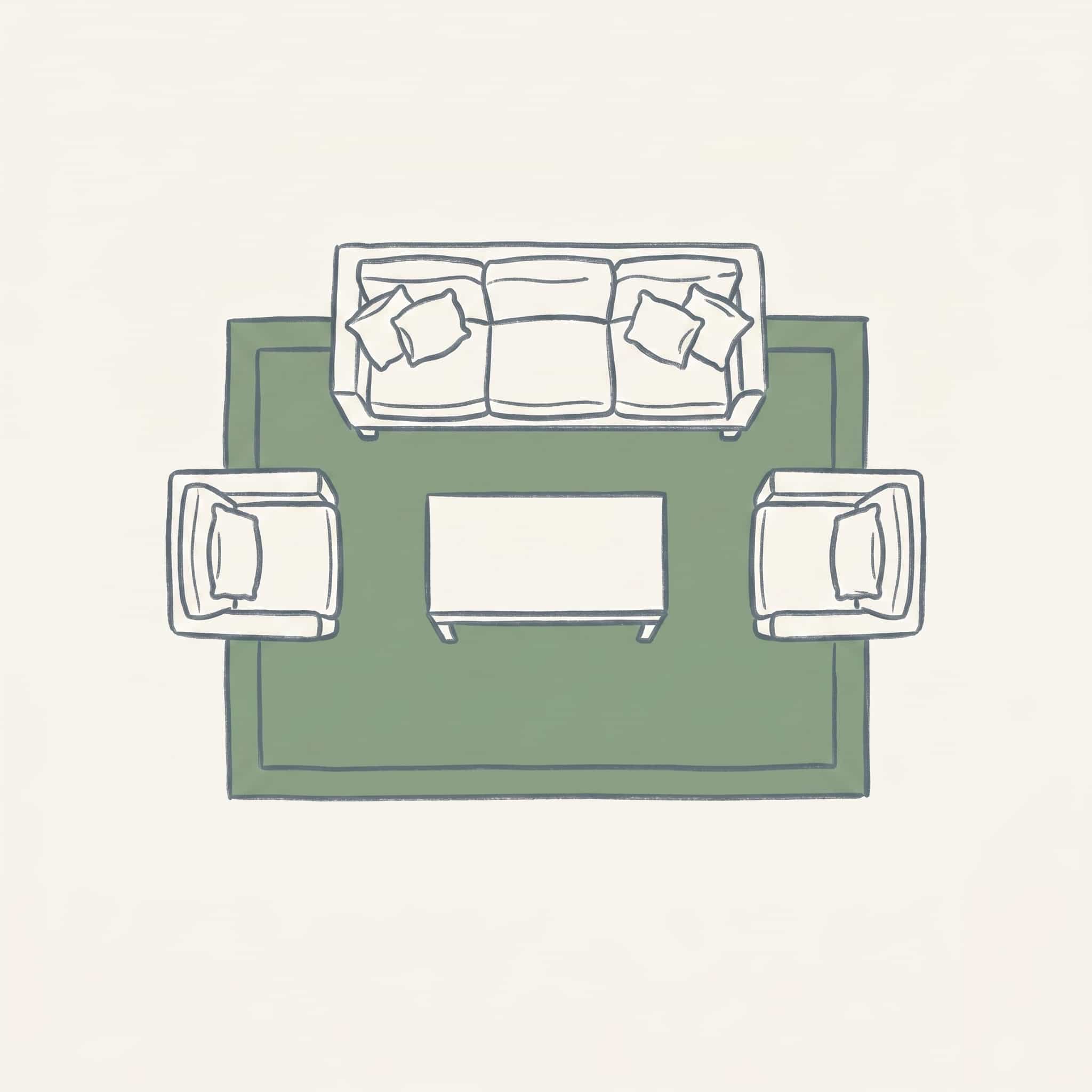
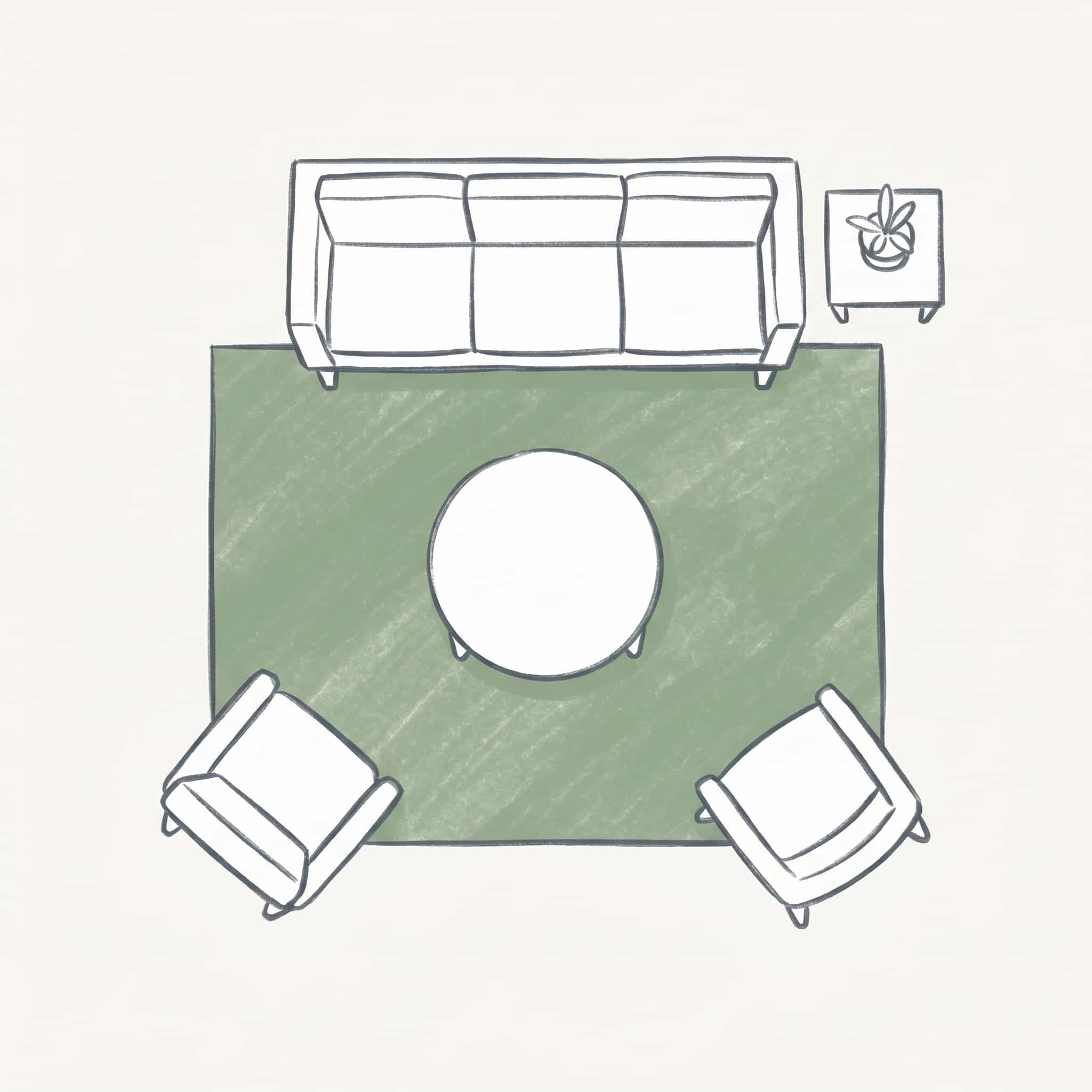
The base rug should be larger than your top rug and anchor the furniture in the space.
Pro tip: In living rooms, place at least the front legs of sofas and chairs on the base rug.
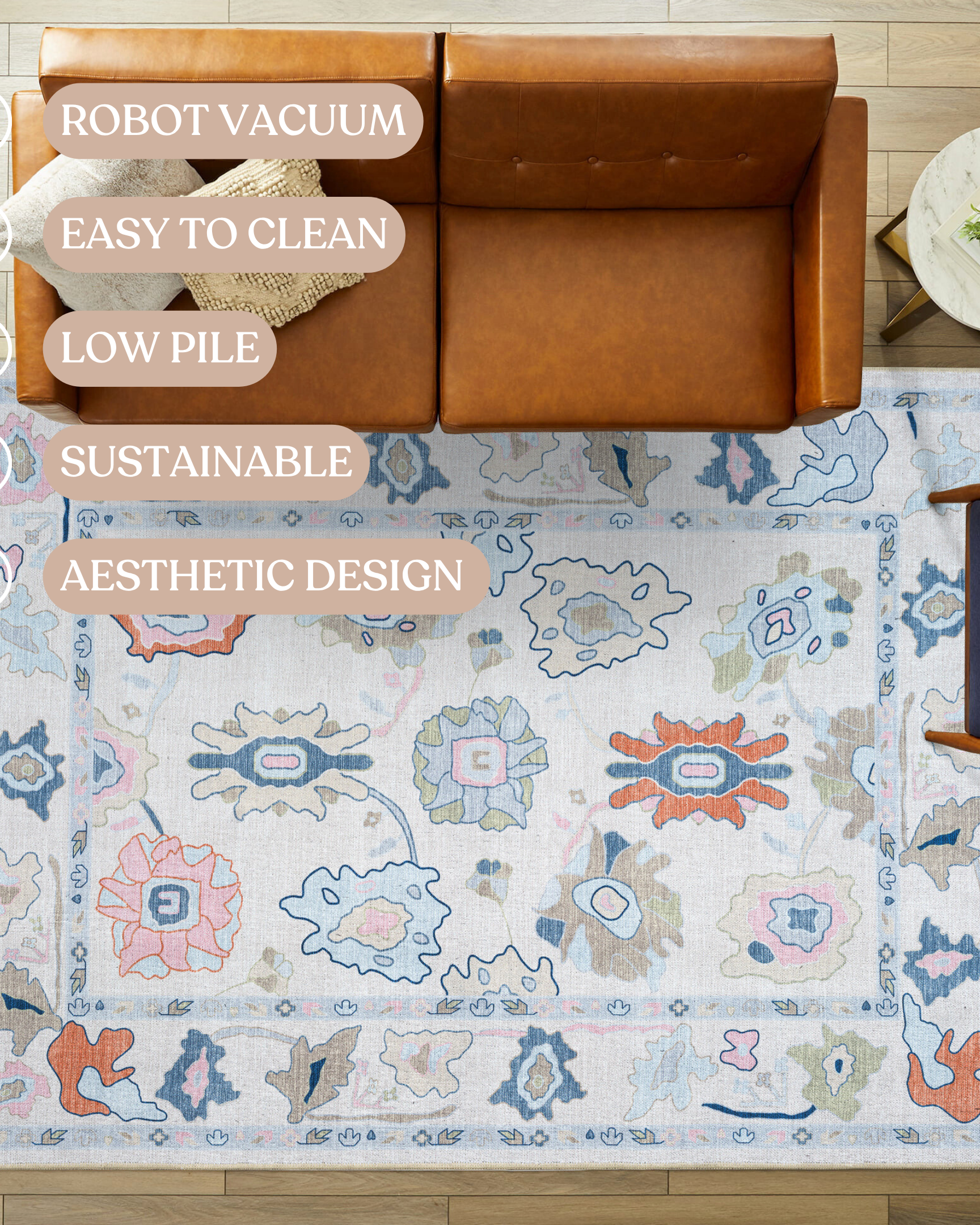
Add a Statement Top Rug
This is where personality comes in.
The top rug should be:
-
Smaller than the base rug
-
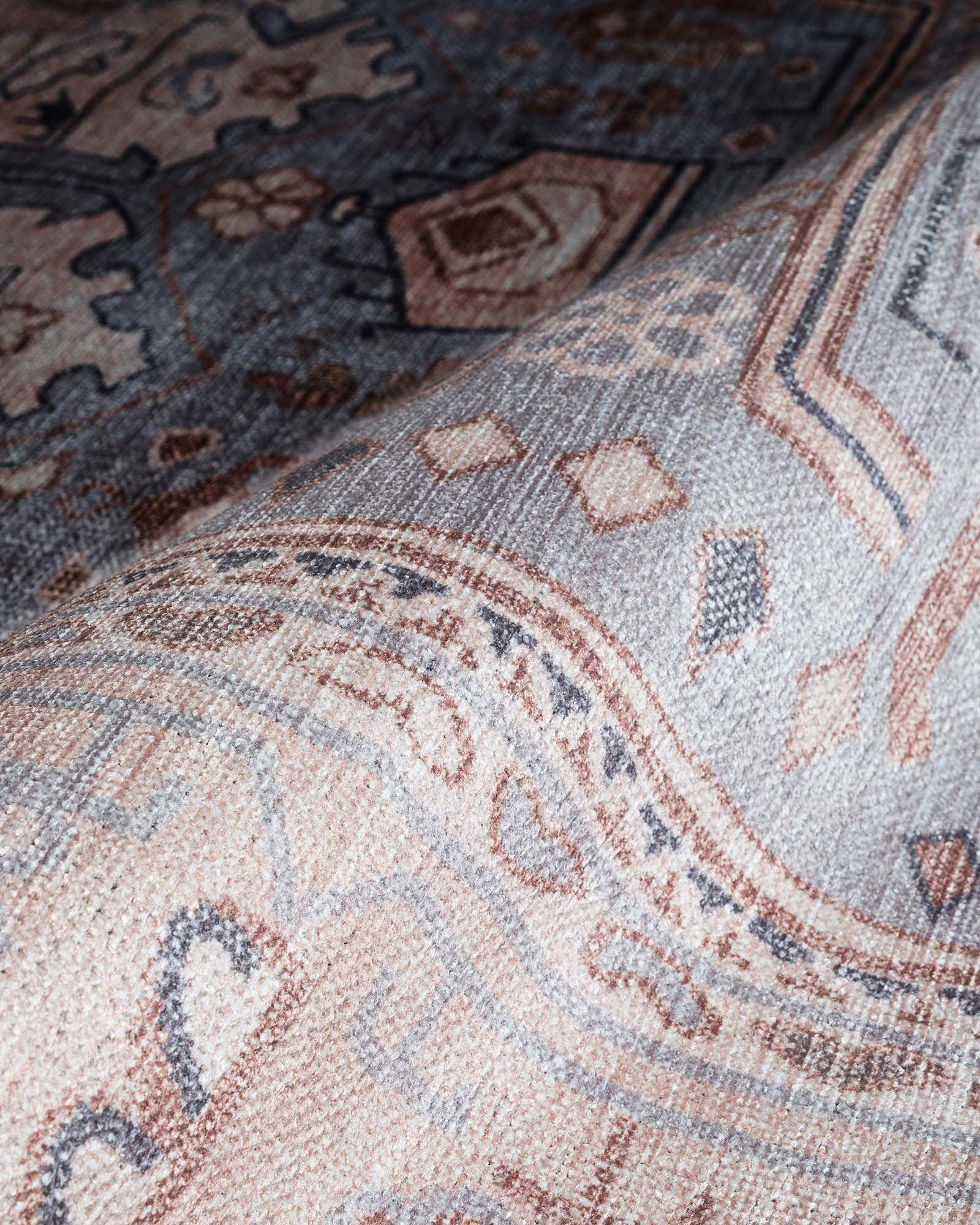
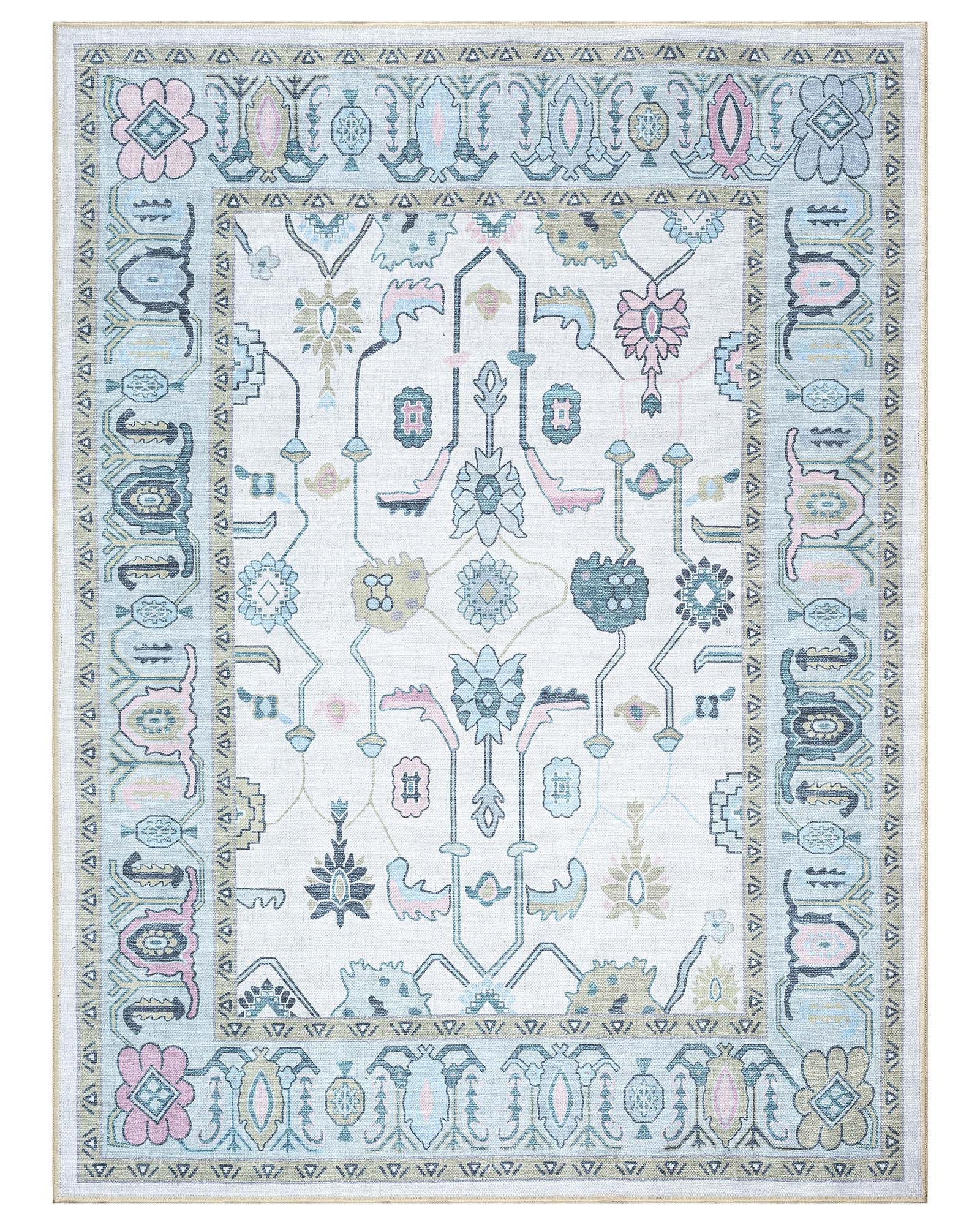
Patterned, colorful, or textured
-
Centered or slightly offset for a relaxed look
Popular choices include:
-
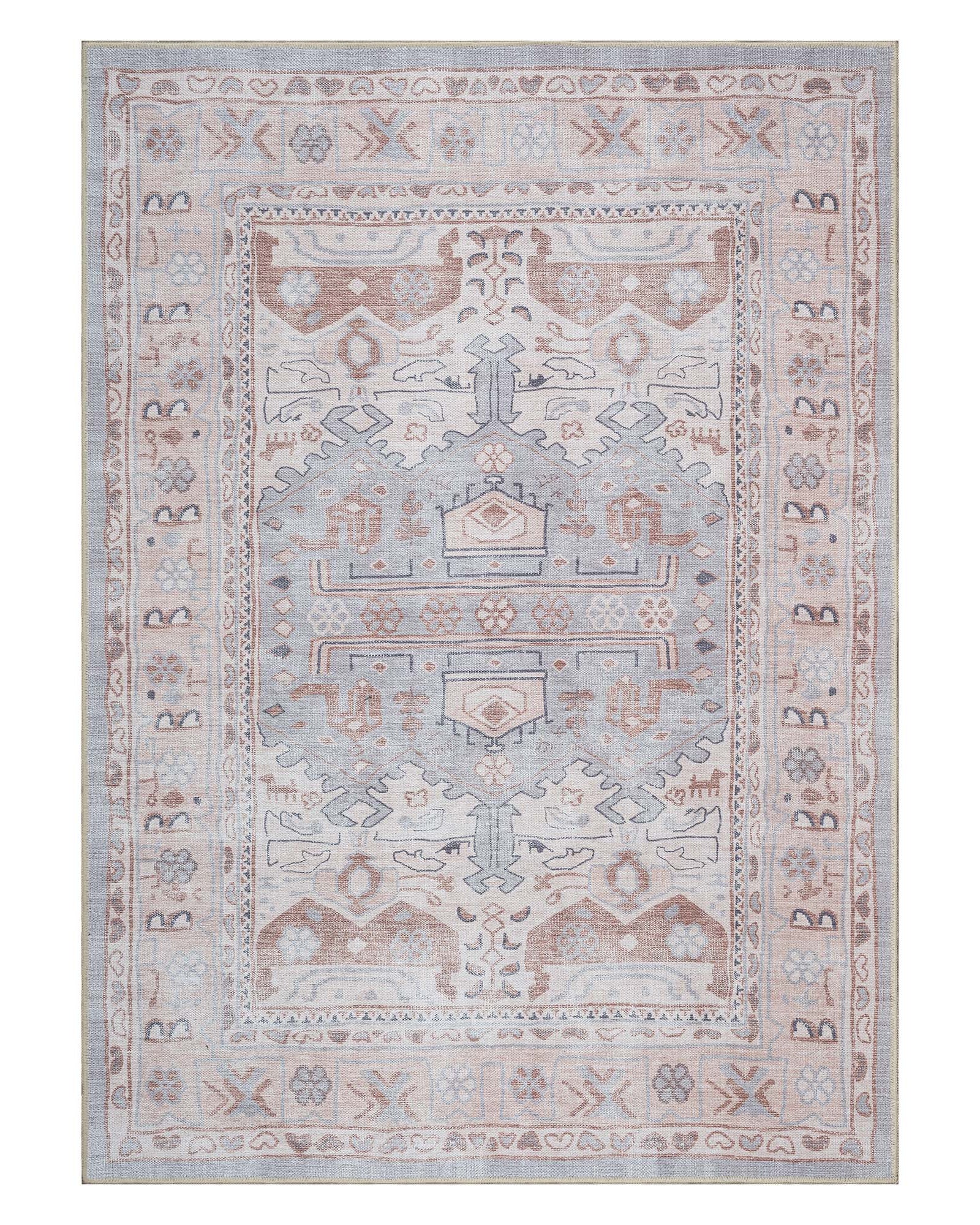
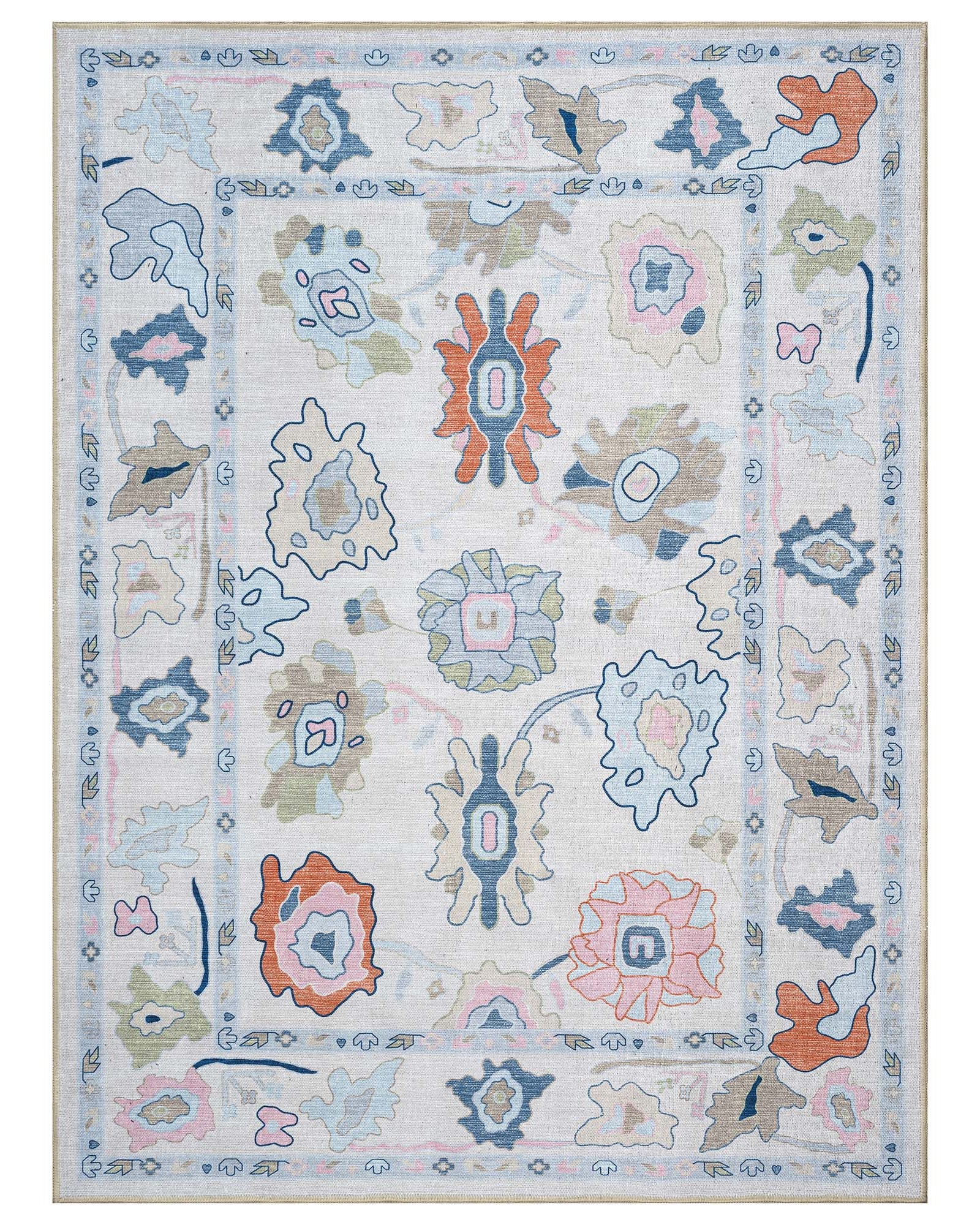
Vintage-style patterns
-
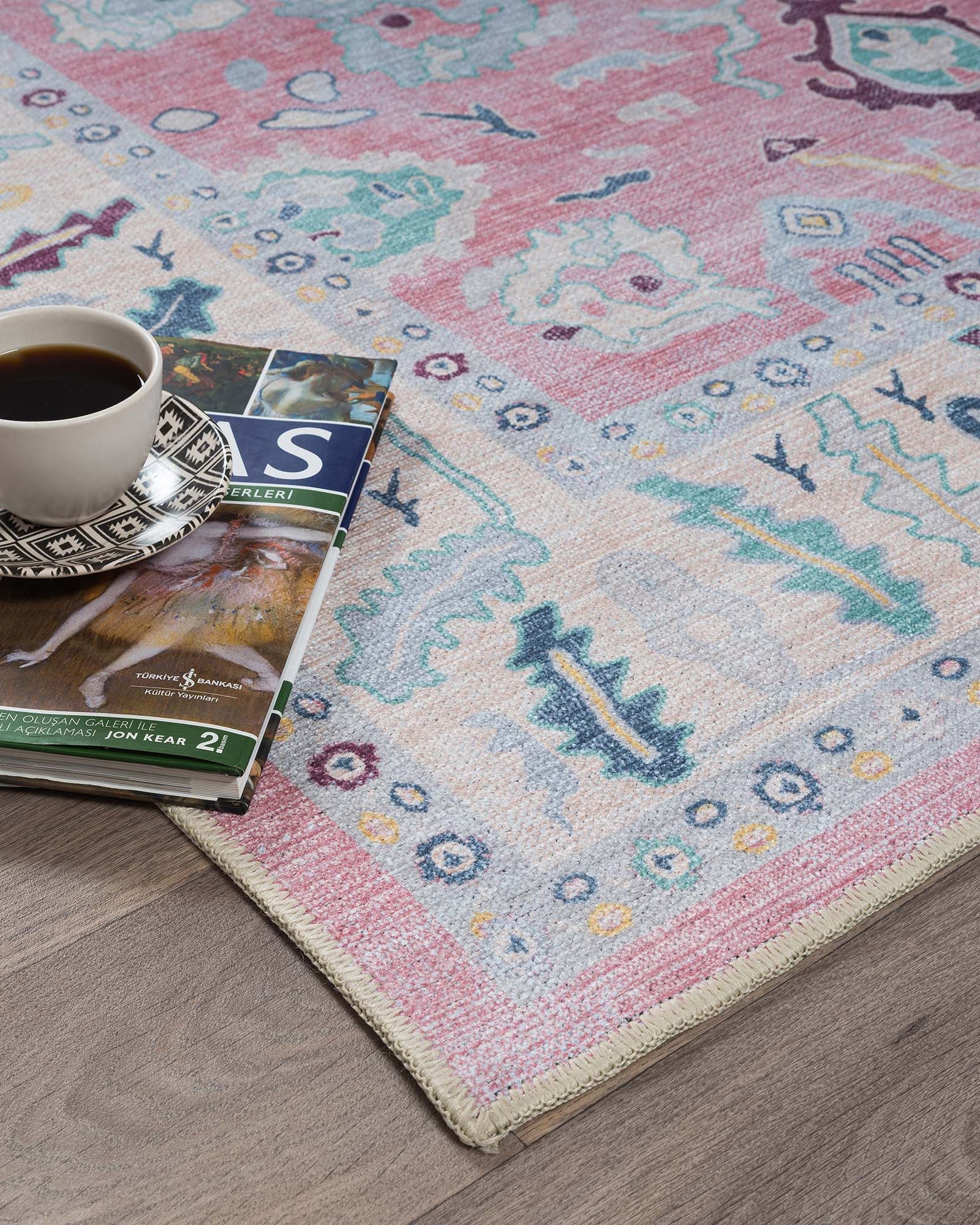
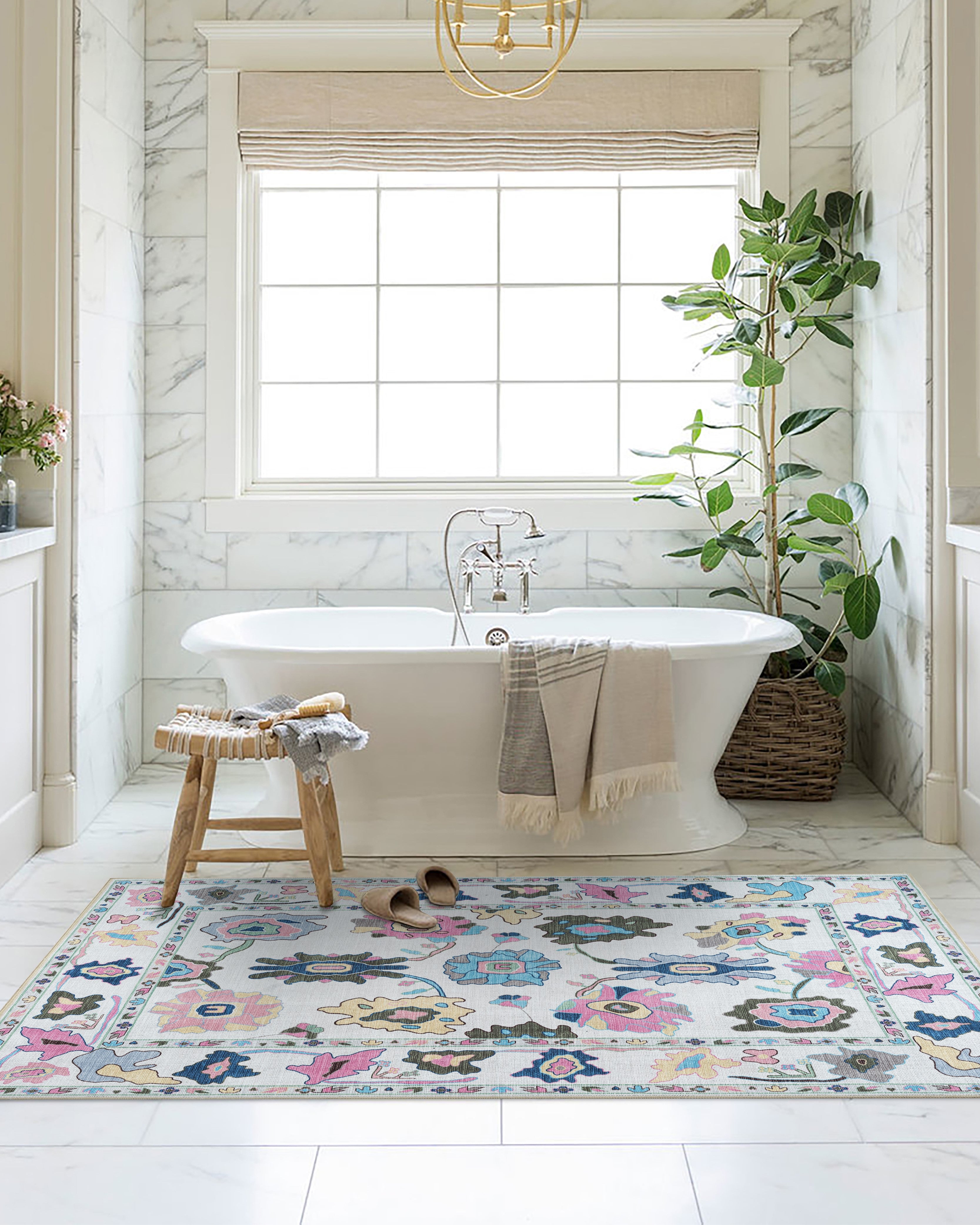
Soft pastel or bold accent rugs
The contrast between the two rugs is what creates interest.
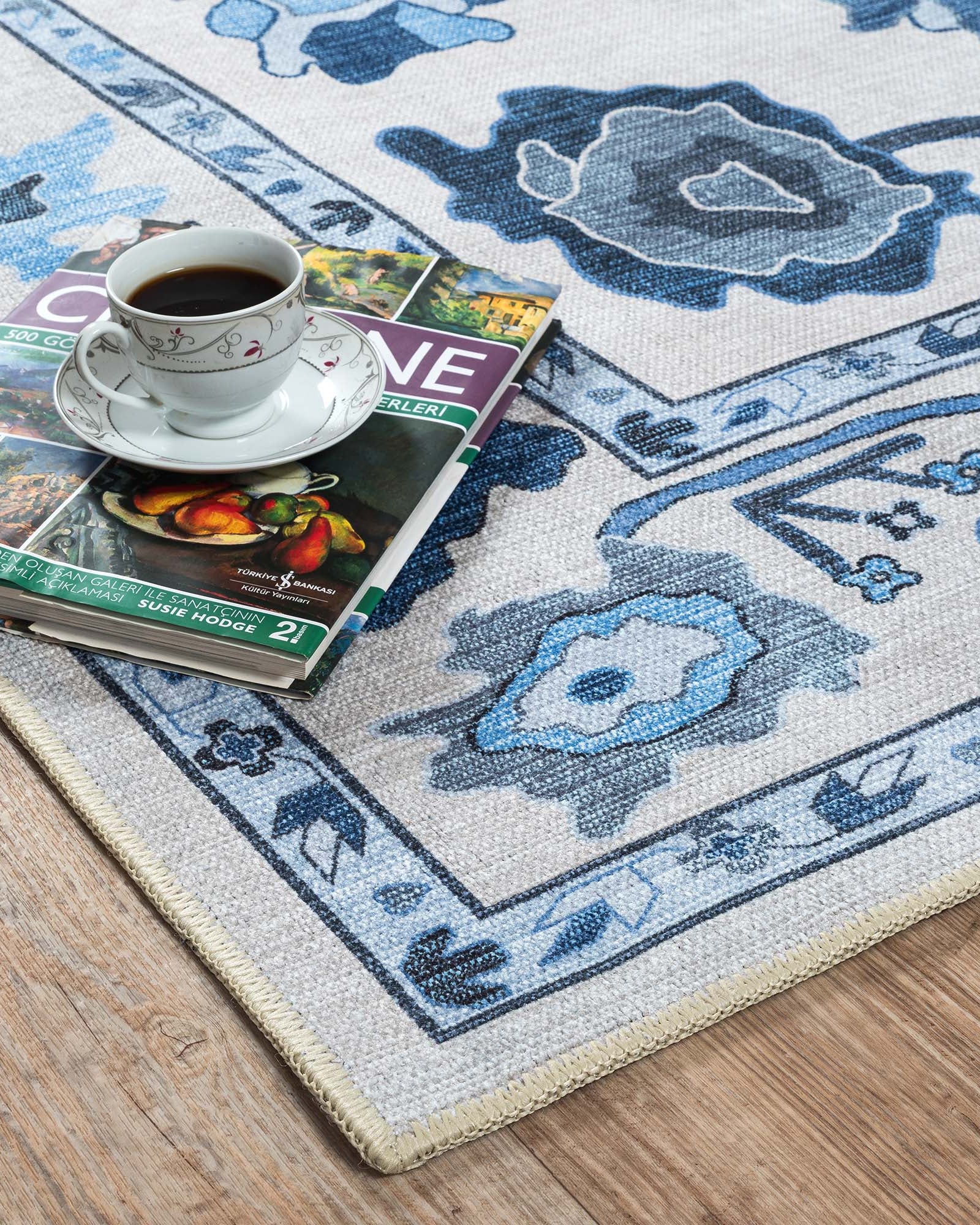
Mix Textures, Not Just Colors
One of the biggest designer tricks is texture layering.
Examples:
-
Flatweave base + plush patterned rug
-
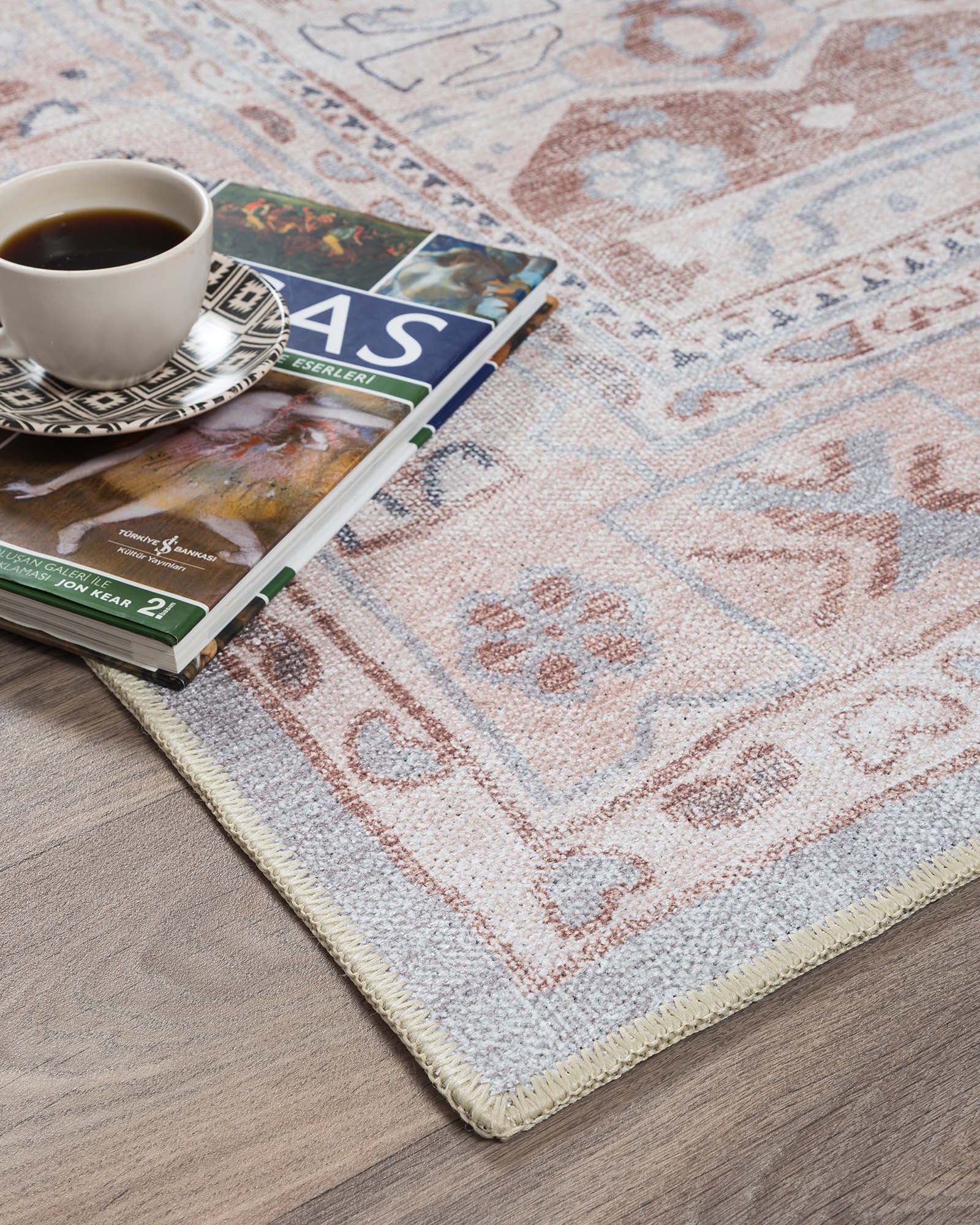
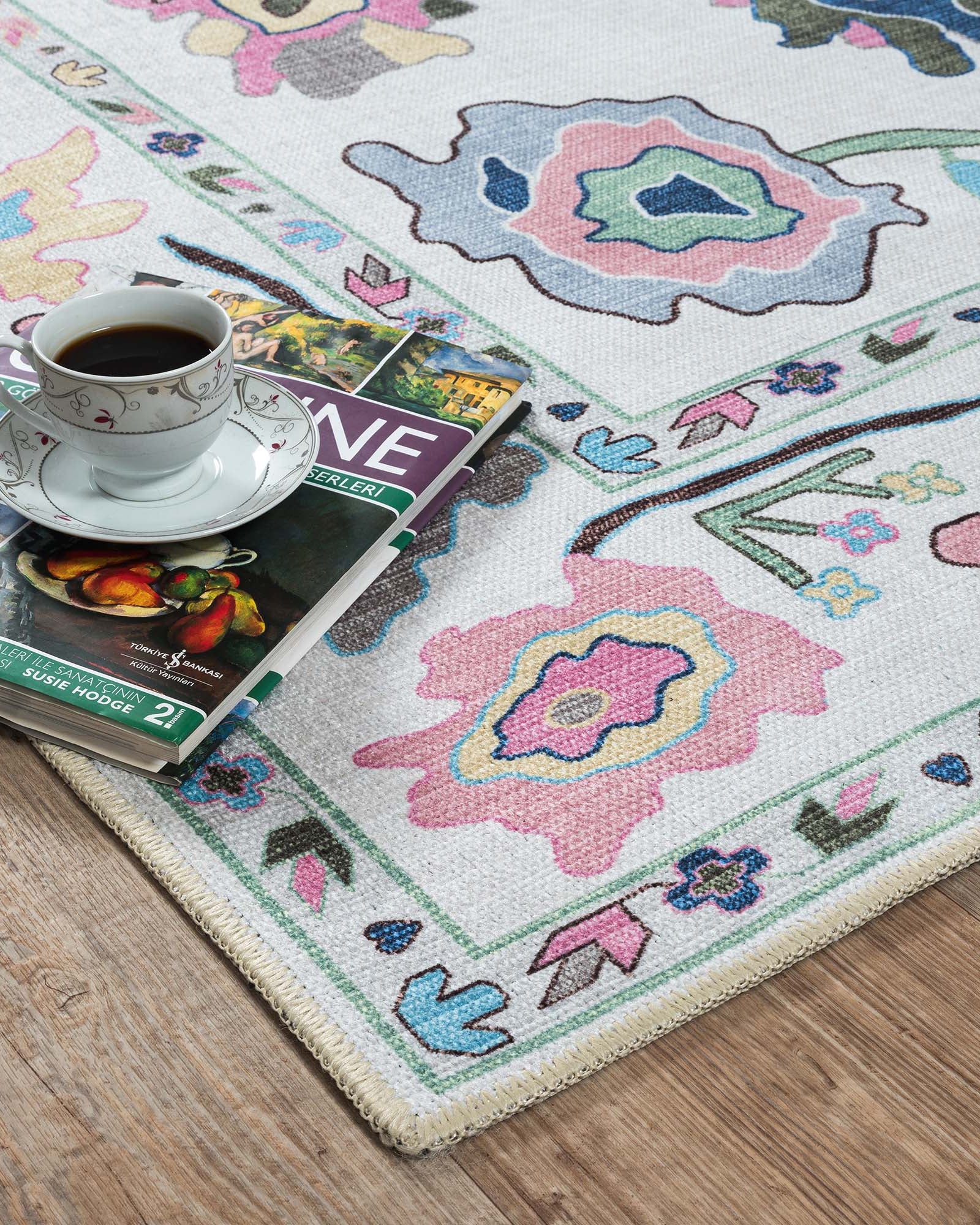
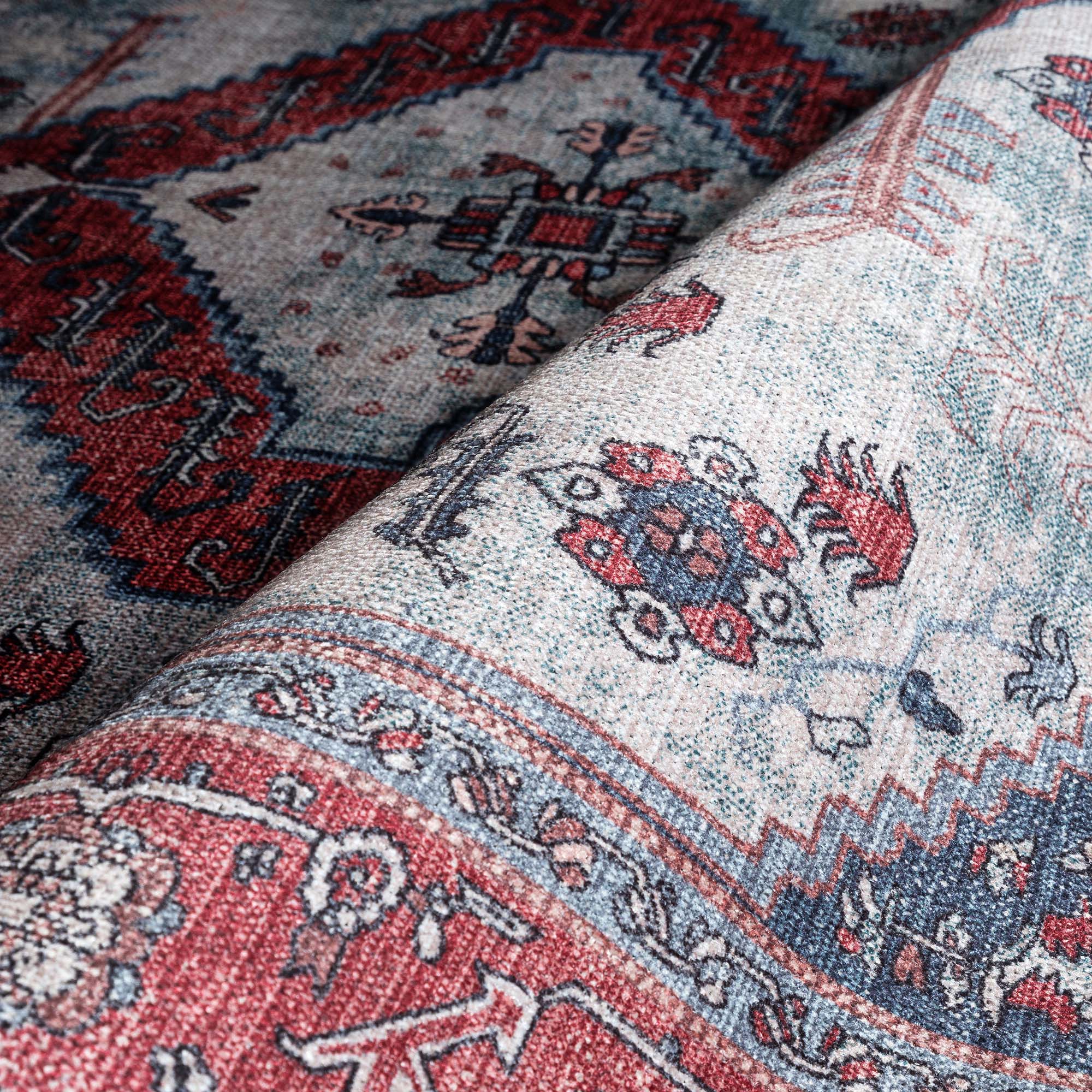
Natural fiber rug + soft washable rug
-
Low-pile neutral + faded vintage design
Even neutral-on-neutral layering works beautifully when textures are different.
Keep a Consistent Color Story
While layering allows creativity, there should still be harmony.
-
Choose one or two shared colors between rugs
-
Let the top rug introduce contrast, not chaos
-
Avoid combining too many bold patterns
If one rug is busy, keep the other simple.
Where Rug Layering Works Best

Living Rooms
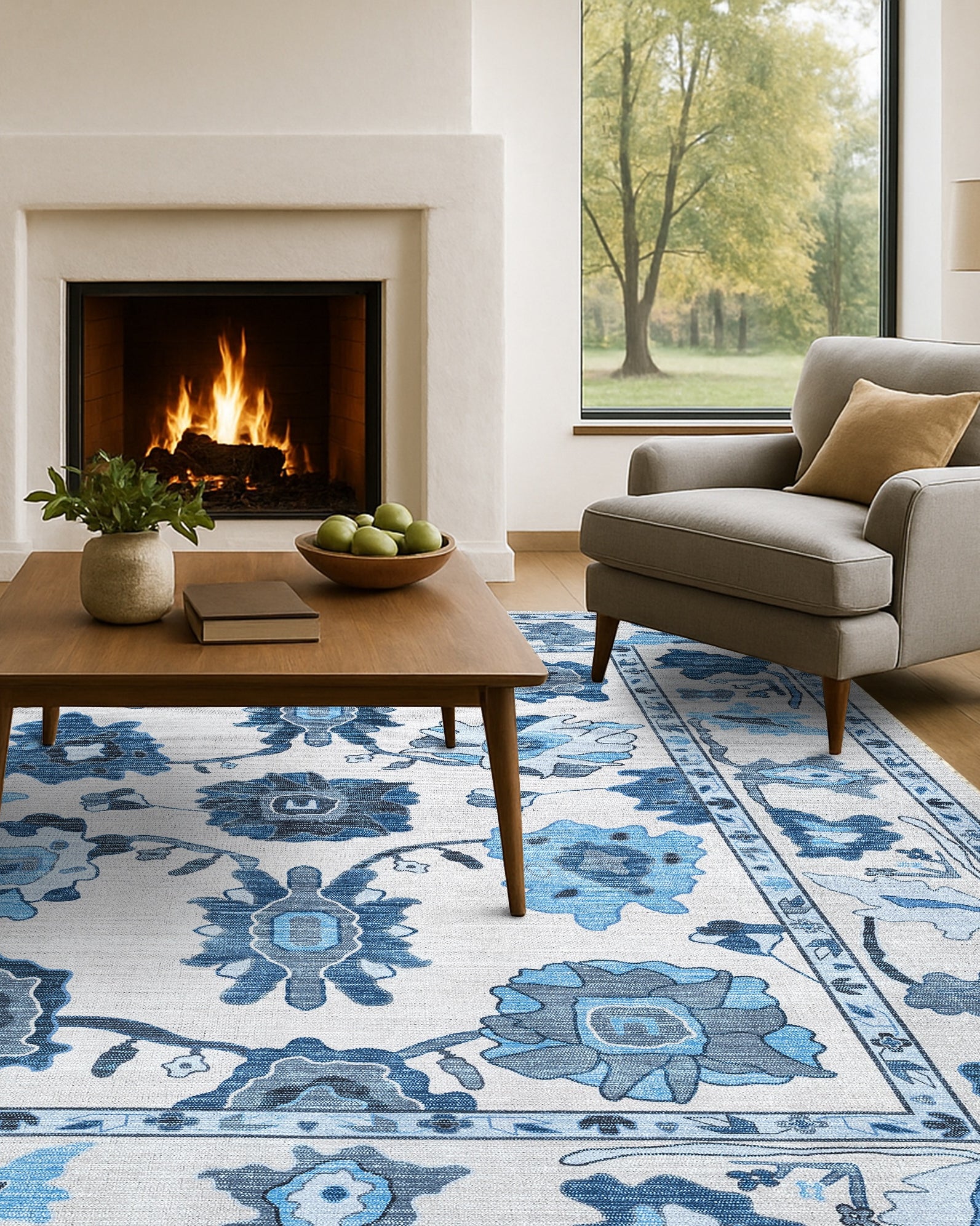
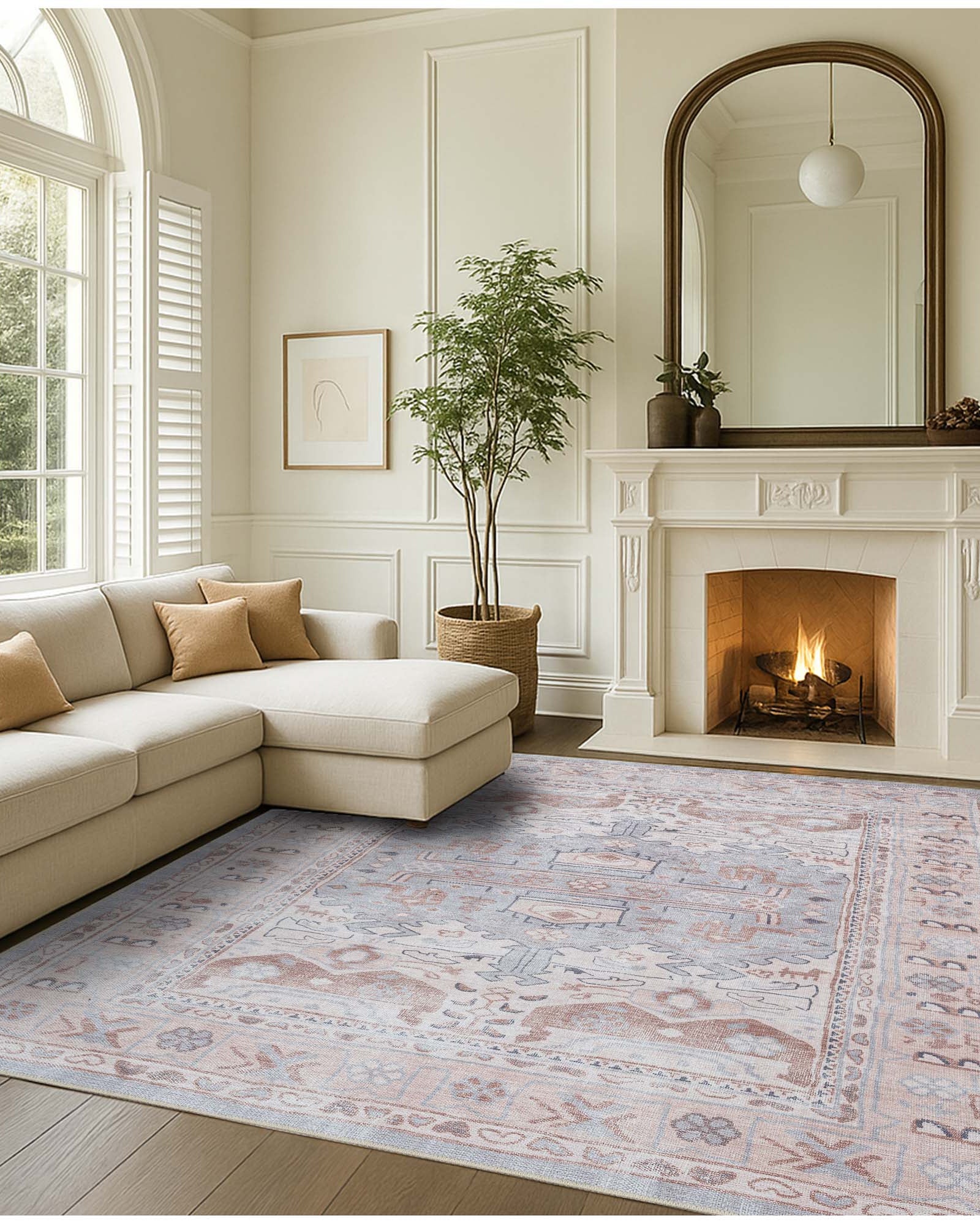
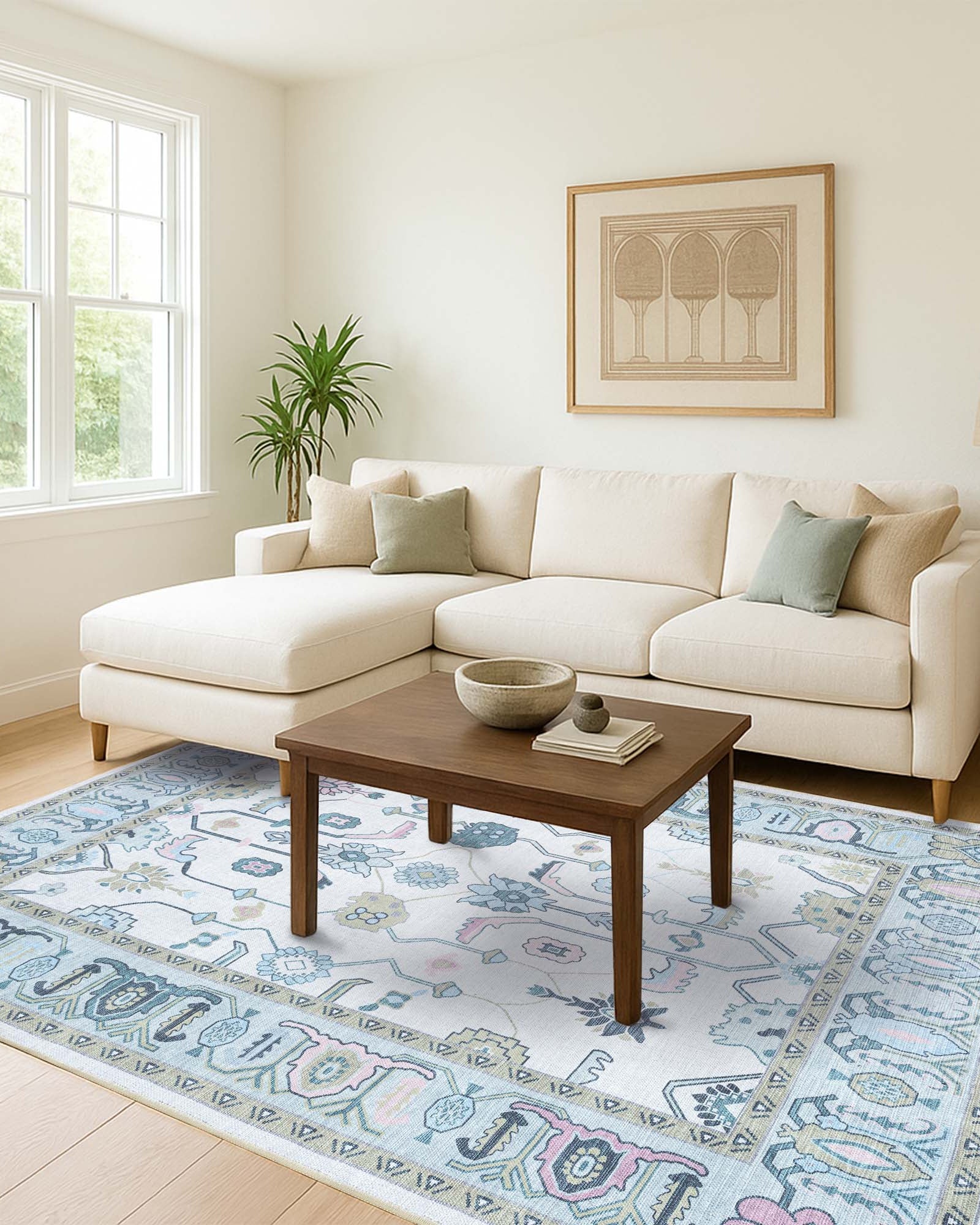
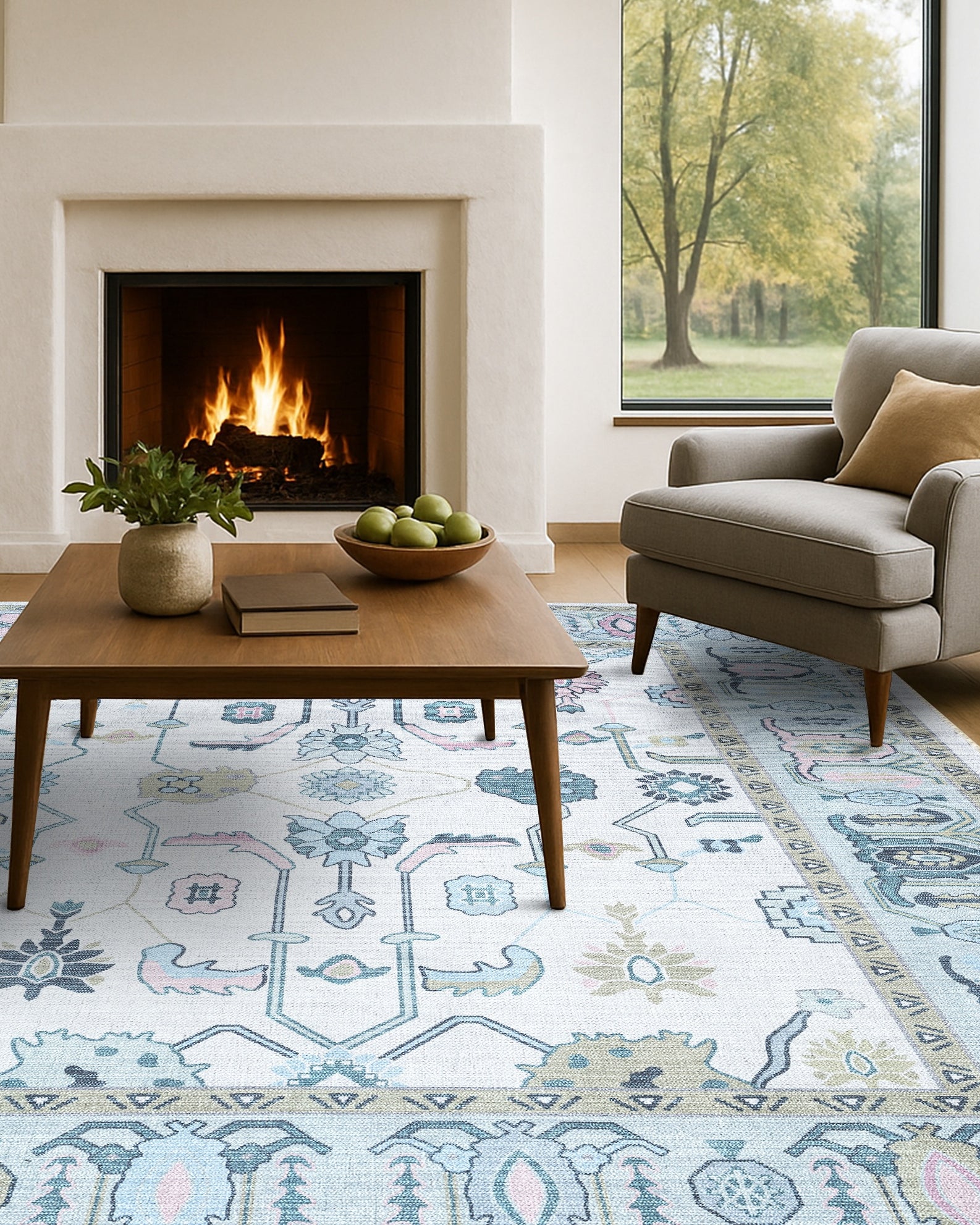
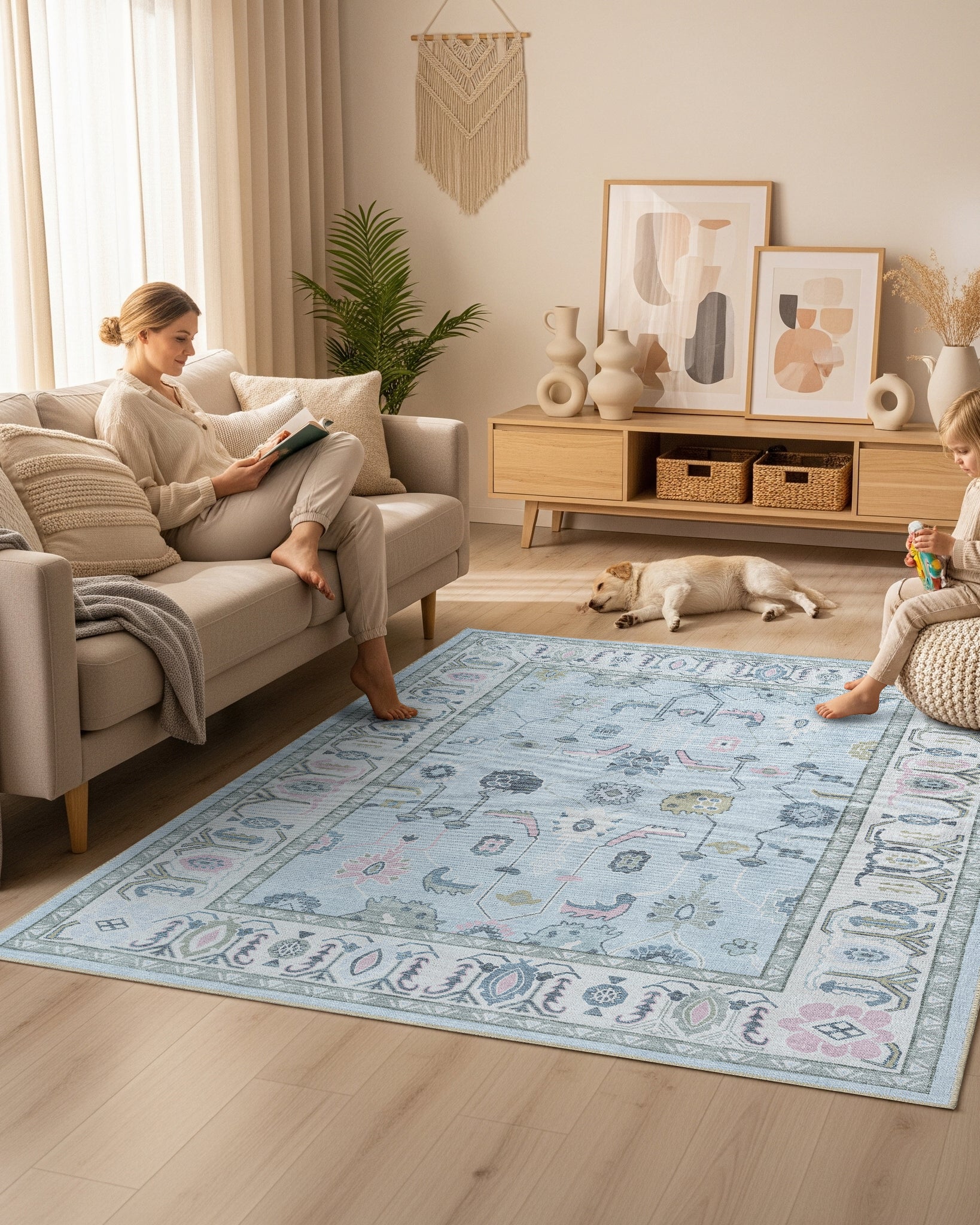
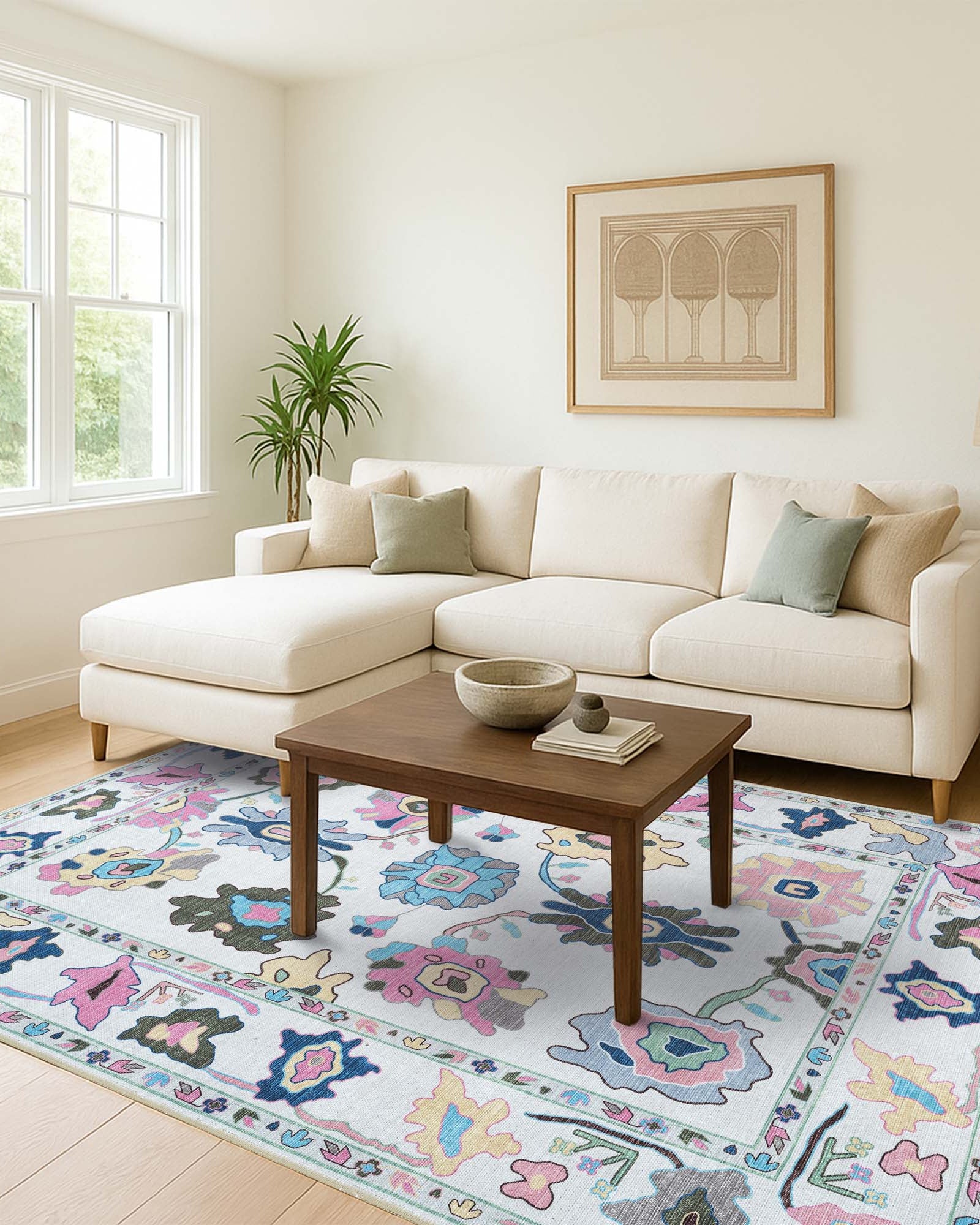
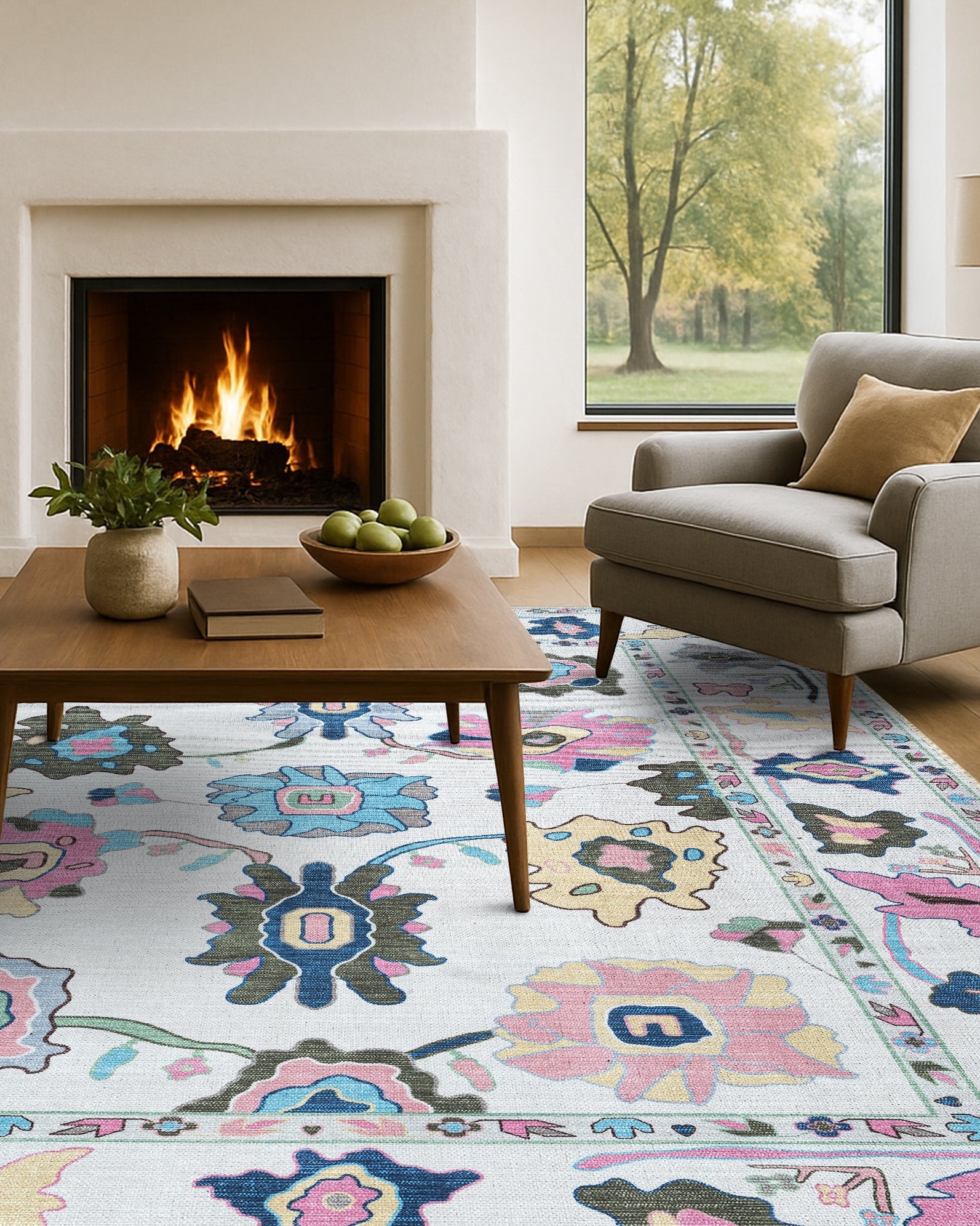
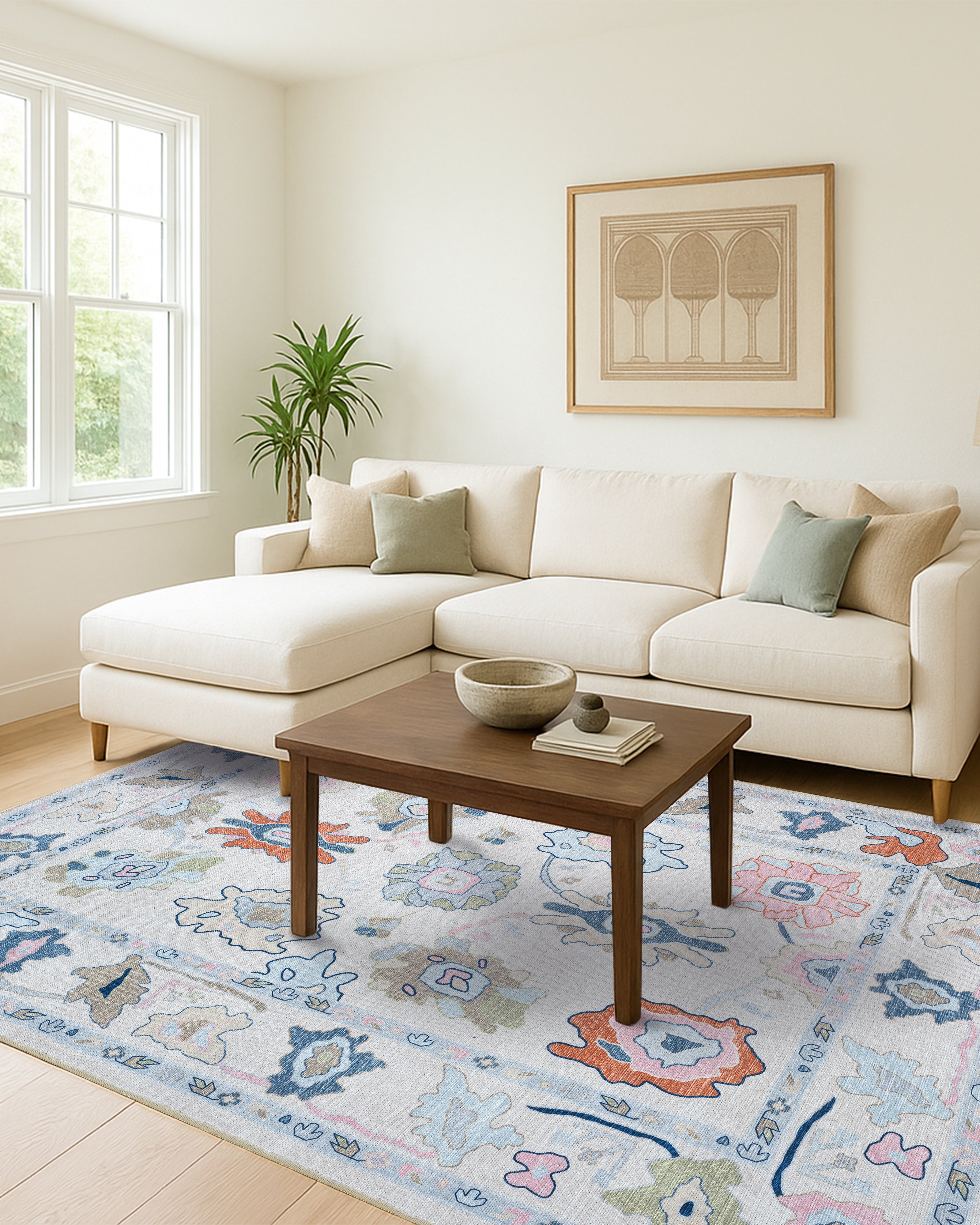
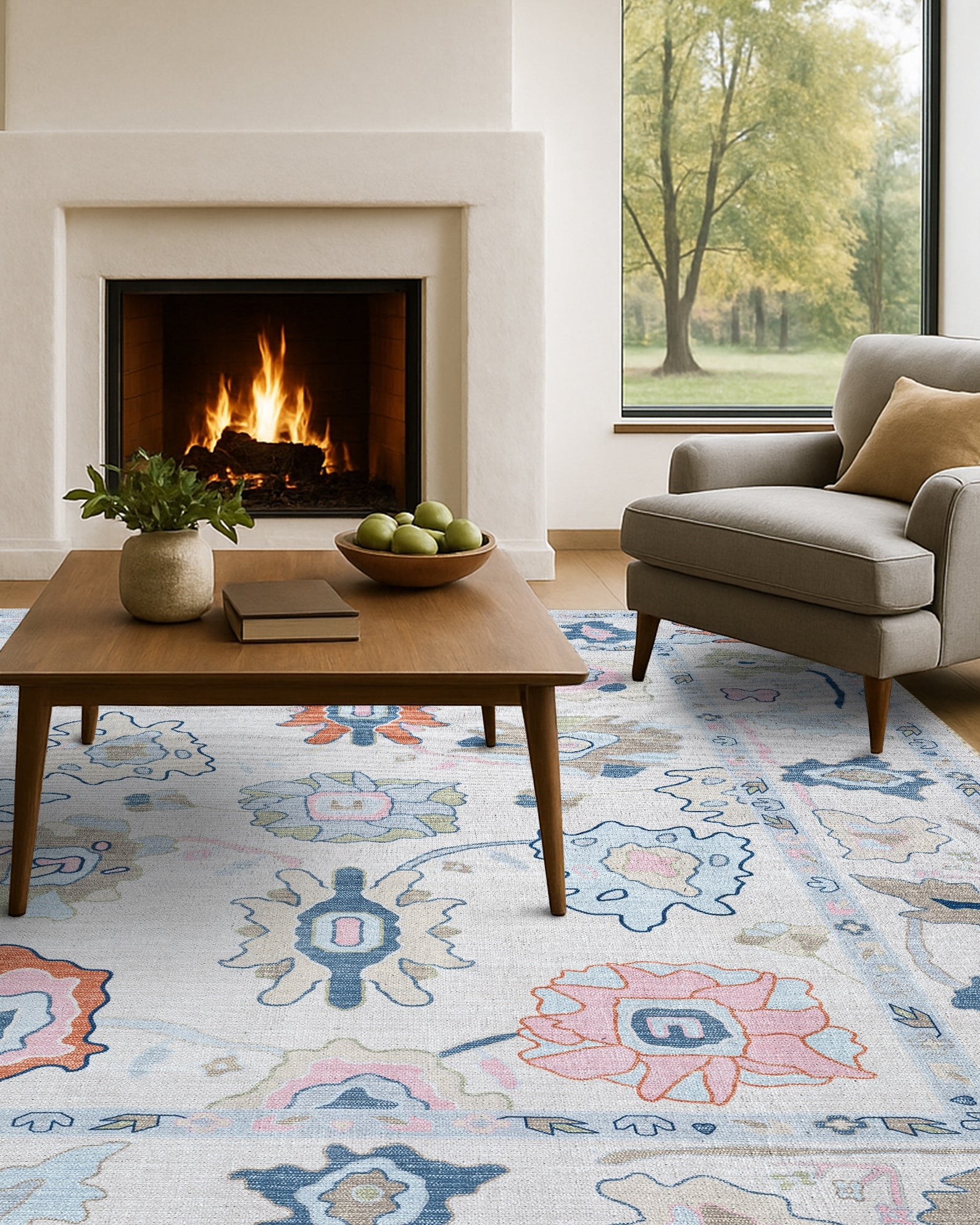
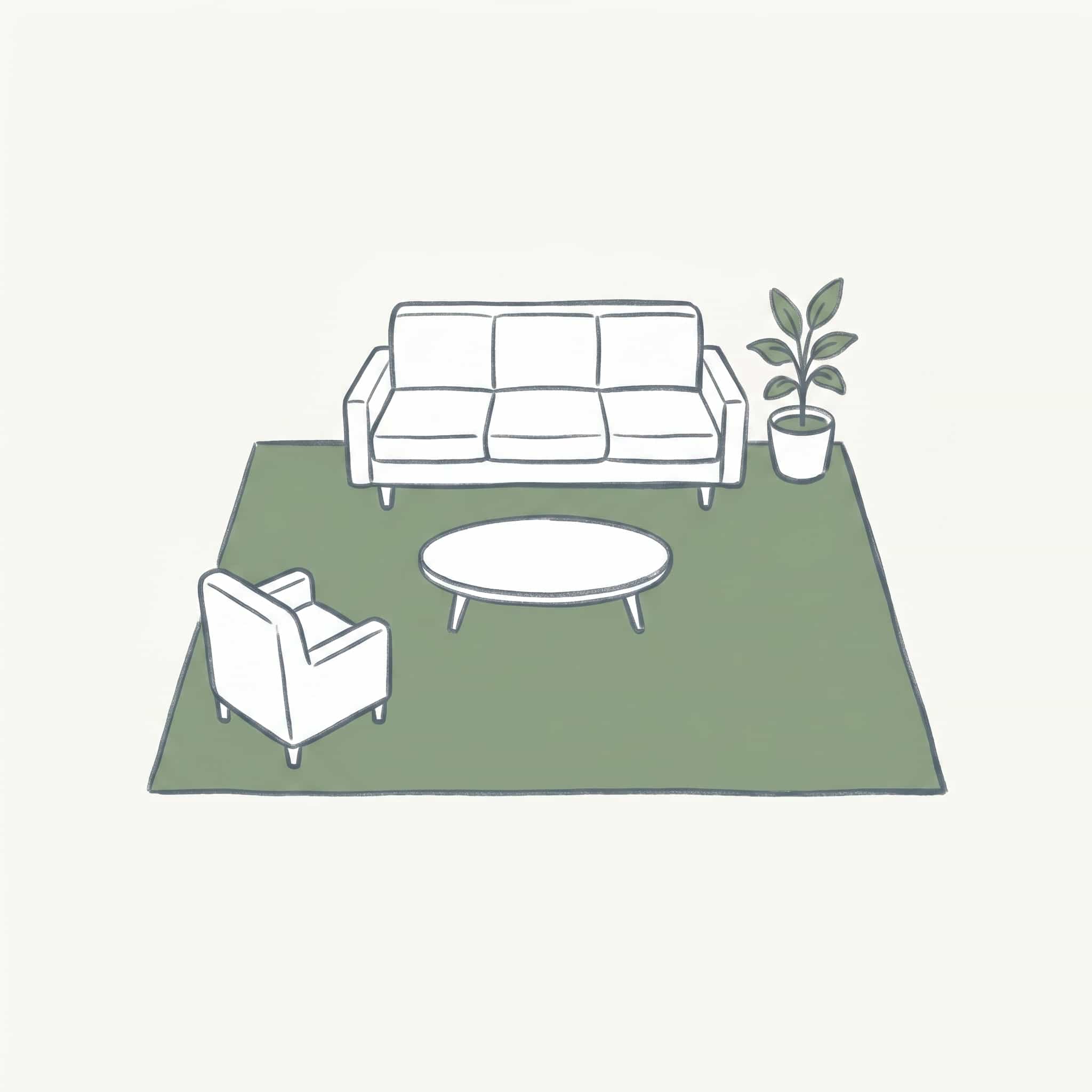
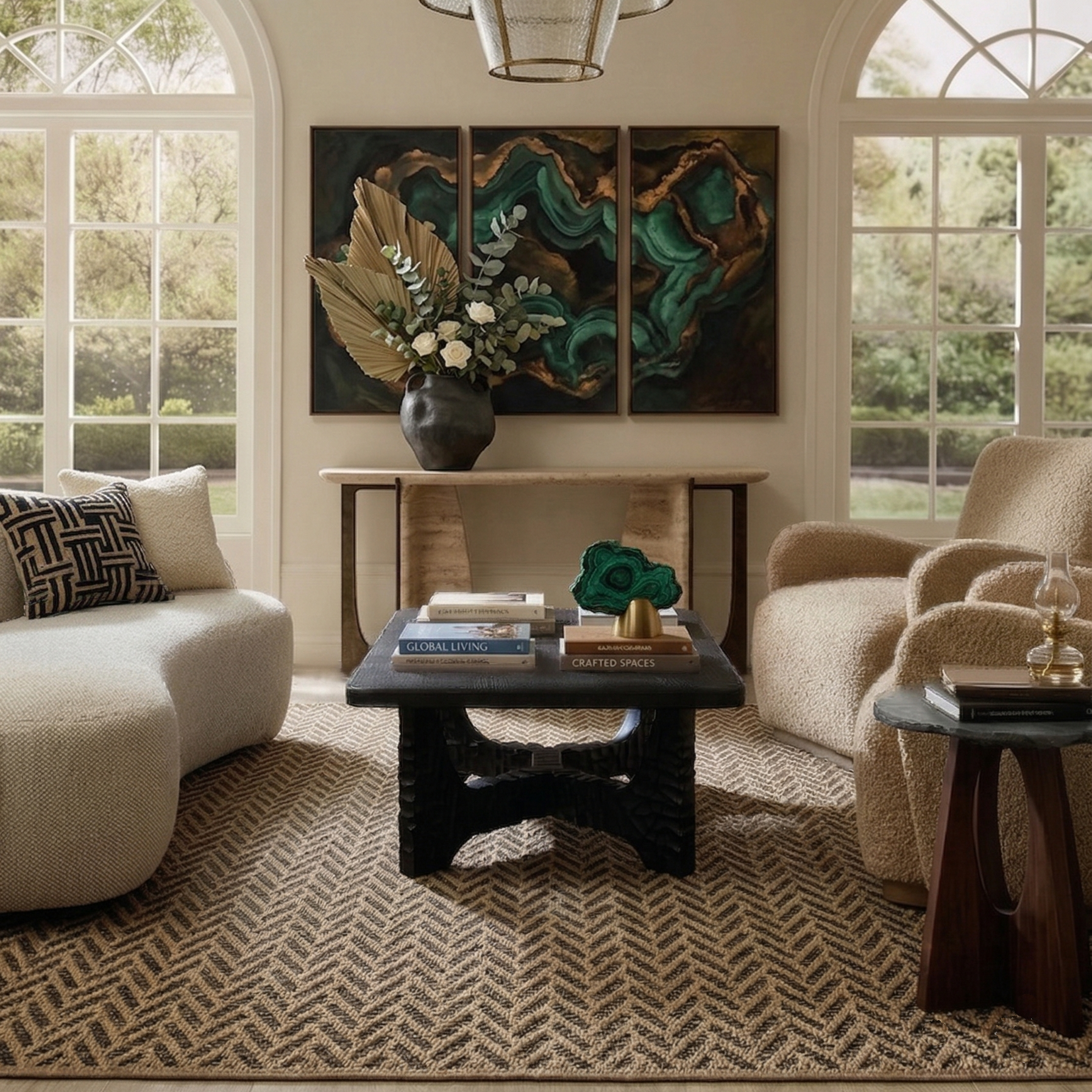
Layer rugs under coffee tables or seating areas to add warmth and style.
Bedrooms
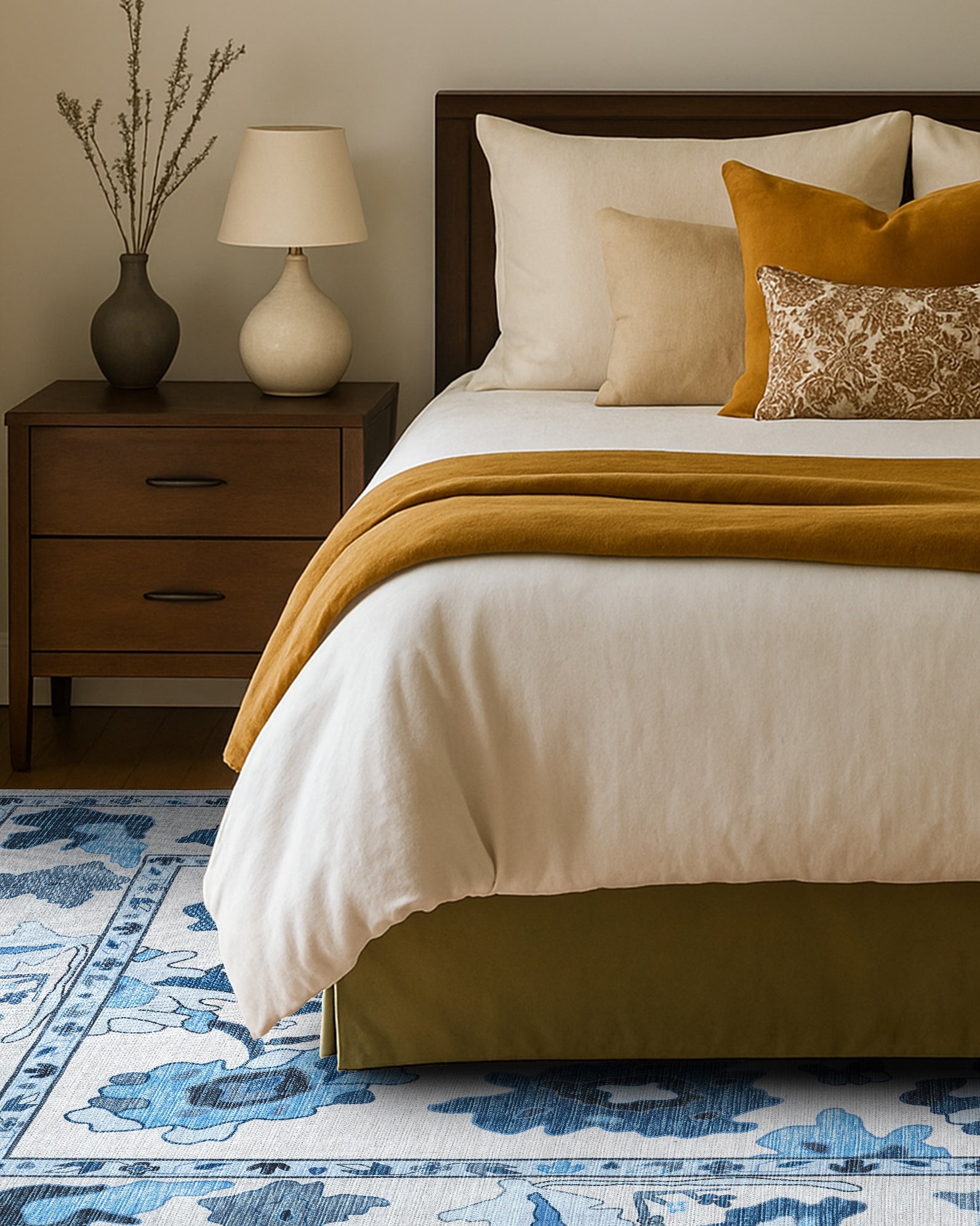
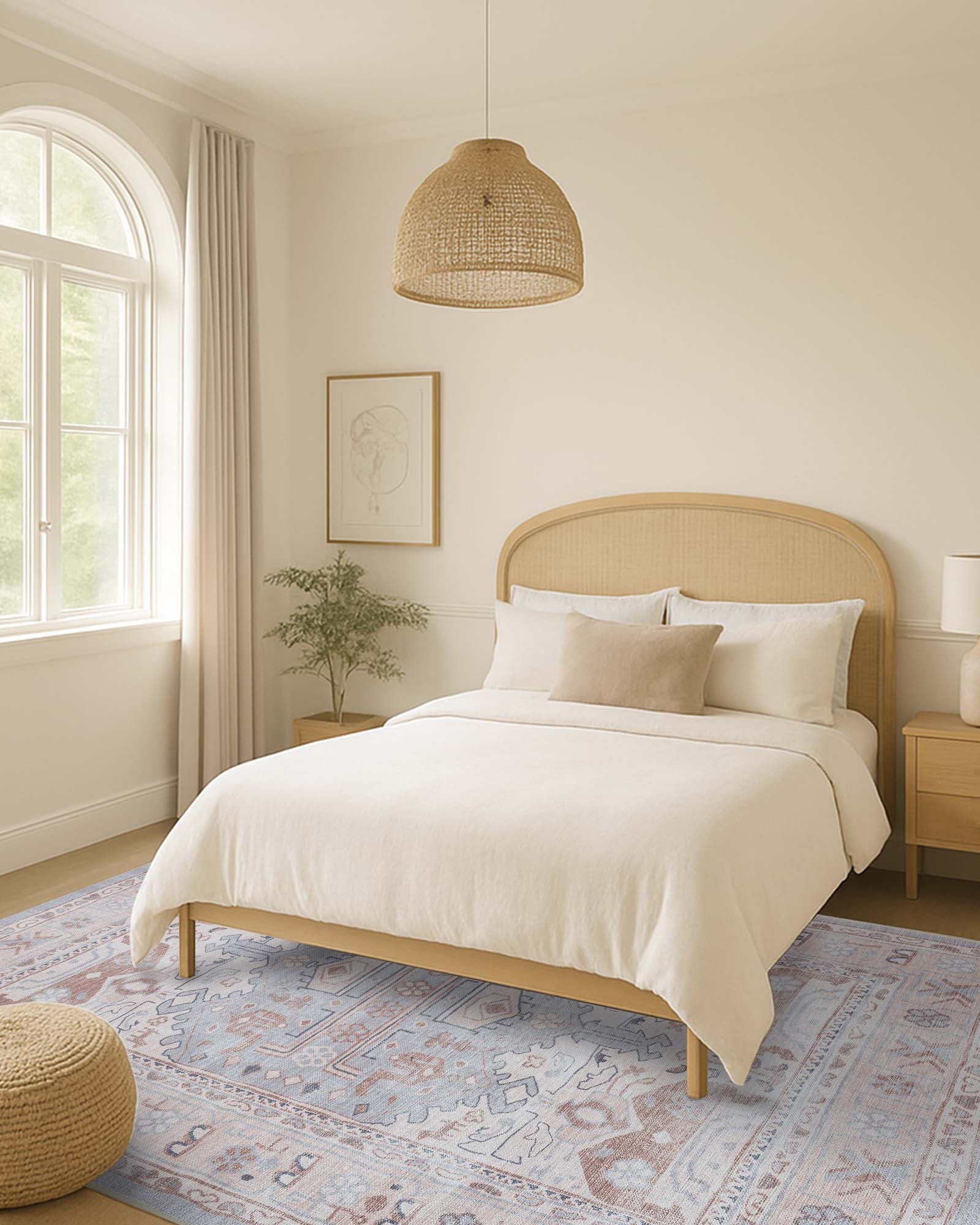
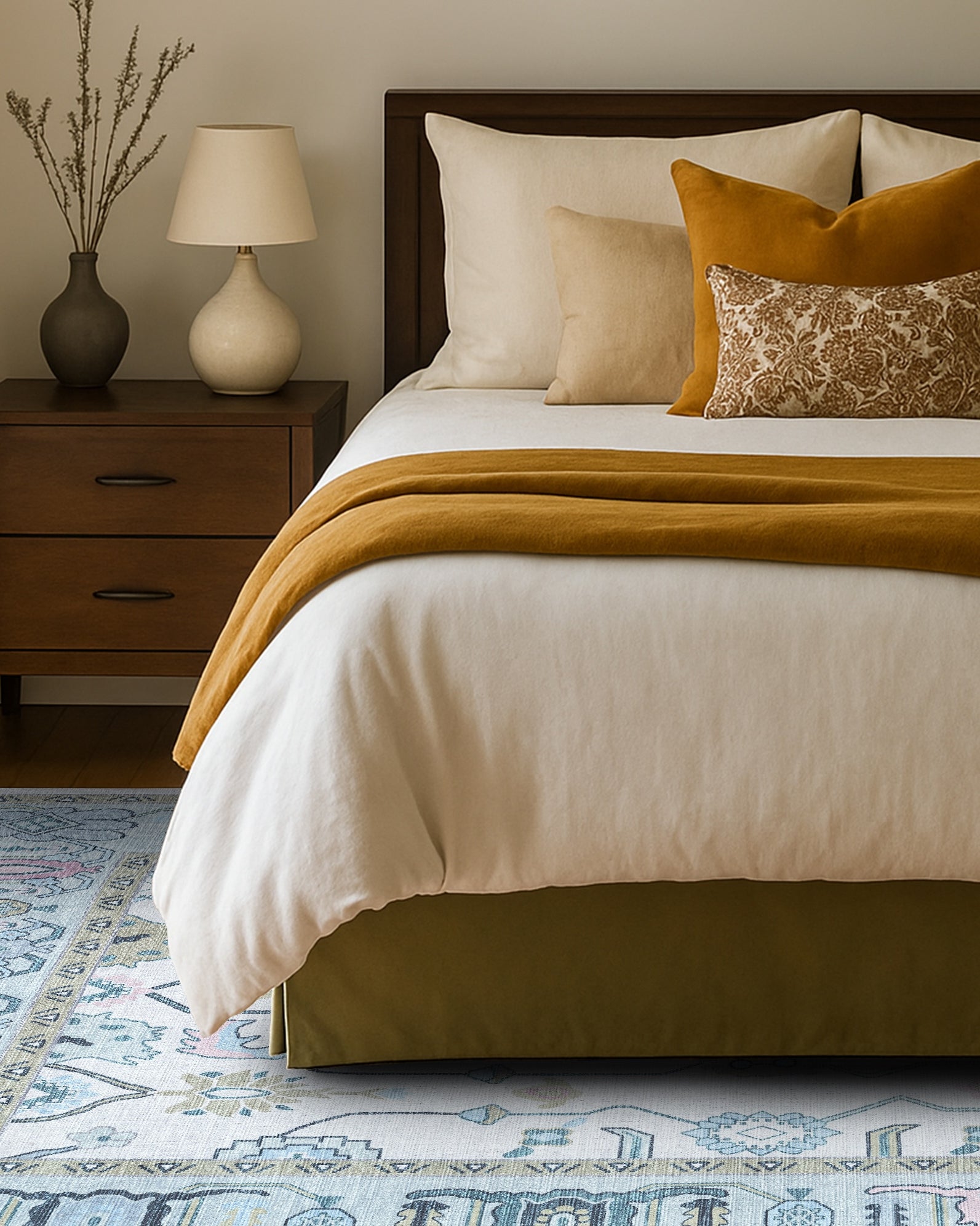
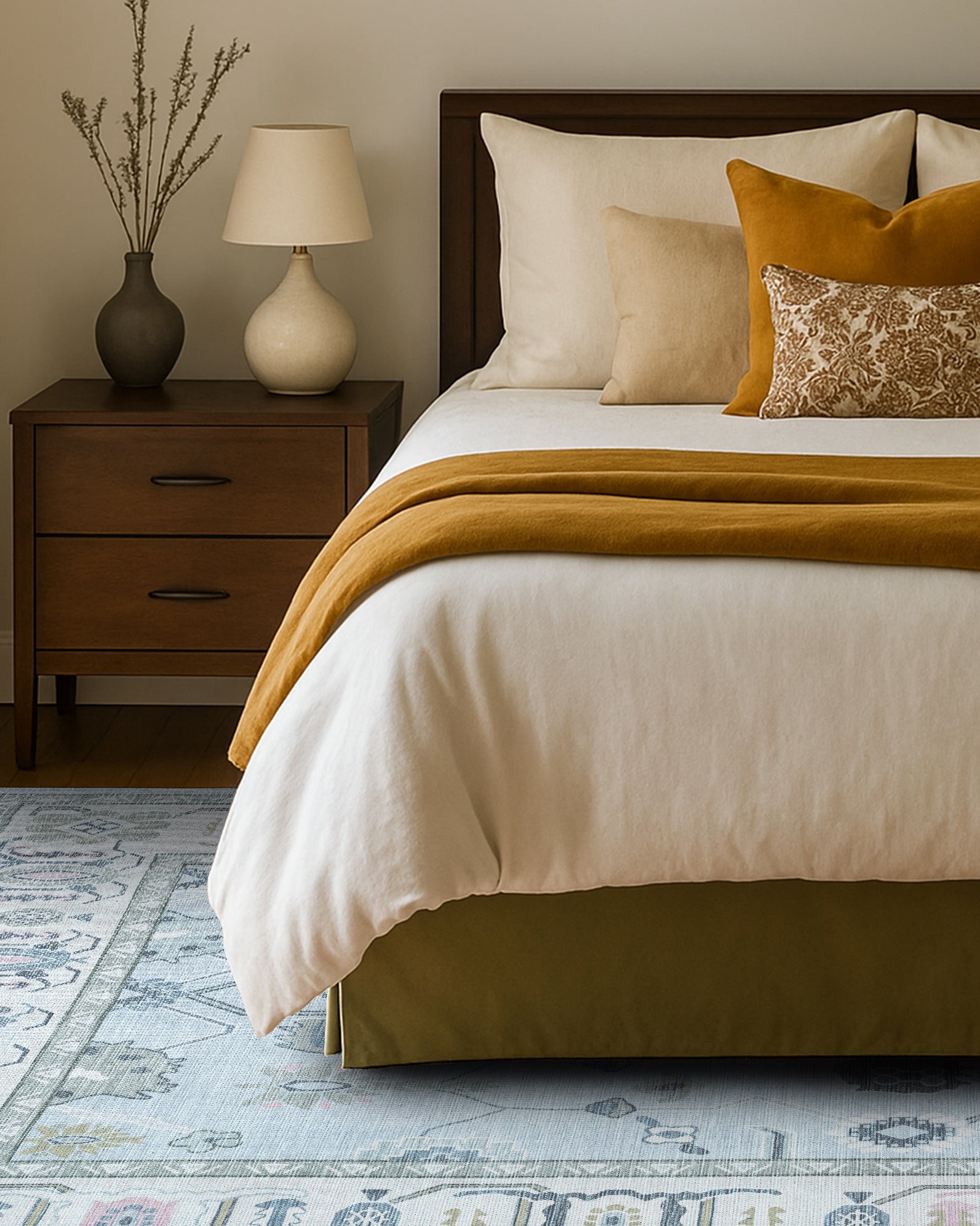
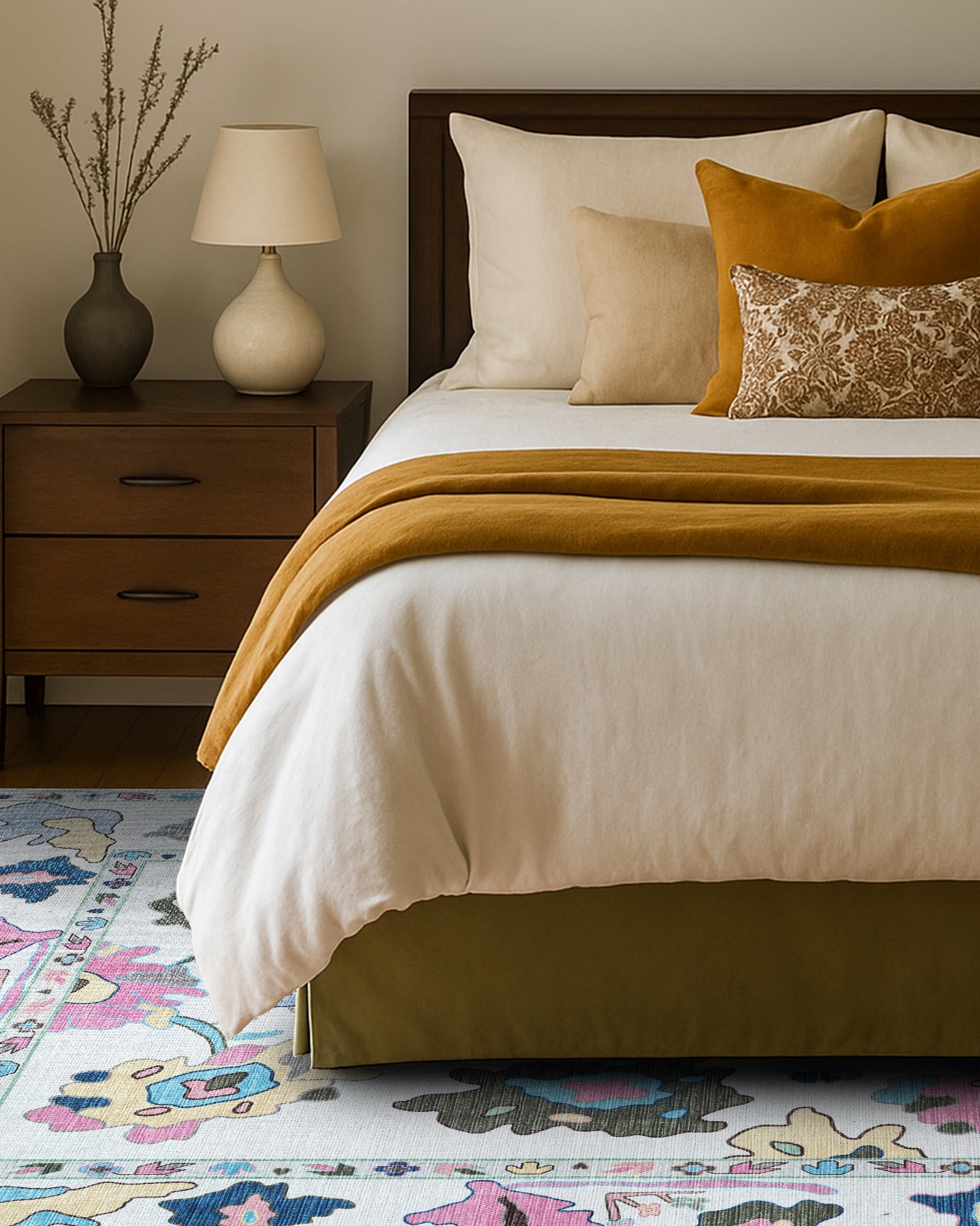
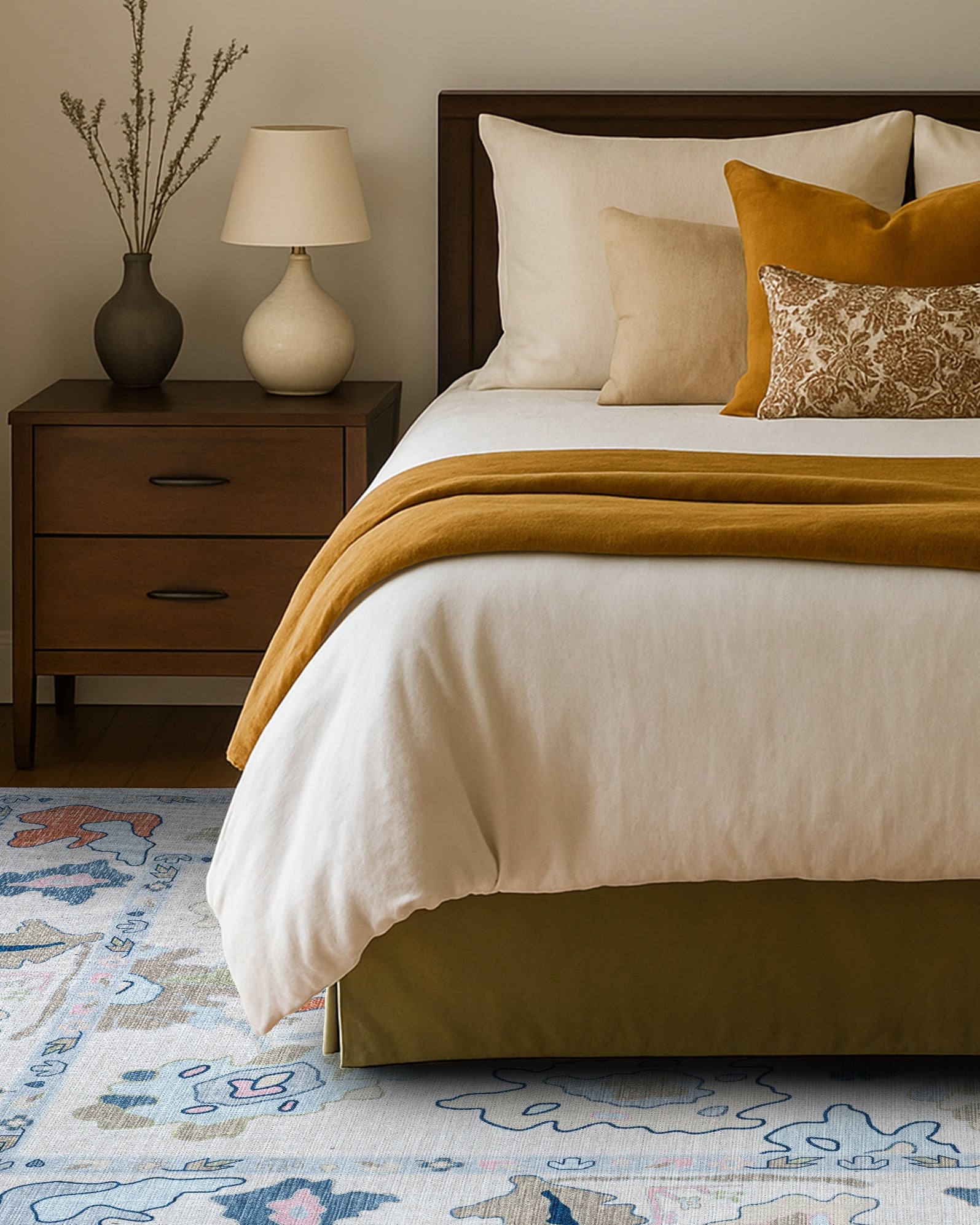
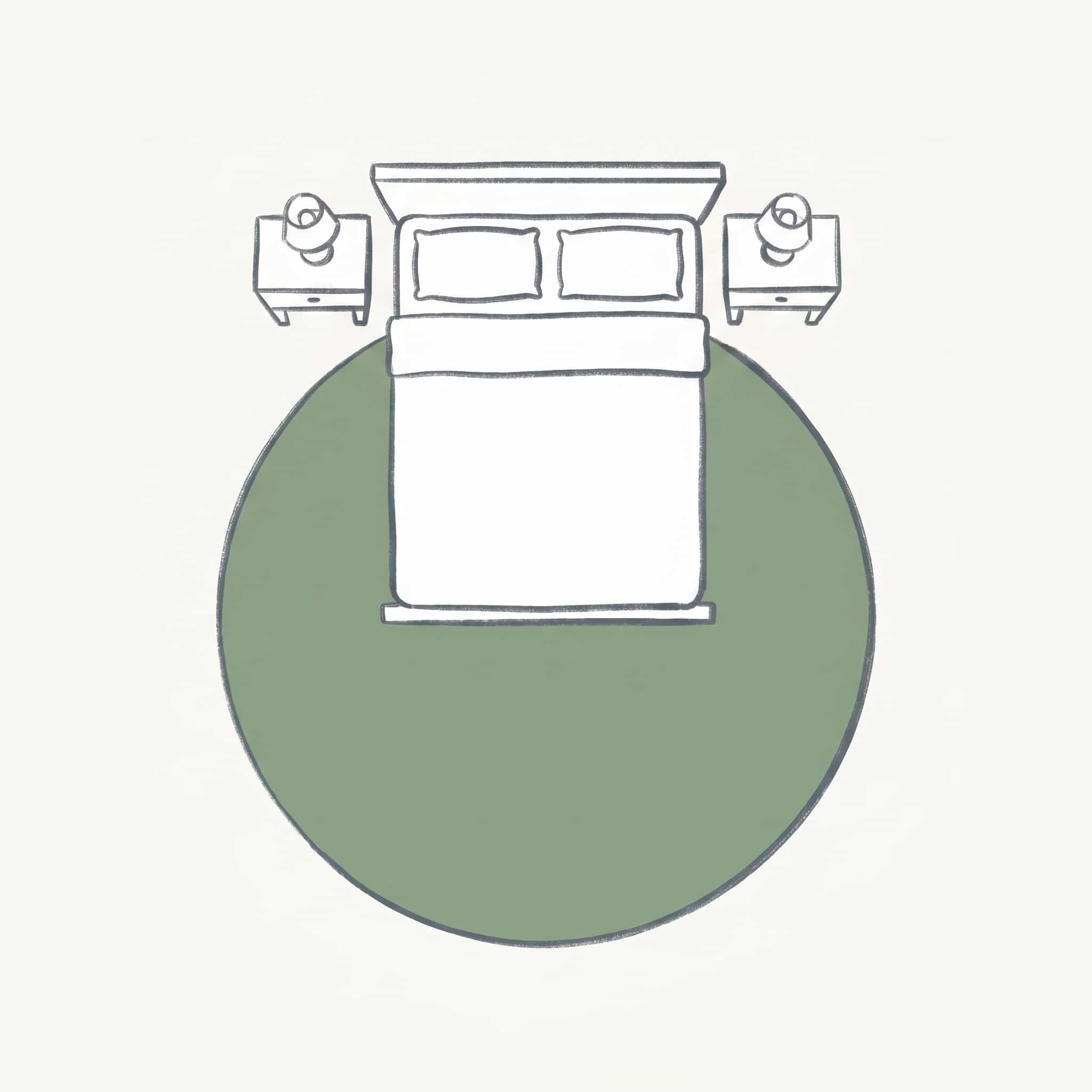
Place a smaller patterned rug over a large neutral rug at the foot or sides of the bed for a cozy, hotel-like feel.
Dining Areas
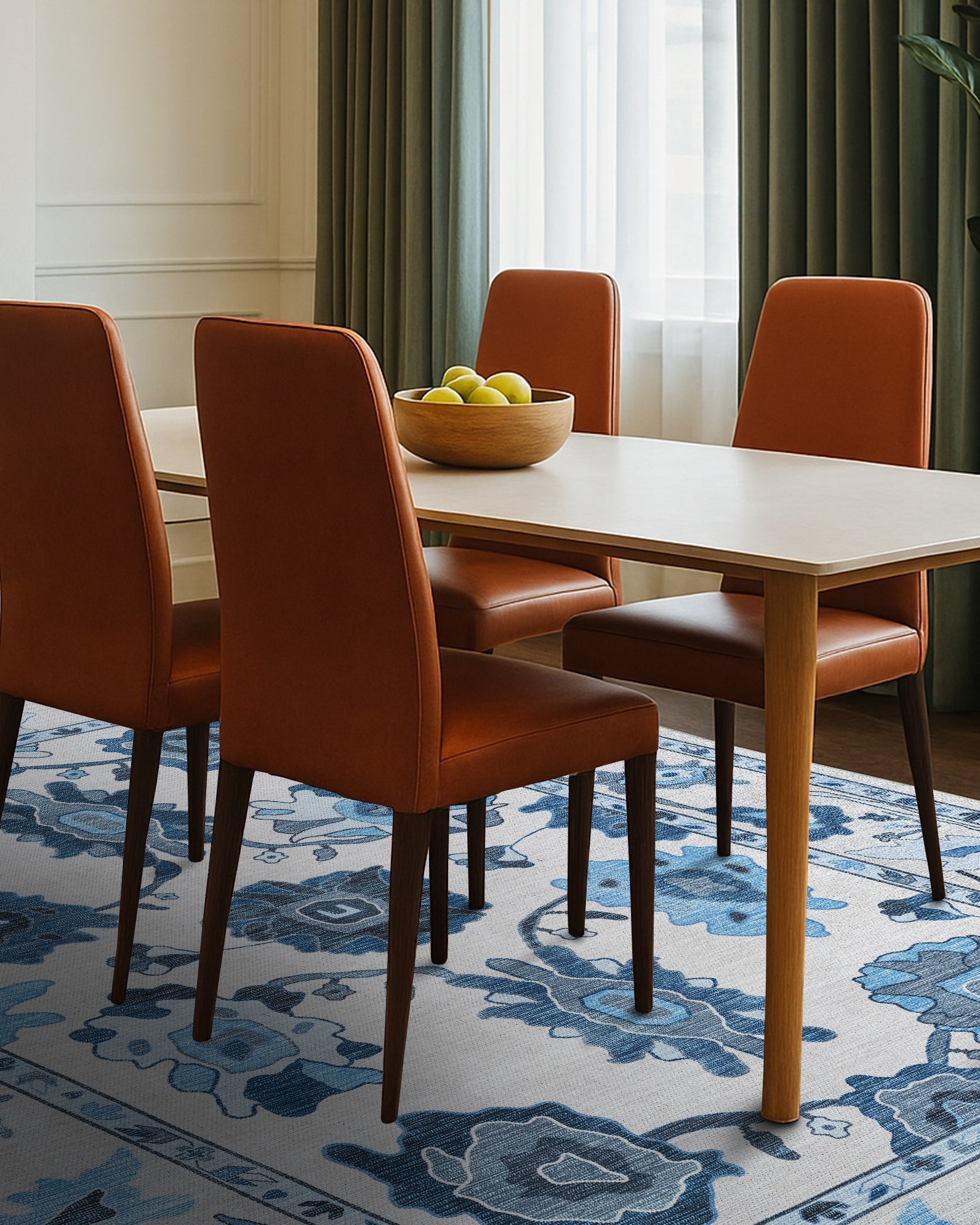
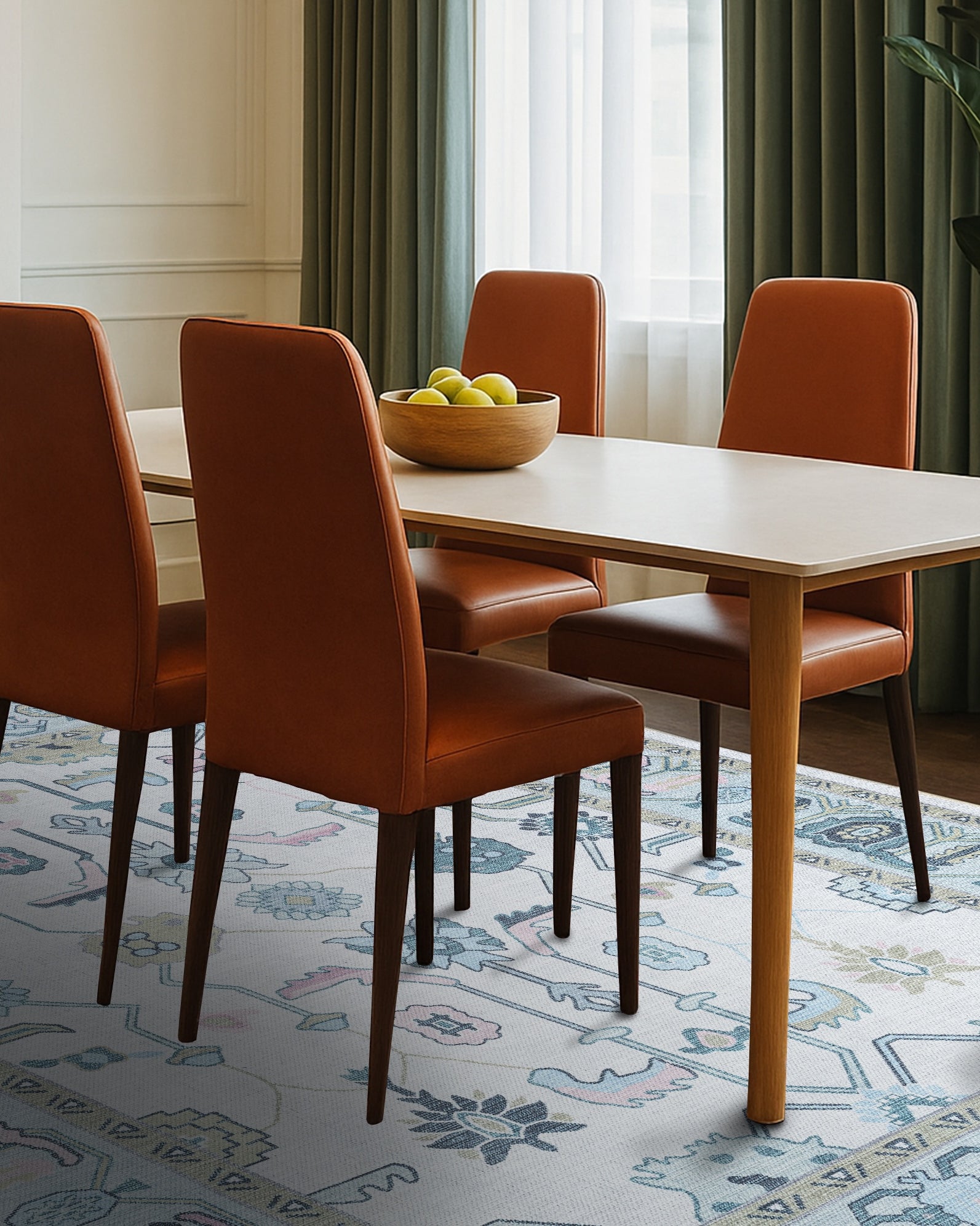
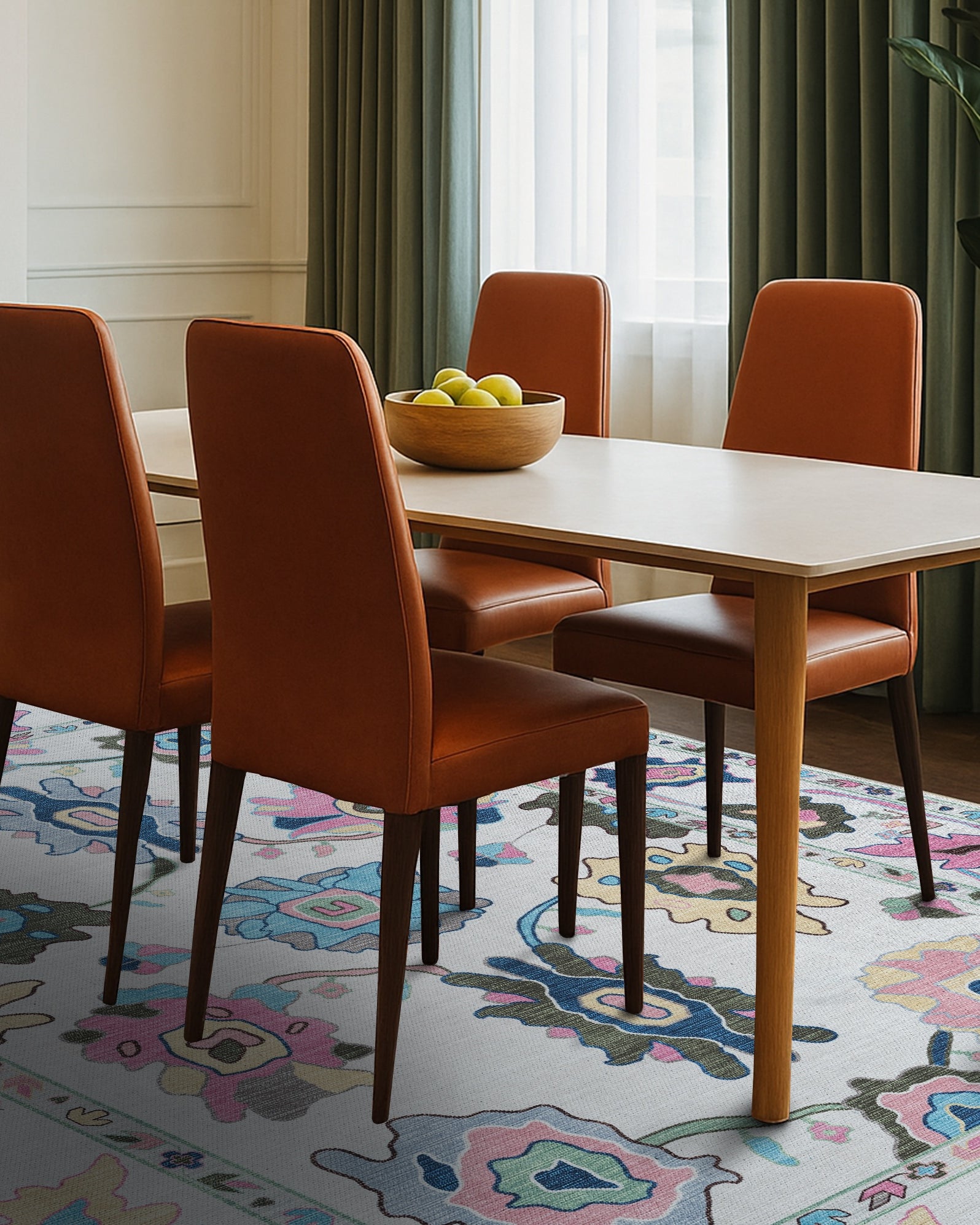
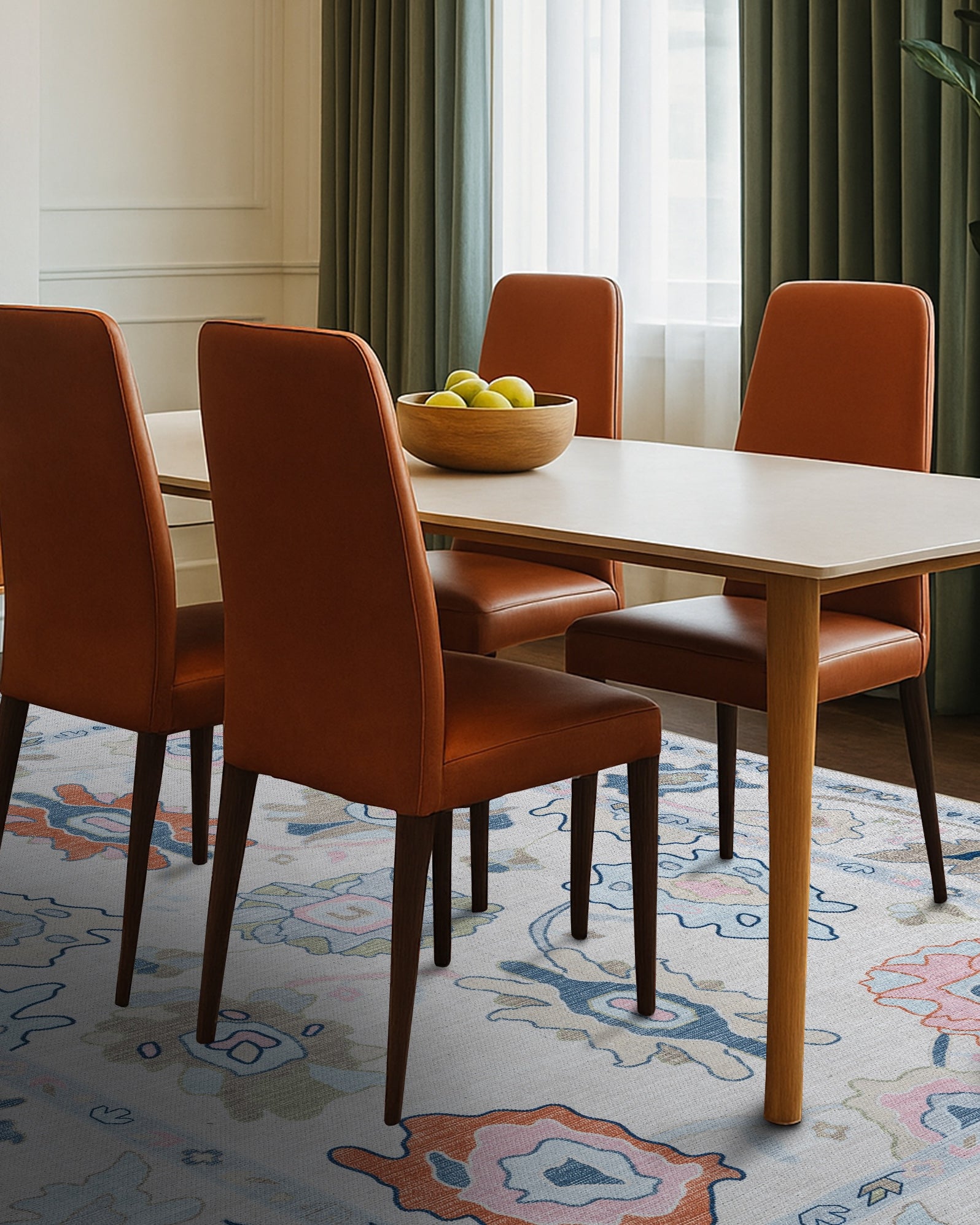
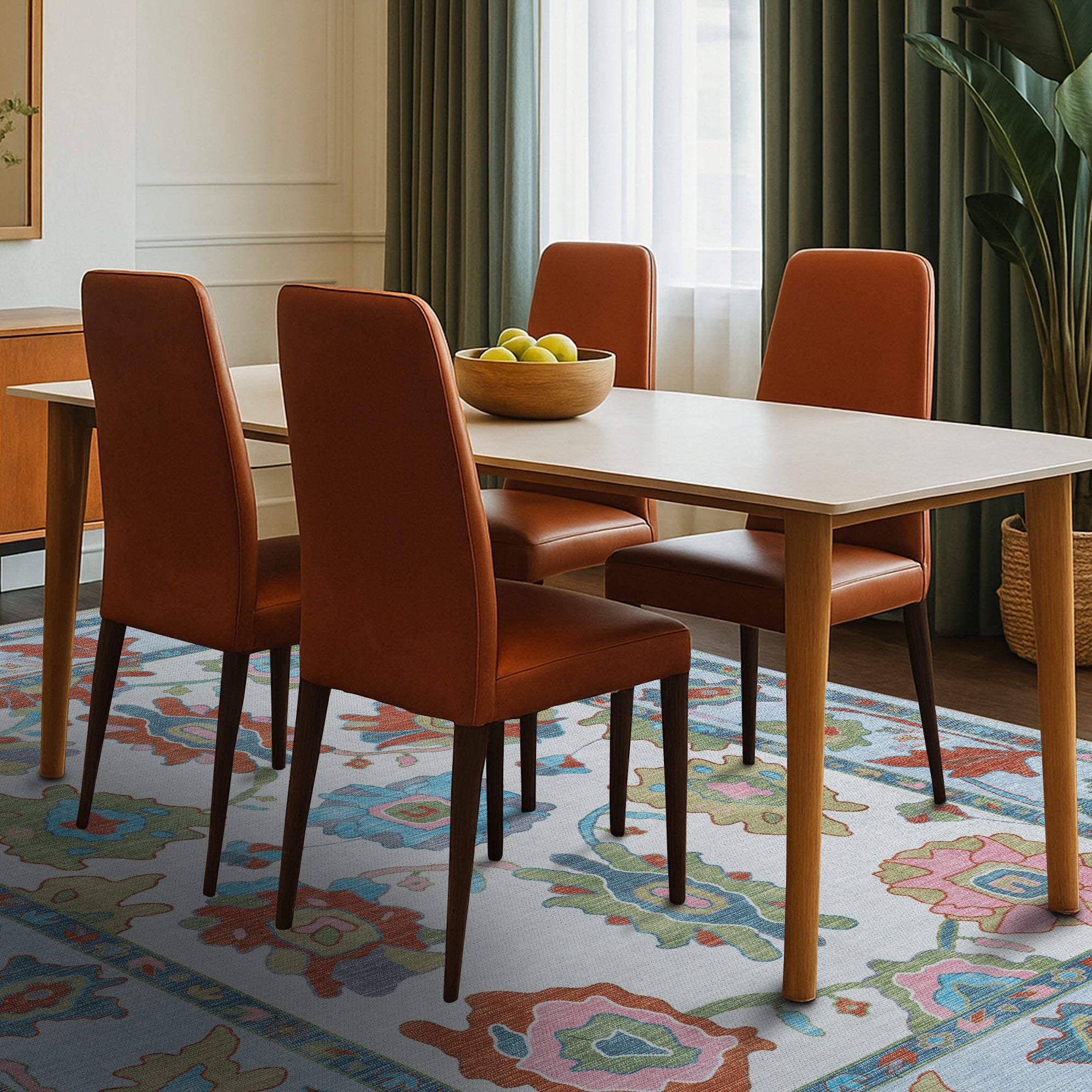
Layering can work if chairs remain stable—opt for low-pile rugs only.
Entryways
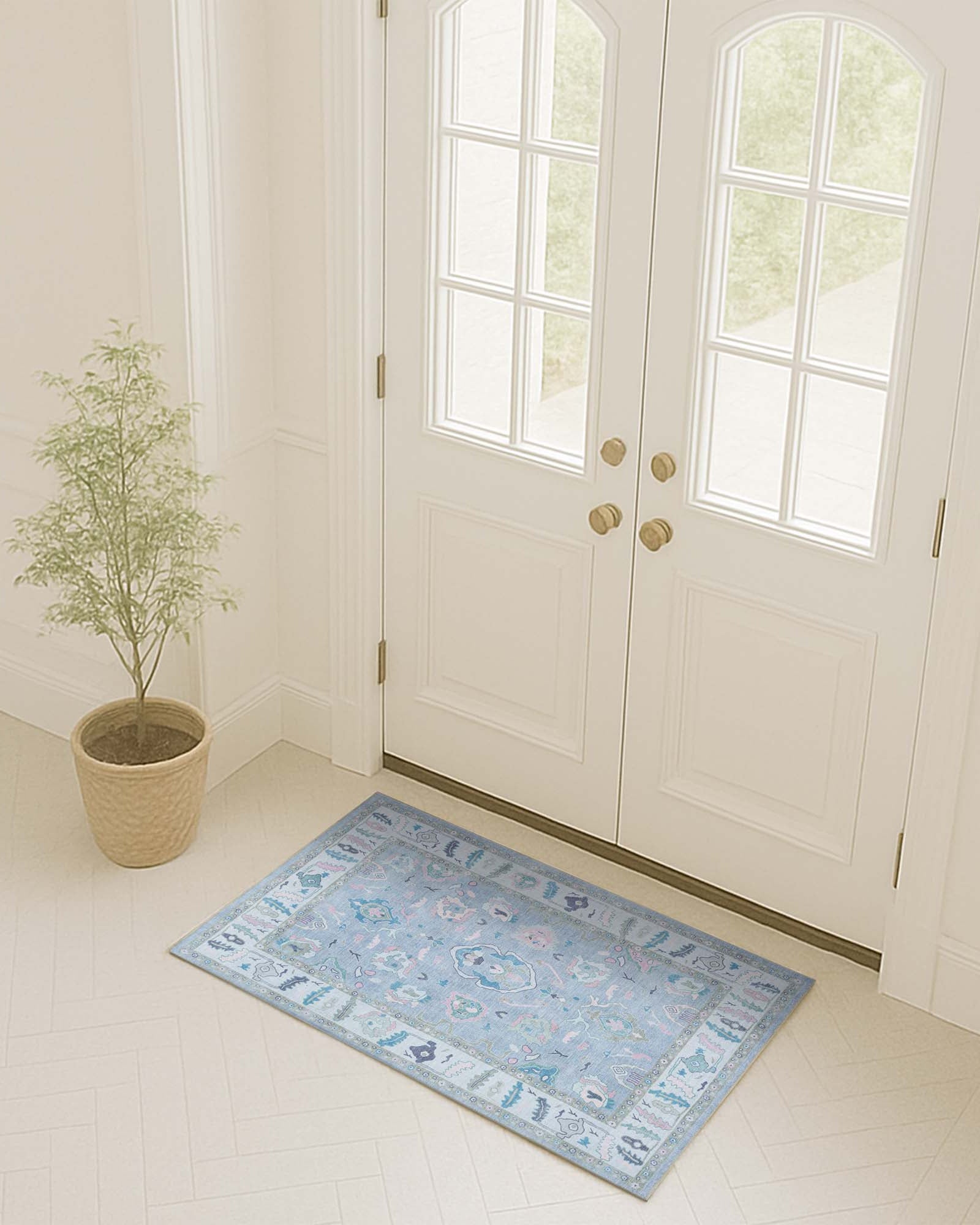
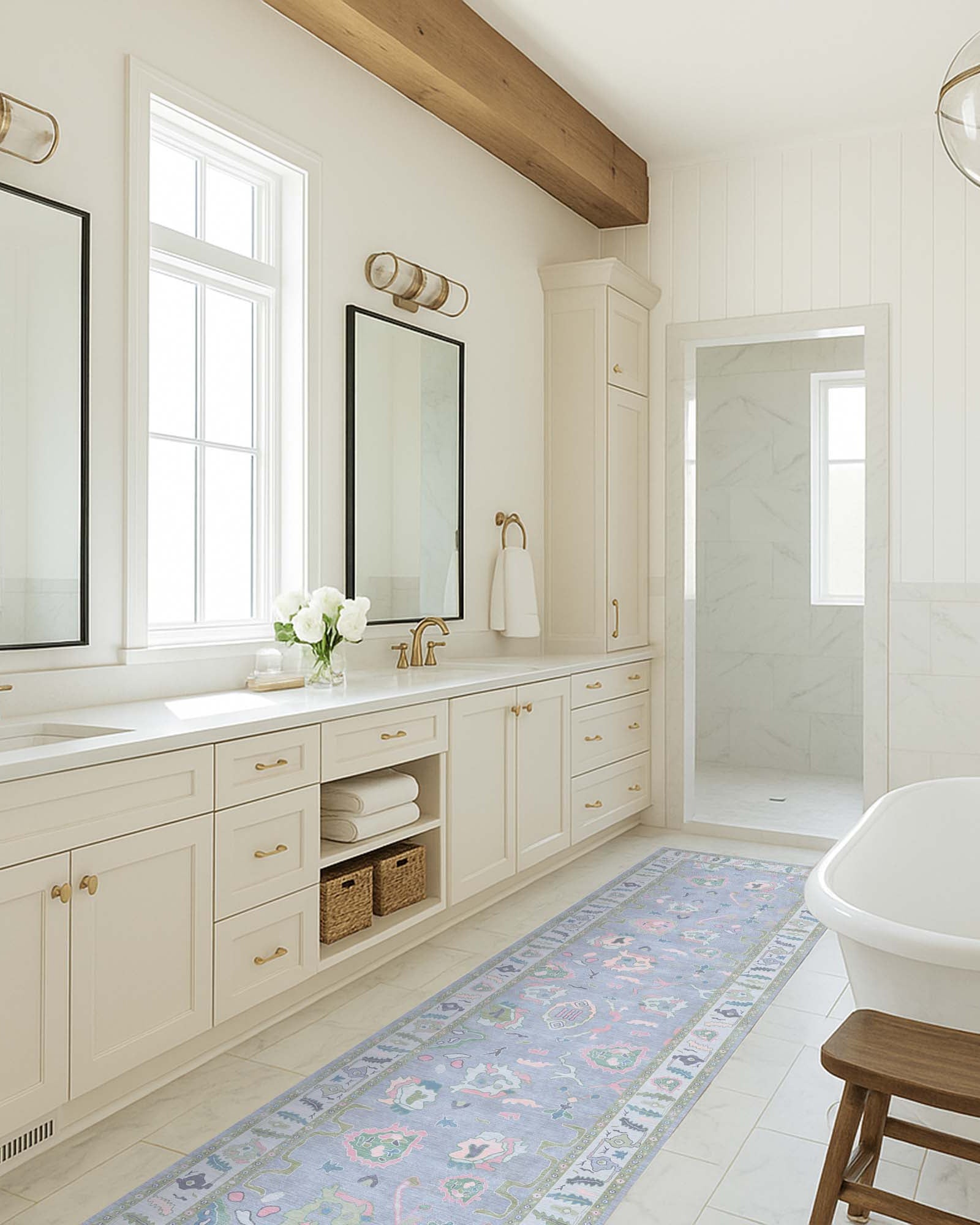
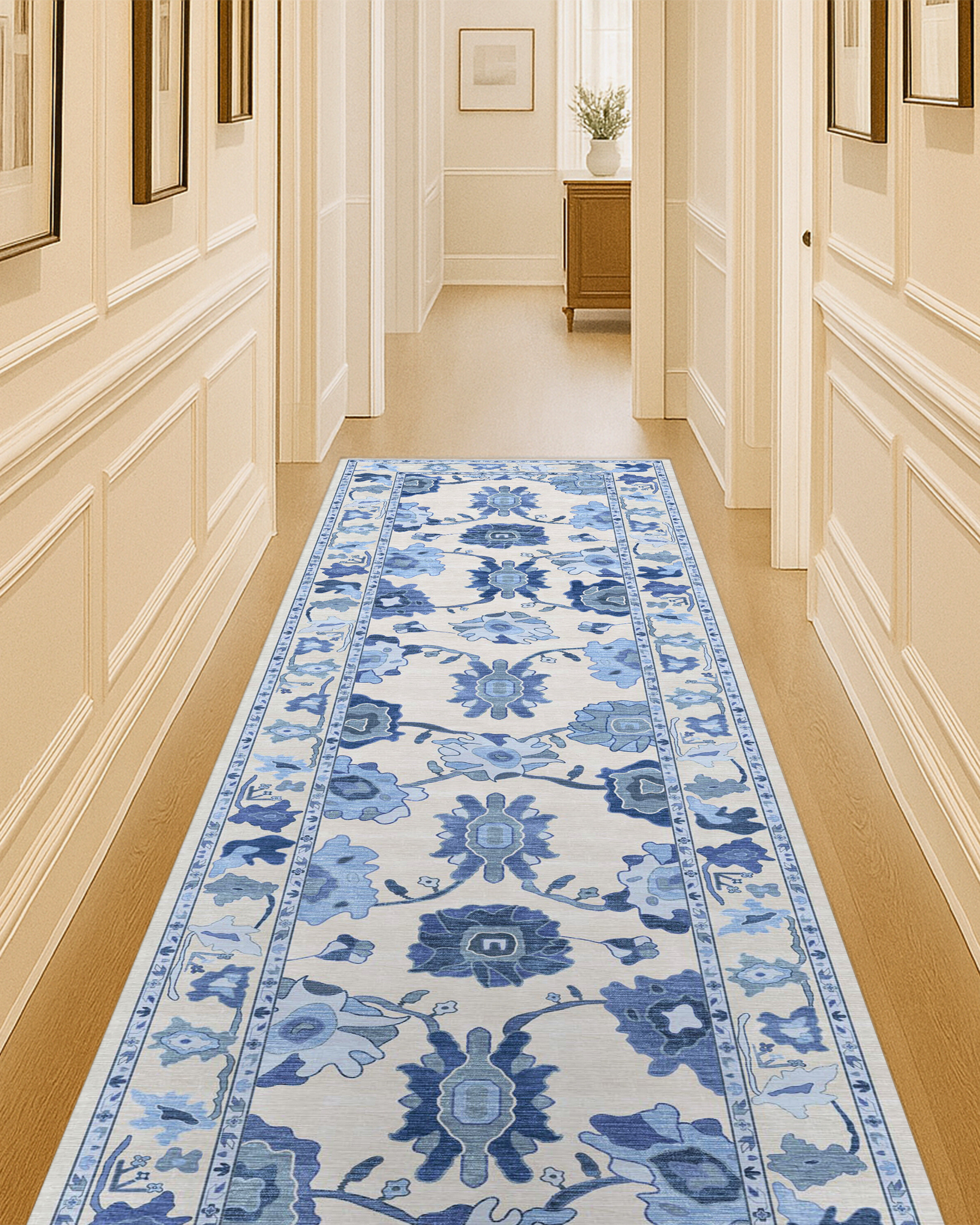
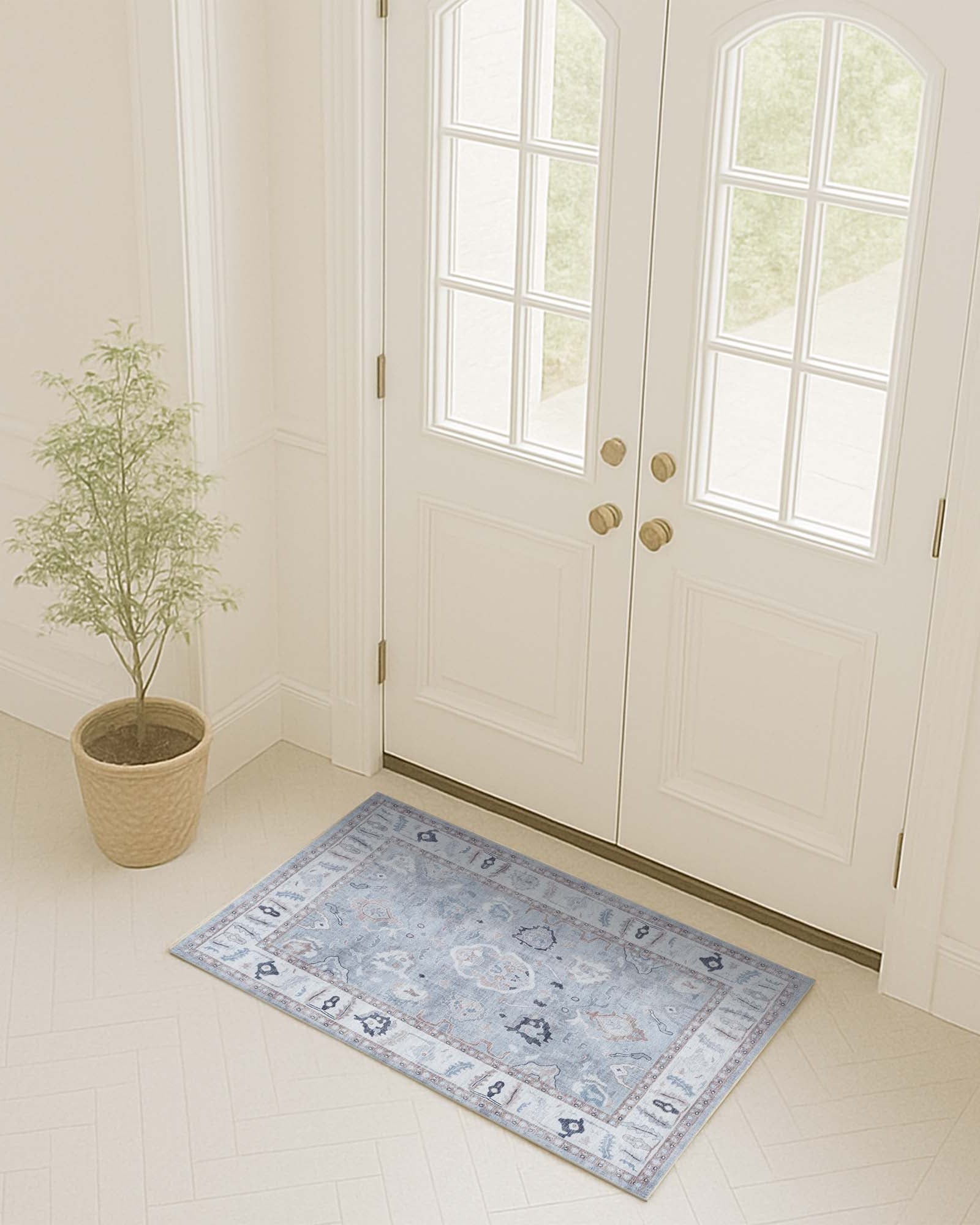
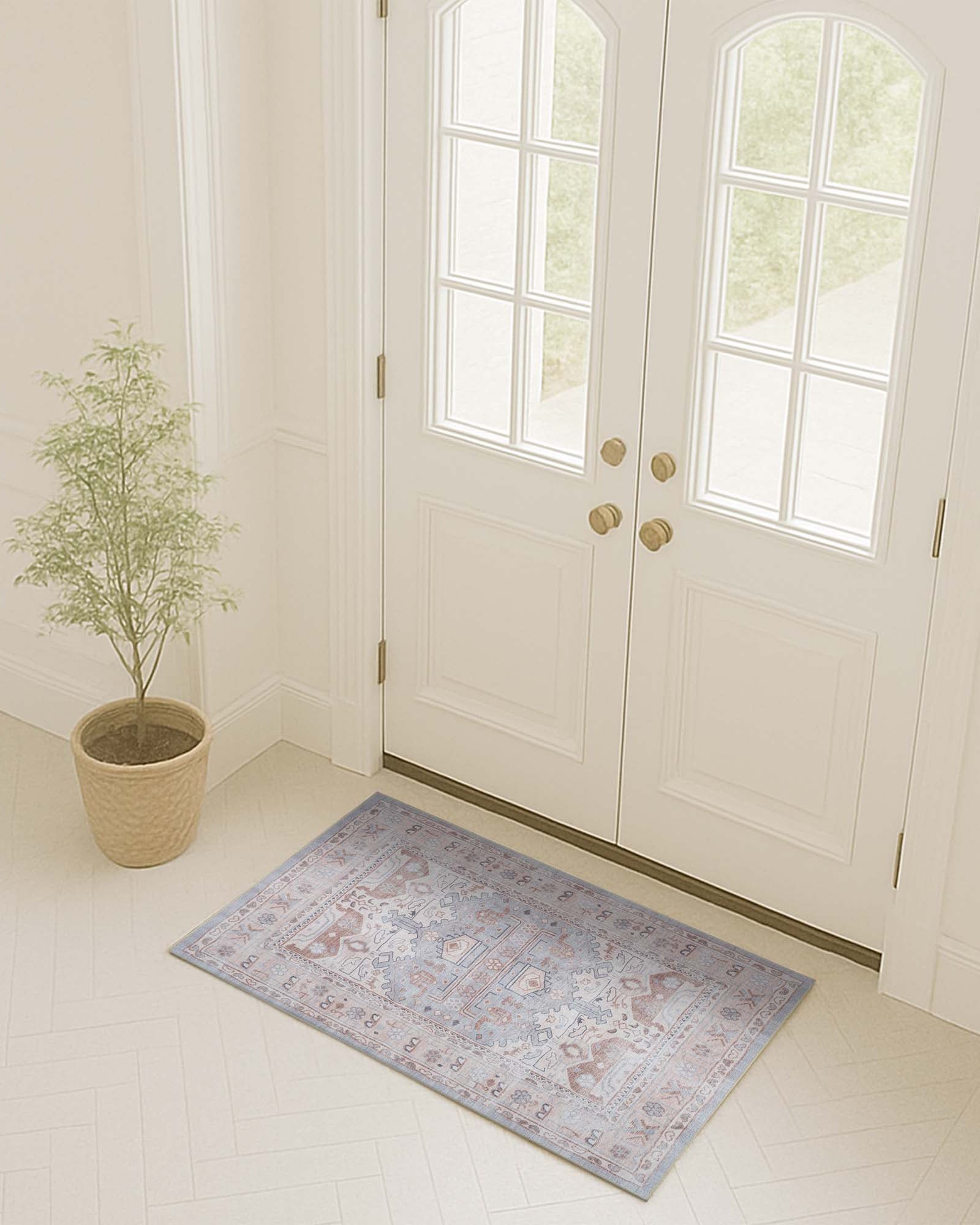
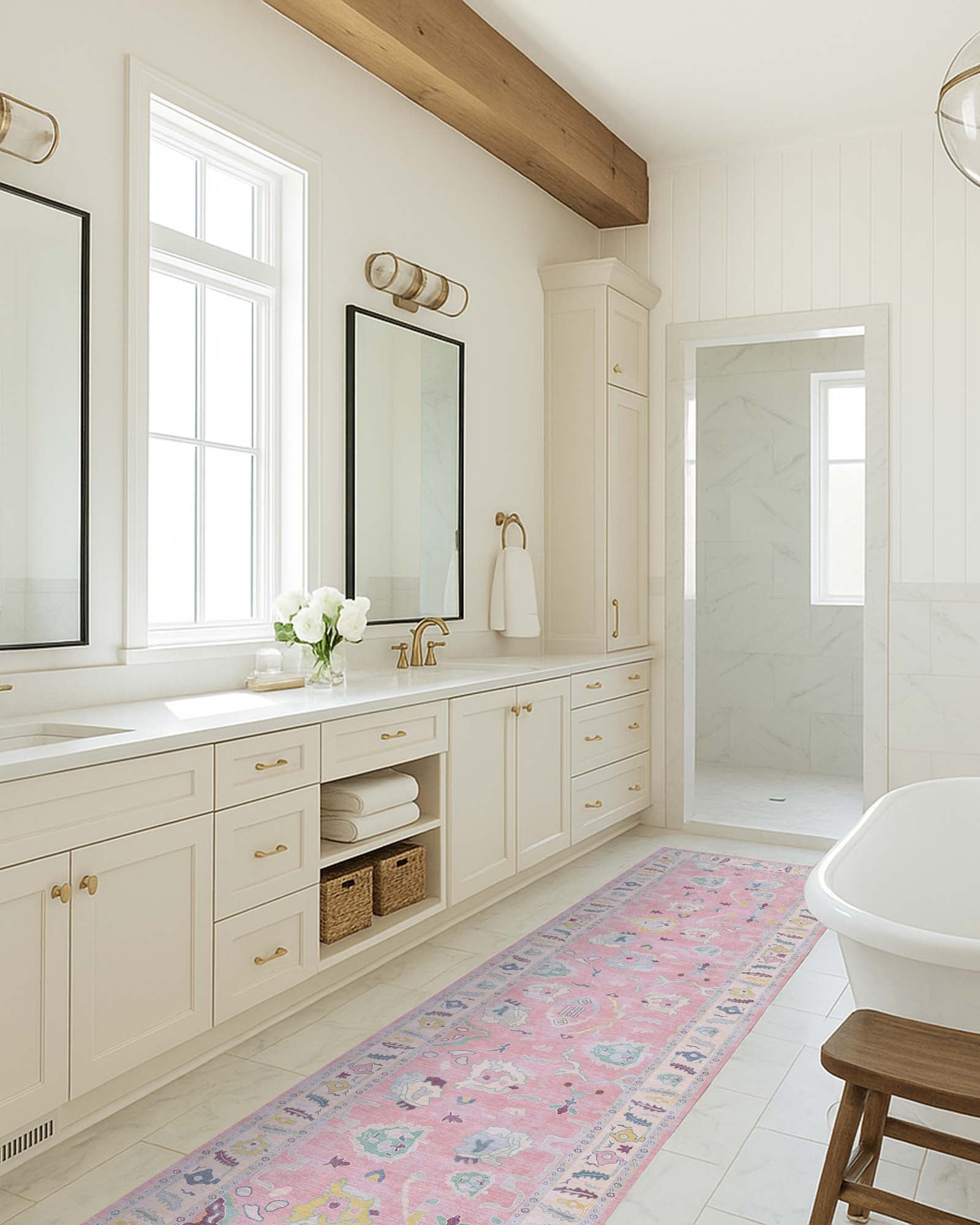
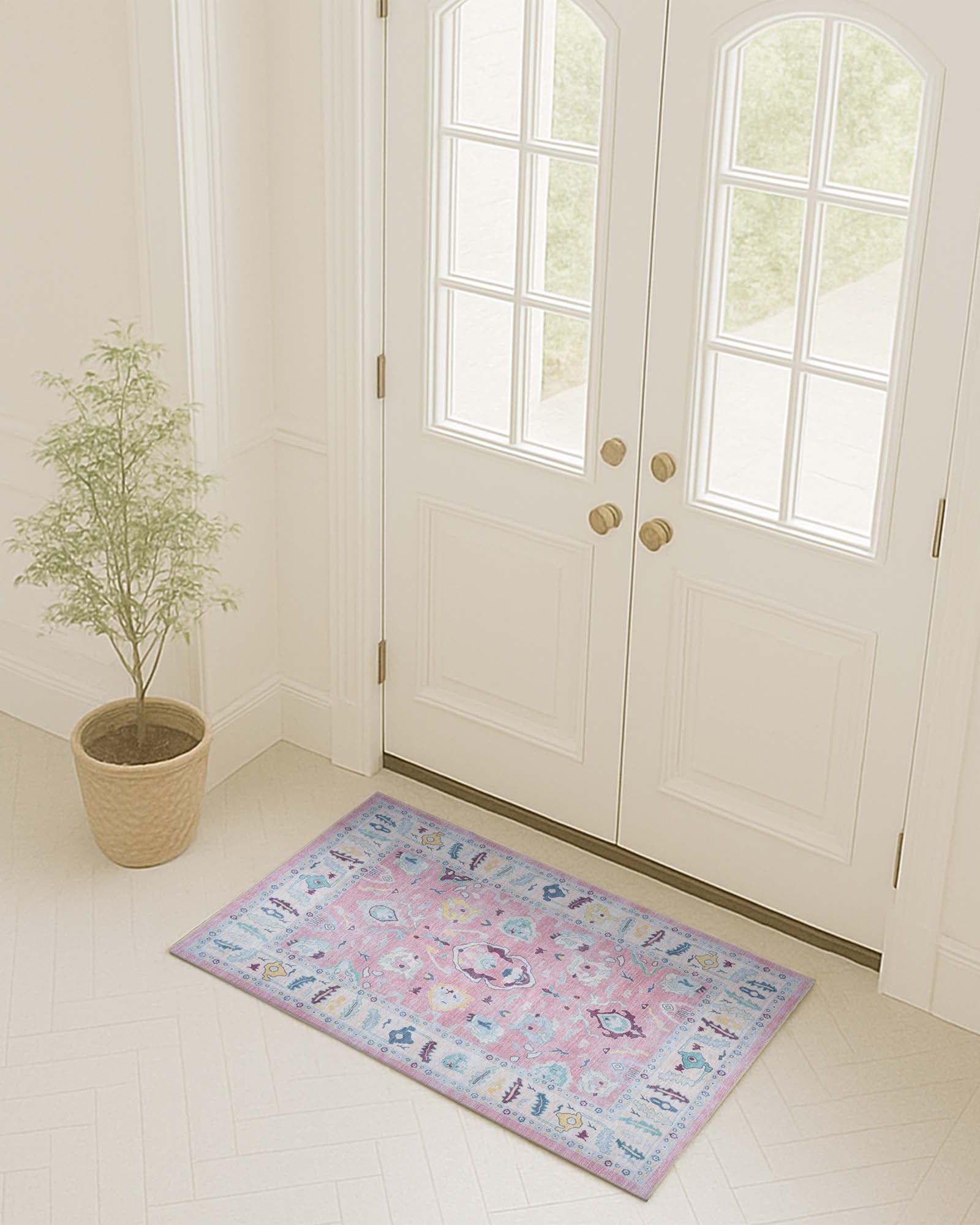
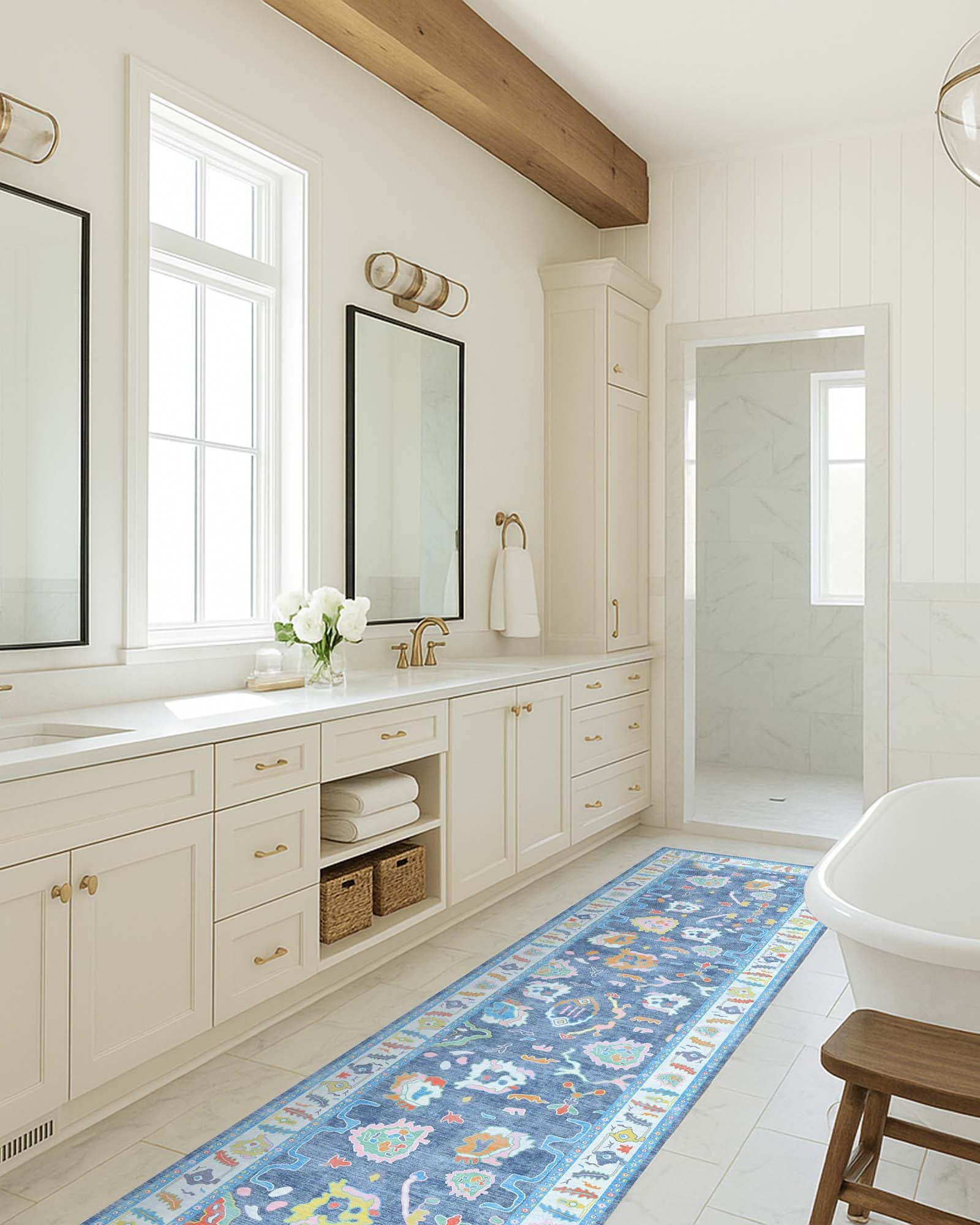
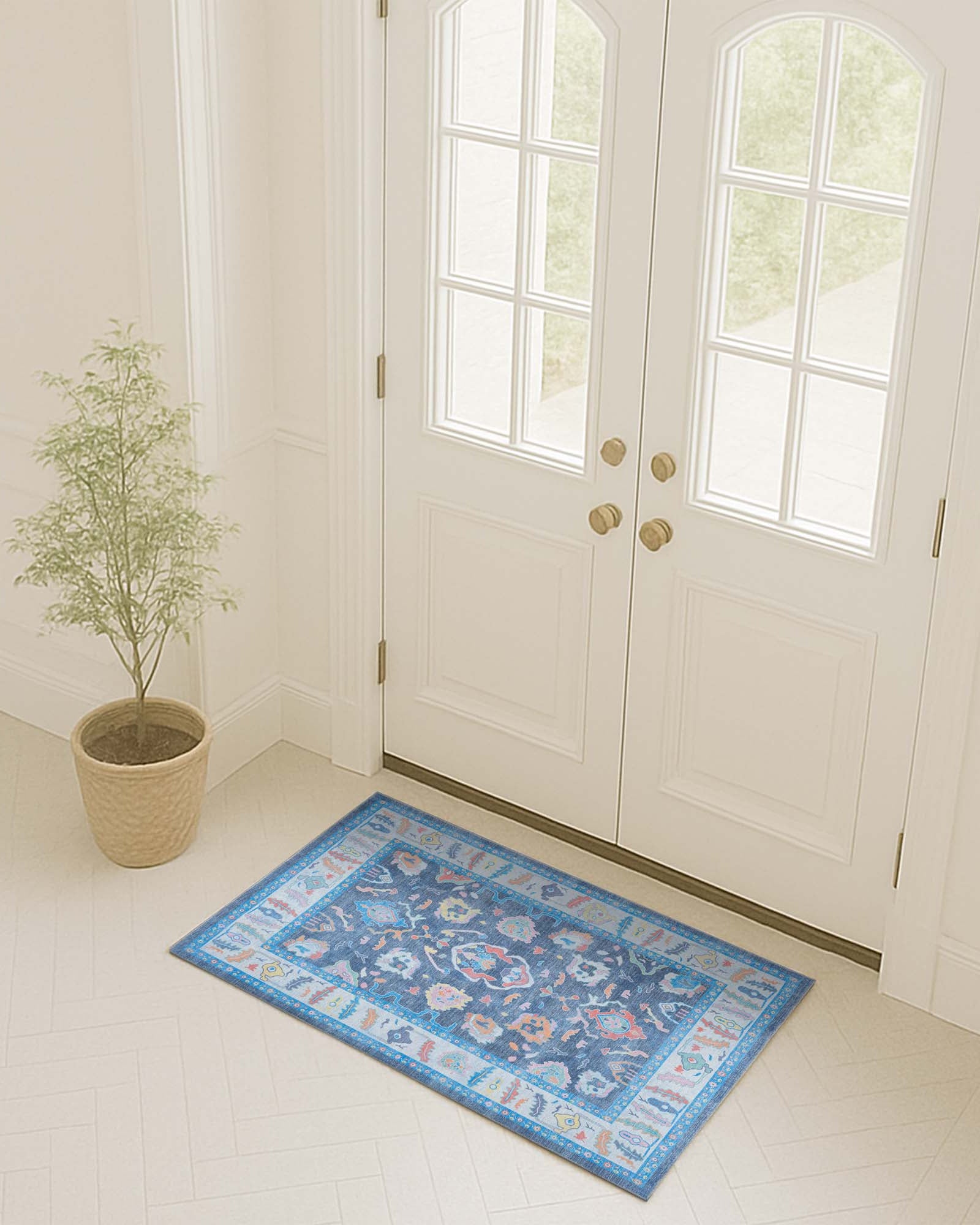
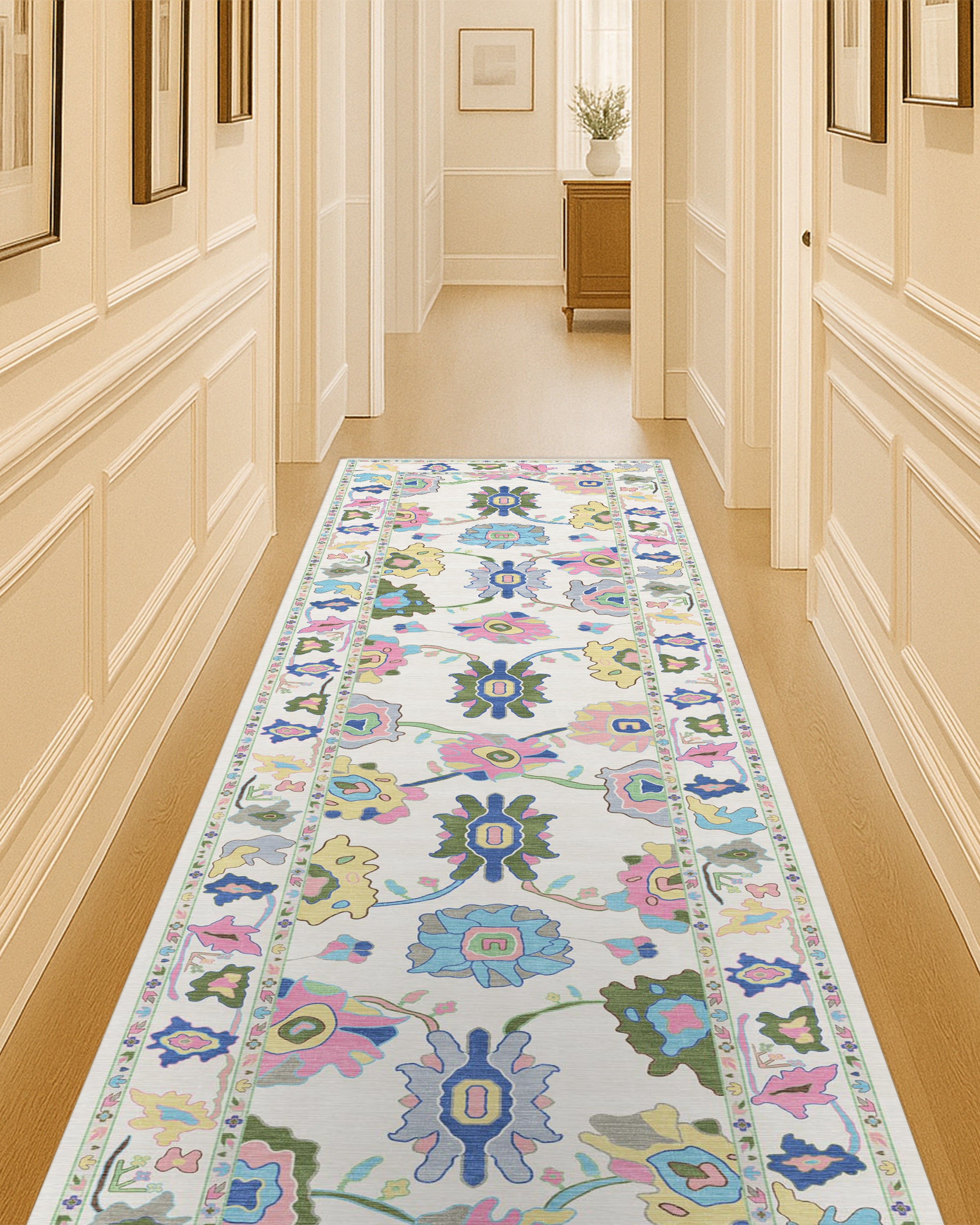
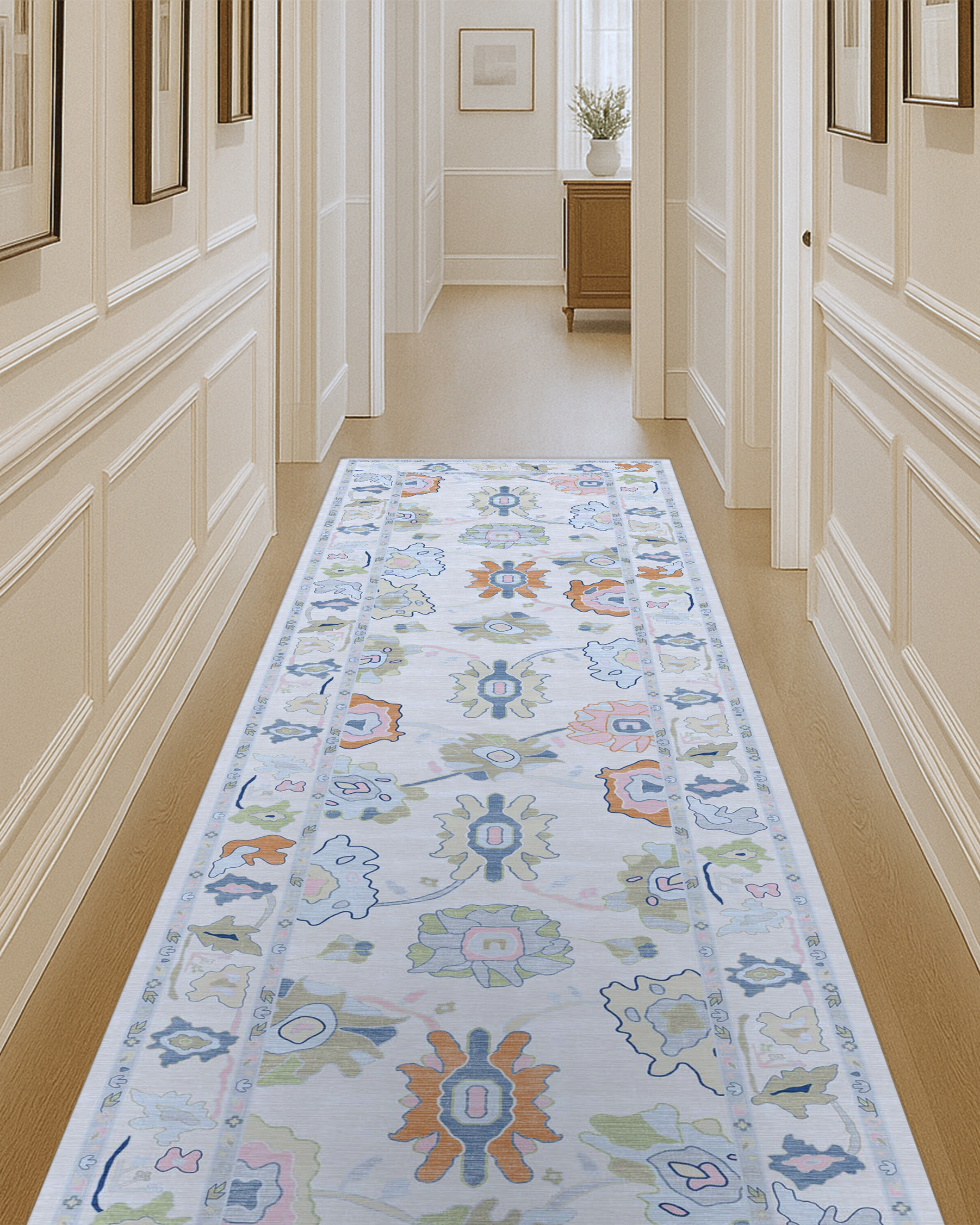
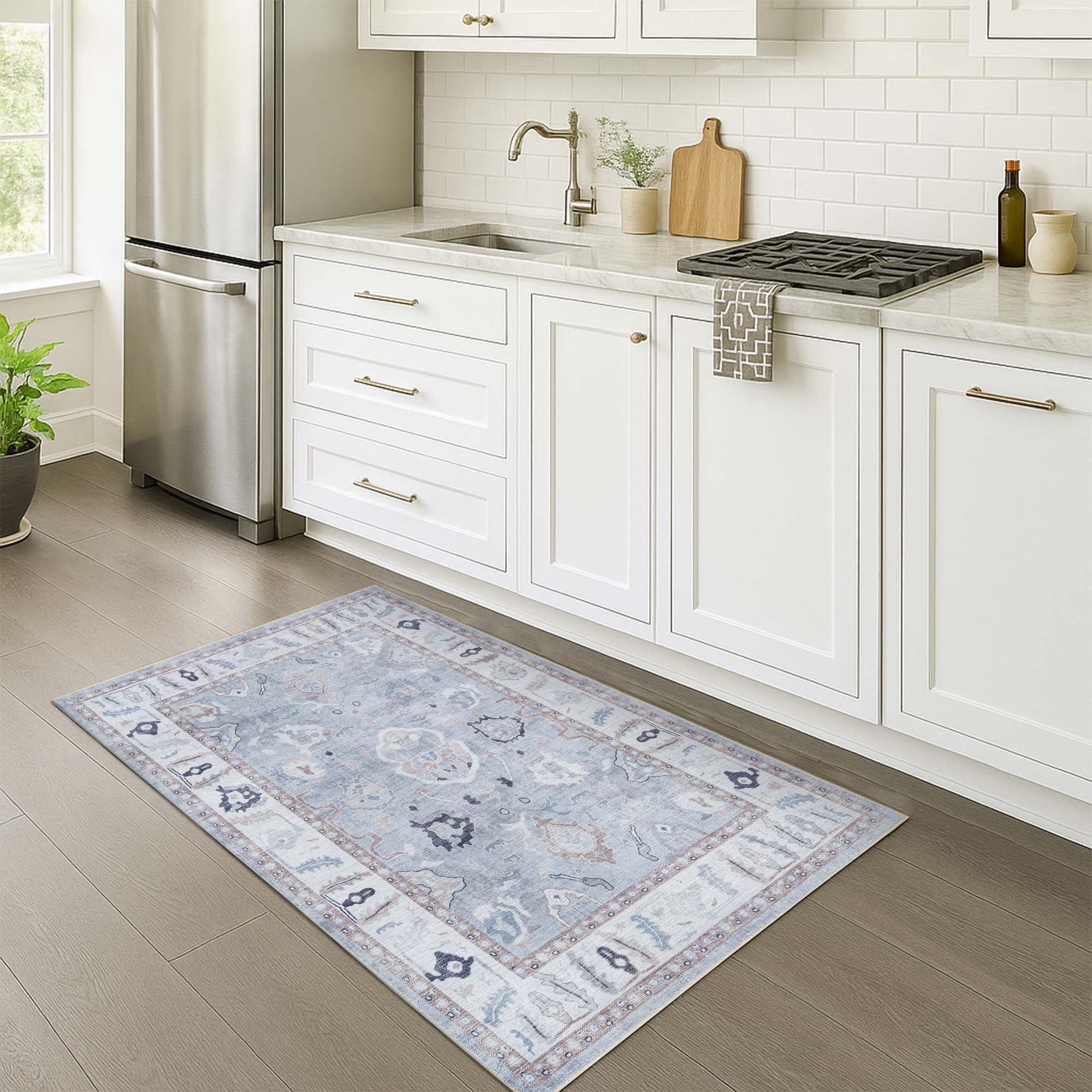
Use a durable neutral base with a decorative runner on top for impact.
Practical Tips Designers Swear By
-
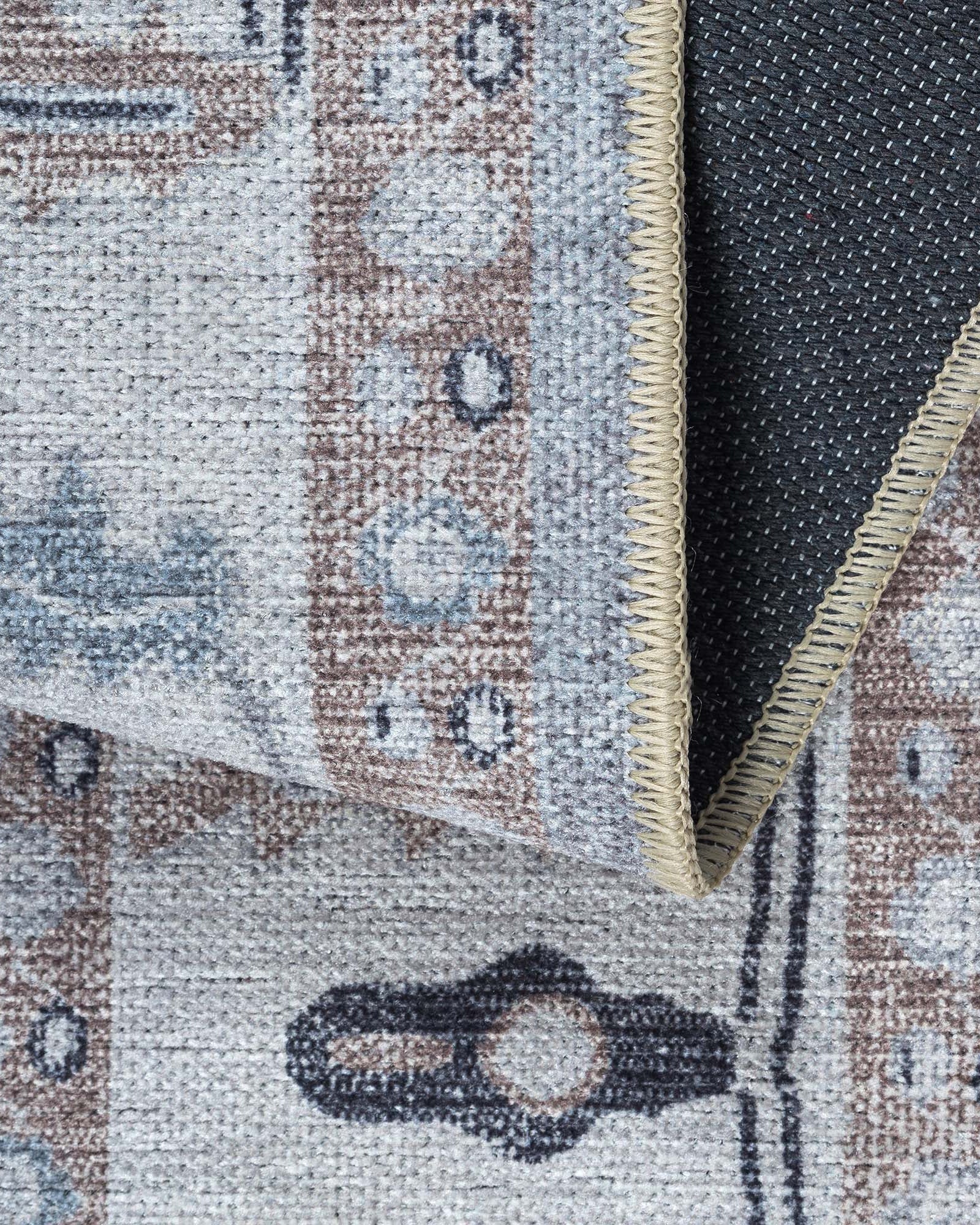
Use rug pads to prevent slipping
-
Keep layers flat to avoid tripping hazards
-
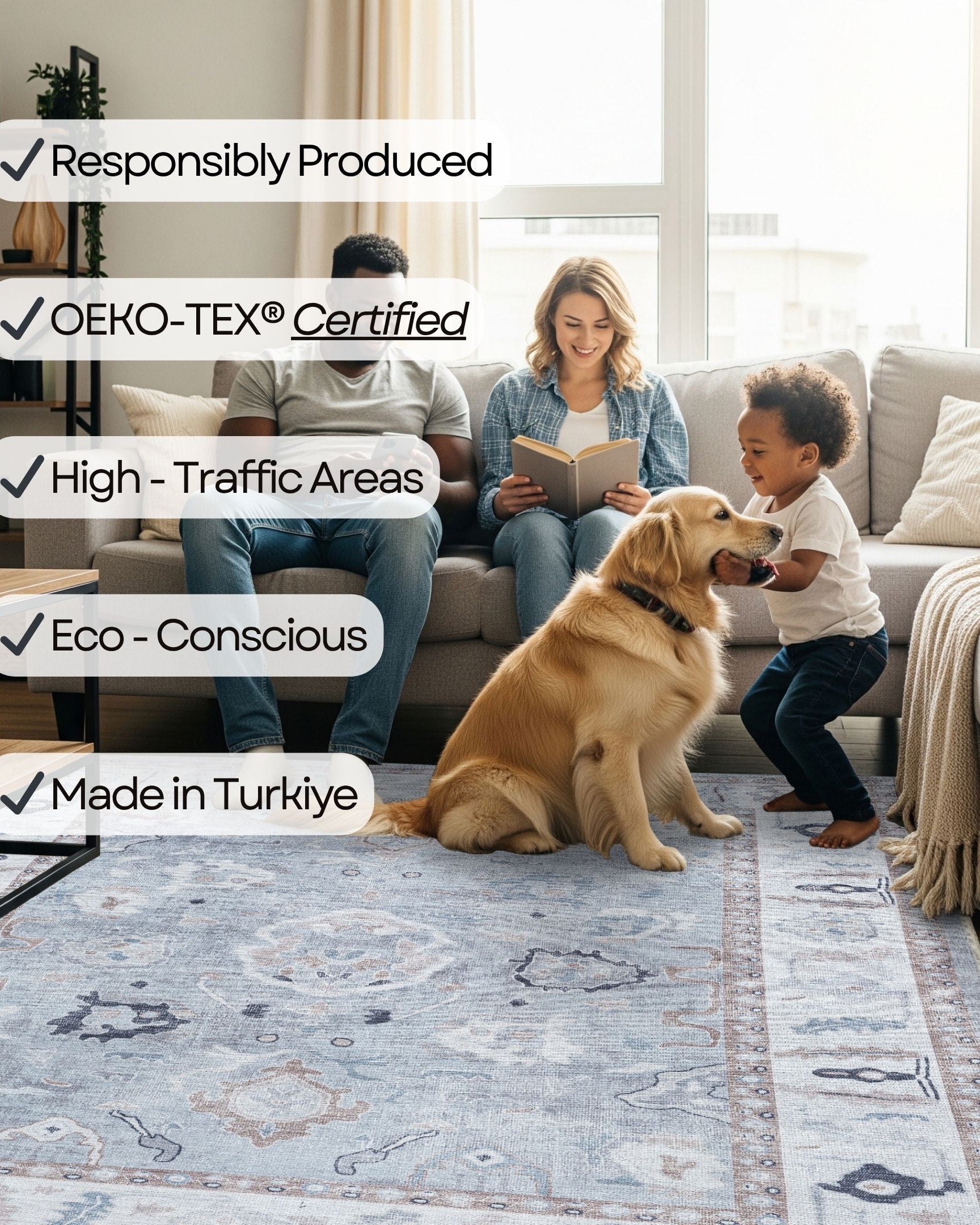
Choose washable rugs for the top layer in busy homes
-
Avoid layering rugs of equal size—it looks accidental
Layering should feel effortless, not forced.
Minimalist vs. Maximalist Layering
Minimalist homes:
Stick to soft neutrals, subtle patterns, and clean lines.
Eclectic or traditional homes:
Embrace bold patterns, rich colors, and cultural designs.
Both styles benefit from thoughtful rug layering.
Layering Rugs for Real Life
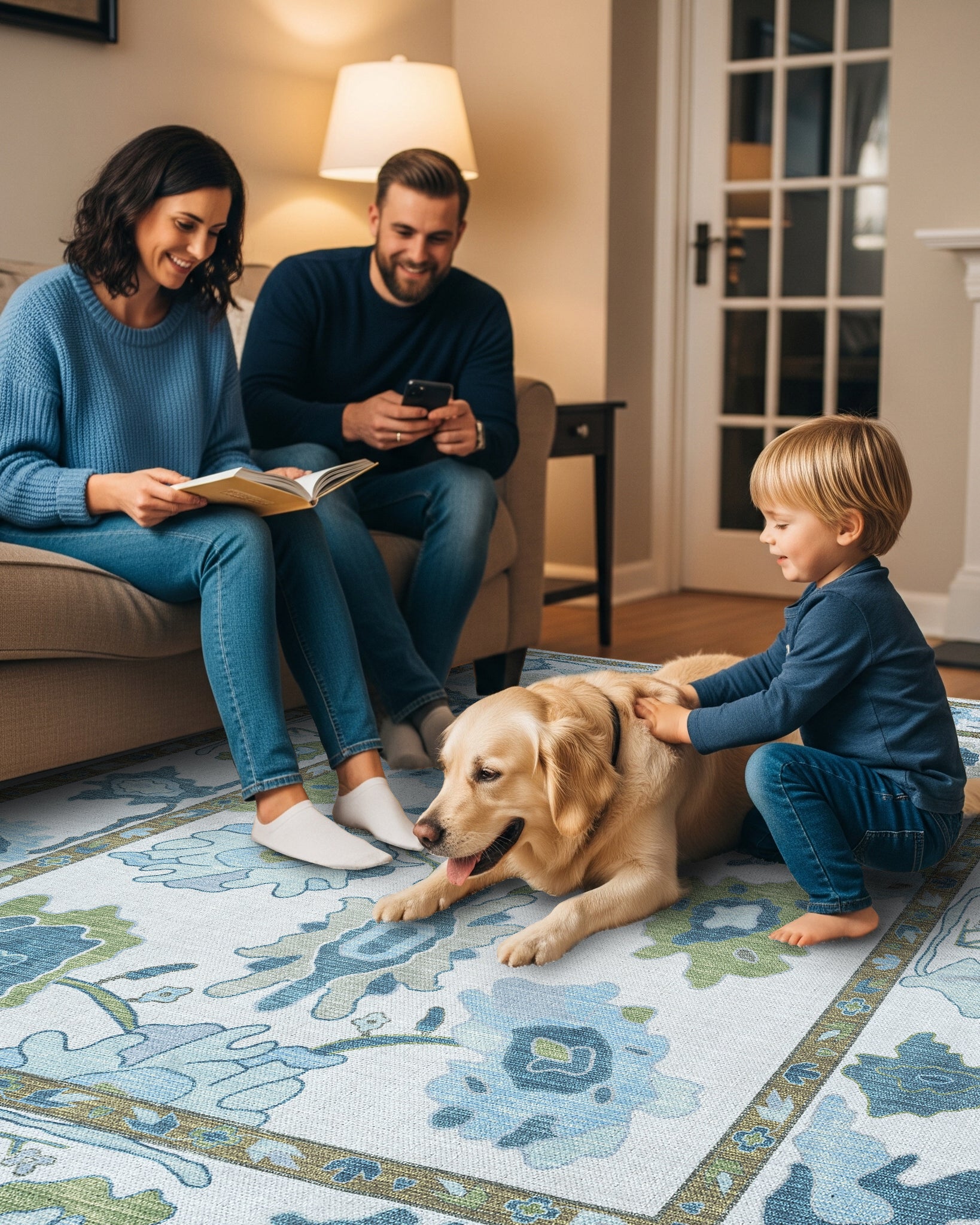
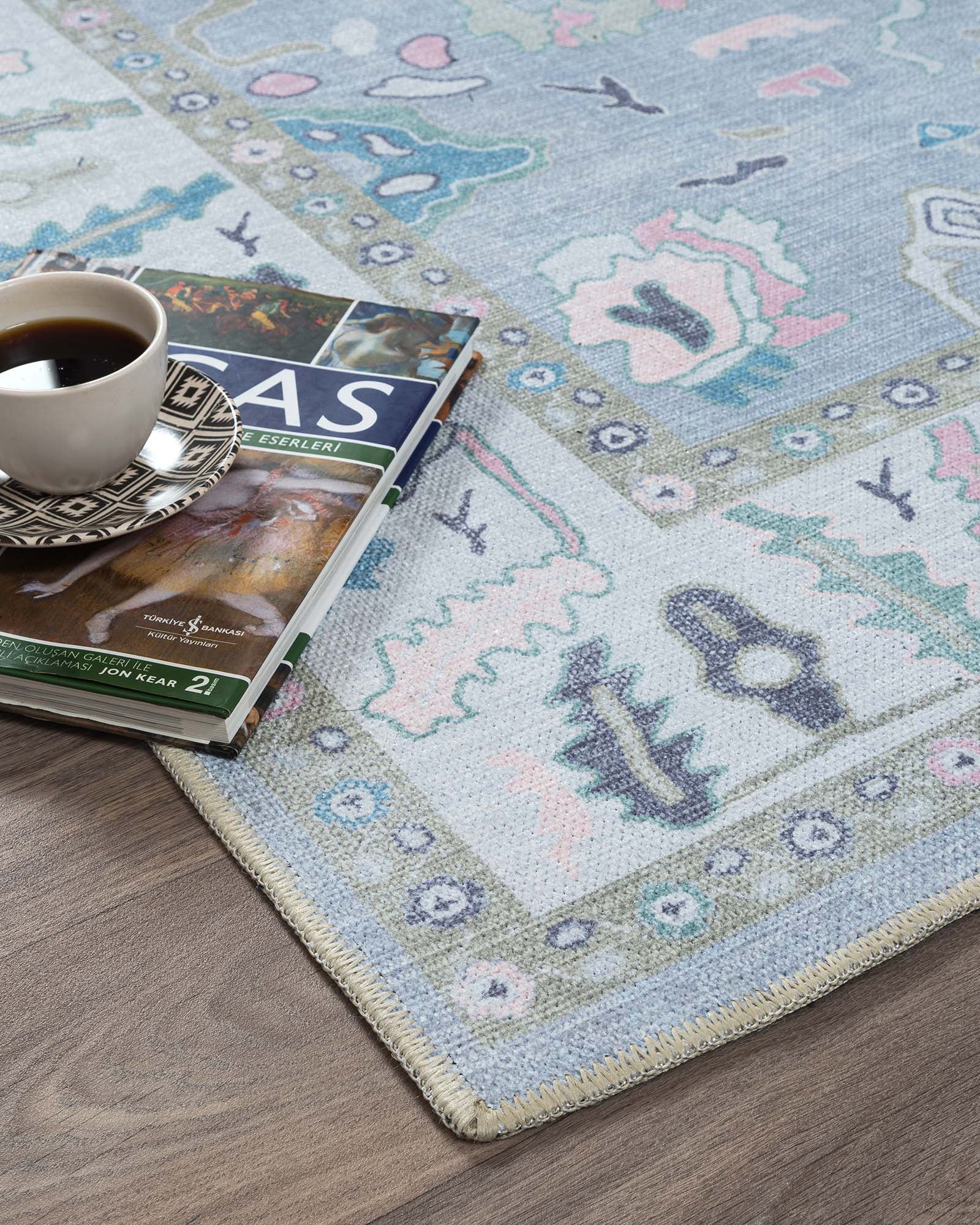
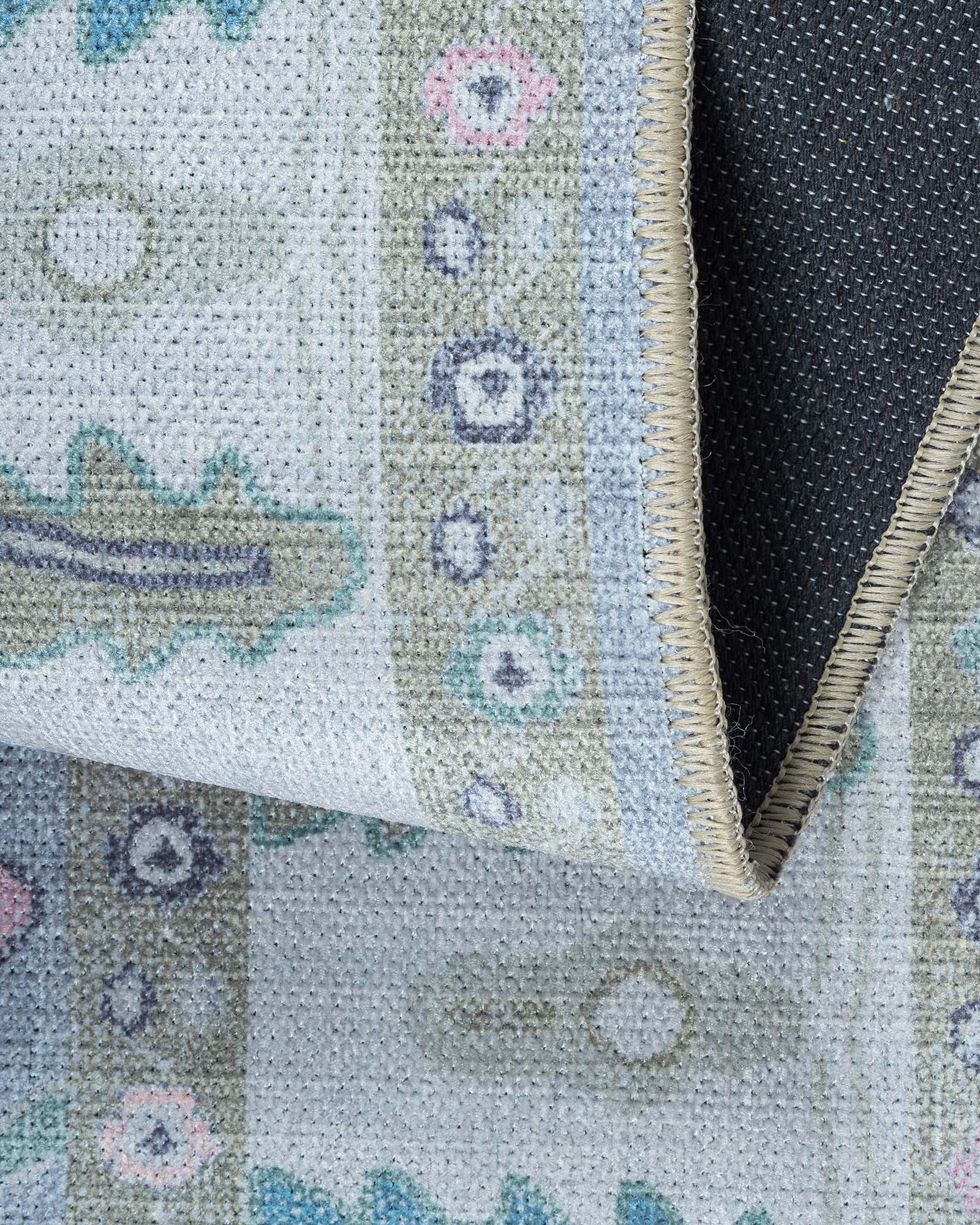
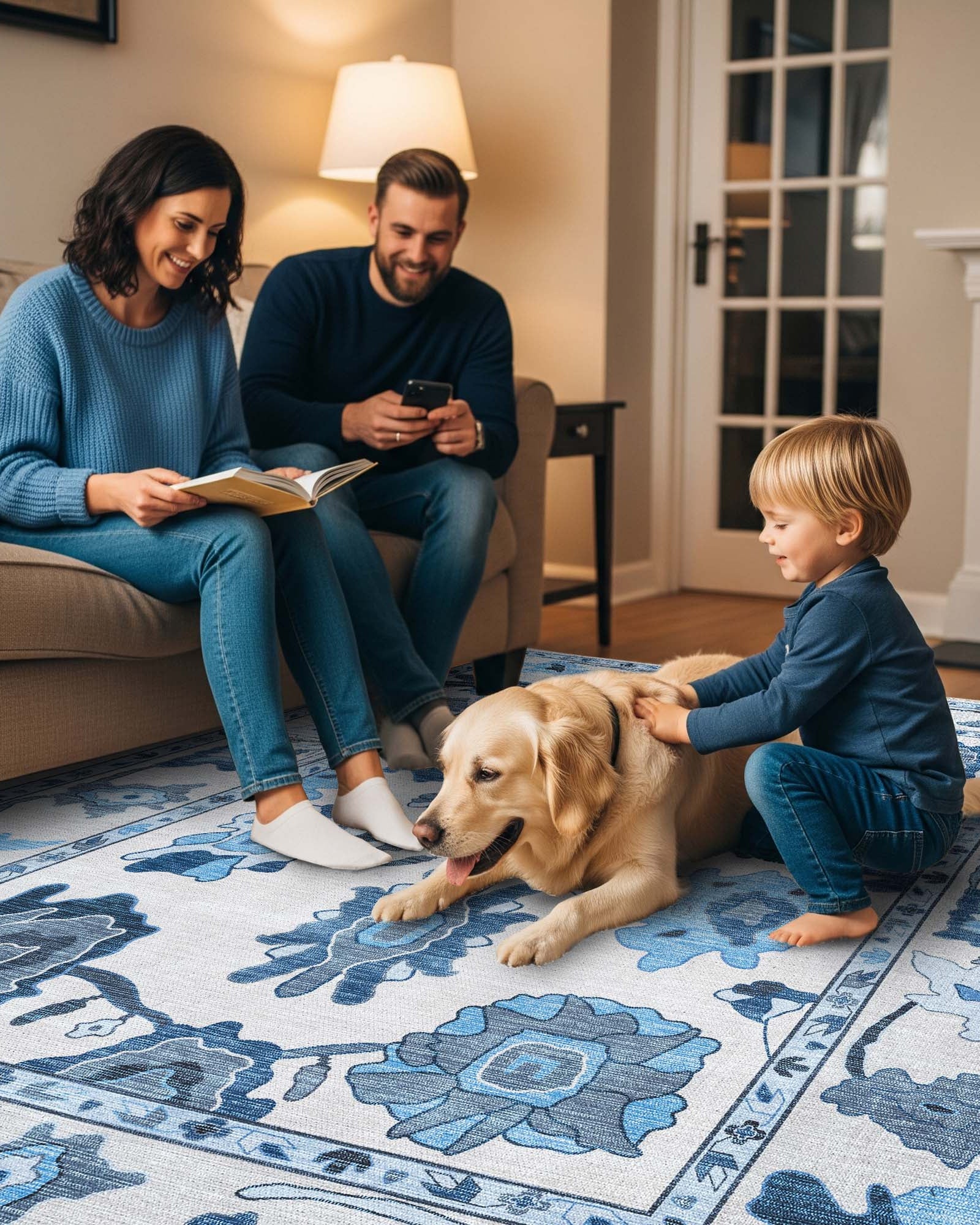
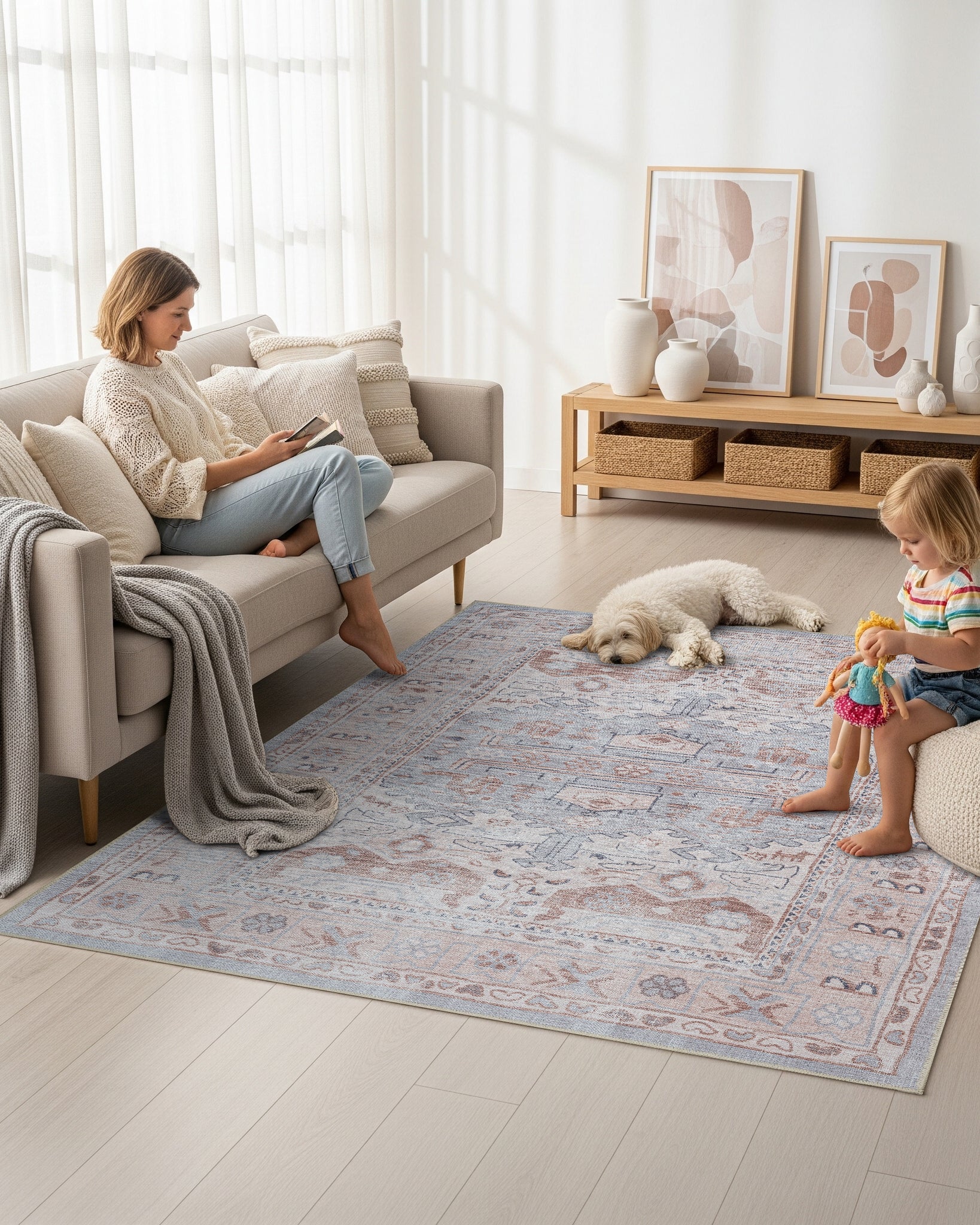
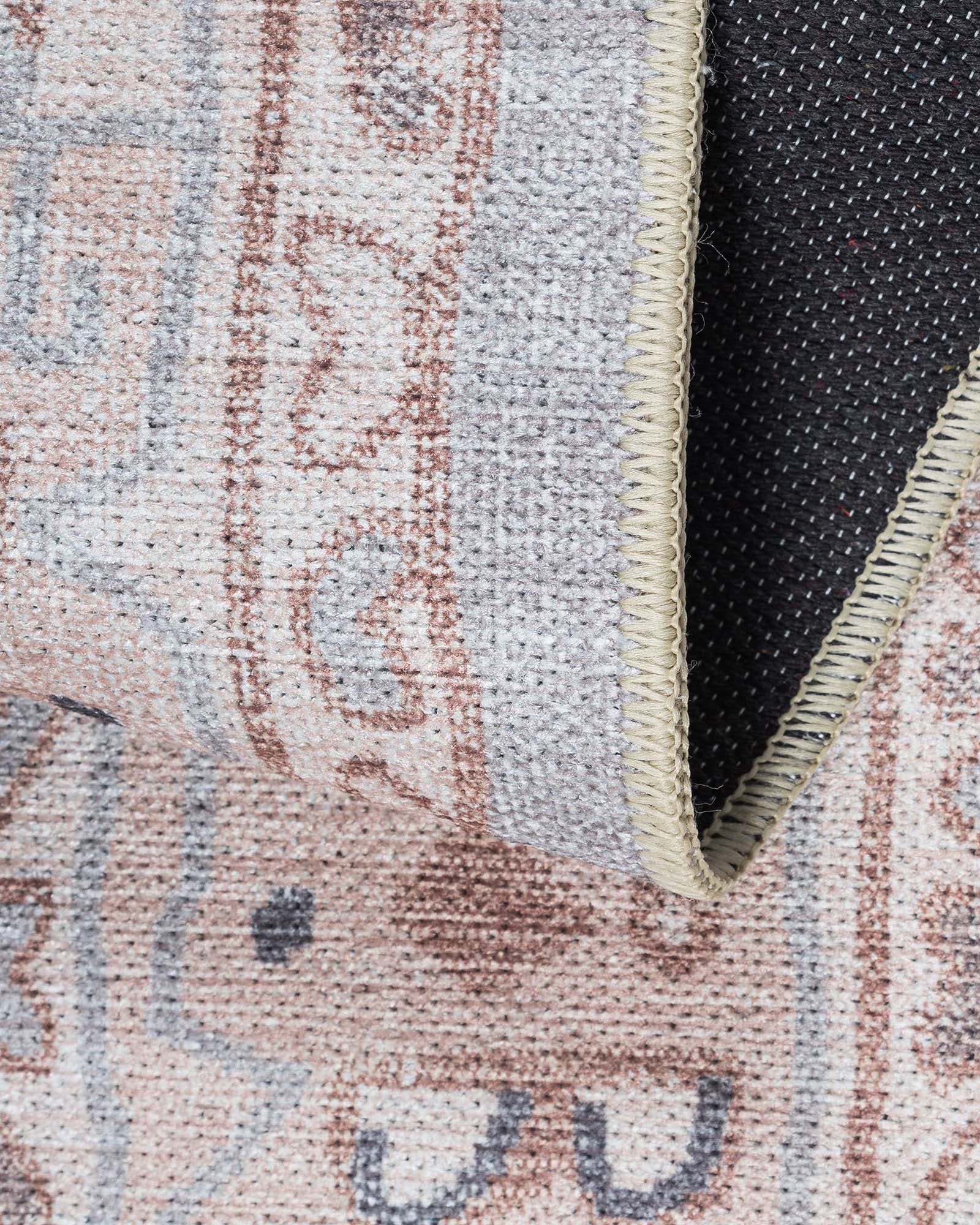
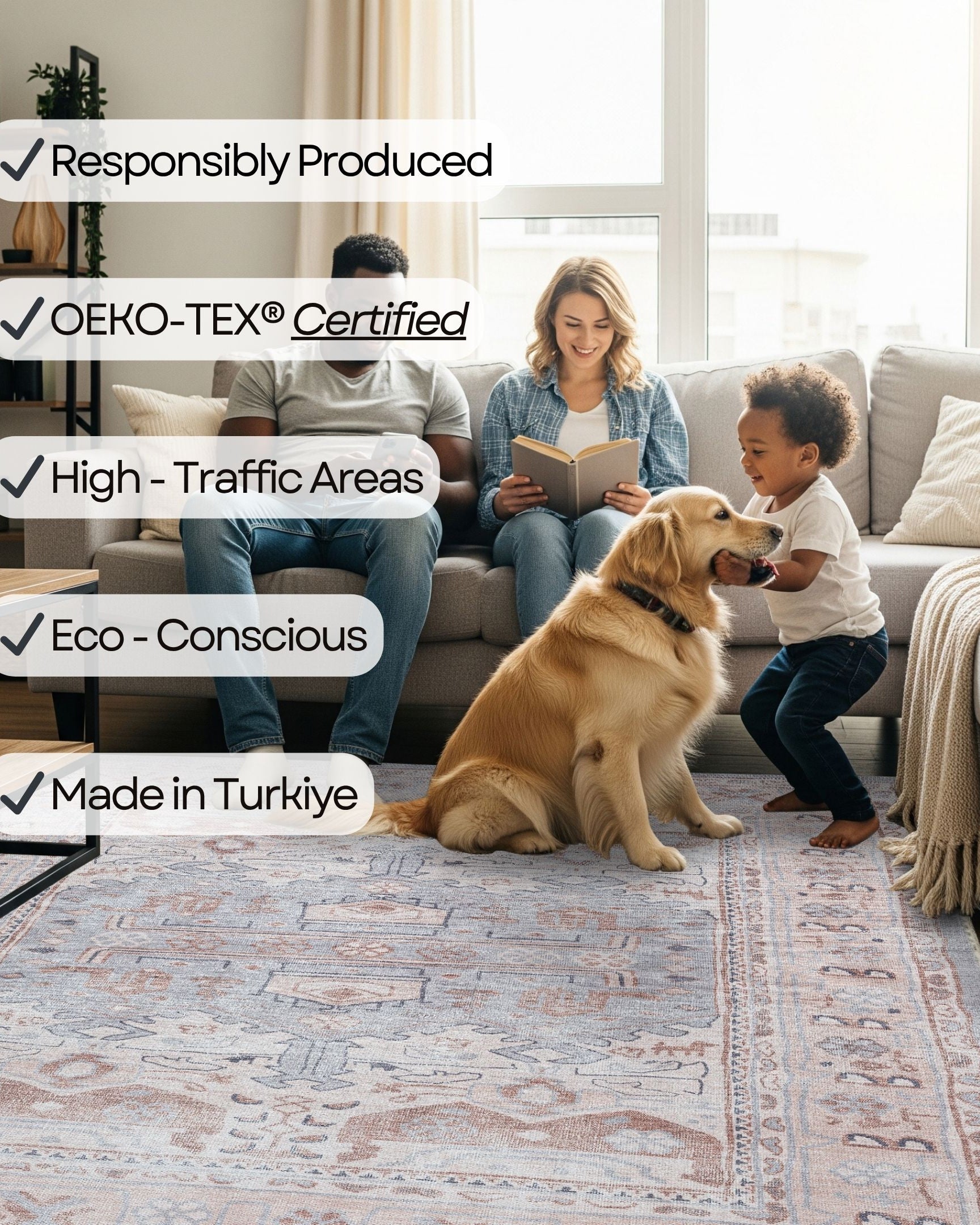
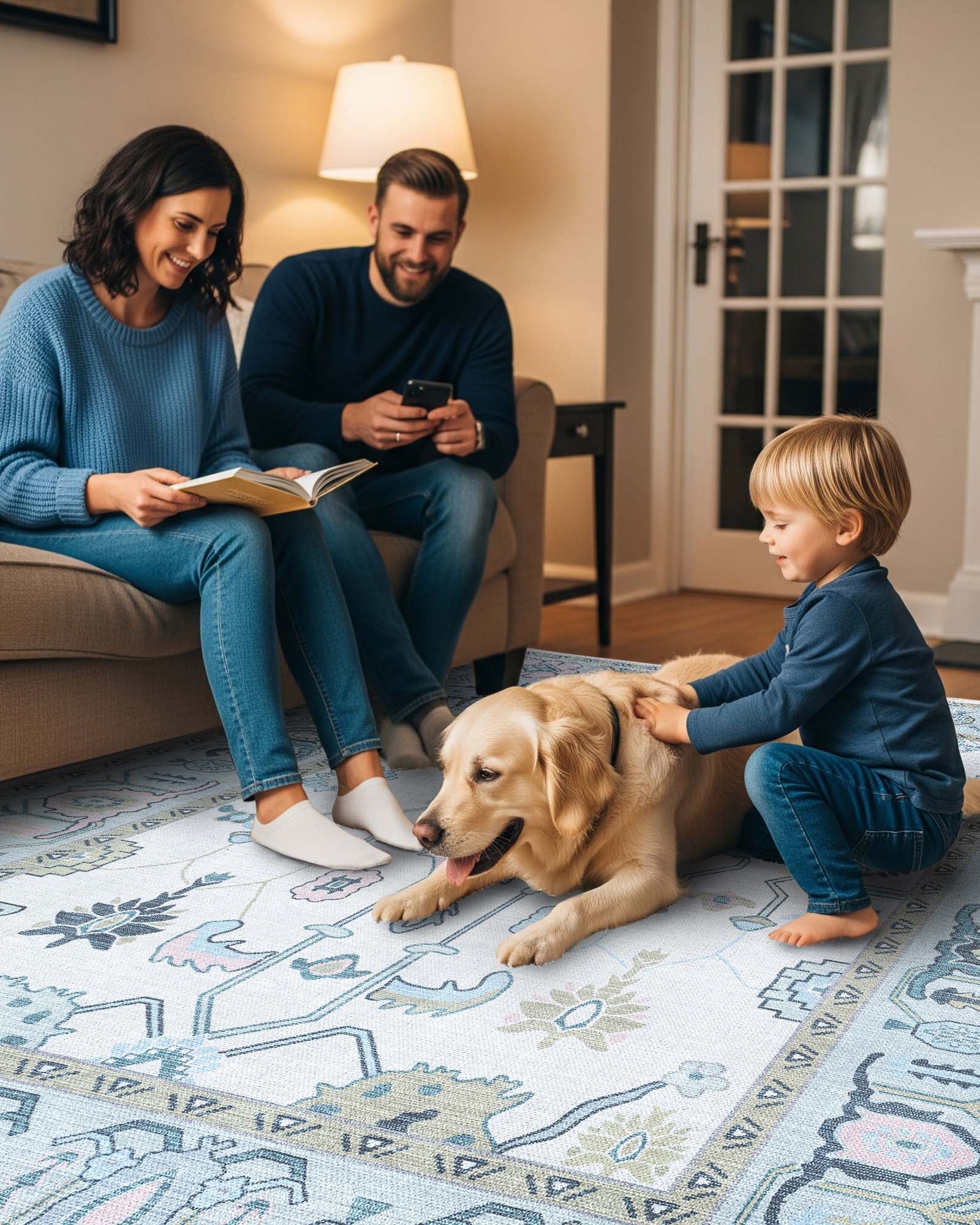
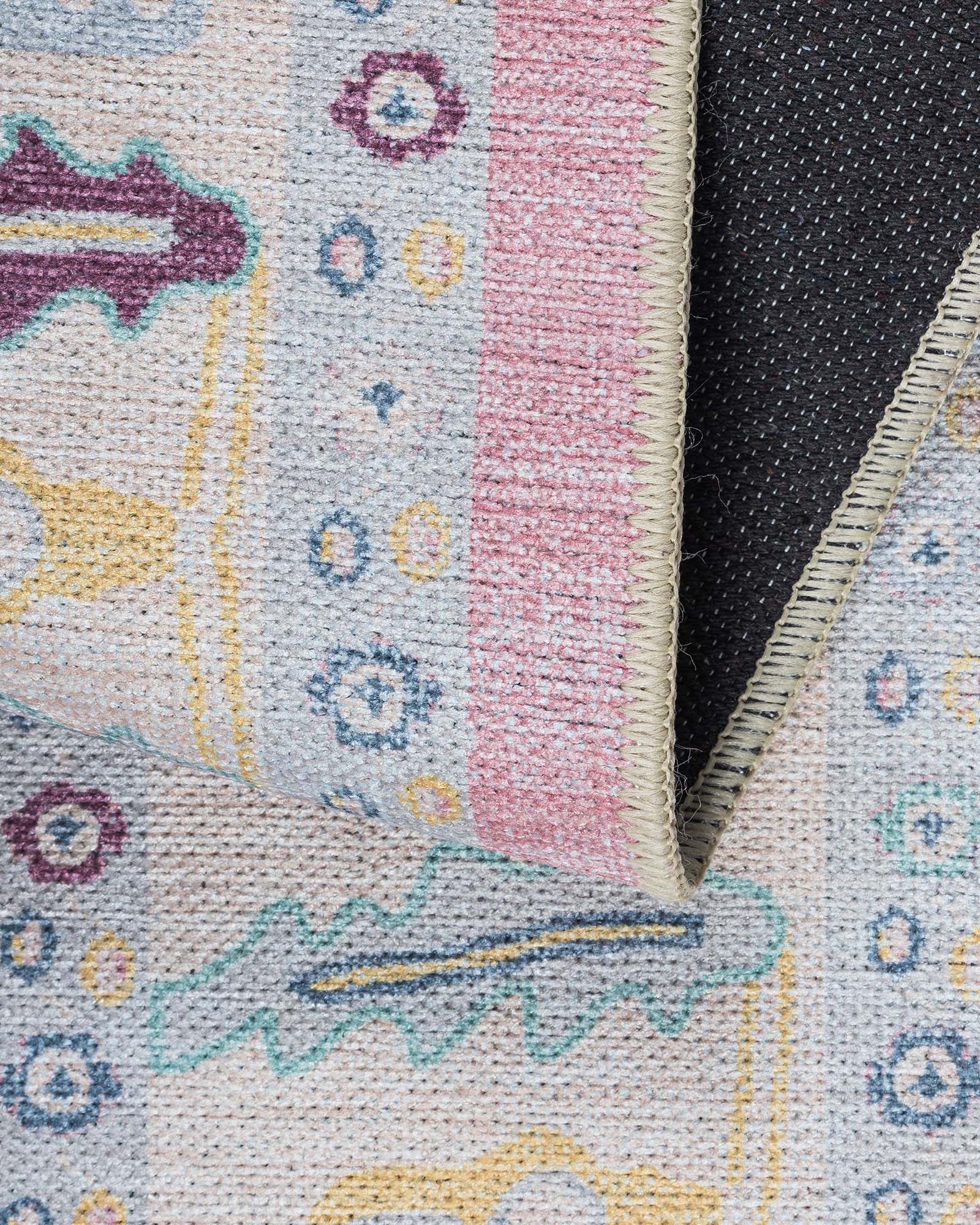
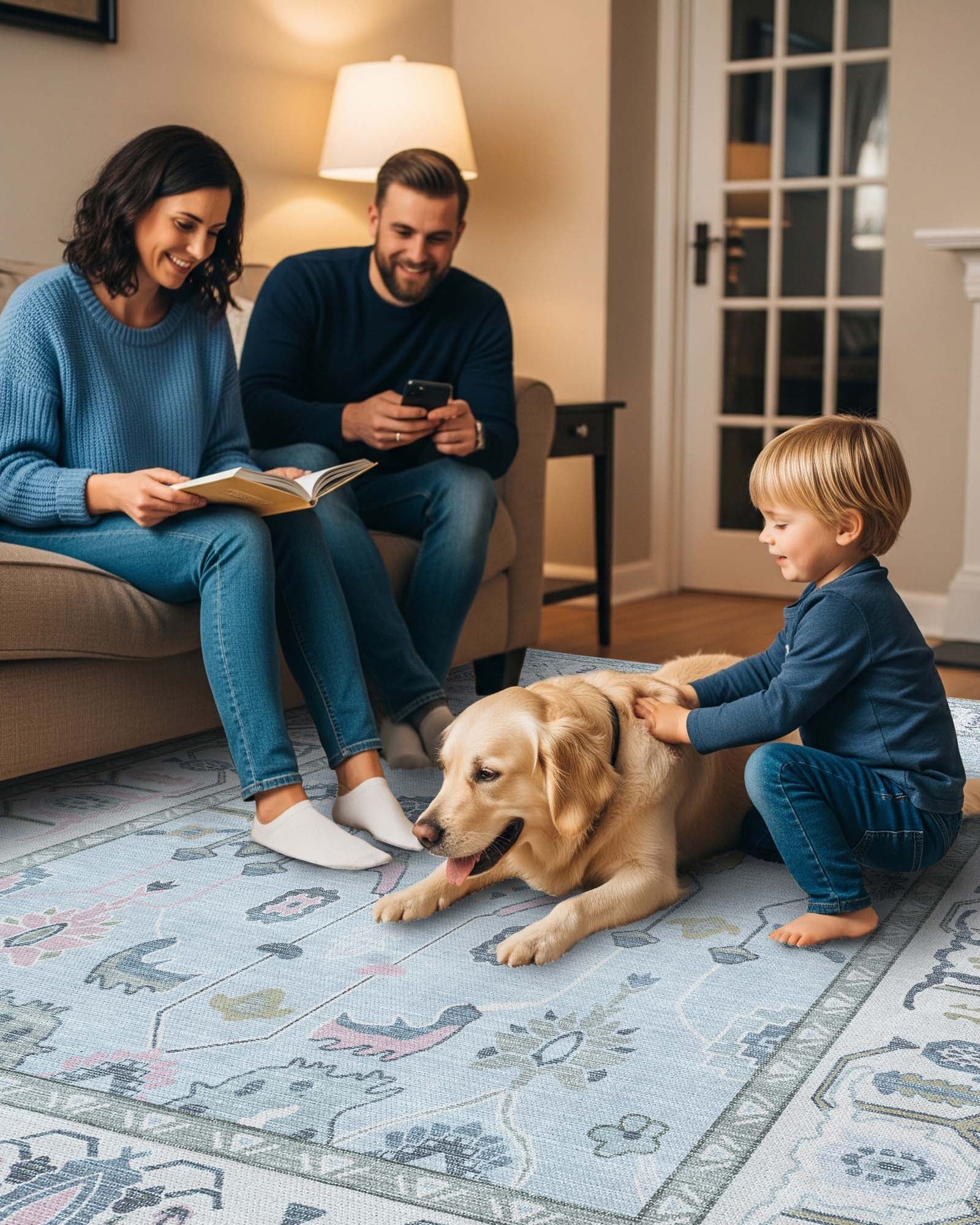
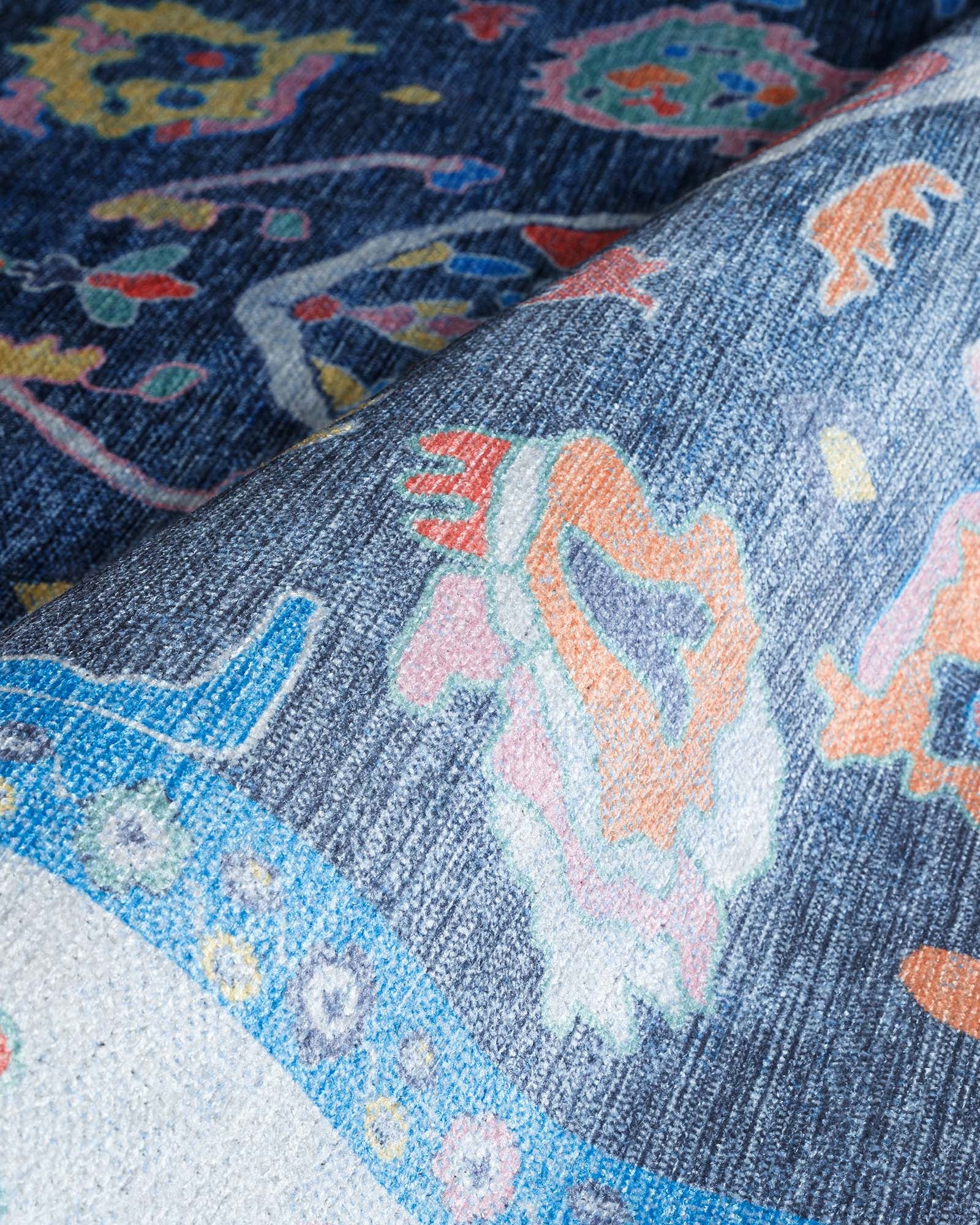
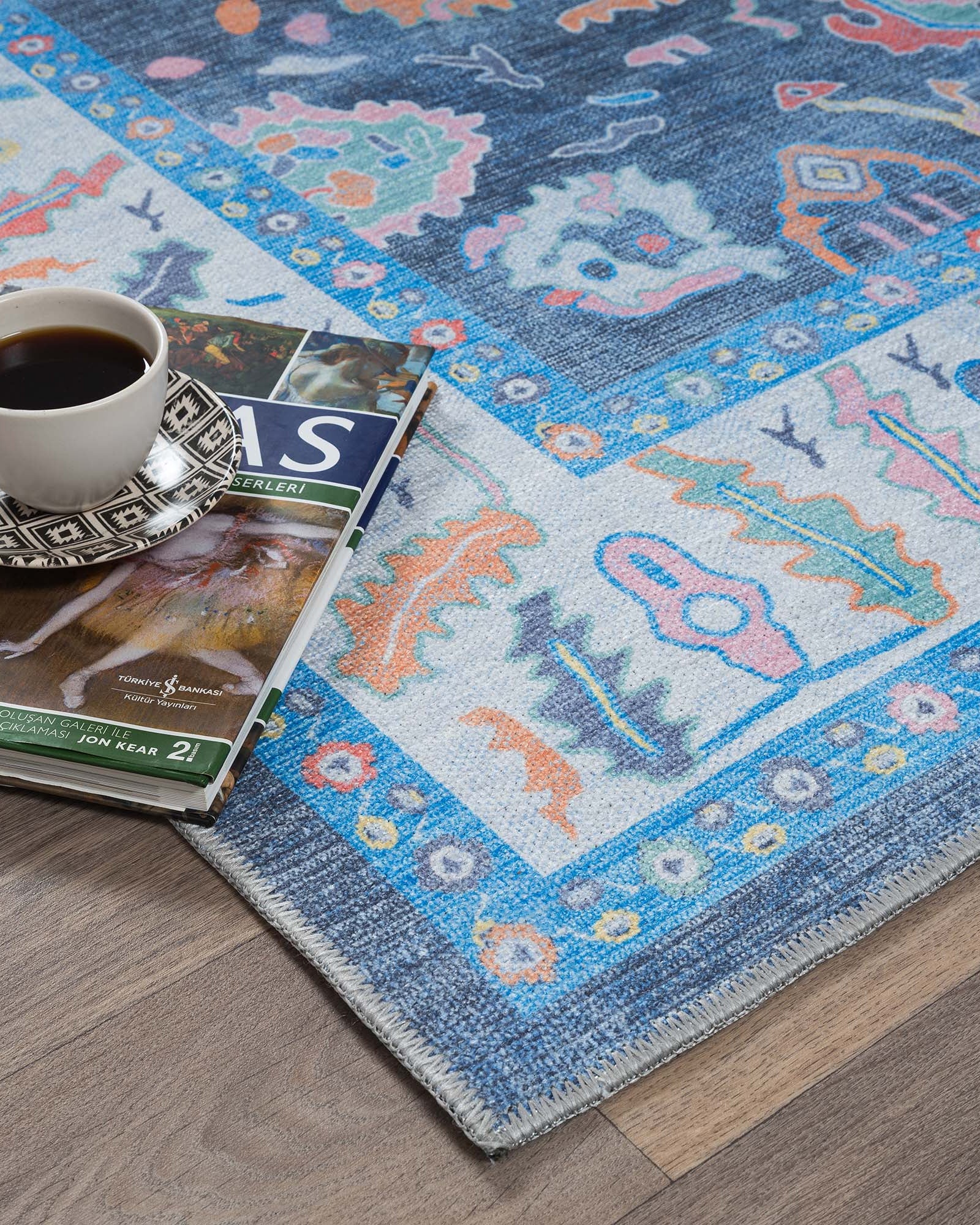
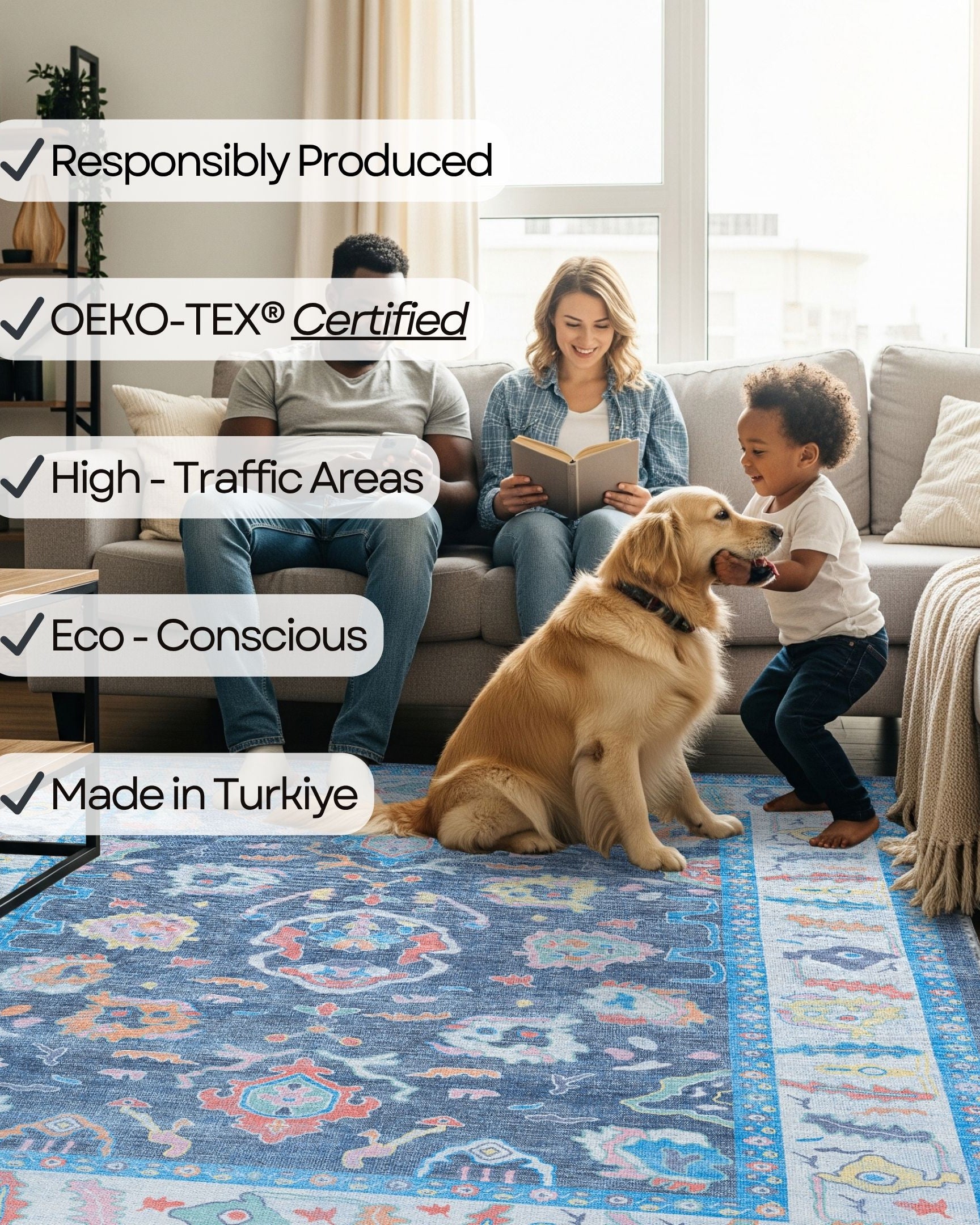
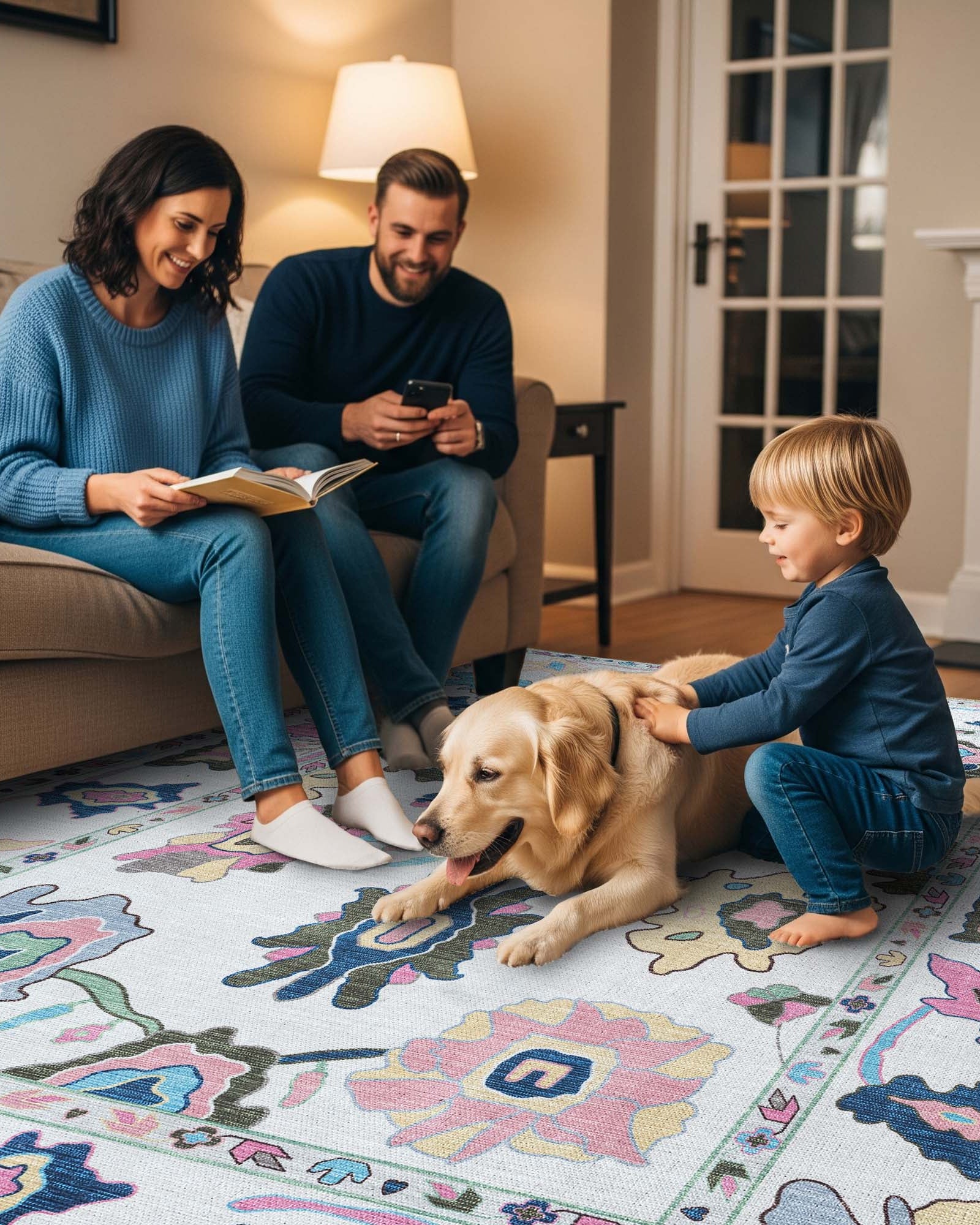
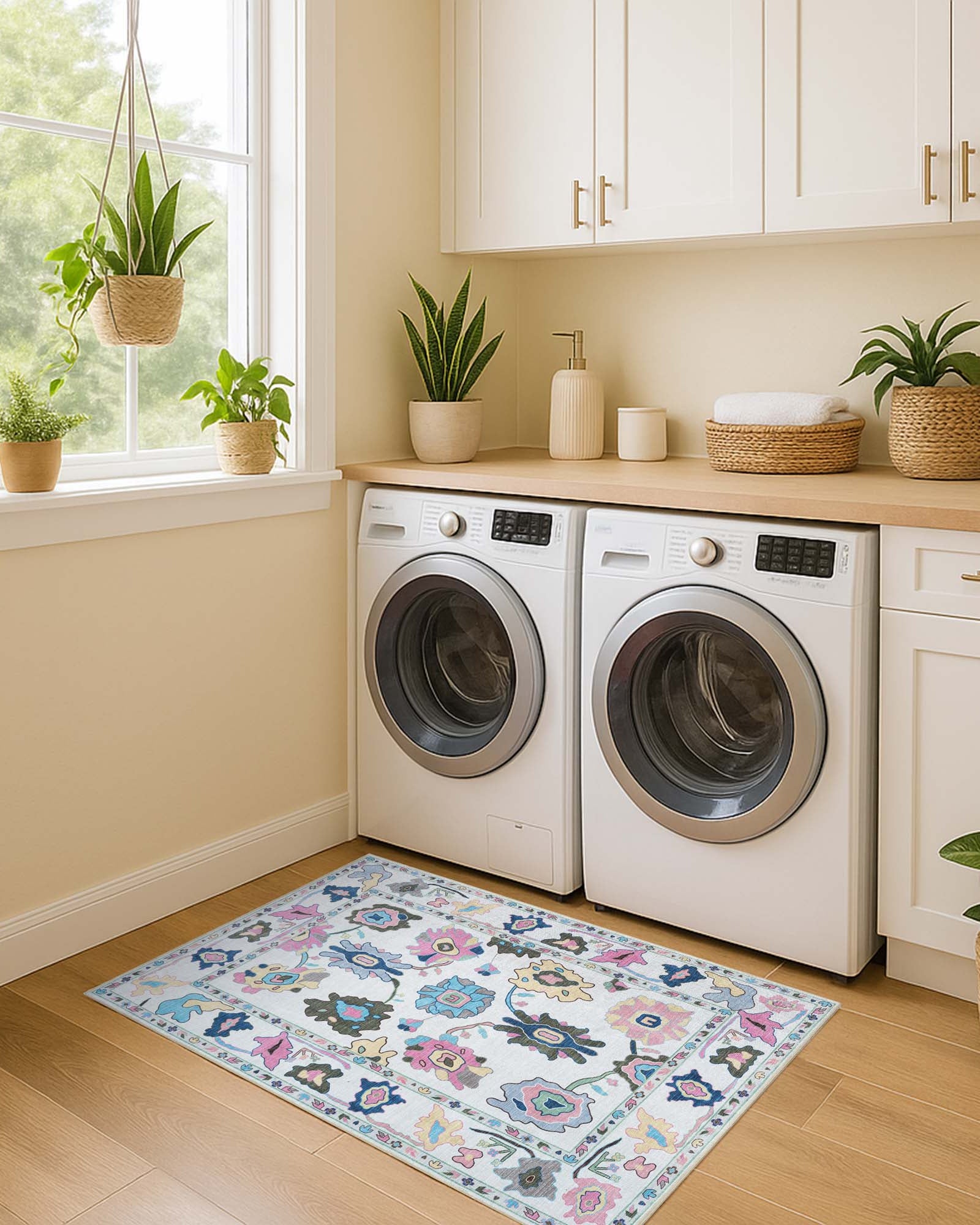
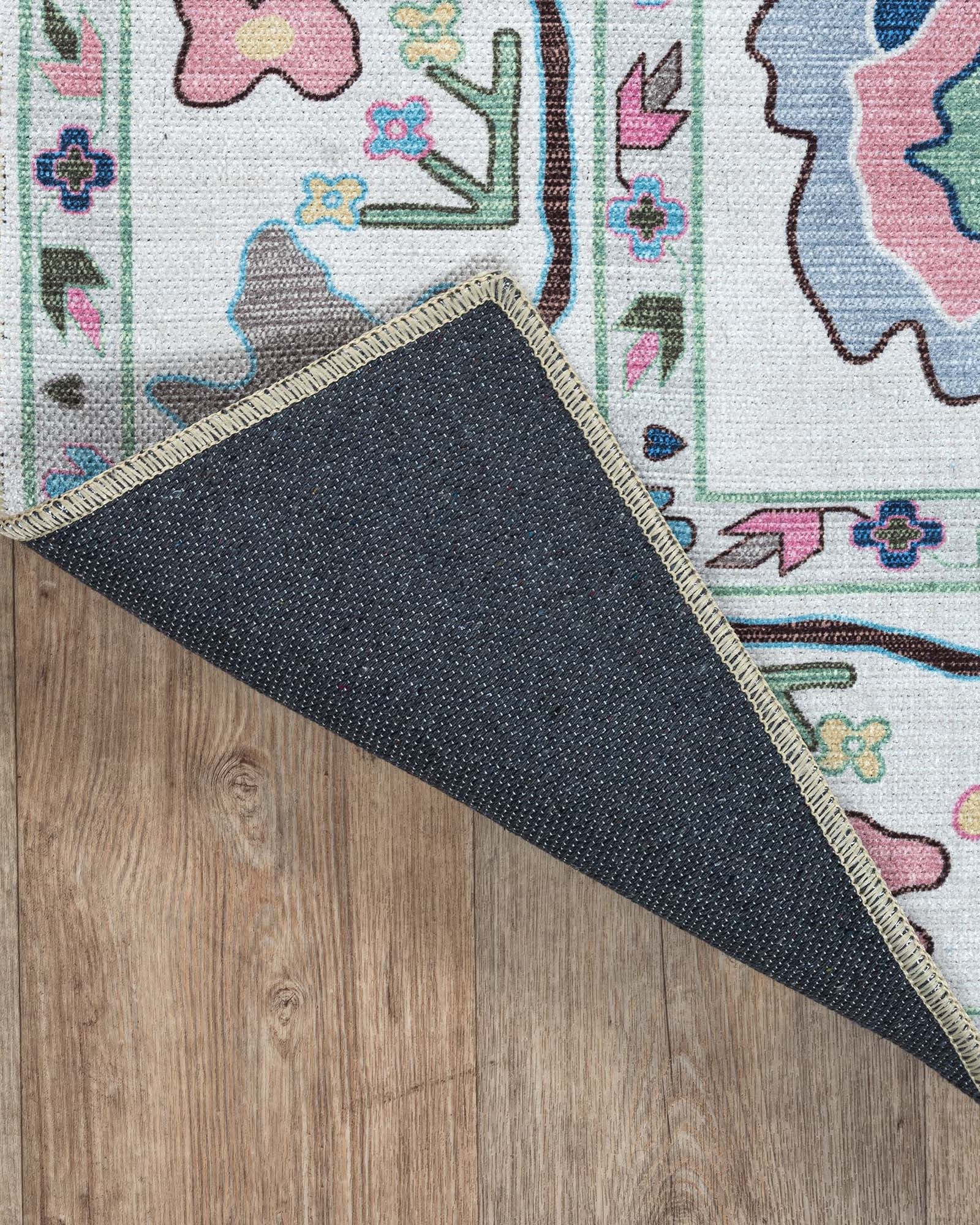
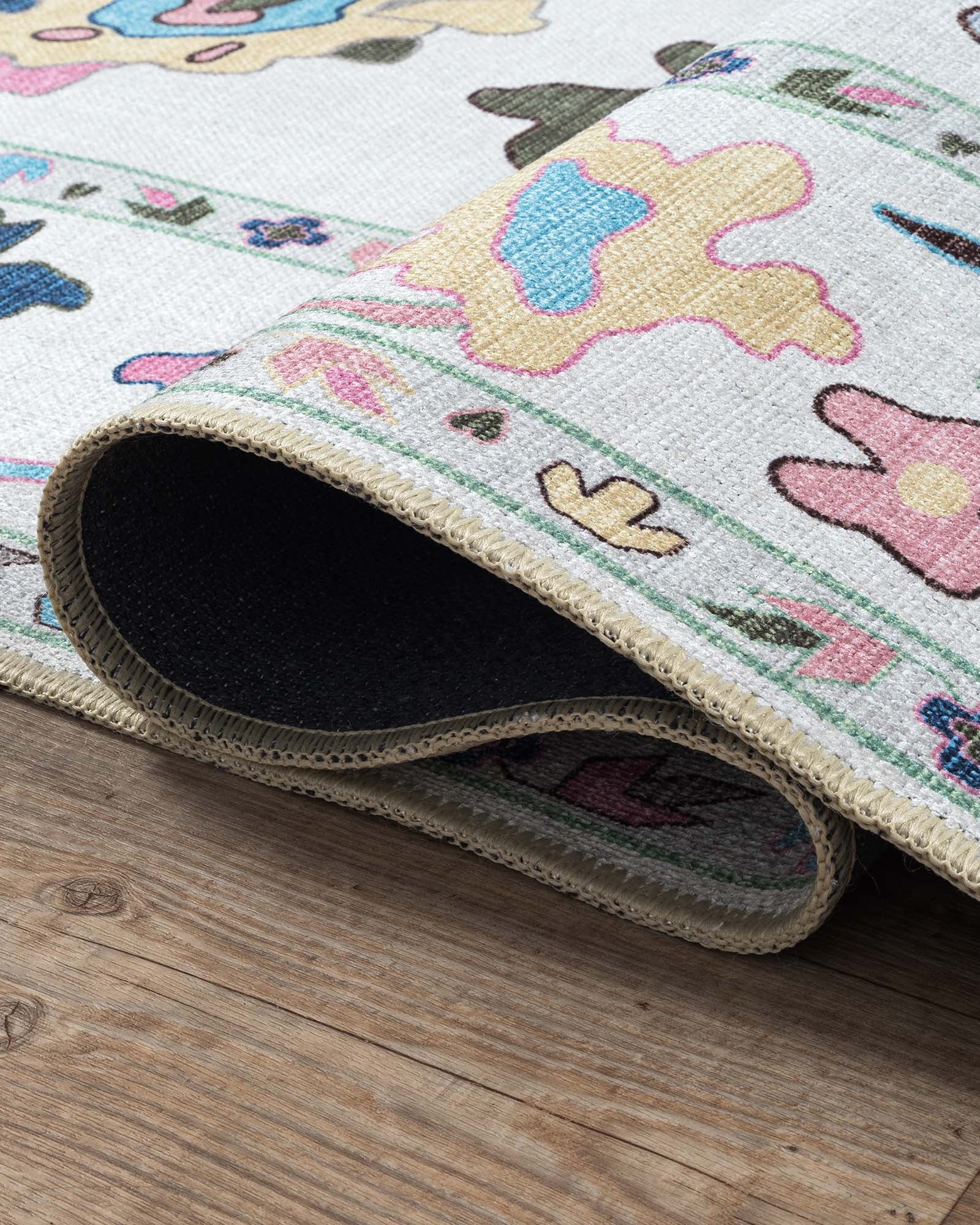
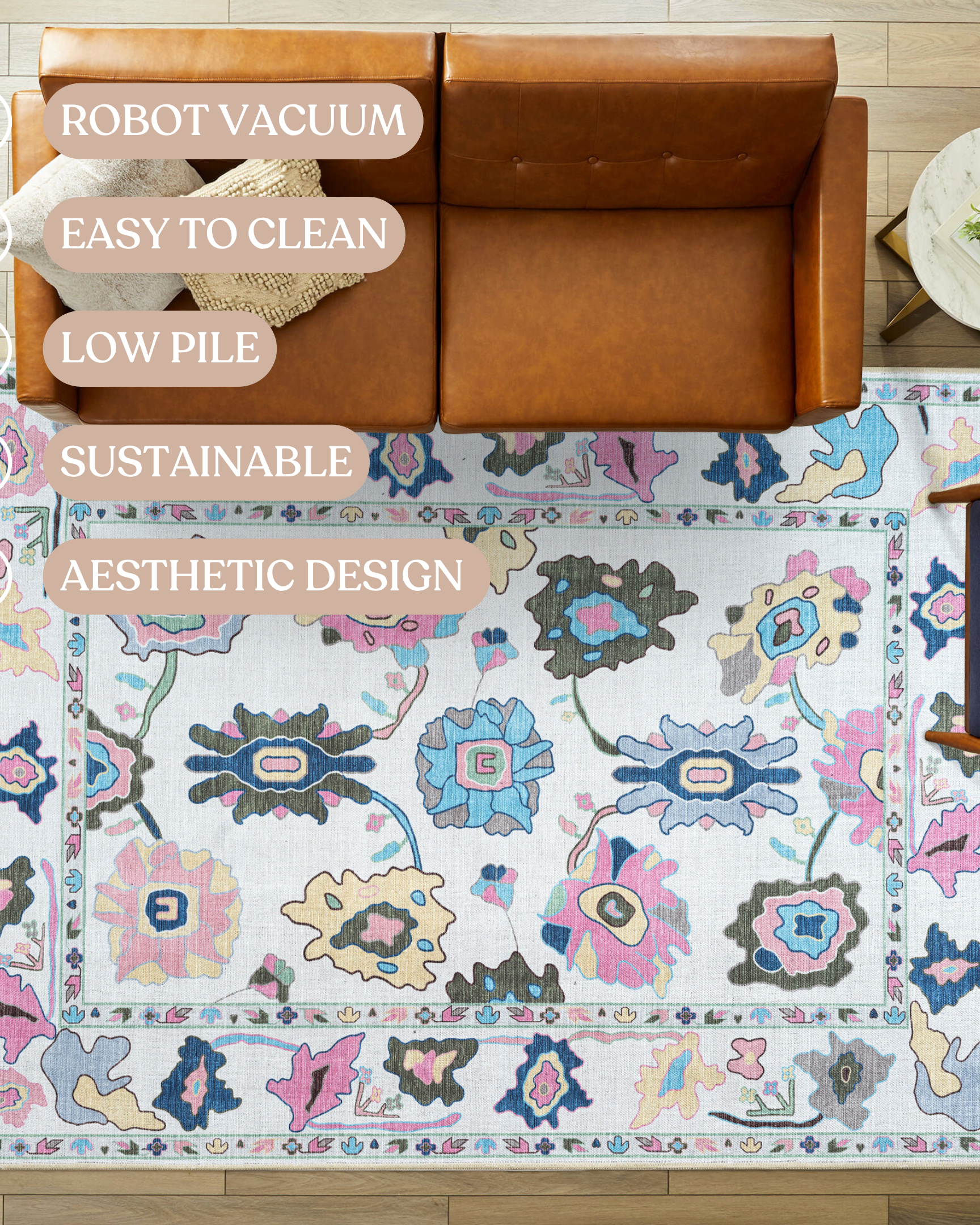
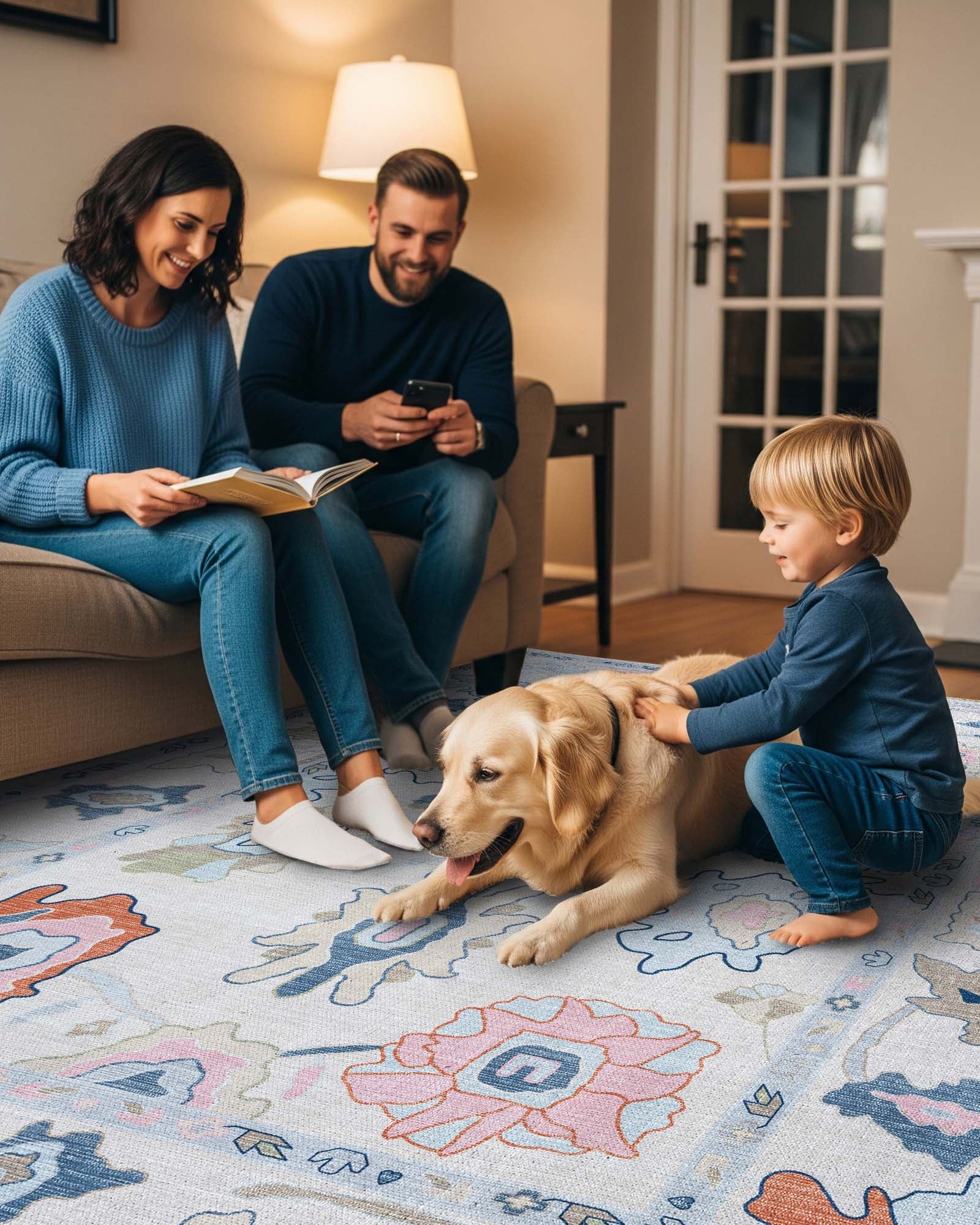
Interior designers design for beauty—but real homes need durability. That’s why washable, low-maintenance rugs are ideal for layered spaces. They allow you to enjoy style without worrying about spills, pets, or everyday wear.
At Fame Rugs, our collection is designed to layer beautifully—mixing timeless patterns with practical materials.
Elevate Your Space with Rug Layering

Layering rugs is one of the easiest ways to make your home feel designer-styled, warm, and intentional. With the right base, the right accent, and a balanced color story, you can transform any room.
Explore Fame Rugs to find neutral foundations, statement rugs, and washable designs that make layering effortless—and your home unforgettable.