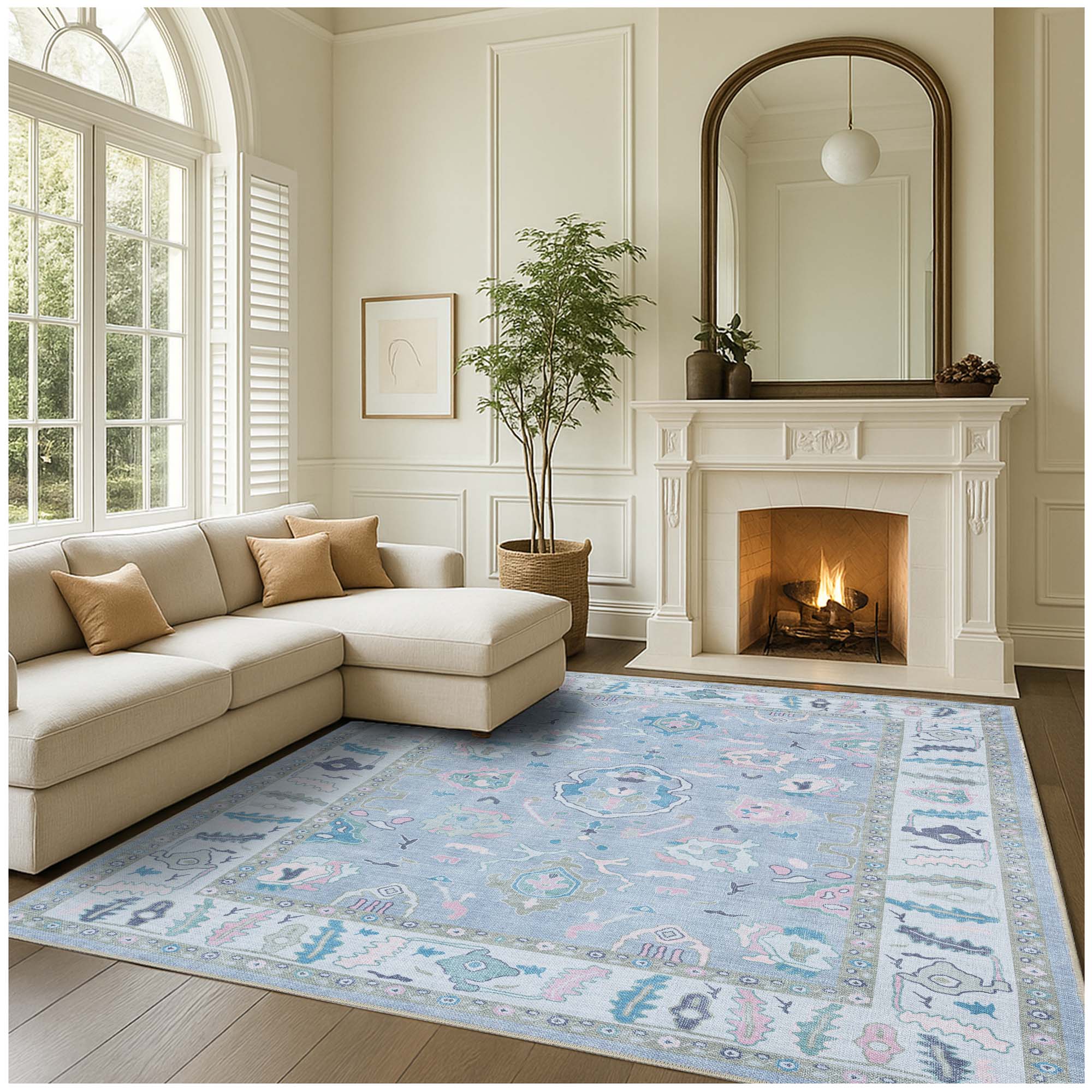
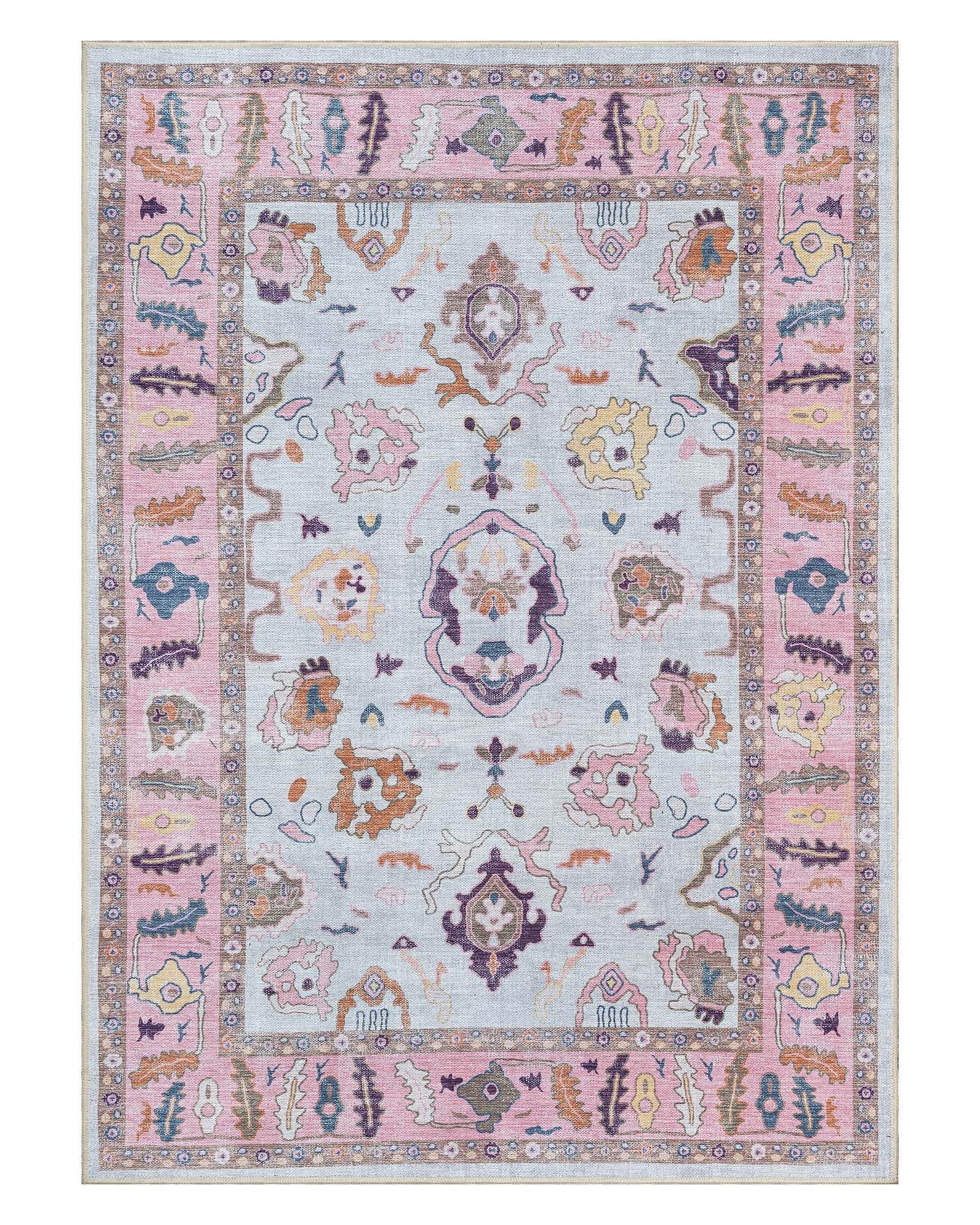
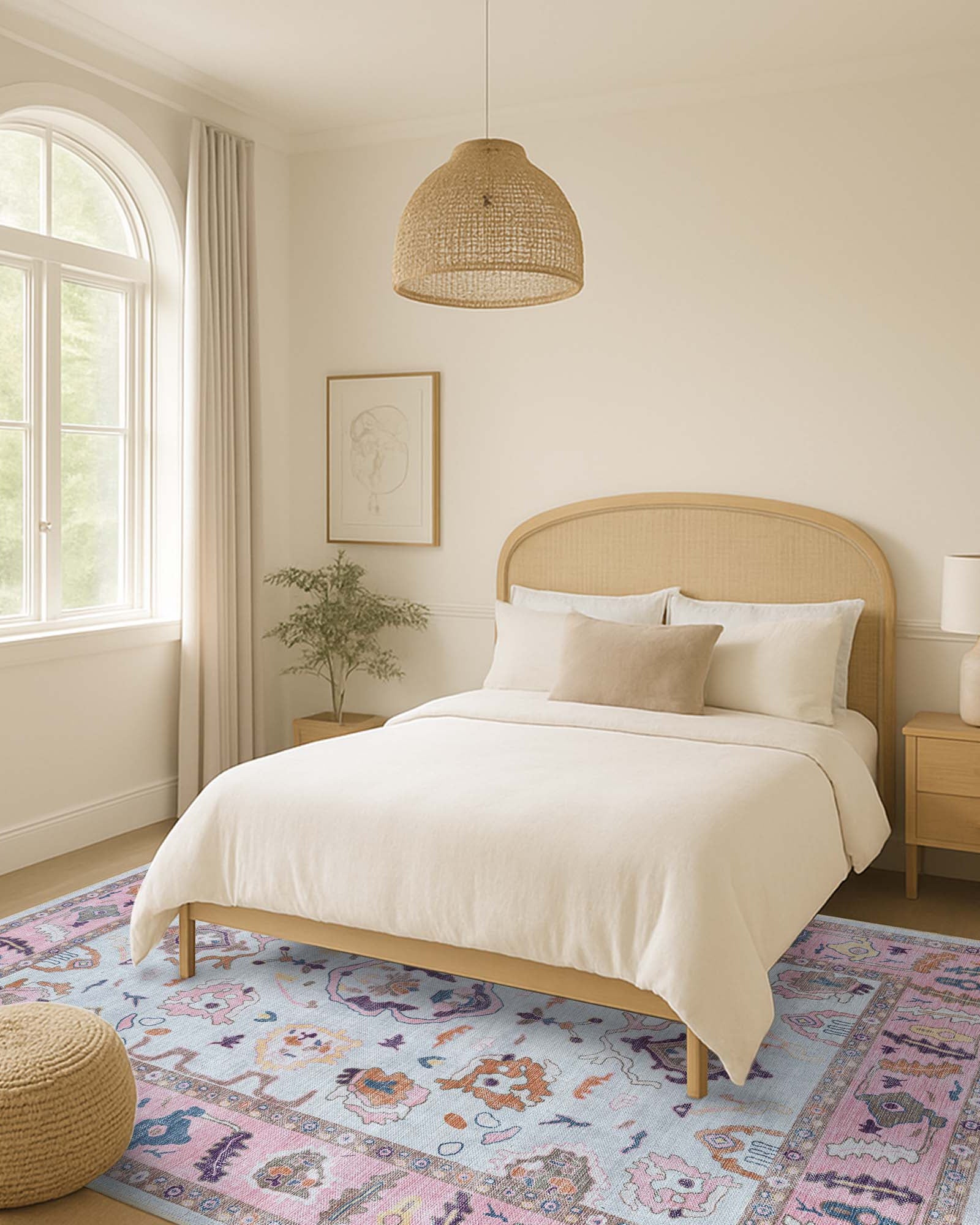
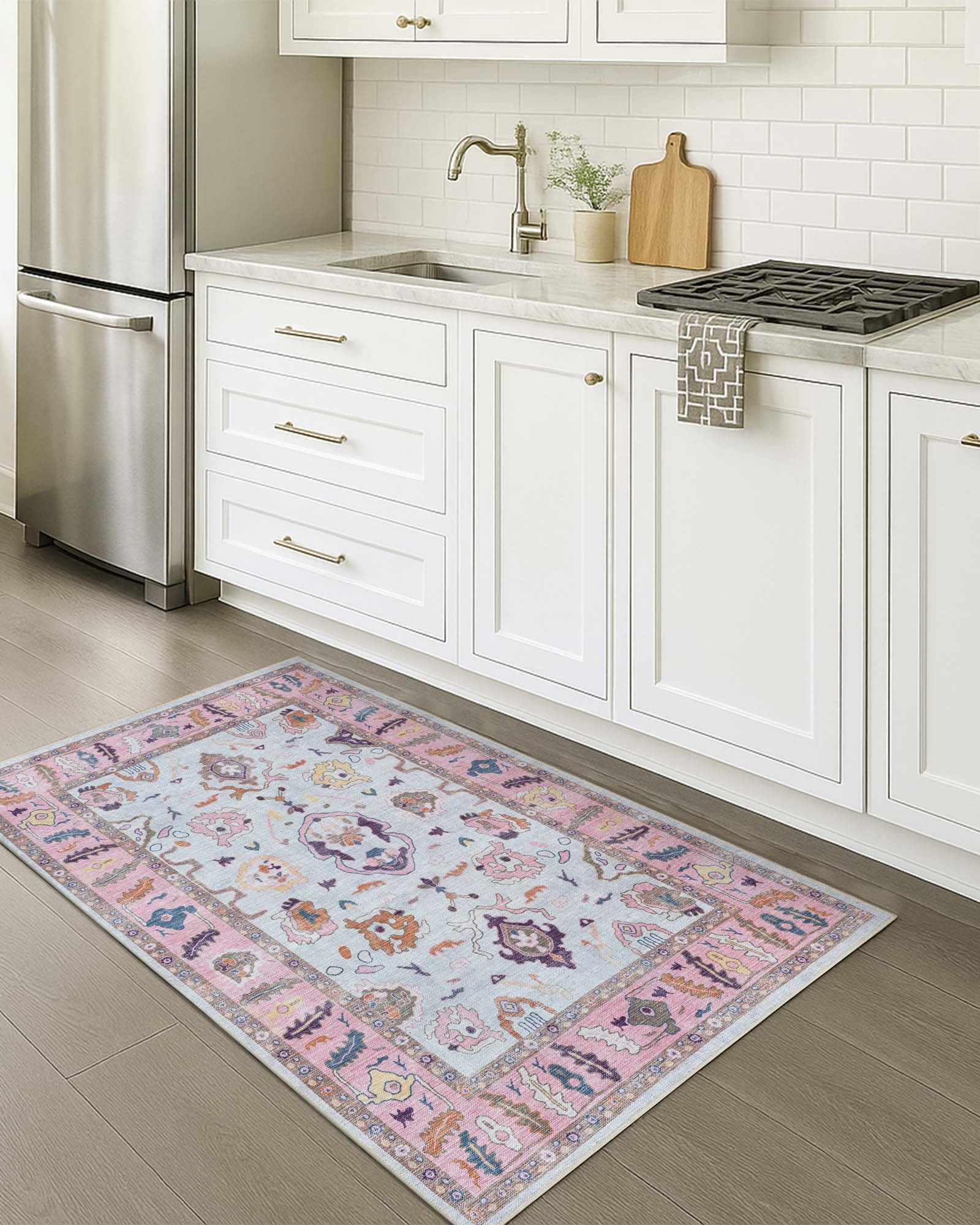
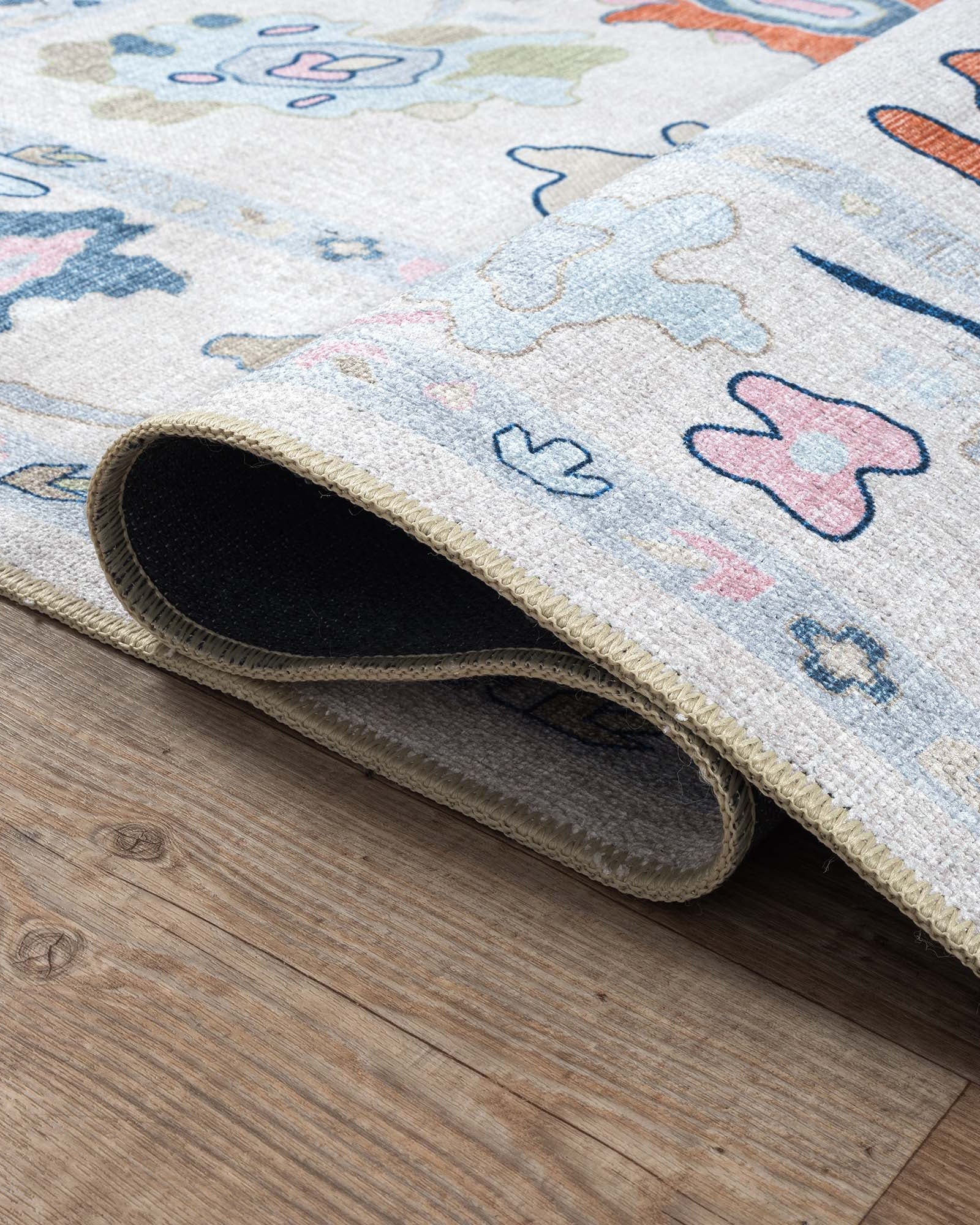
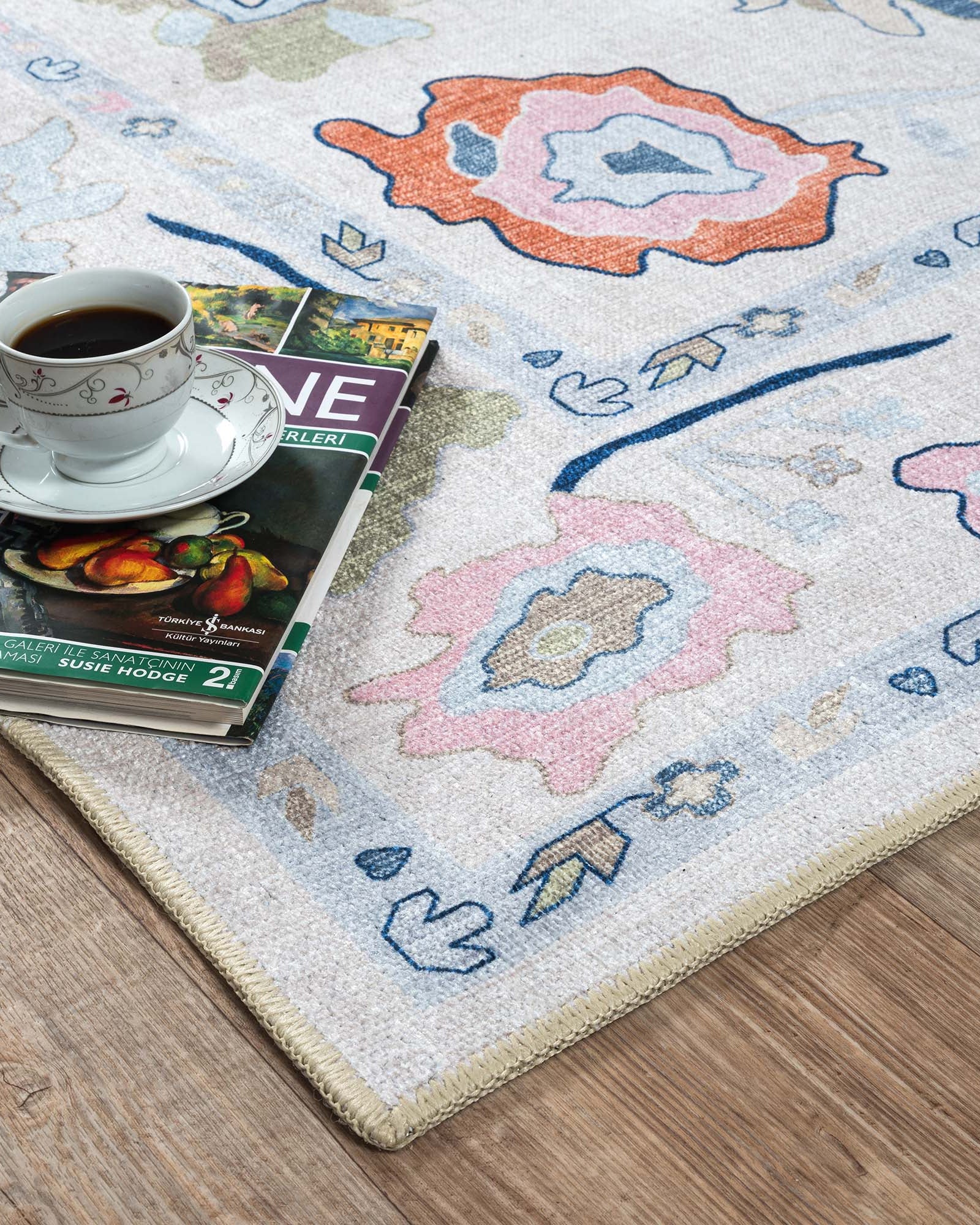
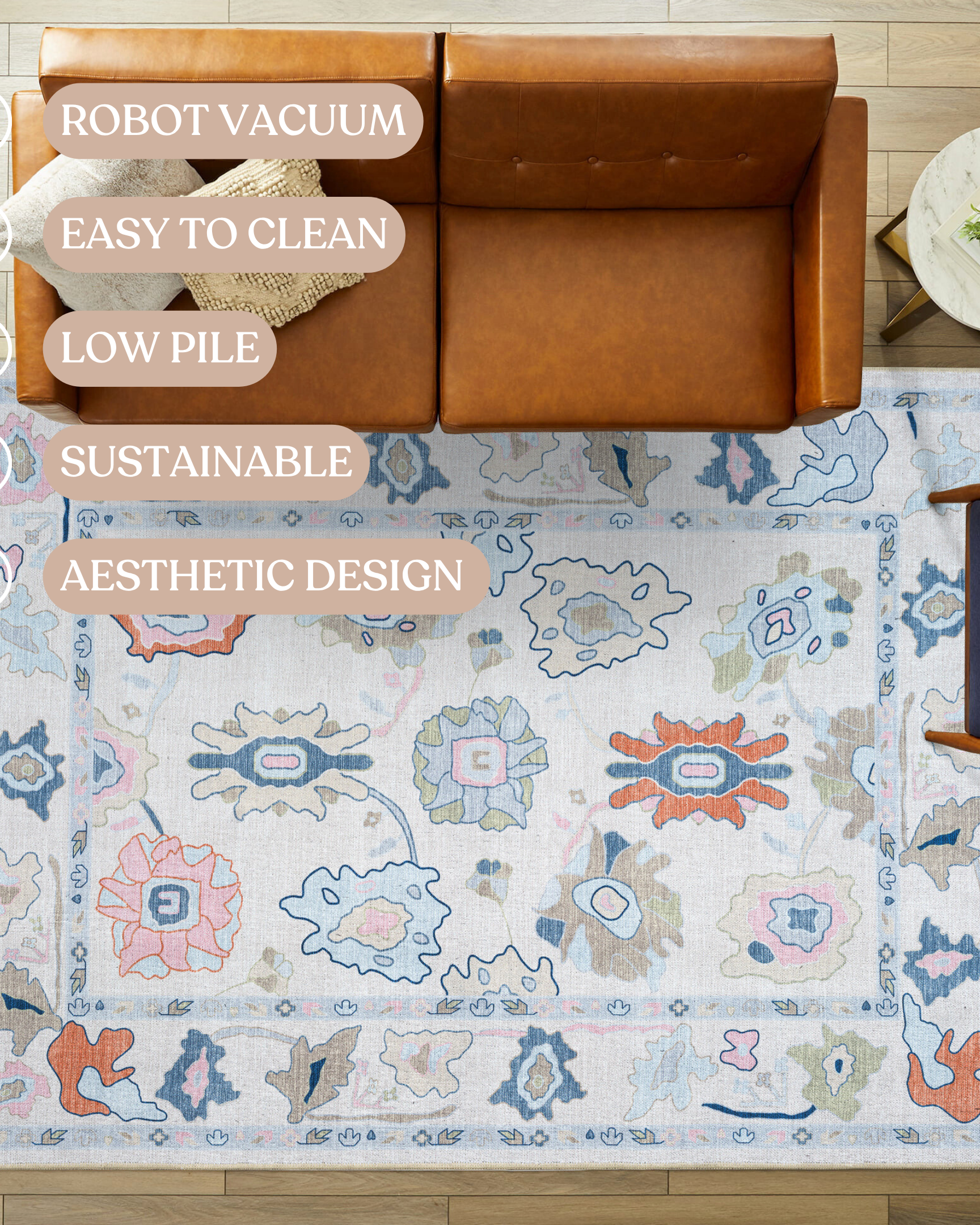
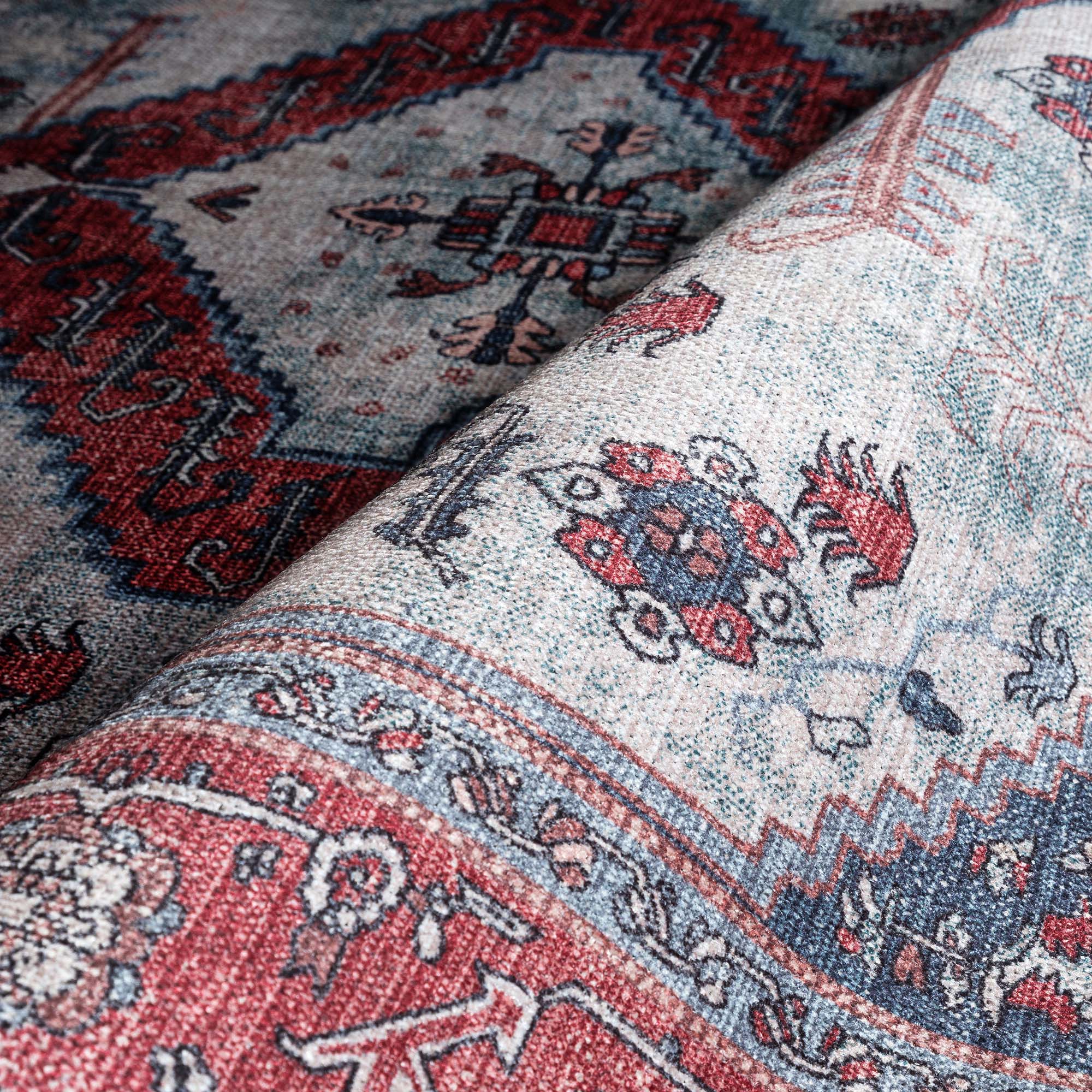
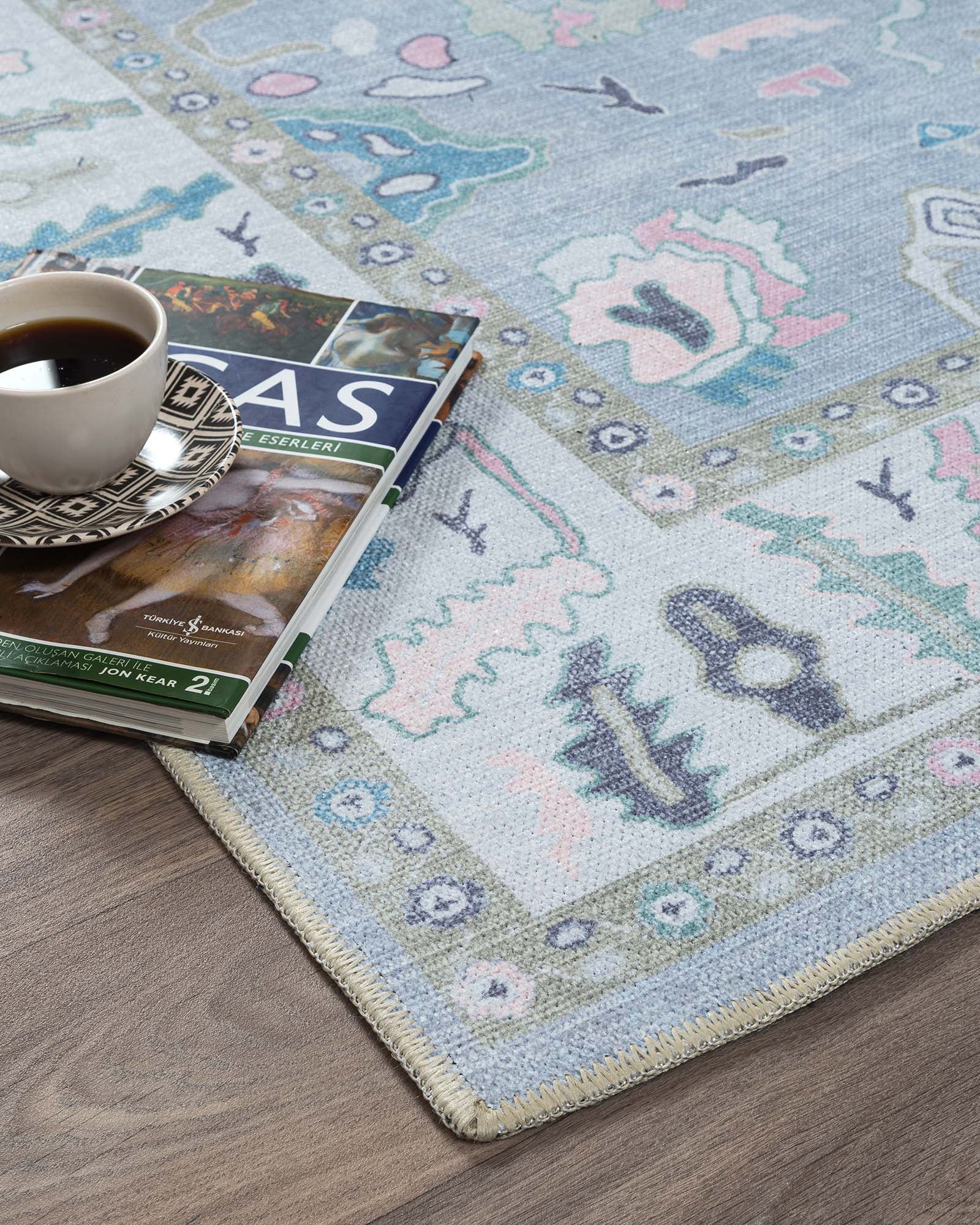
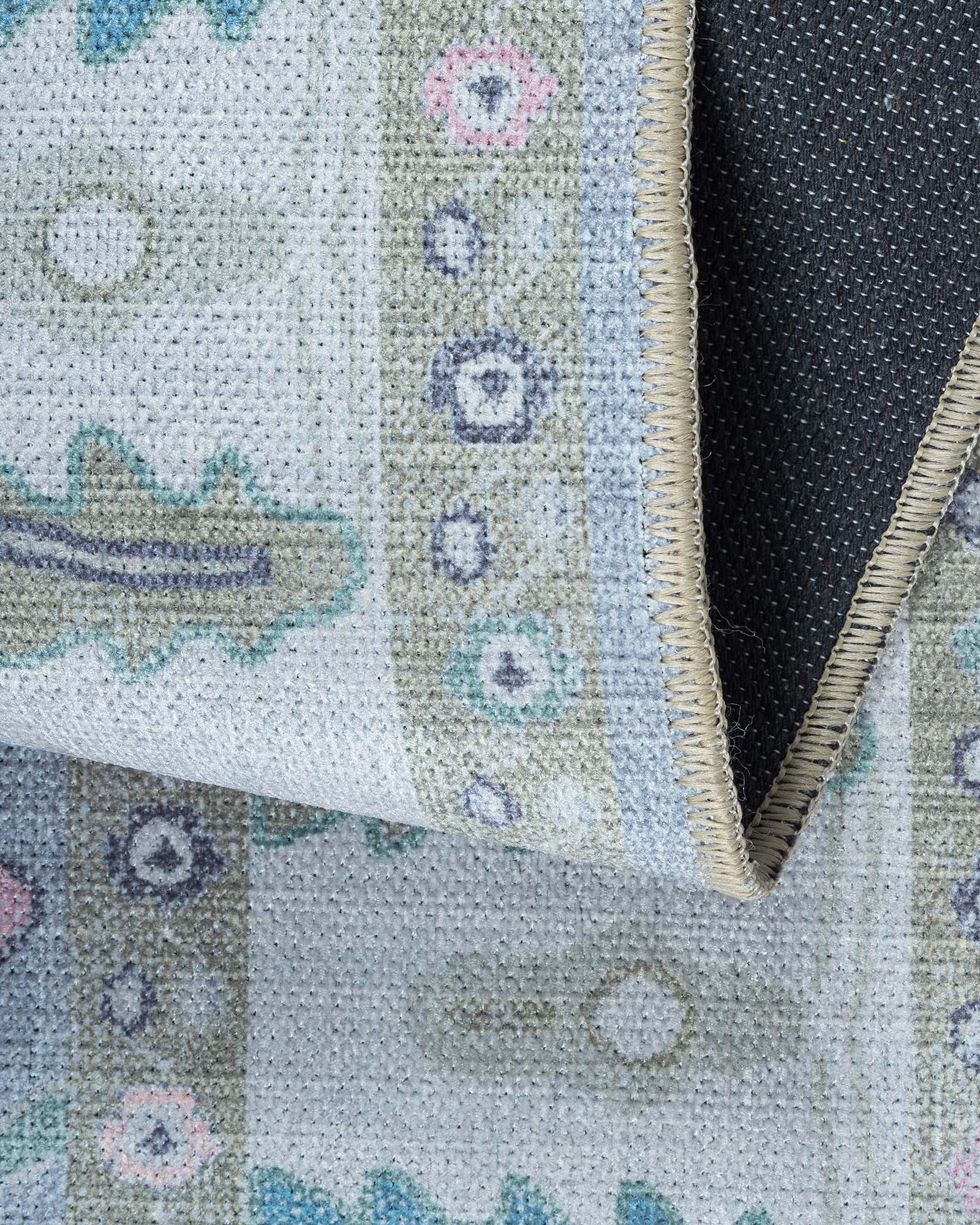
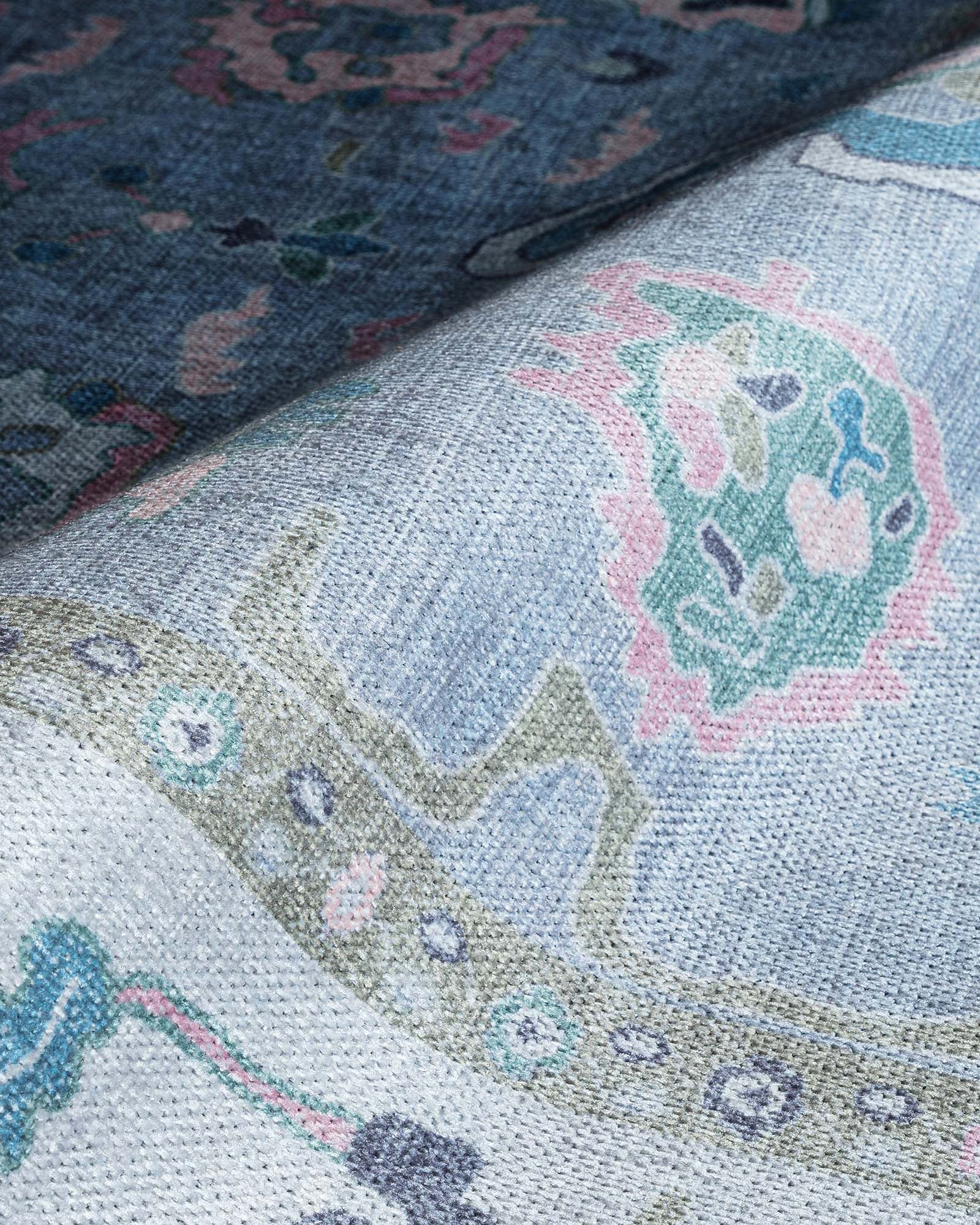
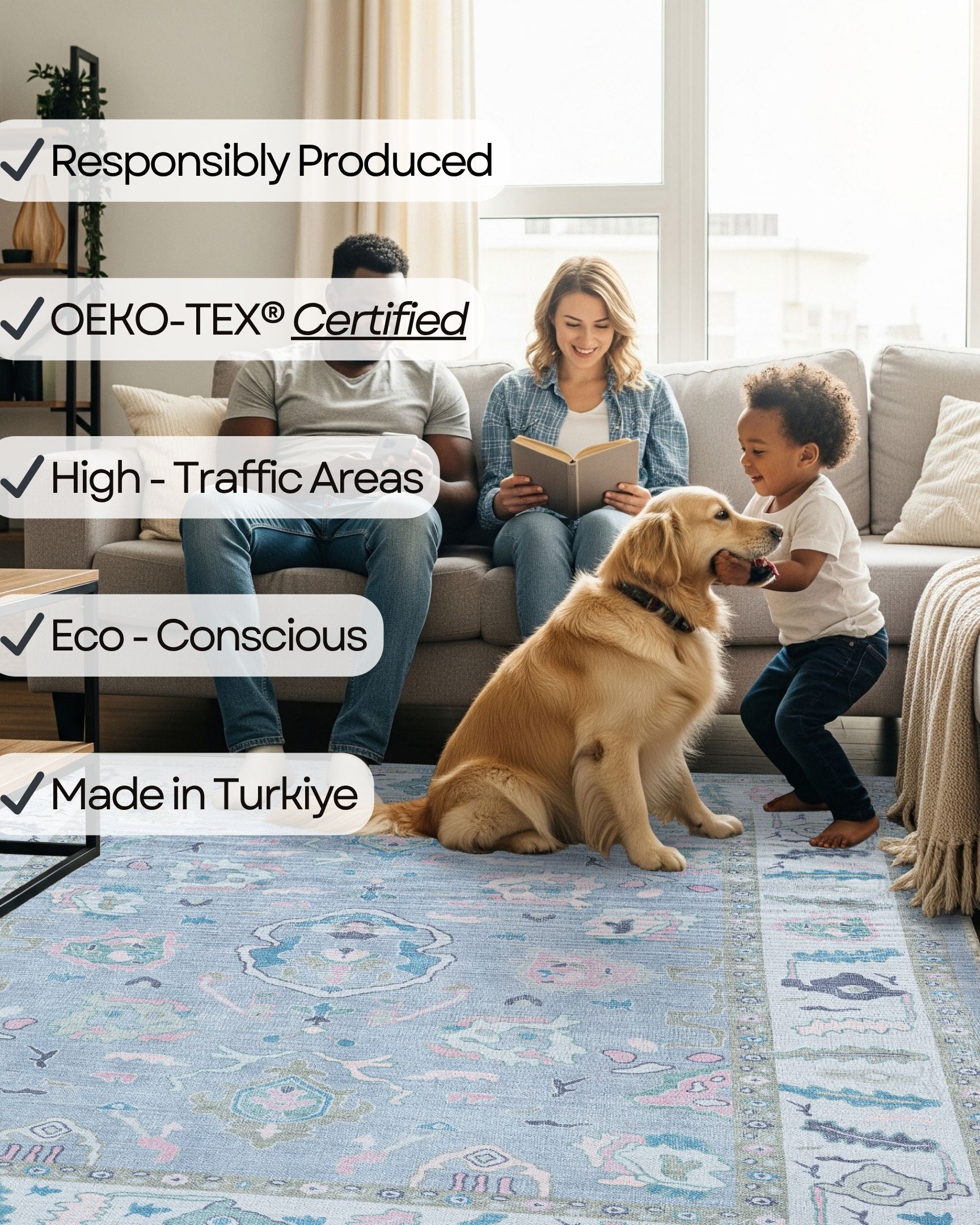
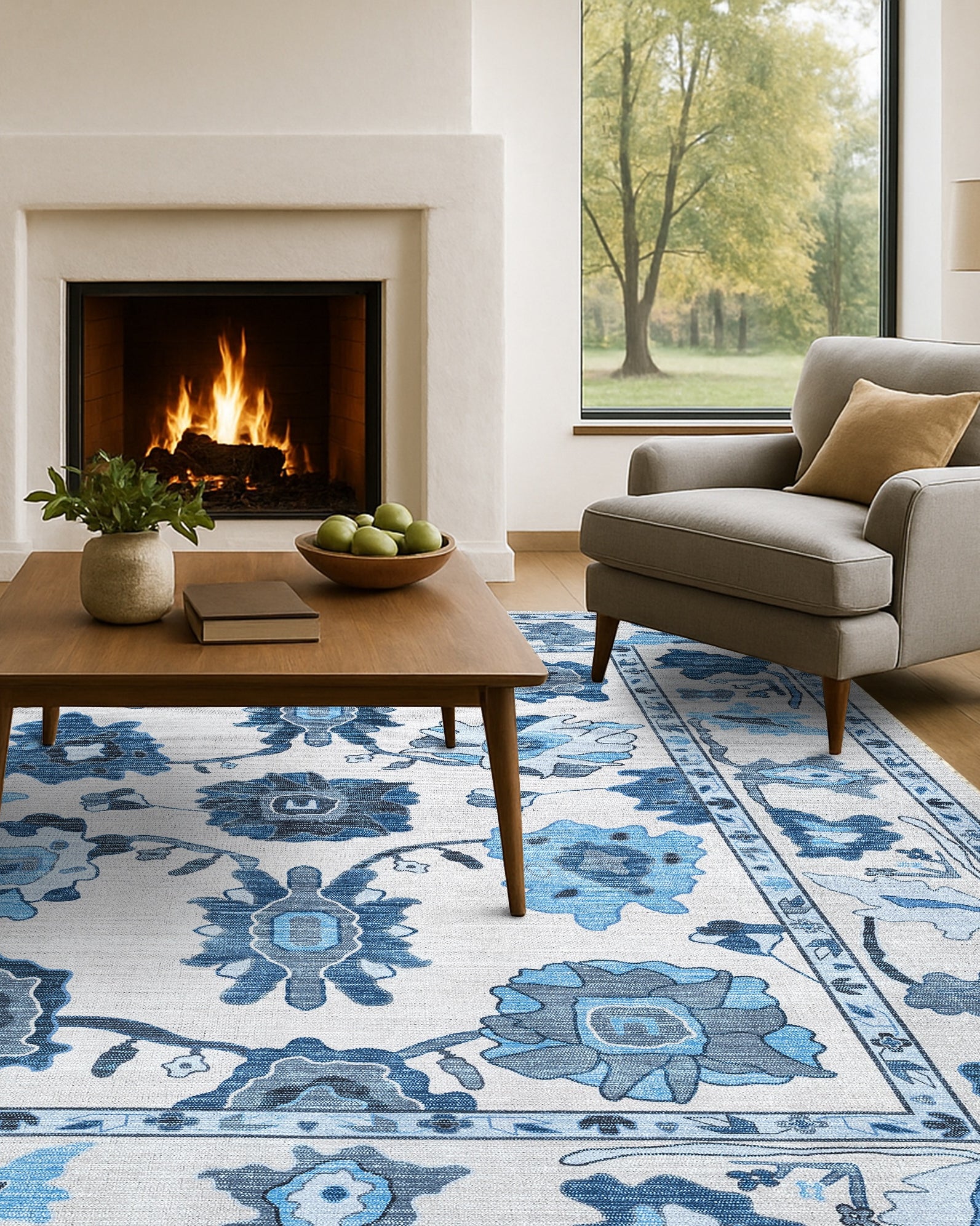
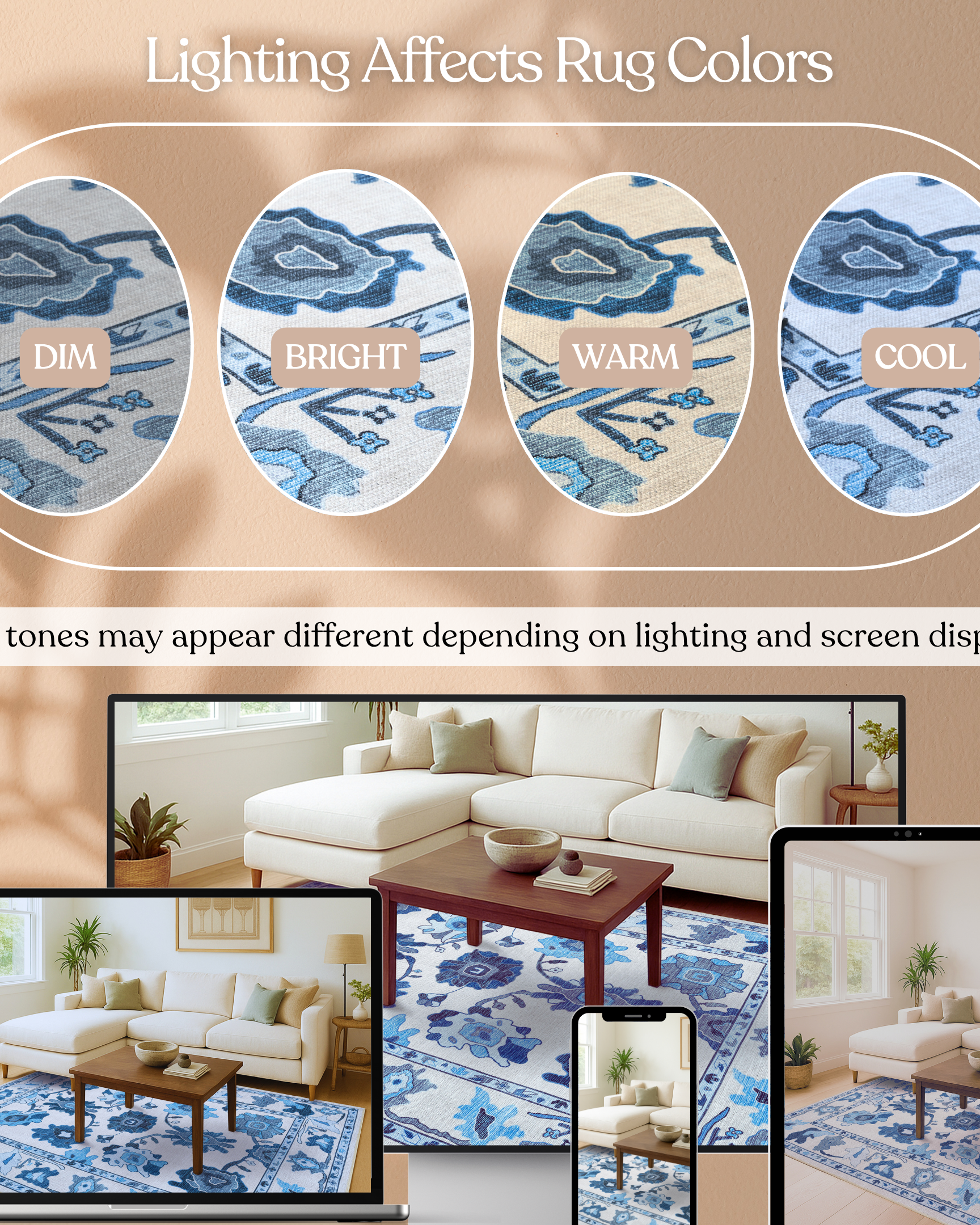
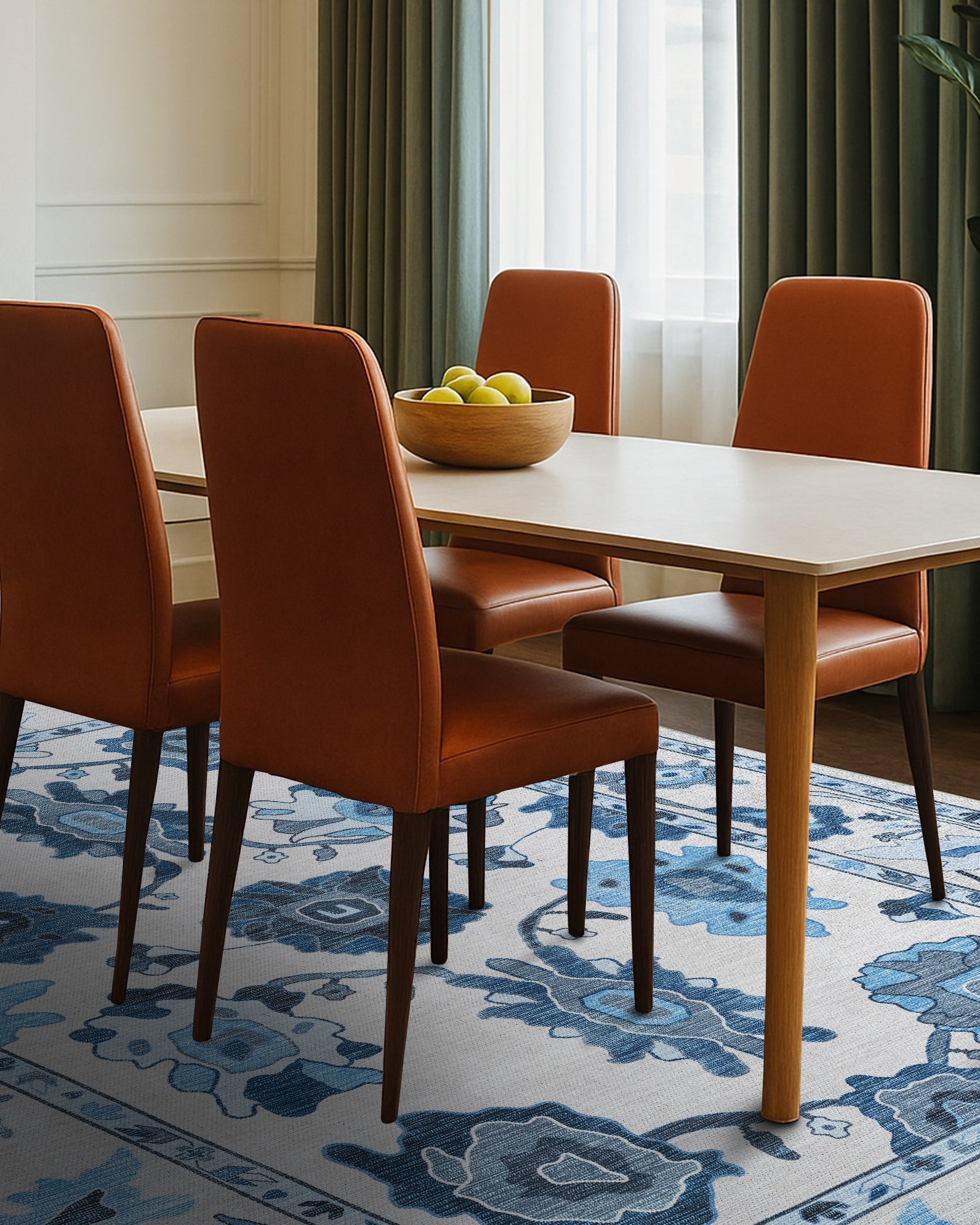
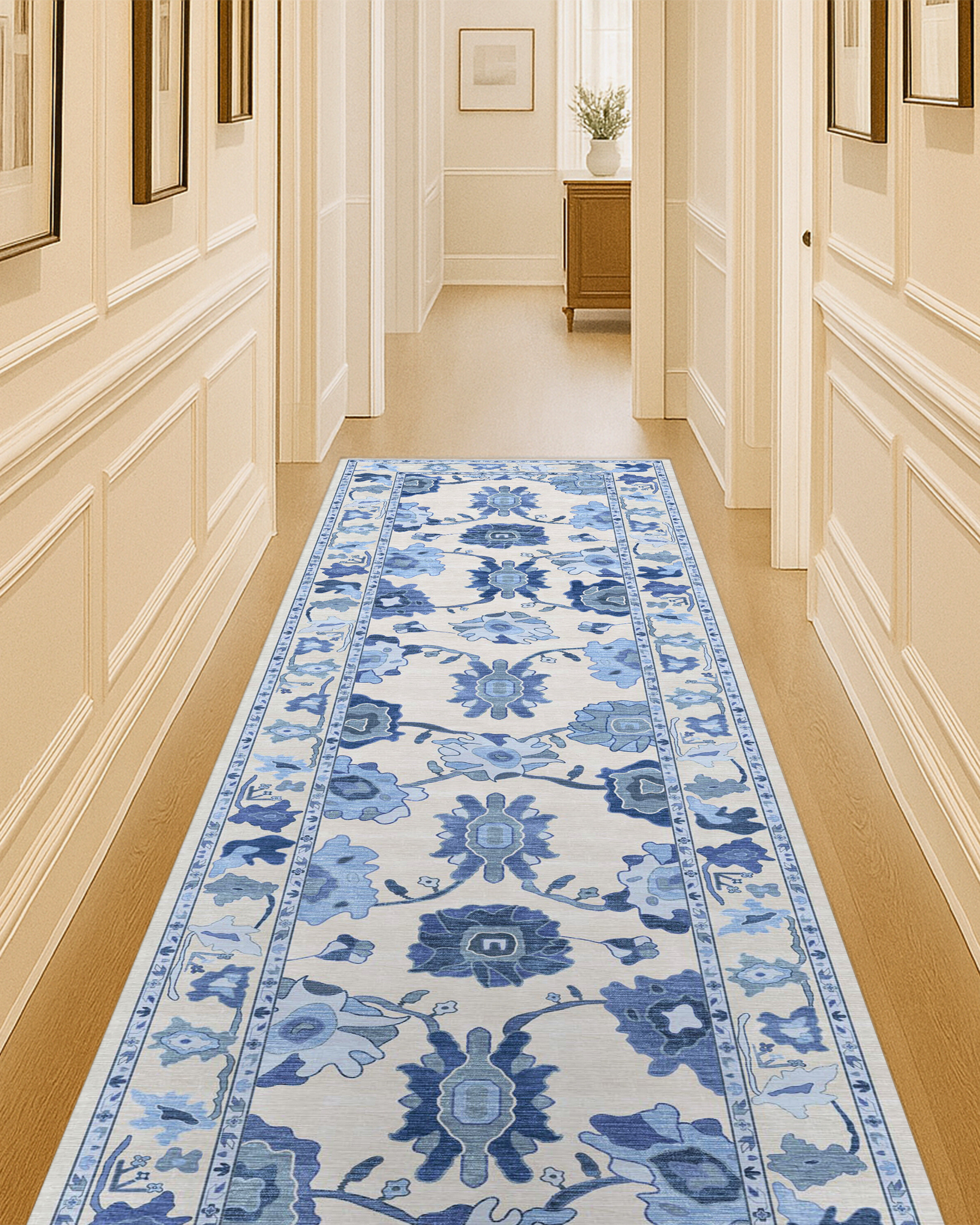
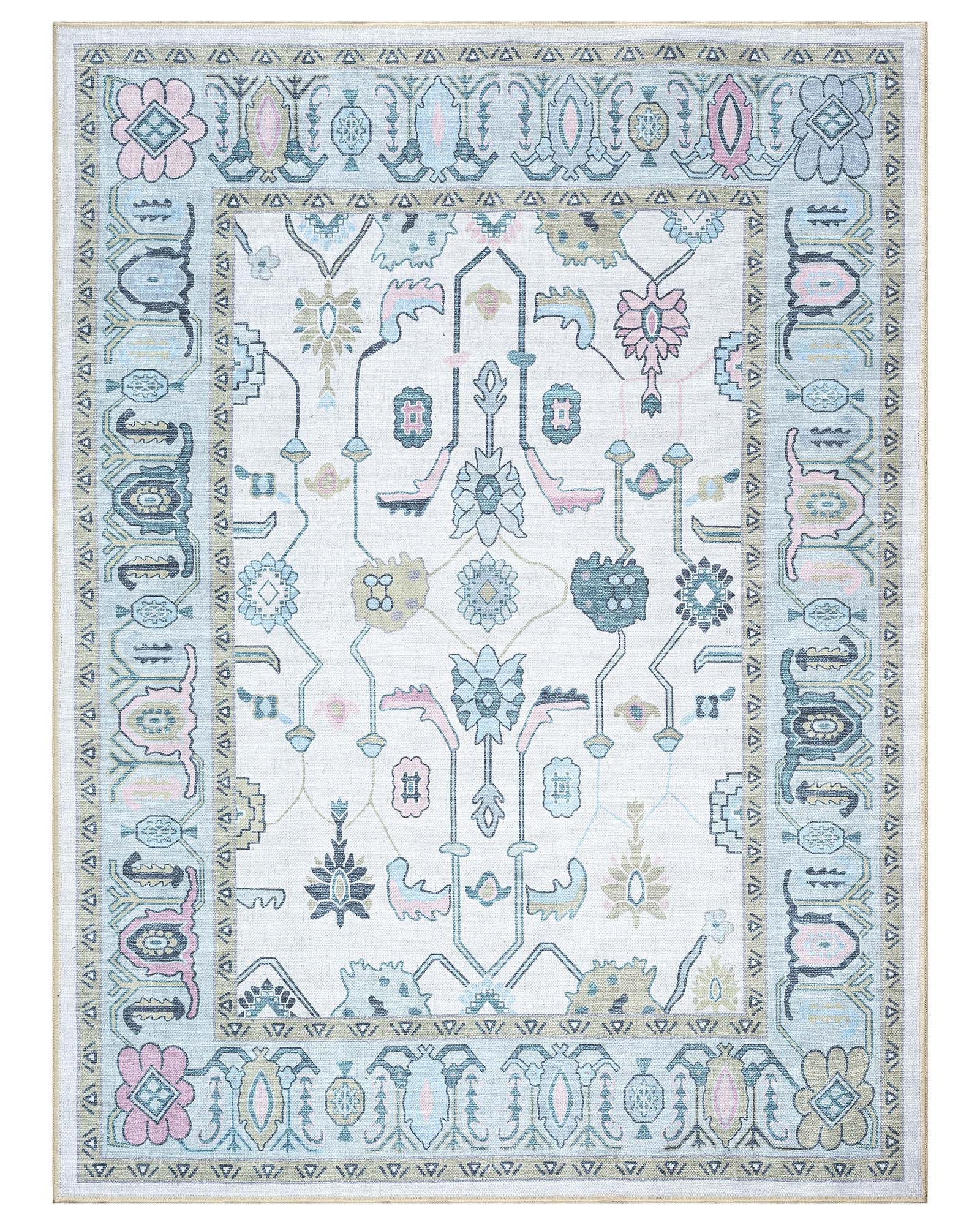
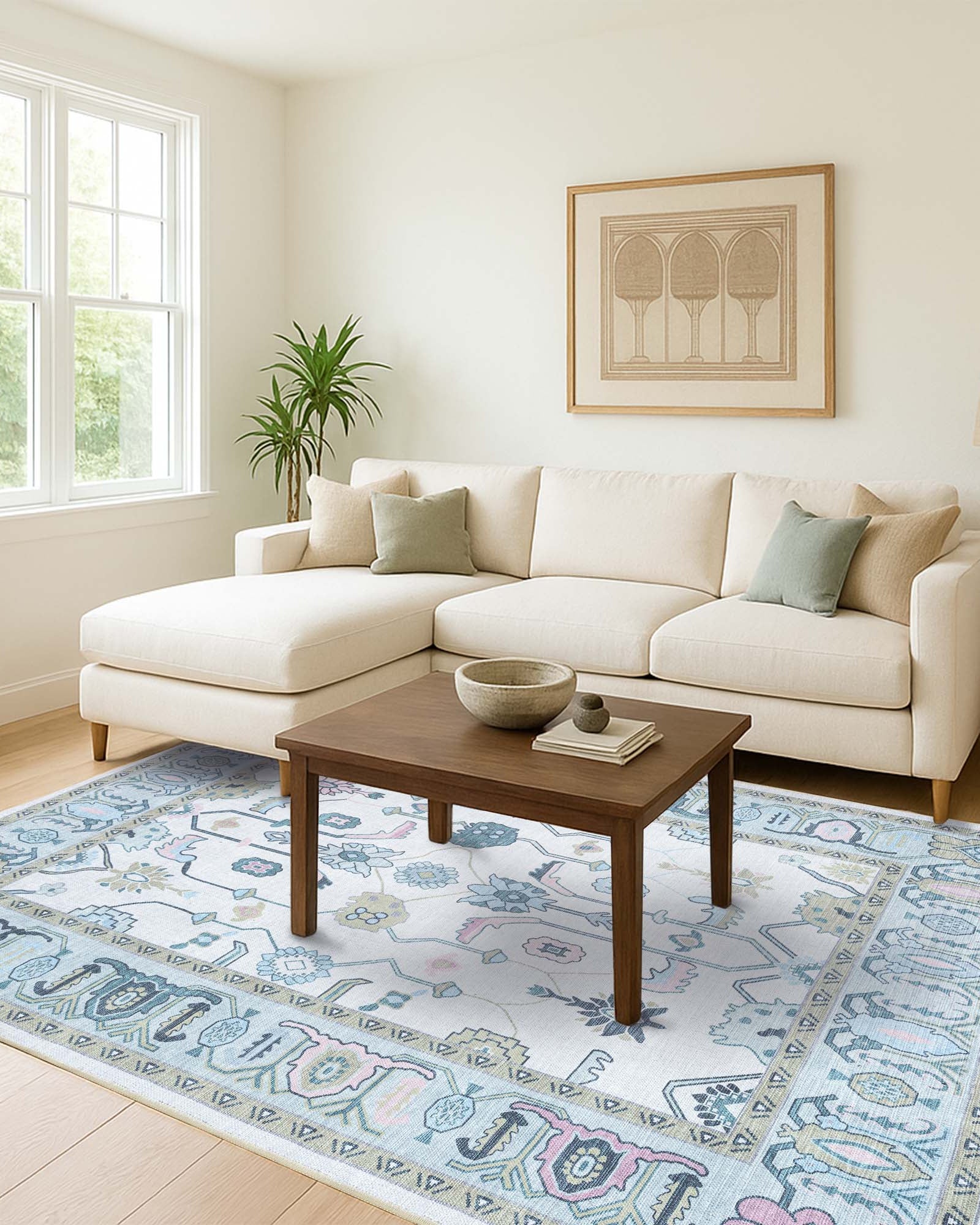
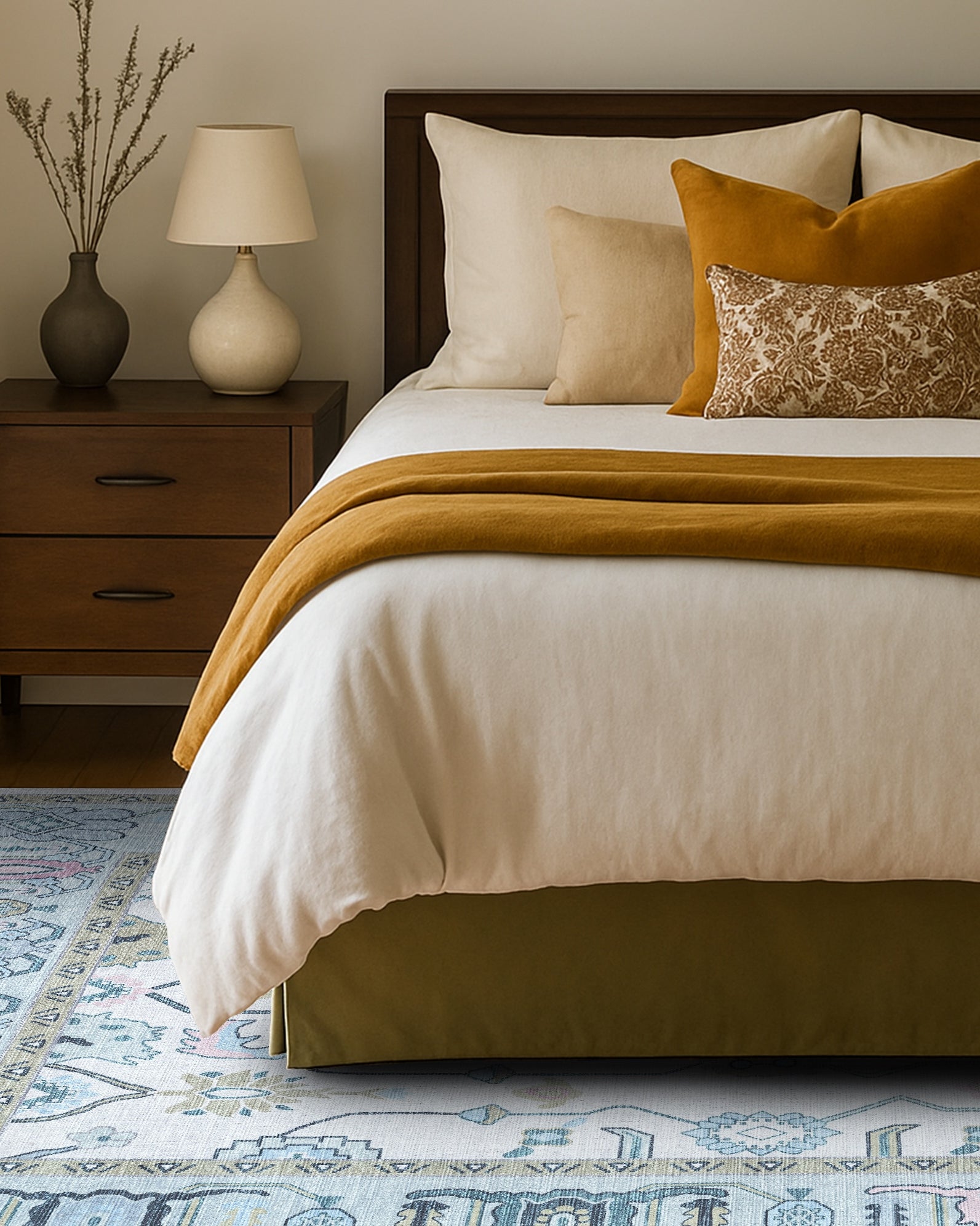
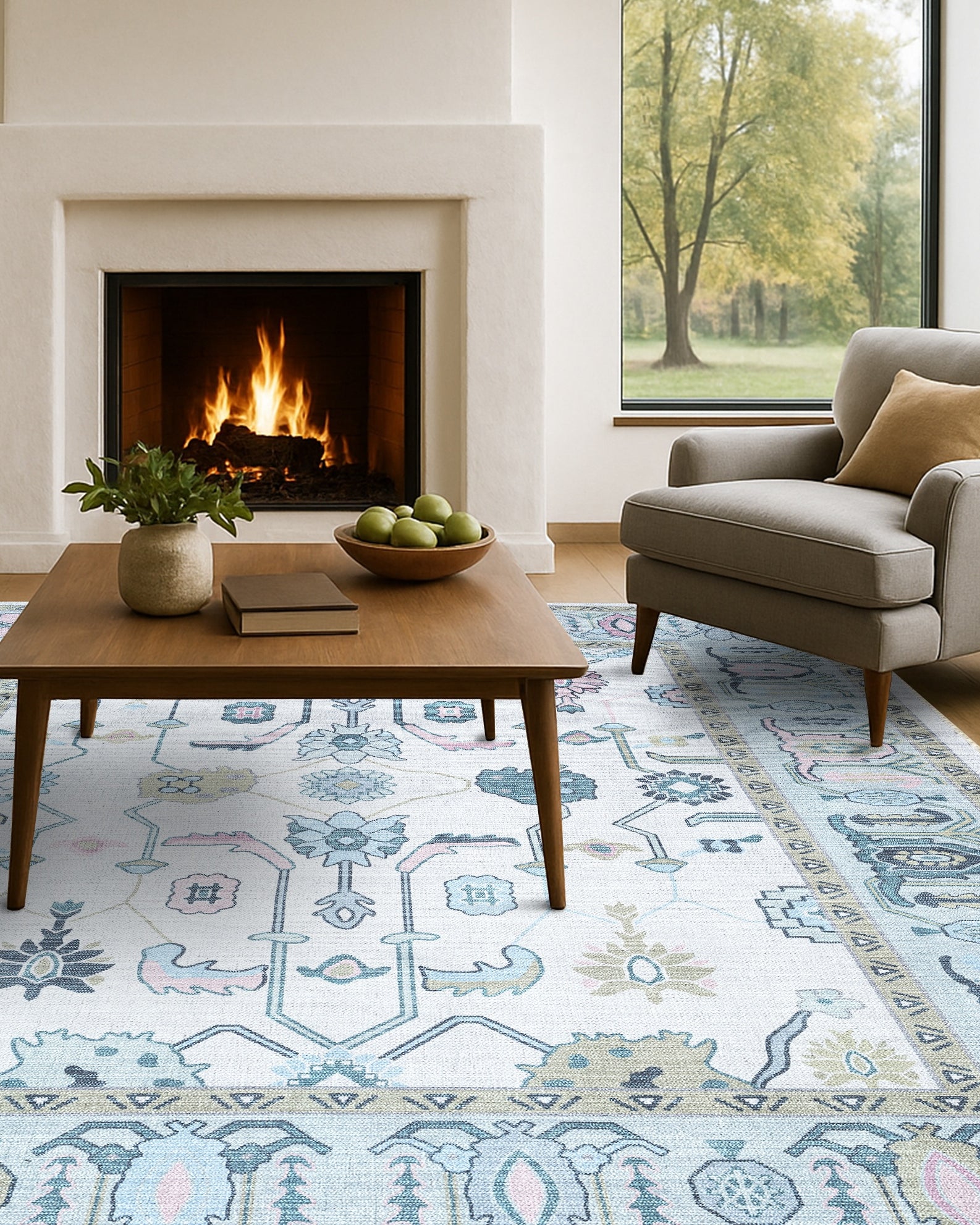
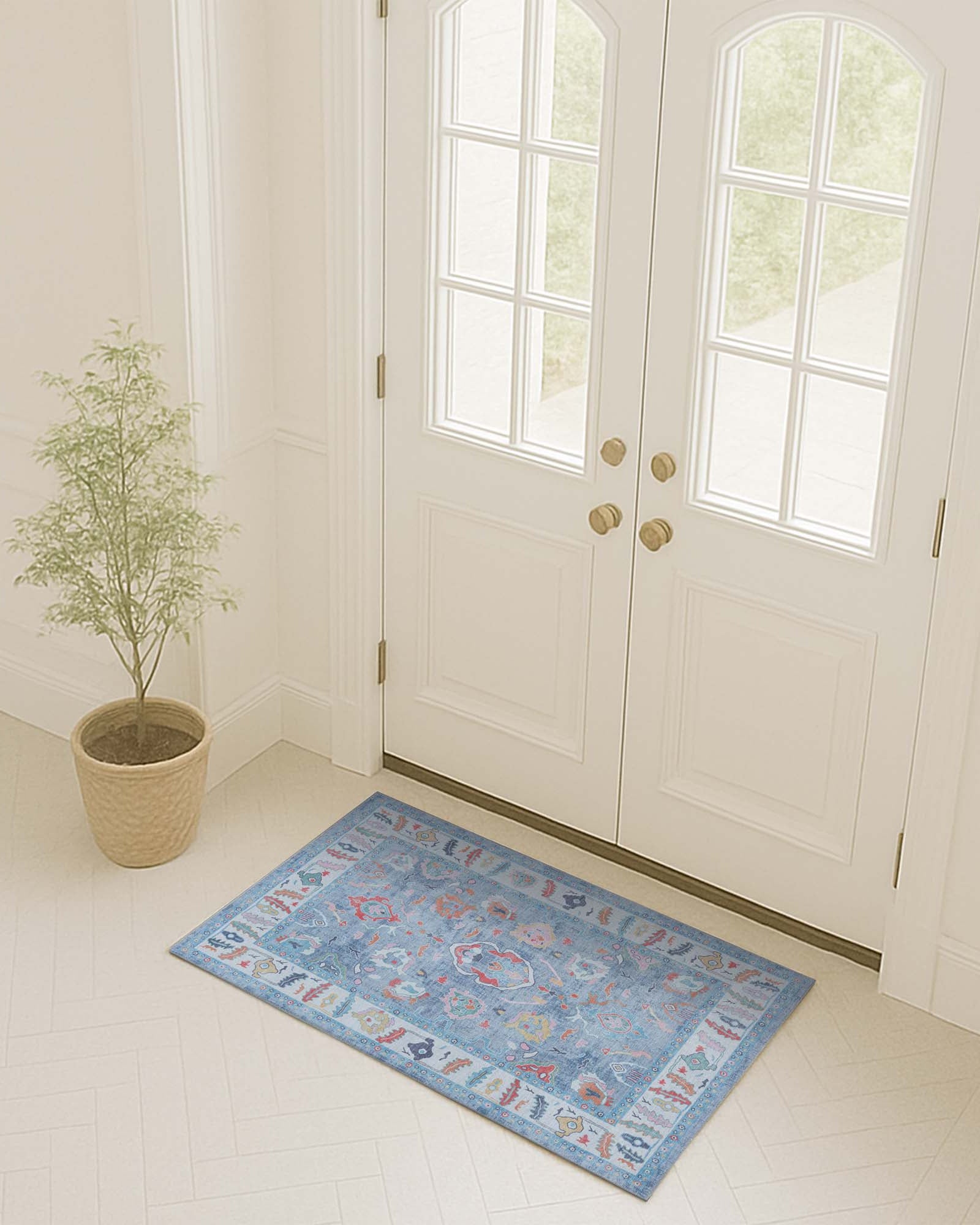
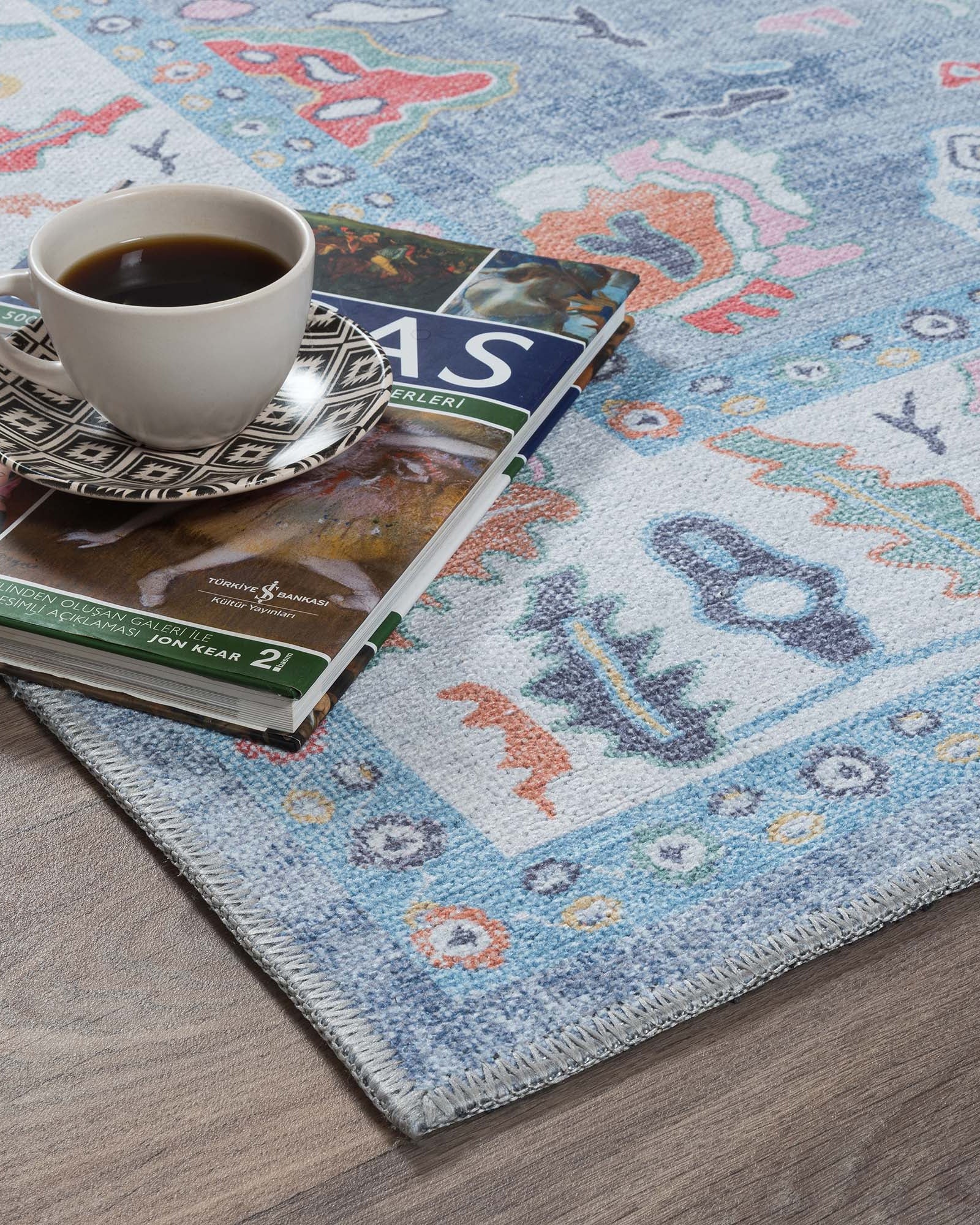
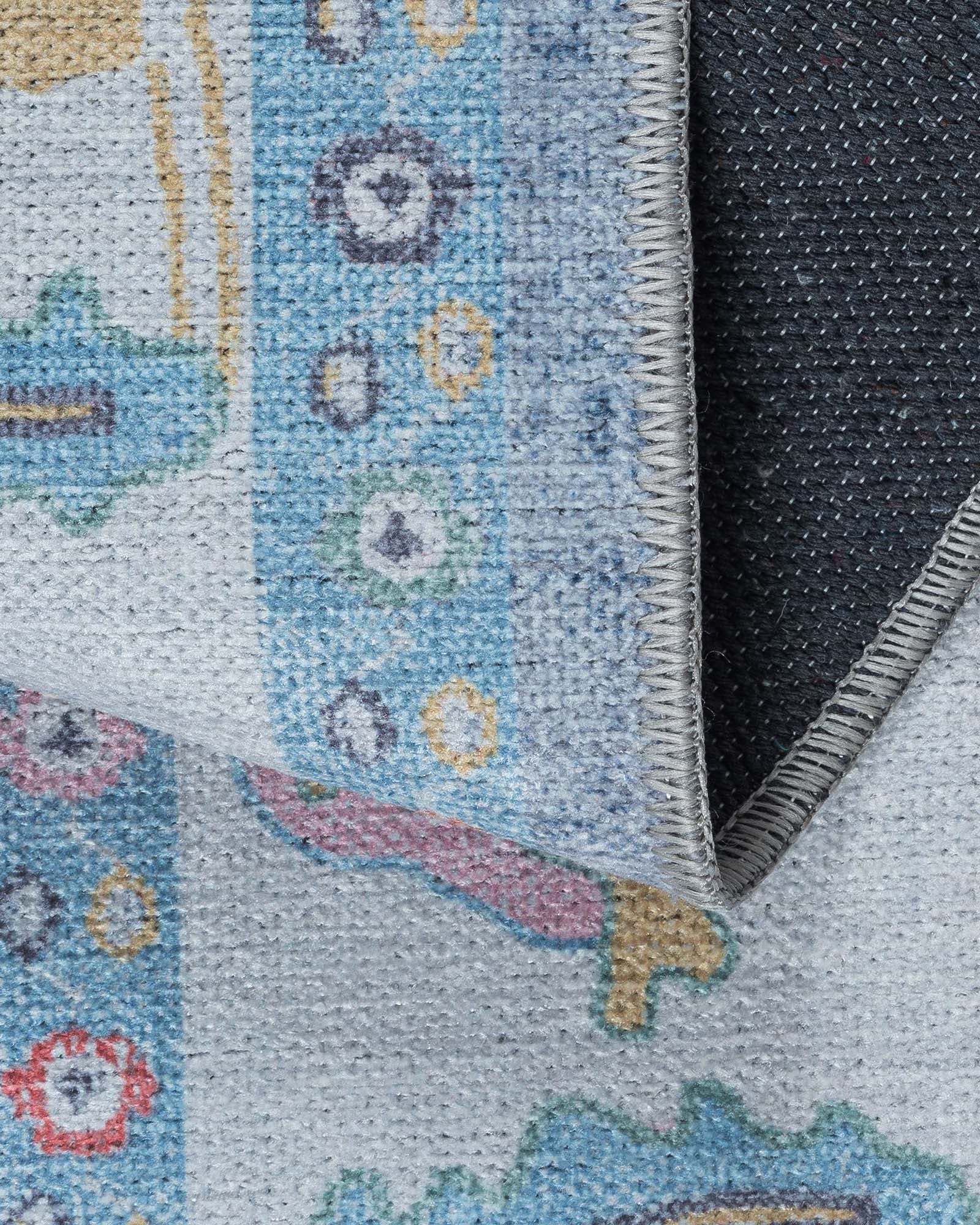
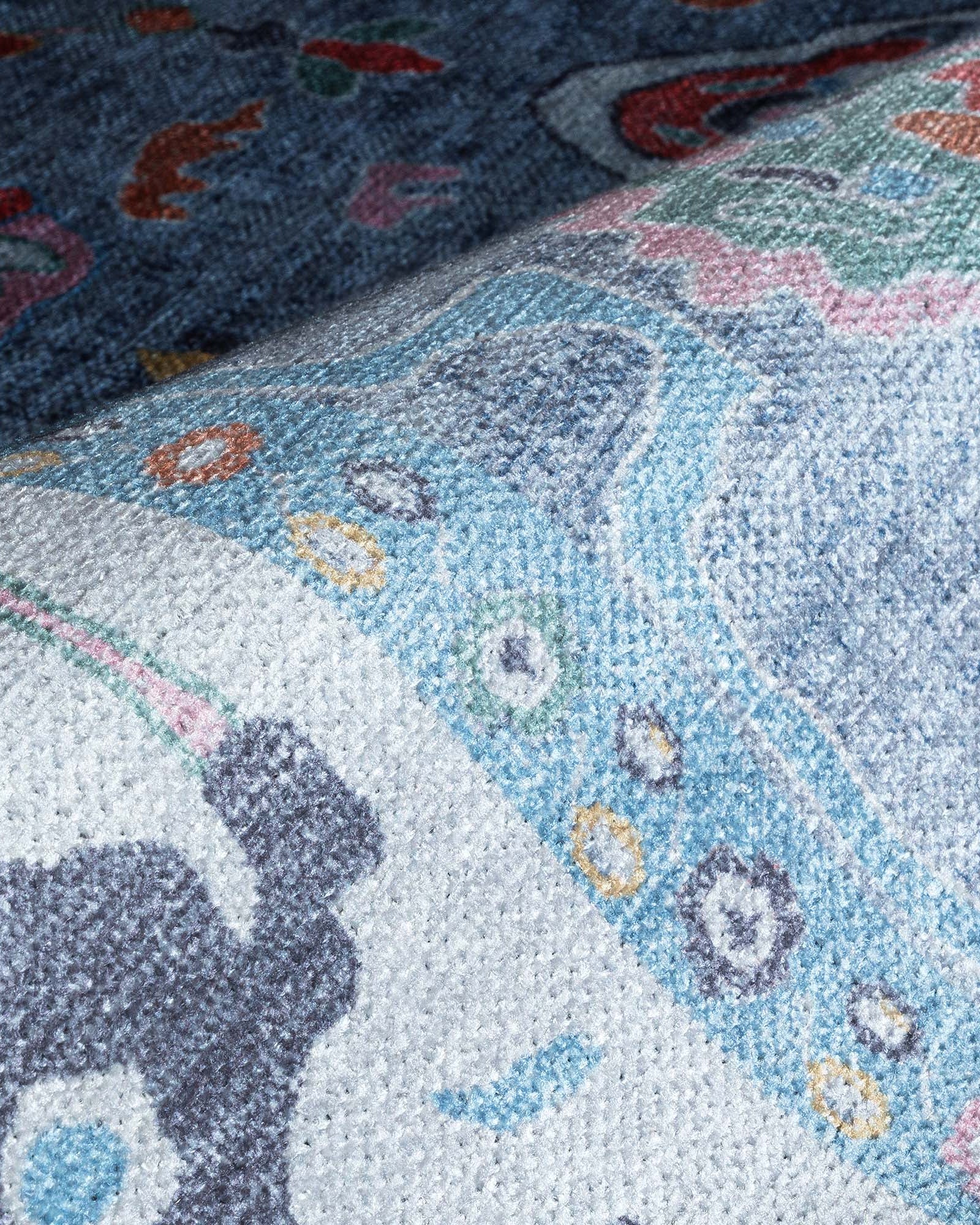
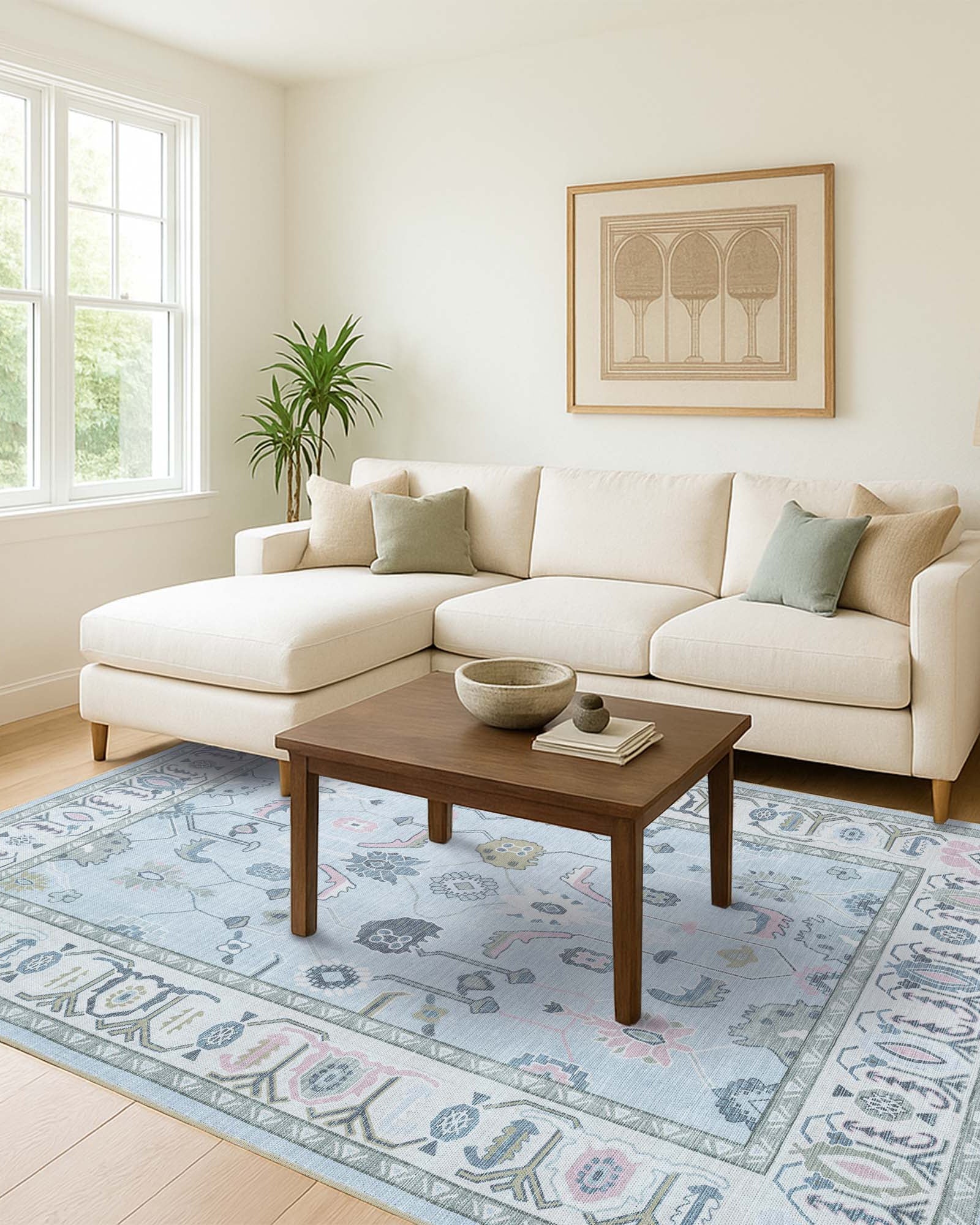
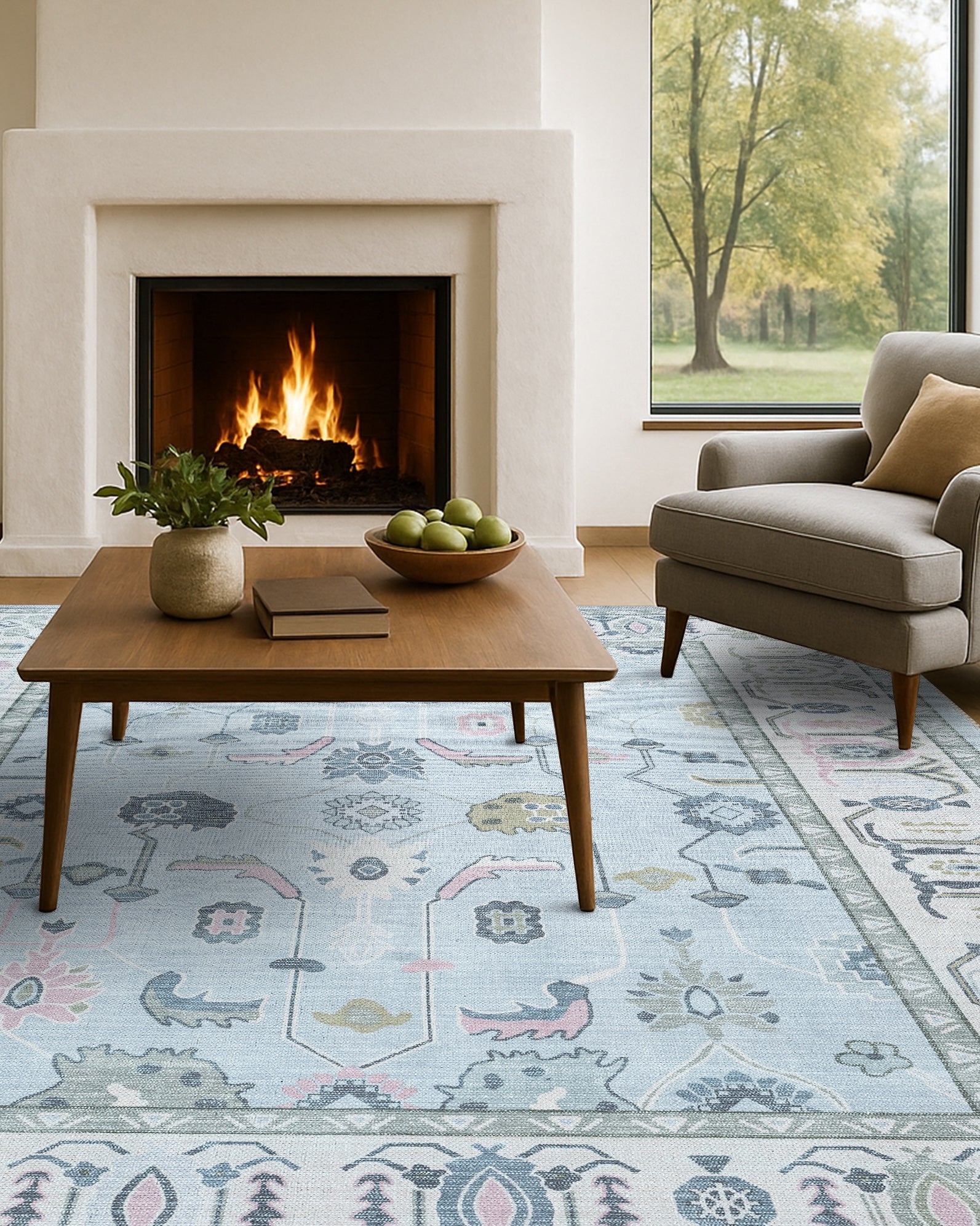
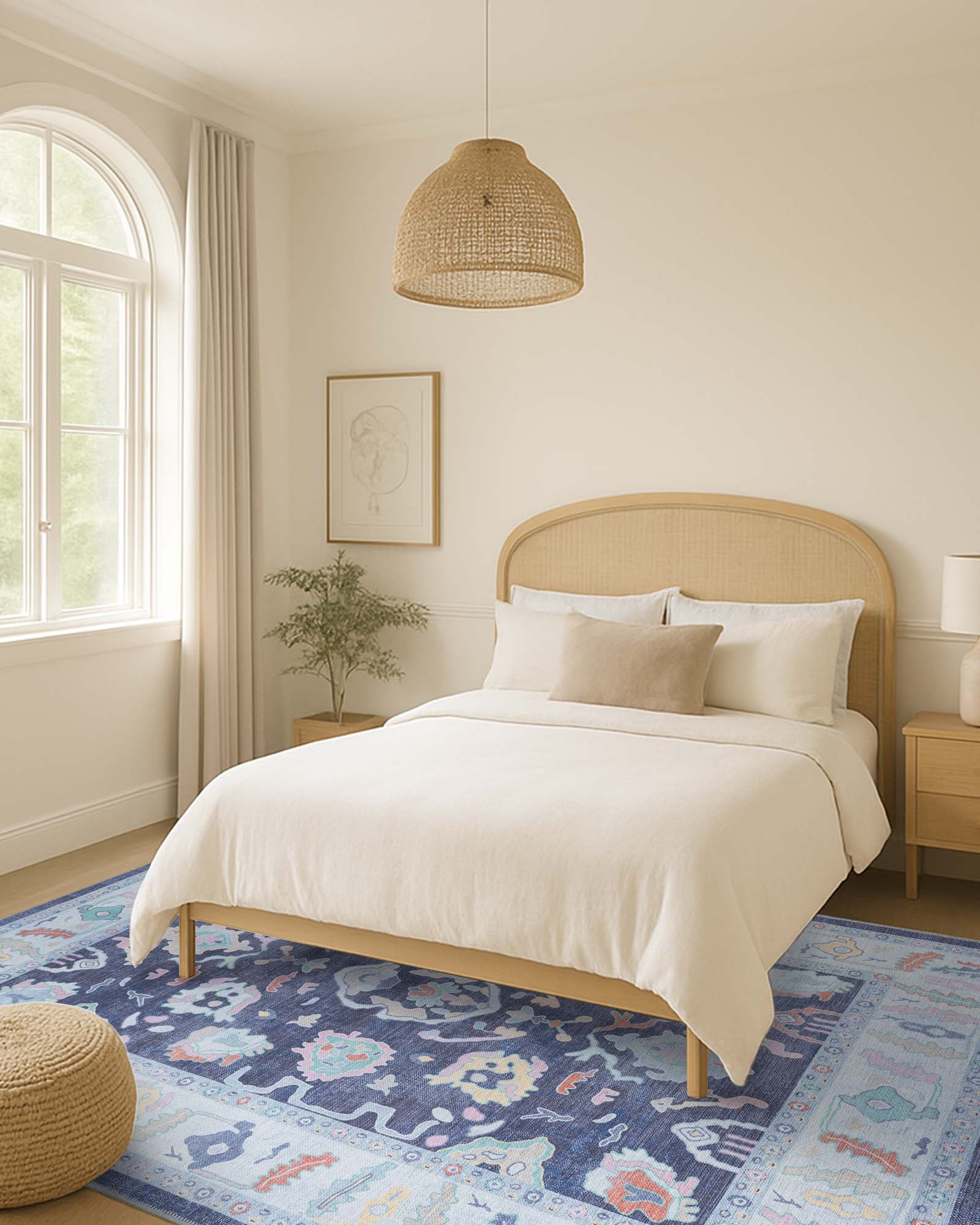
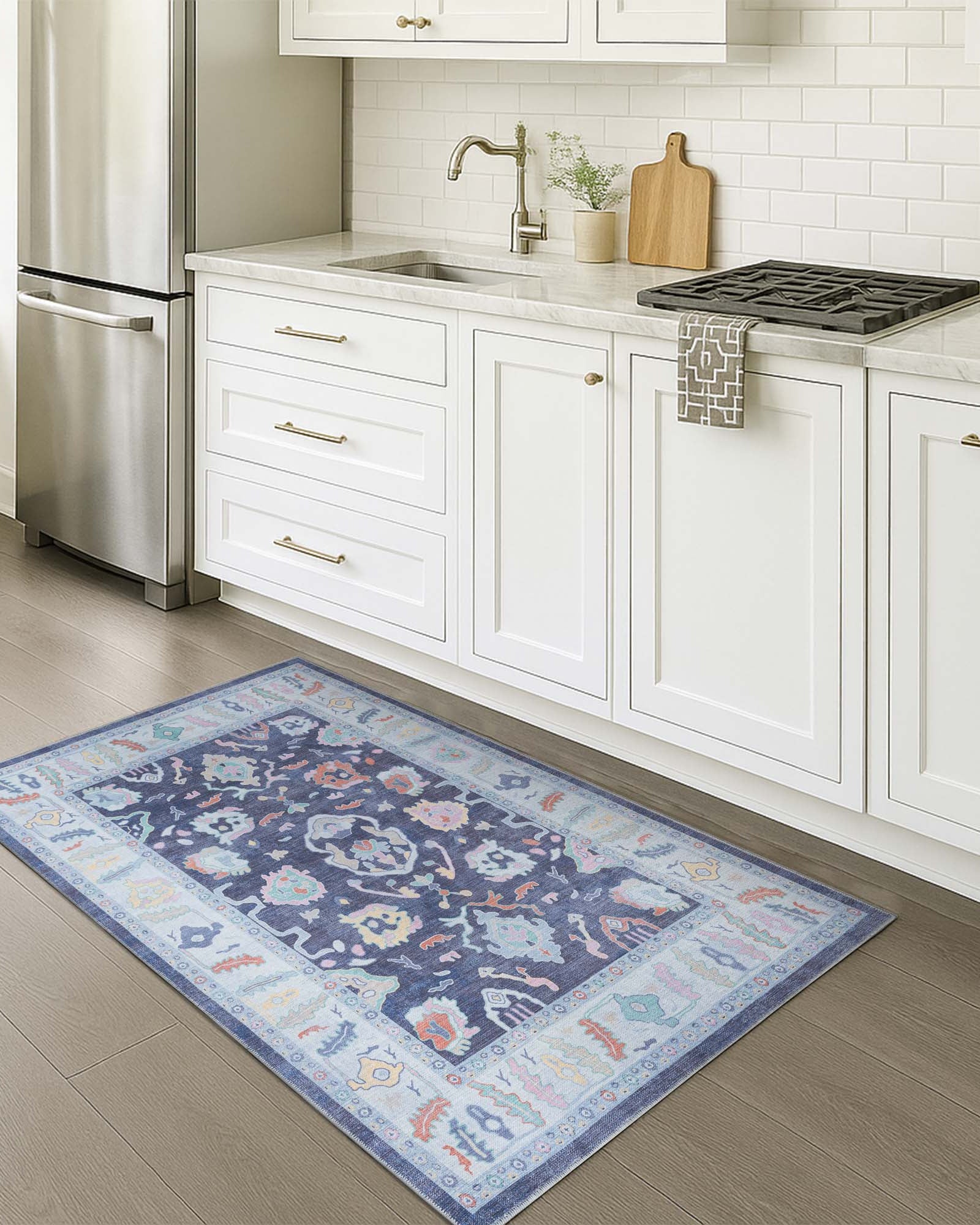
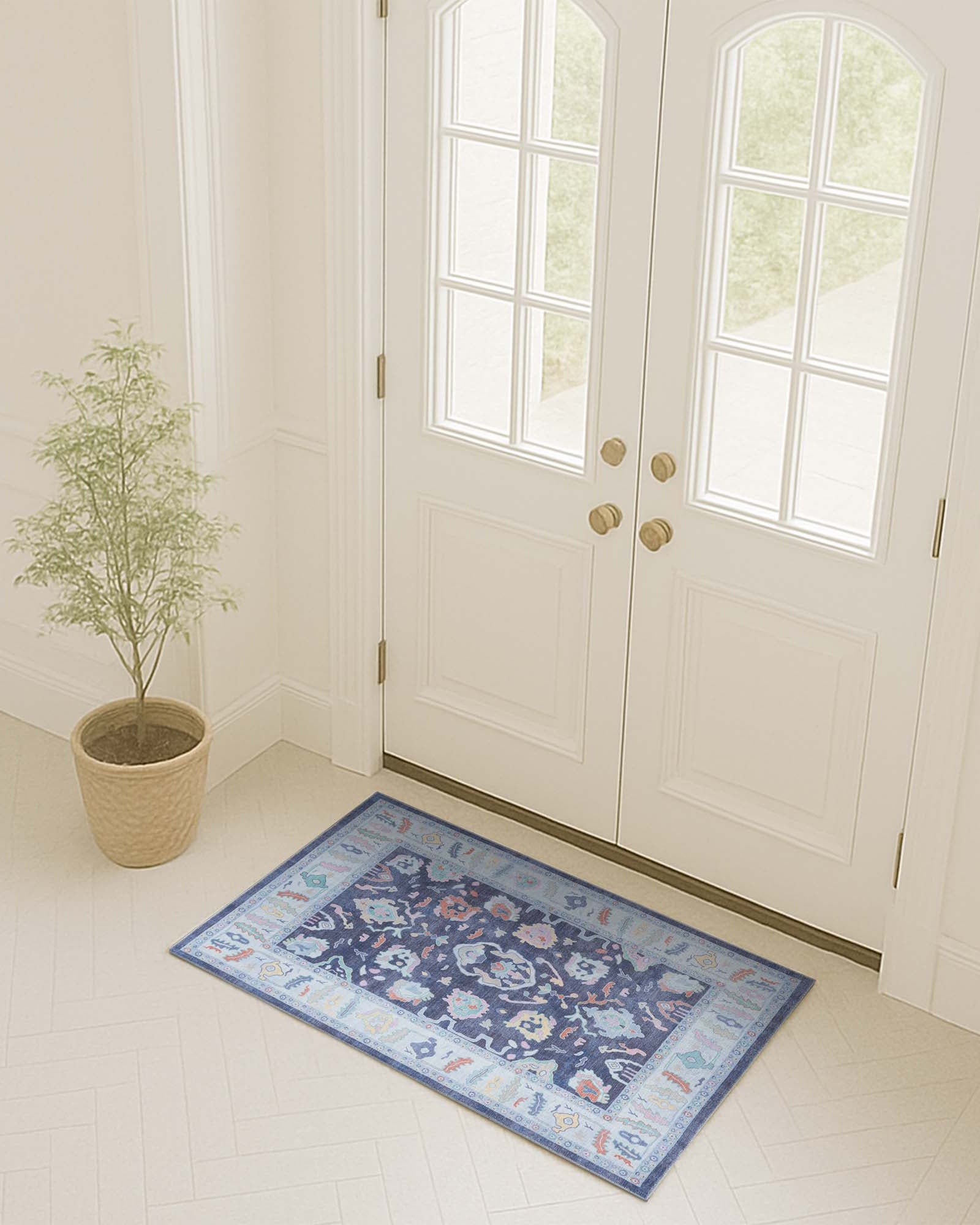
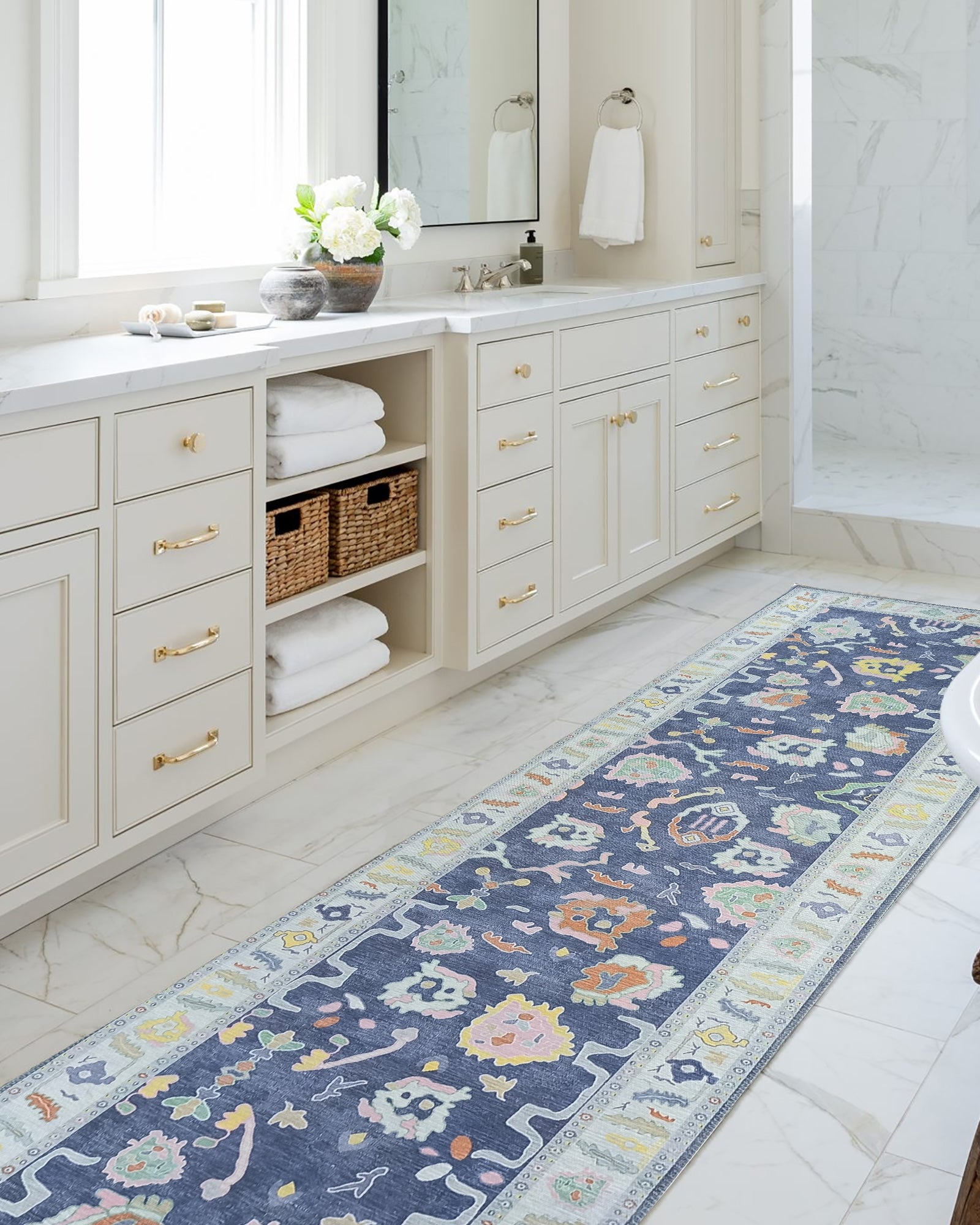
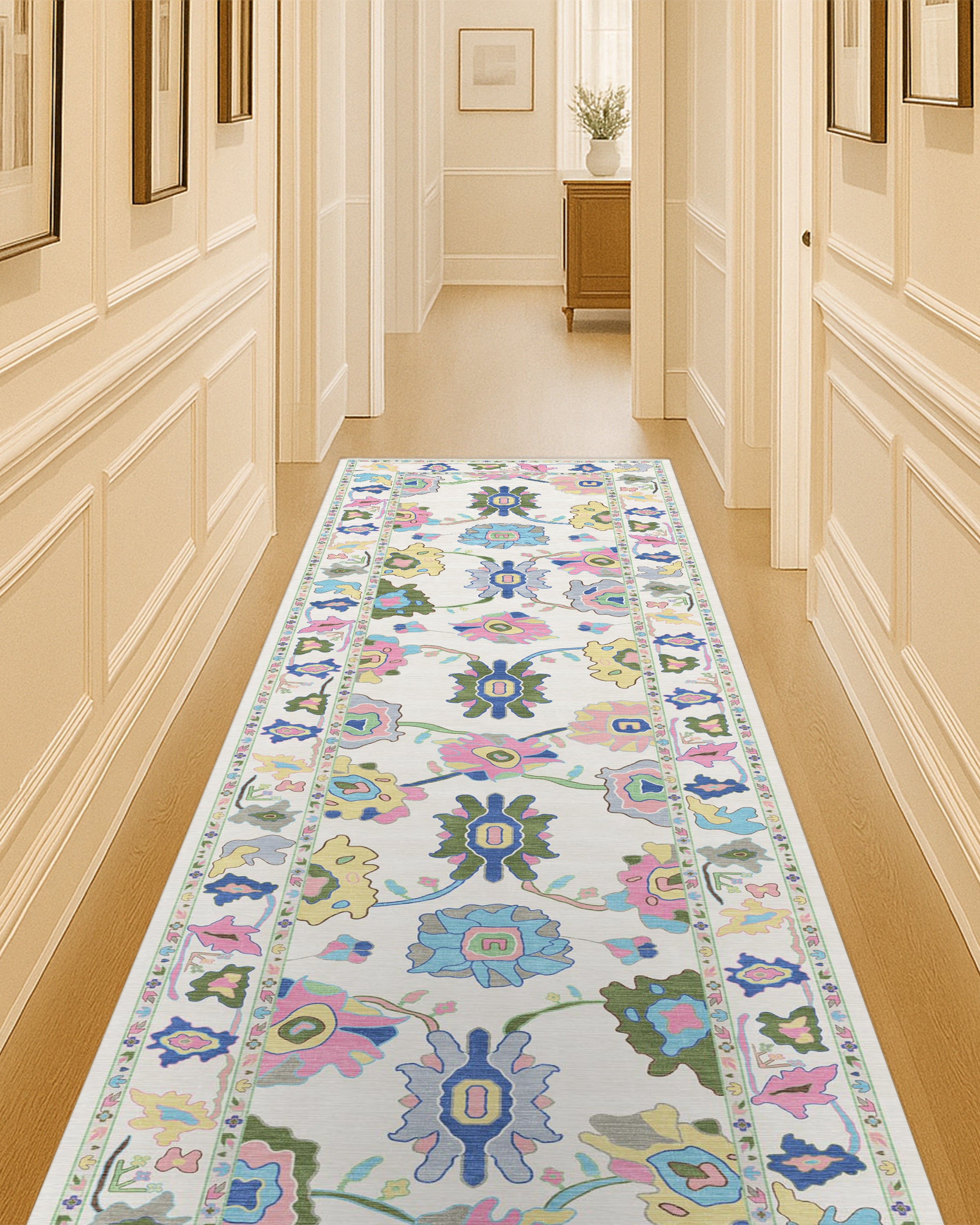
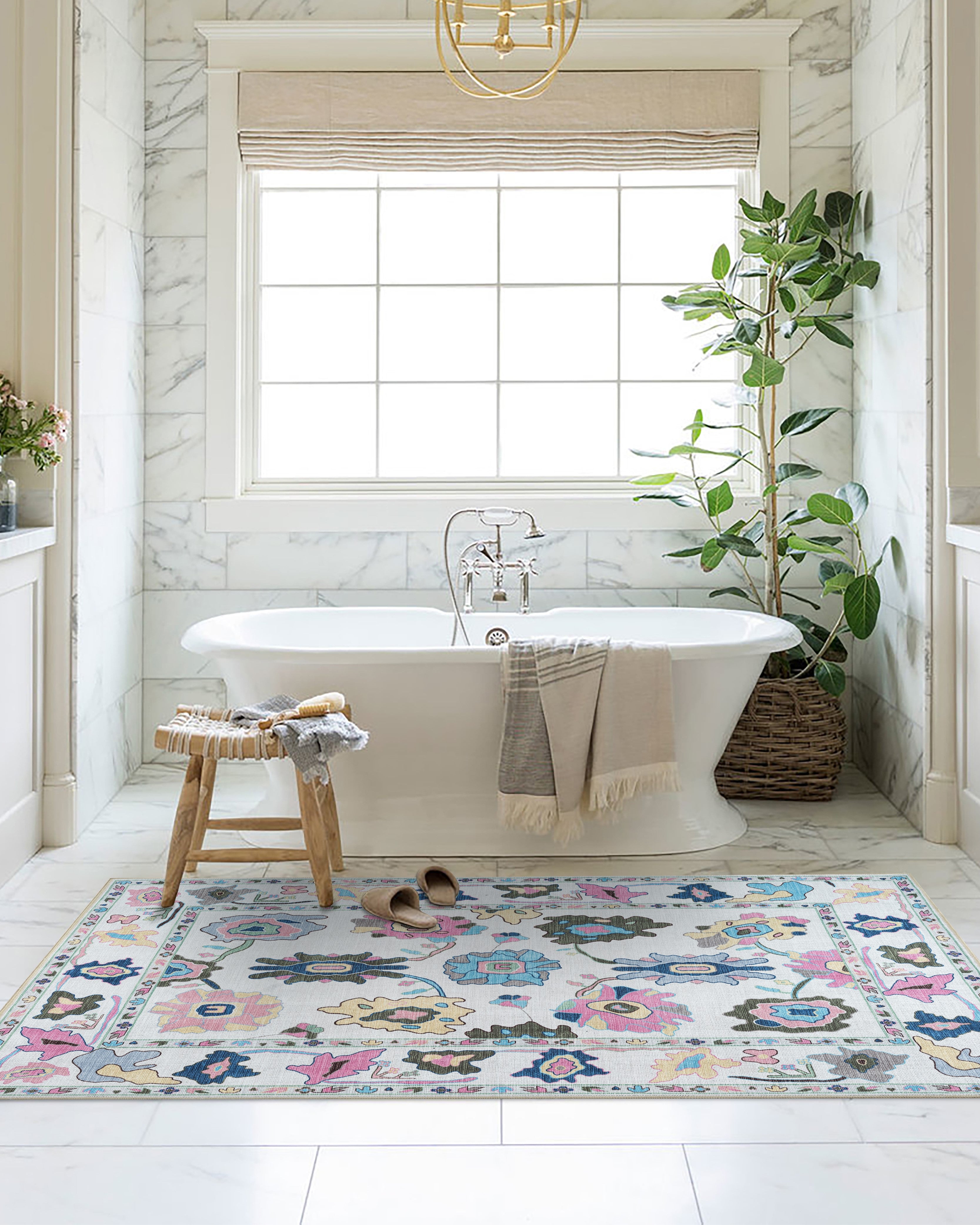
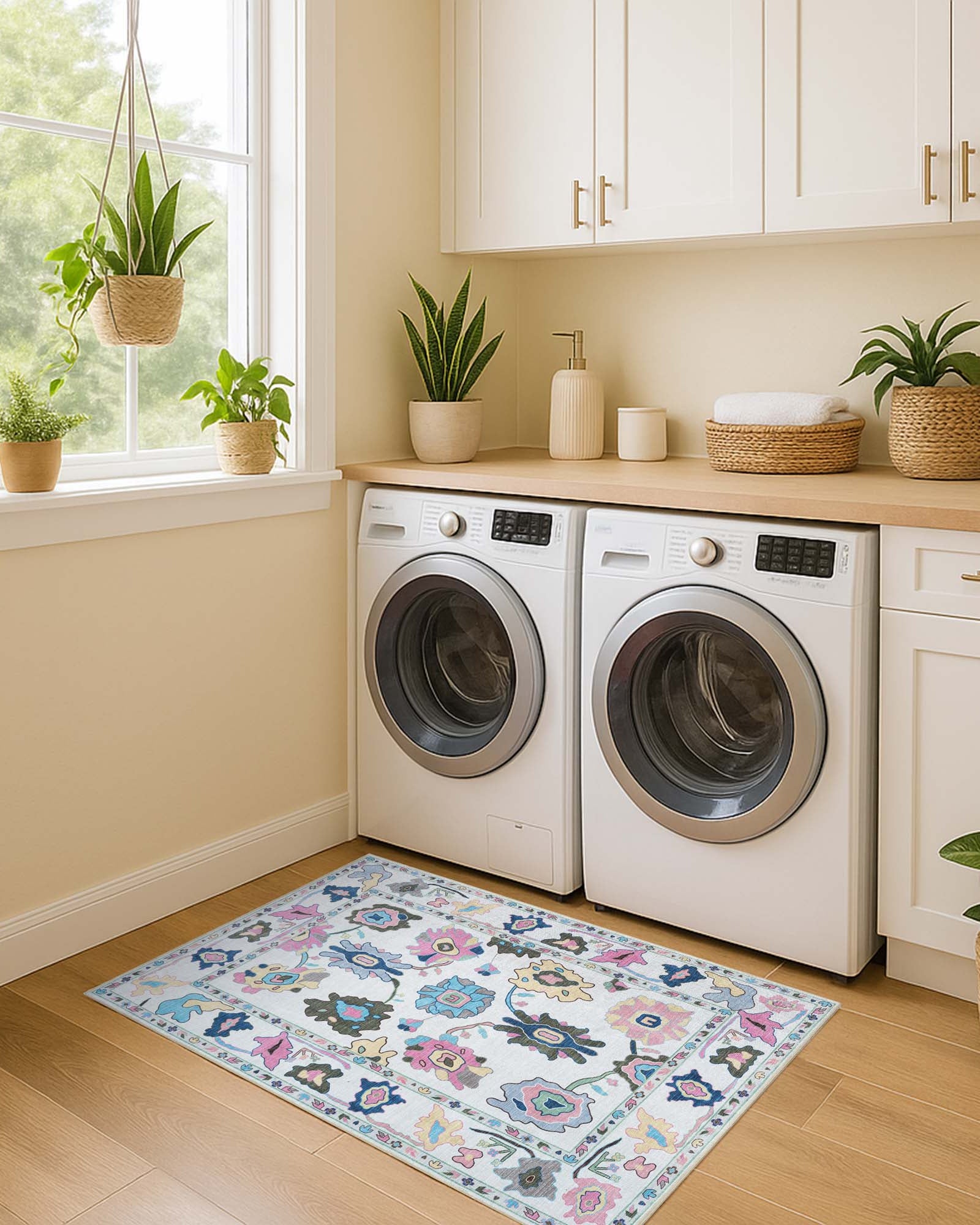
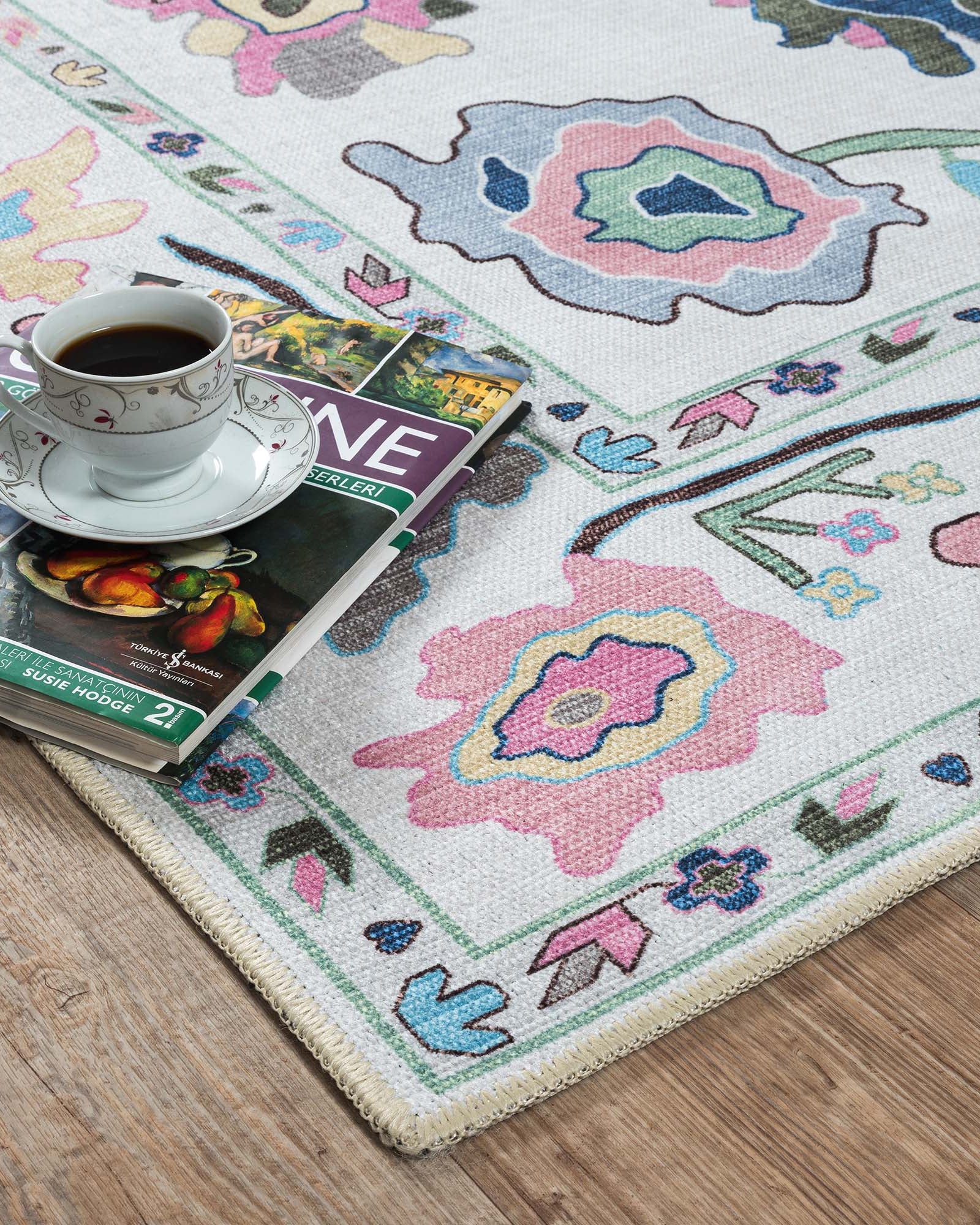
About This Collection
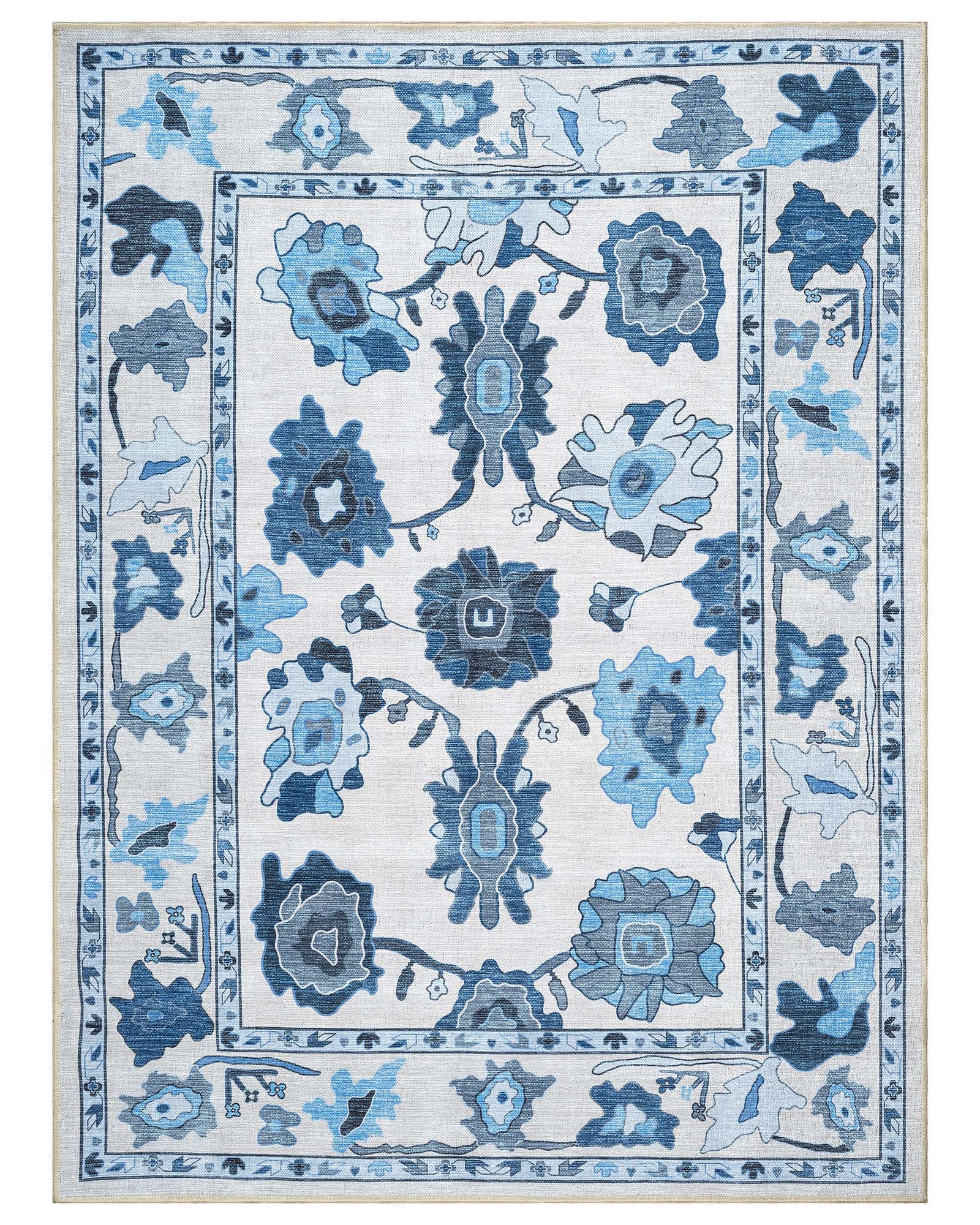
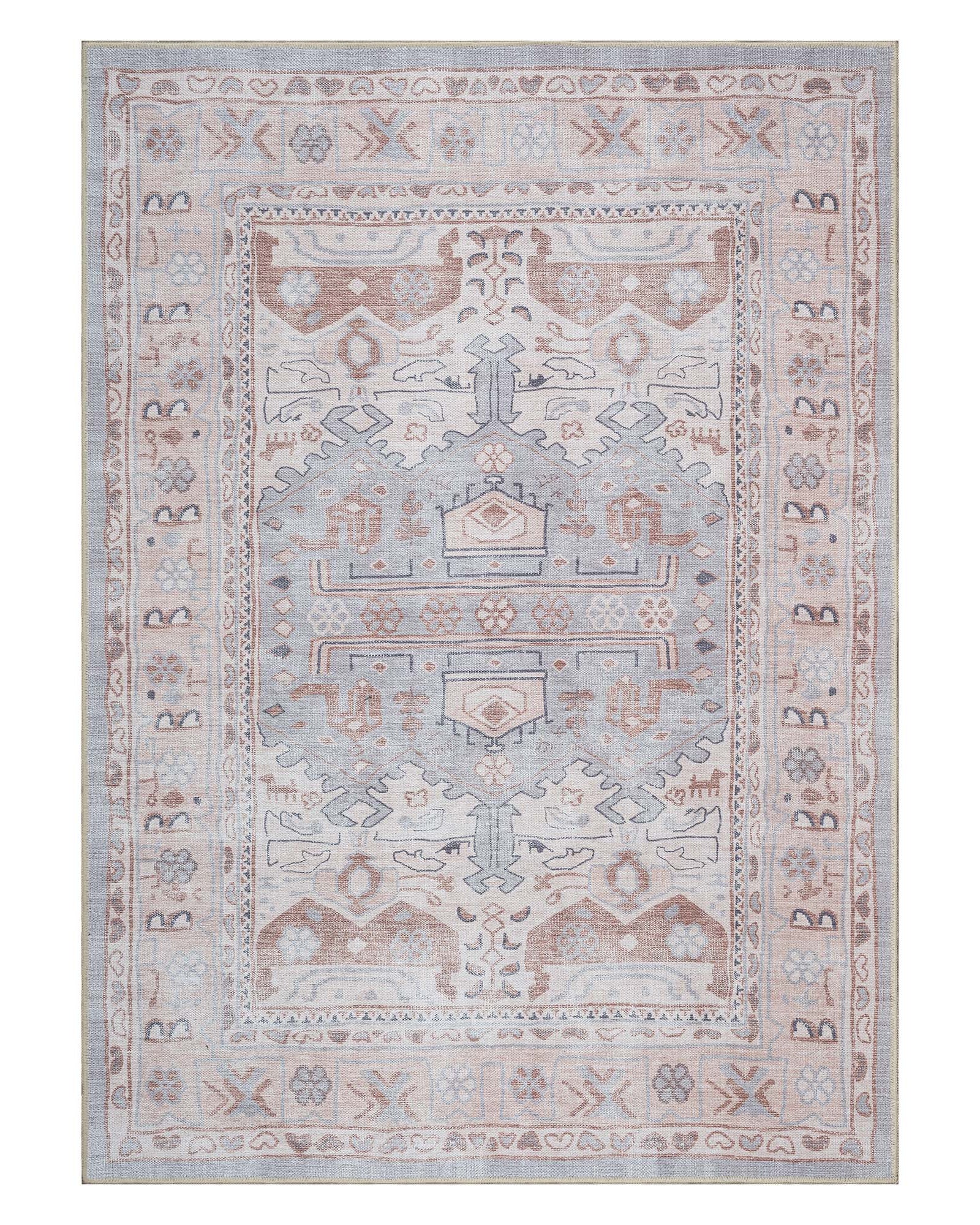
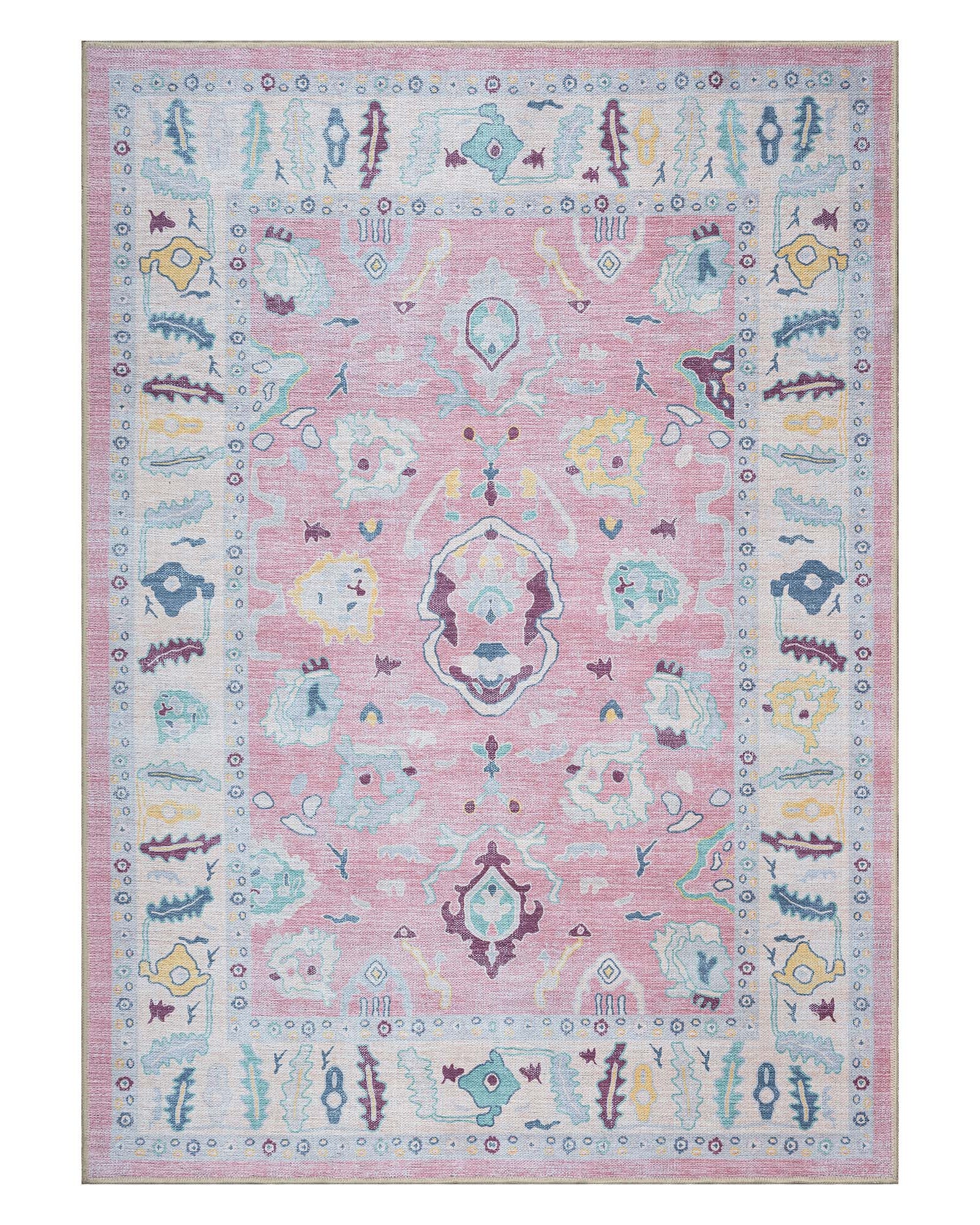
The Rare Rugs collection at Fame Rugs is a sanctuary for the extraordinary. This is not merely a selection of floor coverings; it is a gallery of woven art. "Rarity" in this context is defined by three pillars: age, origin, and artistry. These pieces often hail from famed historical master workshops, feature non-standard or "lost" motifs, or utilize materials of exceptional scarcity, such as pure silk on silk foundations or high-altitude cork wool. Each rug in this collection is a singular entity—a "One-of-a-Kind" masterpiece that represents the pinnacle of the weaver's capability, curated for the connoisseur who seeks to own a piece of history.
Why Choose Rugs From This Collection
The primary advantage of a rare rug is its status as a tangible asset. Much like fine art or vintage wine, high-caliber rare rugs are often viewed as investments that can retain or appreciate in value over time. Beyond the financial aspect, these rugs offer unmatched exclusivity. Owning a rare rug means owning a design that cannot be found in a catalog or replicated by a machine. It transforms a room from a decorated space into a curated experience, serving as a powerful conversation piece that speaks to a deep appreciation for culture and craftsmanship.
Material & Craftsmanship
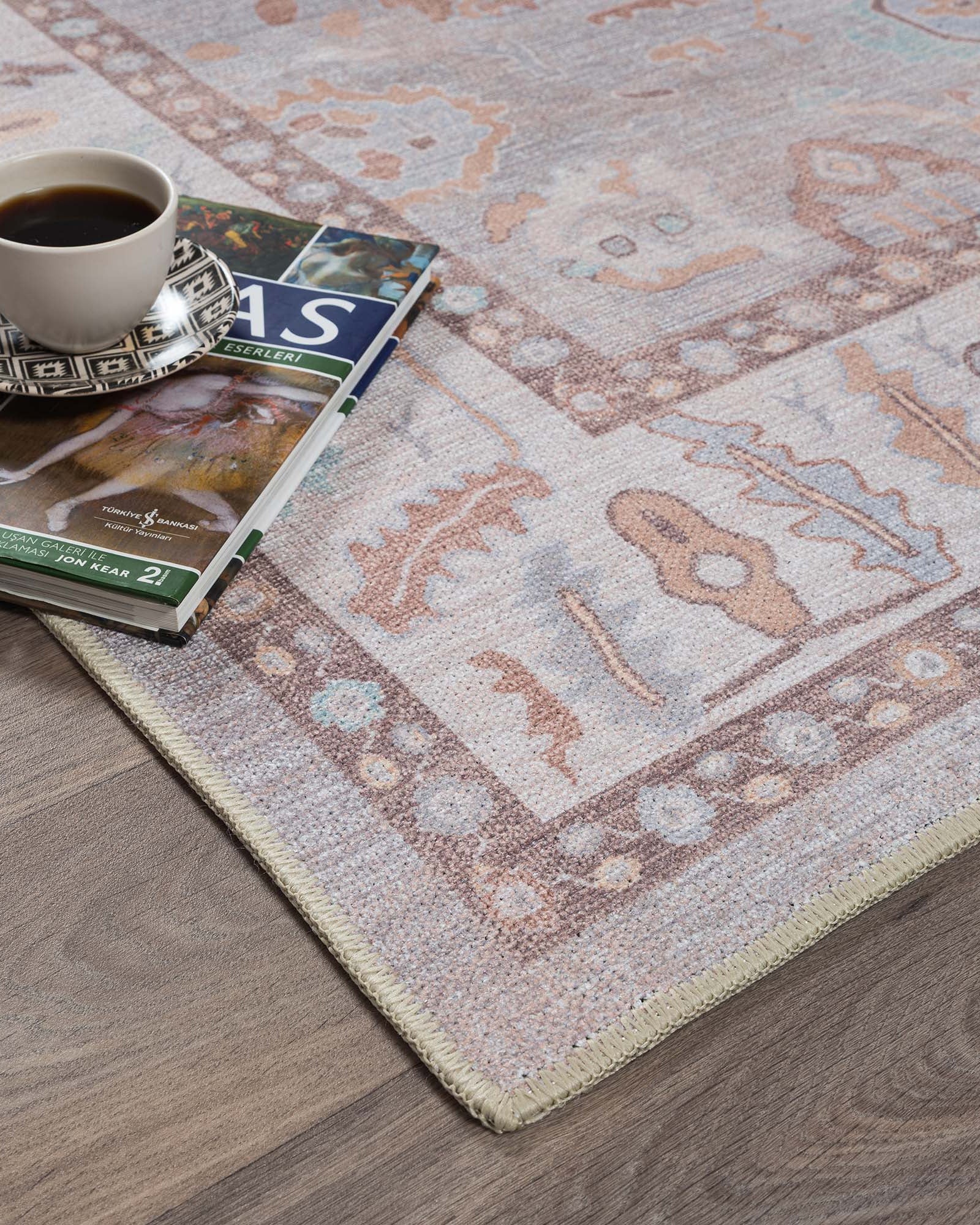
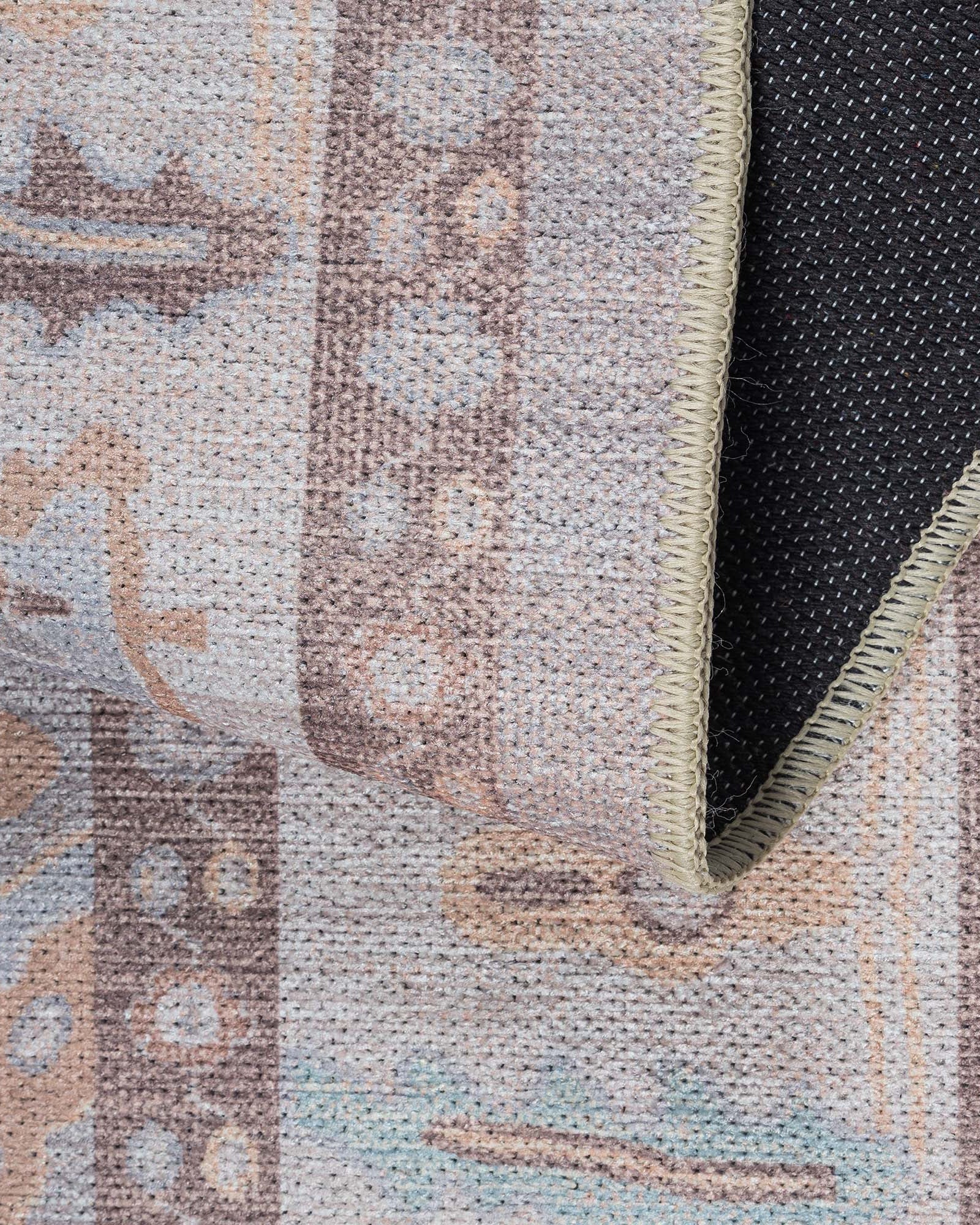
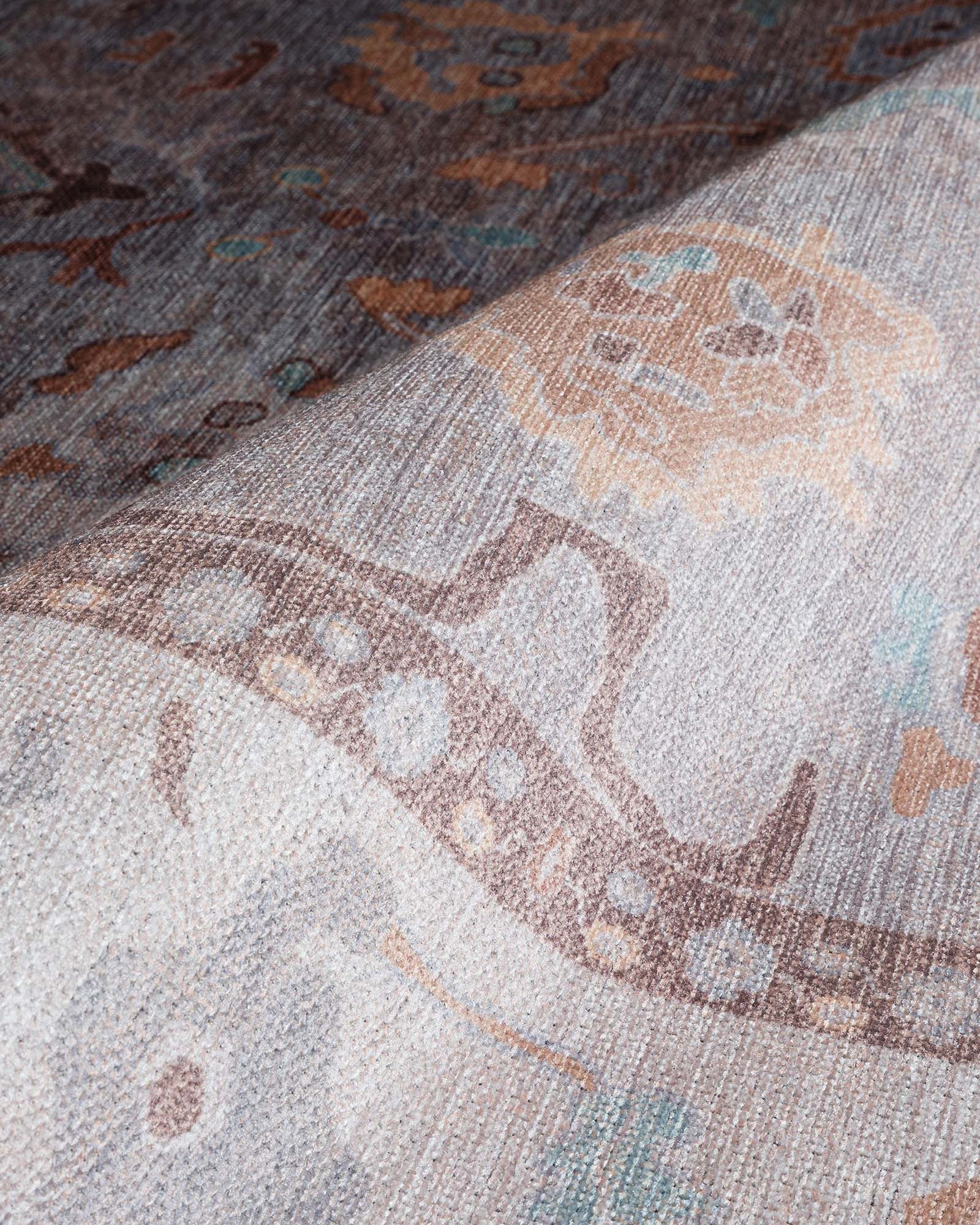
In the world of rare rugs, material is the first indicator of value. This collection features the absolute finest fibers available to history's weavers. You will encounter "Cork Wool" (sheared from the neck of the sheep for supreme softness), "Manchester Wool" (known for its velvety luster), and intricately spun silk that allows for knot counts exceeding 500 or even 800 knots per square inch. The craftsmanship is often attributable to specific master weavers or renowned historical eras, displaying a level of detail and symmetry—or intentional asymmetry—that is simply breathtaking.
Design & Style Appeal
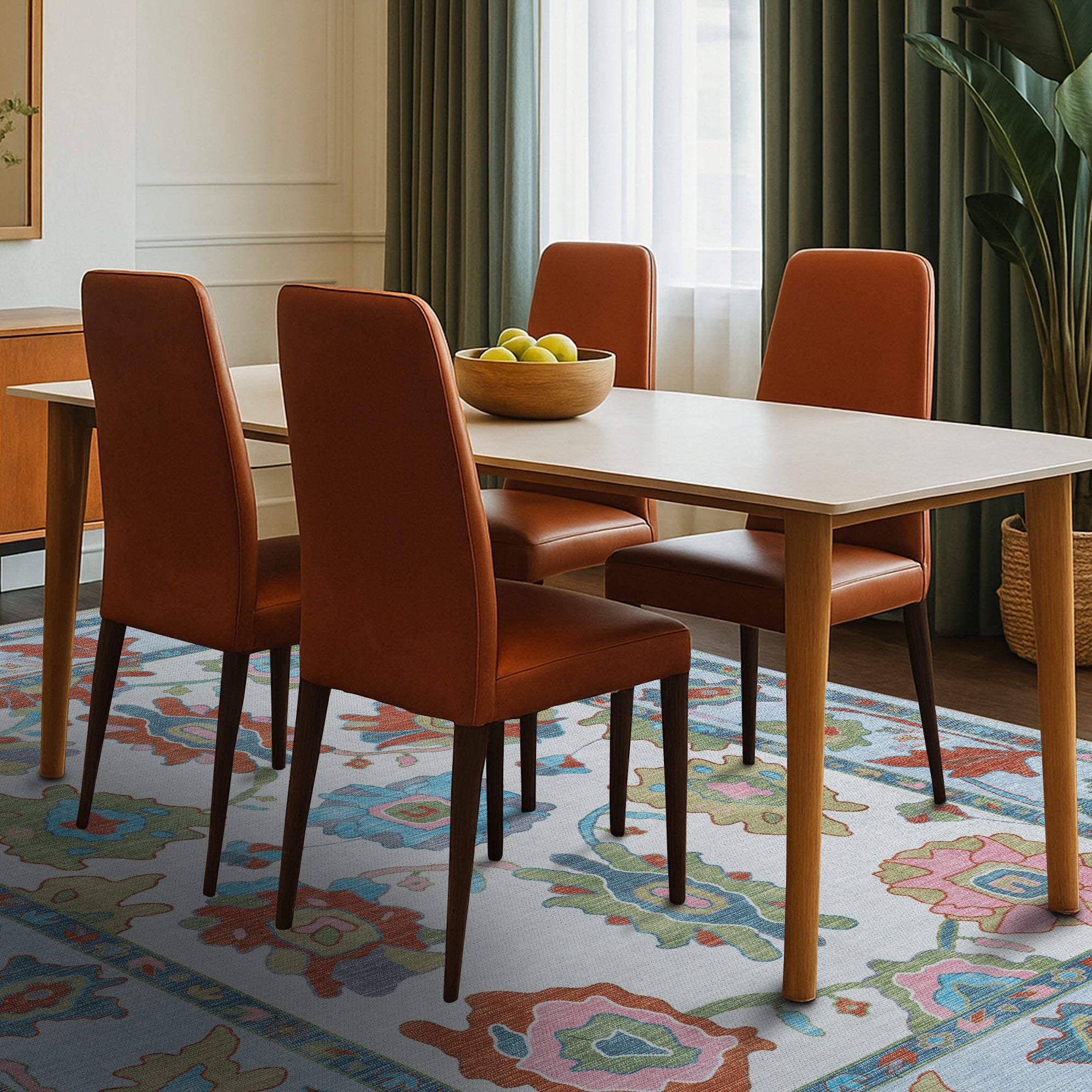
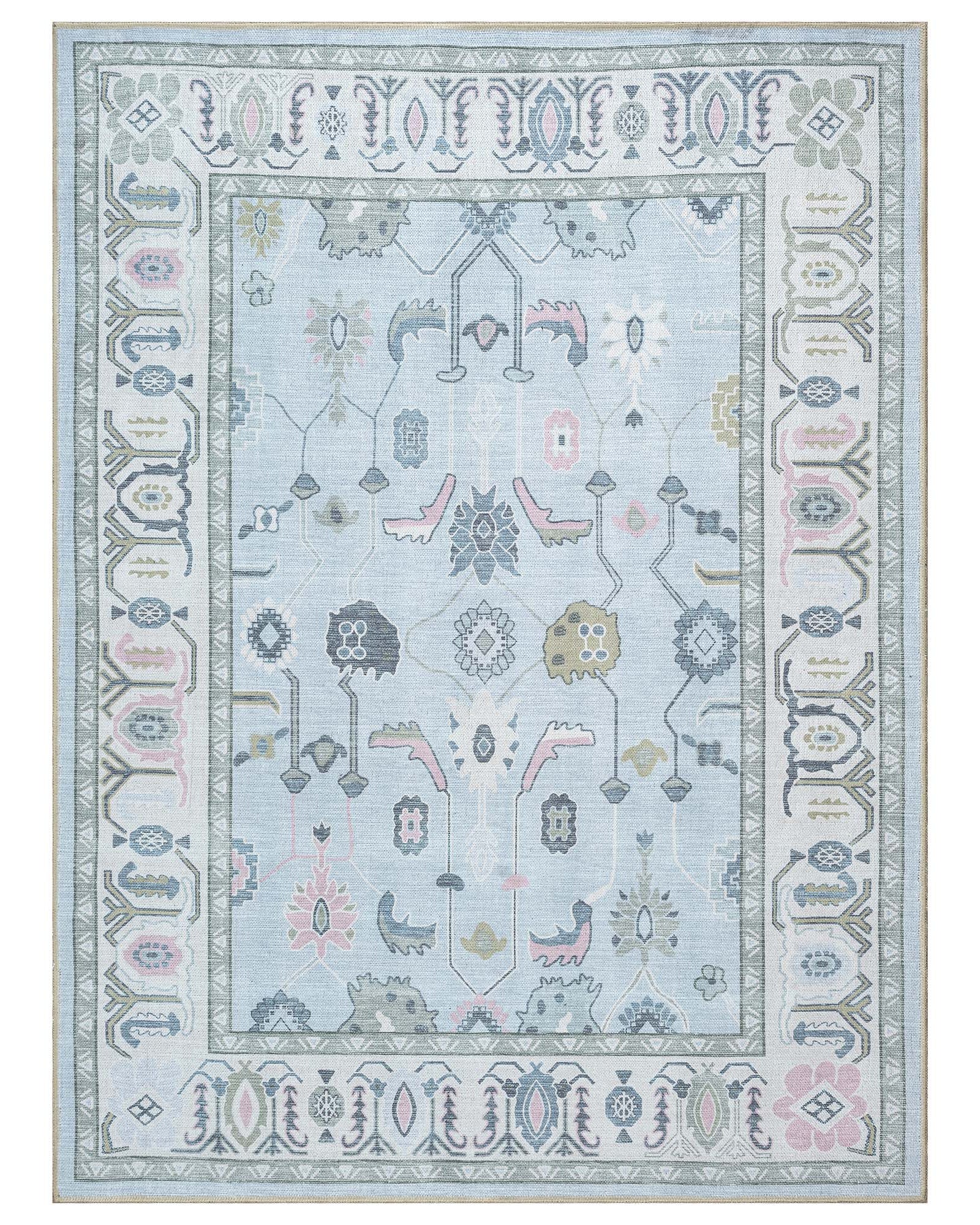
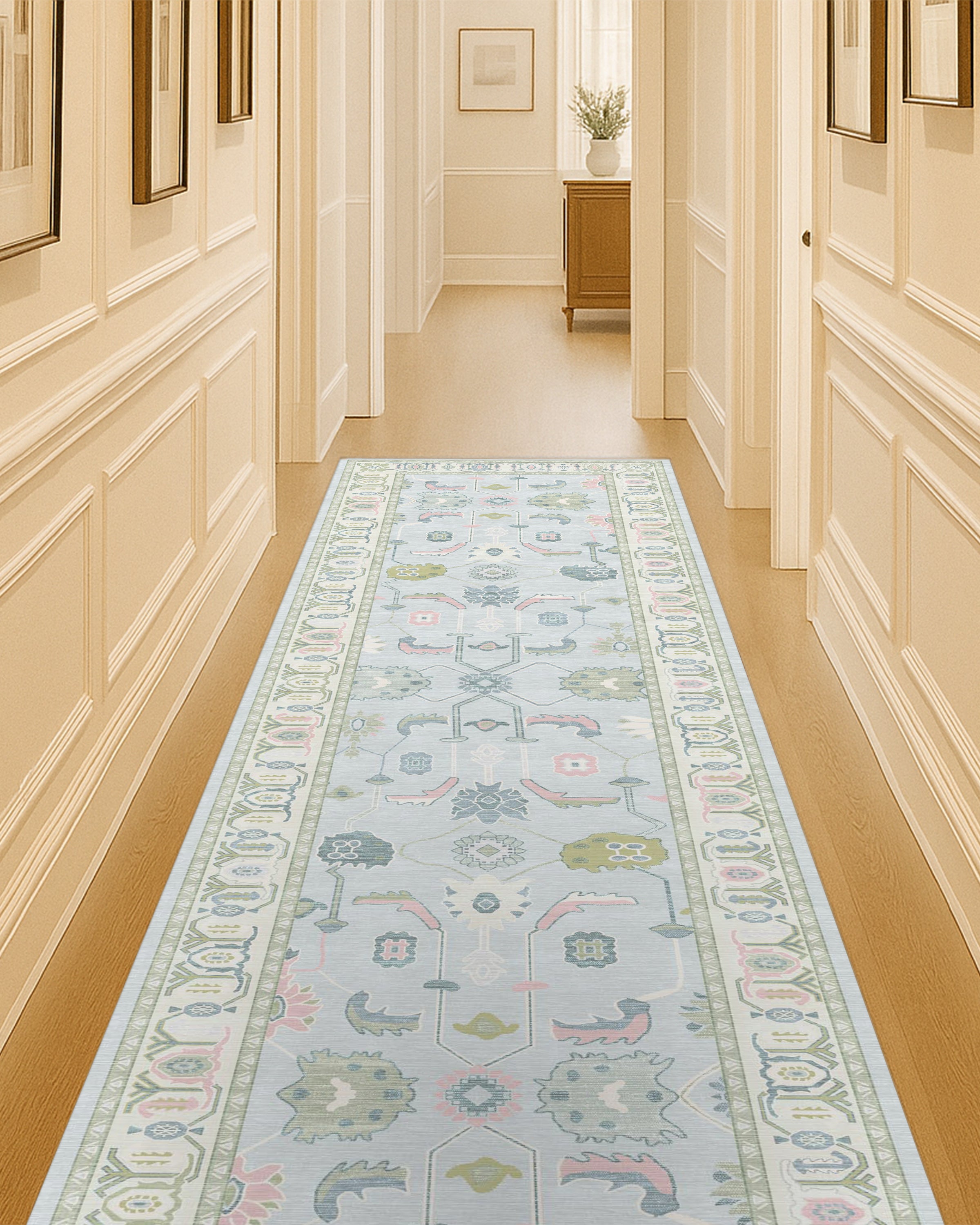
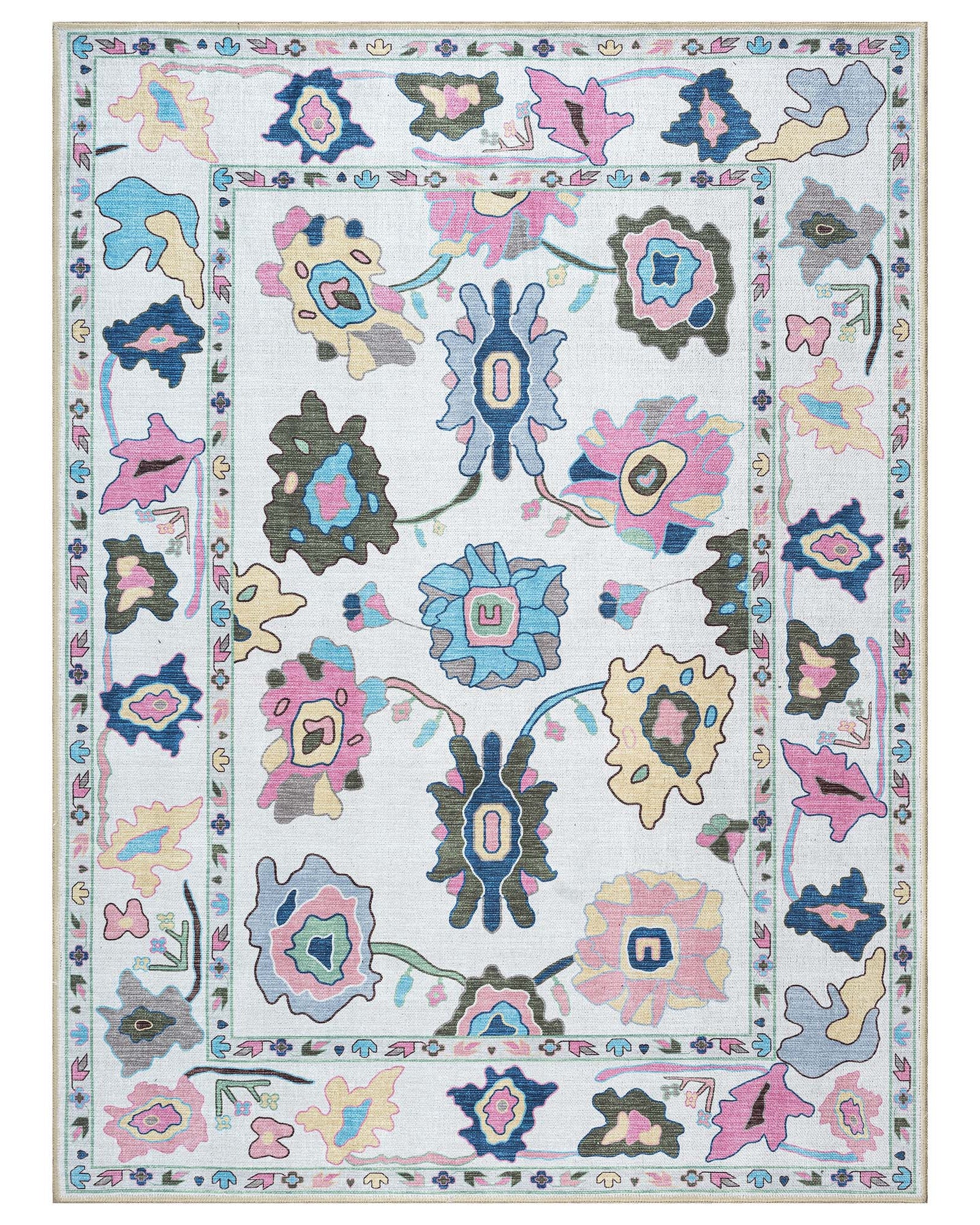
These rugs transcend trends. While they are rooted in "Traditional" design, their appeal is universal to those with a trained eye. A rare antique Persian Sarouk or a fine silk Qum fits as naturally in a wood-paneled library as it does in a stark, modern minimalist gallery. The designs are complex and symbolic, often featuring "Garden of Paradise" motifs, intricate hunting scenes, or prayer niches that tell specific cultural stories. The colors are often derived from primitive natural dyes, possessing a vibration and depth that modern chemical dyes cannot achieve.
Where to Use These Rugs
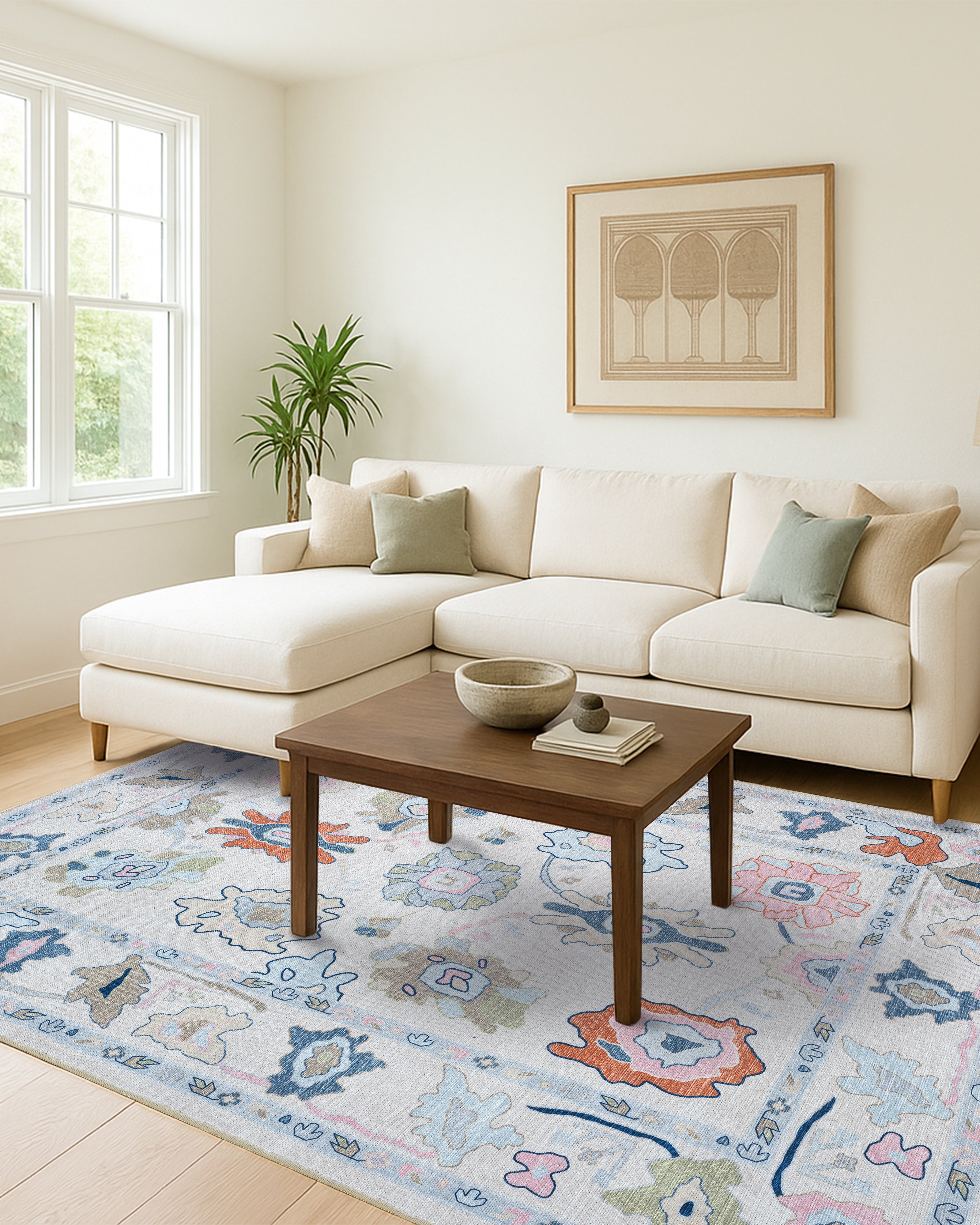
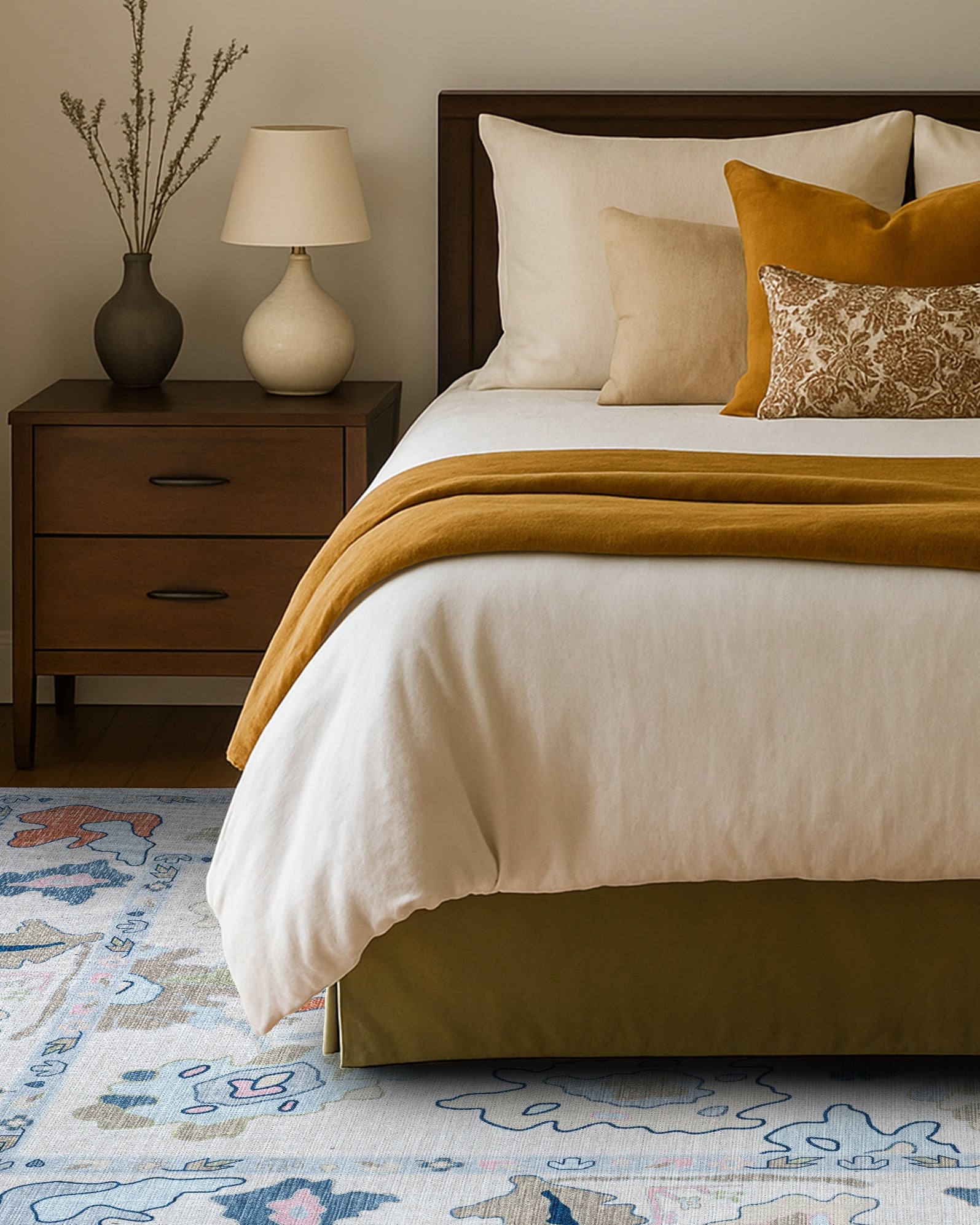
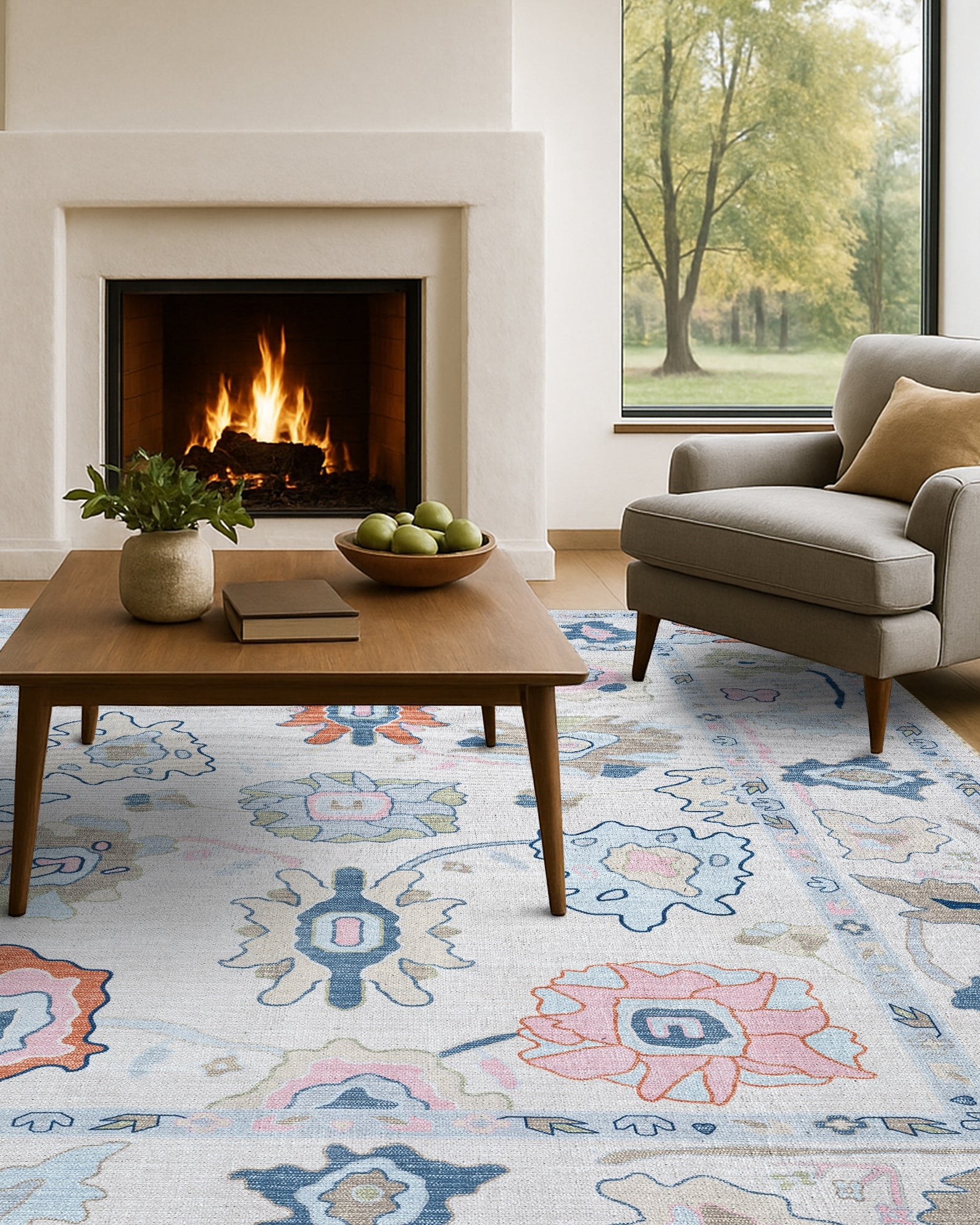
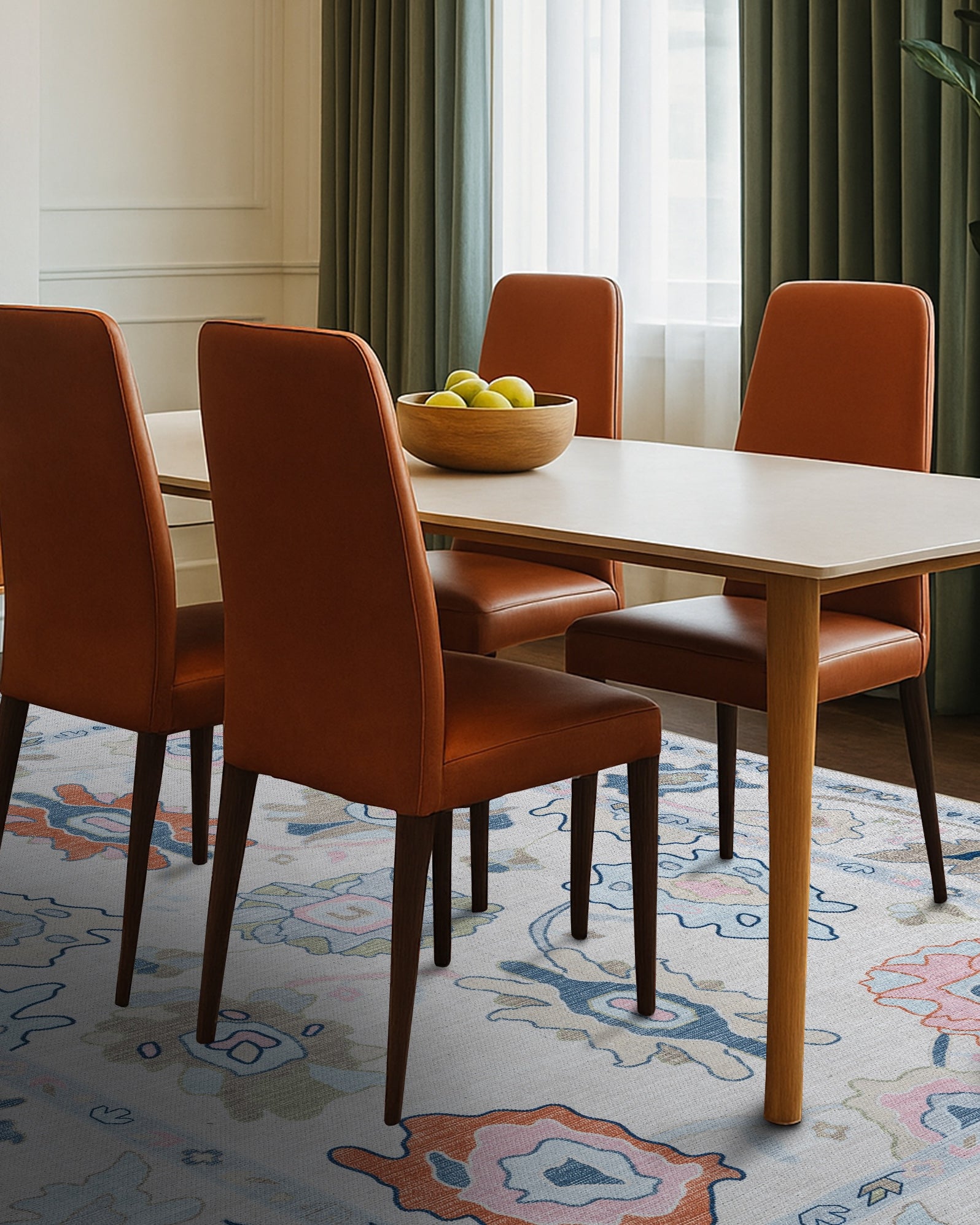
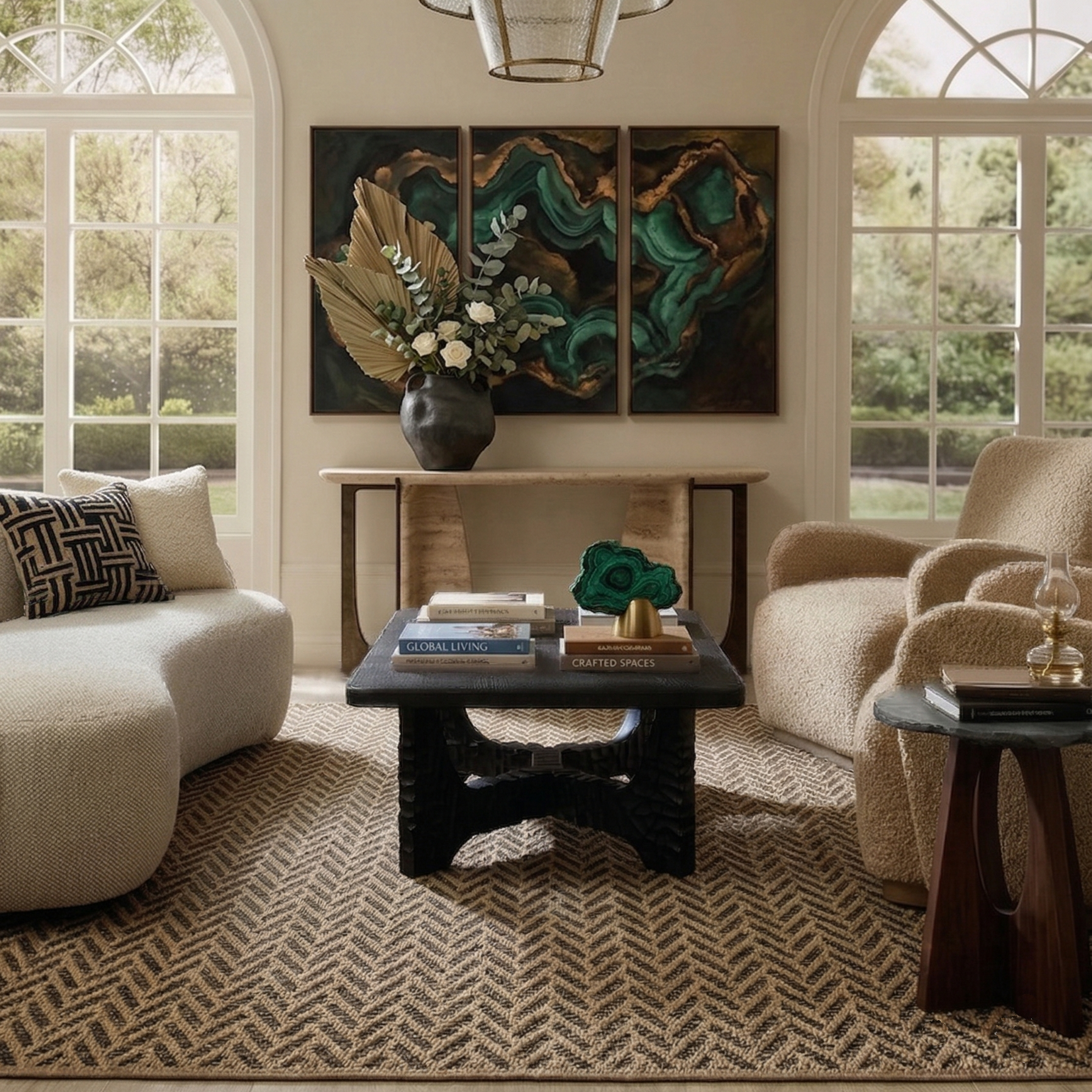
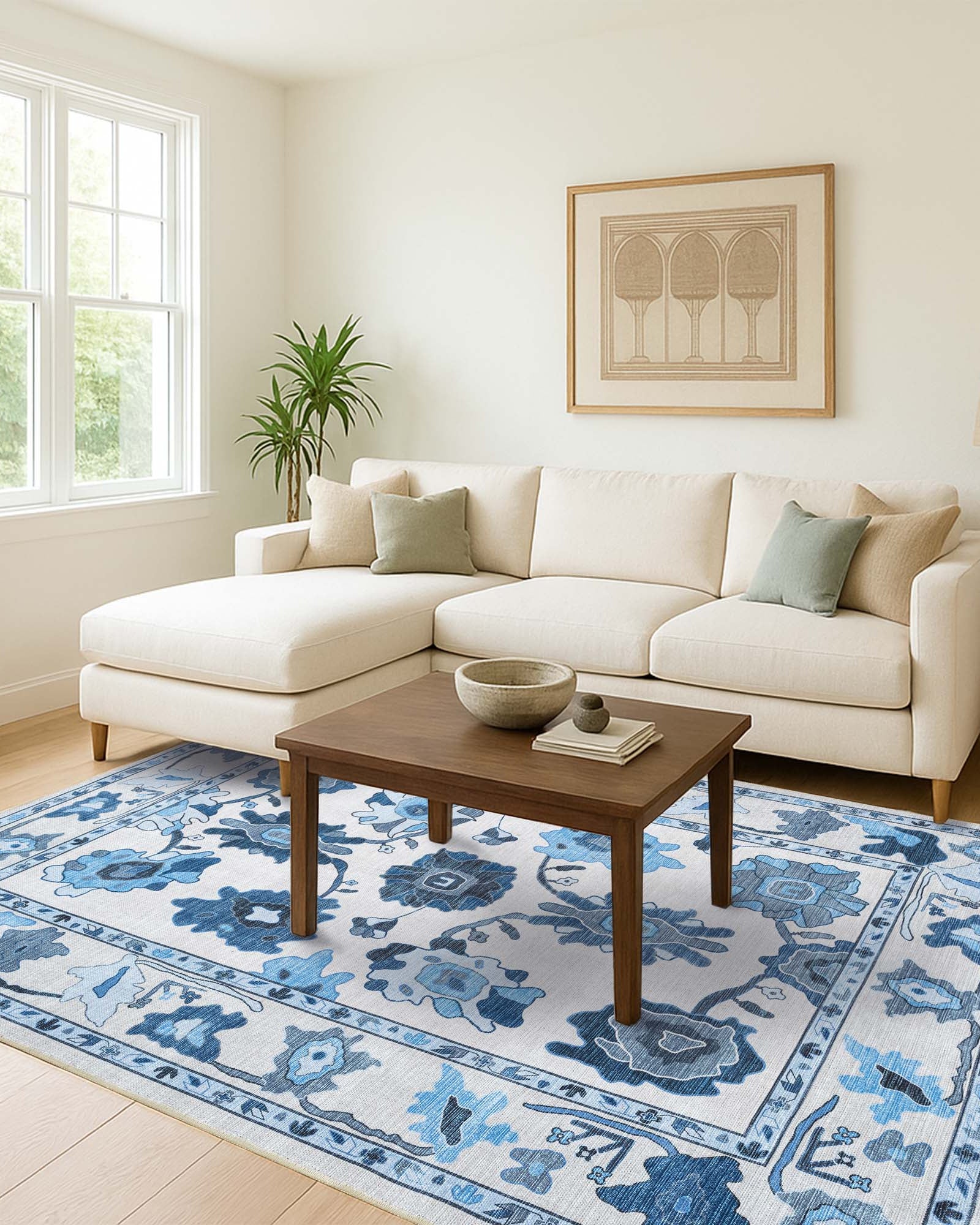
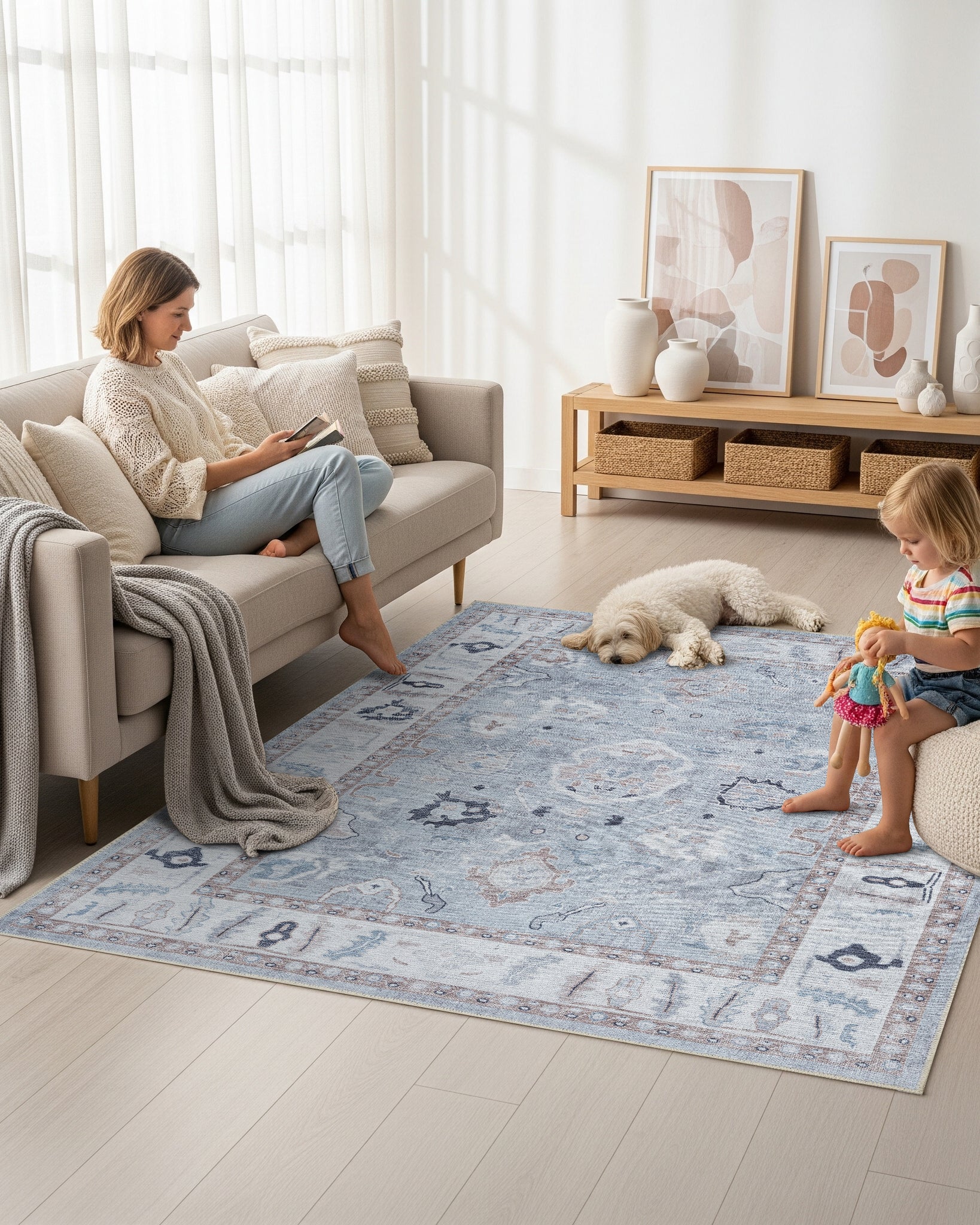
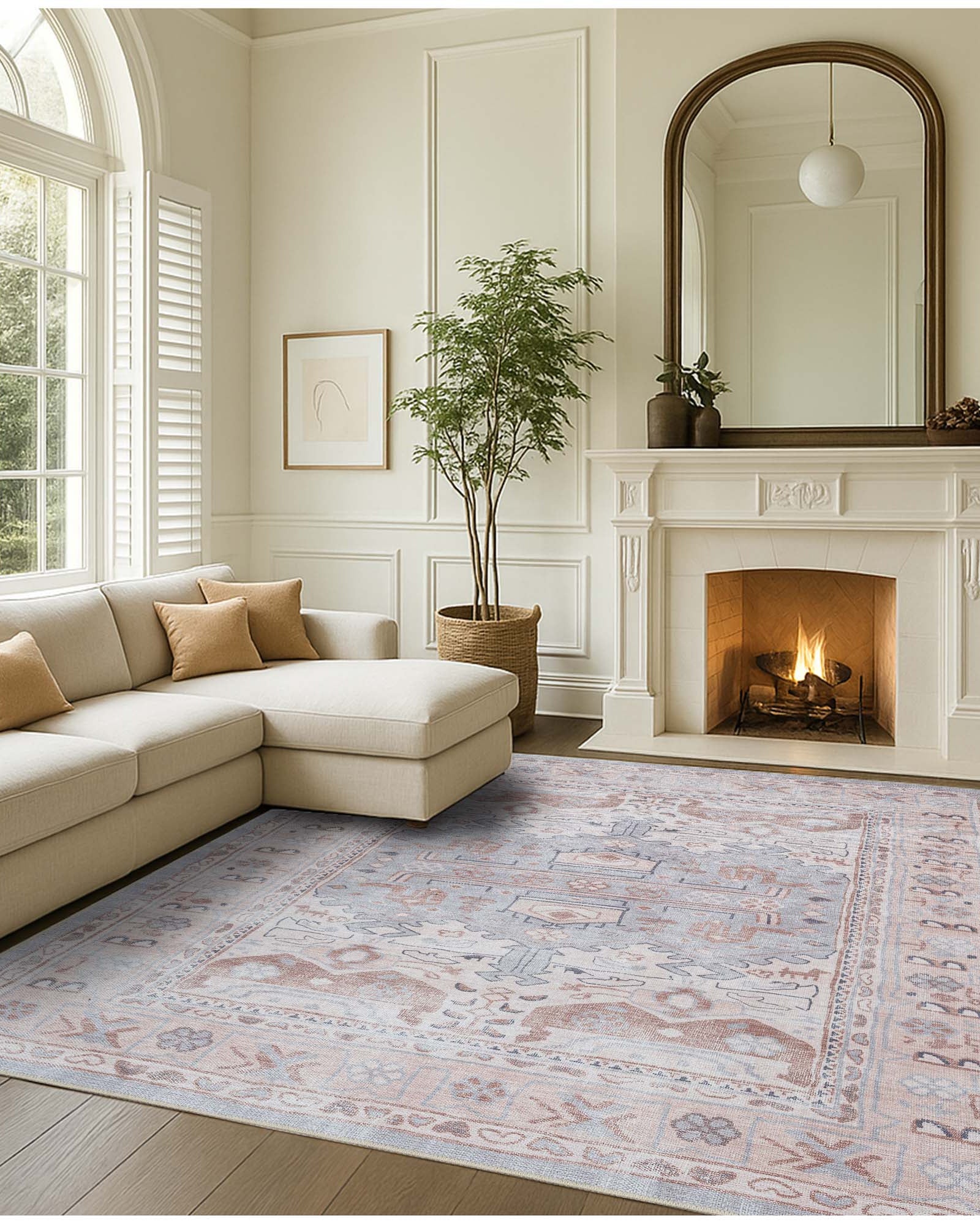
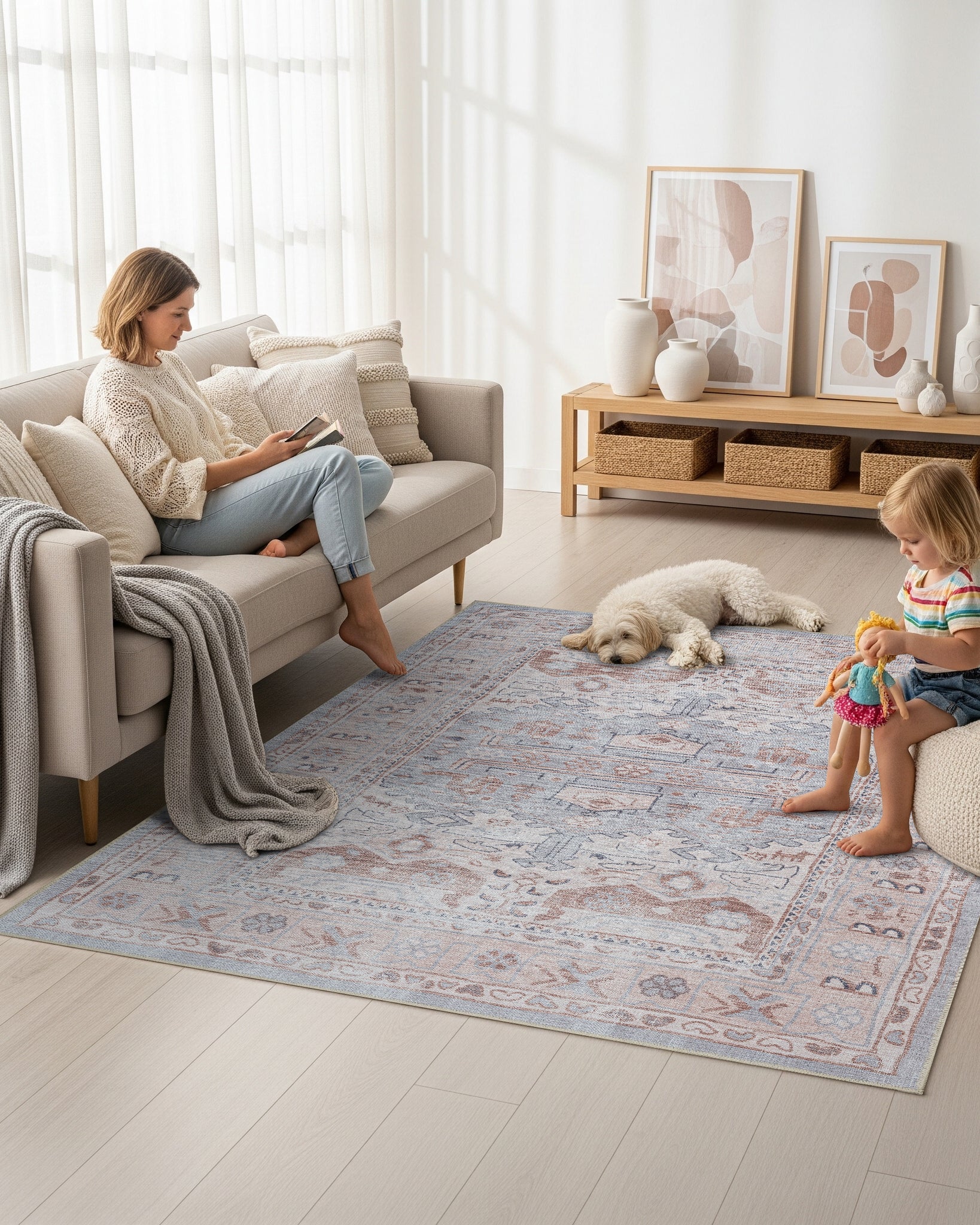
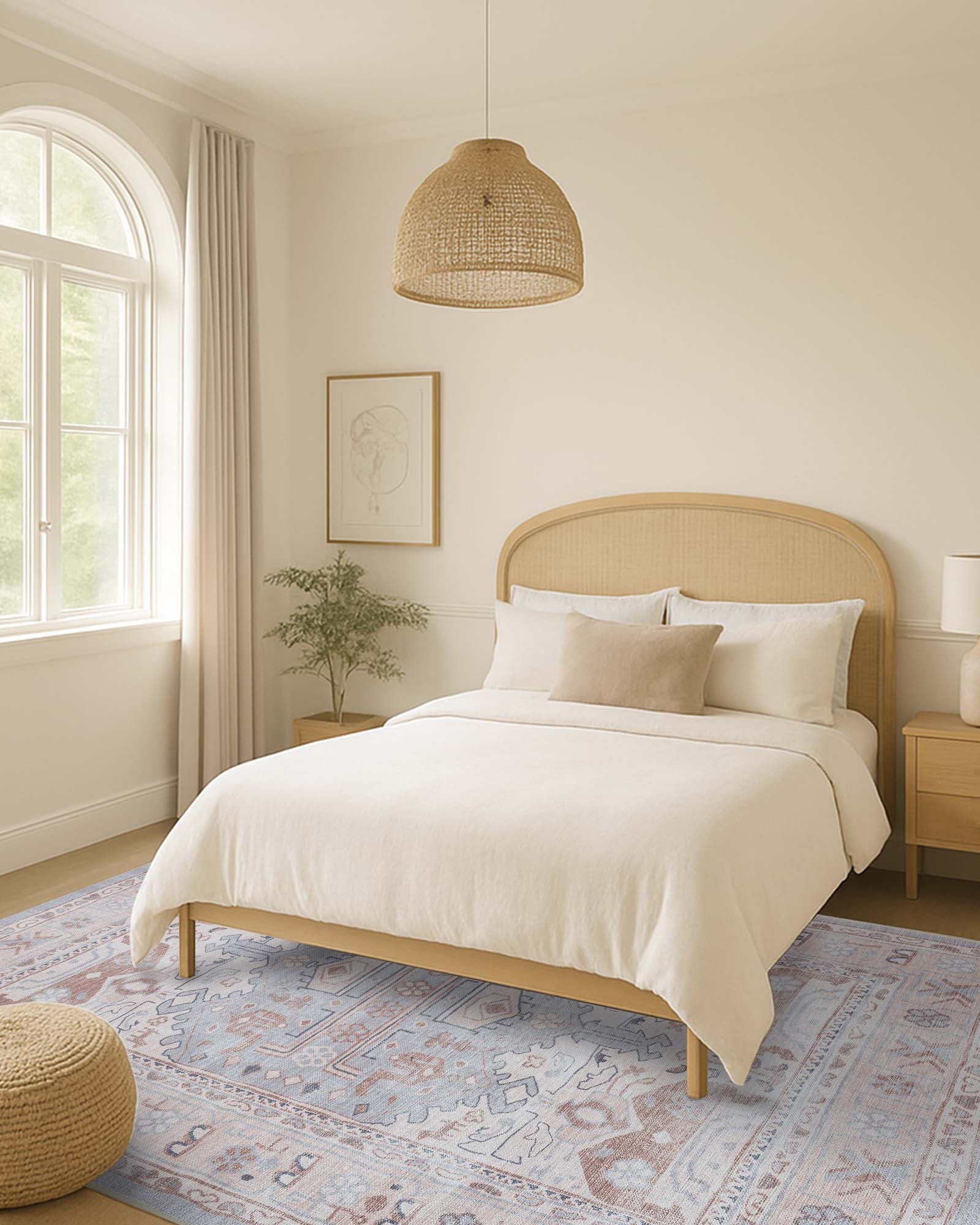
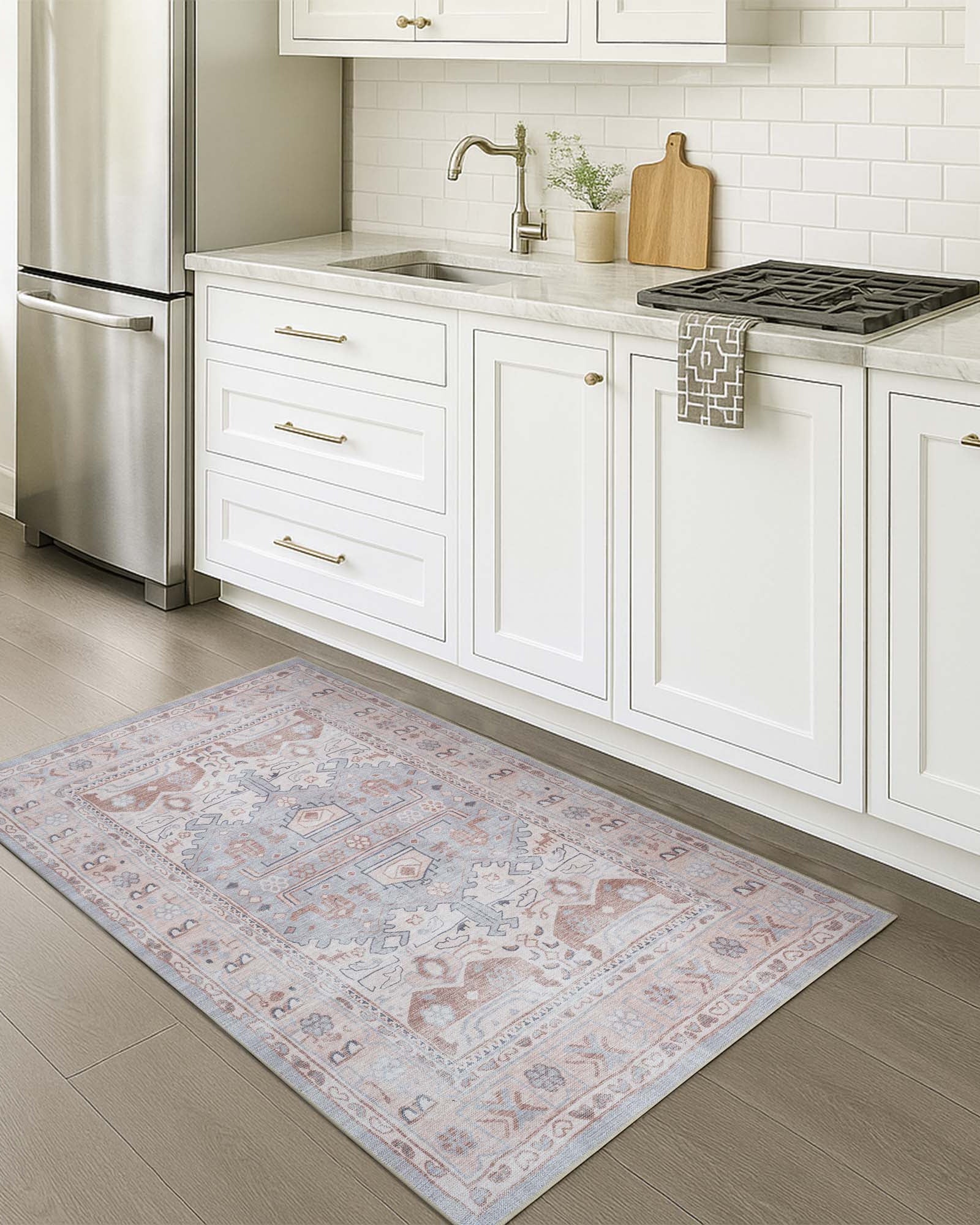
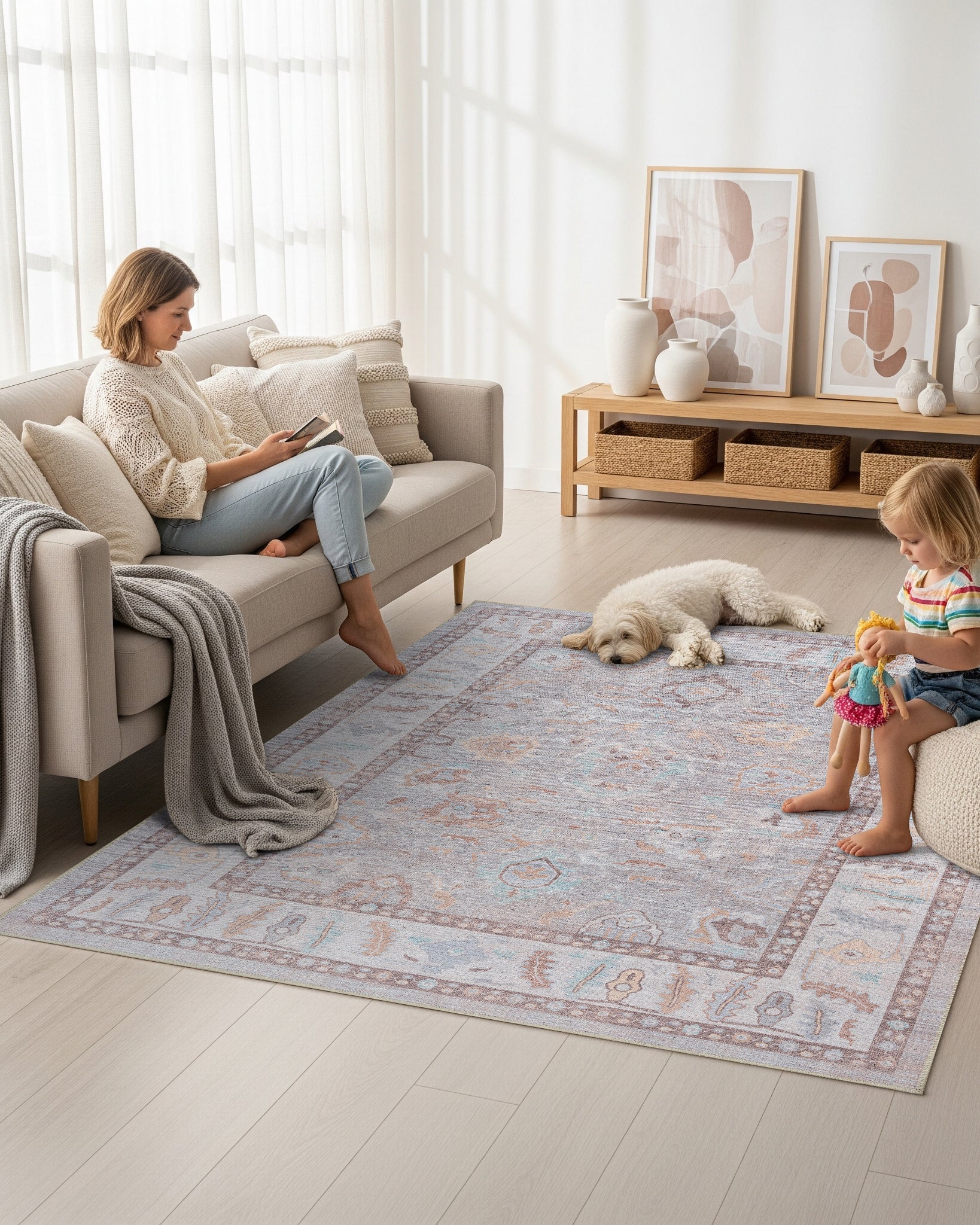
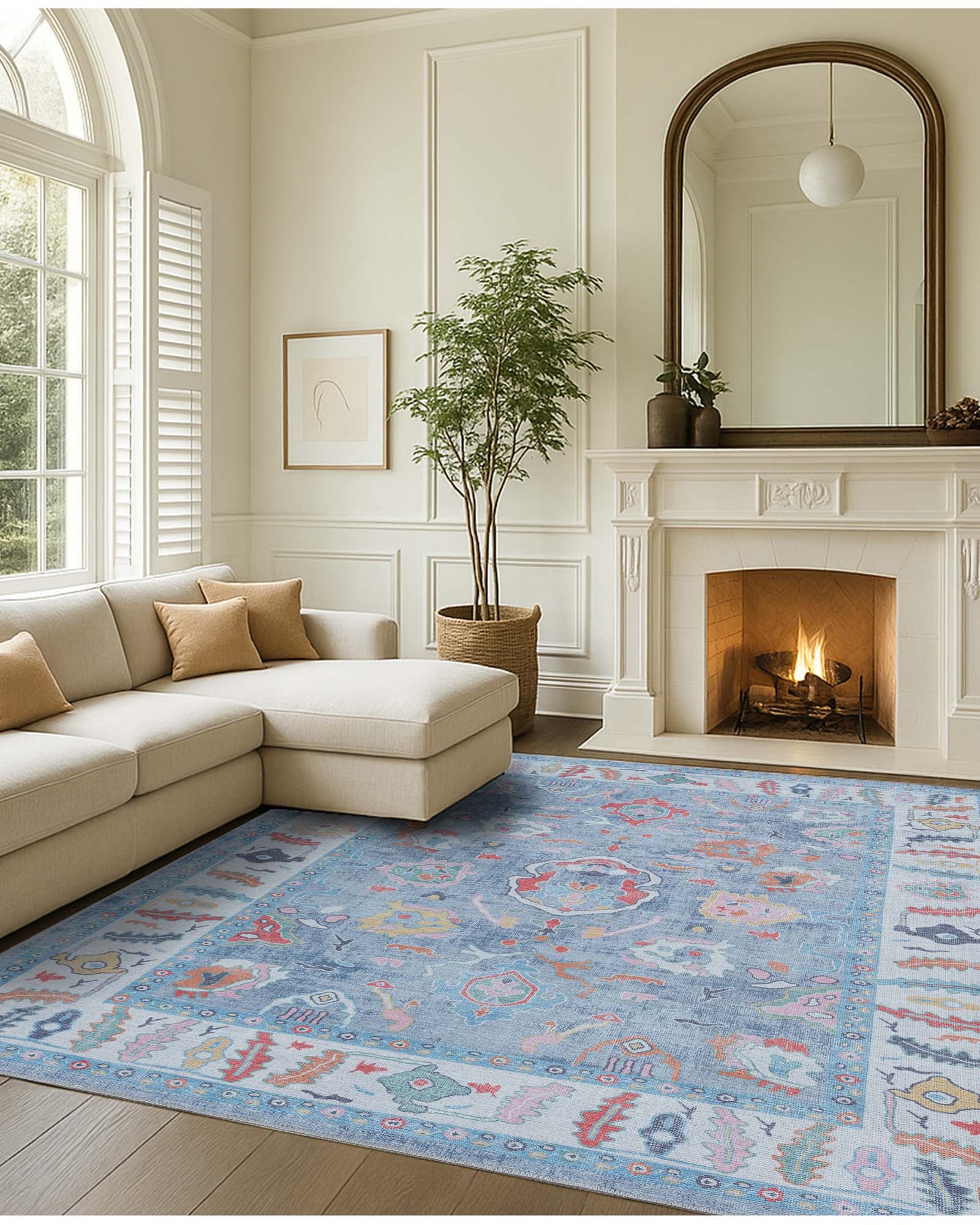
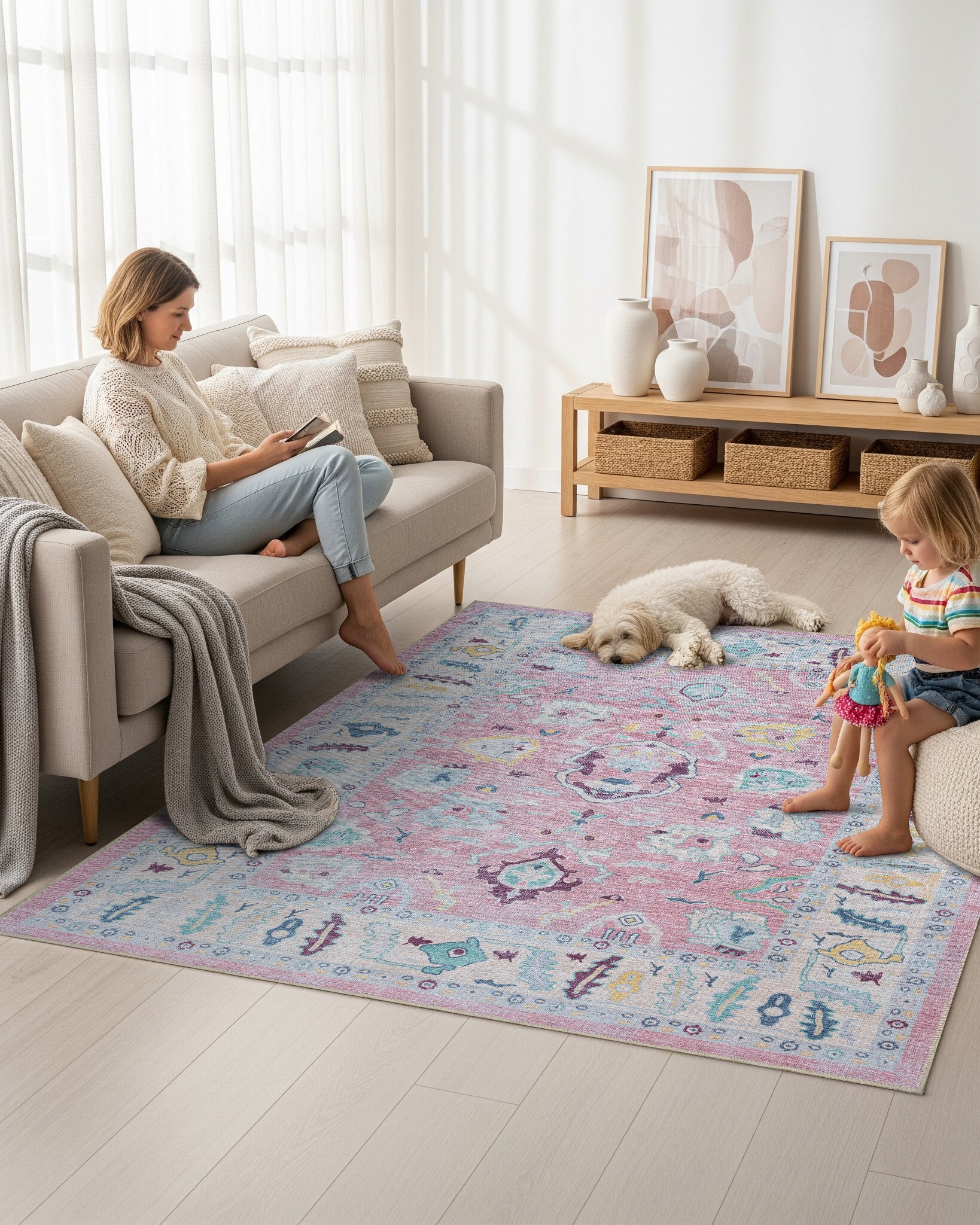
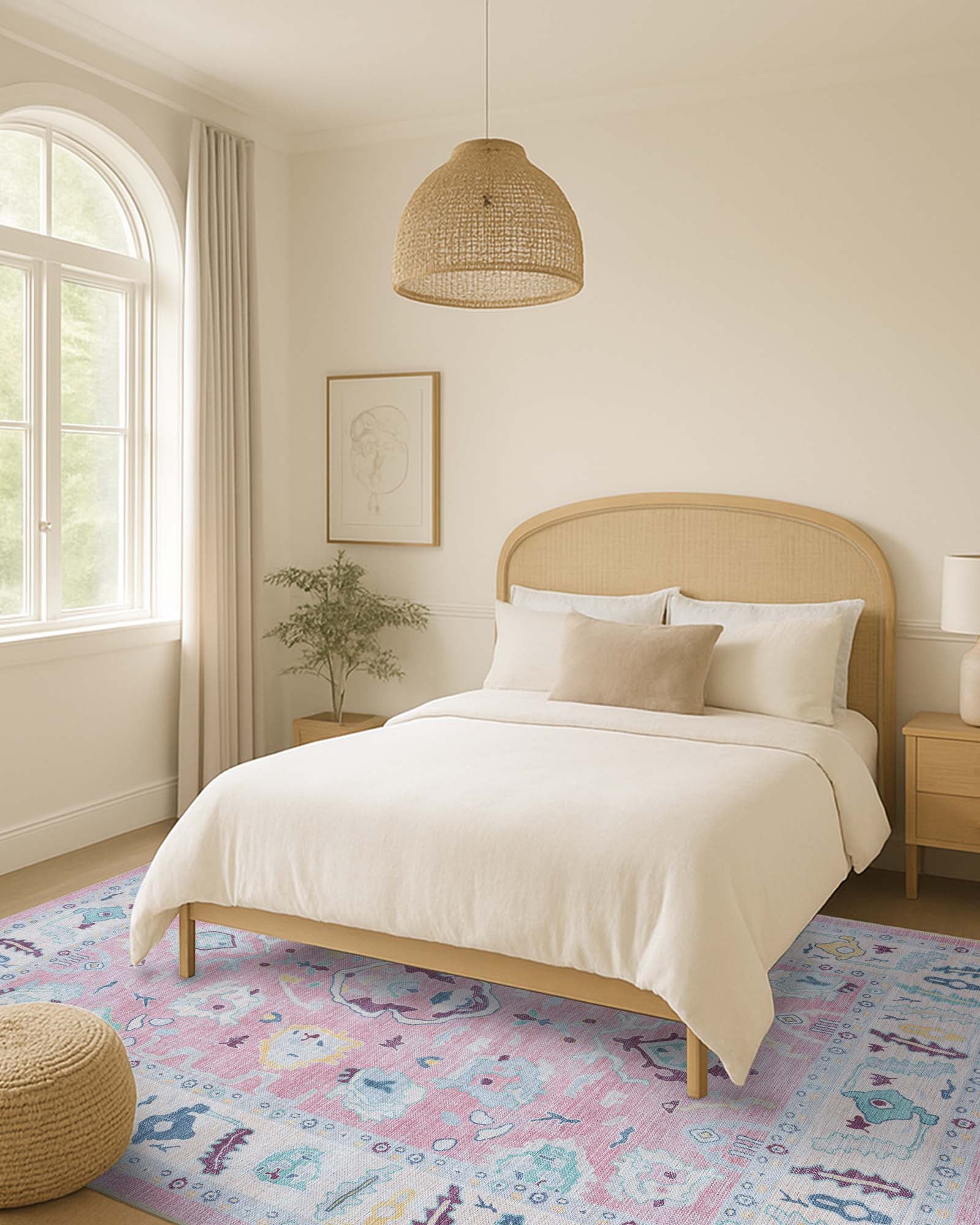
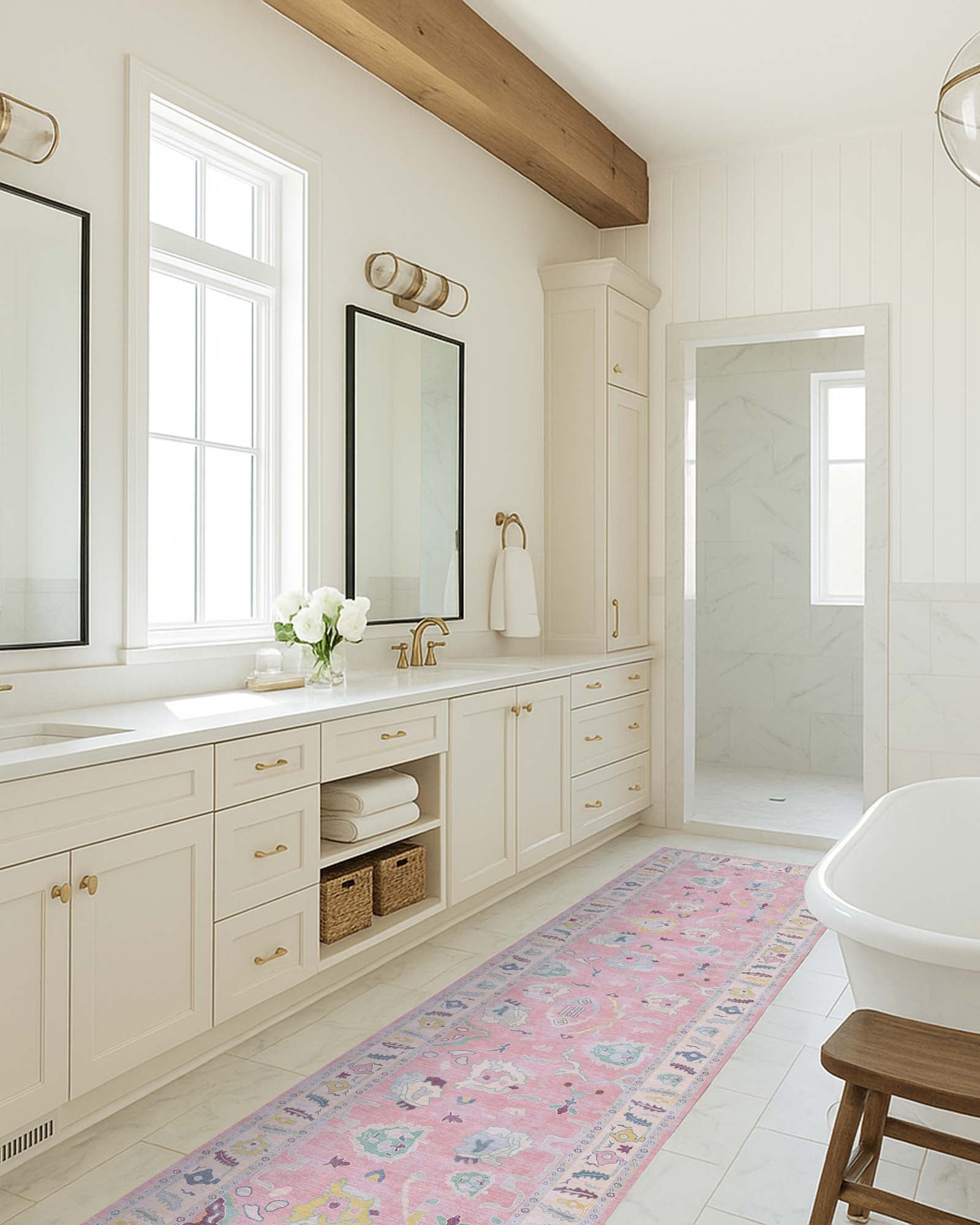
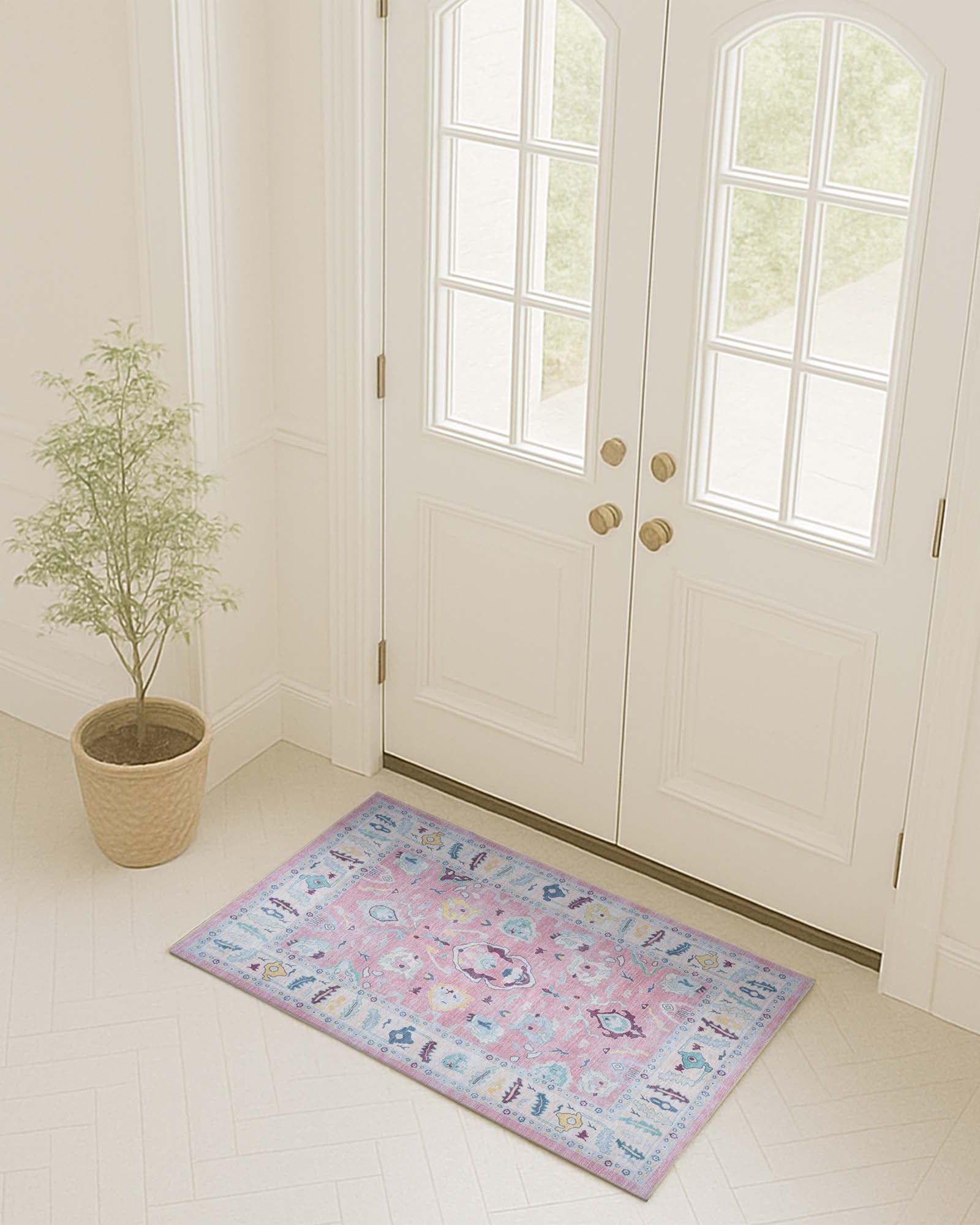
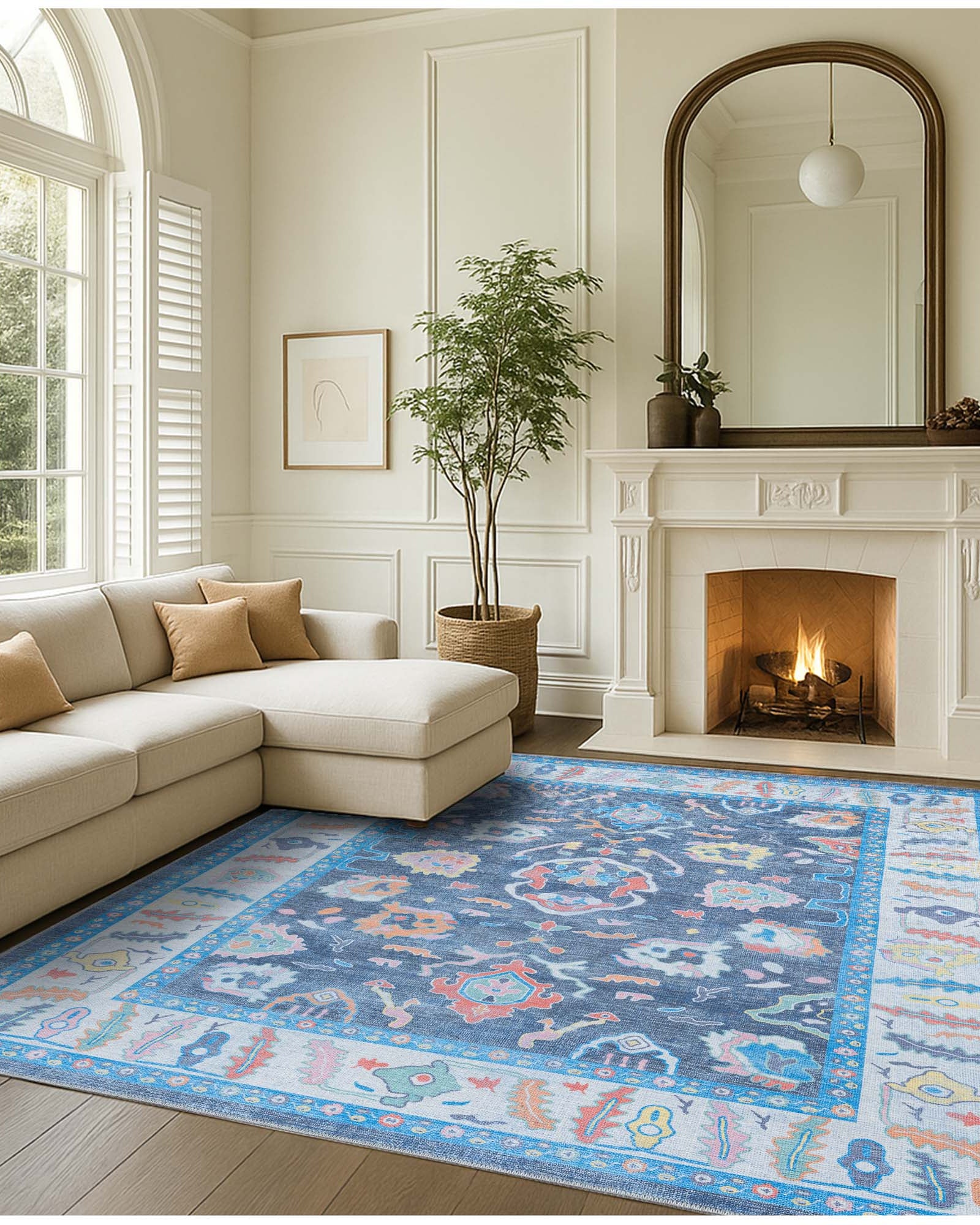
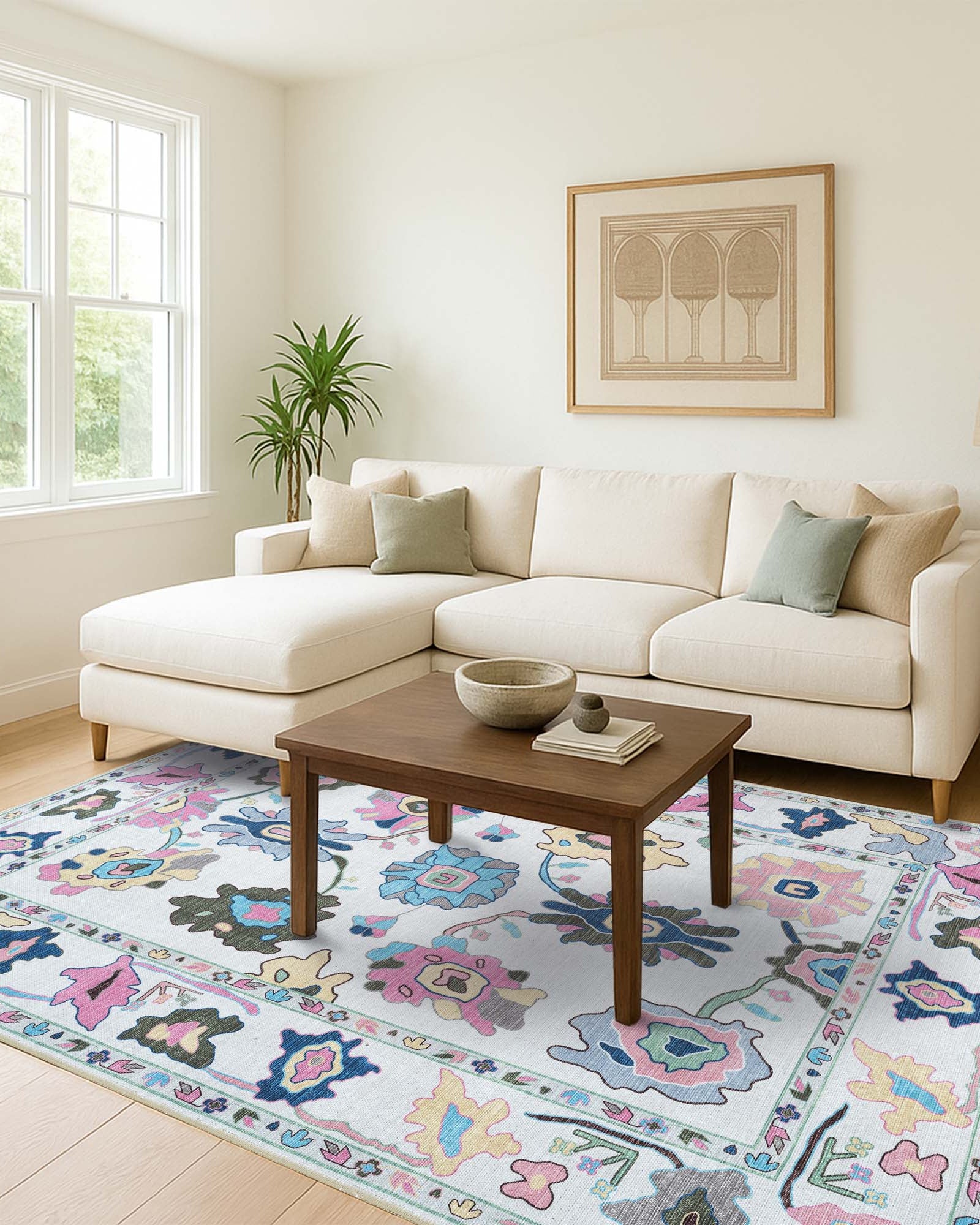
A rare rug demands a stage. We recommend placing these masterpieces in low-traffic, high-visibility areas where they can be admired without being subjected to excessive wear. Formal Living Rooms and specialized Listening Rooms or Libraries are ideal settings. Many of our clients also choose to display smaller rare rugs as wall tapestries; hanging a fine silk rug allows the light to play across the fibers and protects the piece from foot traffic entirely, treating it with the reverence of a painting.
How to Choose the Right Rug From This Collection
Selecting a rare rug is an emotional and intellectual process. We advise looking for "The Spark"—the immediate visceral reaction to the beauty of the piece. Technically, look at the fineness of the weave (KPSI - Knots Per Square Inch) and the condition. While some repair is expected and acceptable in antiques, the integrity of the foundation should be sound. Consider the provenance and the region; a rare "Mohtashem Kashan" or a "Haji Jalili Tabriz" carries a specific prestige and aesthetic signature that may align with your personal taste.
Care, Maintenance & Longevity
Preservation is the goal with rare rugs. Regular vacuuming should be done with extreme caution—suction only, using a specialized upholstery tool, and never with a beater bar. Direct sunlight is the enemy; UV protection on windows is mandatory to prevent the fading of irreplaceable dyes. We strongly recommend professional rotation every few months. For cleaning, these rugs should never be treated with standard carpet shampoos; they require the services of a restoration specialist who understands the chemistry of antique wool and silk.
Why Buy From Fame Rugs
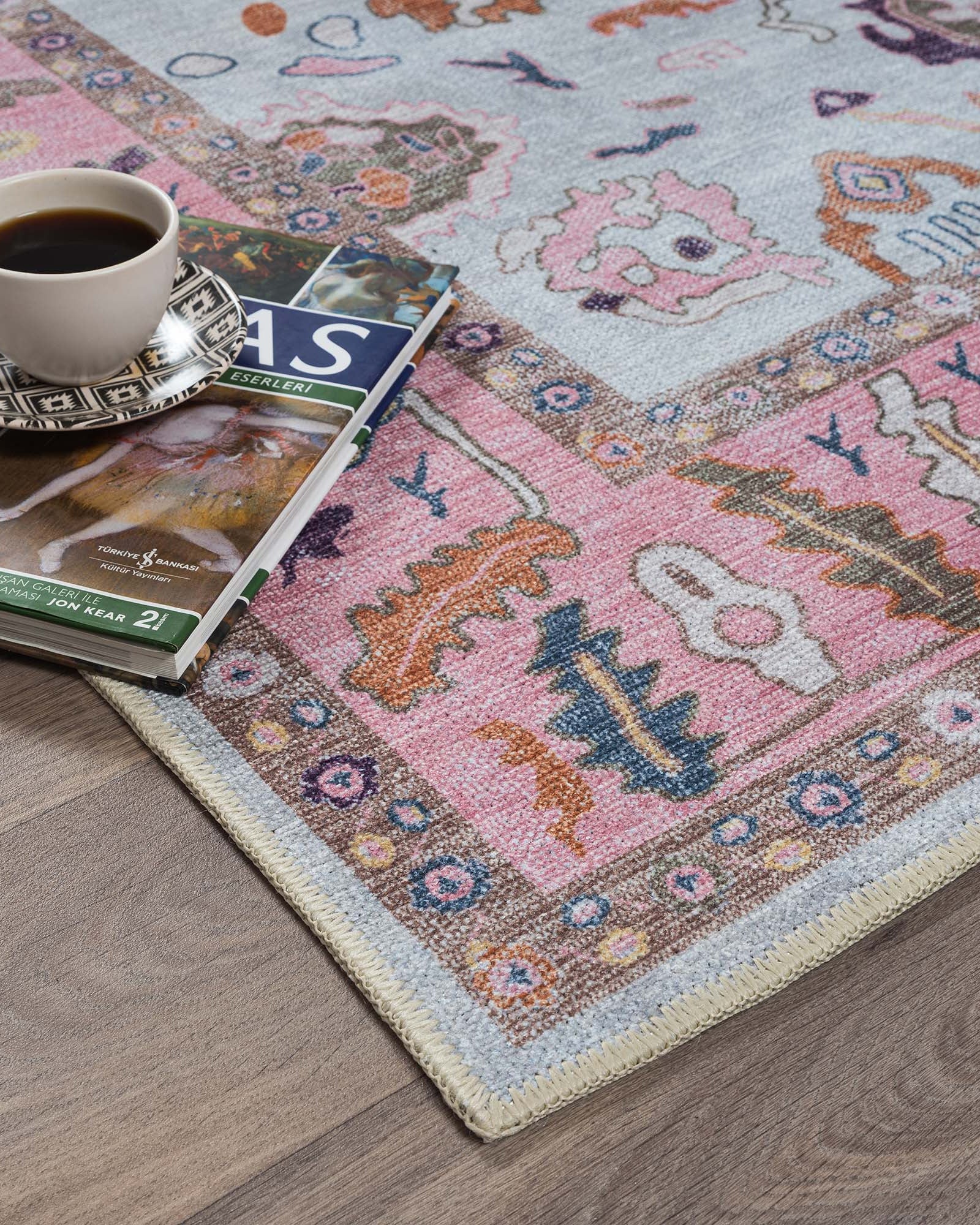
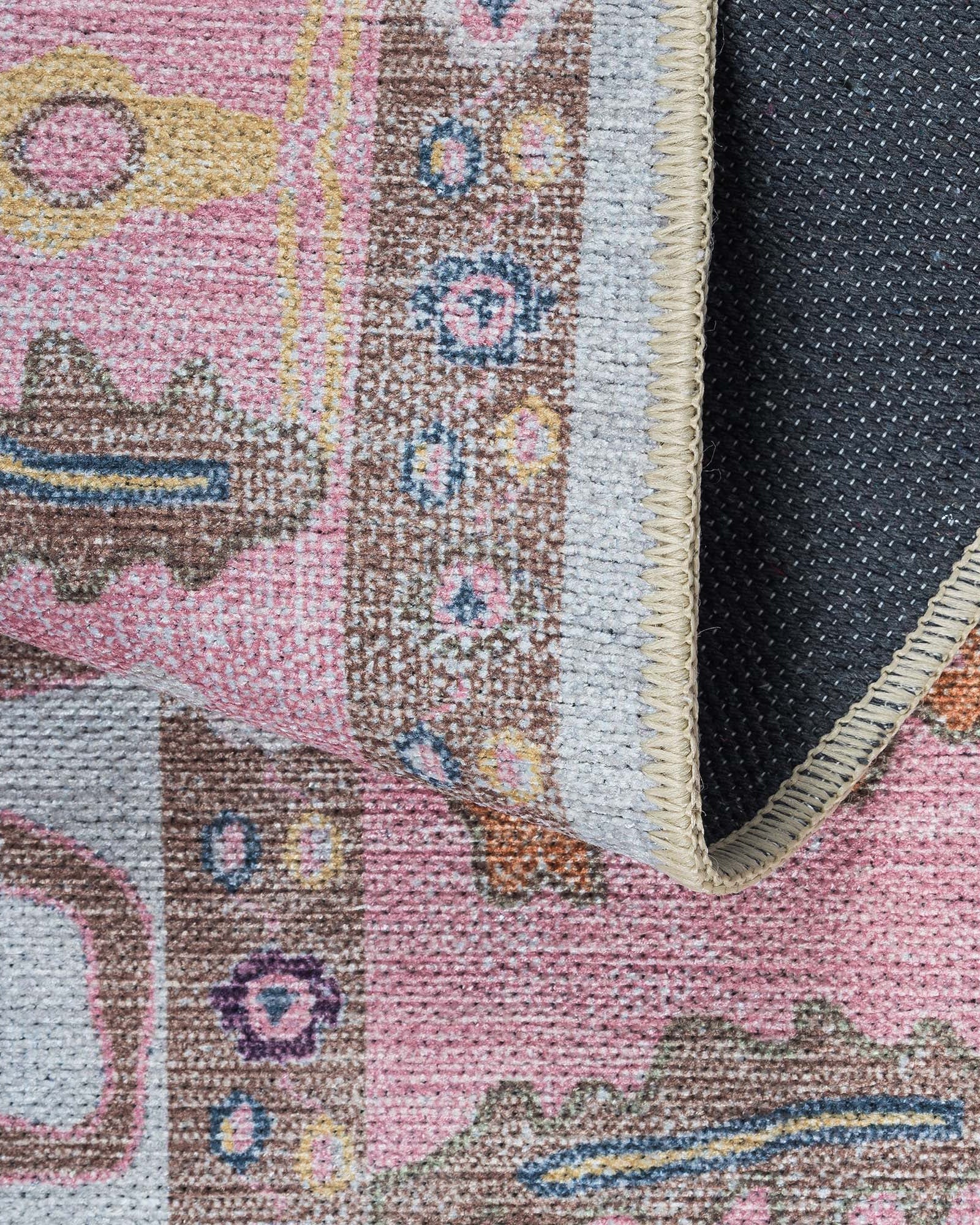
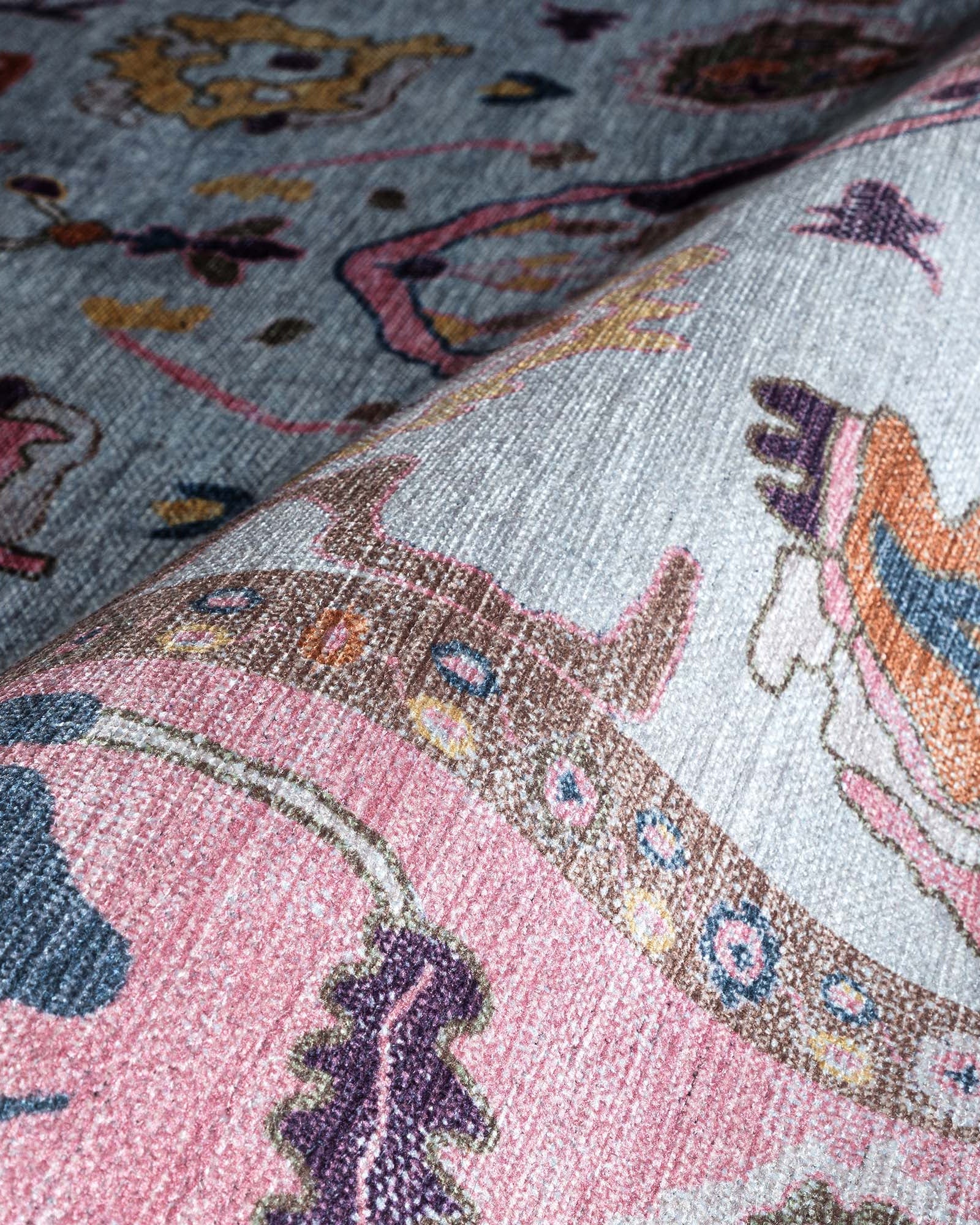
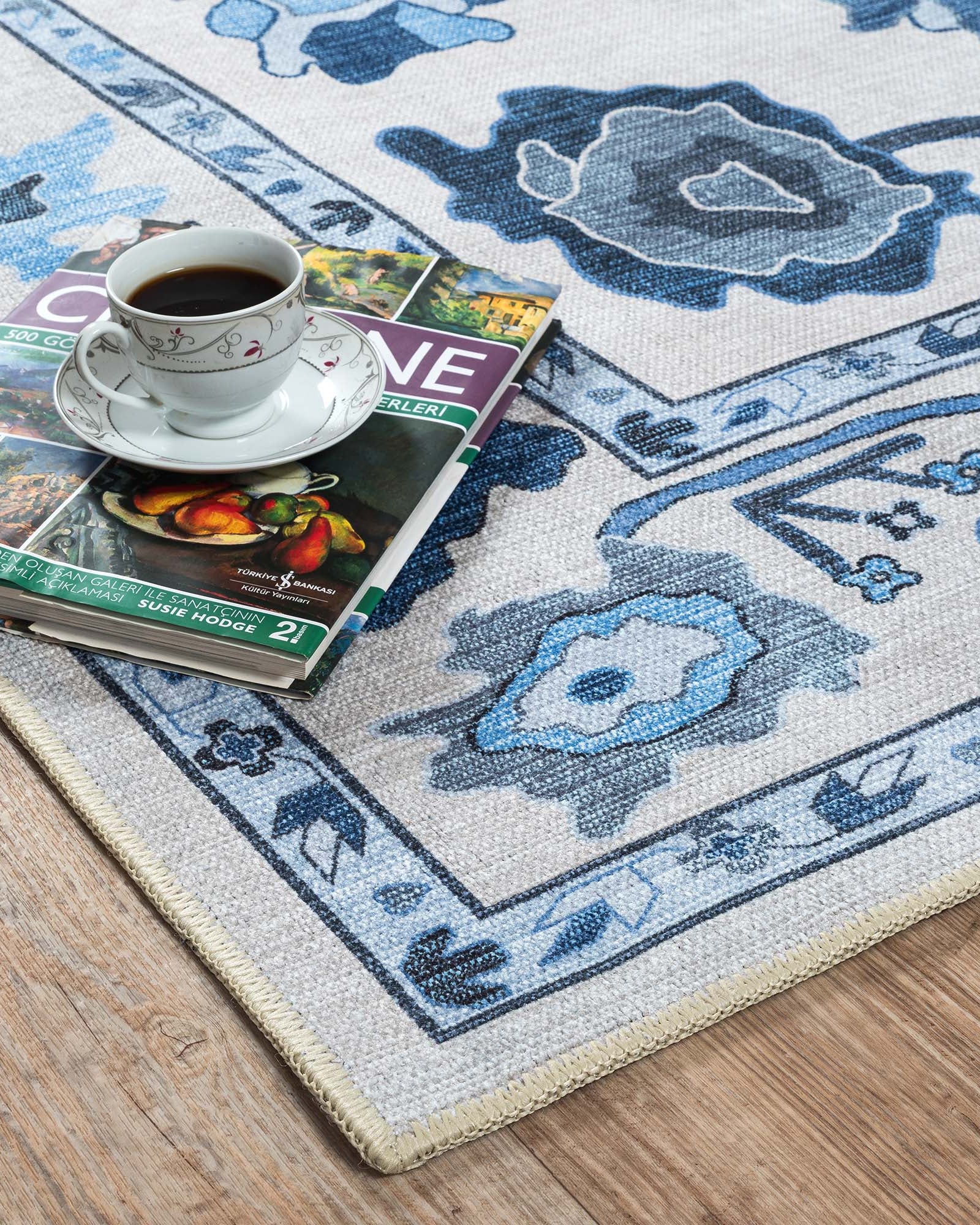
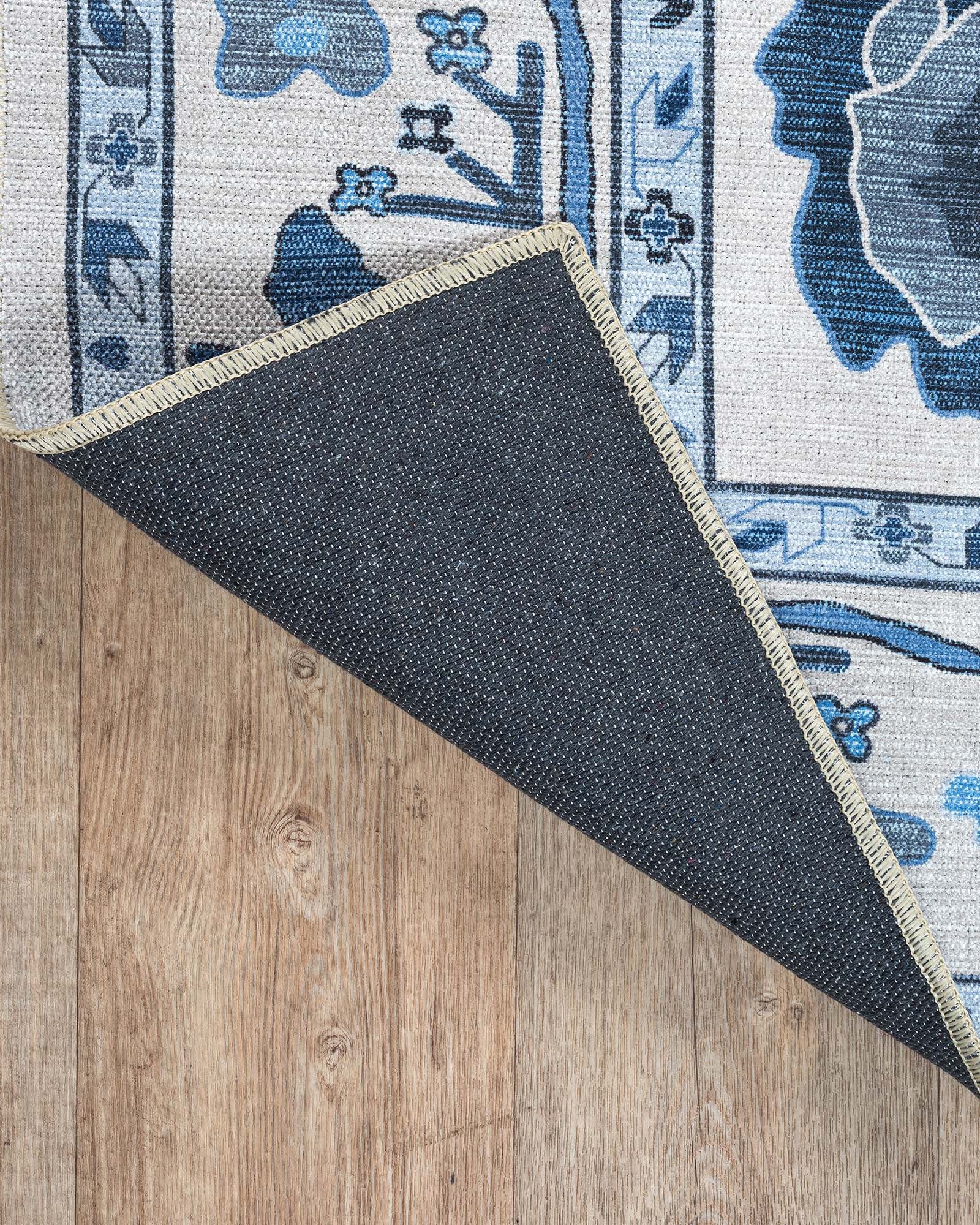
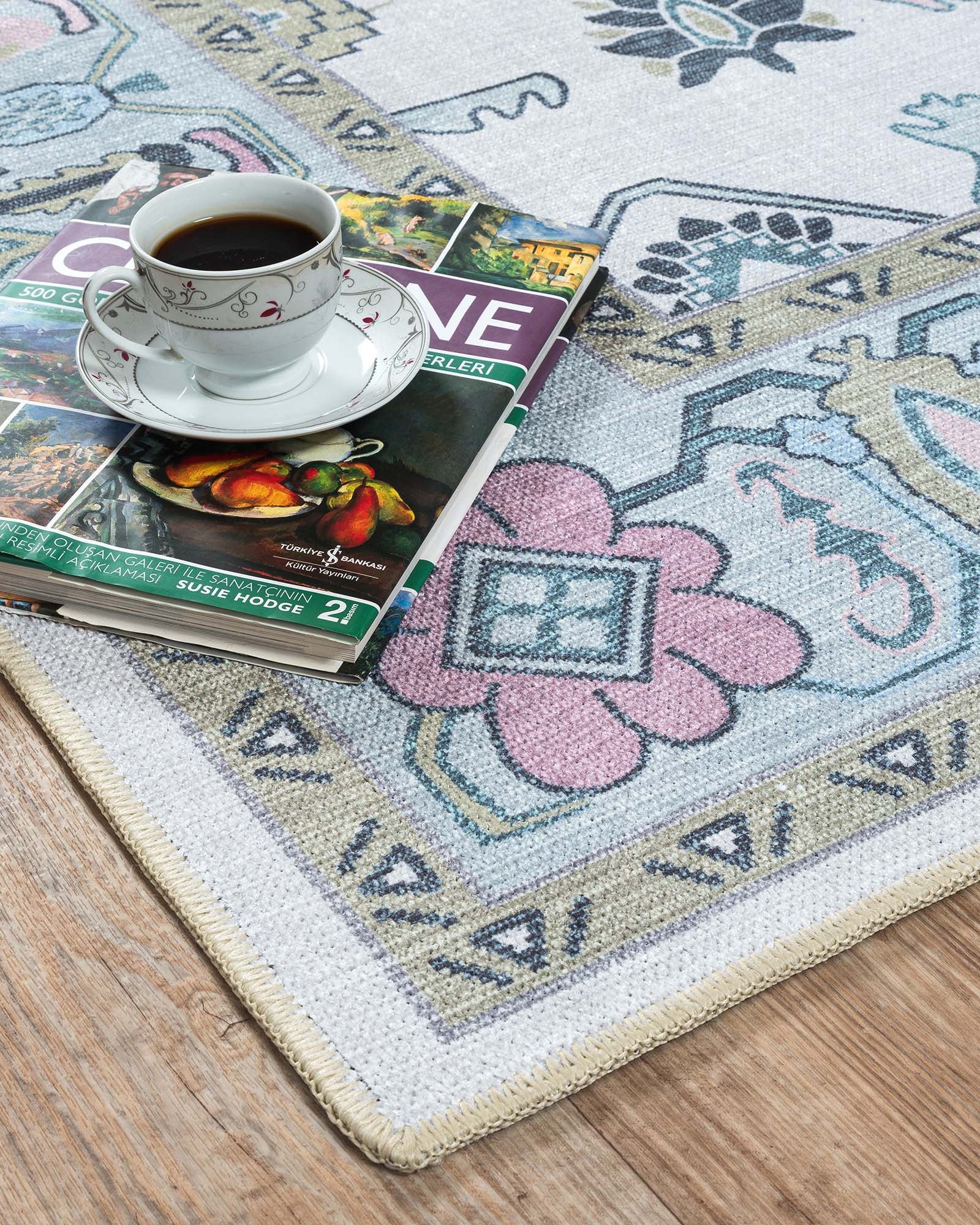
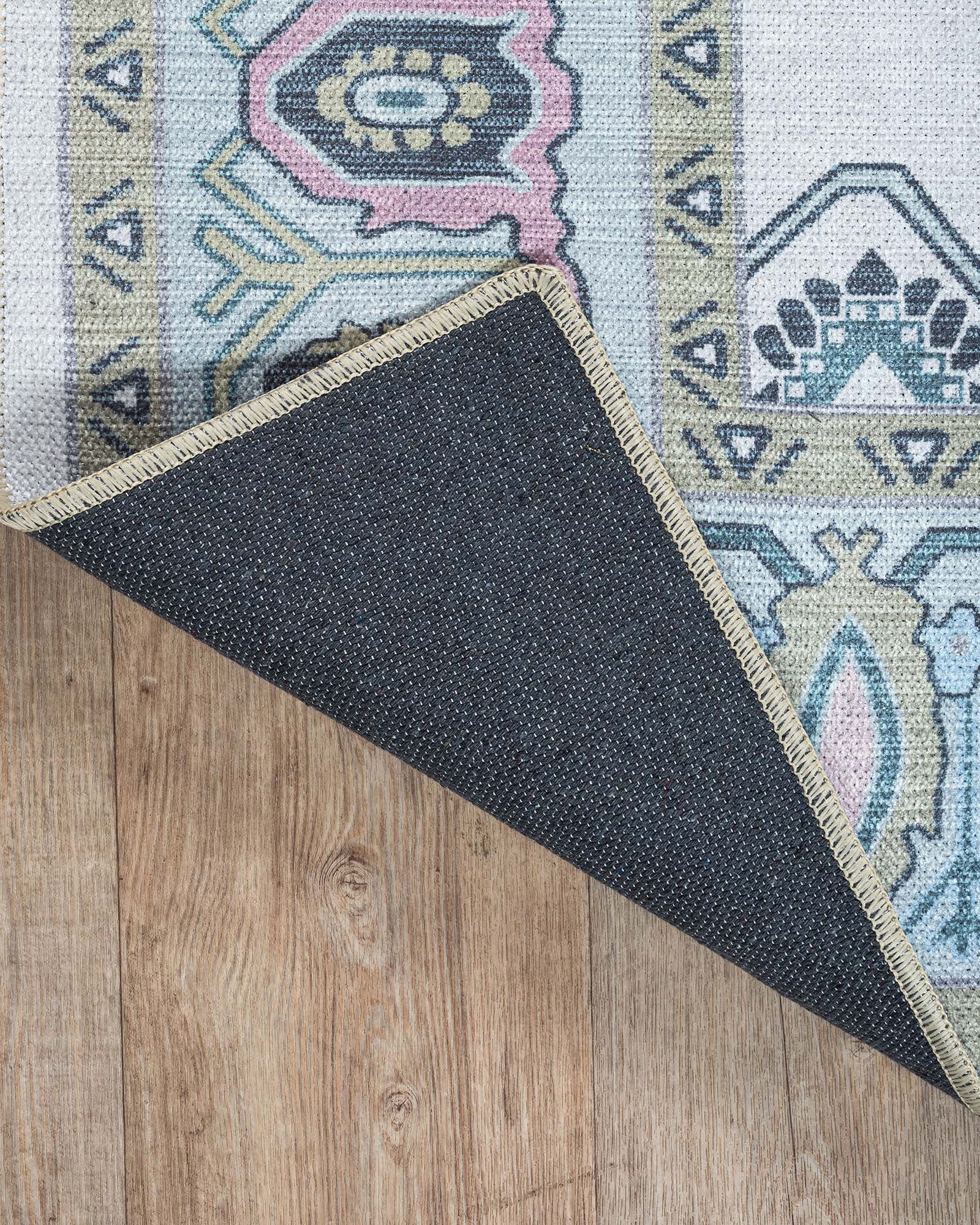
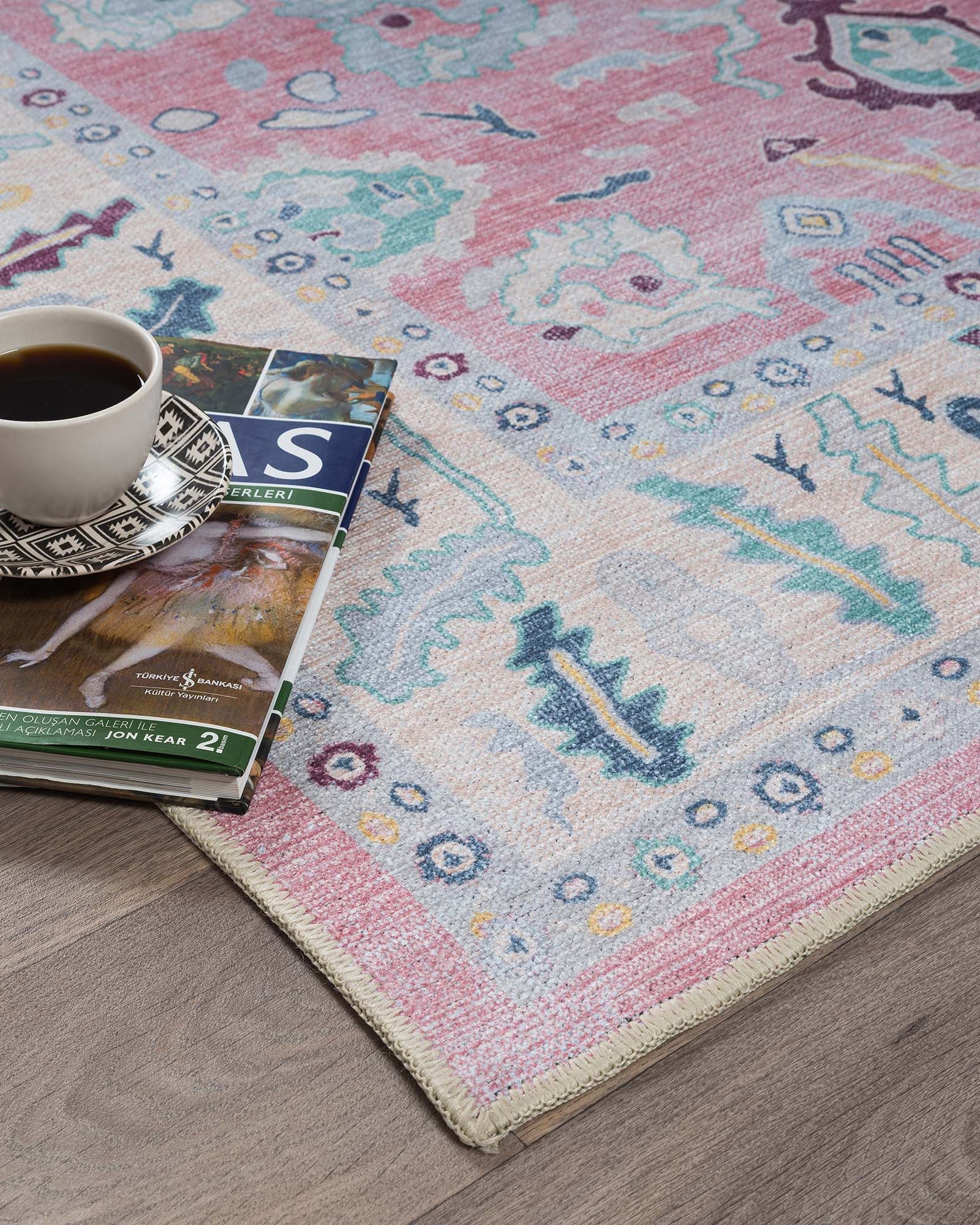
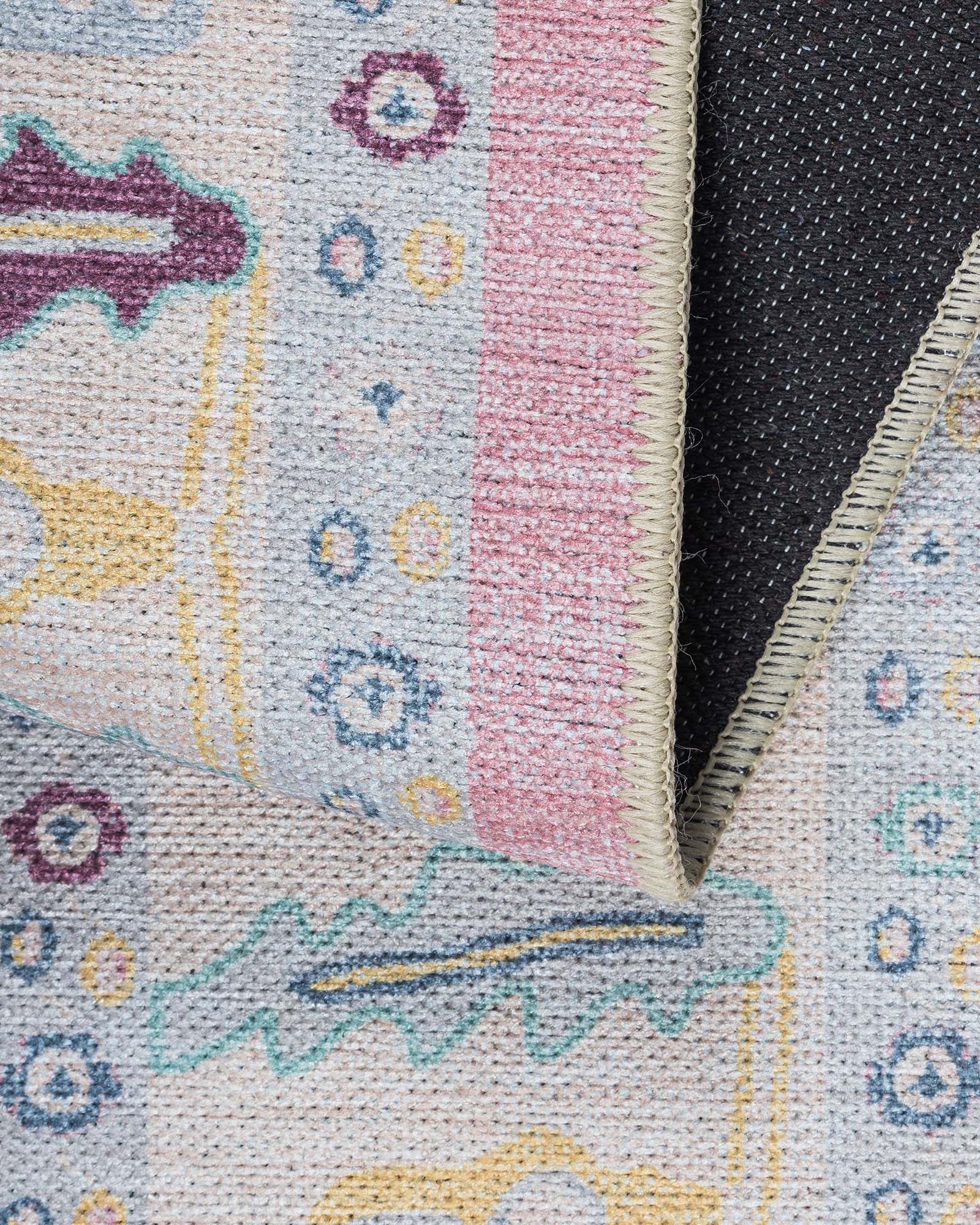
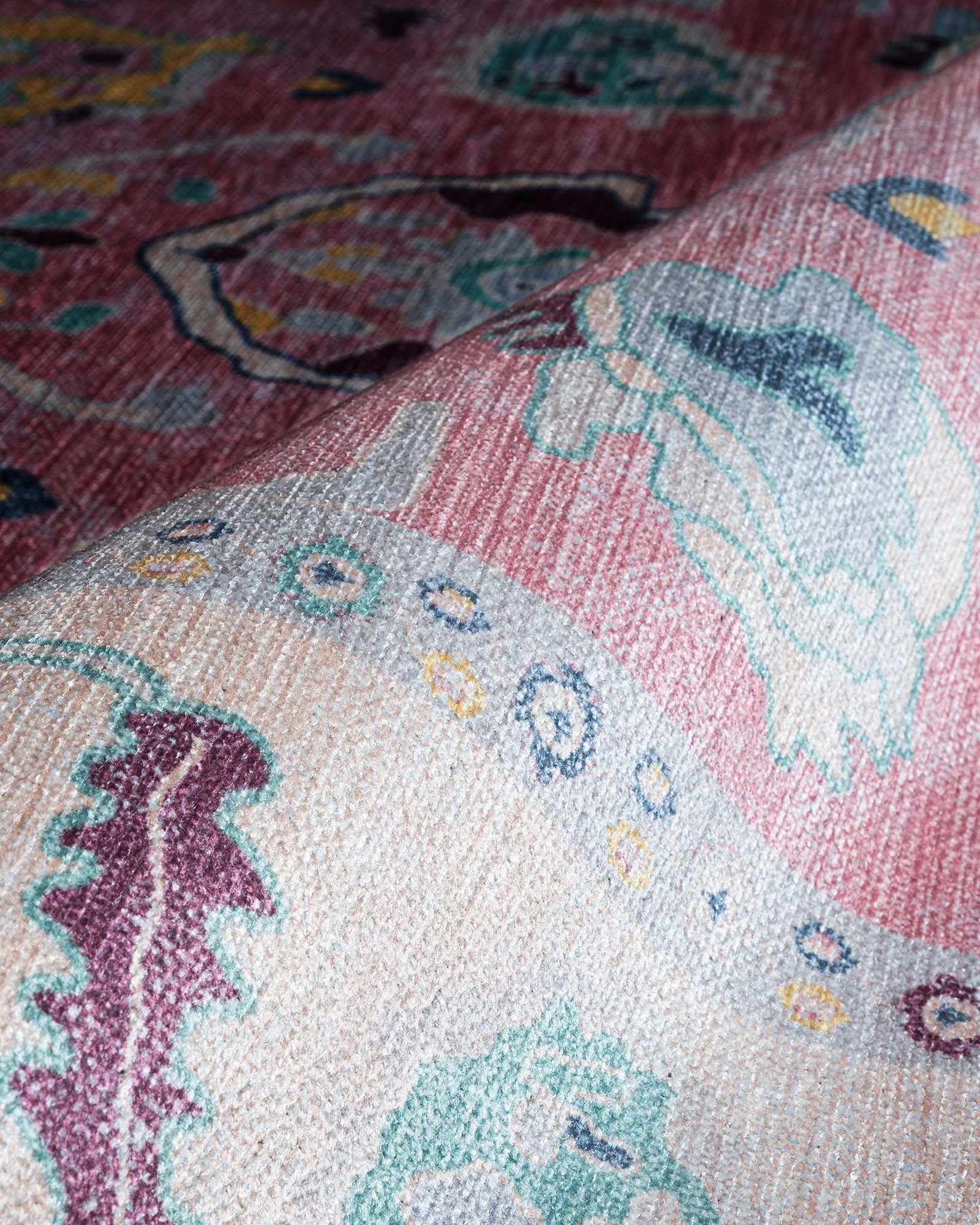
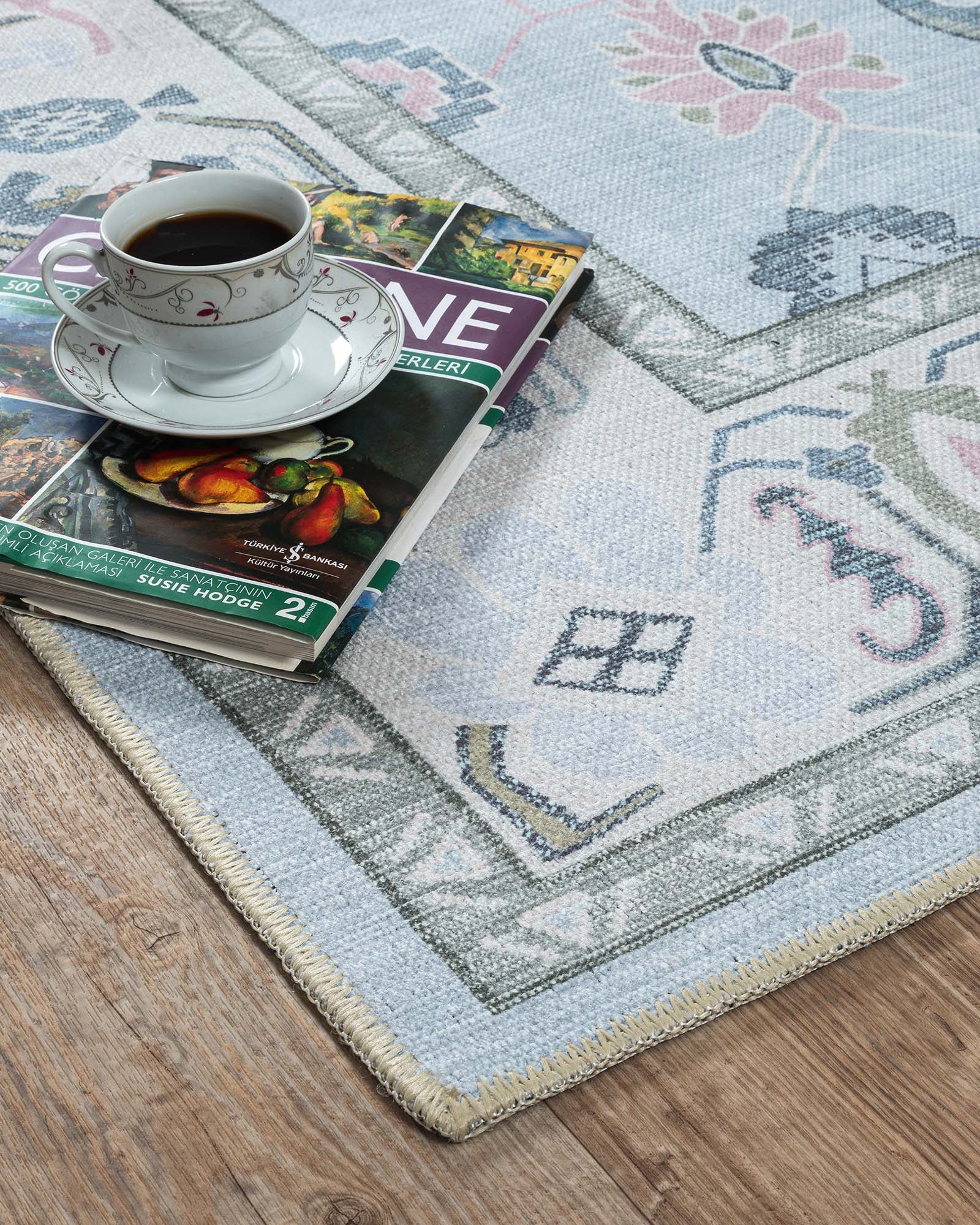
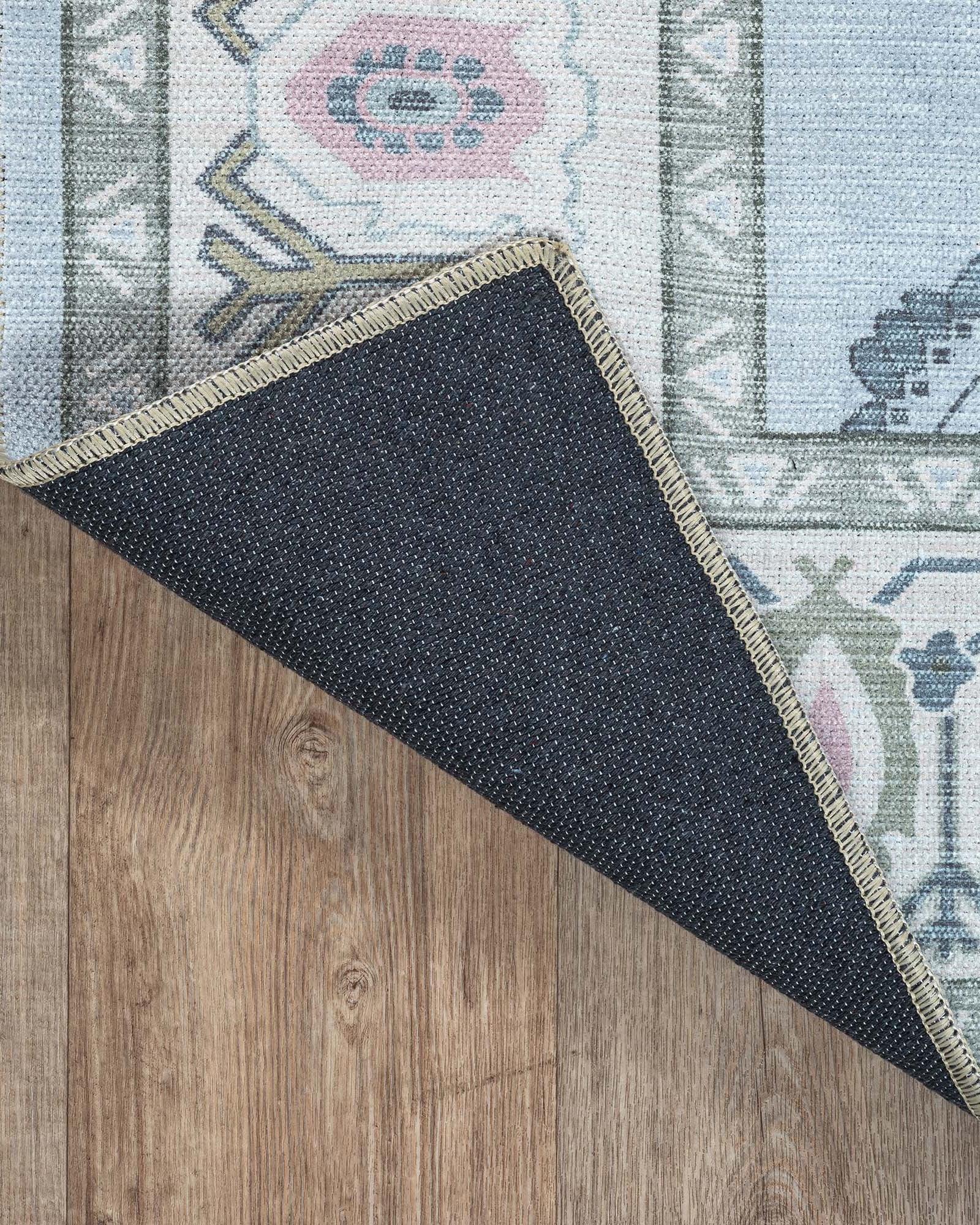
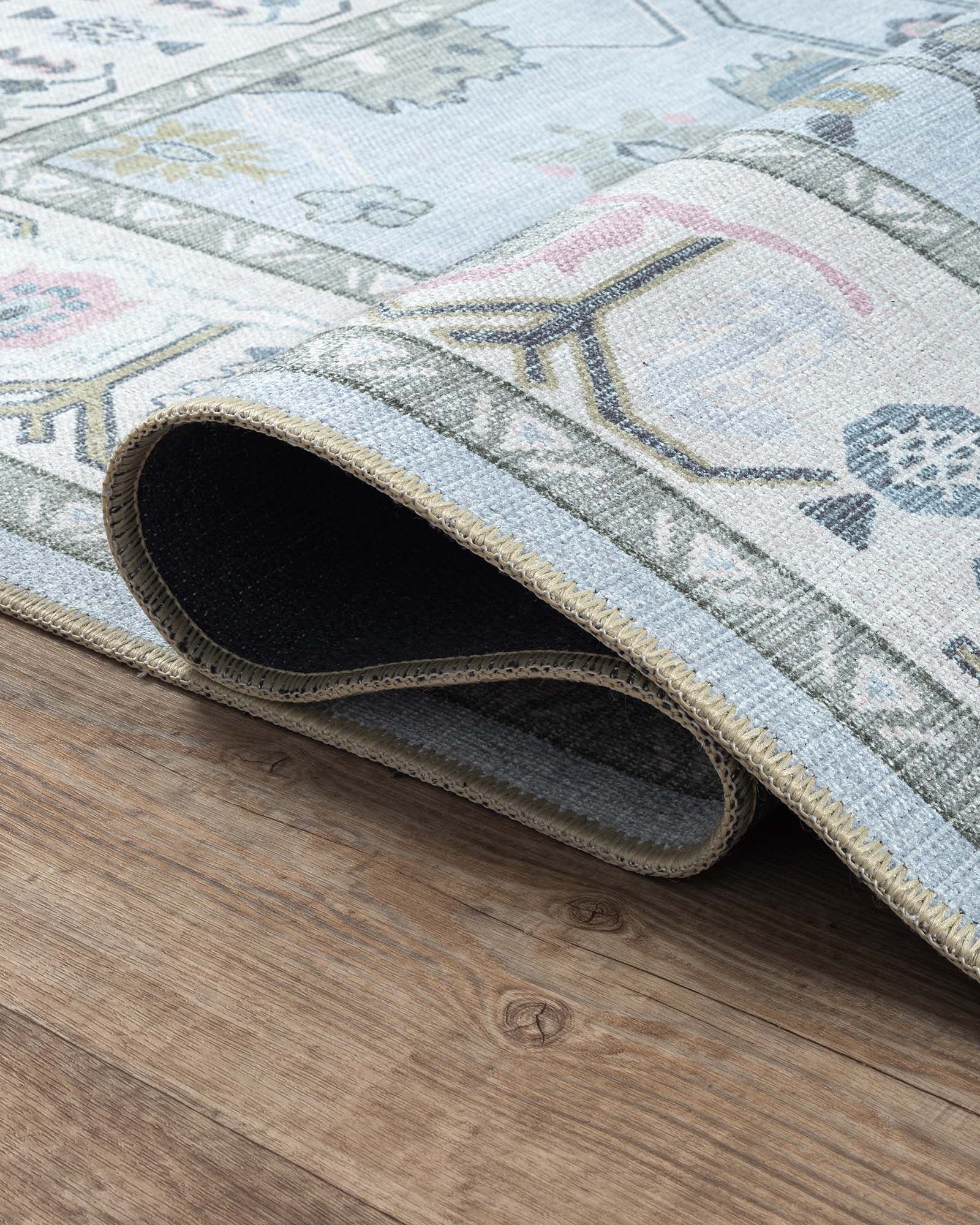
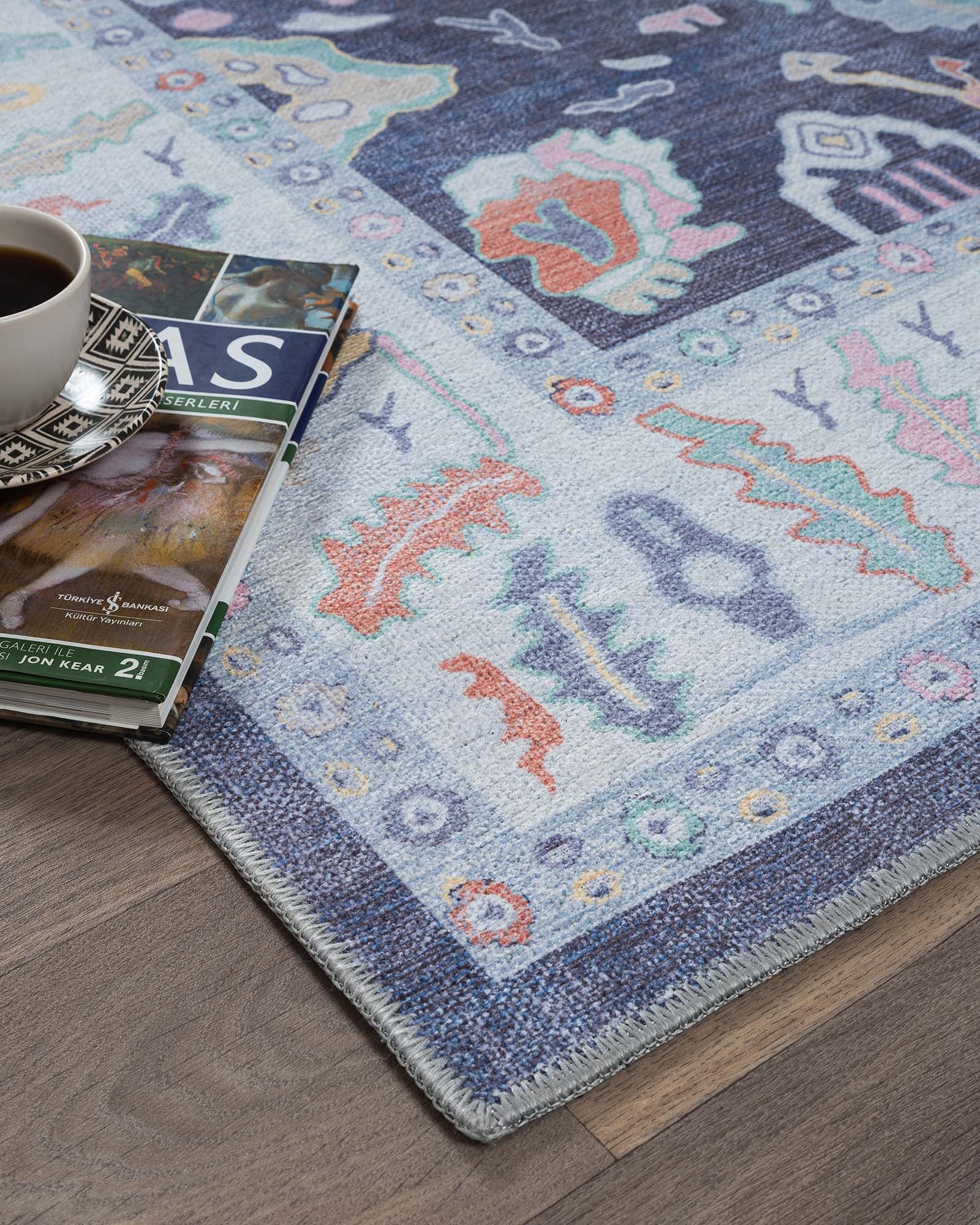
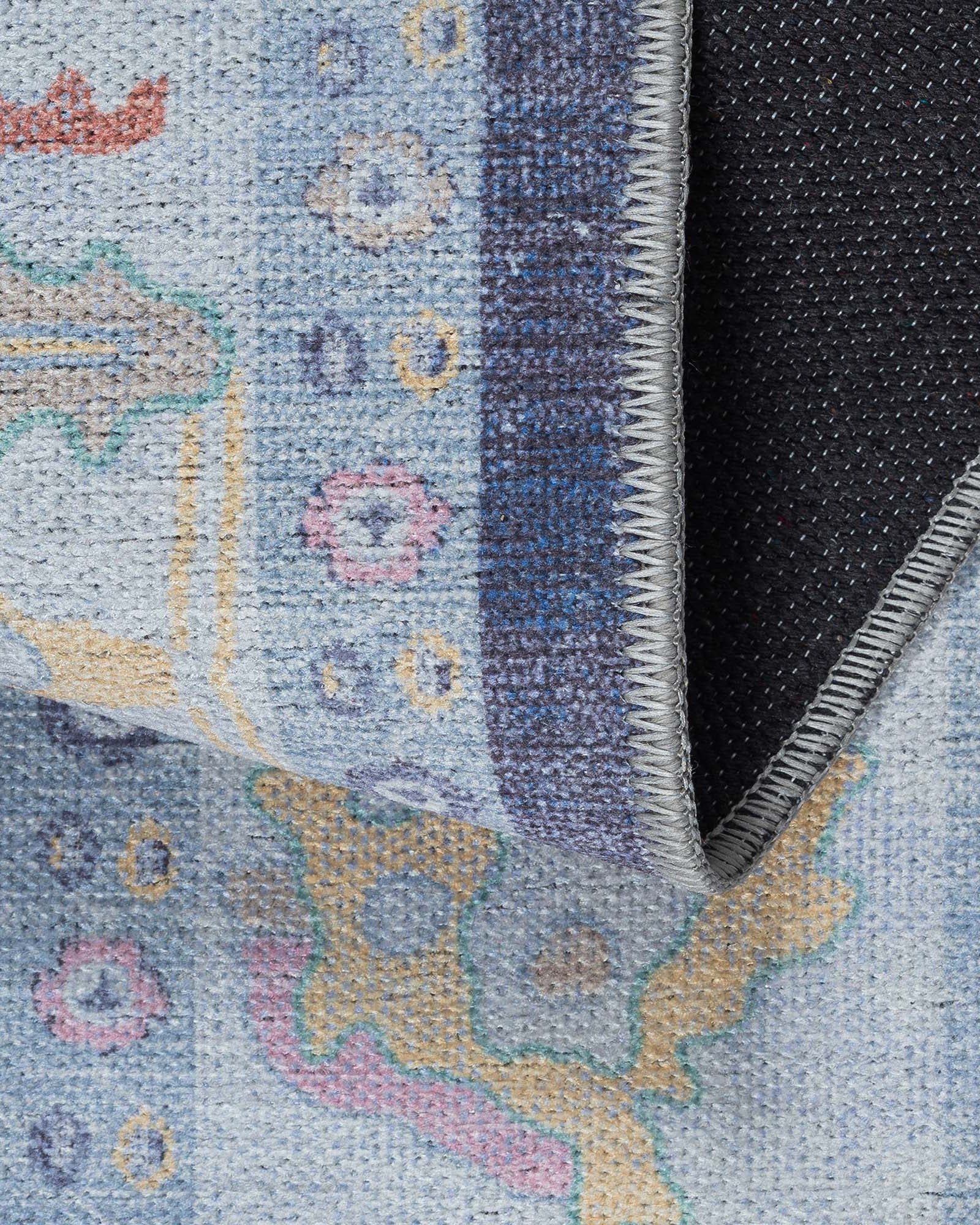
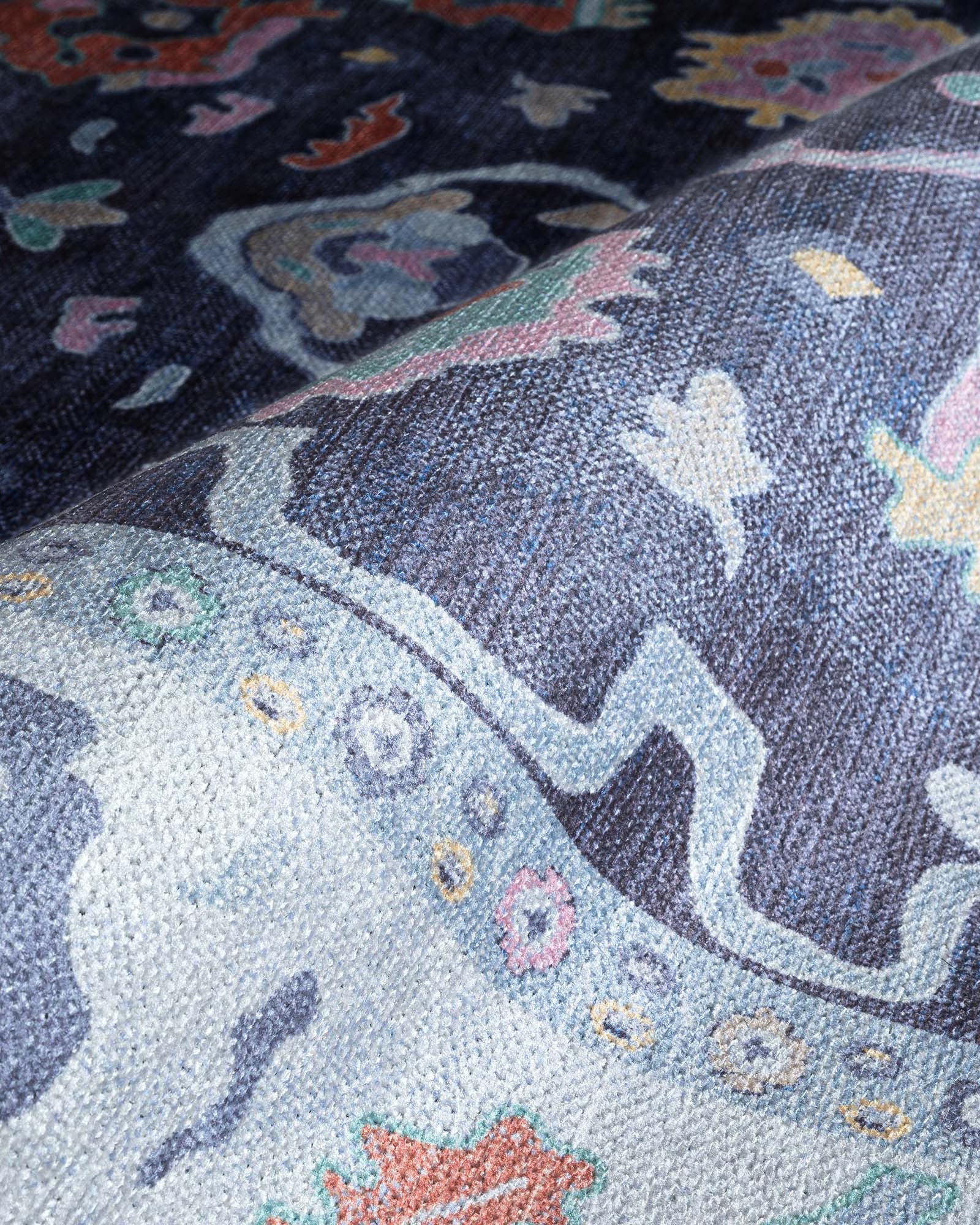
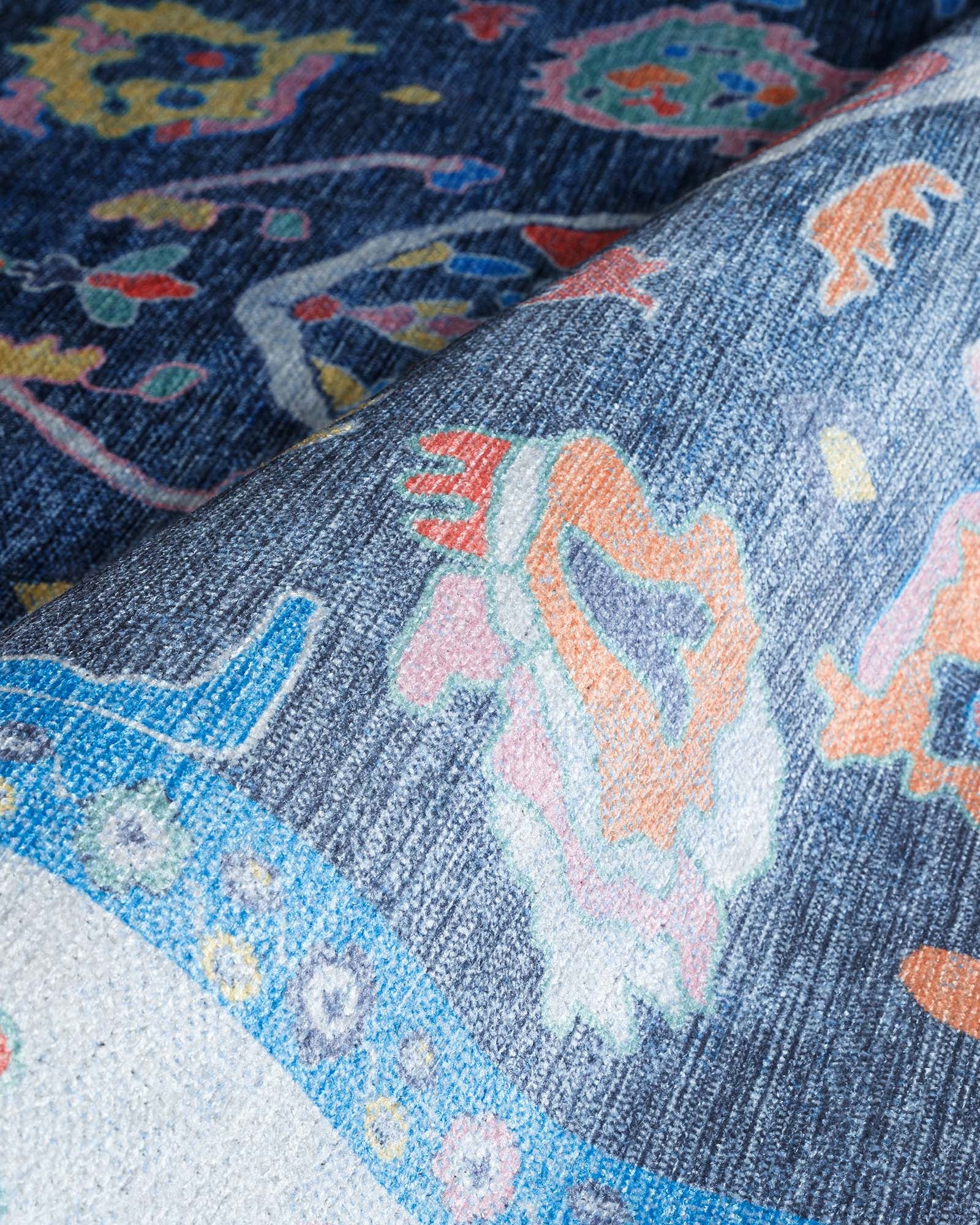
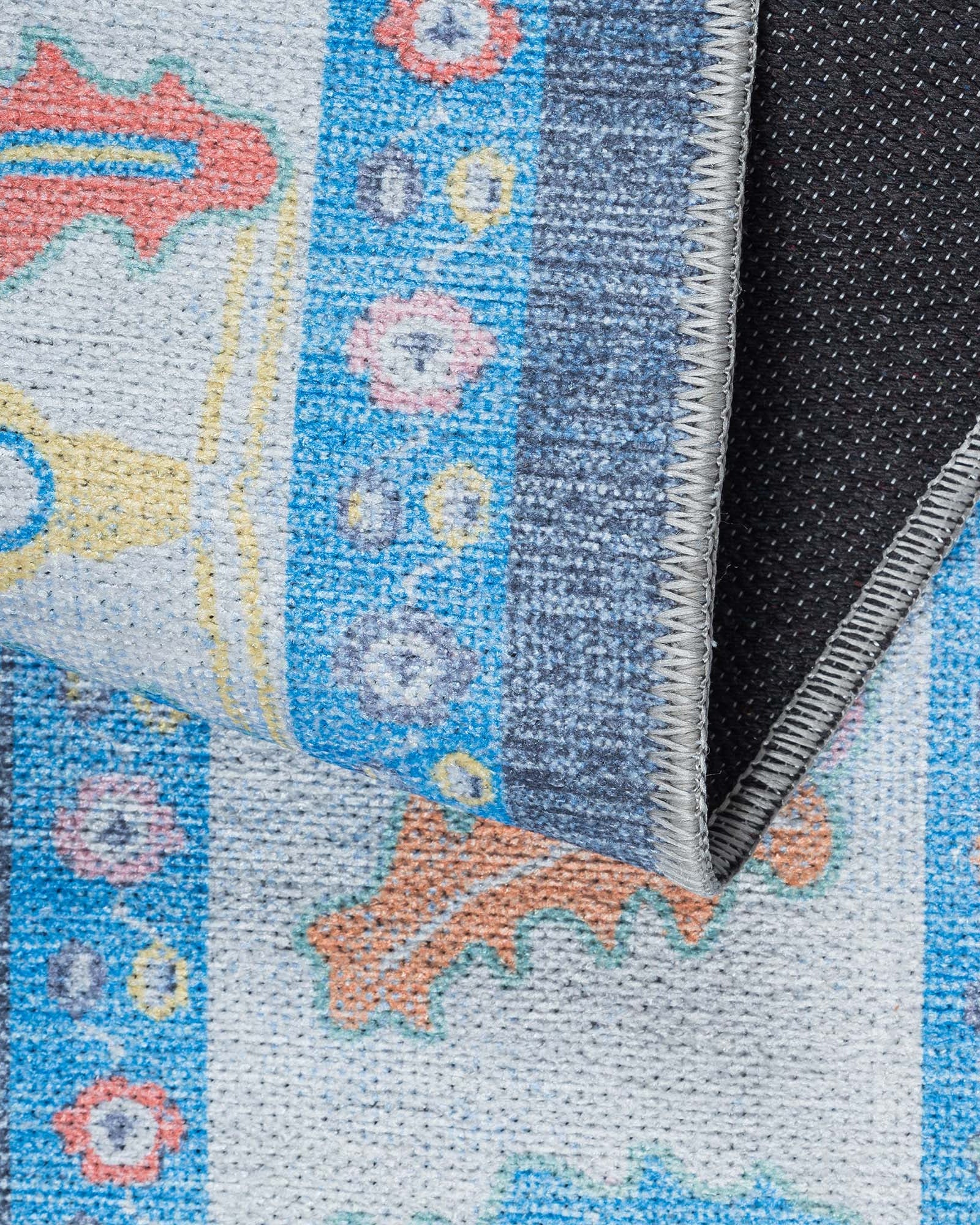
Trust is the currency of the rare rug market. Fame Rugs bridges the gap between the intimidating world of high-stakes auctions and the comfort of online shopping. We vet every rare piece for authenticity, condition, and quality. We provide high-resolution macro photography that allows you to inspect the weave structure as if you were holding a loupe. When you acquire a rare rug from us, you are secured by our reputation and our commitment to delivering genuine, investment-grade artistry to your door.