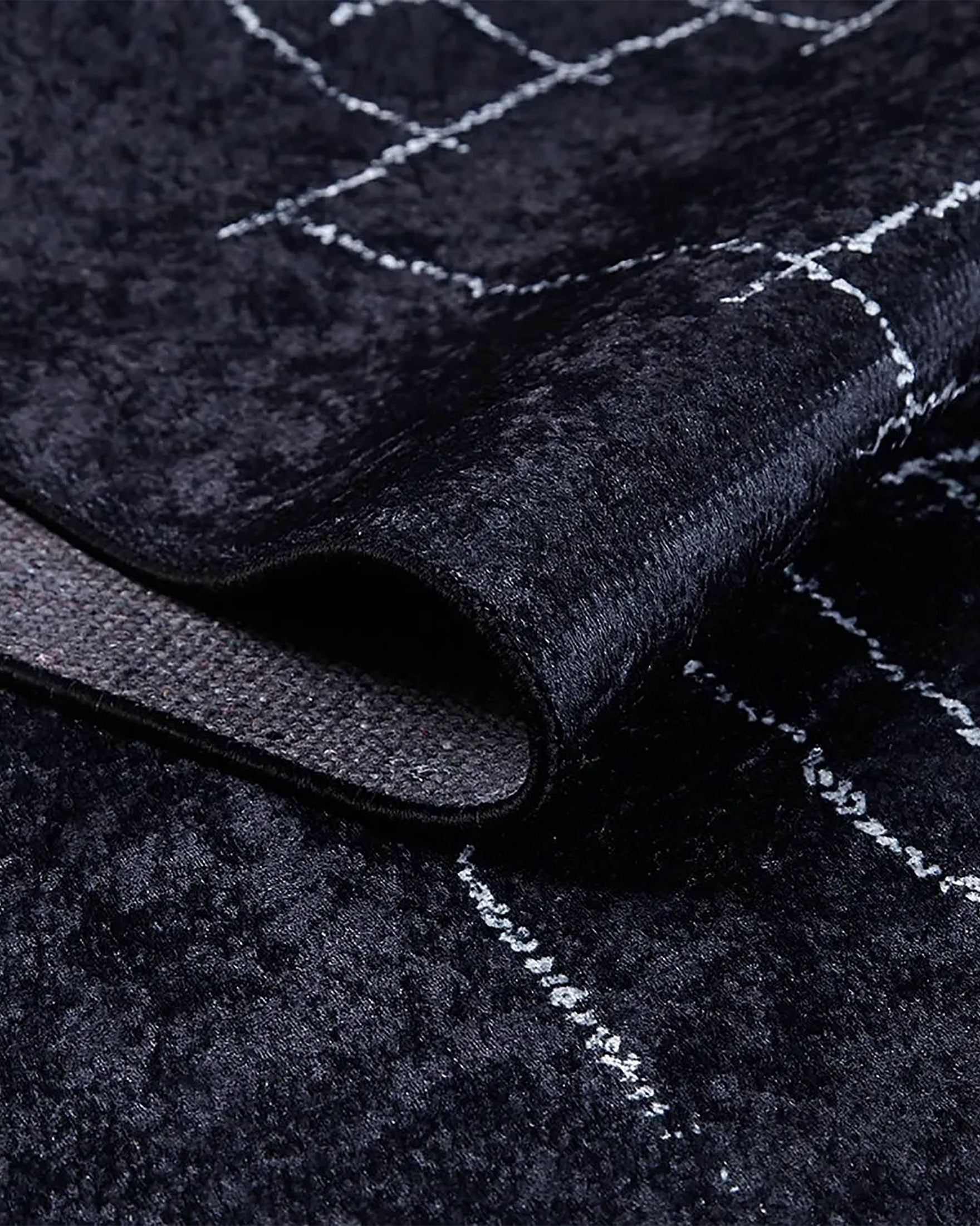
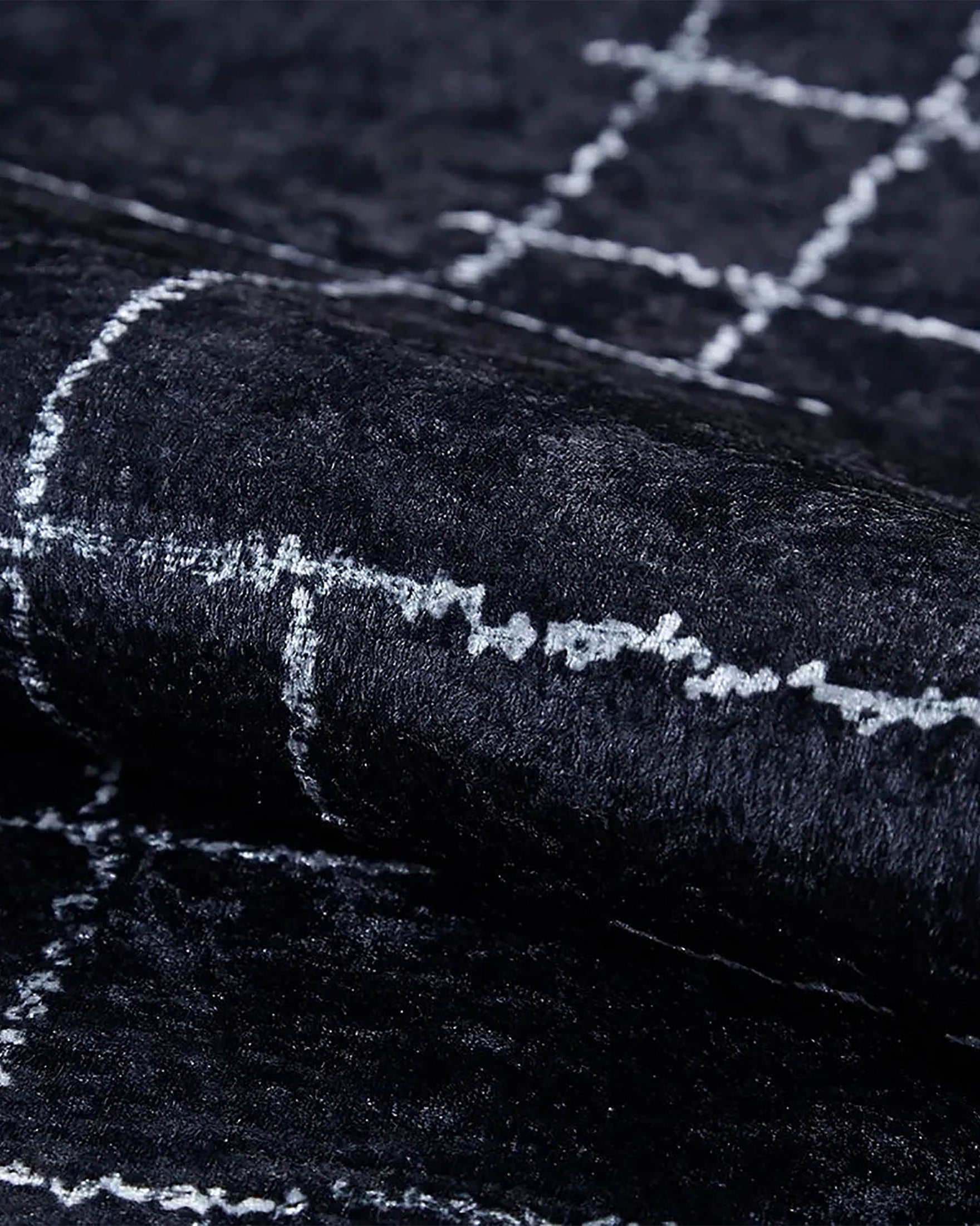
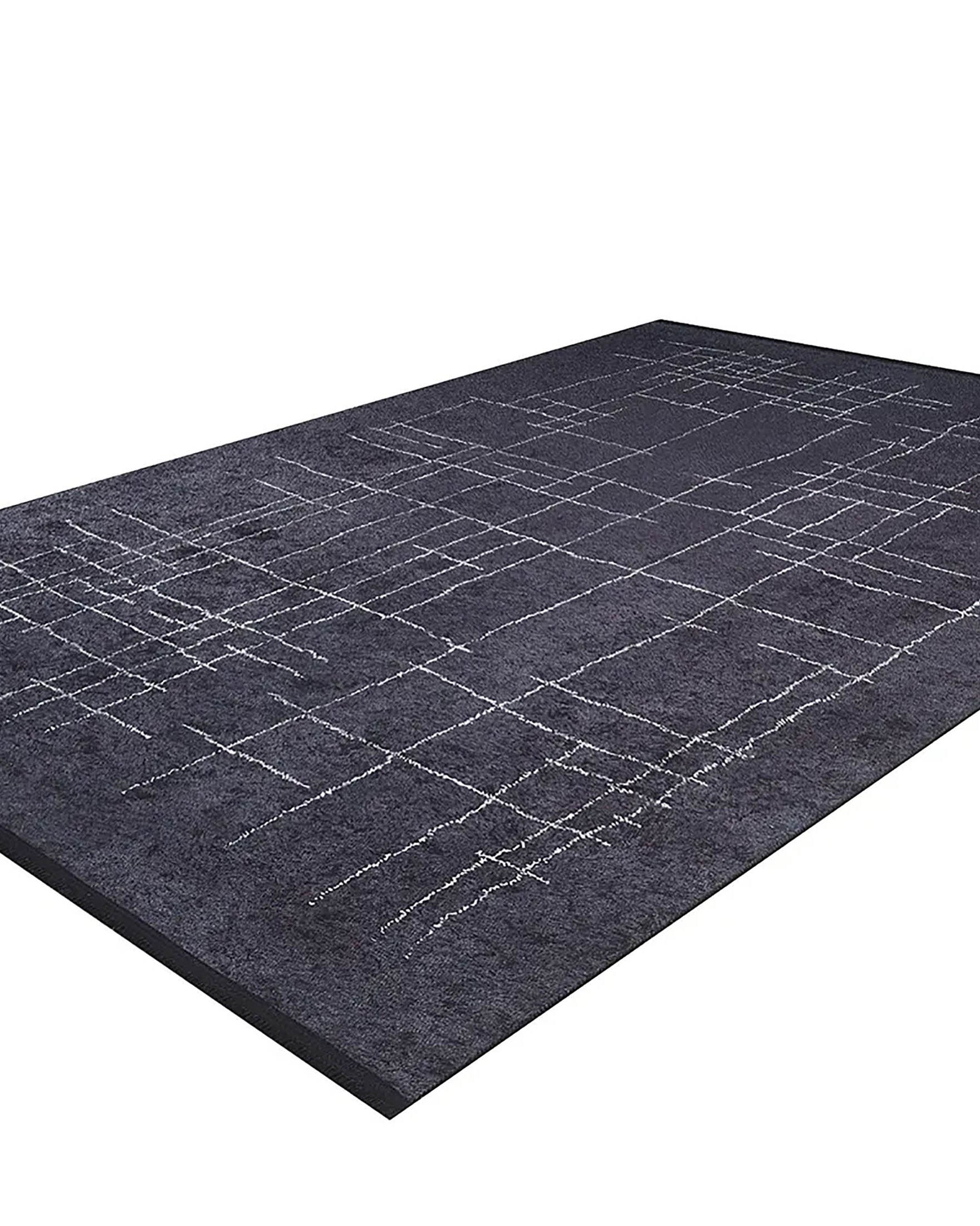
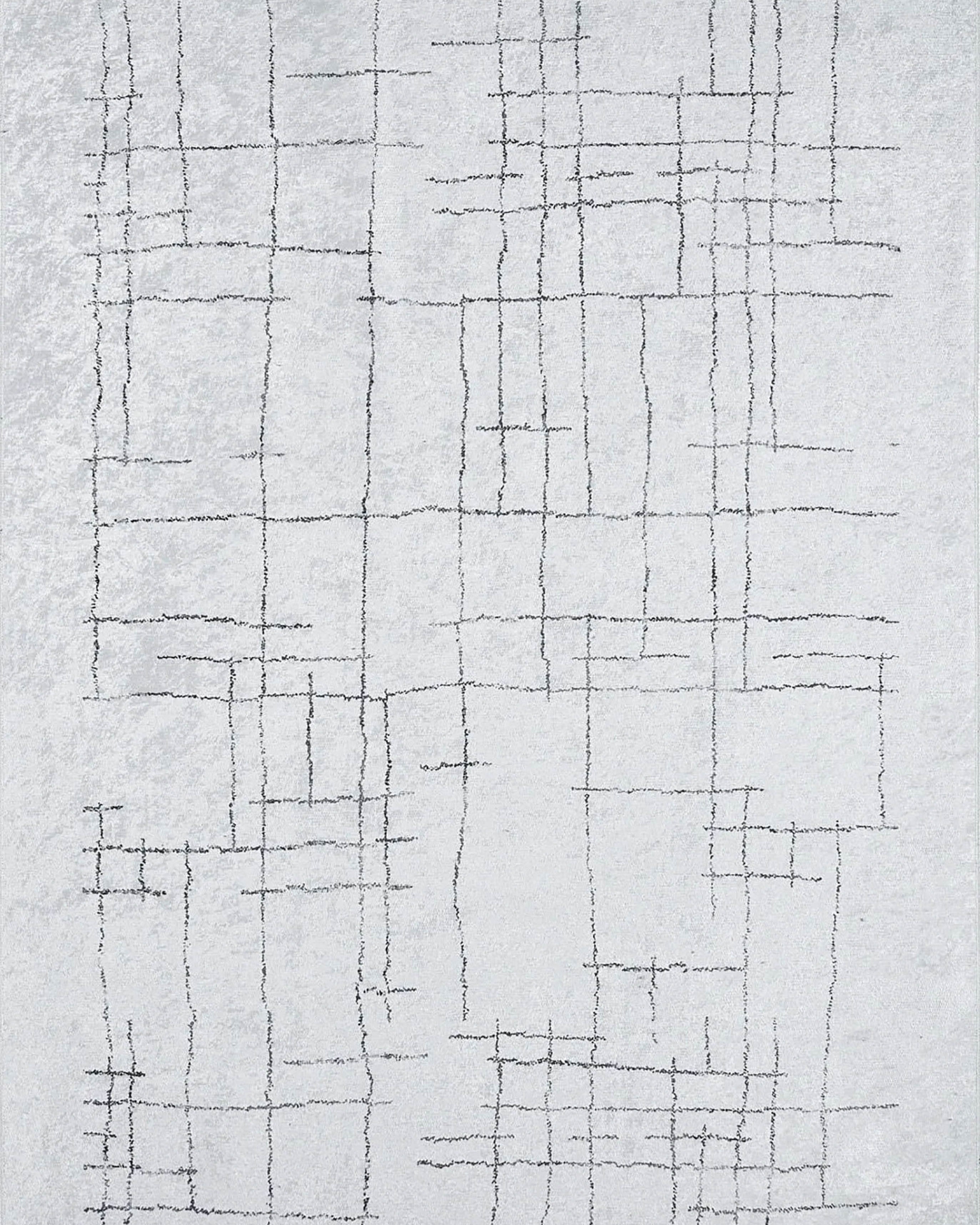
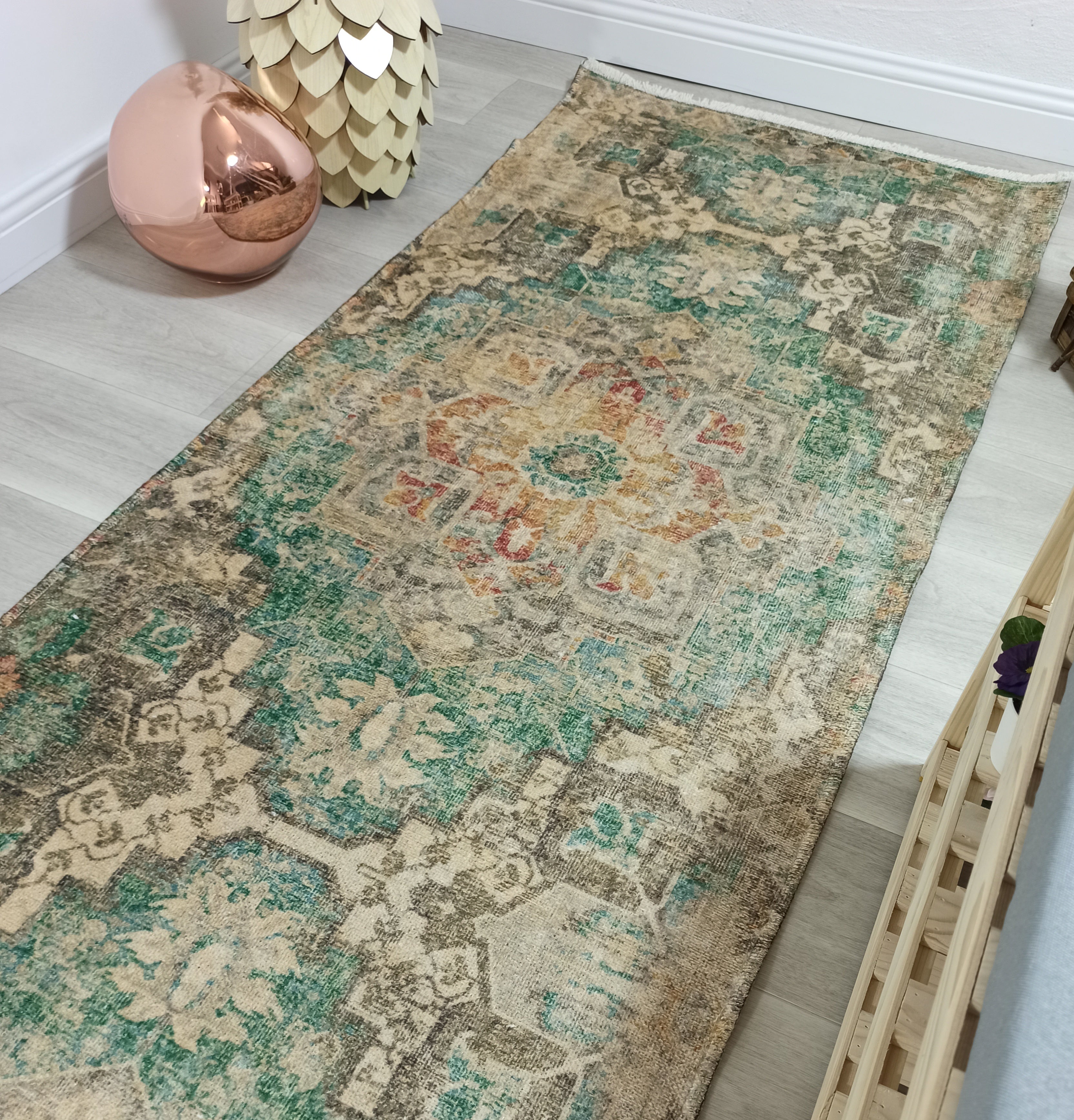
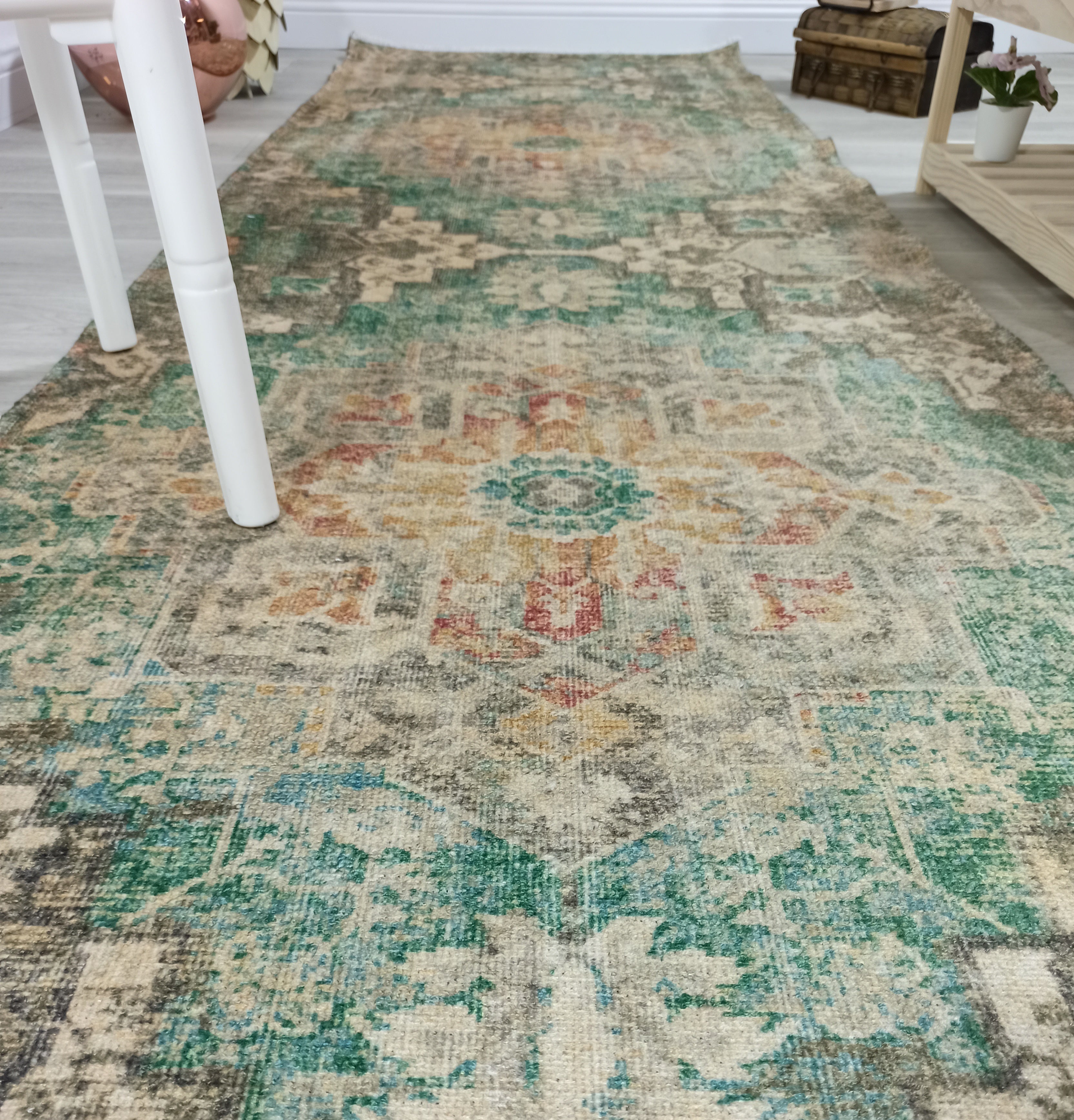
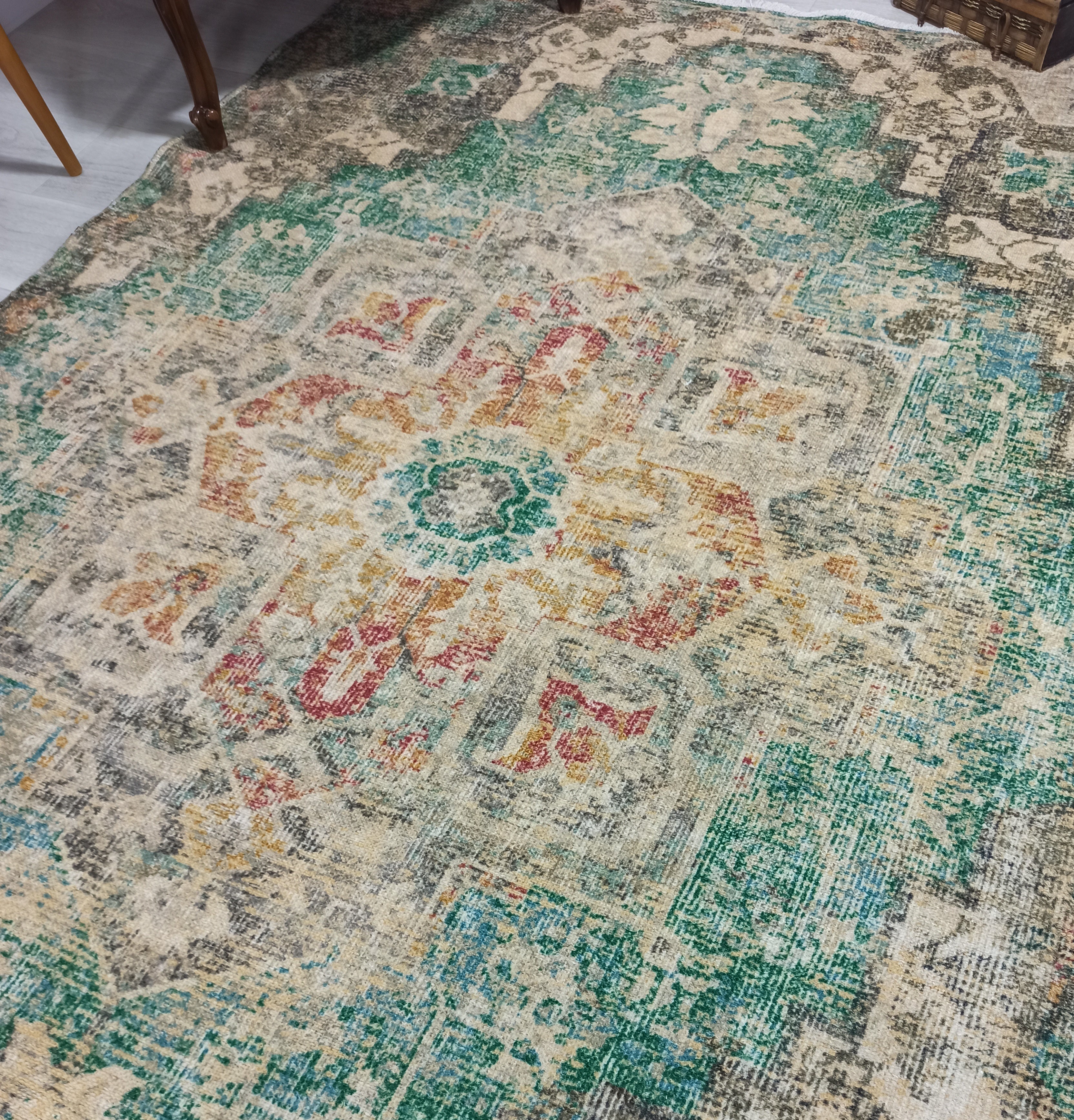
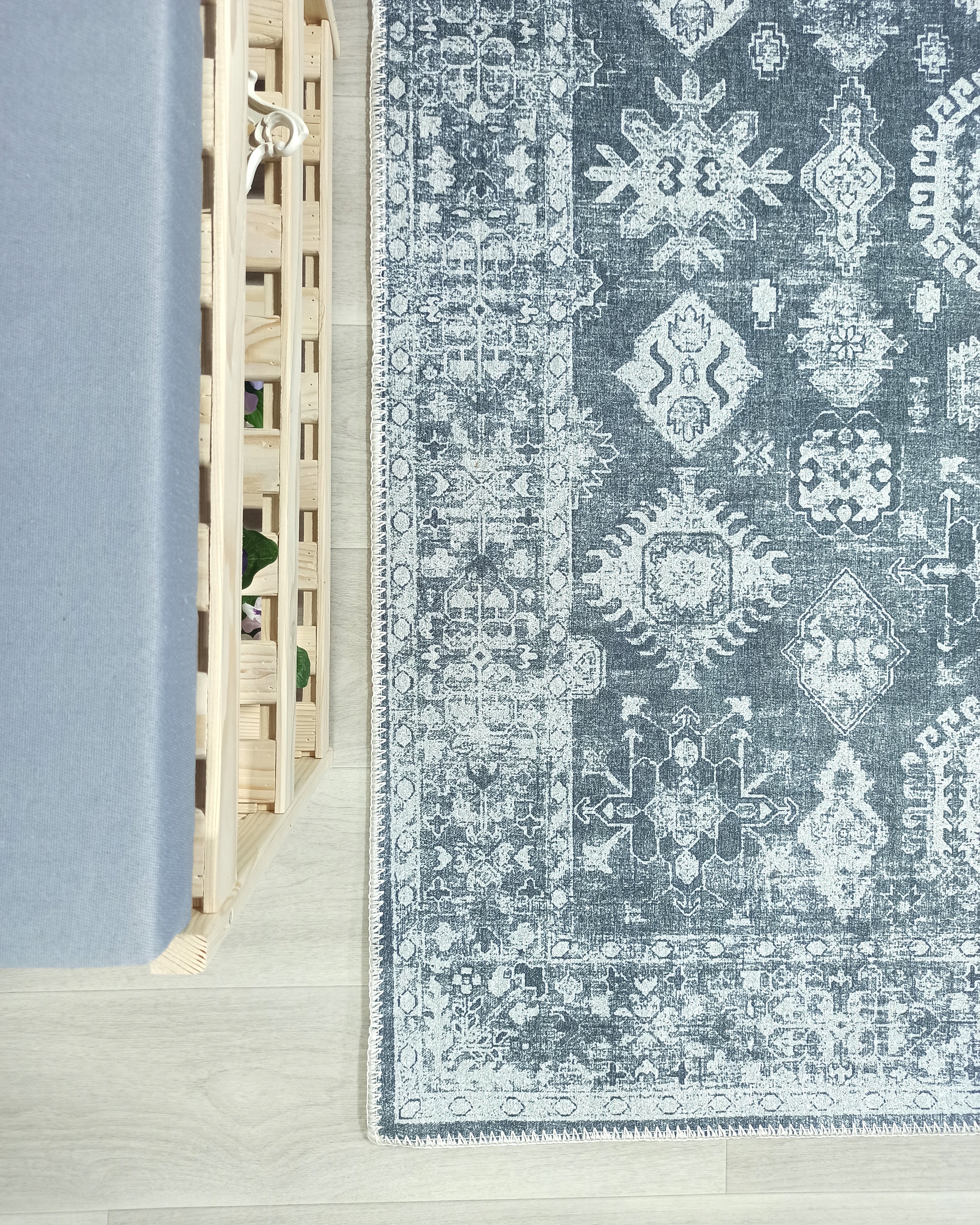
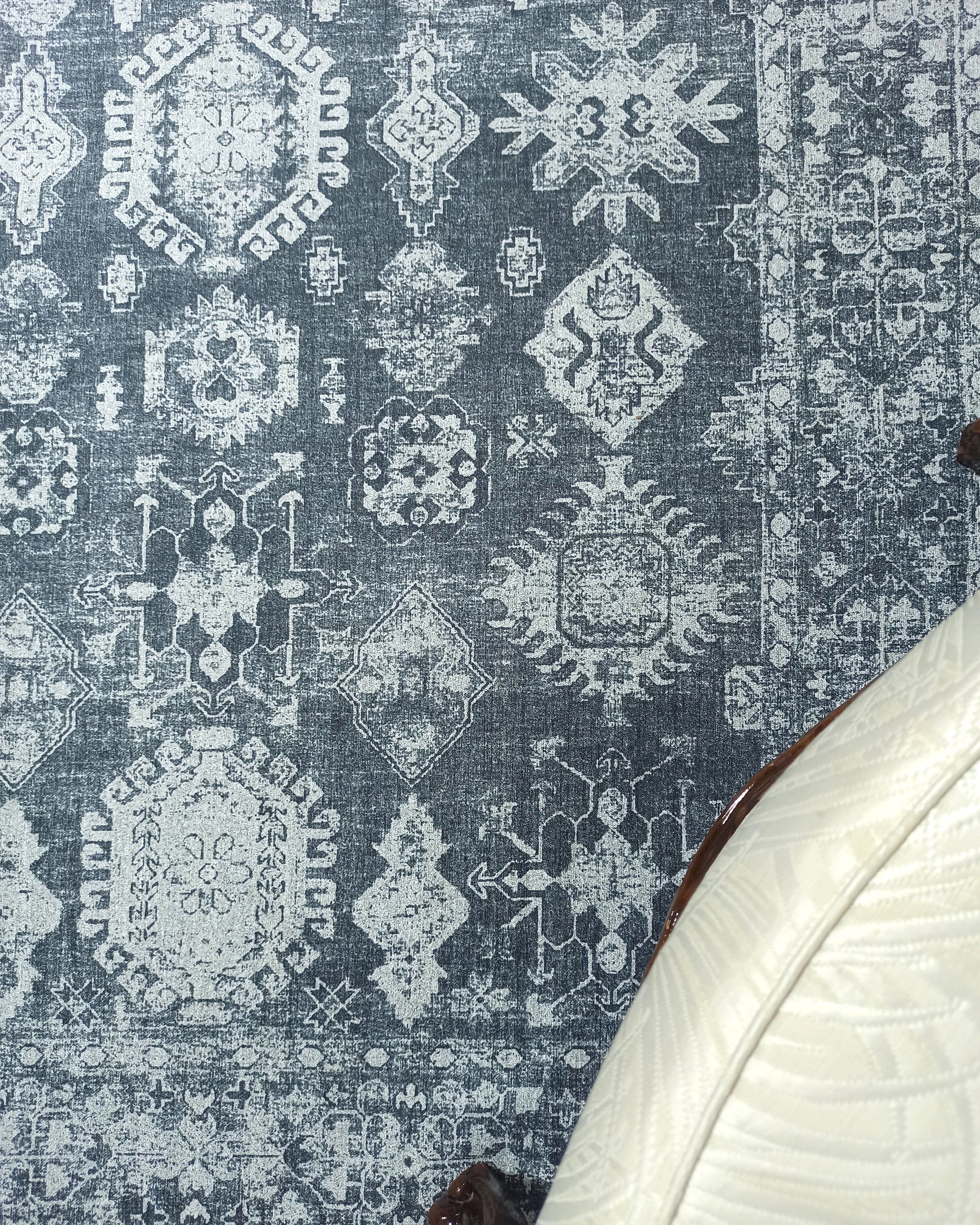
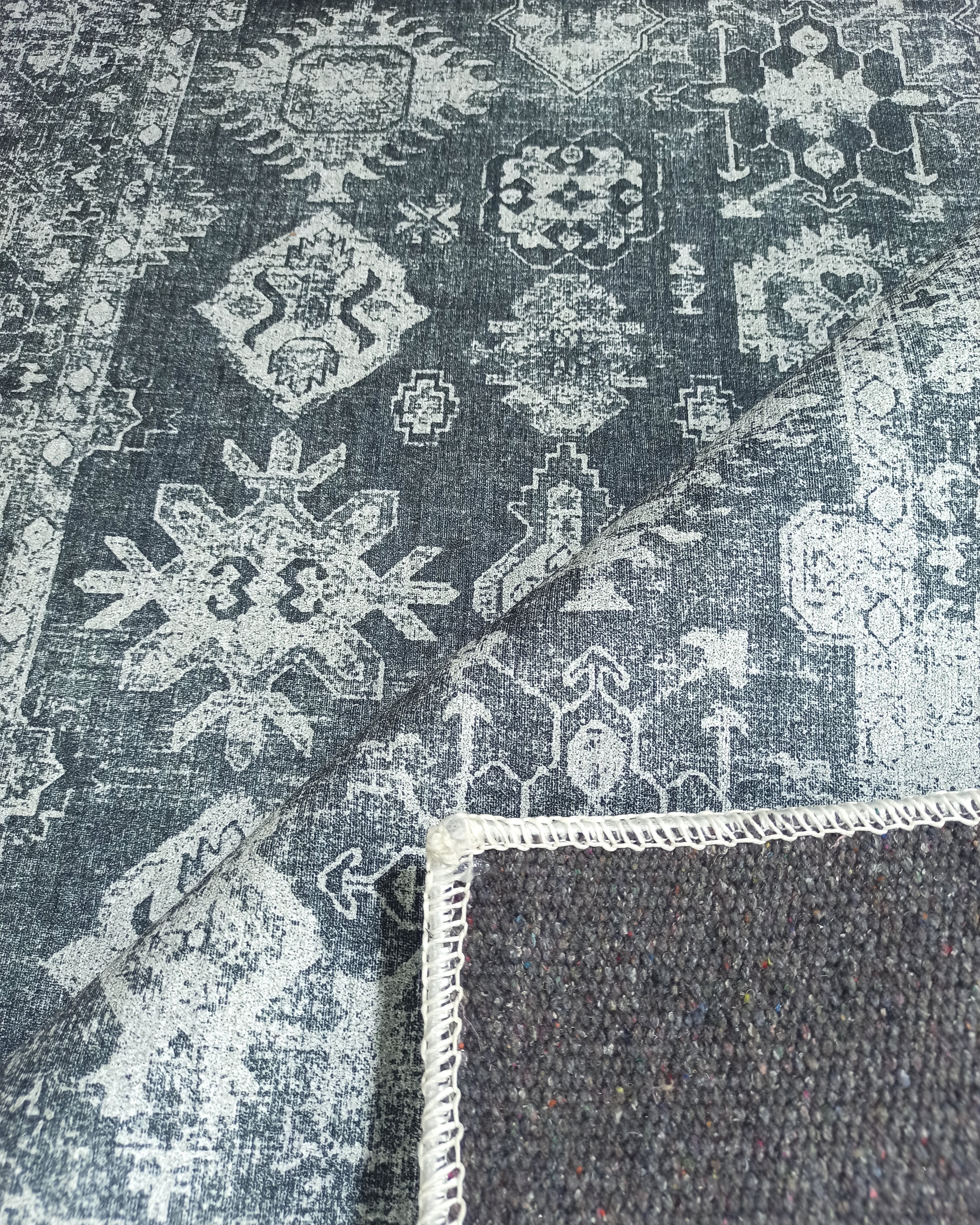
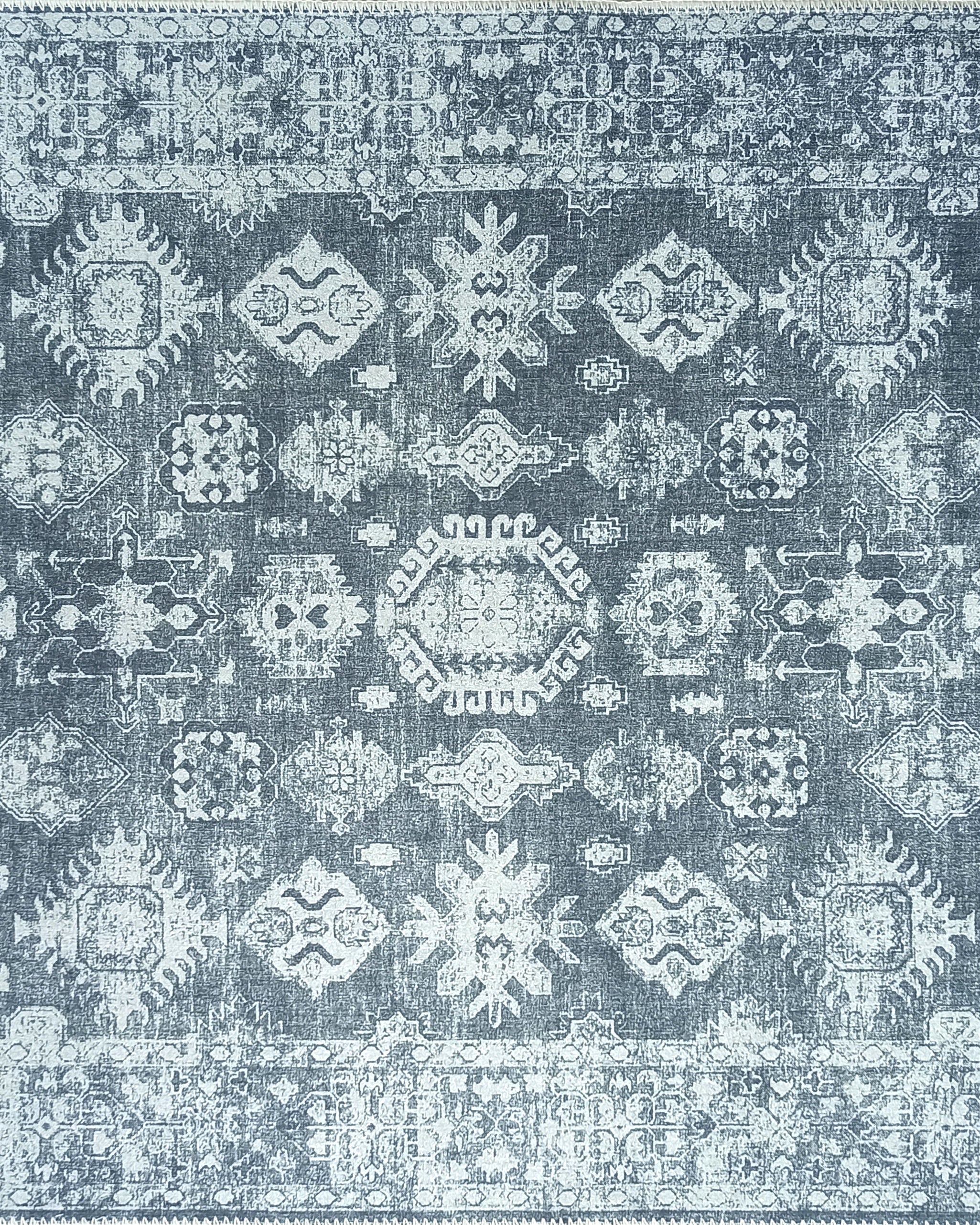
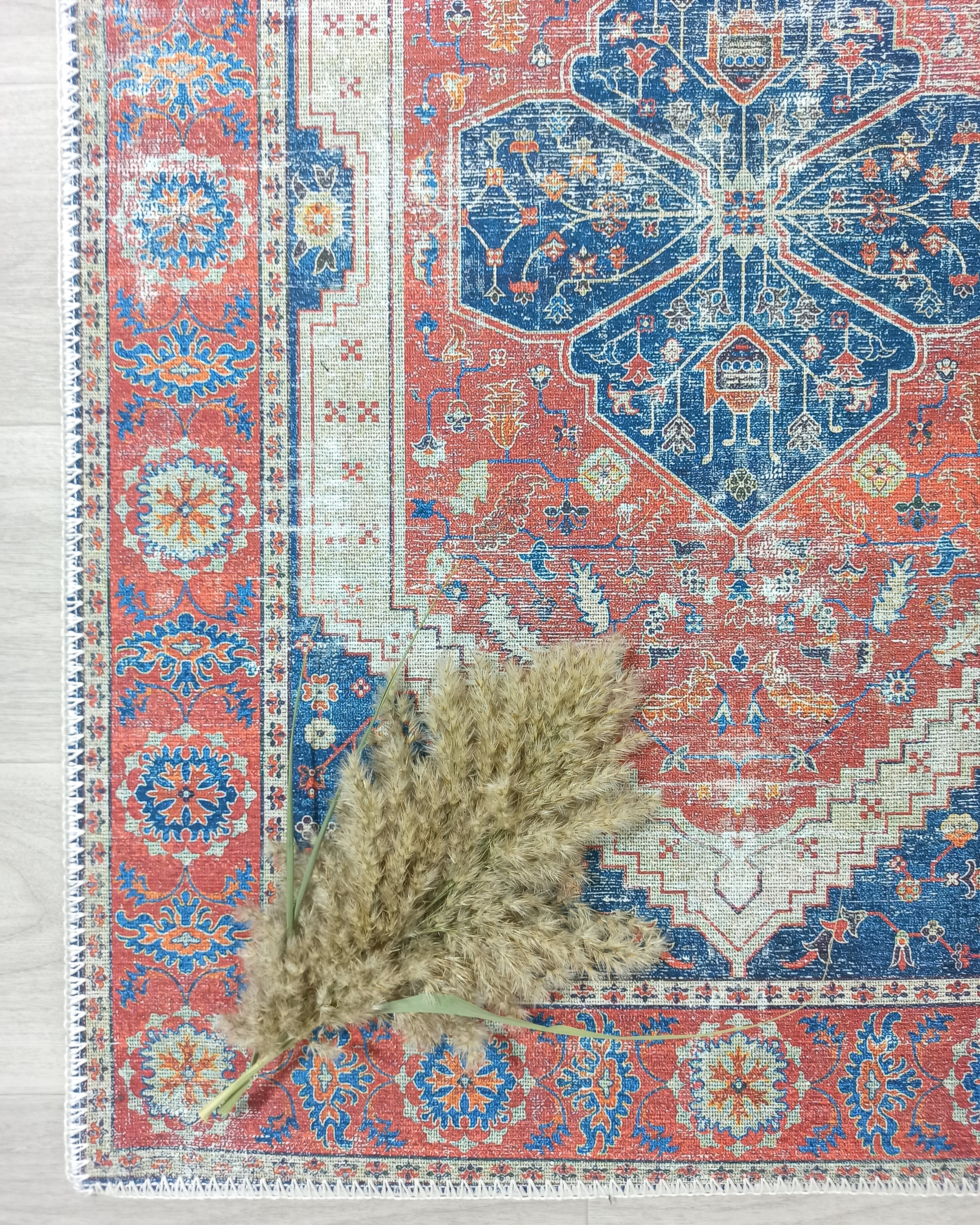
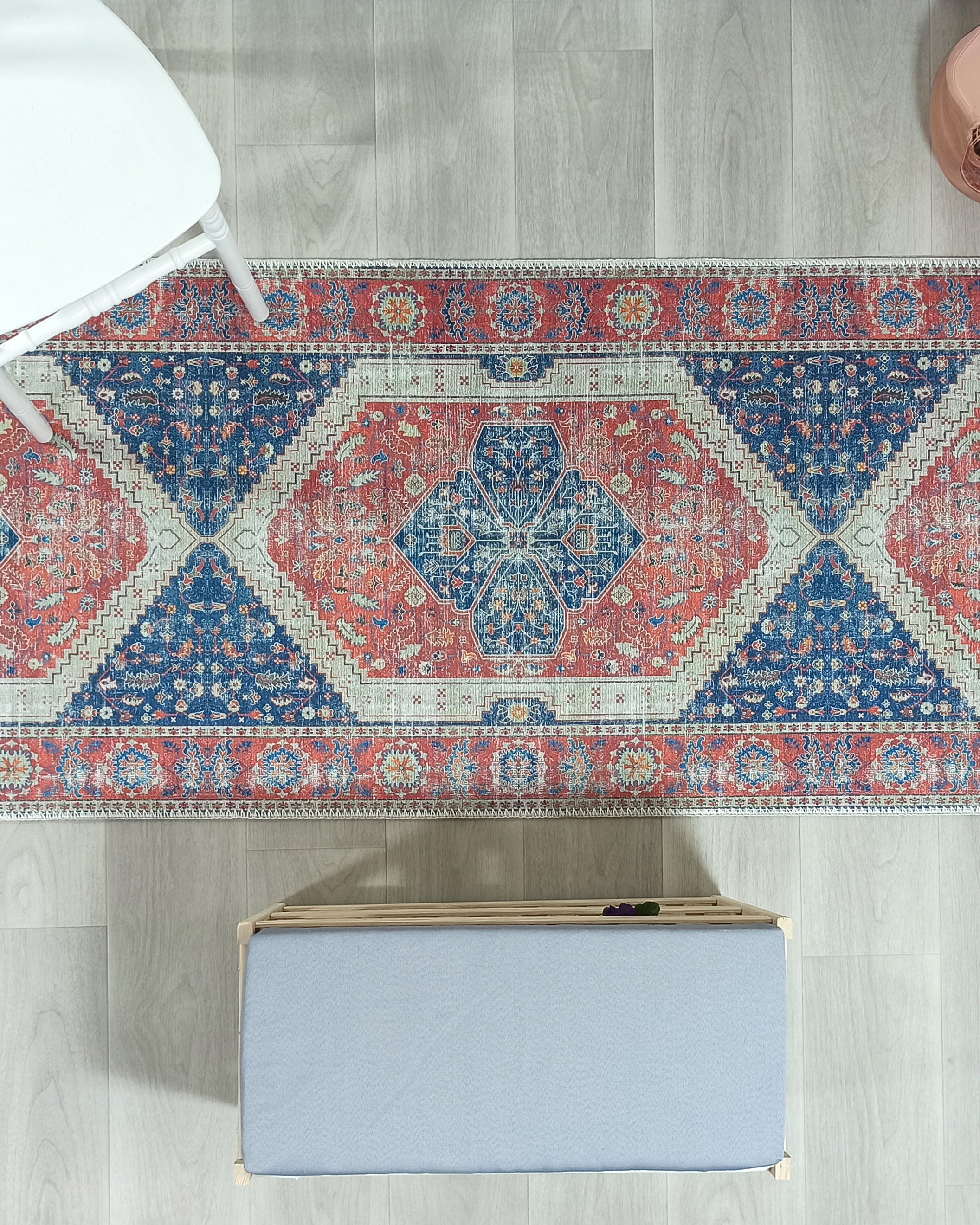
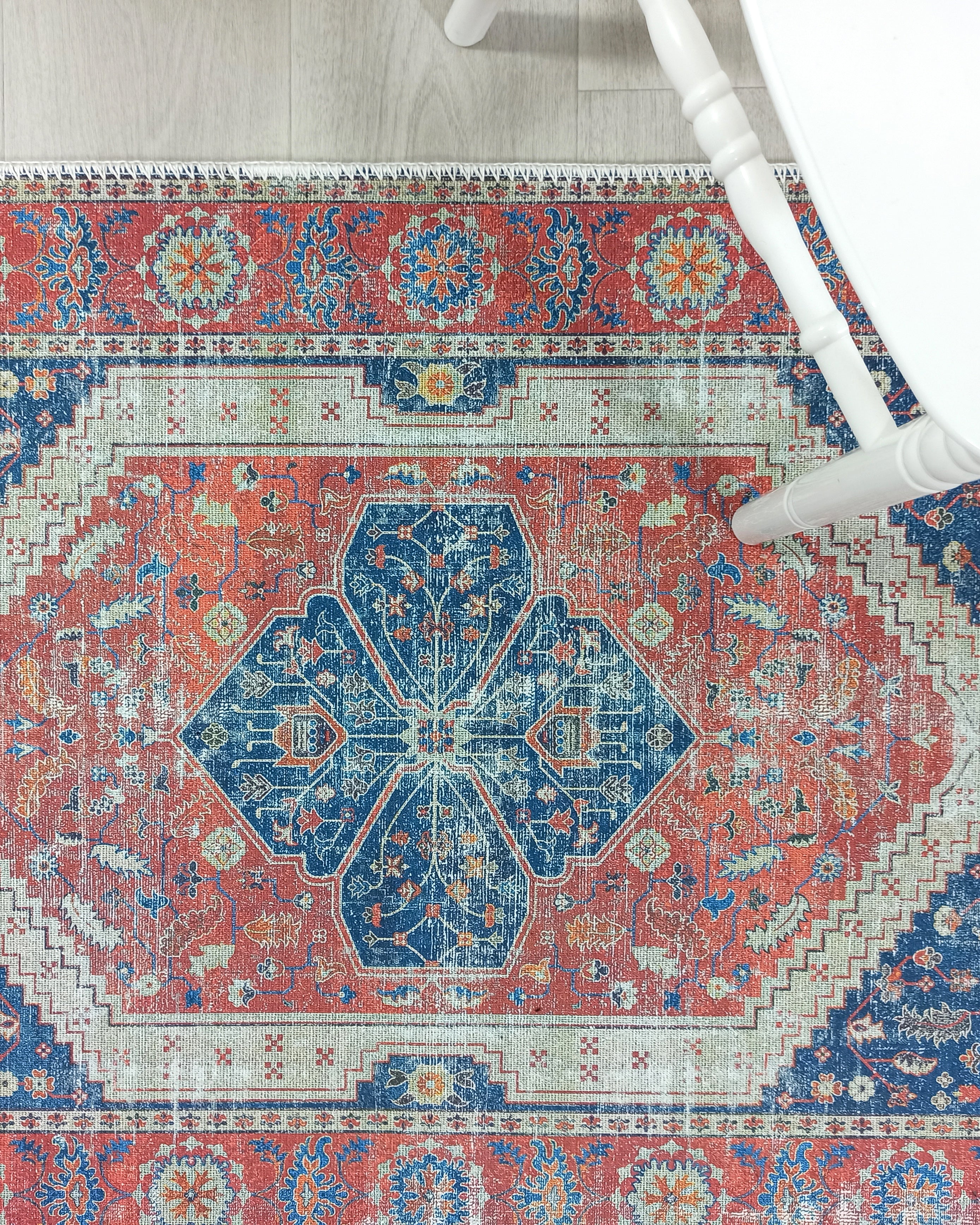
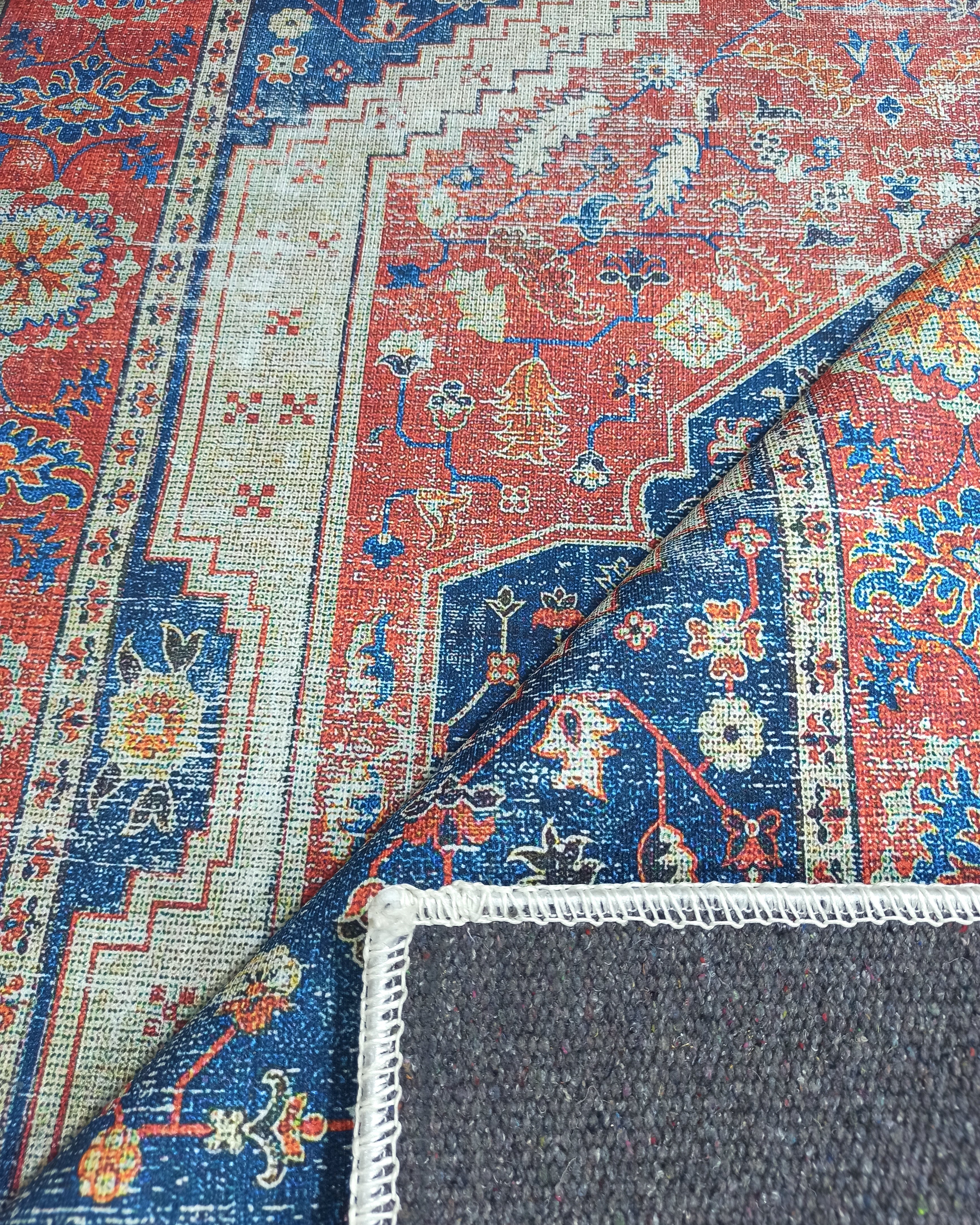
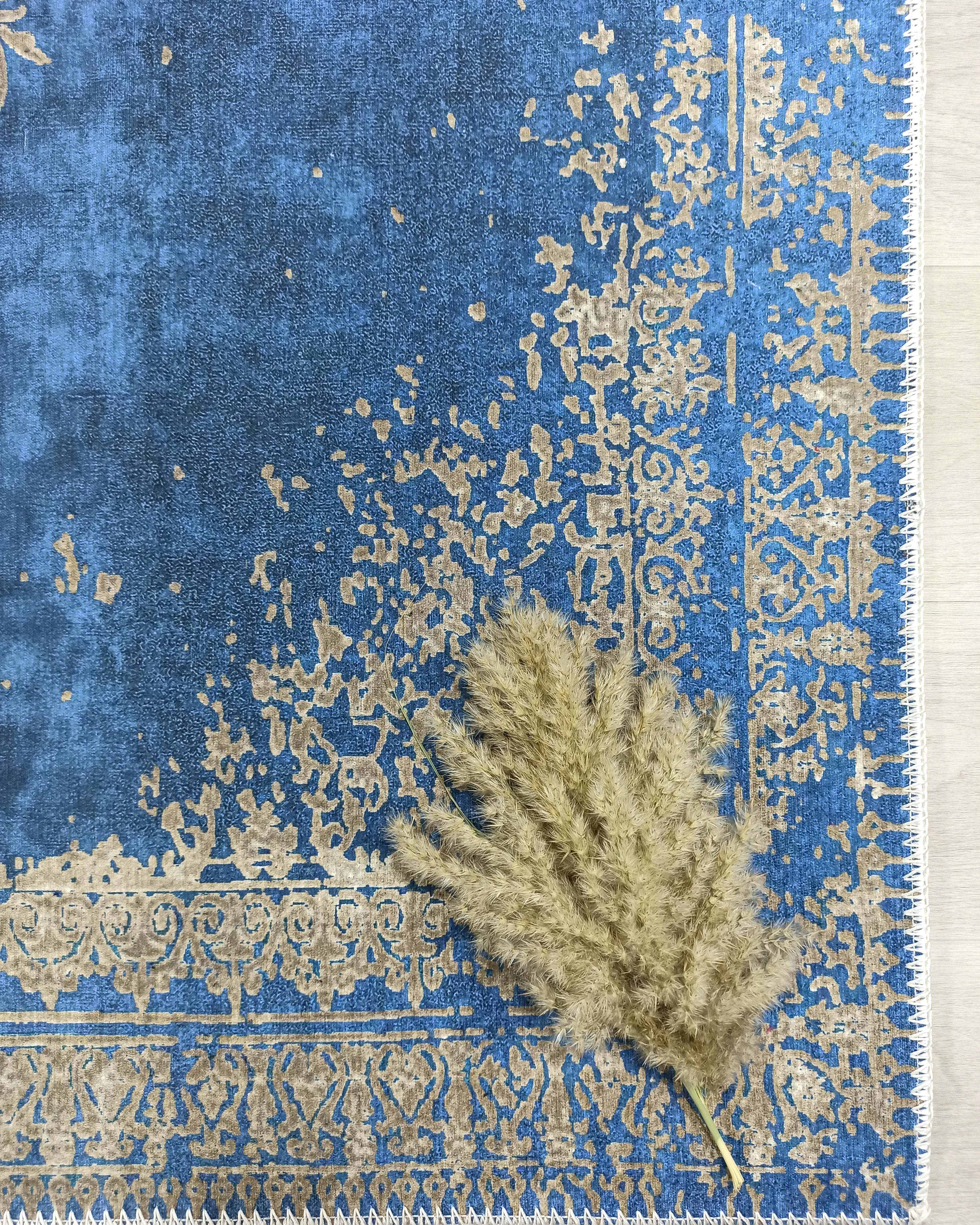
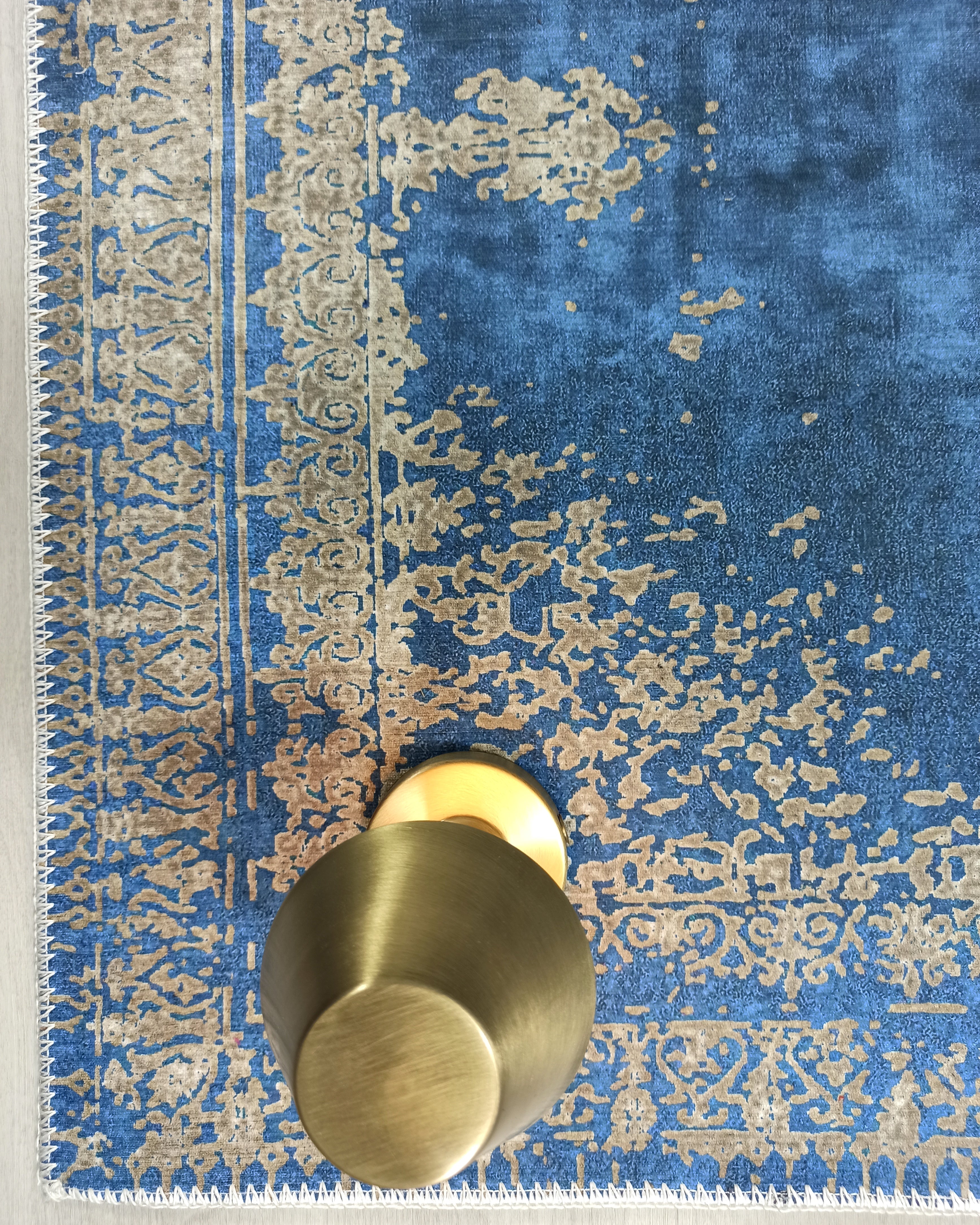
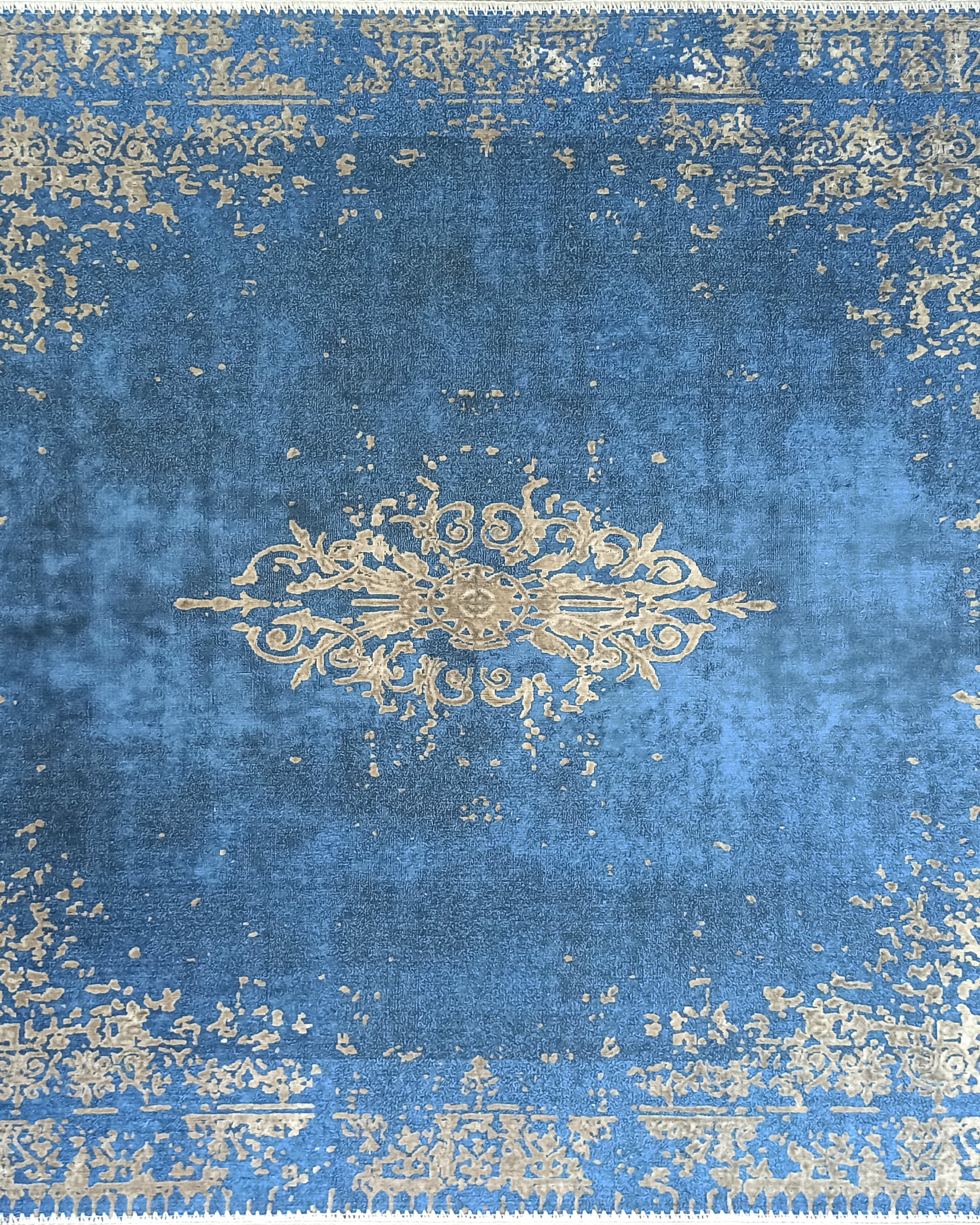
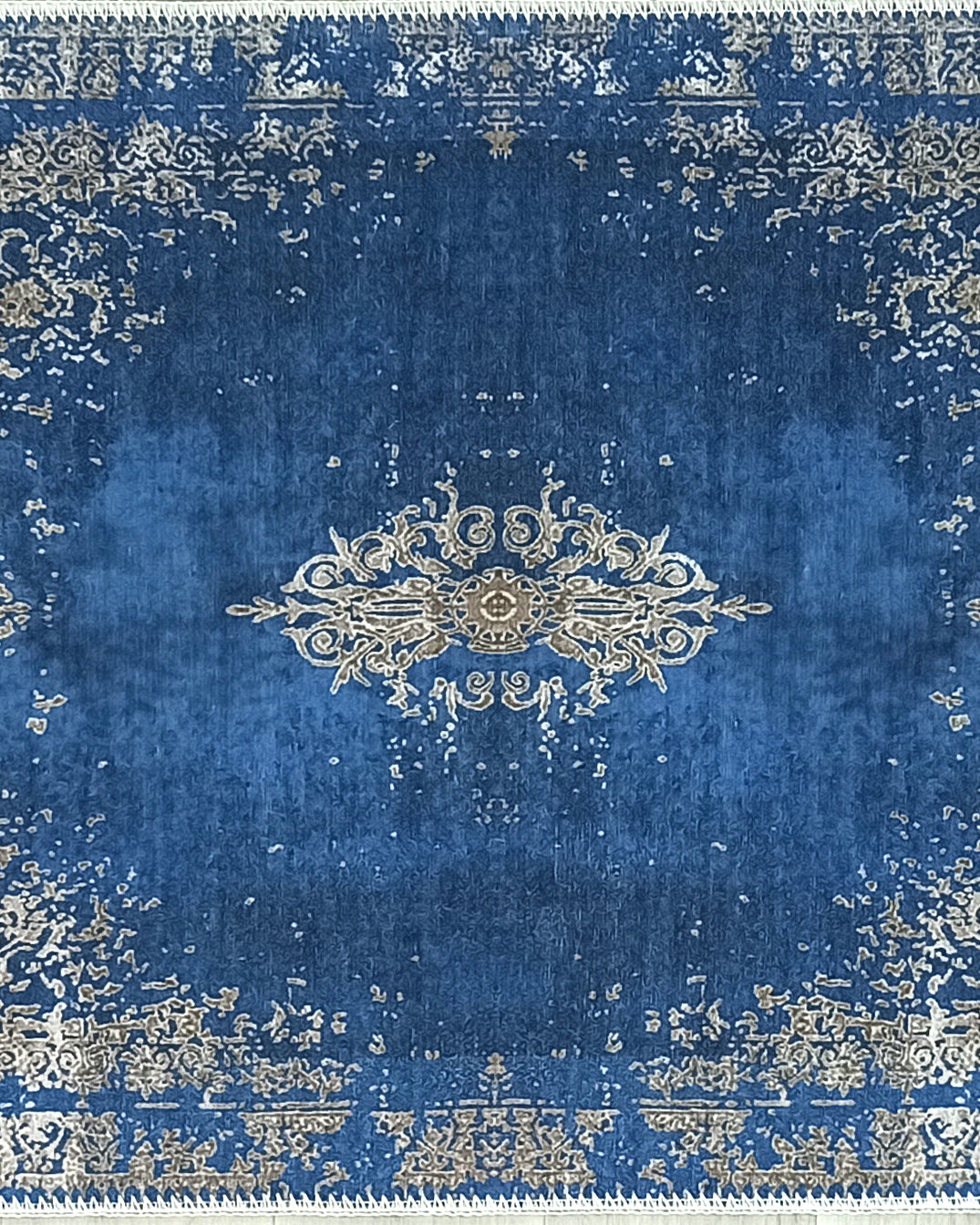
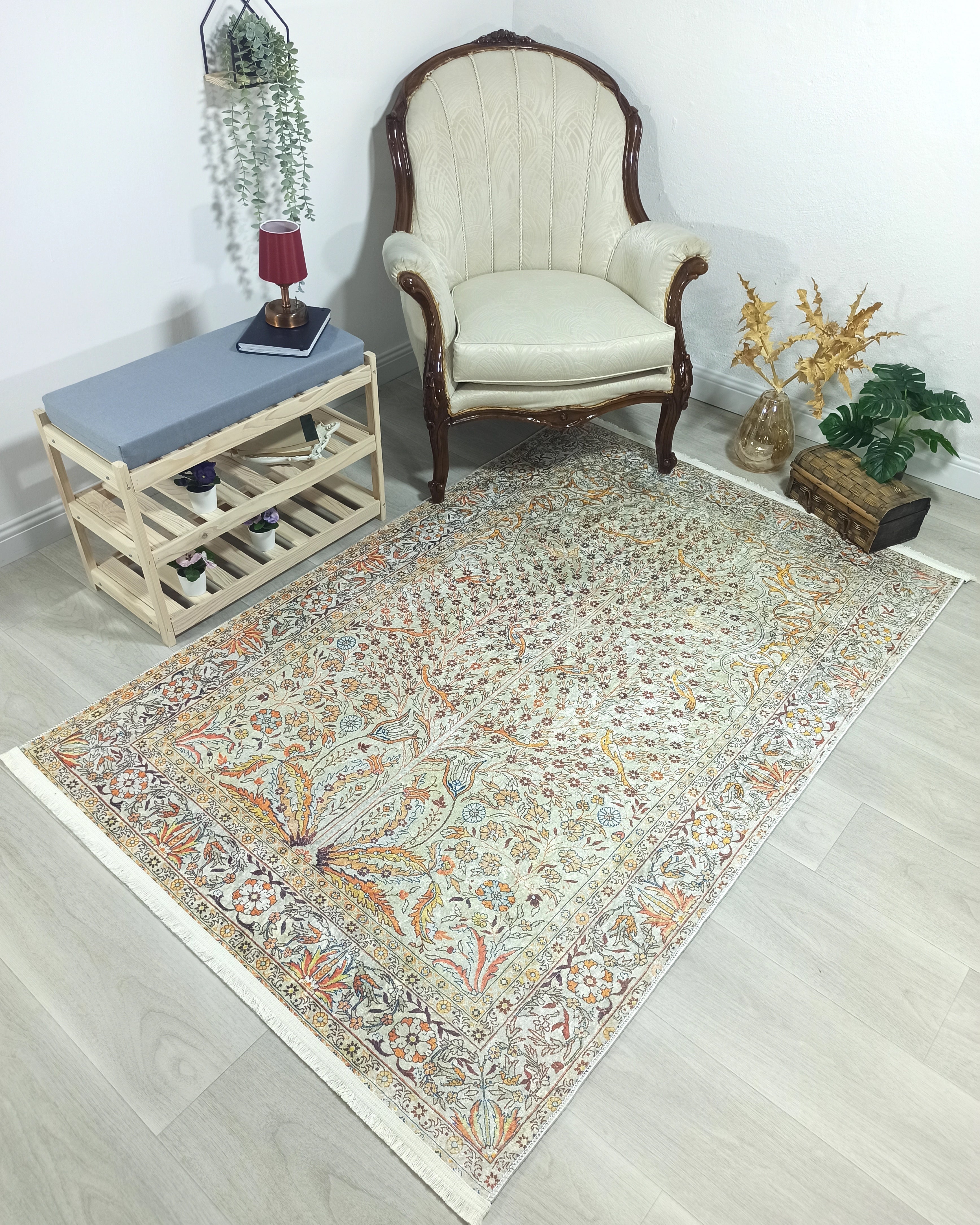
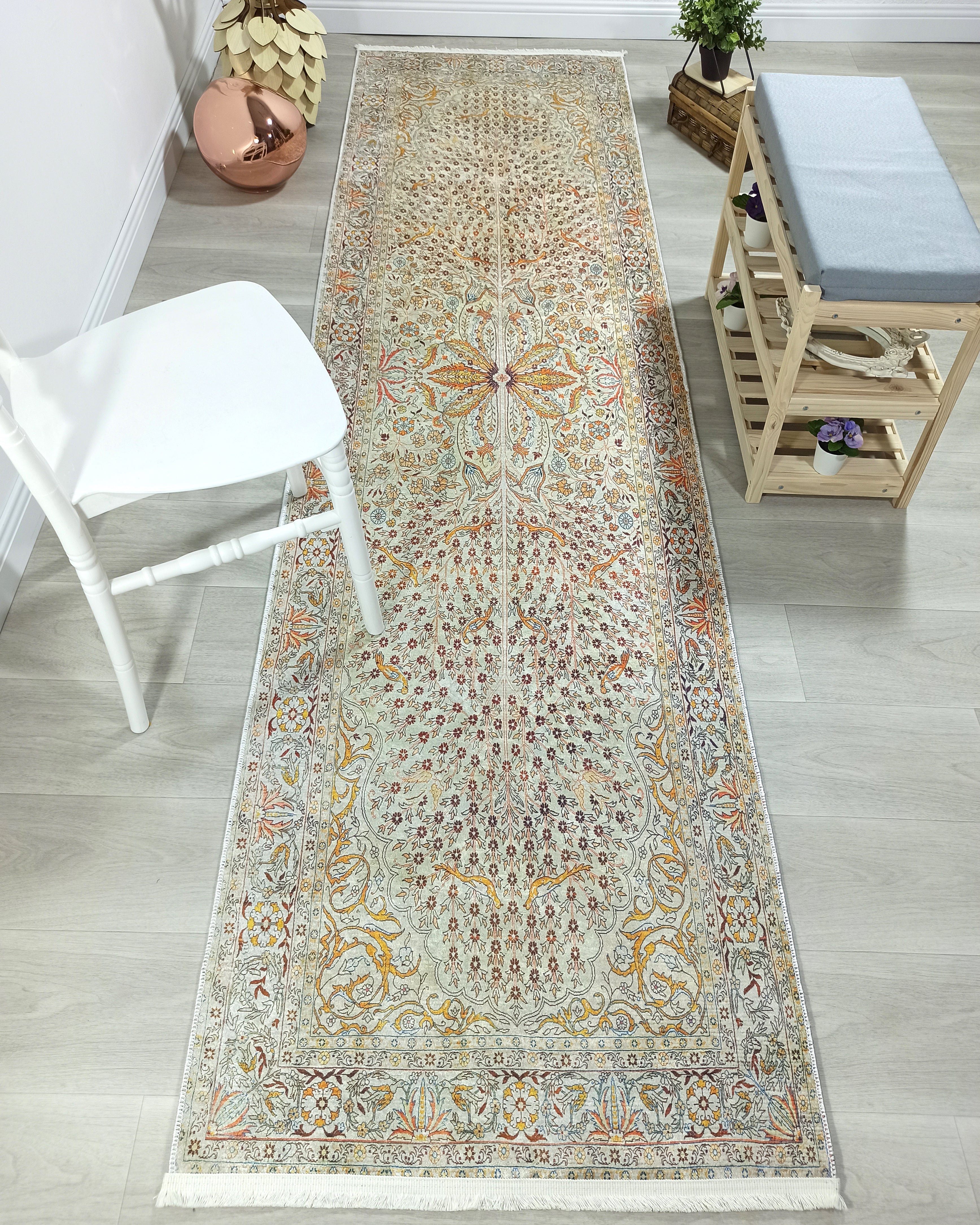
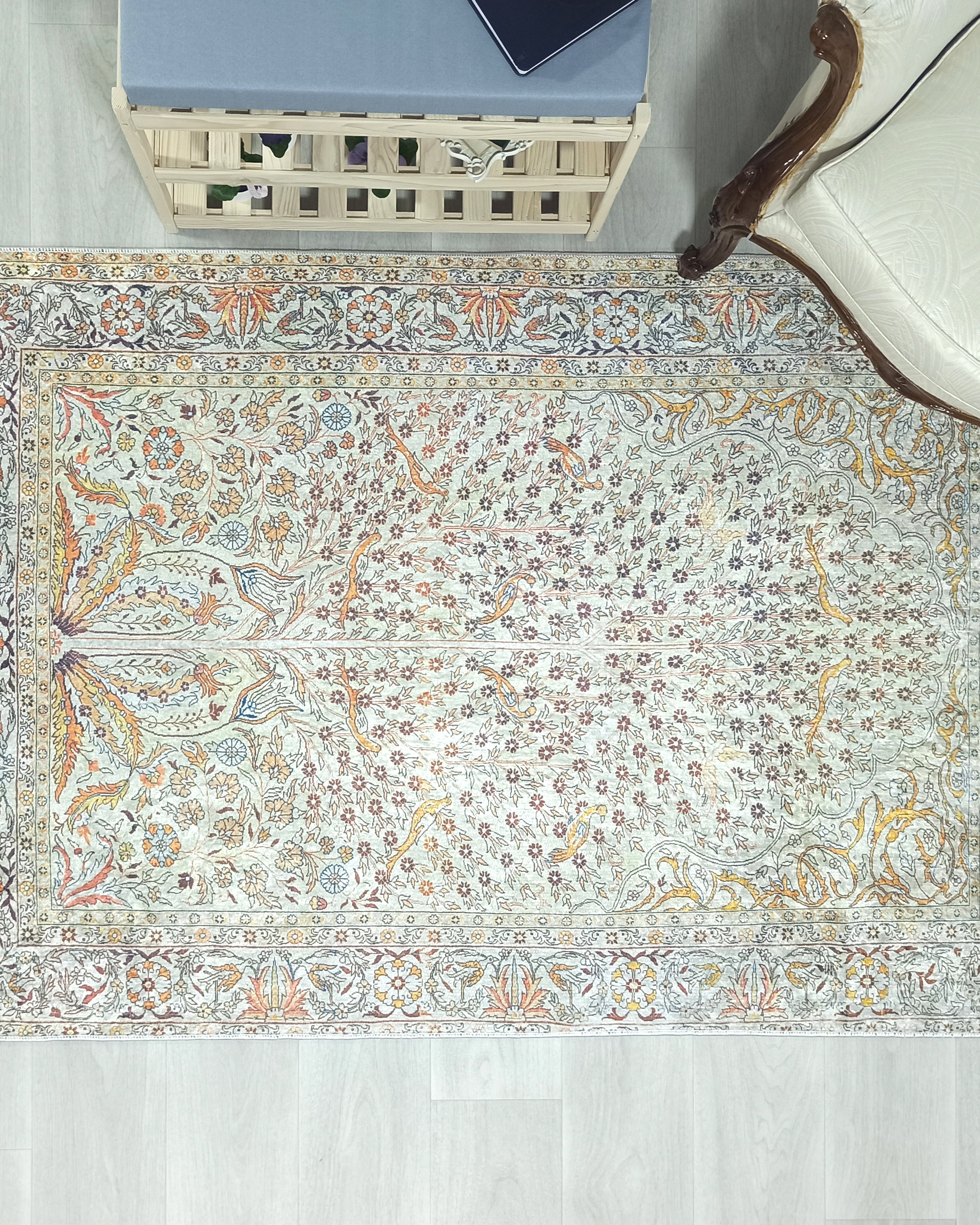
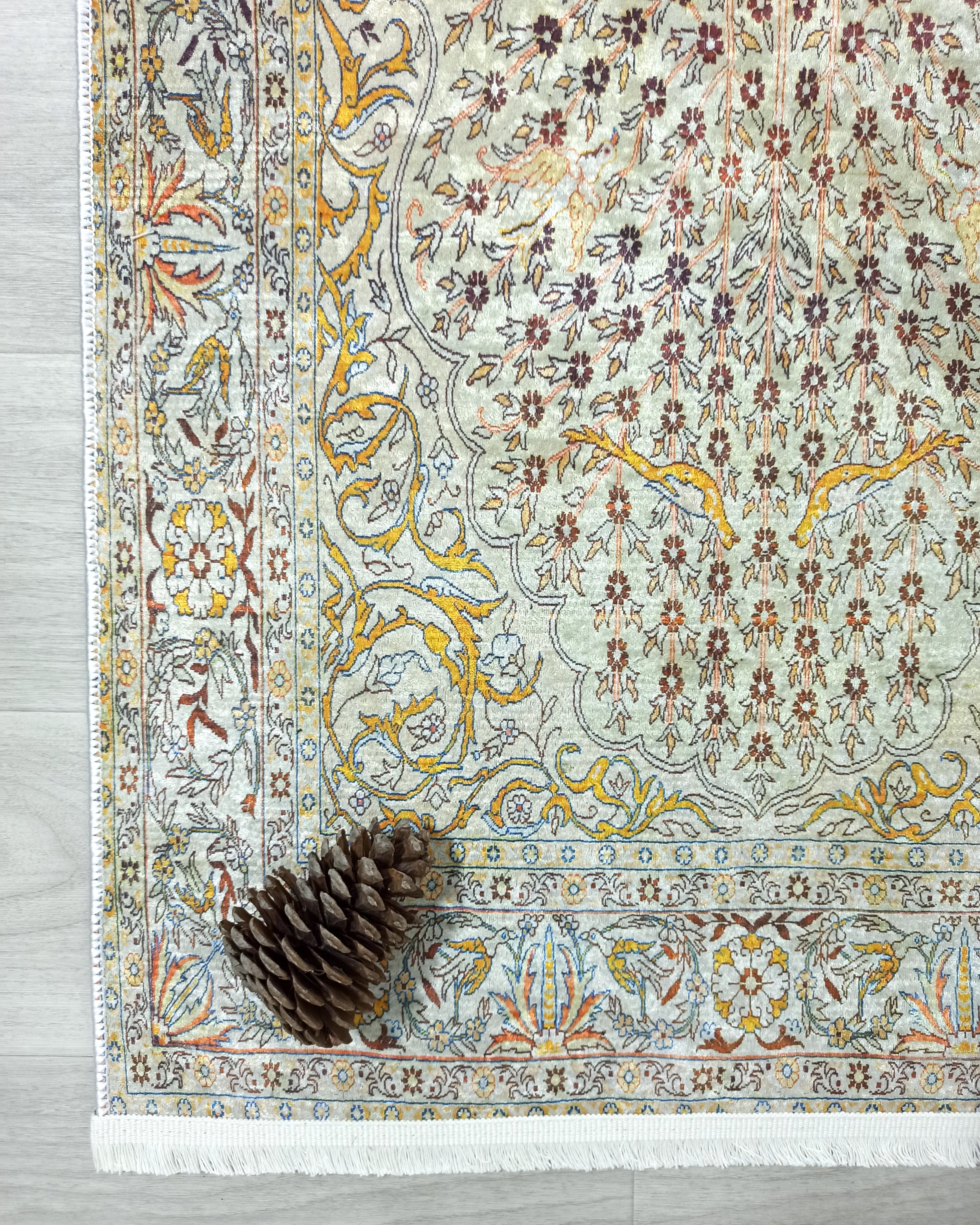
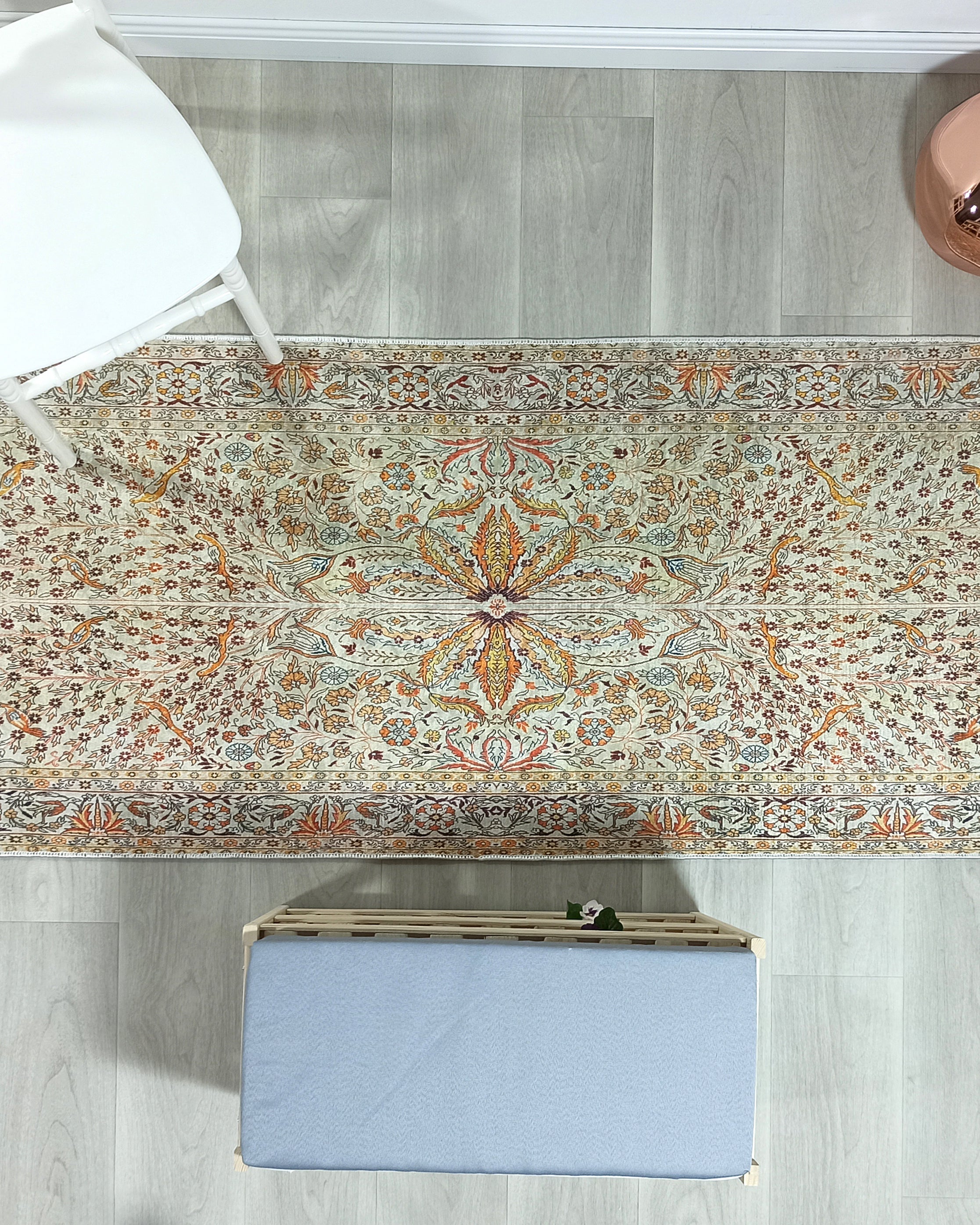
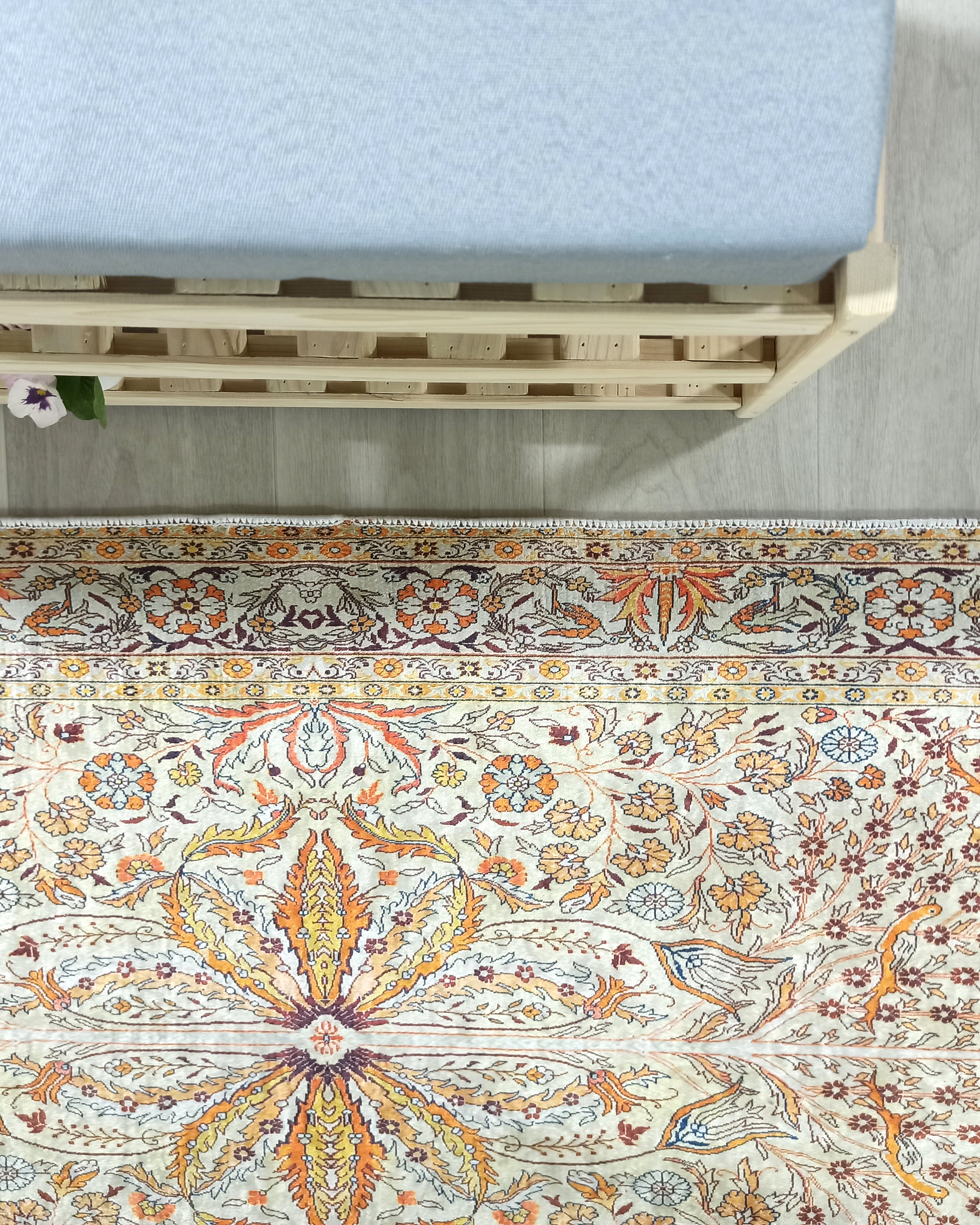
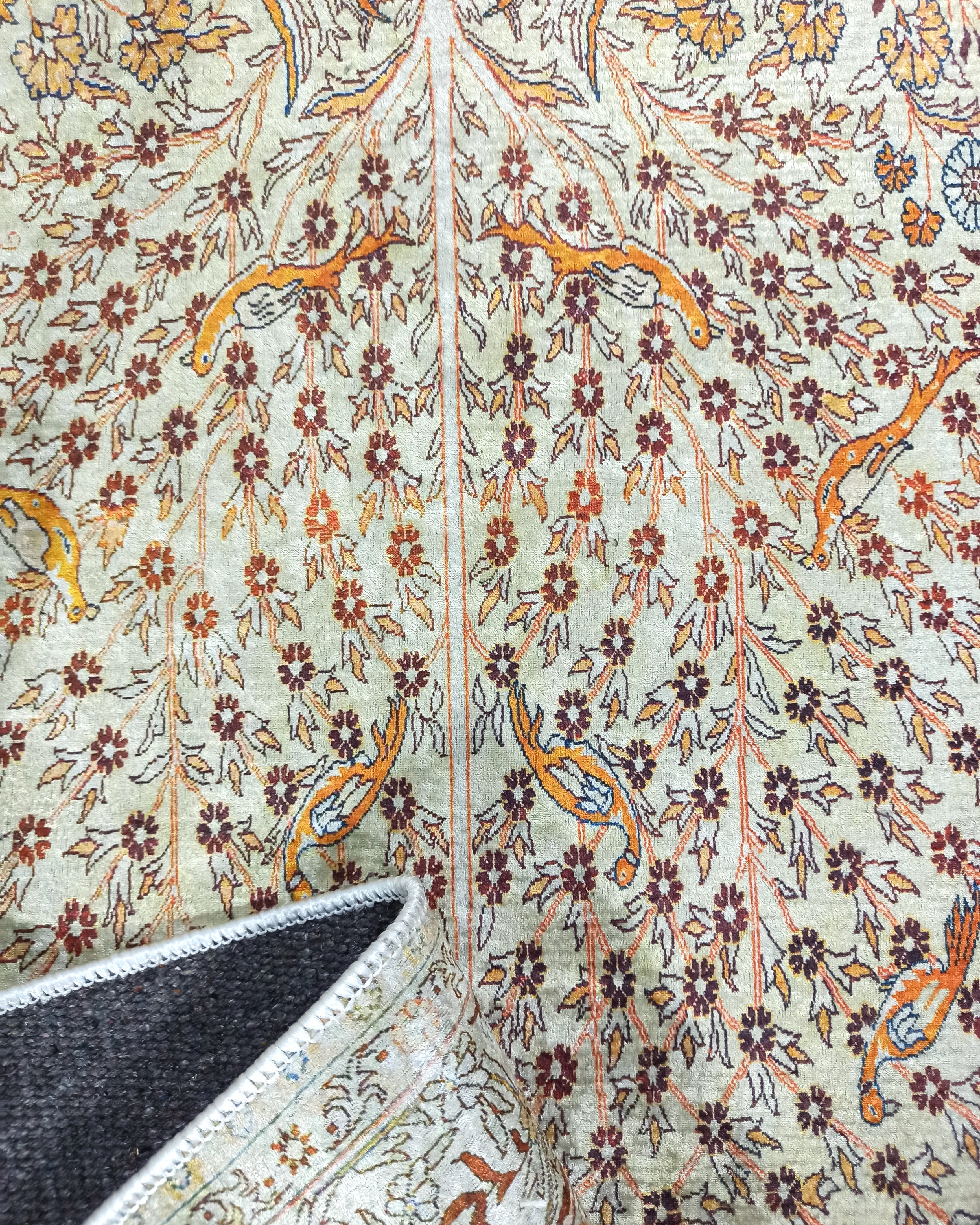
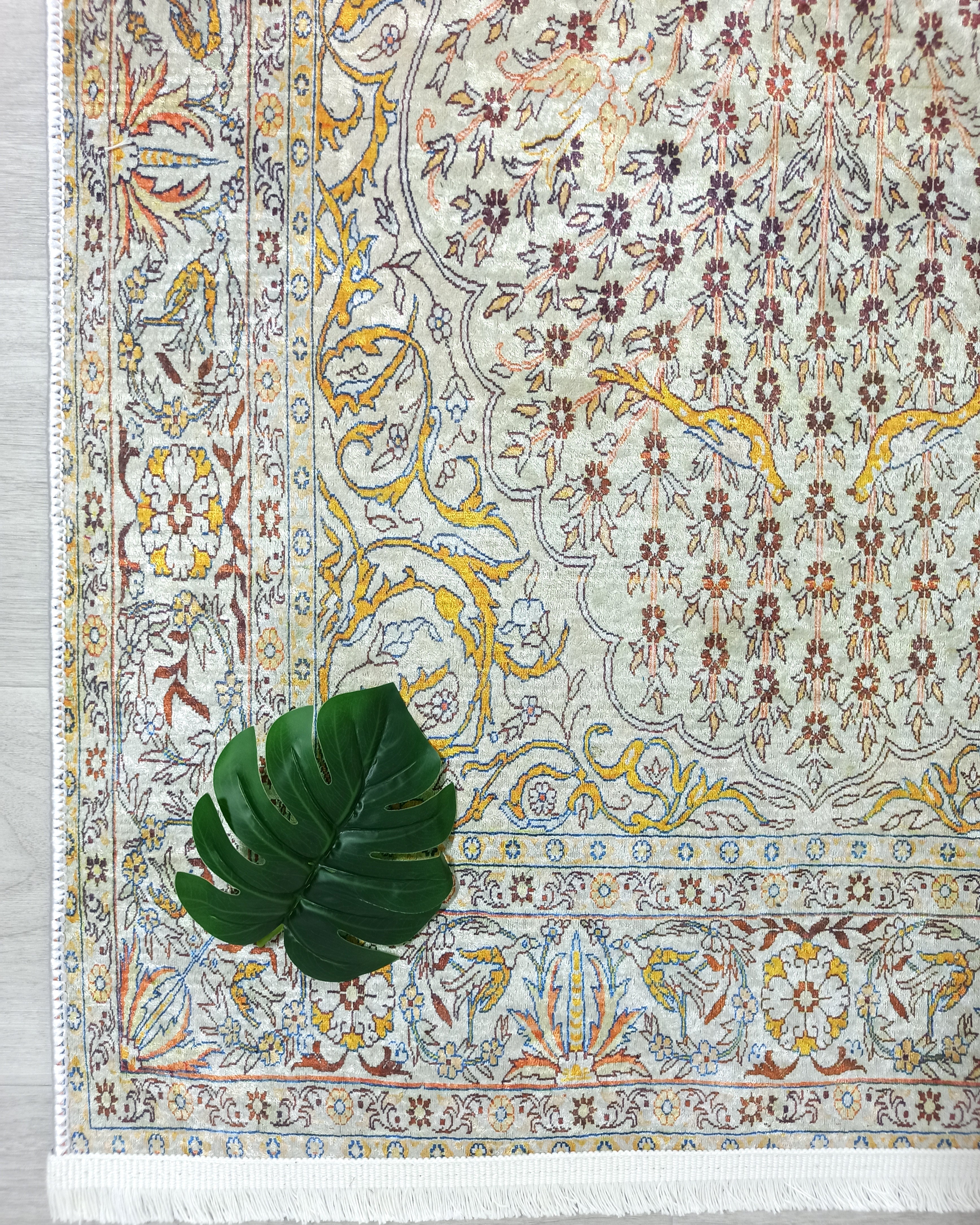
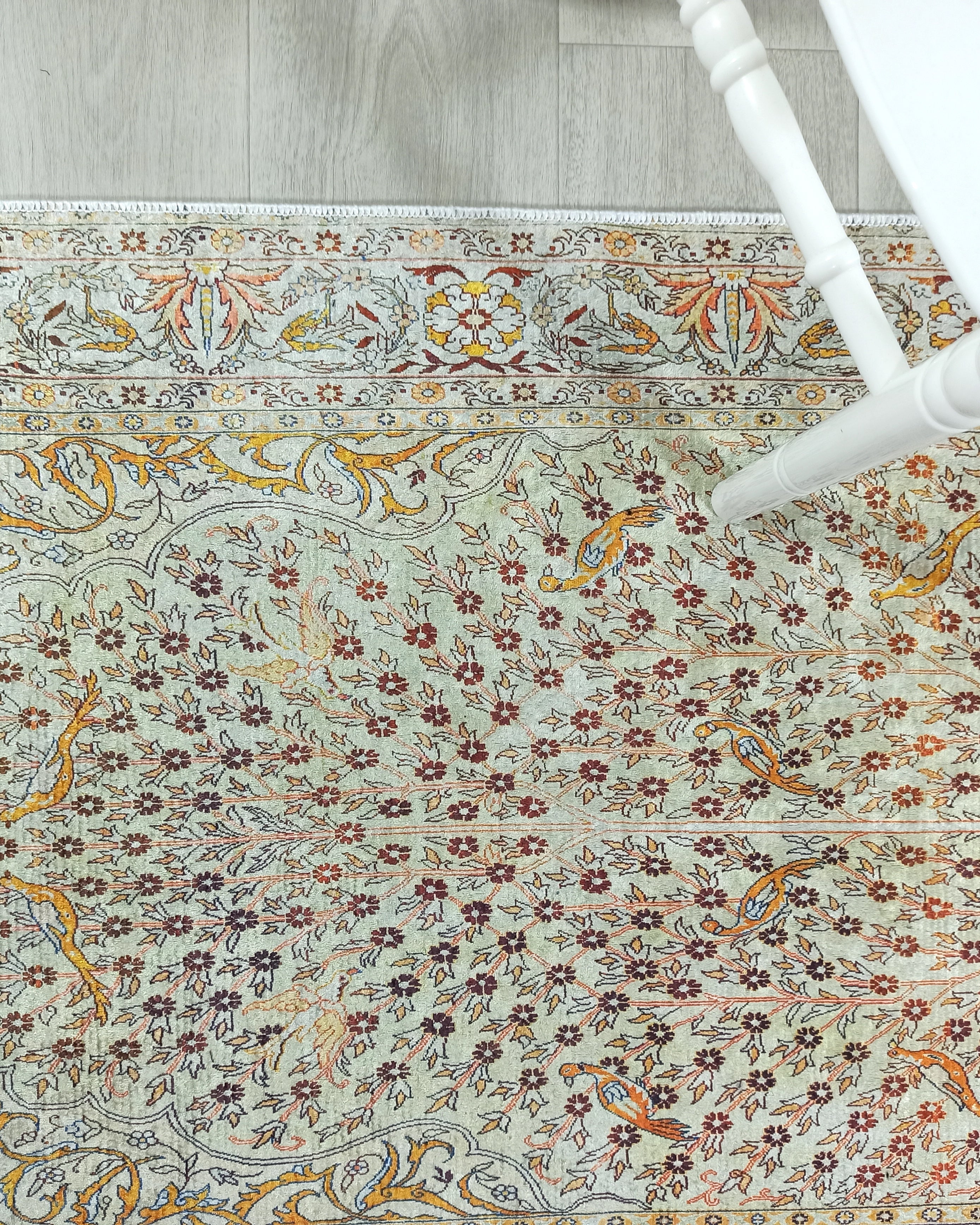
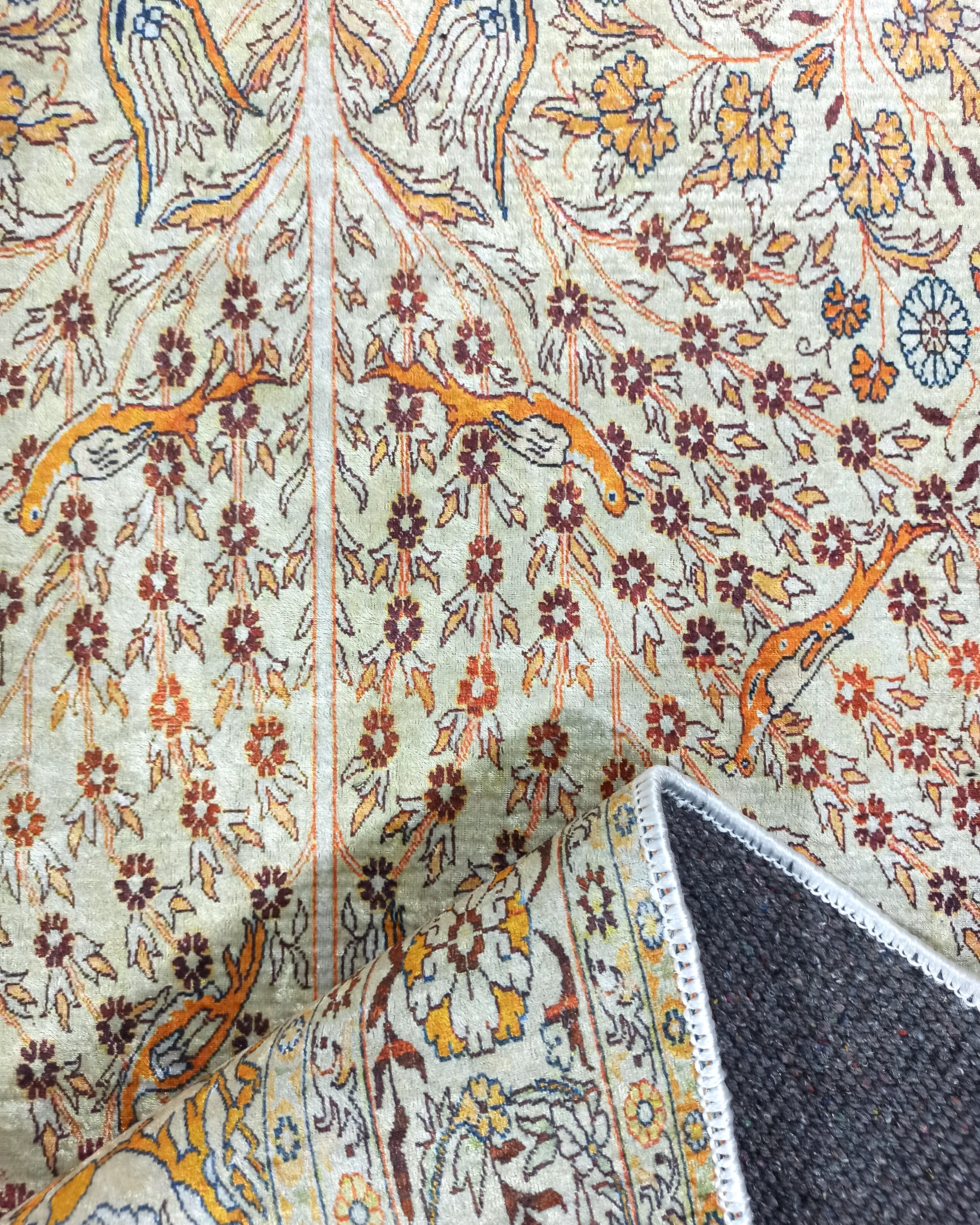
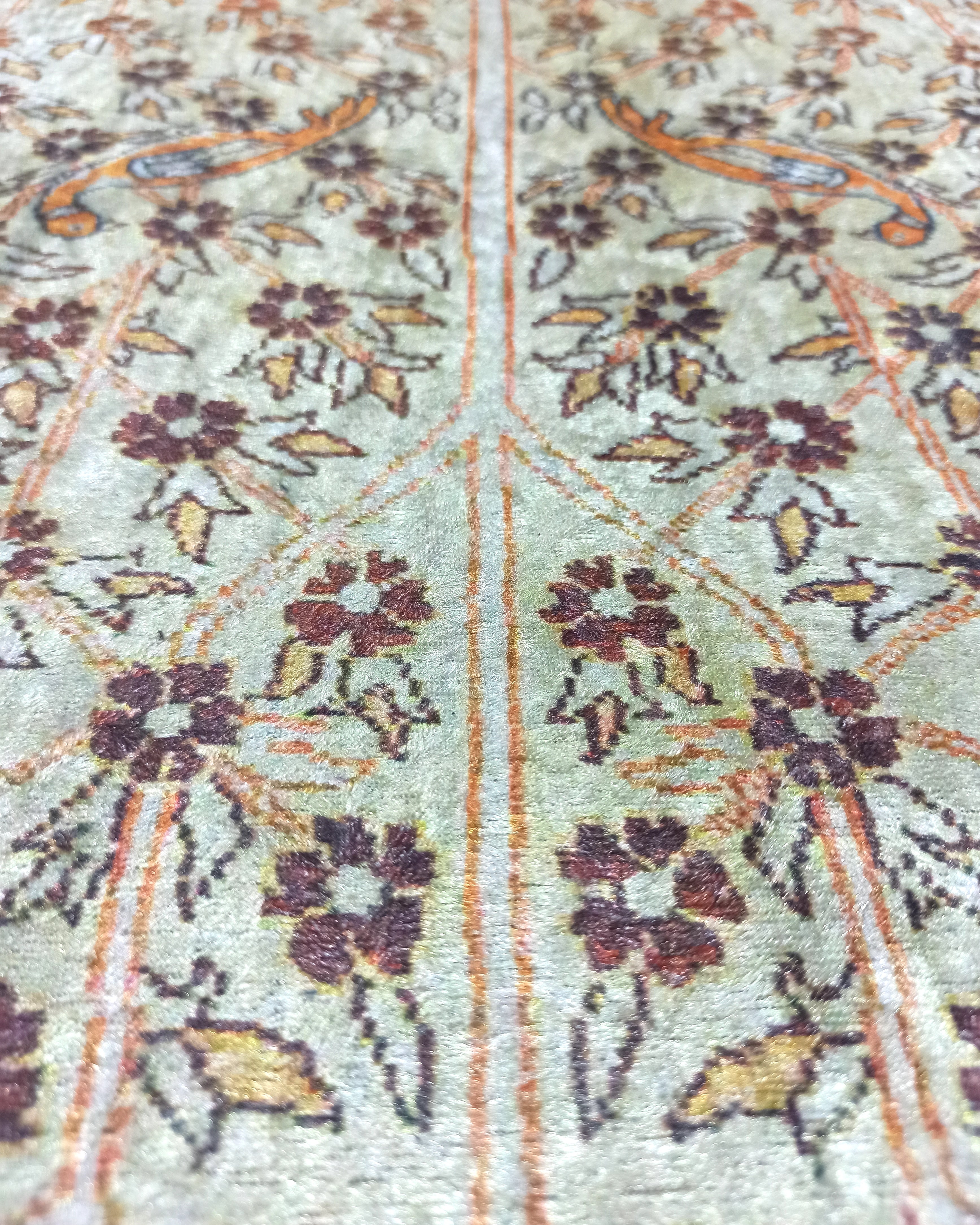
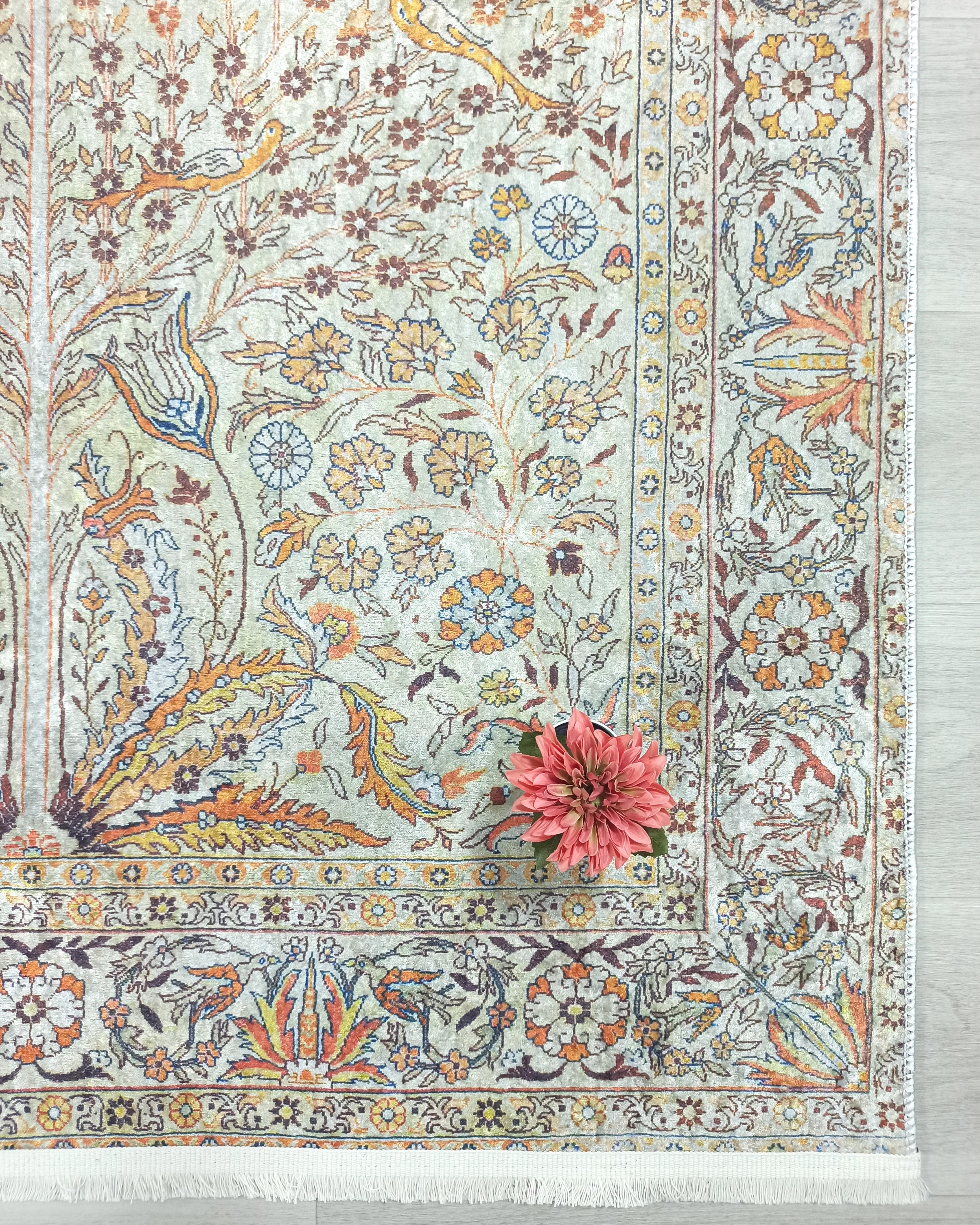
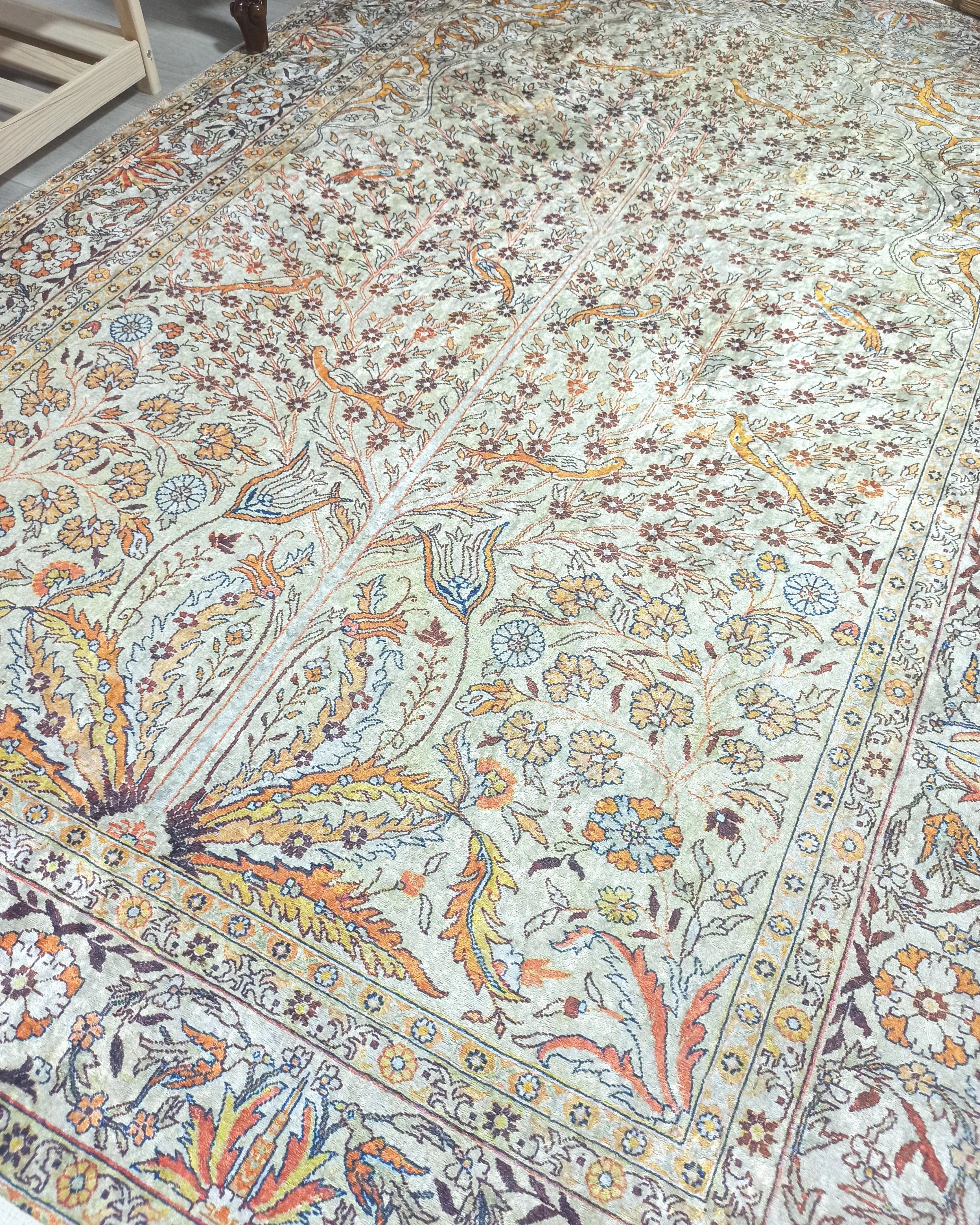
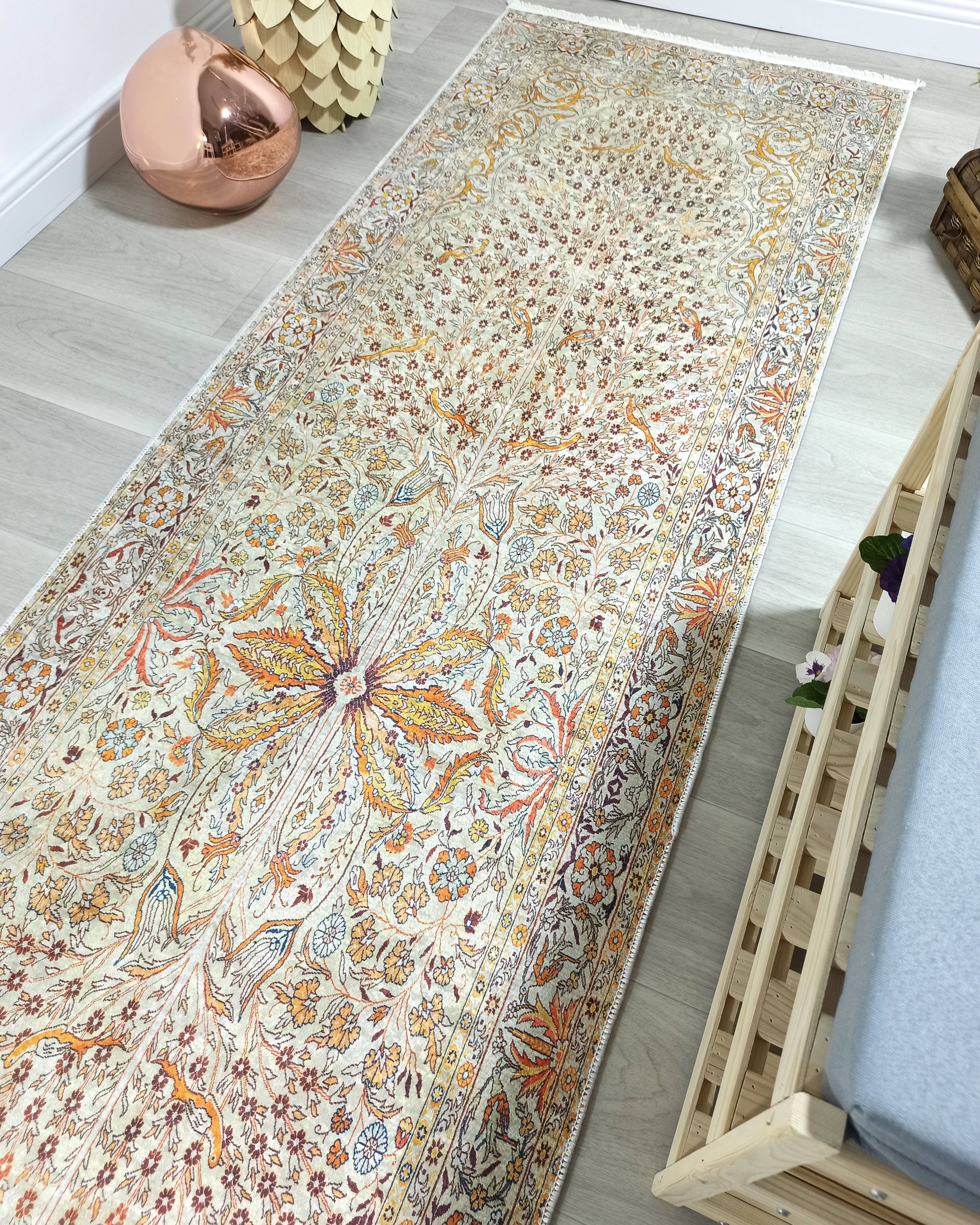
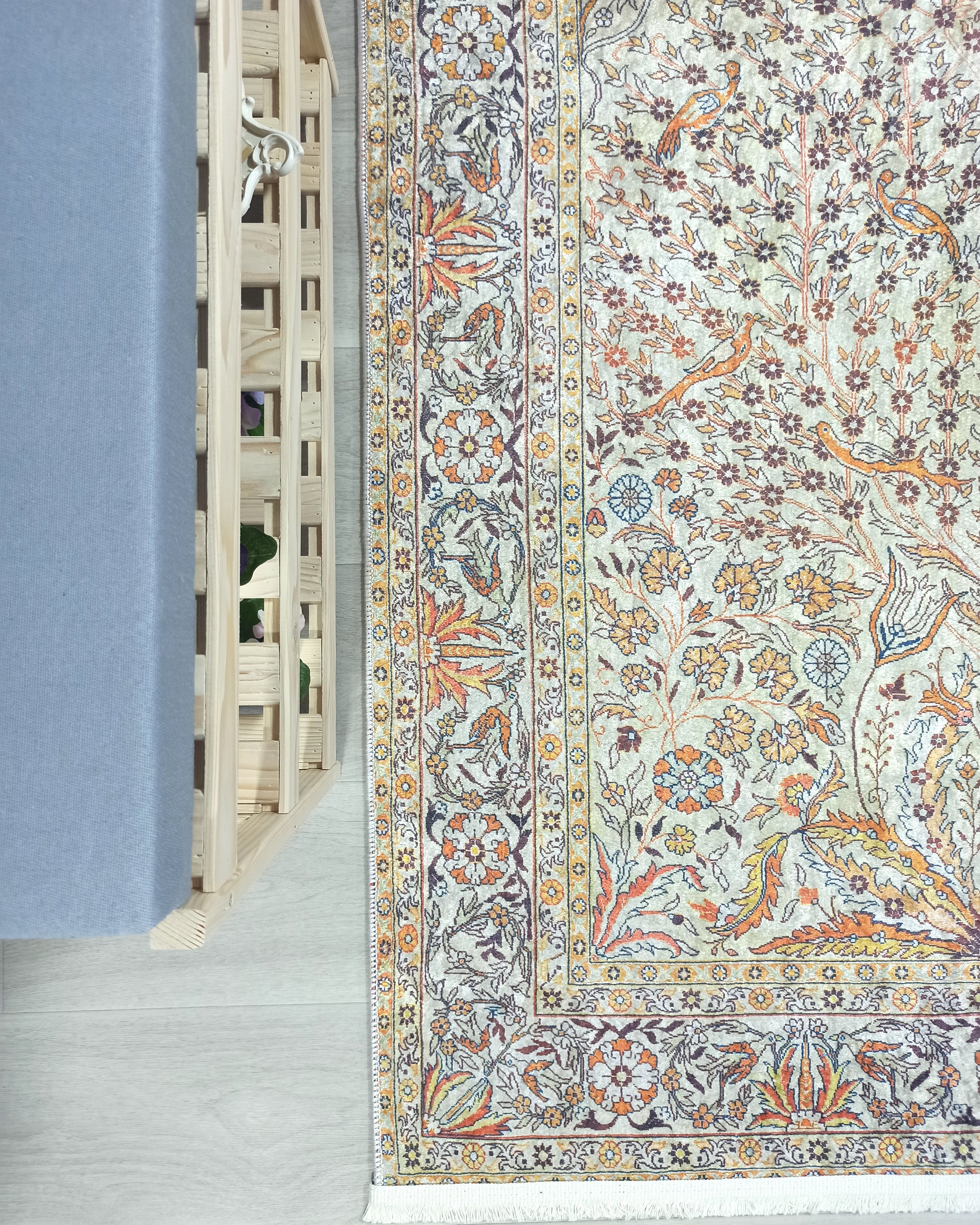
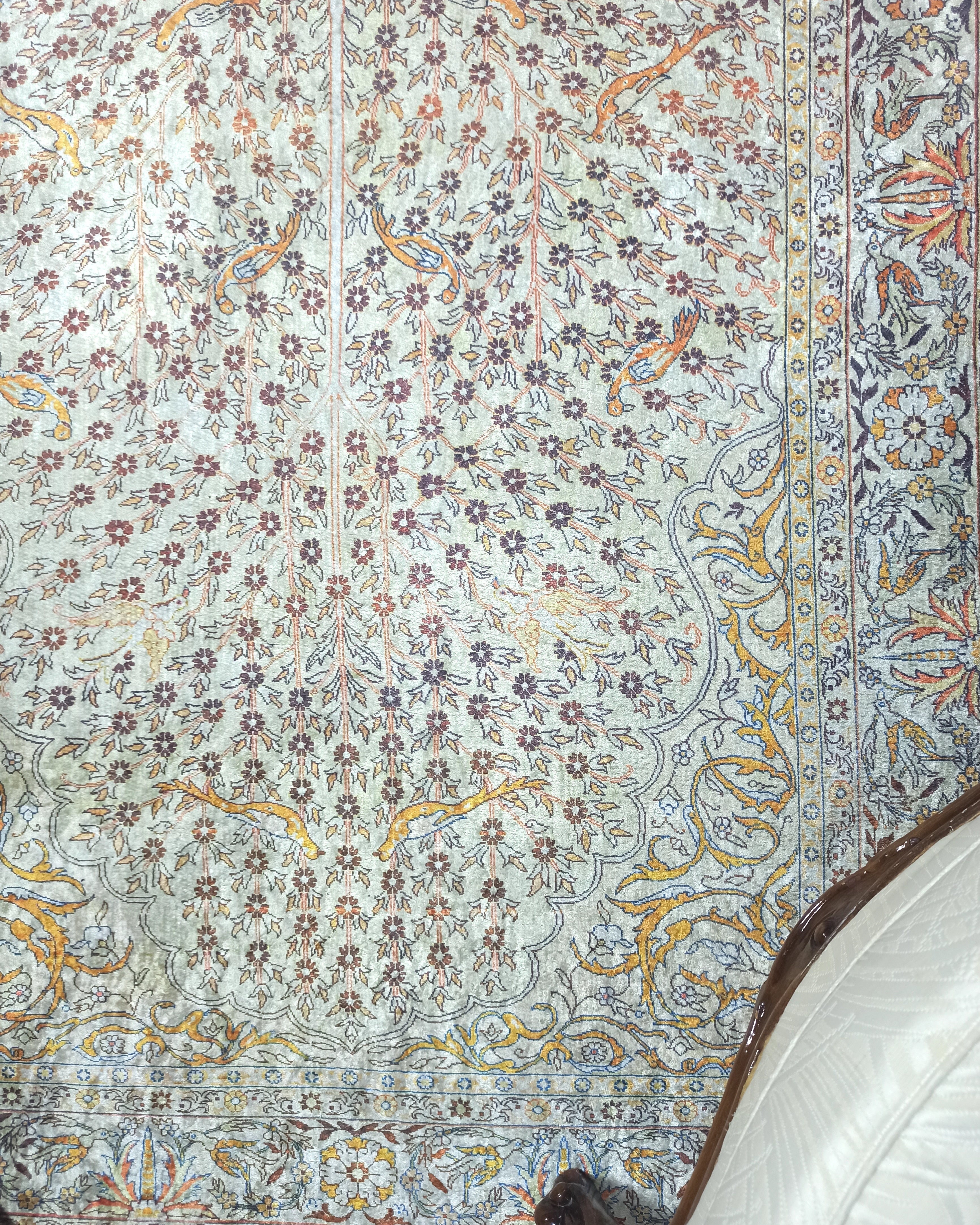
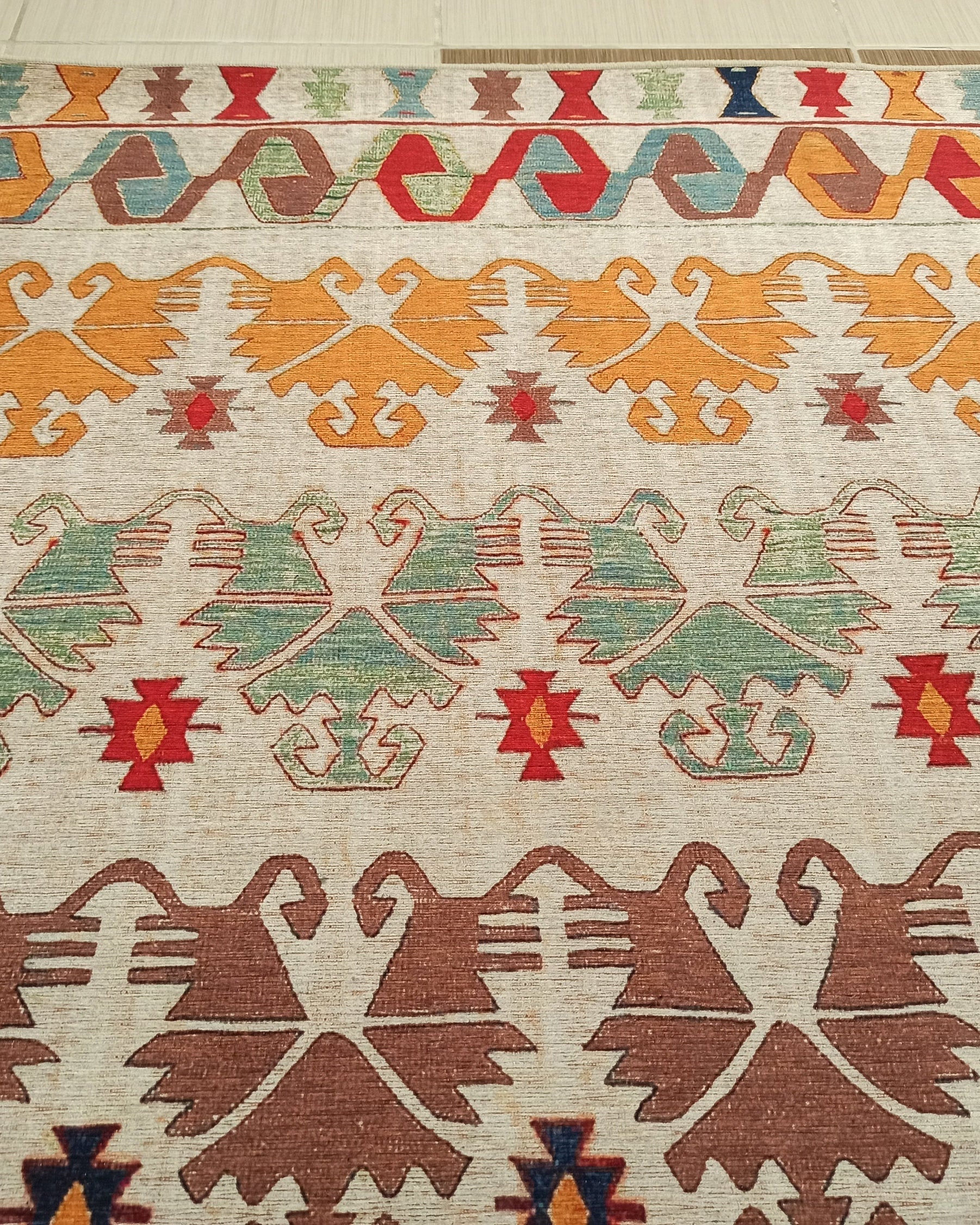
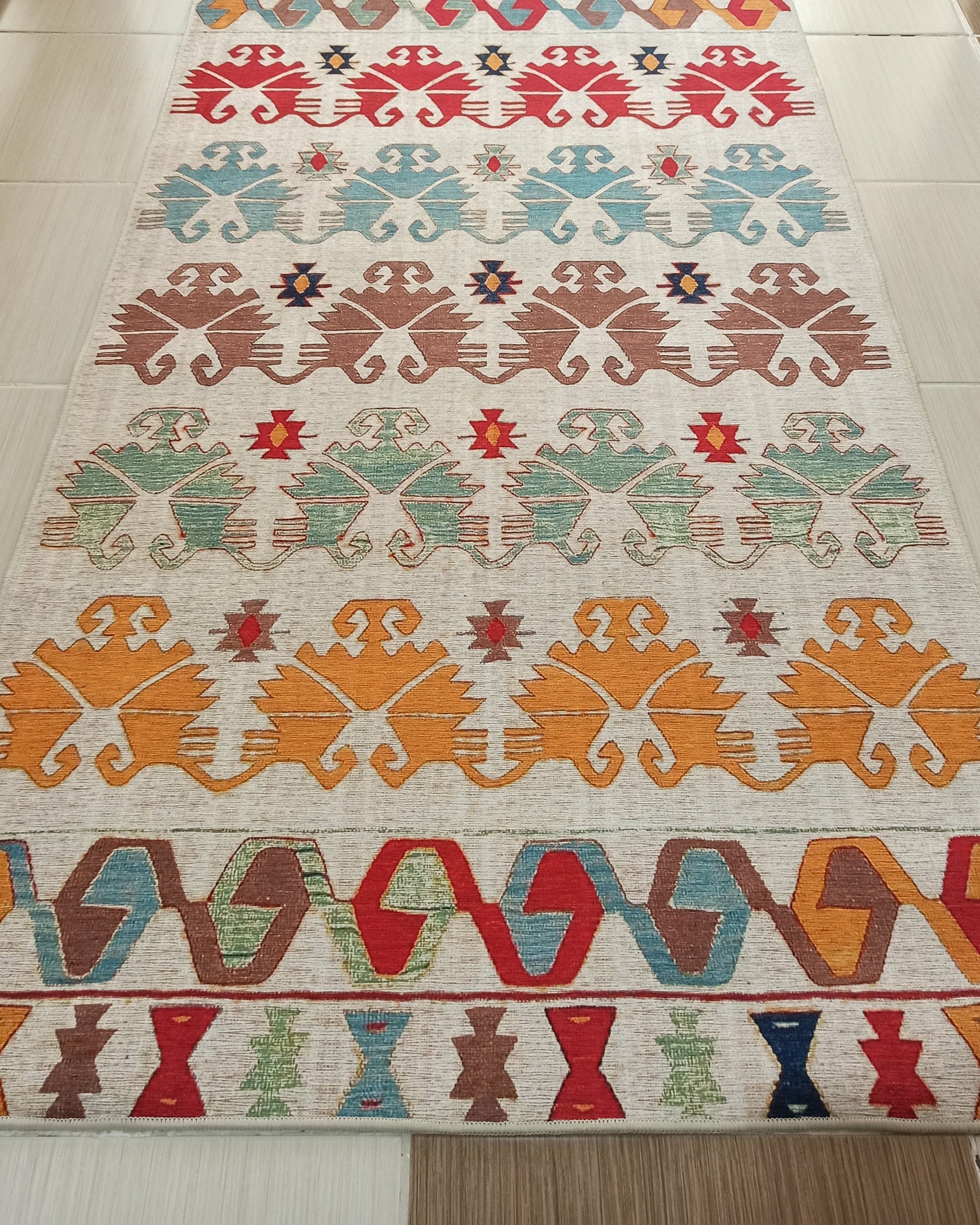
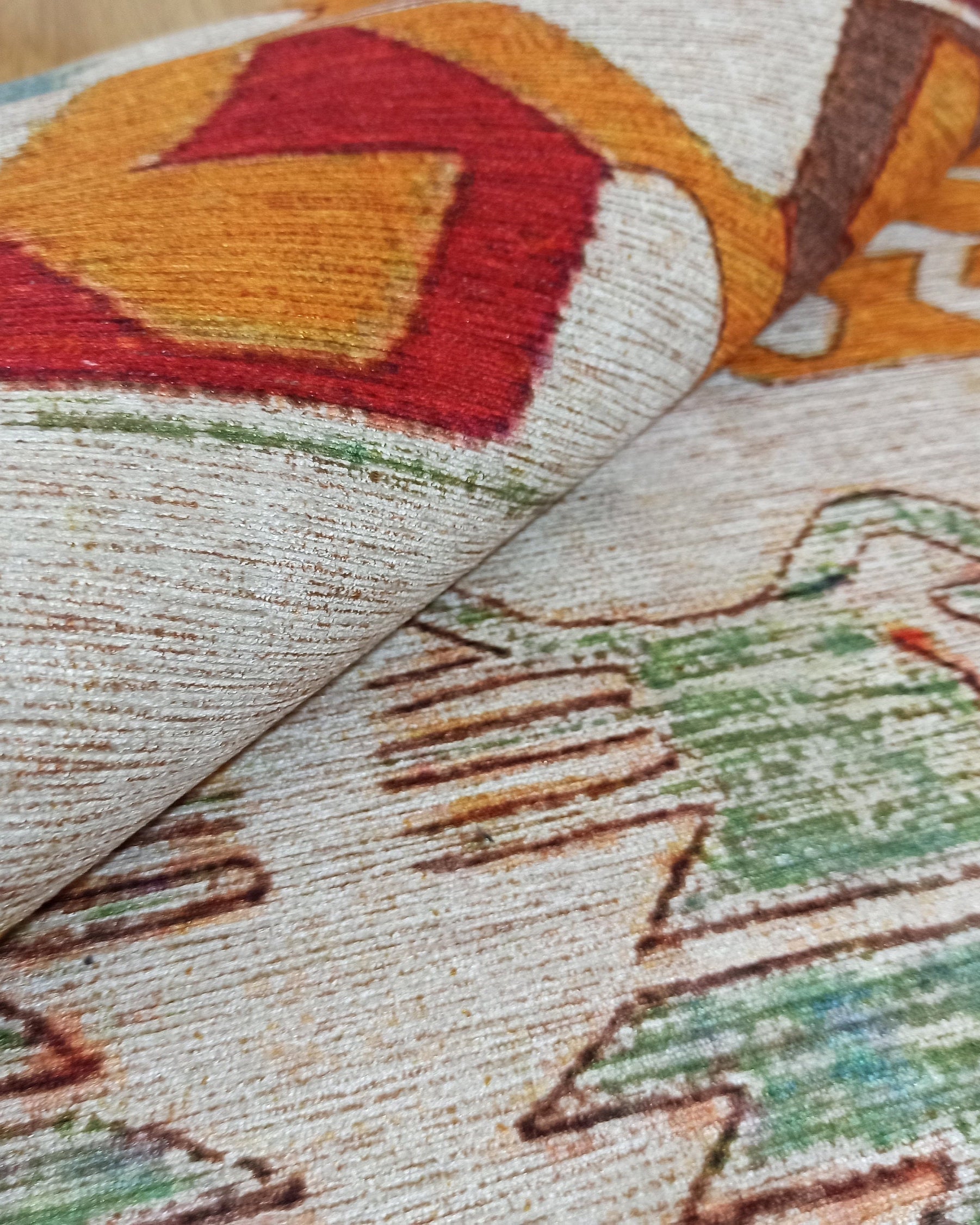
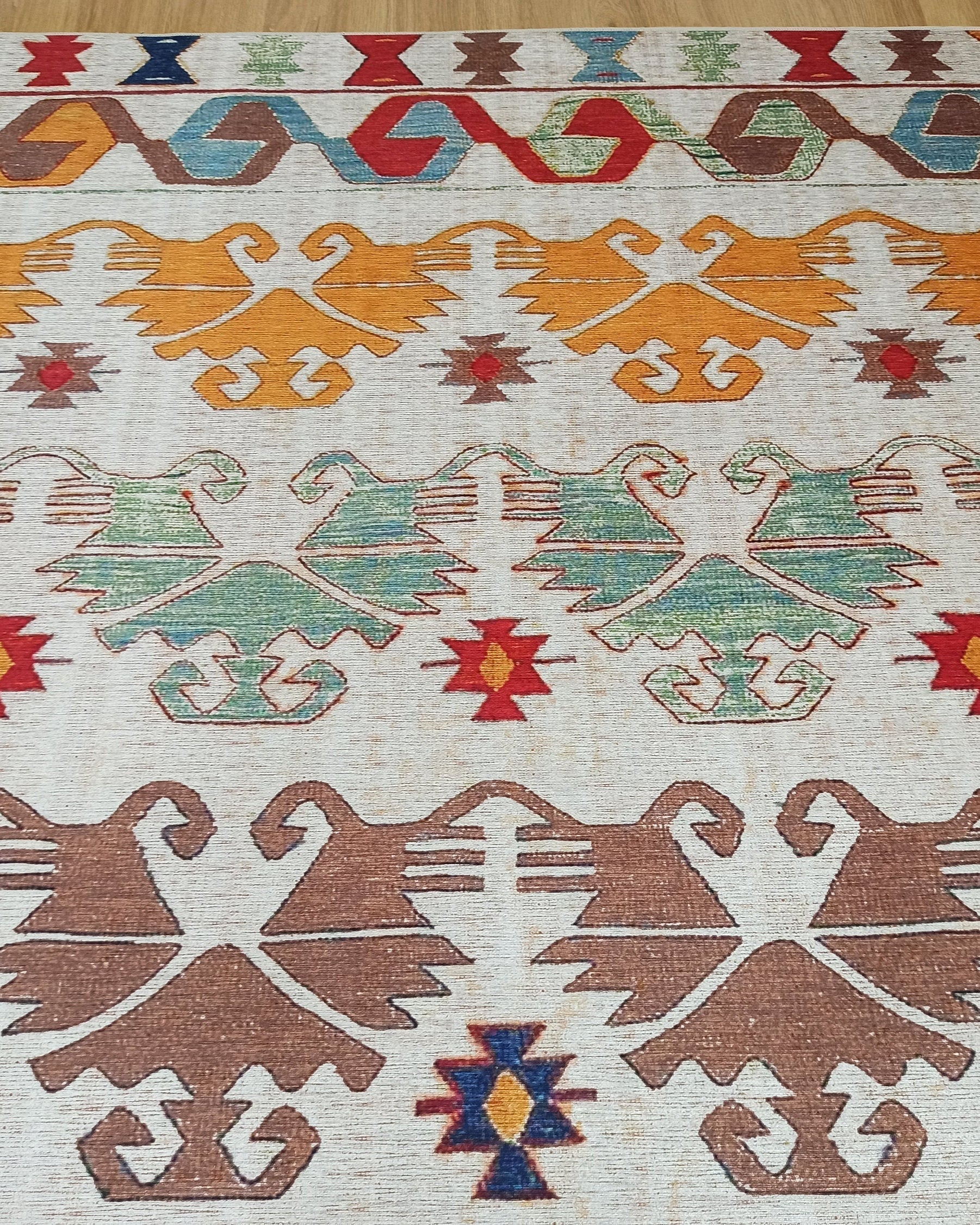
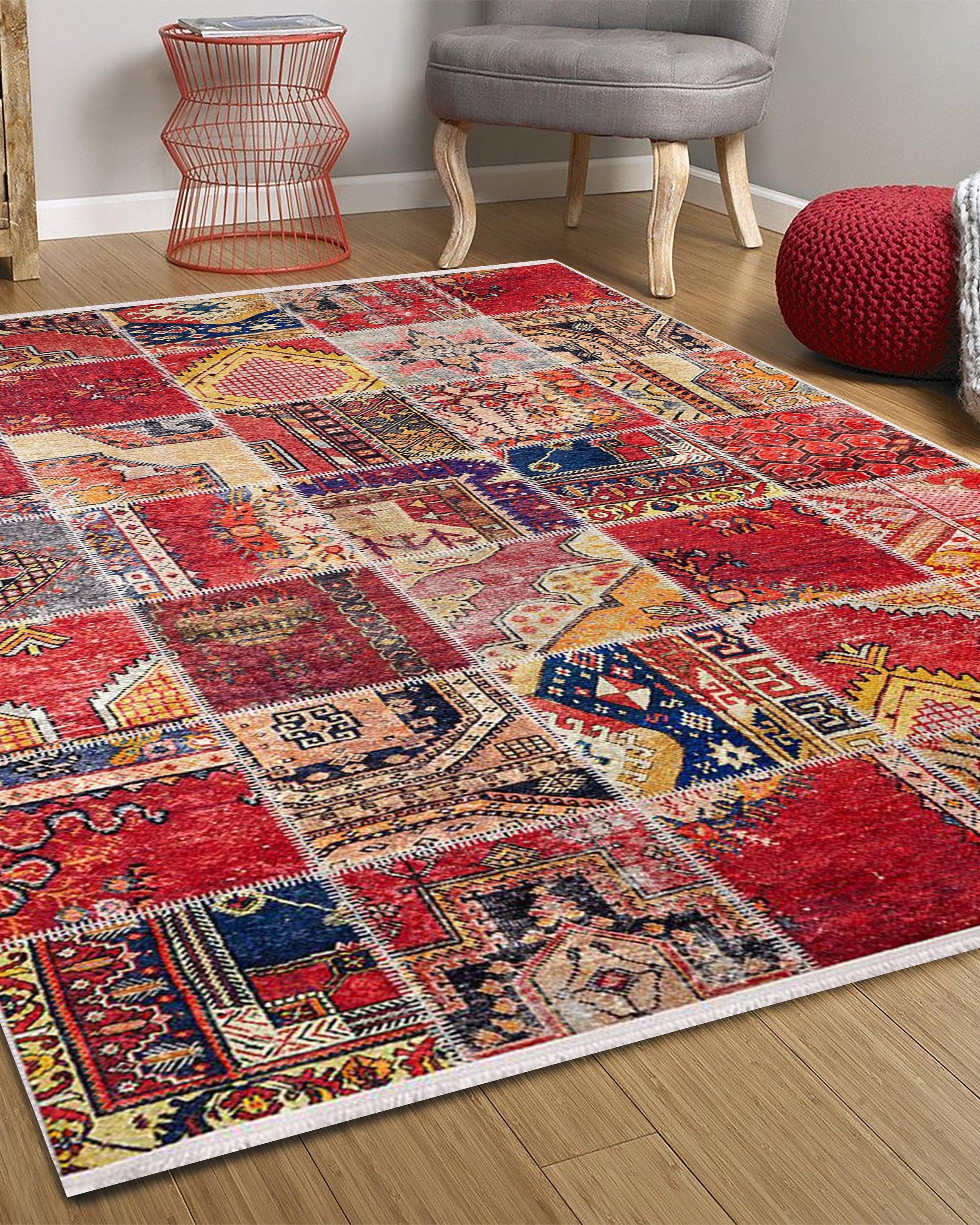
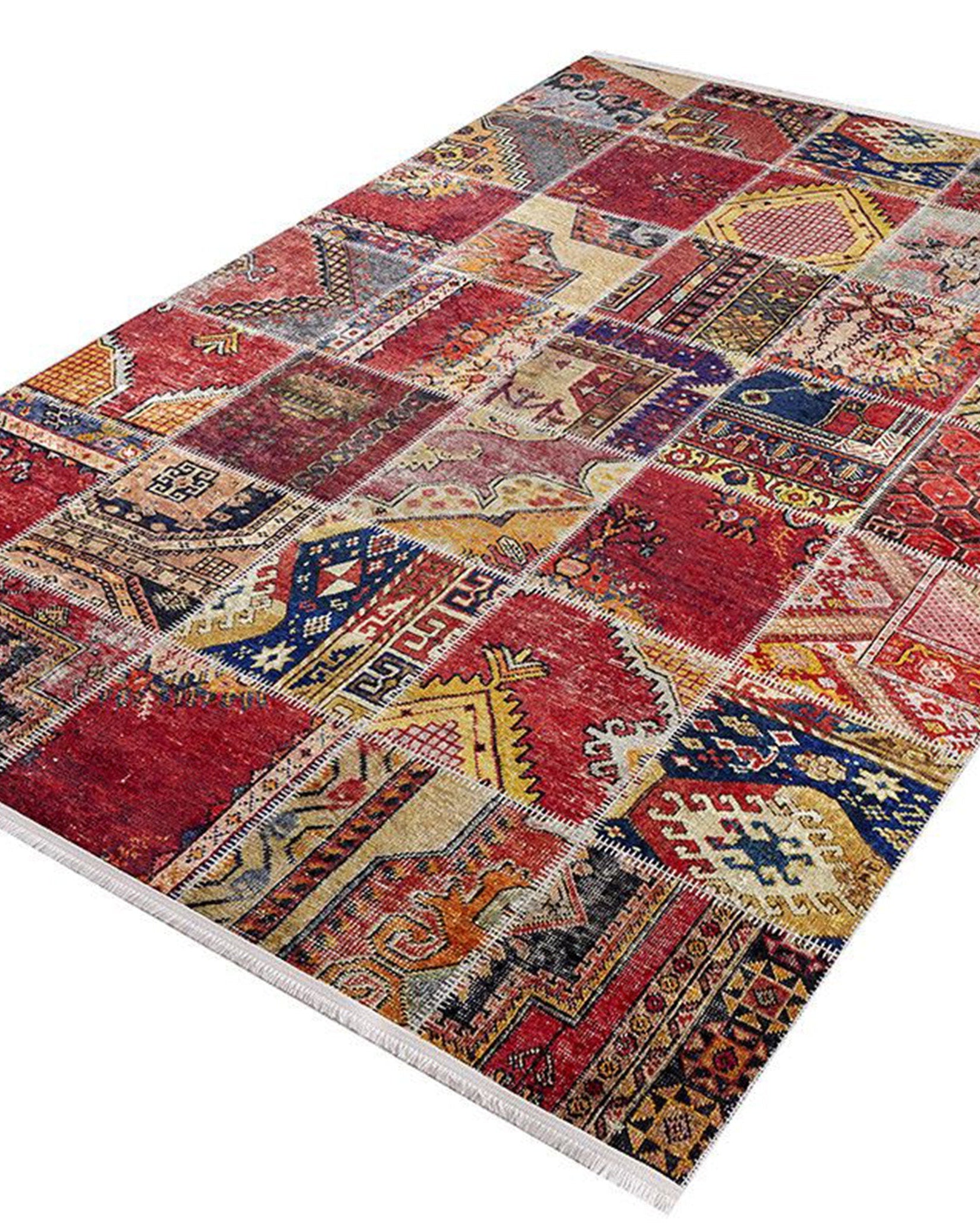
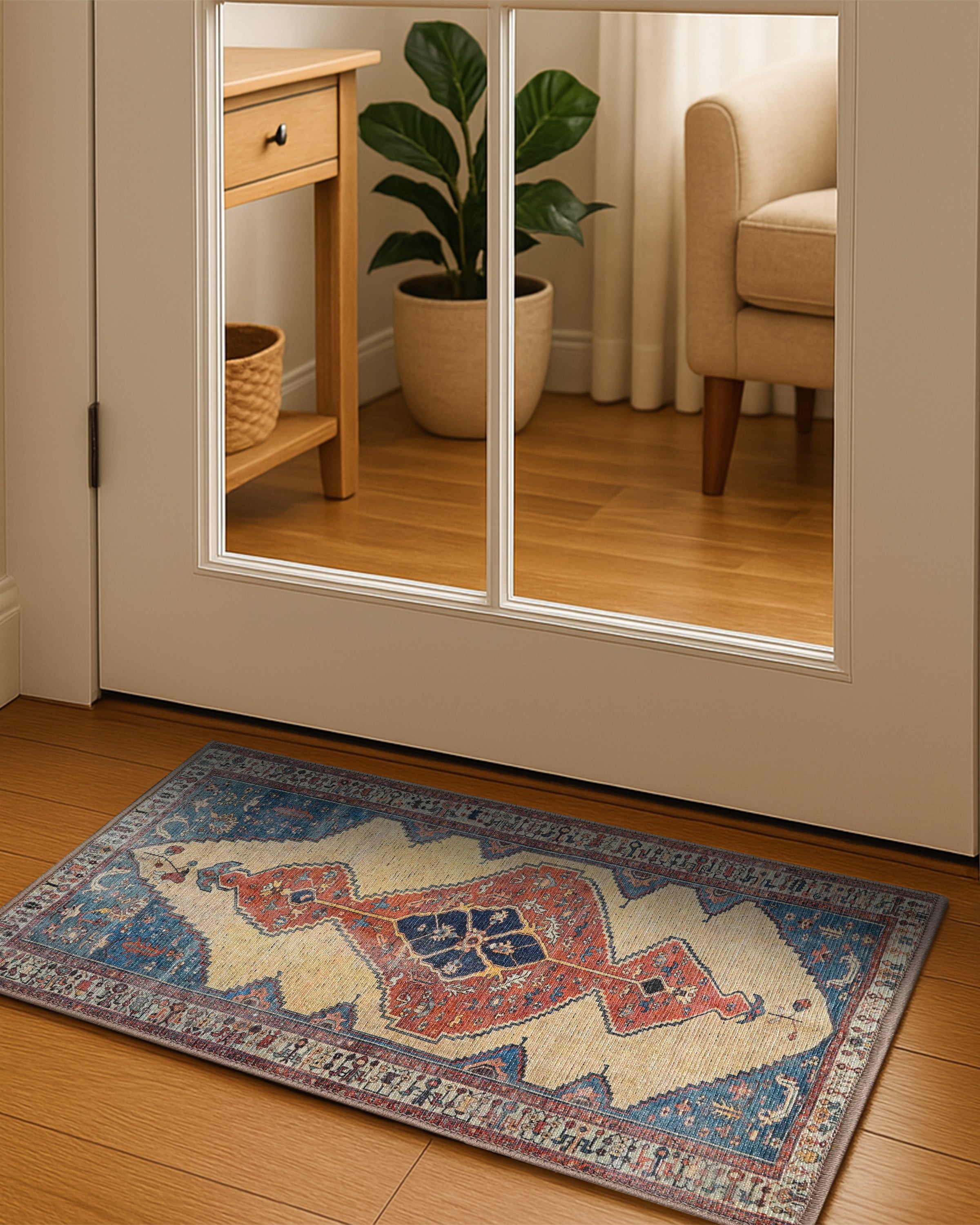
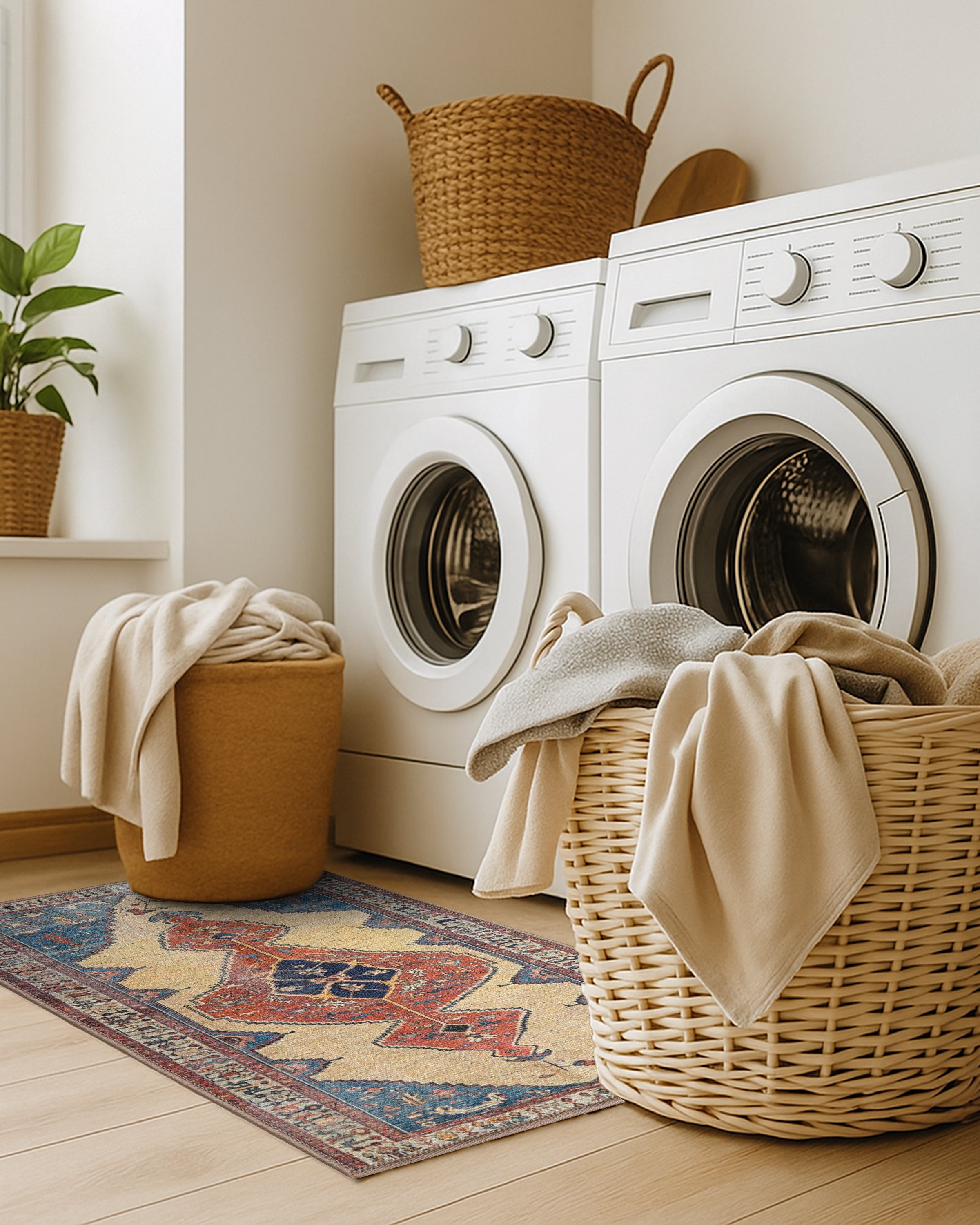
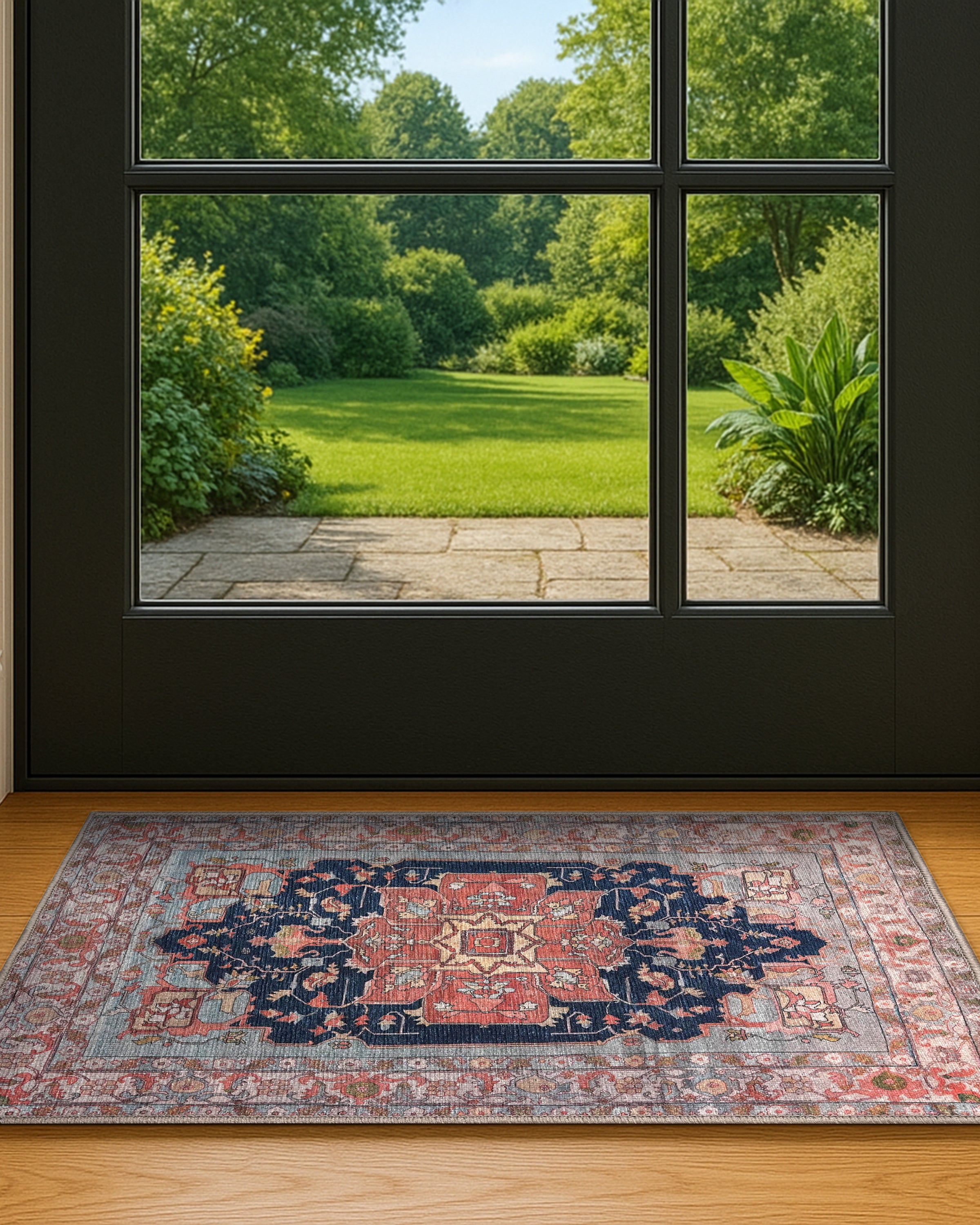
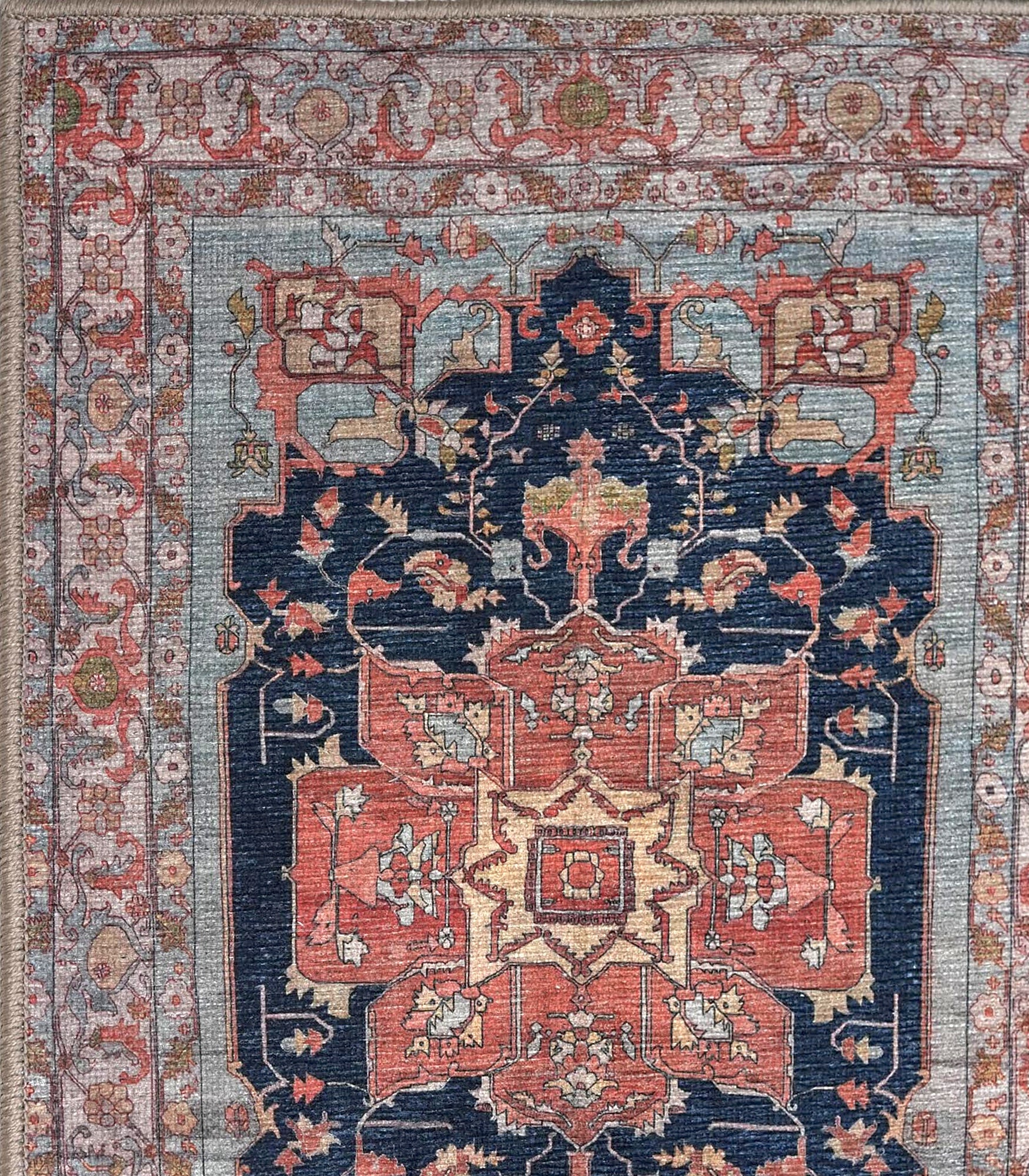
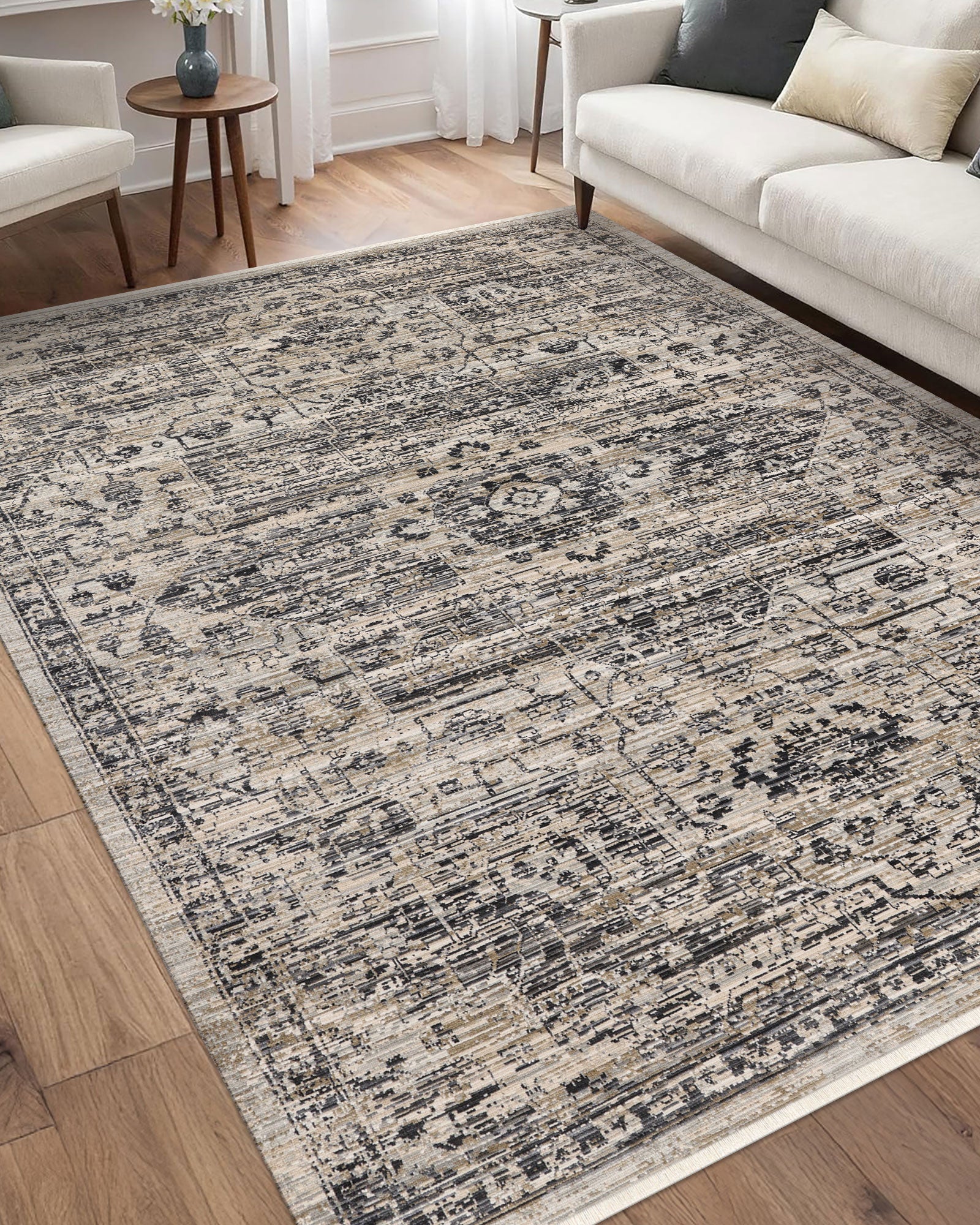
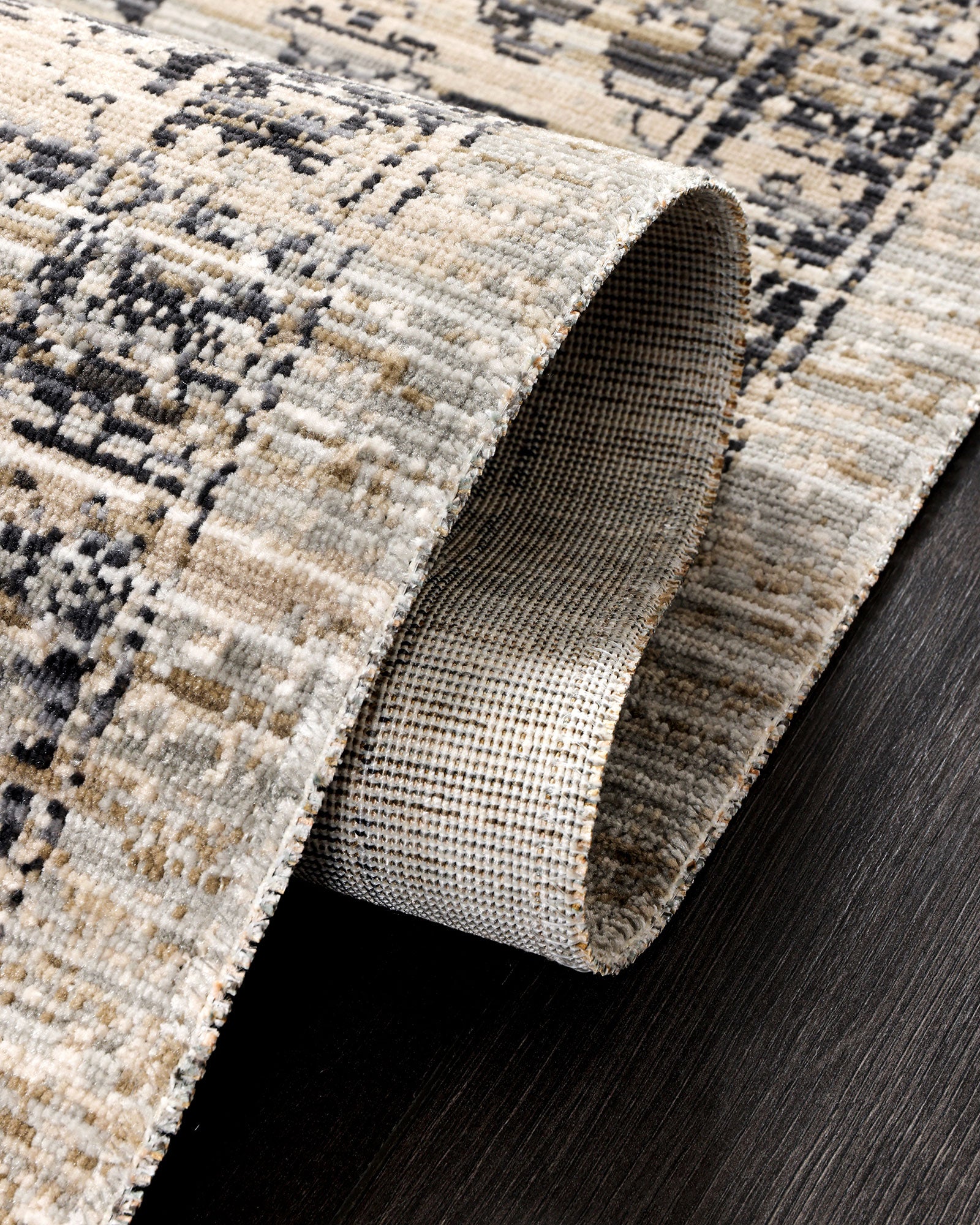
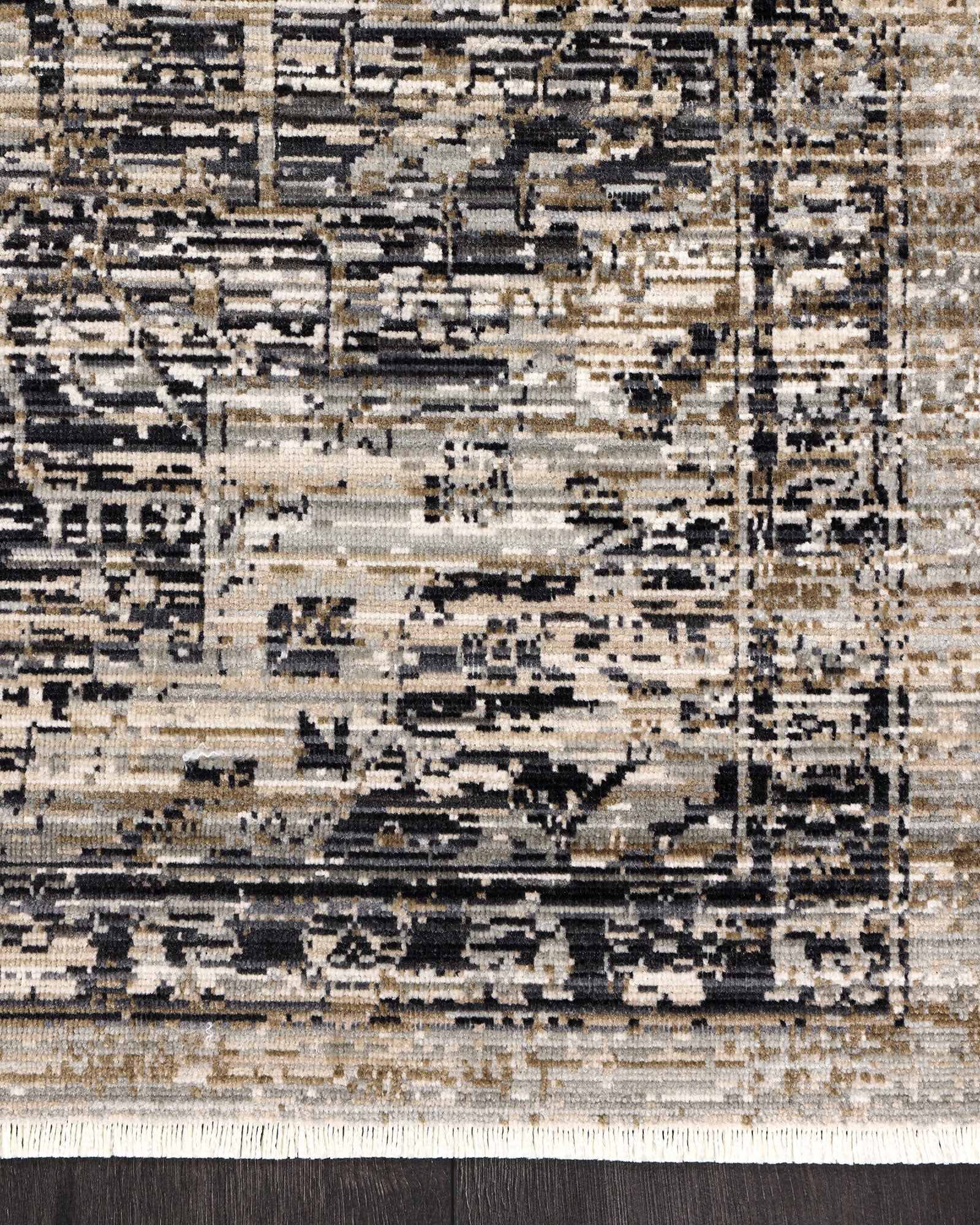
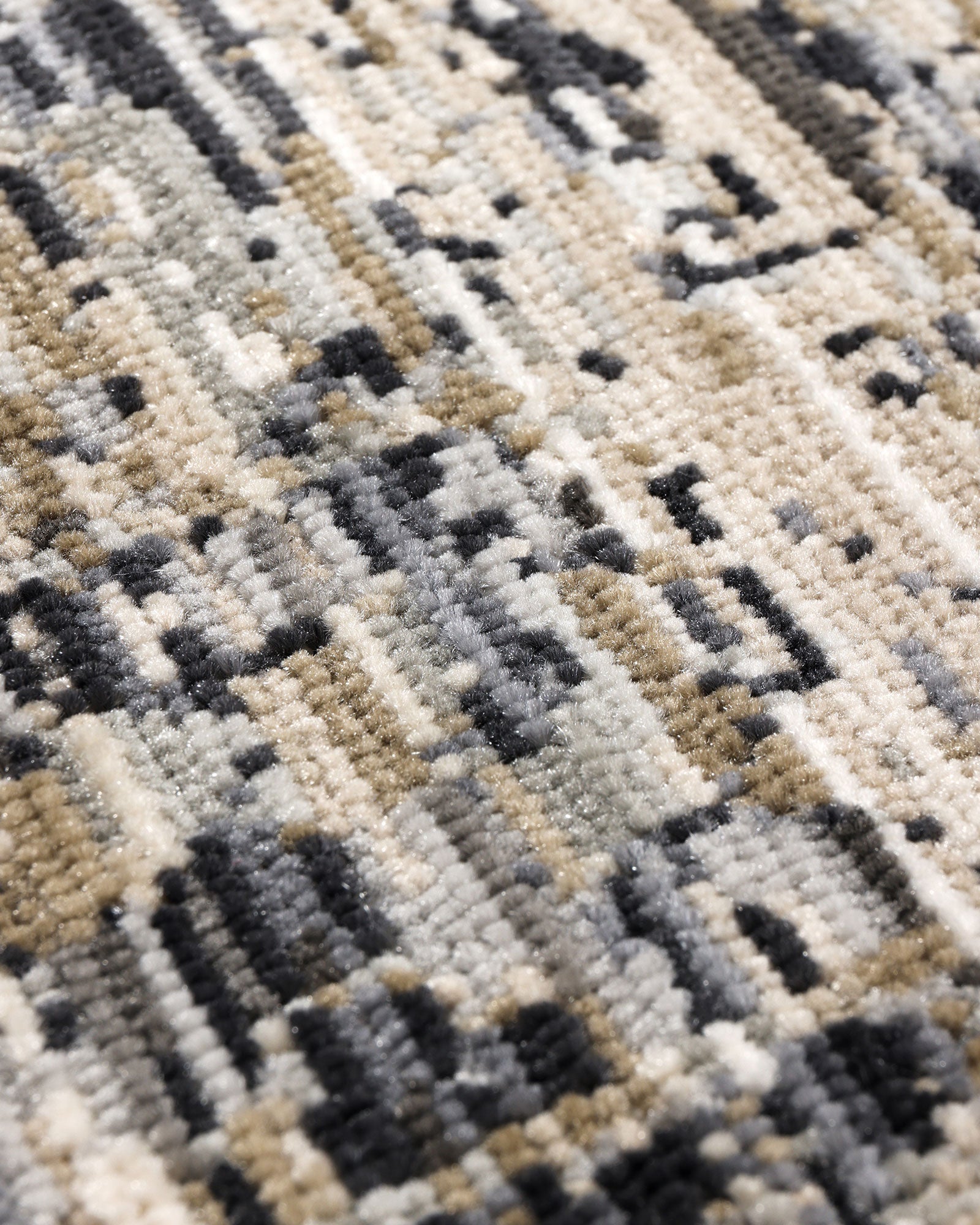
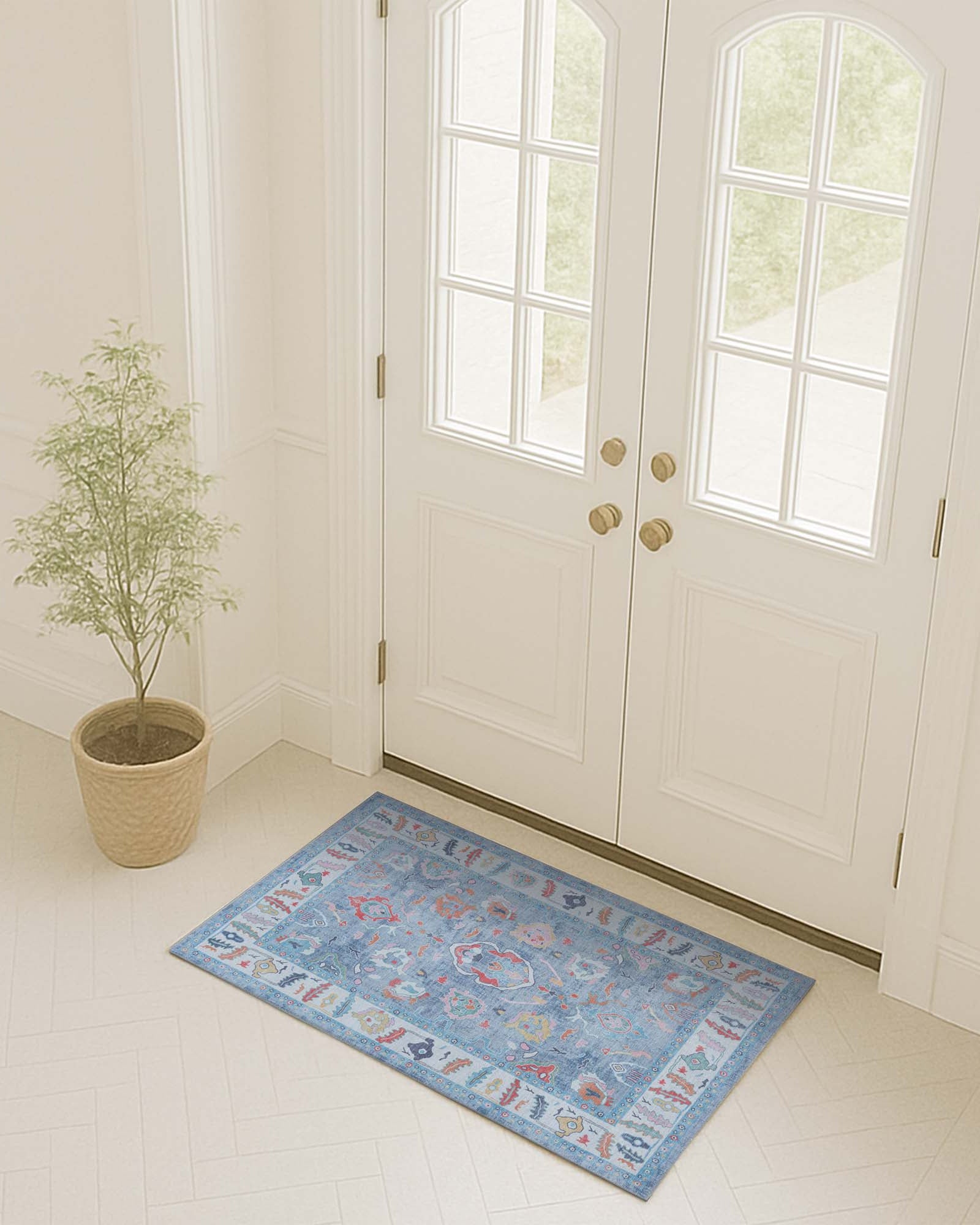
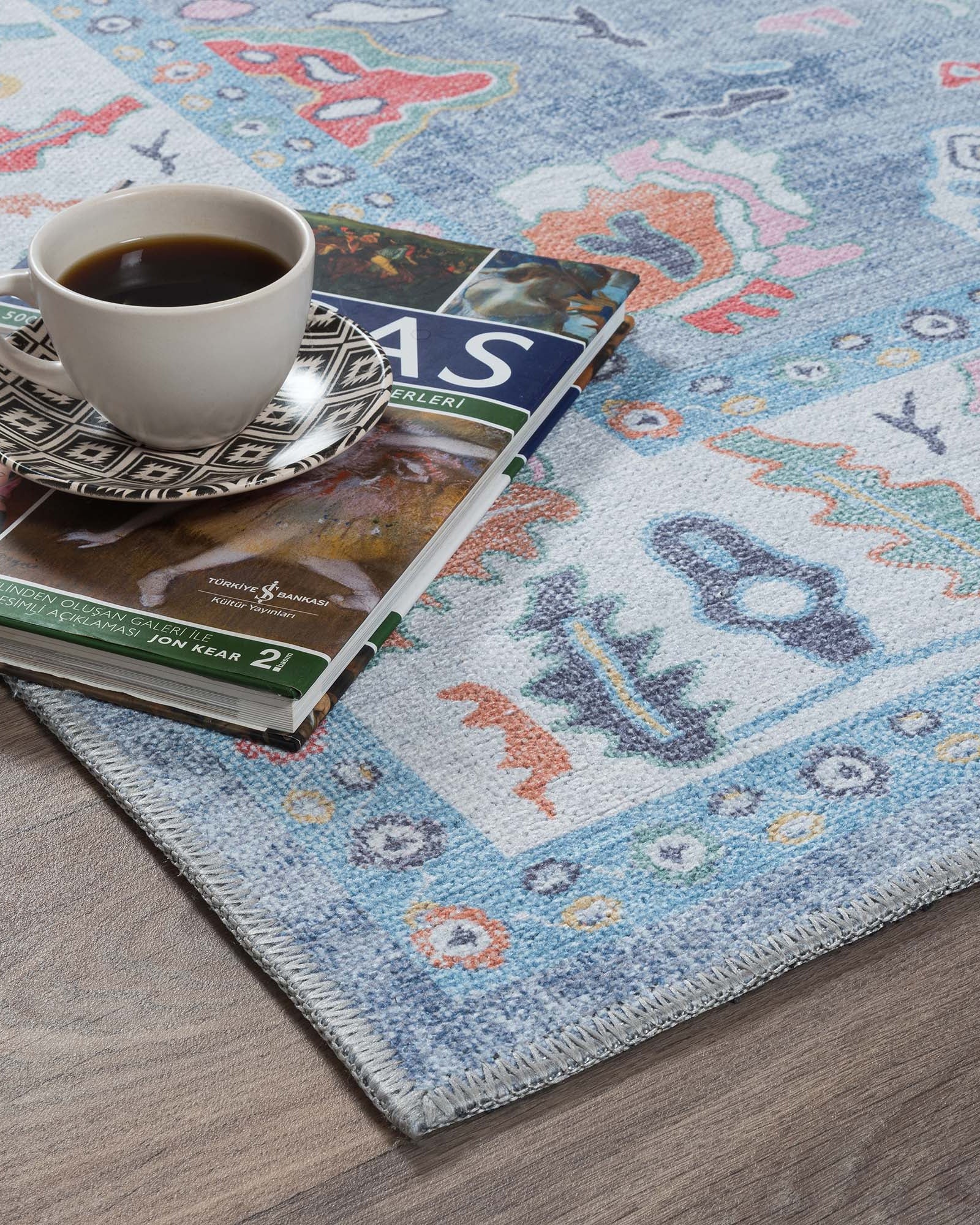
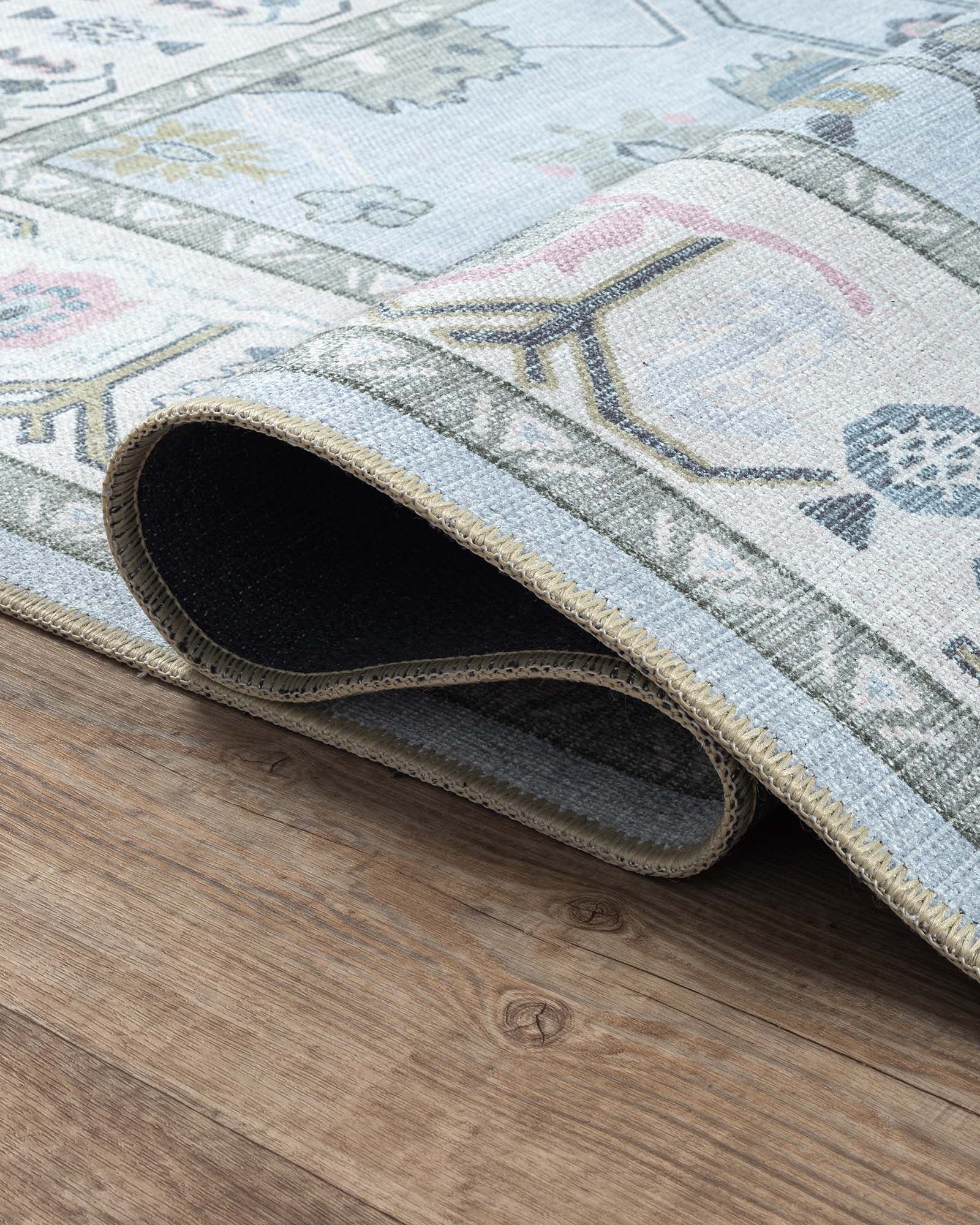
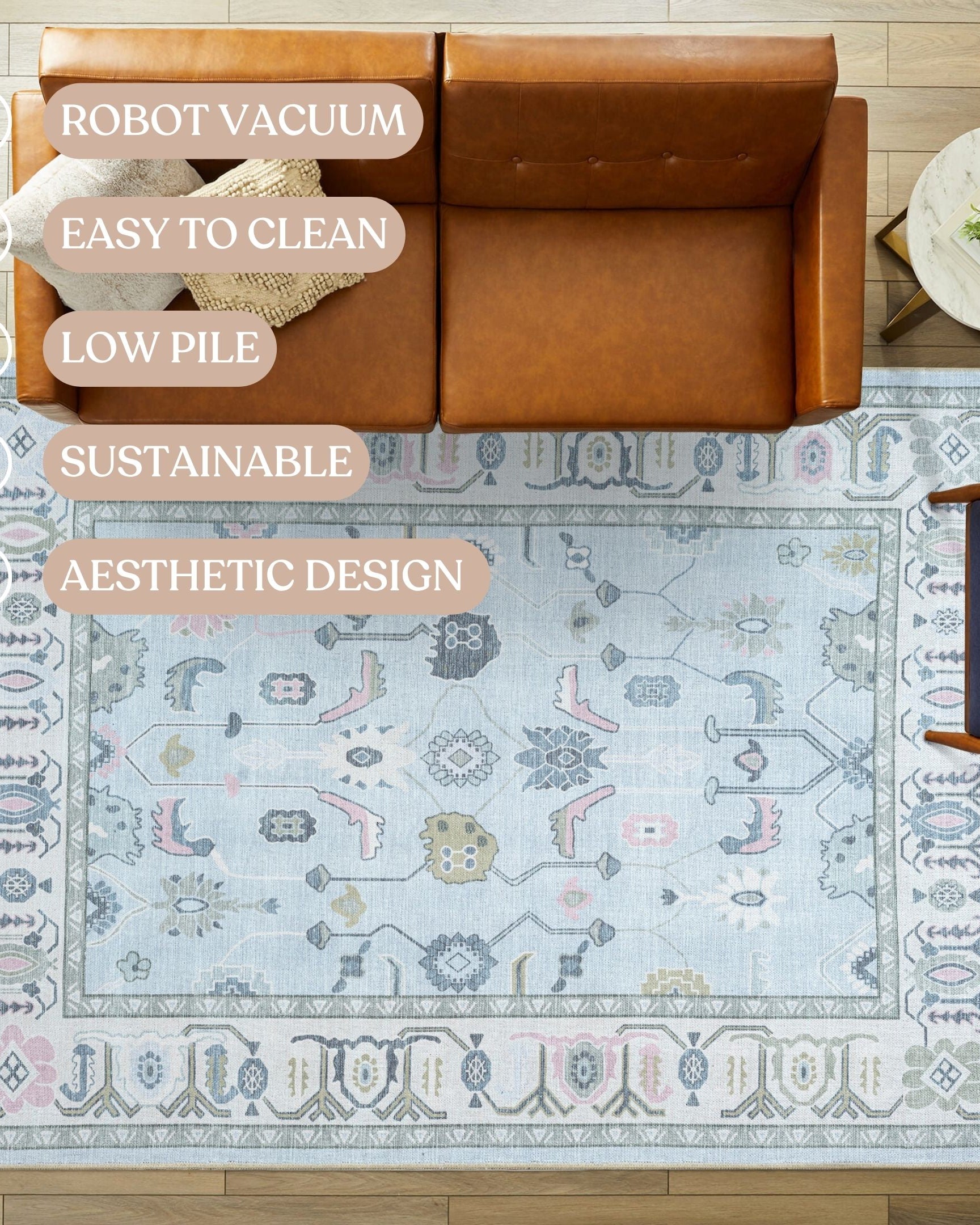
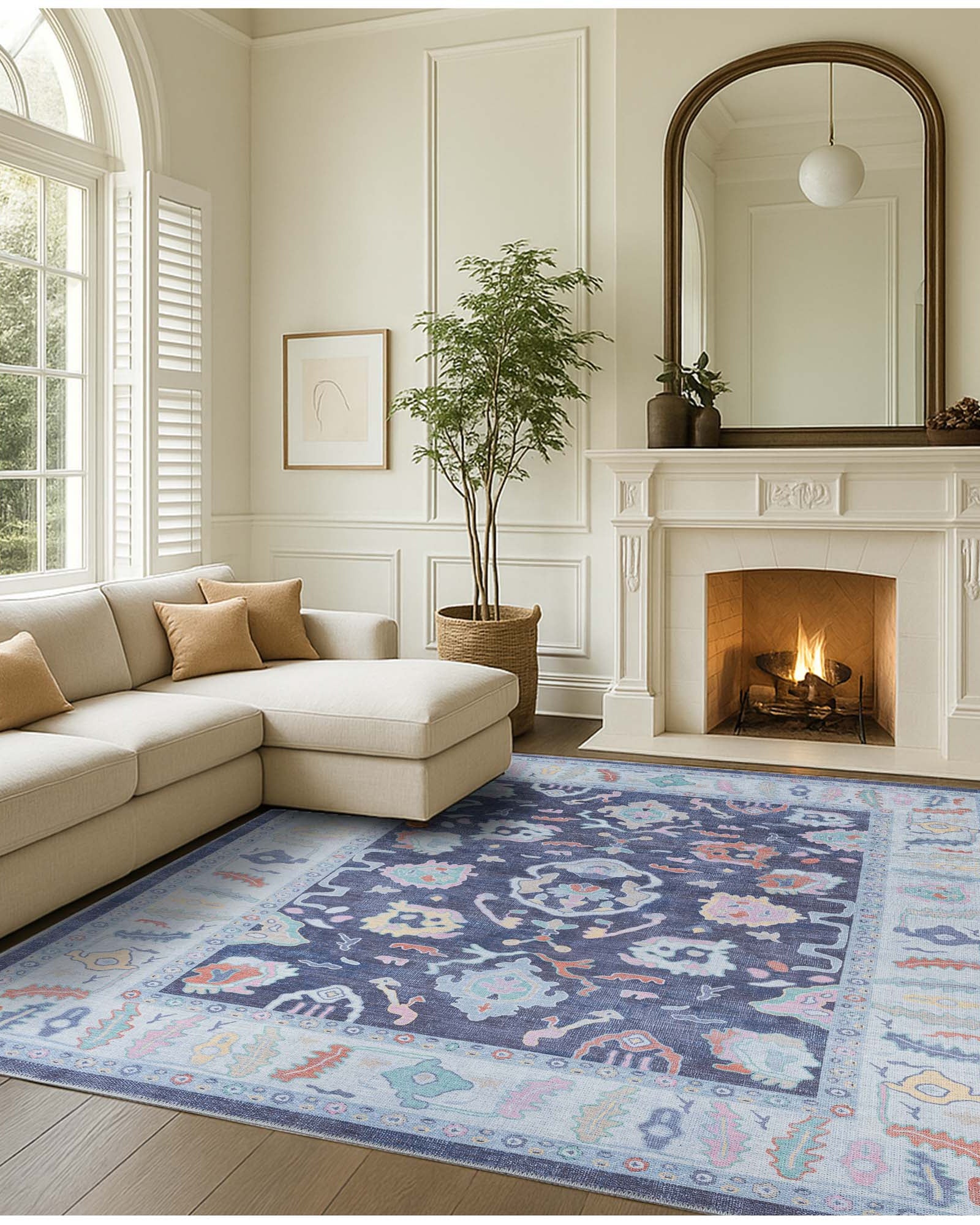
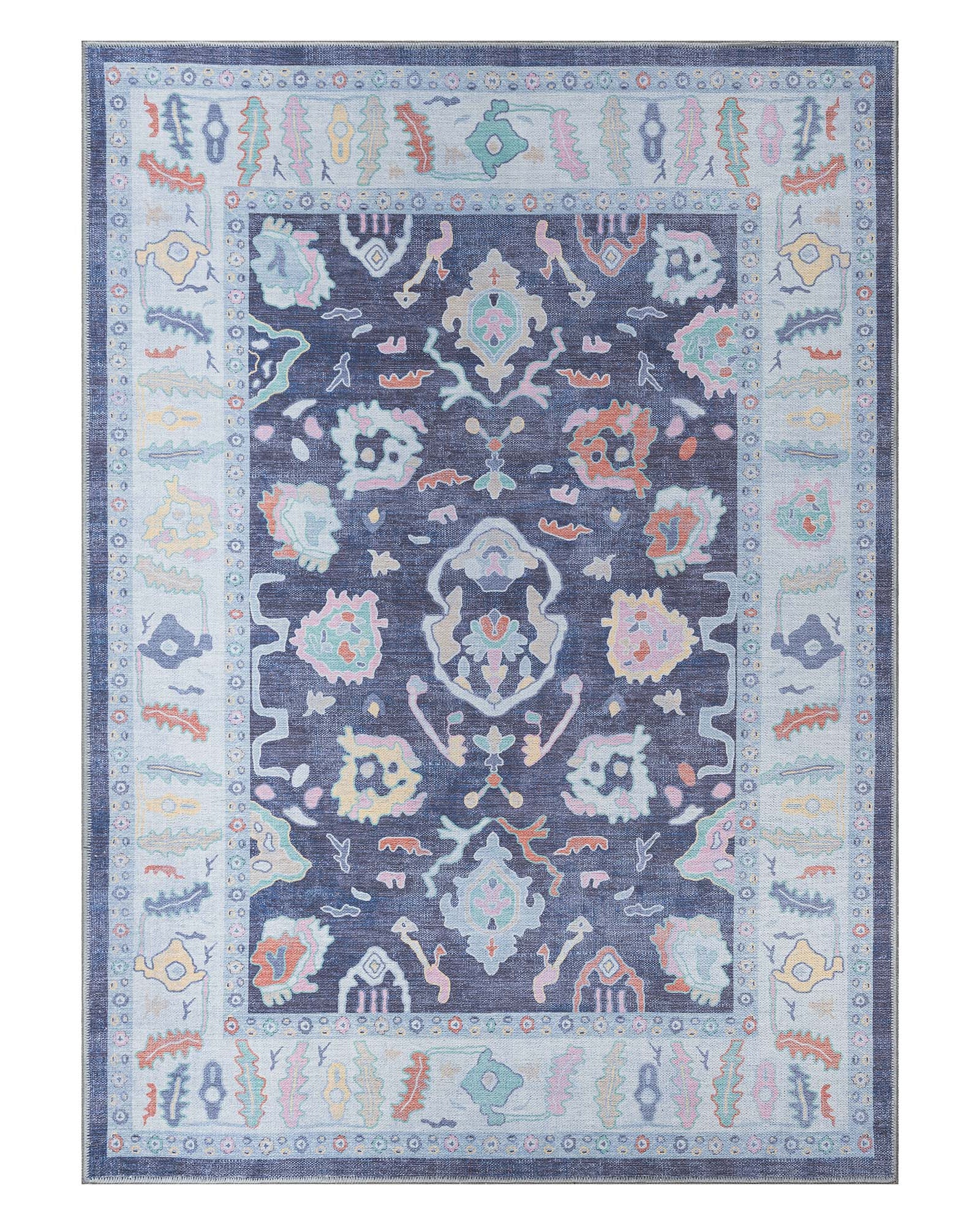
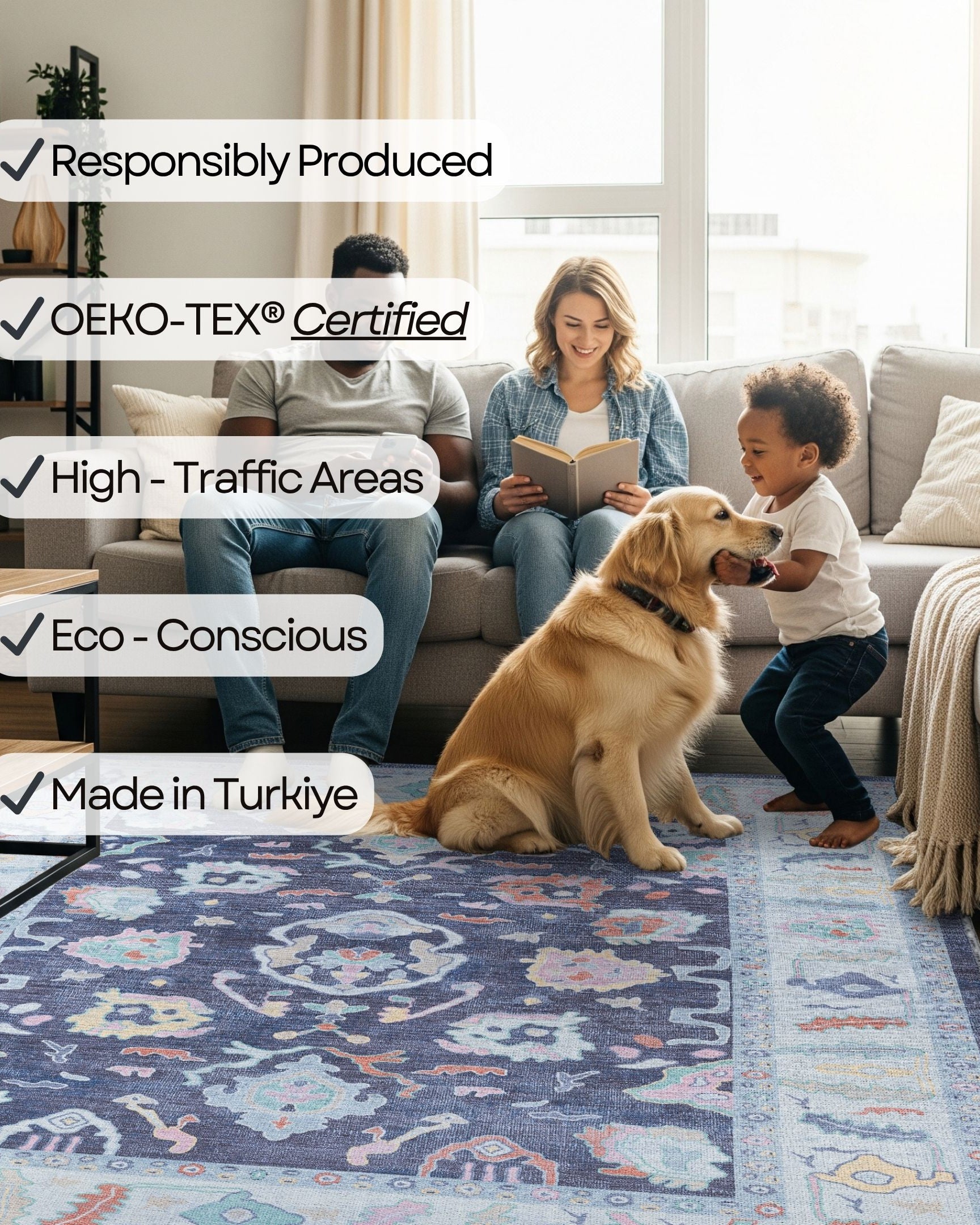
Anatolian Rugs: Where Rug Making Began
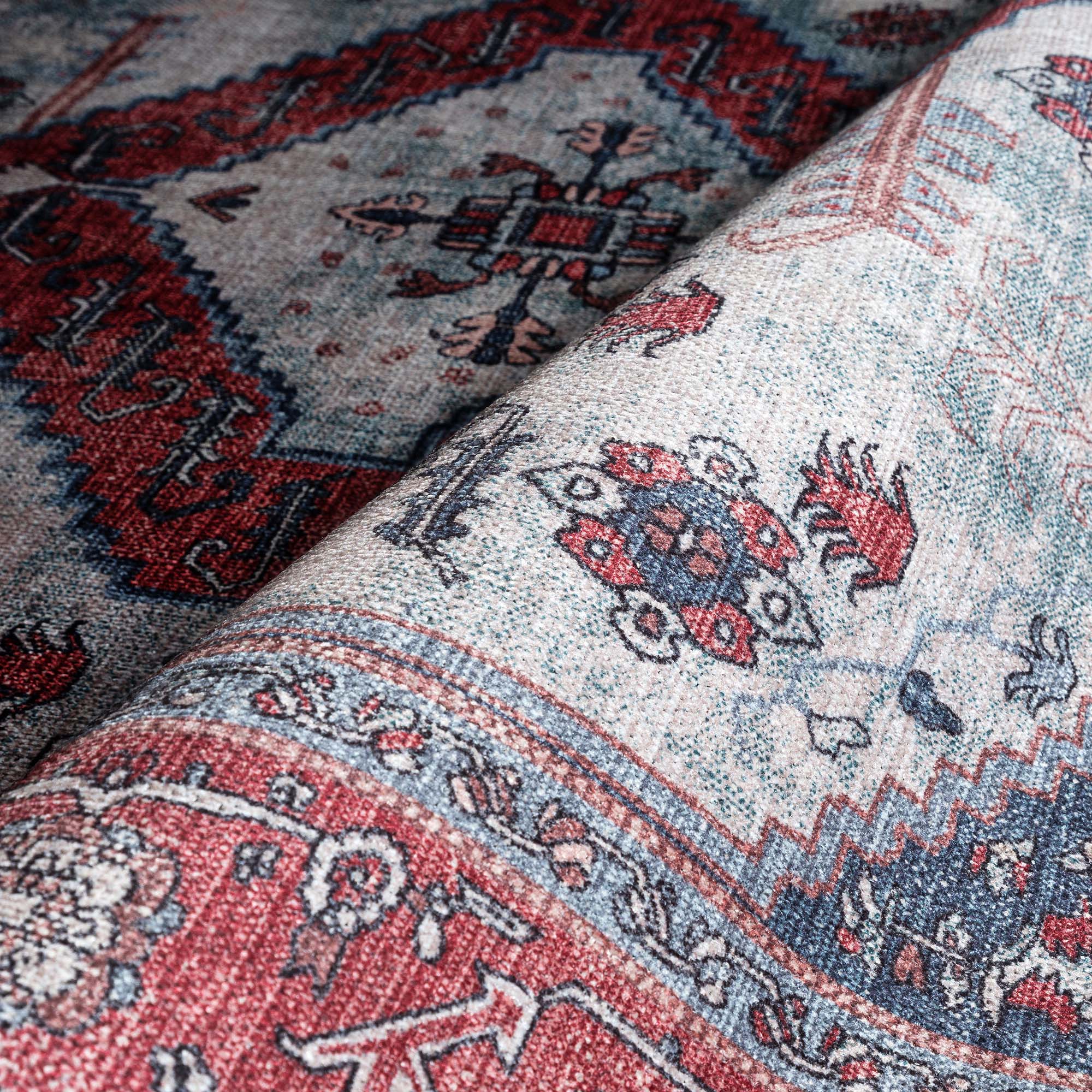
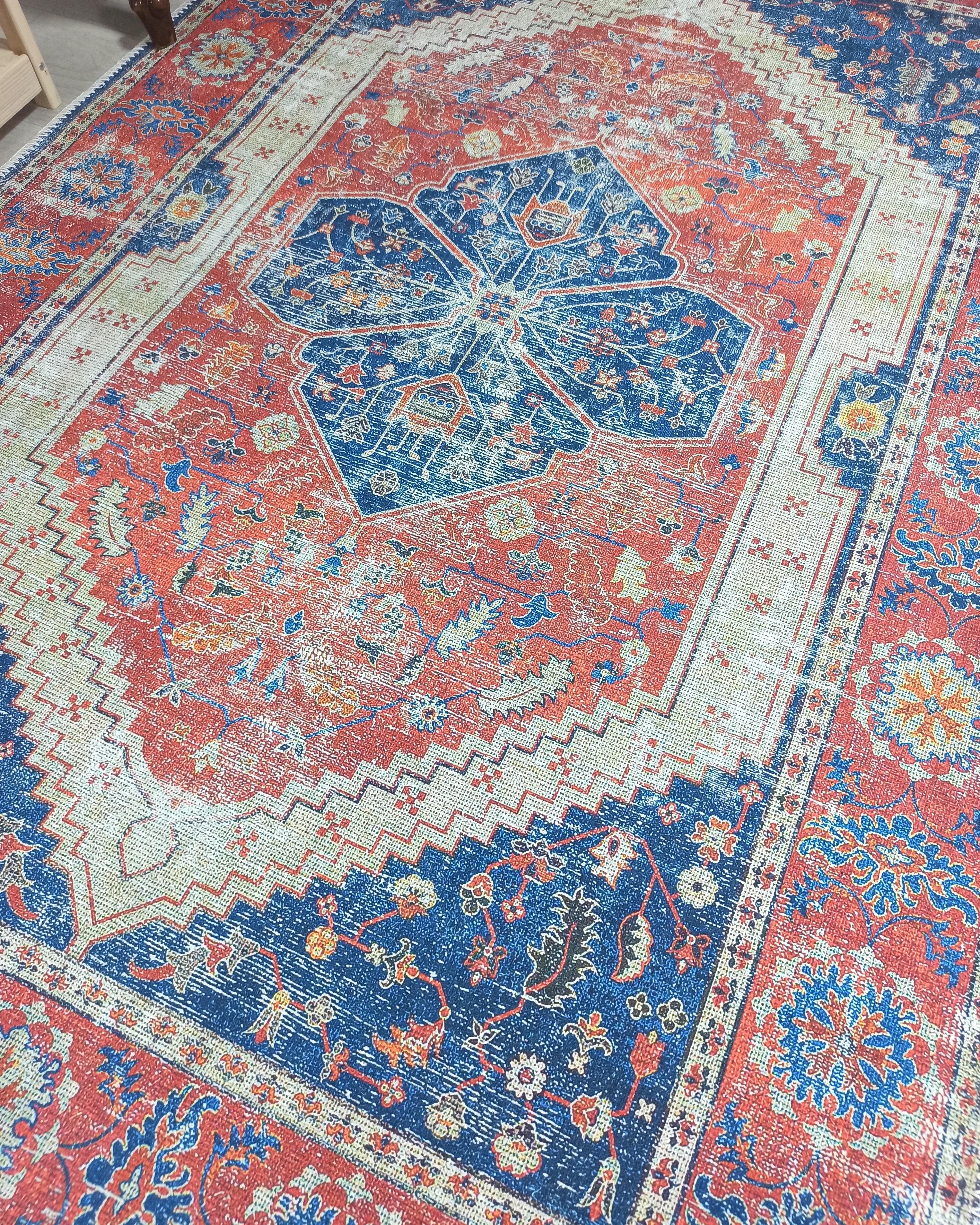
Anatolia — the landmass that forms modern Turkey — is widely regarded as the birthplace of the pile rug tradition. The oldest surviving fragments of patterned floor weaving in the region date back roughly seven centuries, and by the 15th century Anatolian designs were appearing in European paintings so often that art historians still classify entire rug families by the painters who depicted them: Holbein, Lotto, Bellini.
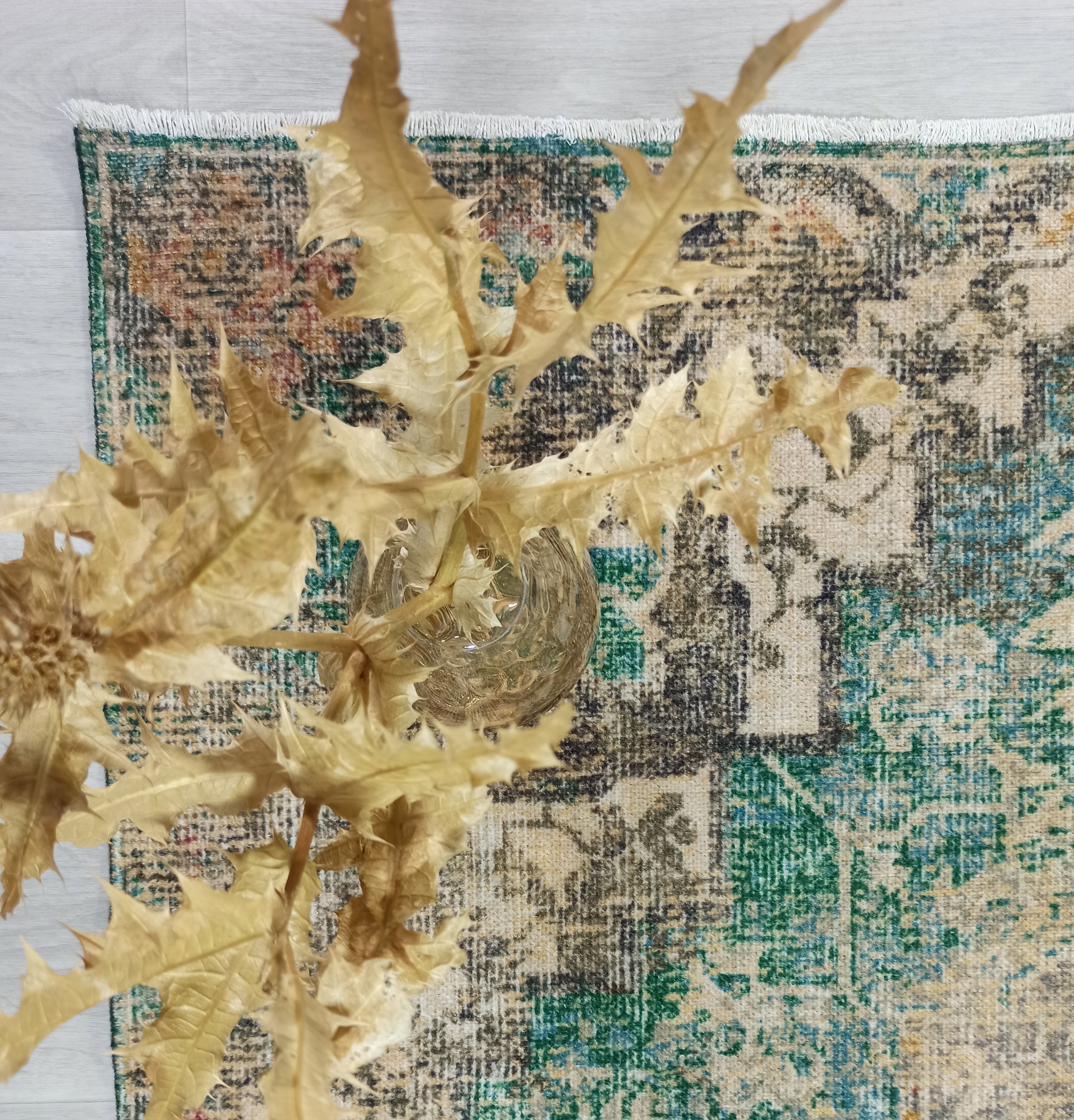
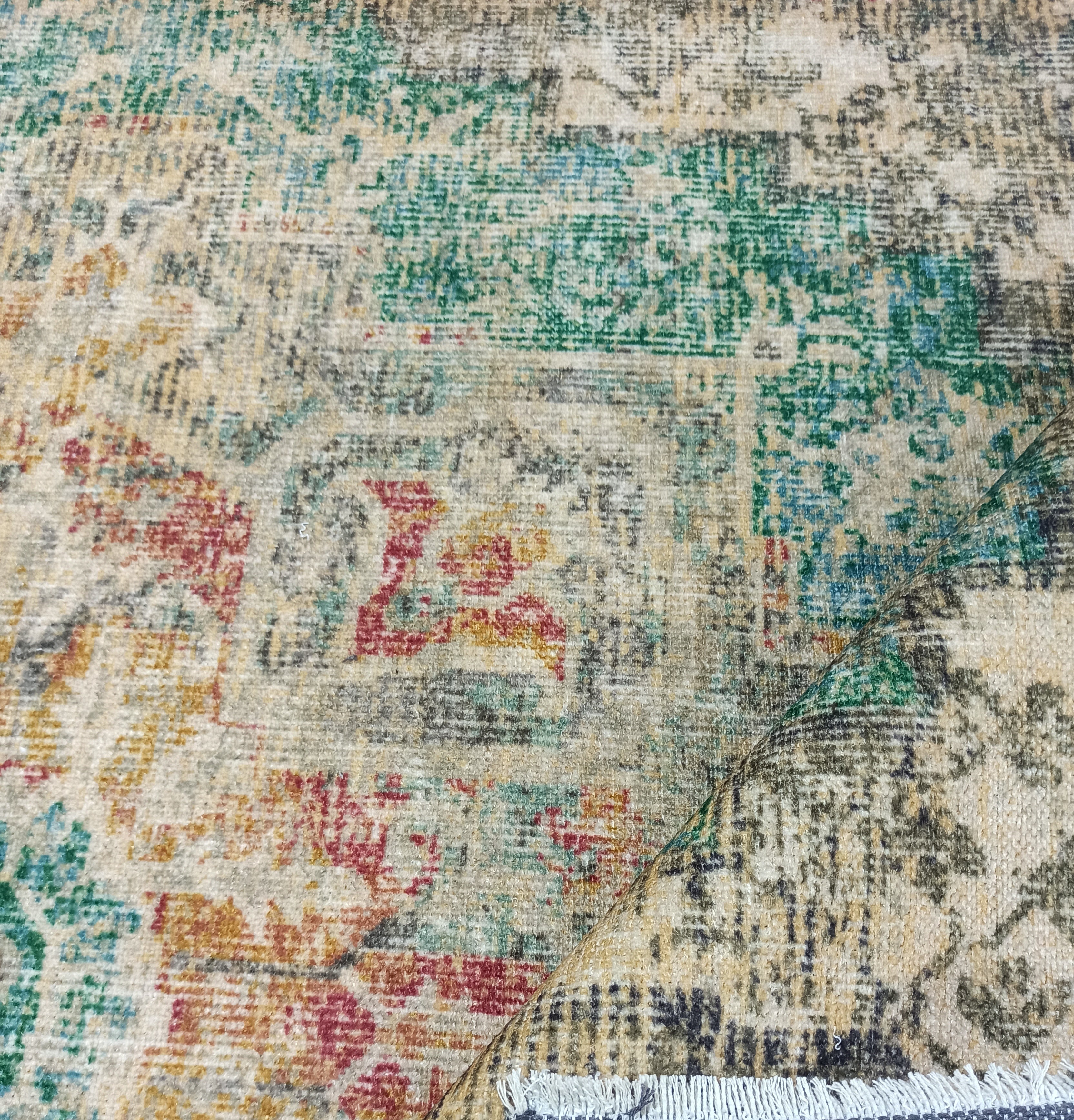
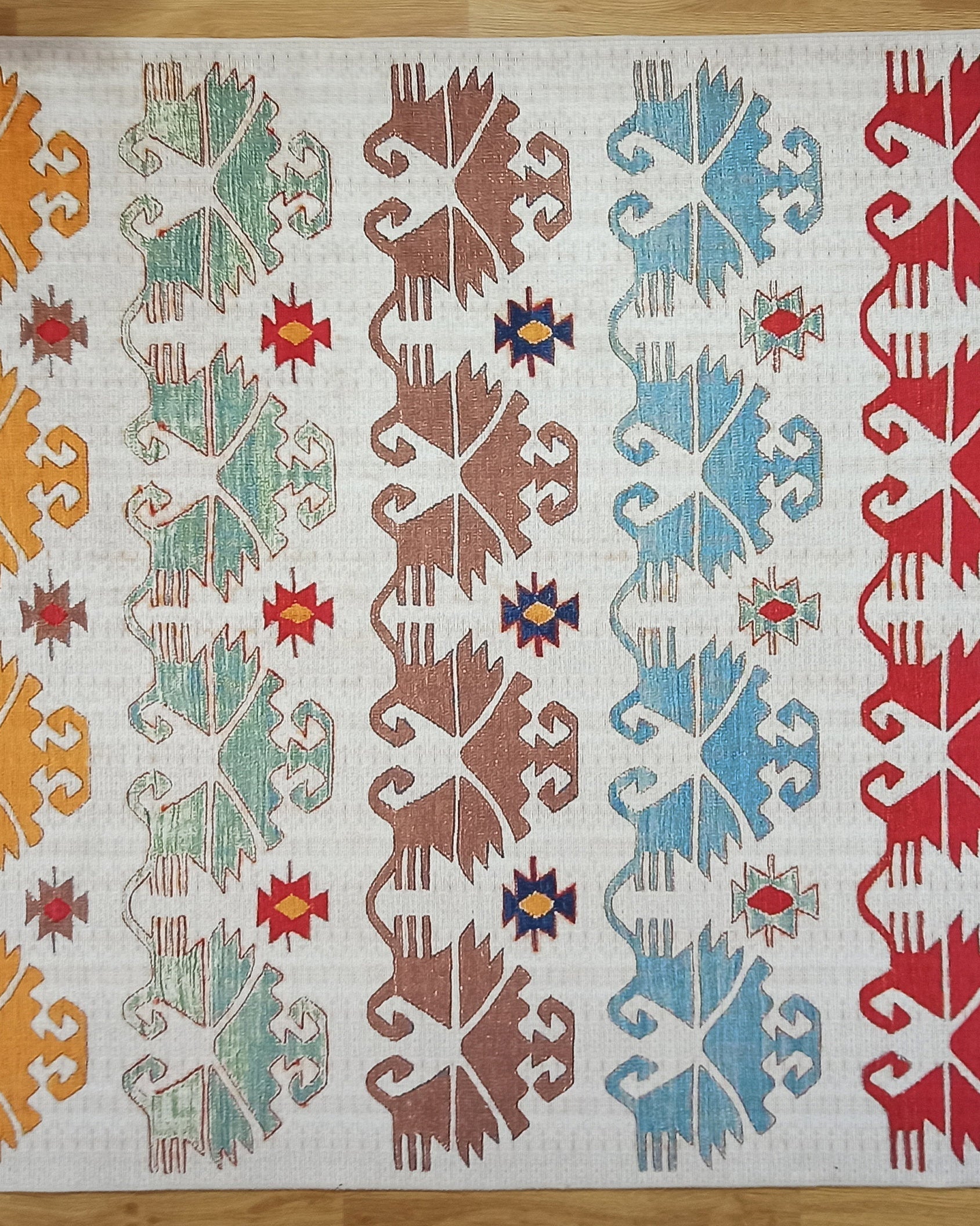
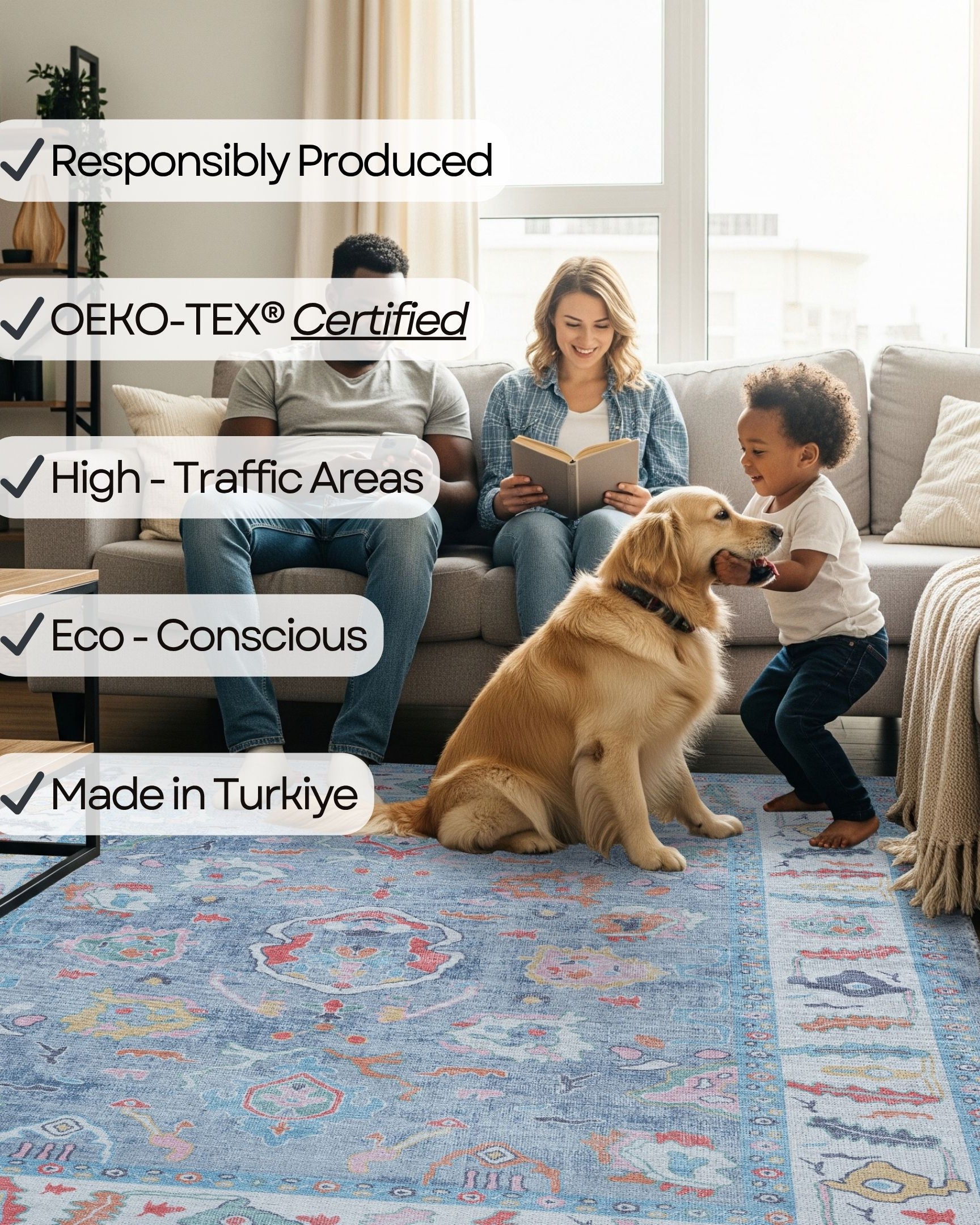
What travelled across those centuries was not a single style but a visual language. Every valley, town, and weaving village developed its own vocabulary of motifs, its own color palette drawn from locally available plants and minerals, and its own sense of proportion. That accumulated design tradition is what the Anatolian collection at Fame Rugs draws from.
The Motifs and What They Mean
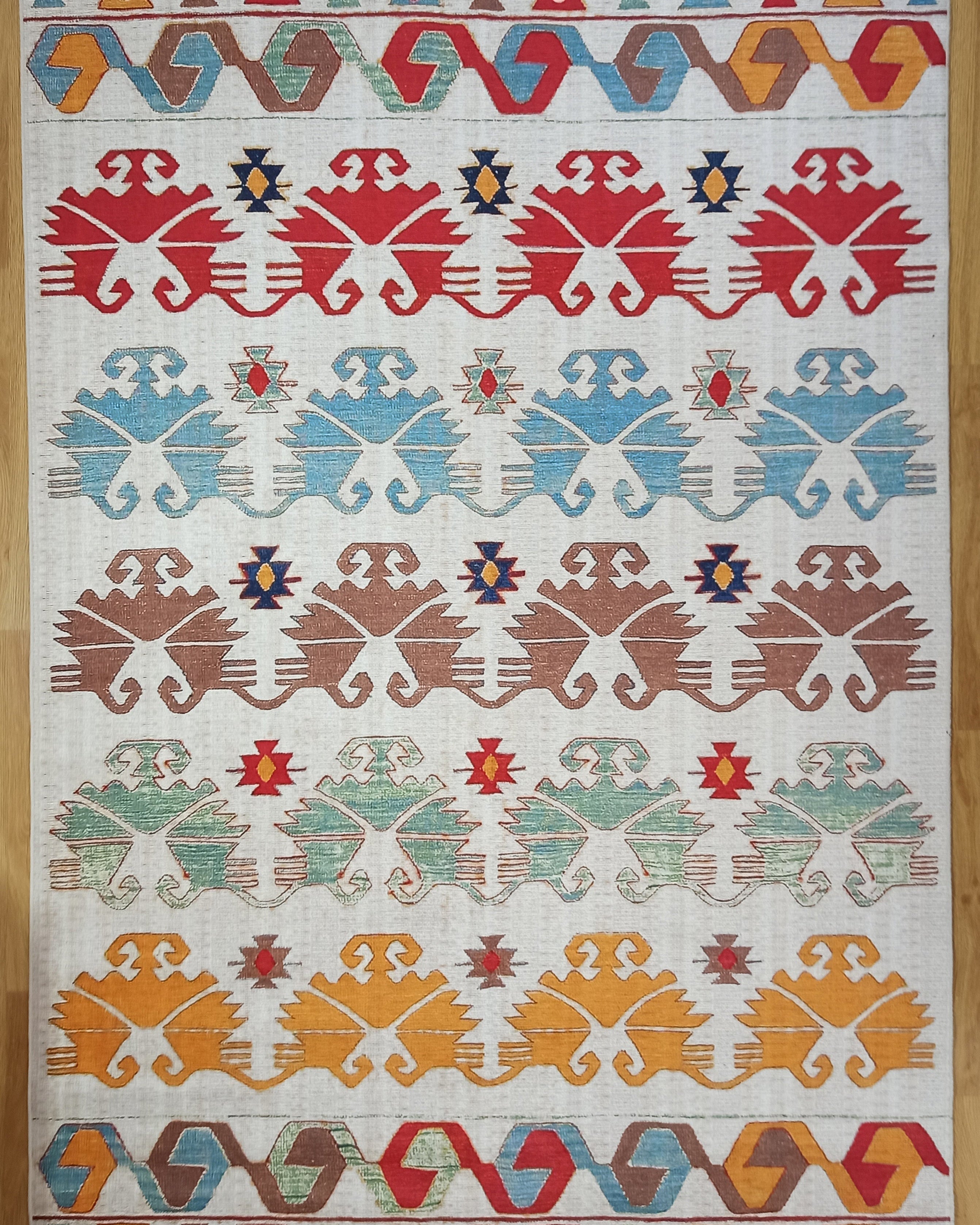
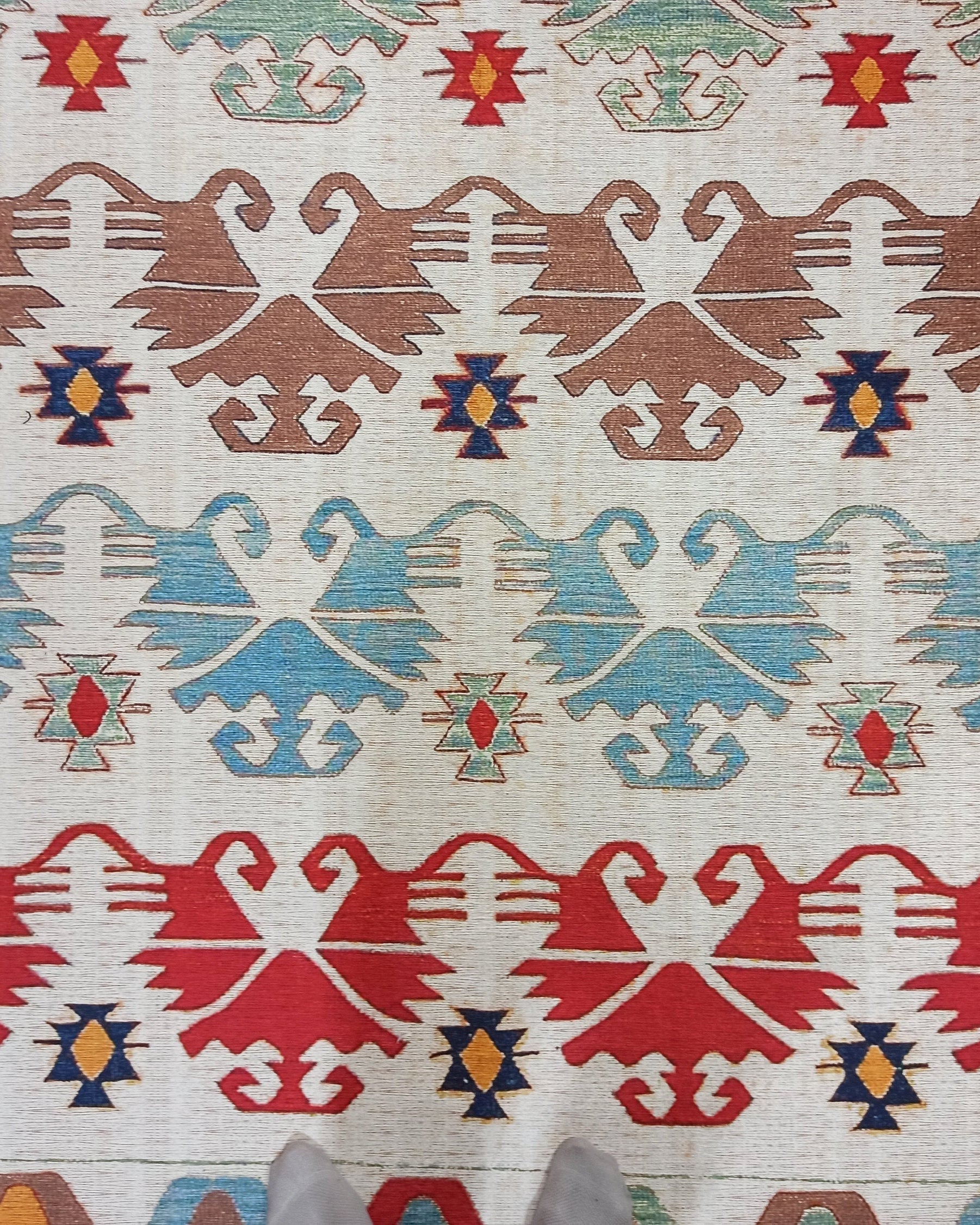
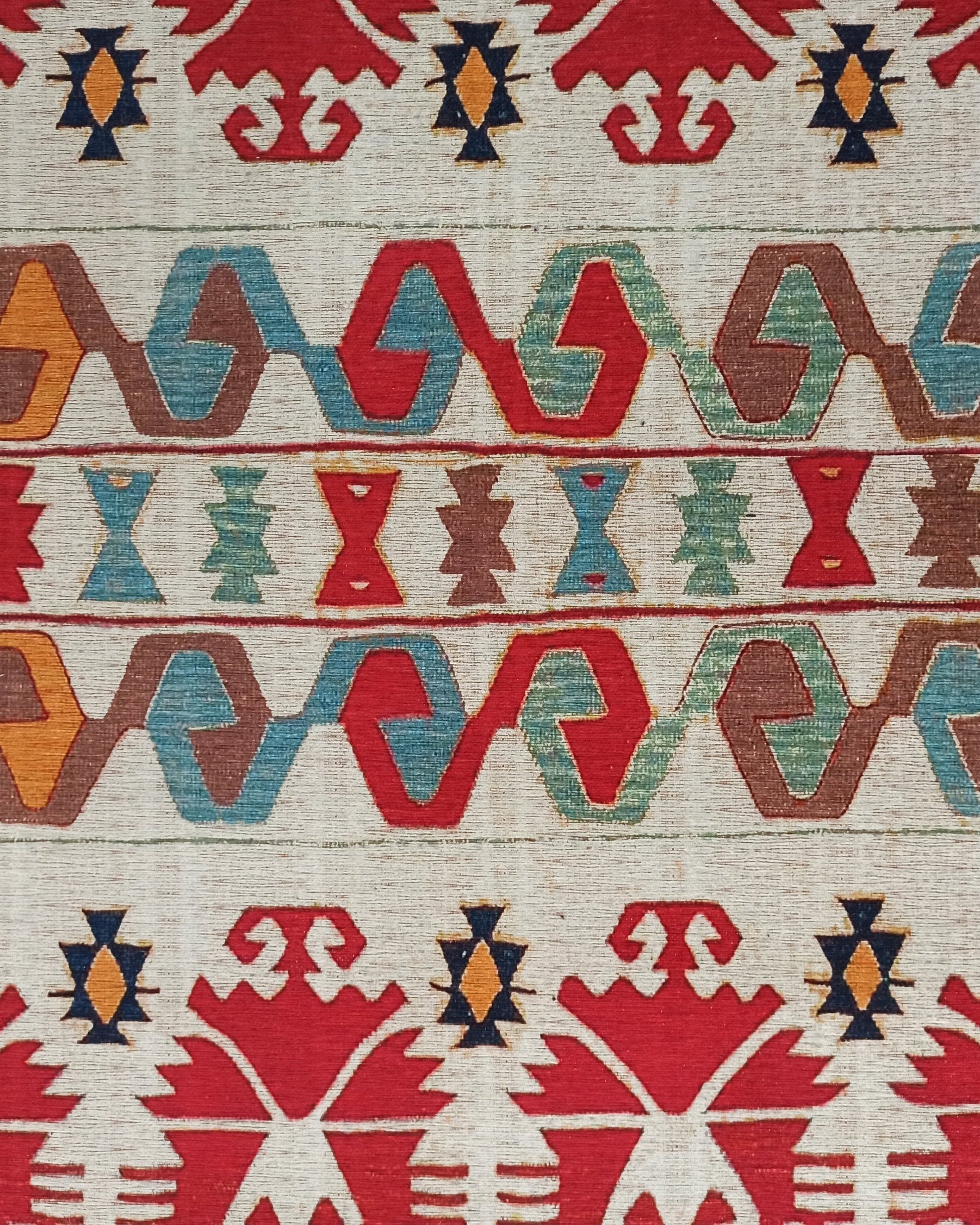
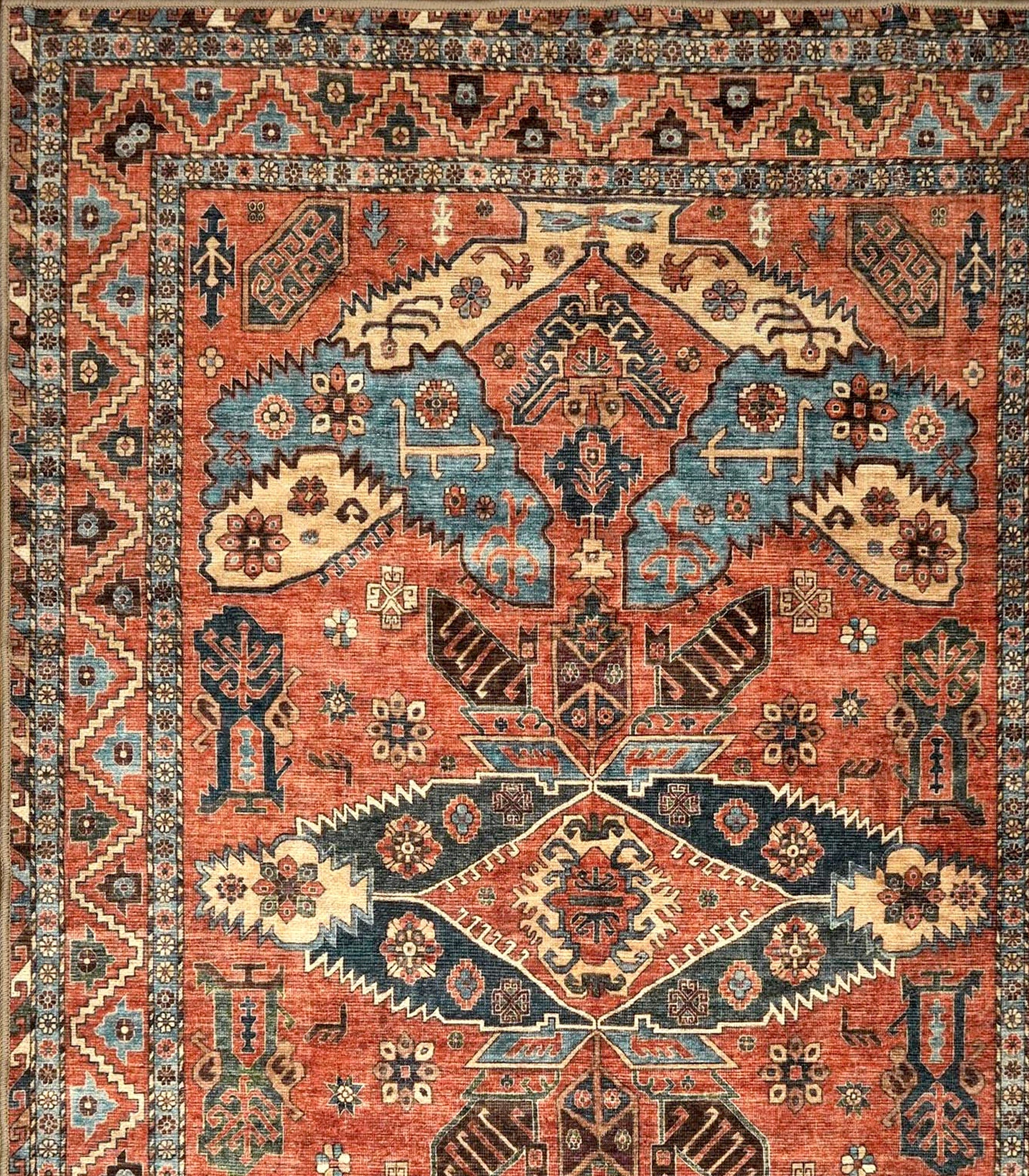
Anatolian pattern is symbolic rather than decorative. Each element carried meaning within the community that wove it:
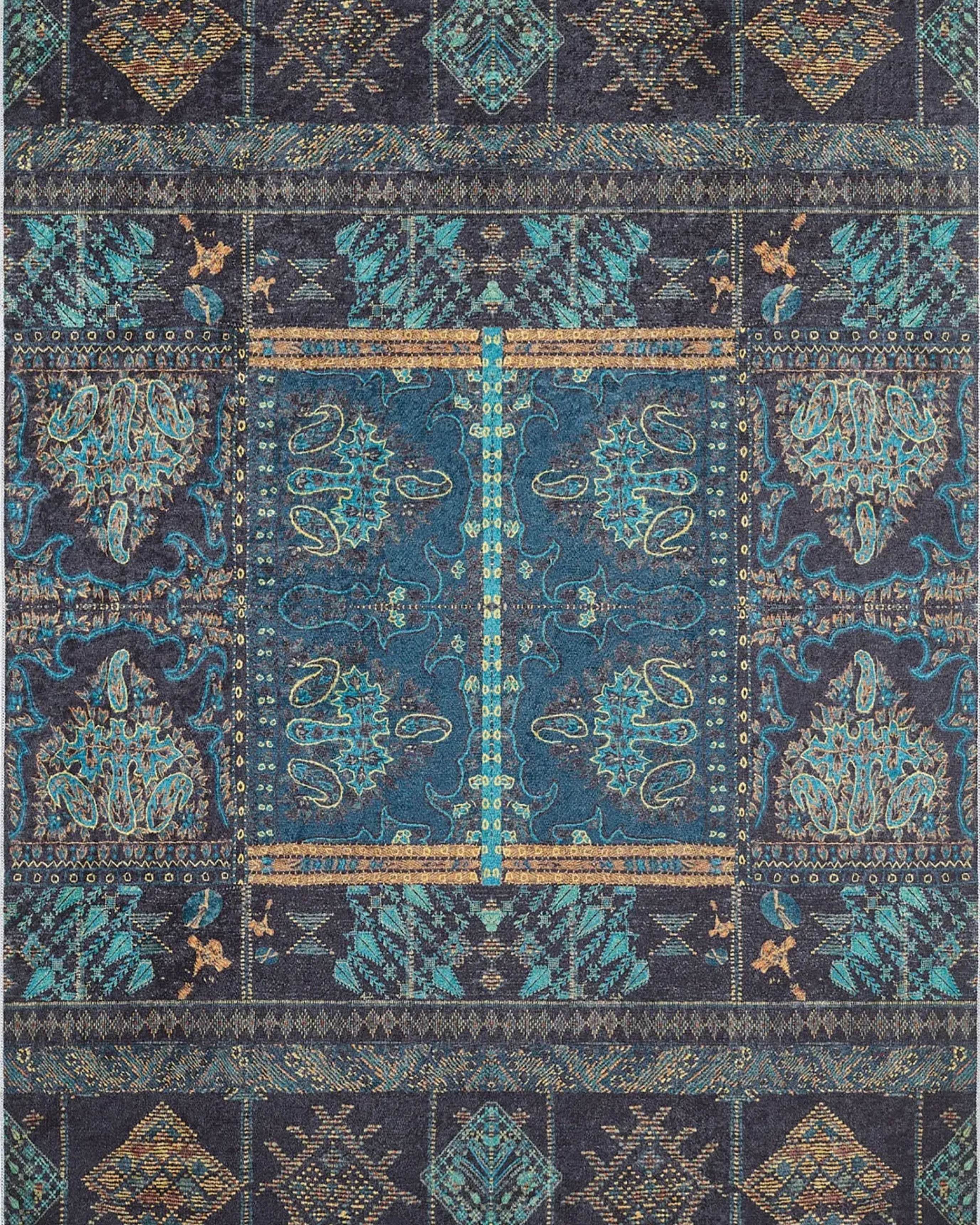
Eli Belinde — A stylized female figure with hands on hips, representing motherhood and fertility. One of the most widespread motifs across Central Anatolia.
Koçboynuzu (Ram's Horn) — Twin spiral forms symbolizing strength, heroism, and productivity.
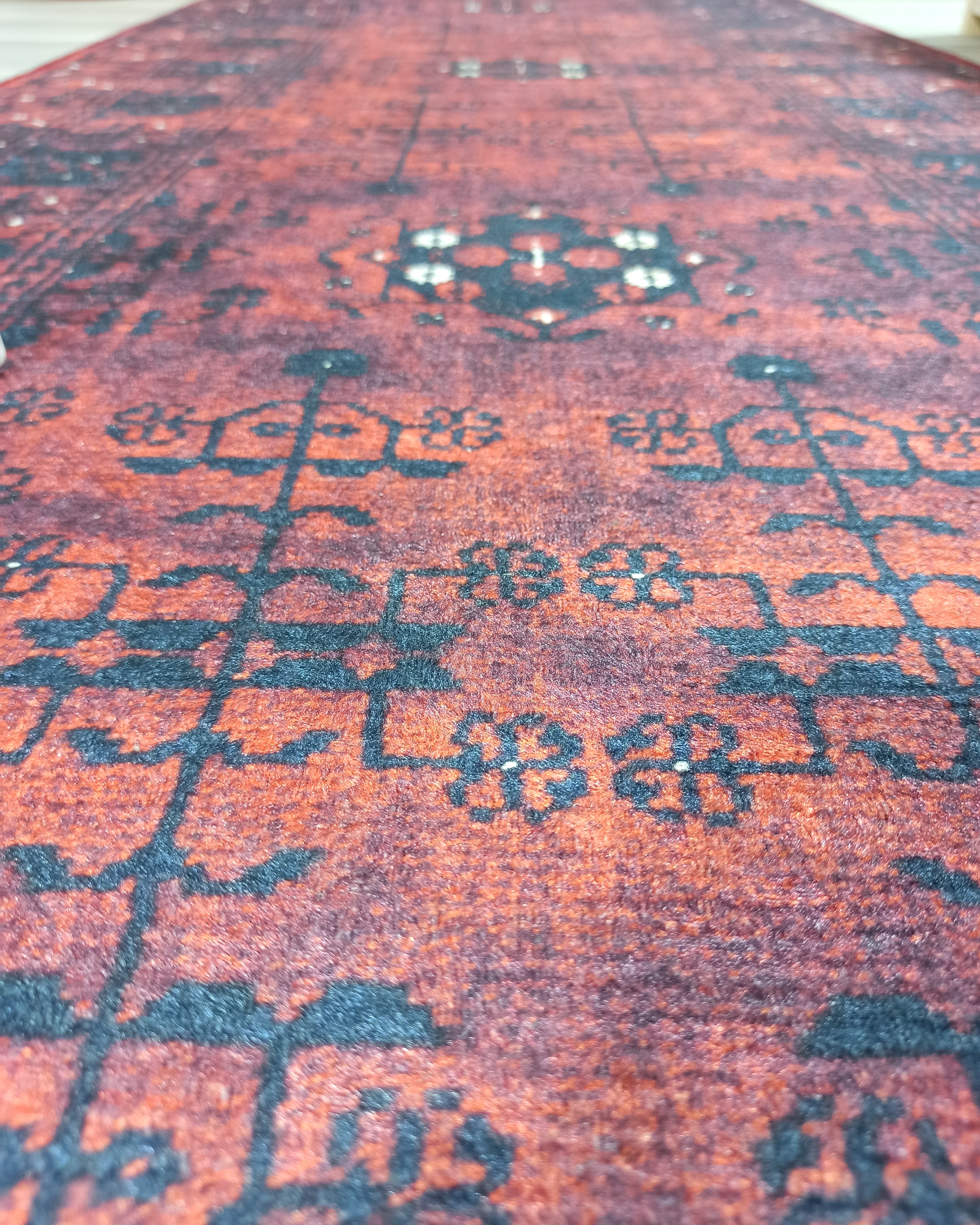
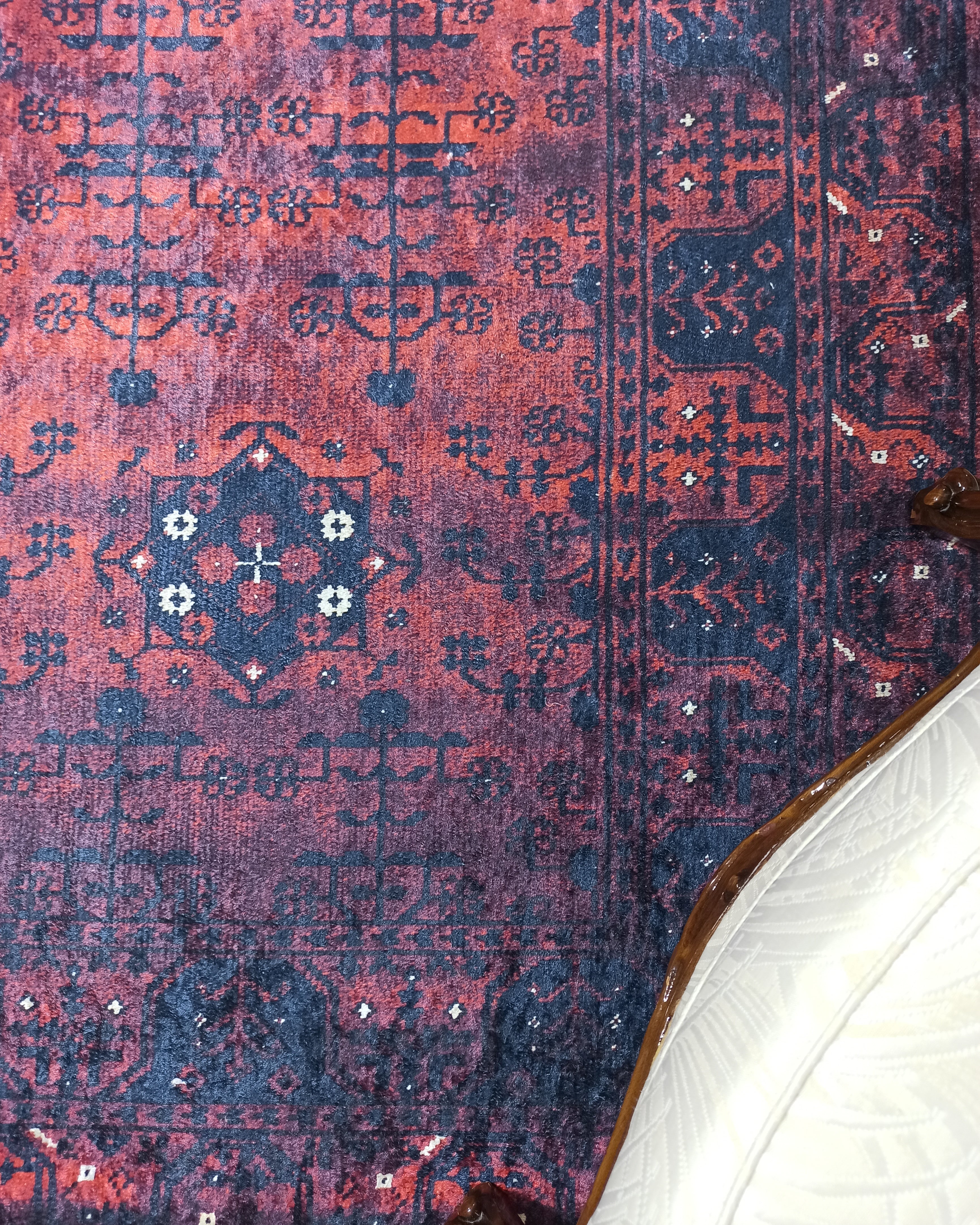
Hayat Ağacı (Tree of Life) — A vertical branching form connecting earth and sky, representing immortality and continuity between generations.
Yıldız (Star) — Eight-pointed stars appear across Anatolia as symbols of happiness and protection.
Mihrab — The pointed arch form found in prayer rugs, echoing the niche in a mosque wall that indicates the direction of Mecca.
Regional Design Families
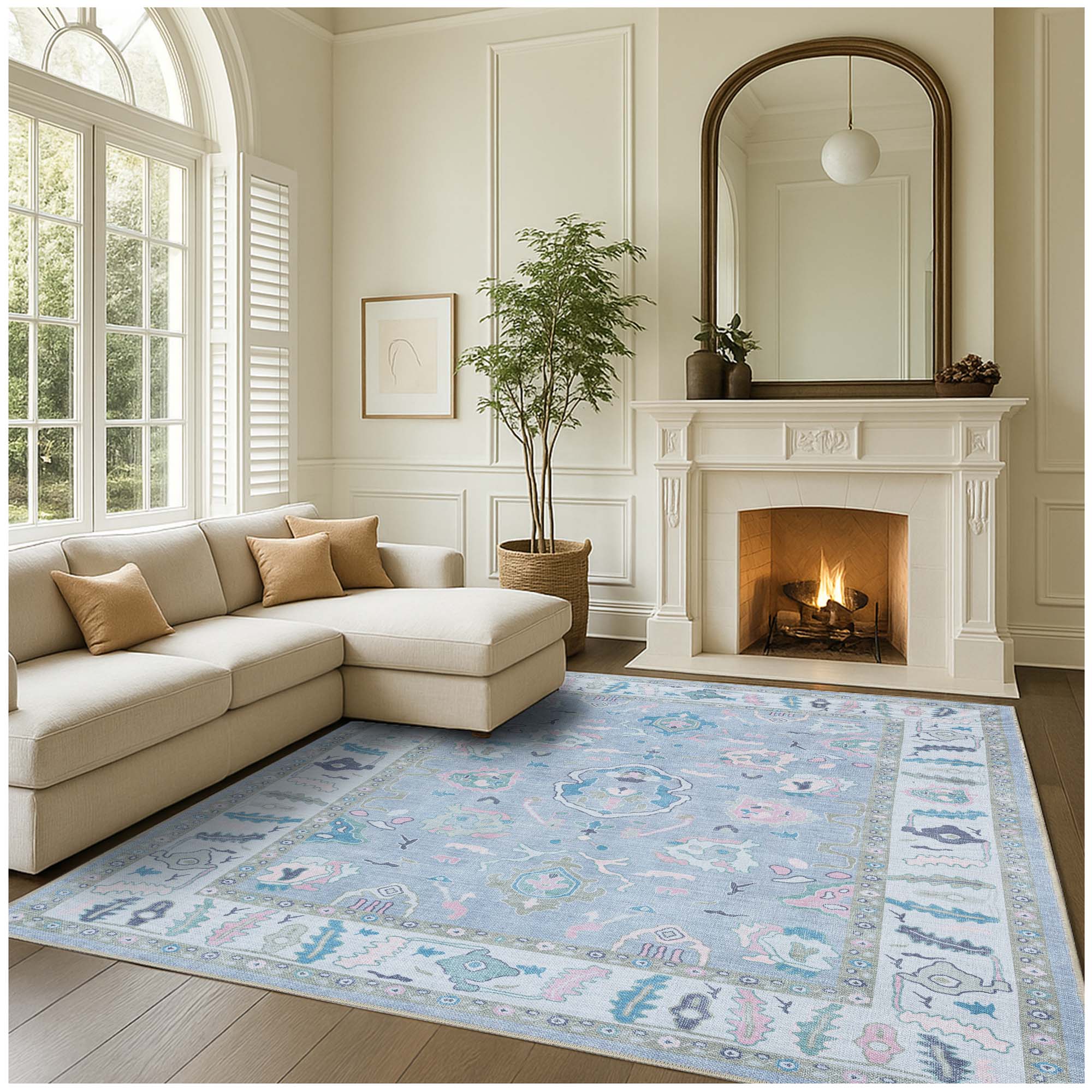
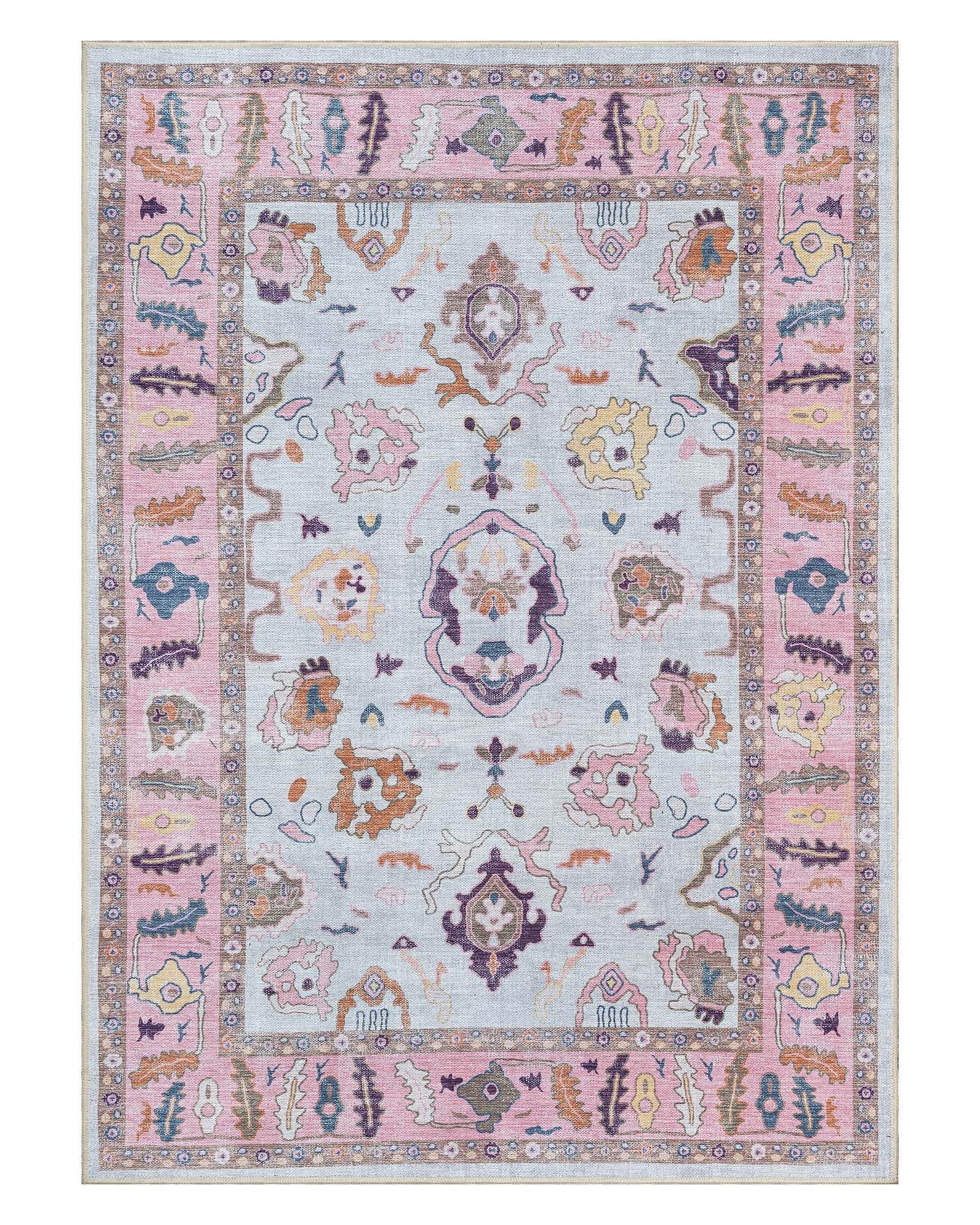
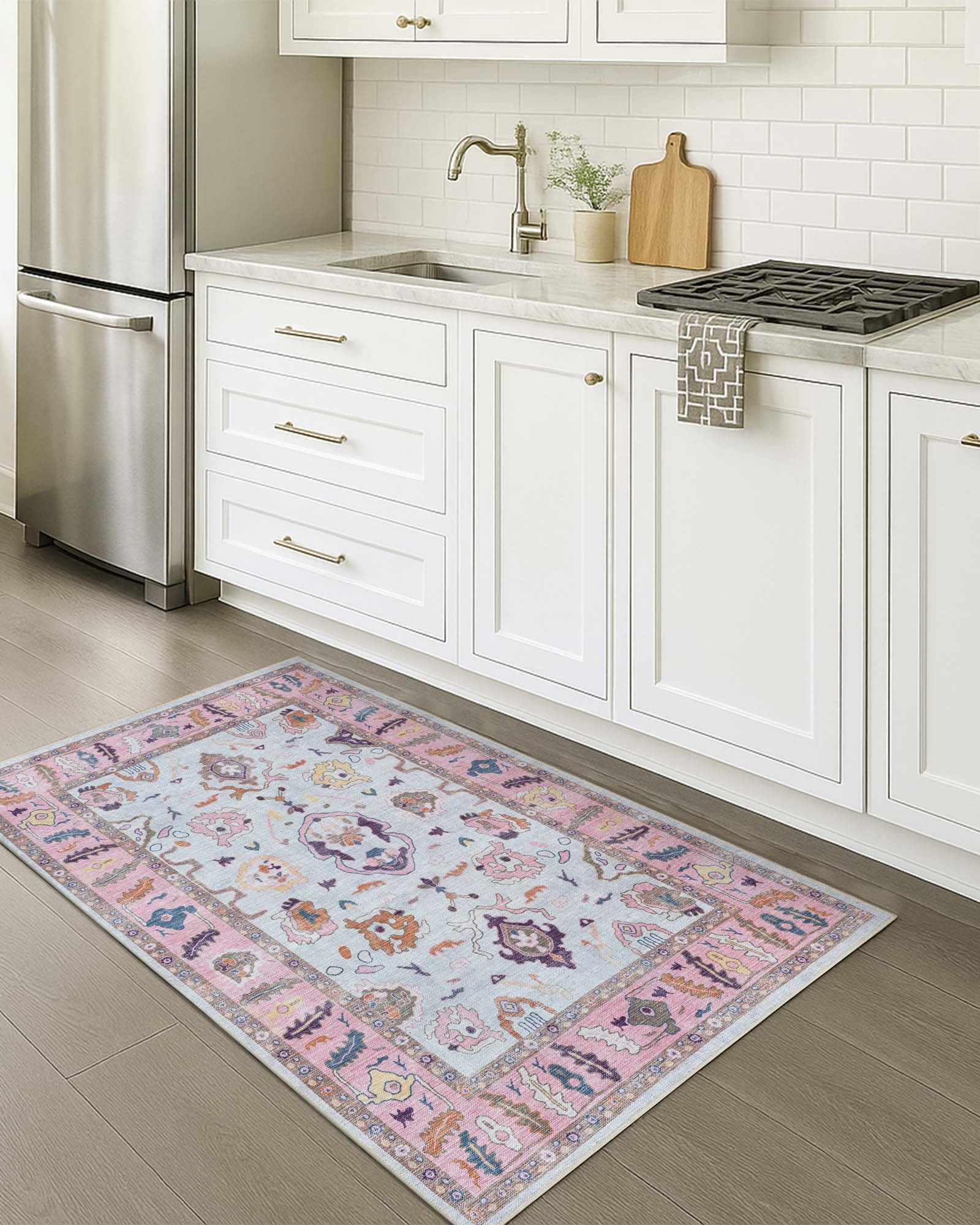
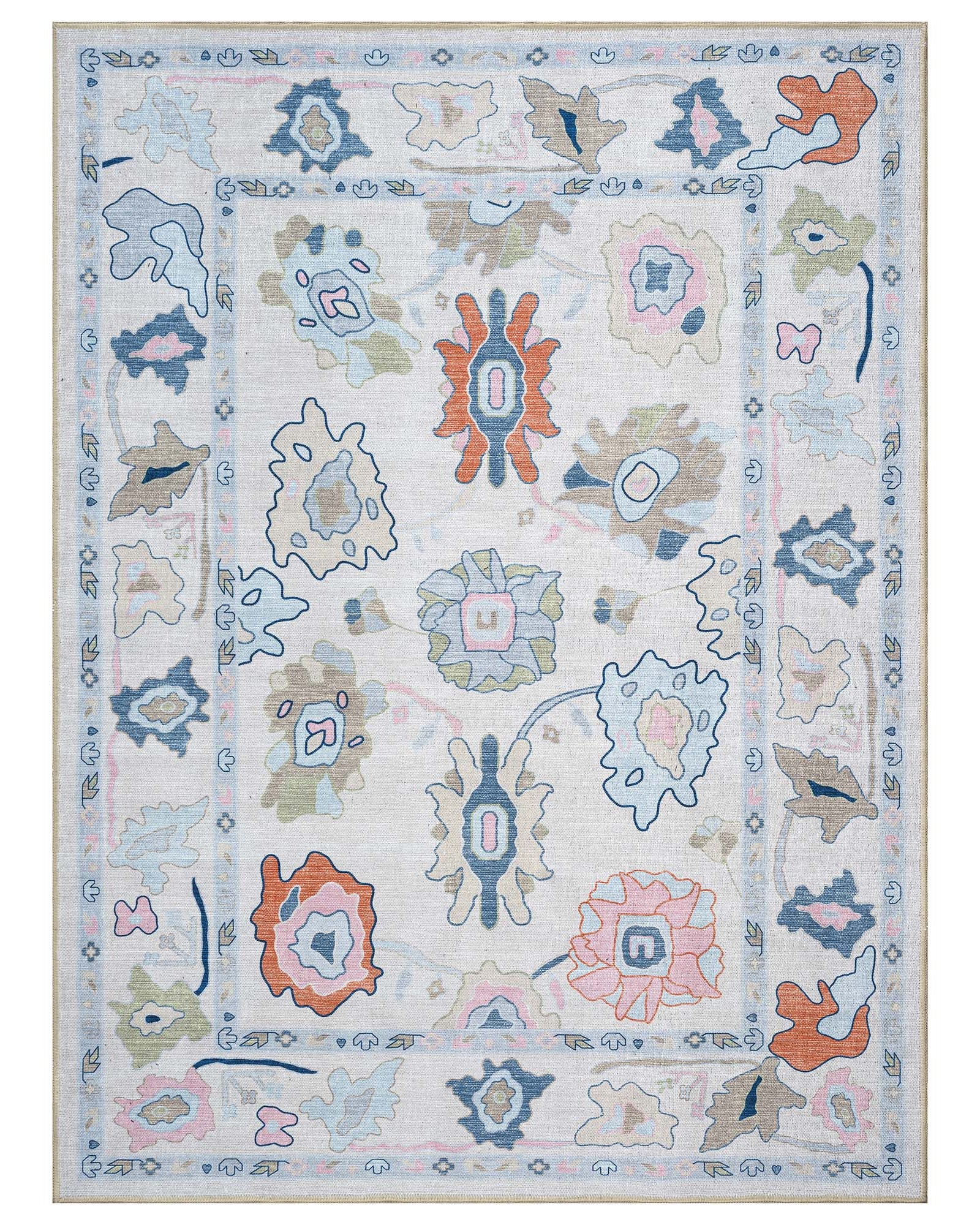
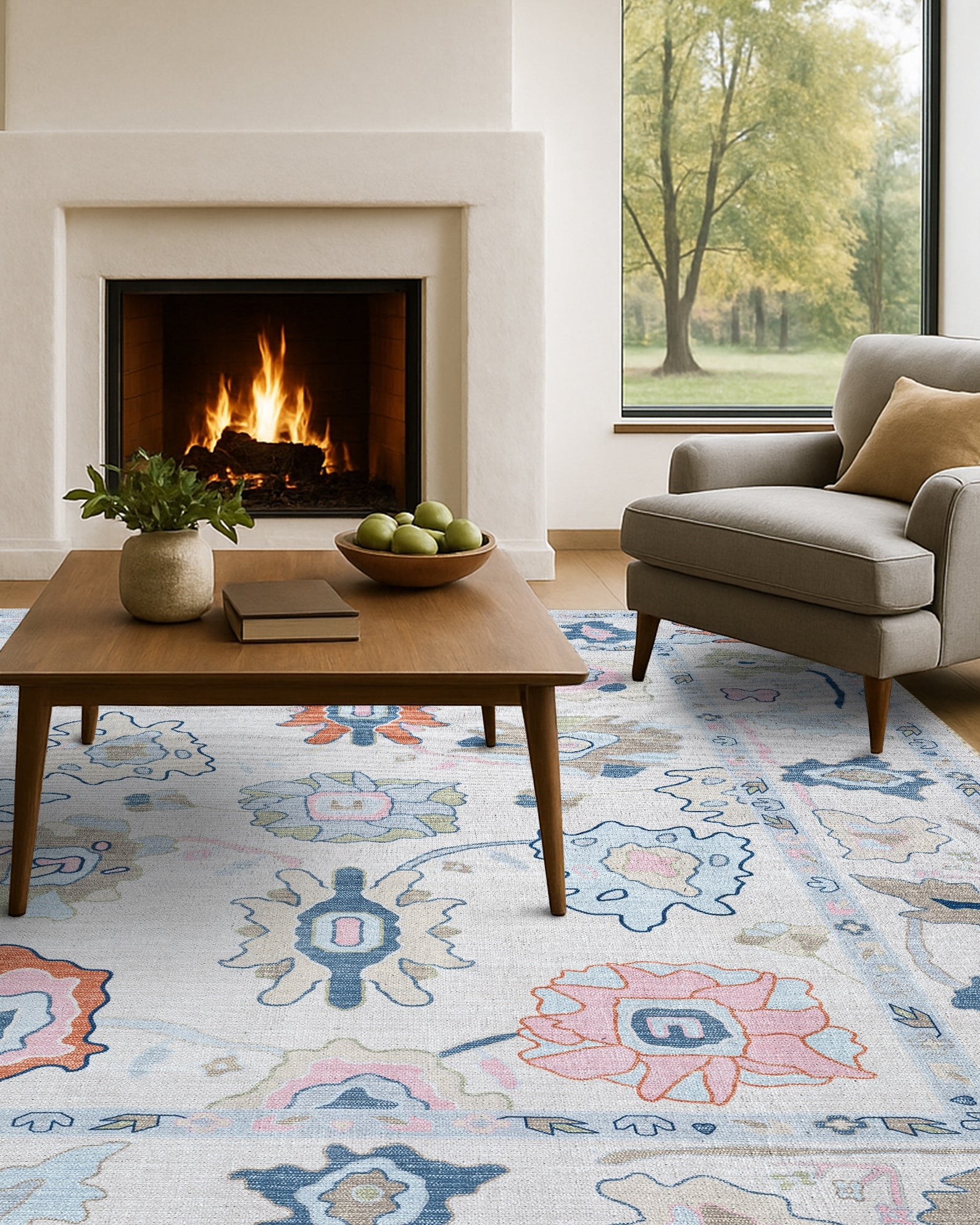
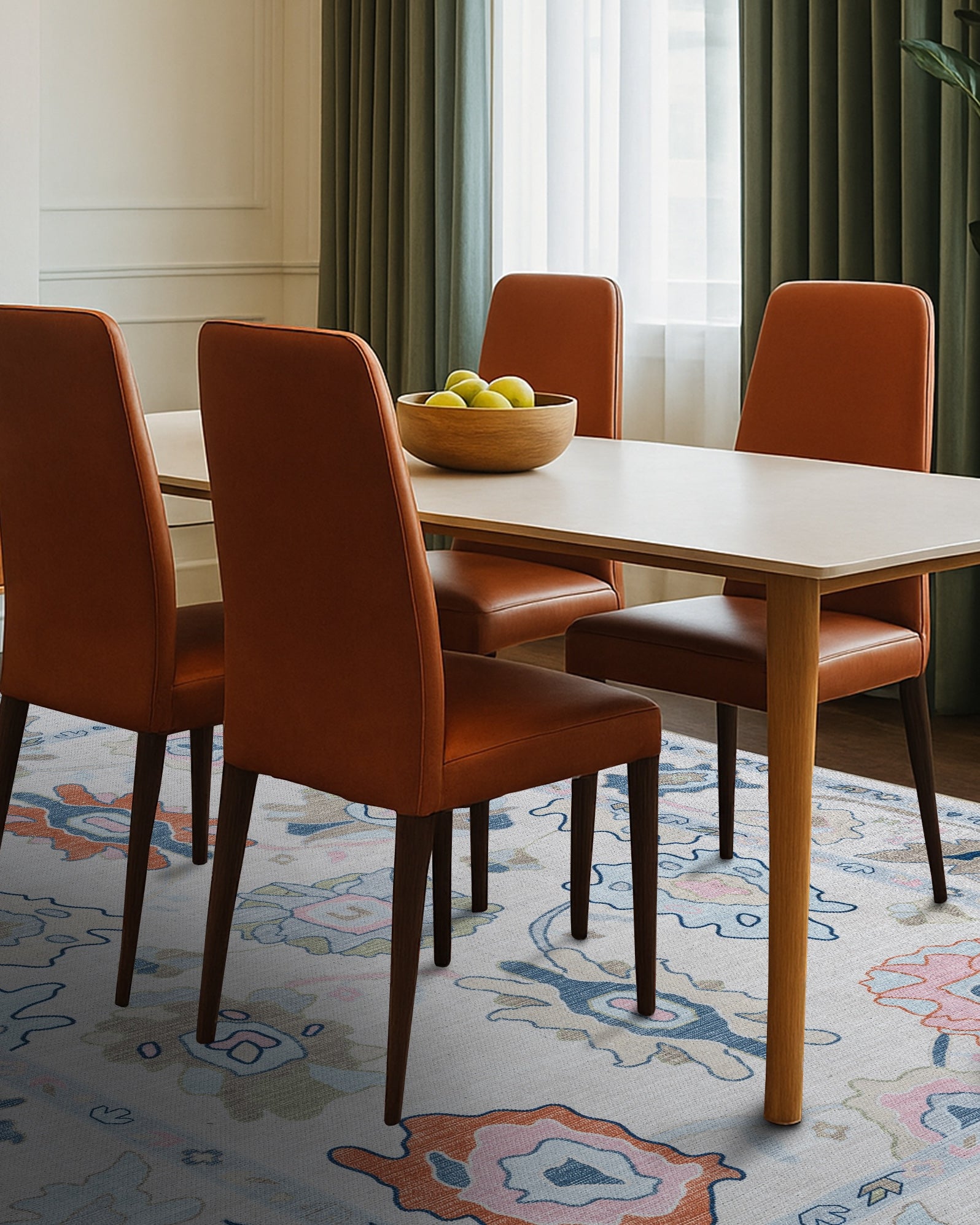
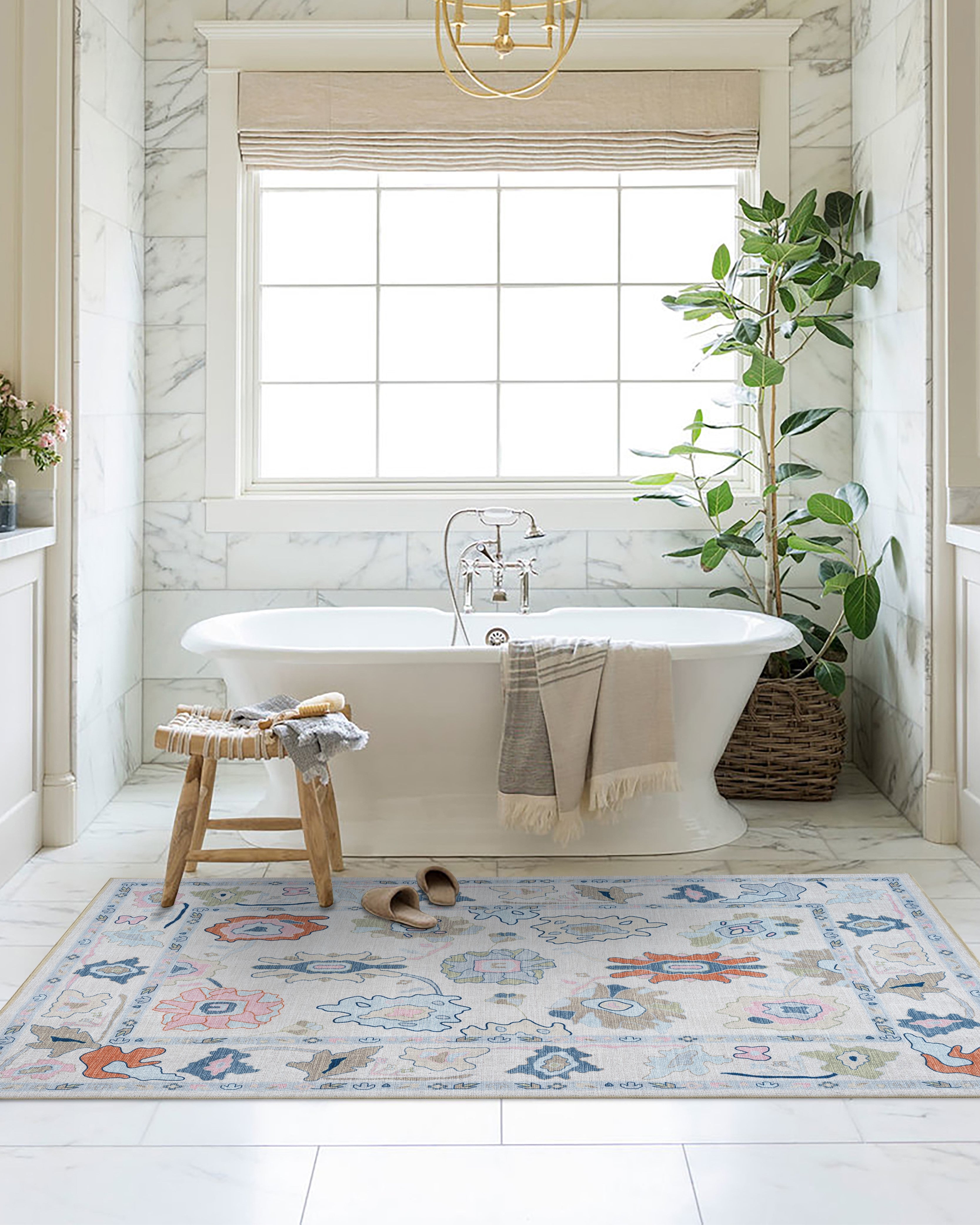
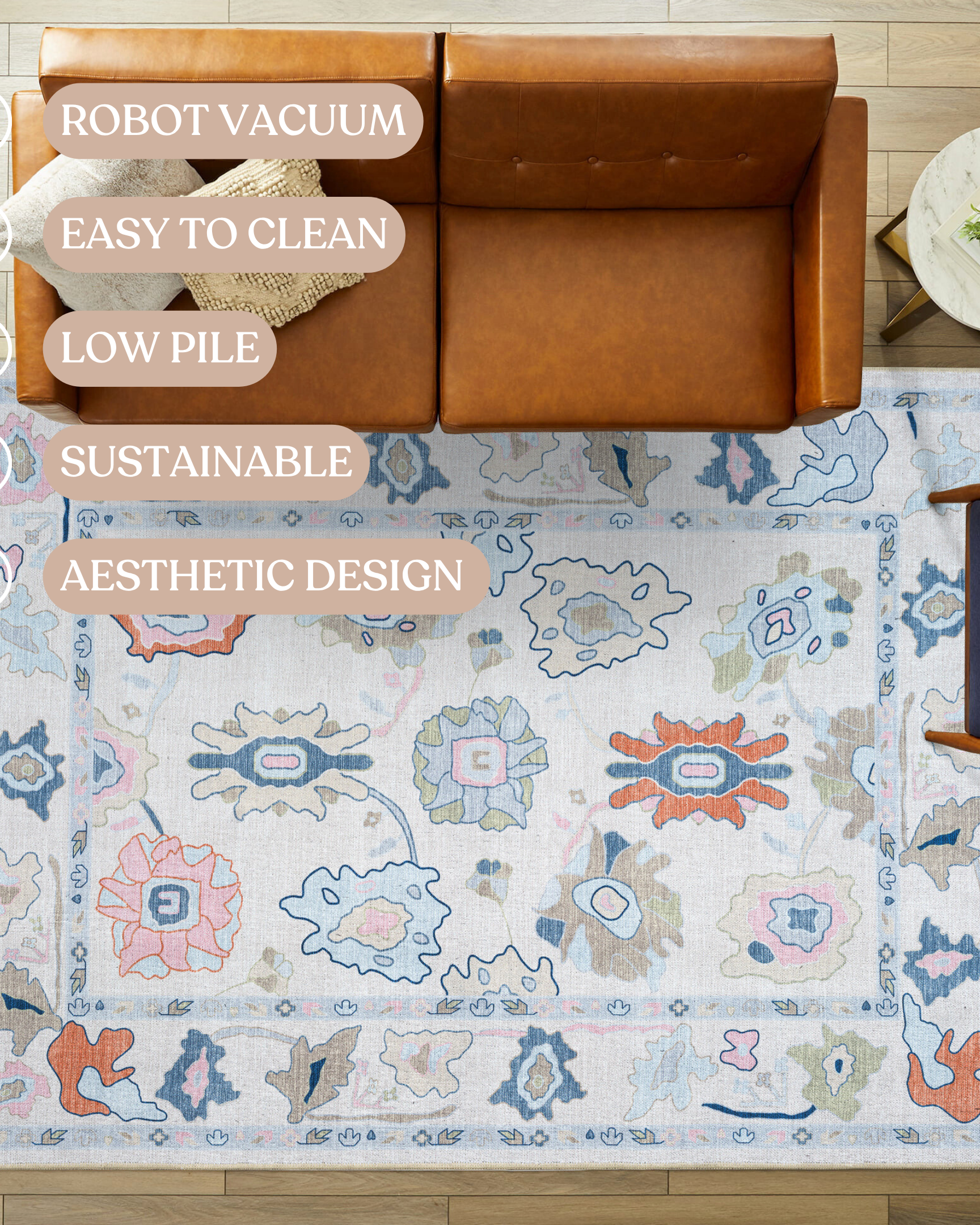
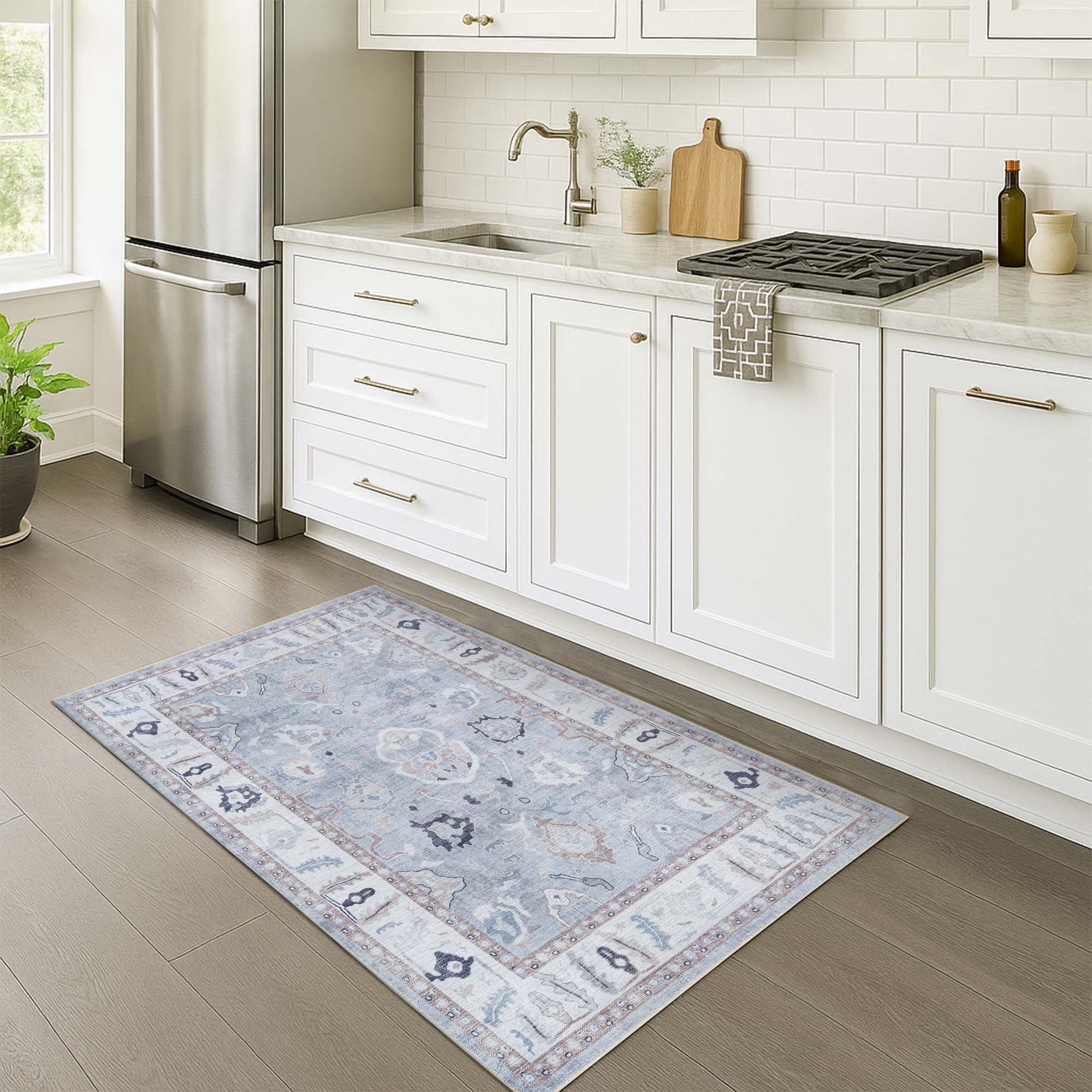
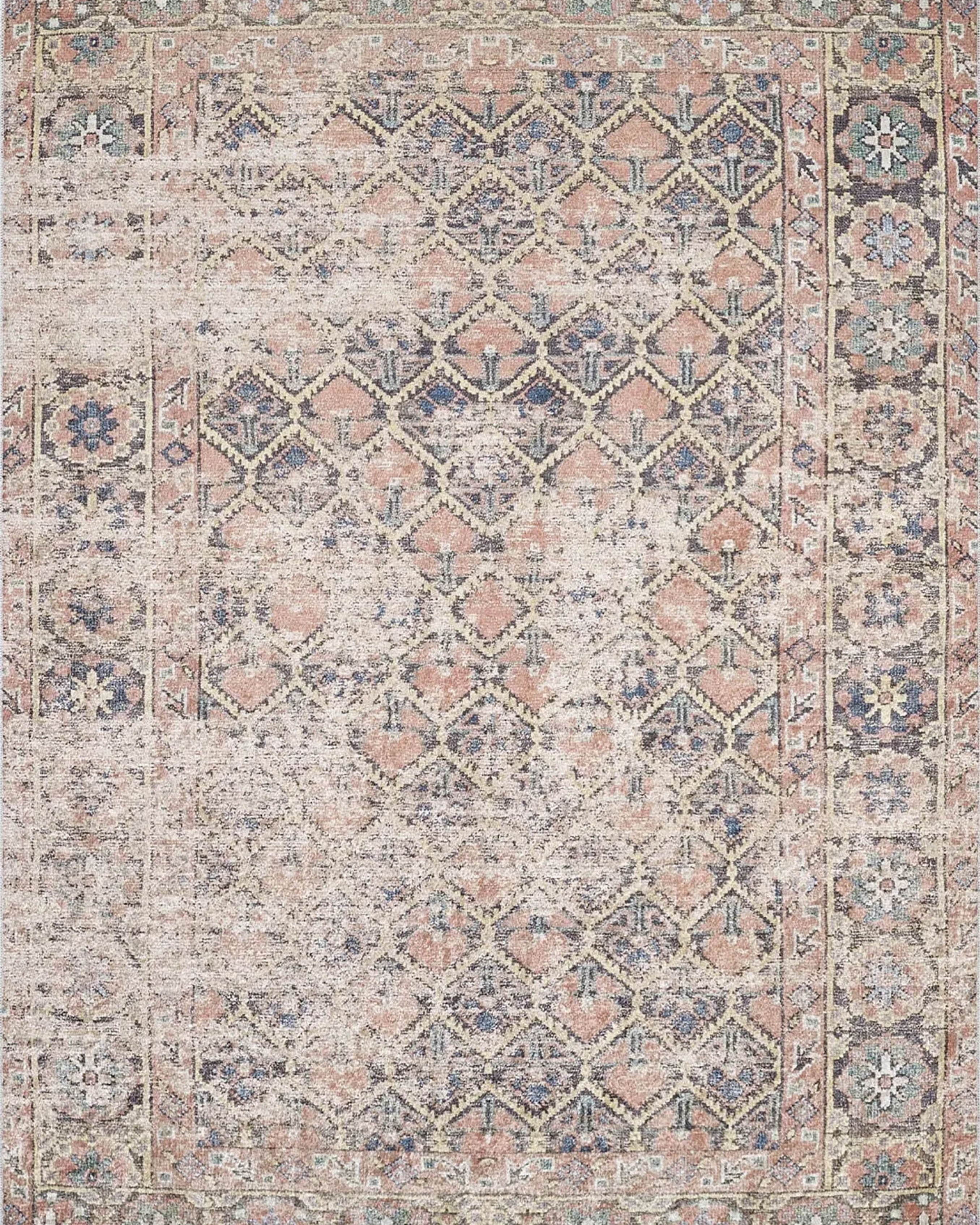
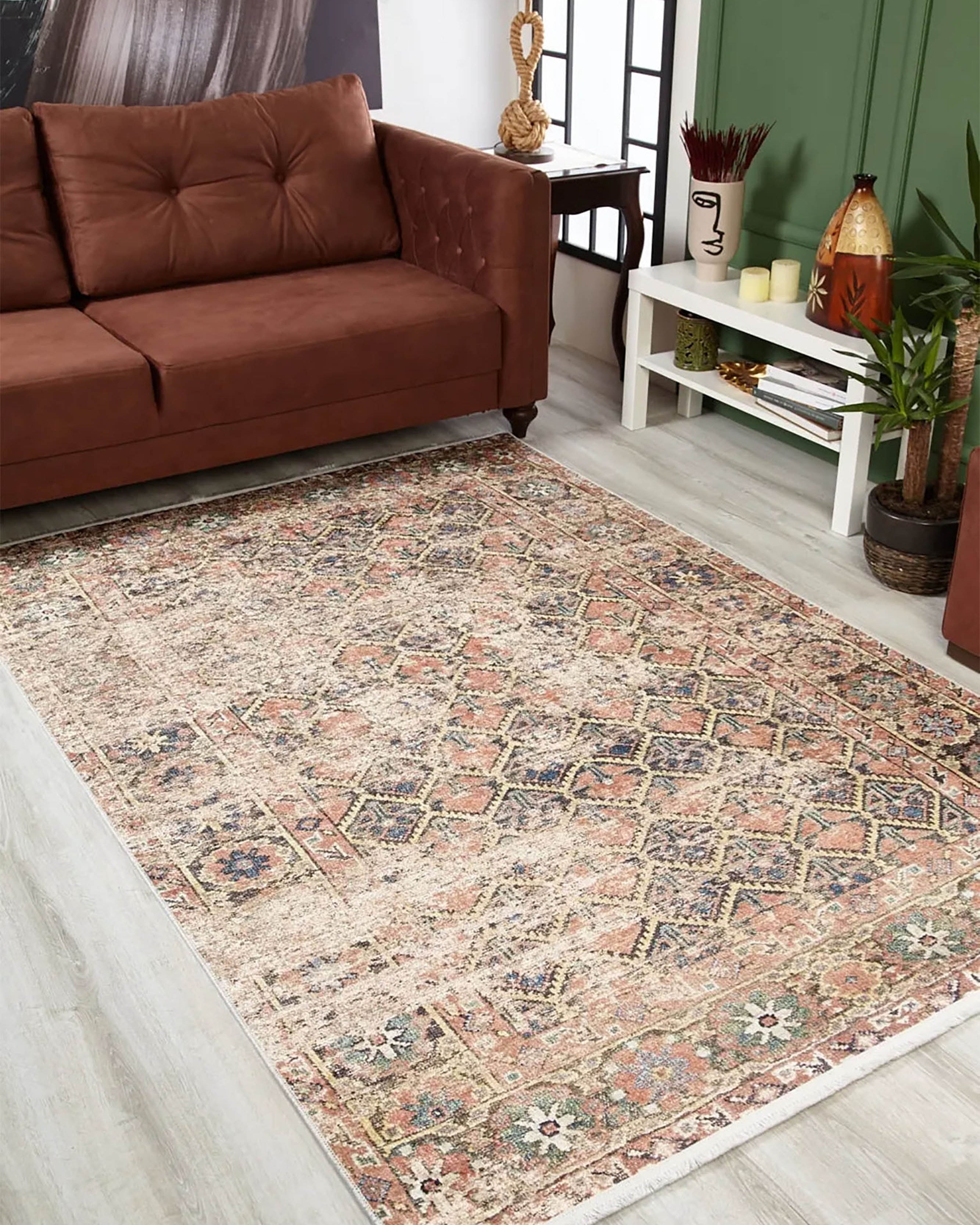
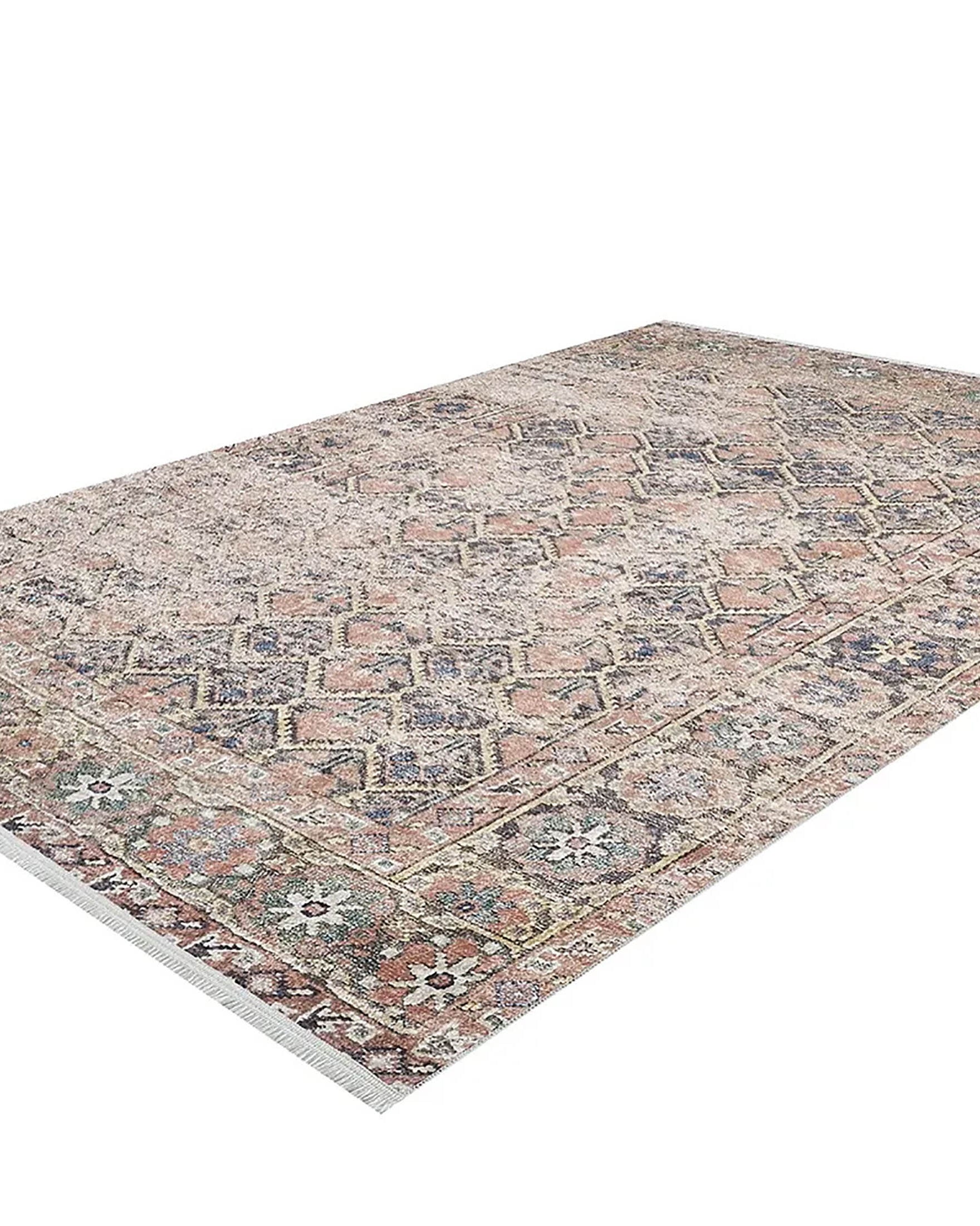
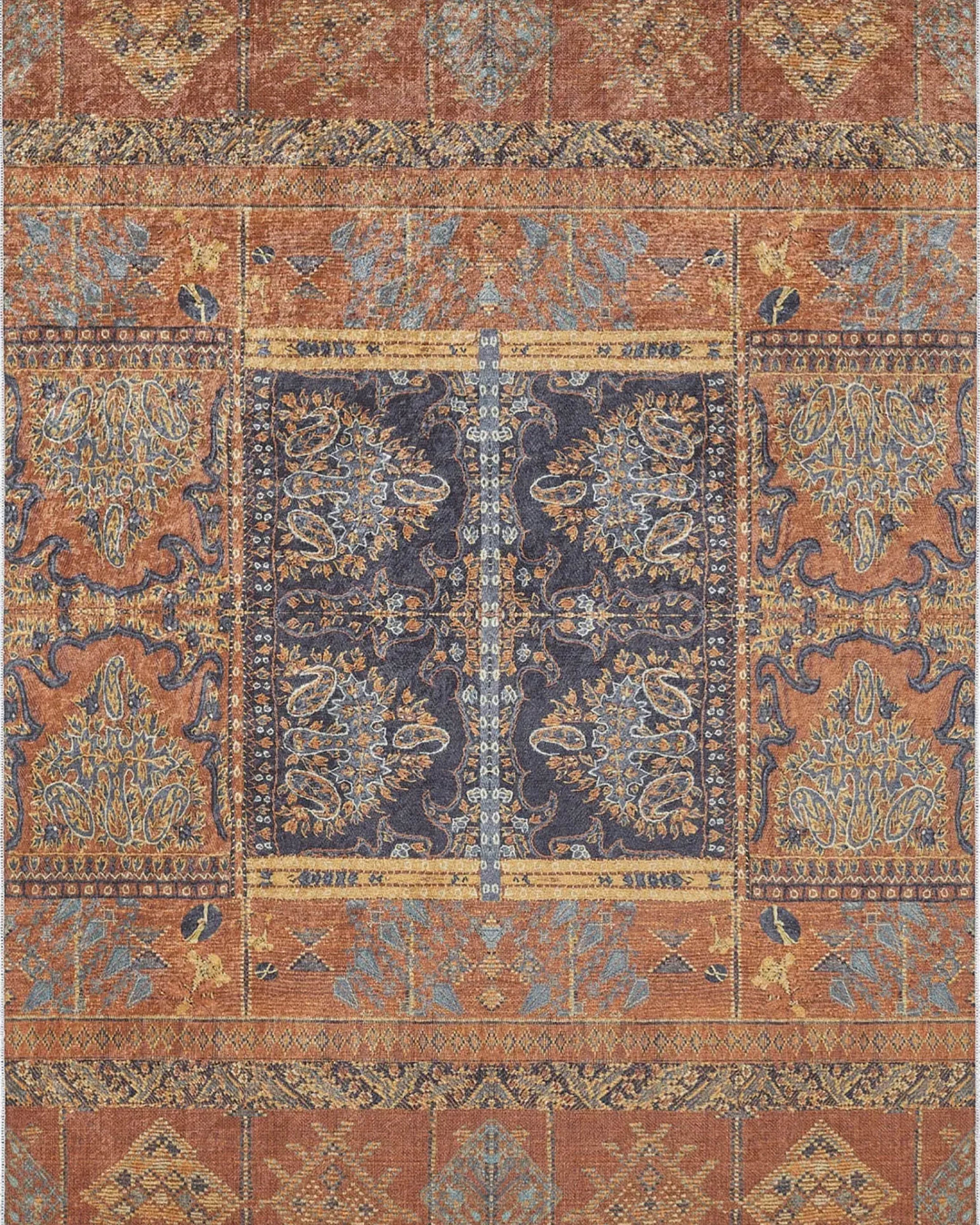
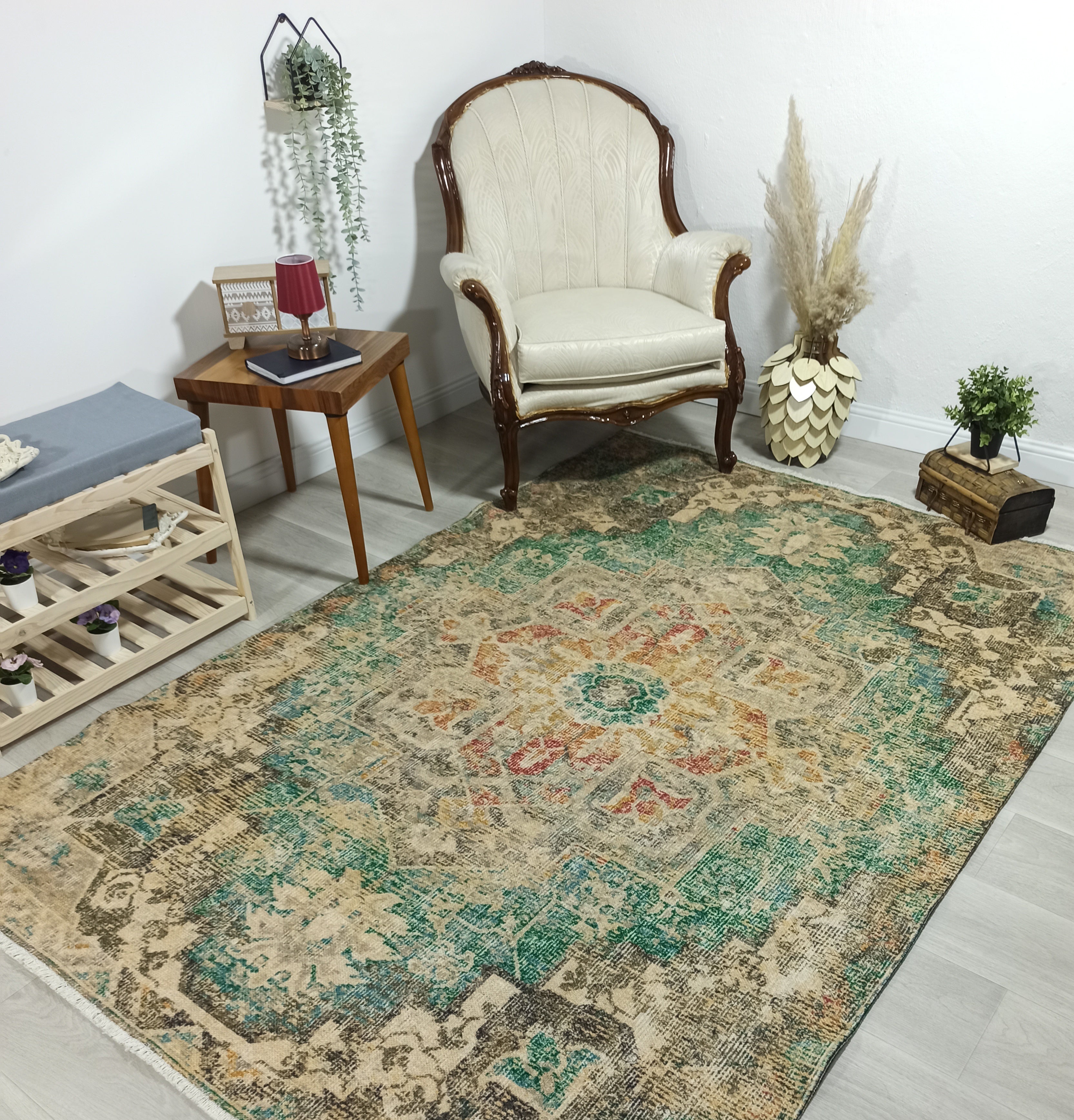
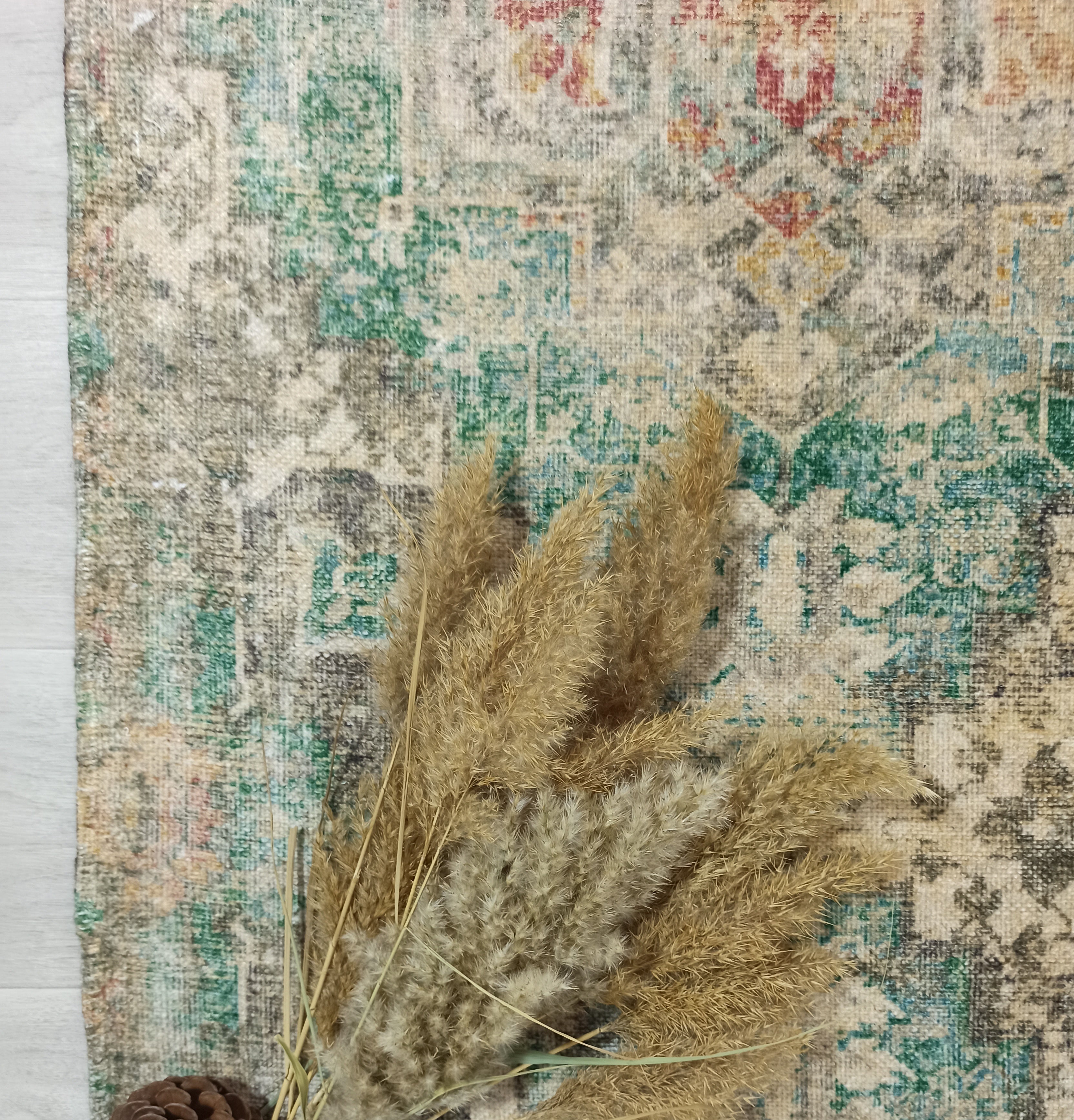
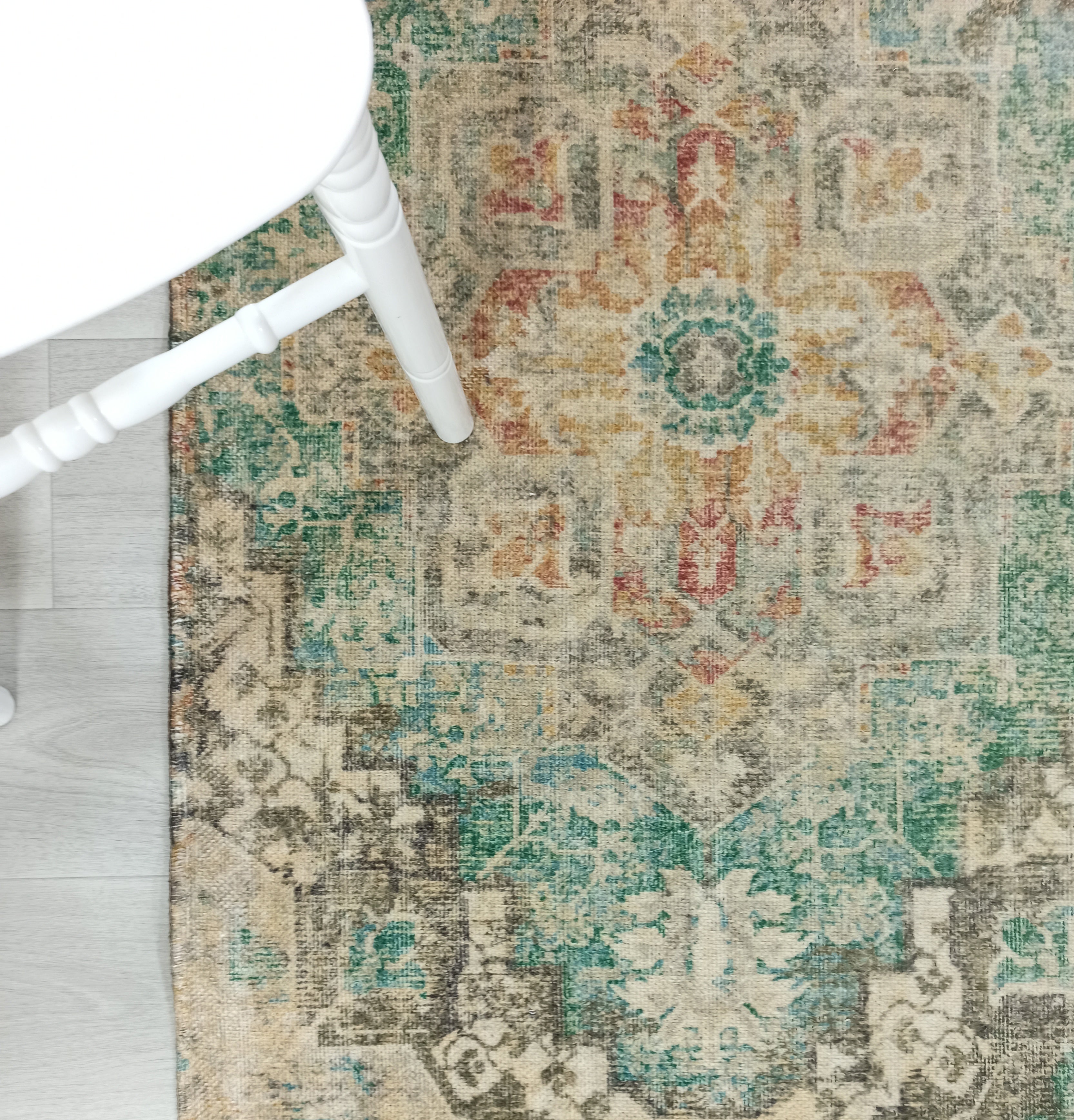
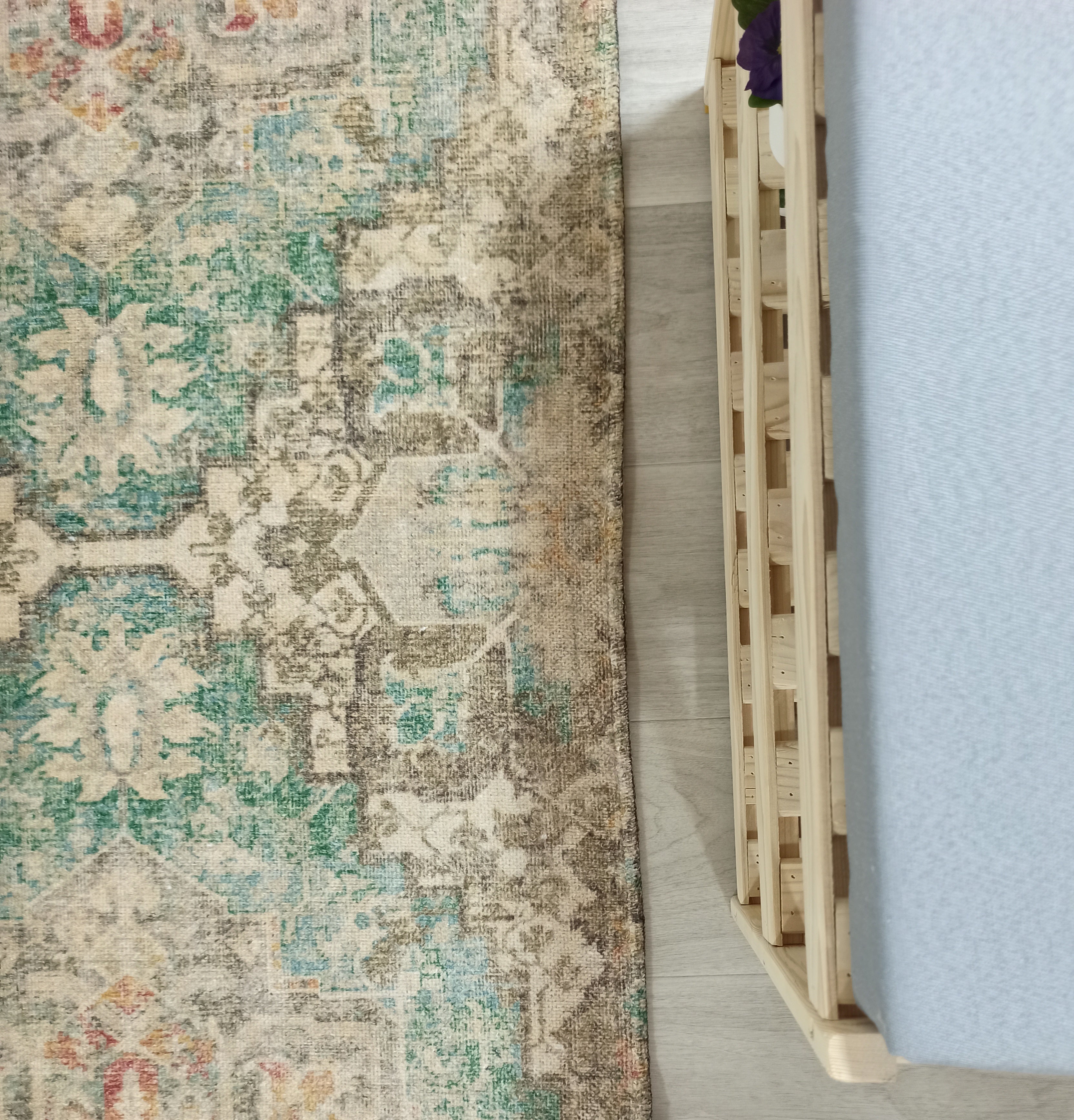
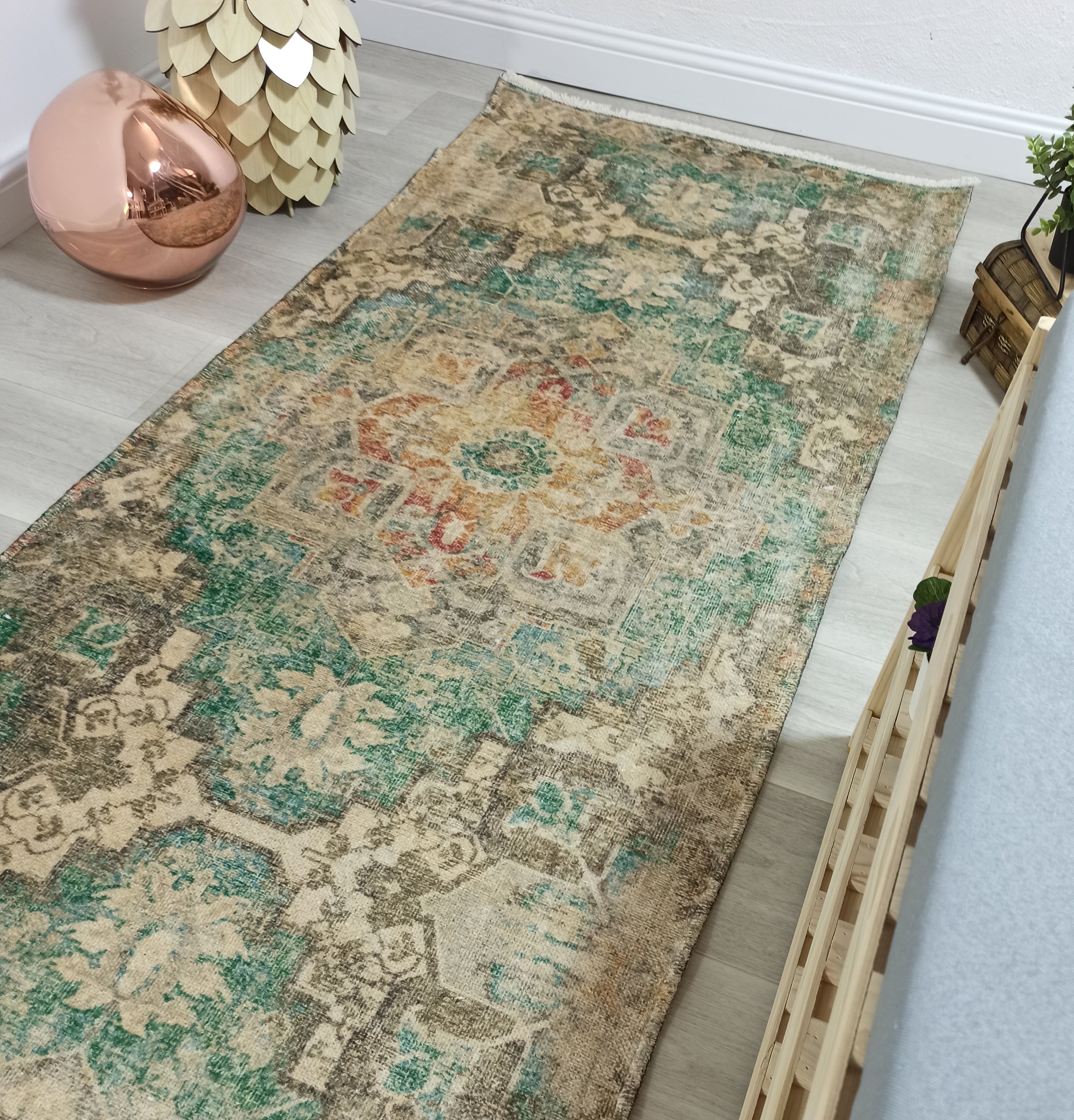
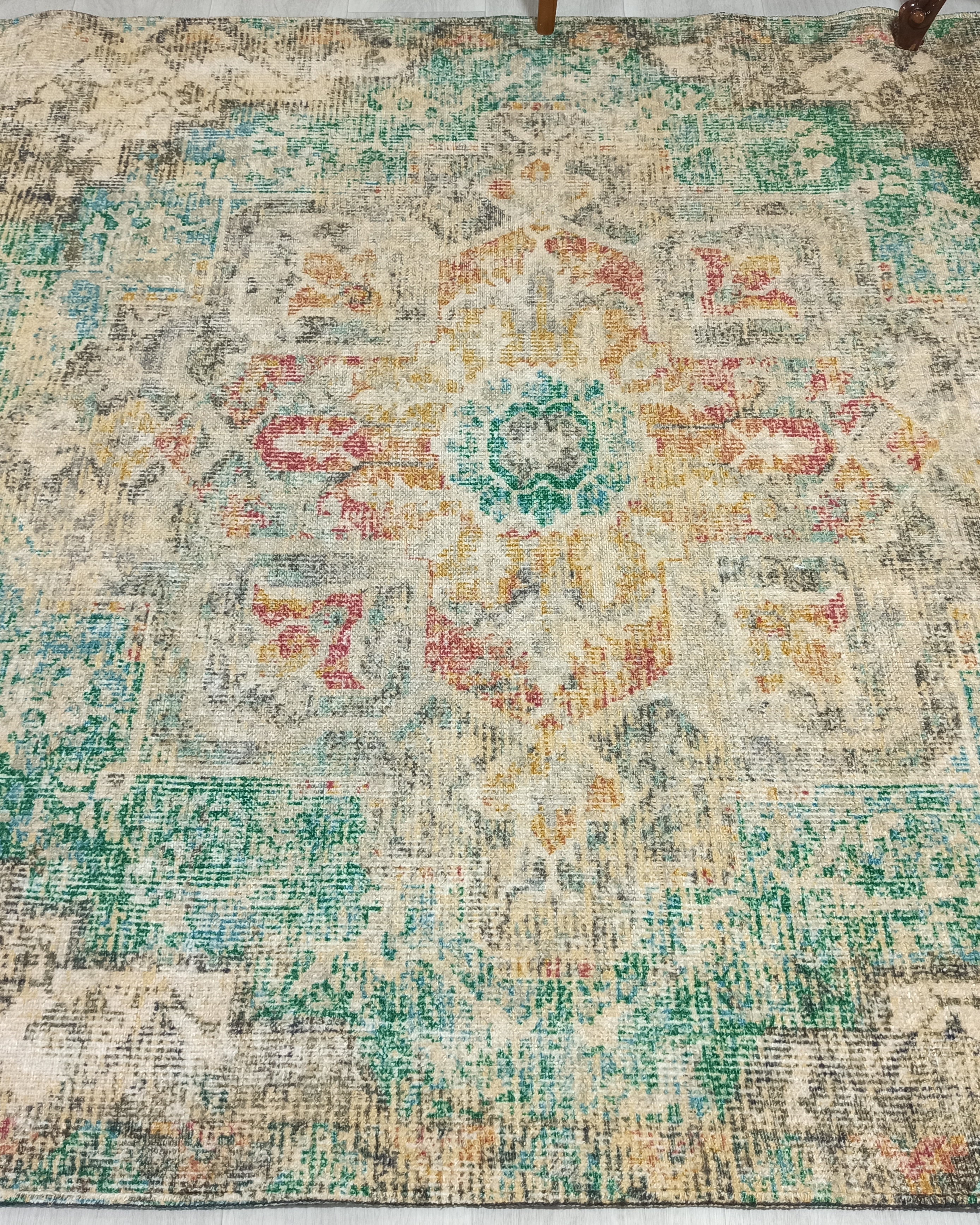
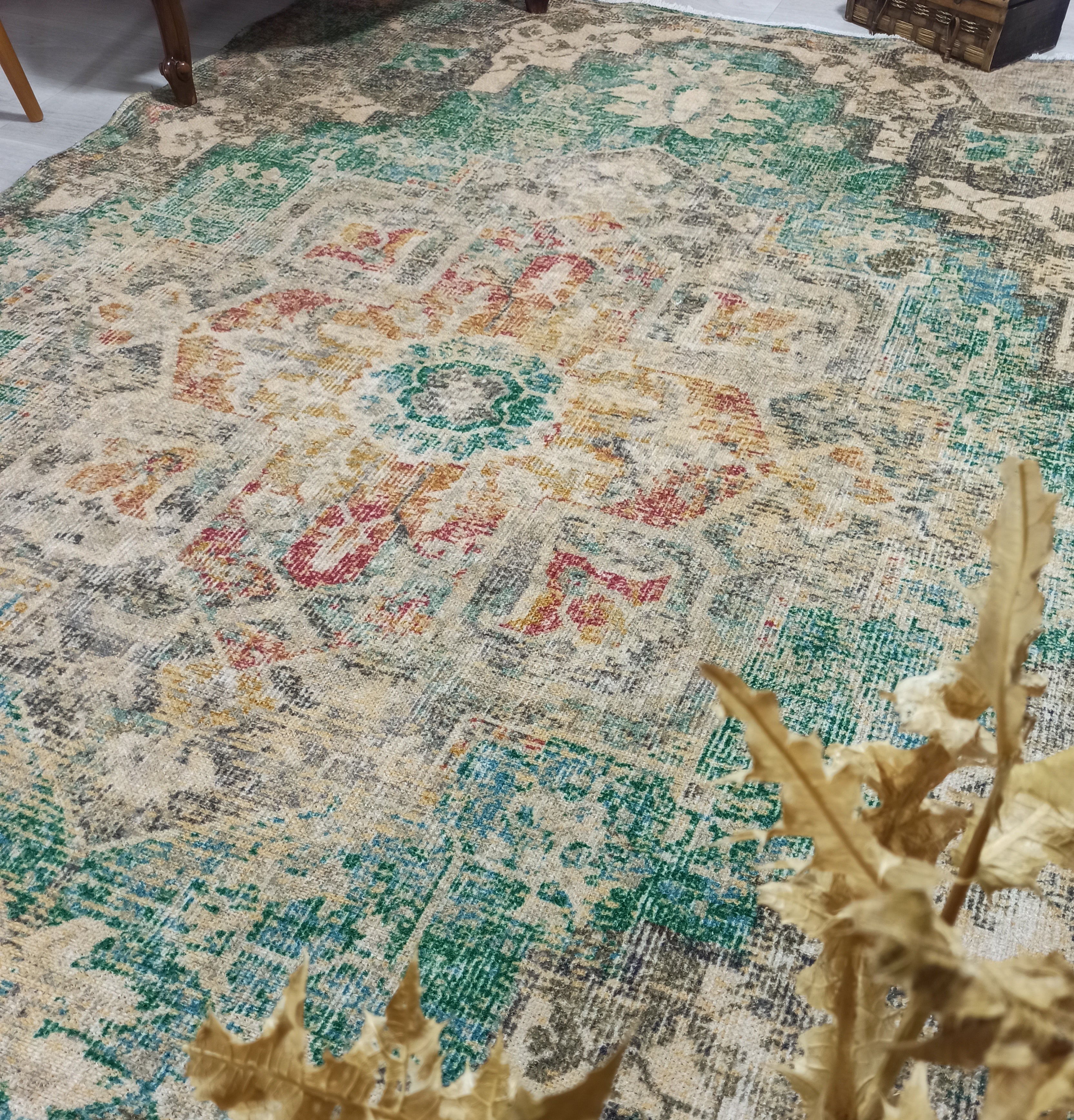
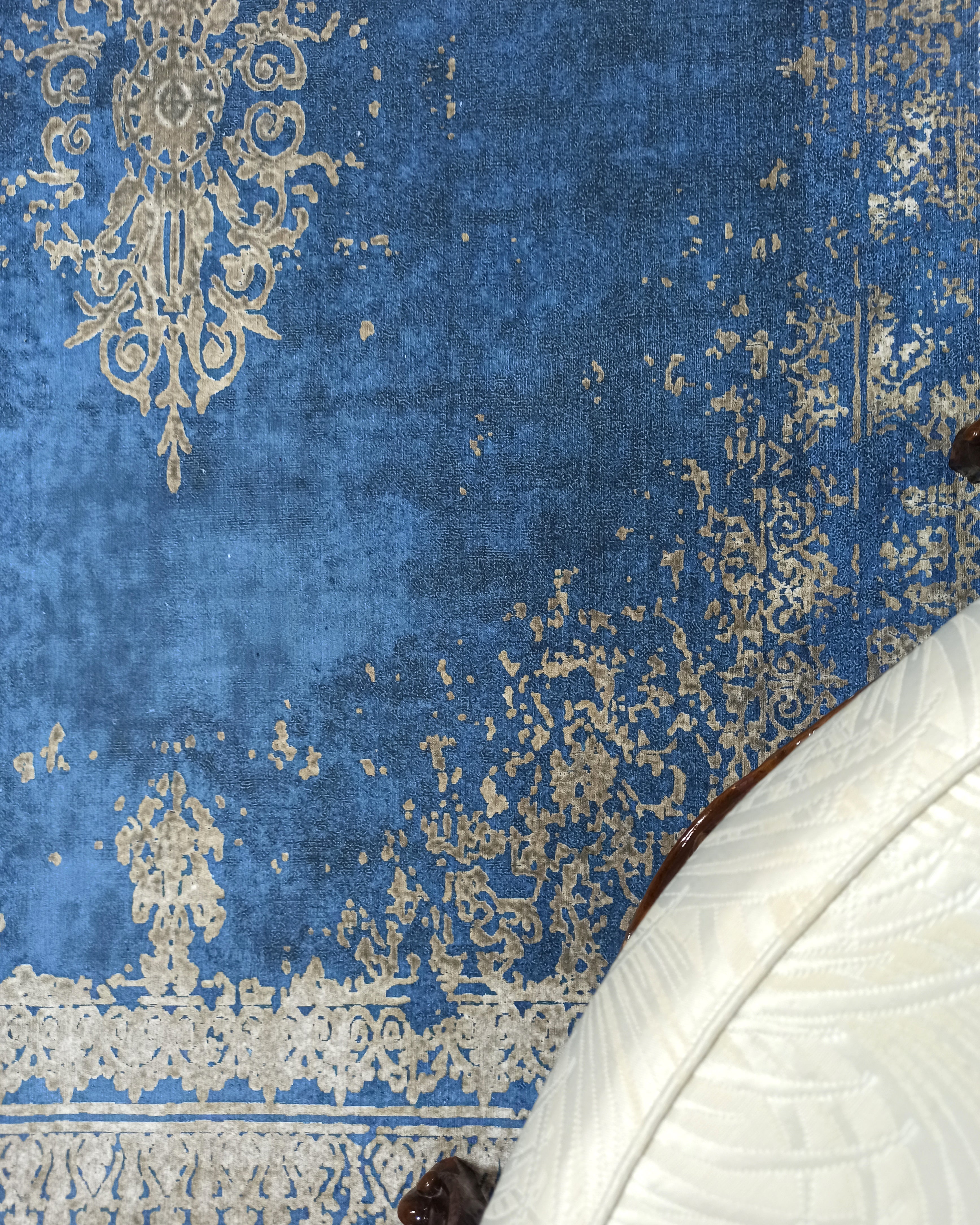
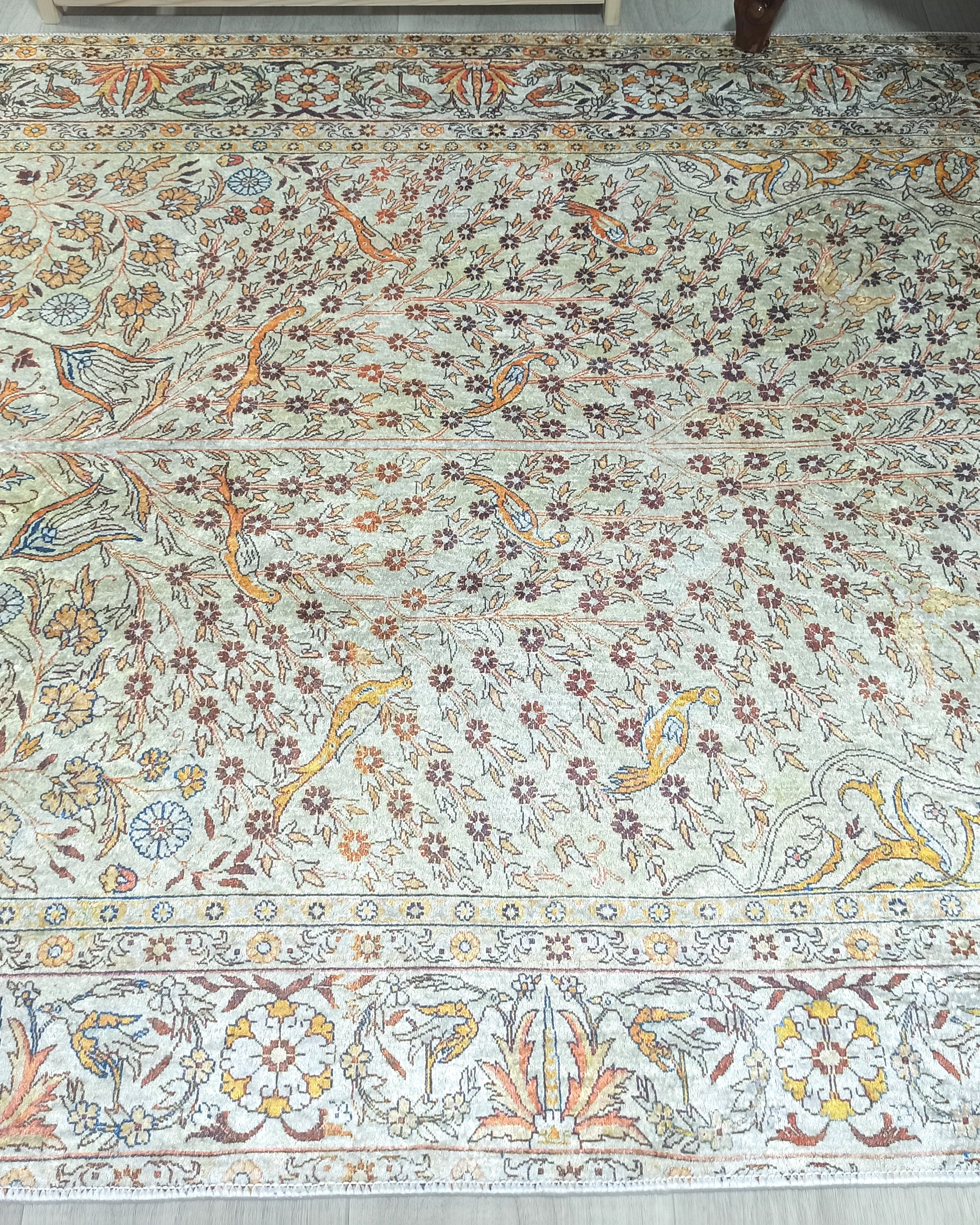
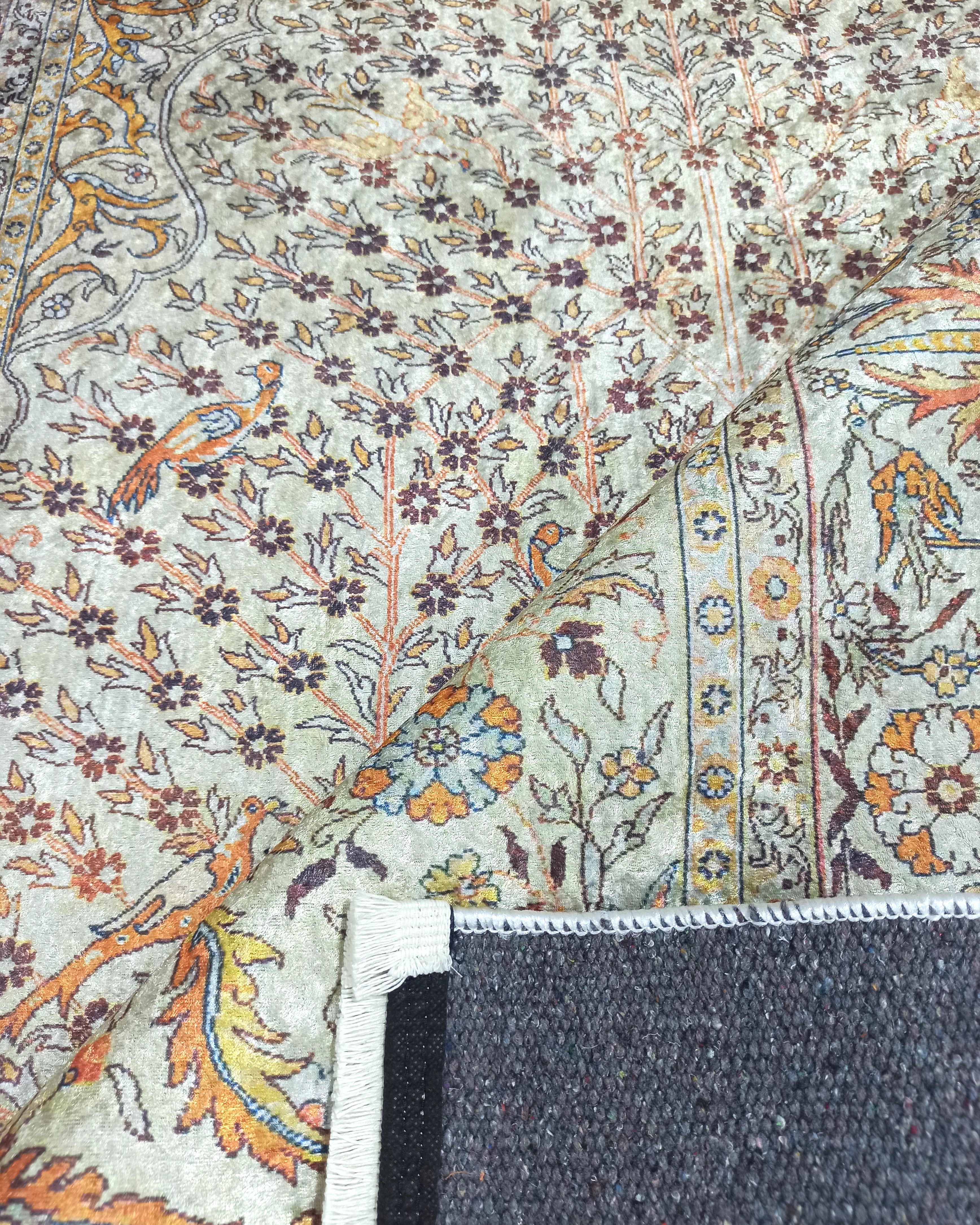
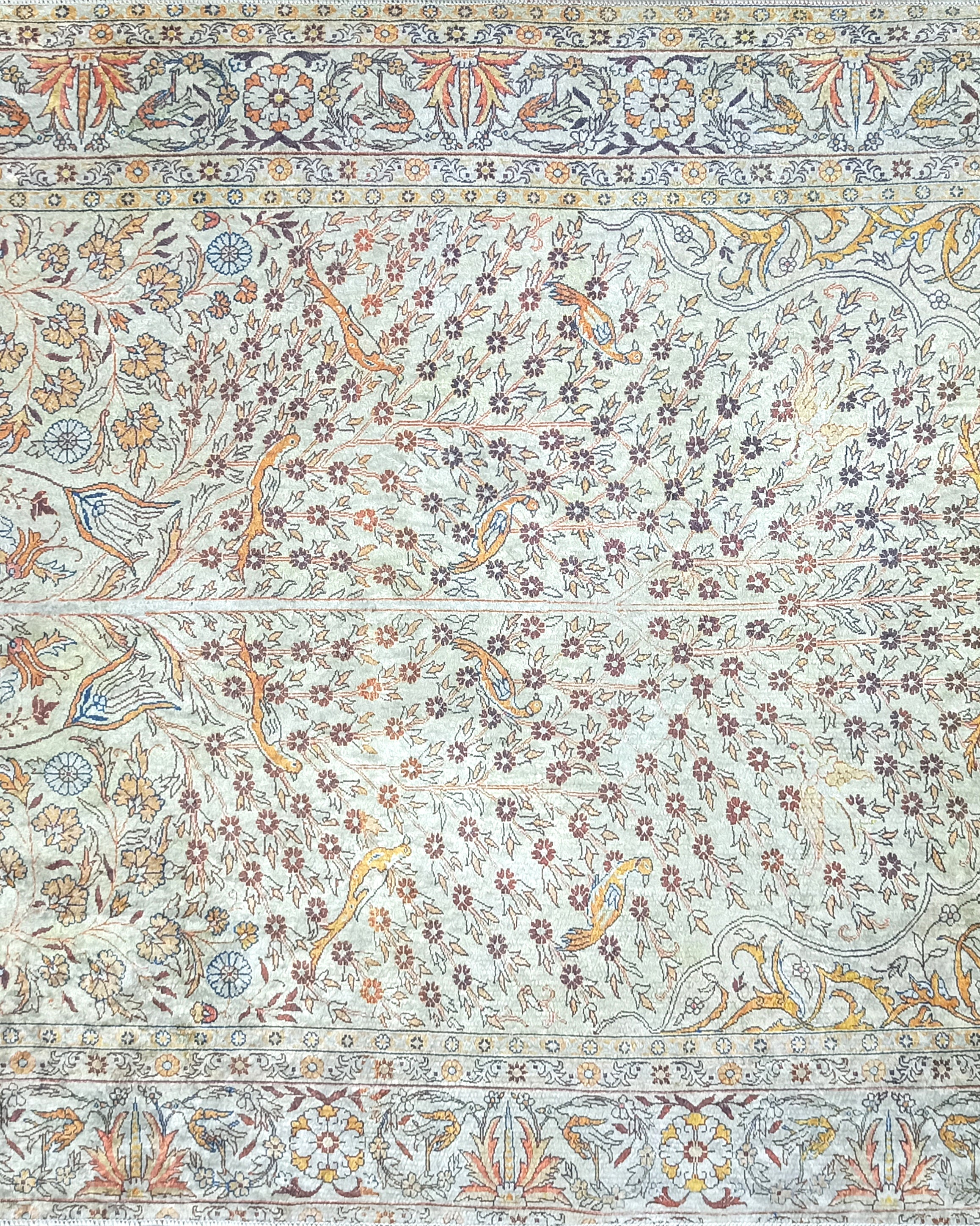
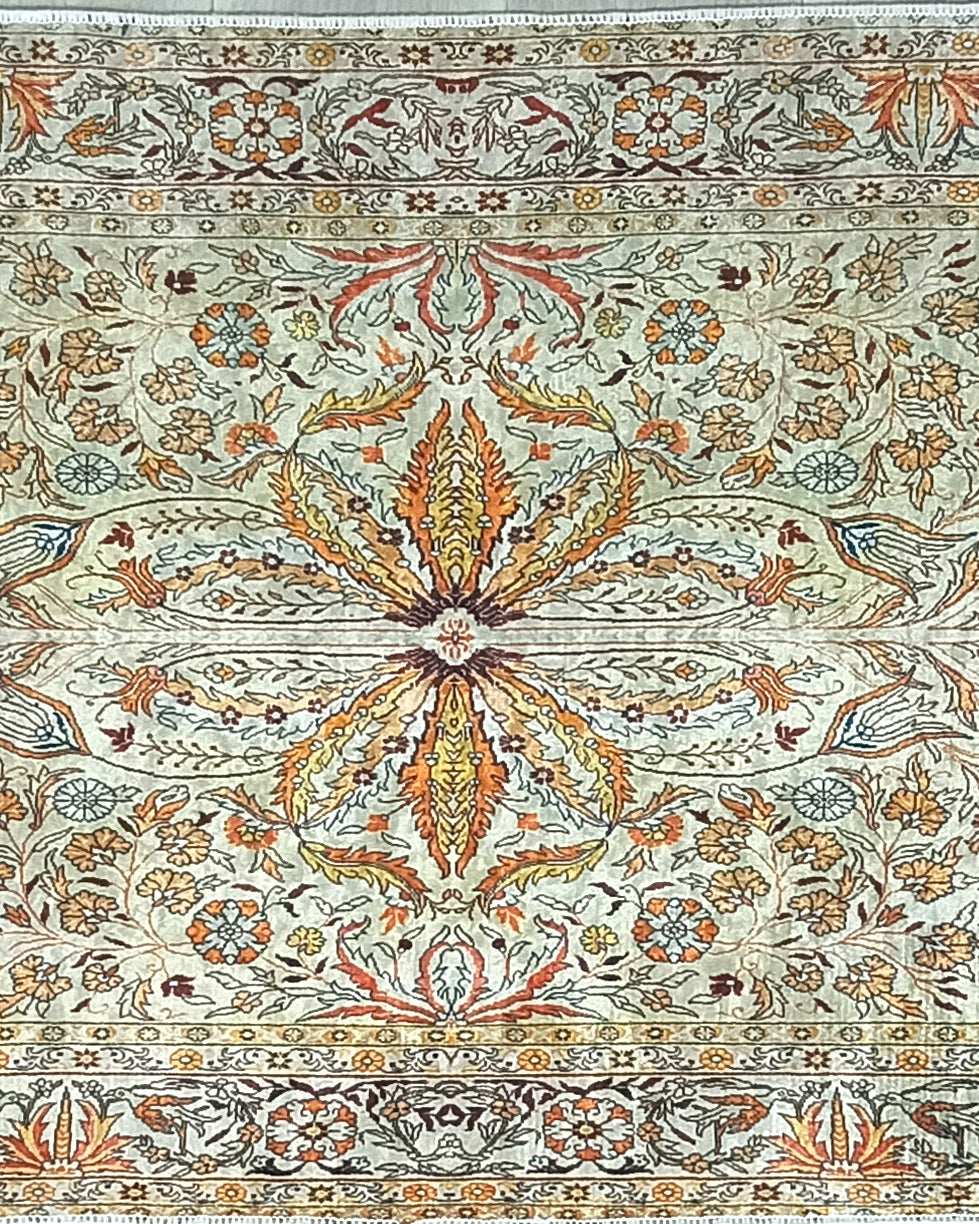
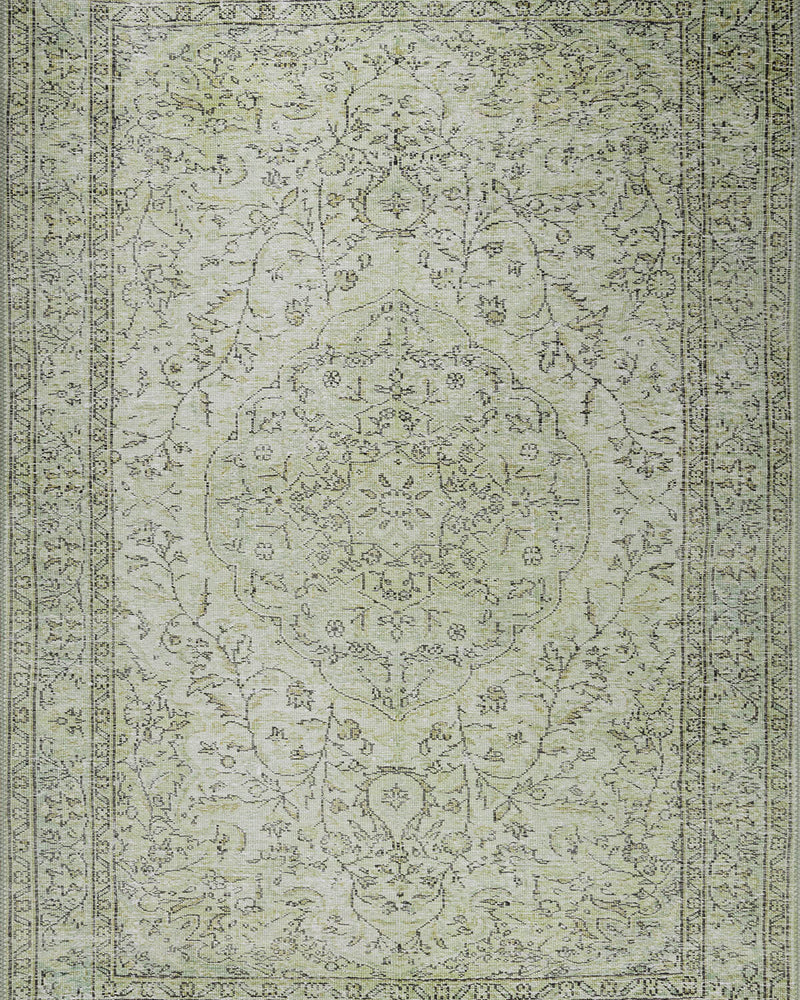
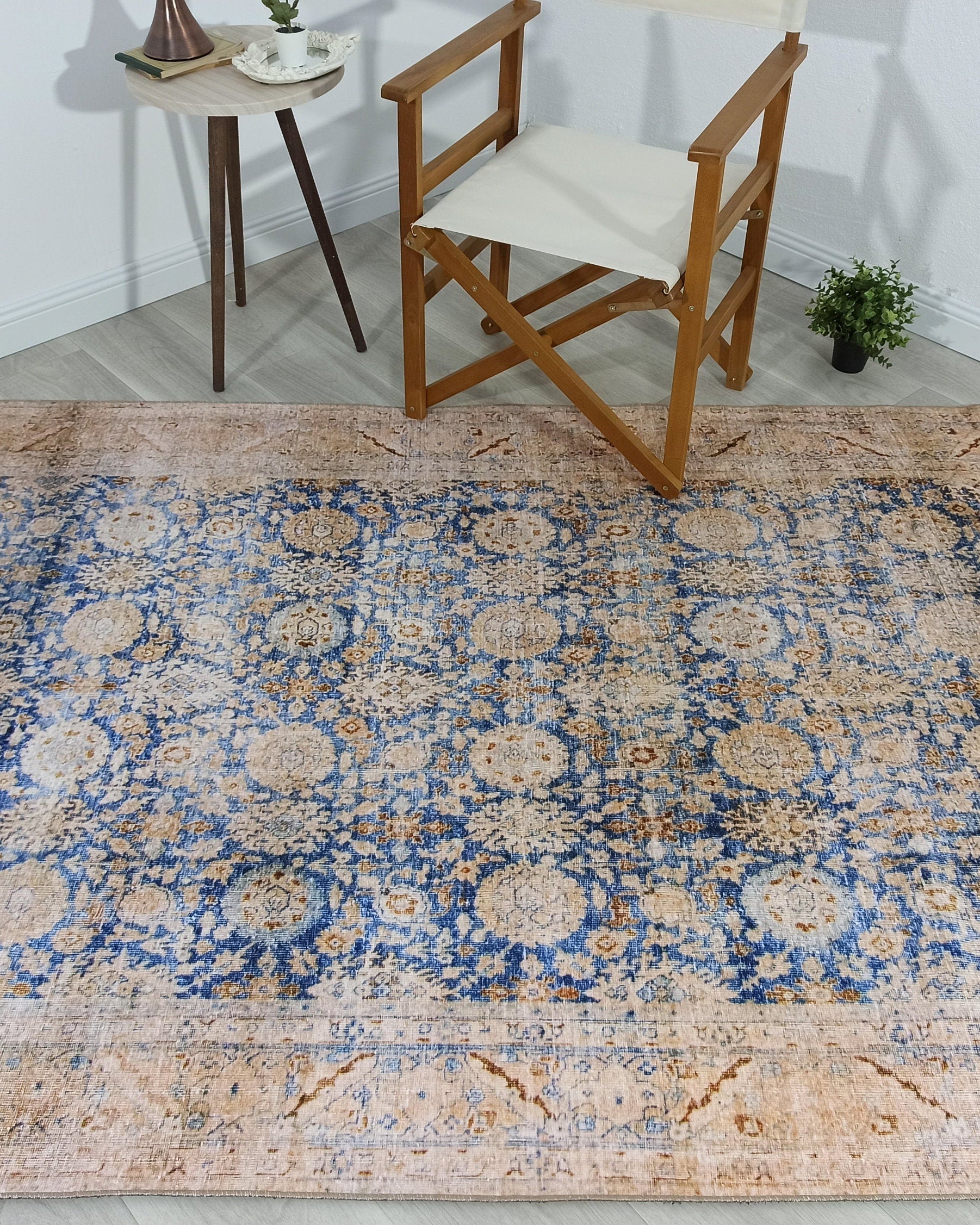
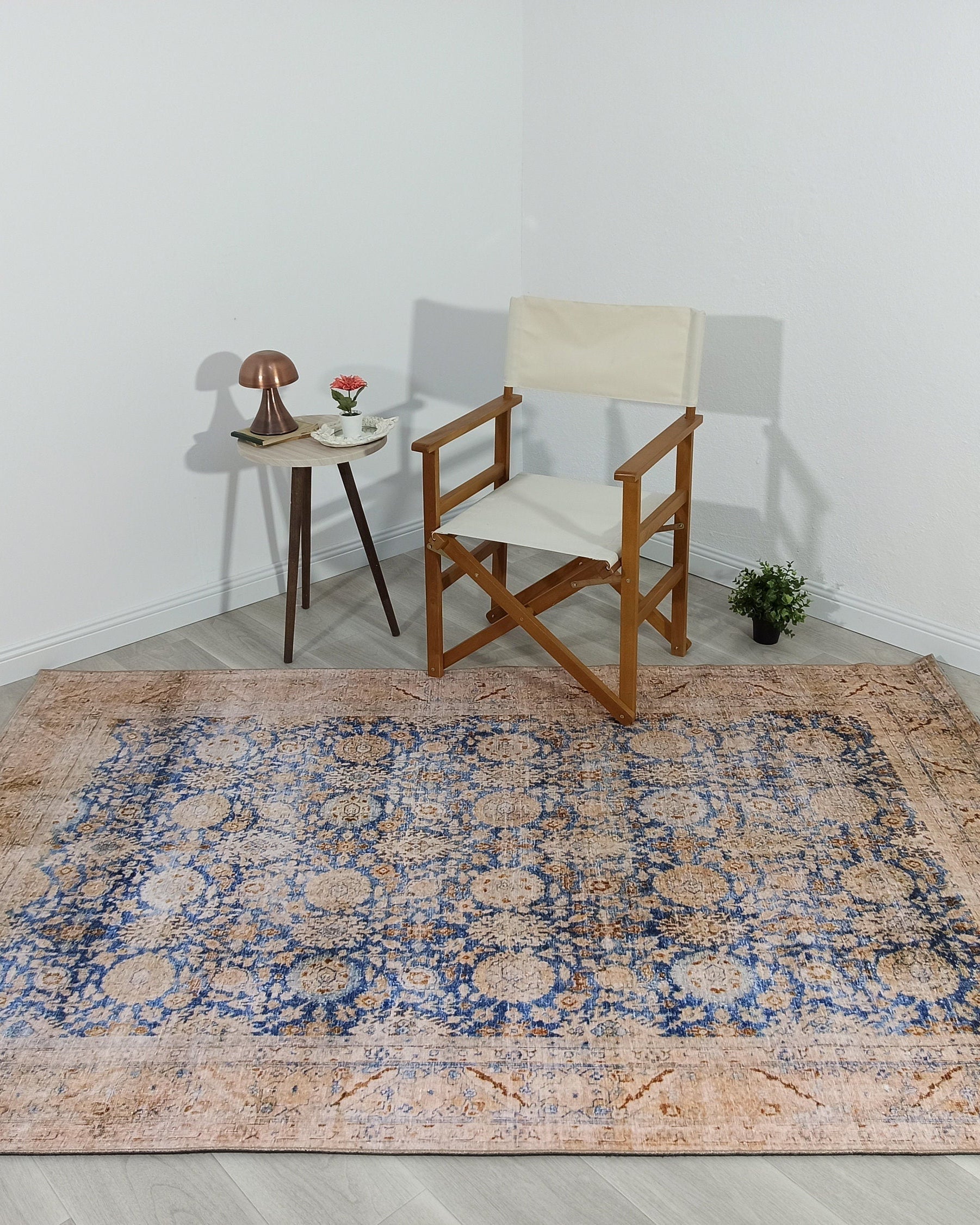
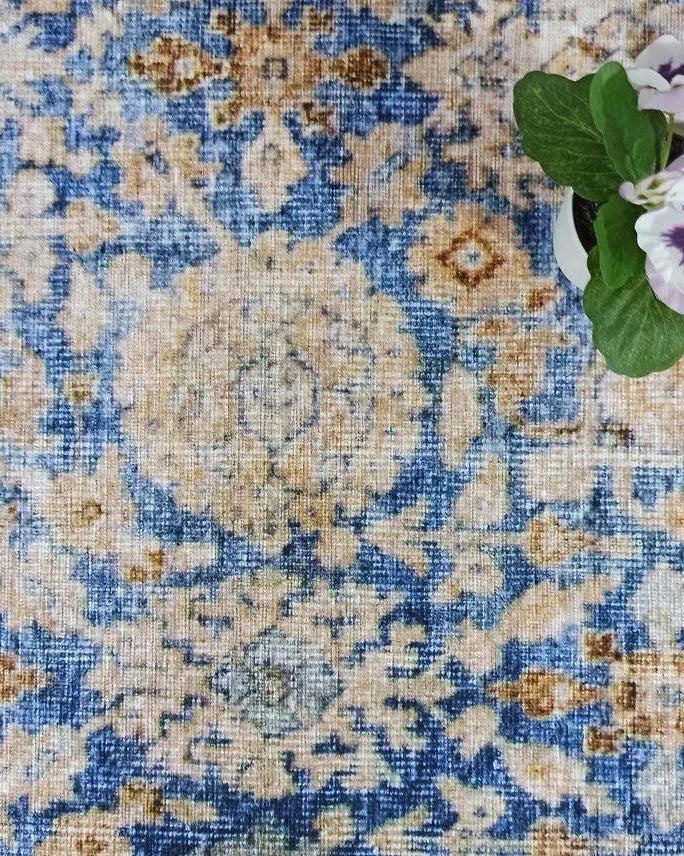
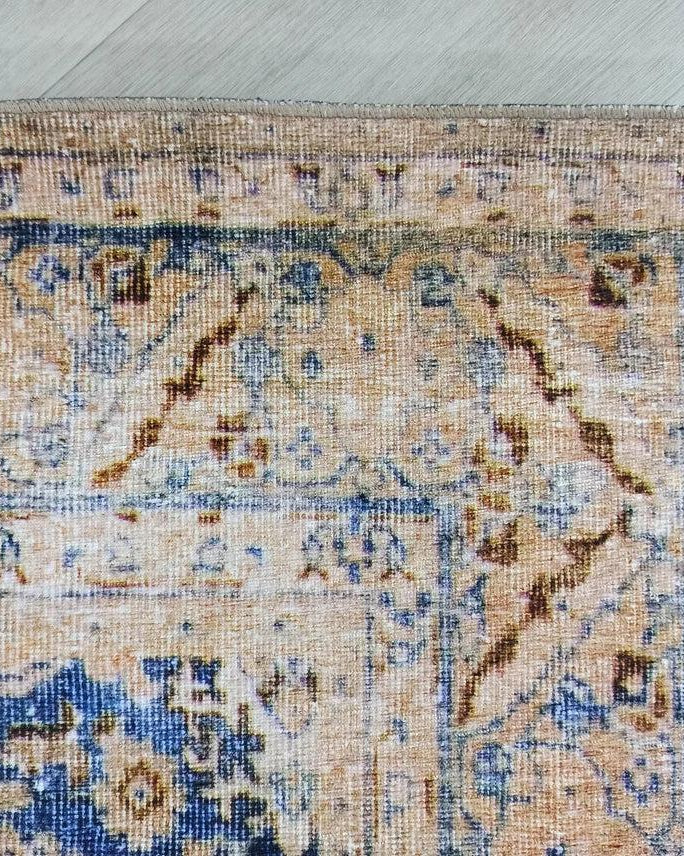
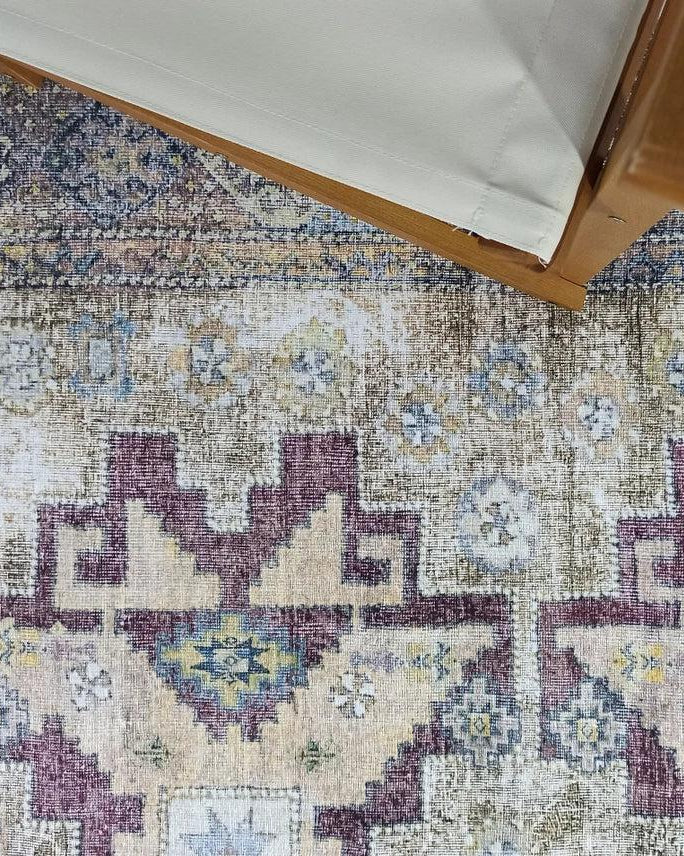
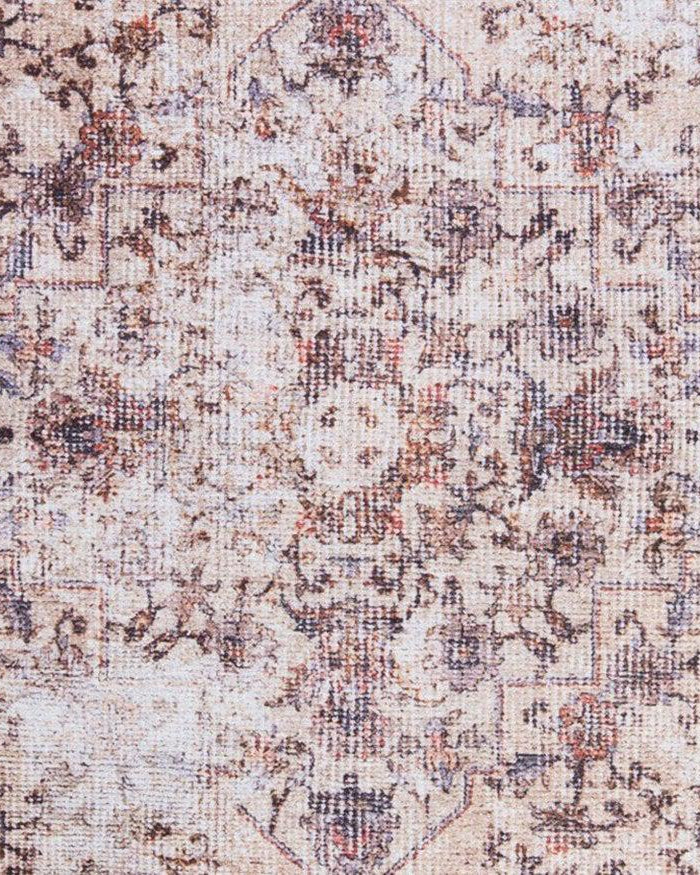
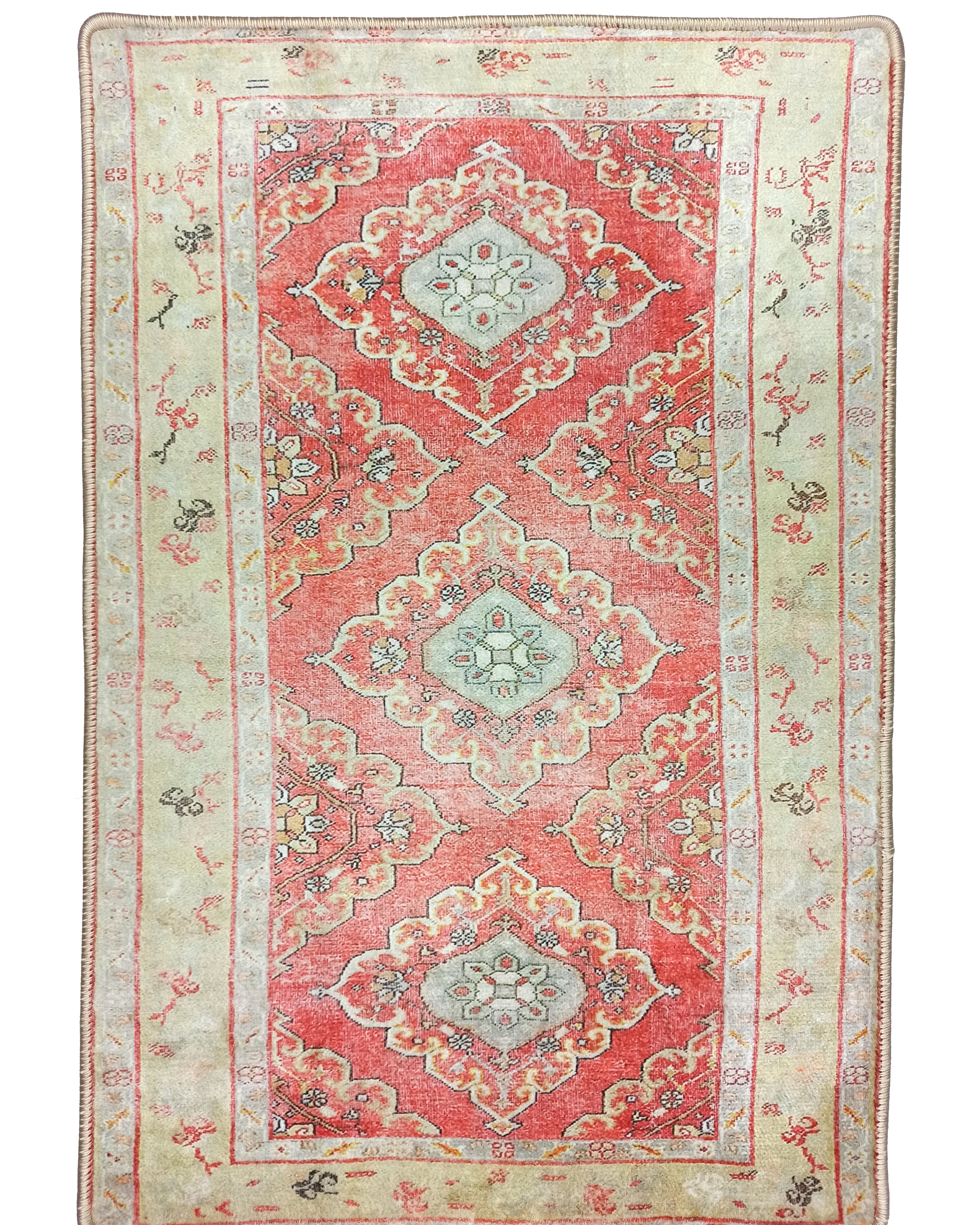
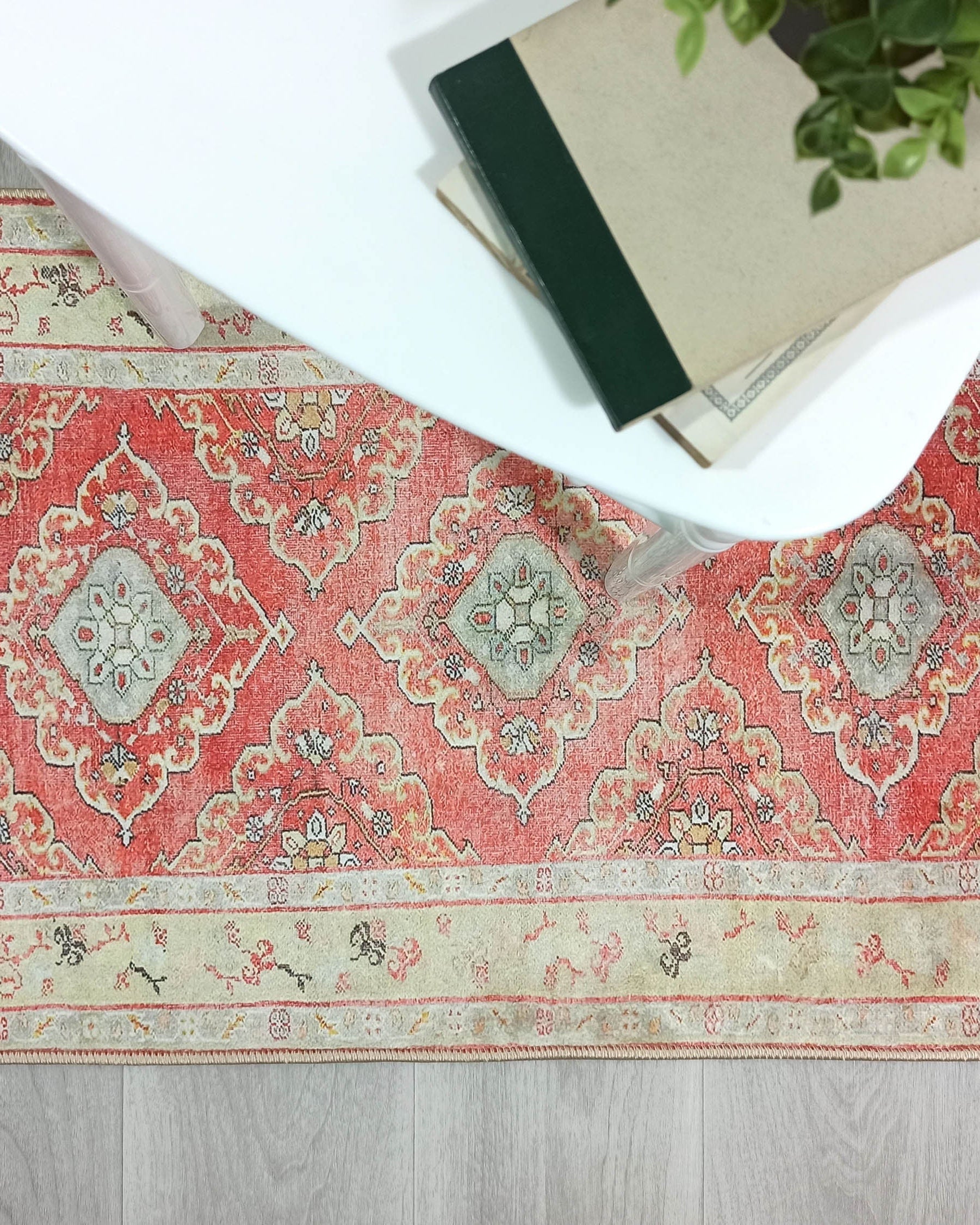
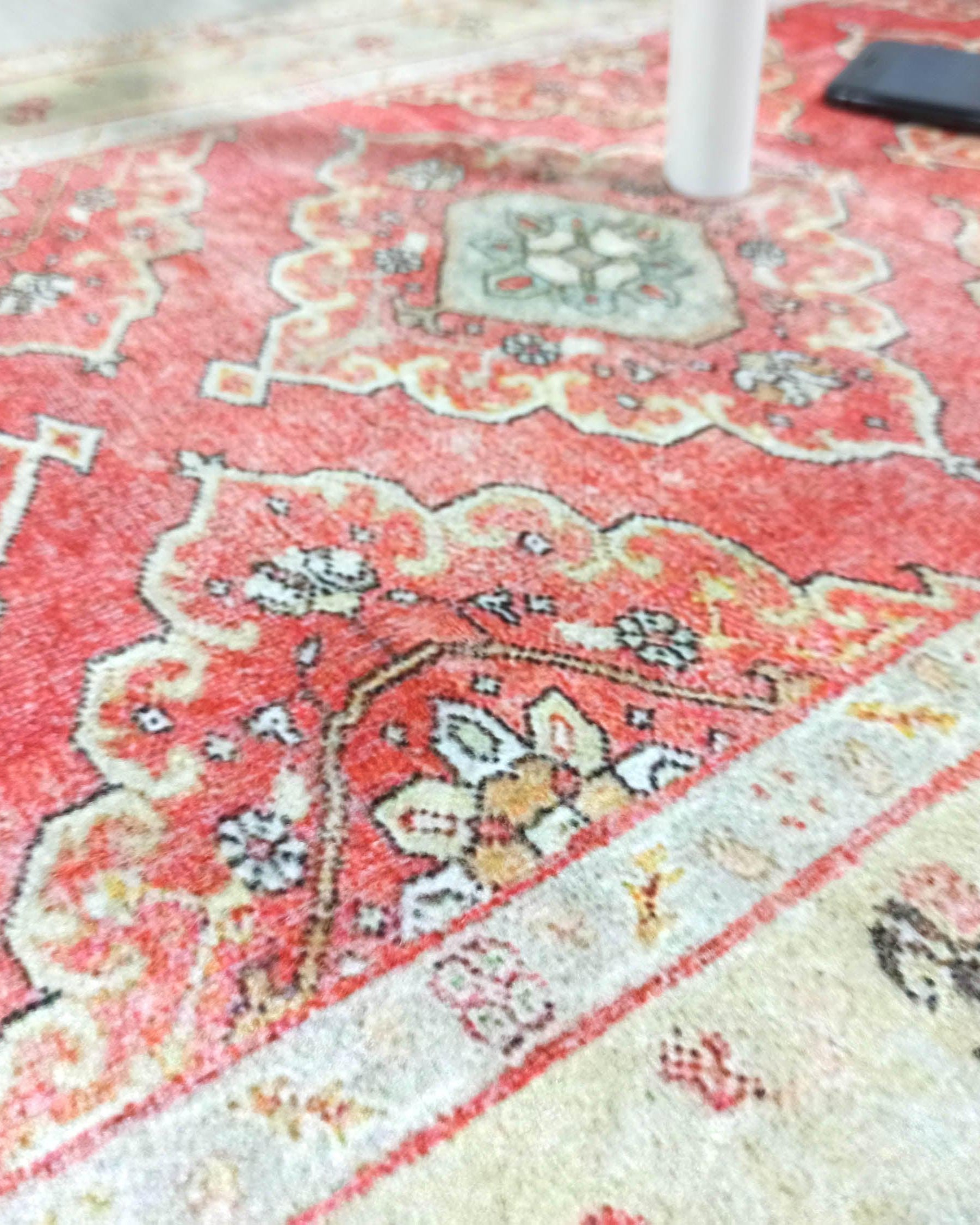
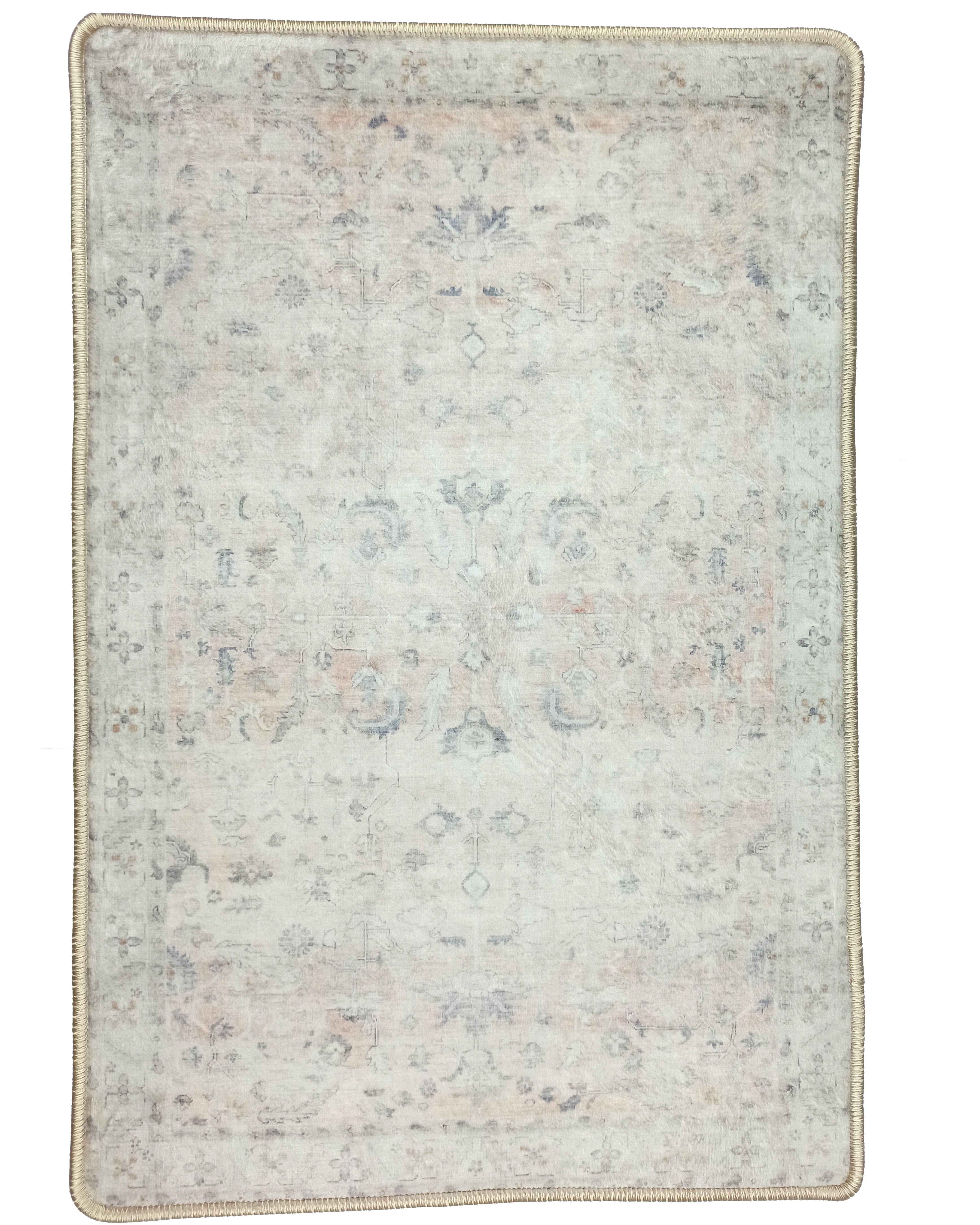
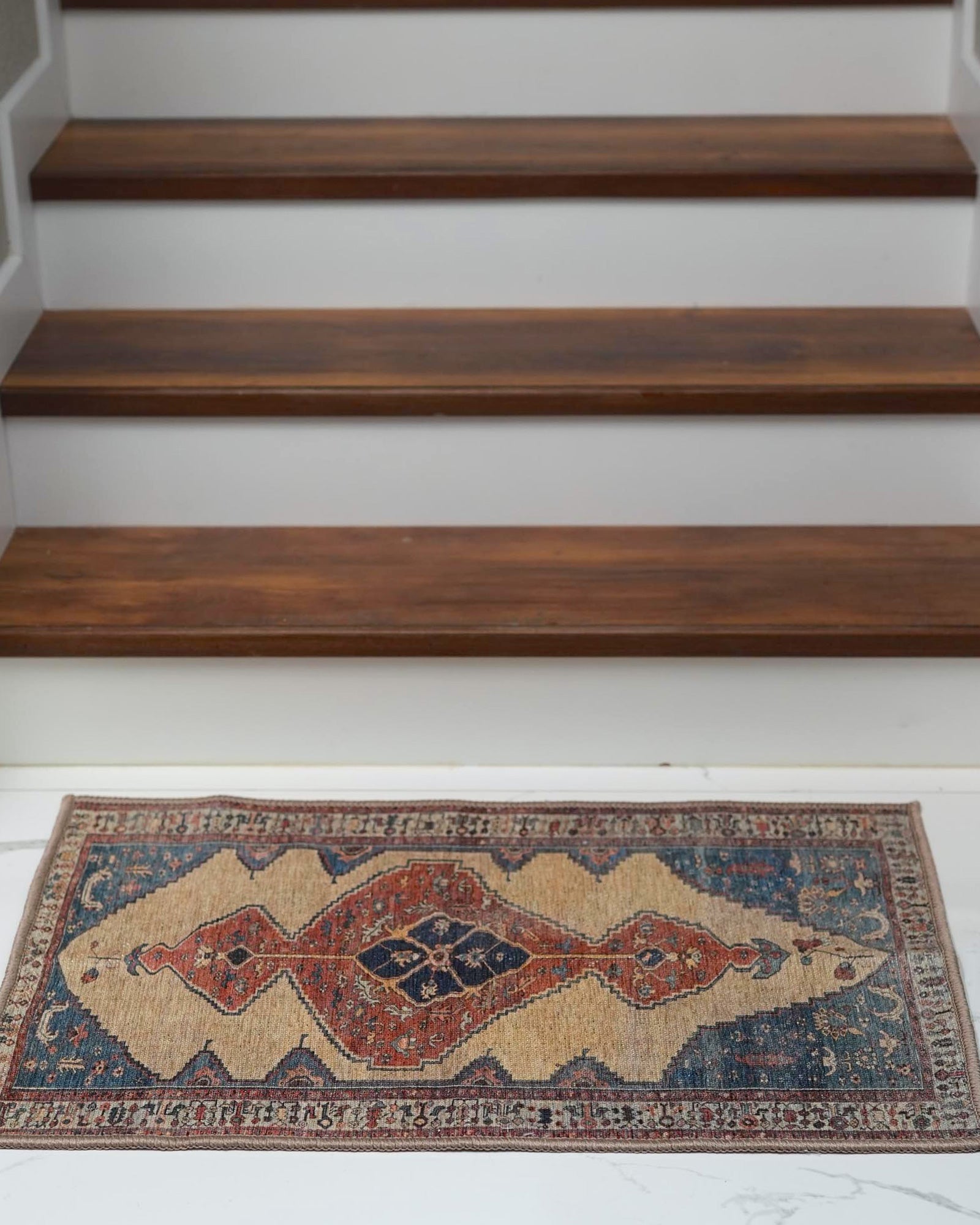
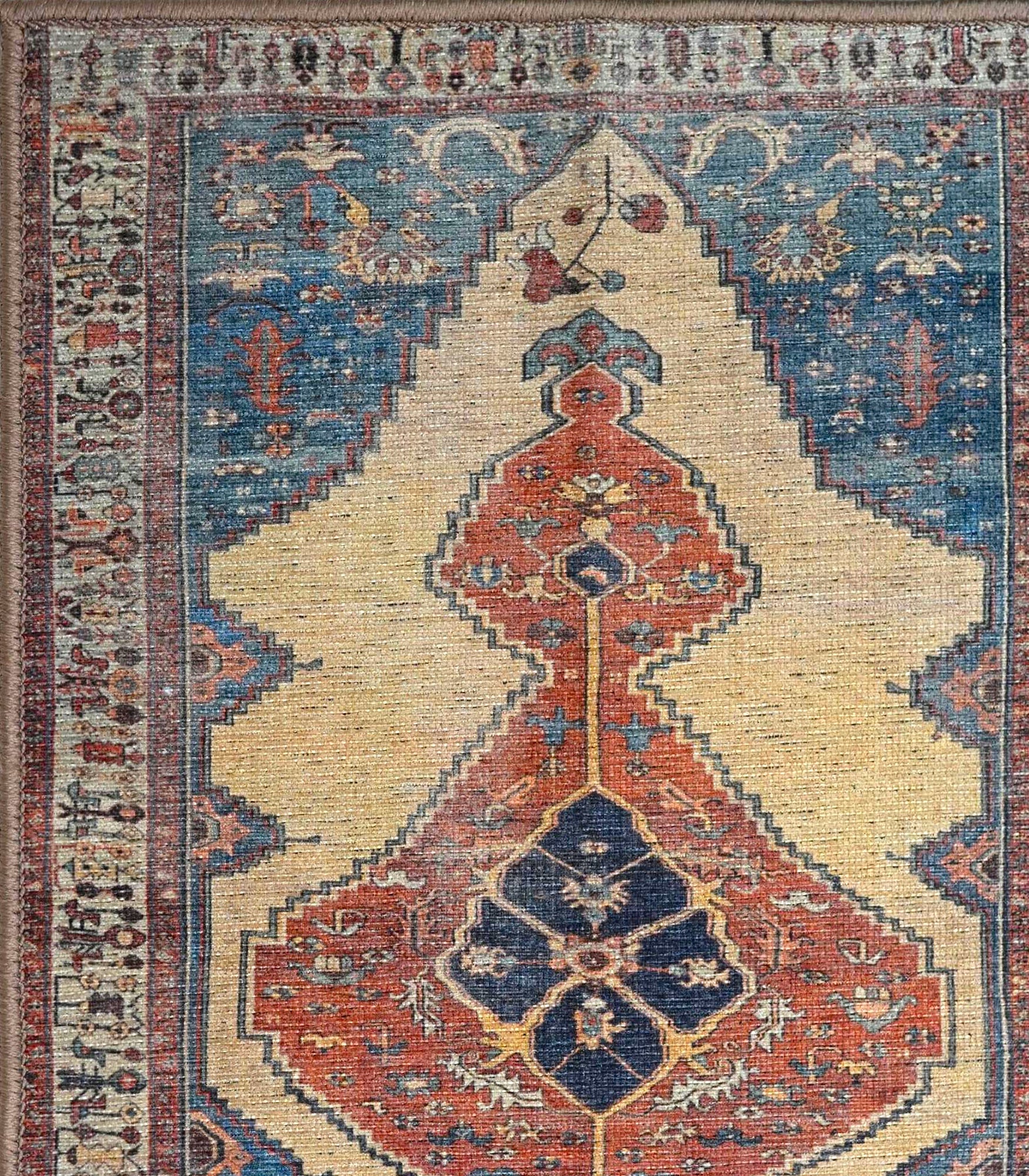
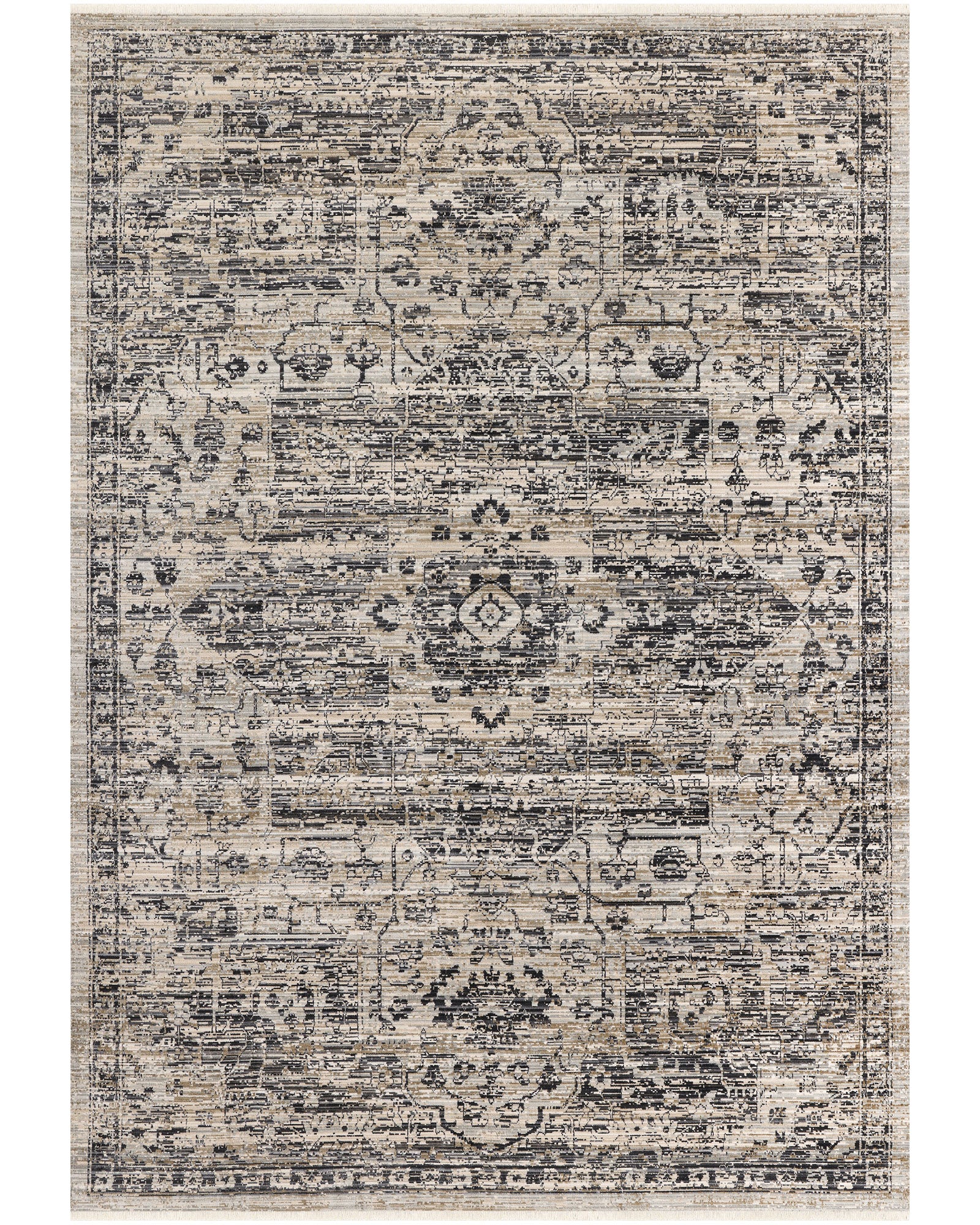
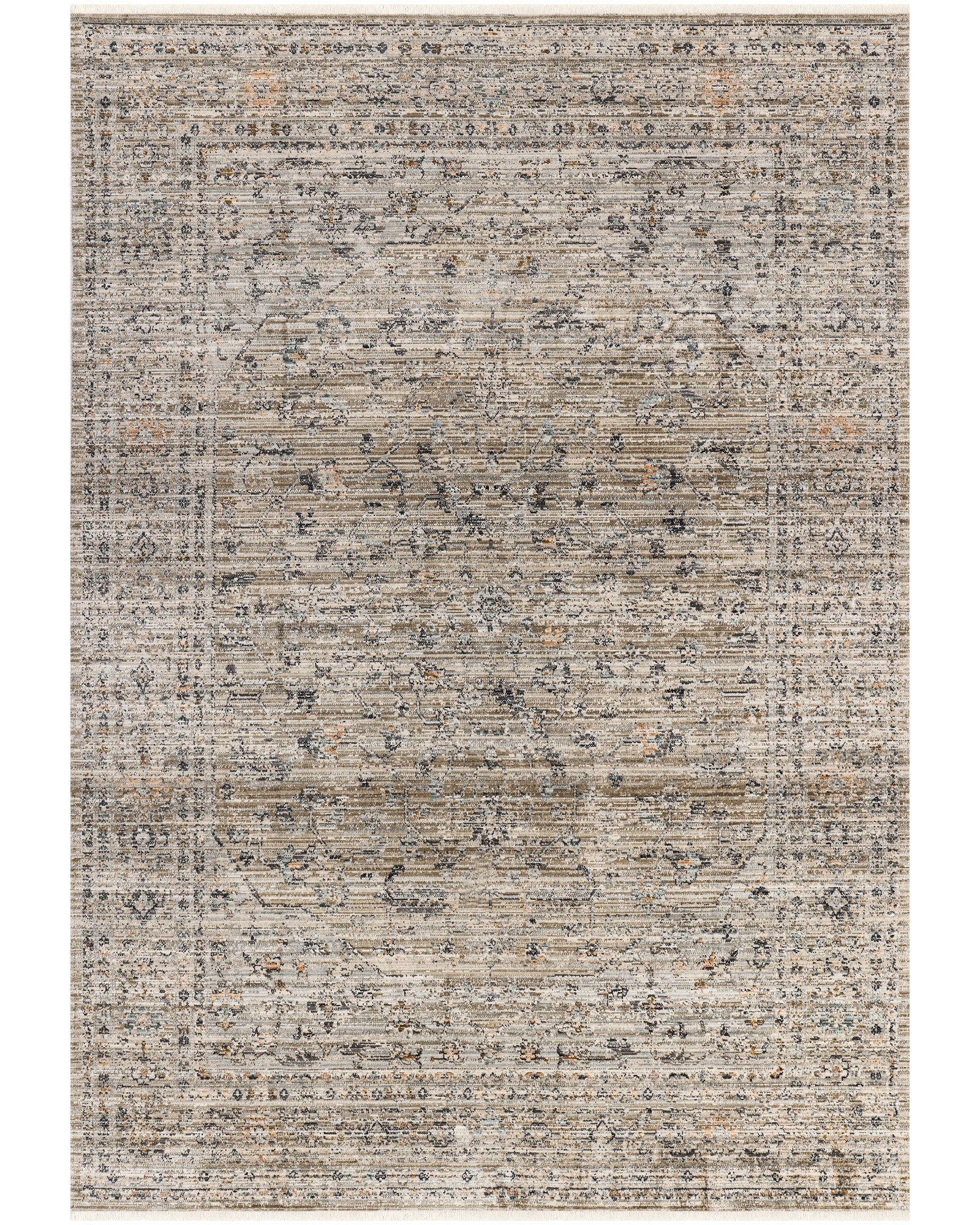
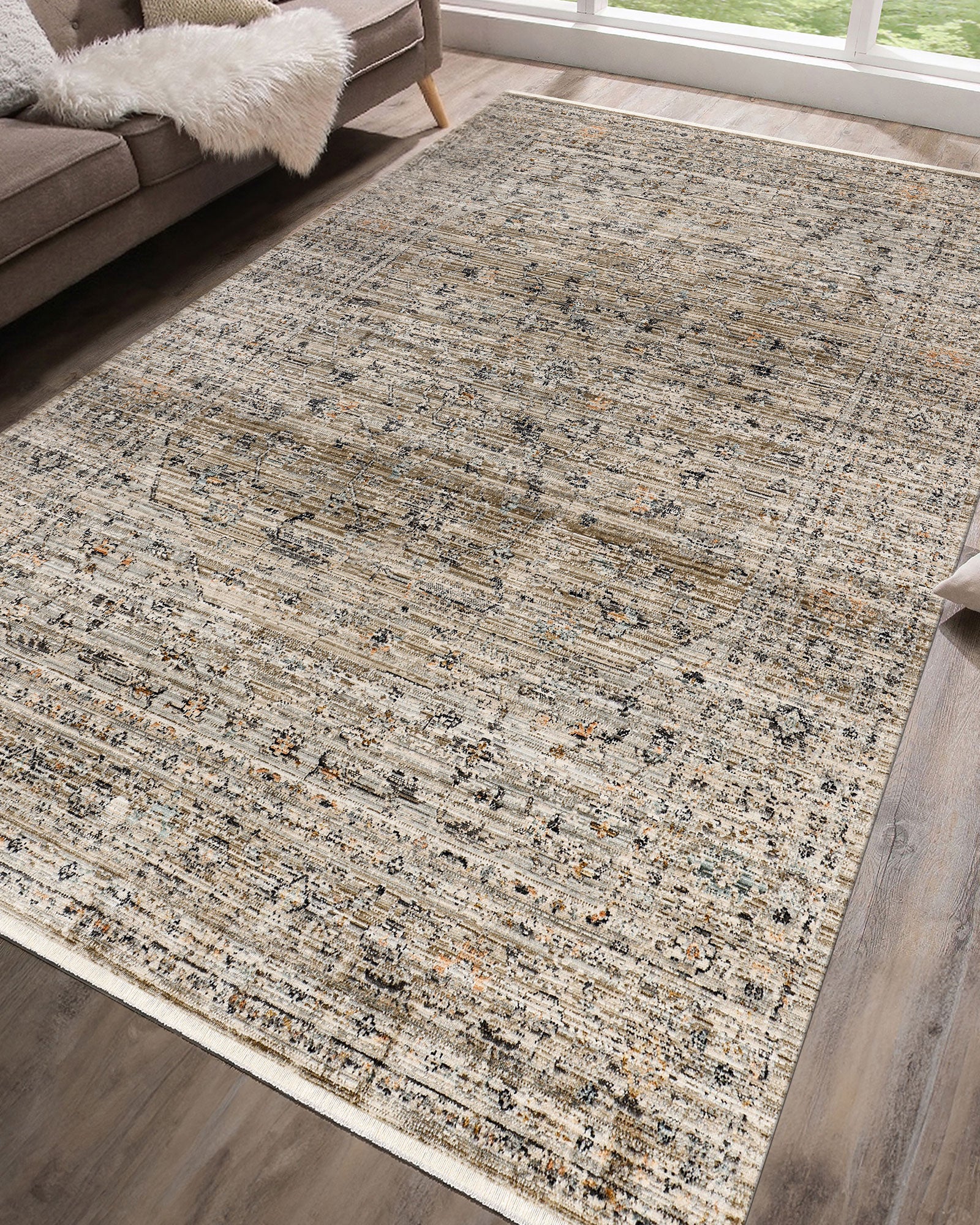
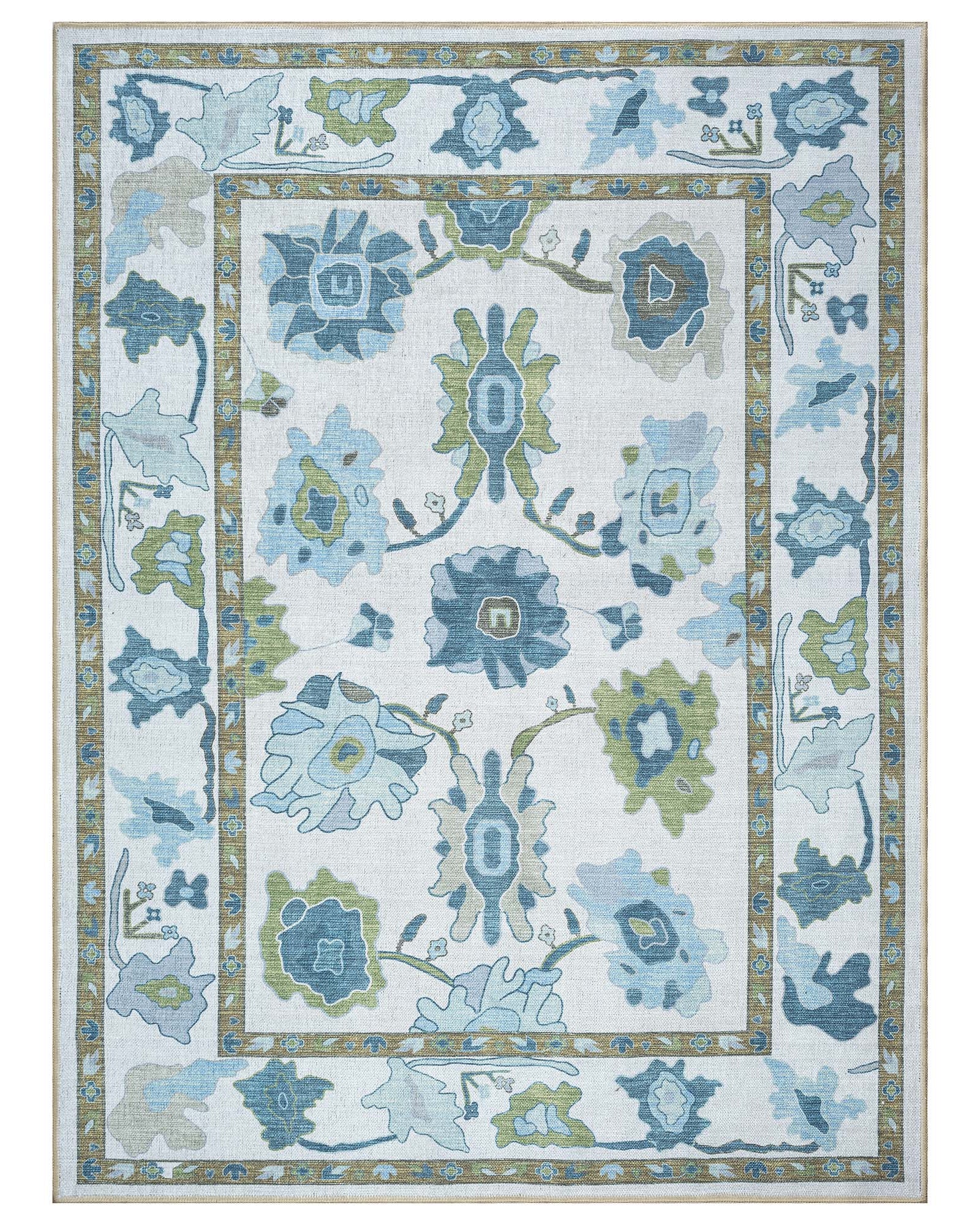
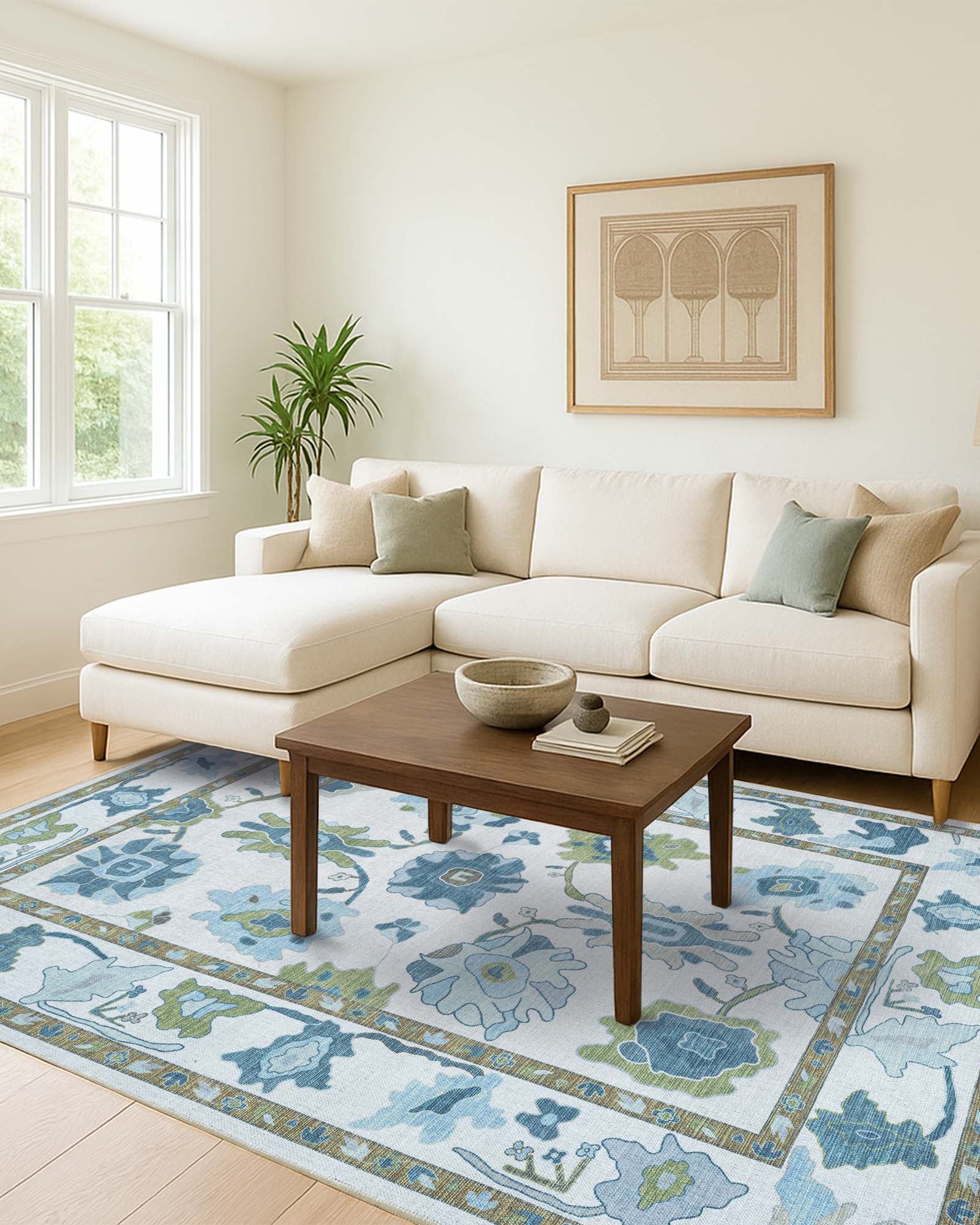
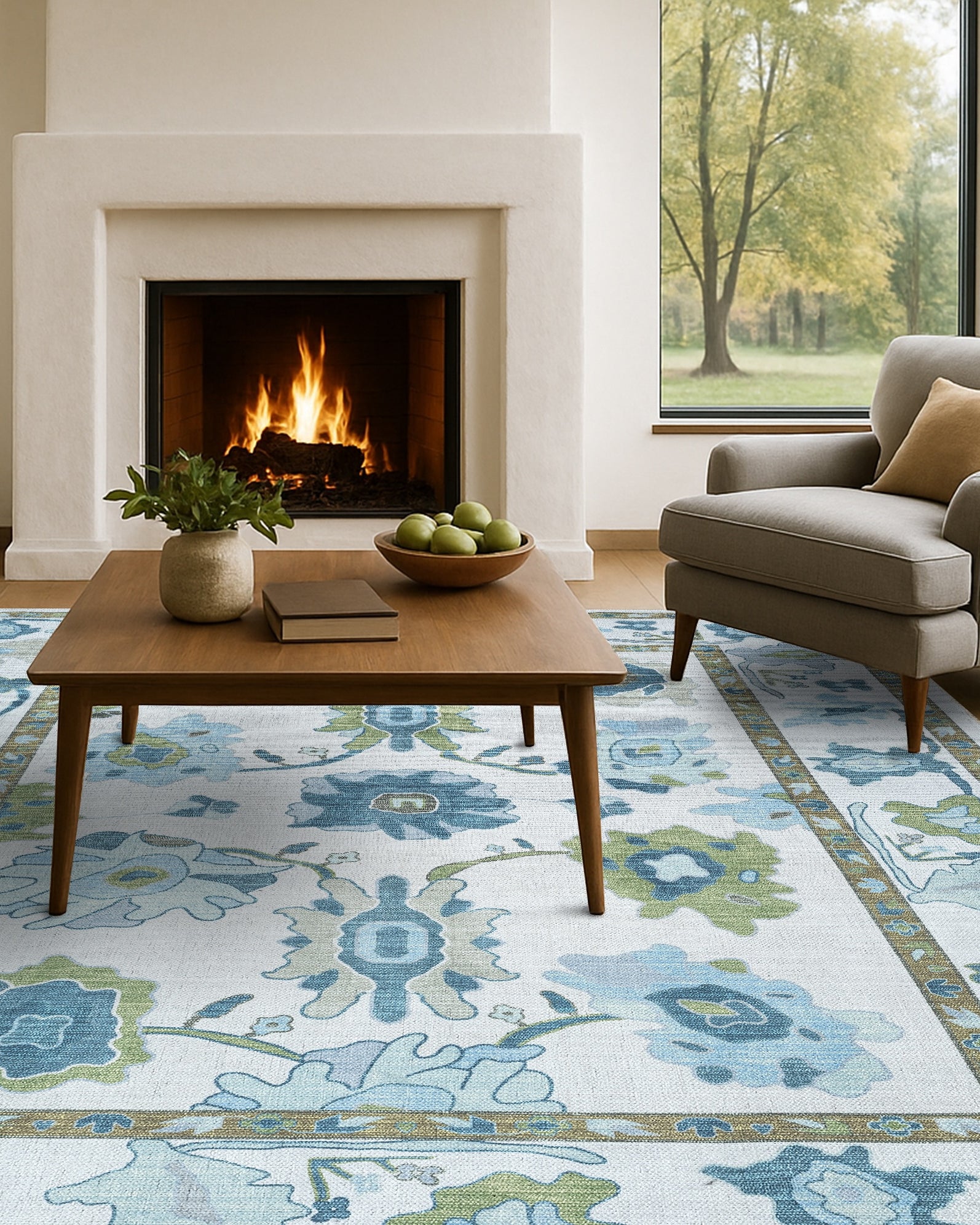
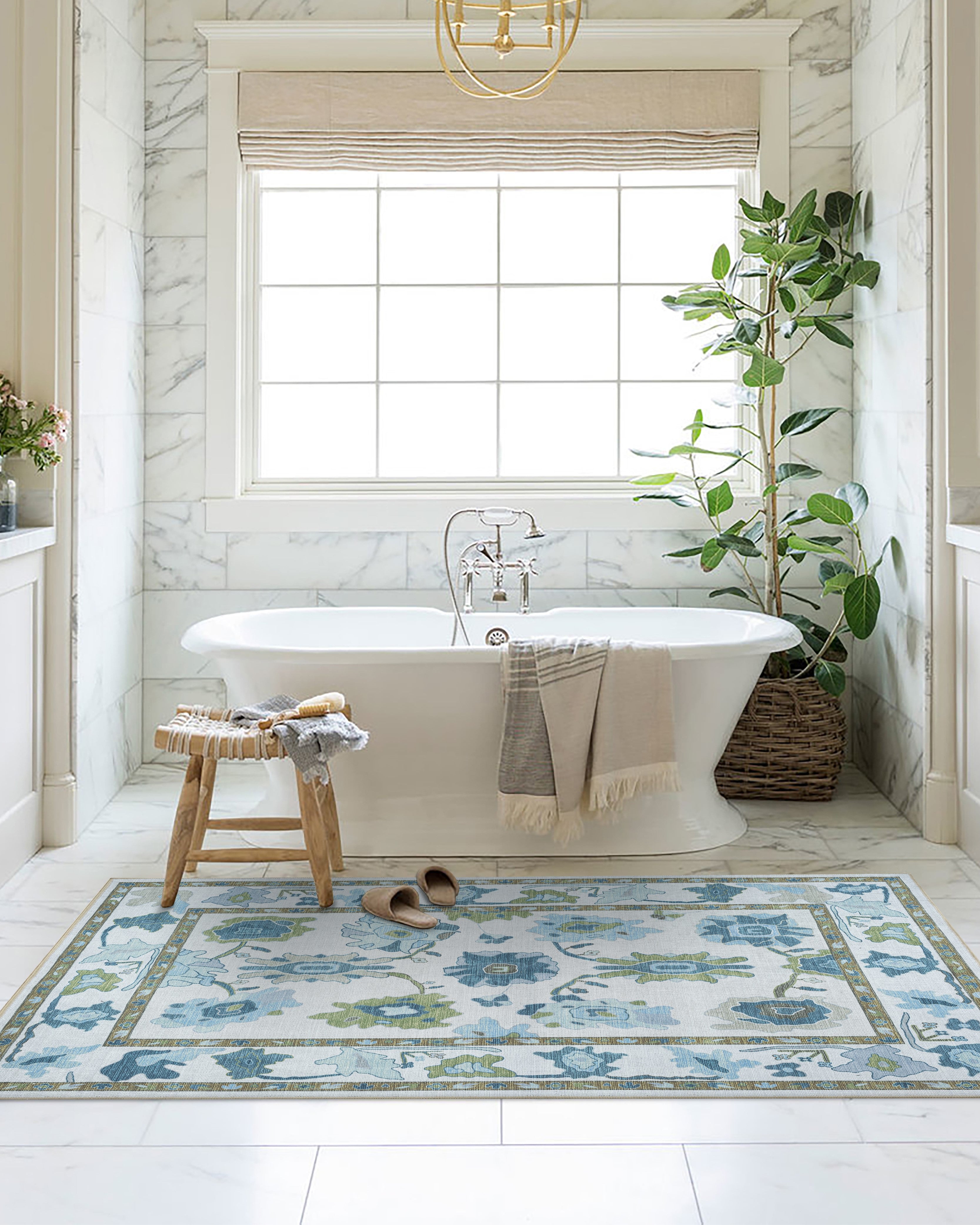
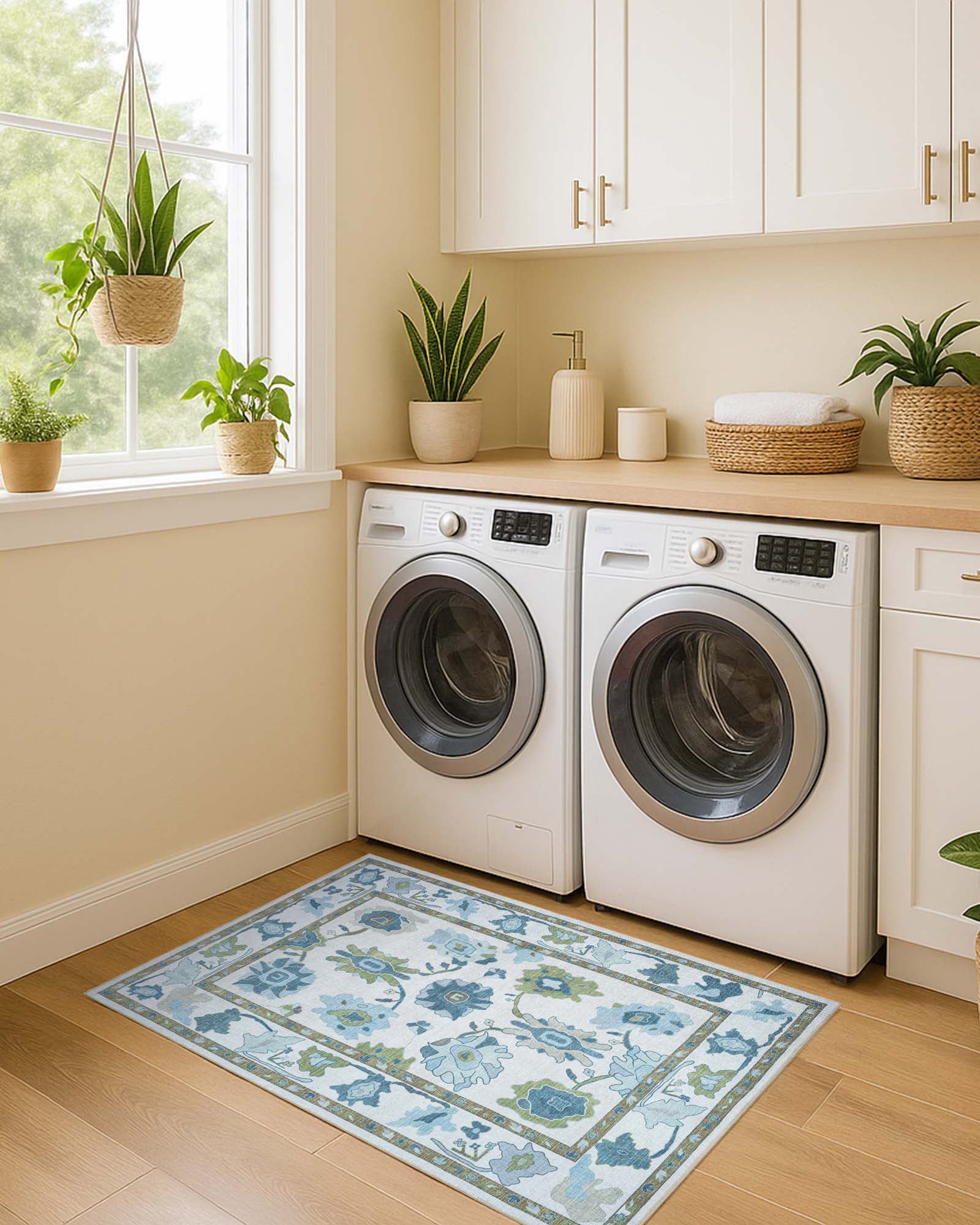
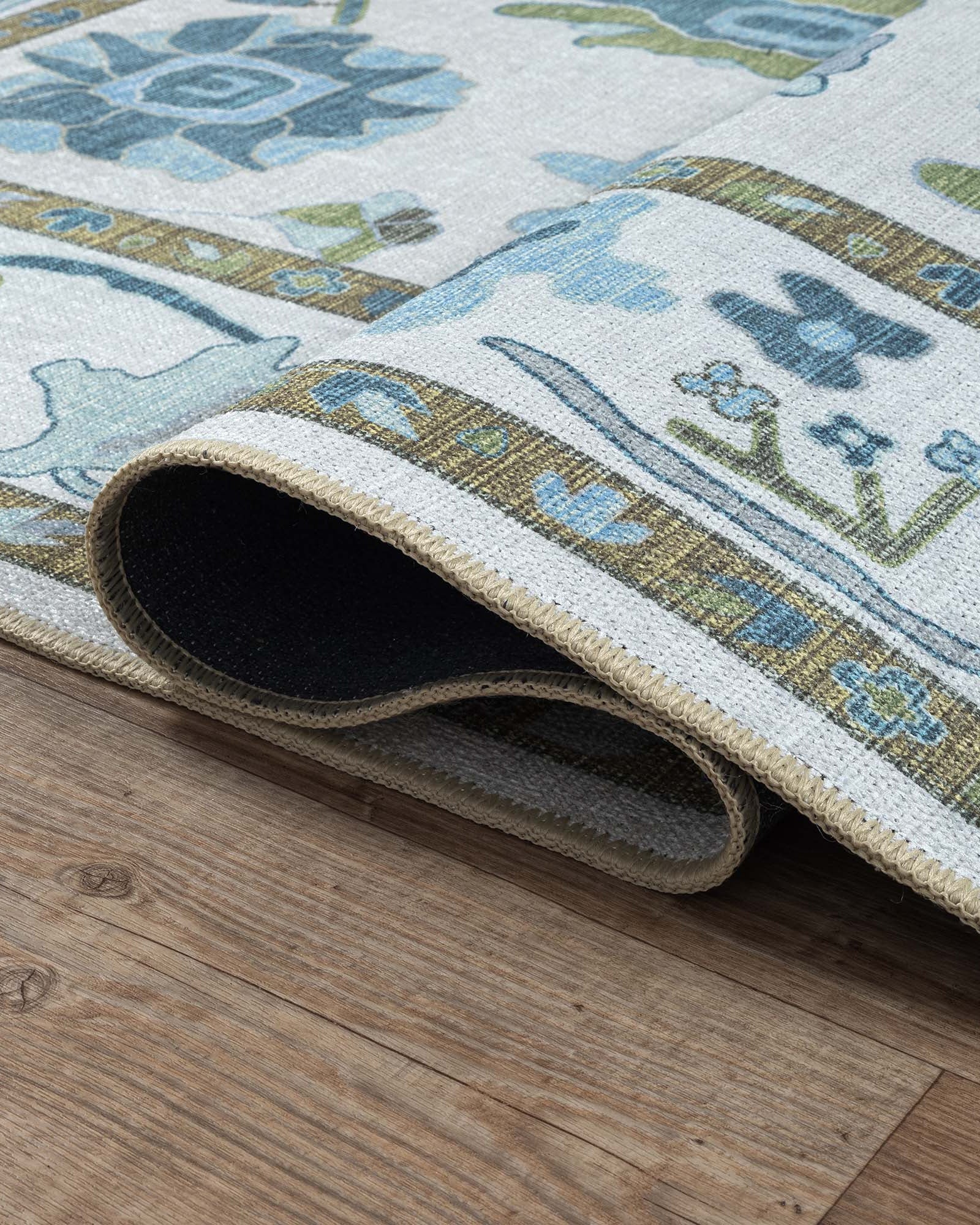
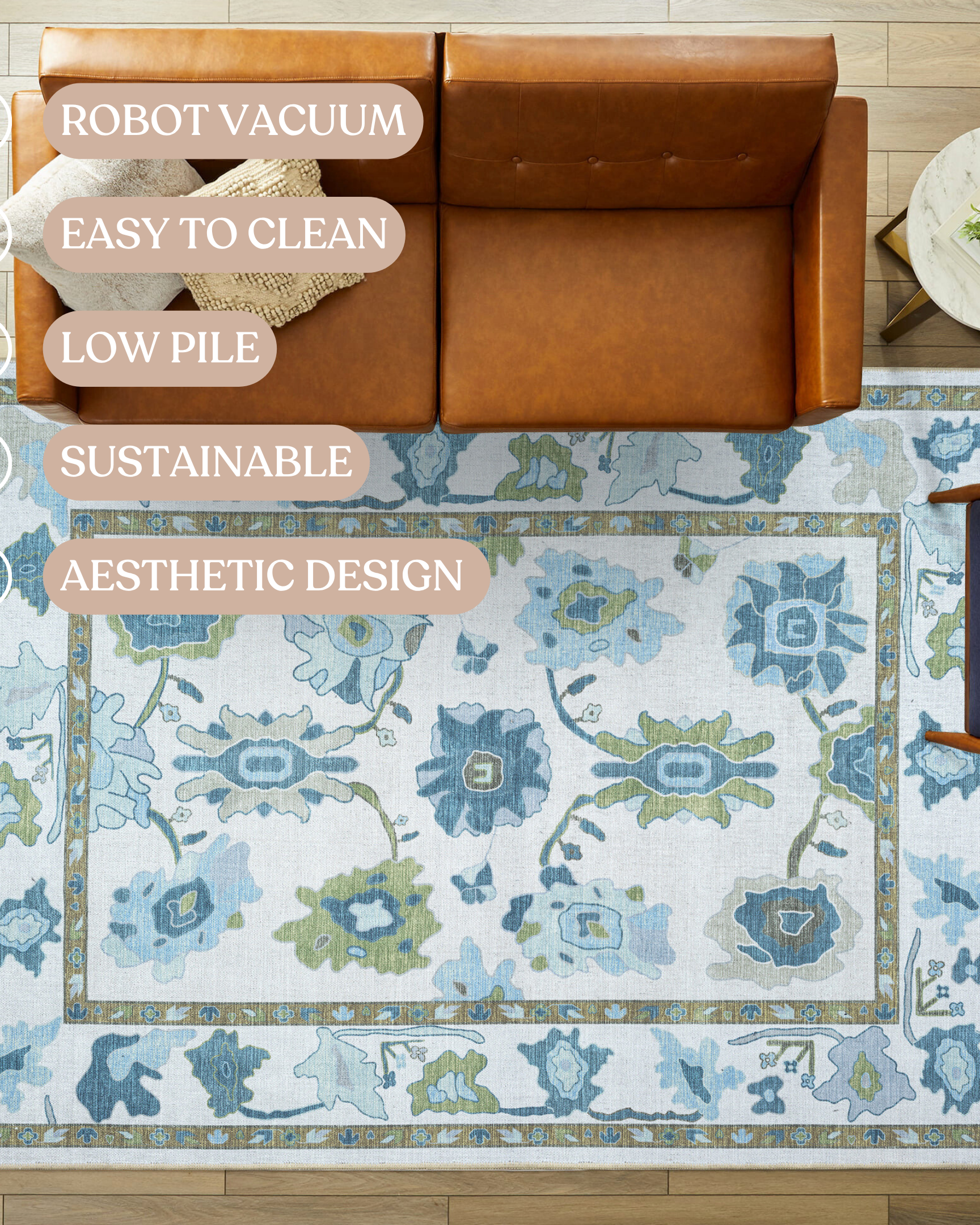
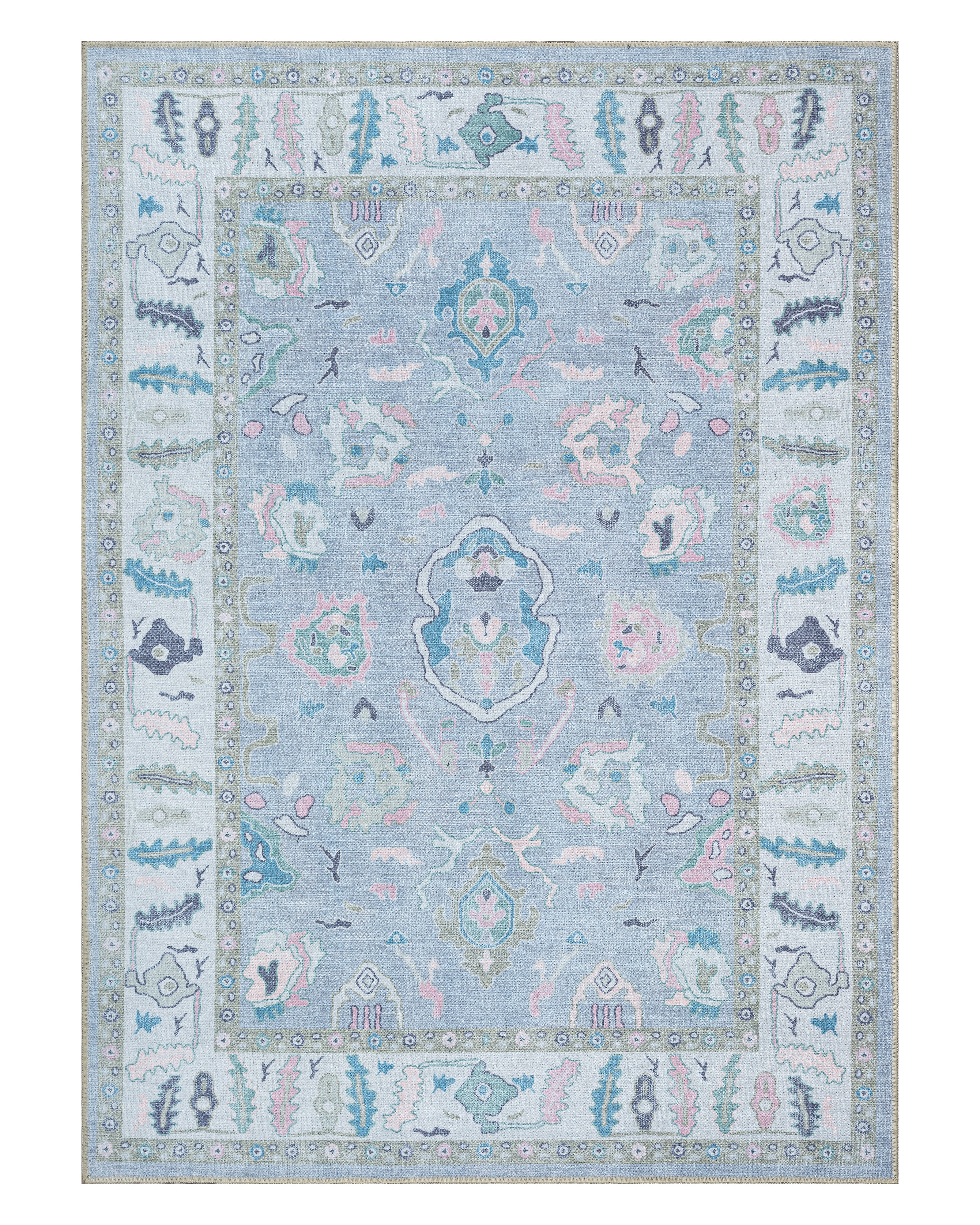
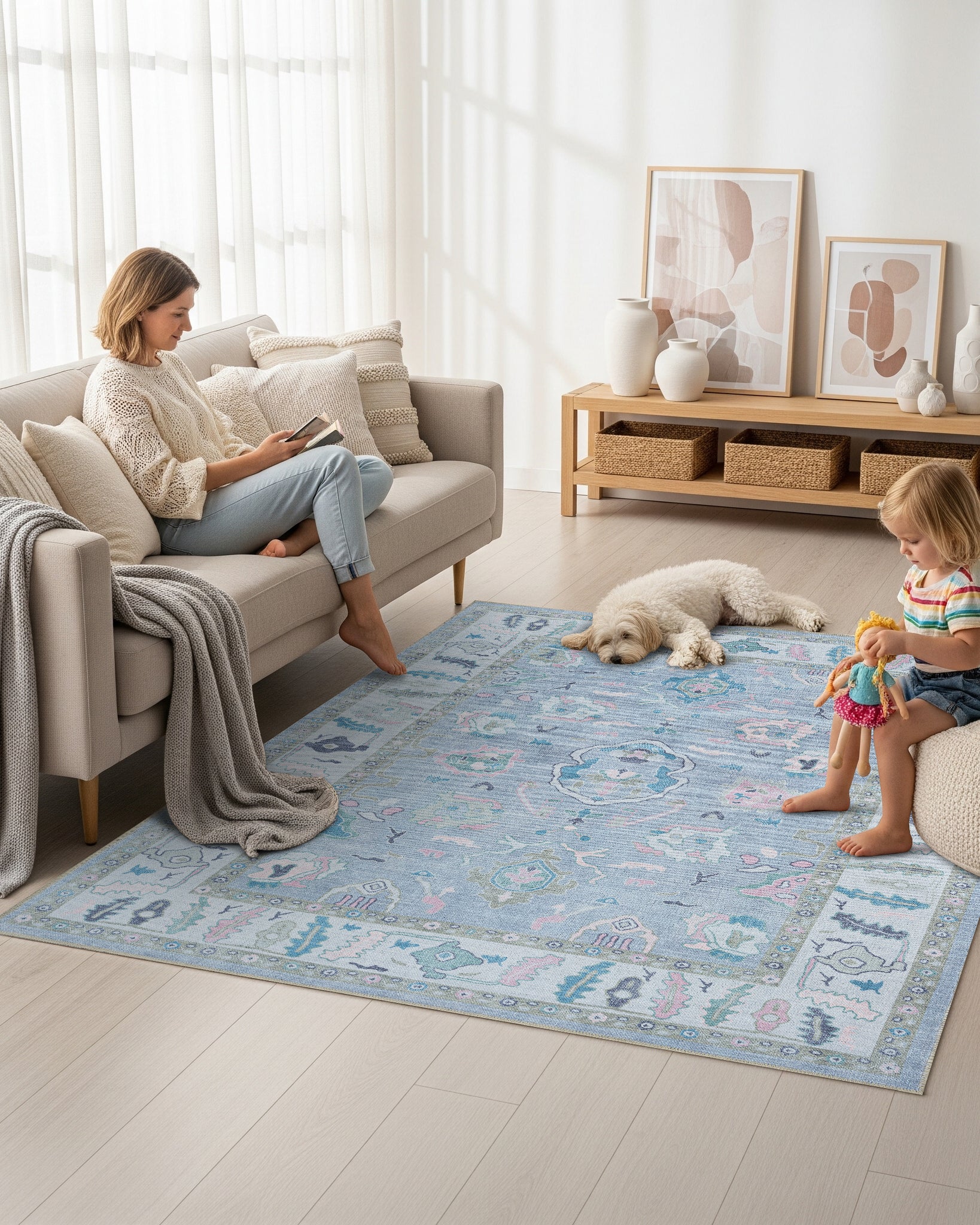
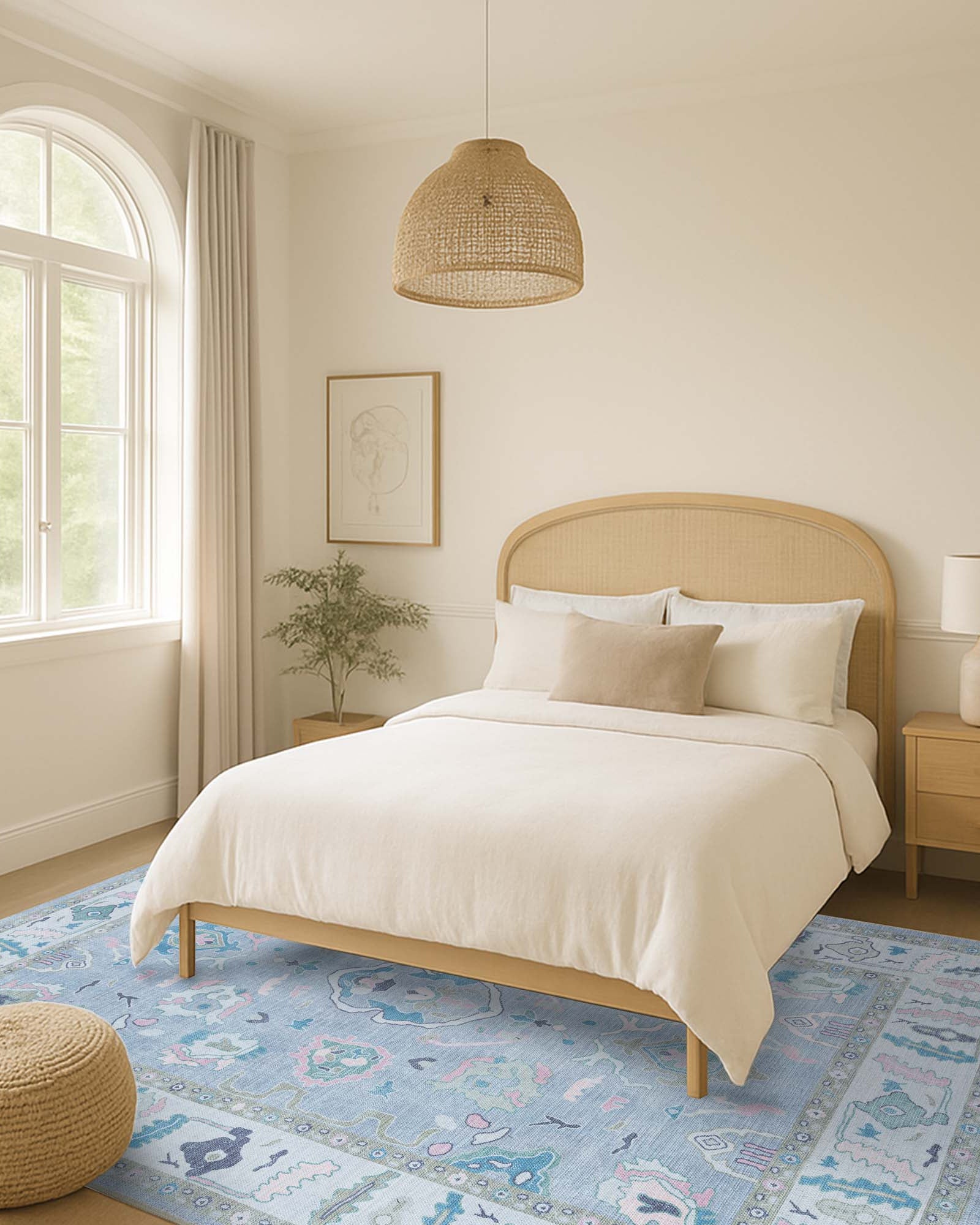
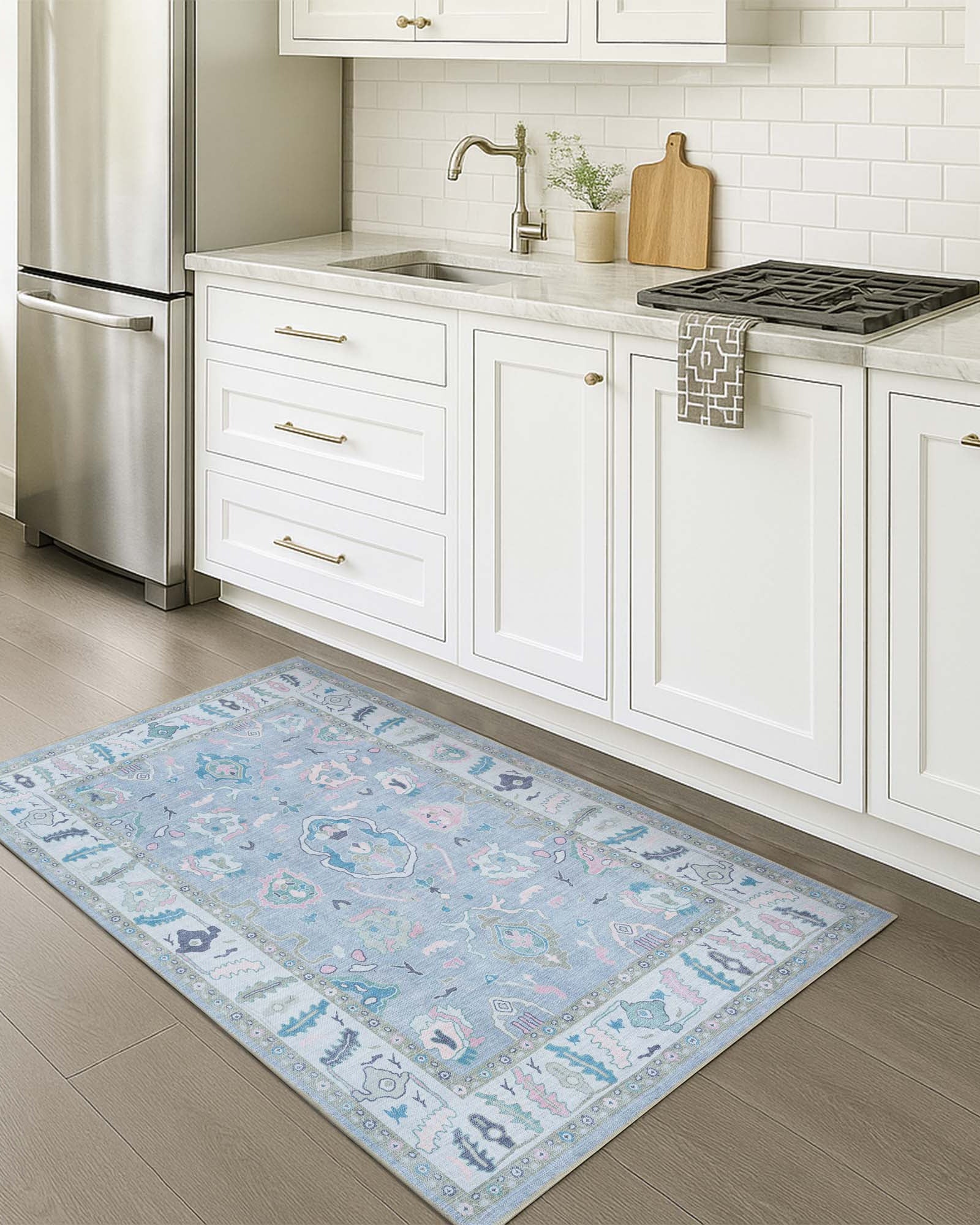
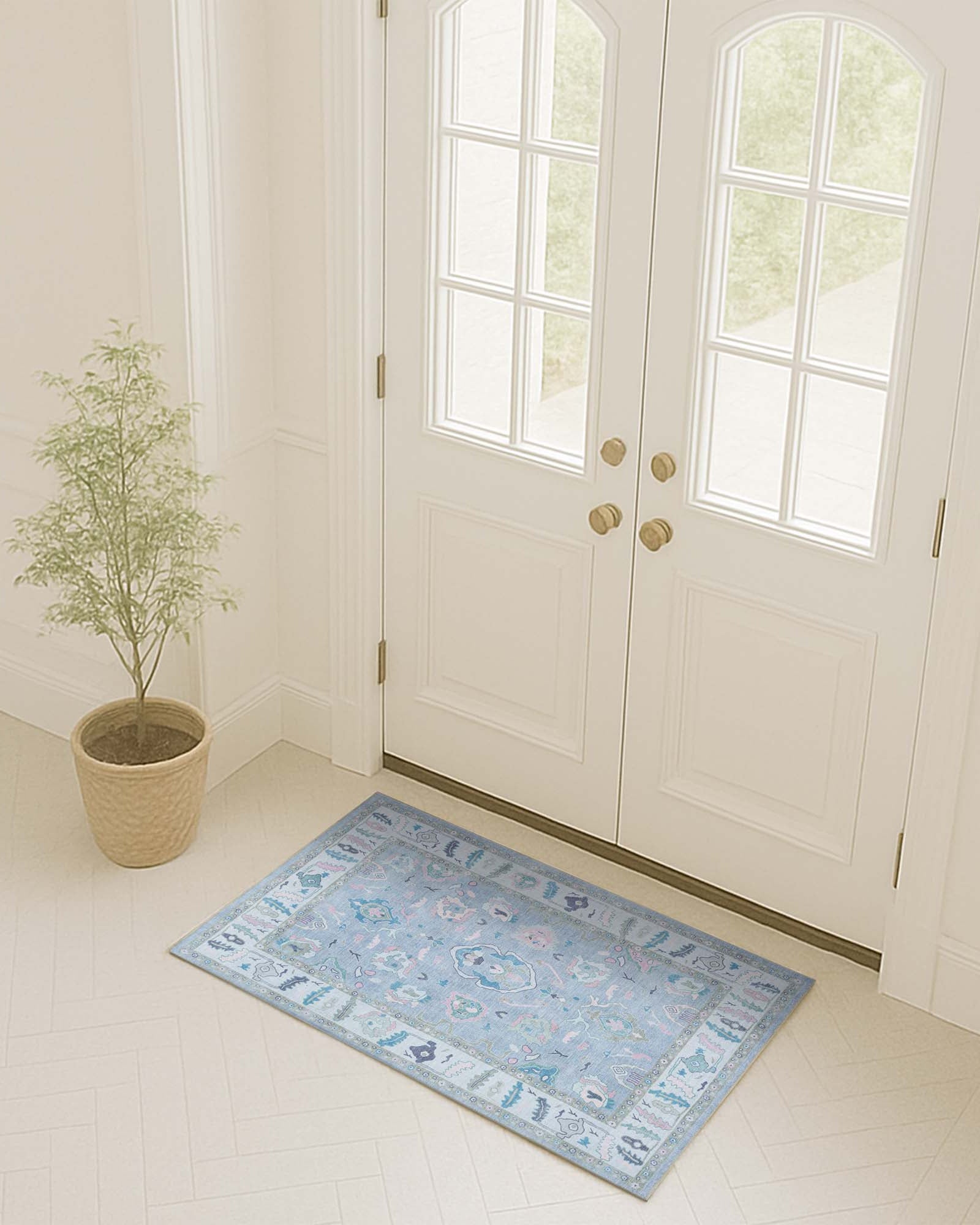
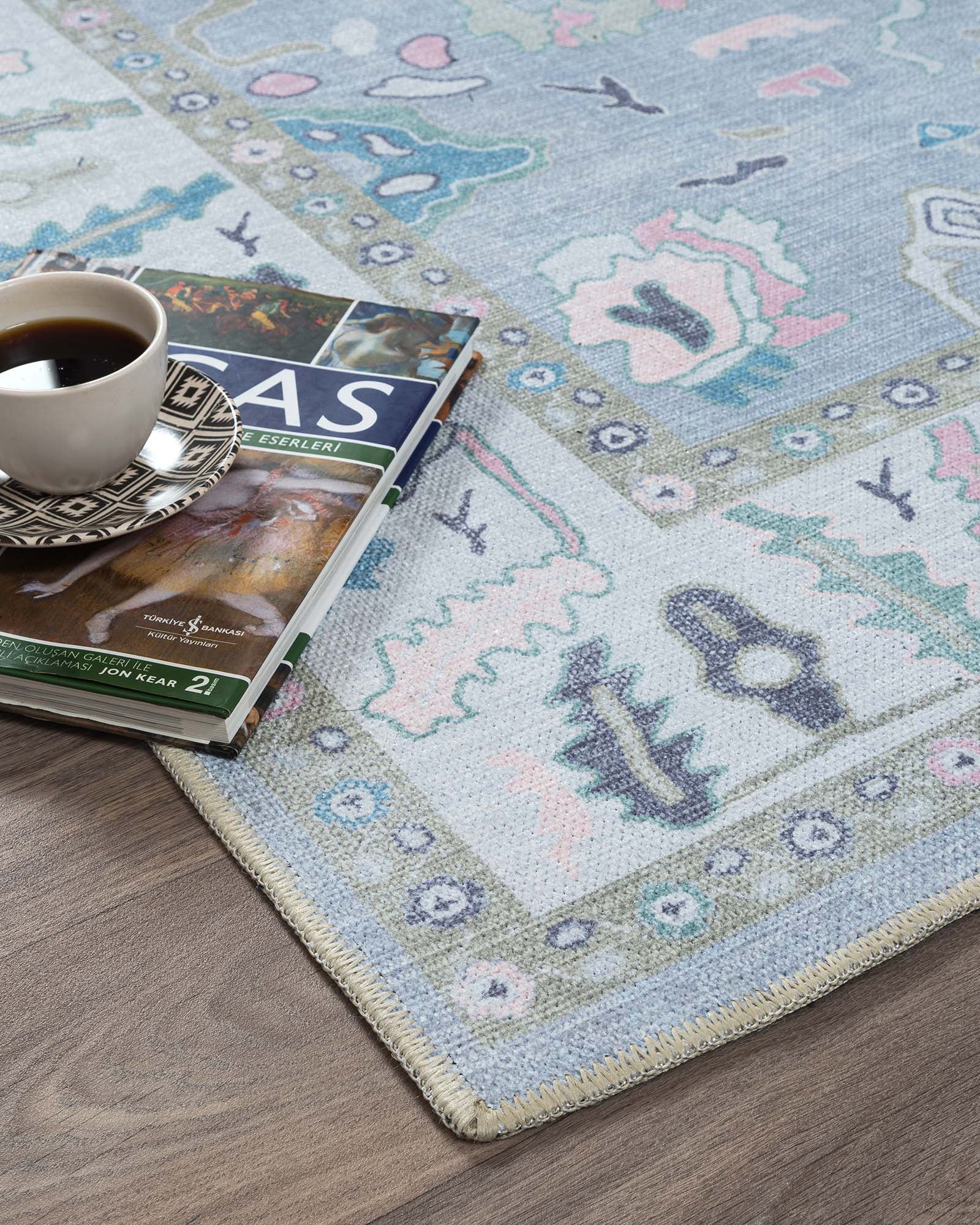
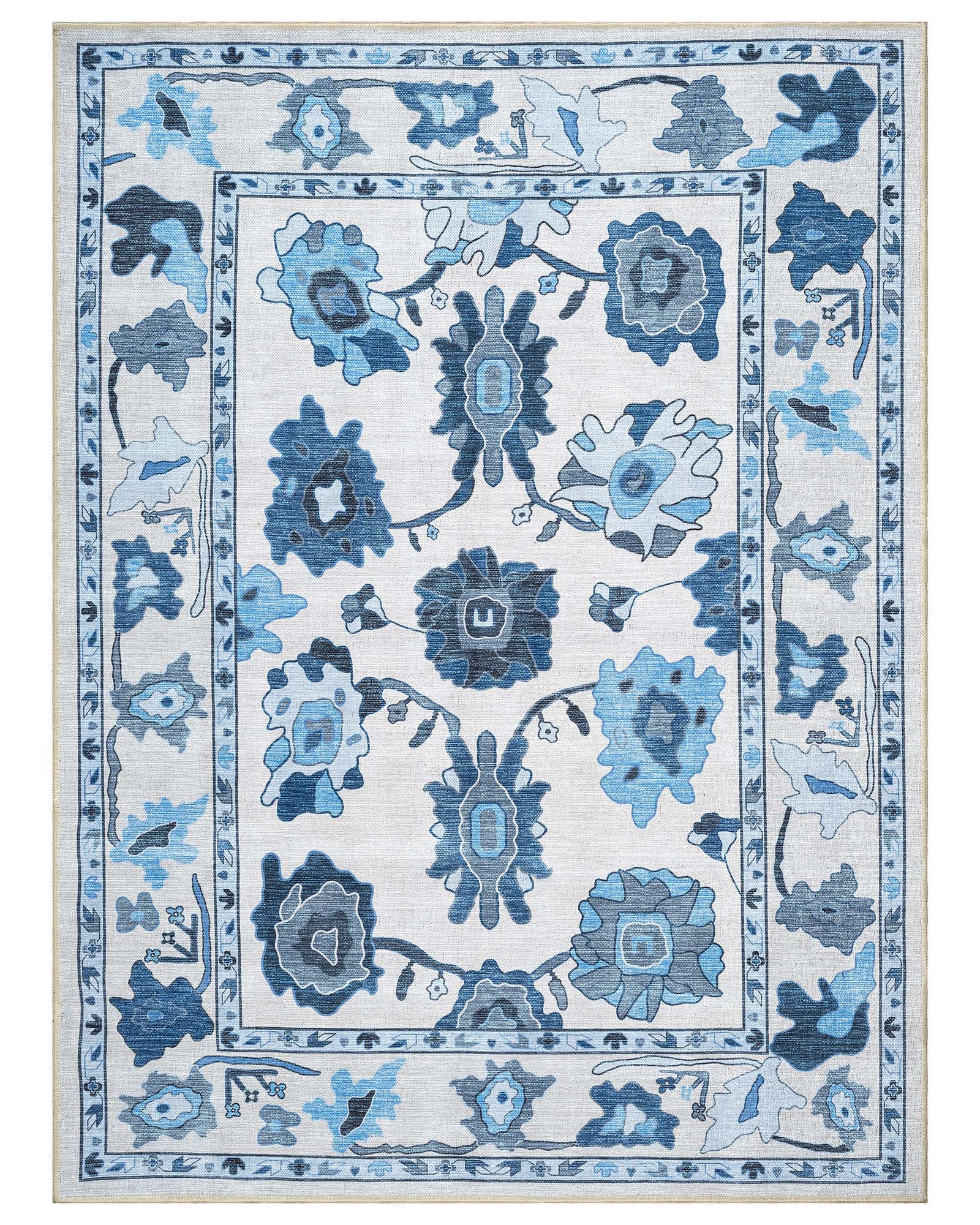
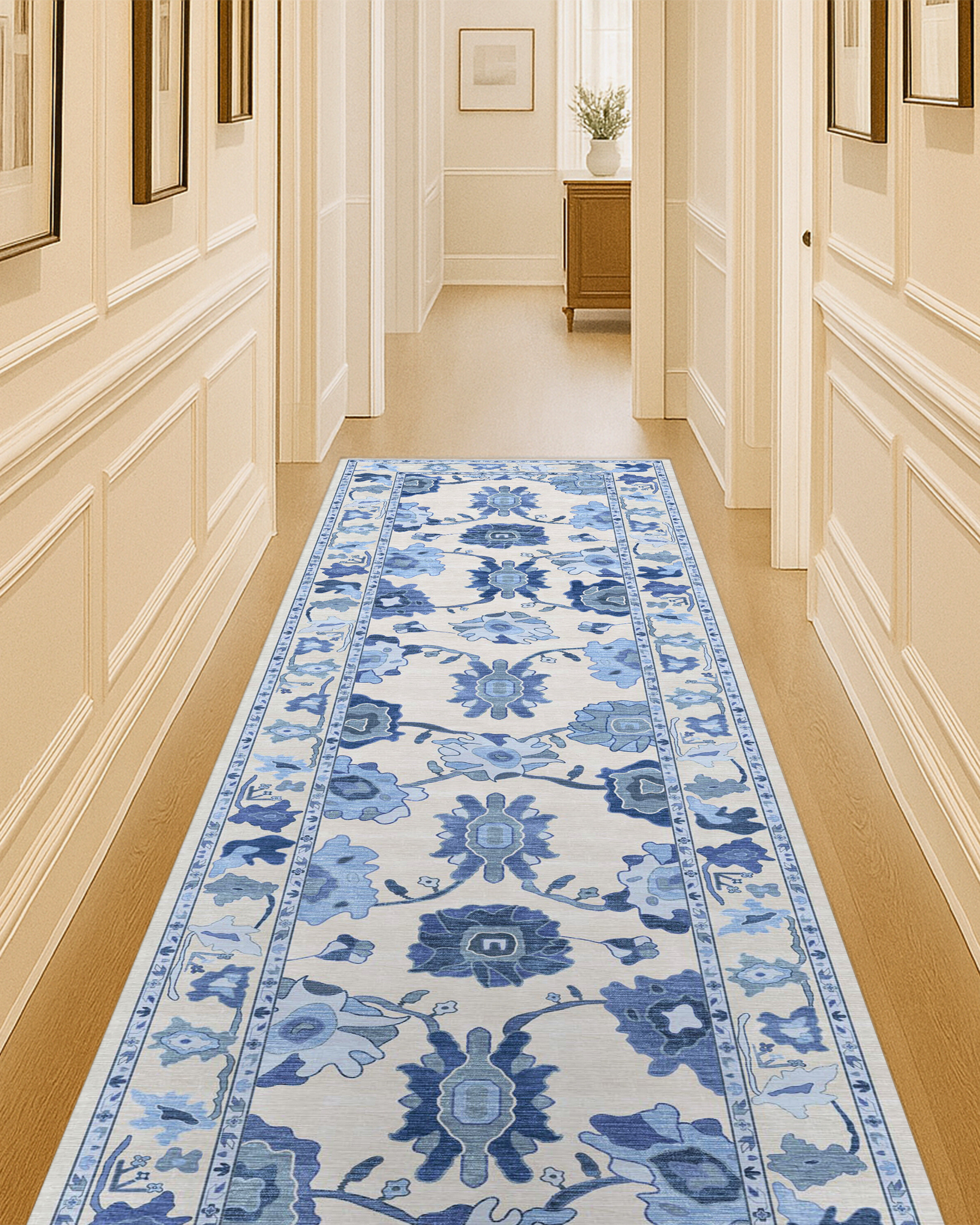
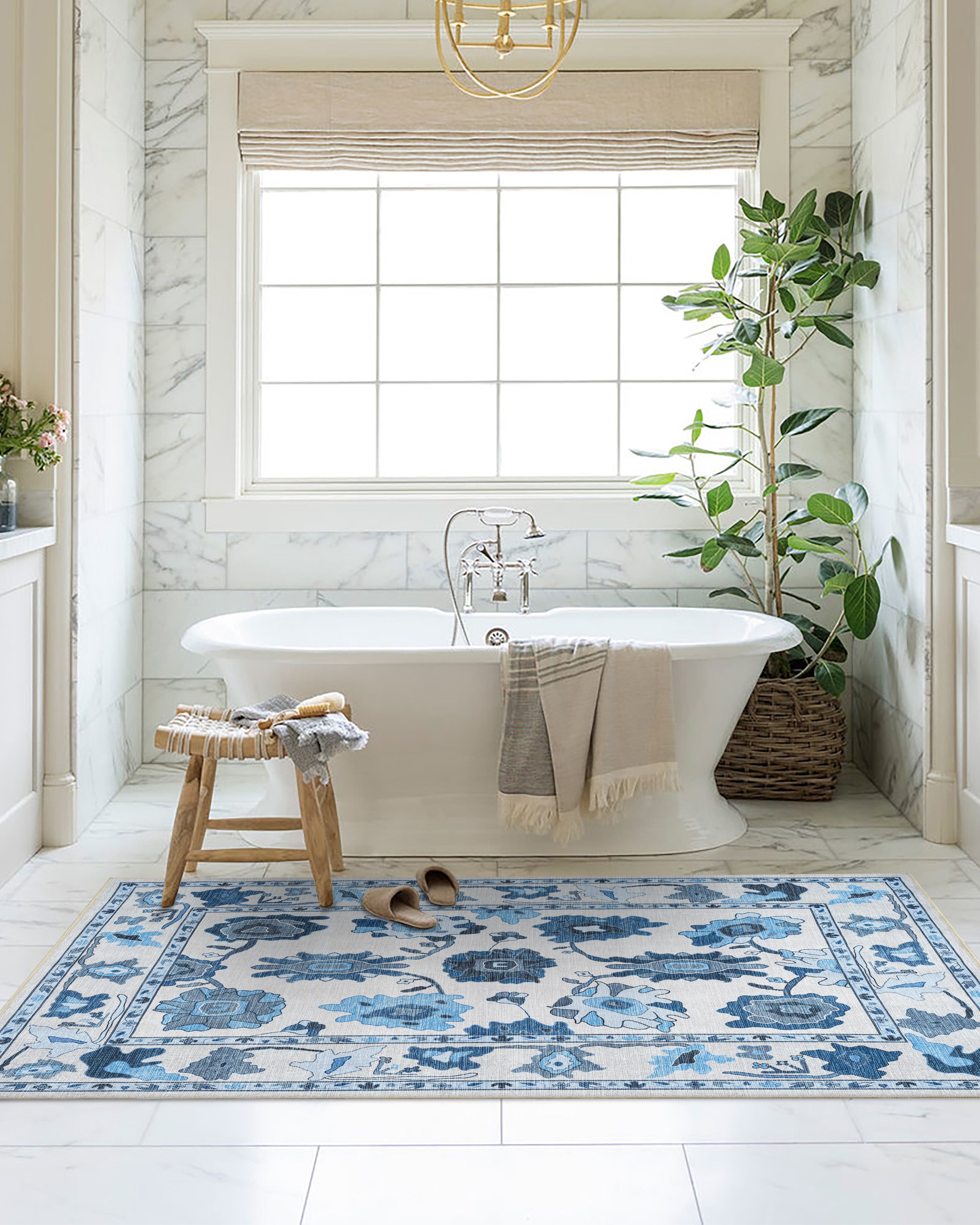
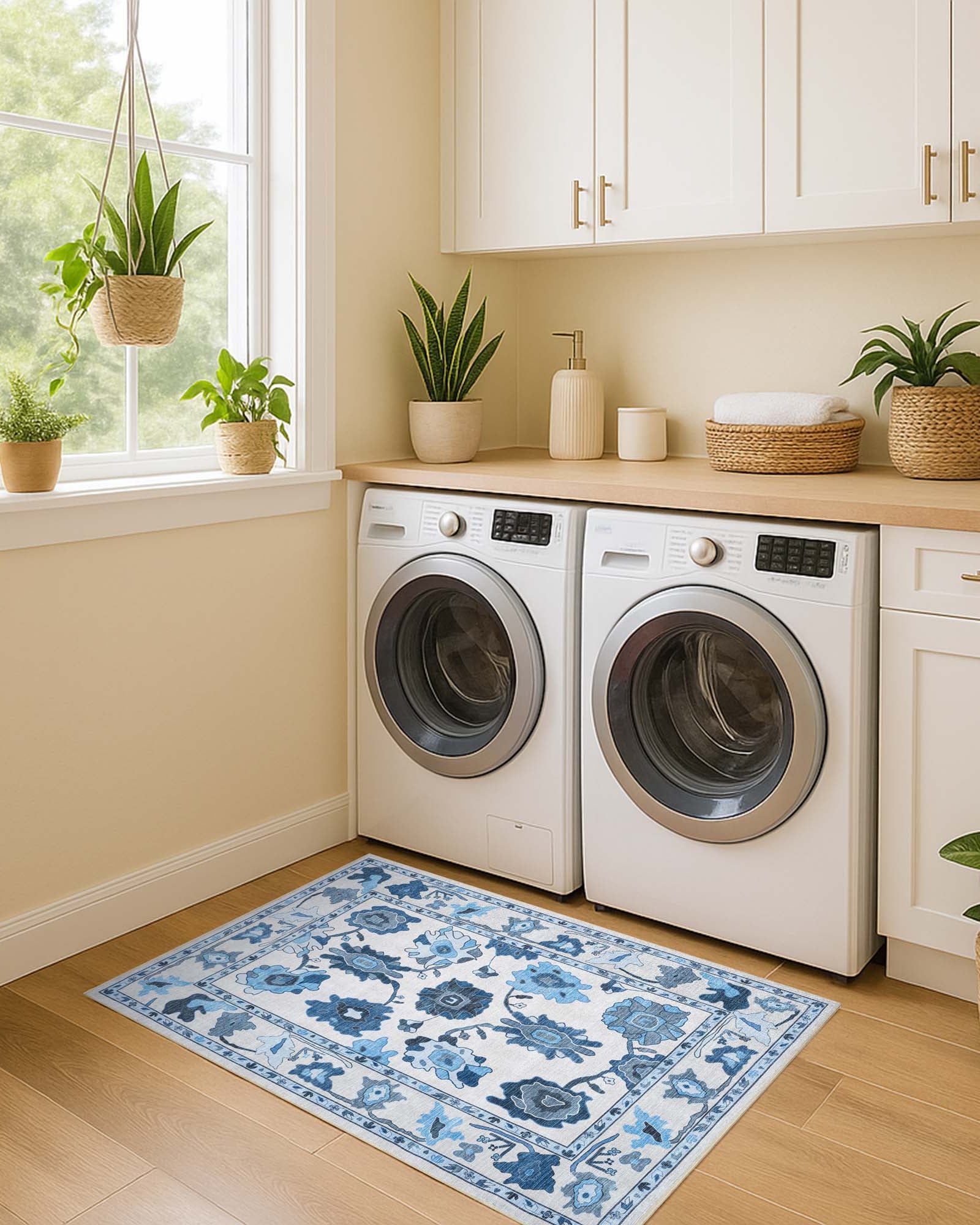
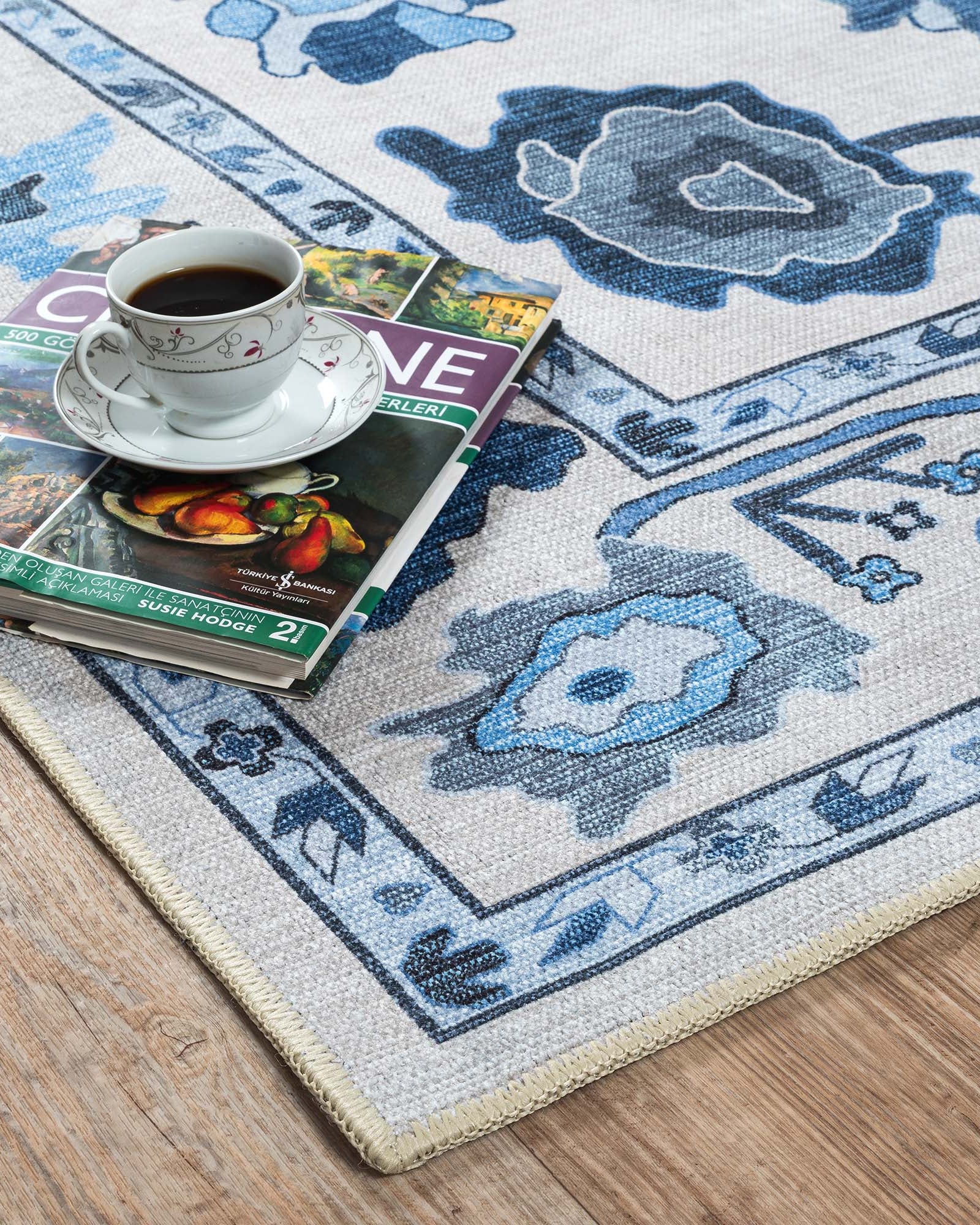
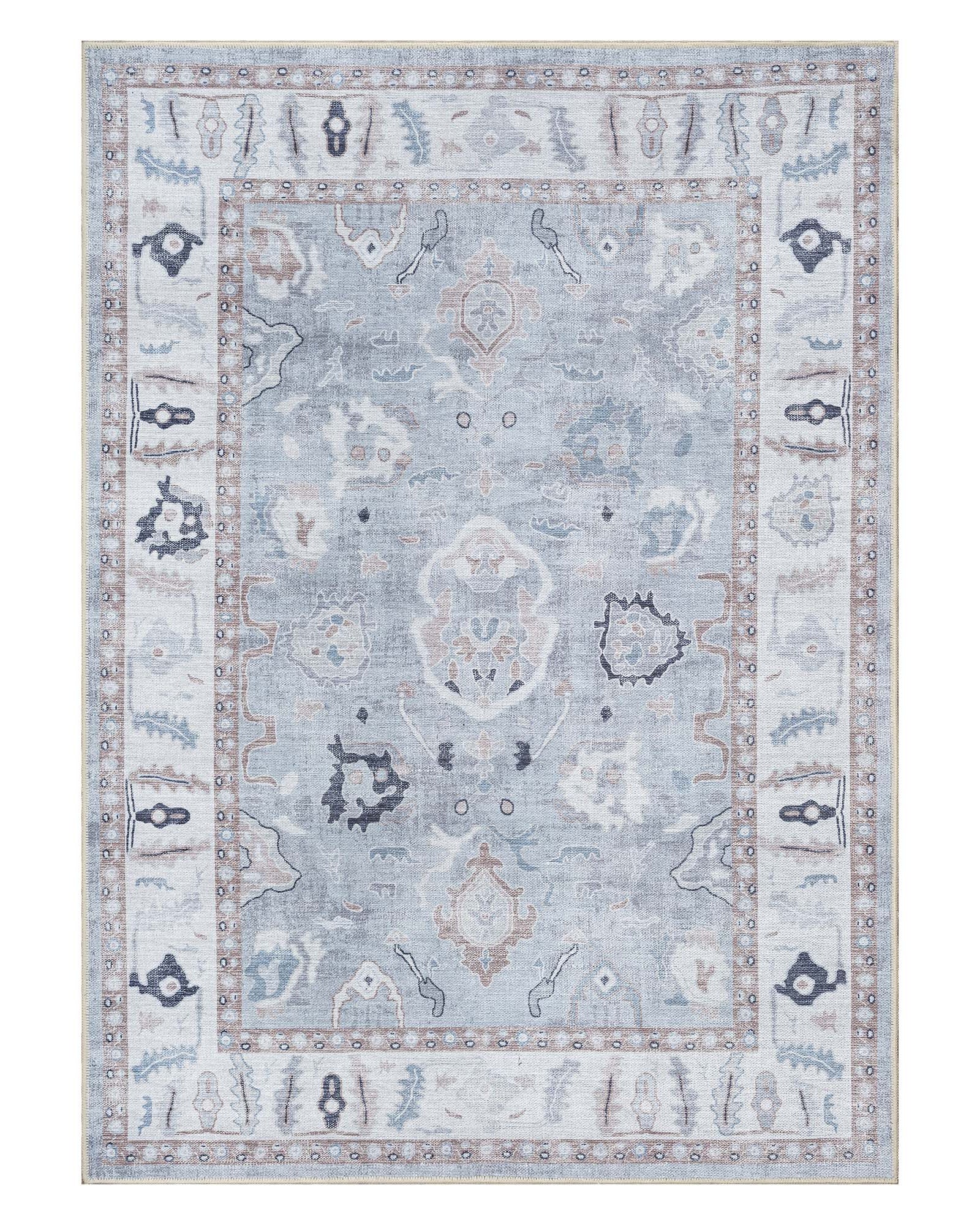
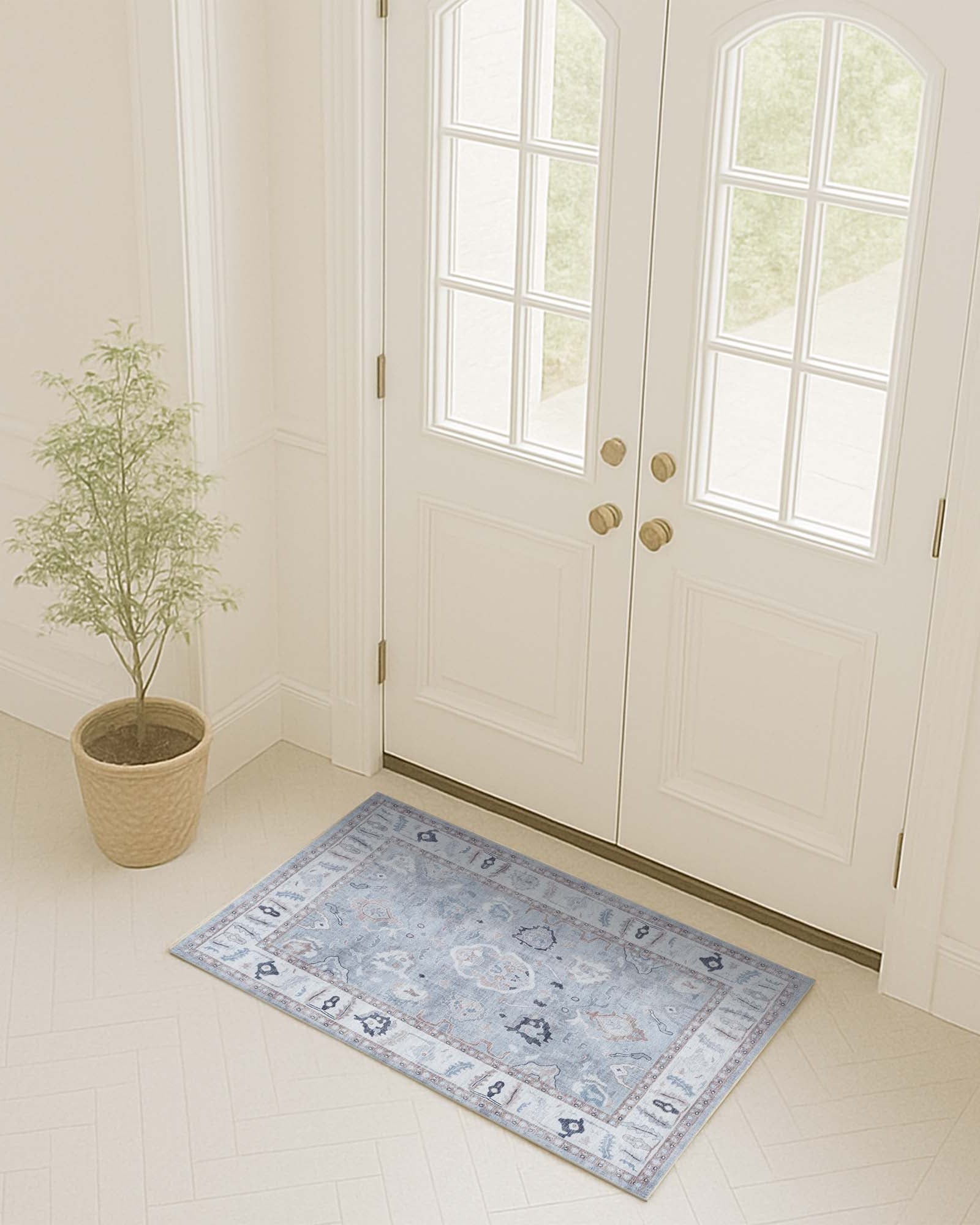
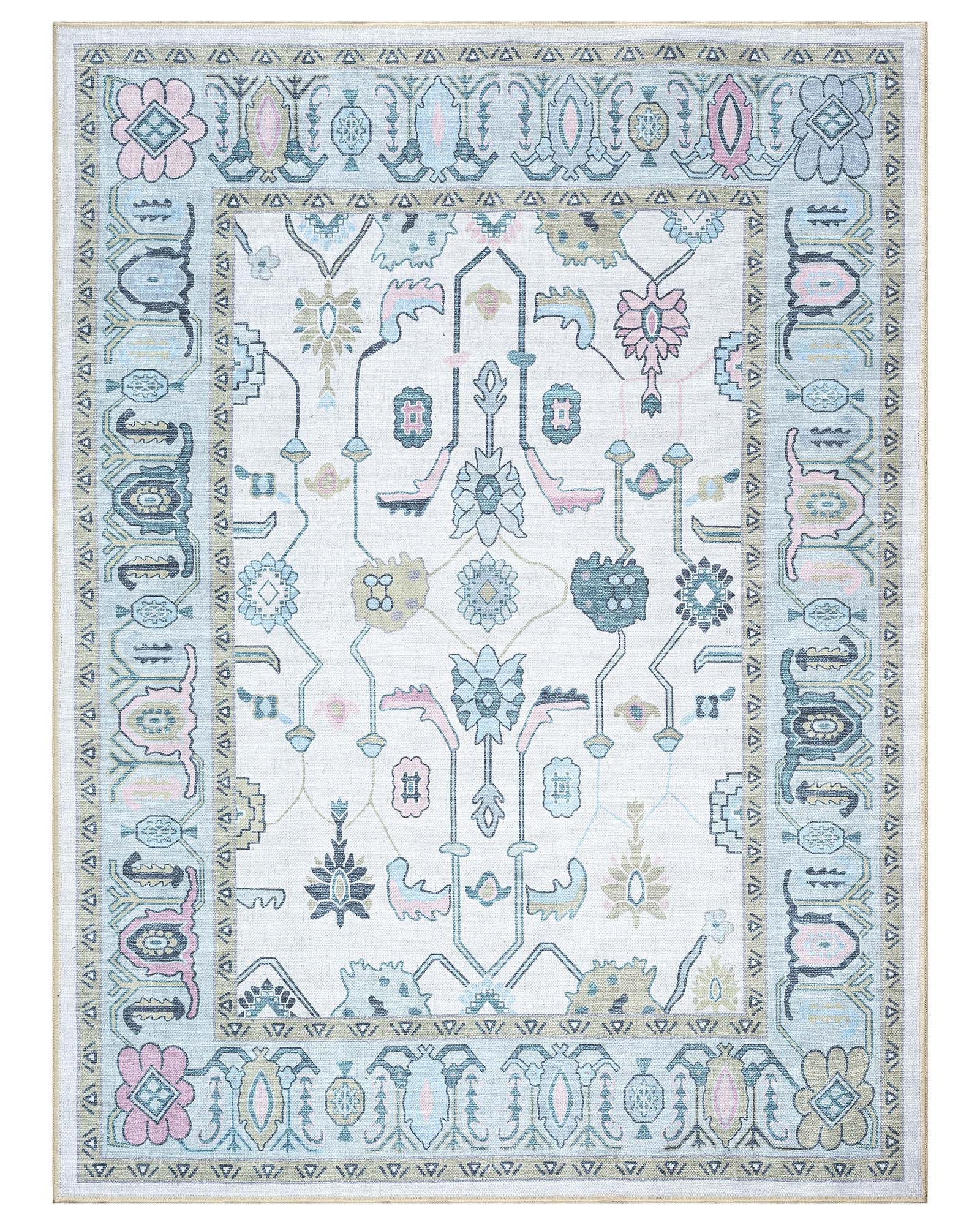
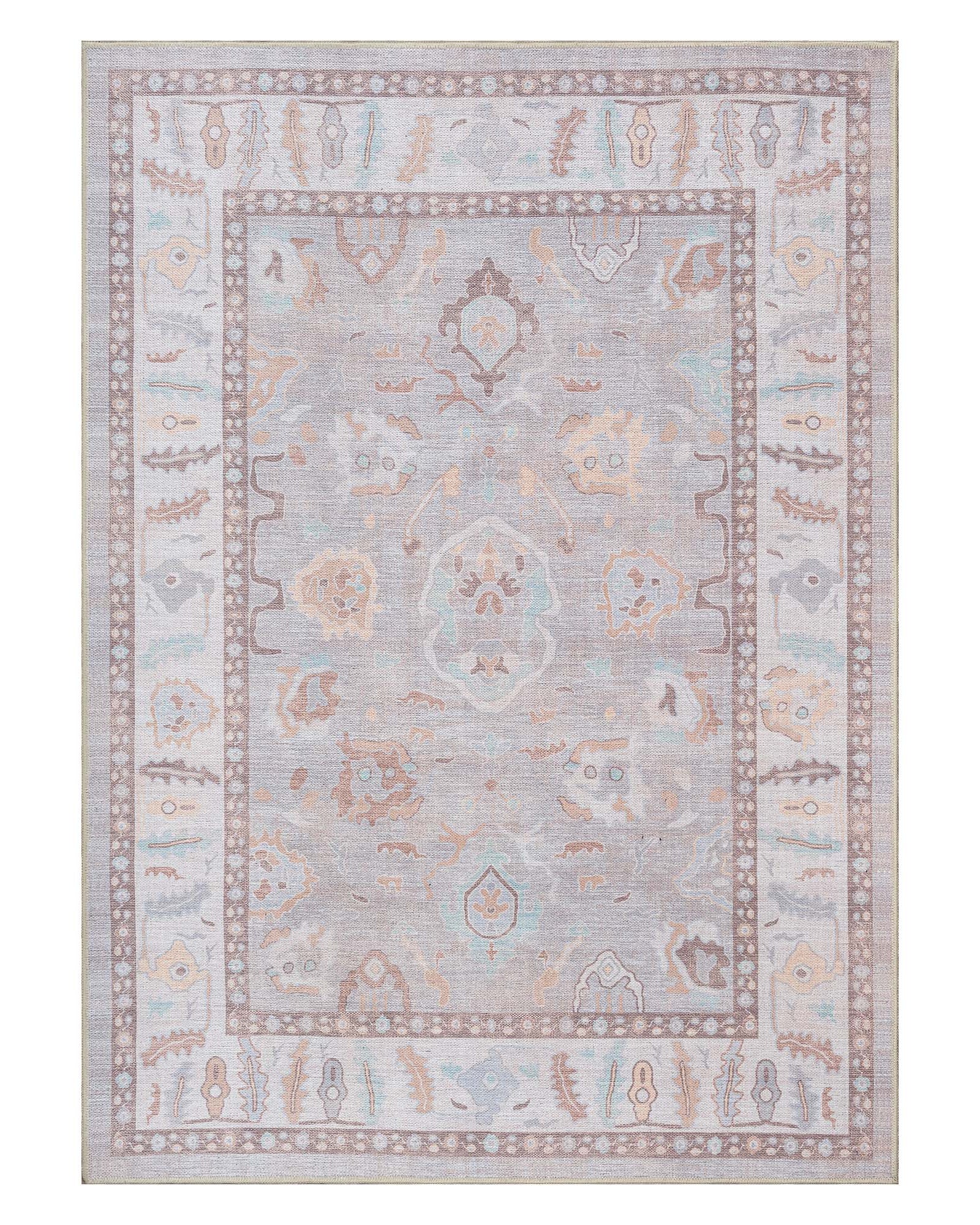
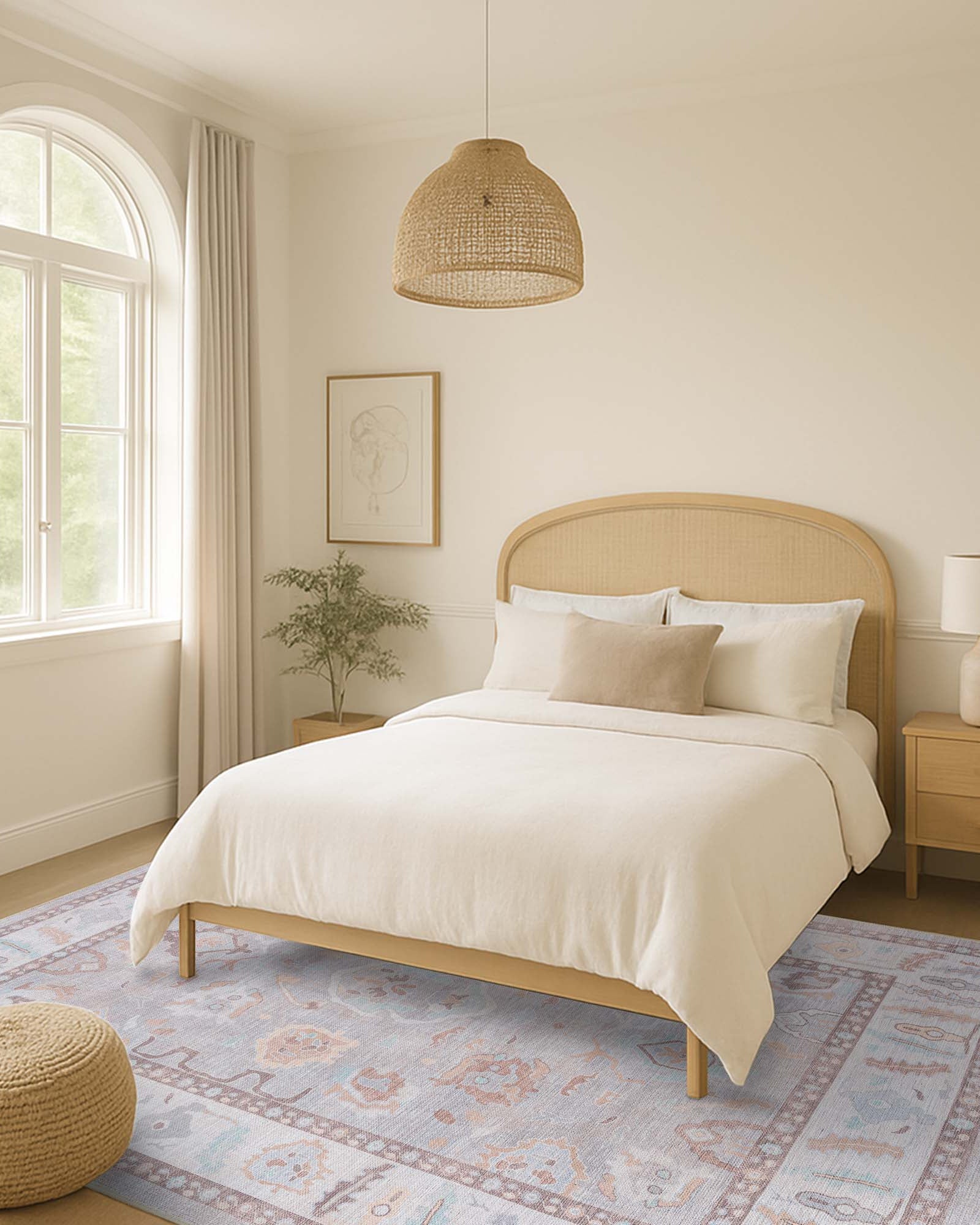
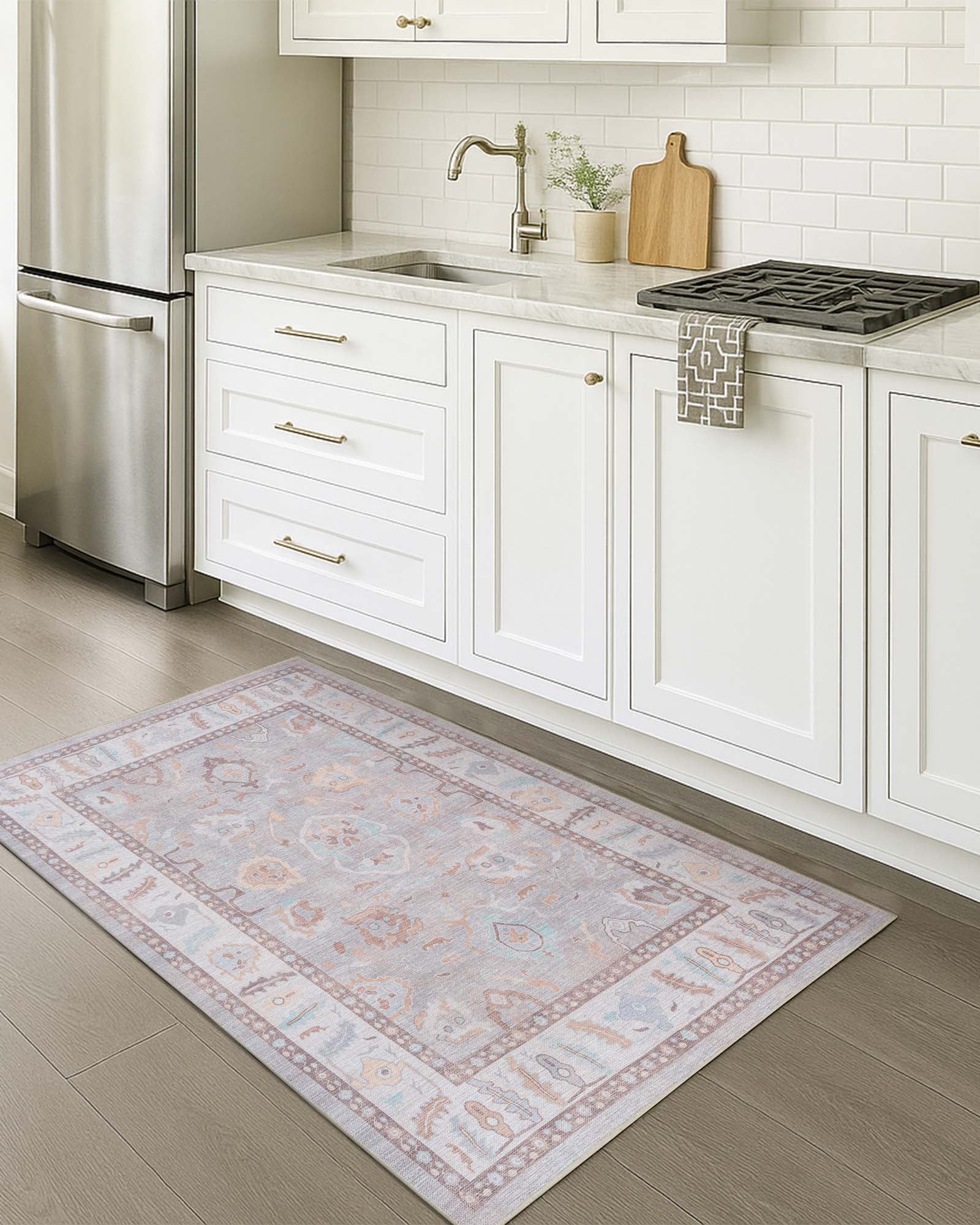
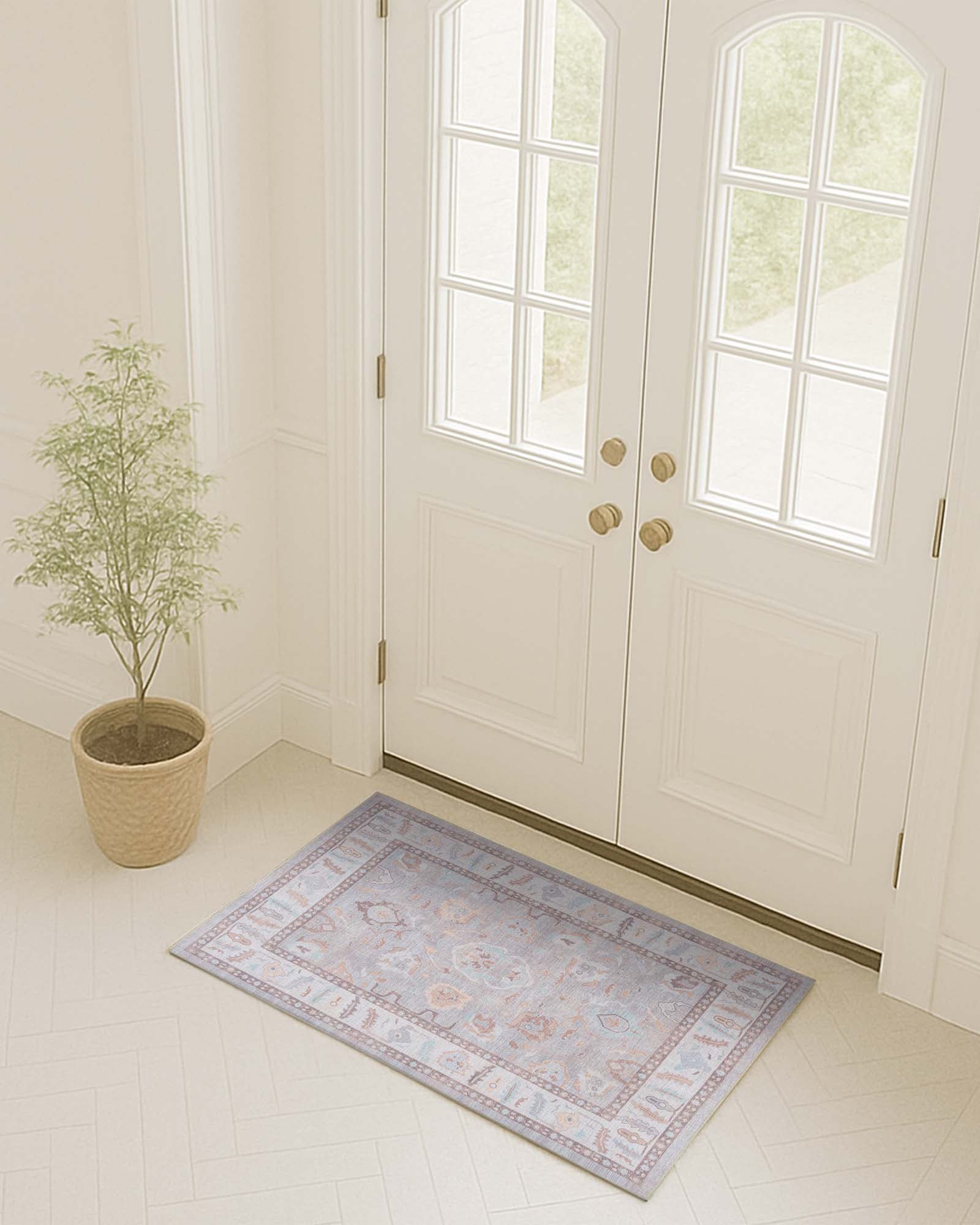
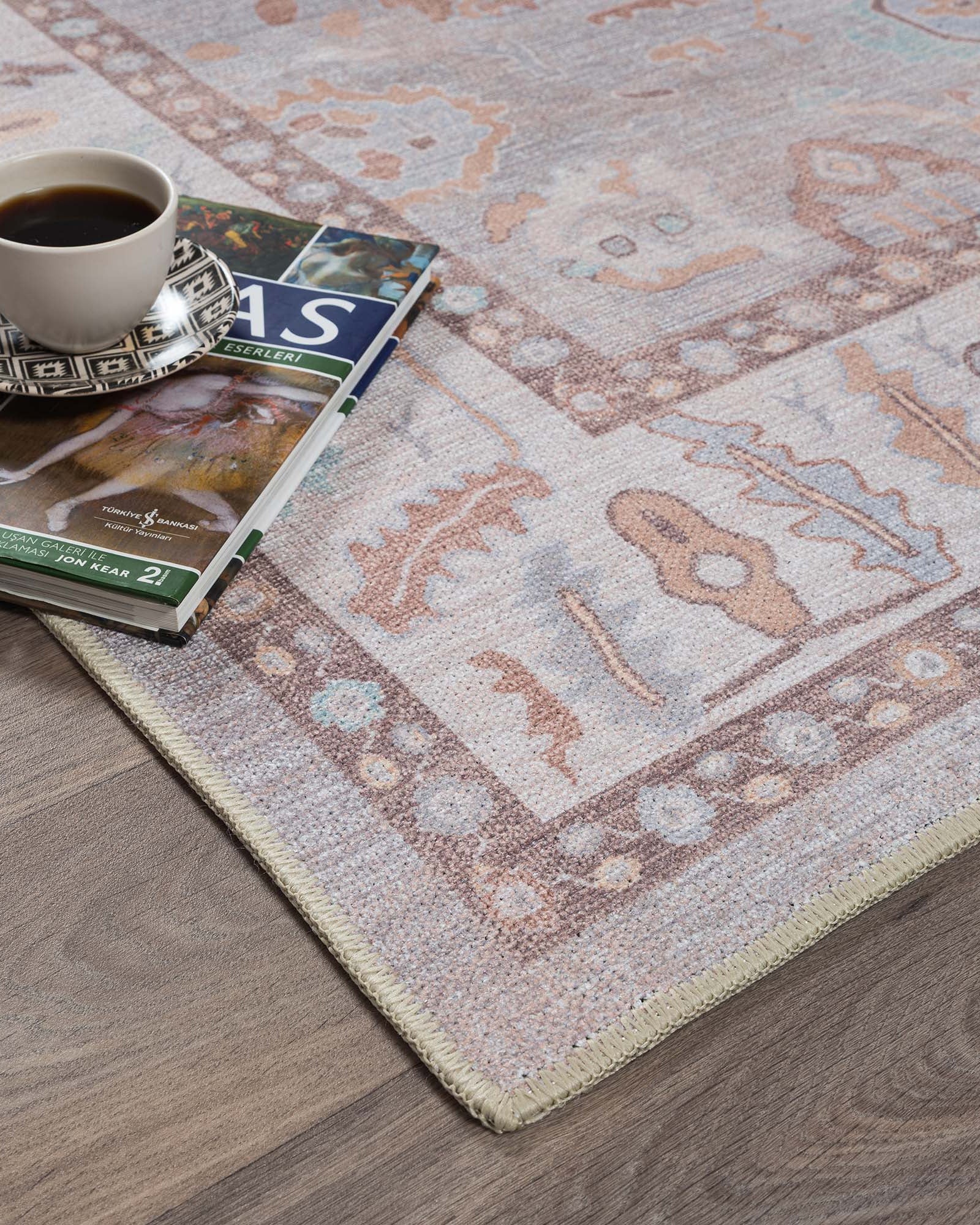
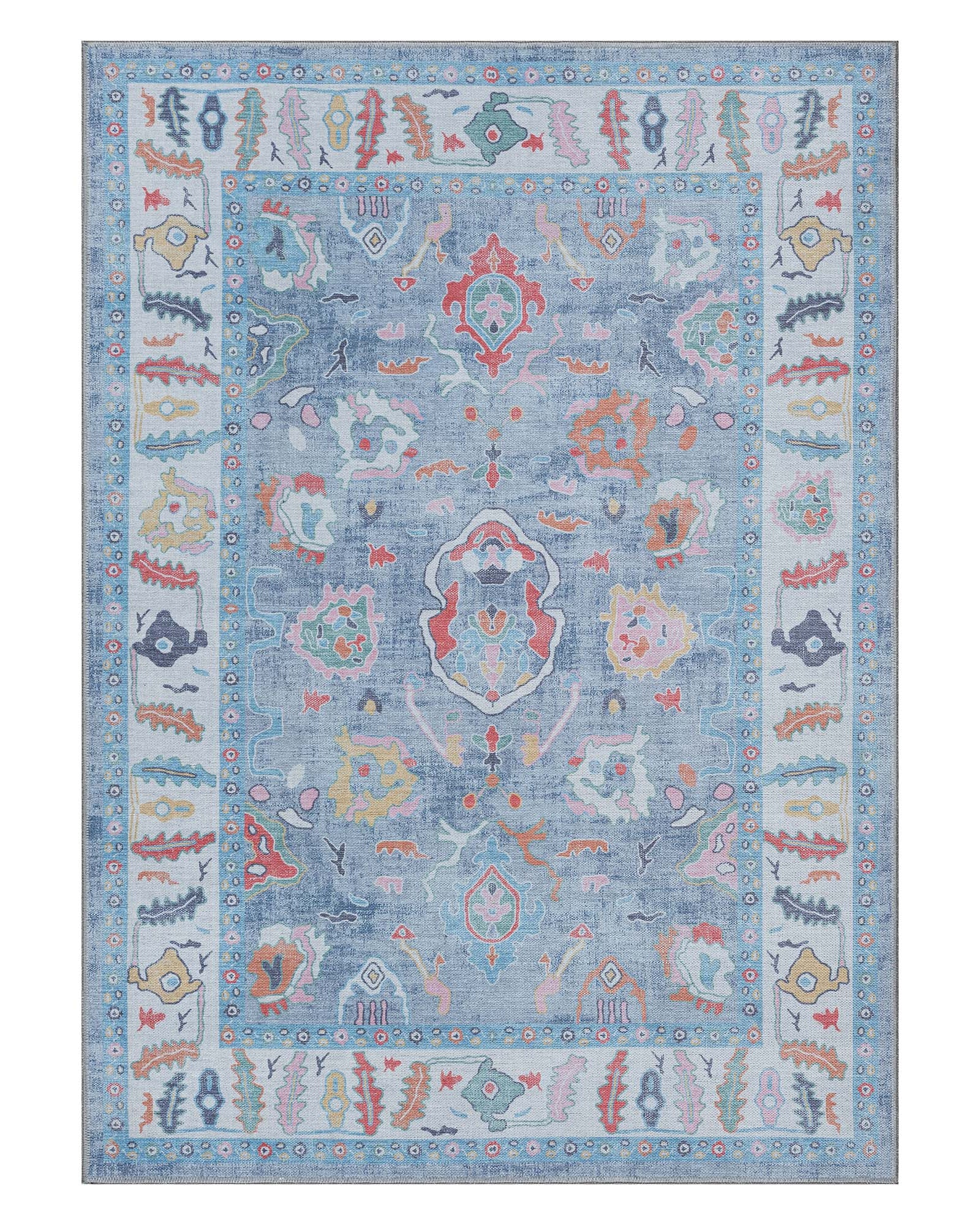
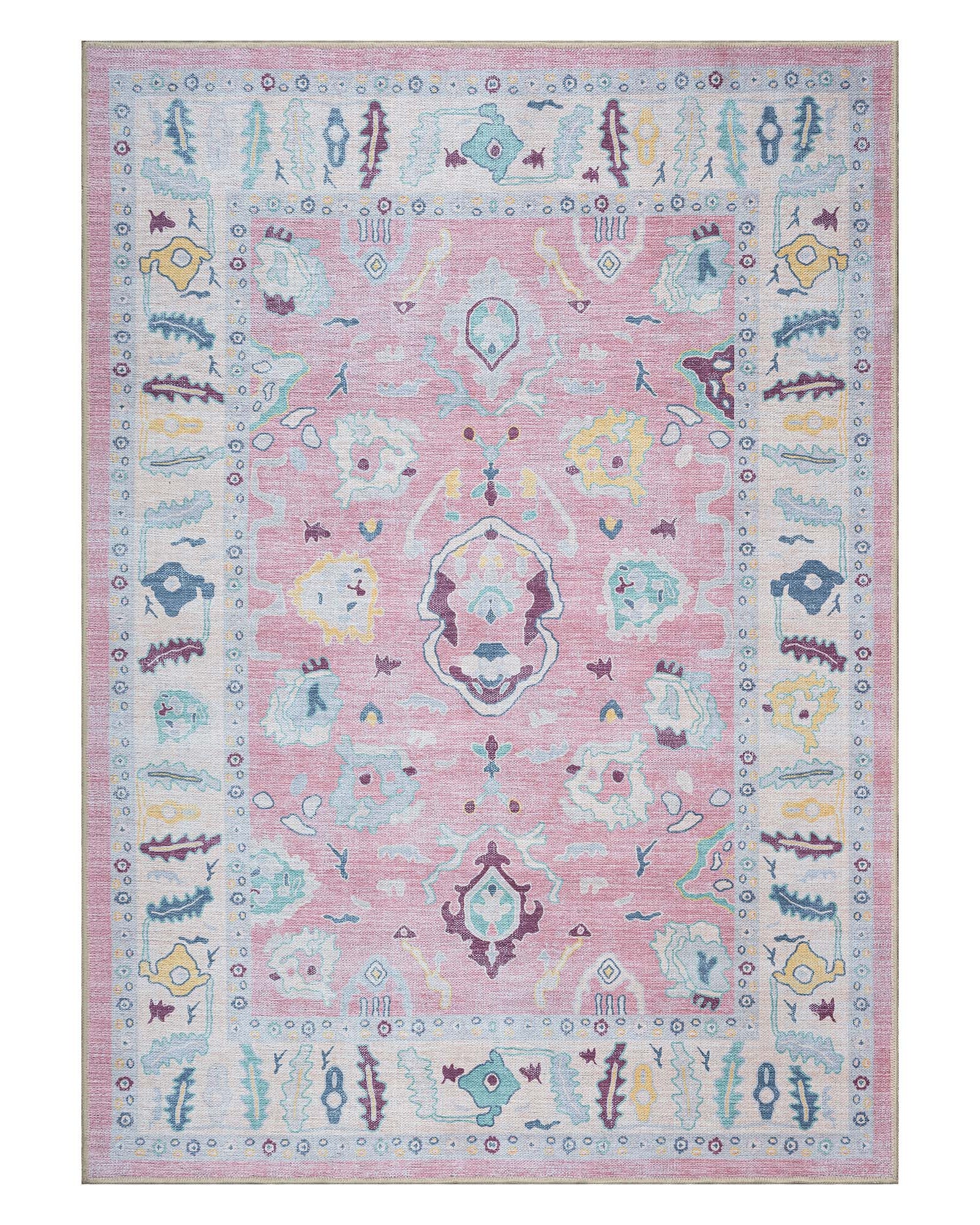
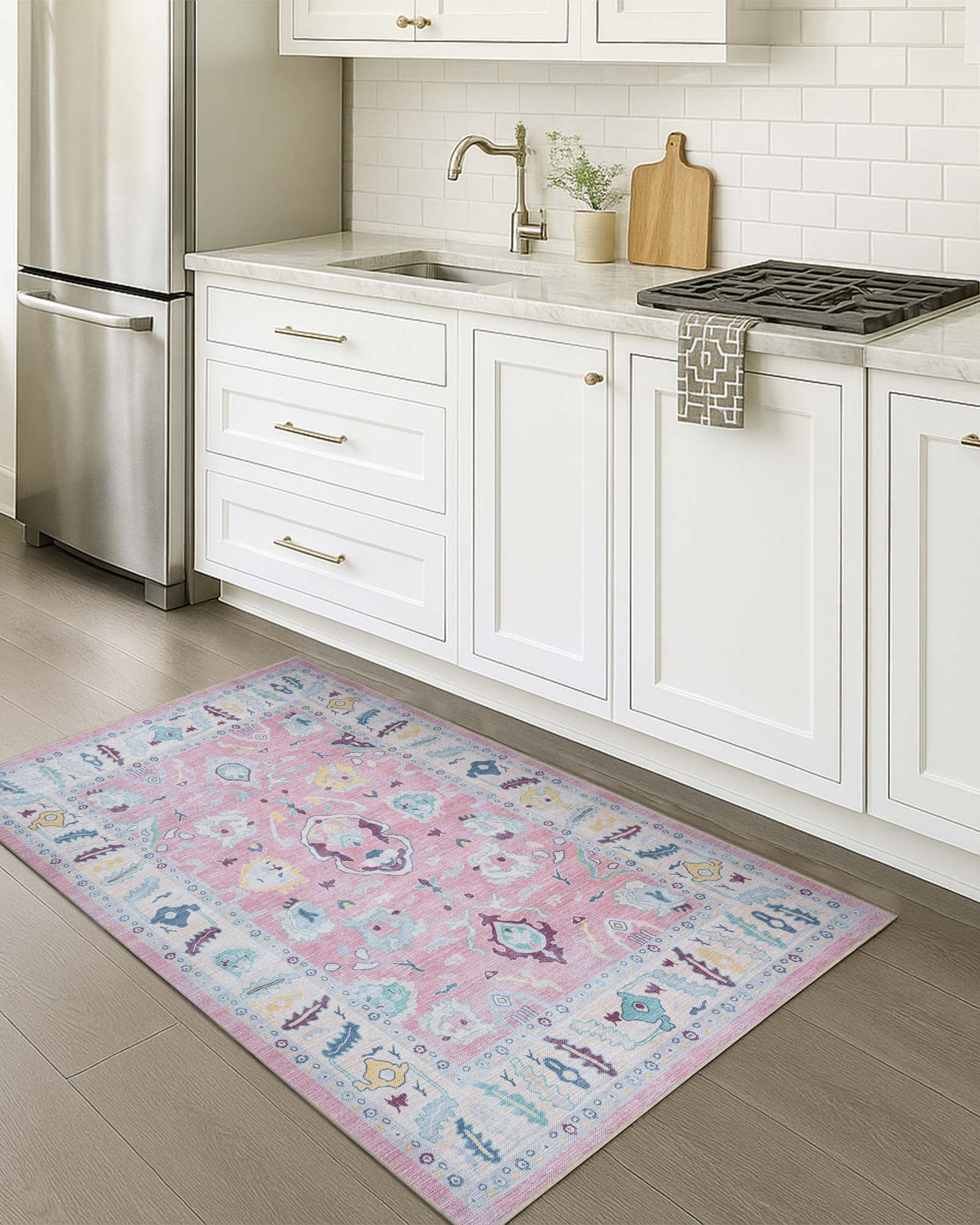
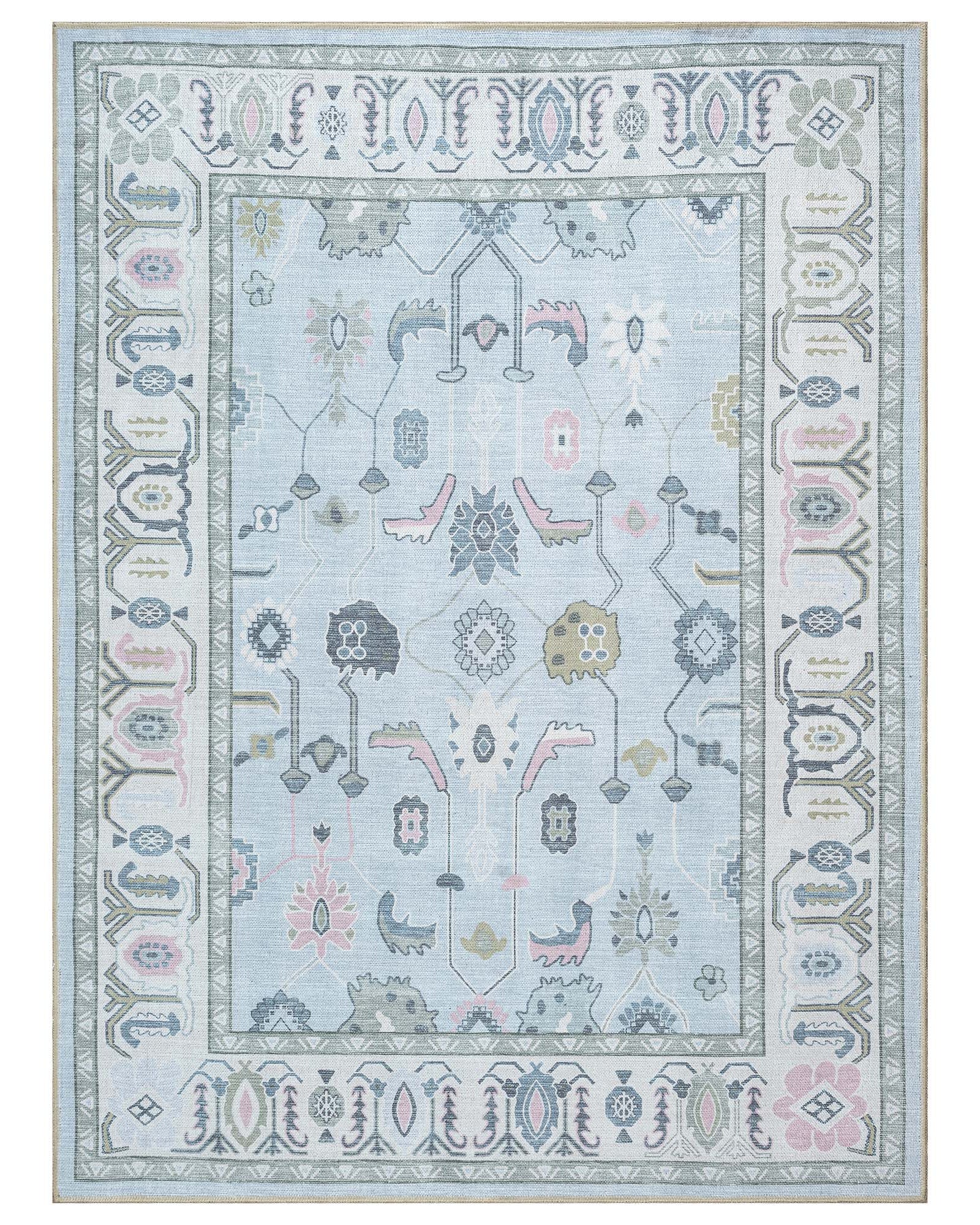
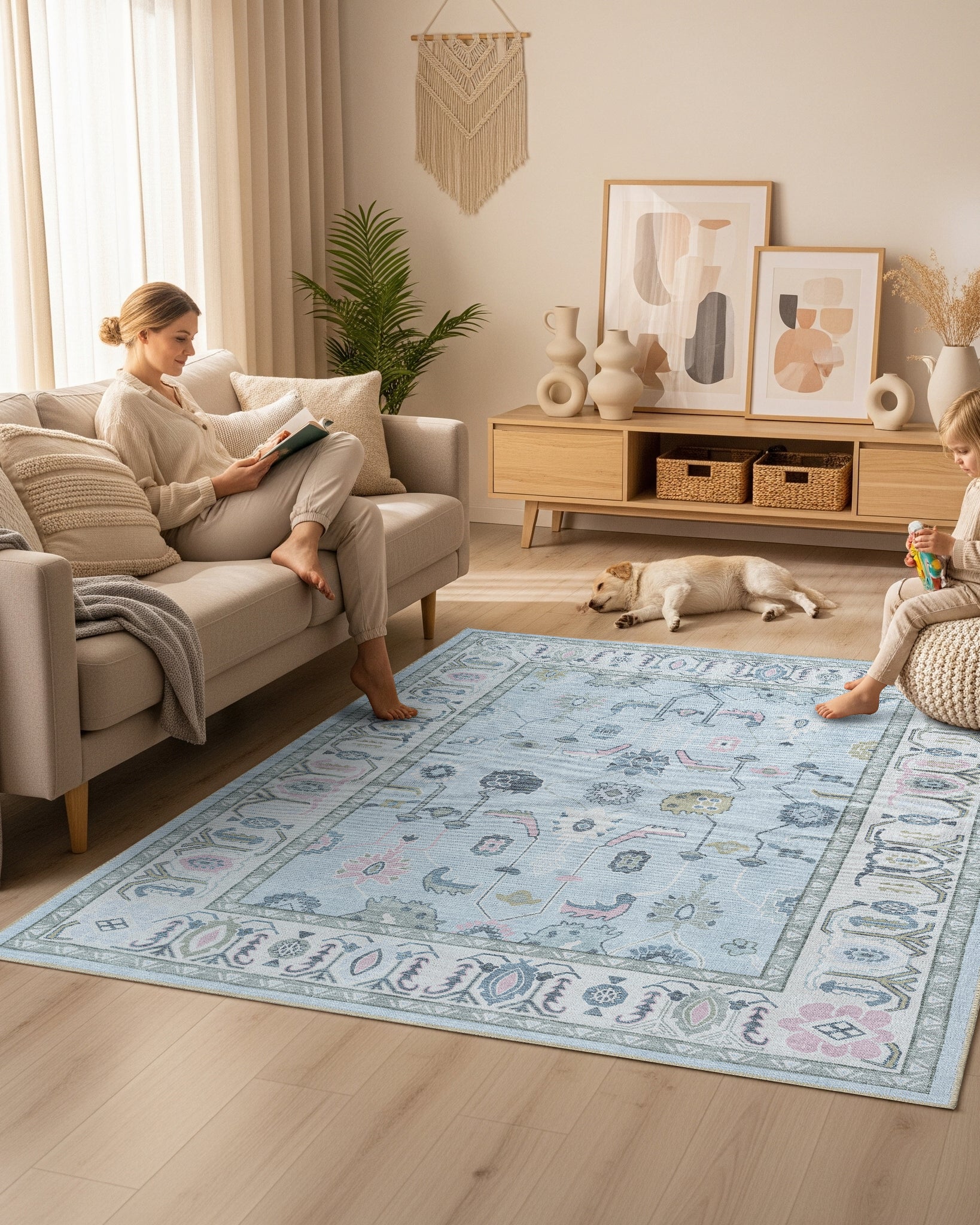
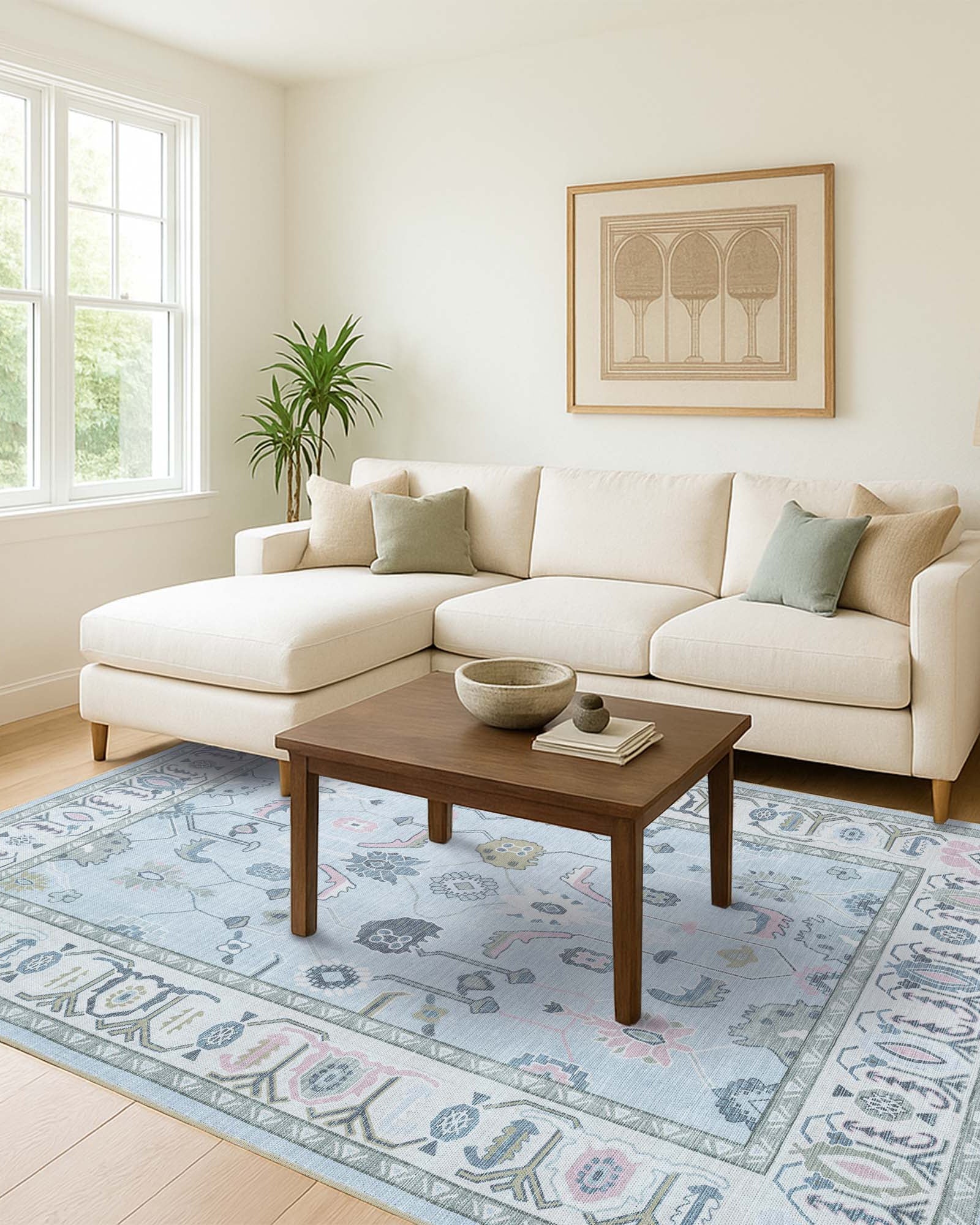
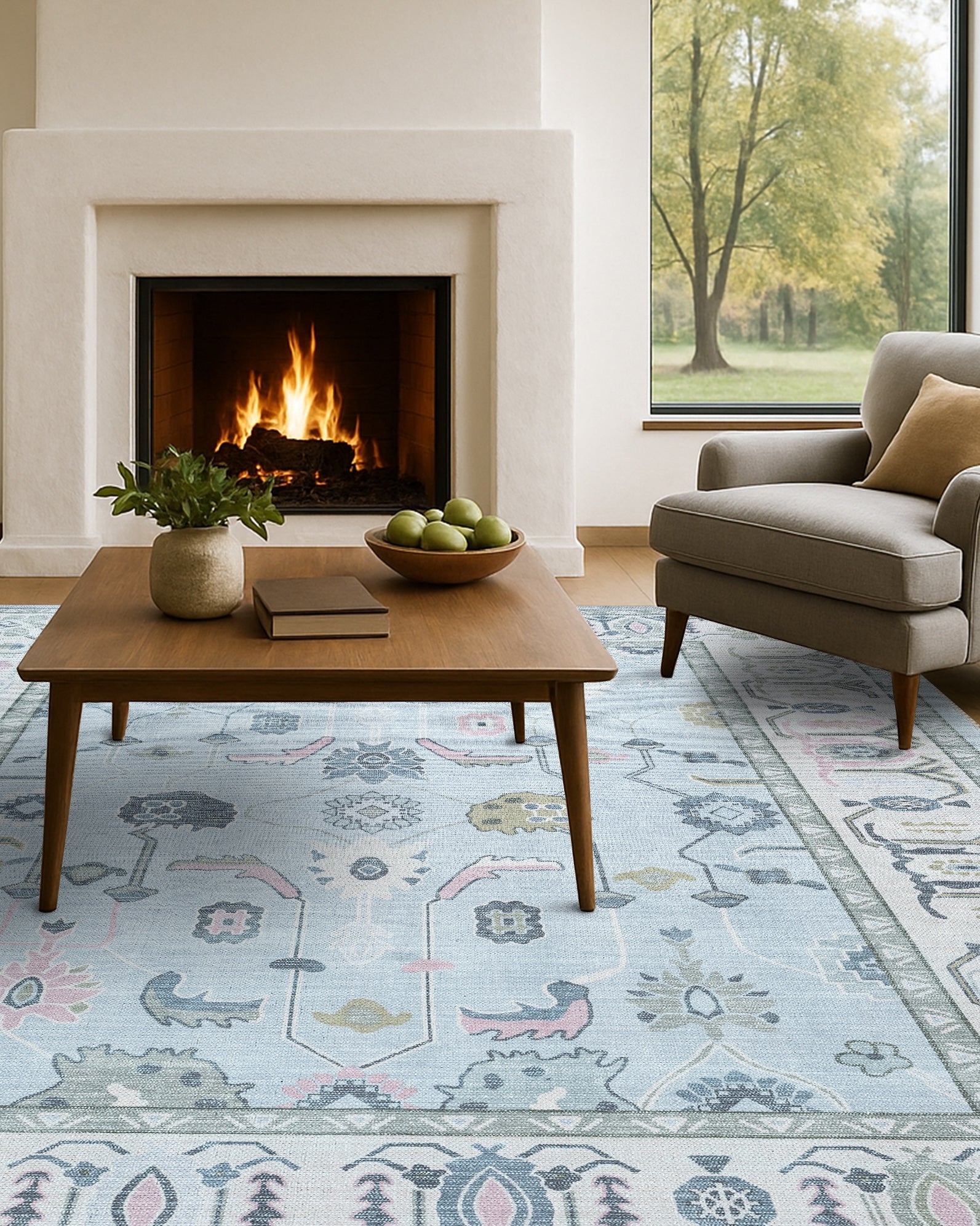
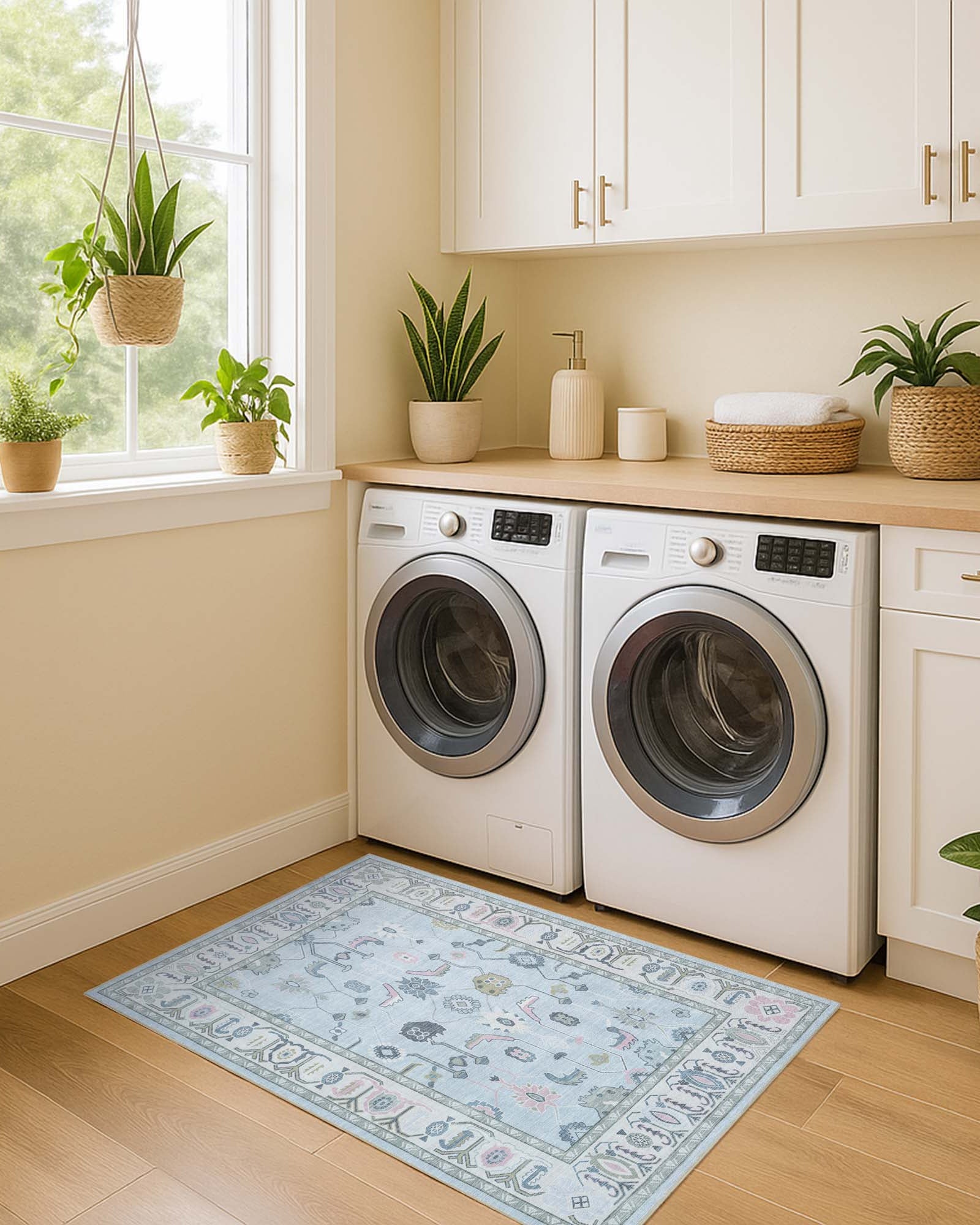
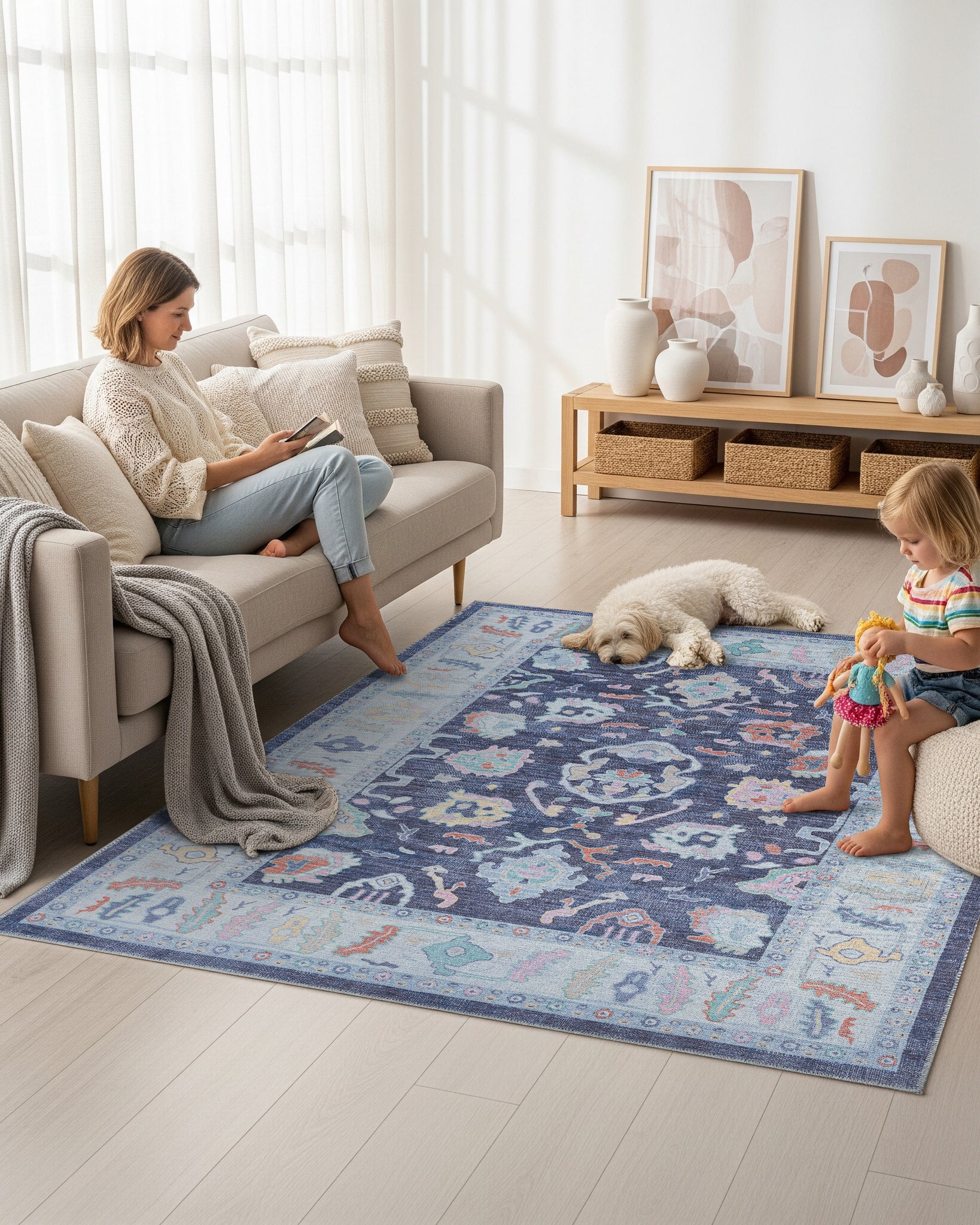
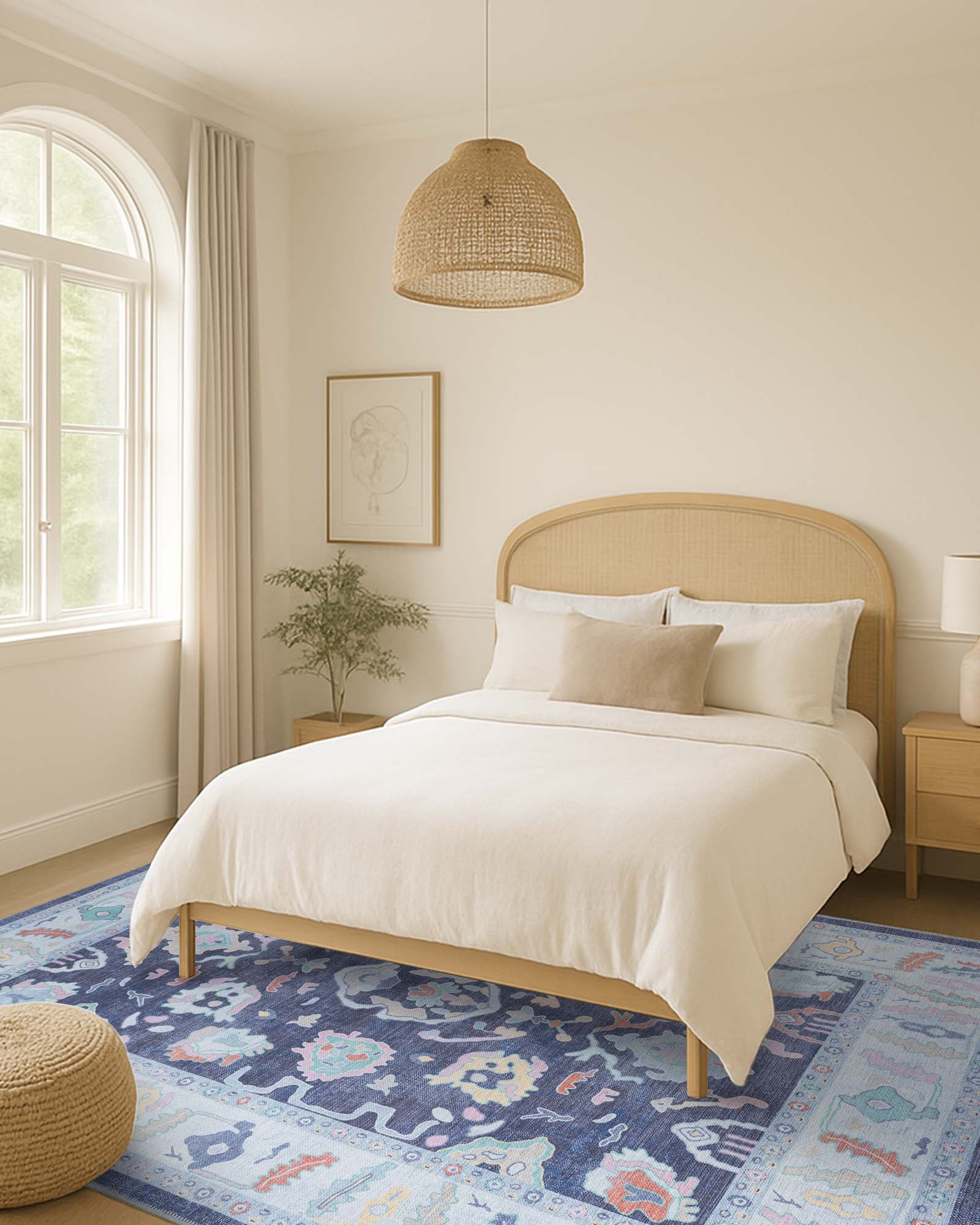
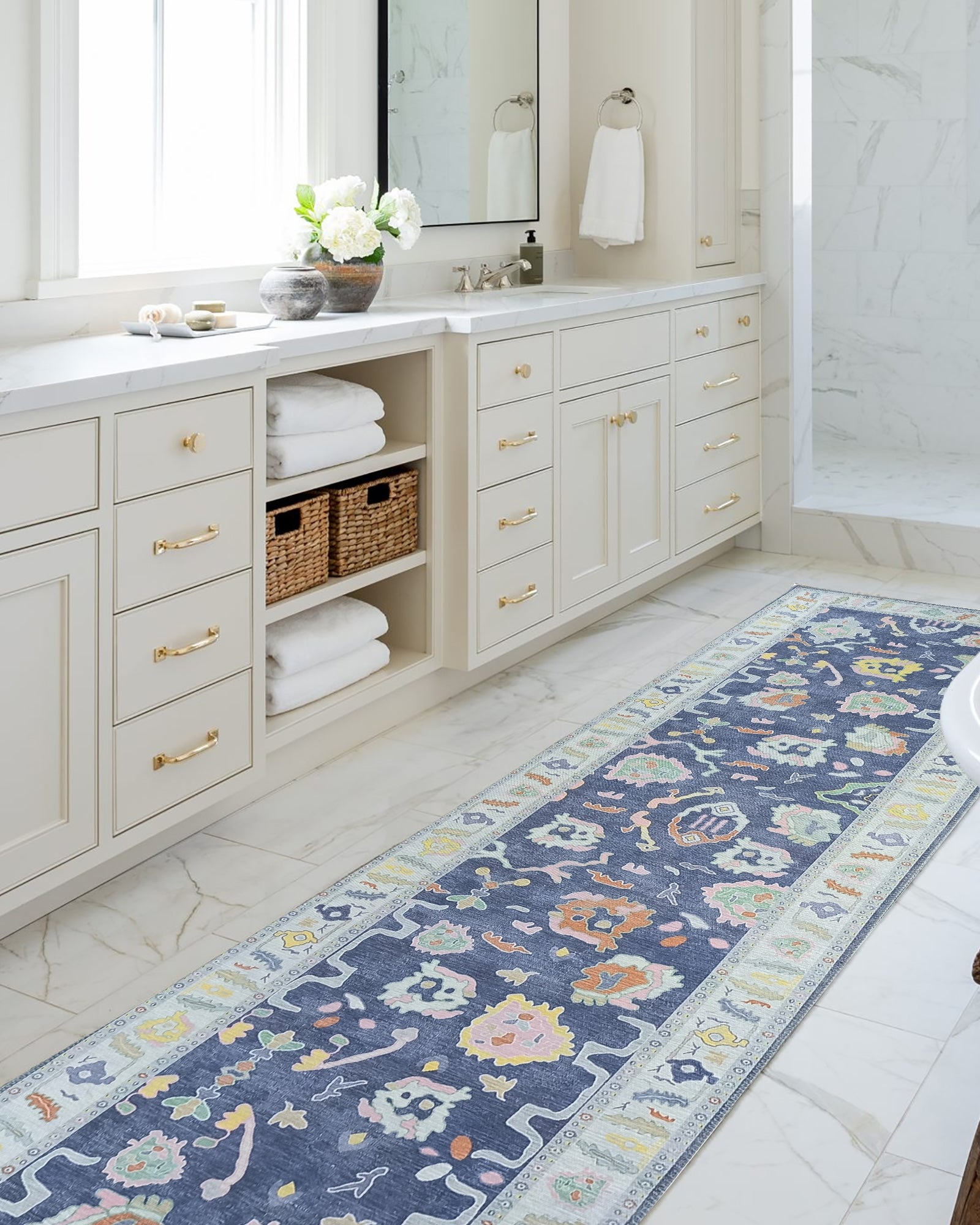
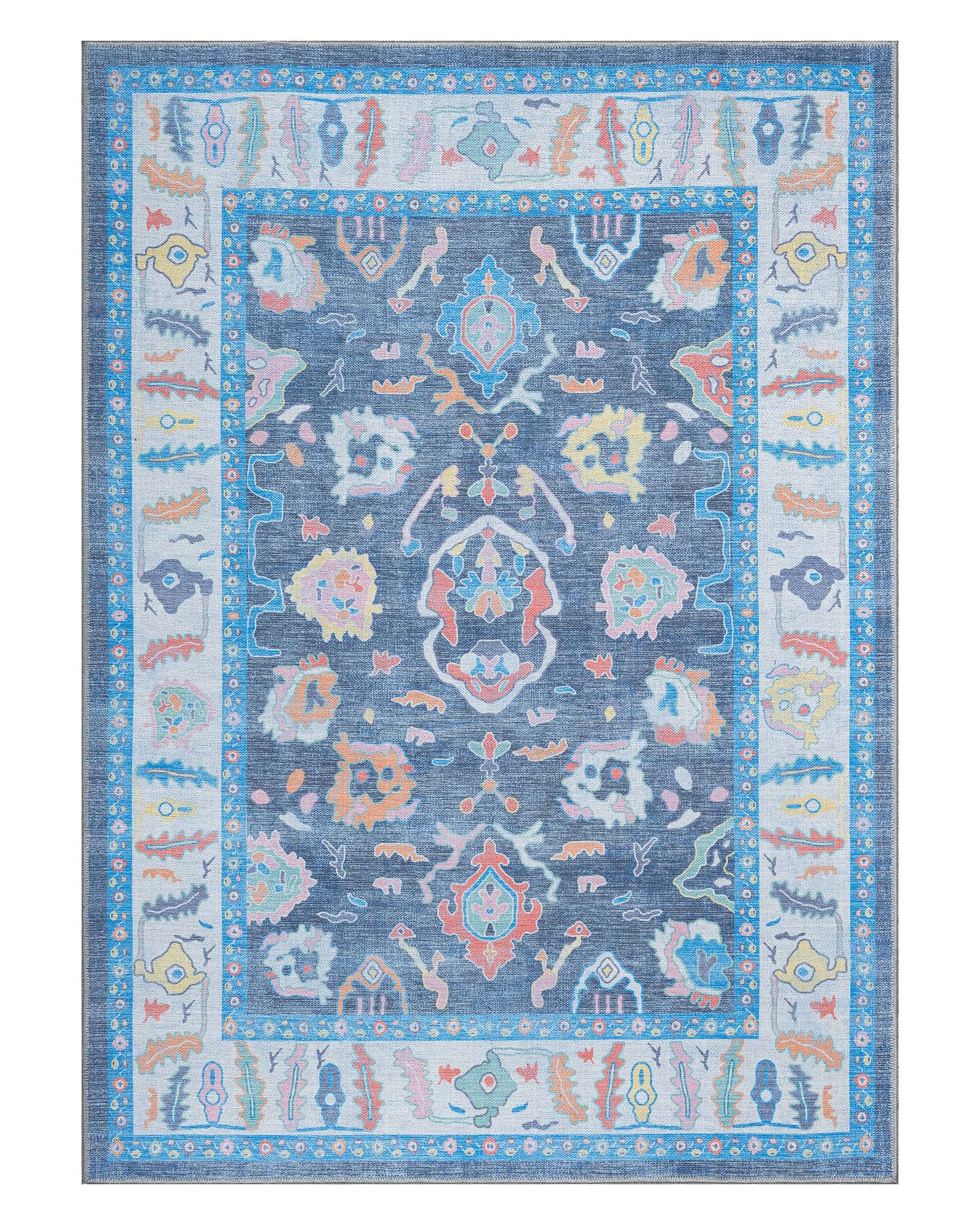
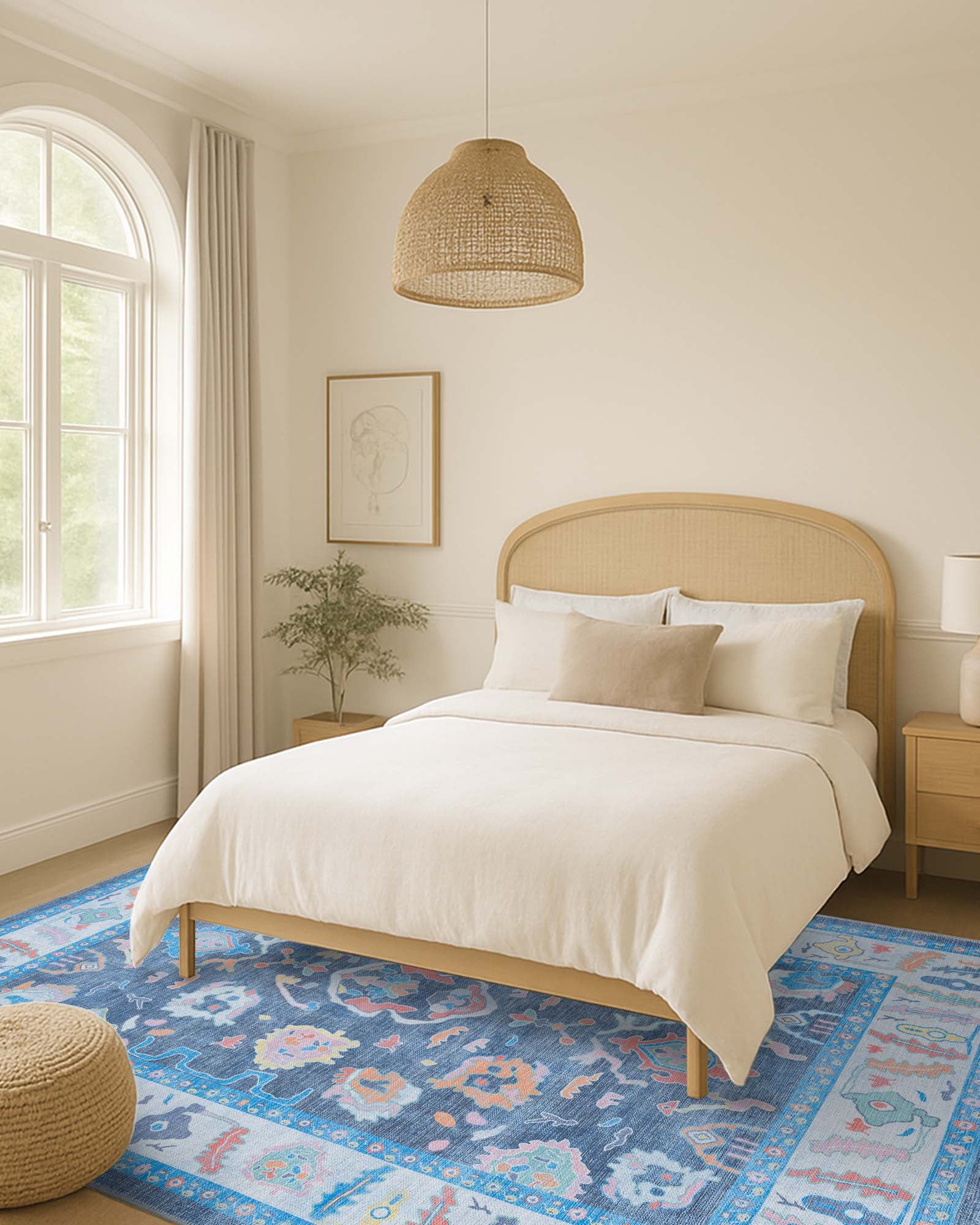
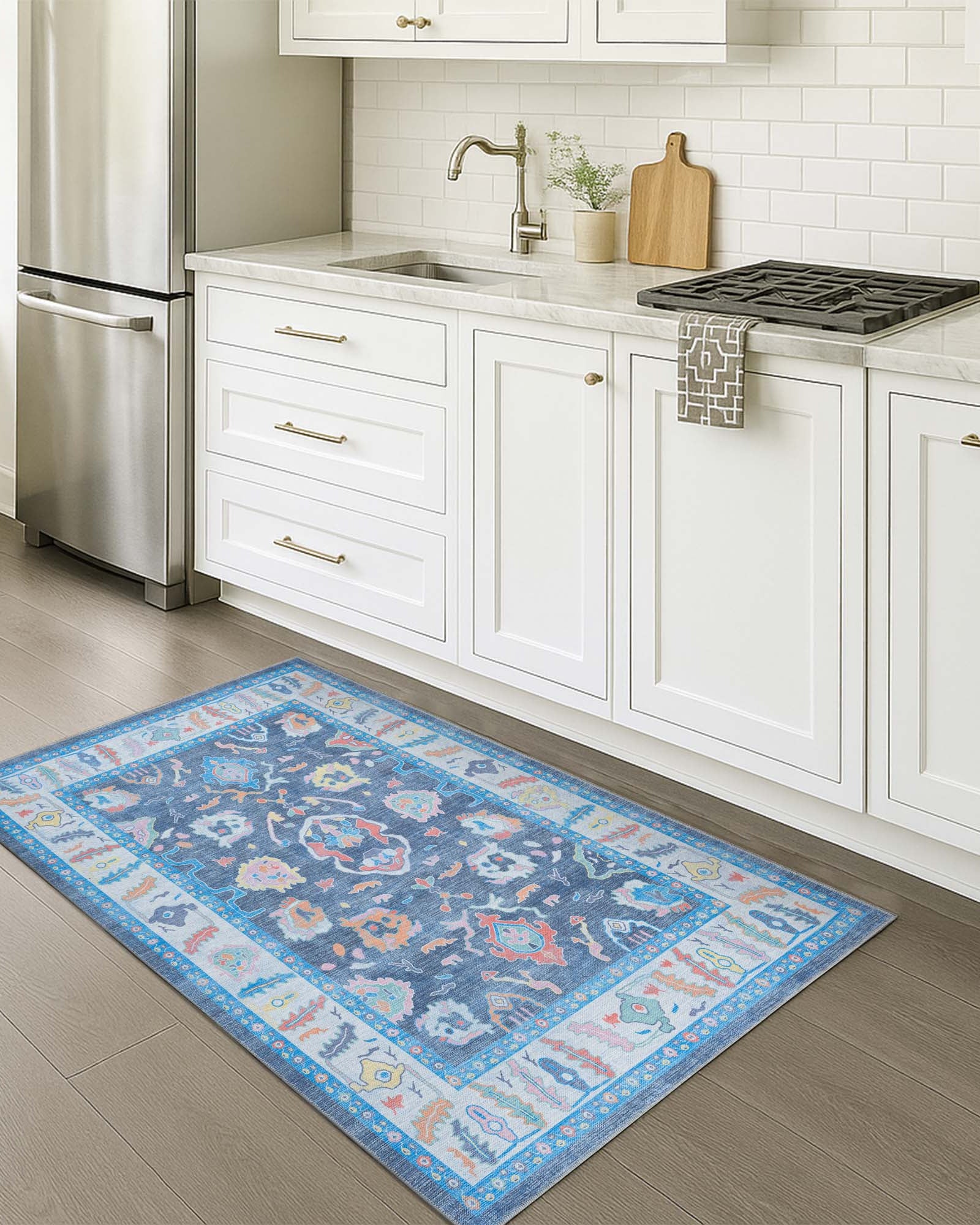
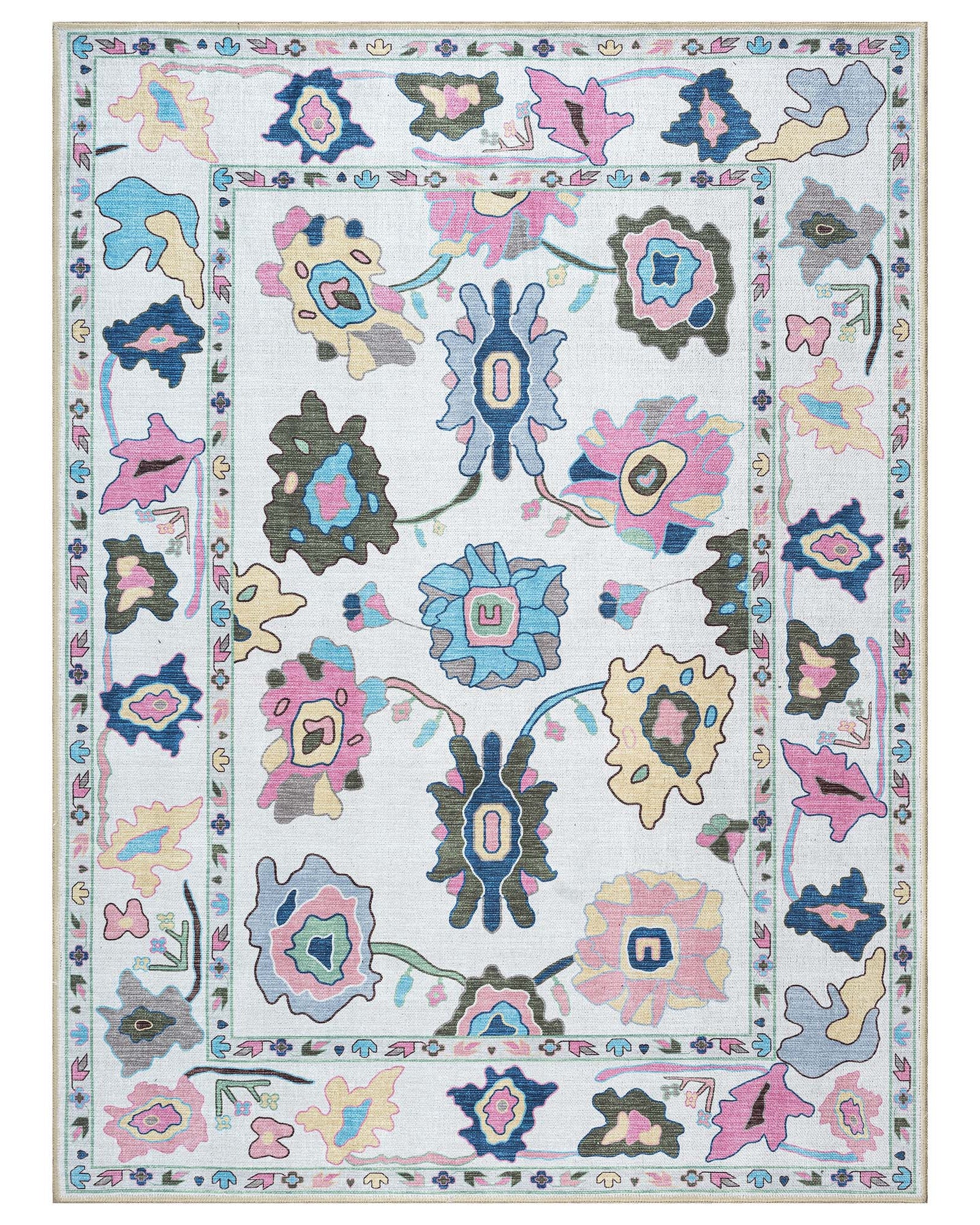
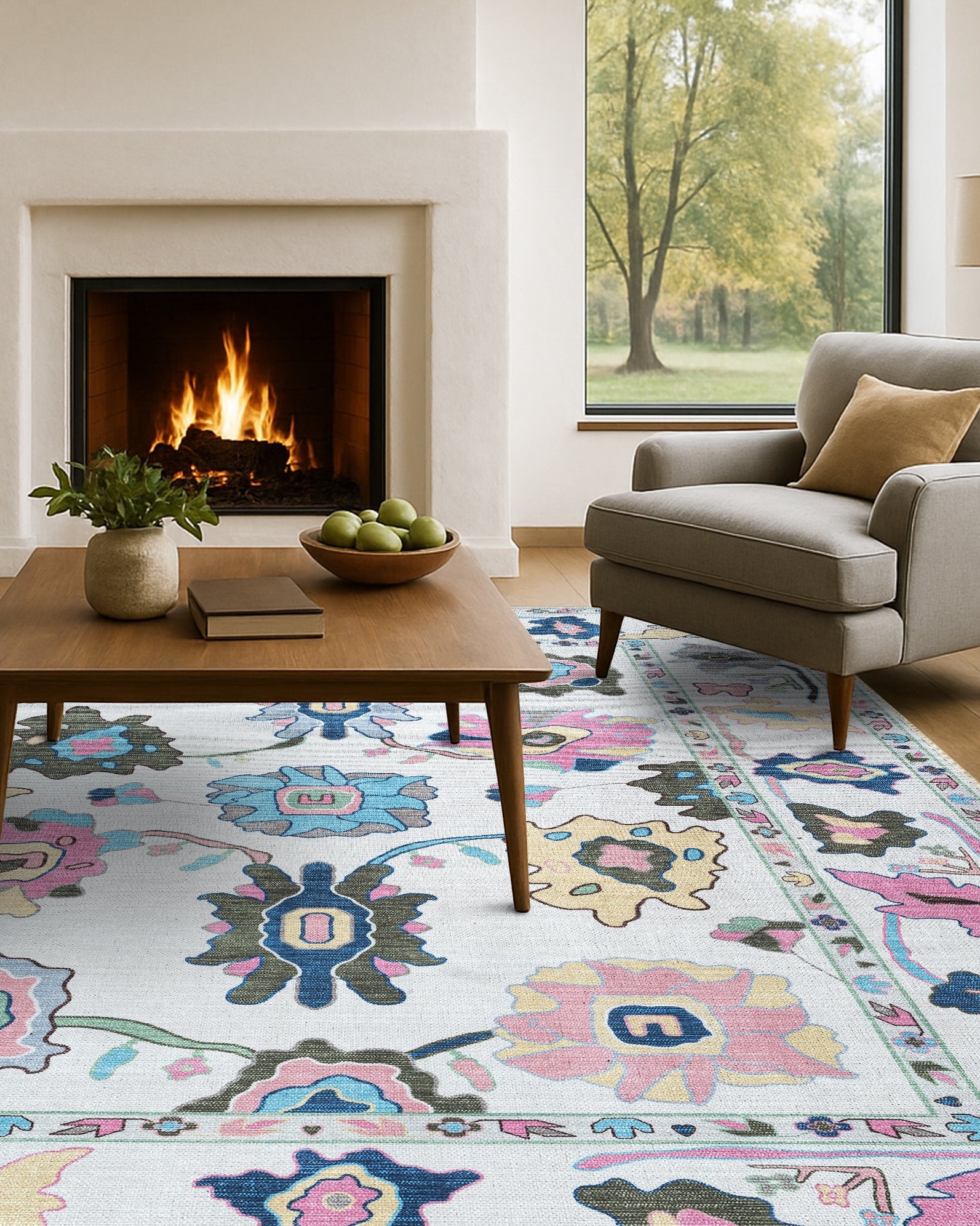
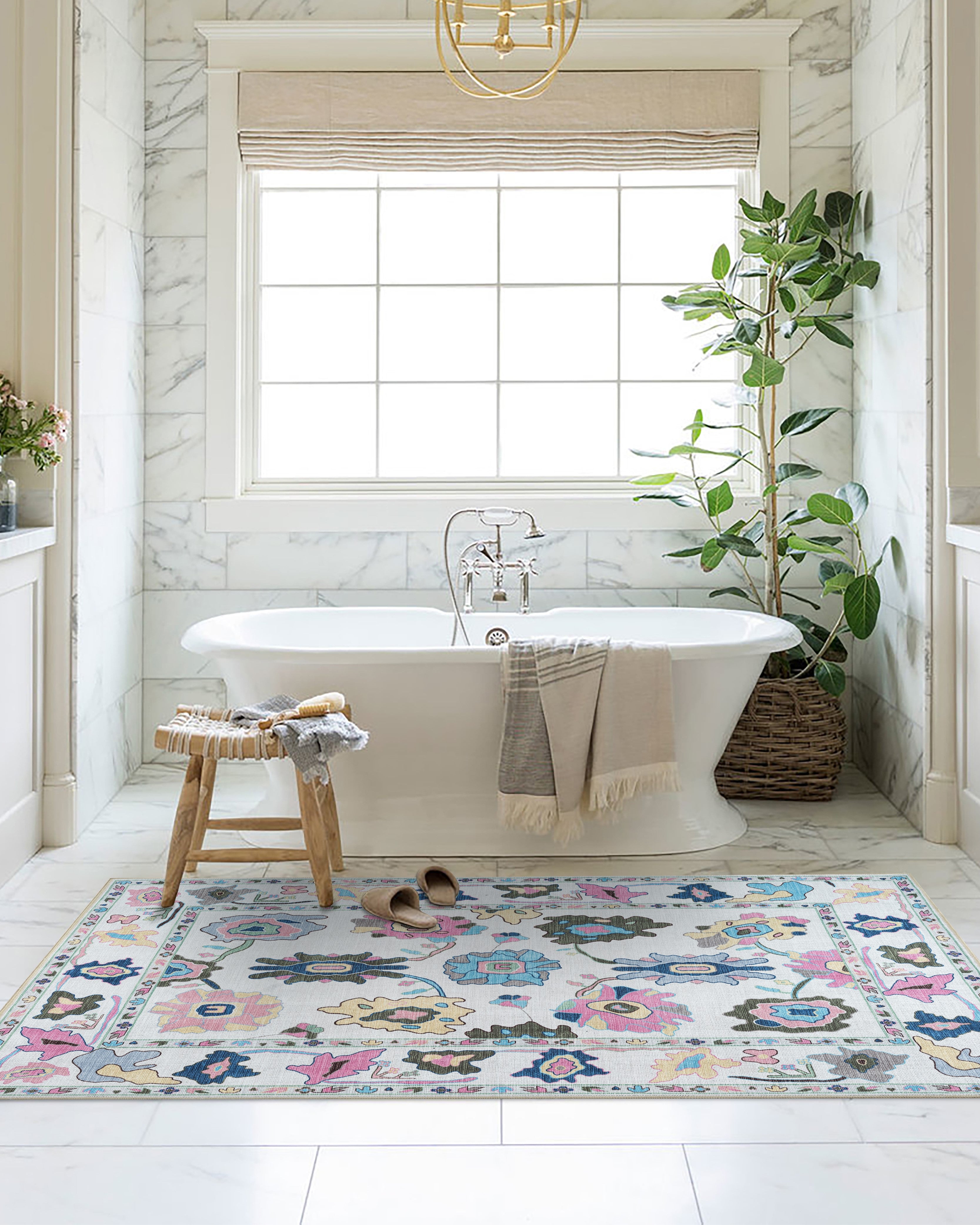
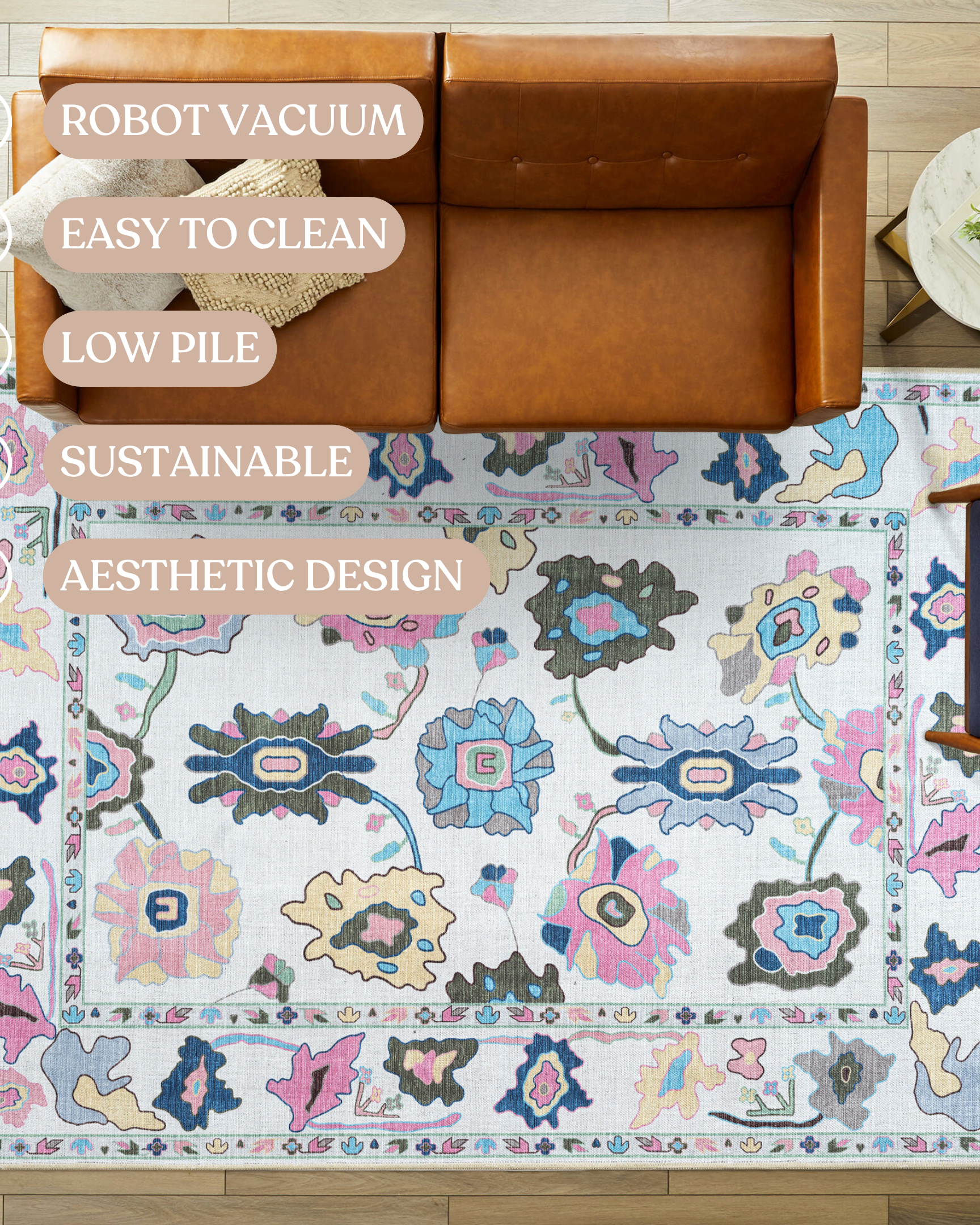
Oushak (Uşak) — Western Anatolia's most internationally recognized style. Large-scale, loosely drawn medallions in soft gold, apricot, terracotta, and pale blue. Oushak designs read as calm and open rather than busy, which is why they adapt so easily to contemporary interiors.
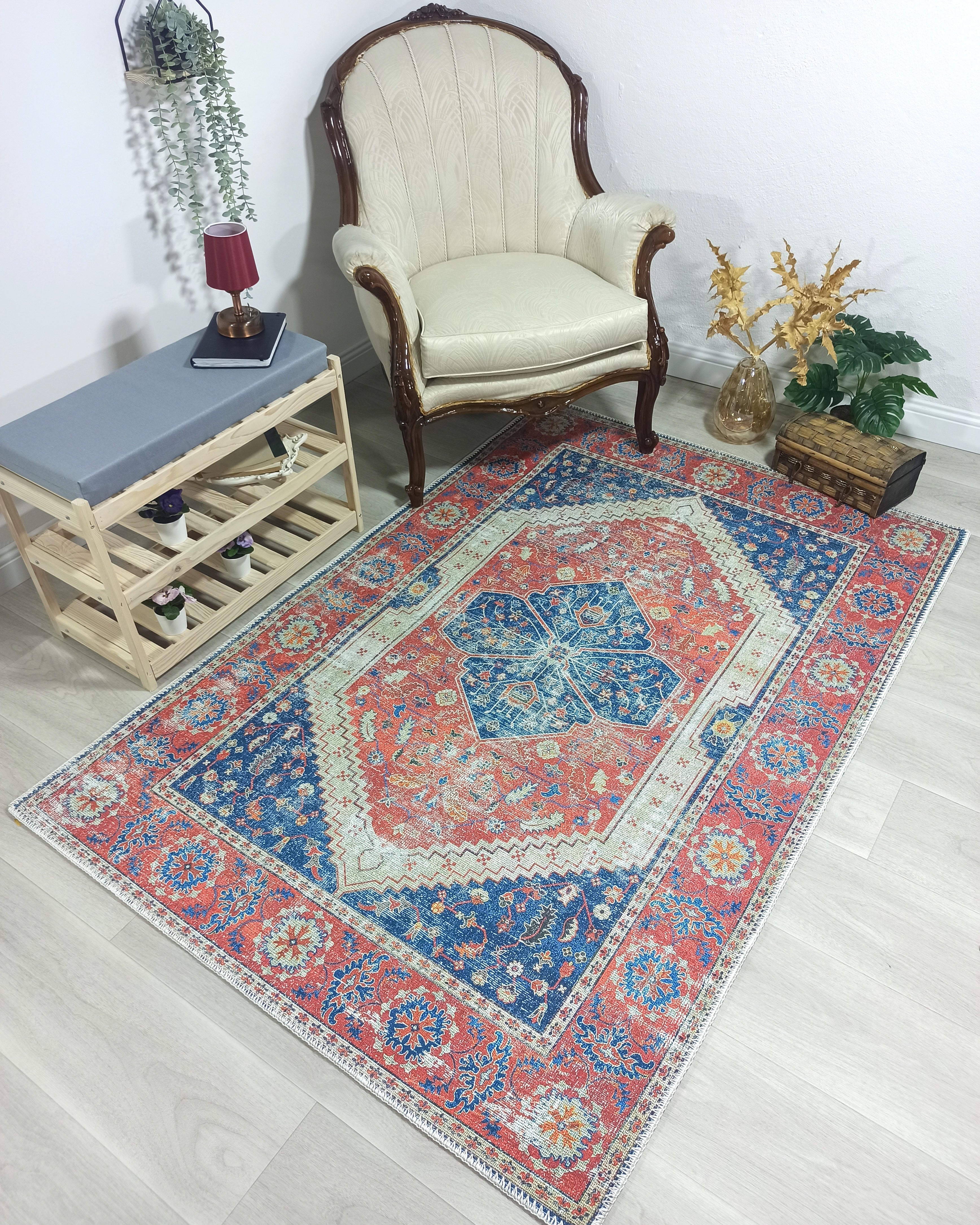
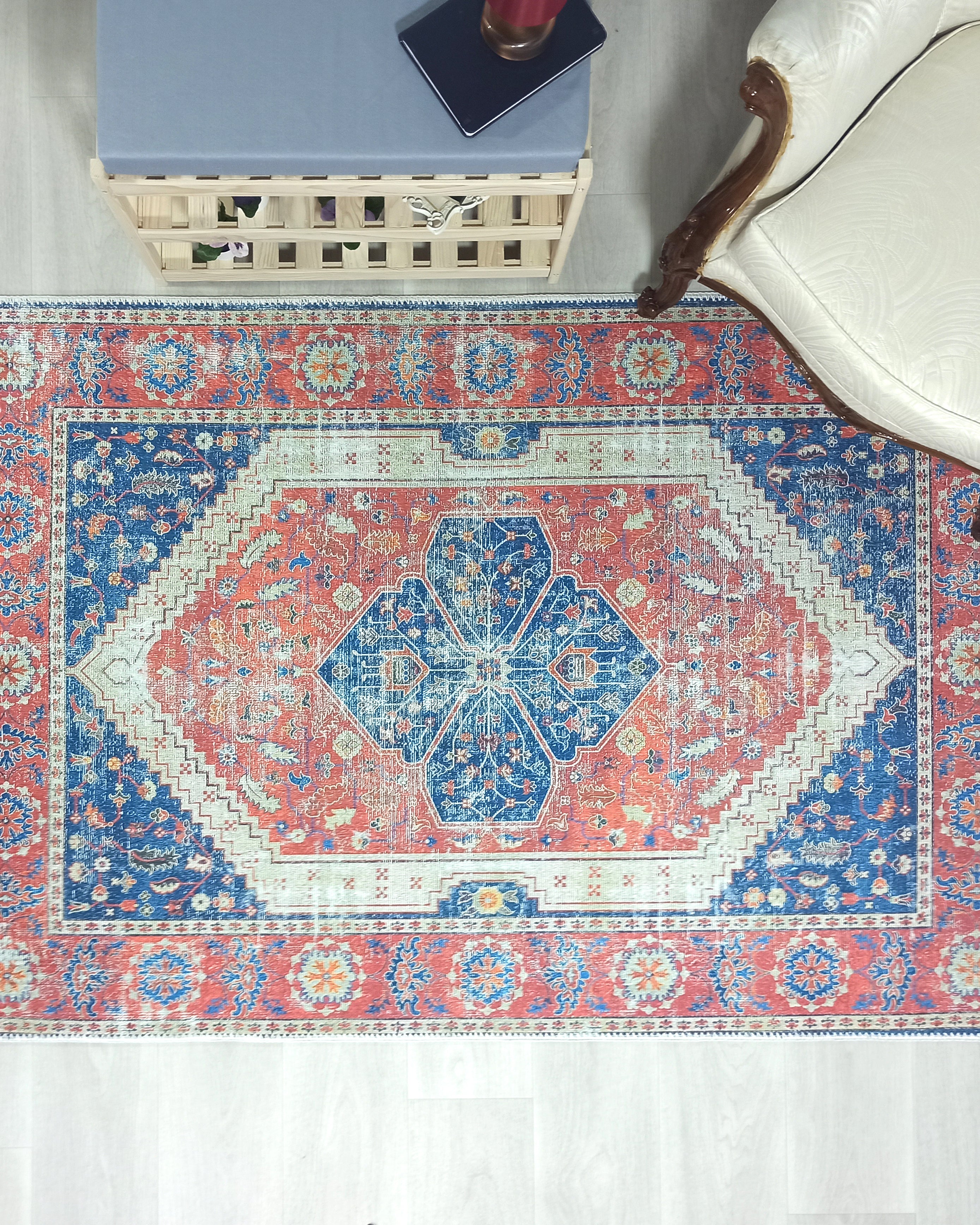
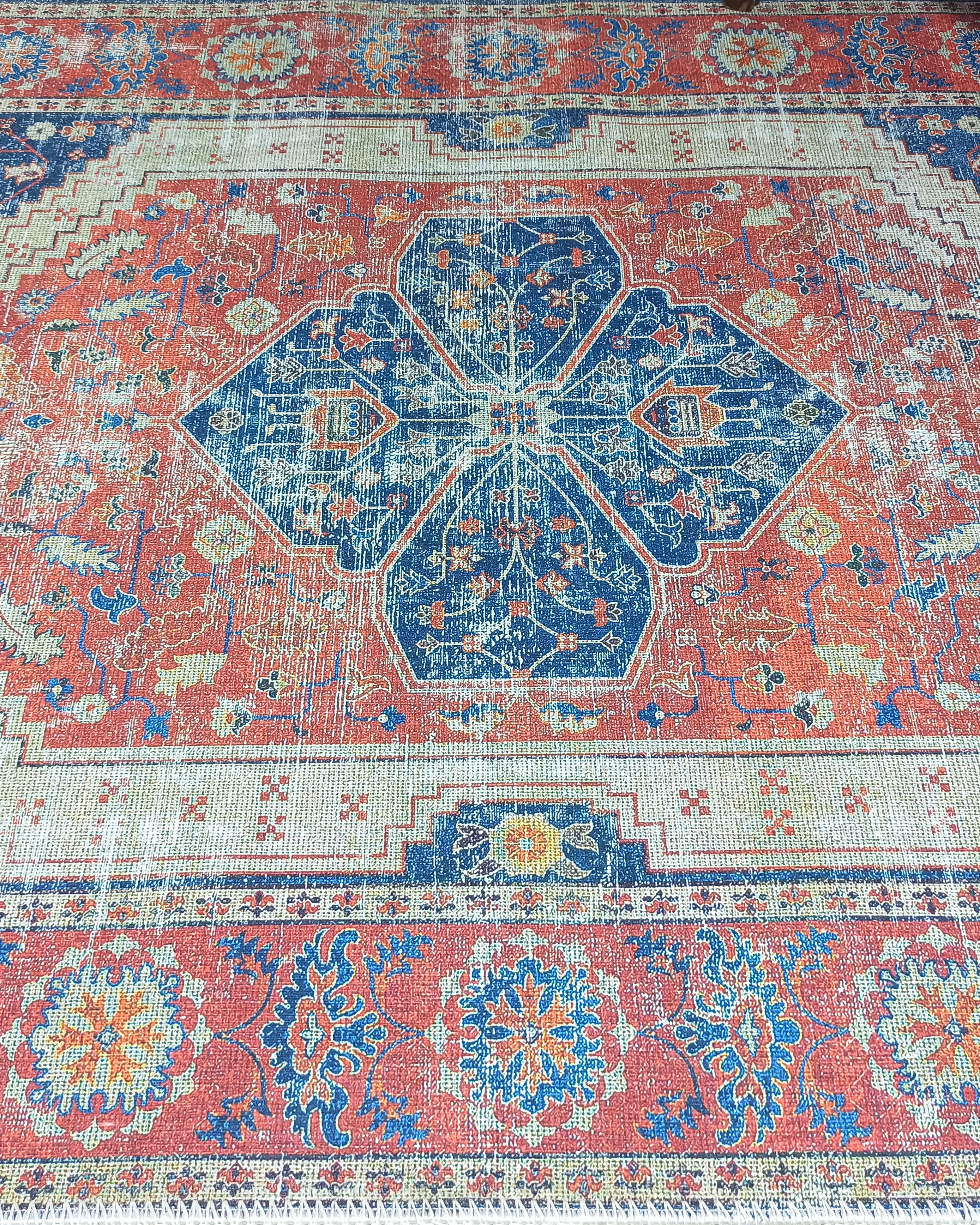
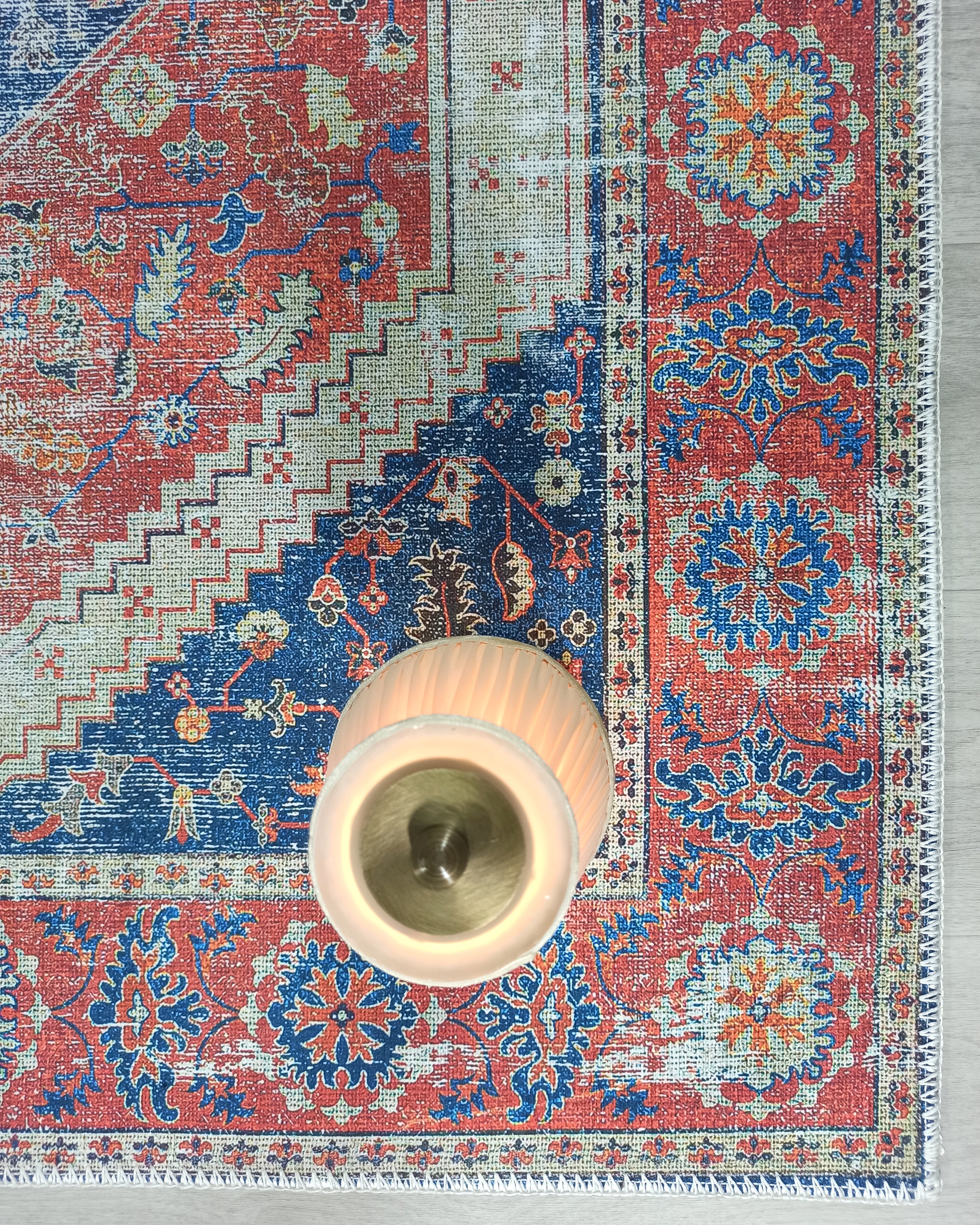
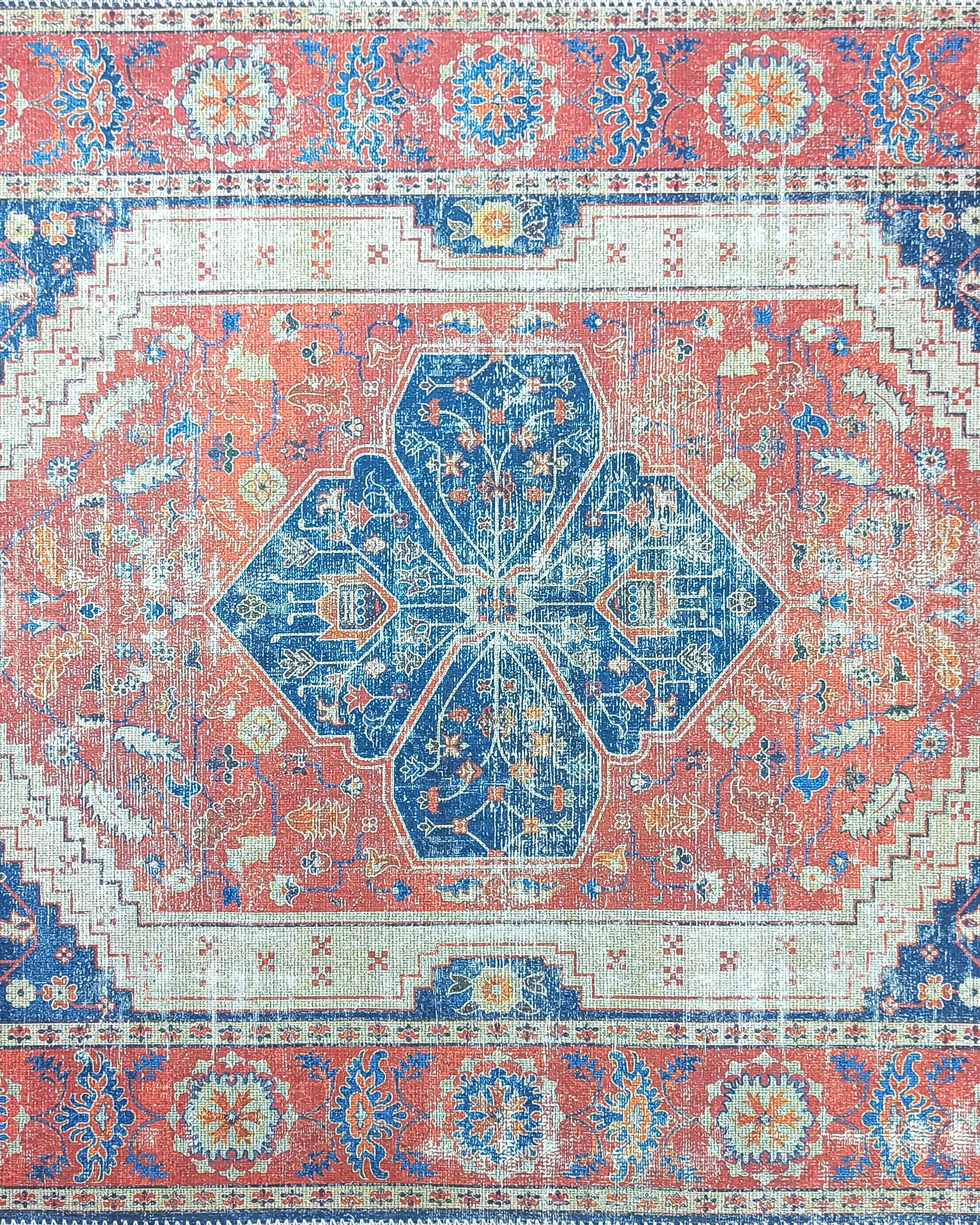
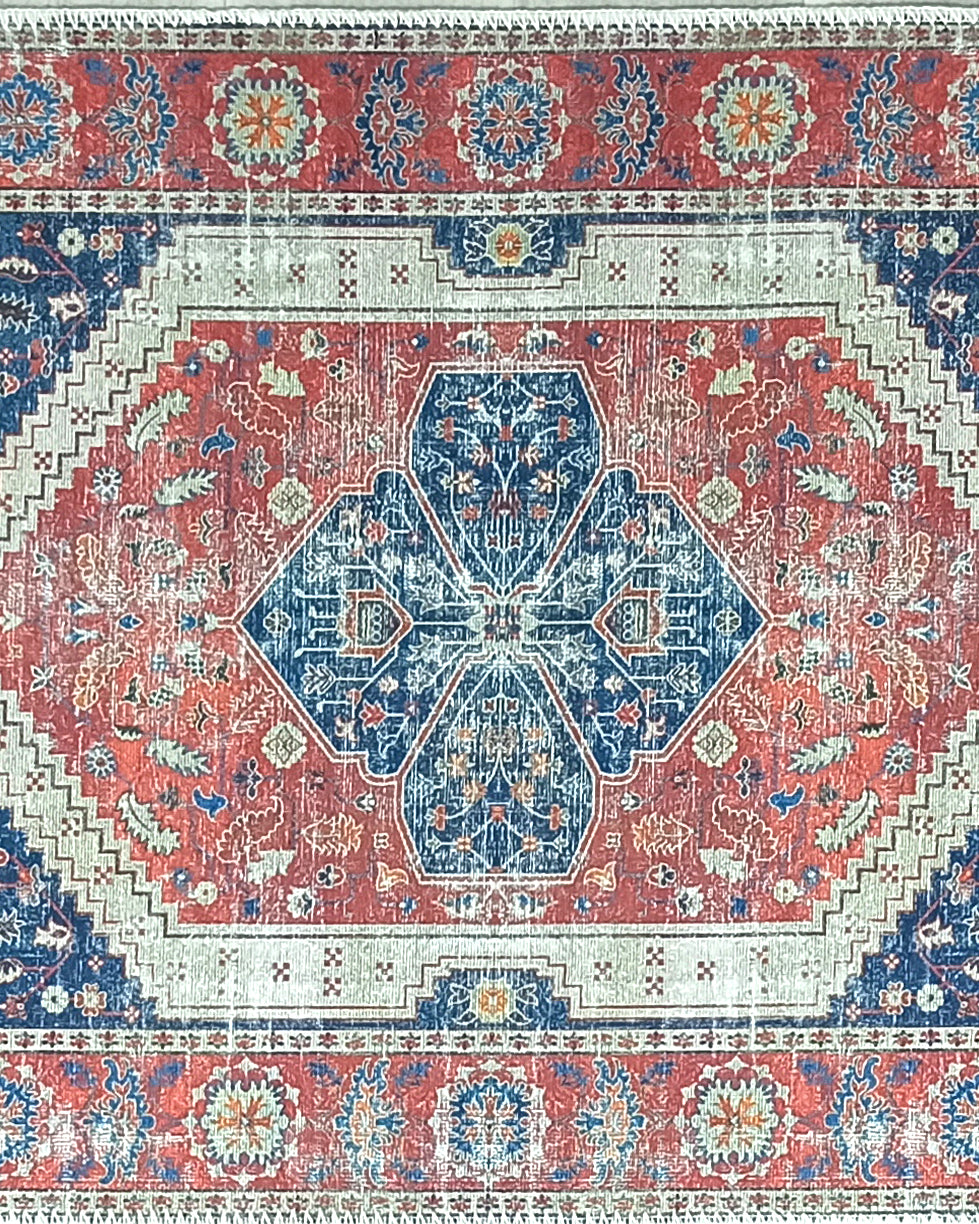
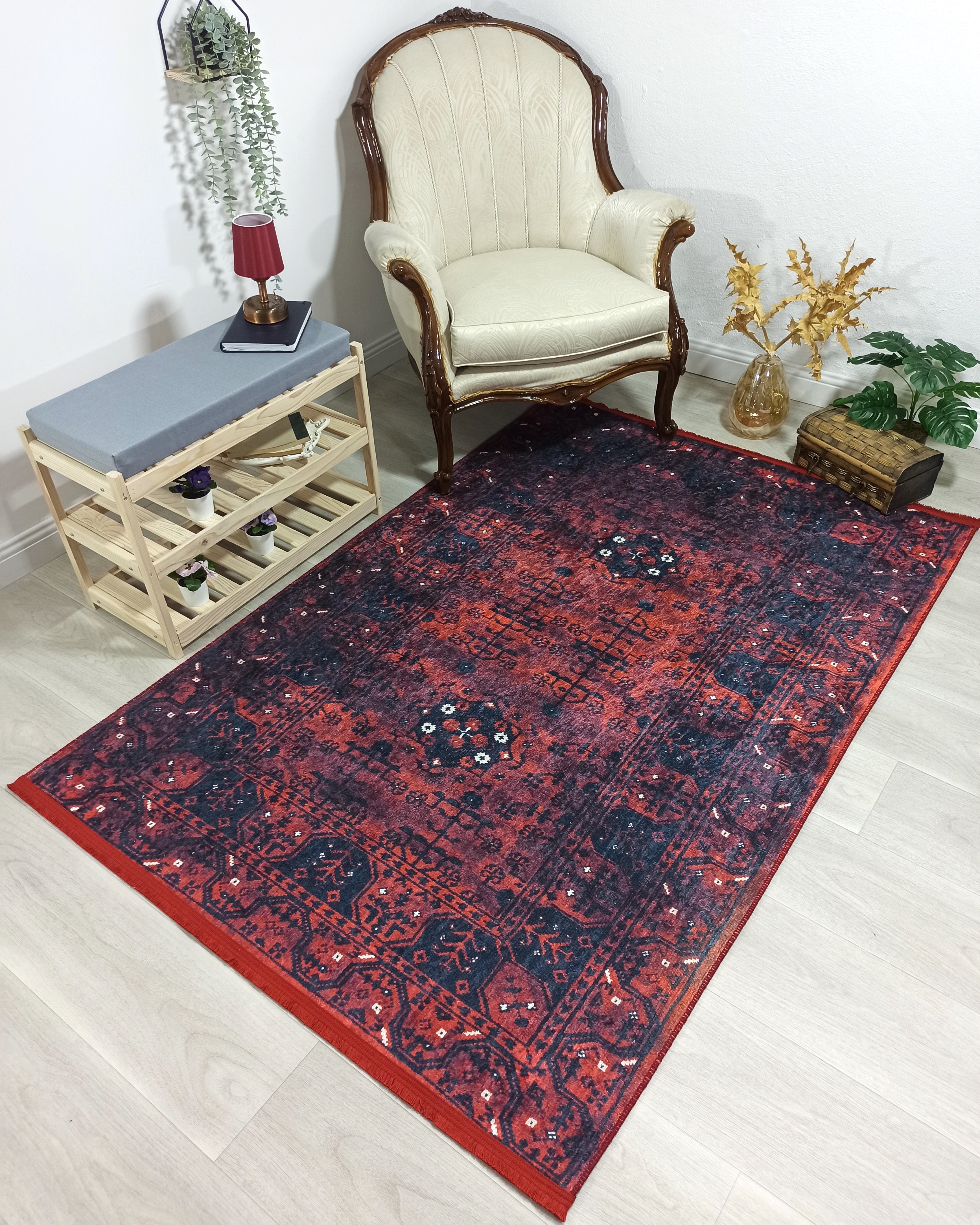
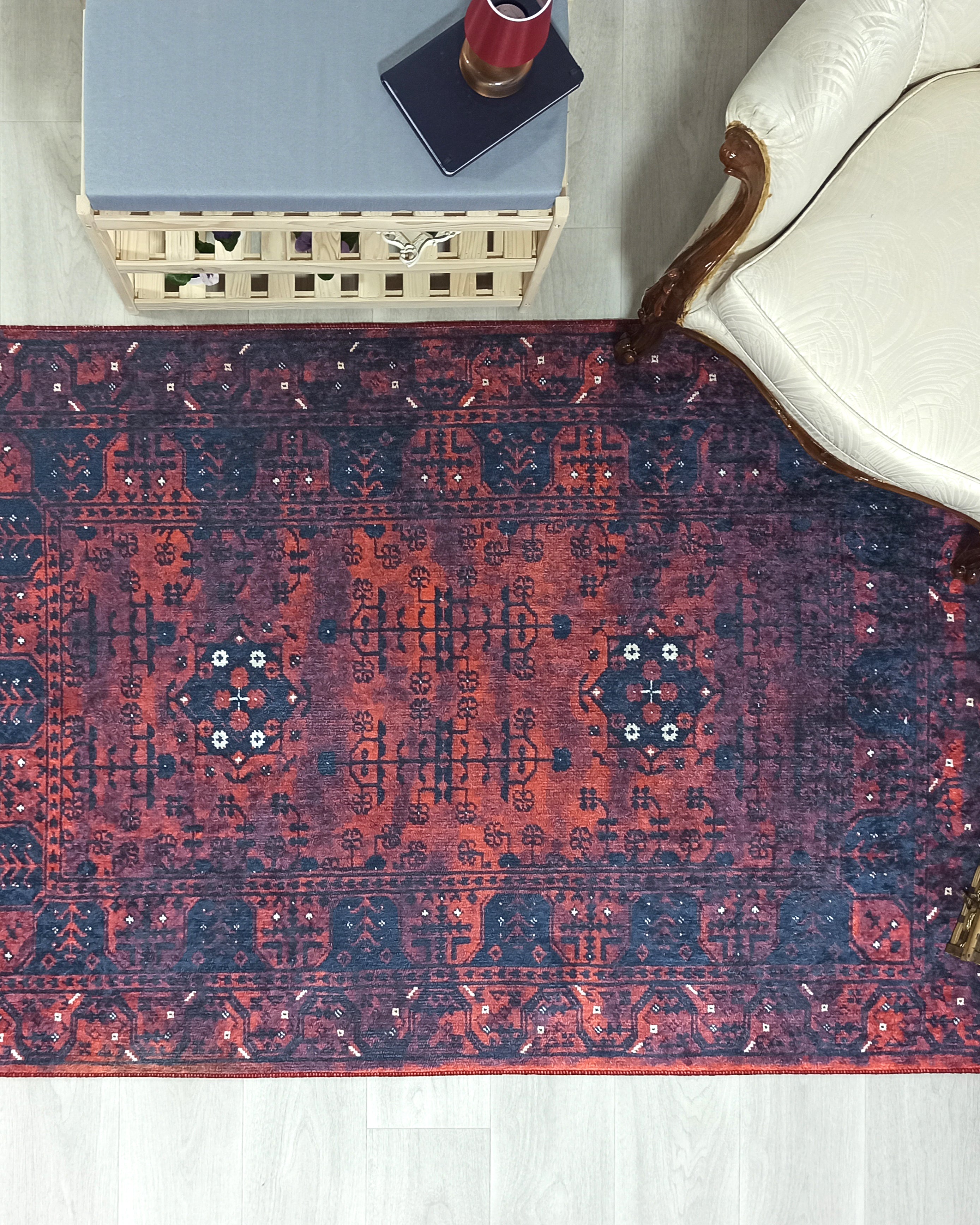
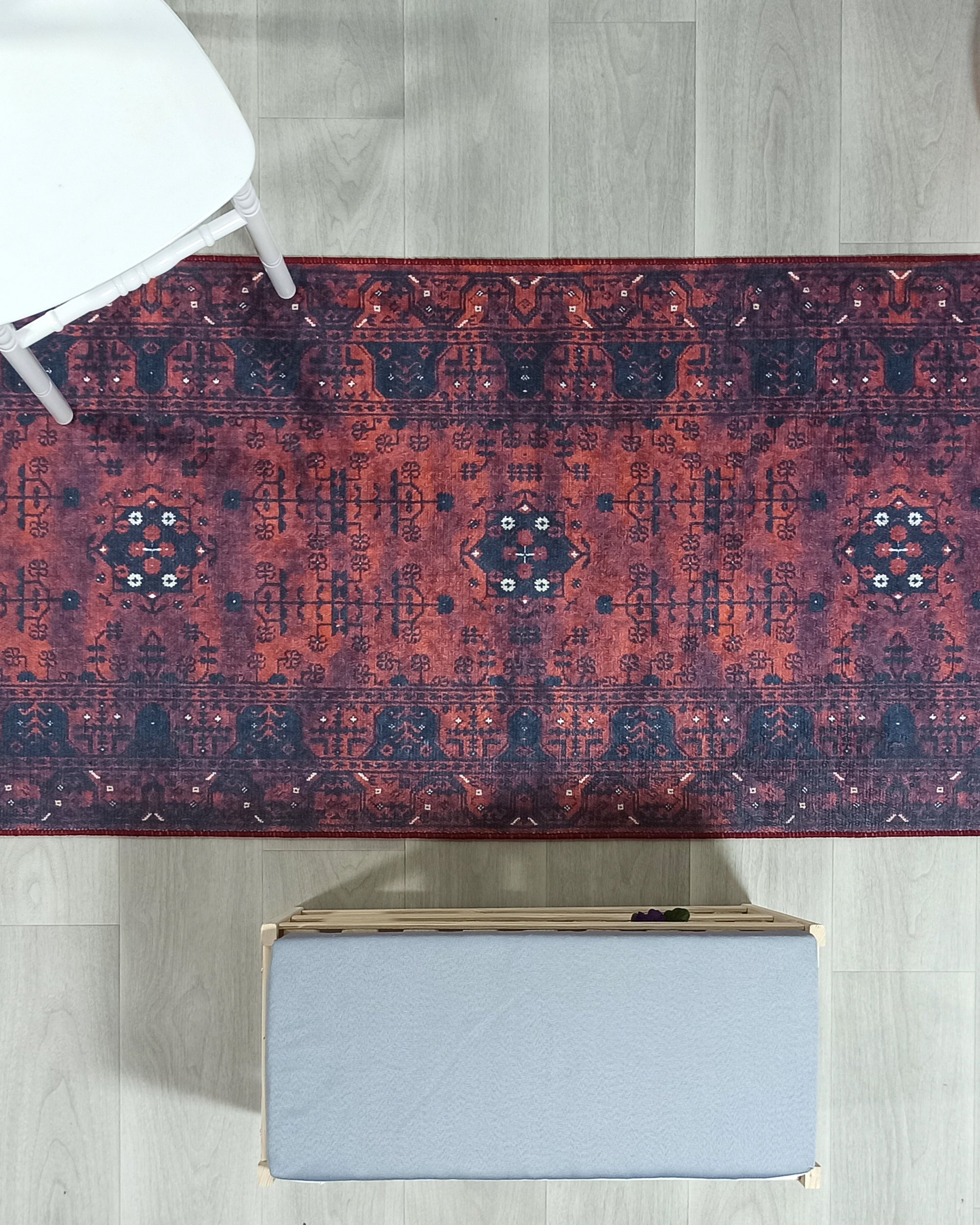
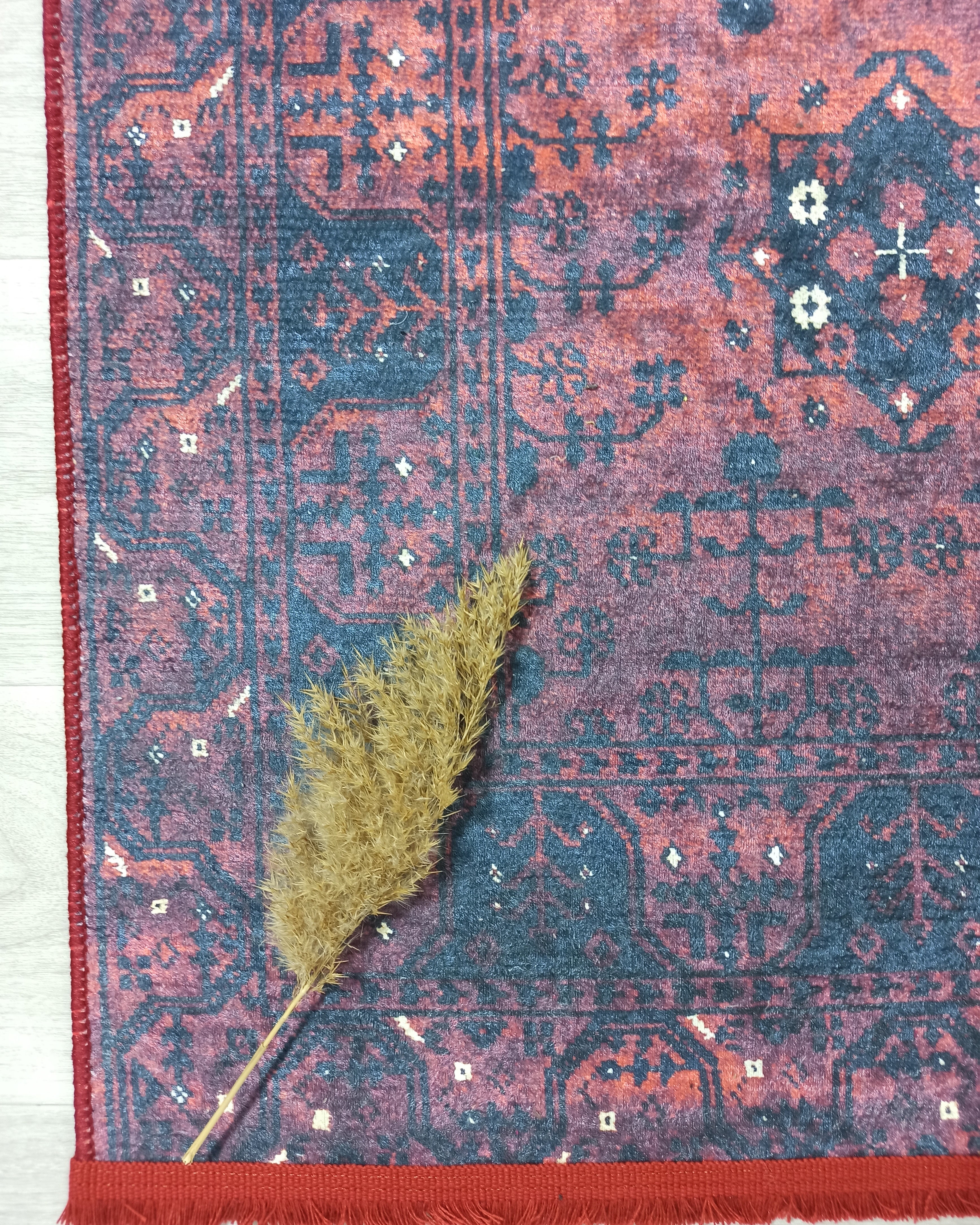
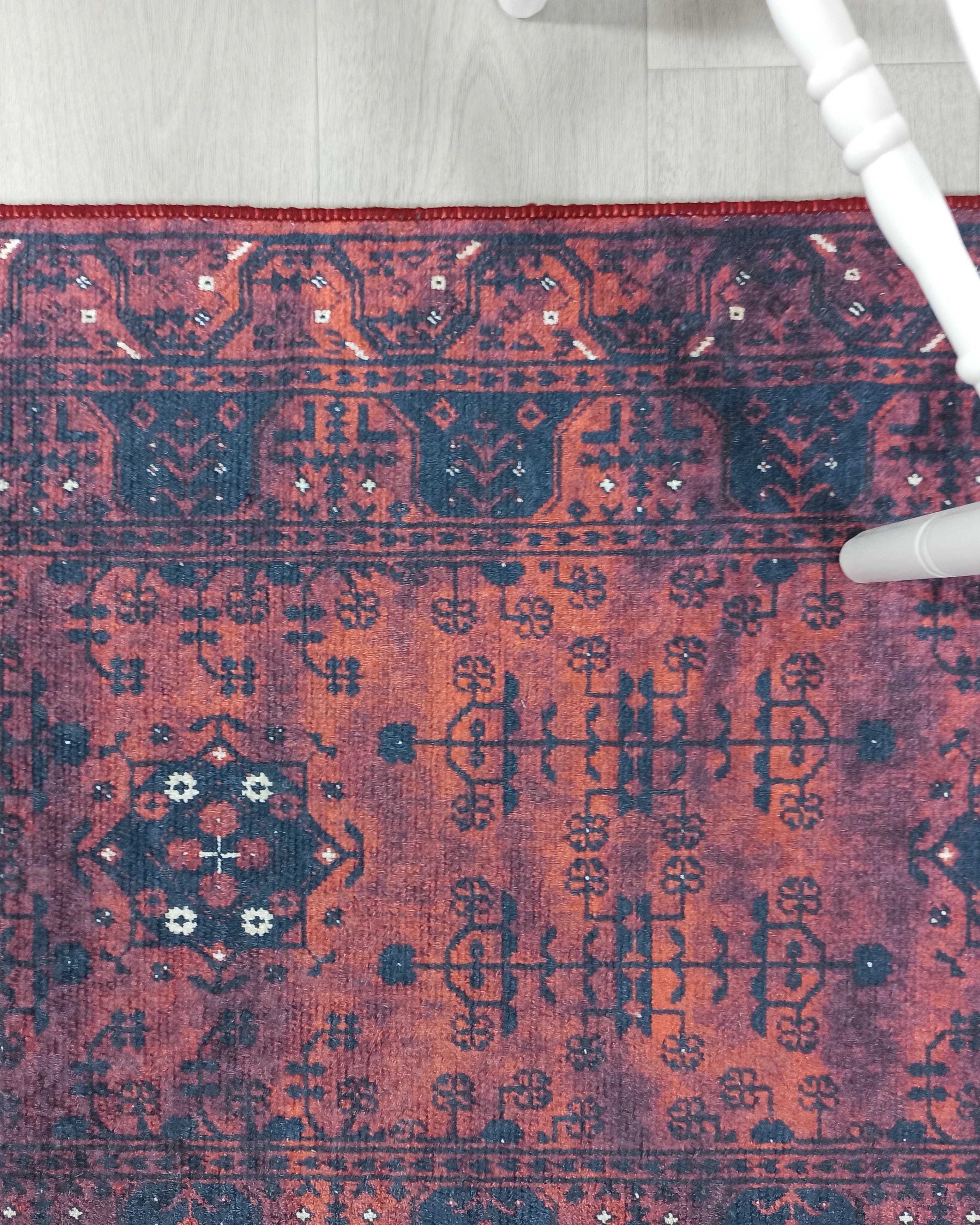
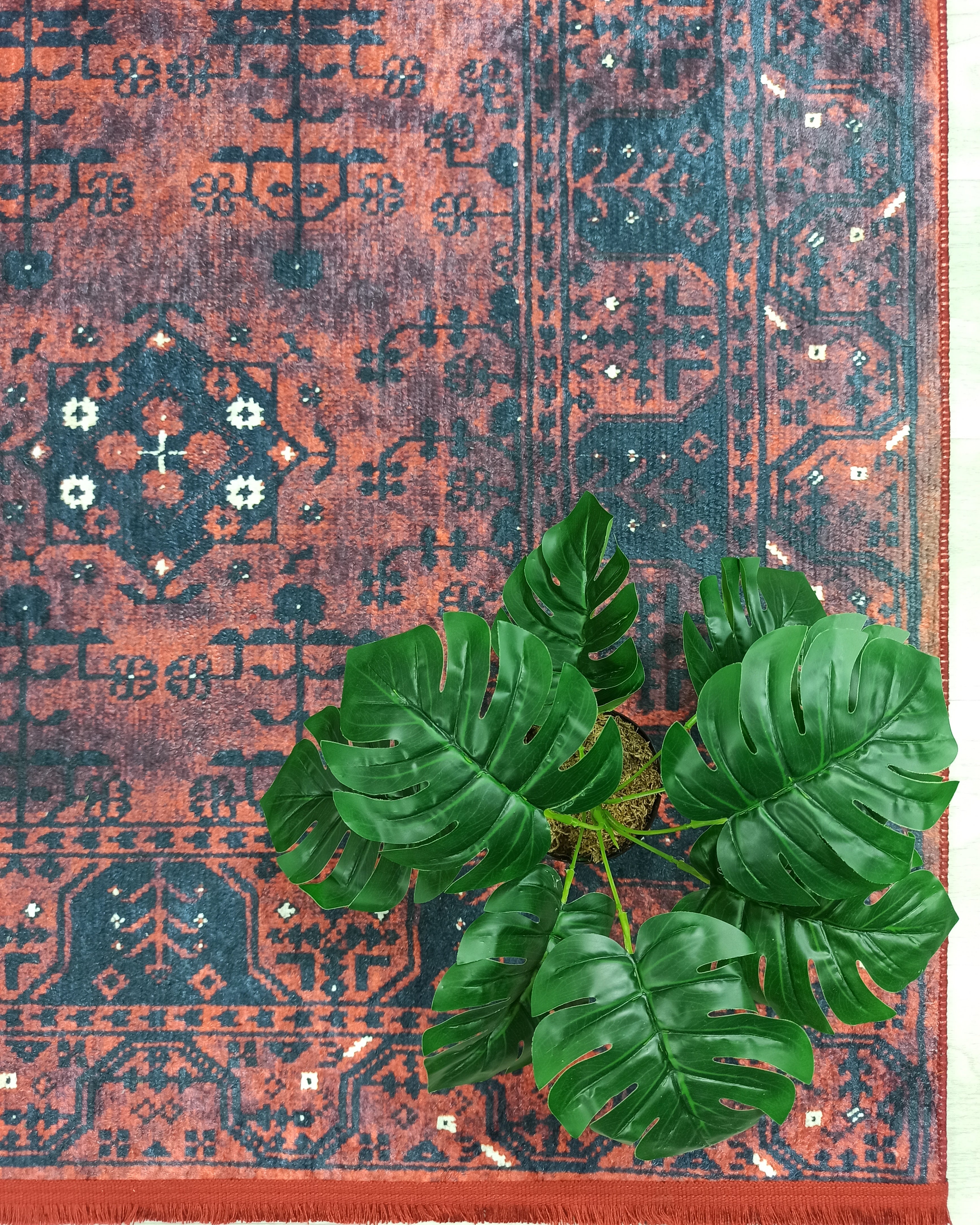
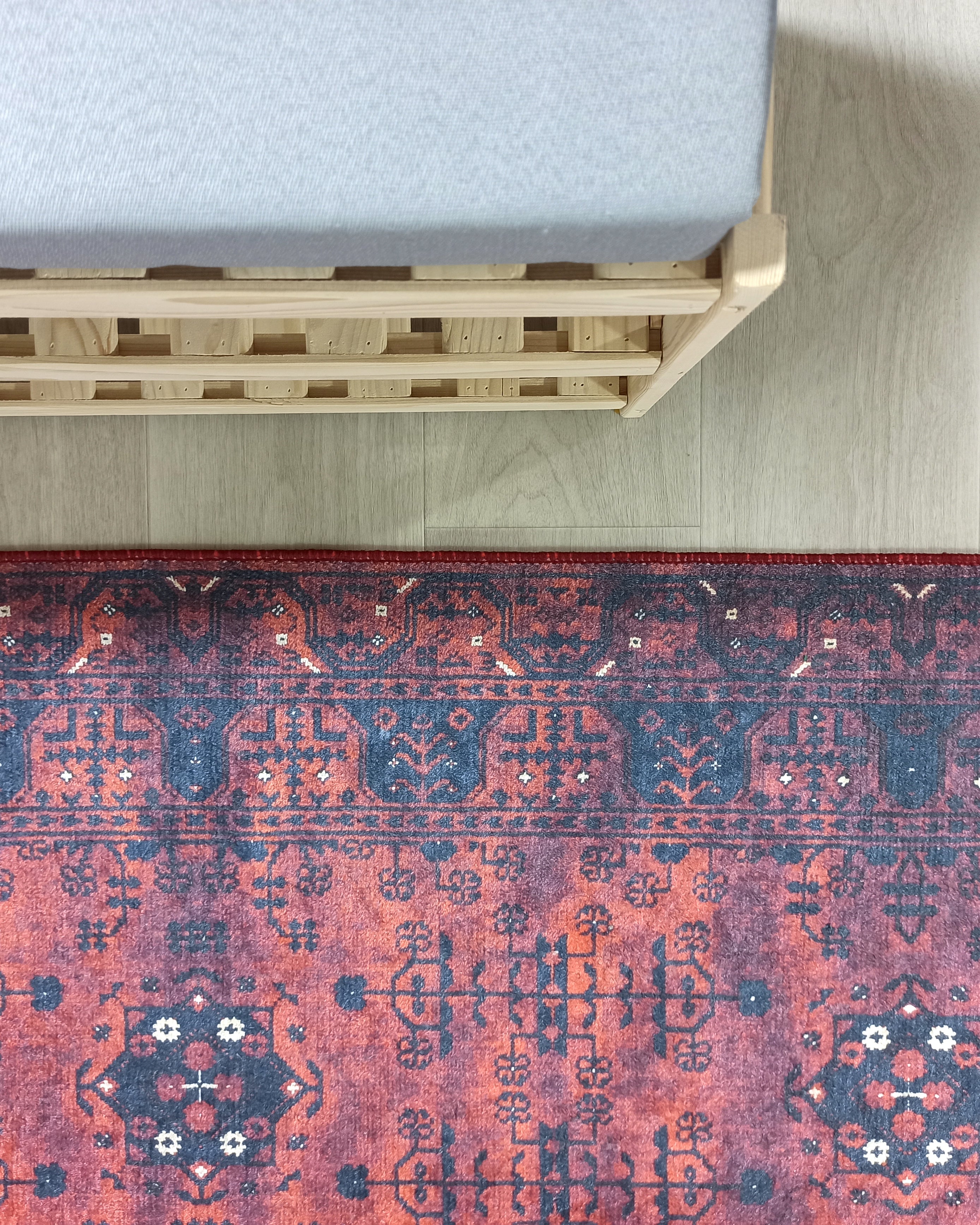
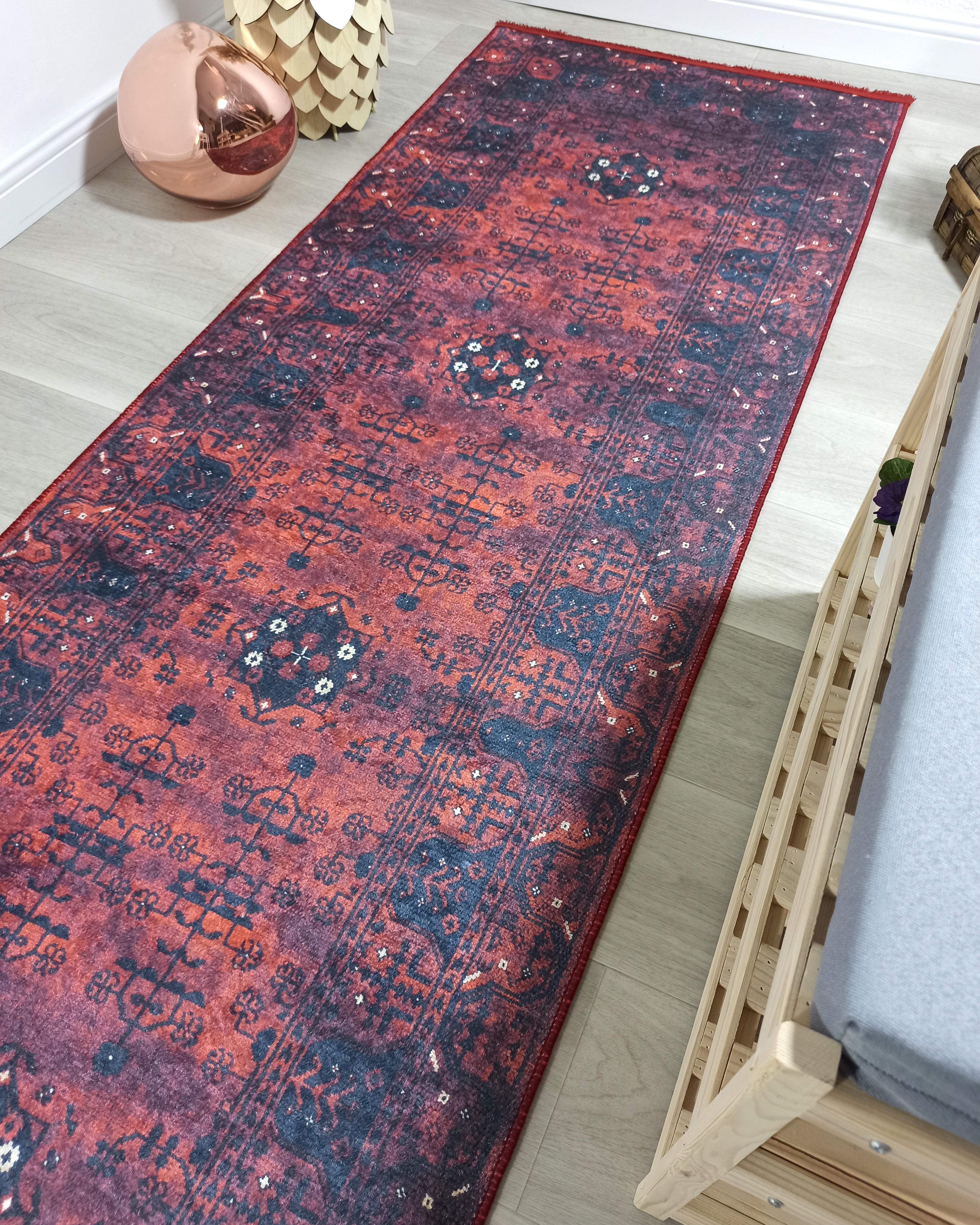
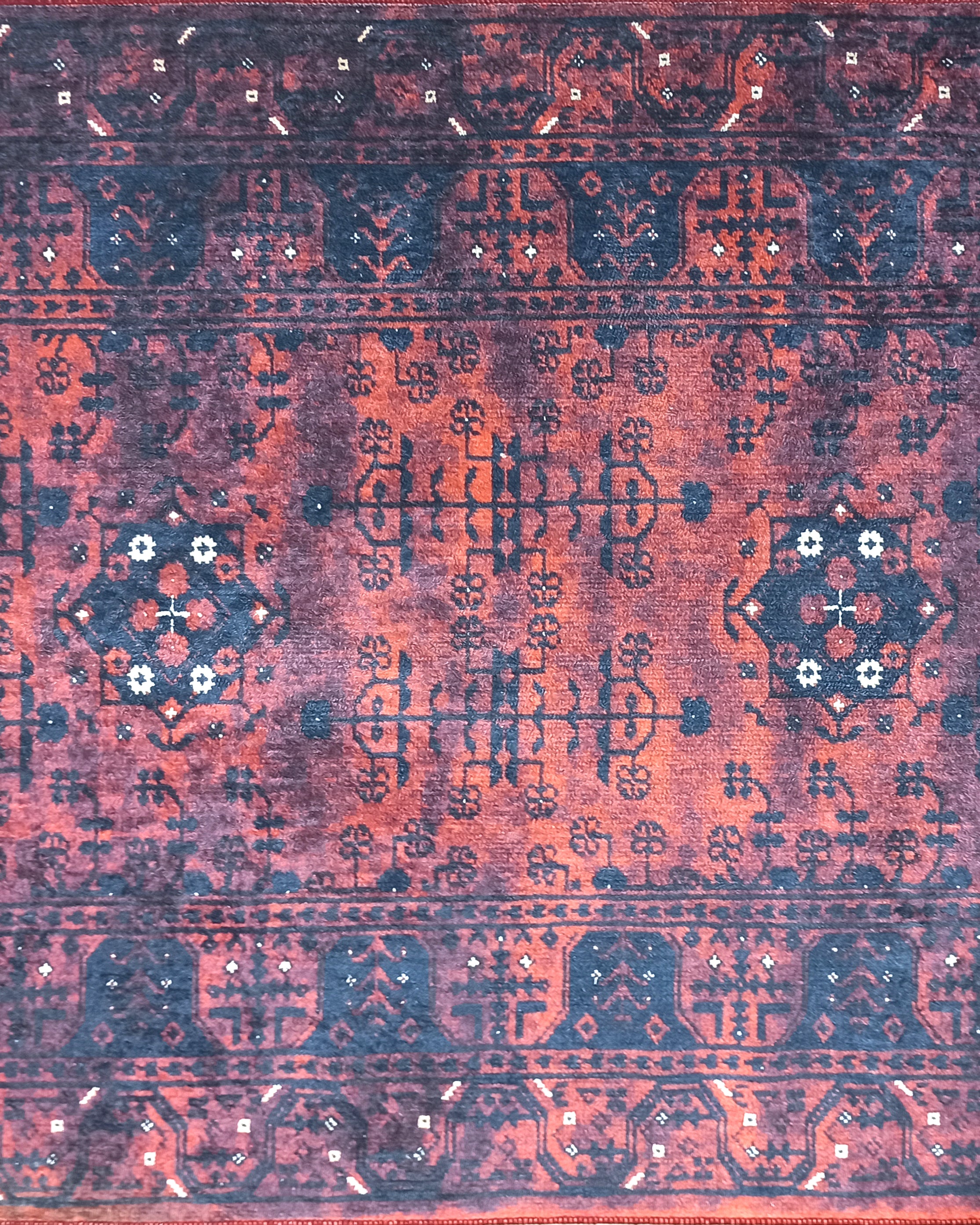
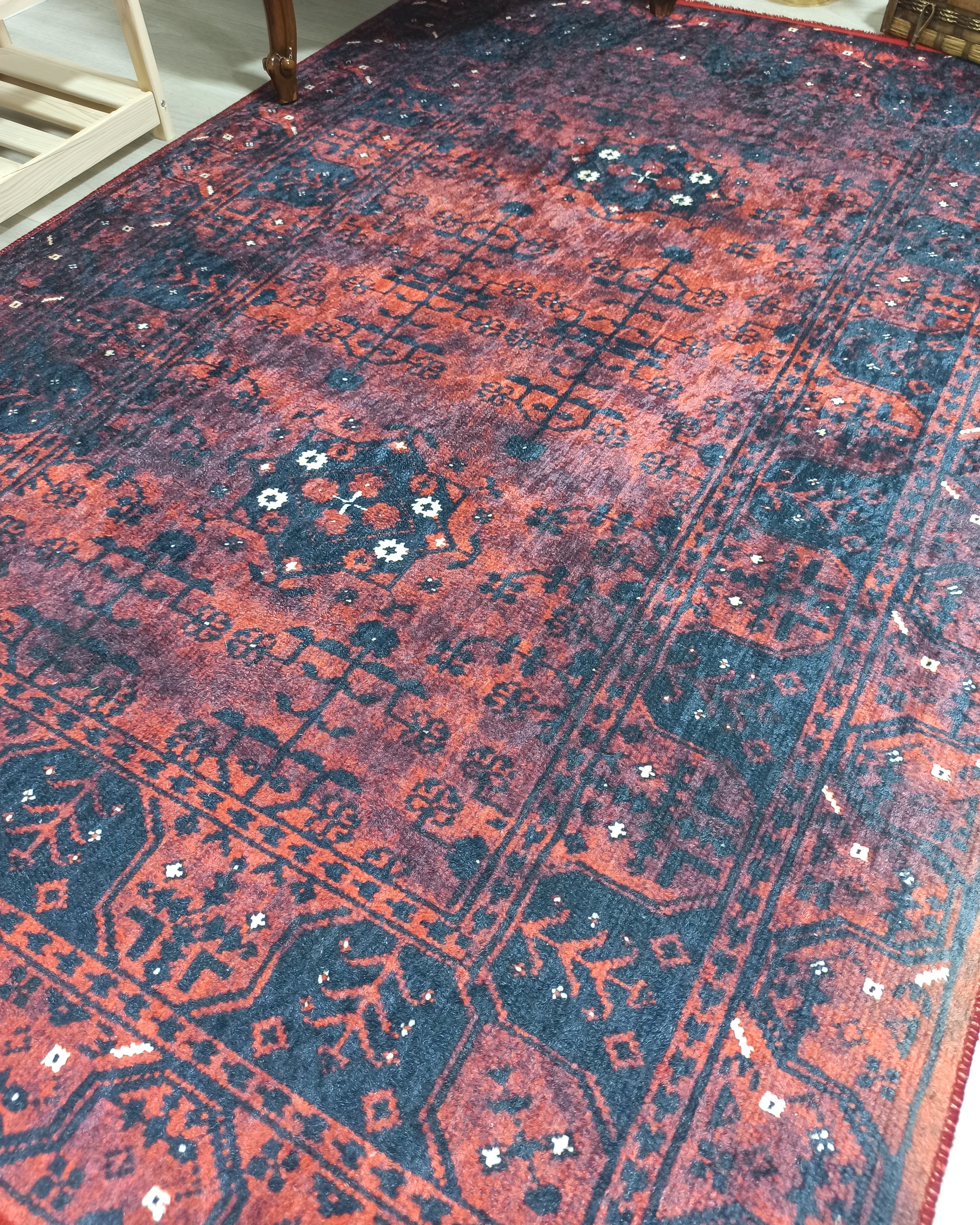
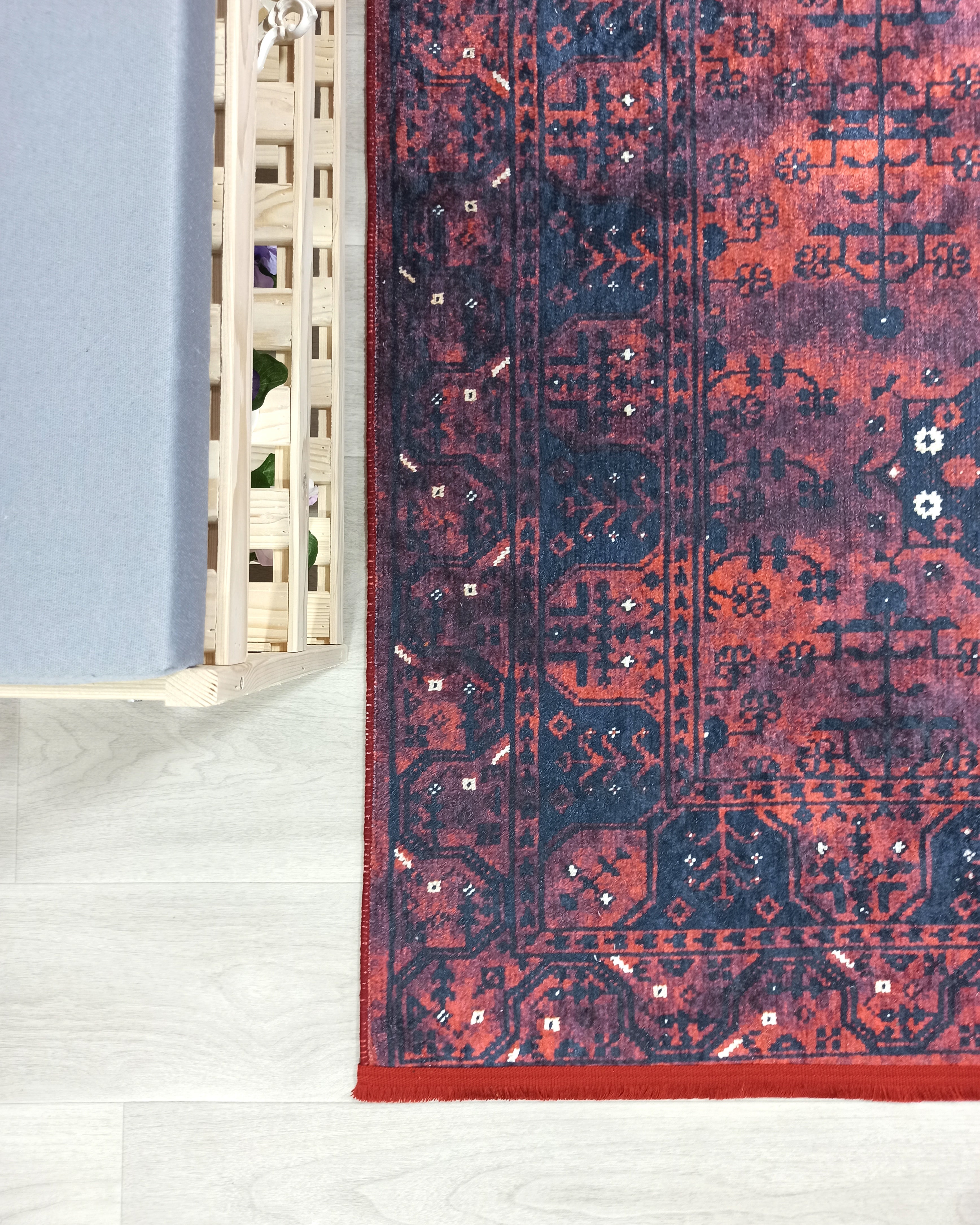
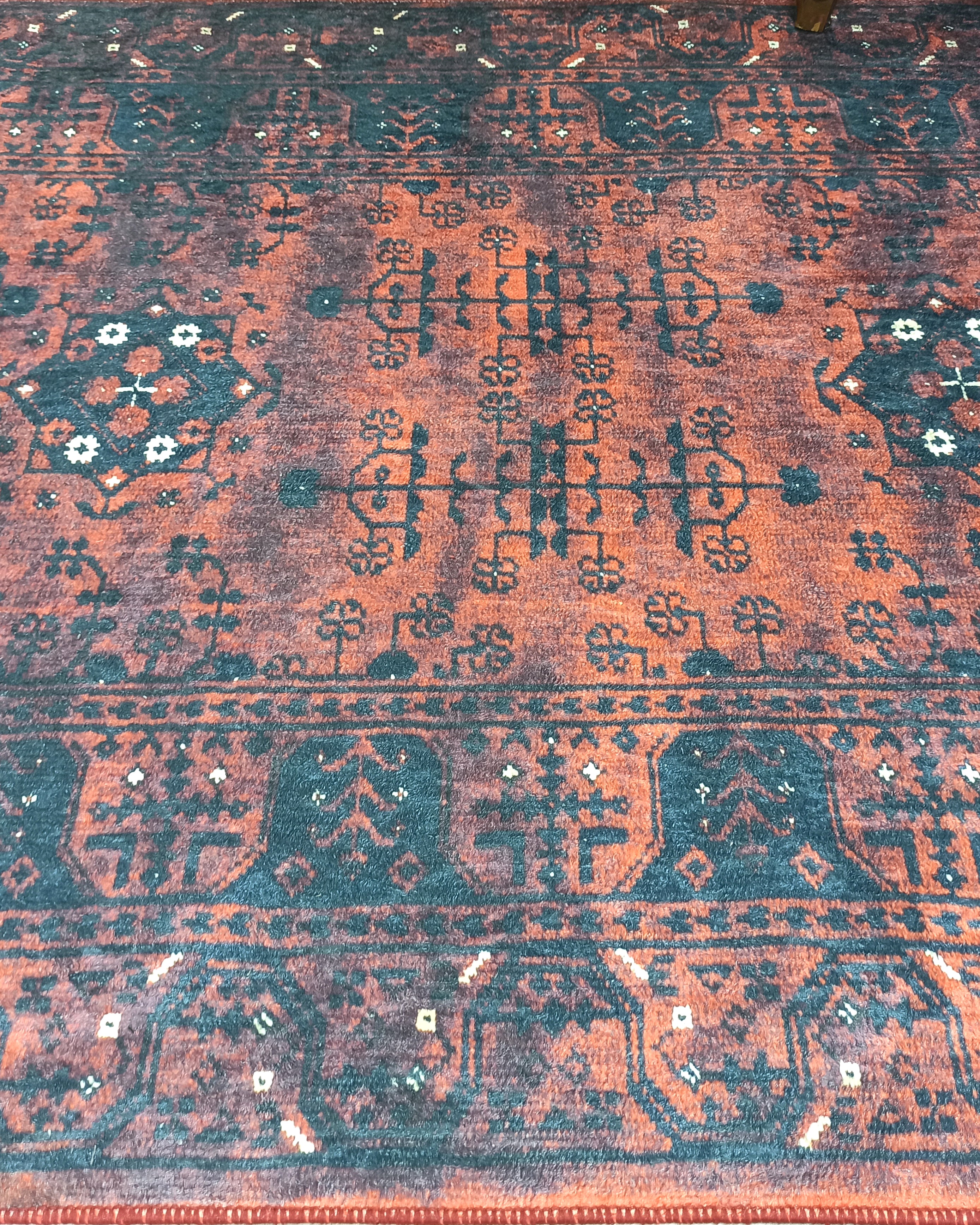
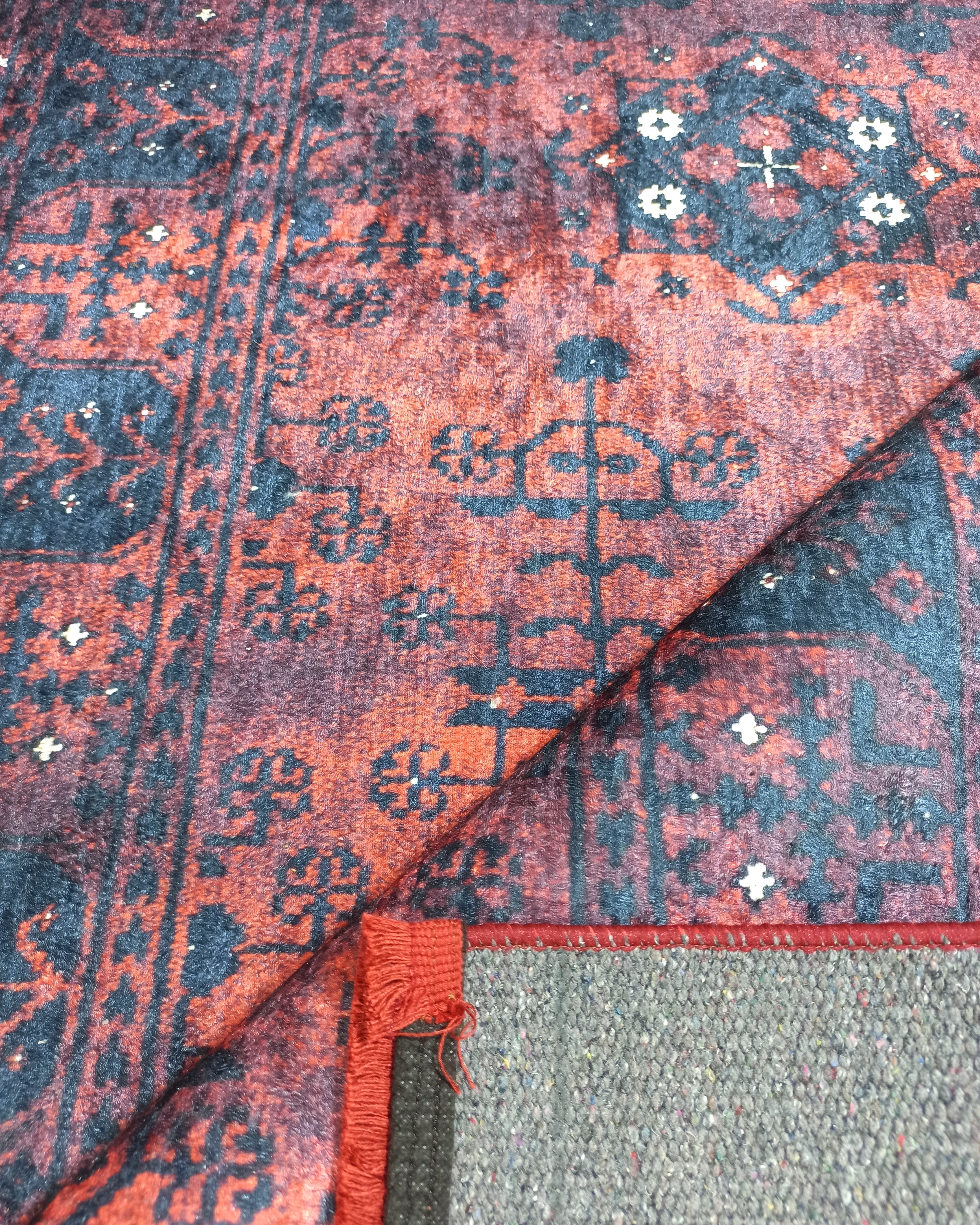
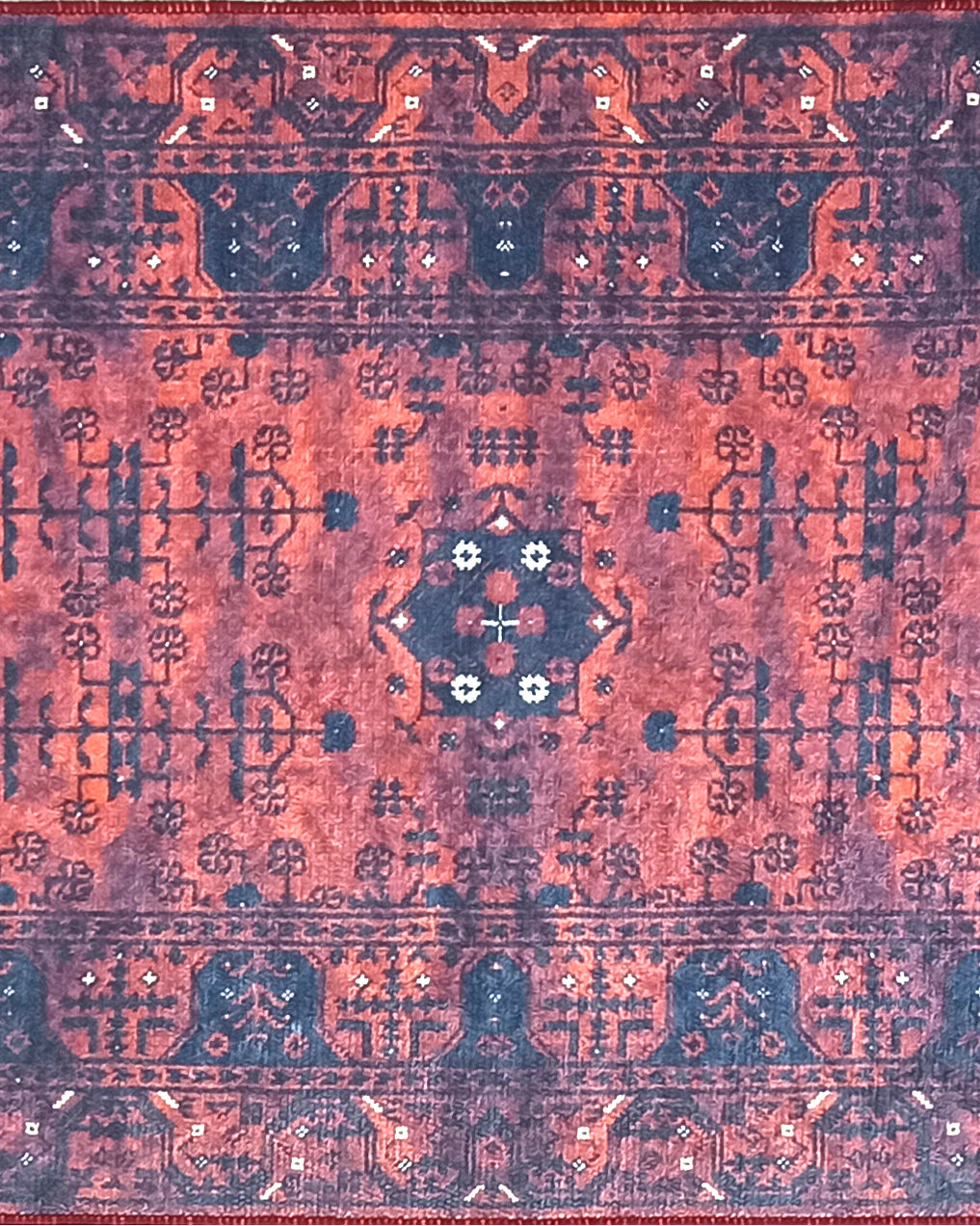
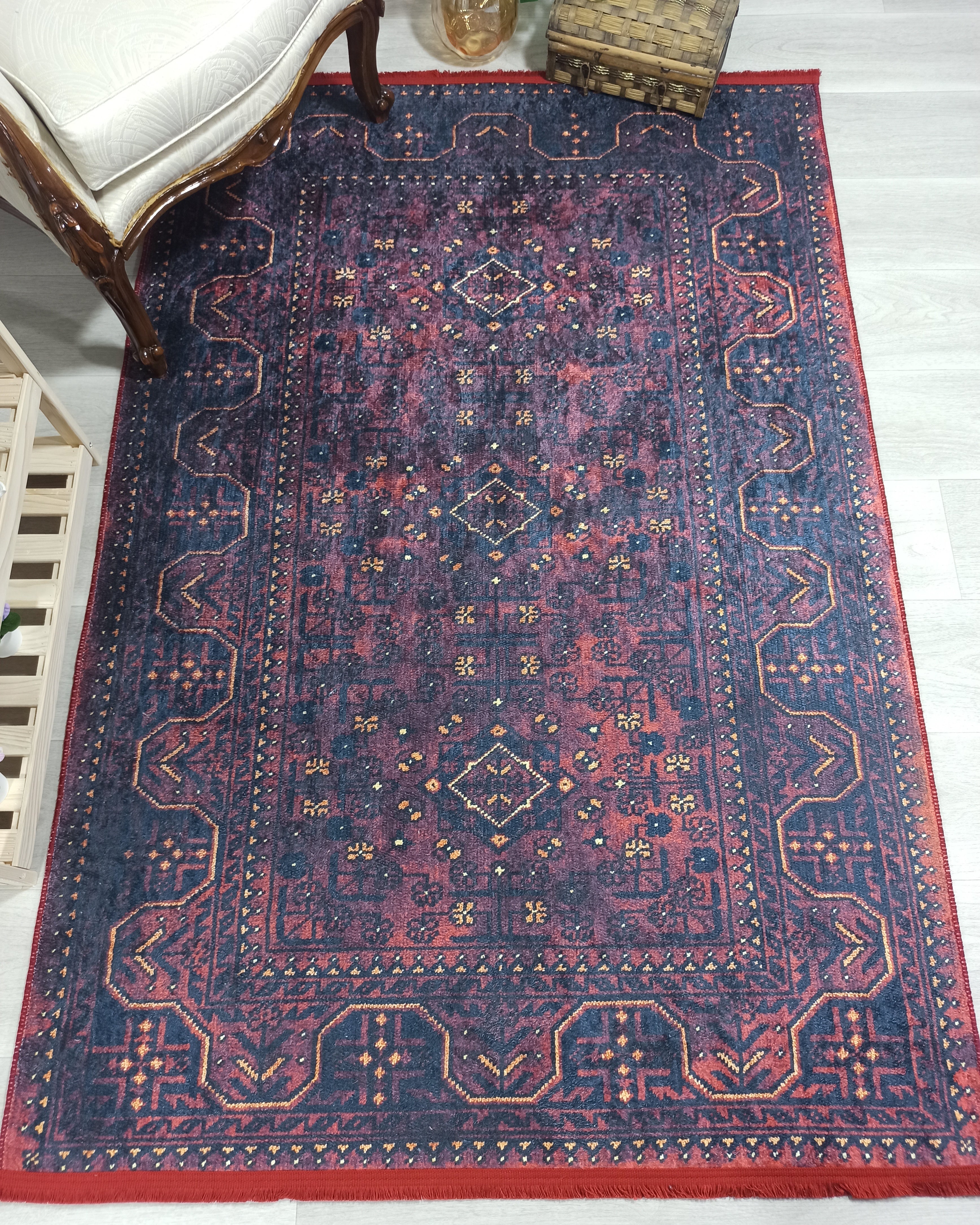
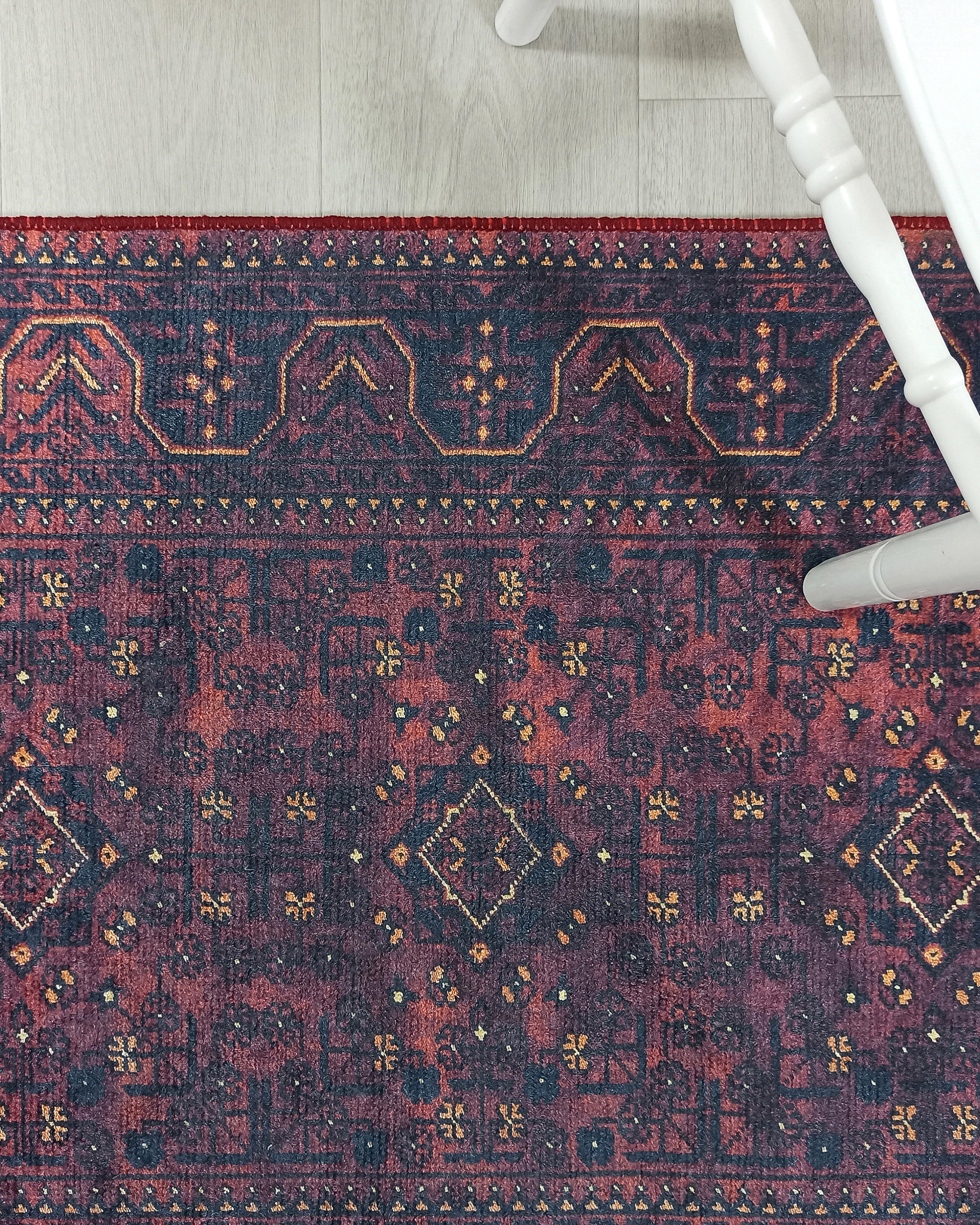
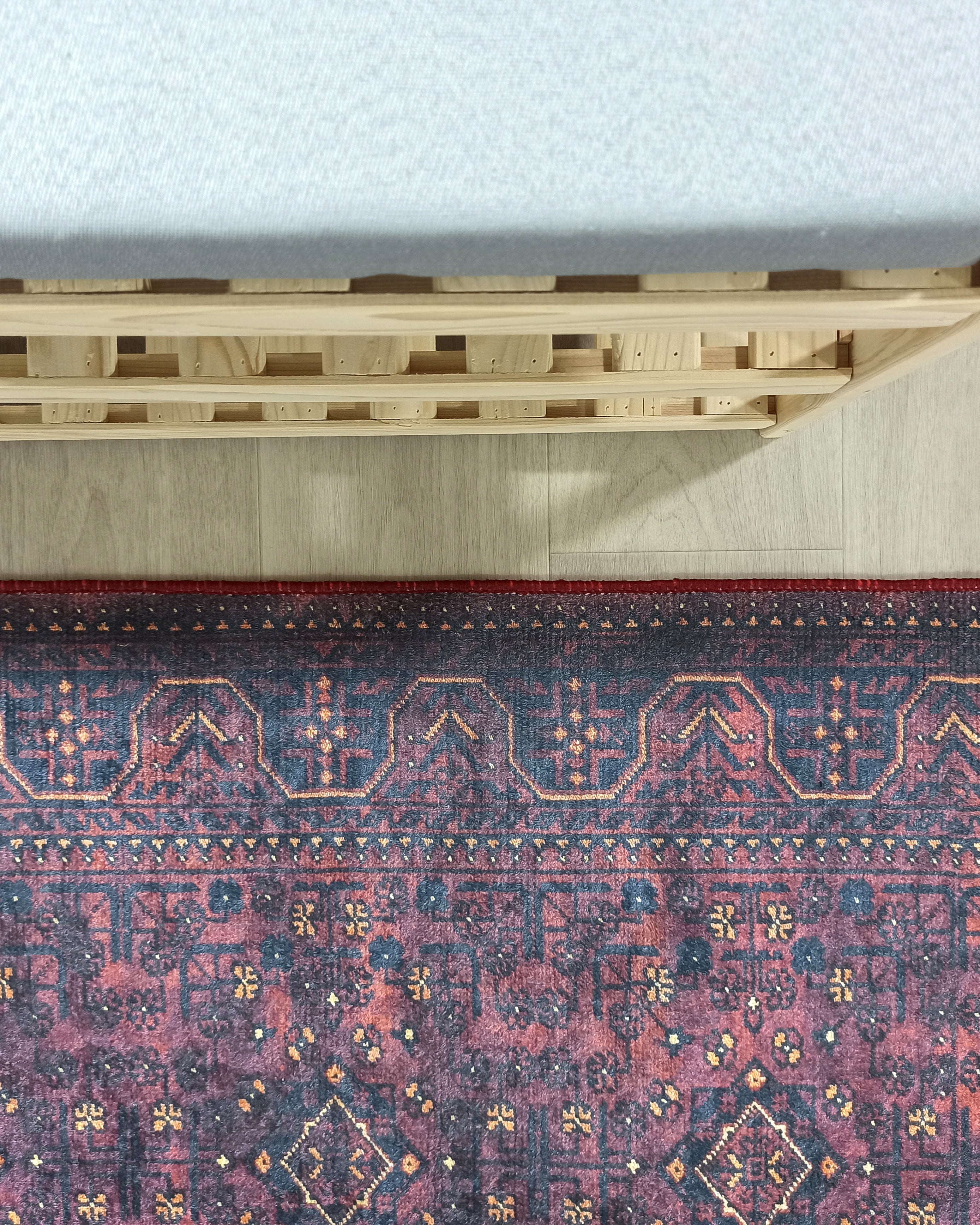
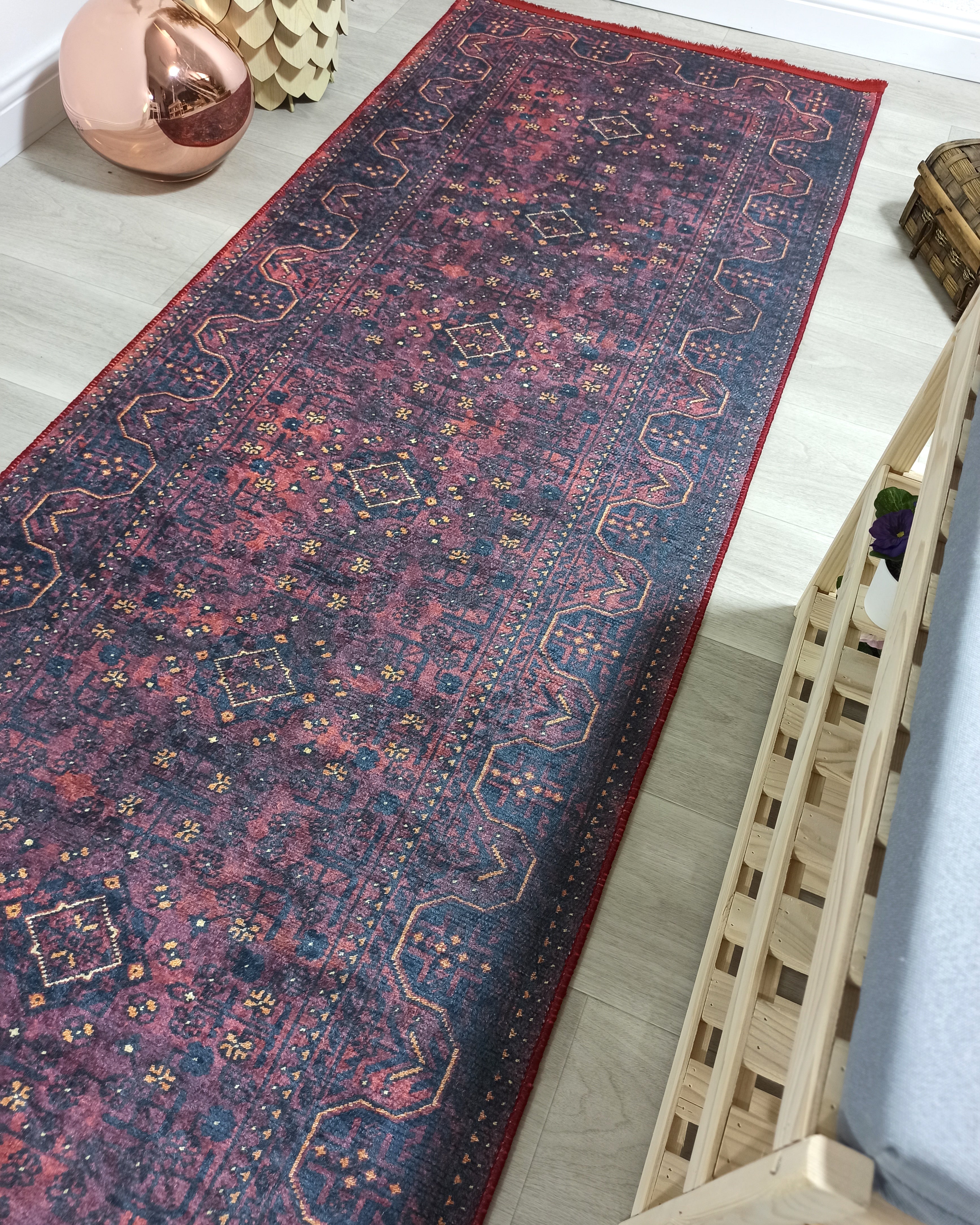
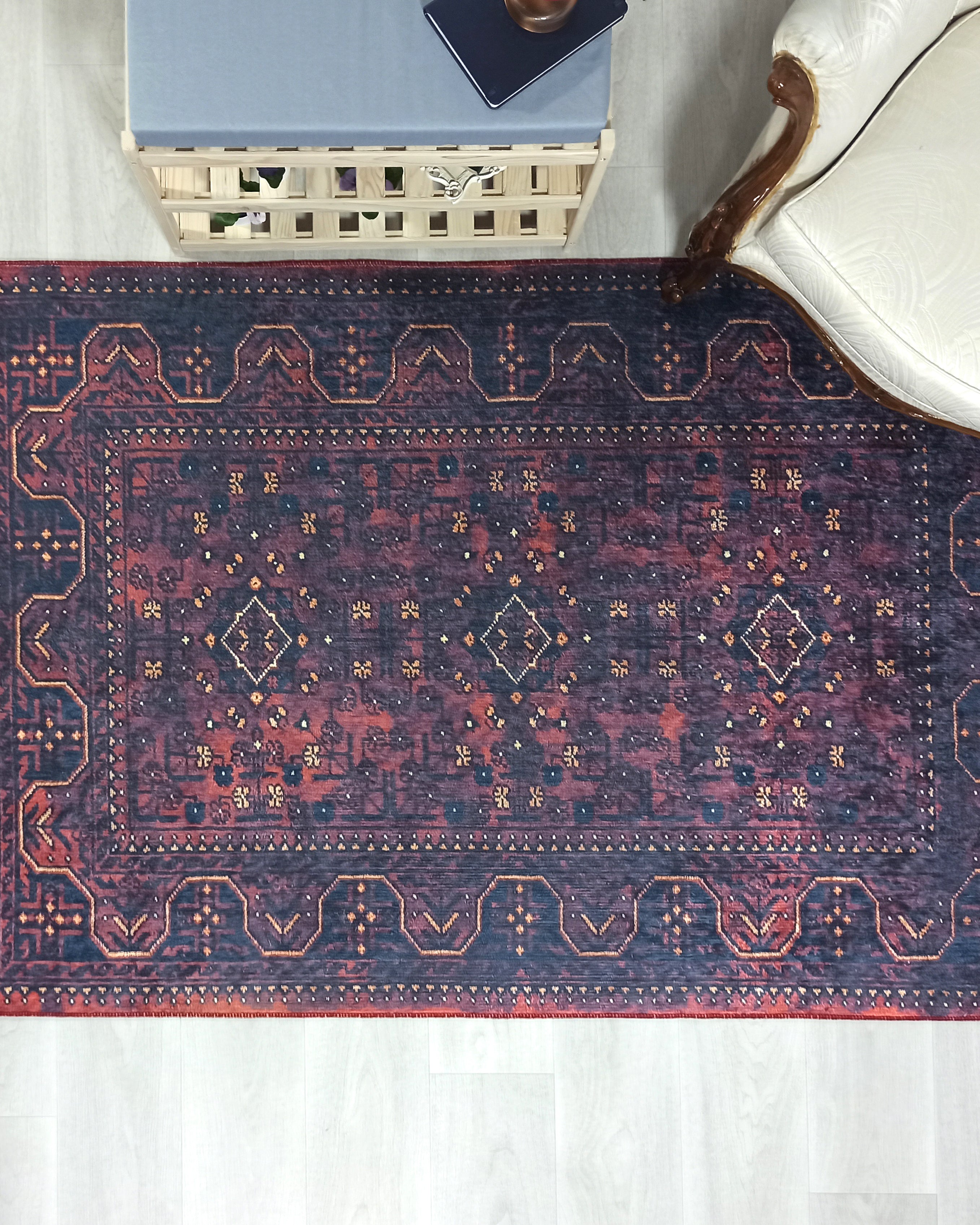
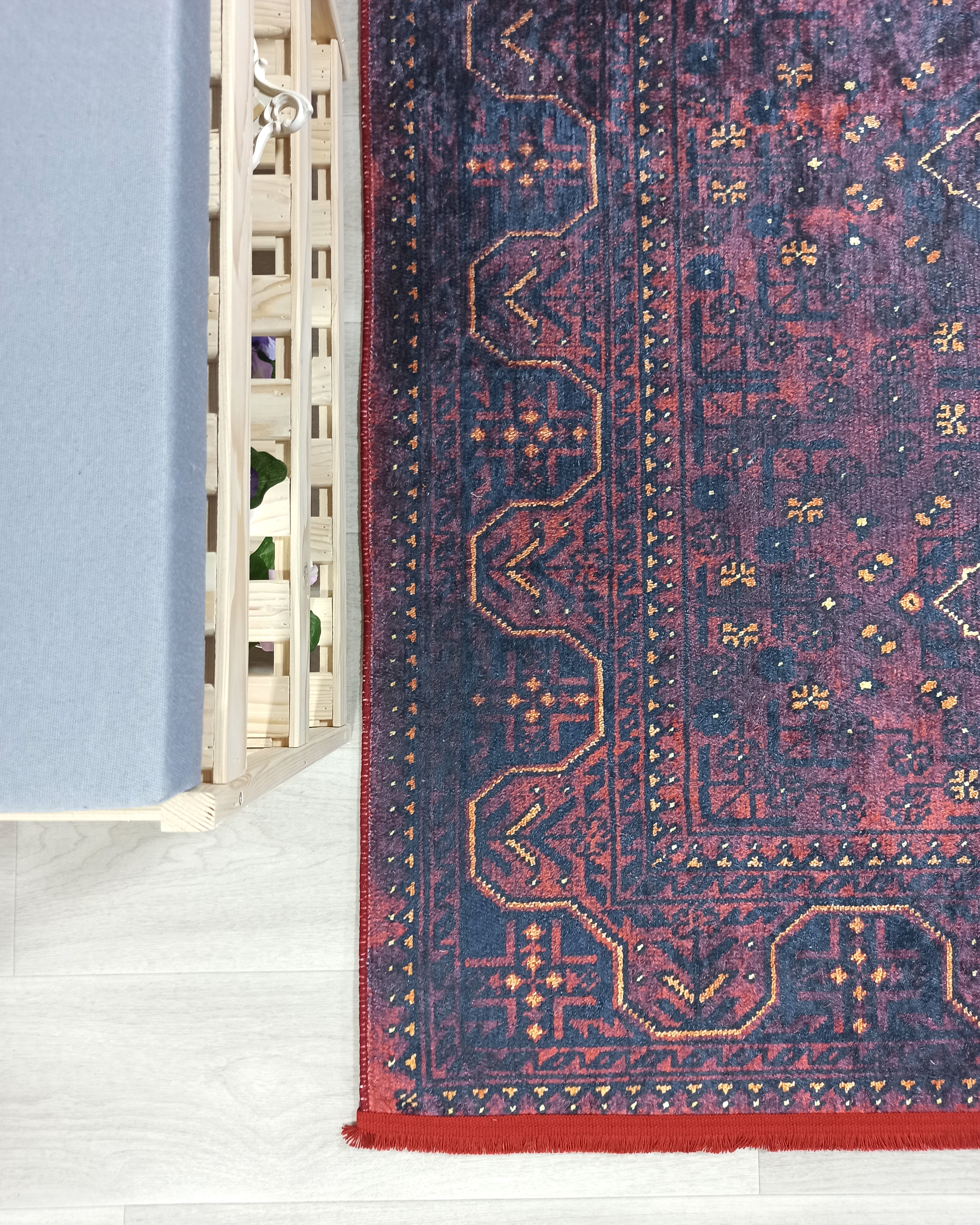
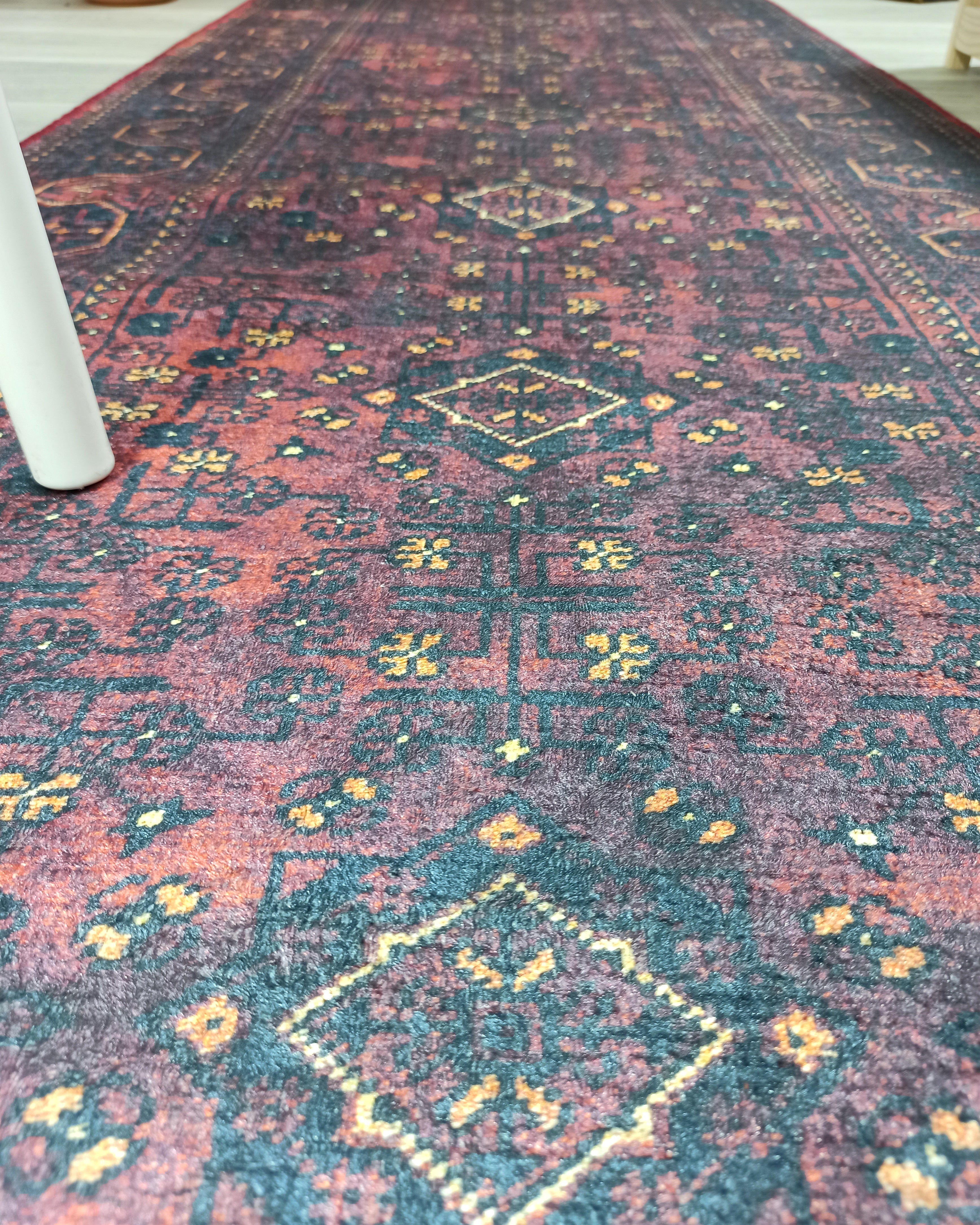
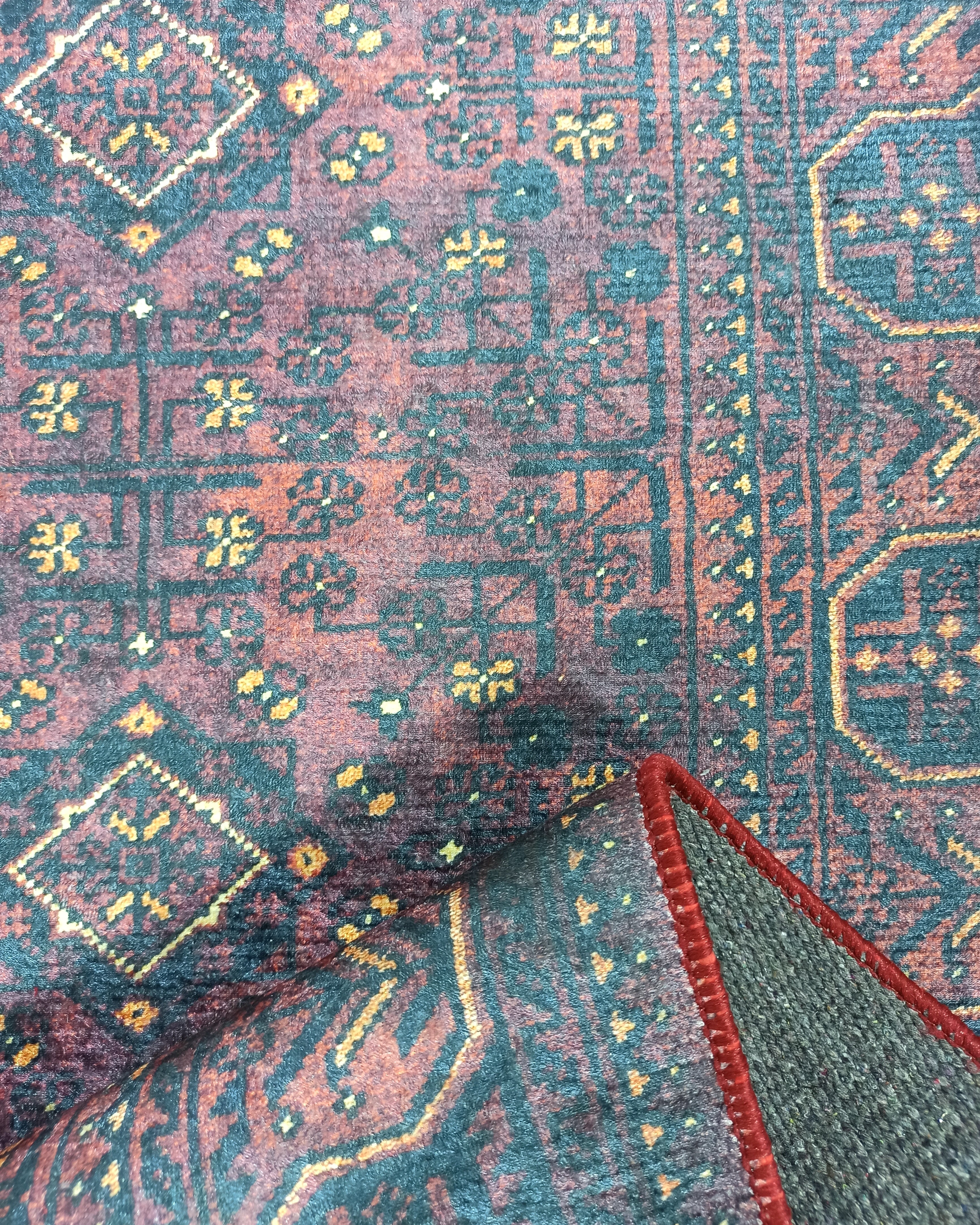
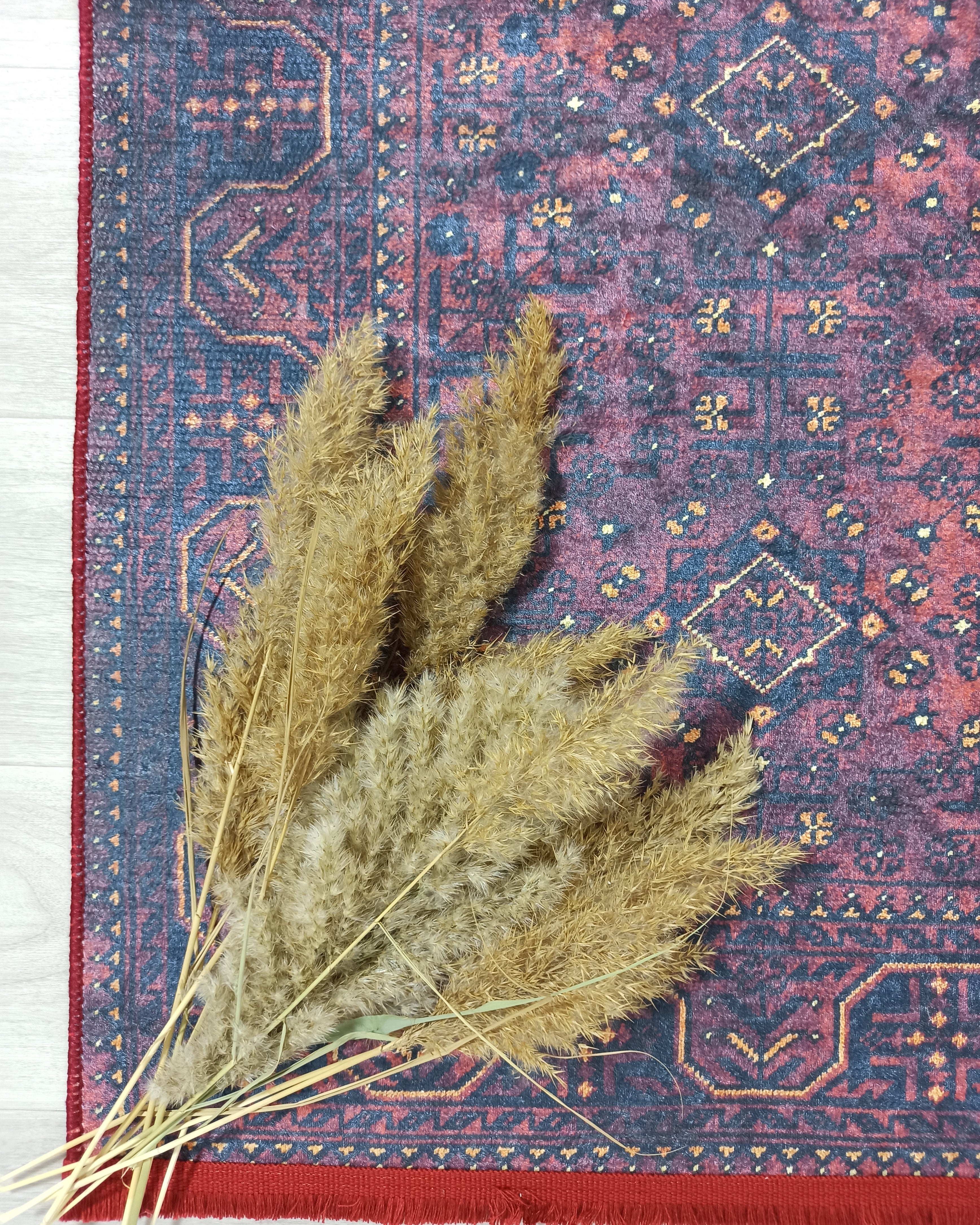
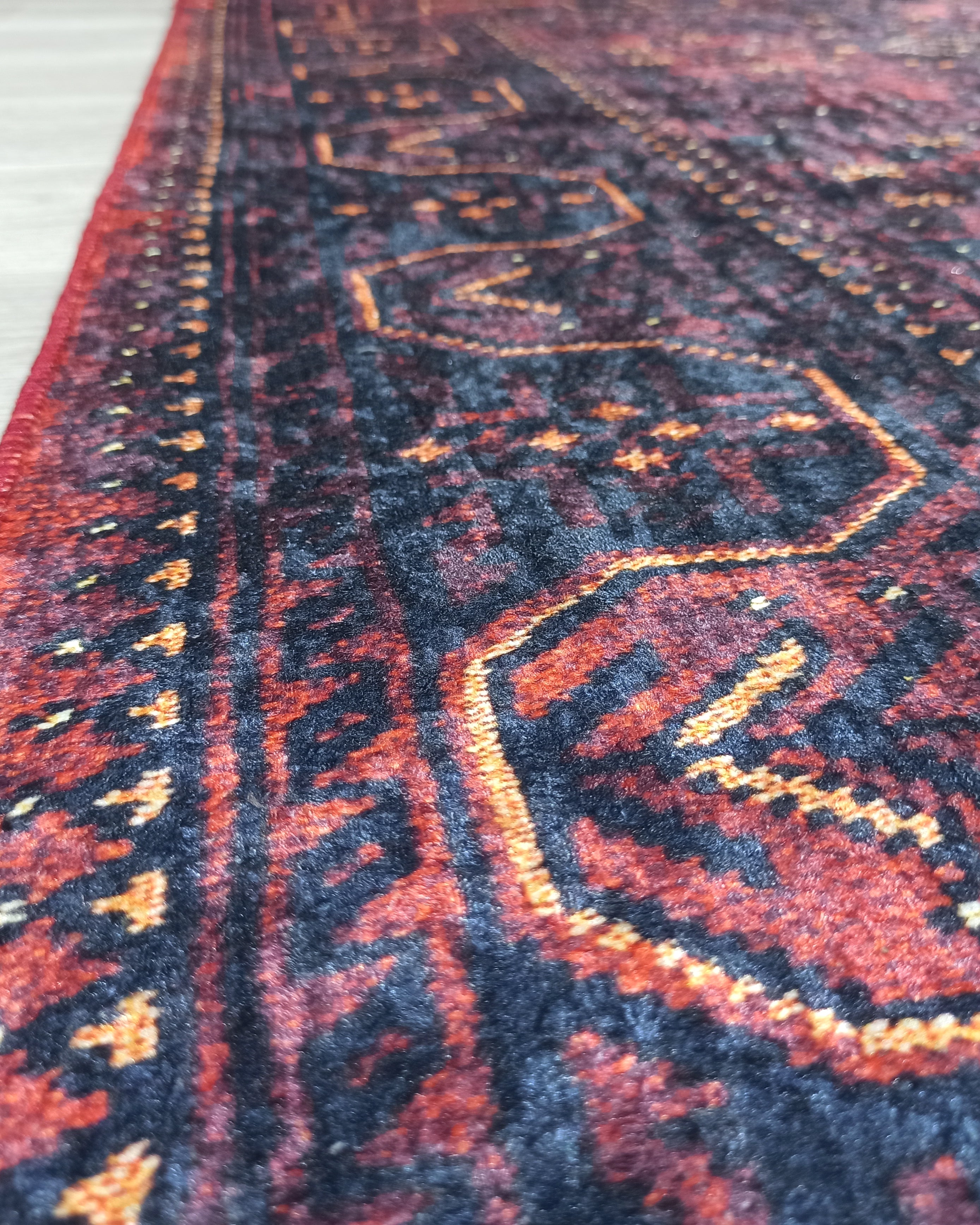
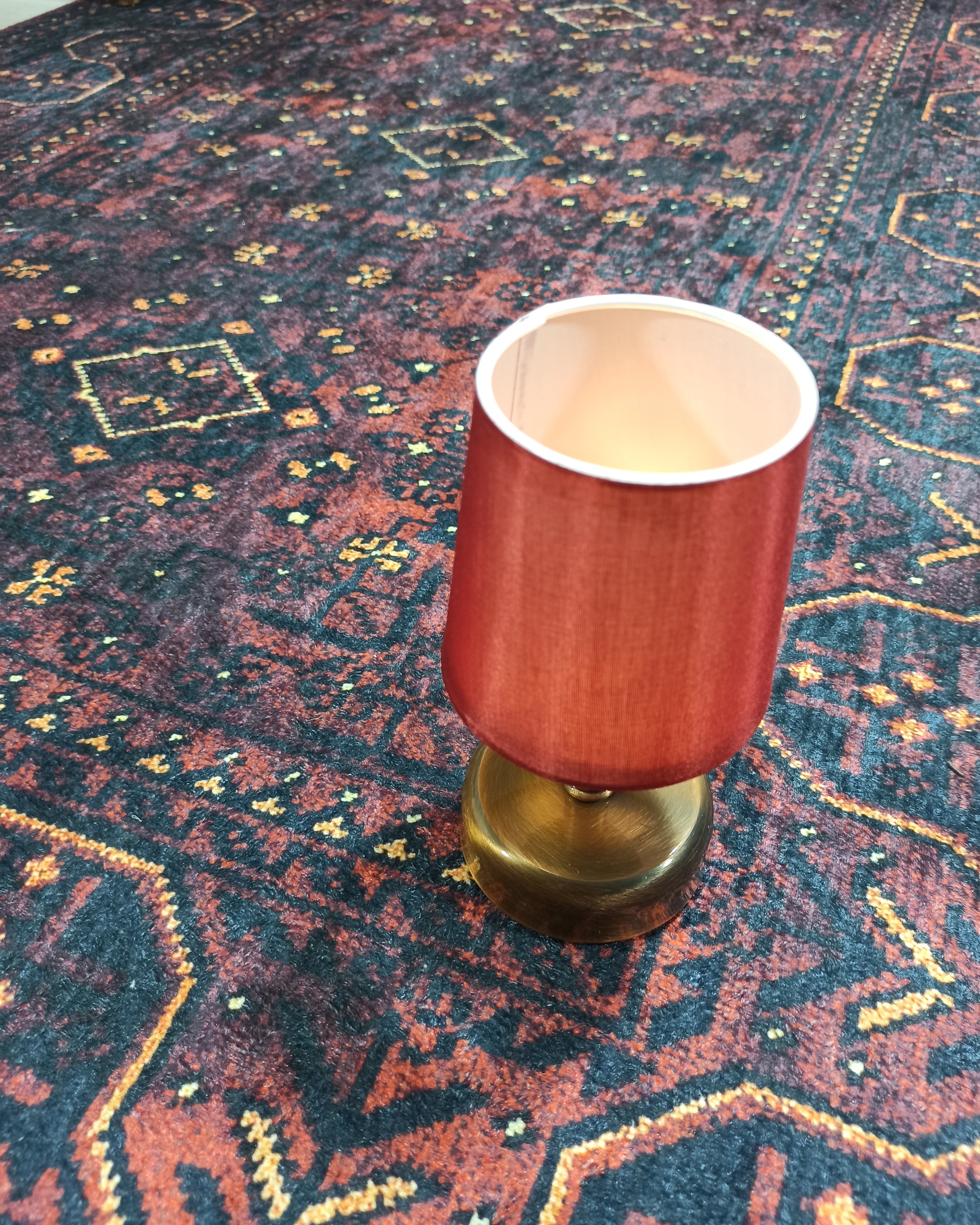
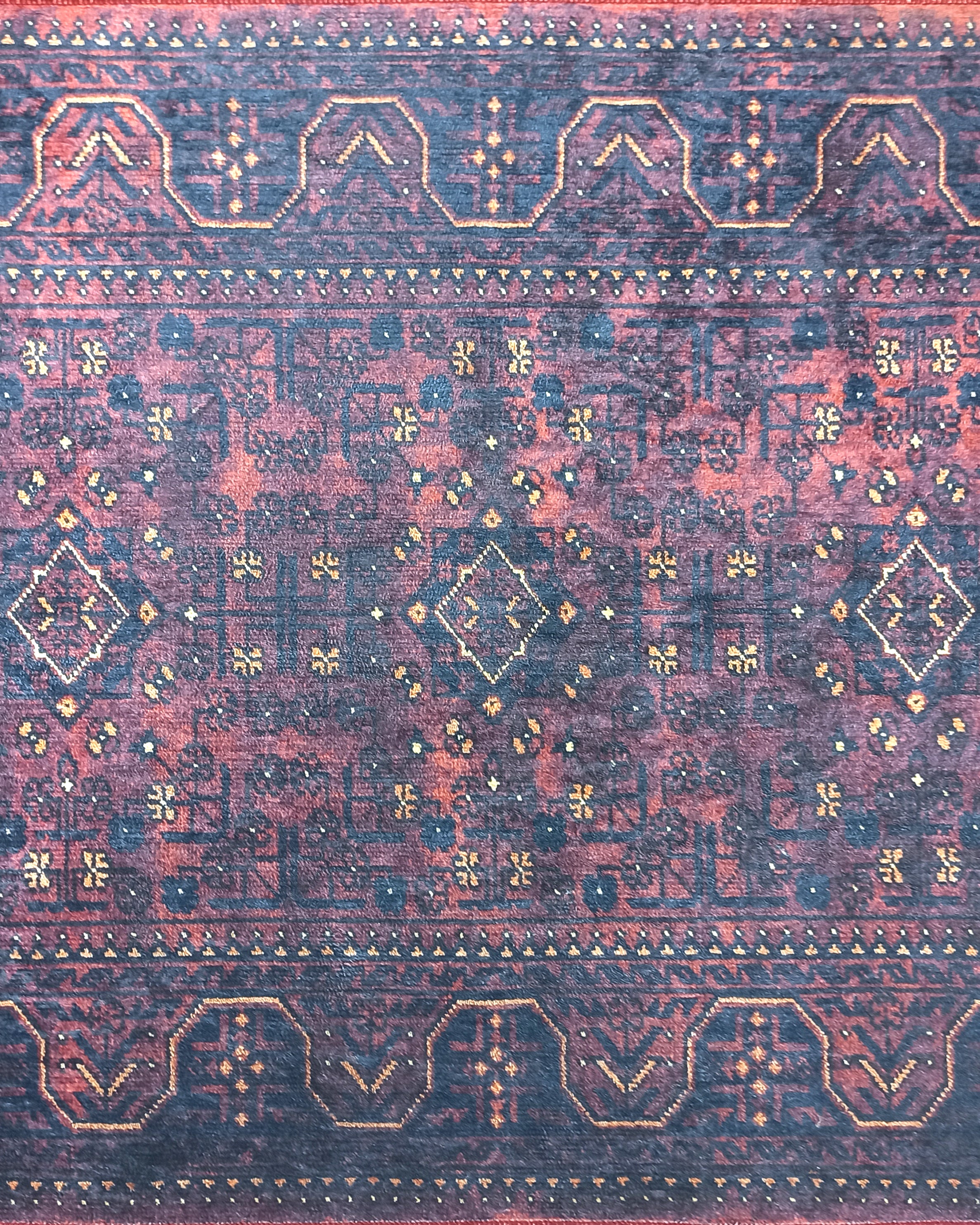
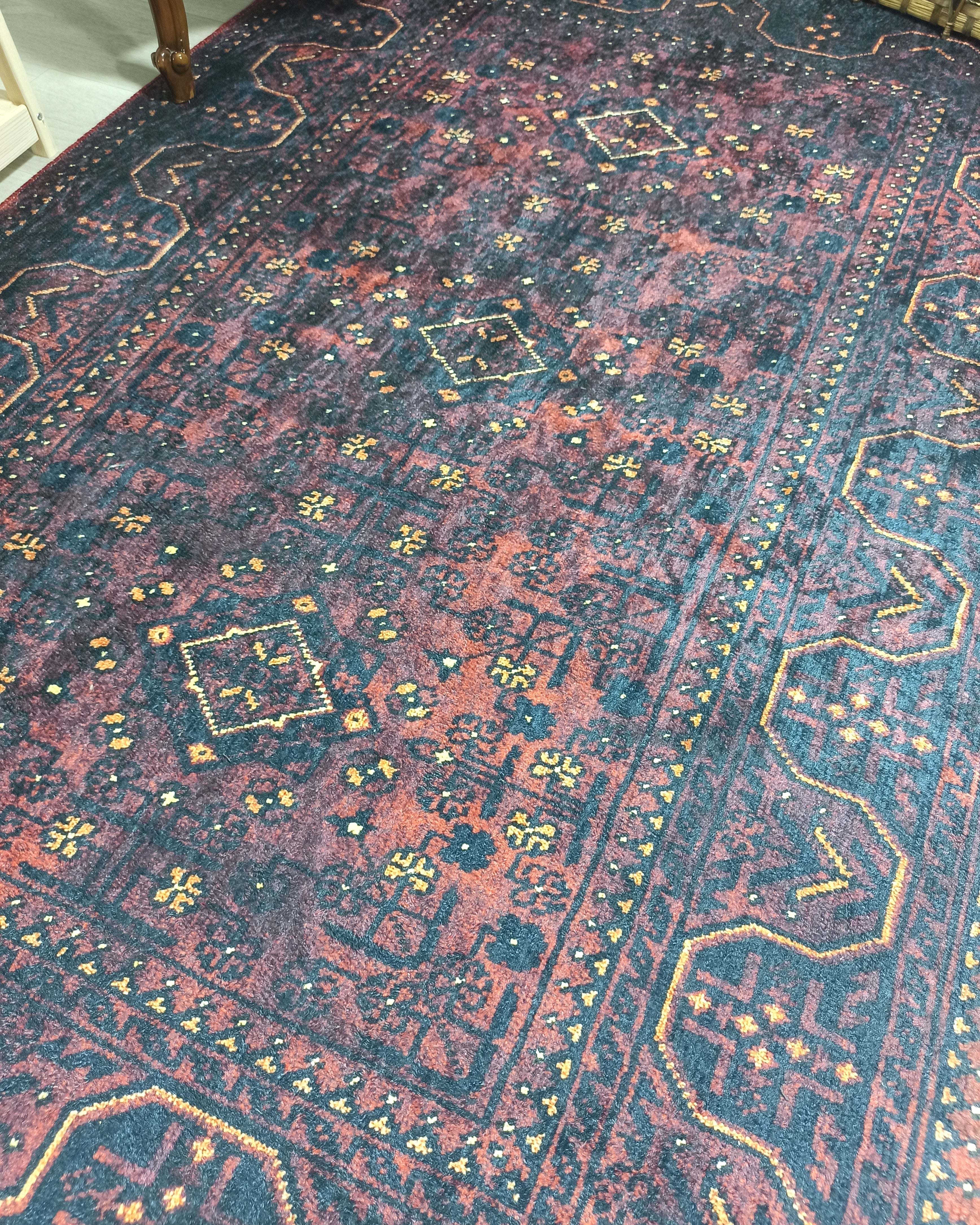
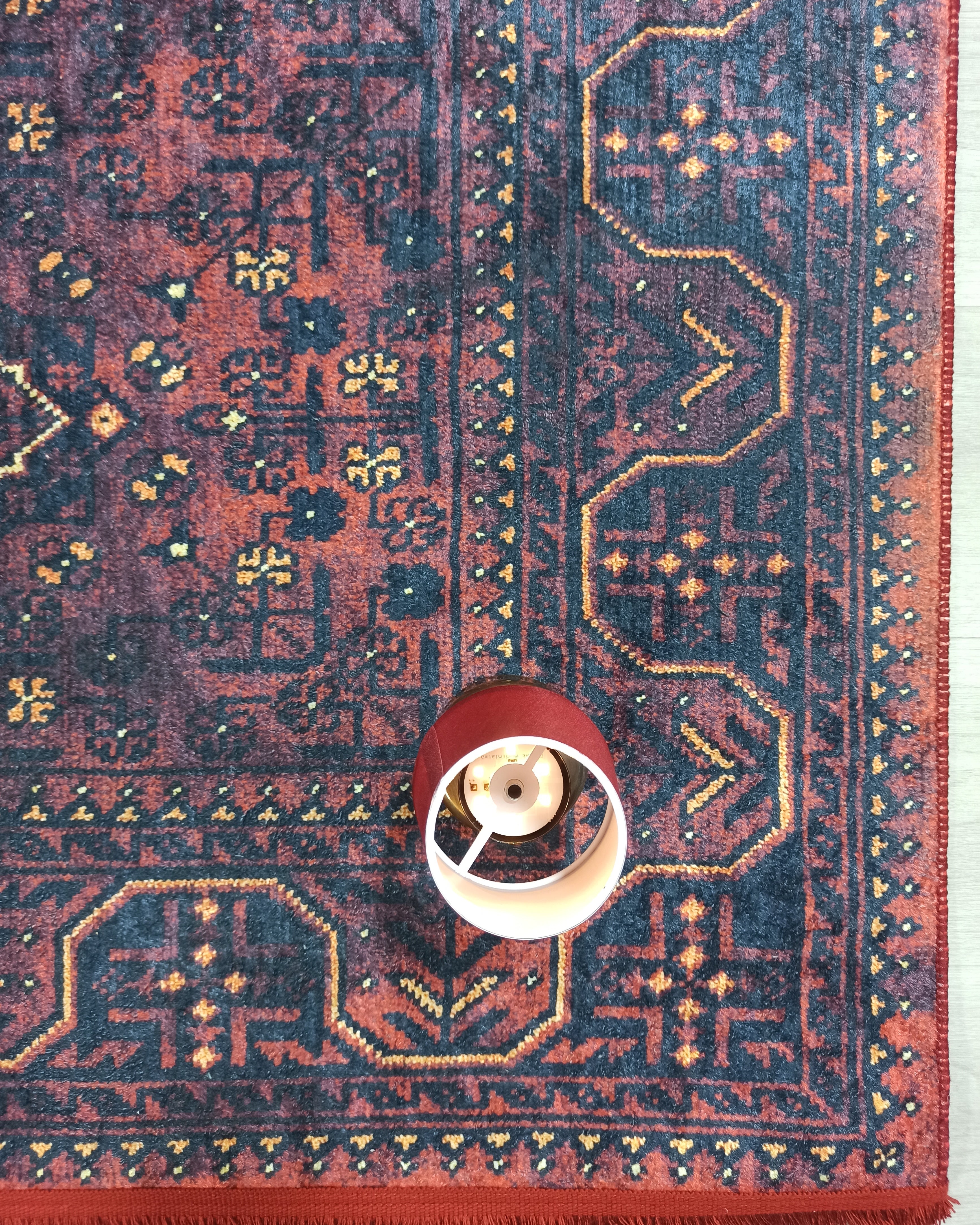
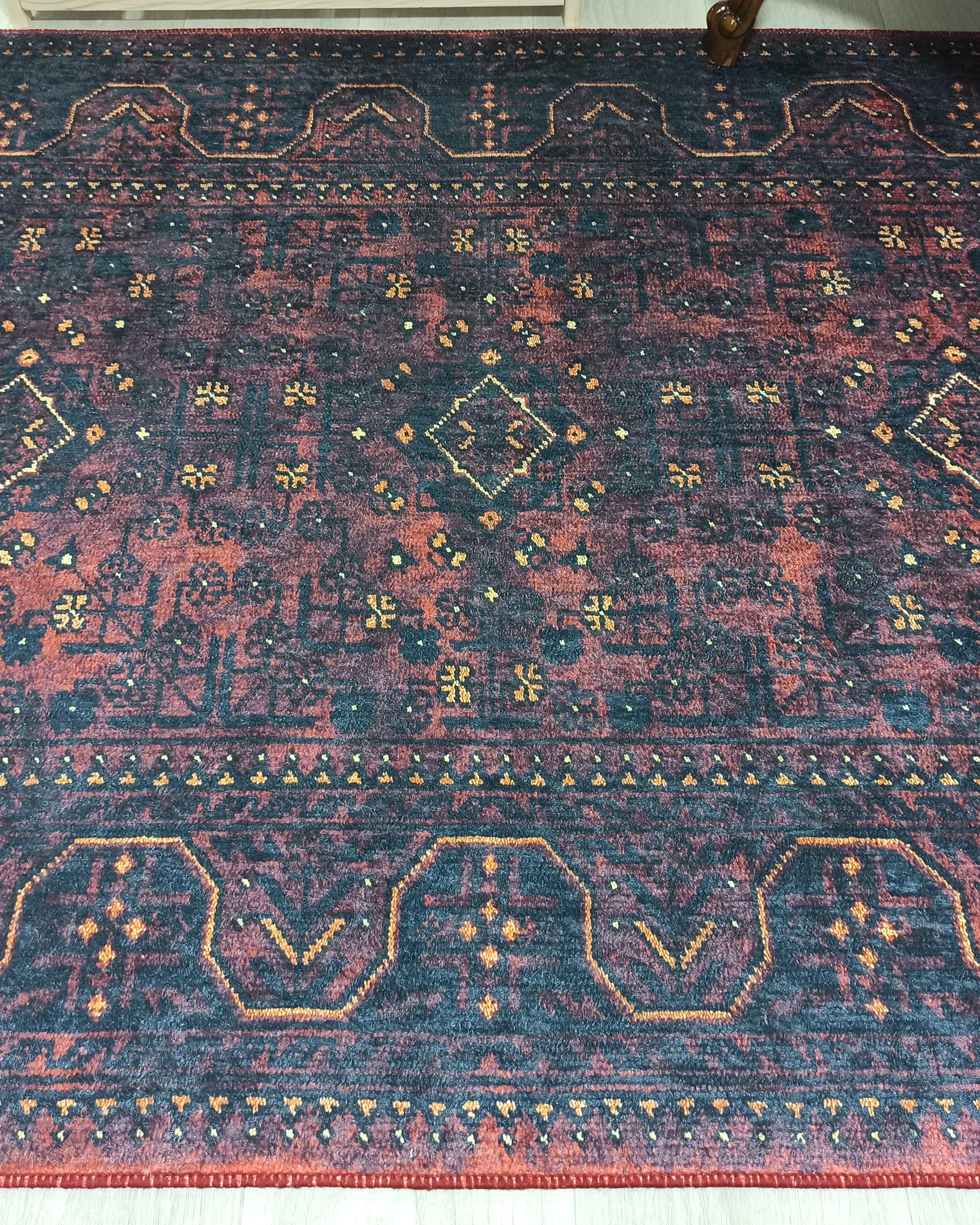
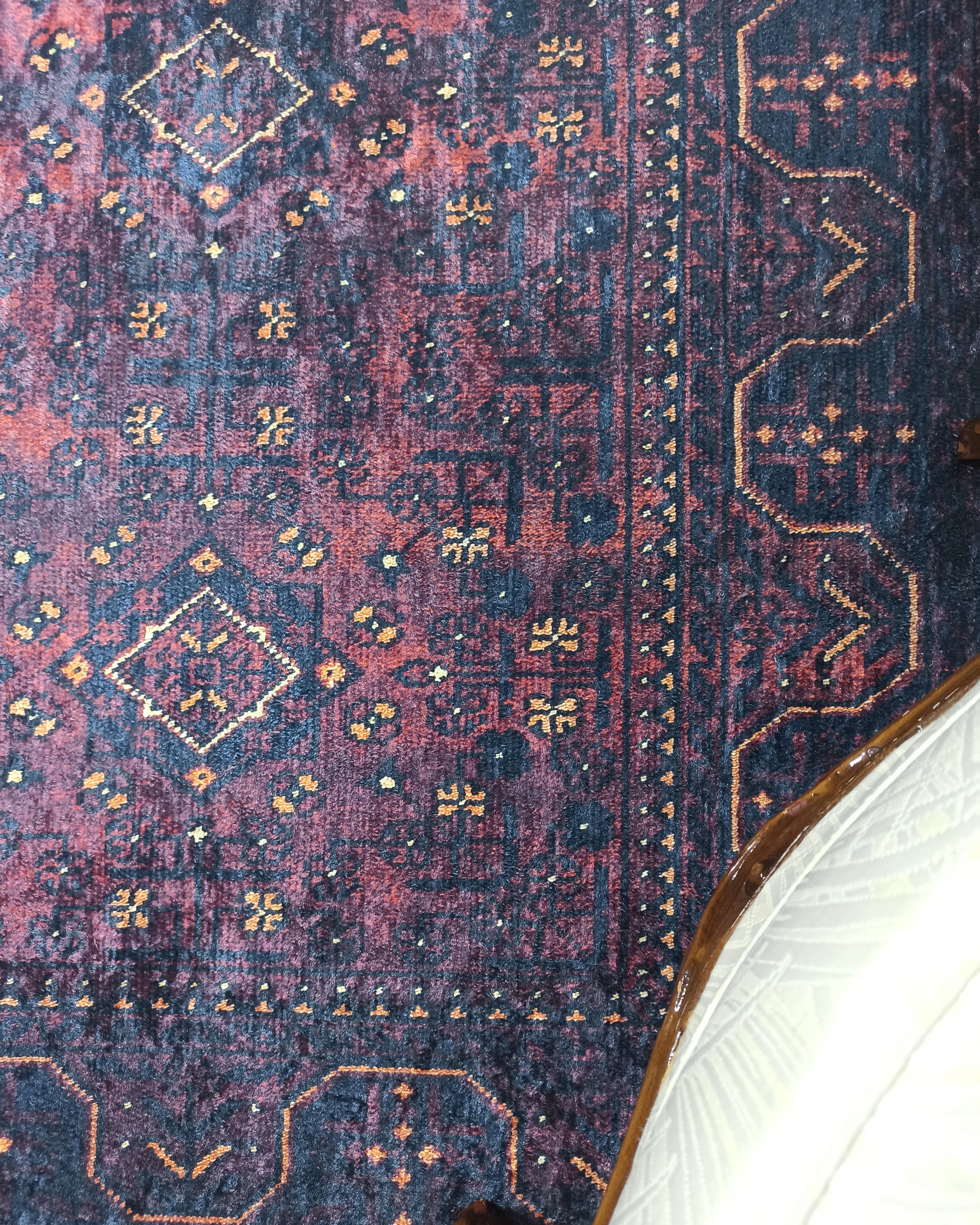
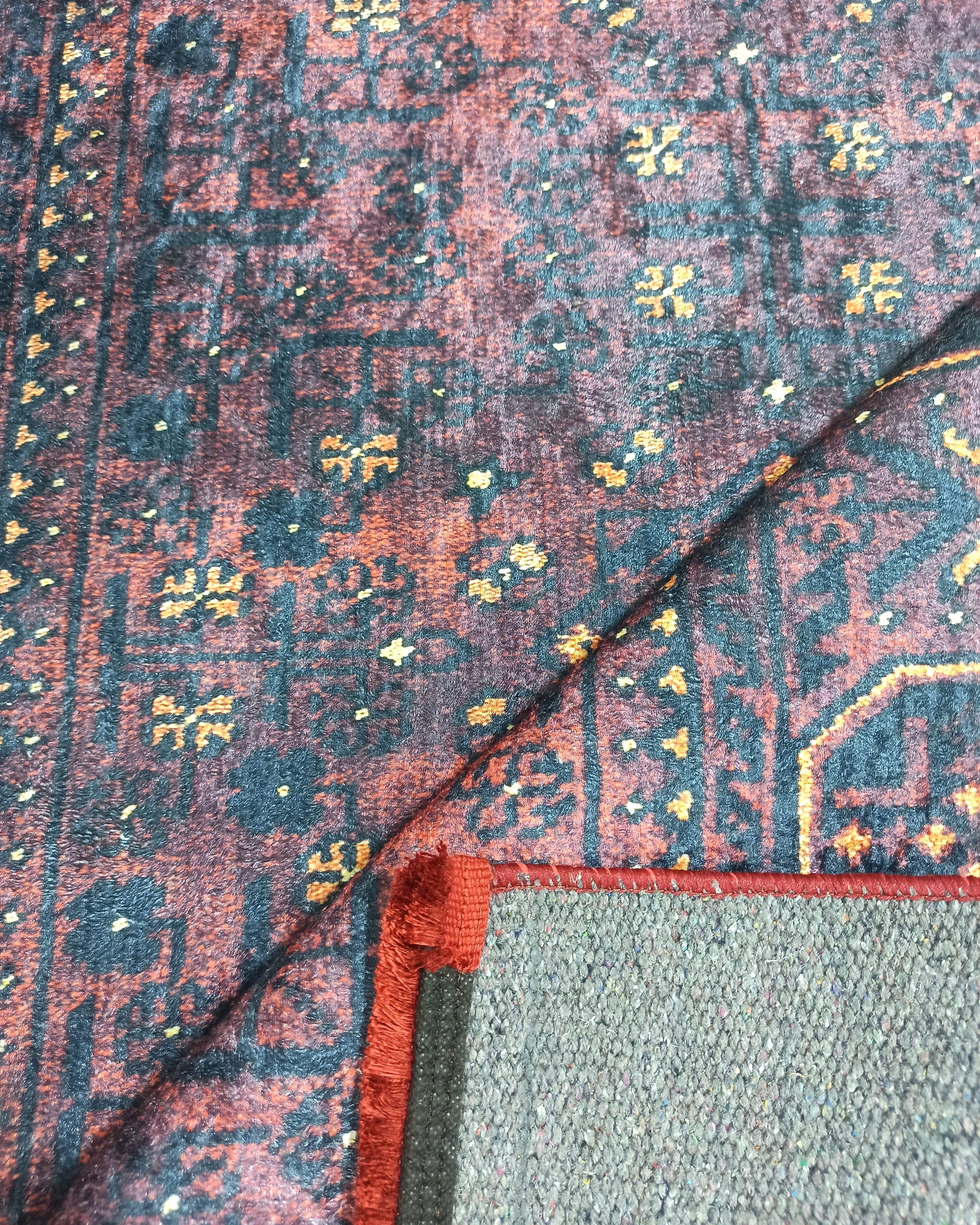
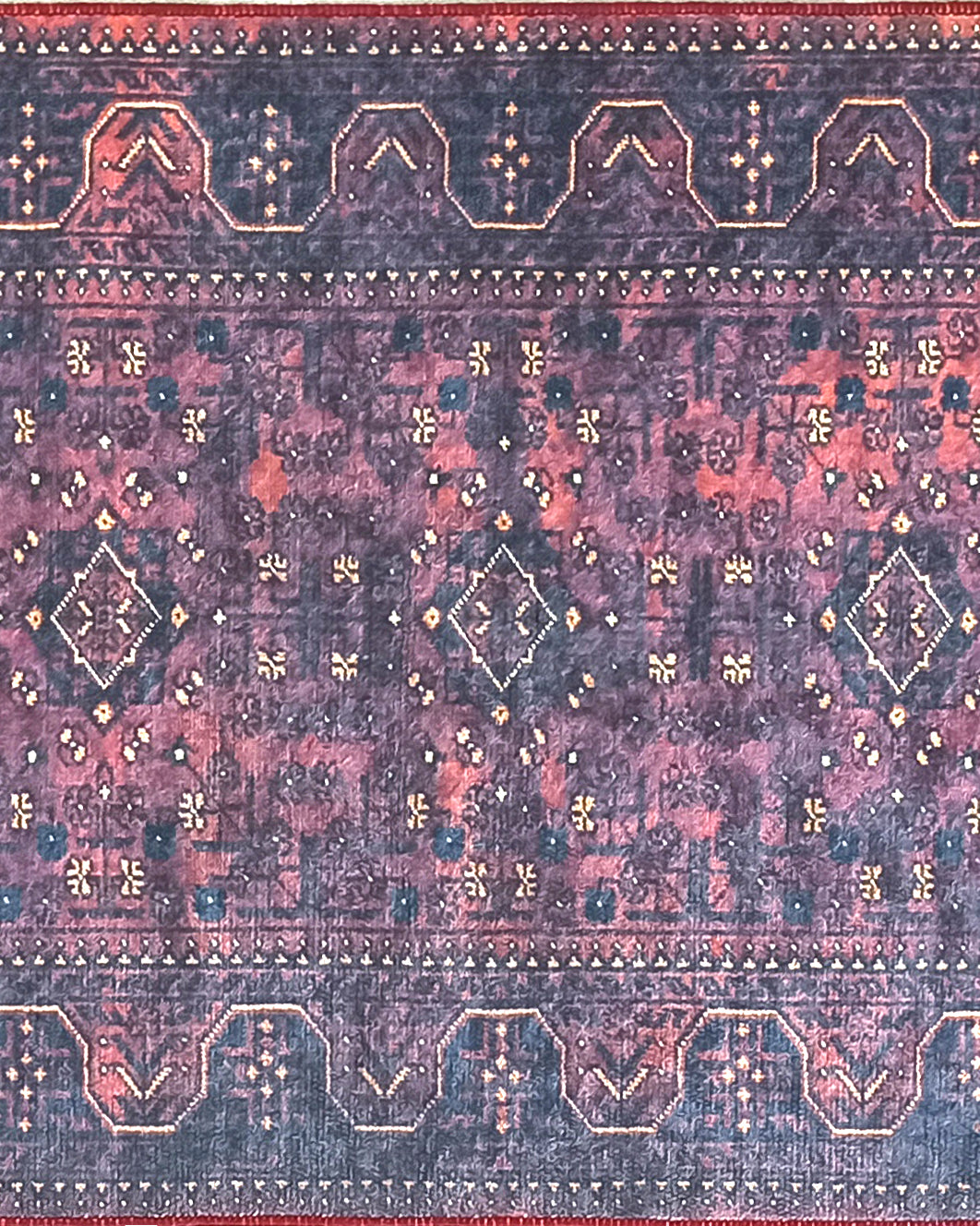
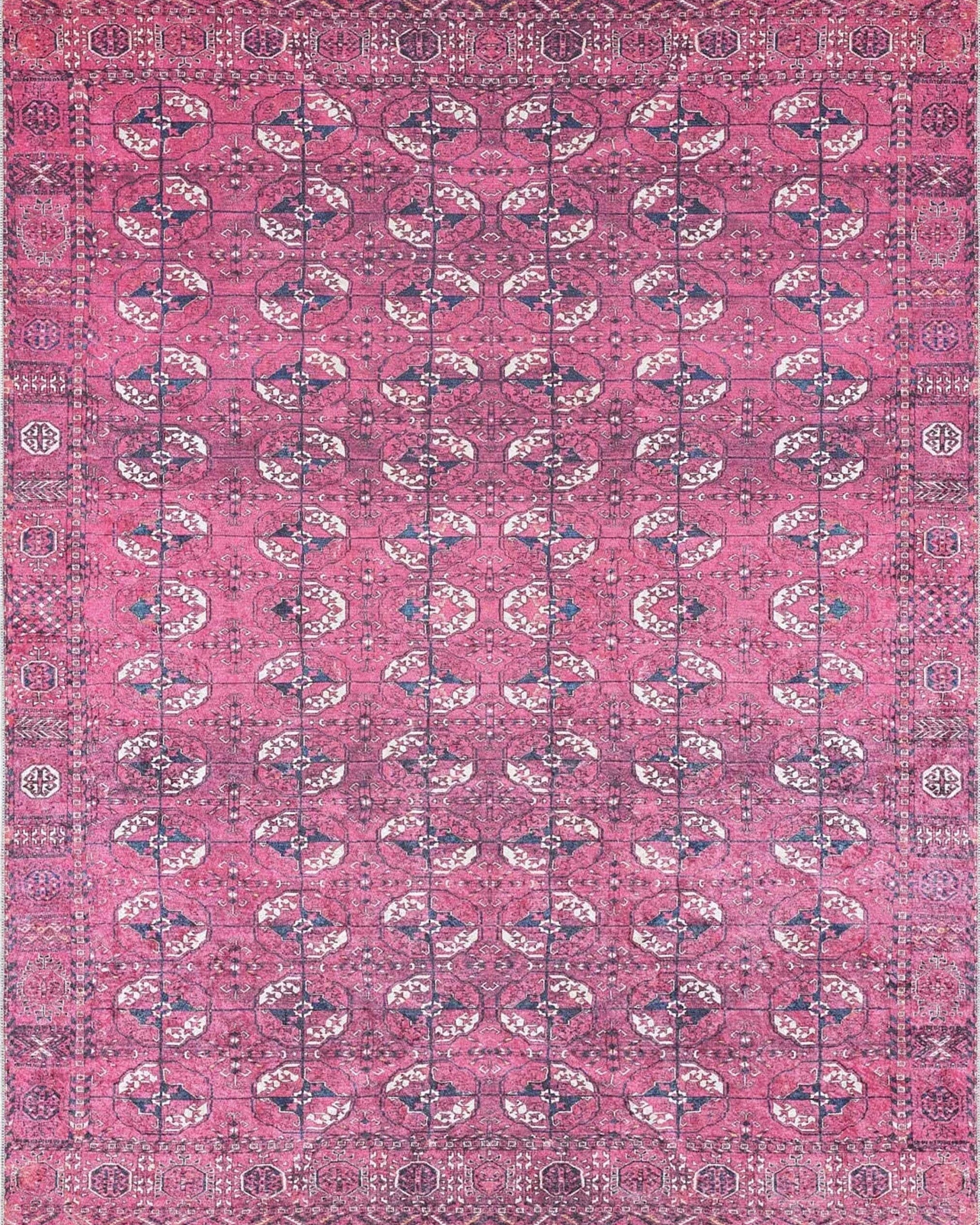
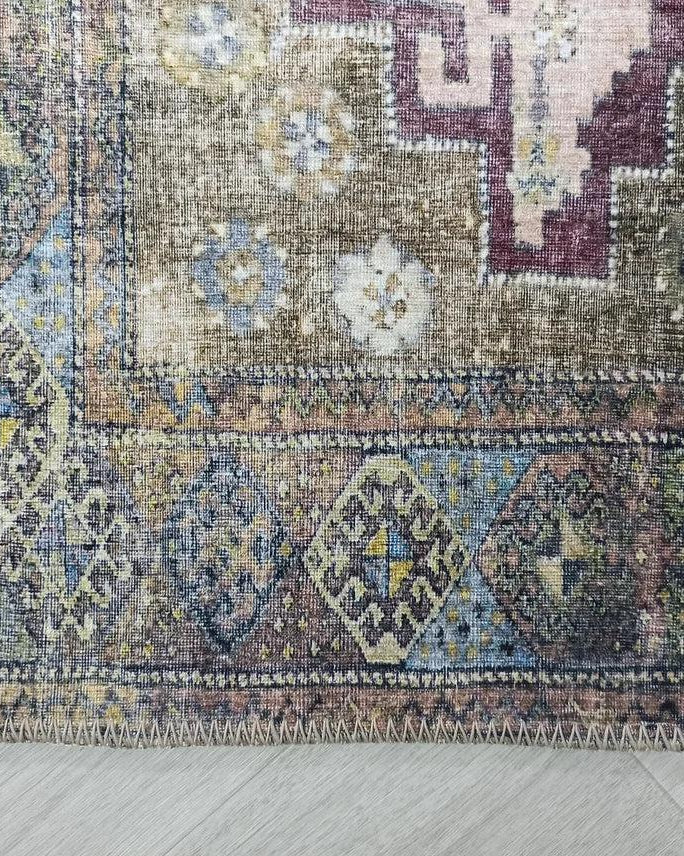
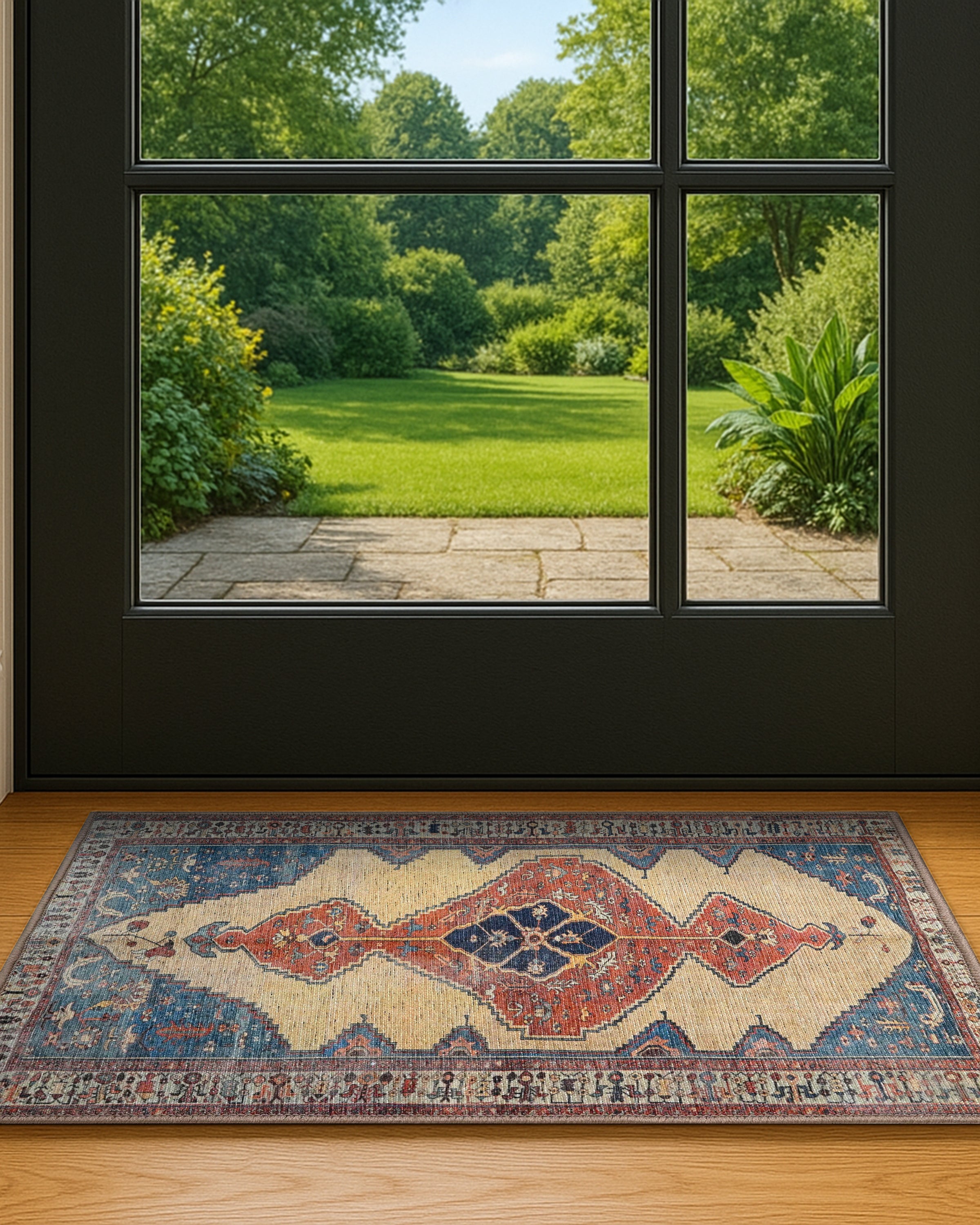
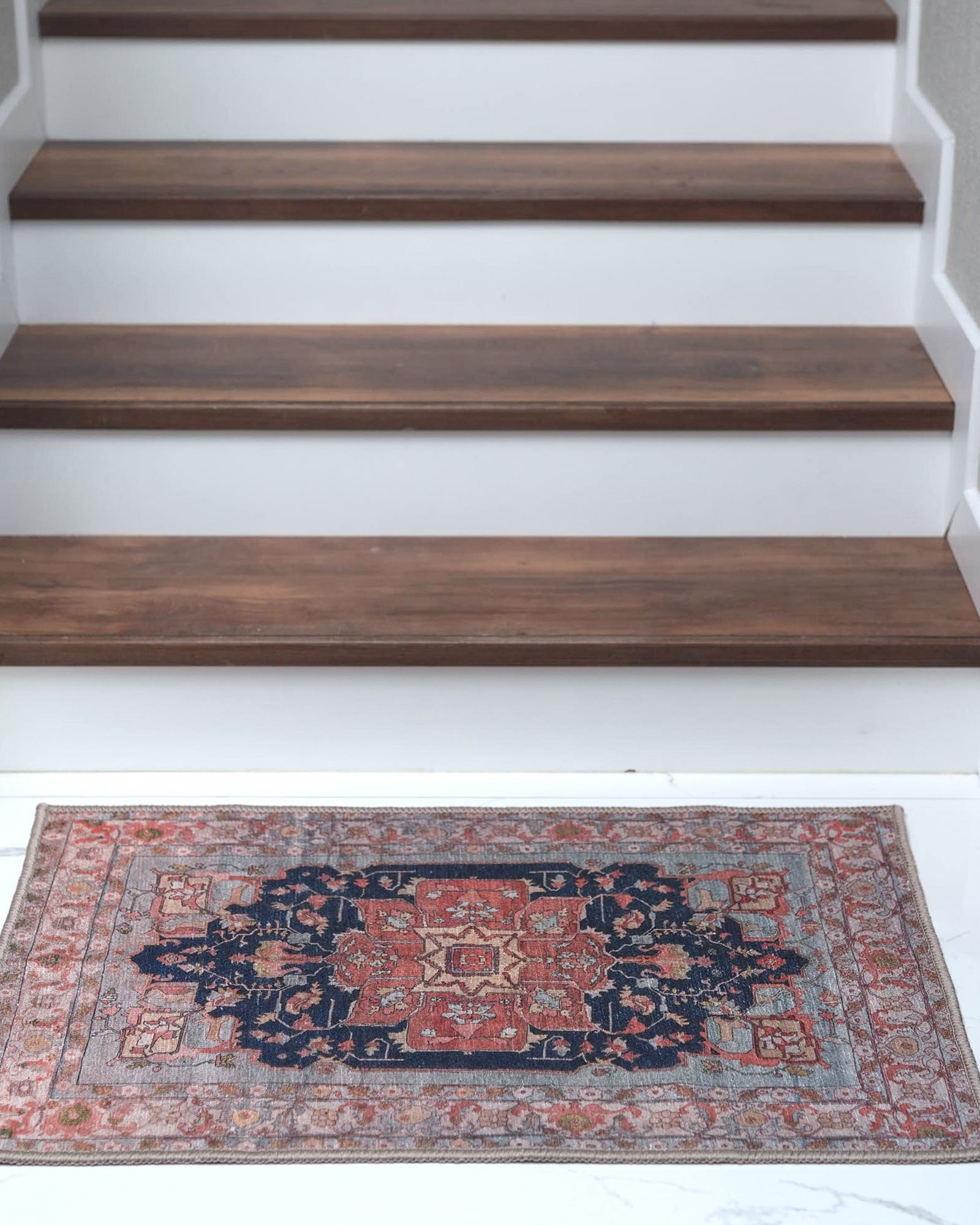
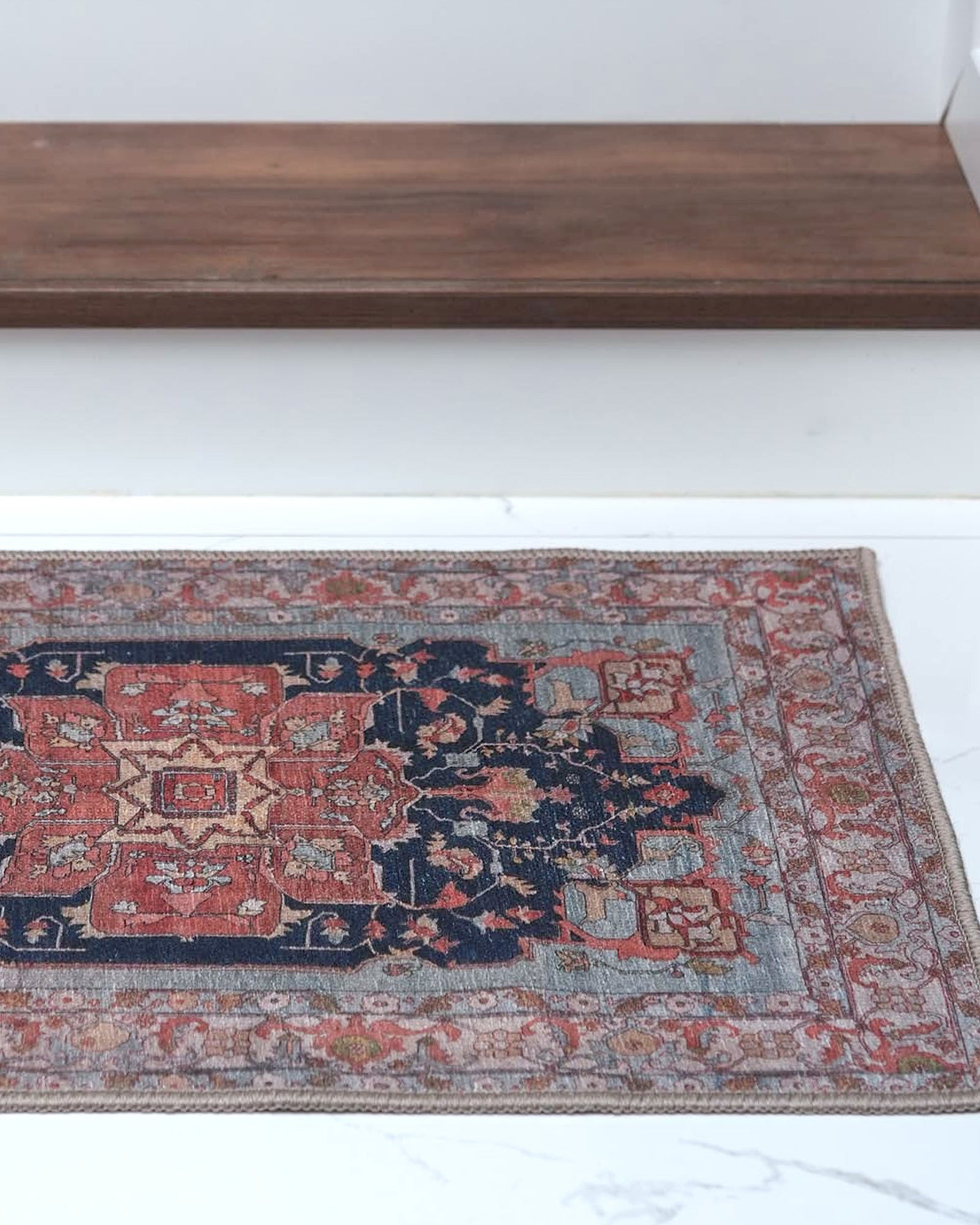
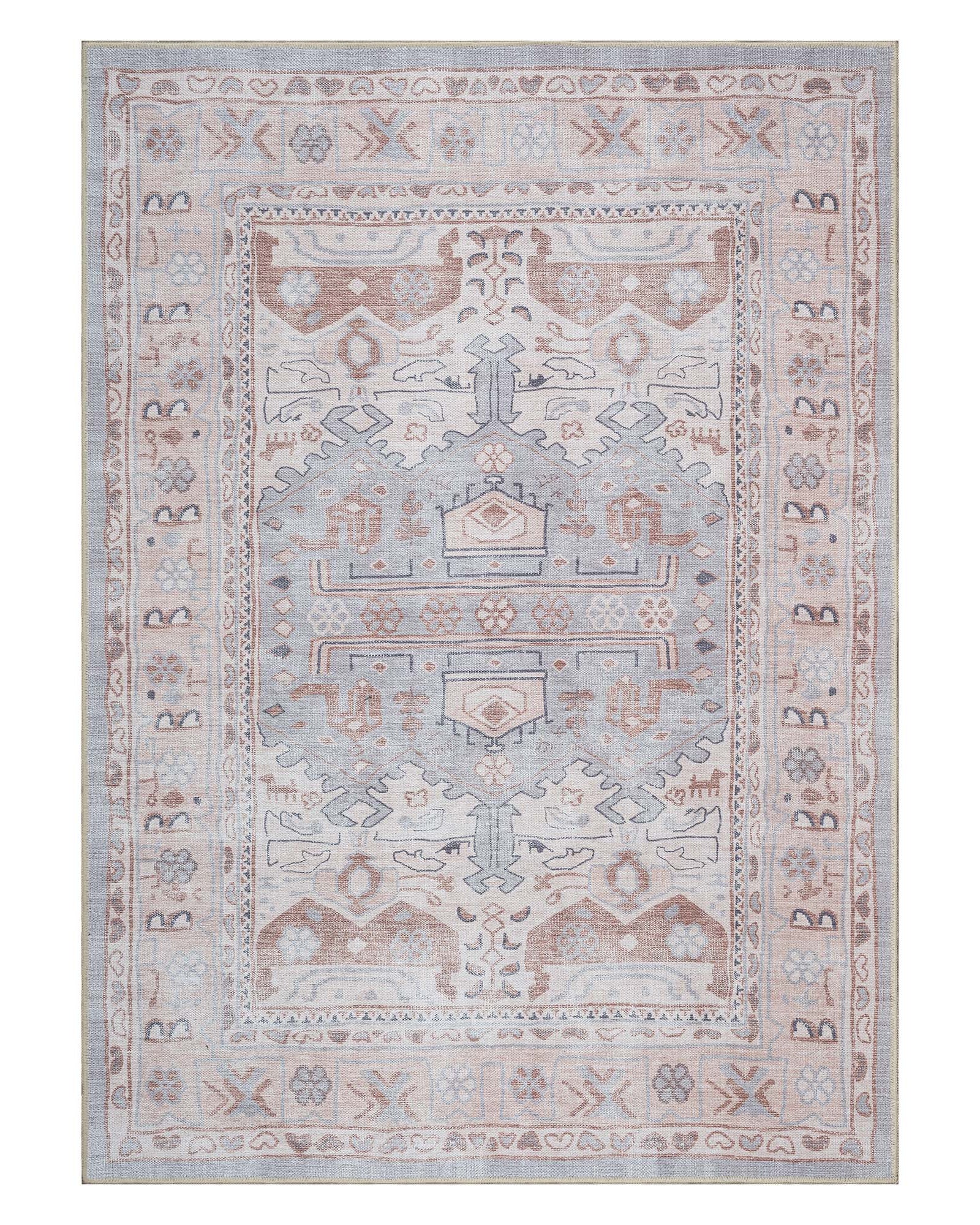
Bergama — Northwestern Anatolia. Deep madder red paired with dark indigo, bold geometry, strong central medallions. More graphic and higher-contrast than Oushak.
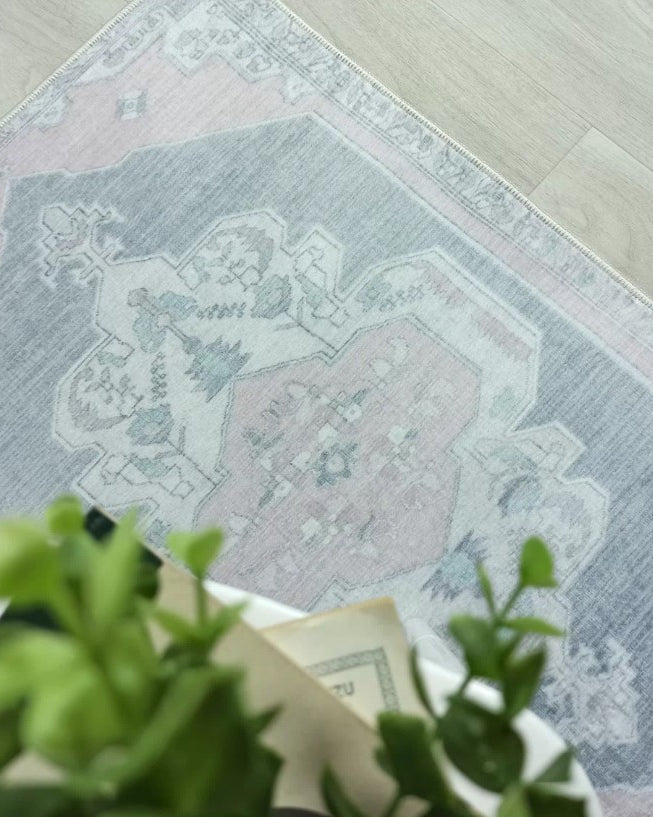
Konya and Ladik — Central Anatolia. Architectural prayer rug compositions with columns and mihrab arches, often in soft ivory and rose.
Milas — Southwestern Aegean. Distinctive mustard yellows and warm beiges with narrow, elongated mihrab forms.
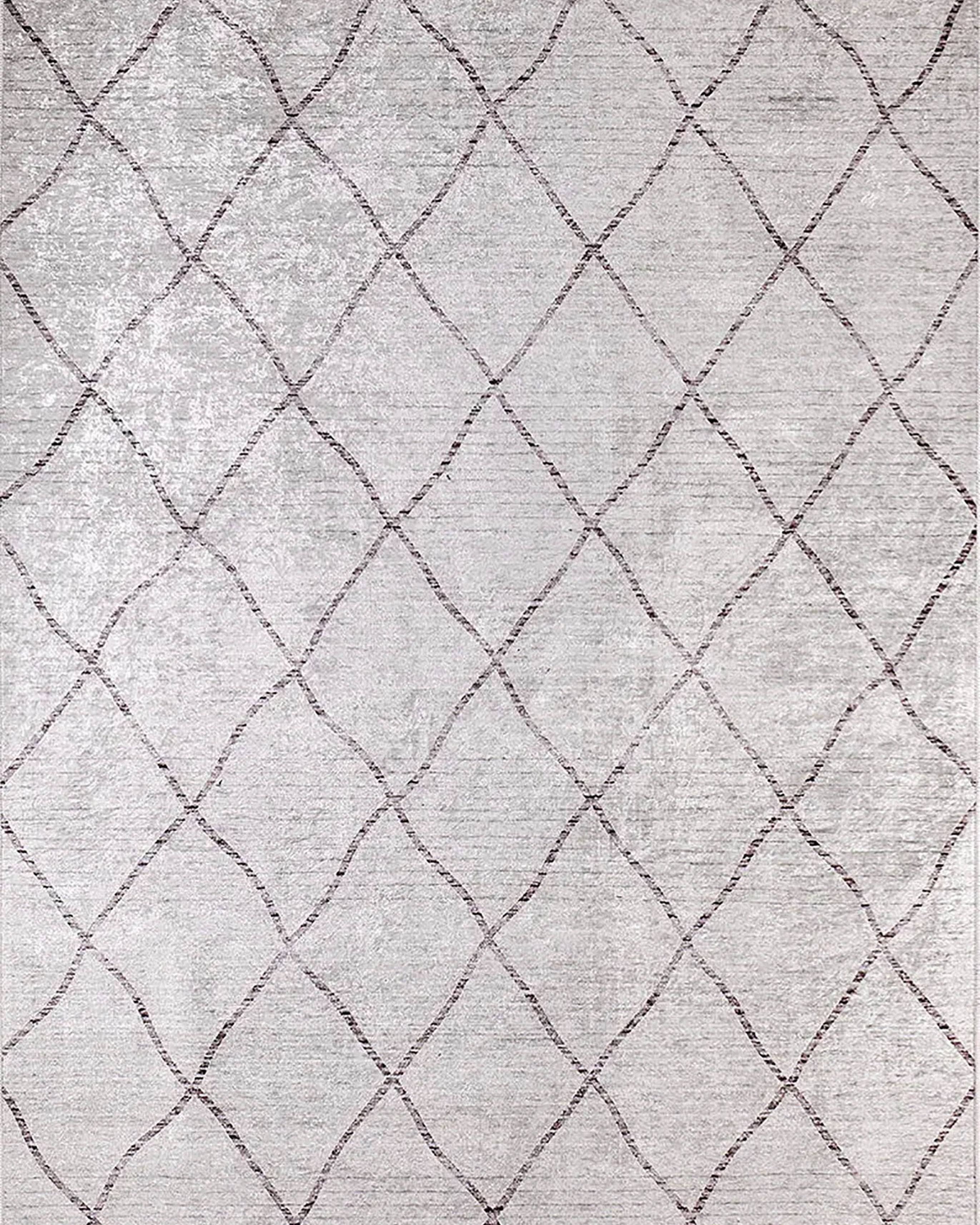
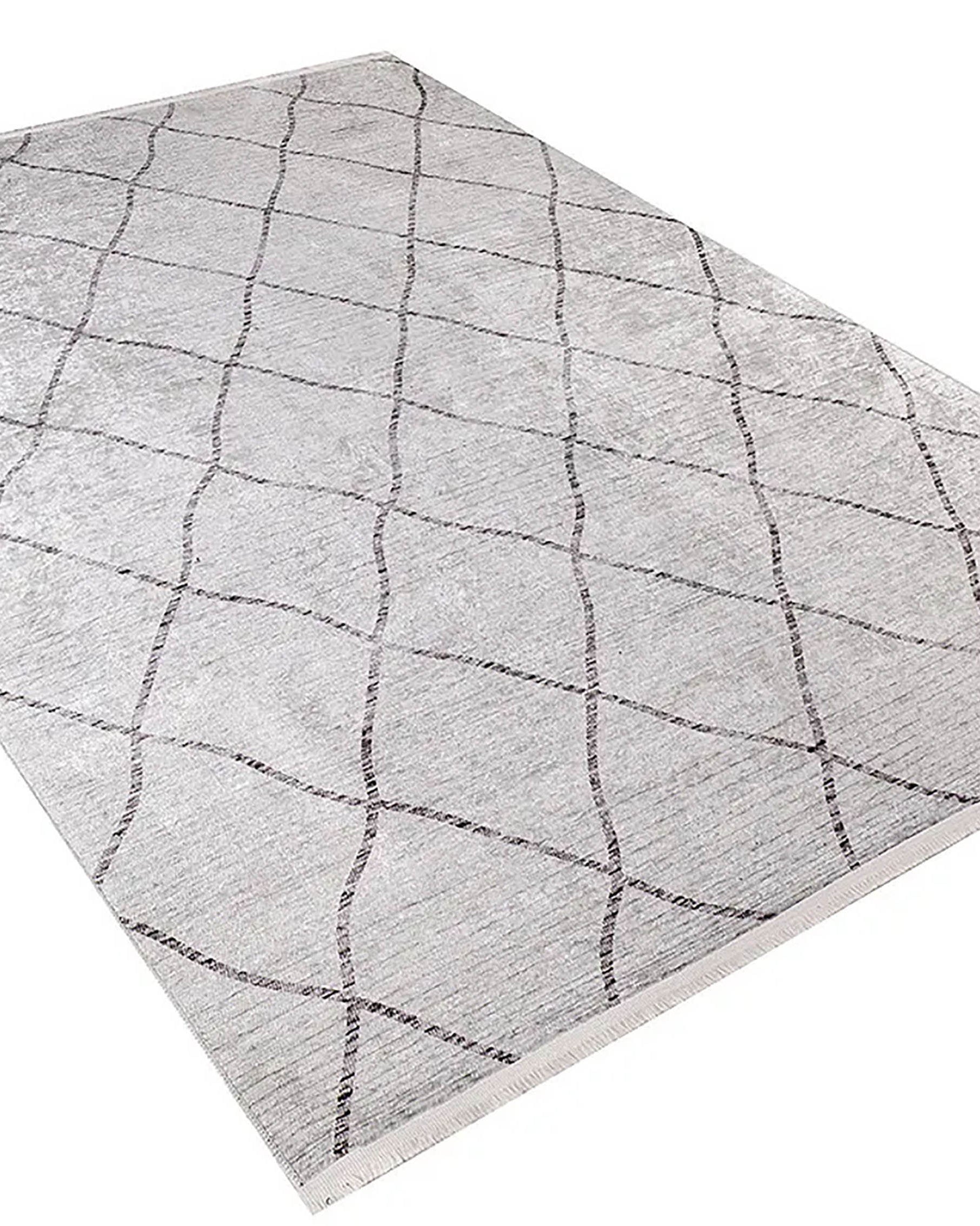
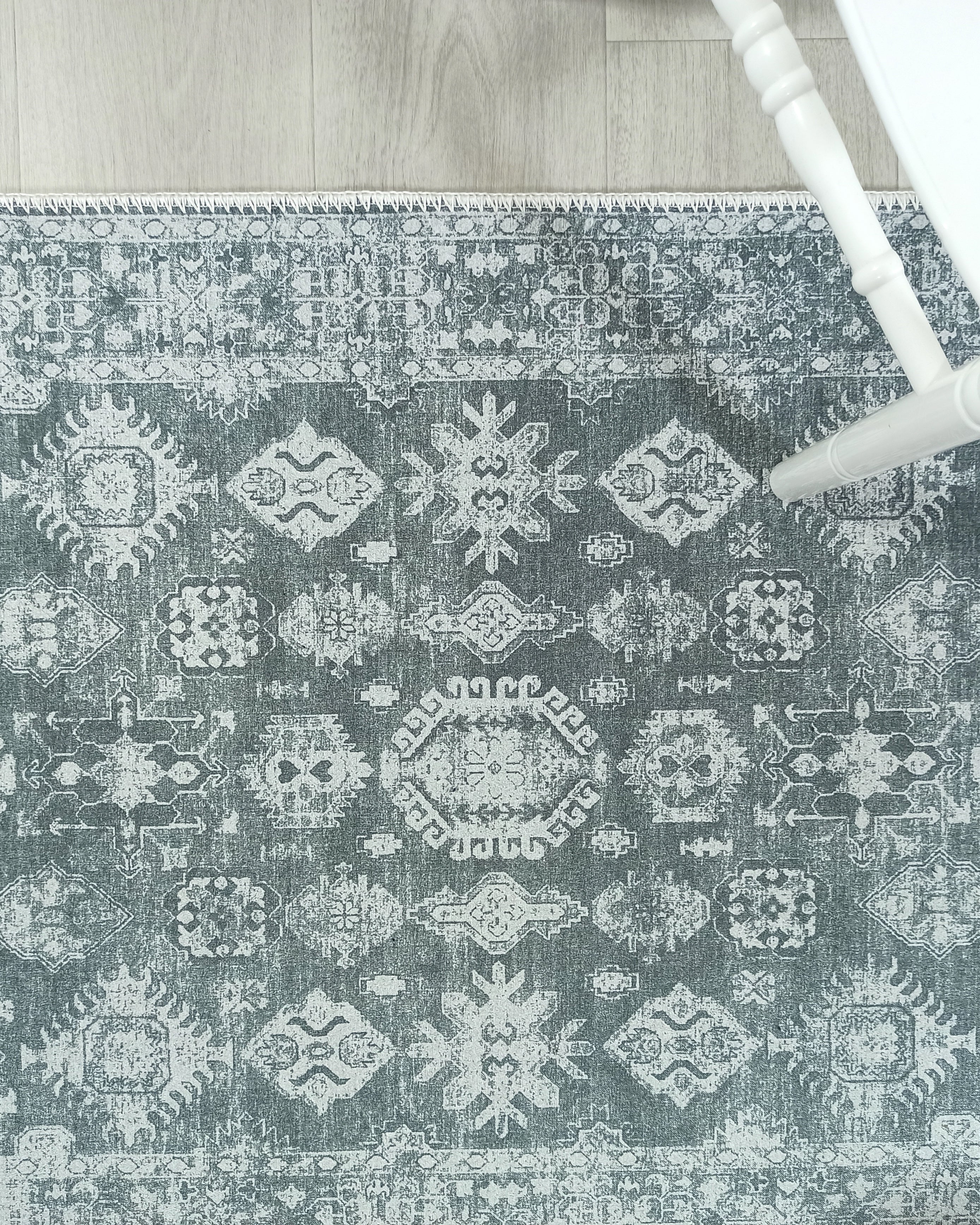
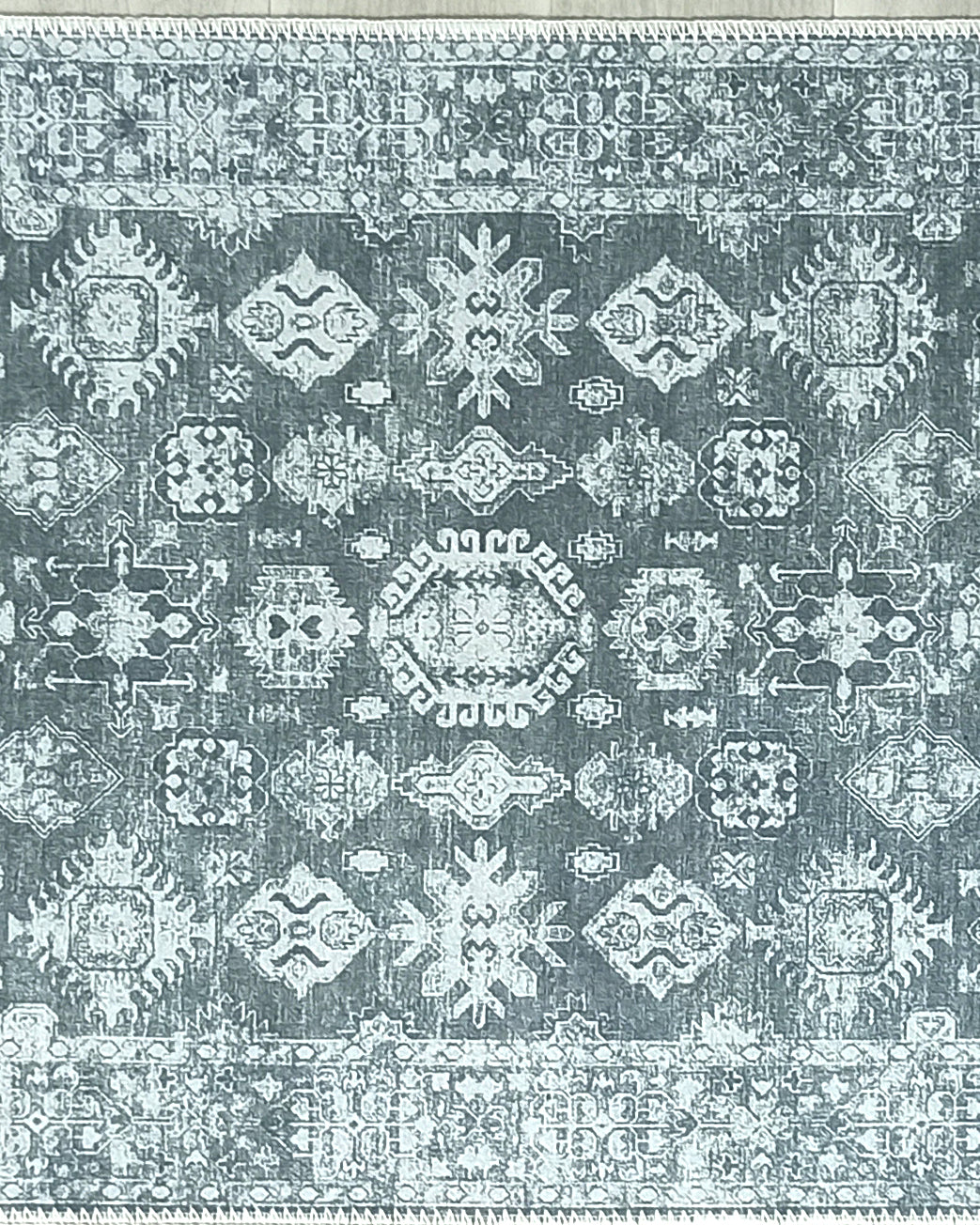
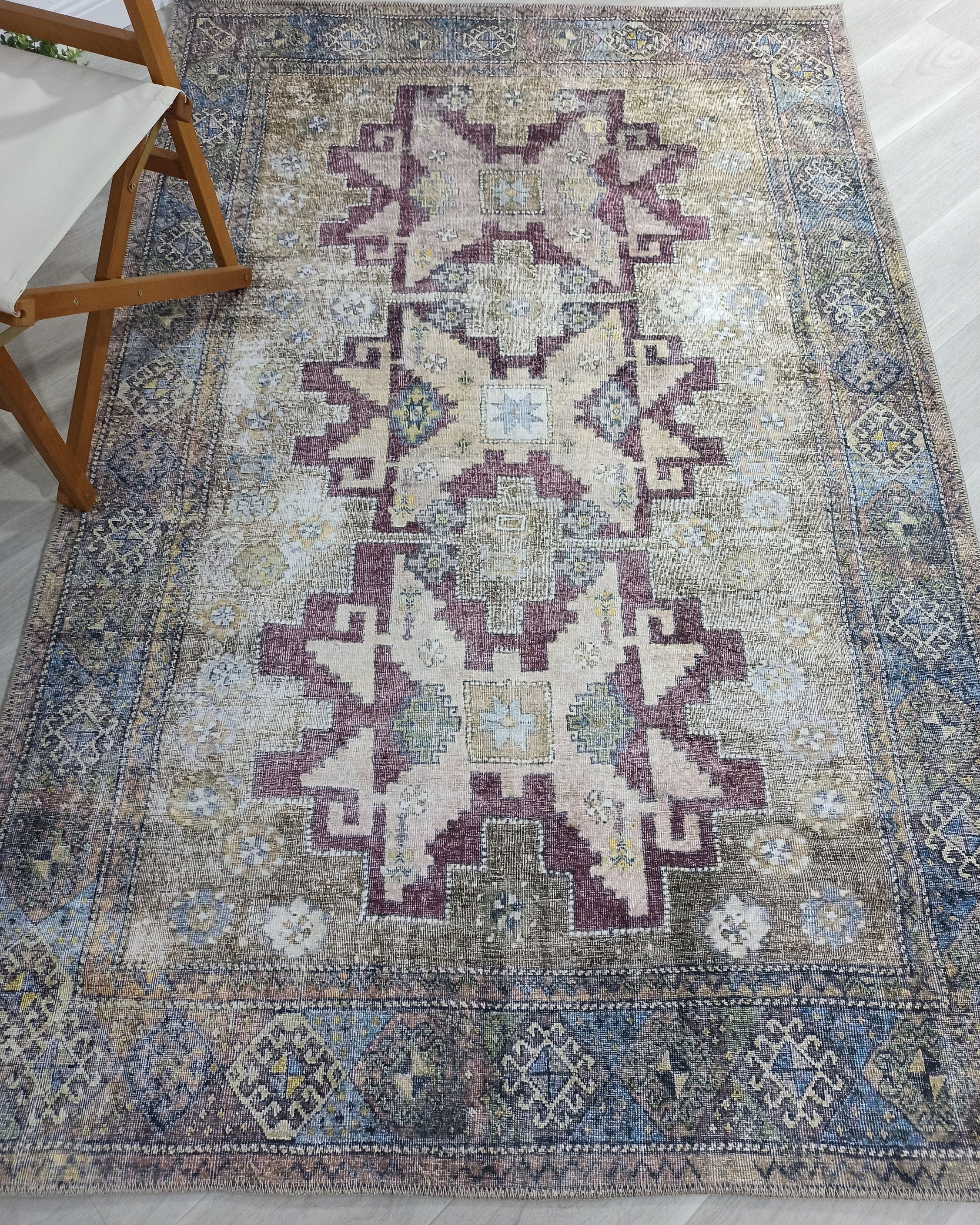
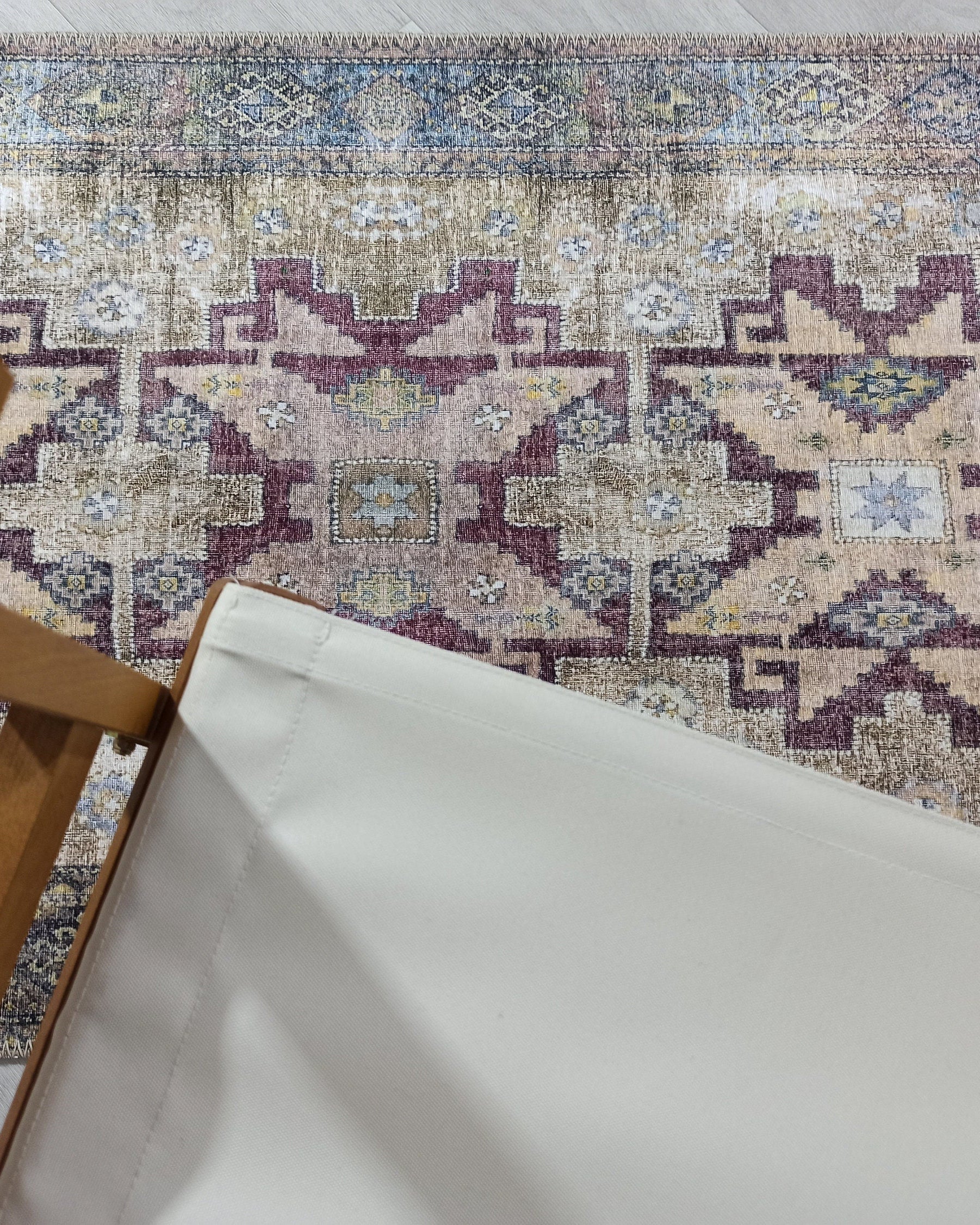
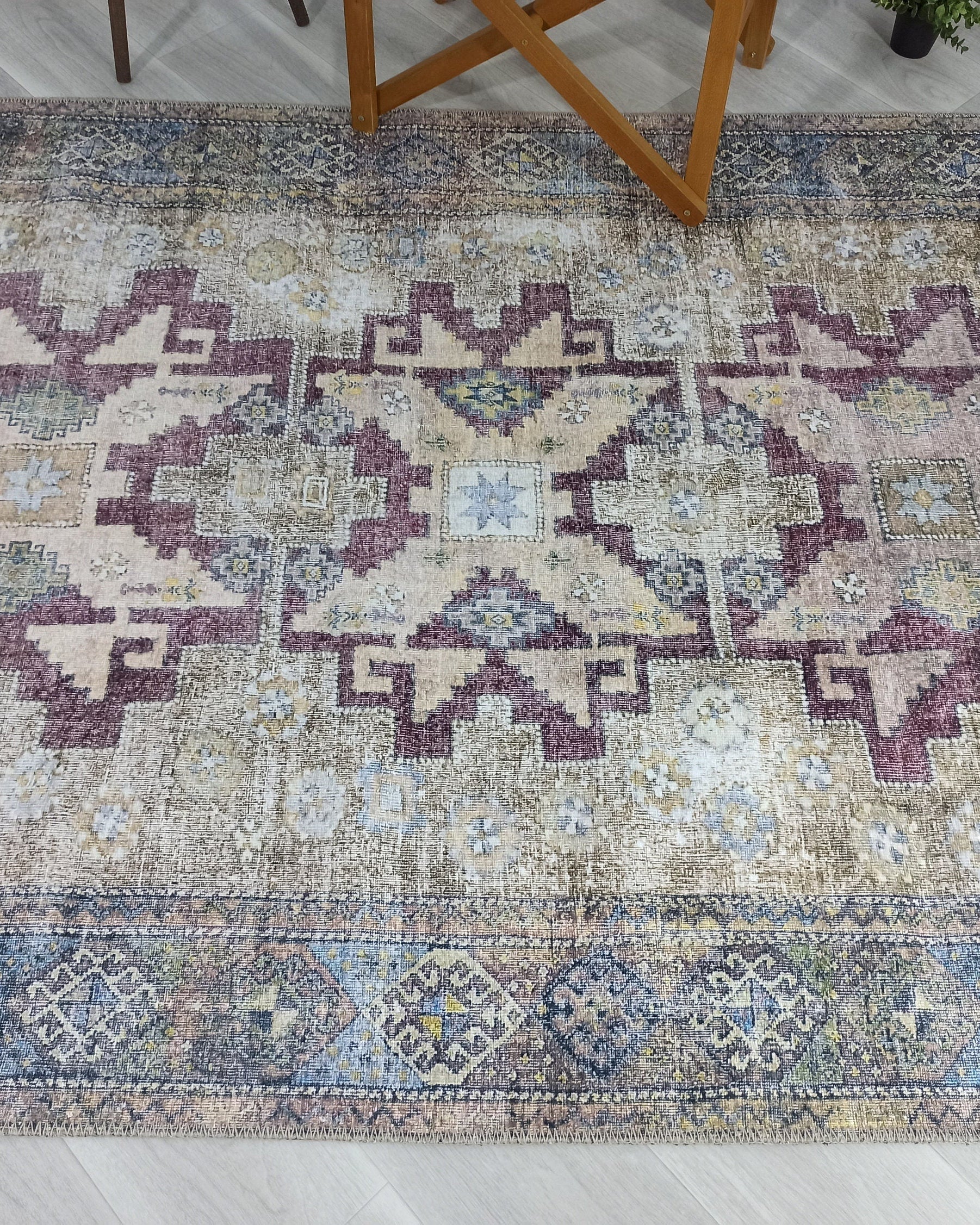
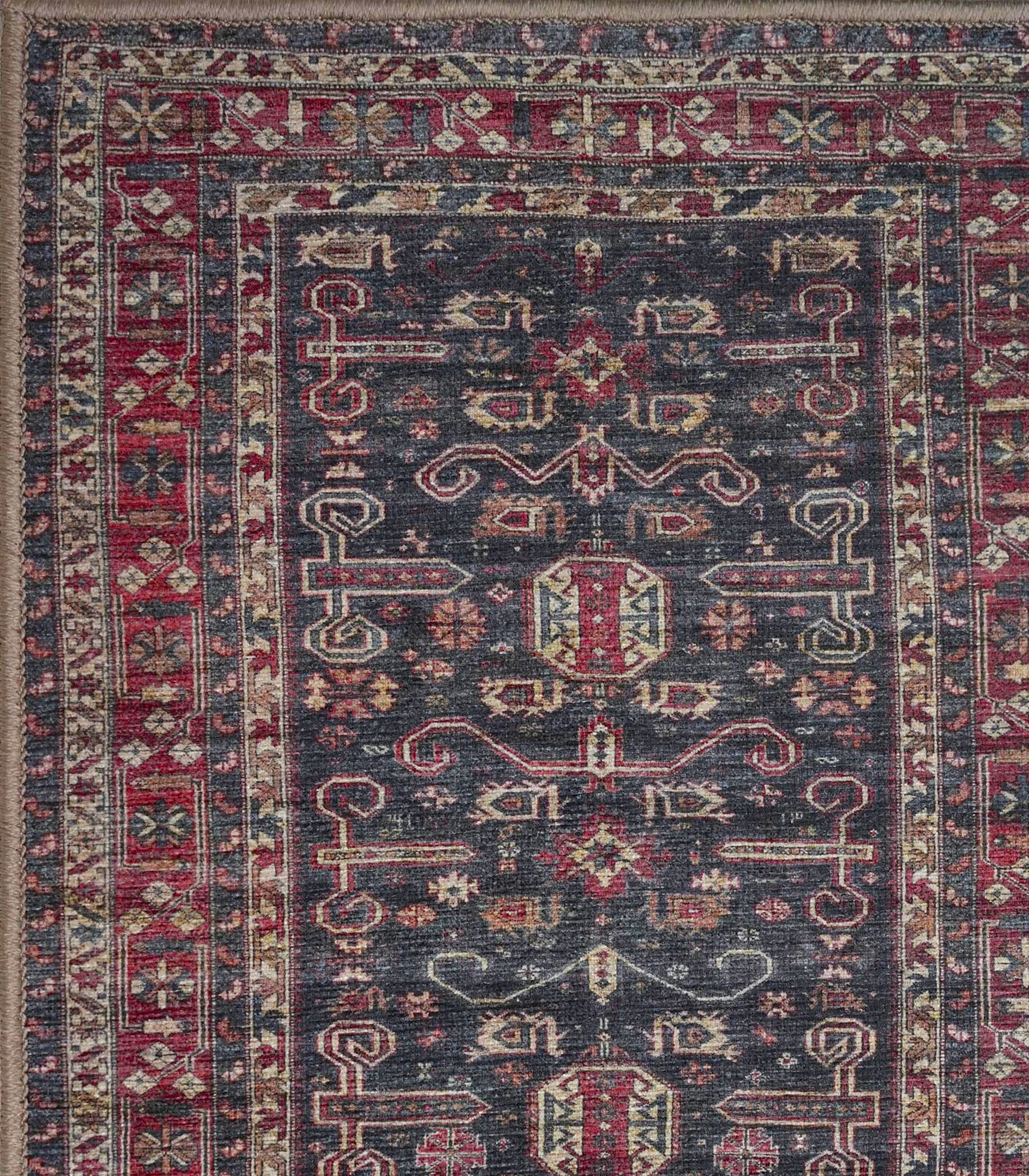
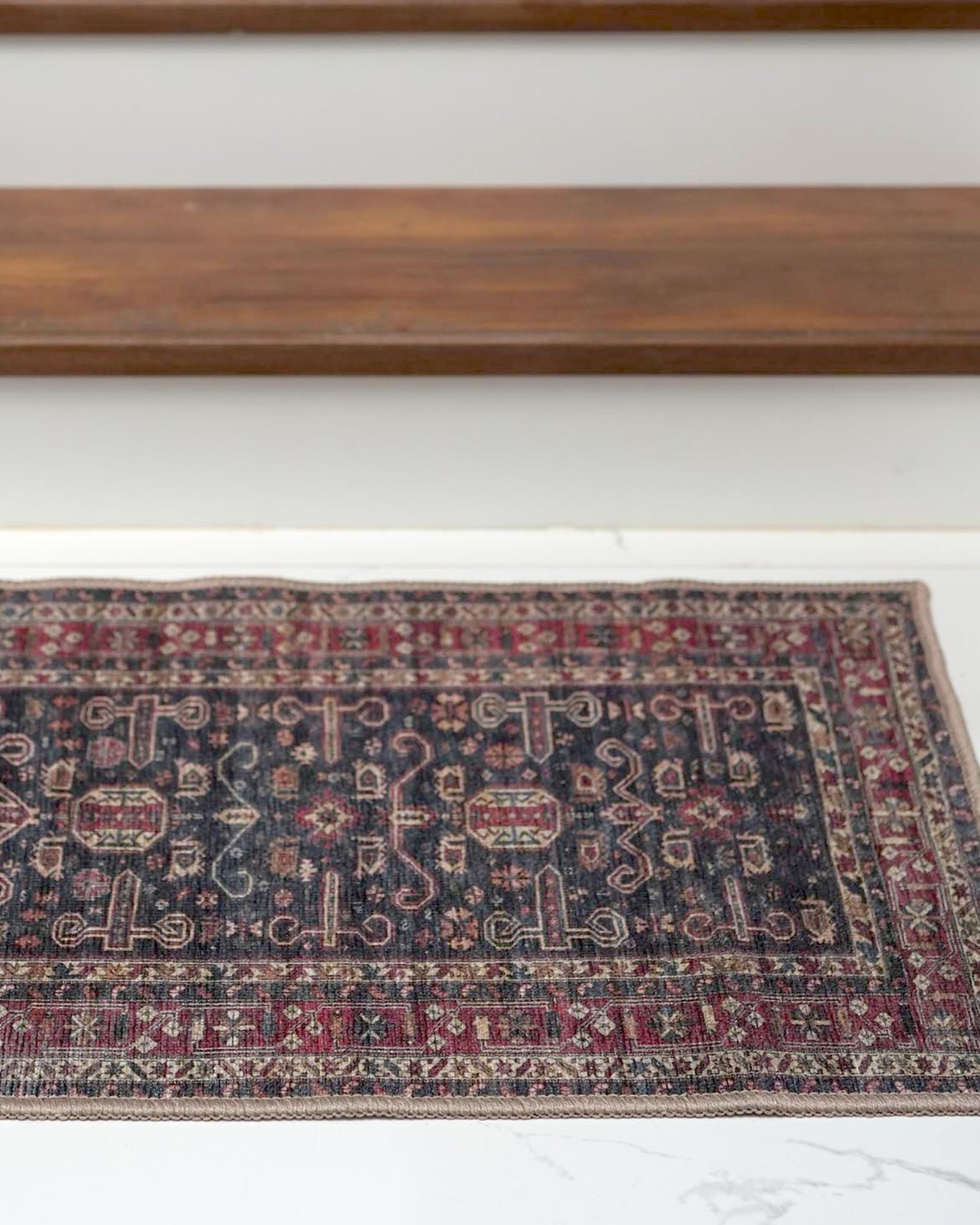
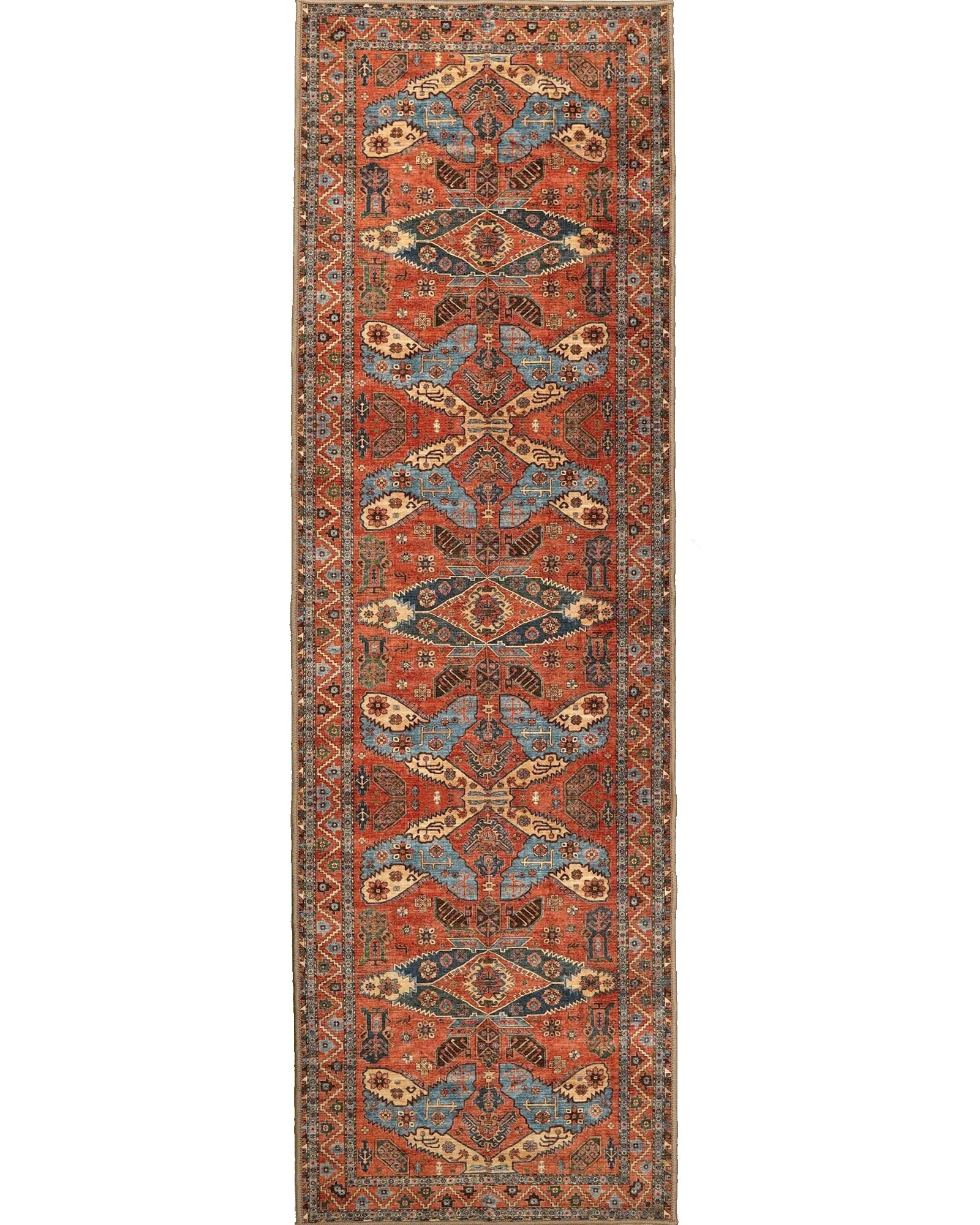
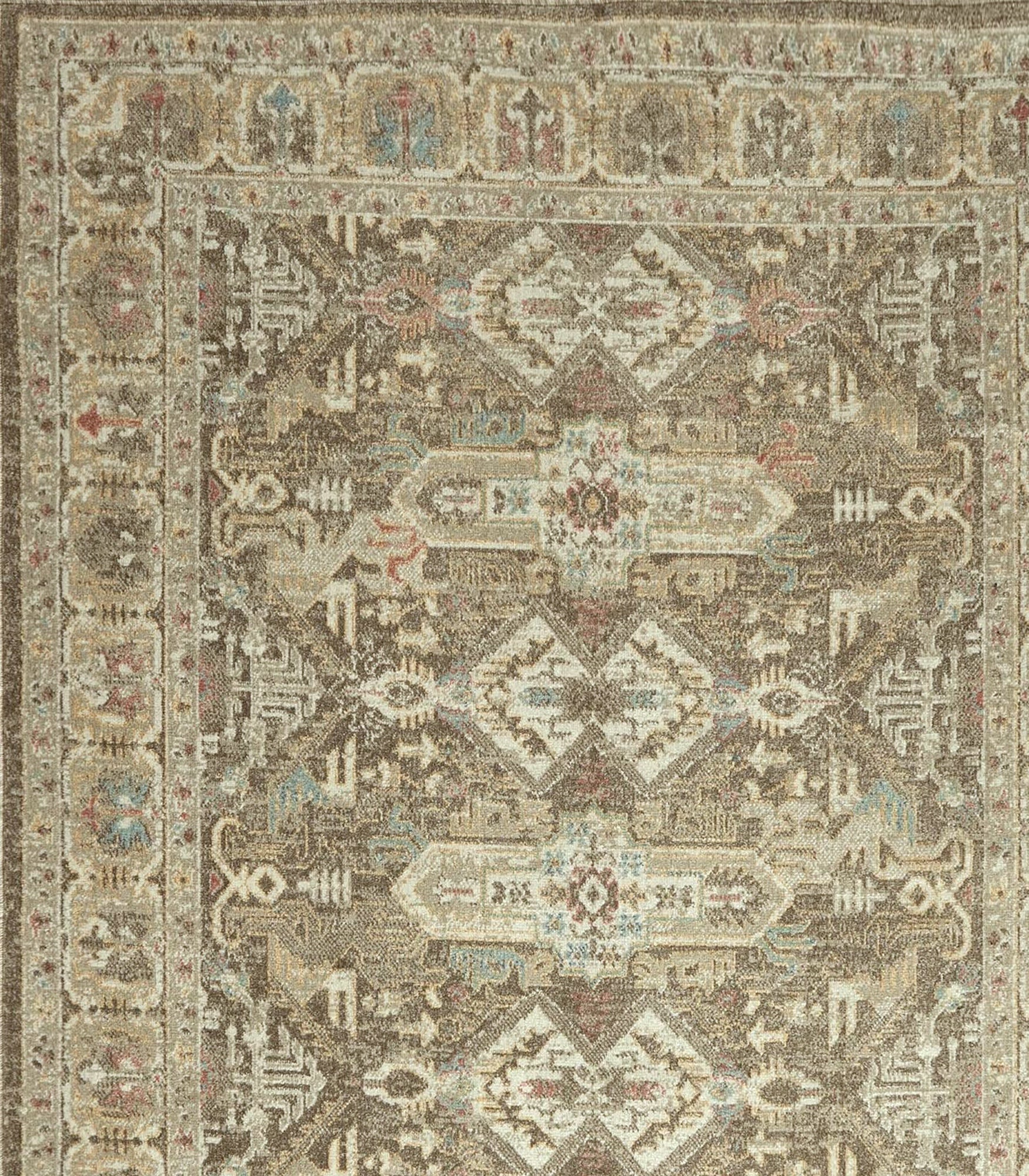
Kars and Eastern Anatolia — Thicker, more robust patterns showing Caucasian influence, with strong diamond and hooked-medallion layouts.
The Anatolian Color Palette
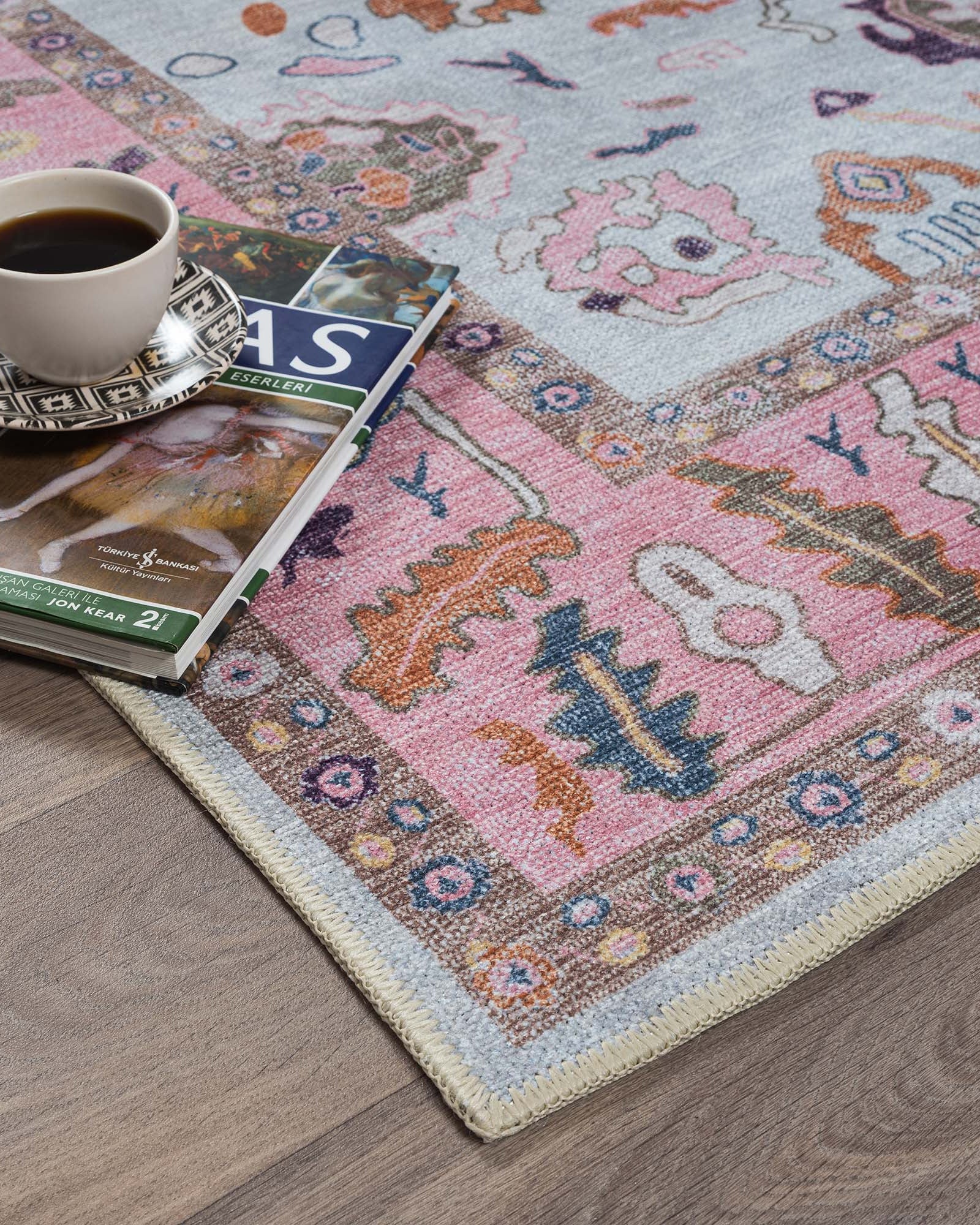
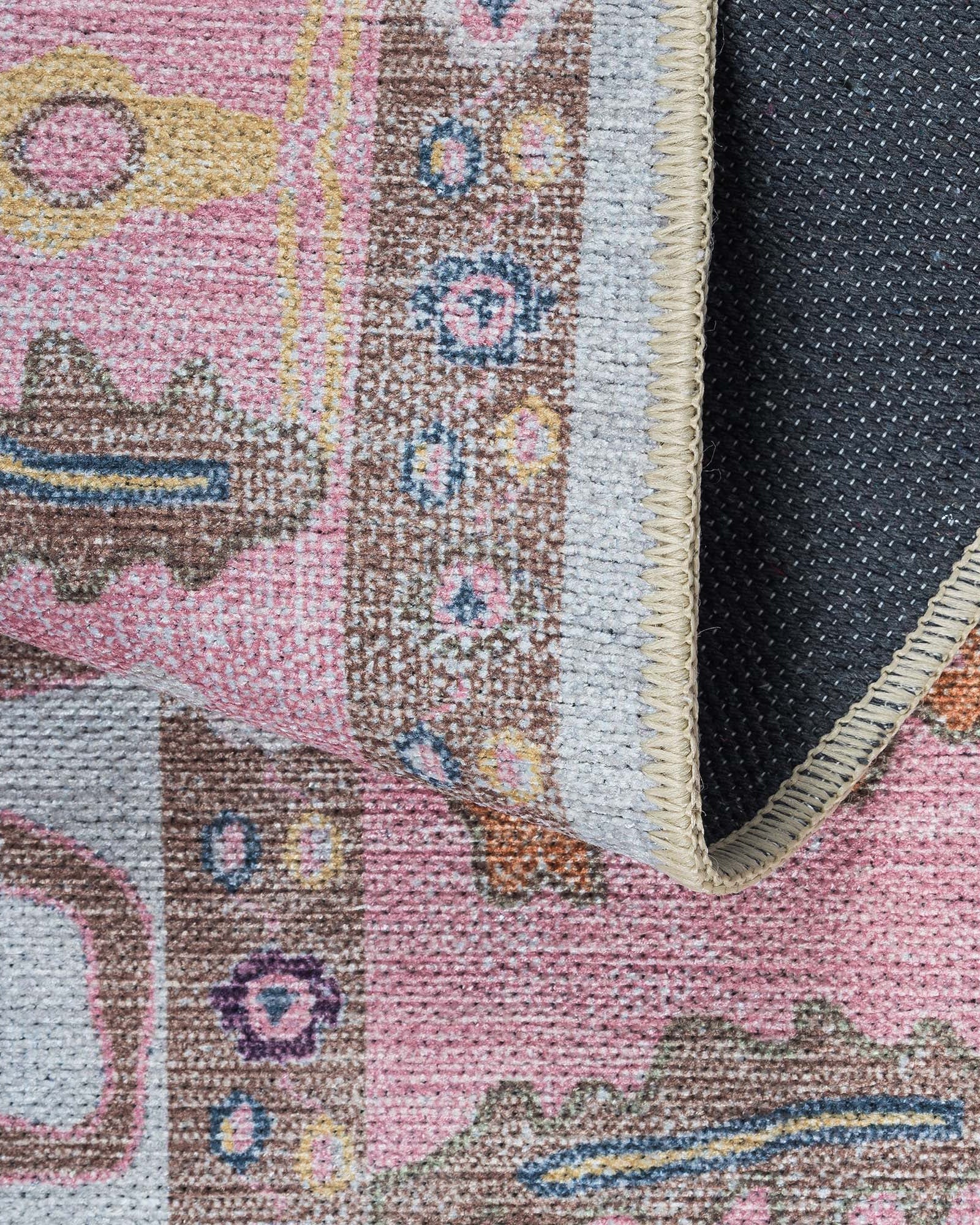
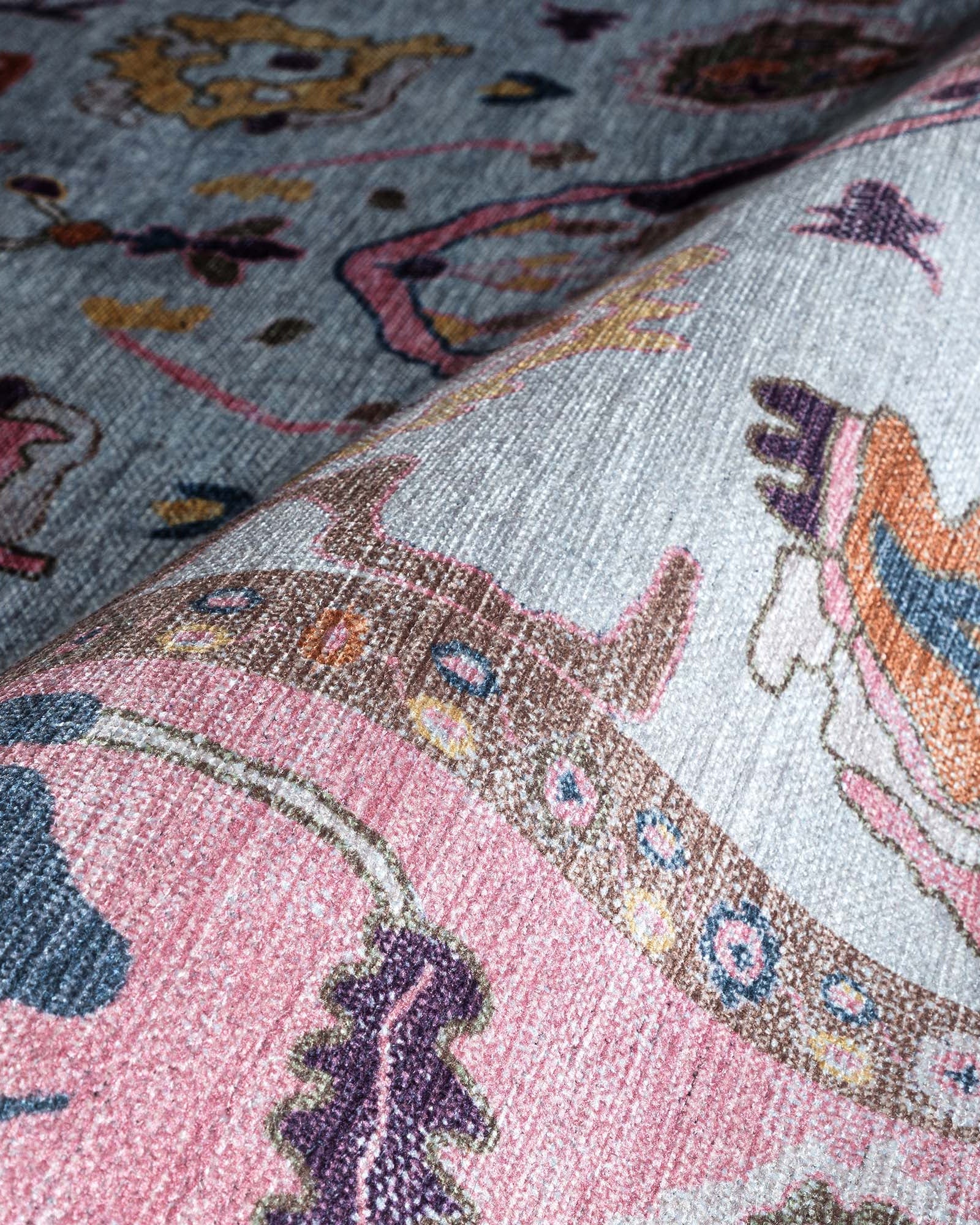
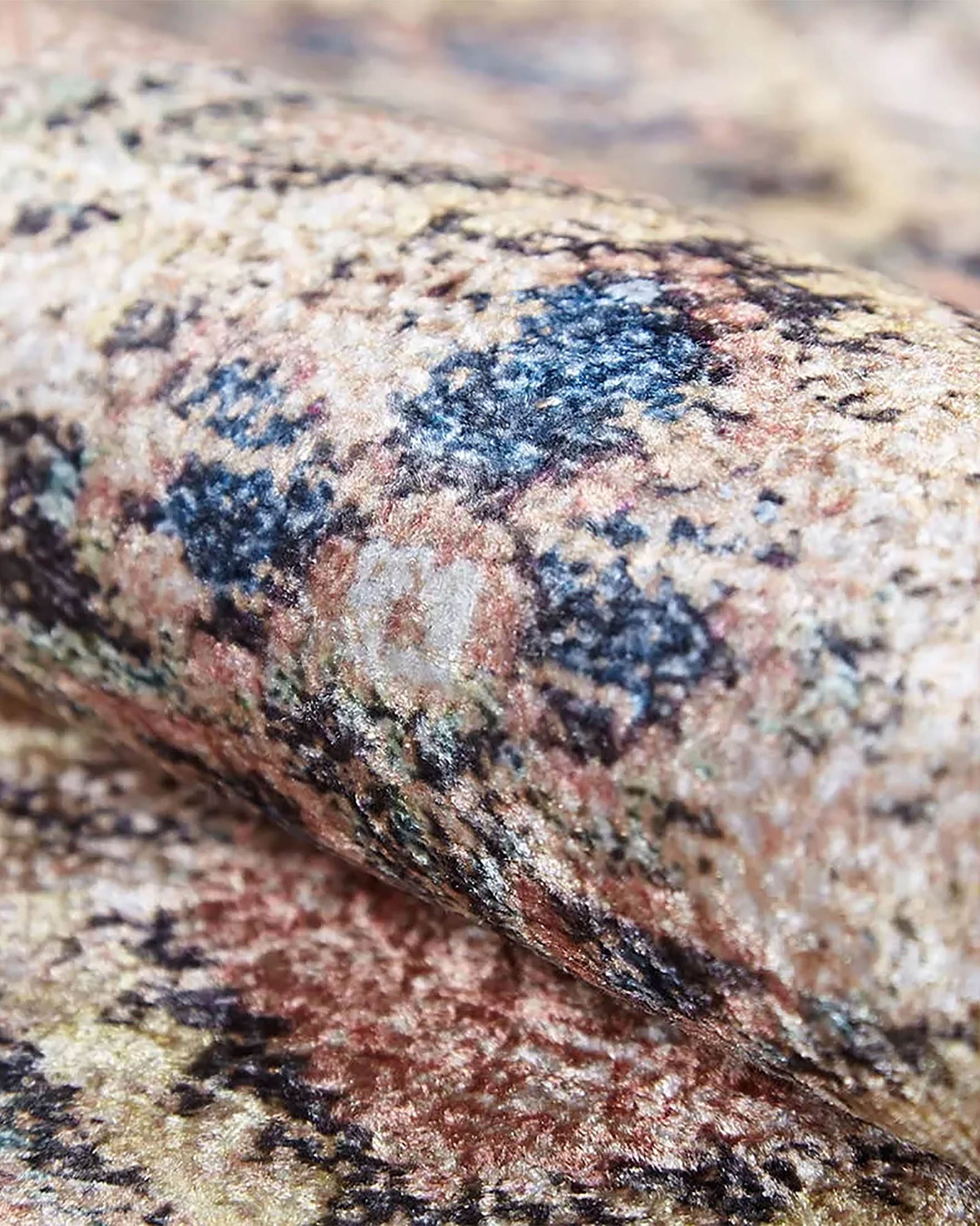
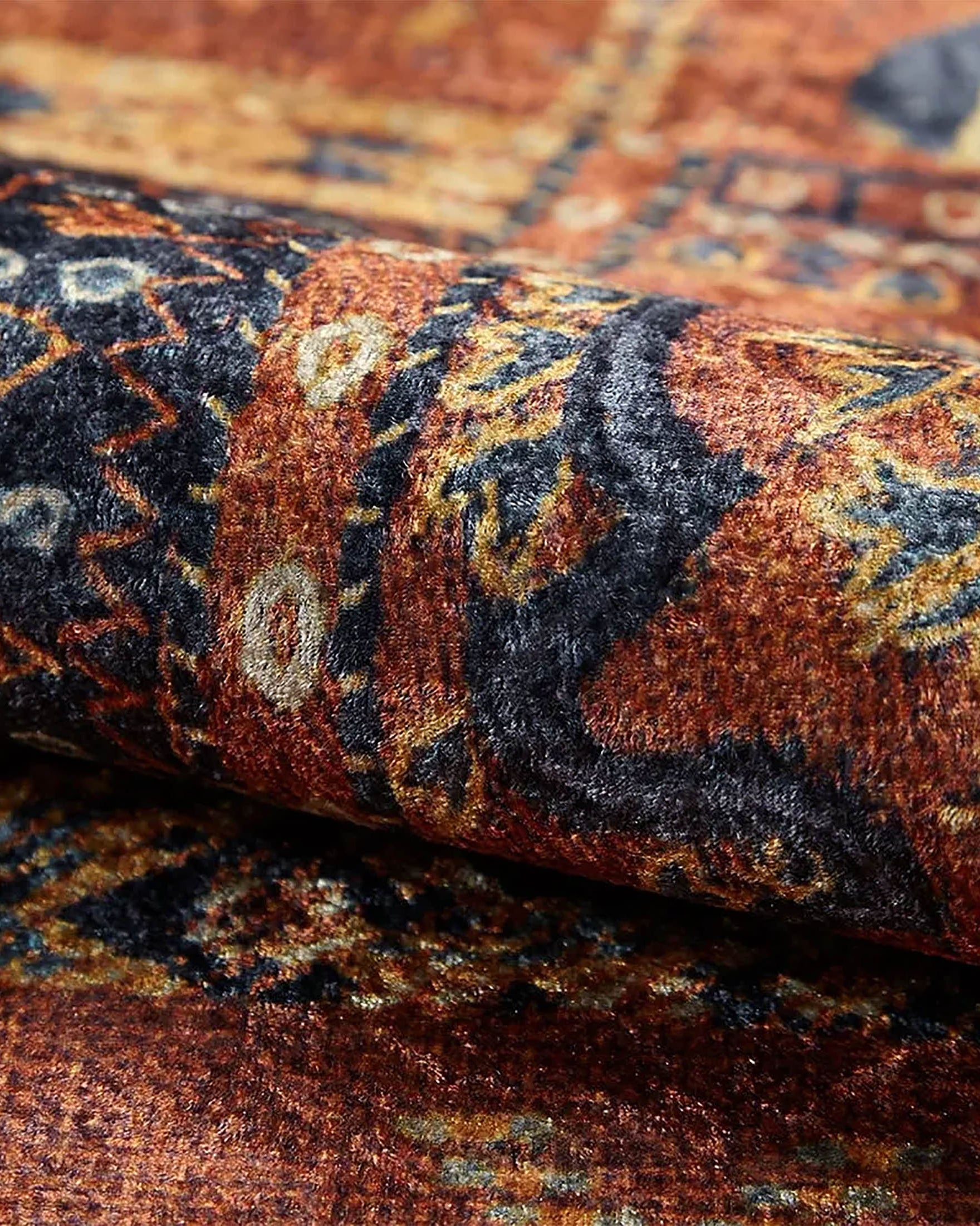
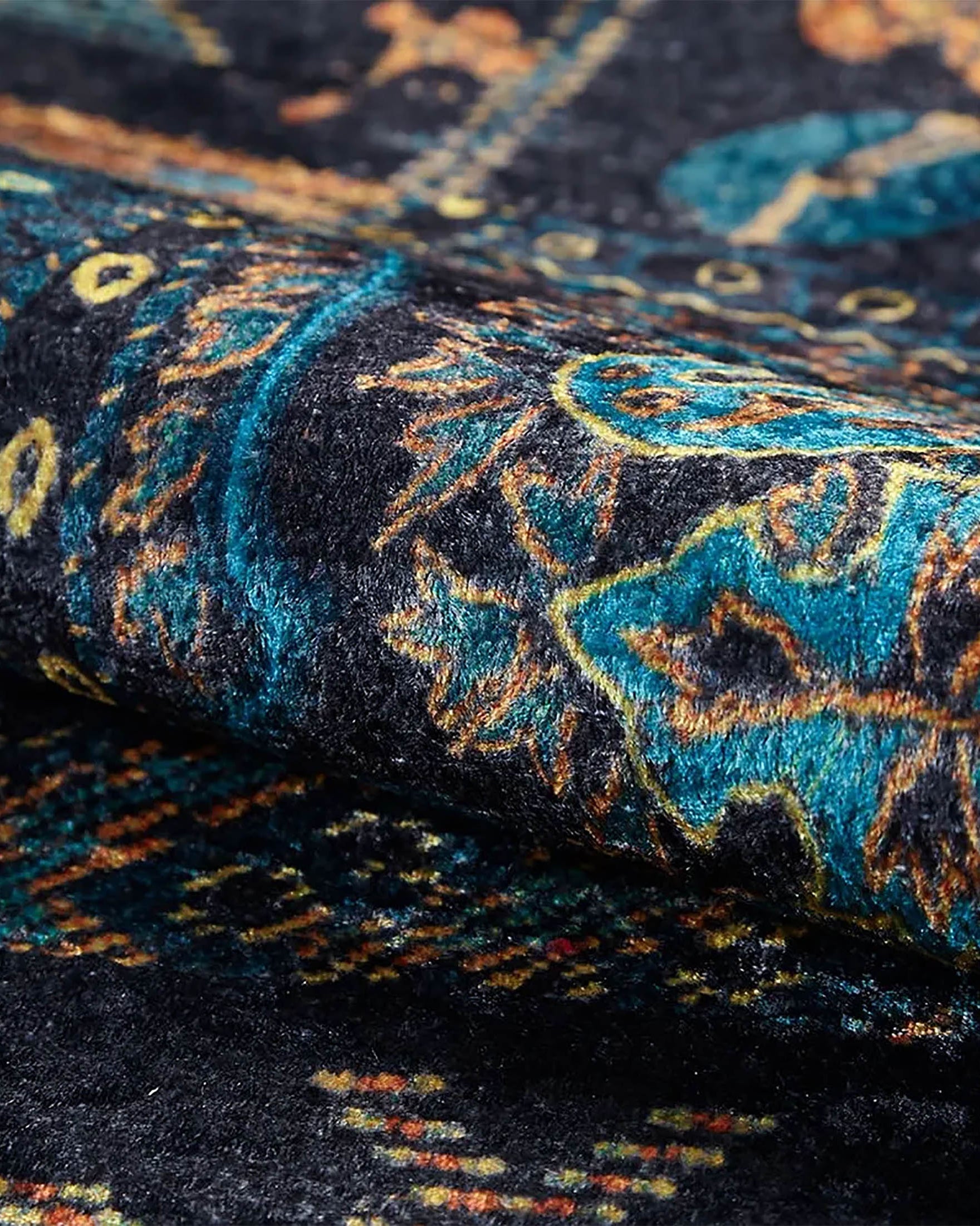
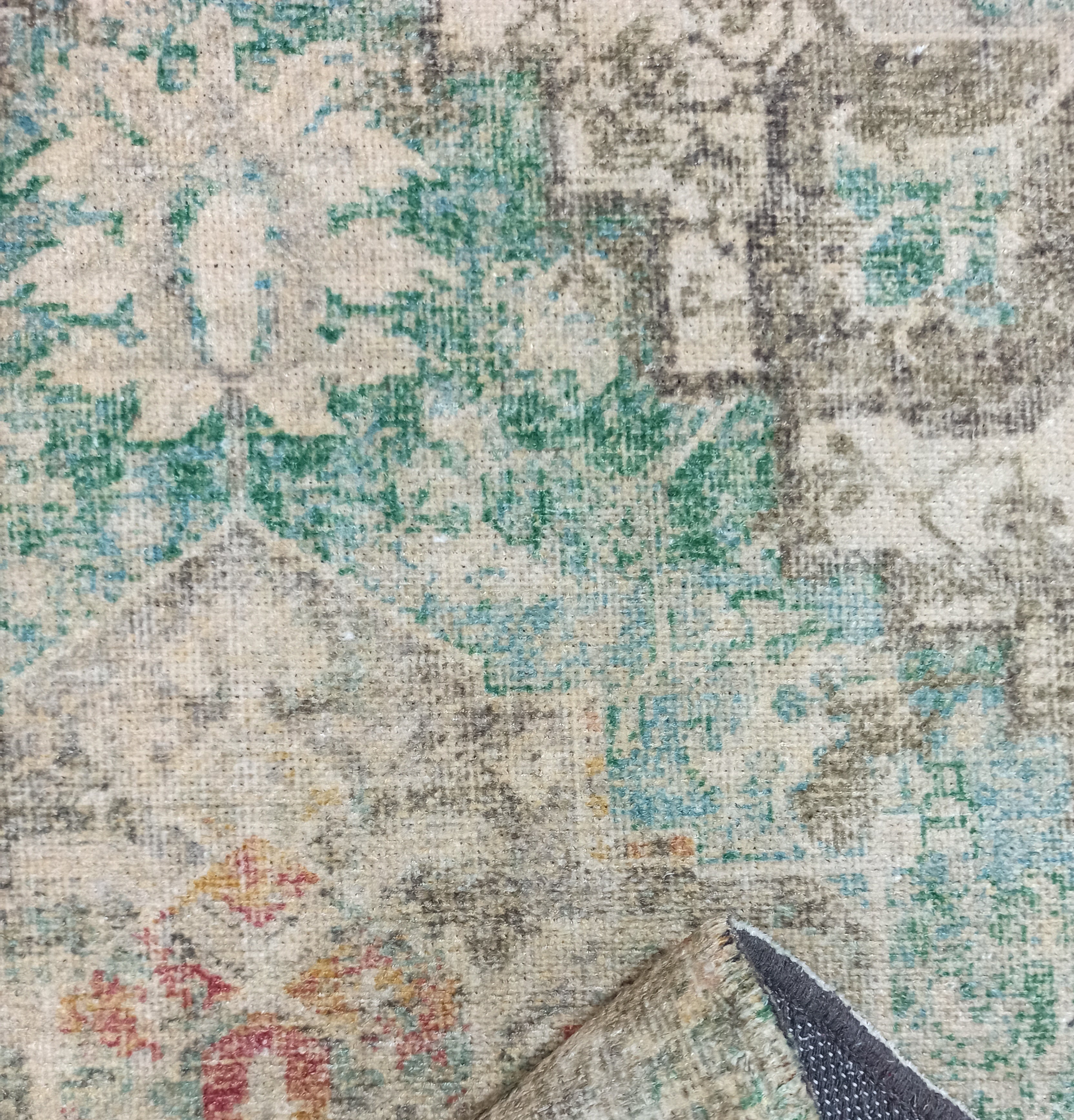
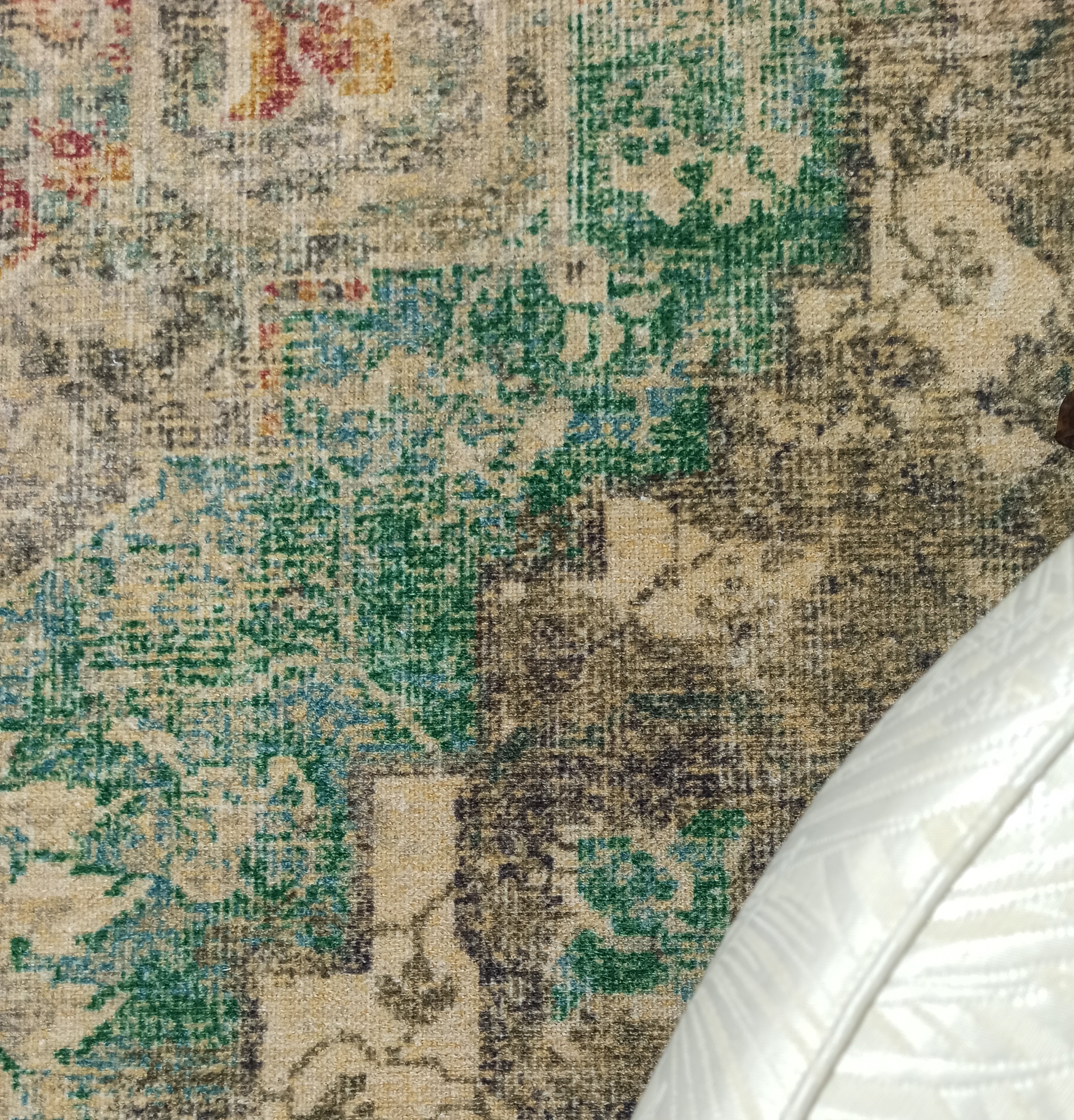
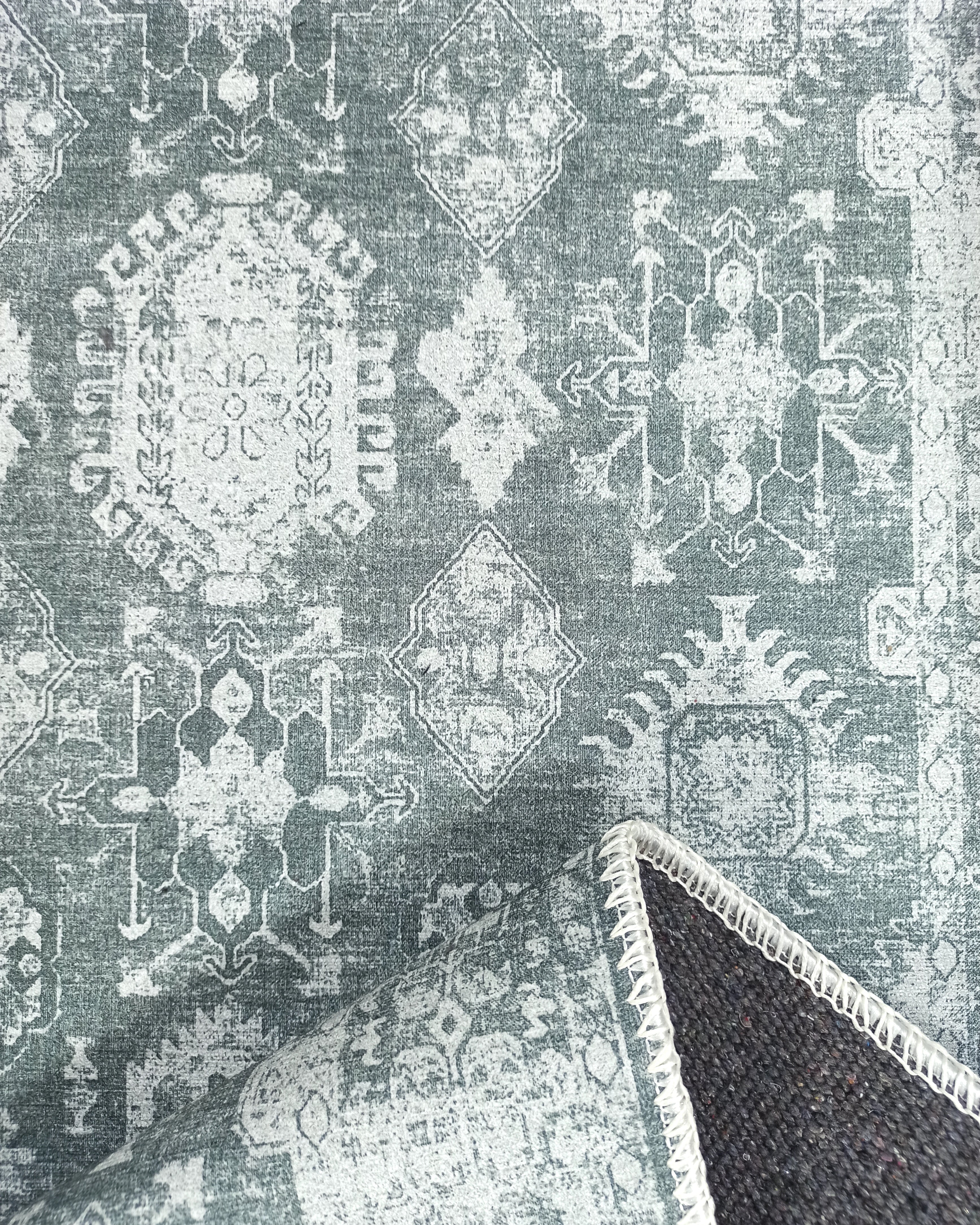
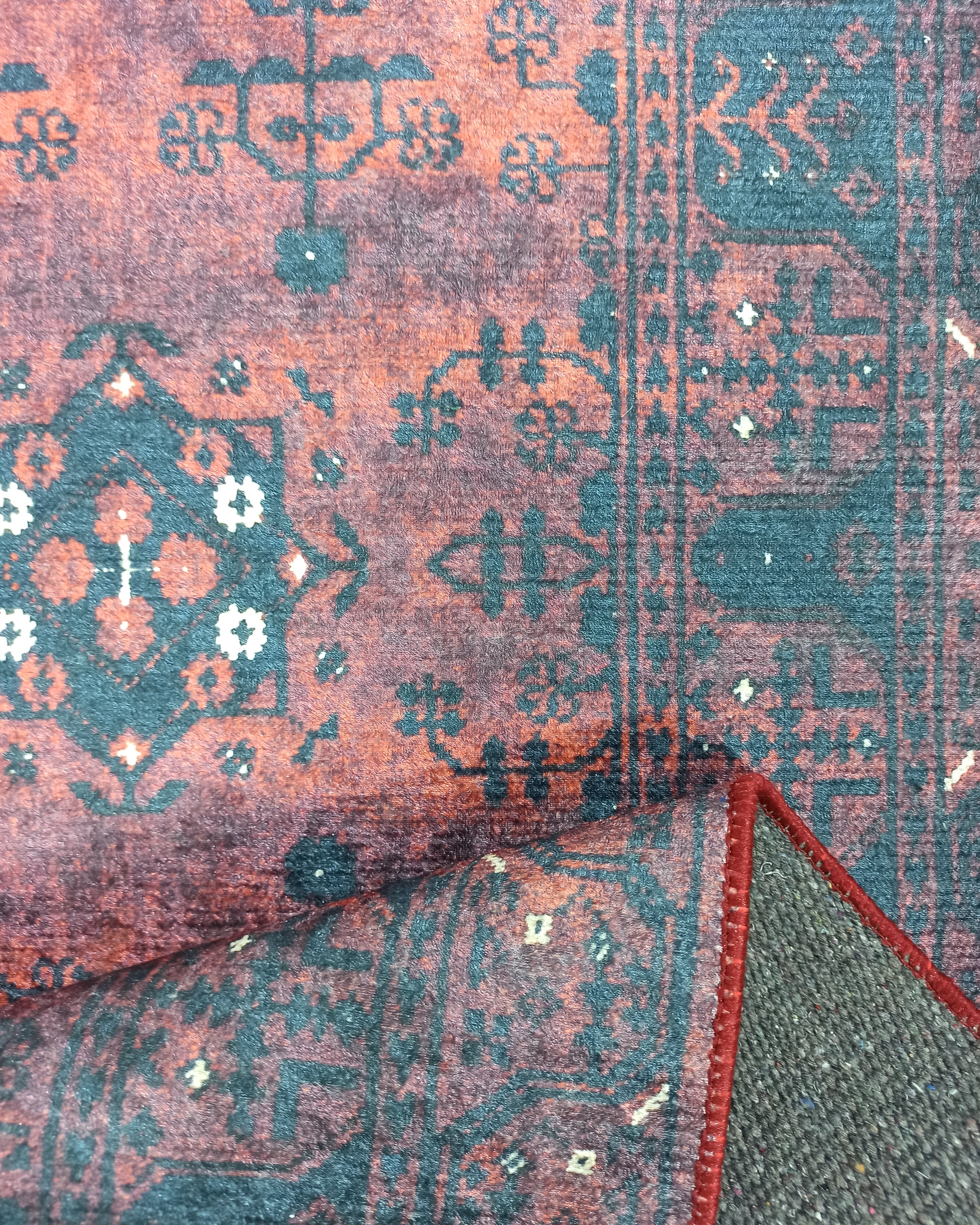
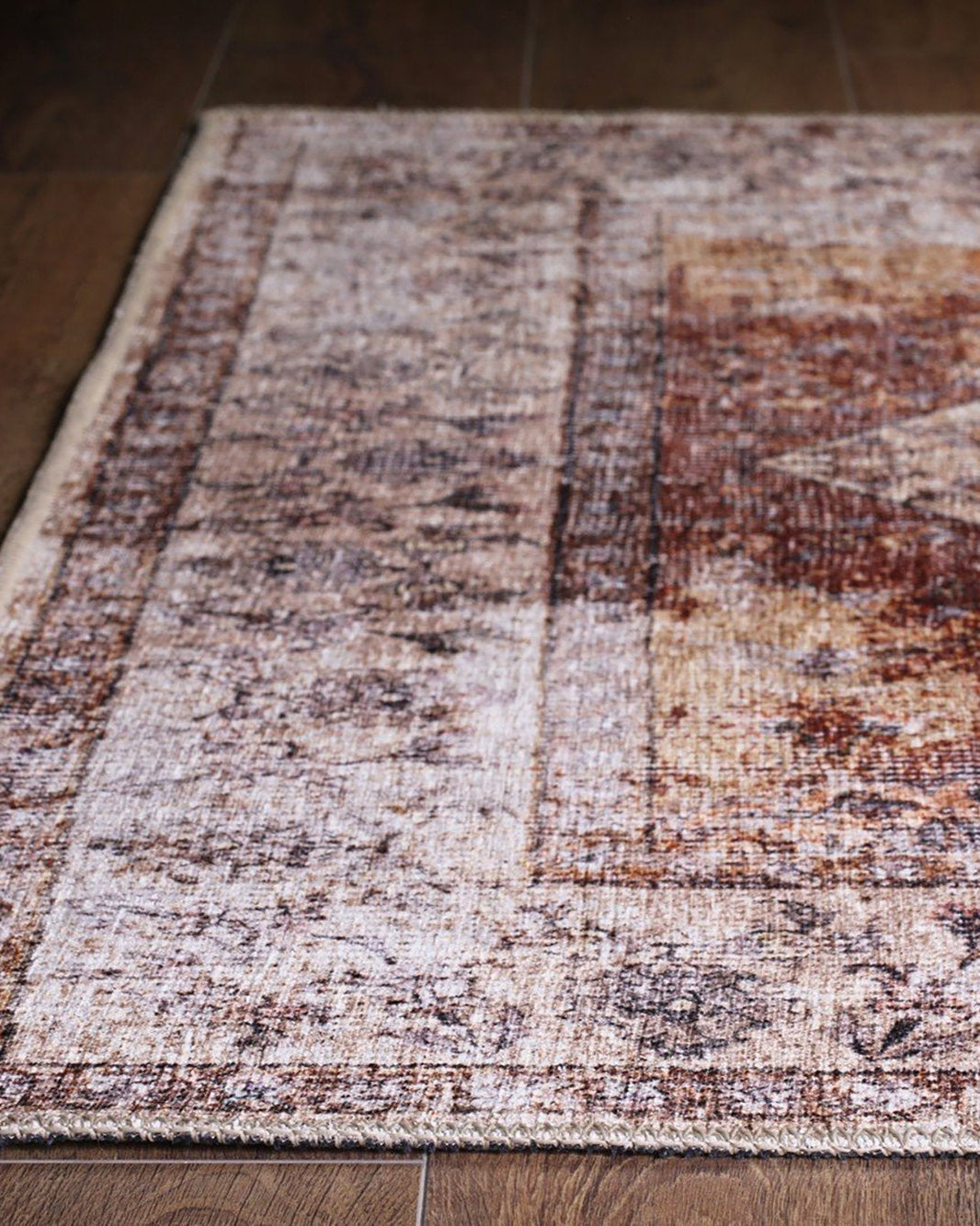
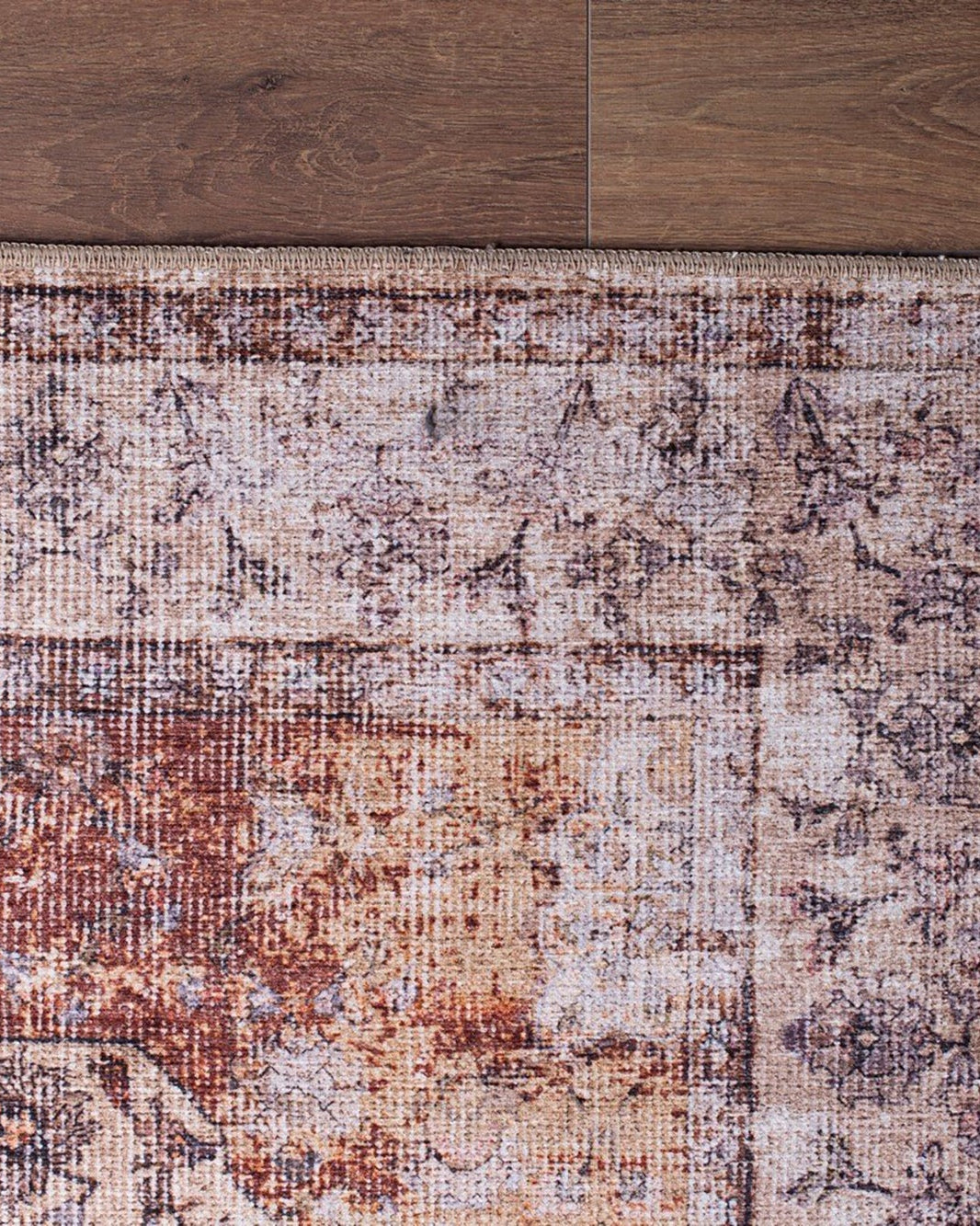
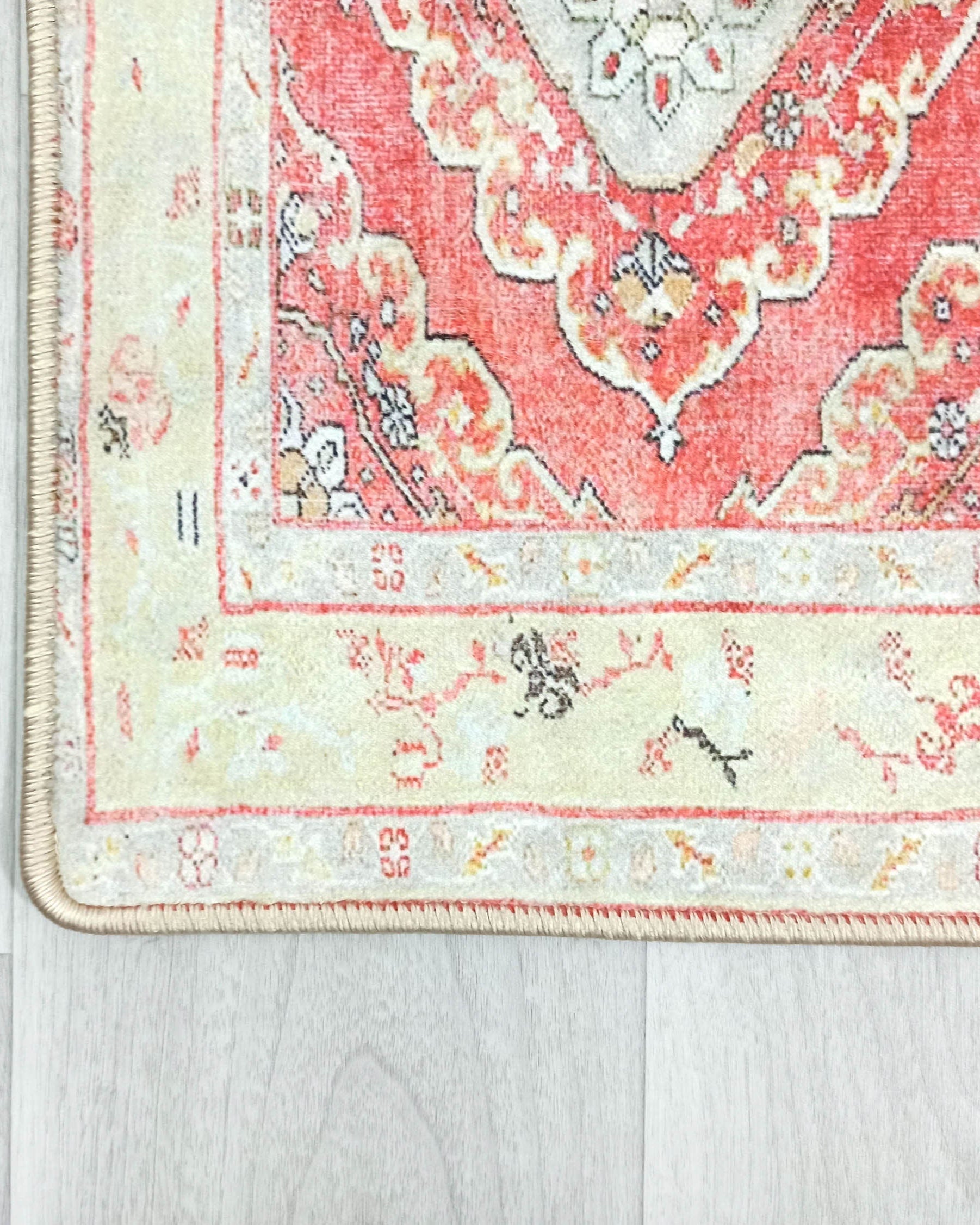
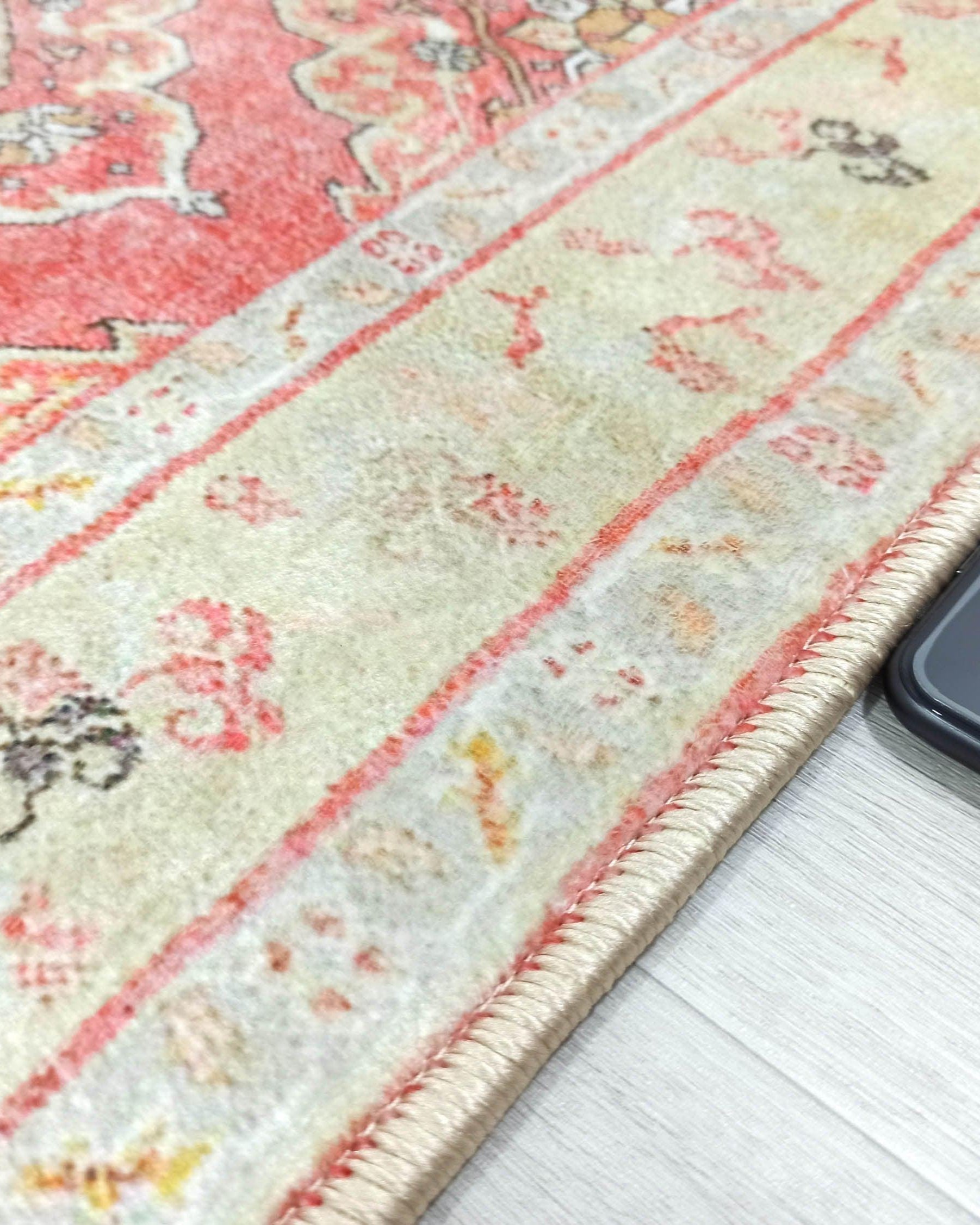
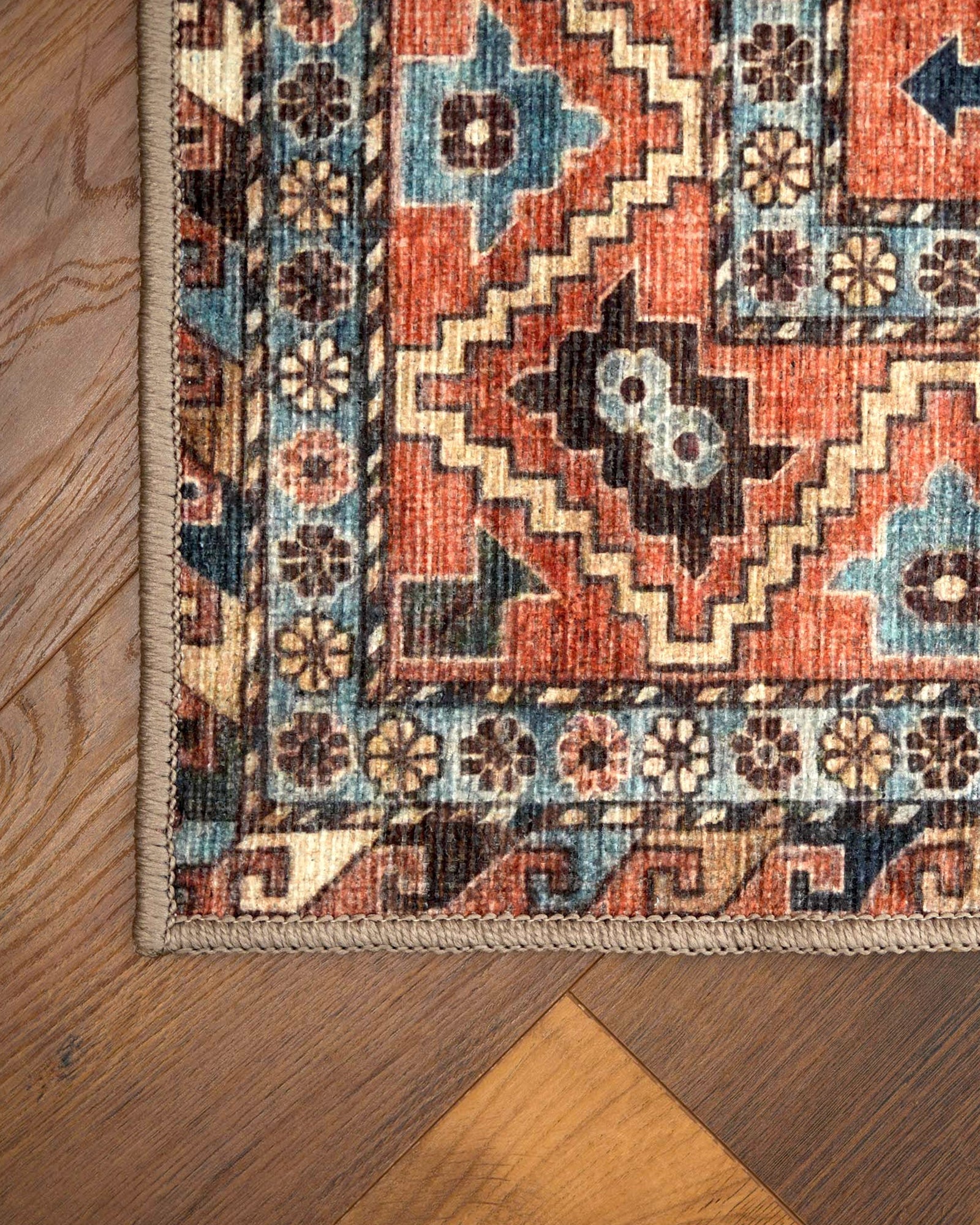
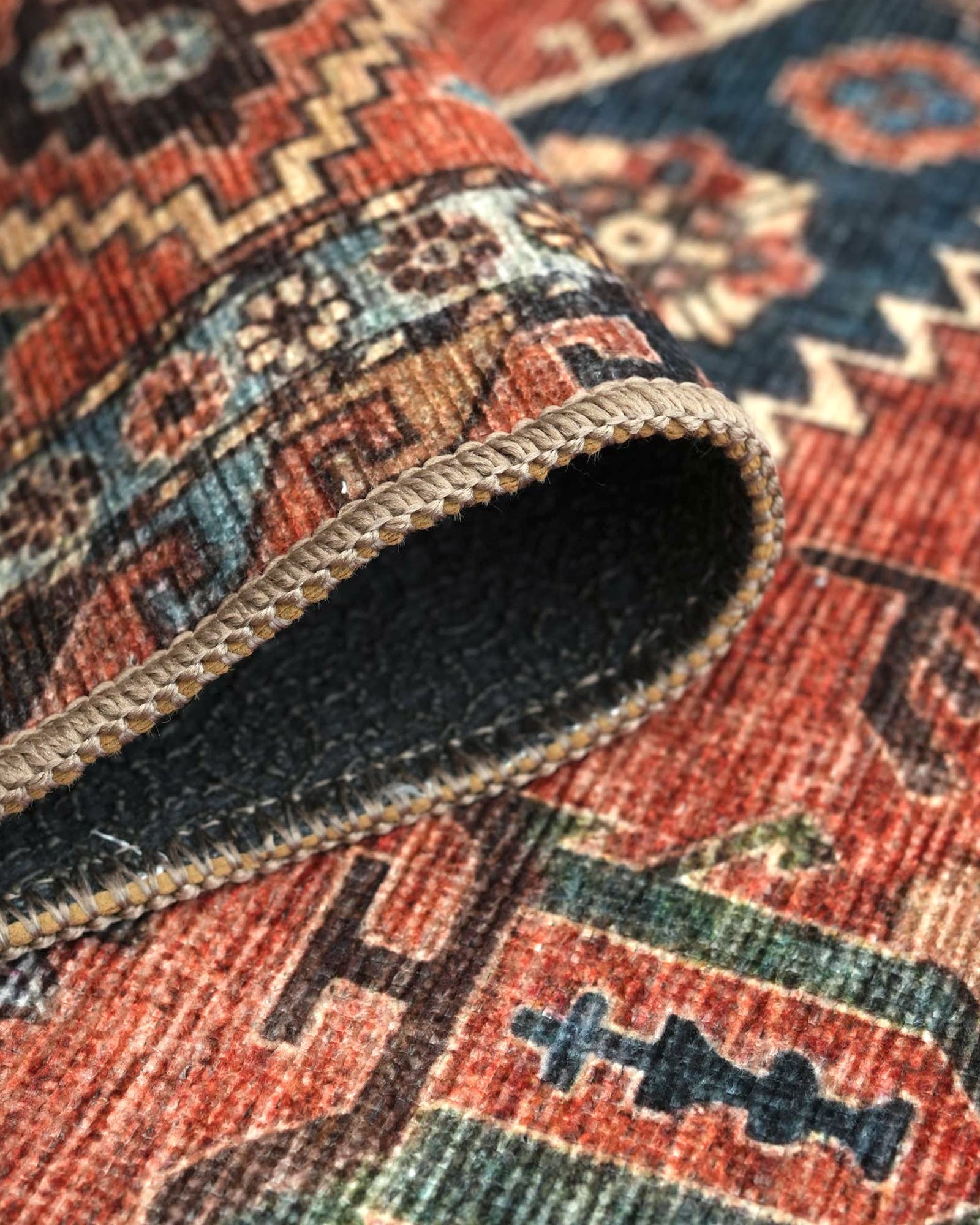
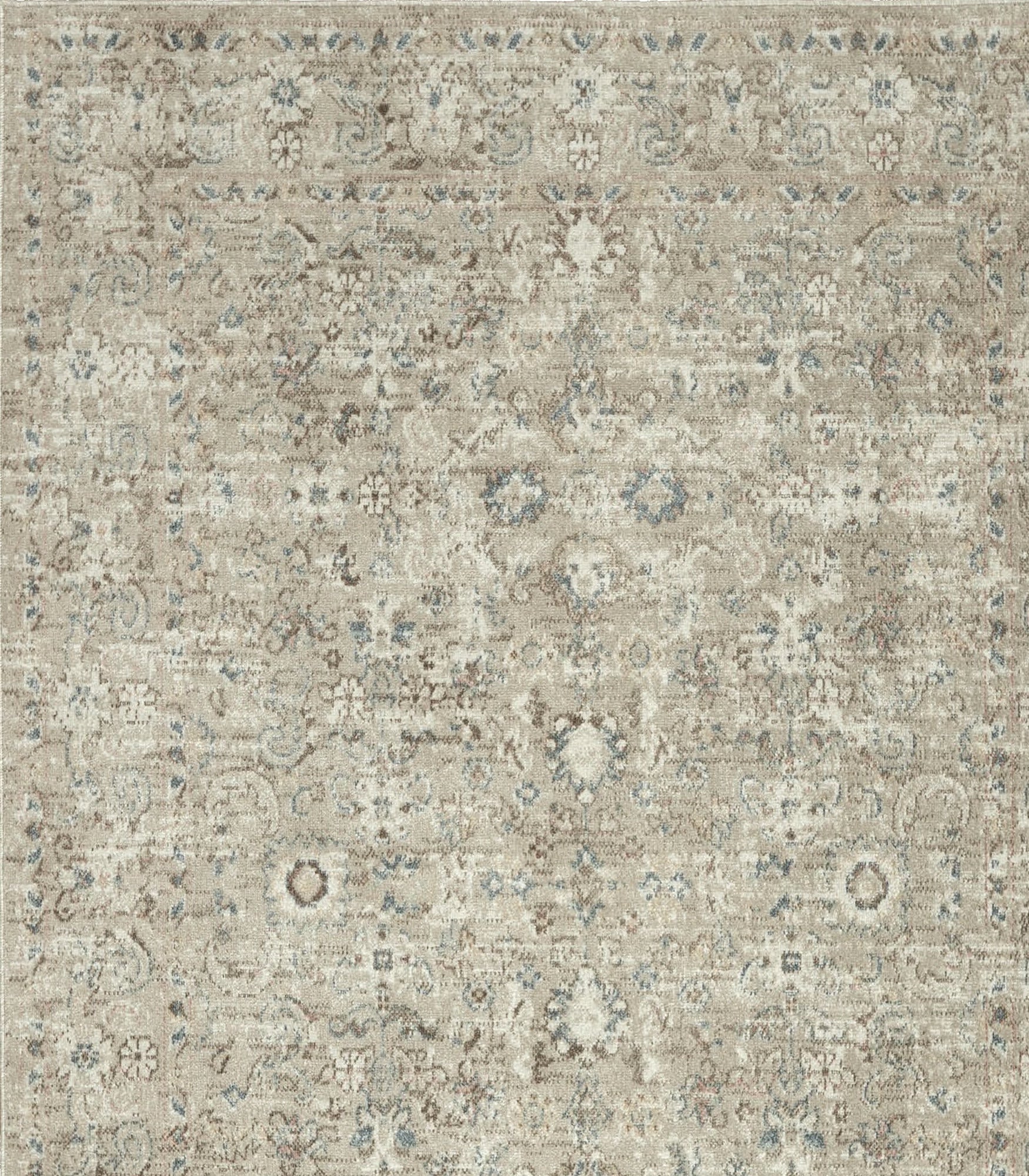
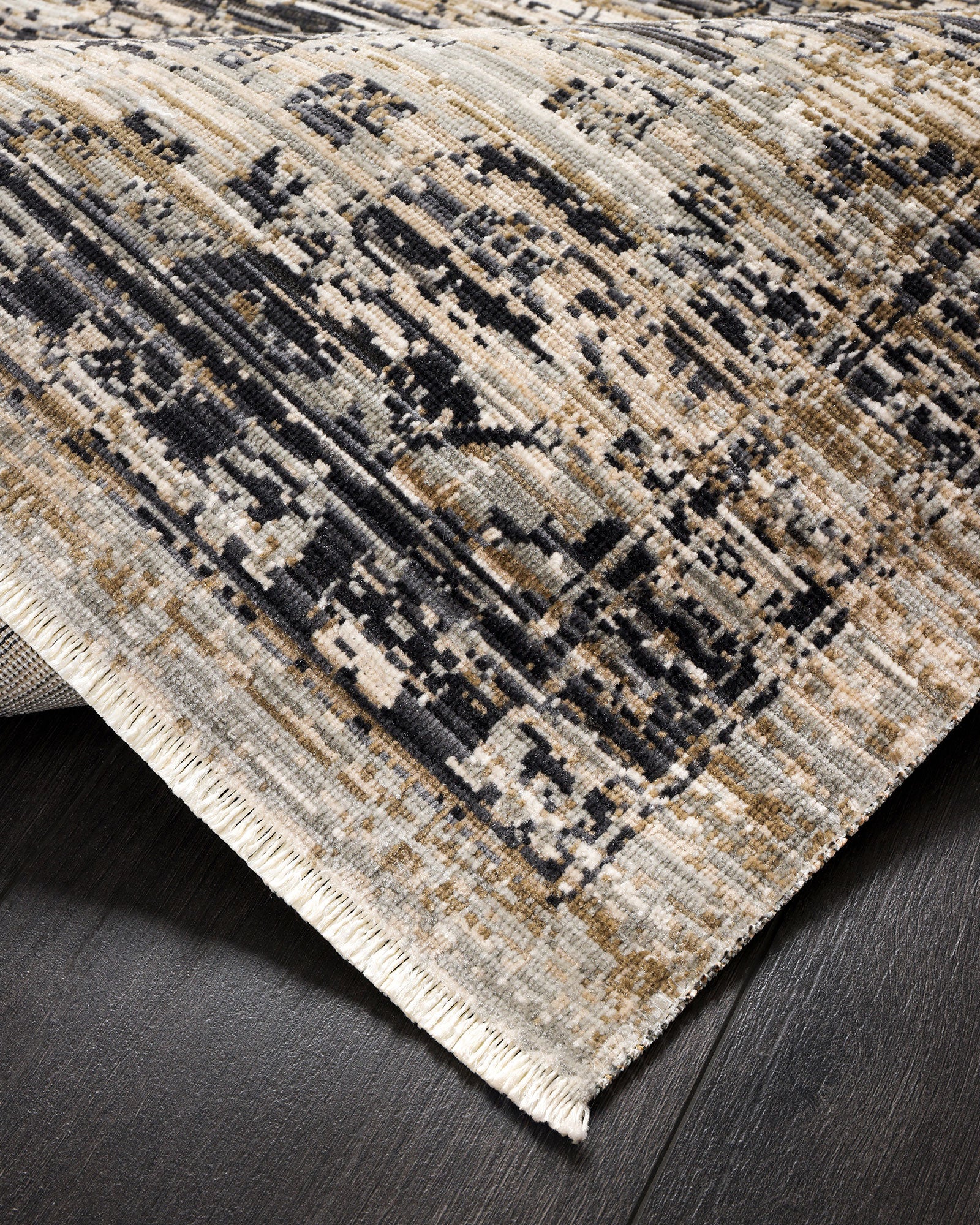
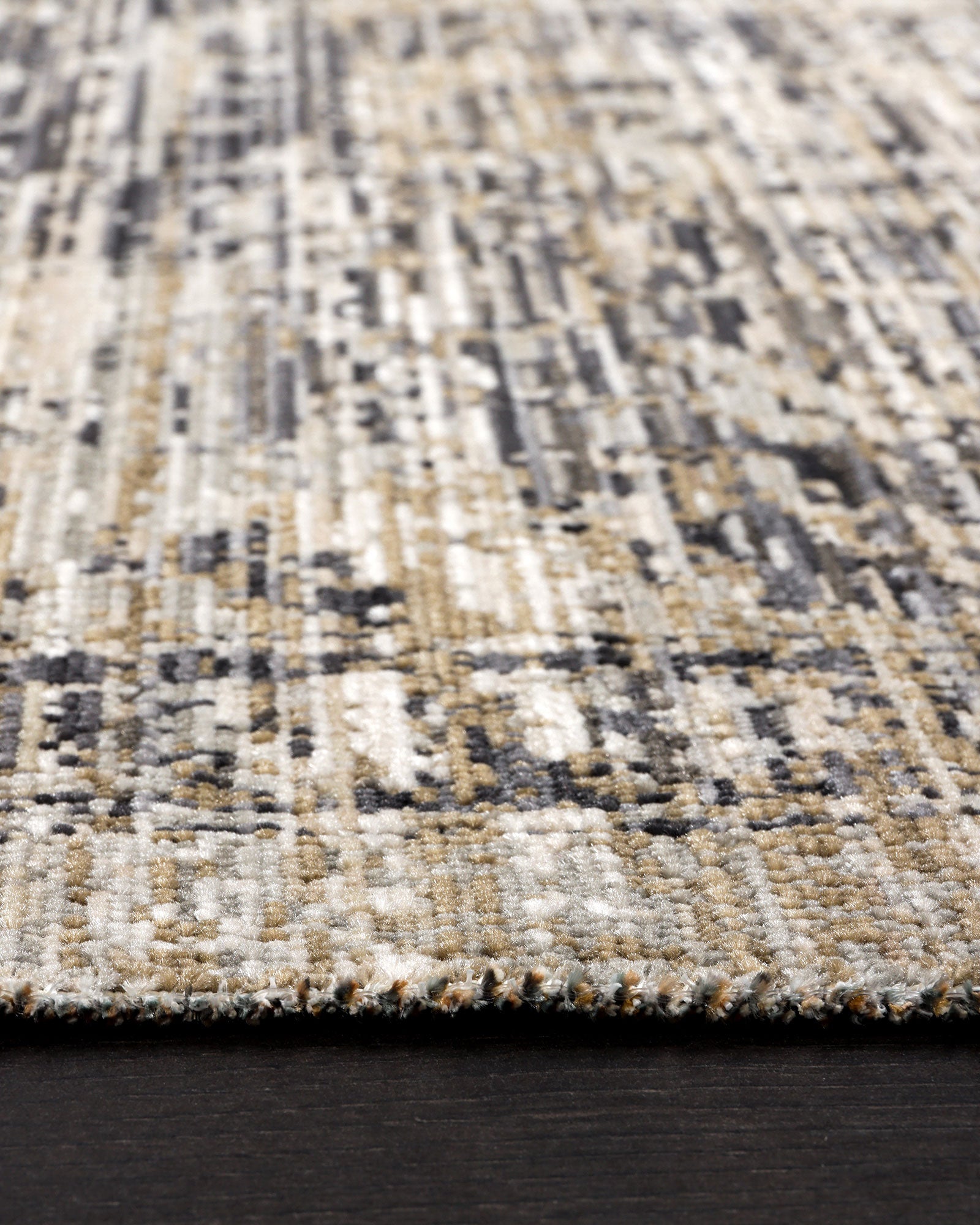
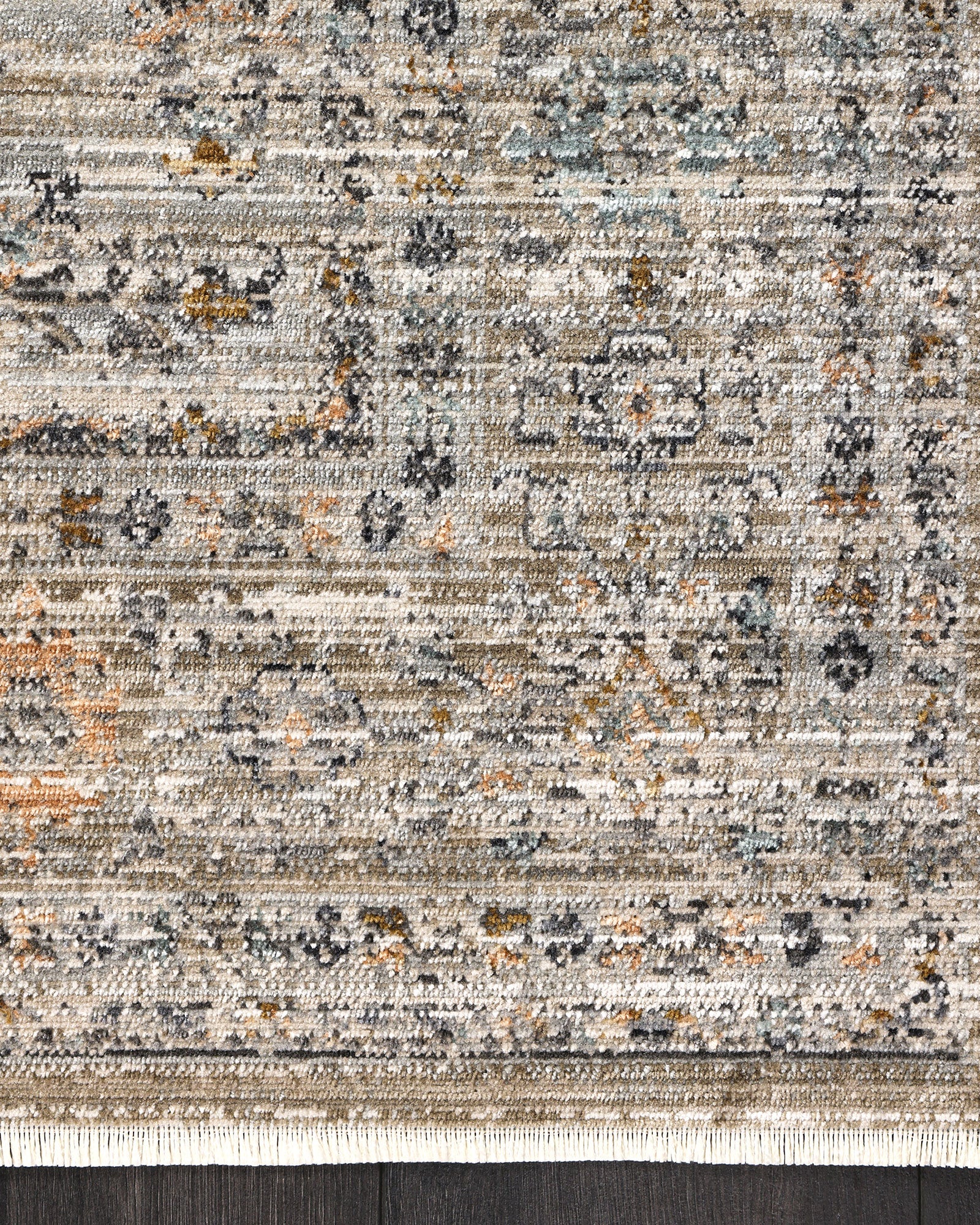
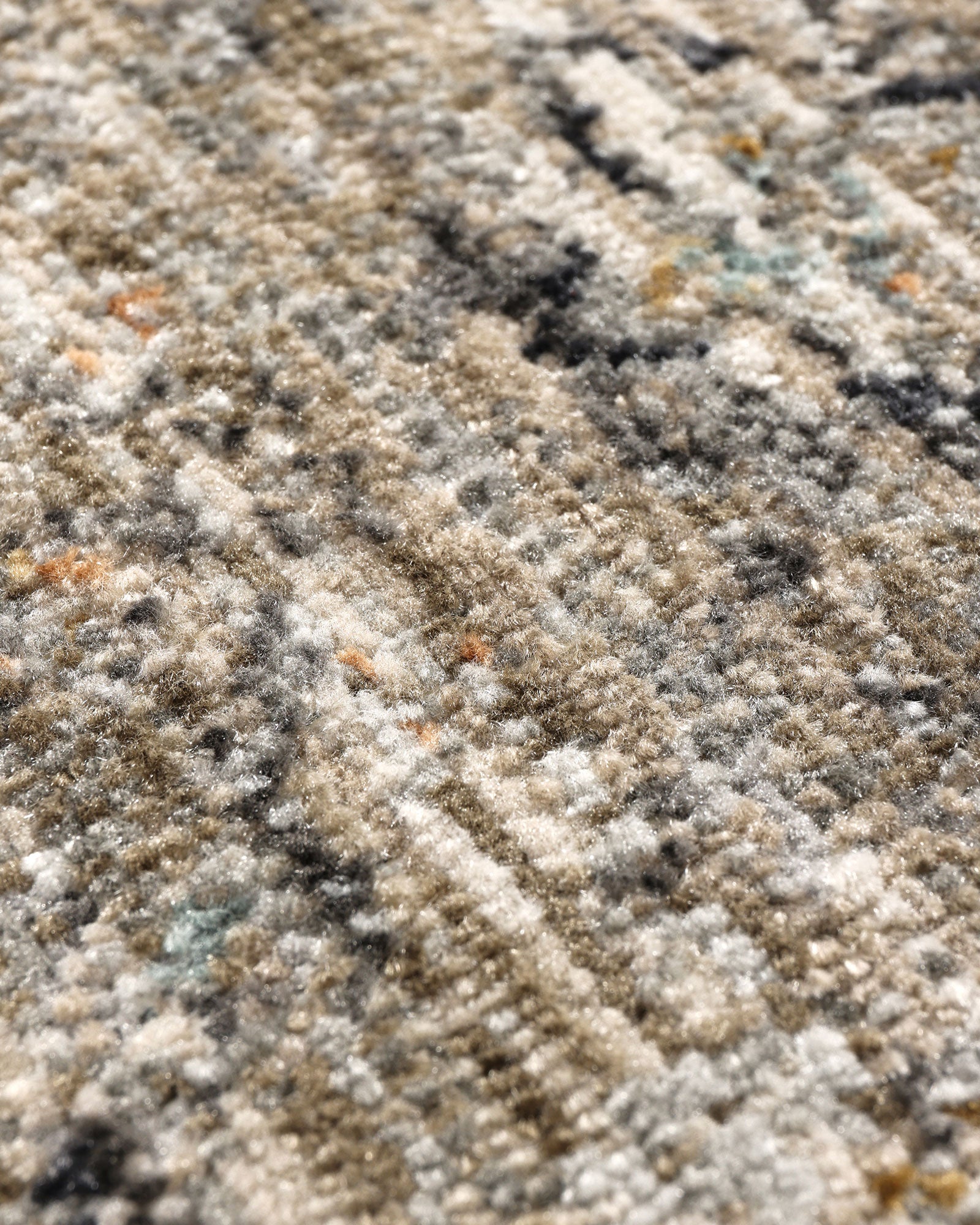
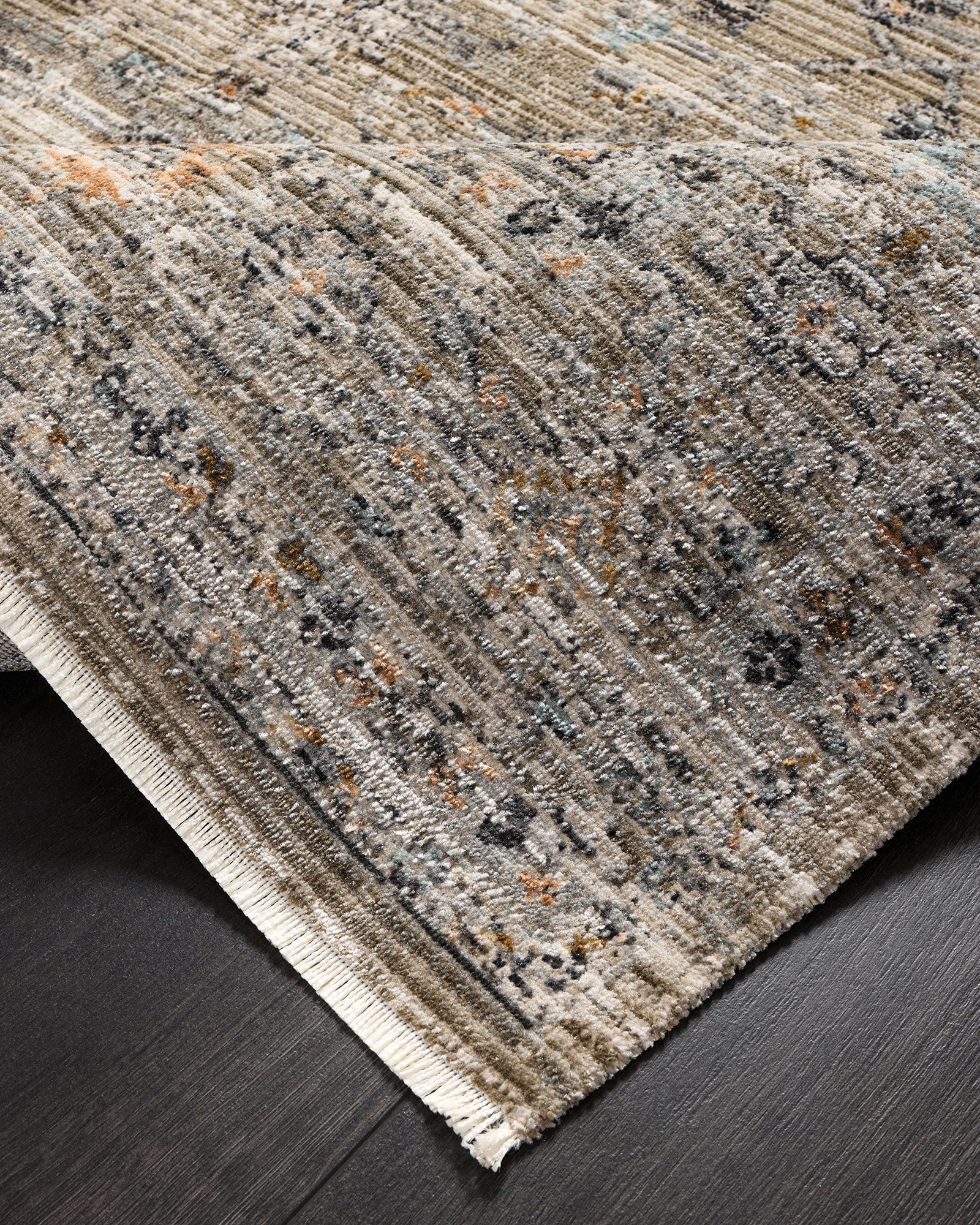
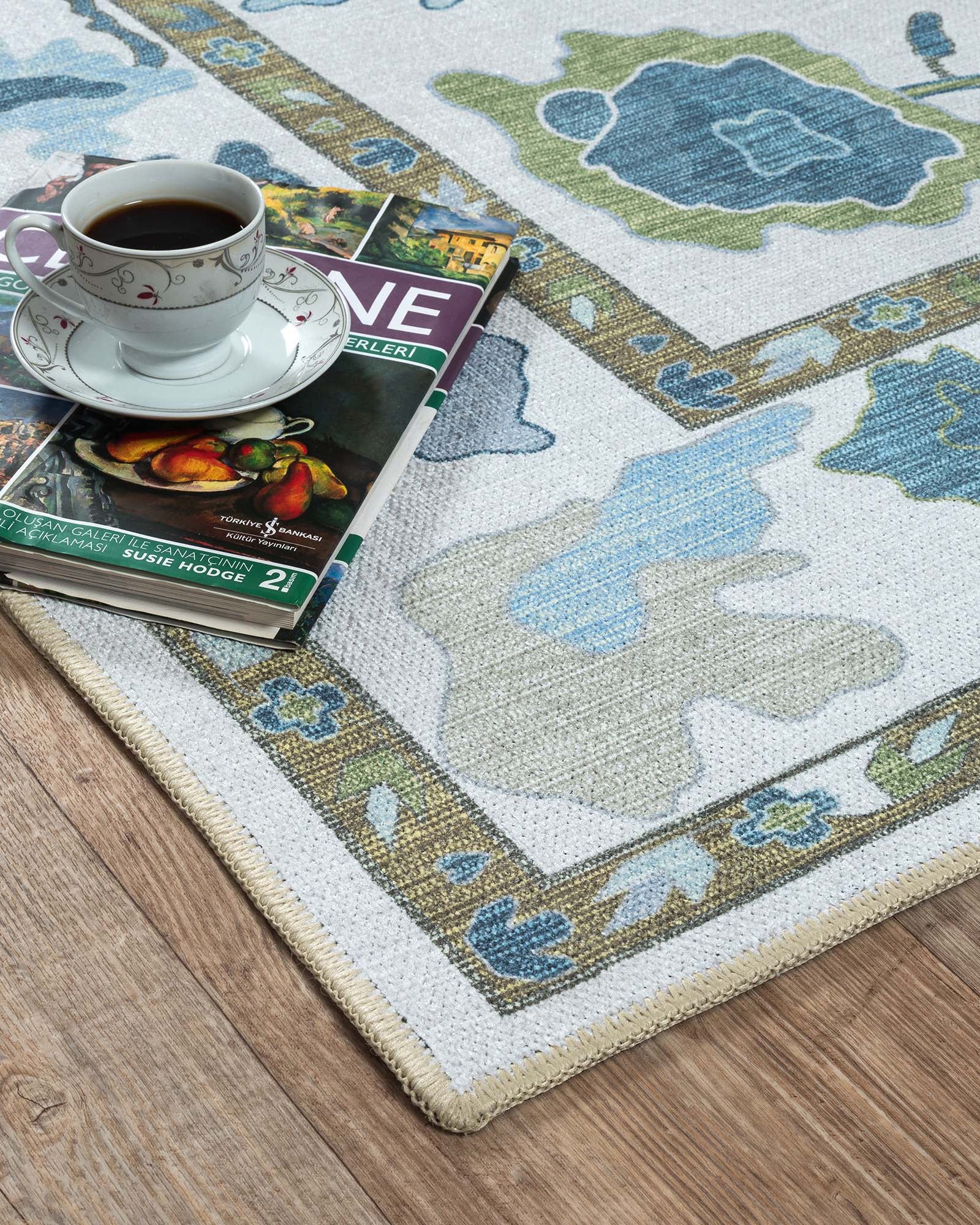
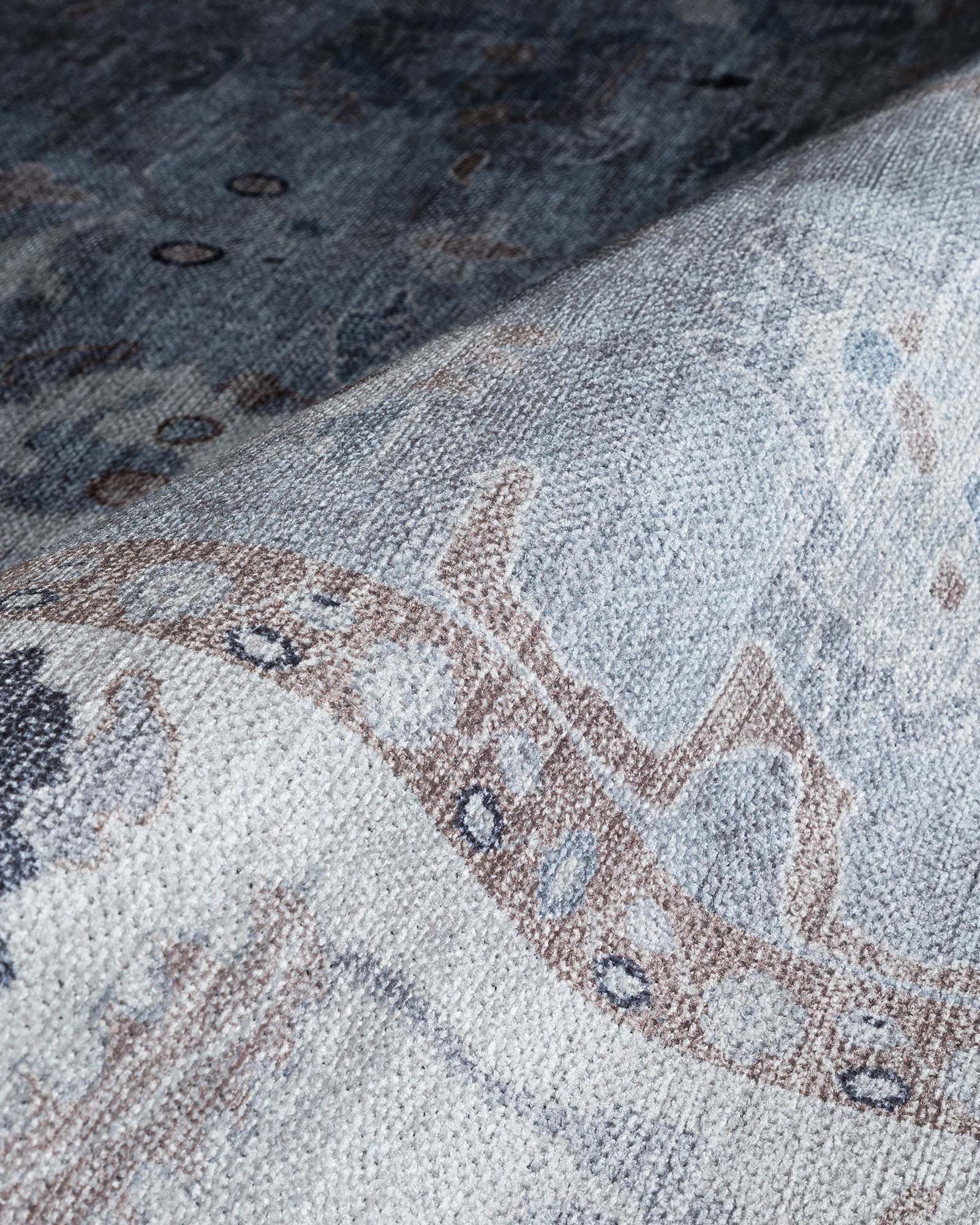
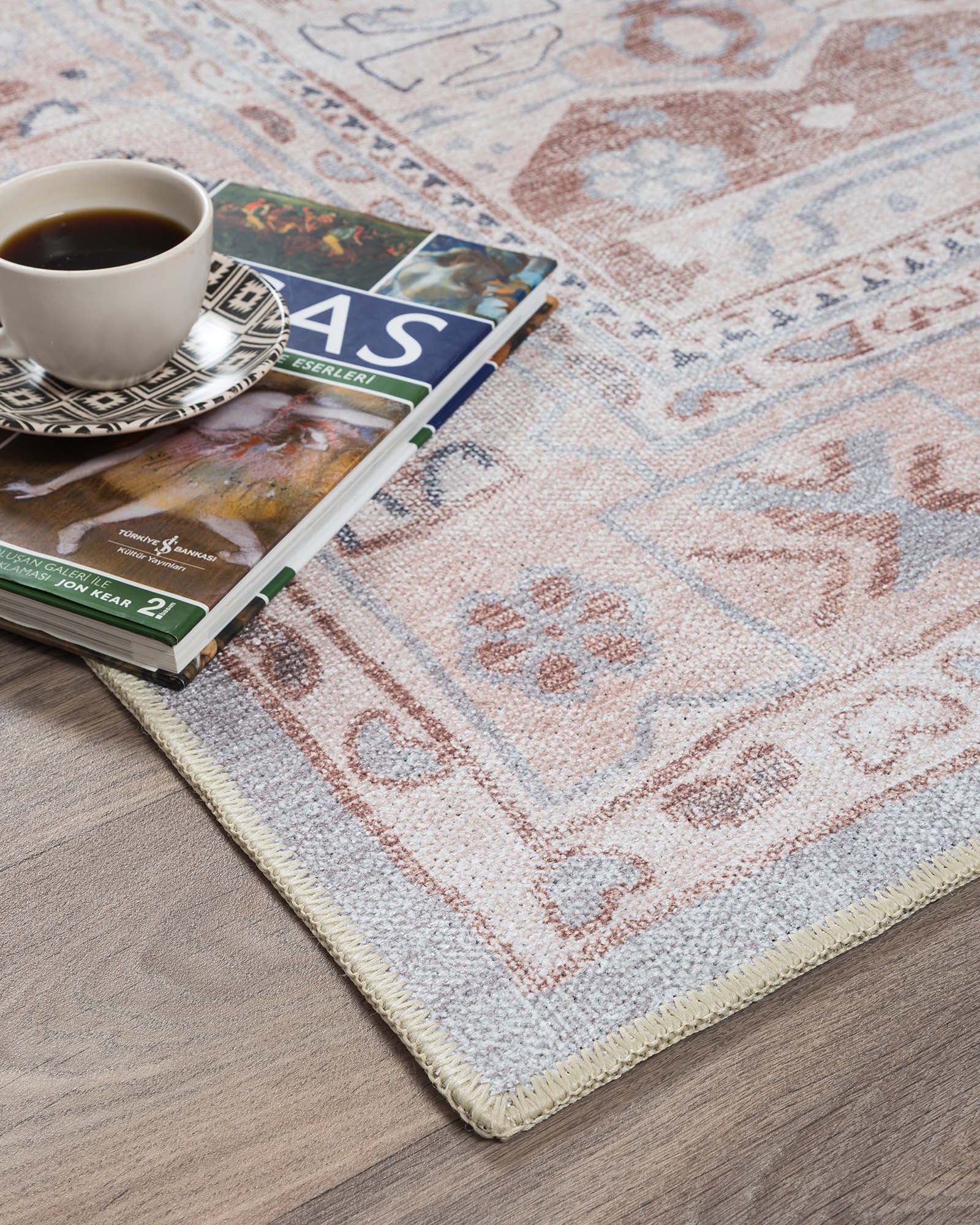
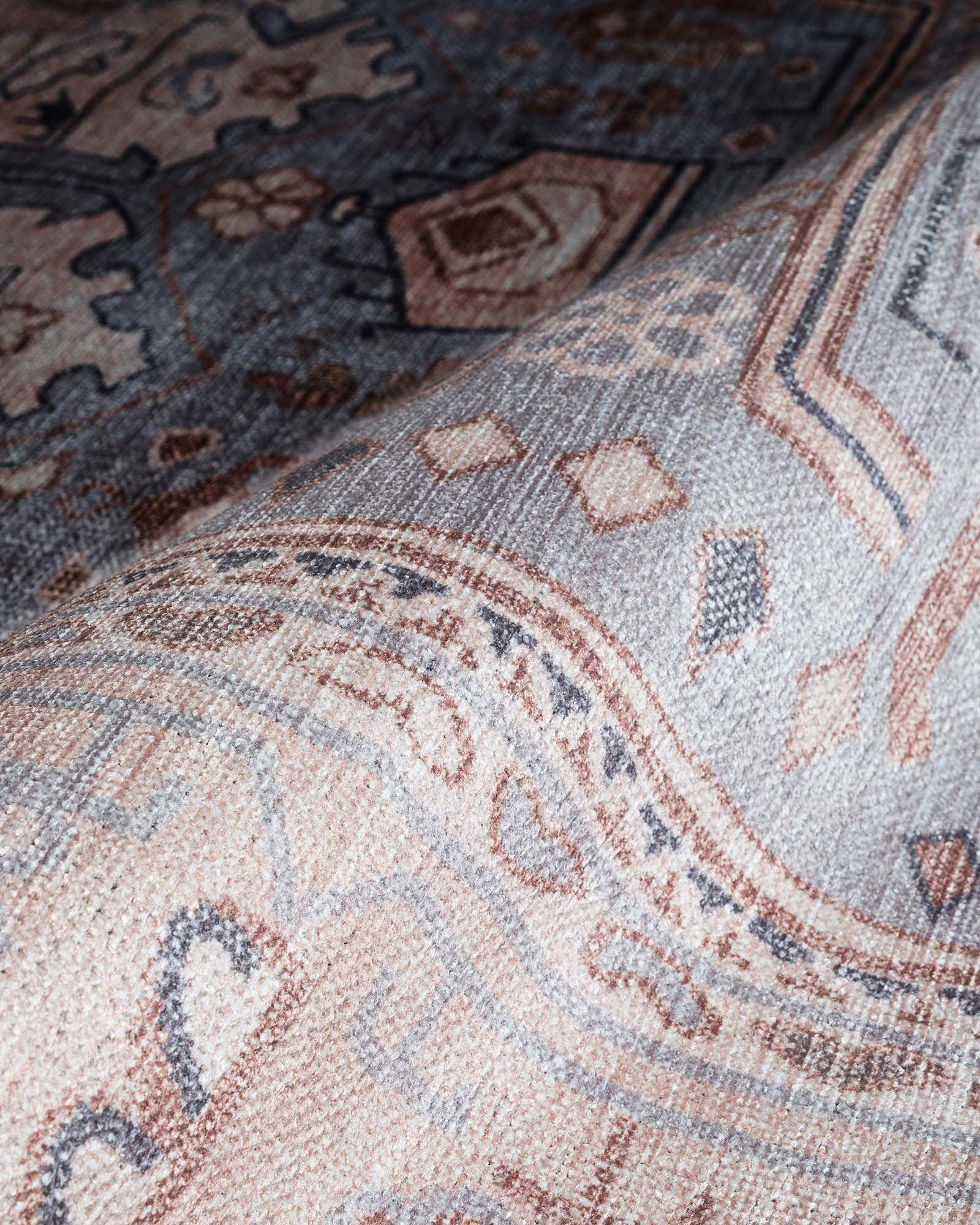
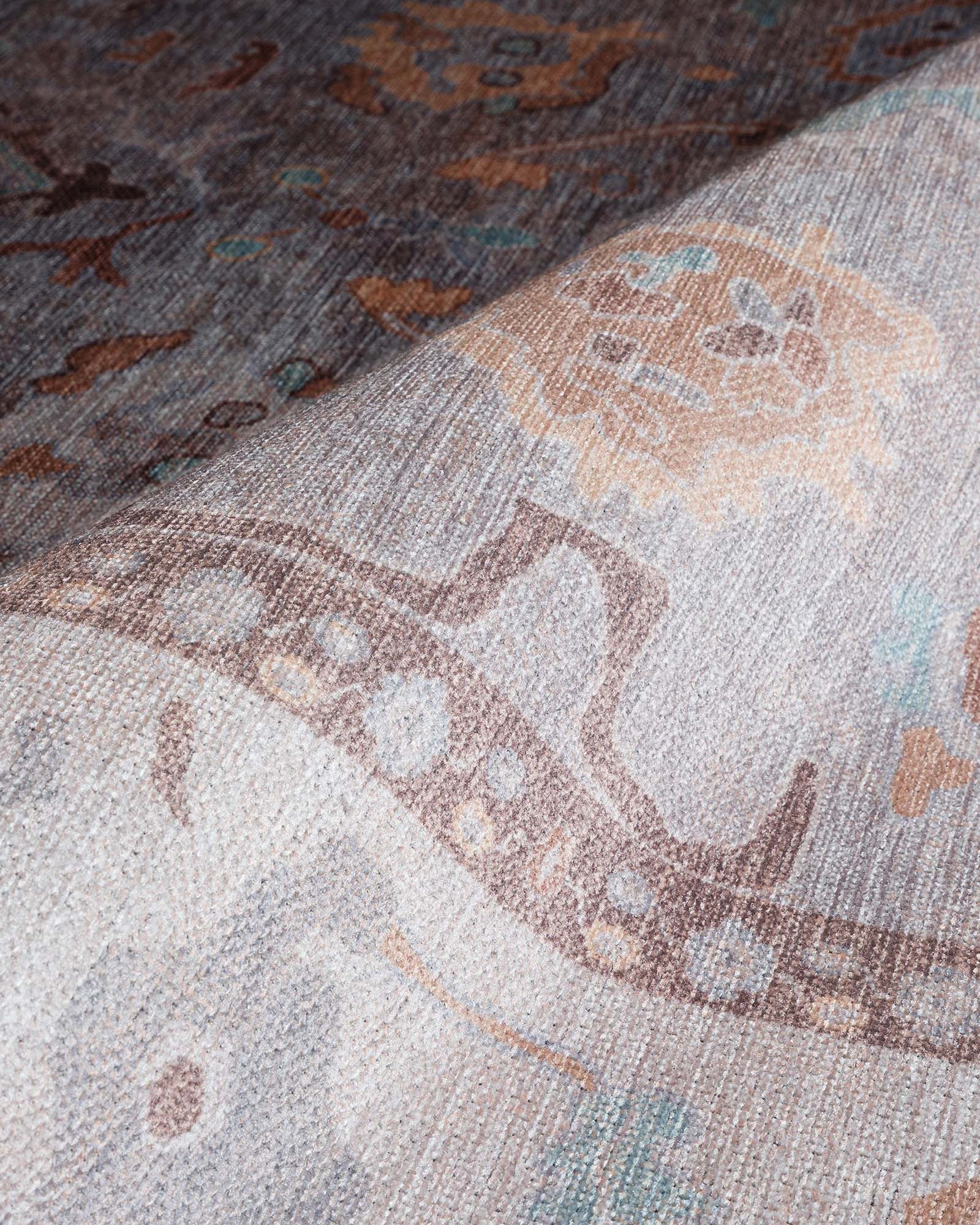
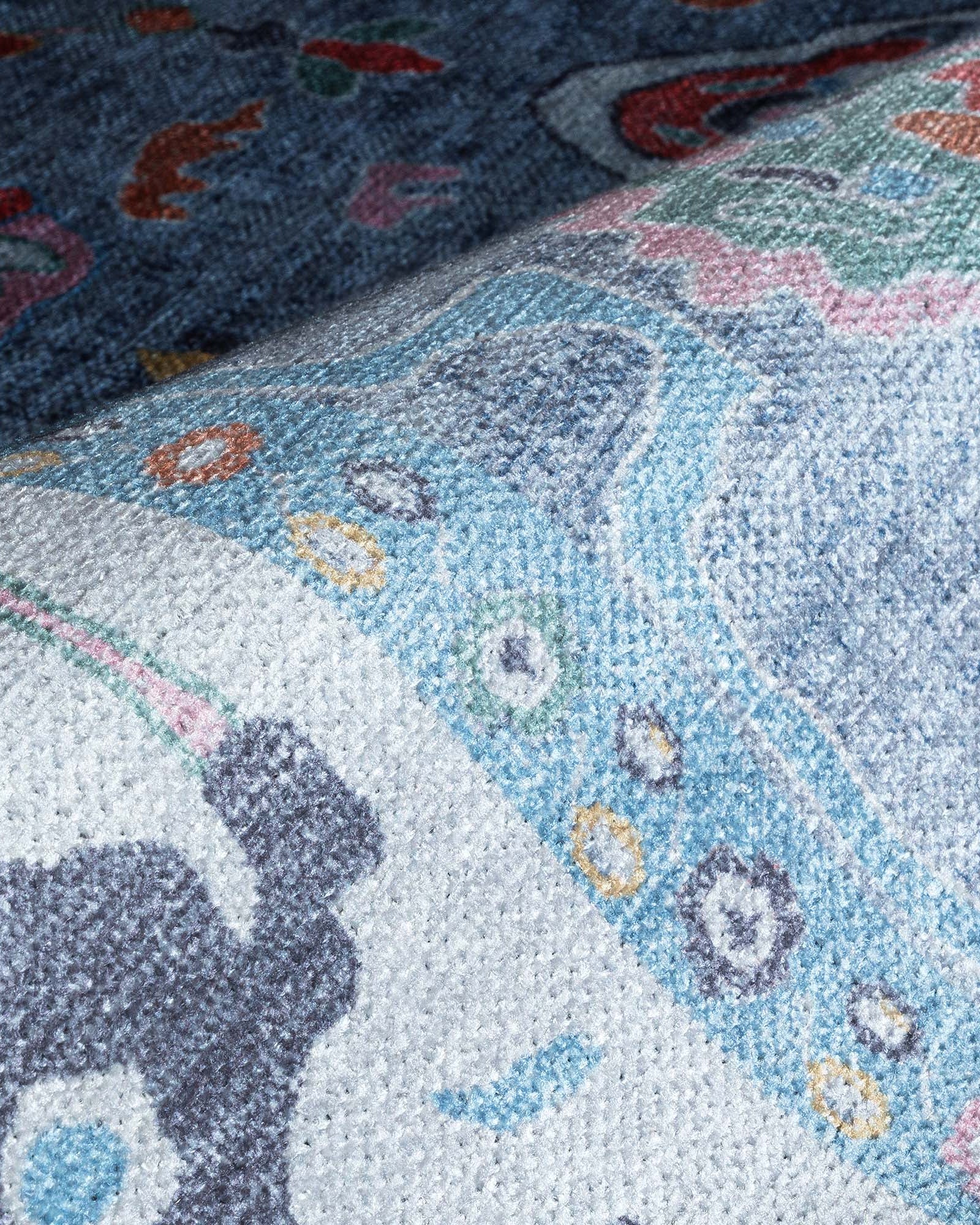
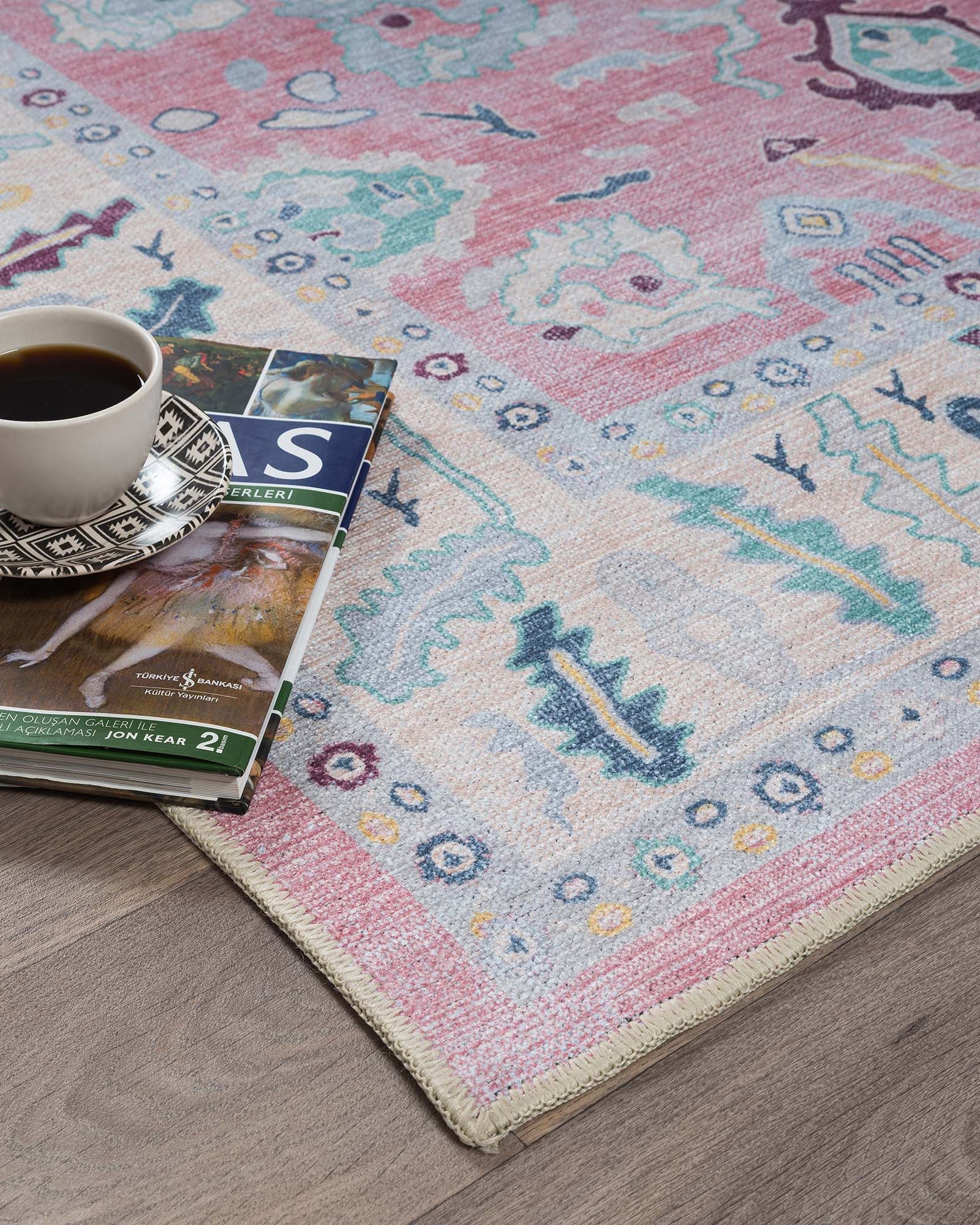
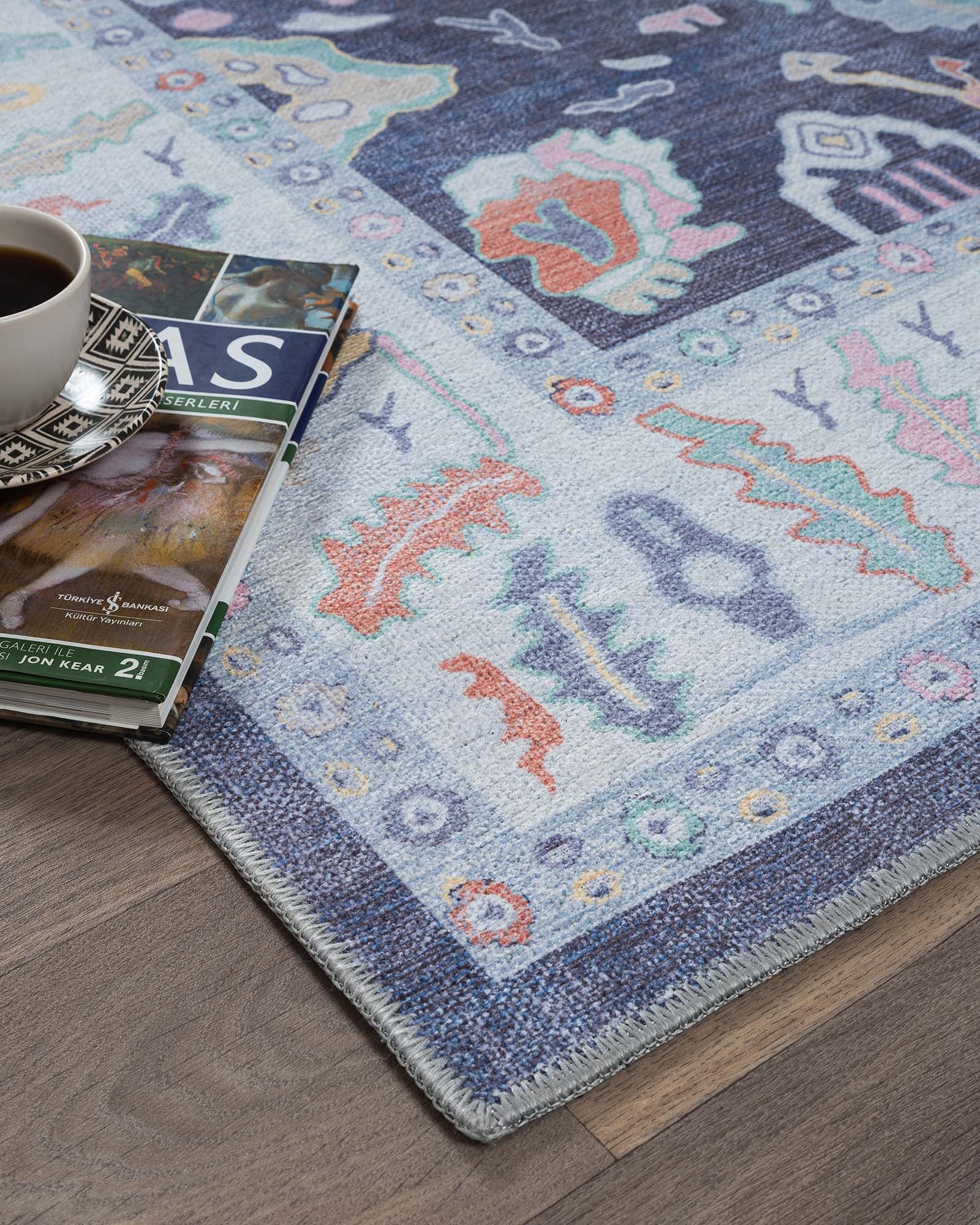
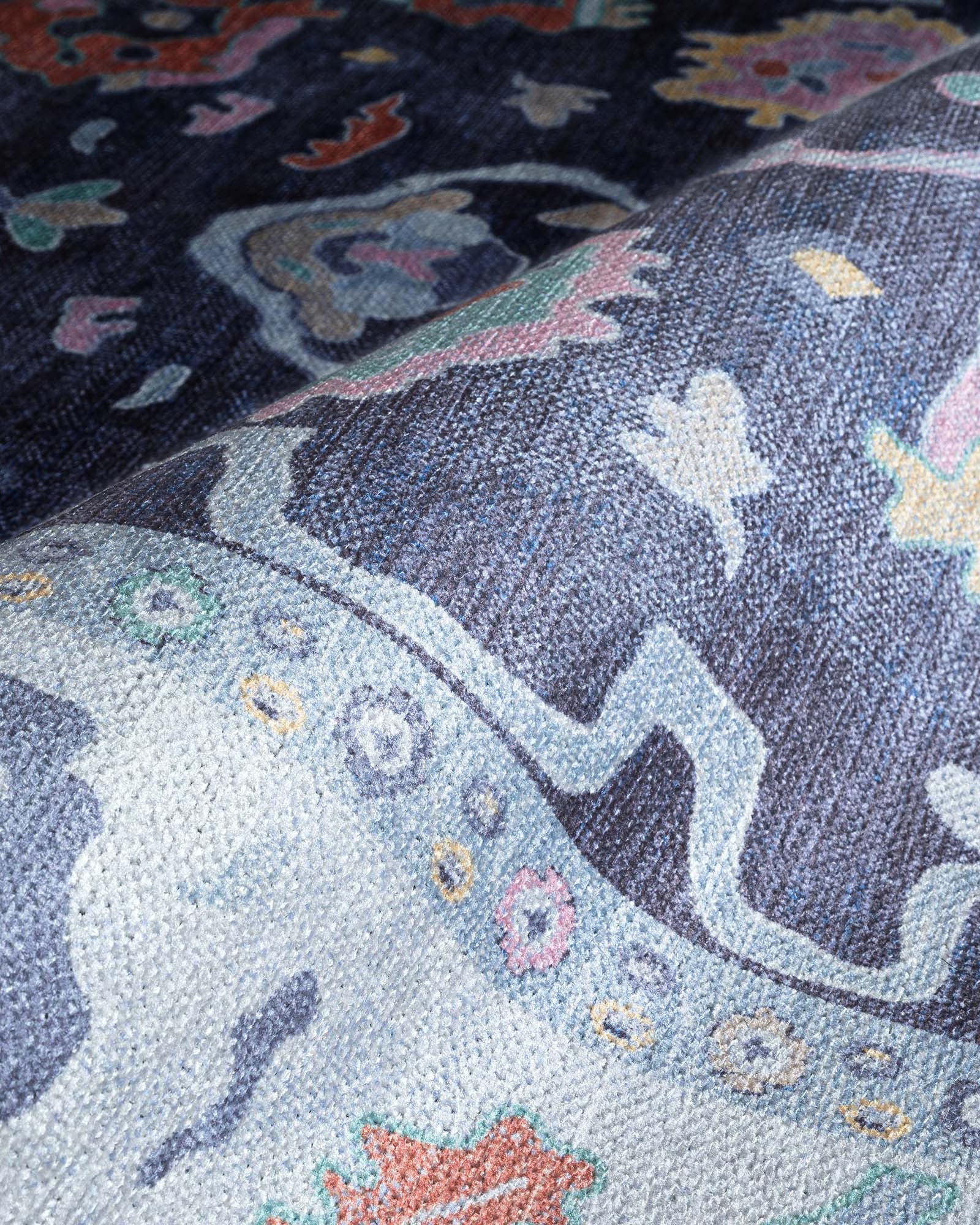
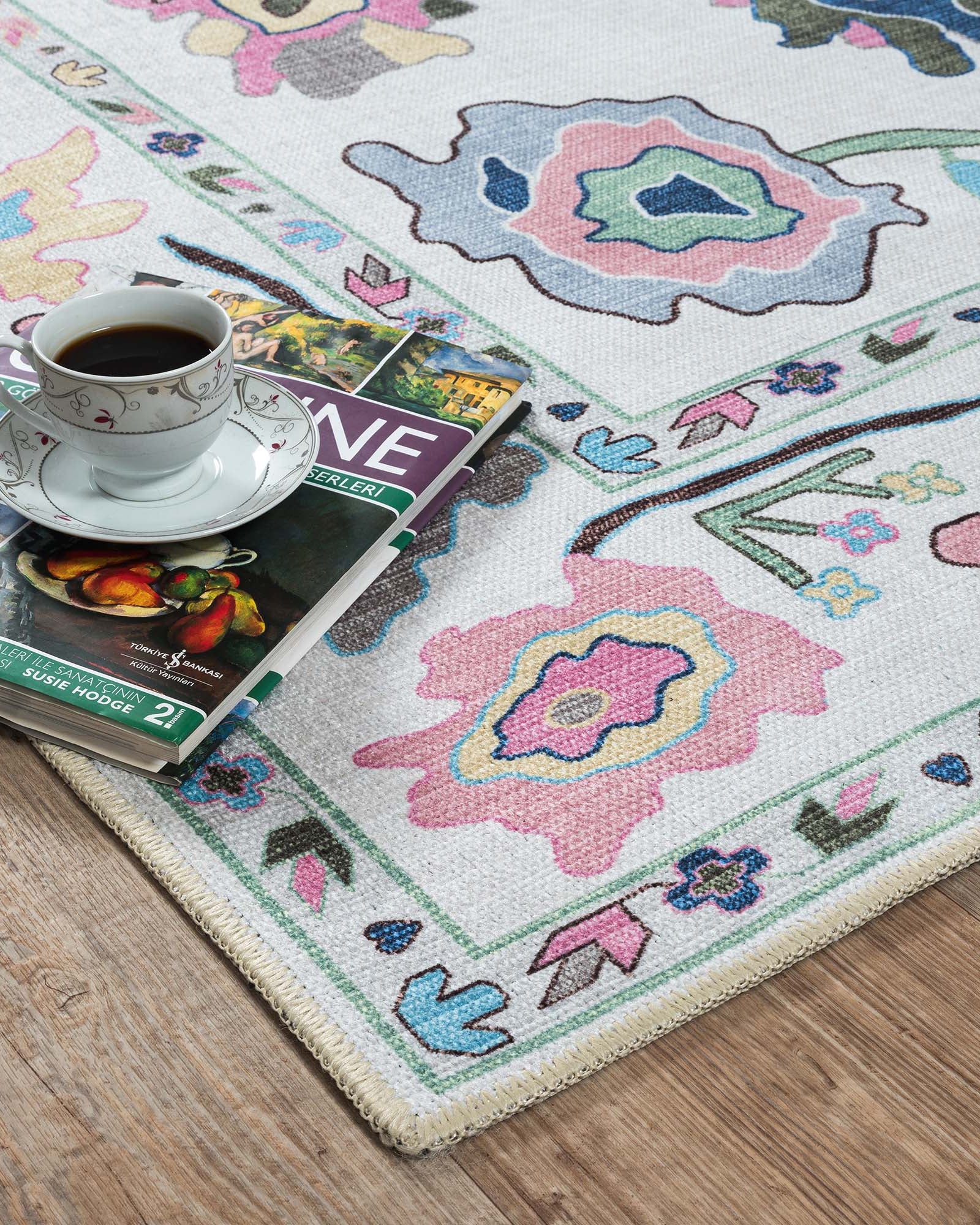
Traditional Anatolian dyeing relied on plants and minerals: madder root for the full range of reds and corals, indigo for blues from pale sky to near-black, weld and chamomile for yellows, walnut husk and oak gall for browns. These pigments age differently from synthetic dyes — they soften rather than fade flat, which is why antique Anatolian rugs develop that characteristic sun-washed depth.
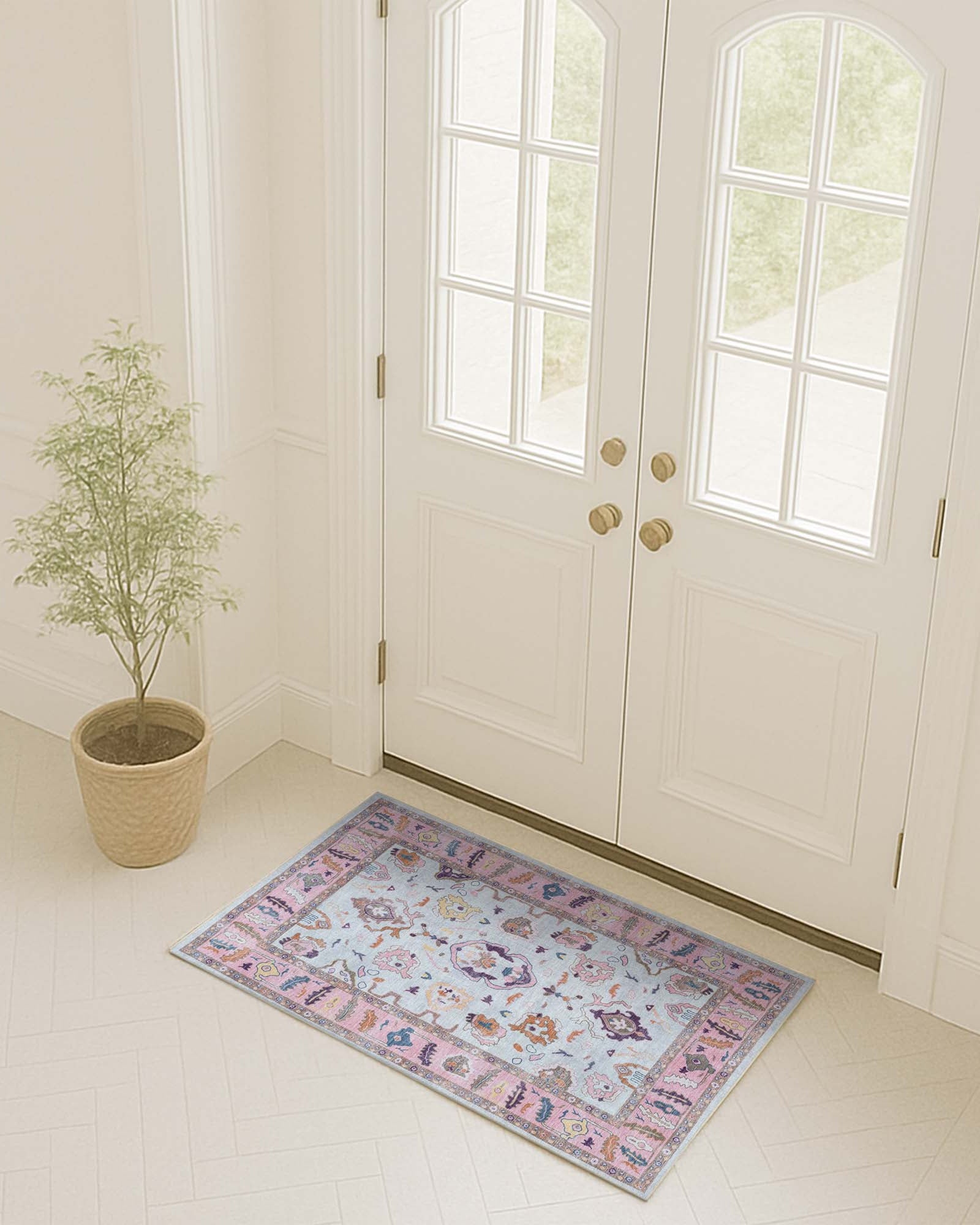
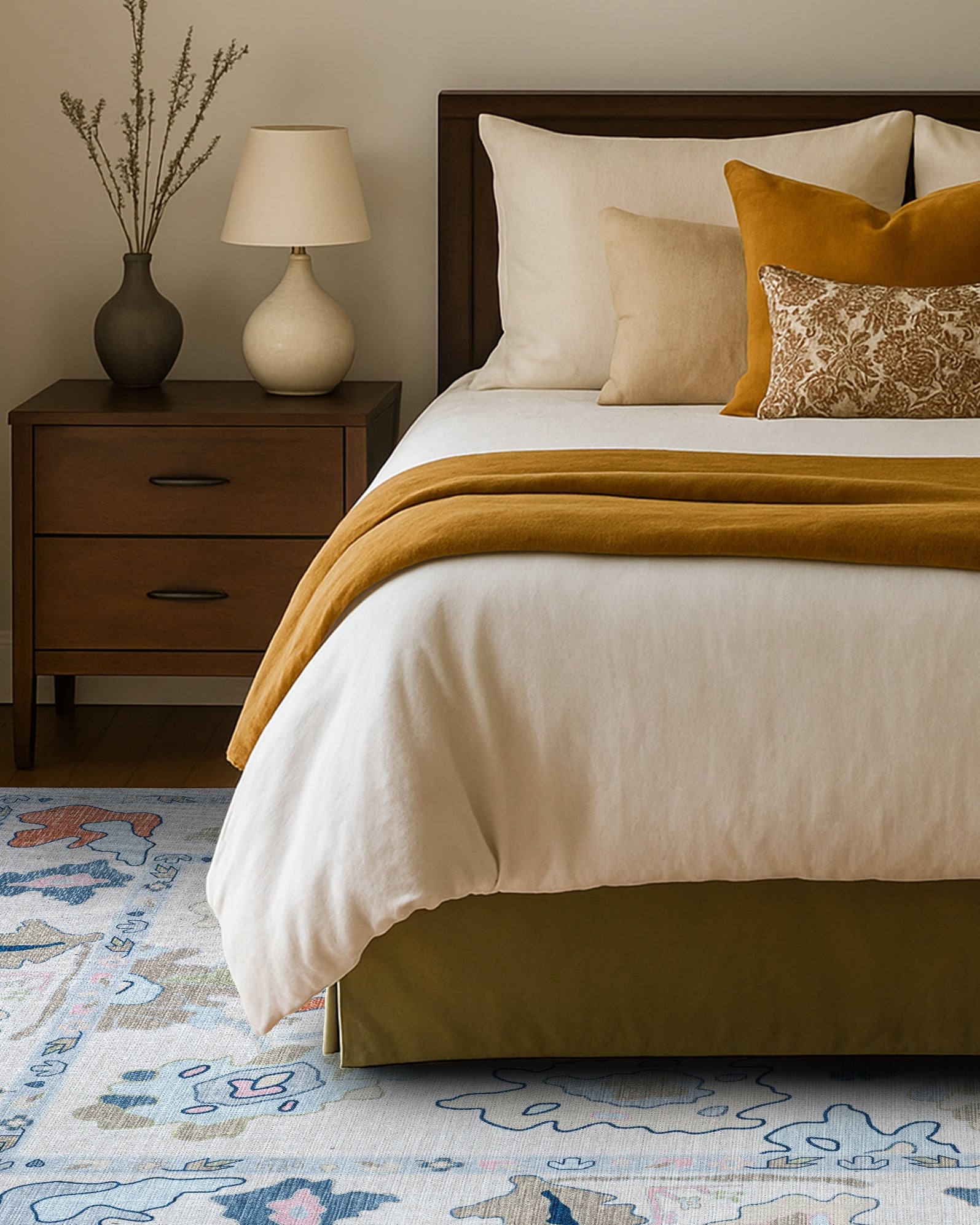
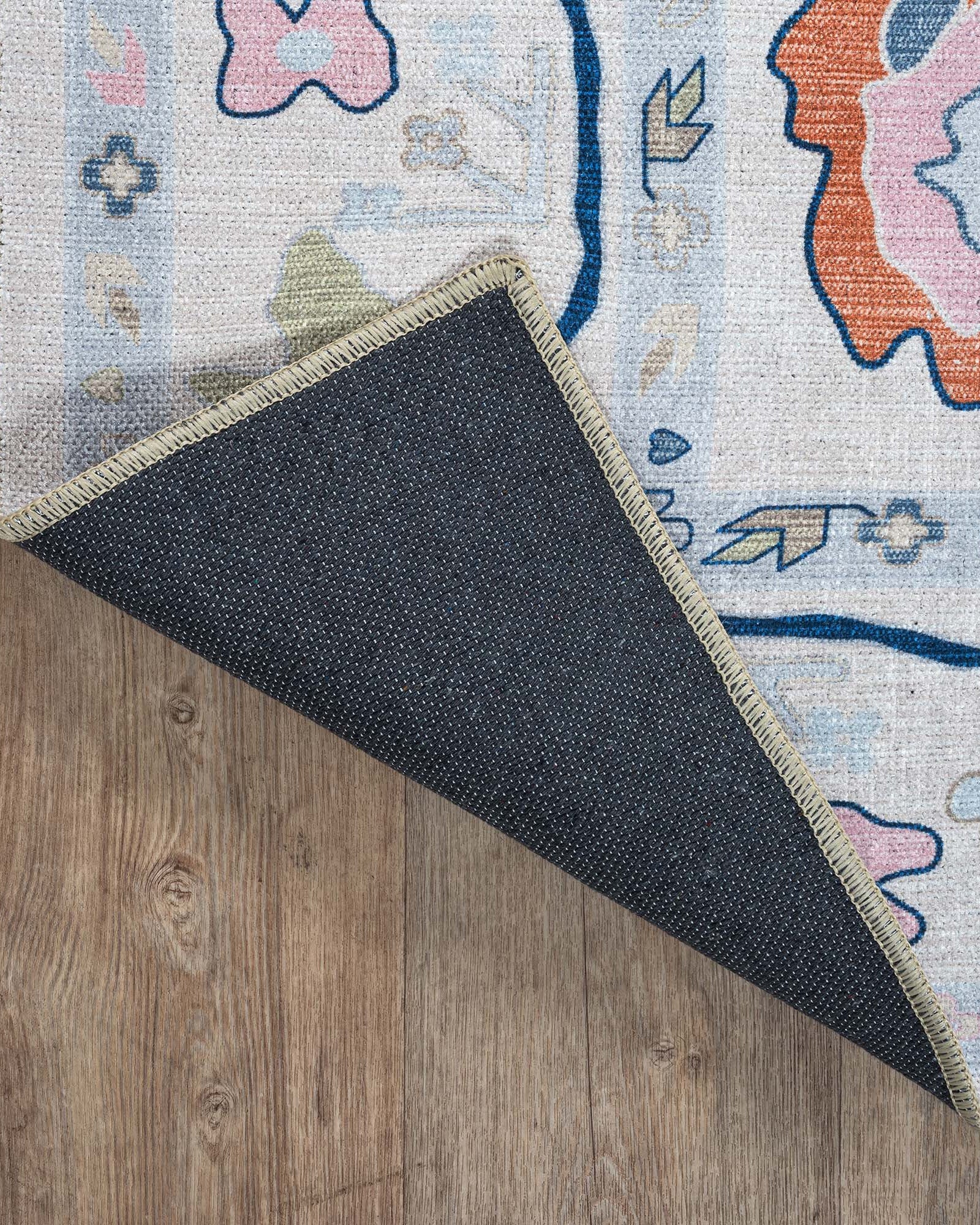
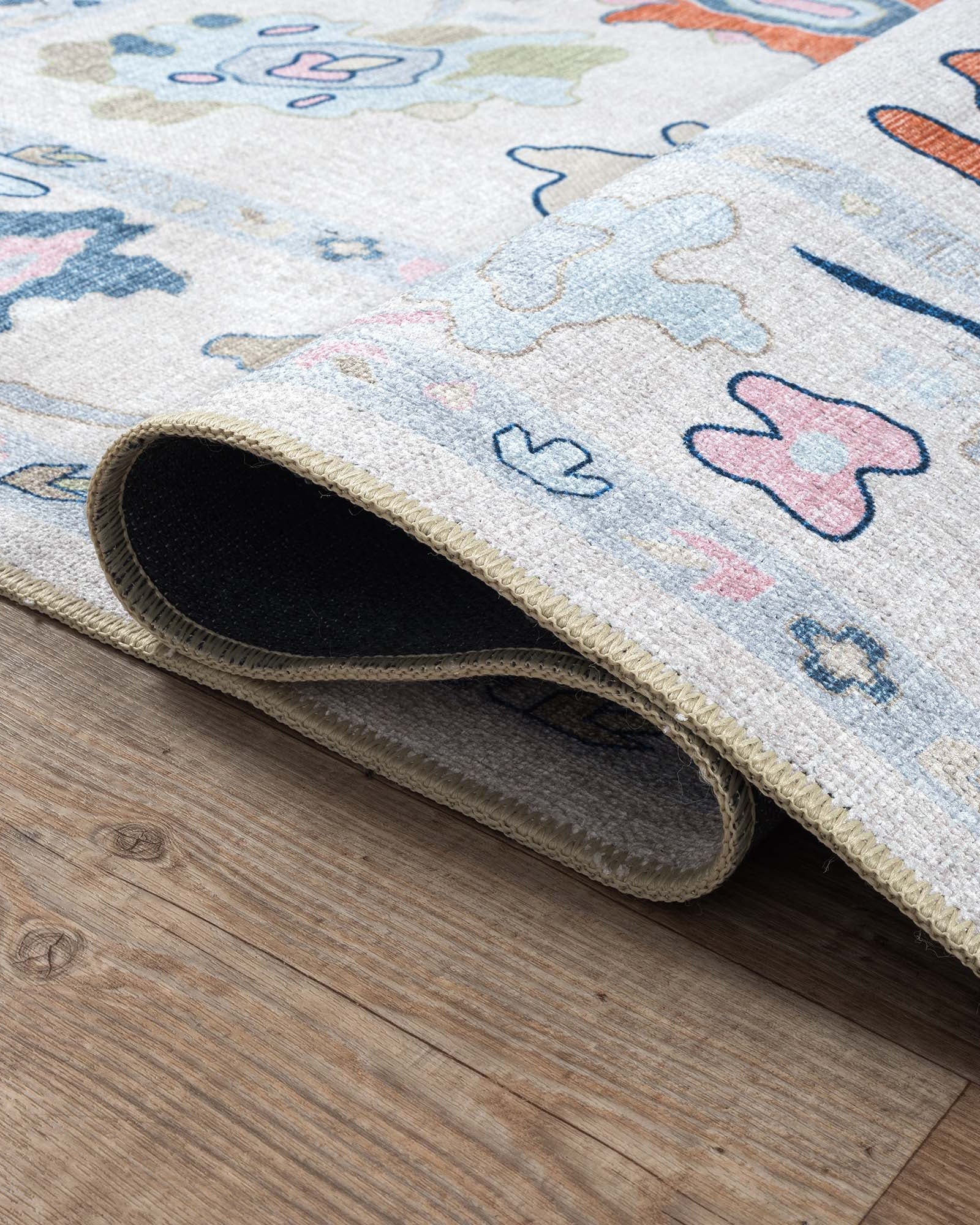
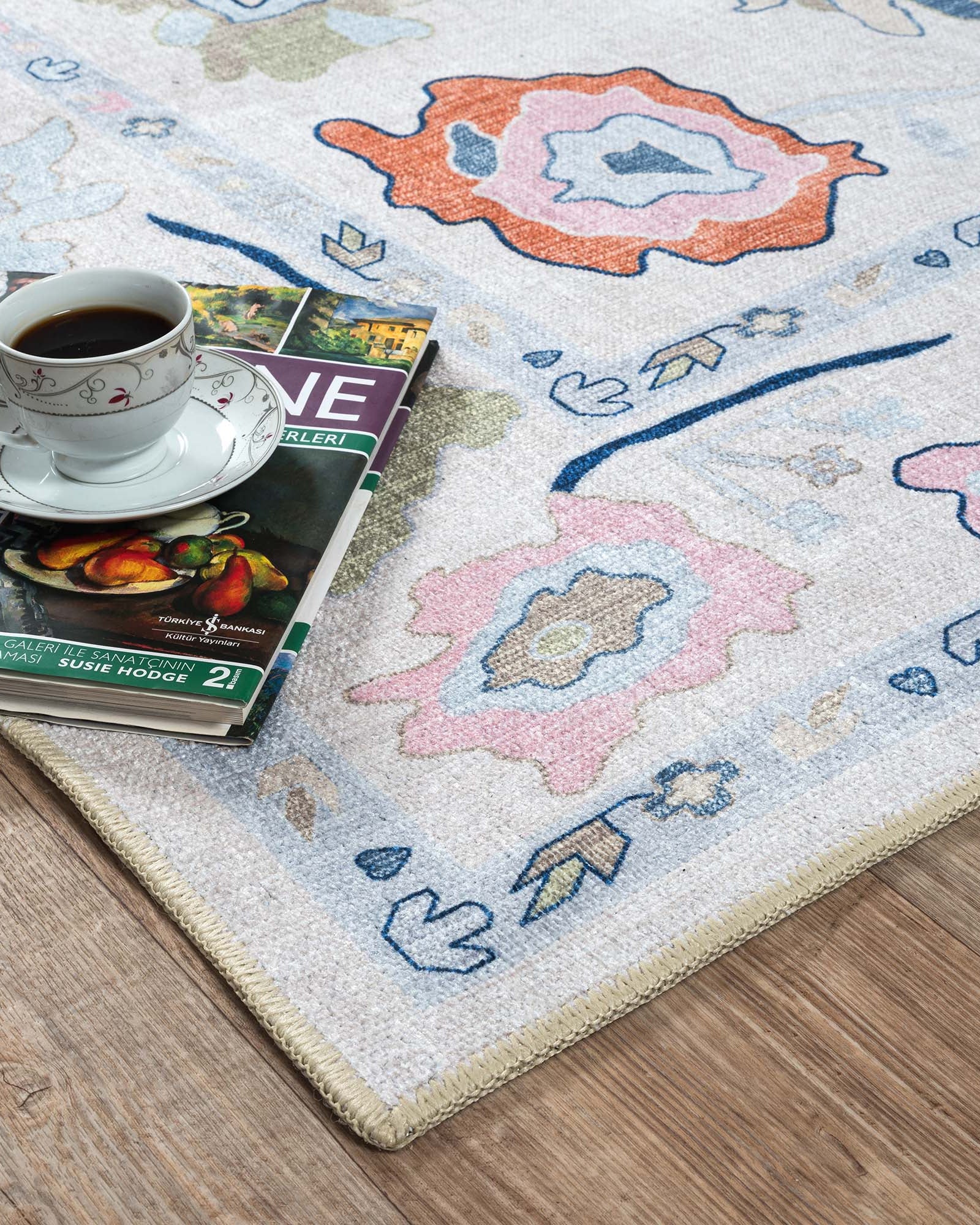
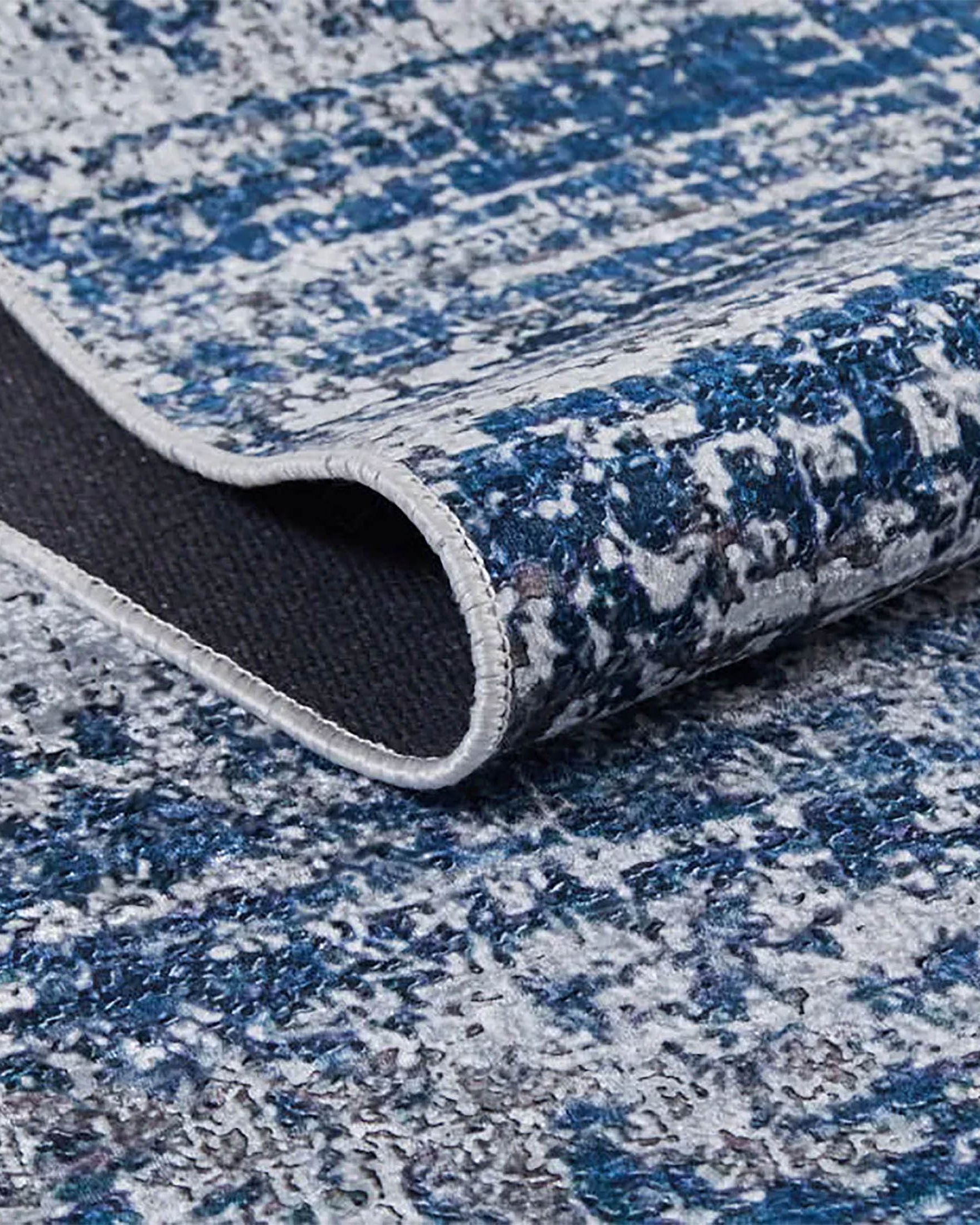
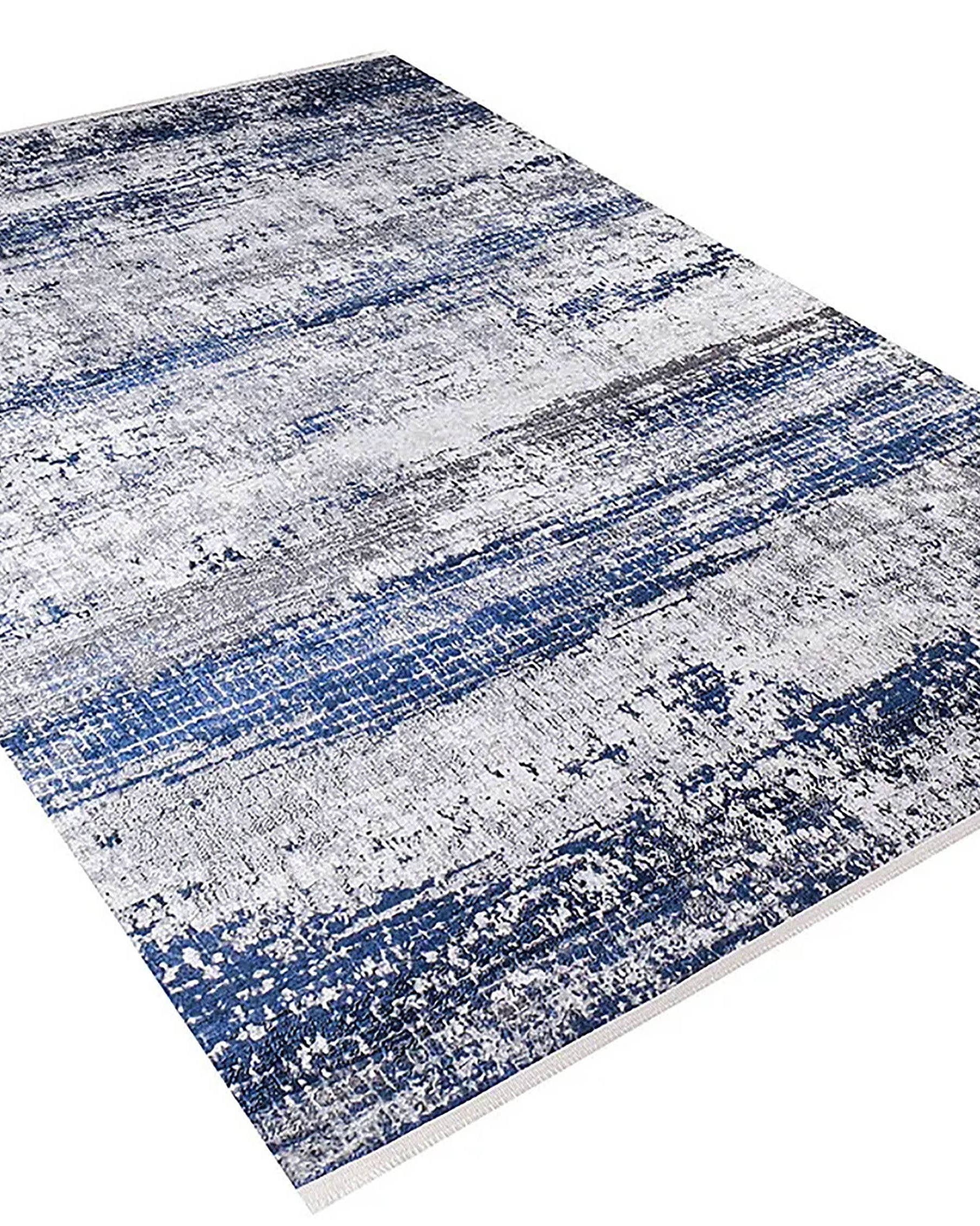
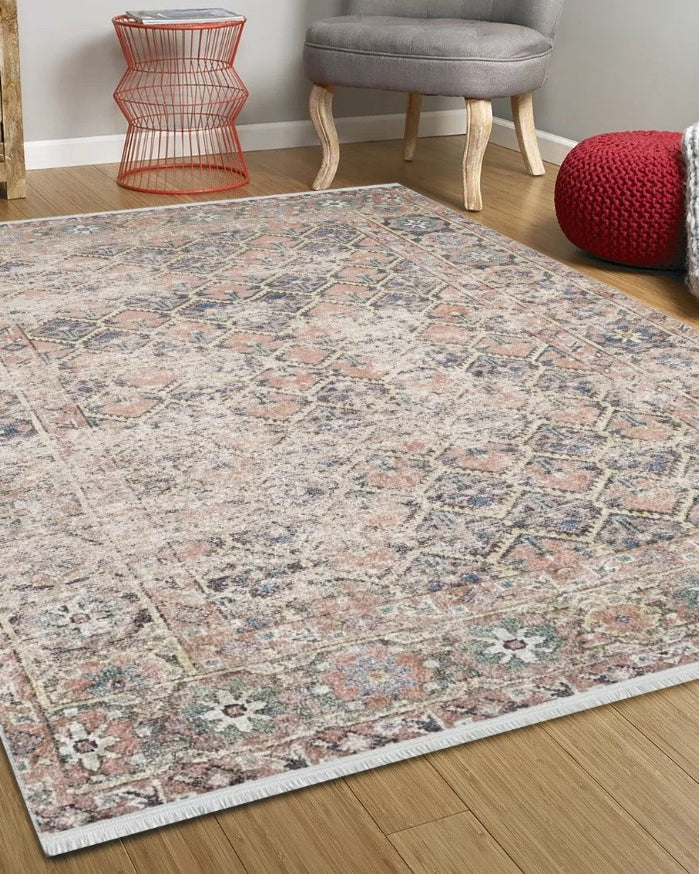
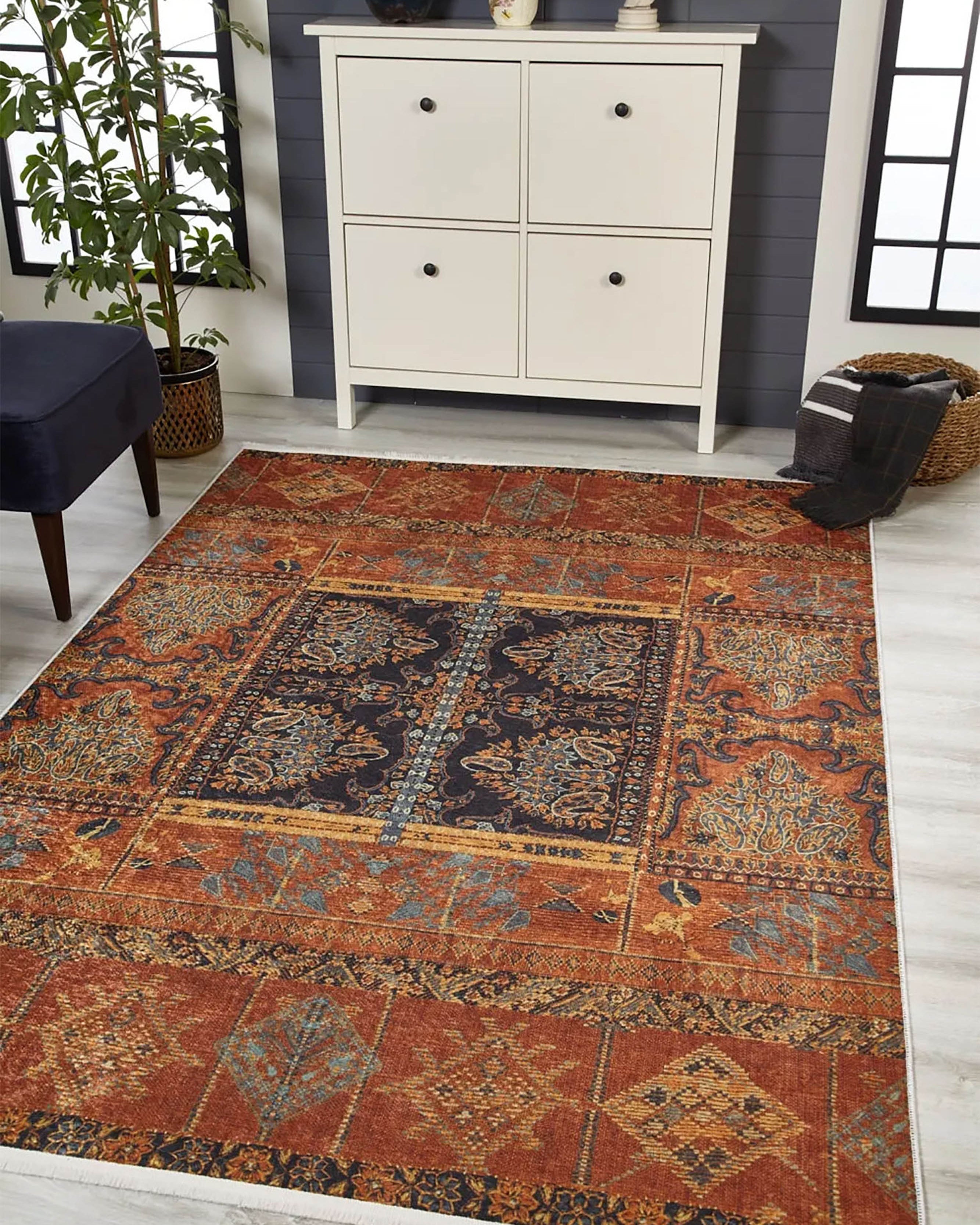
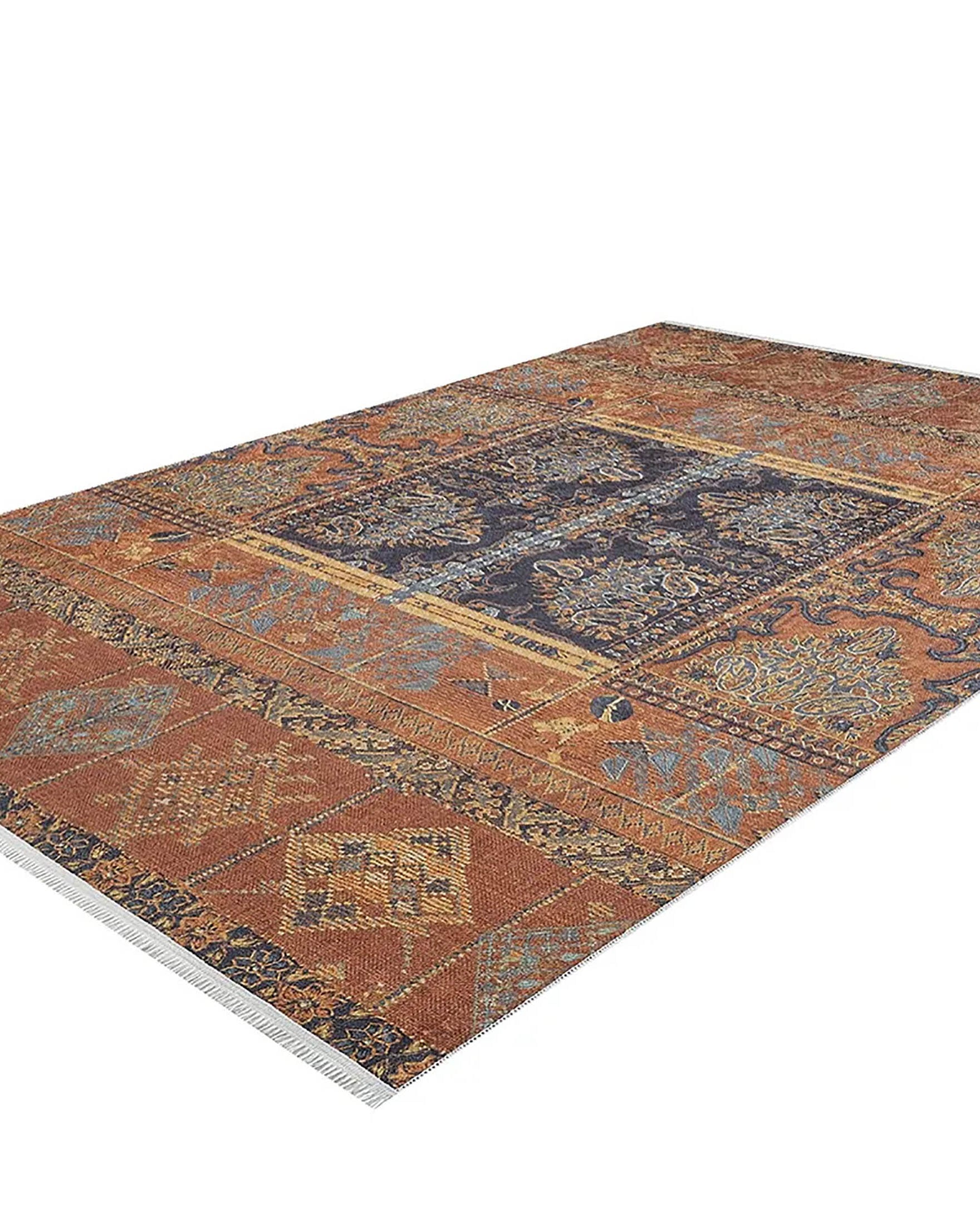
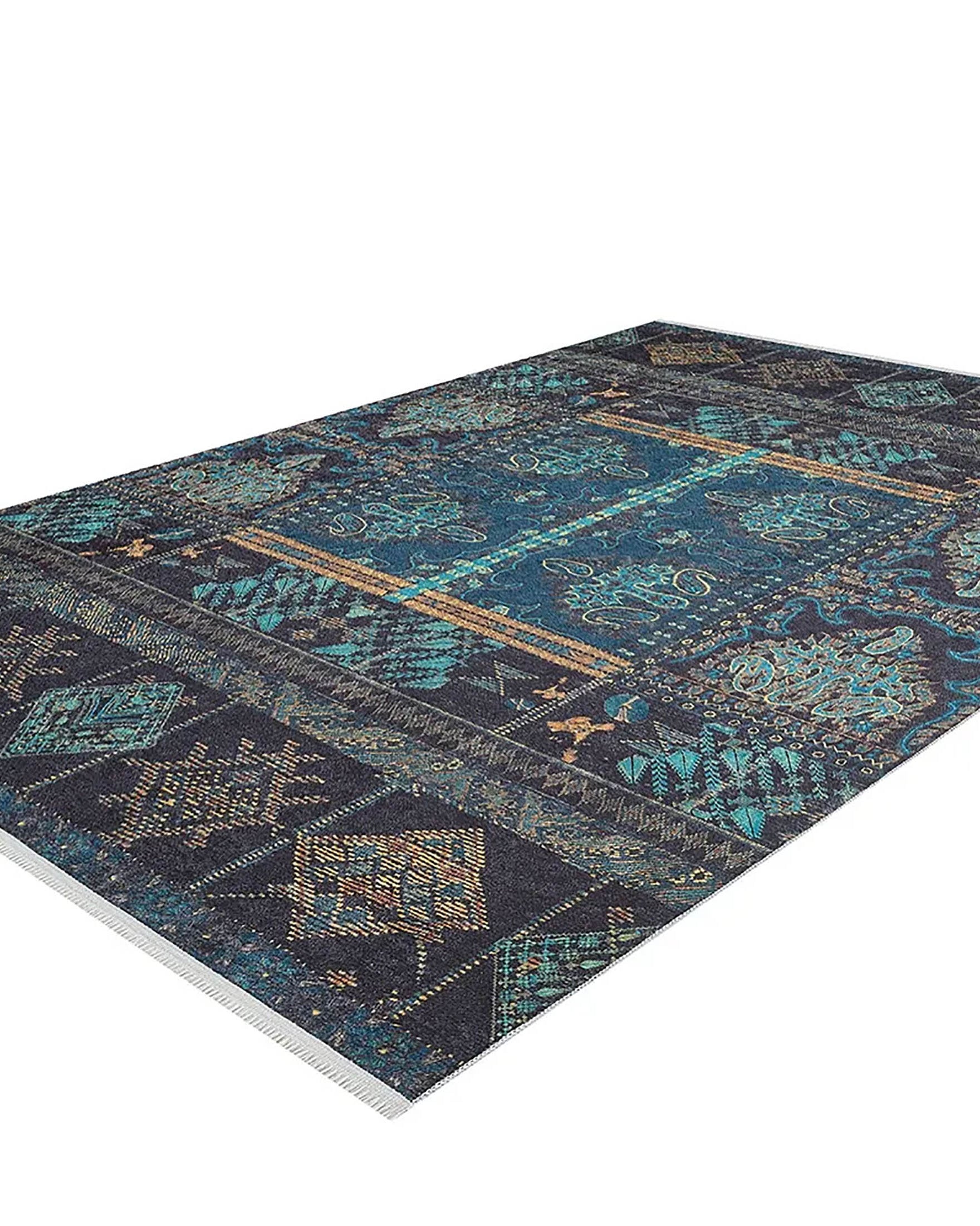
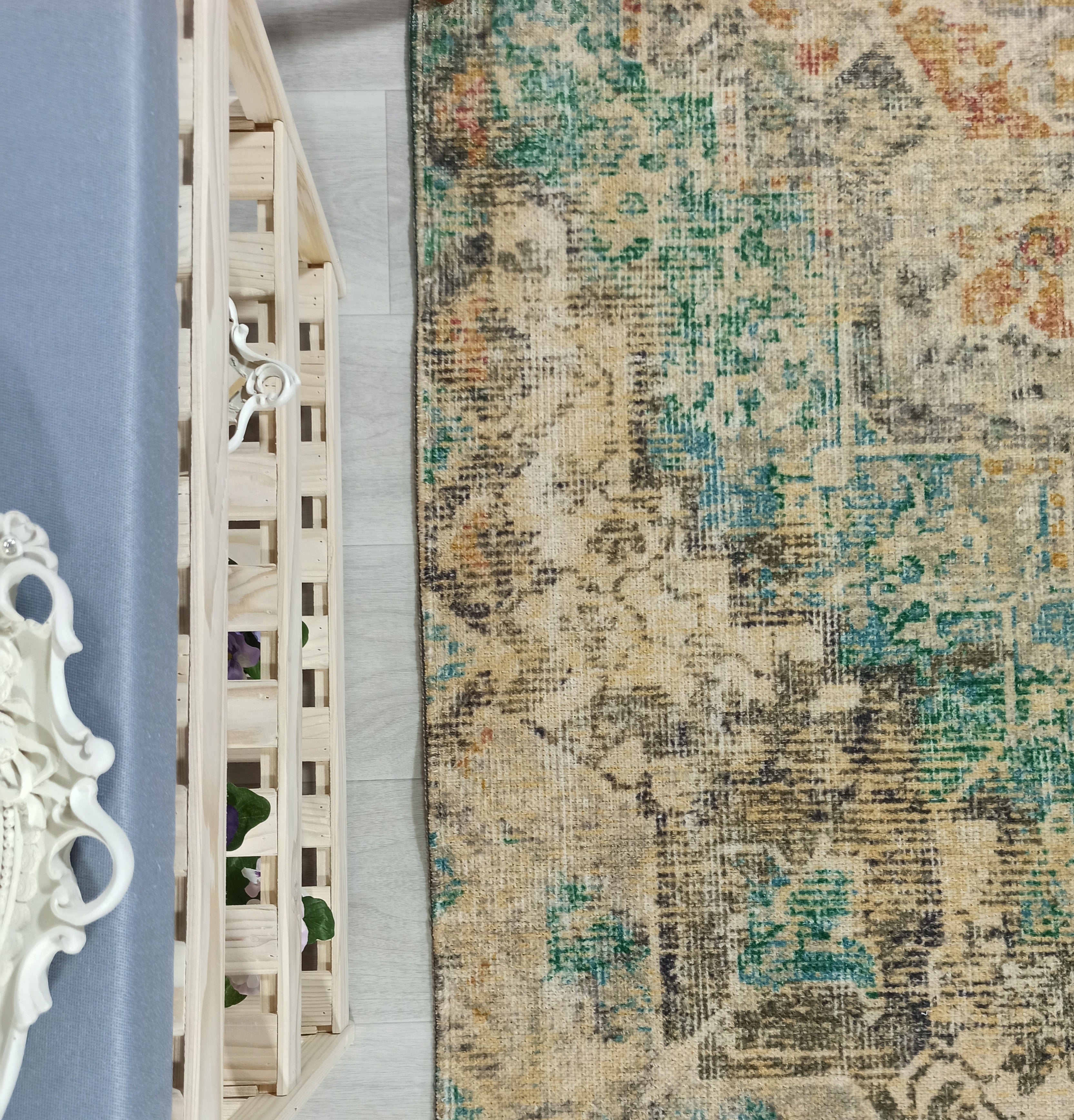
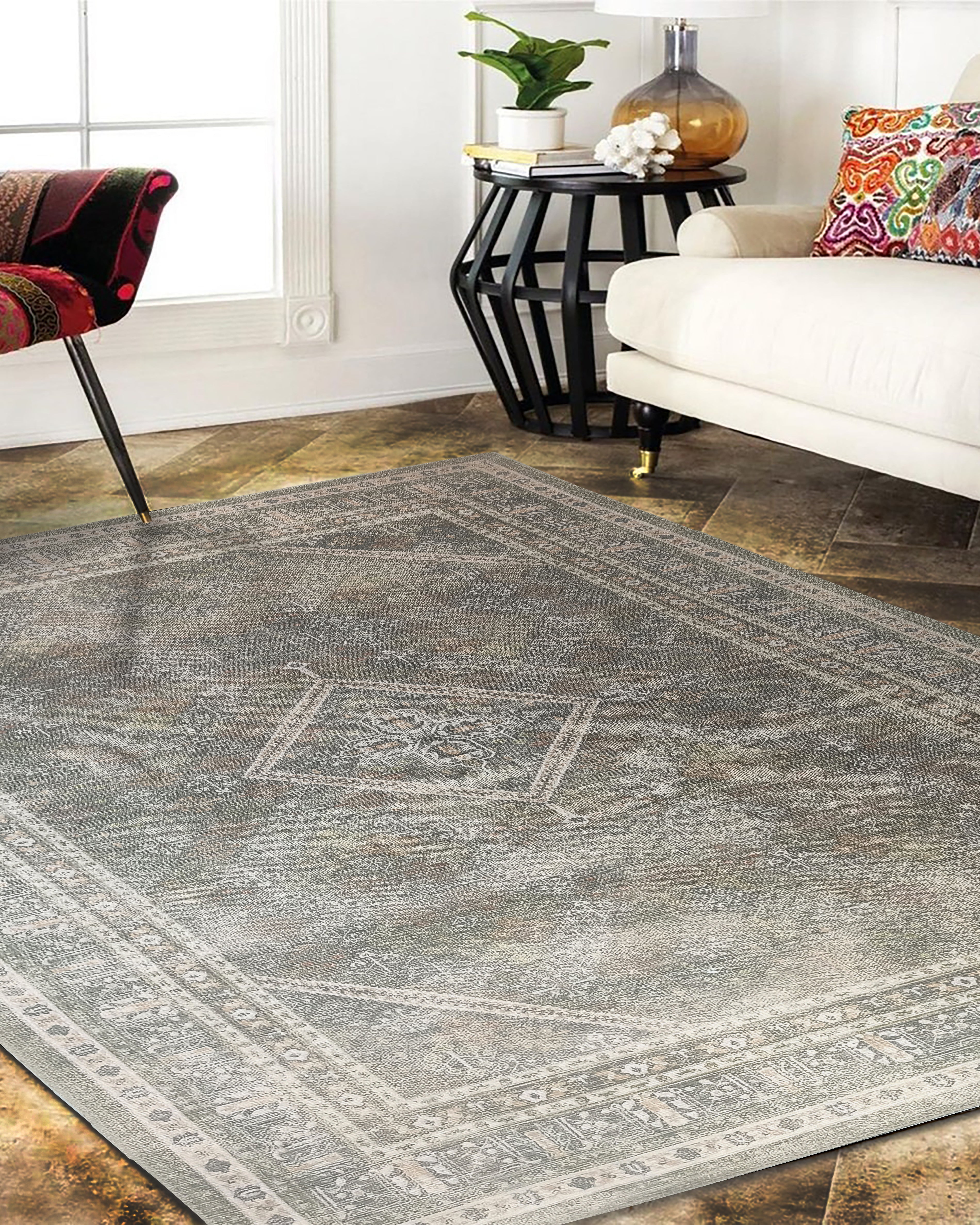
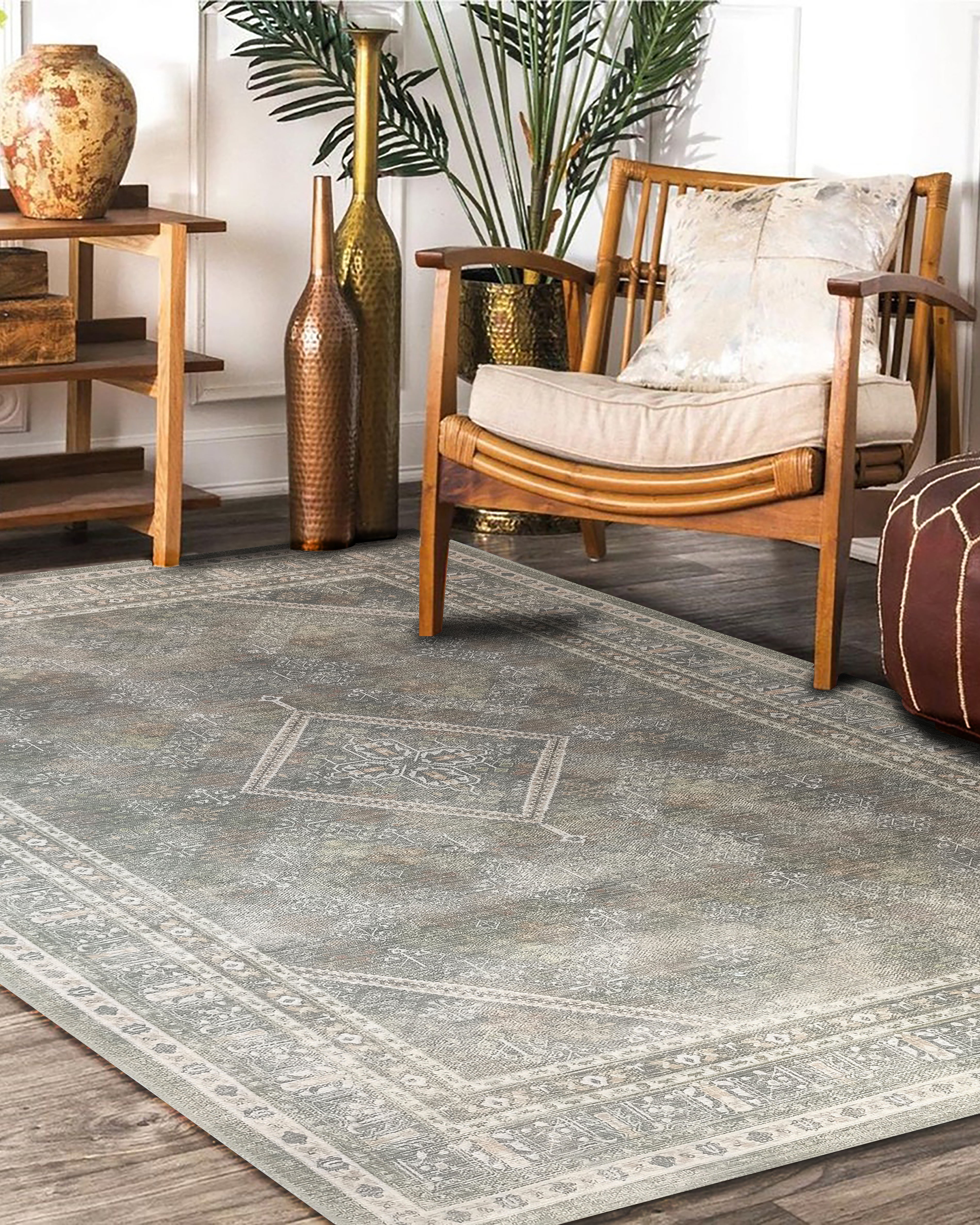
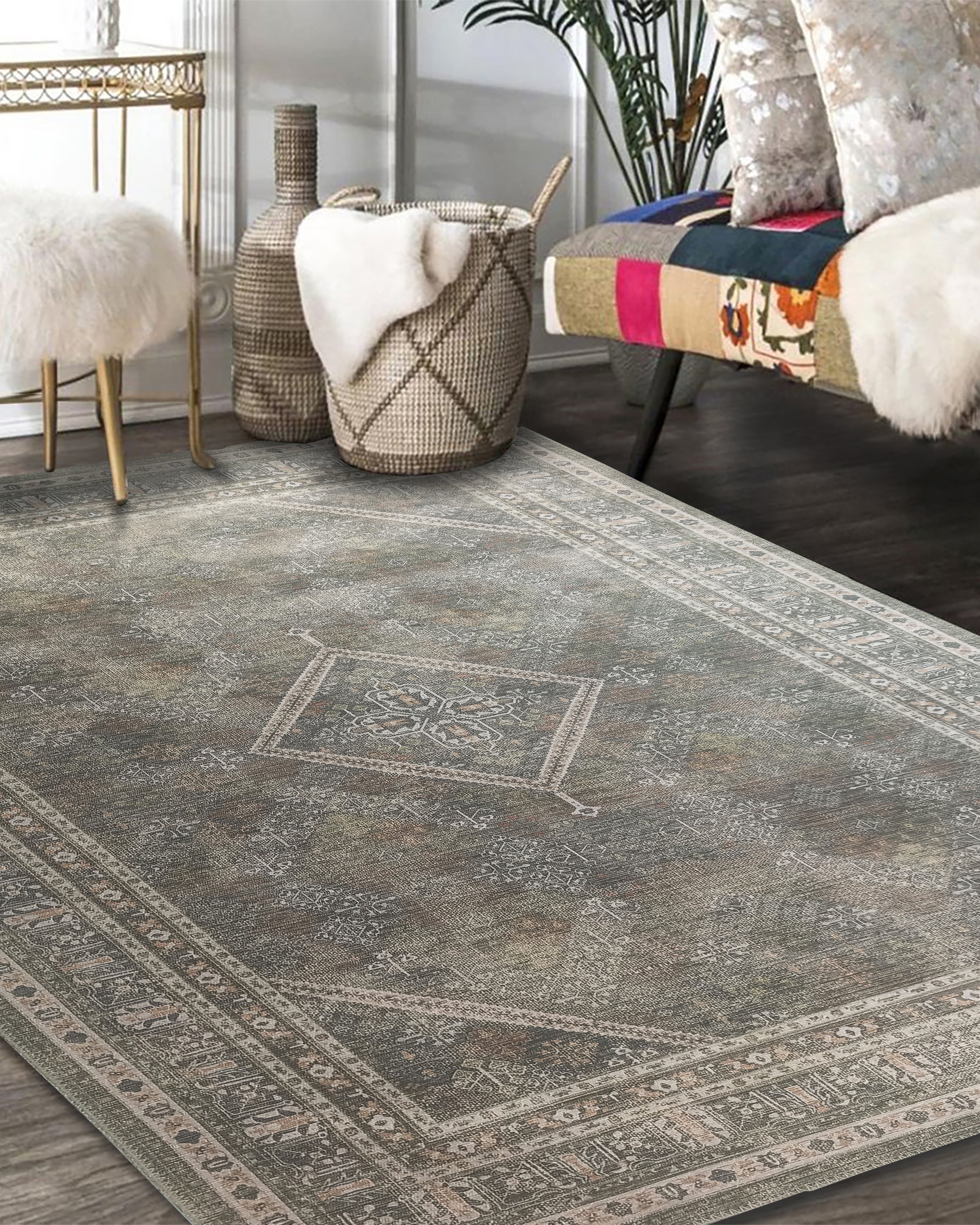
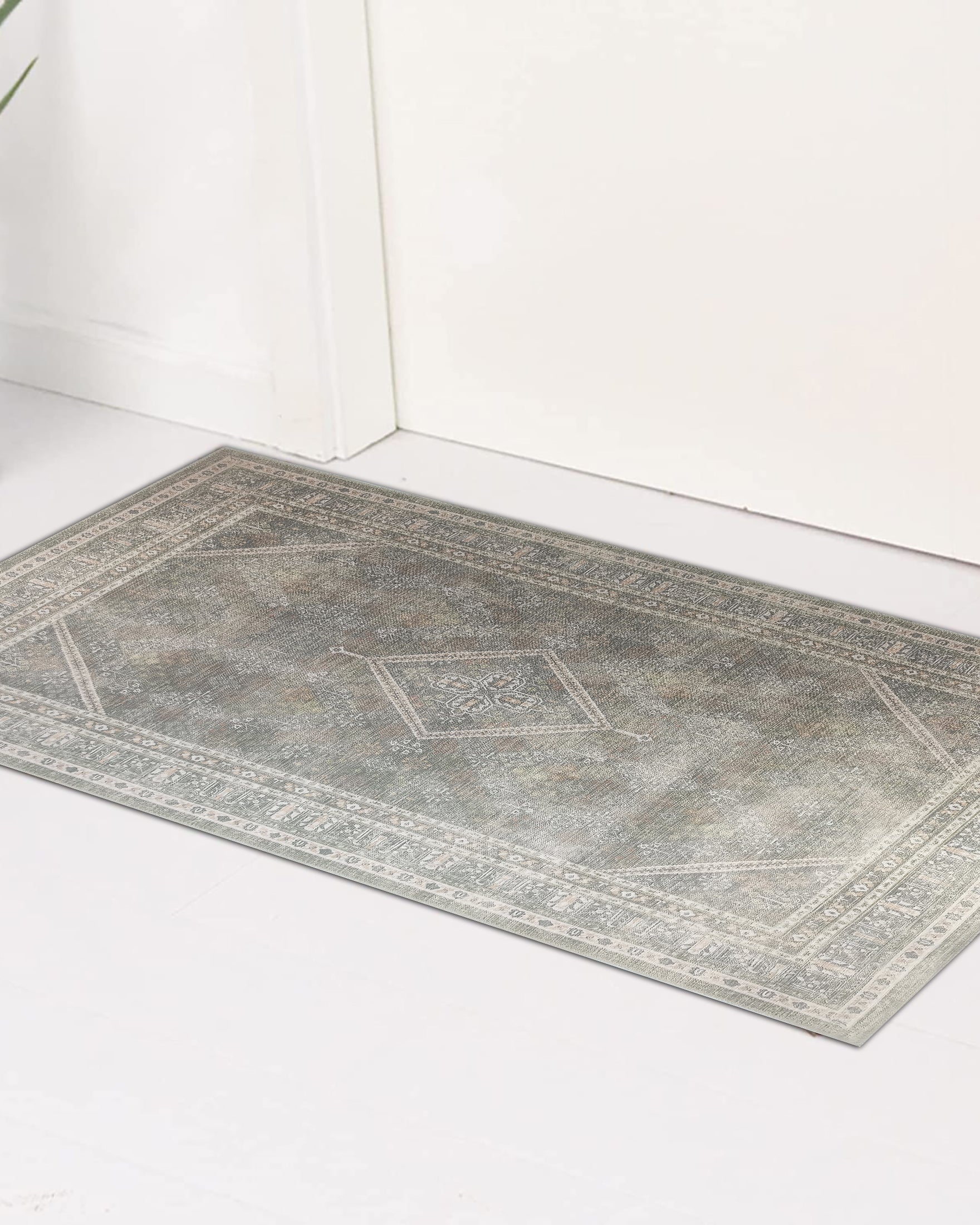
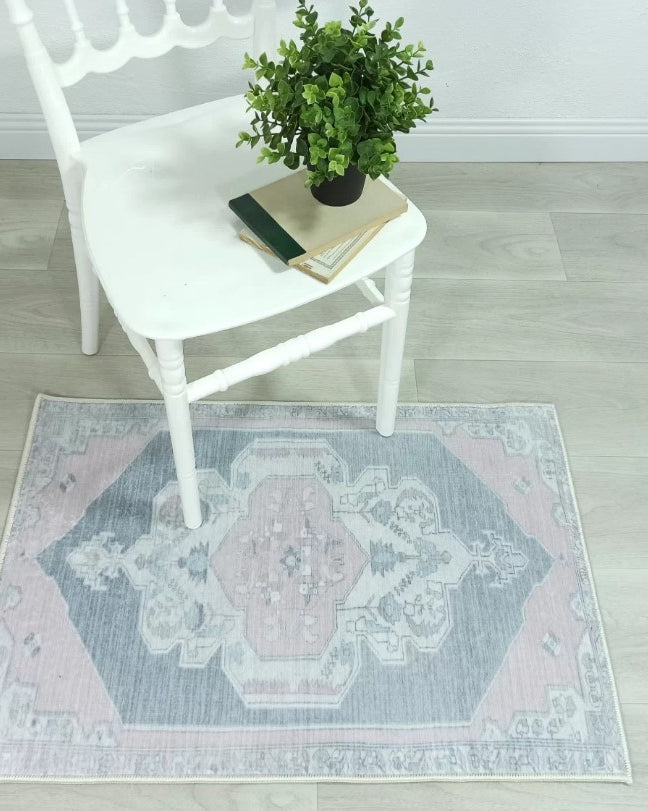
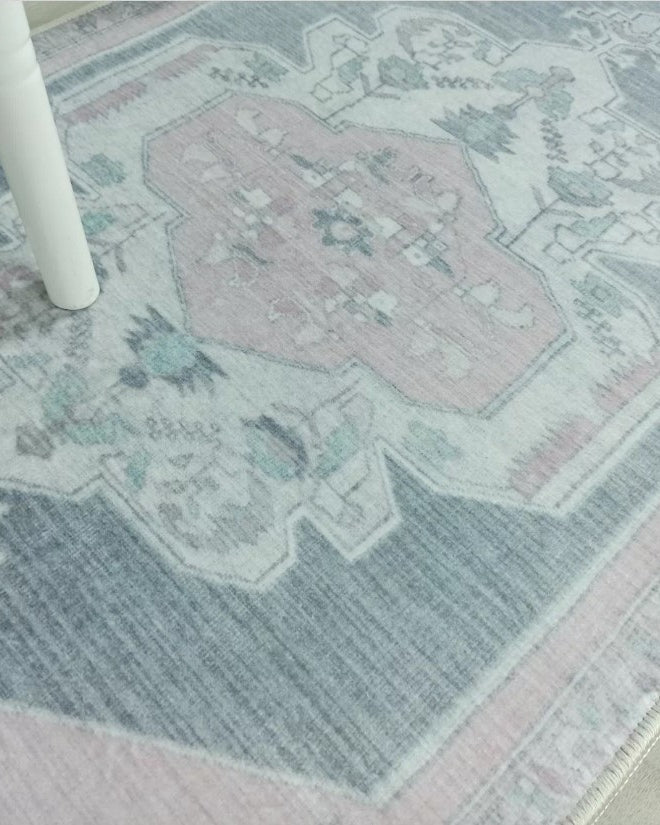
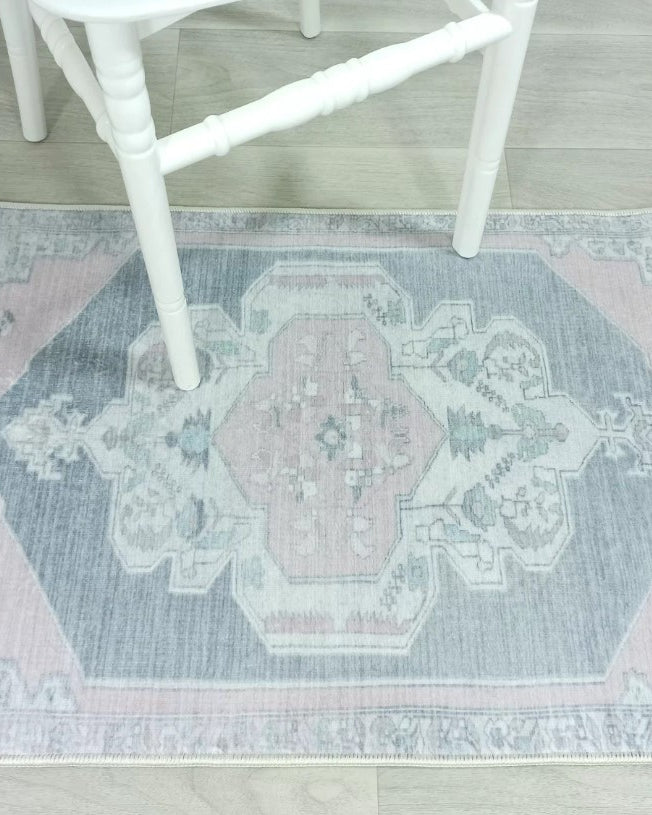
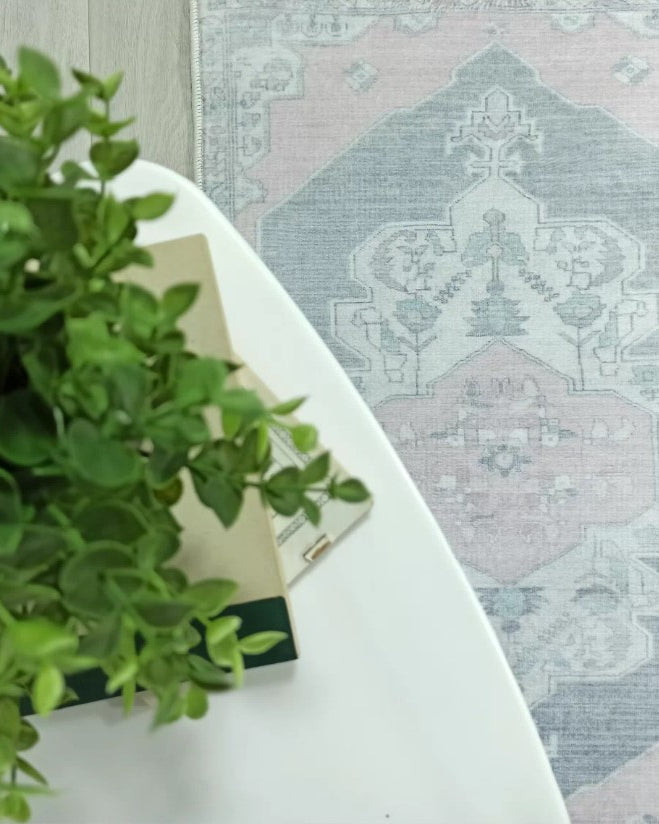
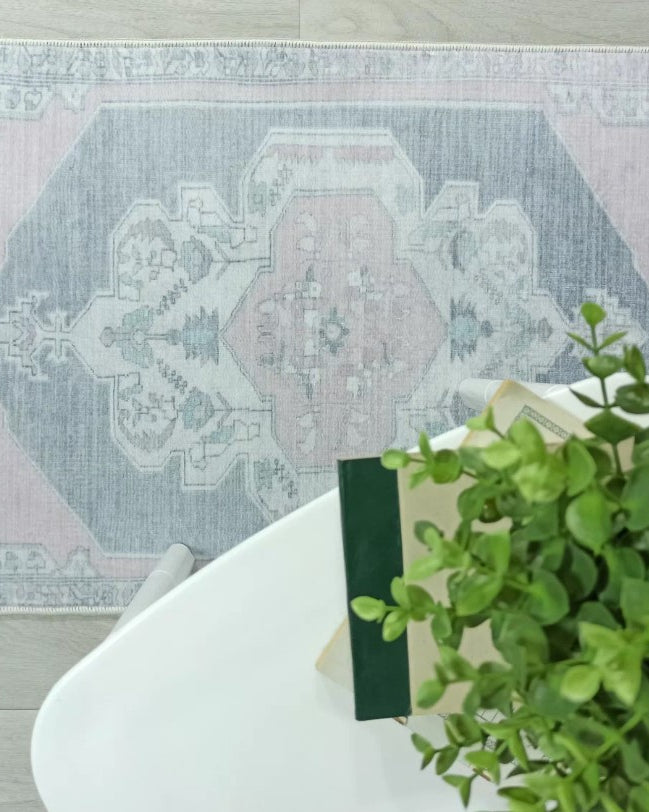
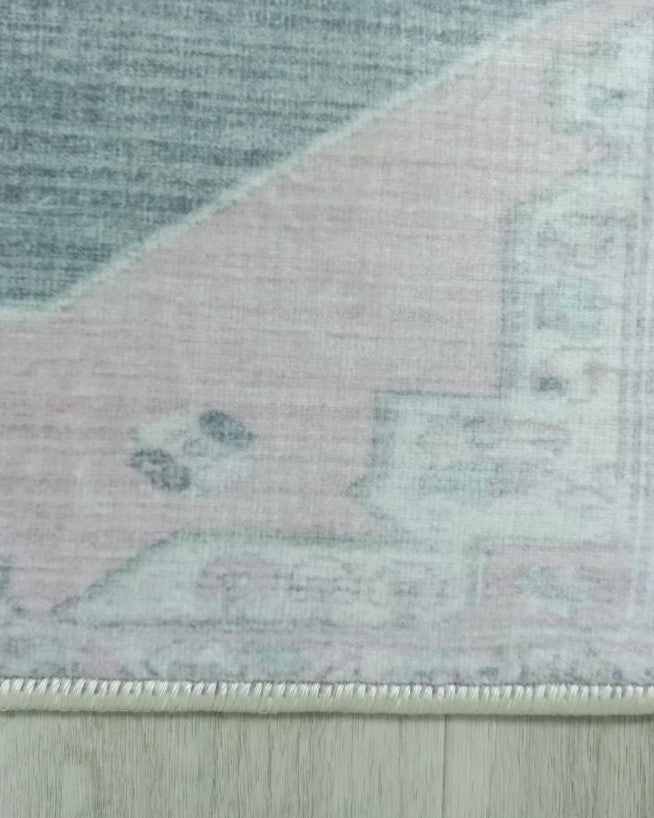
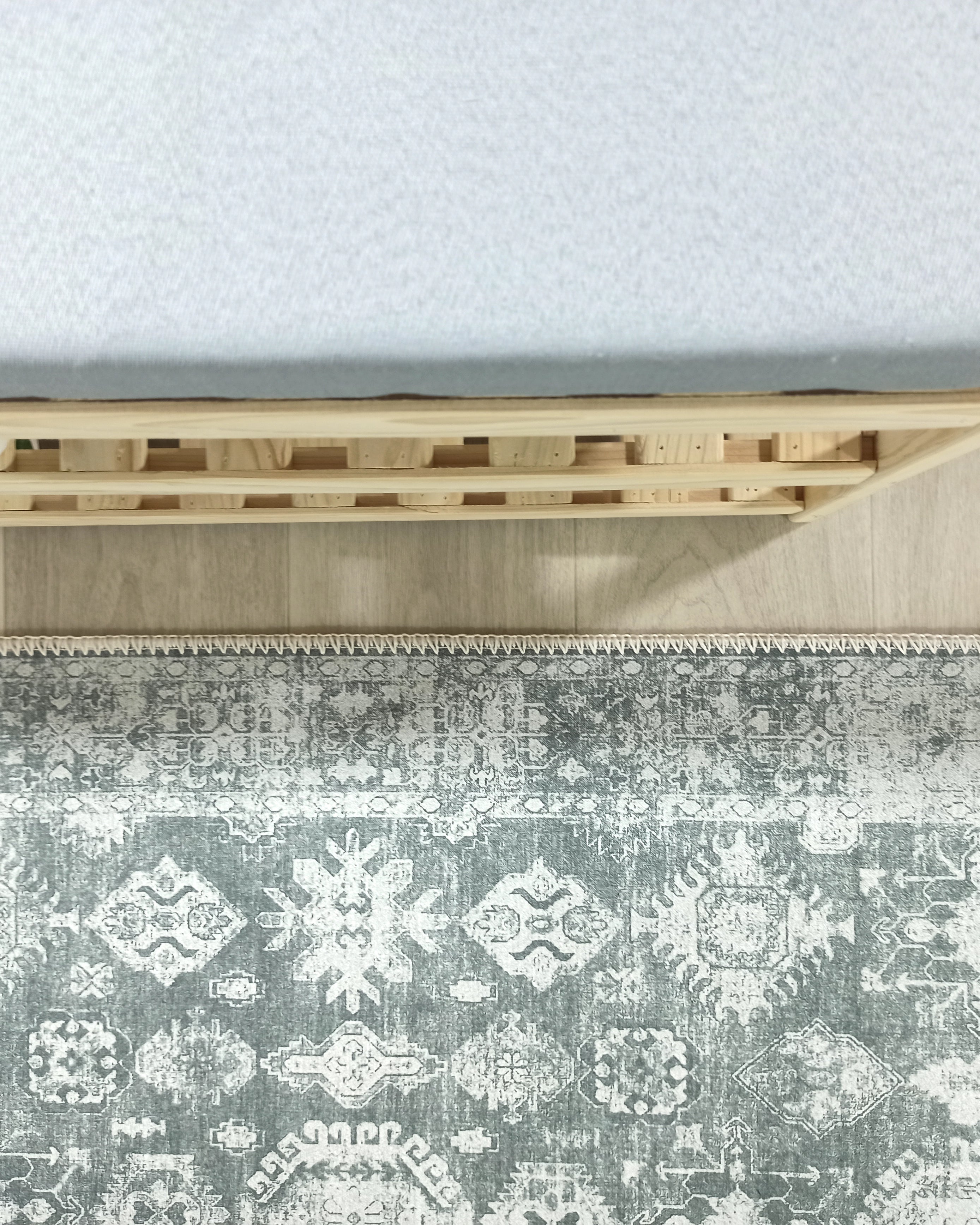
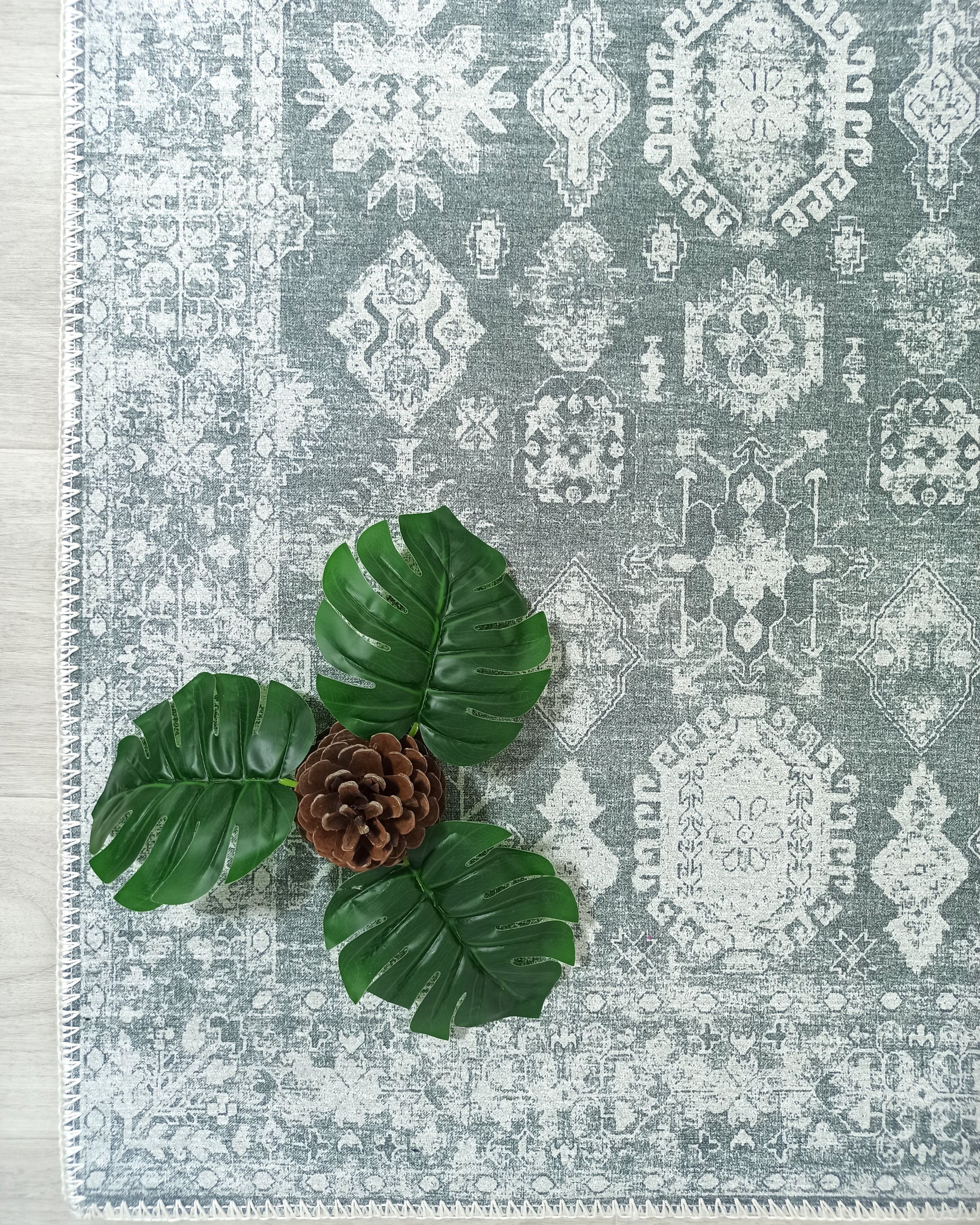
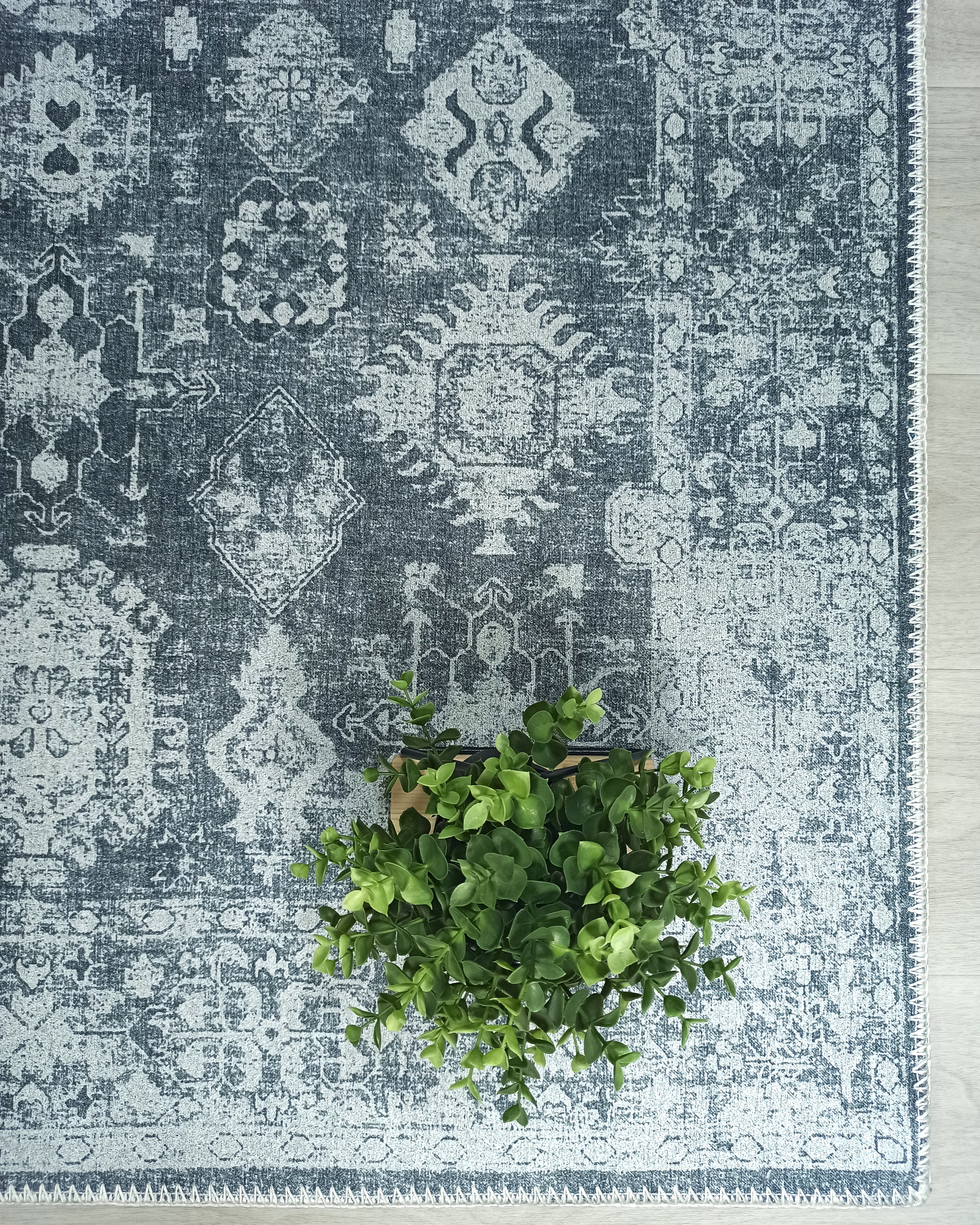
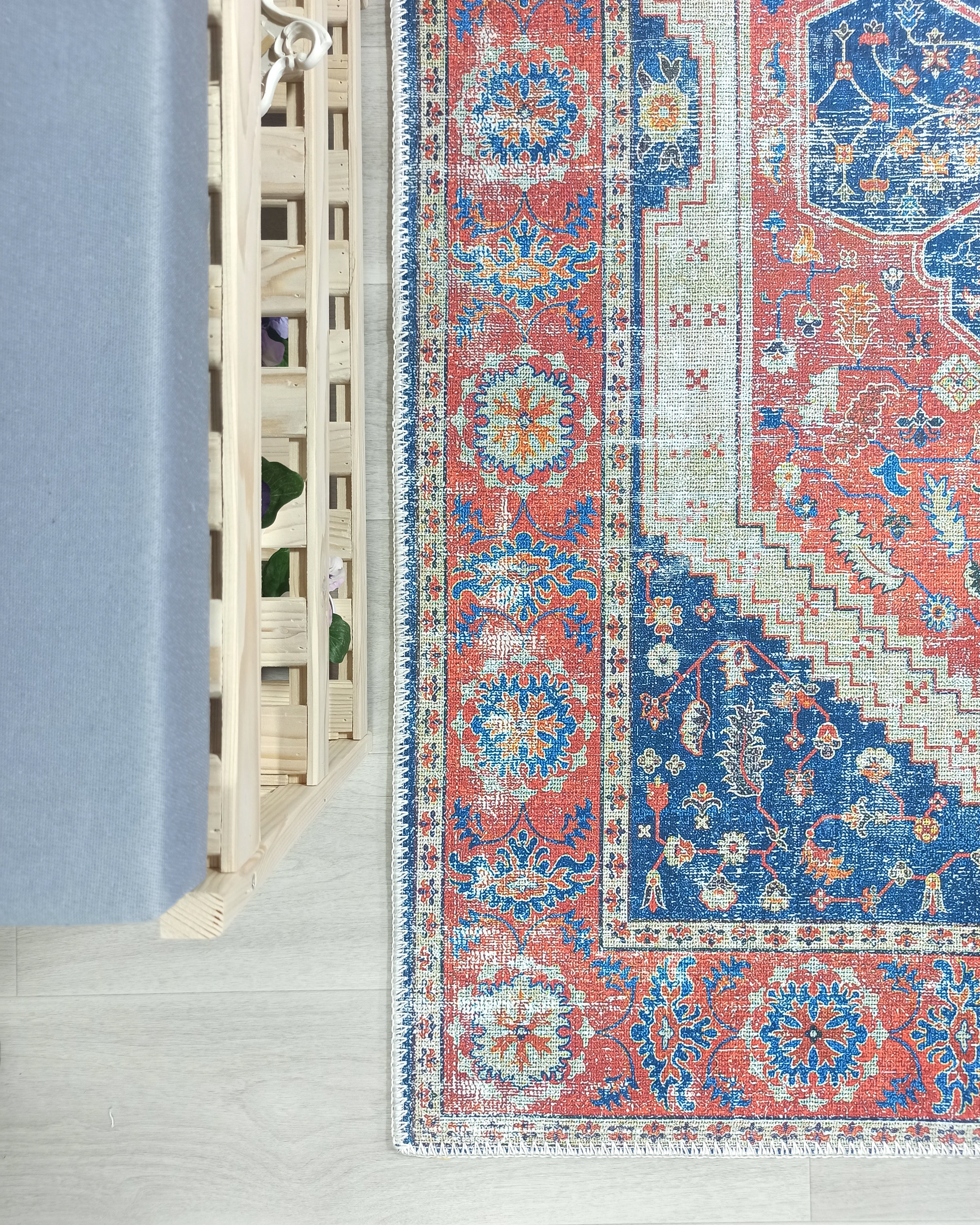
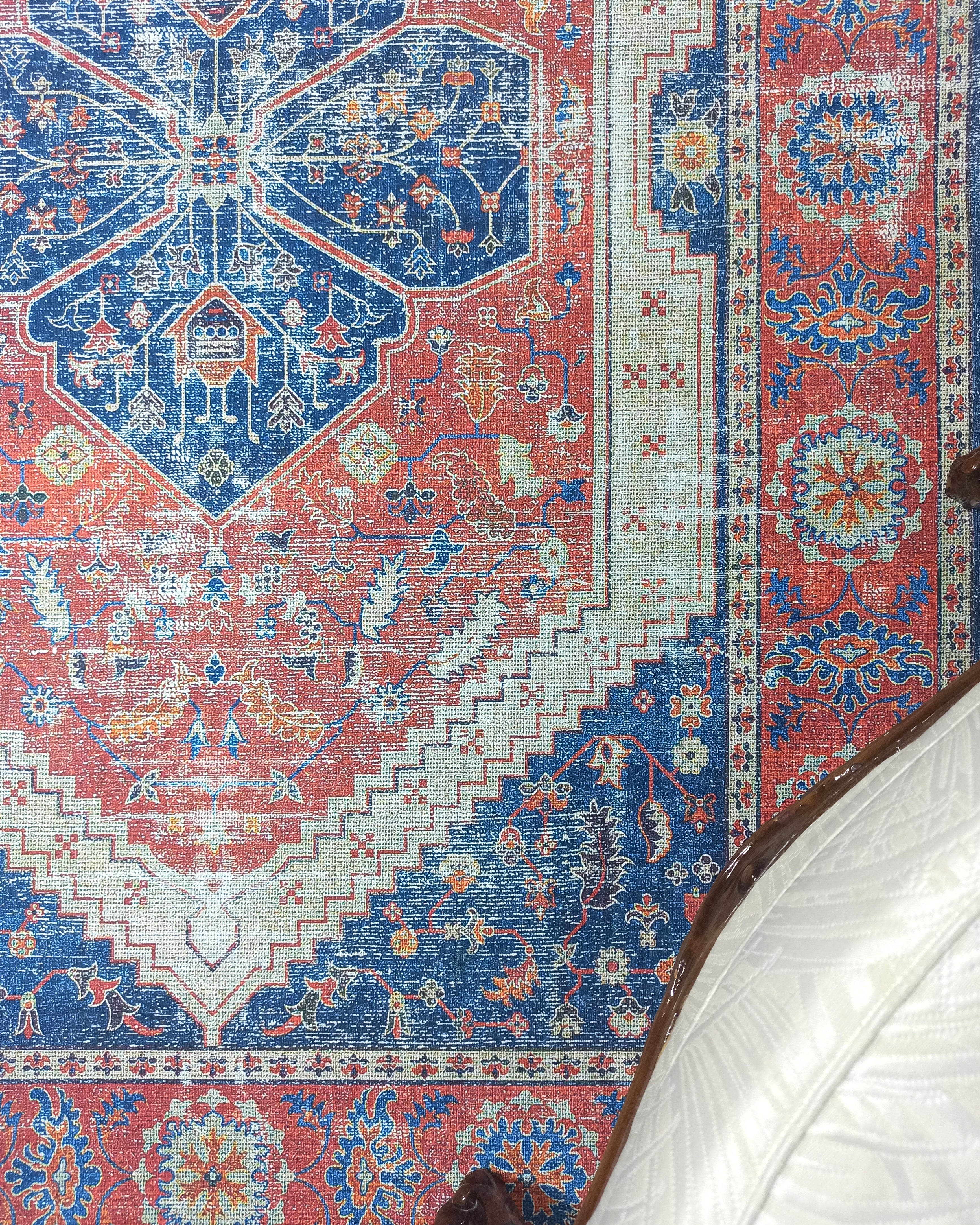
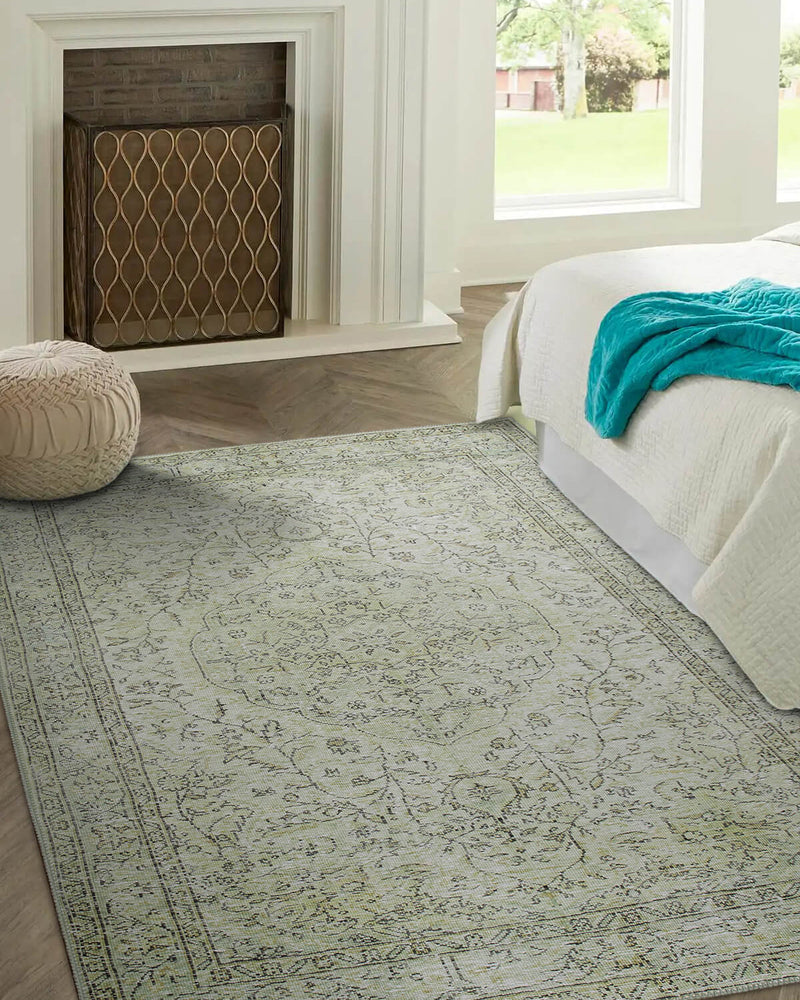
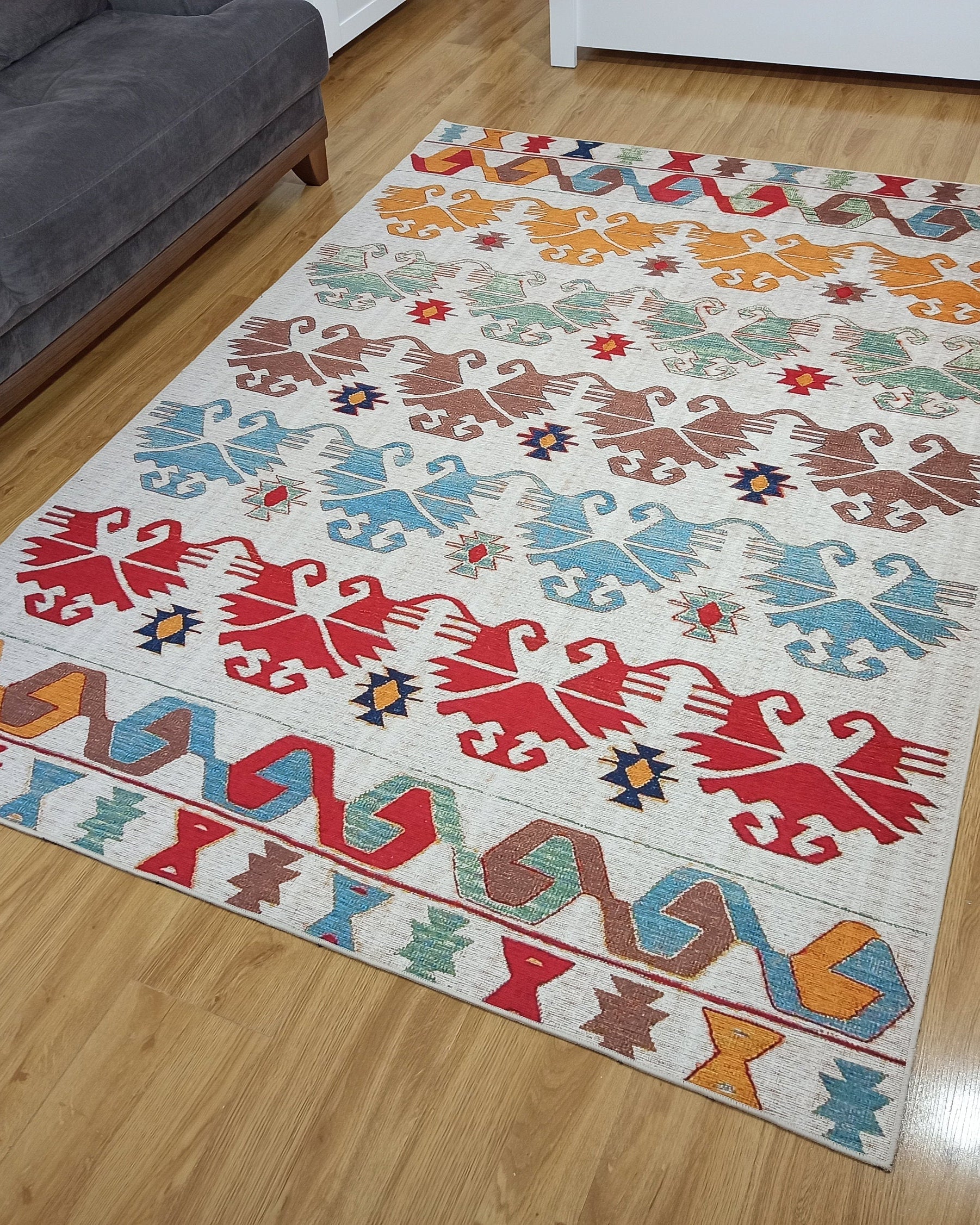
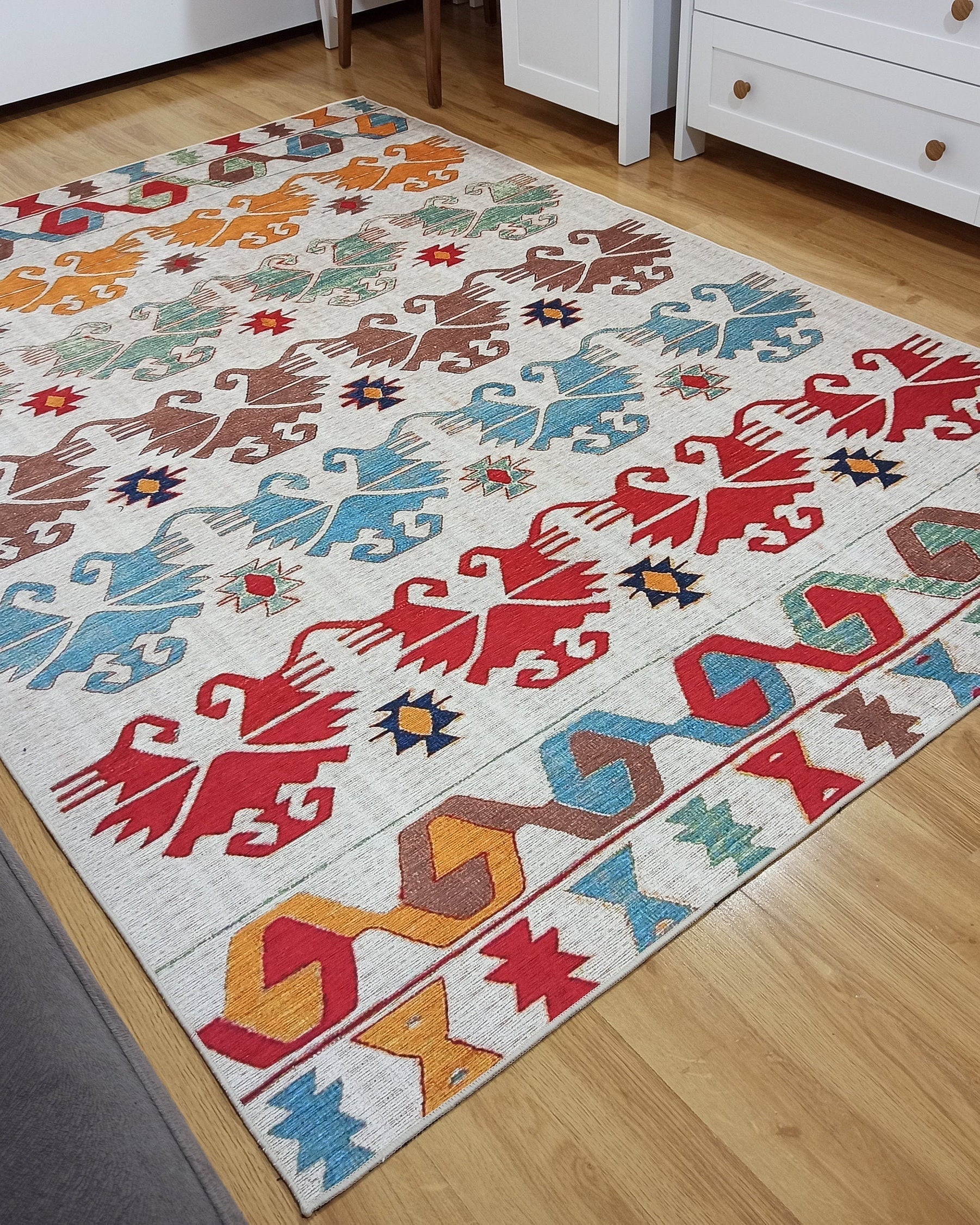
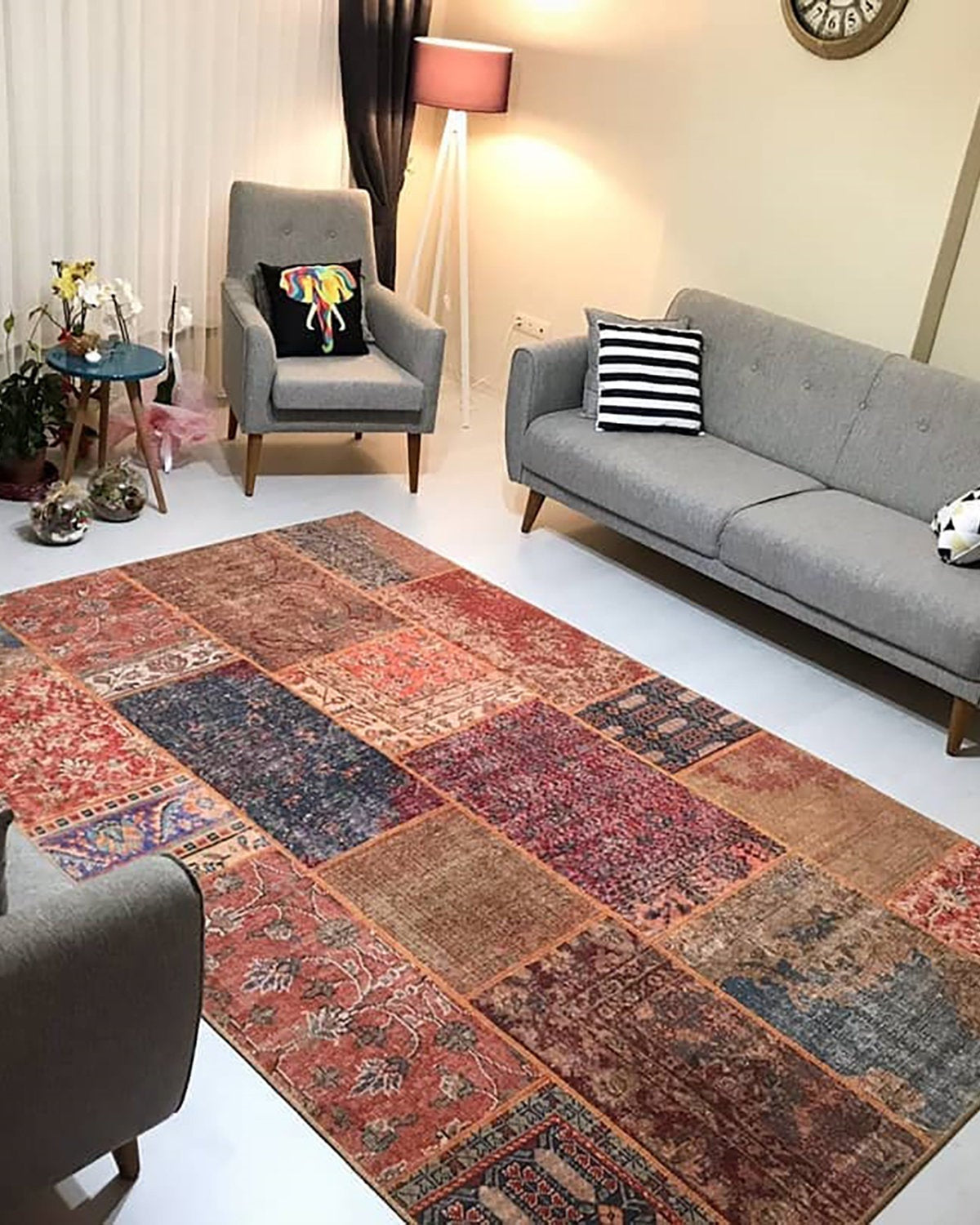
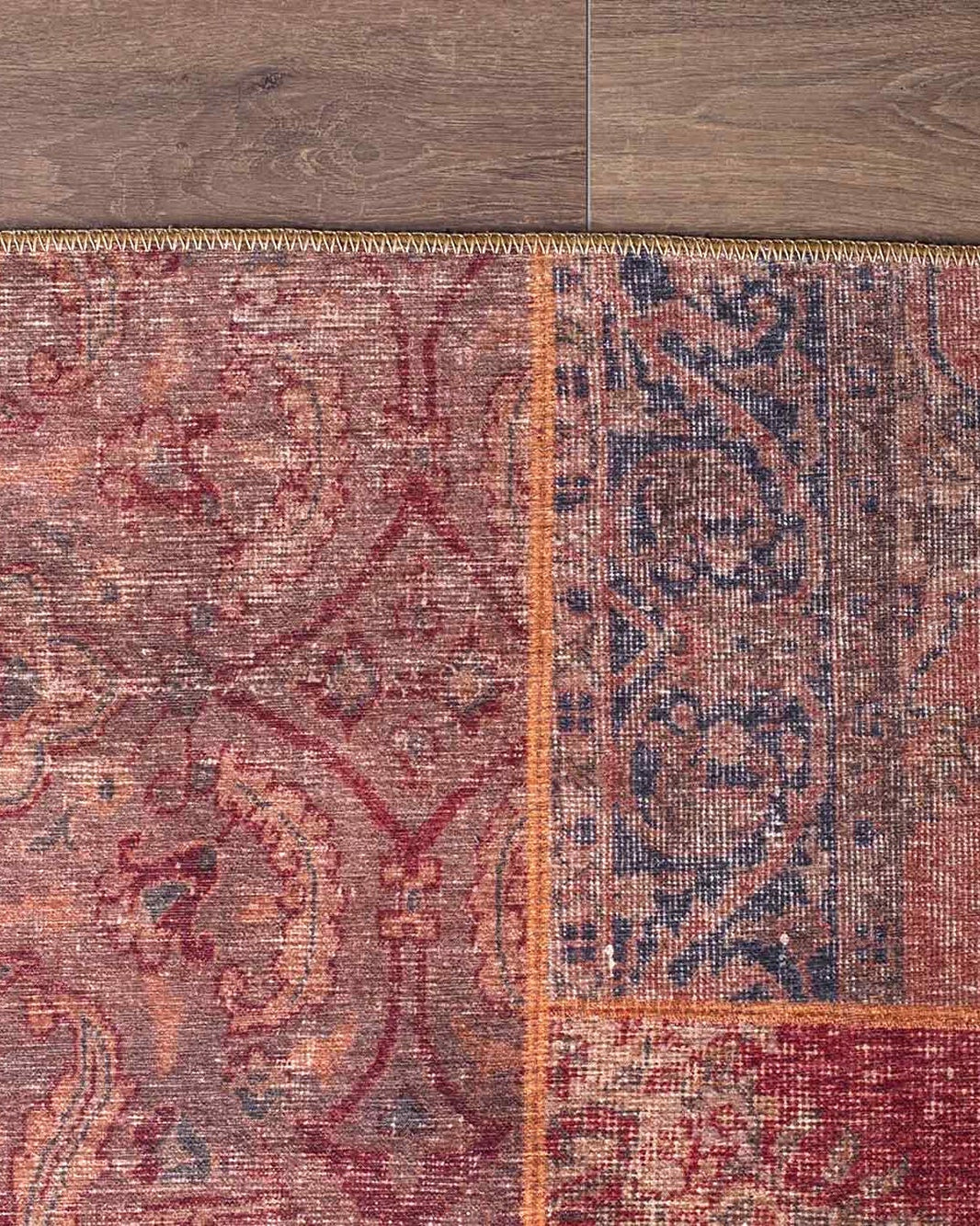
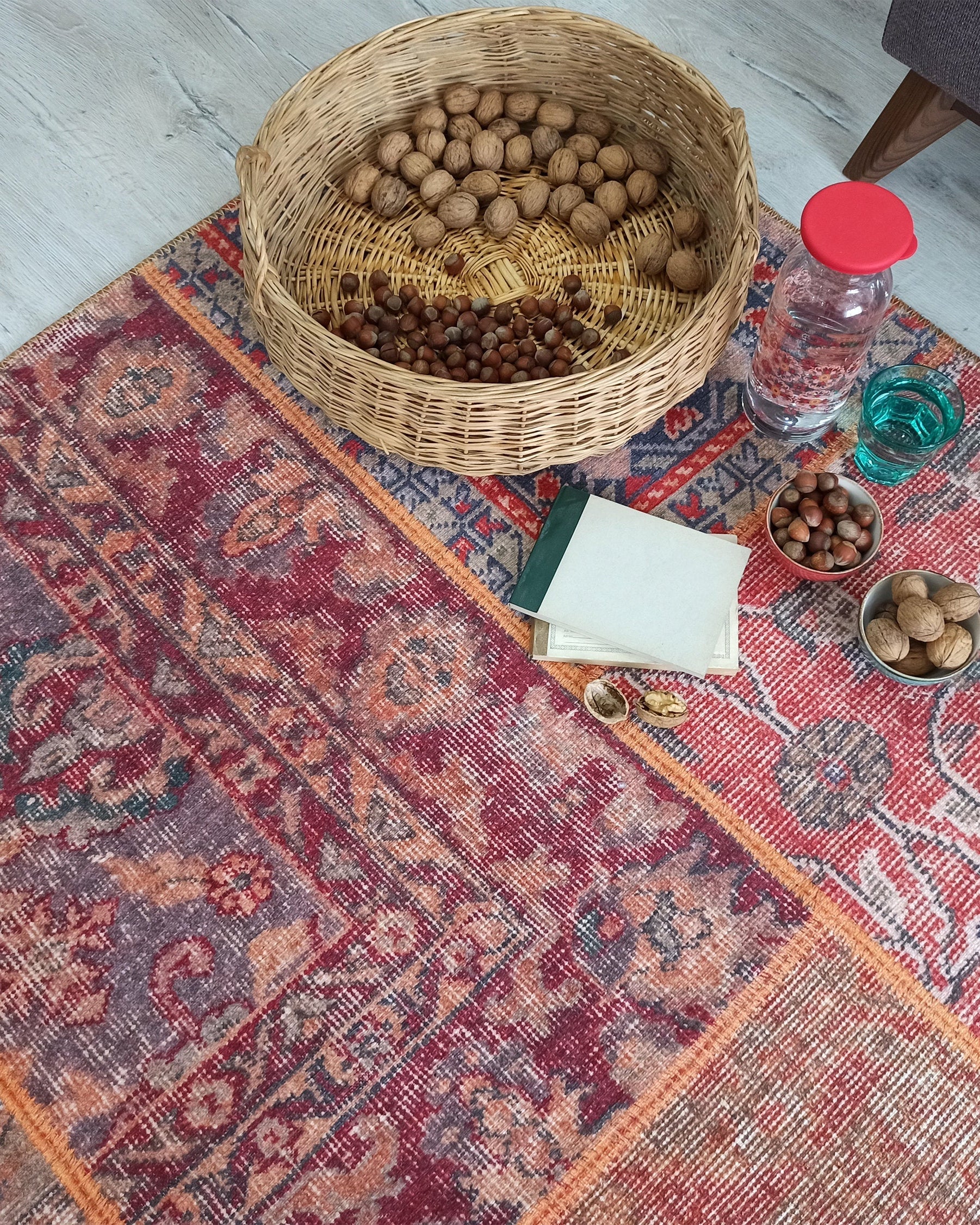
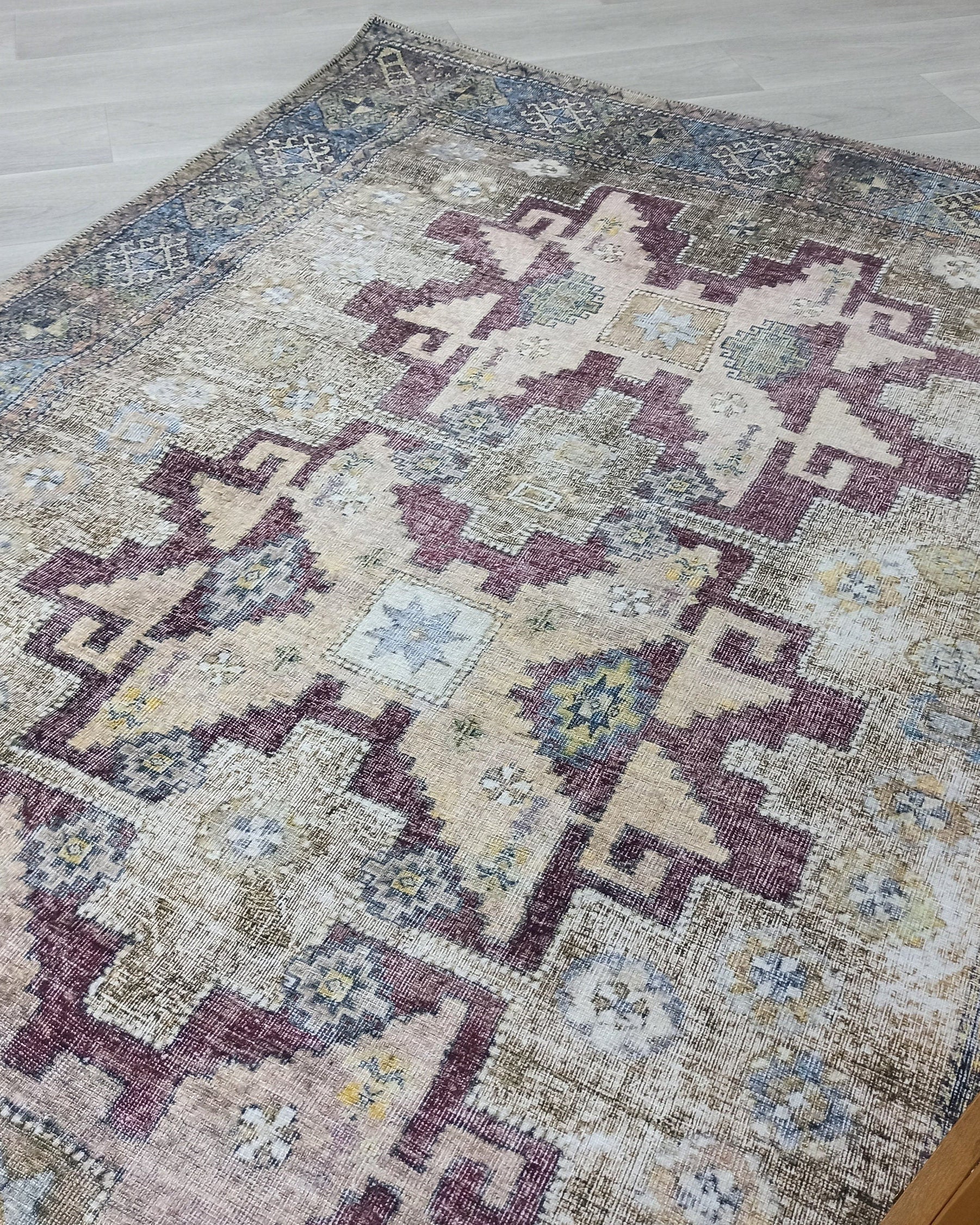
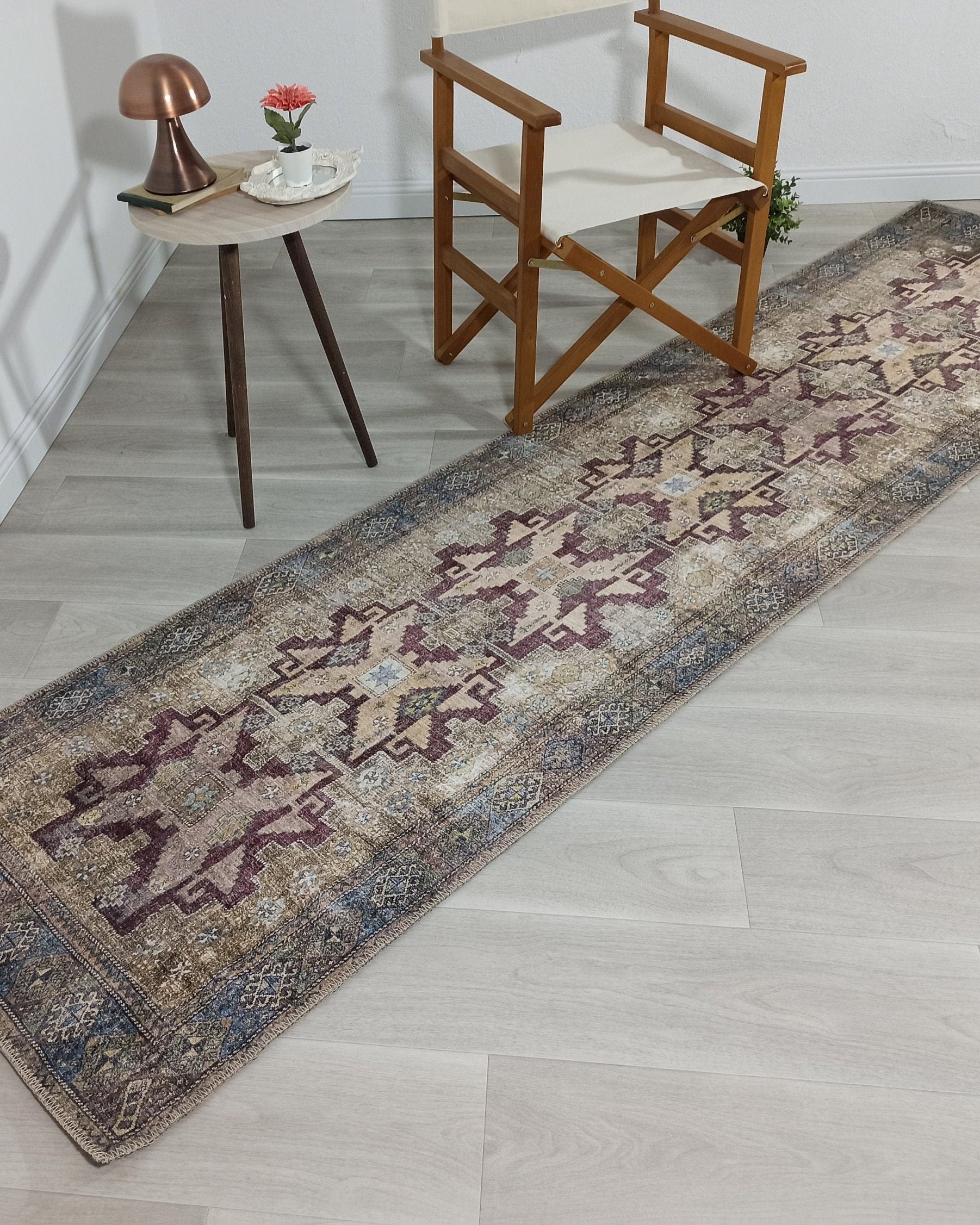
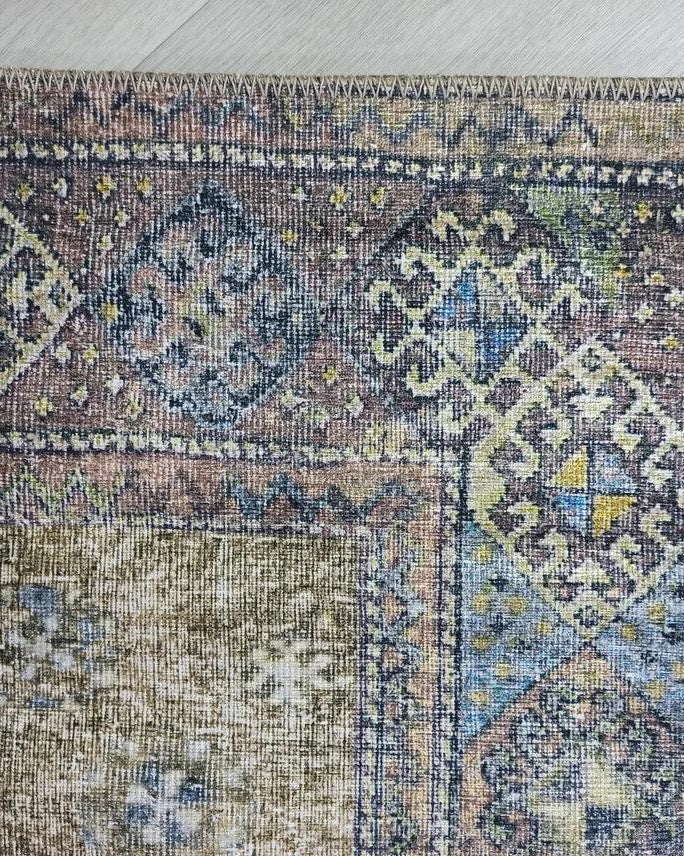
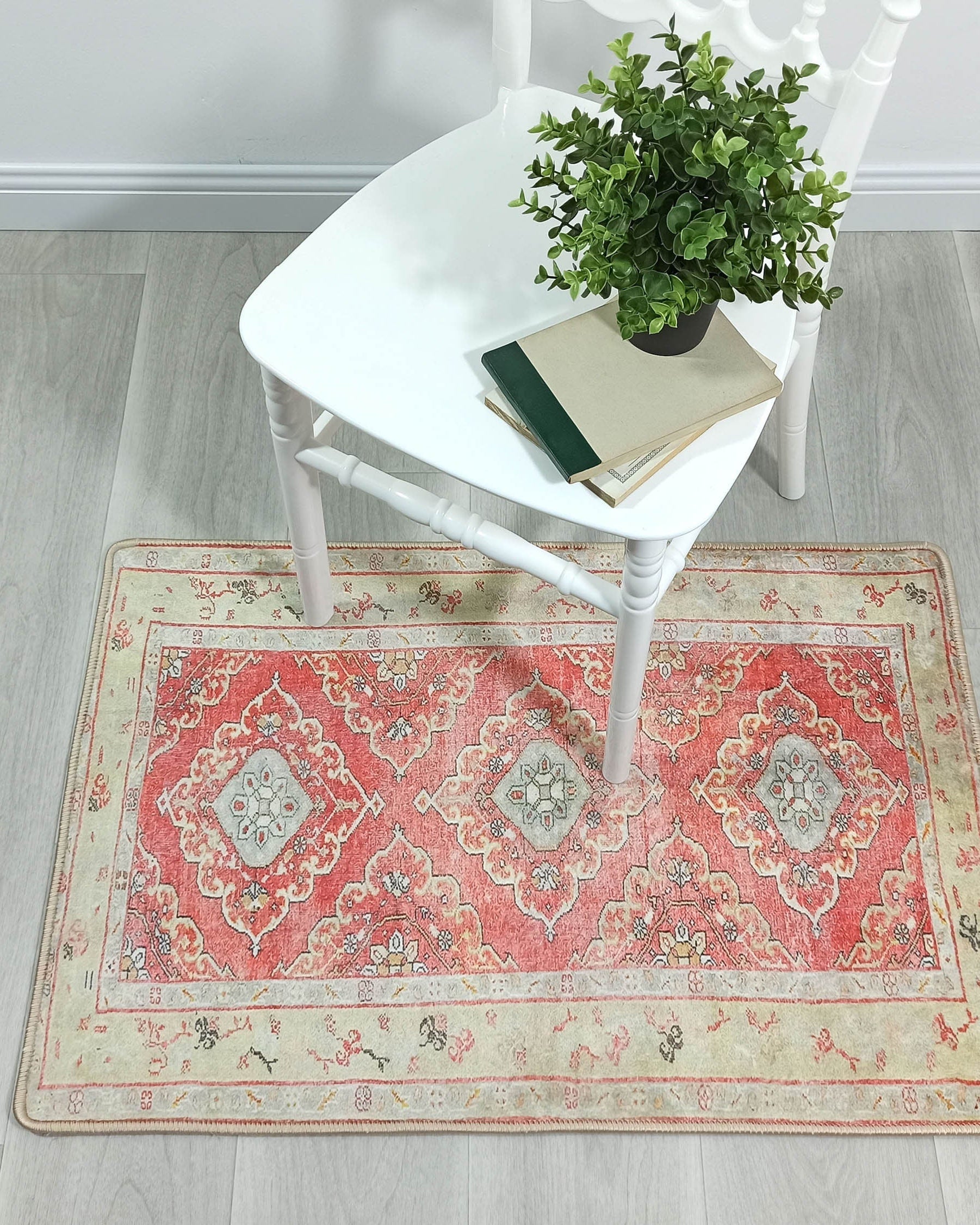
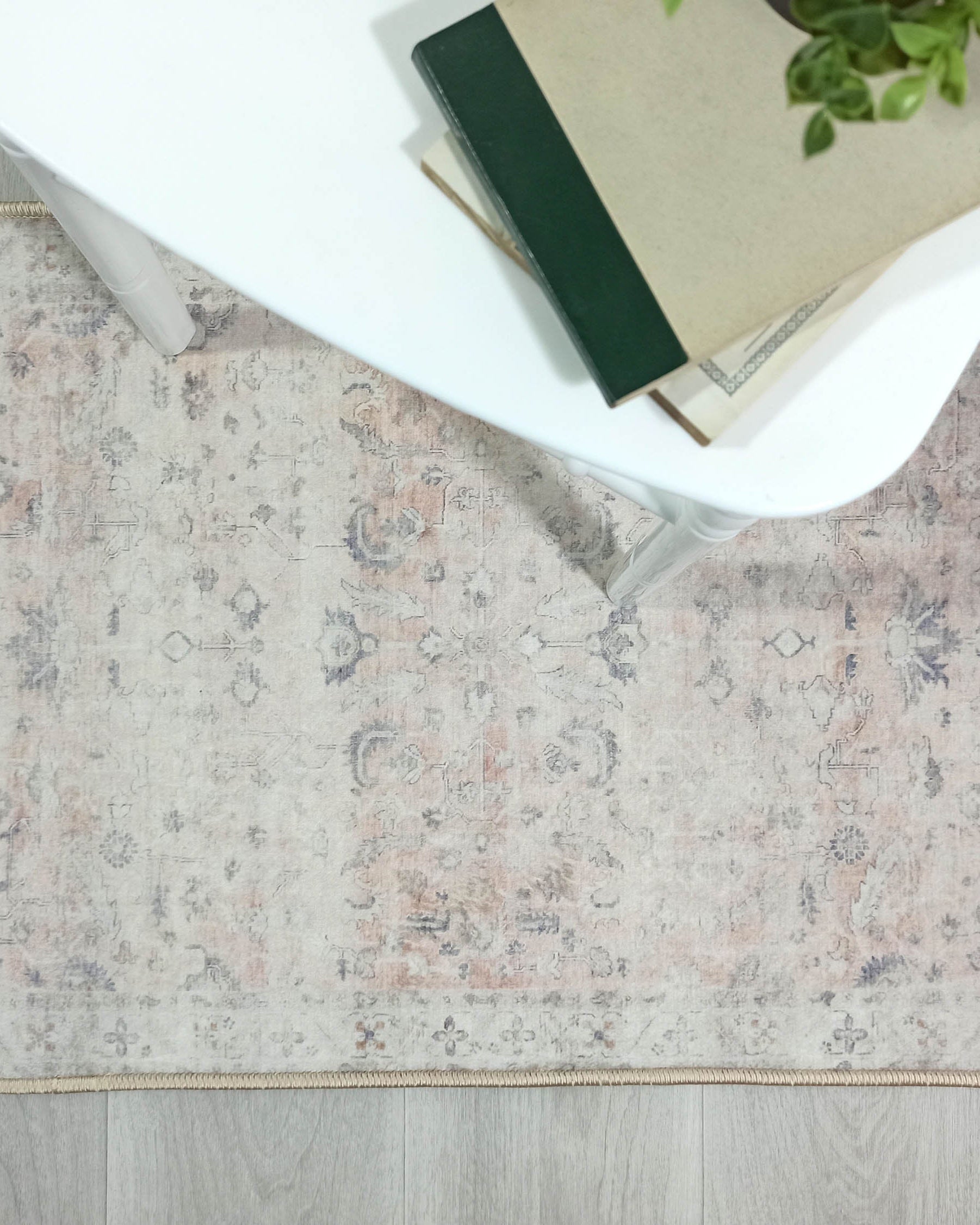
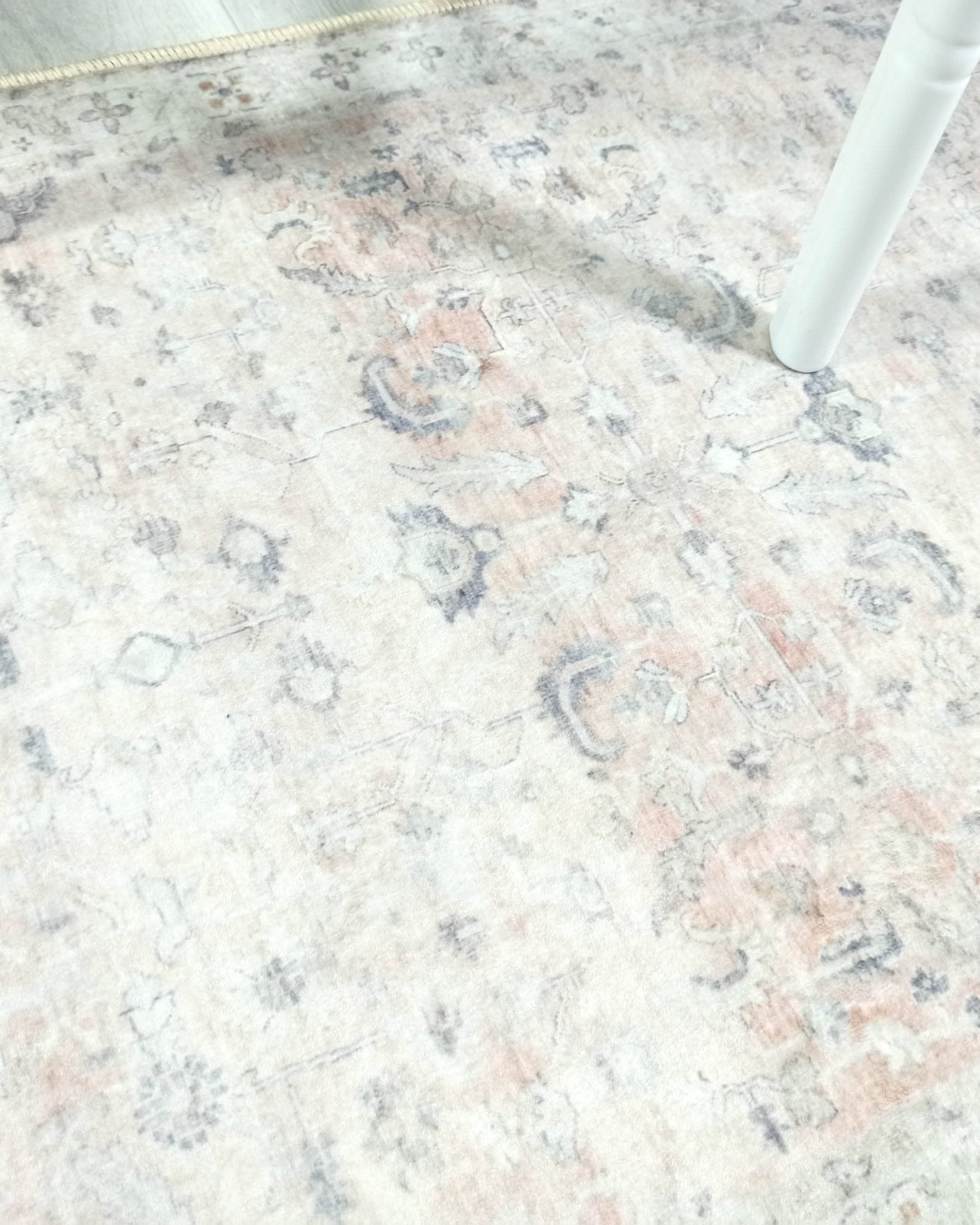
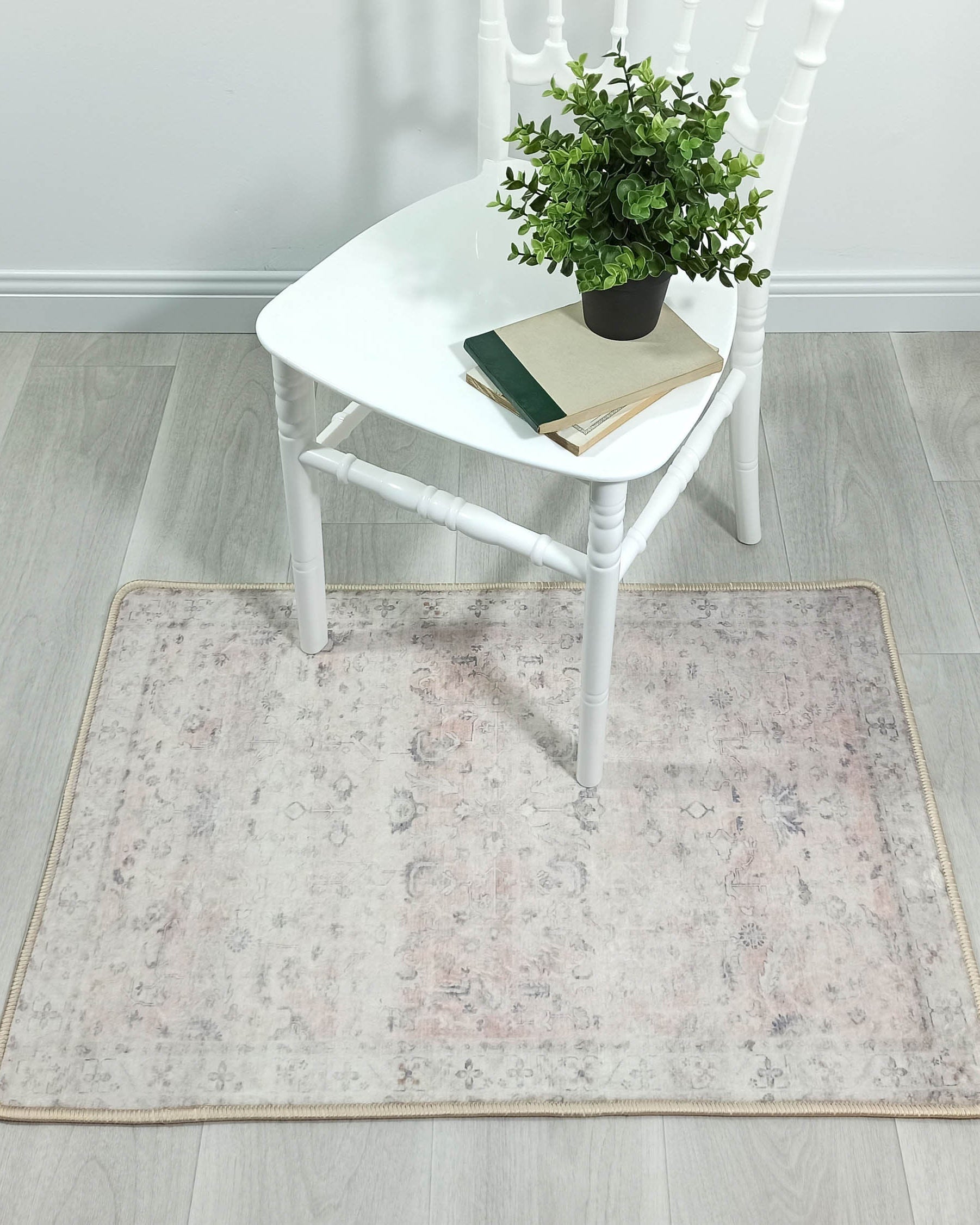
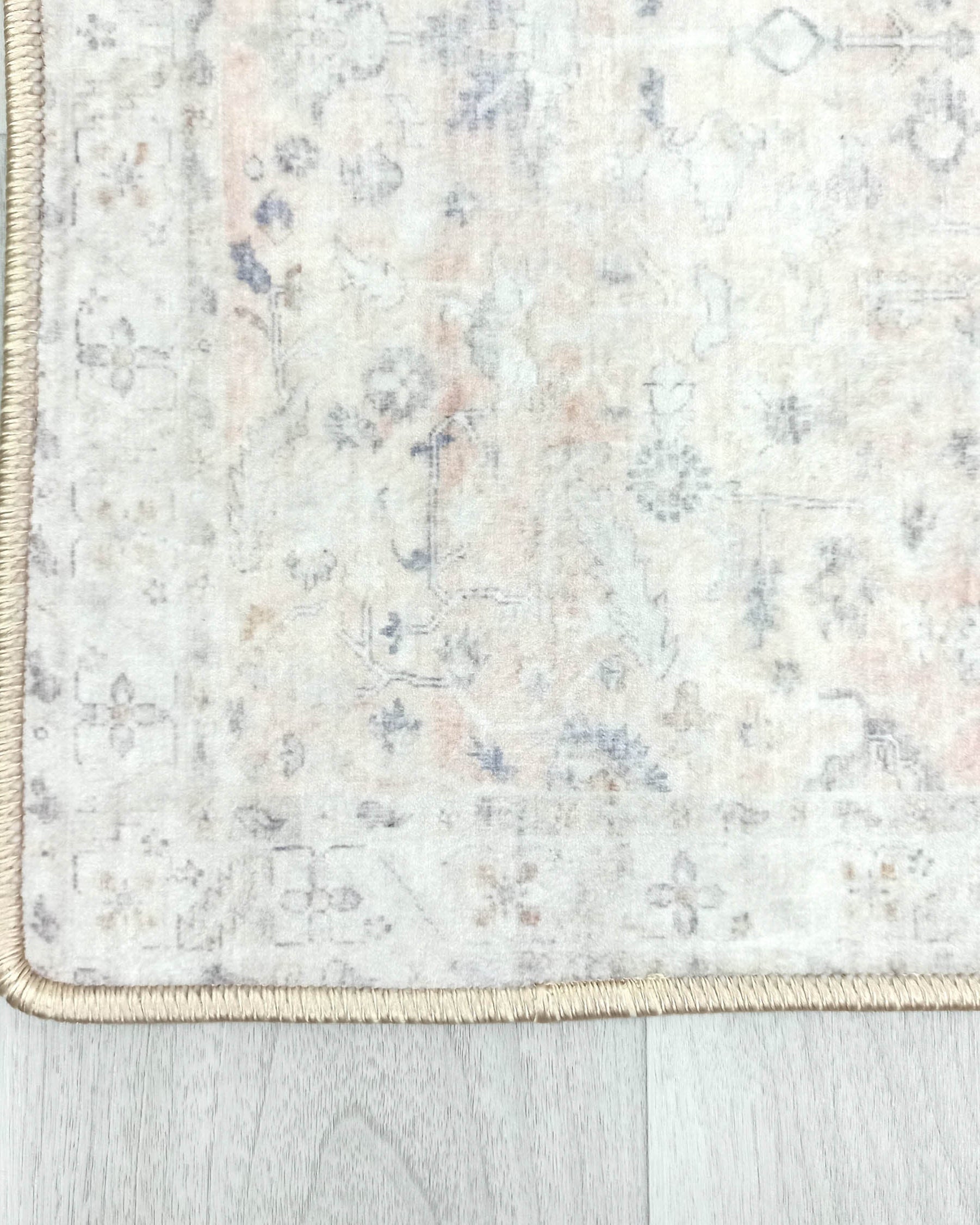
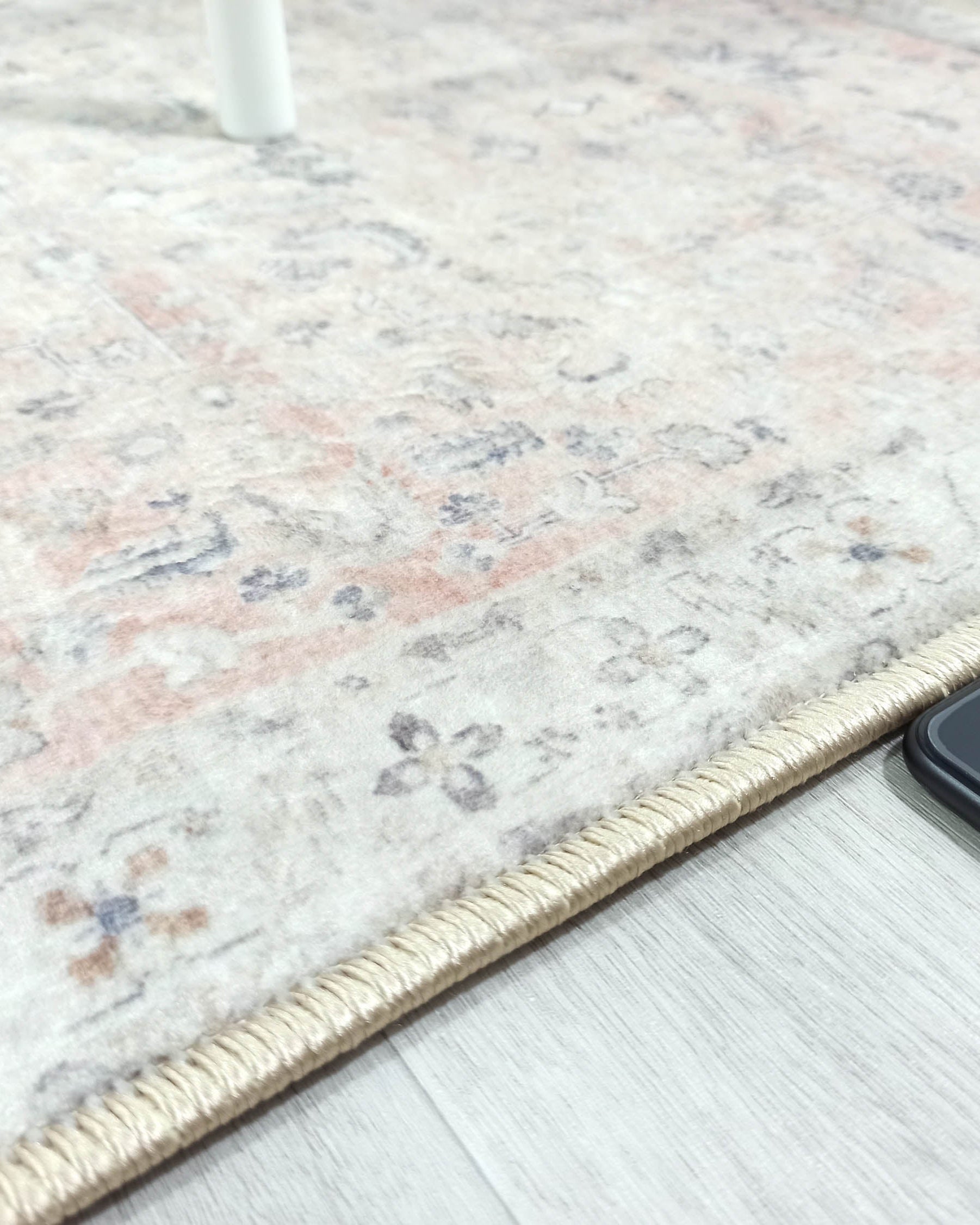
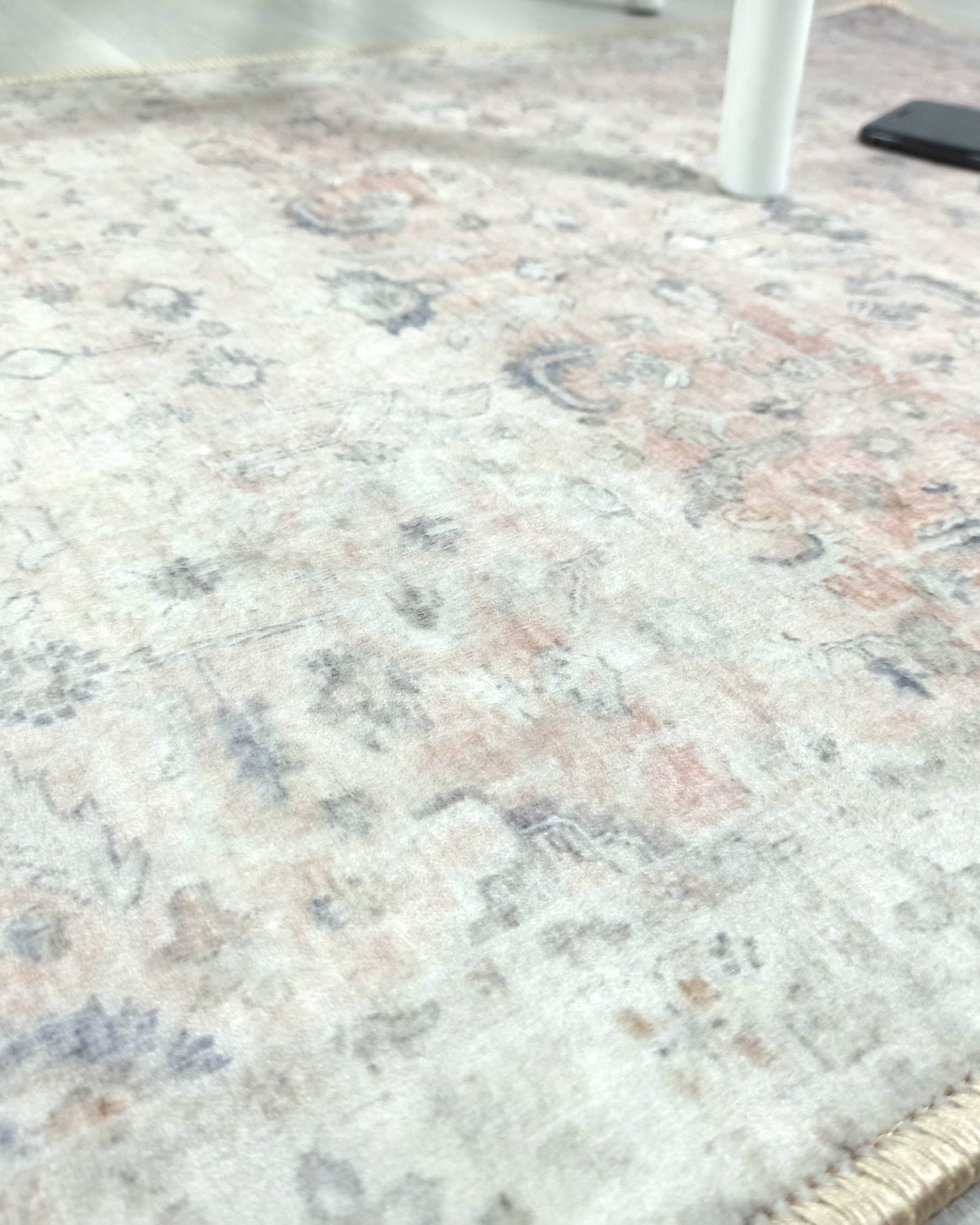
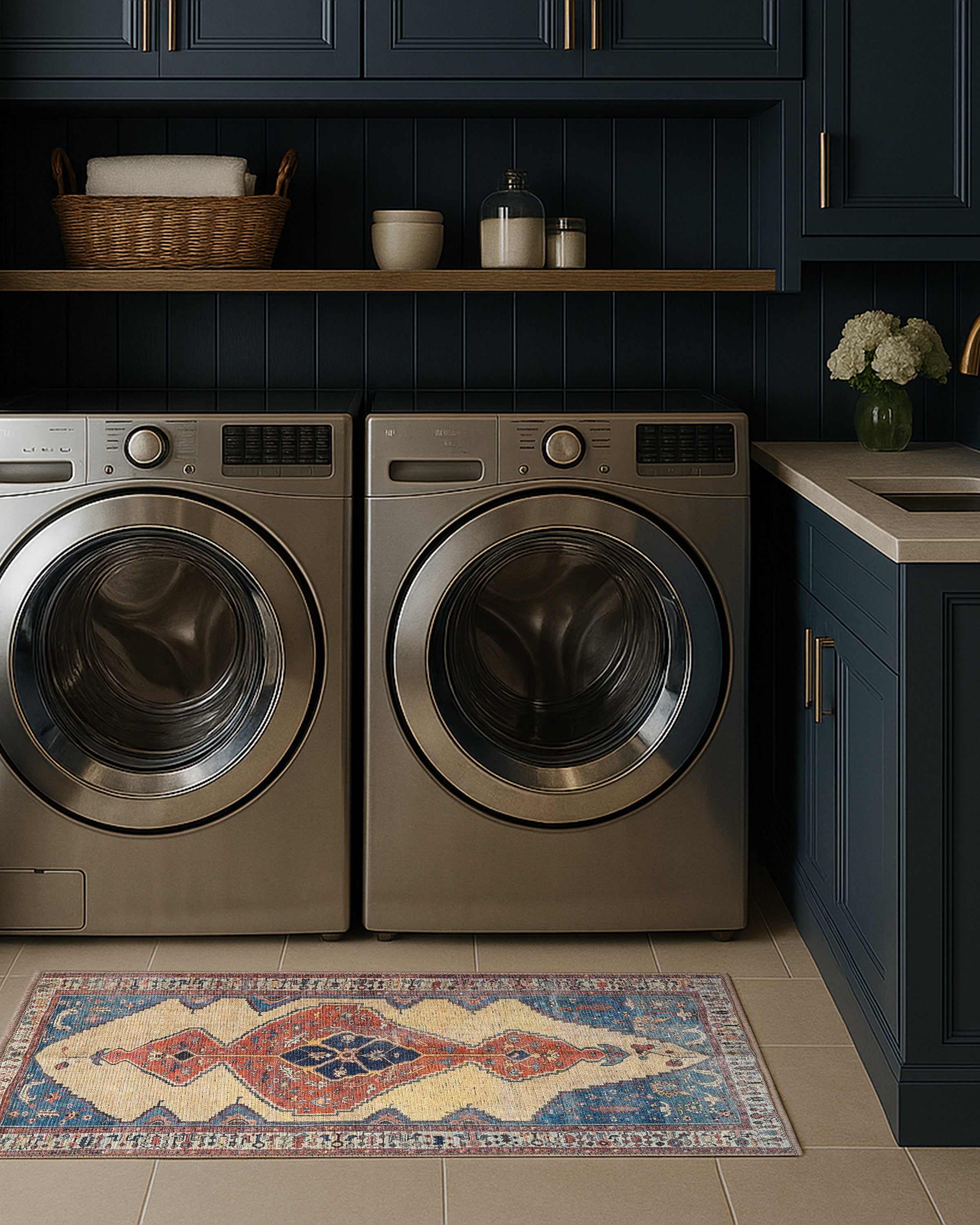
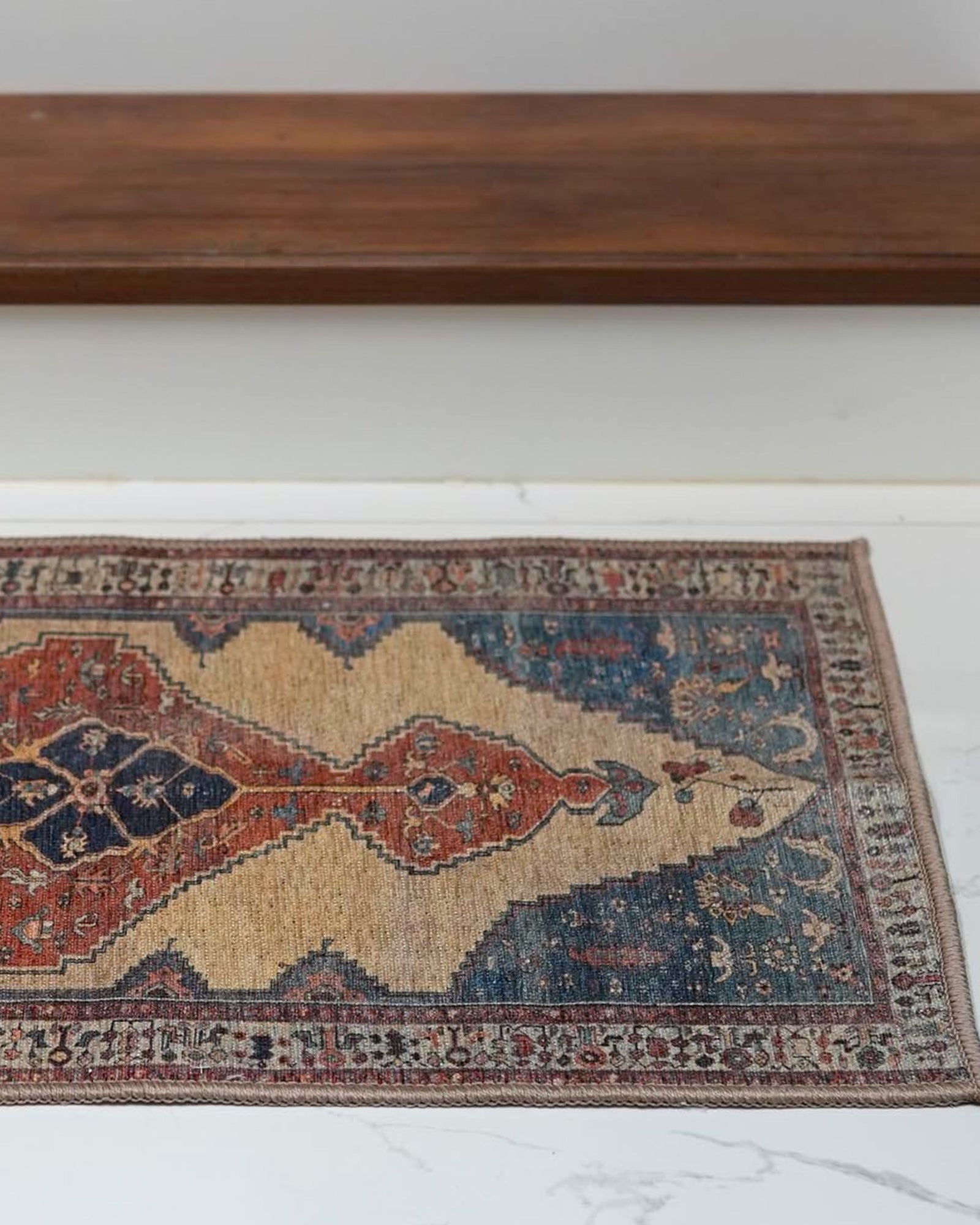
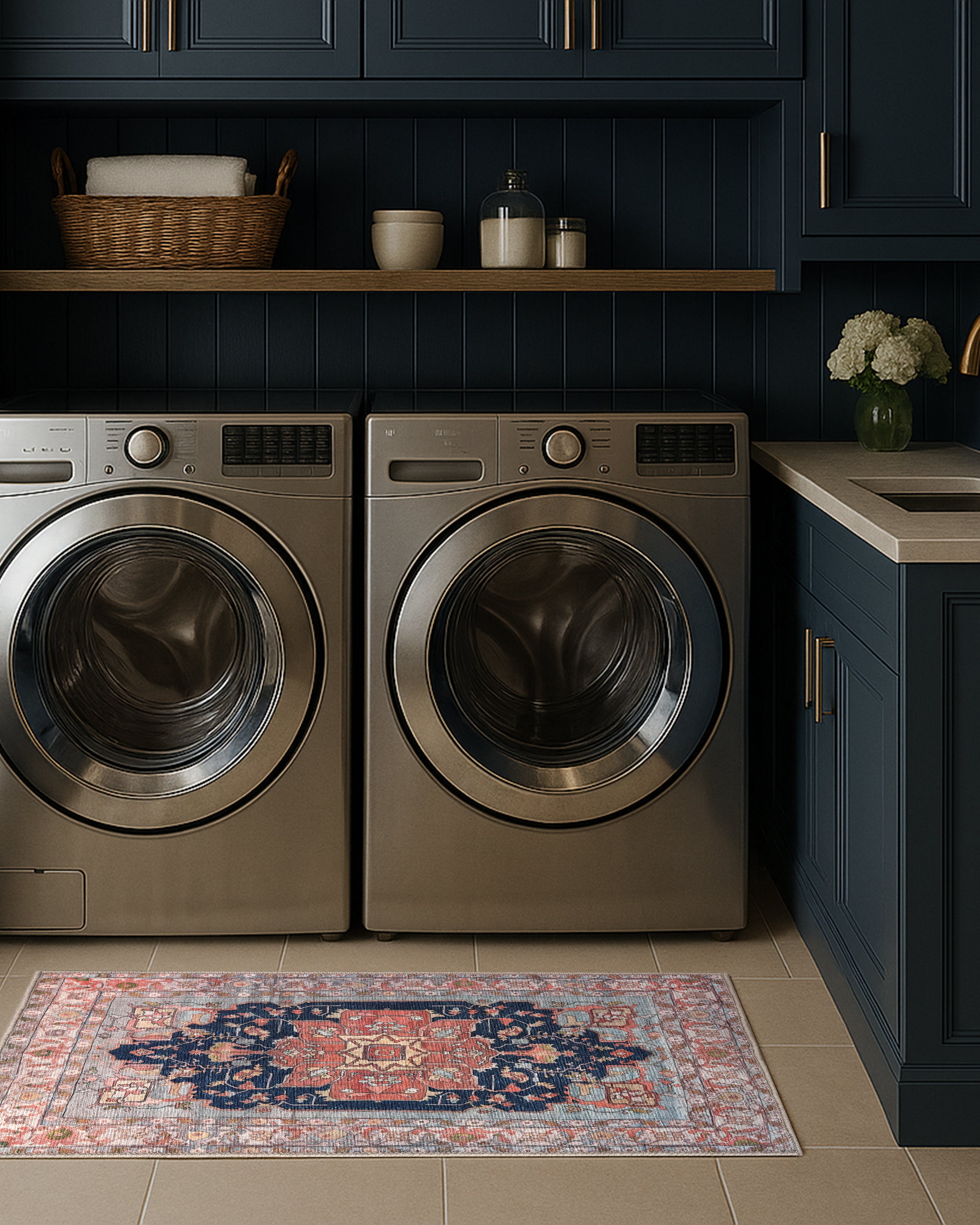
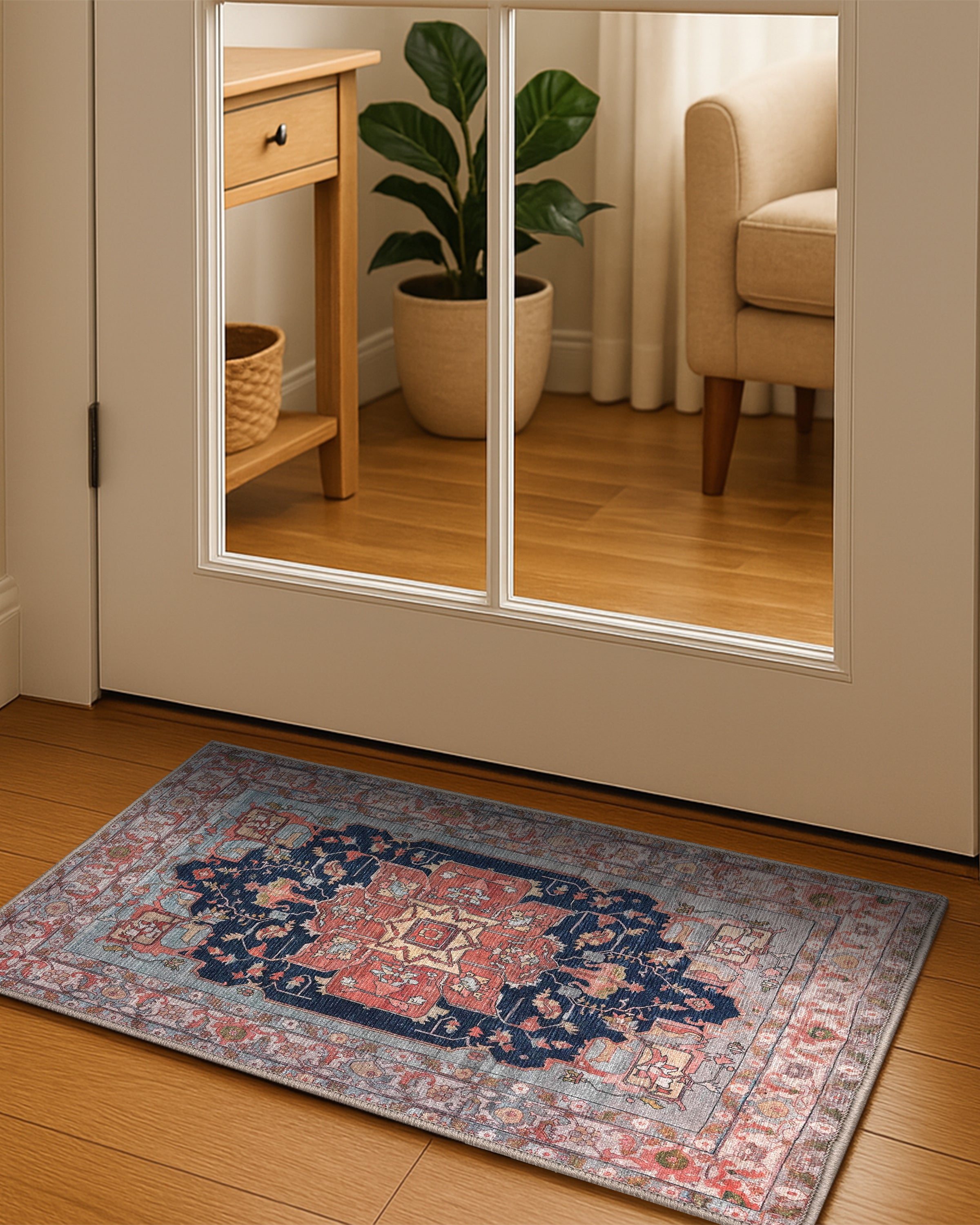
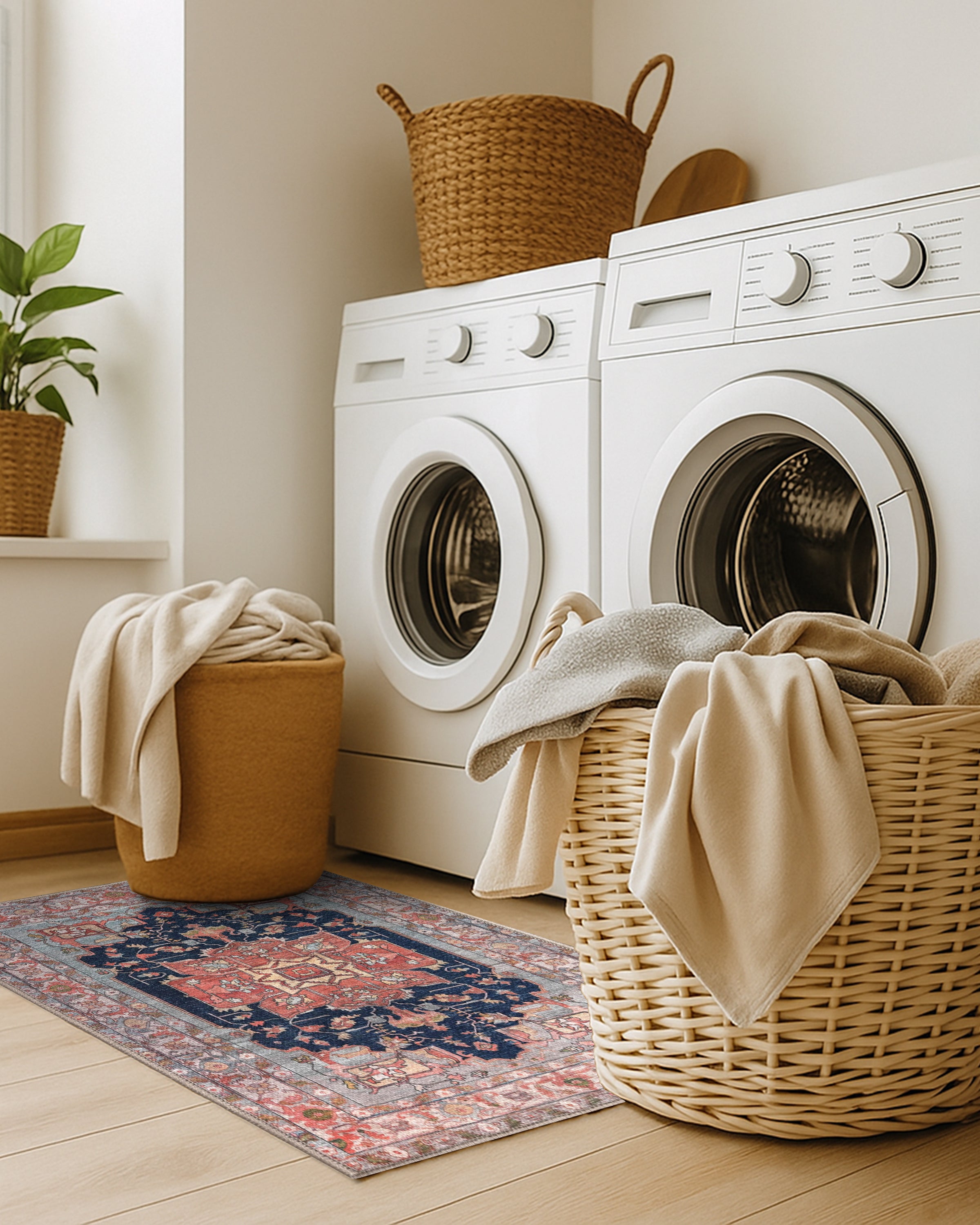
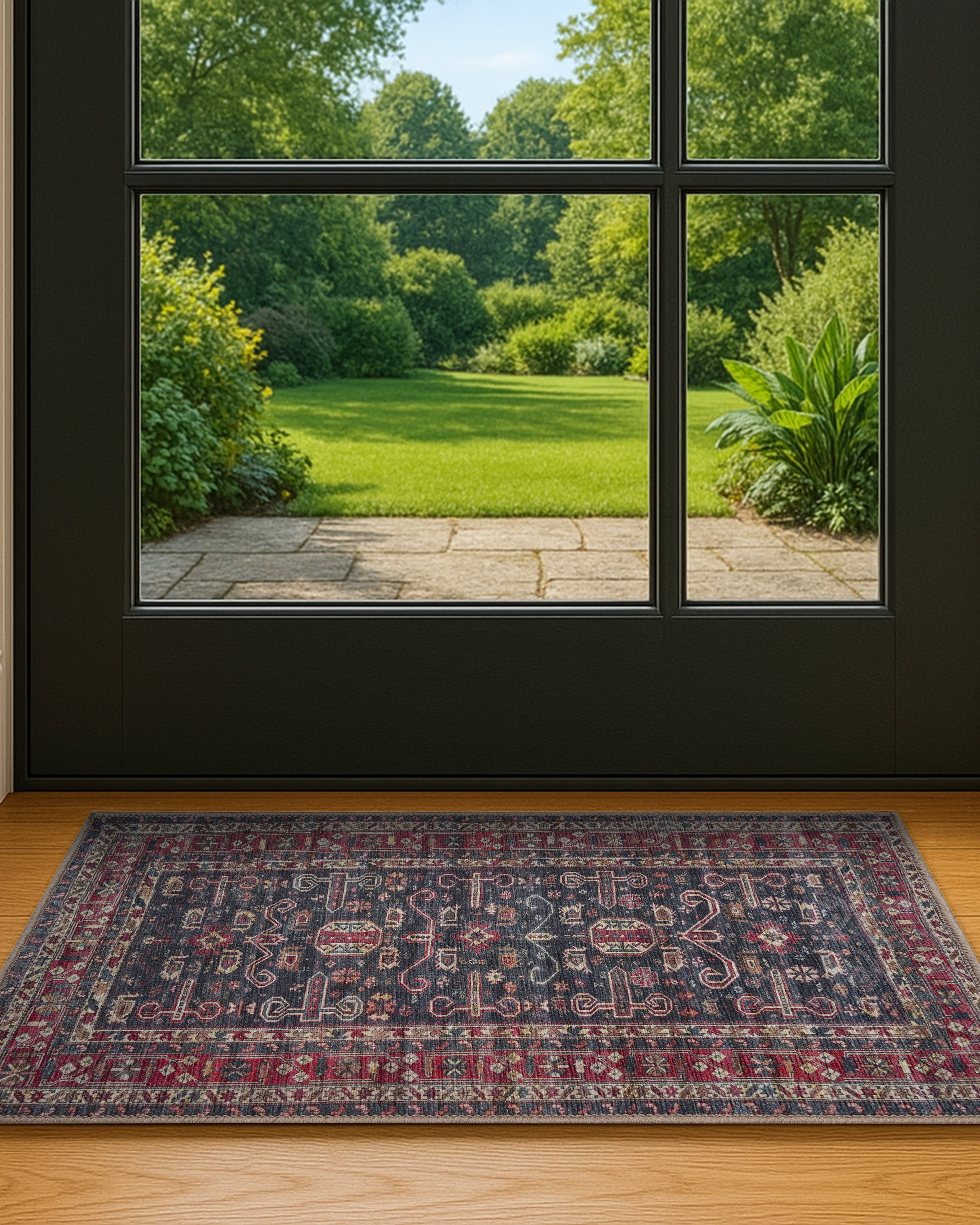
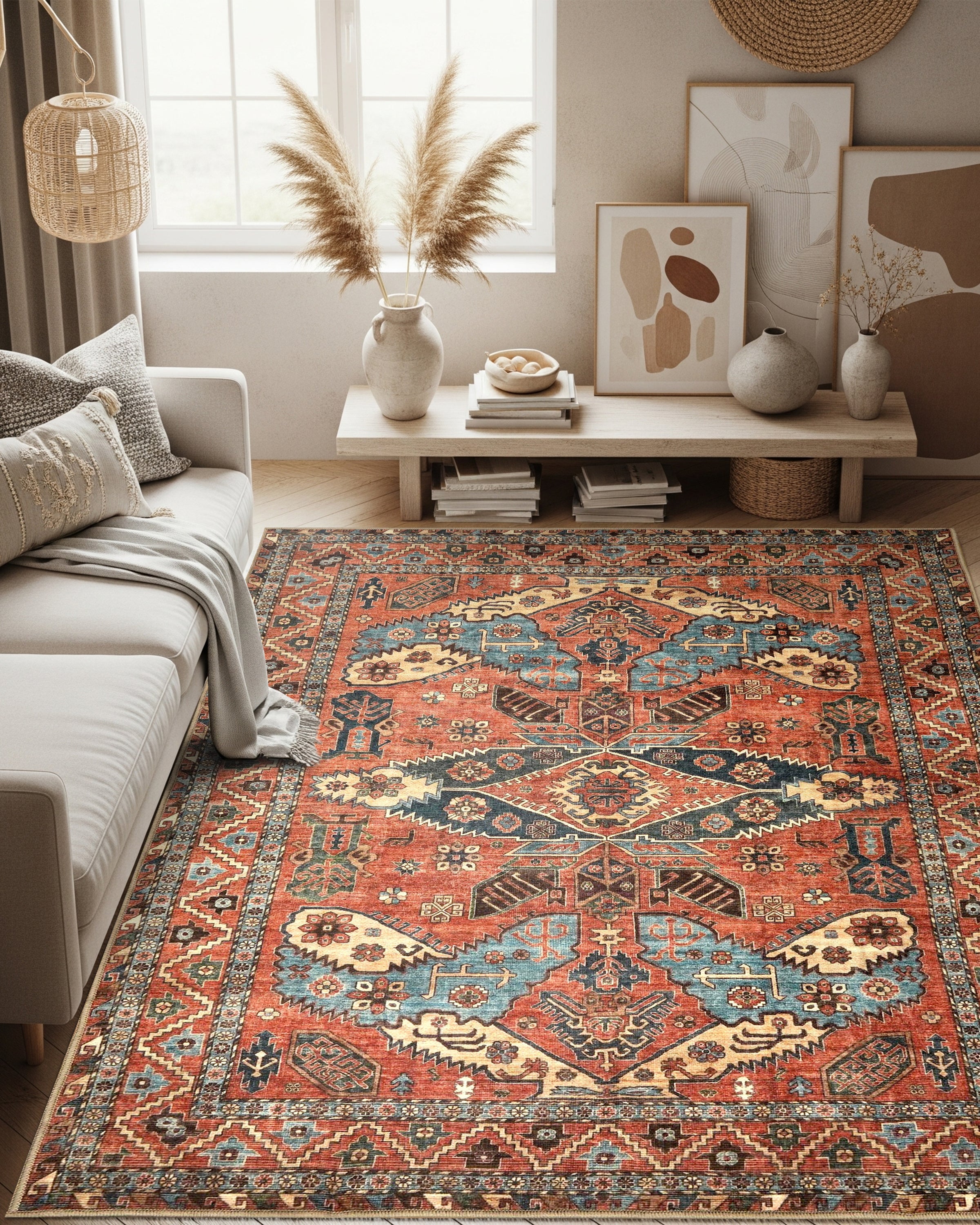
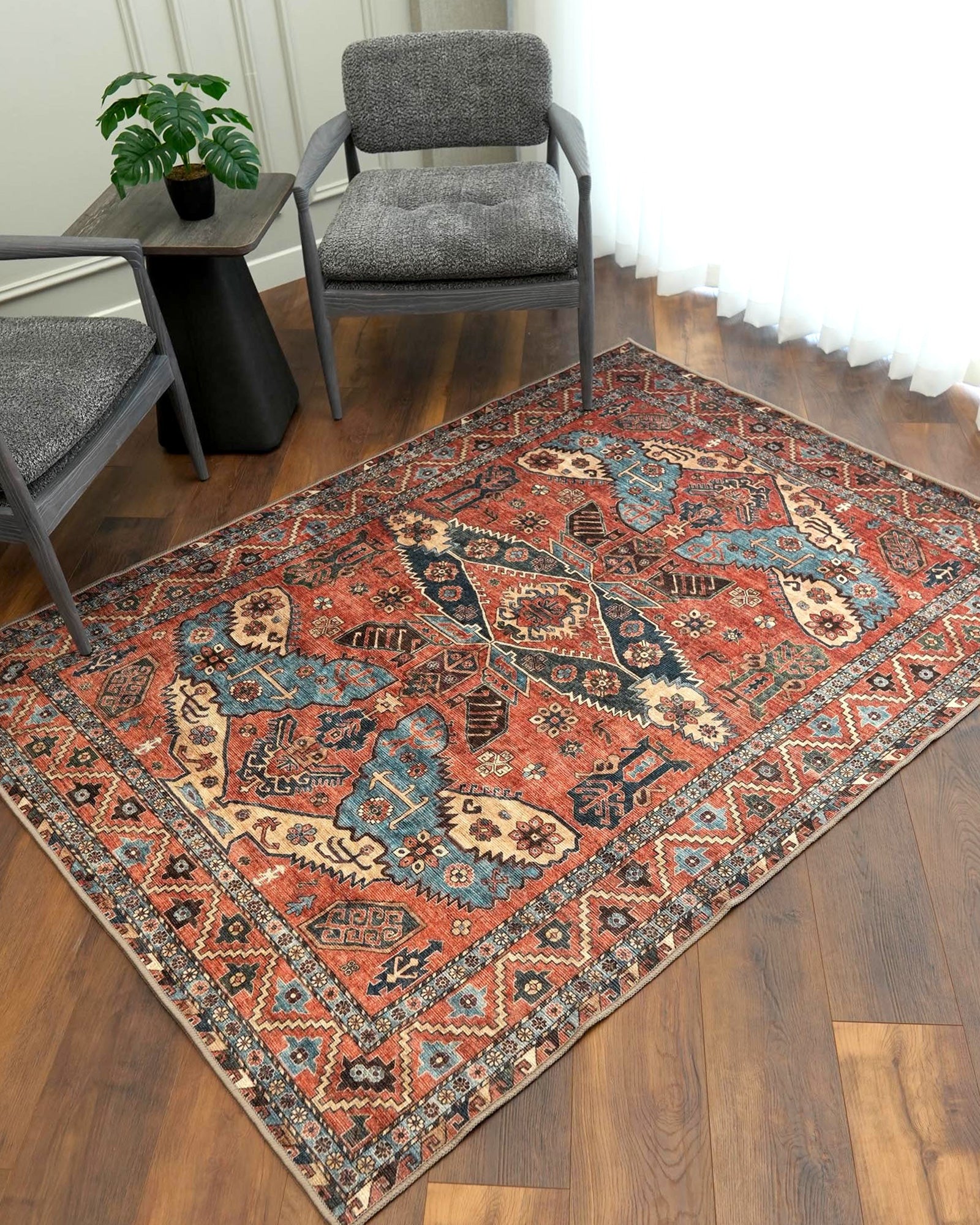
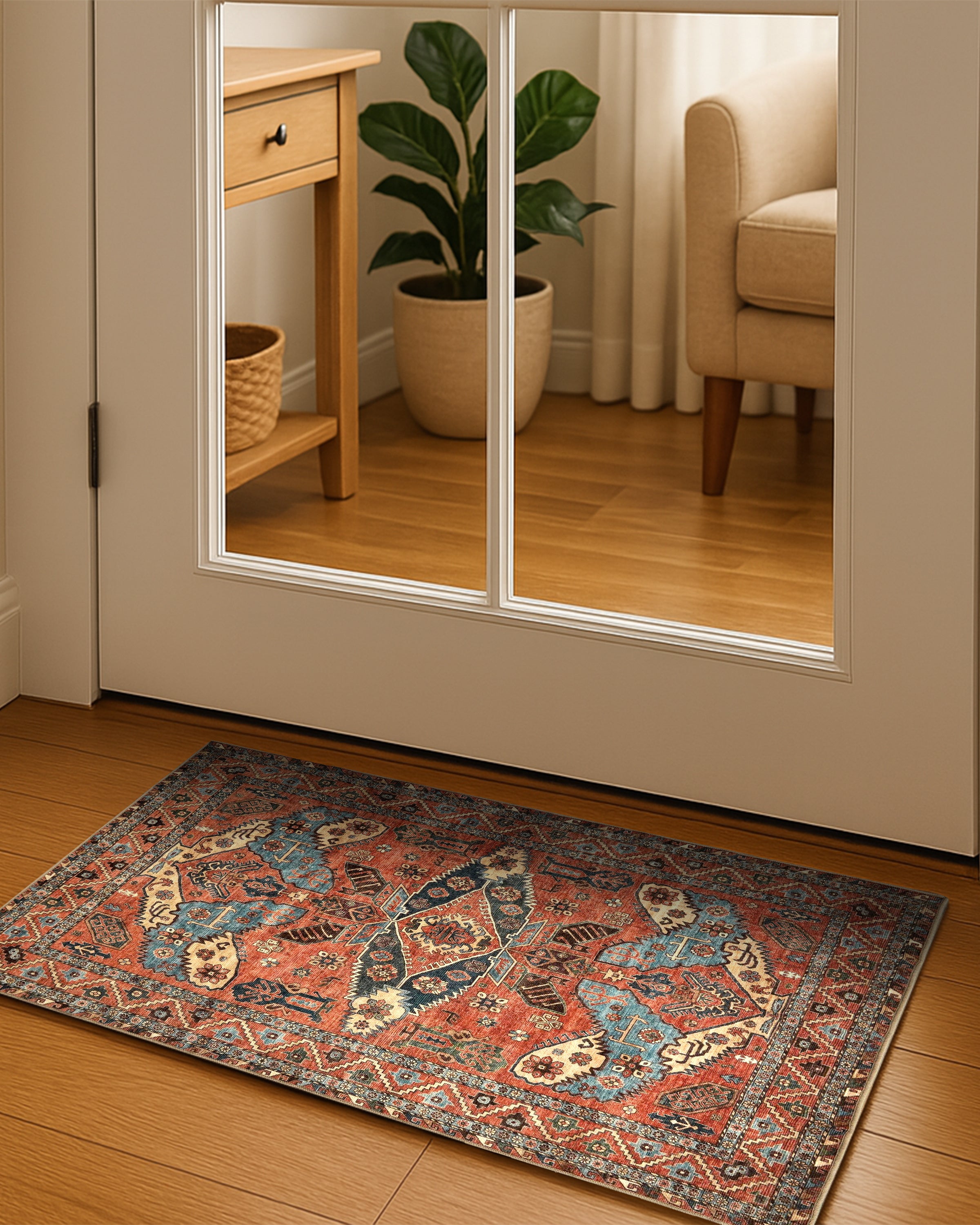
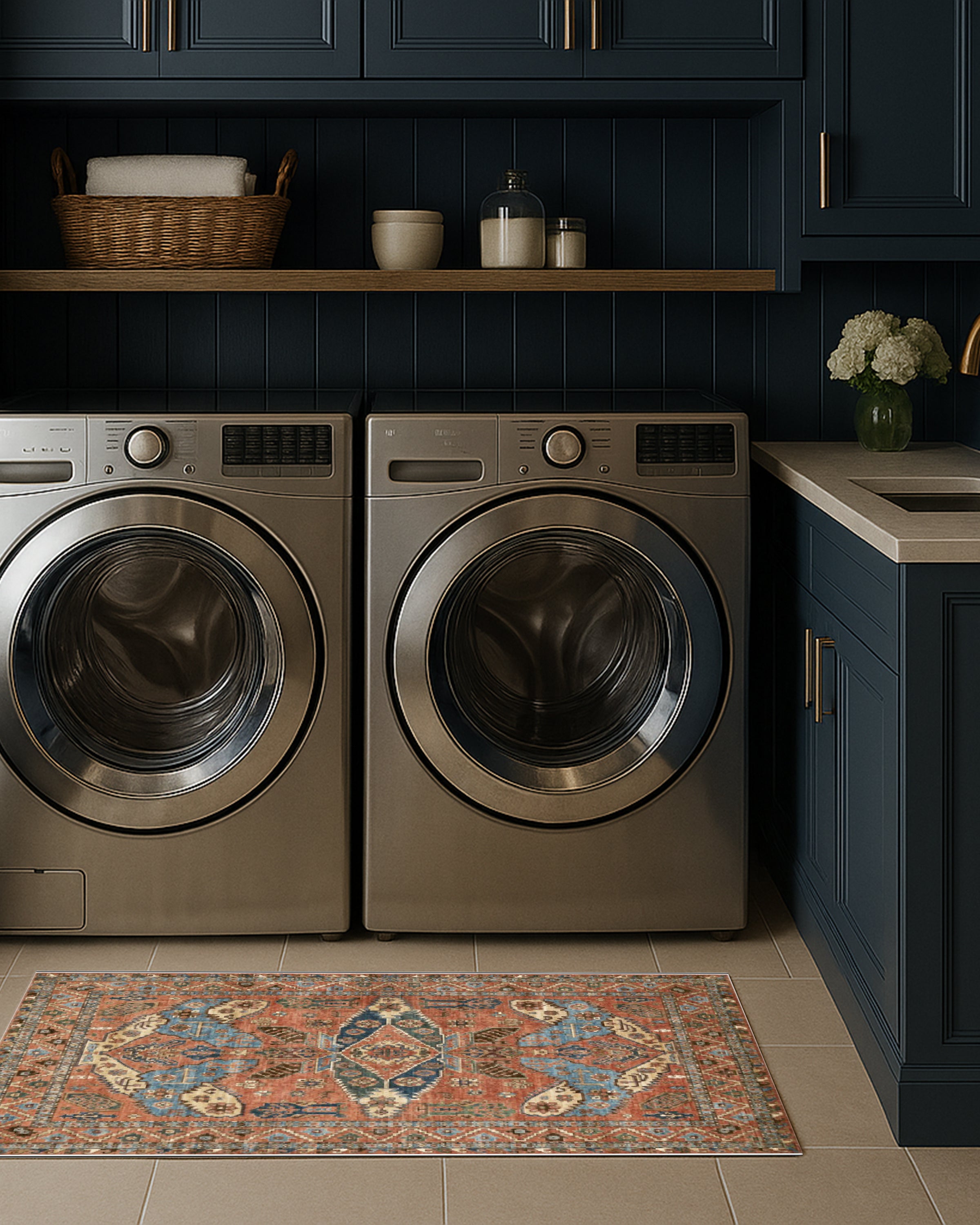
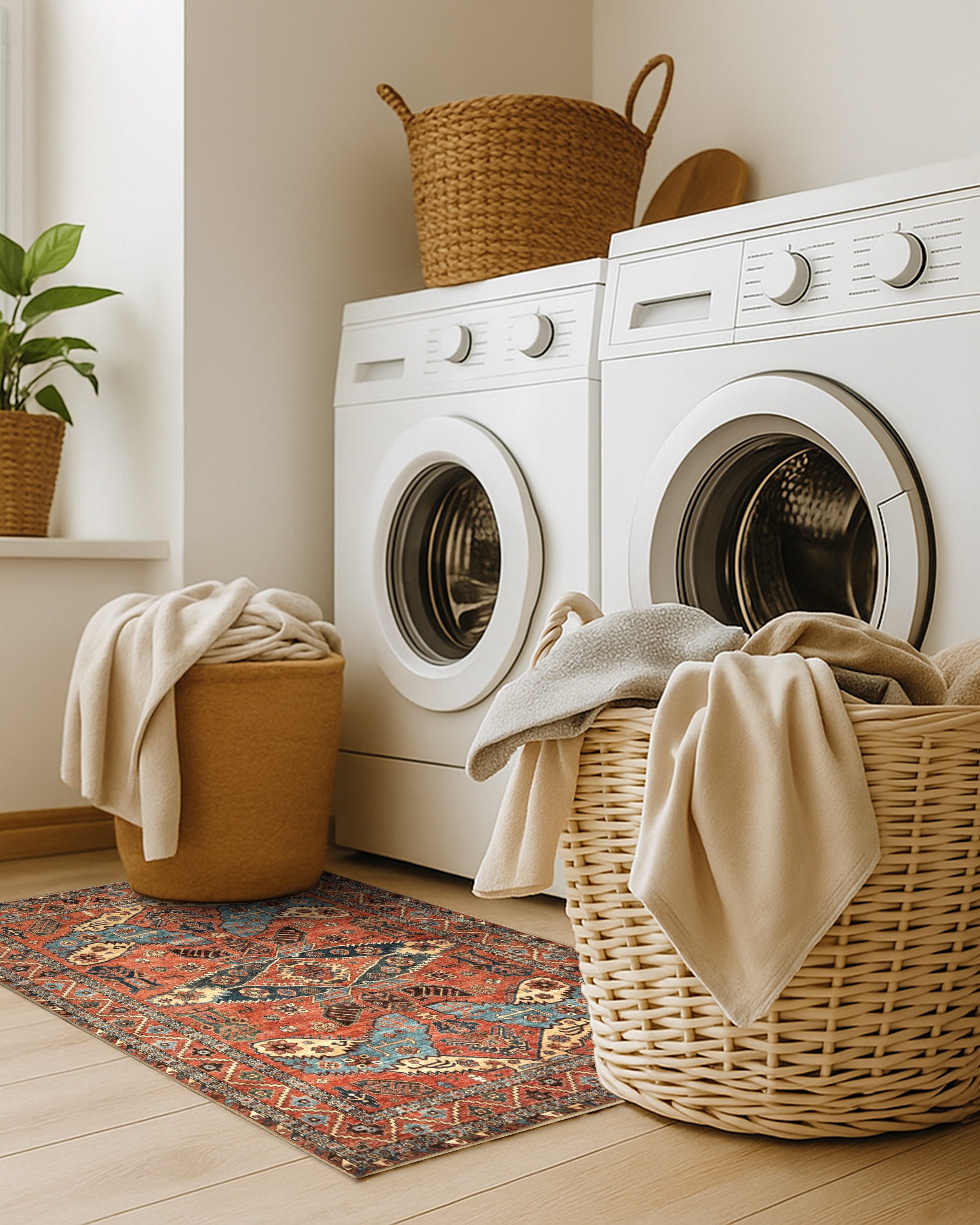
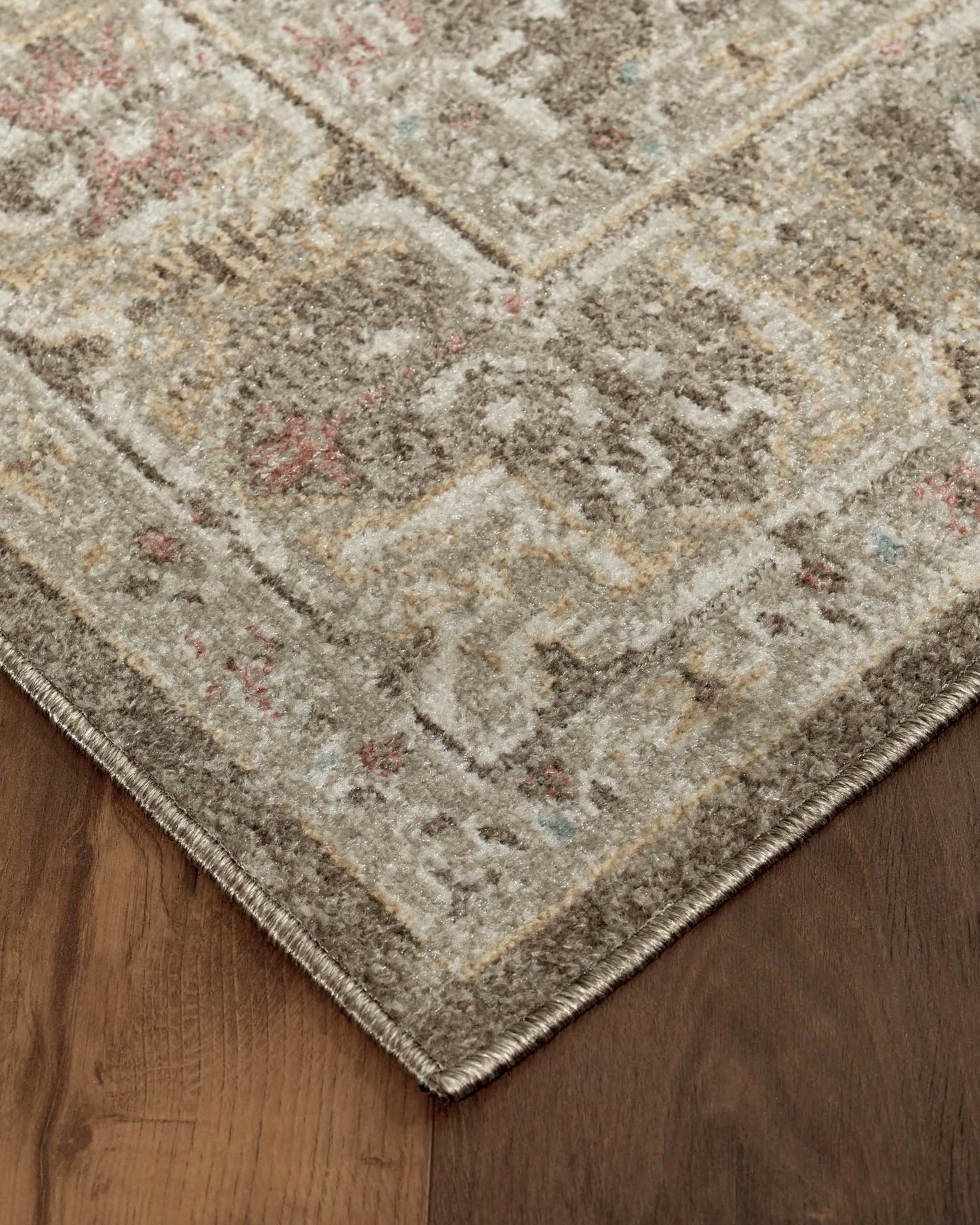
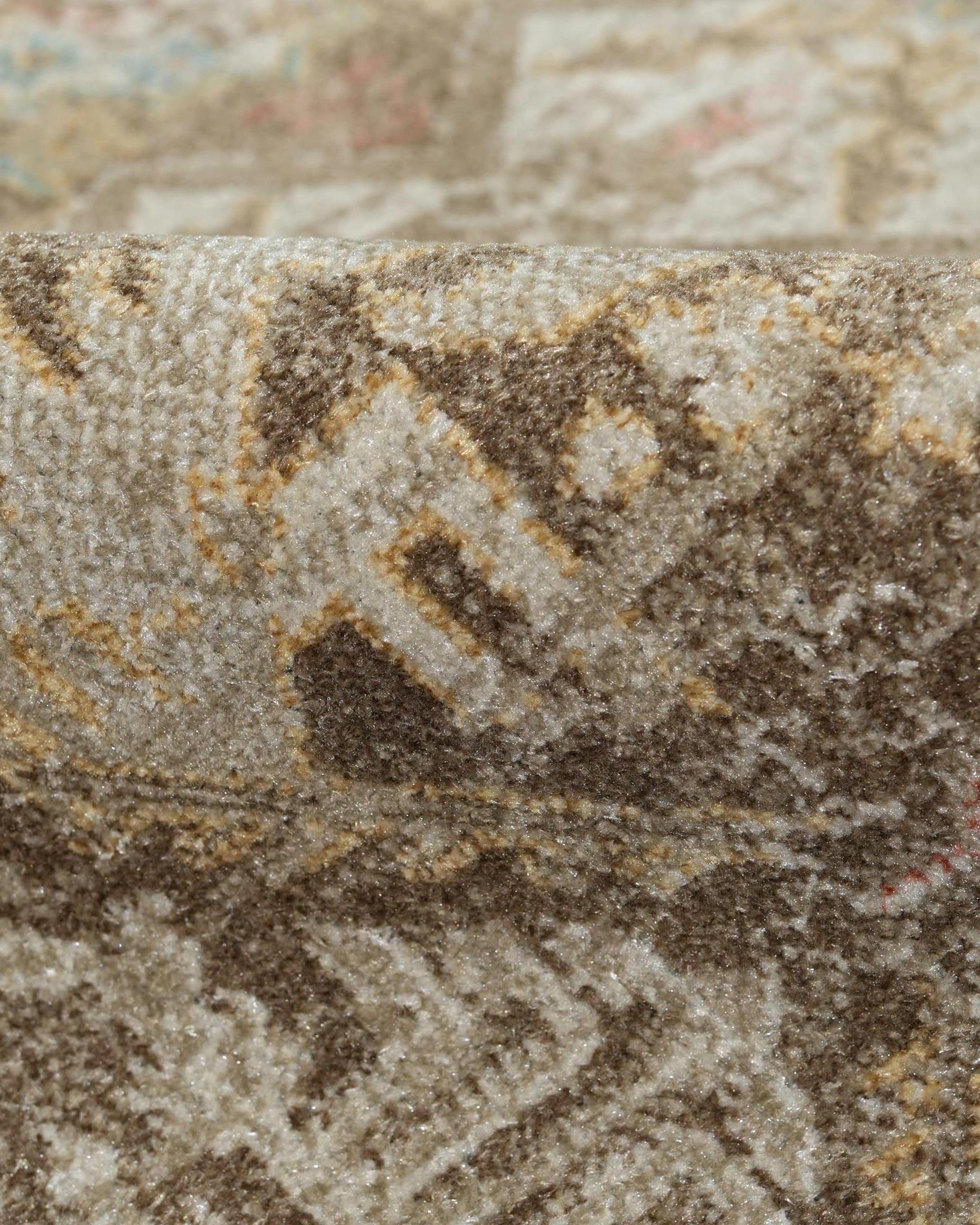
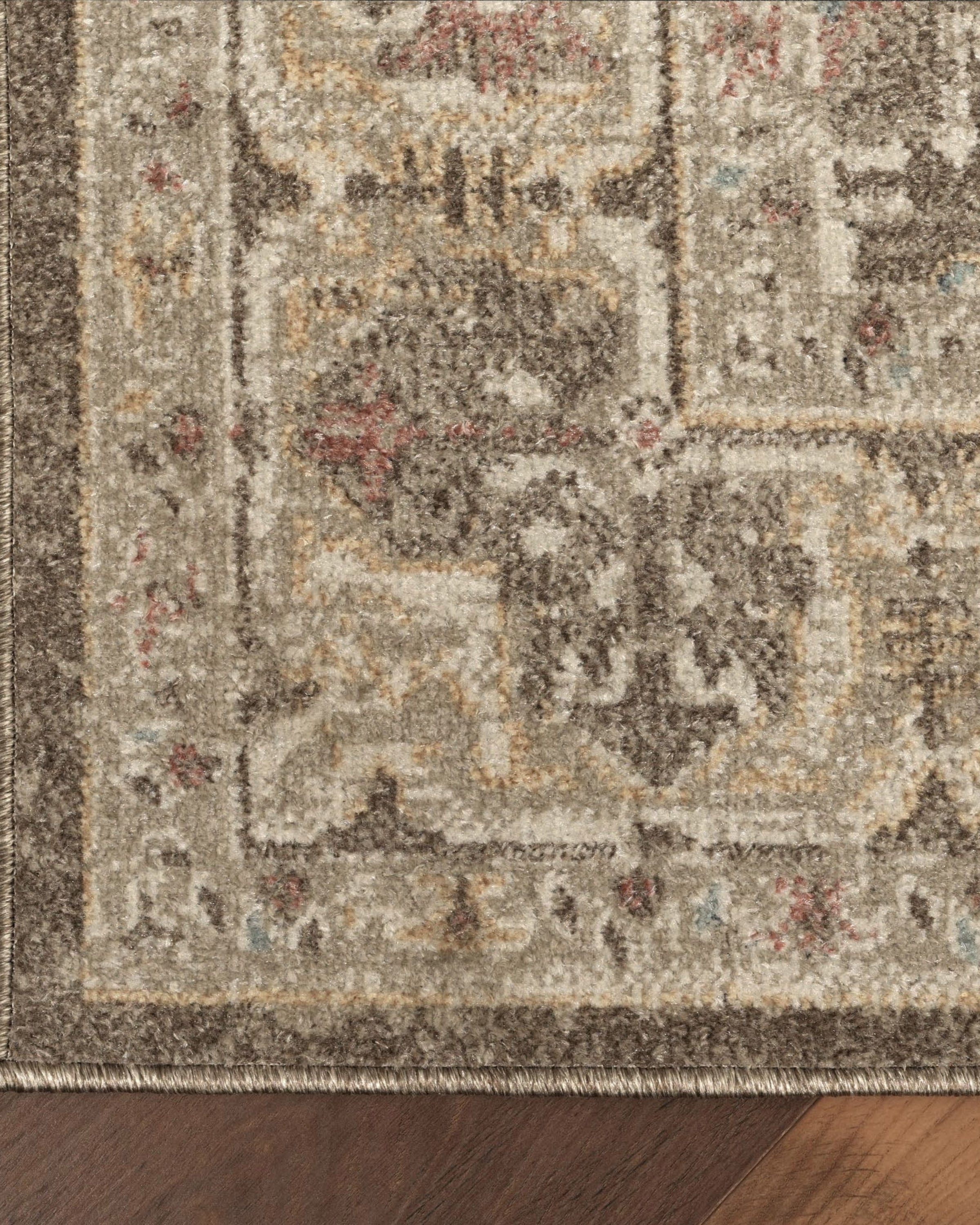
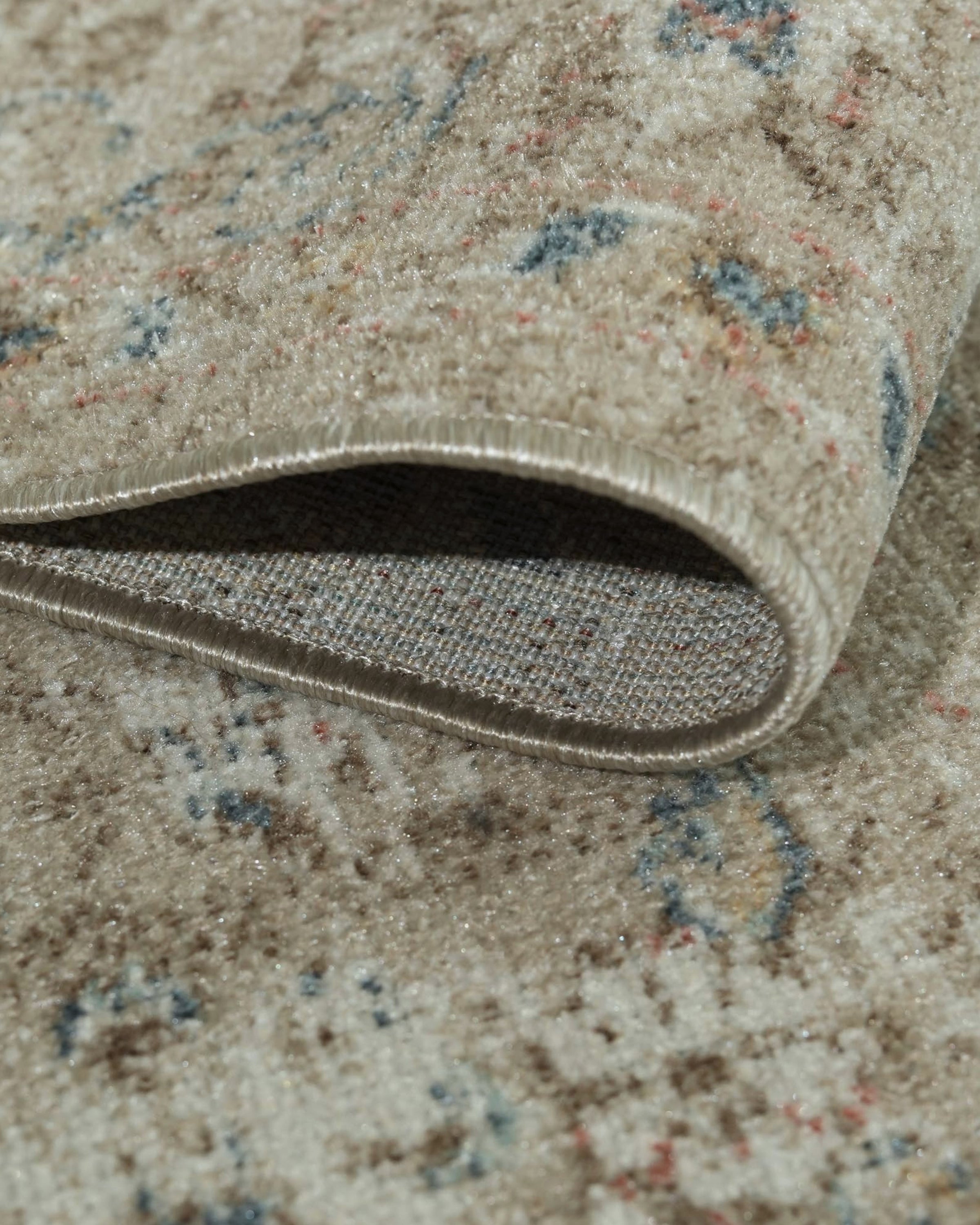
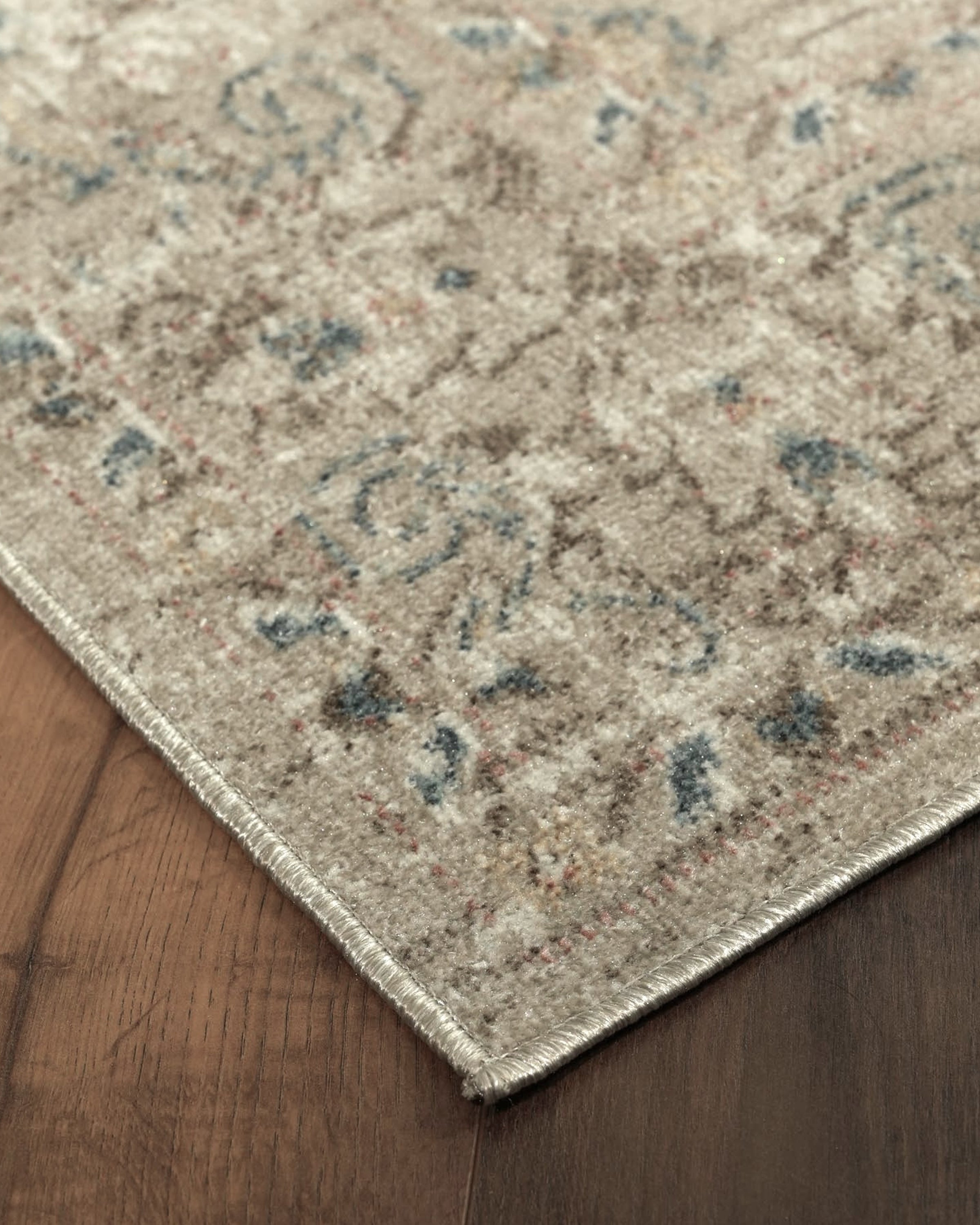
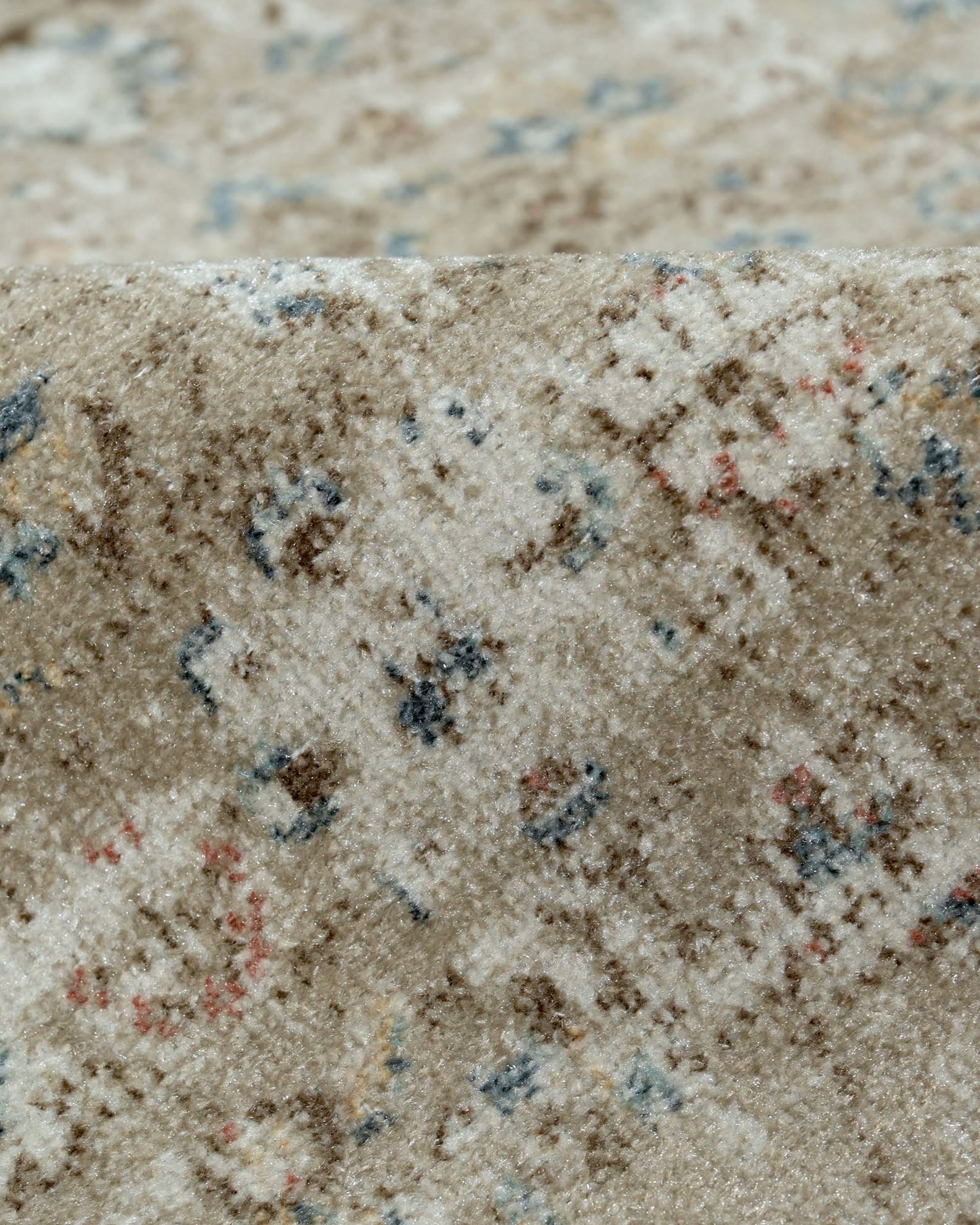
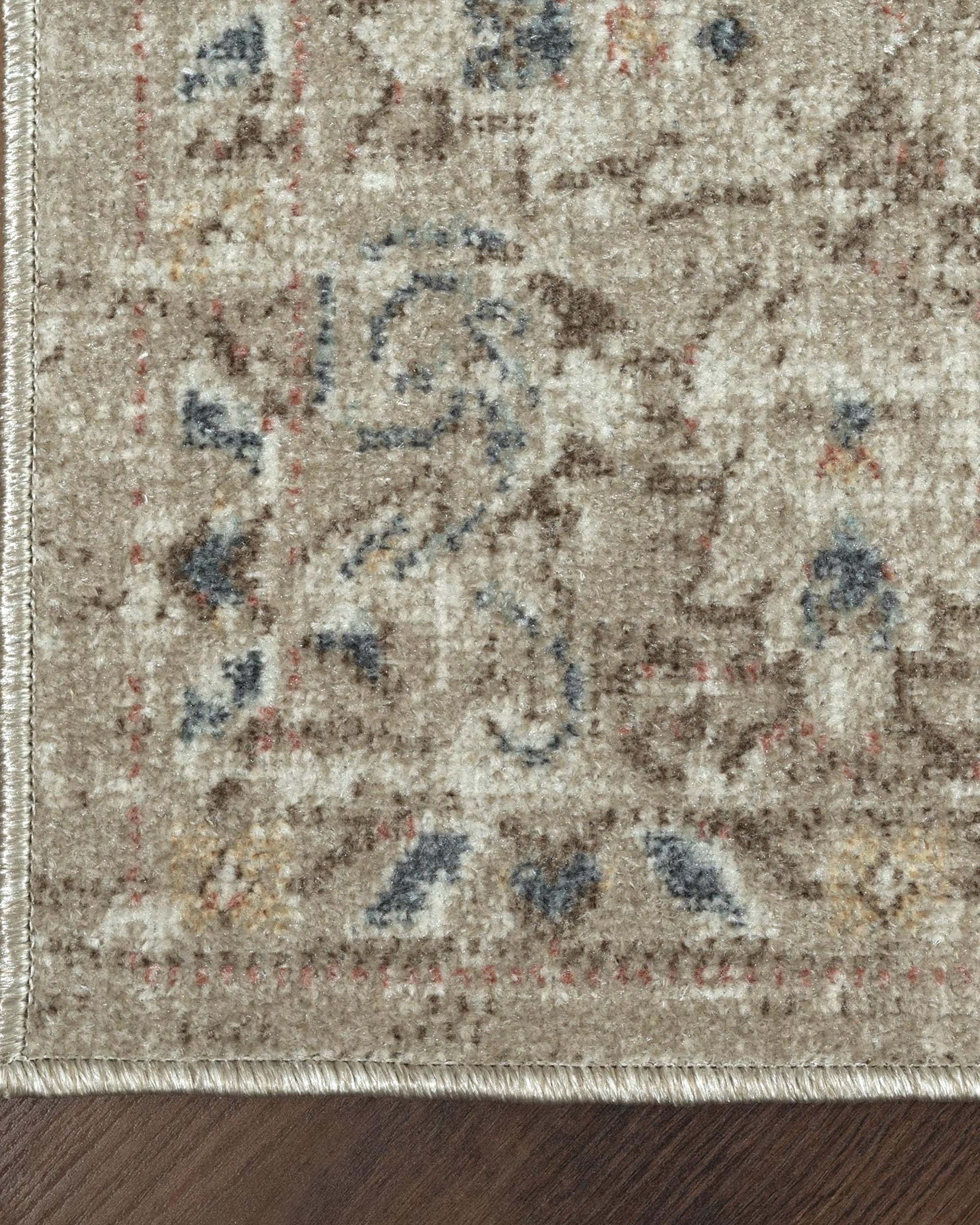
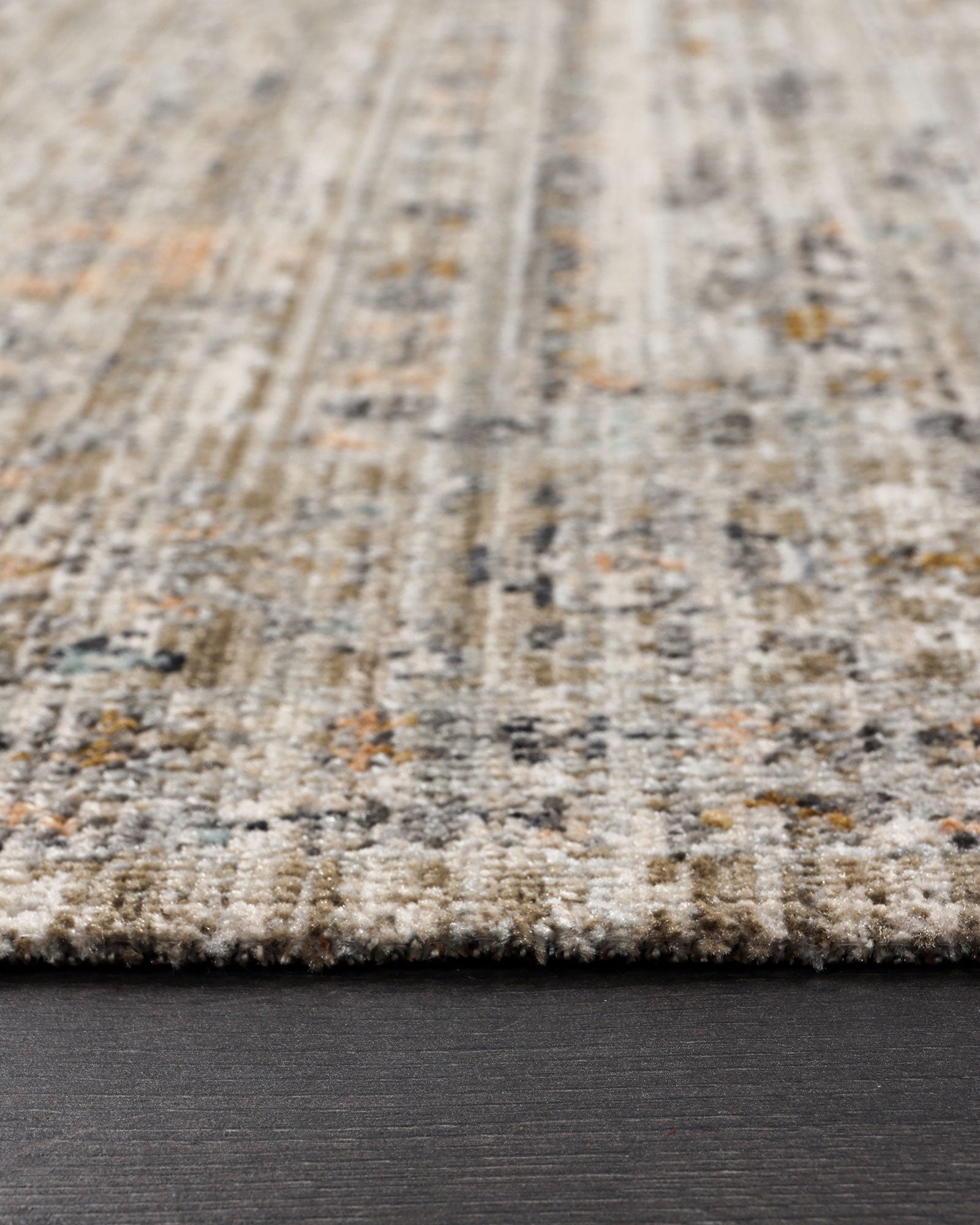
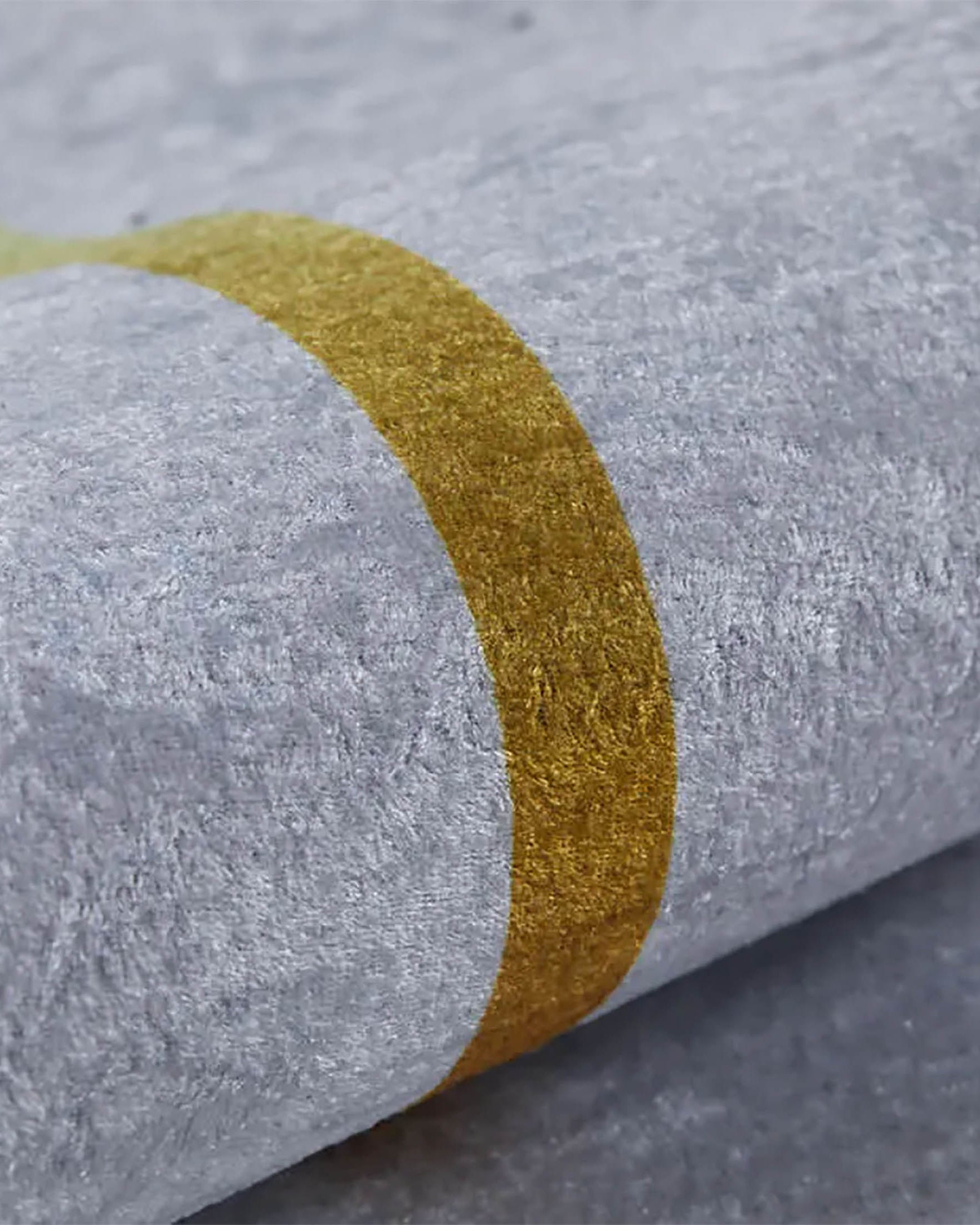
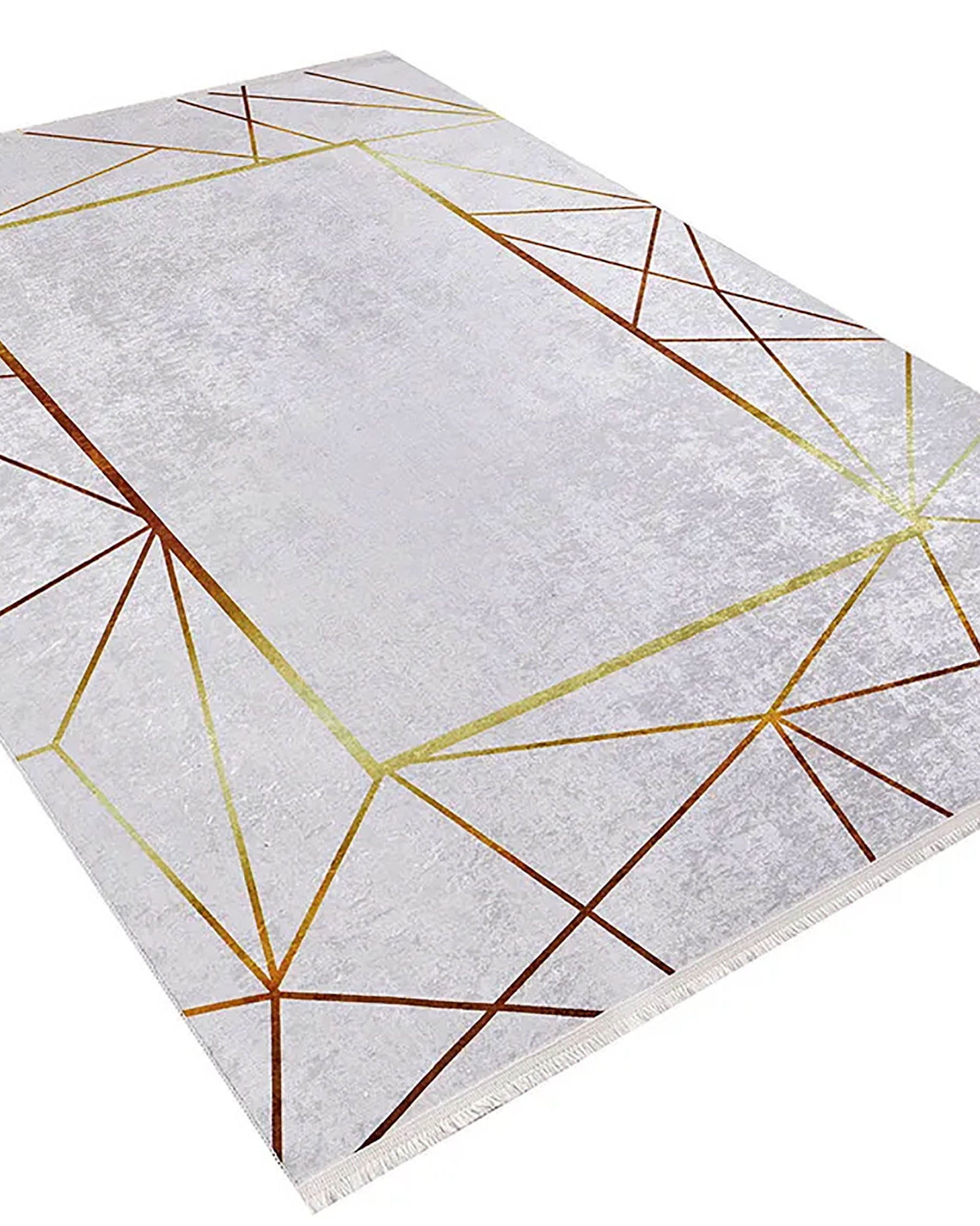
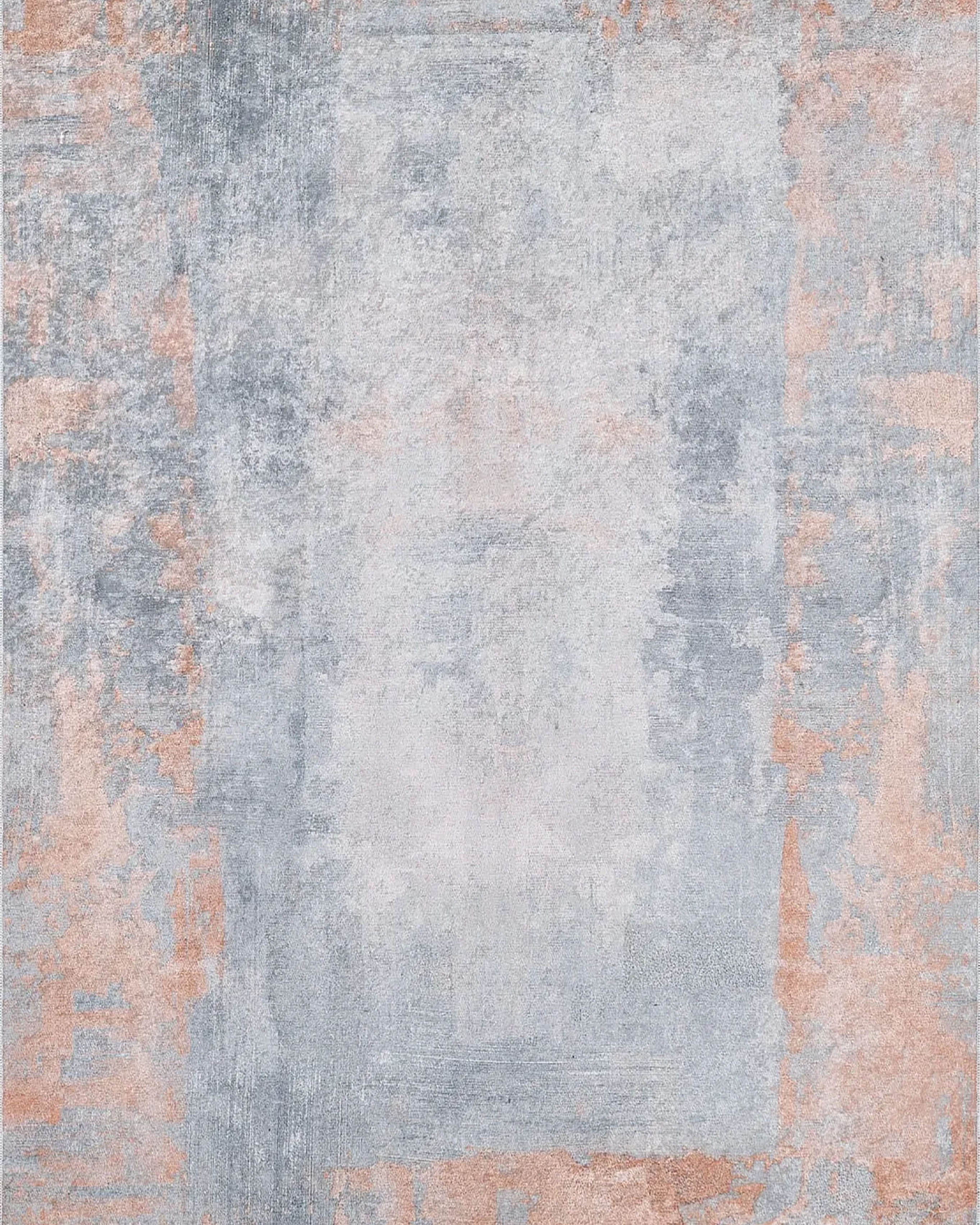
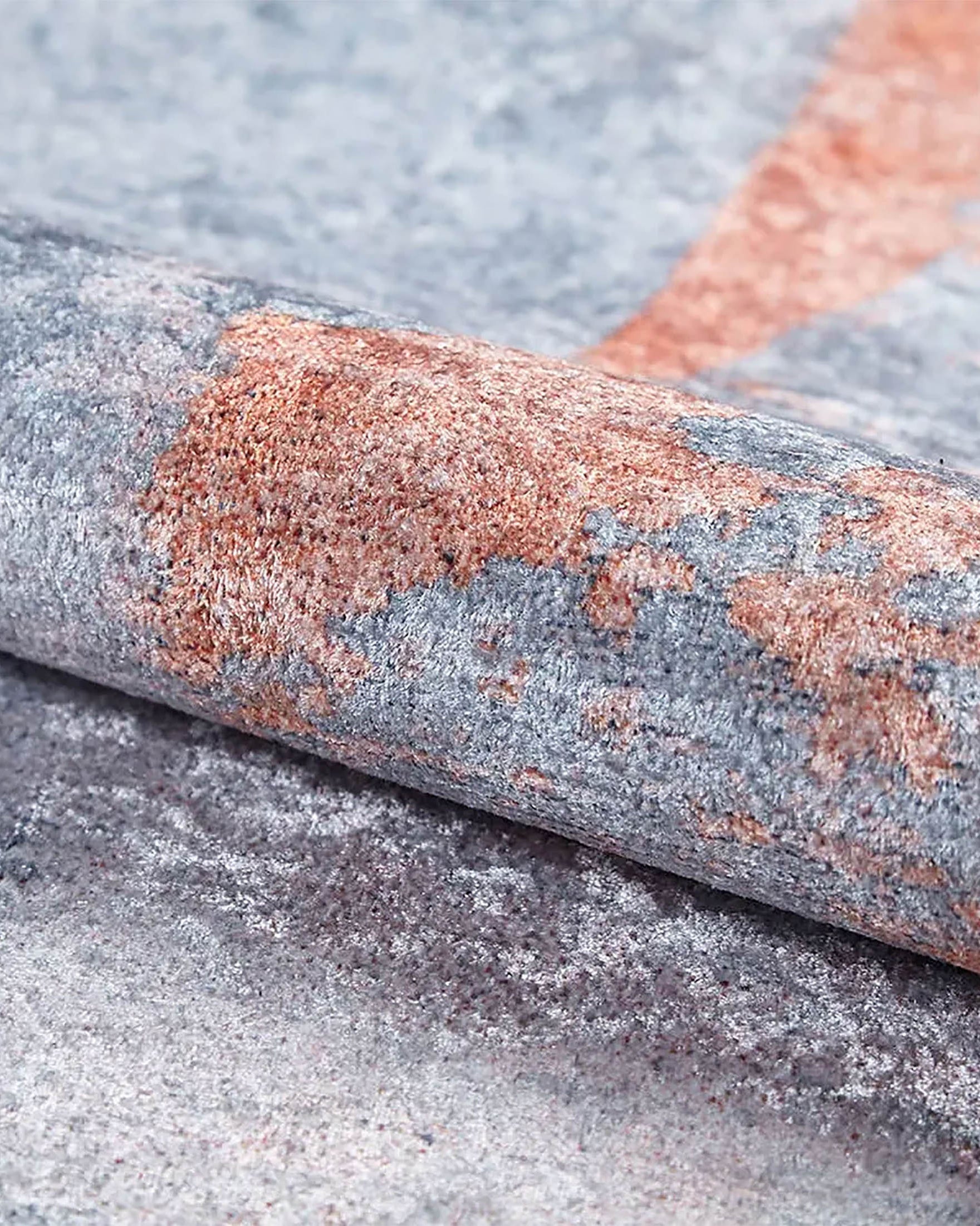
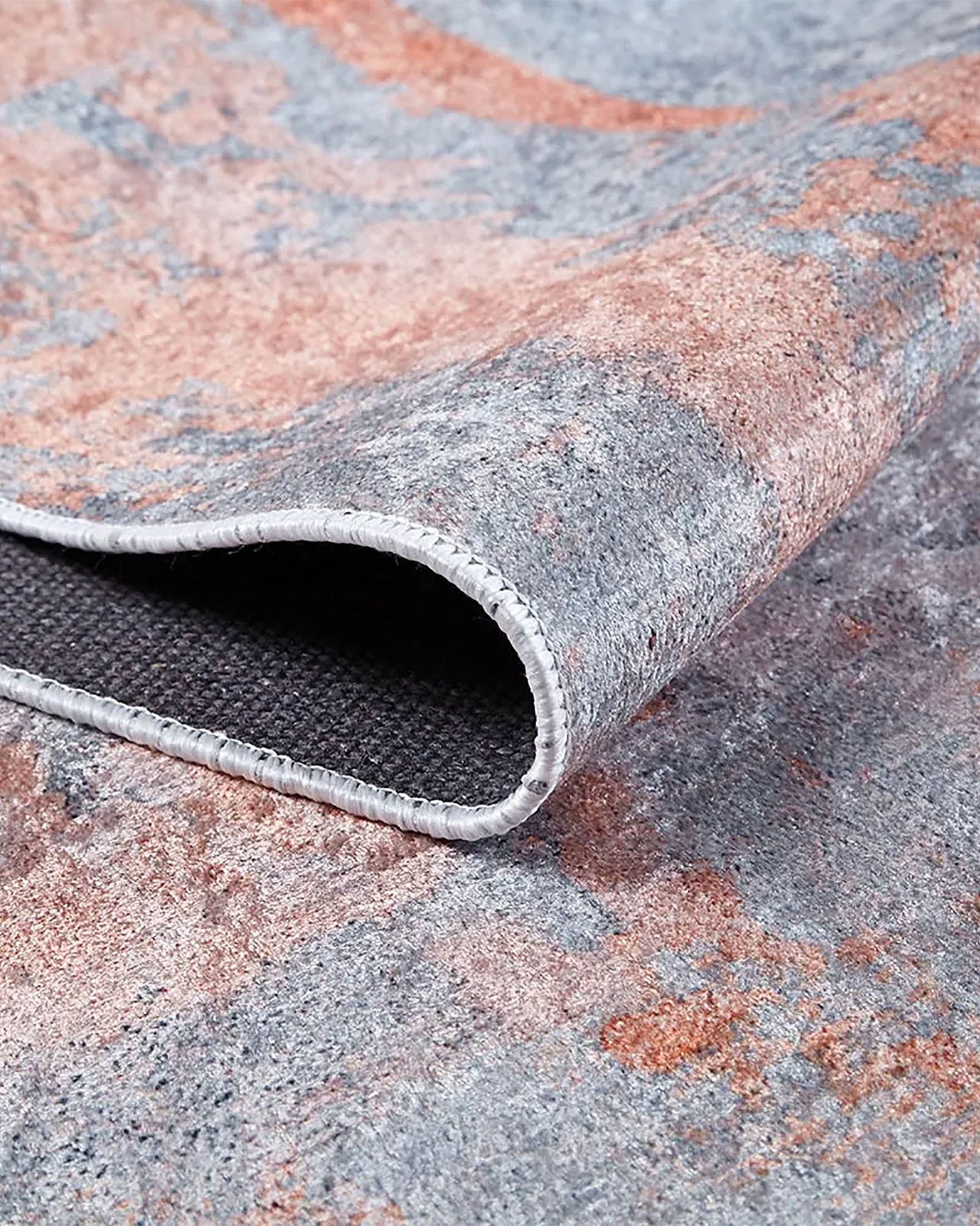
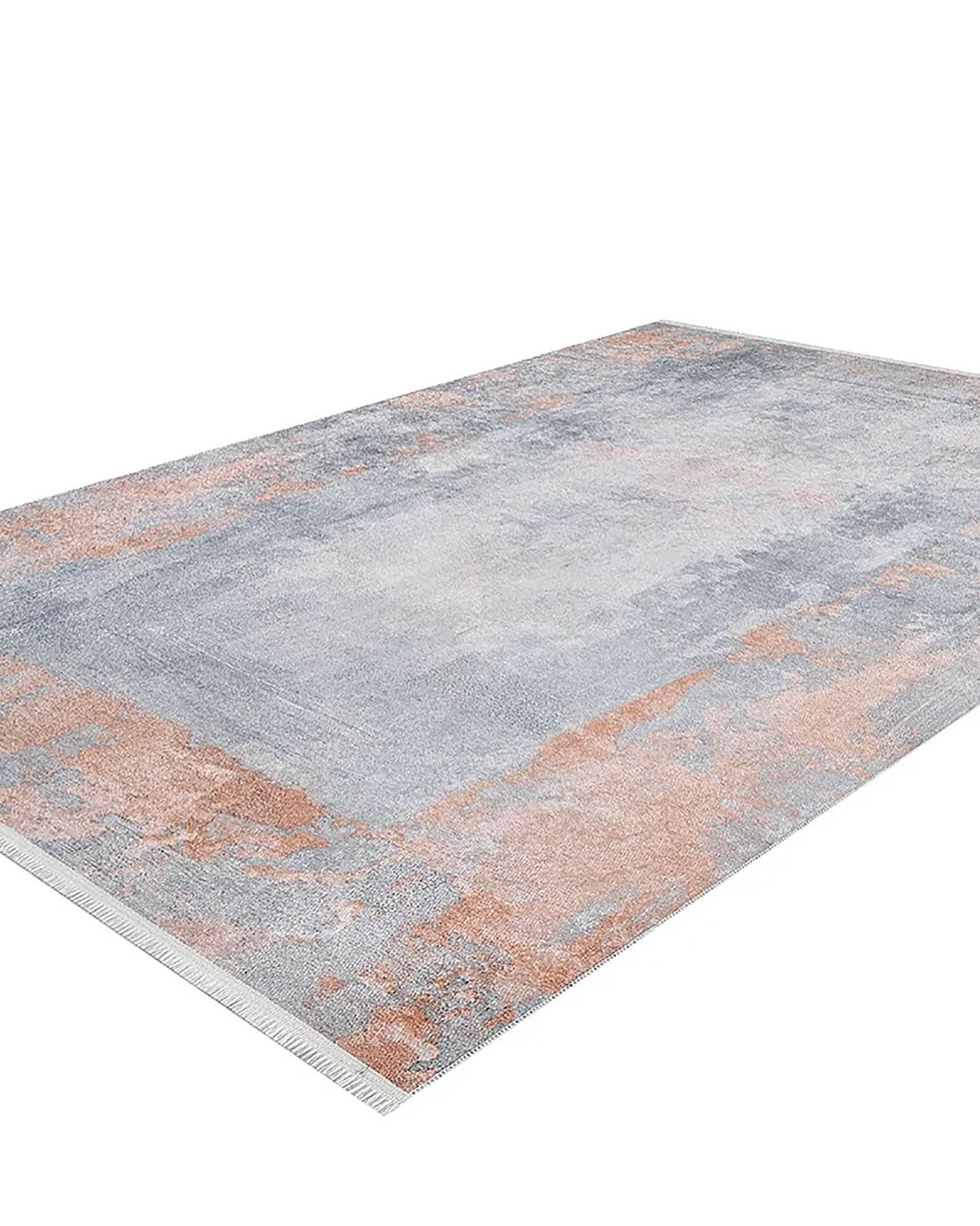
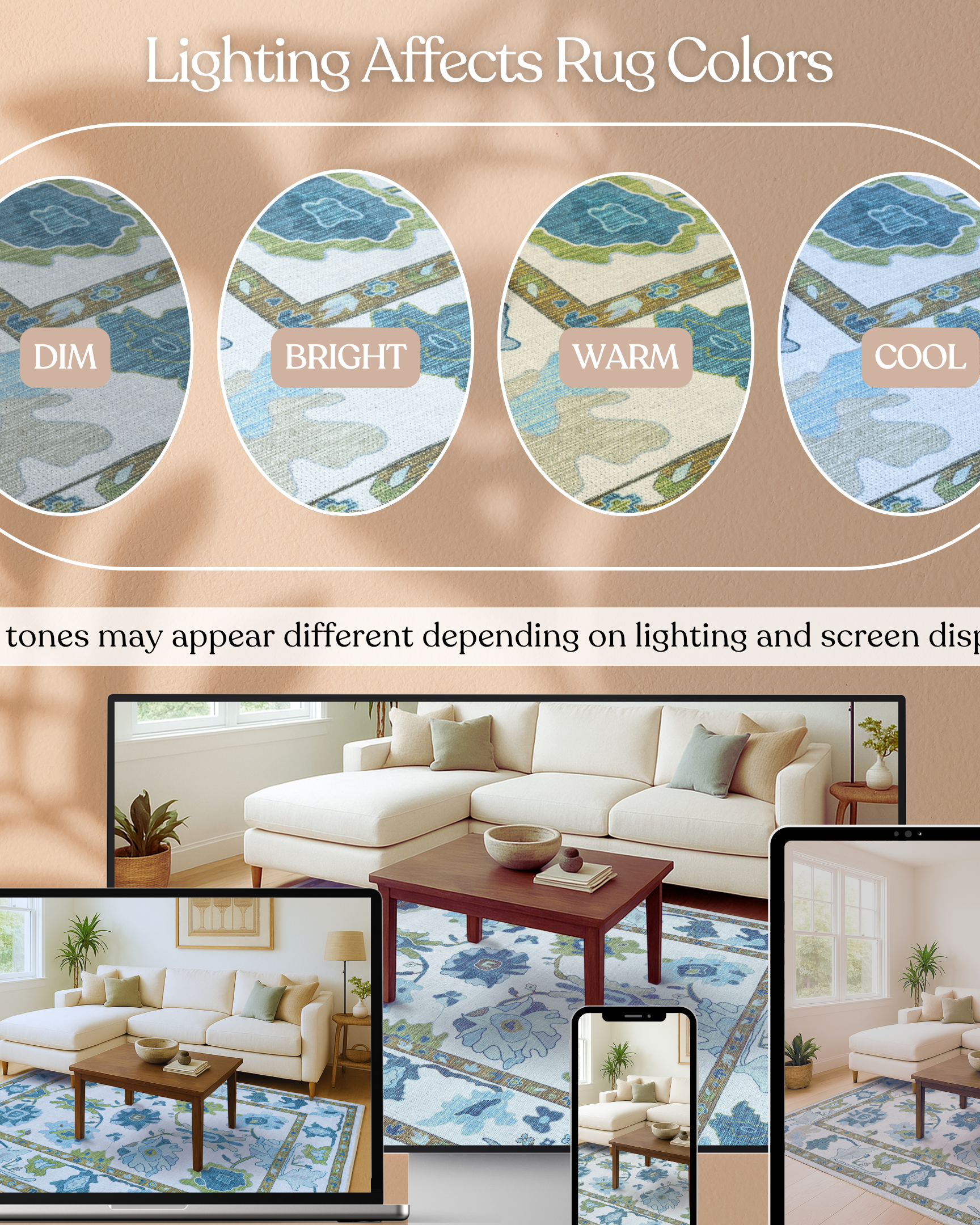
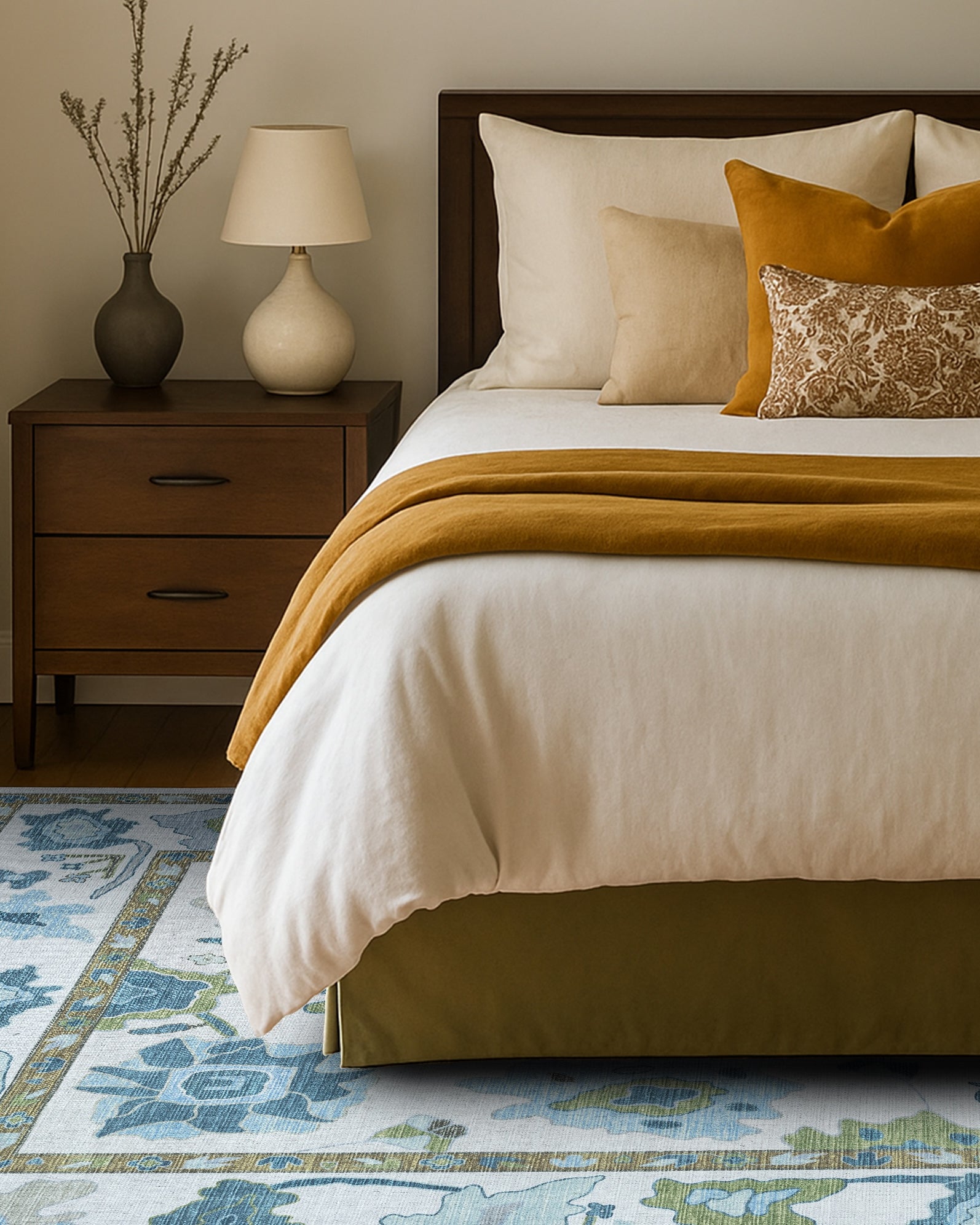
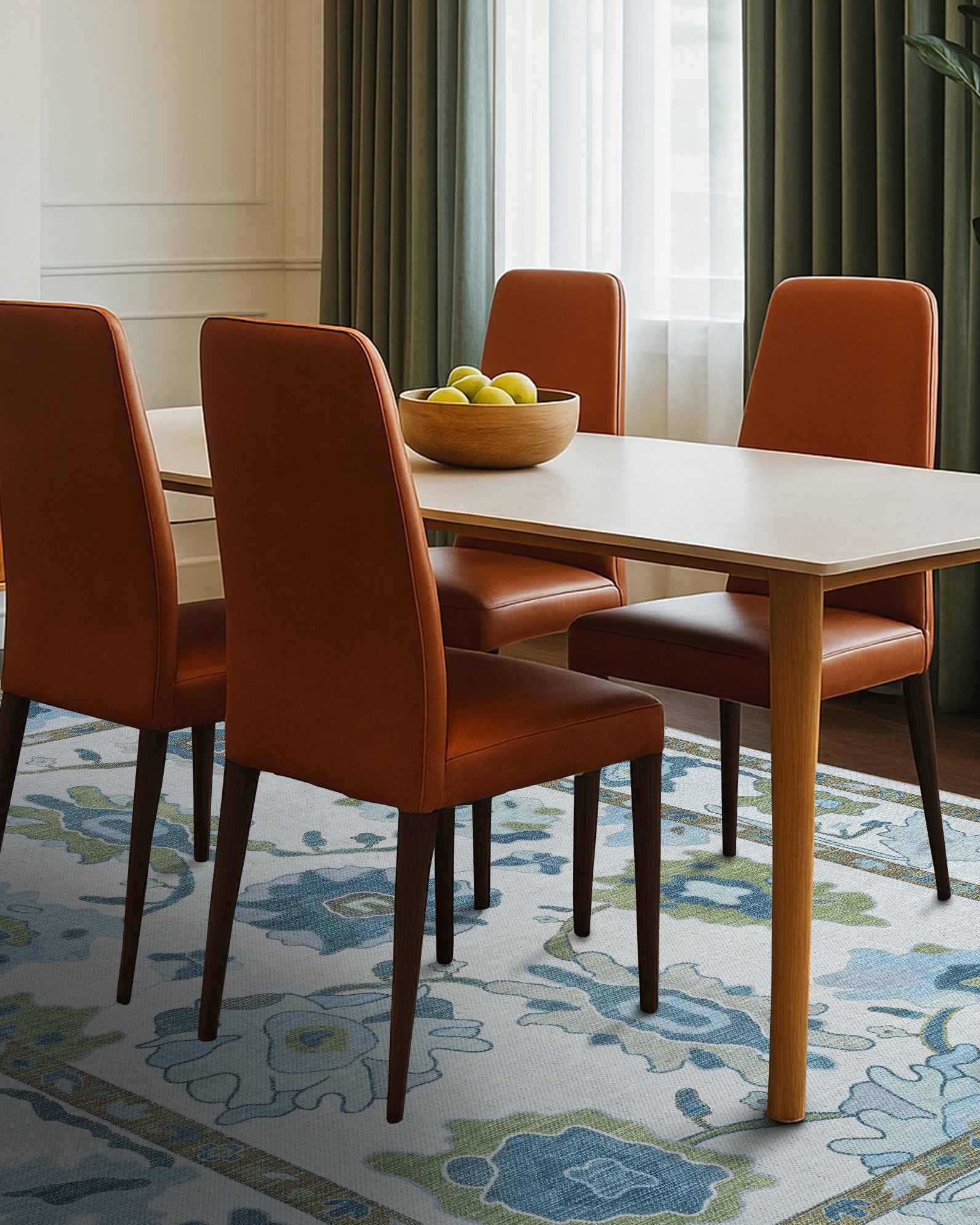
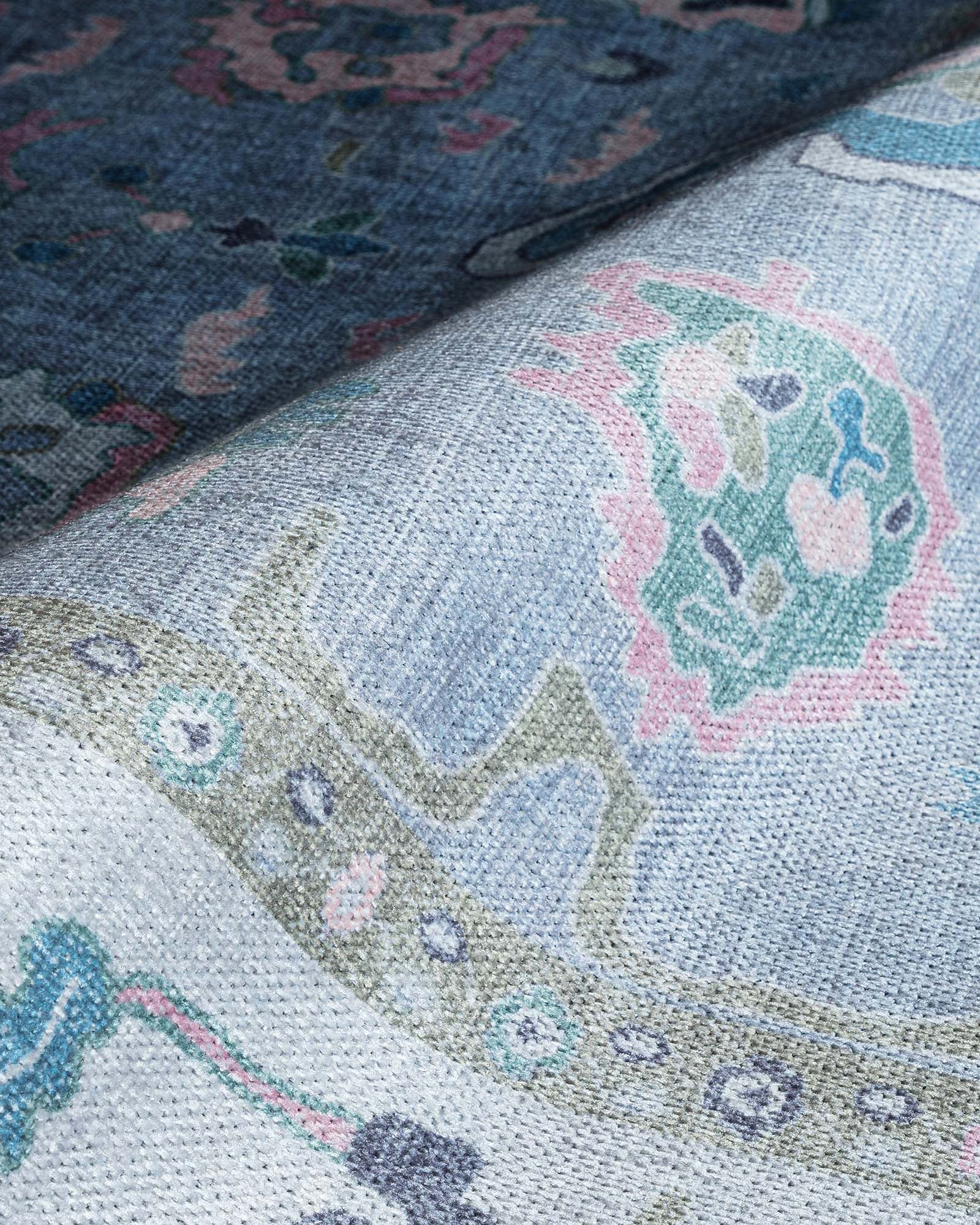
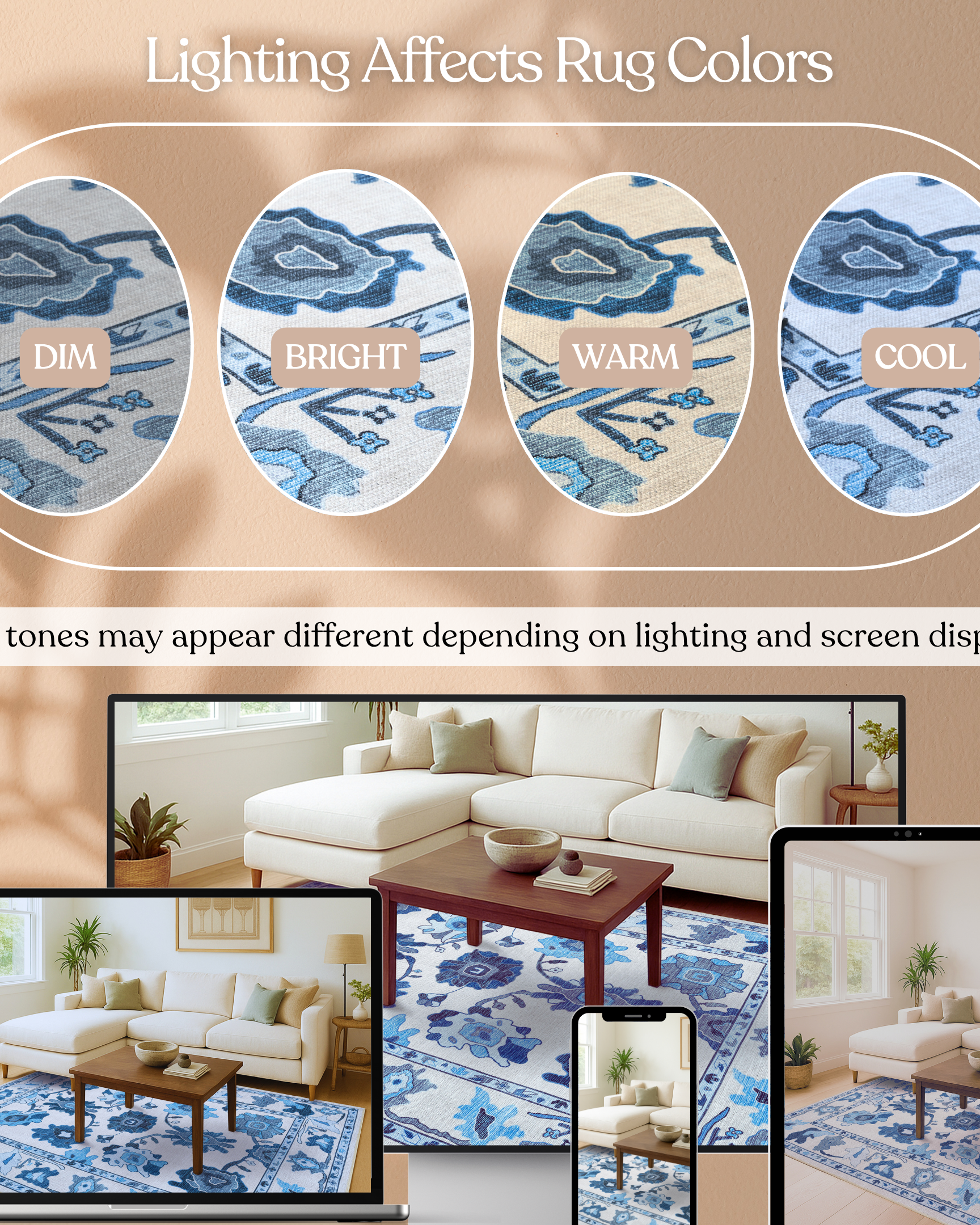
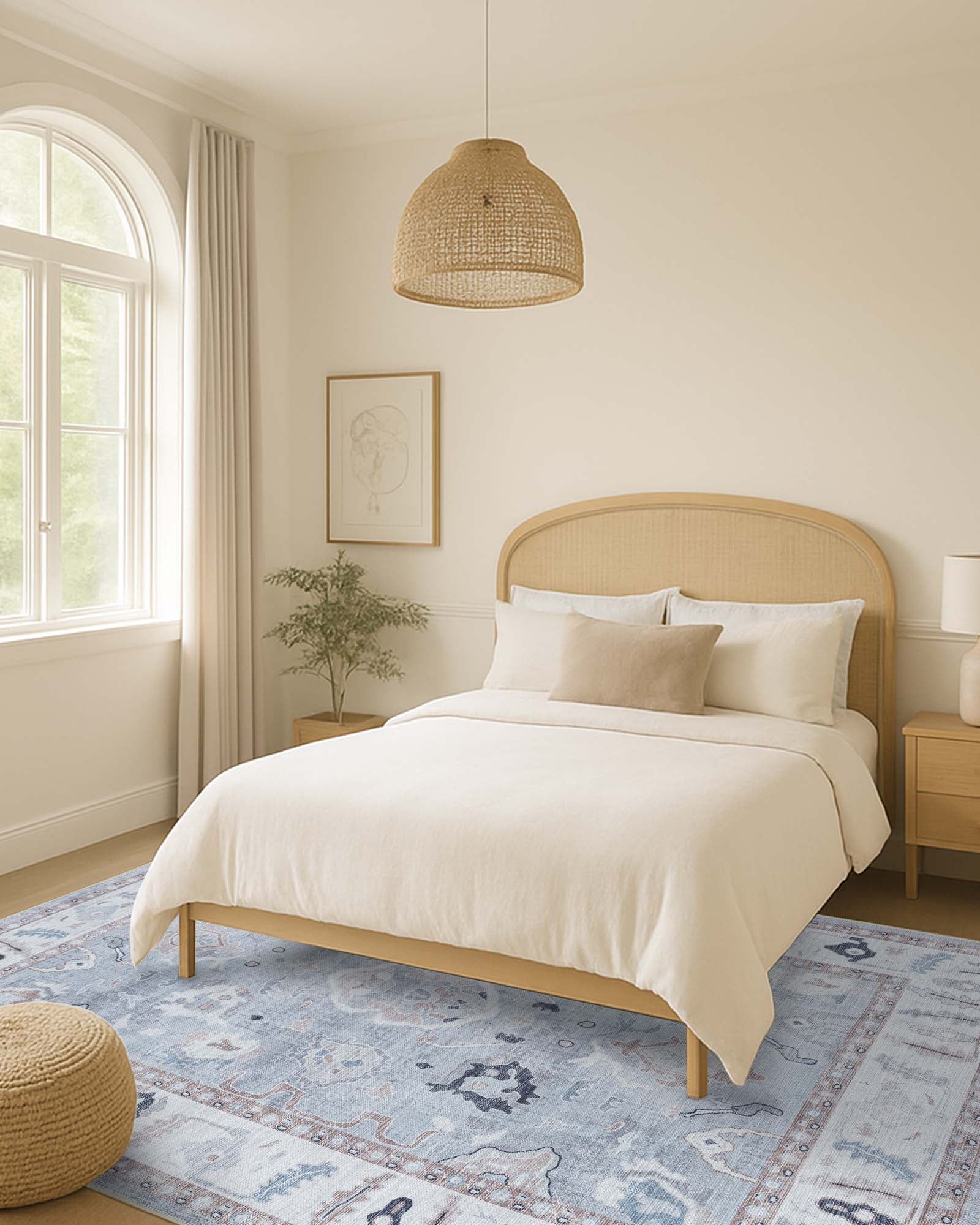
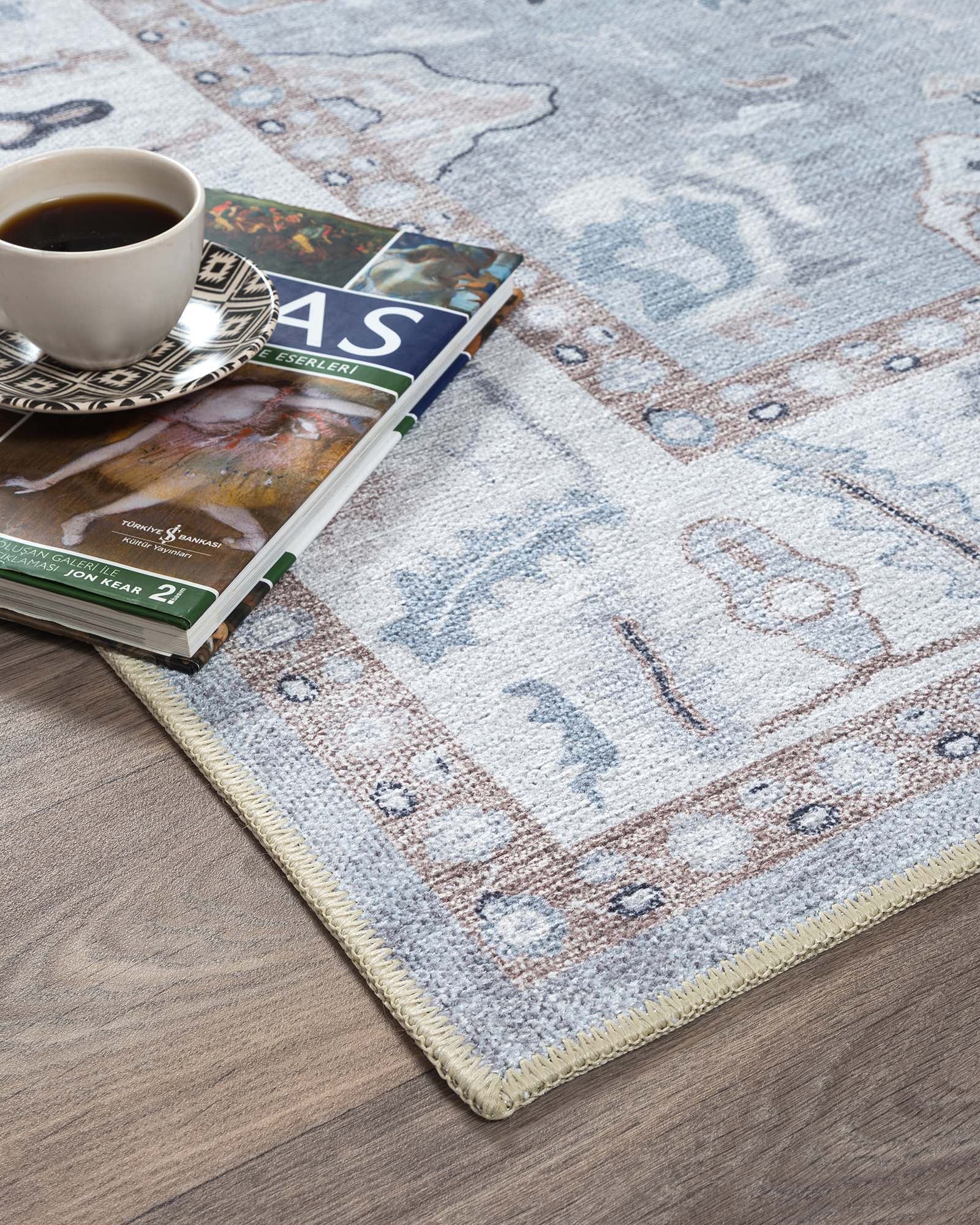
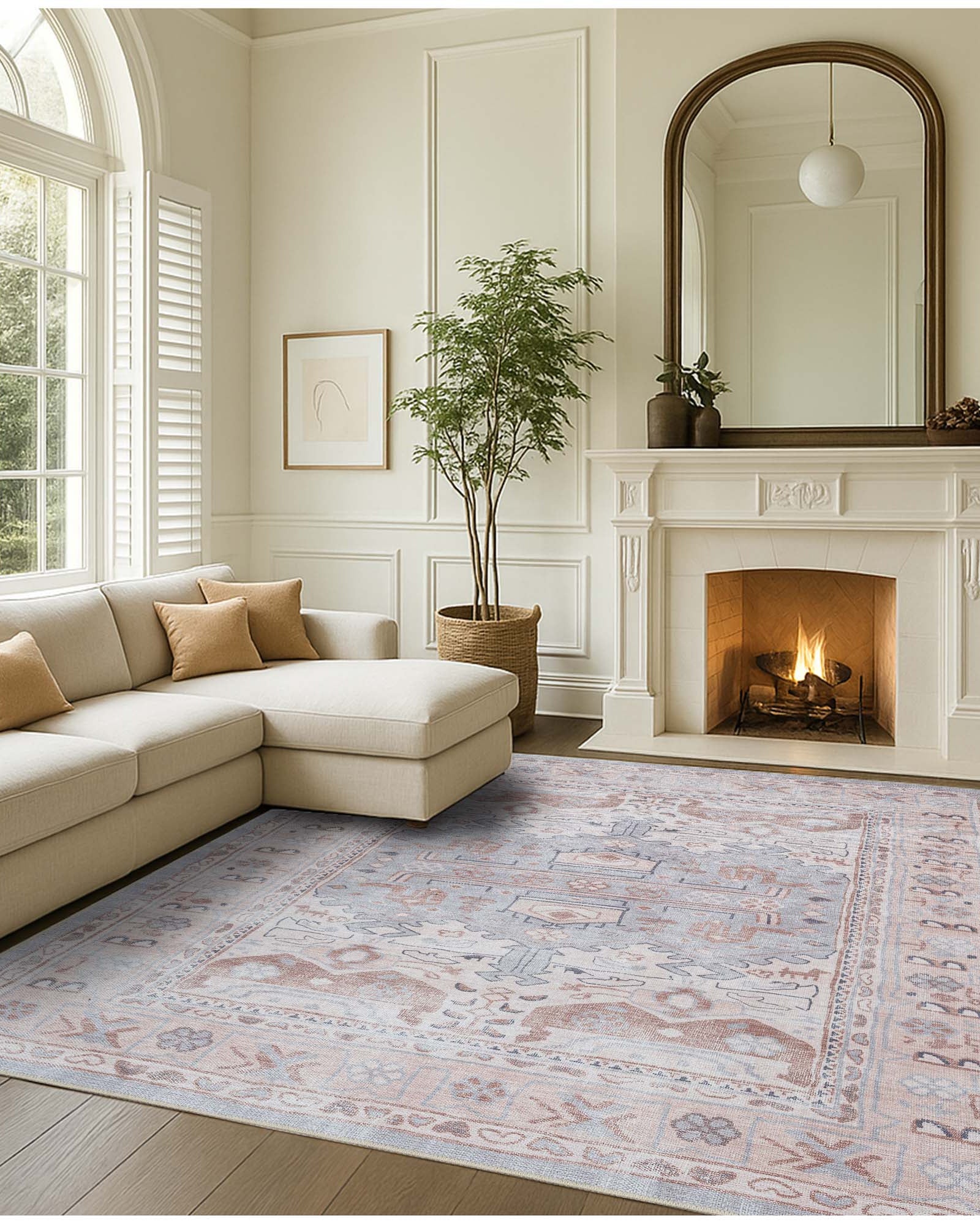
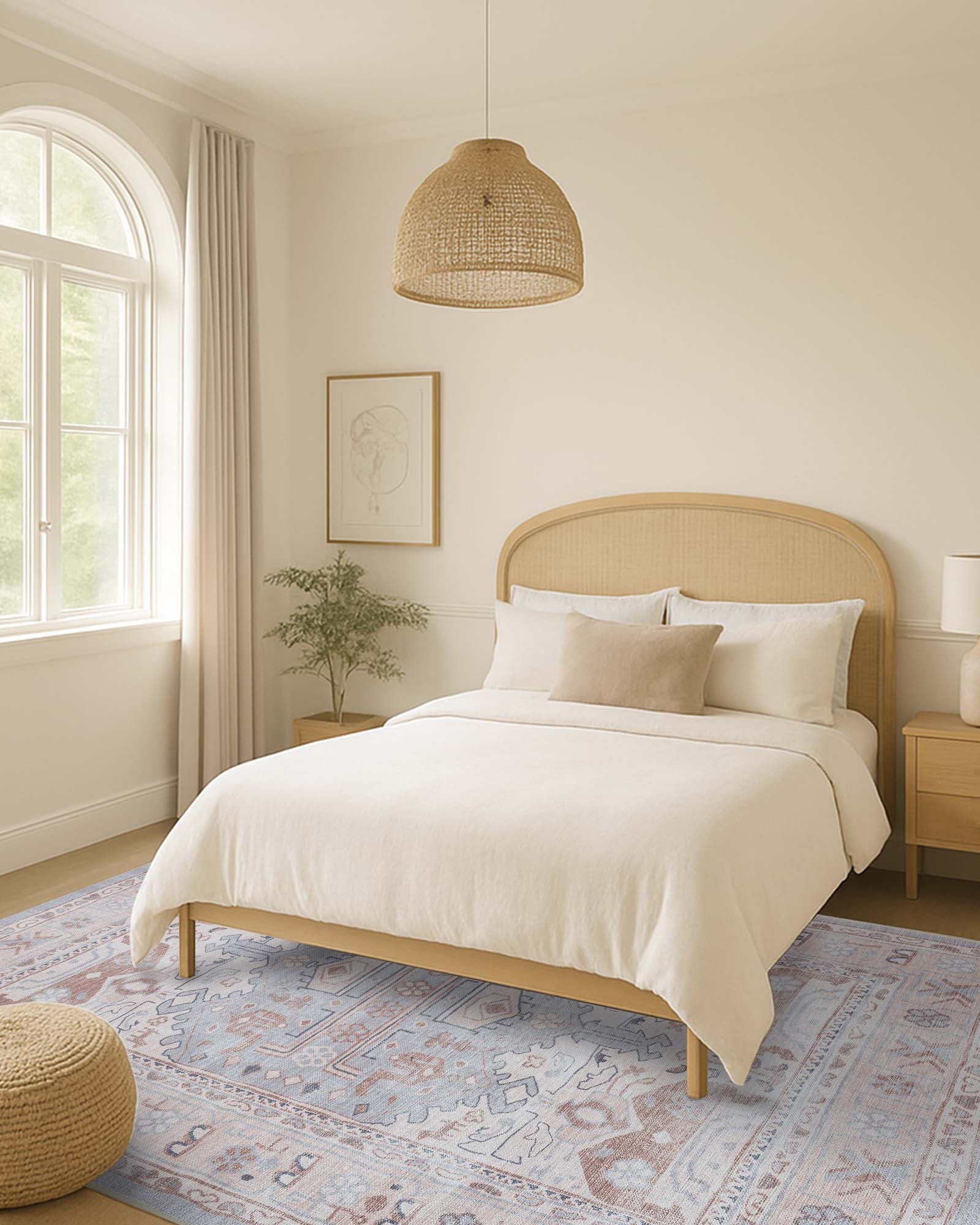
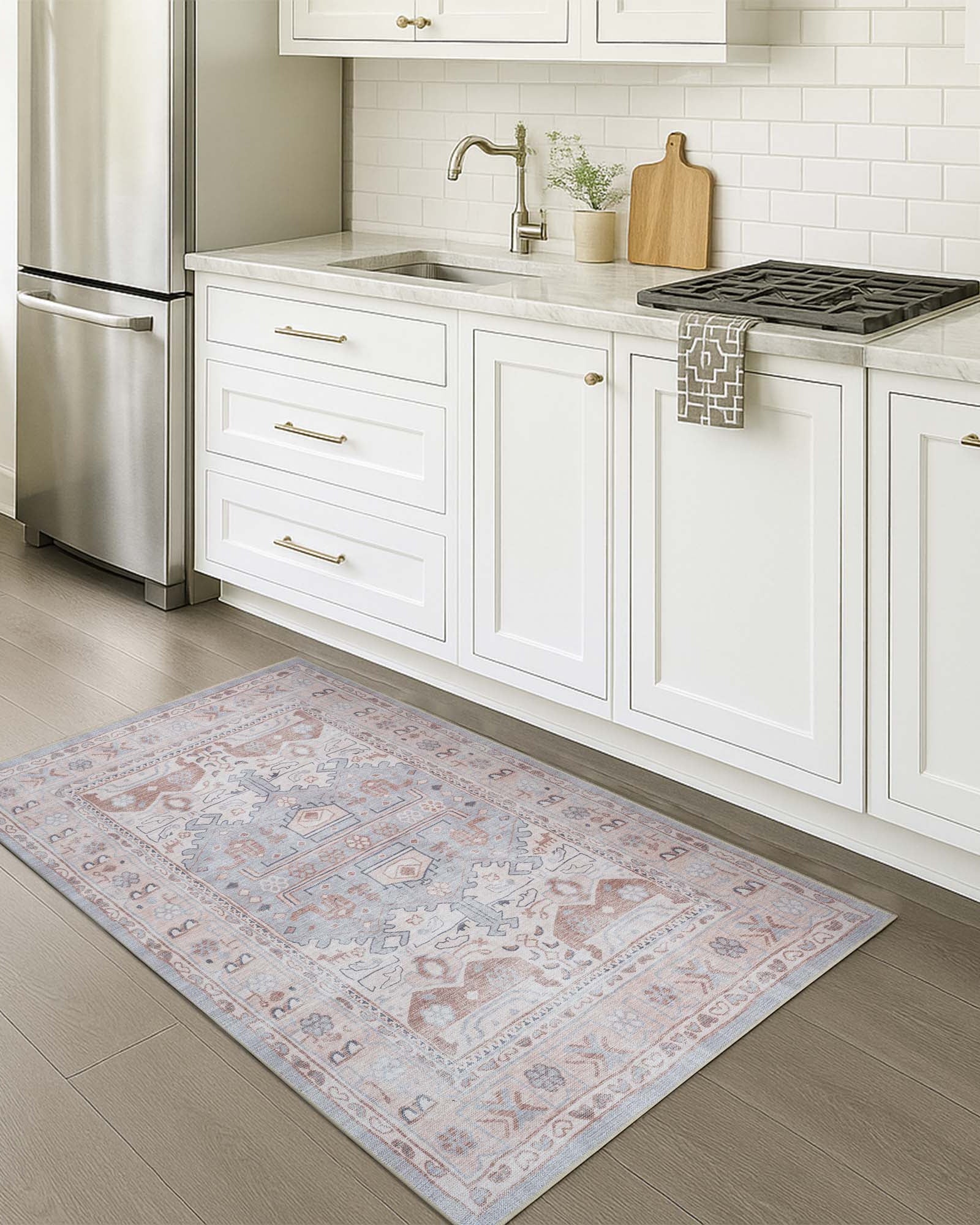
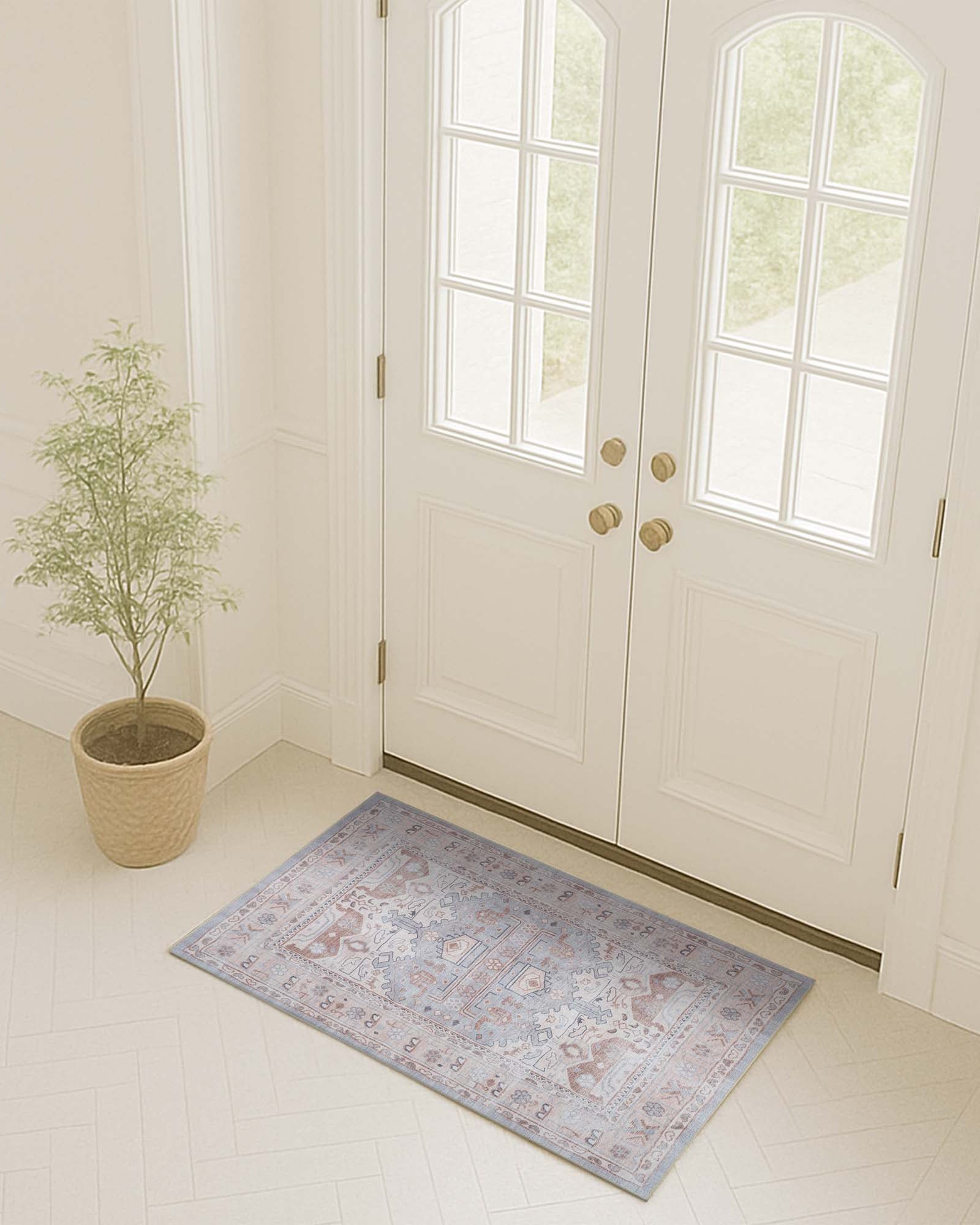
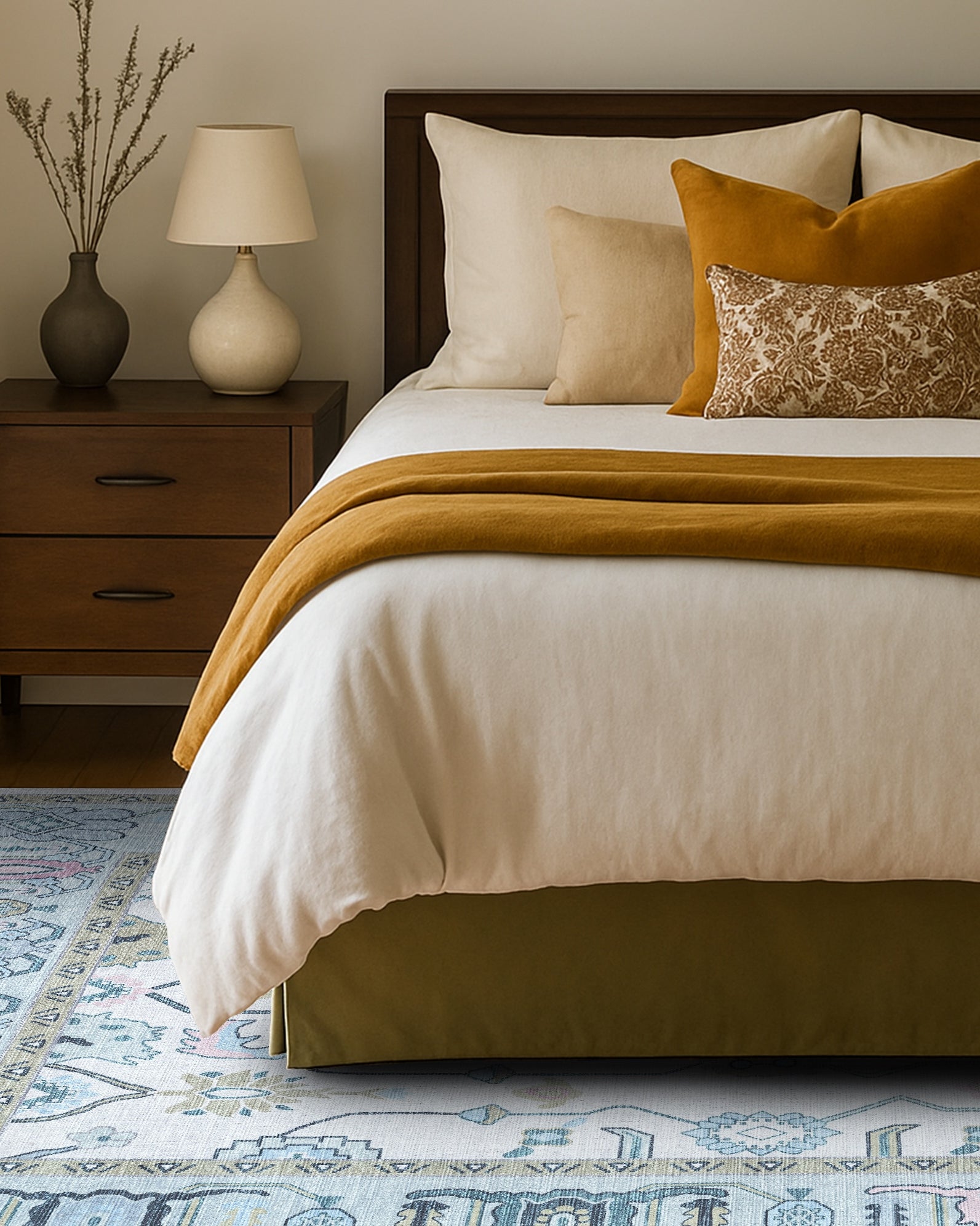
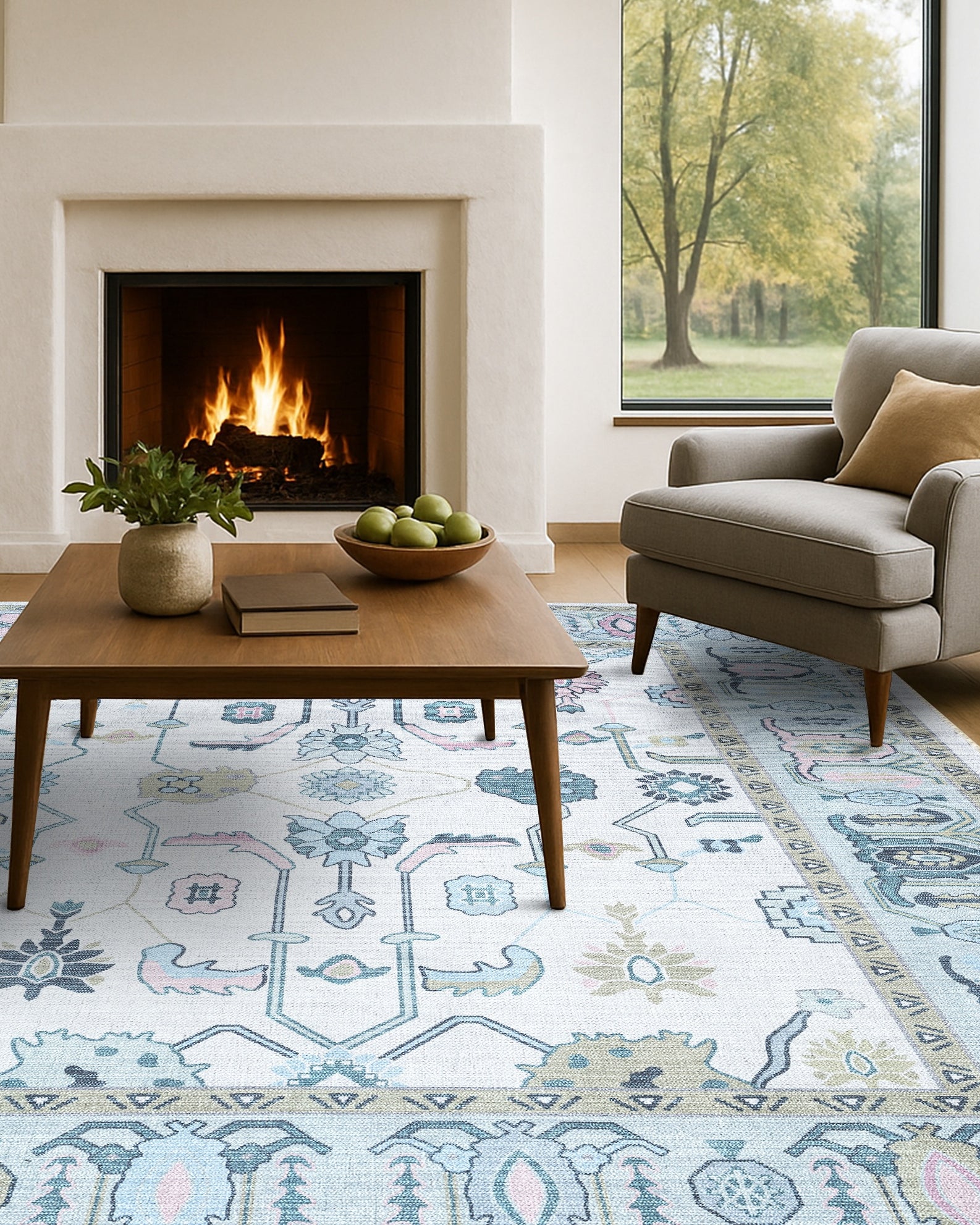
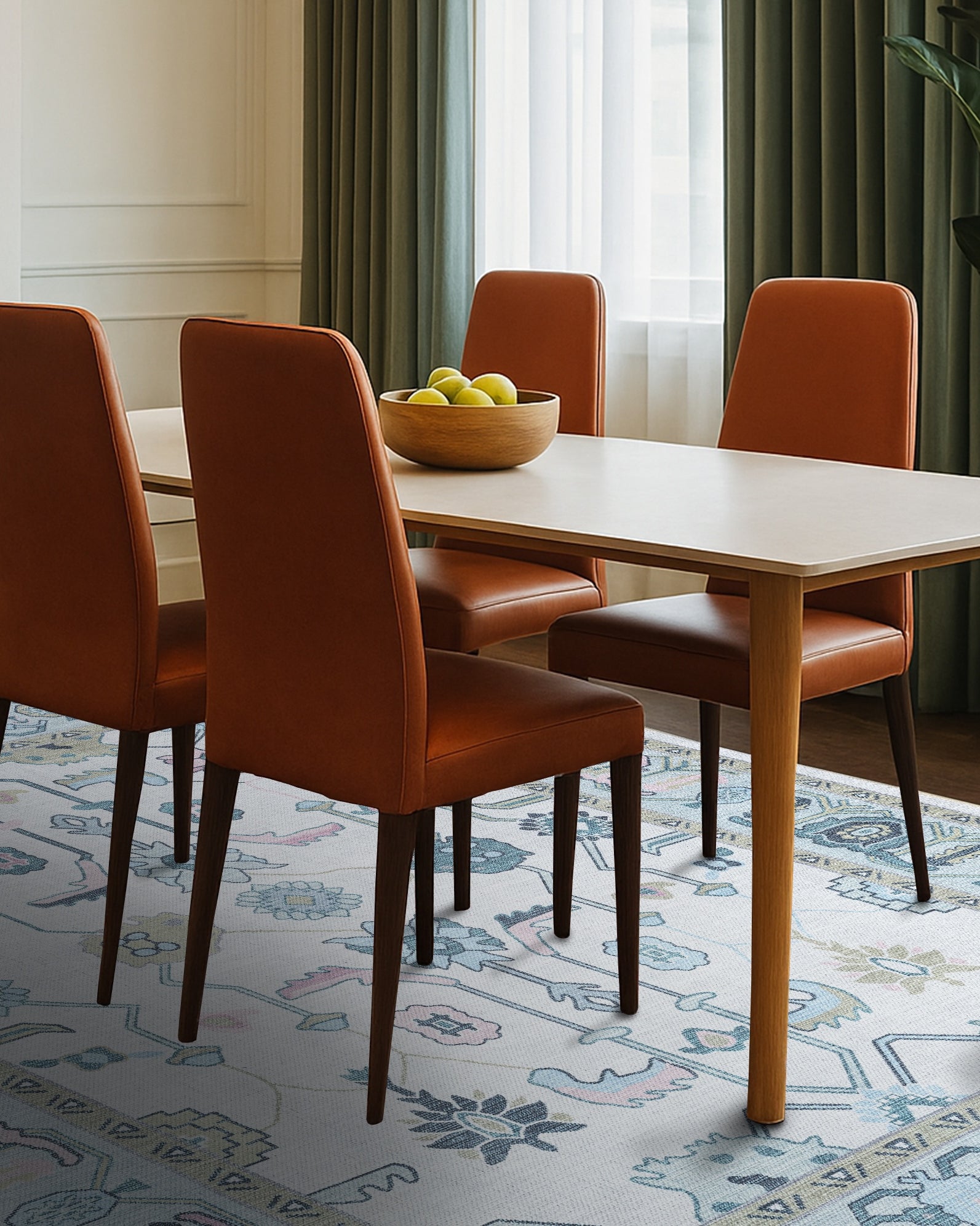
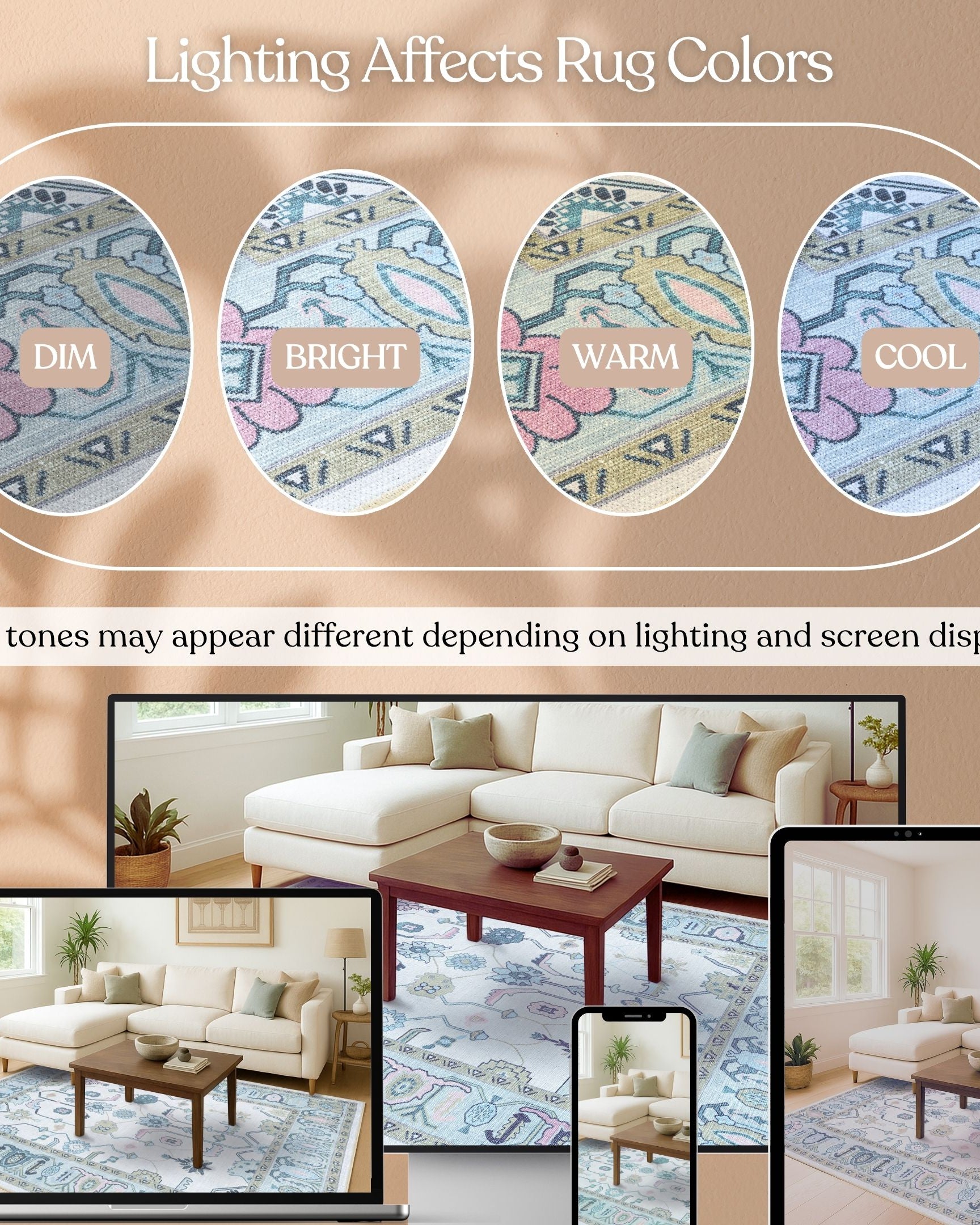
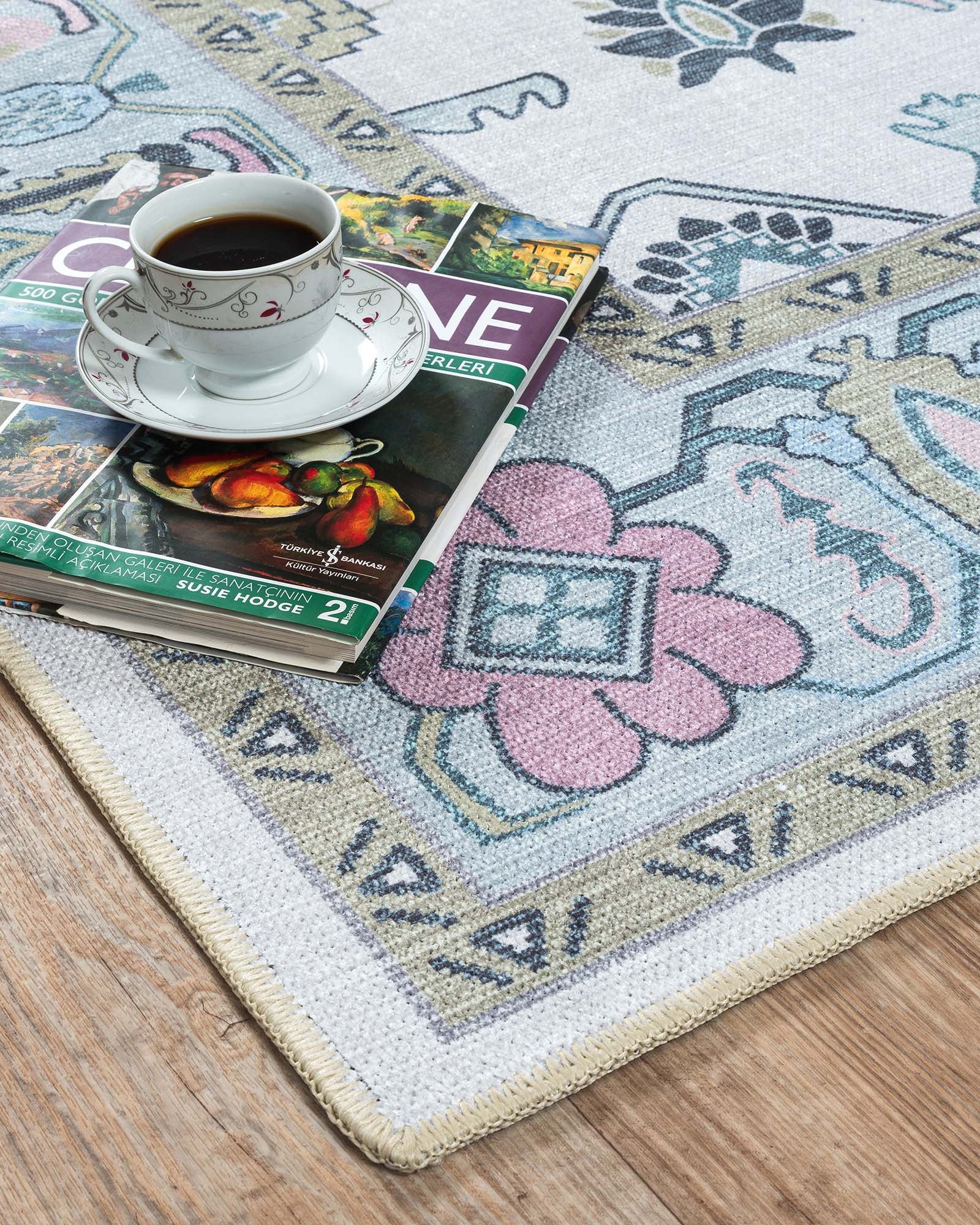
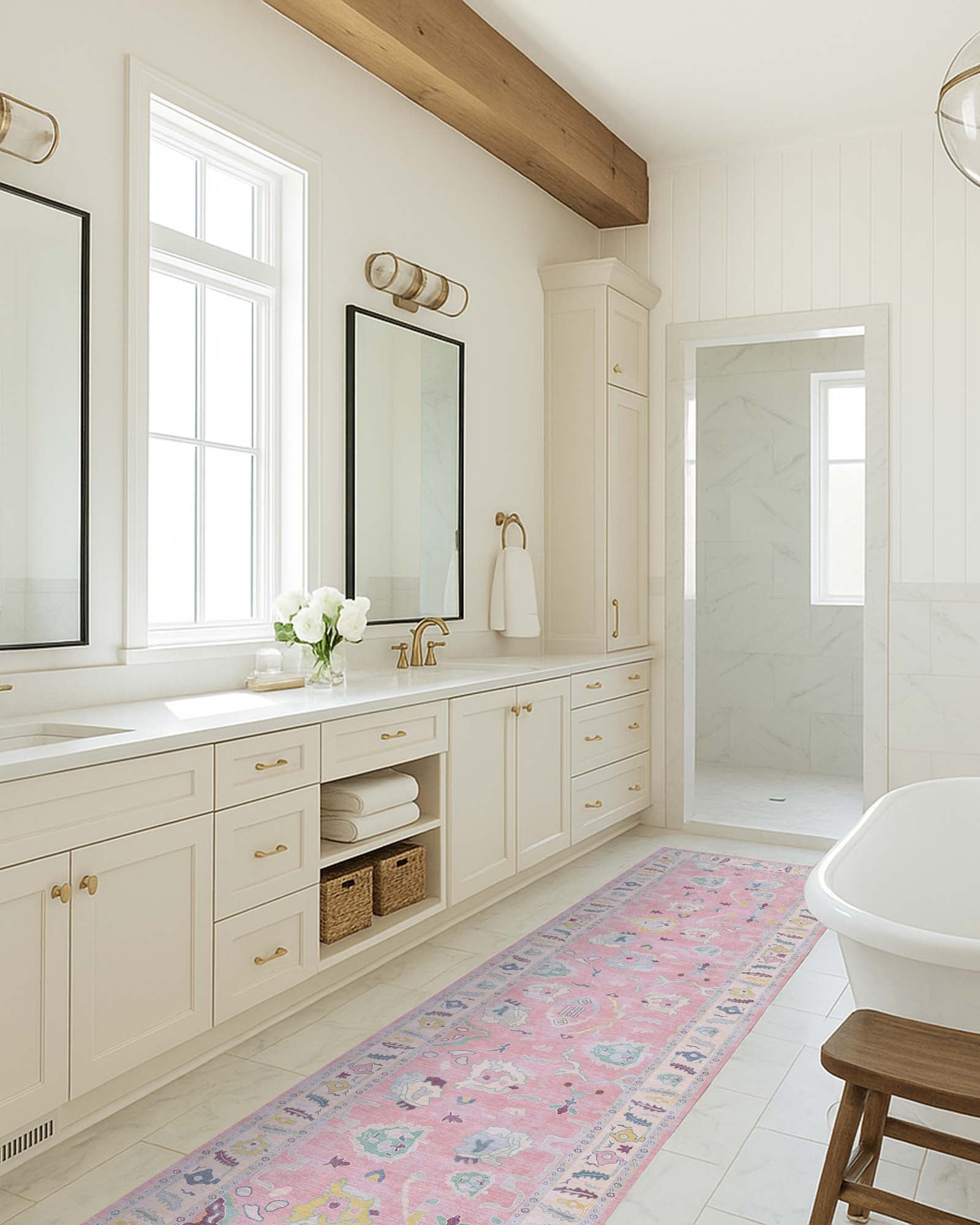
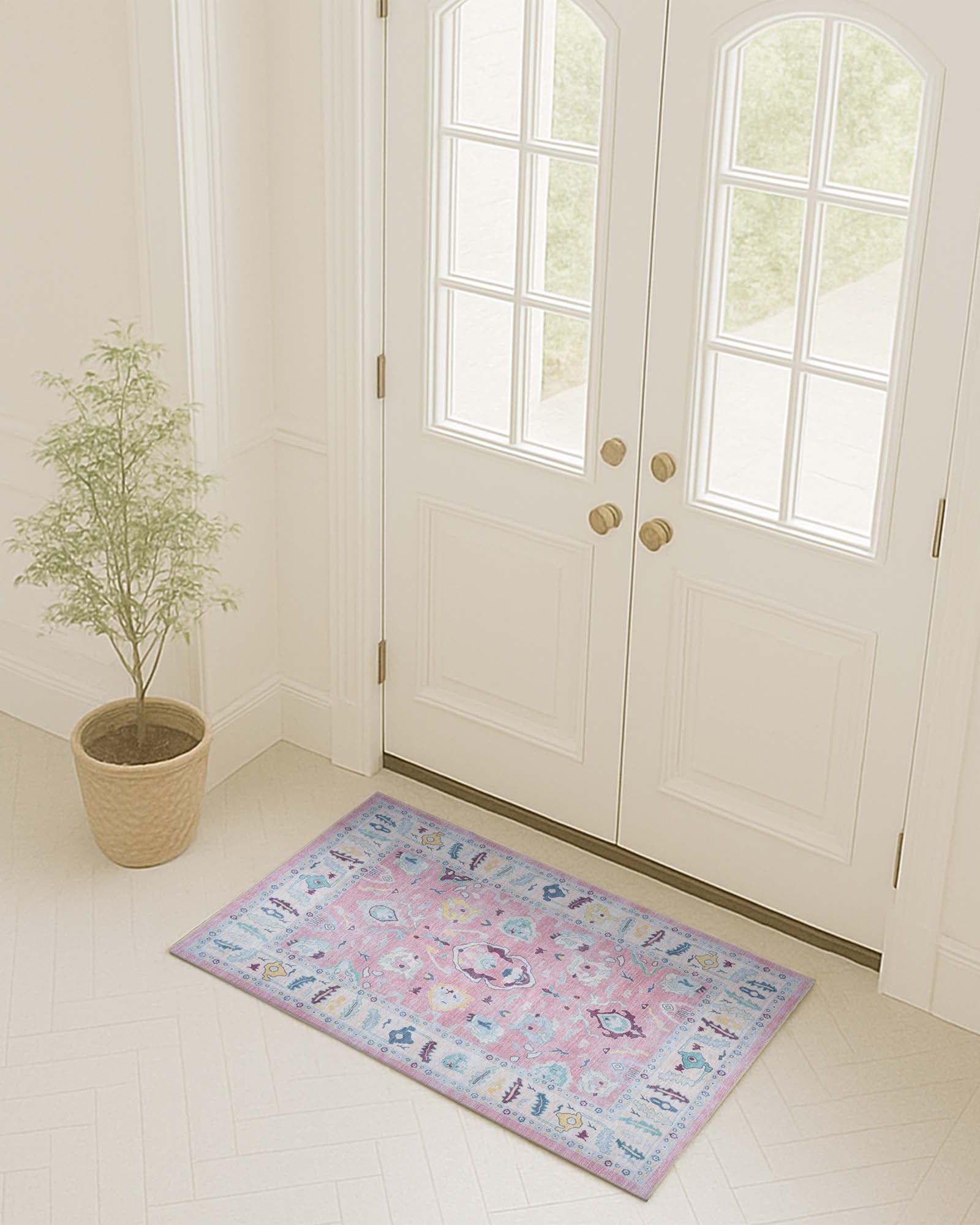
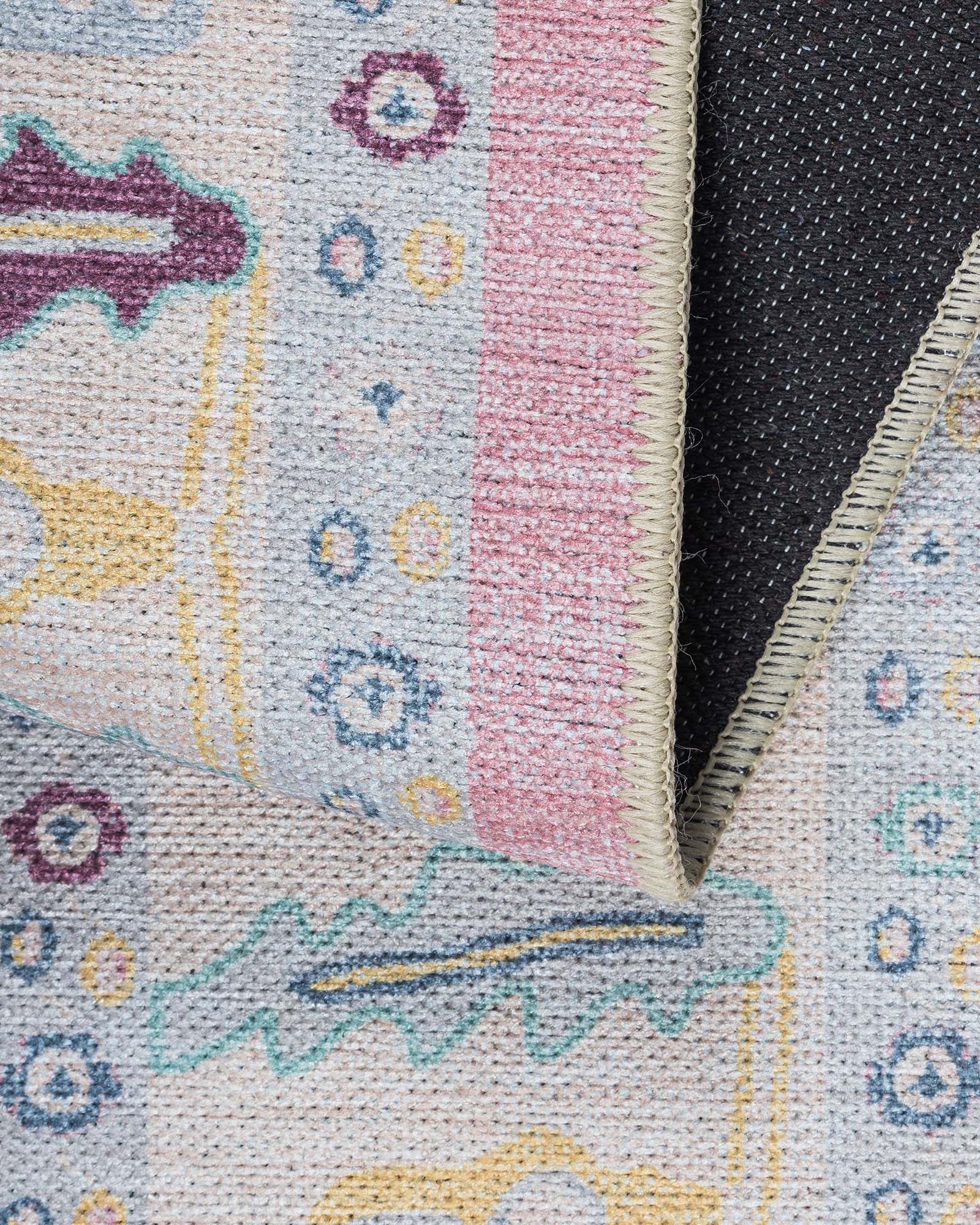
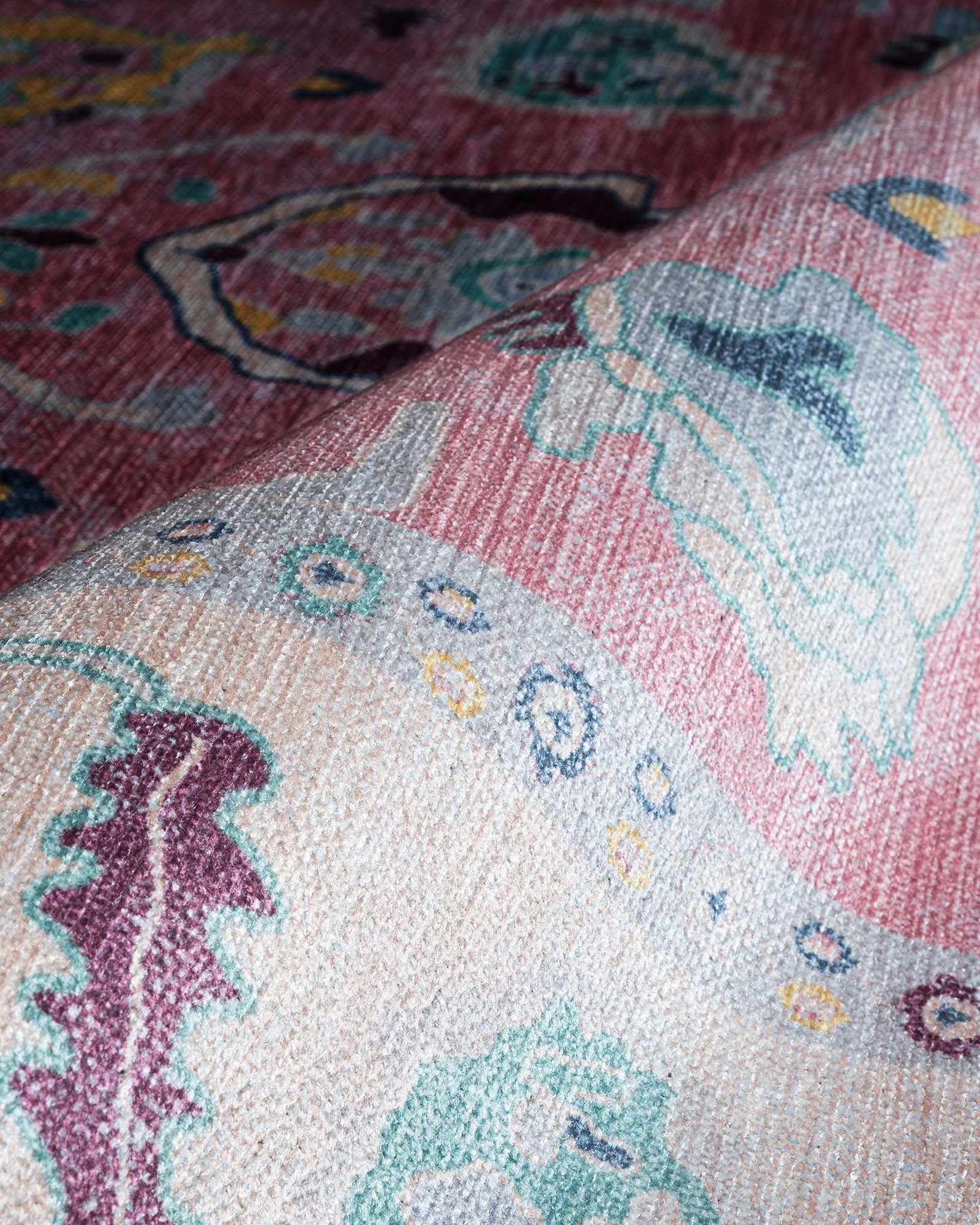
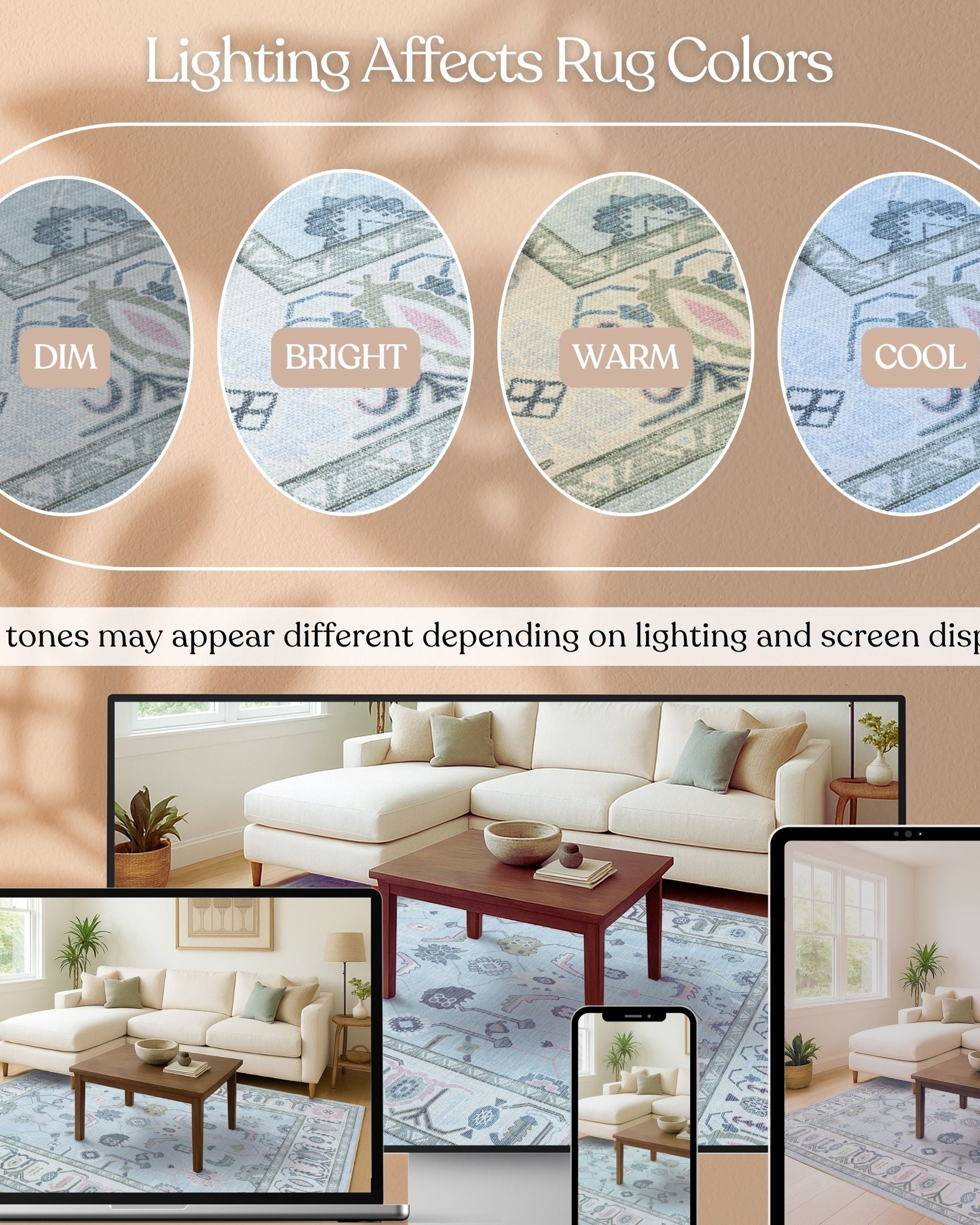
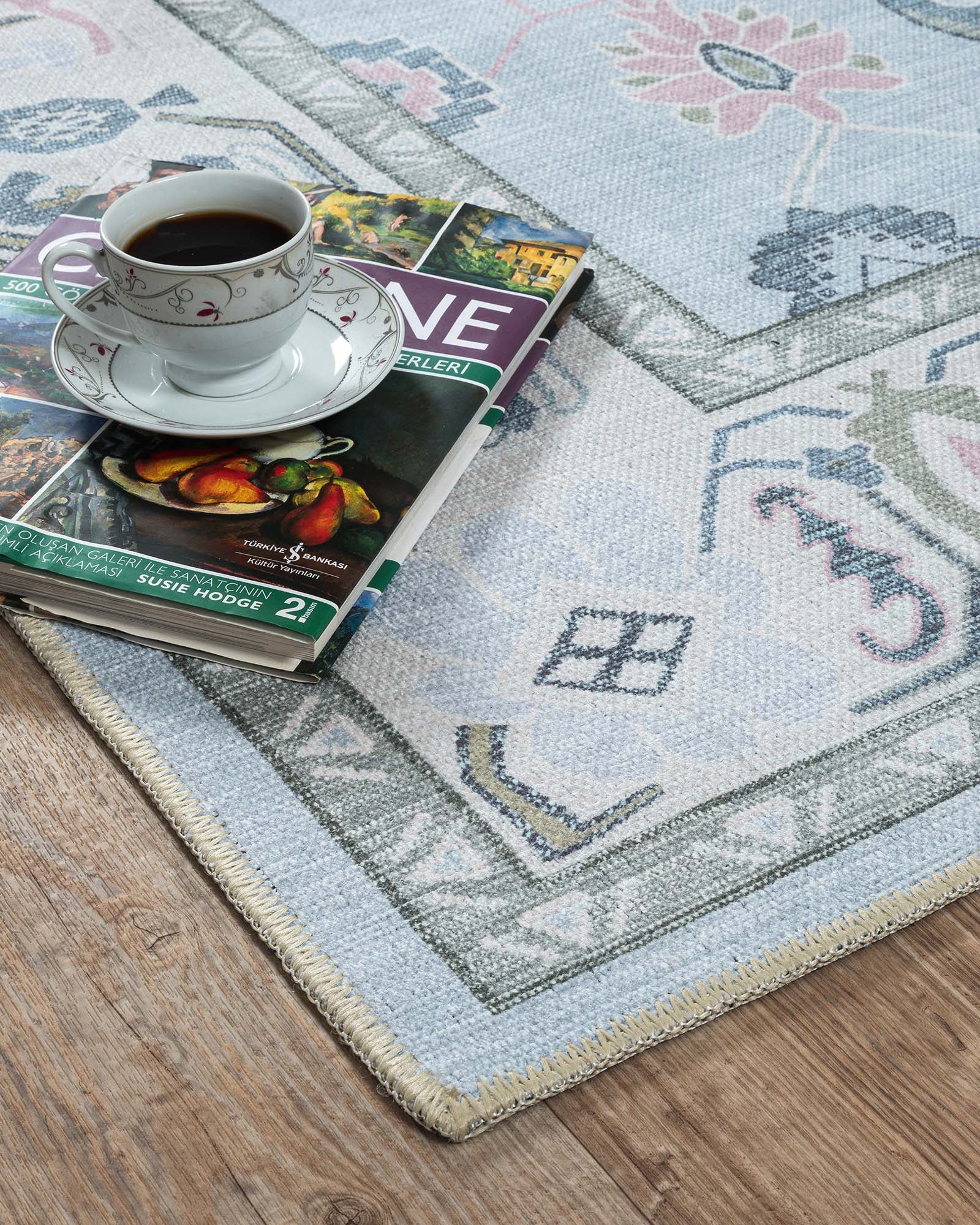
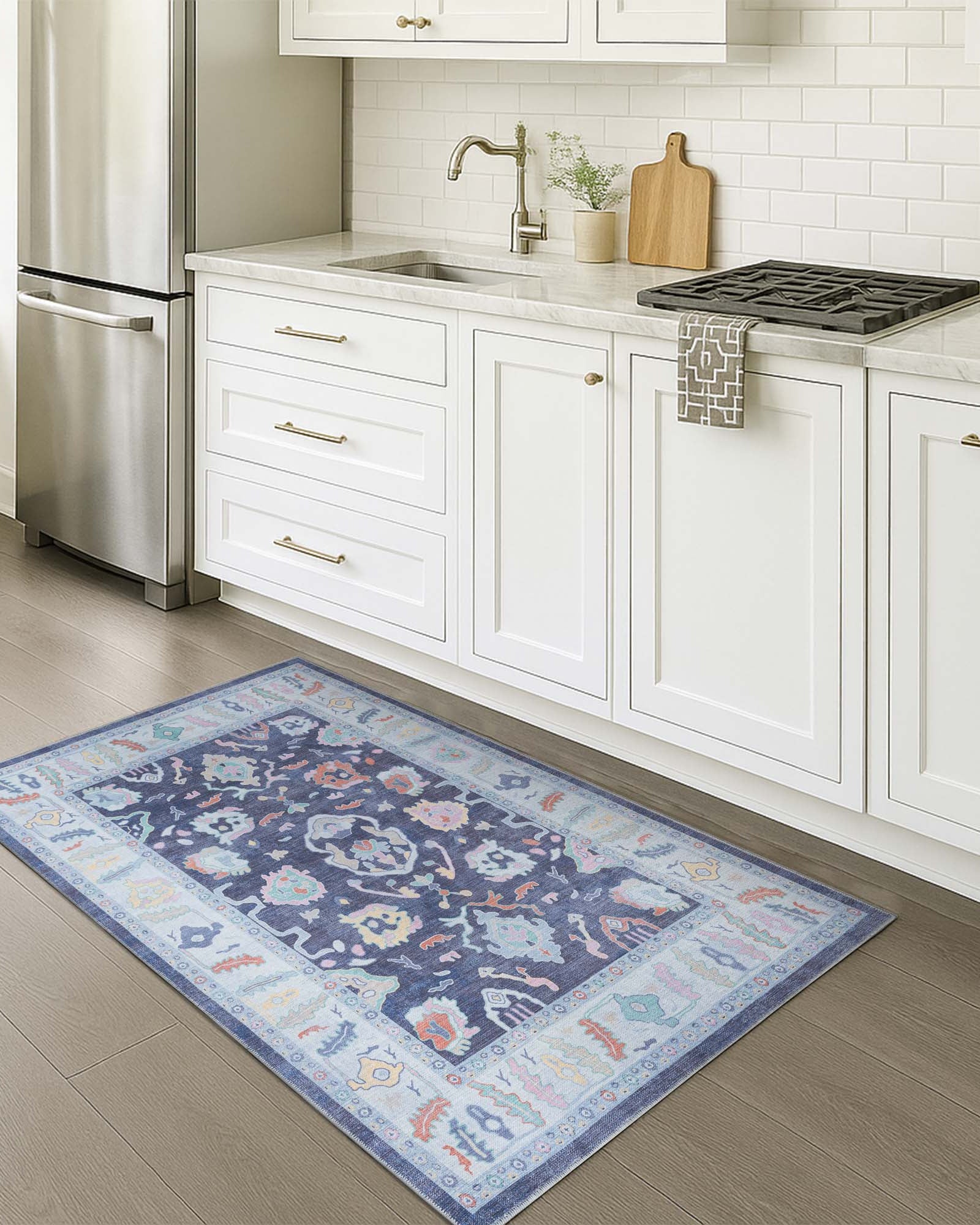
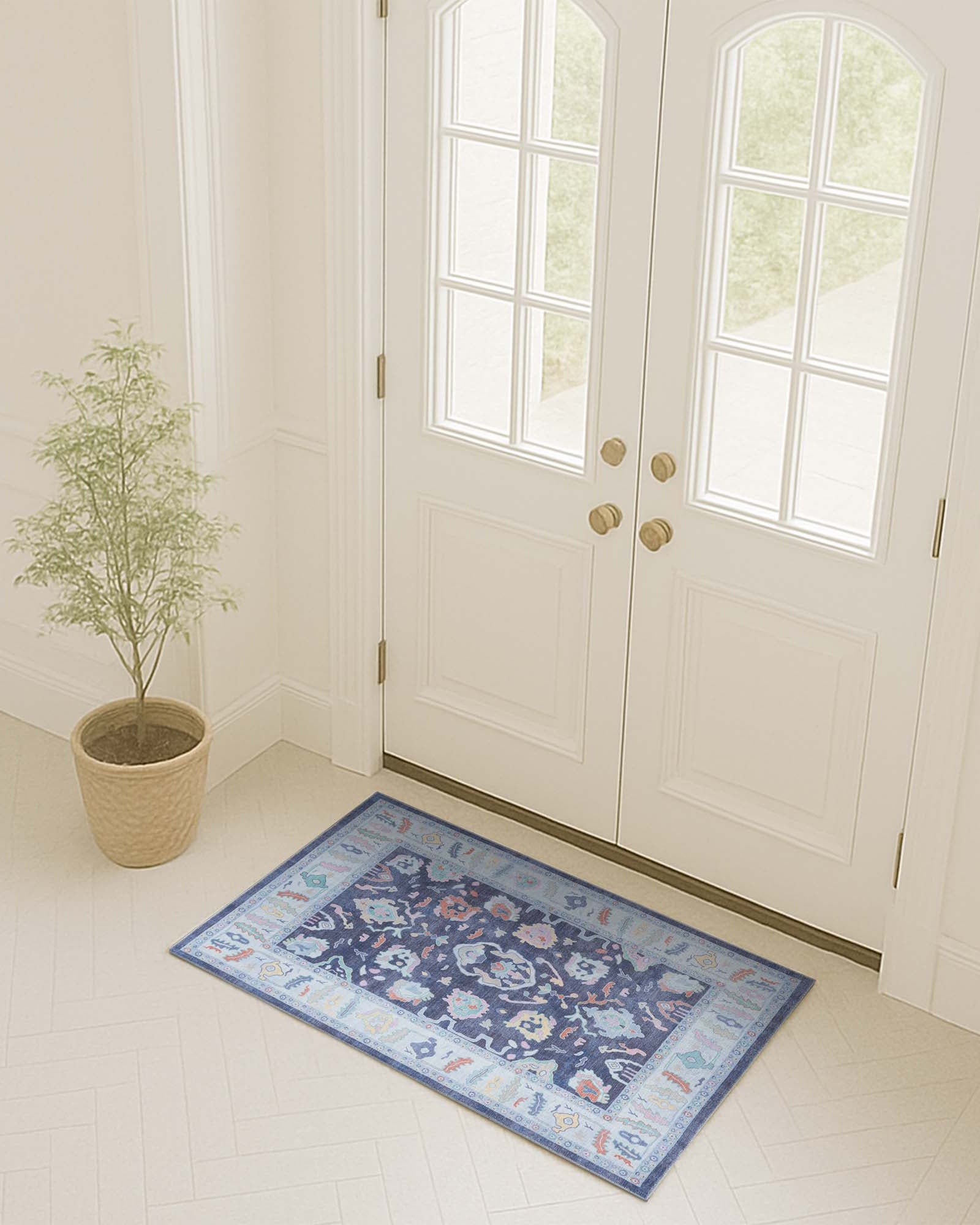
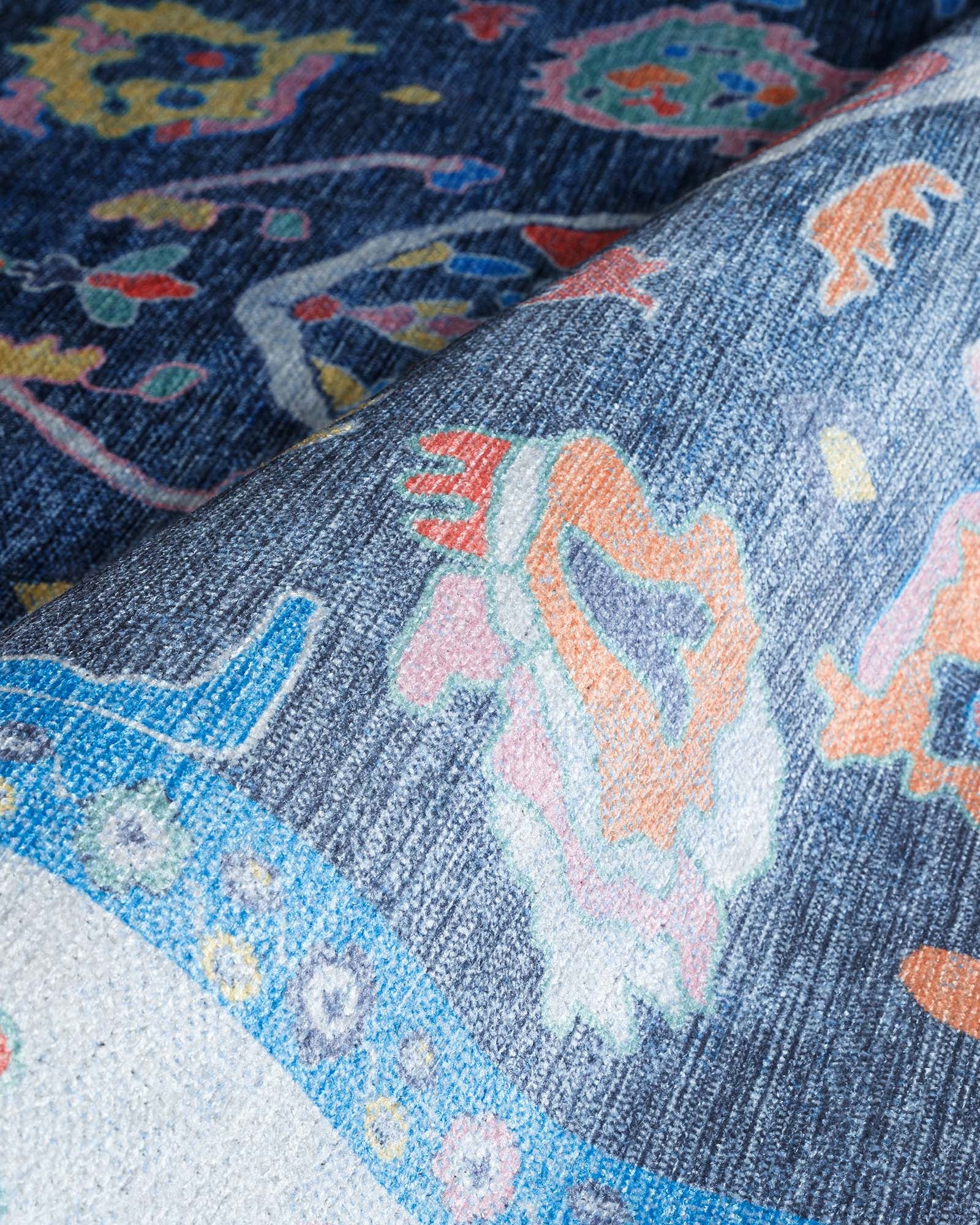
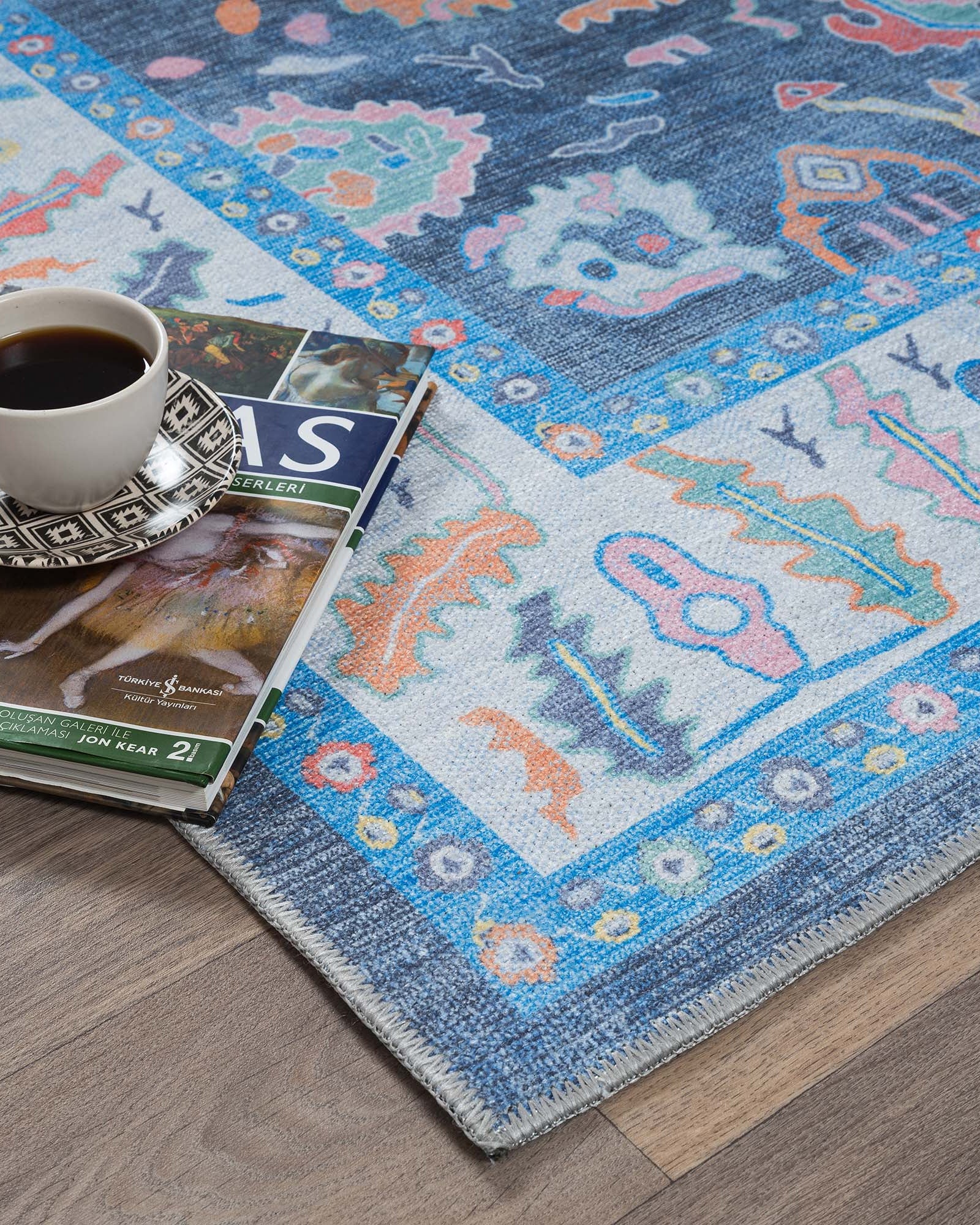
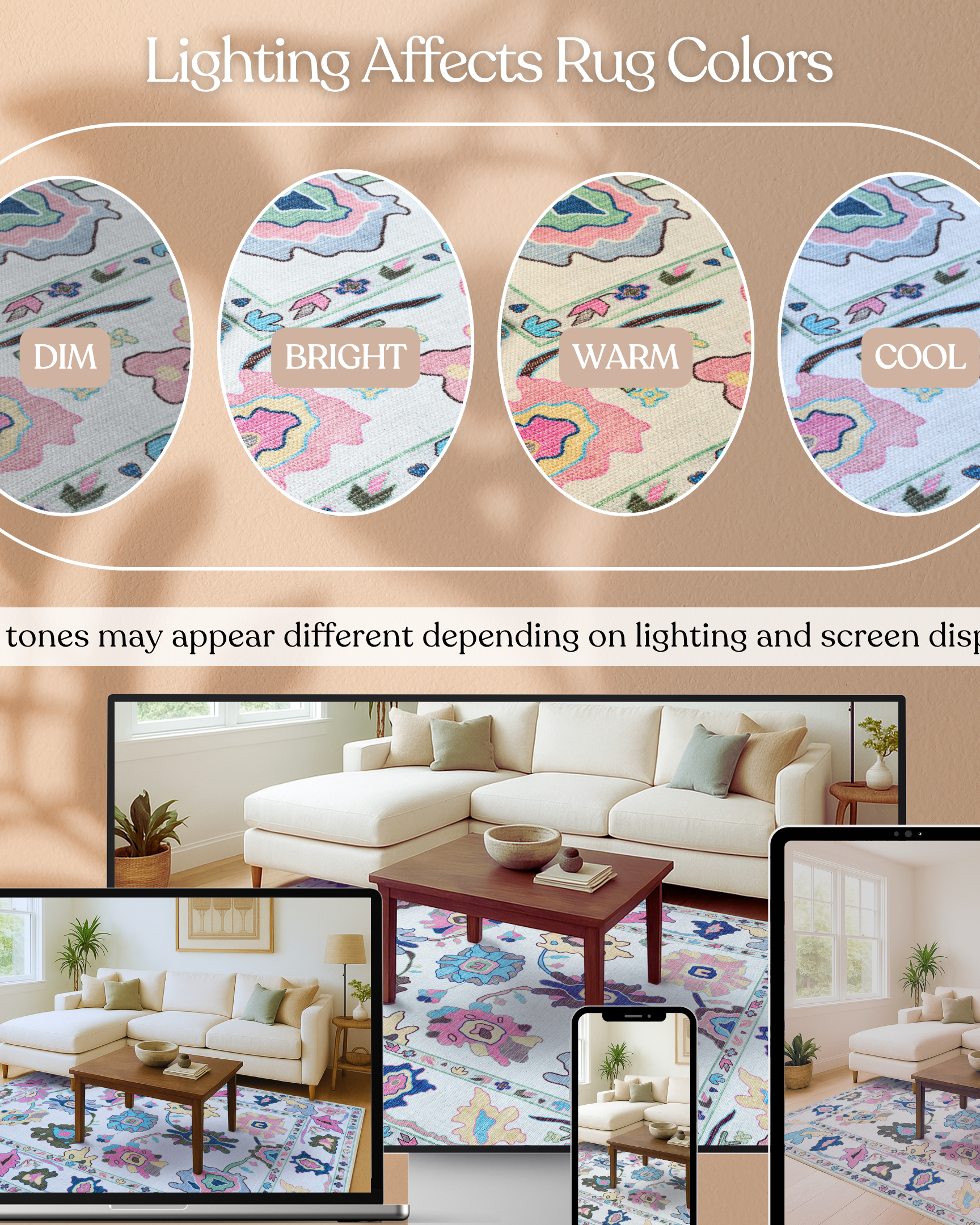
Our collection reflects that palette: muted terracotta, faded rose, dusty indigo, antique gold, and warm ivory. These are colors that sit comfortably alongside oak floors, linen upholstery, and both warm and cool neutrals.
Styling Anatolian Rugs in a Modern Home
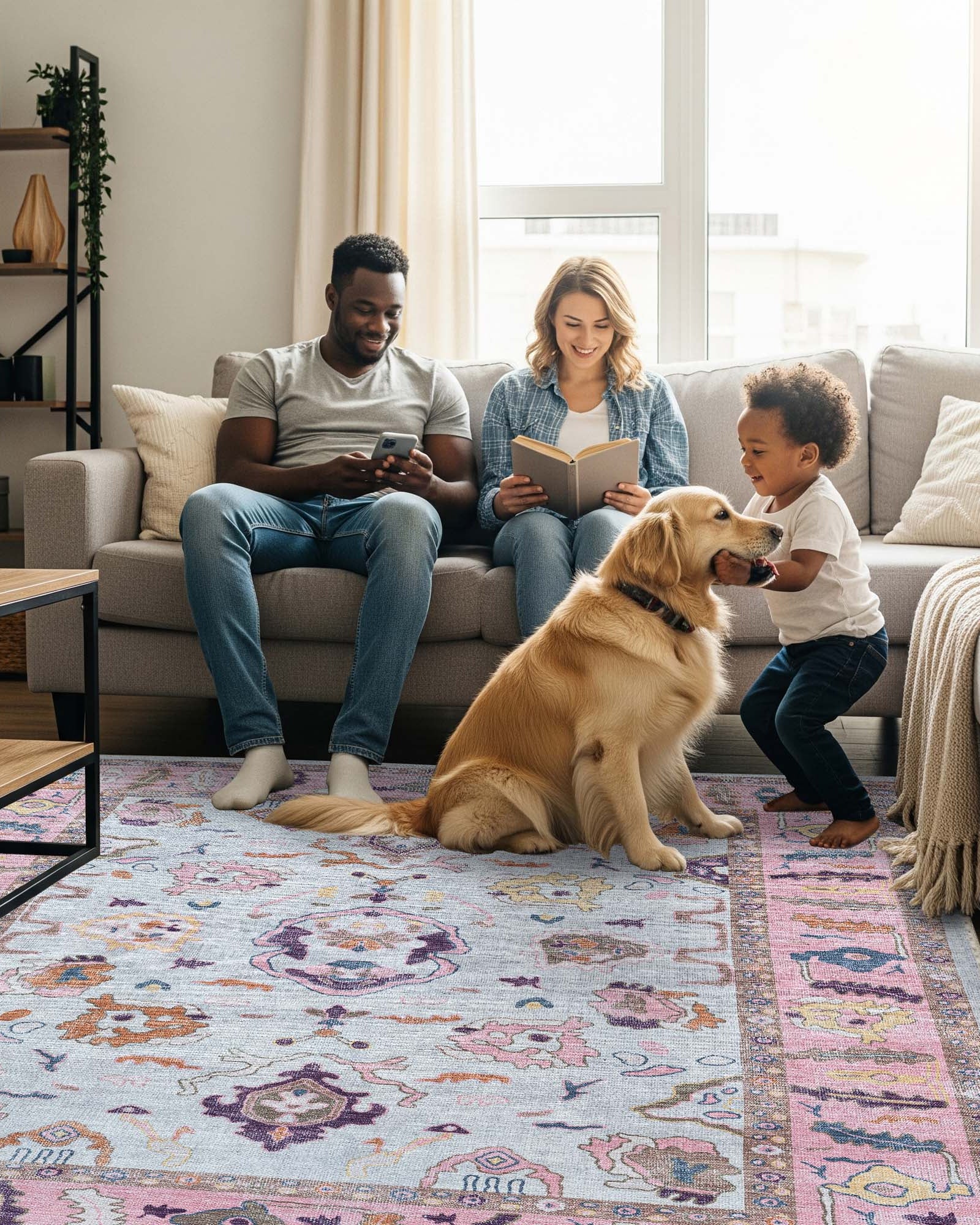
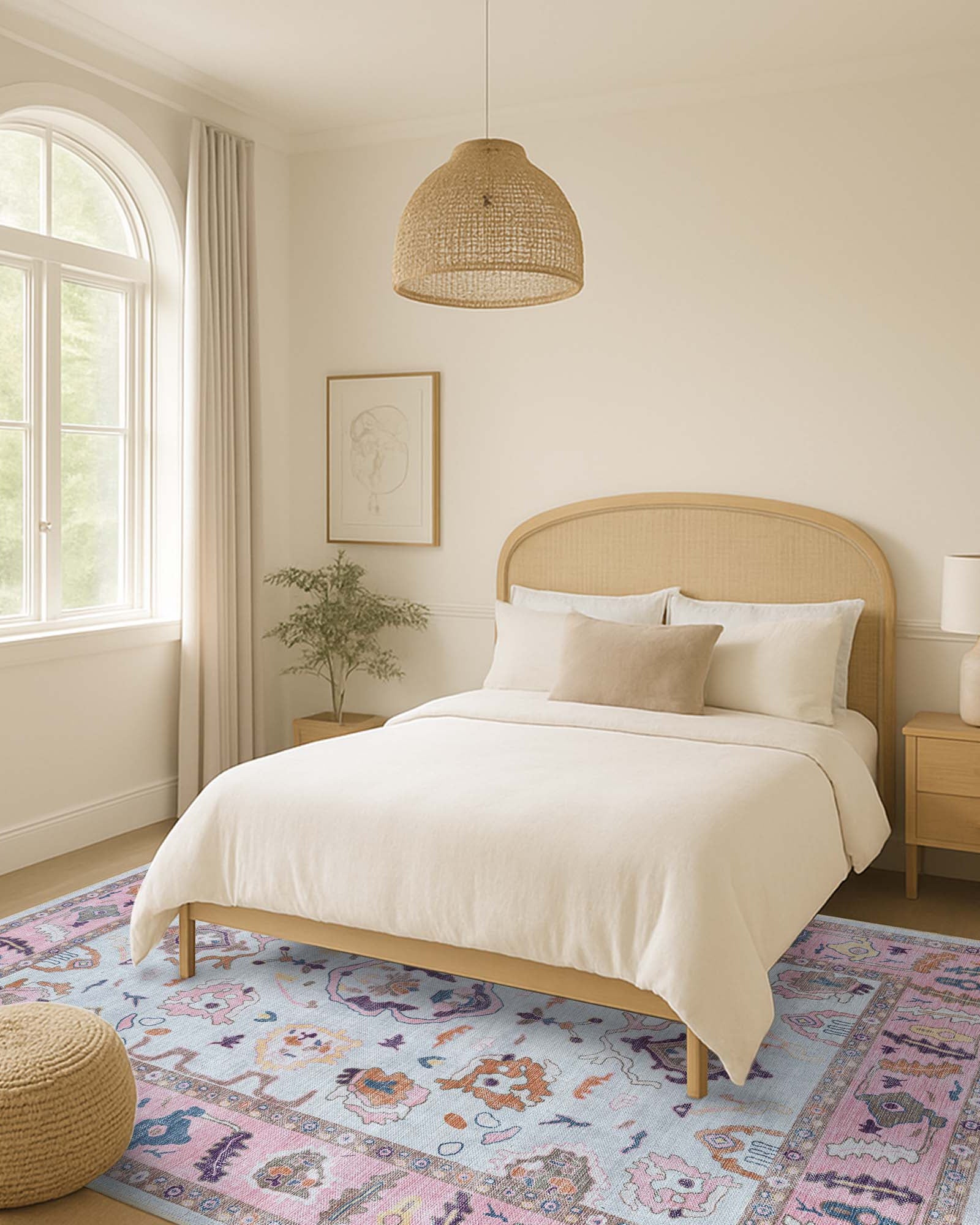
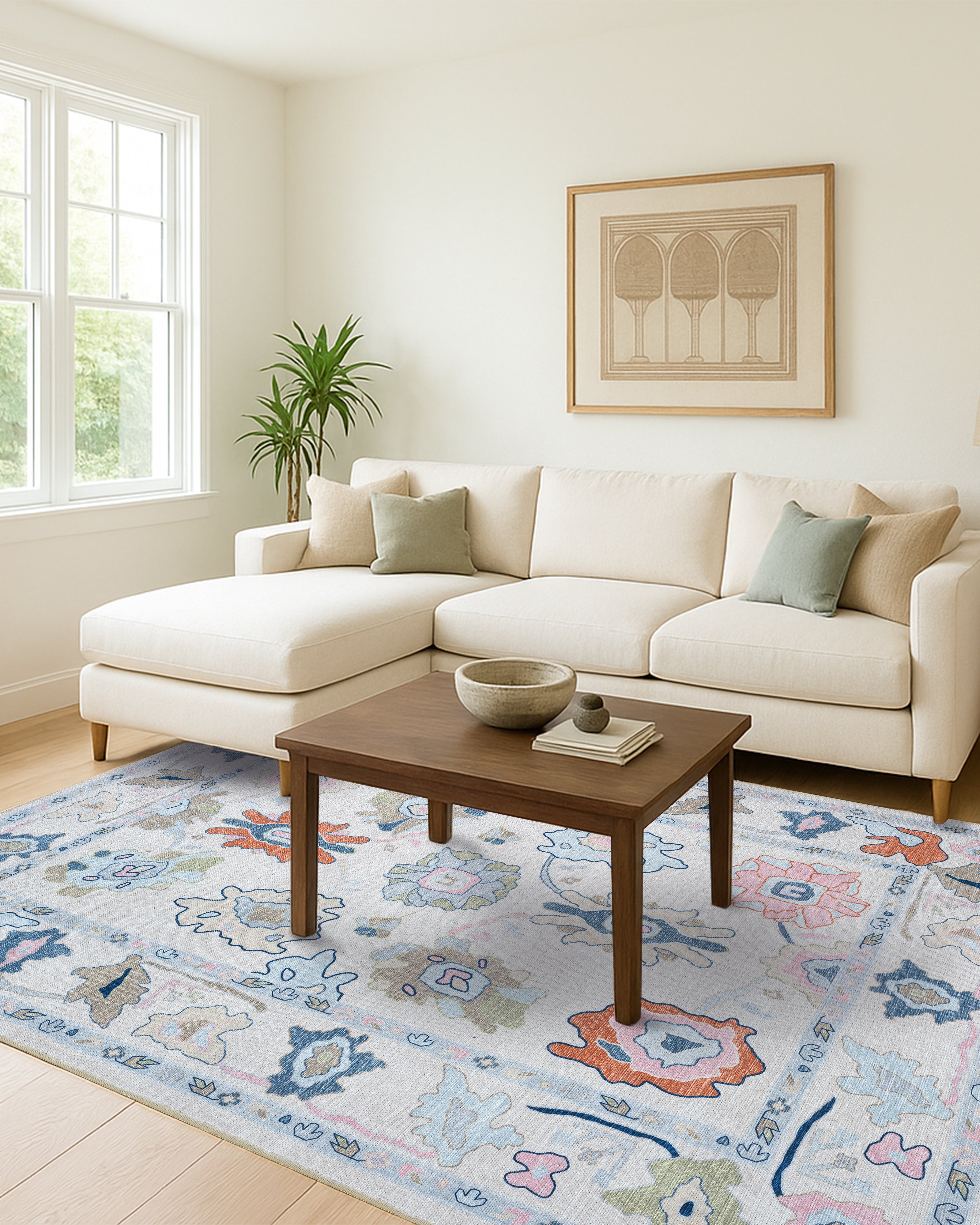
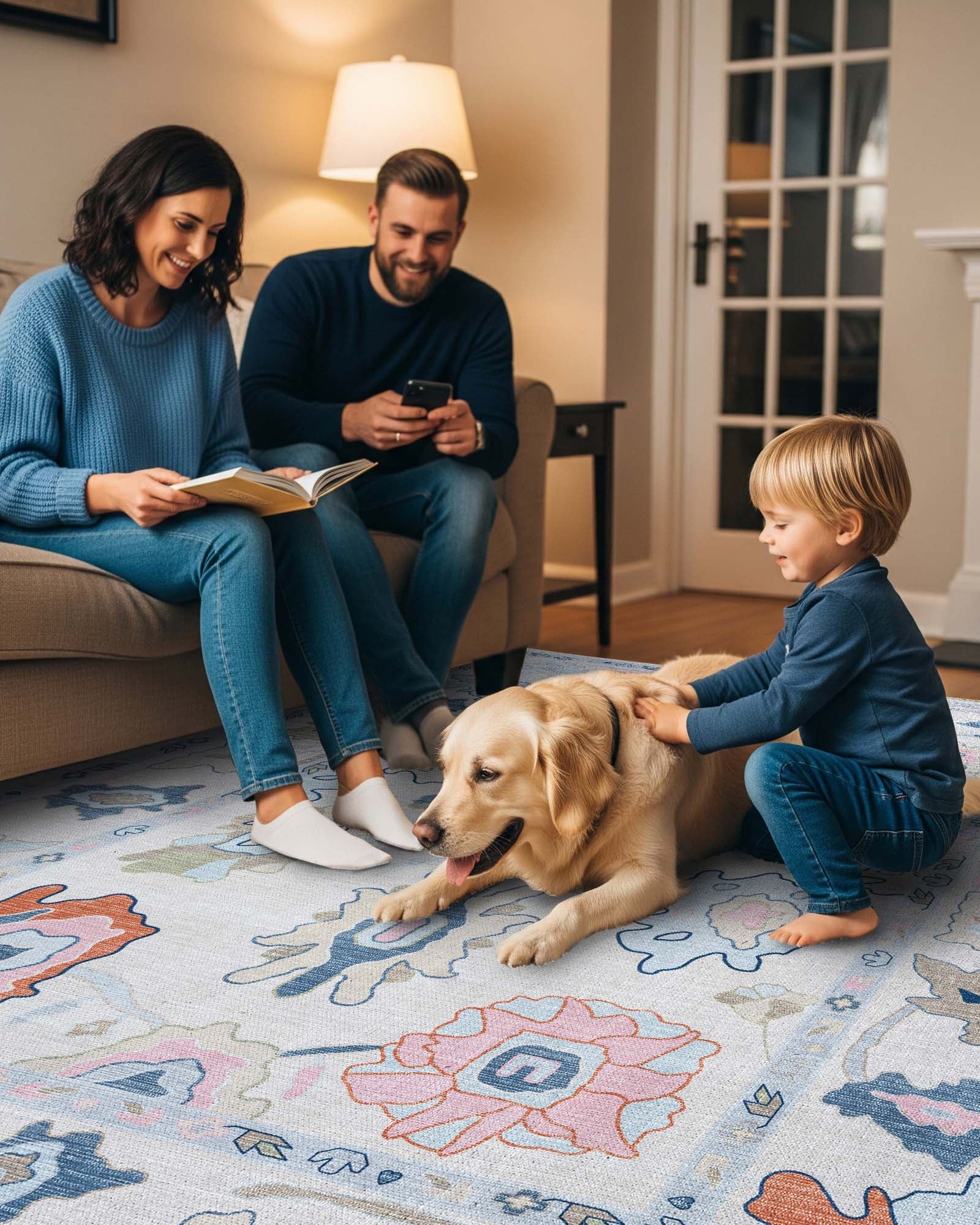
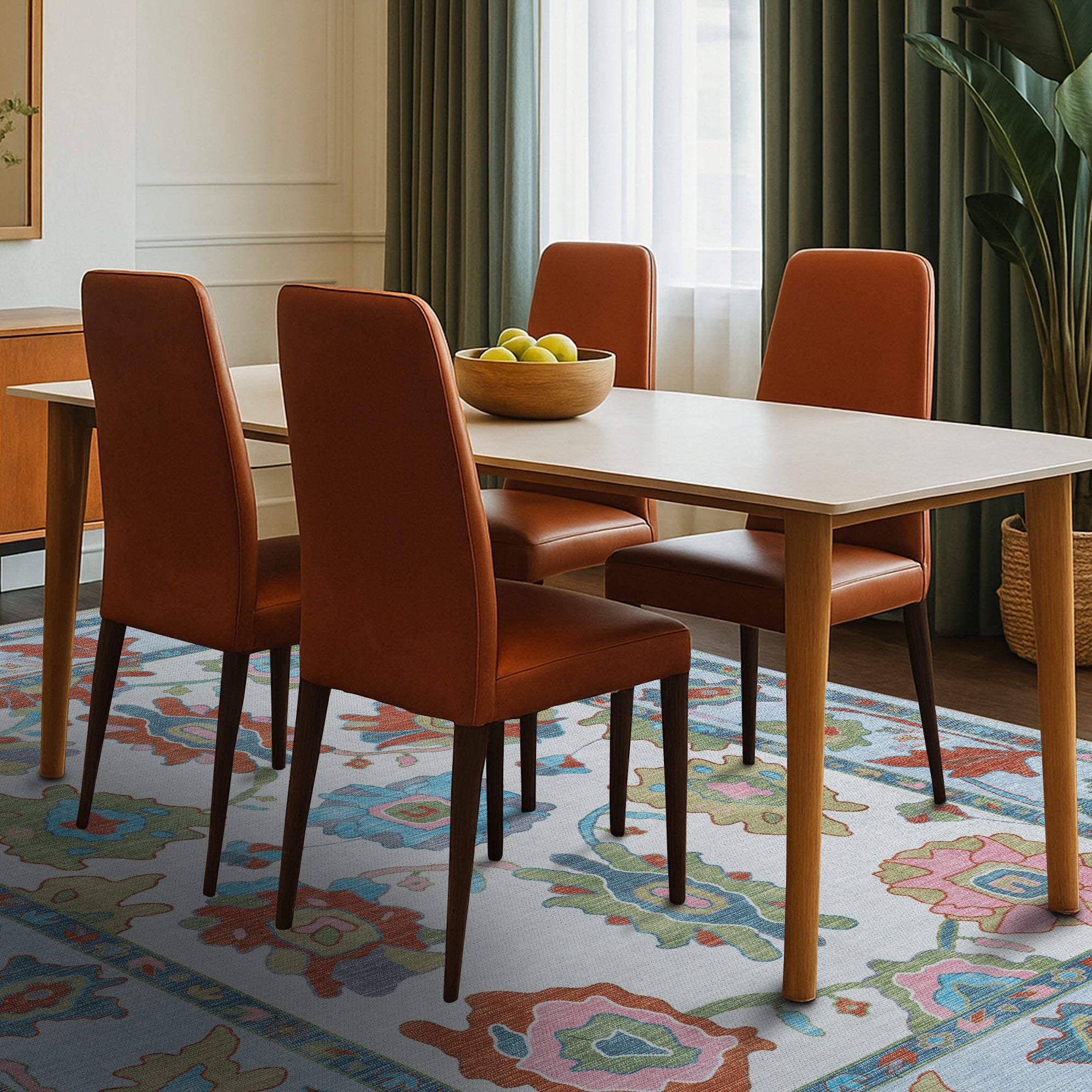
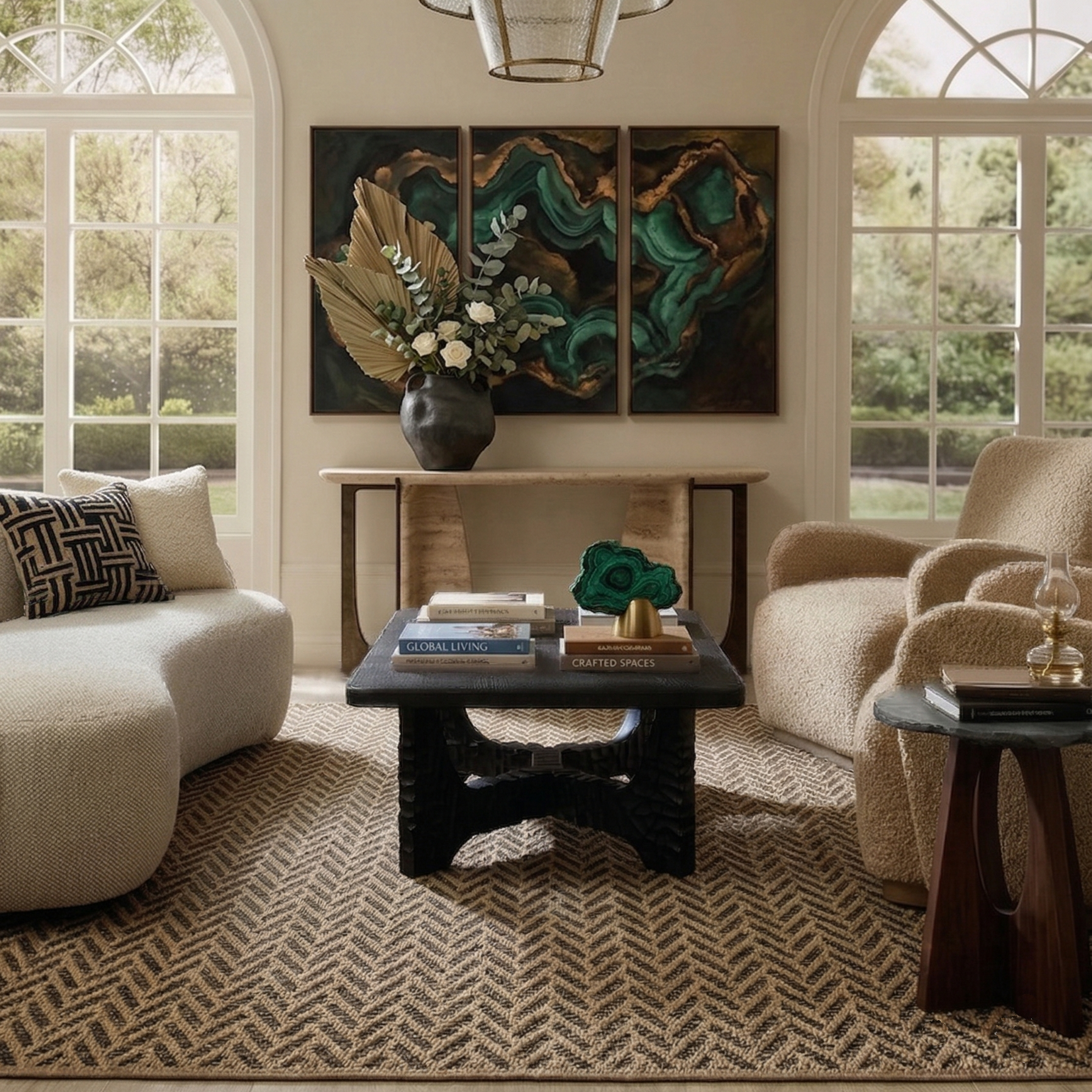
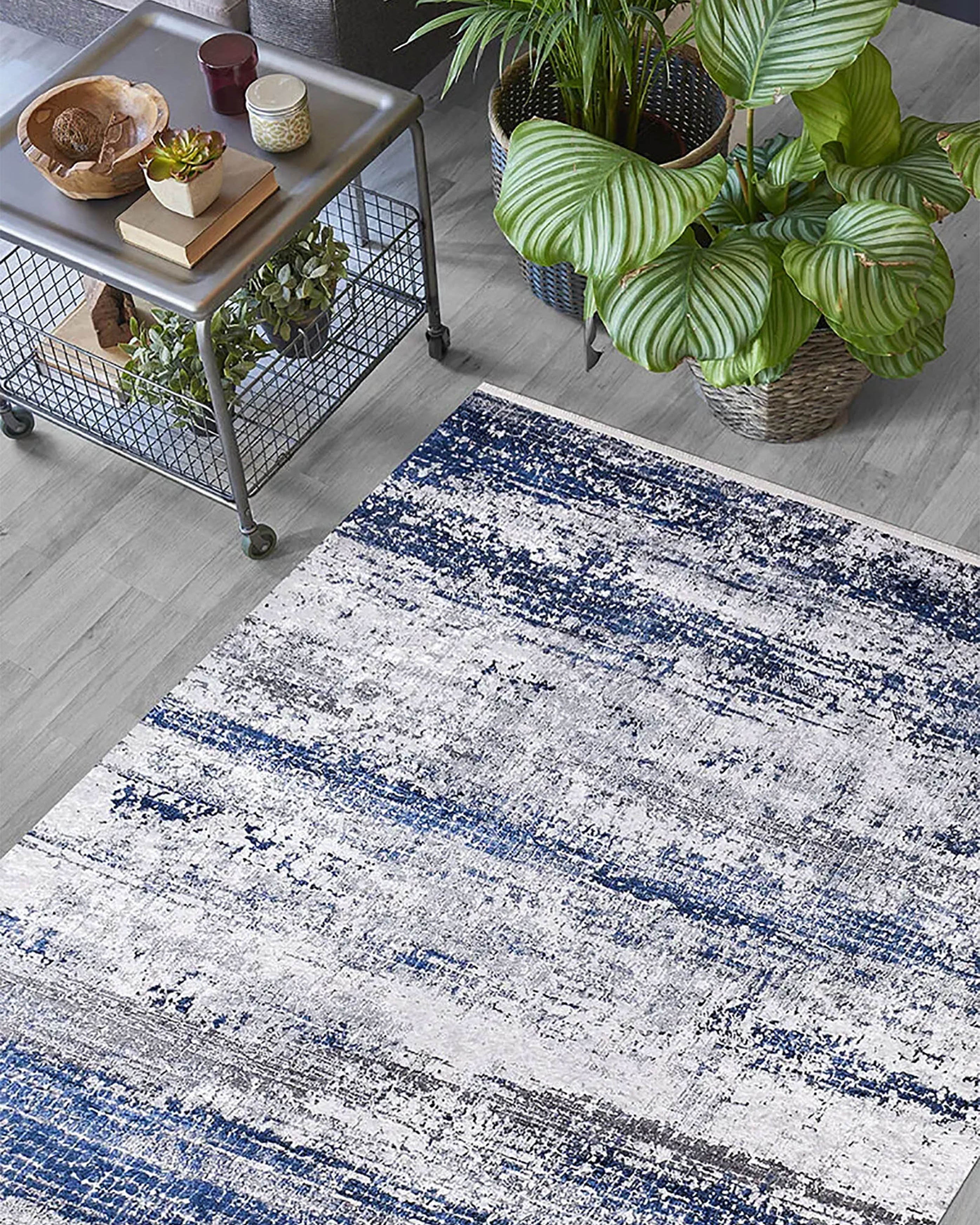
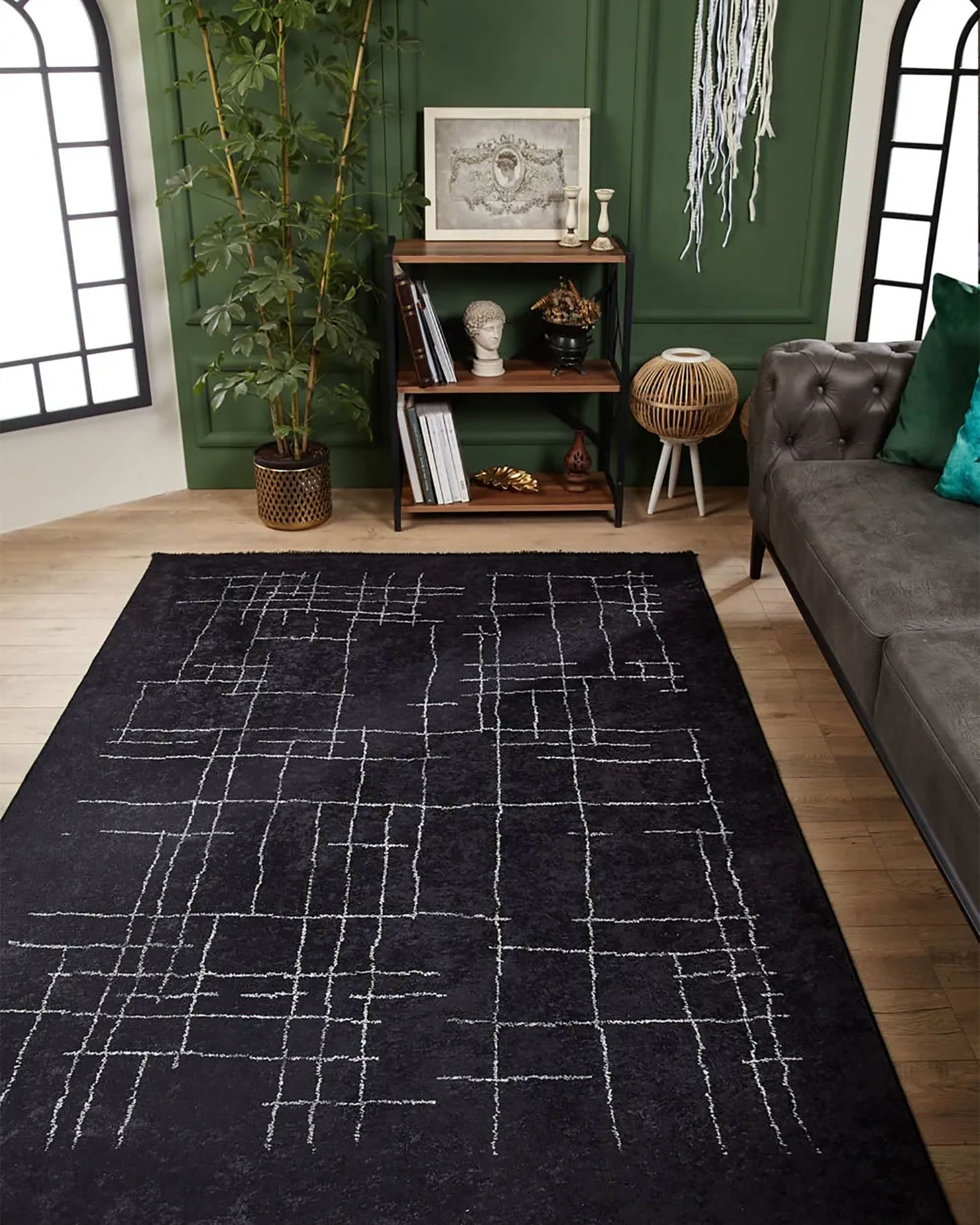
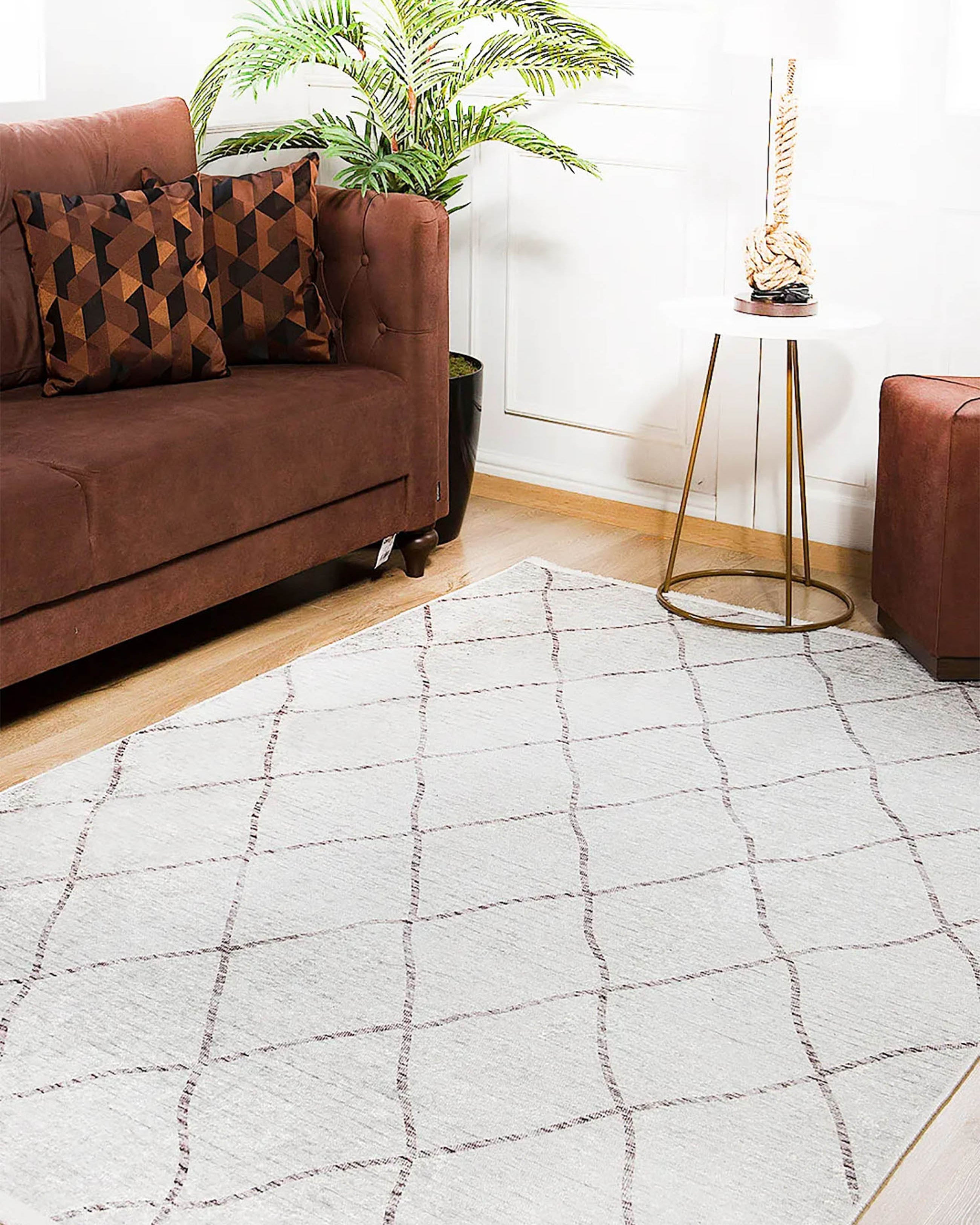
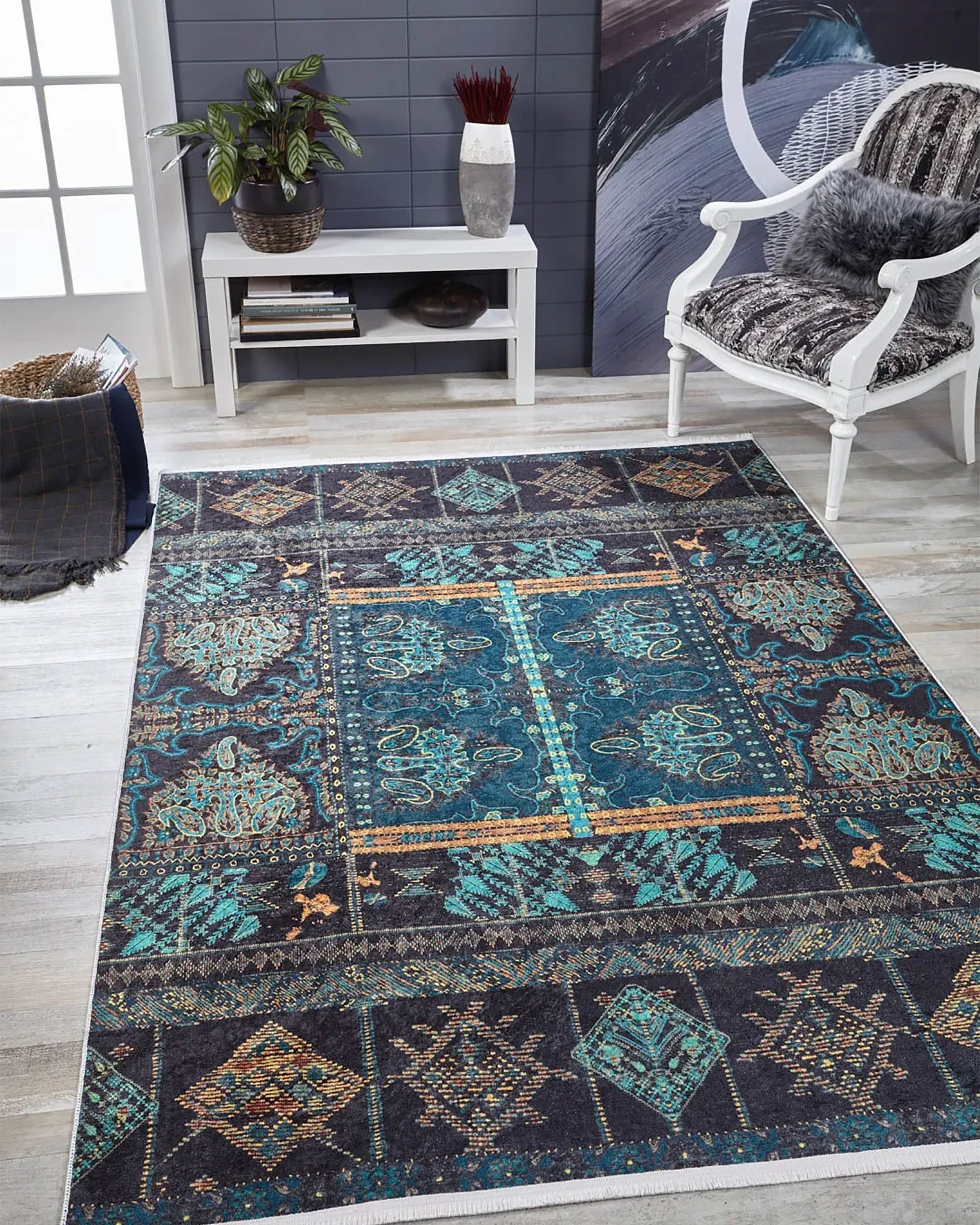
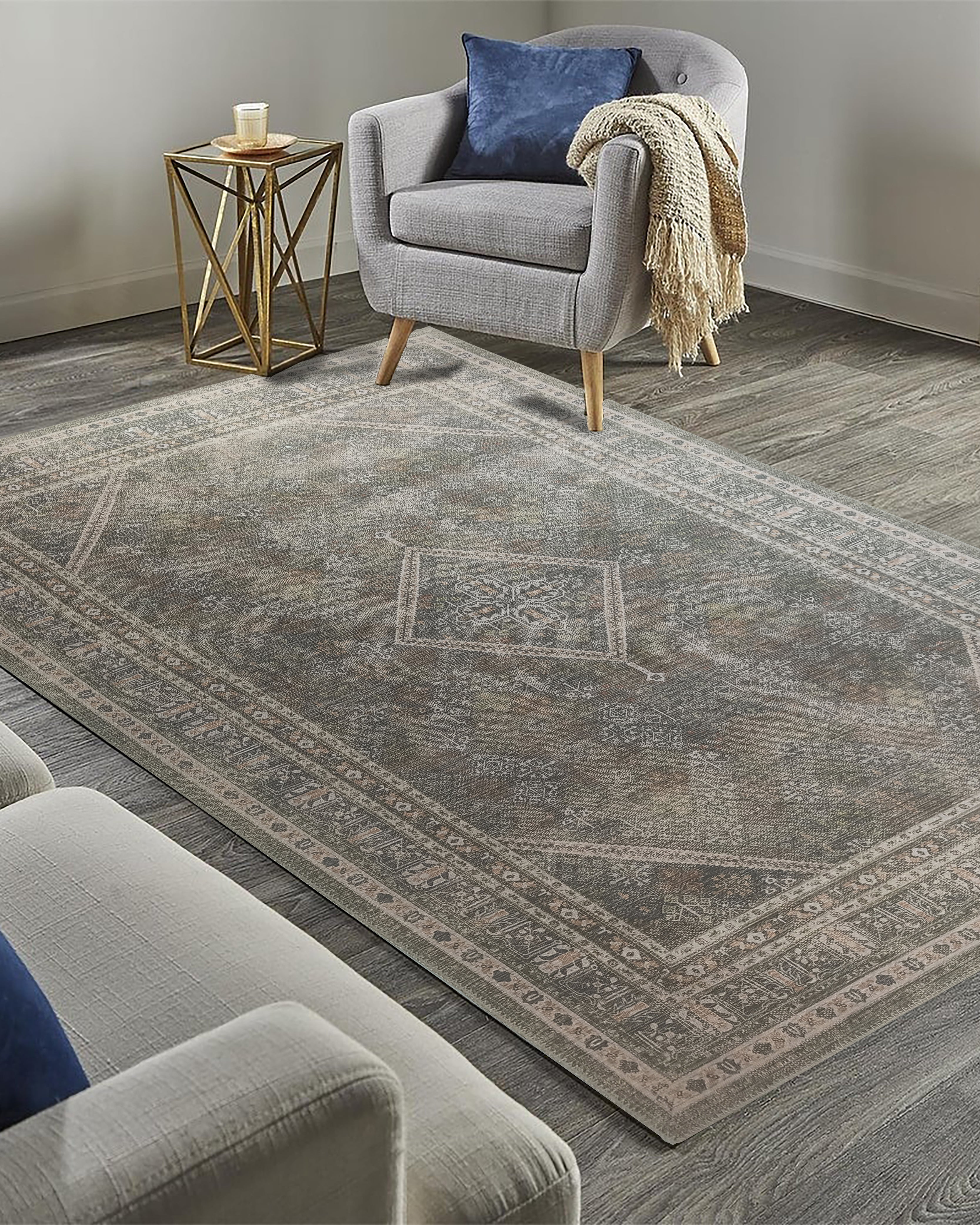
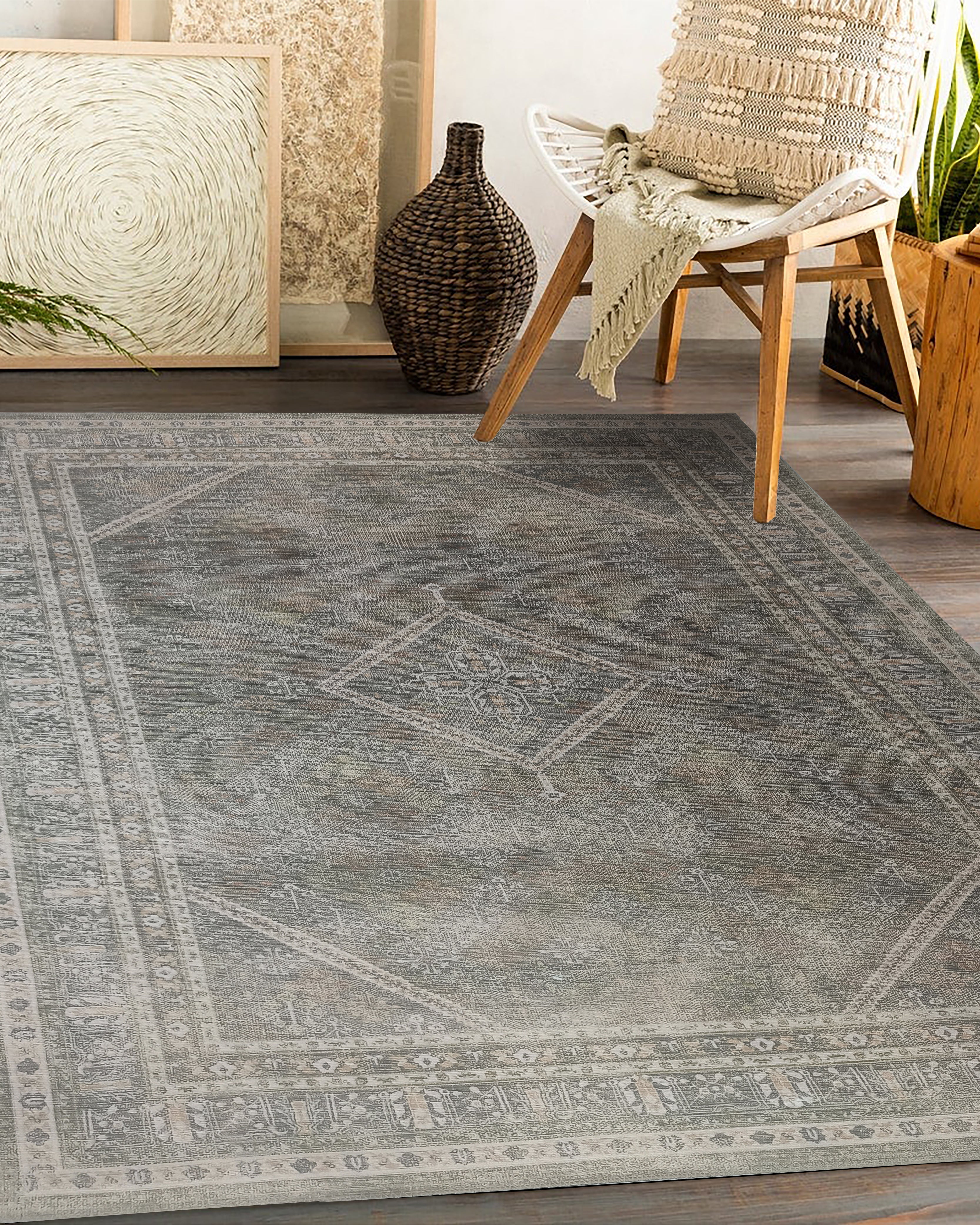
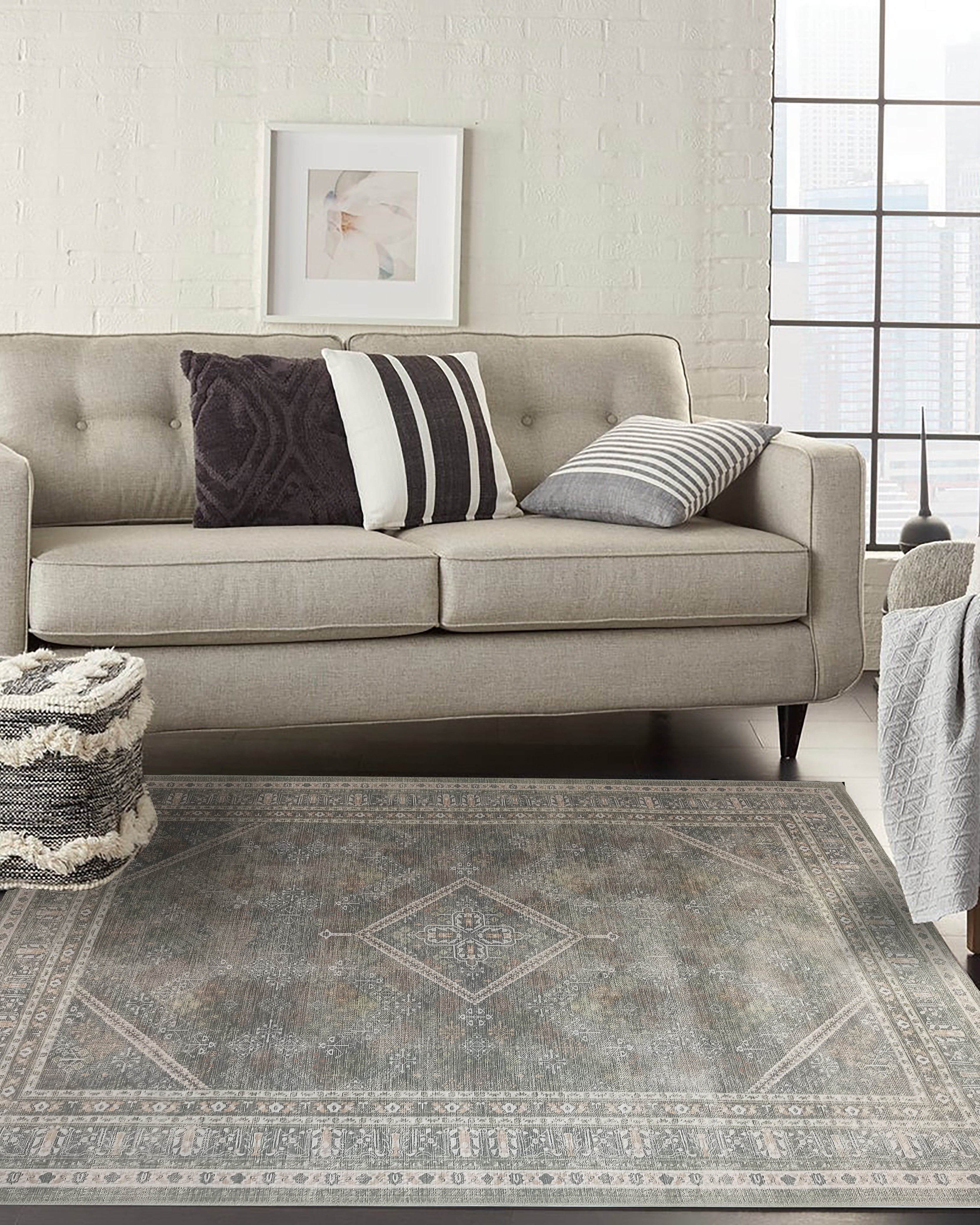
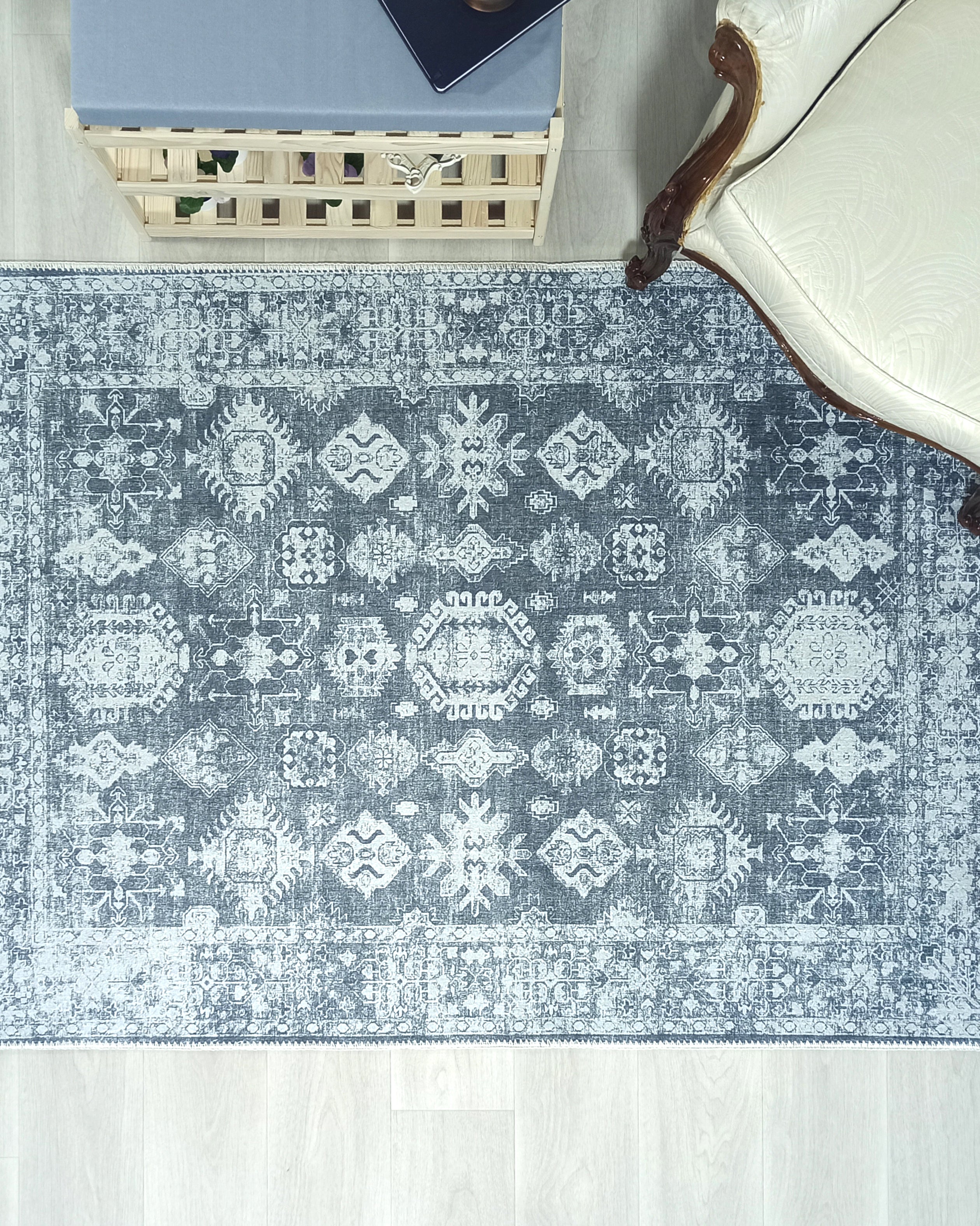
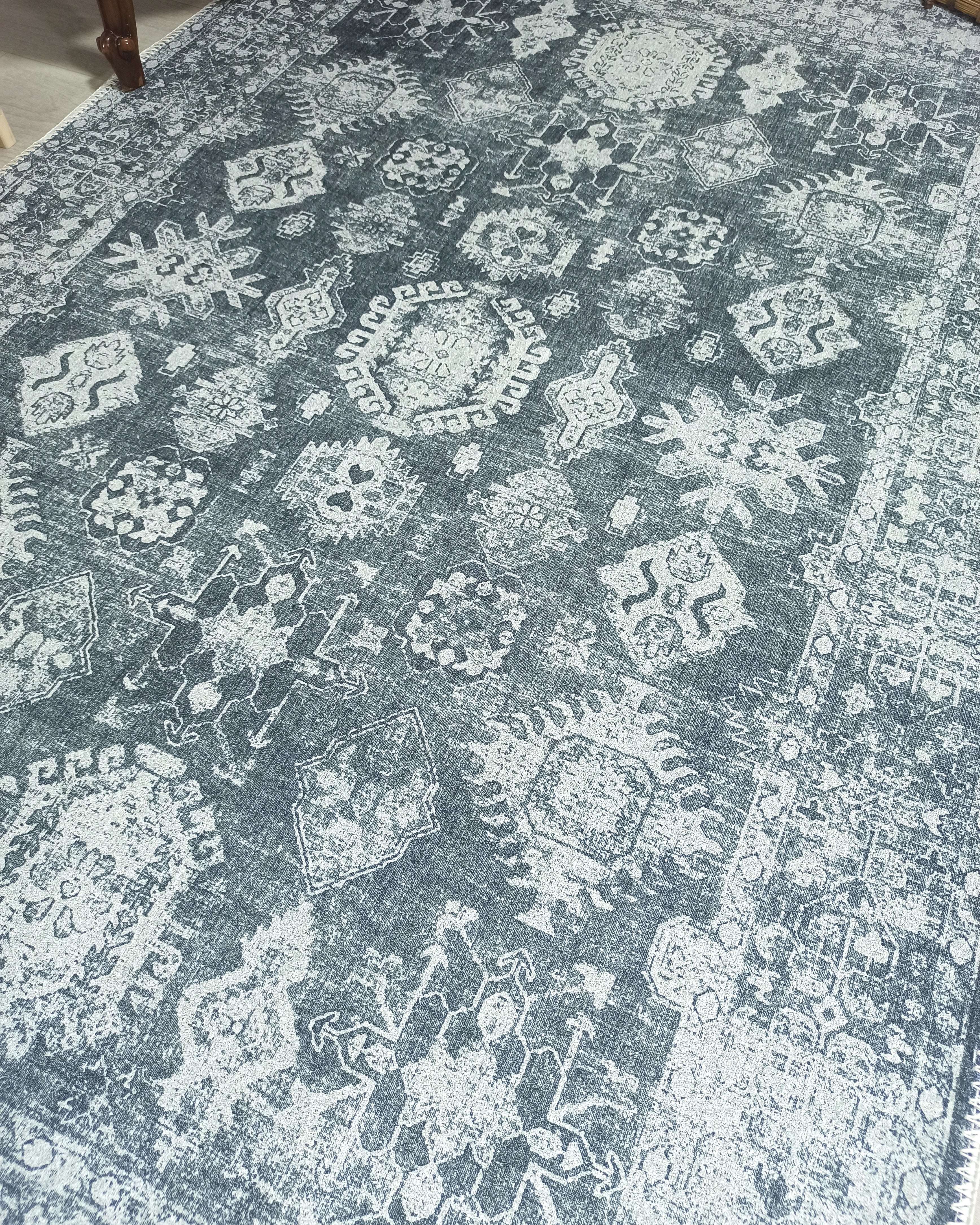
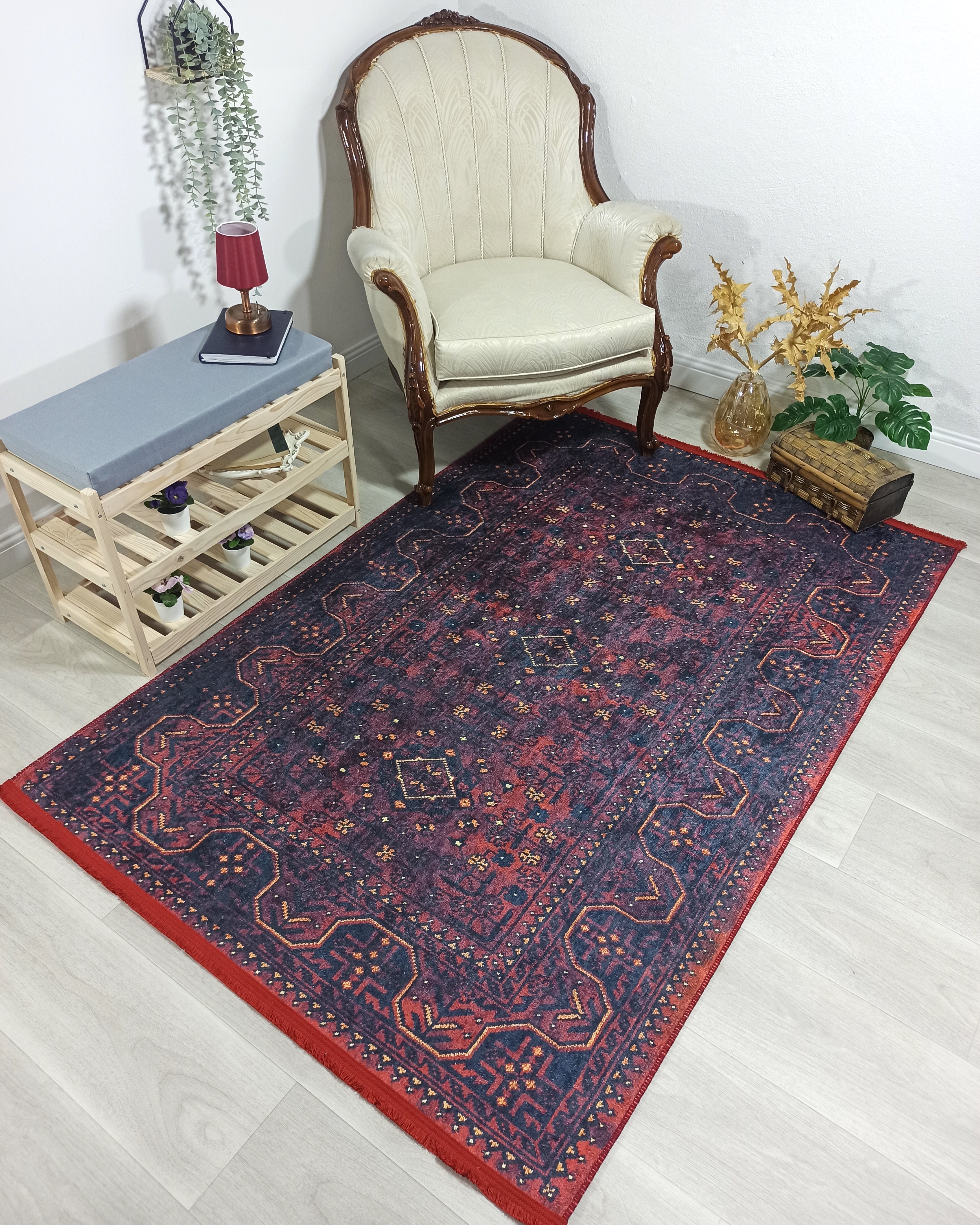
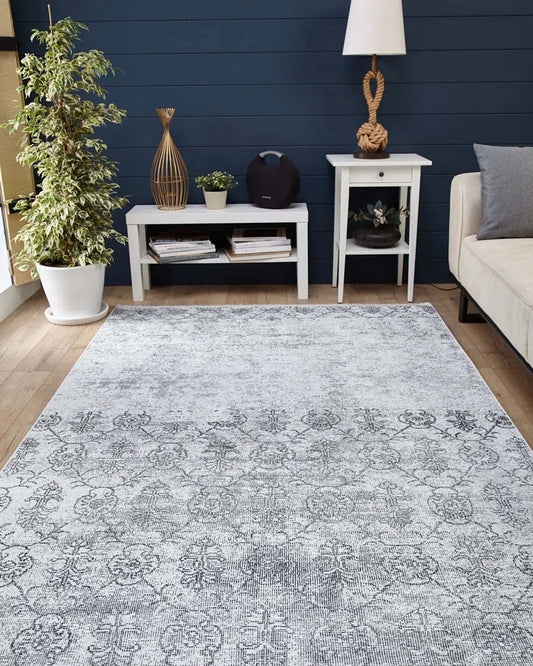
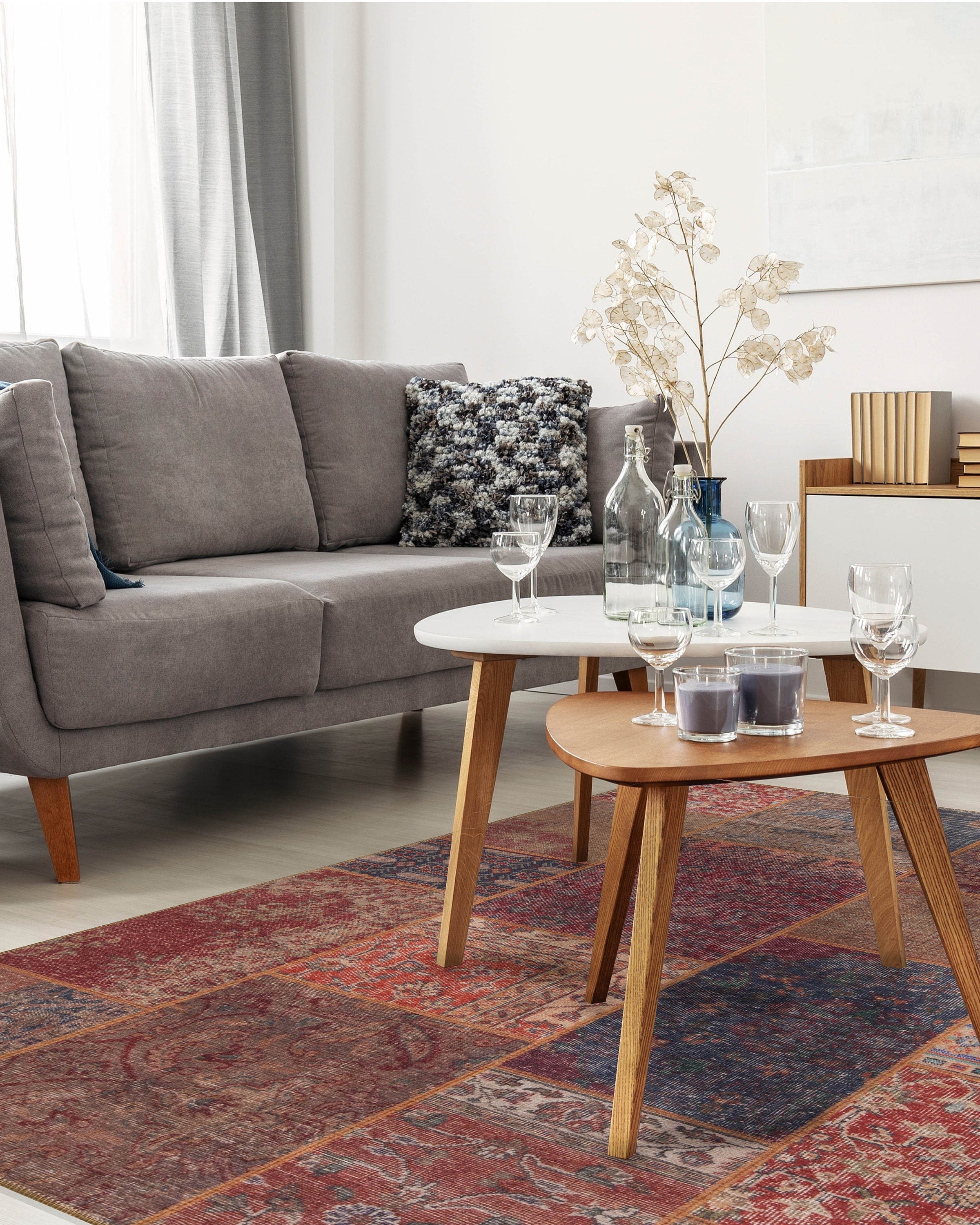
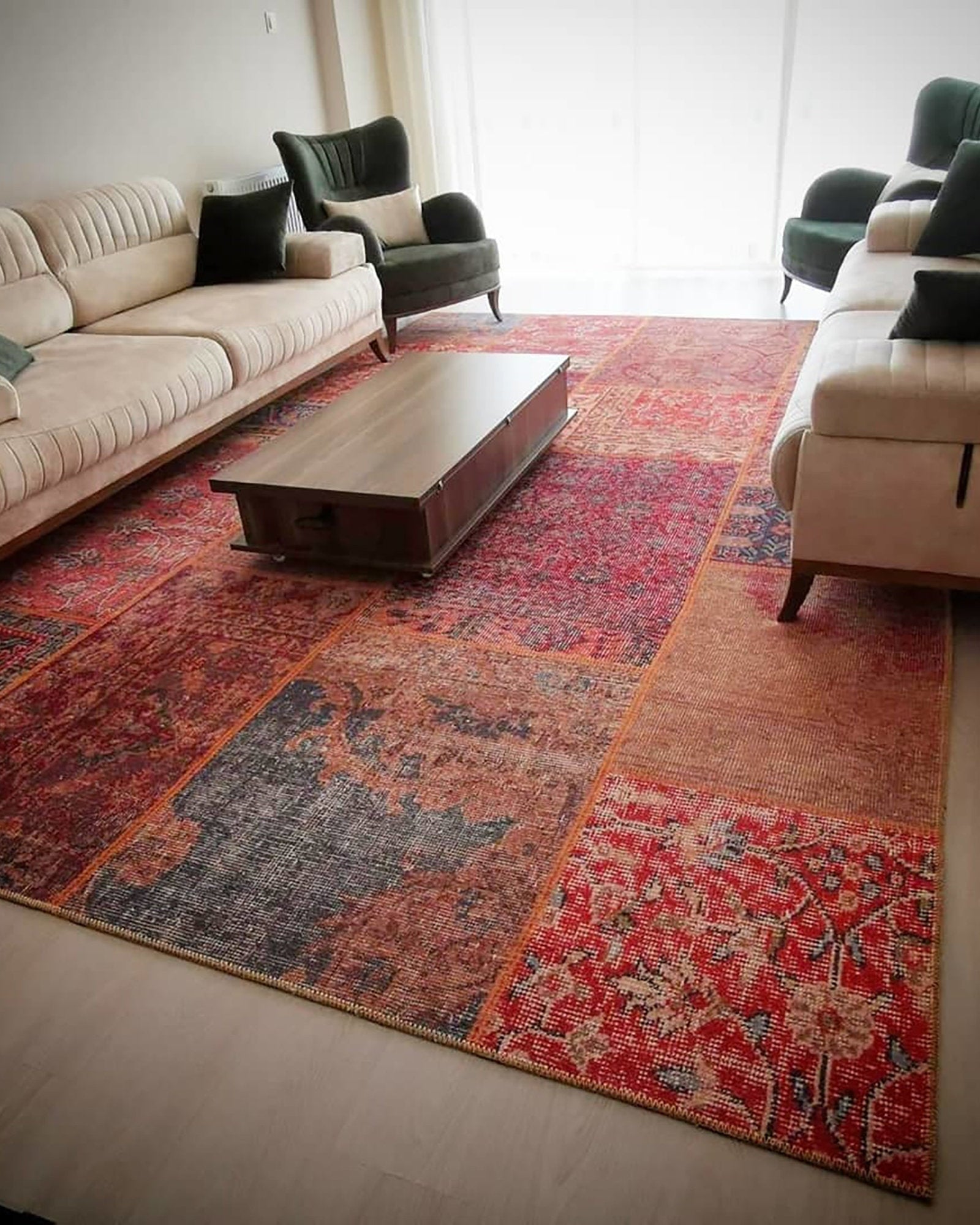
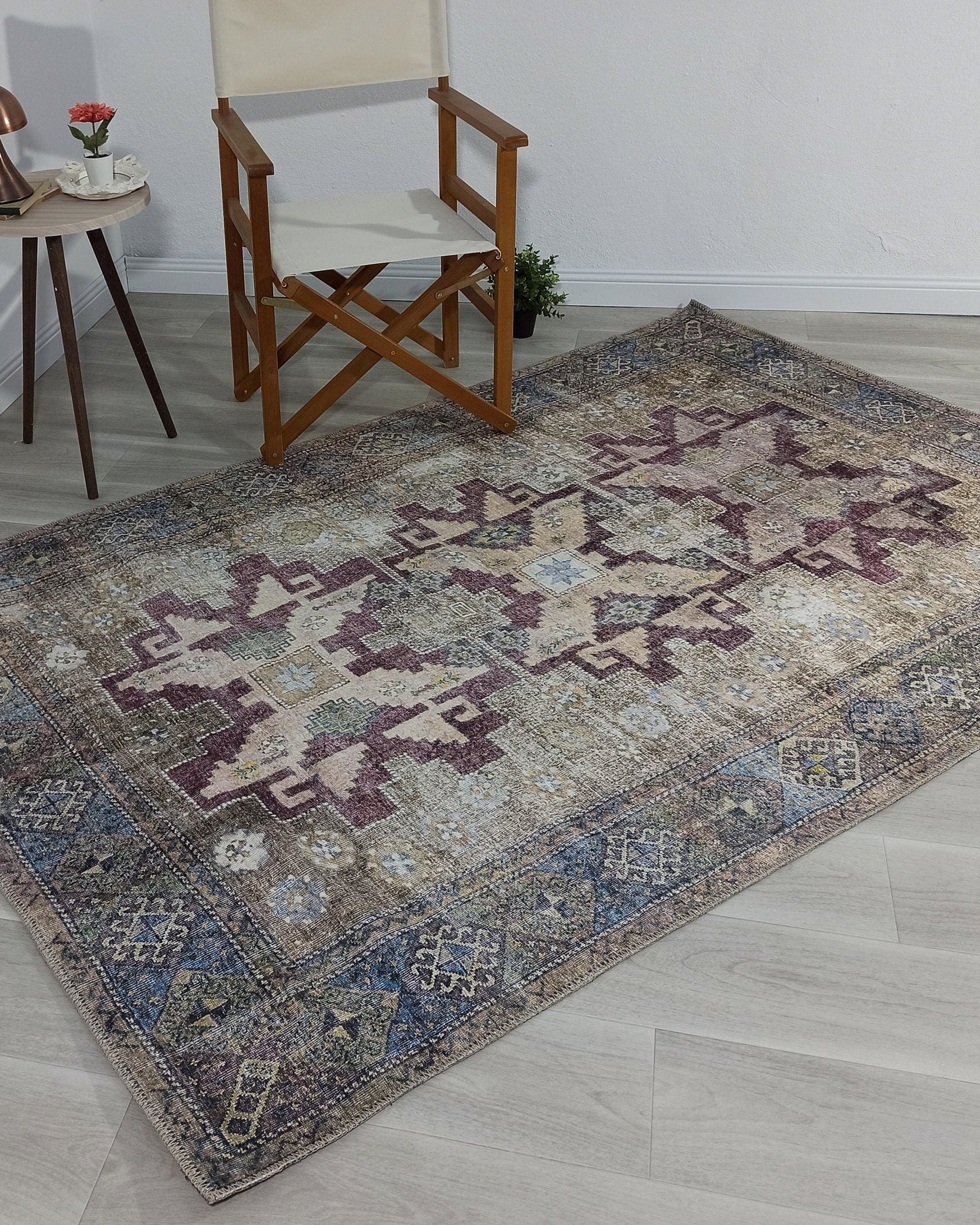
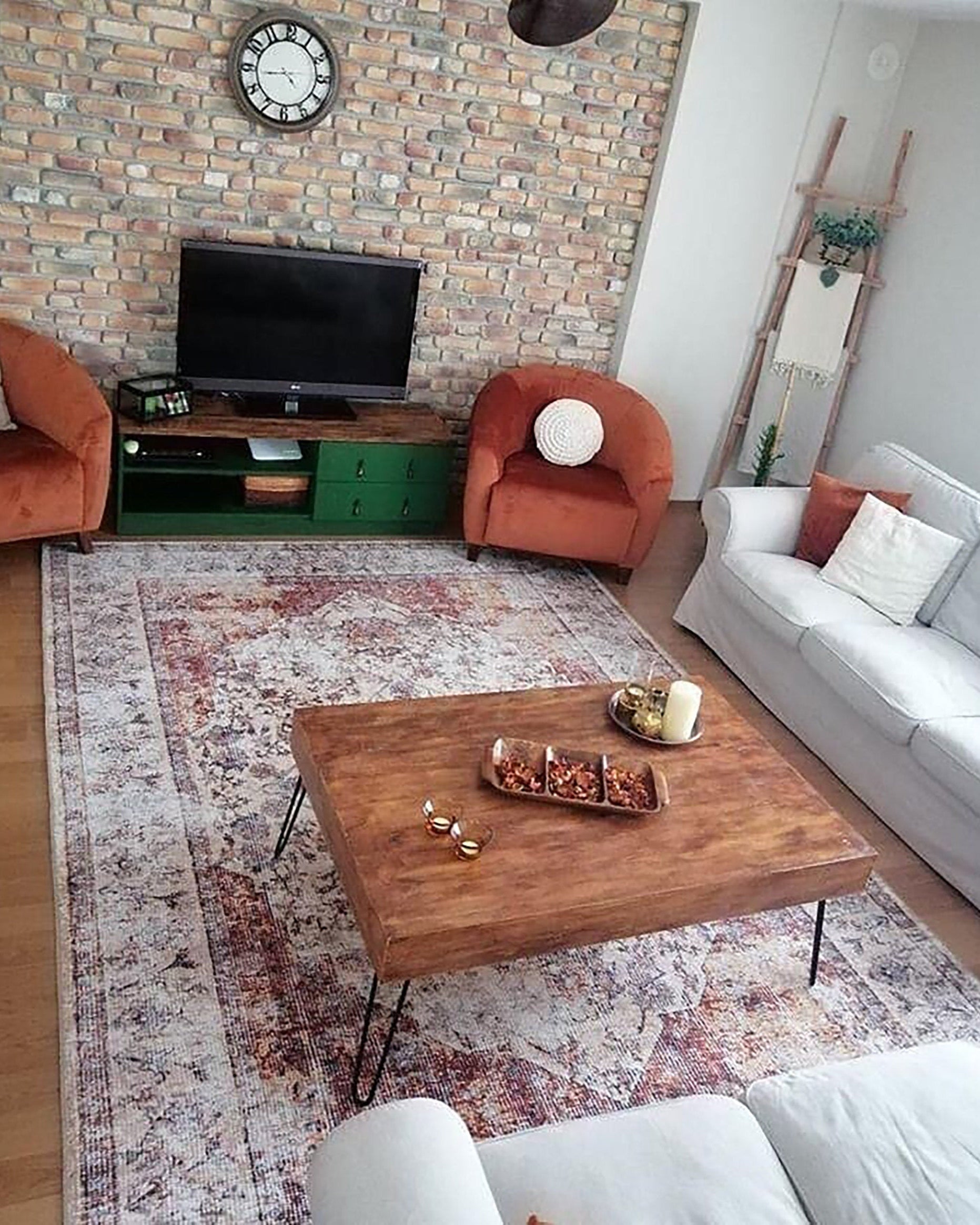
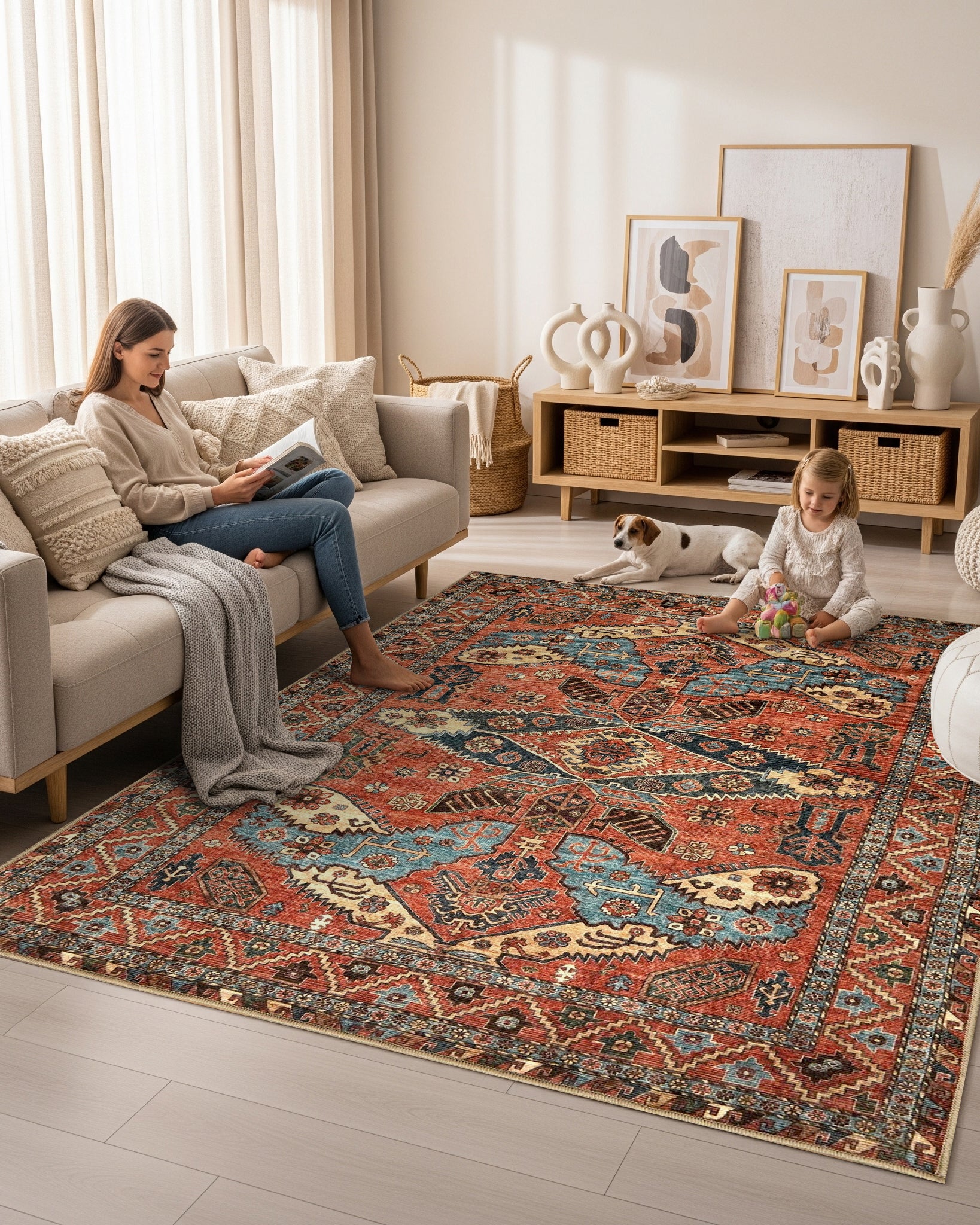
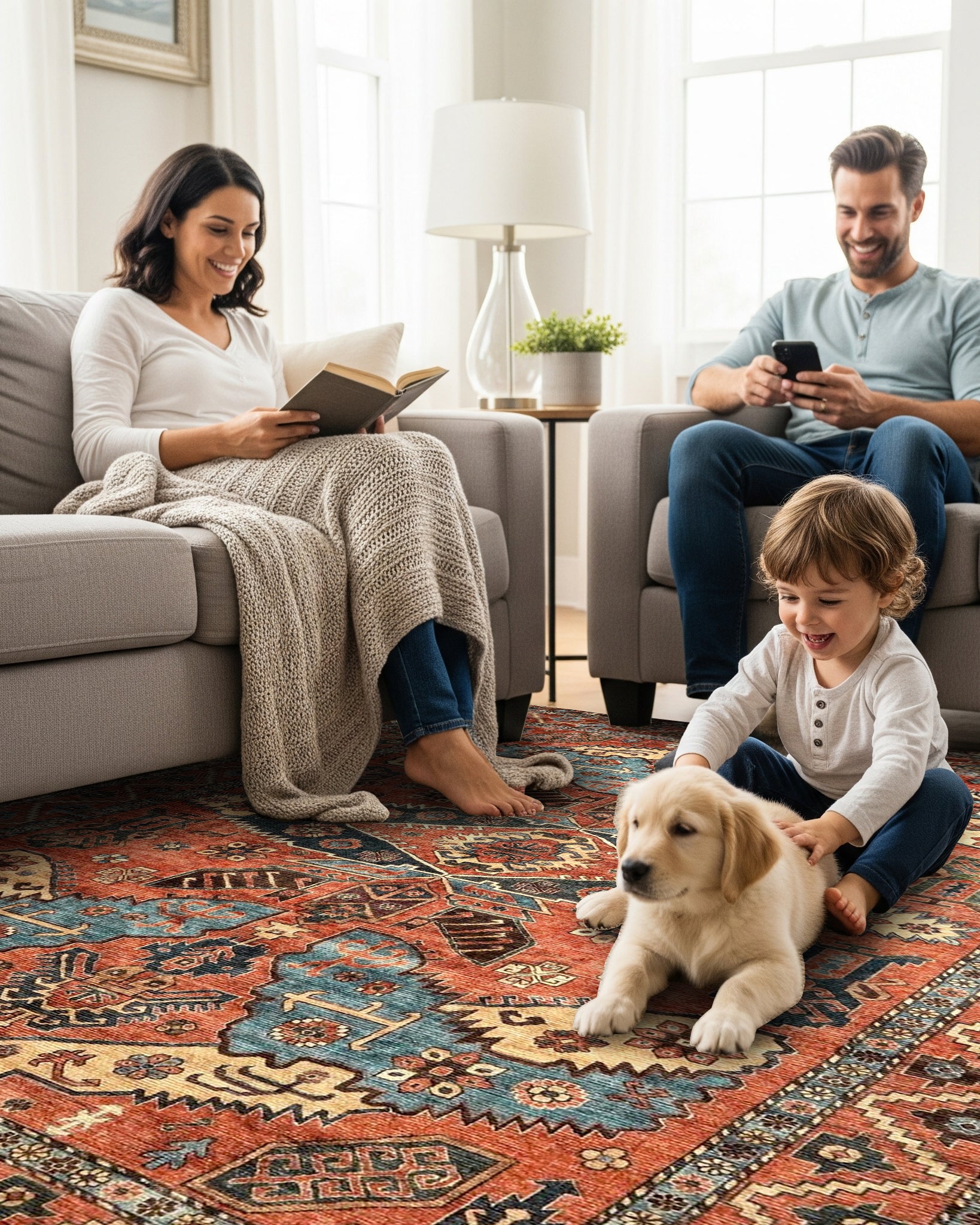
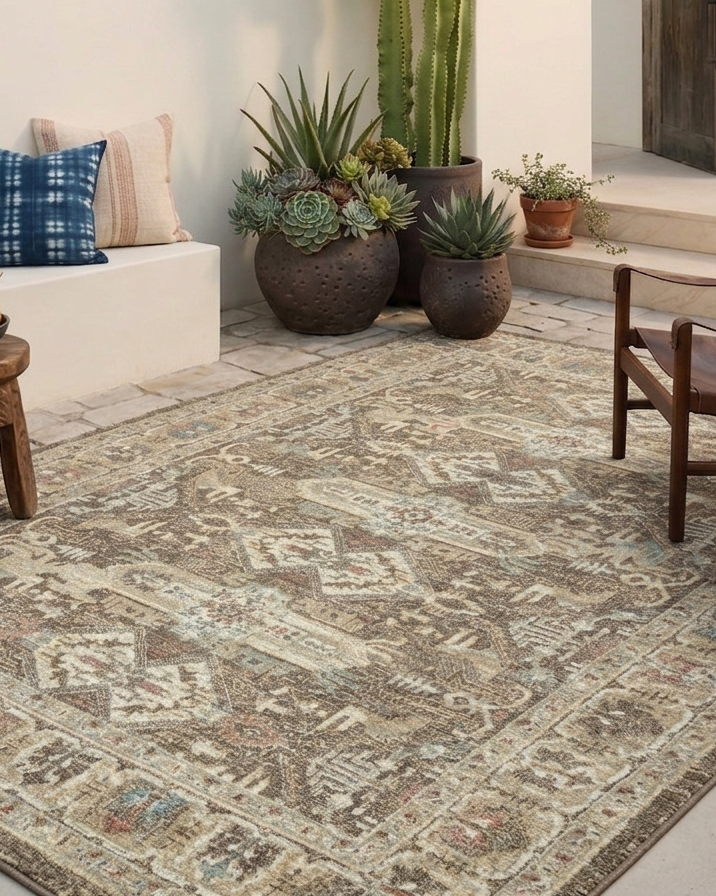
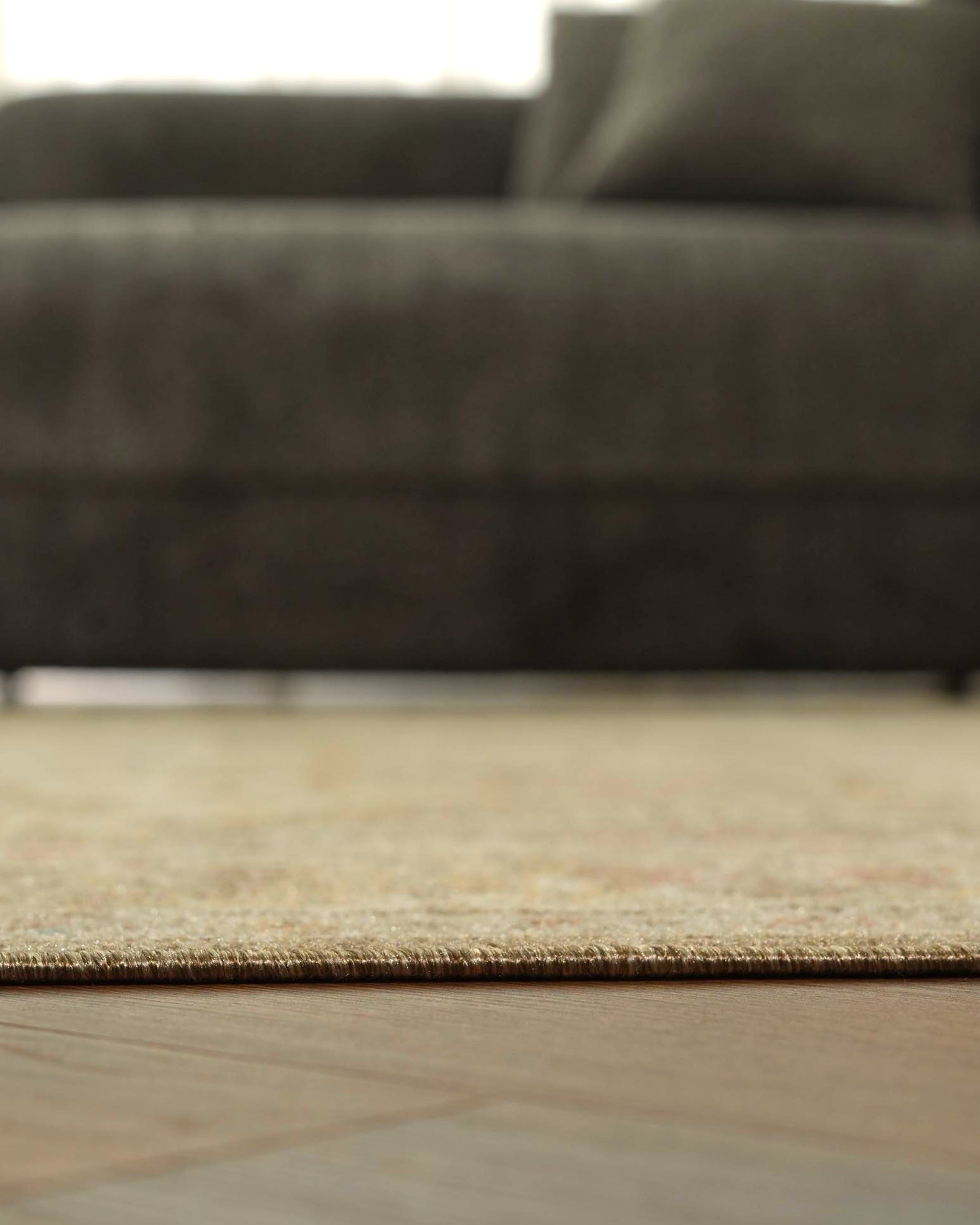
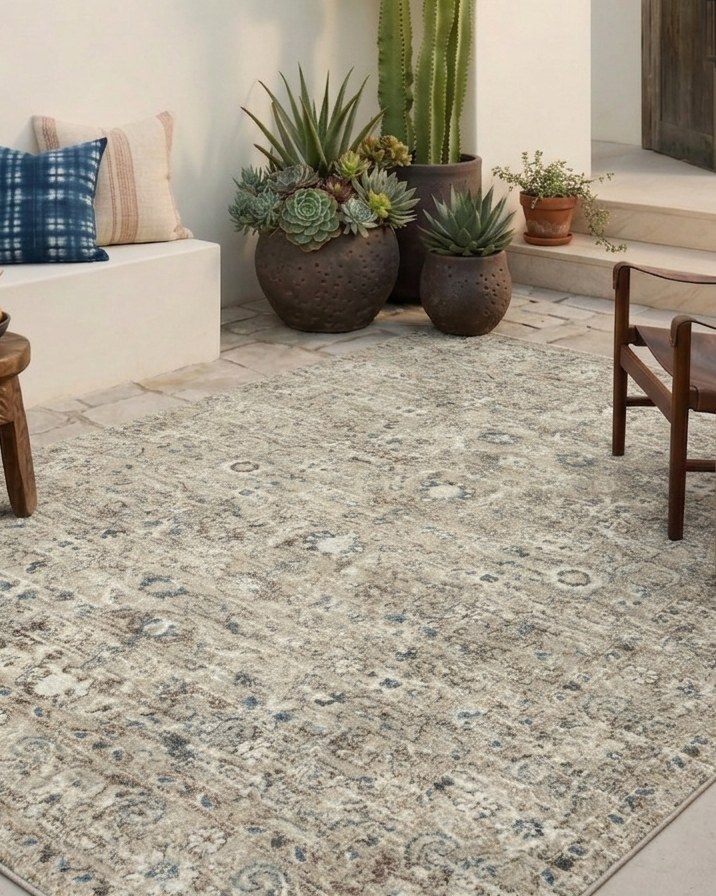
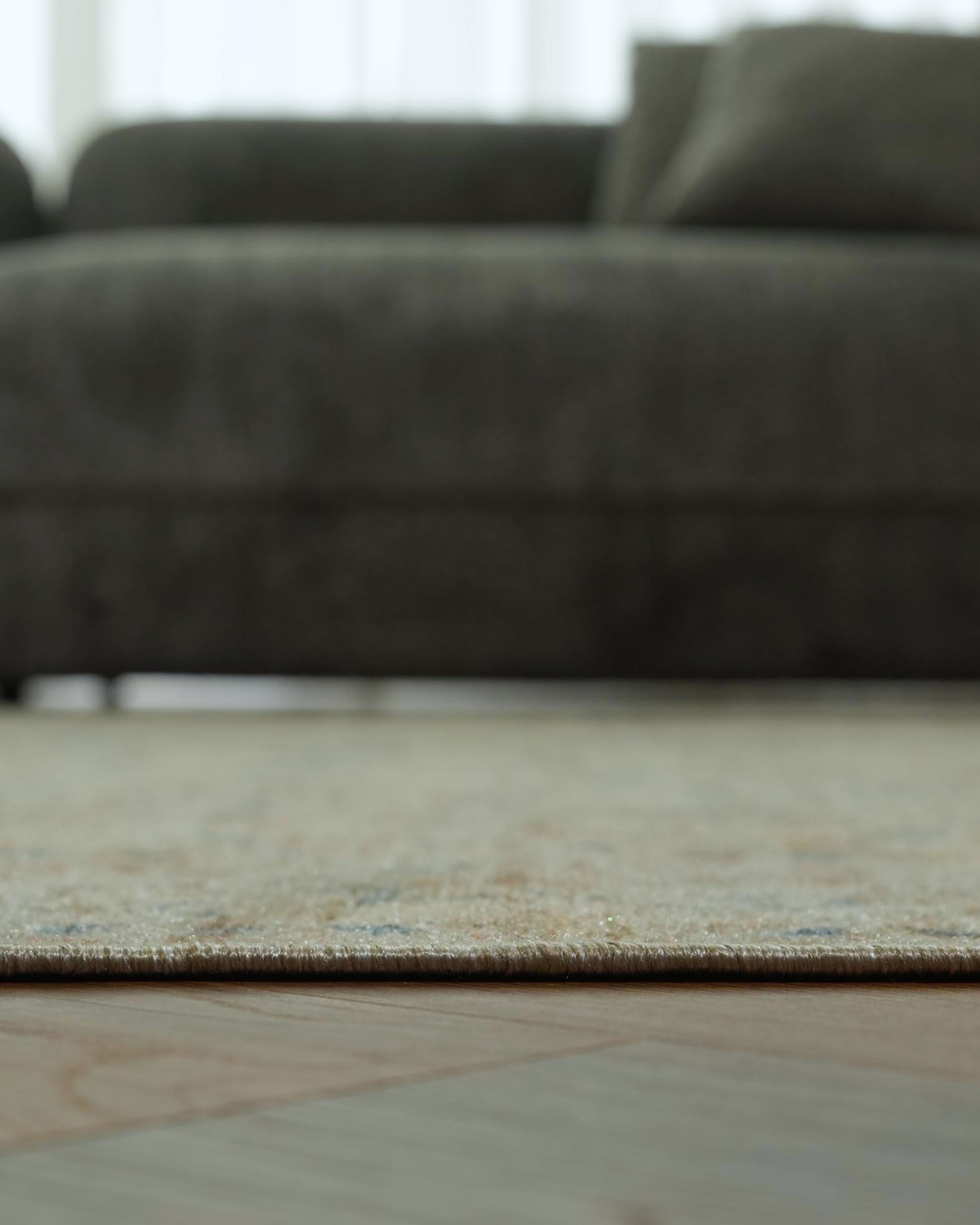
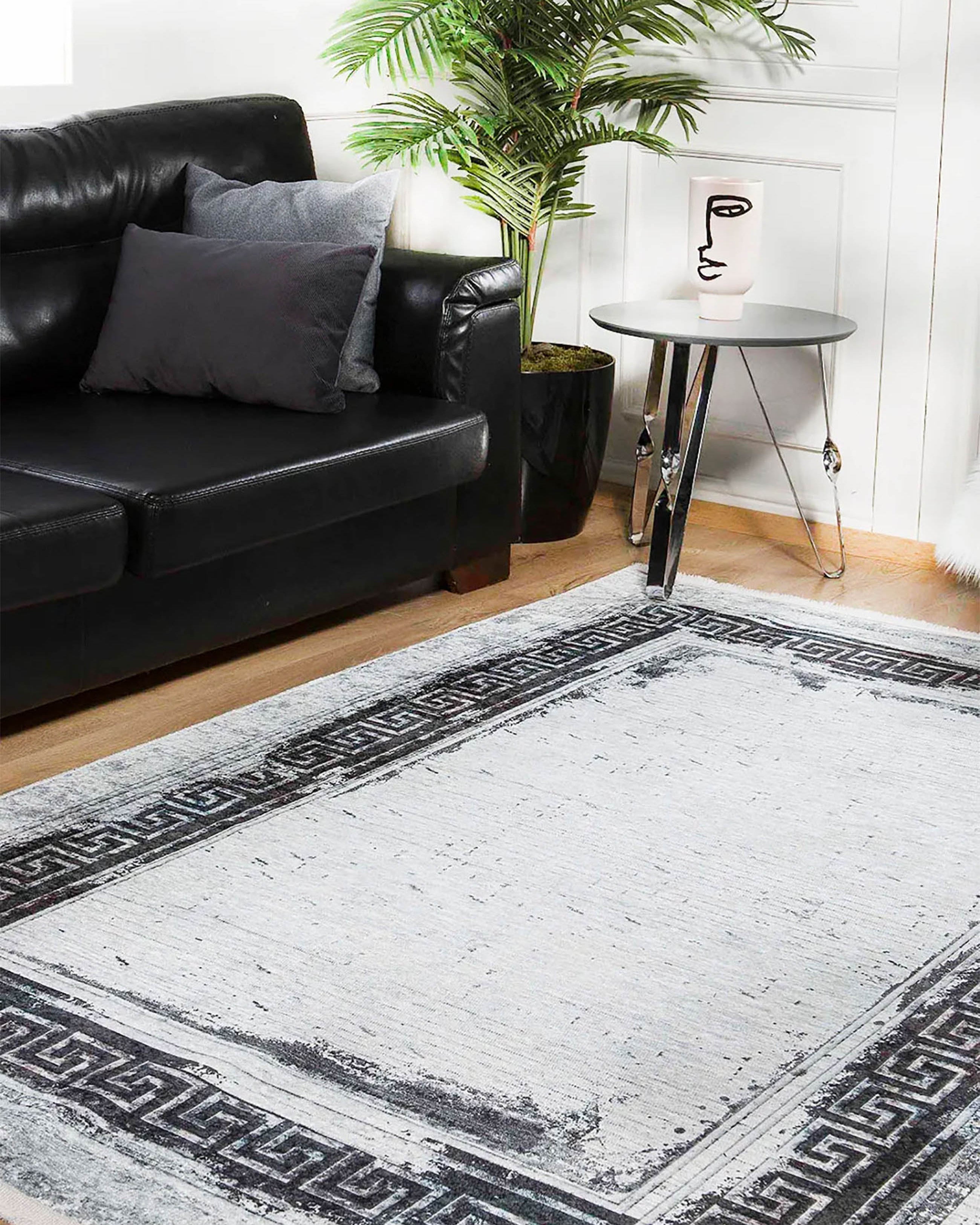
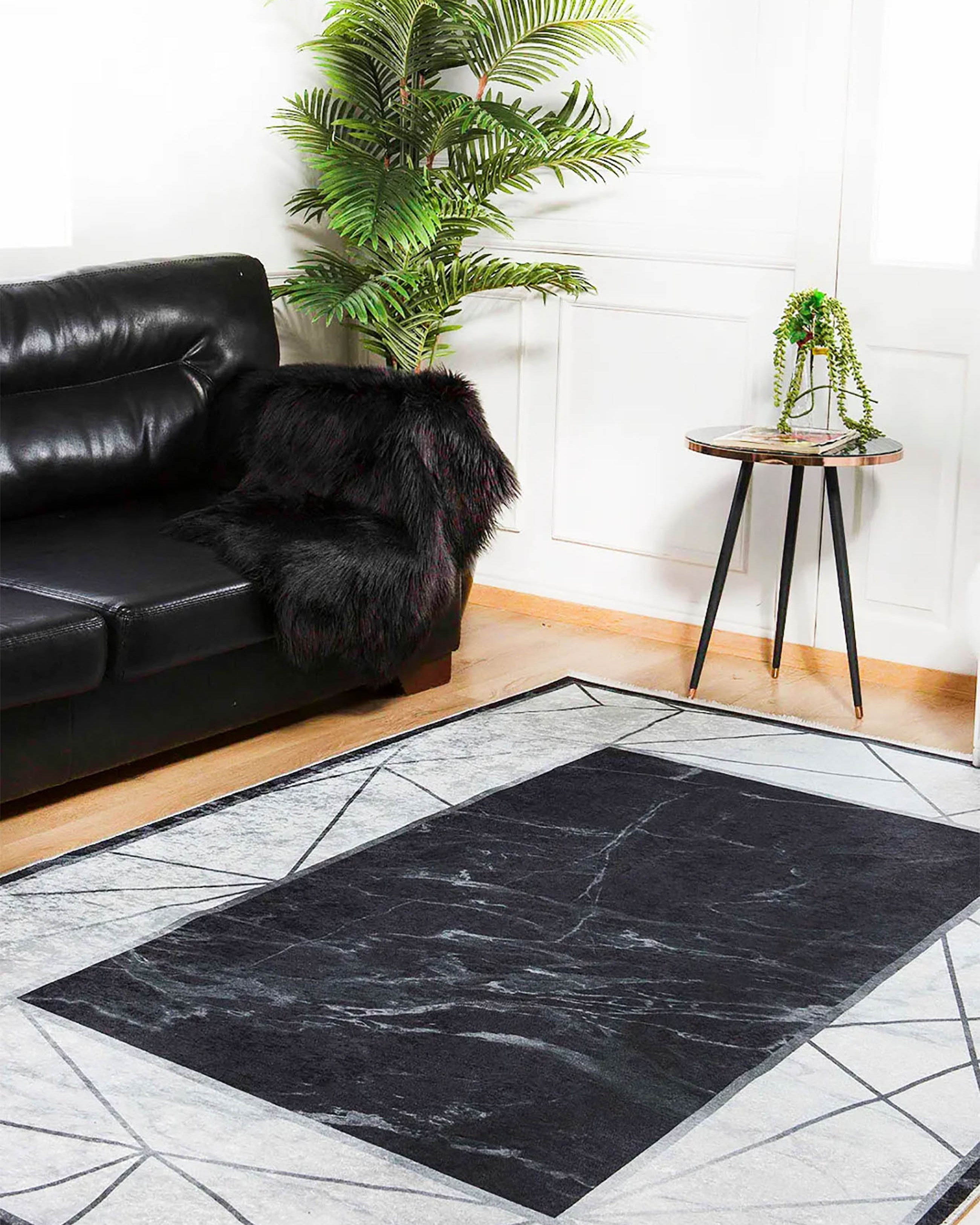
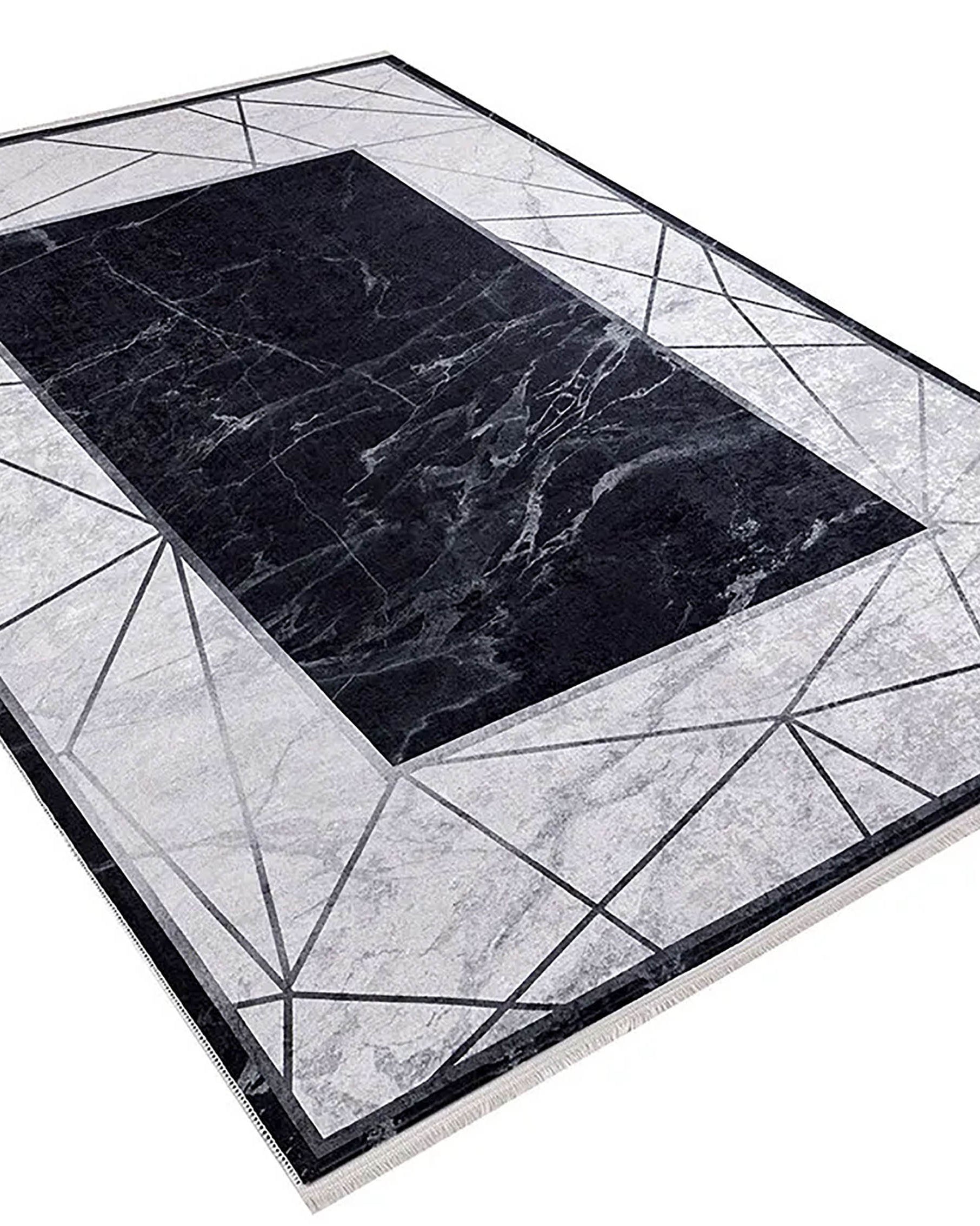
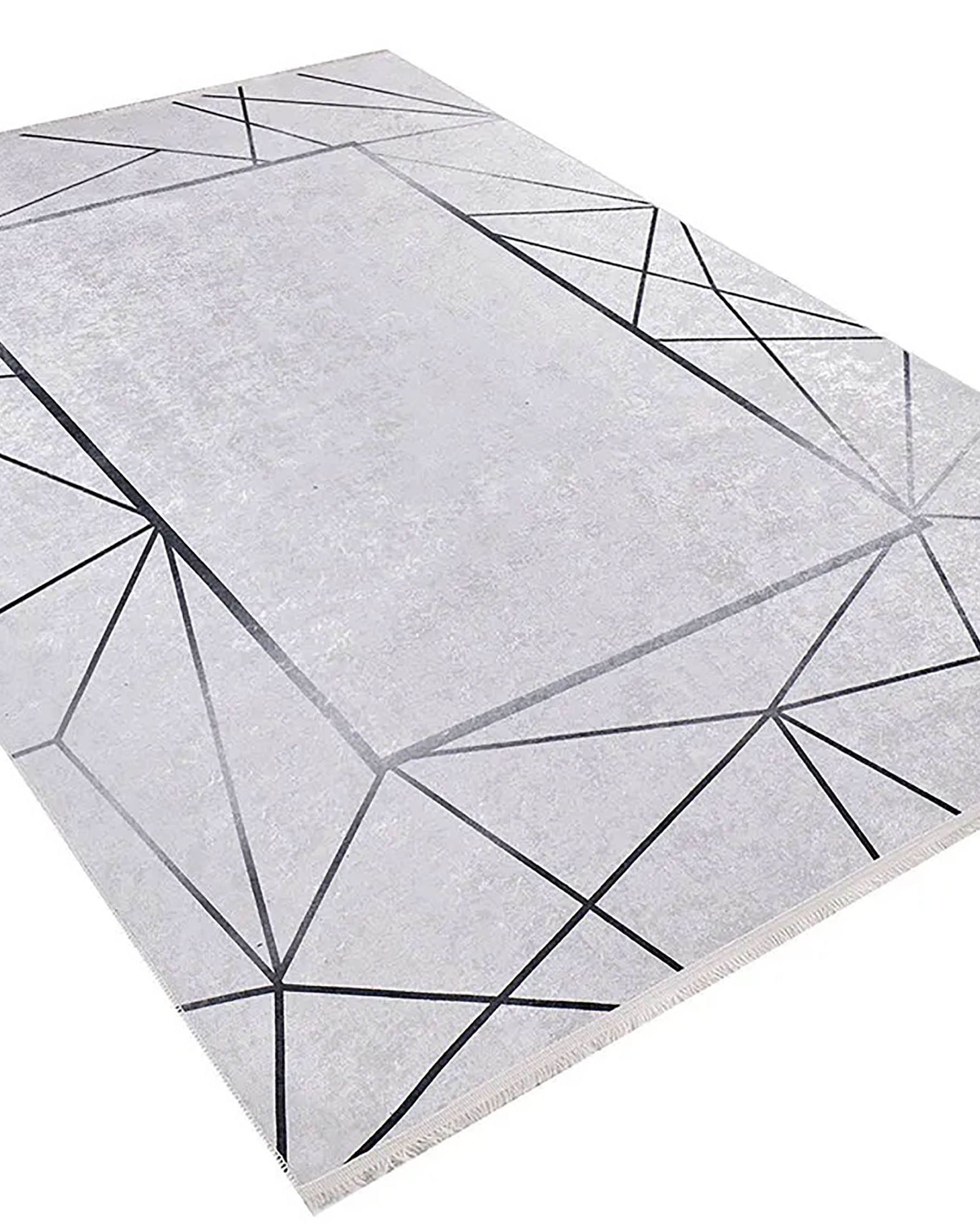
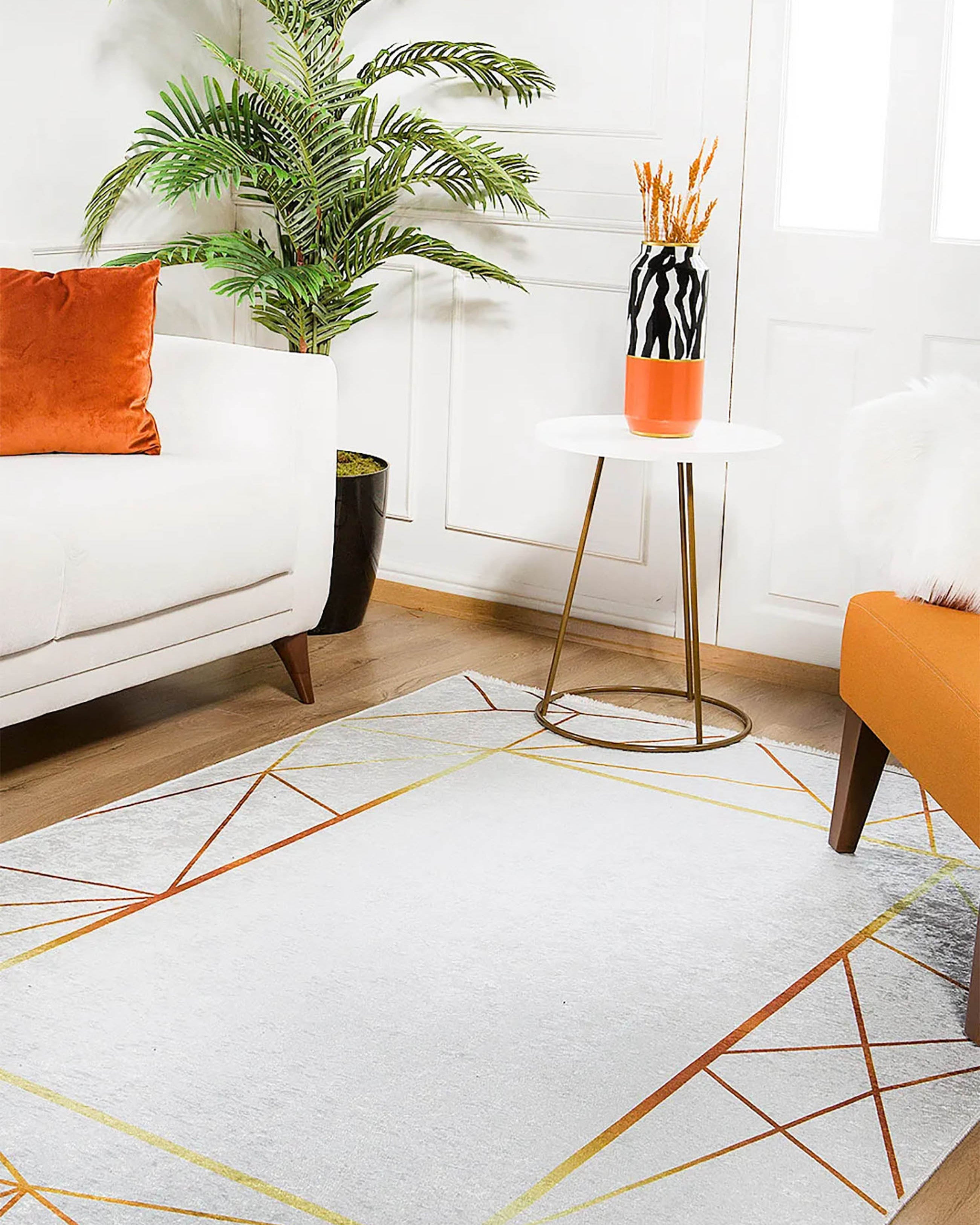
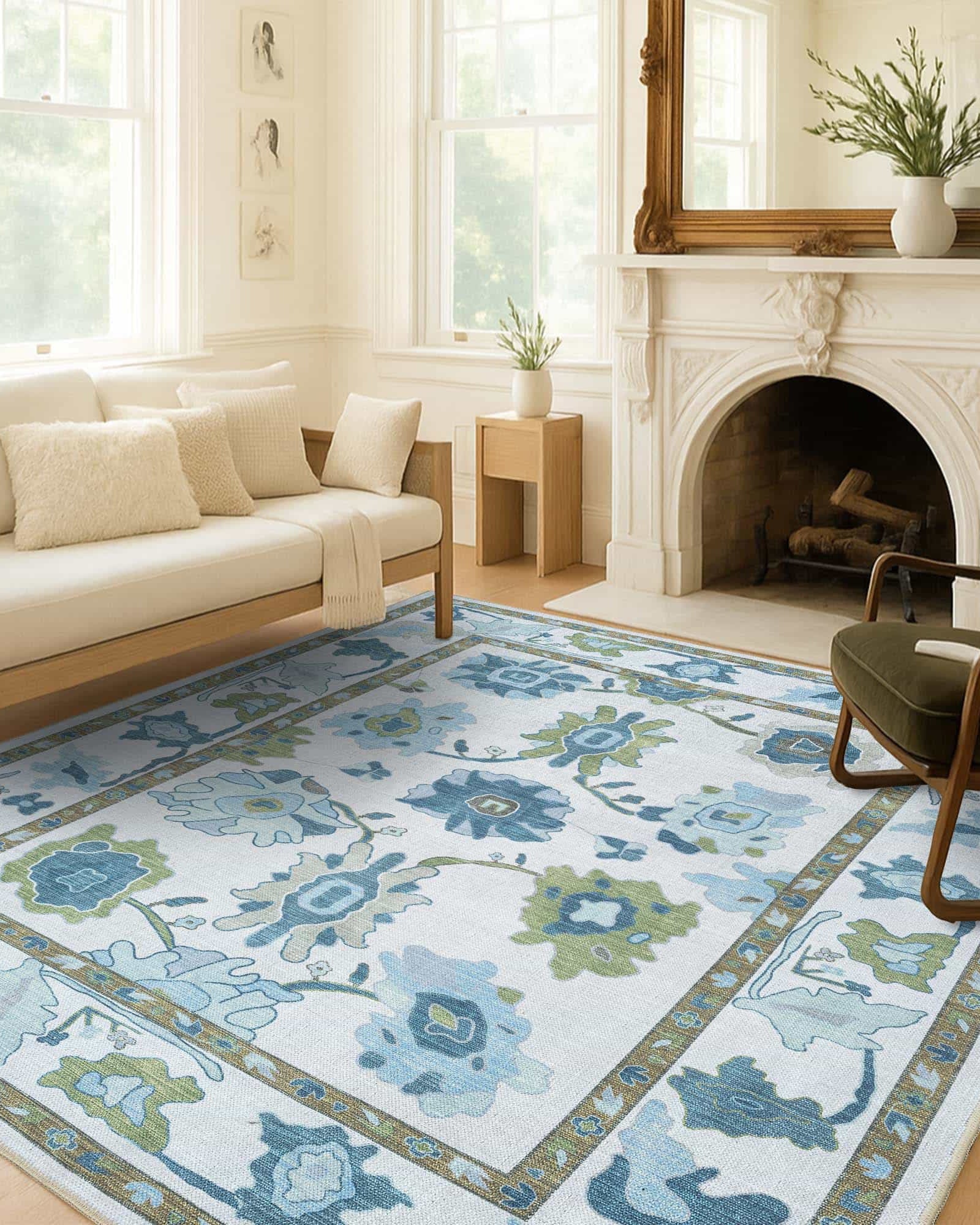
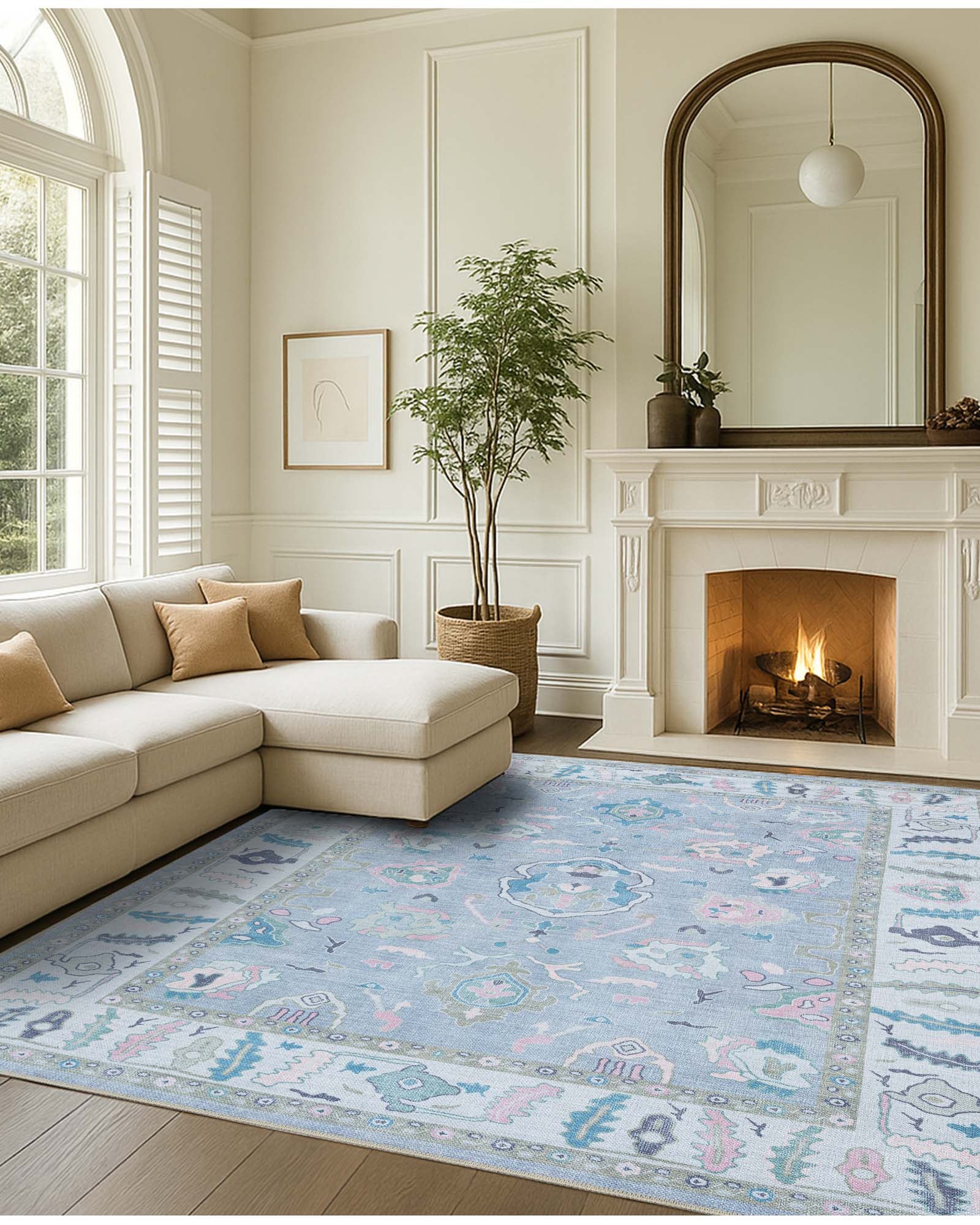
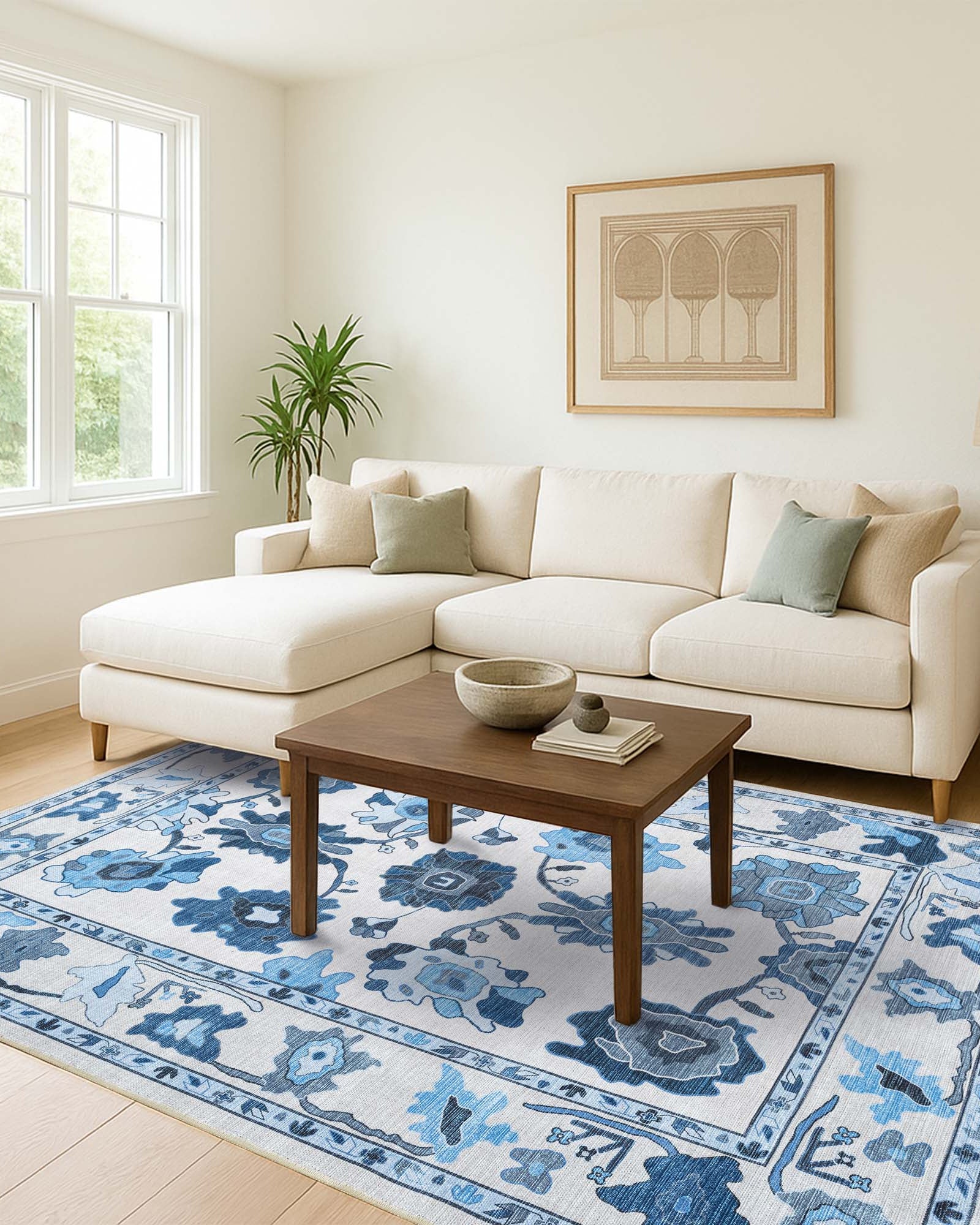
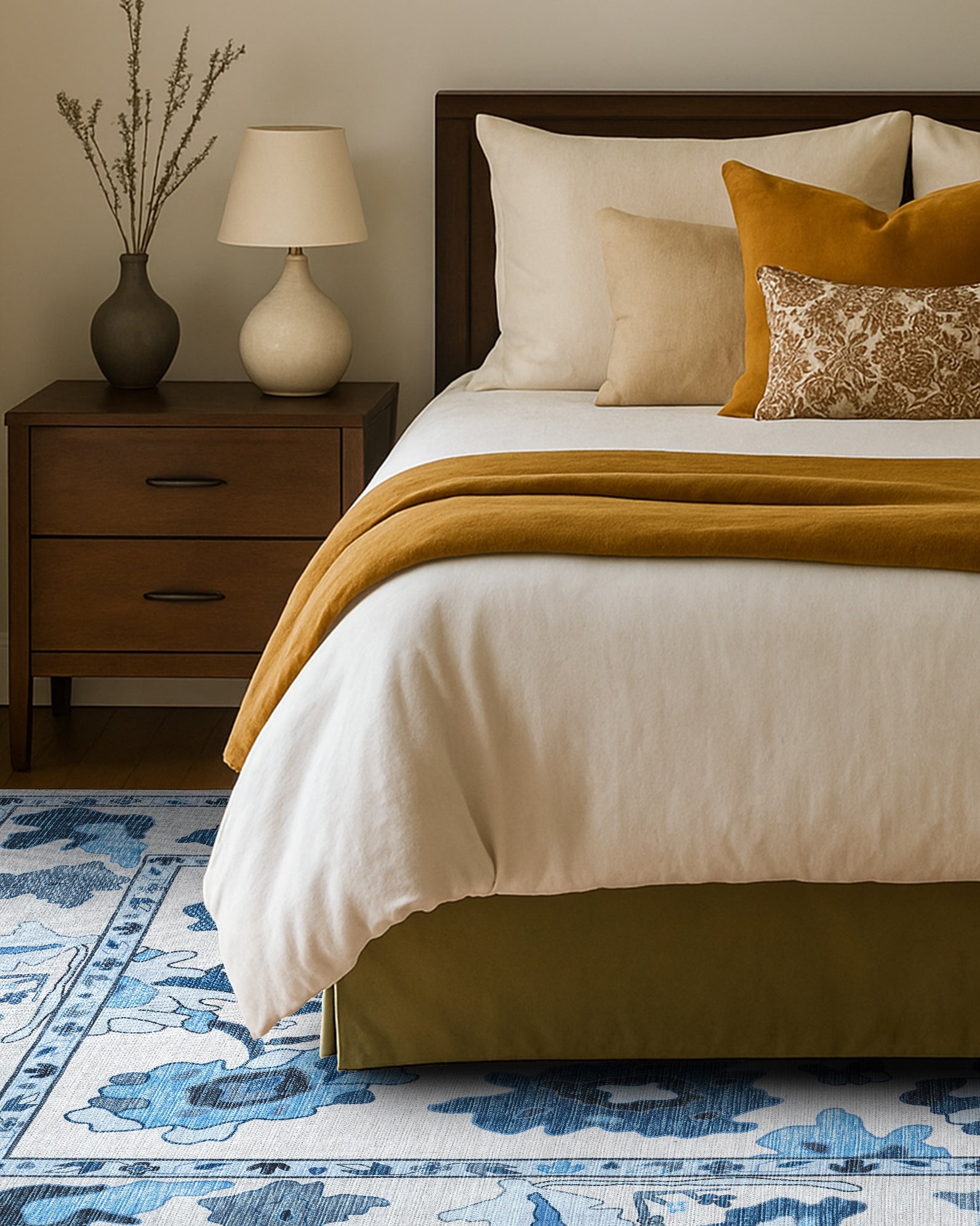
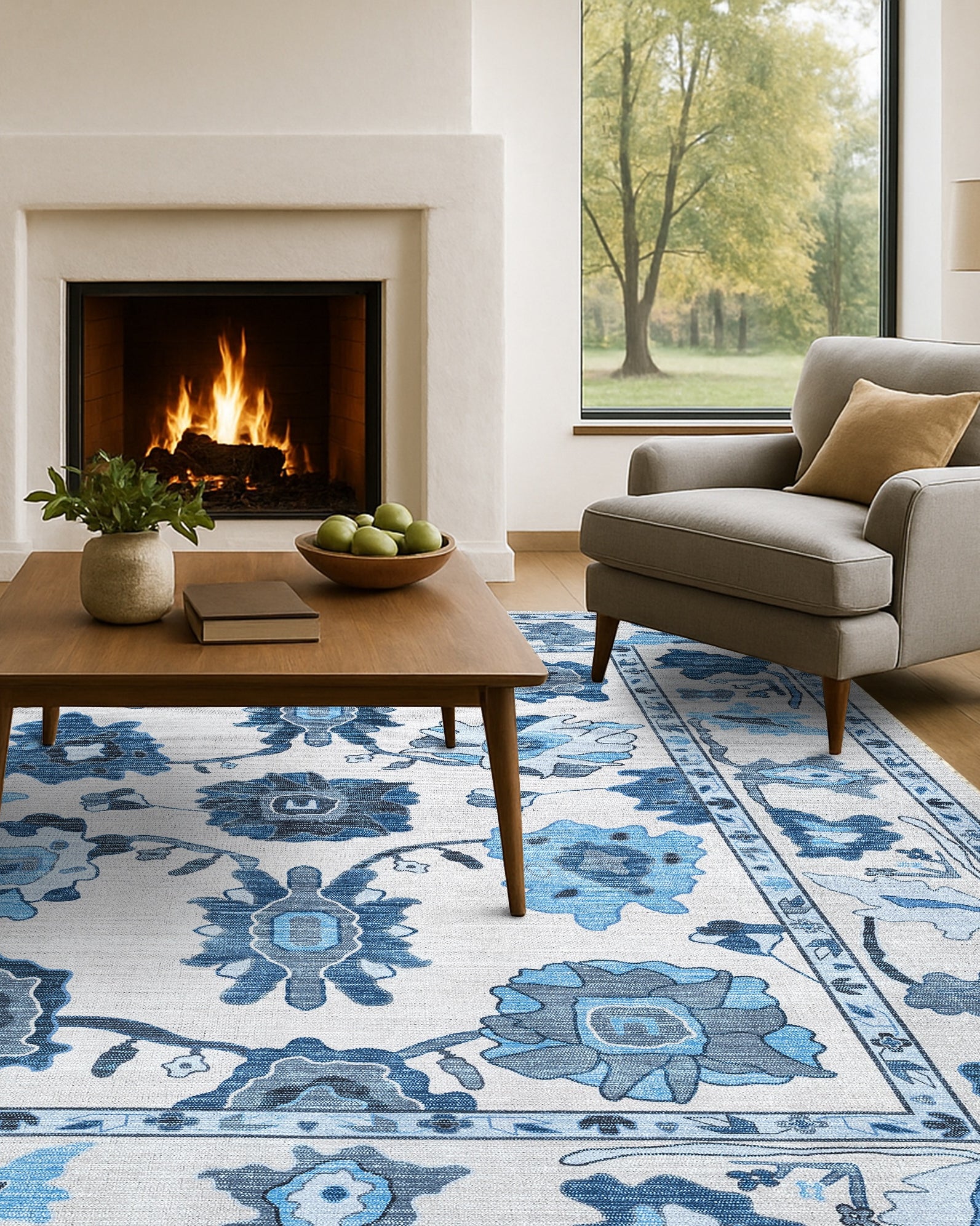
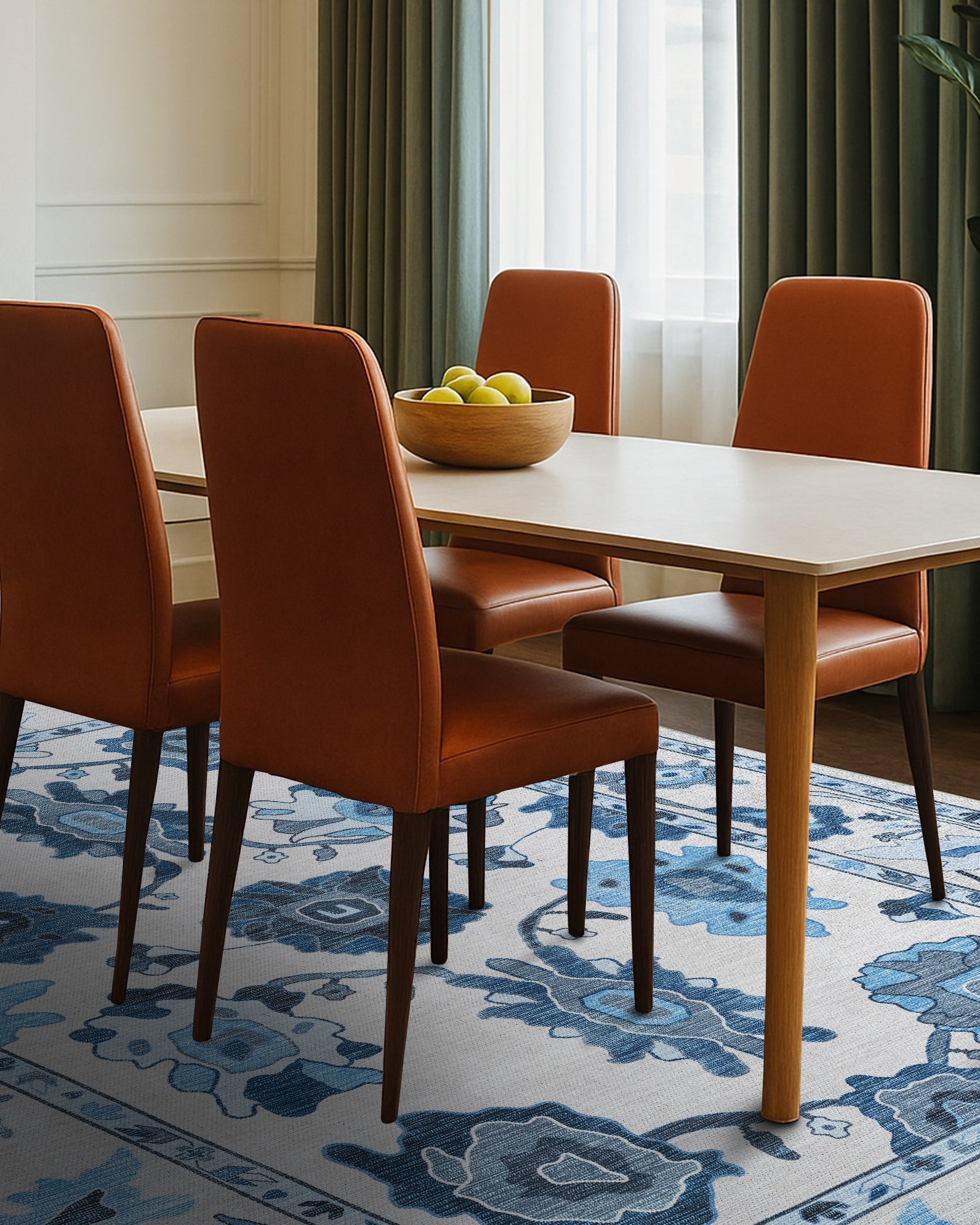
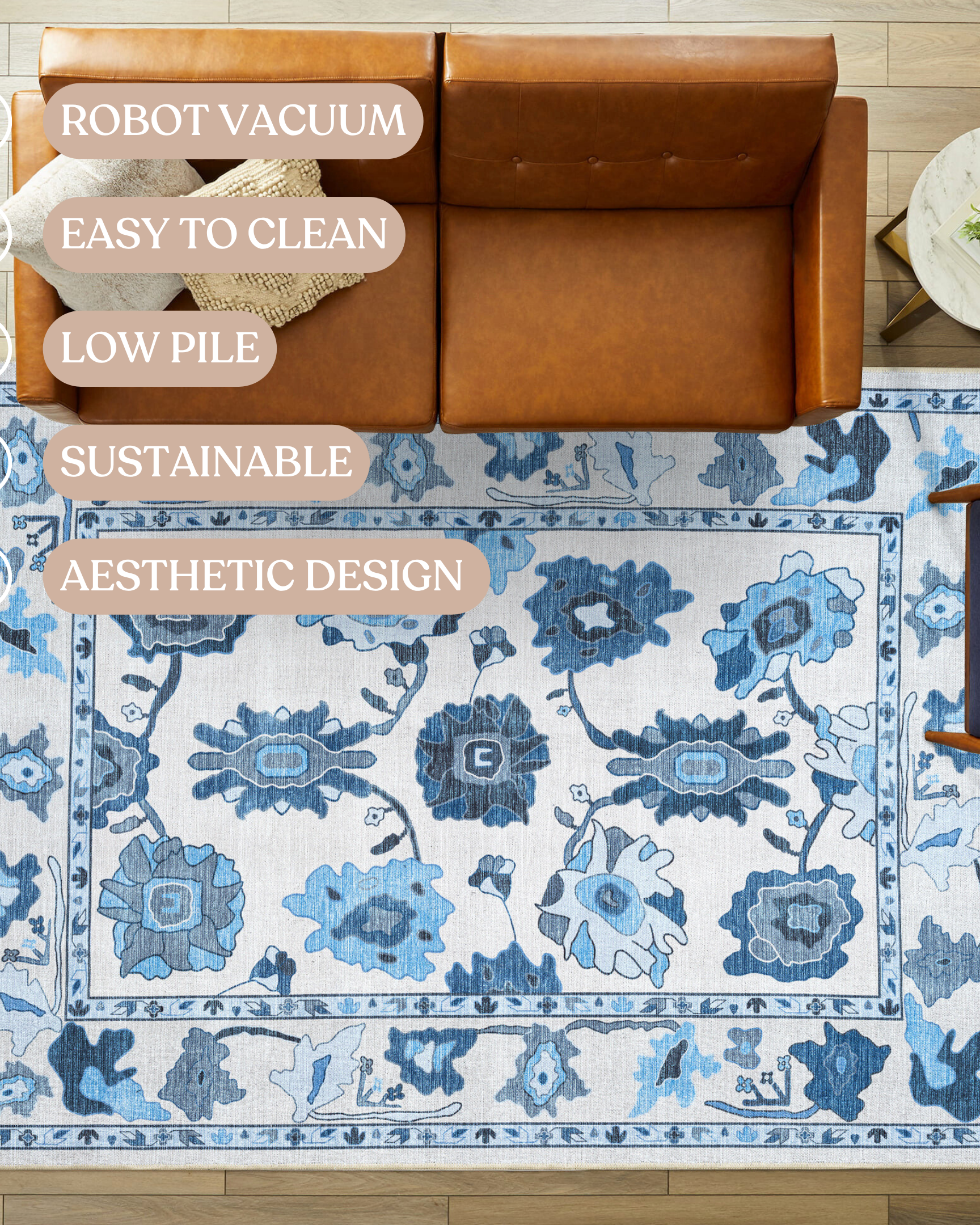
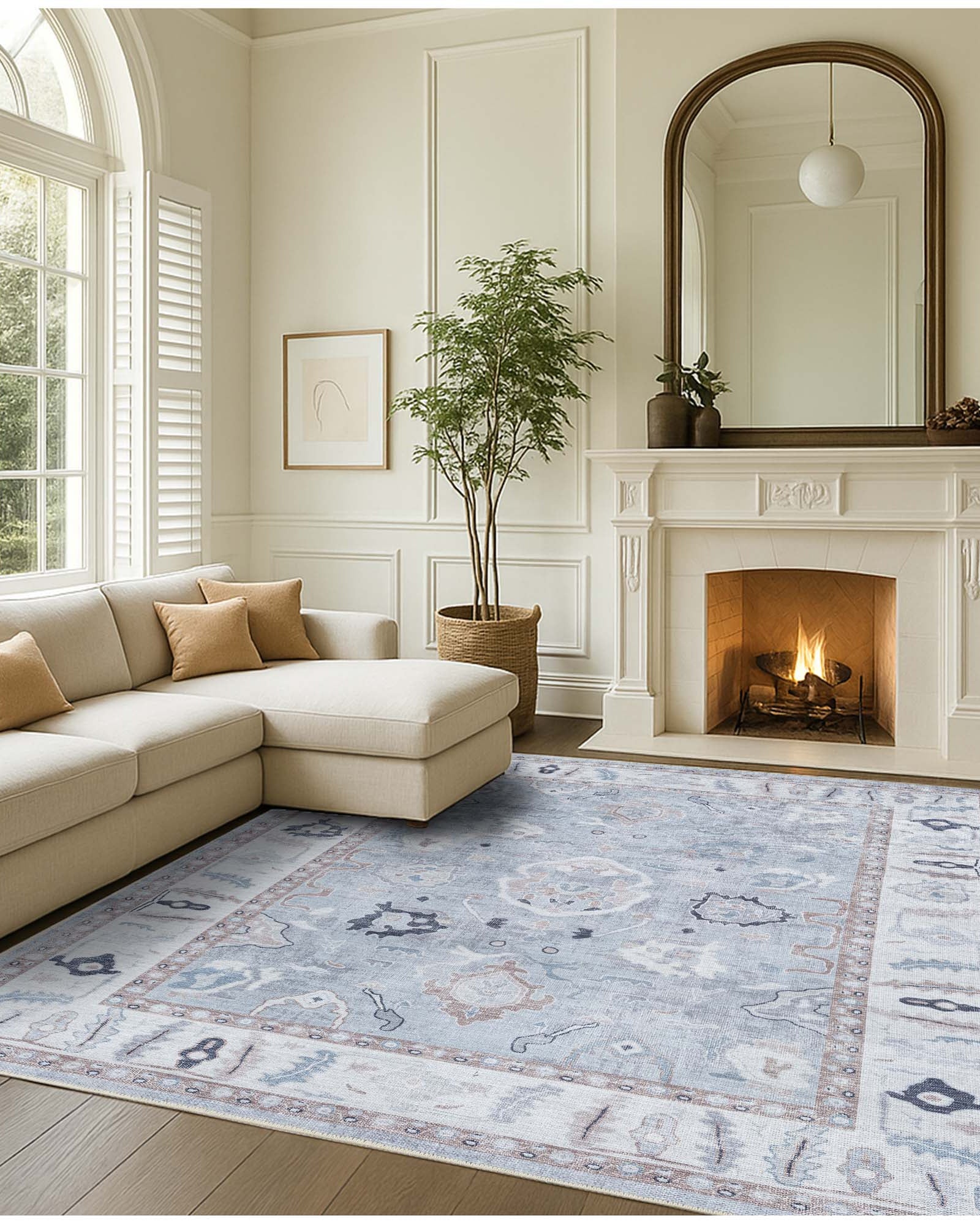
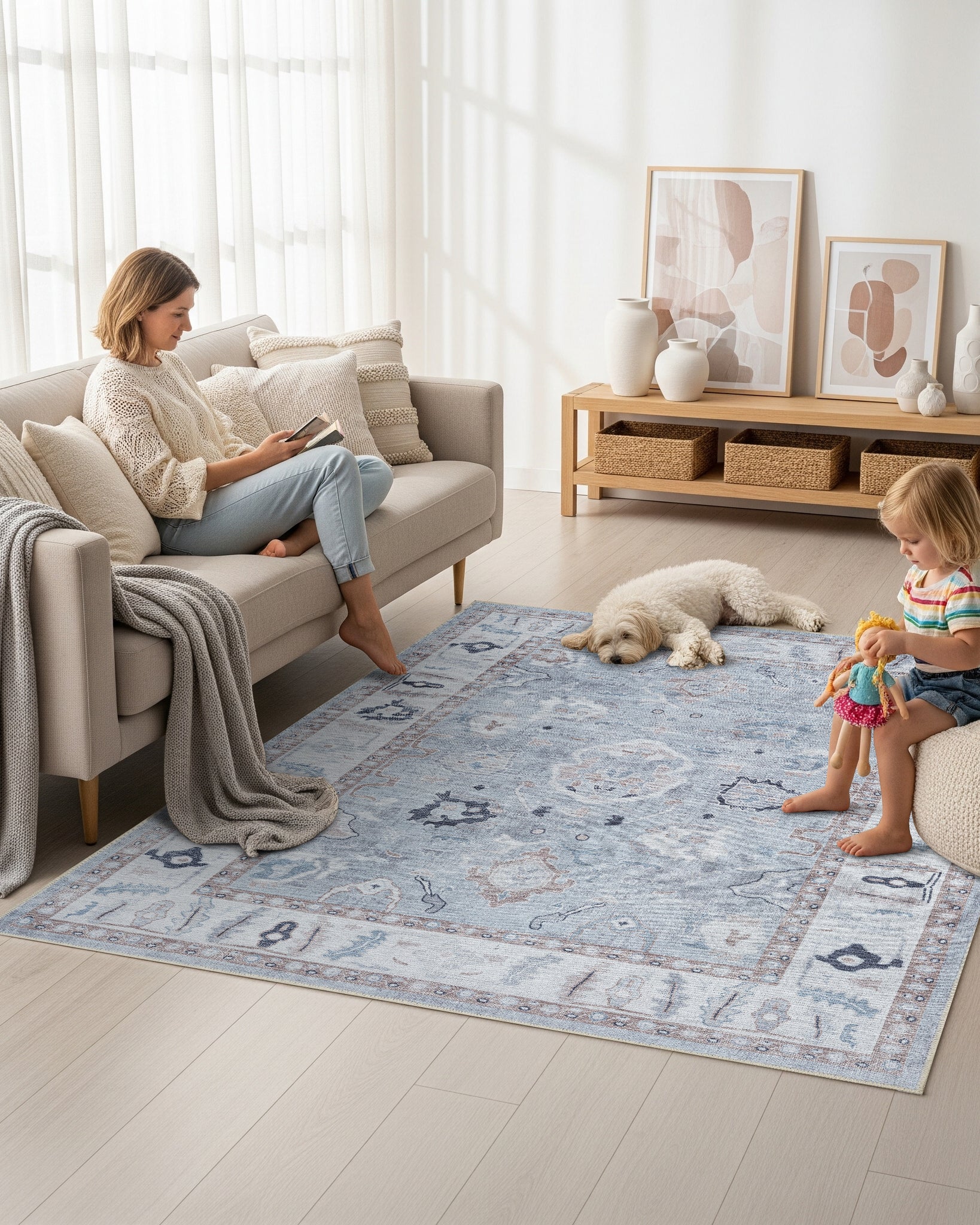
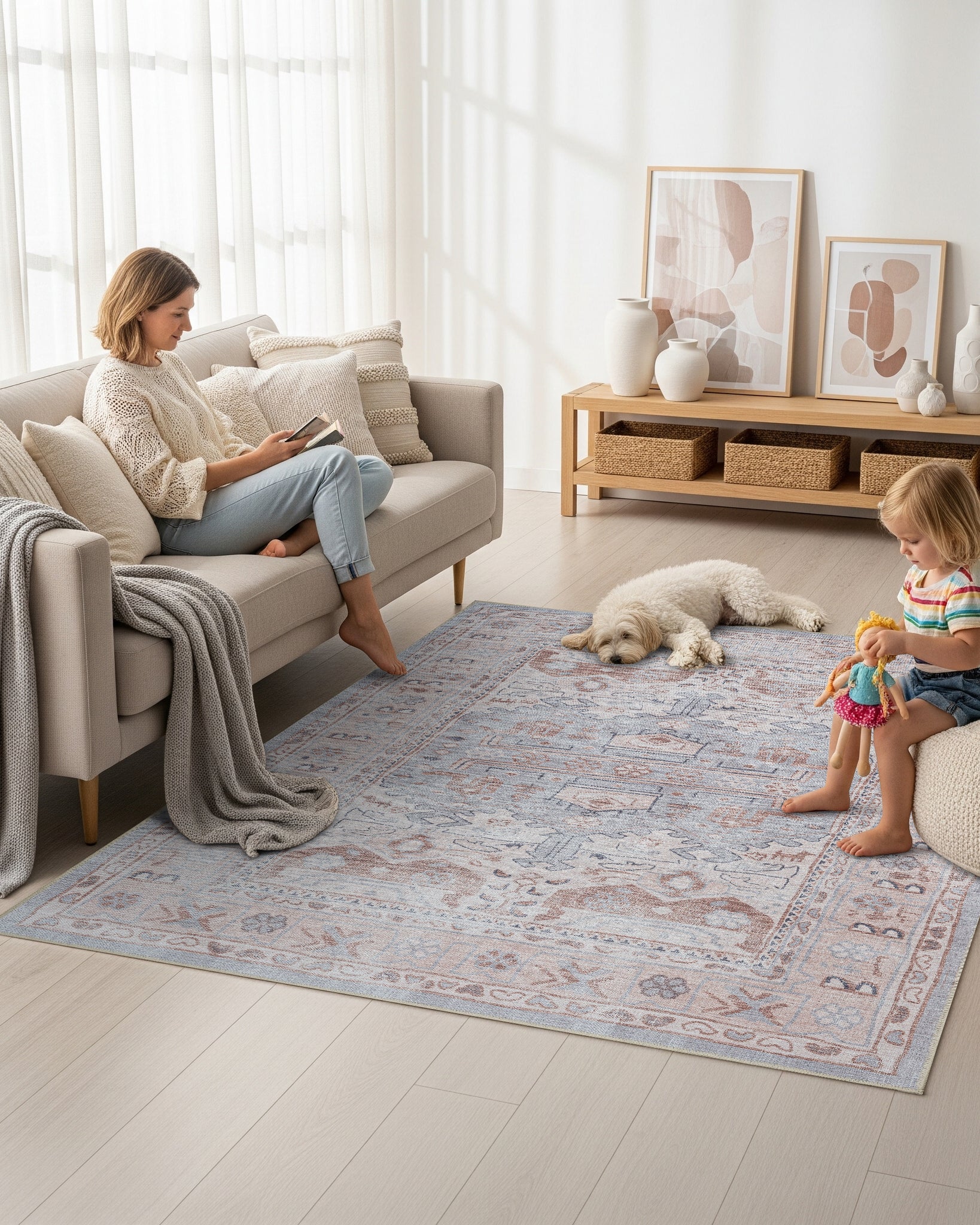
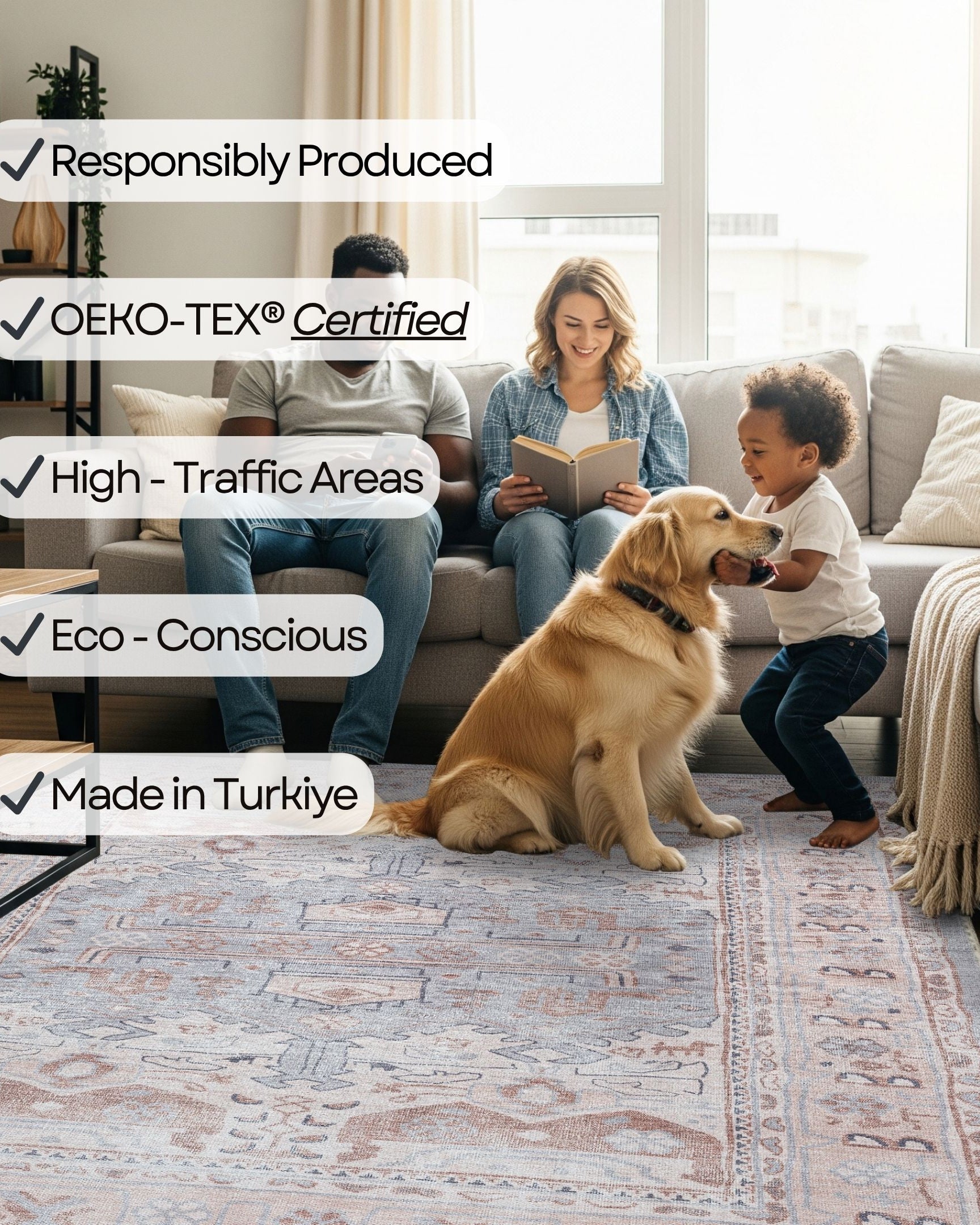
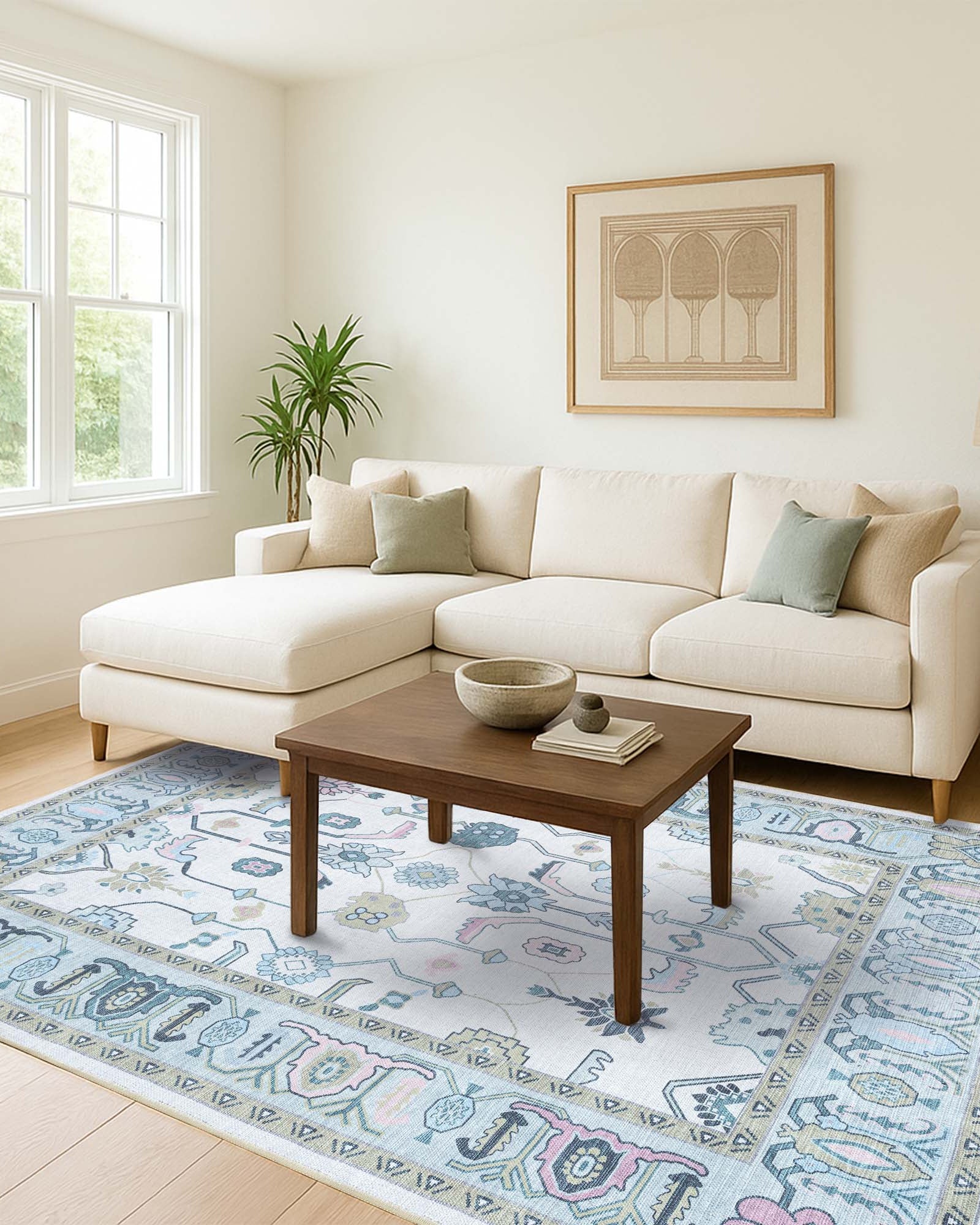
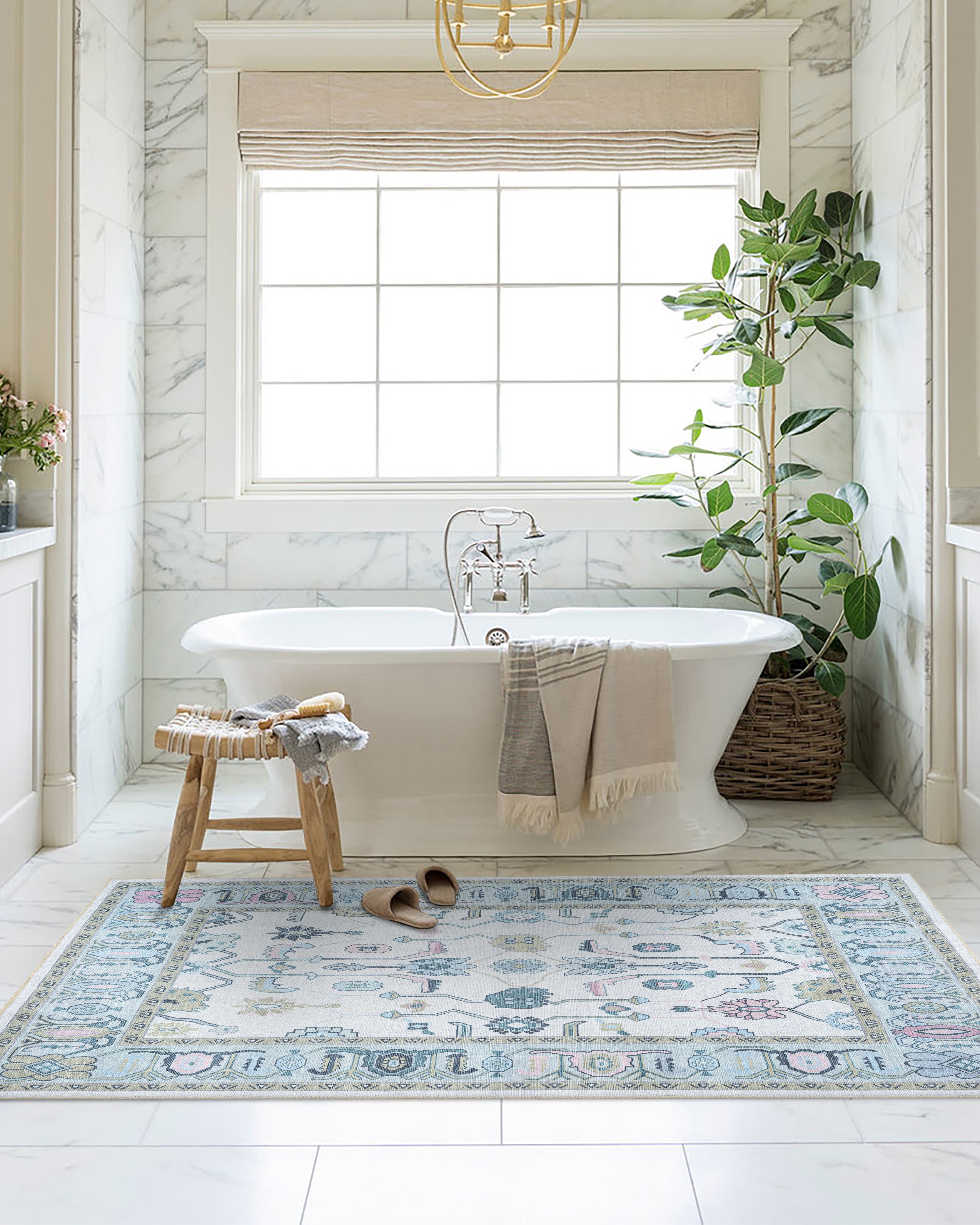
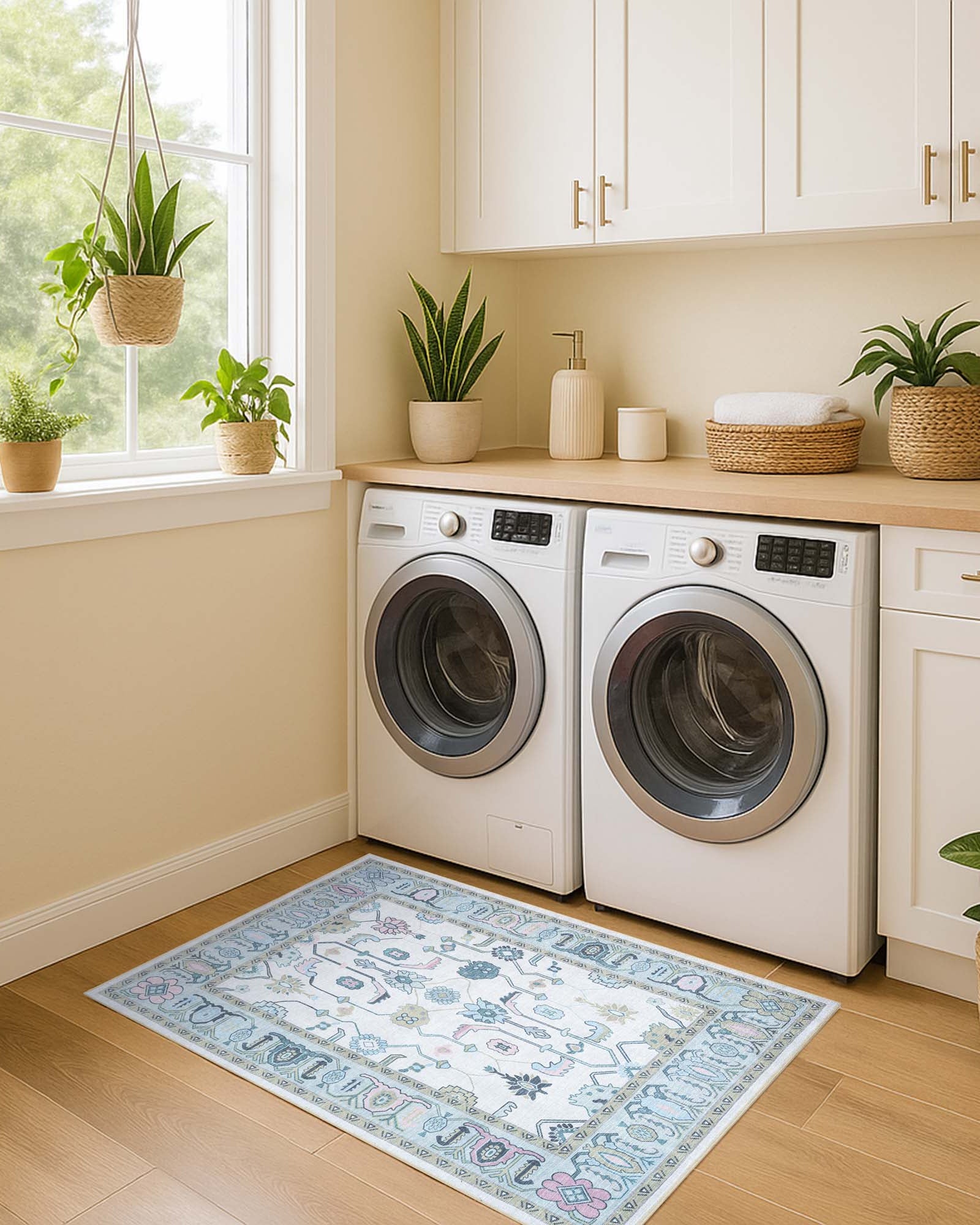
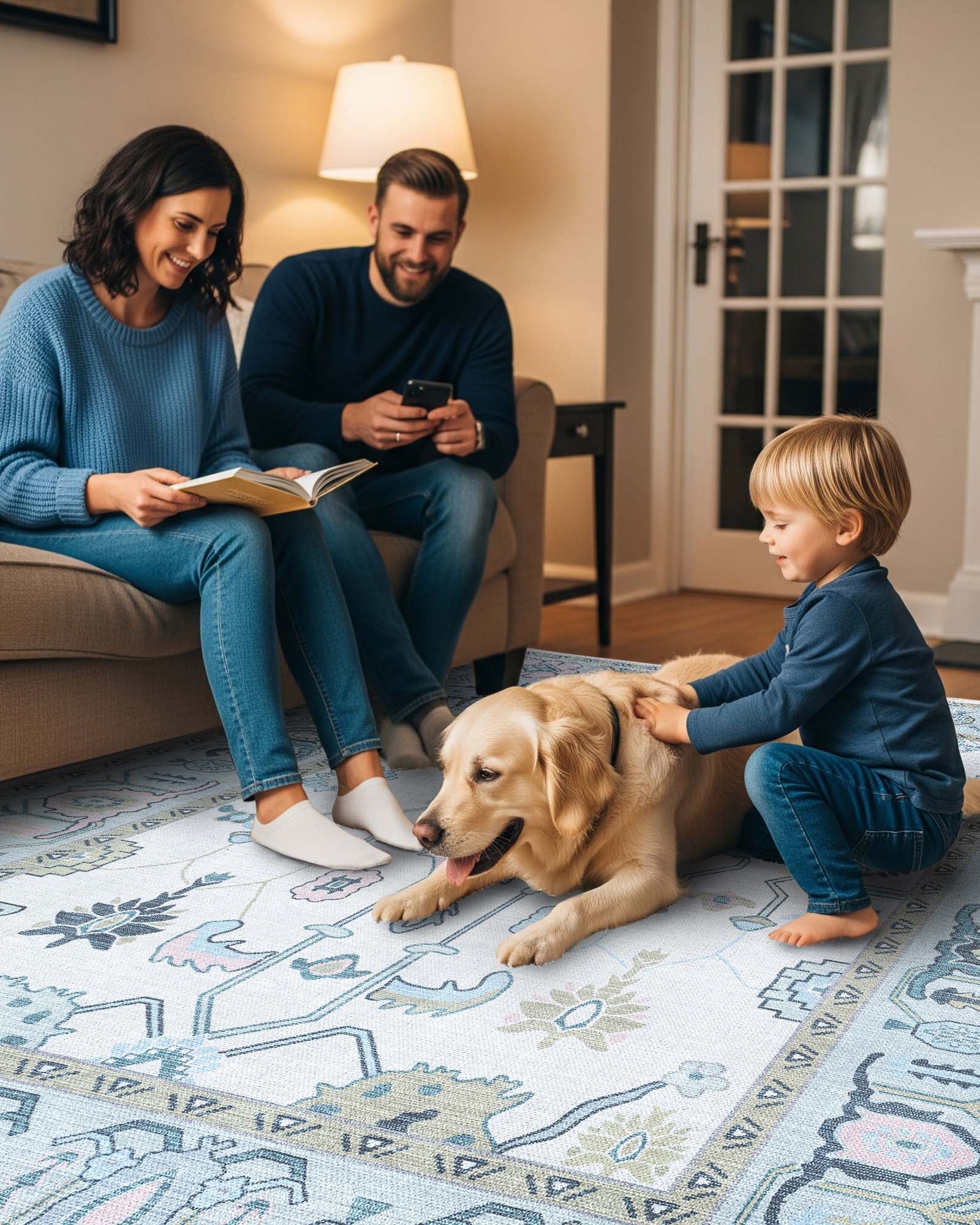
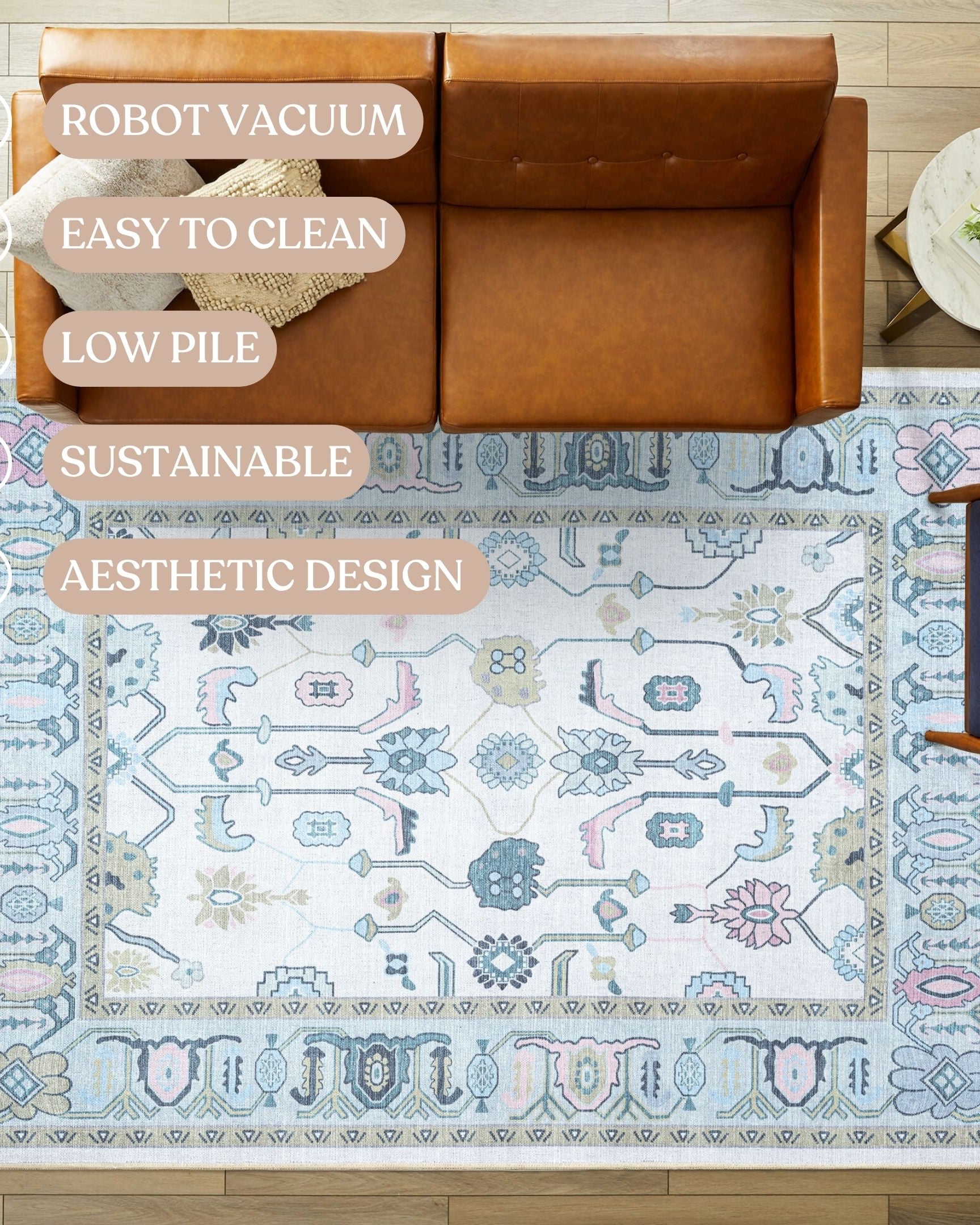
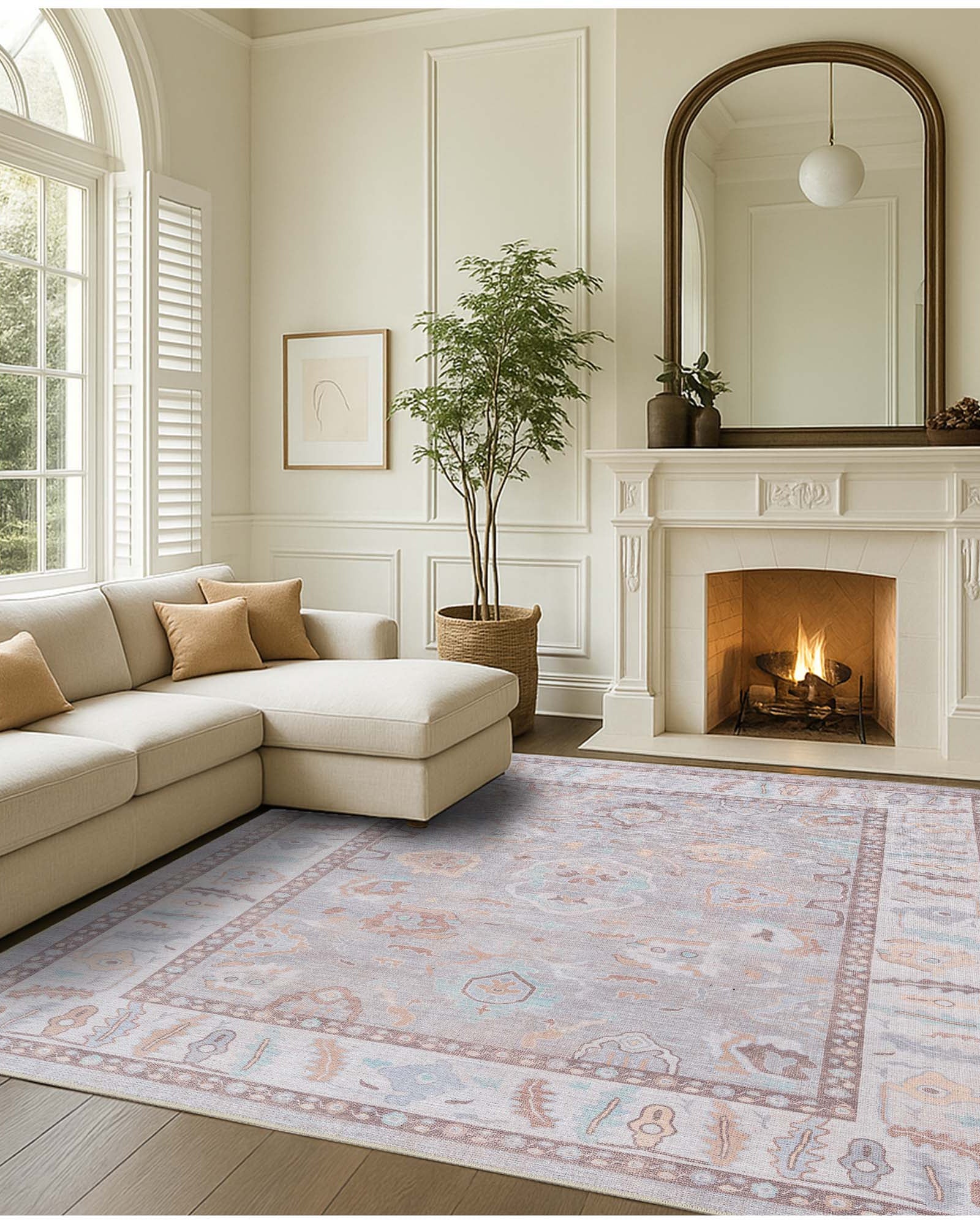
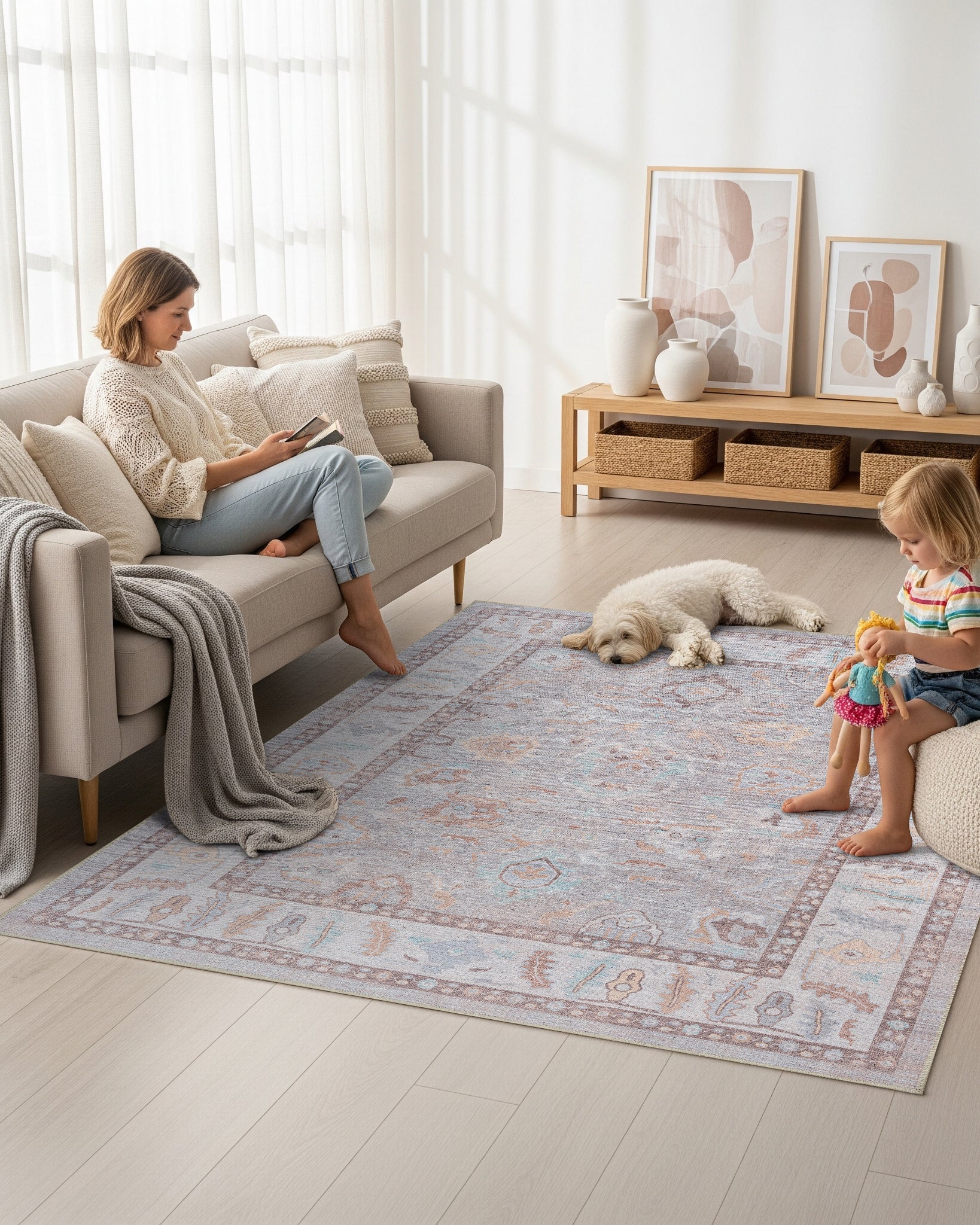
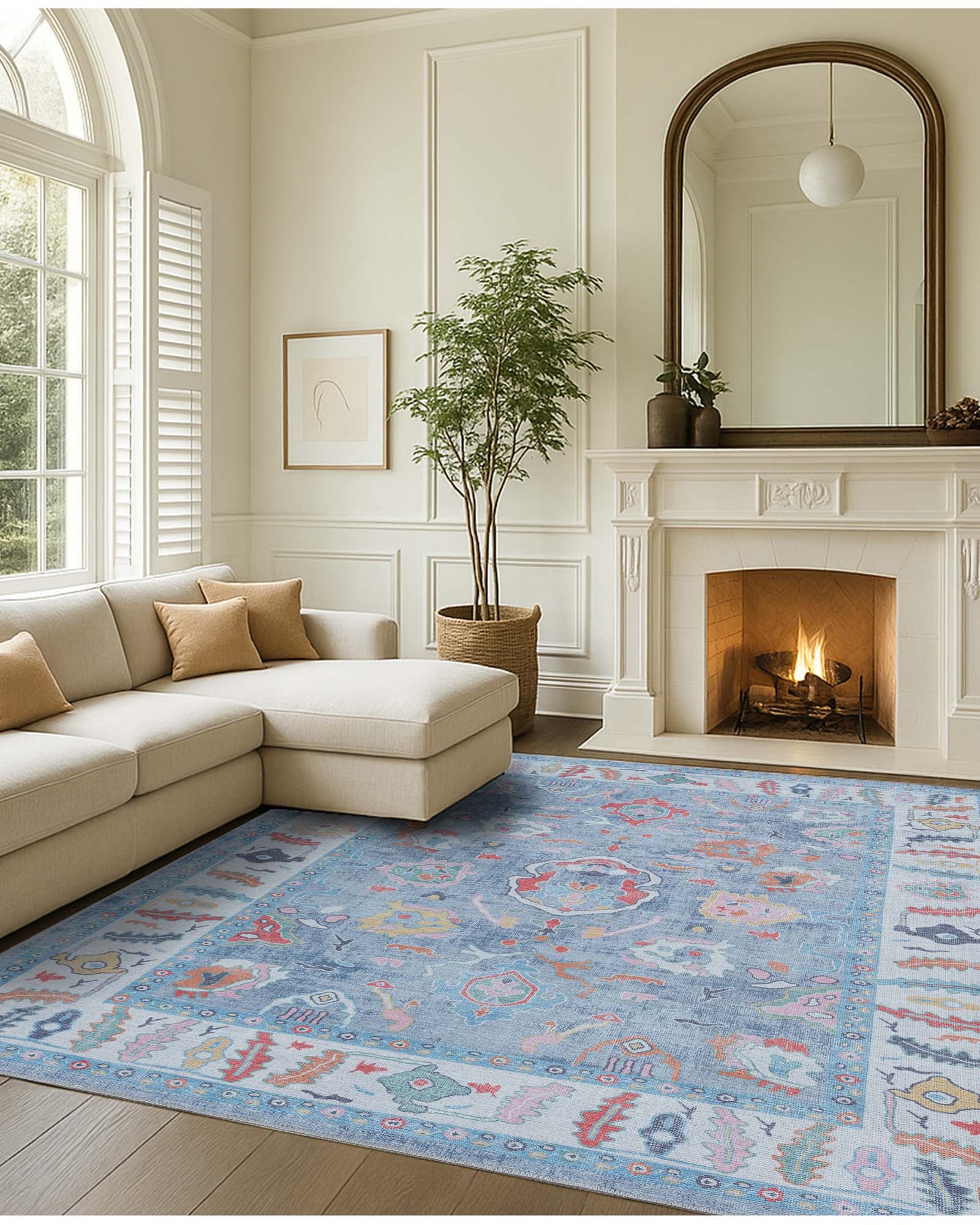
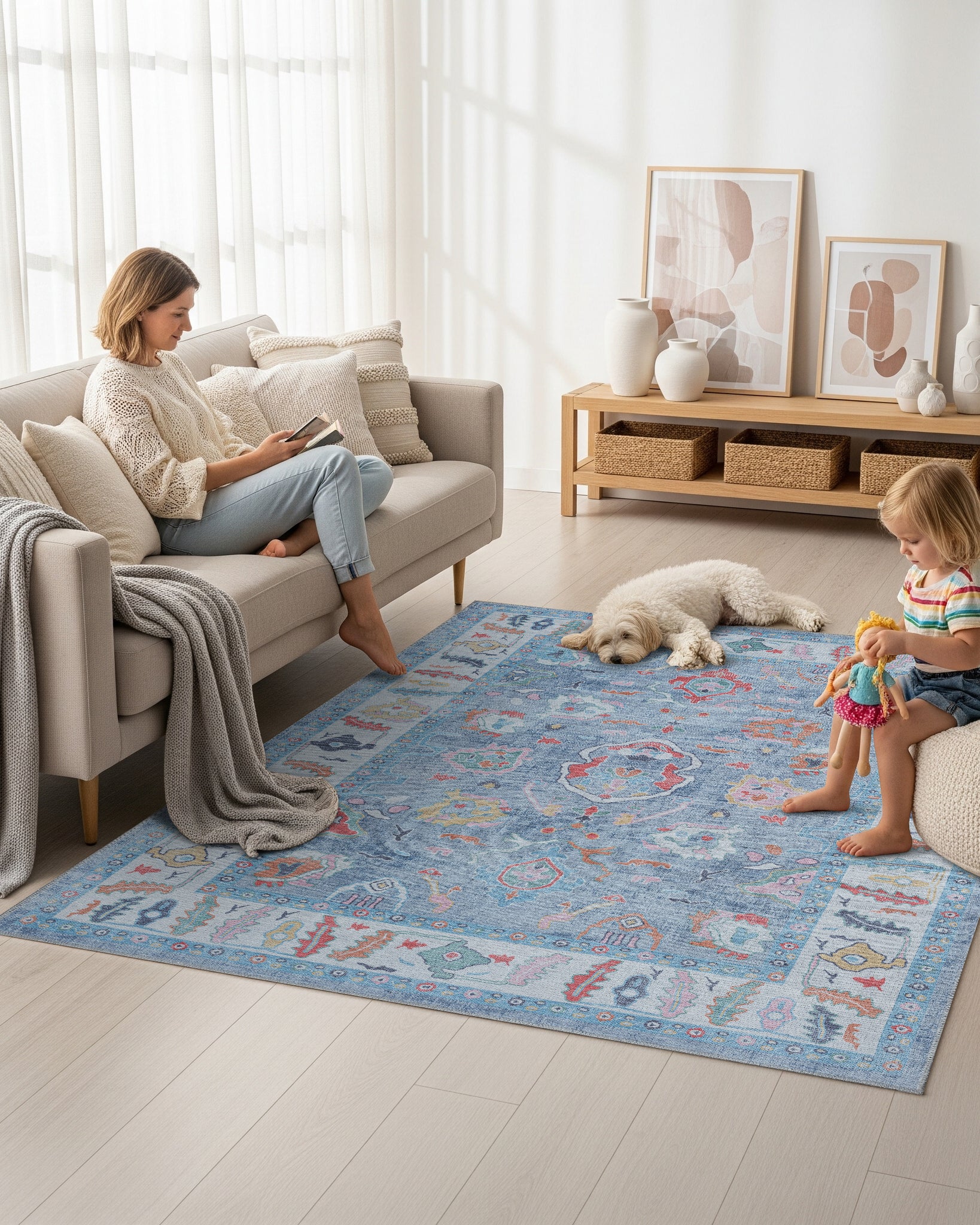
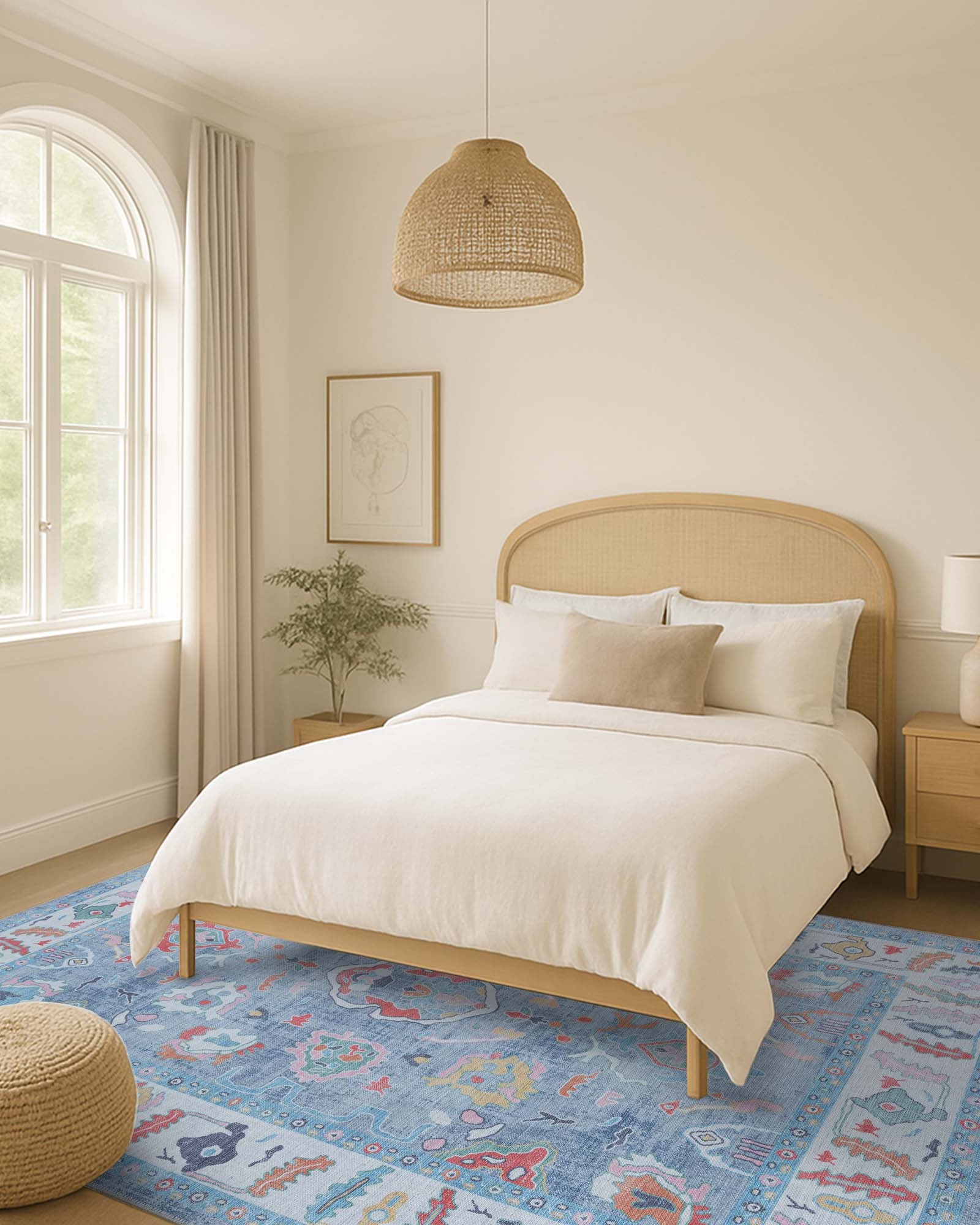
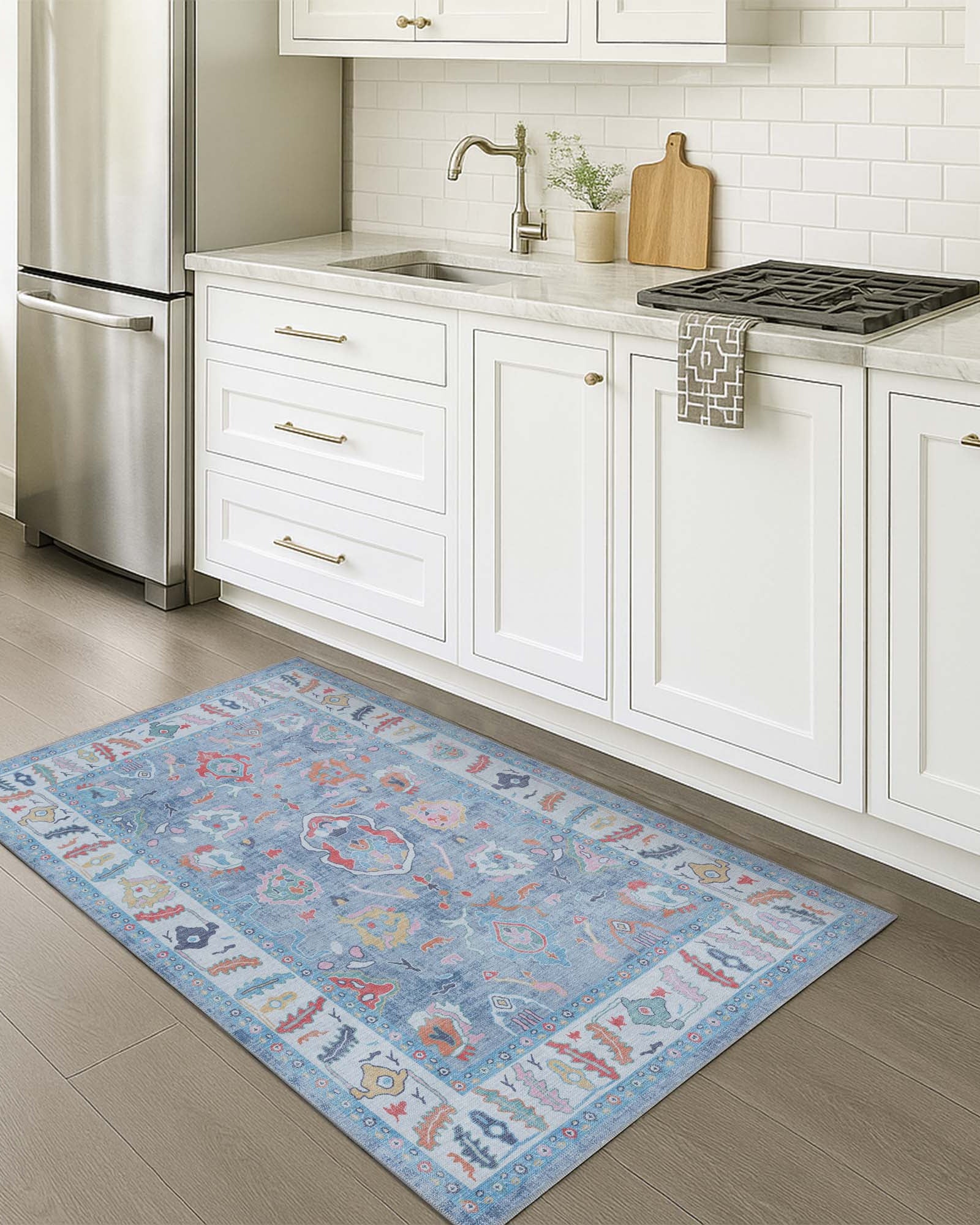
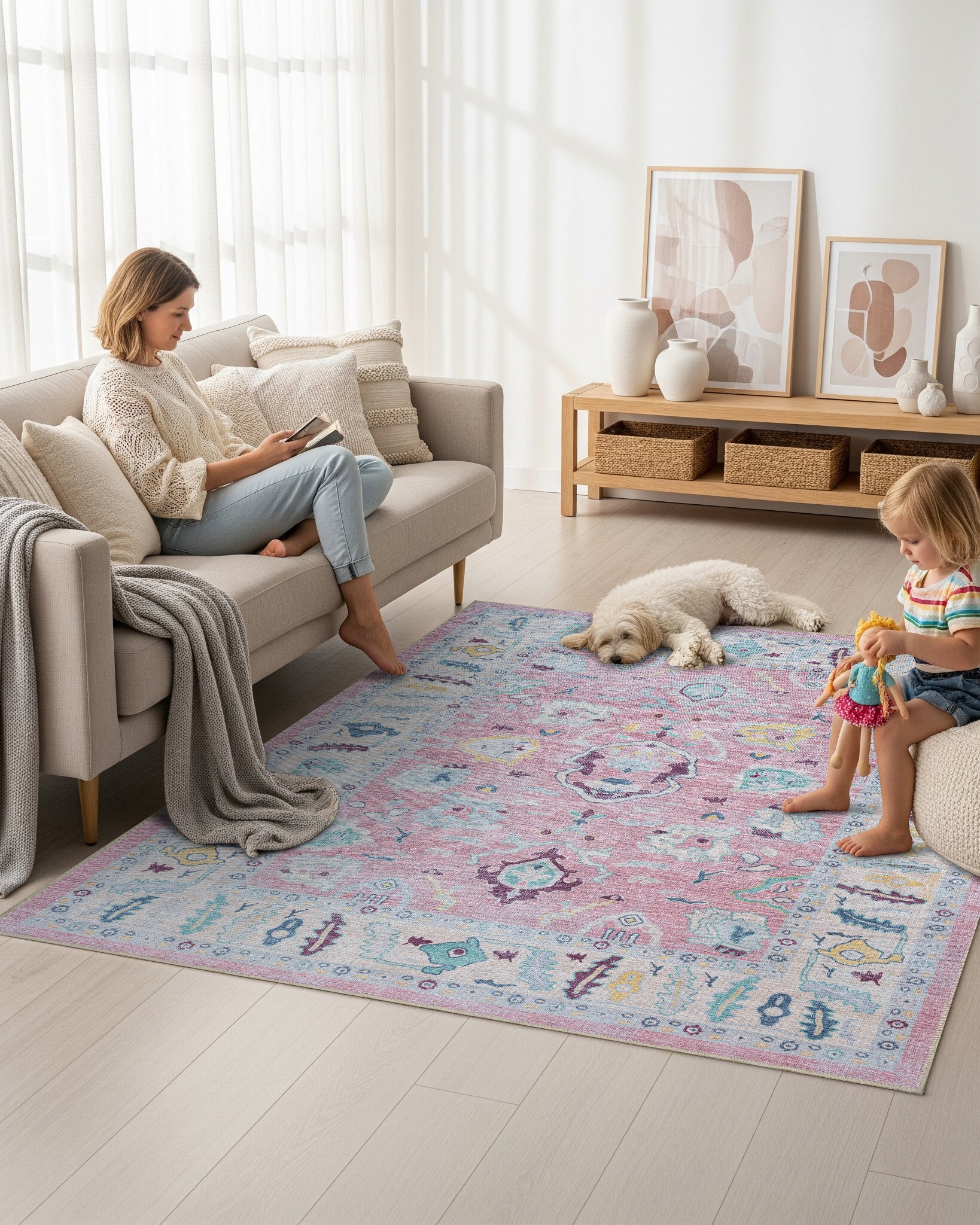
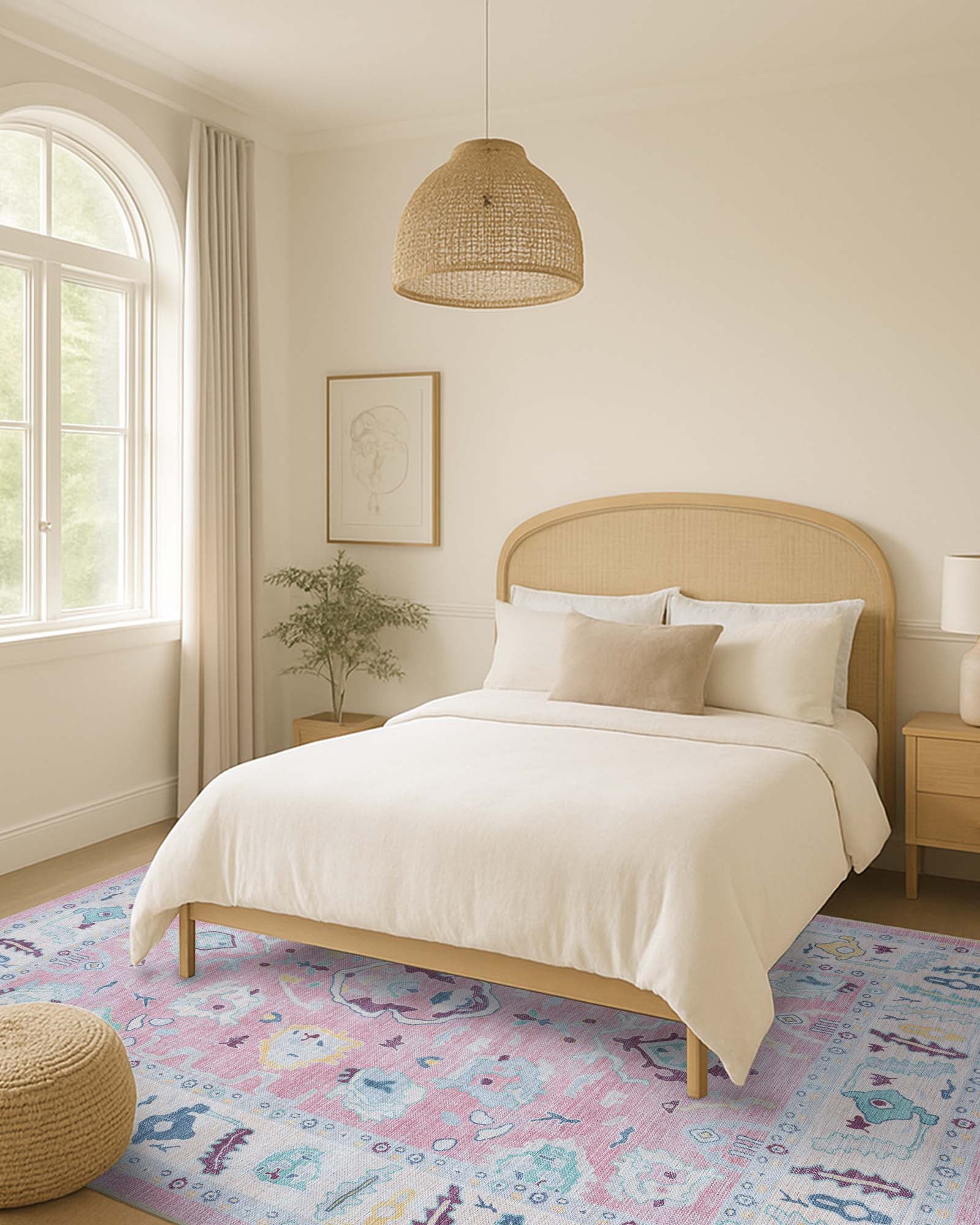
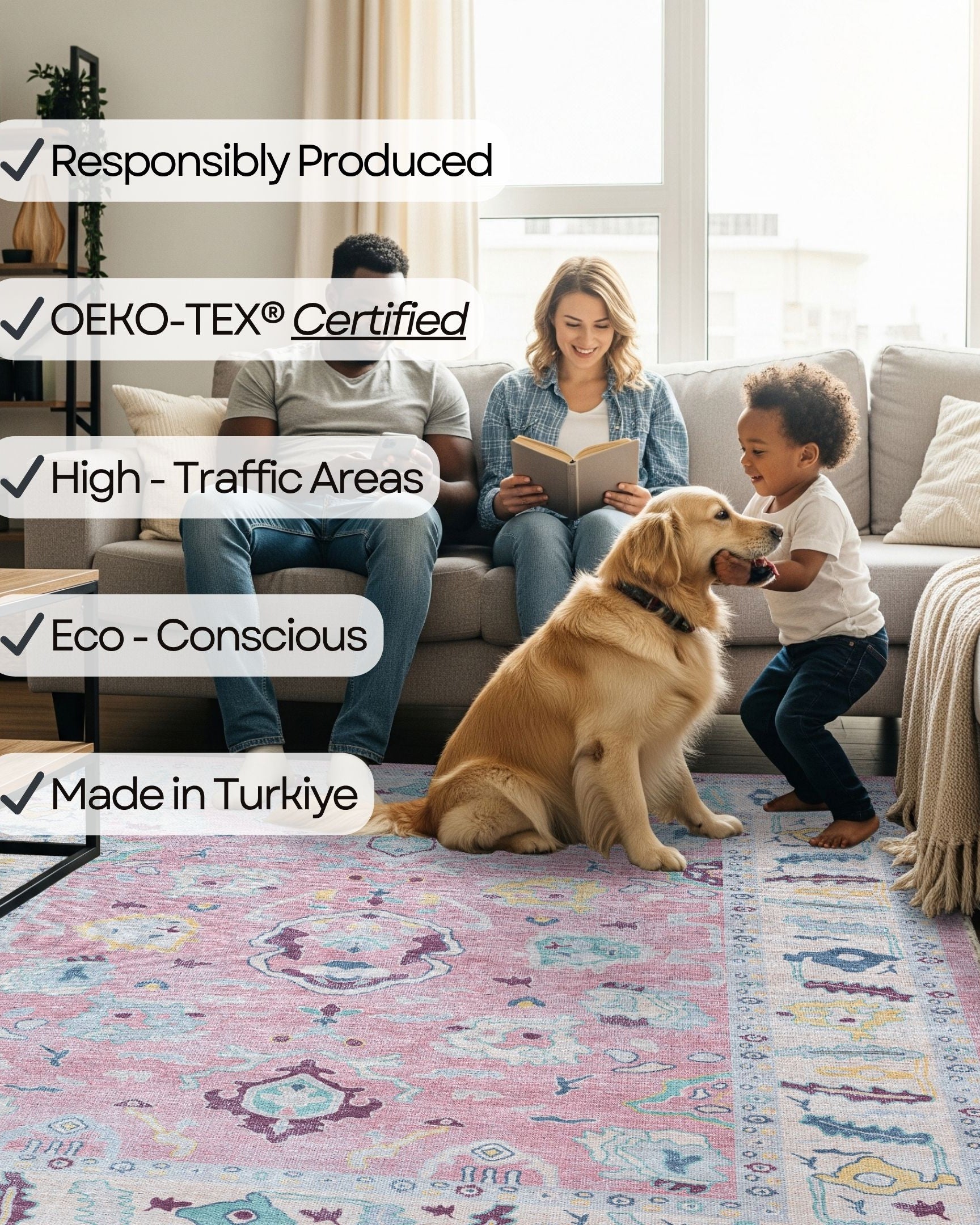
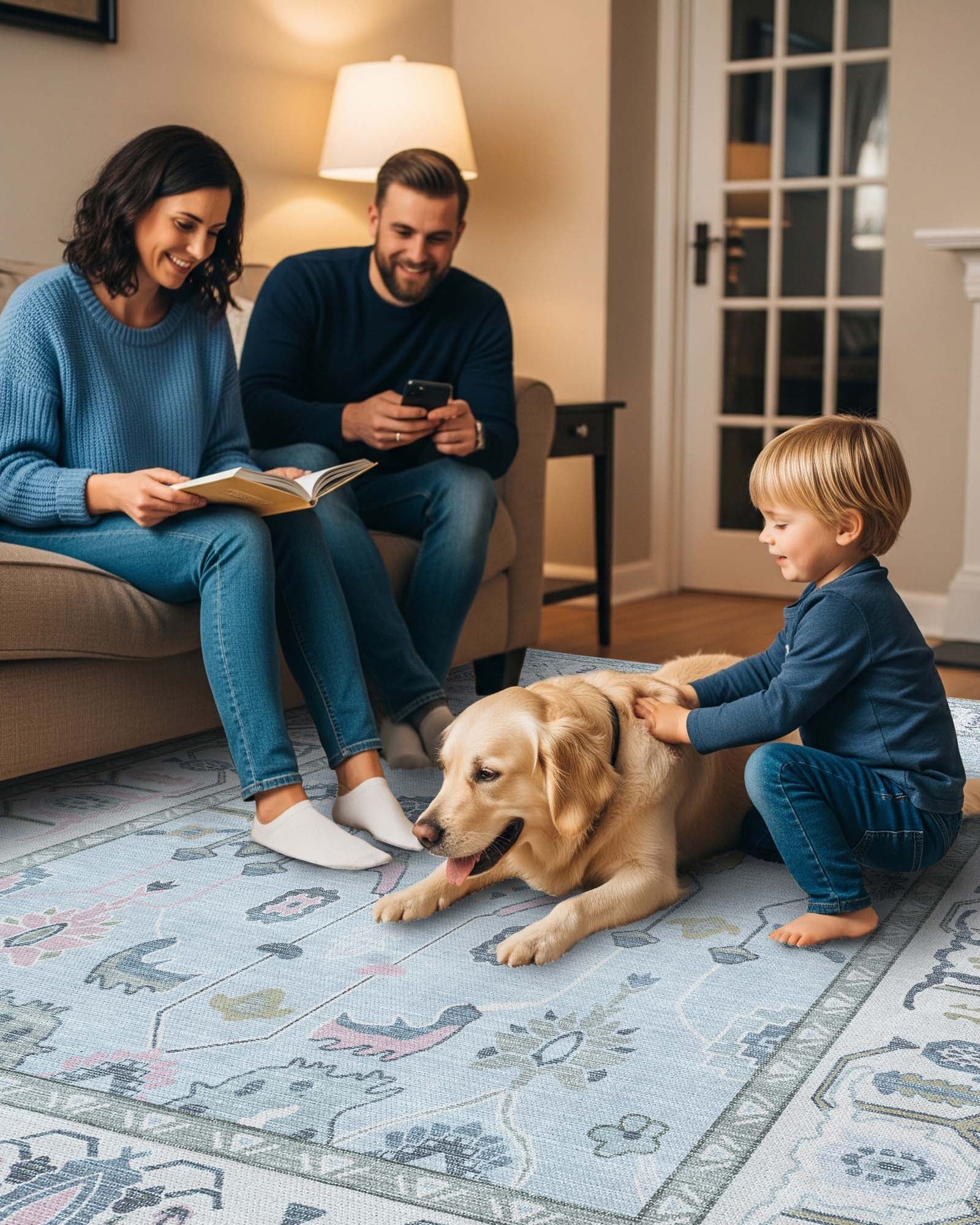
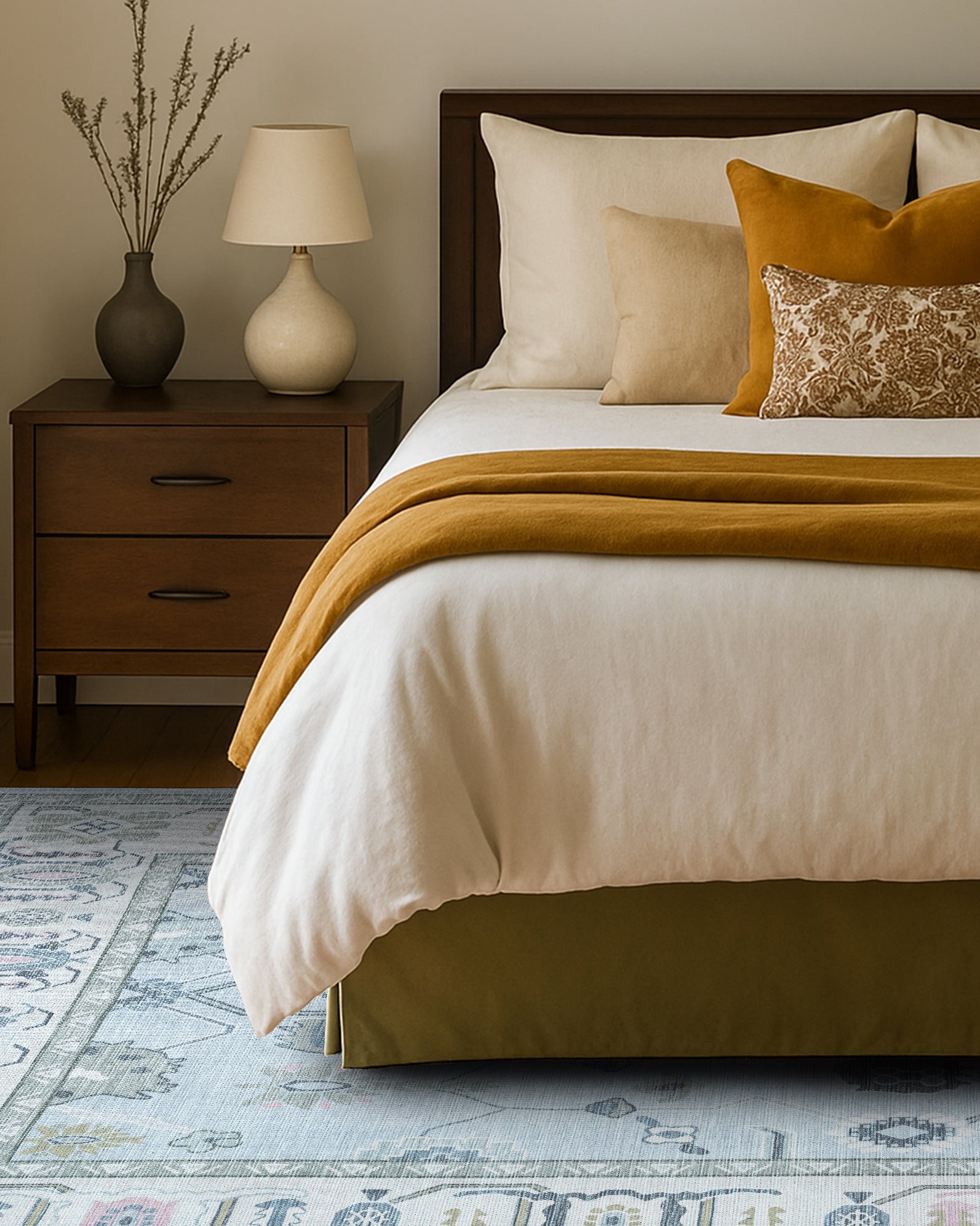
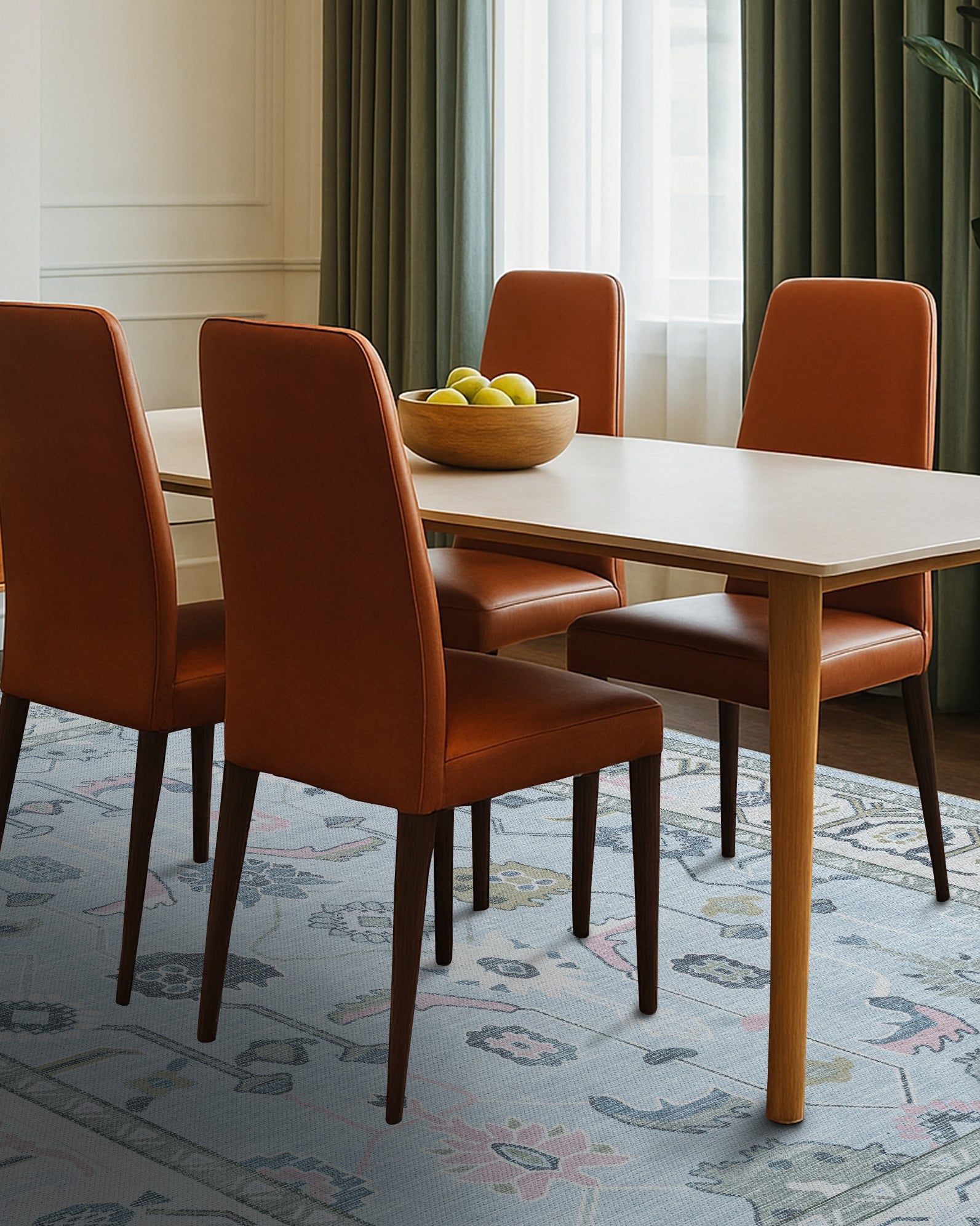
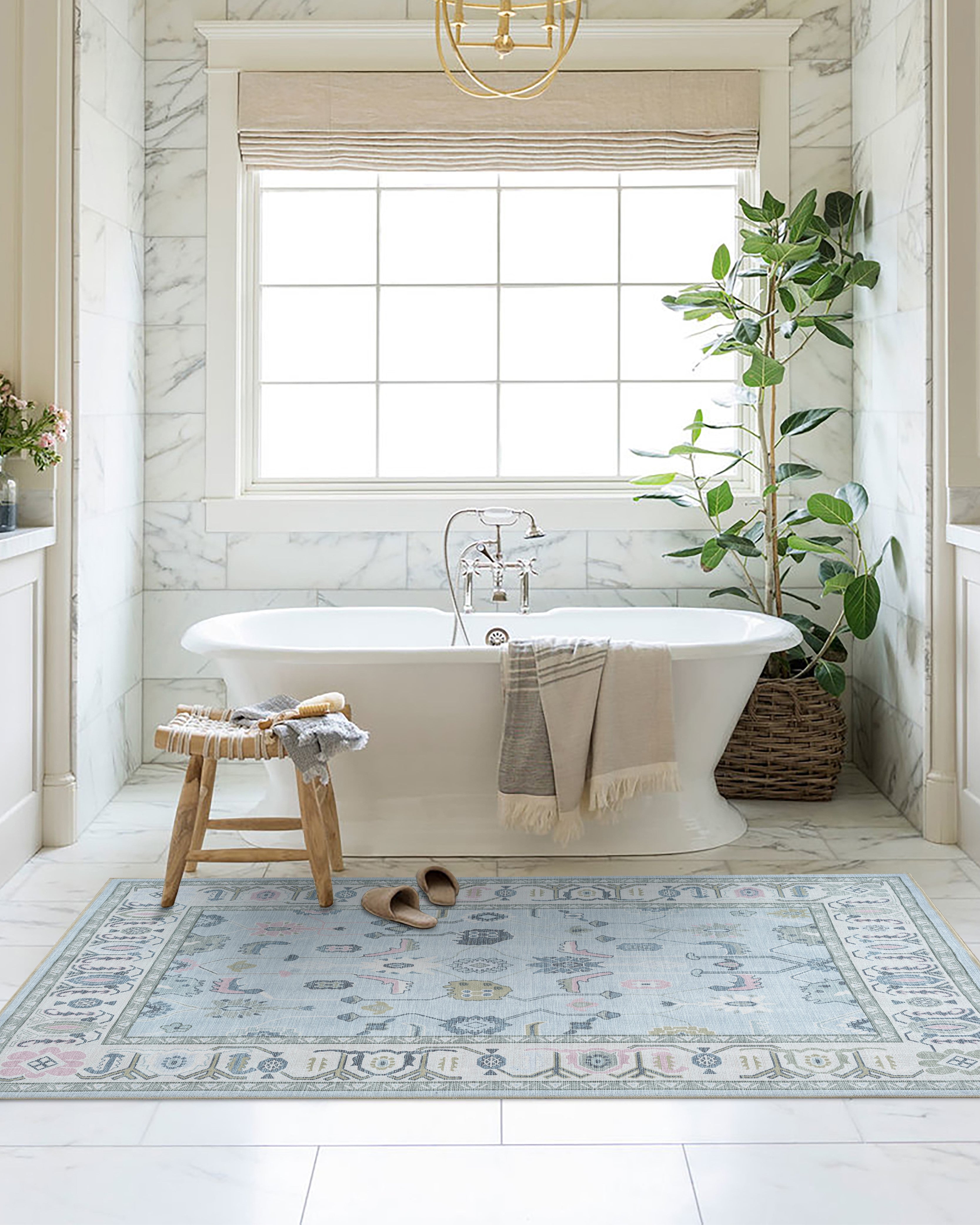
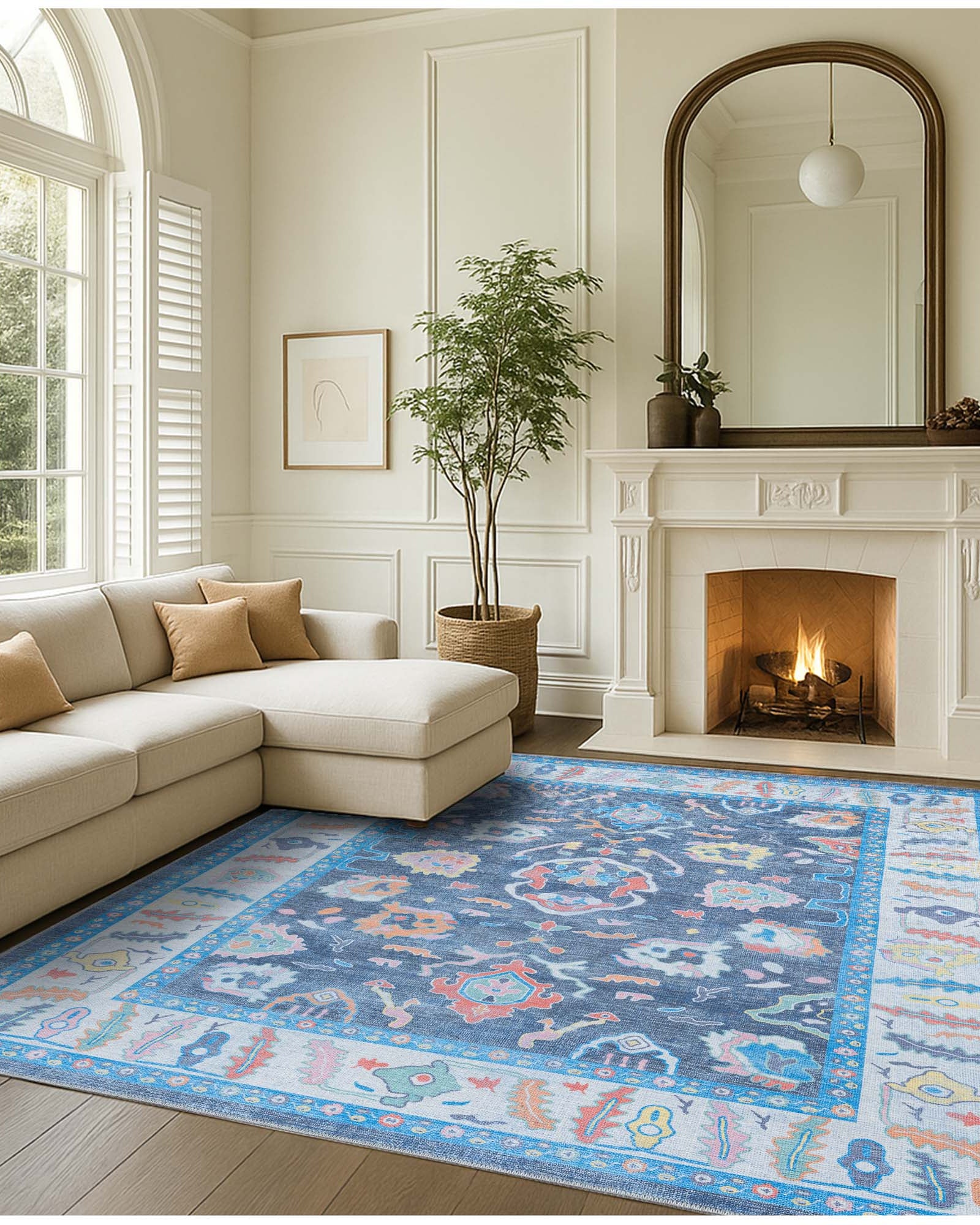
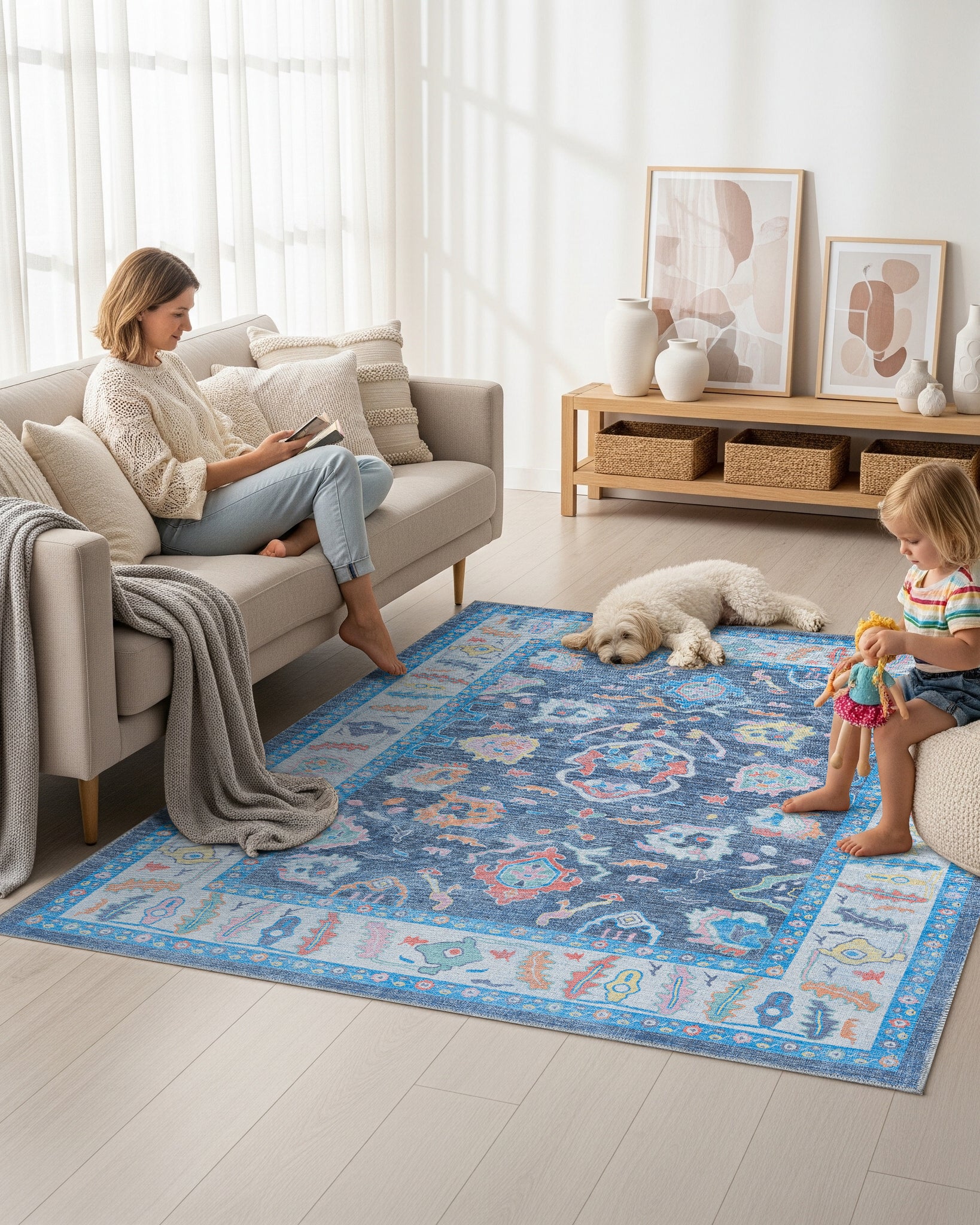
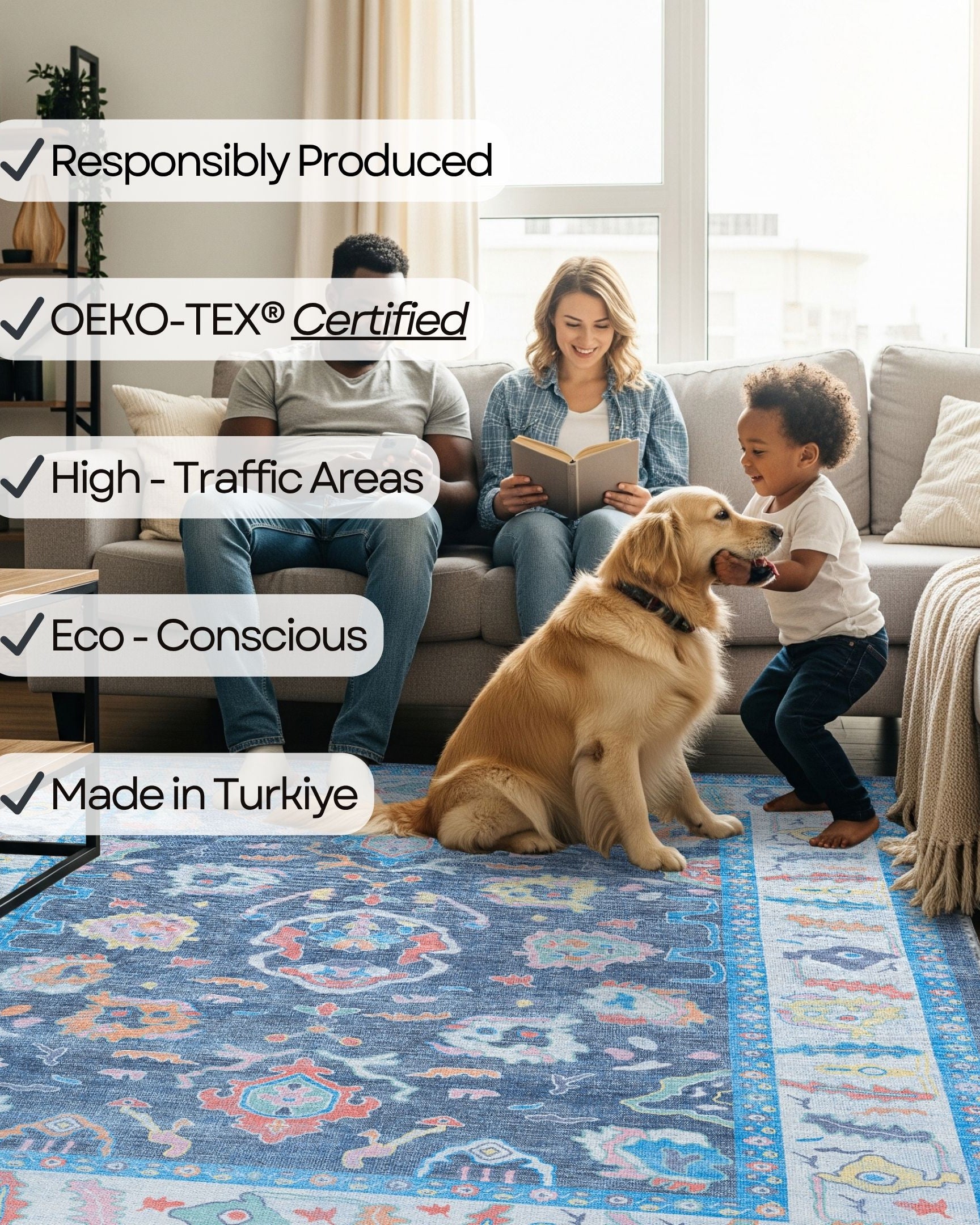
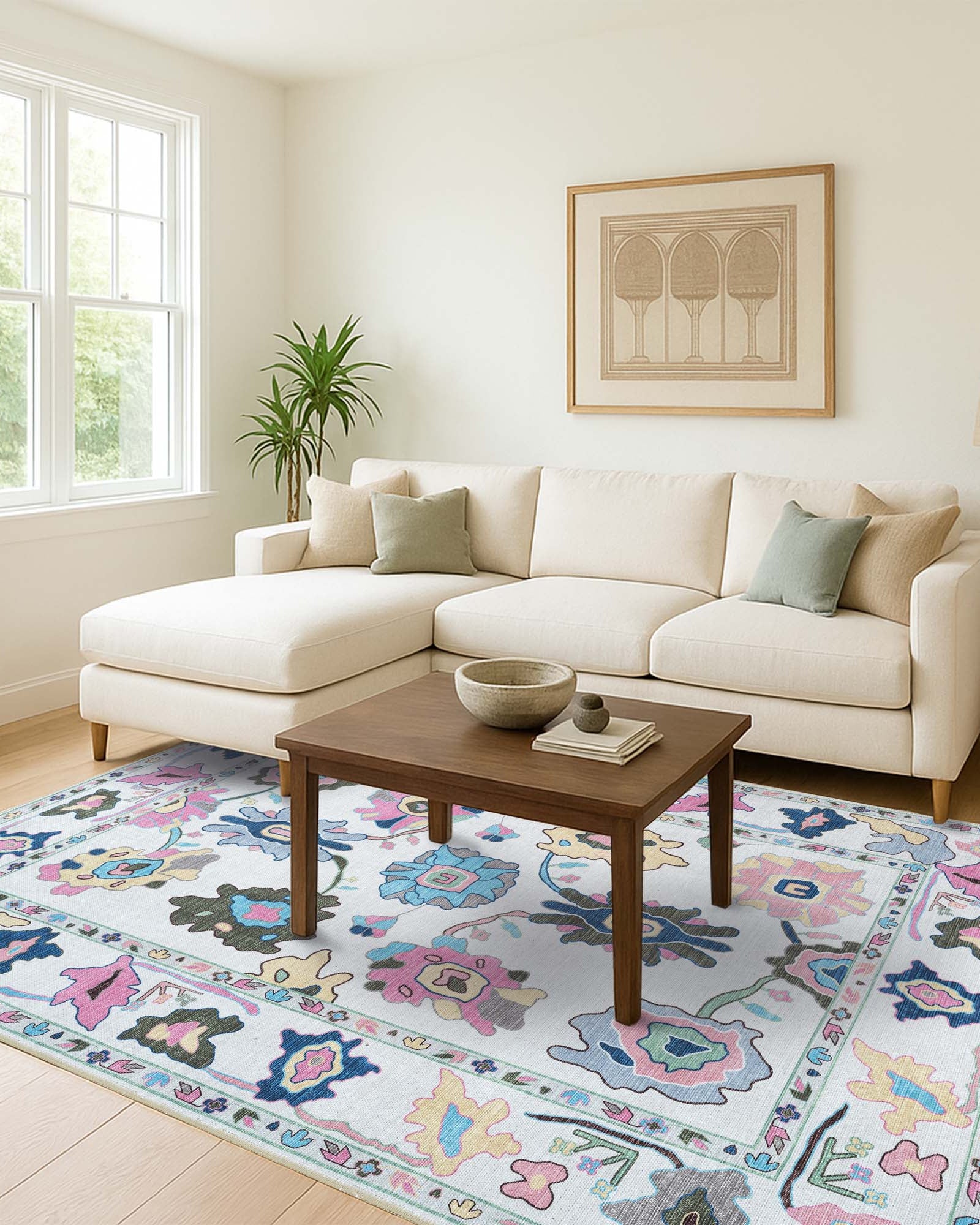
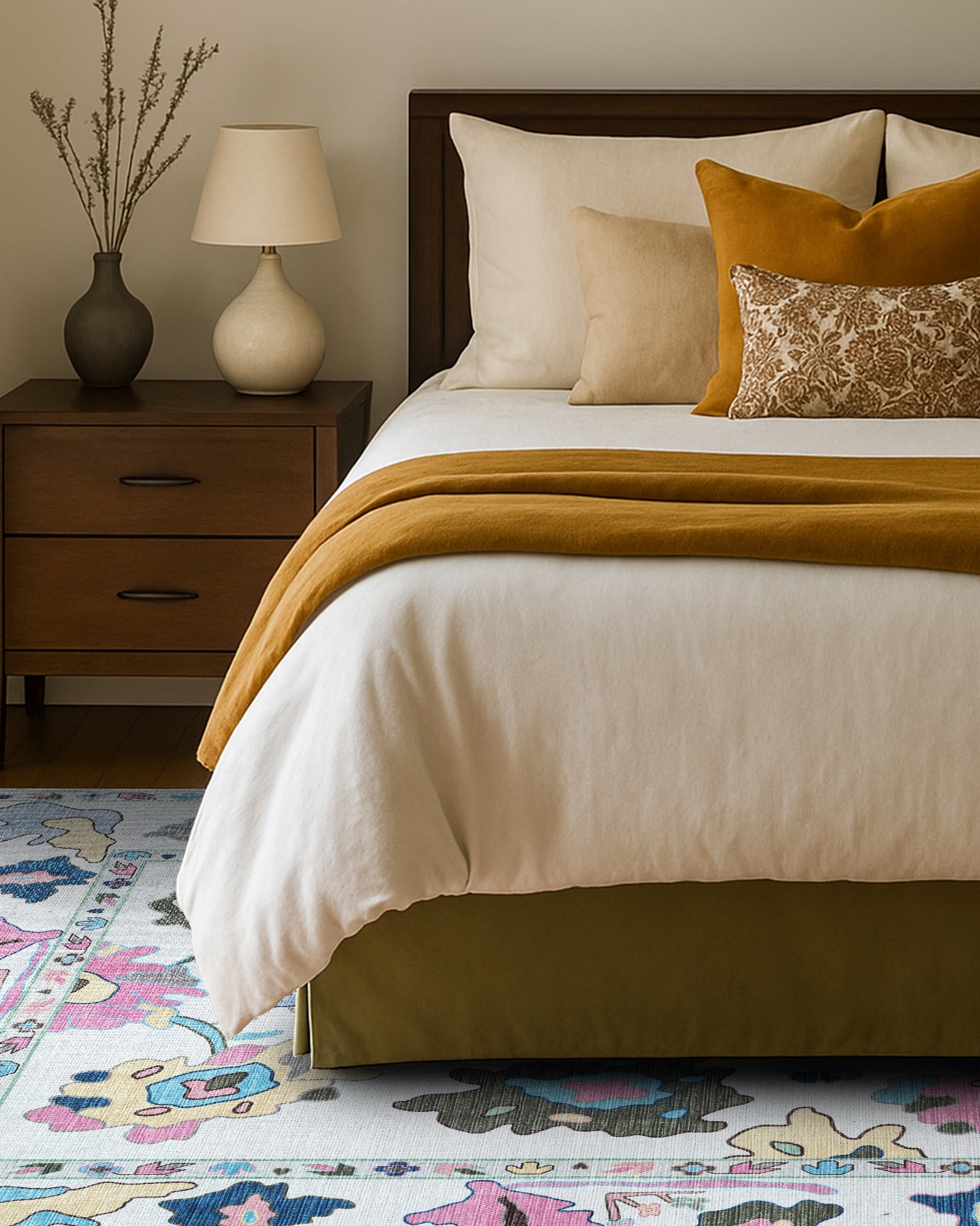
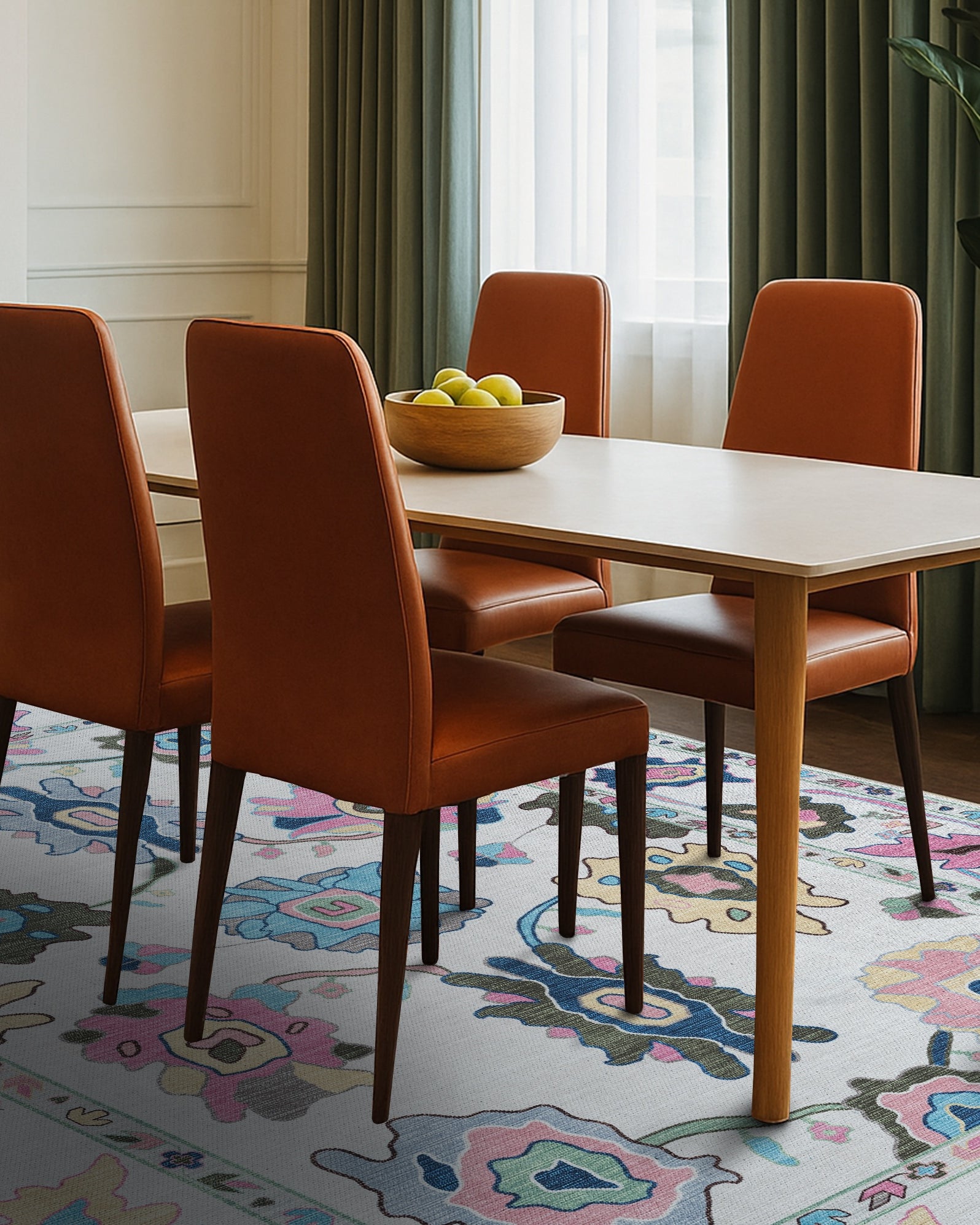
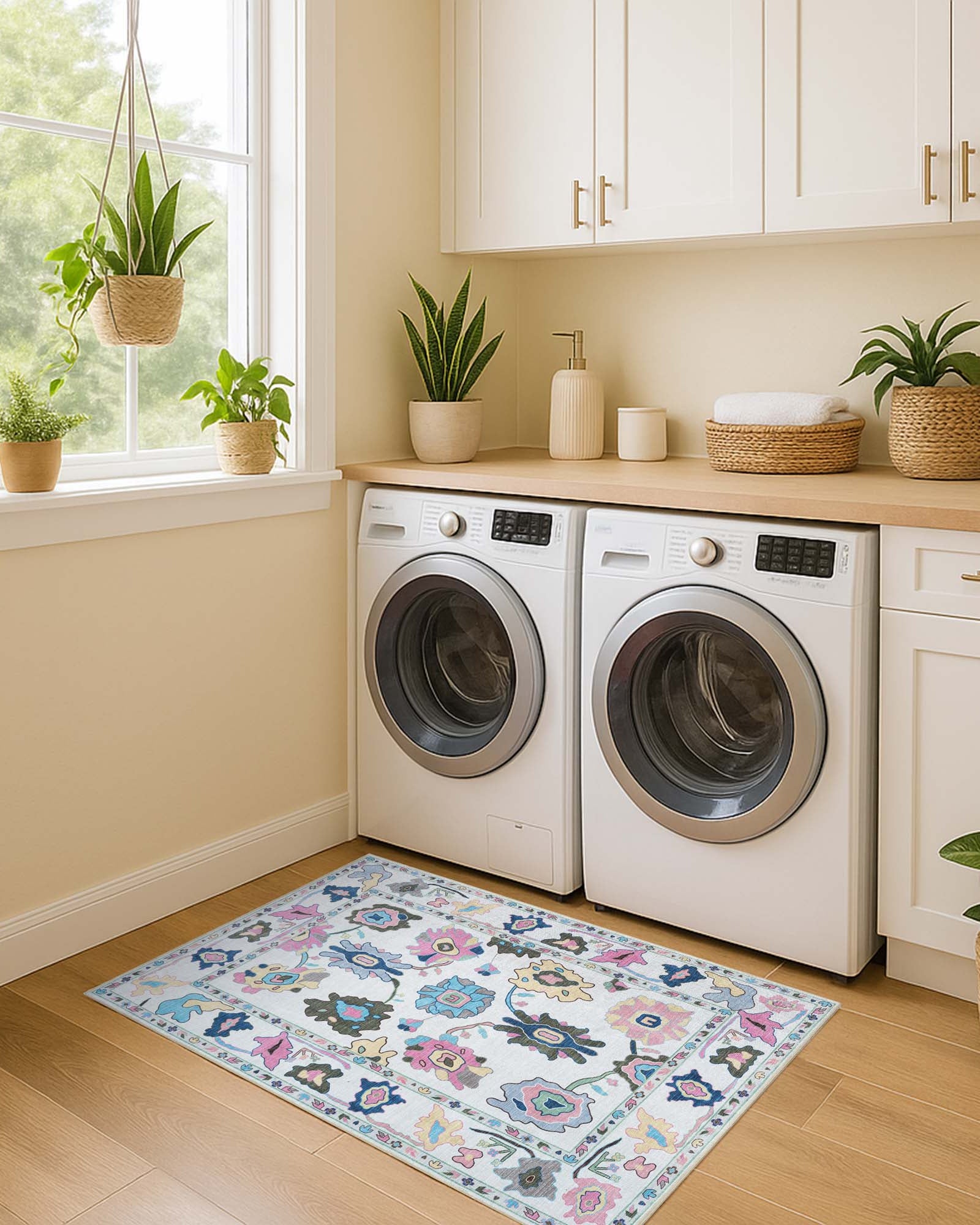
Anatolian patterns work unusually well in contemporary spaces precisely because they are geometric rather than ornate. A faded Oushak beneath a low-profile modern sofa creates warmth without visual clutter. In a minimalist room, a single patterned rug is often the only decorative element needed. In layered, maximalist interiors, Anatolian geometry holds its own against strong wall color and mixed textures.
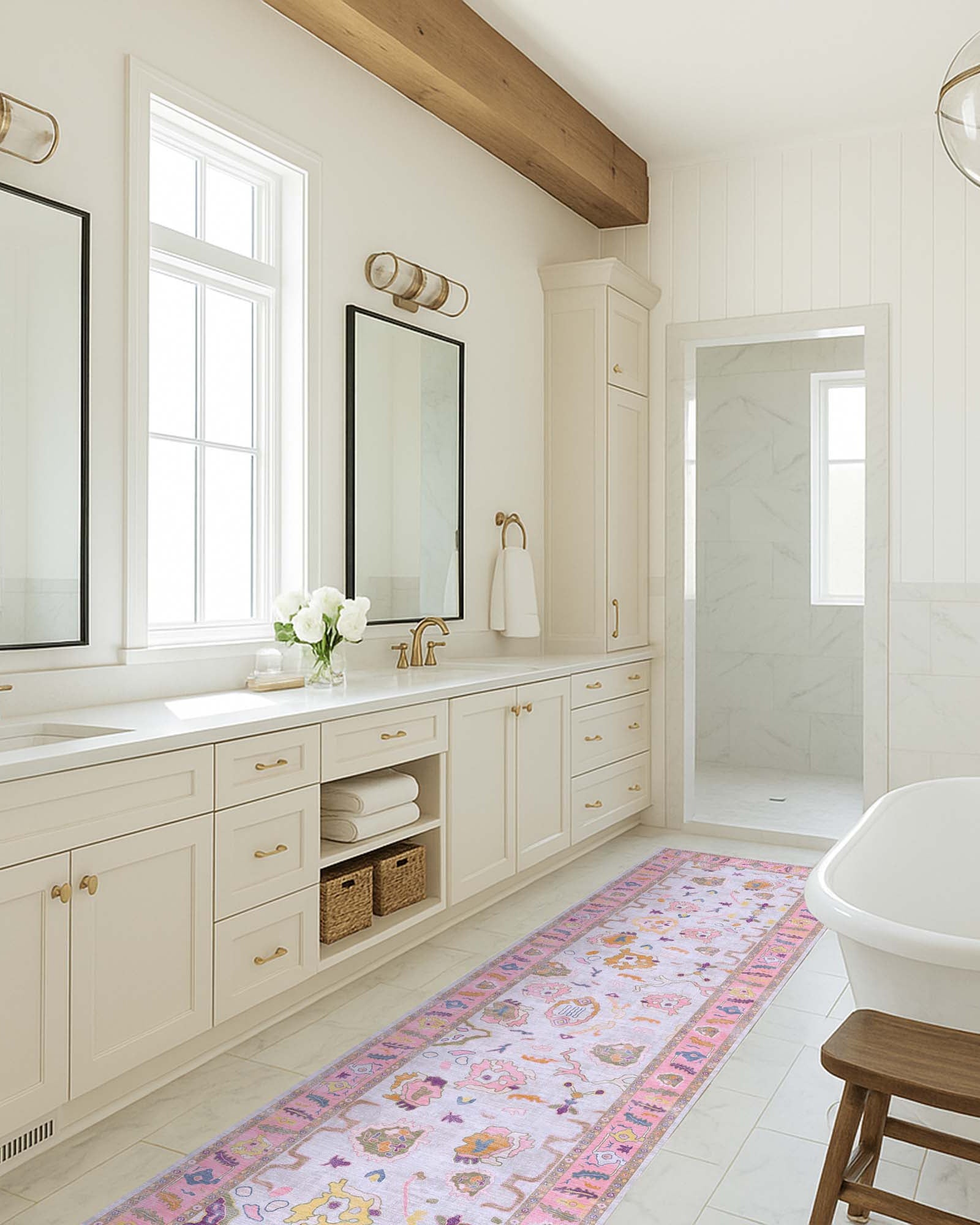
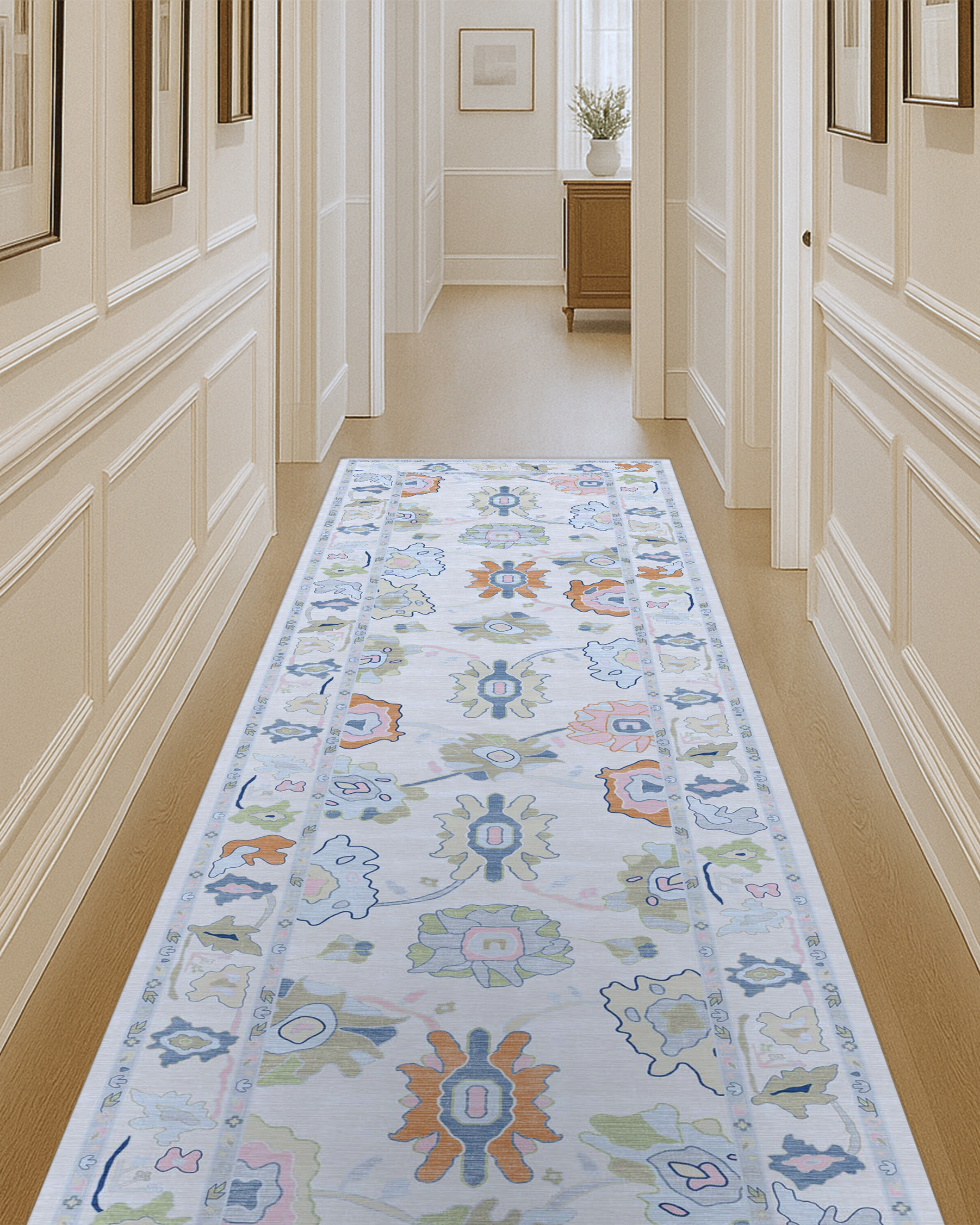
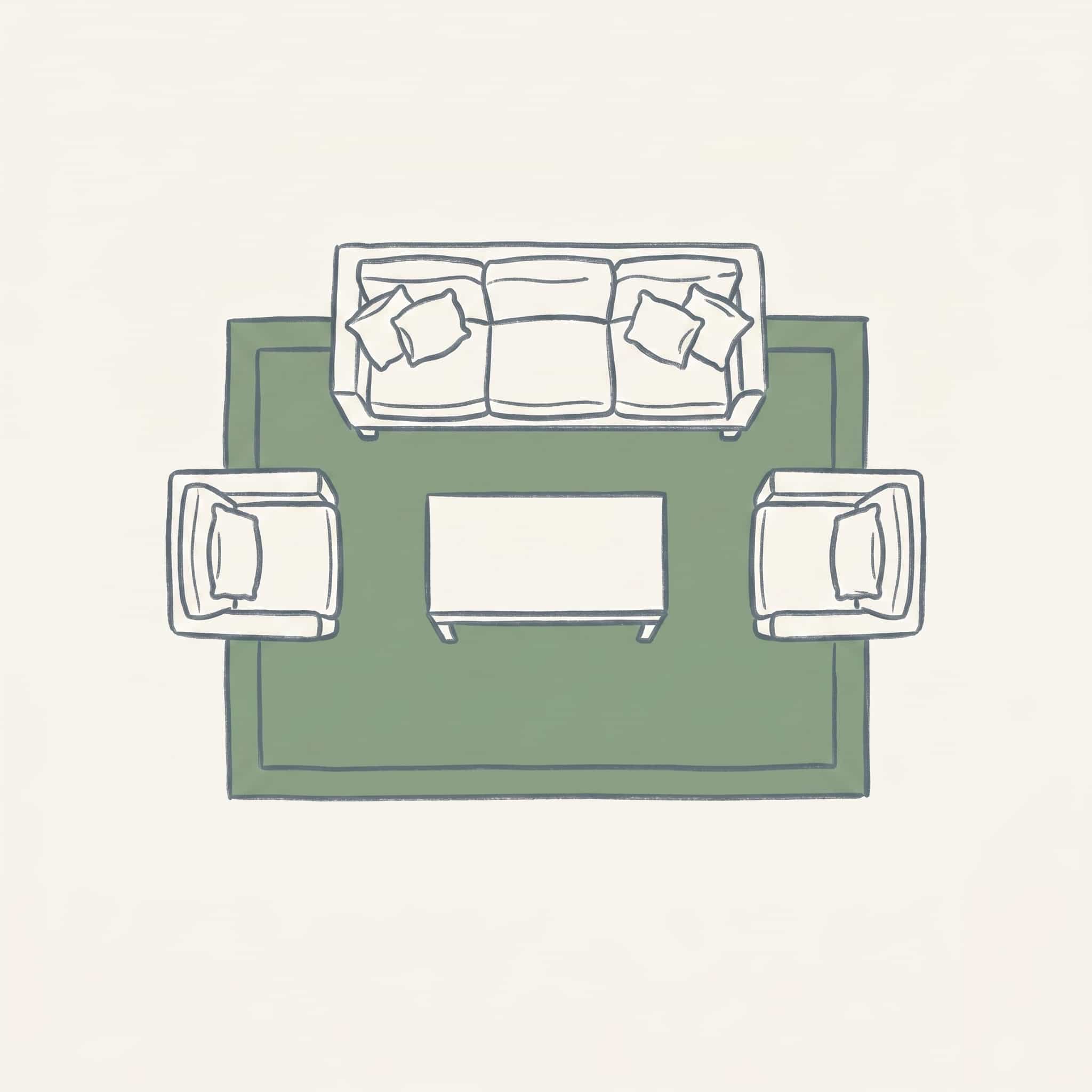
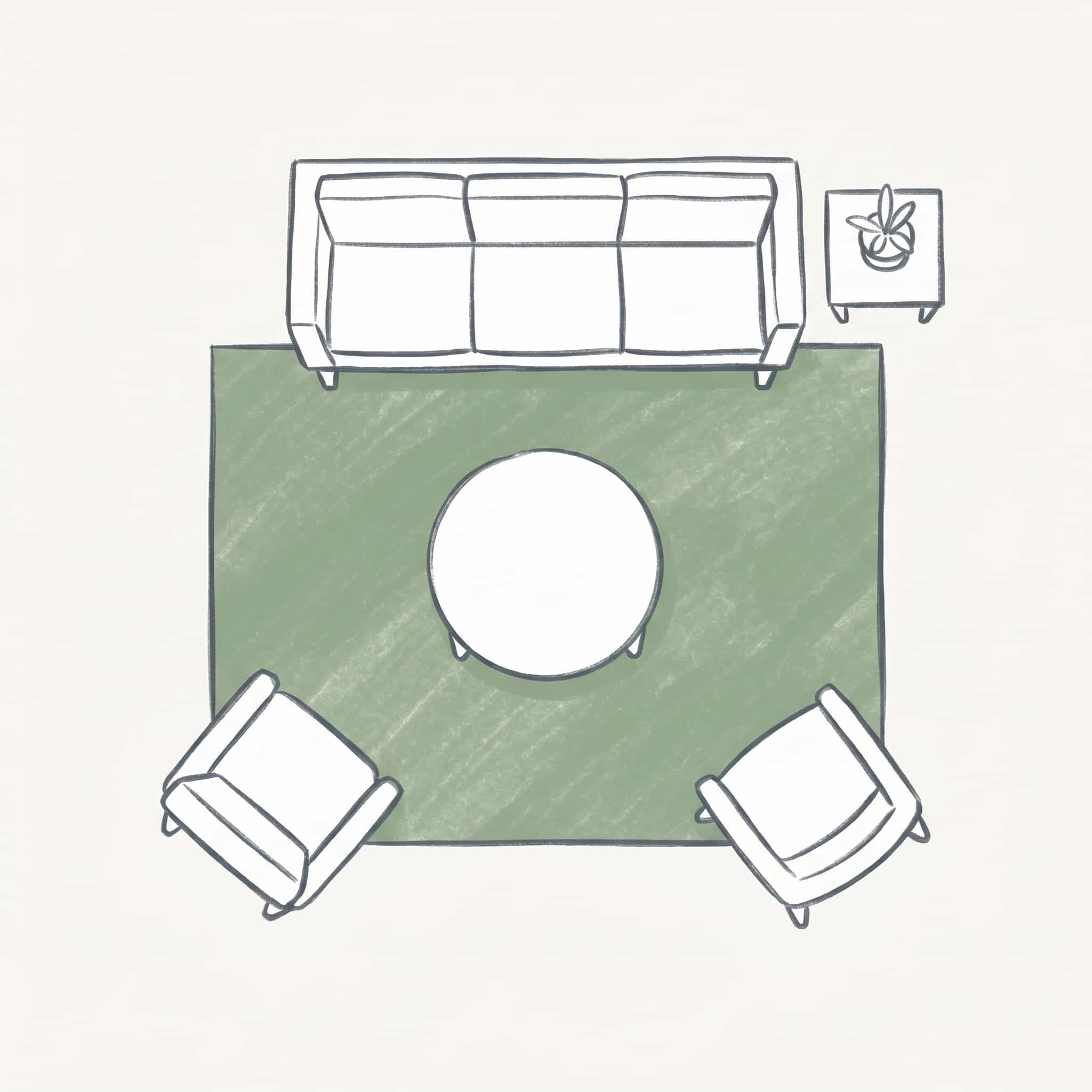
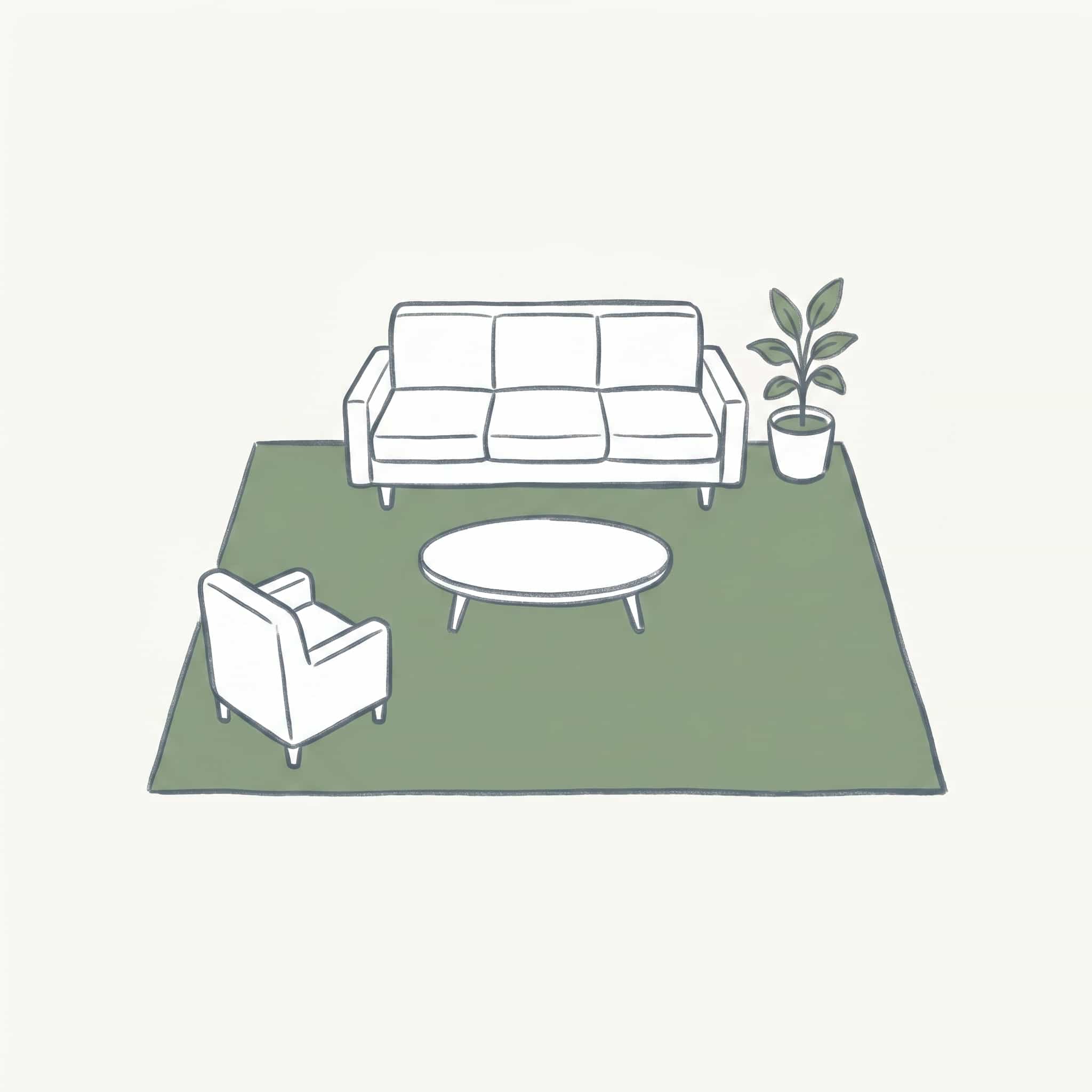
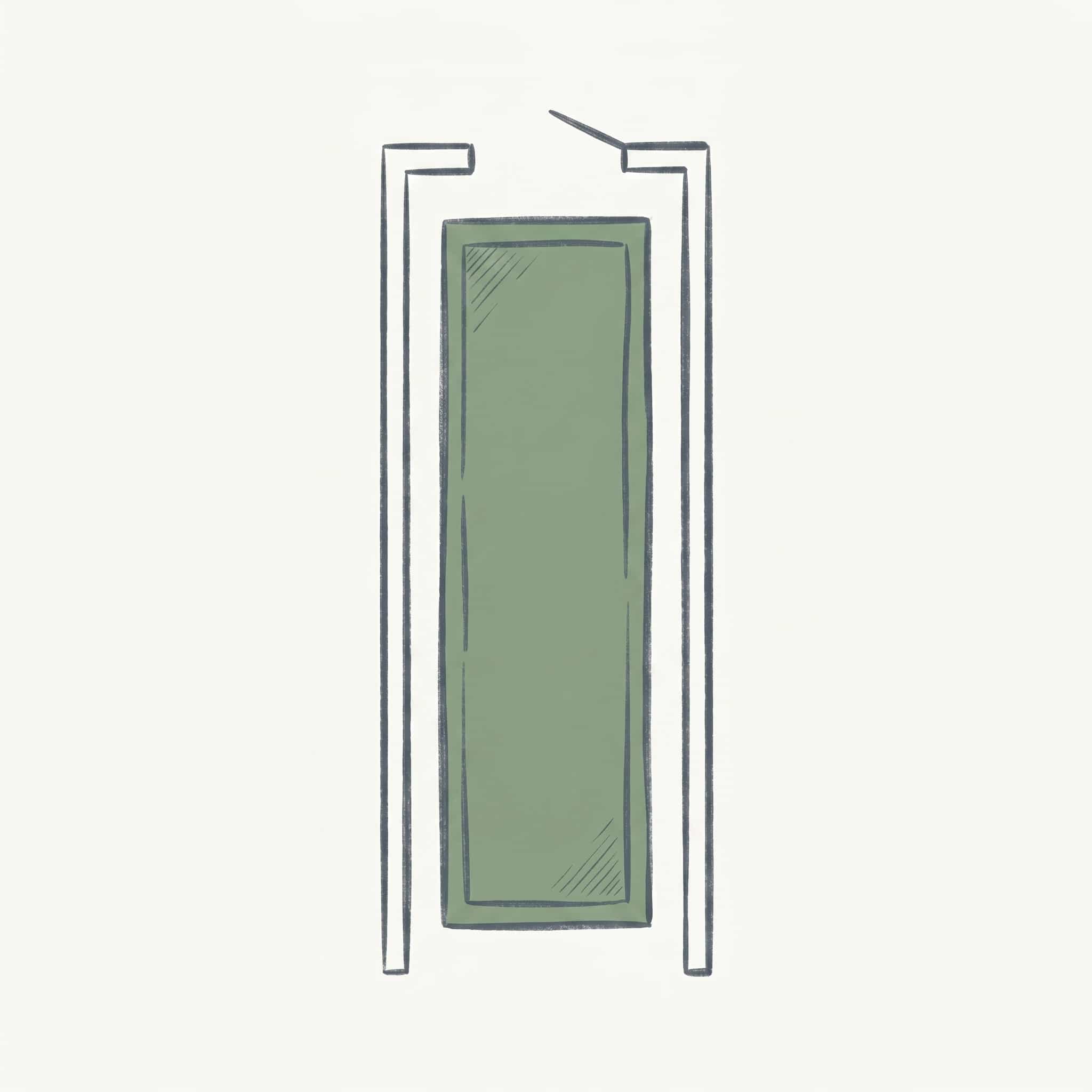
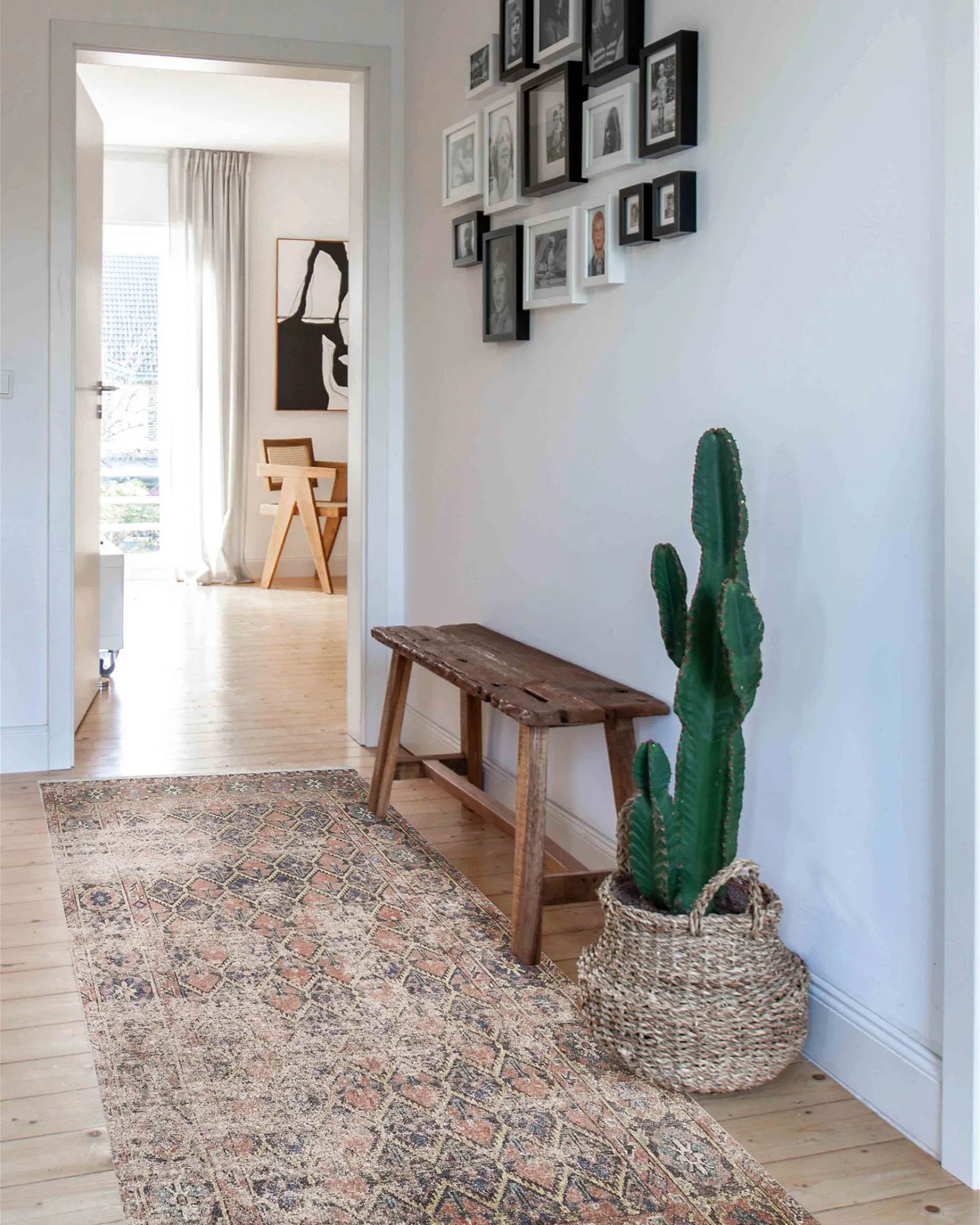
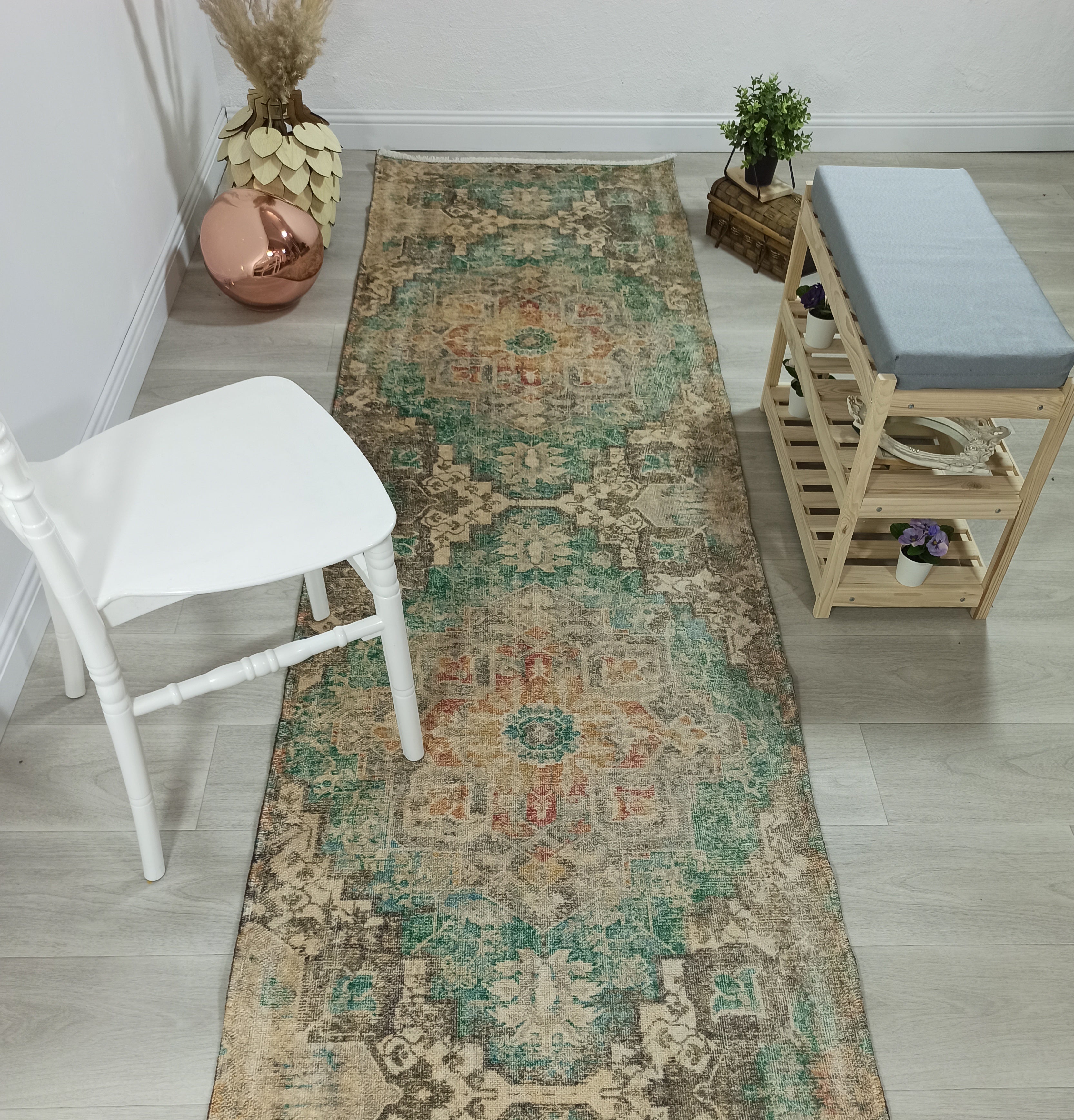
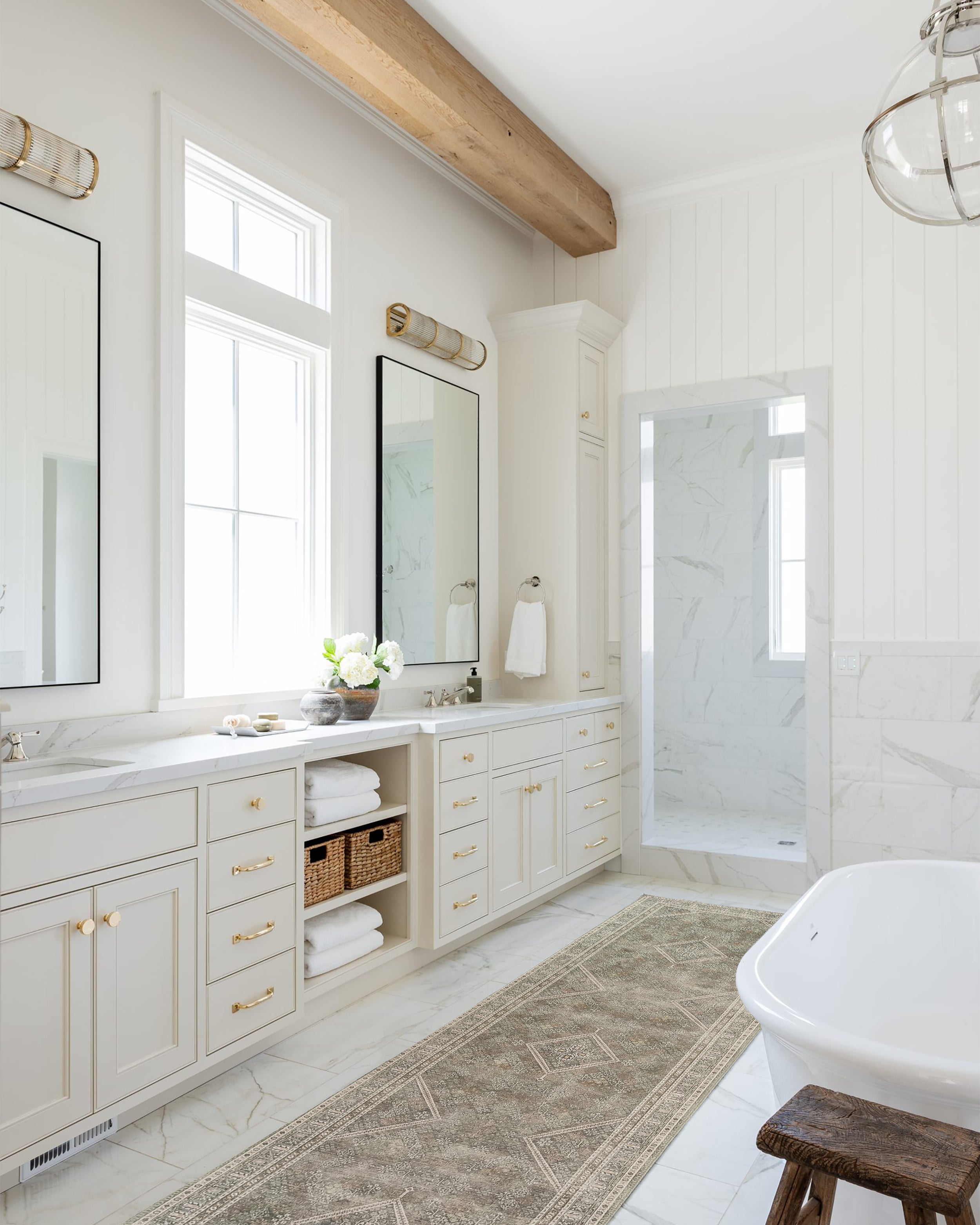
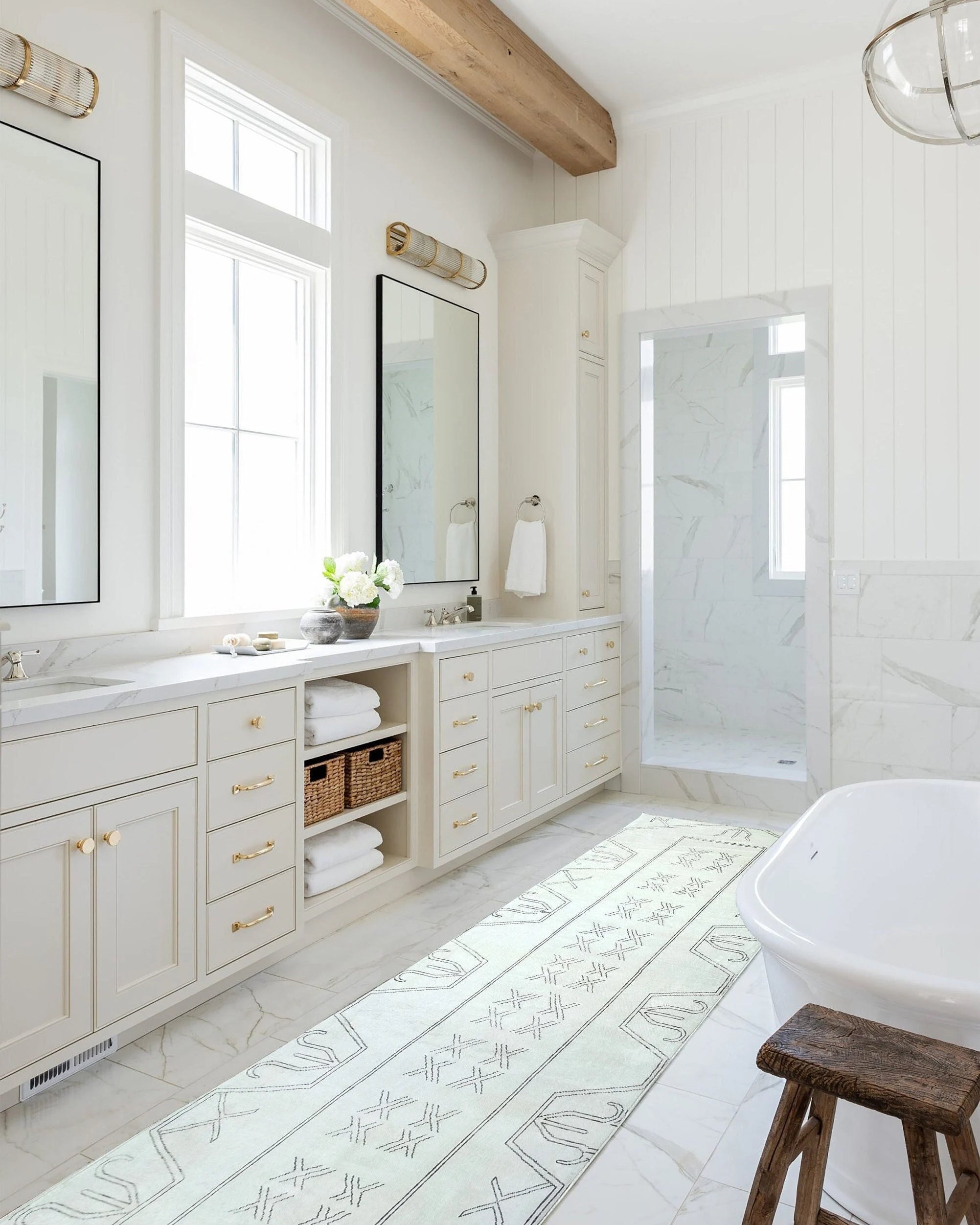
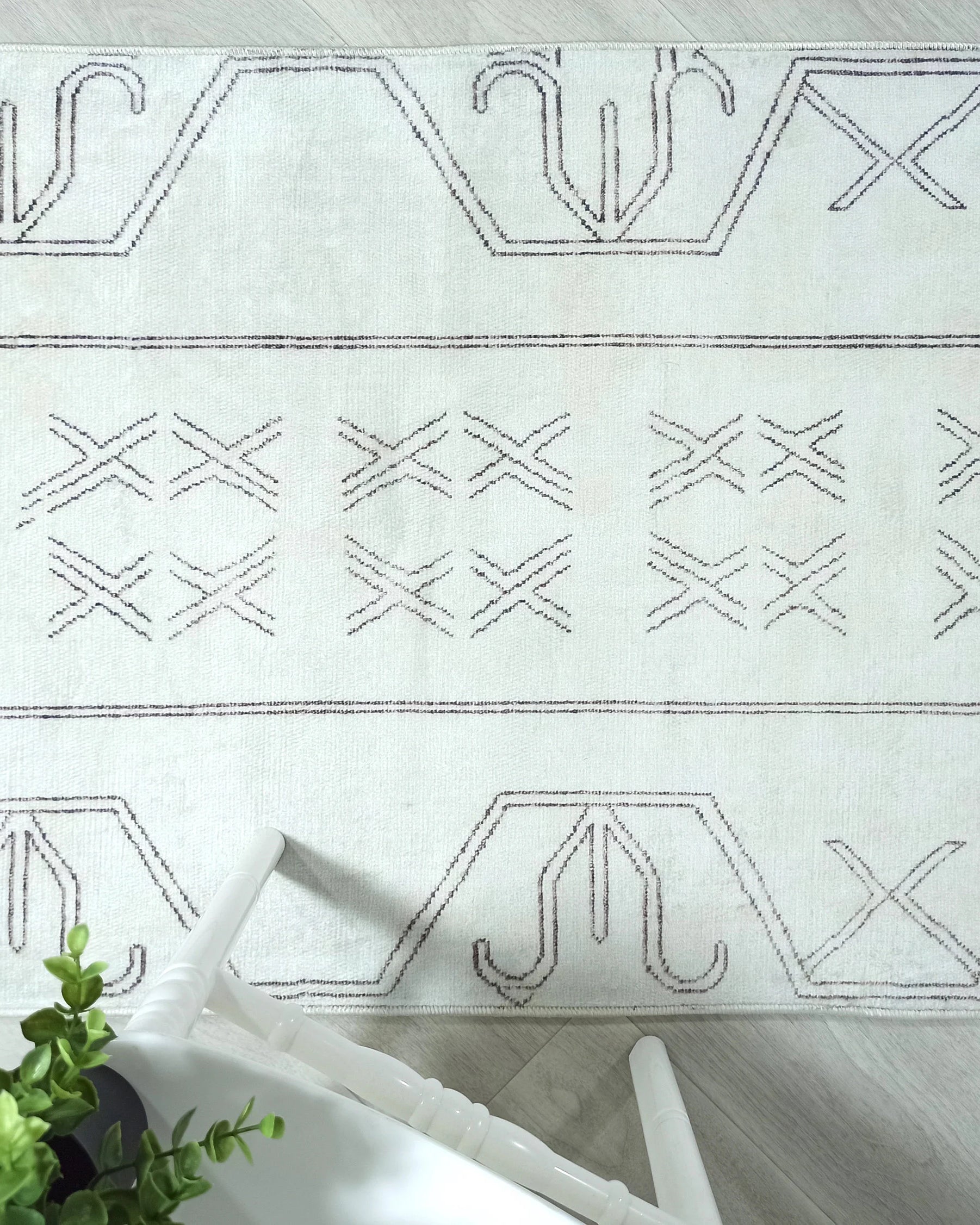
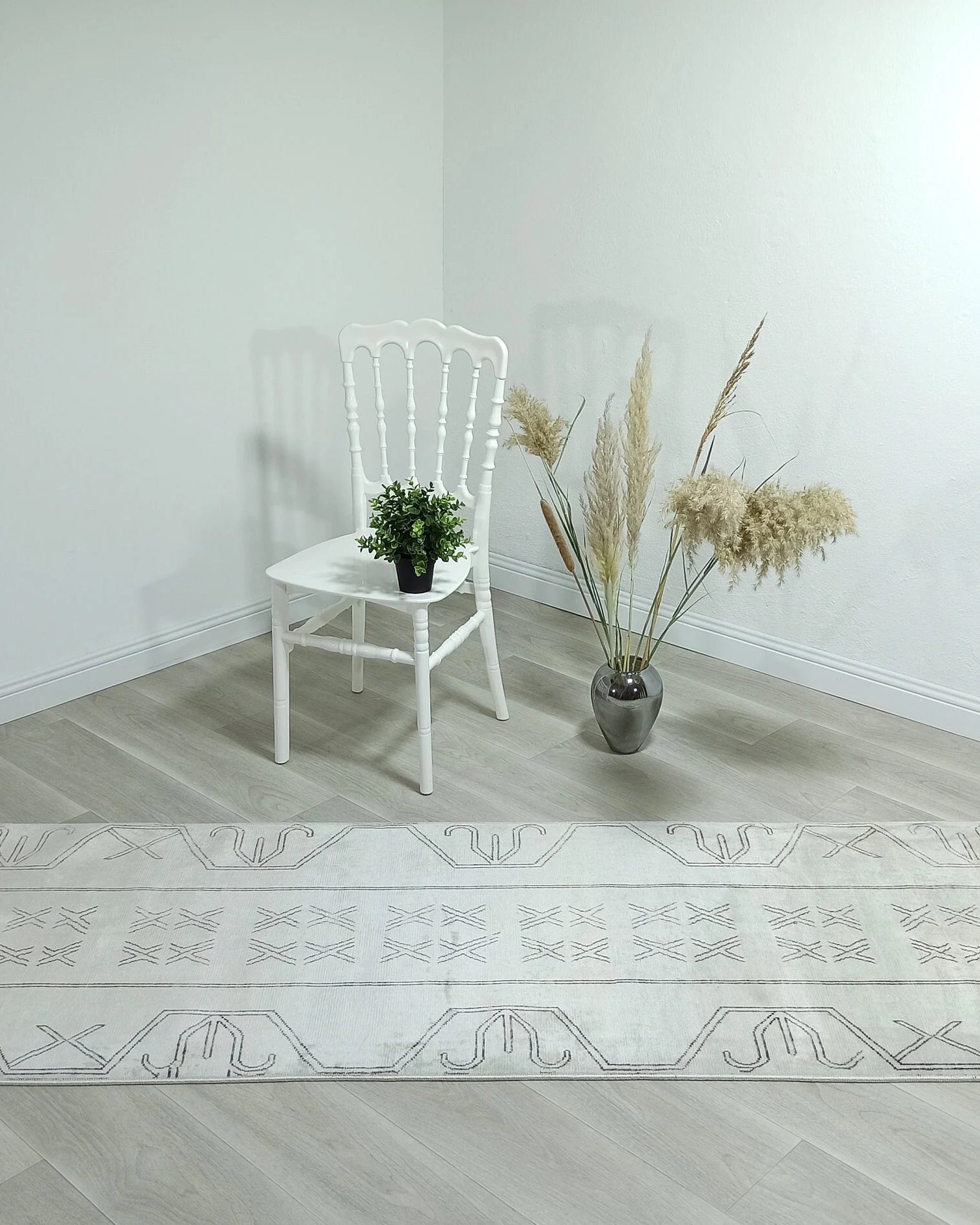
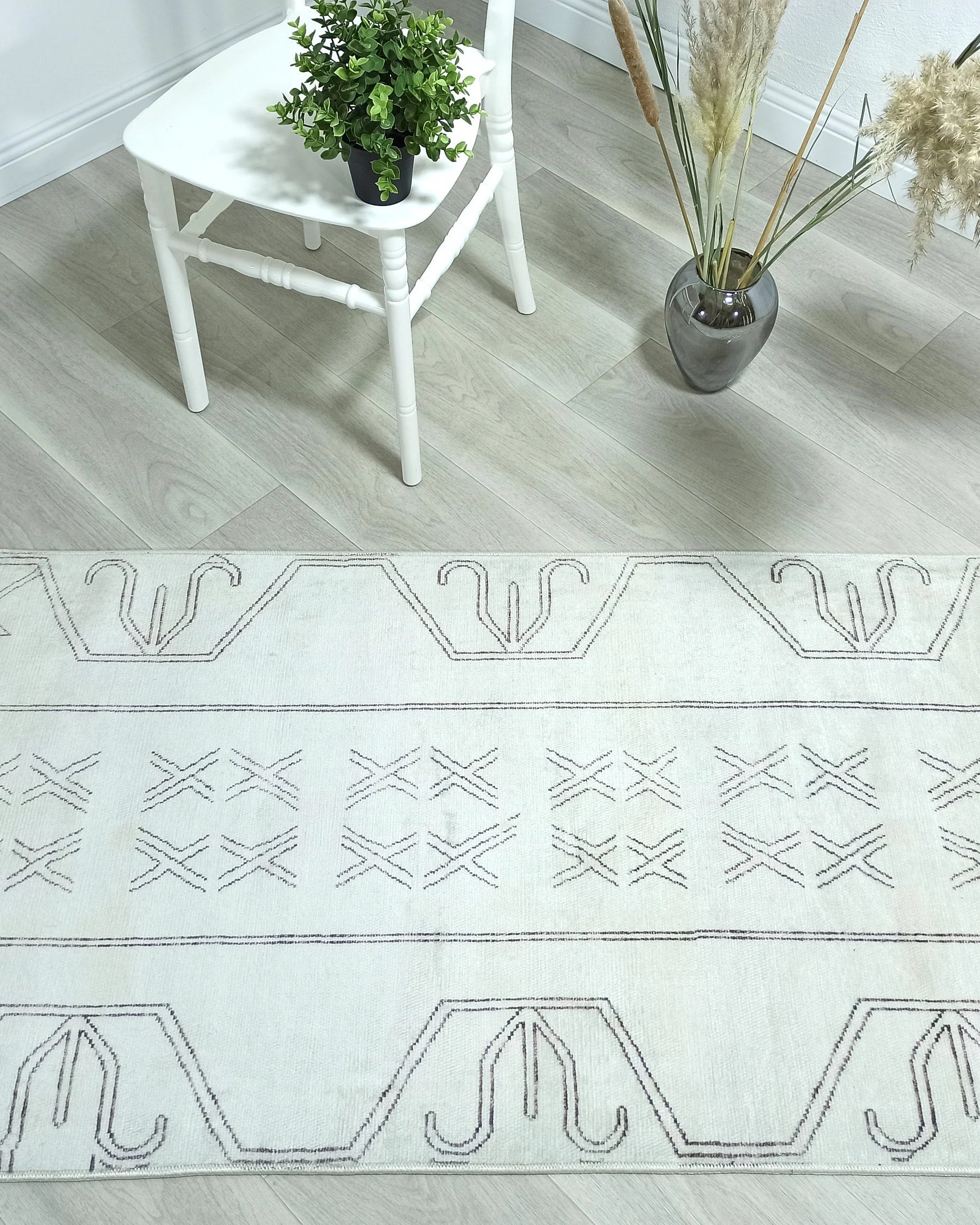
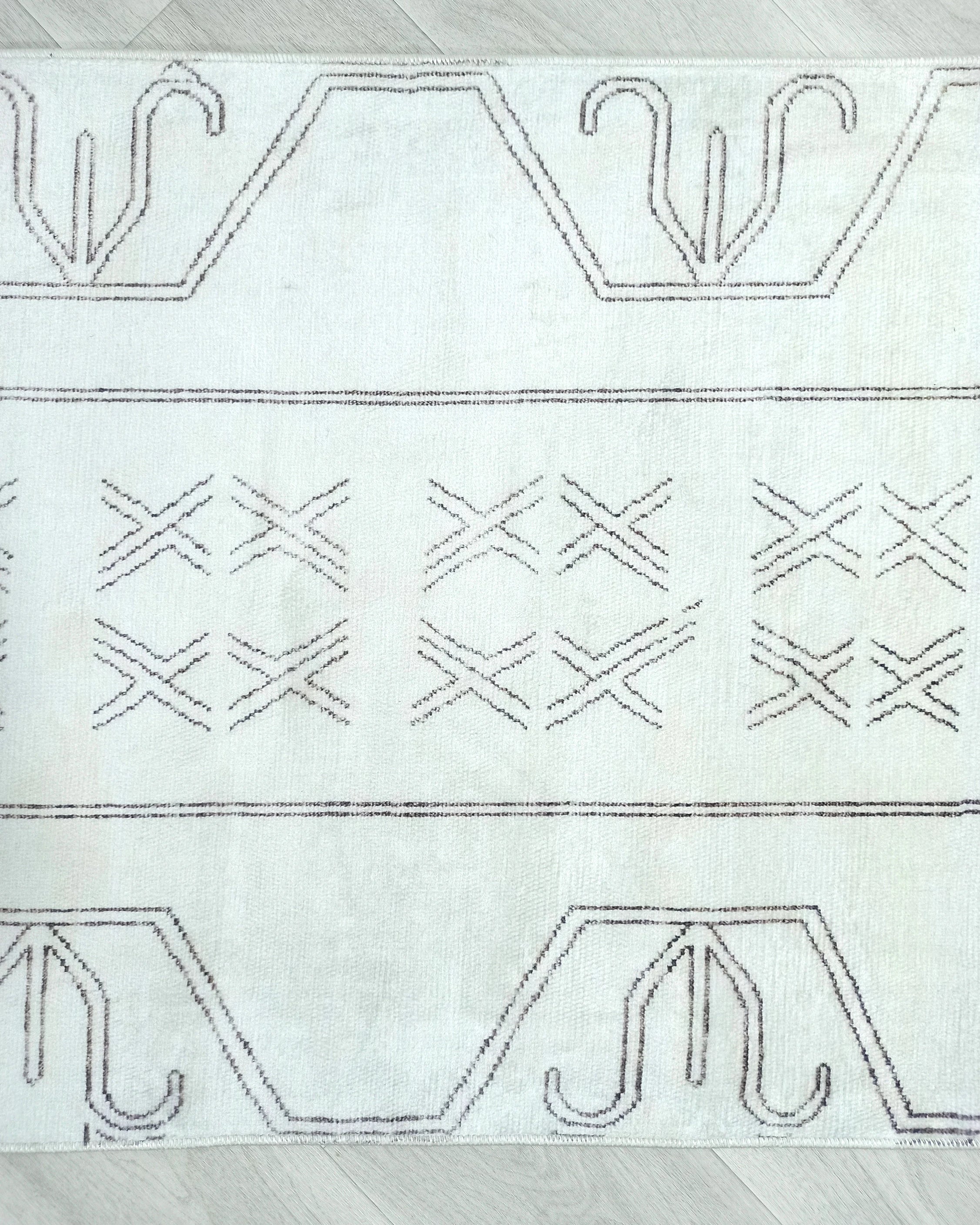
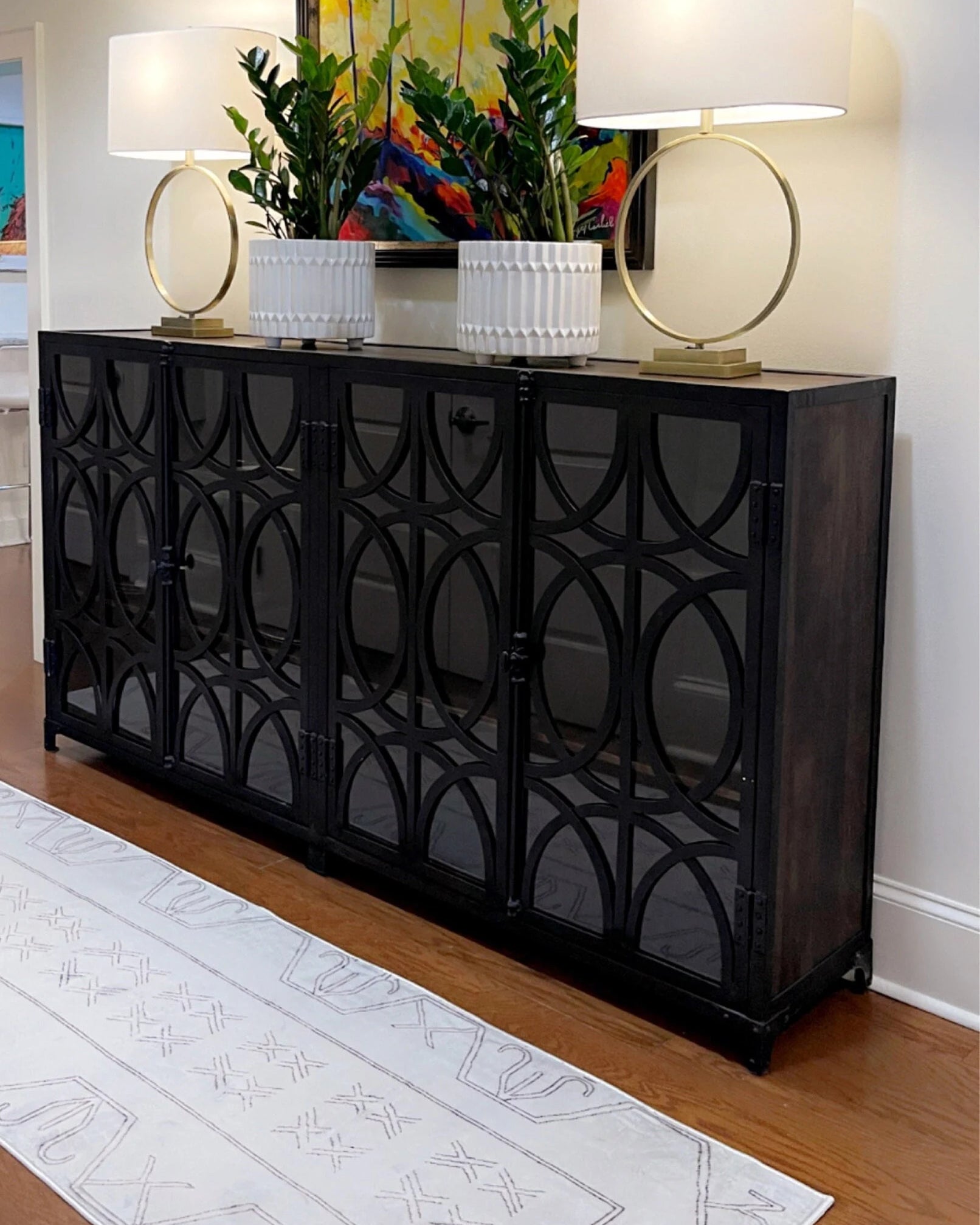
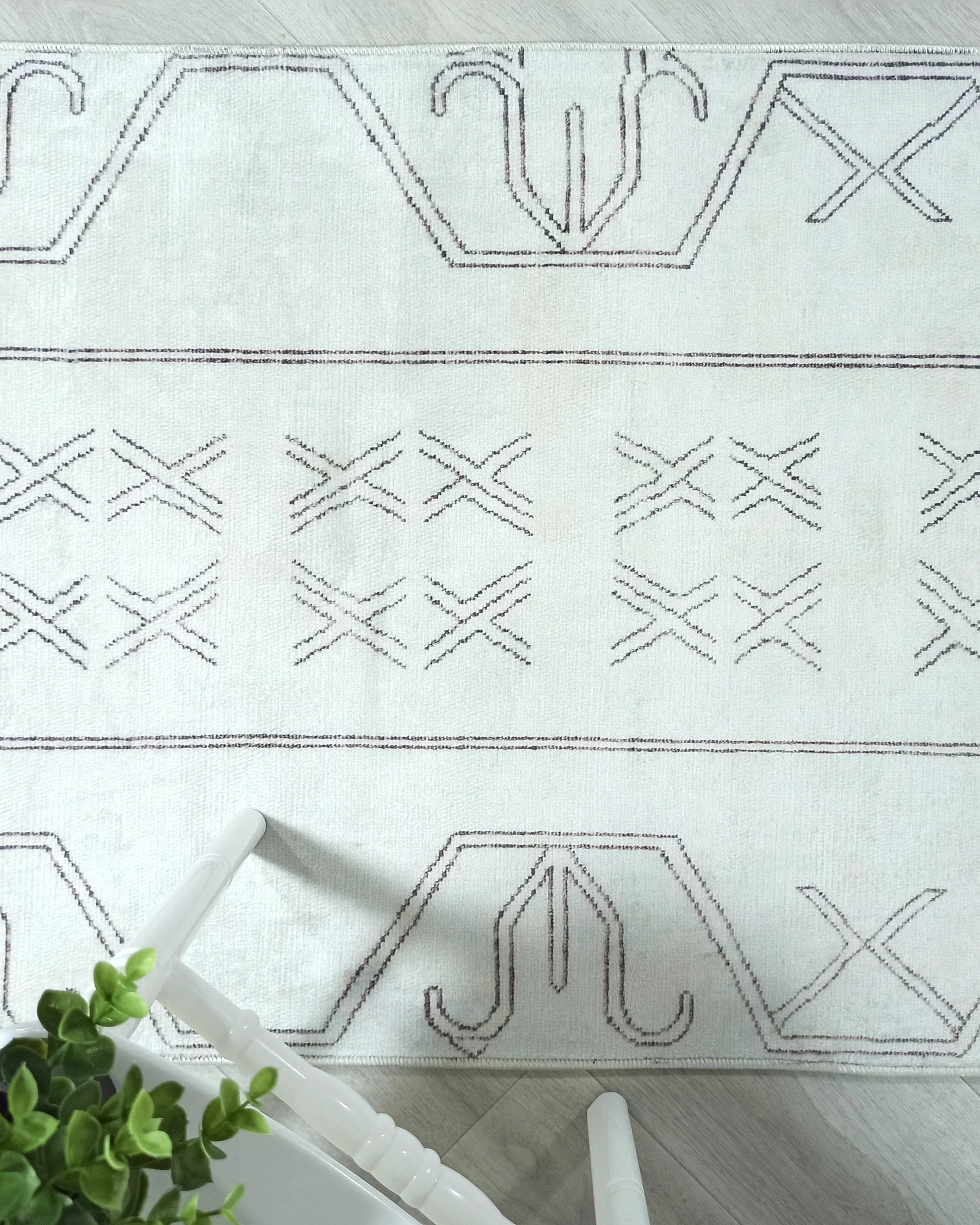
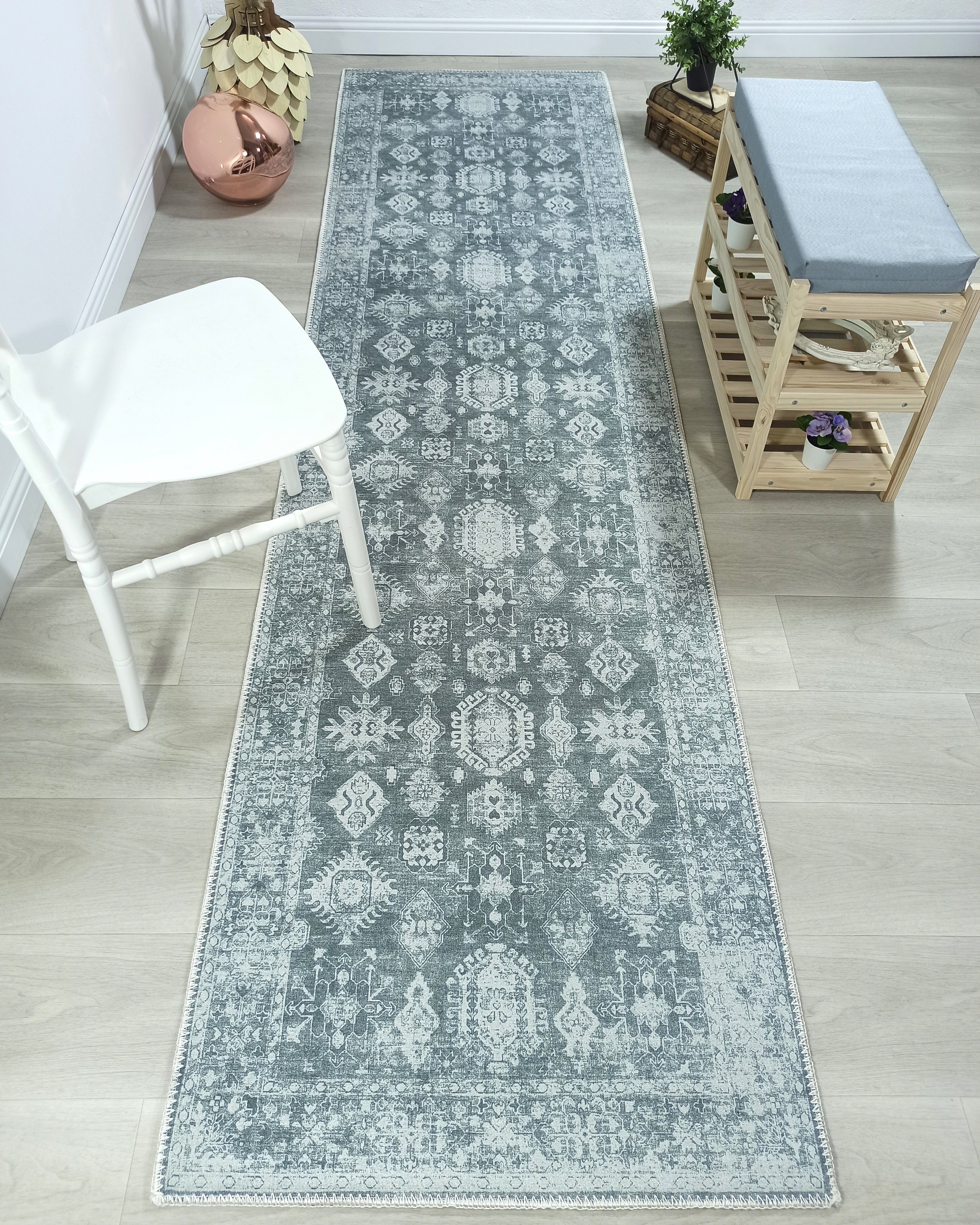
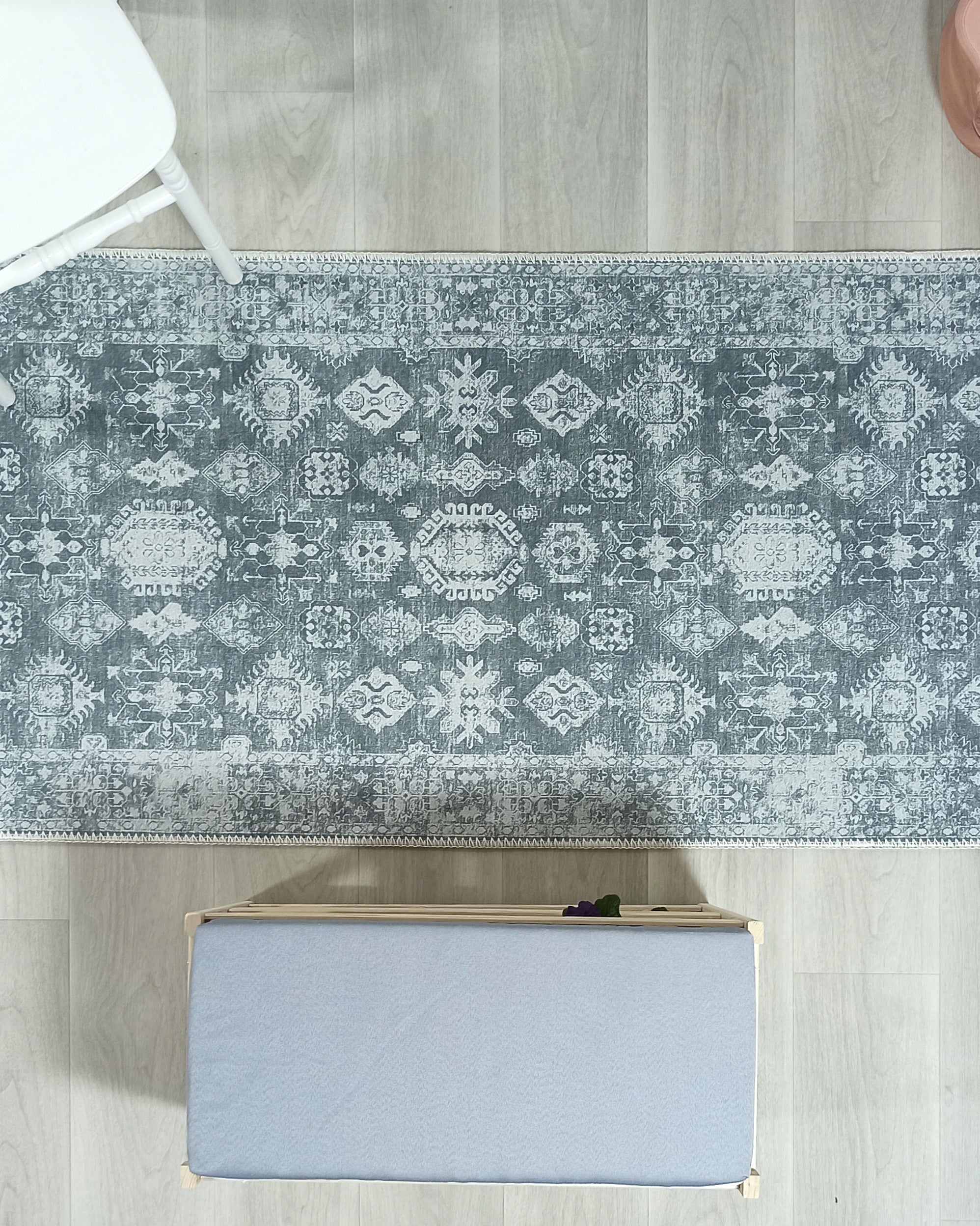
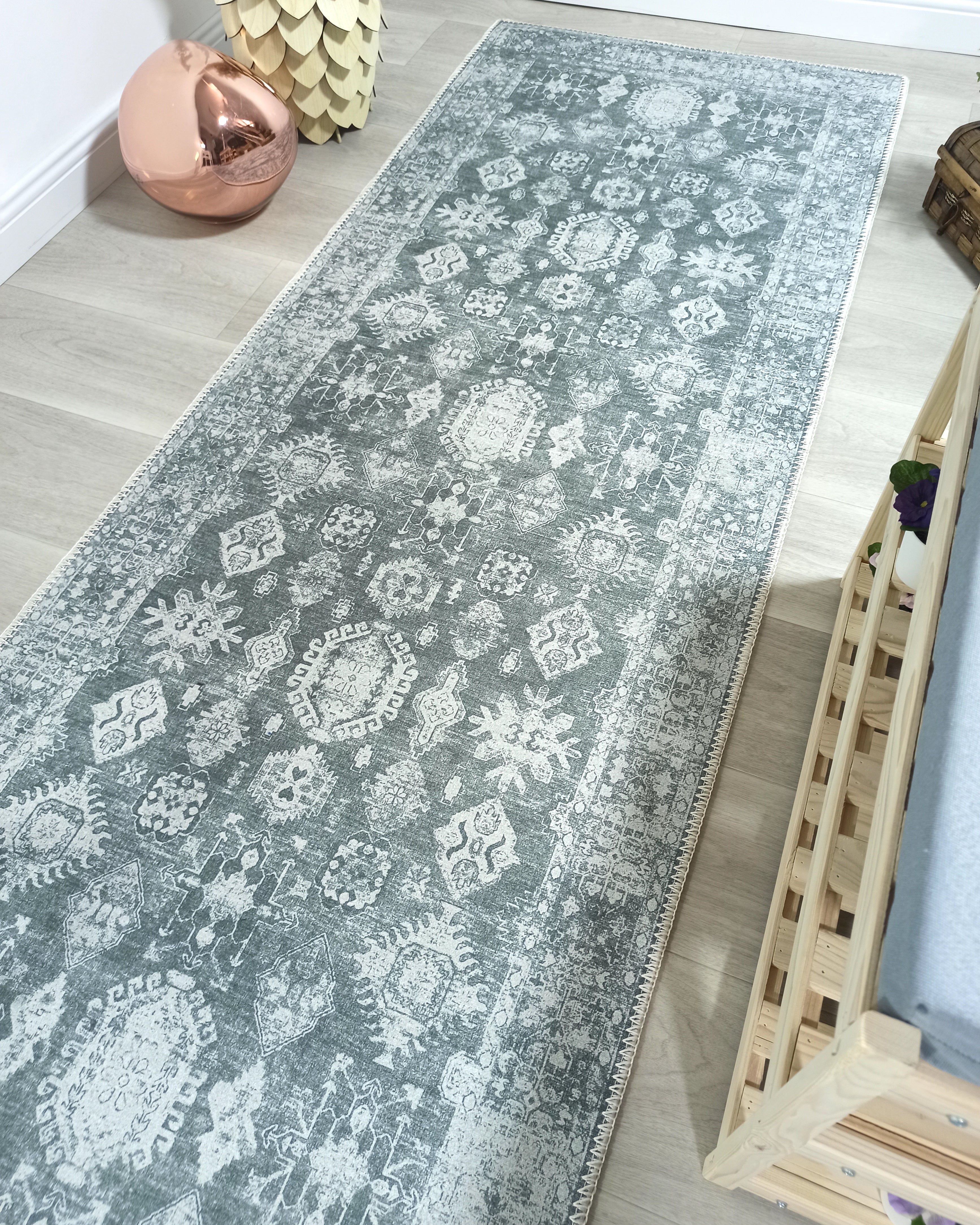
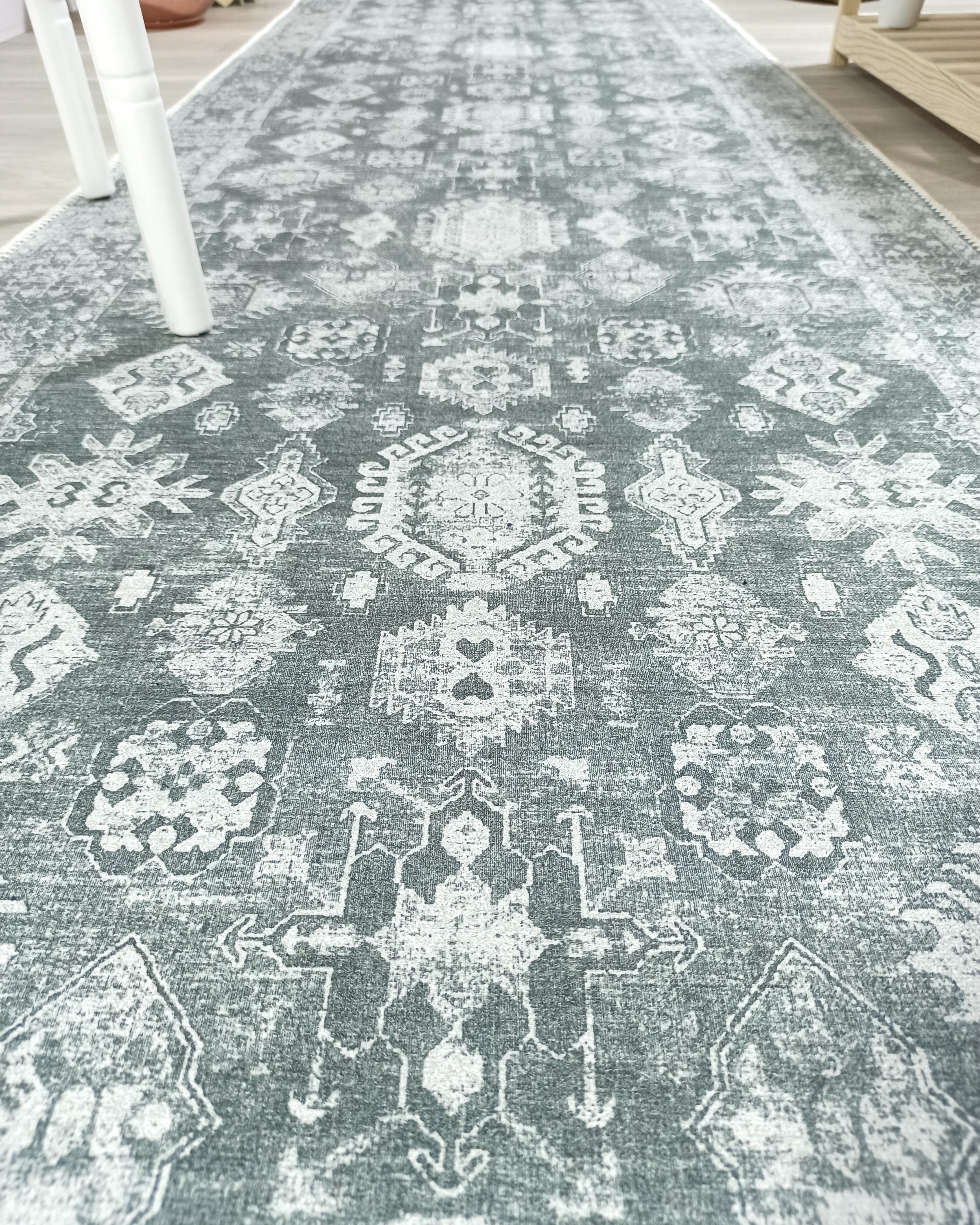
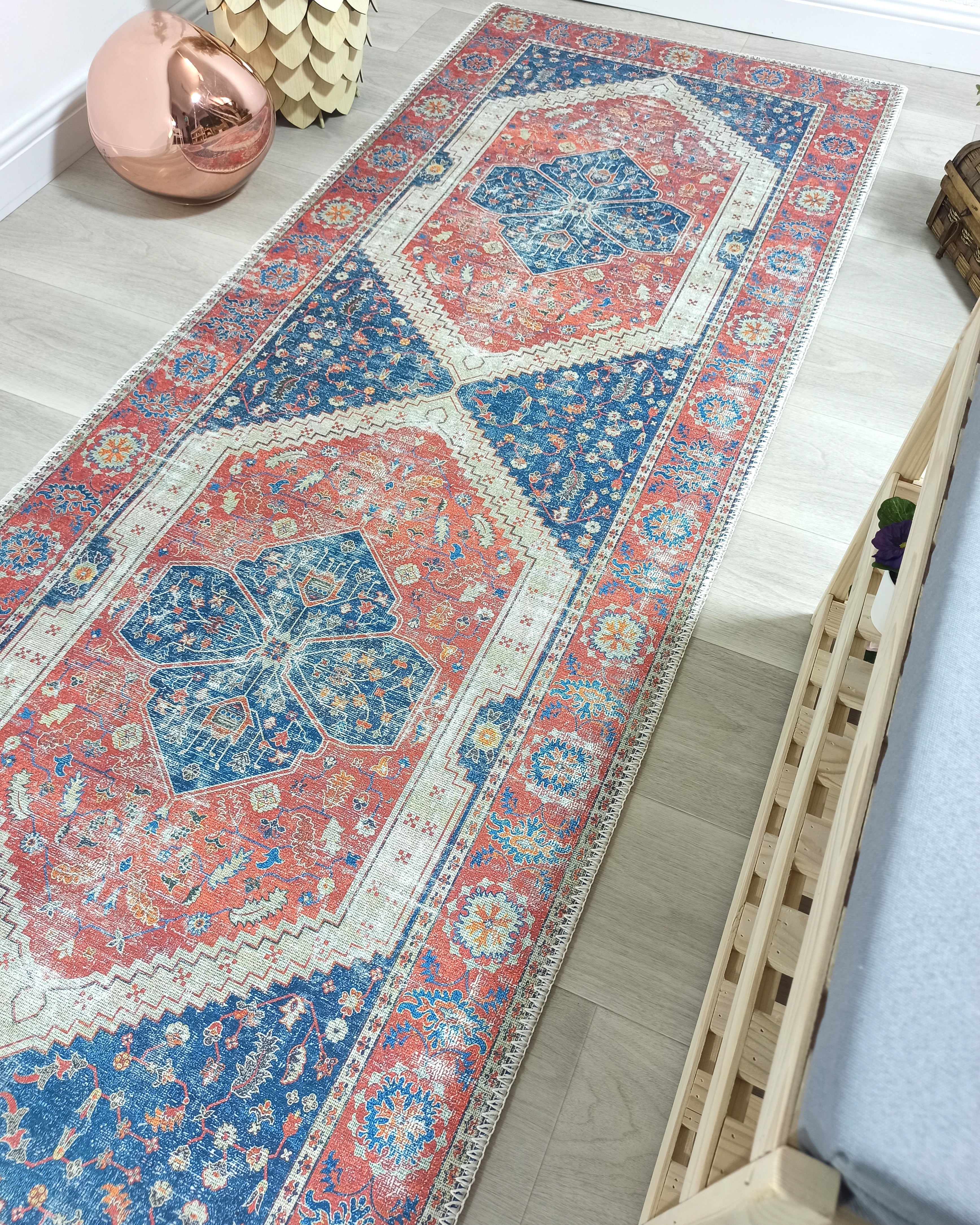
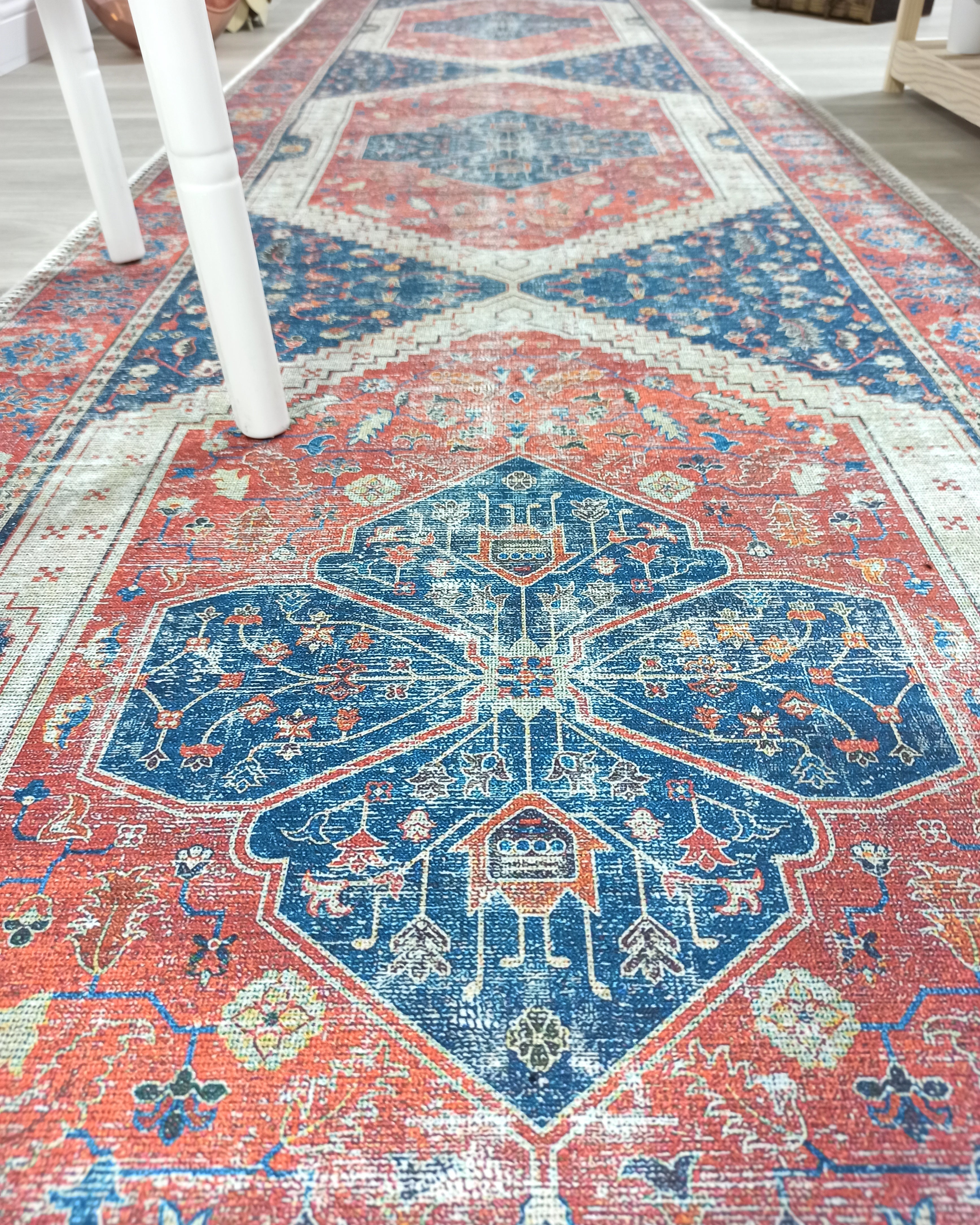
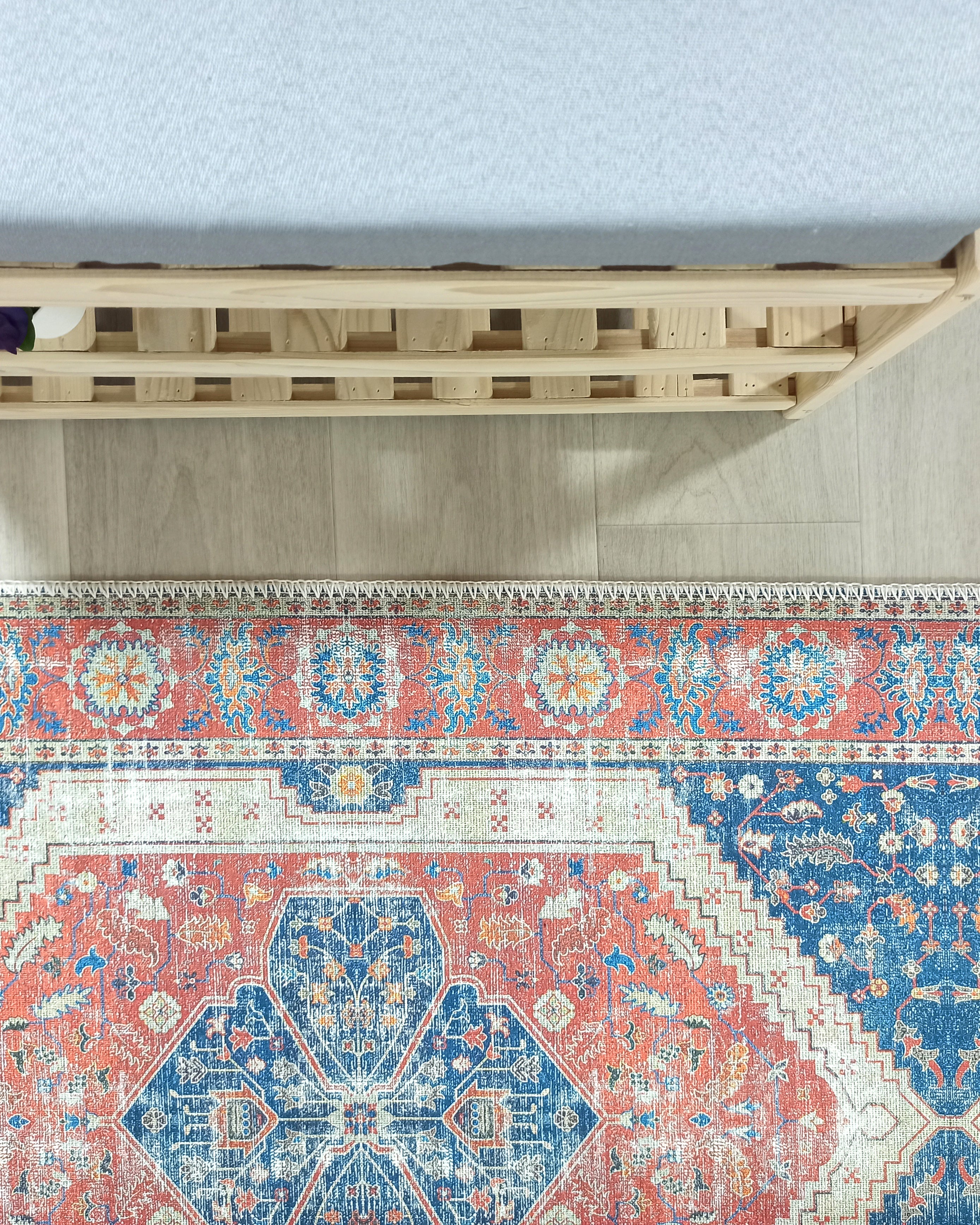
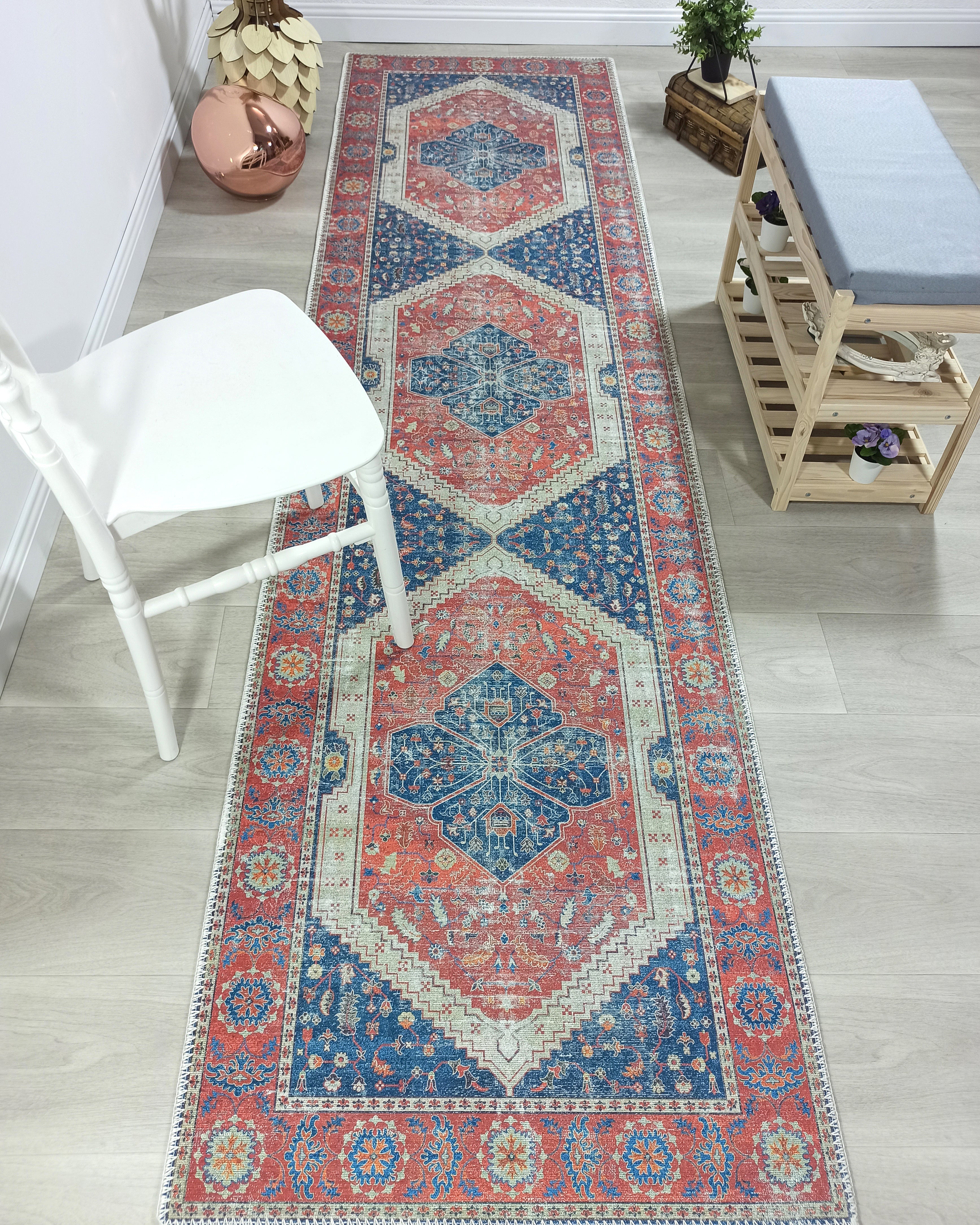
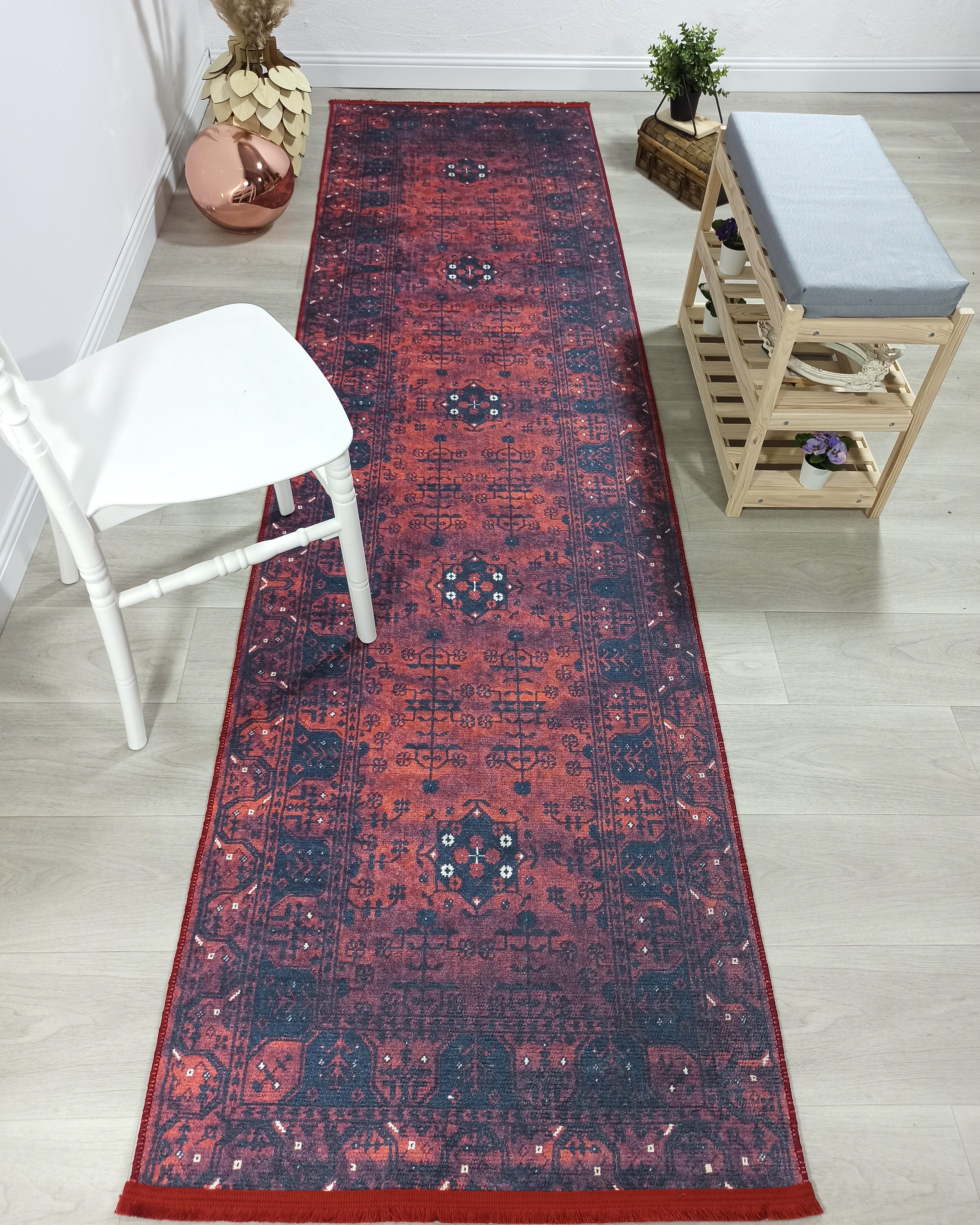
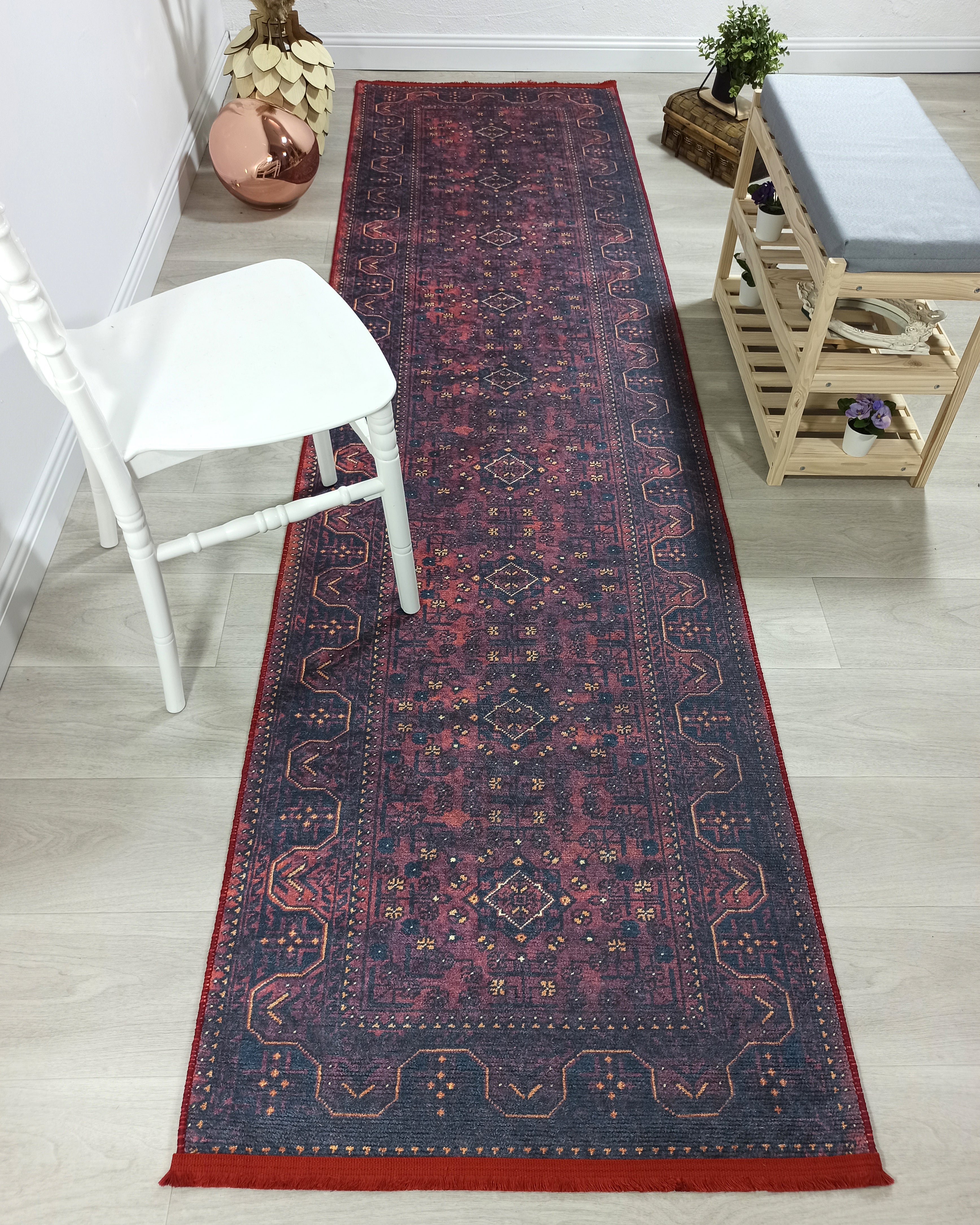
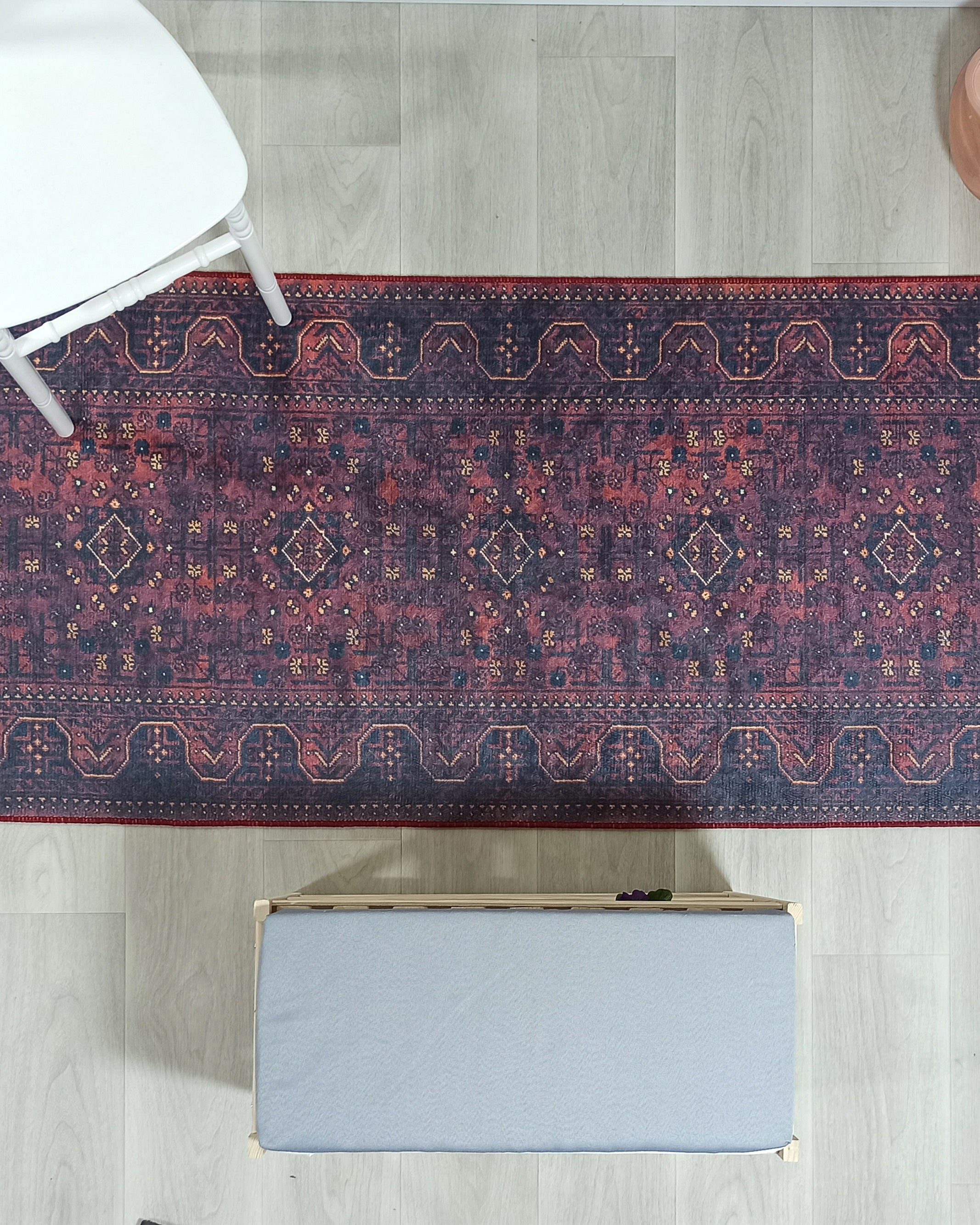
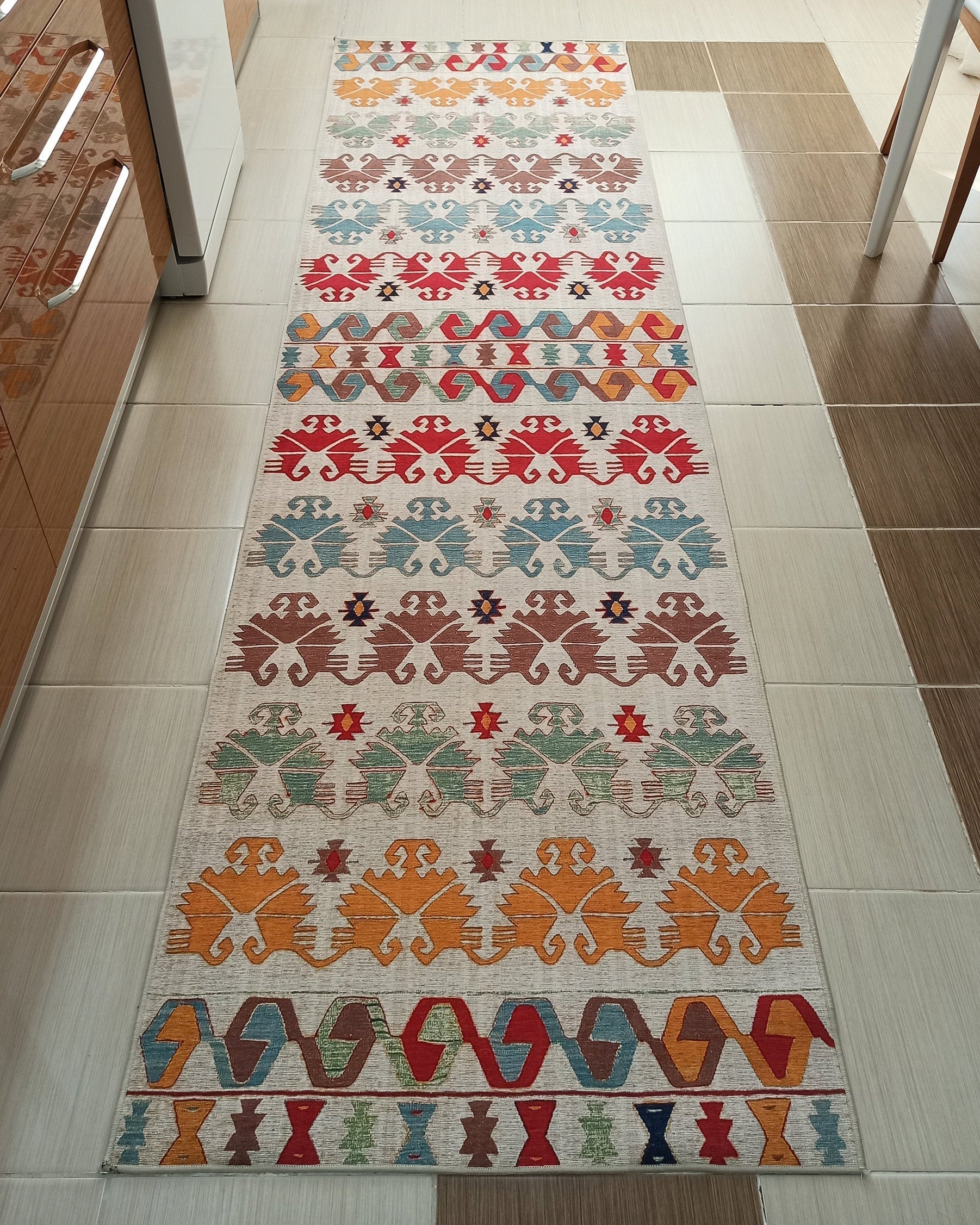
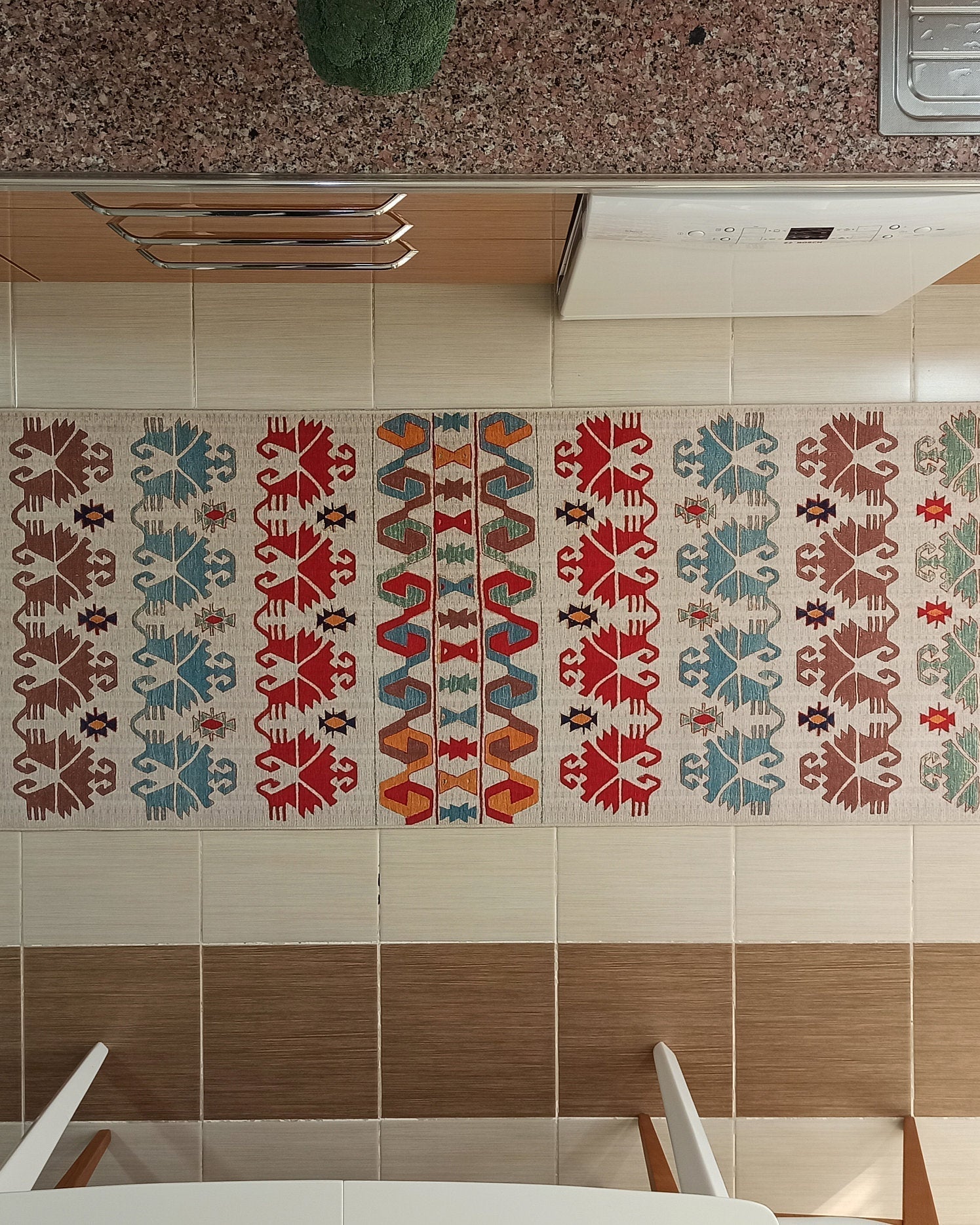
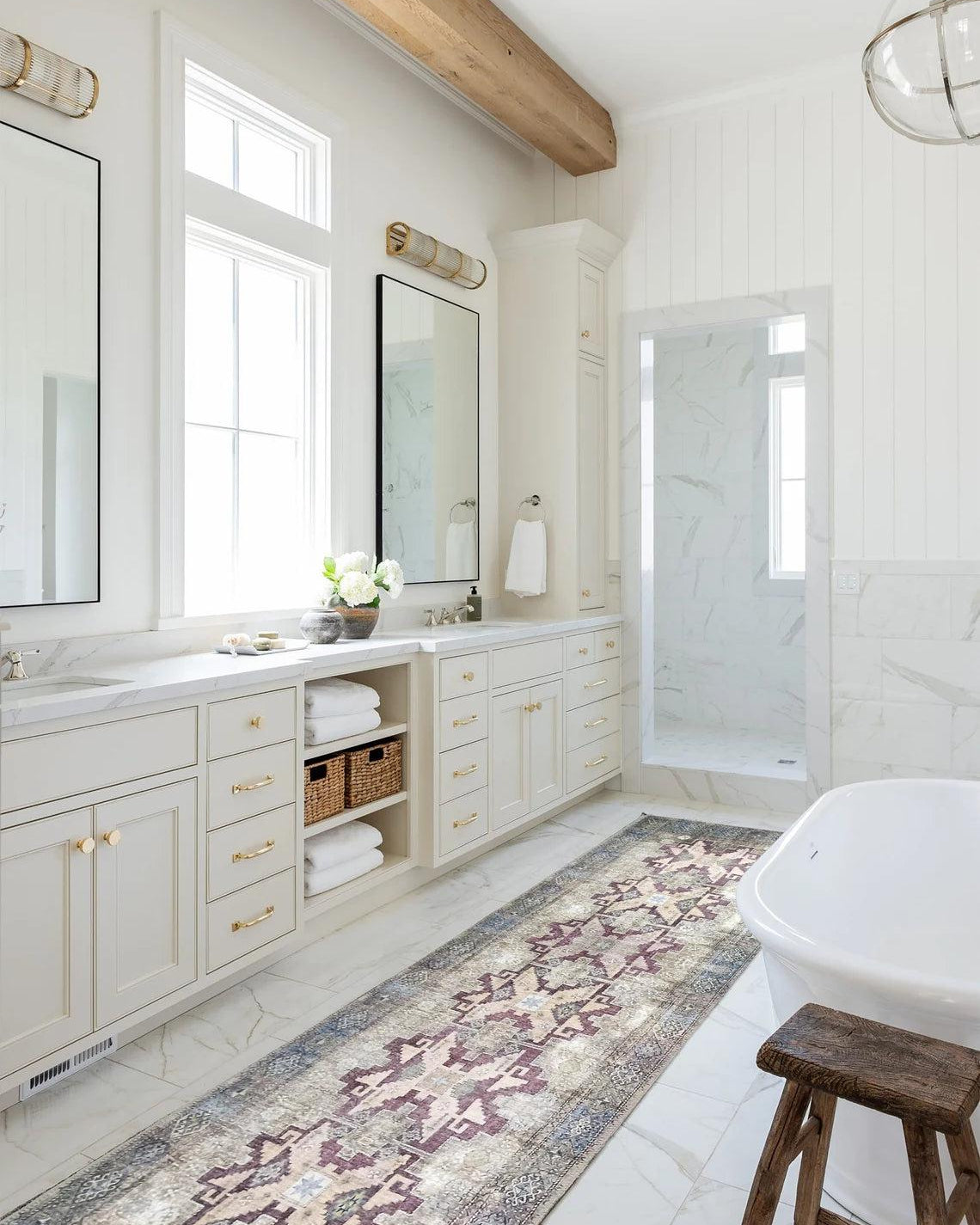
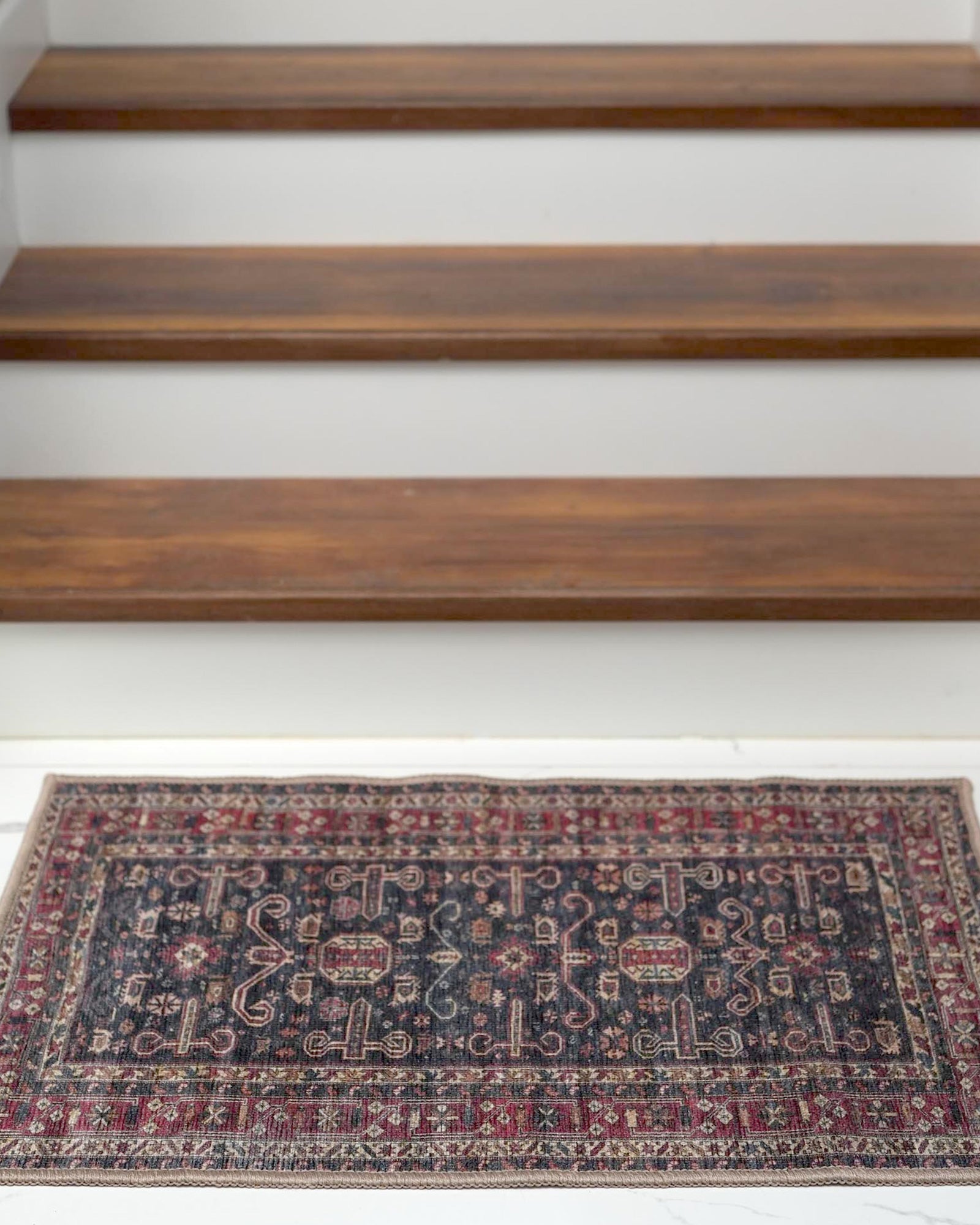
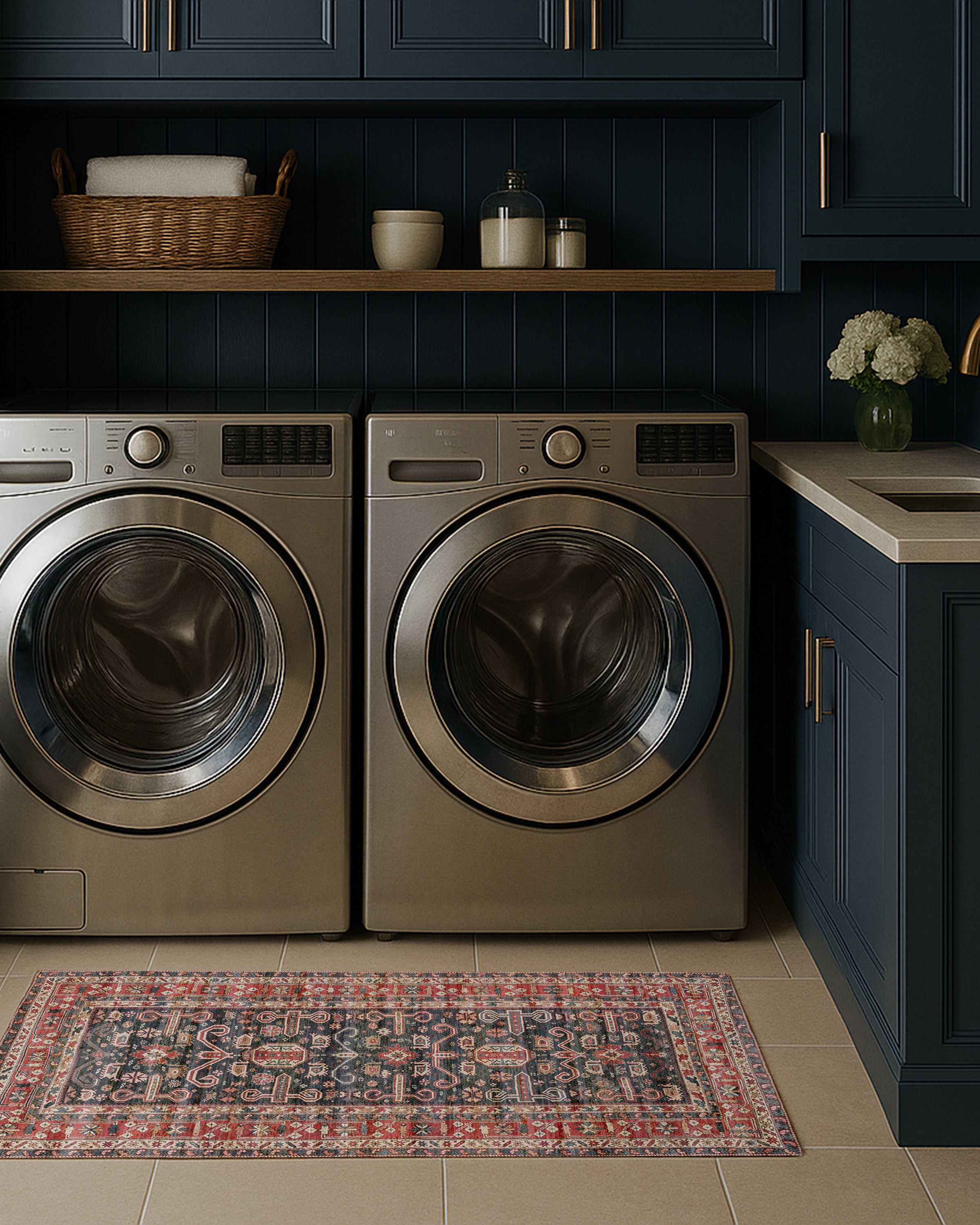
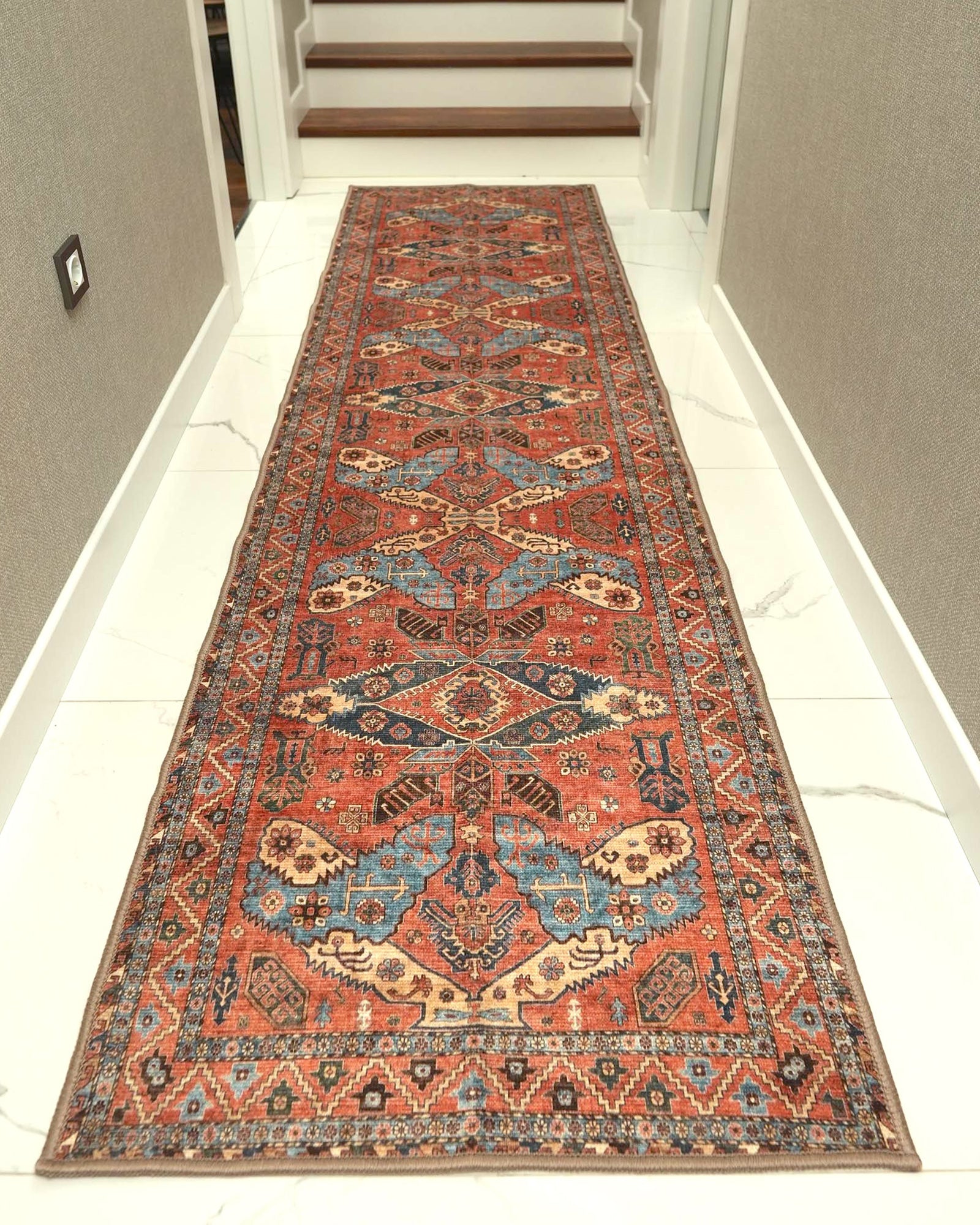
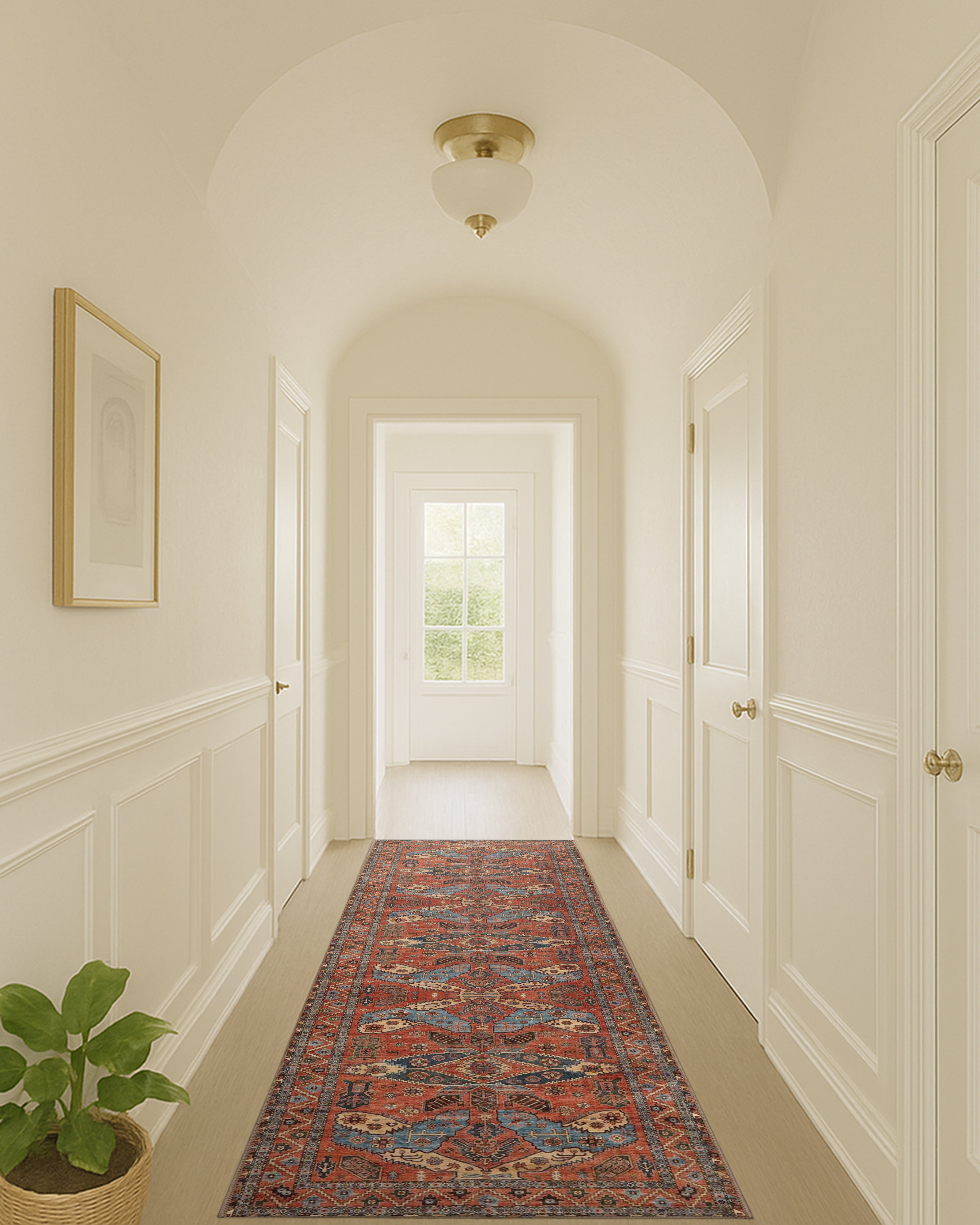
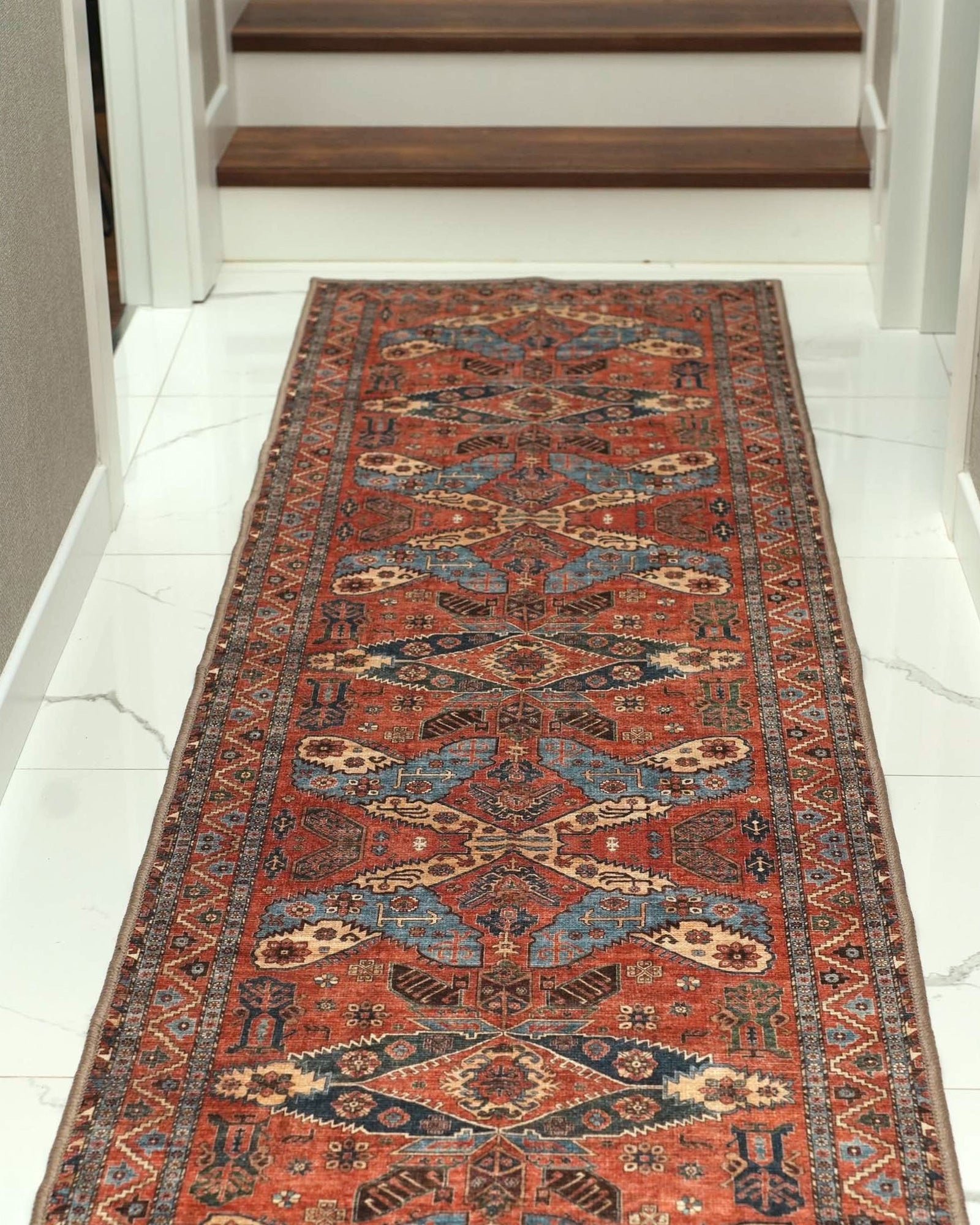
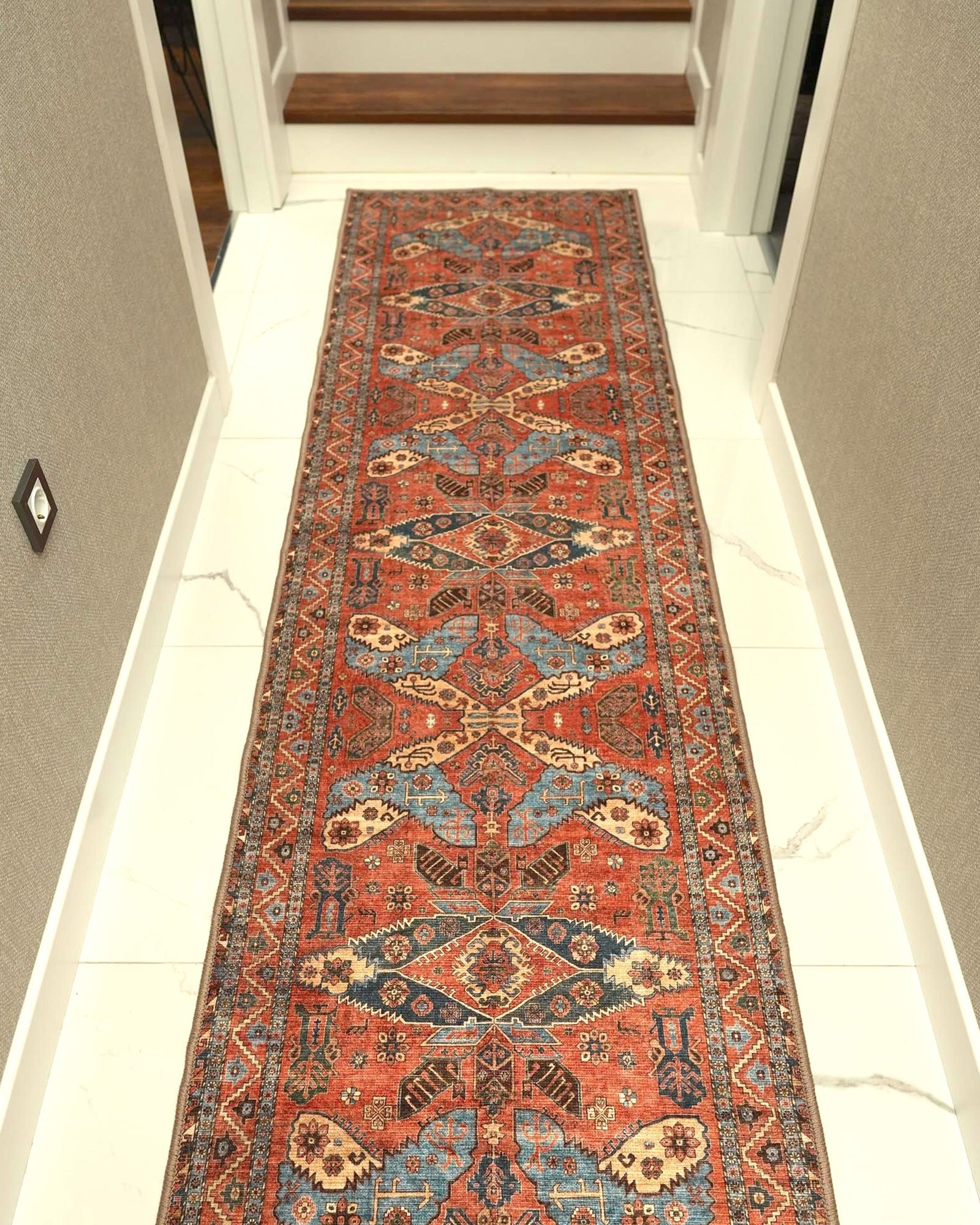
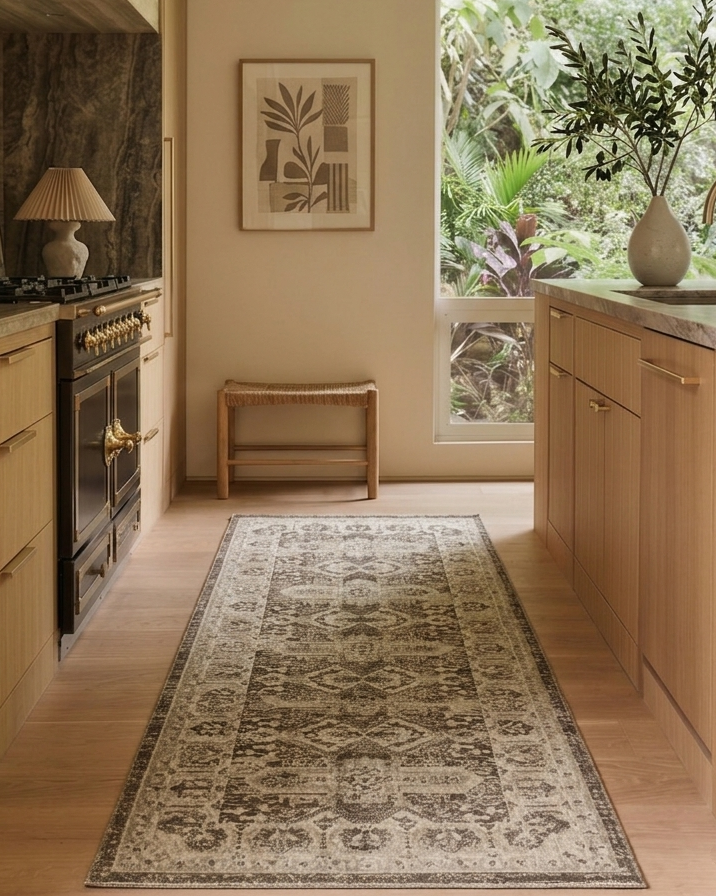
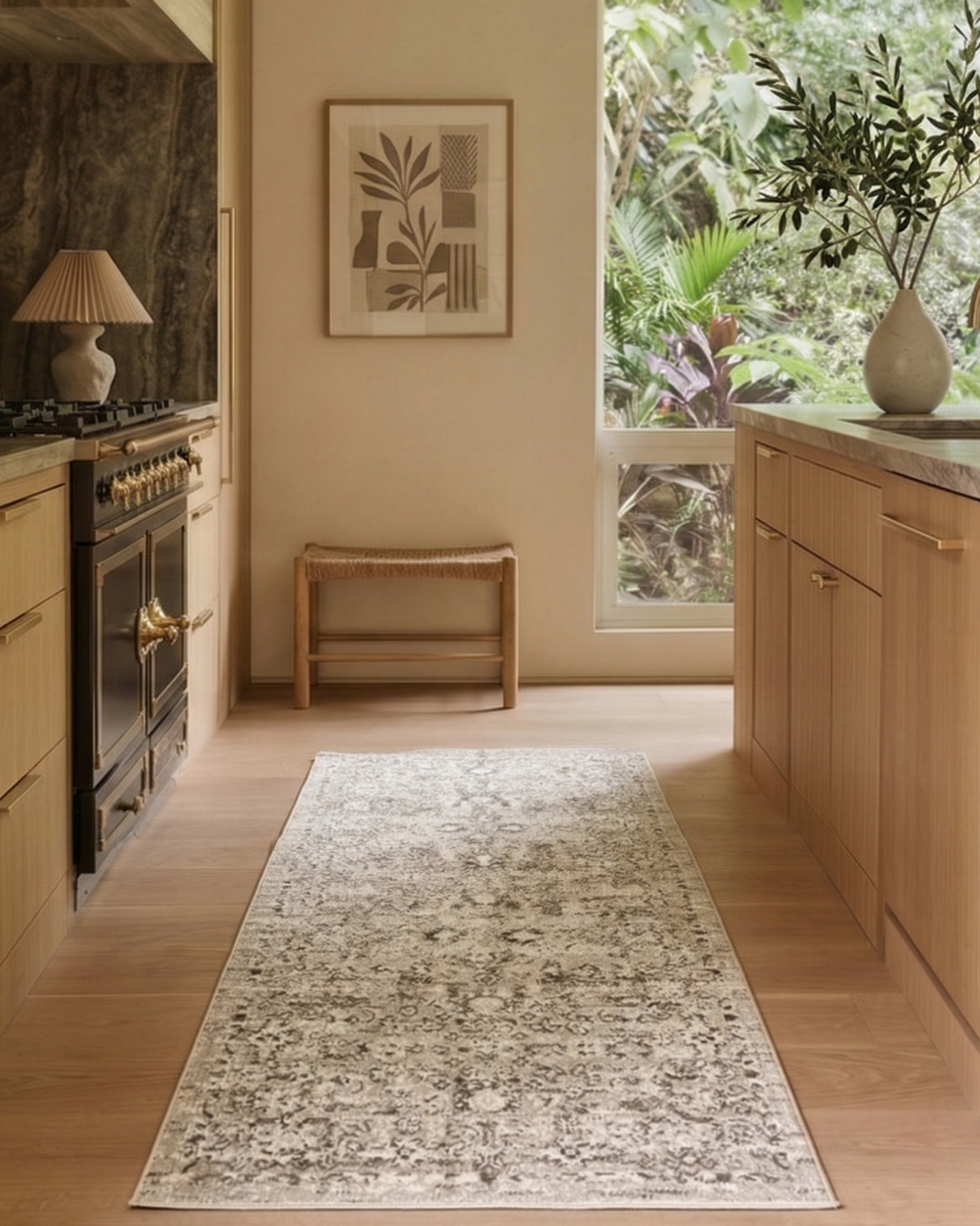
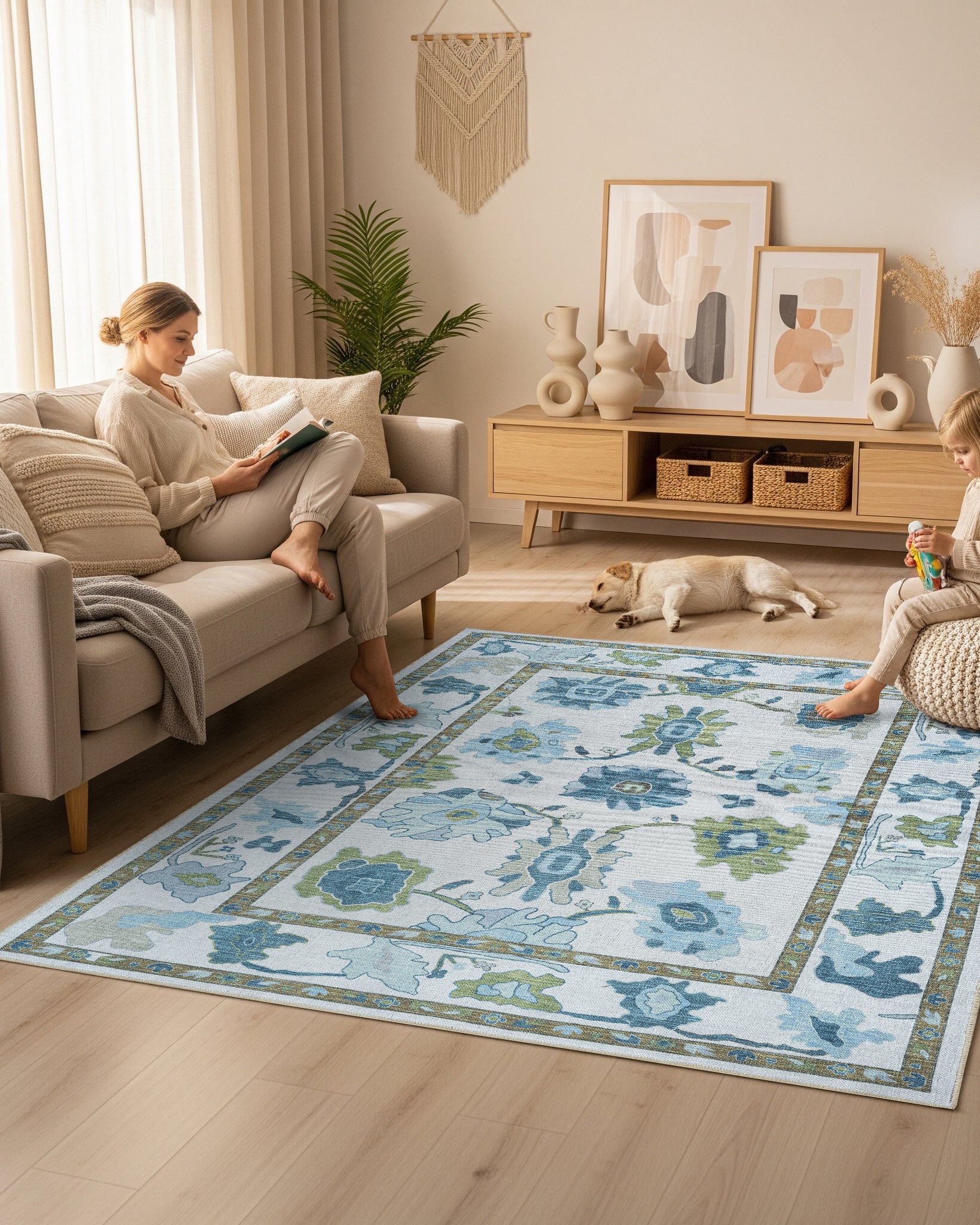
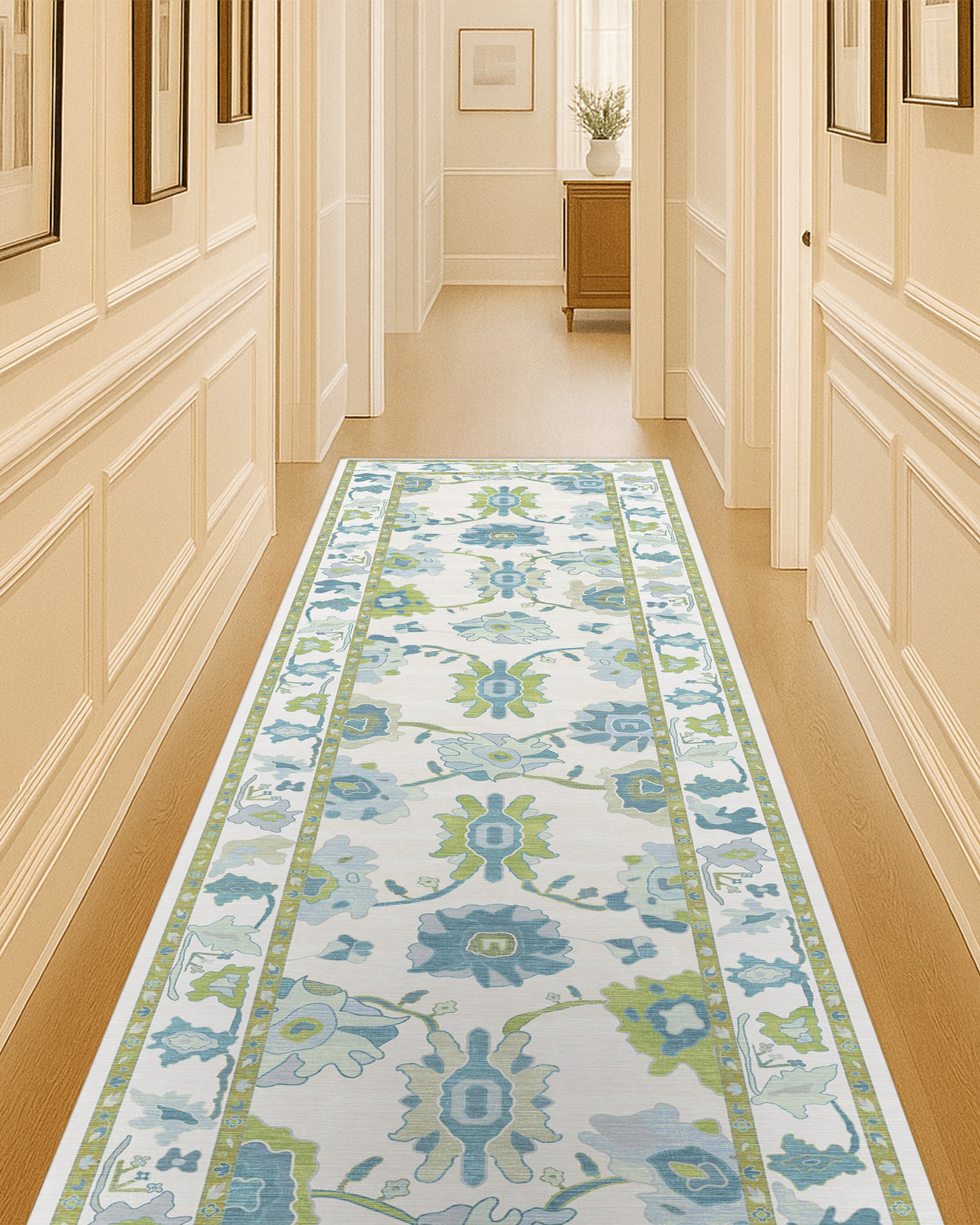
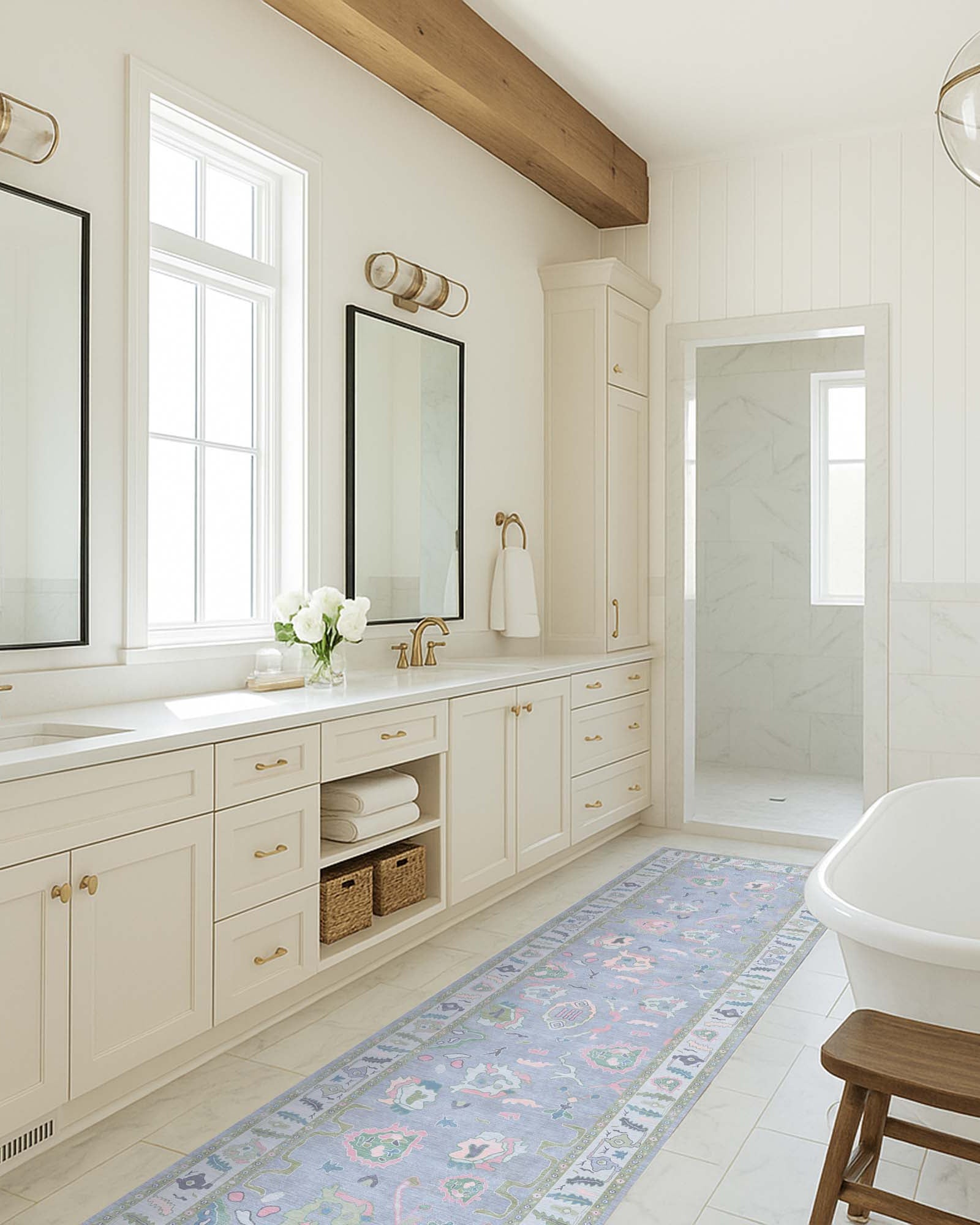
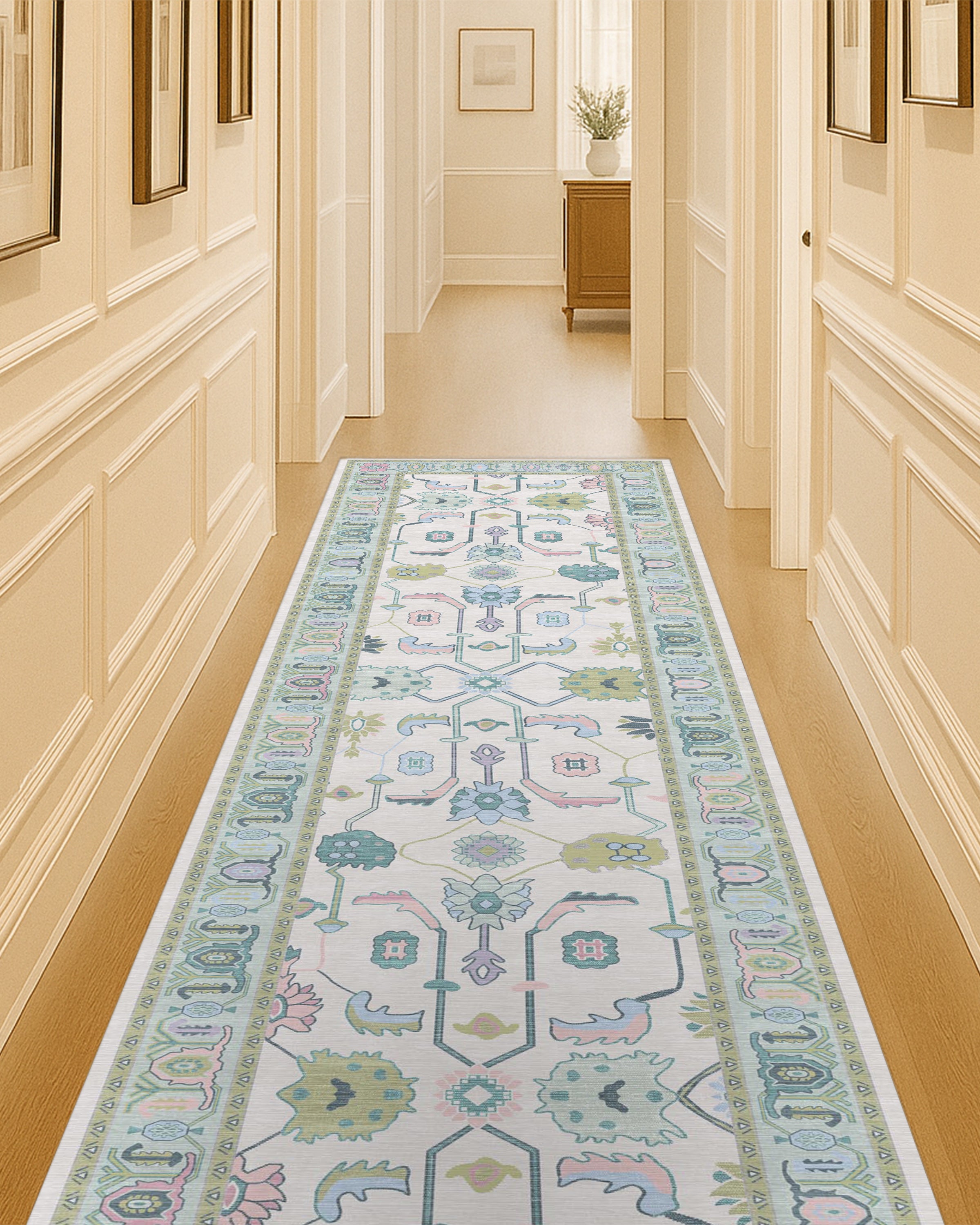
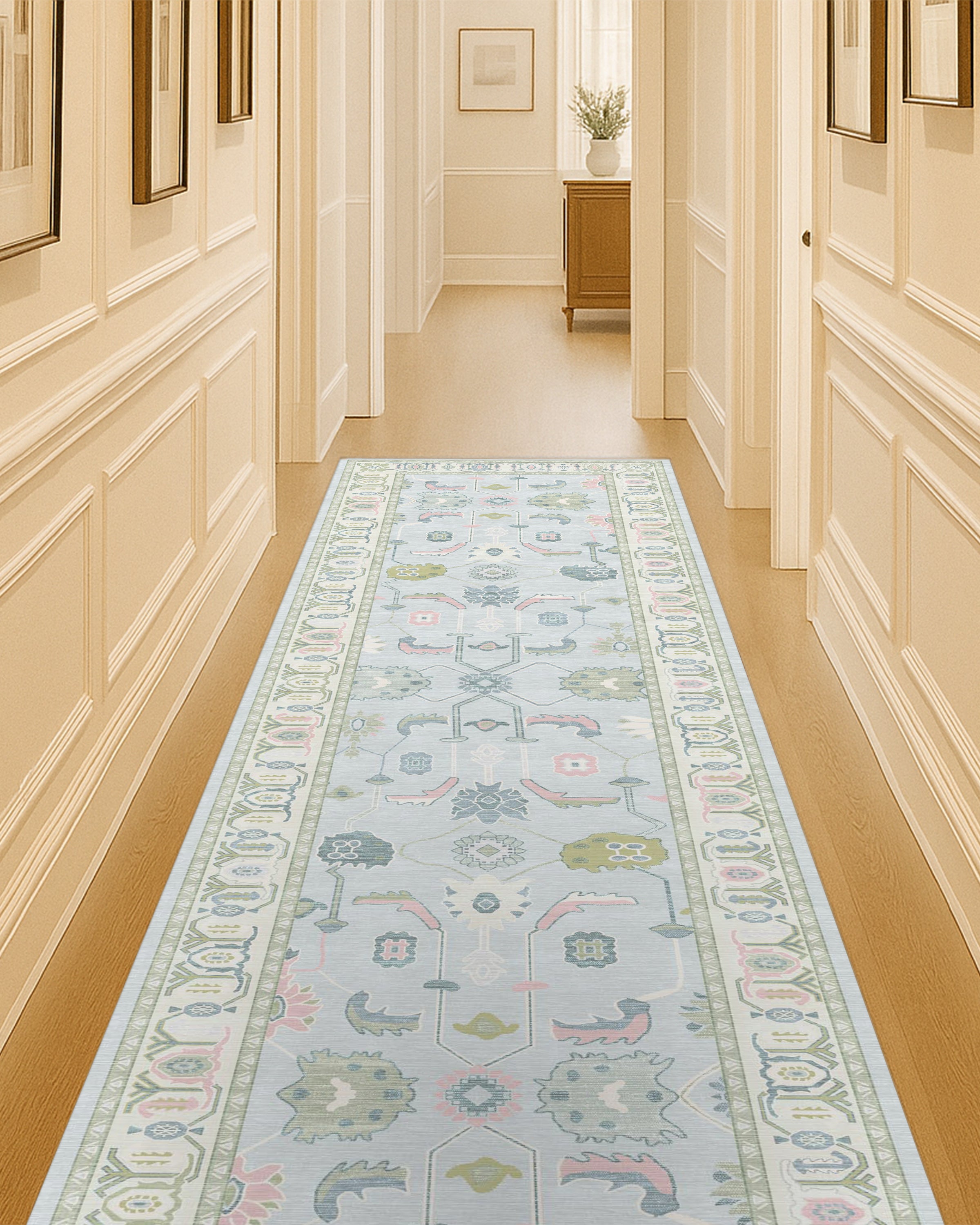
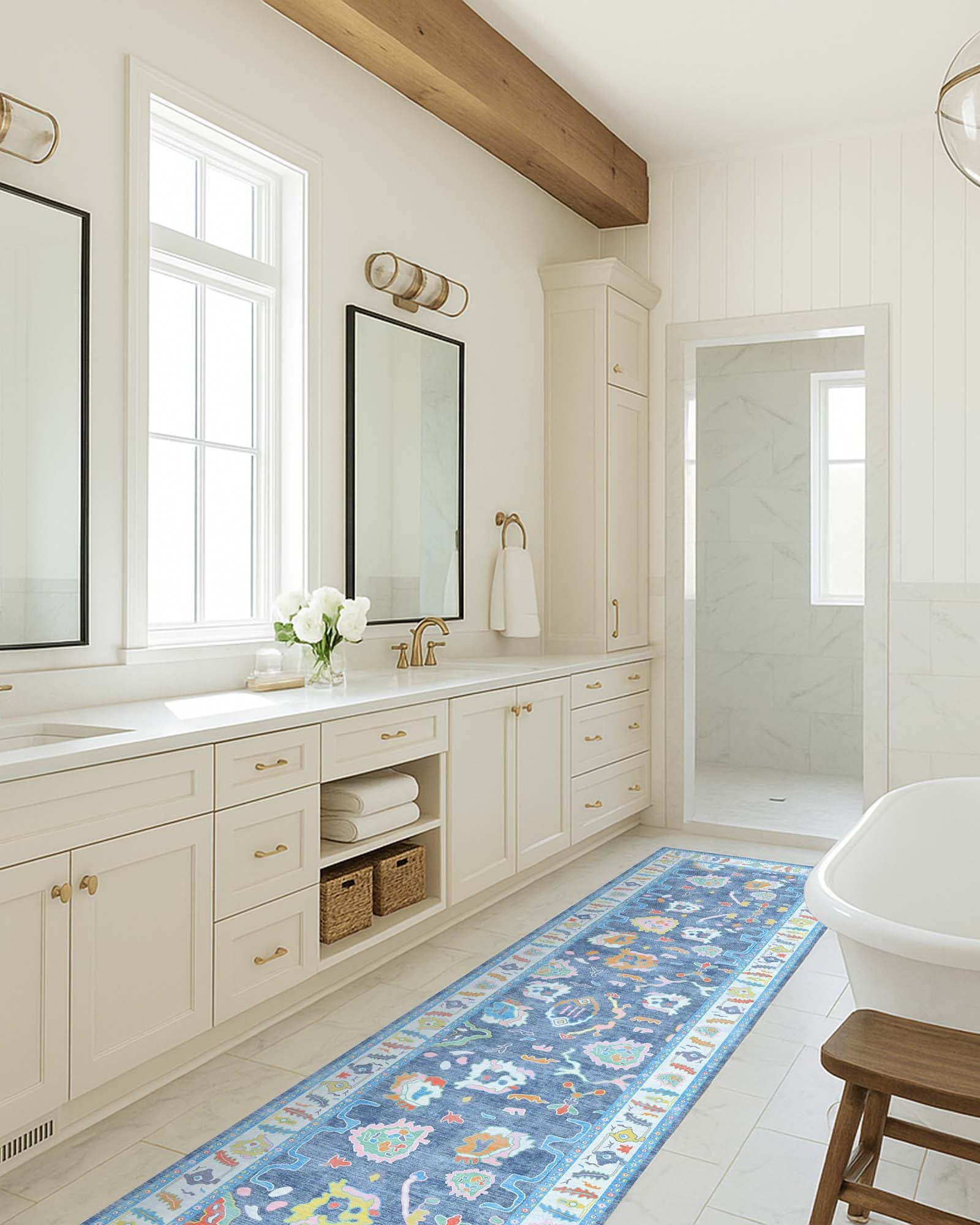
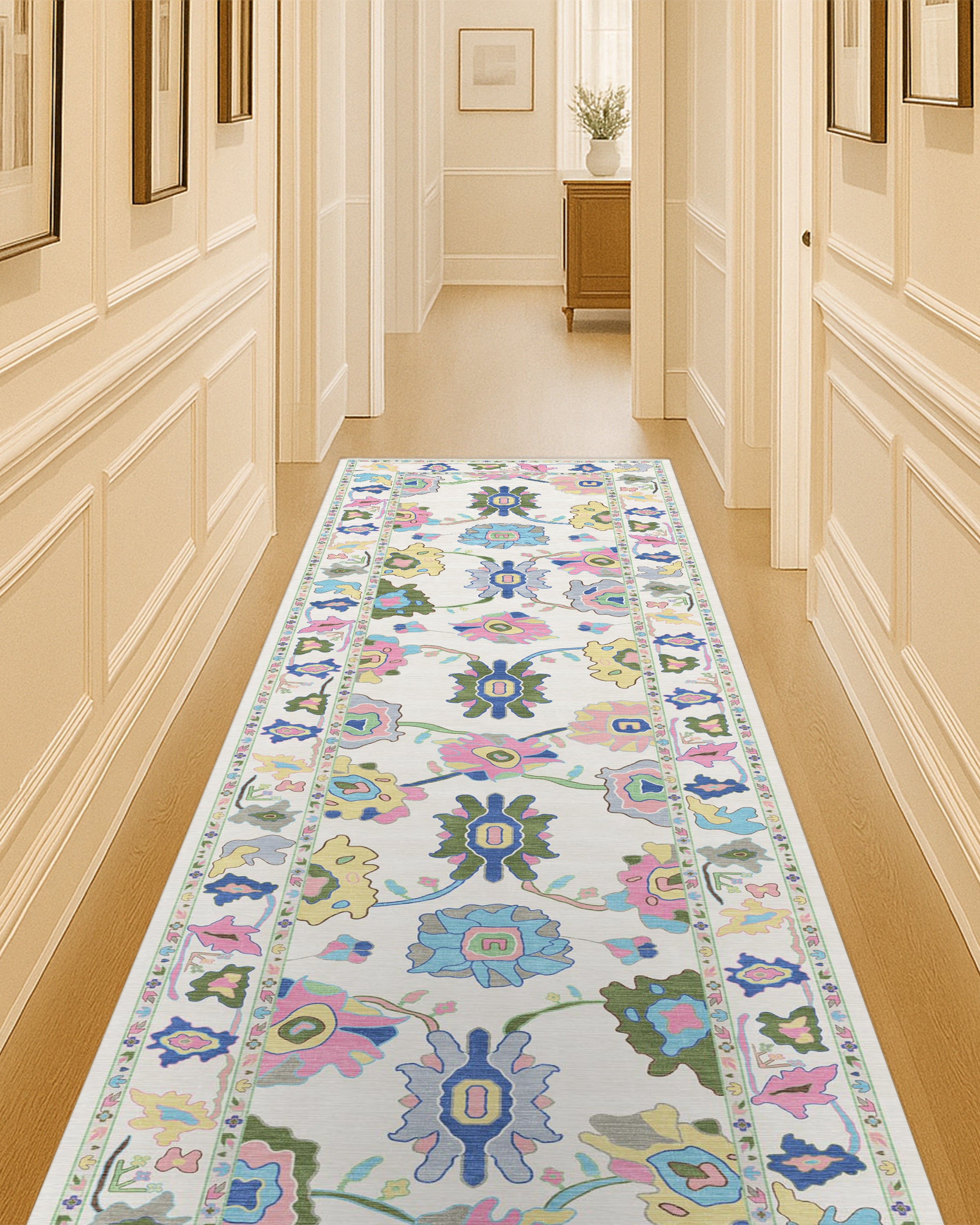
For open-plan spaces, use a large Anatolian rug to define the seating zone — the pattern does the work that walls otherwise would. Runners in Anatolian designs suit long hallways and staircases, where the repeating motif creates a sense of movement.
Construction and Care
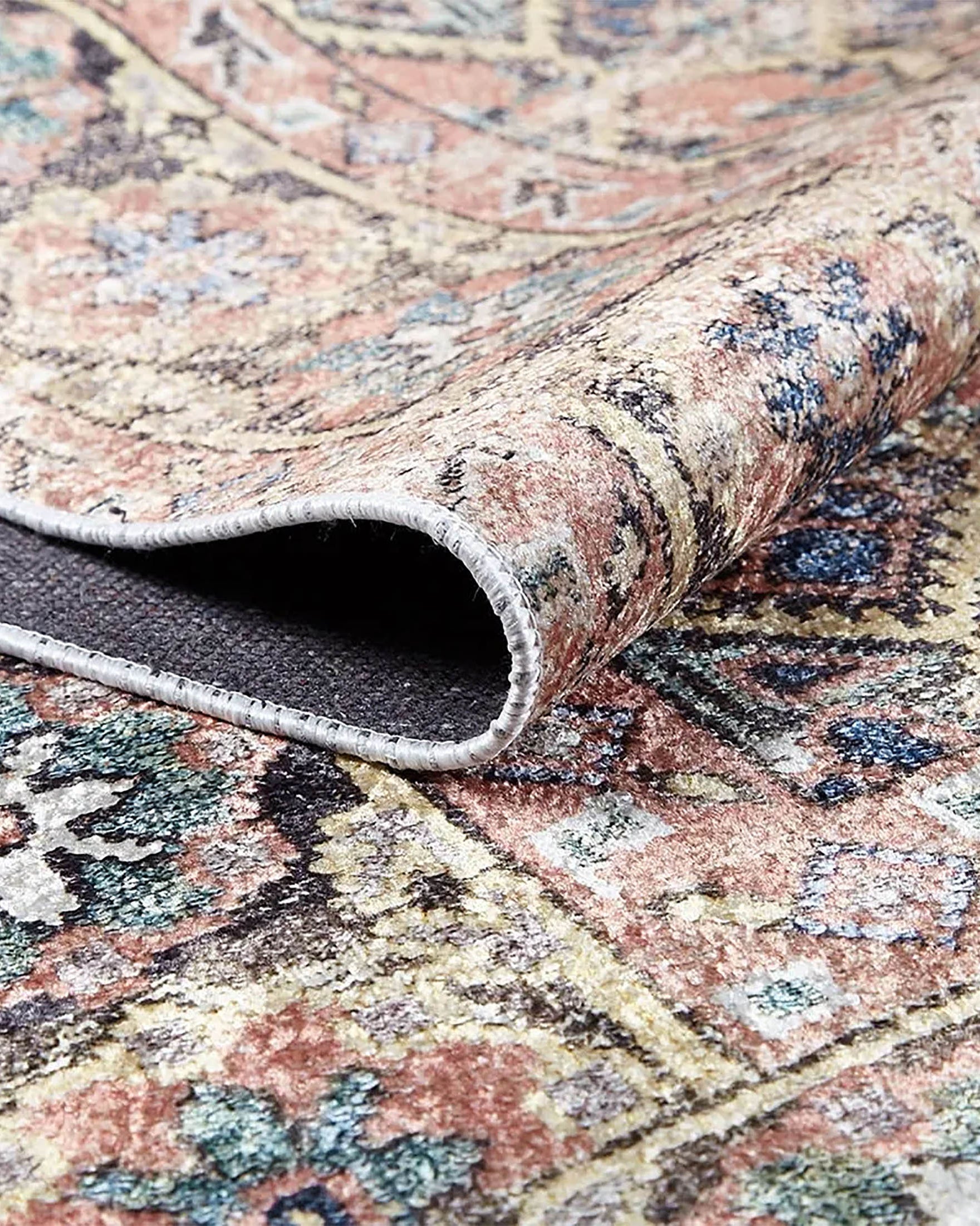
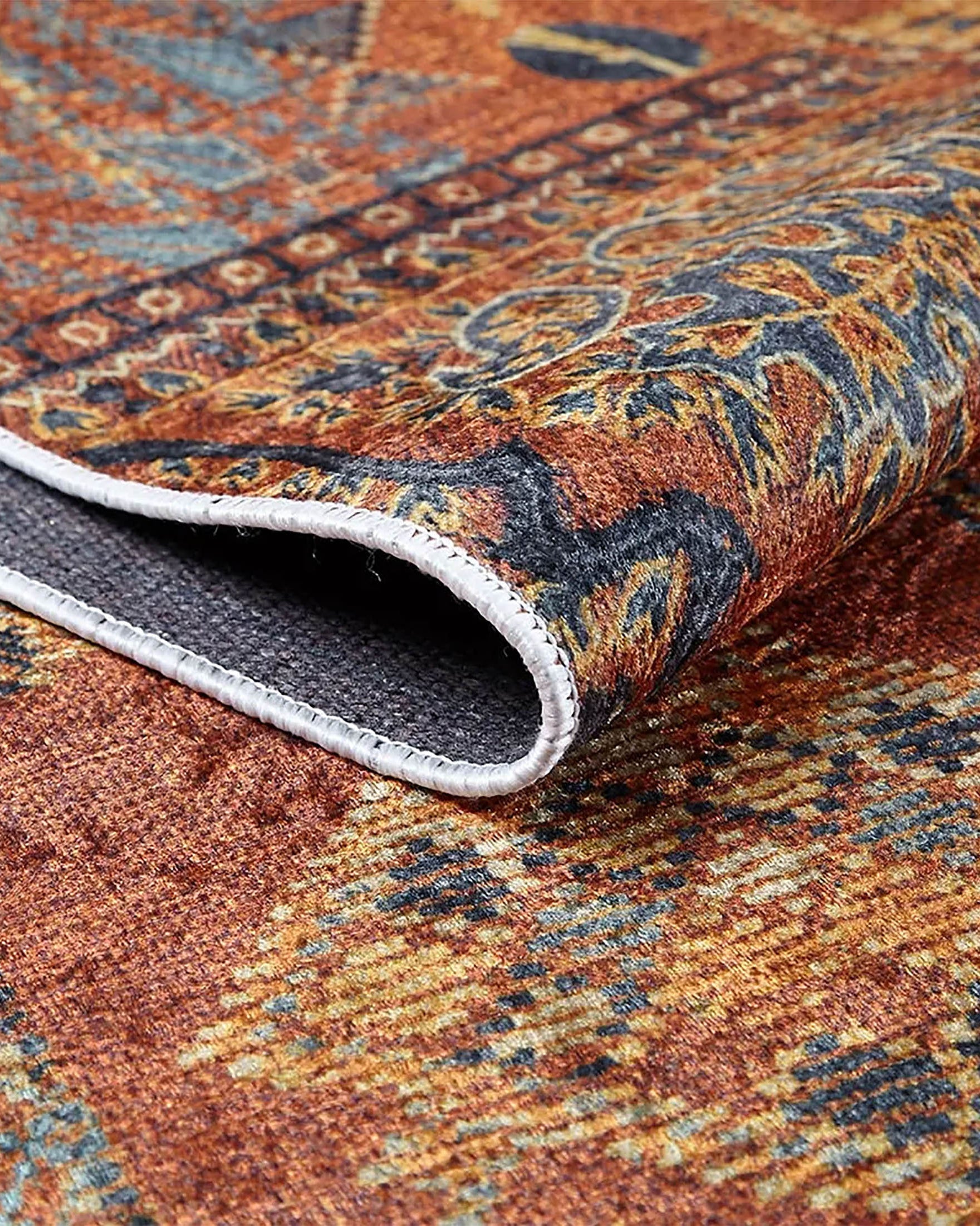
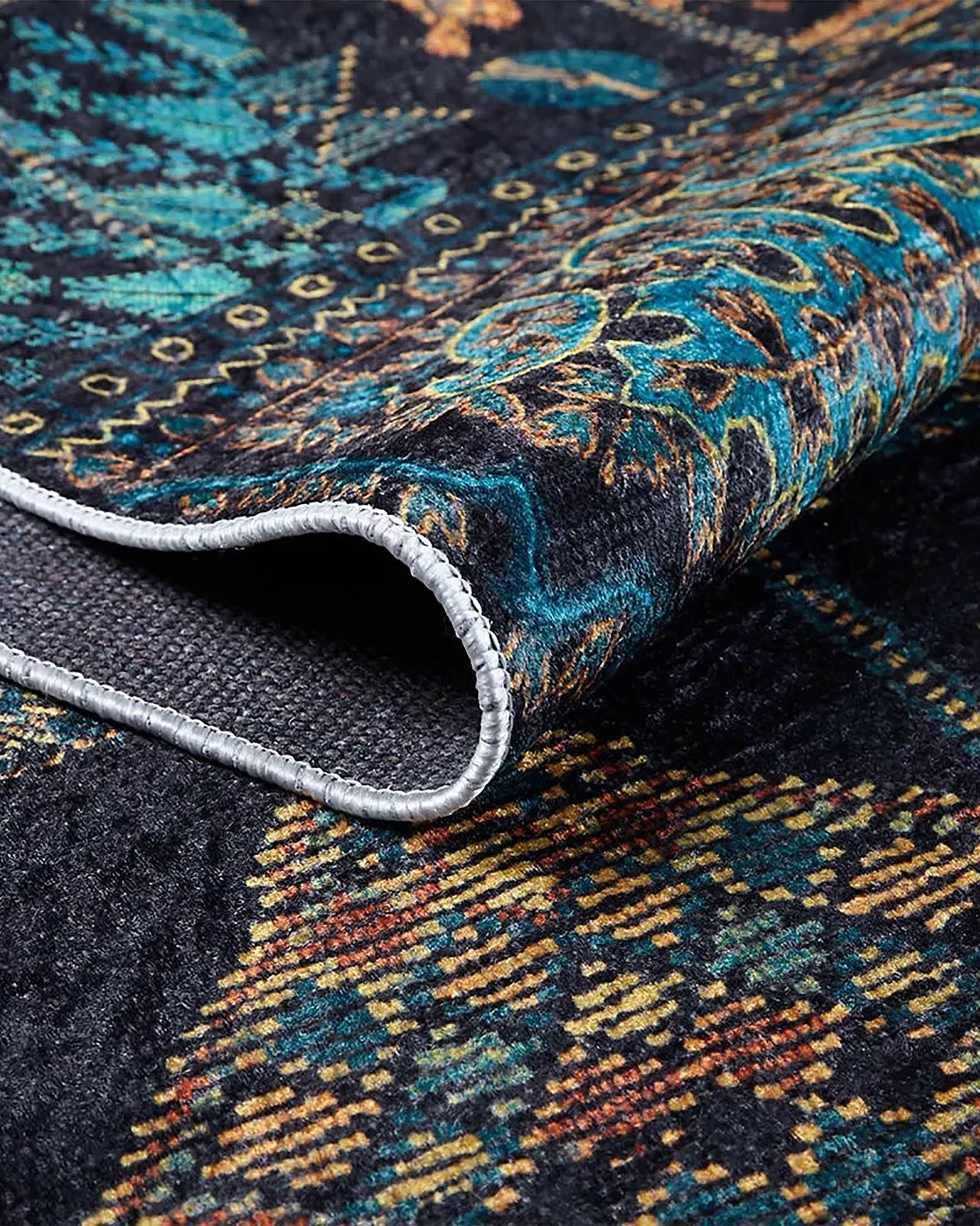
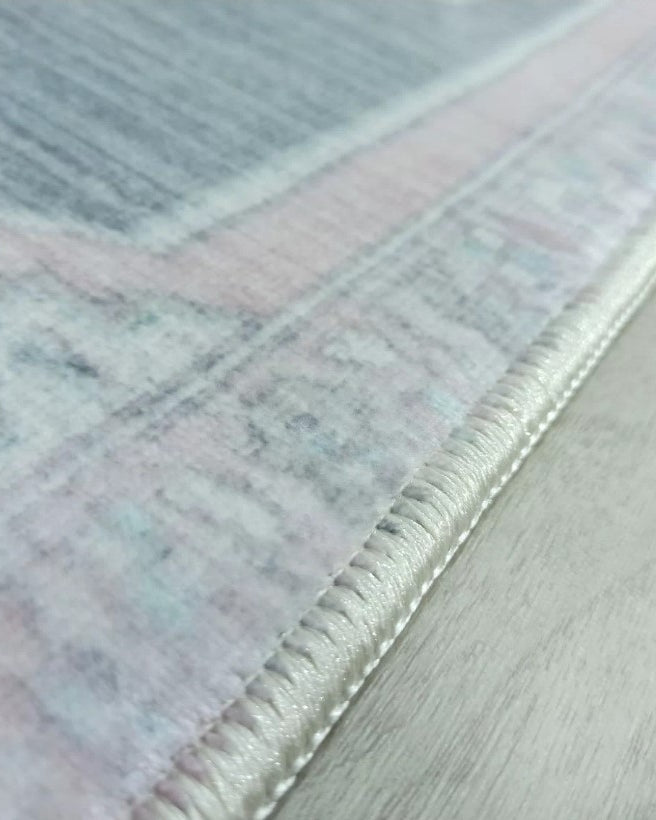
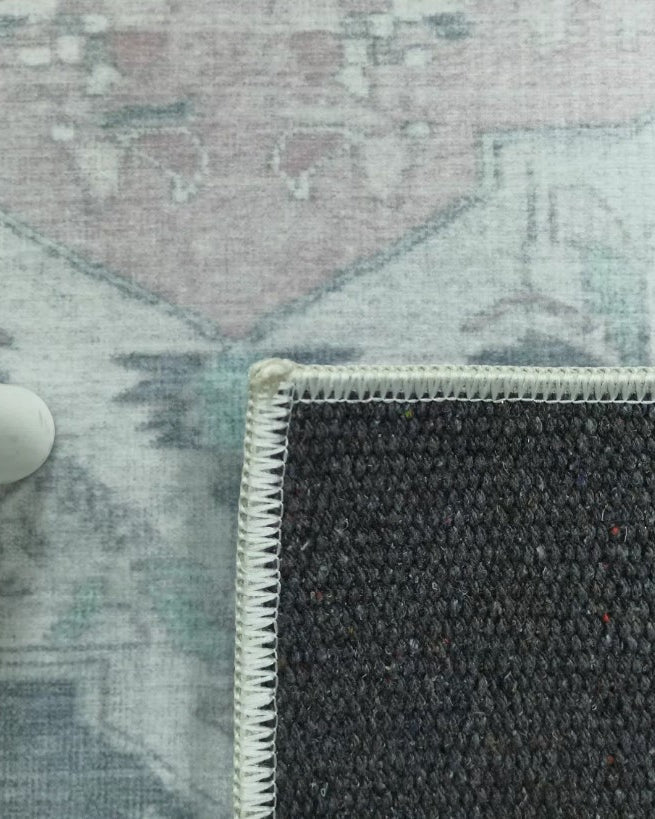
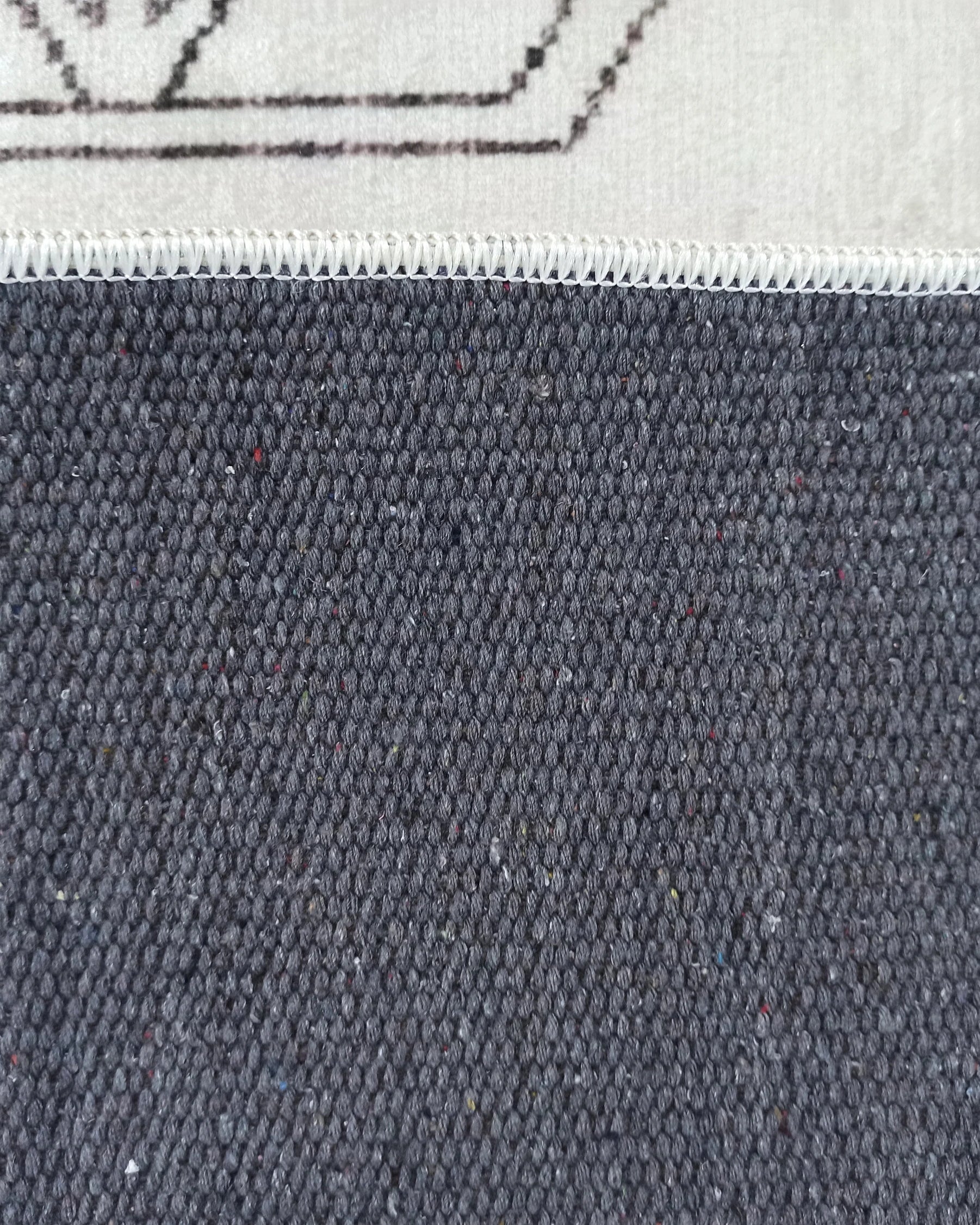
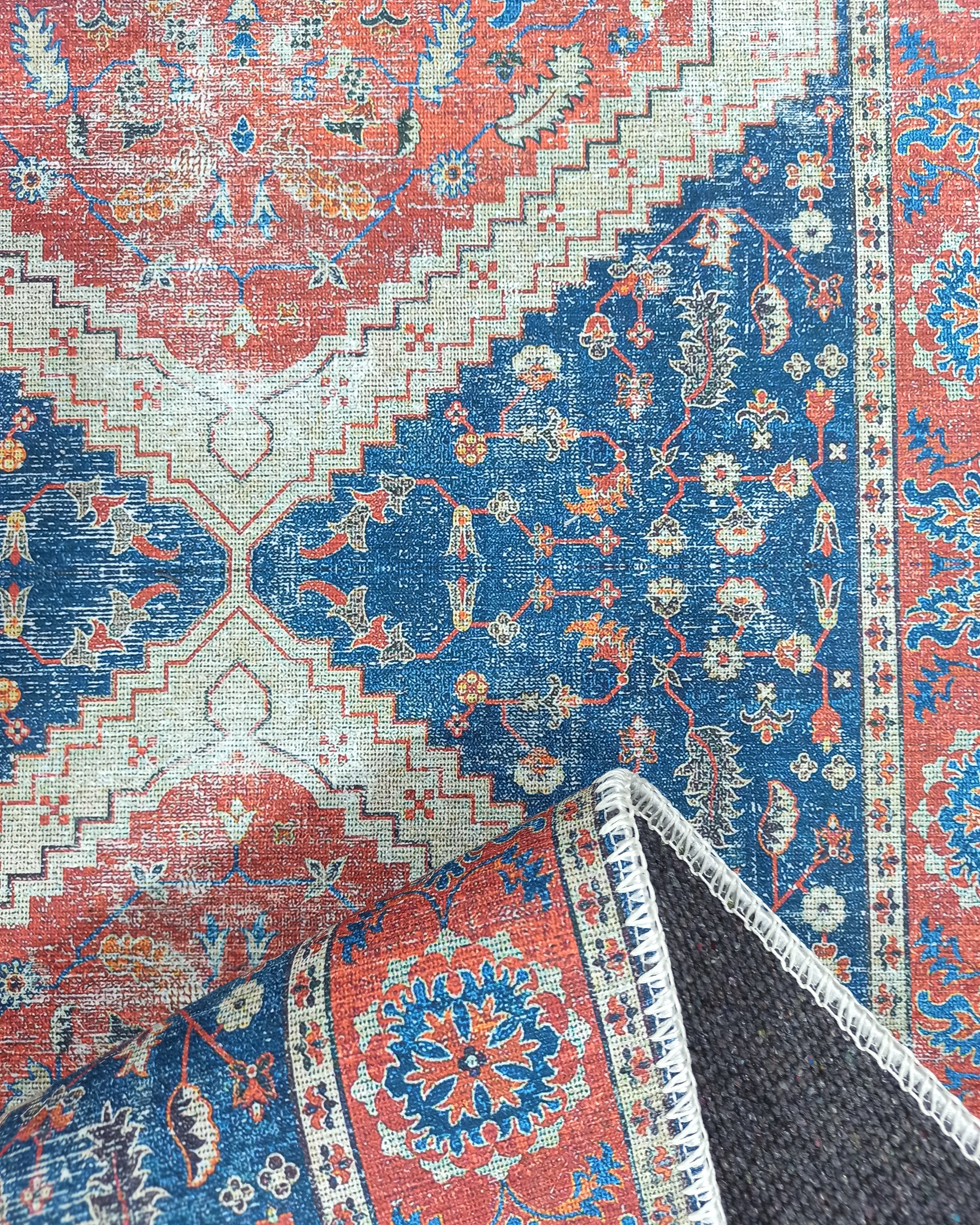
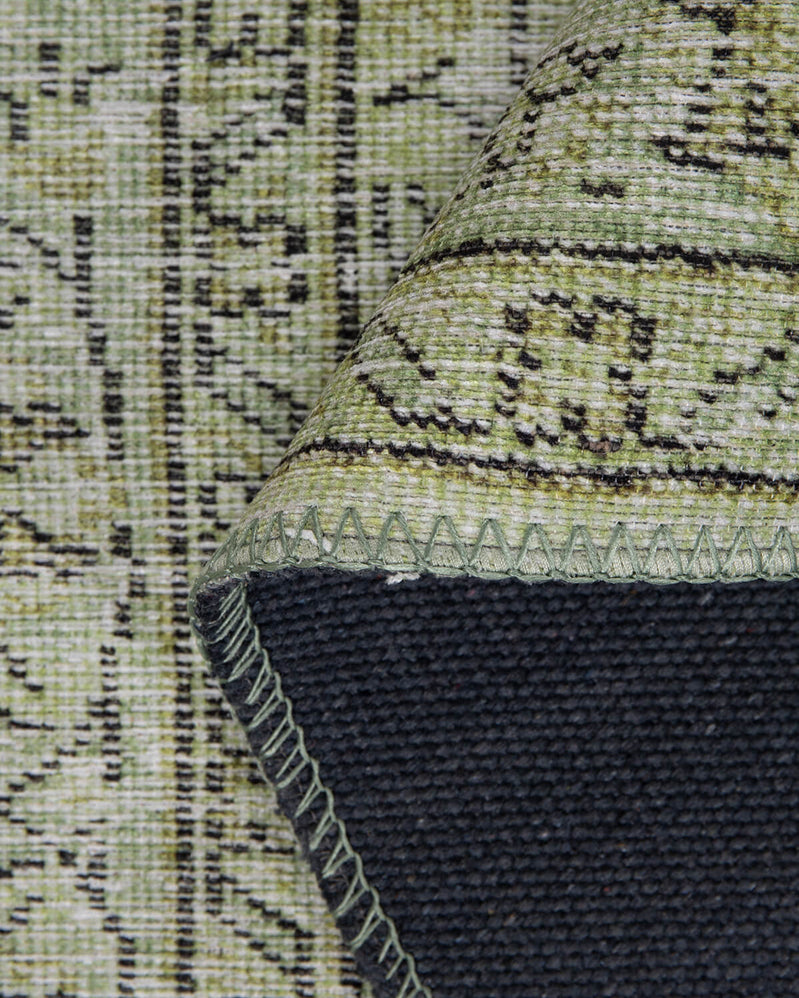
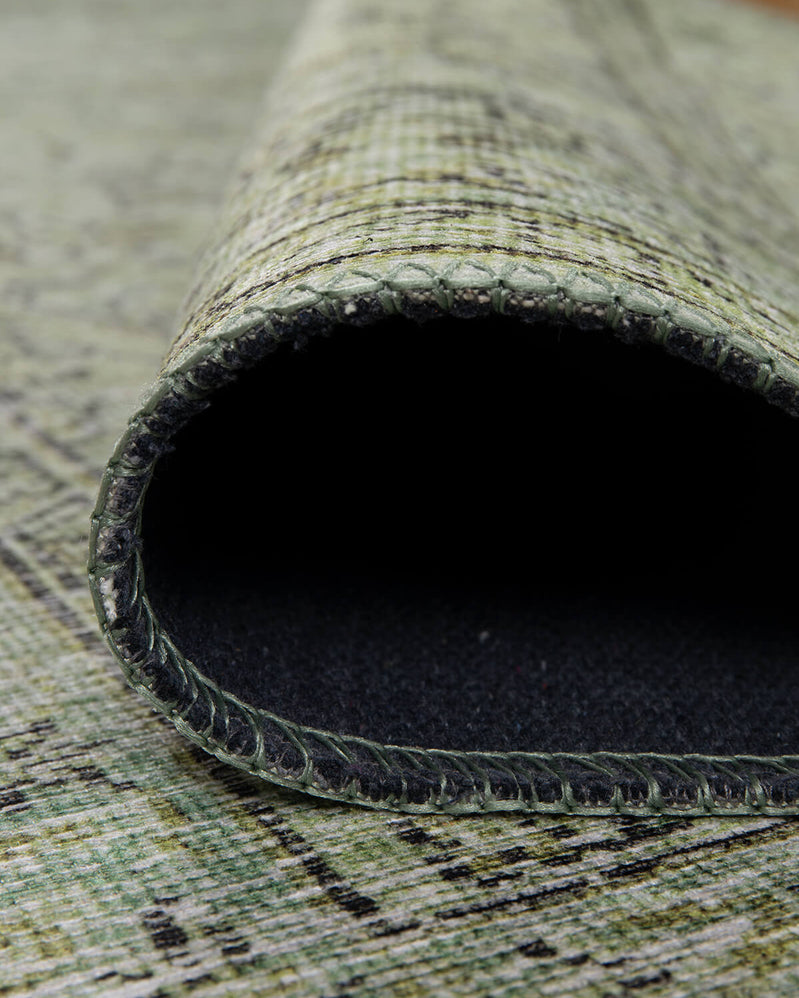
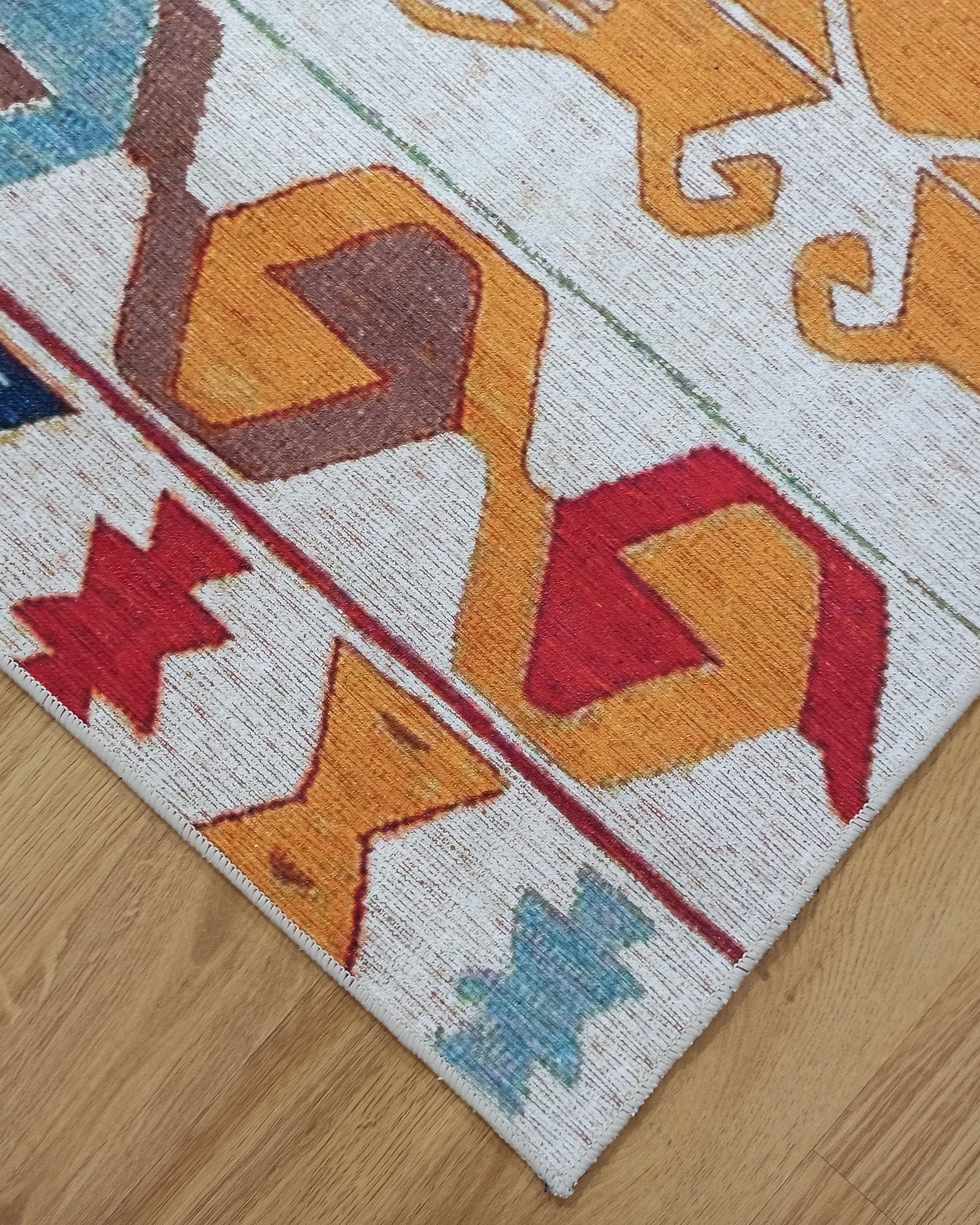
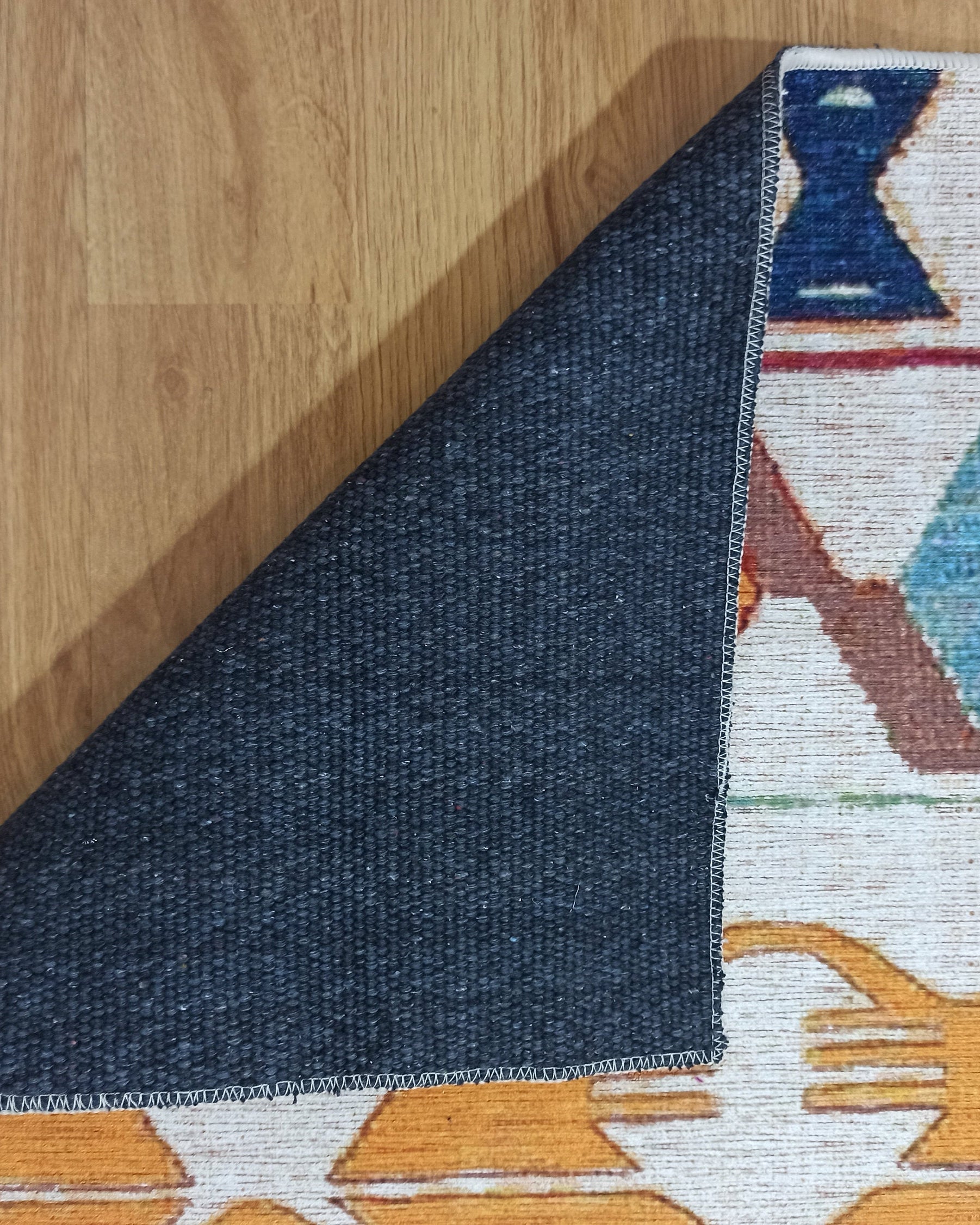
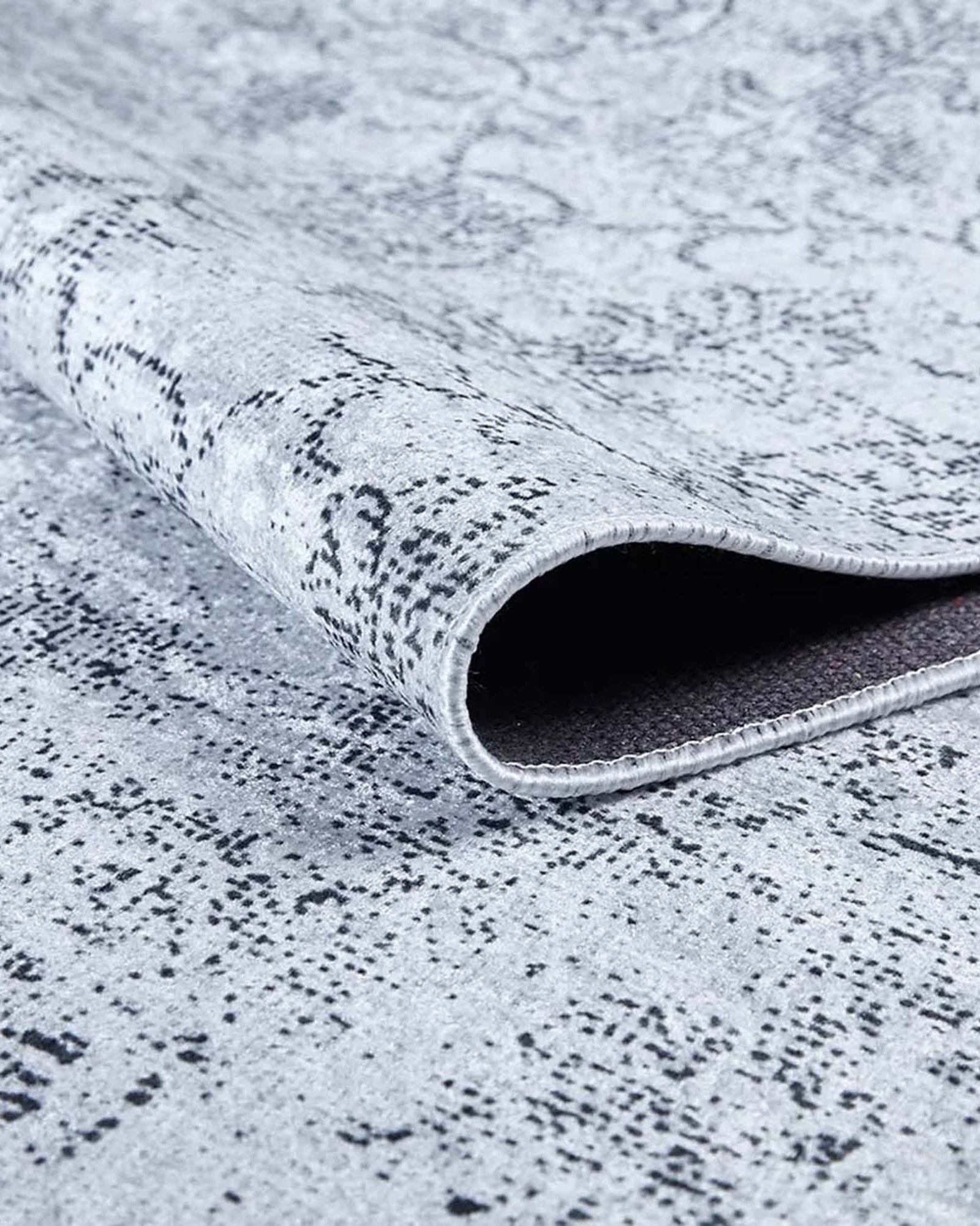
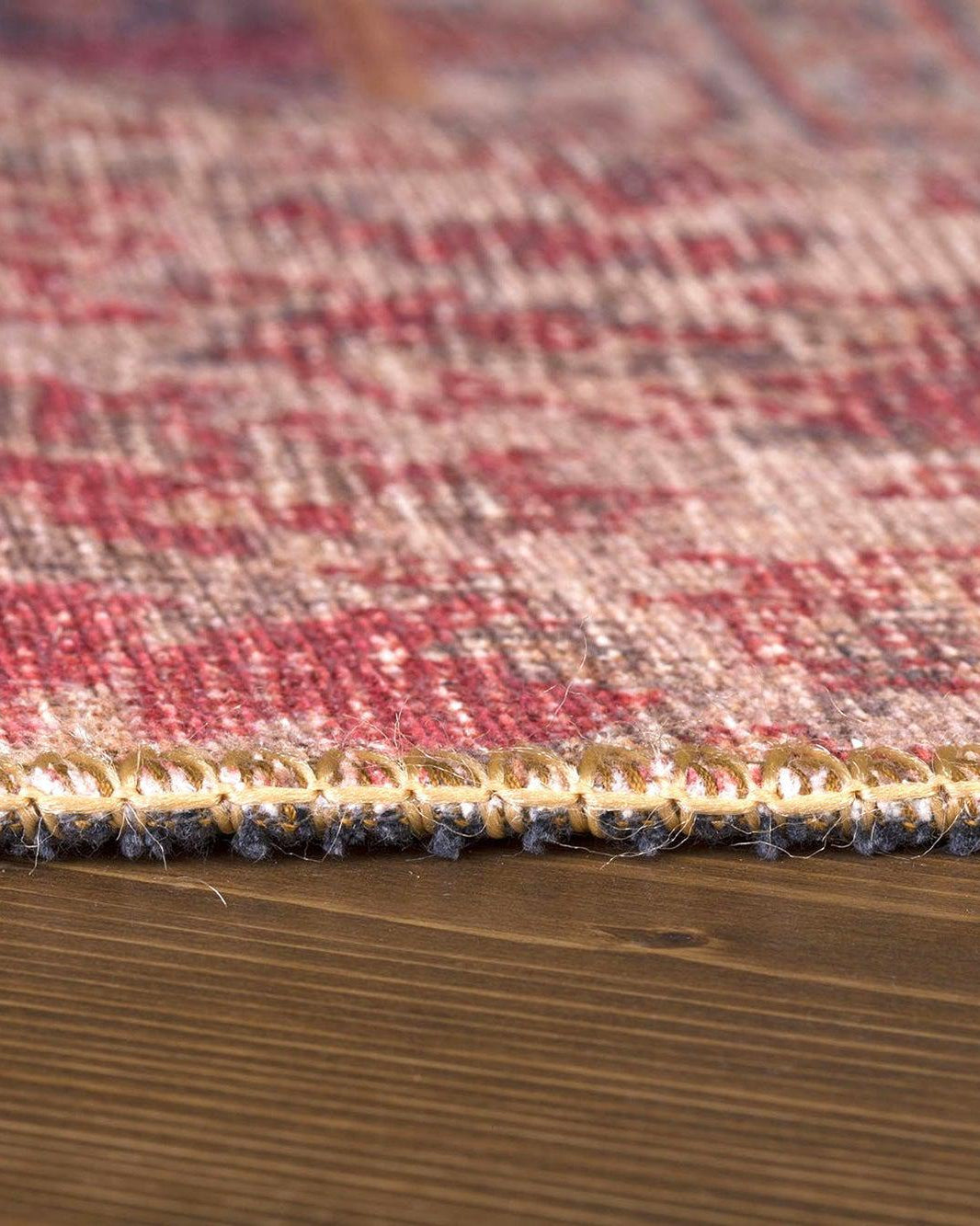
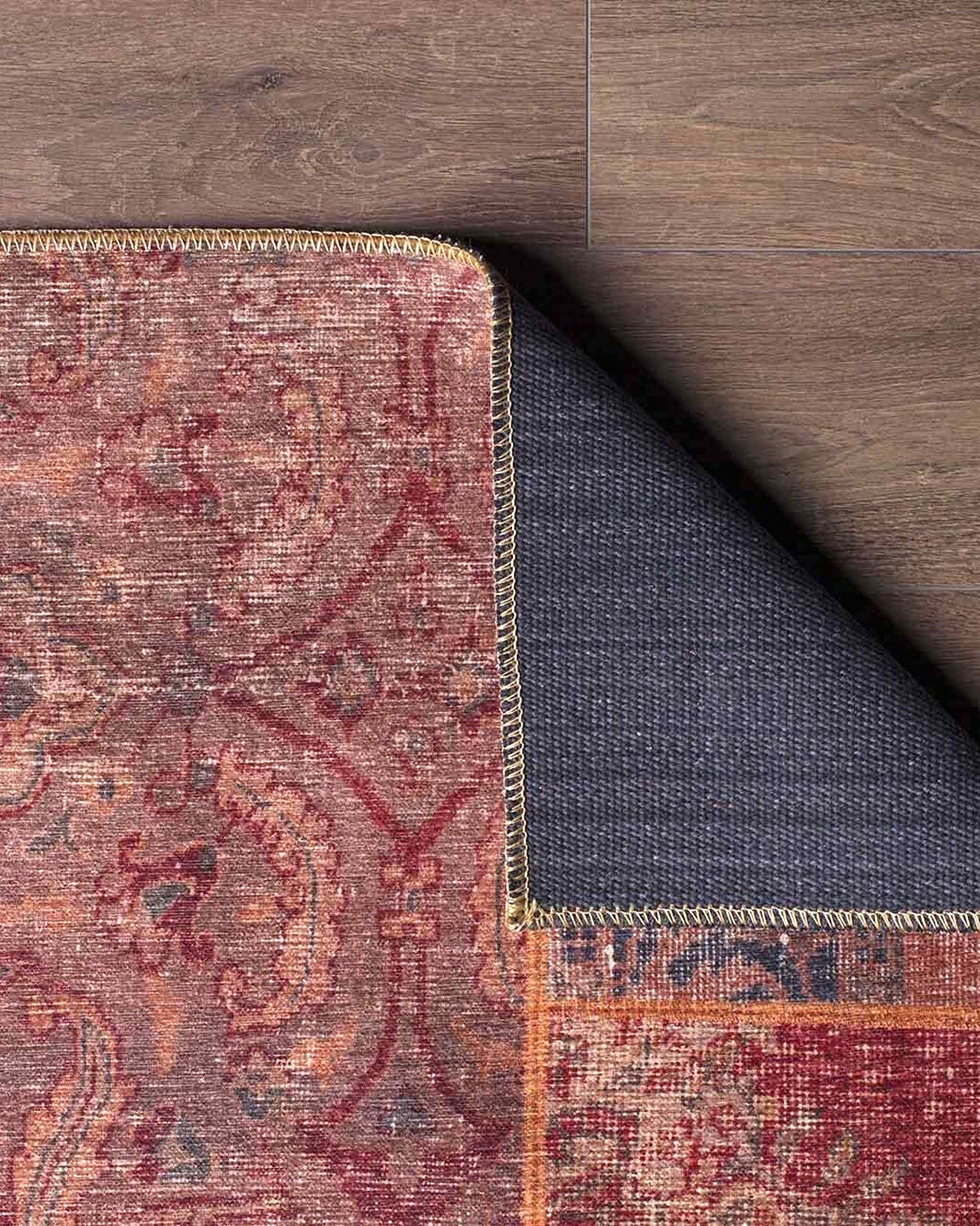
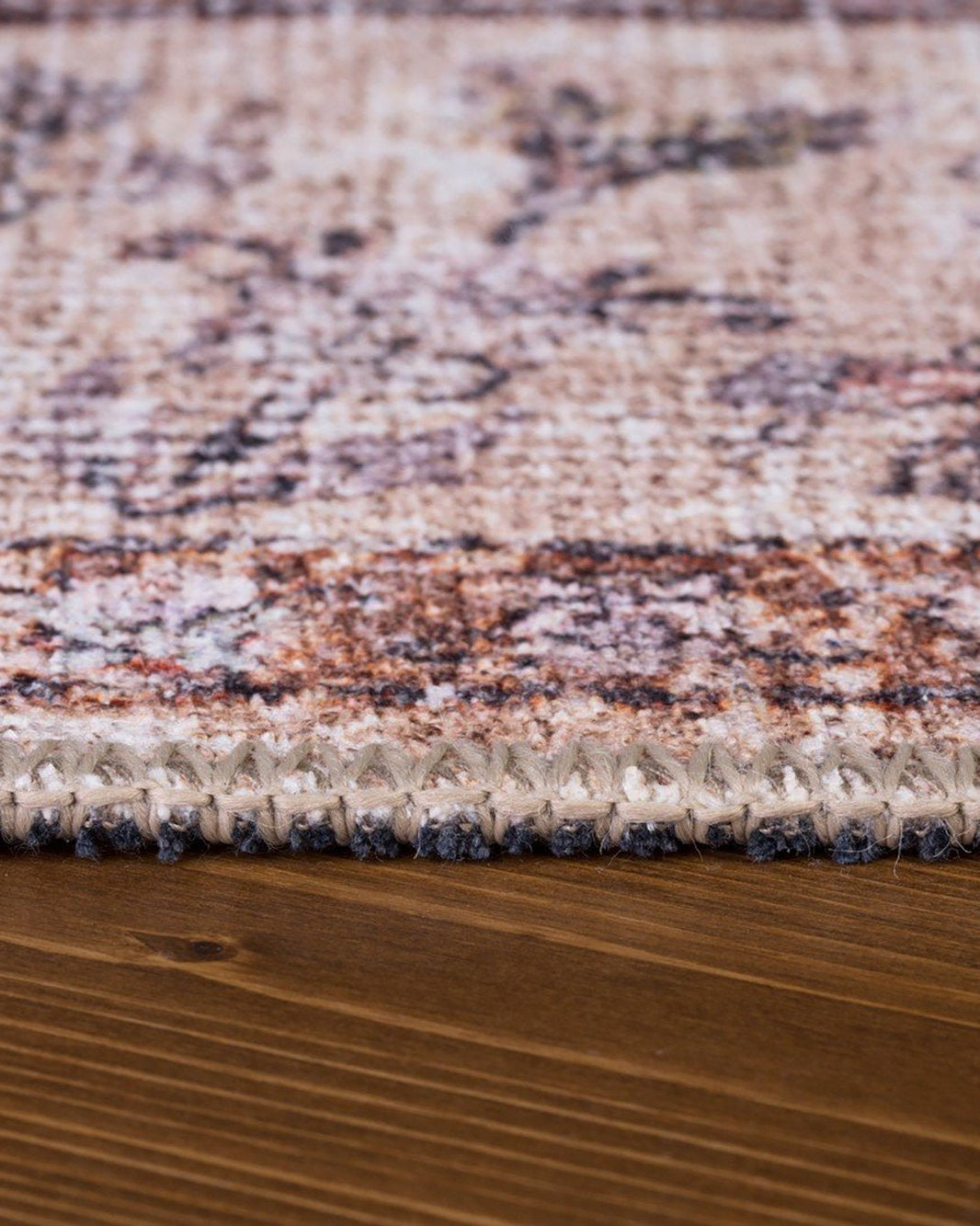
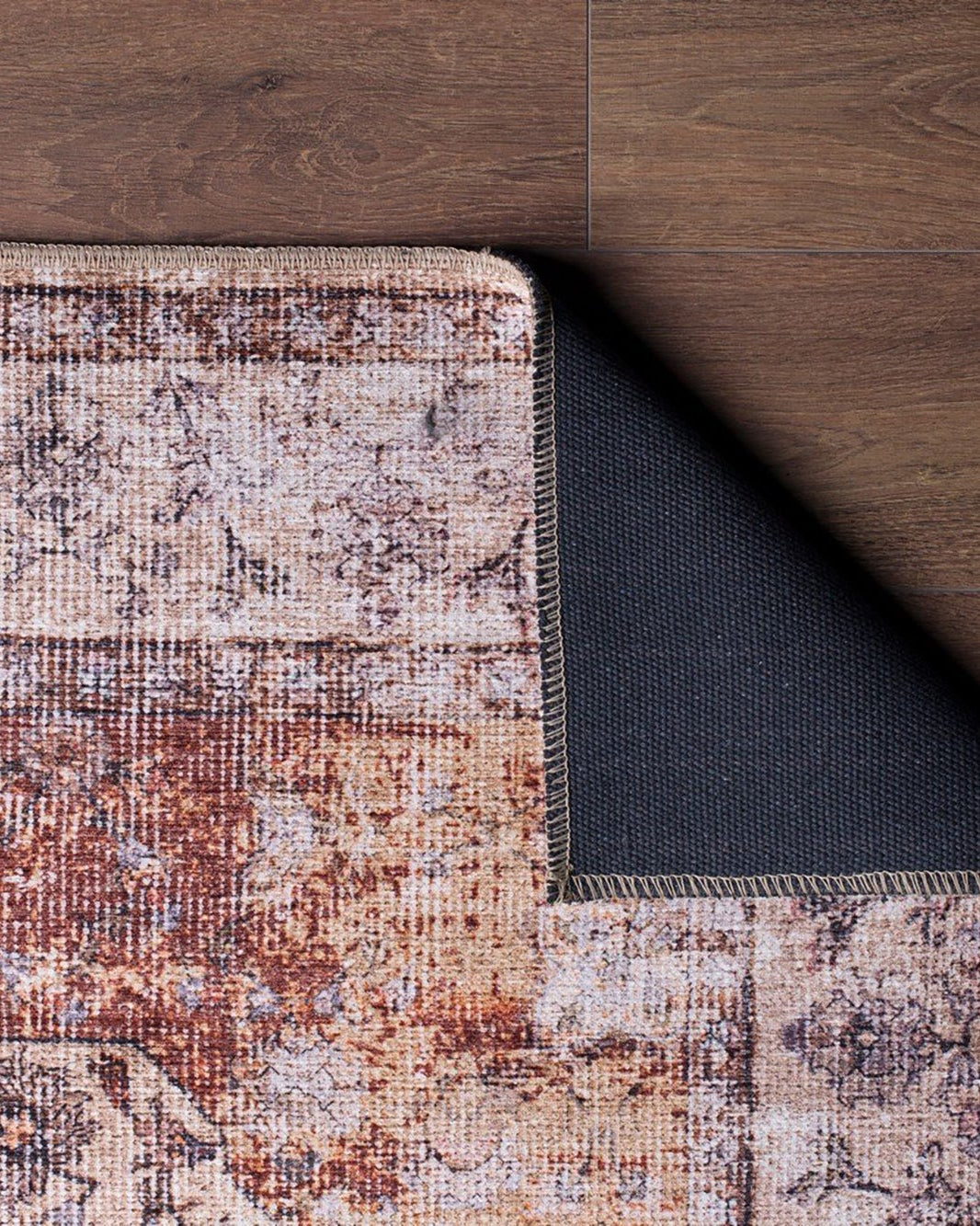
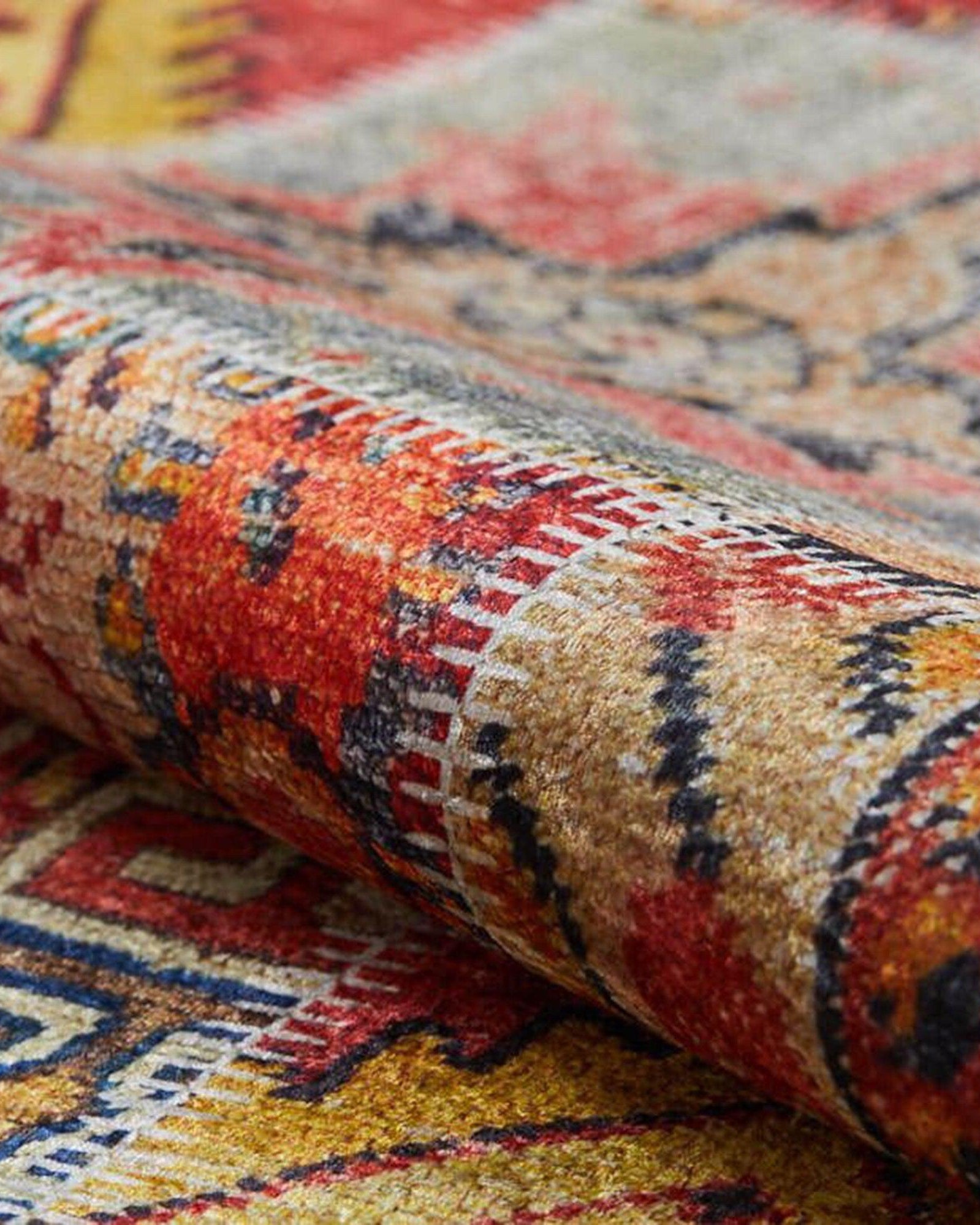
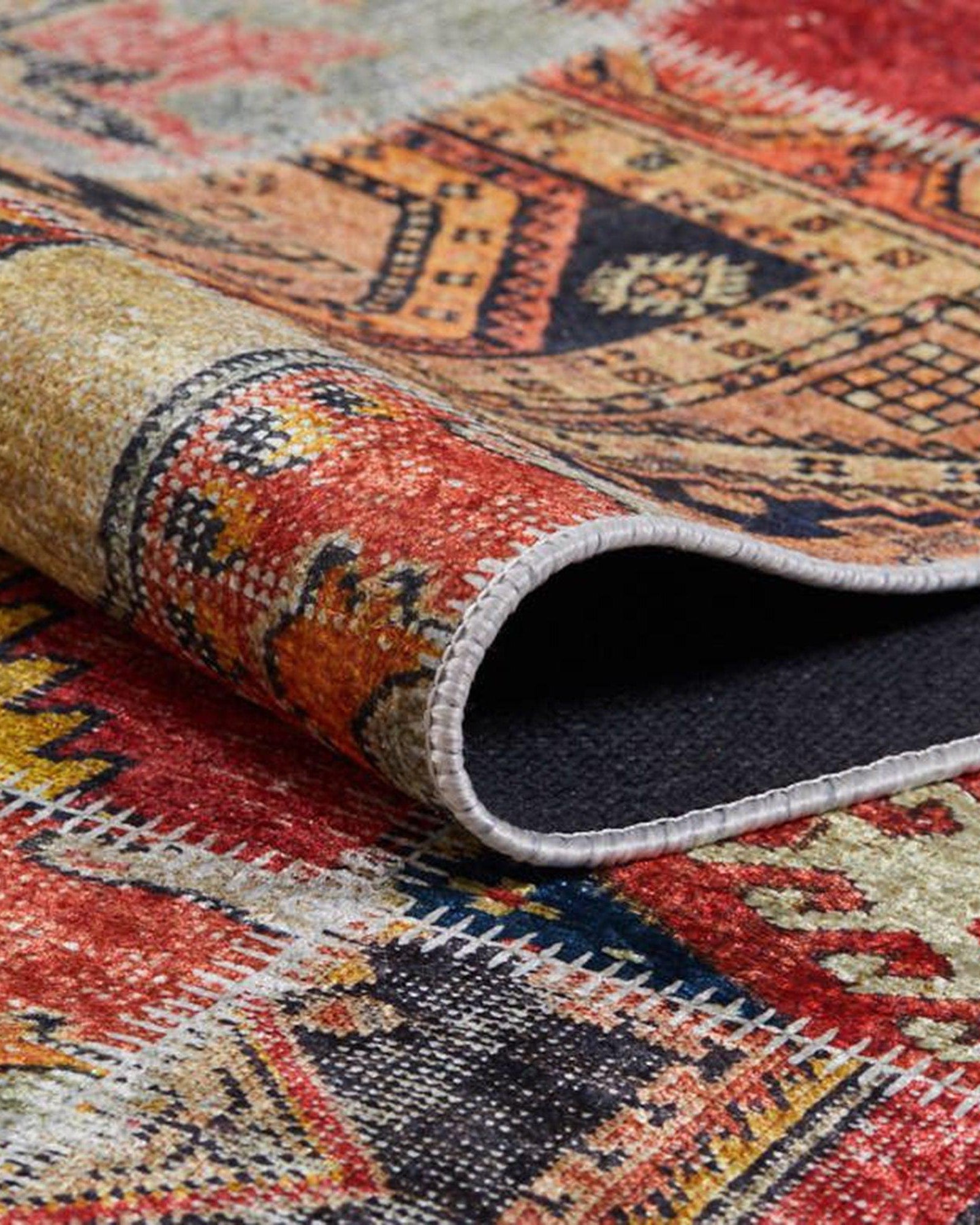
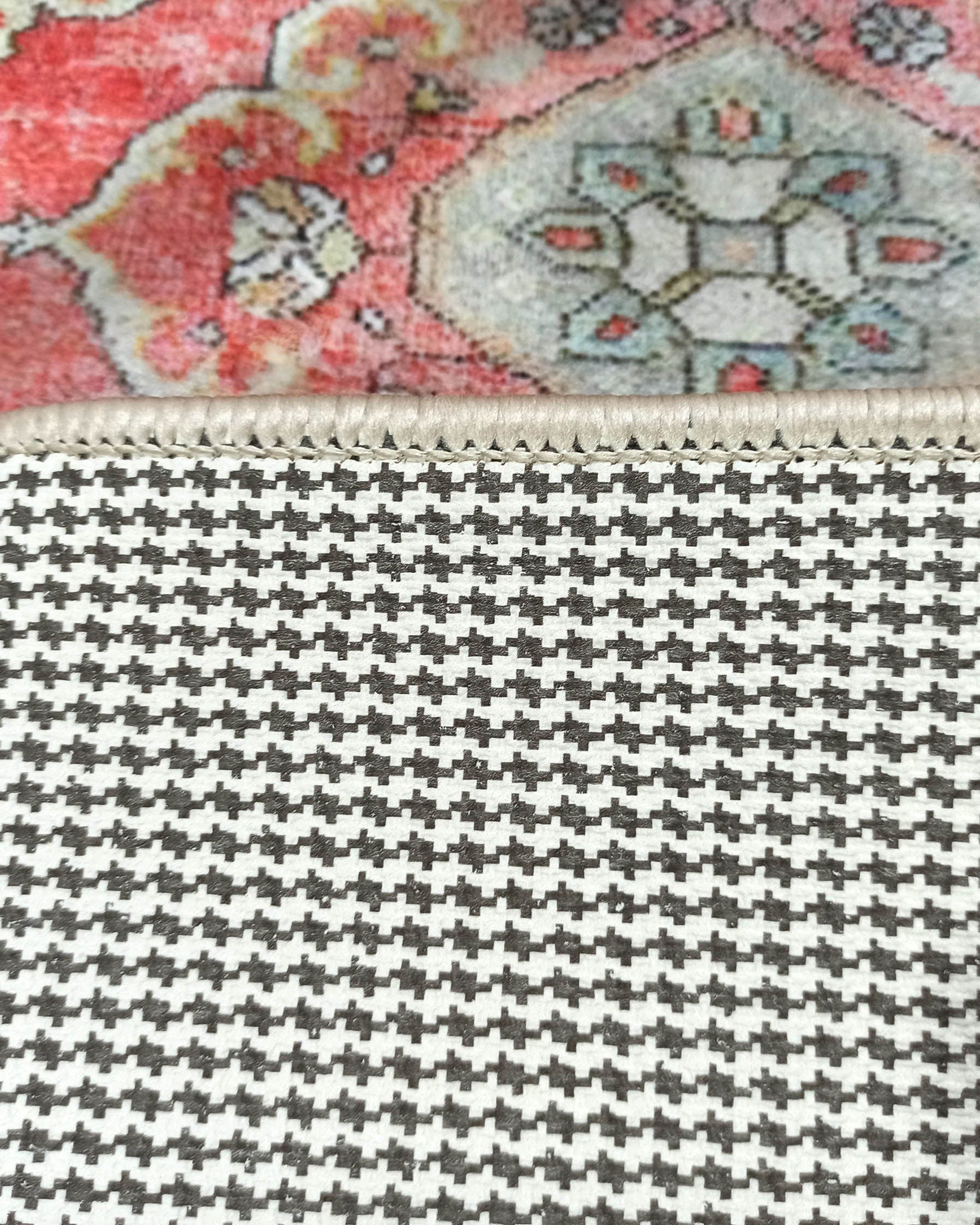
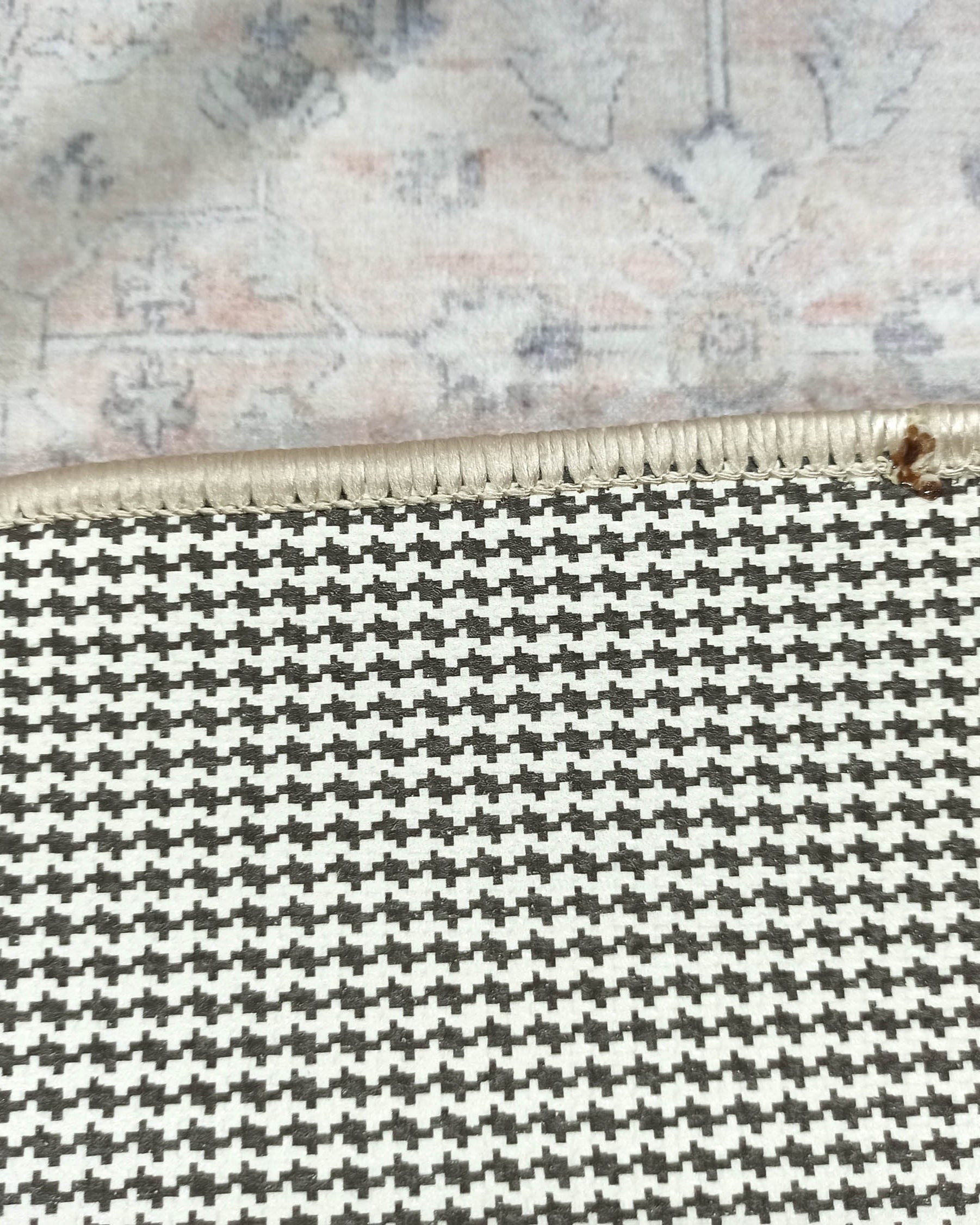
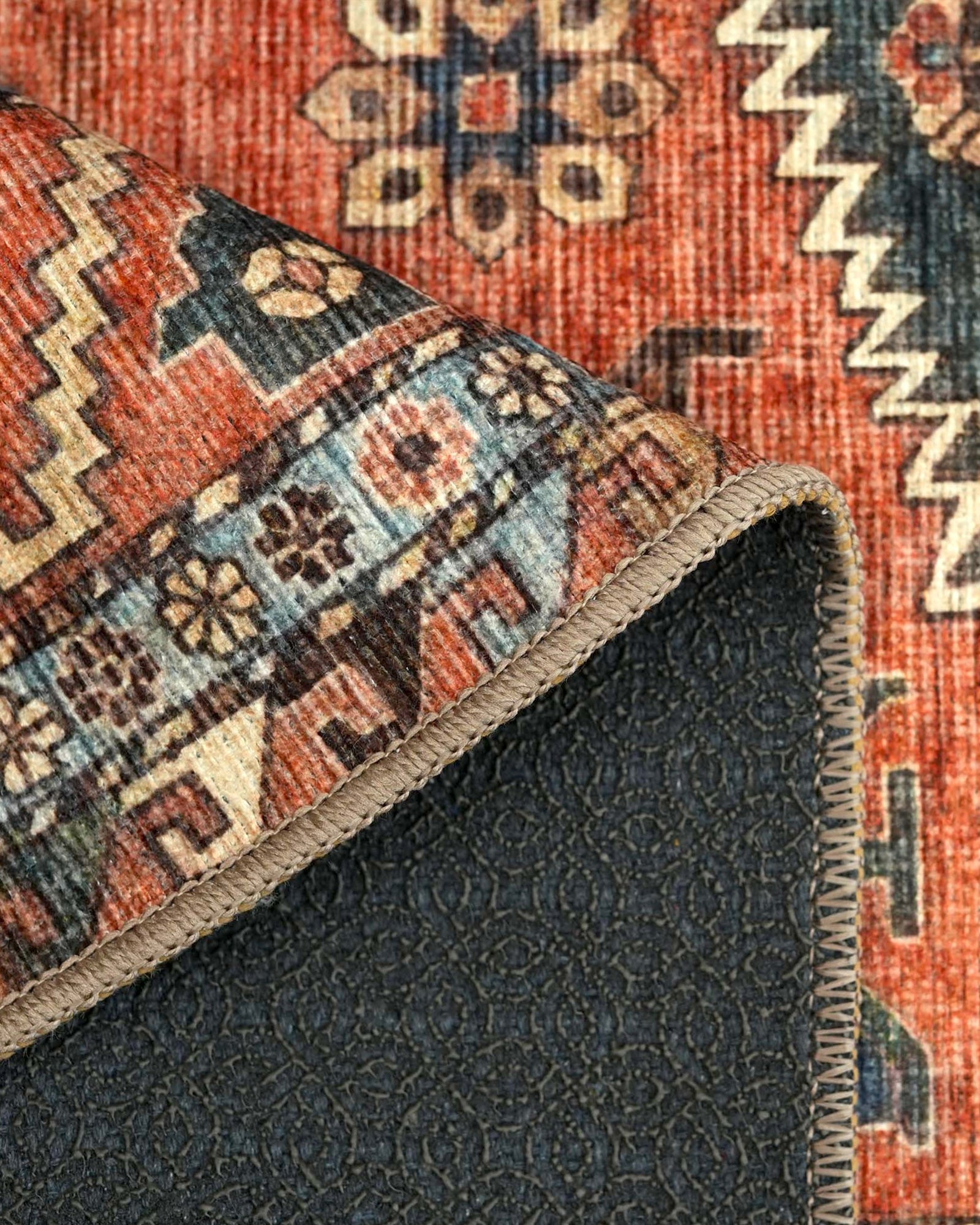
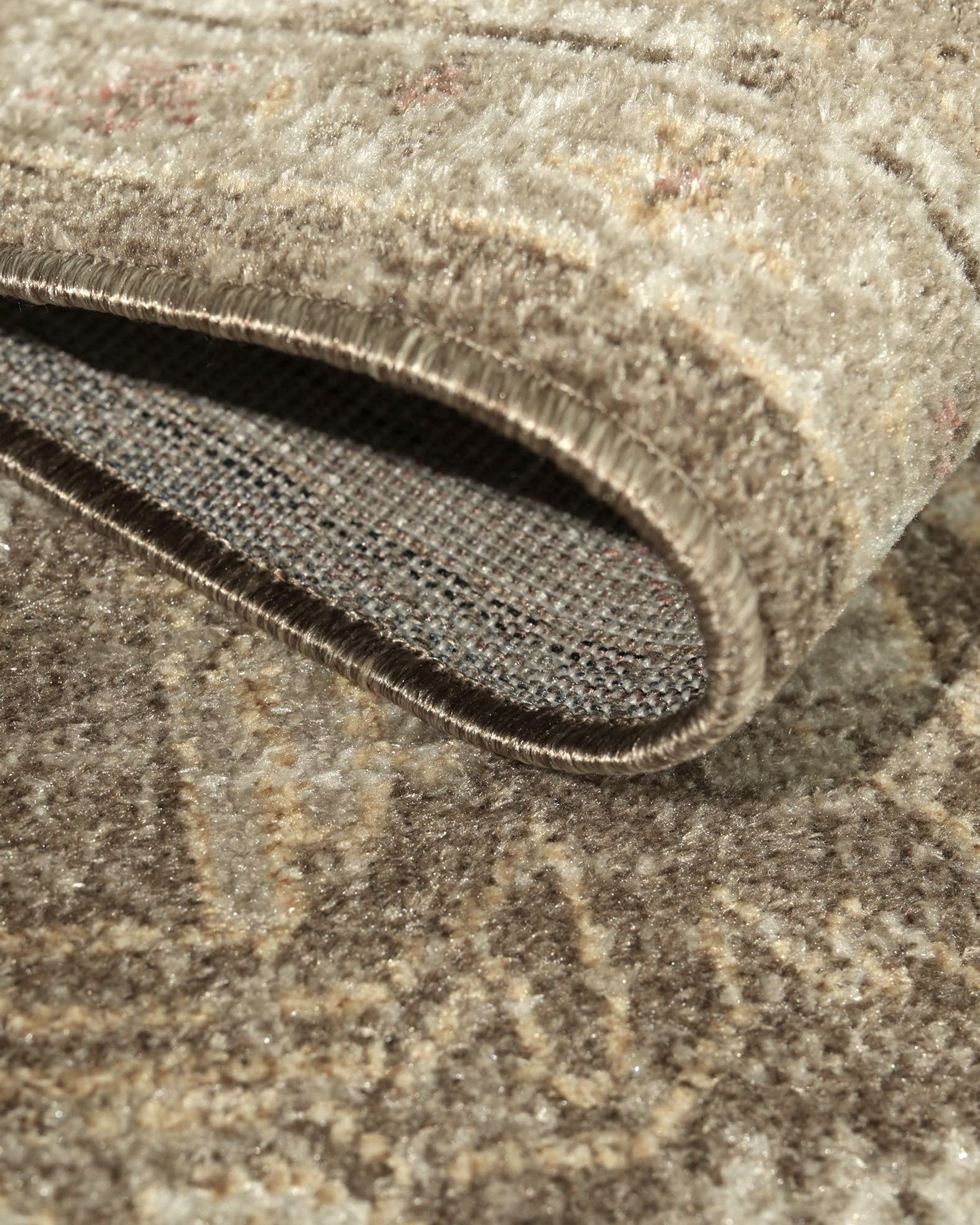
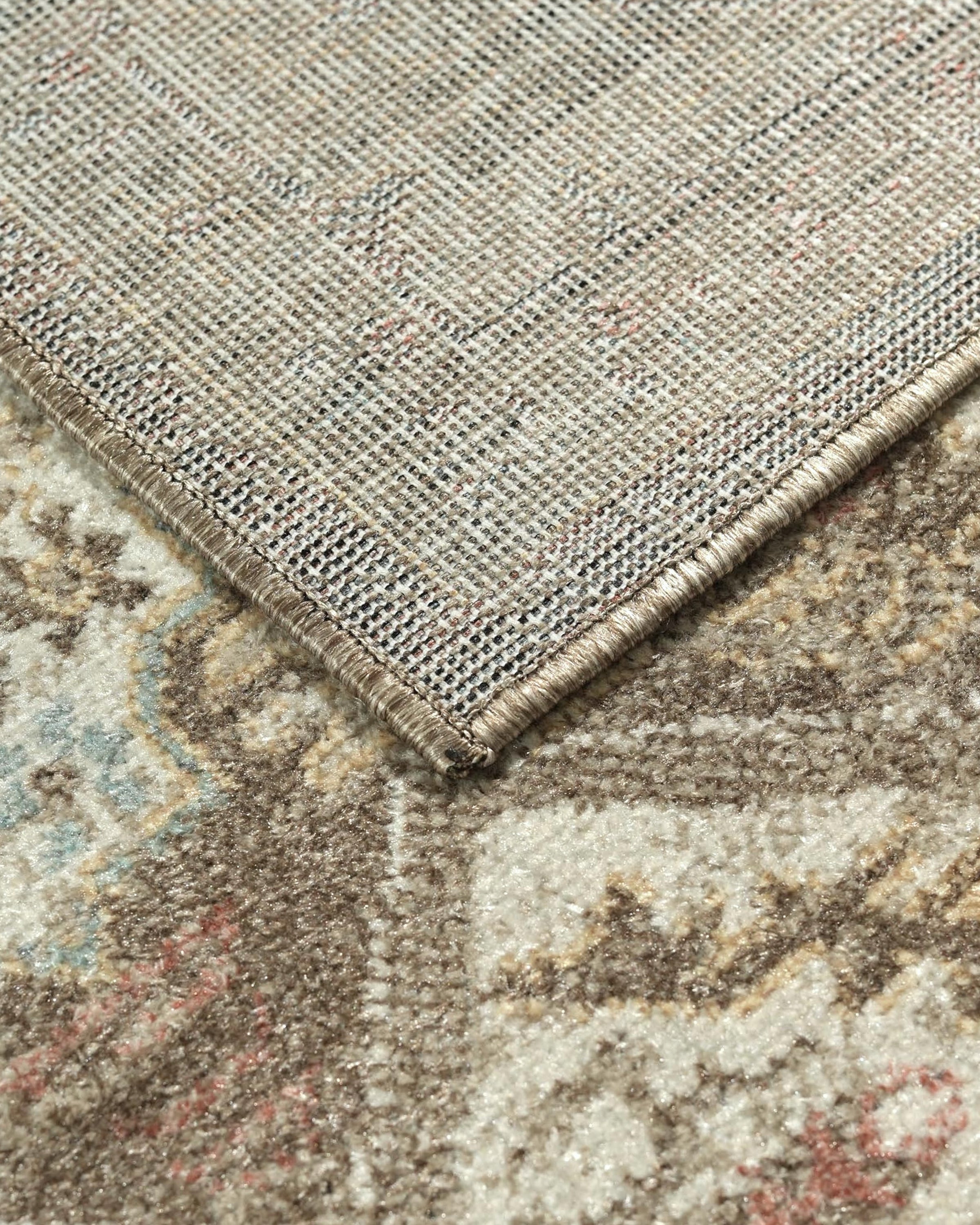
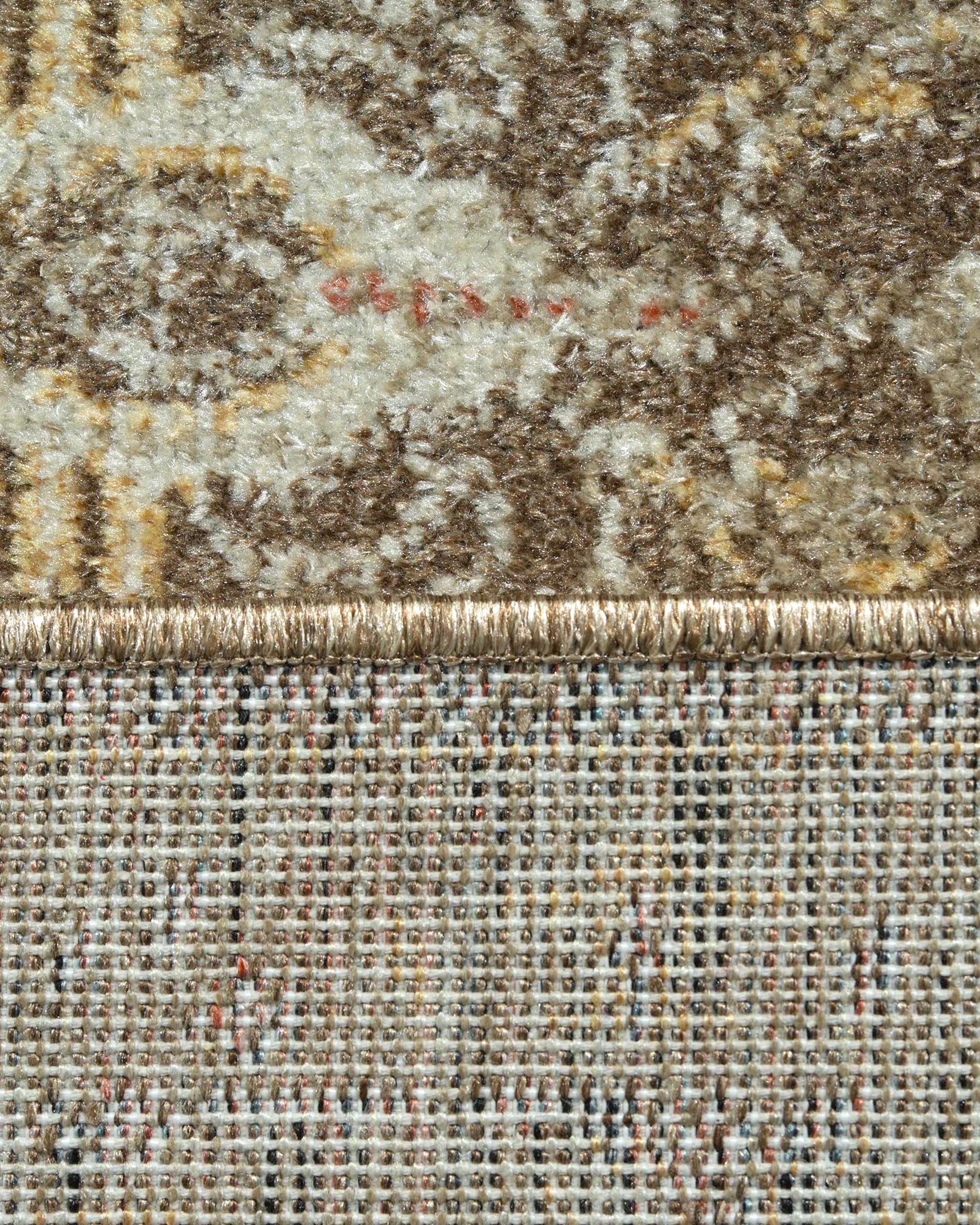
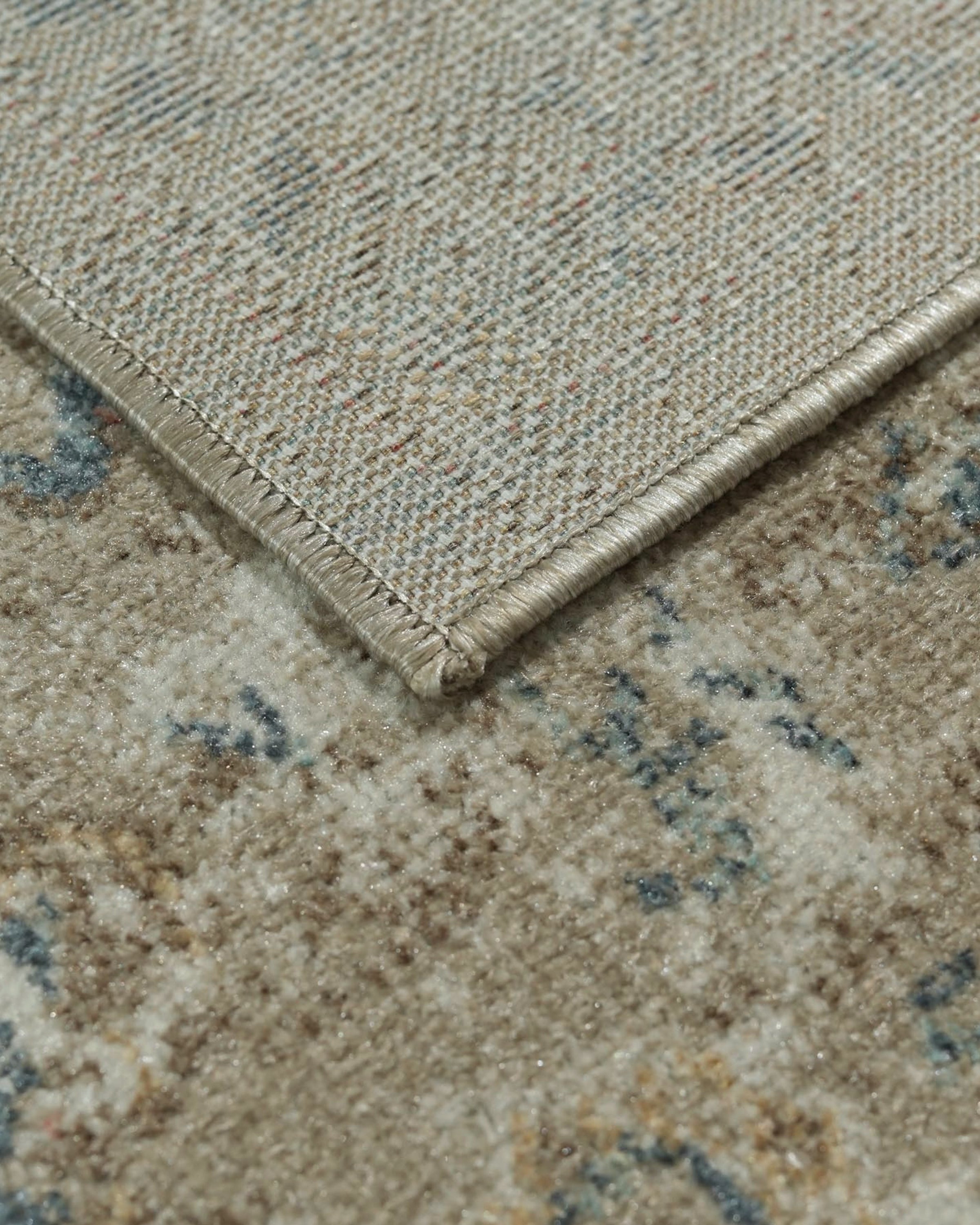
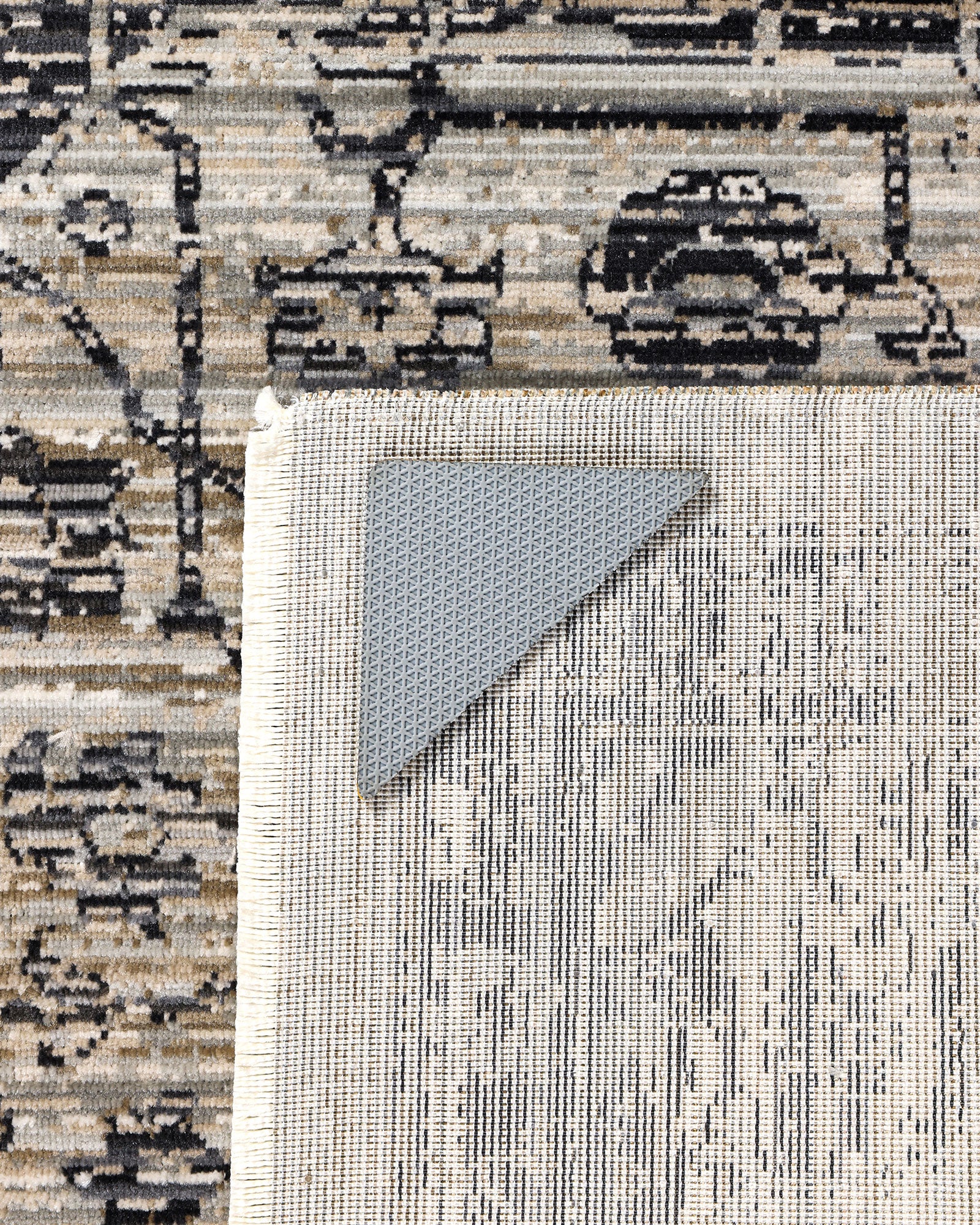
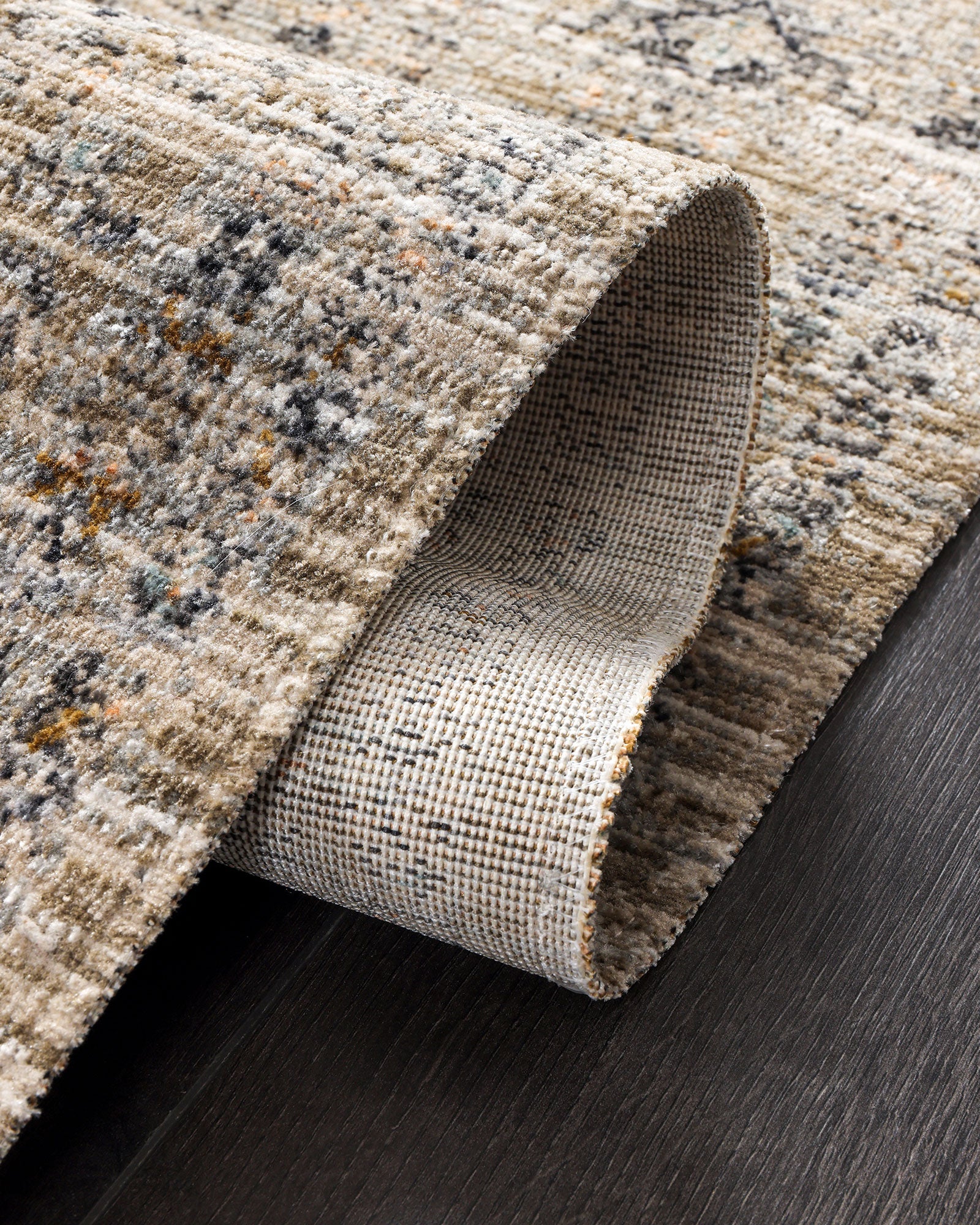
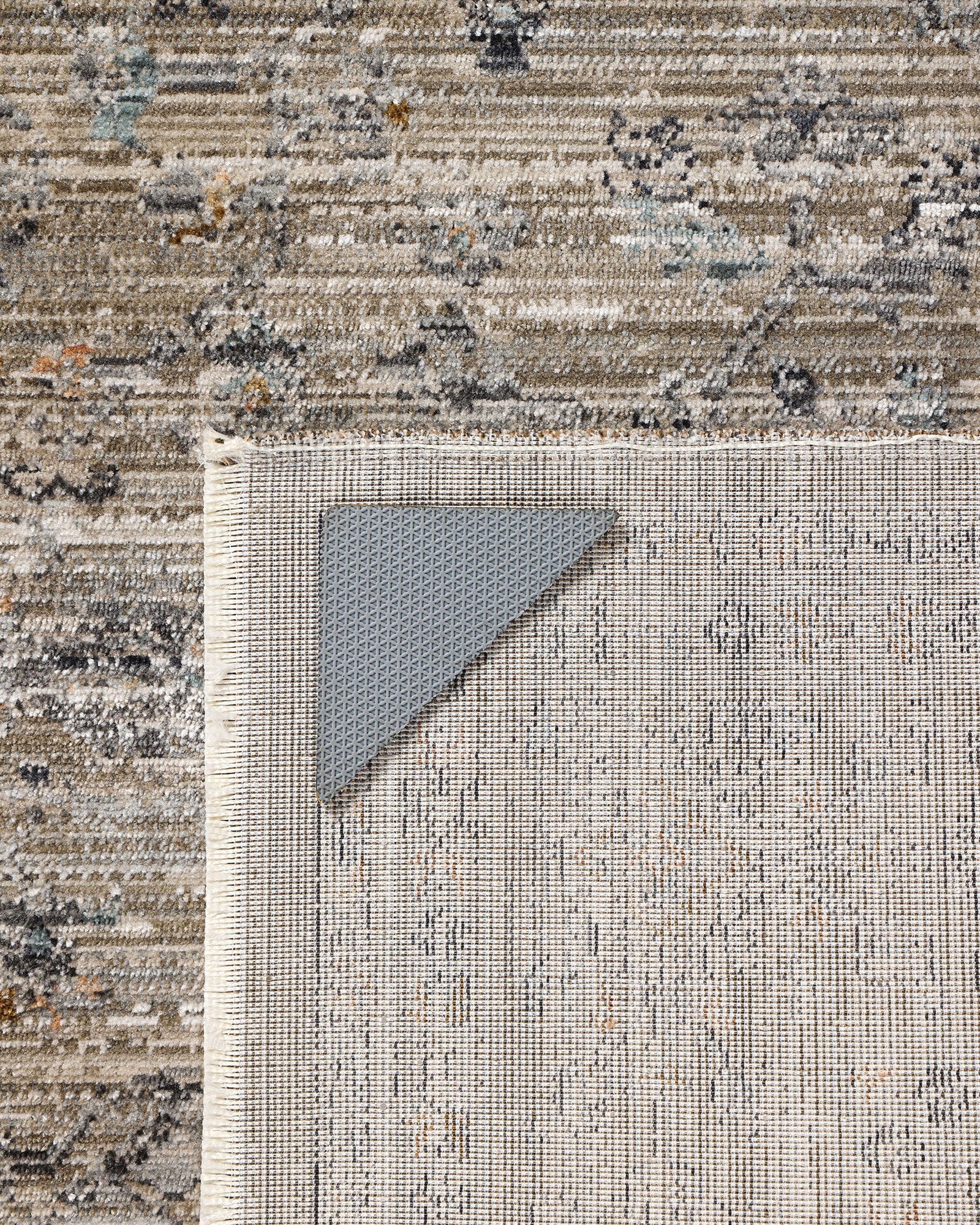
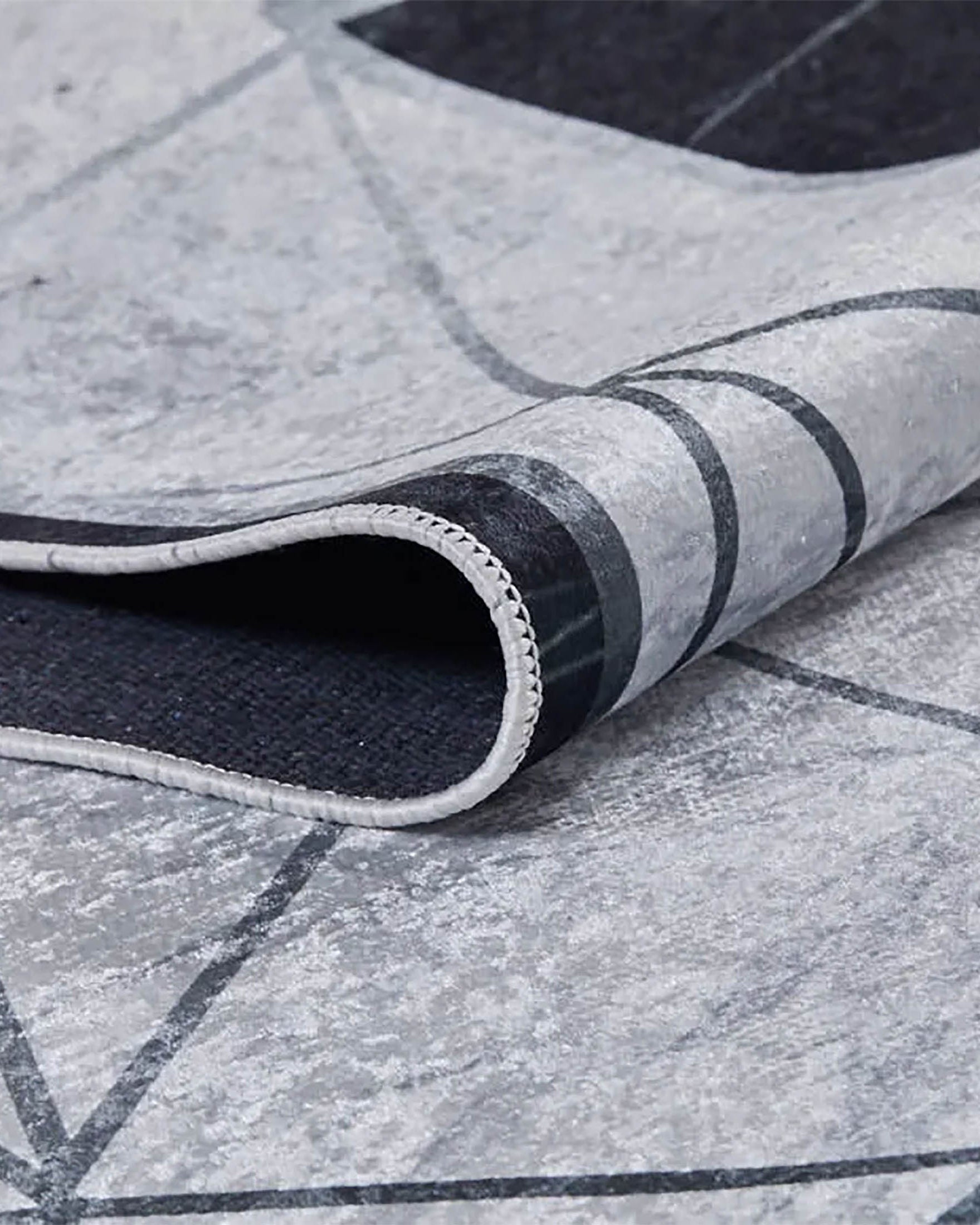
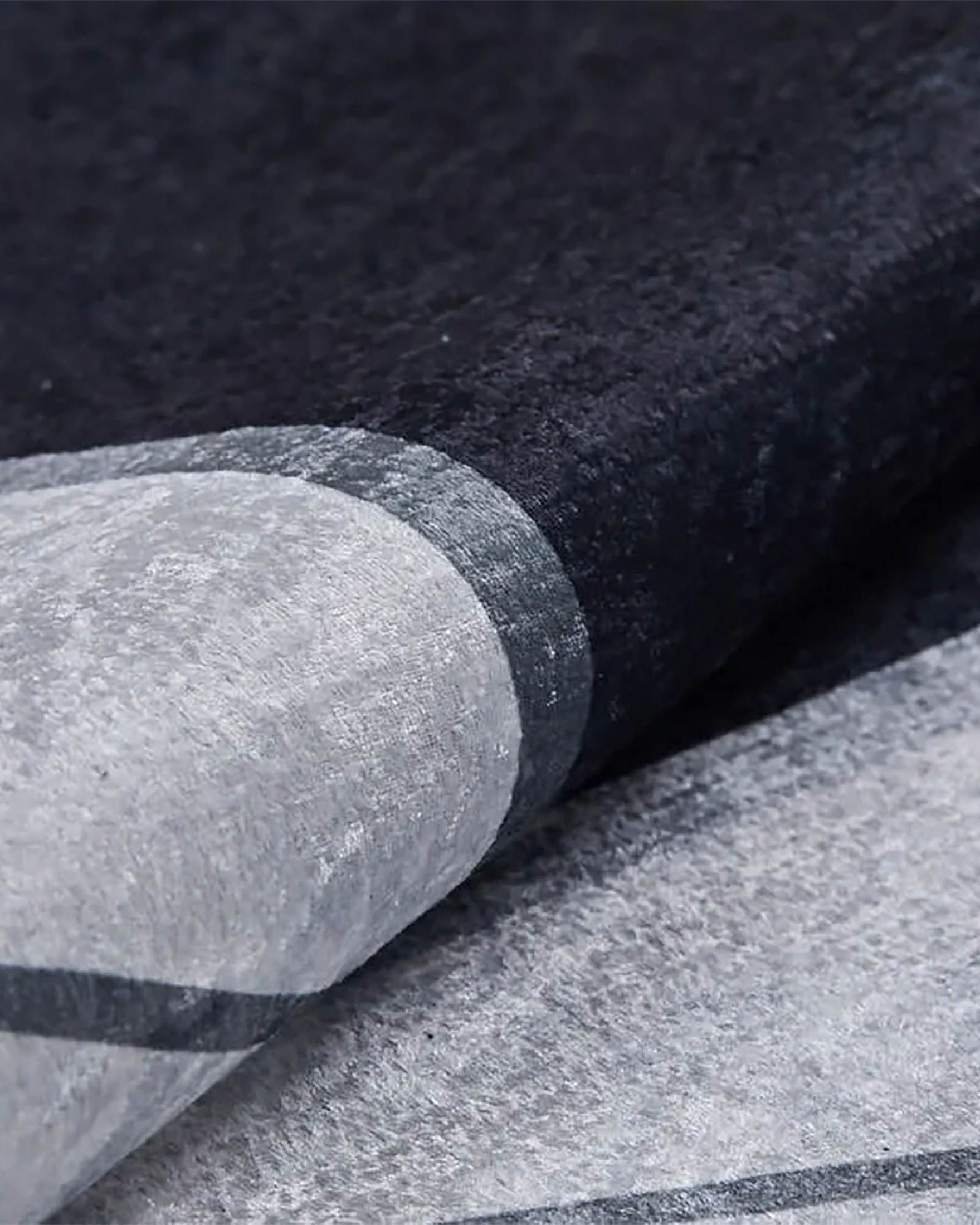
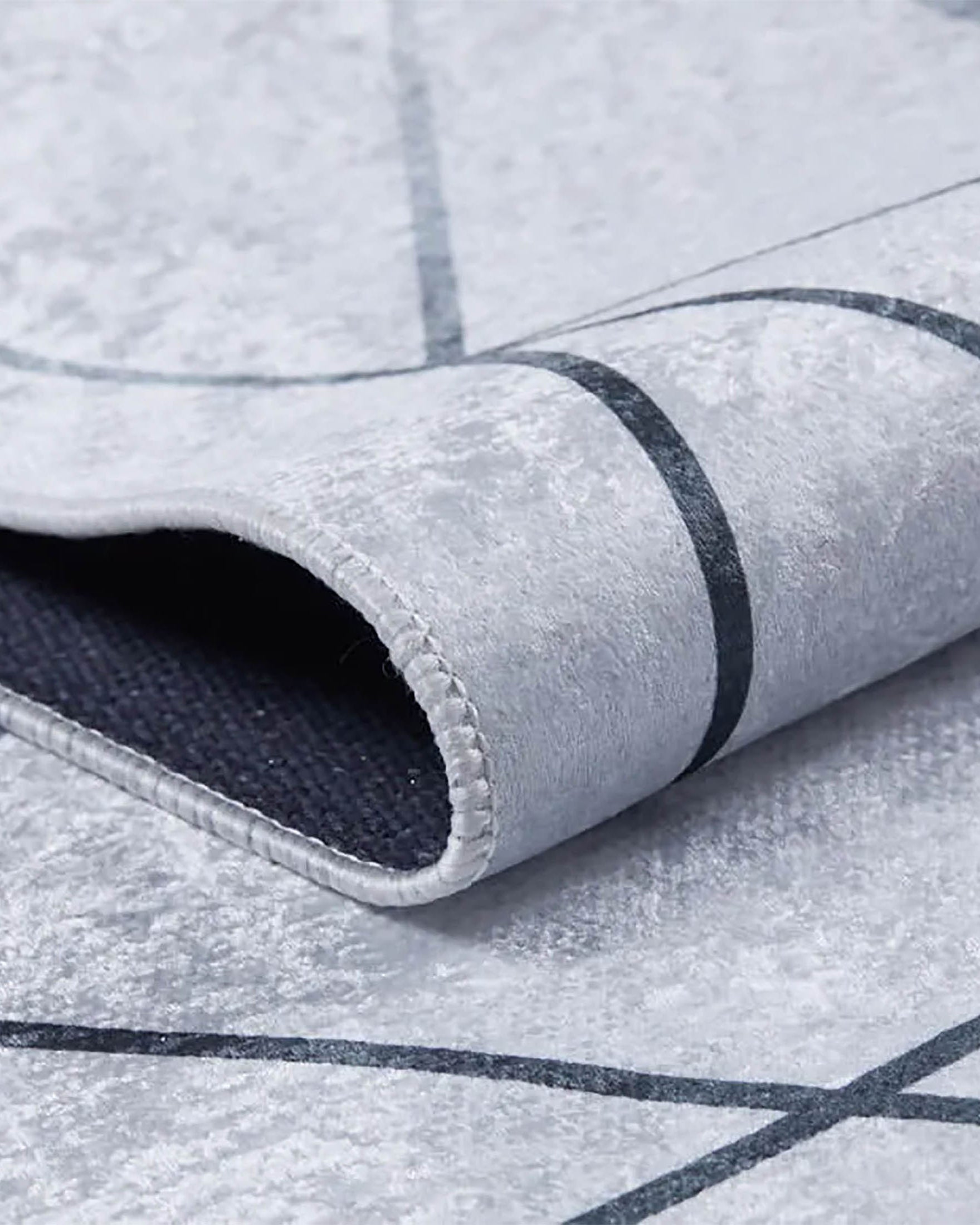
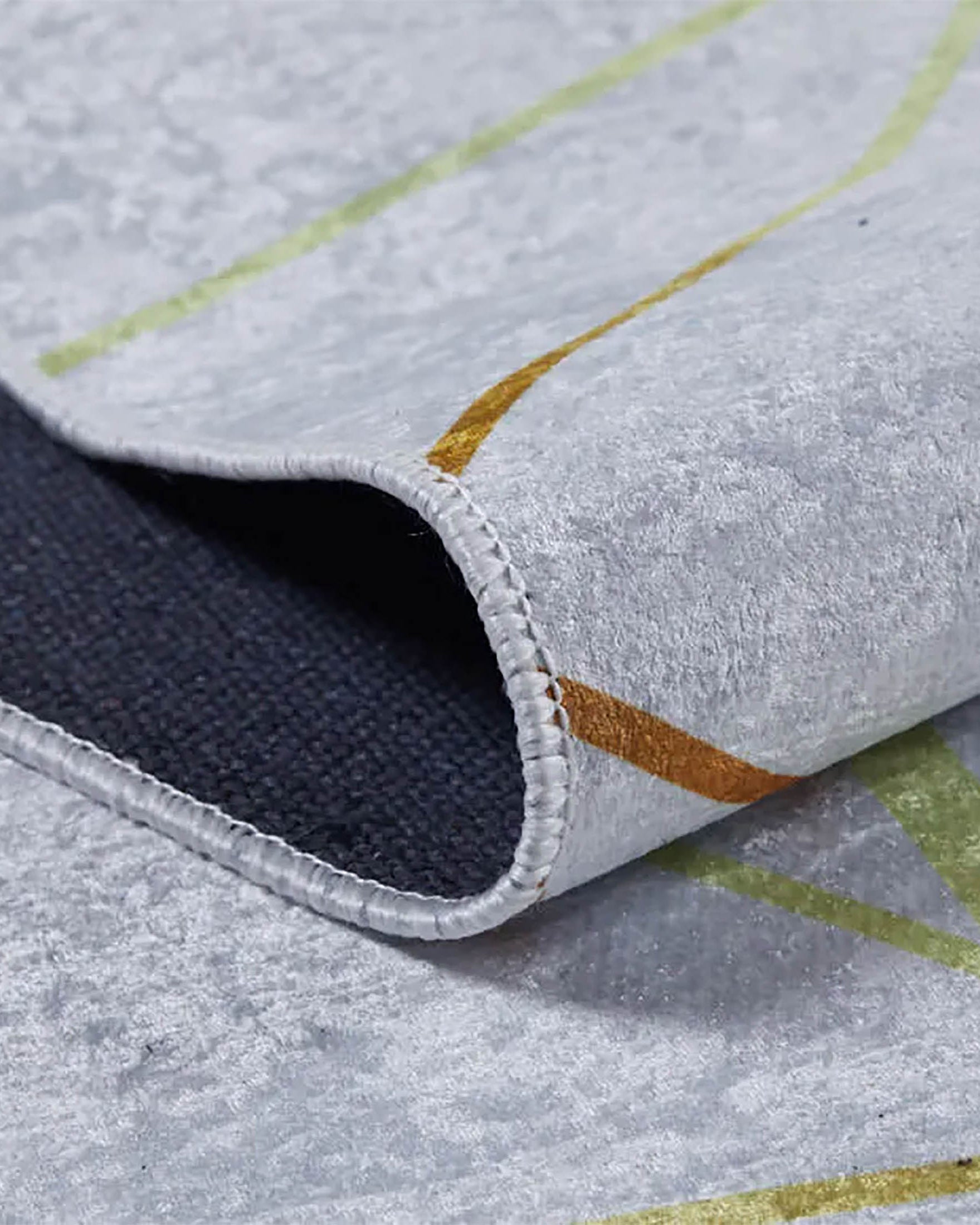
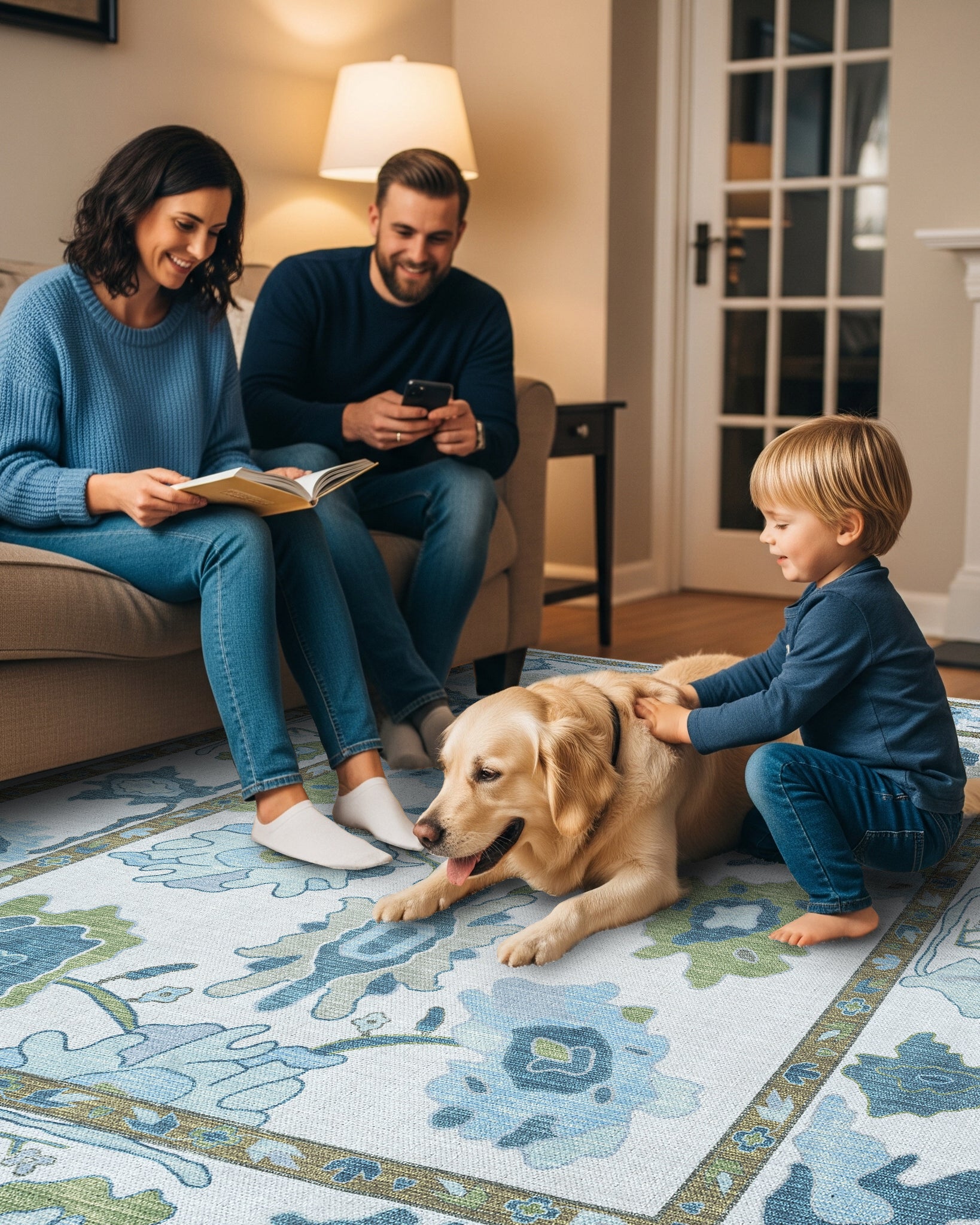
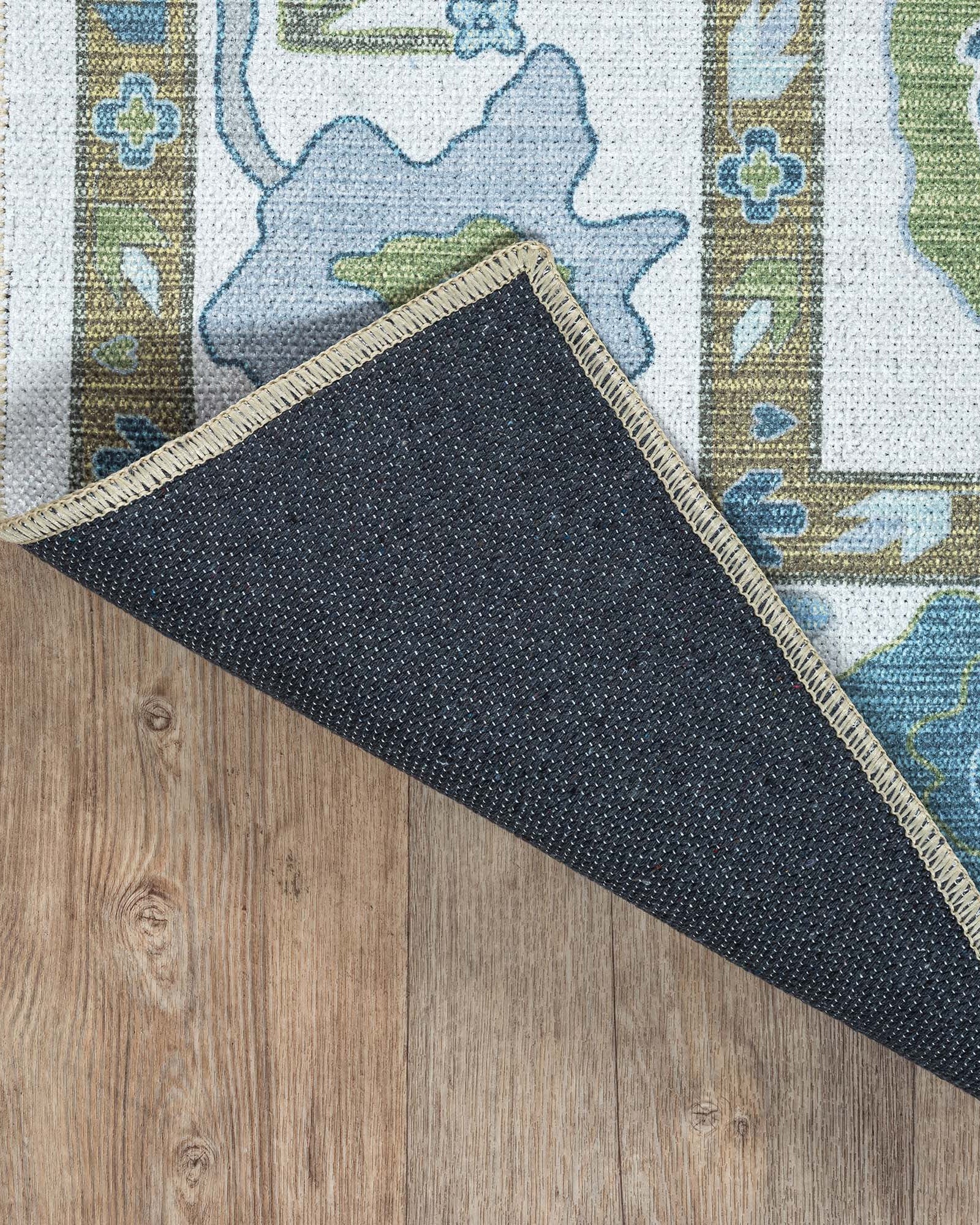
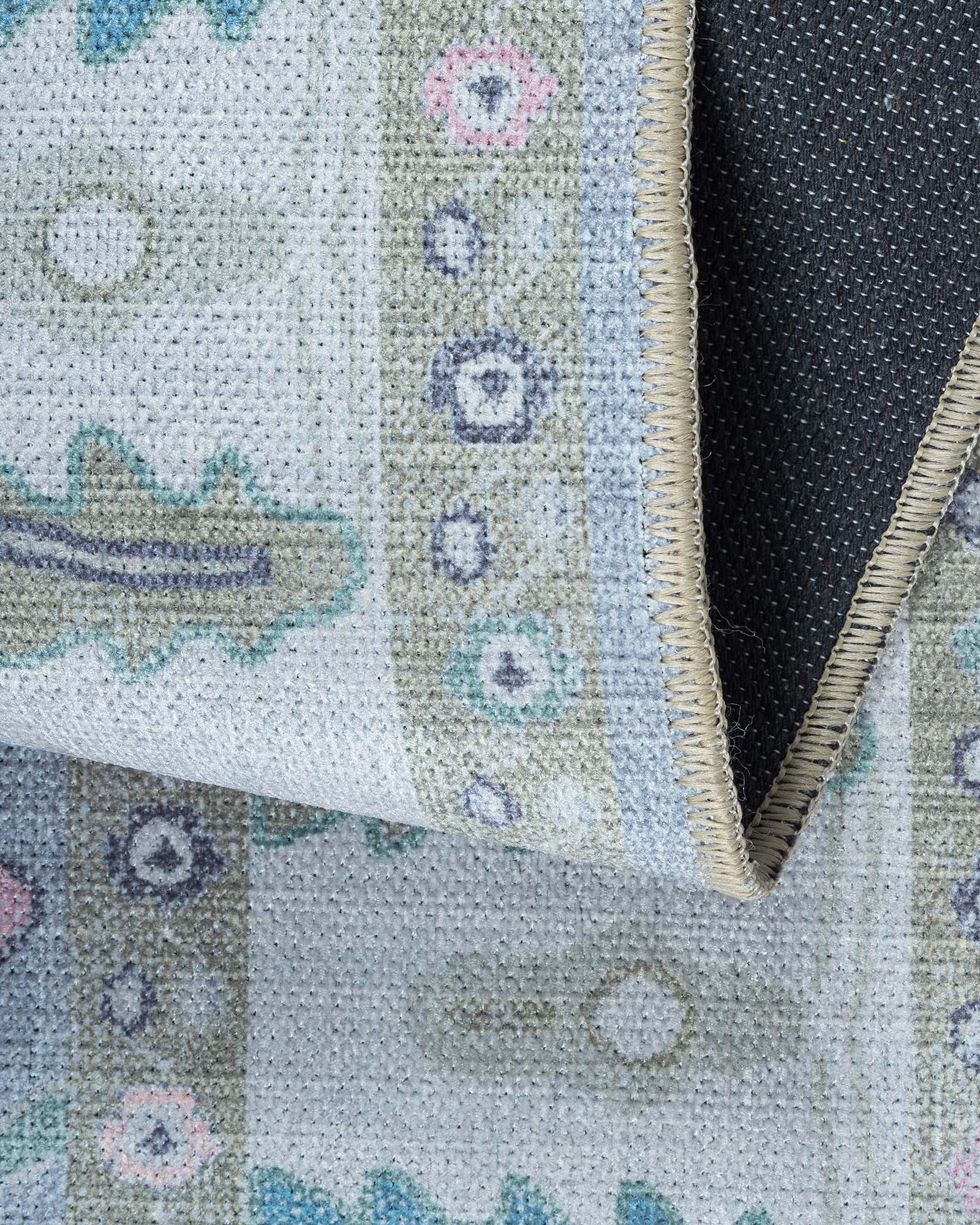
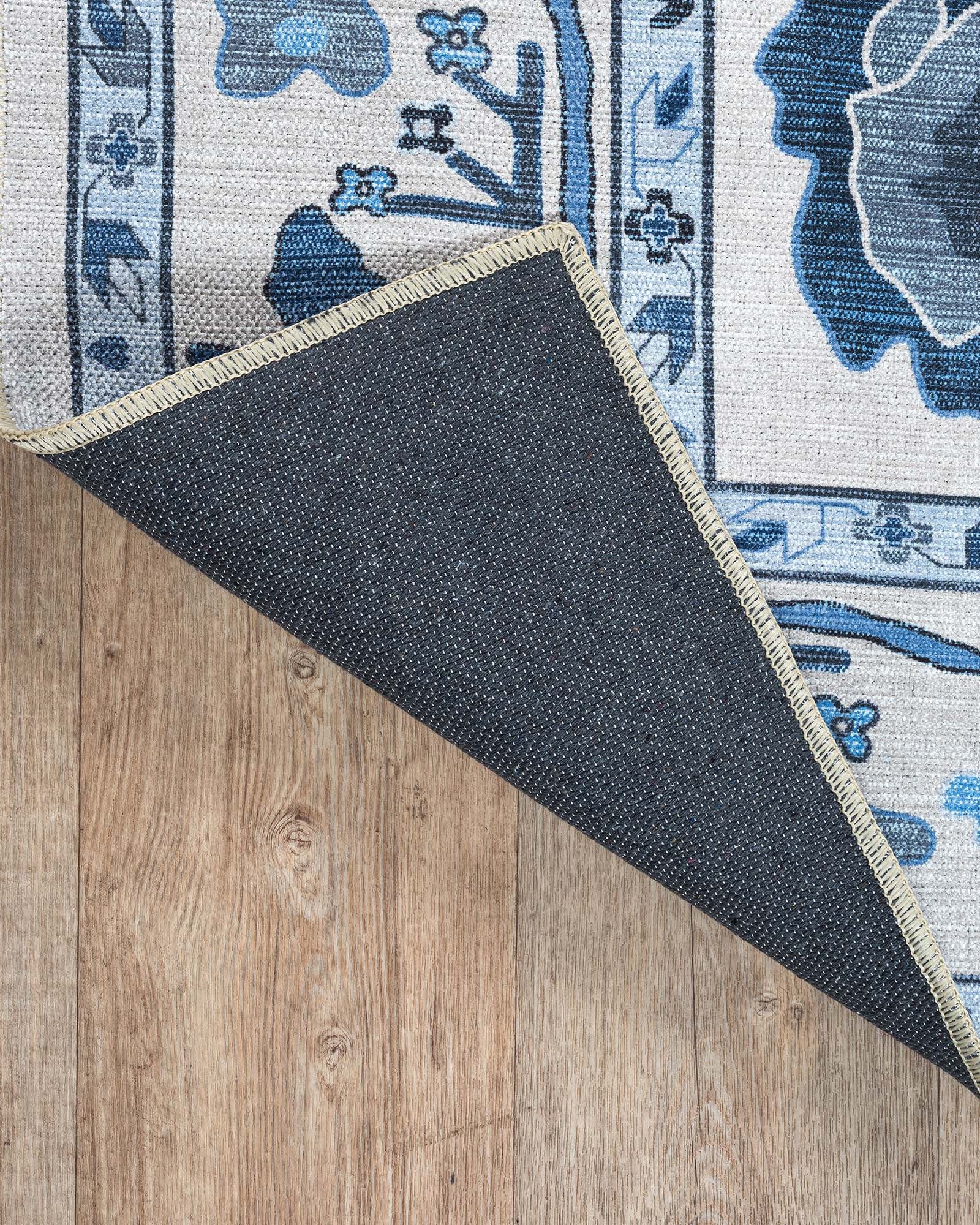
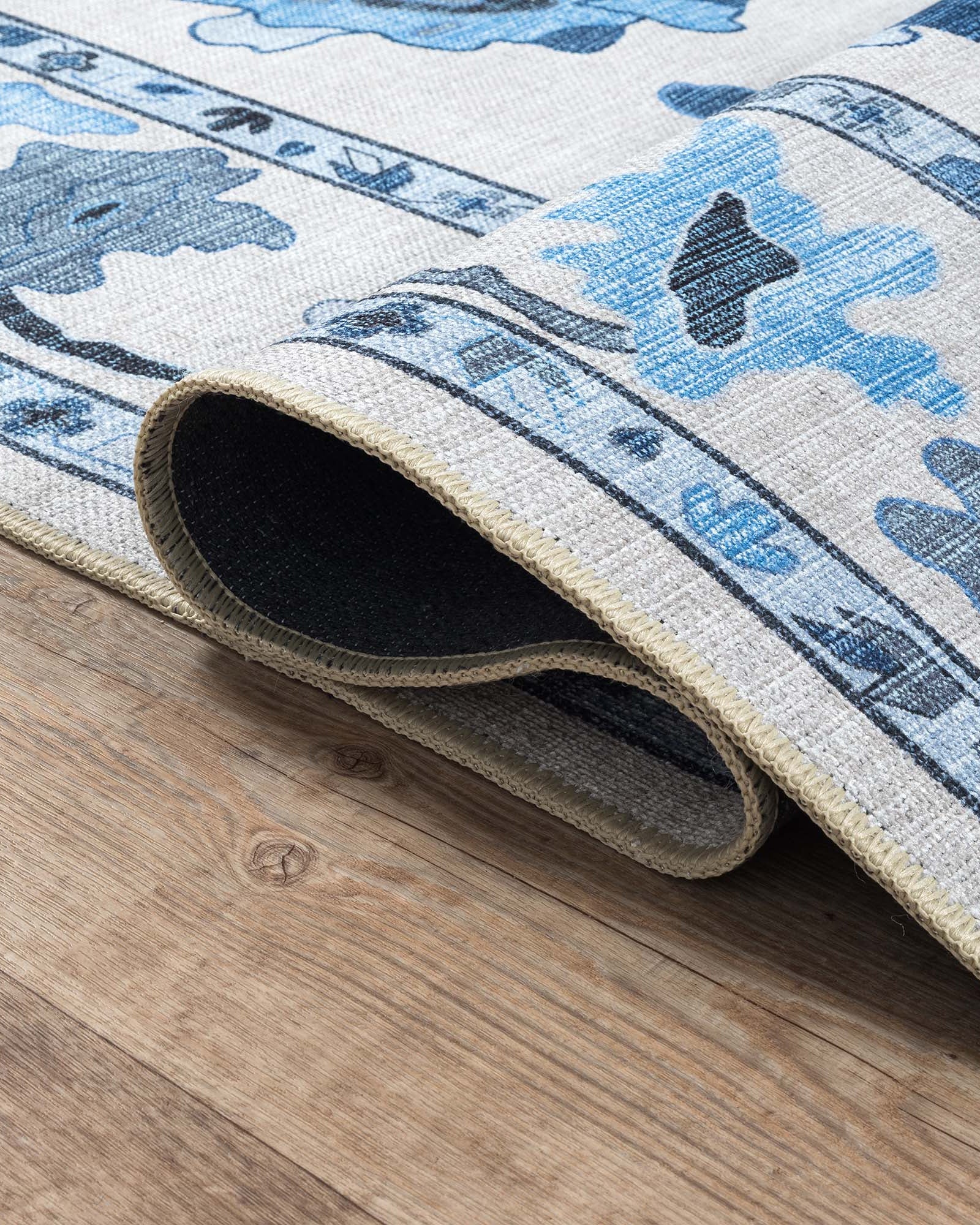
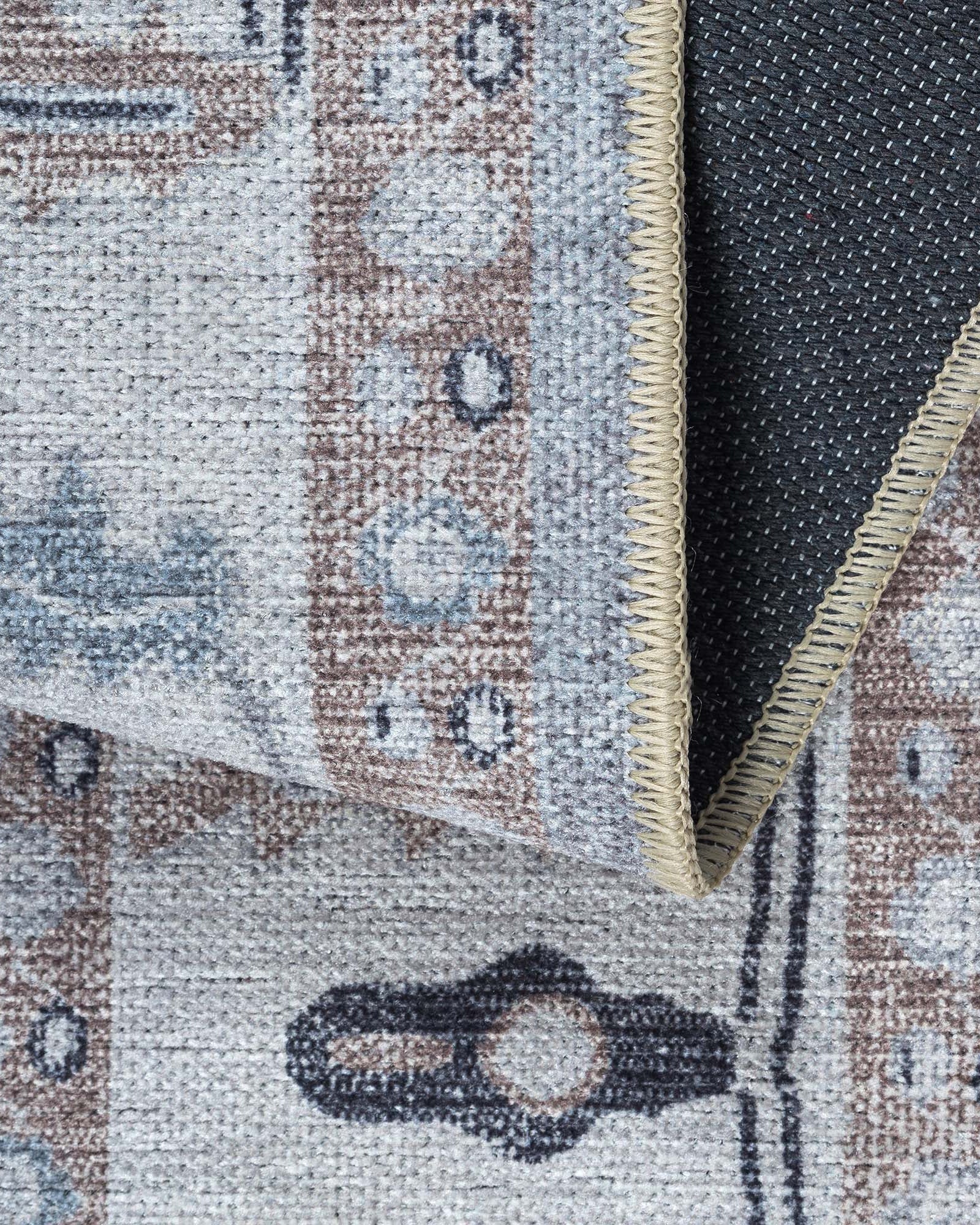
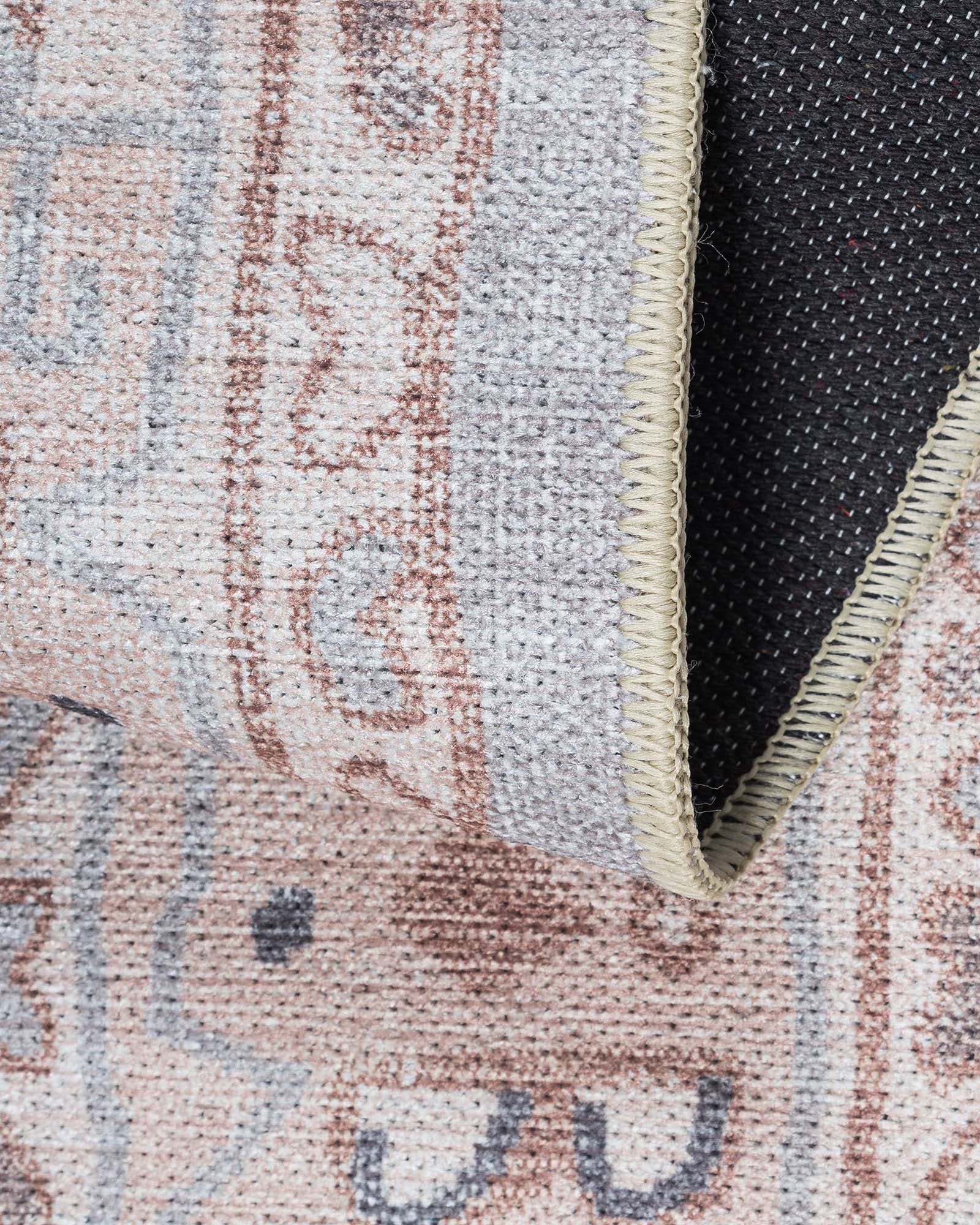
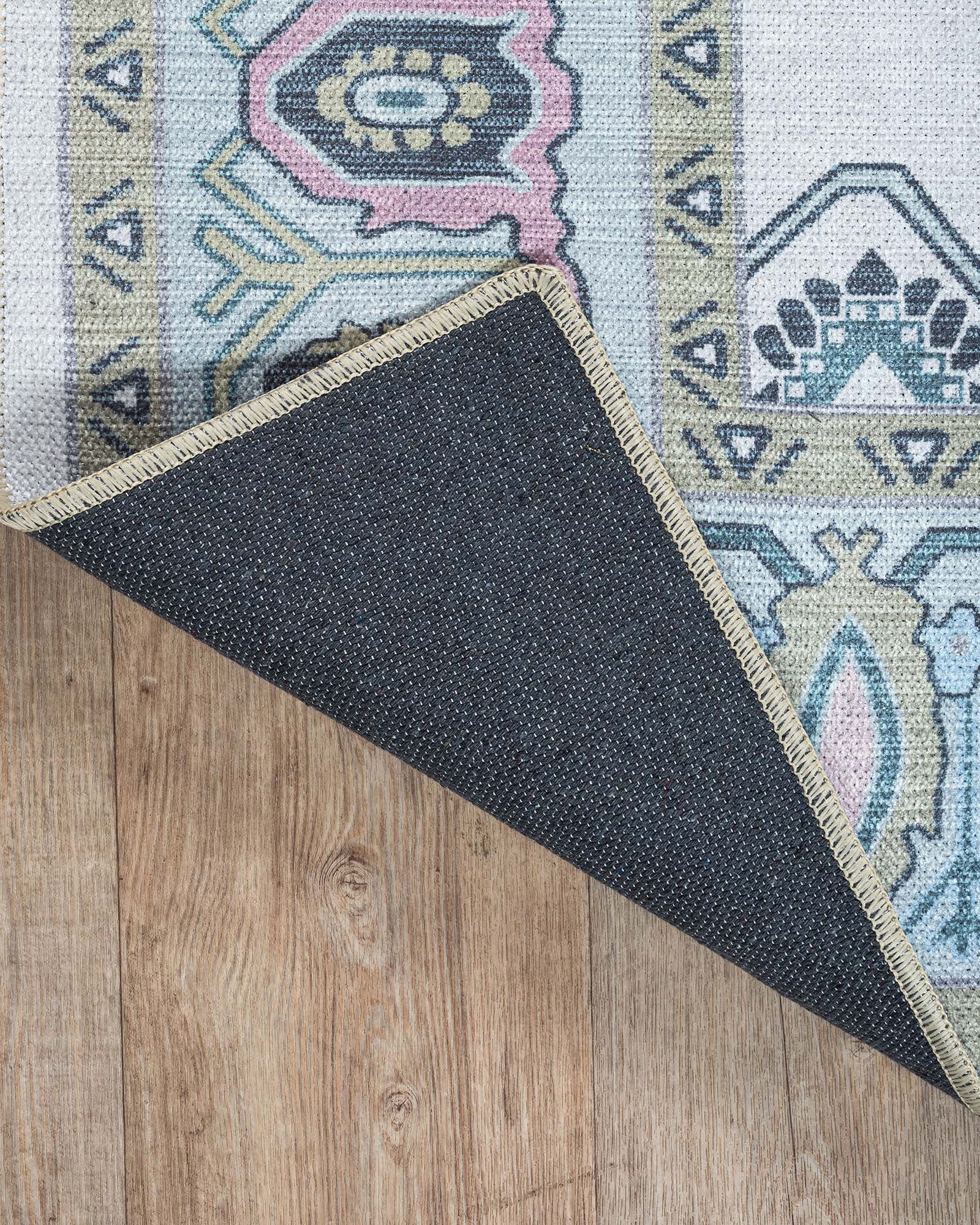
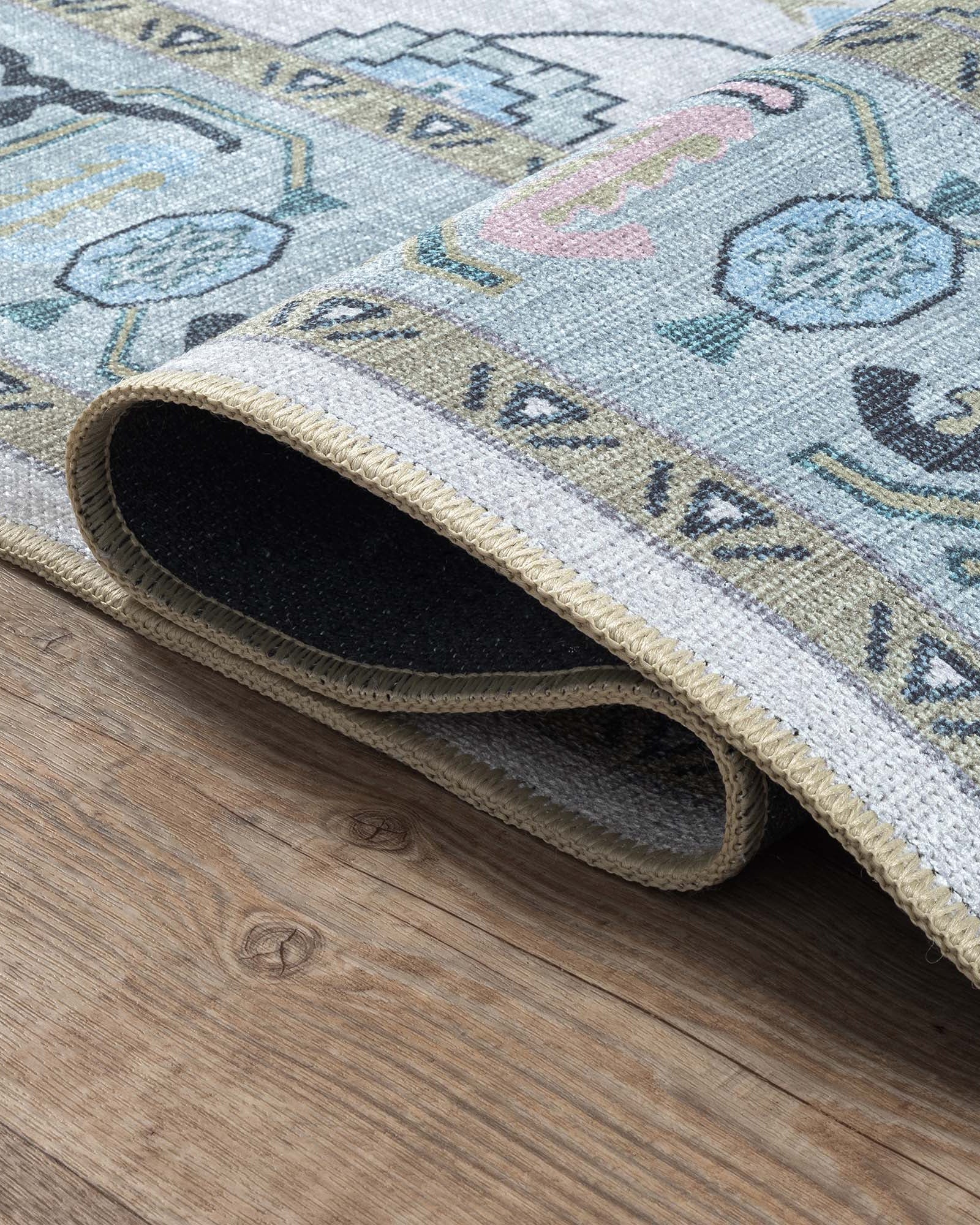
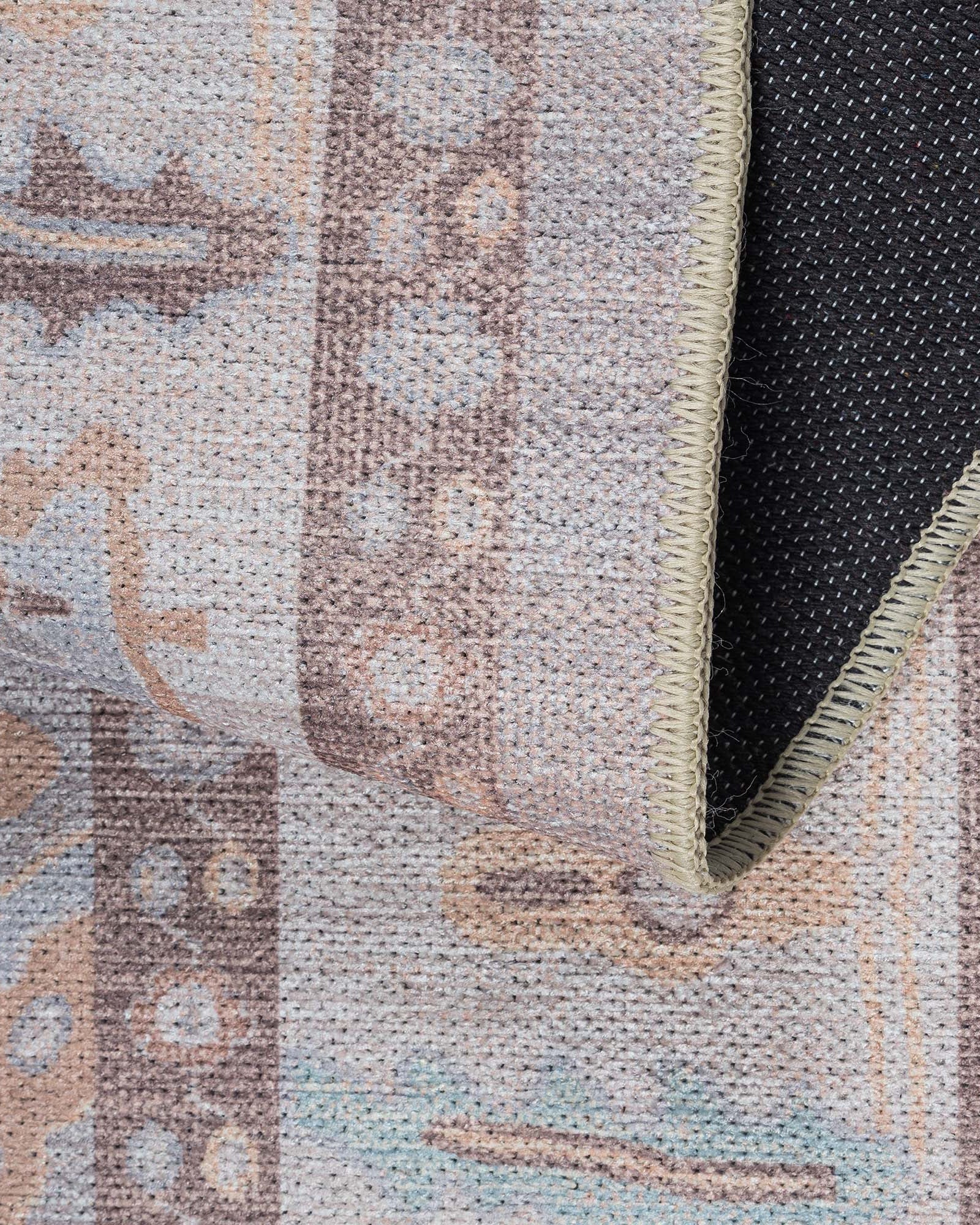
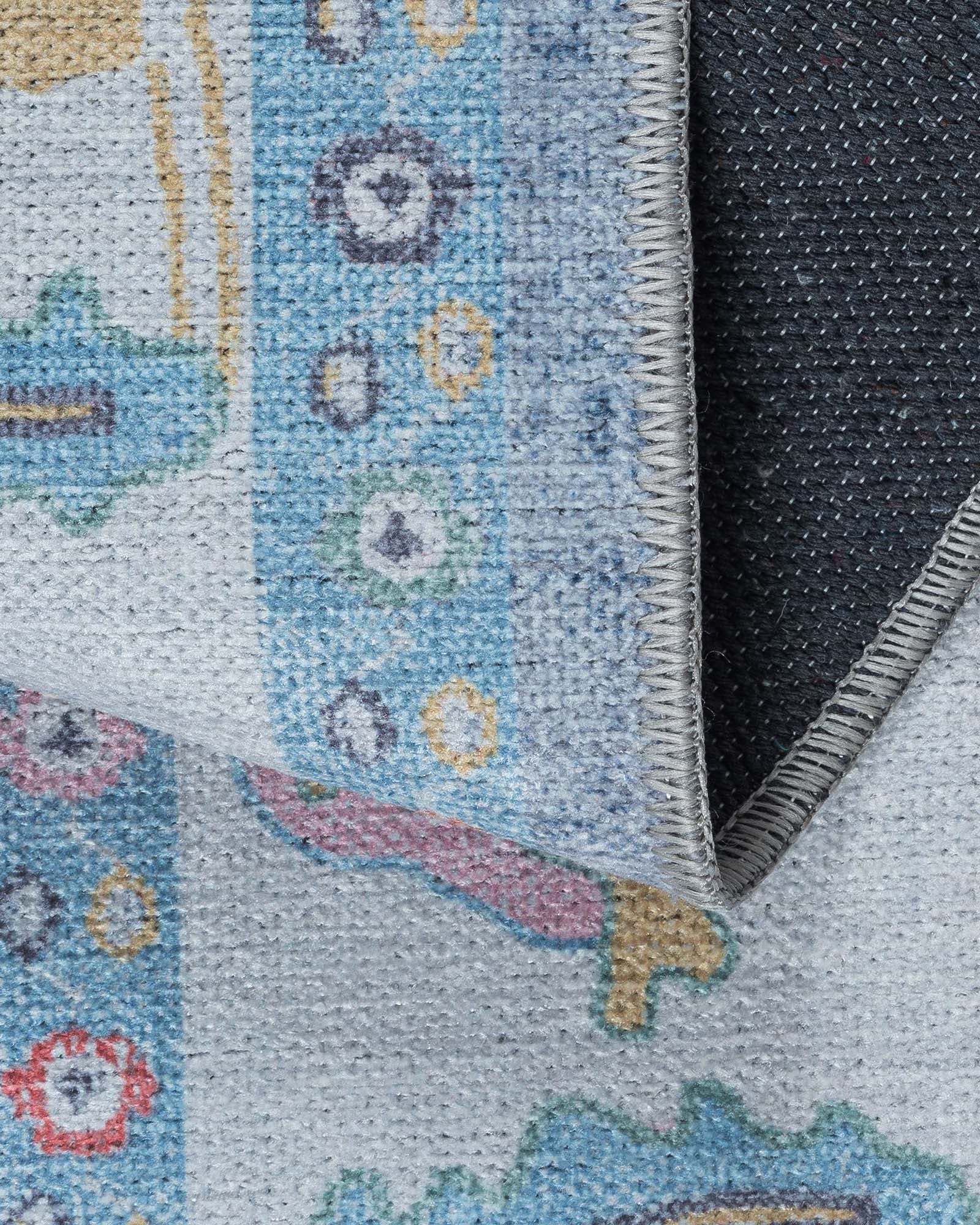
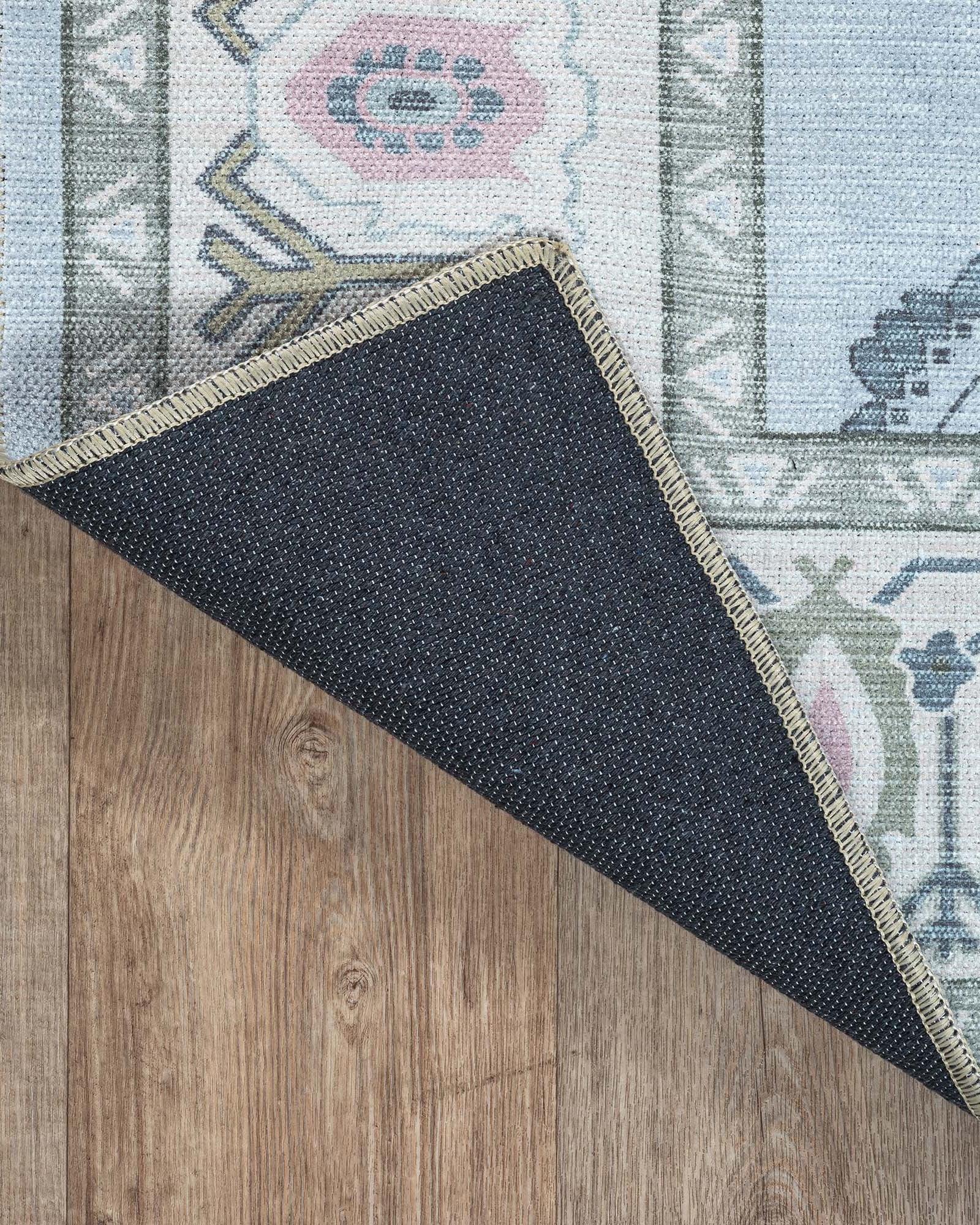
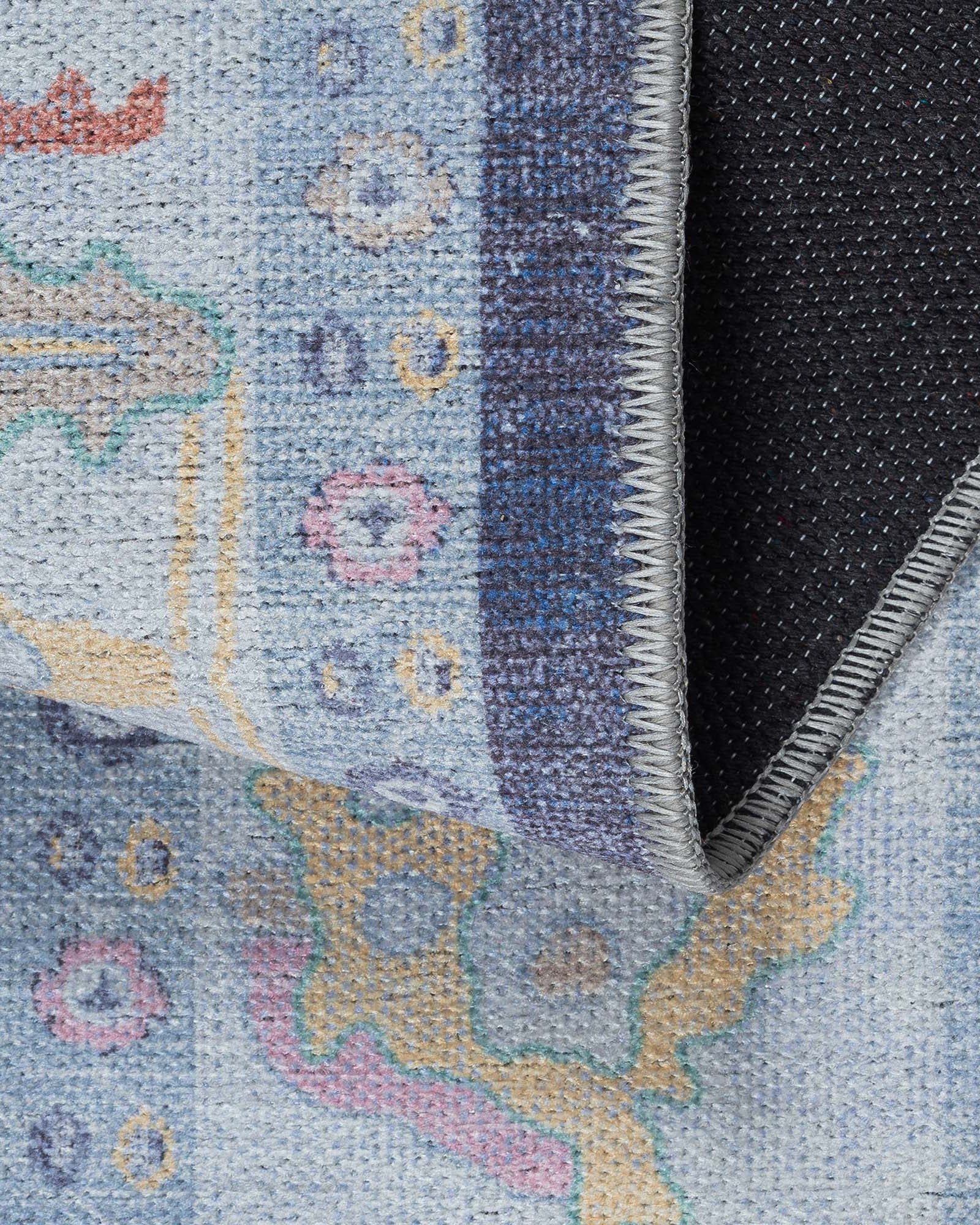
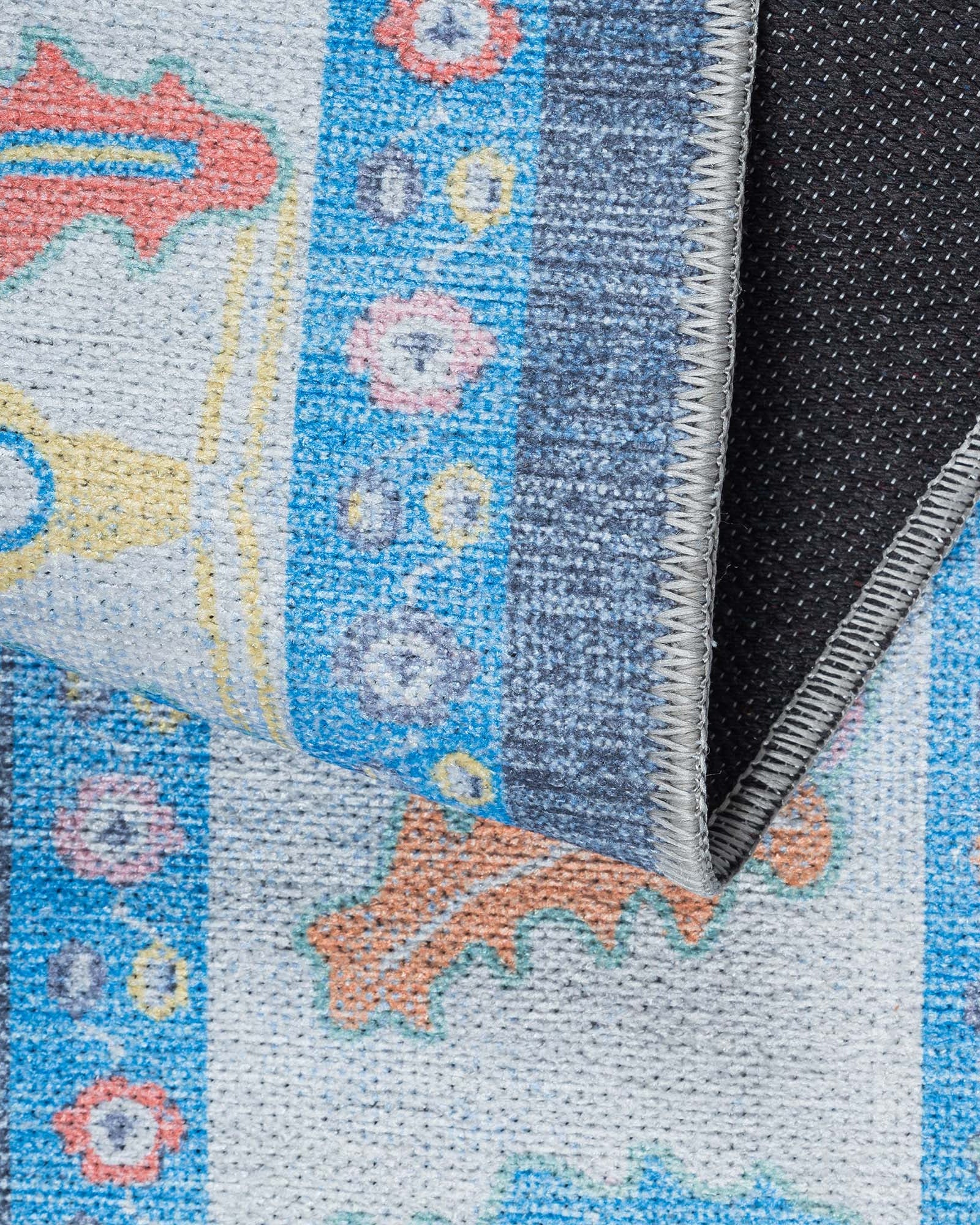
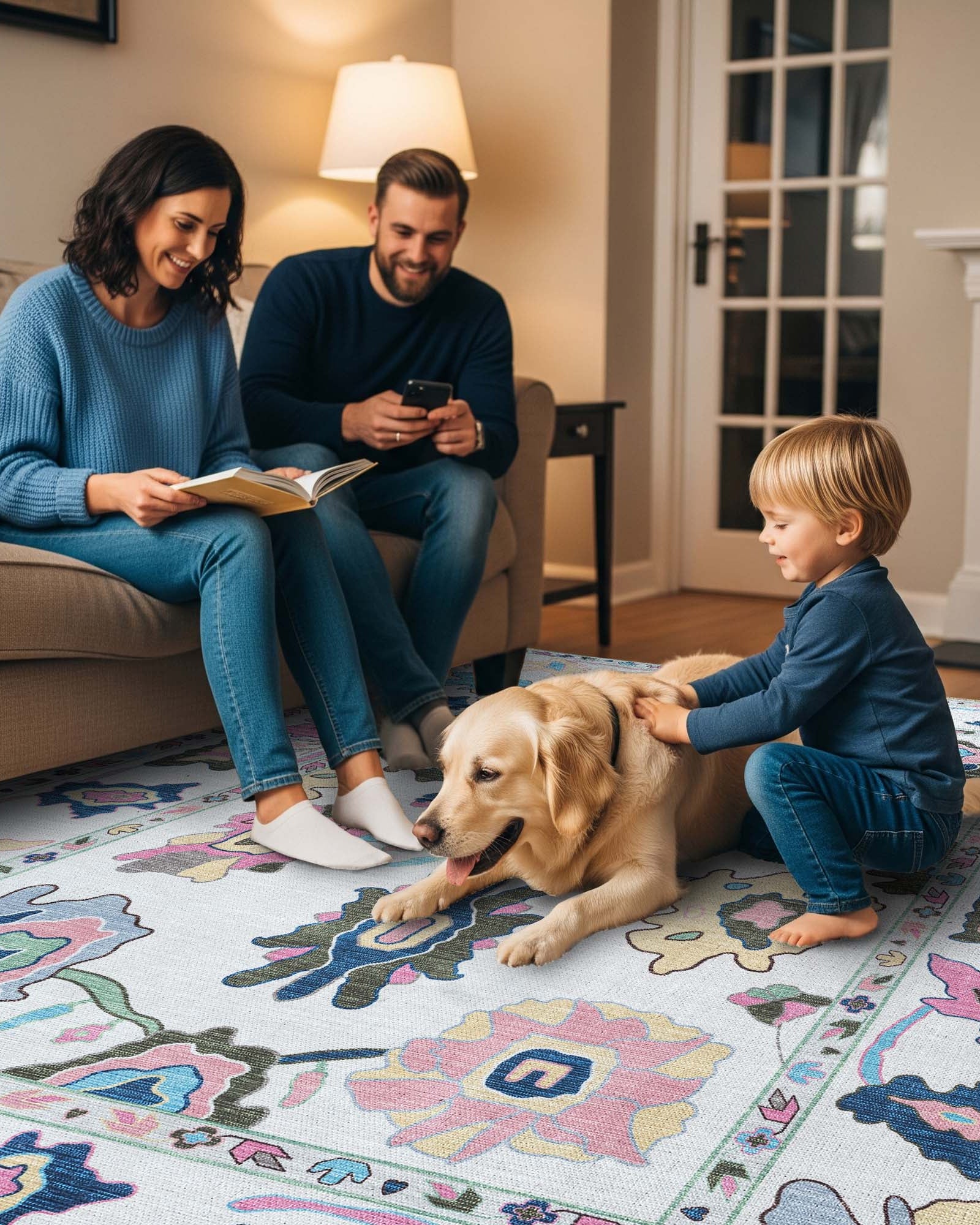
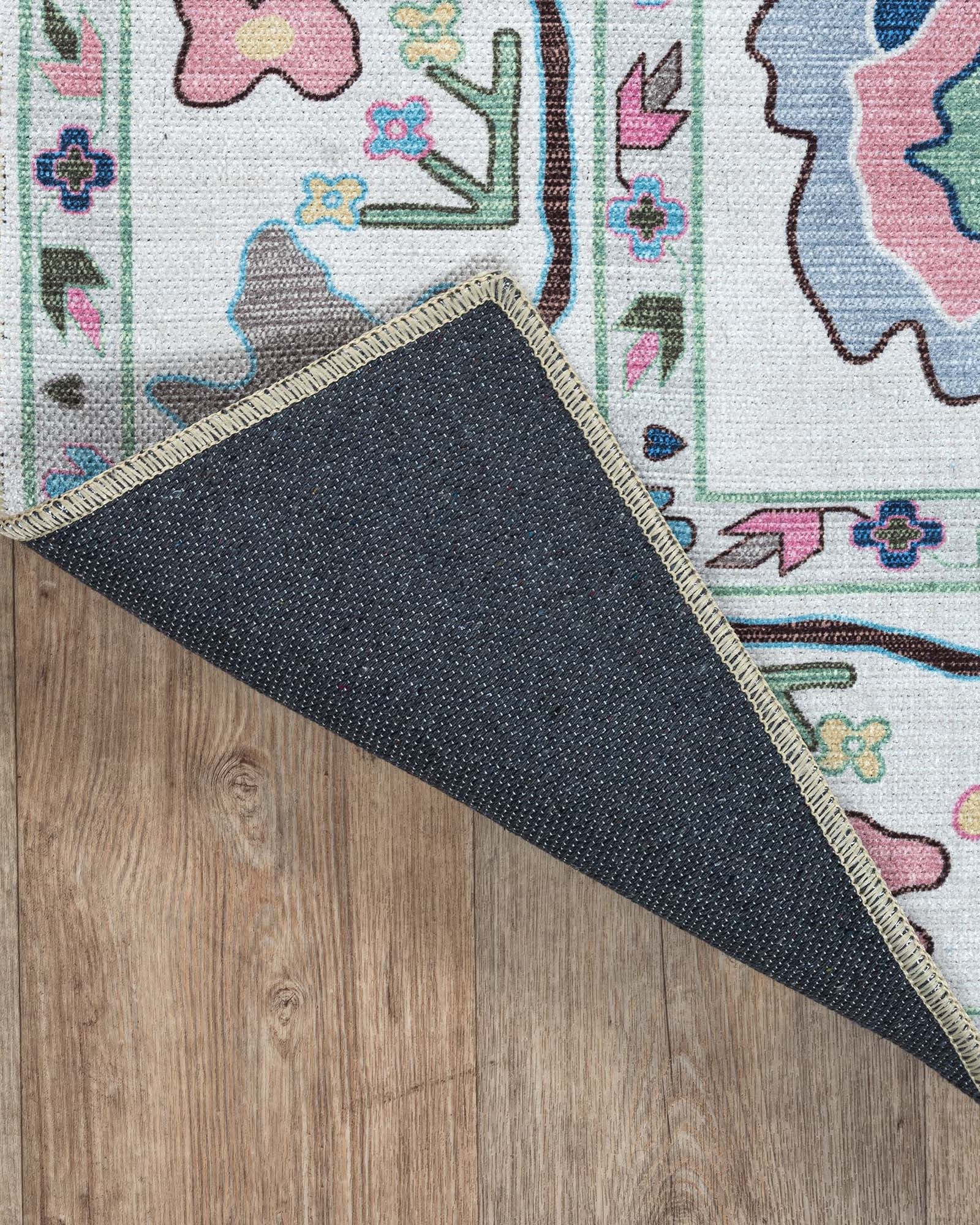
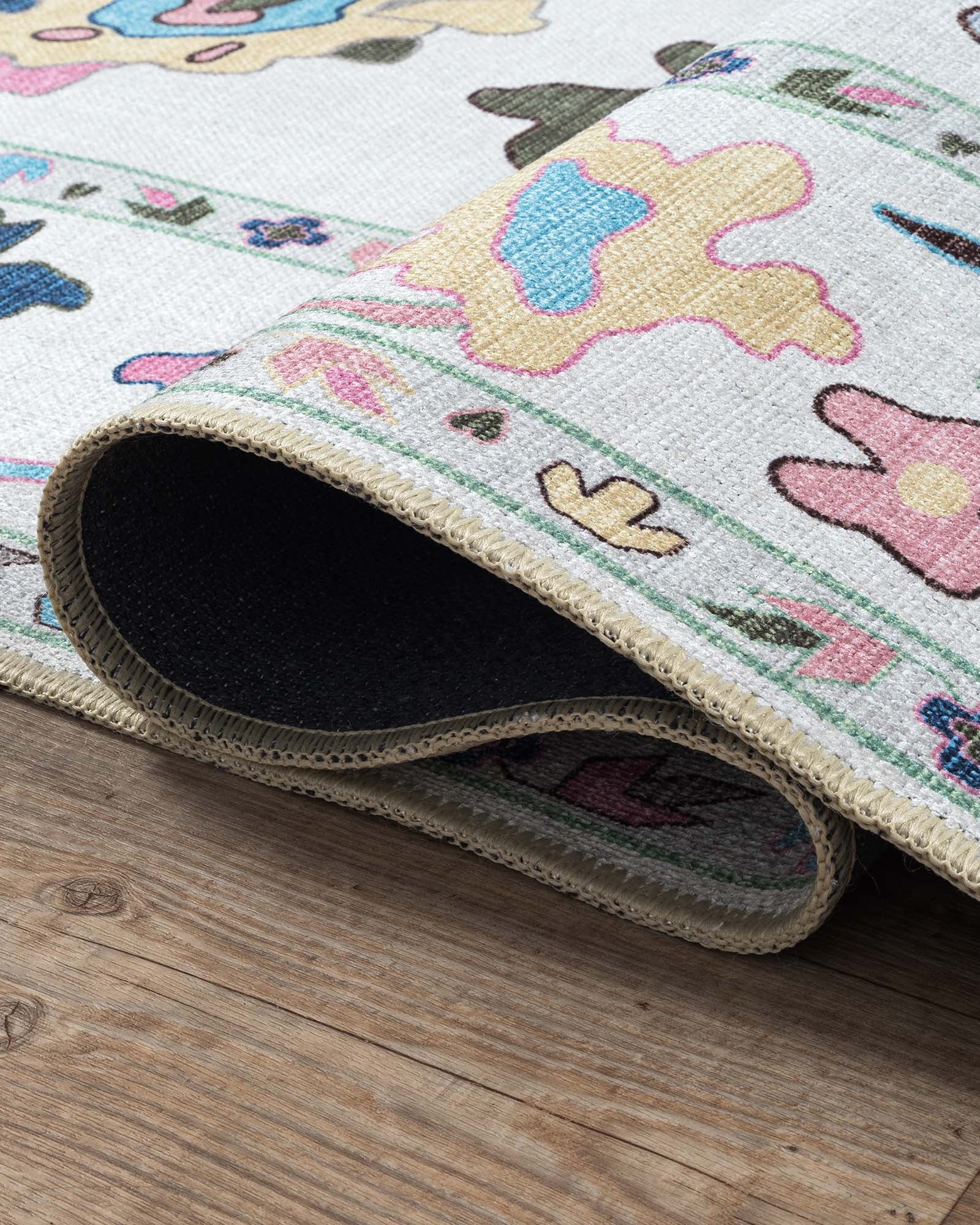
Vacuum regularly, rotate the rug every six months so wear and light exposure distribute evenly, and blot spills promptly rather than rubbing. Use a rug pad underneath to prevent slipping and reduce wear on the backing.
Shop Anatolian Rugs at Fame Rugs
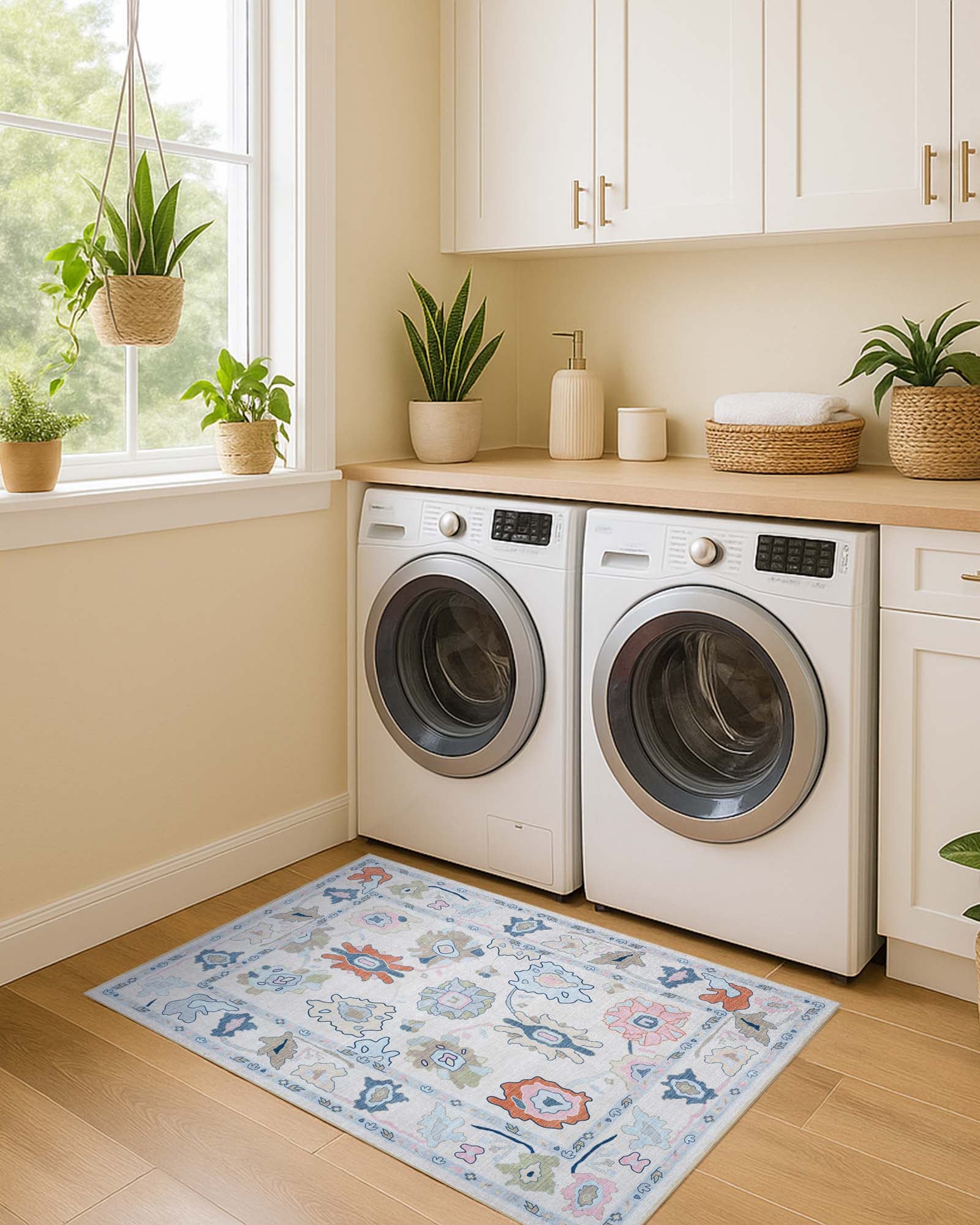
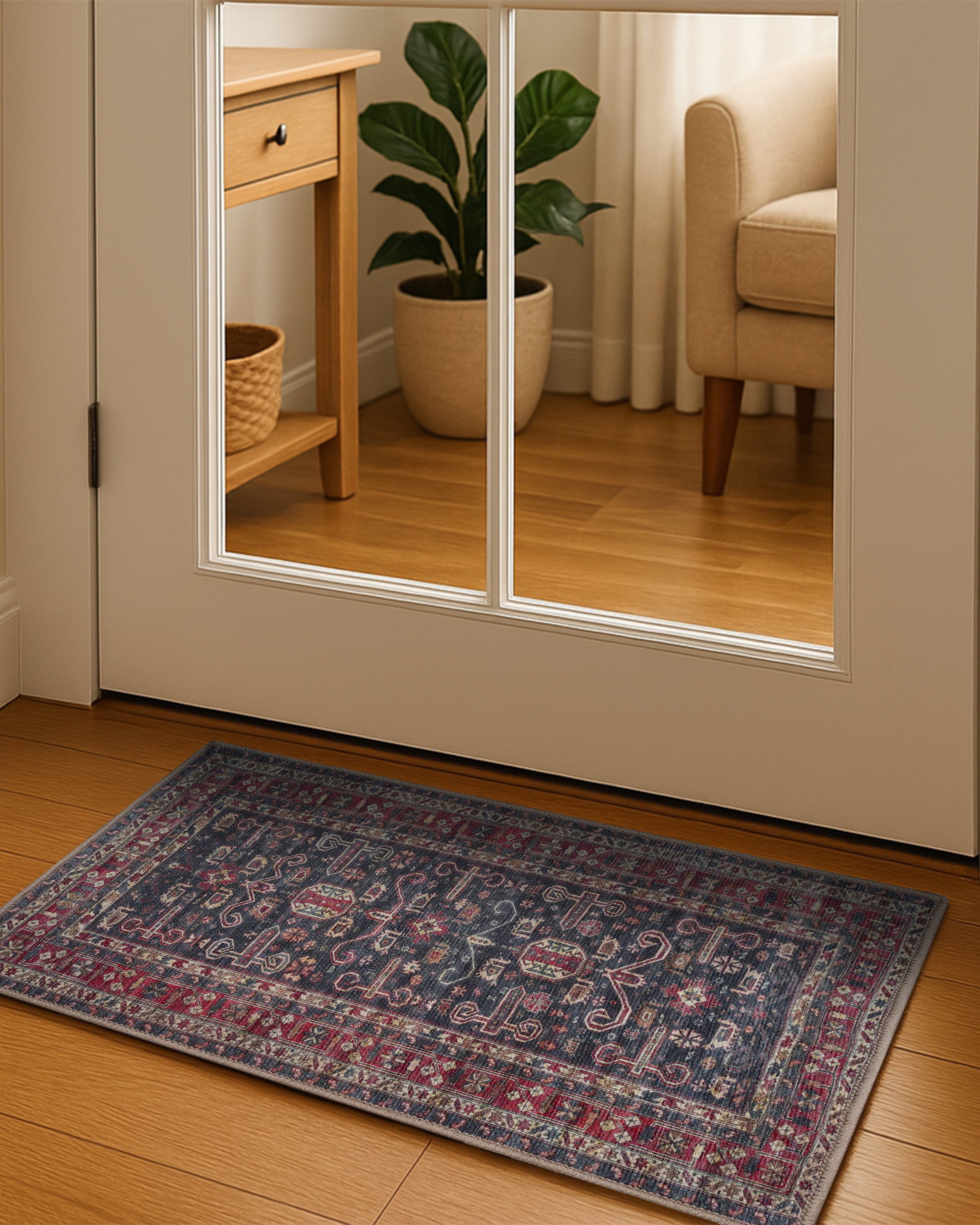
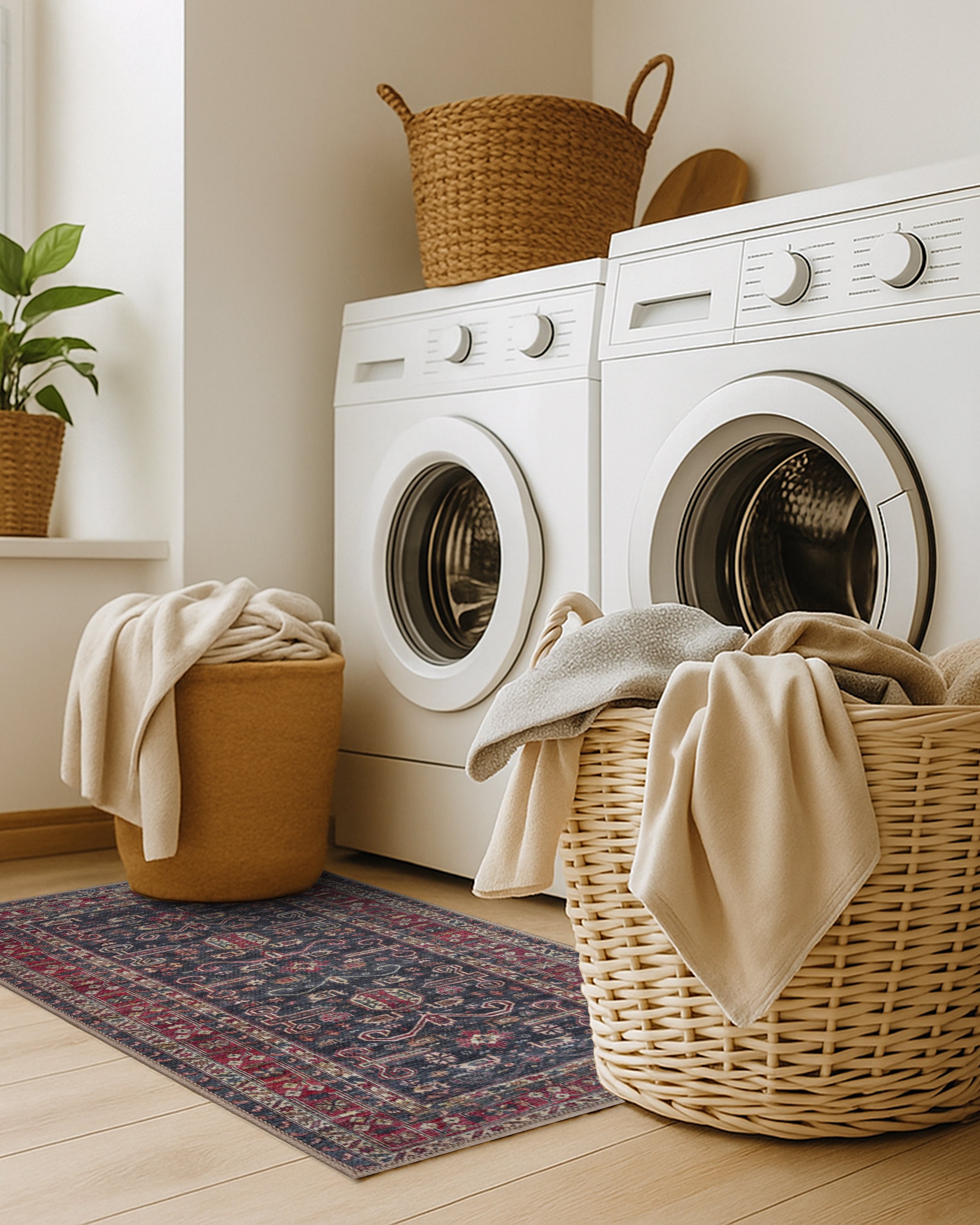
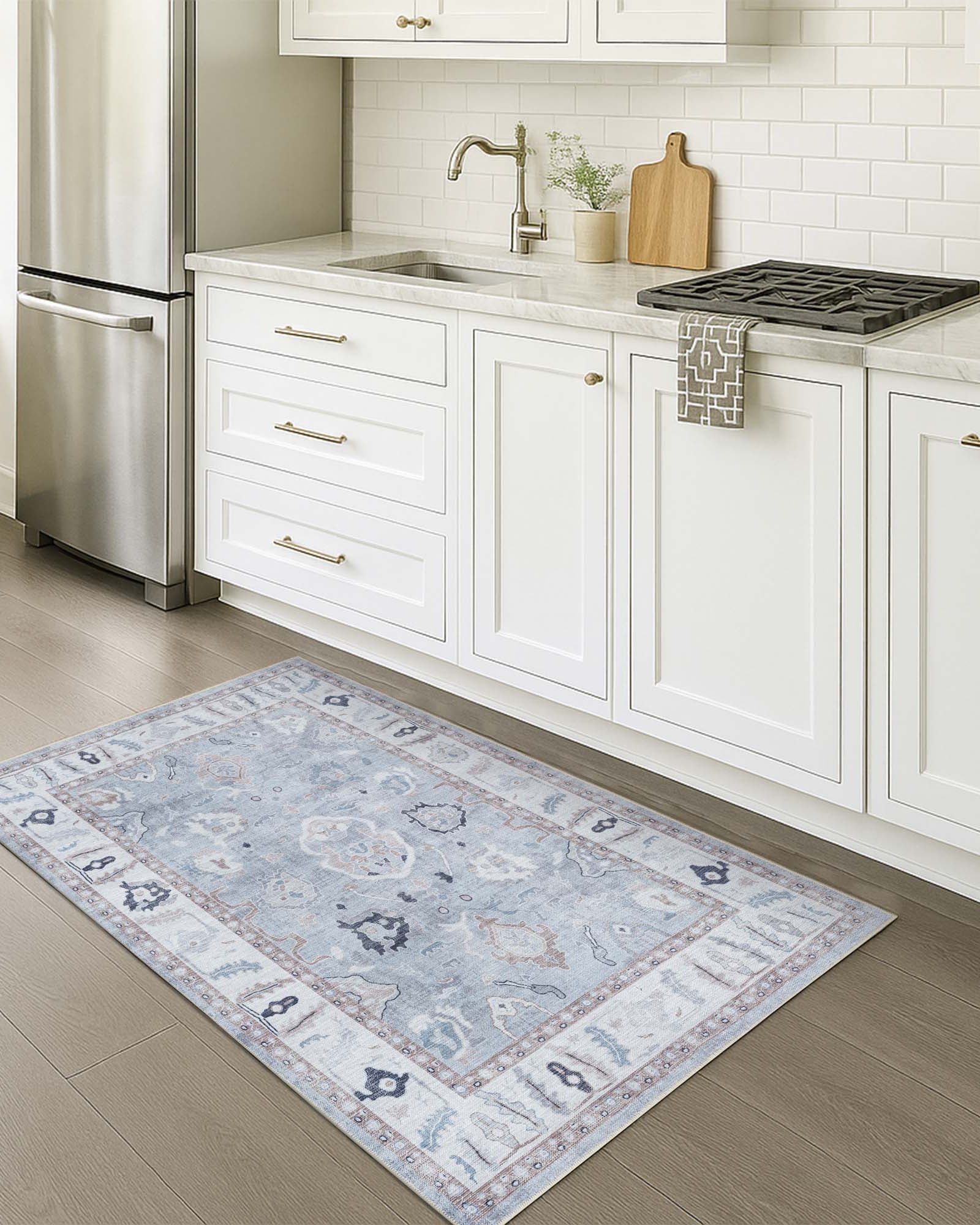
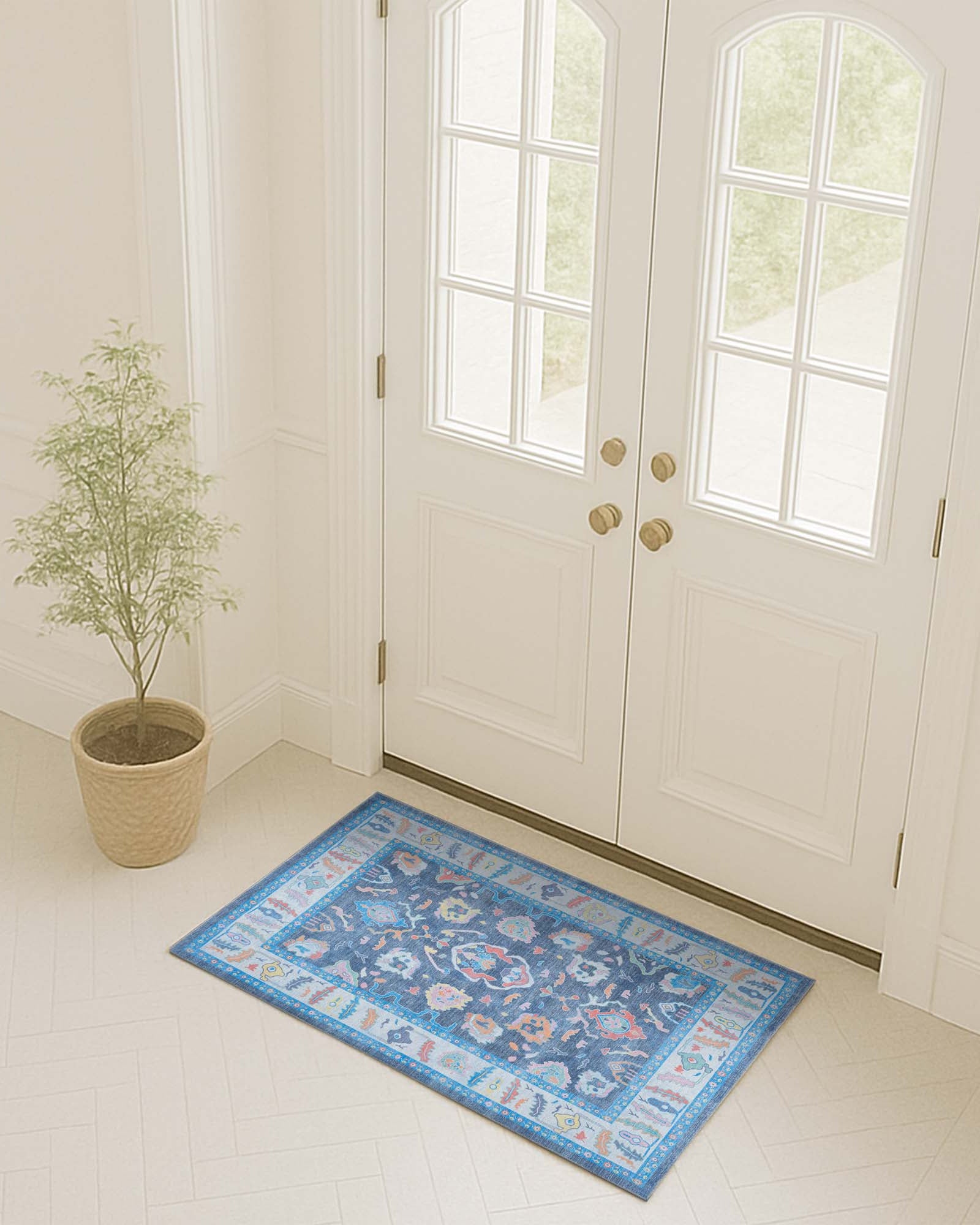
Browse accent sizes, room-defining 8'x10' and 9'x12' pieces, and runners suited to hallways and stairs. Free shipping within the continental United States.