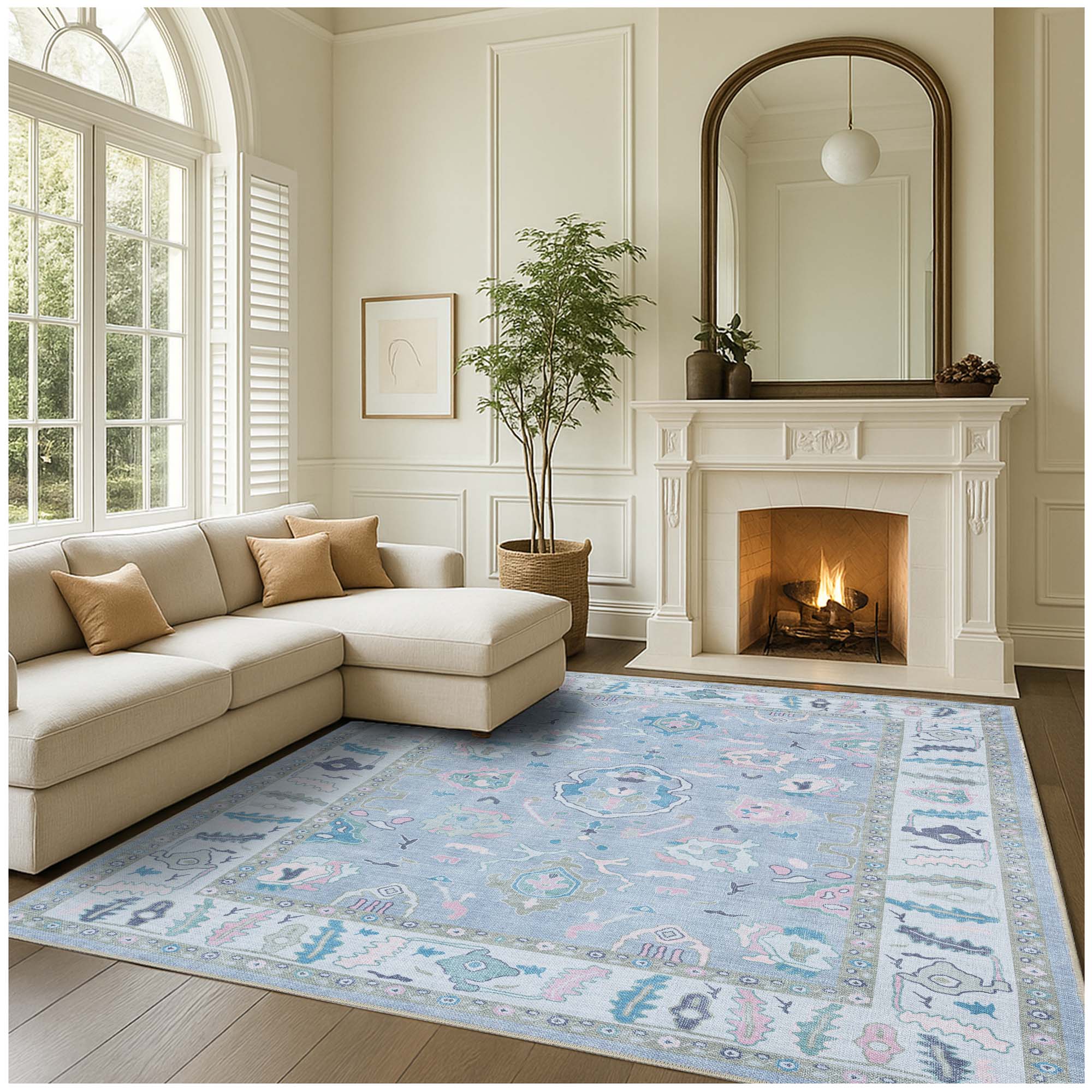
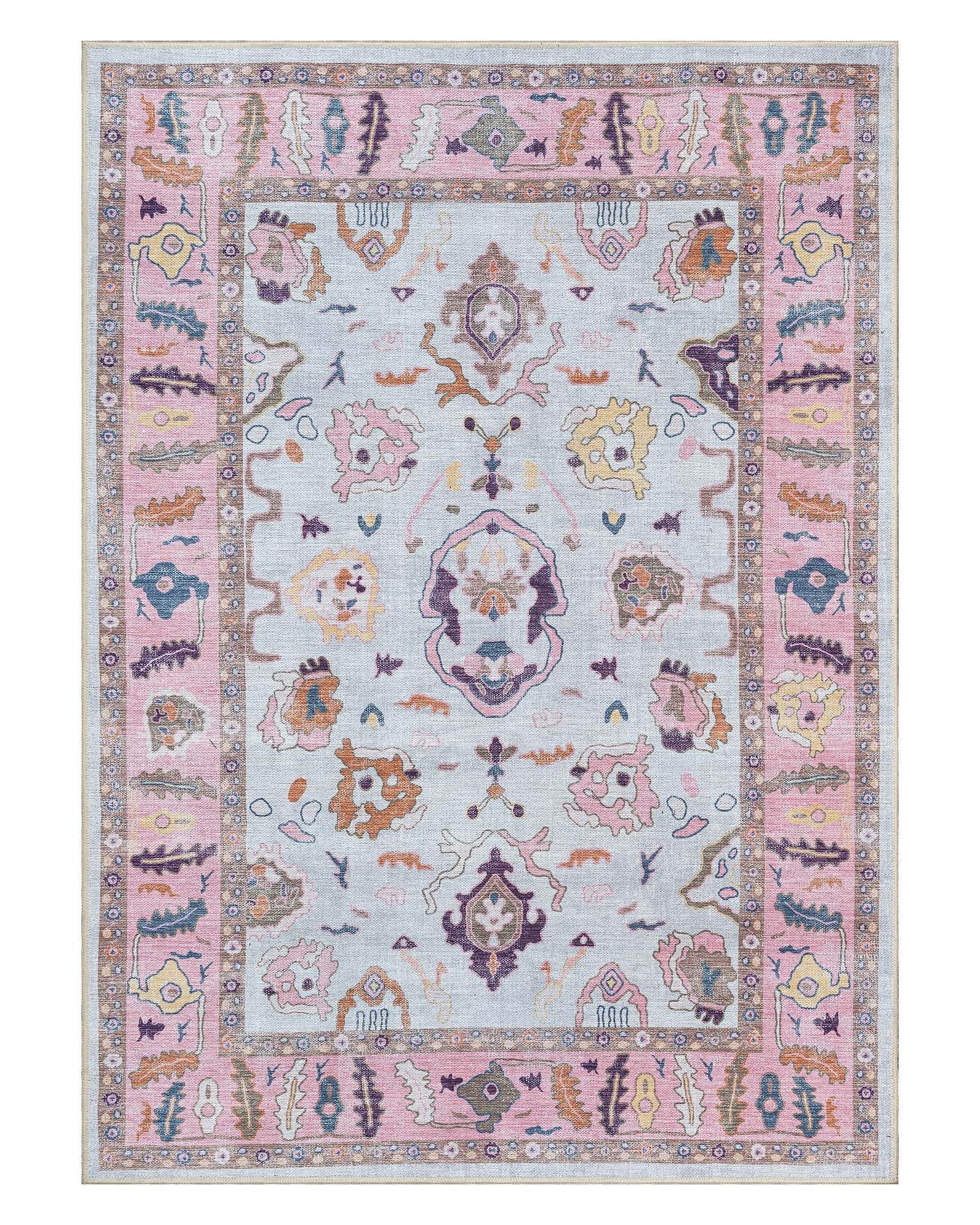
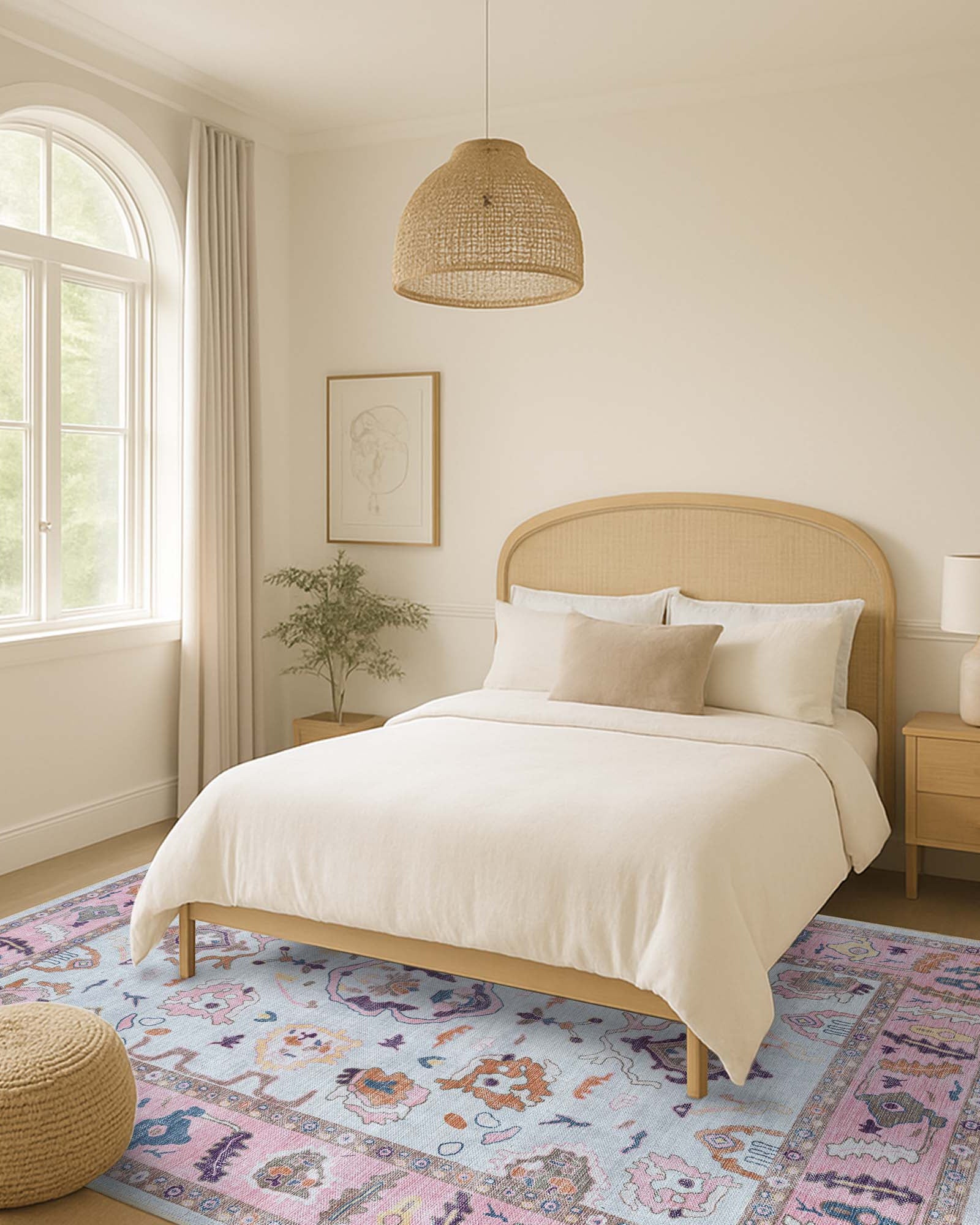
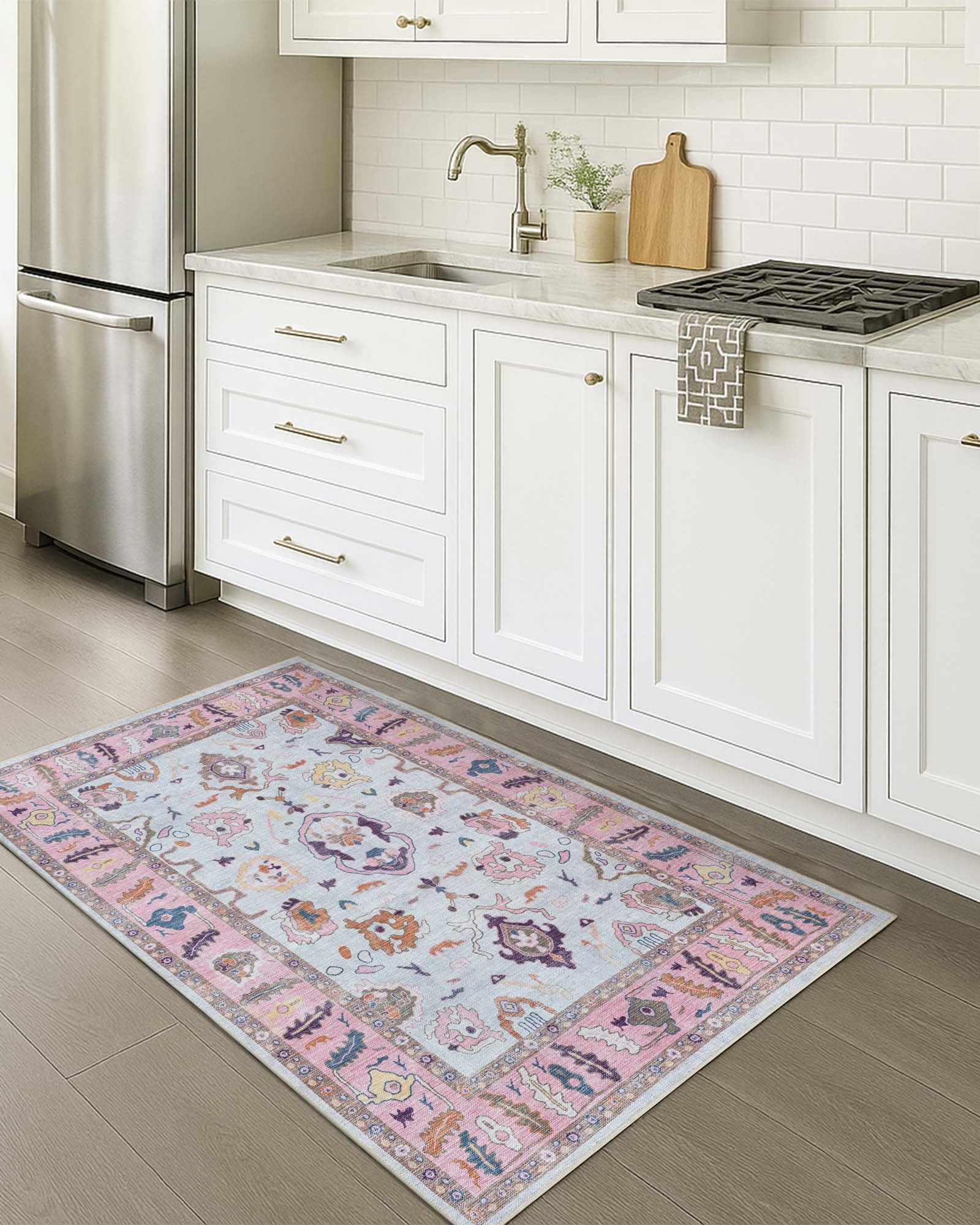
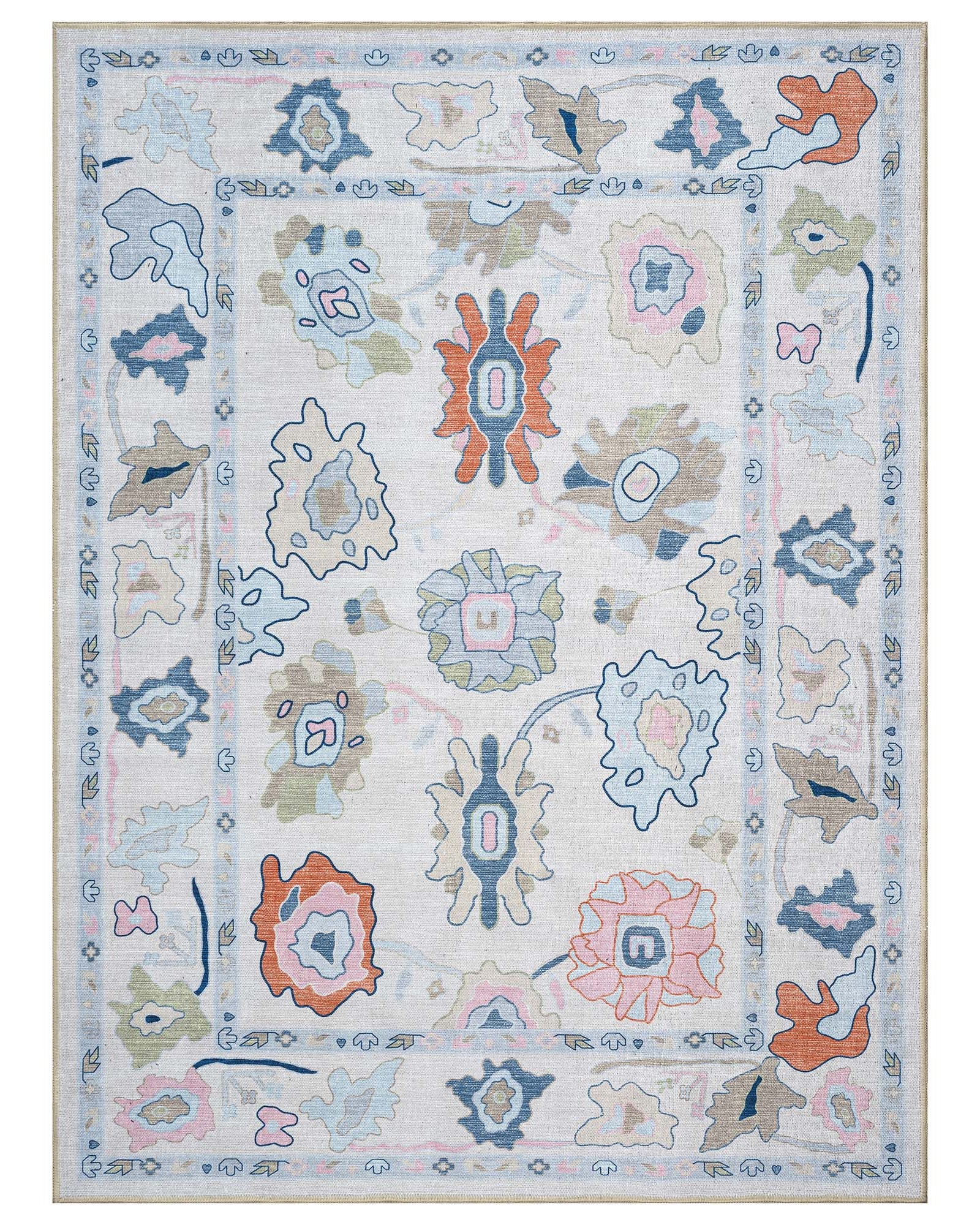
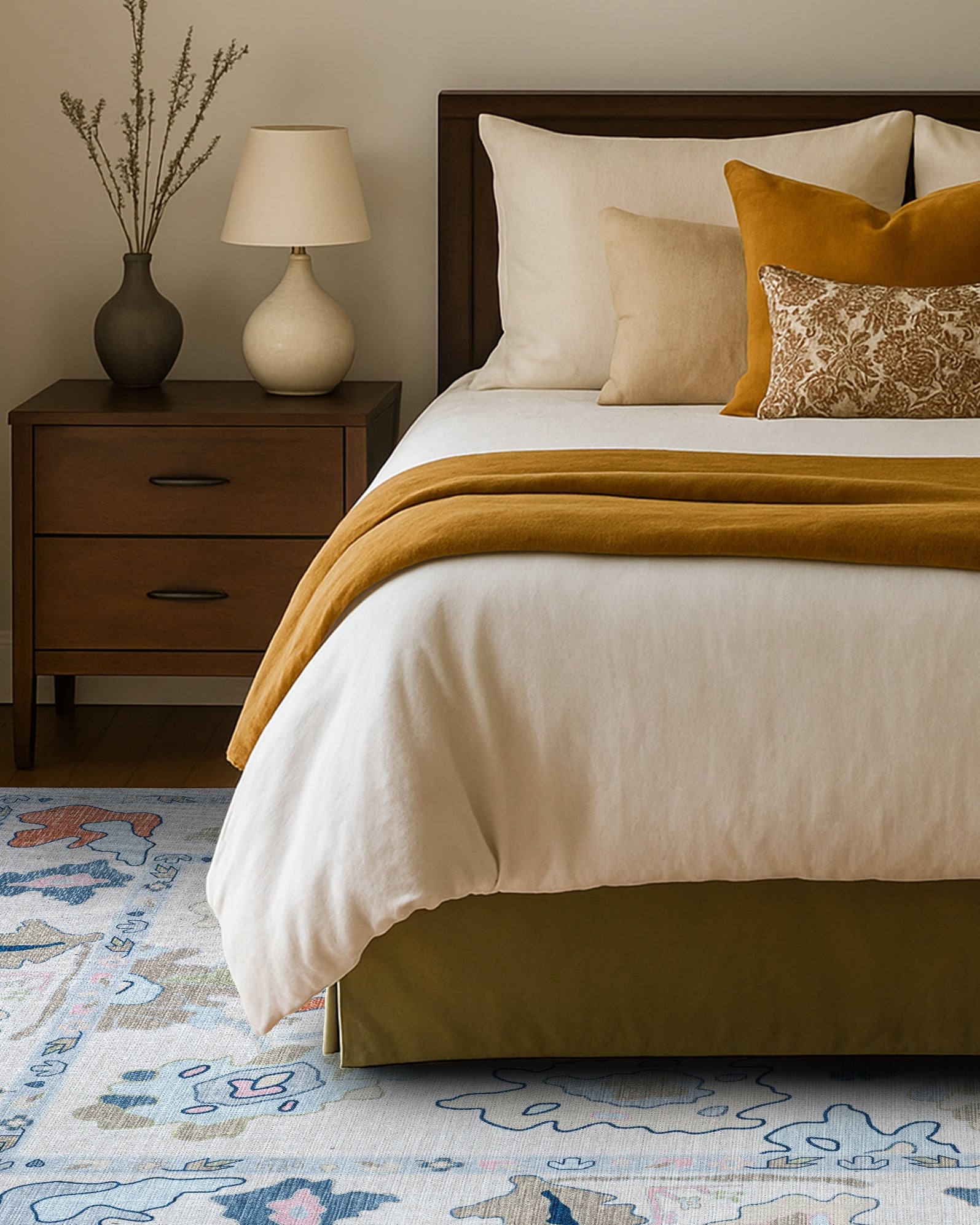
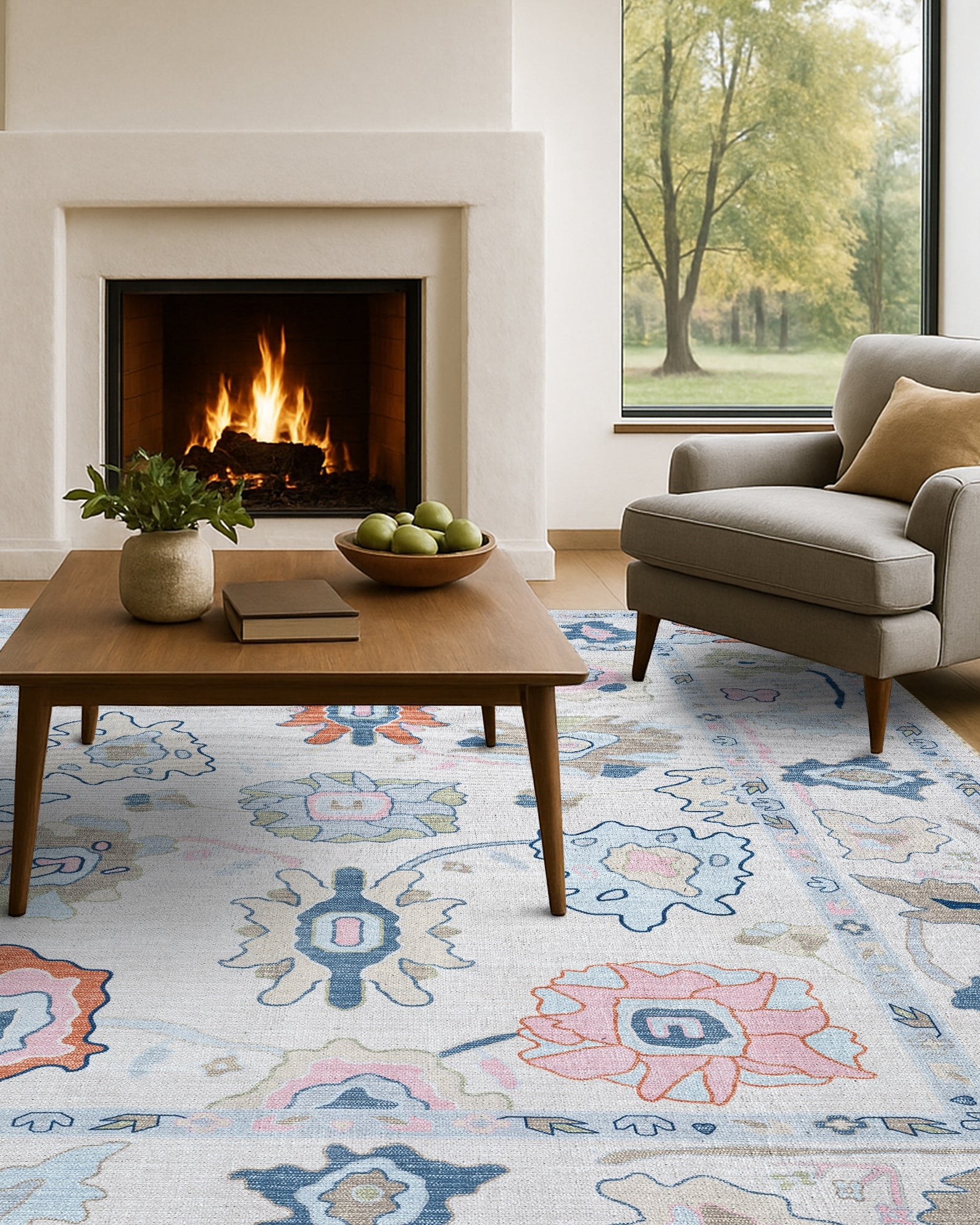
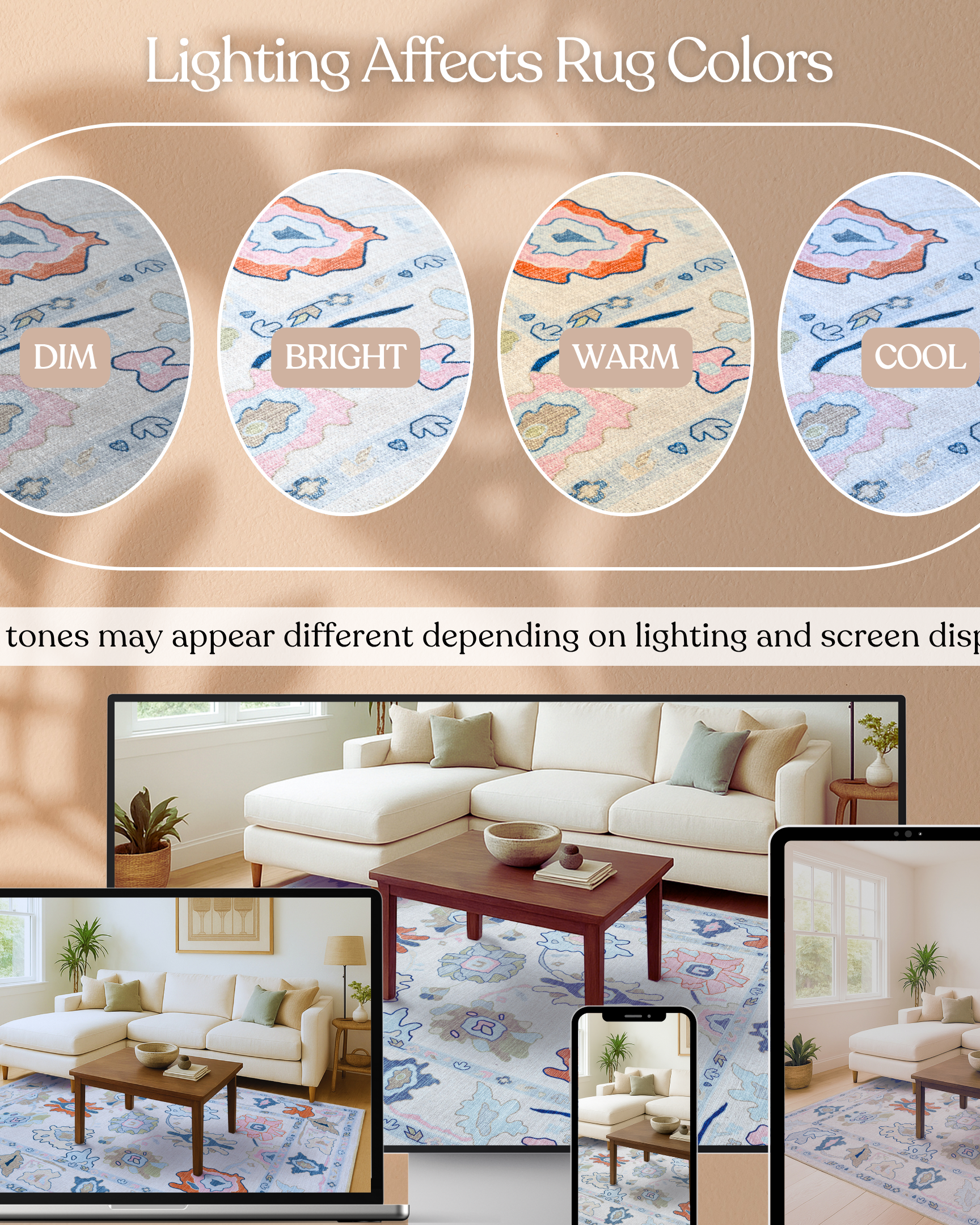
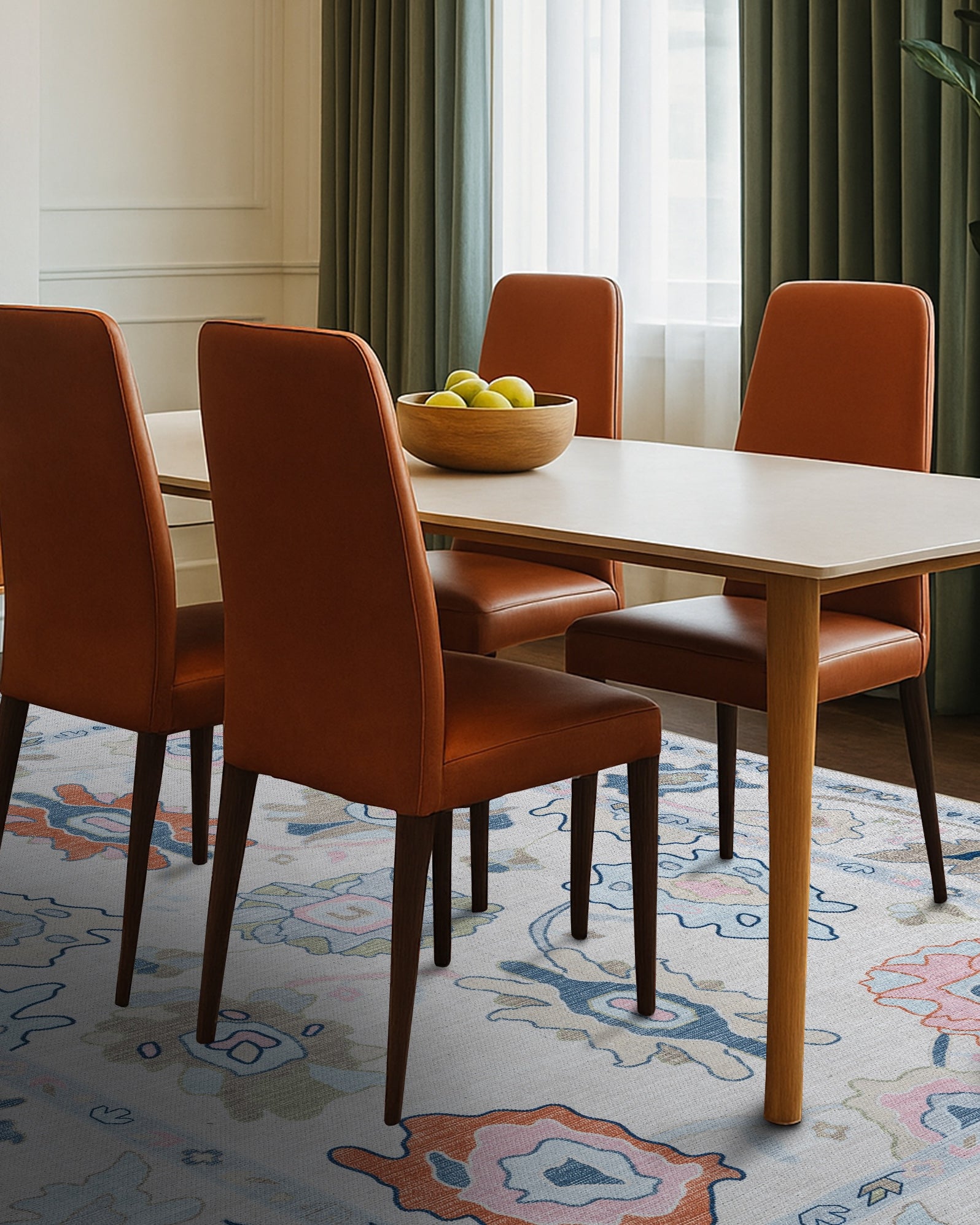
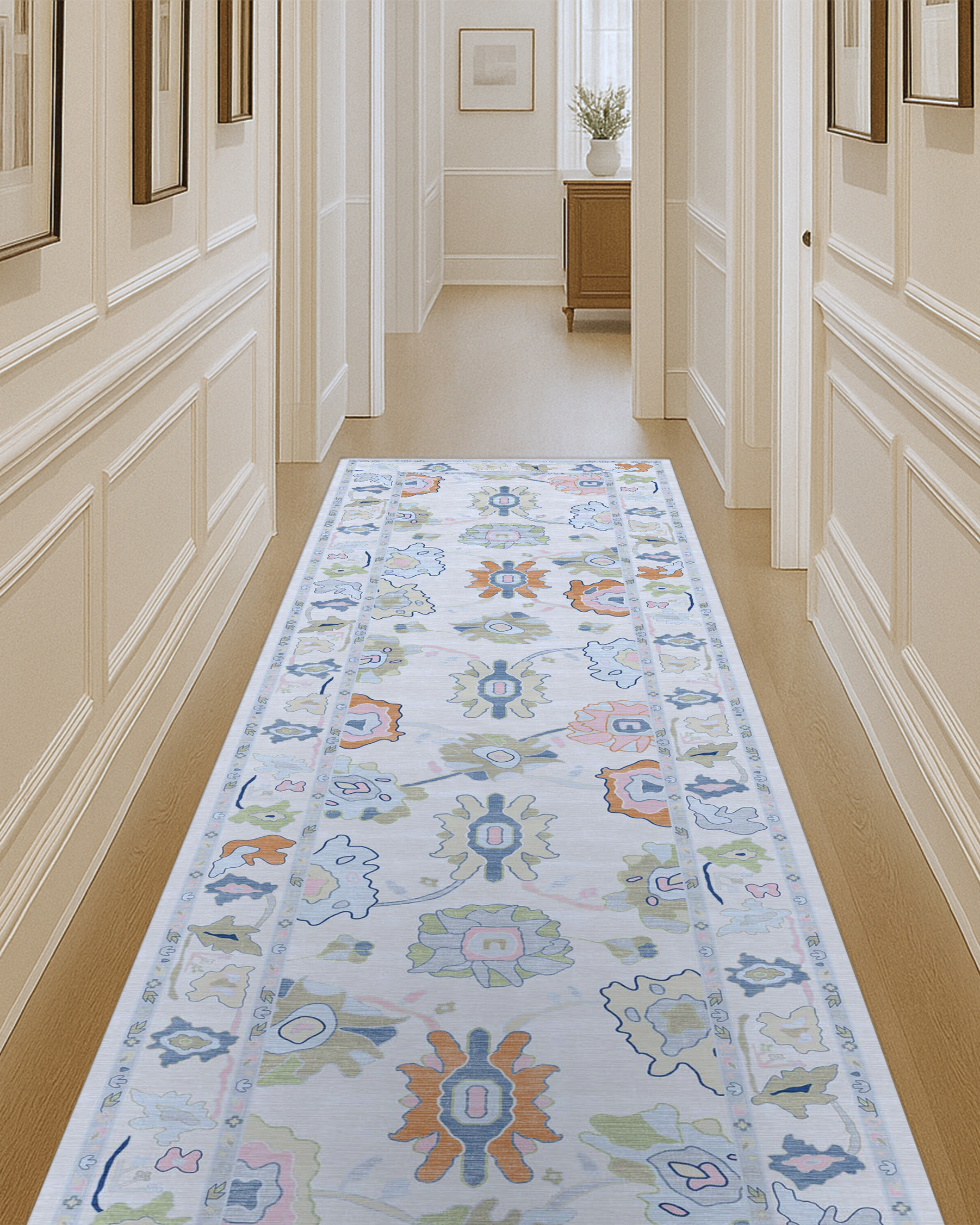
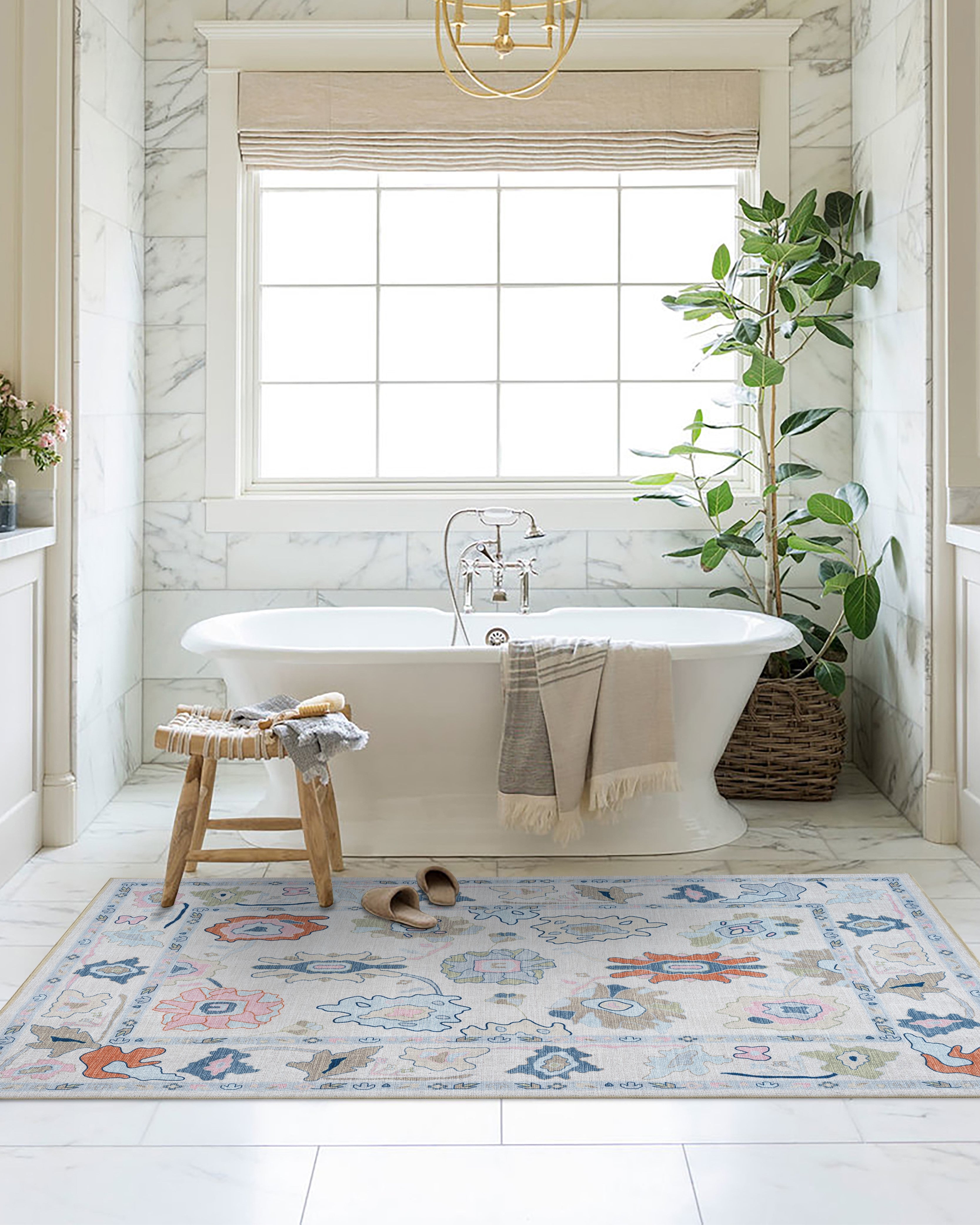
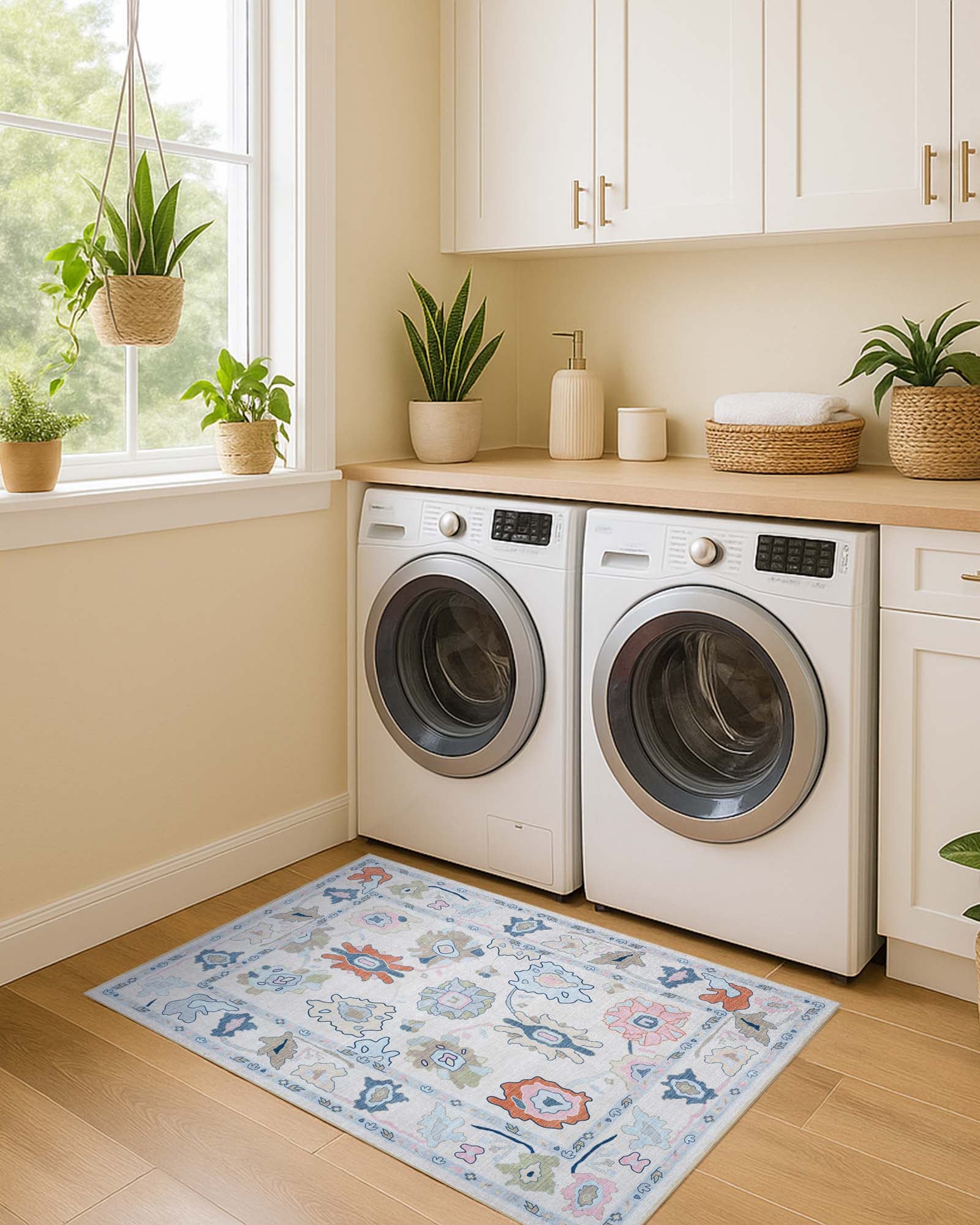
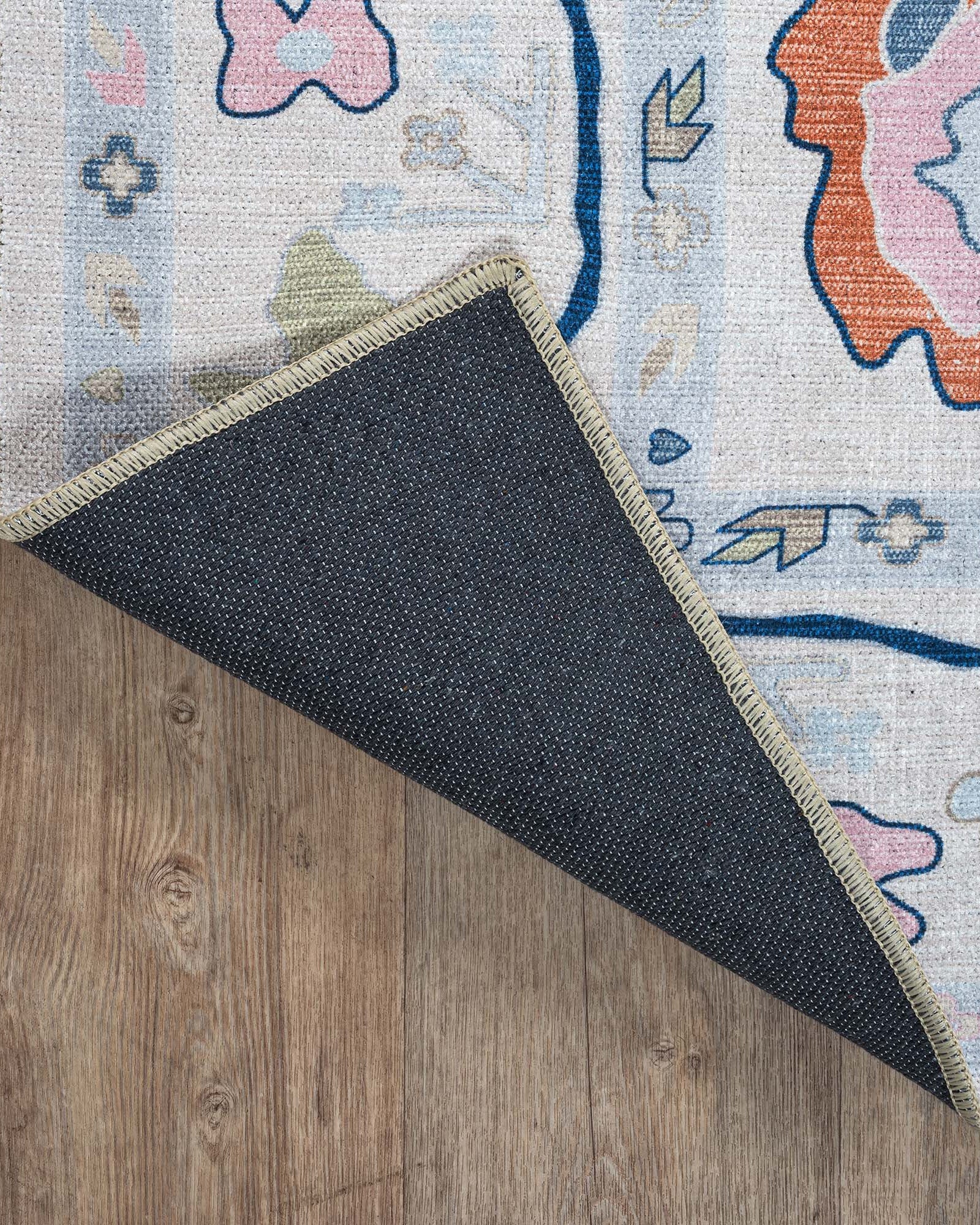
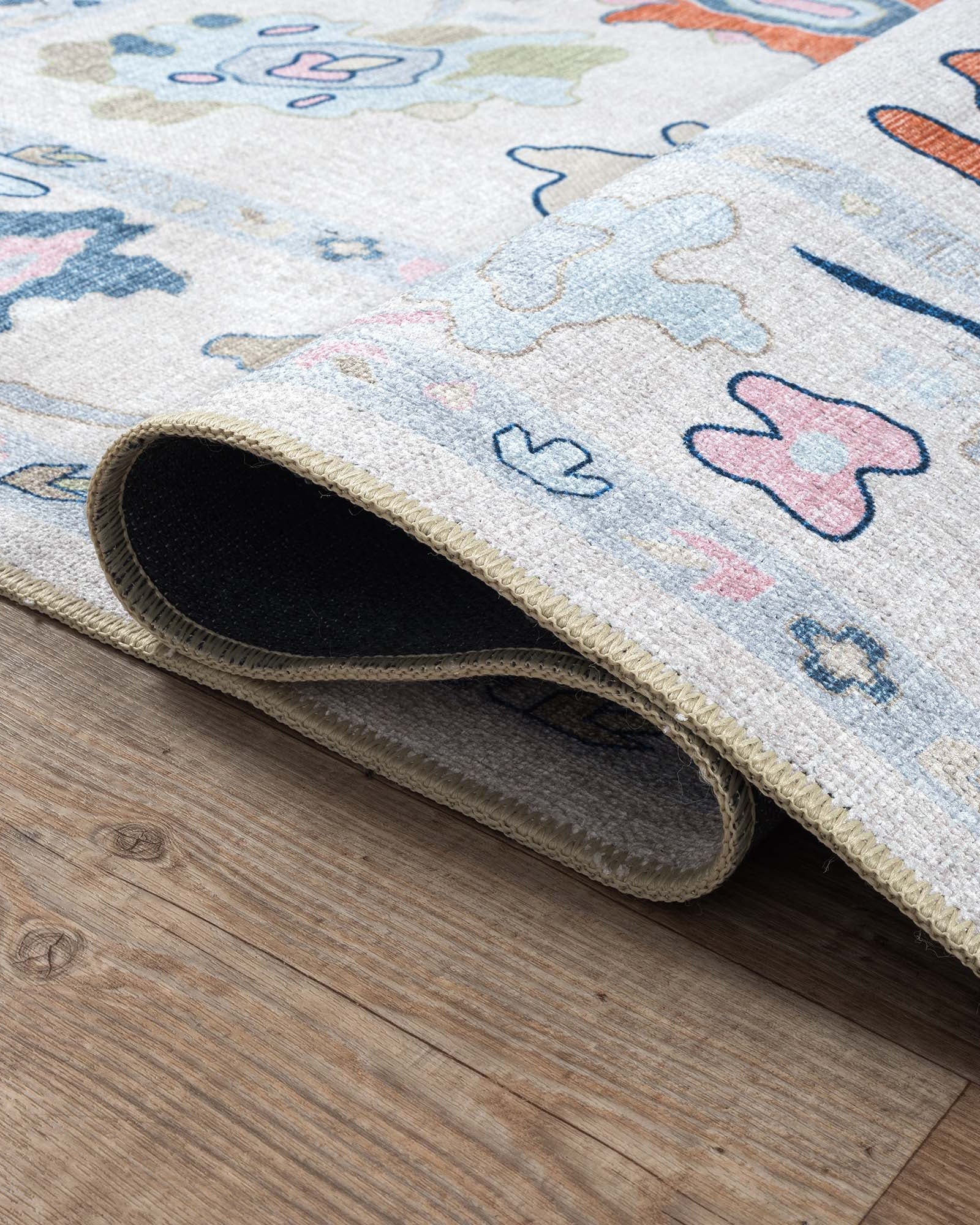
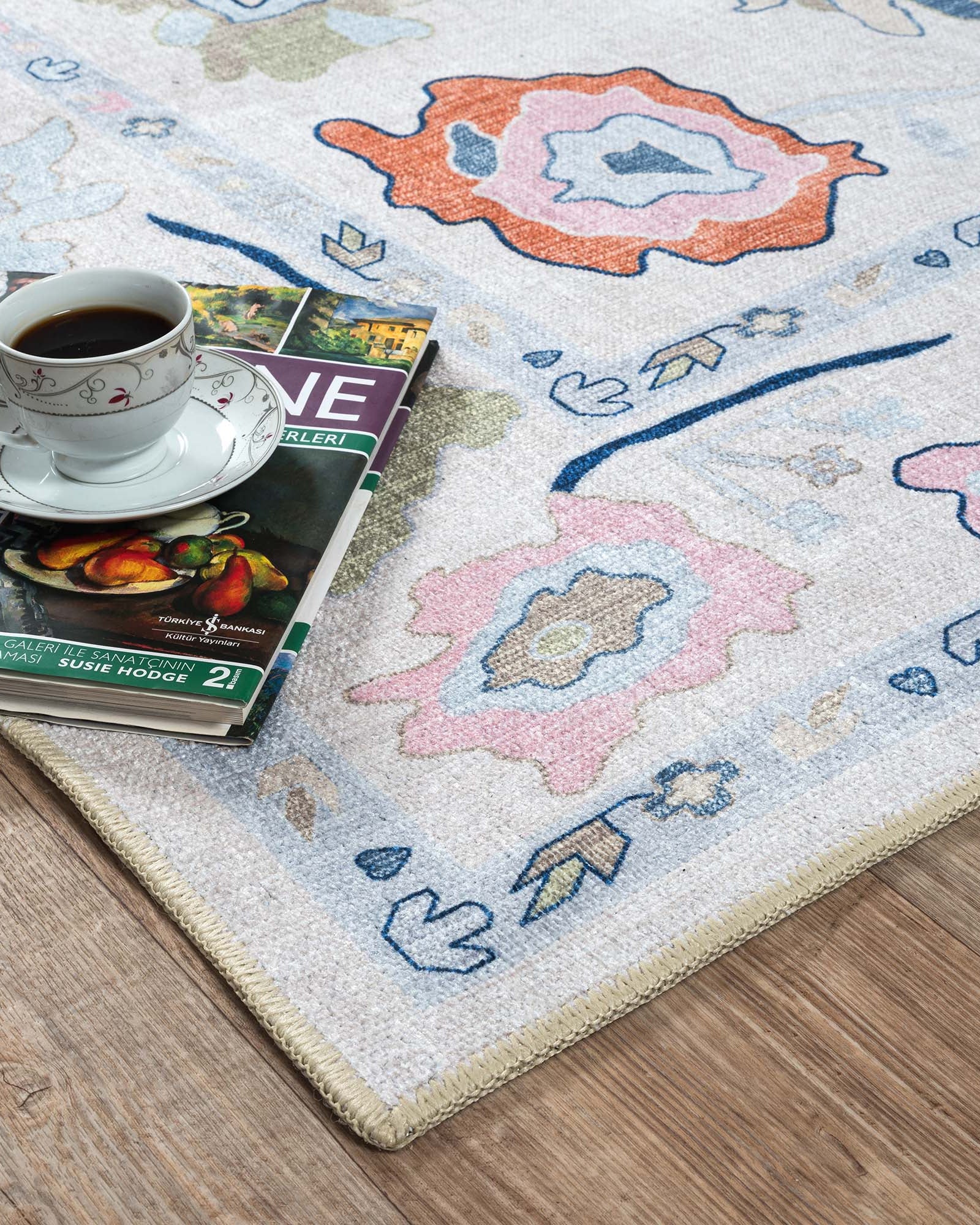
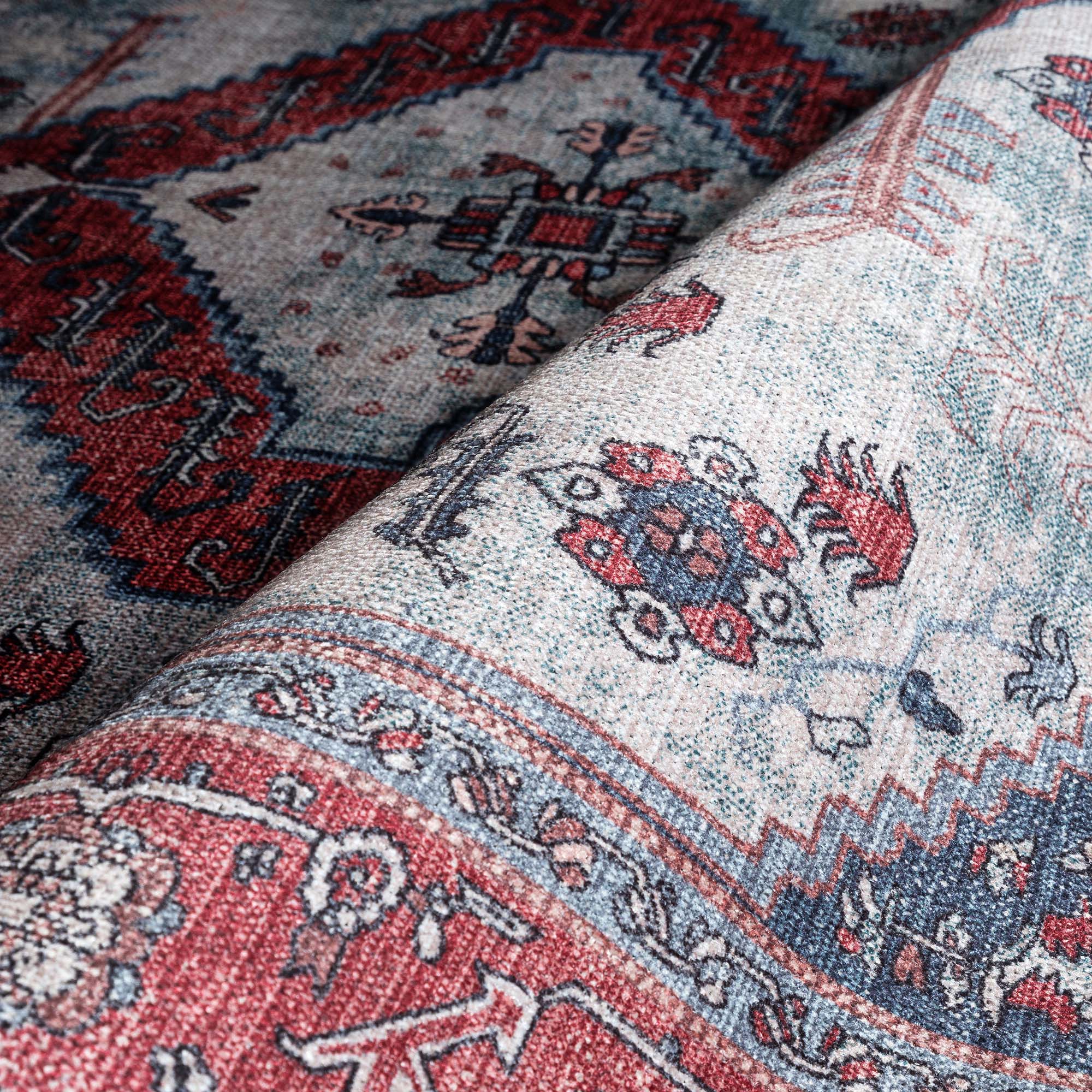
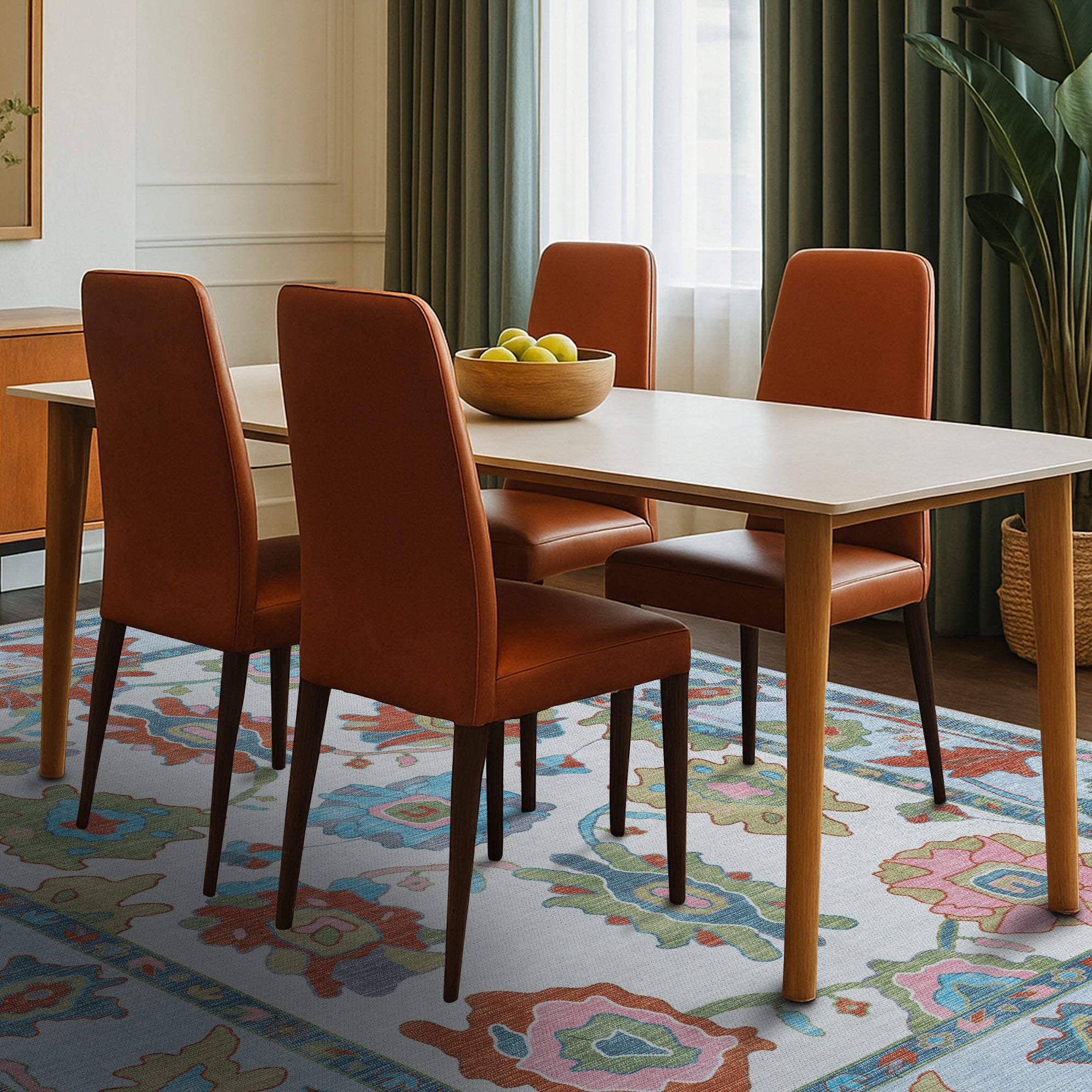
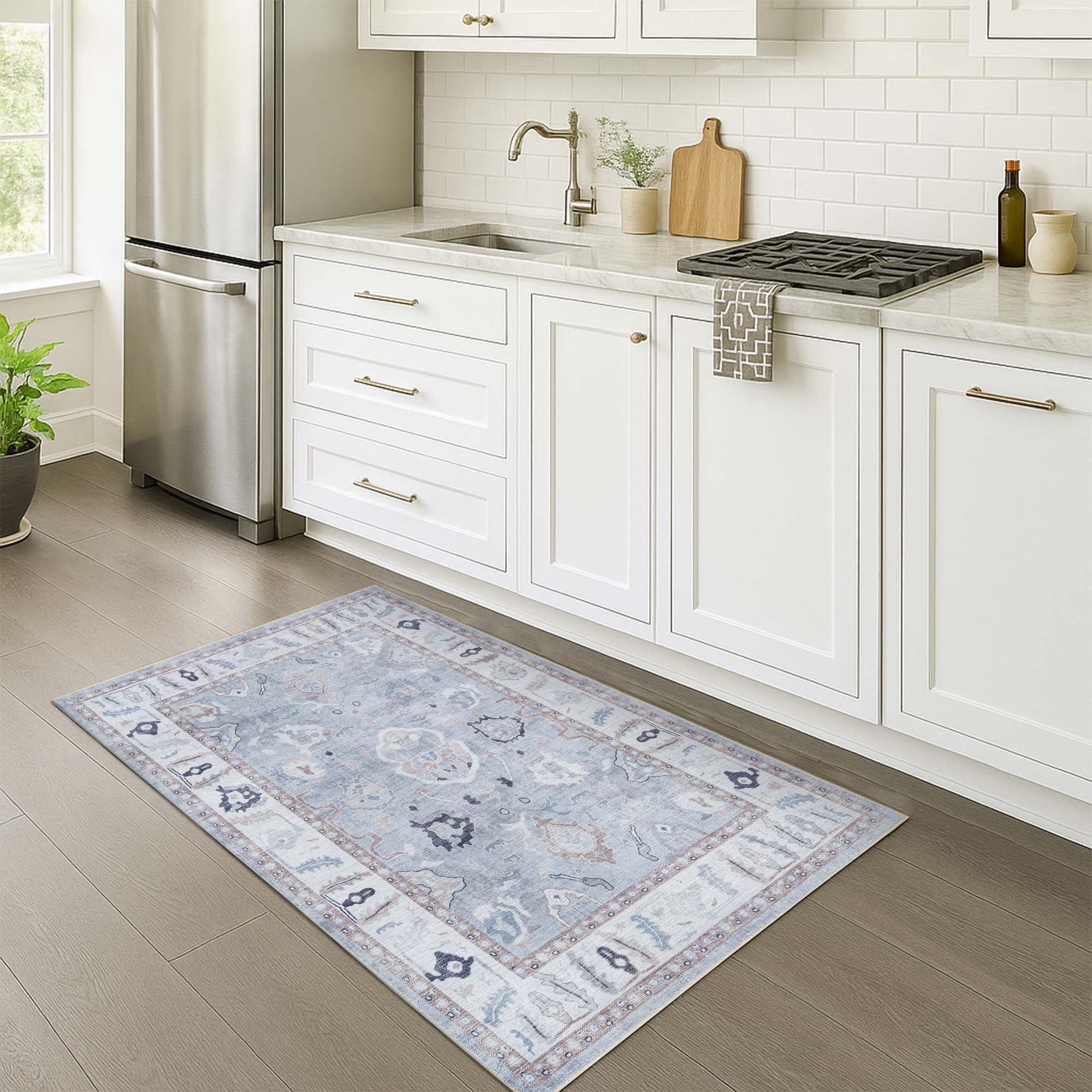
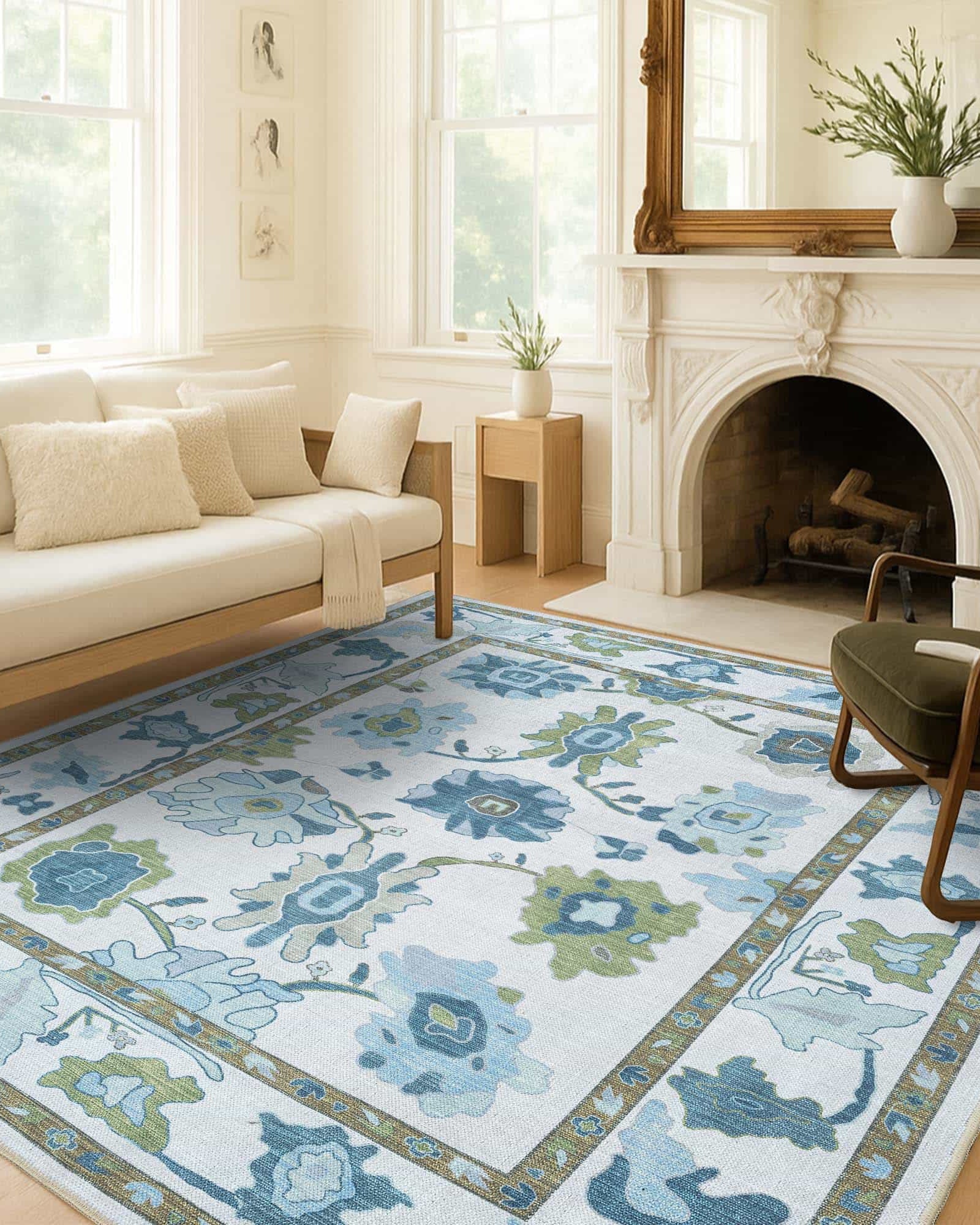
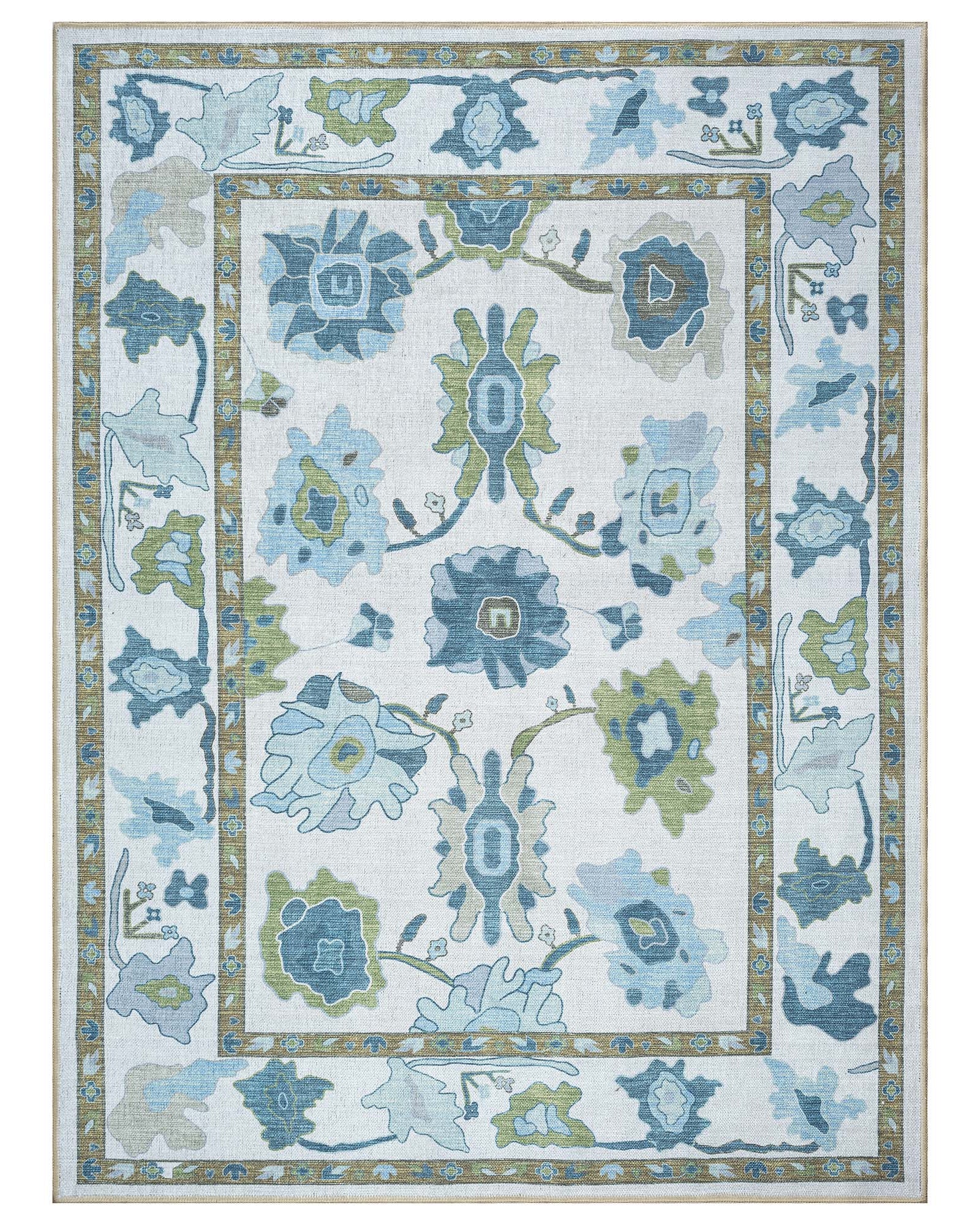
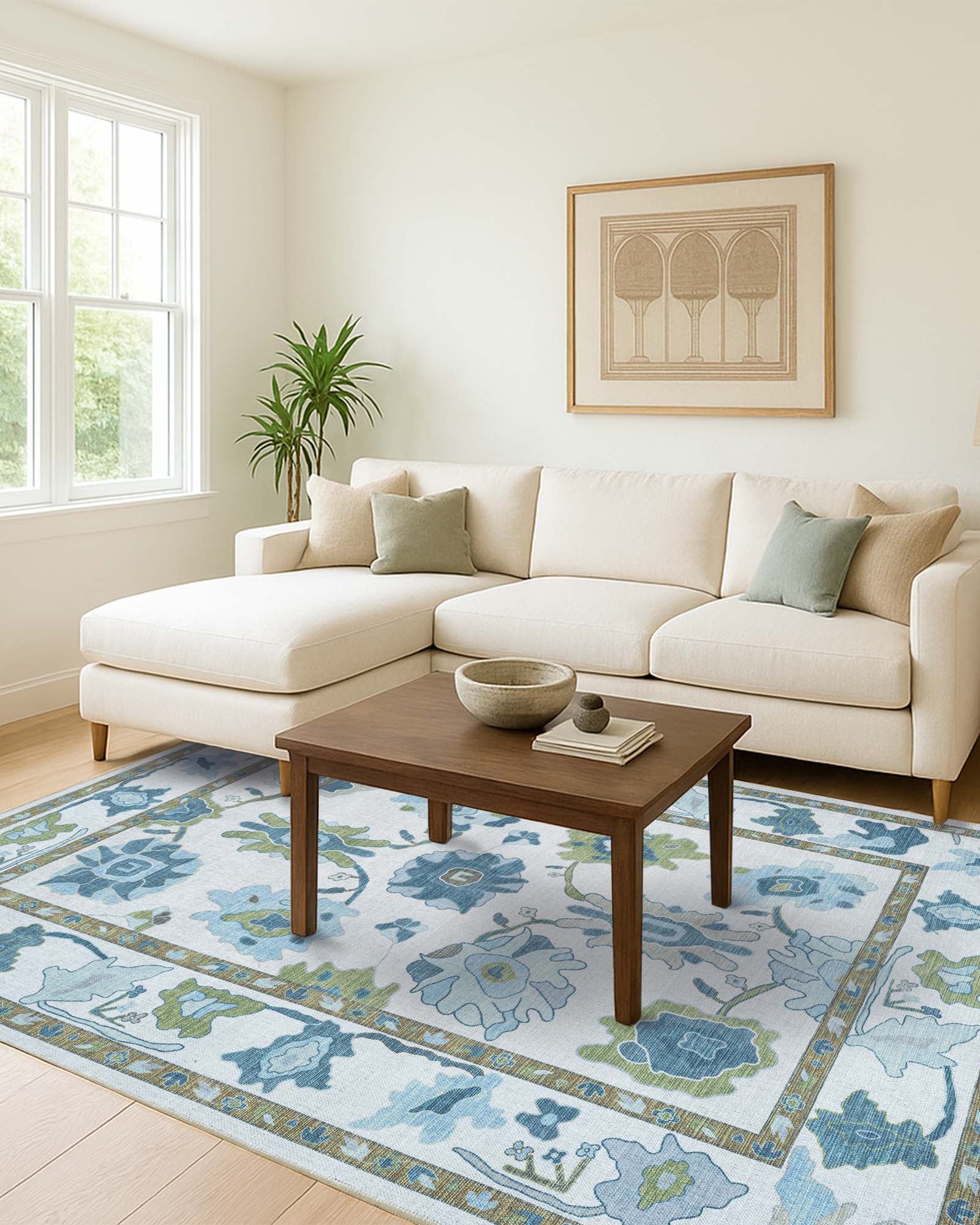
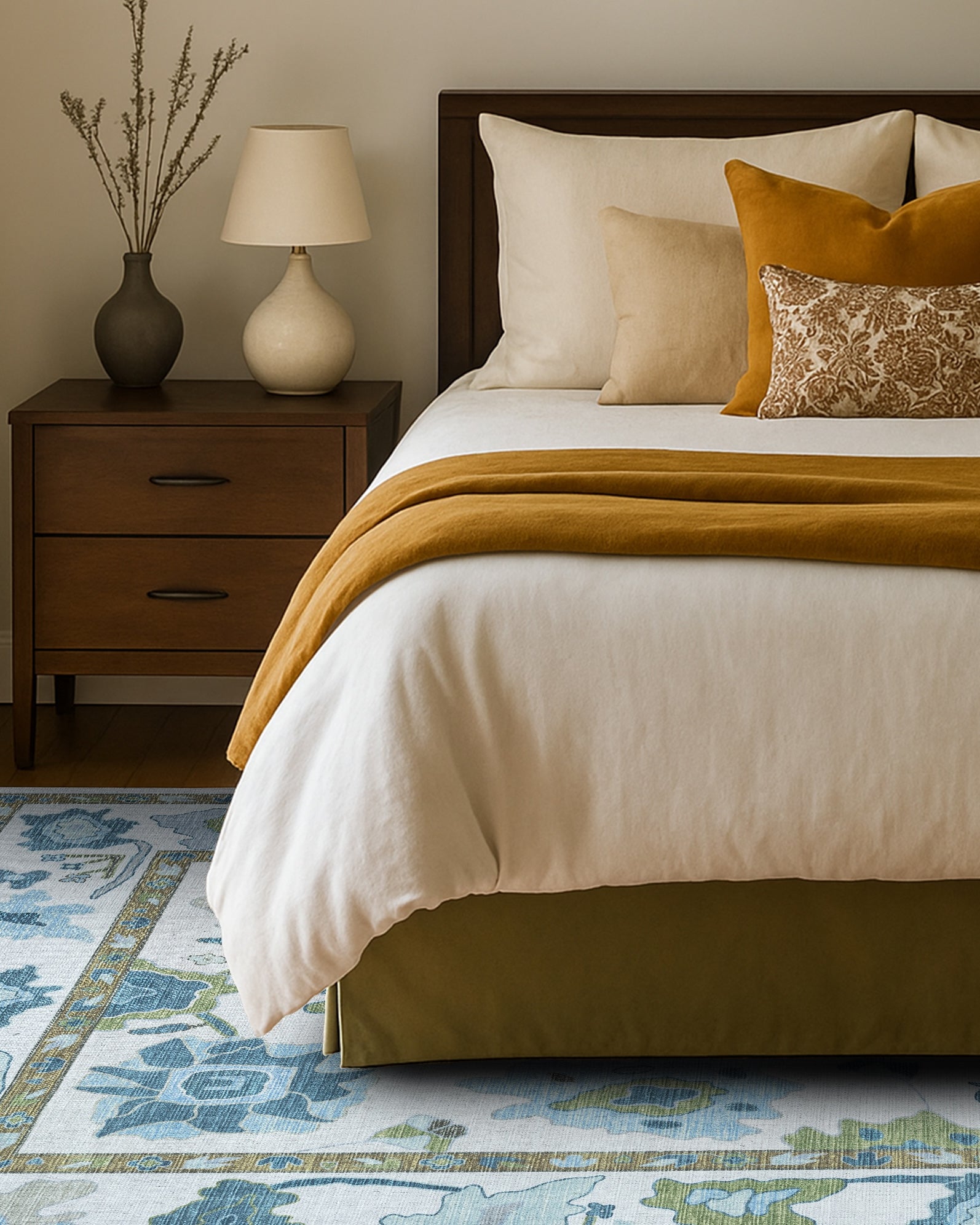
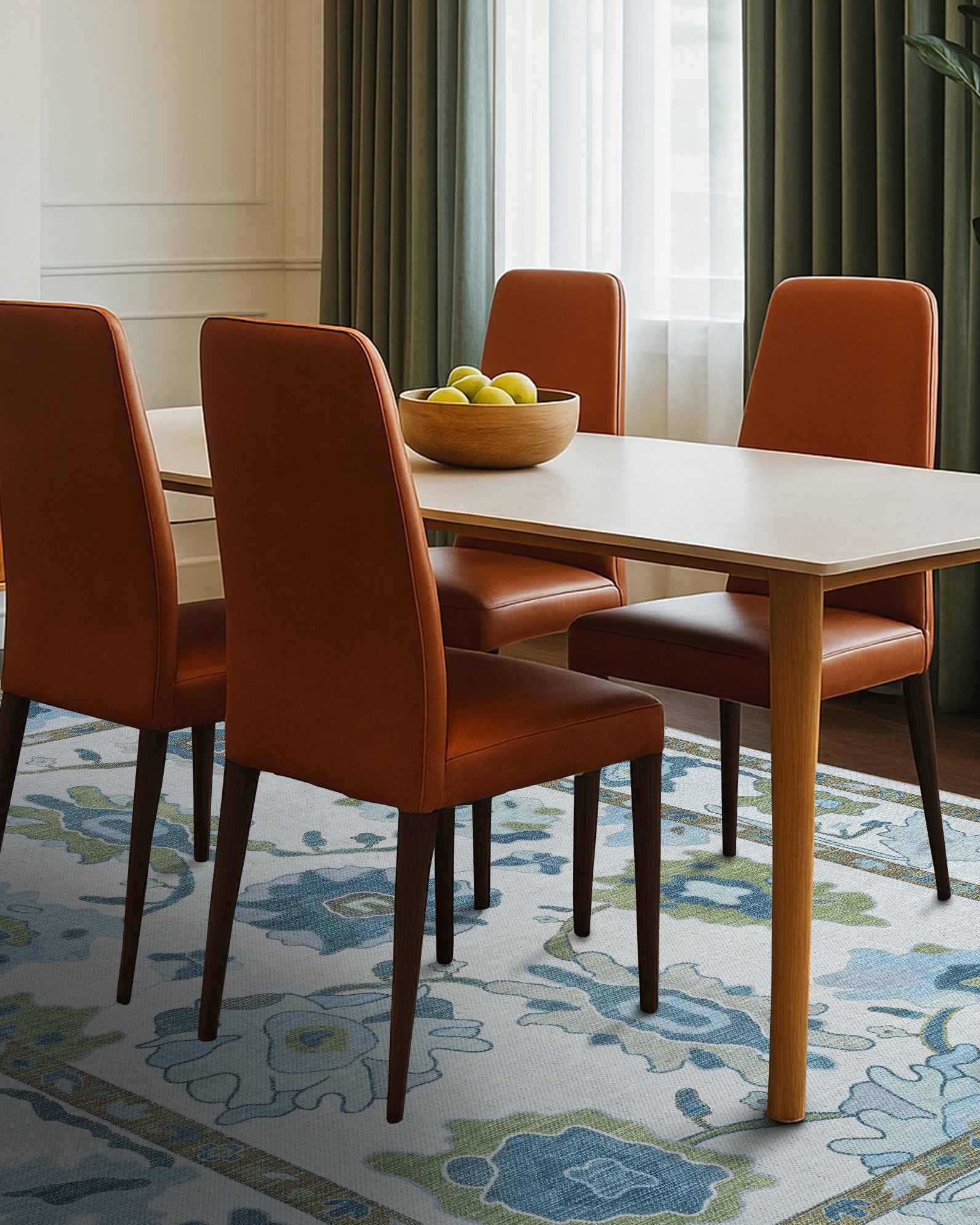
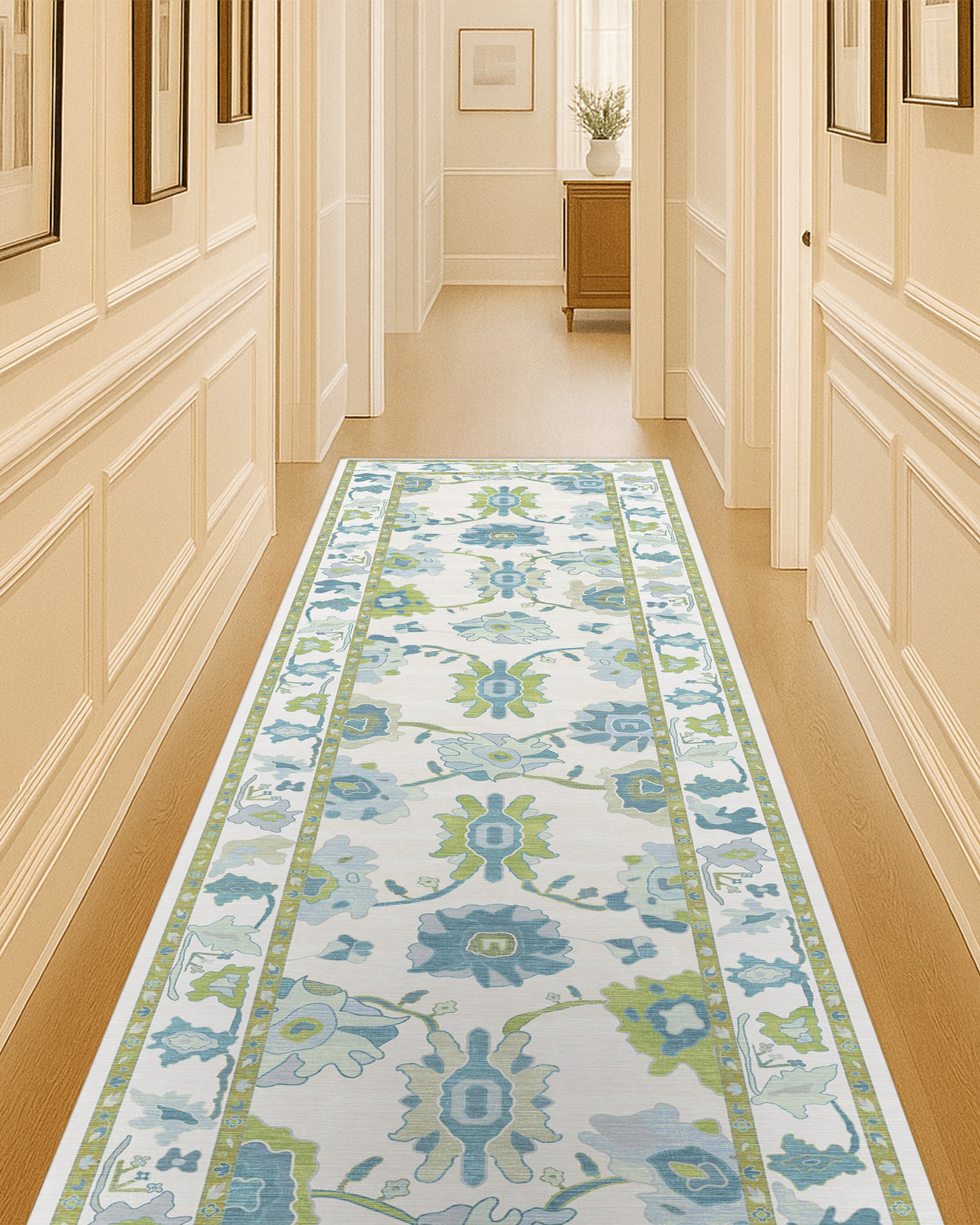
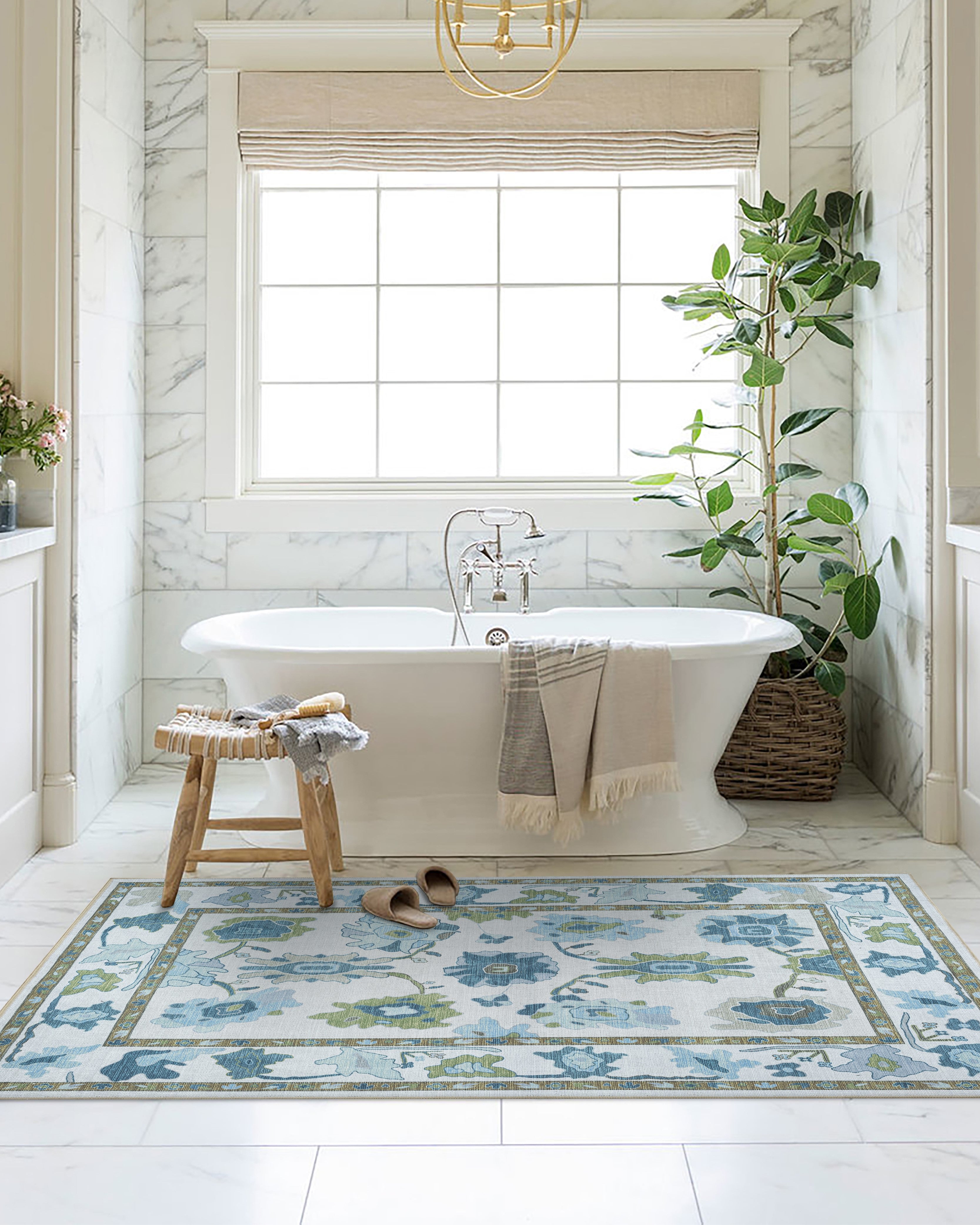
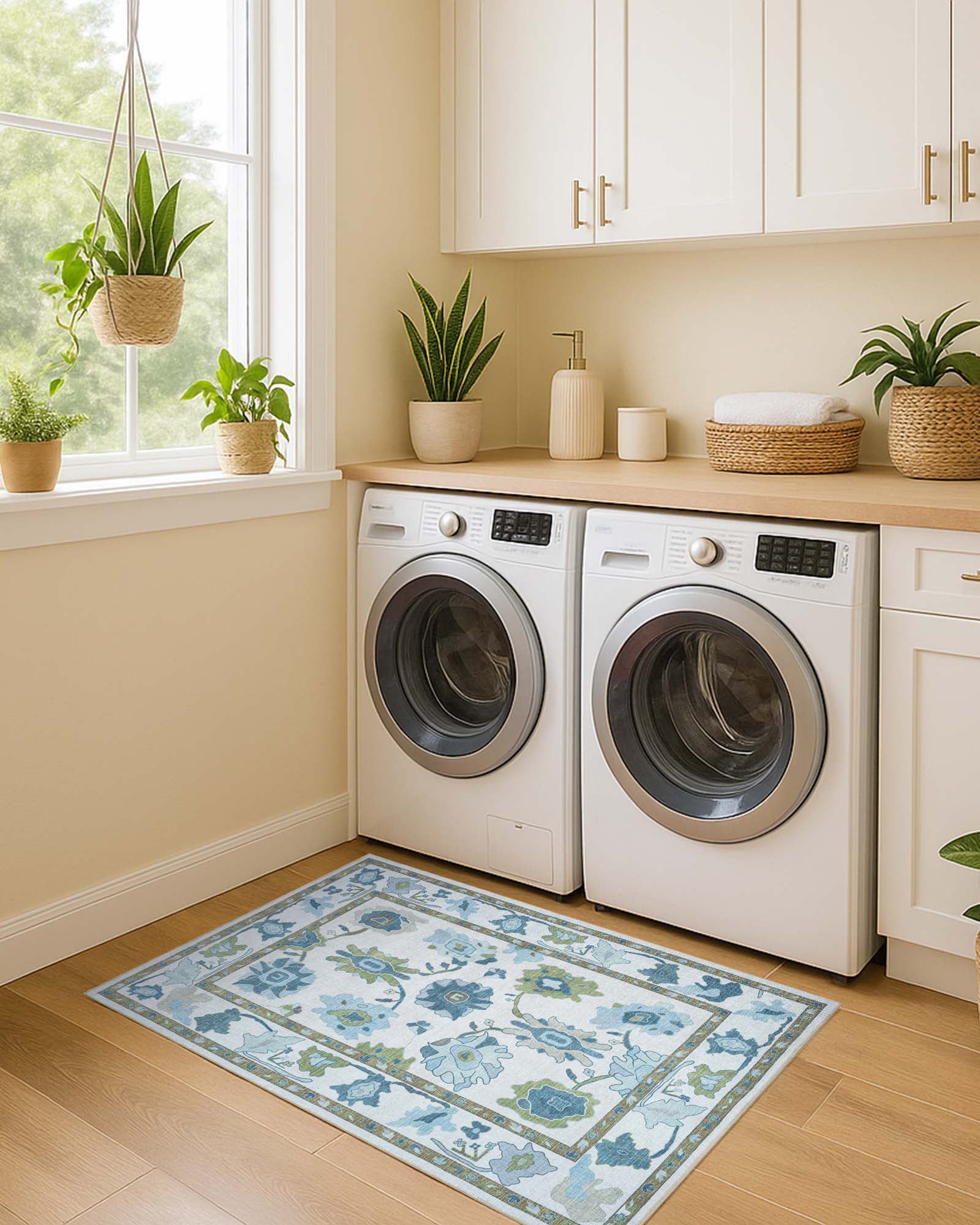
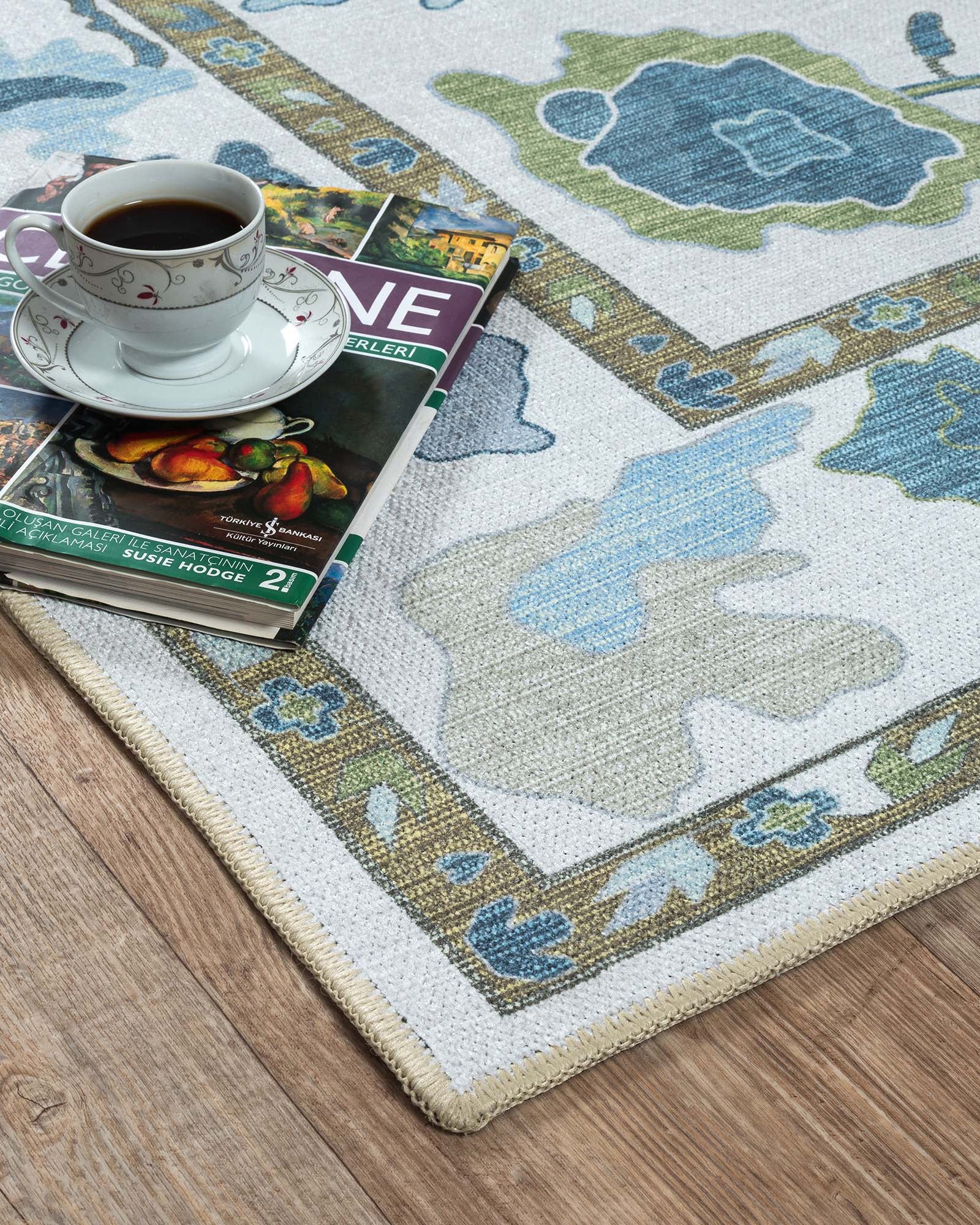
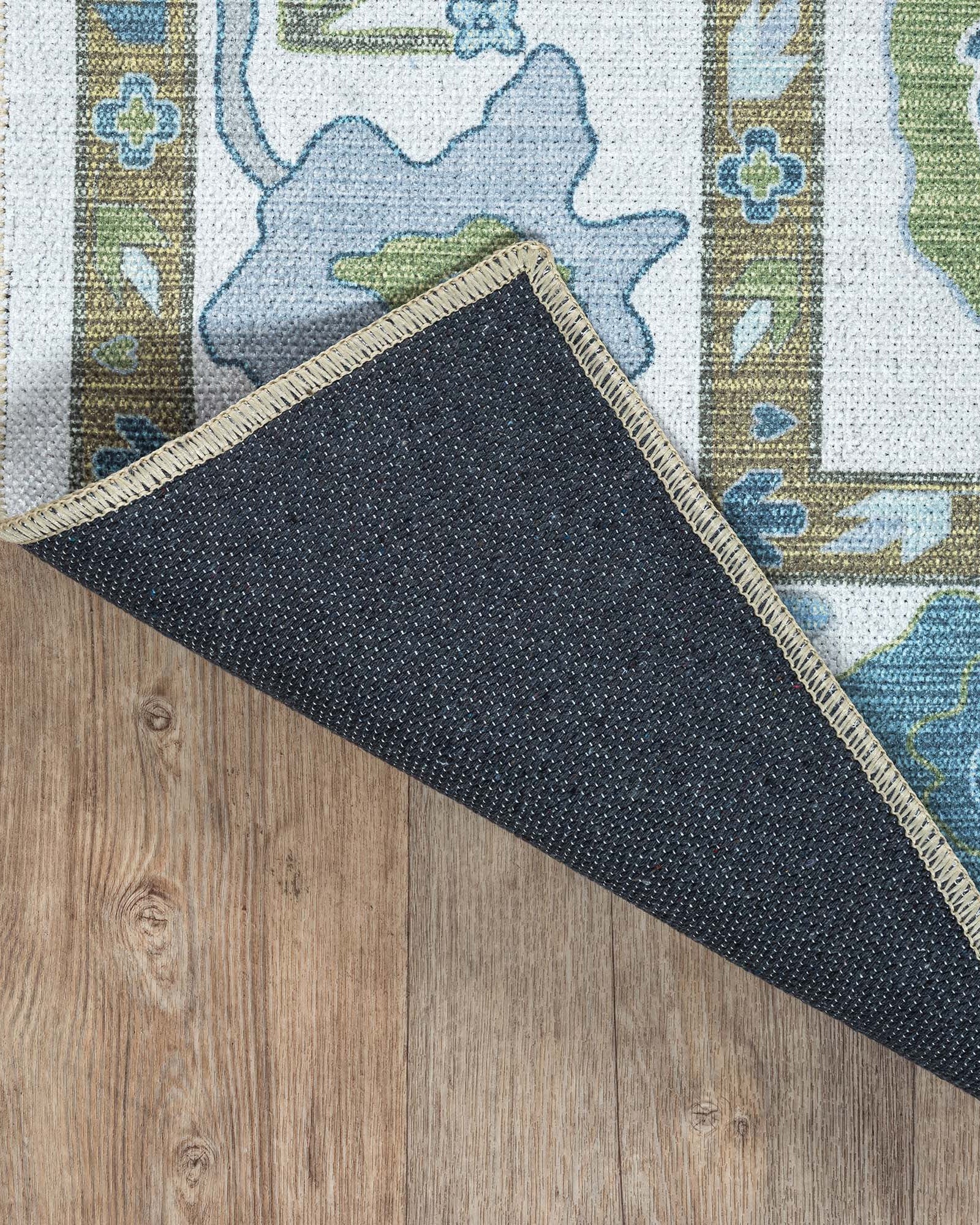
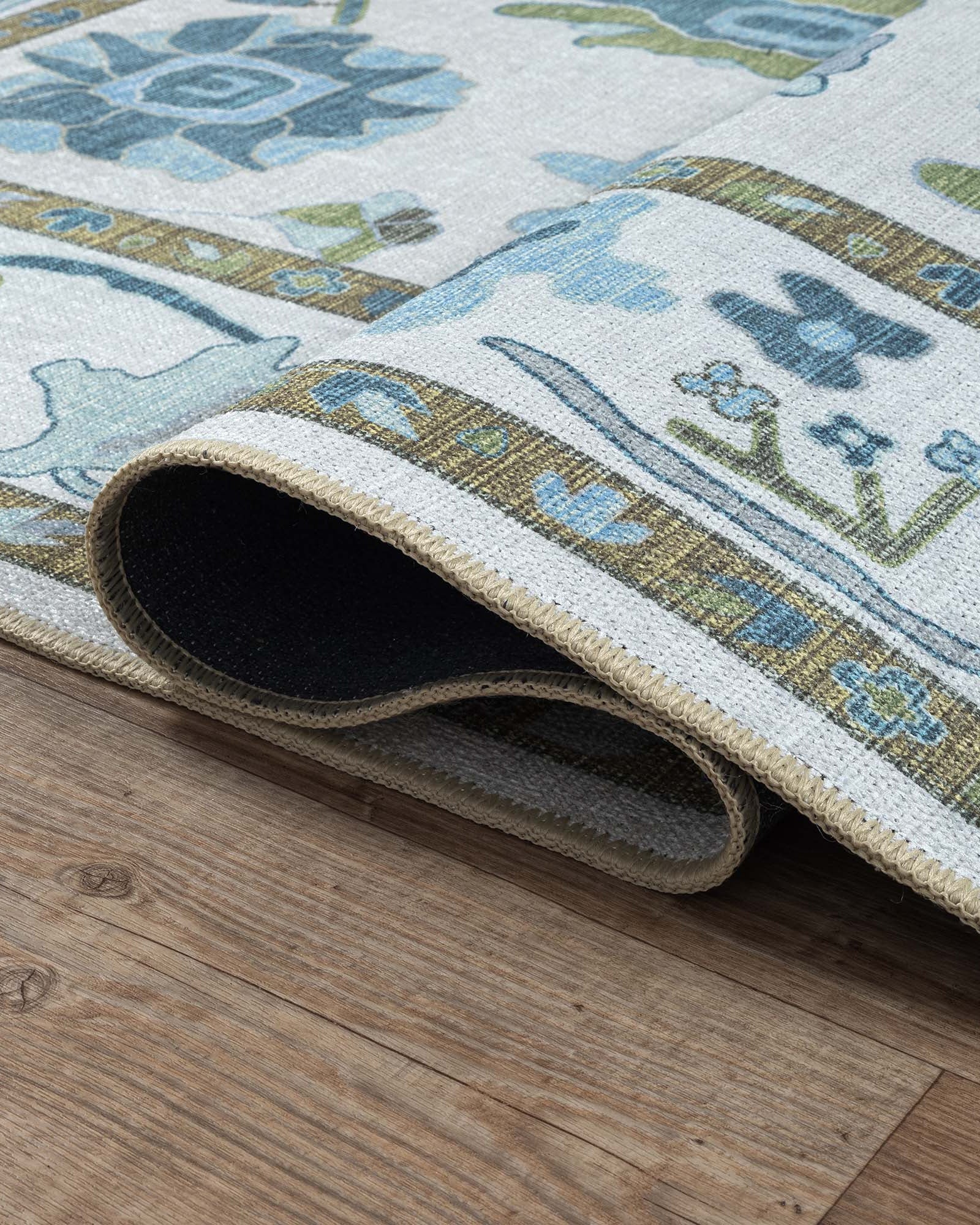
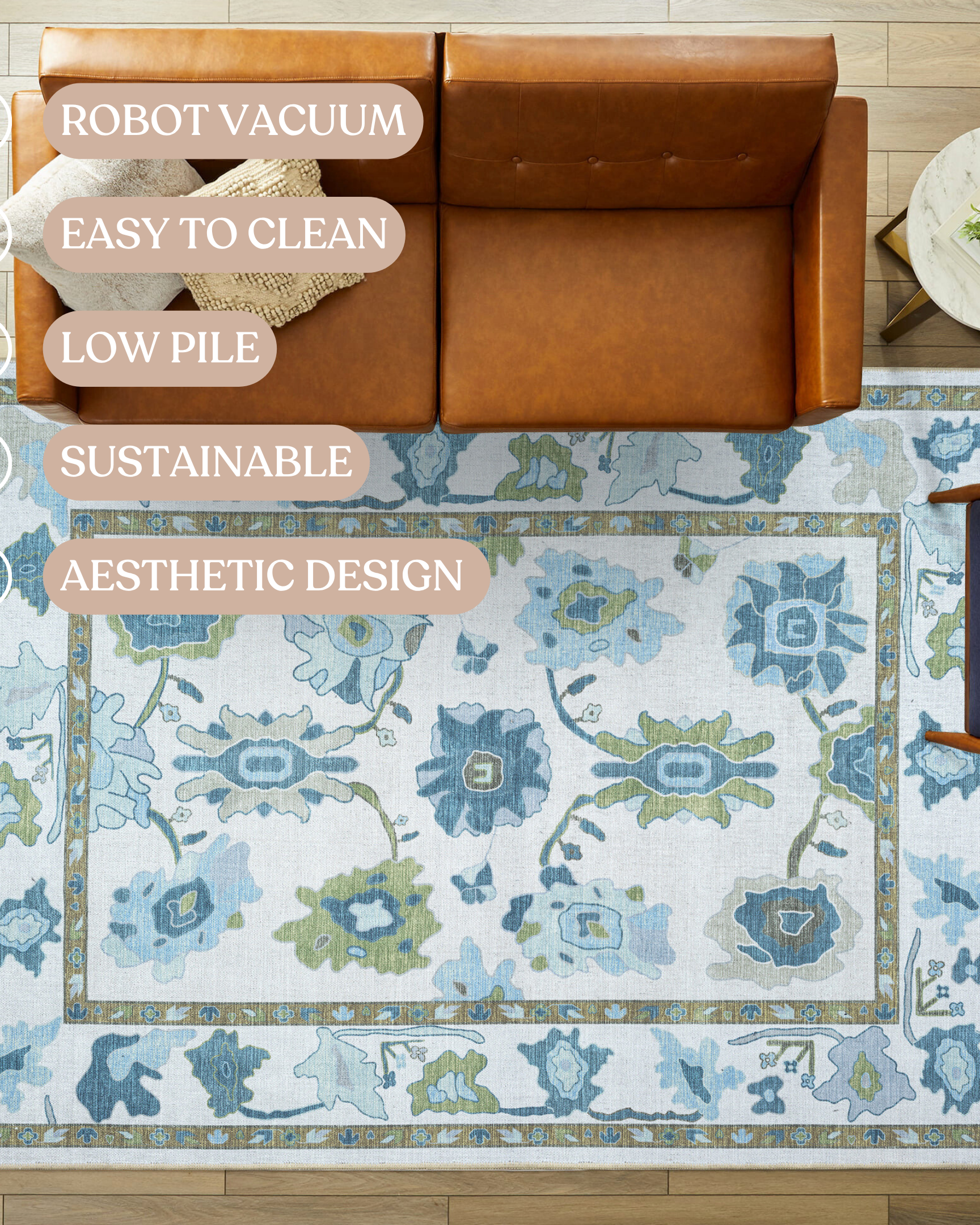
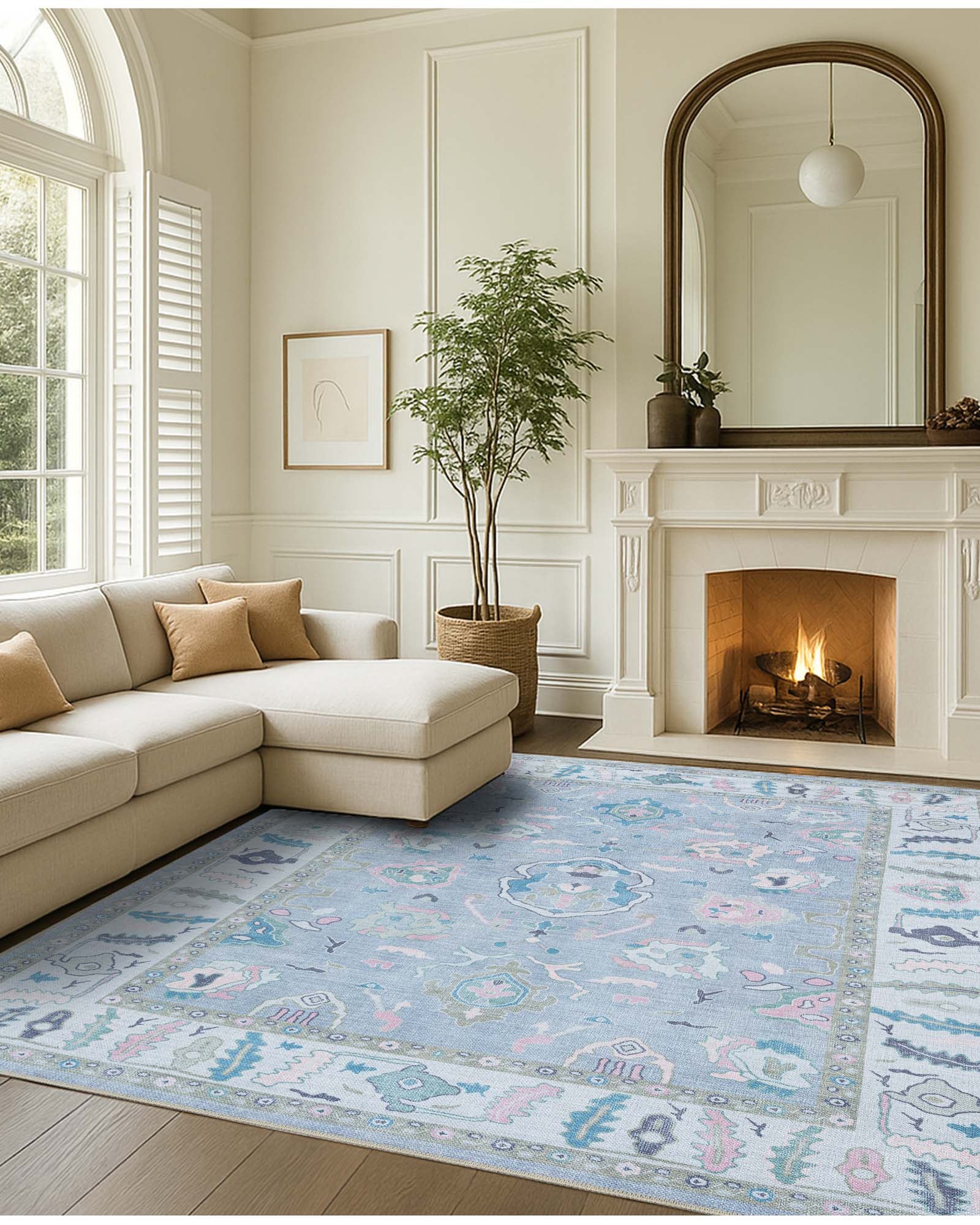
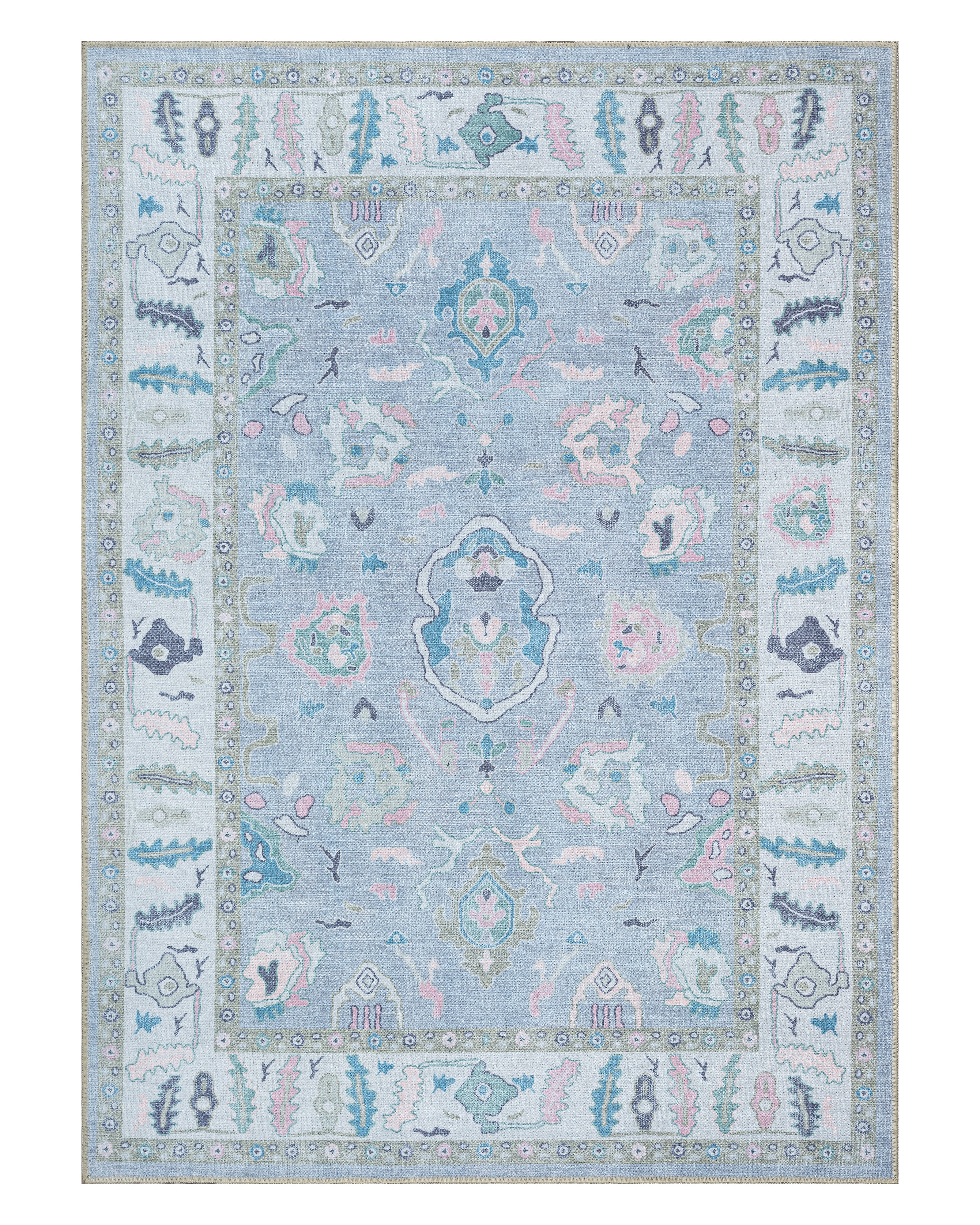
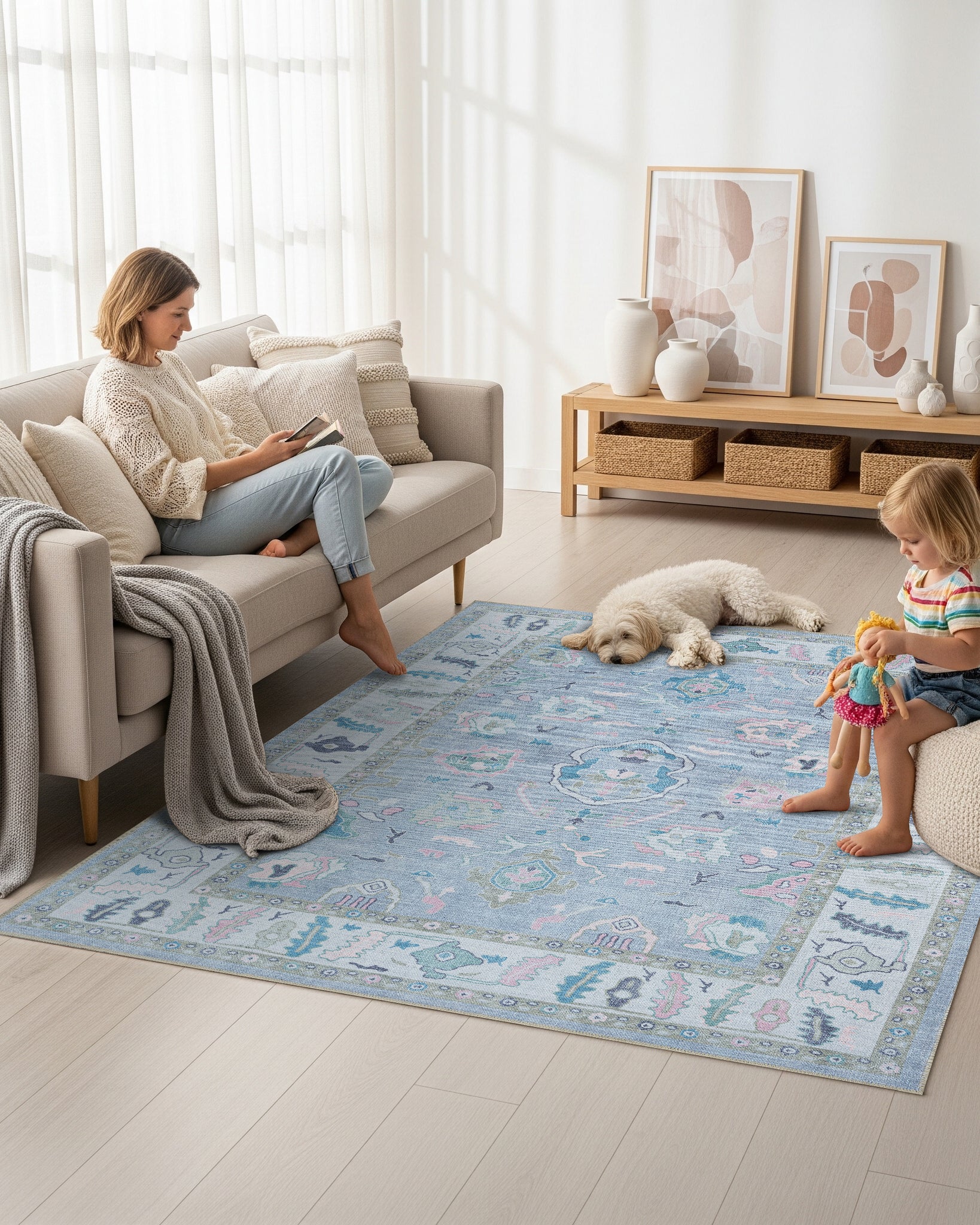
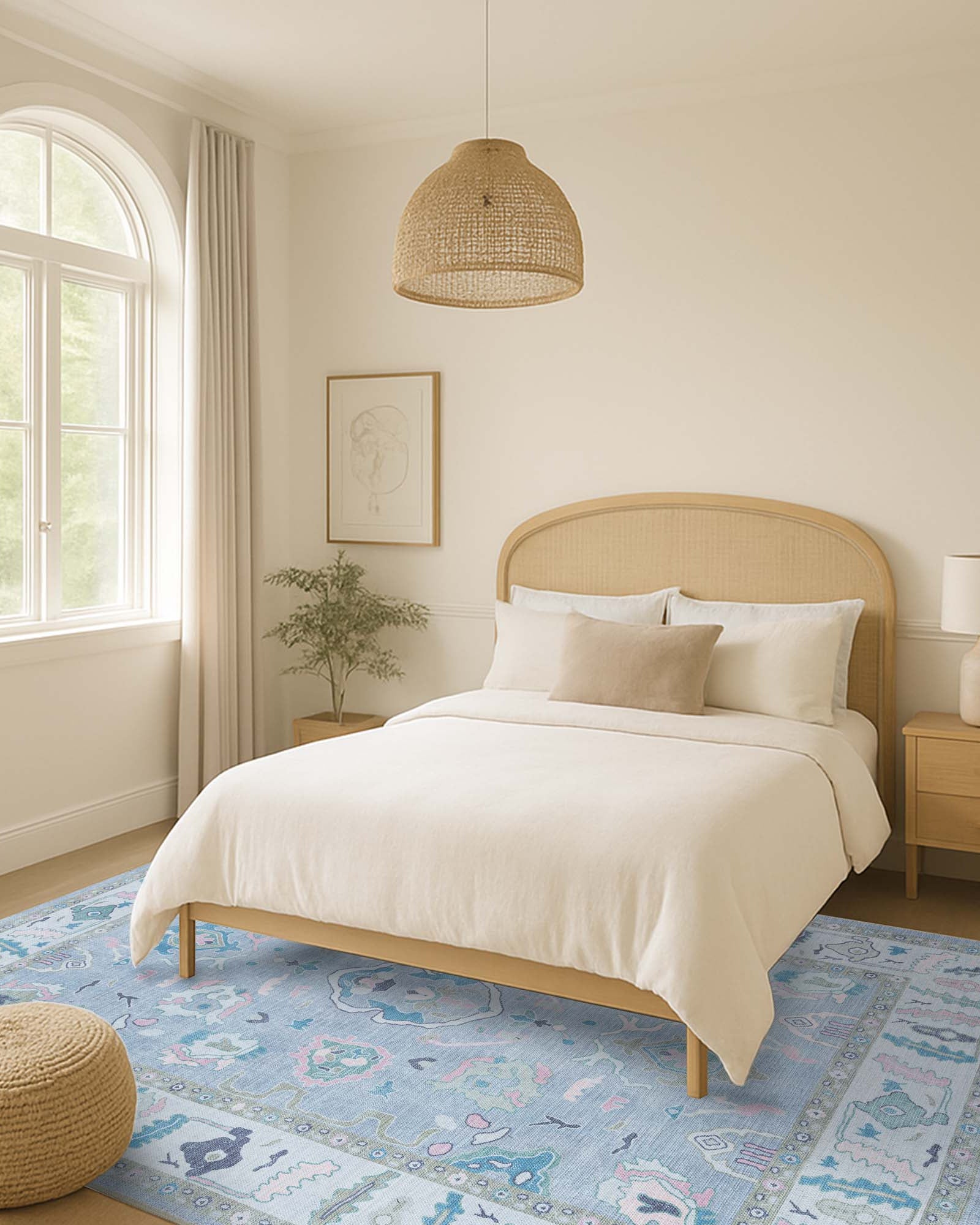
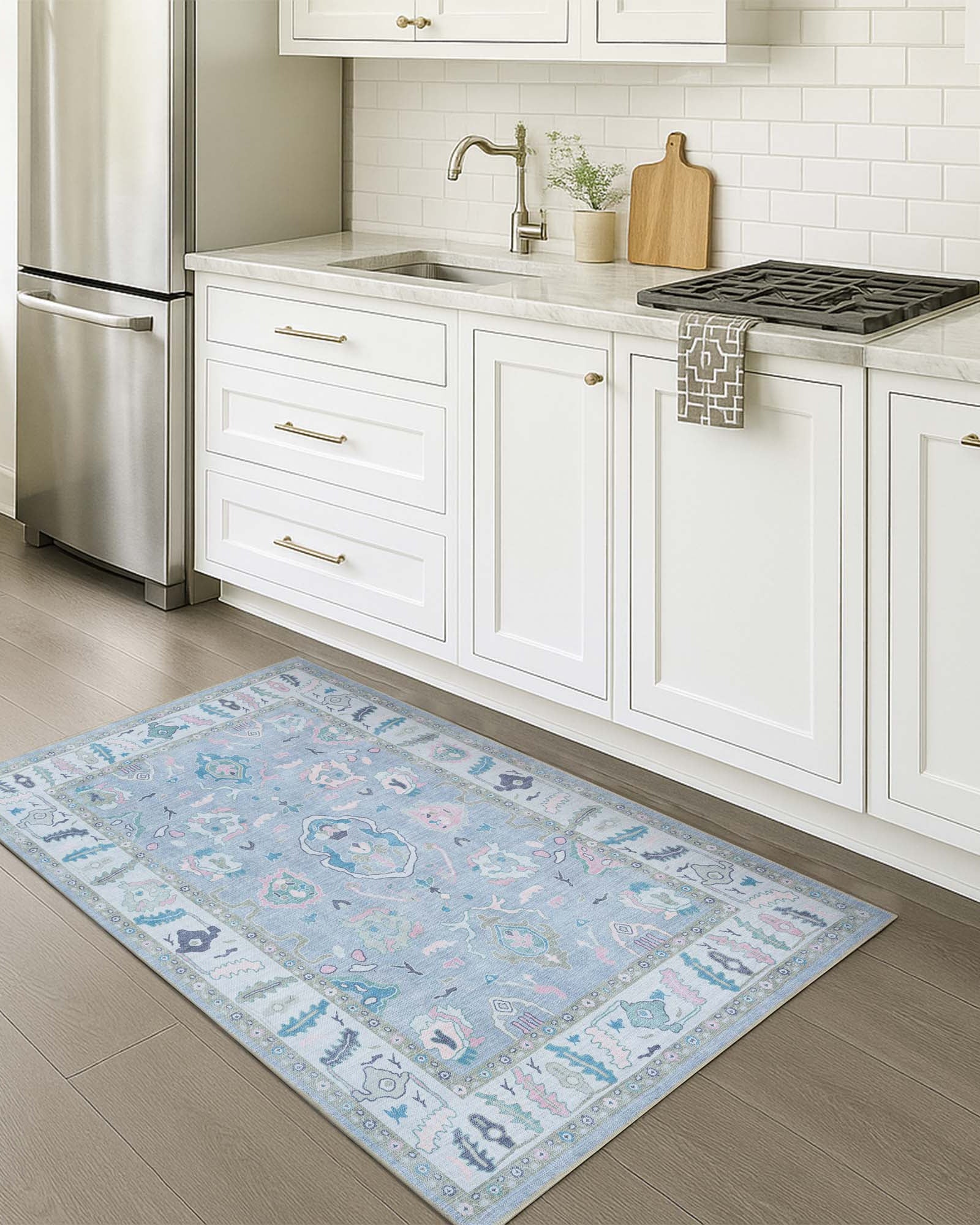
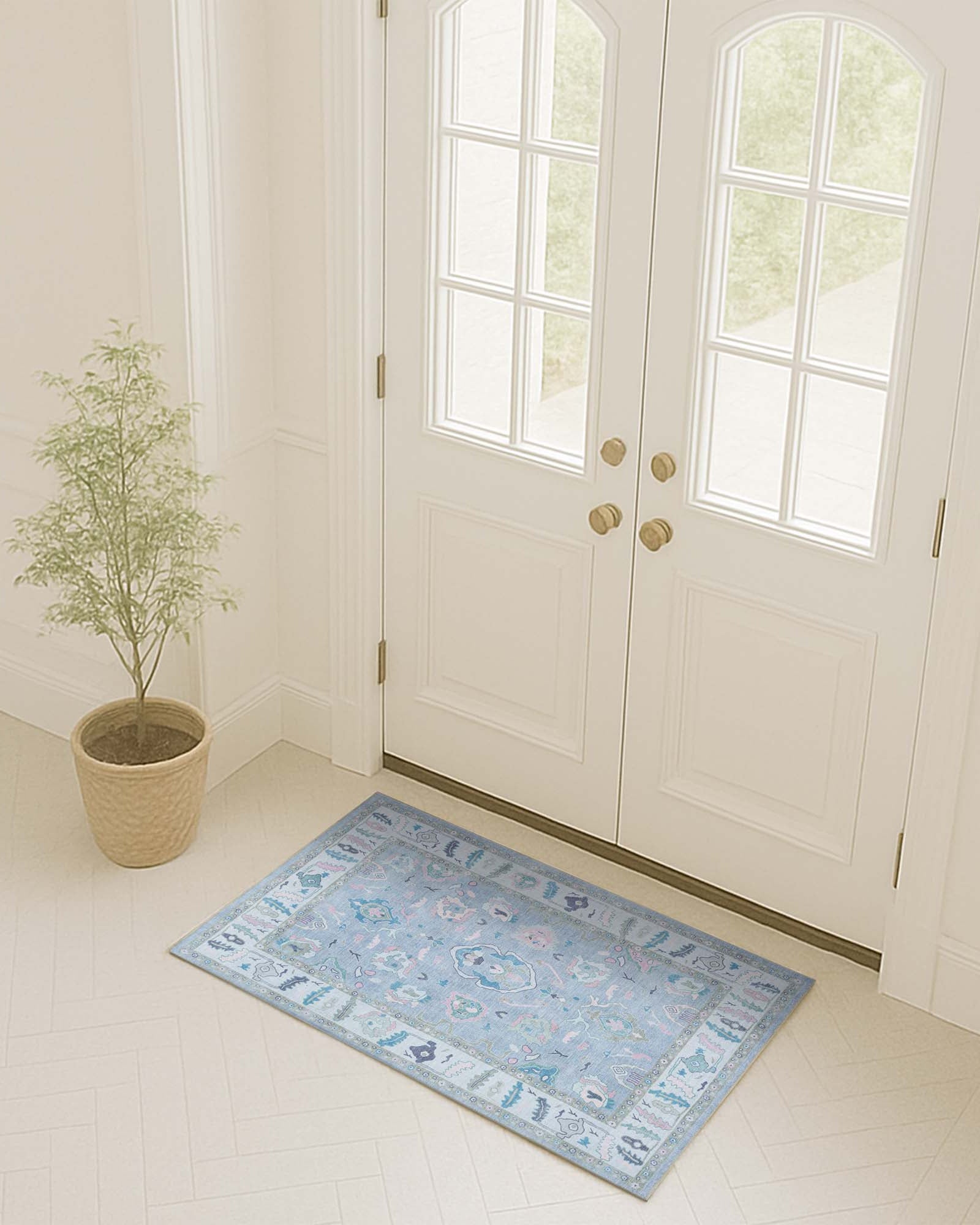
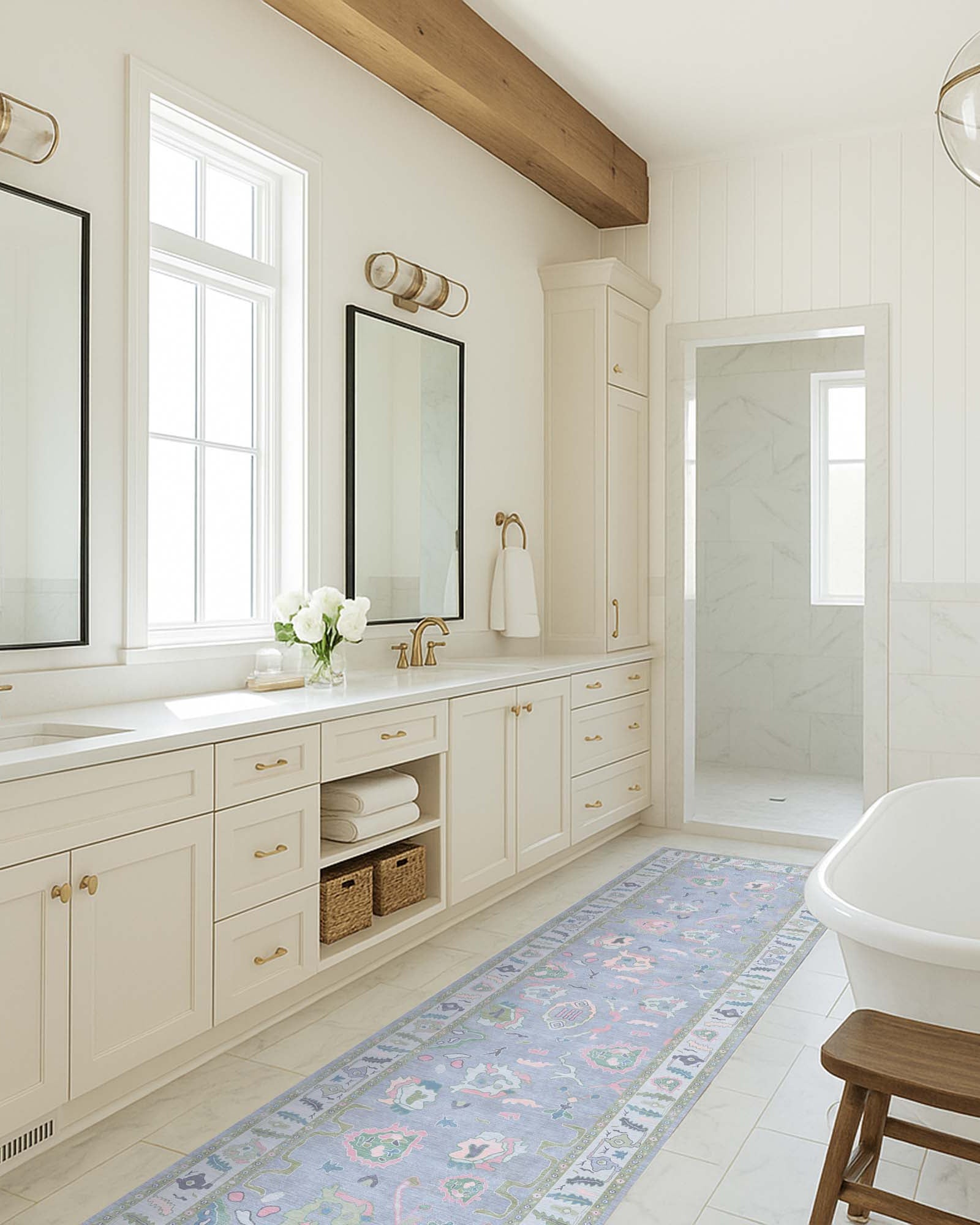
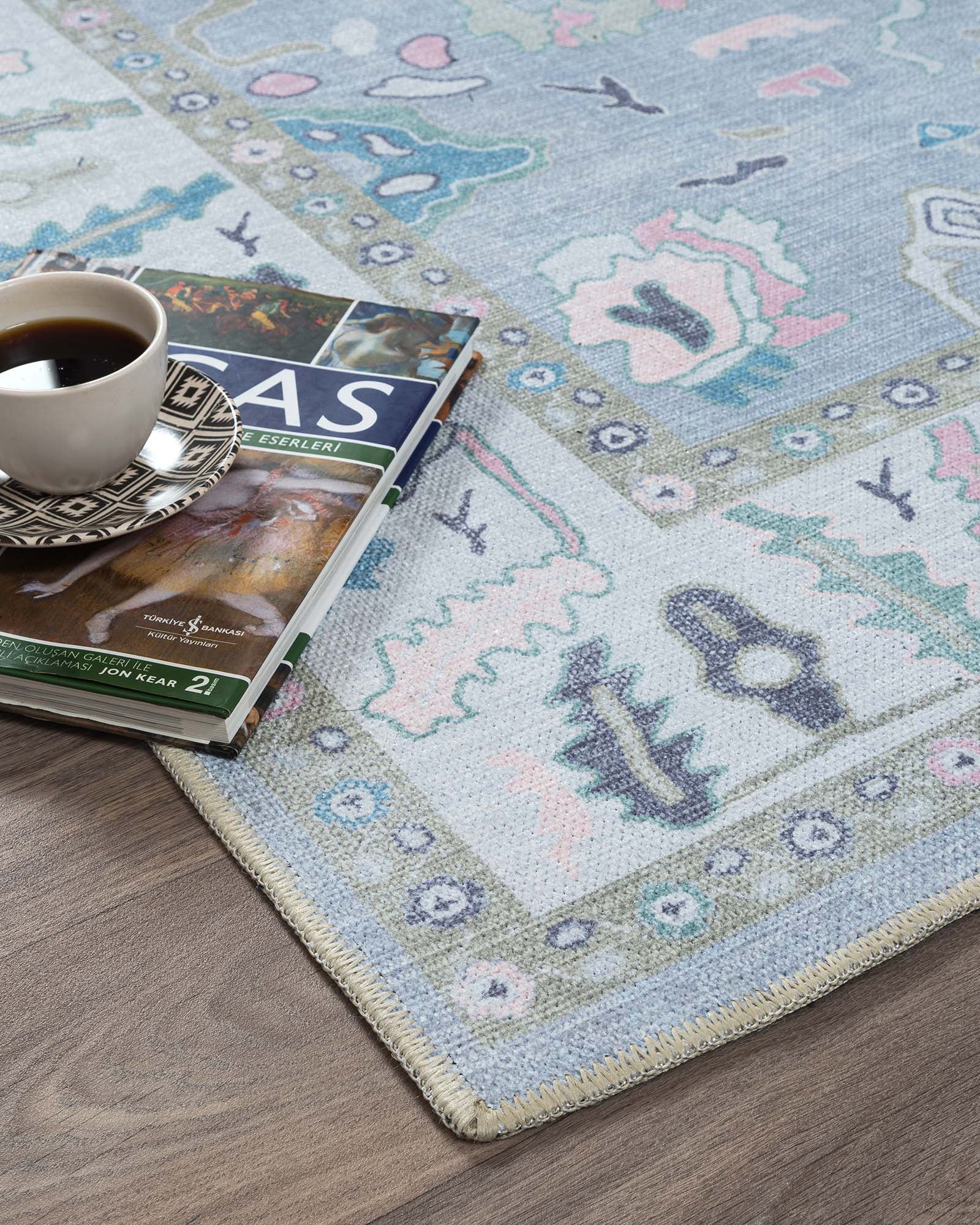
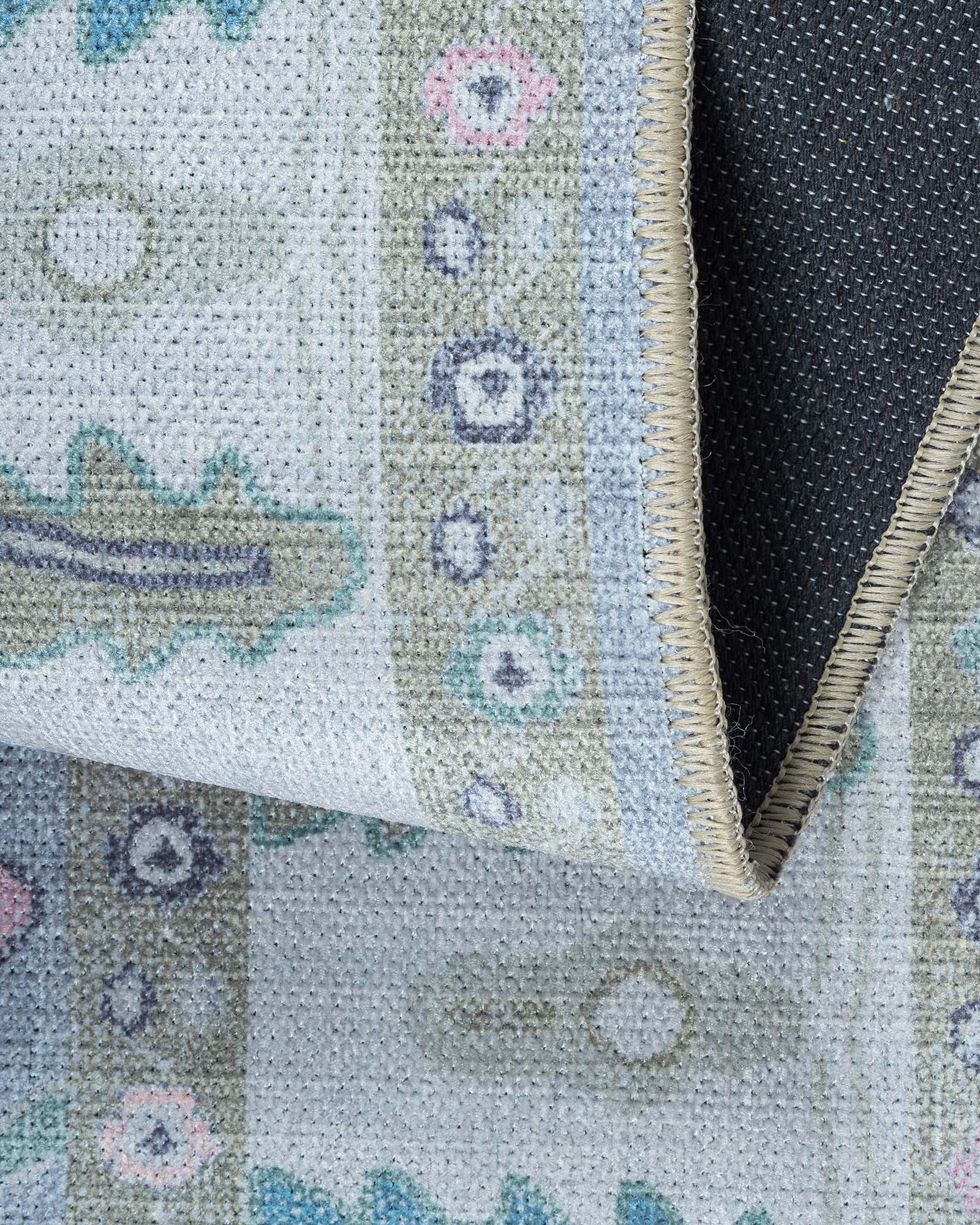
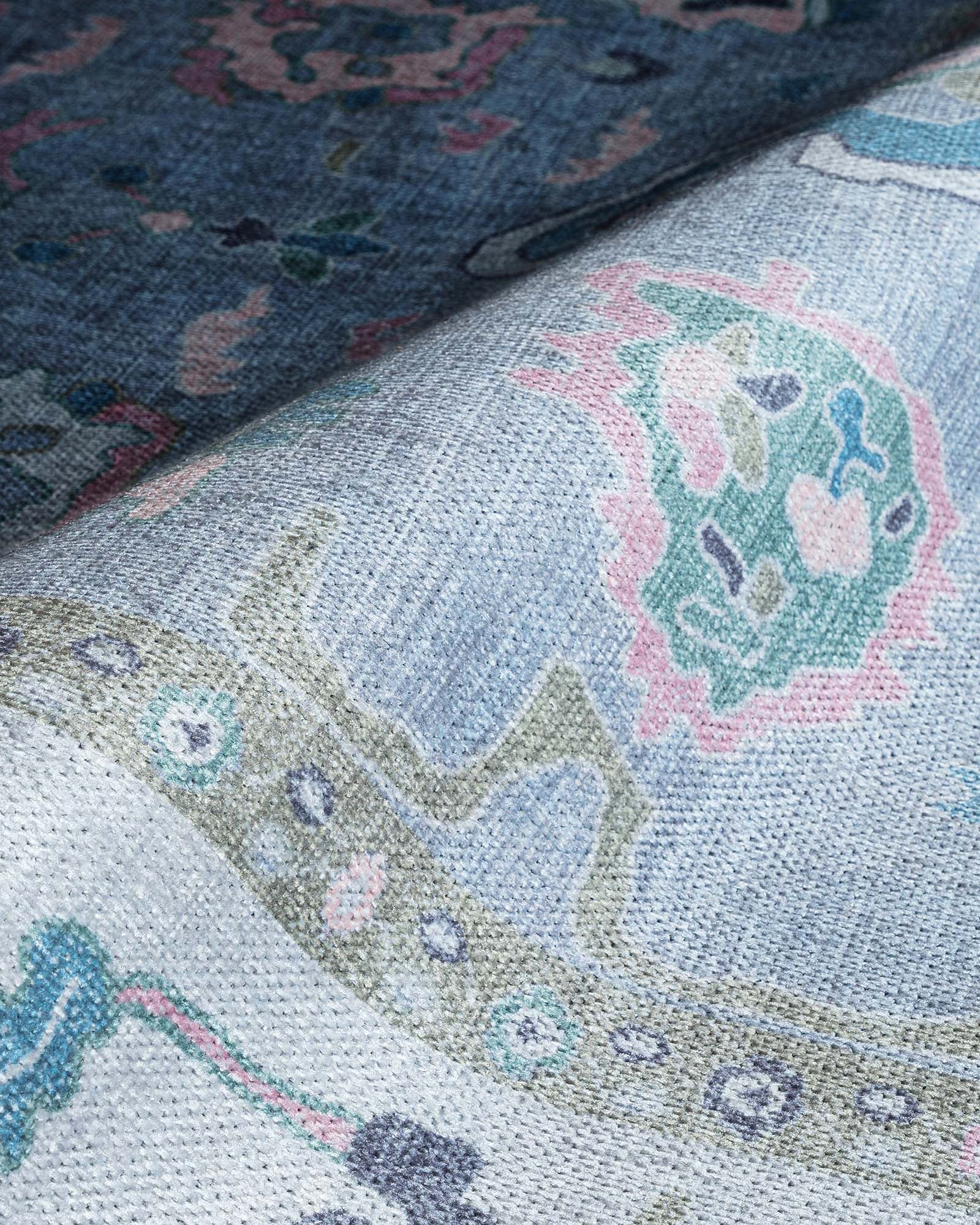
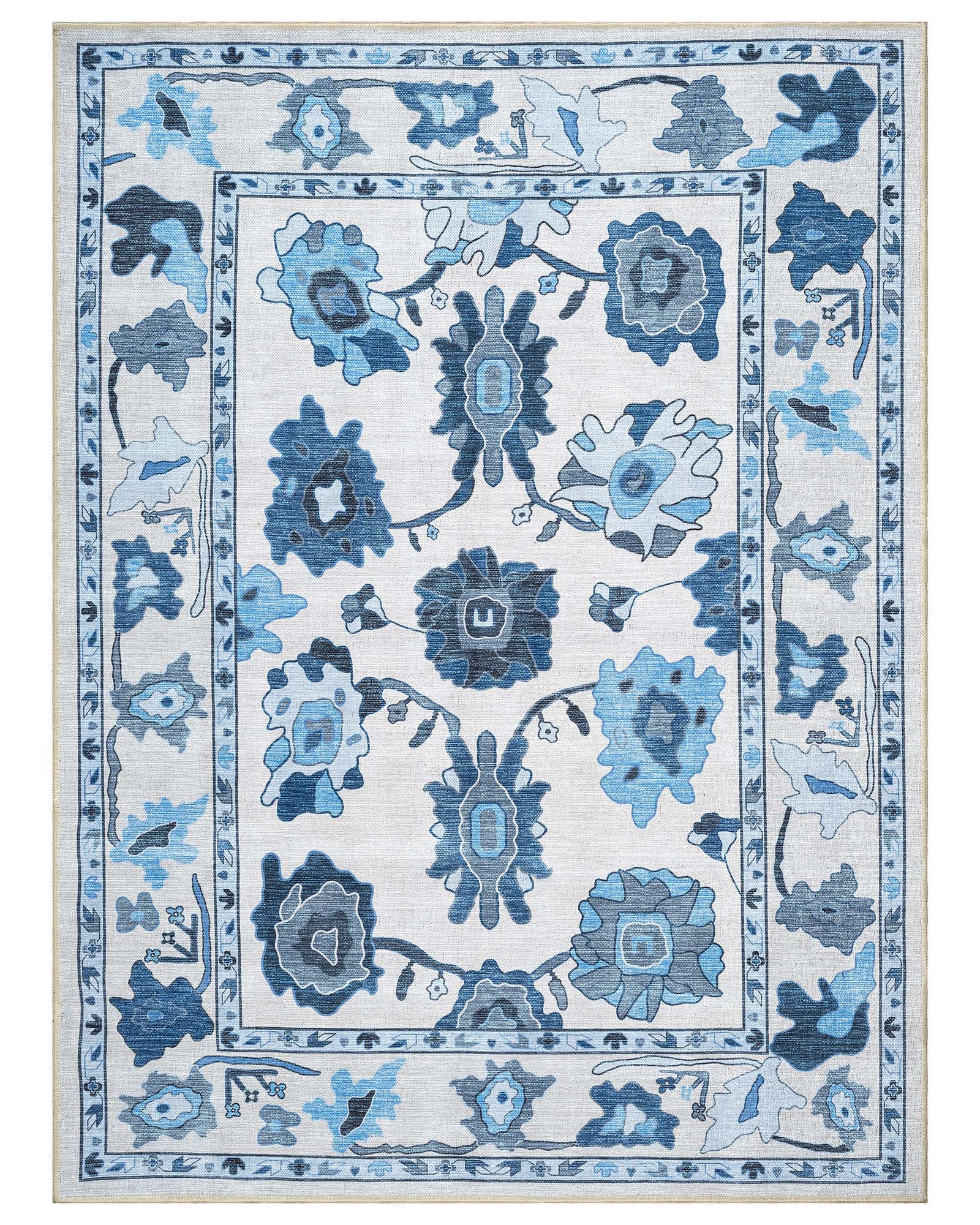
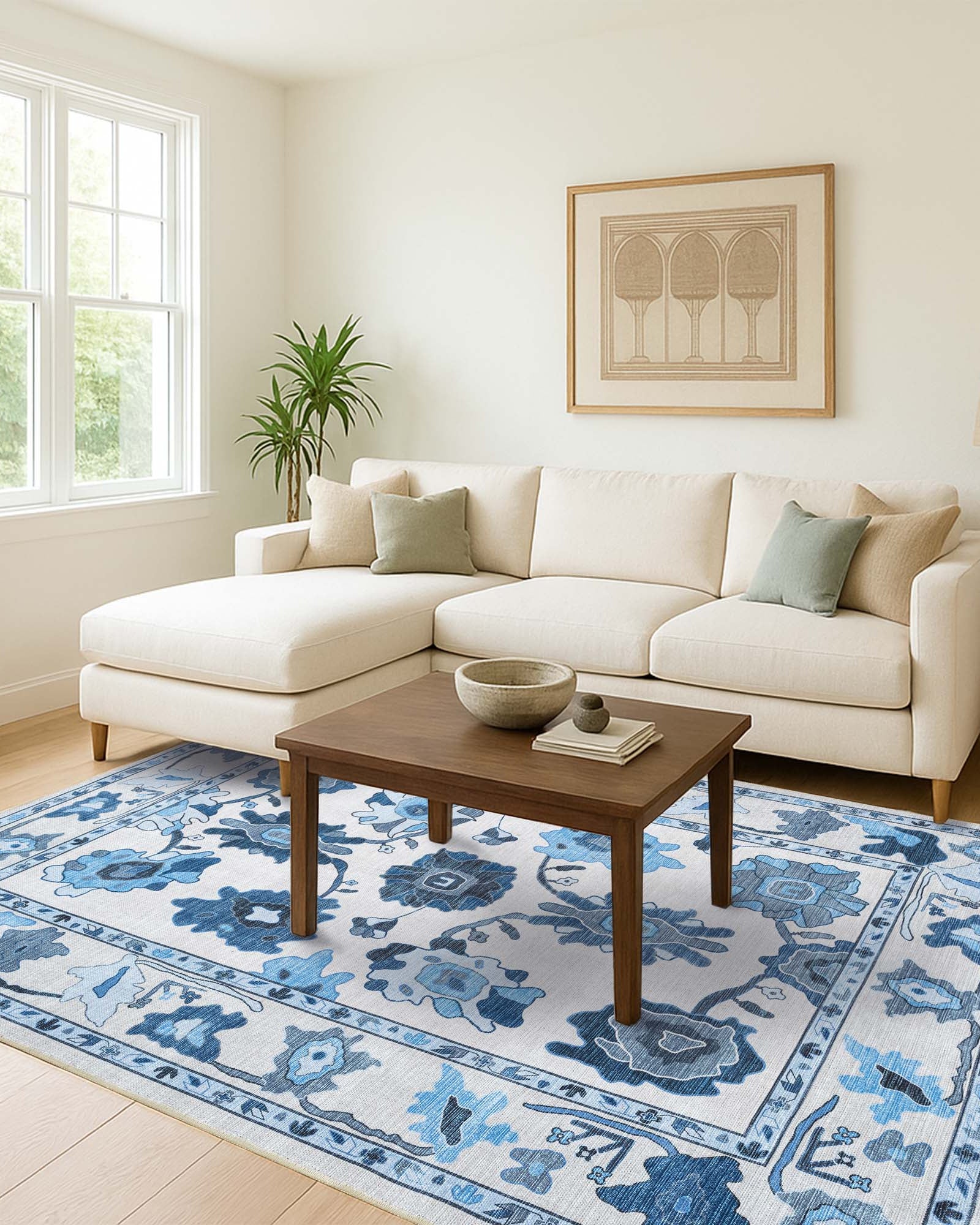
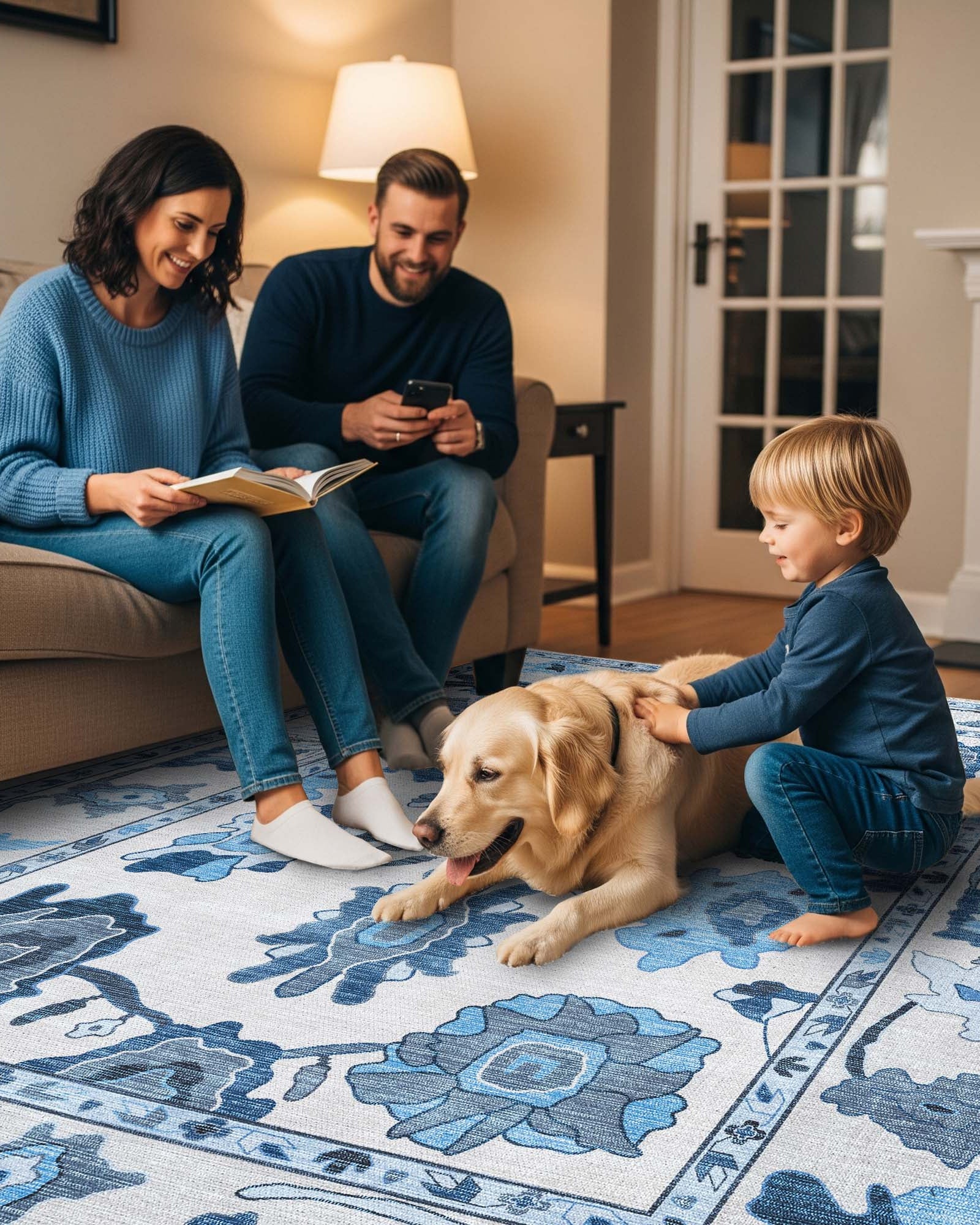
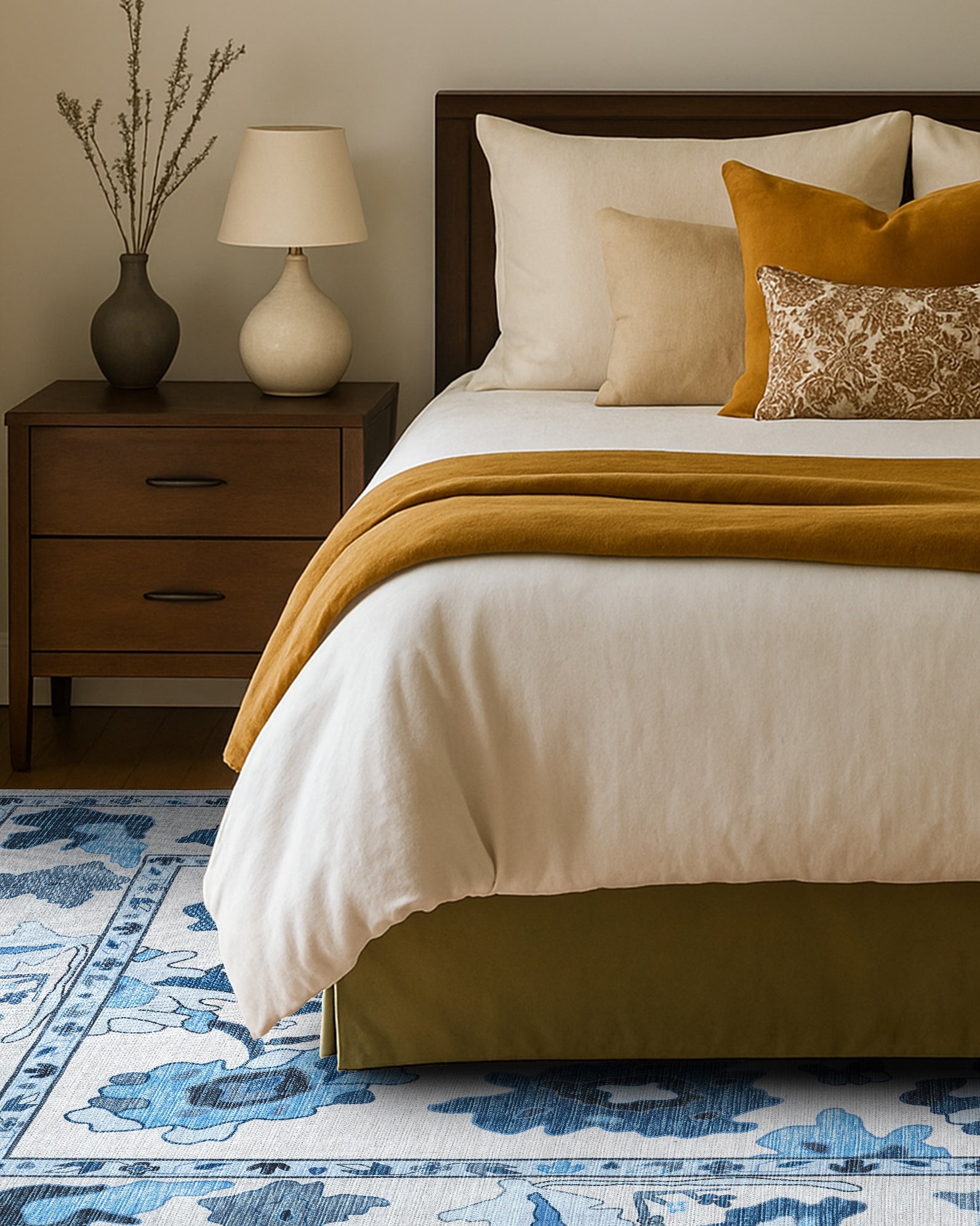
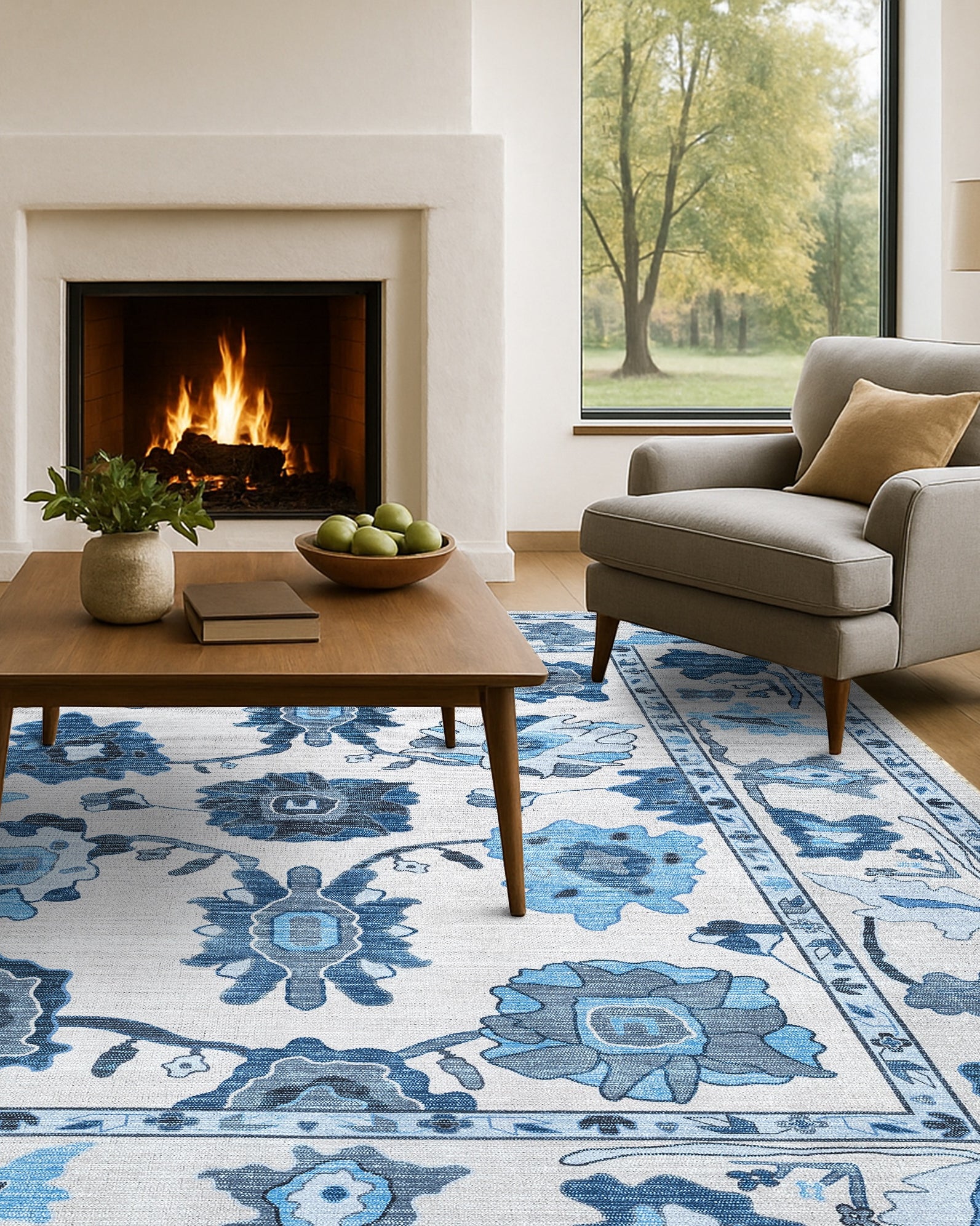
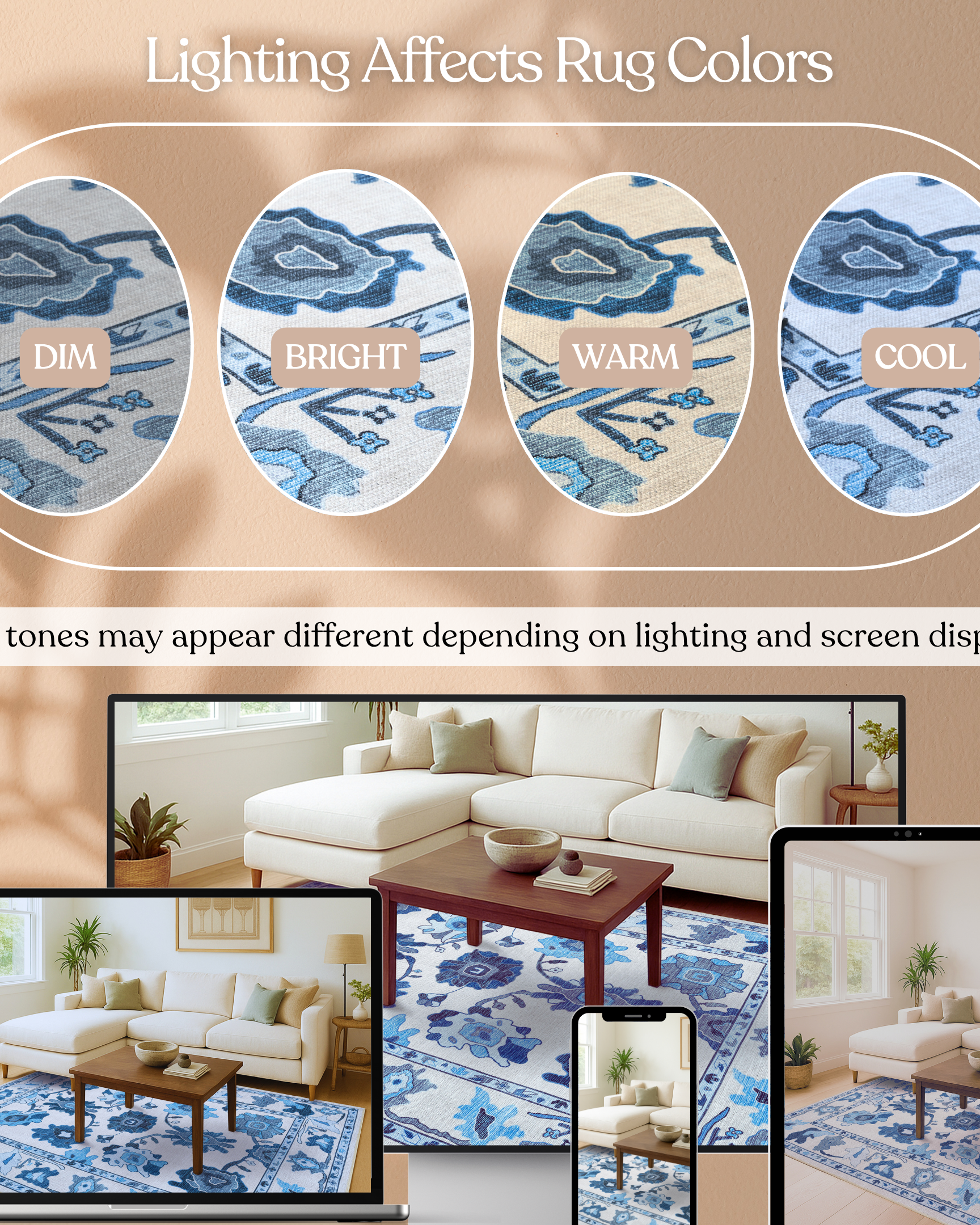
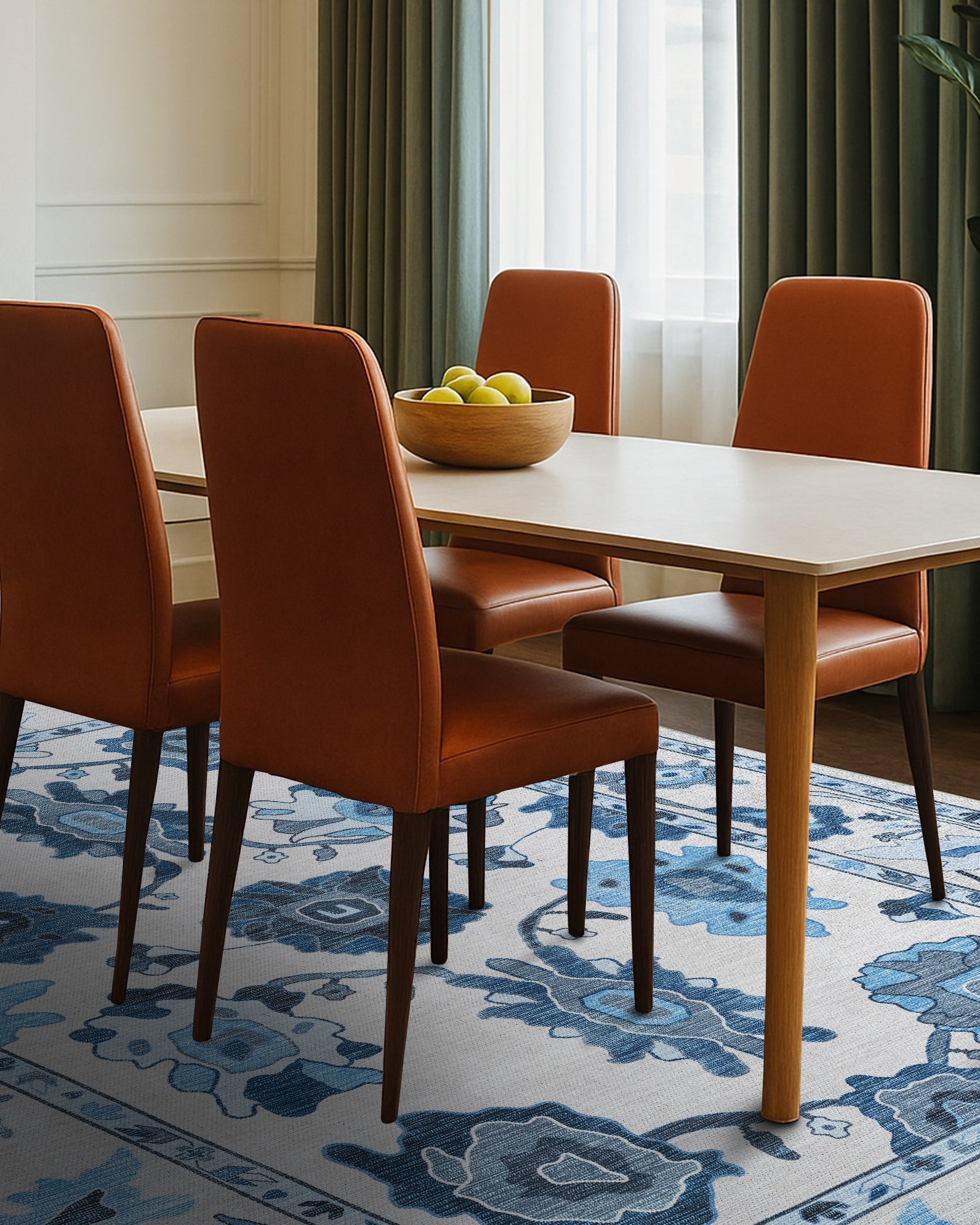
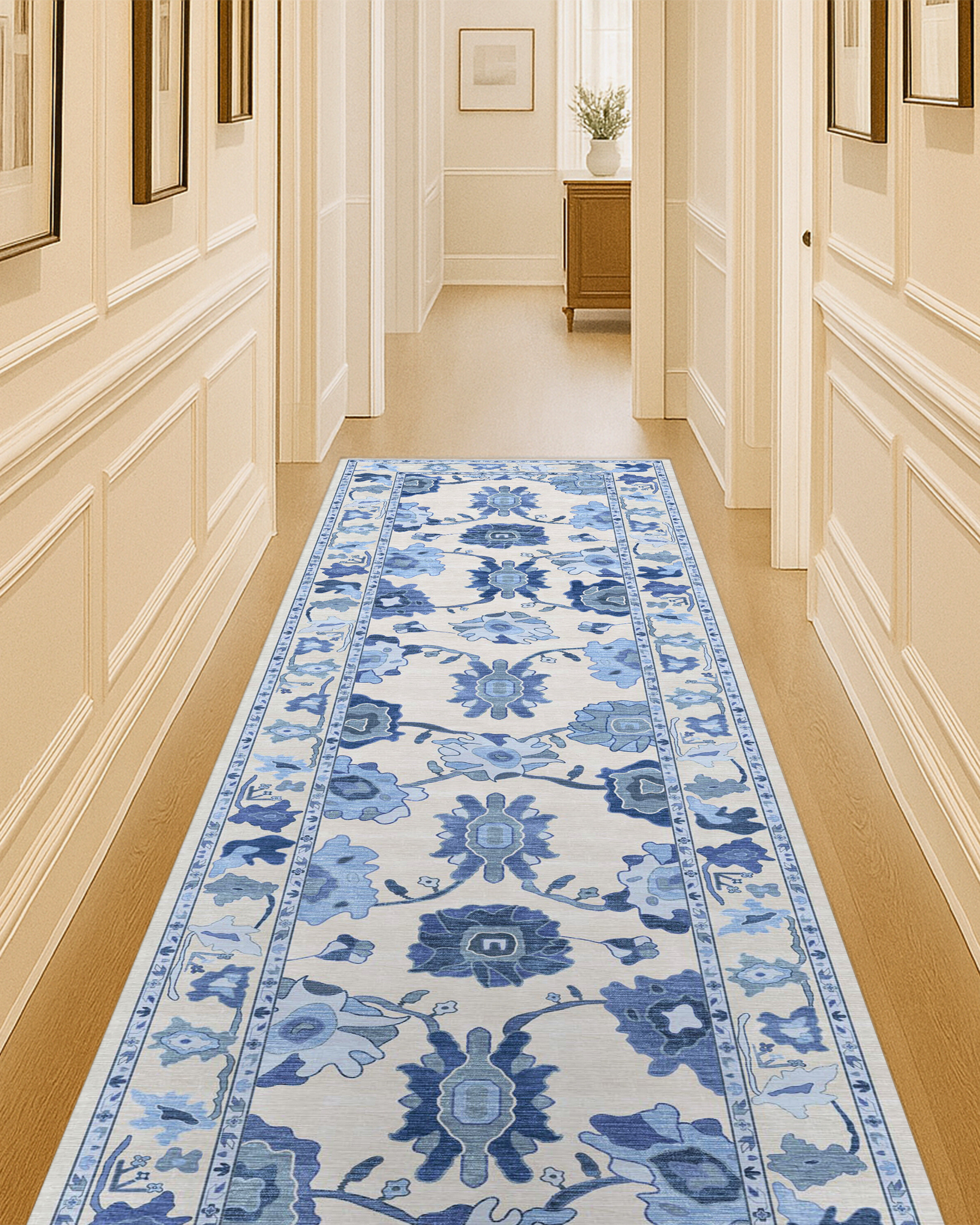
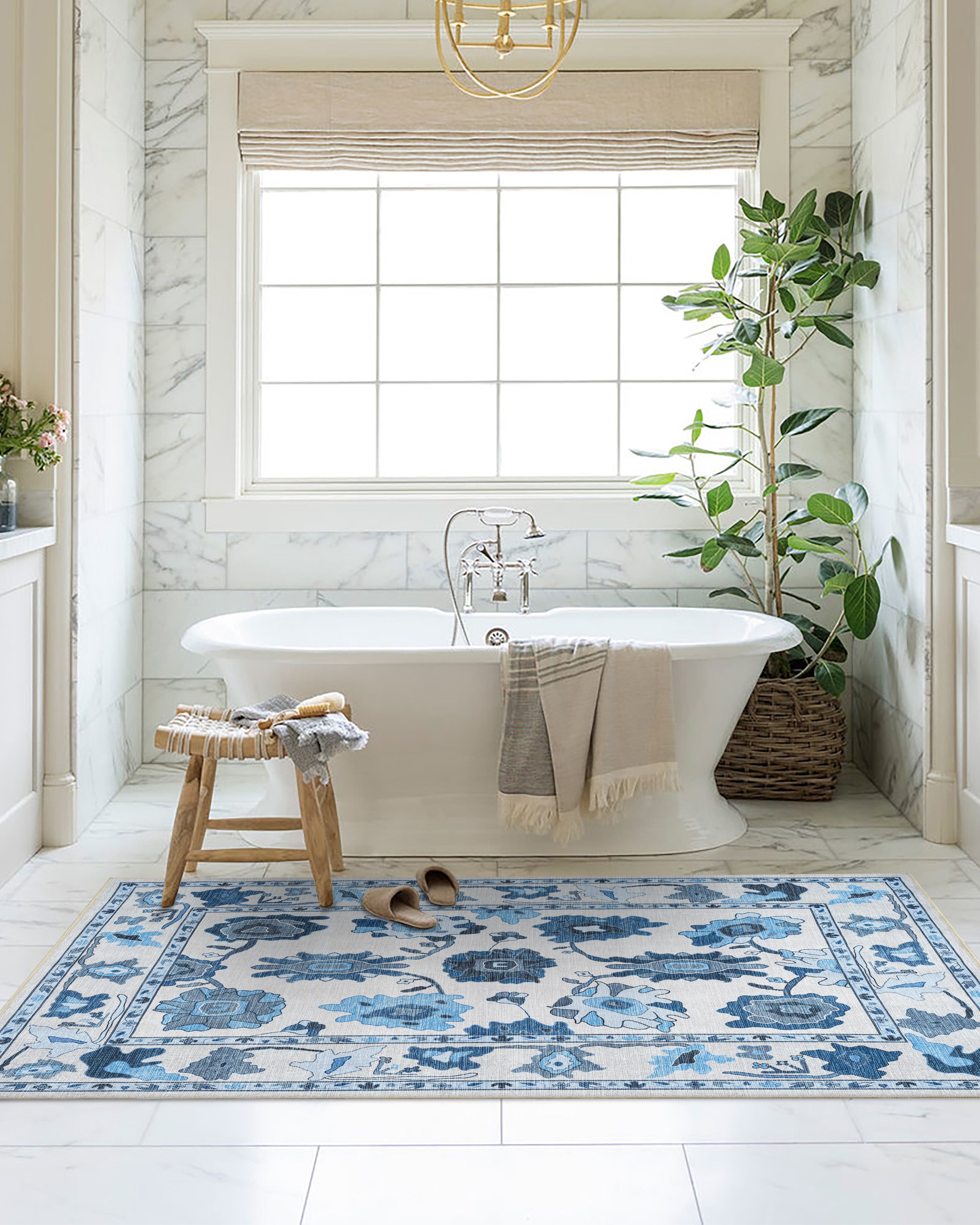
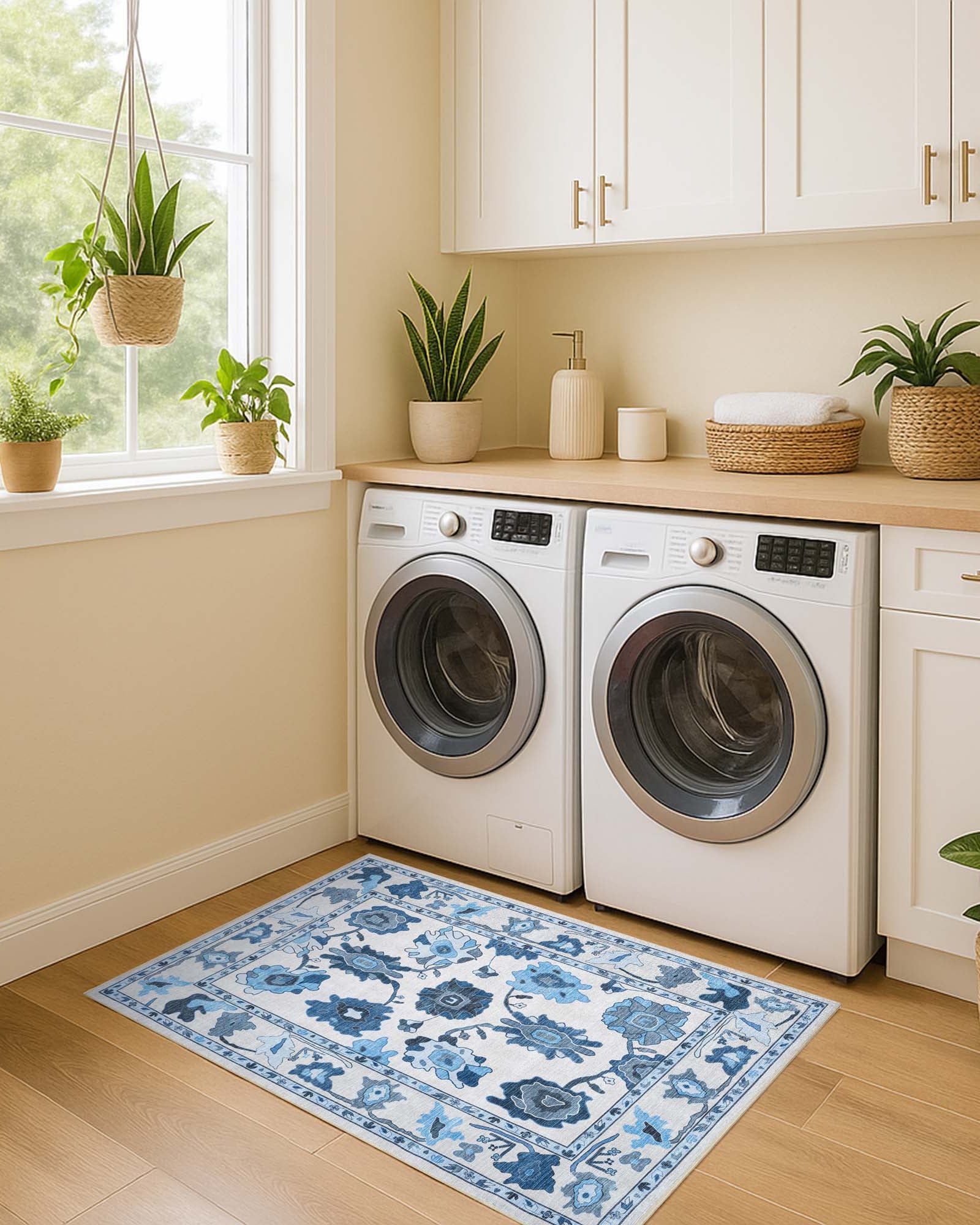
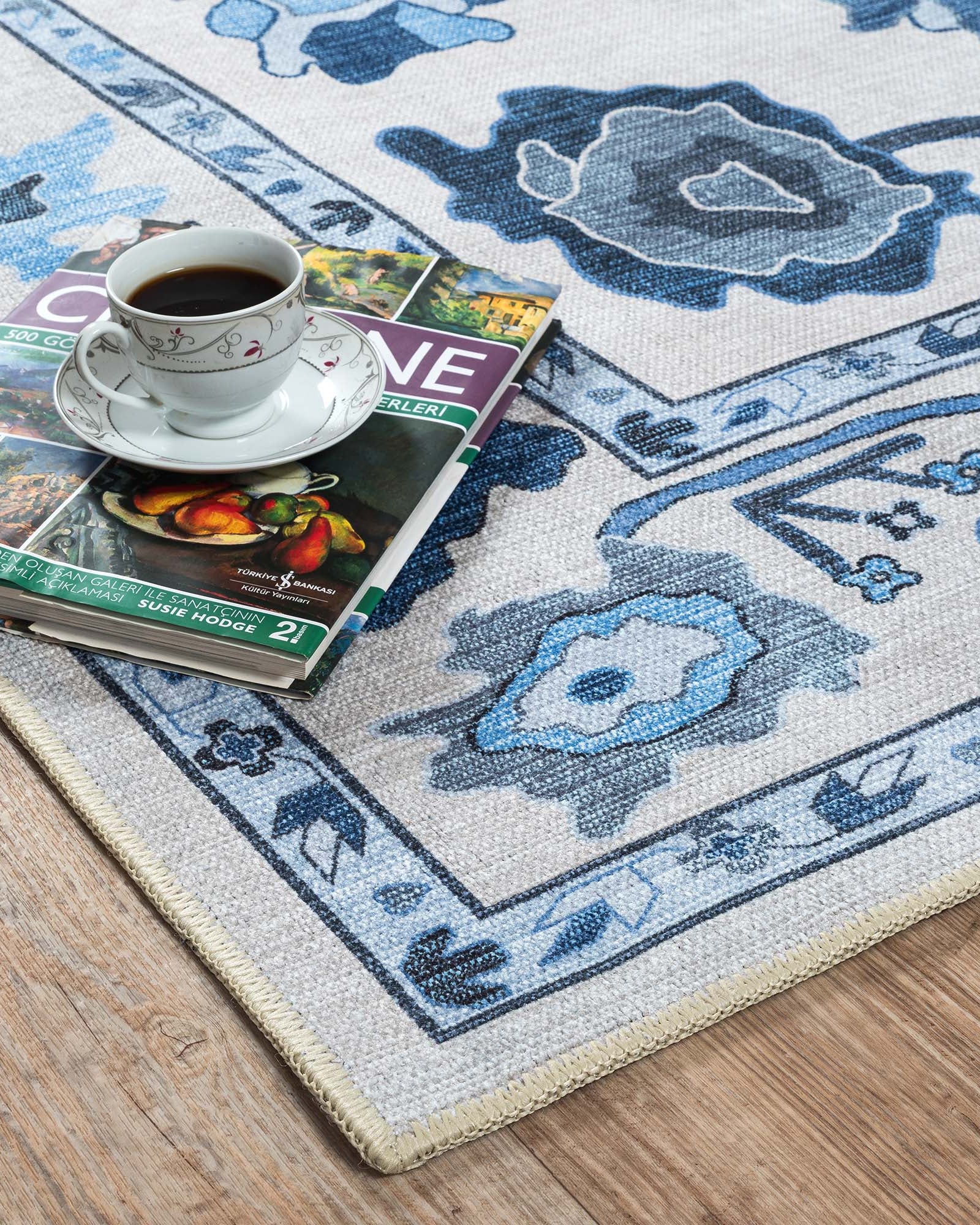
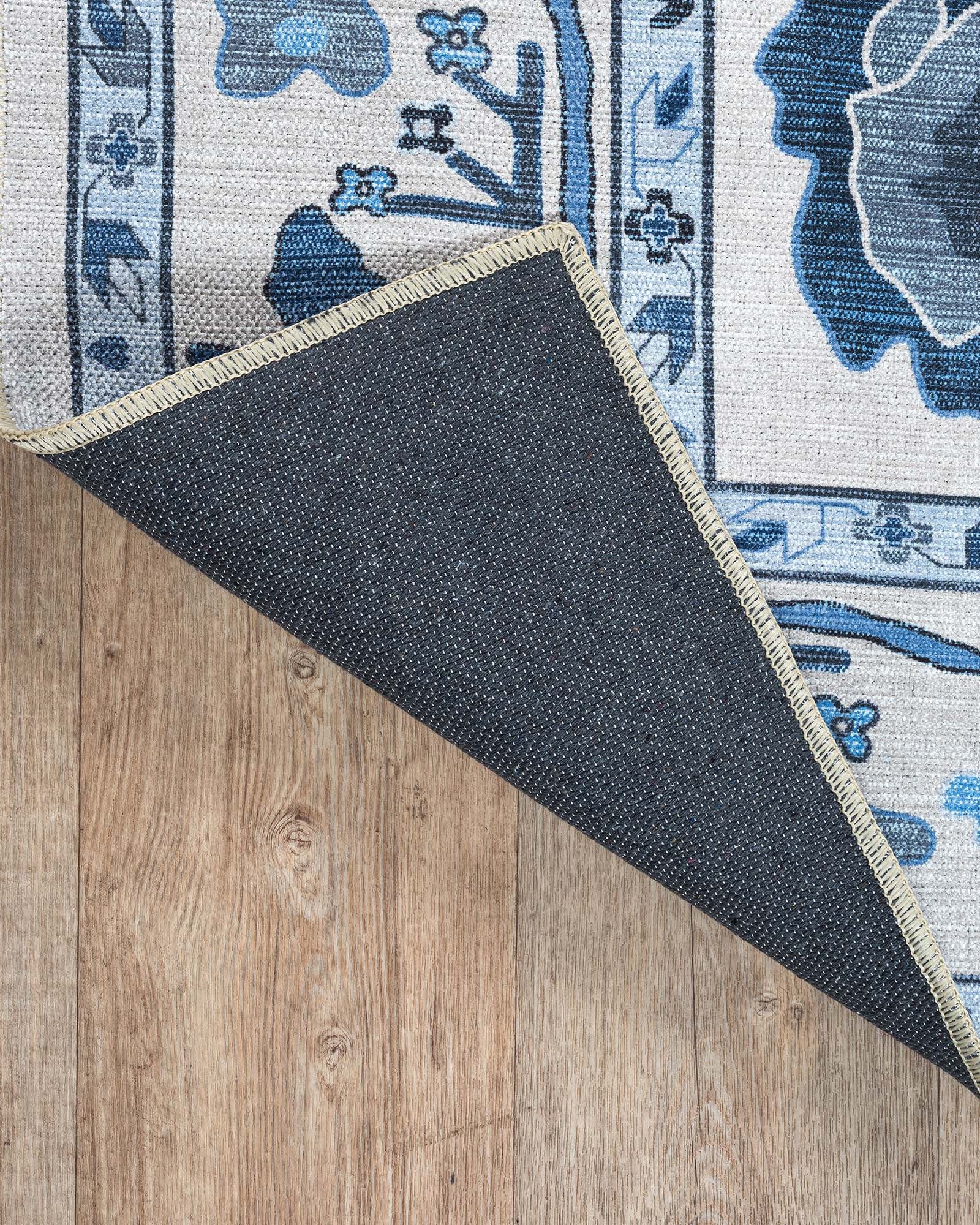
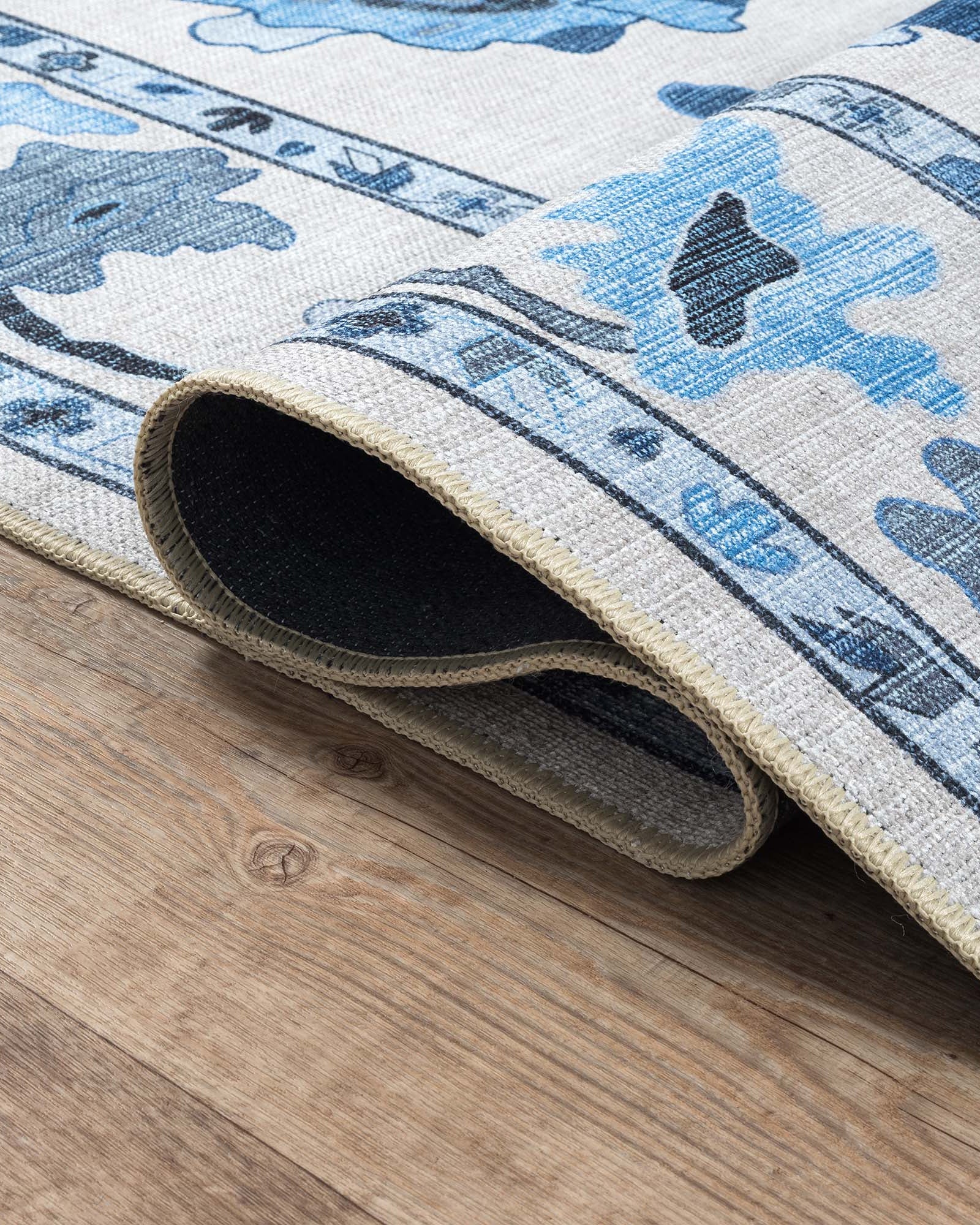
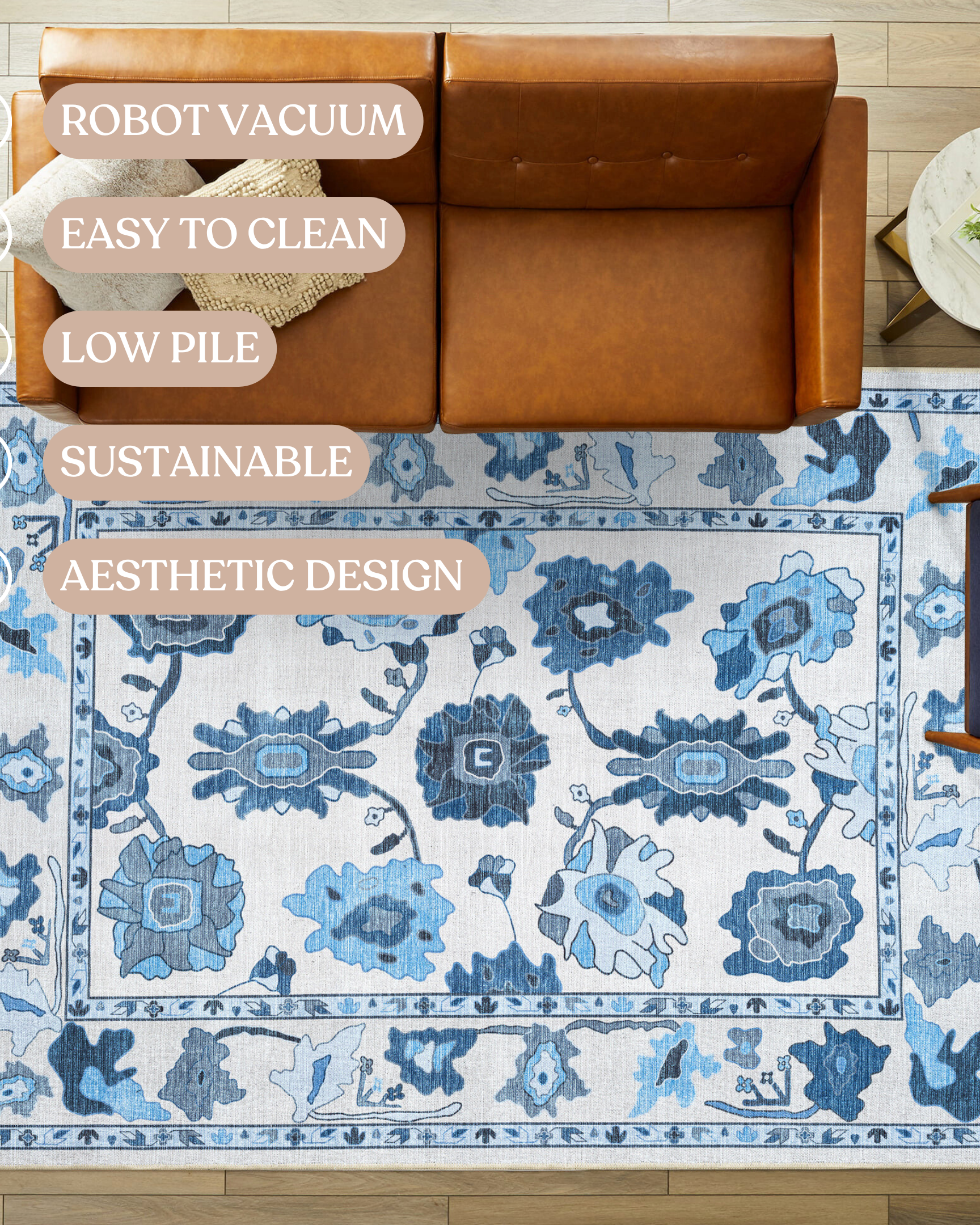
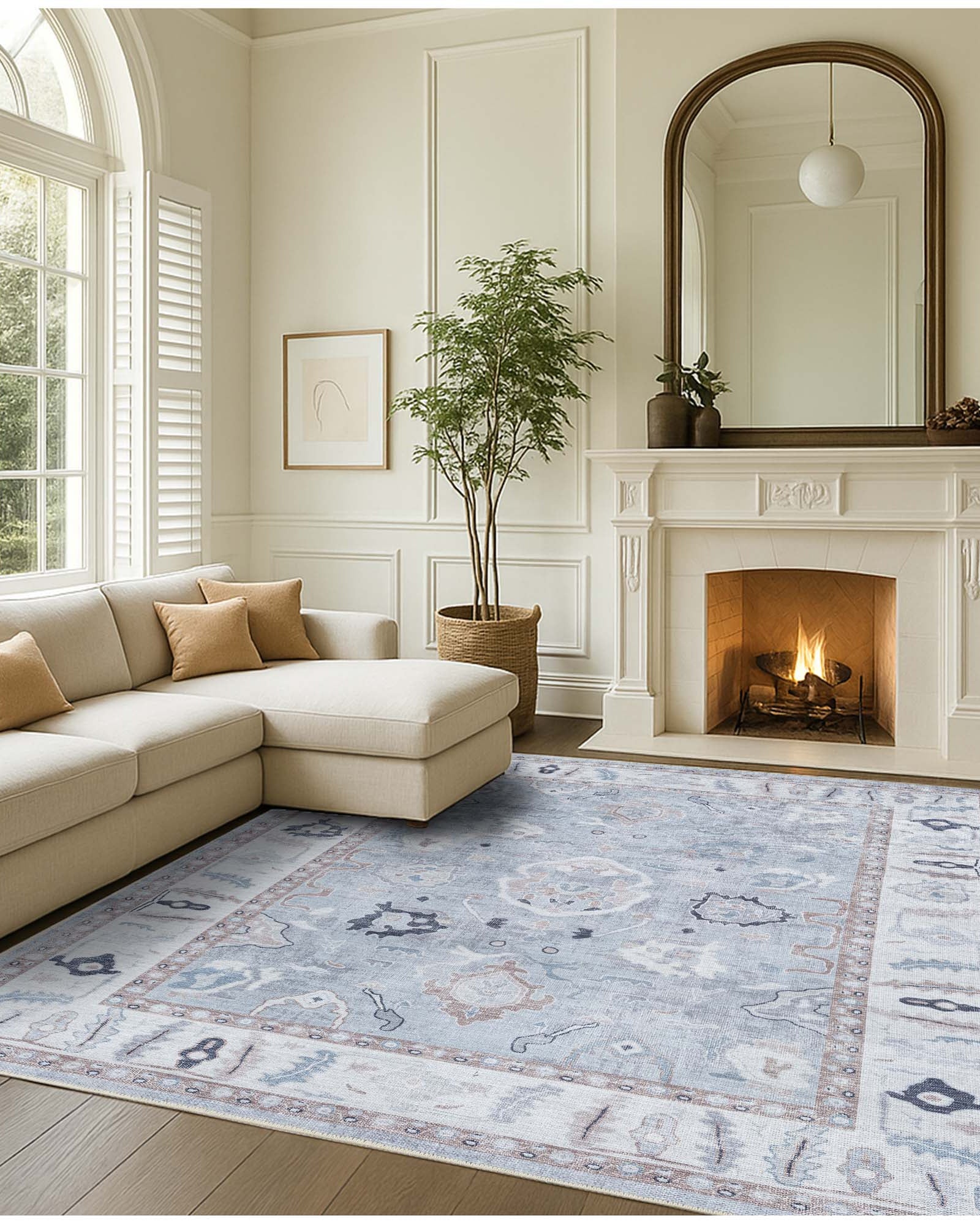
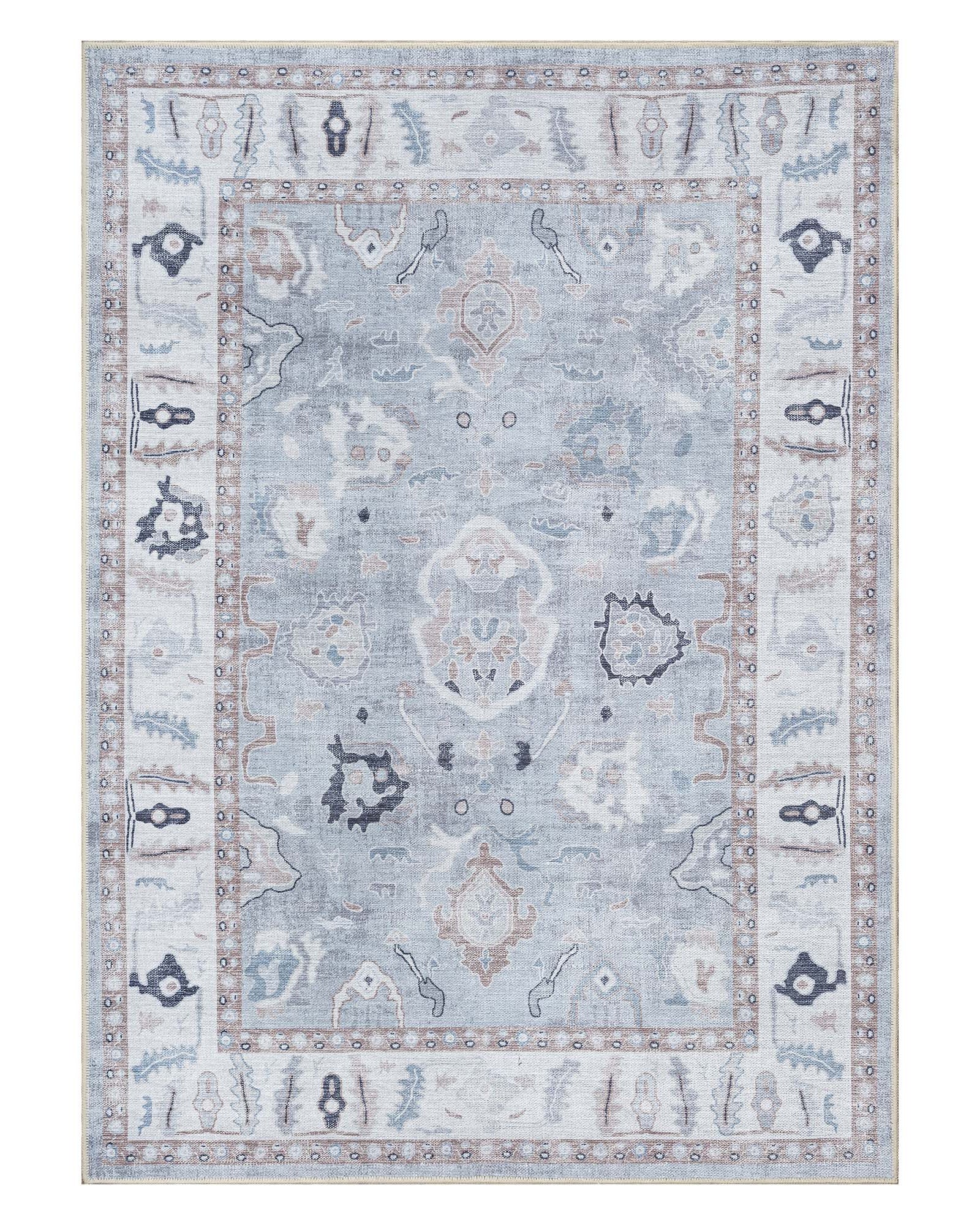
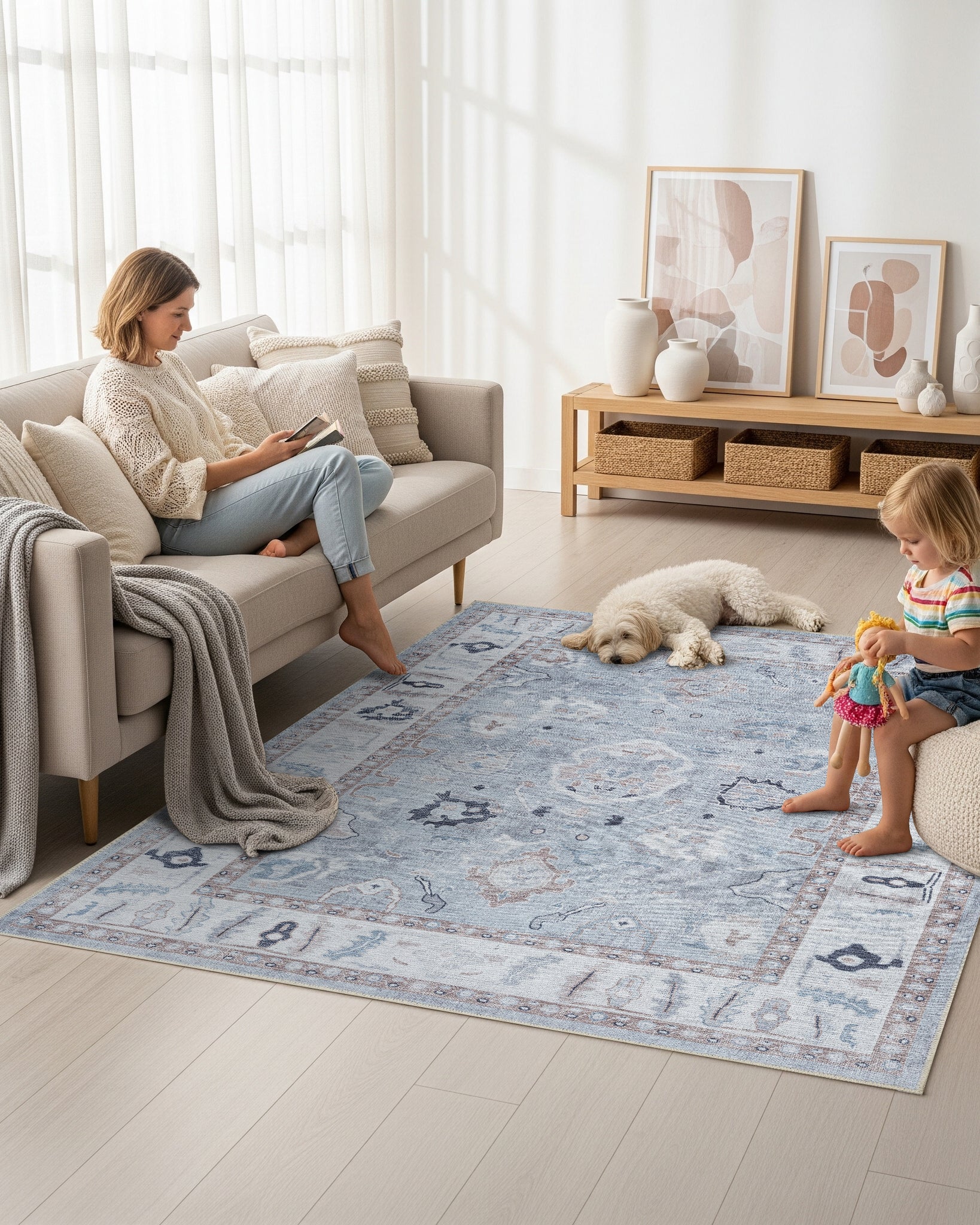
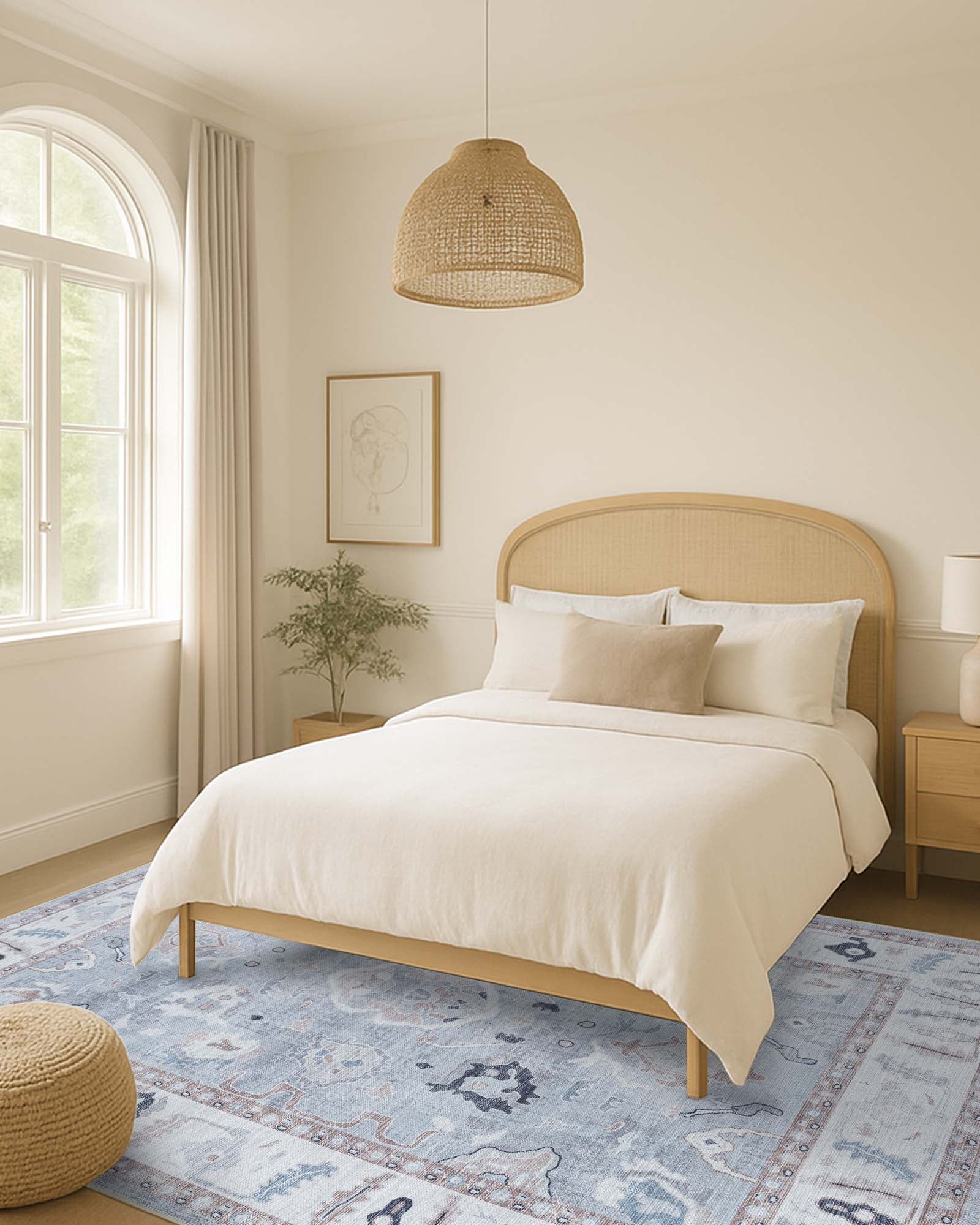
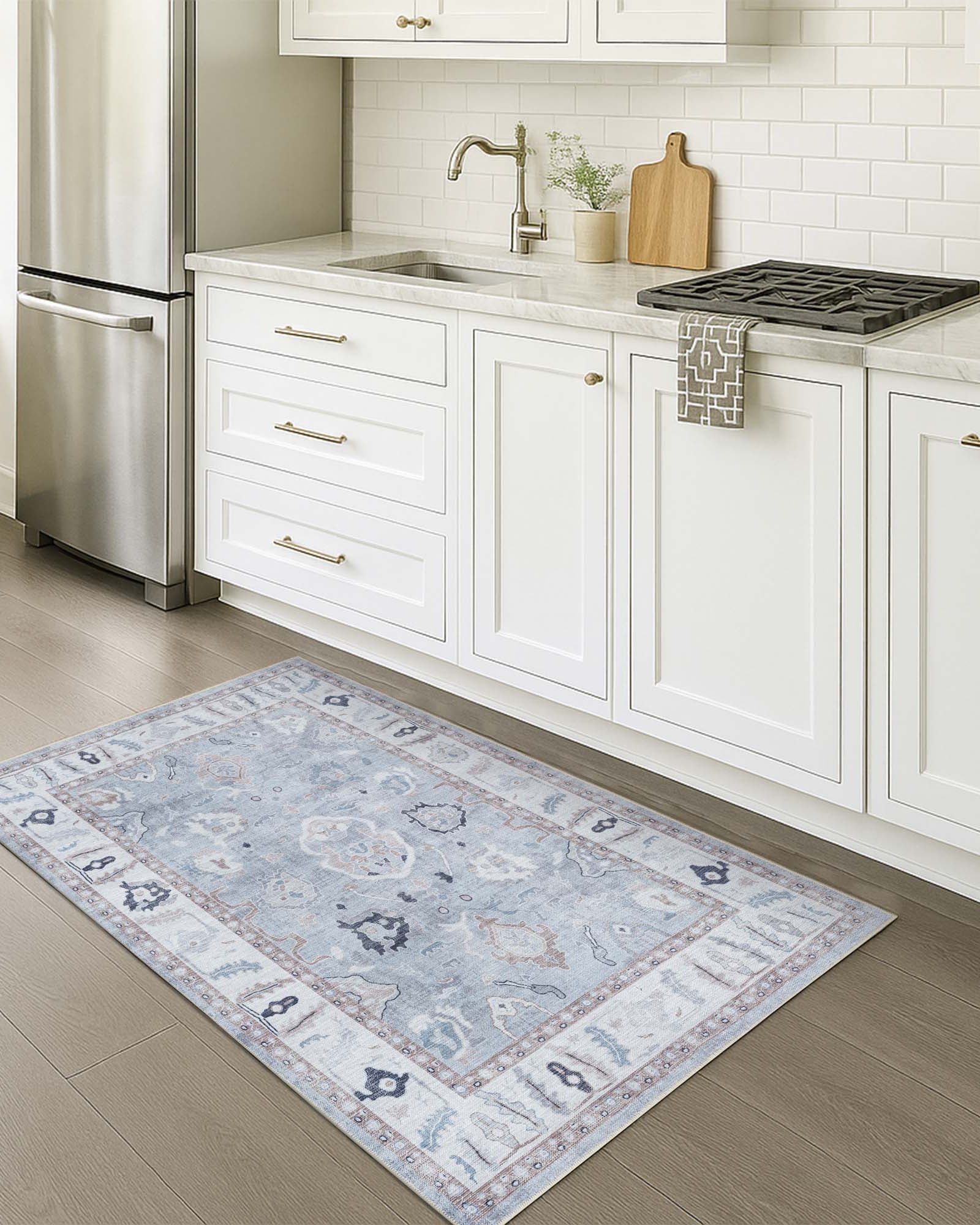
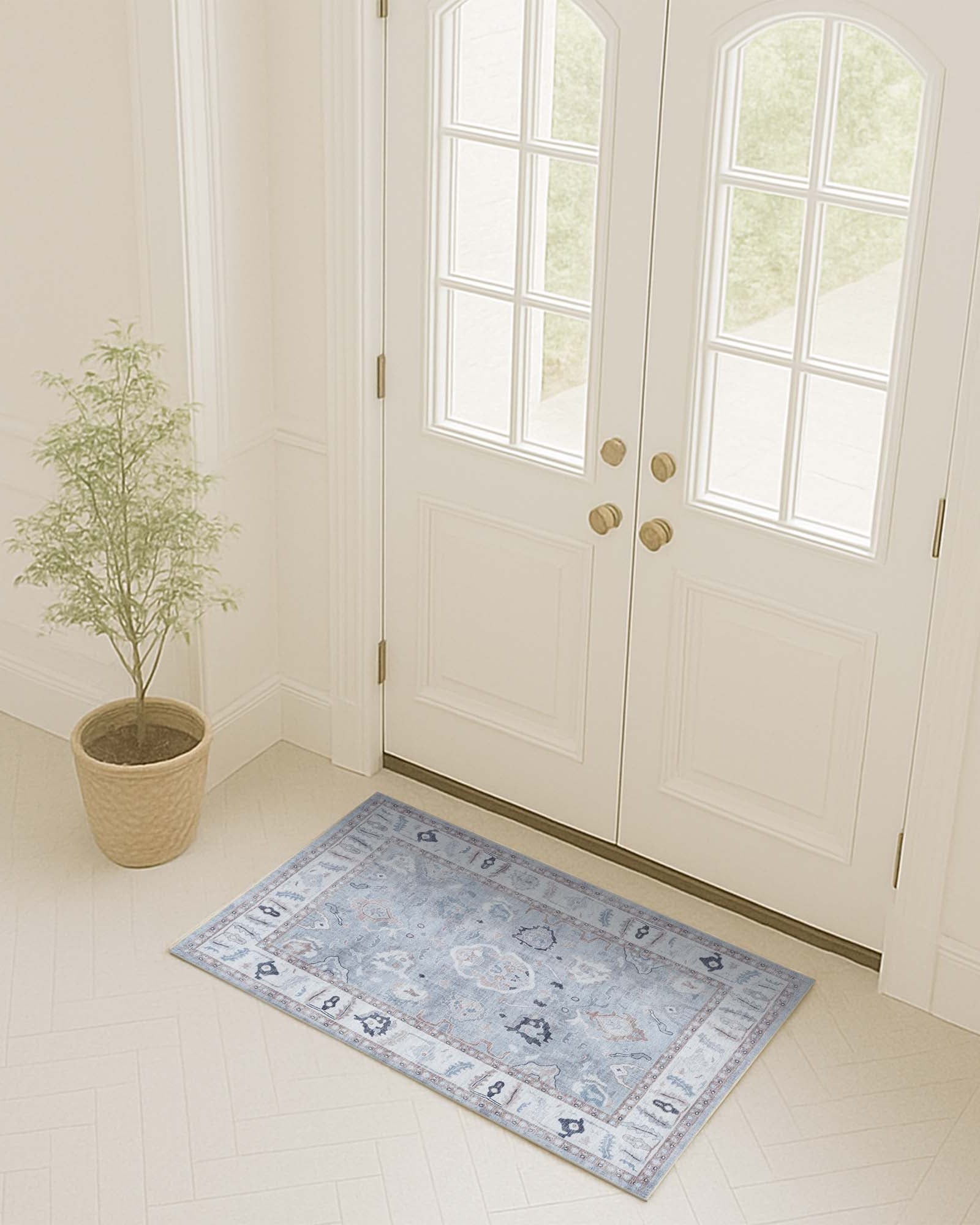
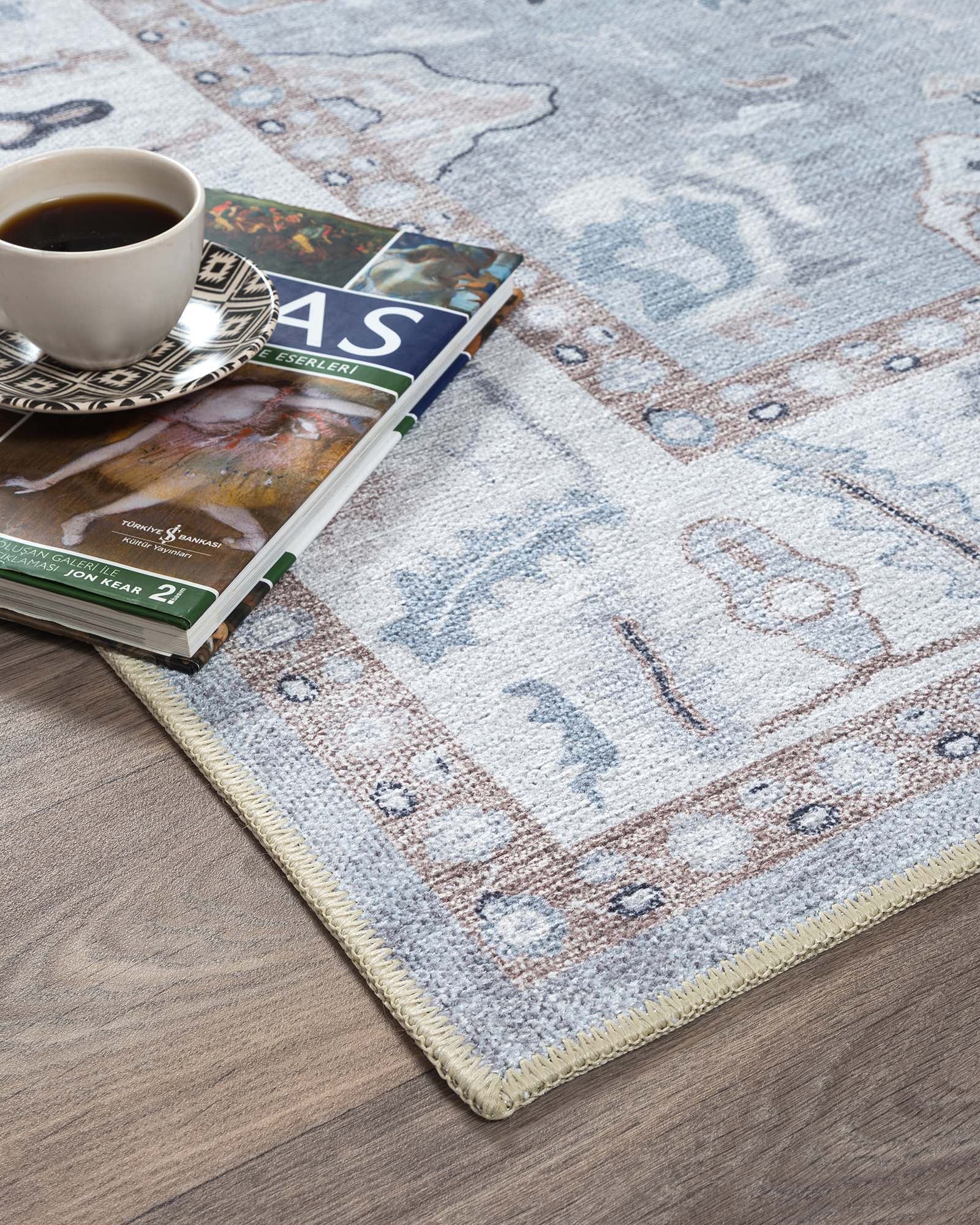
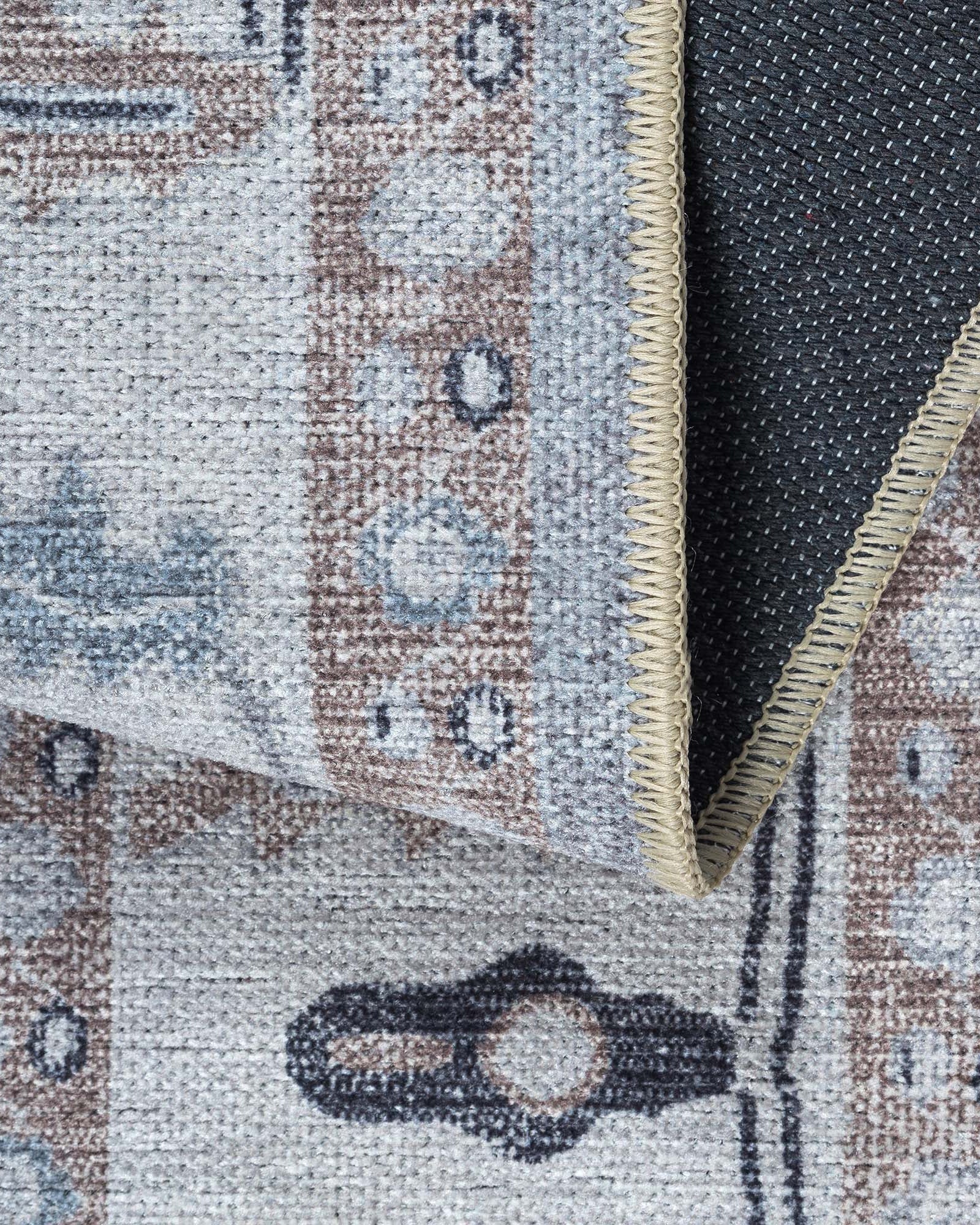
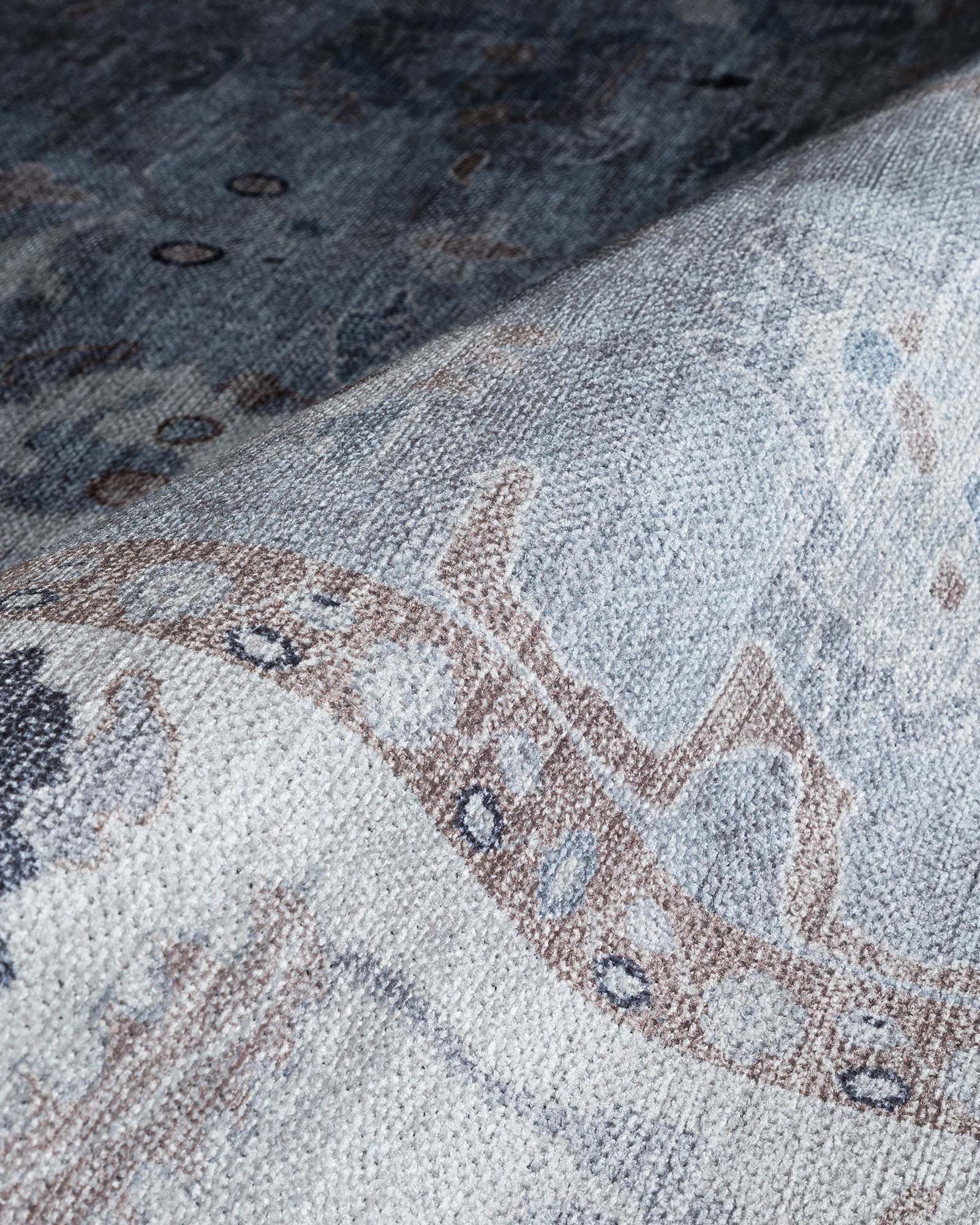
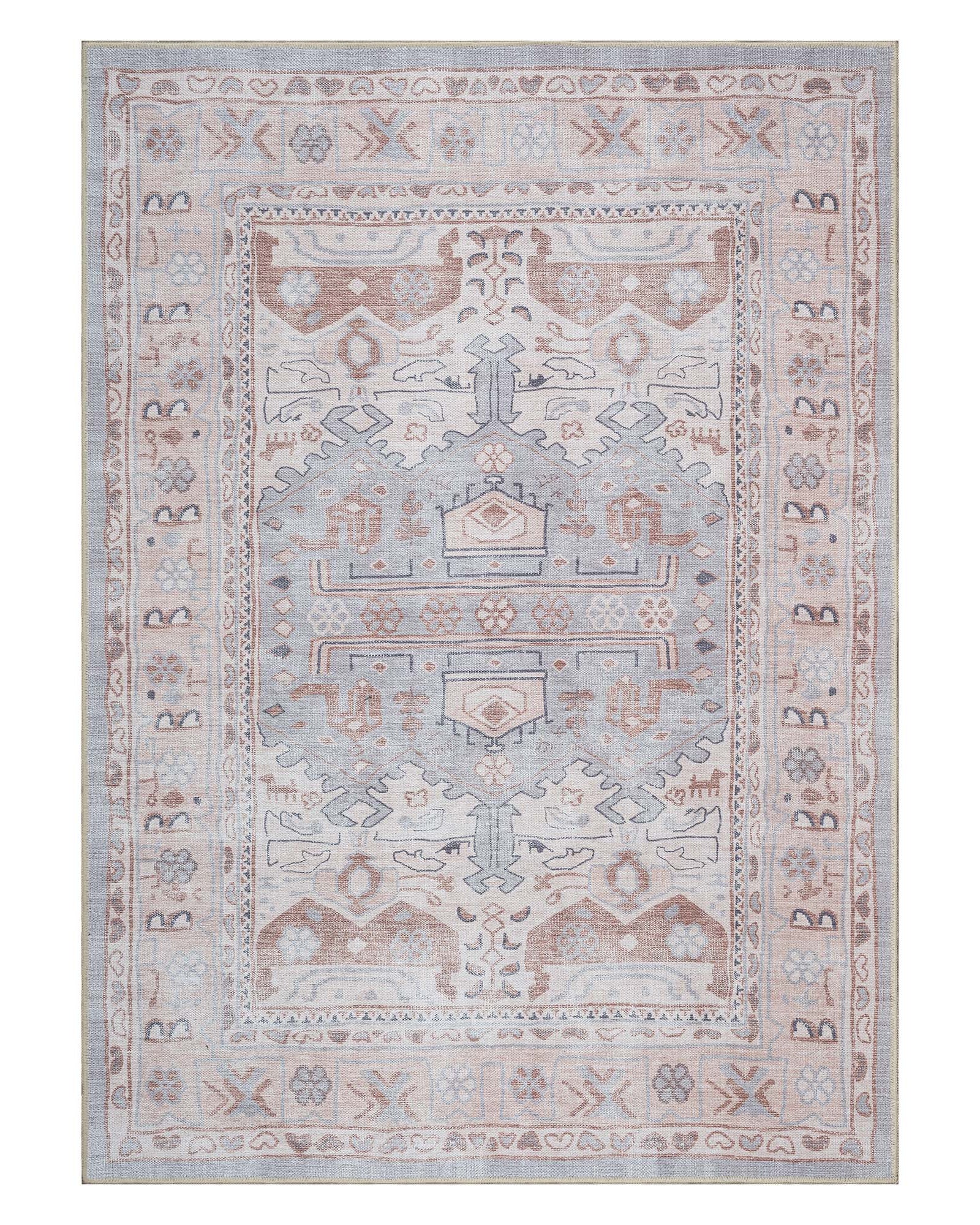
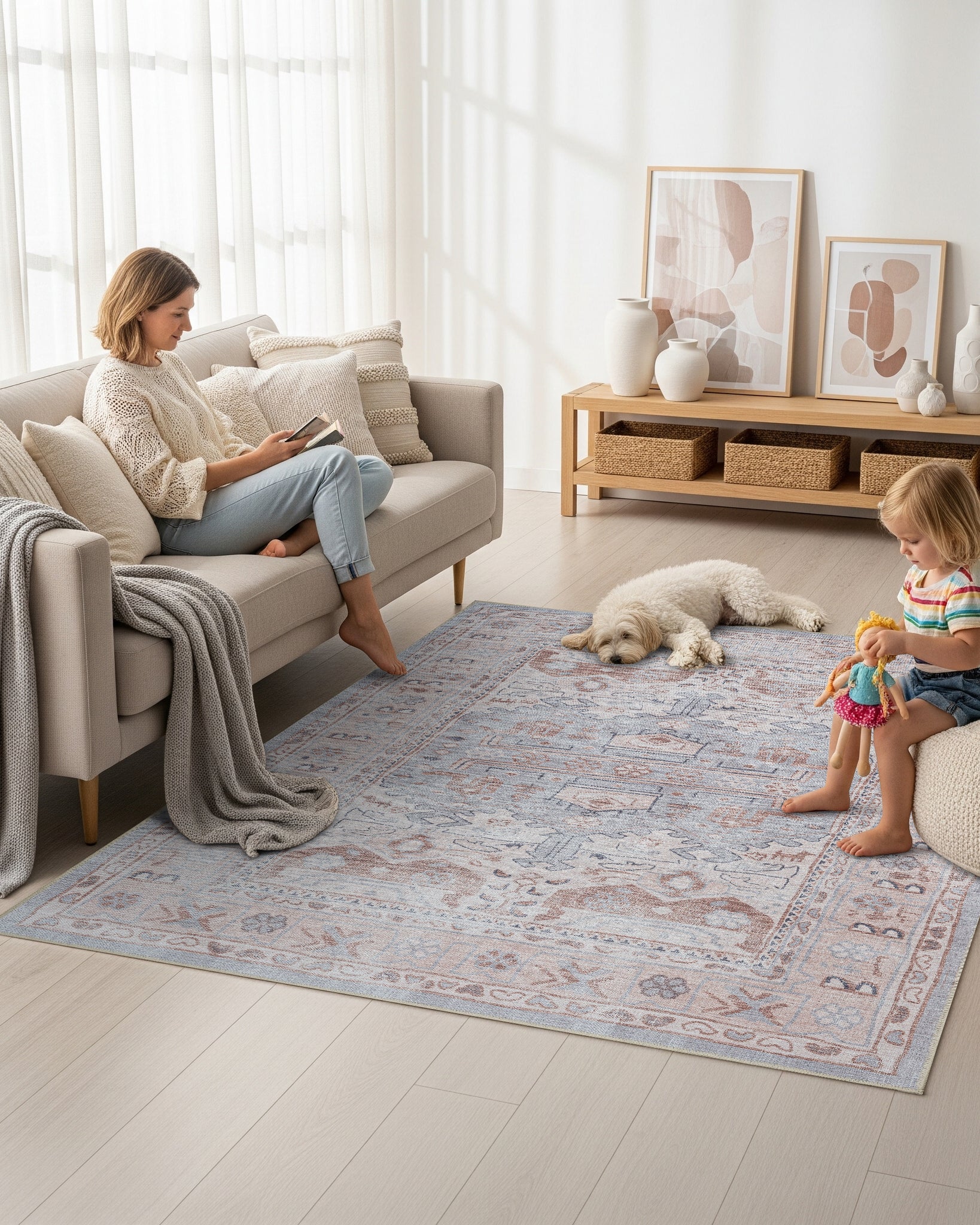
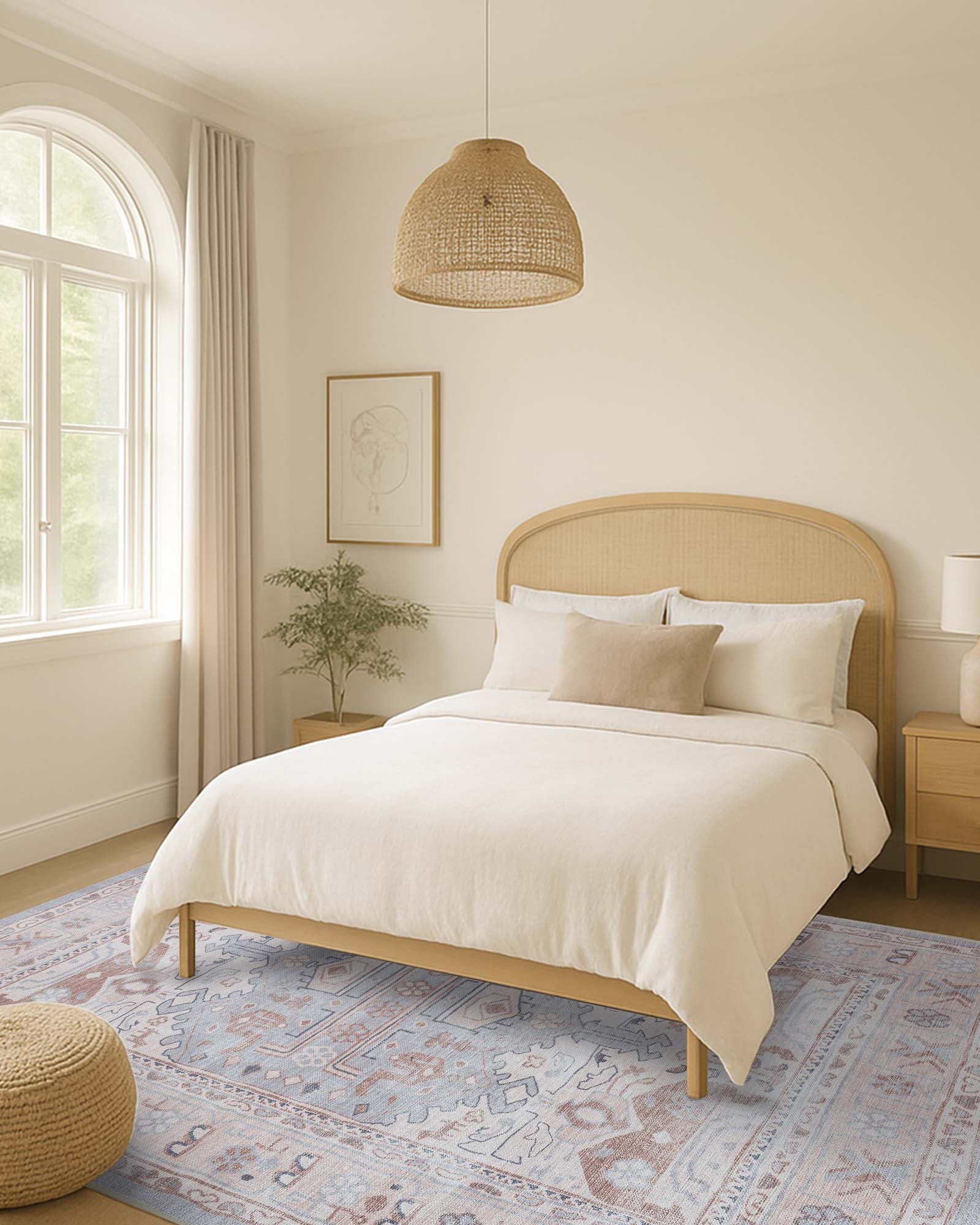
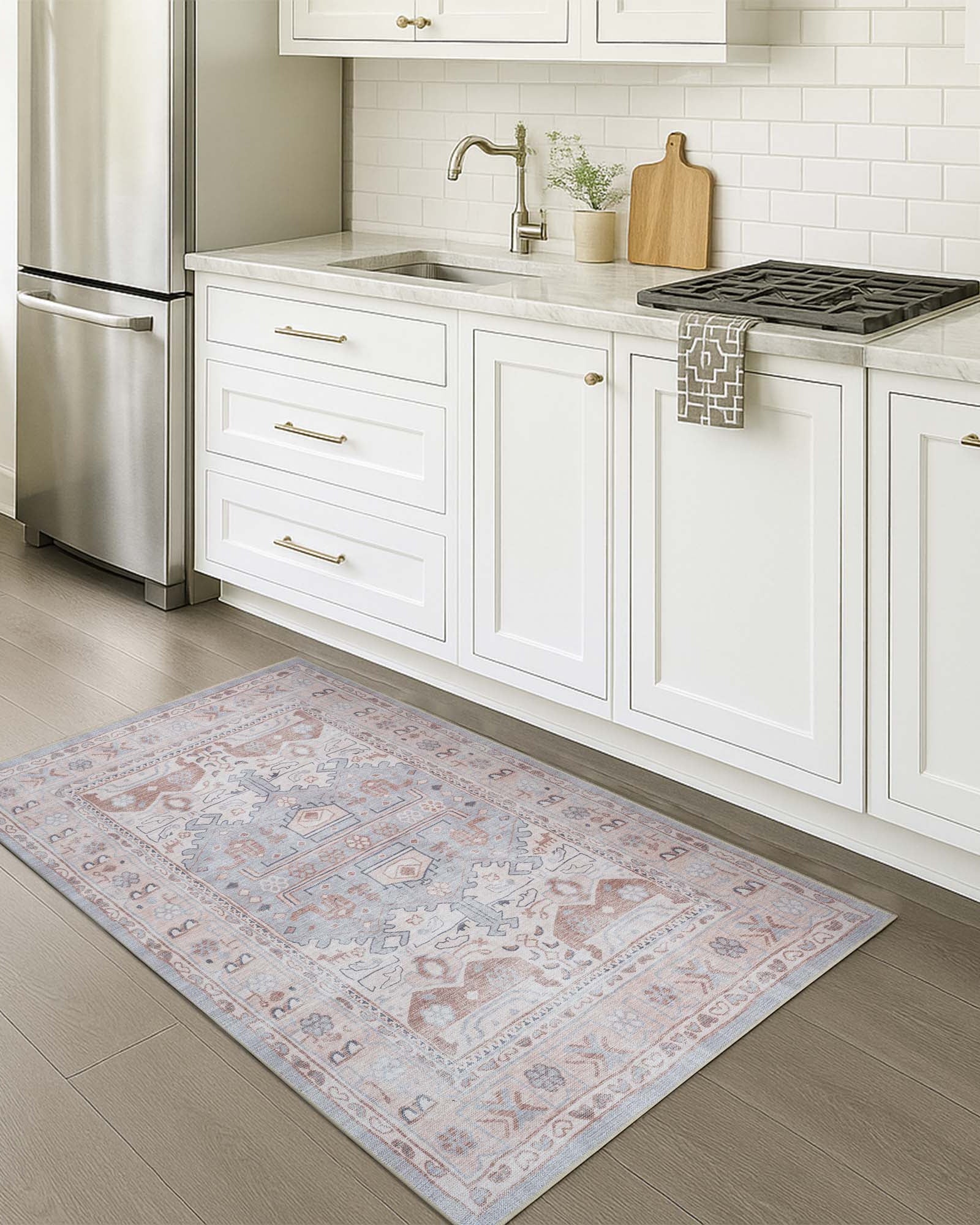
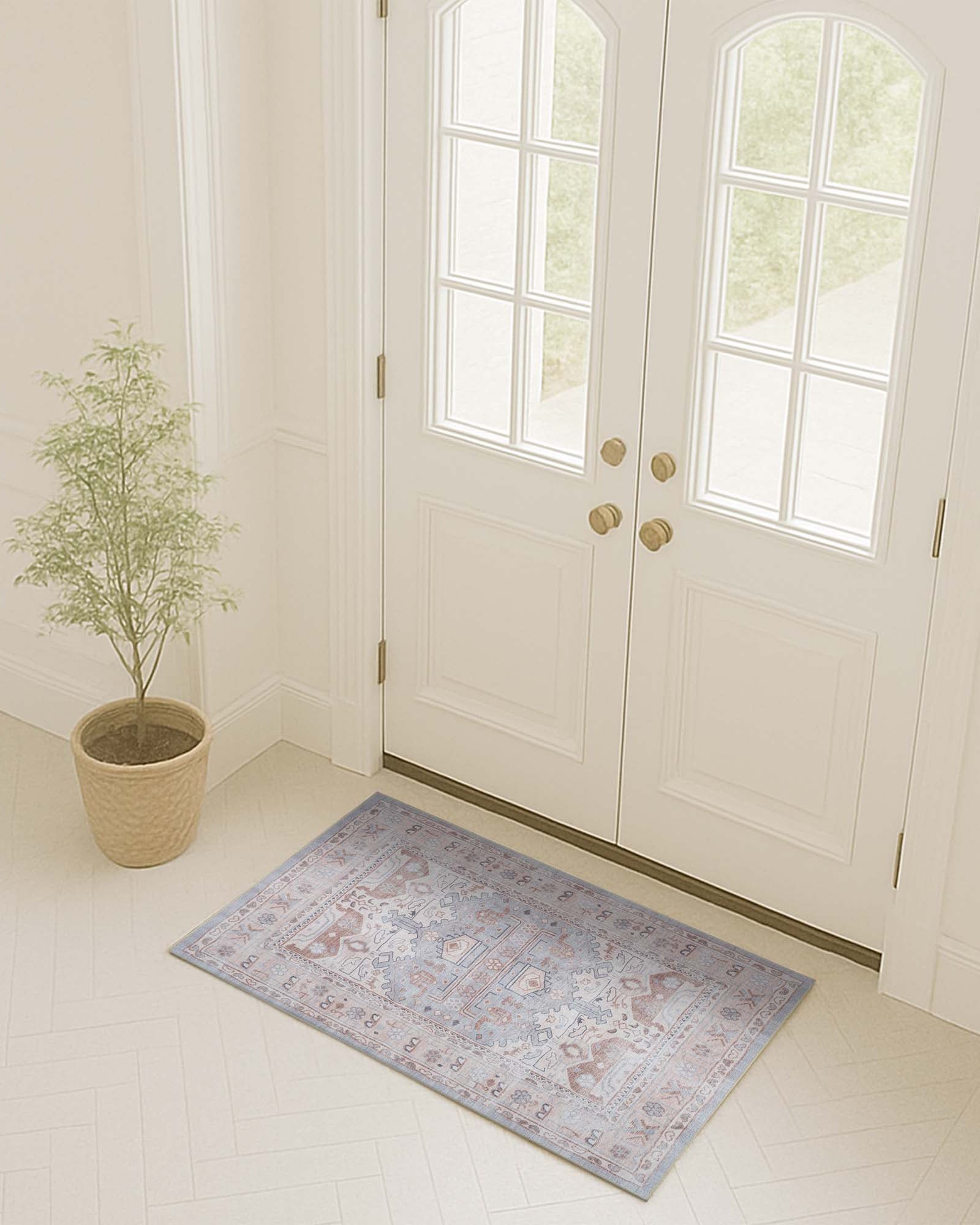
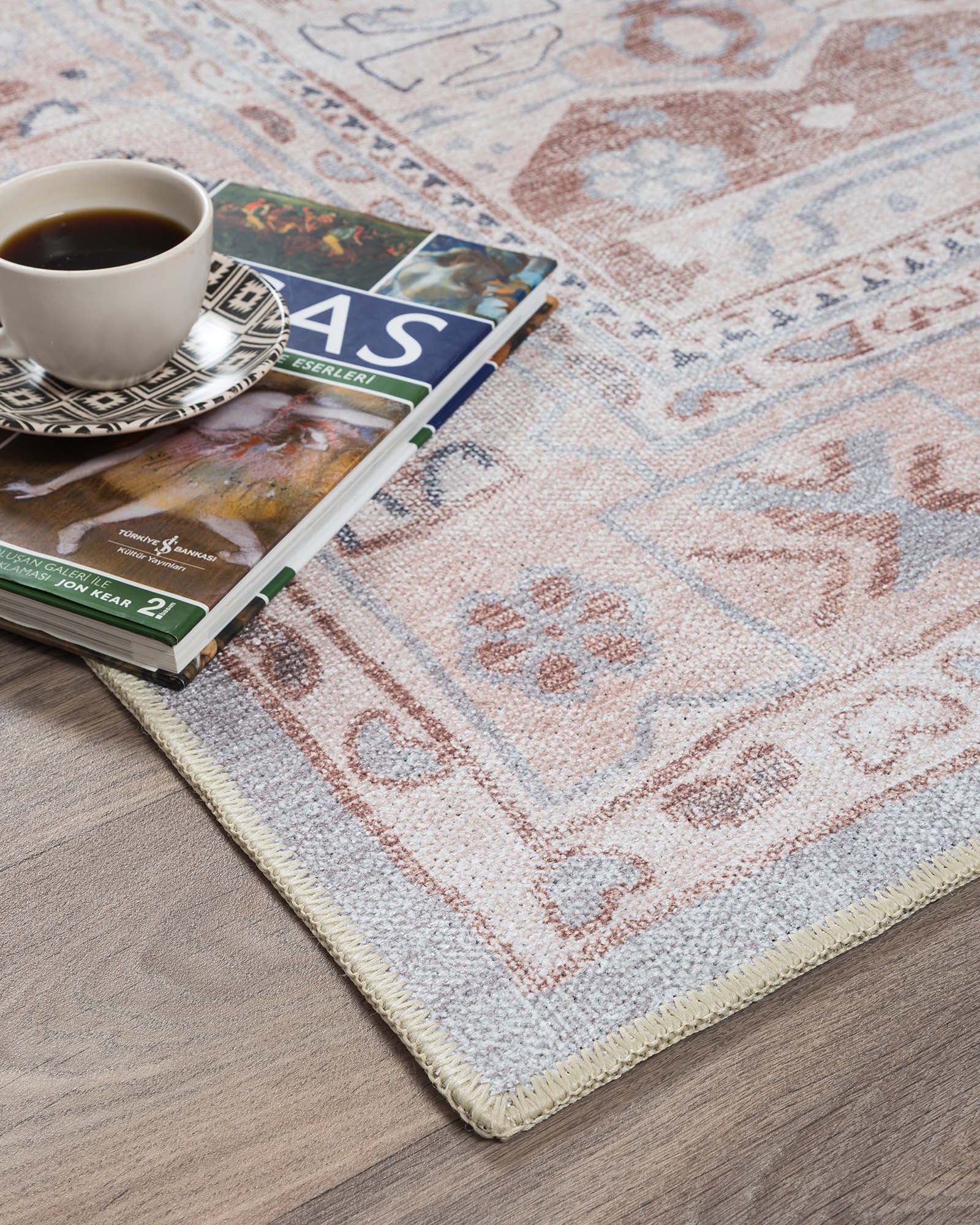
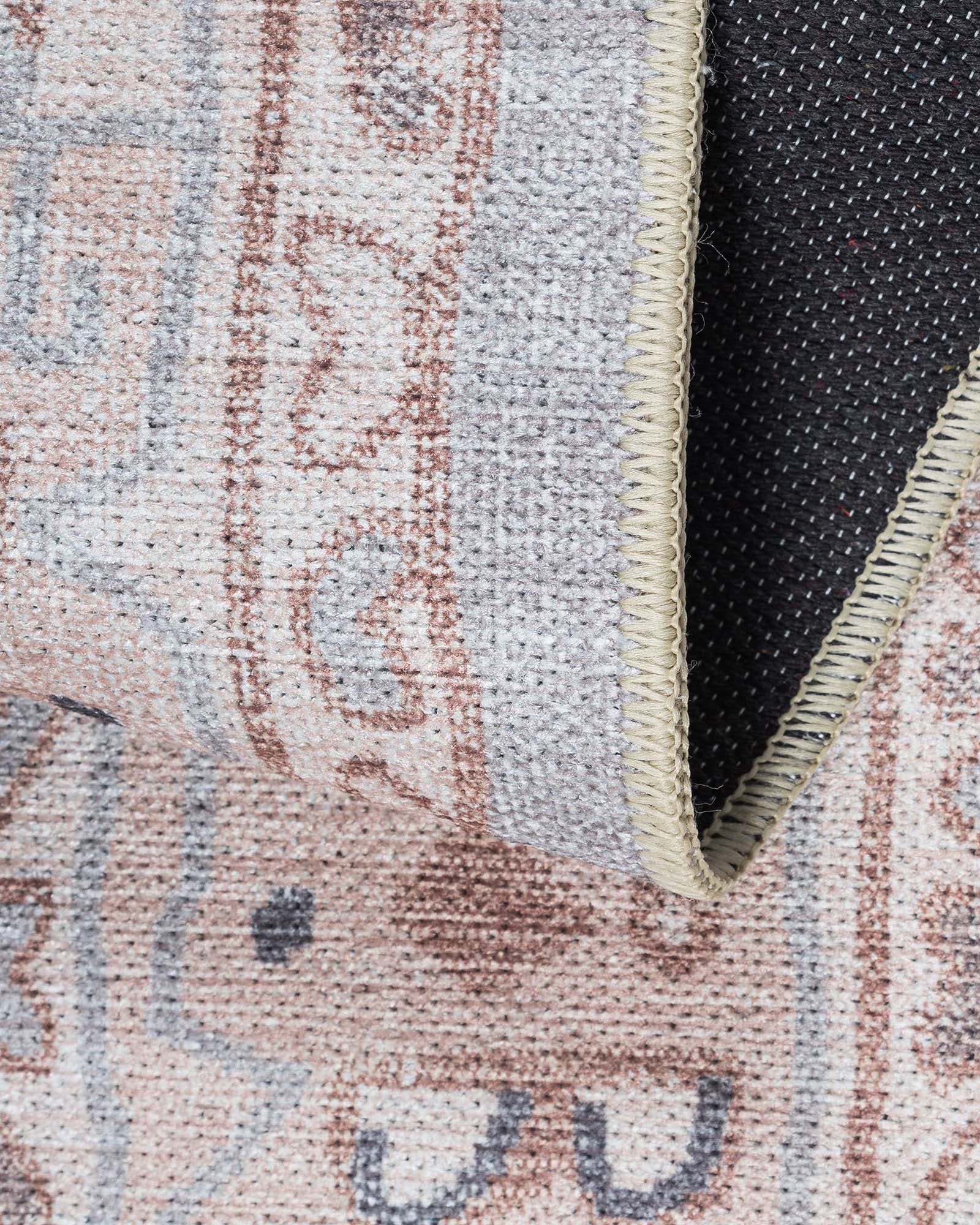
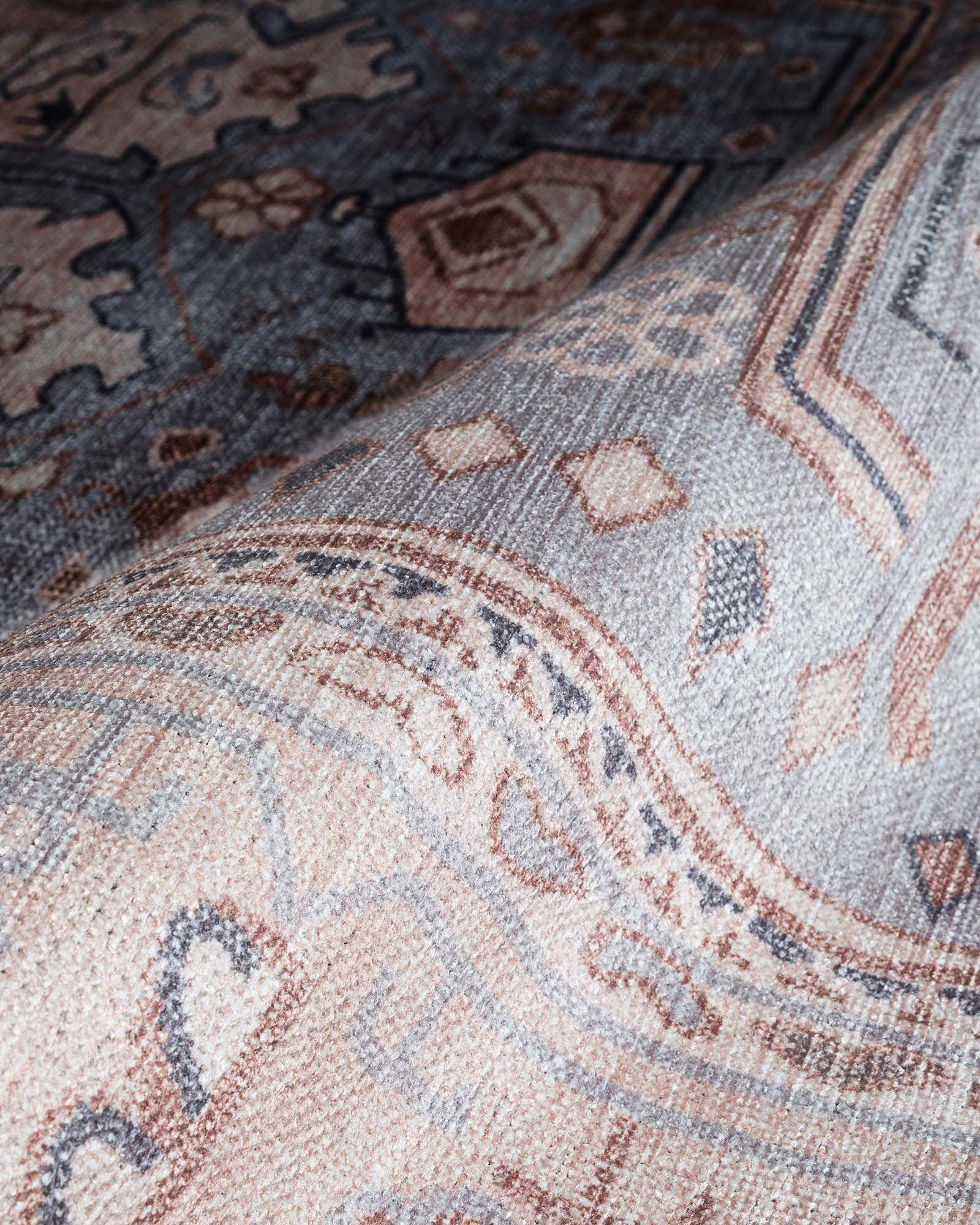
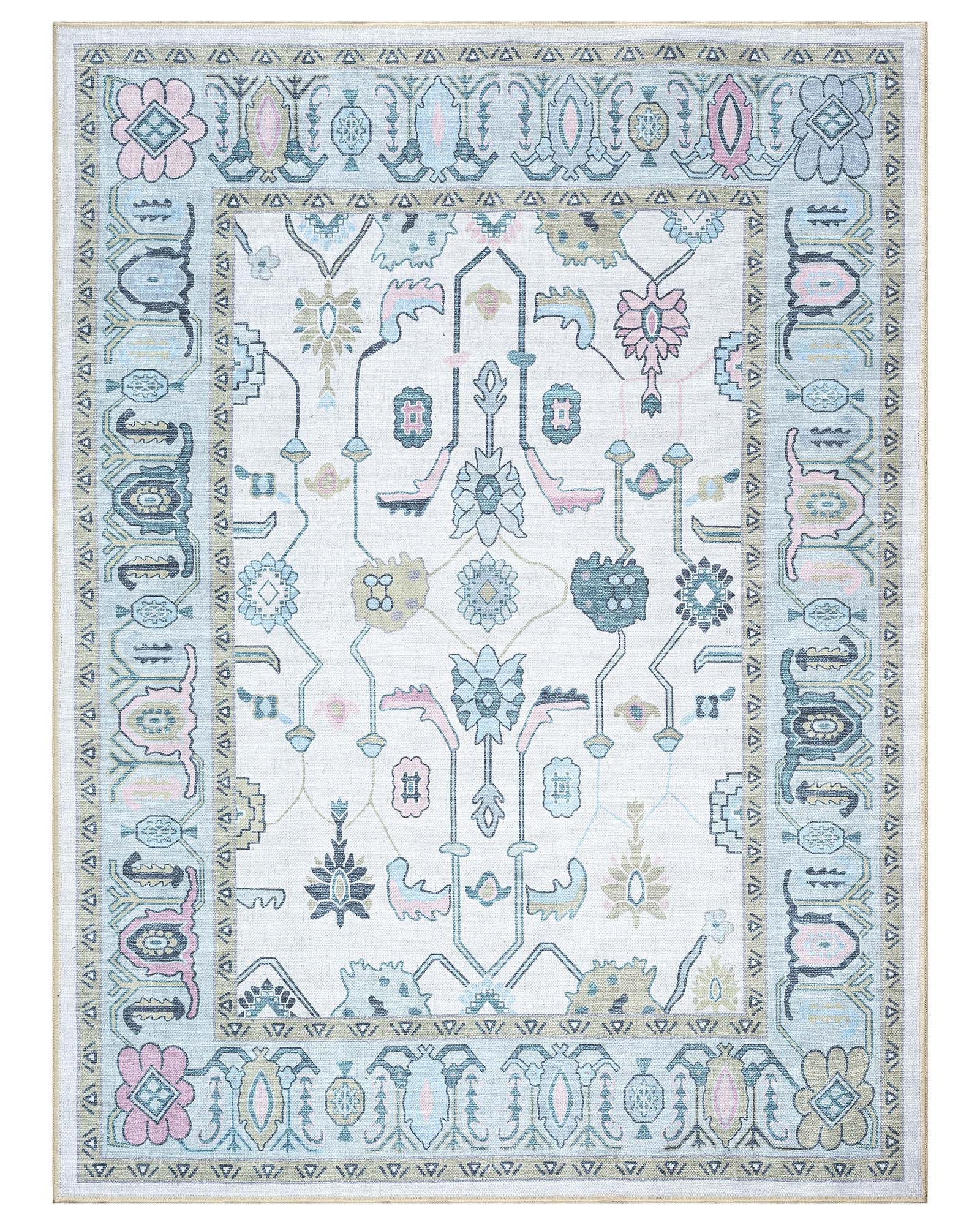
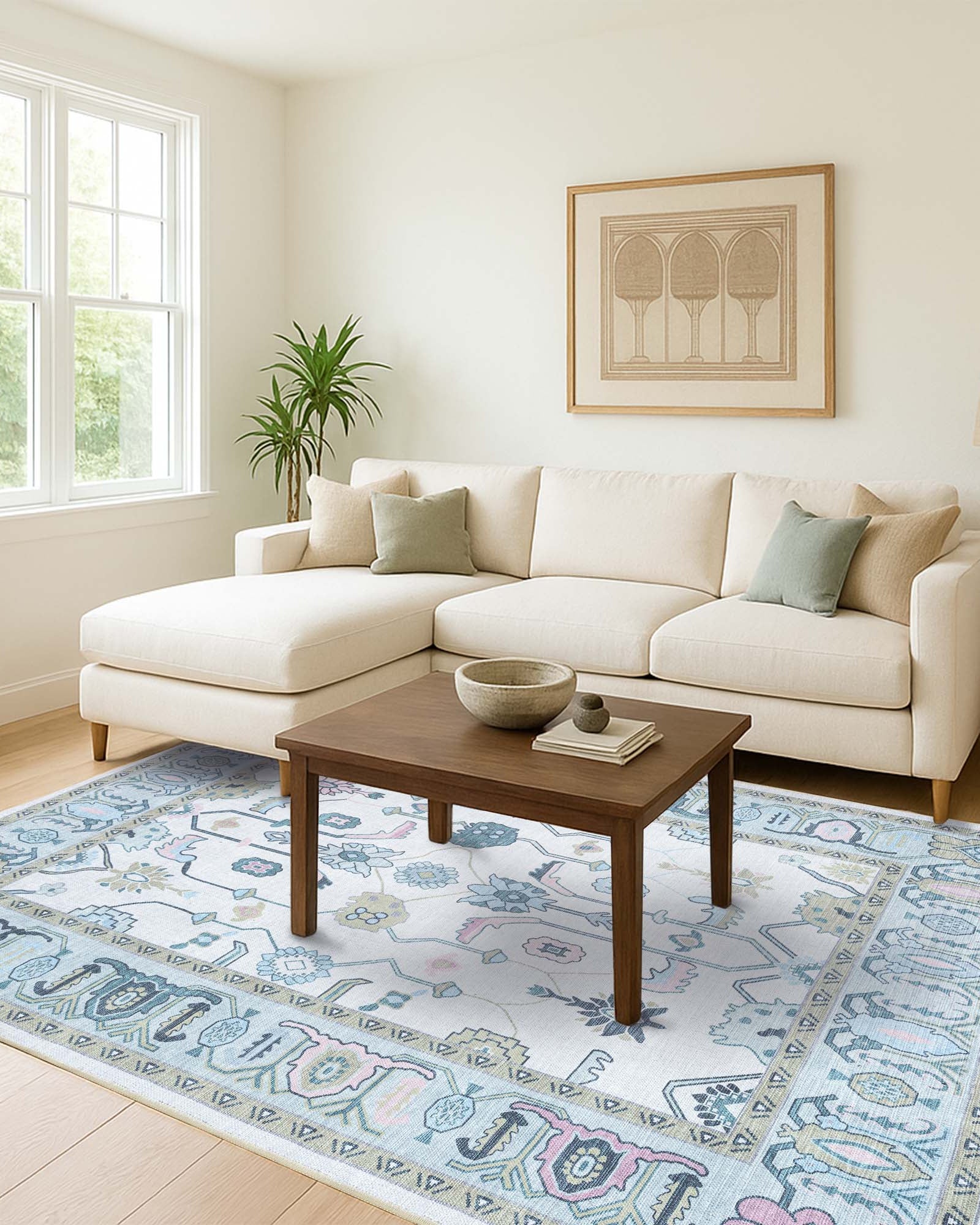
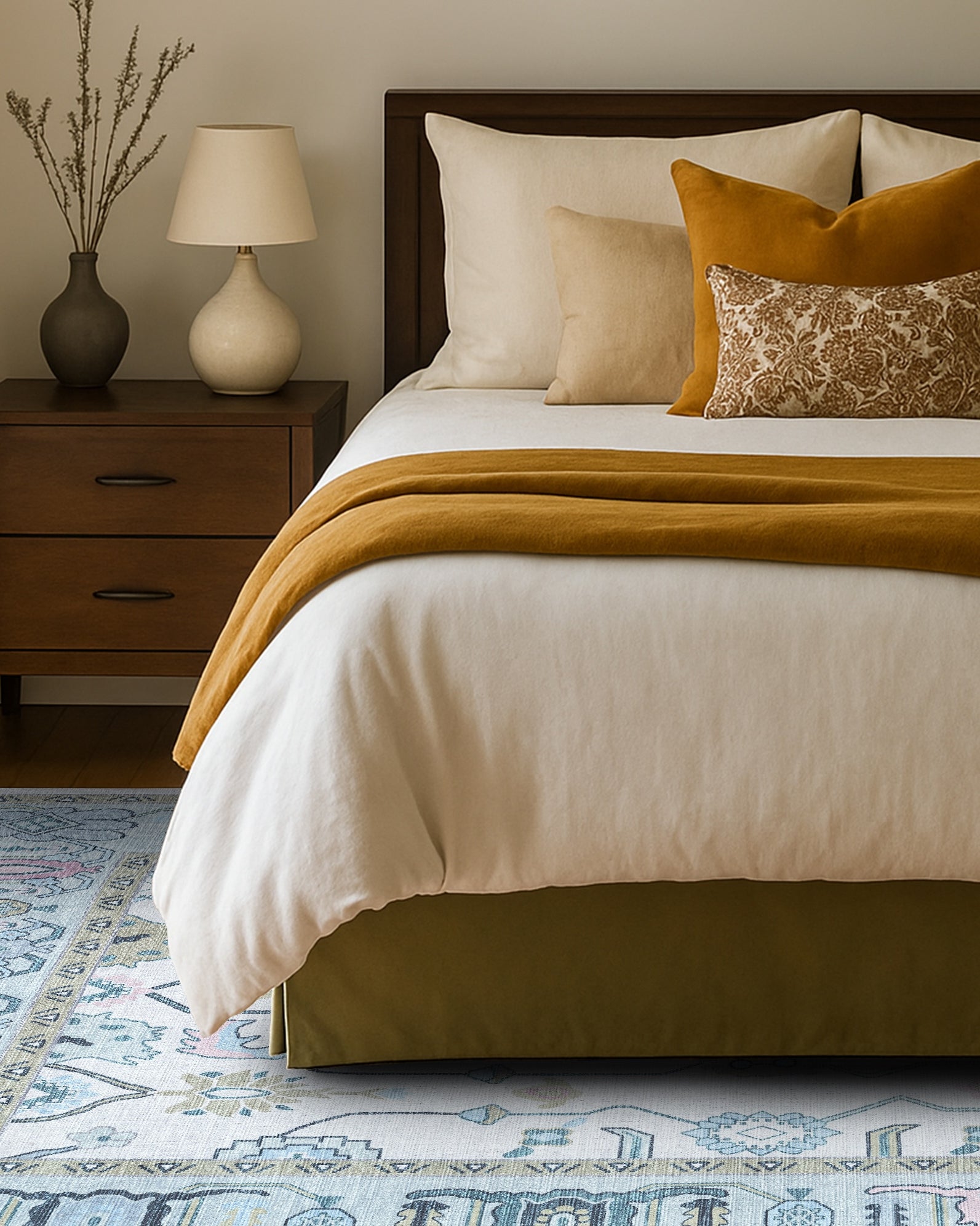
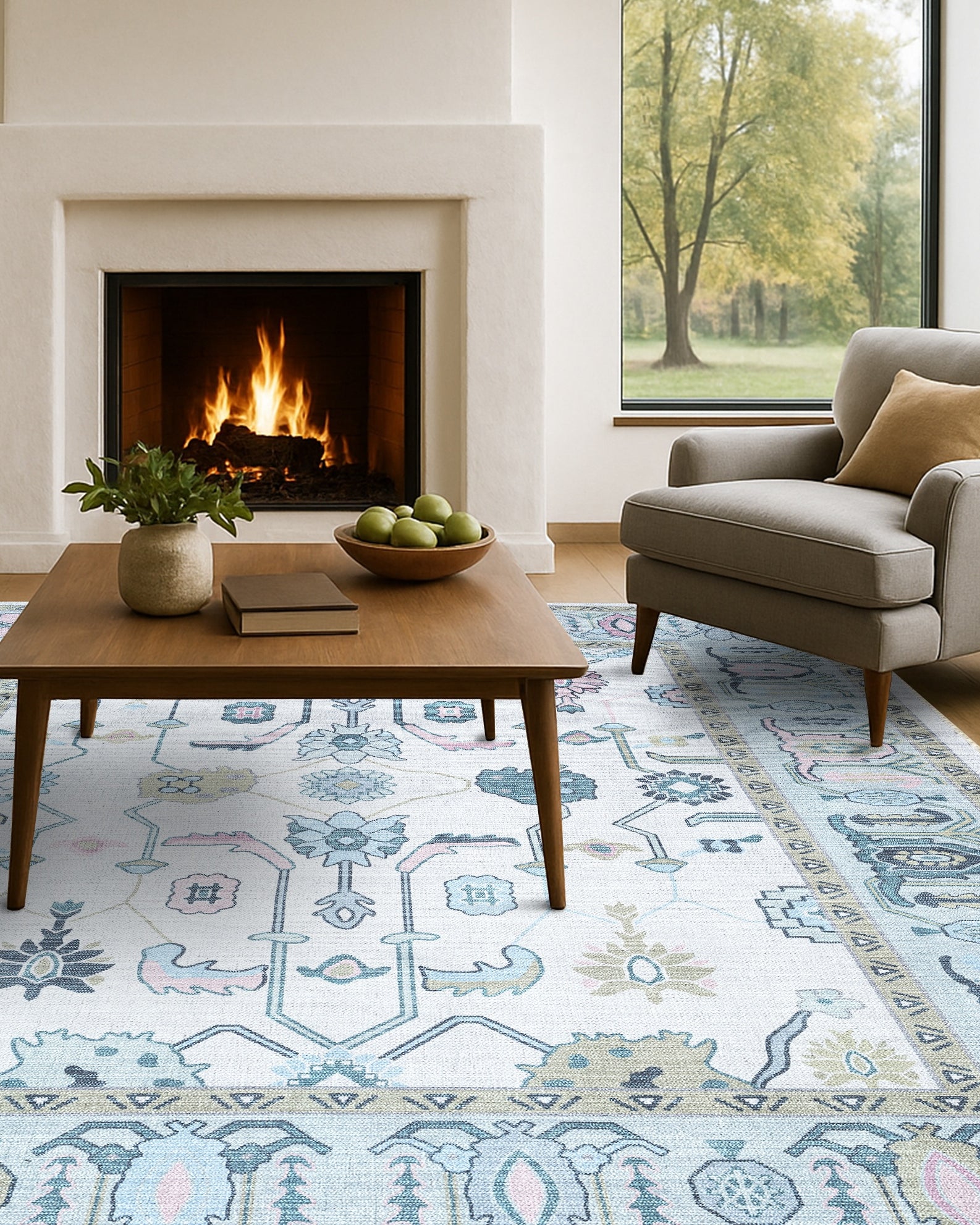
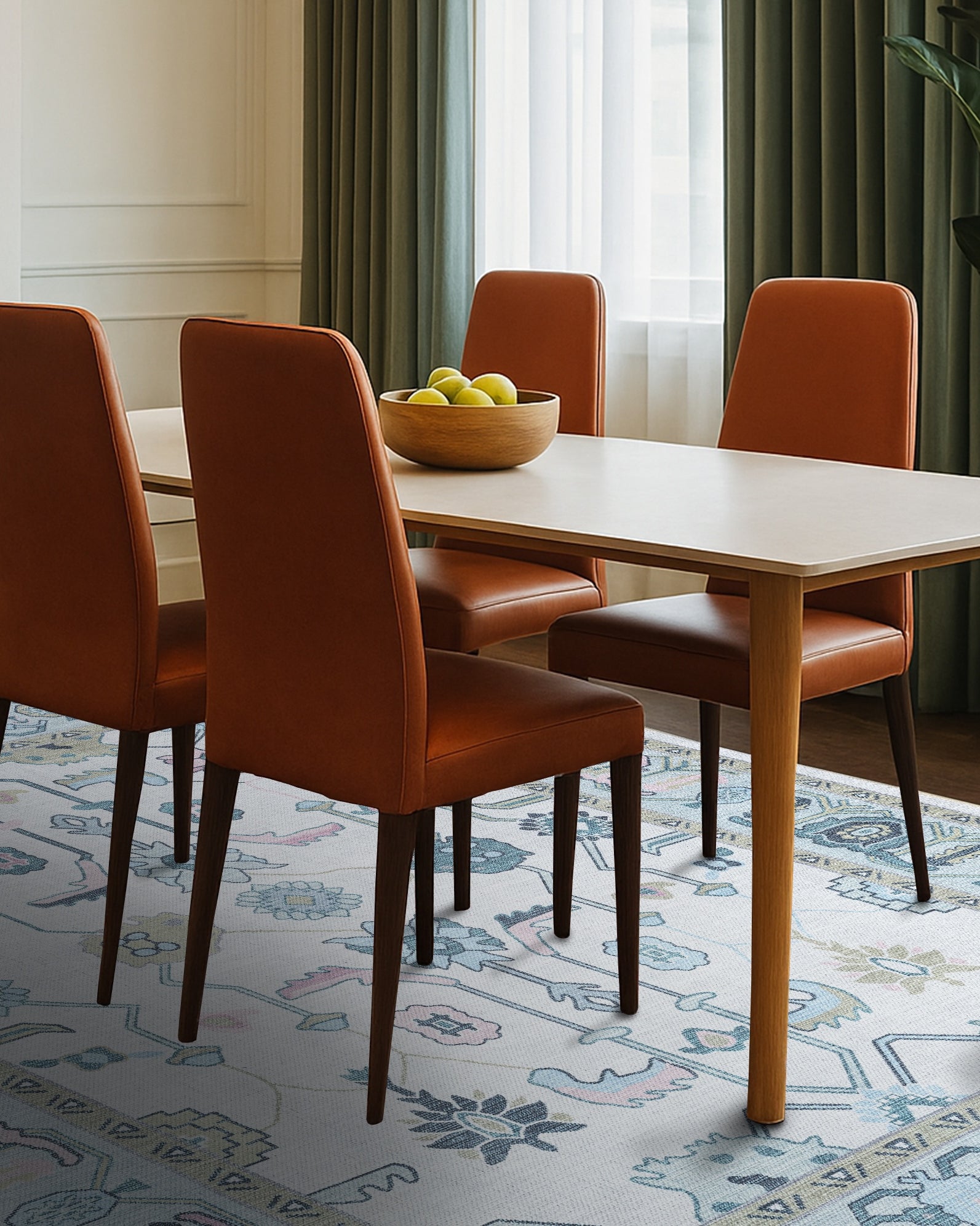
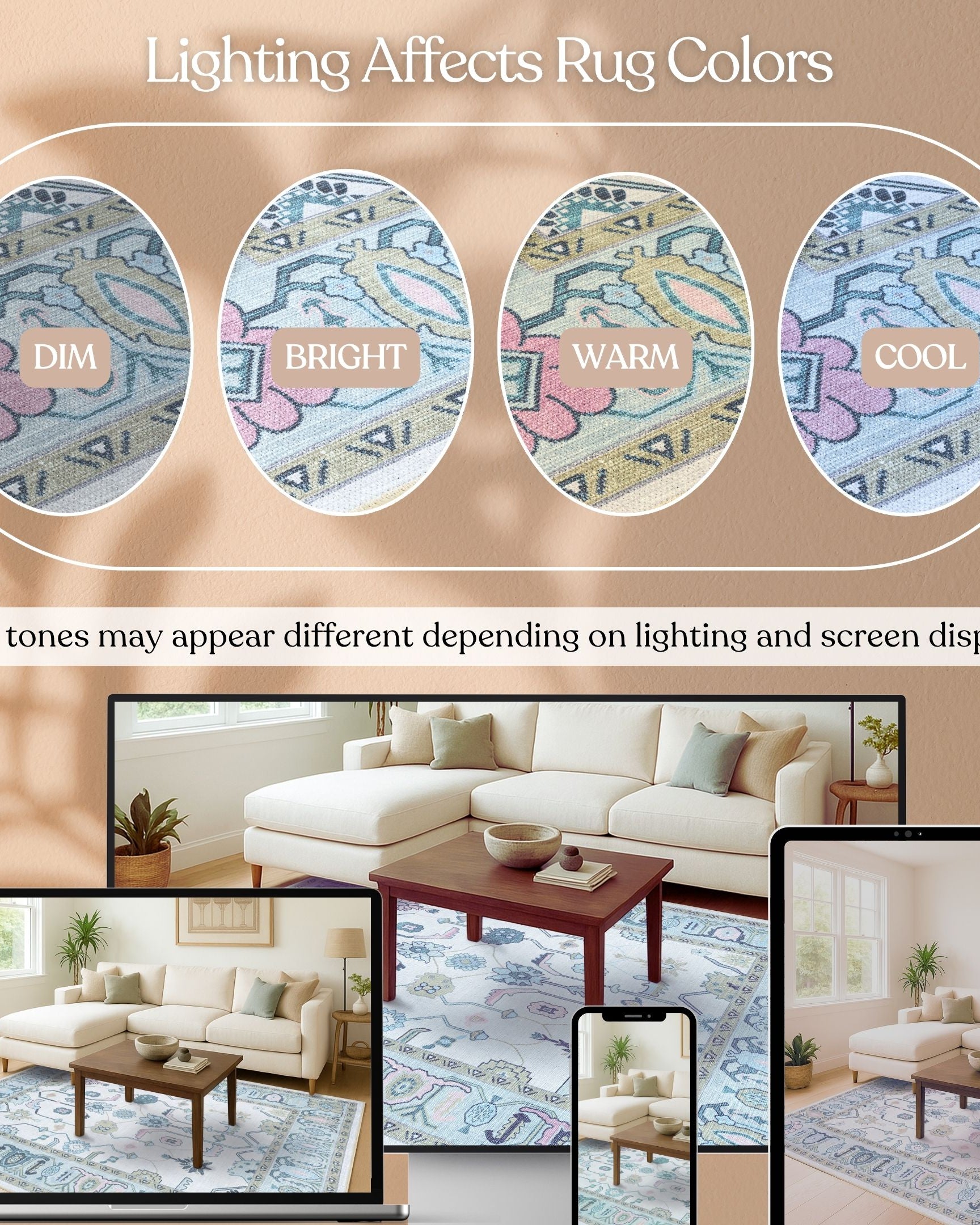
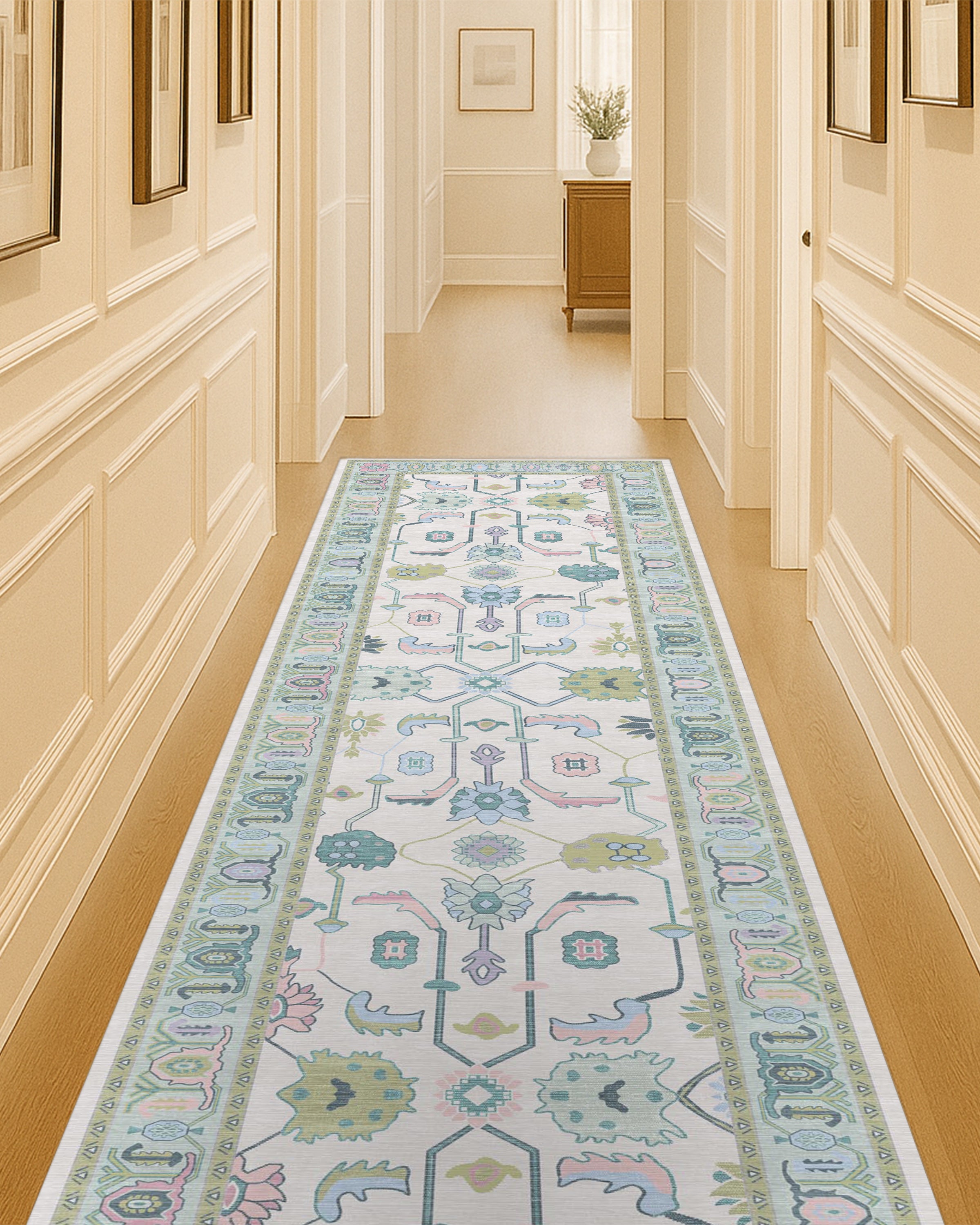
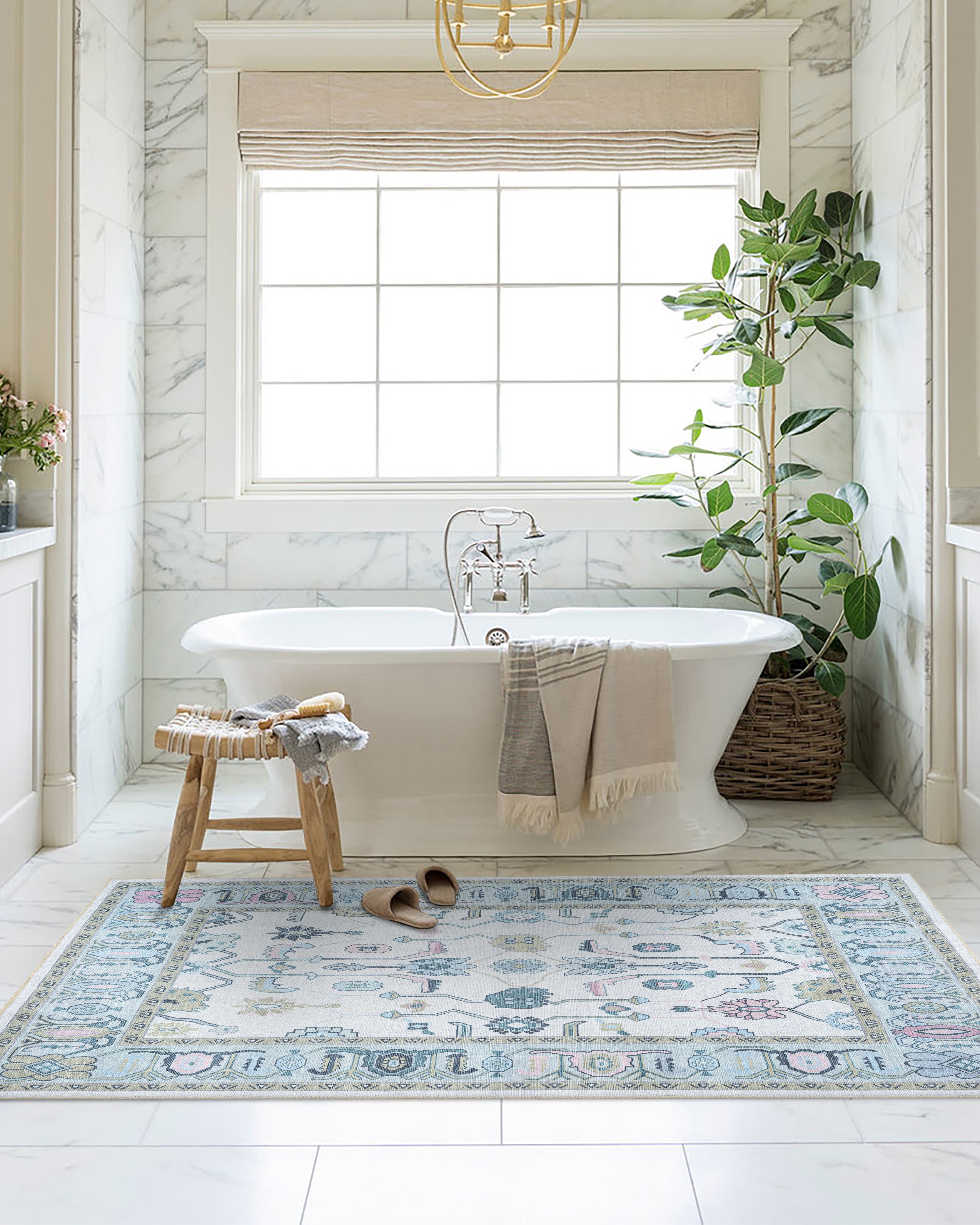
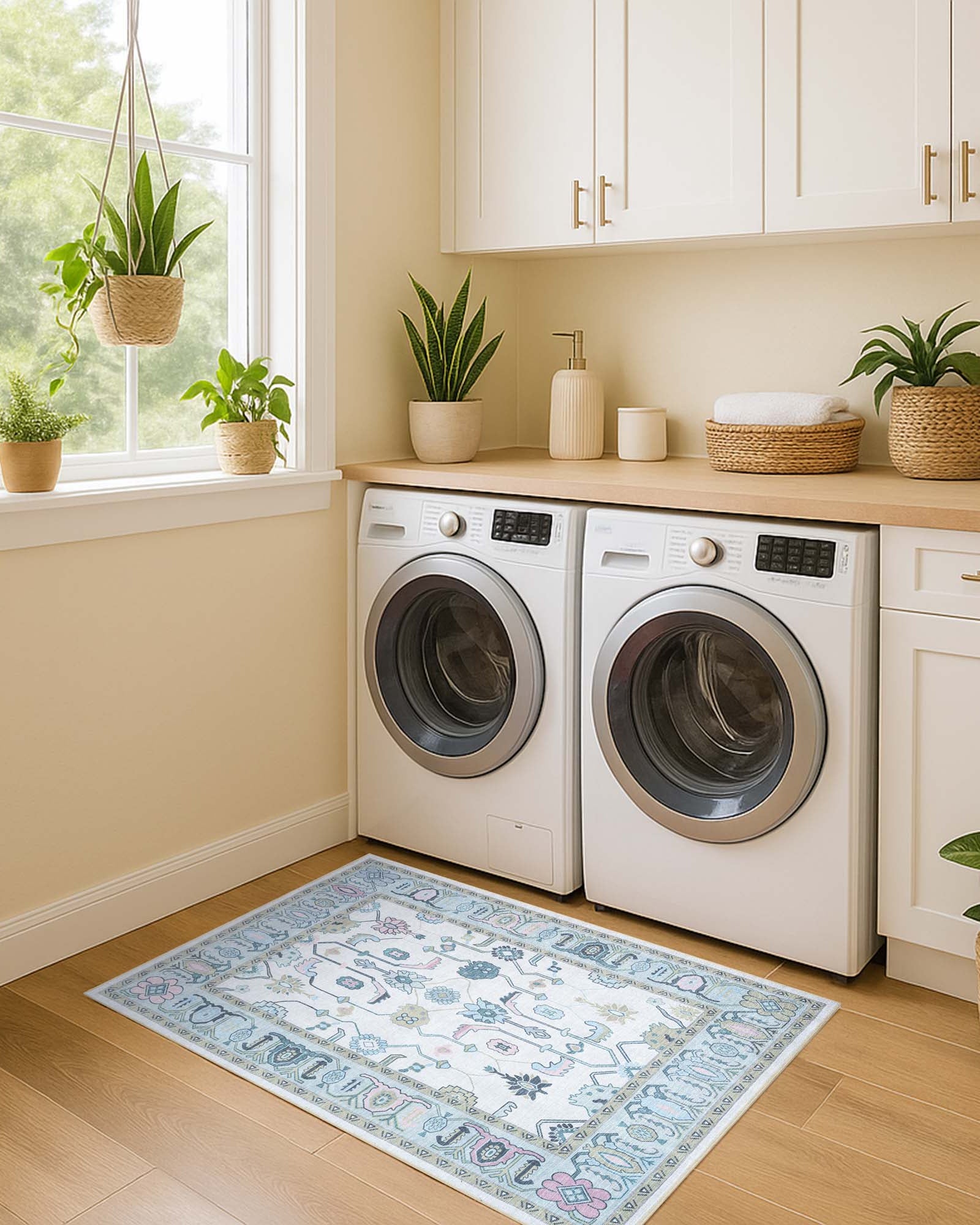
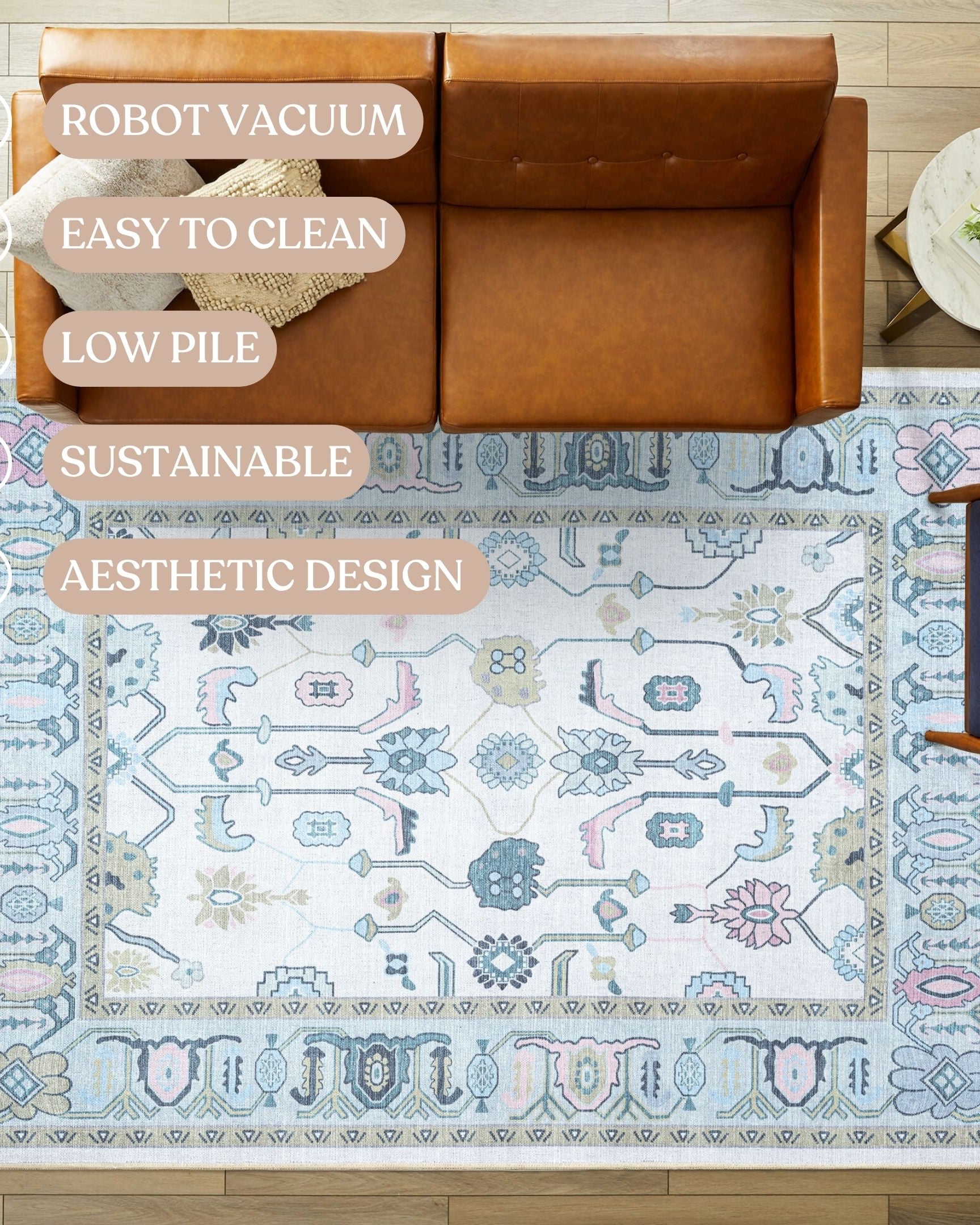
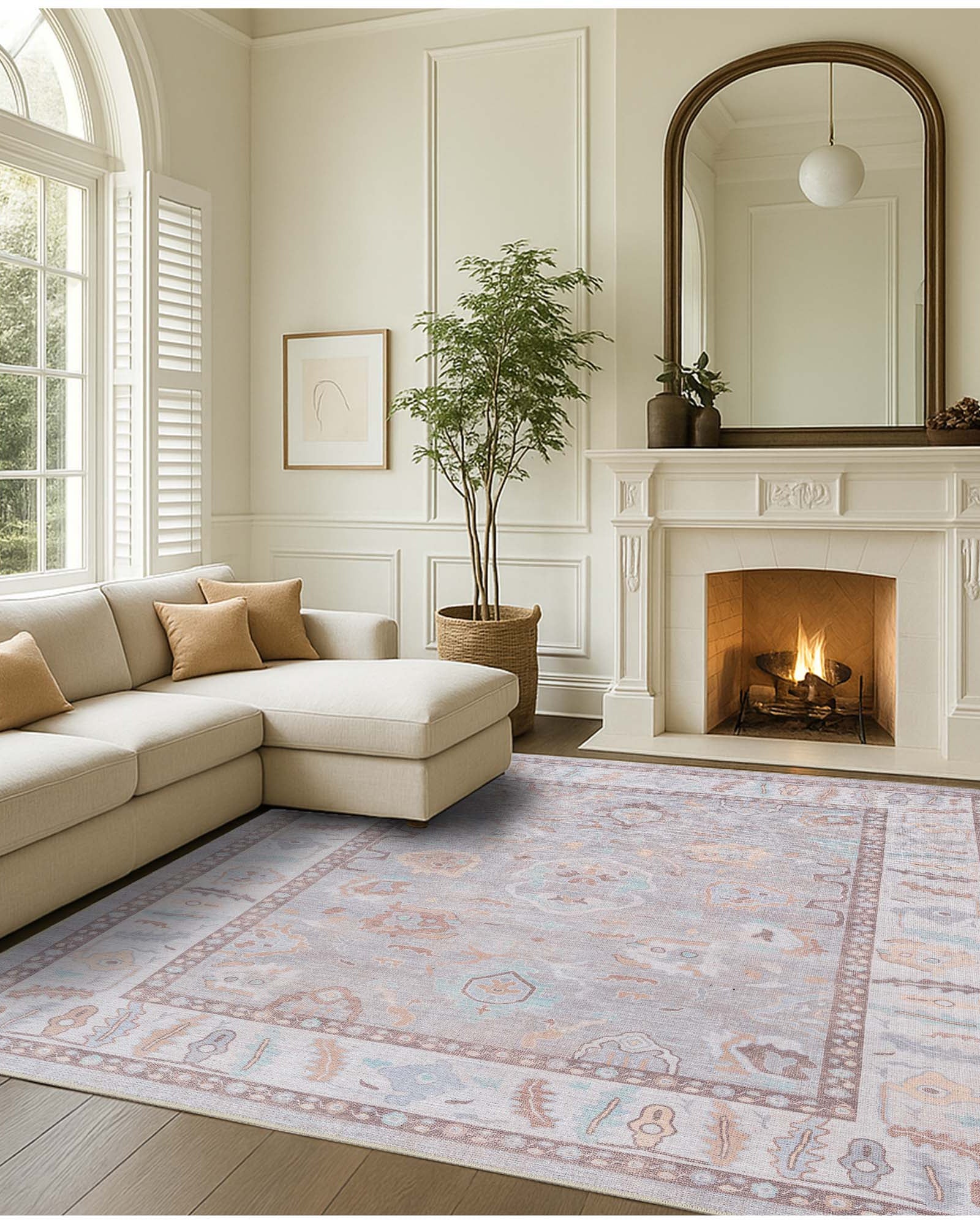
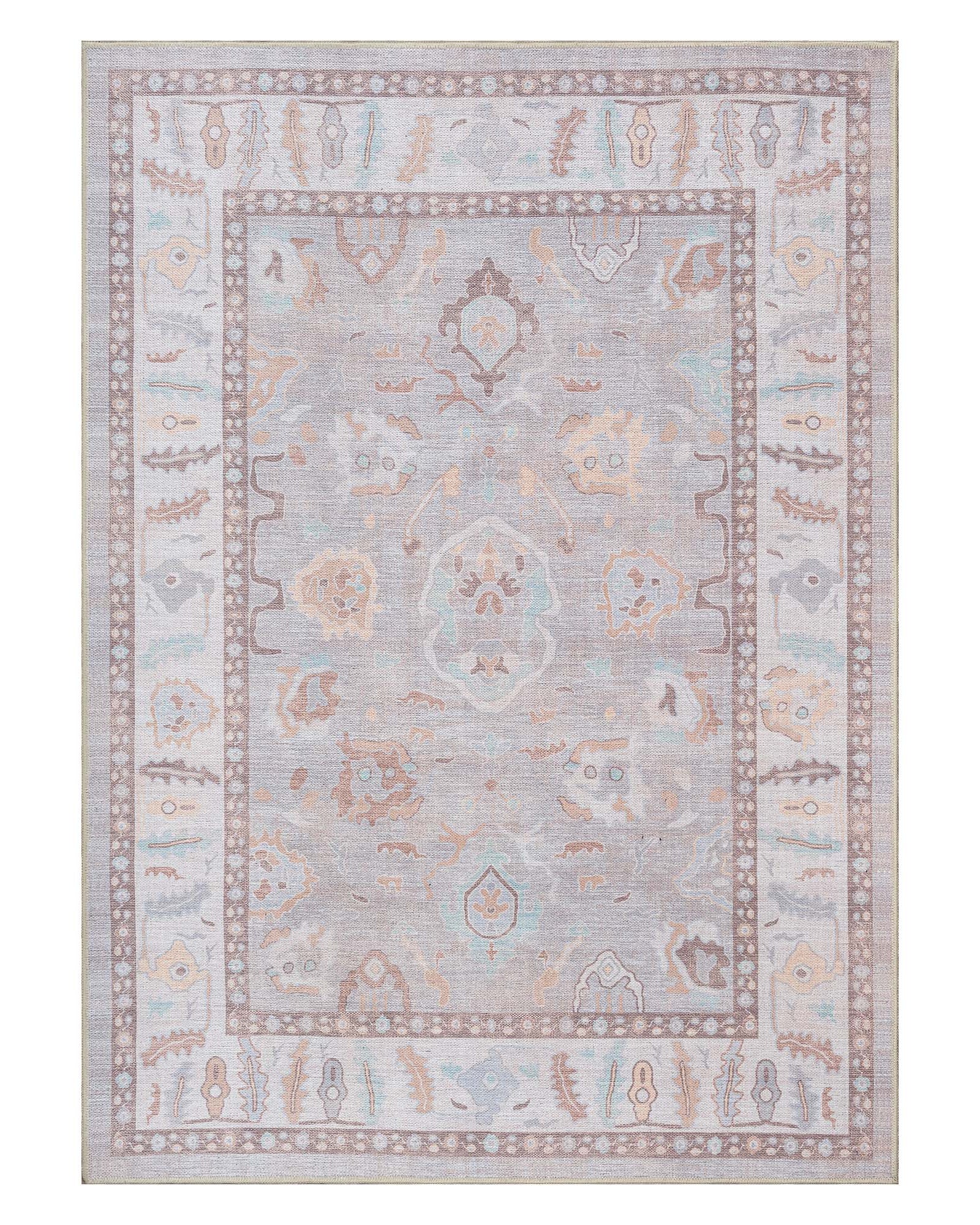
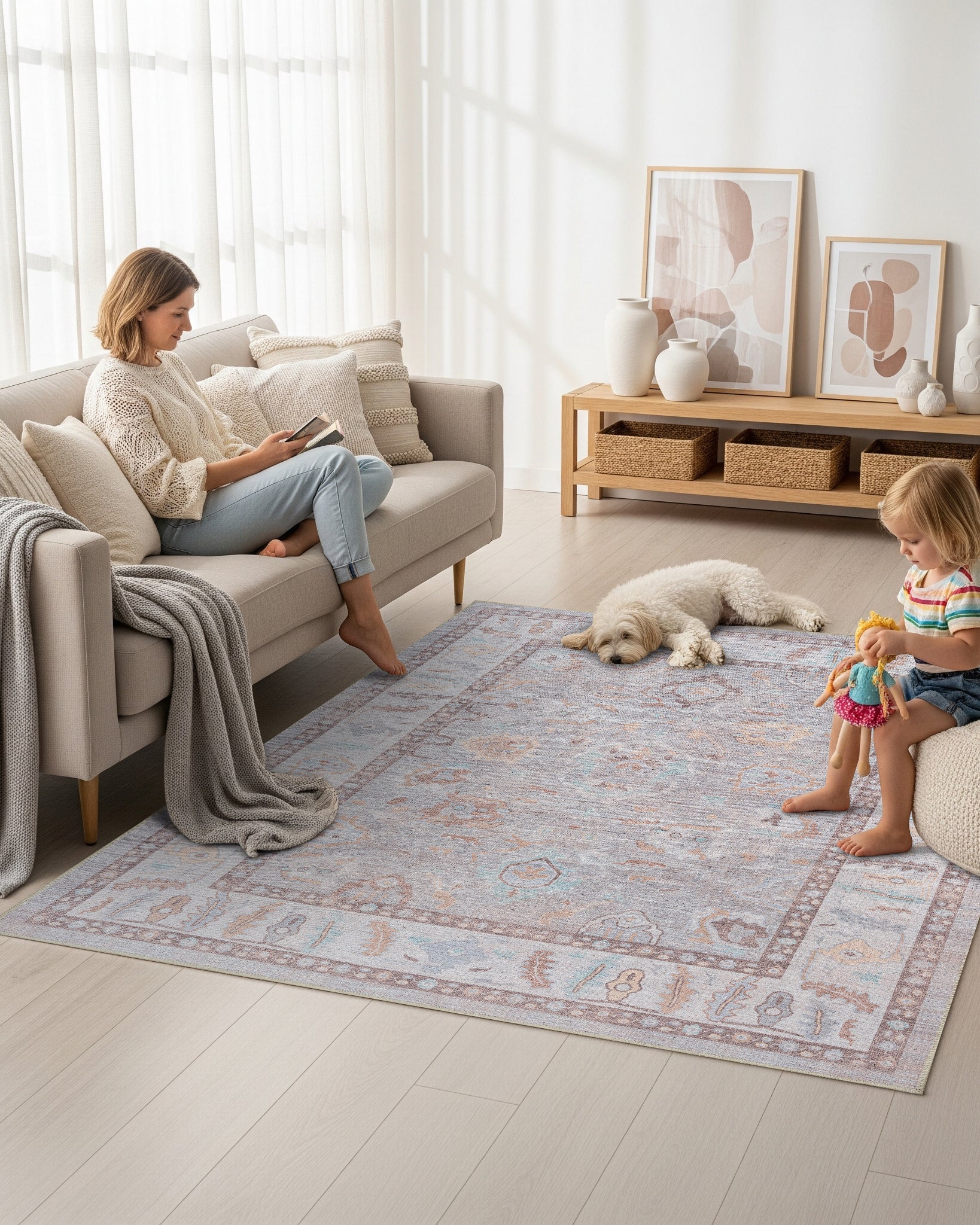
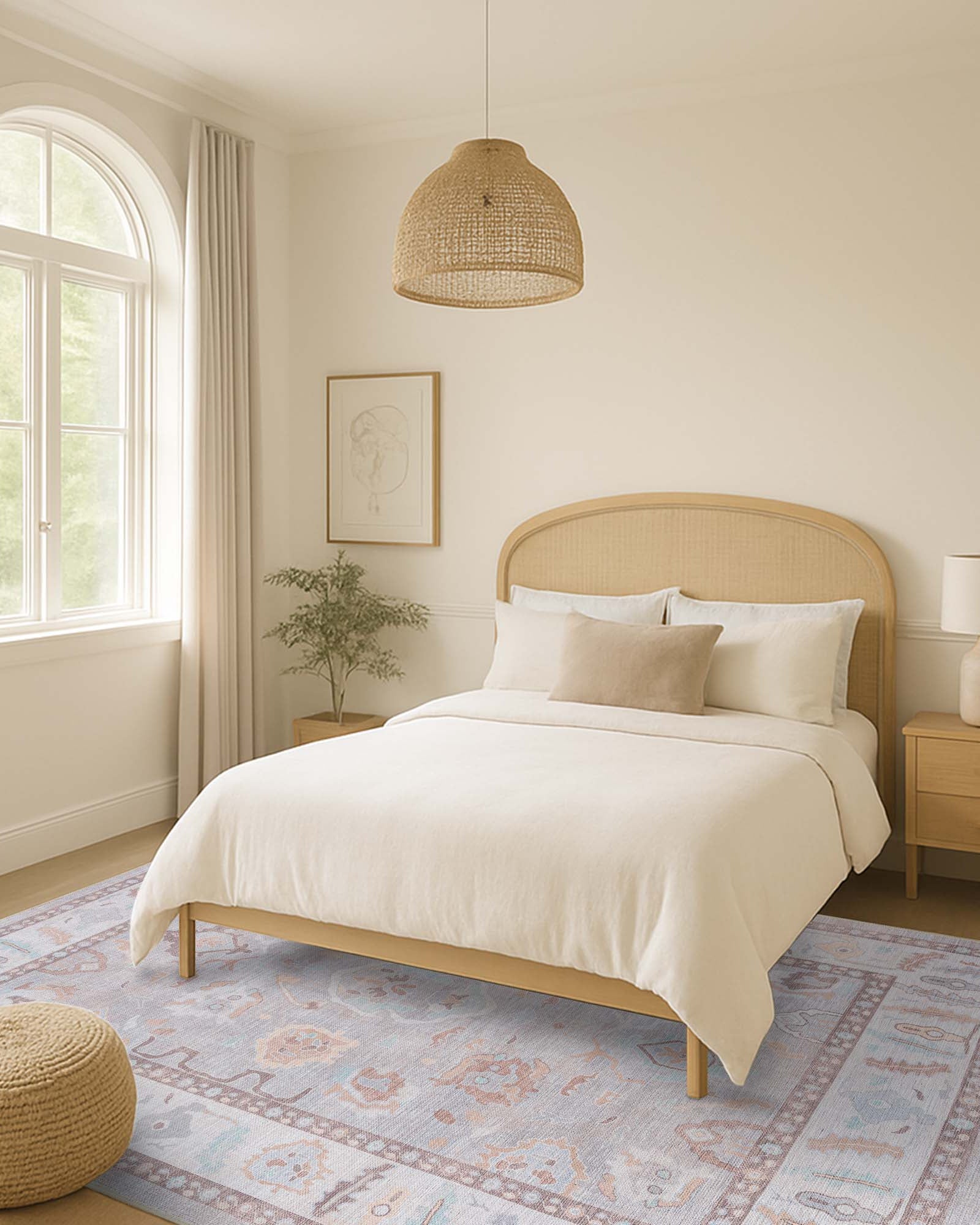
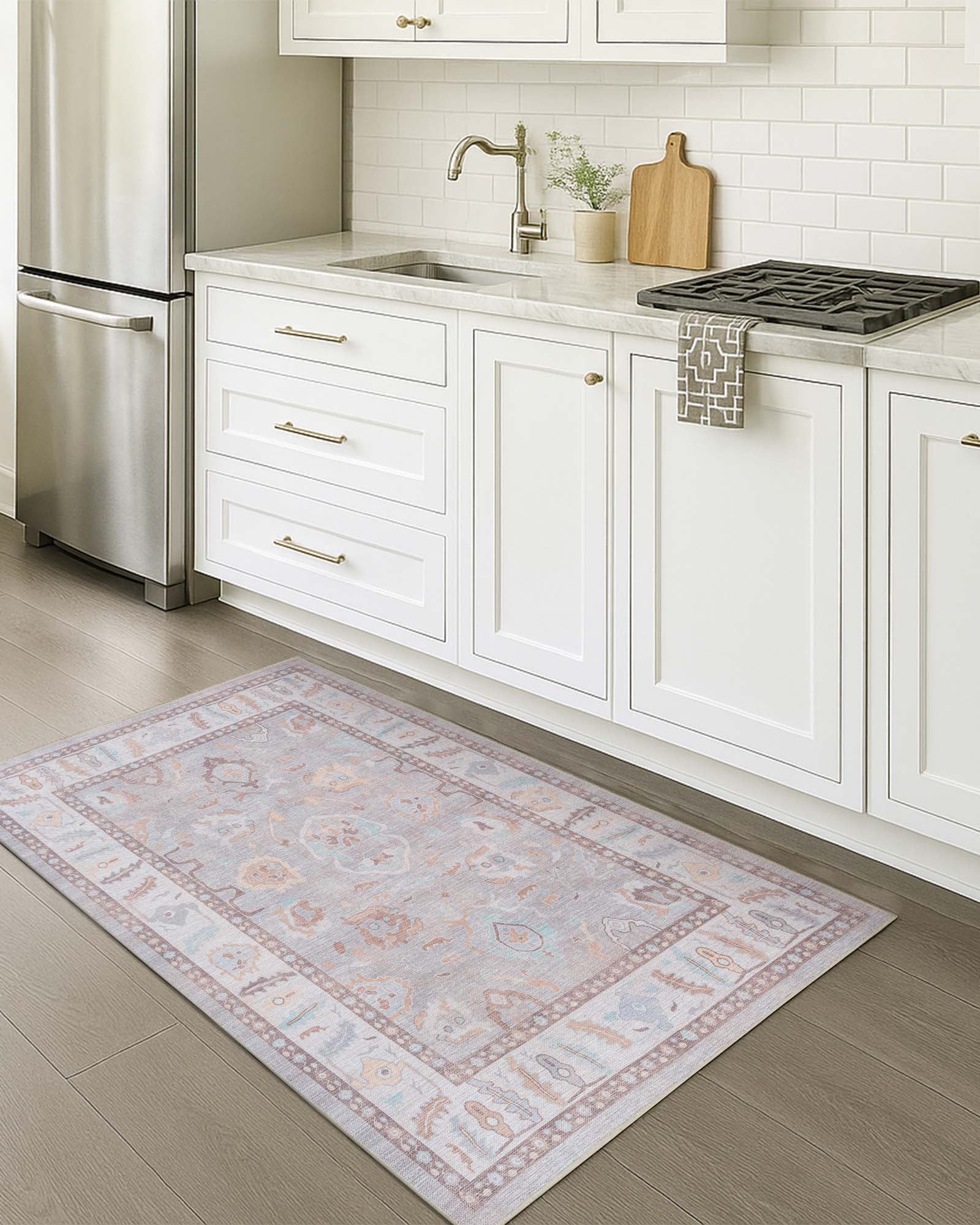
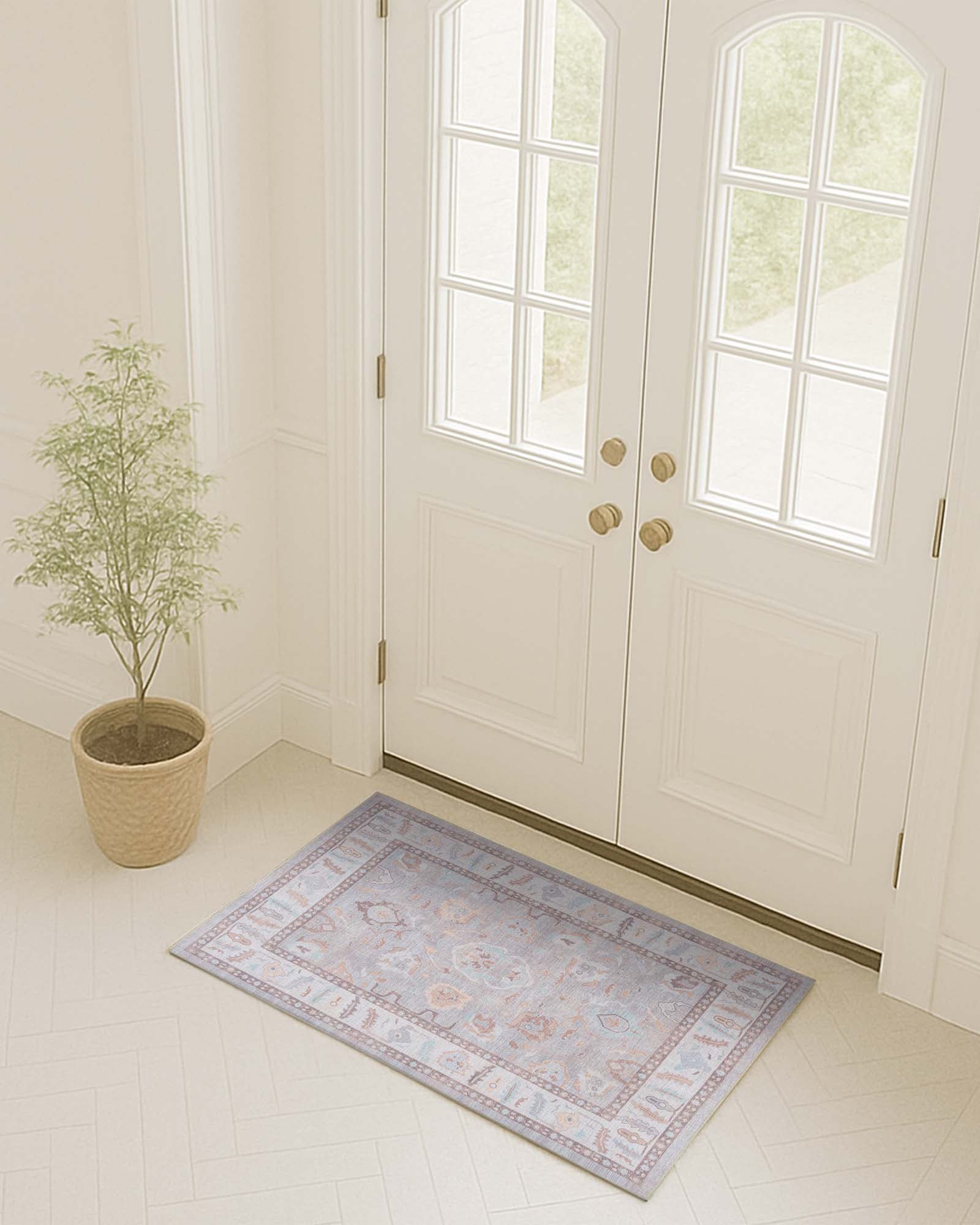
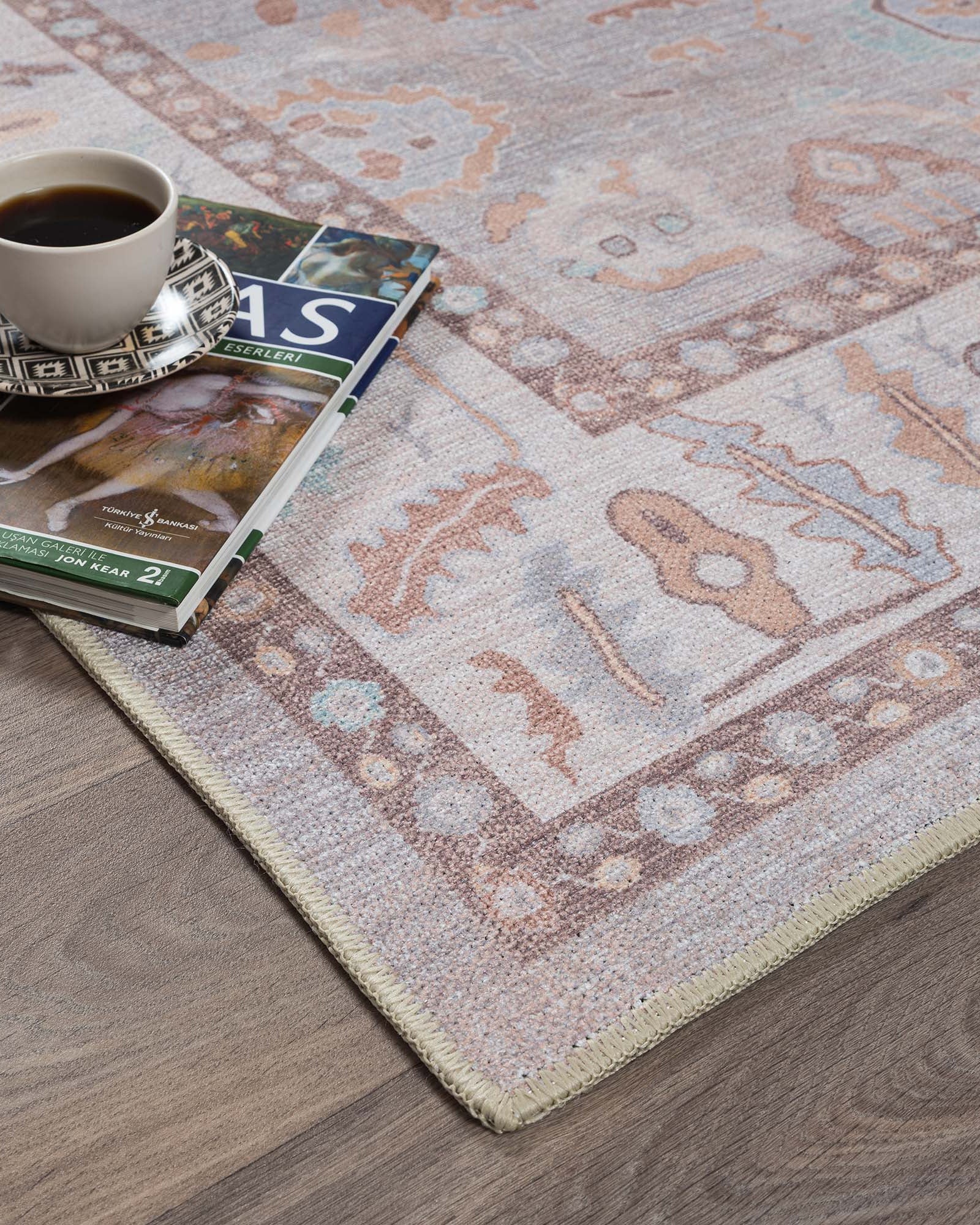
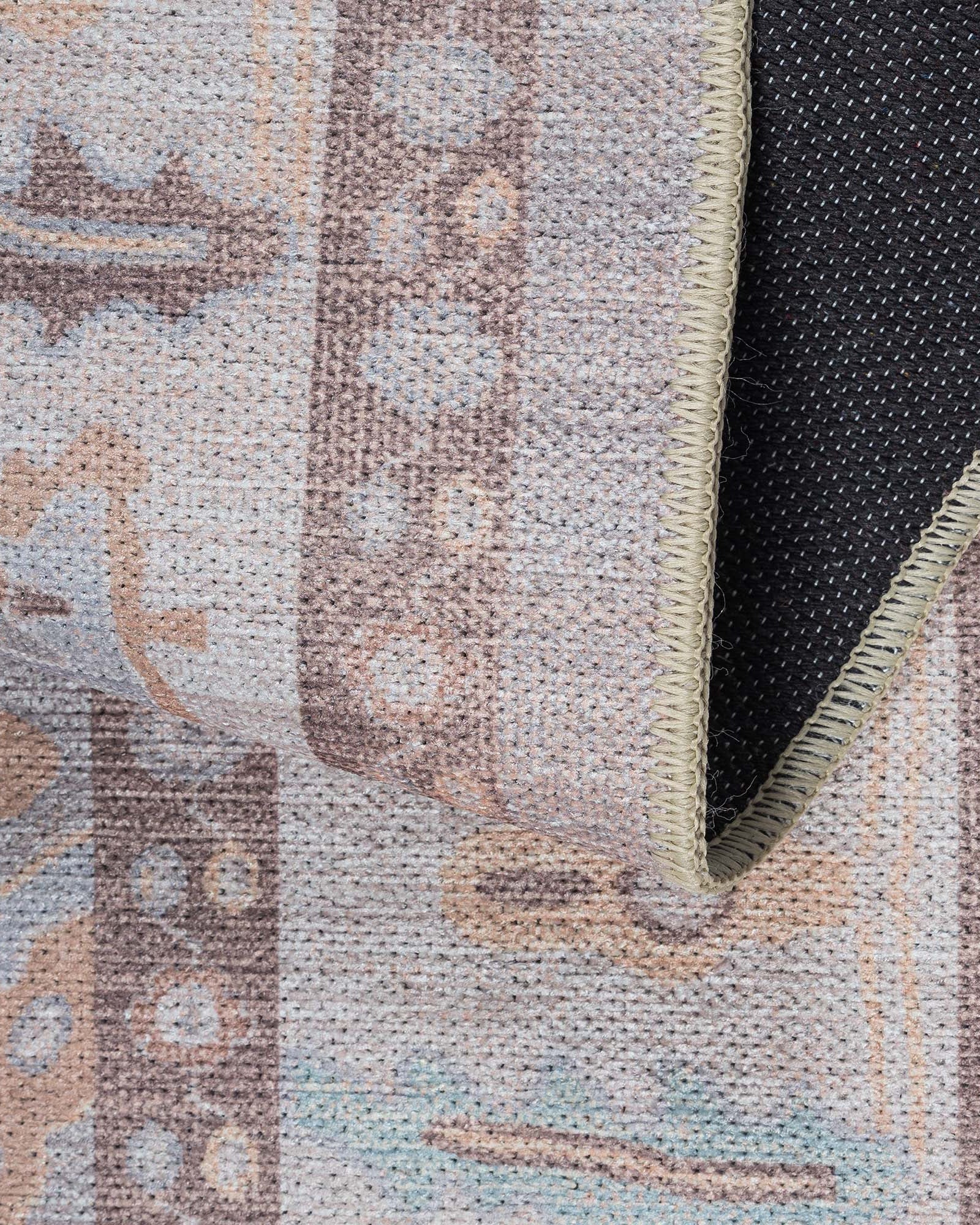
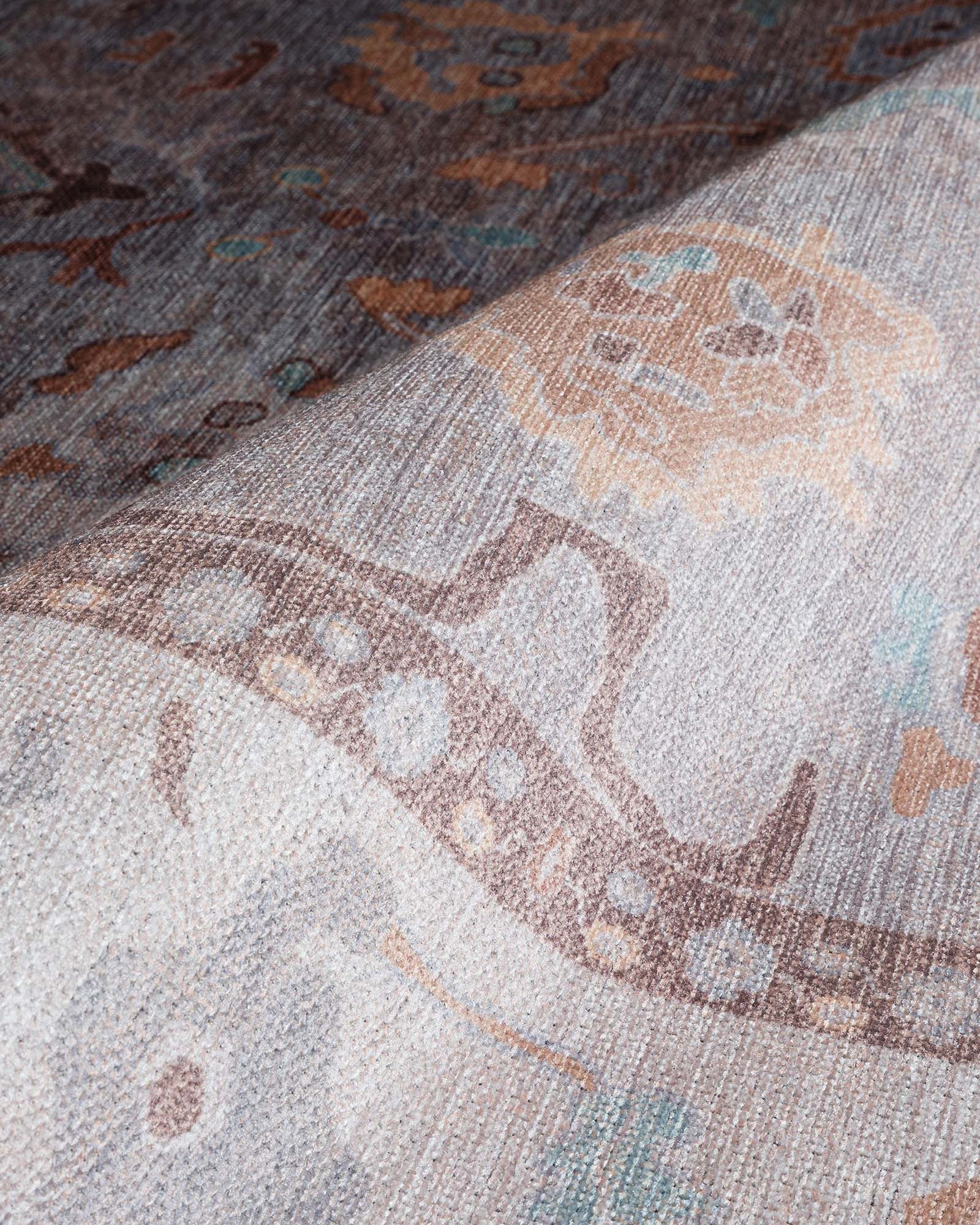
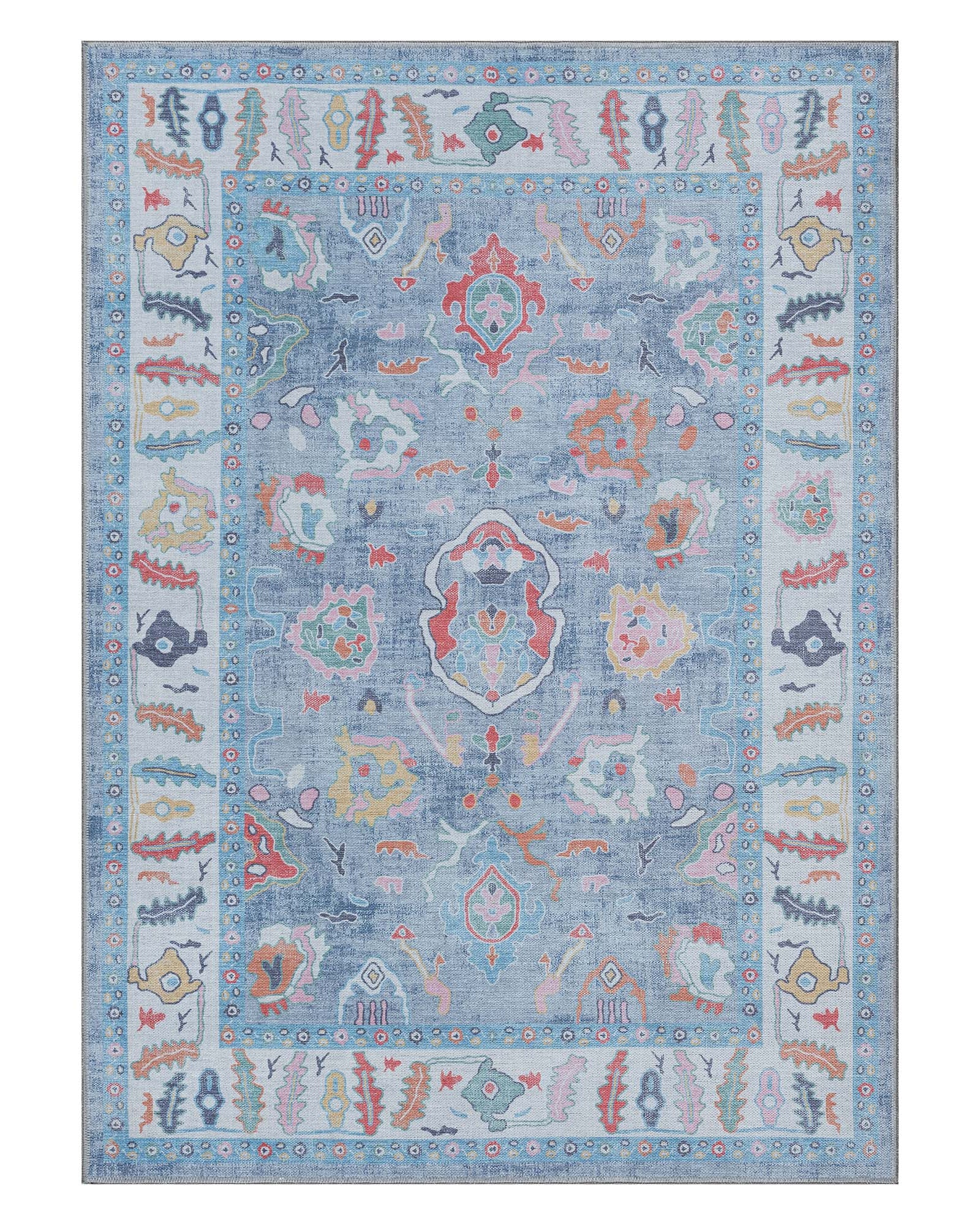
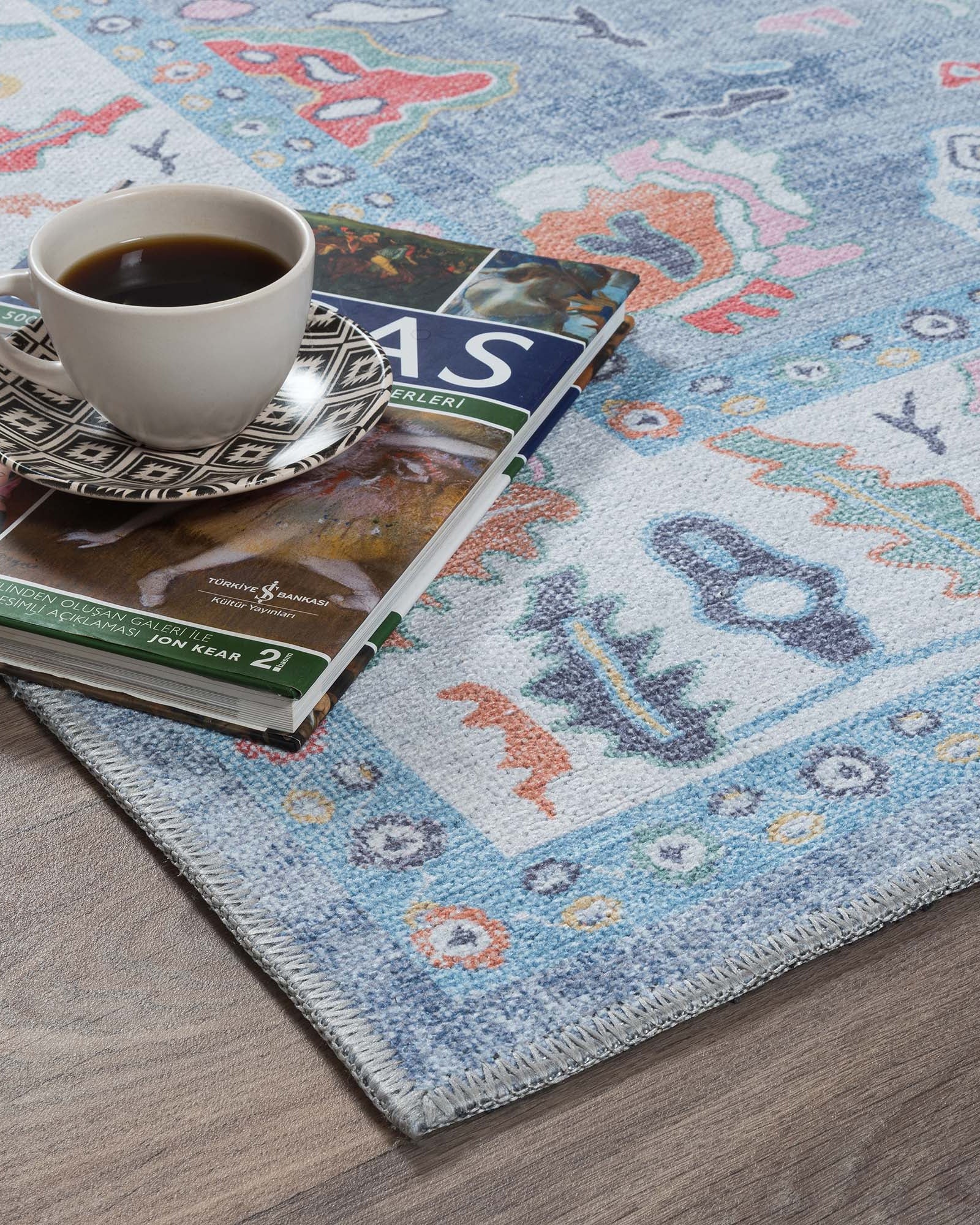
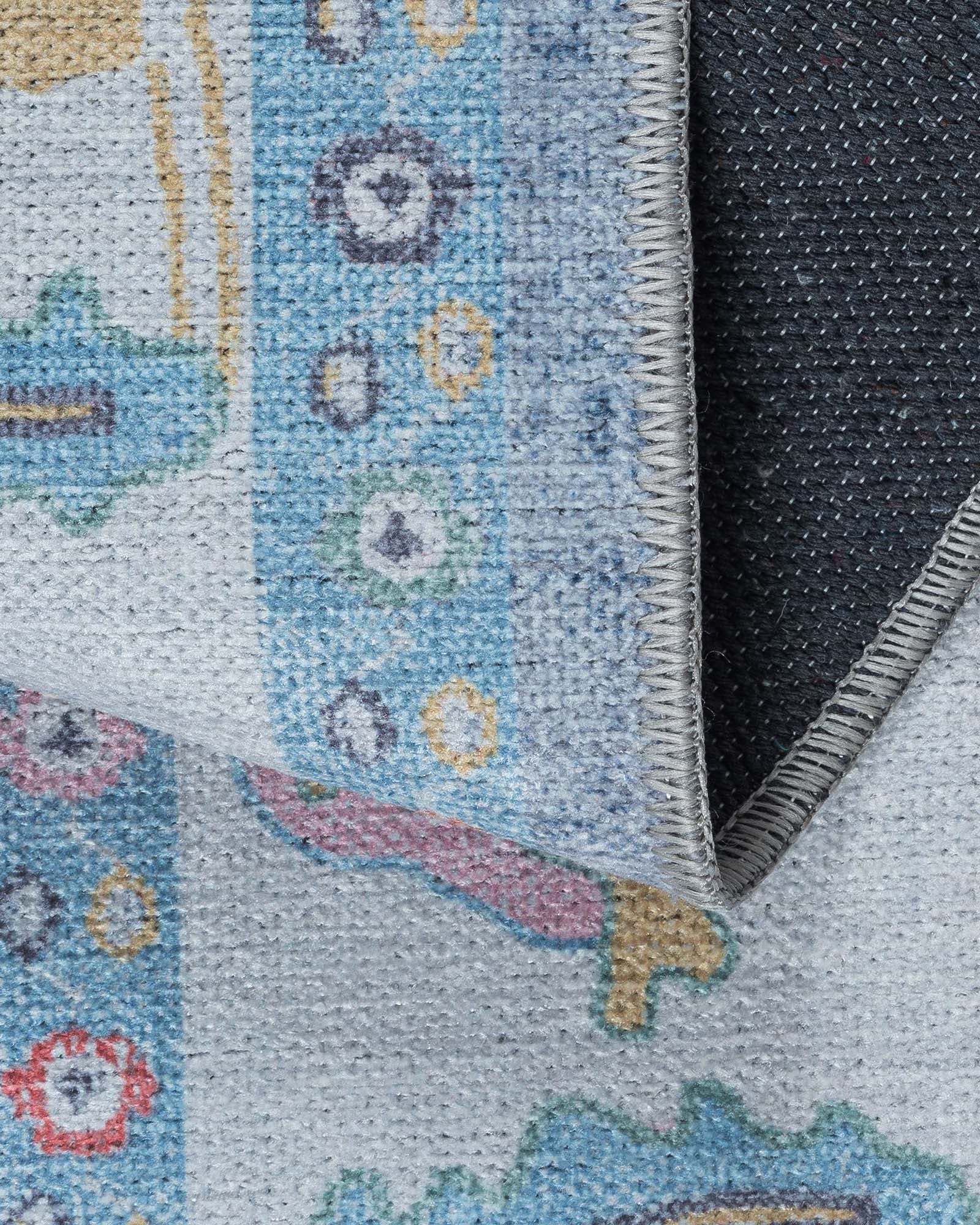
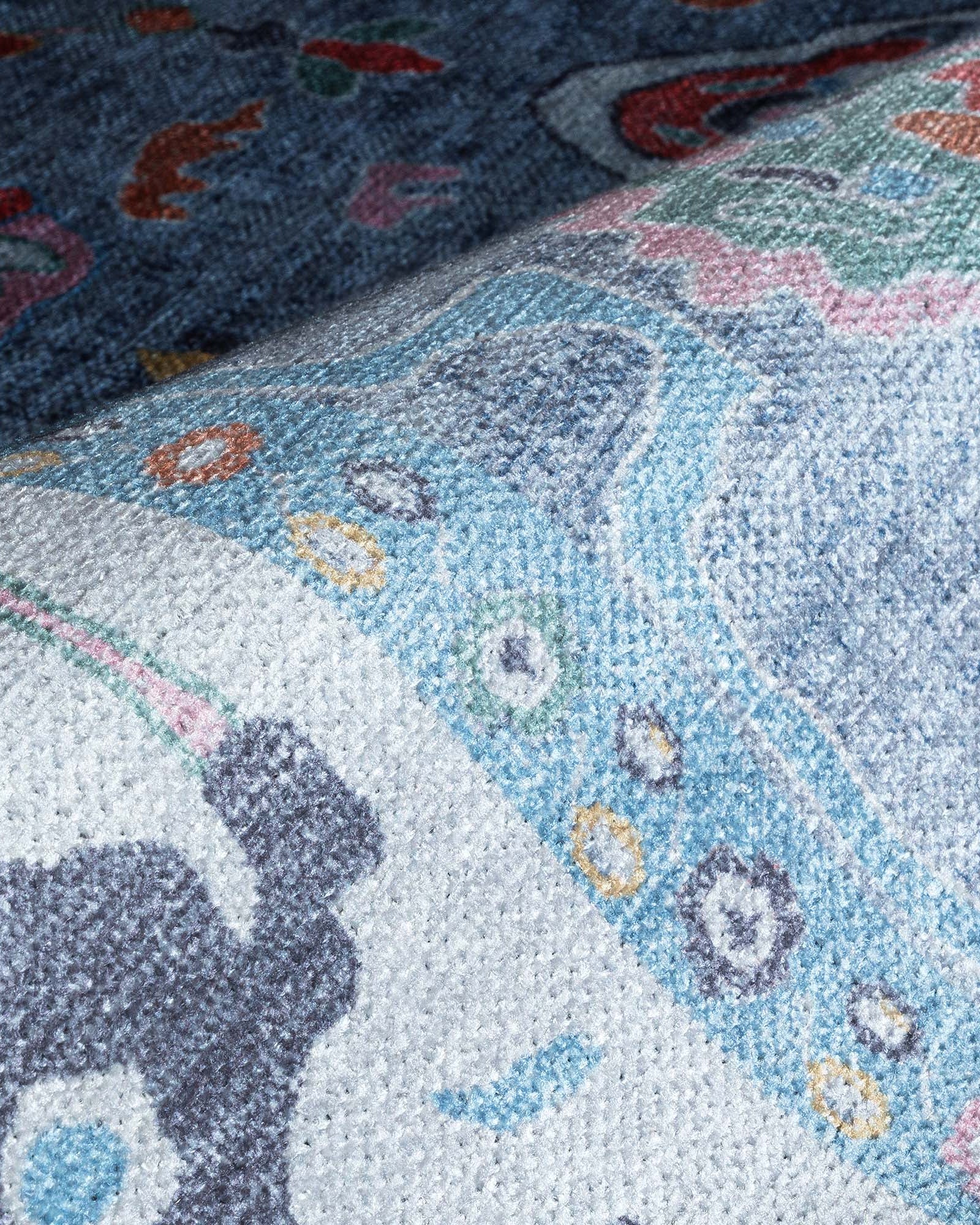
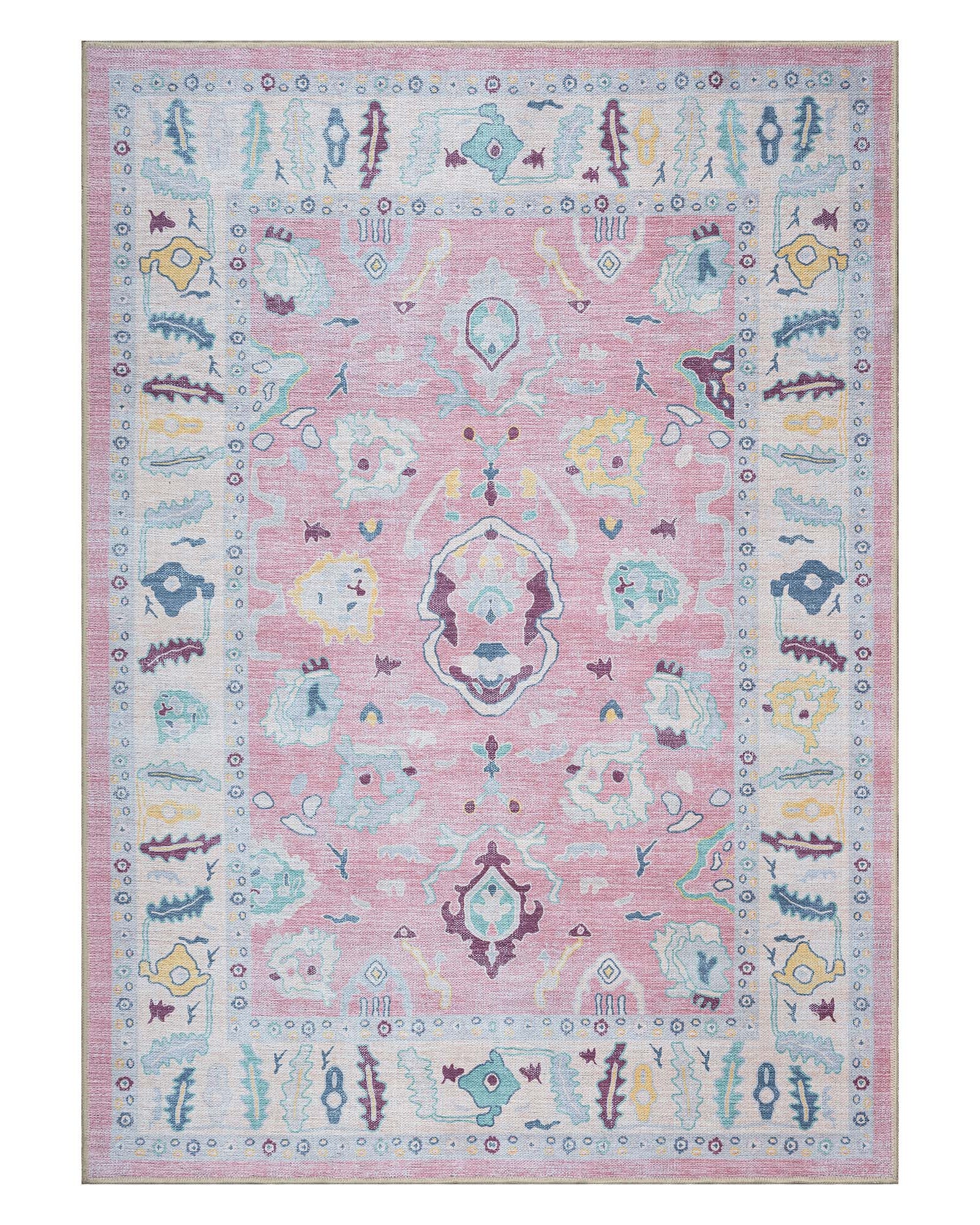
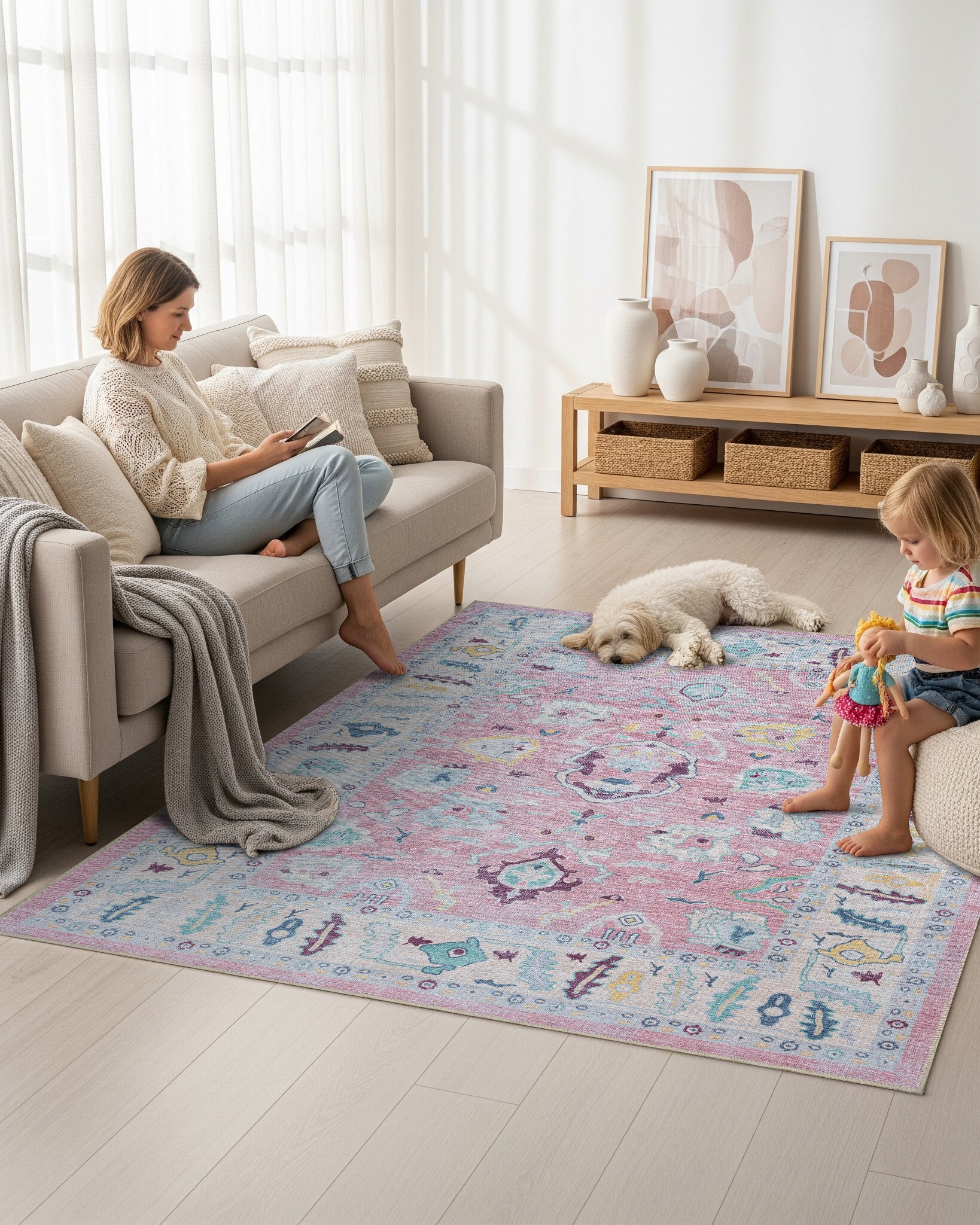
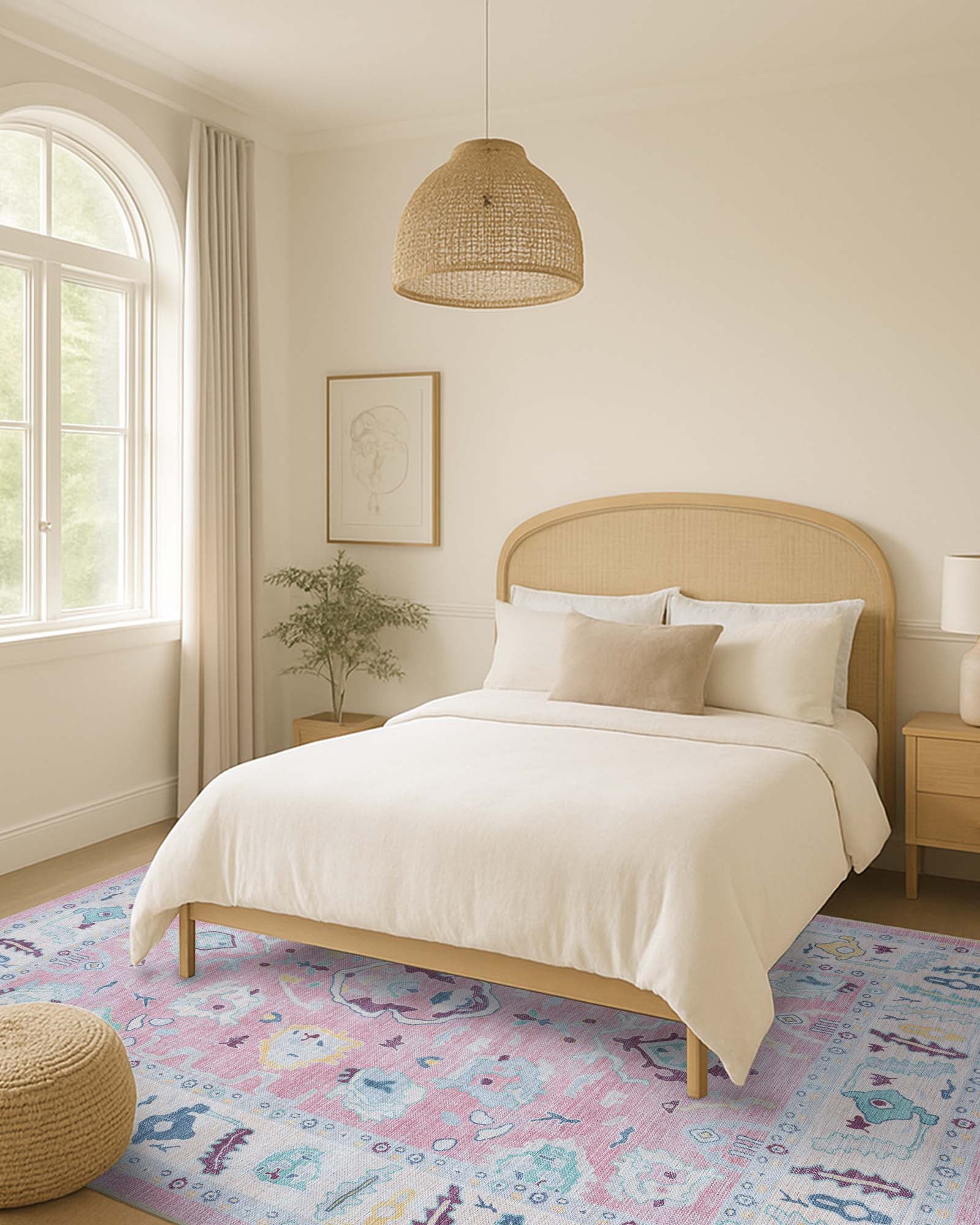
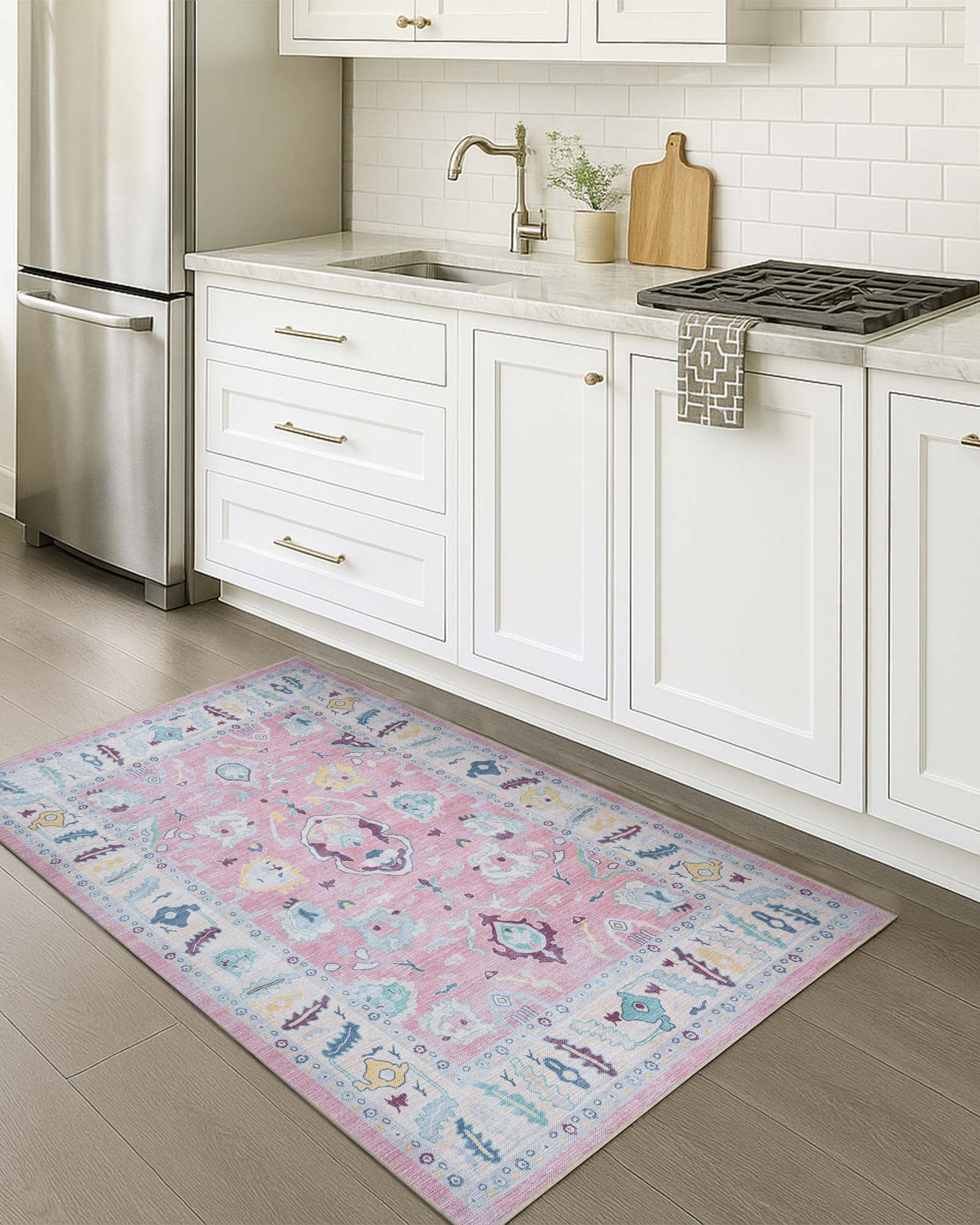
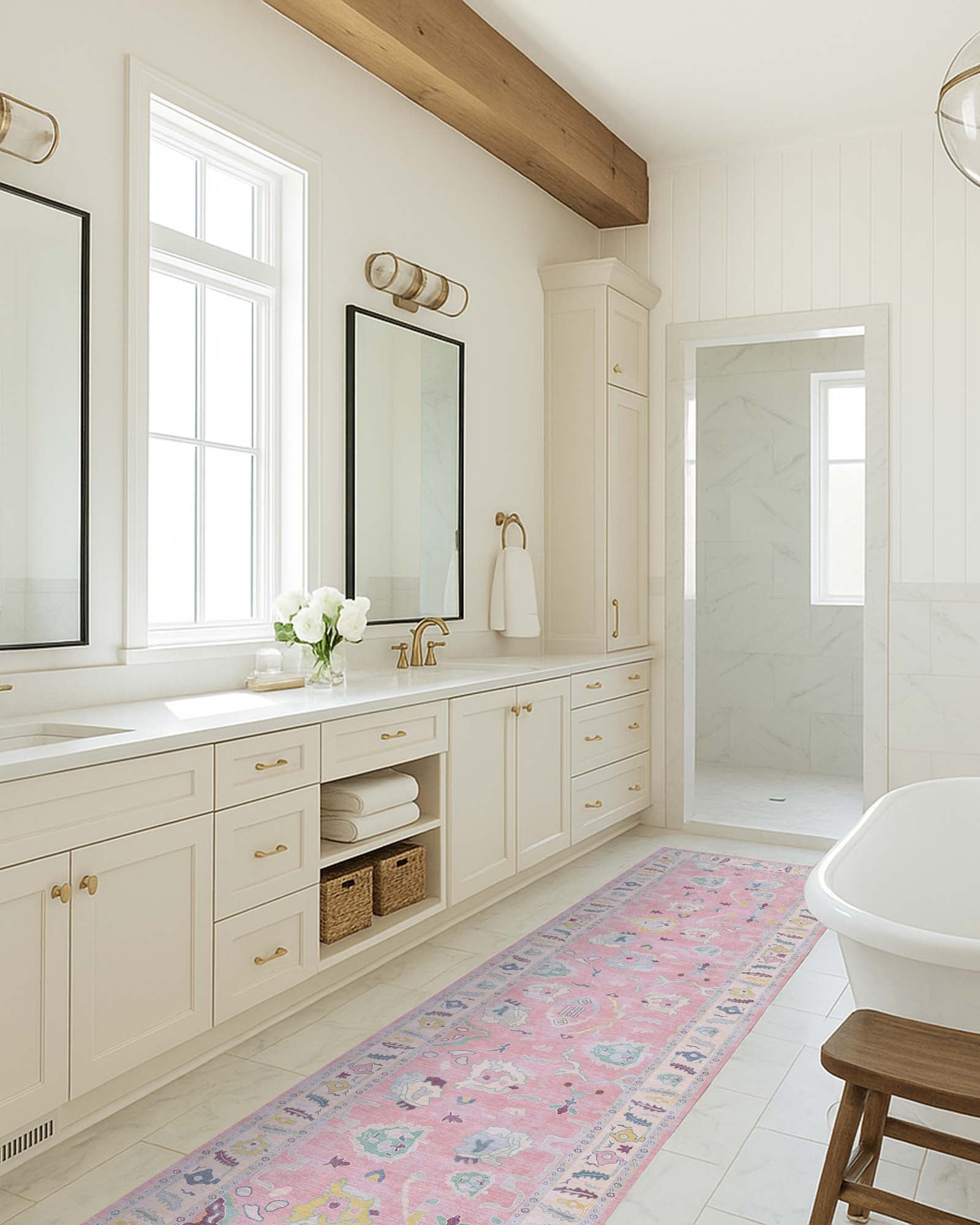
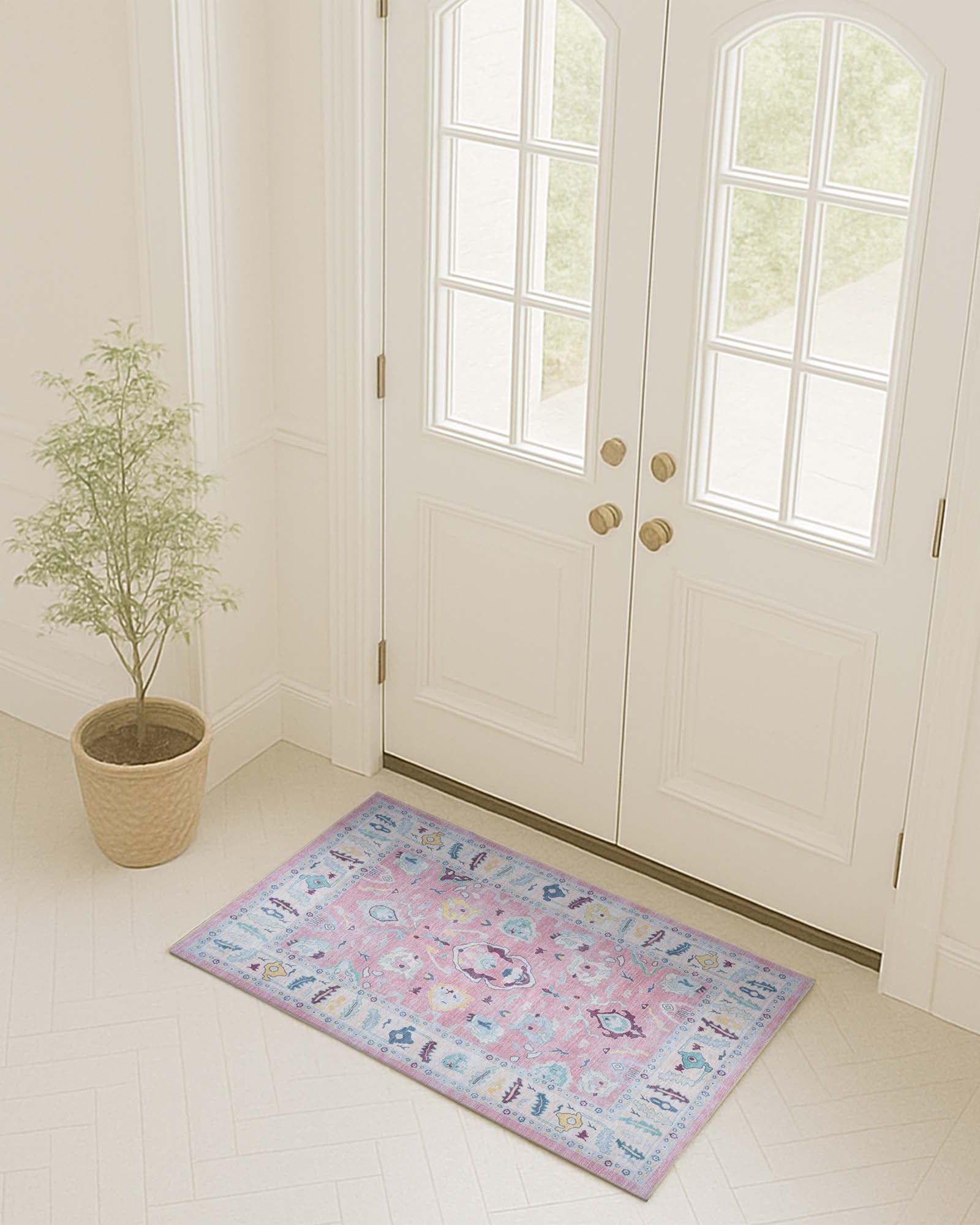
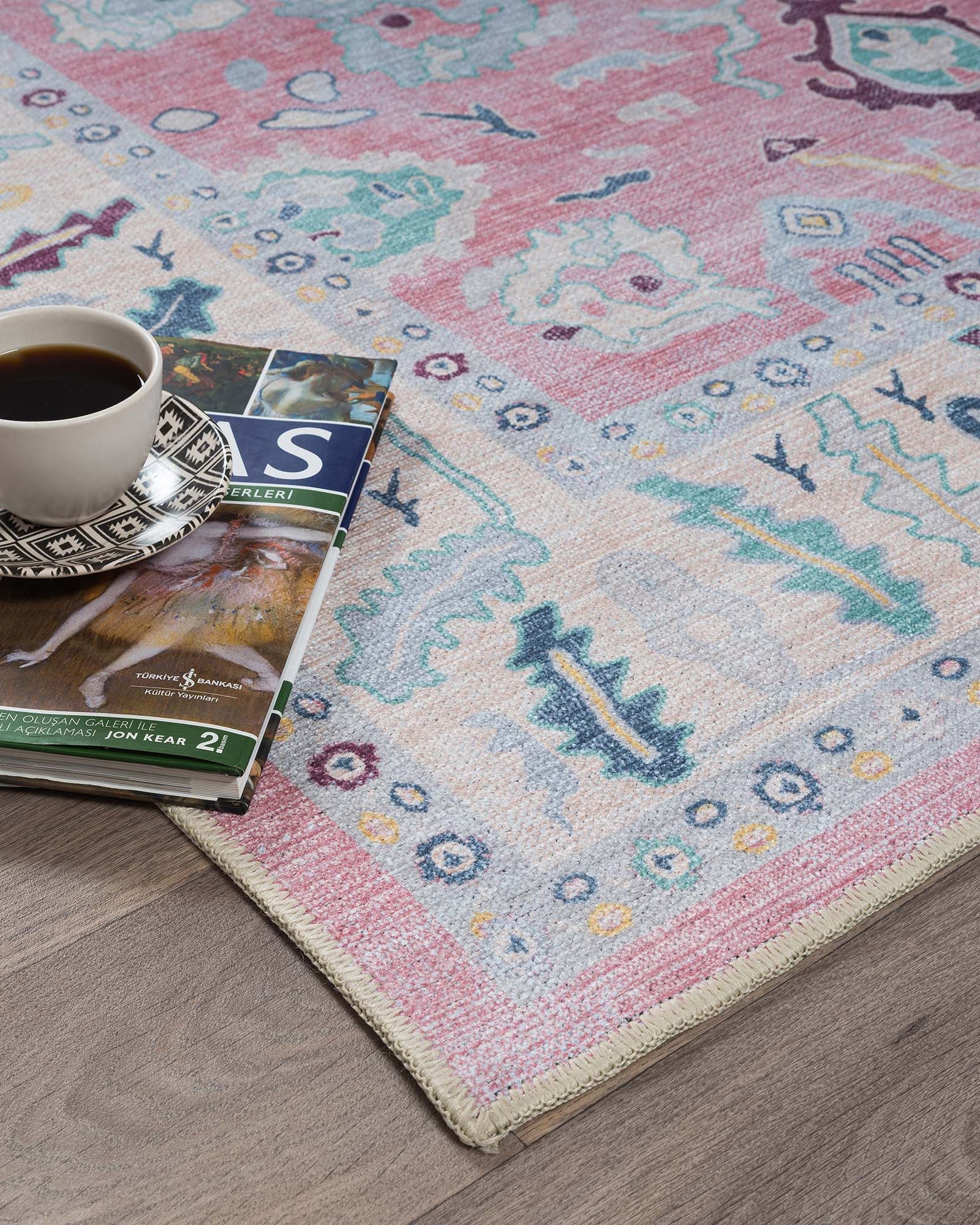
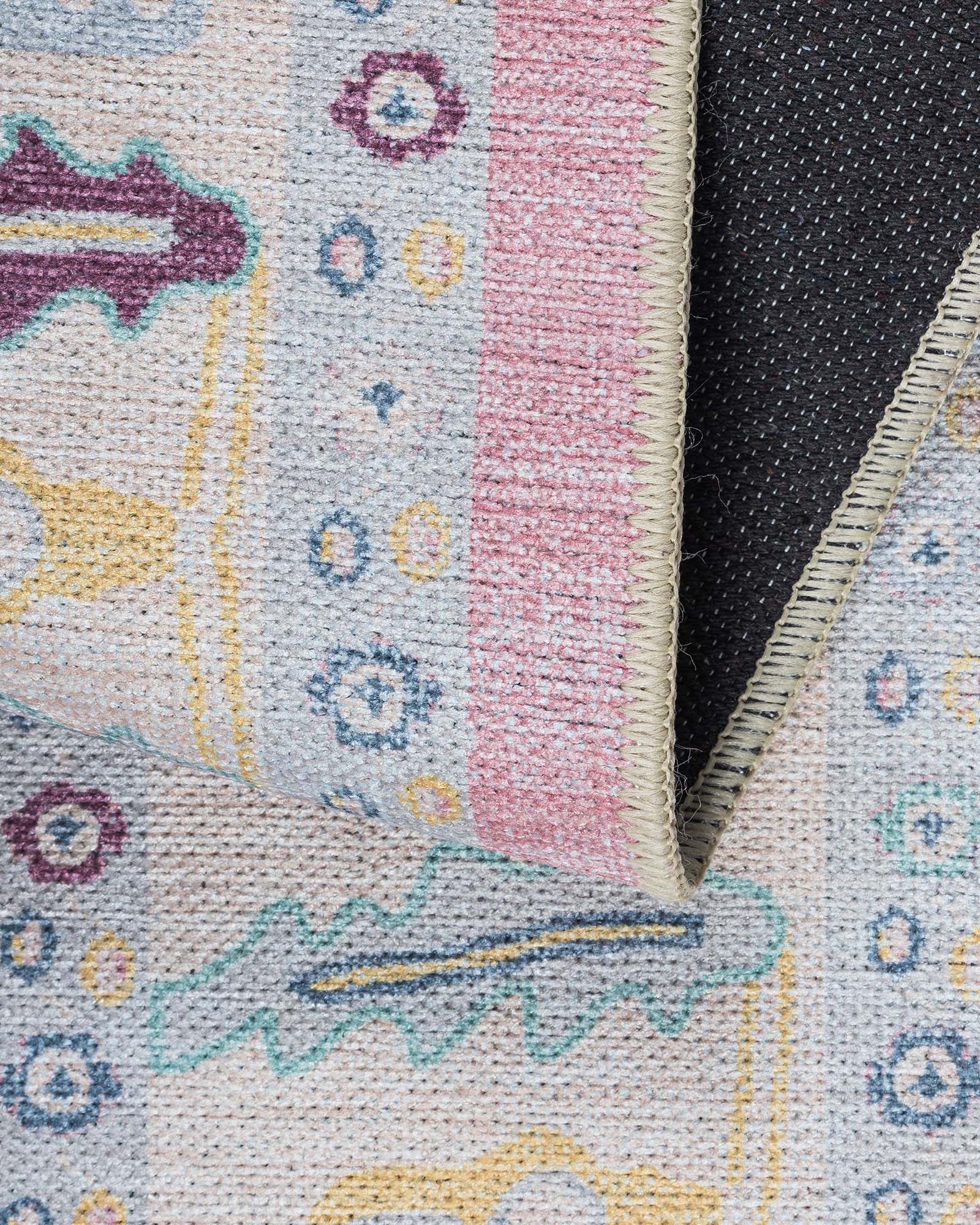
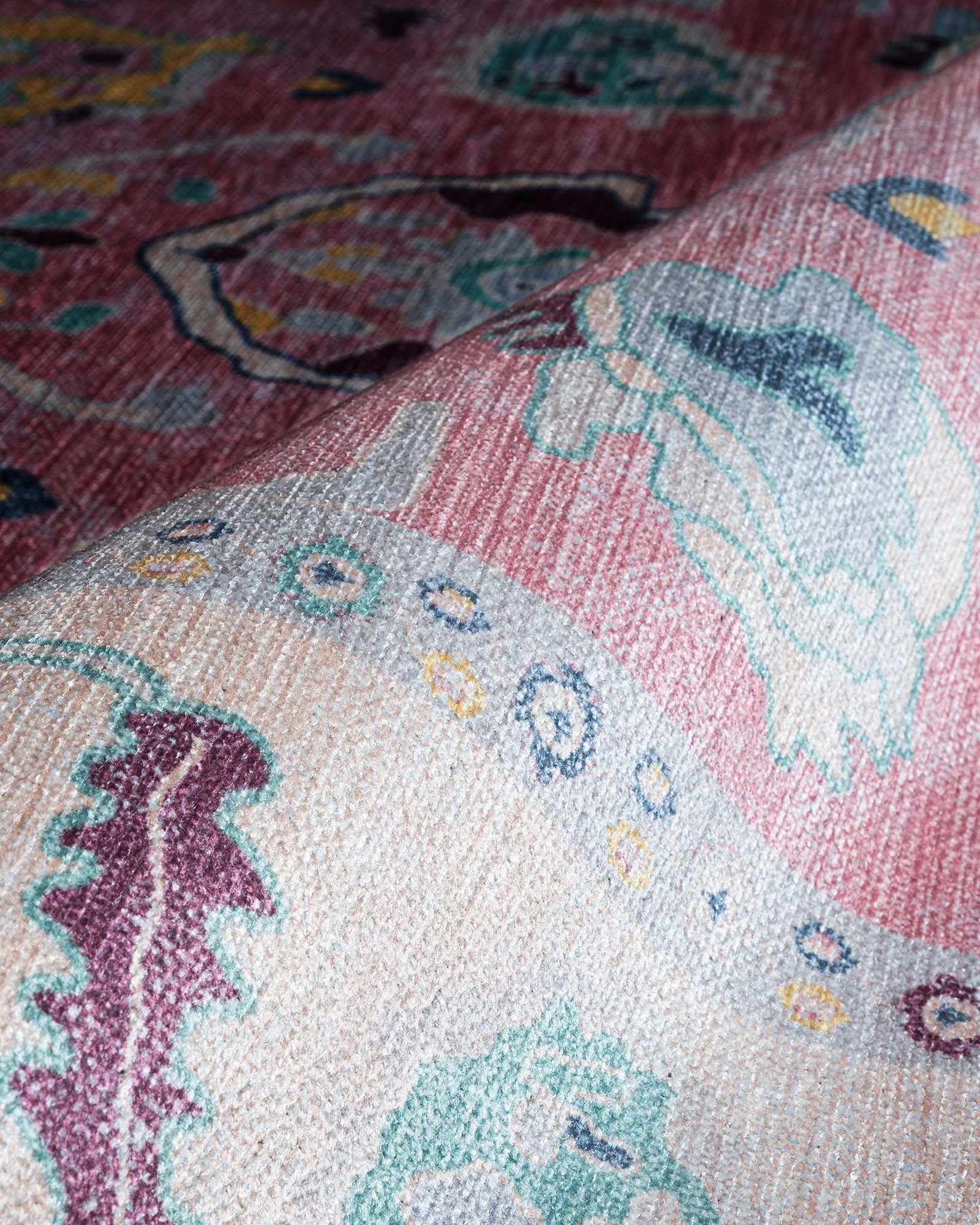
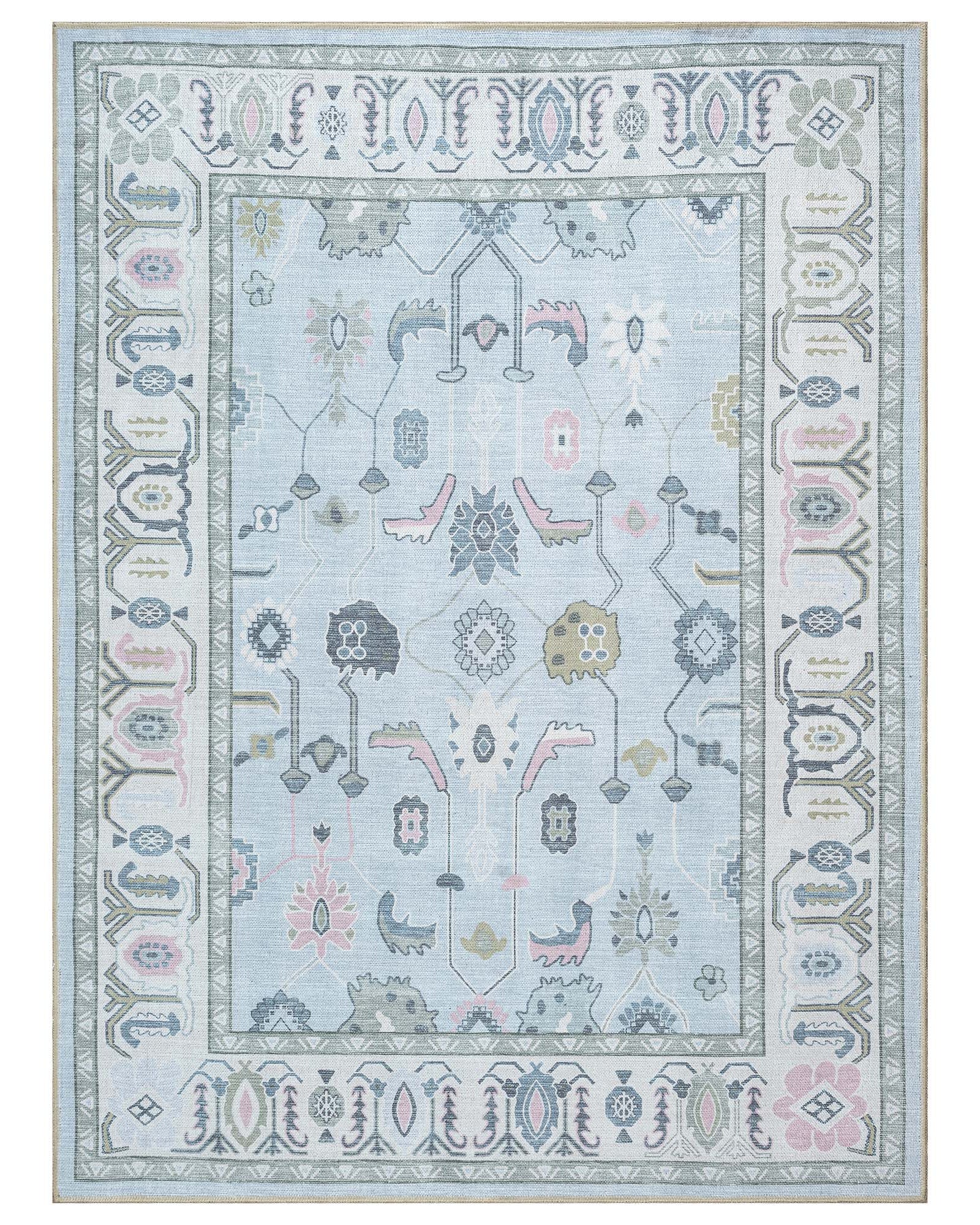
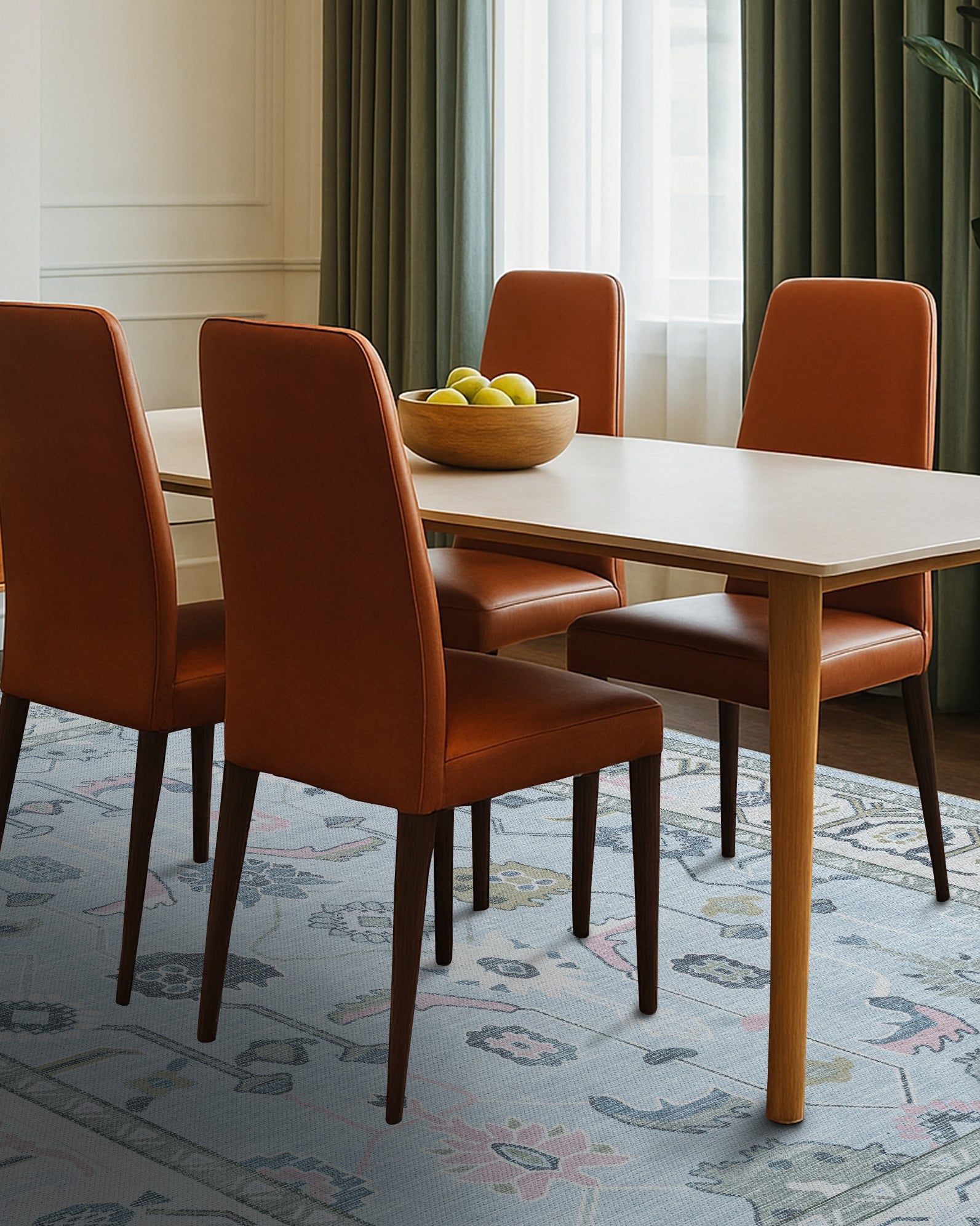
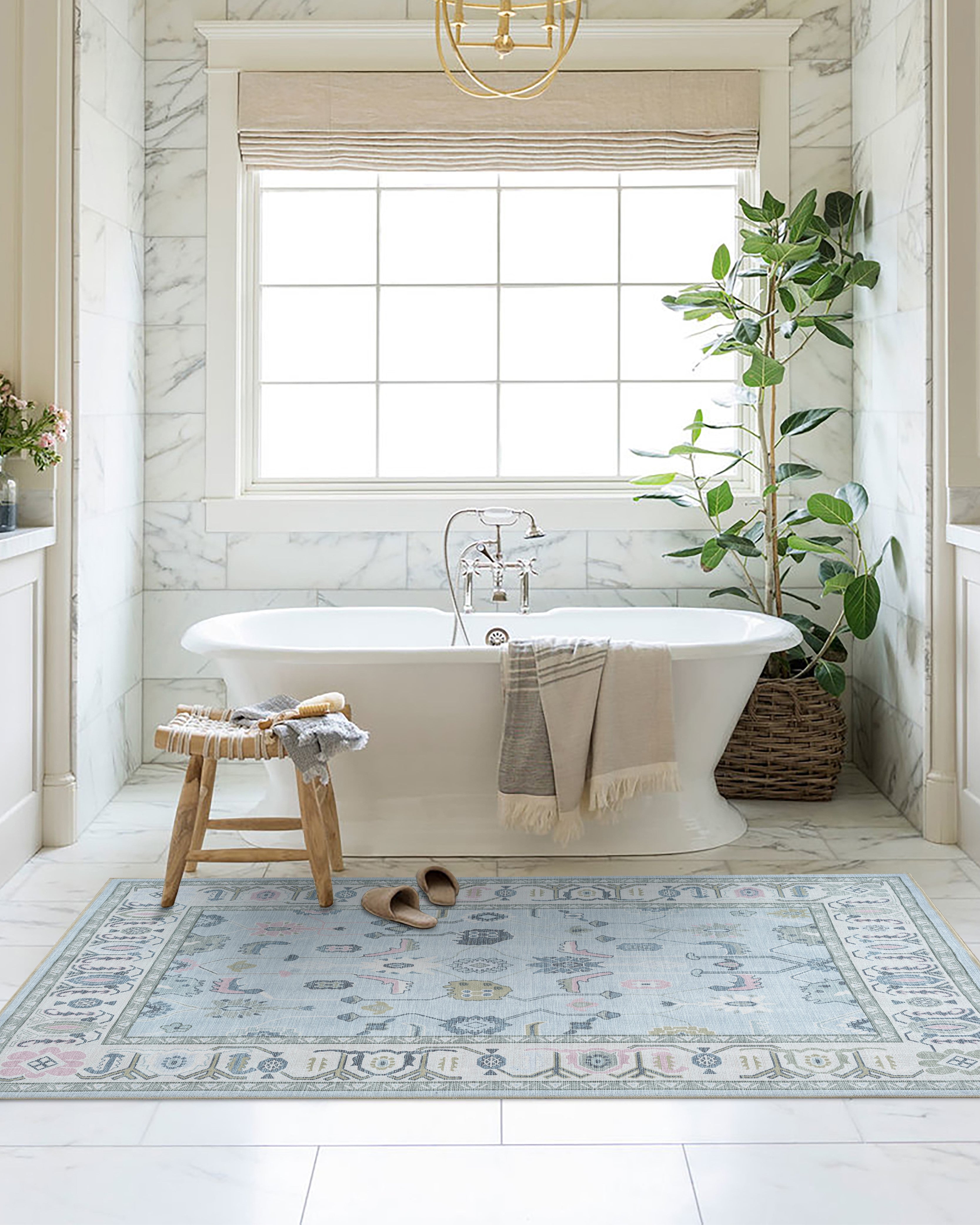
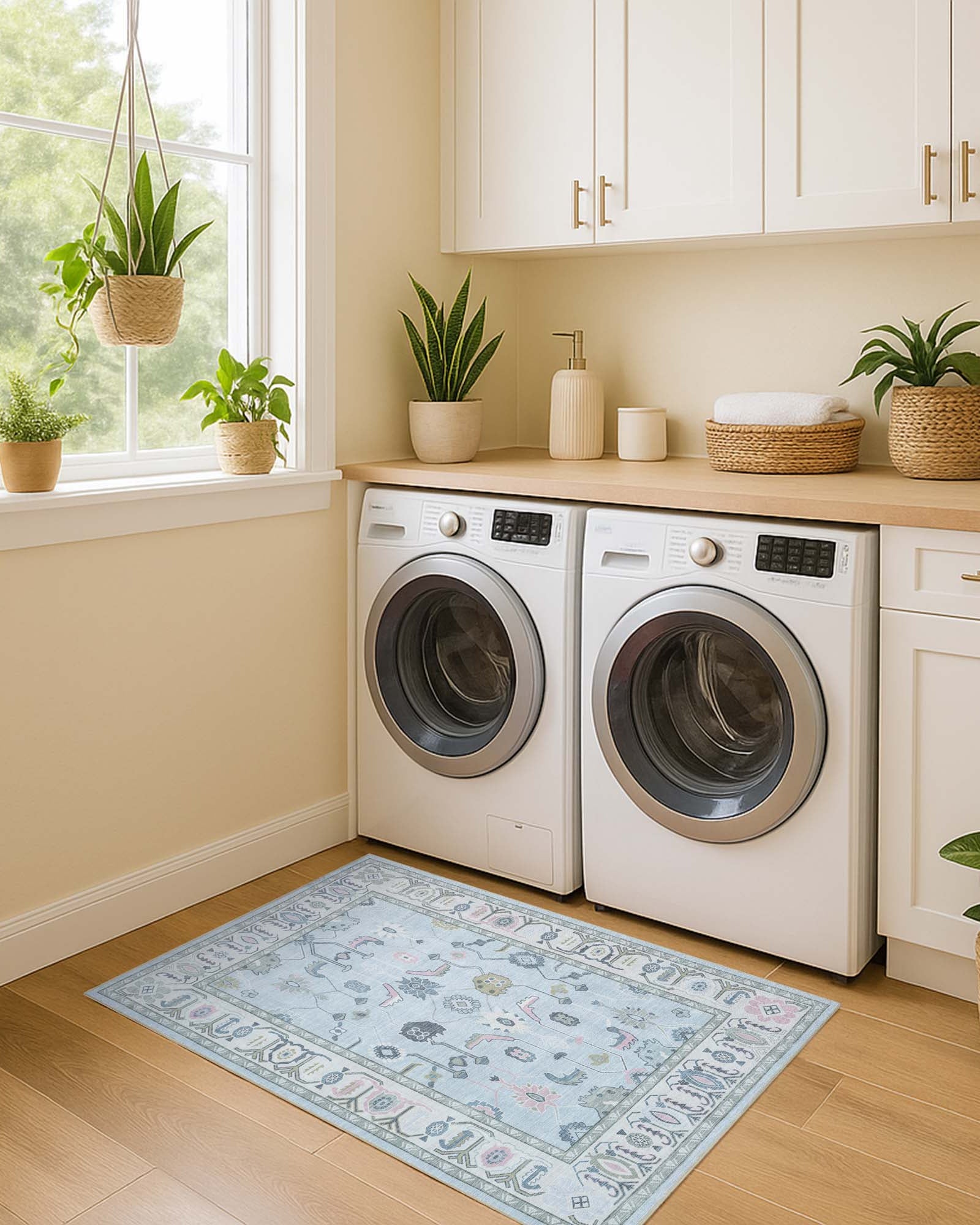
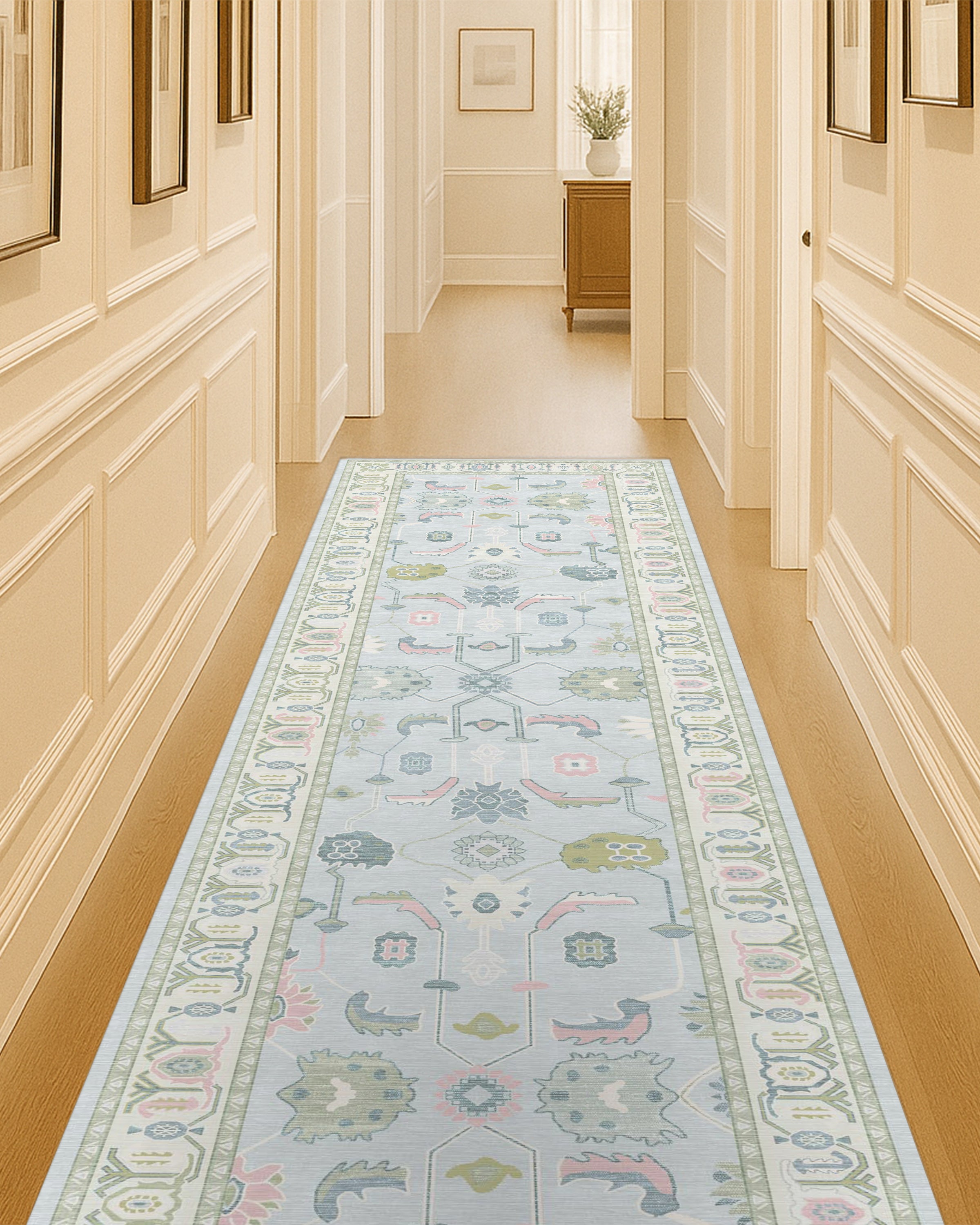
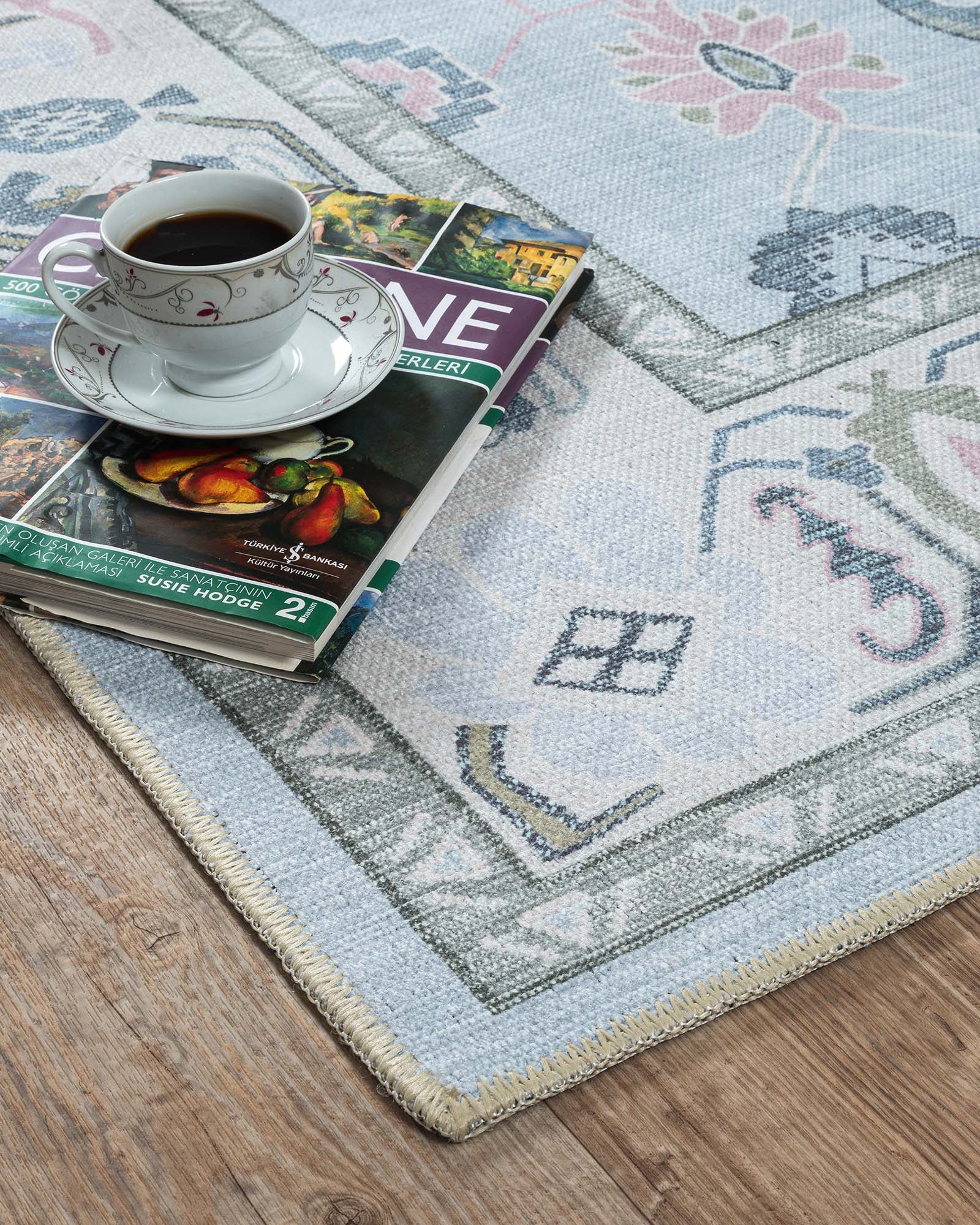
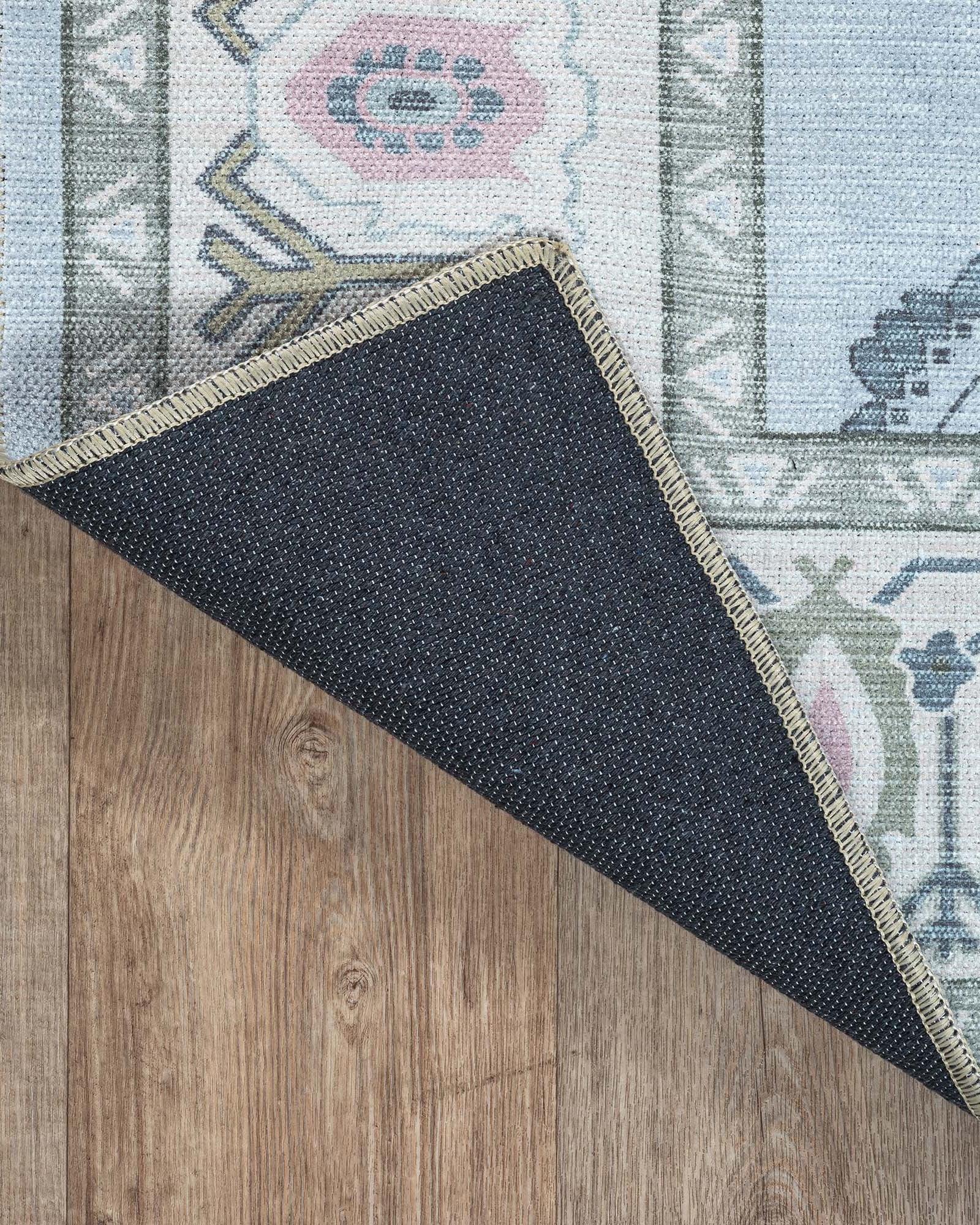
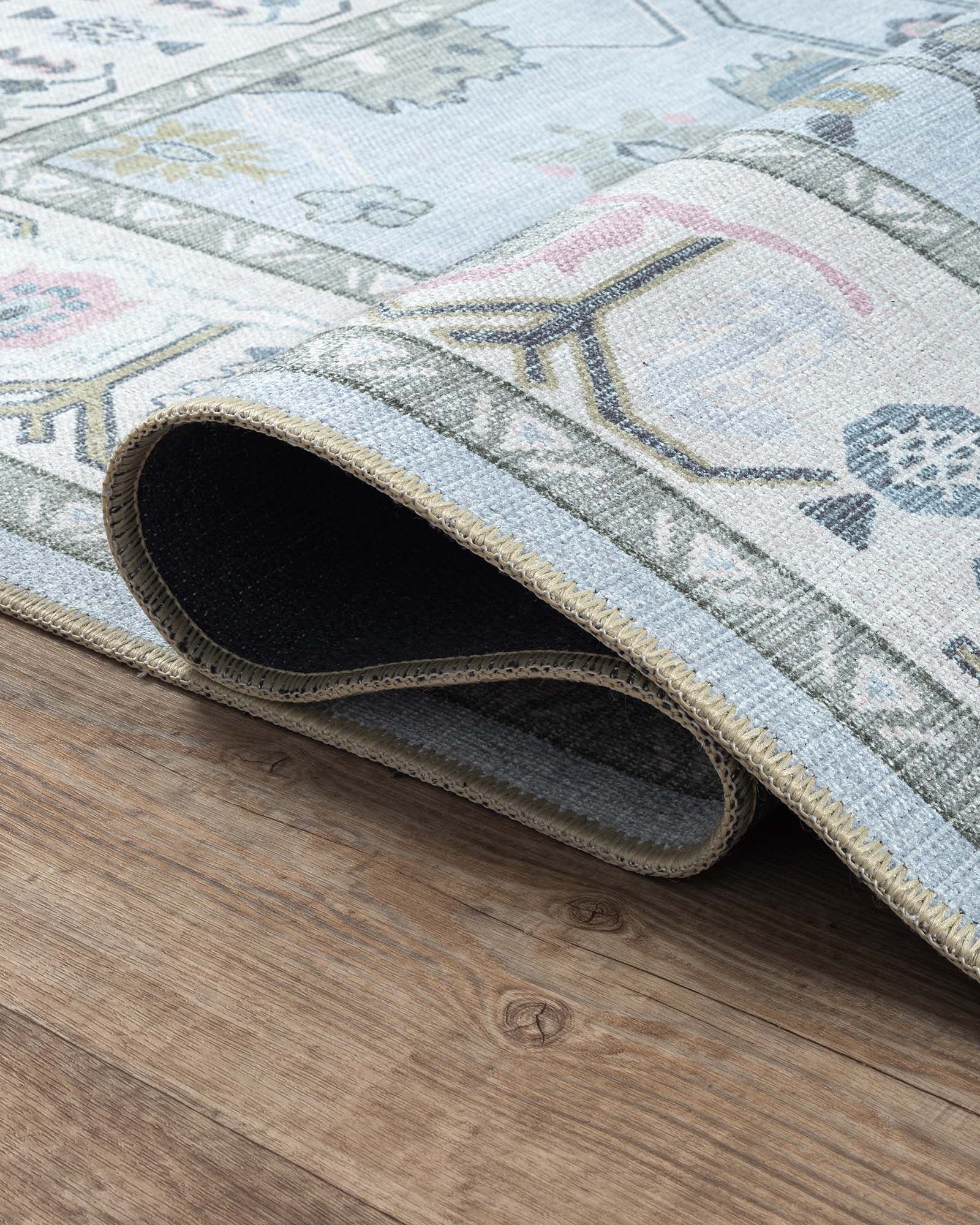
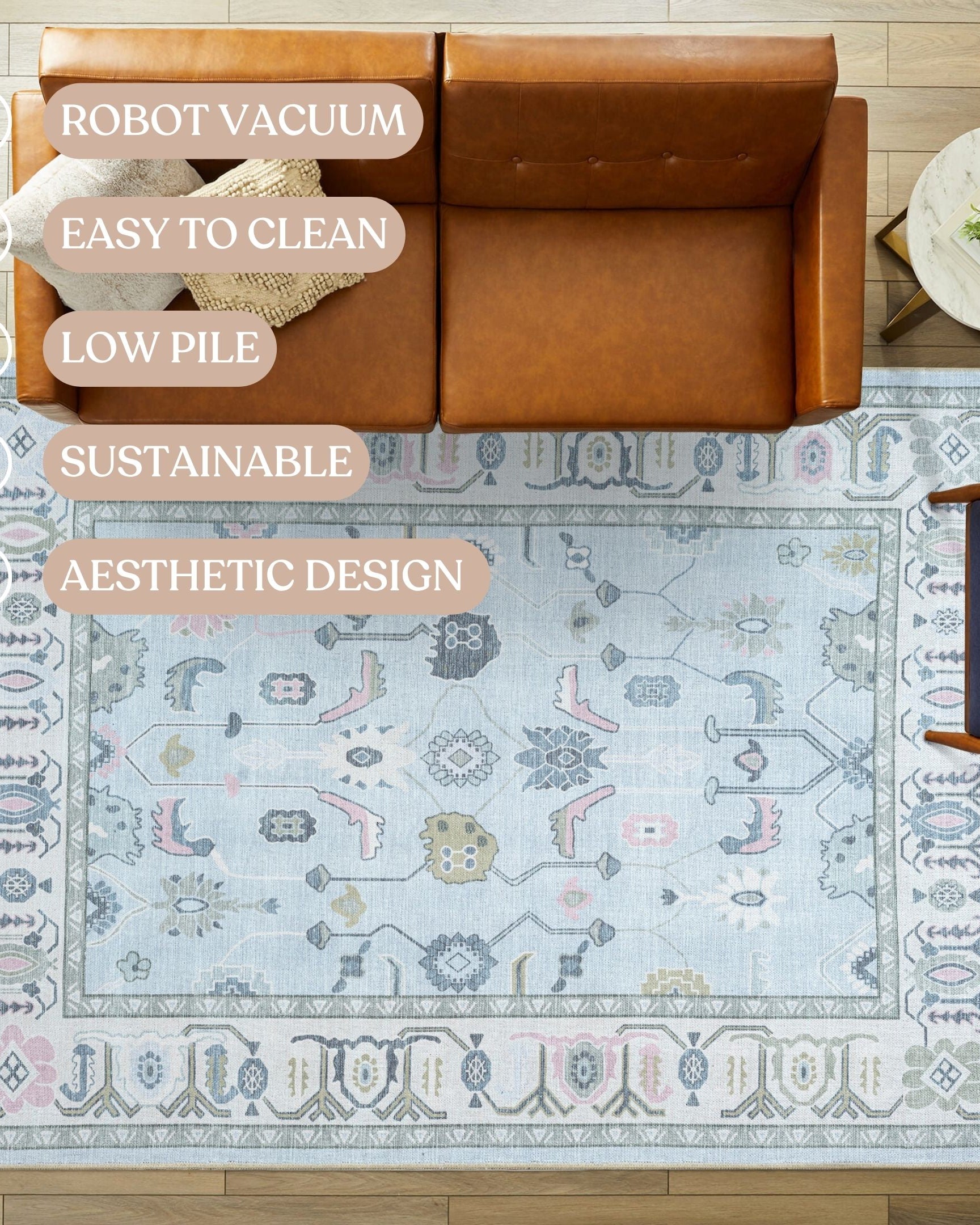
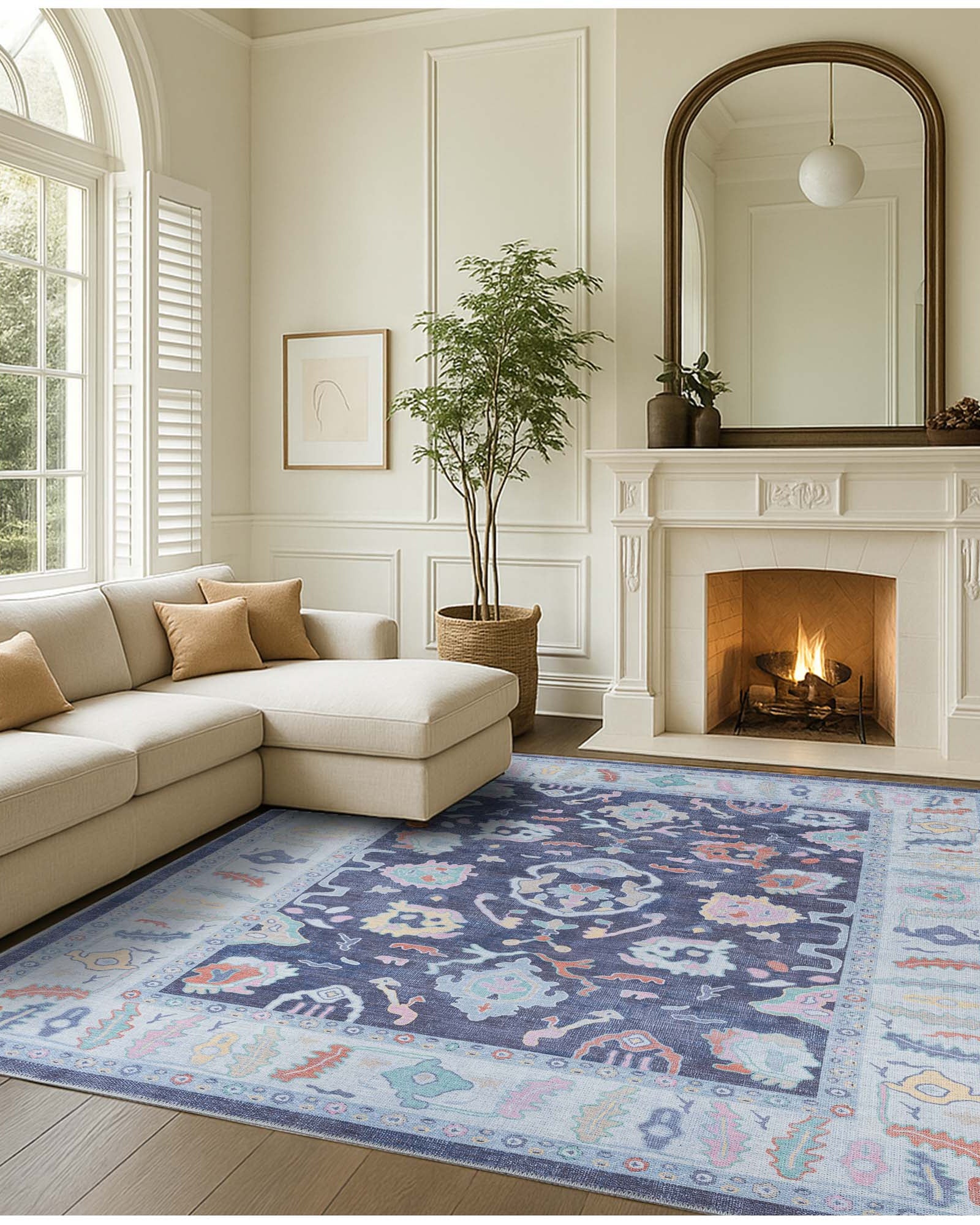
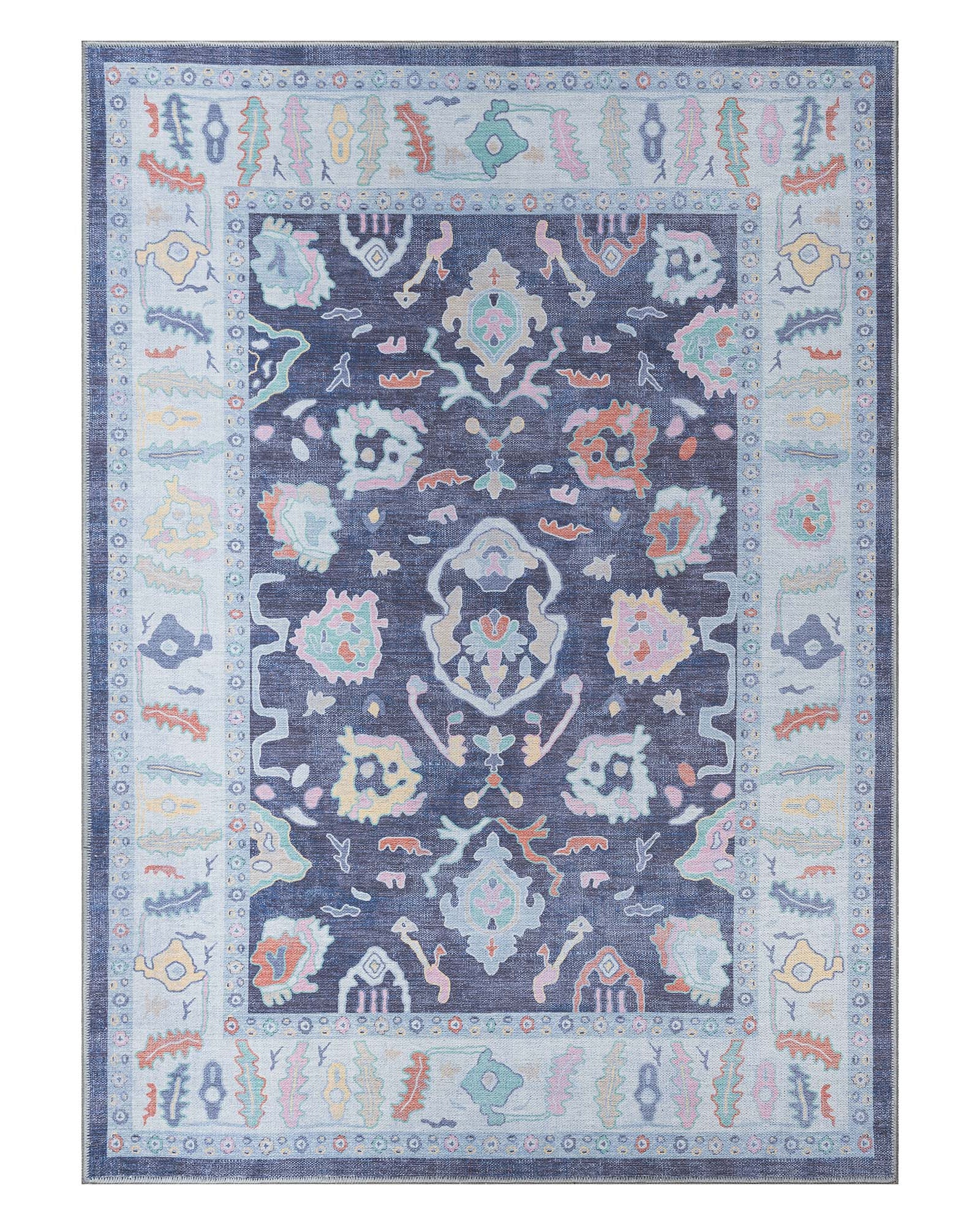
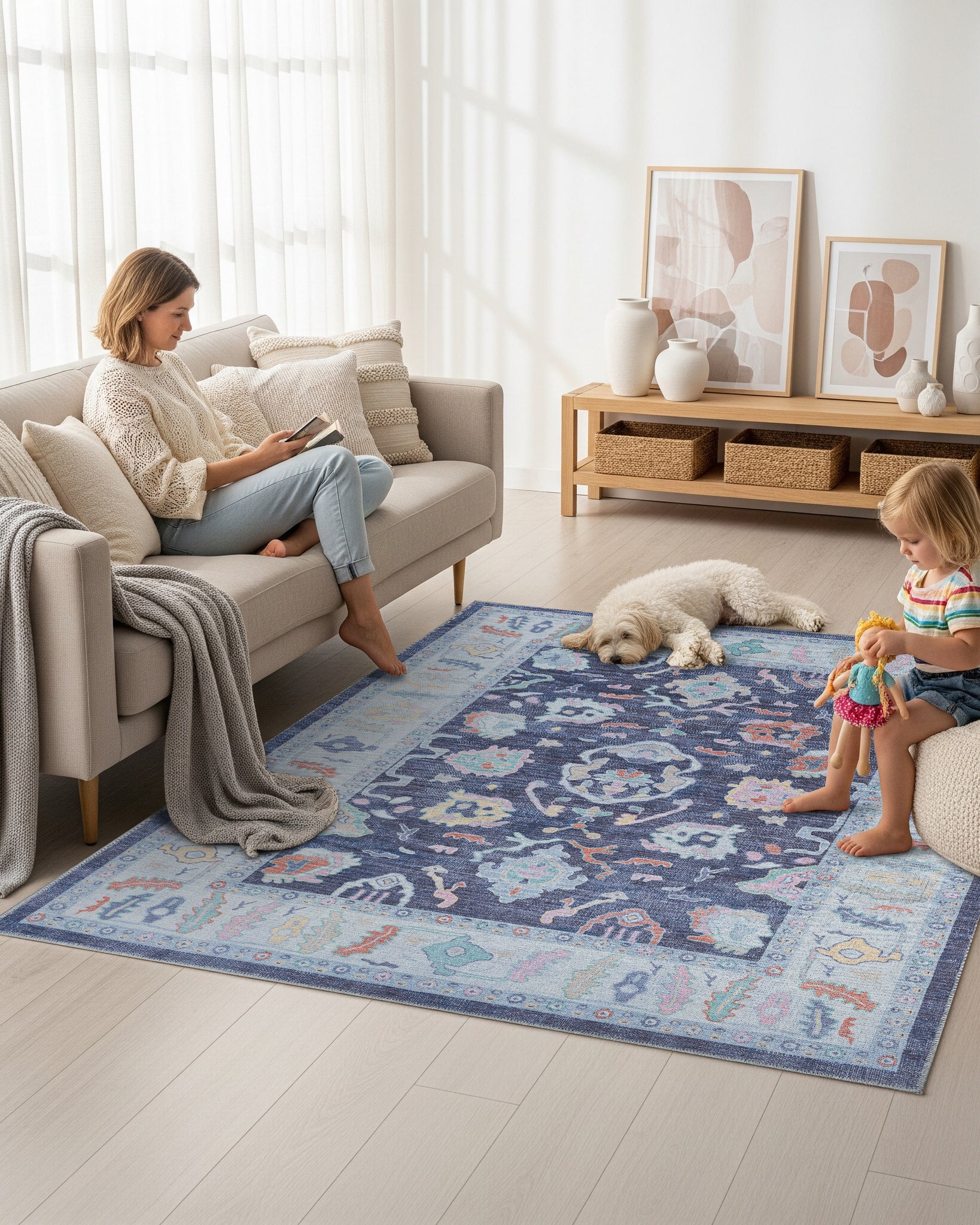
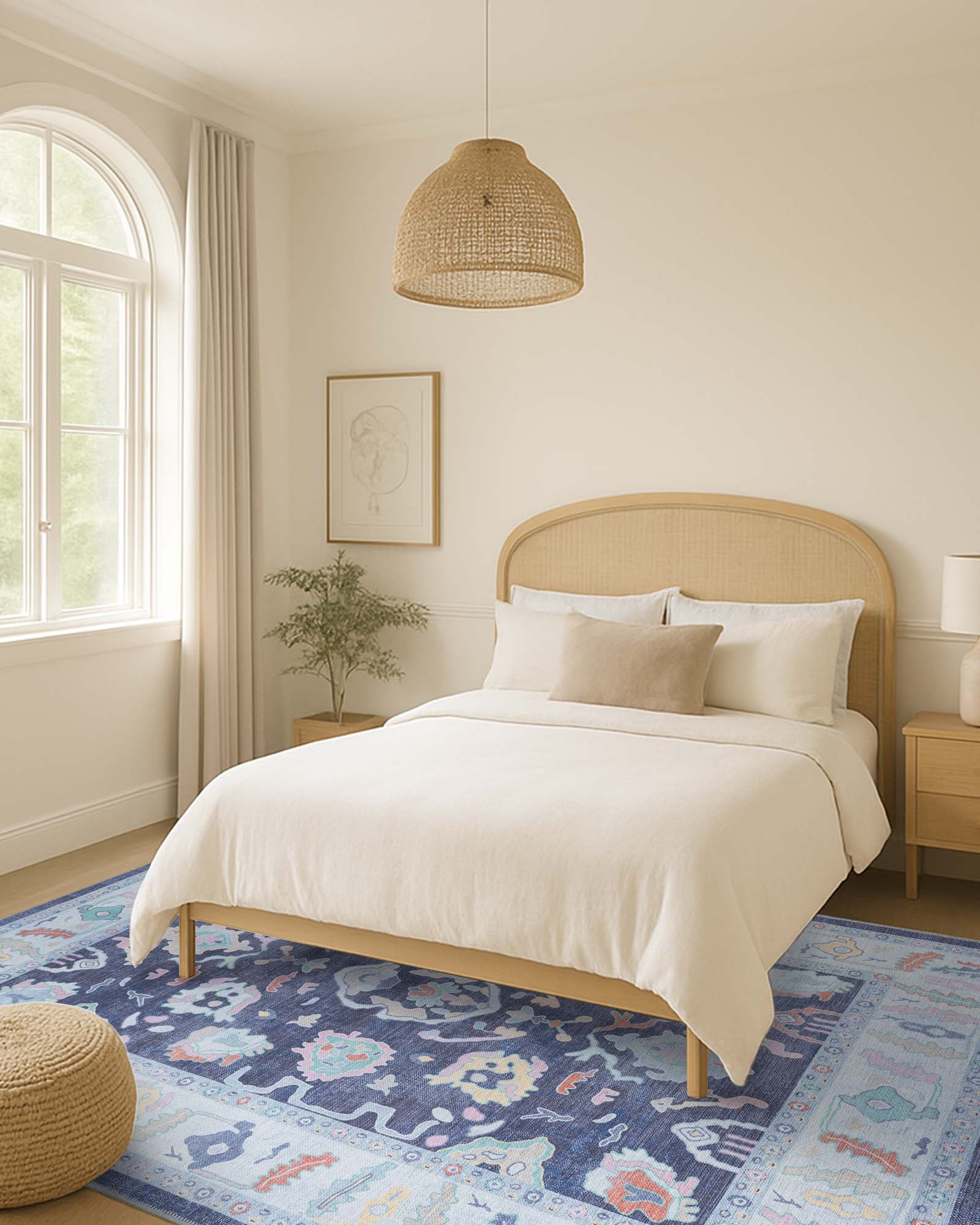
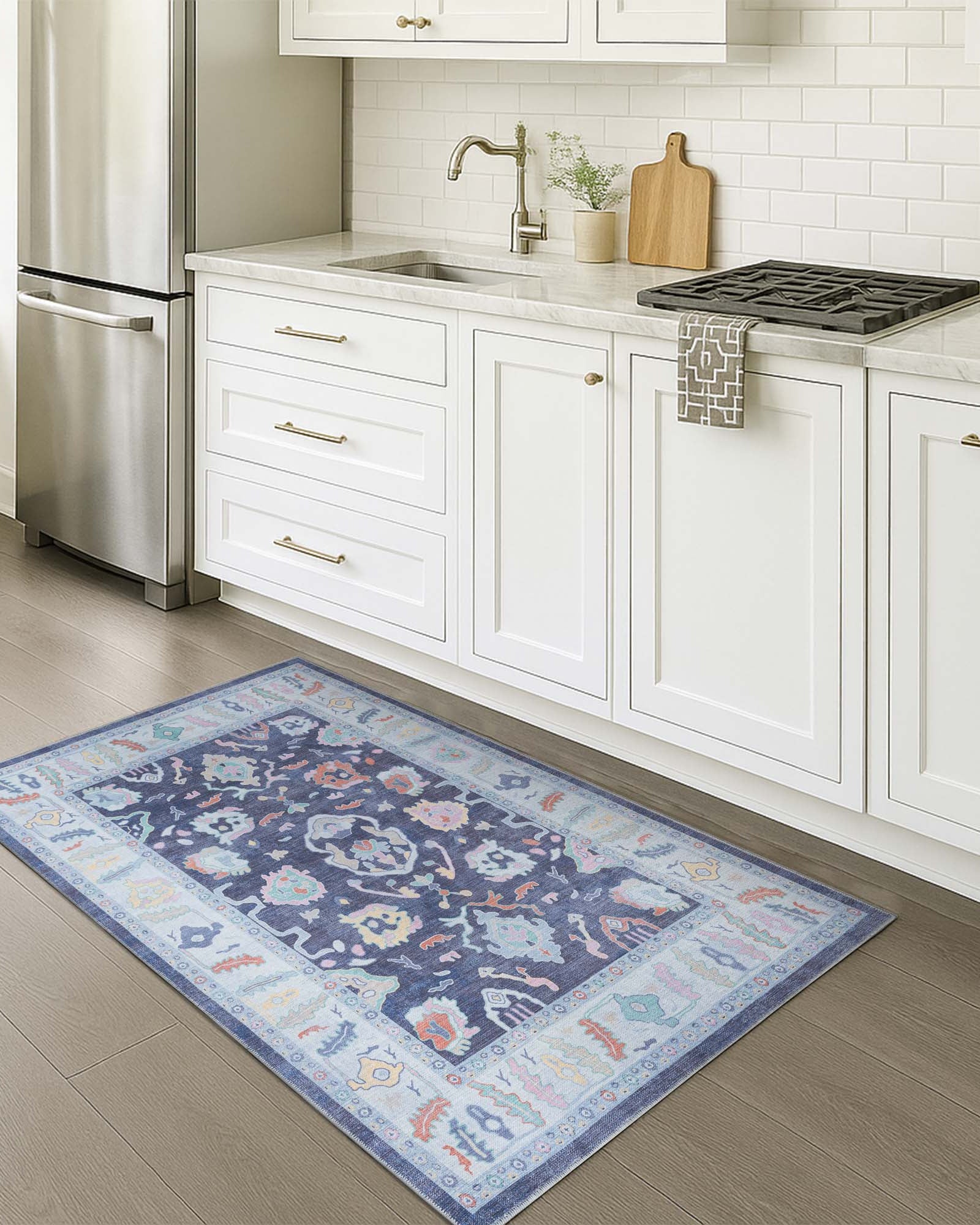
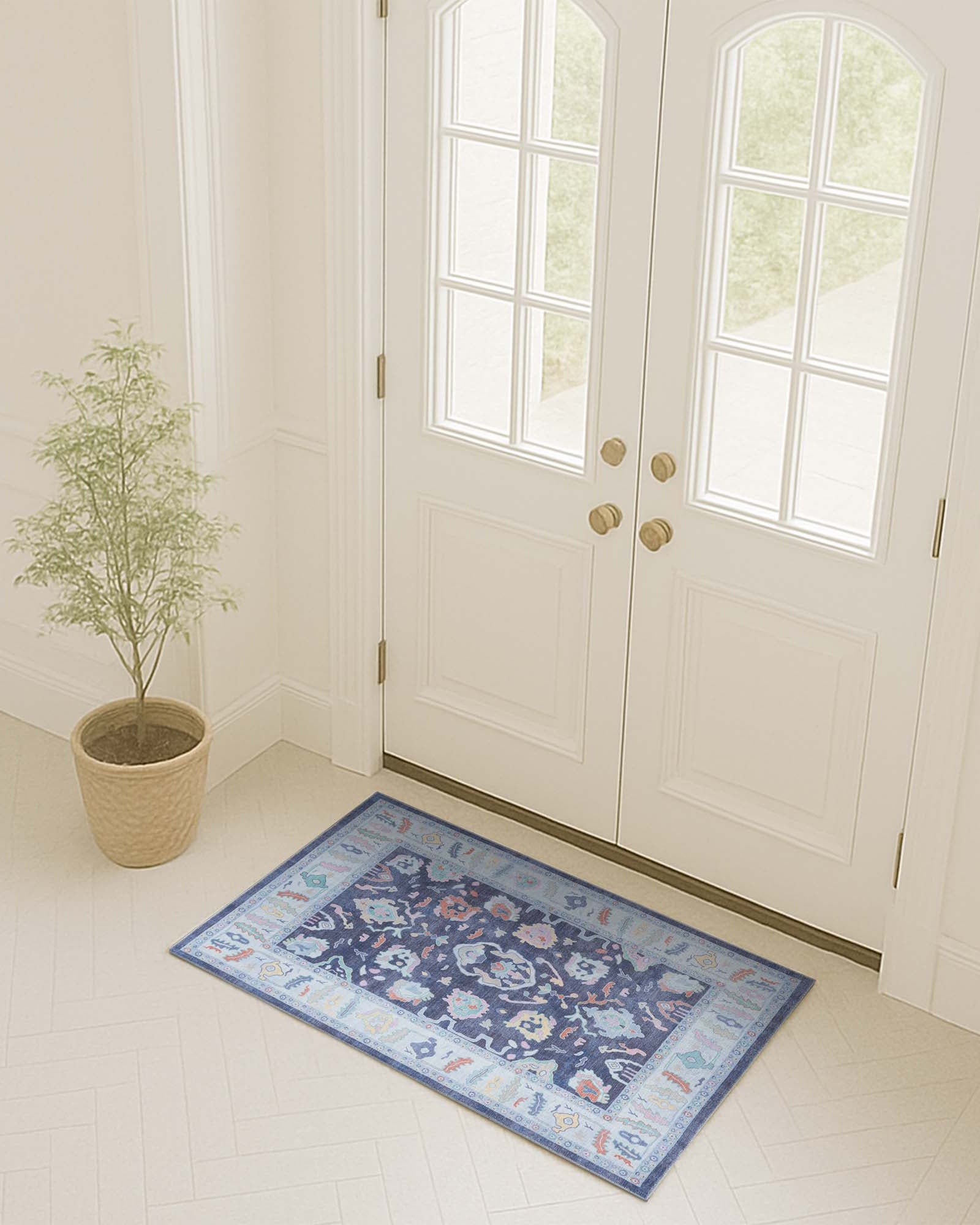
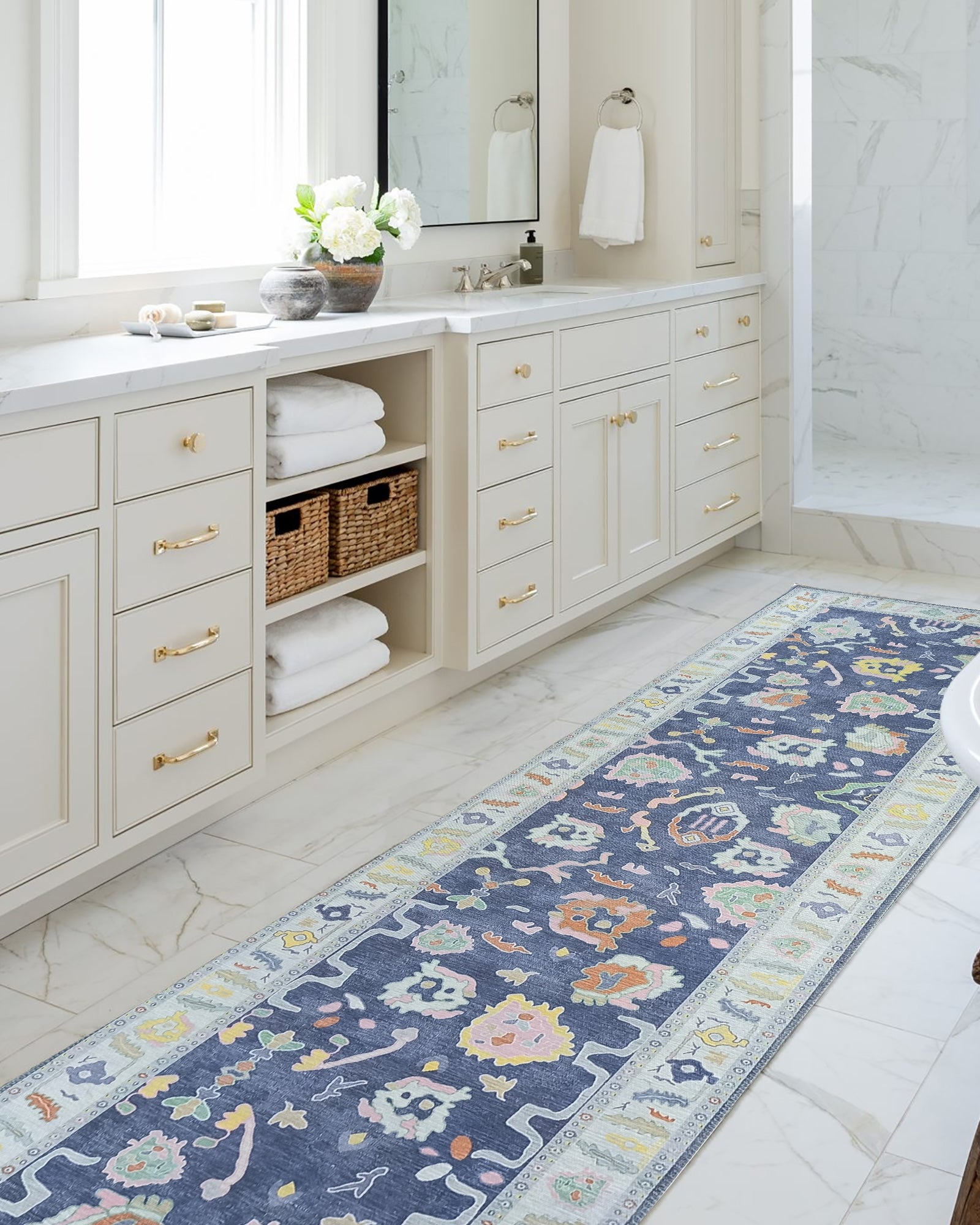
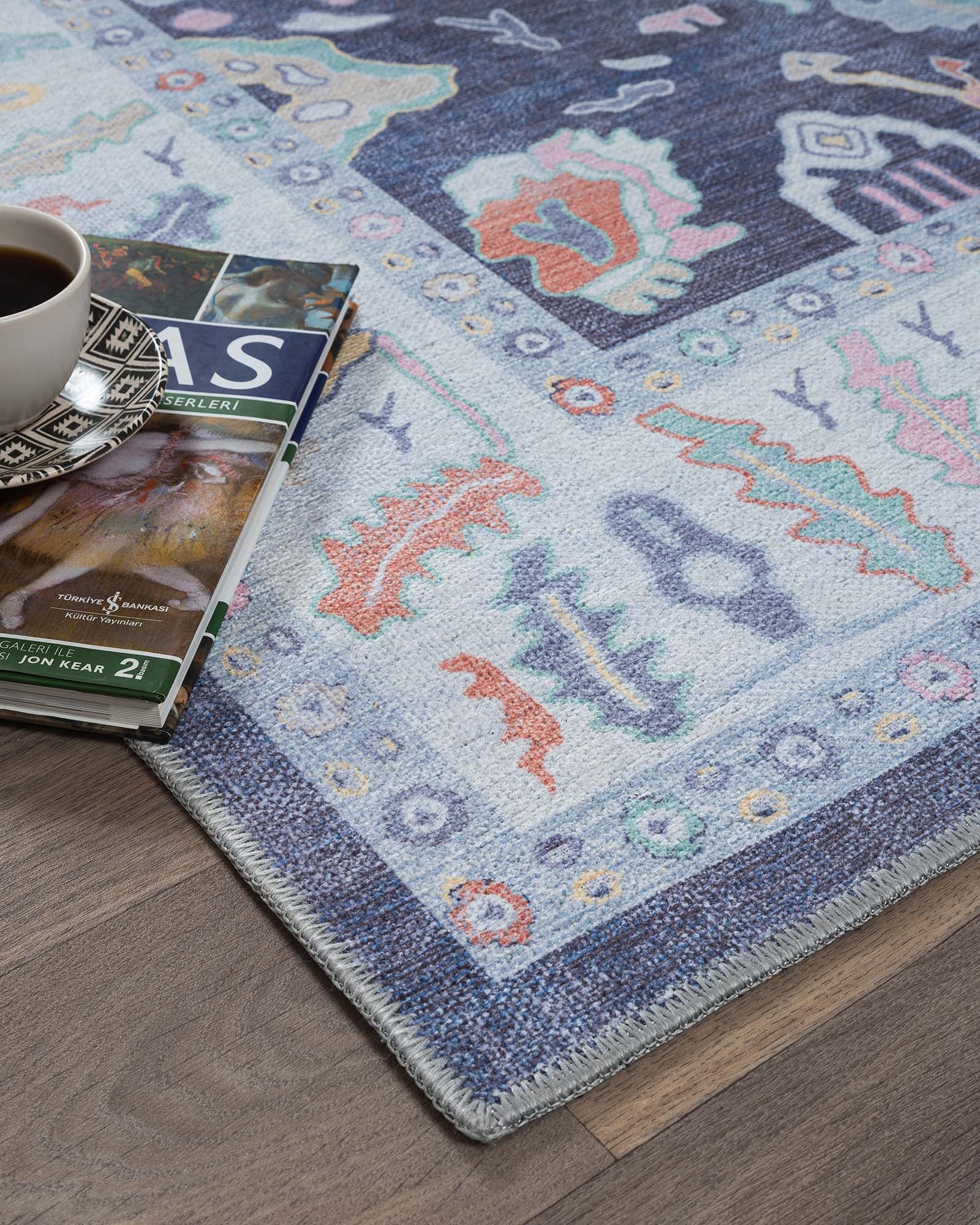
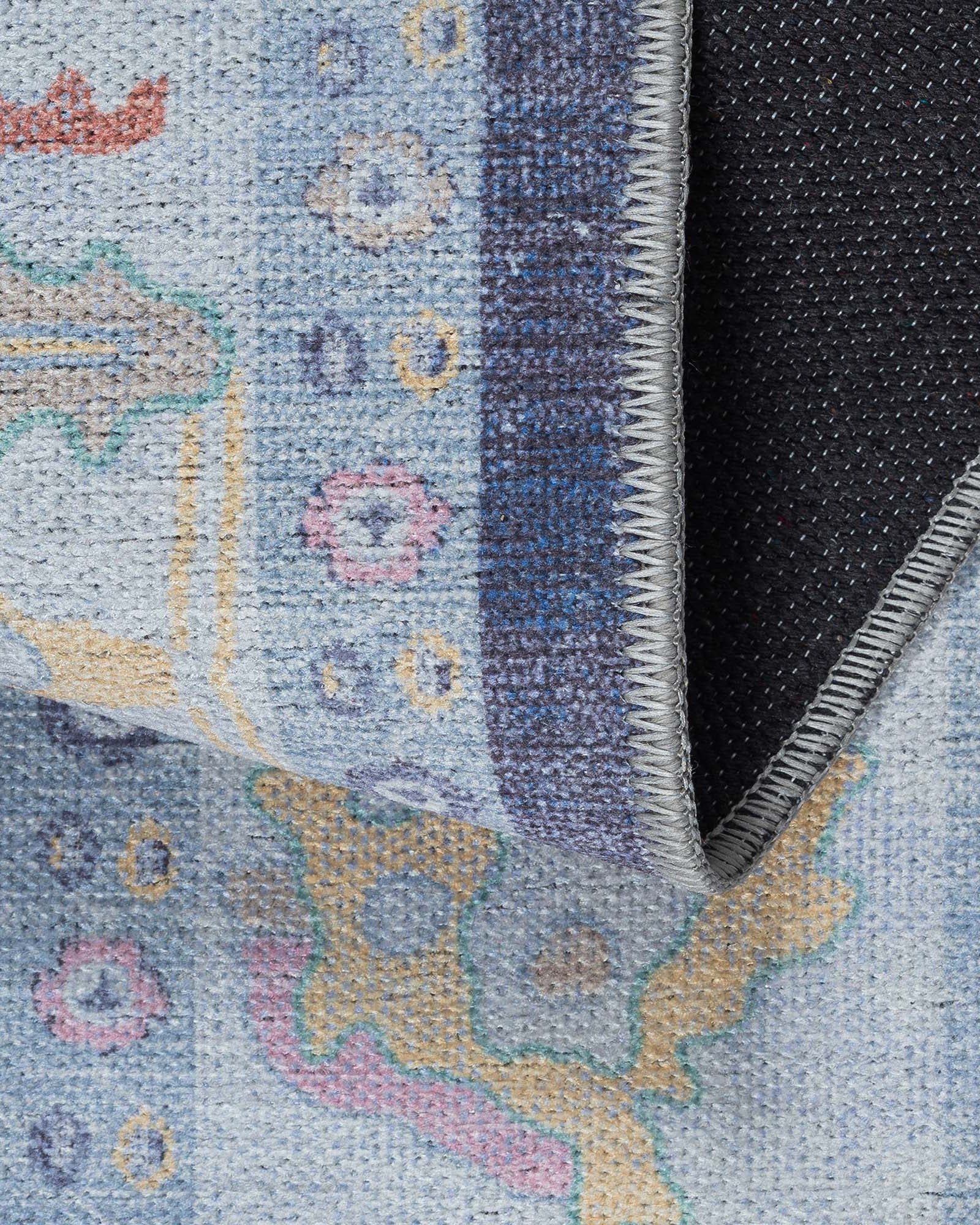
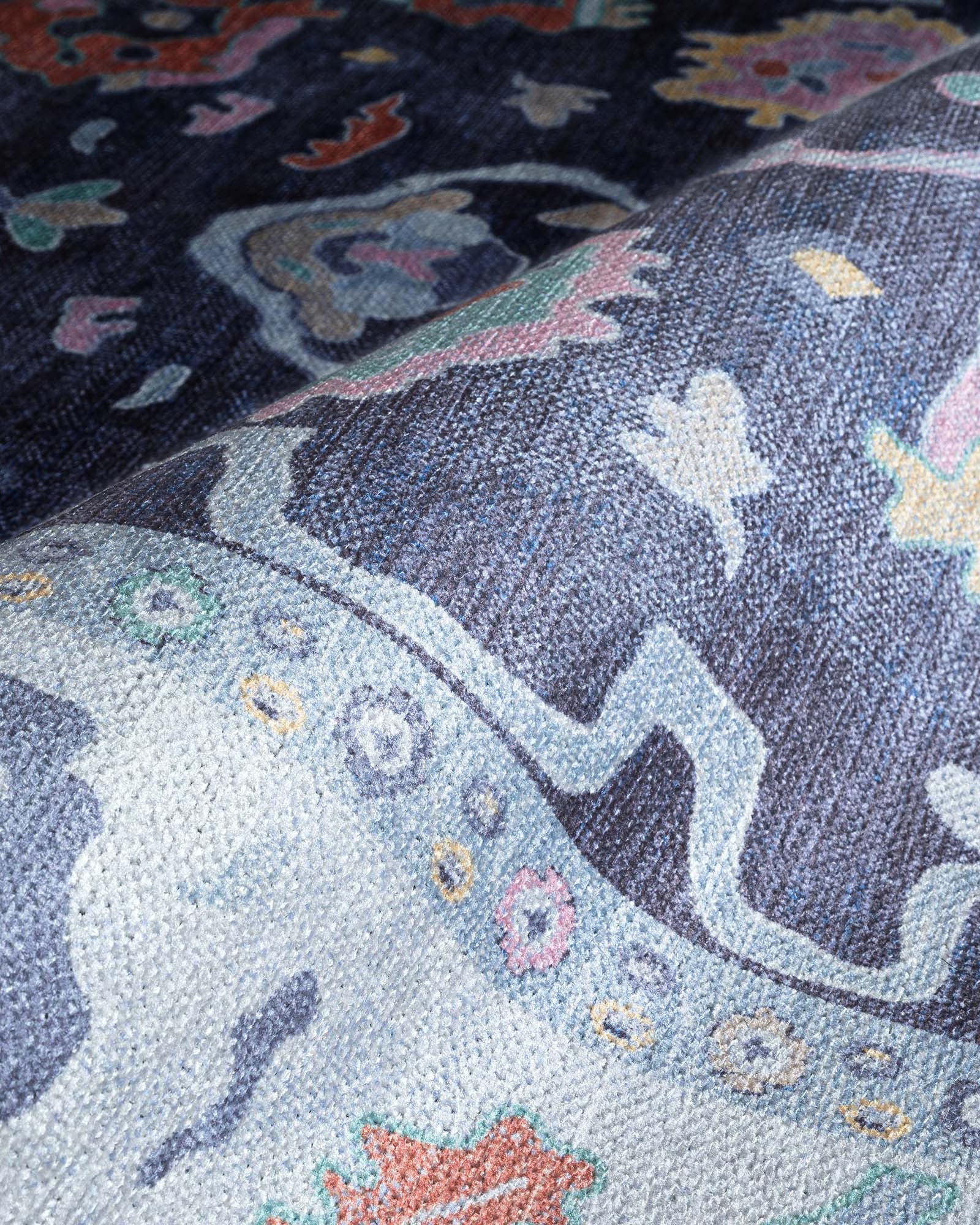
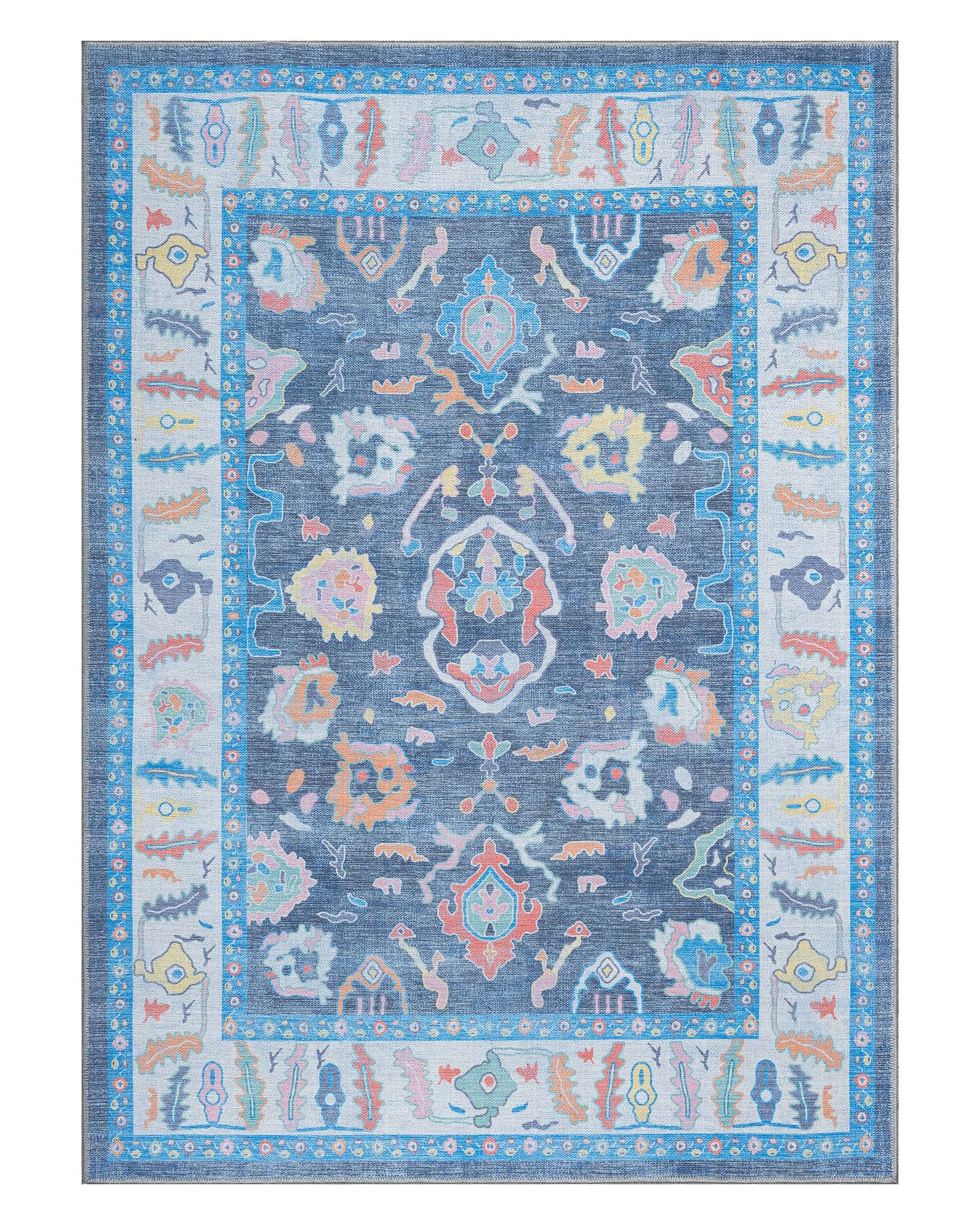
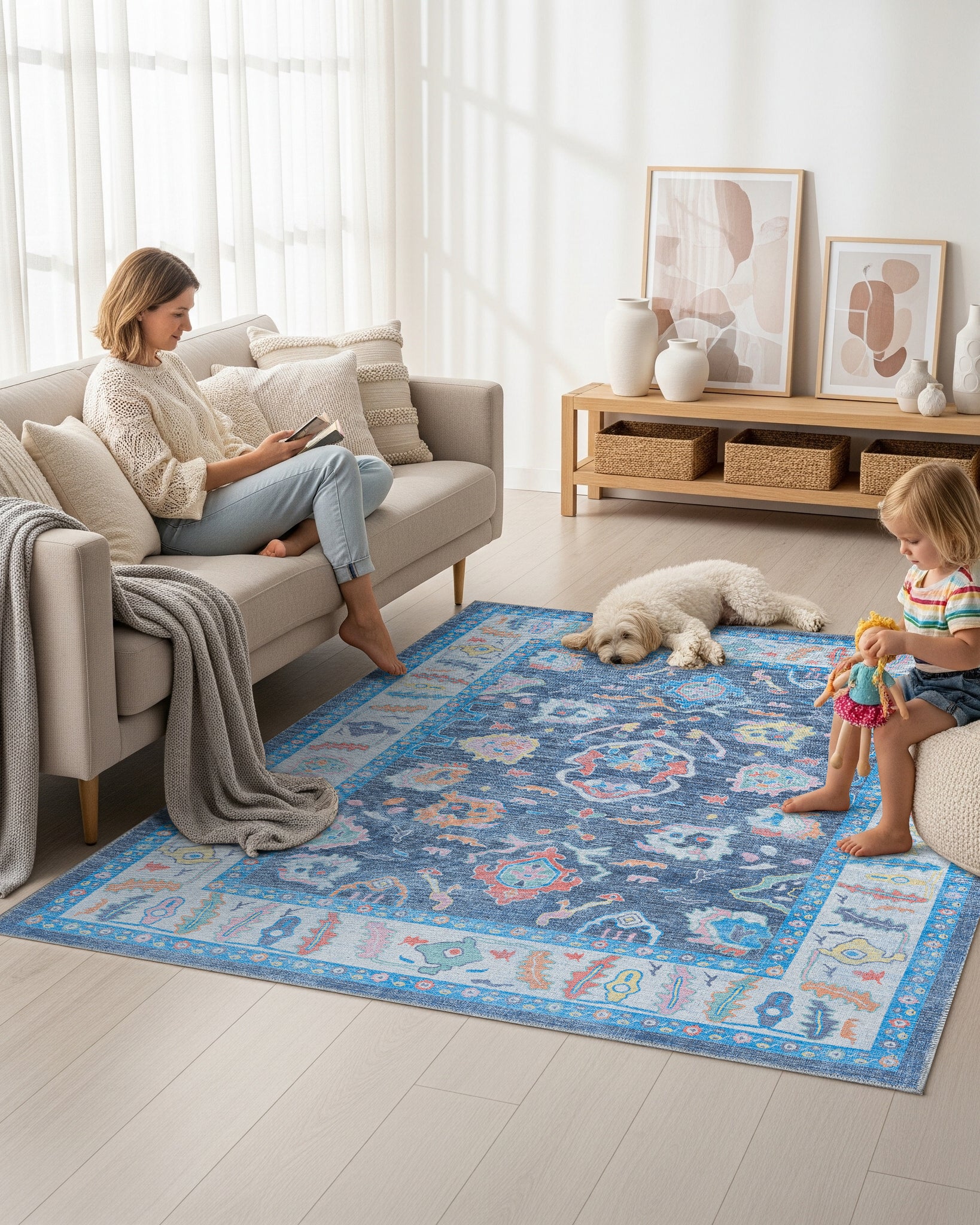
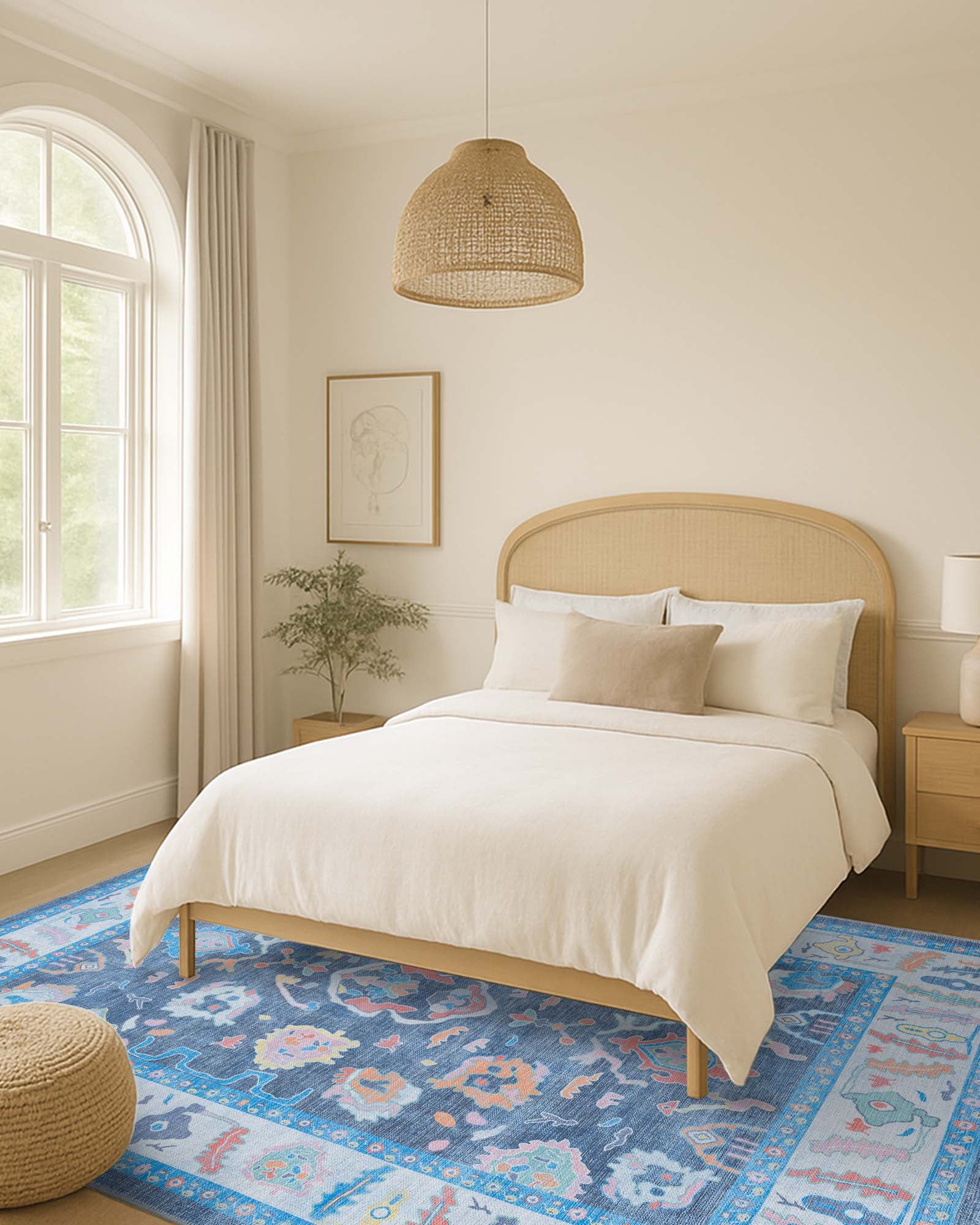
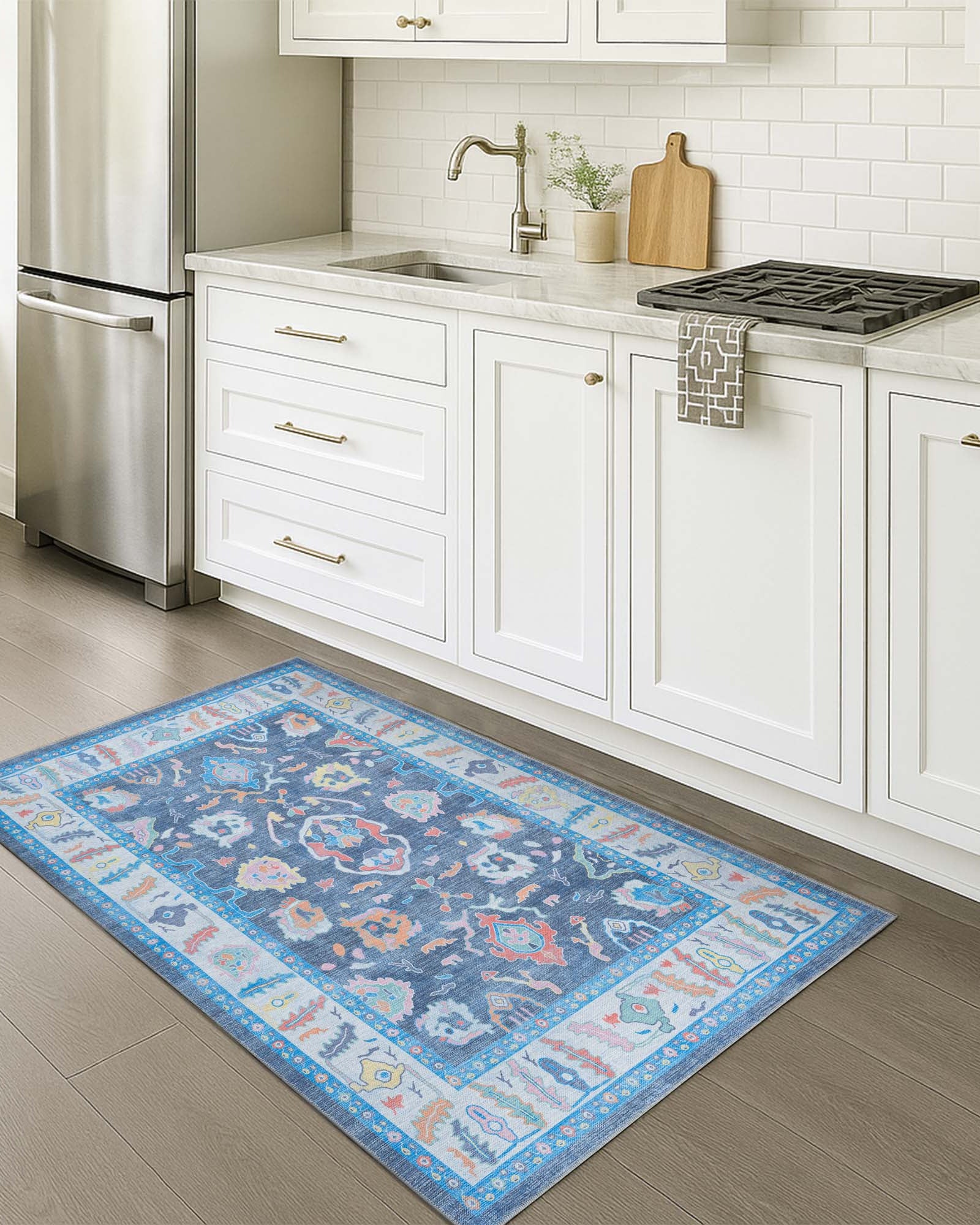
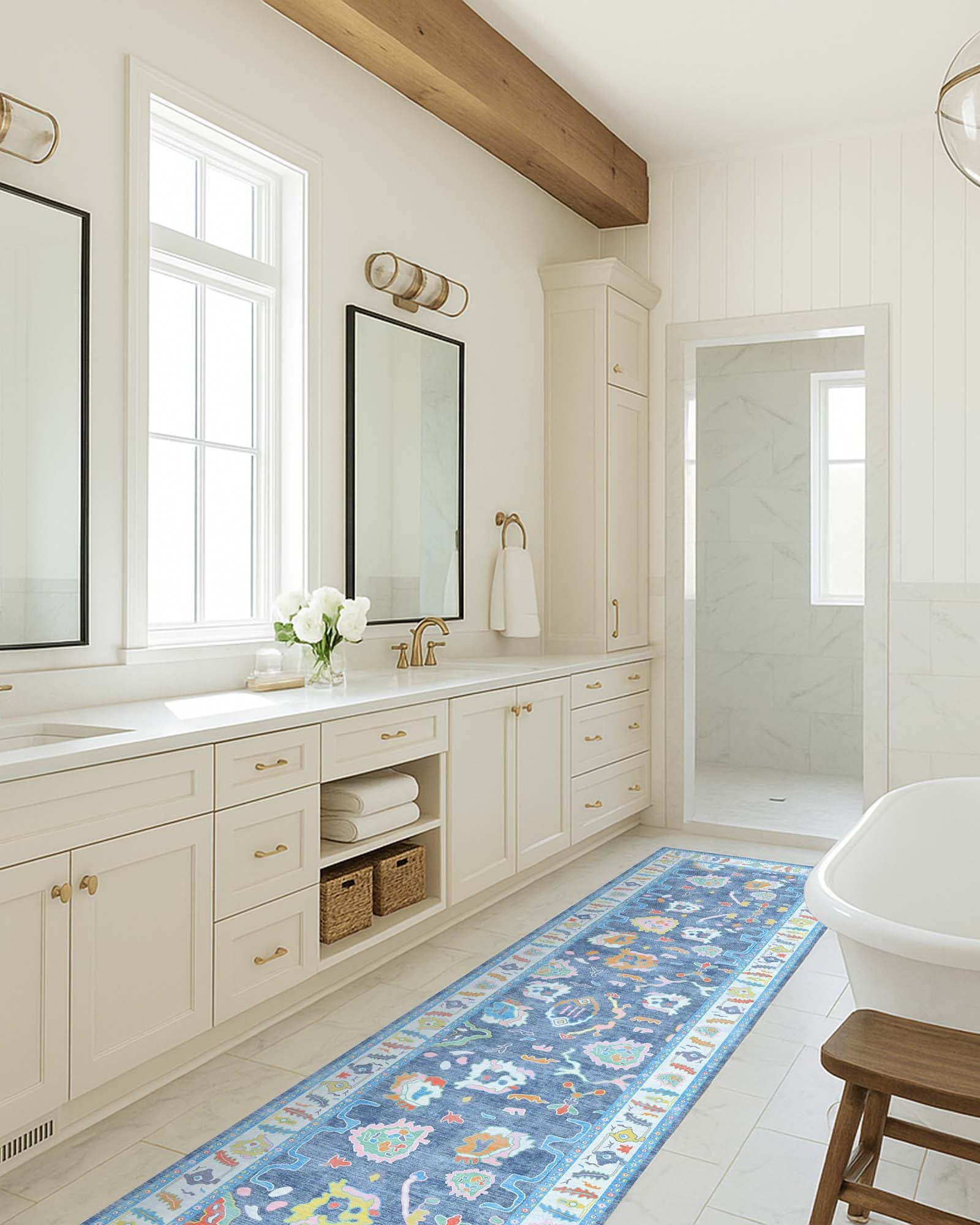
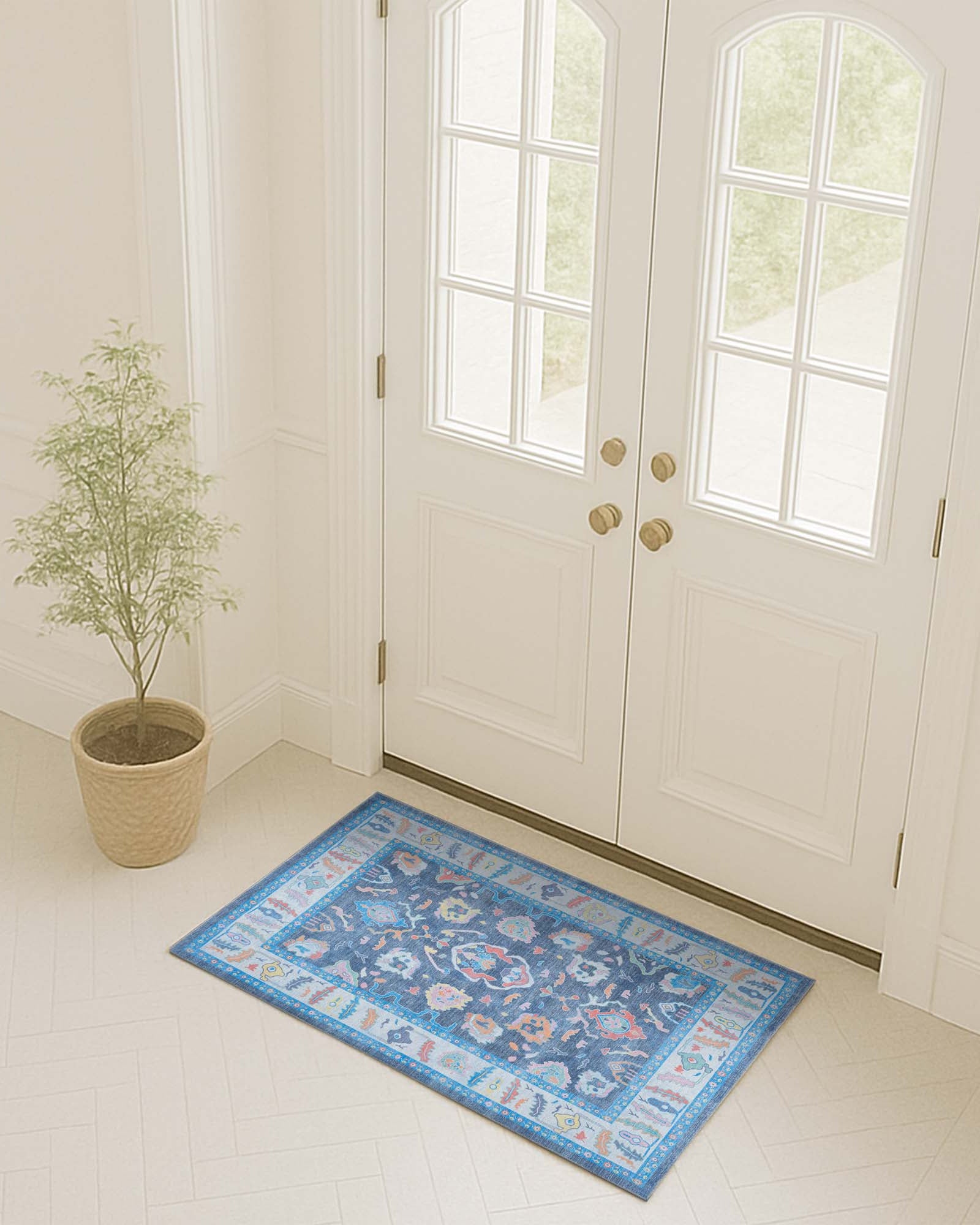
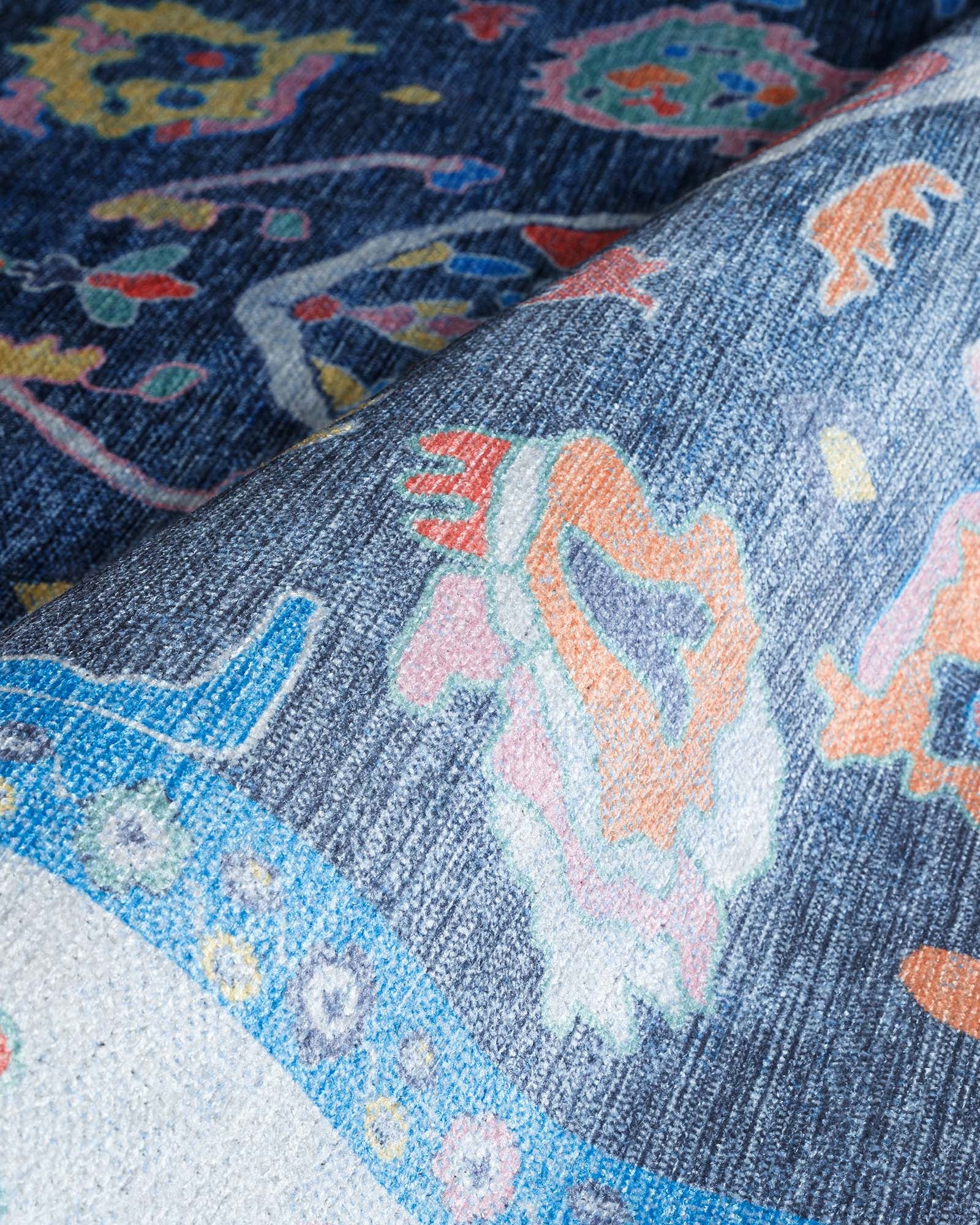
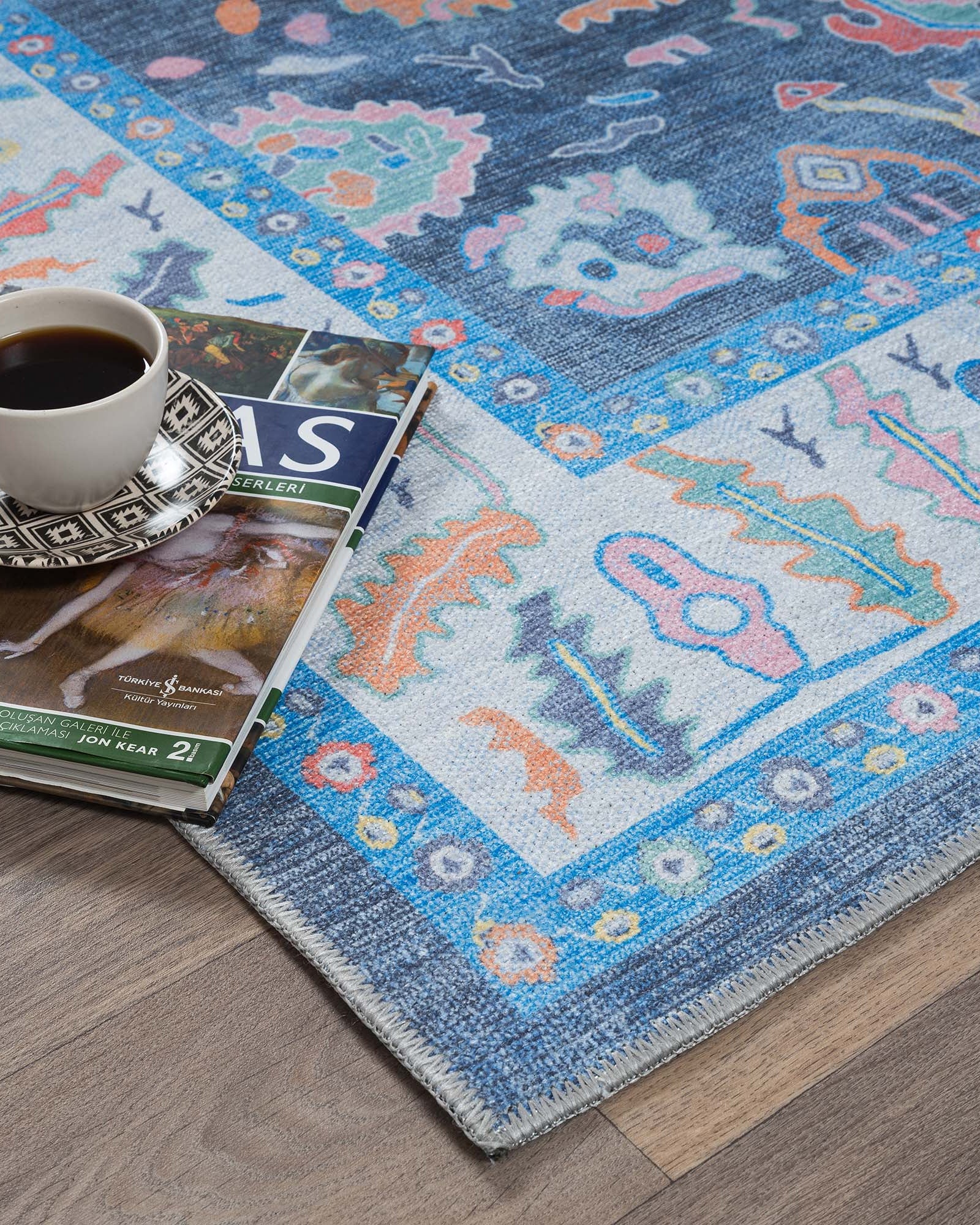
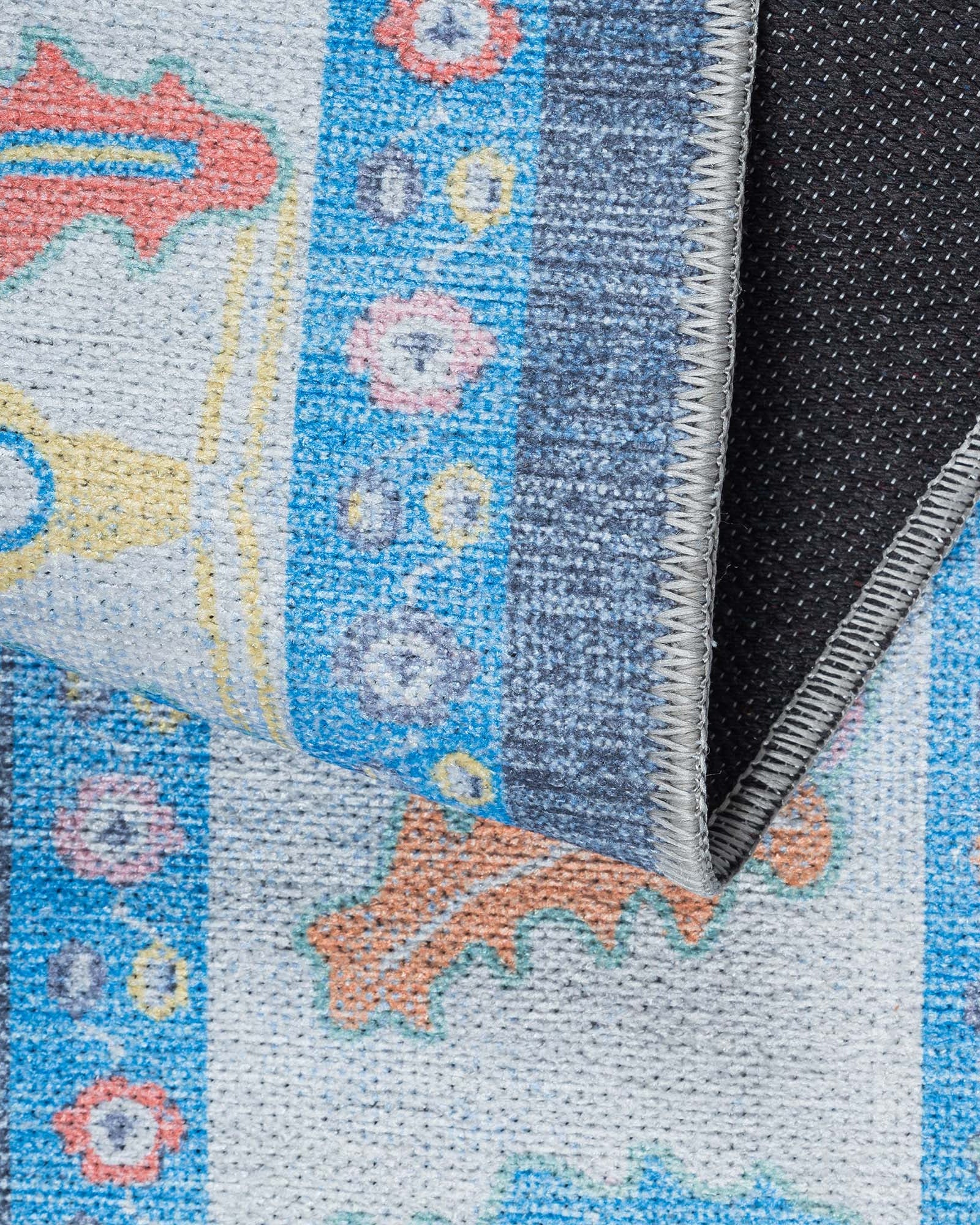
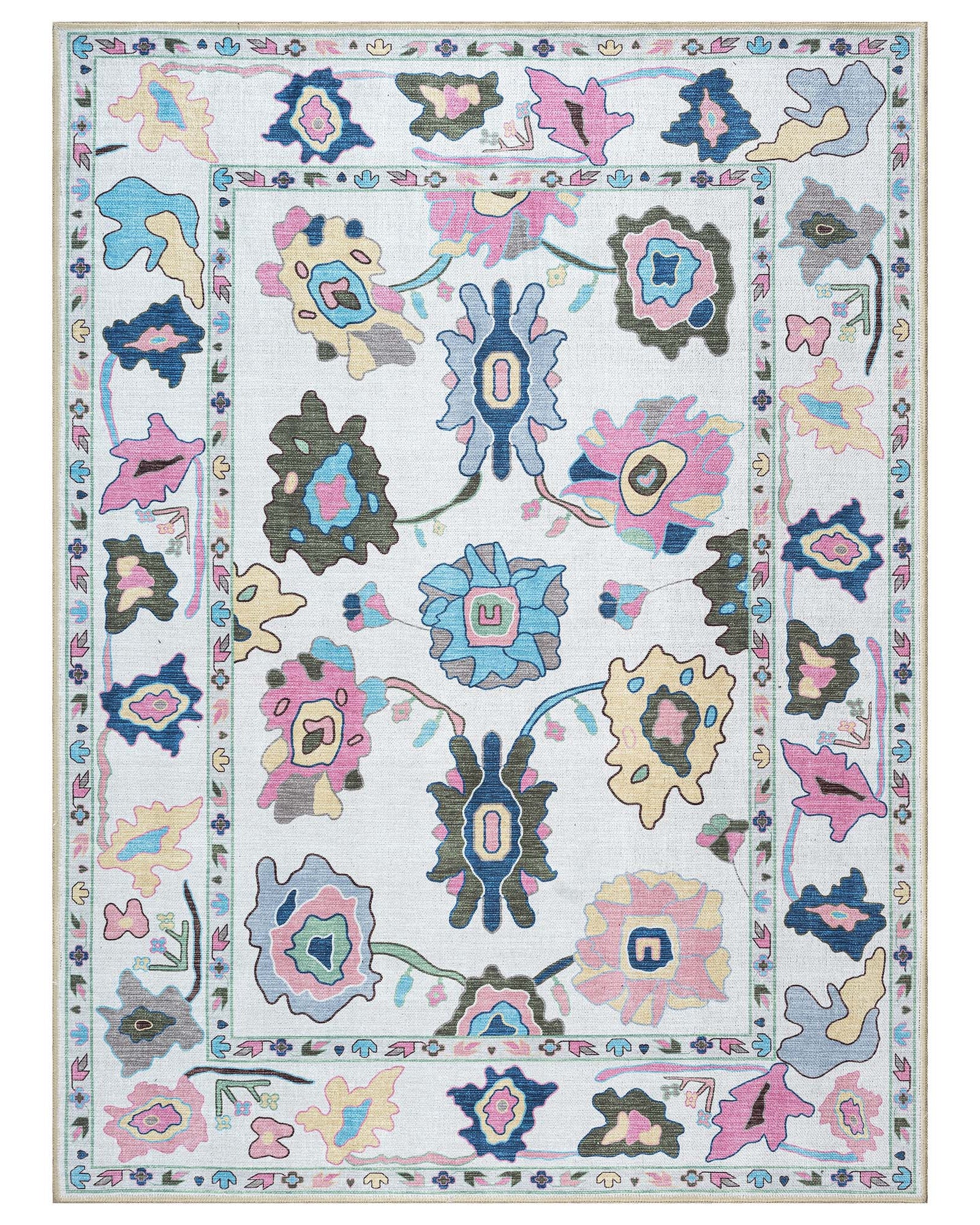
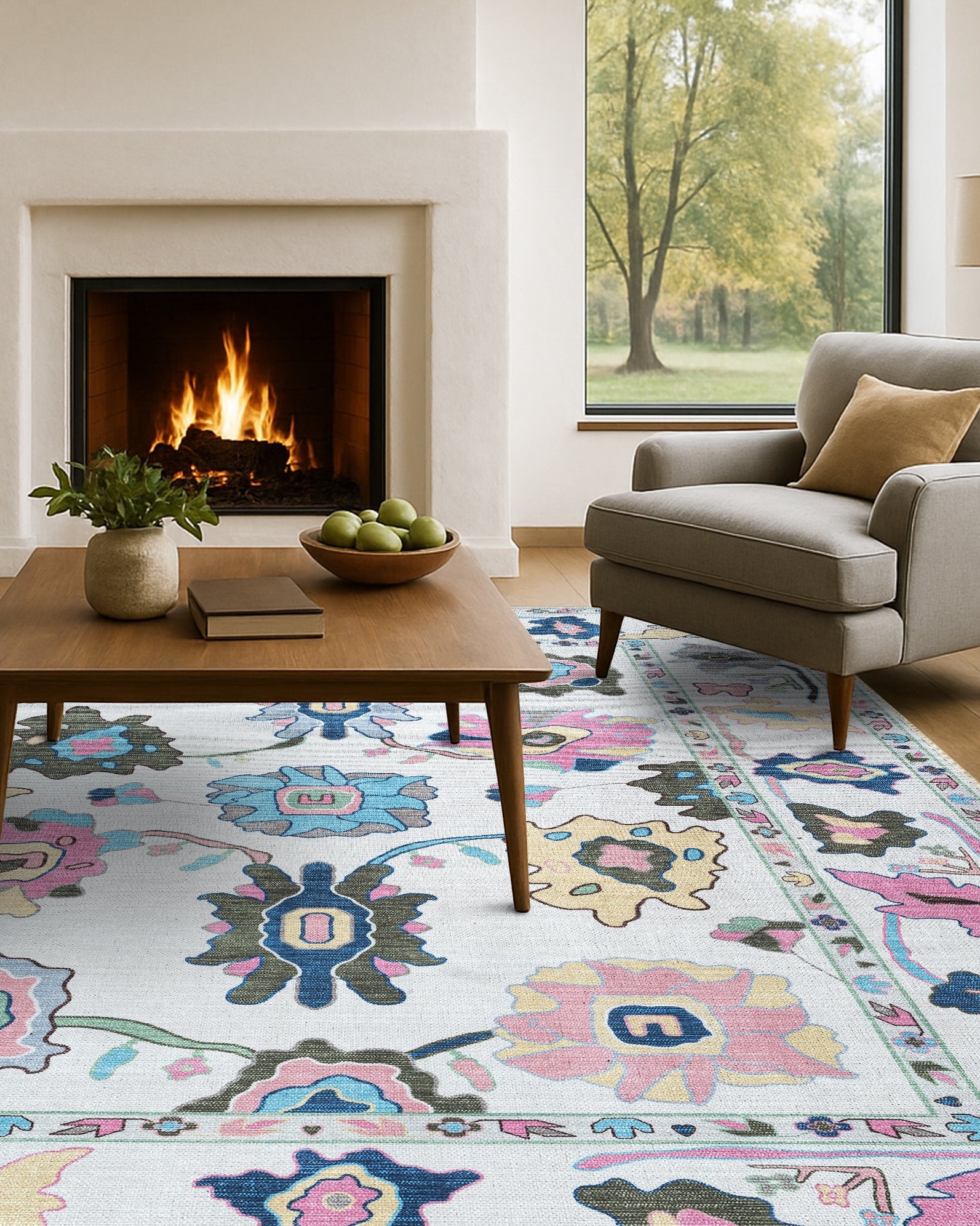
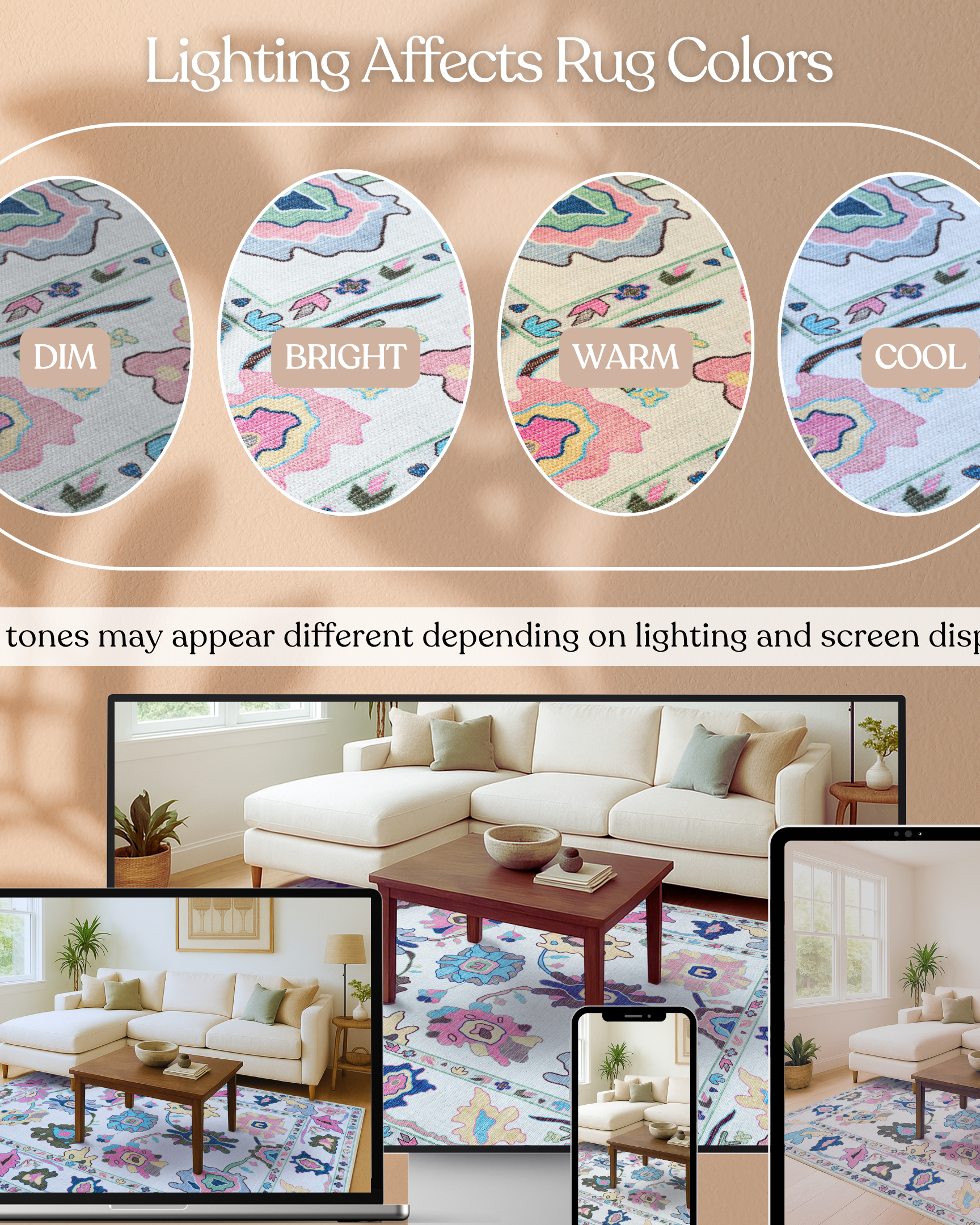
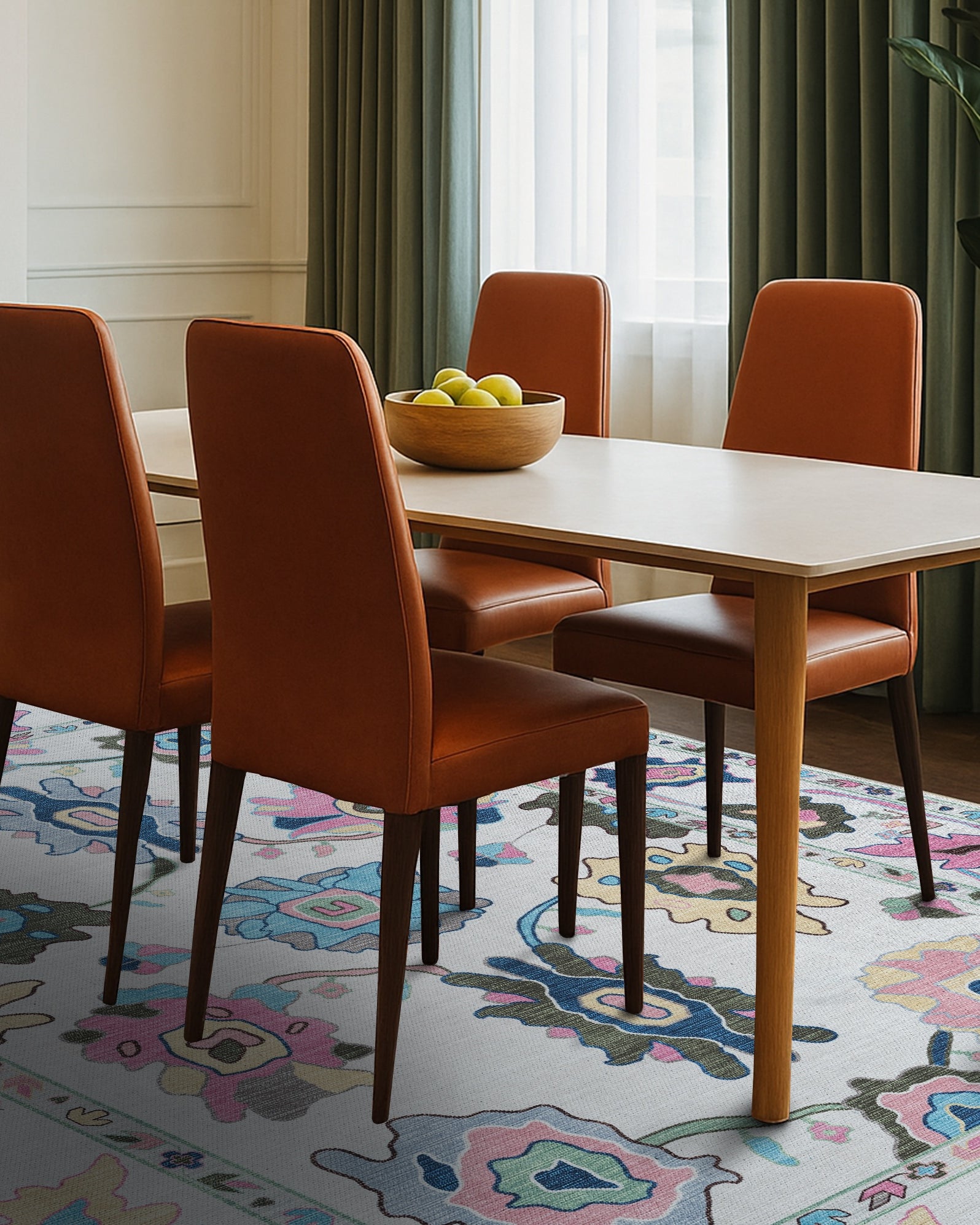
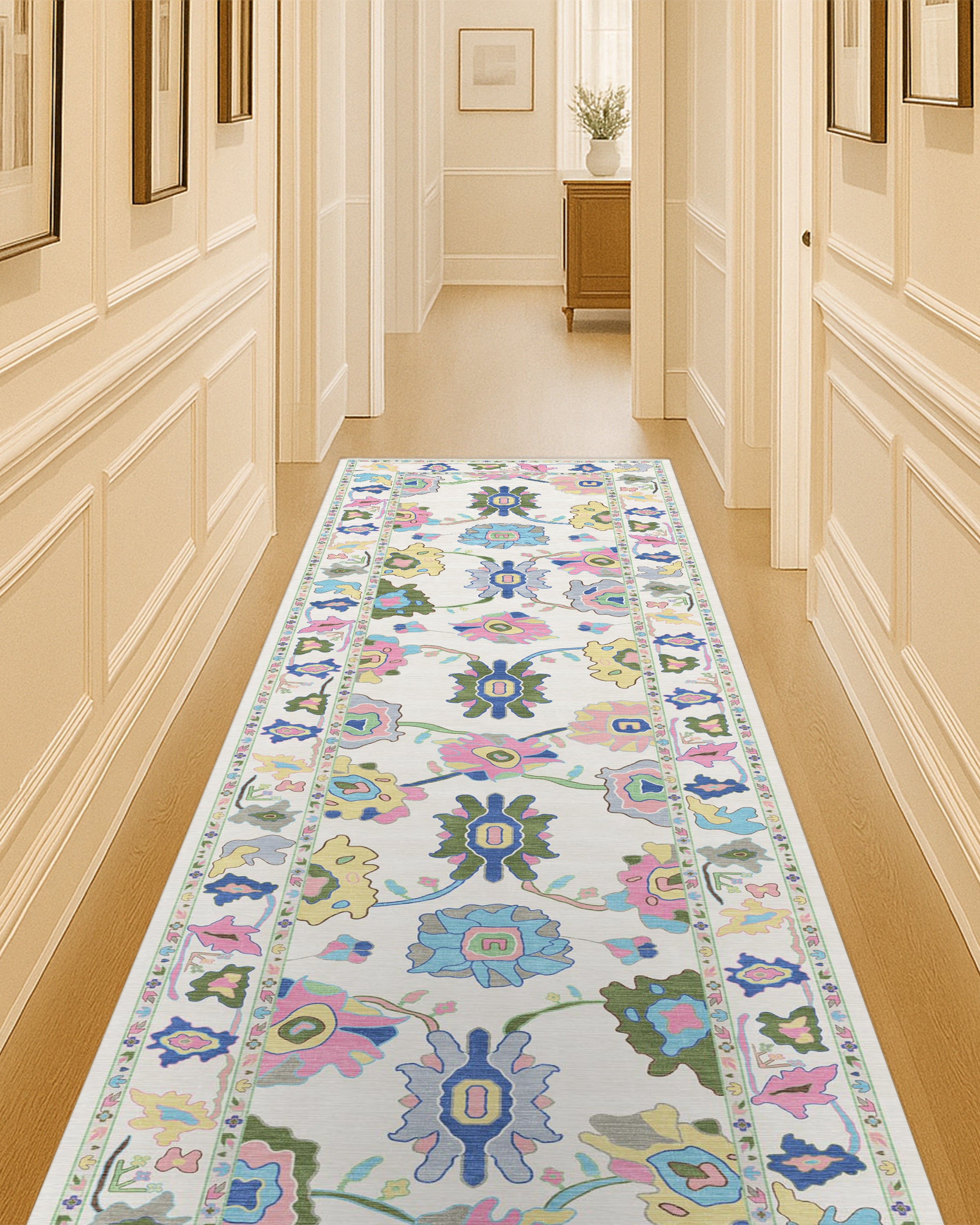
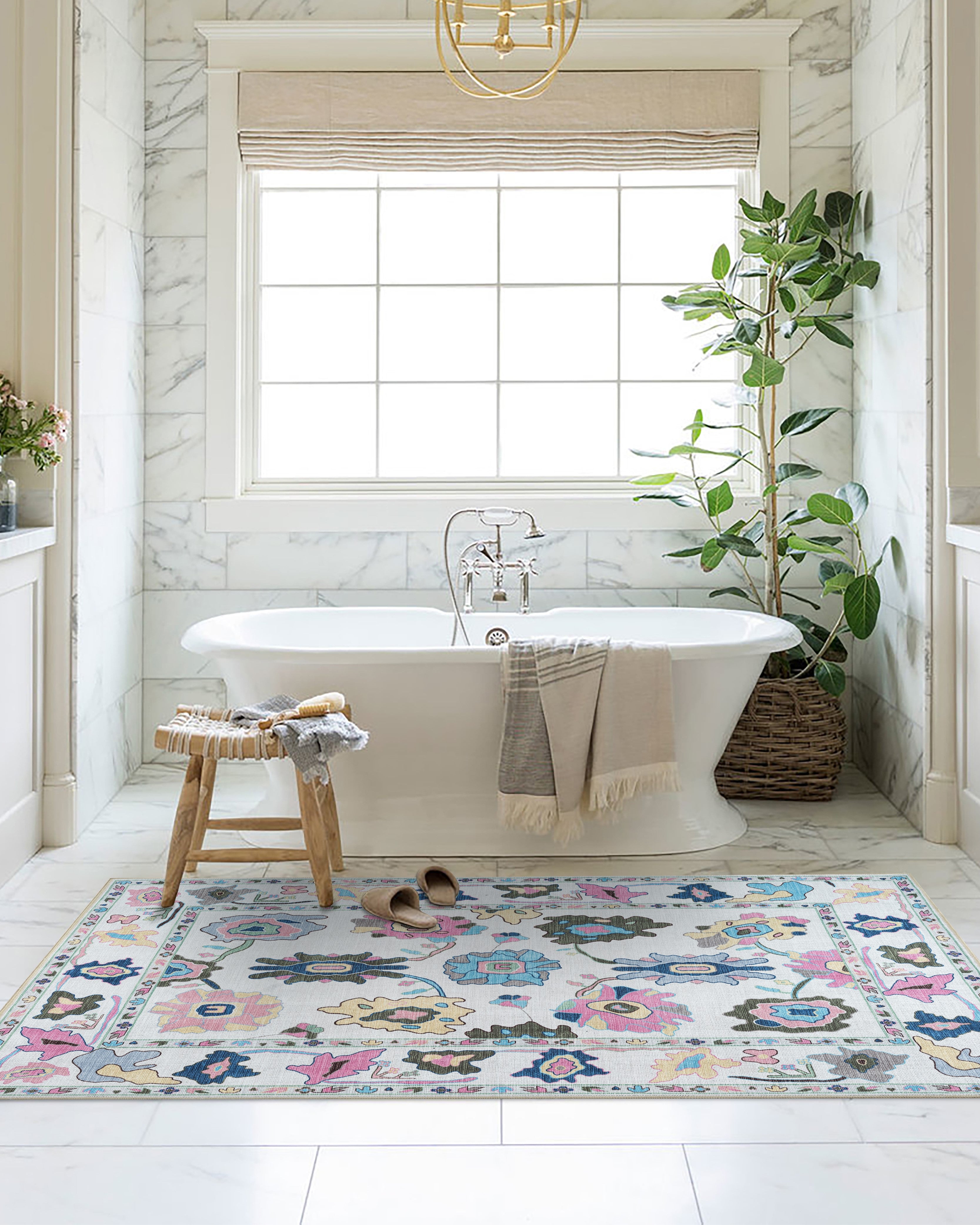
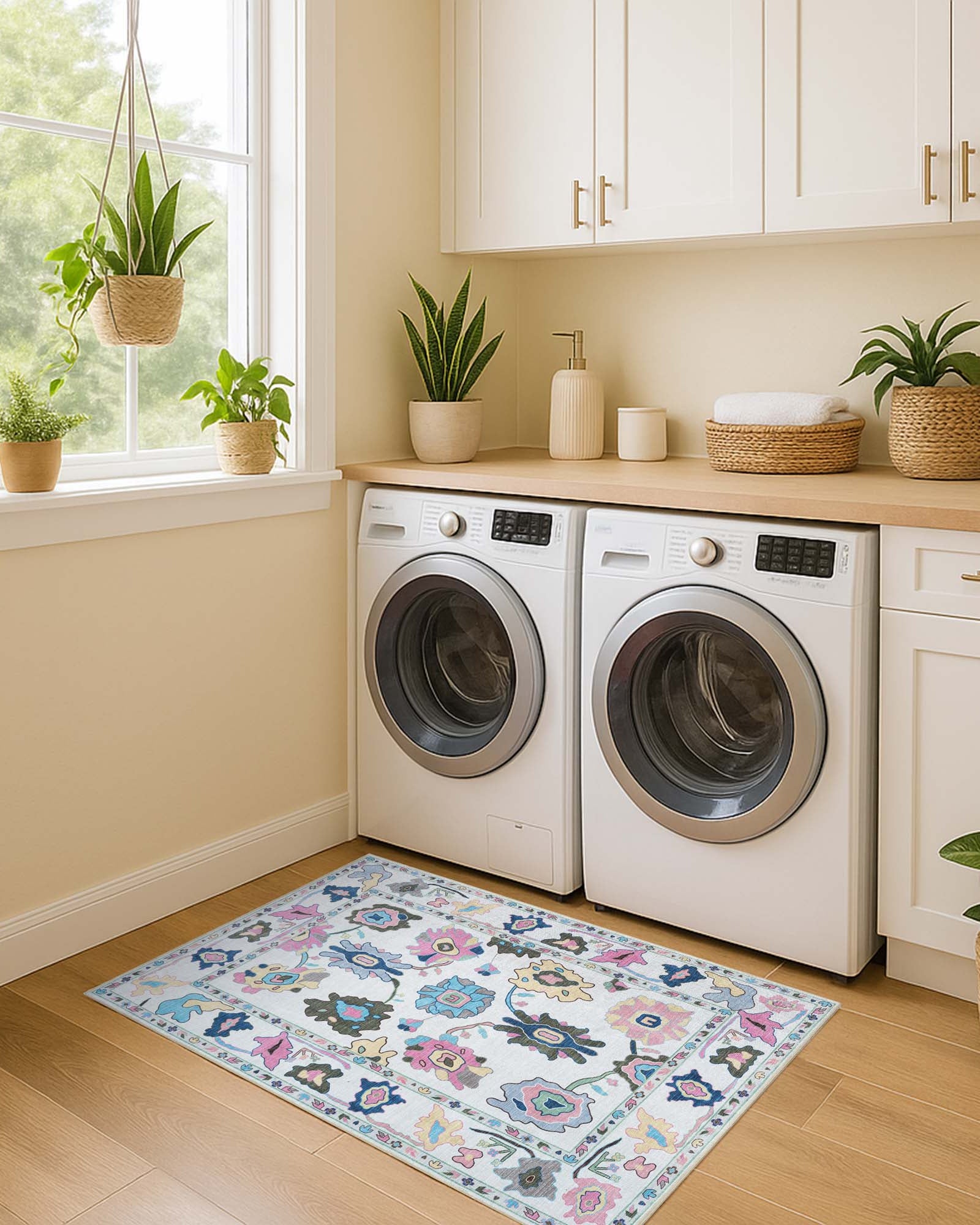
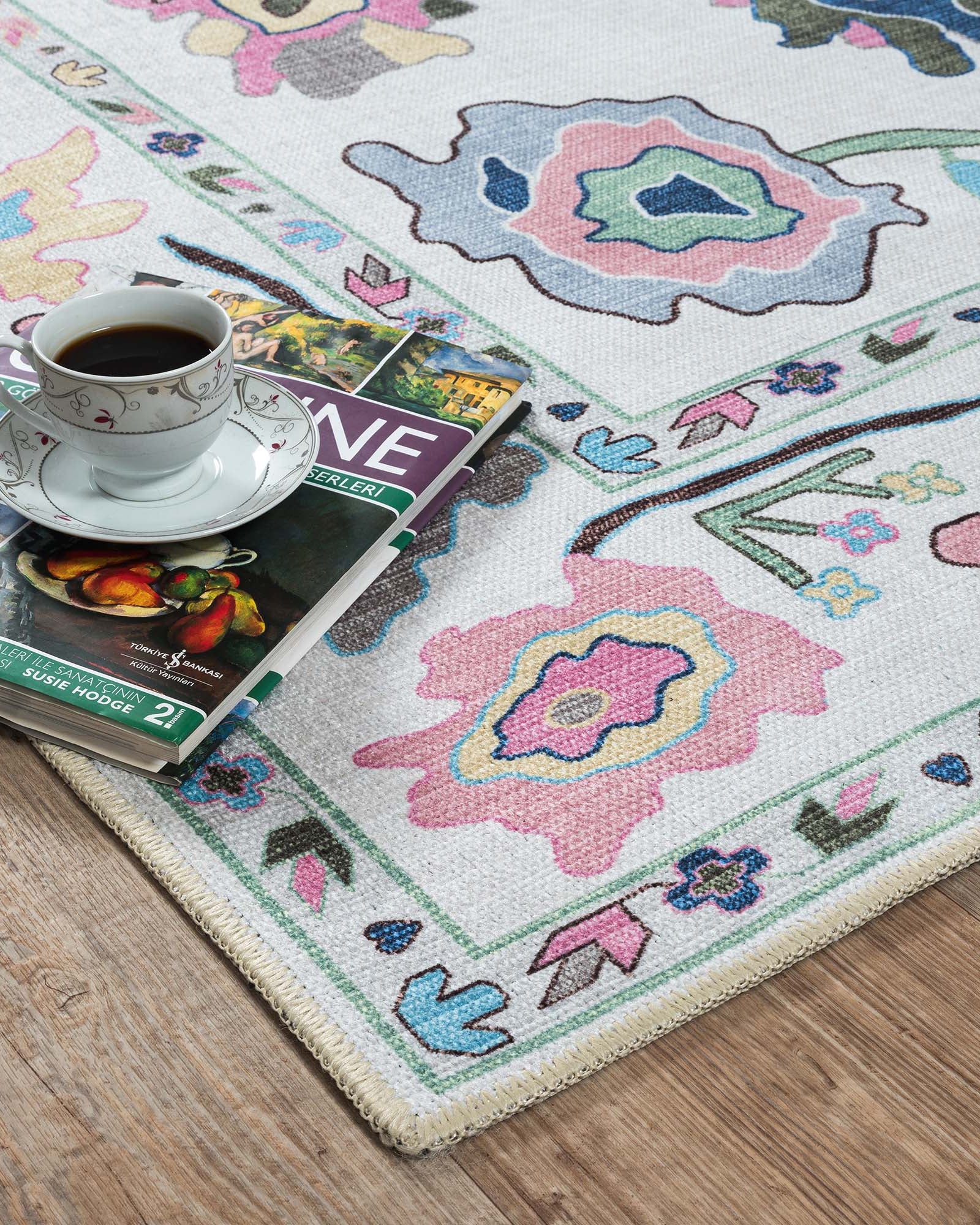
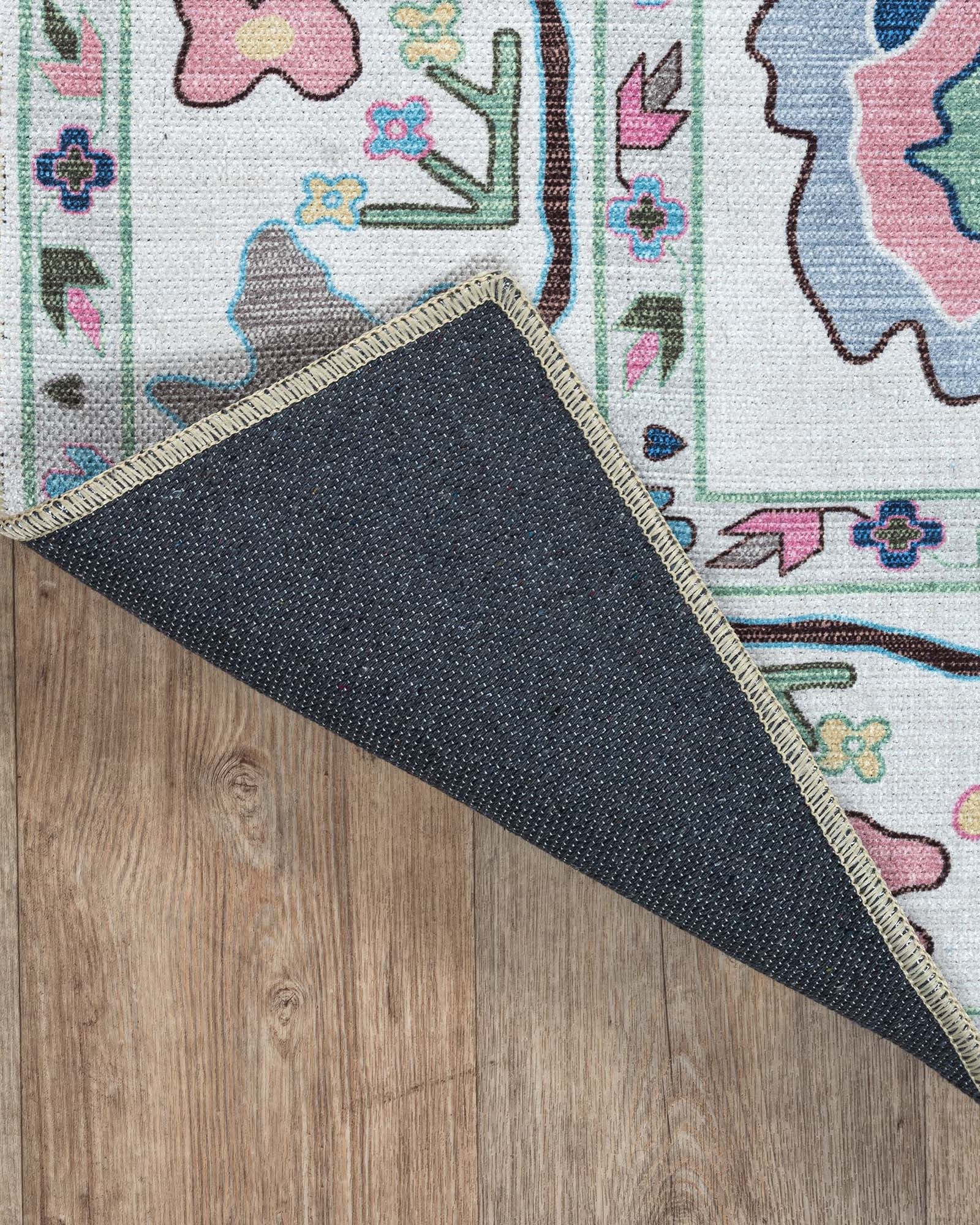
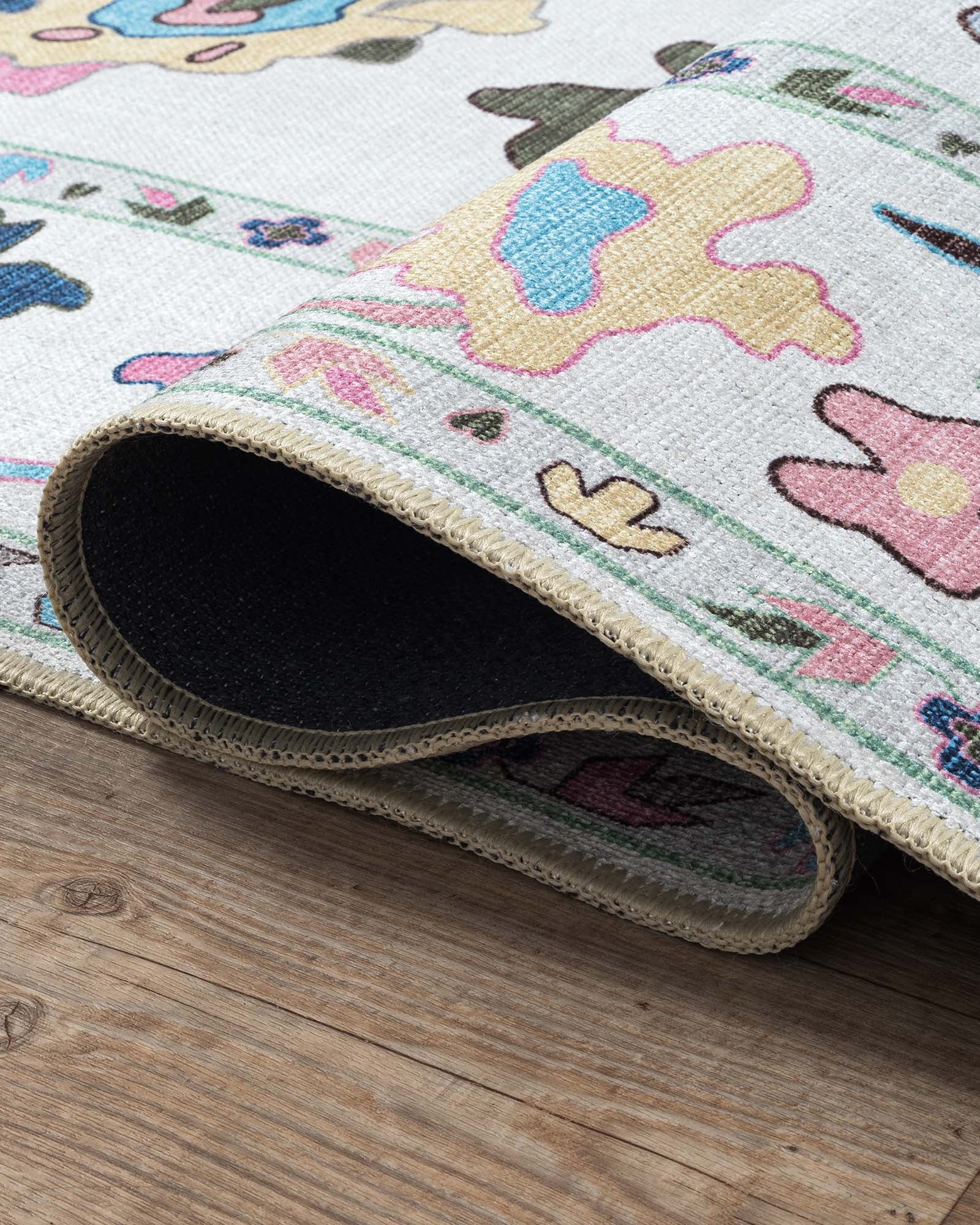
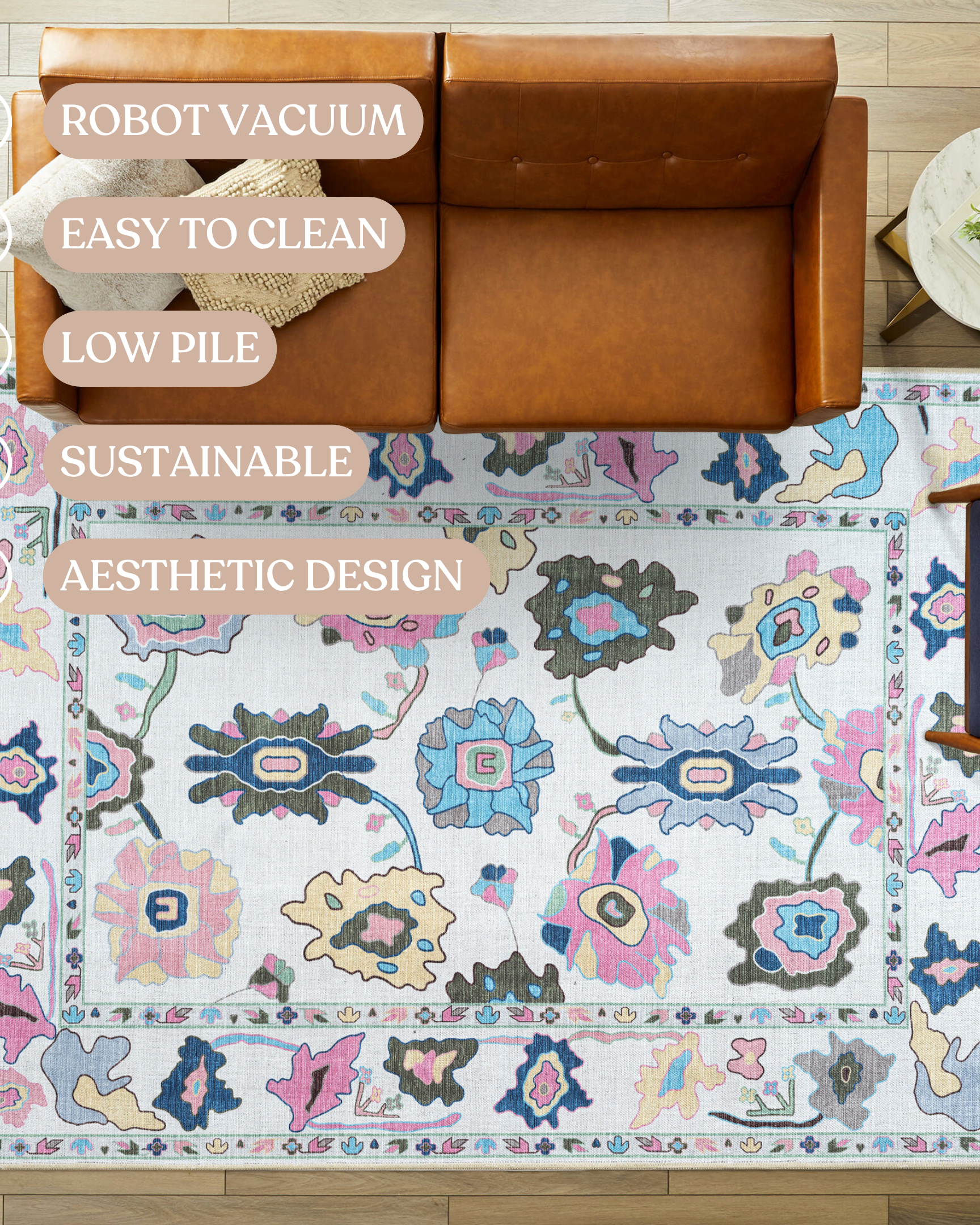
Knot density is the number of knots packed into a square inch of rug, and it is the single biggest factor separating a bold village weaving from an intricate workshop piece. Fine weave rugs sit at the high end of that scale — anywhere from around 150 knots per square inch into the hundreds — which is what allows the delicate curves, layered florals and fine border work that a coarser weave simply cannot render. Every piece here is an original hand-knotted rug sold as a single item.
What Knot Density Actually Controls
Think of knot density the way you would think of resolution in an image. Each knot is one unit of colour and position, and the more of them fit into a given space, the more detail the design can carry. At low density, a weaver can render a geometric medallion in blocky, confident strokes. At high density, the same space can hold curling vines, shaded petals, and a border with several distinct bands of pattern running in parallel.
This is why fine weaving and curvilinear design tend to appear together. Persian workshop centres known for elaborate floral drawing — Tabriz, Kashan, Isfahan — reached that level of detail because the knot count was high enough to support it. A village weaver working at 40 knots per square inch physically cannot draw a smoothly curving vine; the knots are too large relative to the design for a curve to read as anything but a stair-step.
What Fine Weaving Costs in Time
Density and speed move in opposite directions. A coarse rug might progress several rows a day; a fine rug can take many times longer to cover the same area, because each row contains several times as many individual knots, each tied and trimmed by hand. A large fine rug can represent a year or more of a skilled weaver's work. This is the direct reason fine weave rugs command higher prices than coarser pieces of a similar size — the labour difference is real and substantial.
How Fine Weaving Feels and Wears
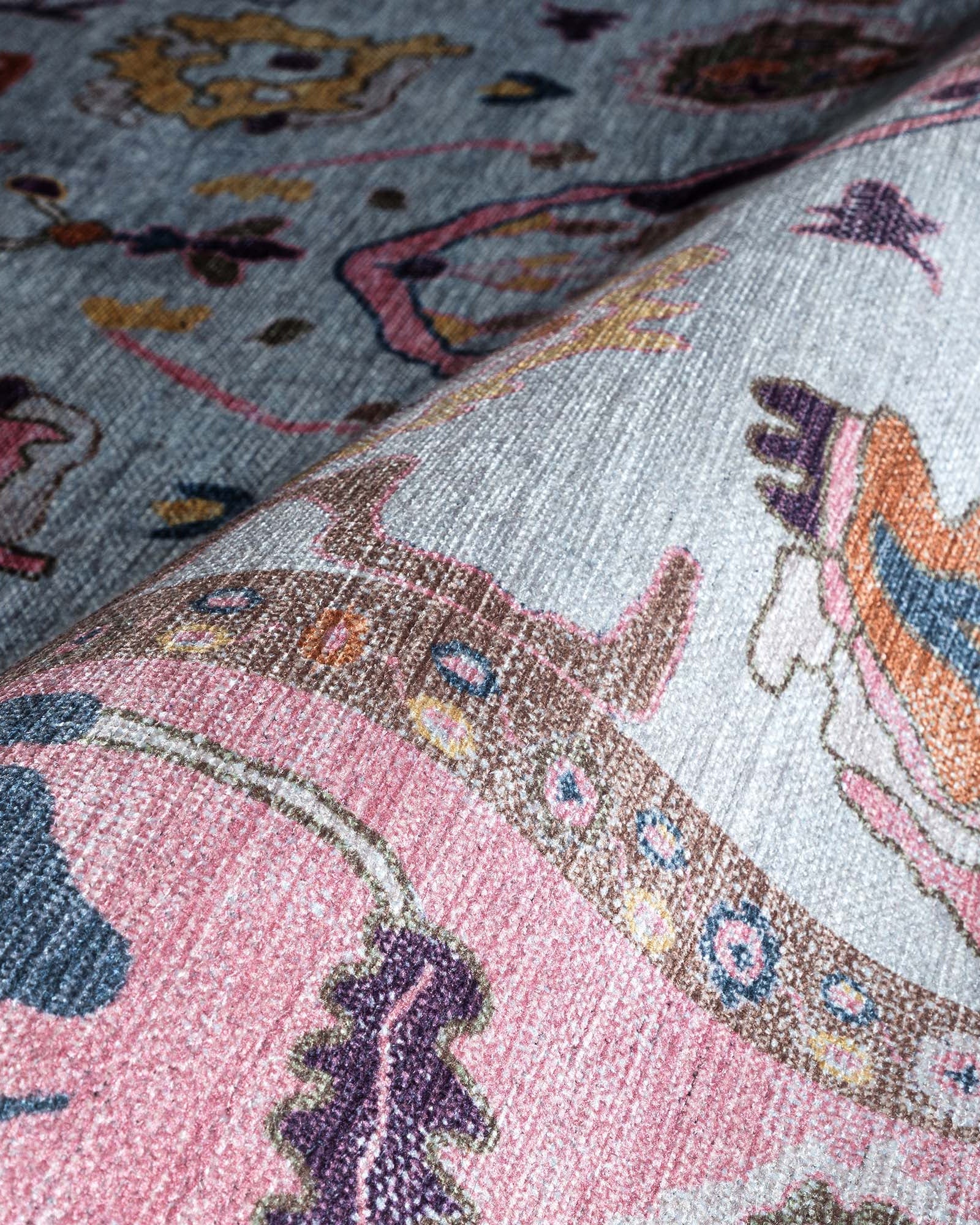
Higher density generally means a thinner, denser pile rather than a thick plush one, because the knots themselves are smaller to allow more of them per inch. The surface has a tighter, smoother hand-feel, and light moves across it differently than across a coarse, longer pile — often with more visible sheen where fine wool has been used.
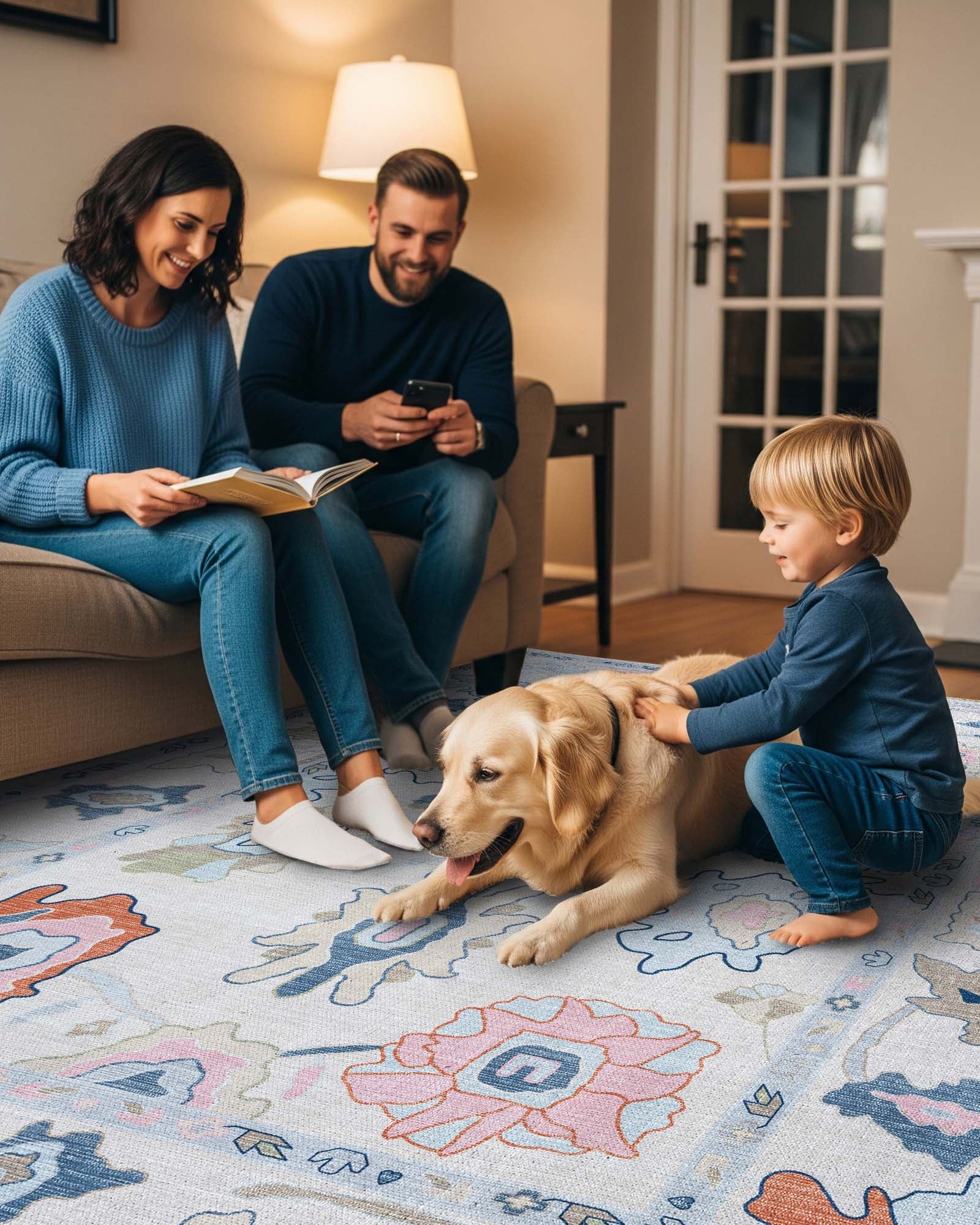
Durability is a genuine trade-off, not a myth. Because the pile is finer and shorter, fine weave rugs generally show wear sooner in heavy foot traffic than a robust village weaving would in the same spot. This does not make them fragile — many fine antique rugs are still in daily use after a century — but it does mean they reward being placed thoughtfully rather than in the busiest path through a house.
Where Fine Weave Rugs Come From
Fine weaving is historically a workshop tradition rather than a village one, because it required time, training and often a patron willing to fund months of dedicated labour on a single piece. Persian centres — Tabriz, Kashan, Isfahan, Nain, Qum — produced the most consistently fine work, typically on a cotton or silk foundation that holds tension precisely enough to support the density. Fine Turkish weaving, notably from Hereke, and certain Caucasian workshop pieces also reach comparable density, though the tradition is less widespread outside Persia.
Reading Density on a Product Page
Where it can be reliably estimated, knot density is stated on the product page, usually as a range in knots per square inch. As a rough guide: below 100 is coarse village or tribal weaving, 100 to 200 is a mid-range workshop rug capable of moderate detail, and above 200 indicates genuinely fine weaving with intricate curvilinear pattern. These figures are estimates on handmade pieces, not precise counts, and are given as a useful comparison rather than a guarantee.
Choosing a Fine Weave Rug for Your Room
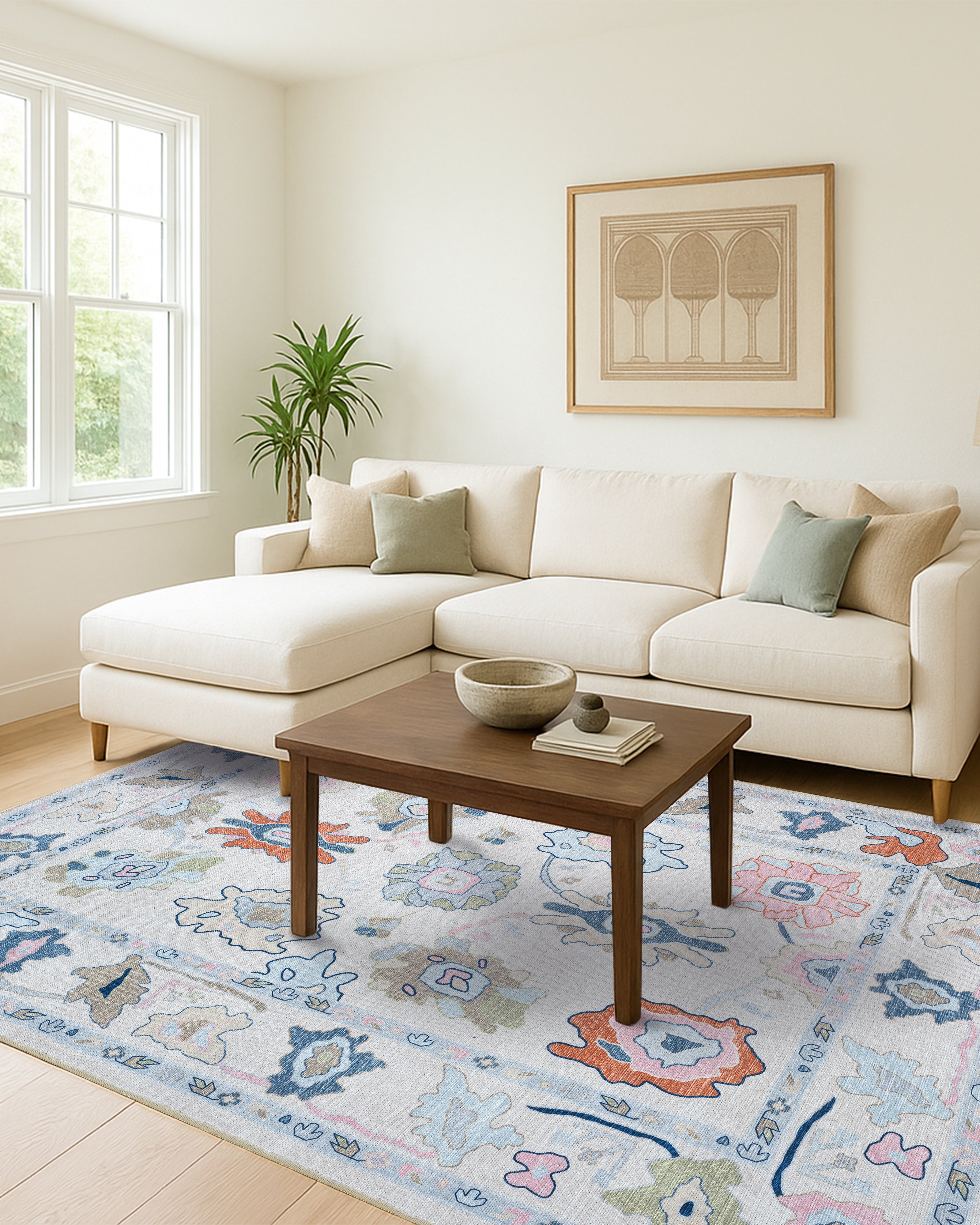
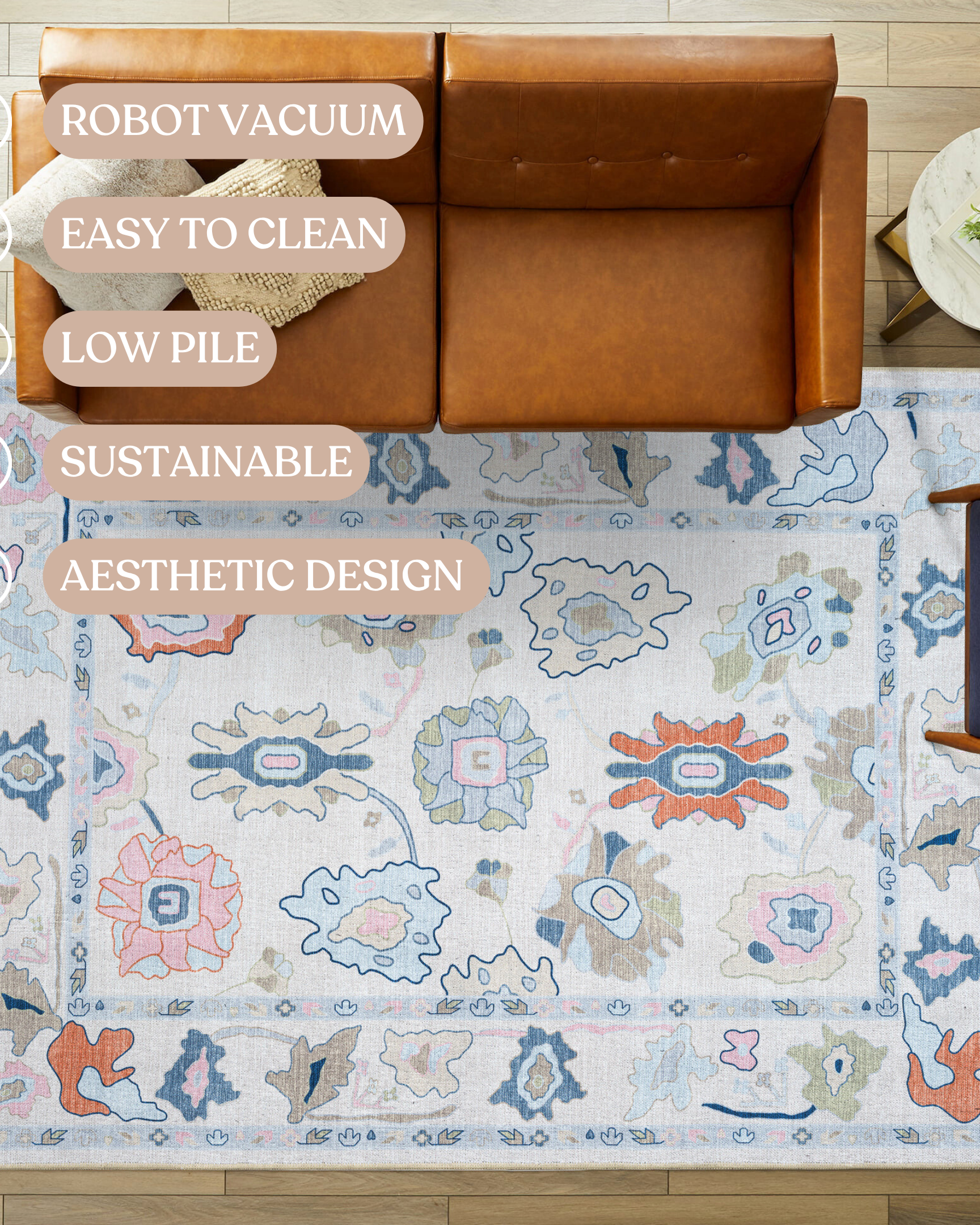
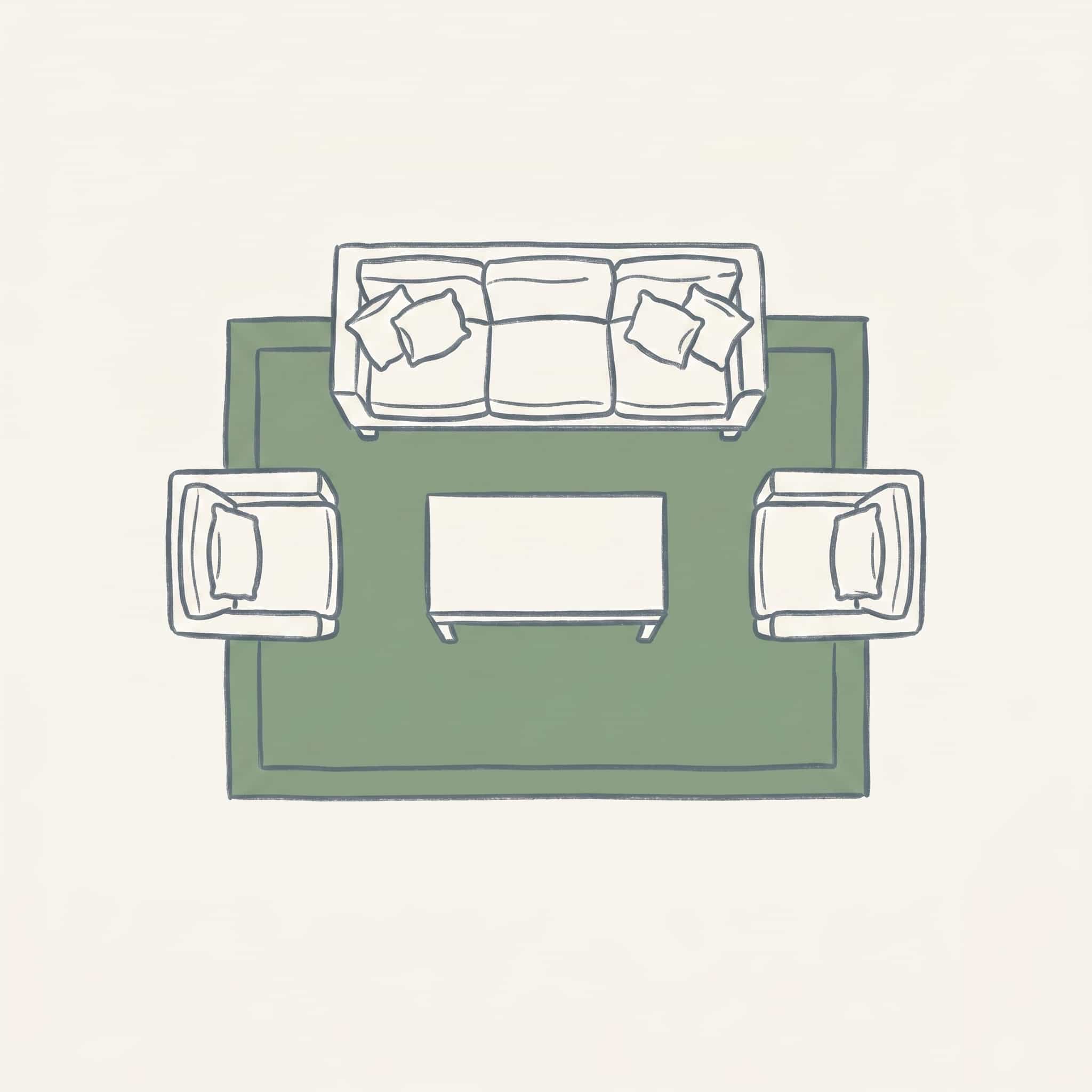
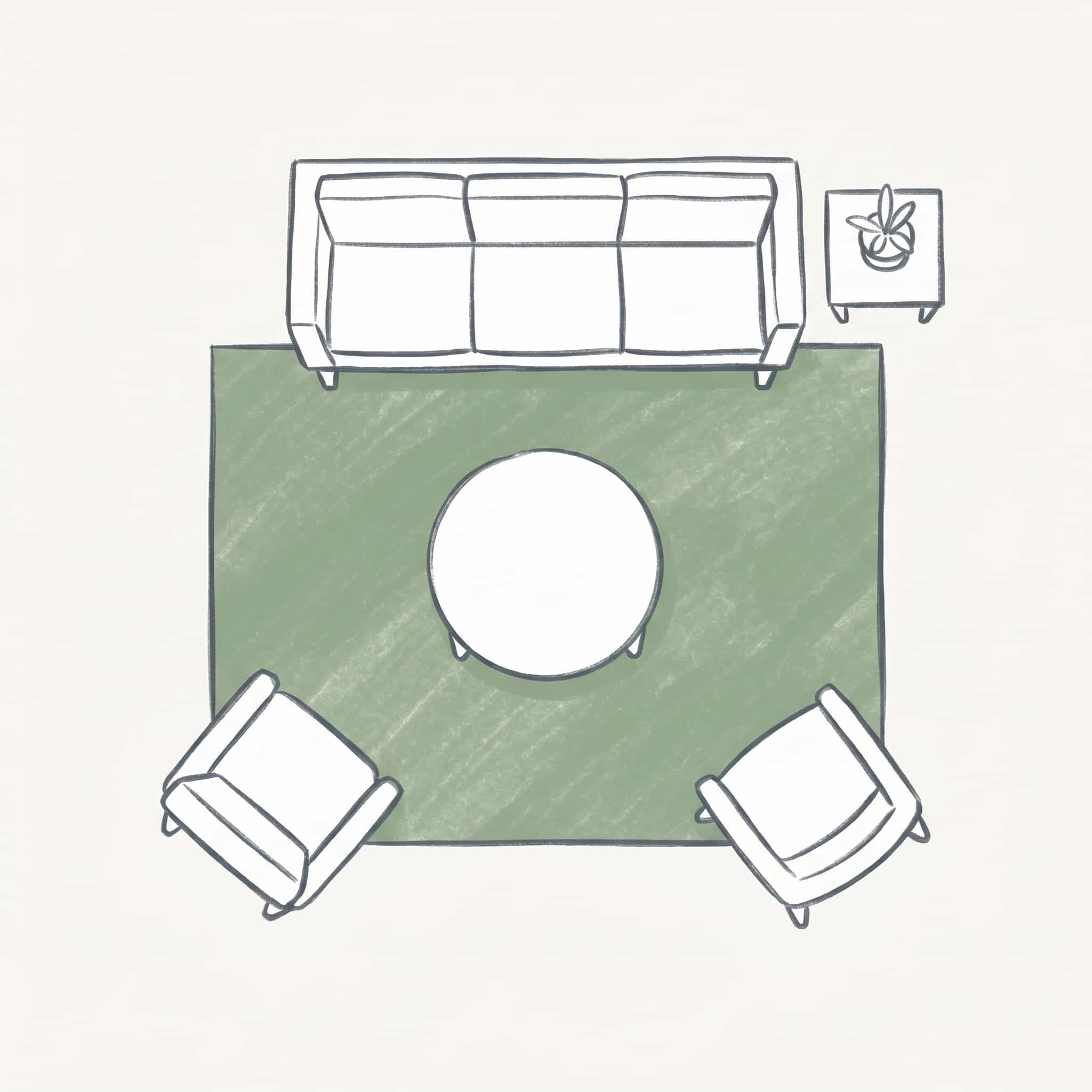
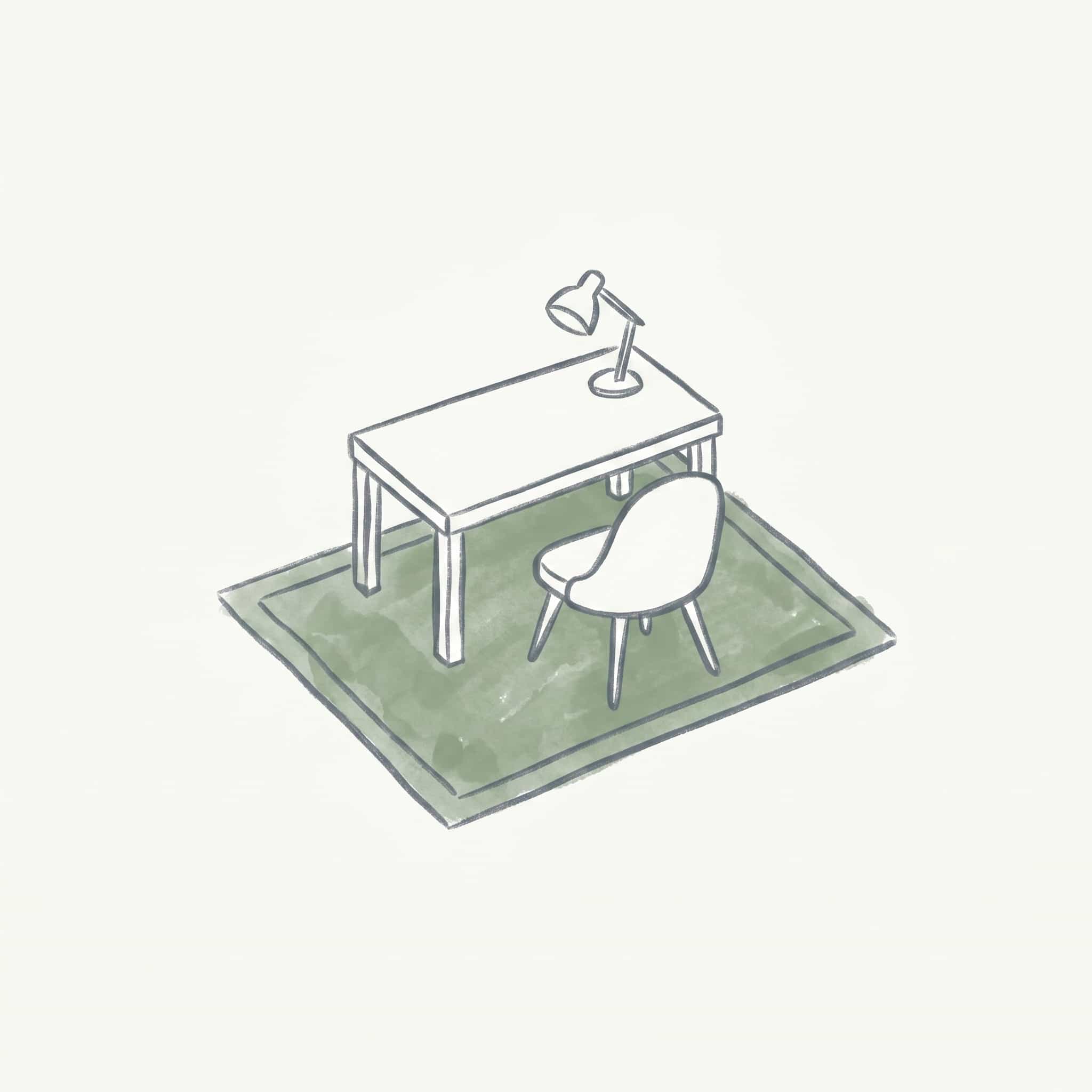
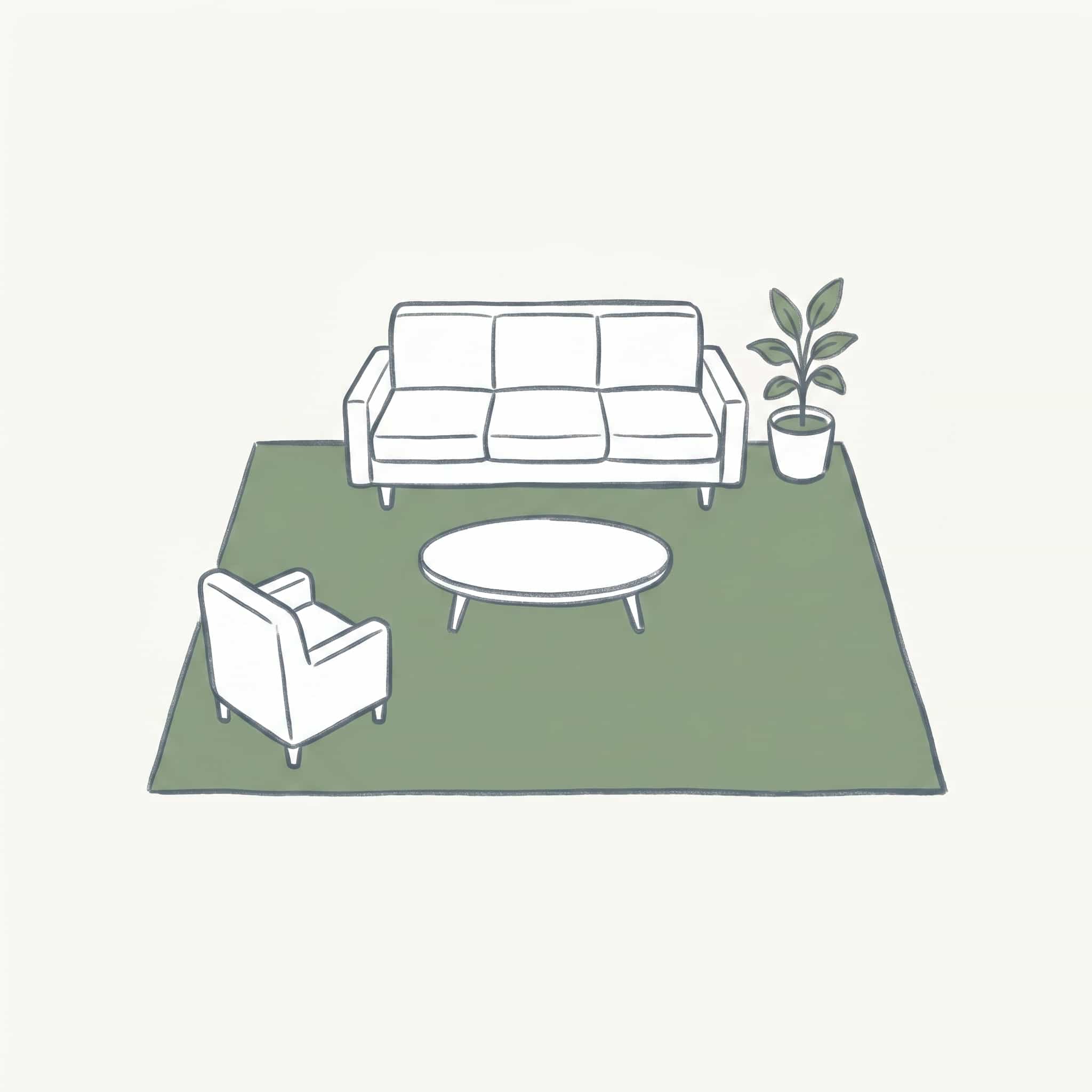
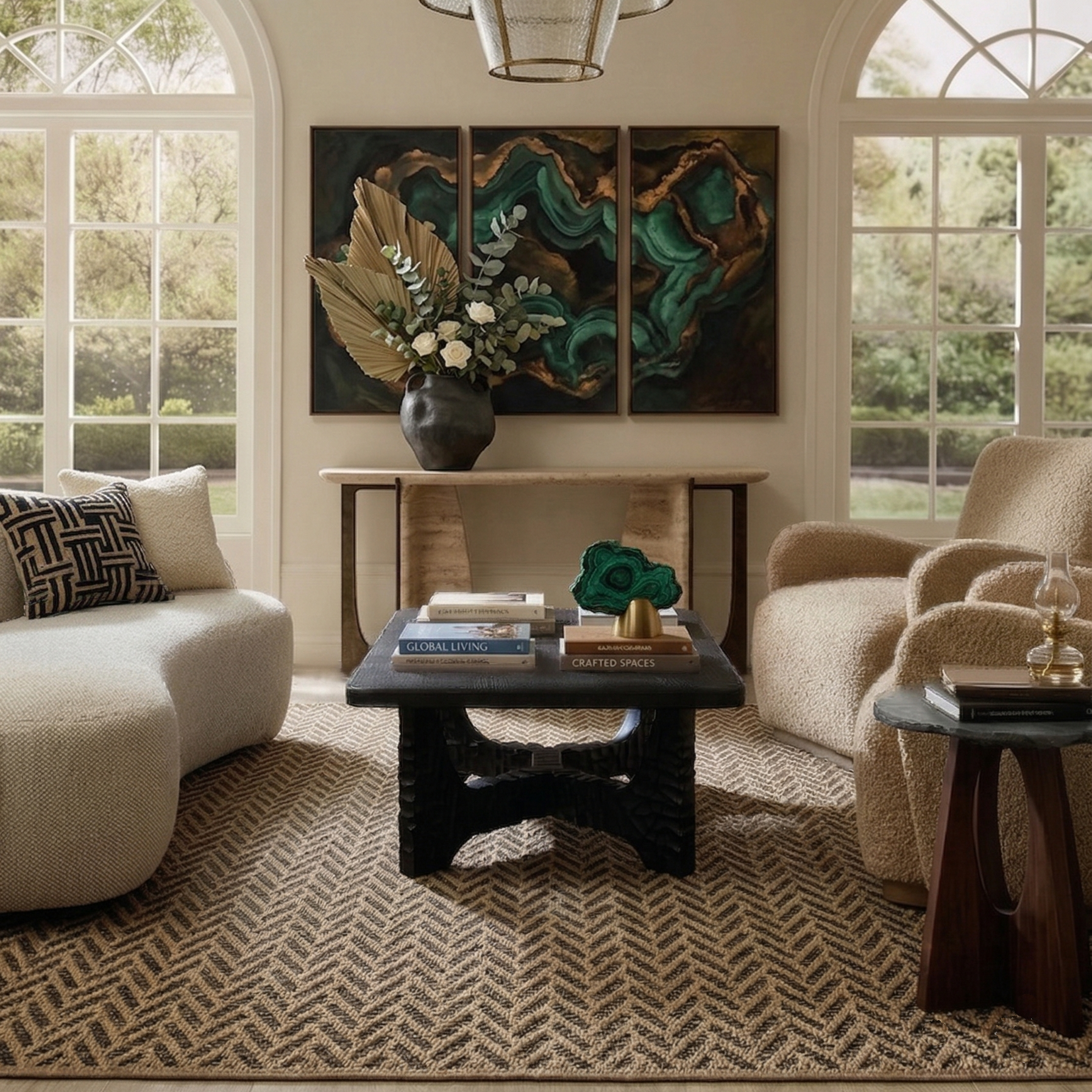
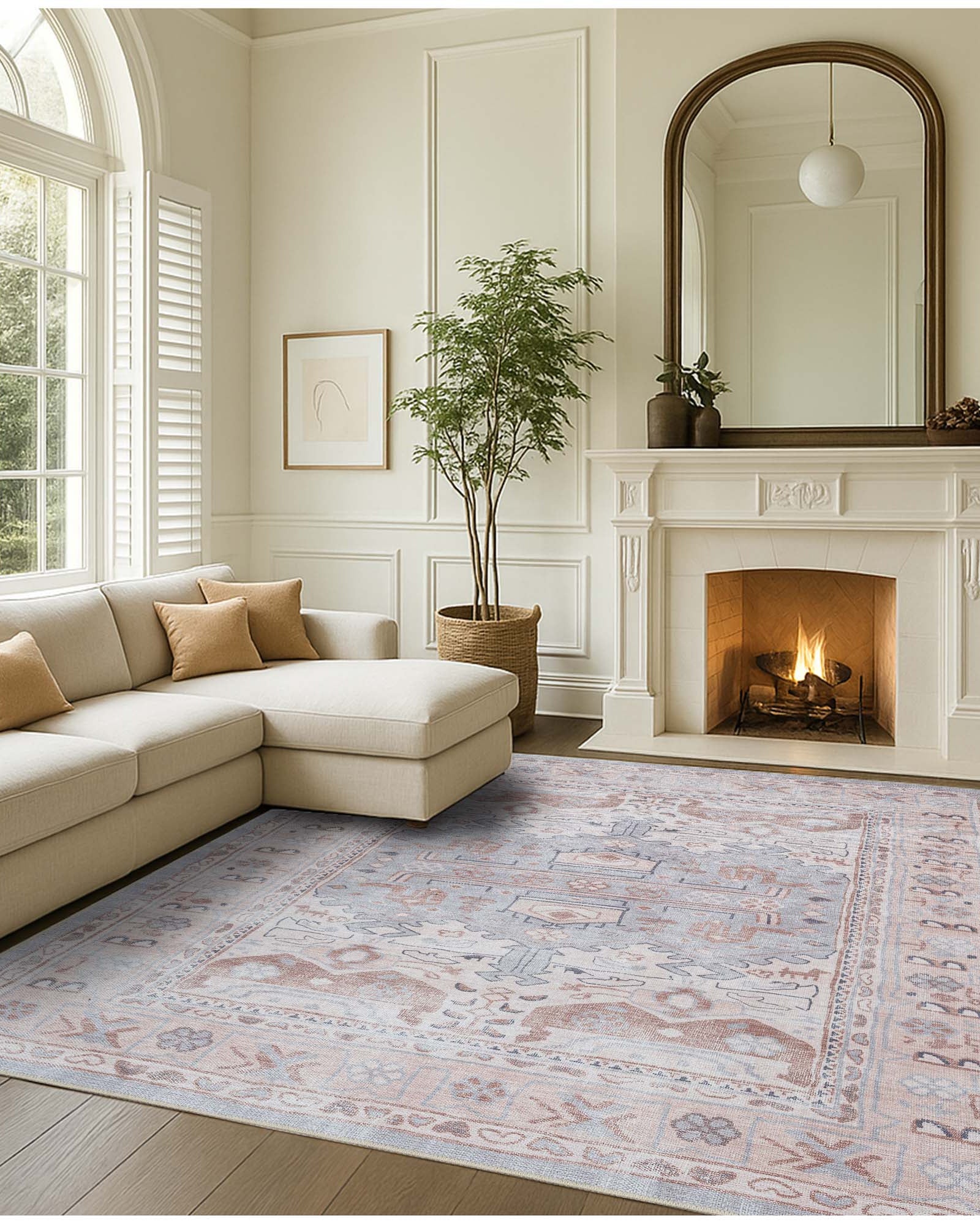
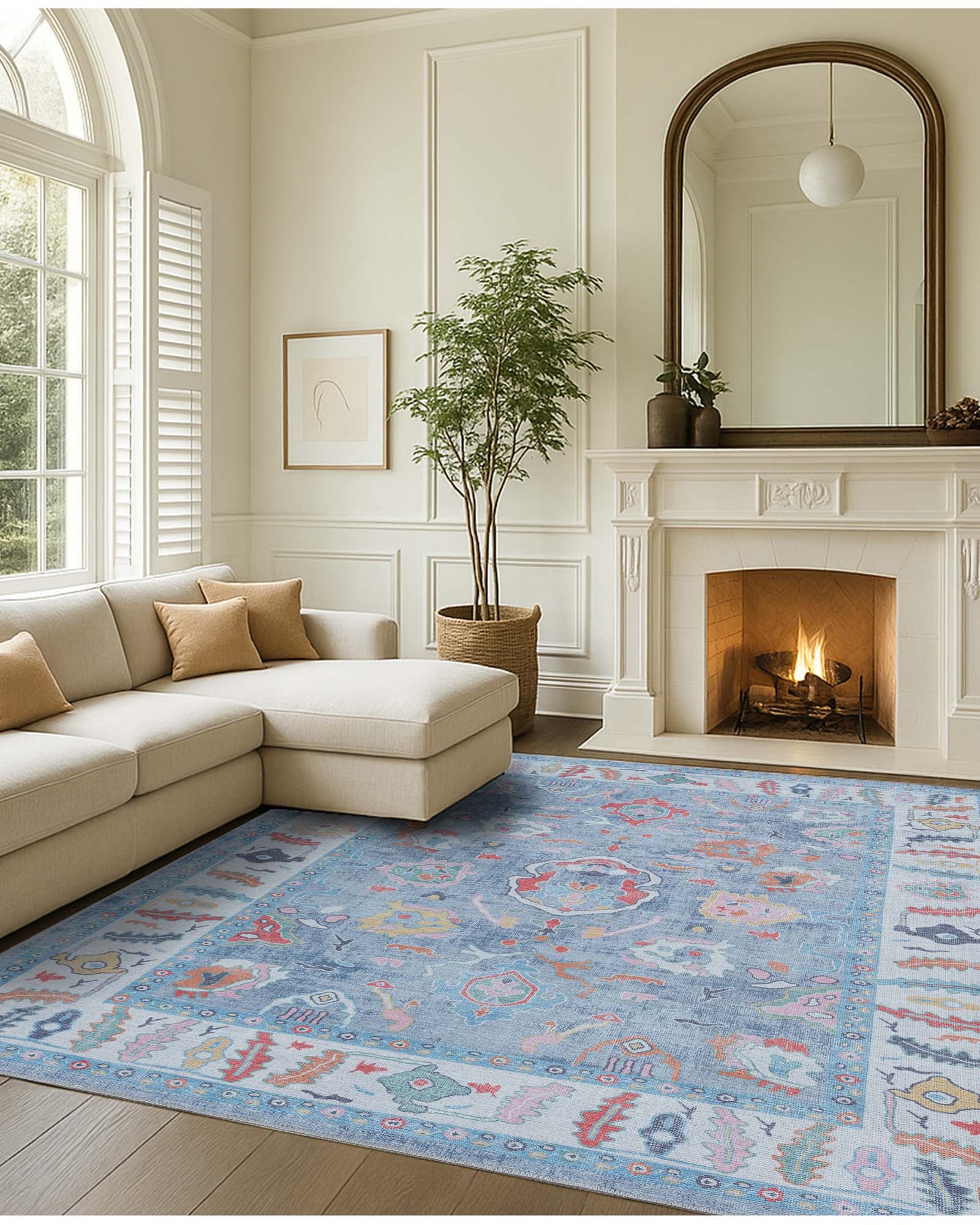
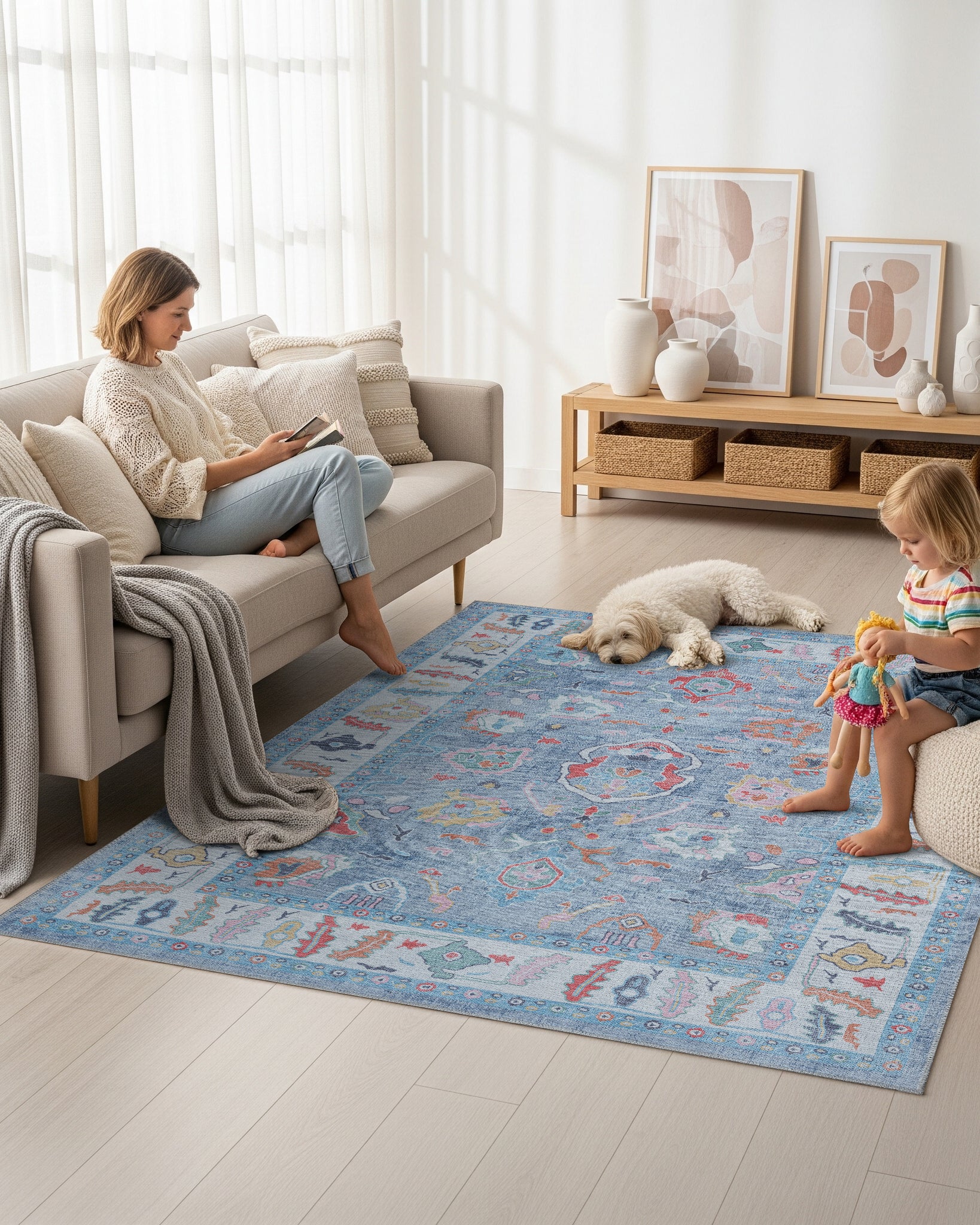
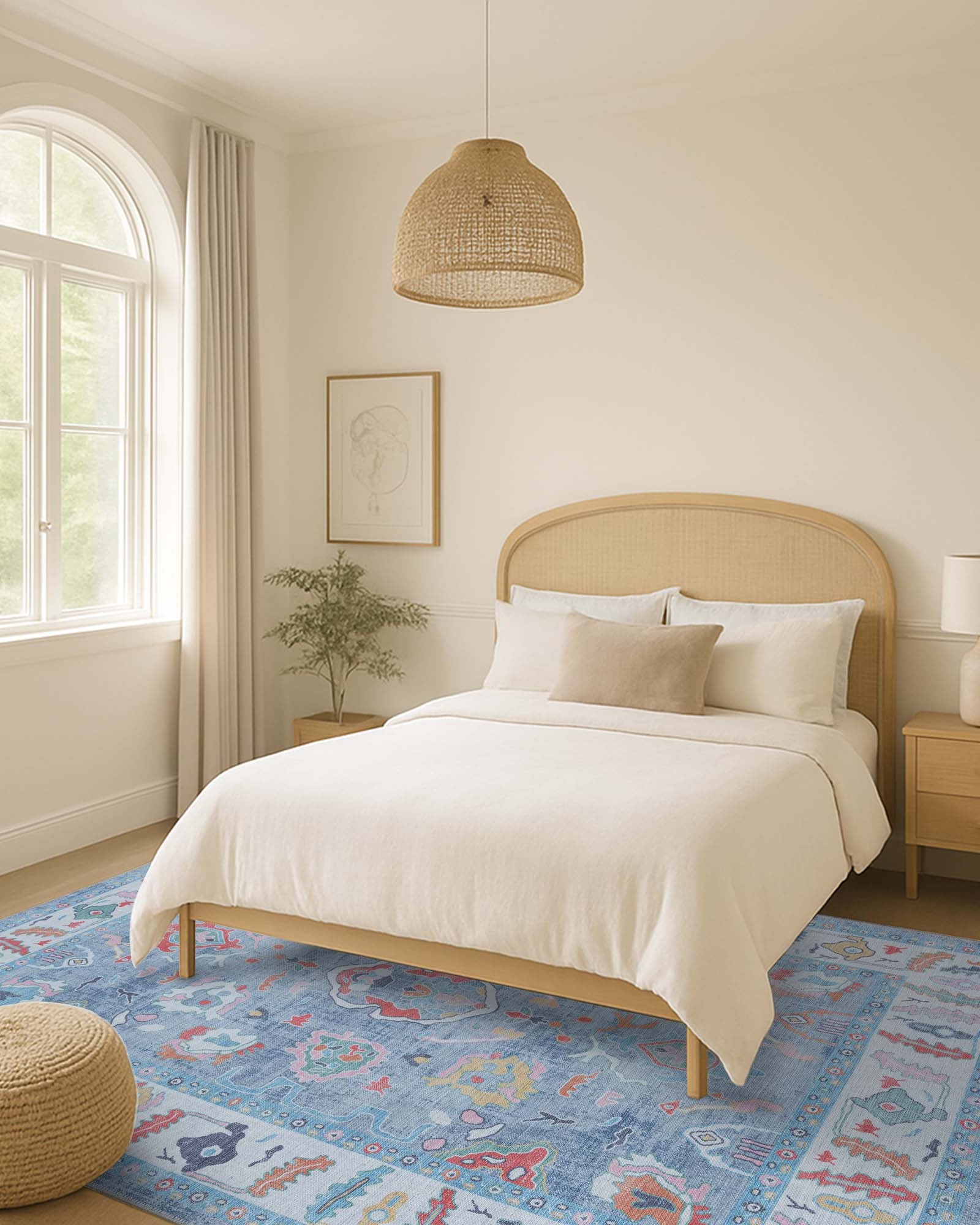
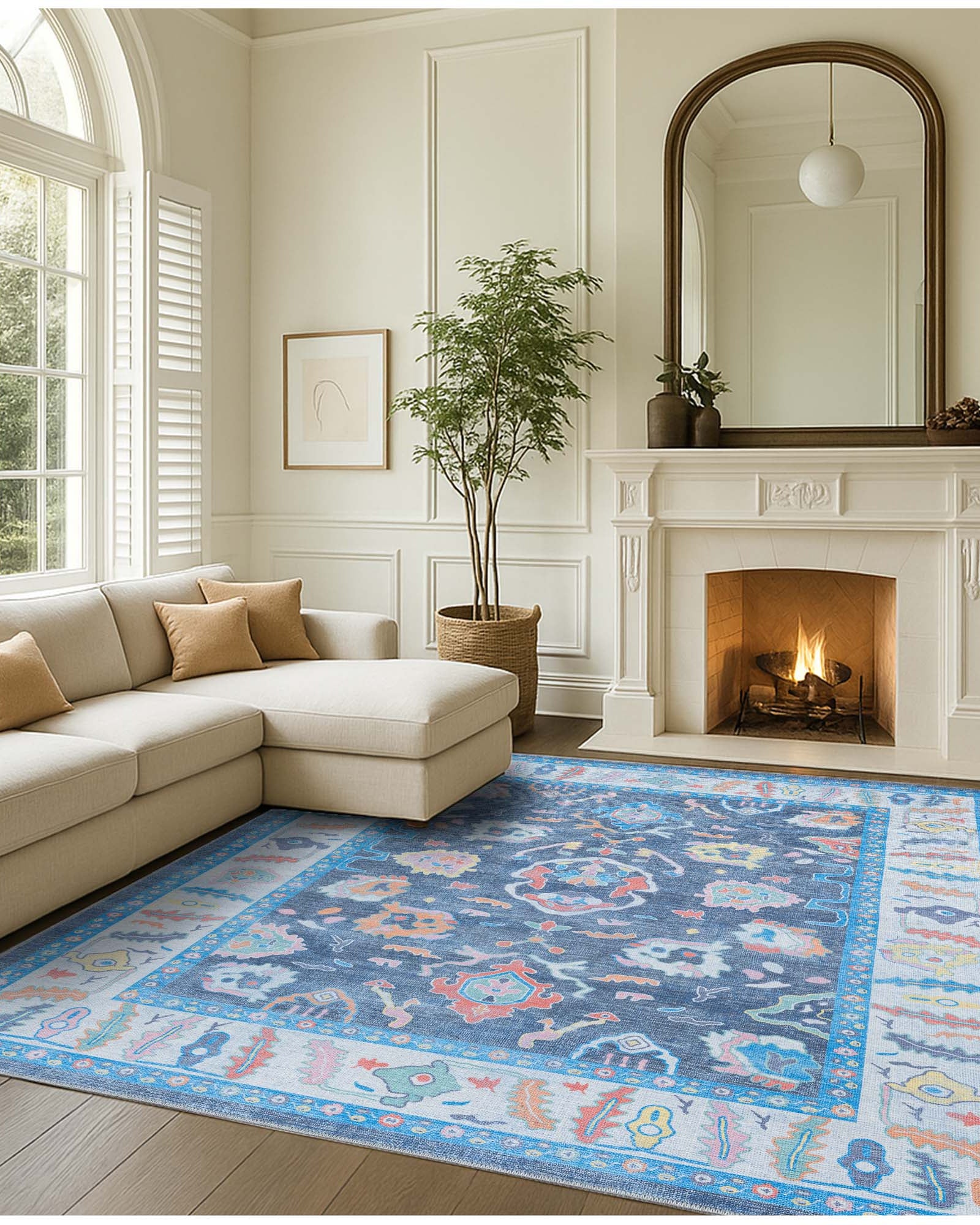
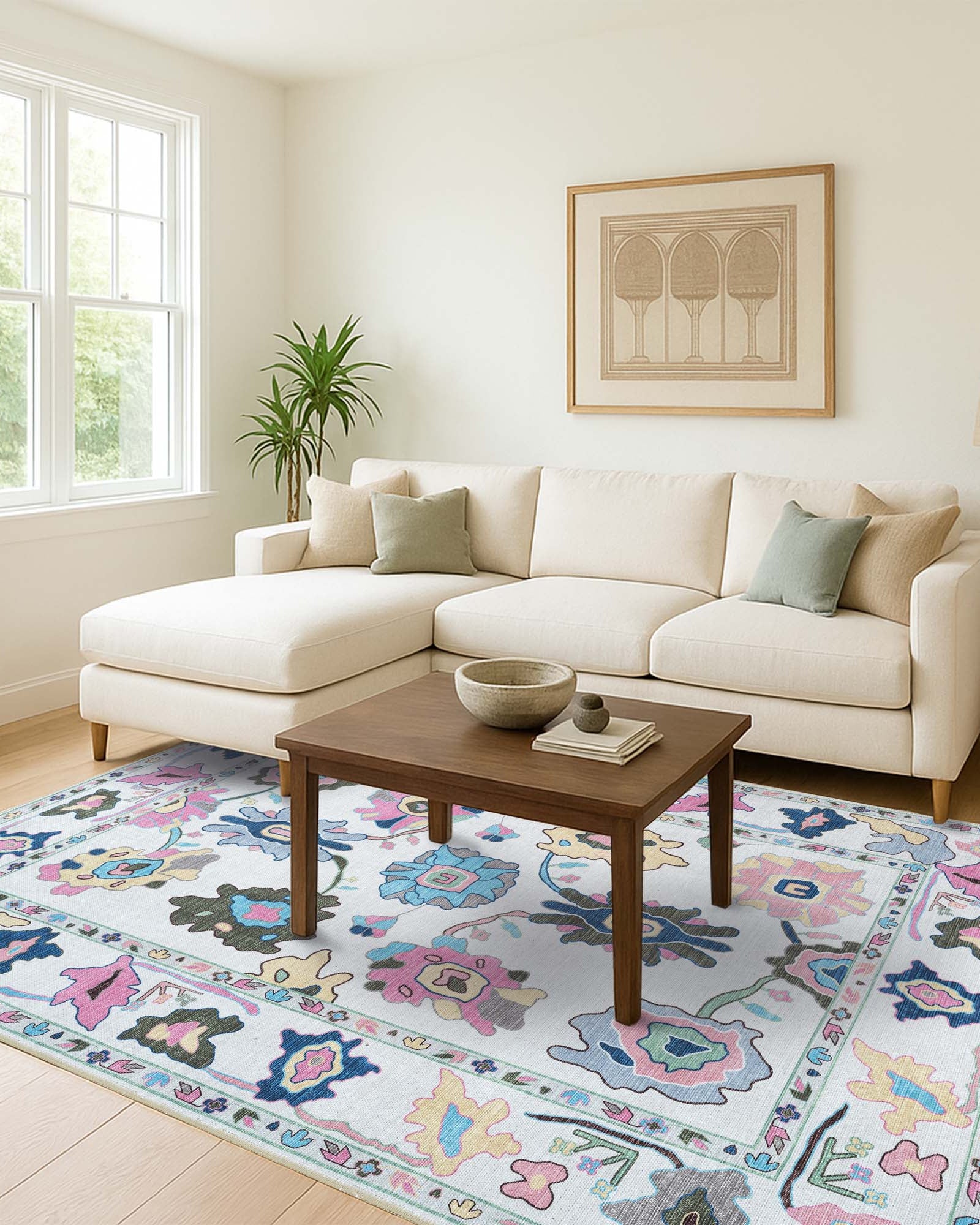
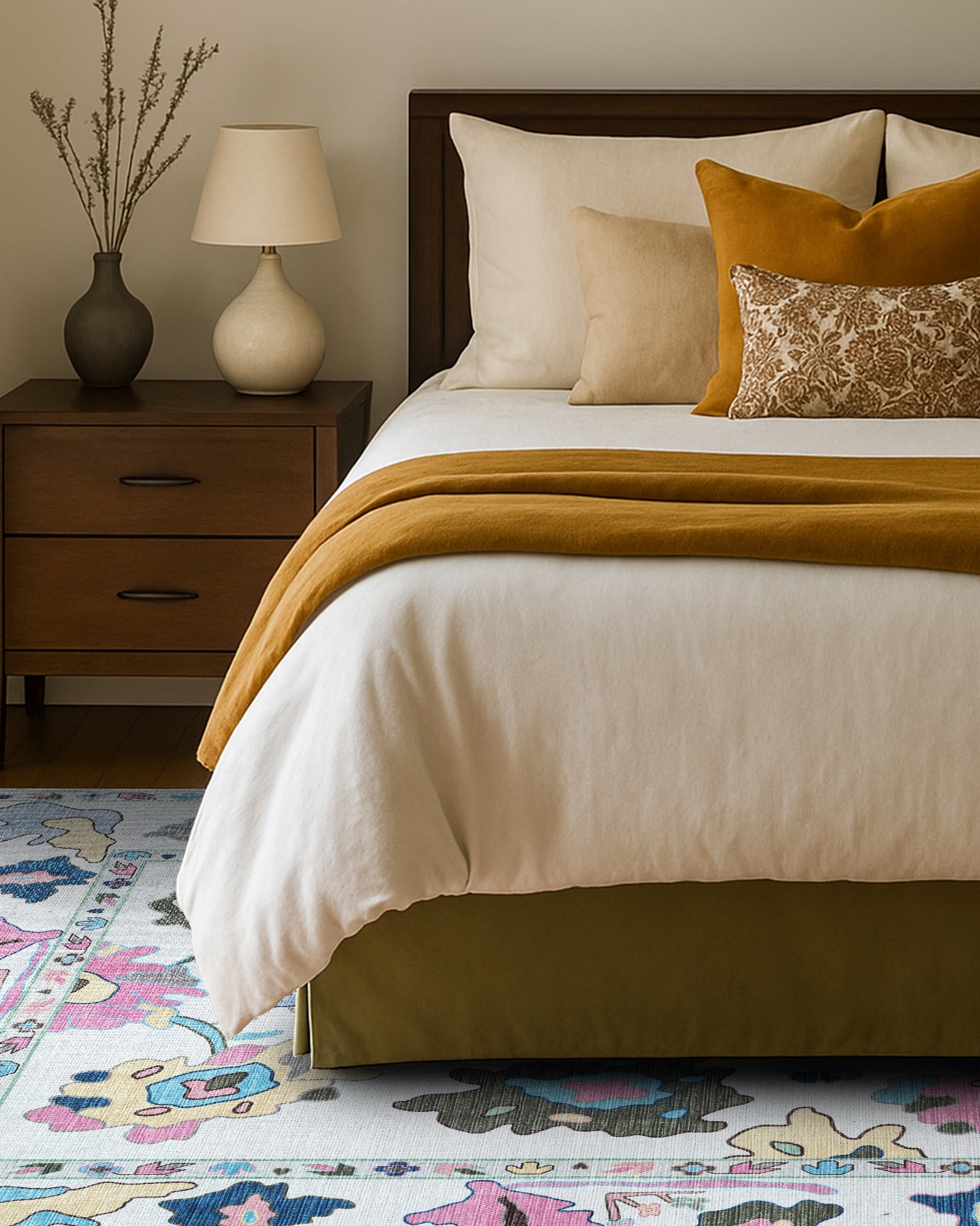
Fine pieces are best placed where they will be seen up close and walked on moderately rather than constantly — a formal living room, a study, a bedroom, a dining room used occasionally rather than daily. The level of detail in a fine rug is genuinely wasted from across a large open-plan space, and rewards a room where people actually stop and look at the floor. In a living room, keep at least the front legs of every seating piece on the rug so the detail stays visible rather than obscured under furniture.
Age, Condition and Measurement
Pieces are grouped as antique at over eighty years, vintage at roughly forty to eighty, and semi-vintage below that. Every product page carries the estimated decade, origin, estimated knot density, exact measured dimensions and a plain condition note. On fine weave pieces, look closely at the condition note for pile height and any thin areas — because the pile starts shorter, wear is more noticeable sooner than on a coarse rug of the same age. Sizes are never standard; order against the measurements shown.
Care
Vacuum gently, with the beater bar off, since fine pile has less to spare than a coarse weave. Use a rug pad on hard floors to reduce friction wear on an already delicate surface. Rotate the rug twice a year and keep it out of the most concentrated foot traffic where possible. Blot spills immediately with a white cloth and plain water. Avoid home carpet-cleaning machines and steam cleaners entirely — fine weaves are more vulnerable to felting and dye bleed than coarser wool. For any cleaning beyond routine care, use a professional rug washer experienced specifically with finely knotted pieces.