Sisal Rugs: Naturally Durable Floor Covering for Everyday Living
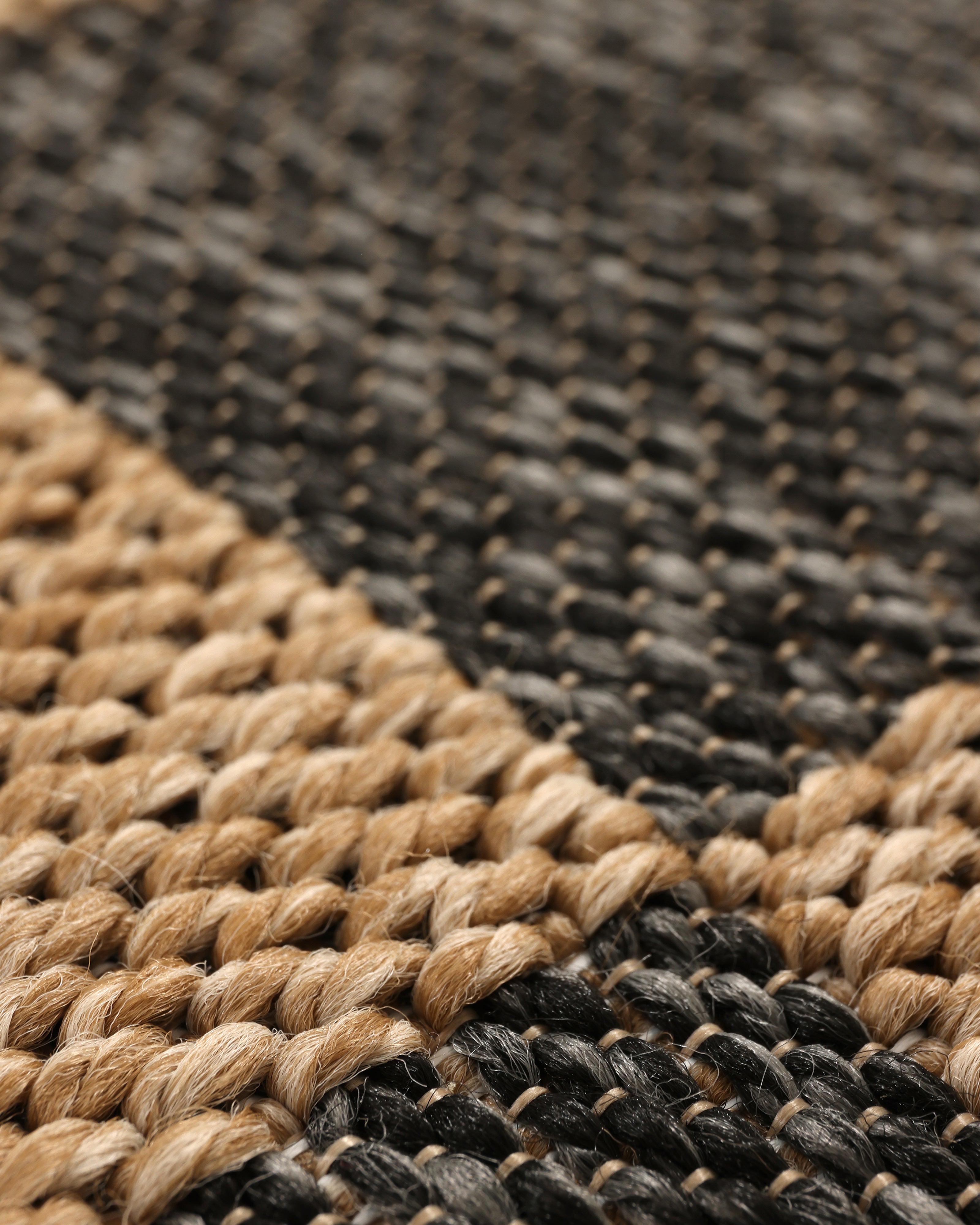
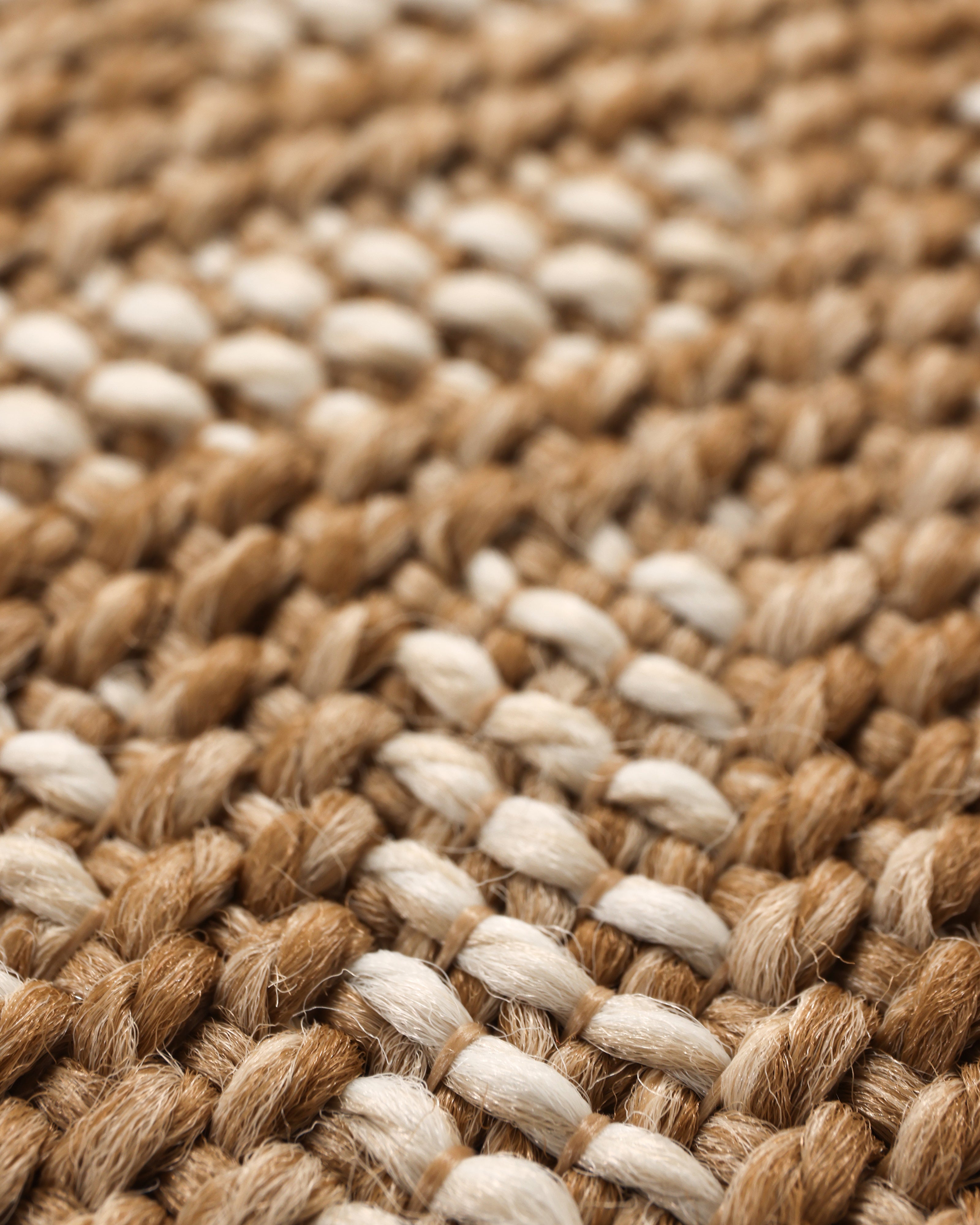
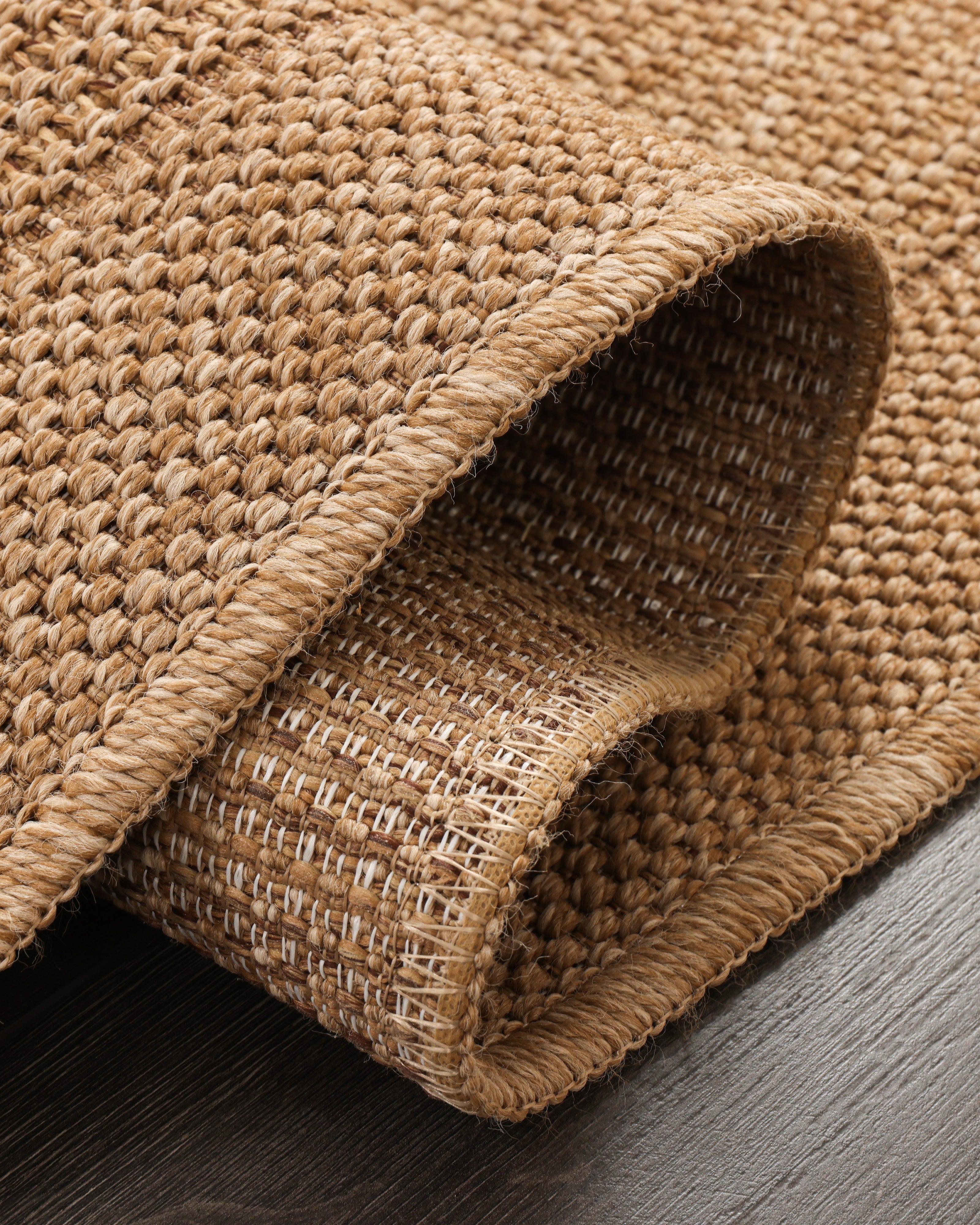
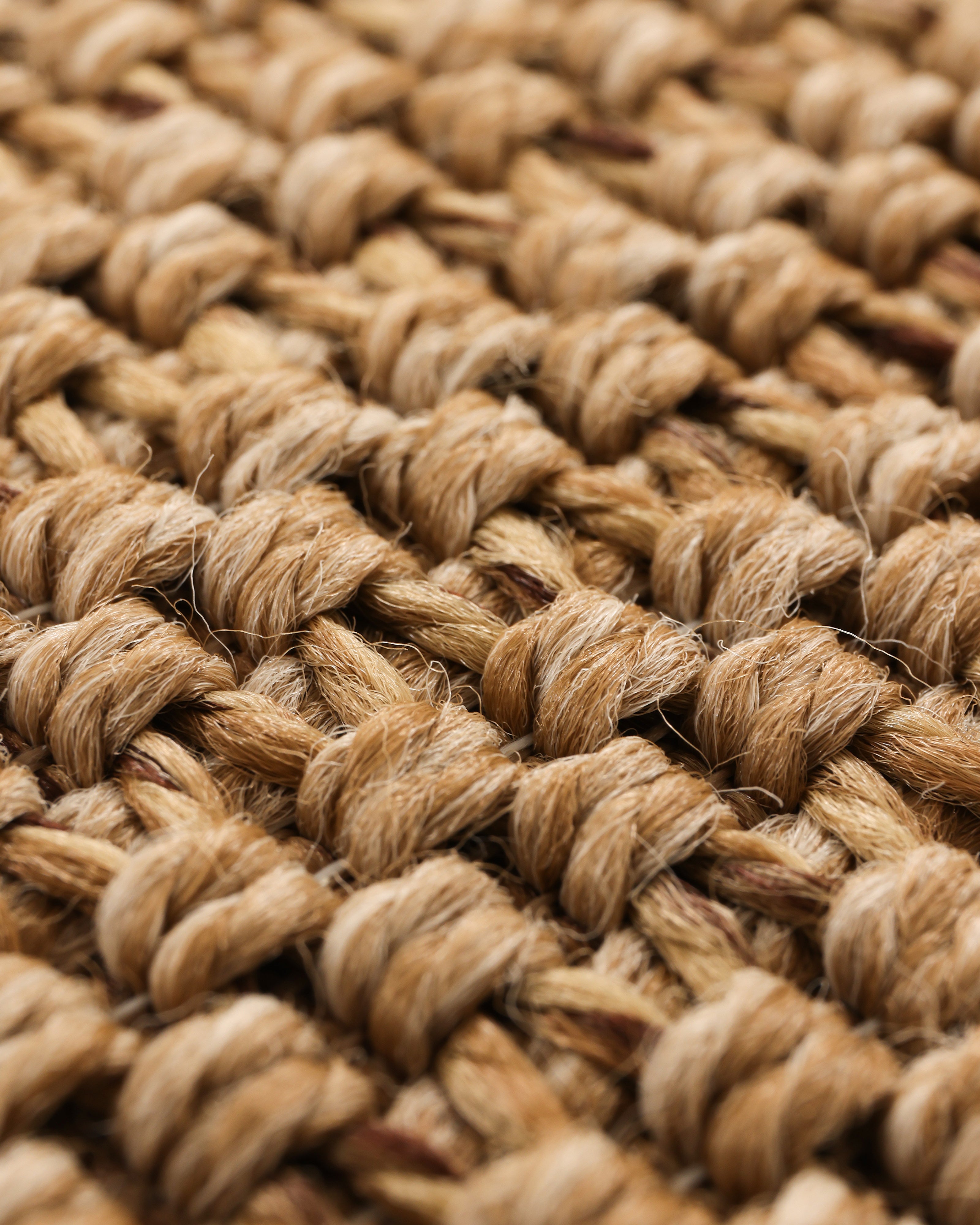
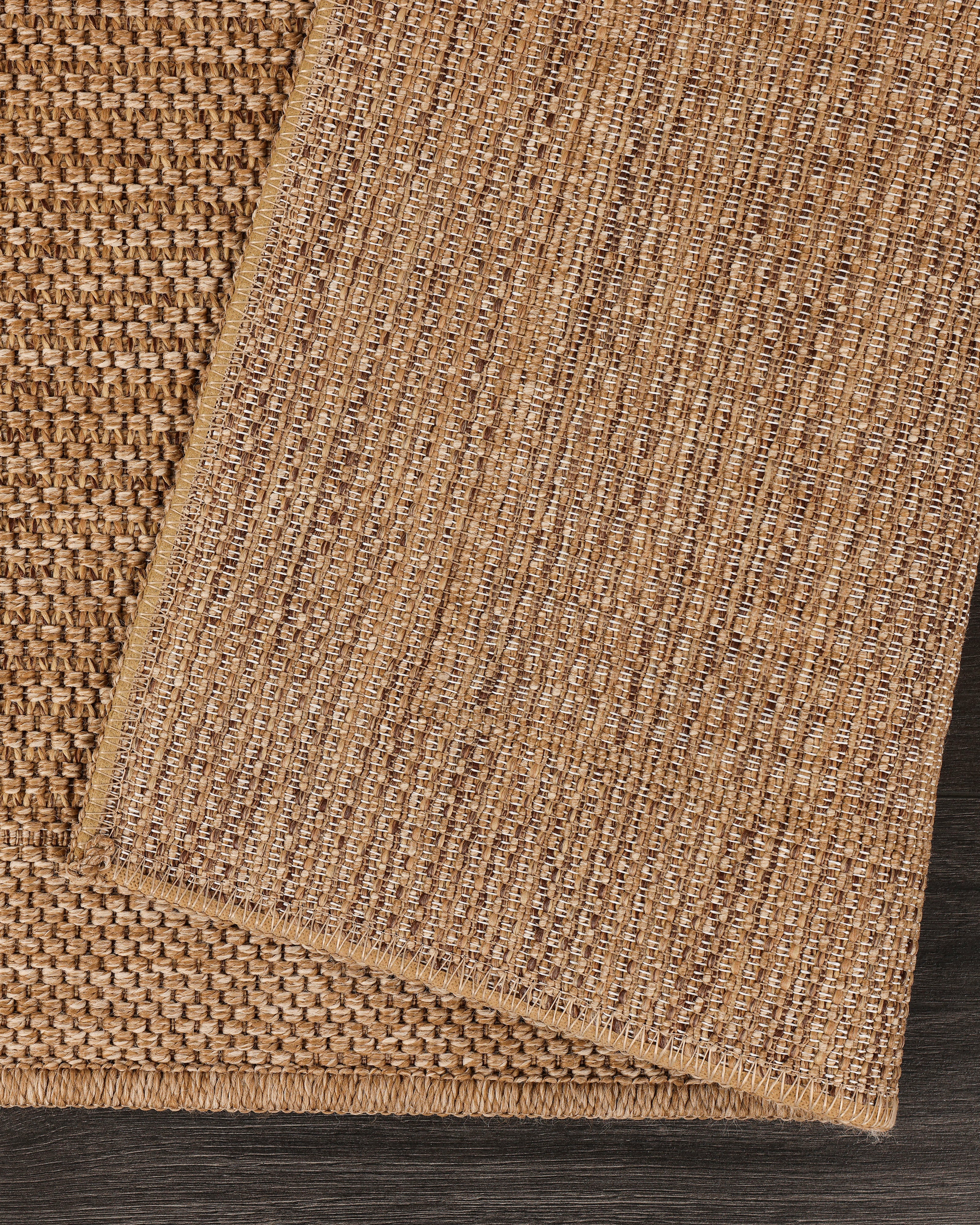
Sisal rugs are woven from the fiber of the Agave sisalana plant, a succulent native to southern Mexico and now cultivated primarily in Brazil, Kenya, and Tanzania. The fiber is stripped from the plant's long leaves, sun-dried, spun into yarn, and woven into a dense, textured surface. The result is one of the strongest natural rug materials available — with a tensile strength that outperforms most other plant-based and wool fibers used in floor coverings — which is why sisal has been a standard choice for high-traffic areas for over a century.
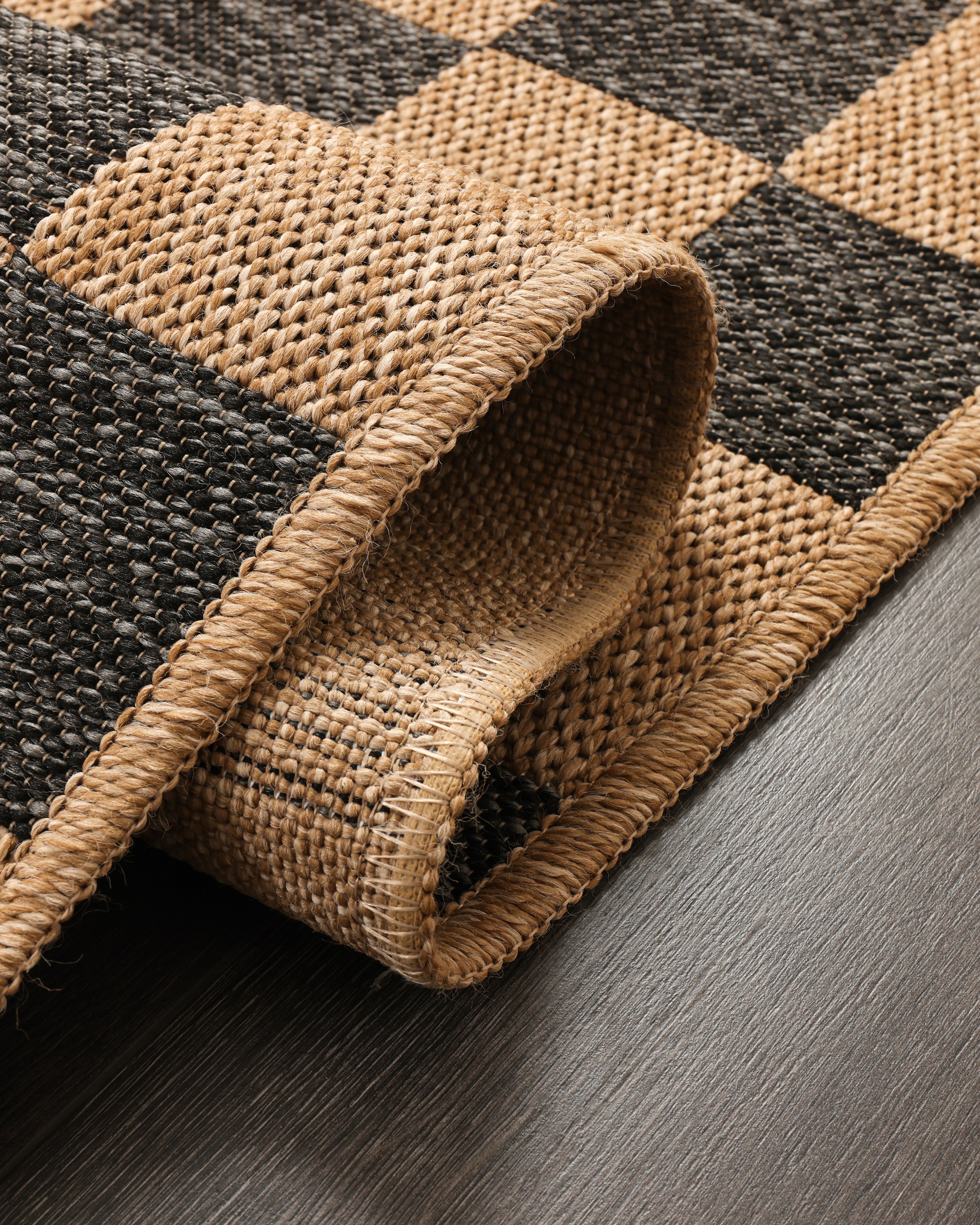
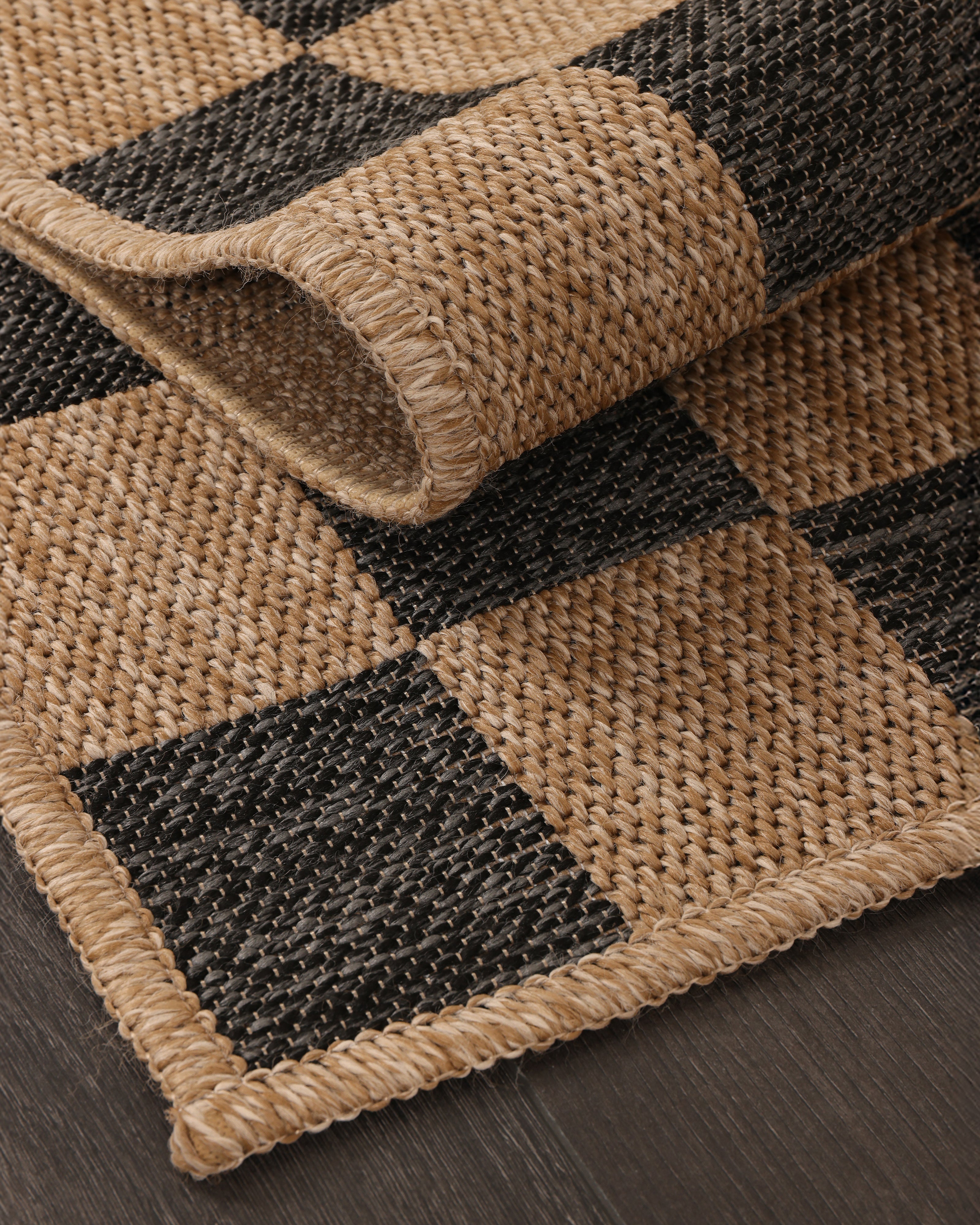
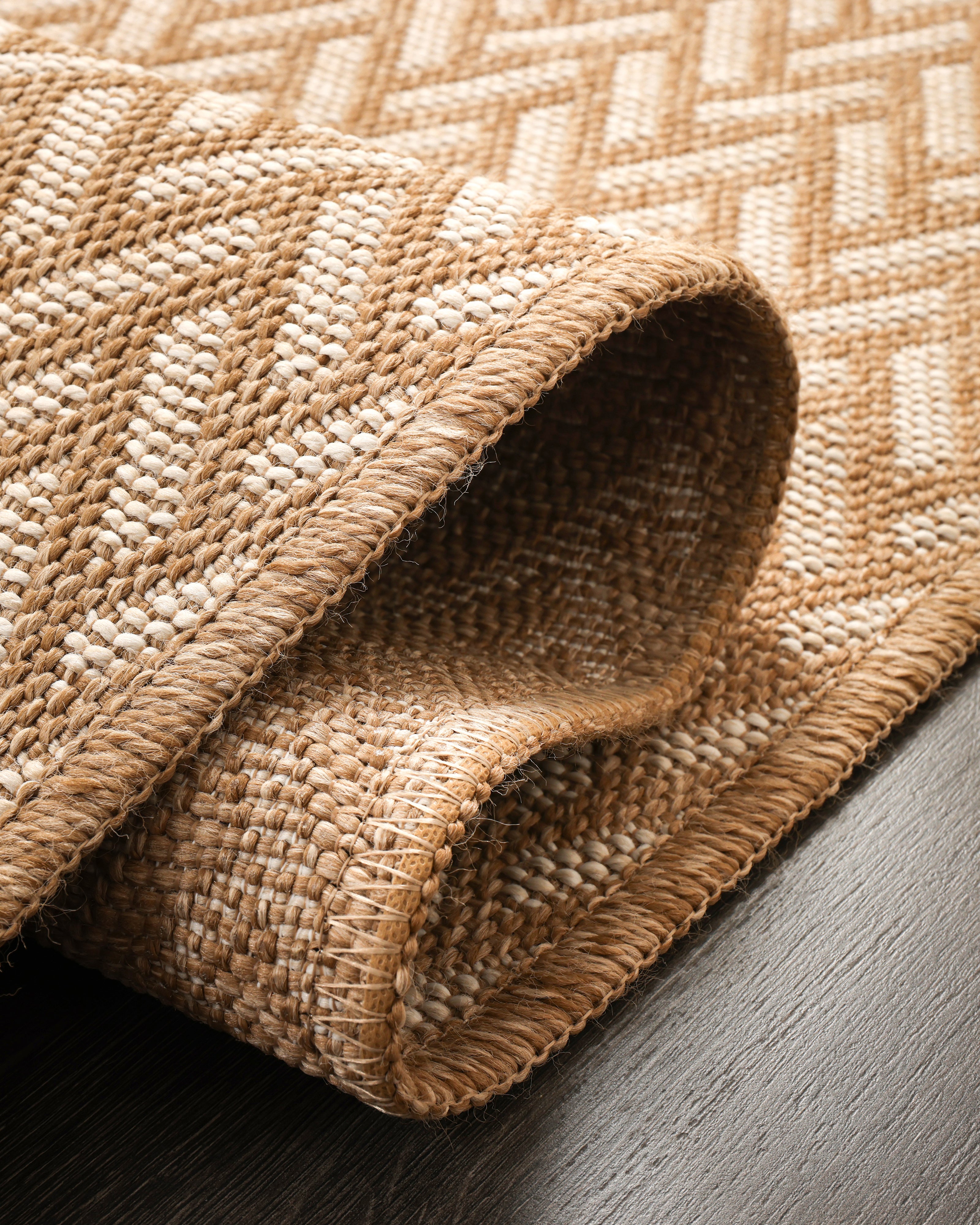
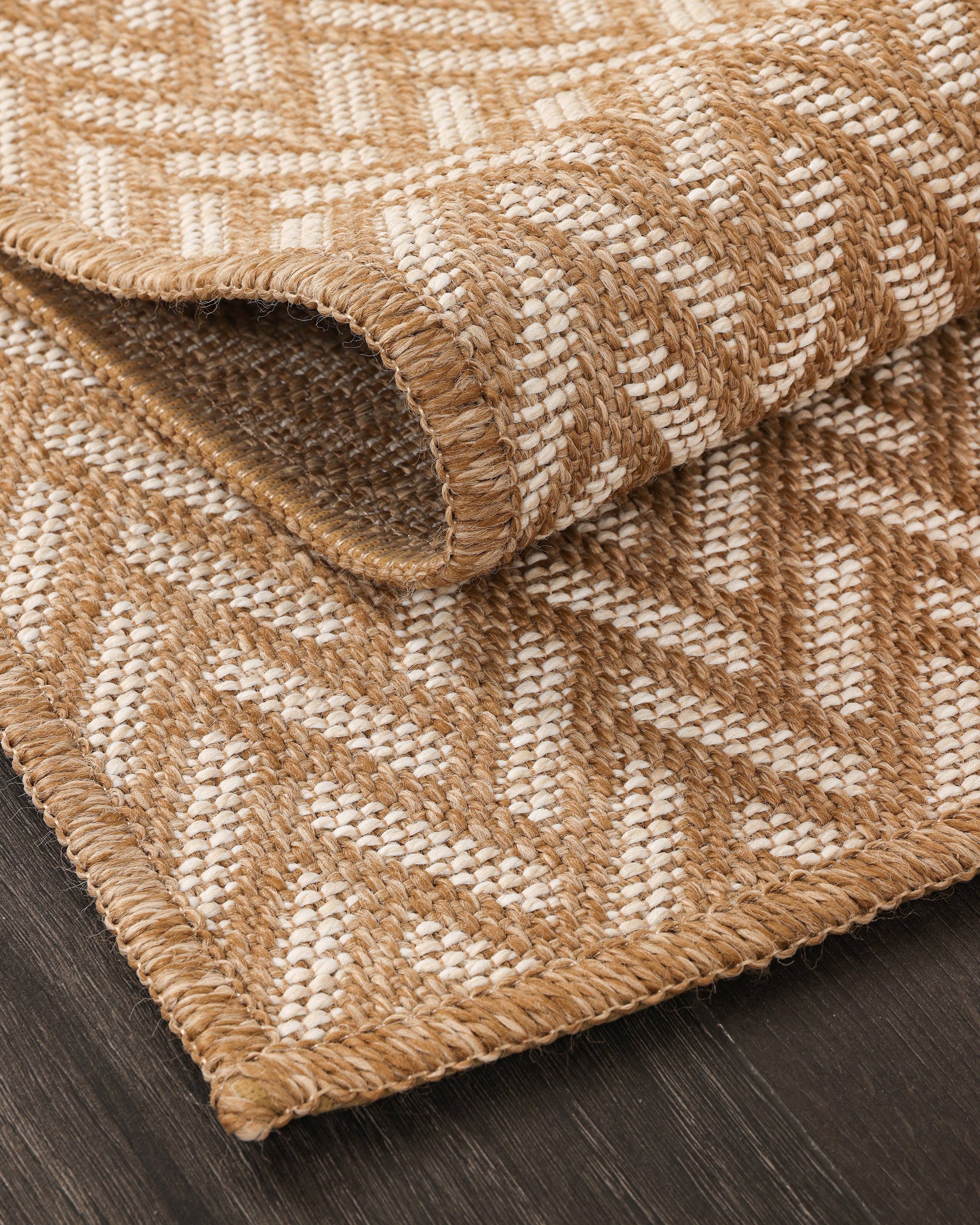
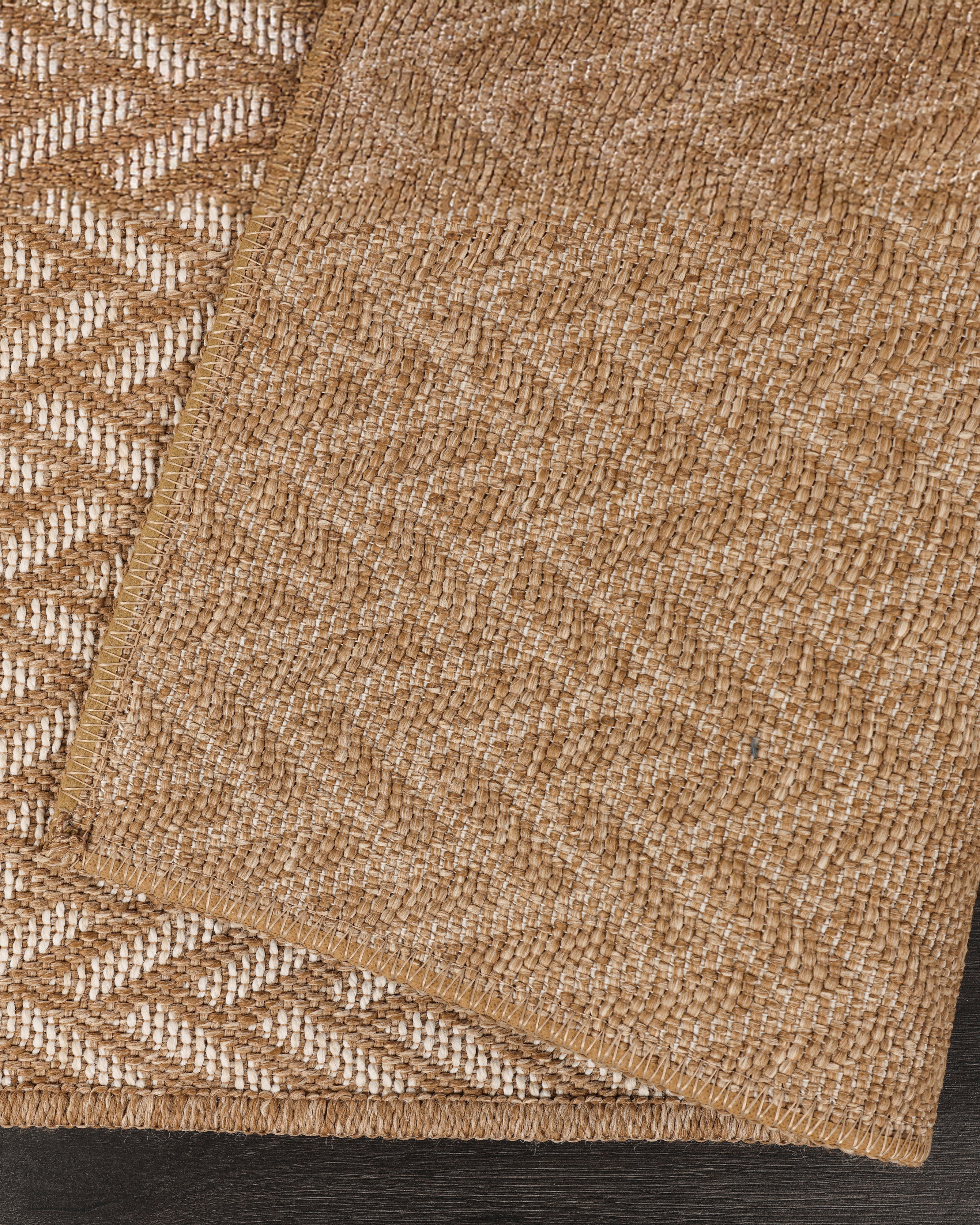
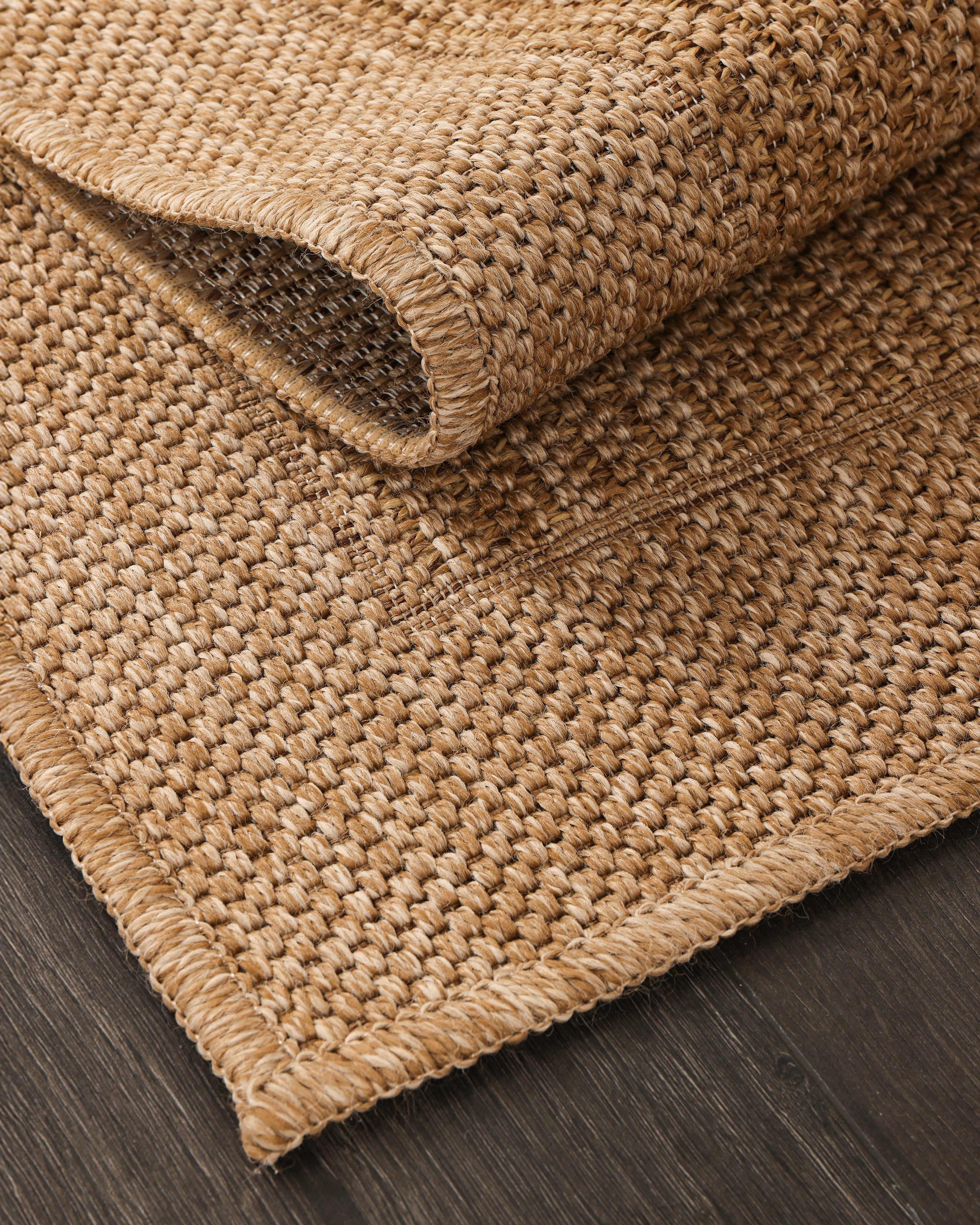
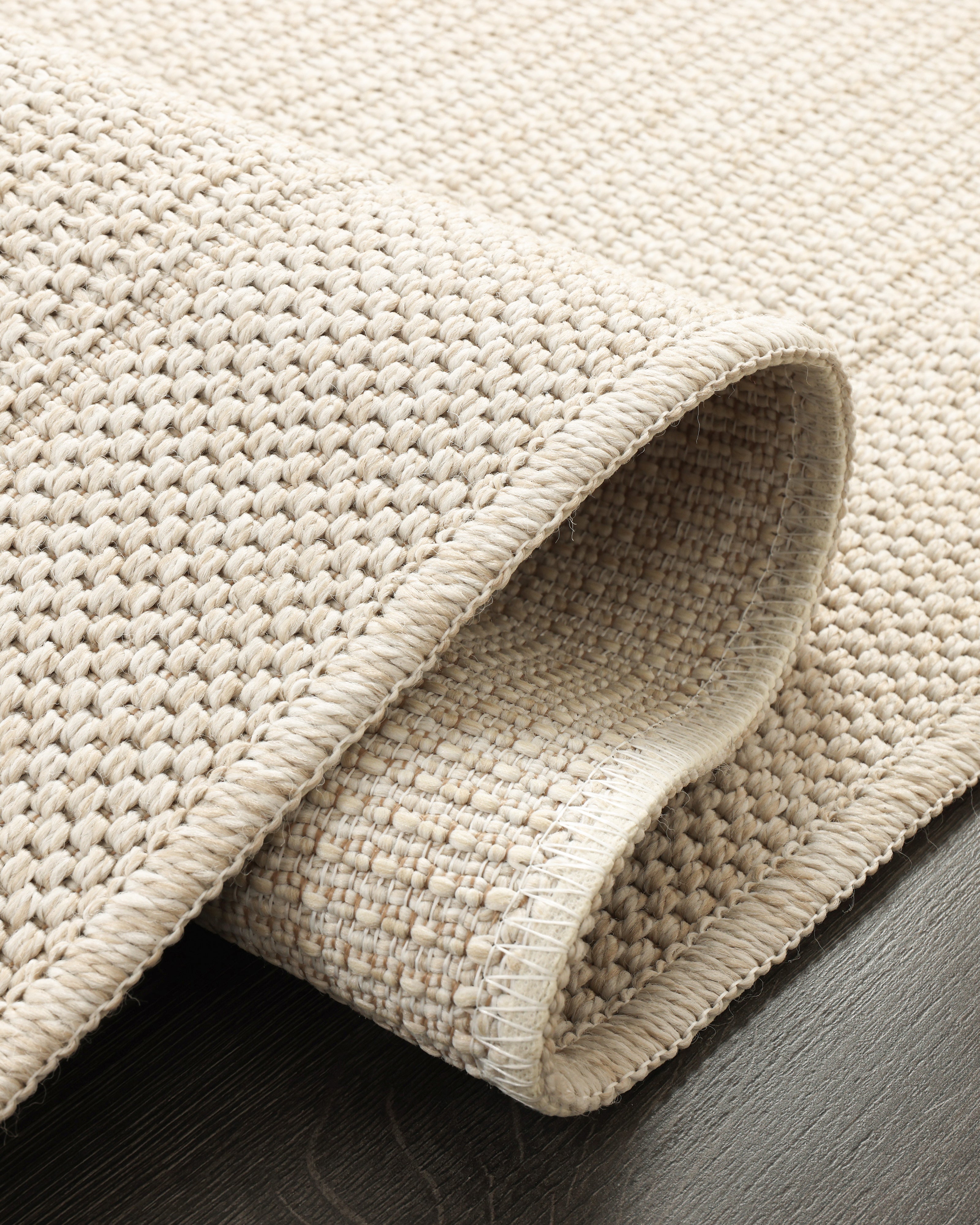
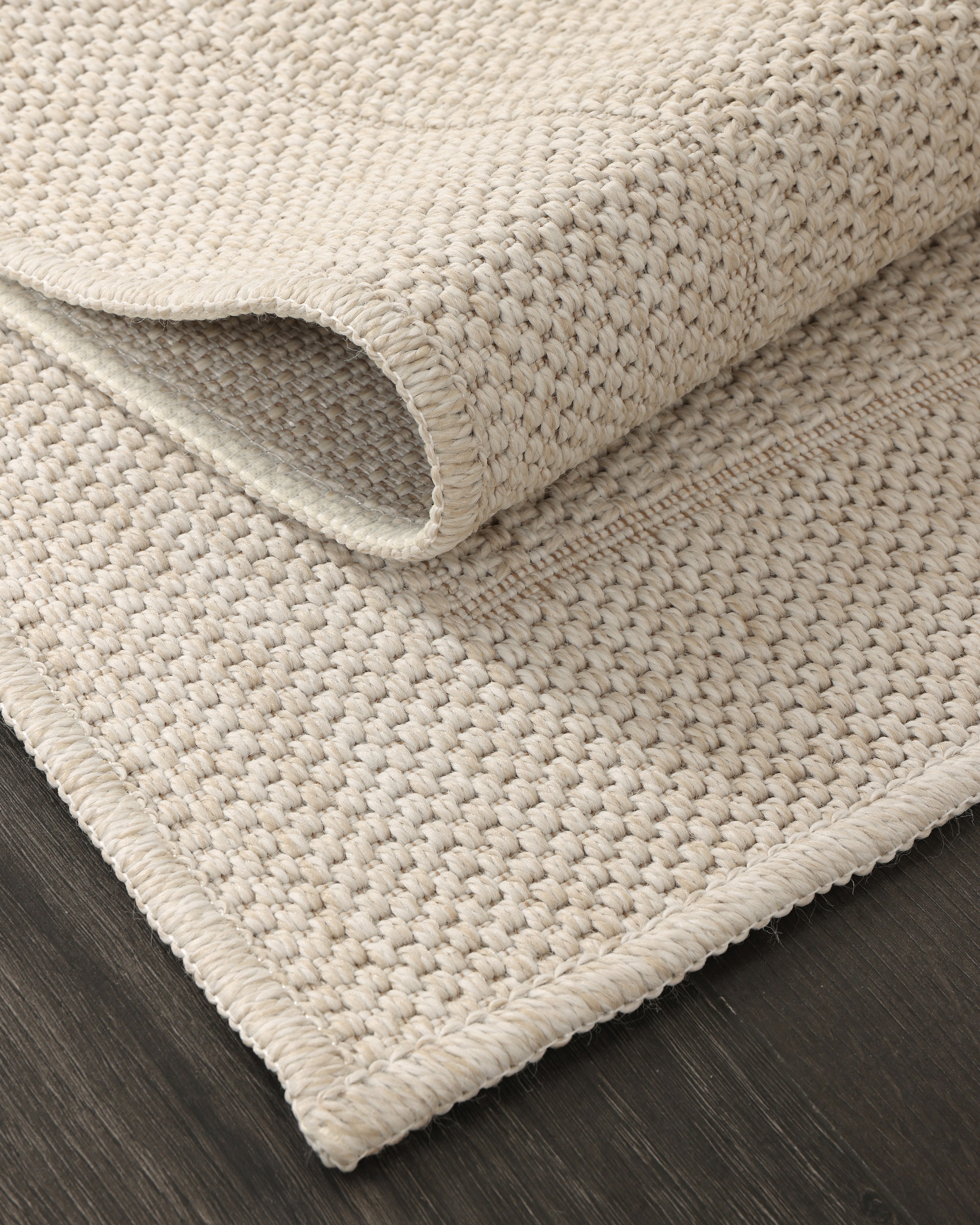
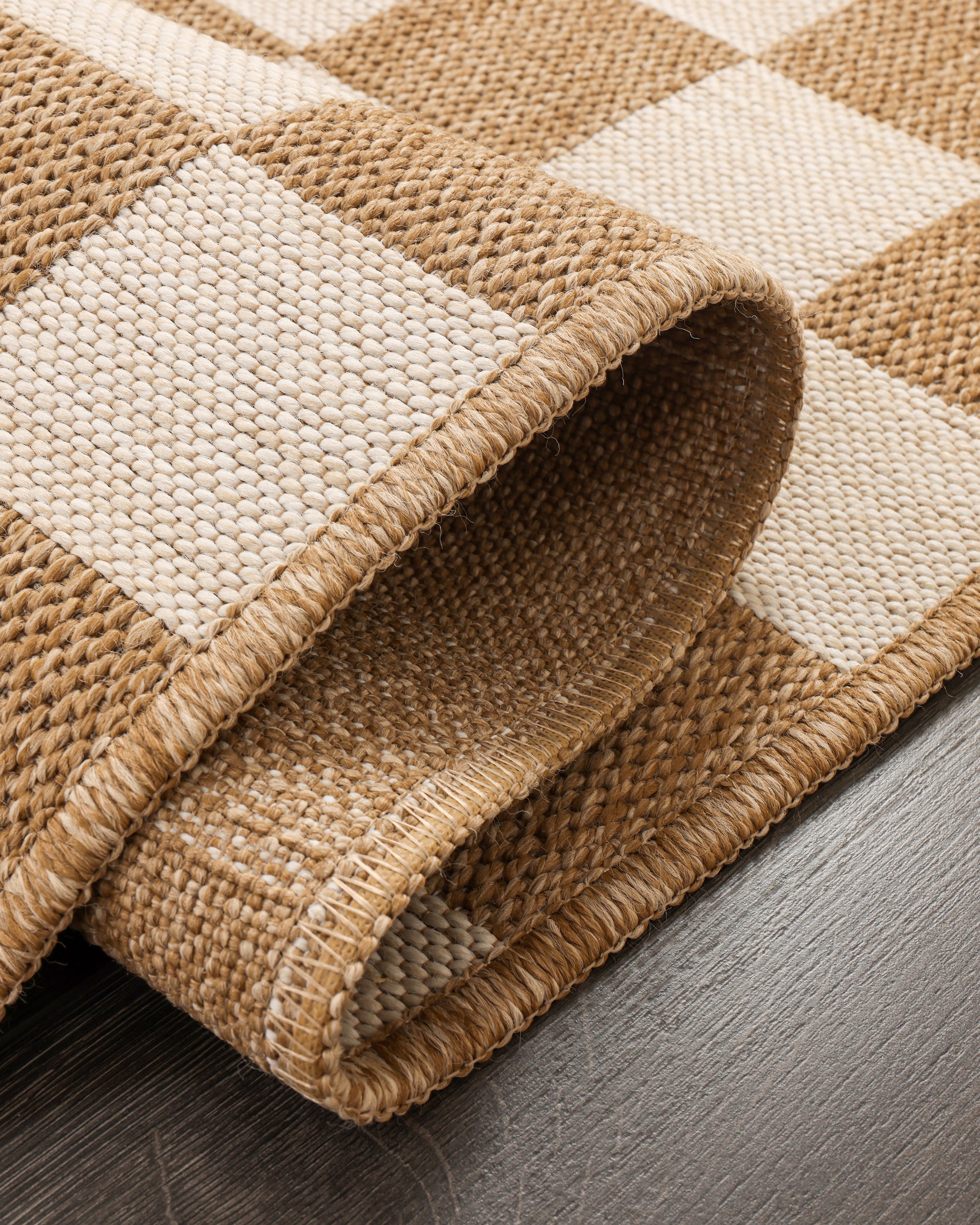
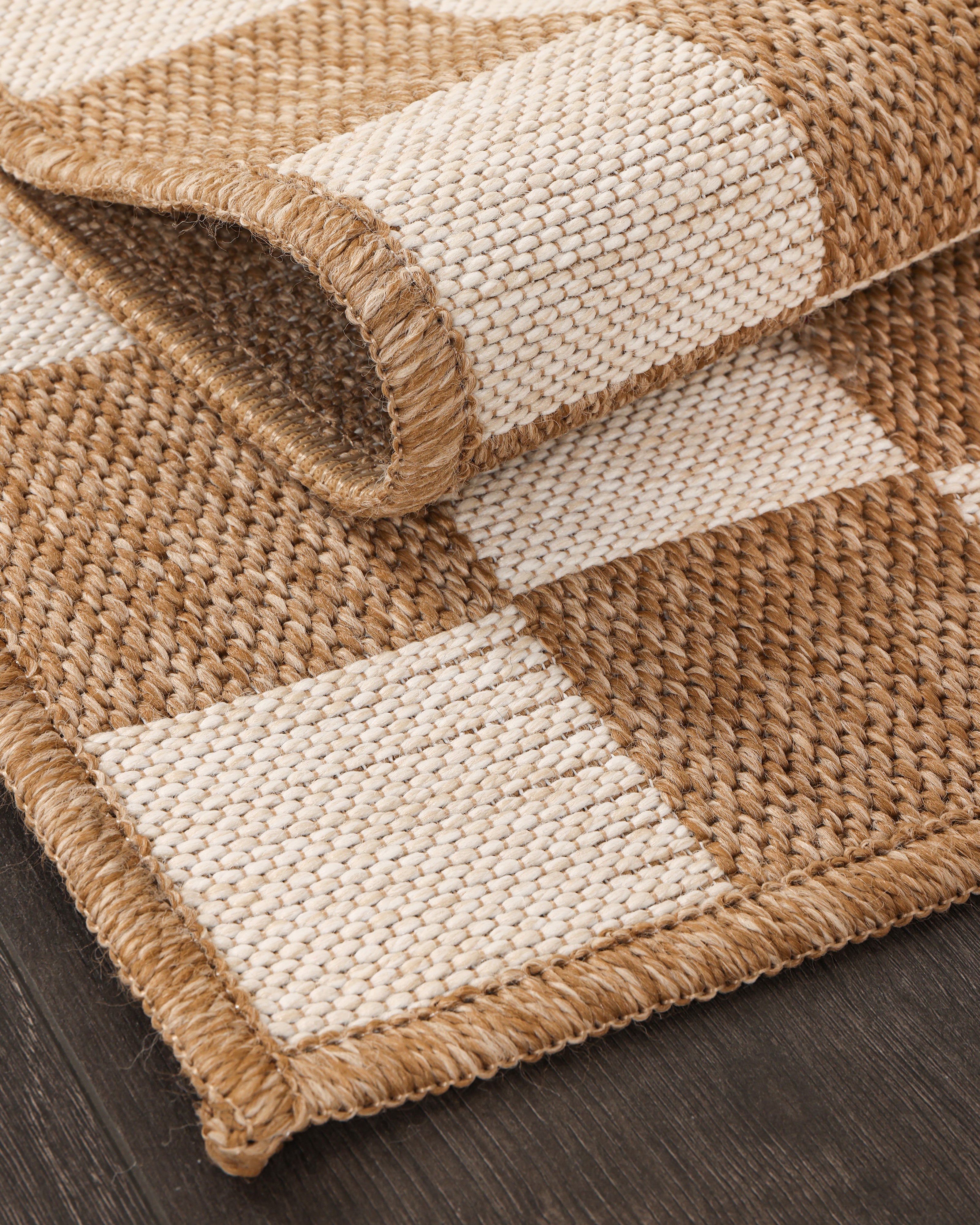
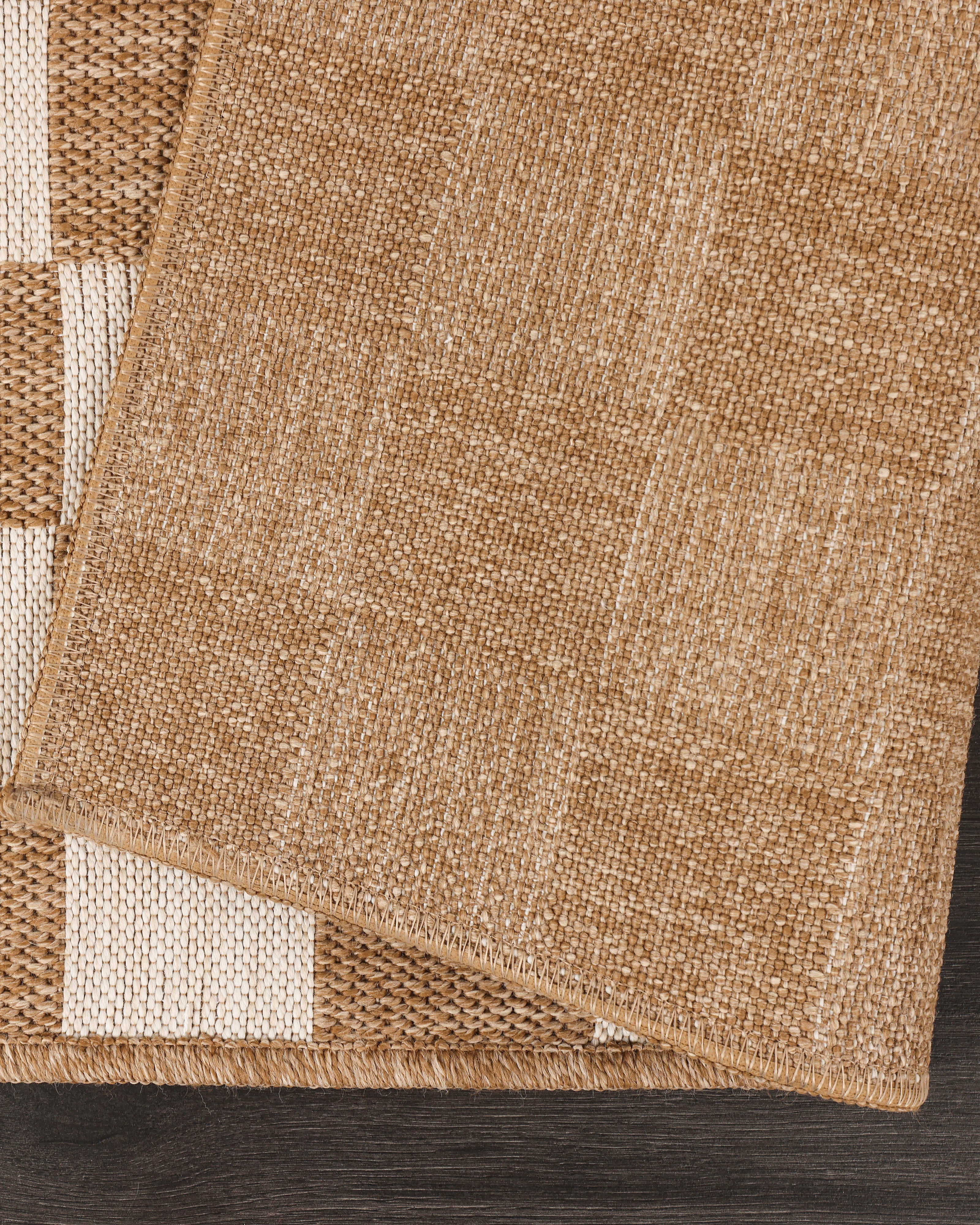
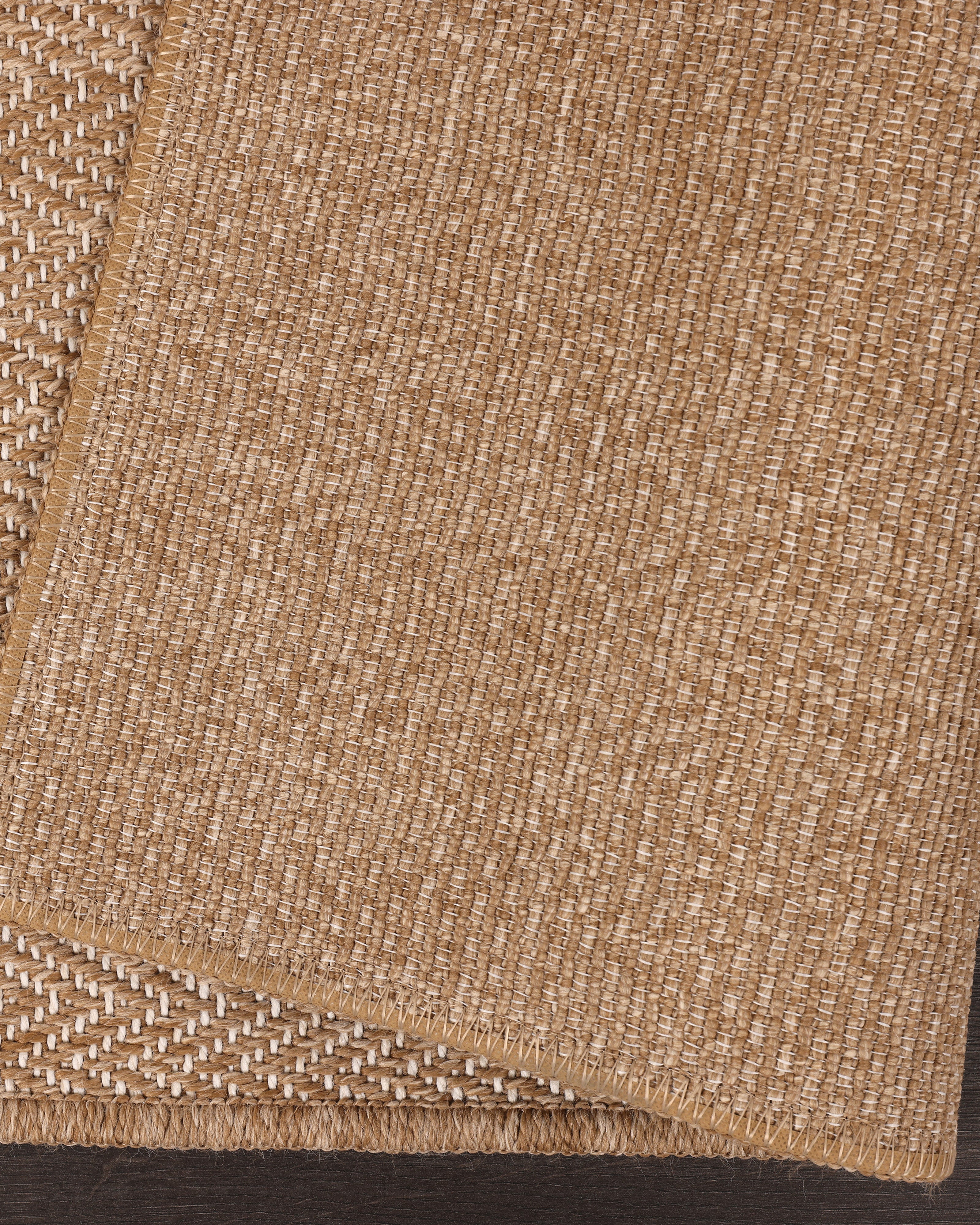
At Fame Rugs, our sisal collection focuses on the styles that work hardest in American homes: natural undyed weaves, bleached lighter tones, and bordered designs finished with cotton, linen, or faux-leather edging.
Why Choose a Sisal Rug?
Exceptional durability. Sisal fiber has a high tensile strength and resists crushing under furniture and foot traffic. In hallways, entryways, staircases, and living rooms — the places where most rugs show wear within two years — sisal typically holds its structure far longer.
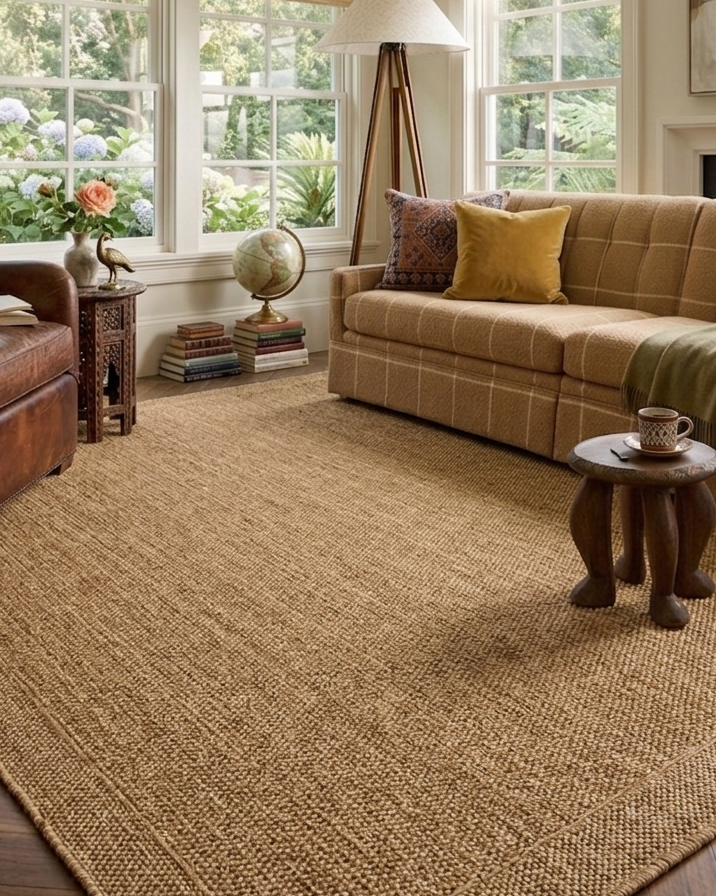
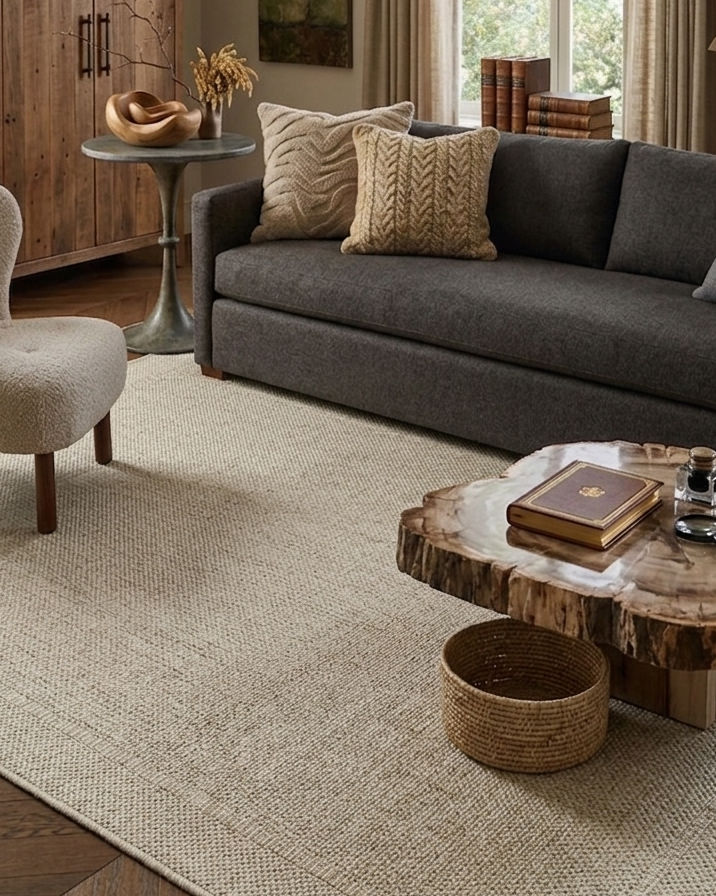
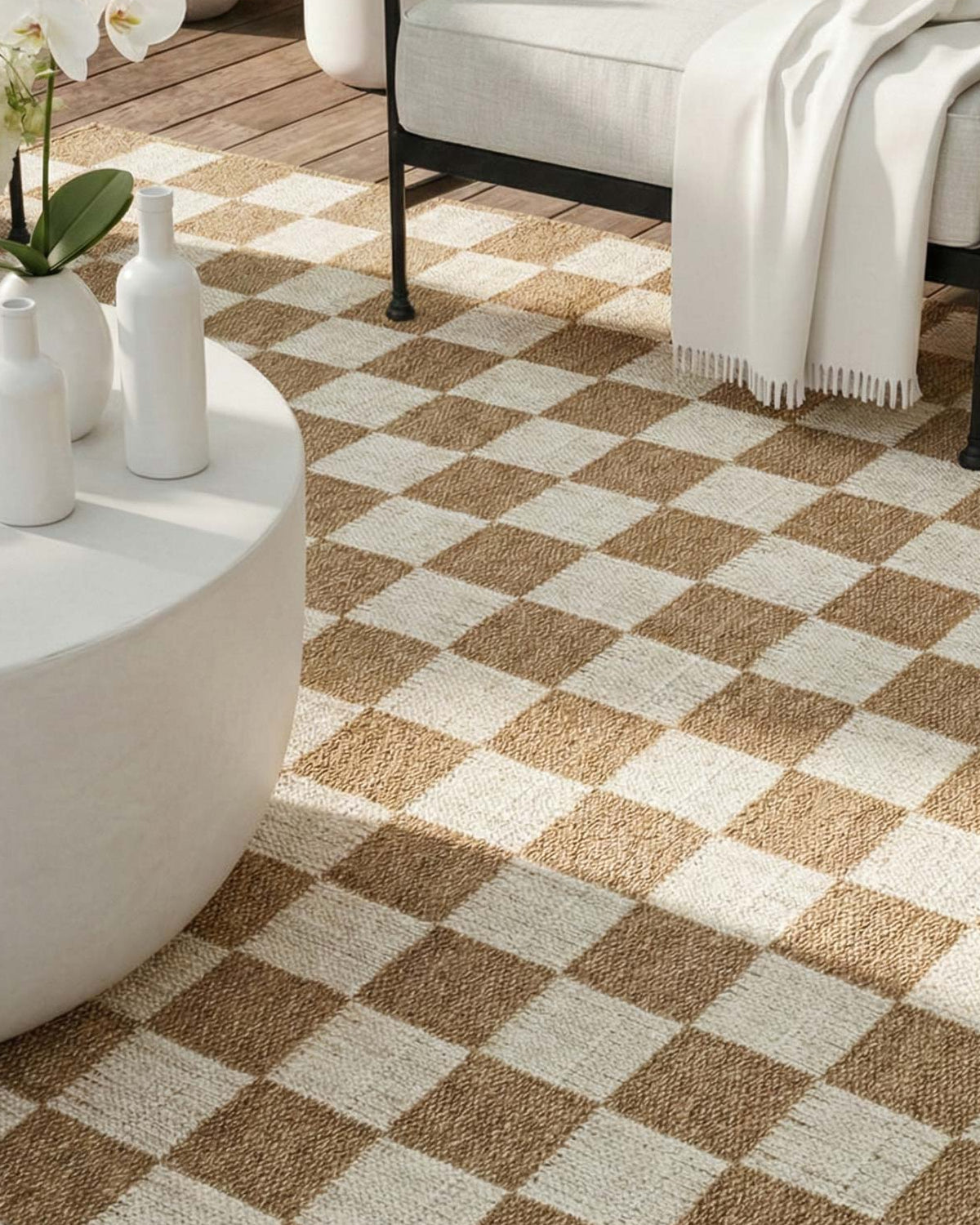
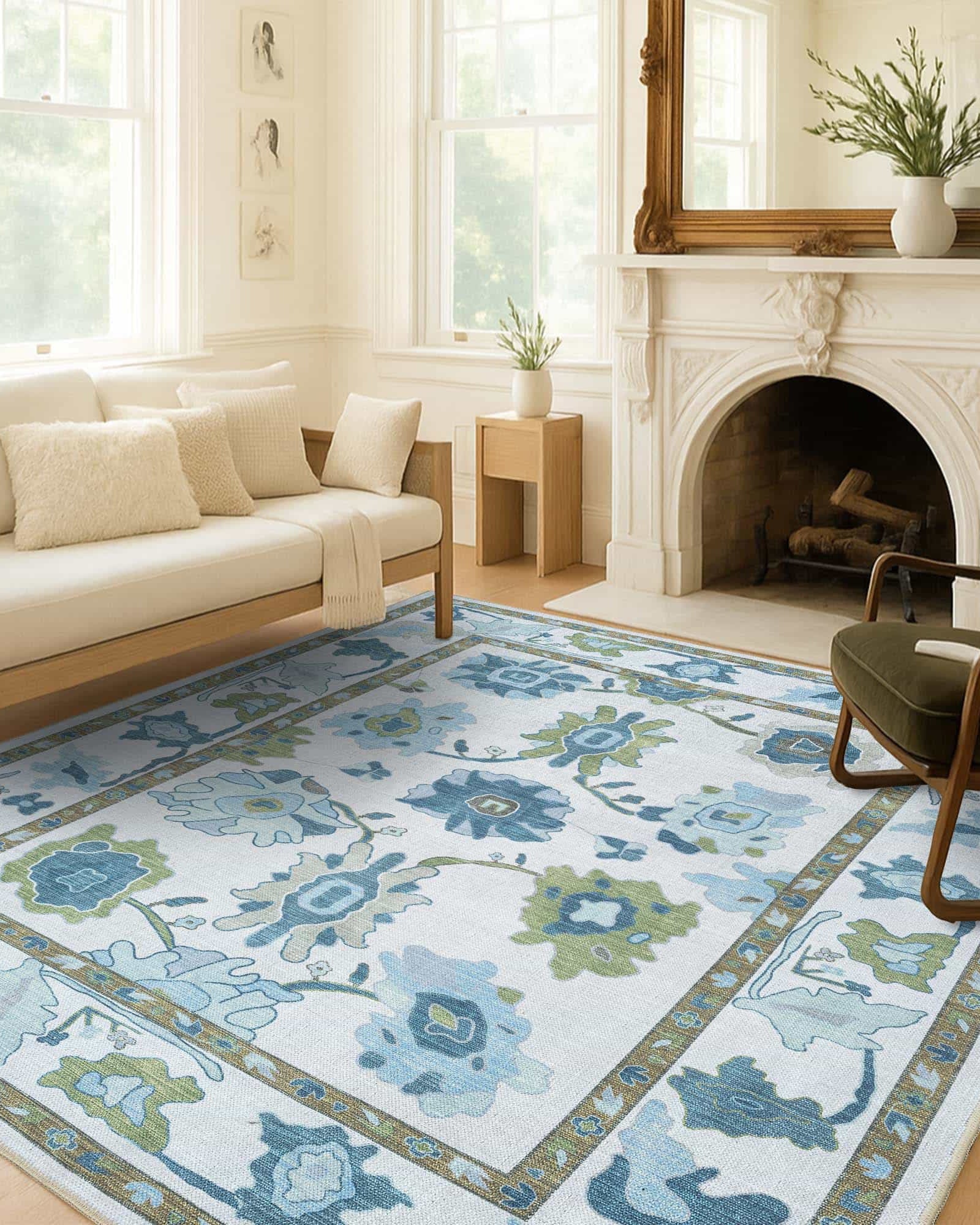
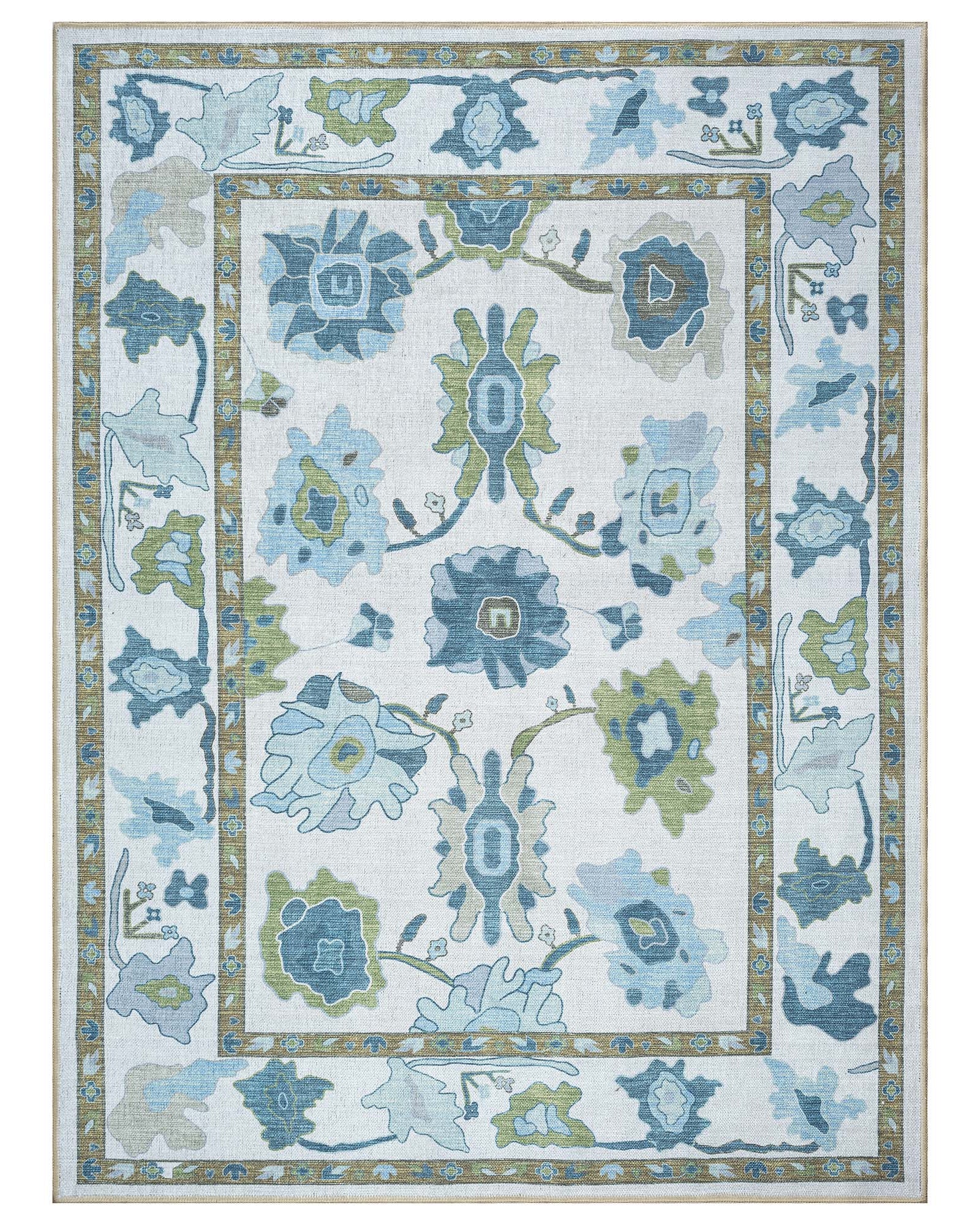
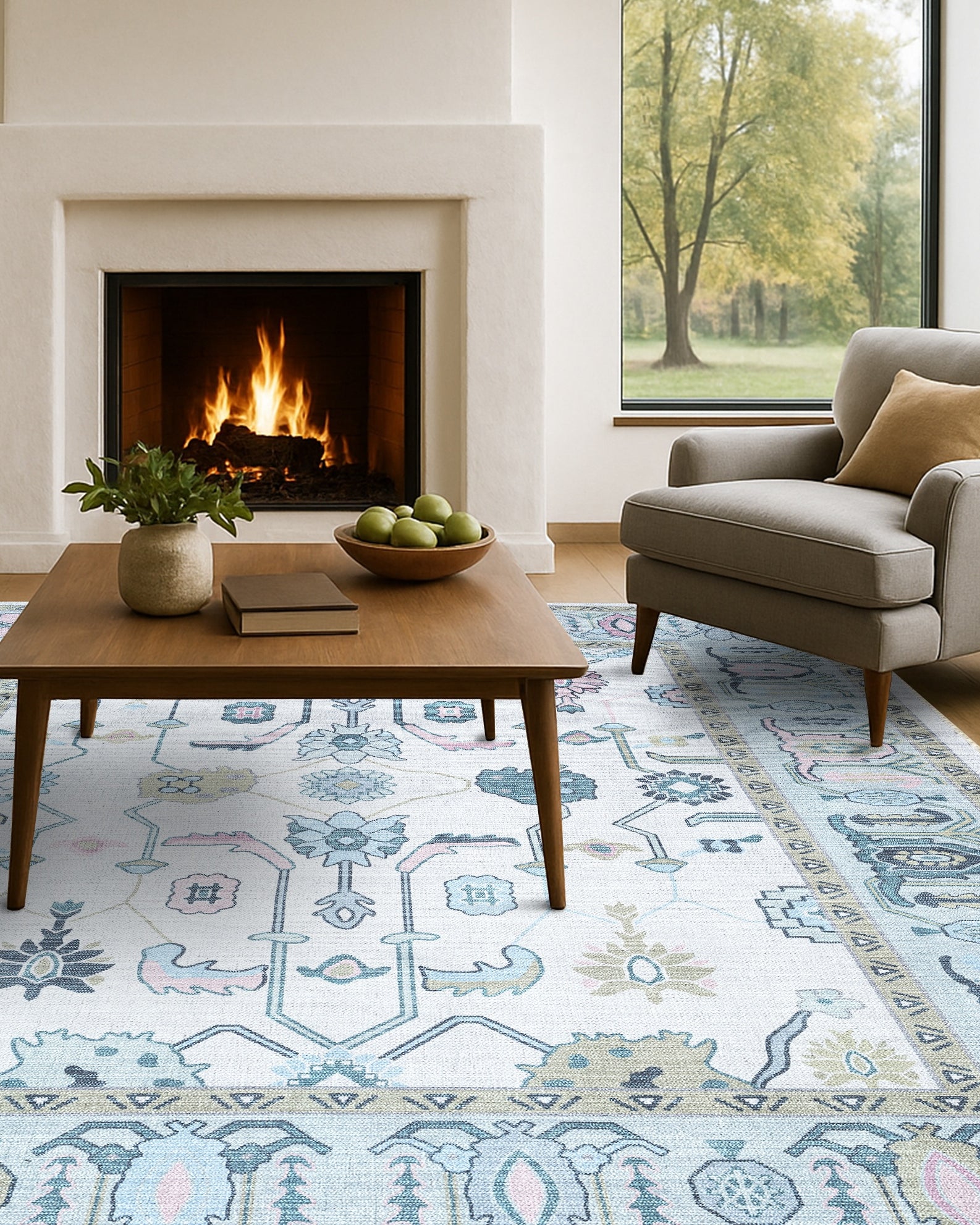
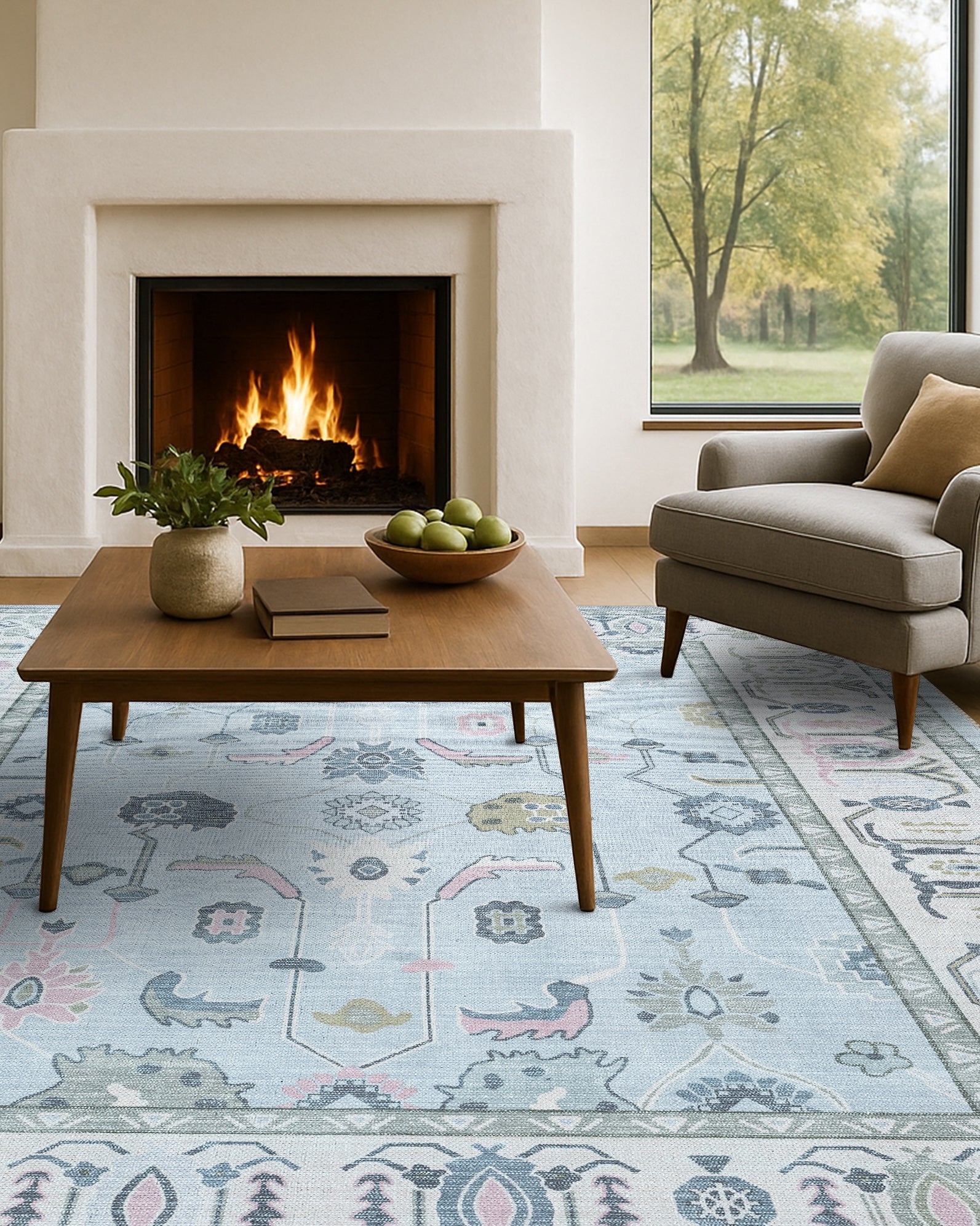
A neutral foundation that works with everything. Sisal's natural color range runs from pale wheat to warm taupe. This makes it one of the easiest rugs to layer: place a vintage Oushak, a flatweave kilim, or a sheepskin on top and the sisal grounds the composition without competing for attention.
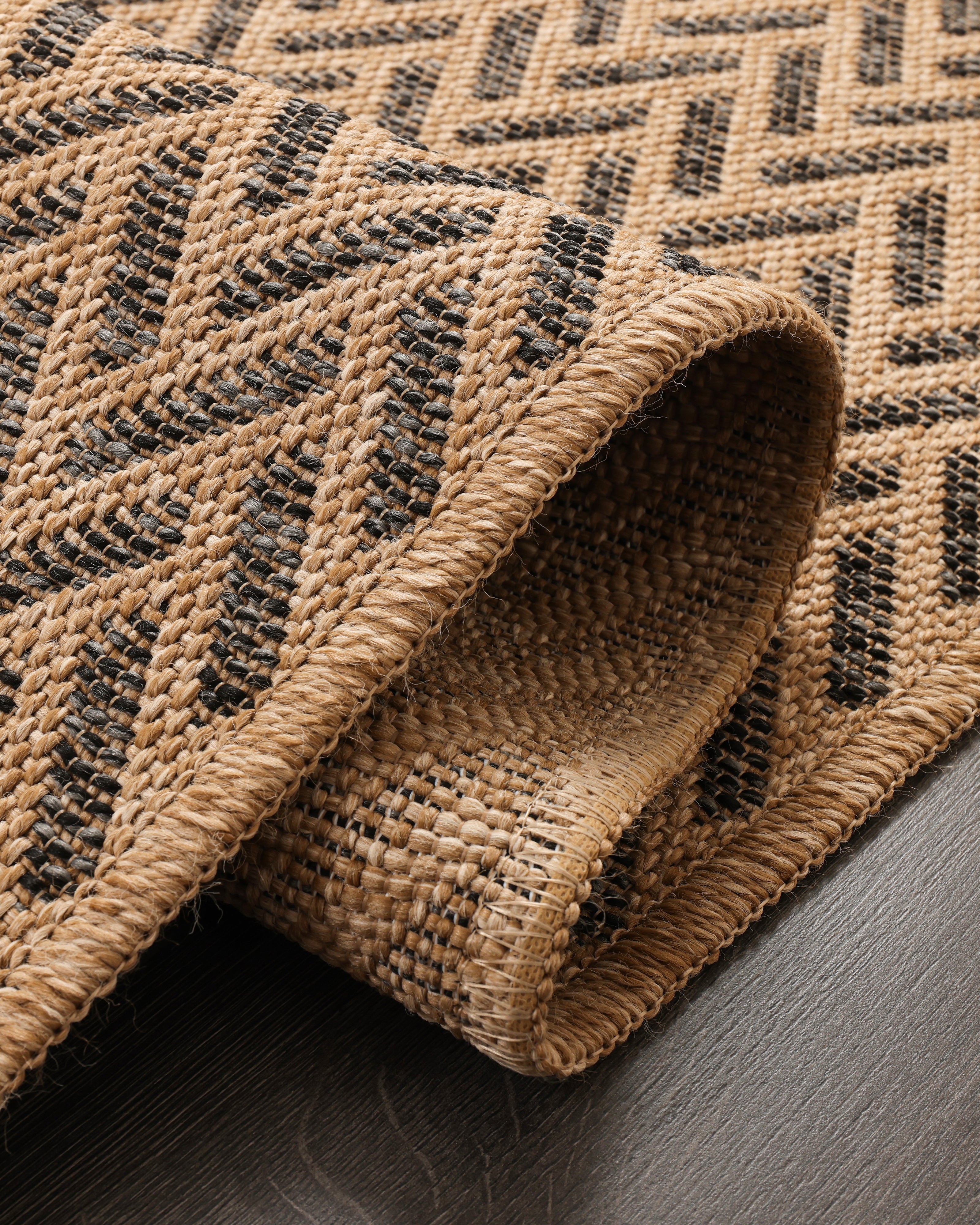
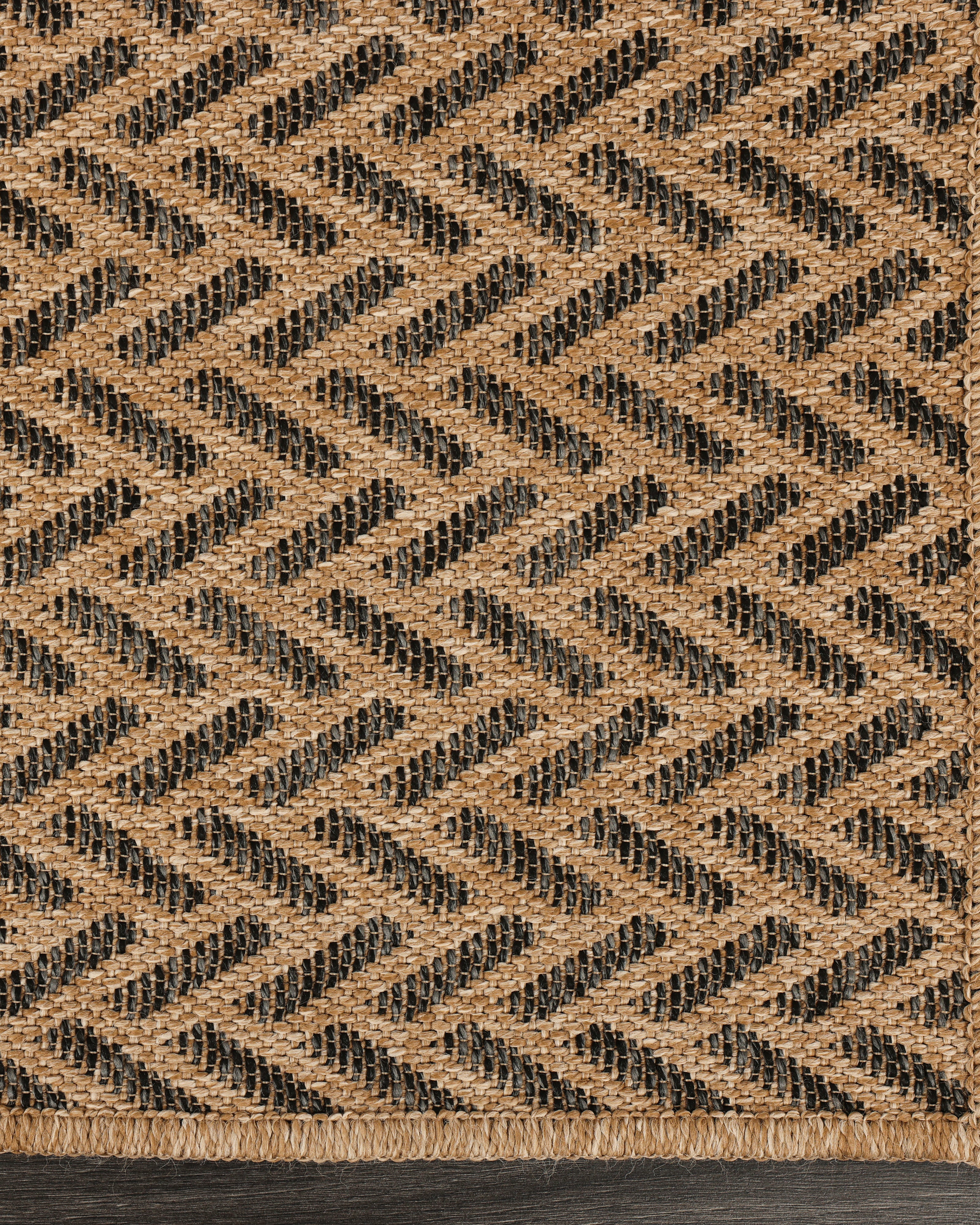
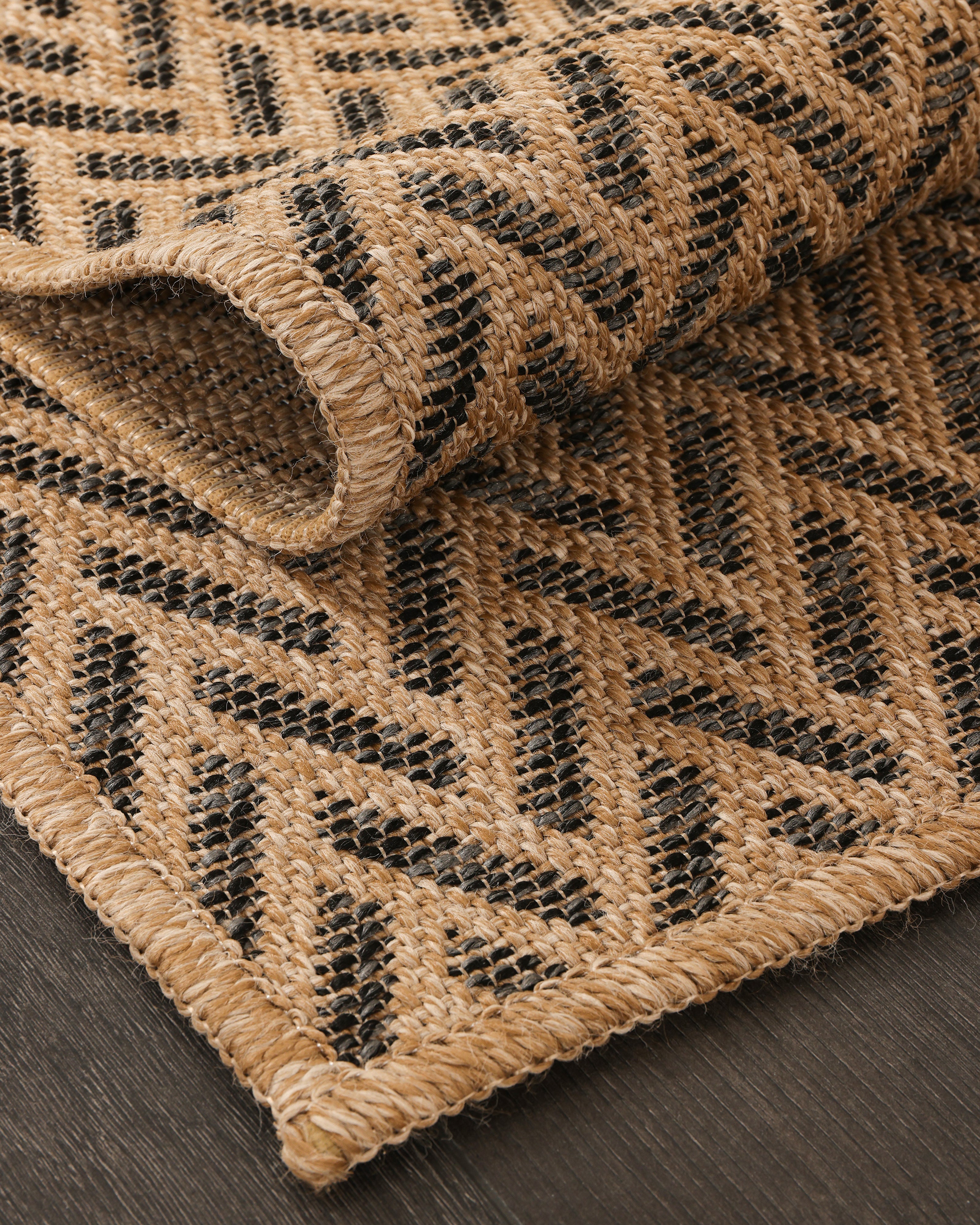
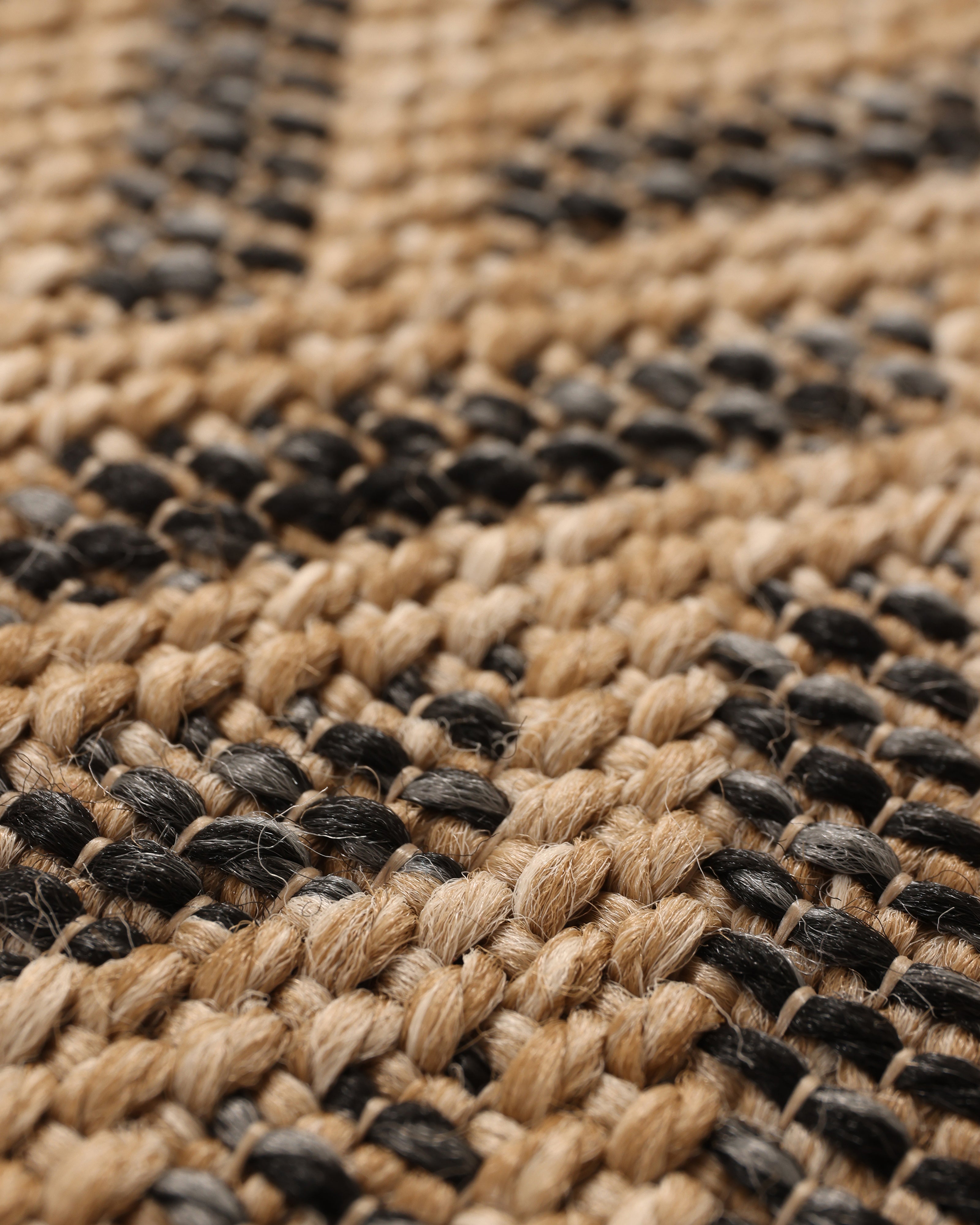
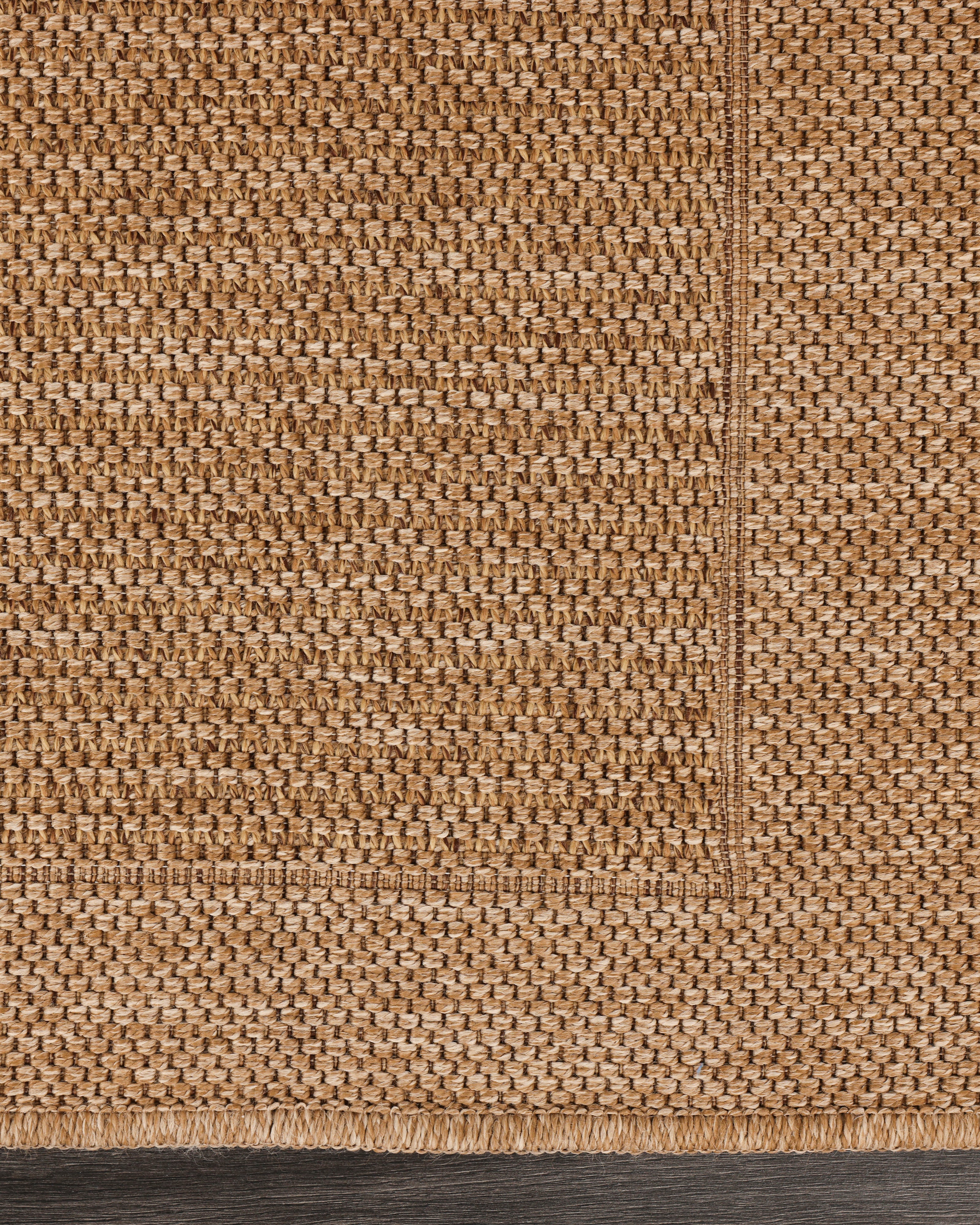
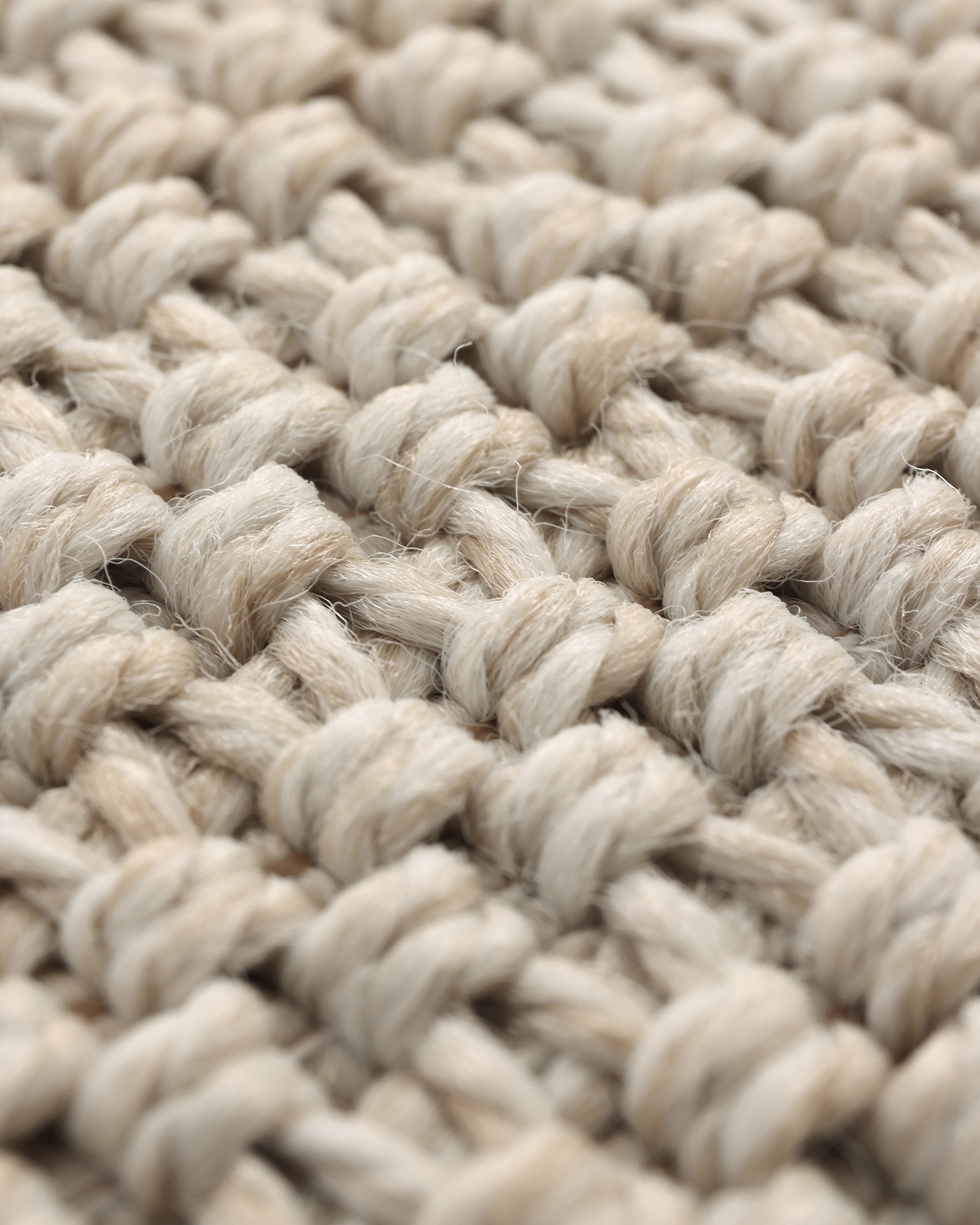
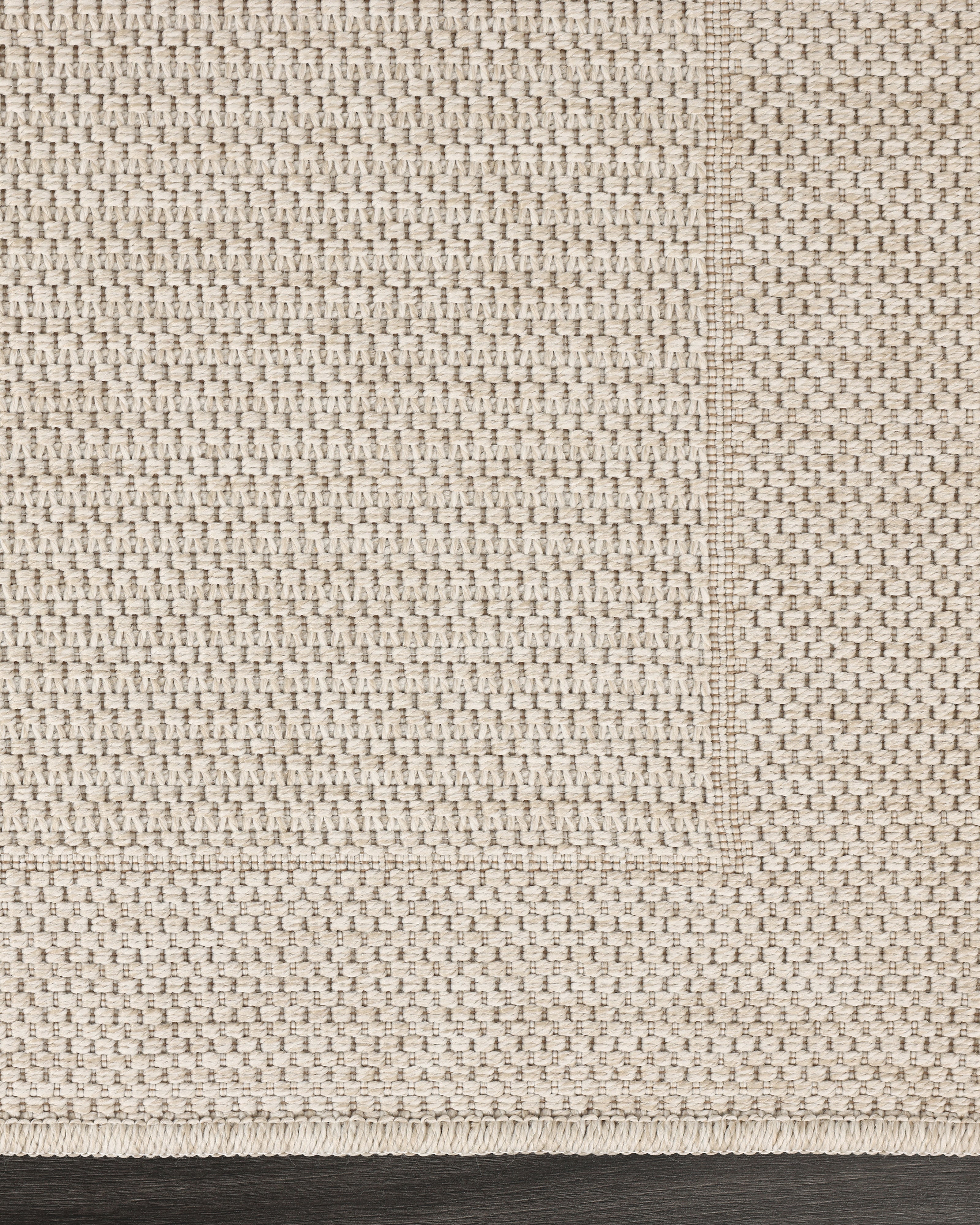
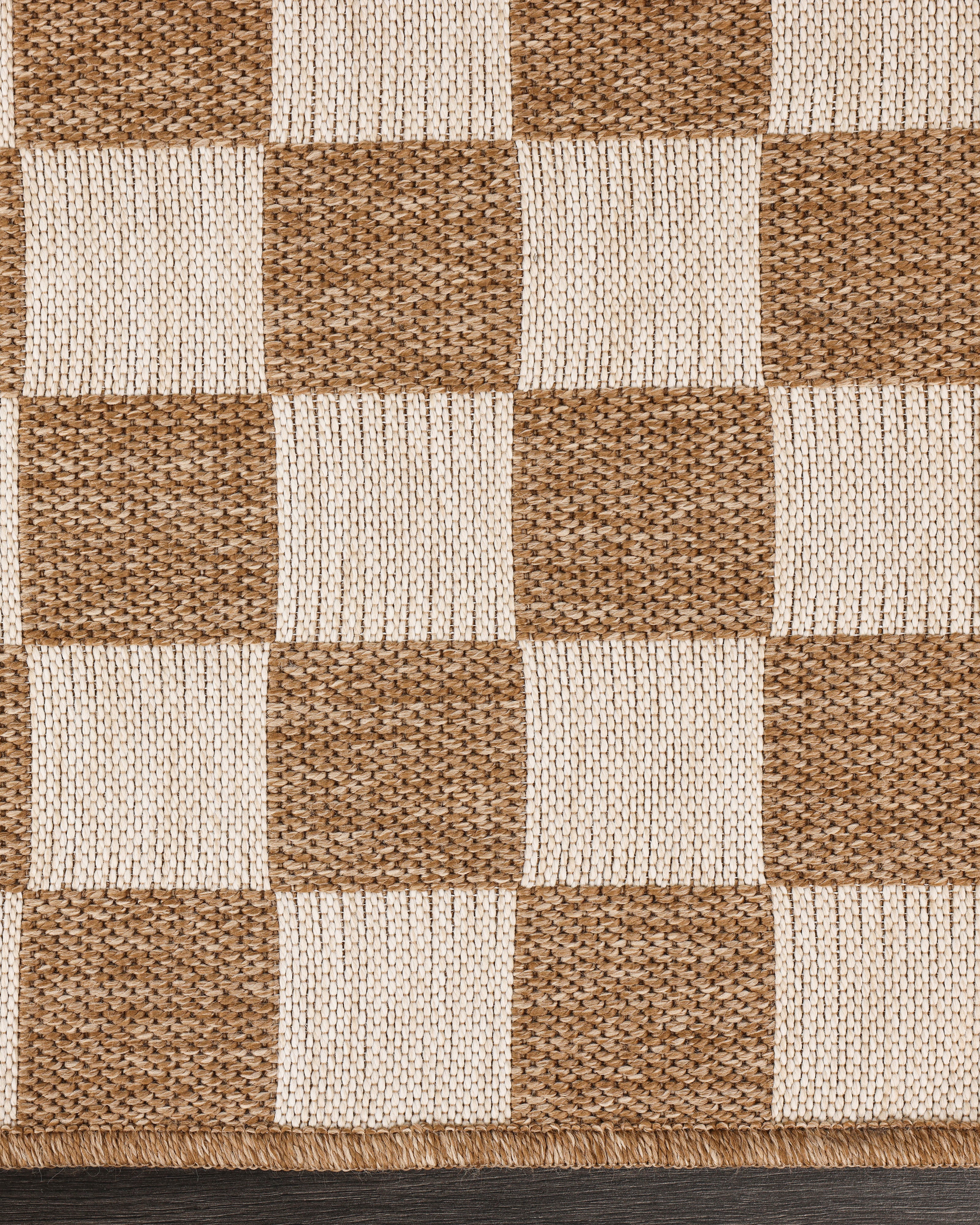
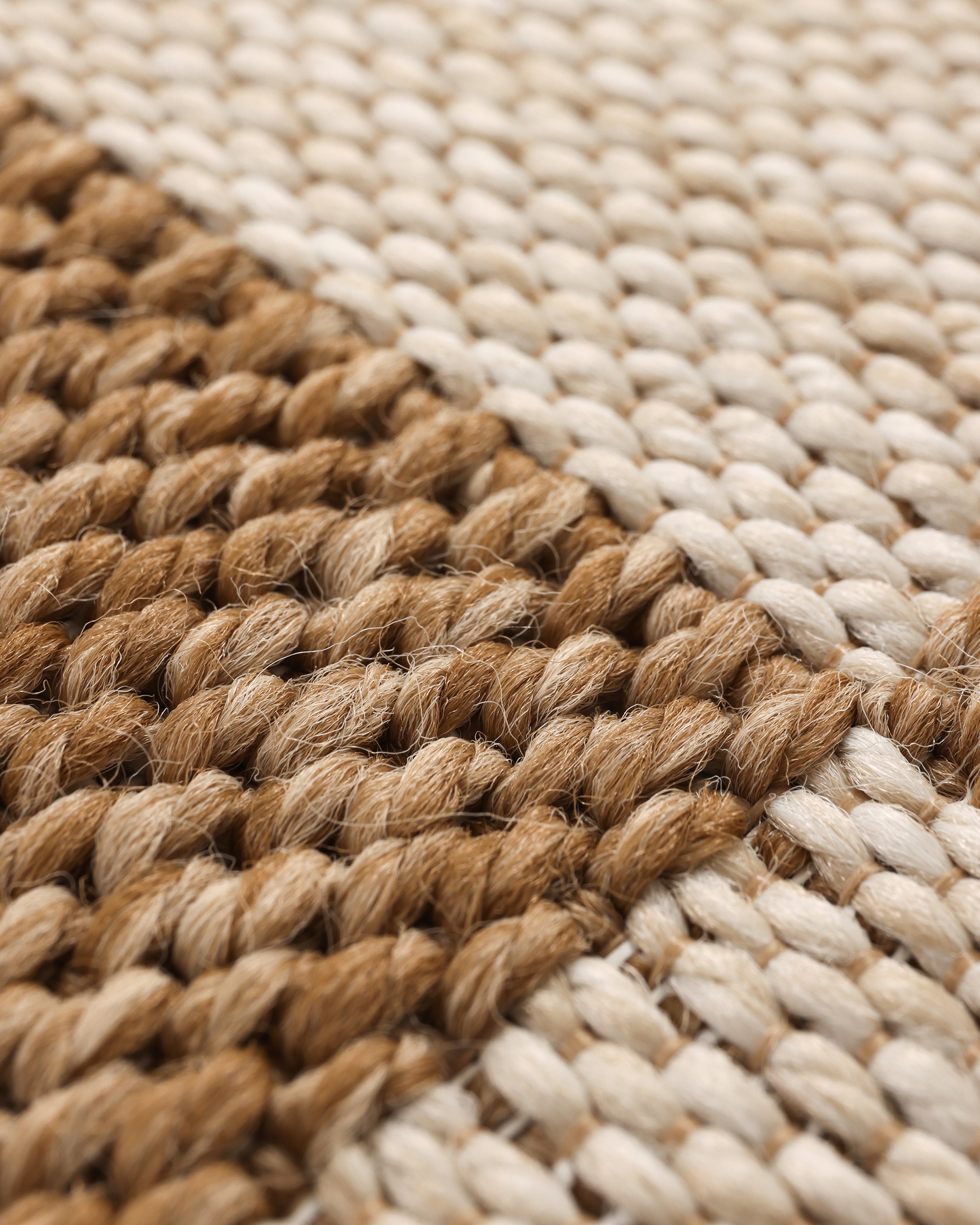
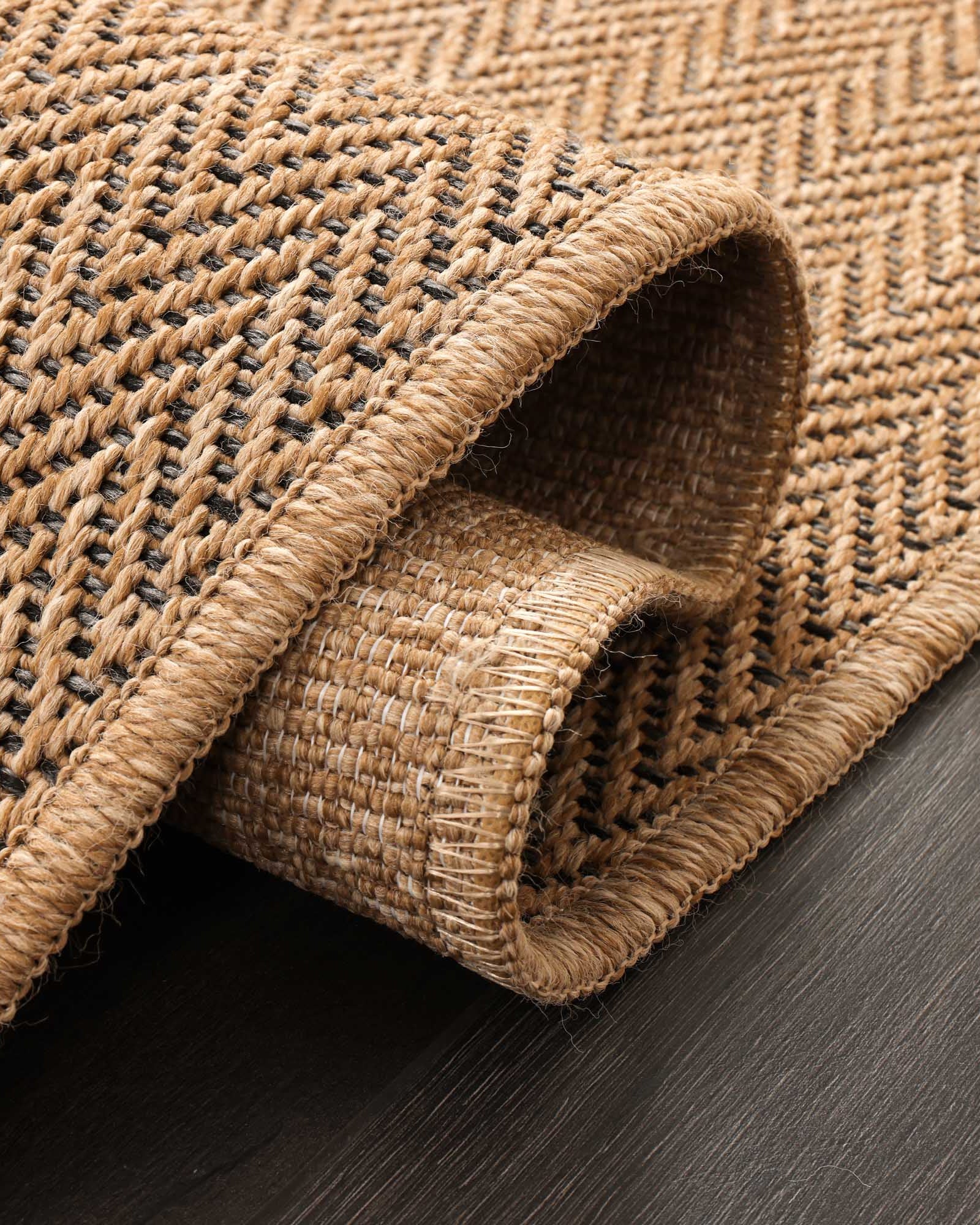
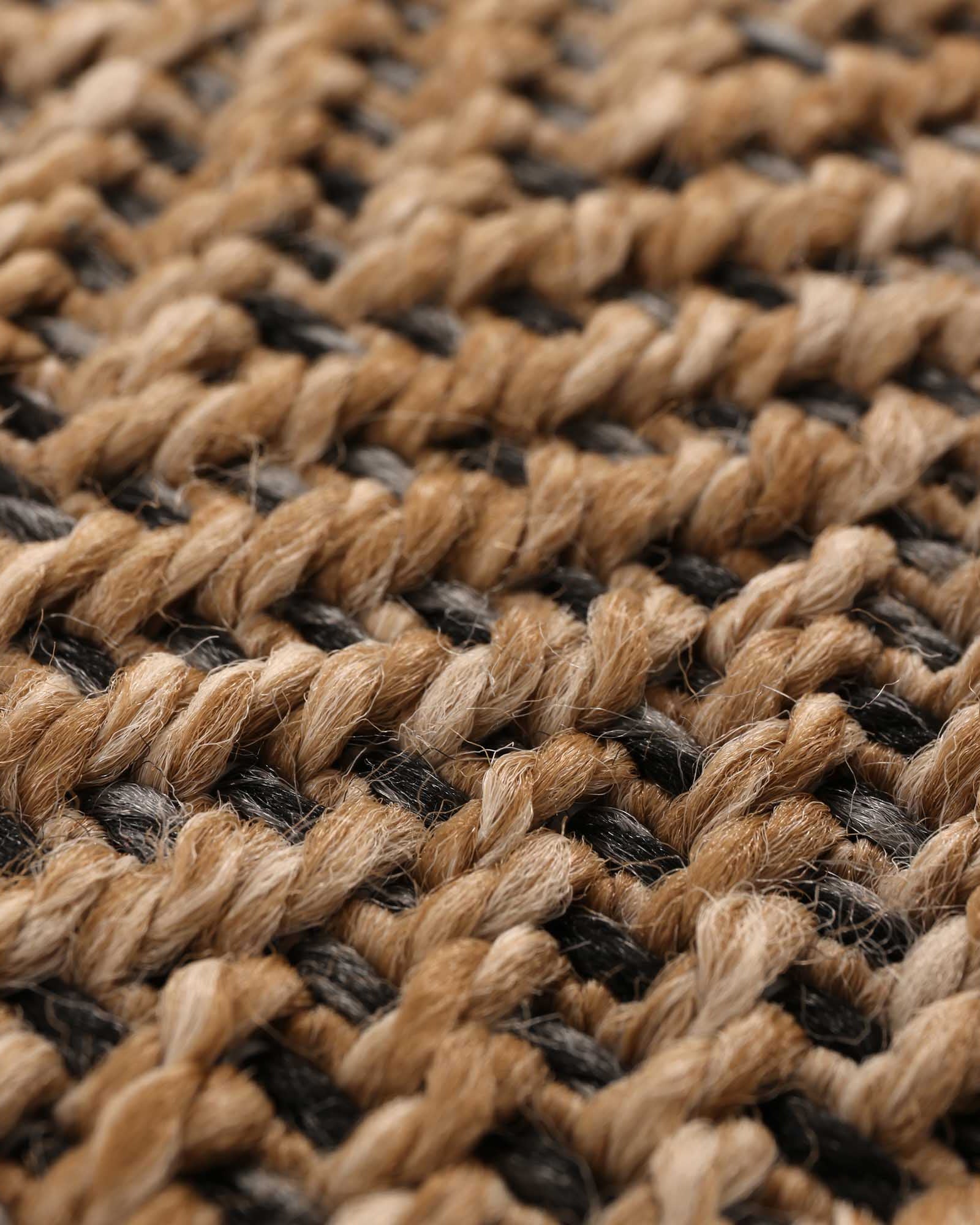
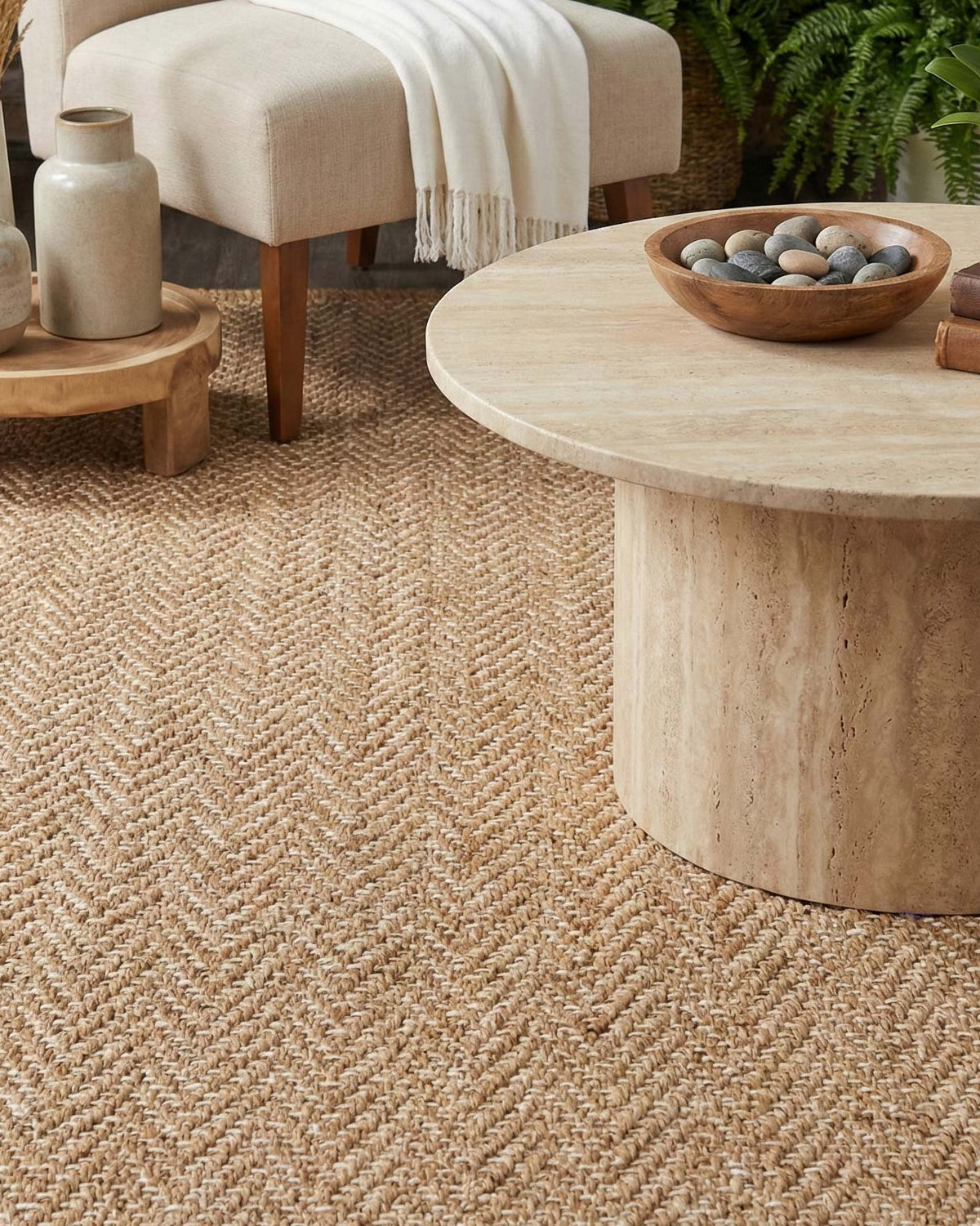
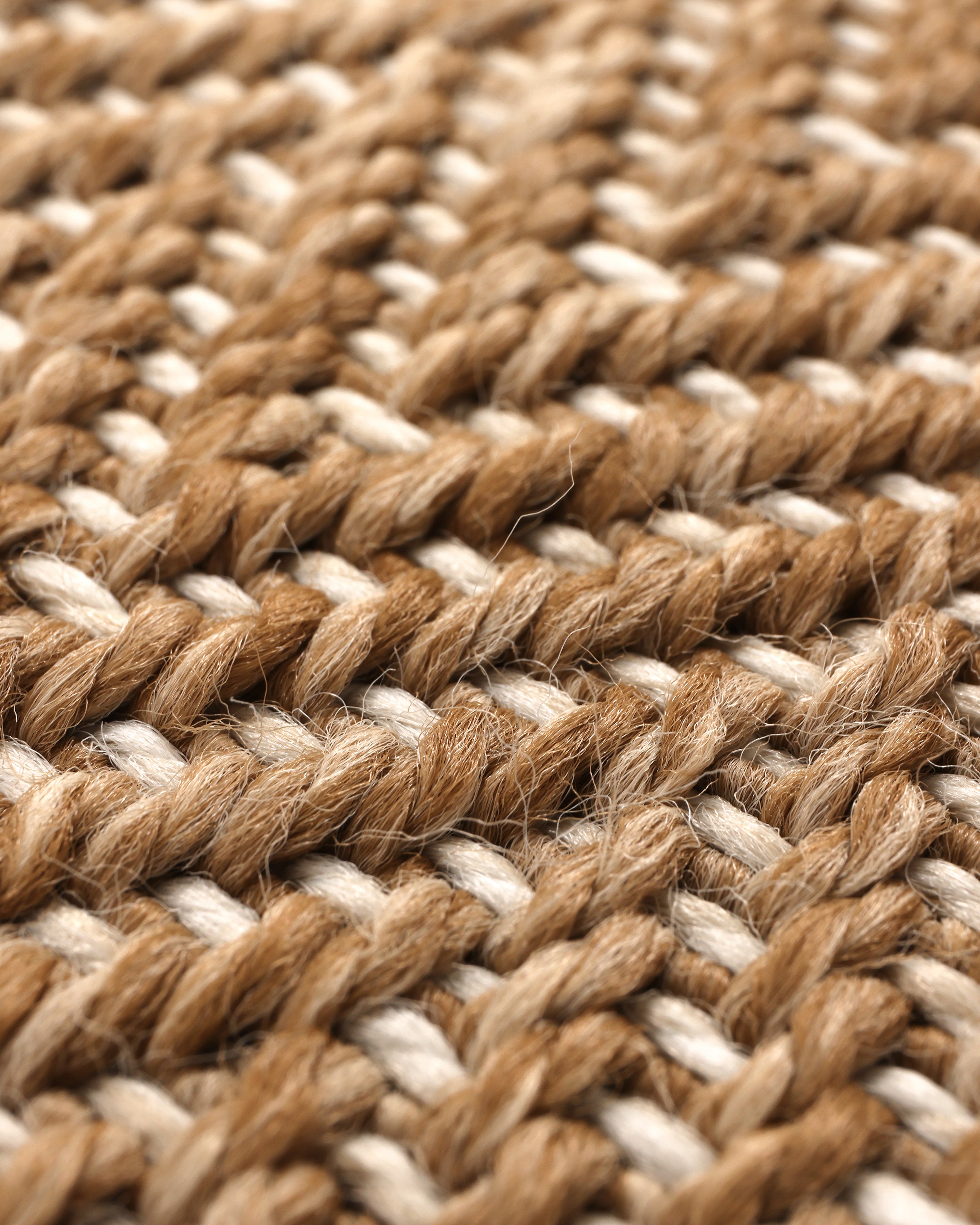
Texture that adds depth. Flat, solid-color rugs can leave a room feeling unfinished. The visible weave structure of sisal — boucle, herringbone, panama, or tiger-eye patterns — introduces tactile interest that photographs beautifully and reads as considered rather than decorative.
Naturally sound-absorbing. The dense weave dampens footfall and echo, which matters in open-plan spaces and rooms with hard flooring.
Sisal Weave Styles Explained
Boucle — A looped, pebbled surface with a soft, rounded texture. The most forgiving weave for hiding everyday dust and crumbs.
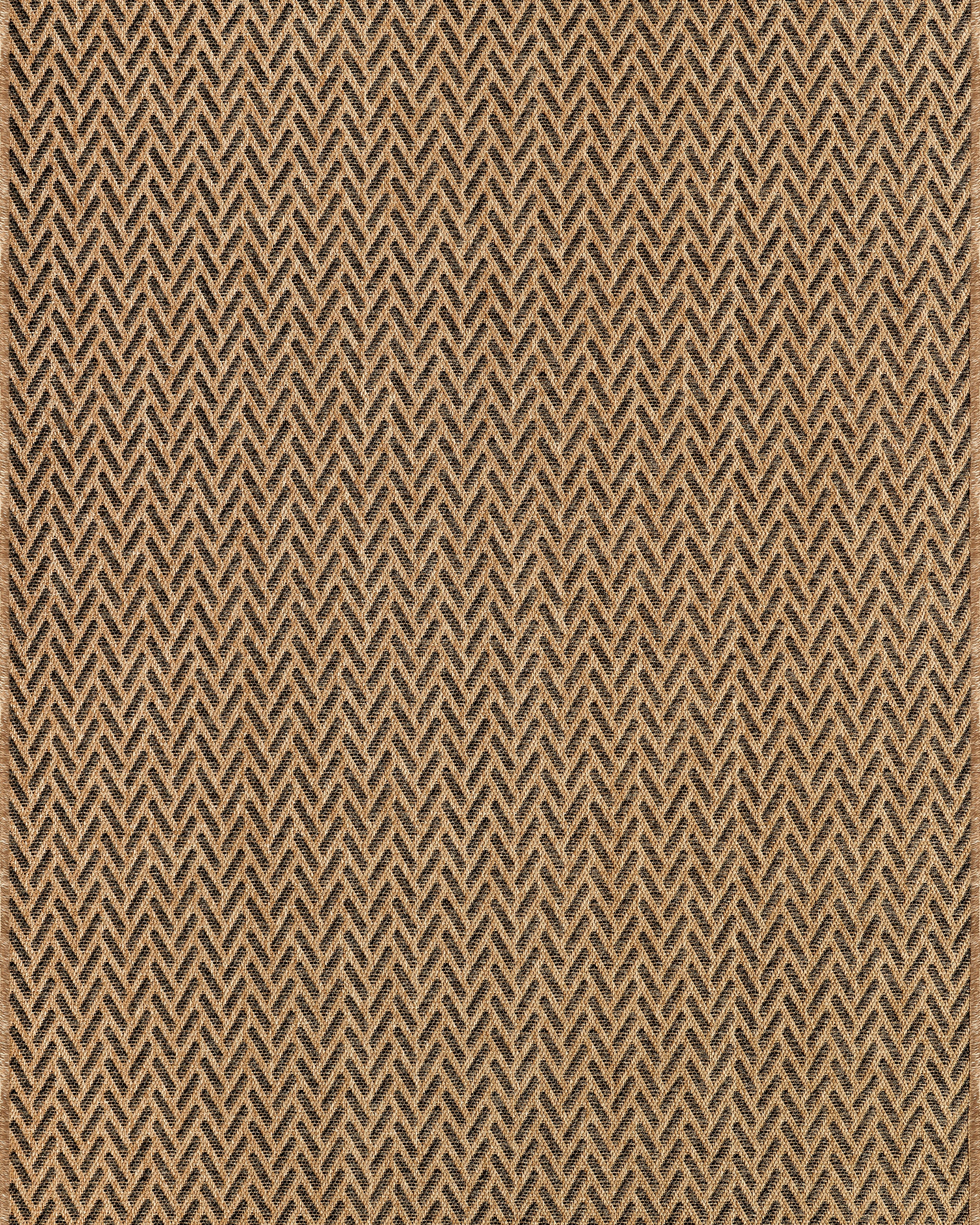
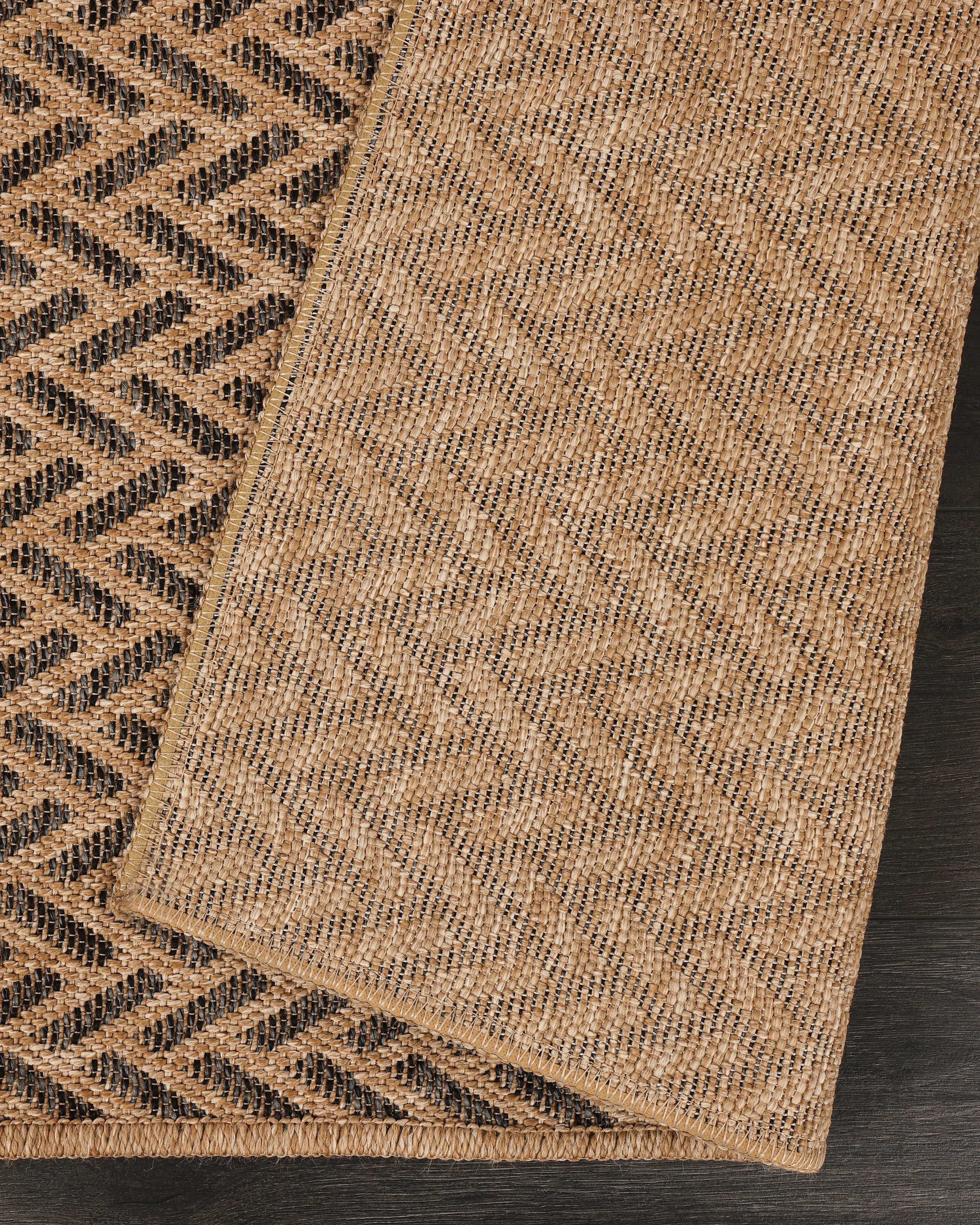
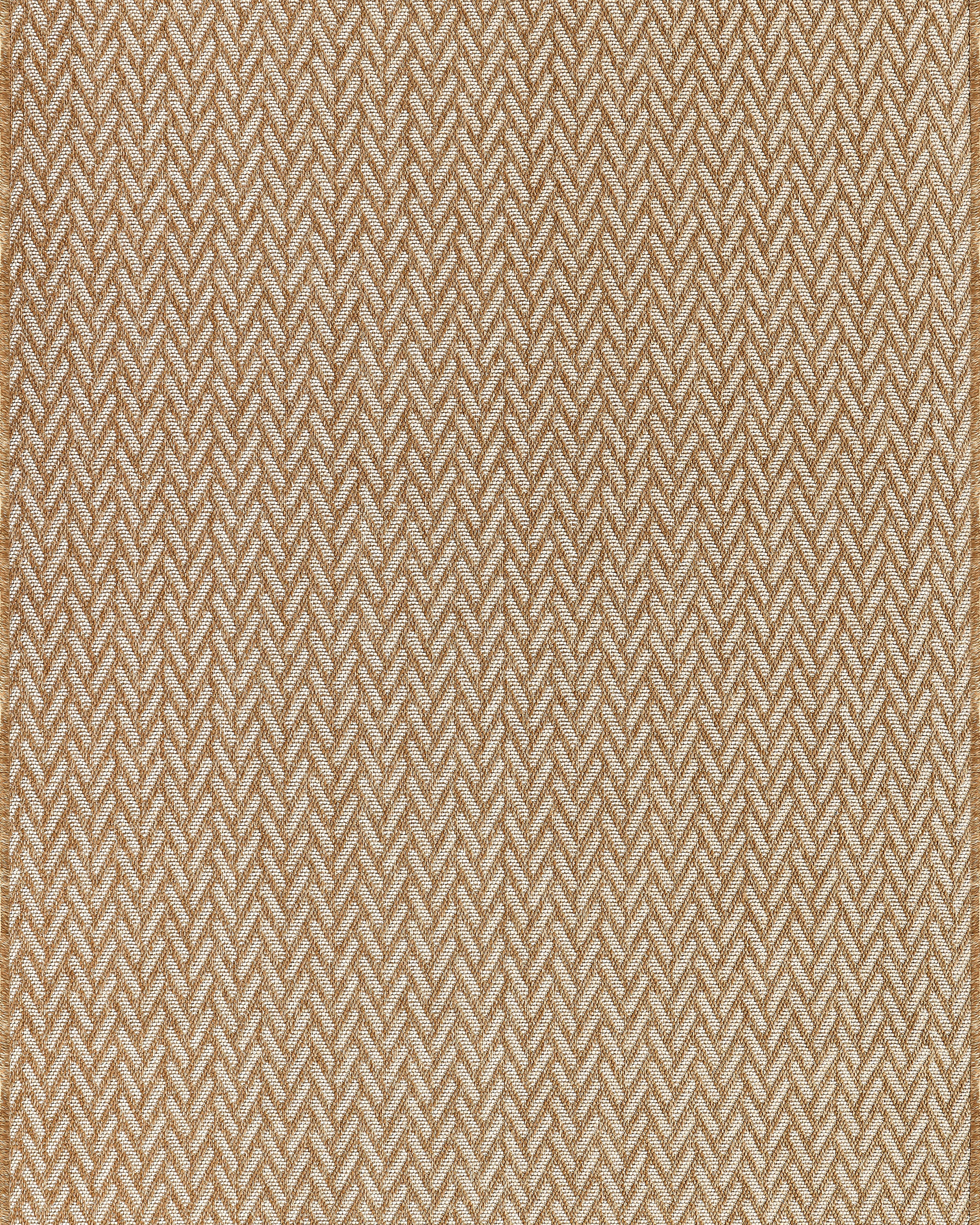
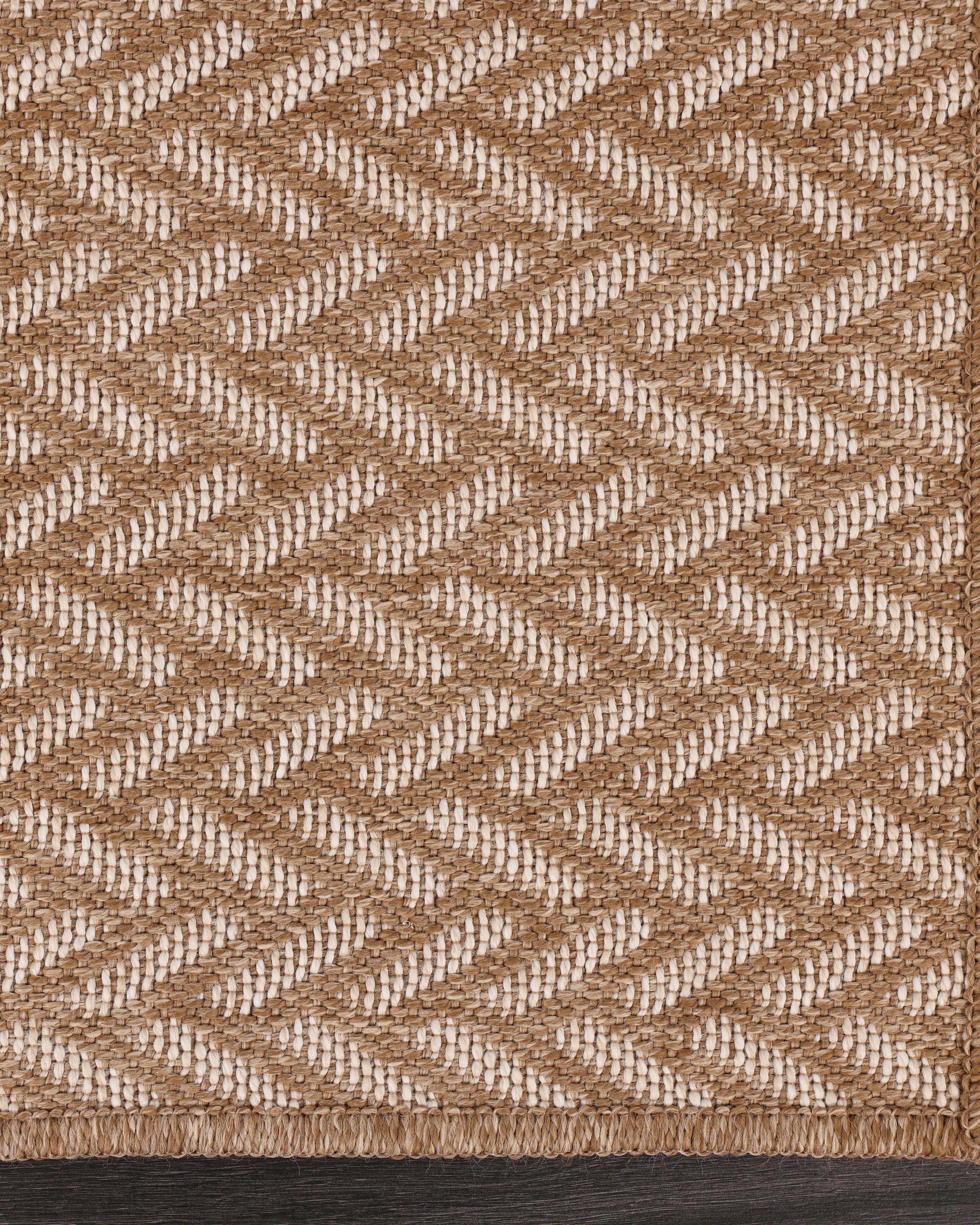
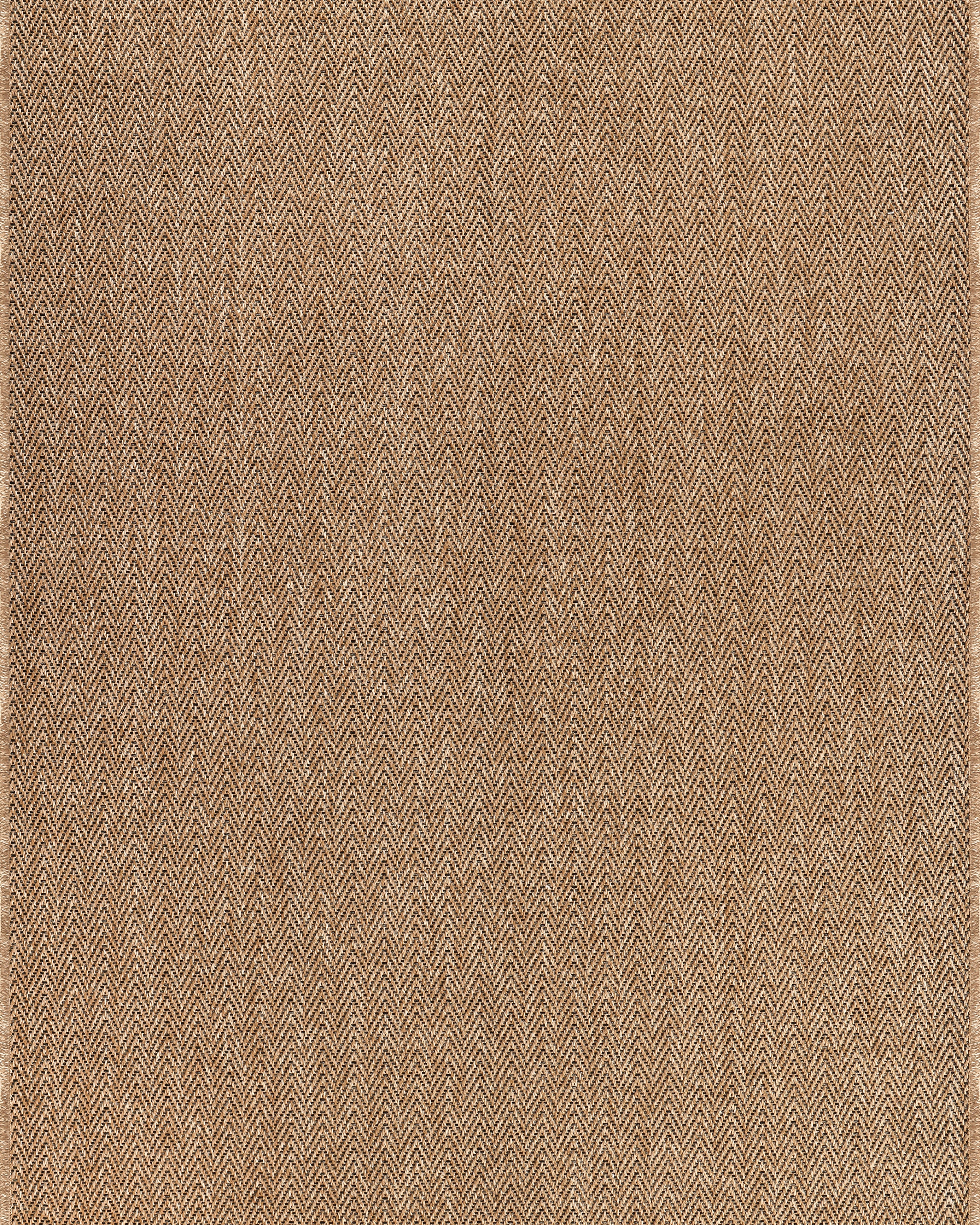
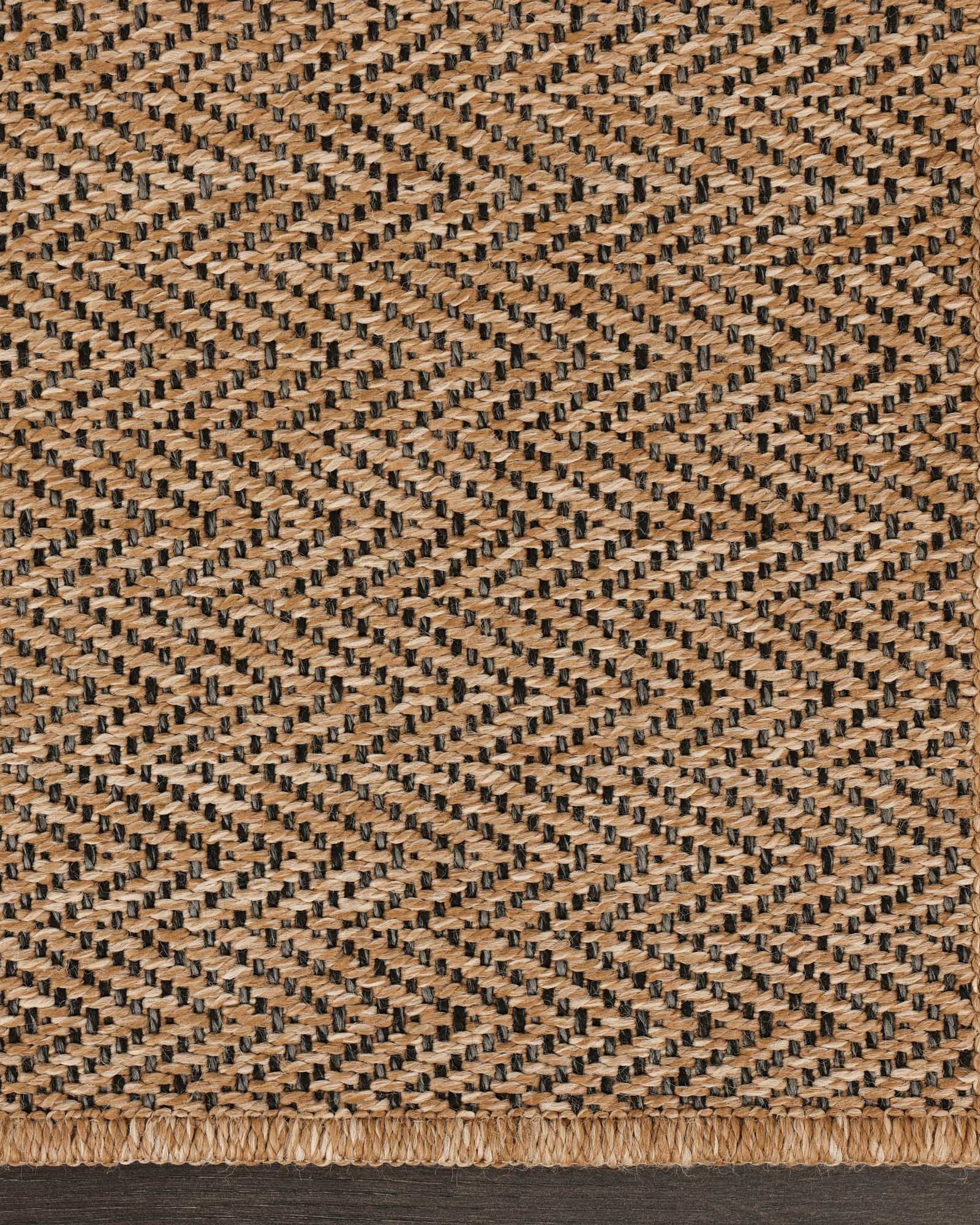
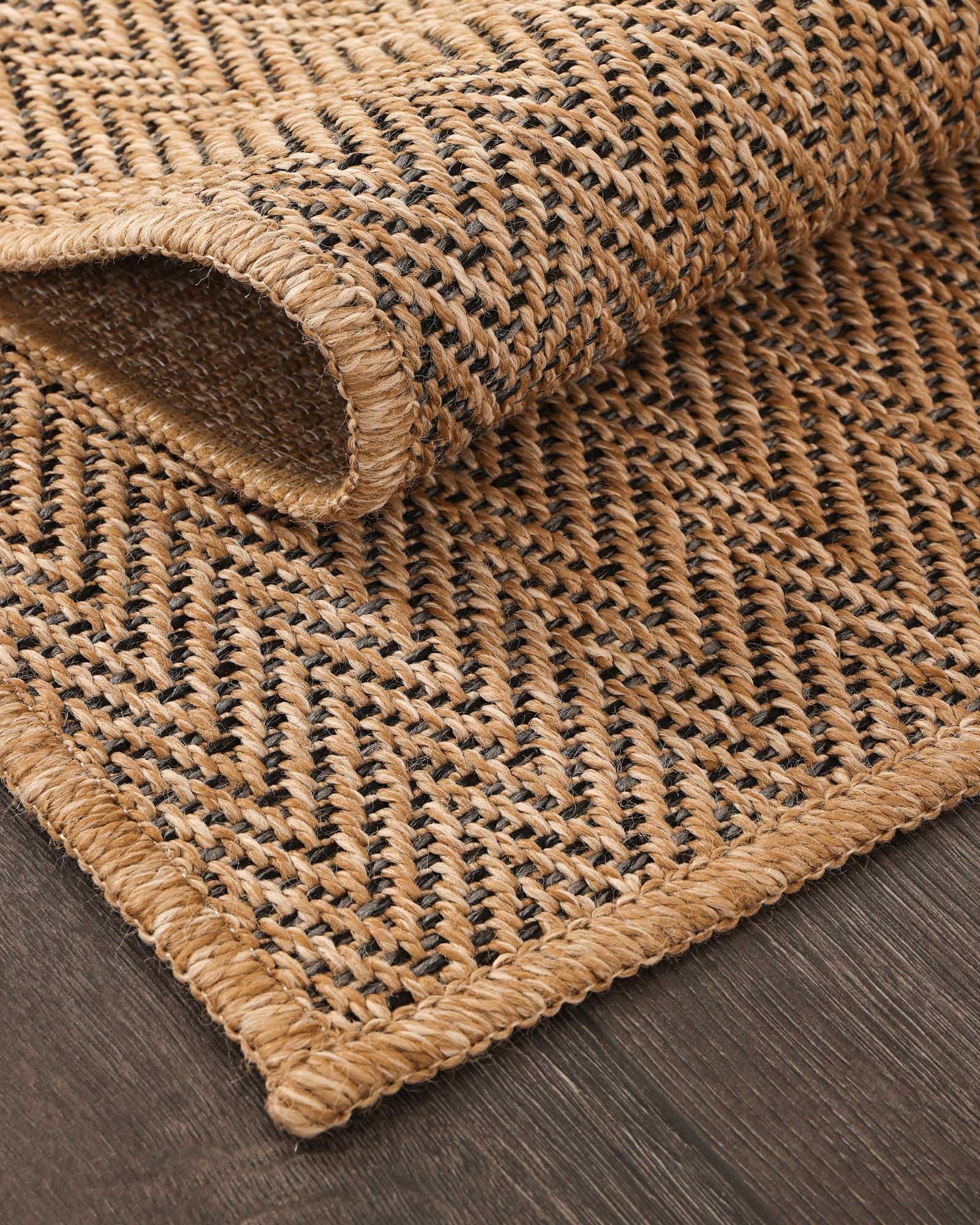
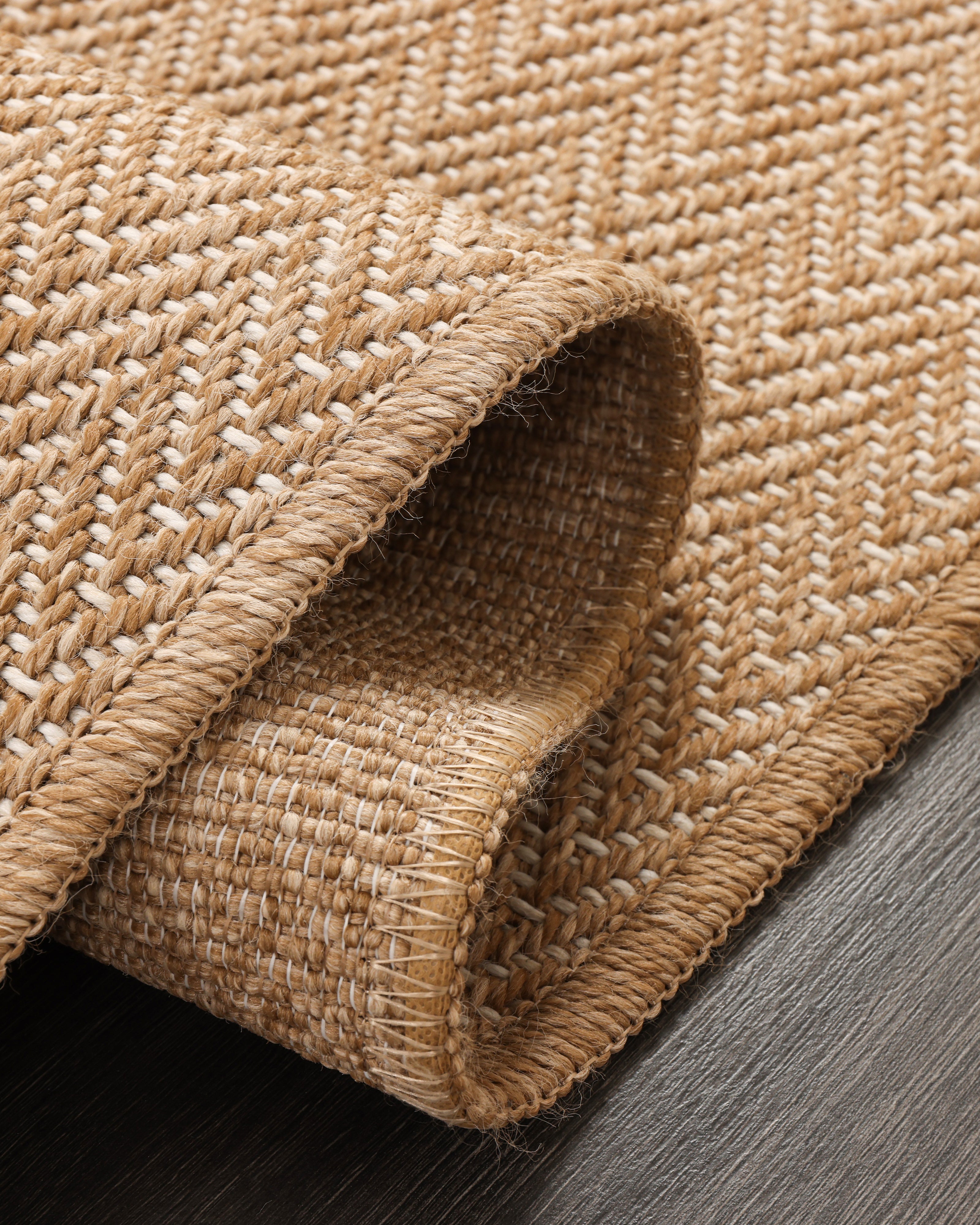
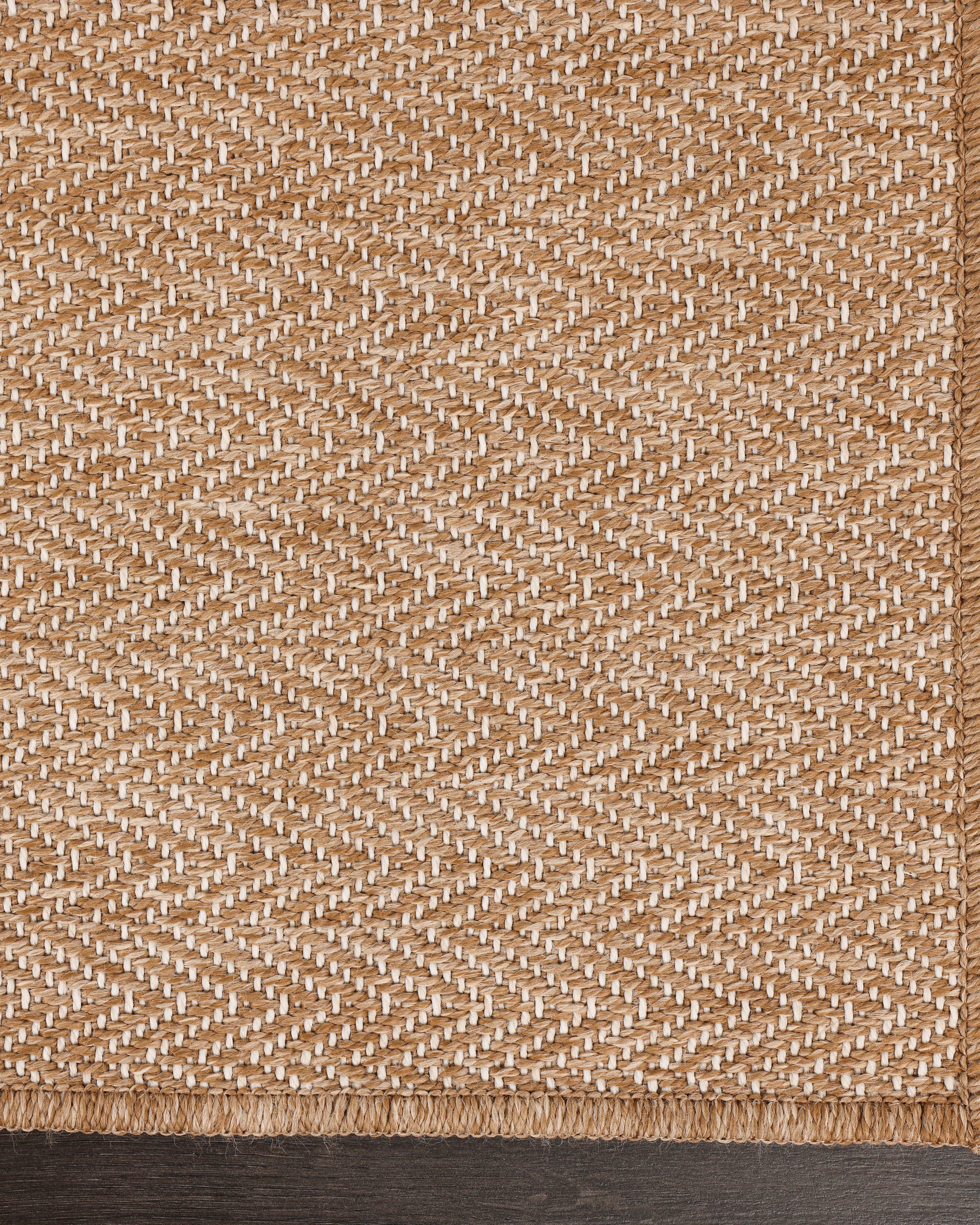
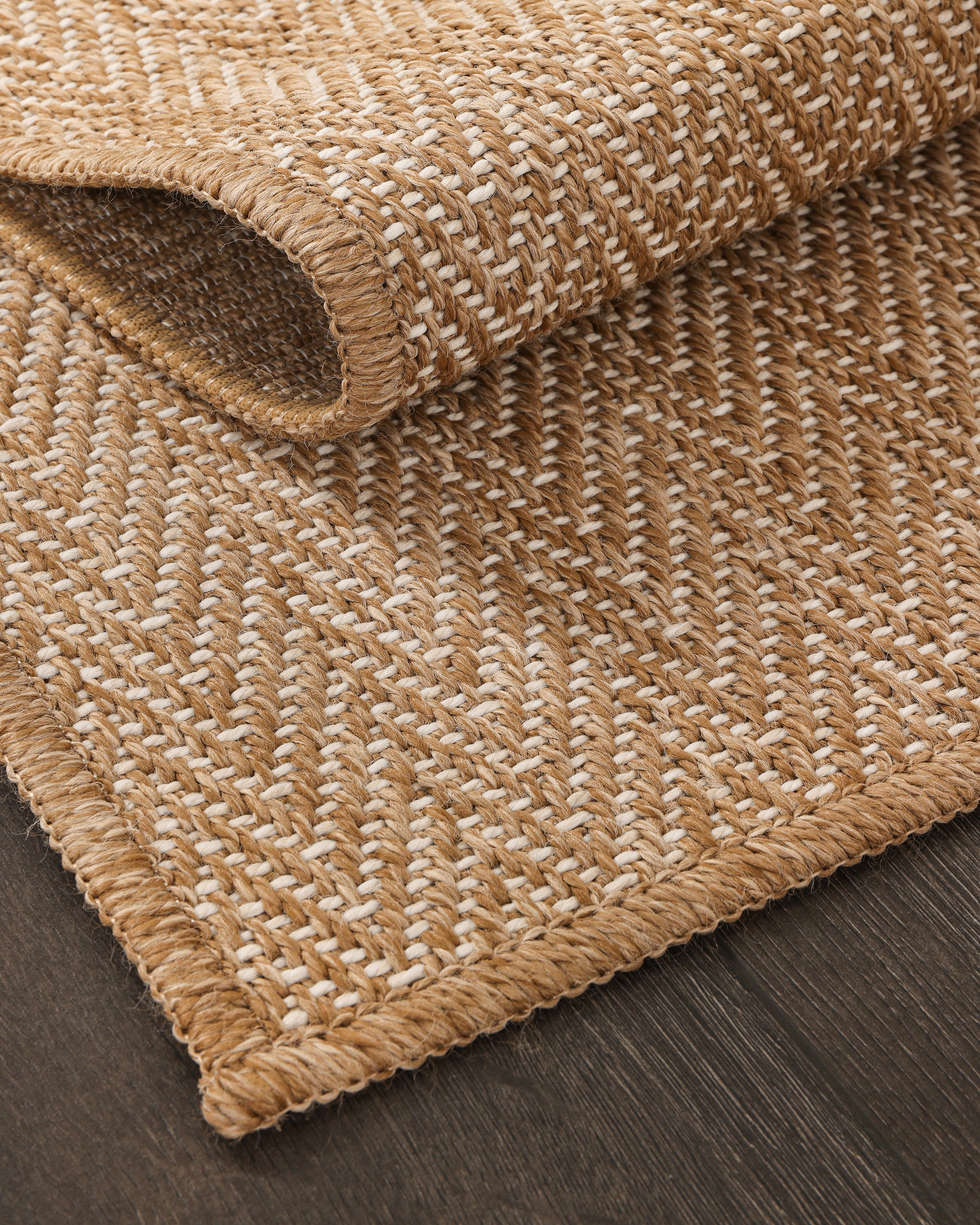
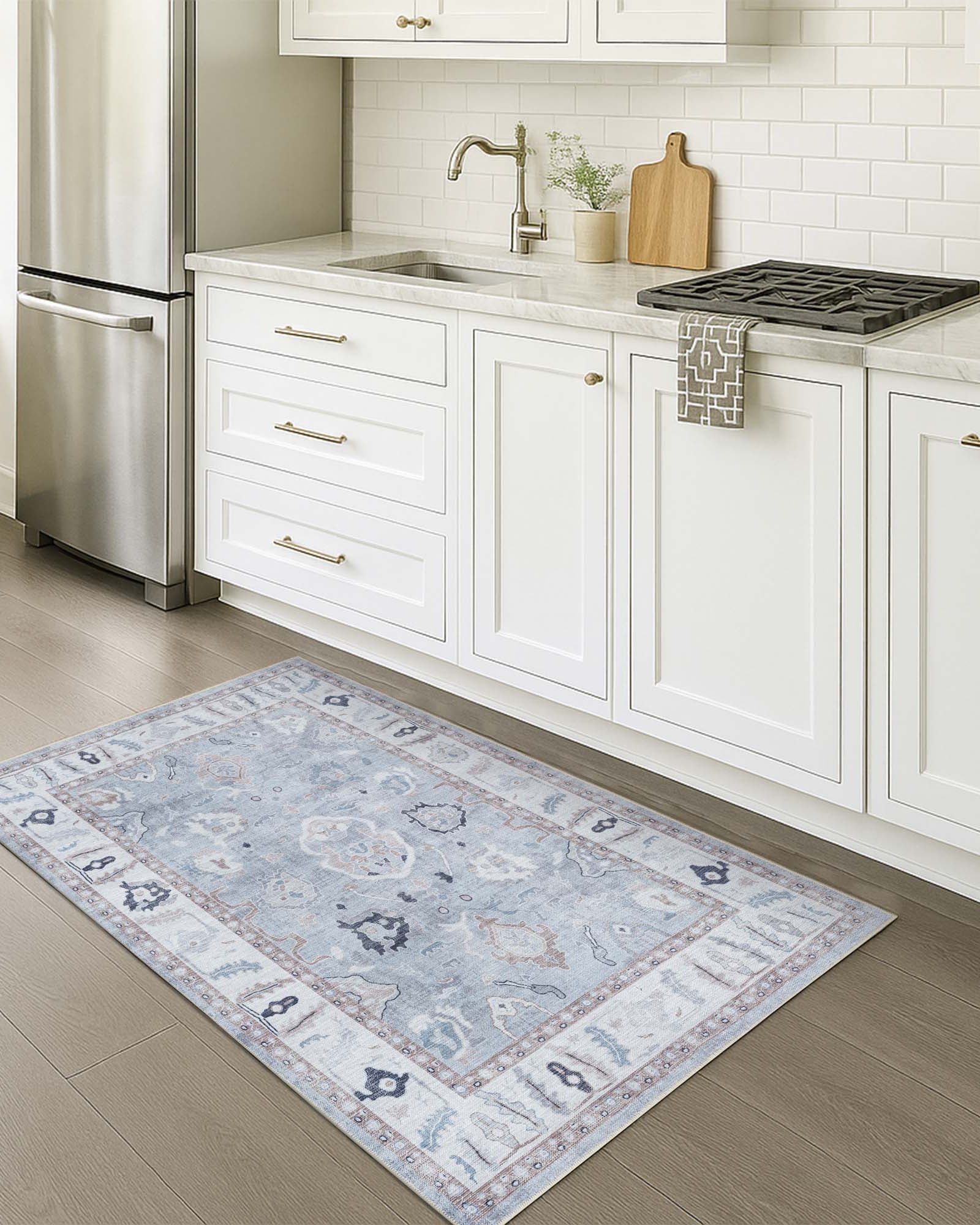
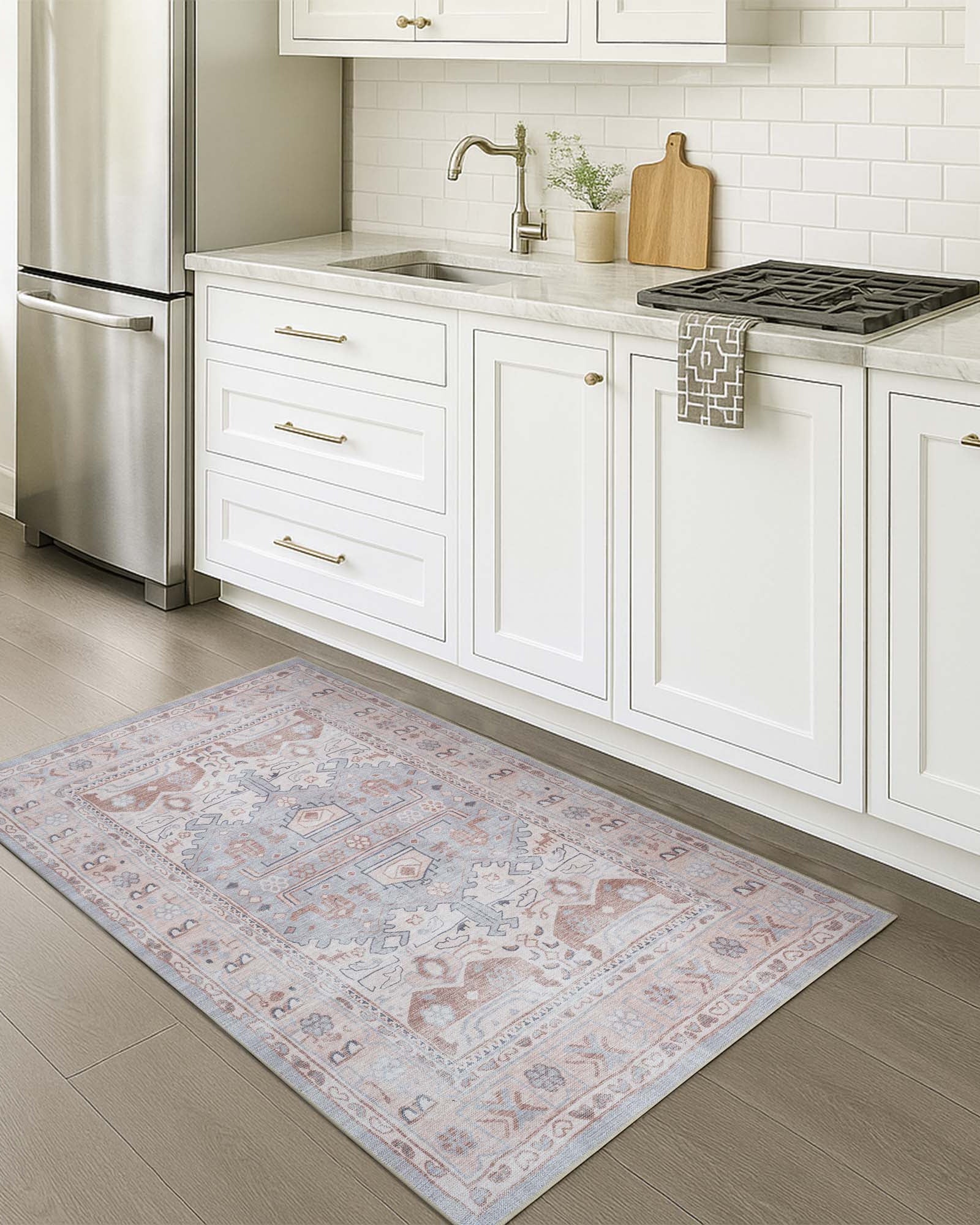
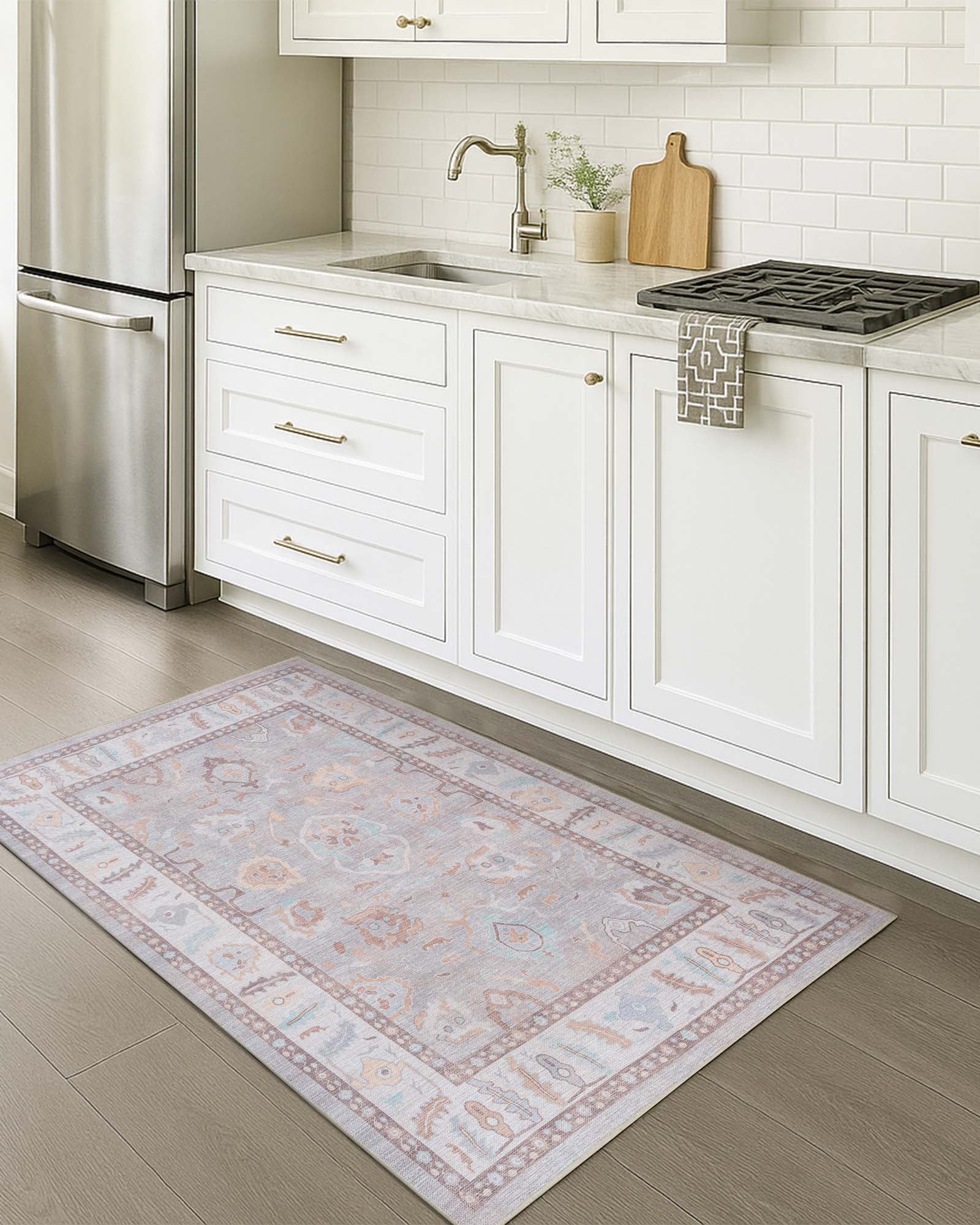
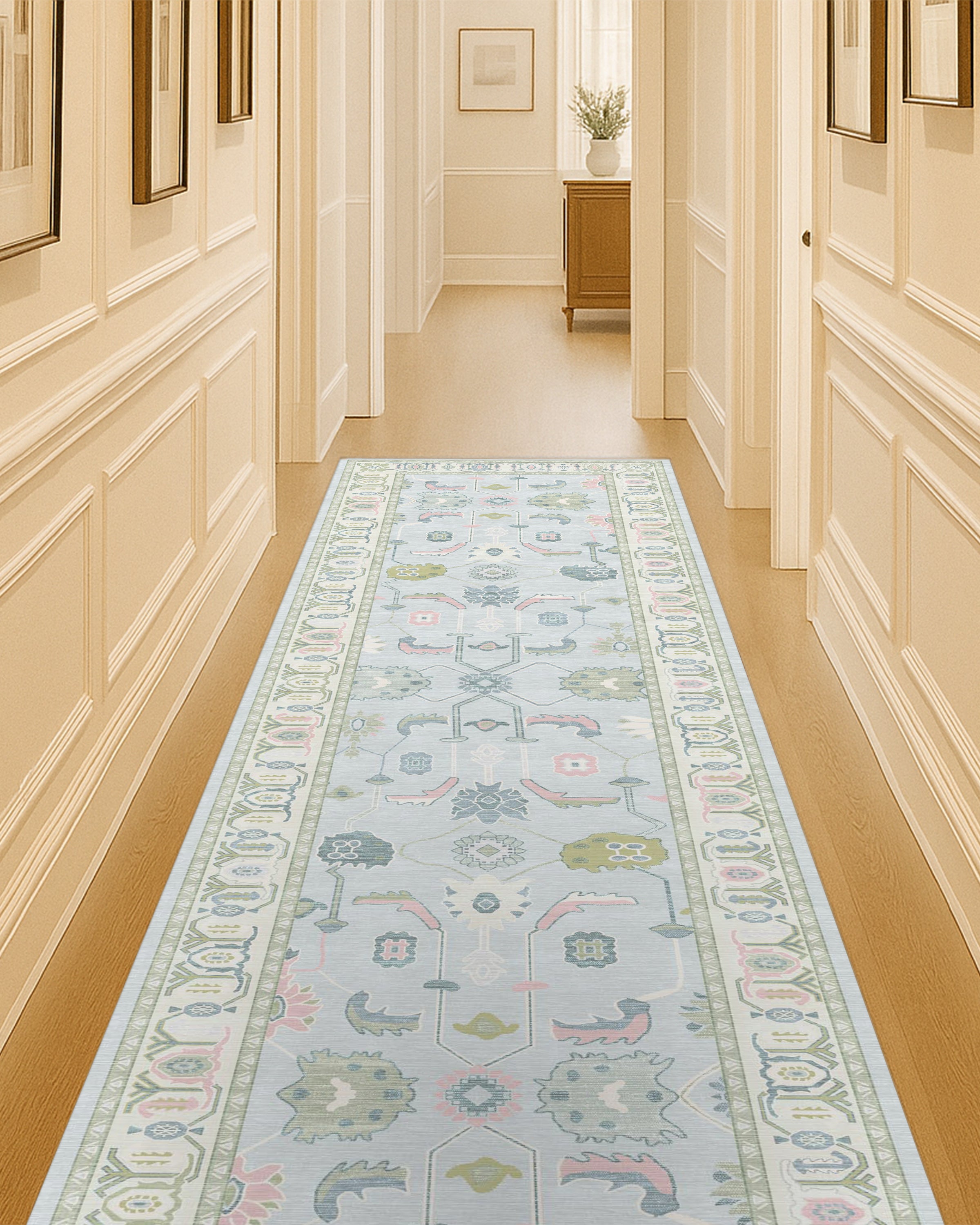
Herringbone — A directional V-pattern that adds subtle movement. Works especially well in narrow spaces like hallways and galley kitchens.
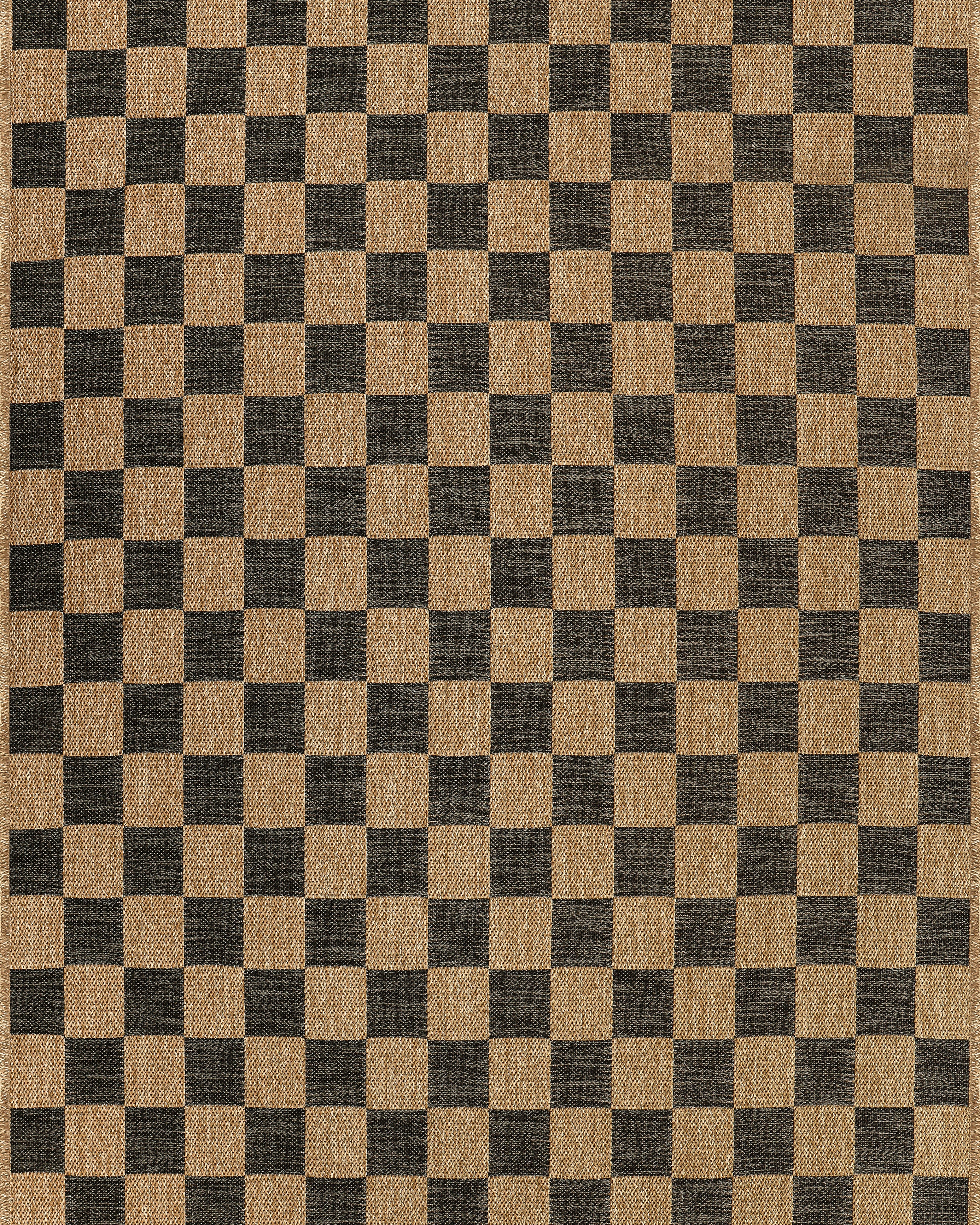
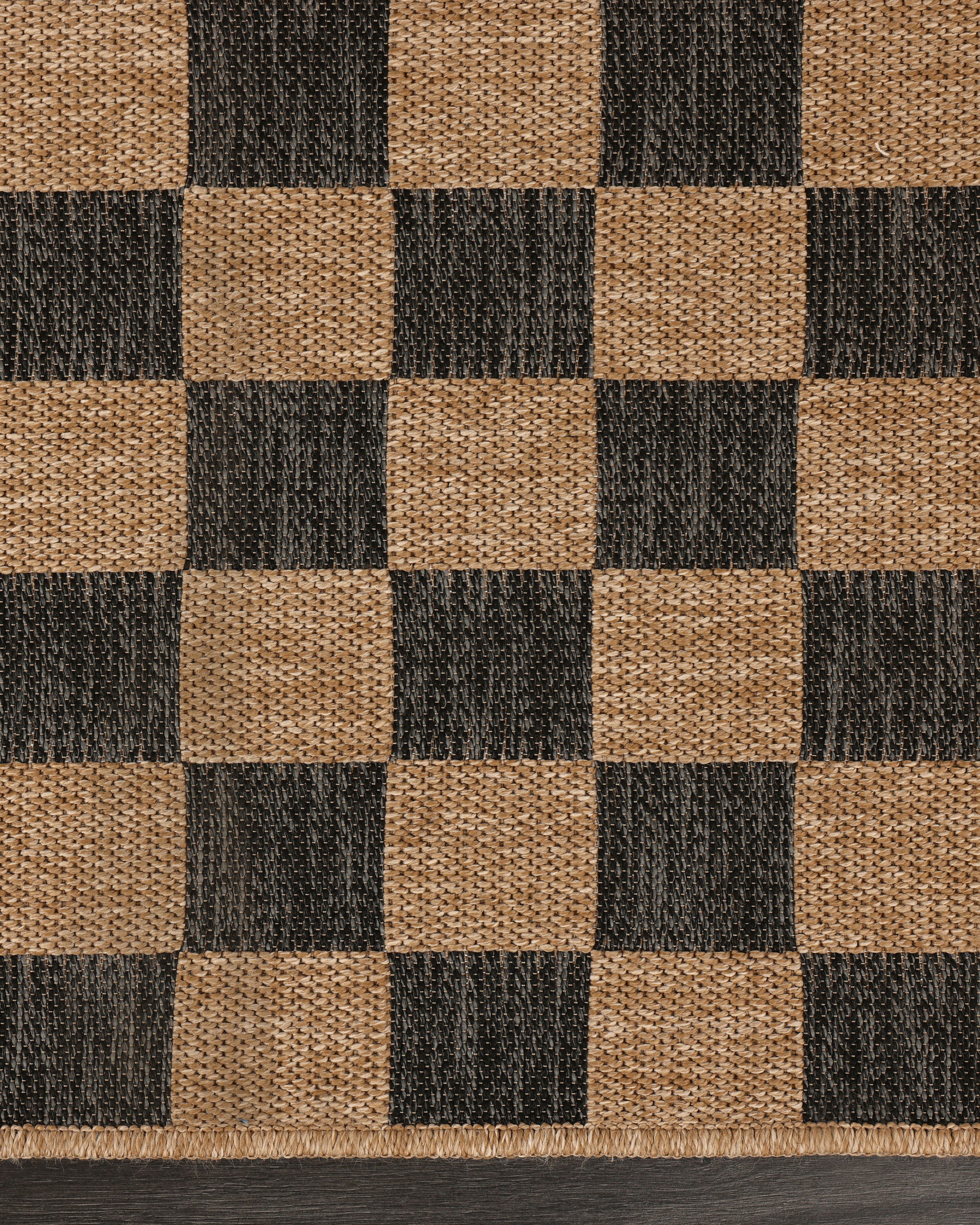
Panama — A basketweave-style grid with a clean, architectural look. Popular in modern and minimalist interiors.
Tiger Eye — A striated weave with tonal variation running through it, creating a slightly more organic, textured appearance.
Where Sisal Rugs Work Best
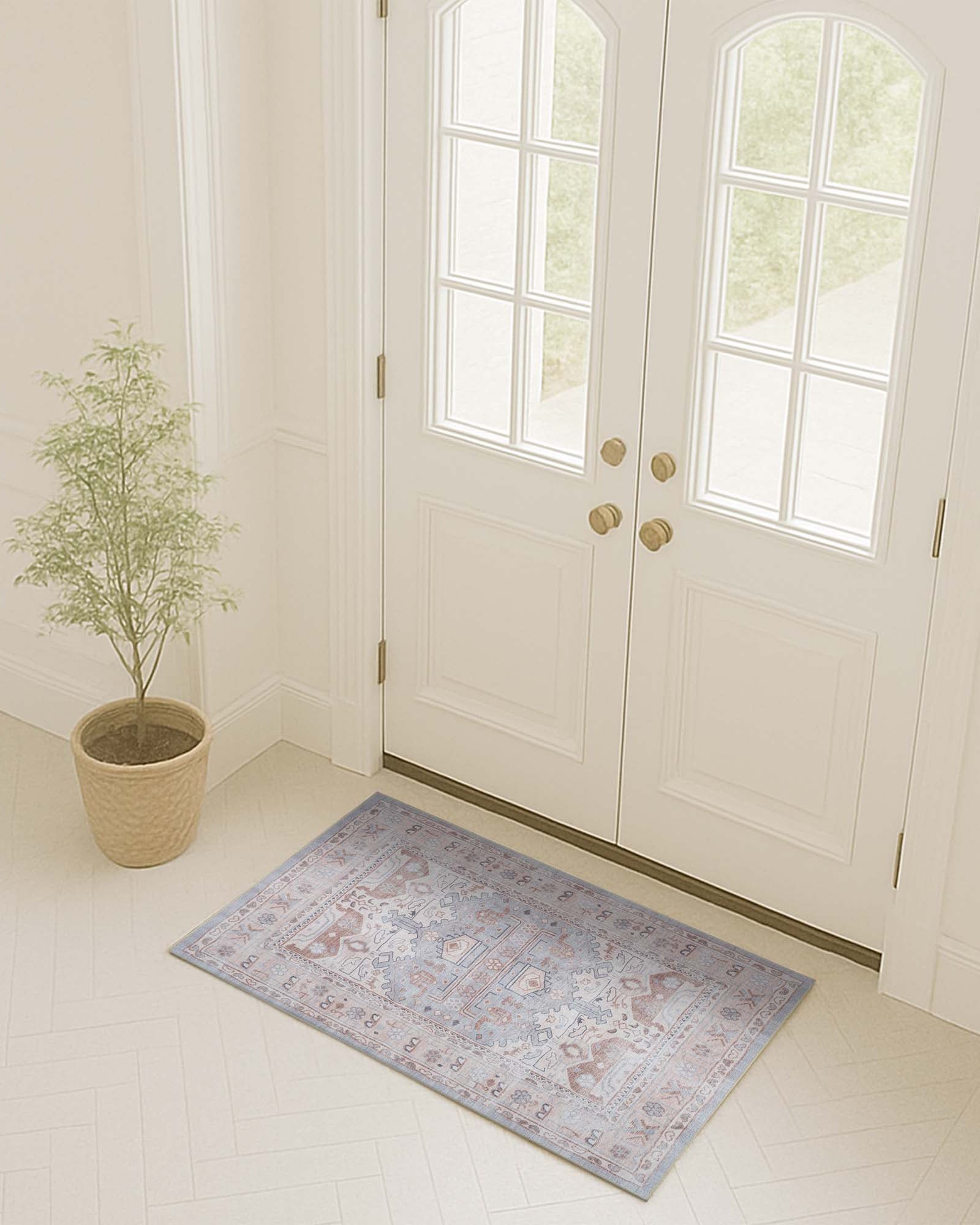
Sisal performs best in dry, high-traffic spaces: living rooms, dining rooms, home offices, hallways, entryways, and staircase runners. It is not recommended for bathrooms, covered patios, laundry rooms, or basements prone to humidity, because sisal fiber absorbs moisture and can expand, stain, or develop mildew. For damp-prone areas, a polypropylene rug woven in a natural sisal-look texture is the practical alternative.
Sizing Your Sisal Rug
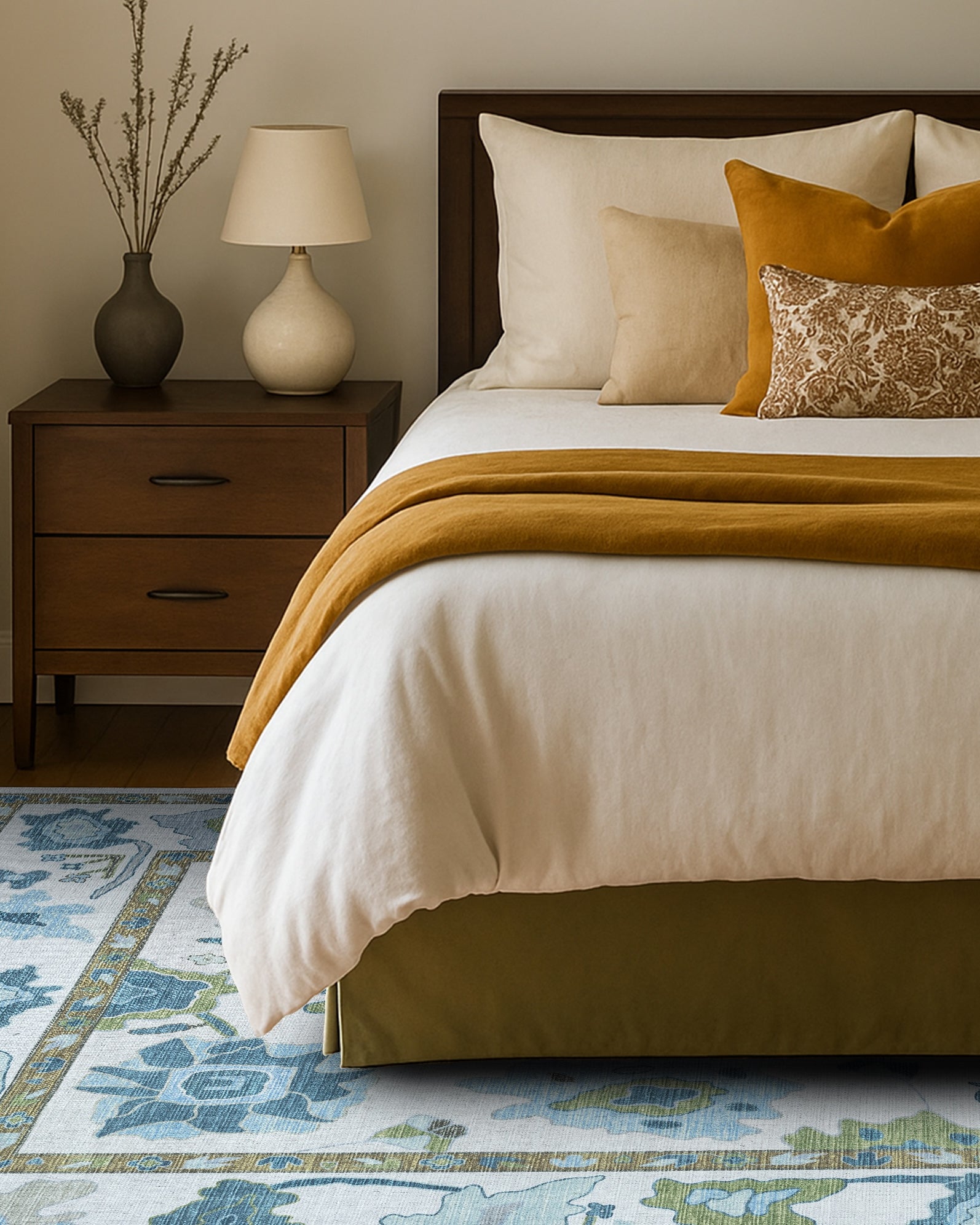
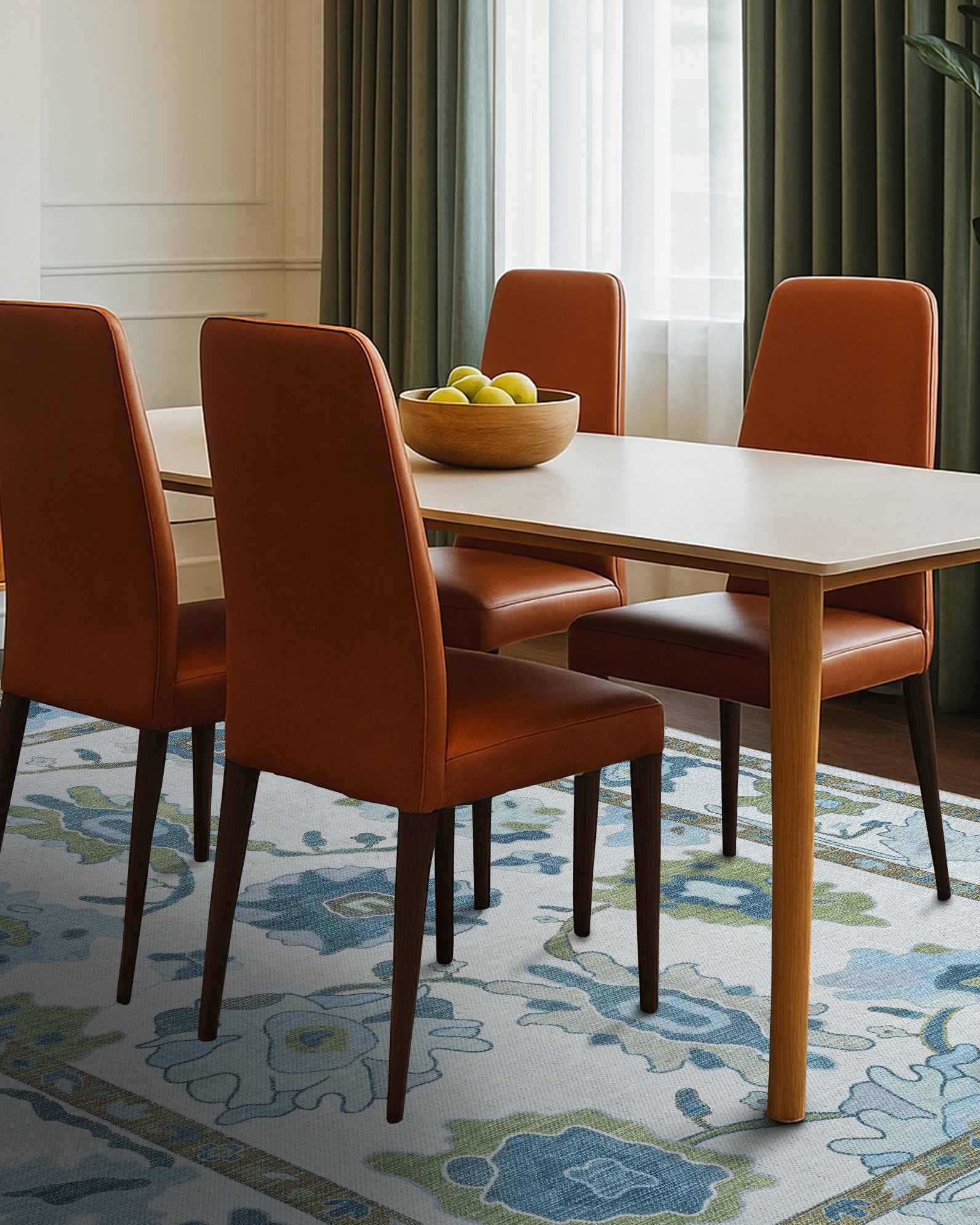
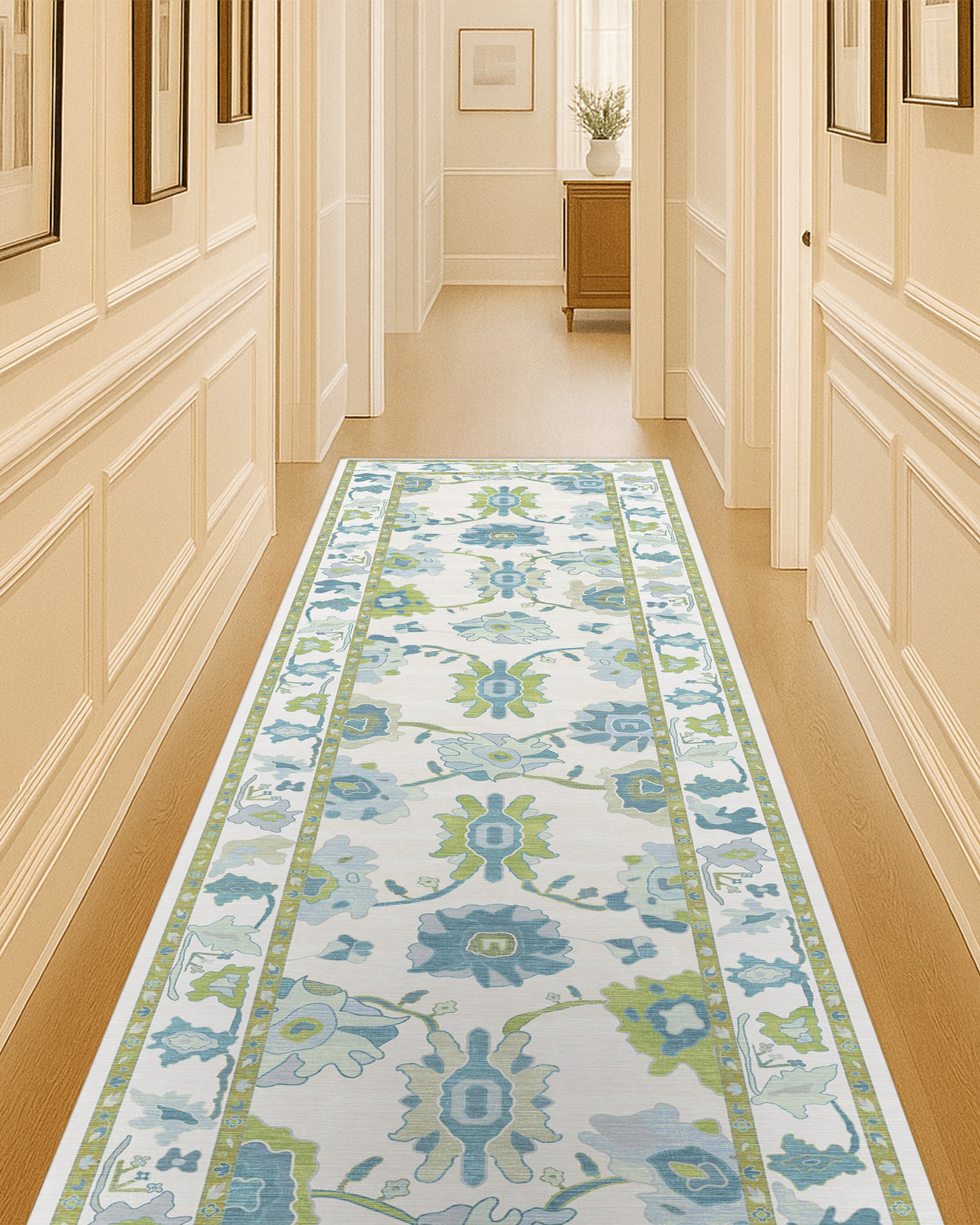
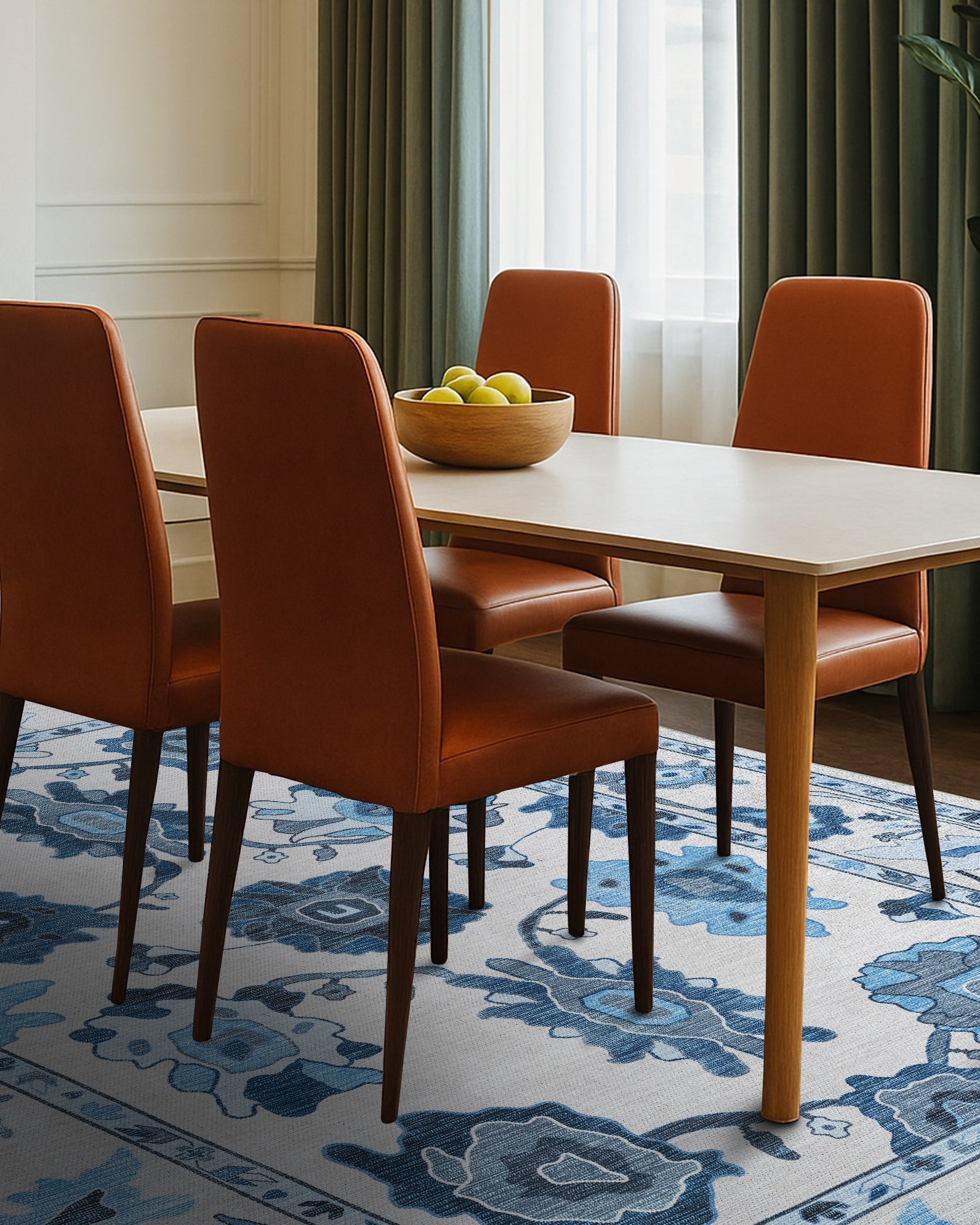
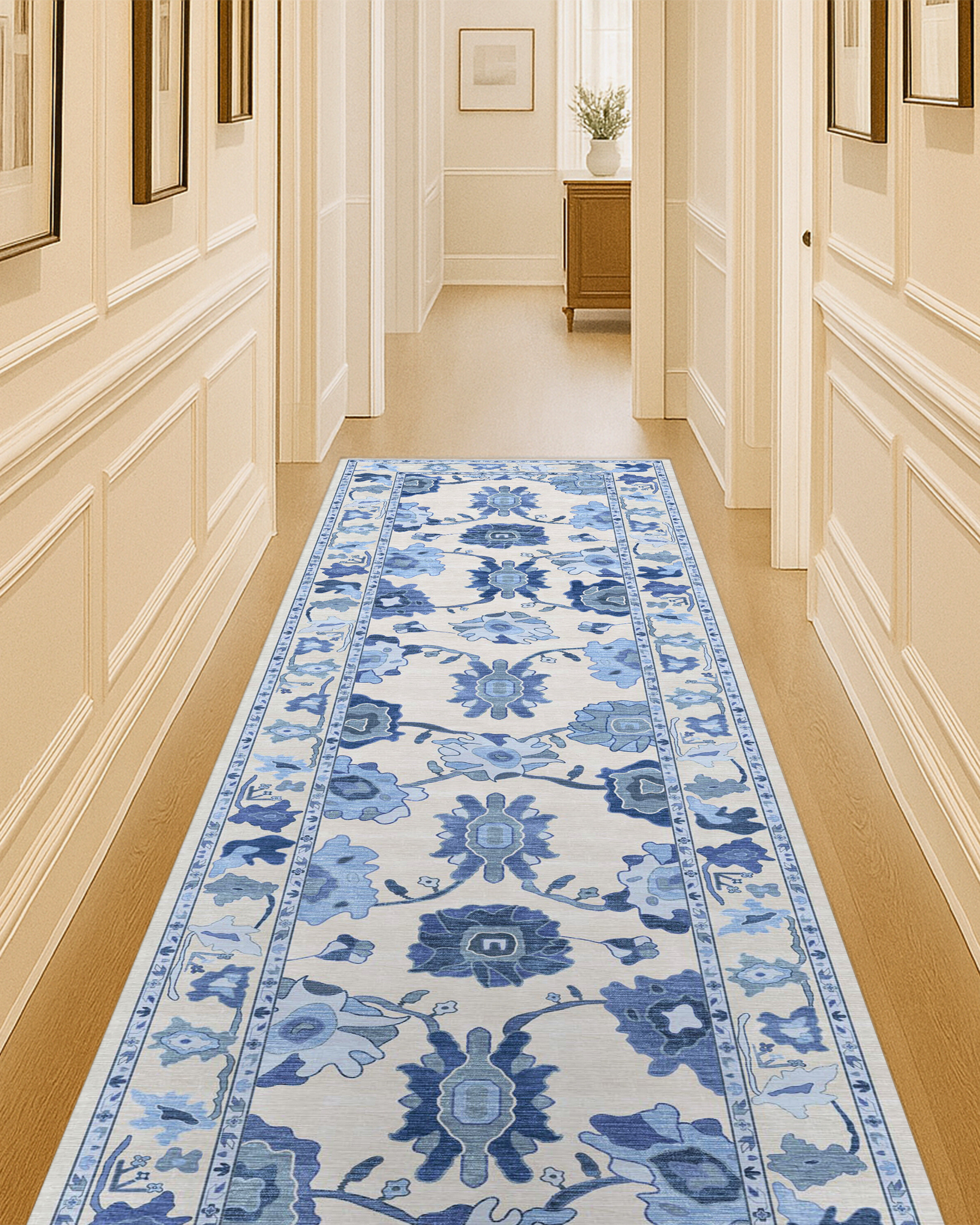
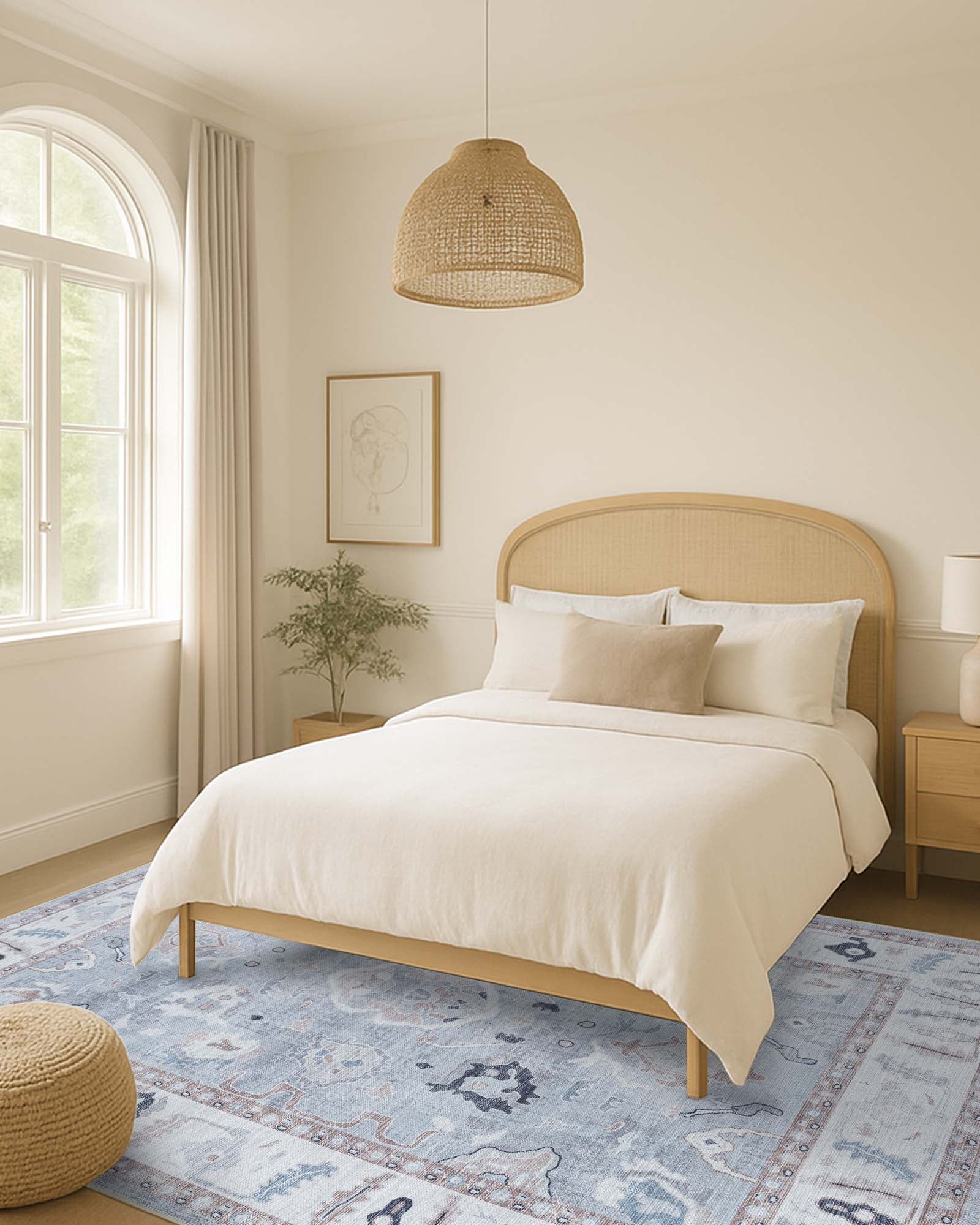
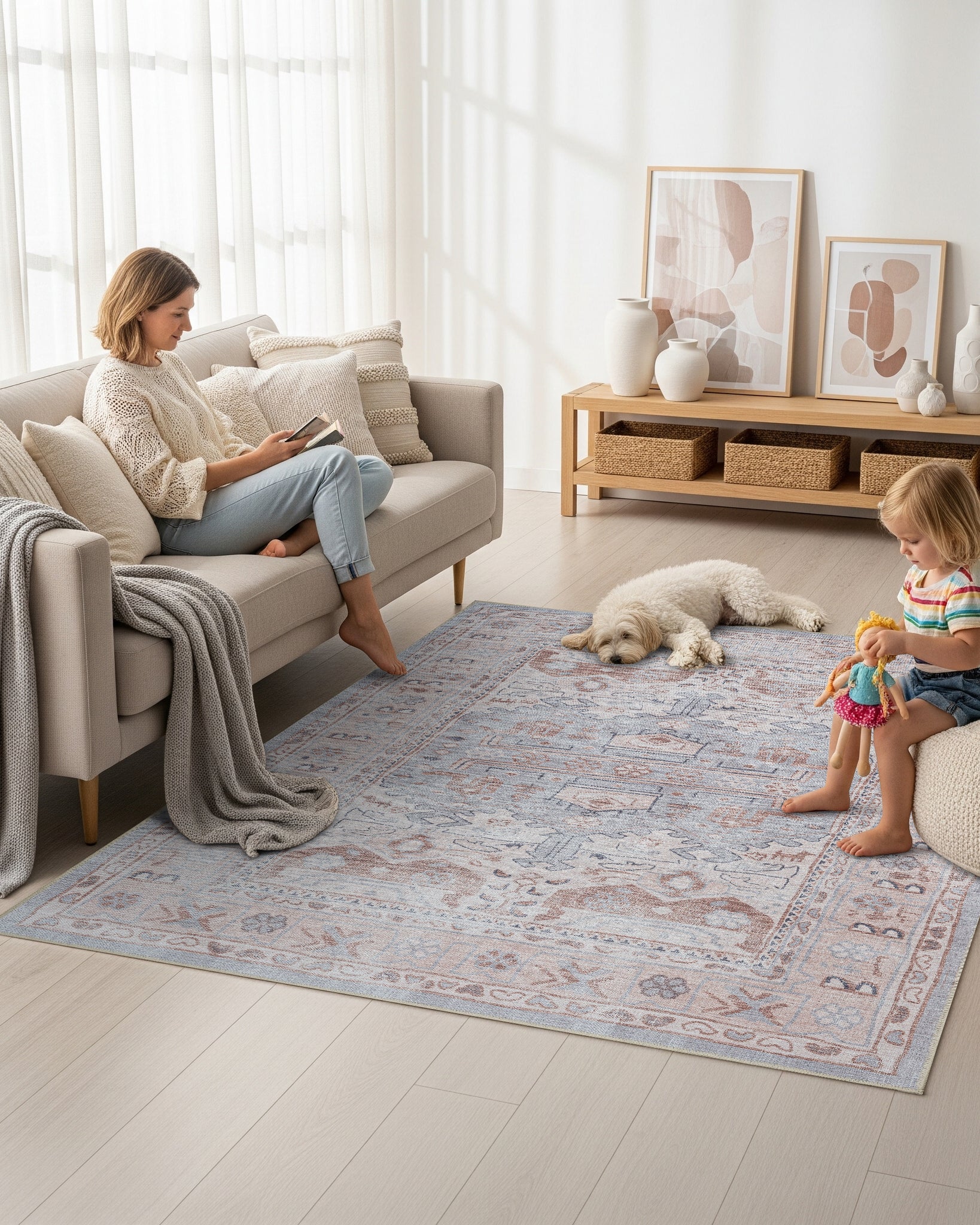
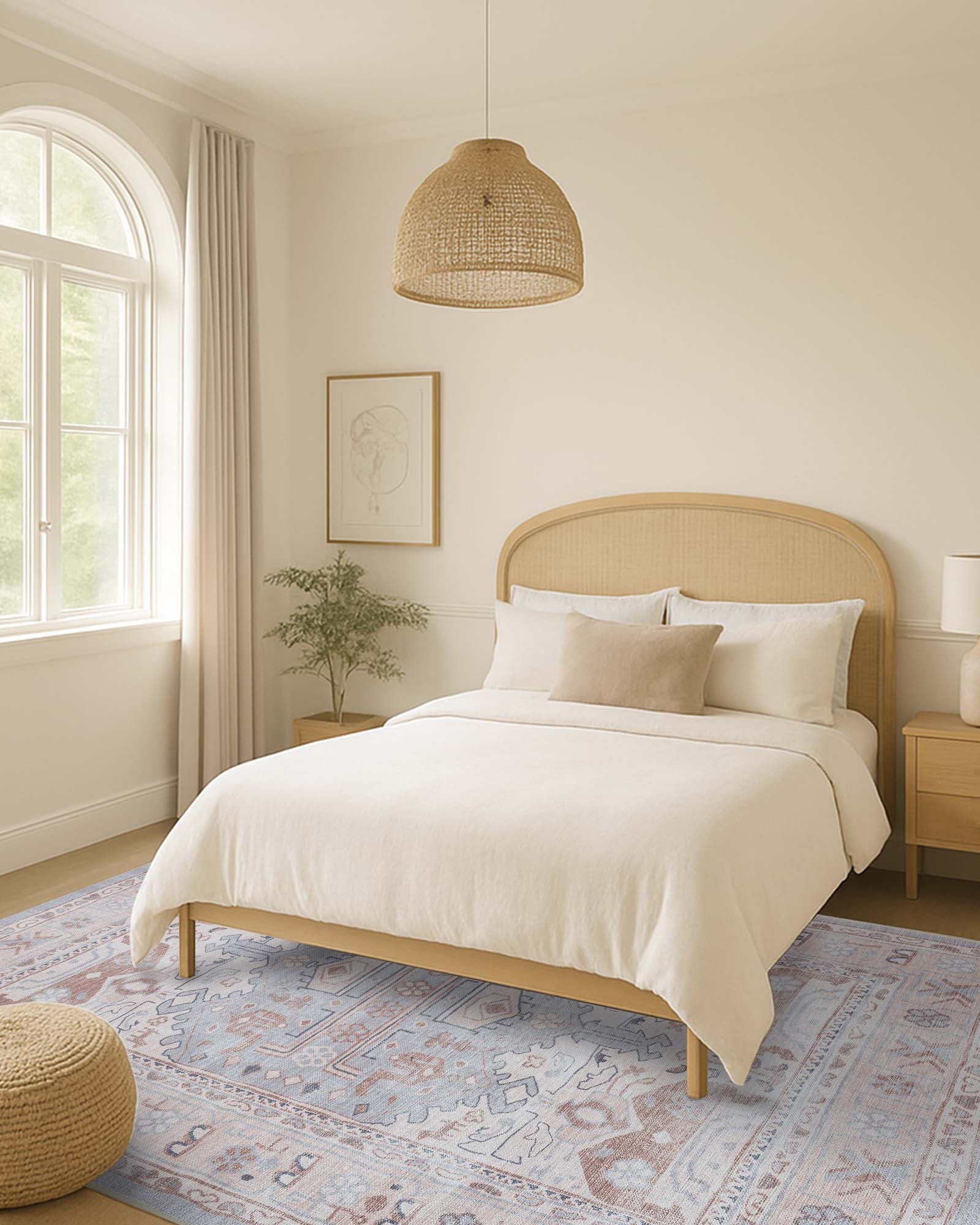
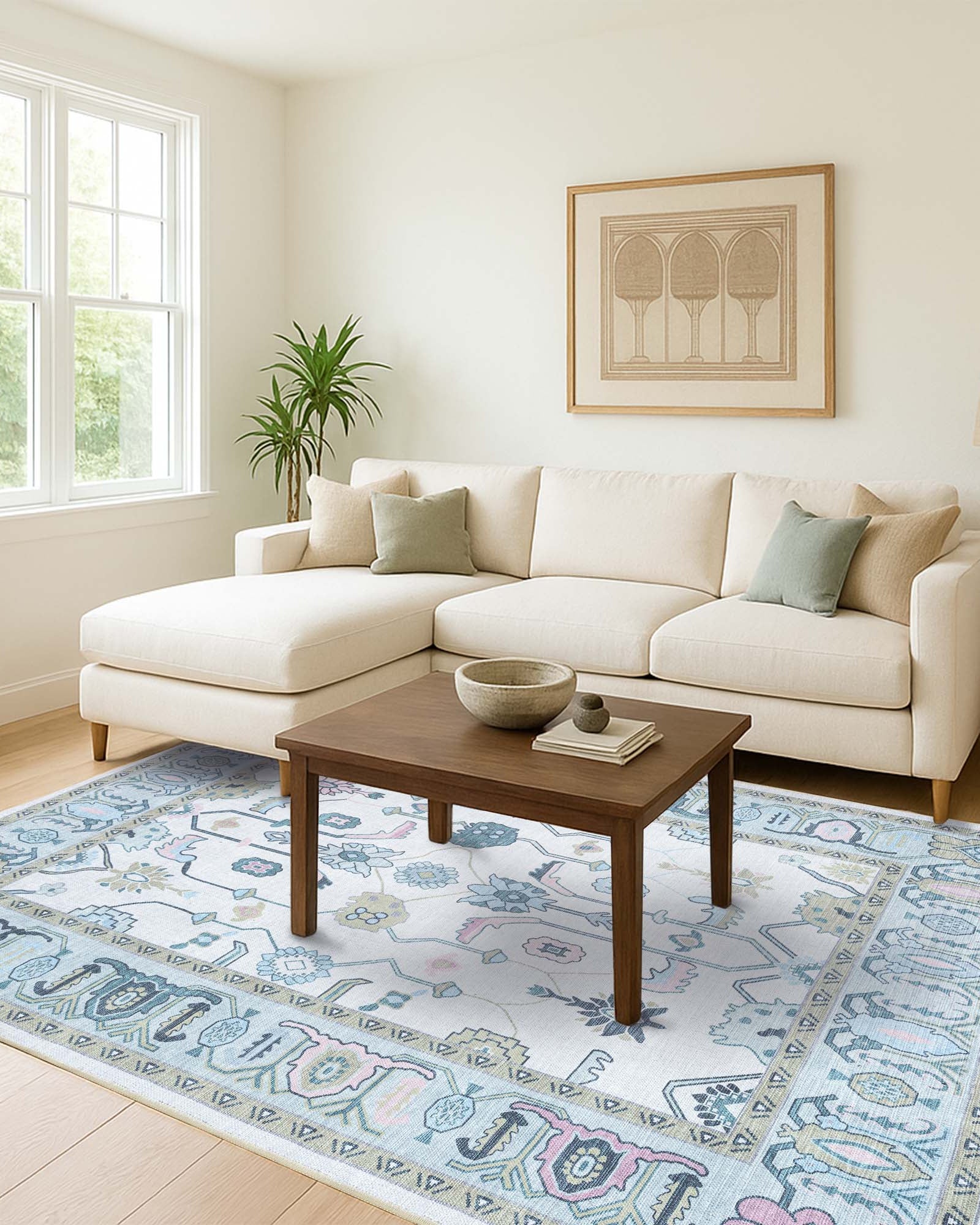
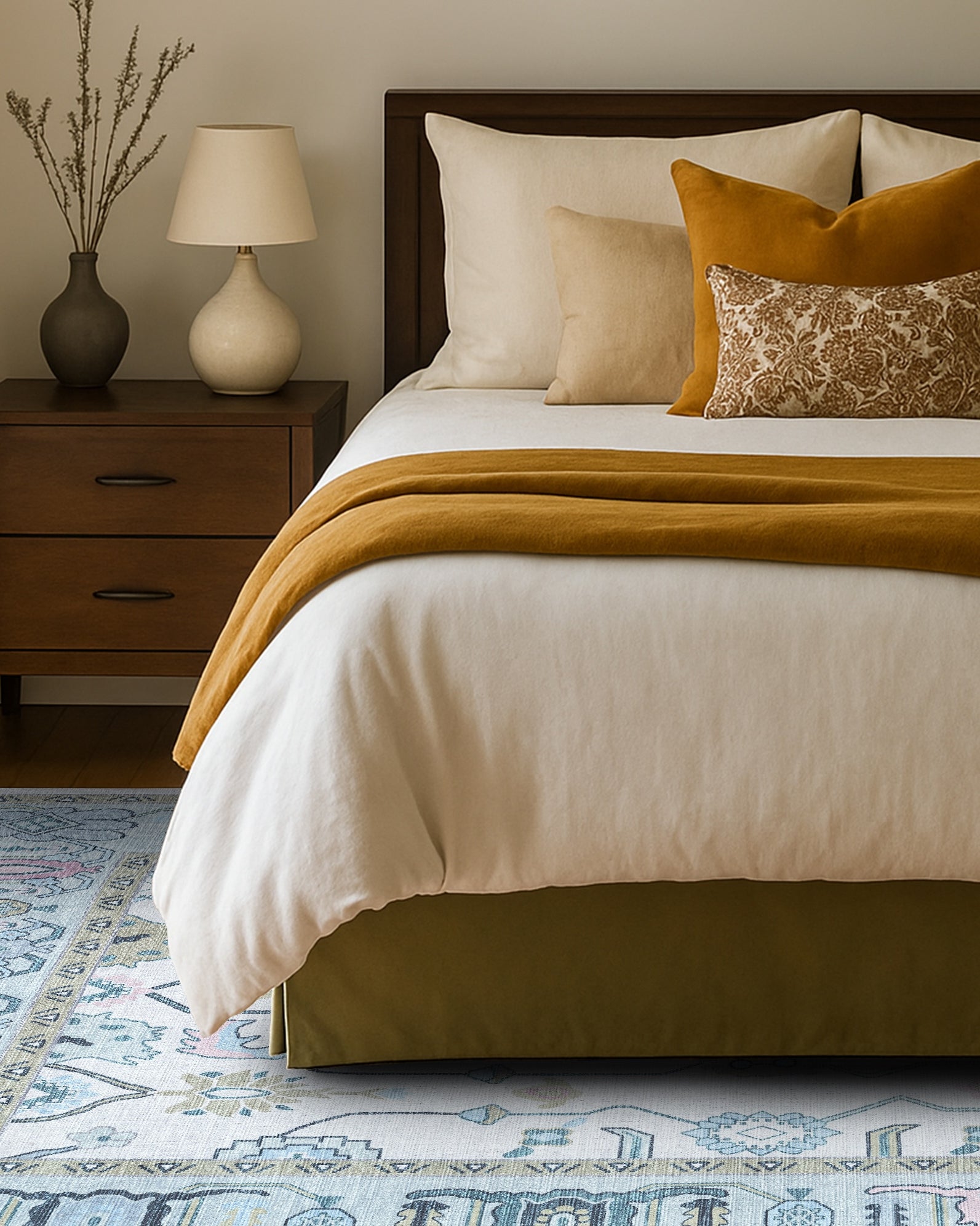
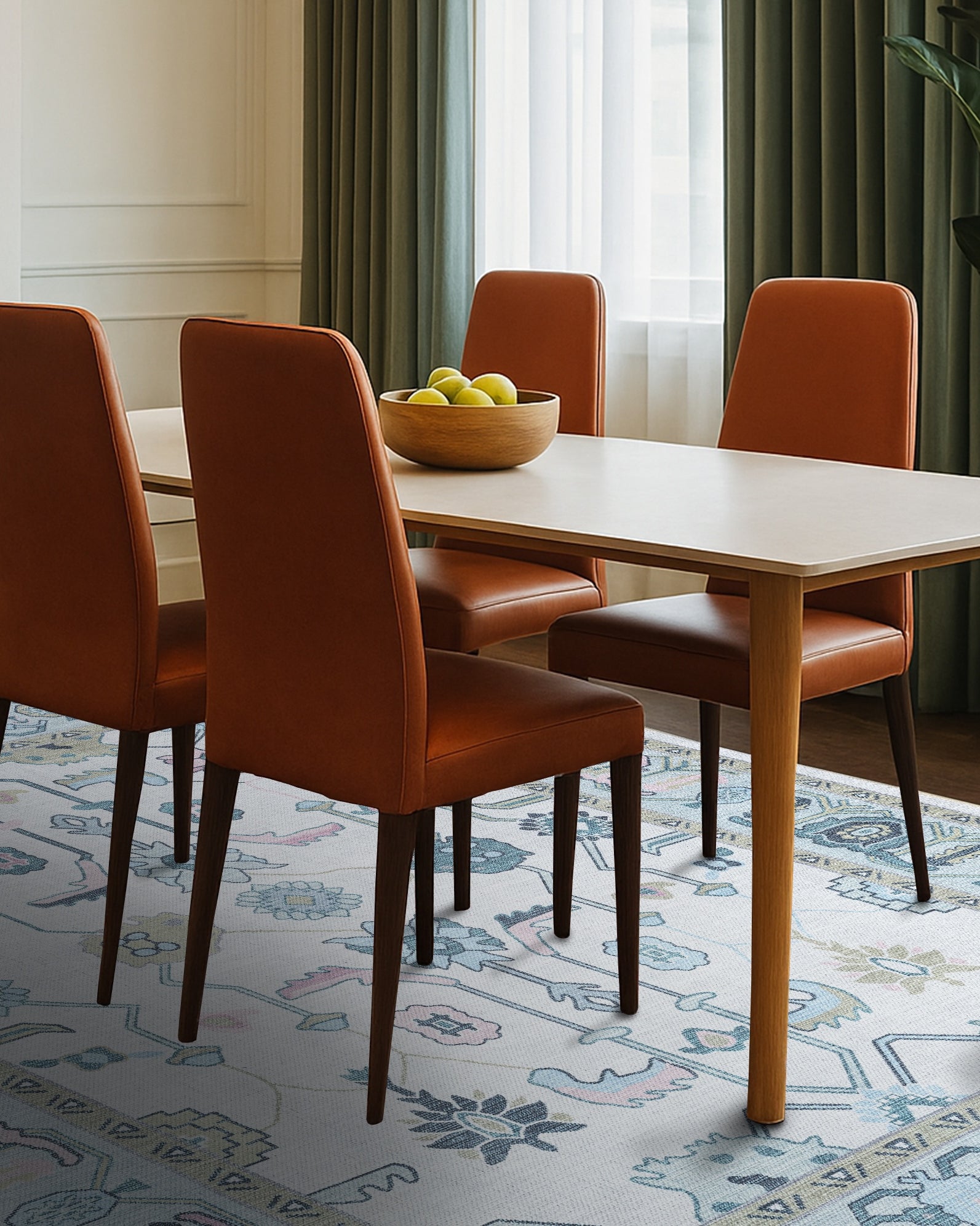
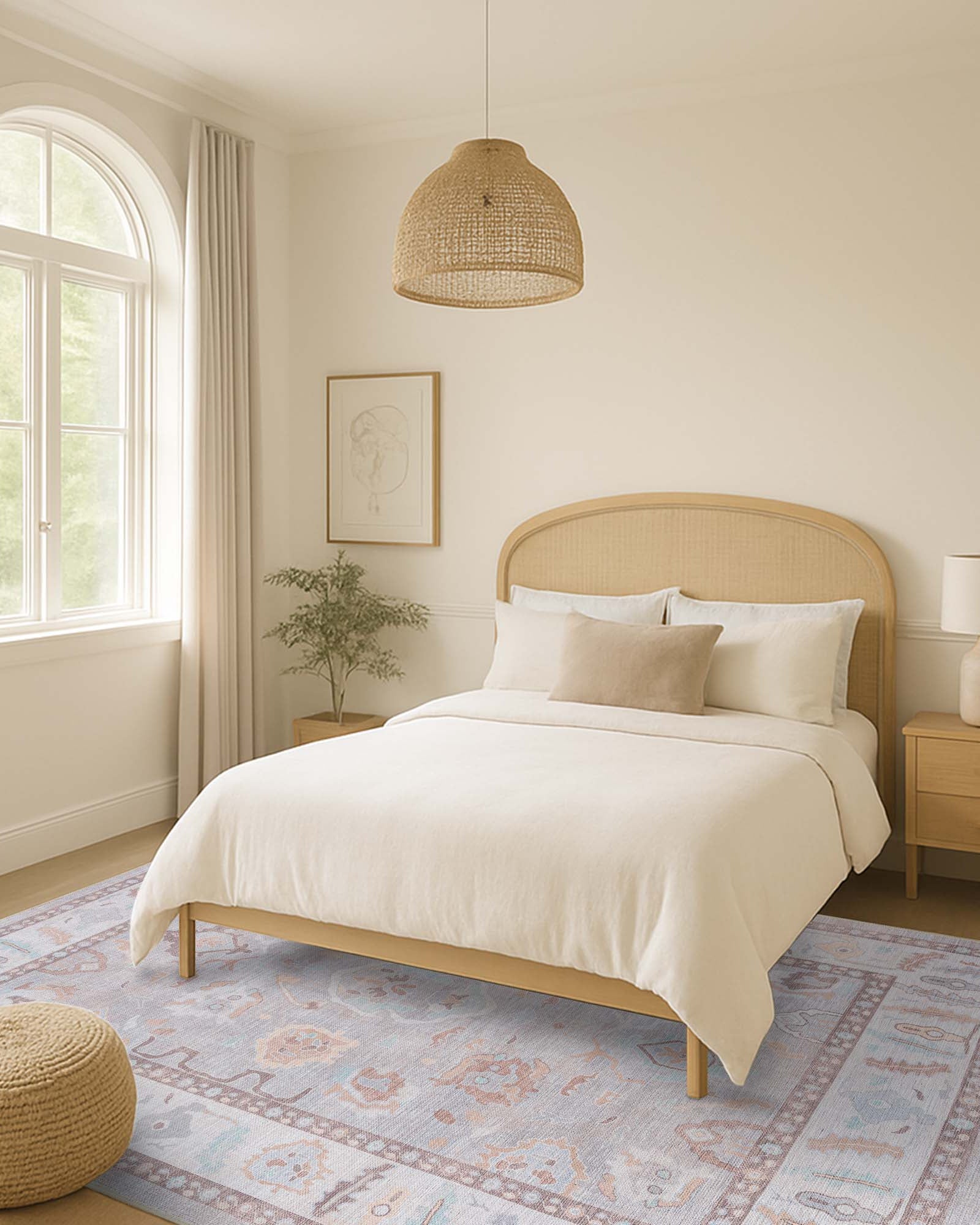
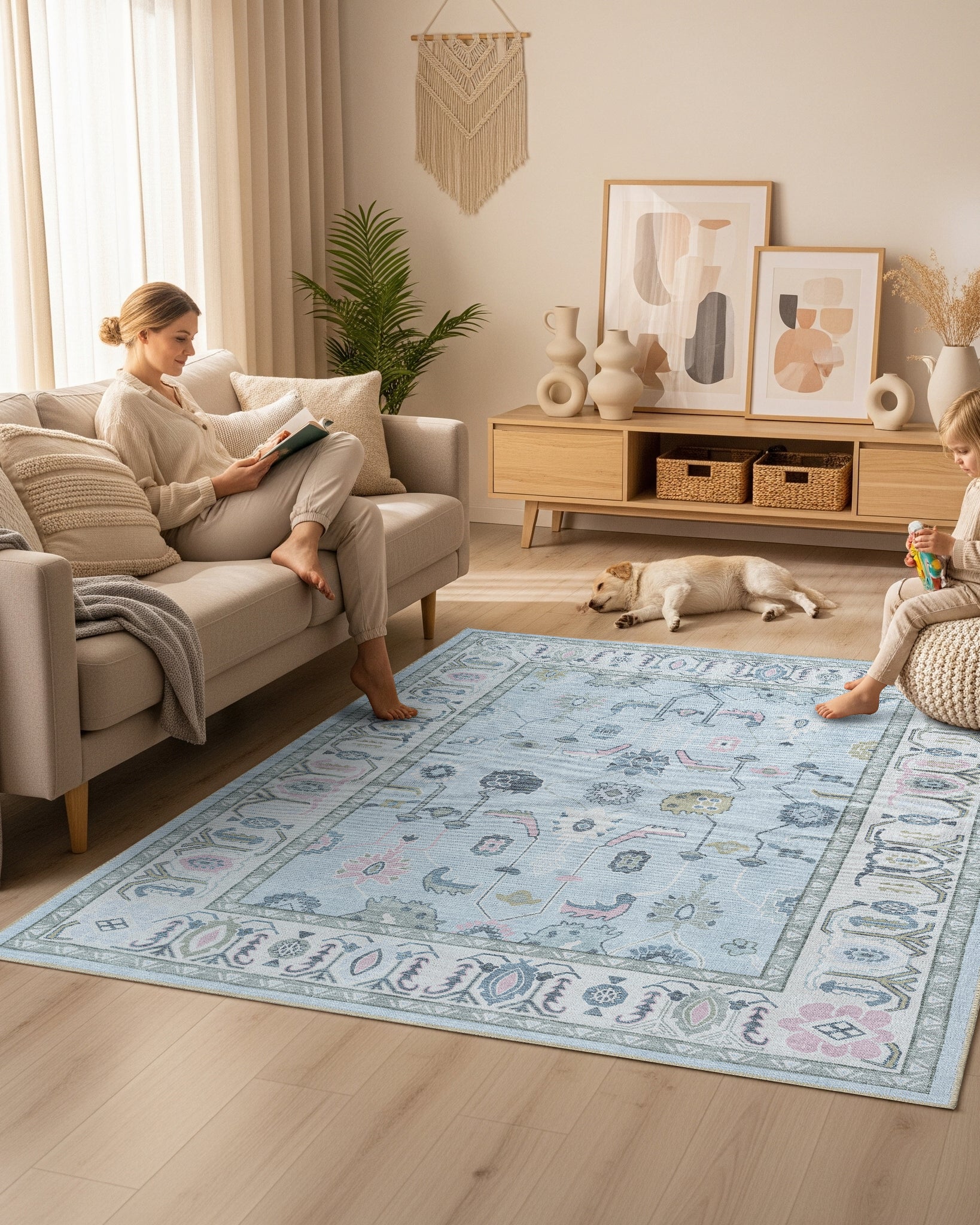
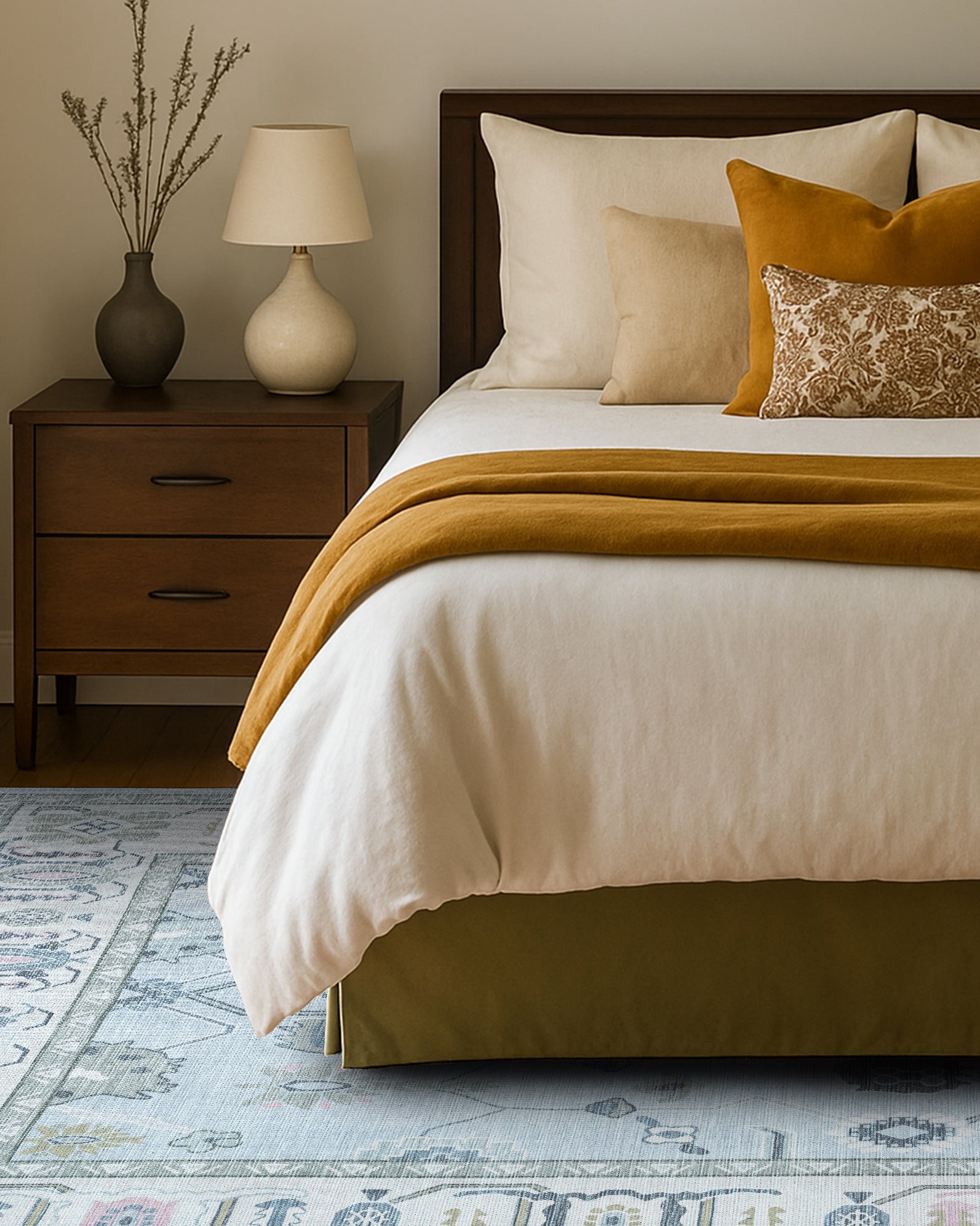
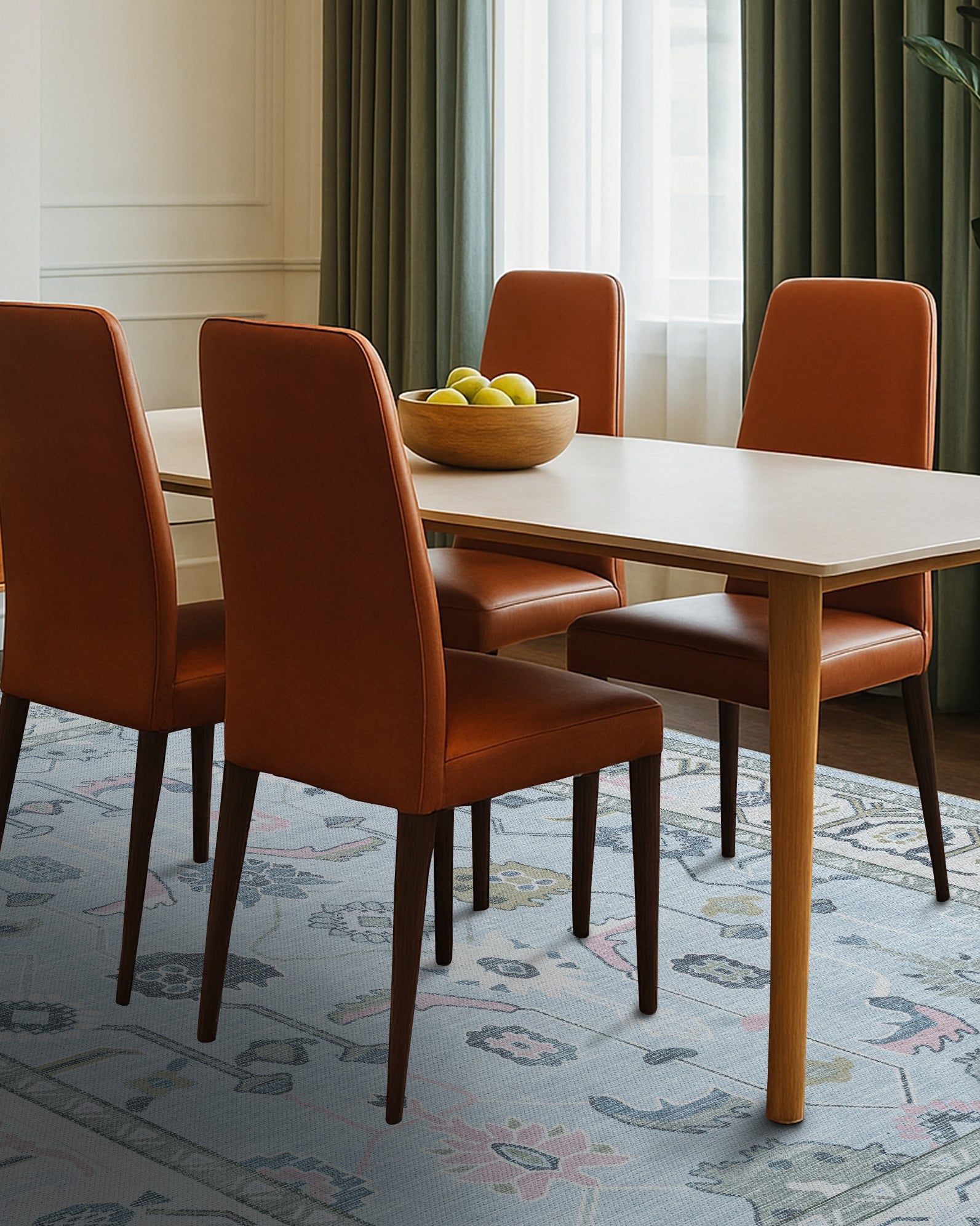
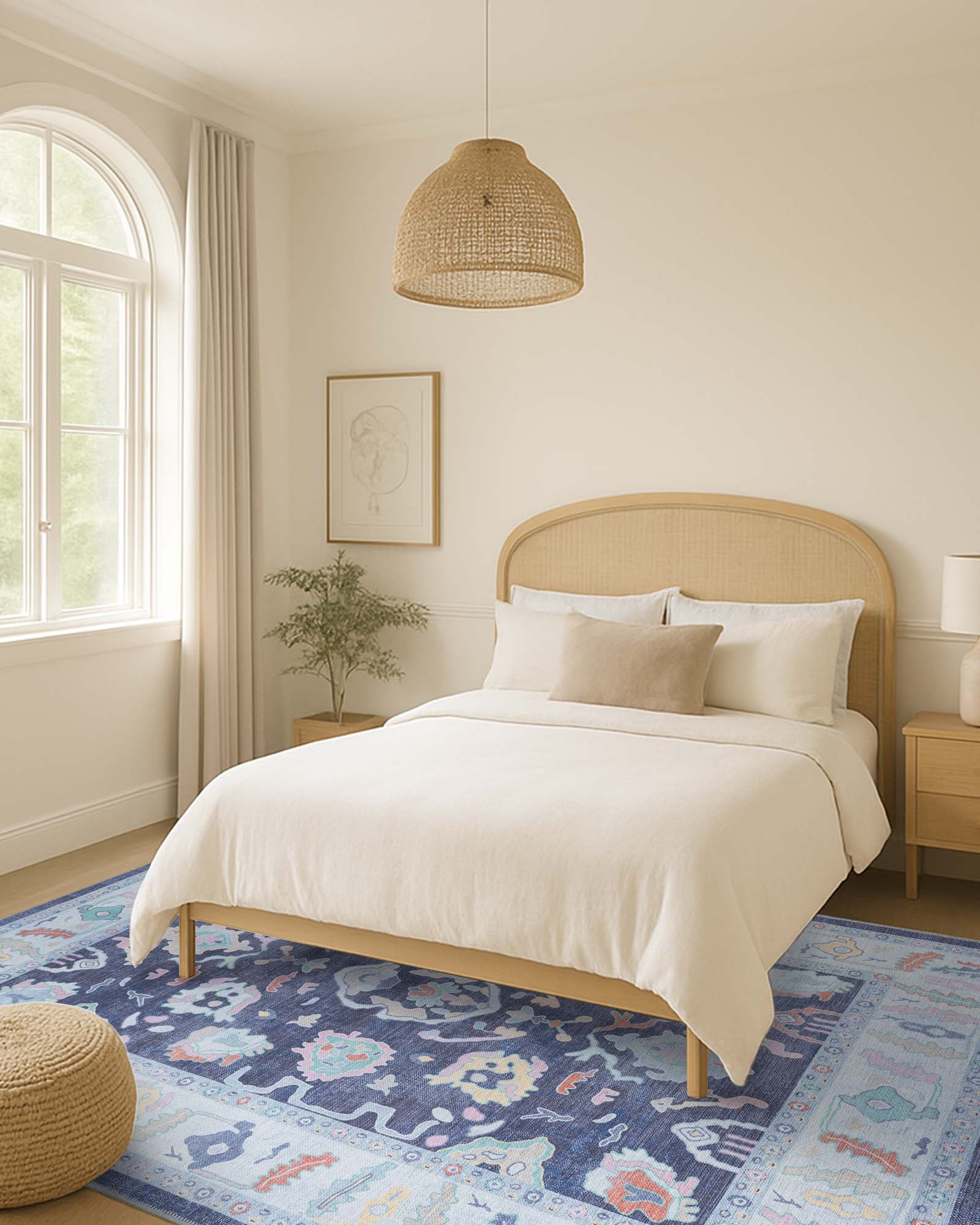
In a living room, the front legs of all seating should rest on the rug — typically an 8'x10' or 9'x12'. In a dining room, add 24 inches beyond the table on every side so chairs stay on the rug when pulled out. For a hallway runner, leave 4 to 6 inches of bare floor on each long side. For a bedroom, an 8'x10' under a queen bed or a 9'x12' under a king allows the rug to extend past the sides where you step out.
Caring for Sisal
Vacuum weekly using a suction-only setting or a vacuum with the beater bar disengaged — rotating brushes can fray the fiber over time. Blot spills immediately with a dry cloth, working from the outside of the spot inward; never rub, and never saturate the area with water. For deeper cleaning, dry powder cleaners designed for natural fiber rugs are the safest option. Rotate the rug 180 degrees every six months so that sun exposure and foot traffic wear evenly.
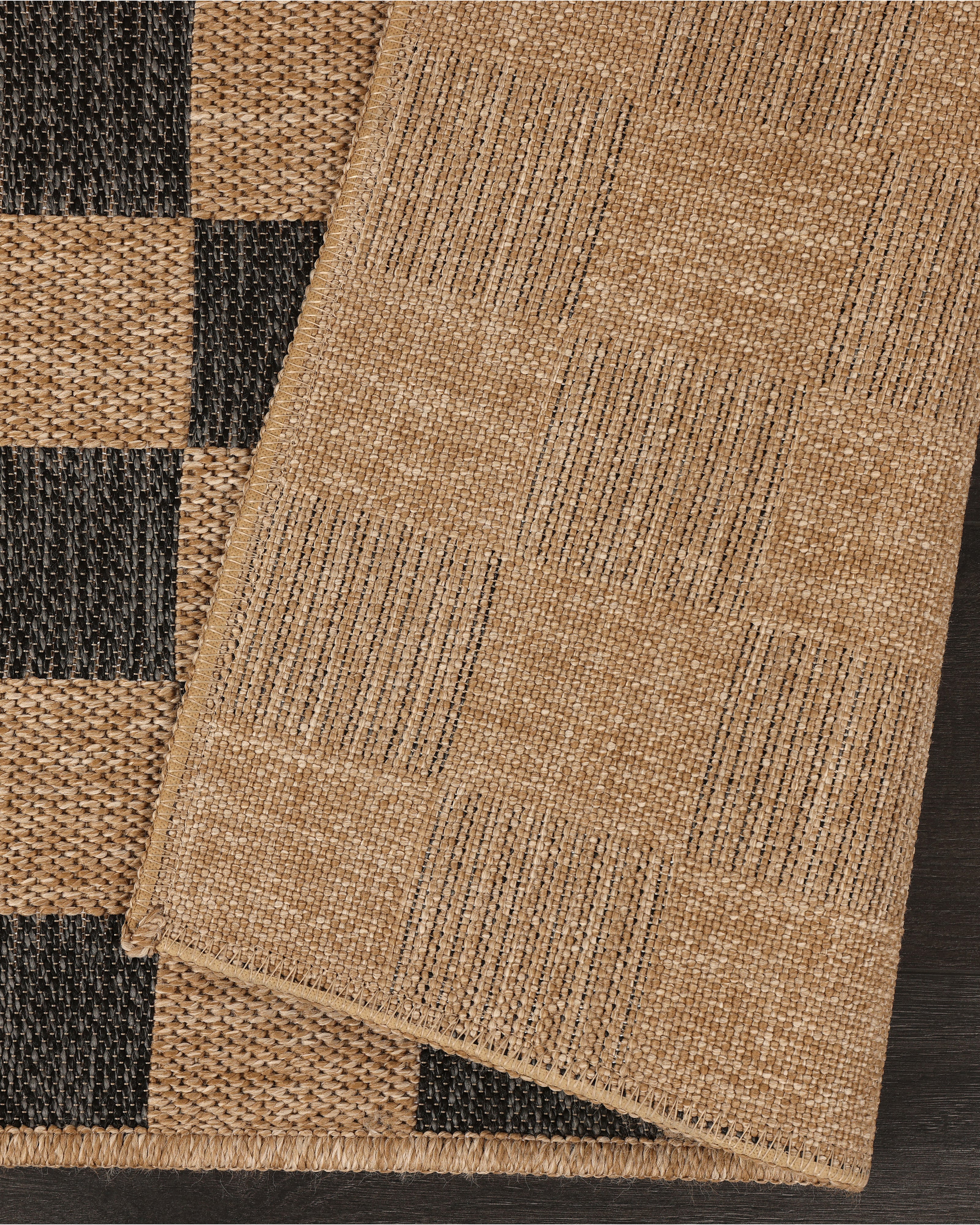
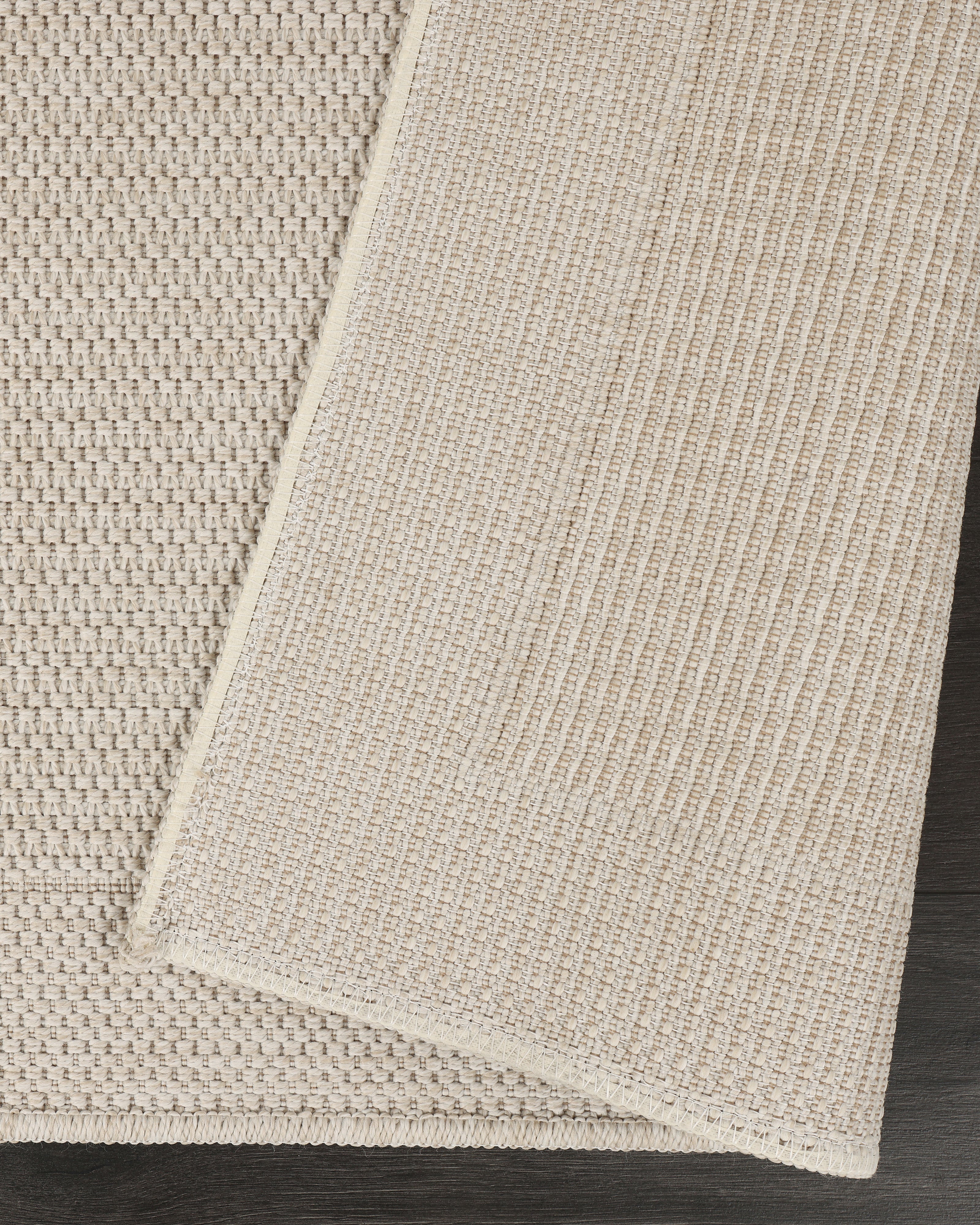
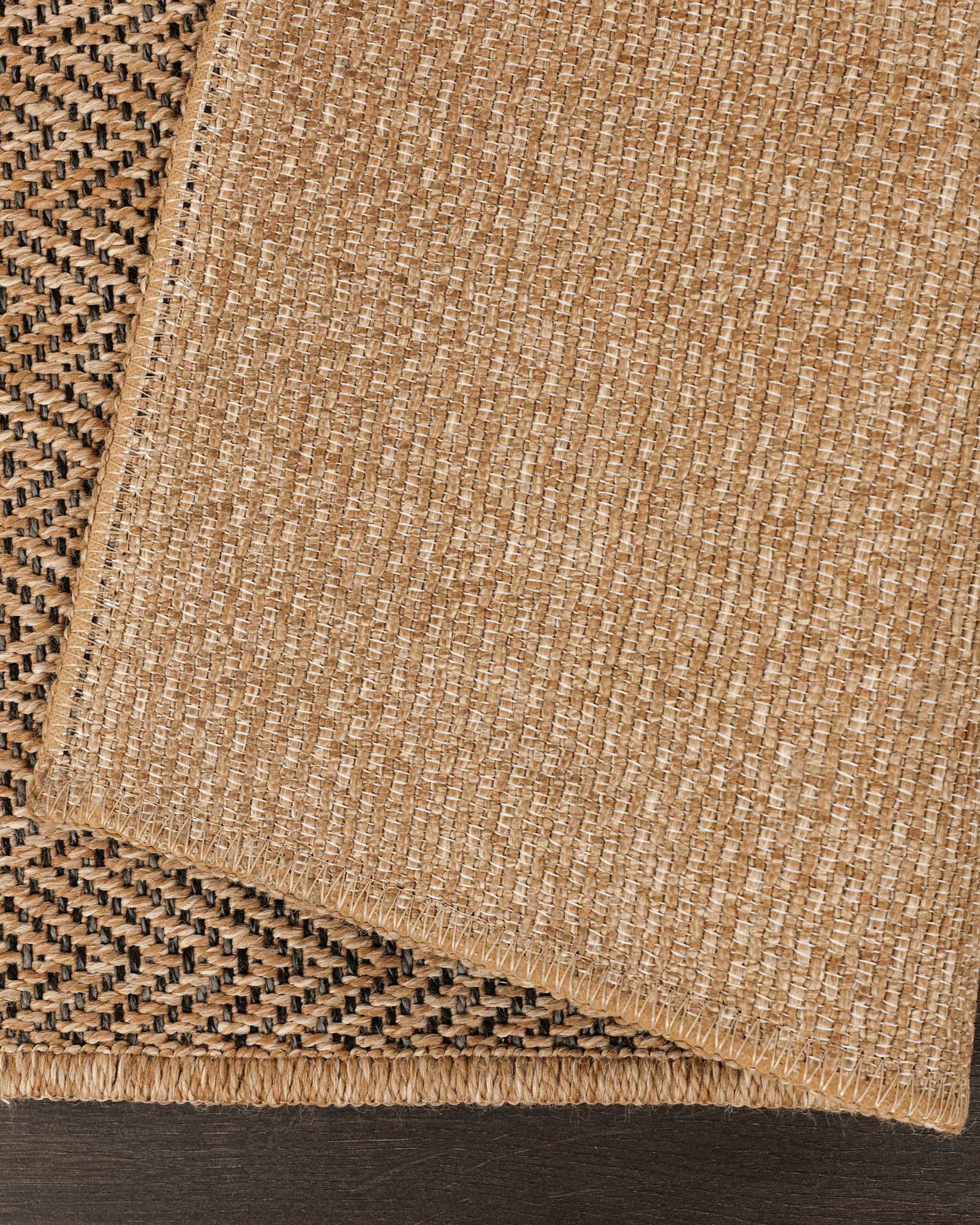
A quality rug pad is essential under sisal. It prevents slipping, adds cushioning underfoot, and protects both the rug backing and the floor beneath it.
Shop the Fame Rugs Sisal Collection
Browse sizes from 2'x3' accent mats through 10'x14' room-defining pieces, plus custom runner lengths for staircases and long hallways. Every order ships free within the continental United States.