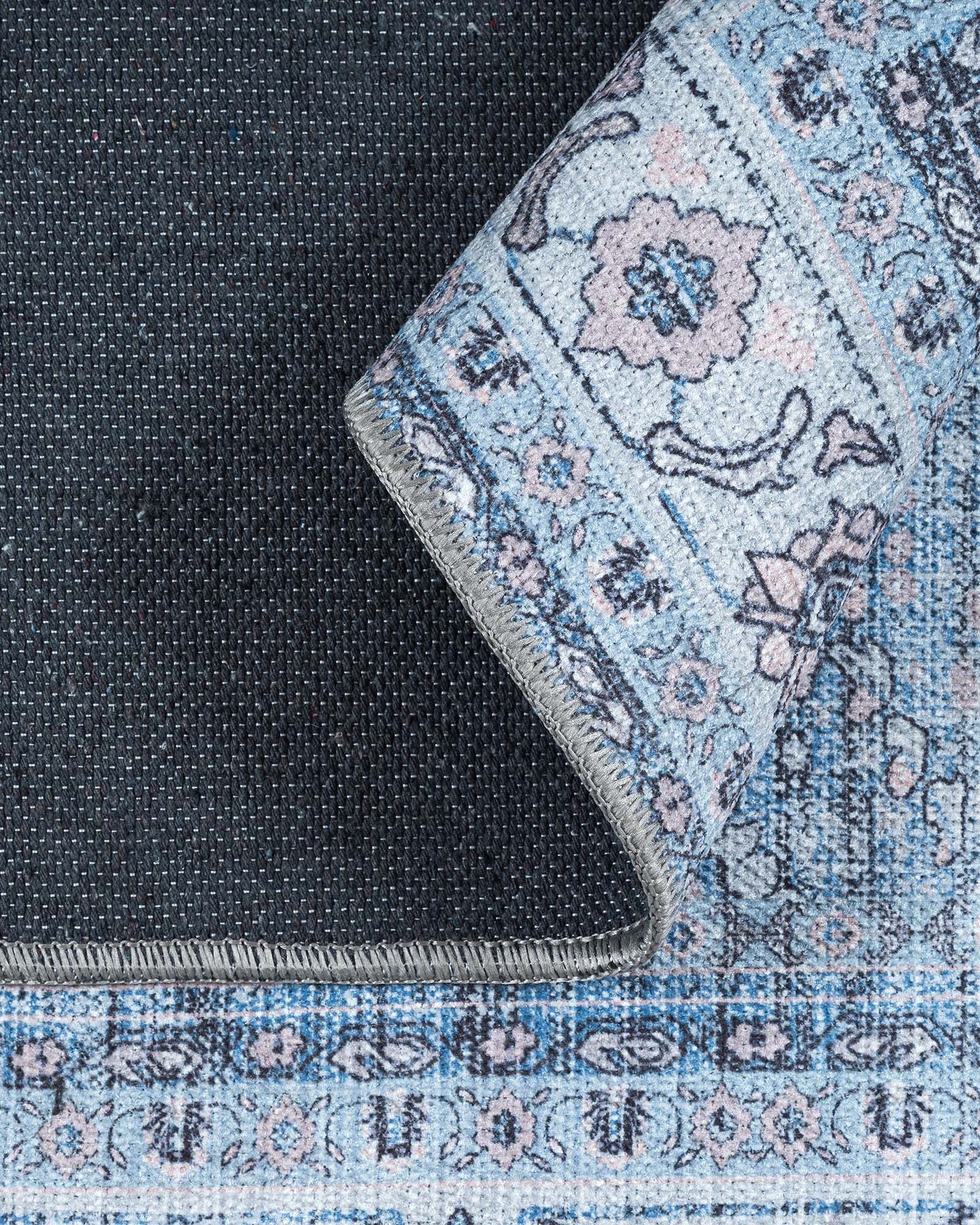
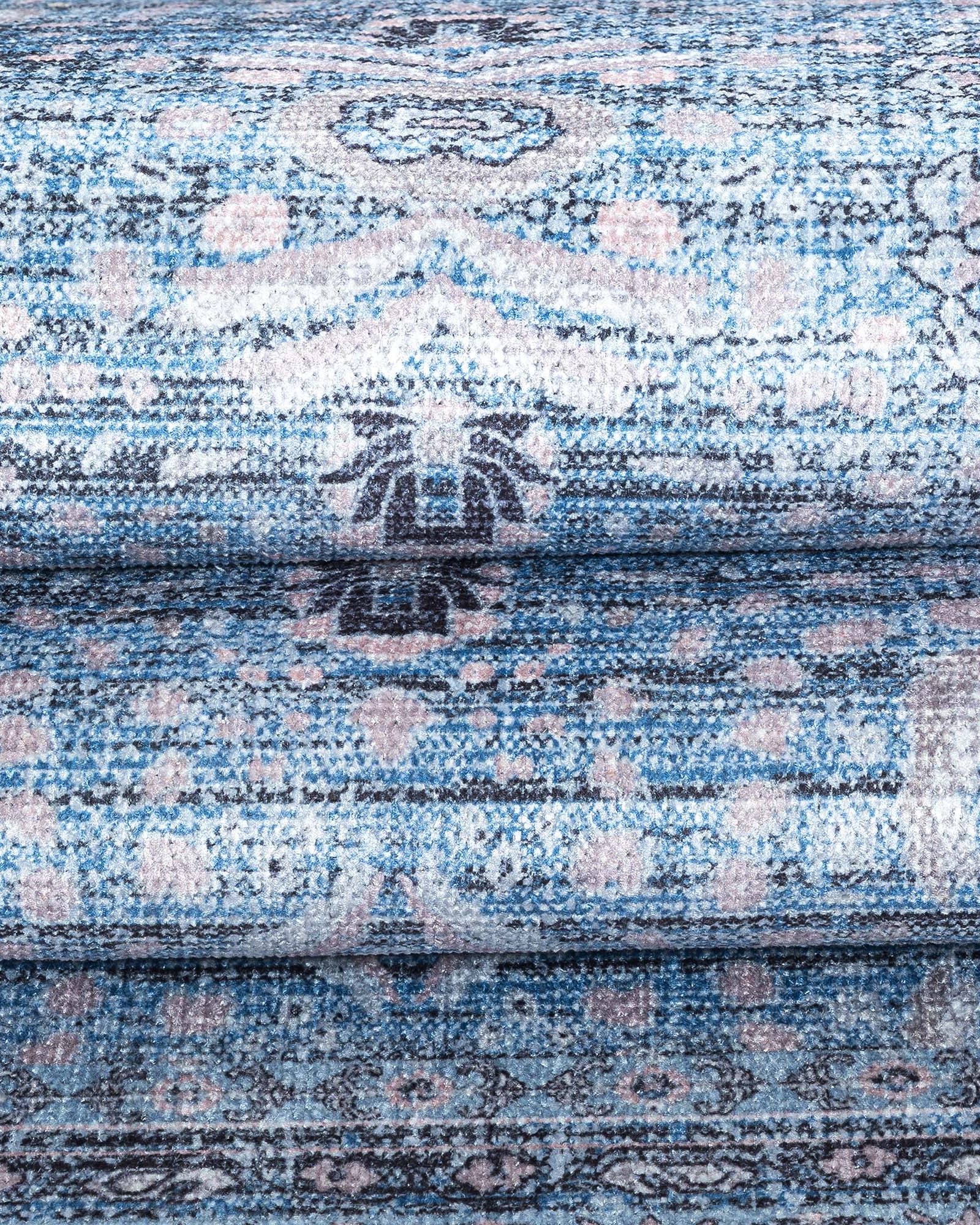
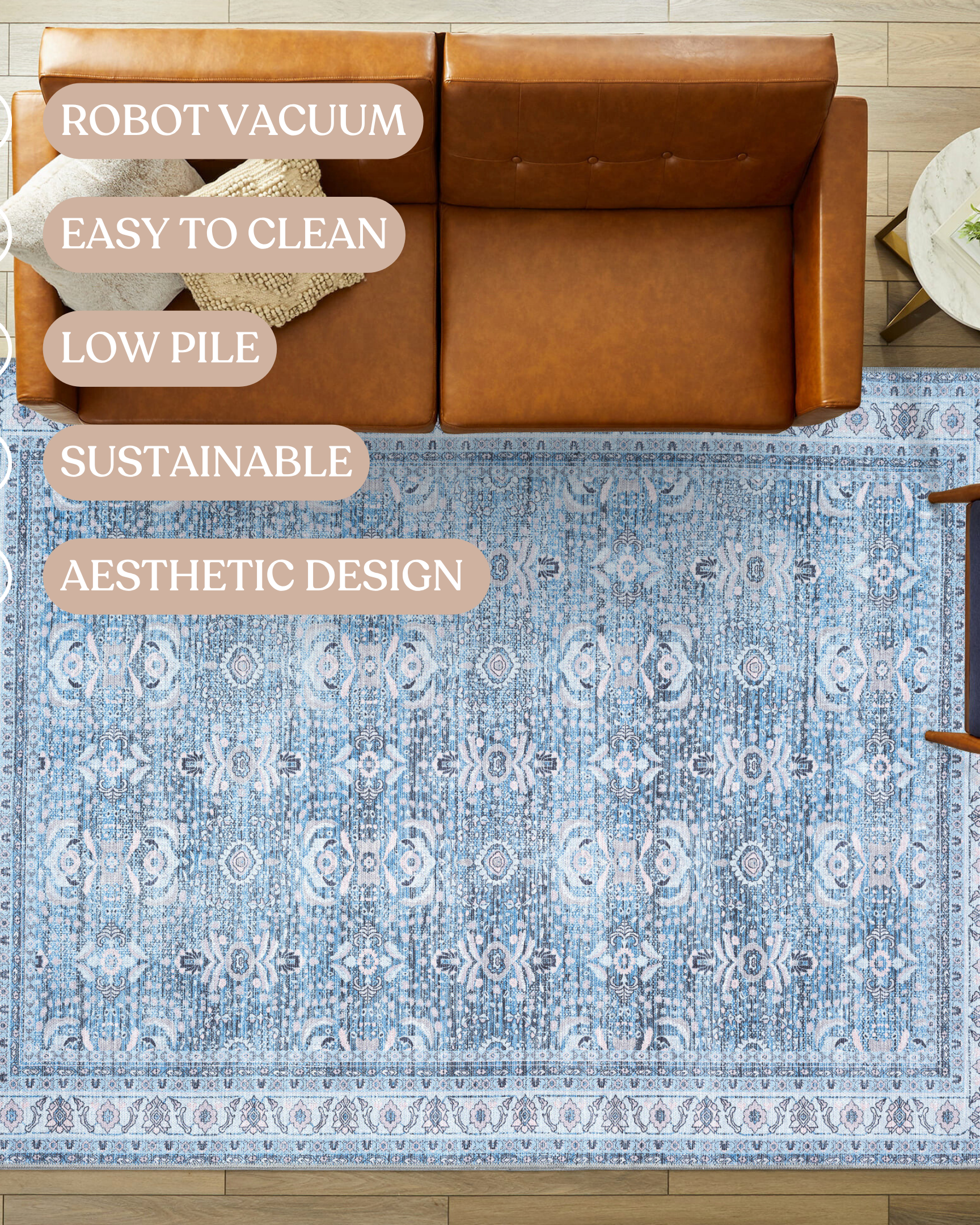
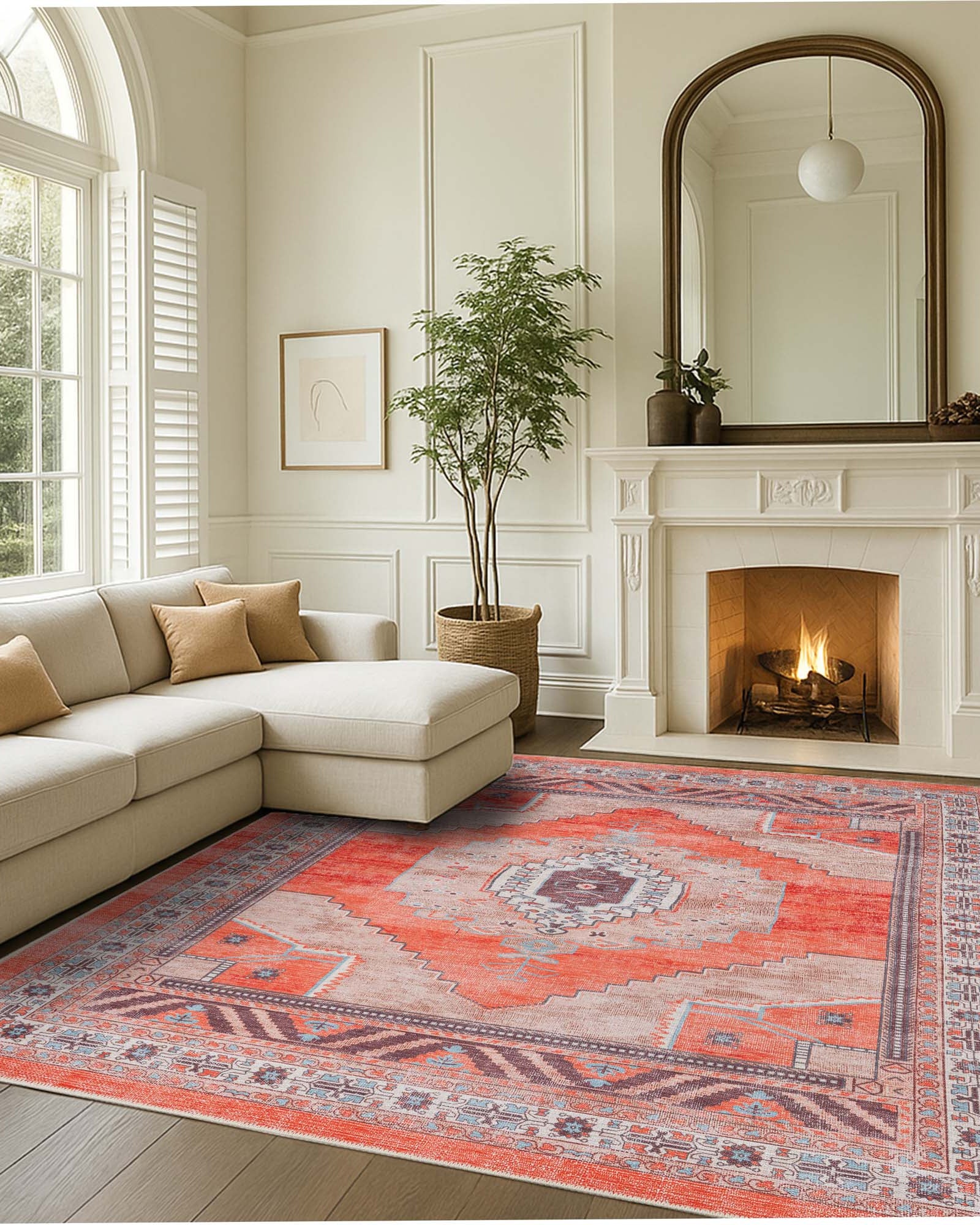
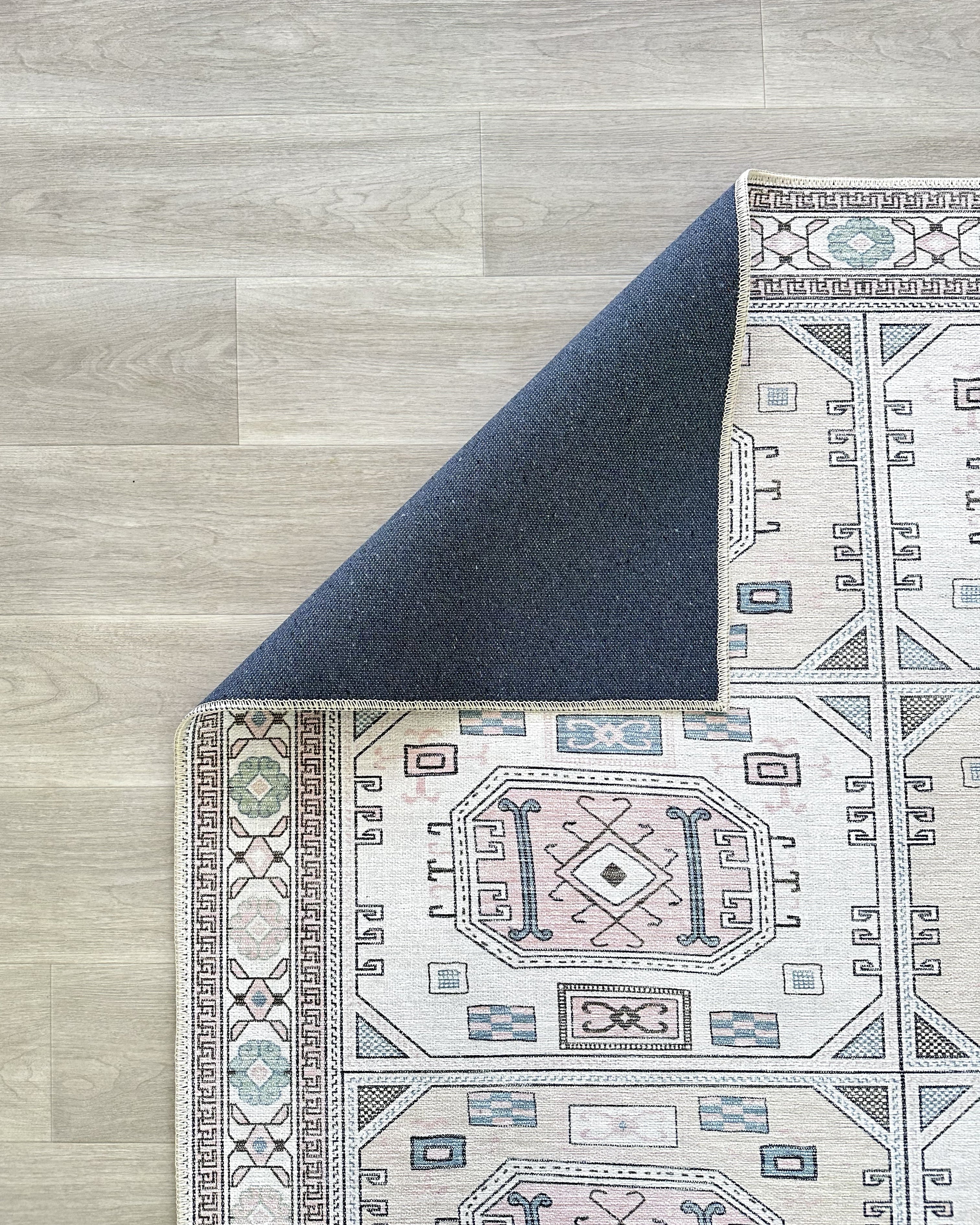
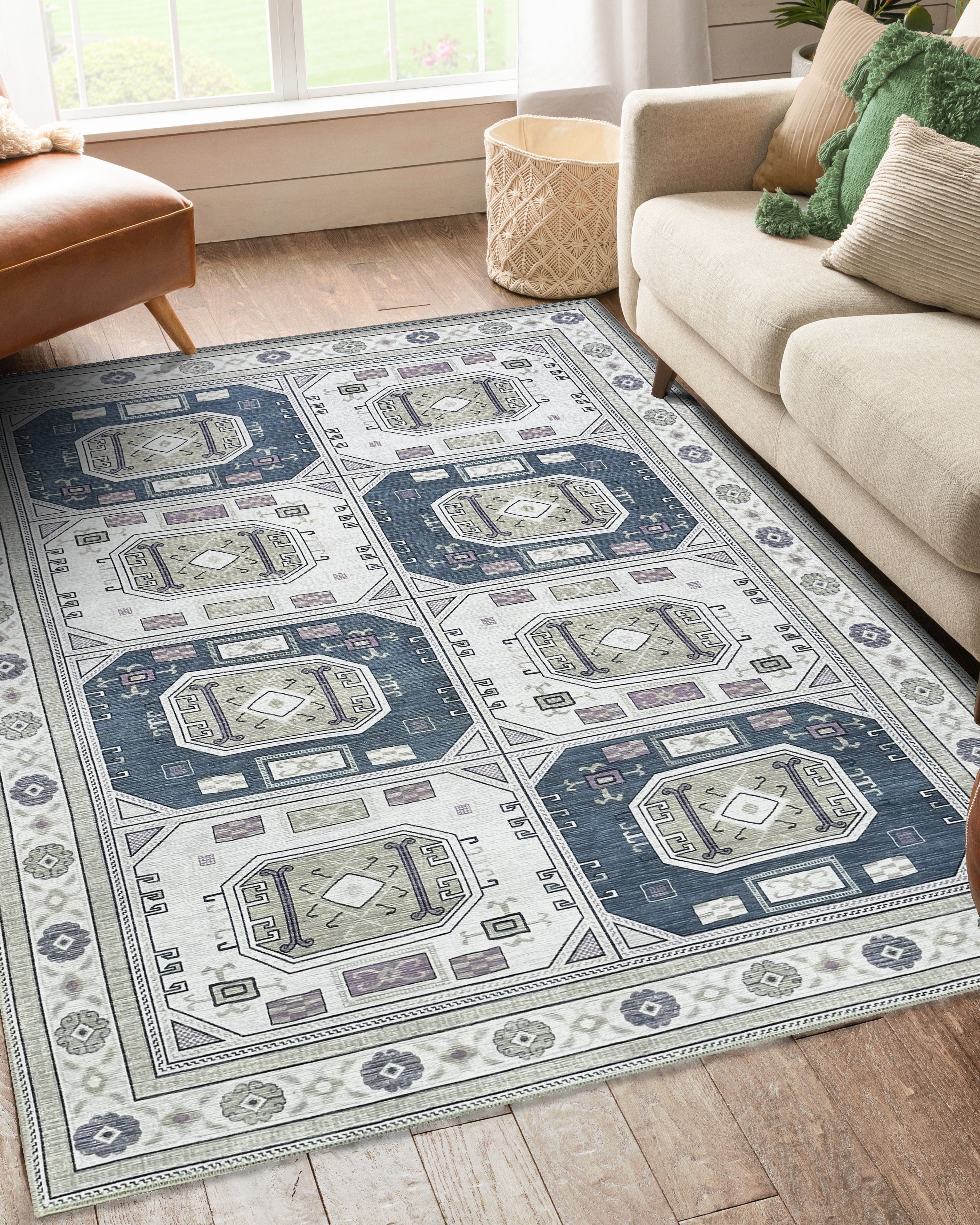
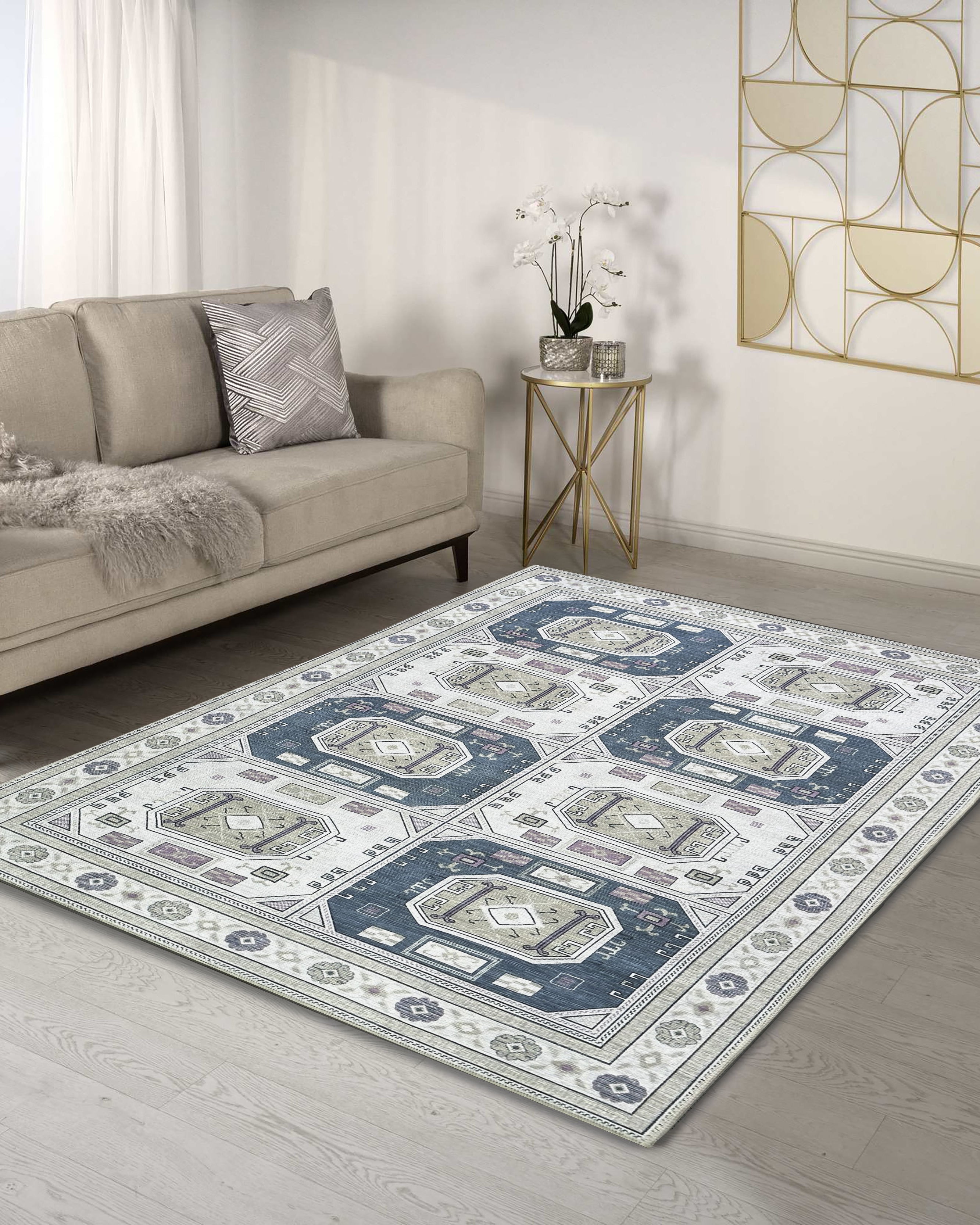
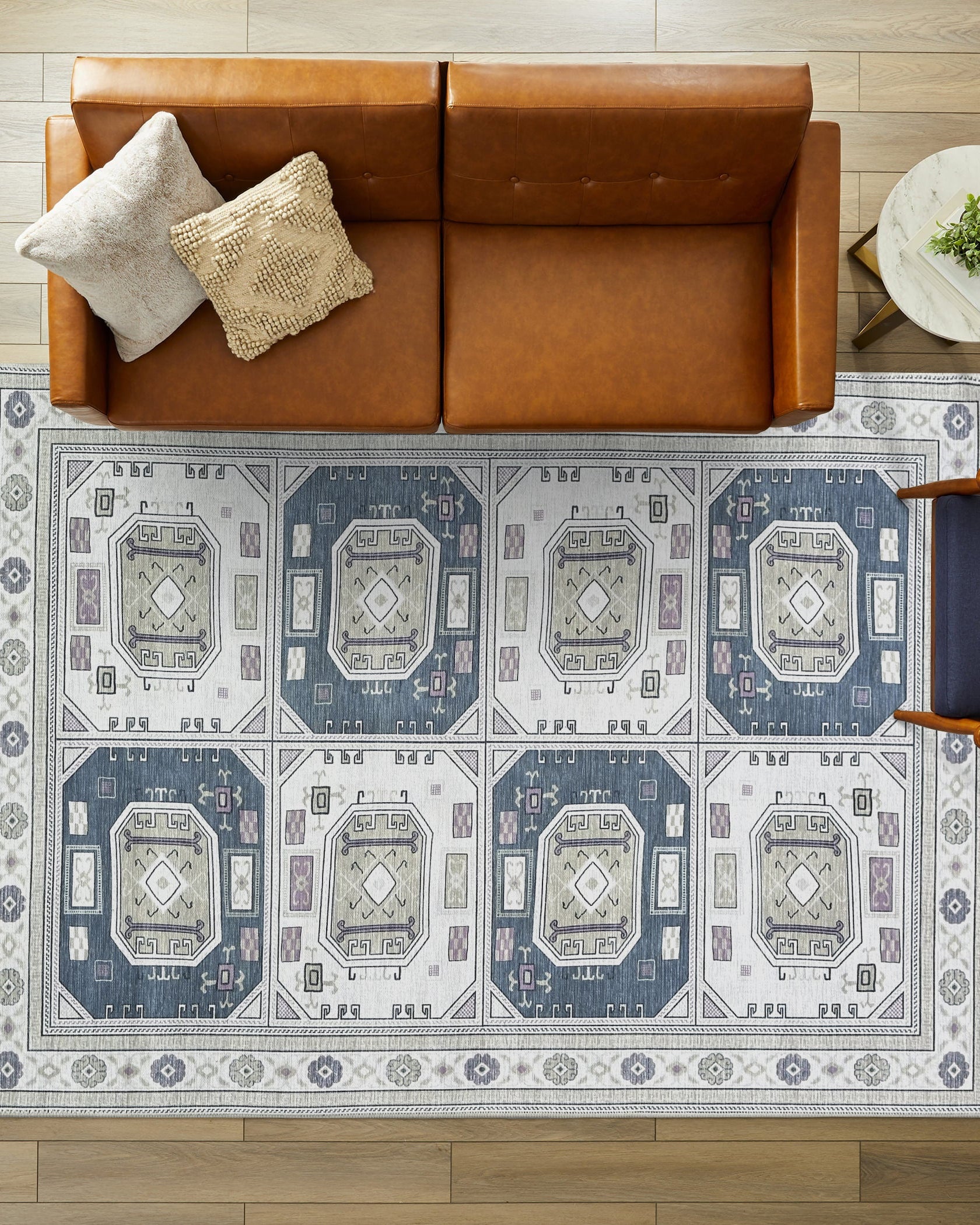
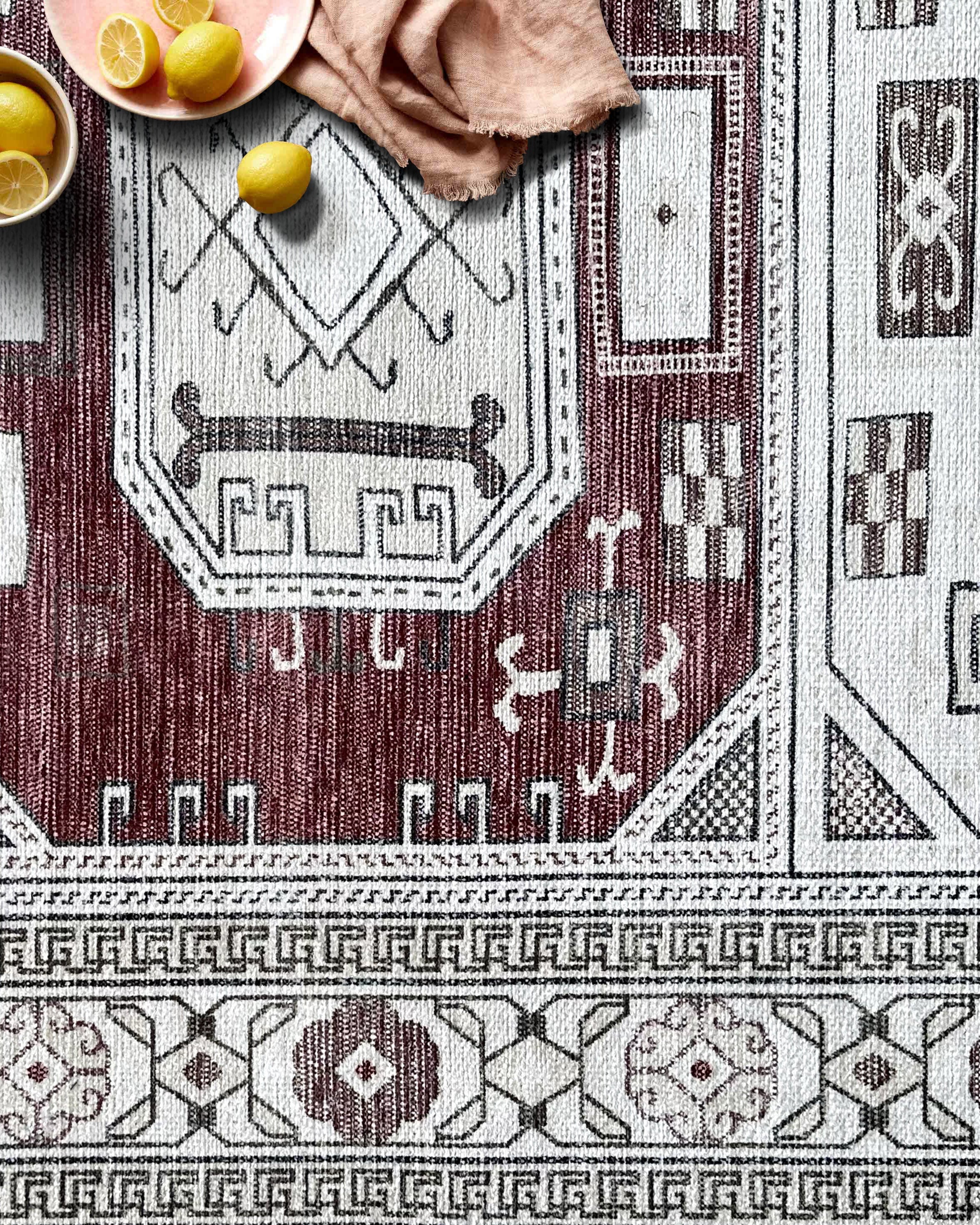
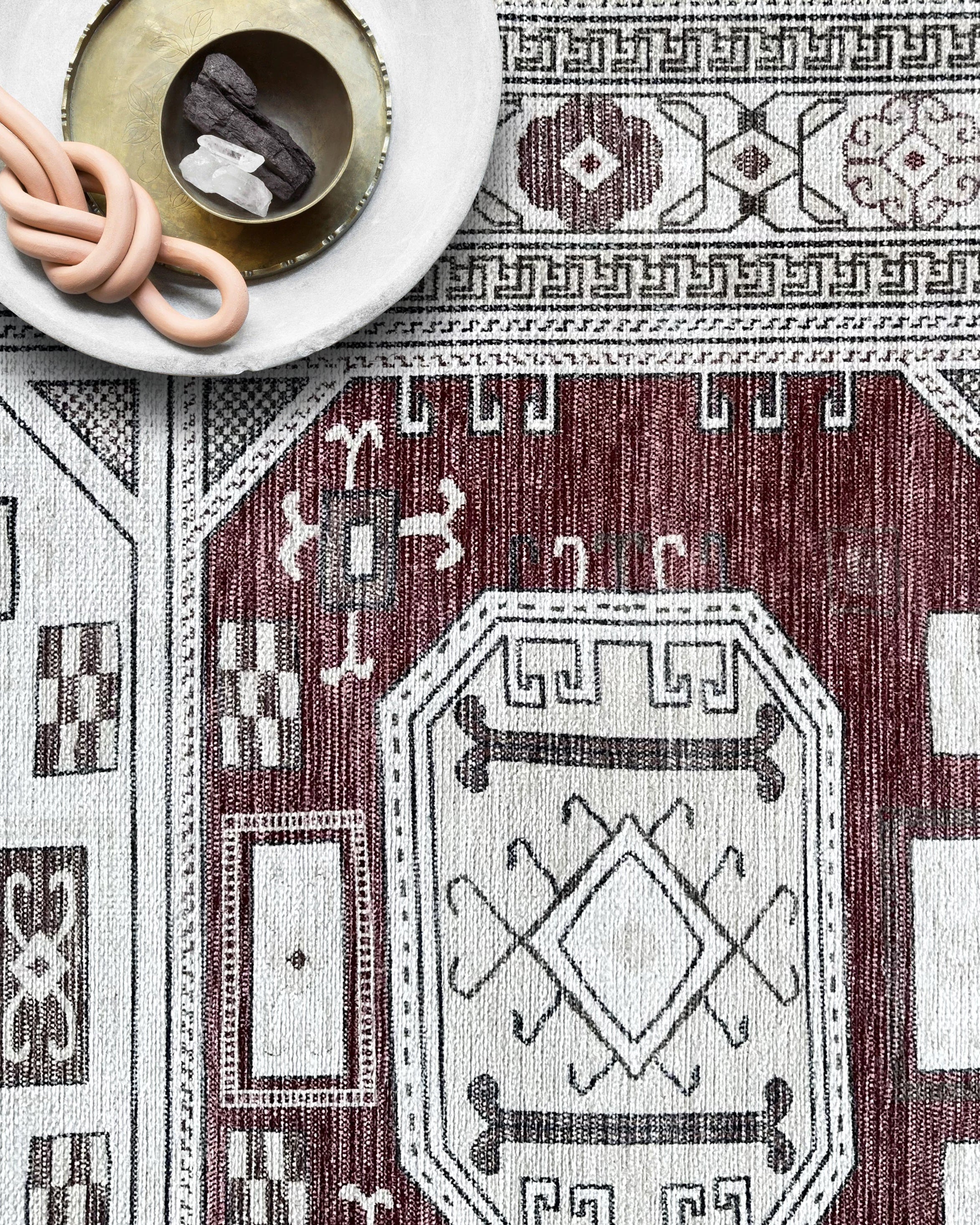
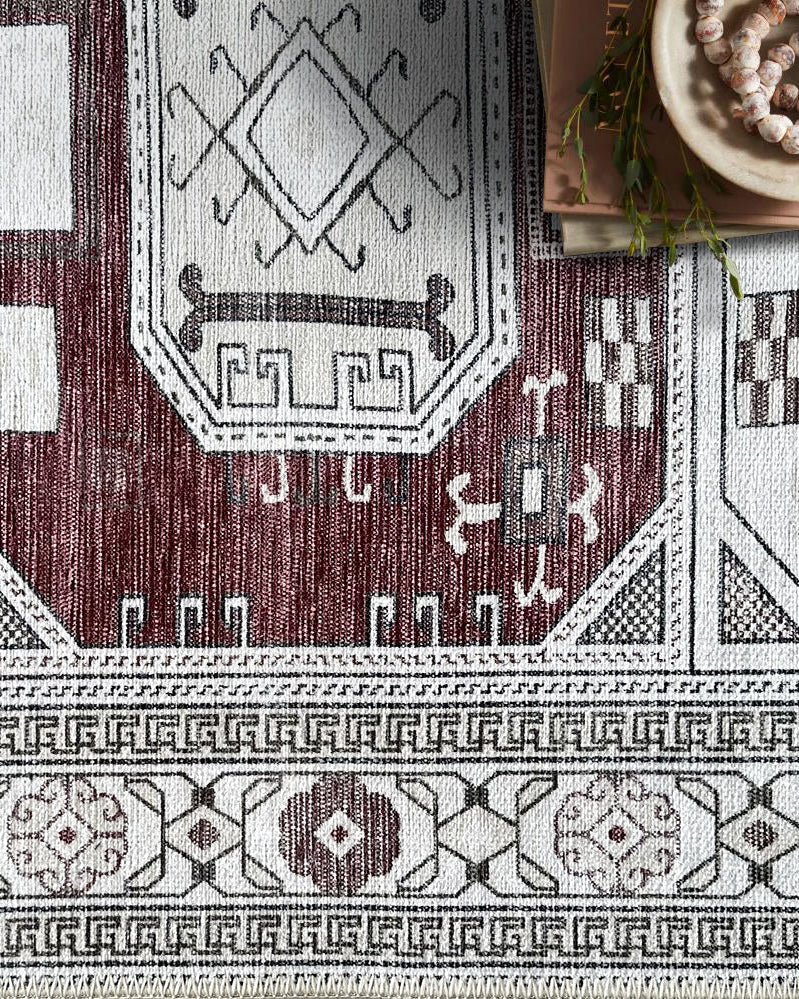
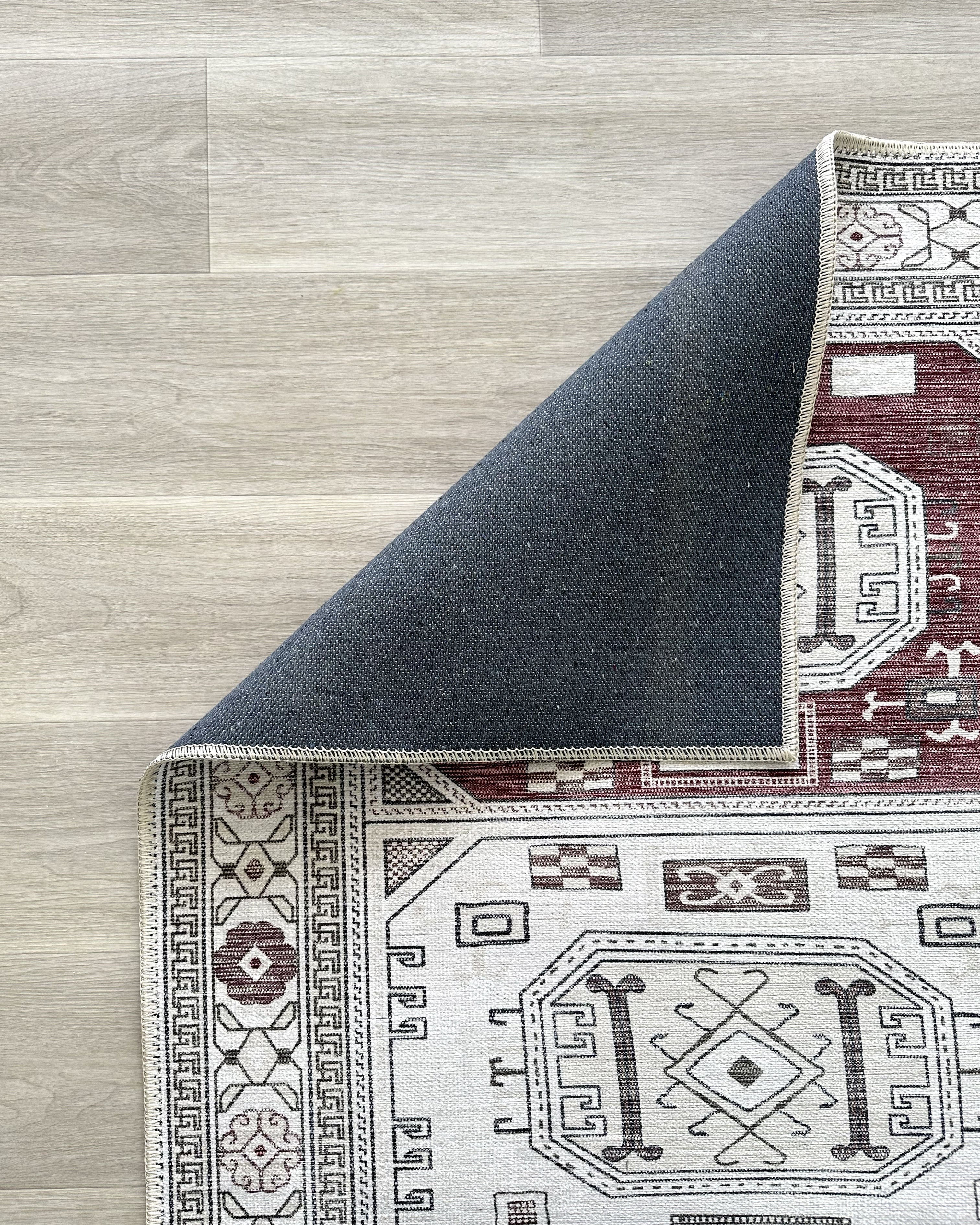
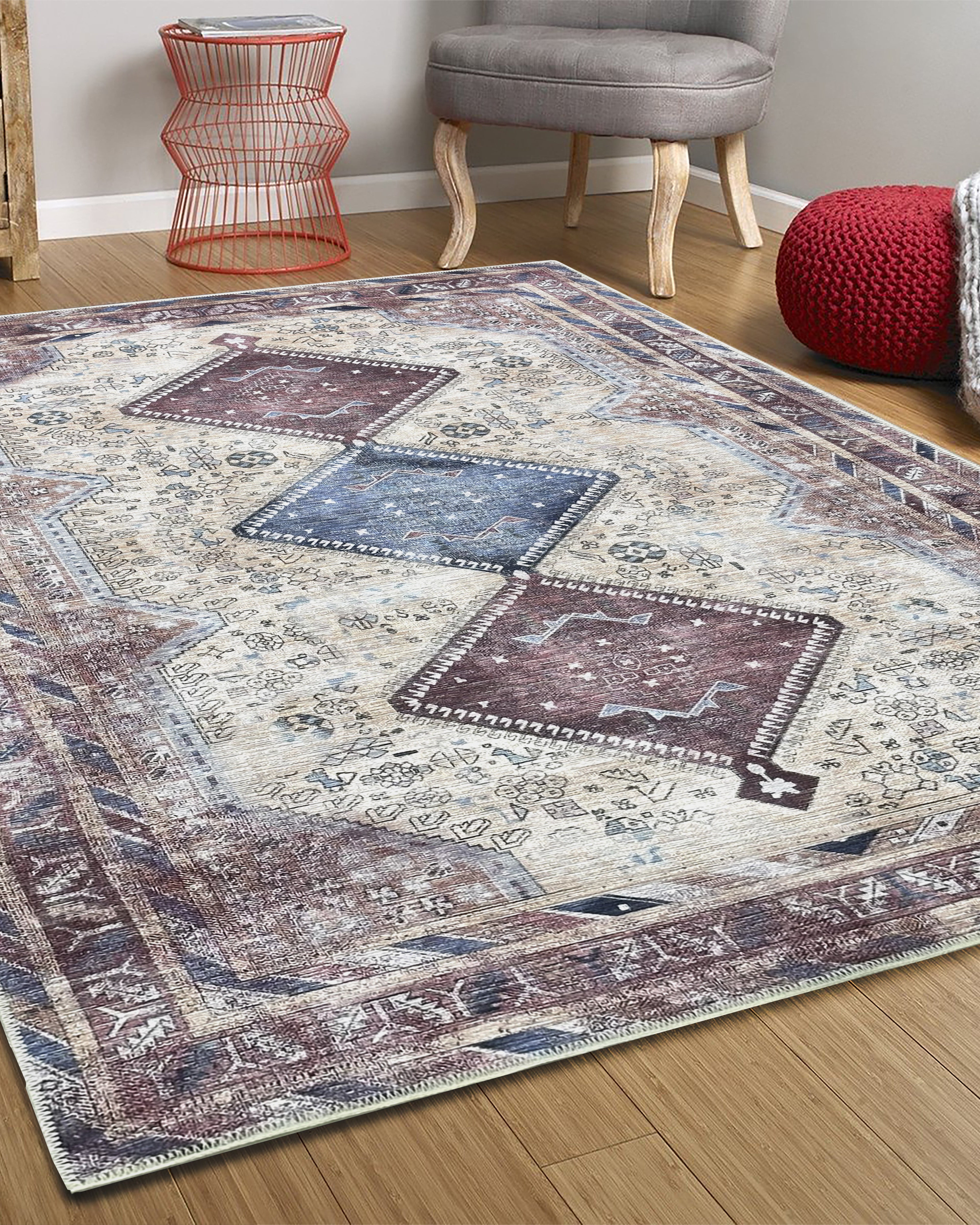
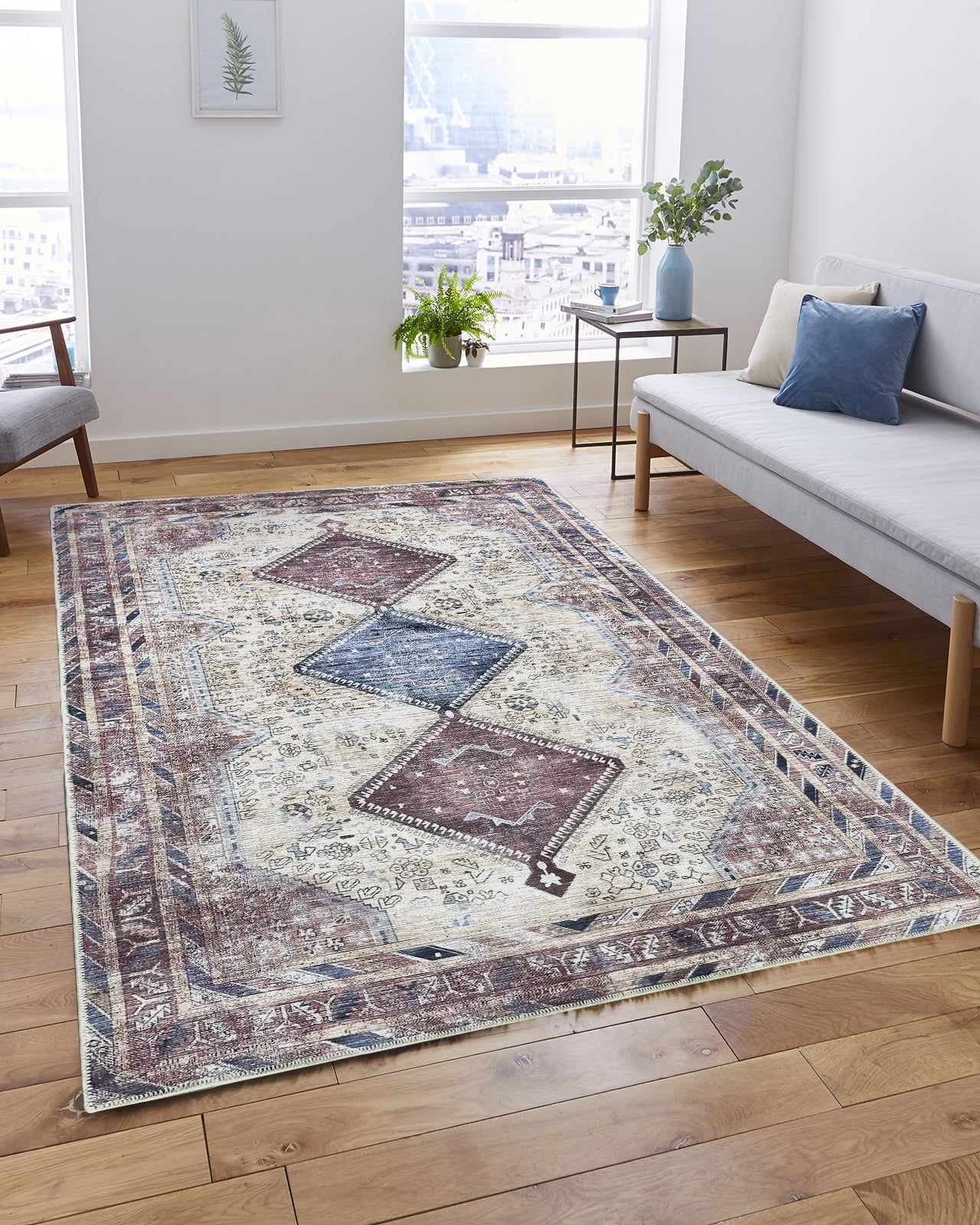
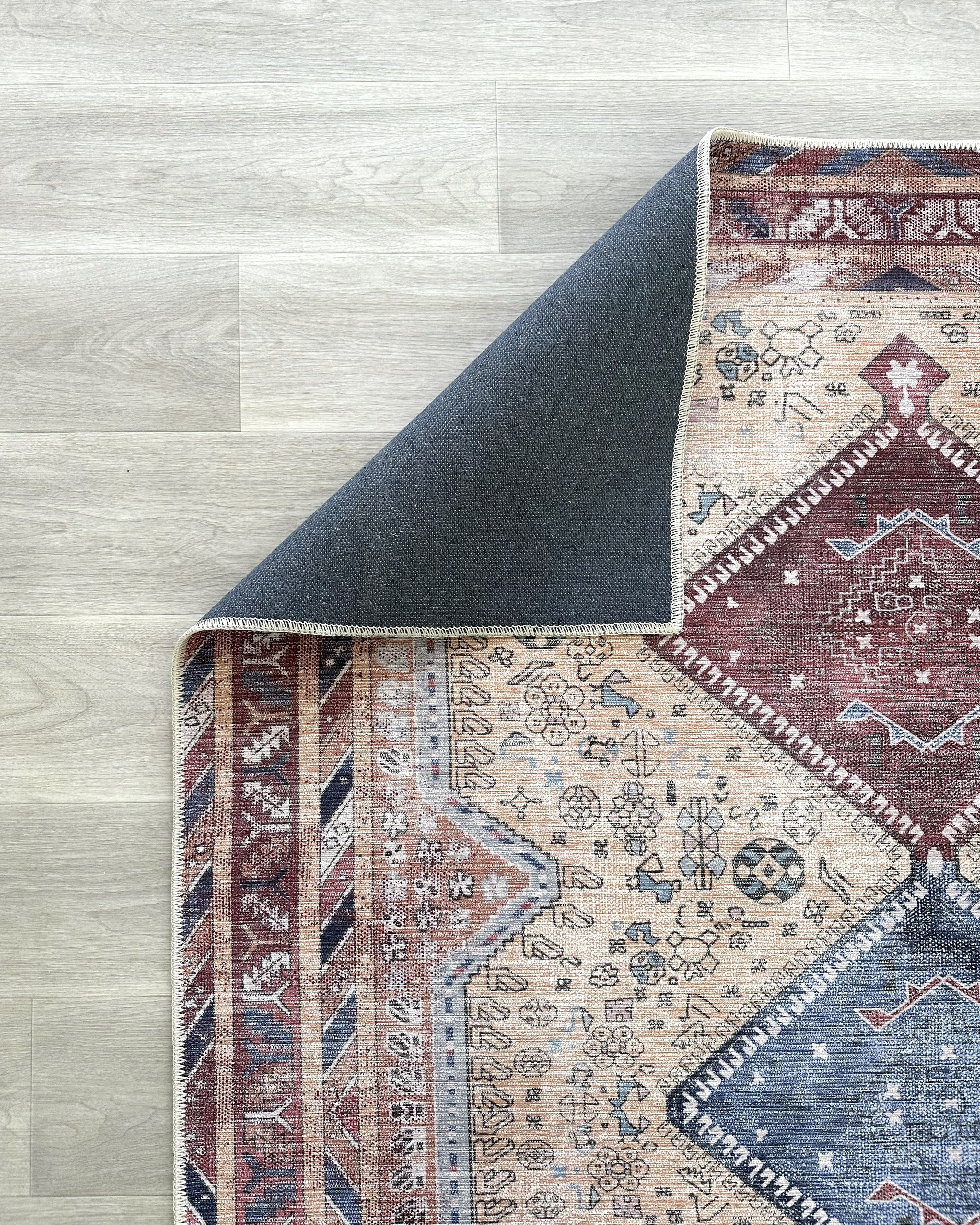
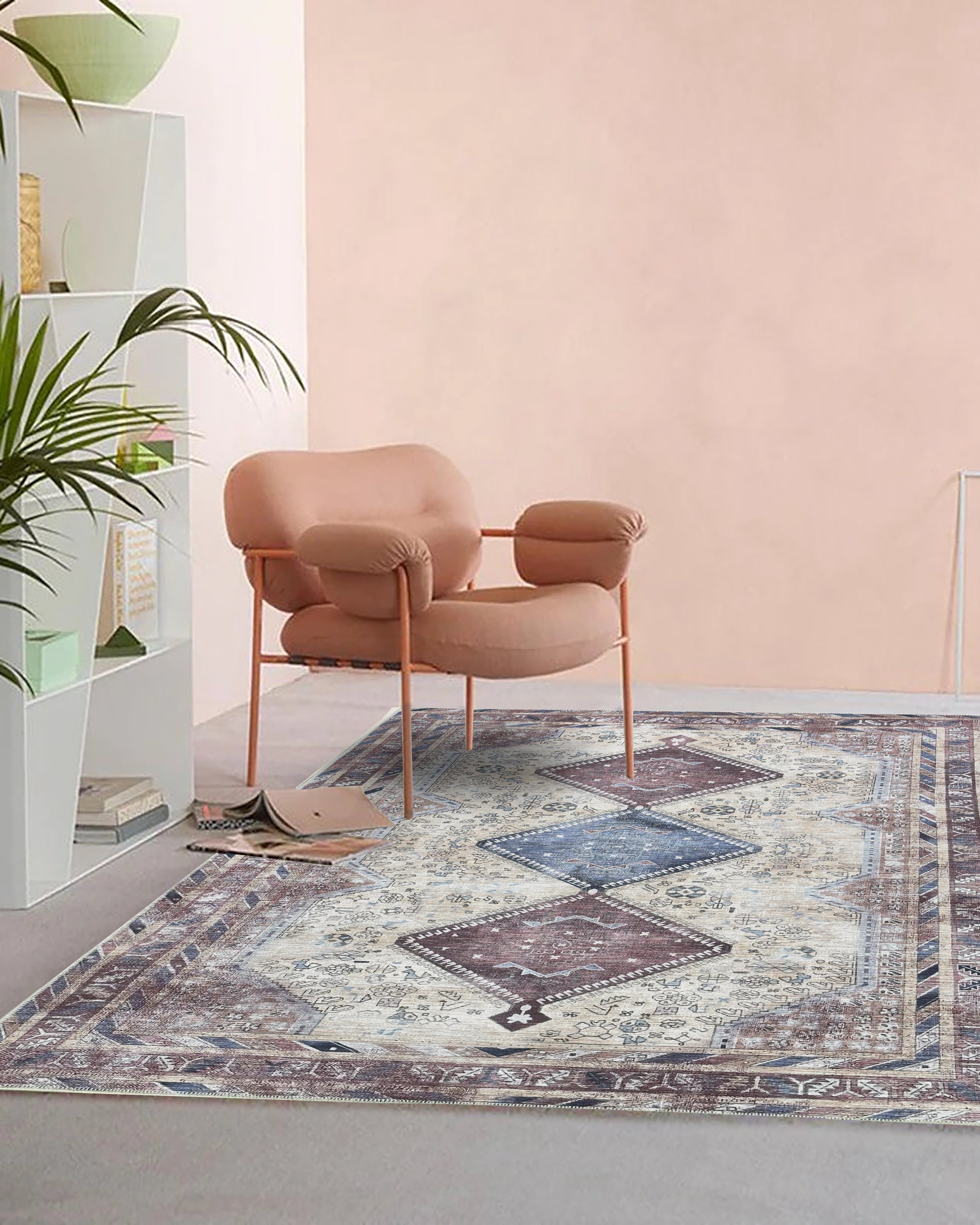
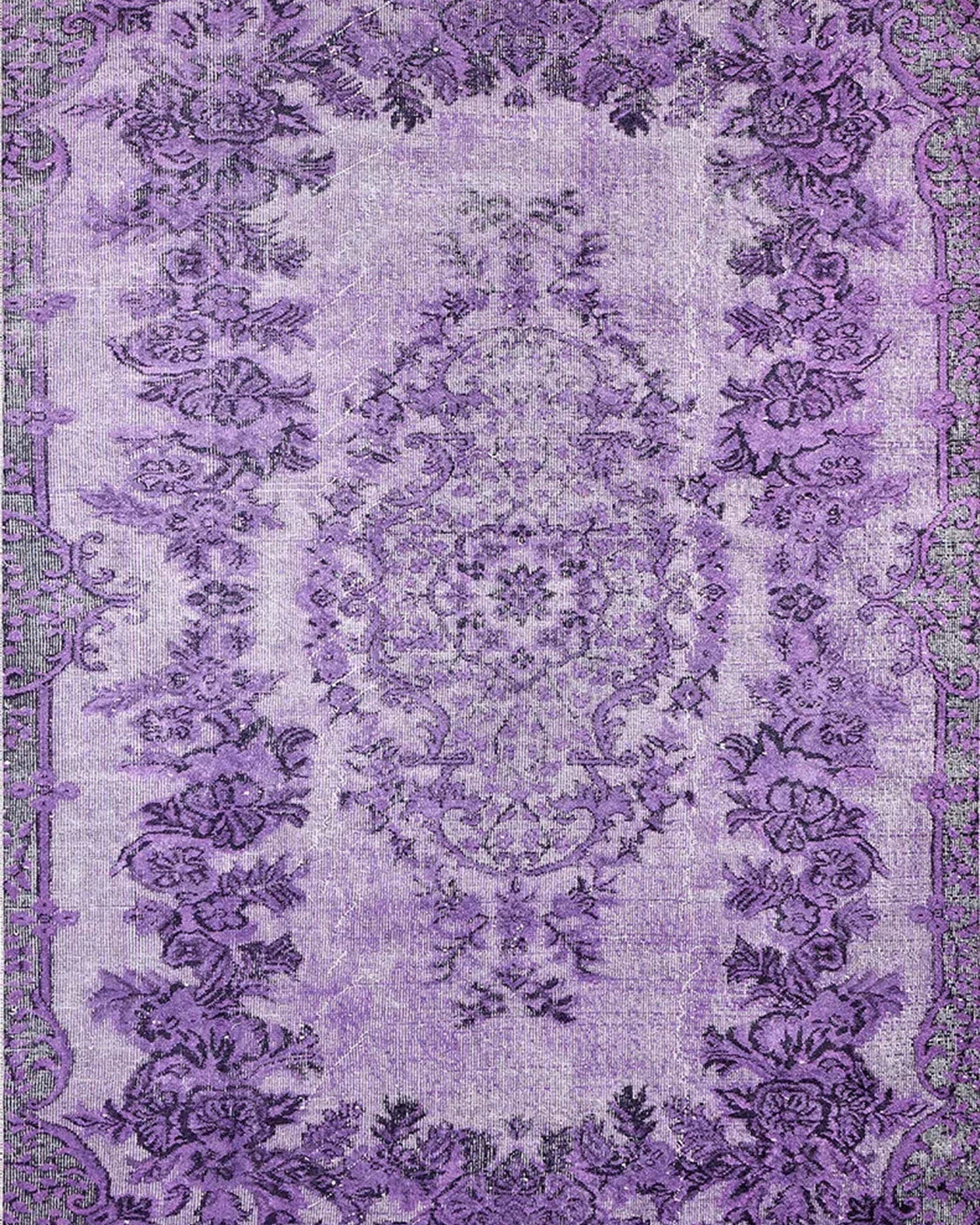
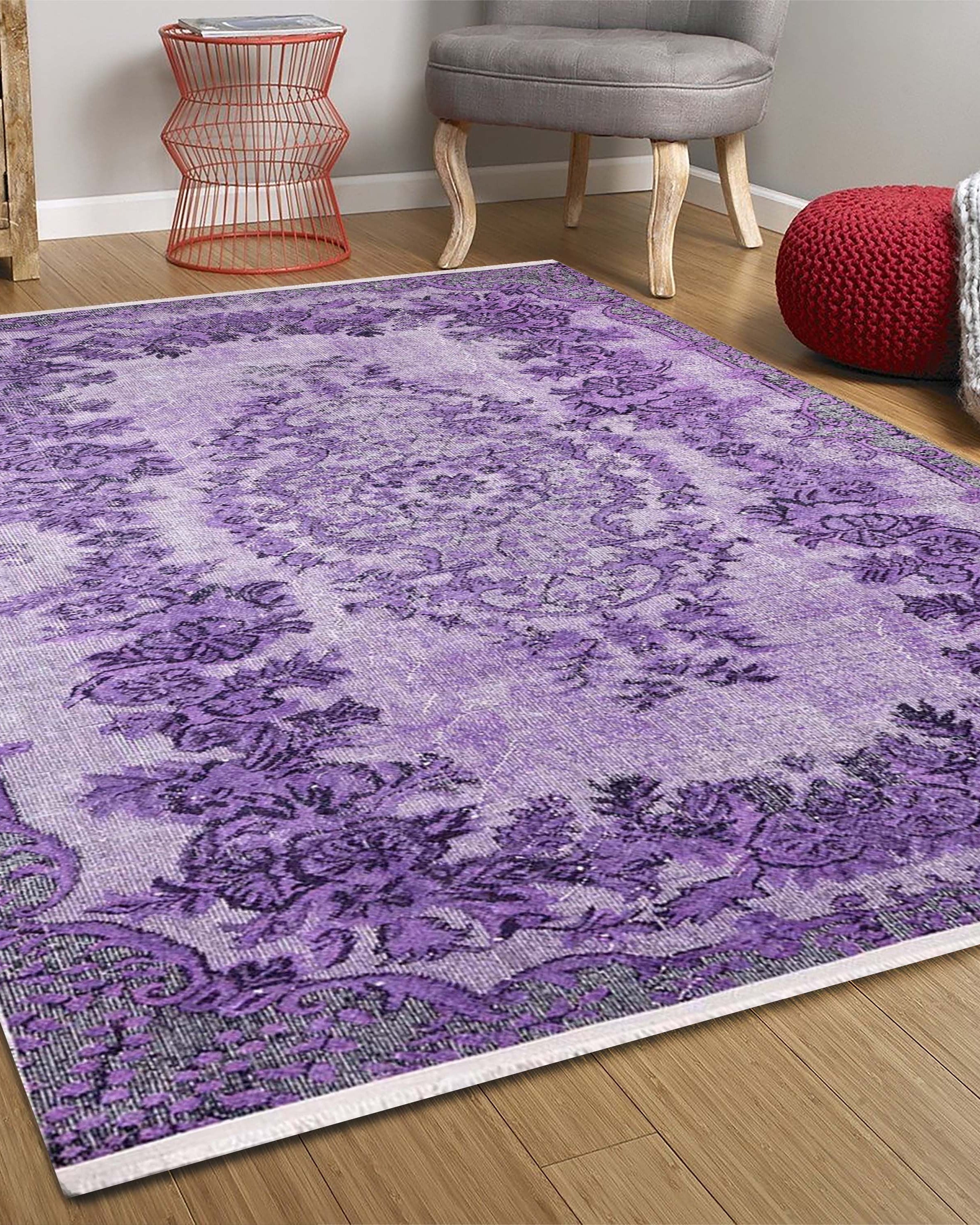
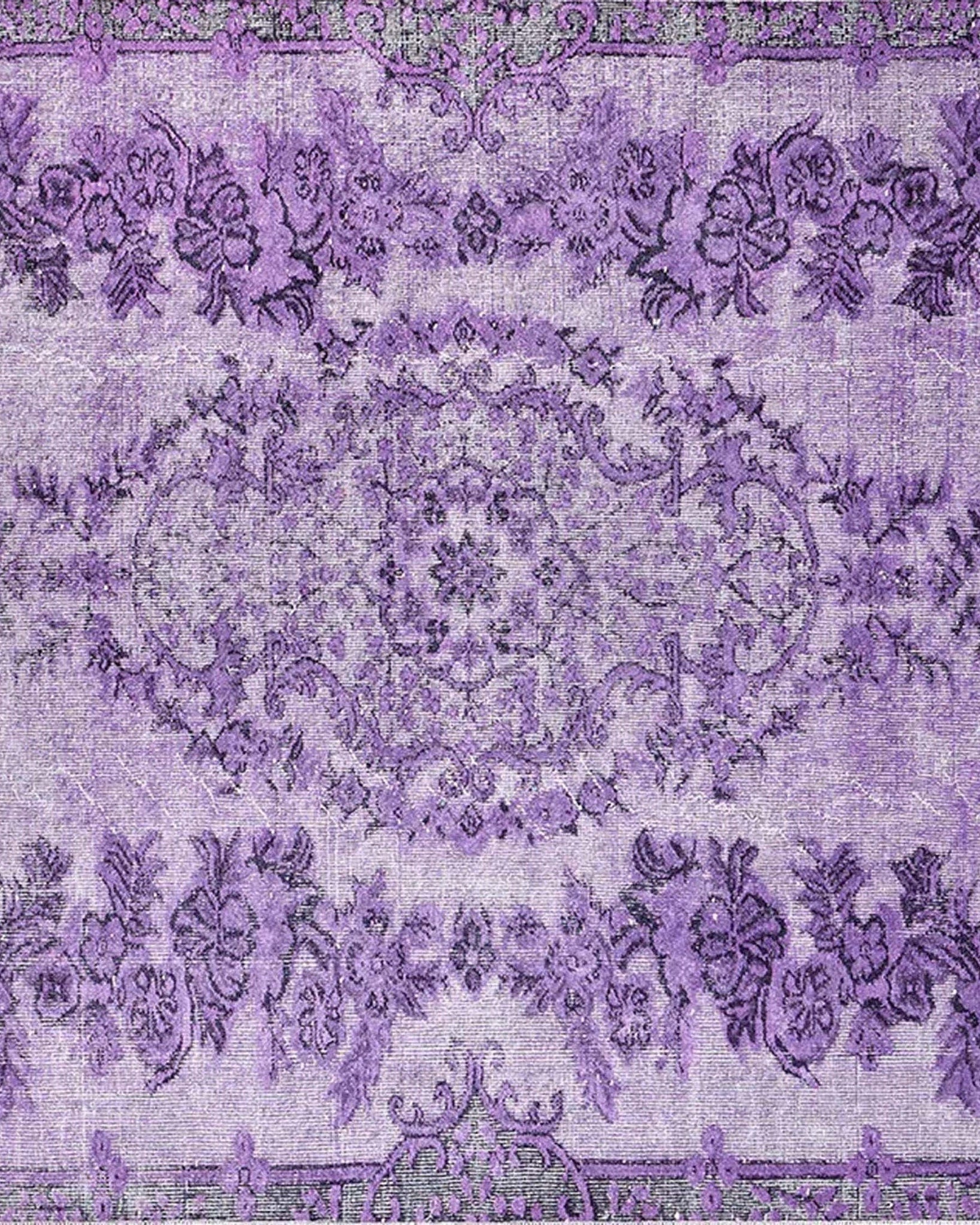
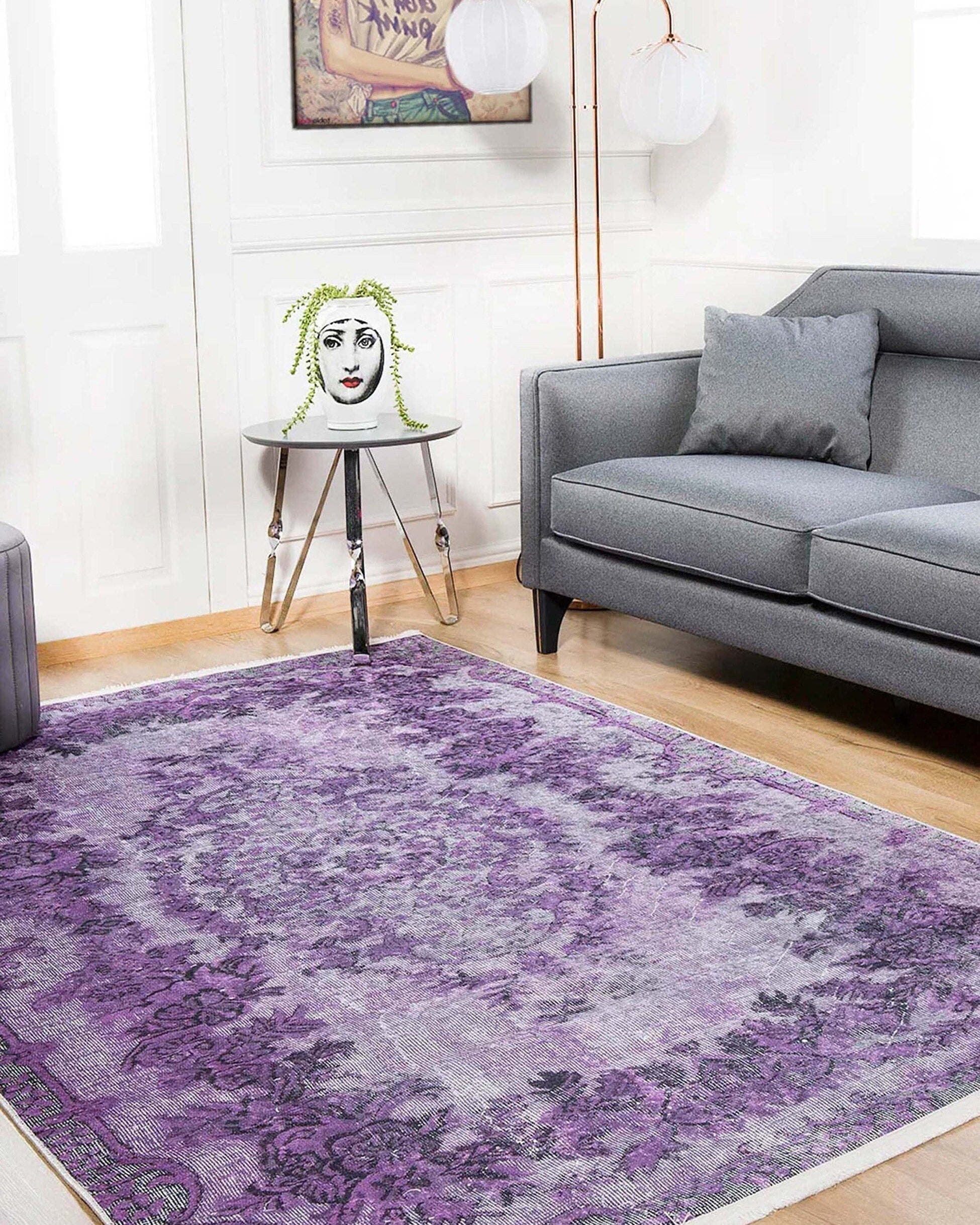
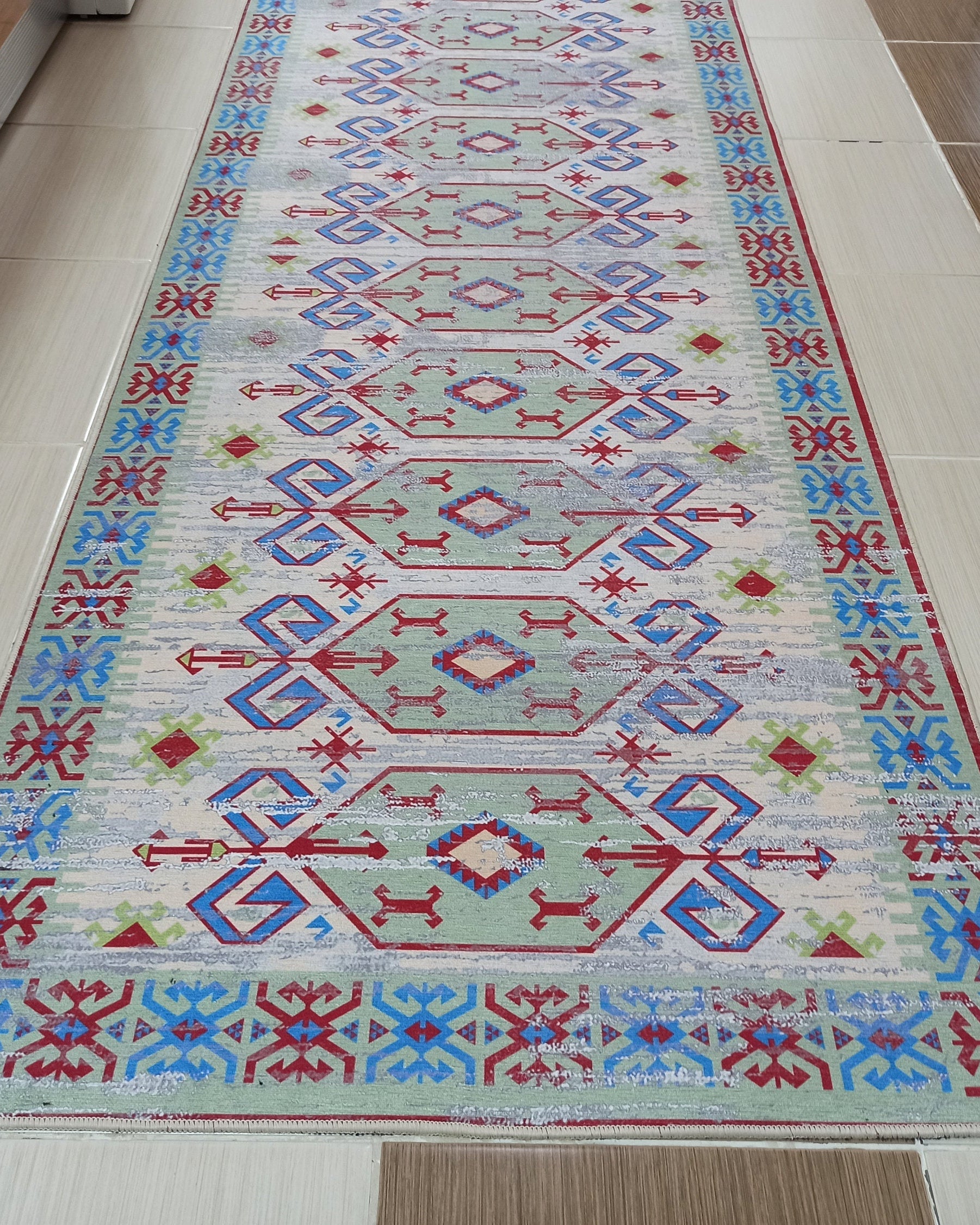
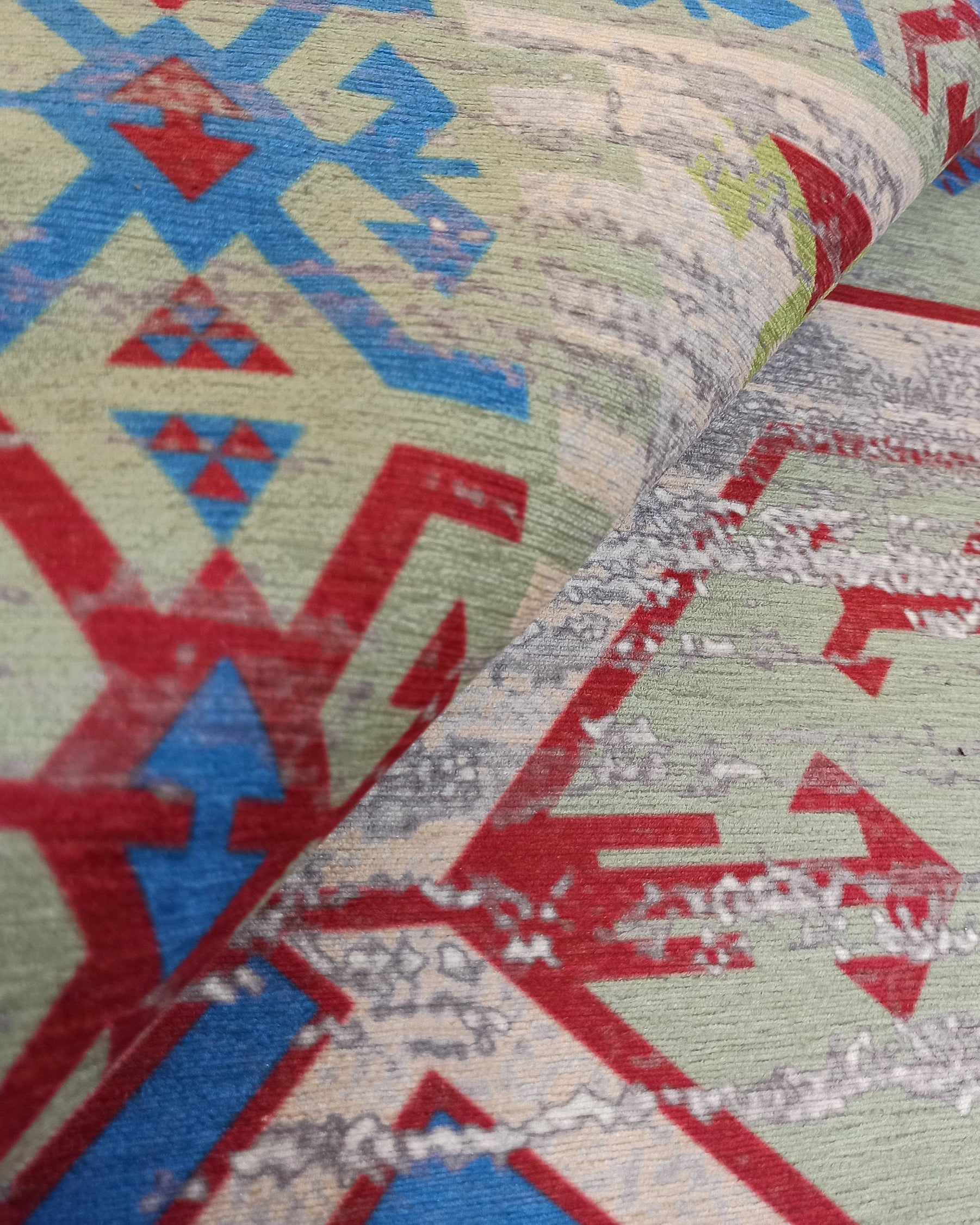
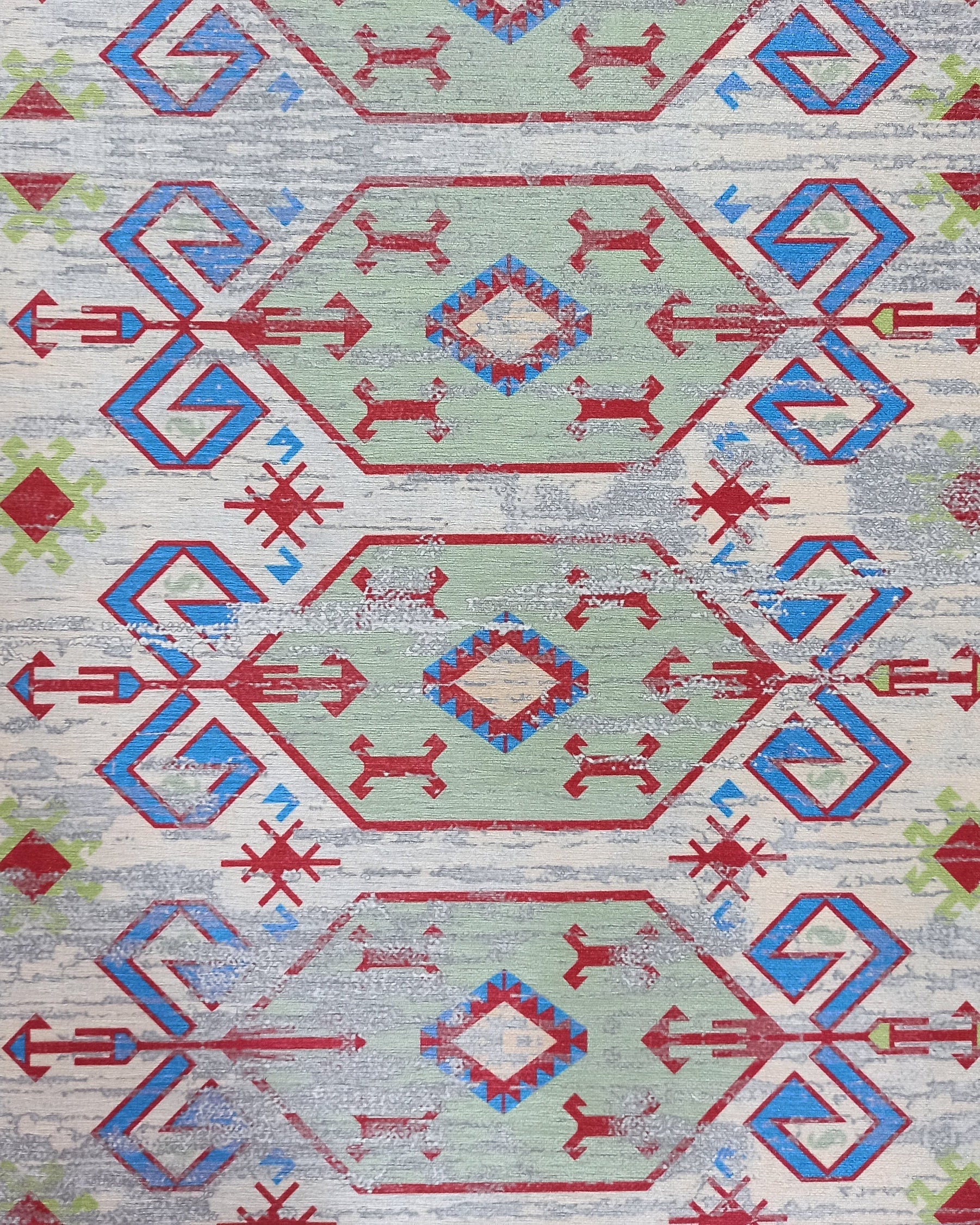
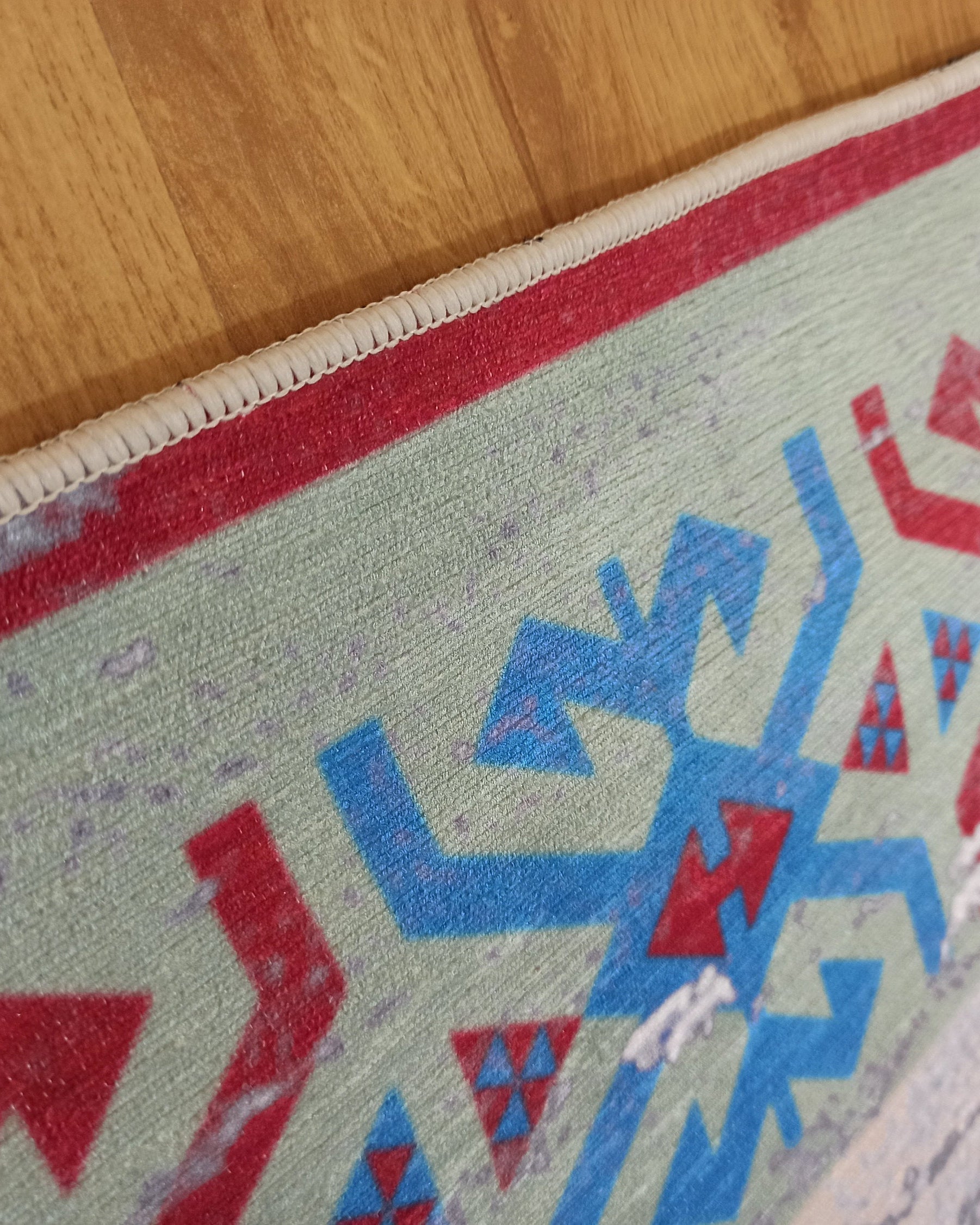
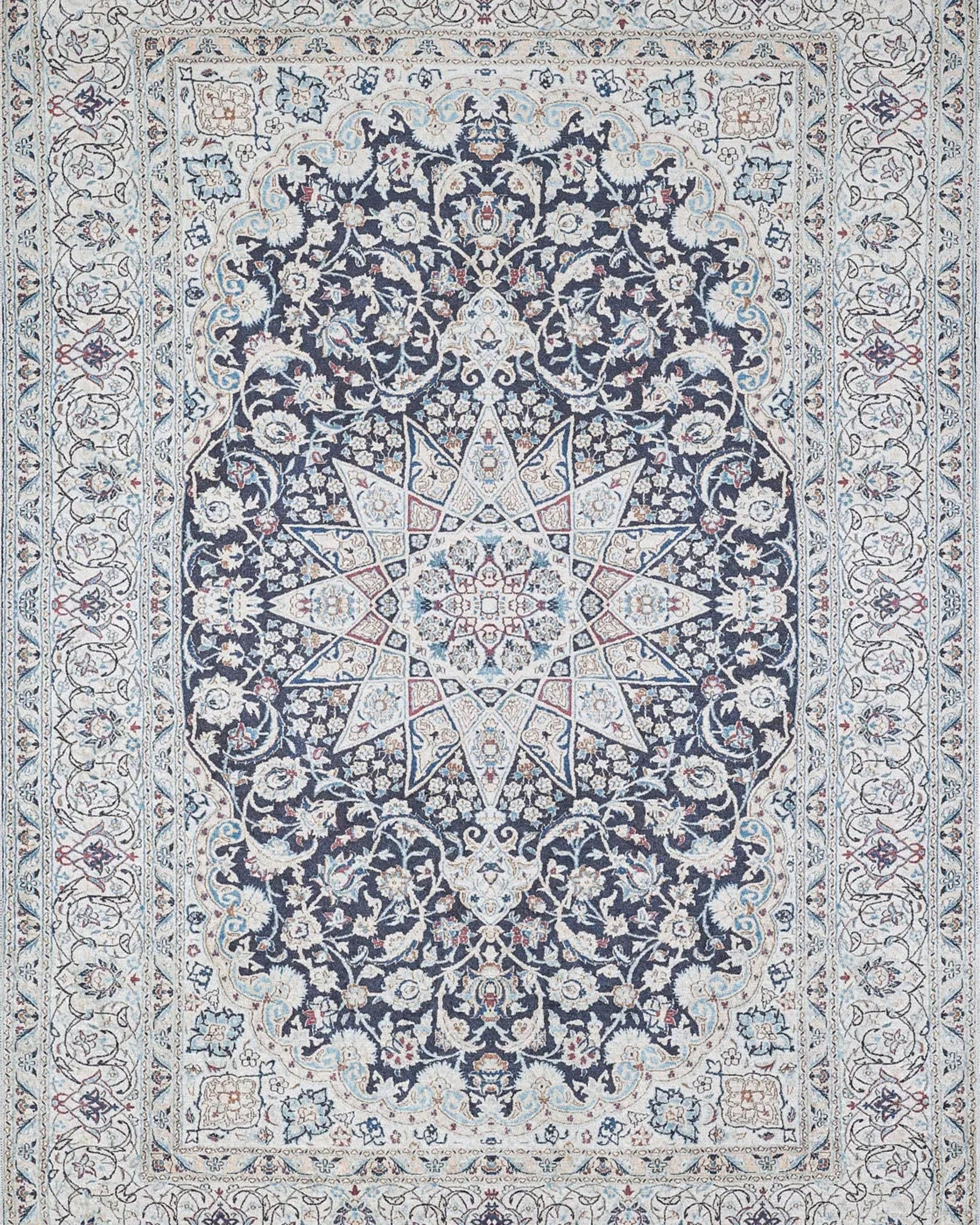
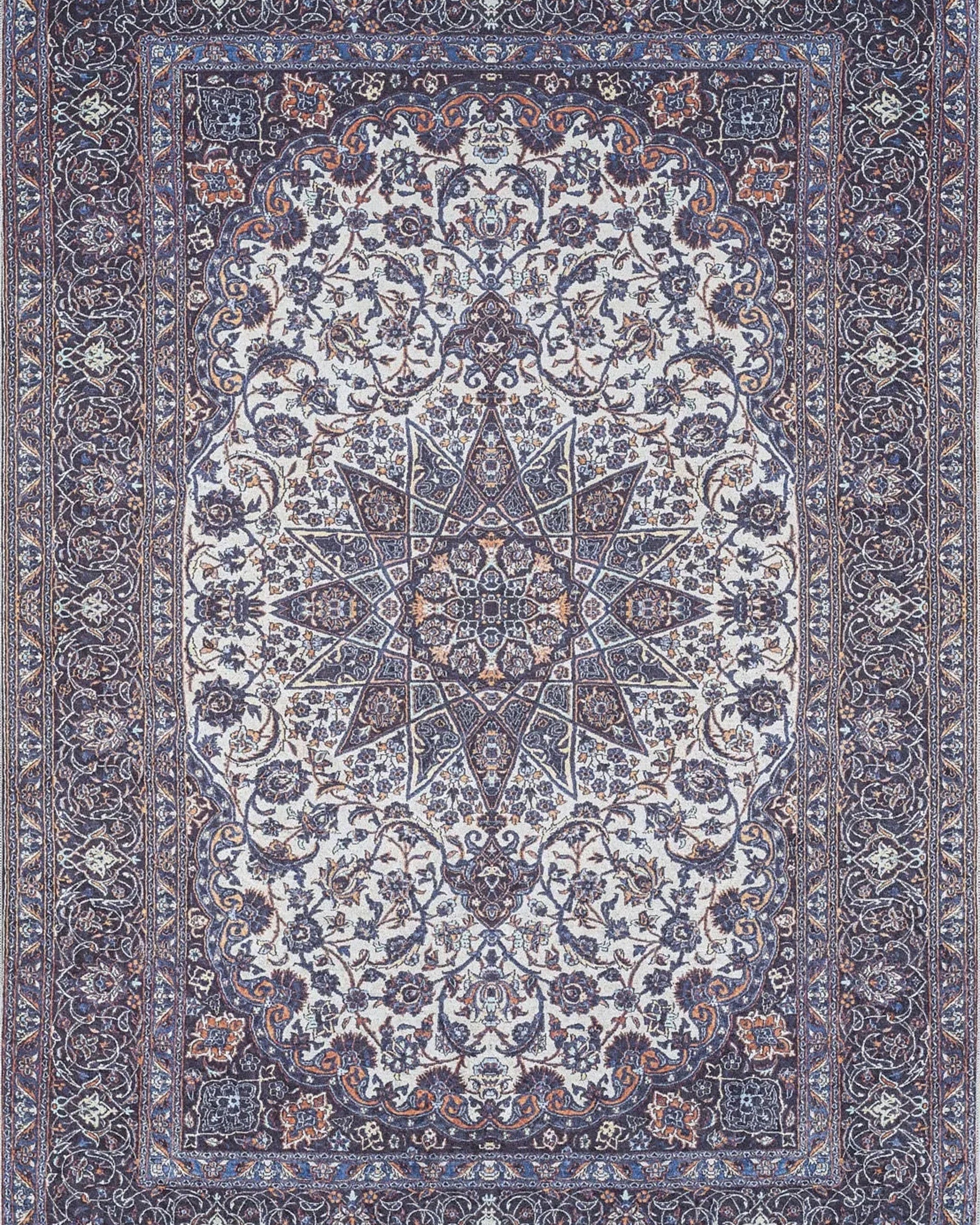
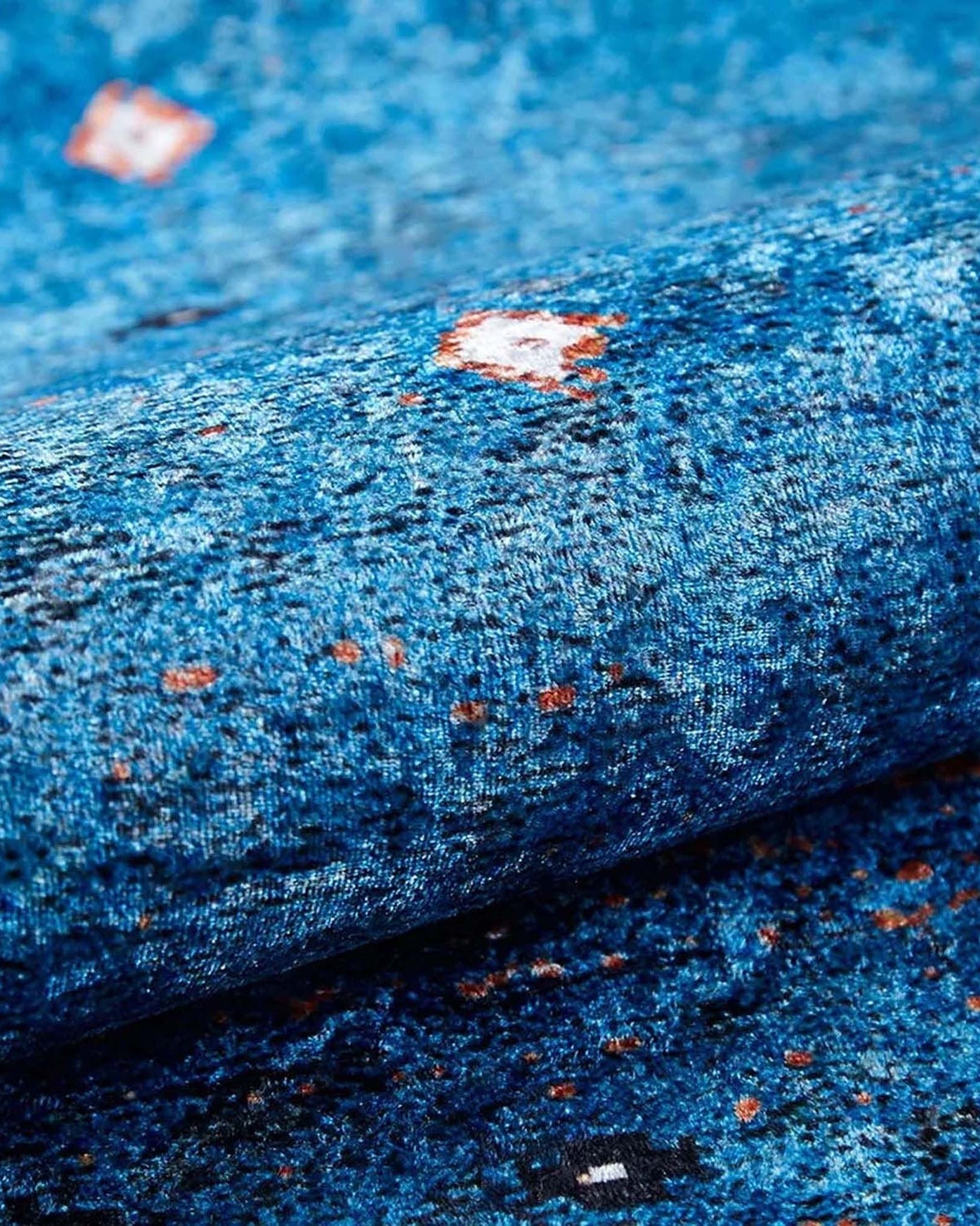
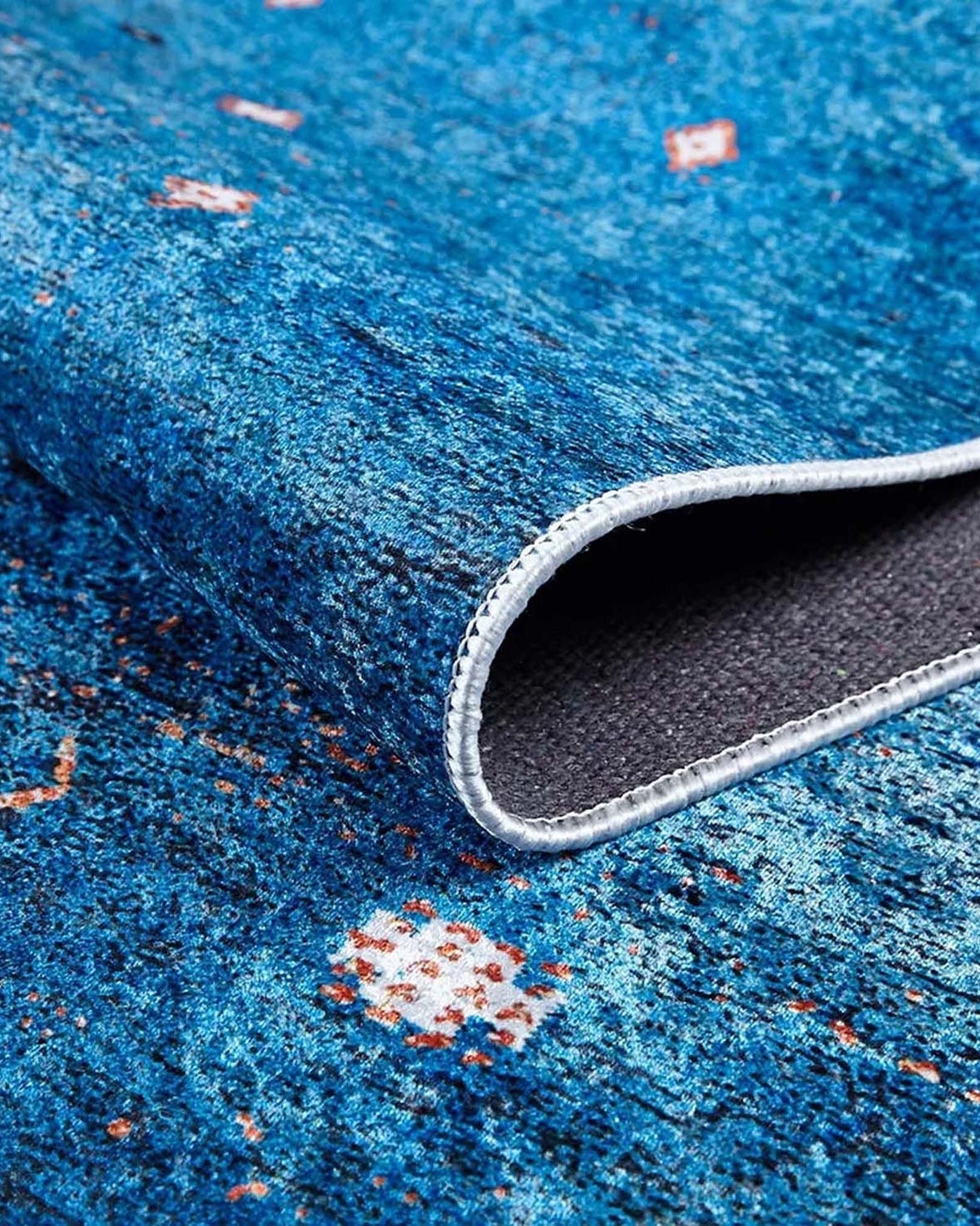
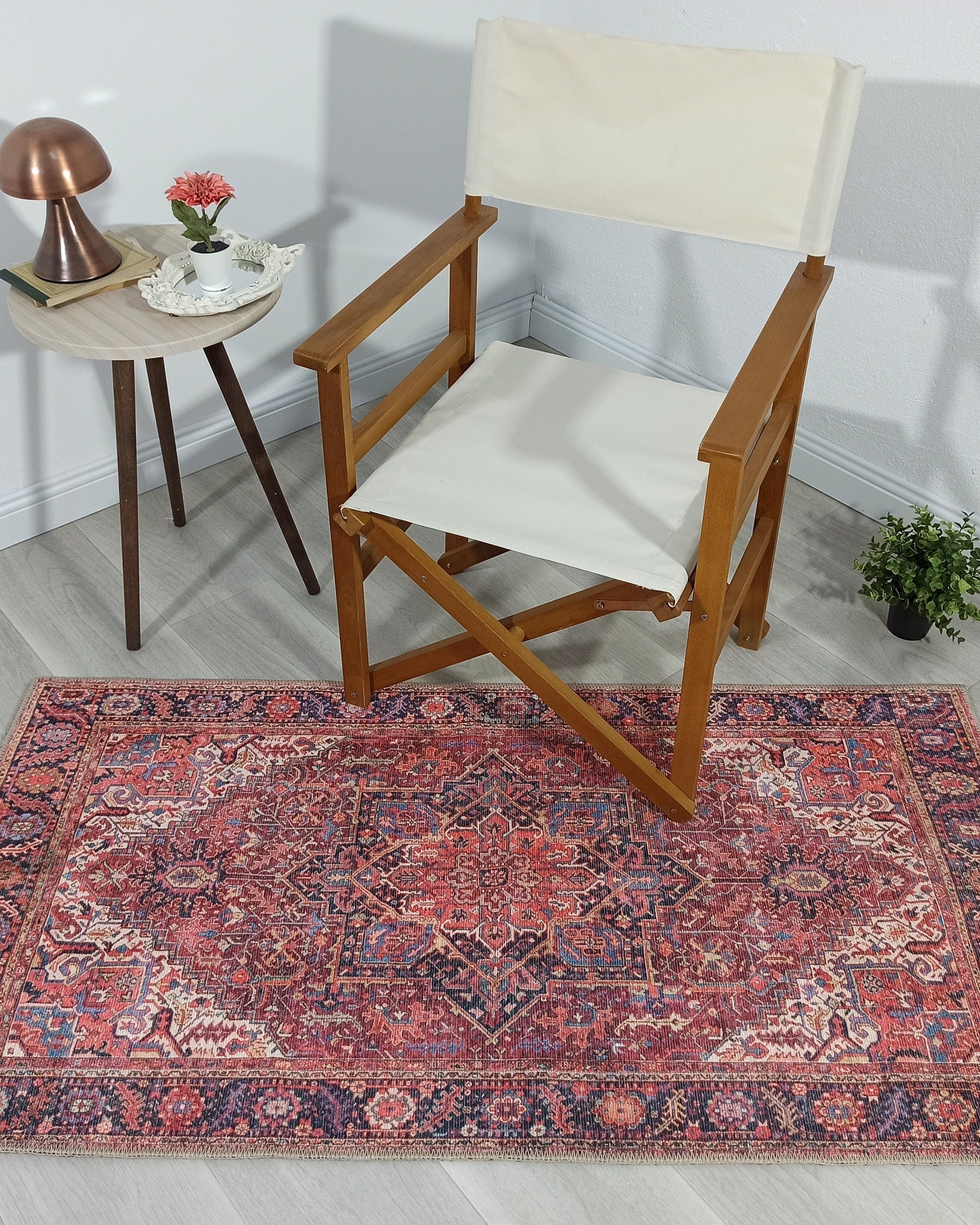
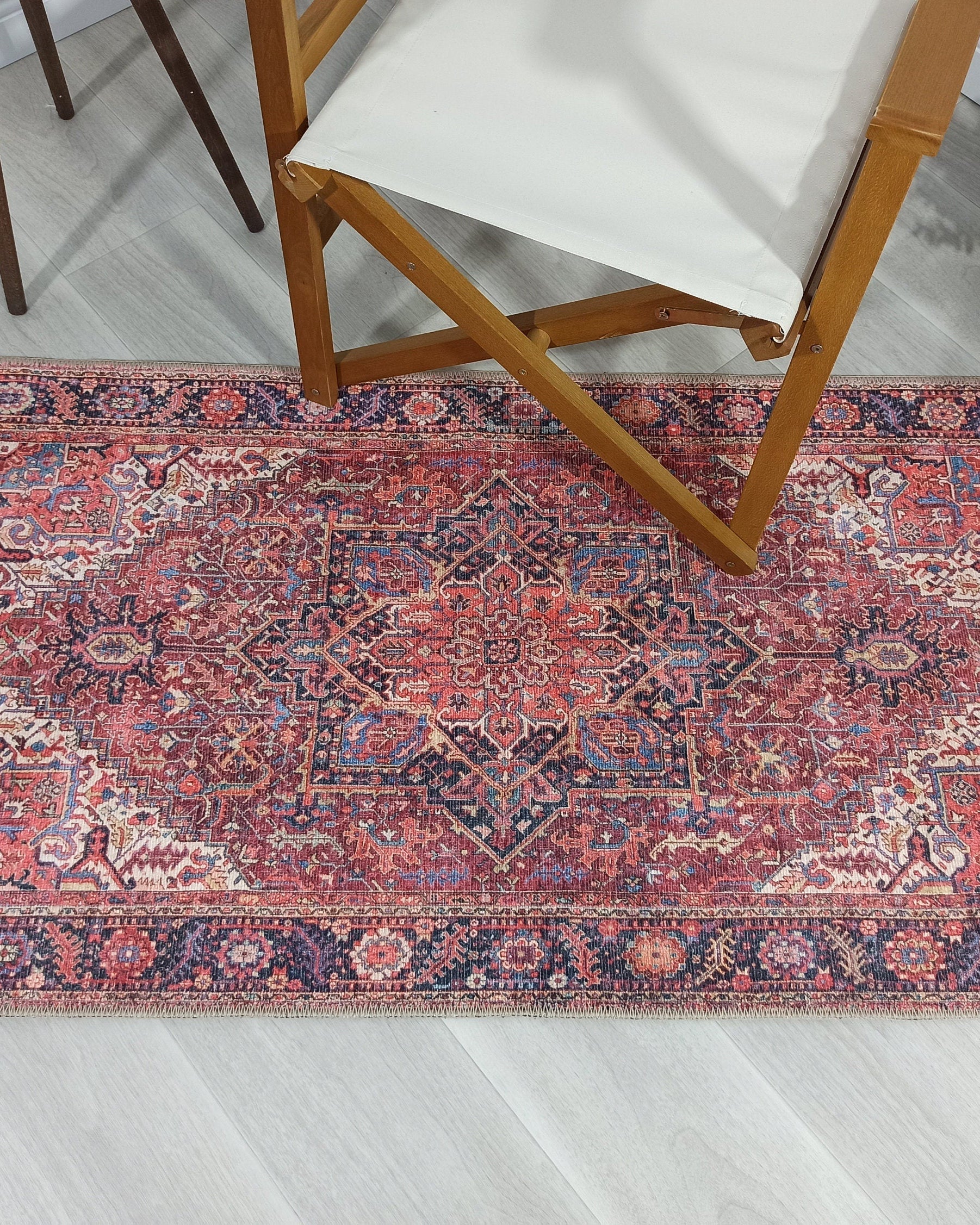
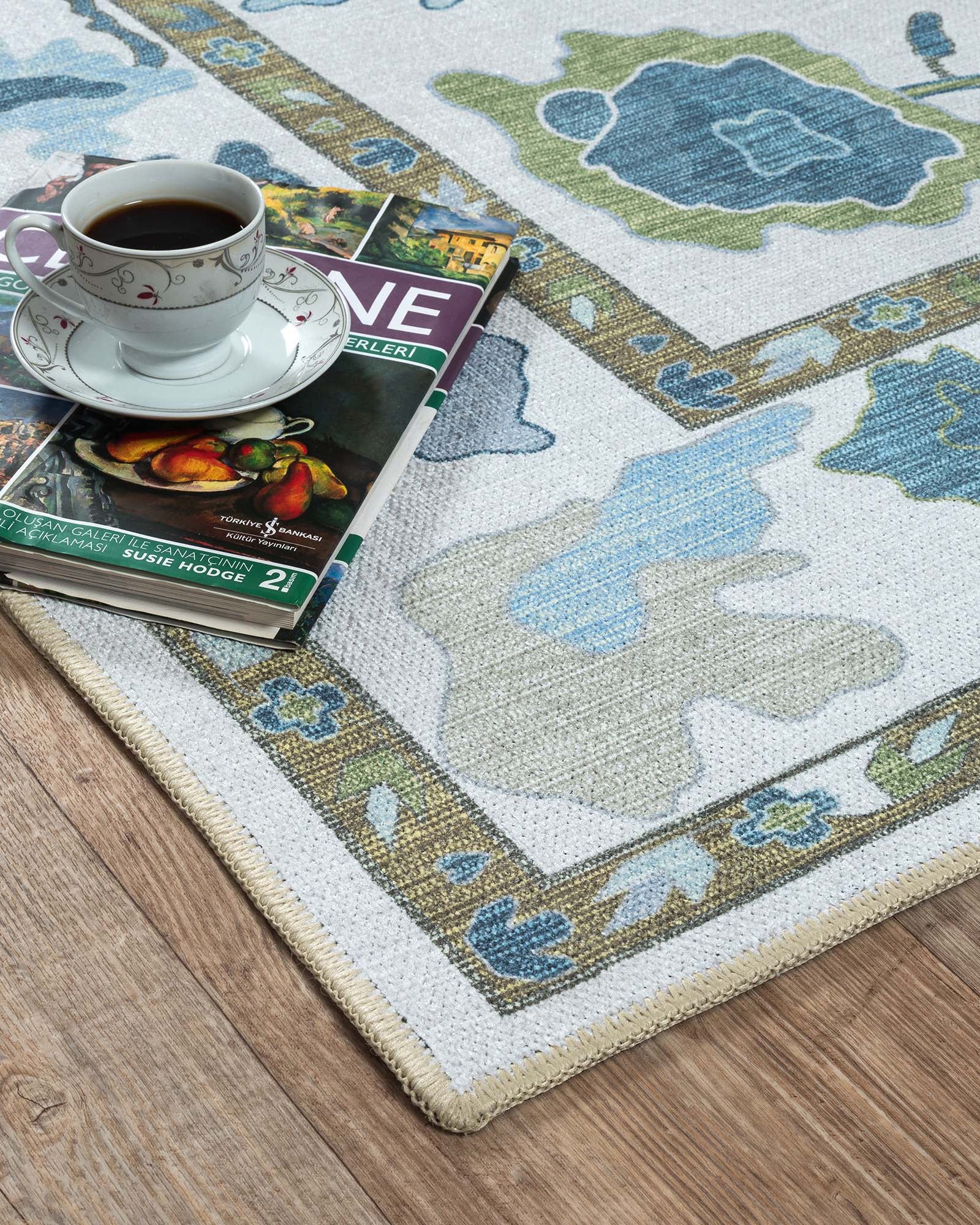
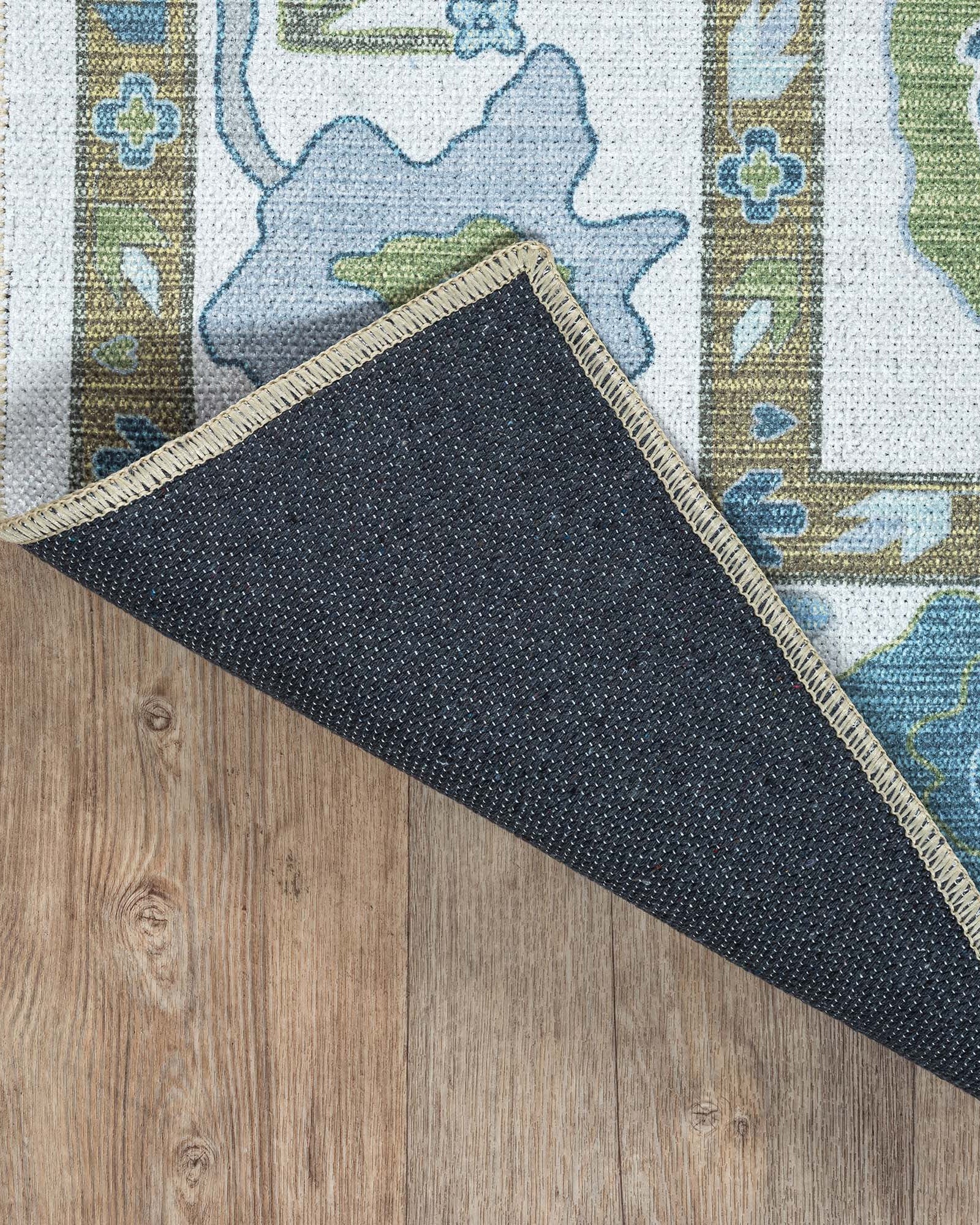
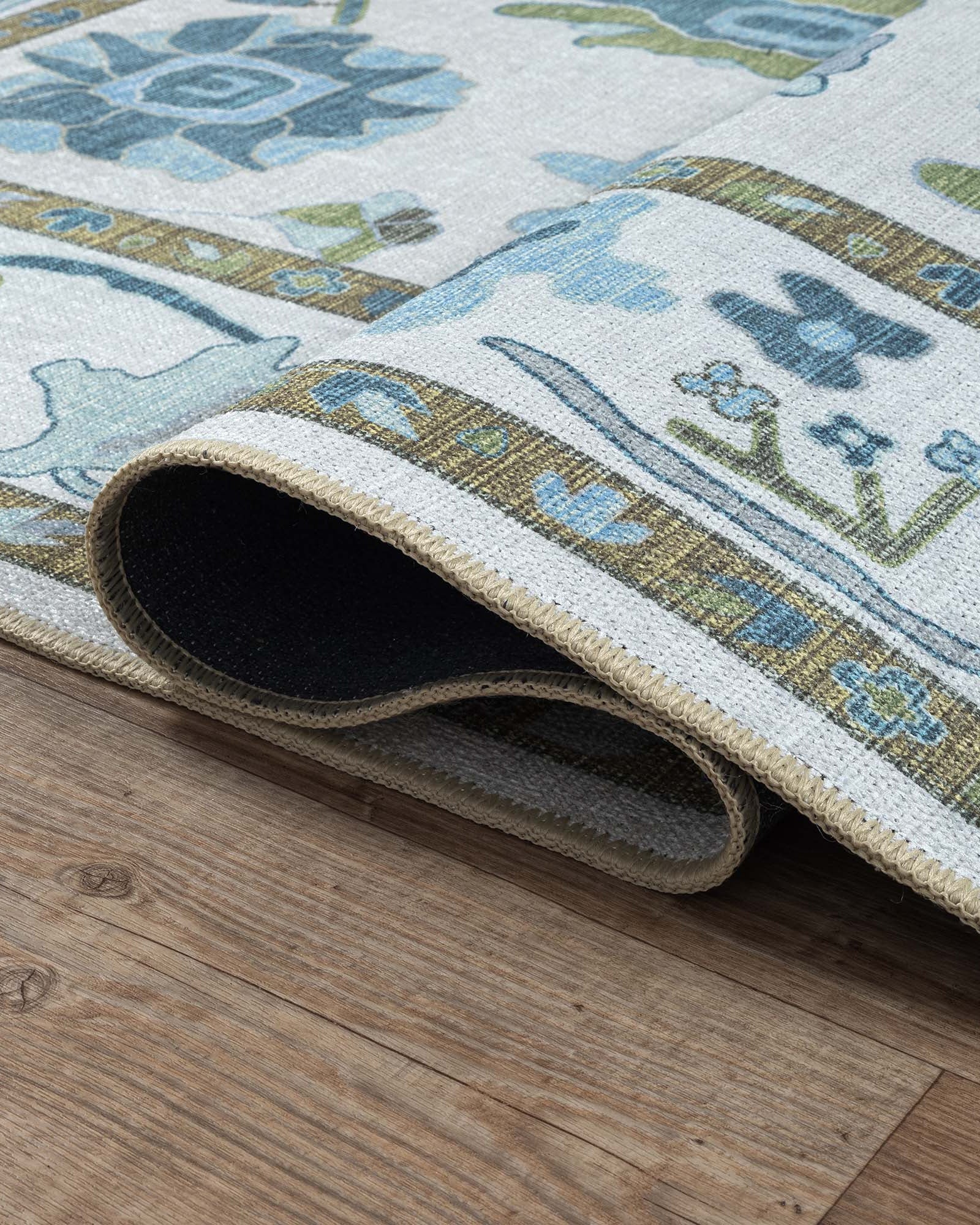
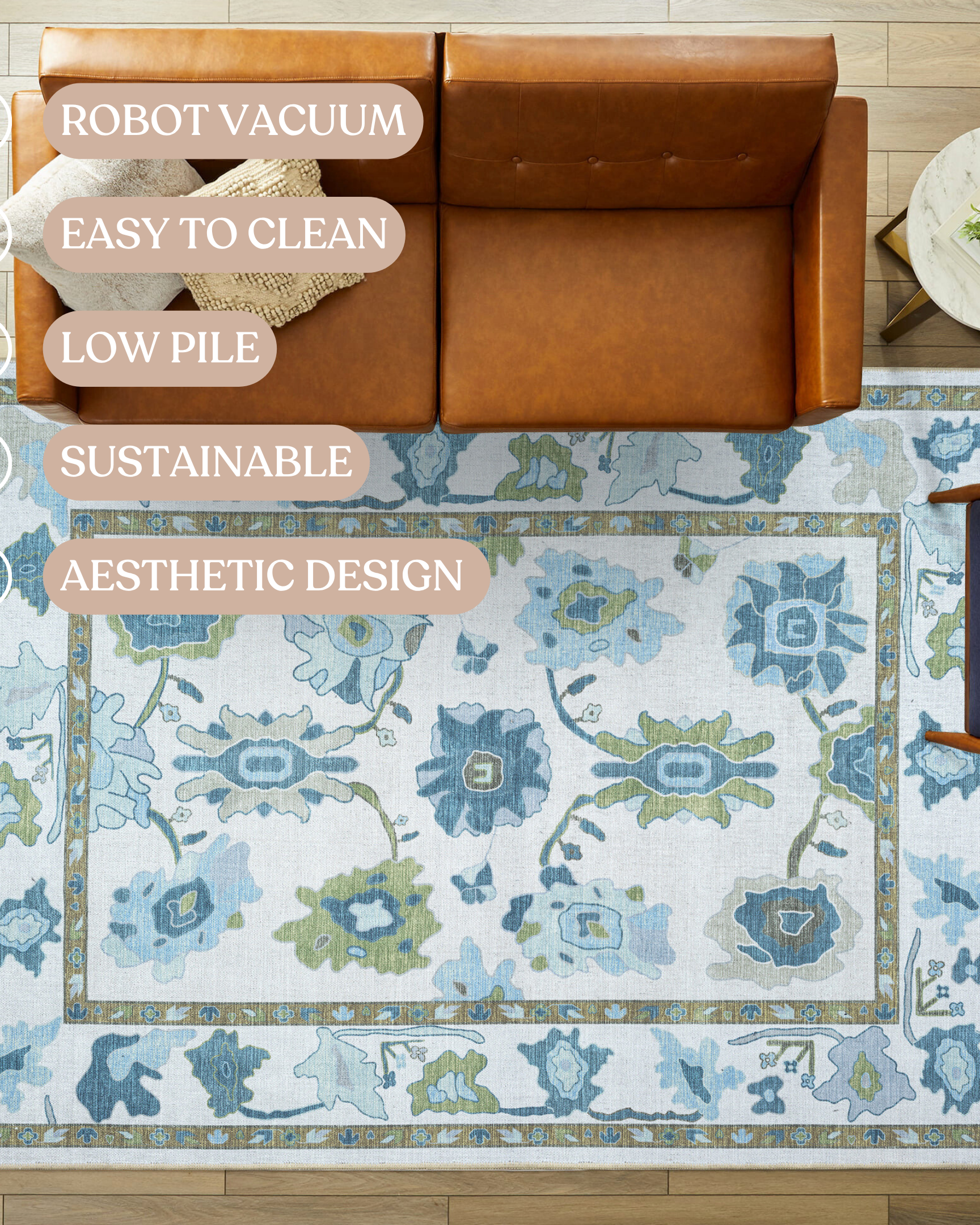
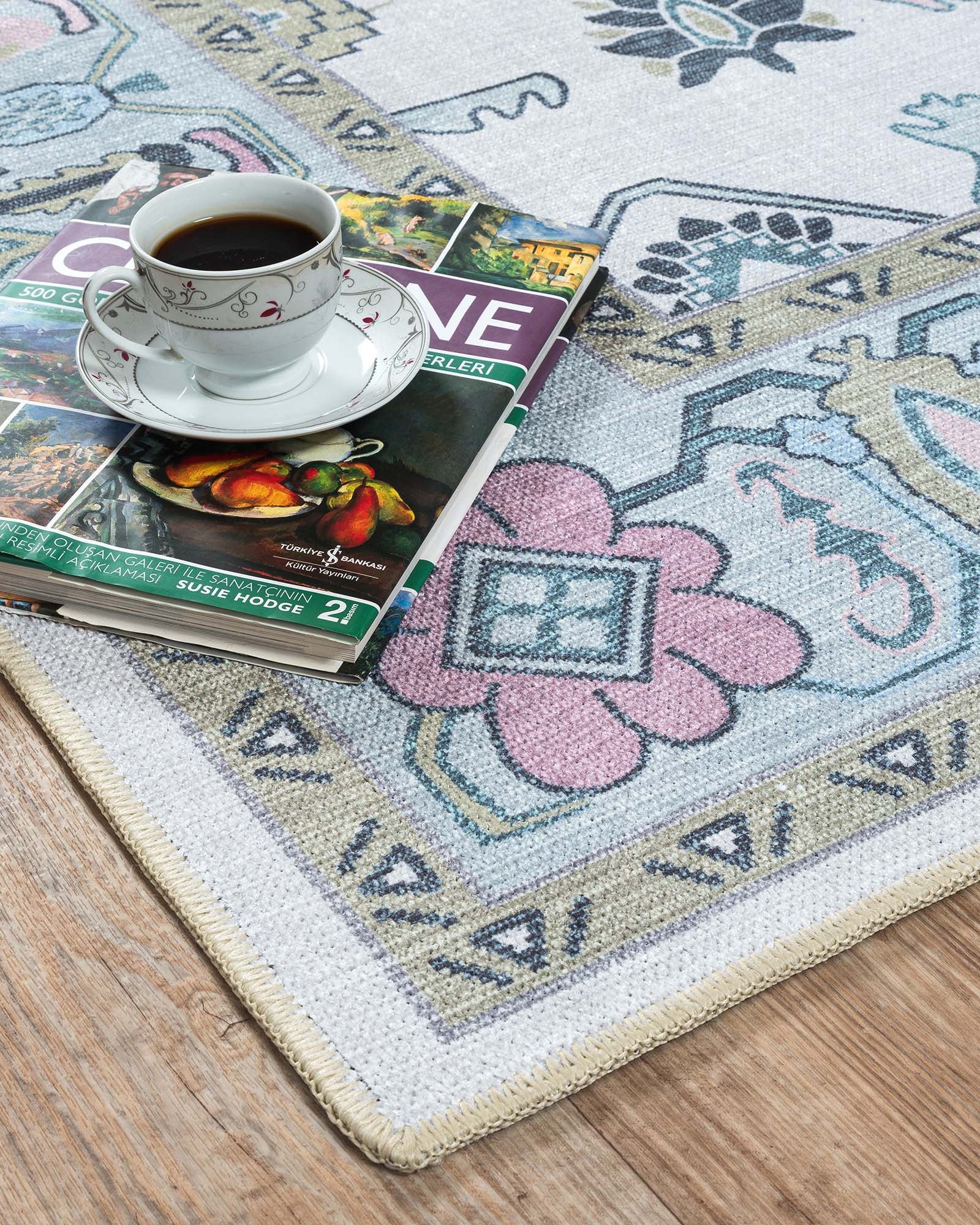
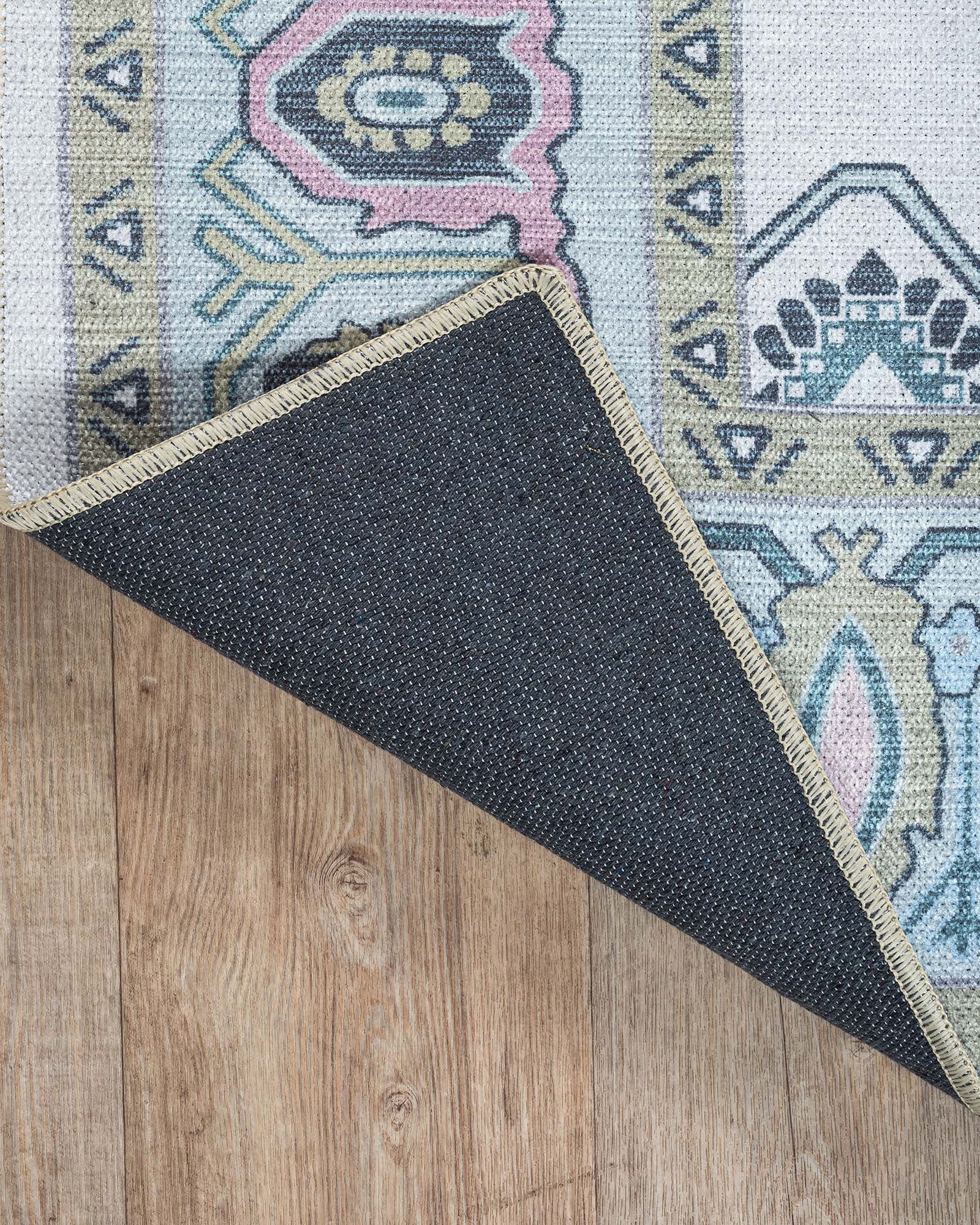
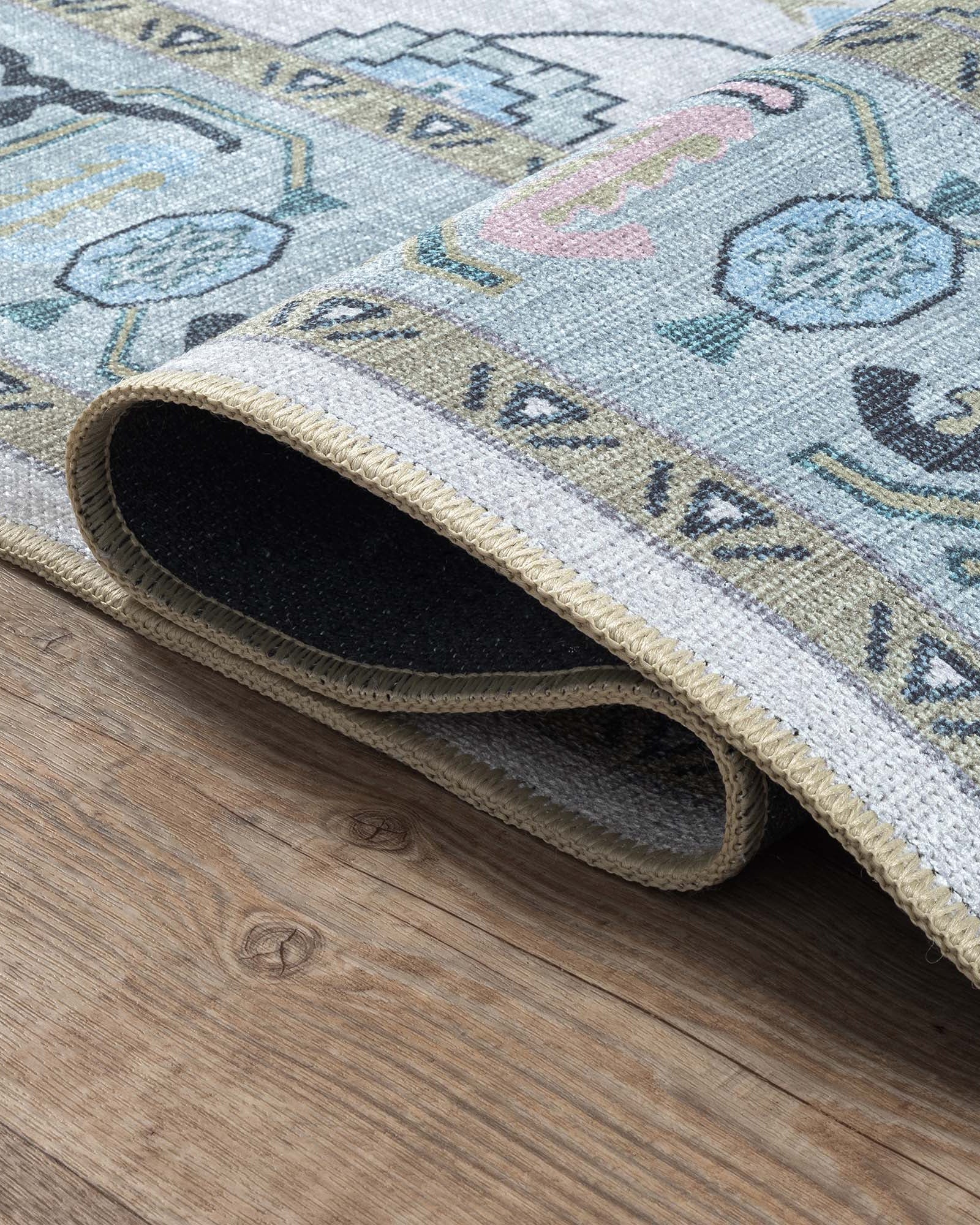
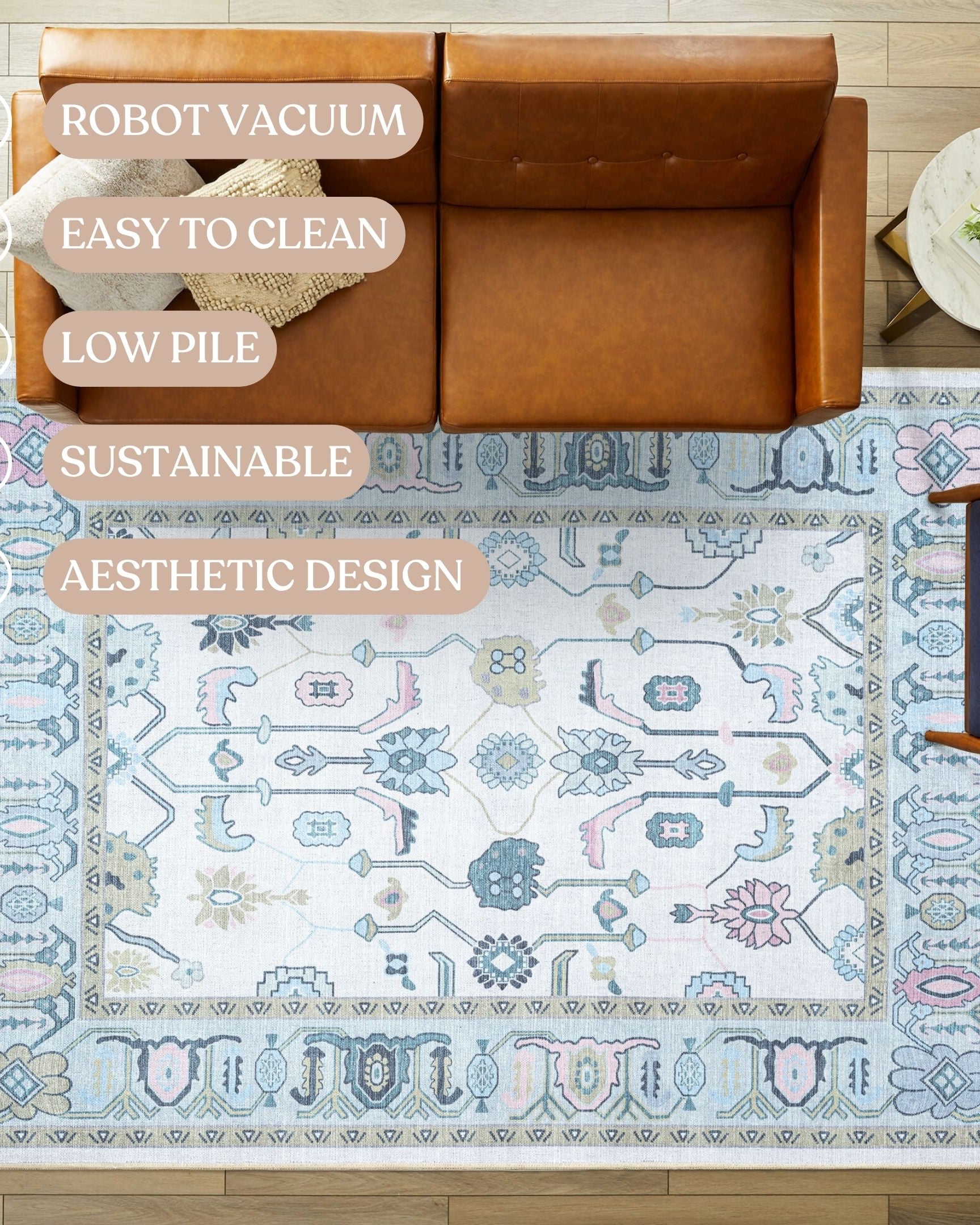
The Heritage and Elegance of Turkish Rugs
For centuries, Turkish rugs have been regarded as some of the finest and most beautiful textiles in the world. Rooted in the traditions of Anatolia, these rugs combine artistry, cultural symbolism, and practical durability. From palaces in Europe to modern living rooms around the globe, Turkish rugs are admired not only for their craftsmanship but also for their ability to bring warmth and elegance into any home.
The History of Turkish Rugs
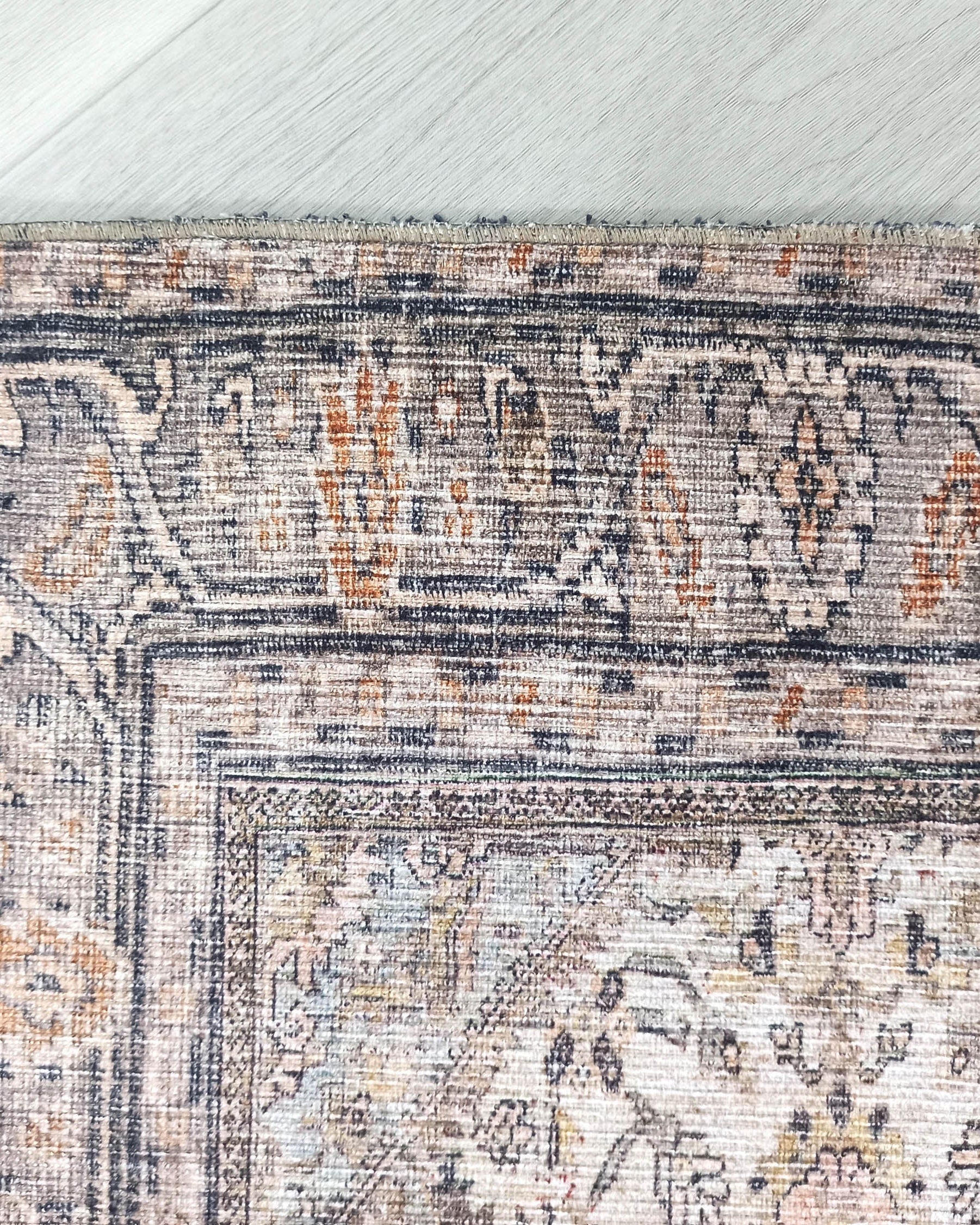
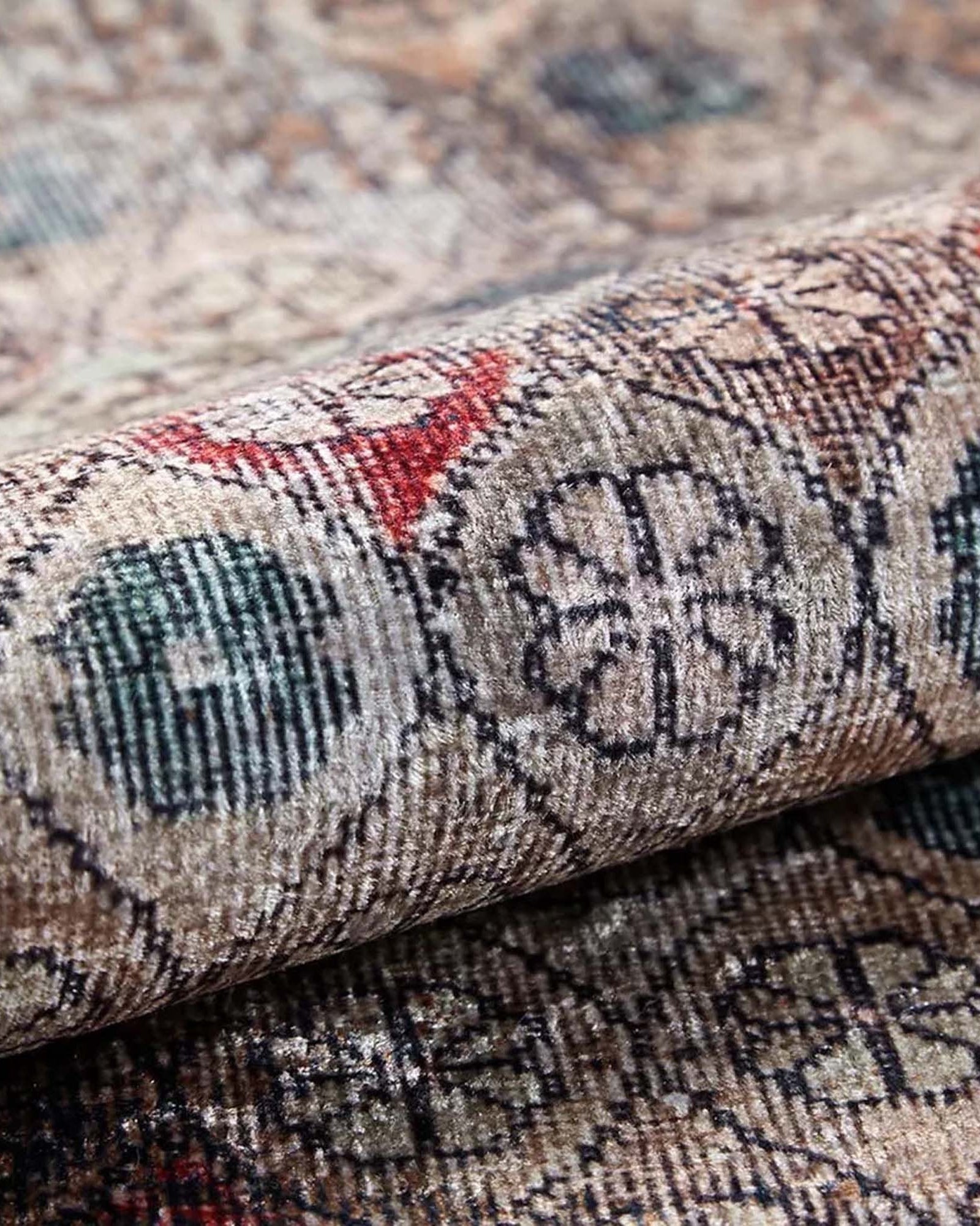
The tradition of rug weaving in Turkey dates back to the 13th century, flourishing during the Ottoman Empire. Cities like Uşak, Hereke, and Konya became world-renowned centers of rug production. Antique Turkish rugs from these regions are still preserved in museums, showcasing their historical and cultural significance. What sets Turkish rugs apart is the Ghiordes knot — a double-knot technique that ensures strength, symmetry, and durability.
Types of Turkish Rugs
There are many varieties of Turkish rugs, each with its own story and character:
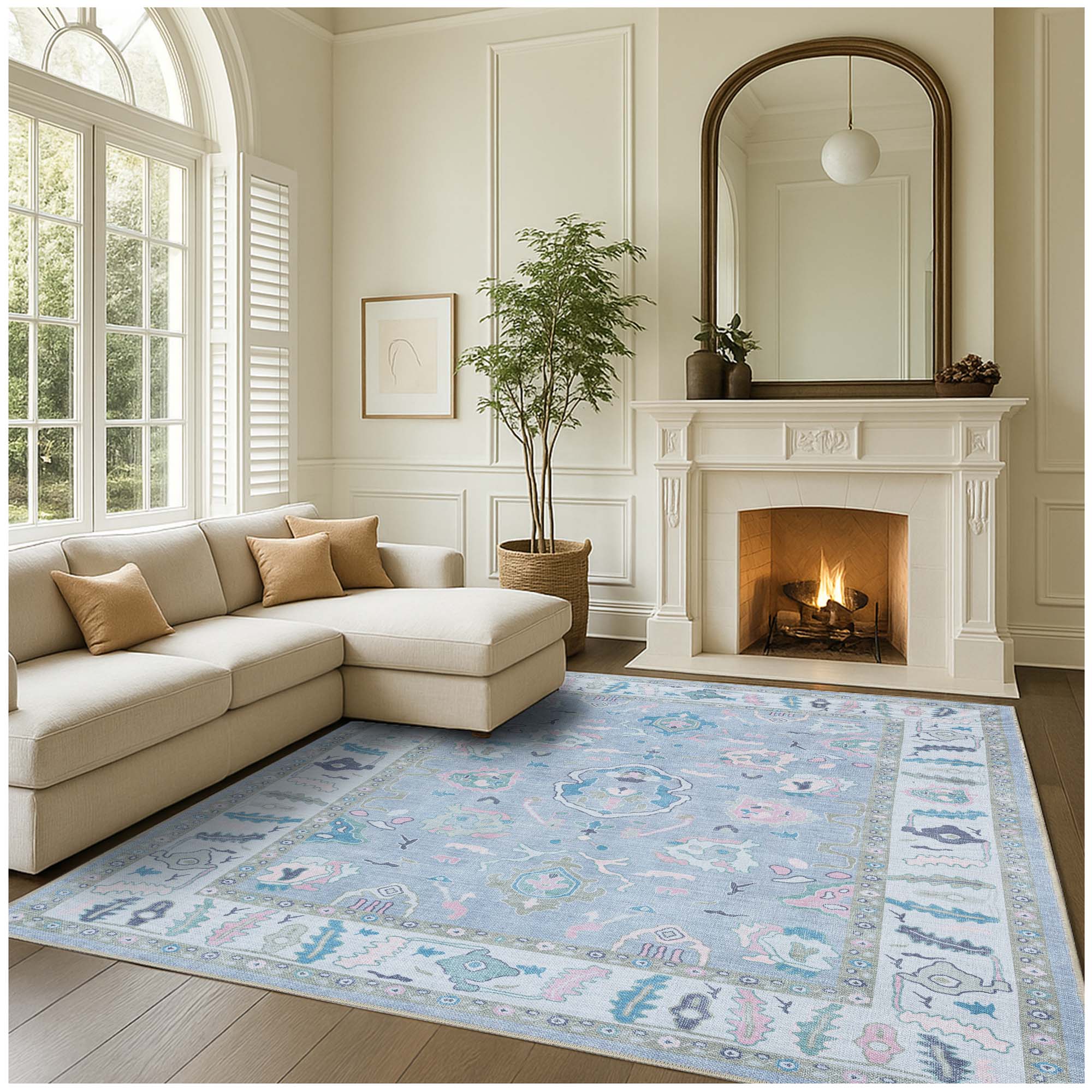
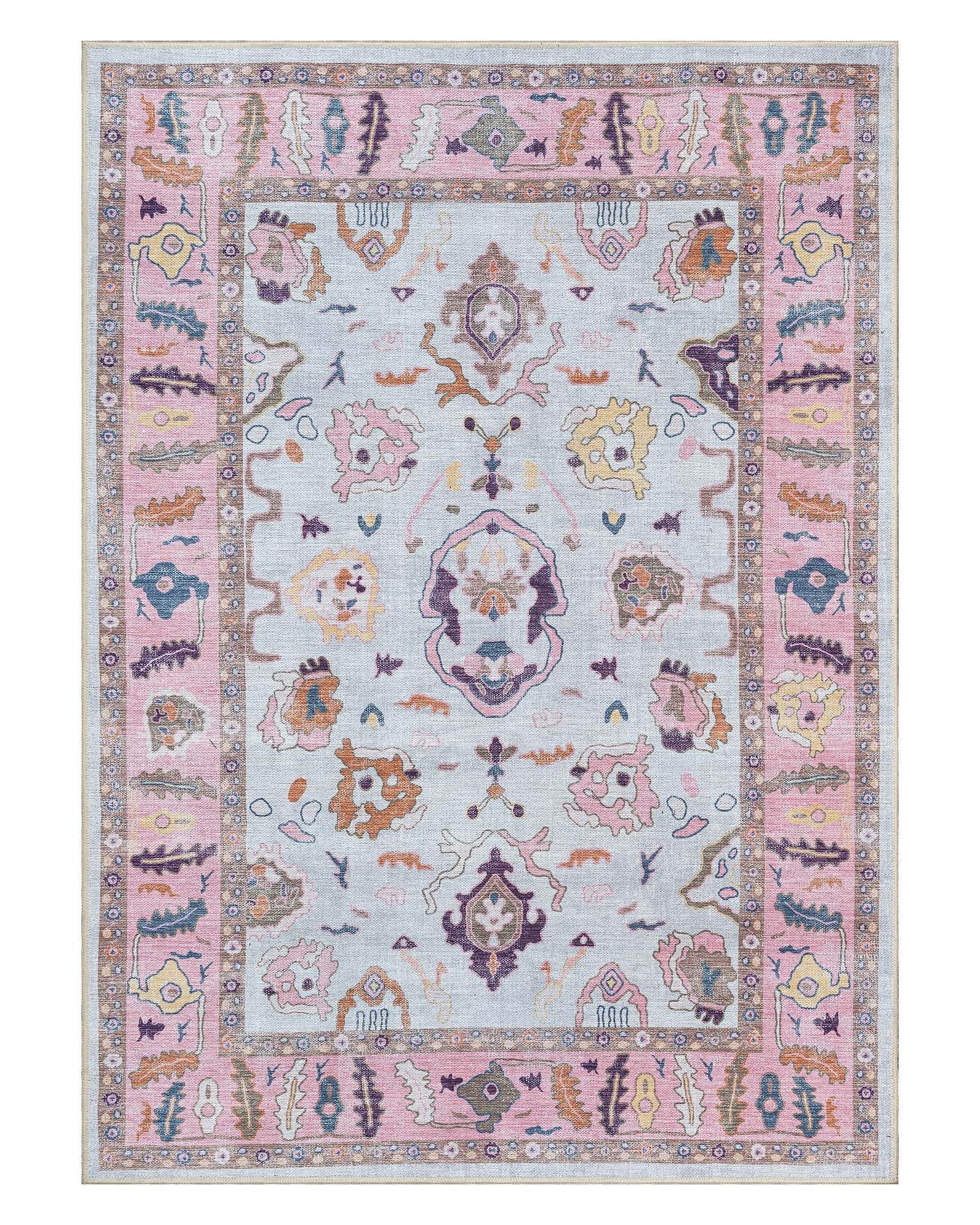
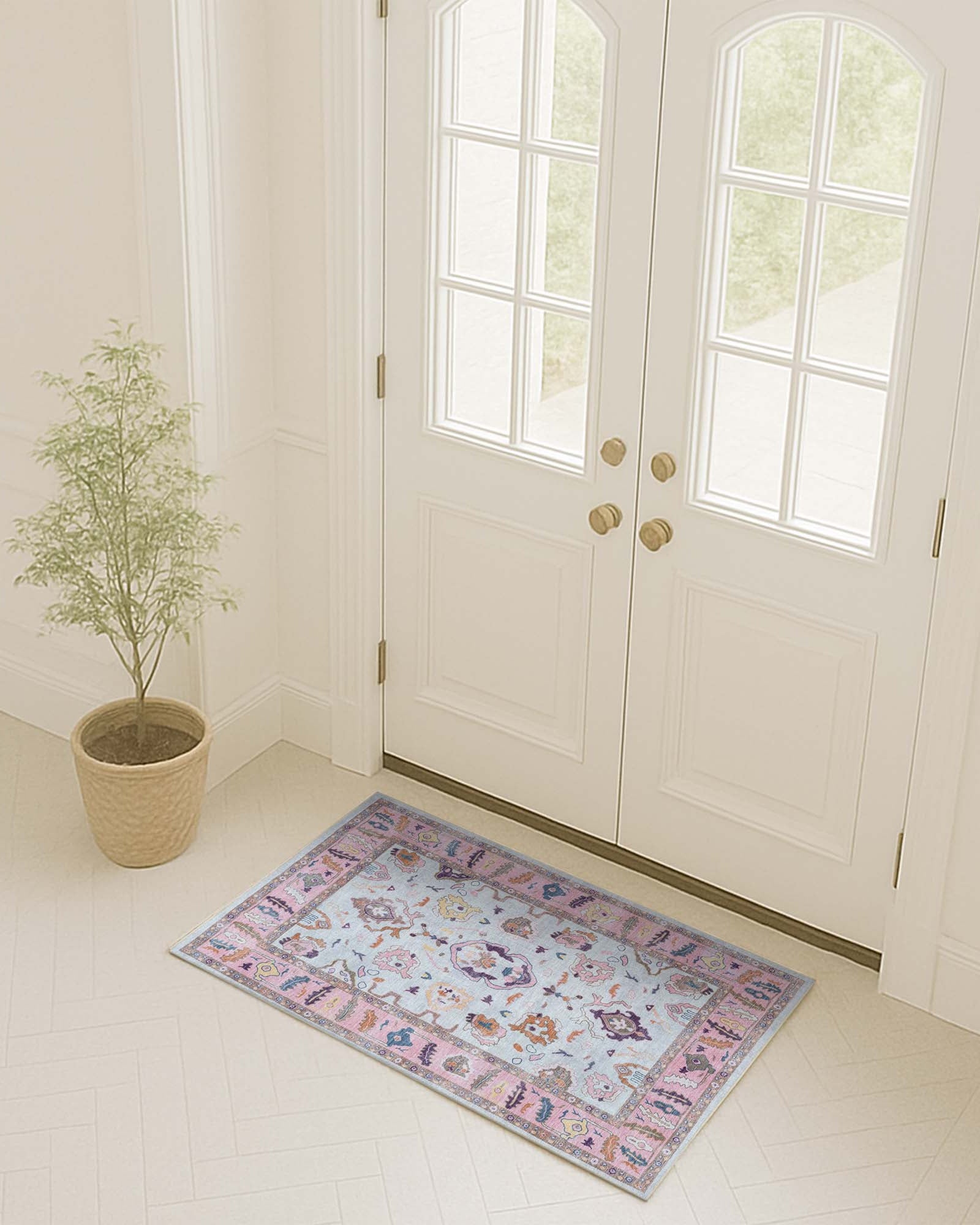
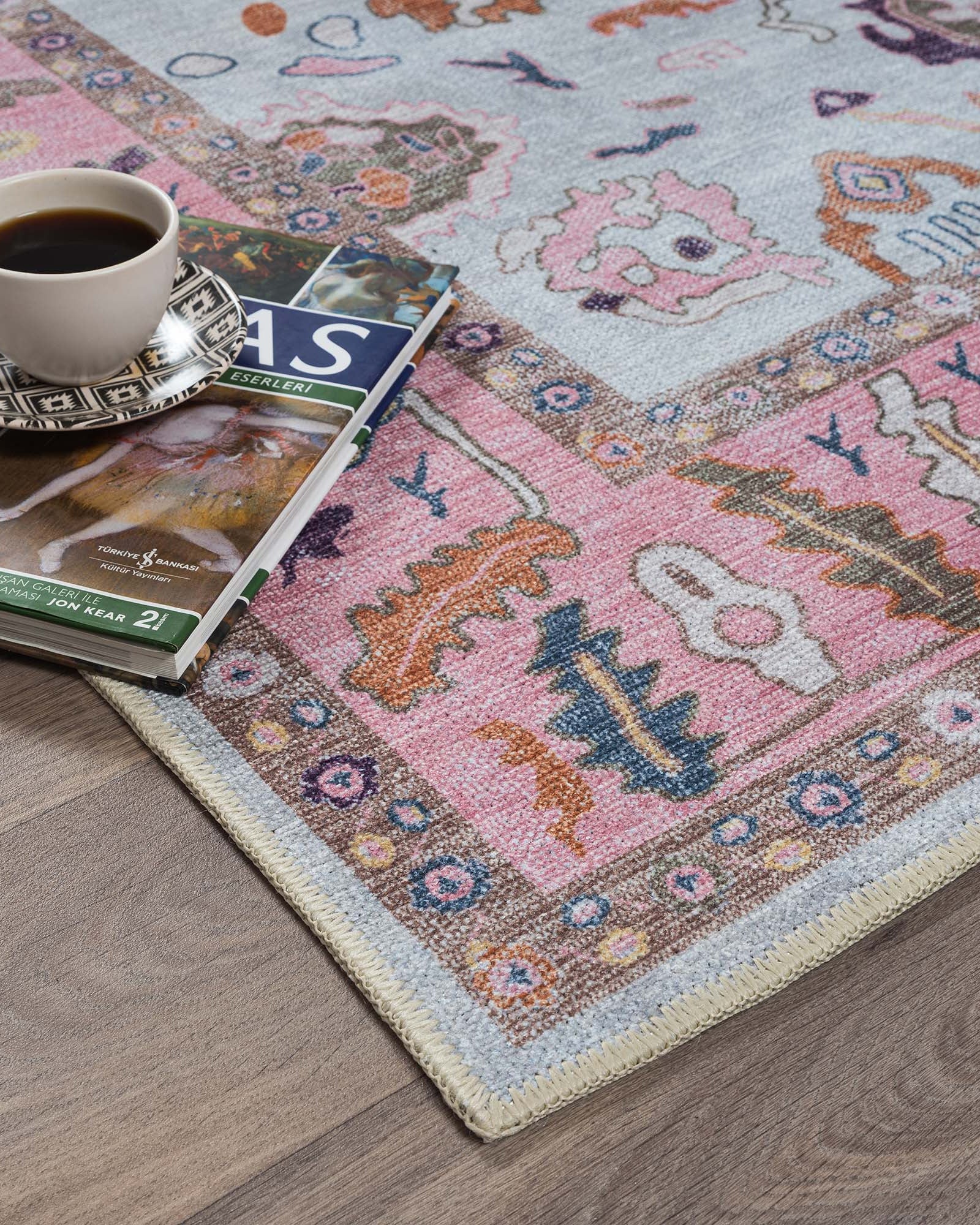
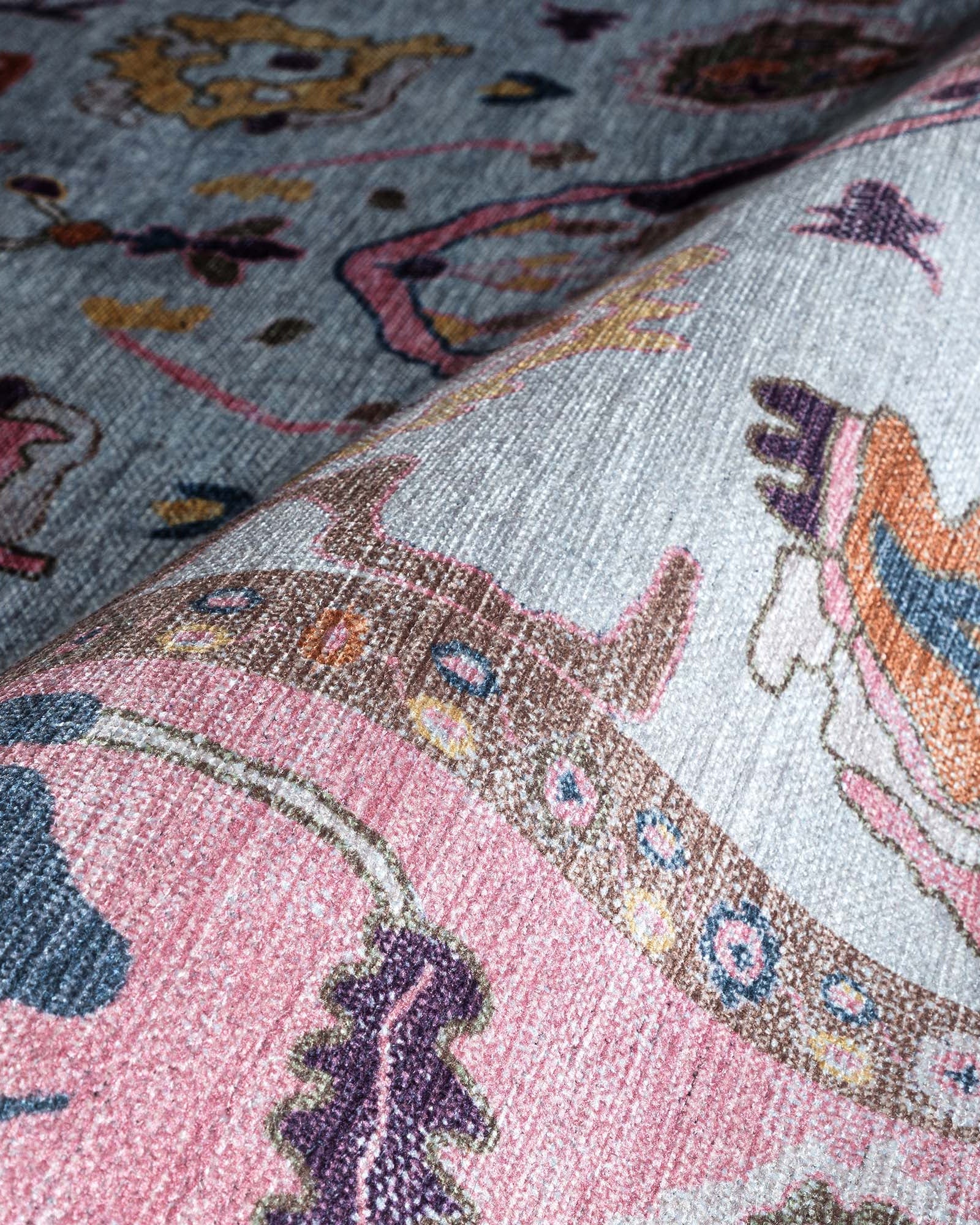
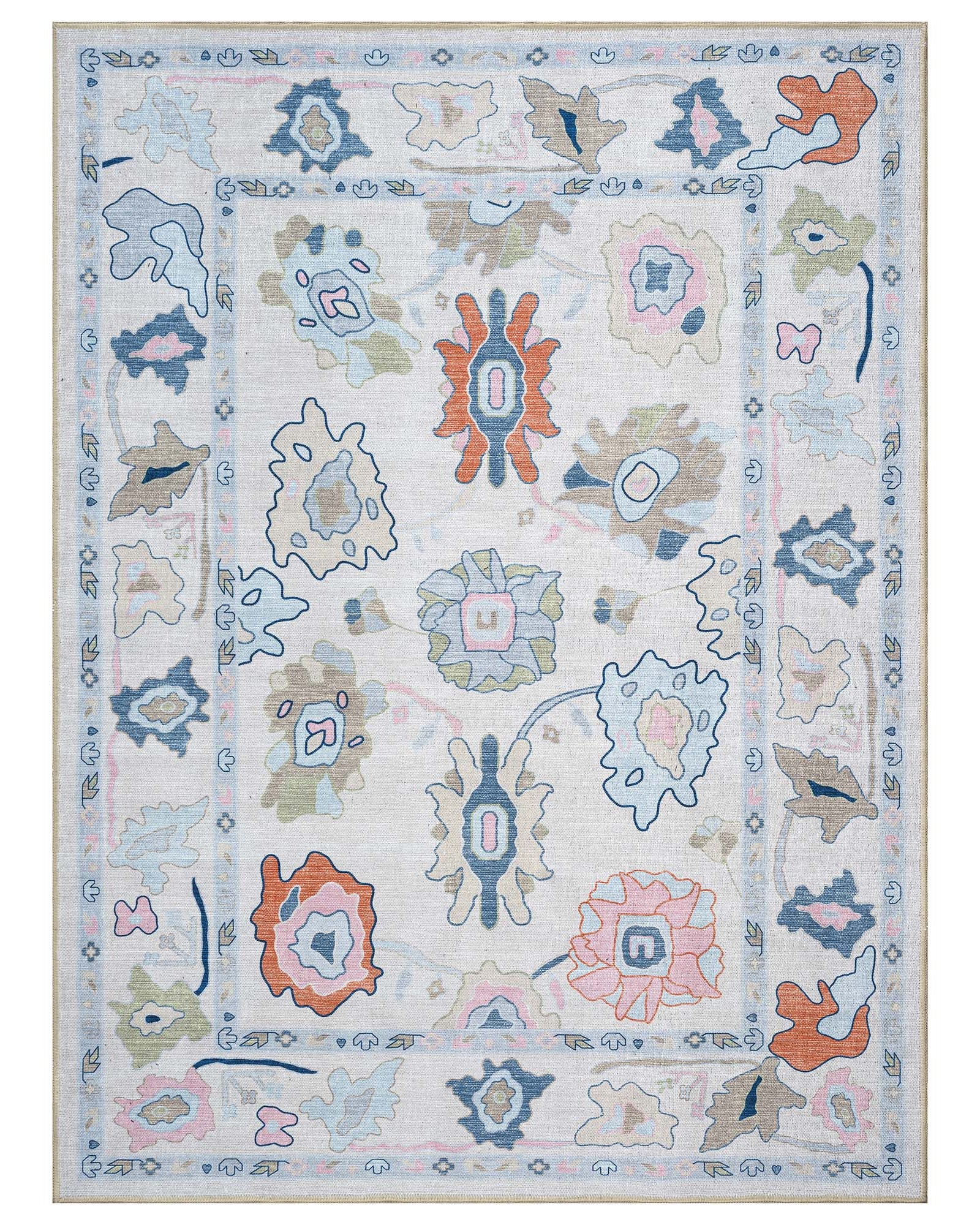
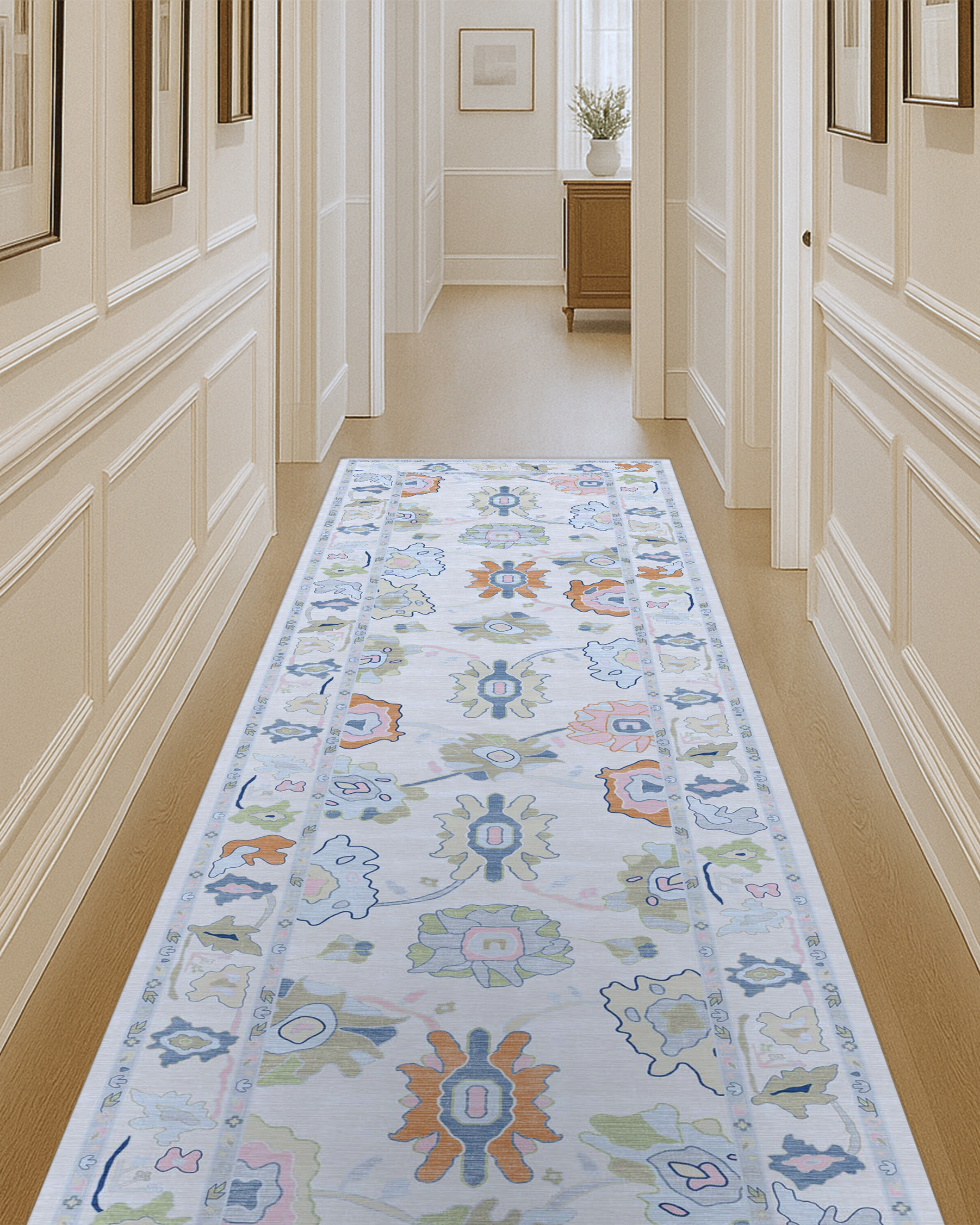
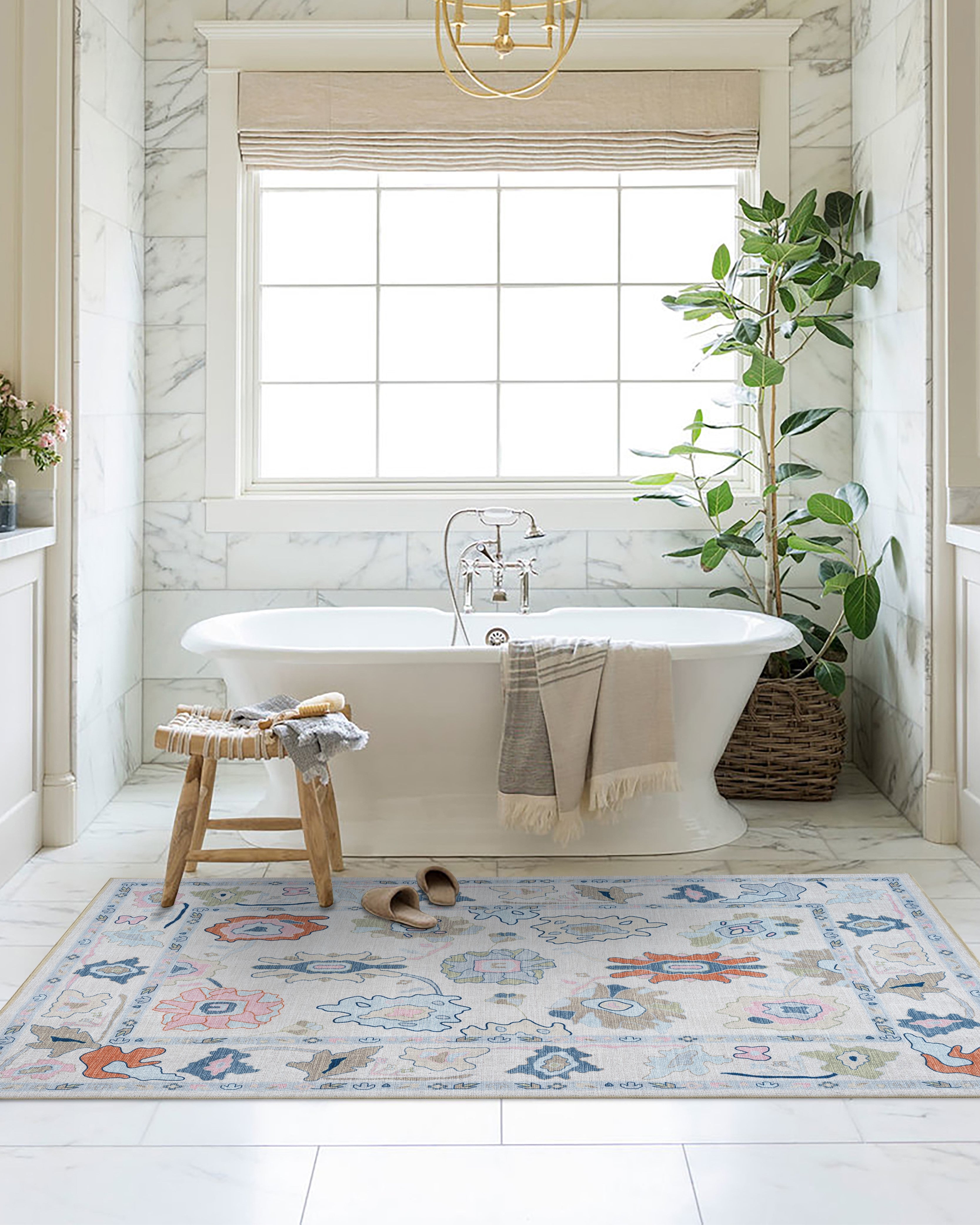
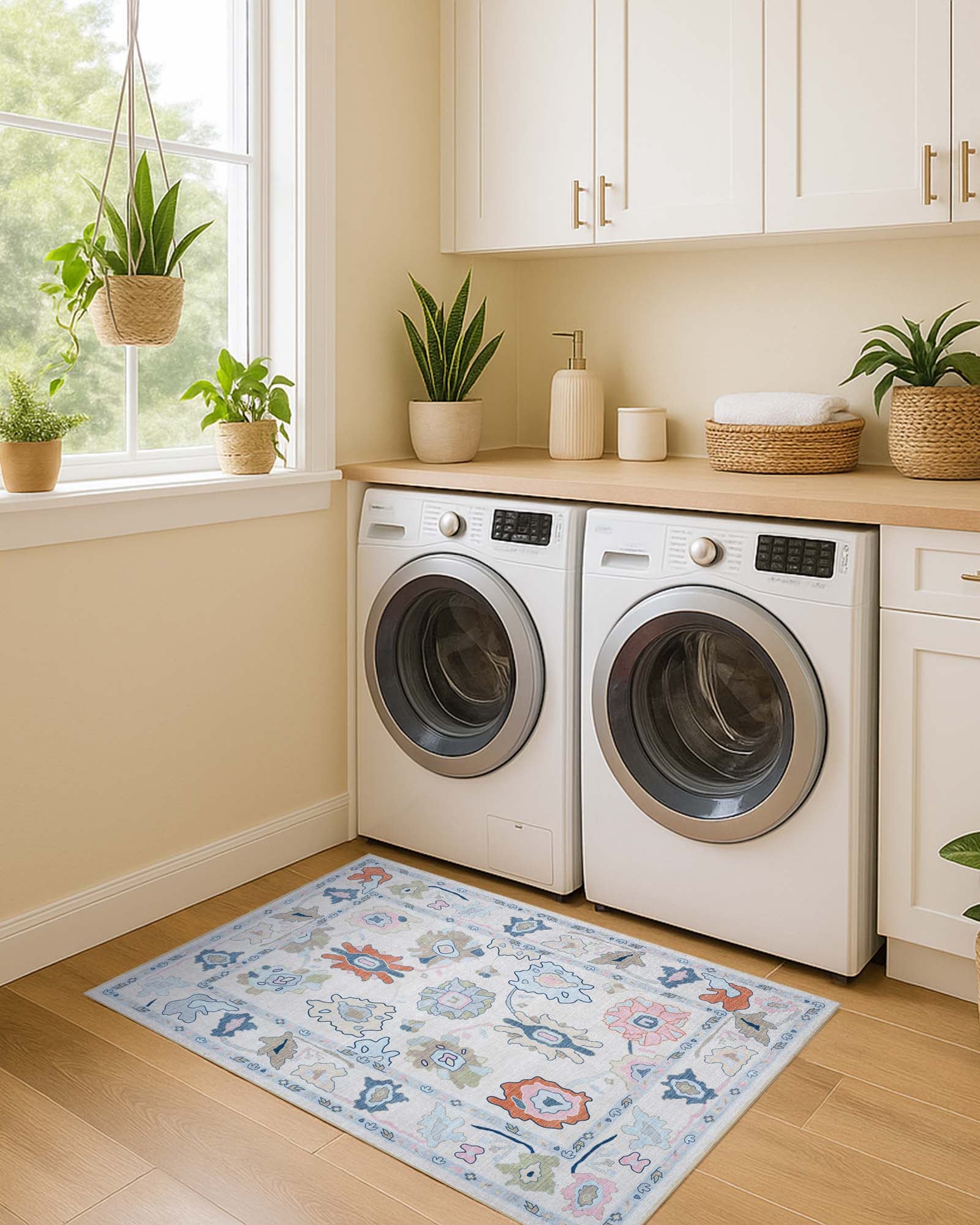
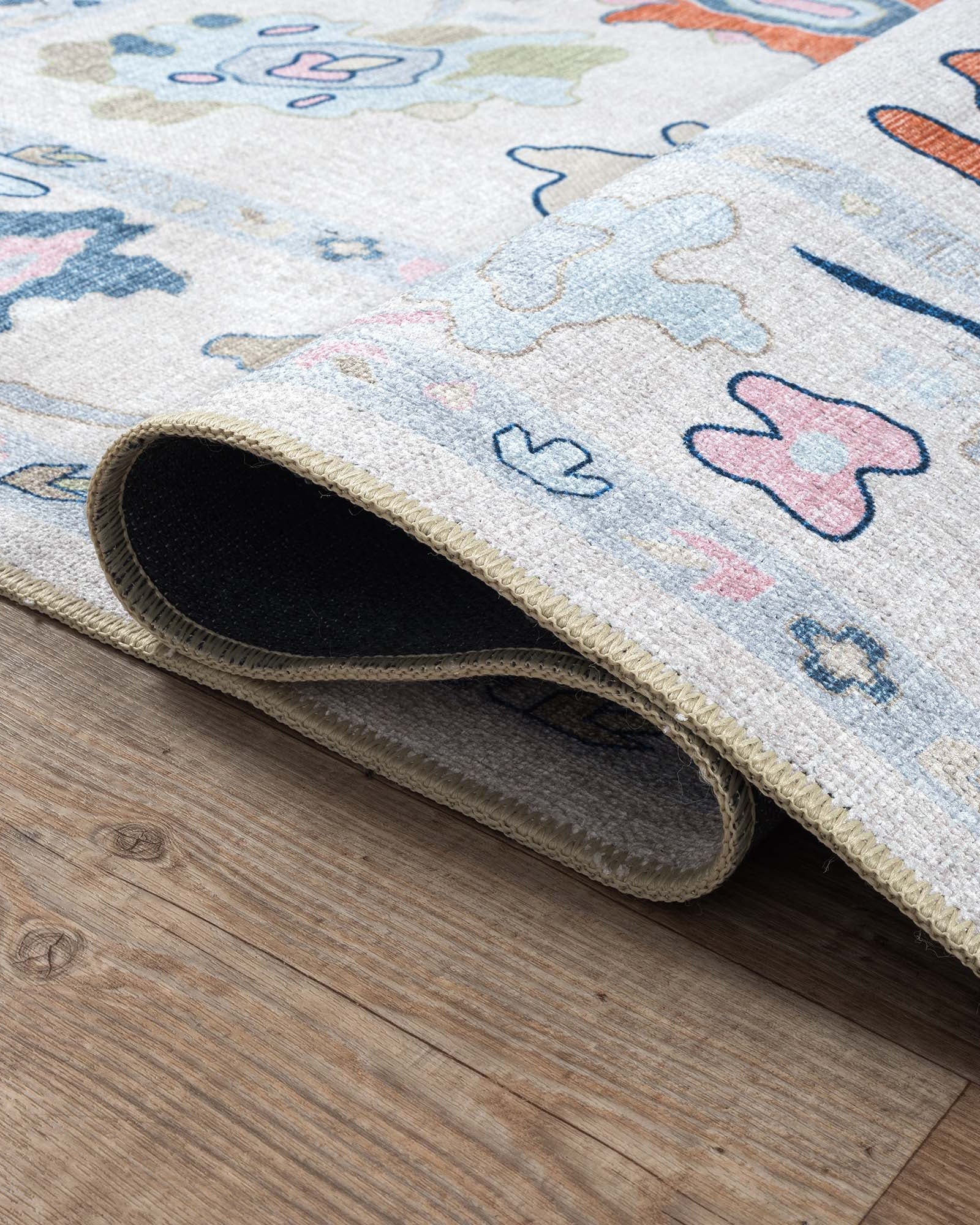
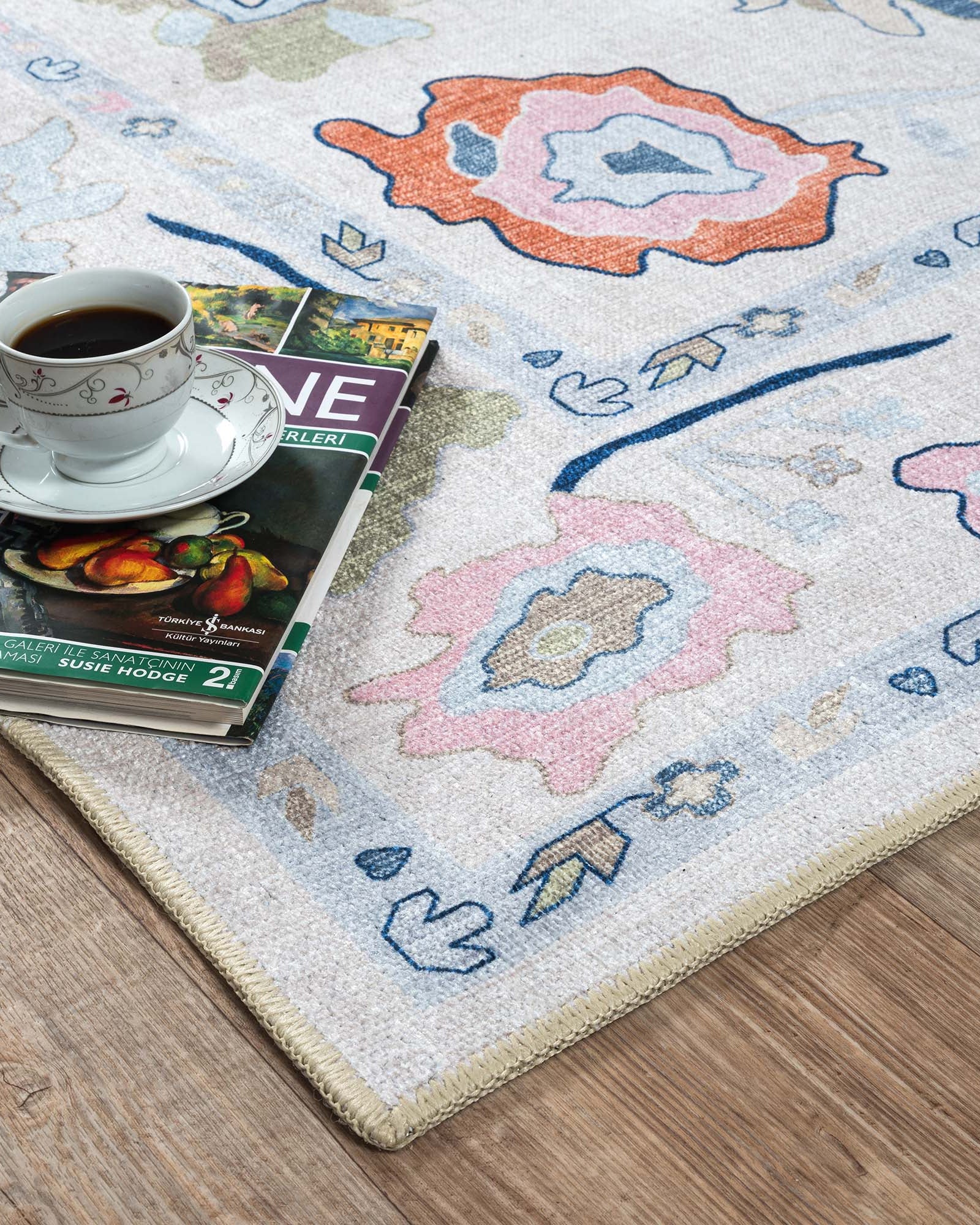
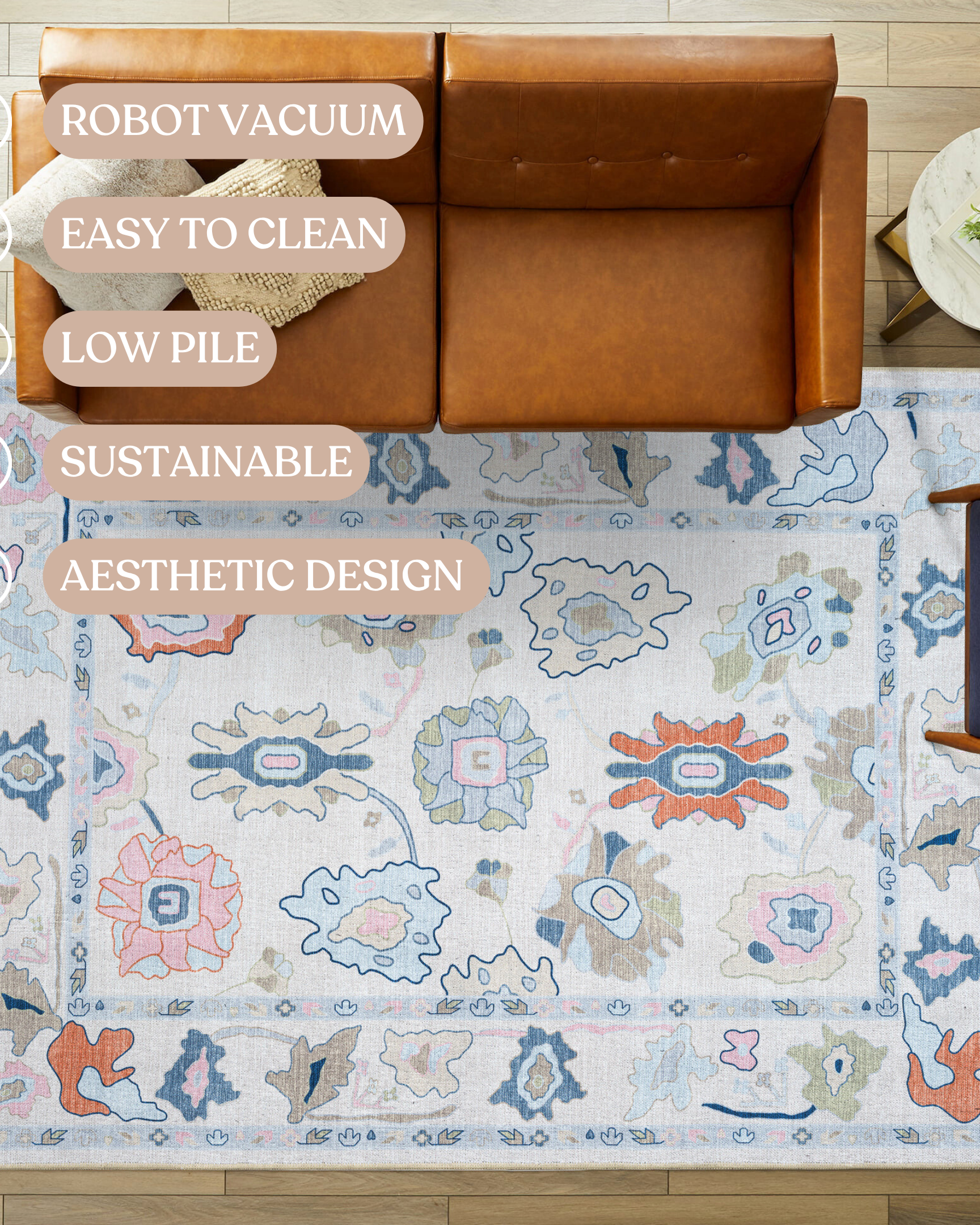
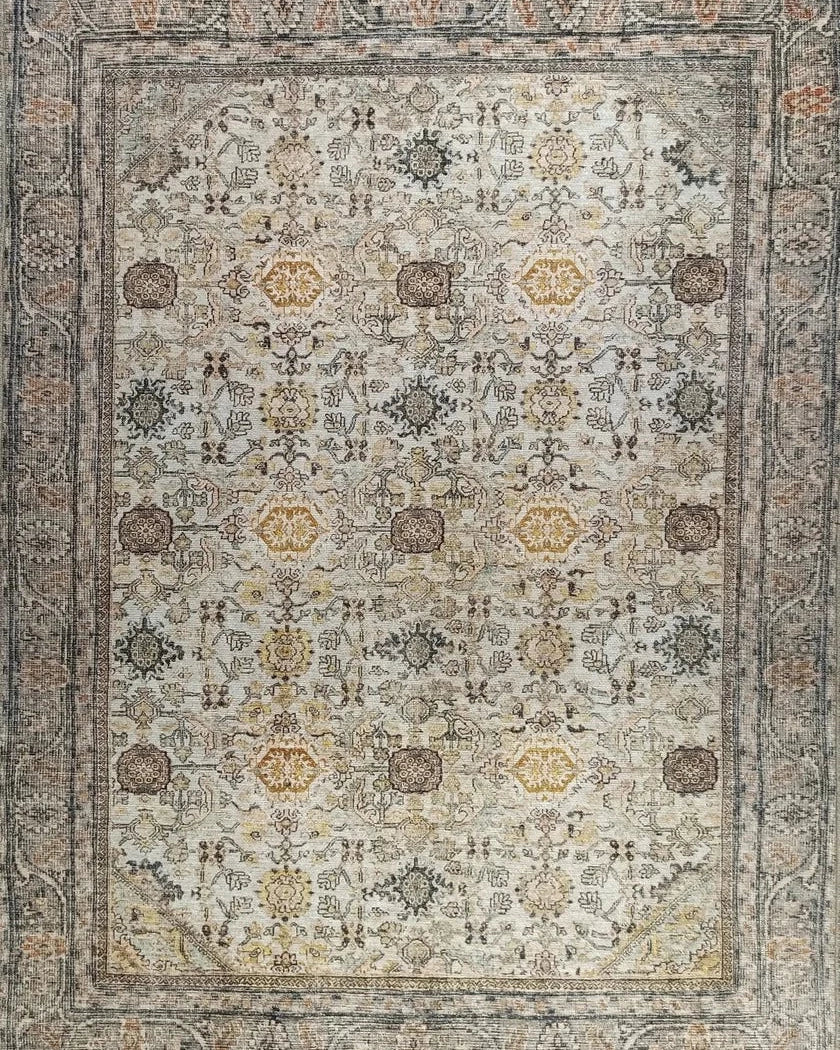
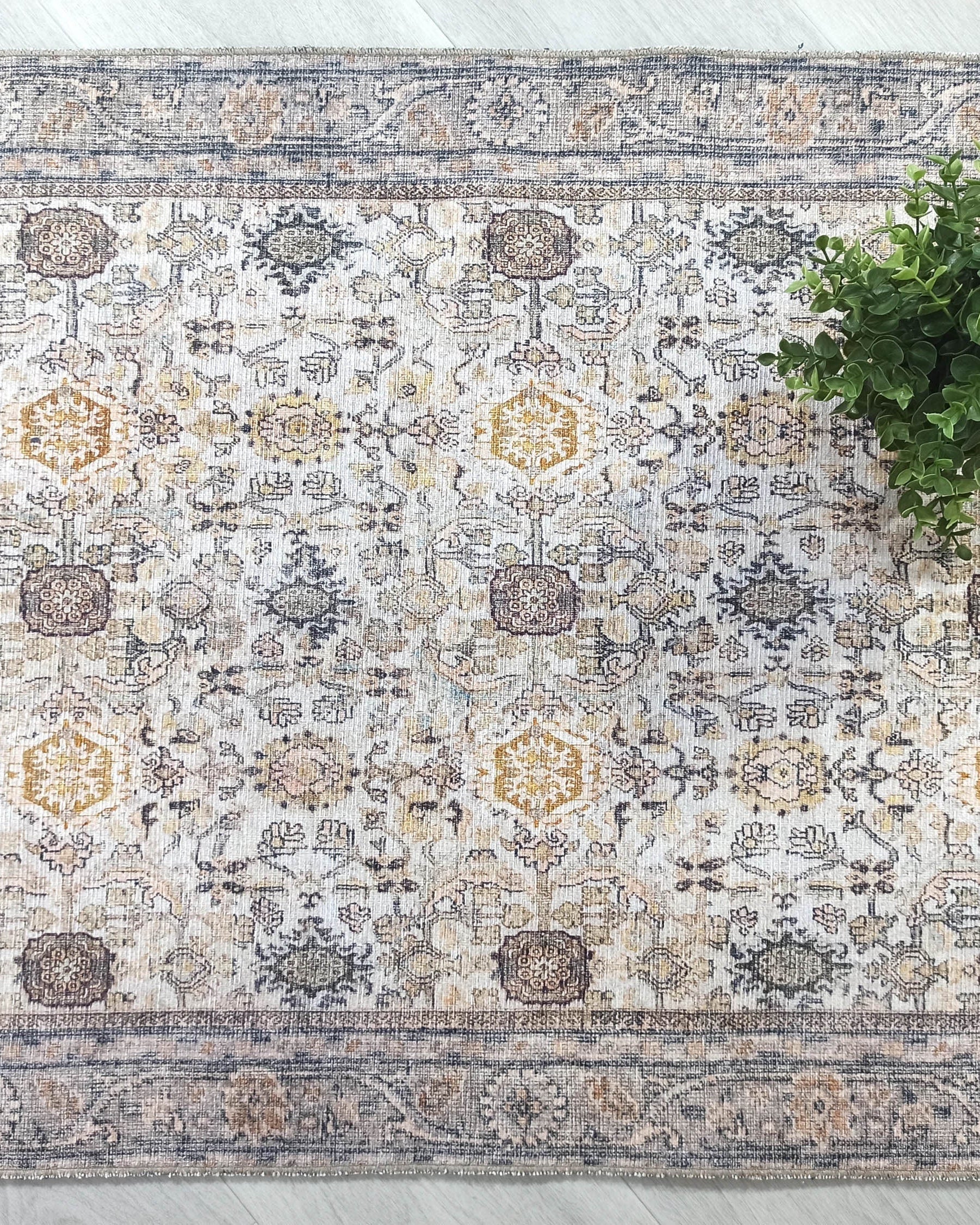
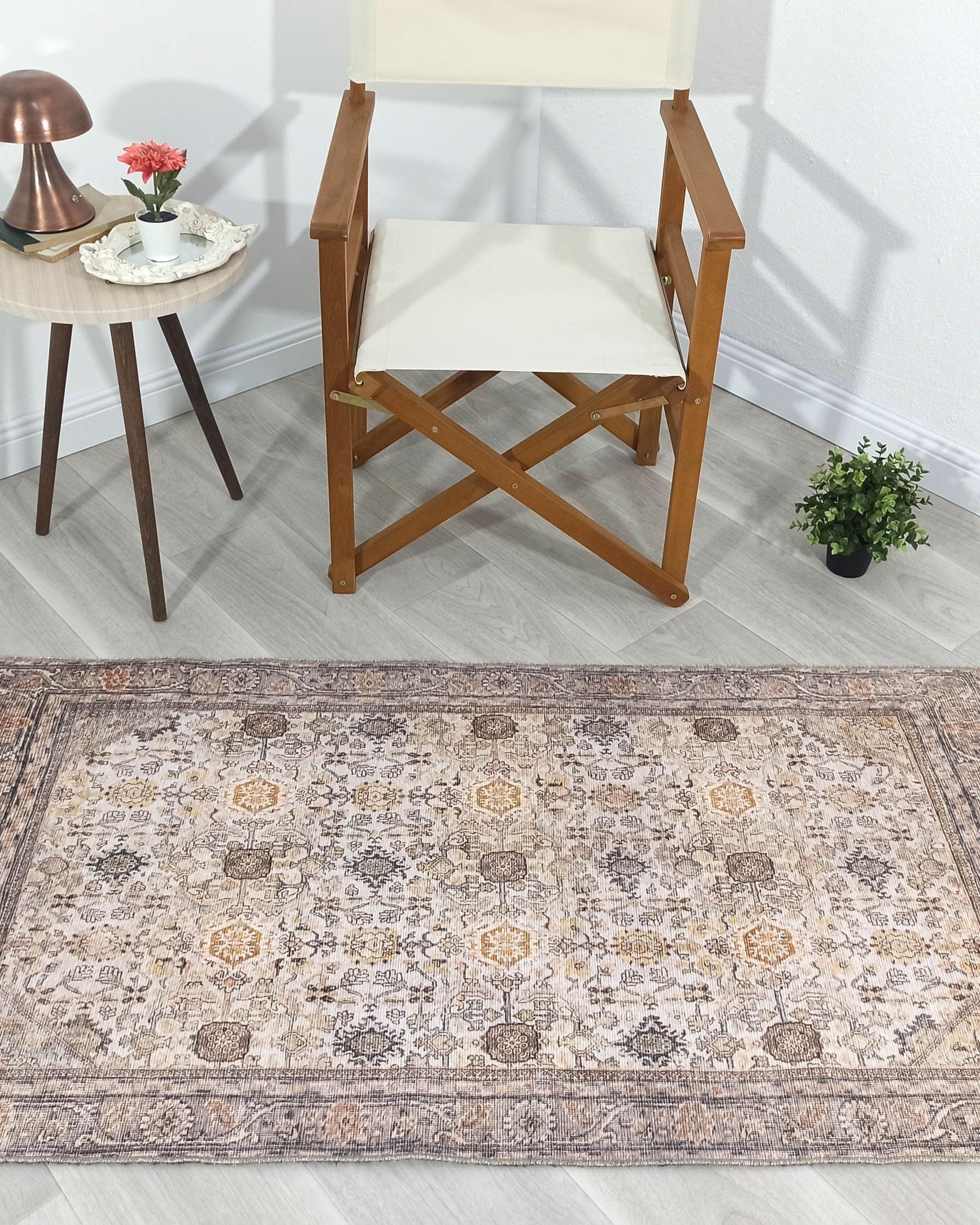
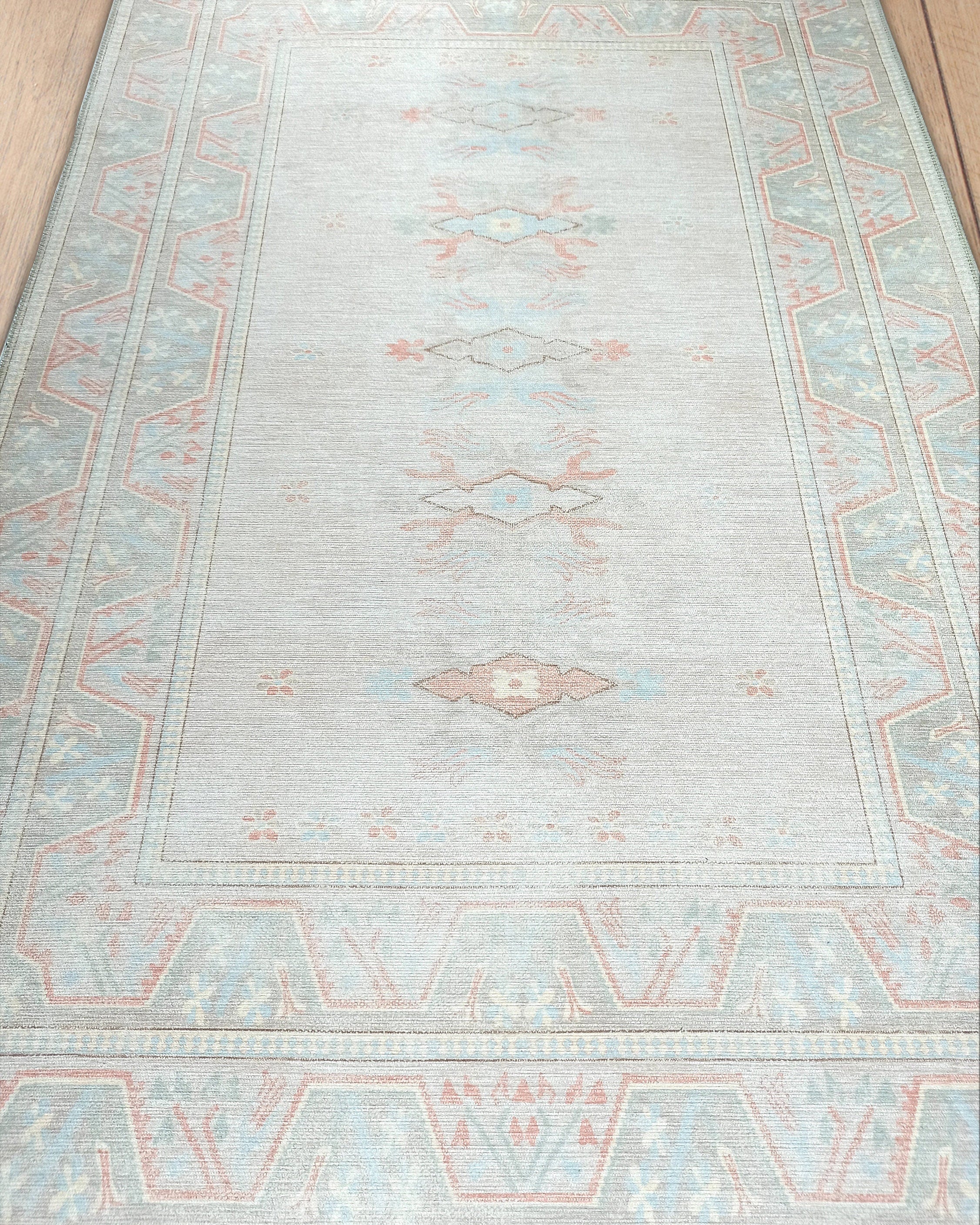
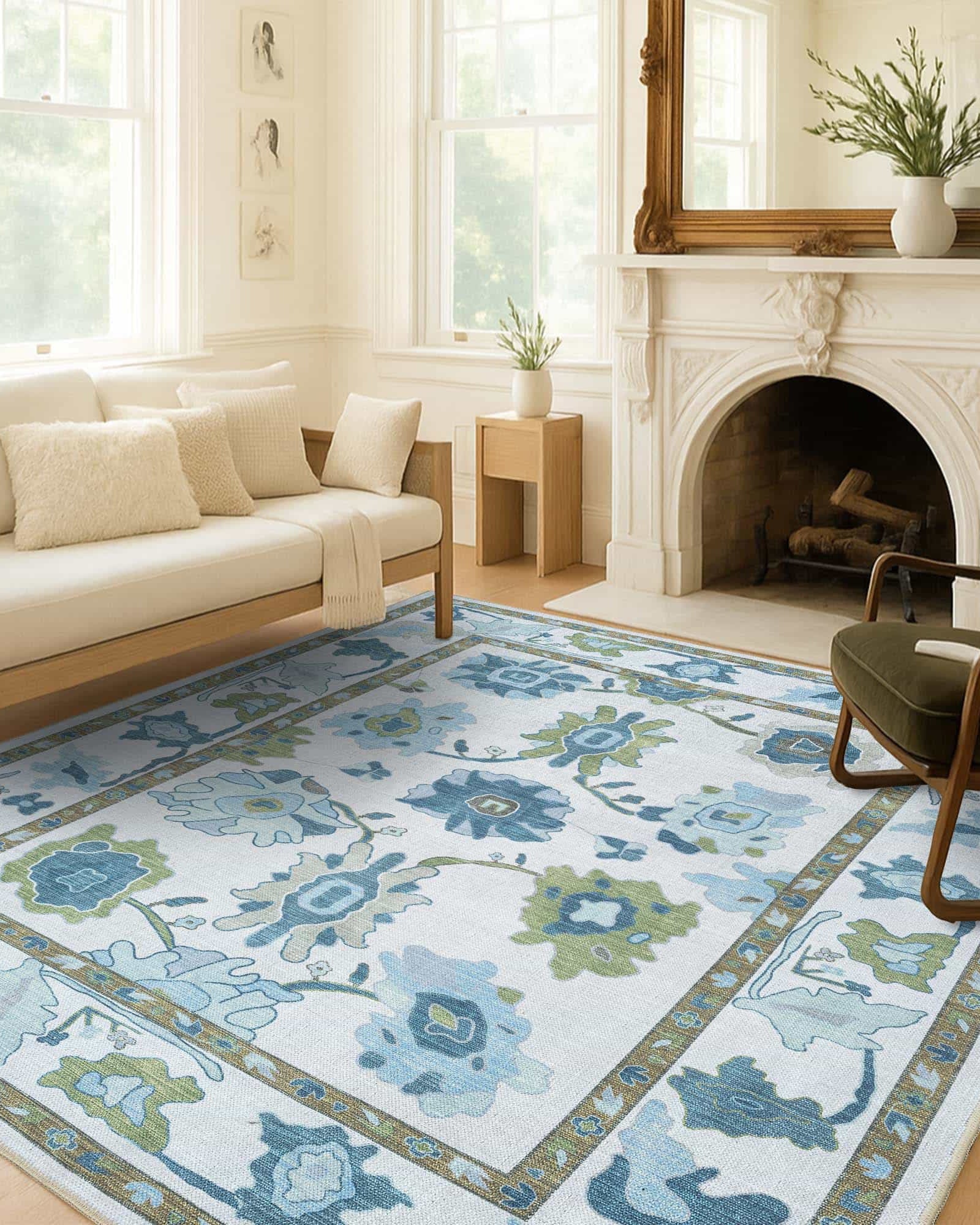
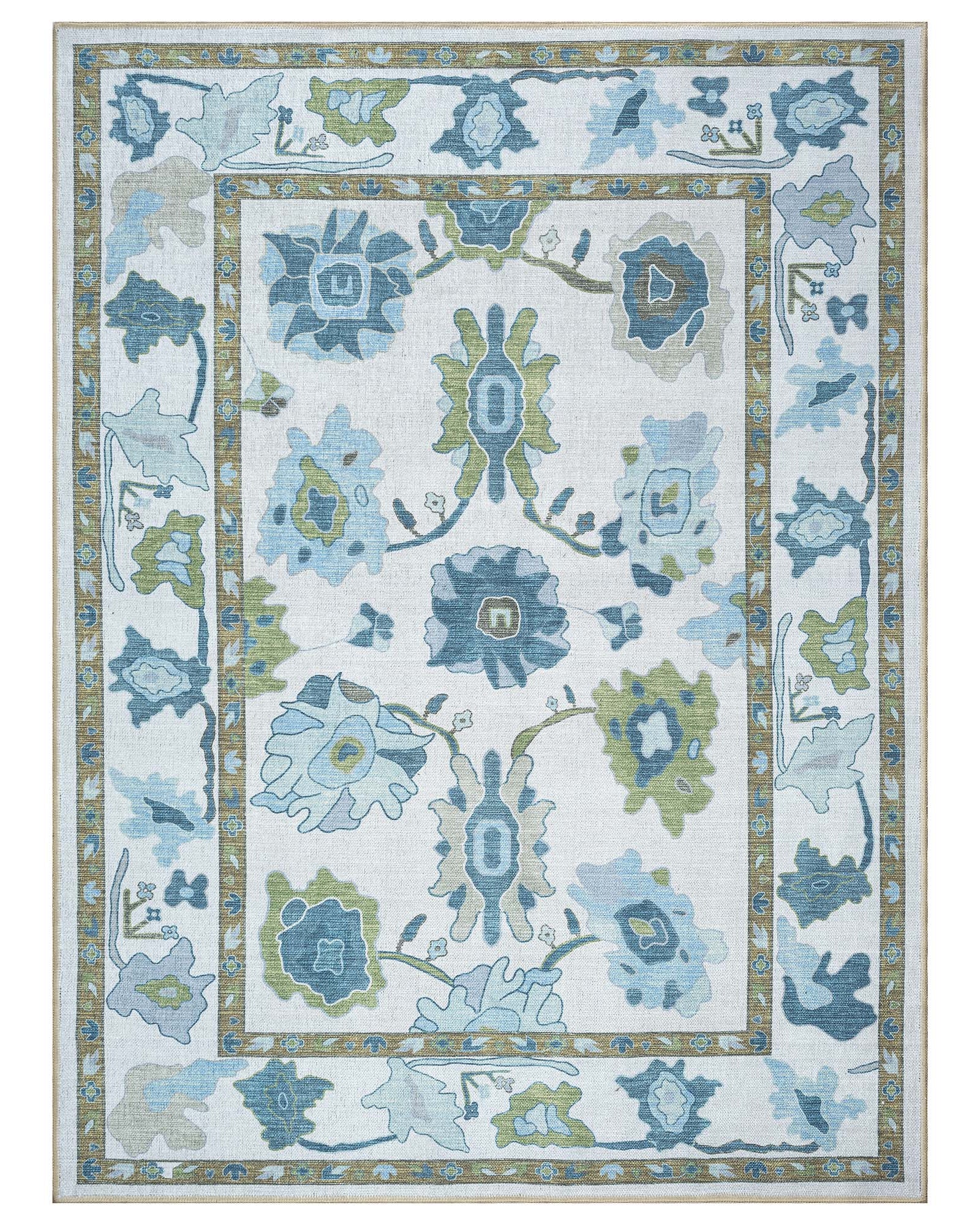
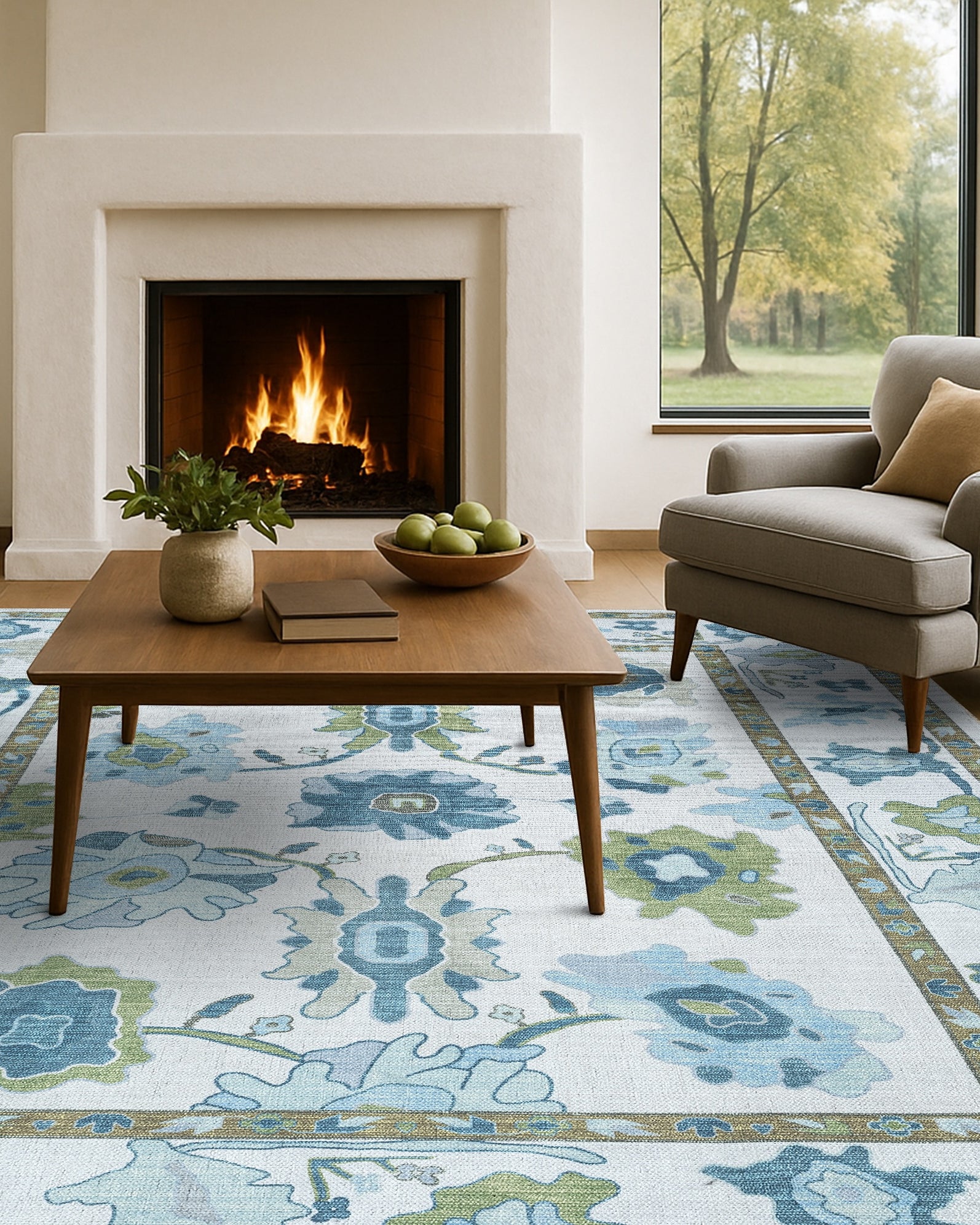
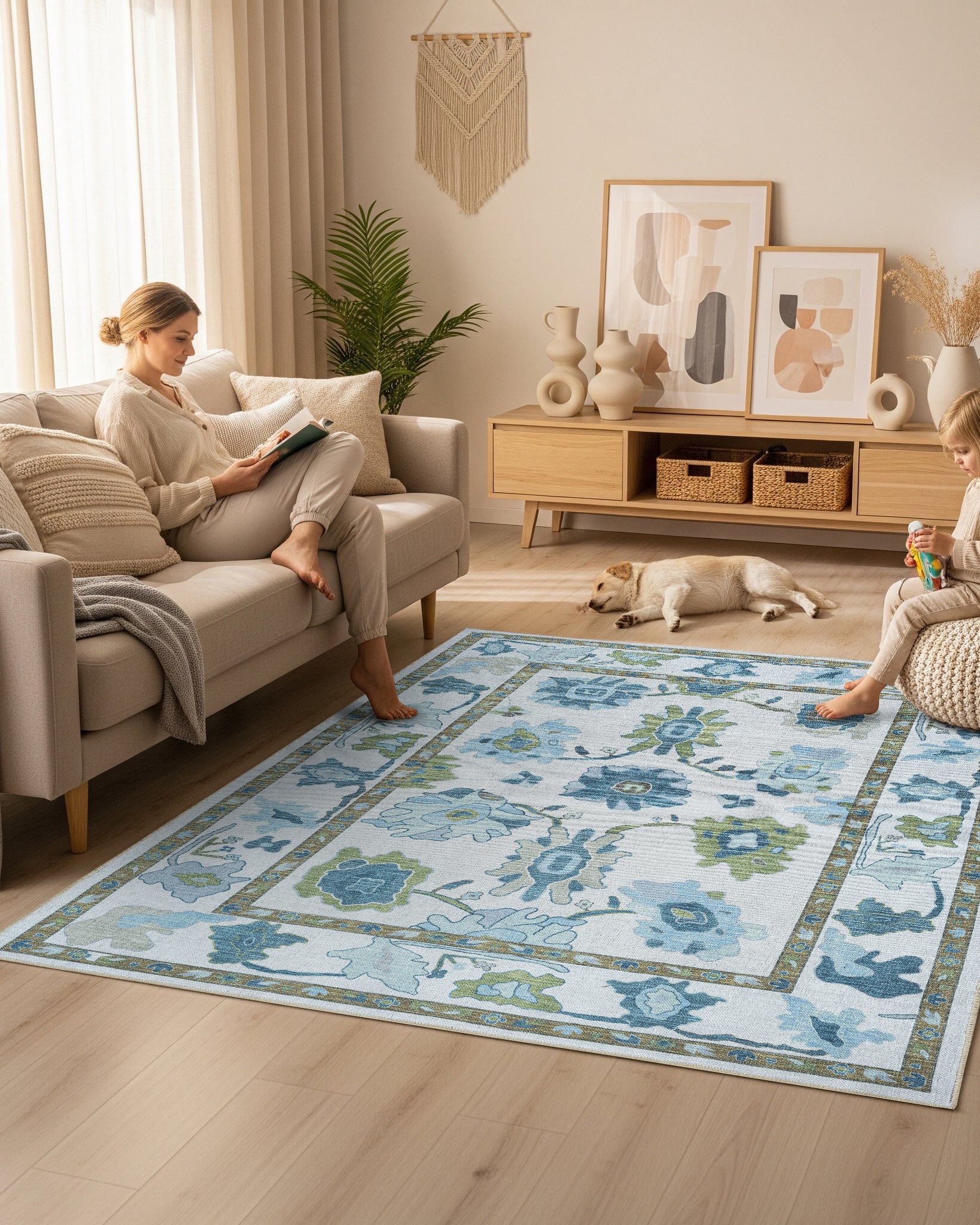
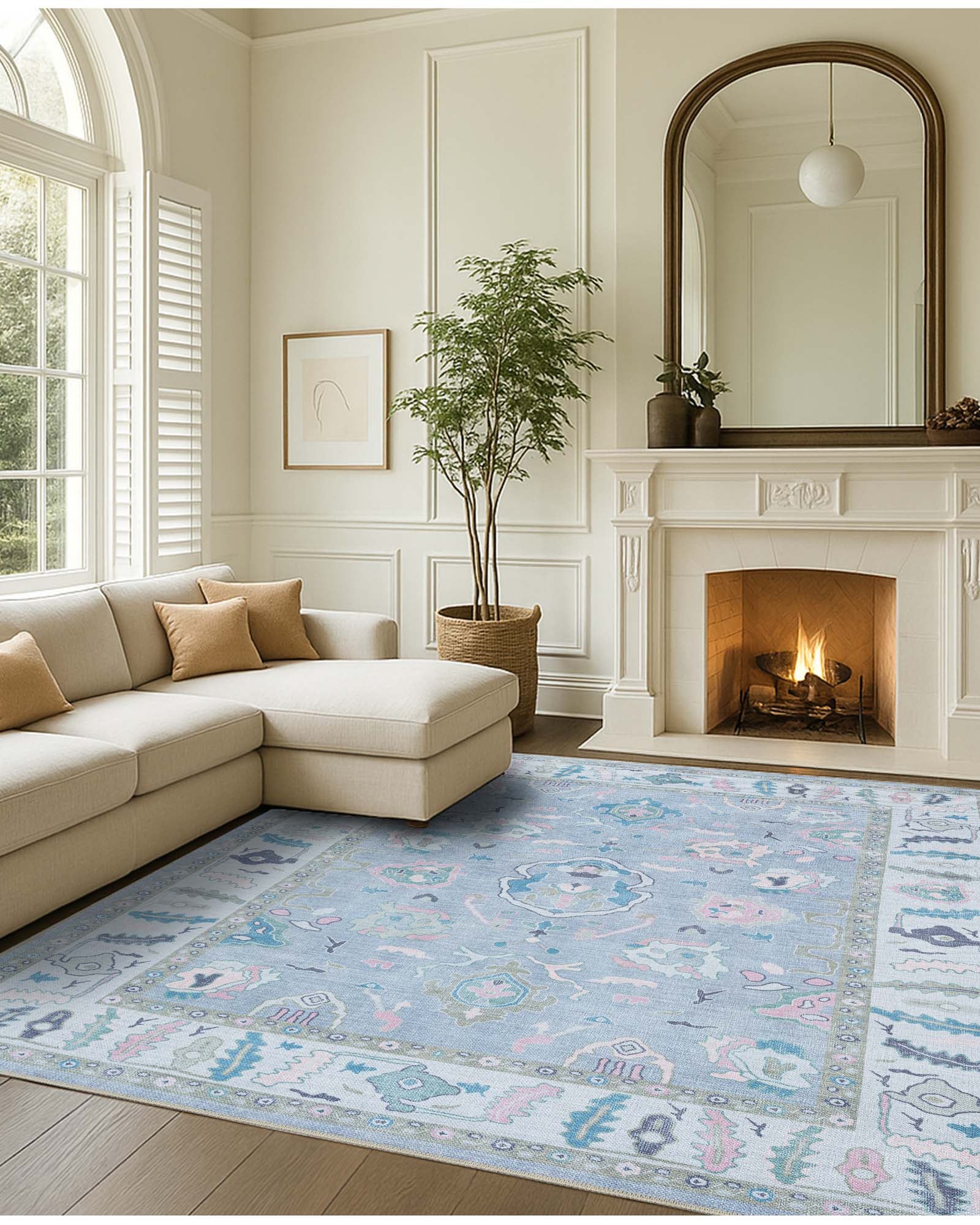
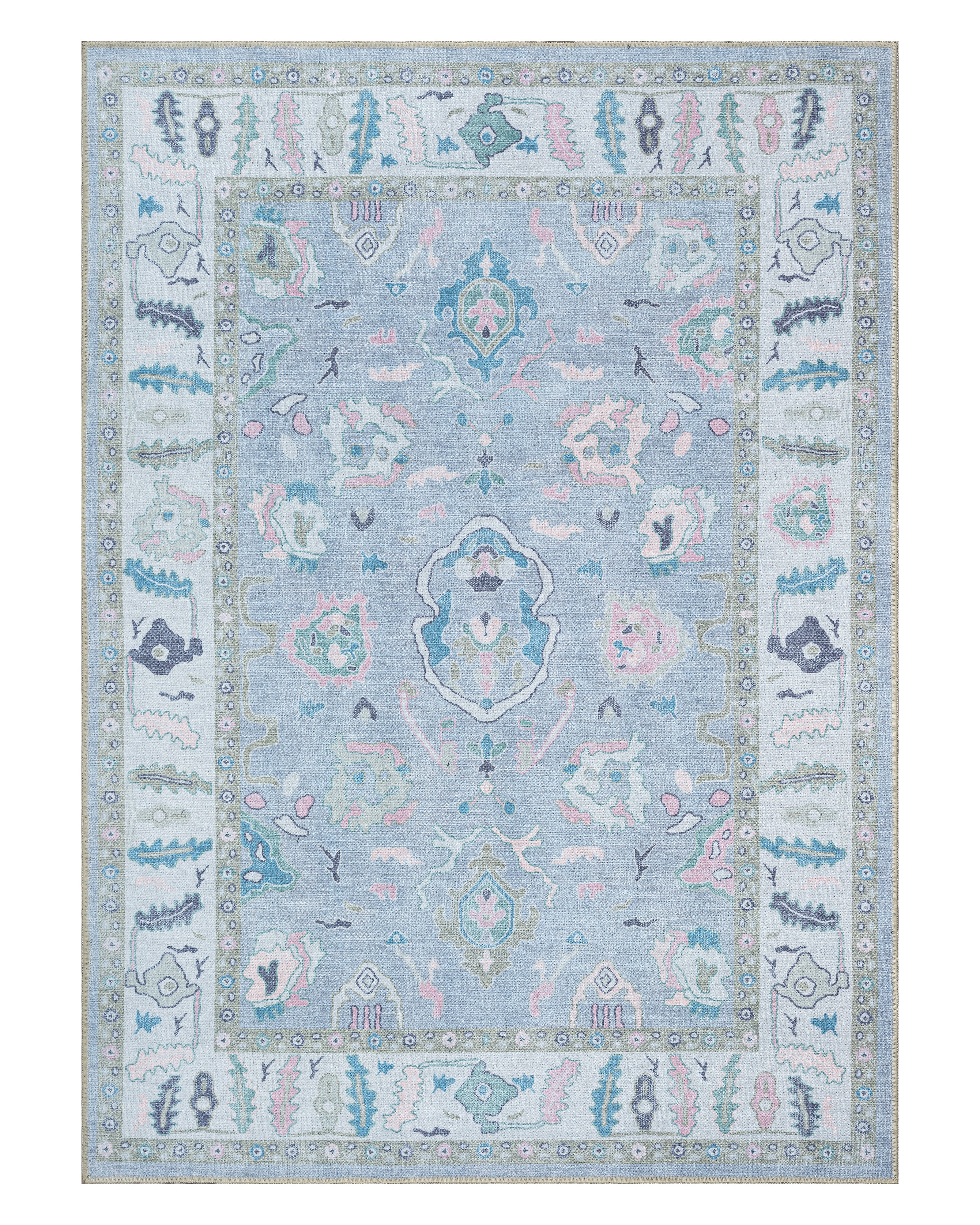
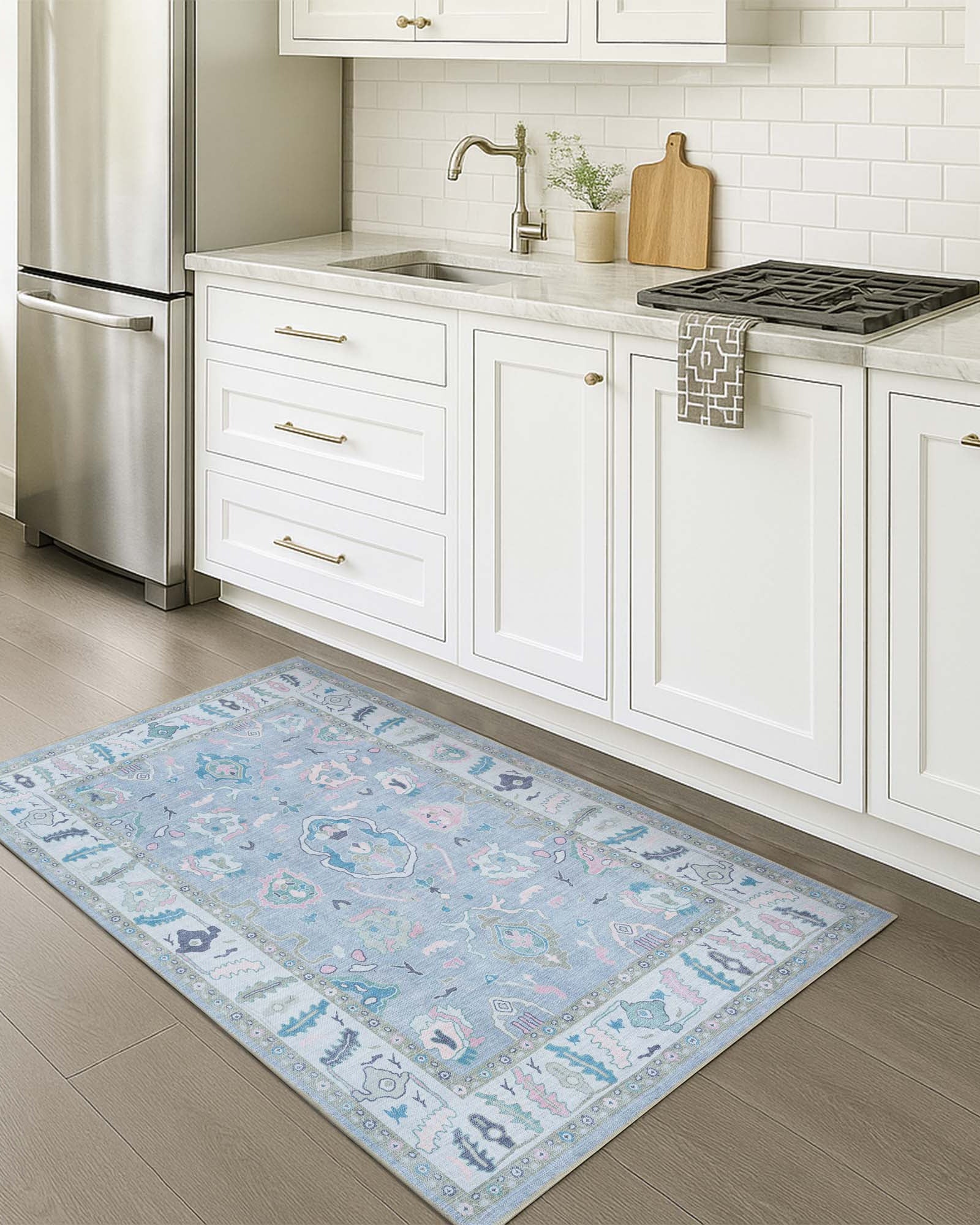
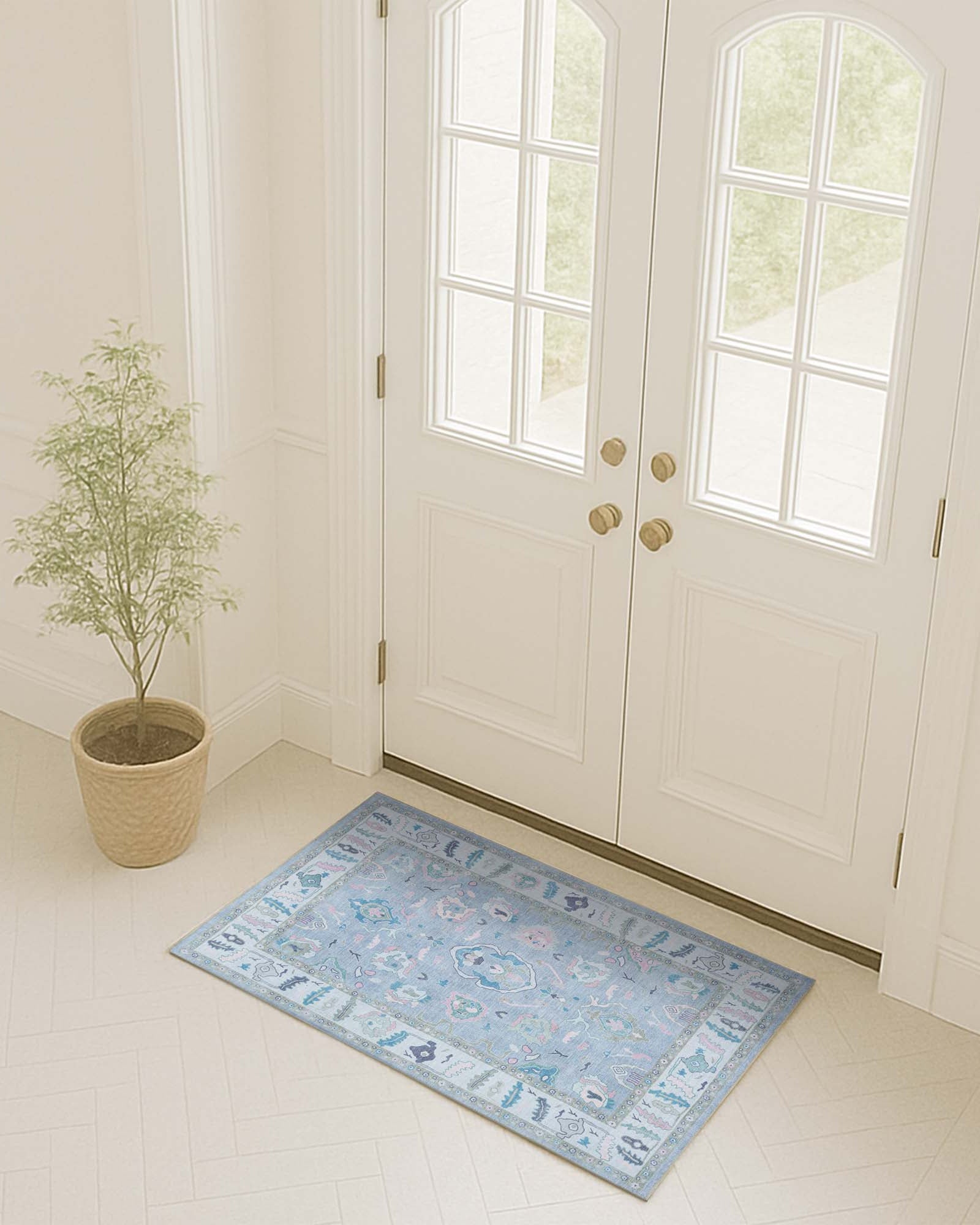
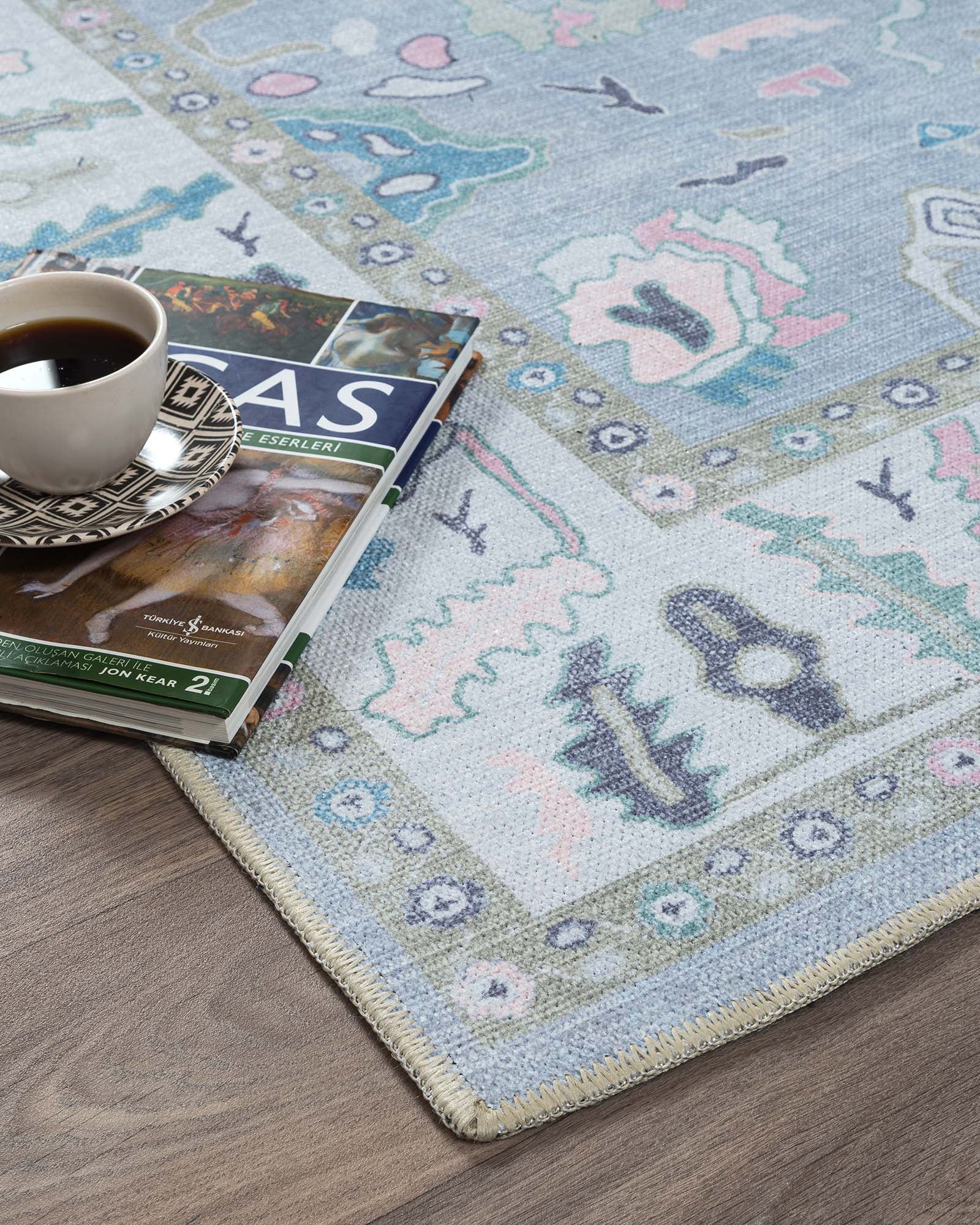
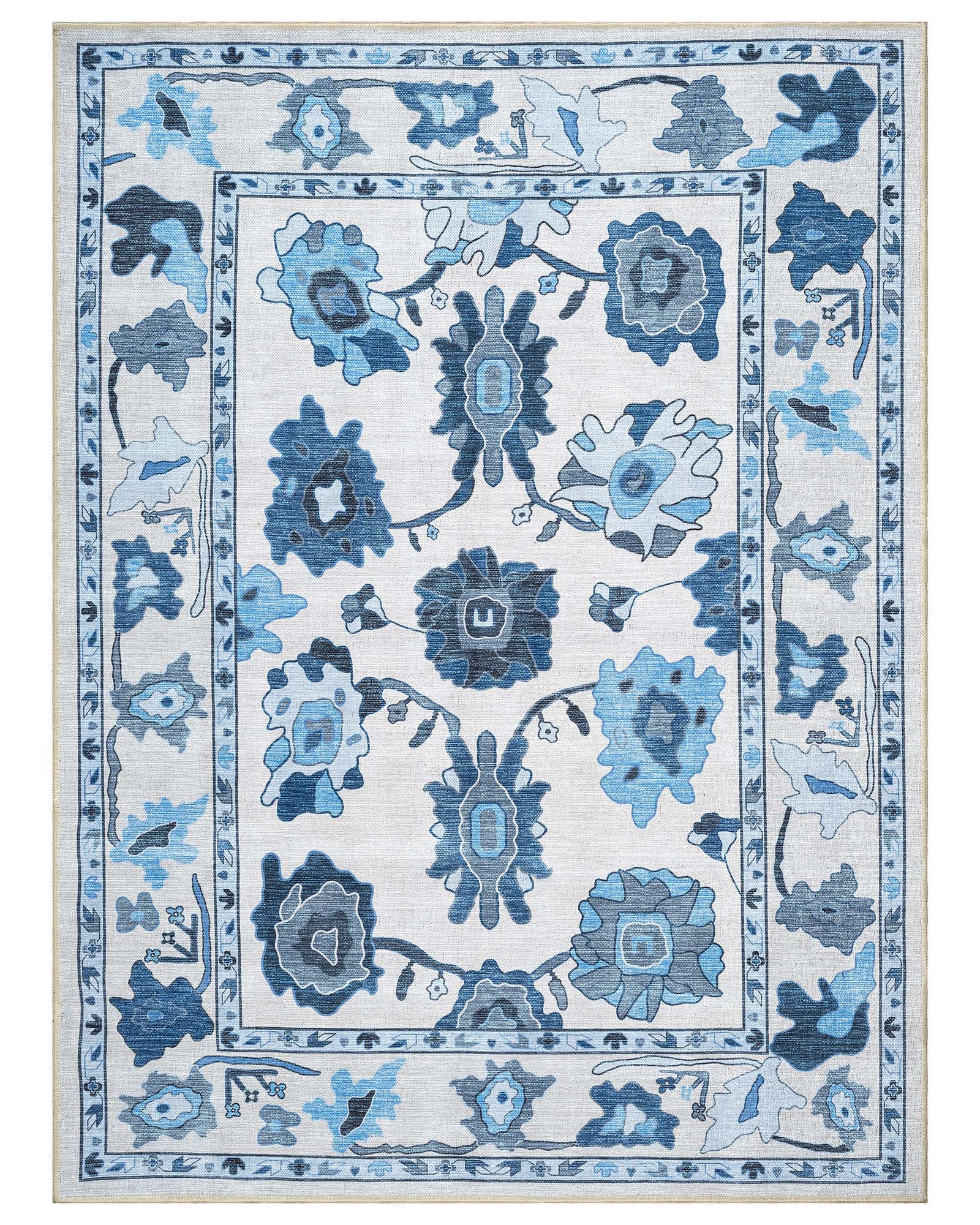
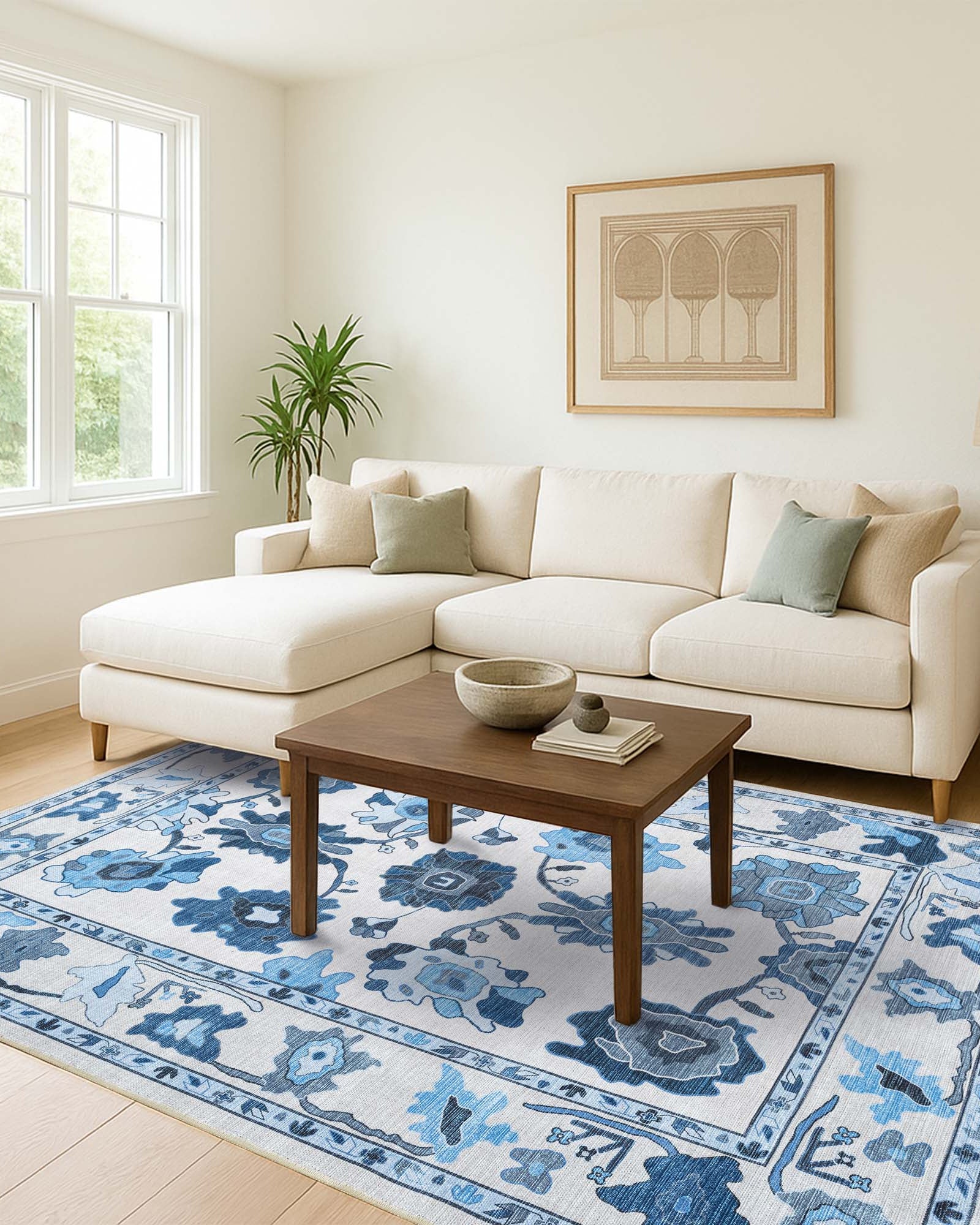
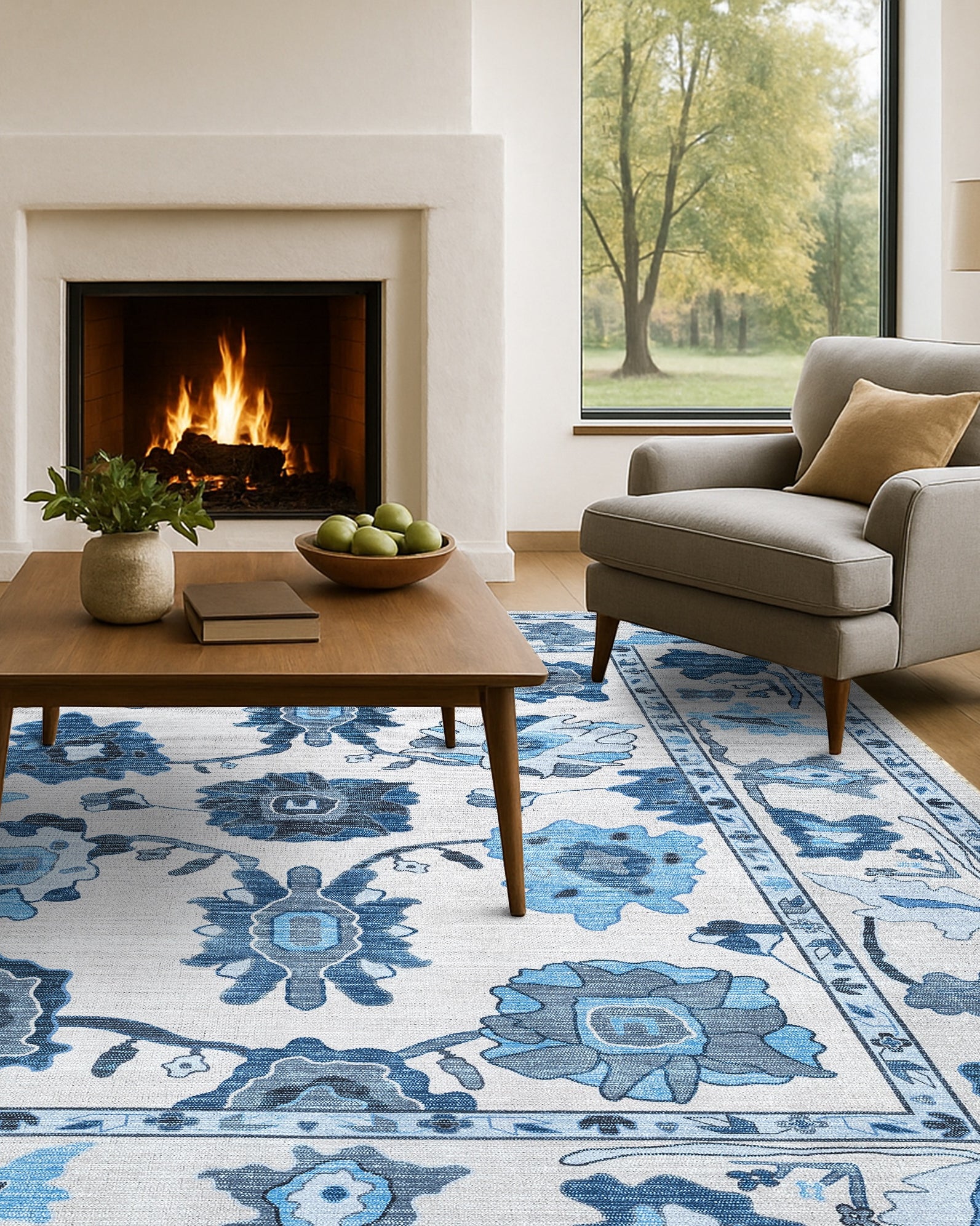
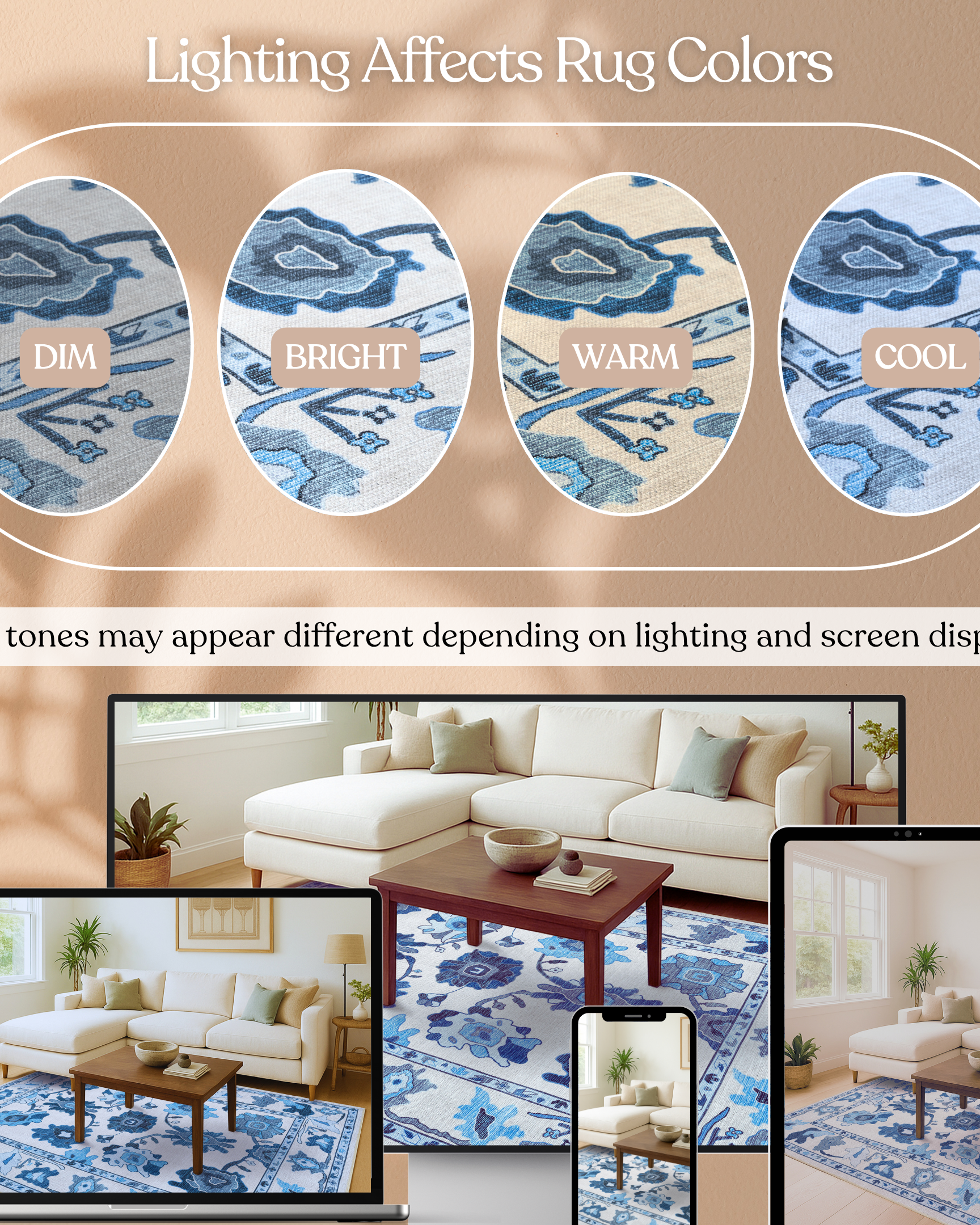
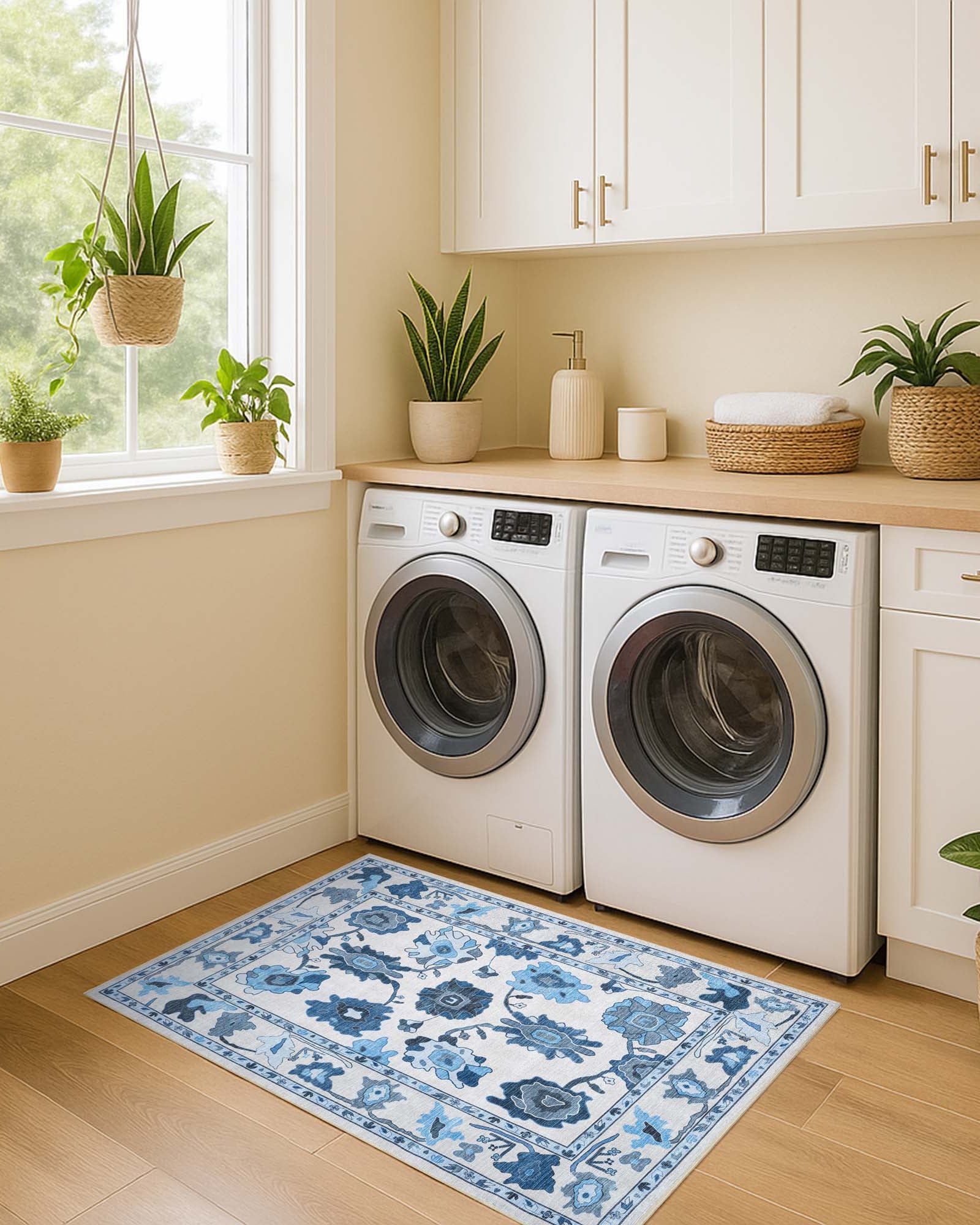
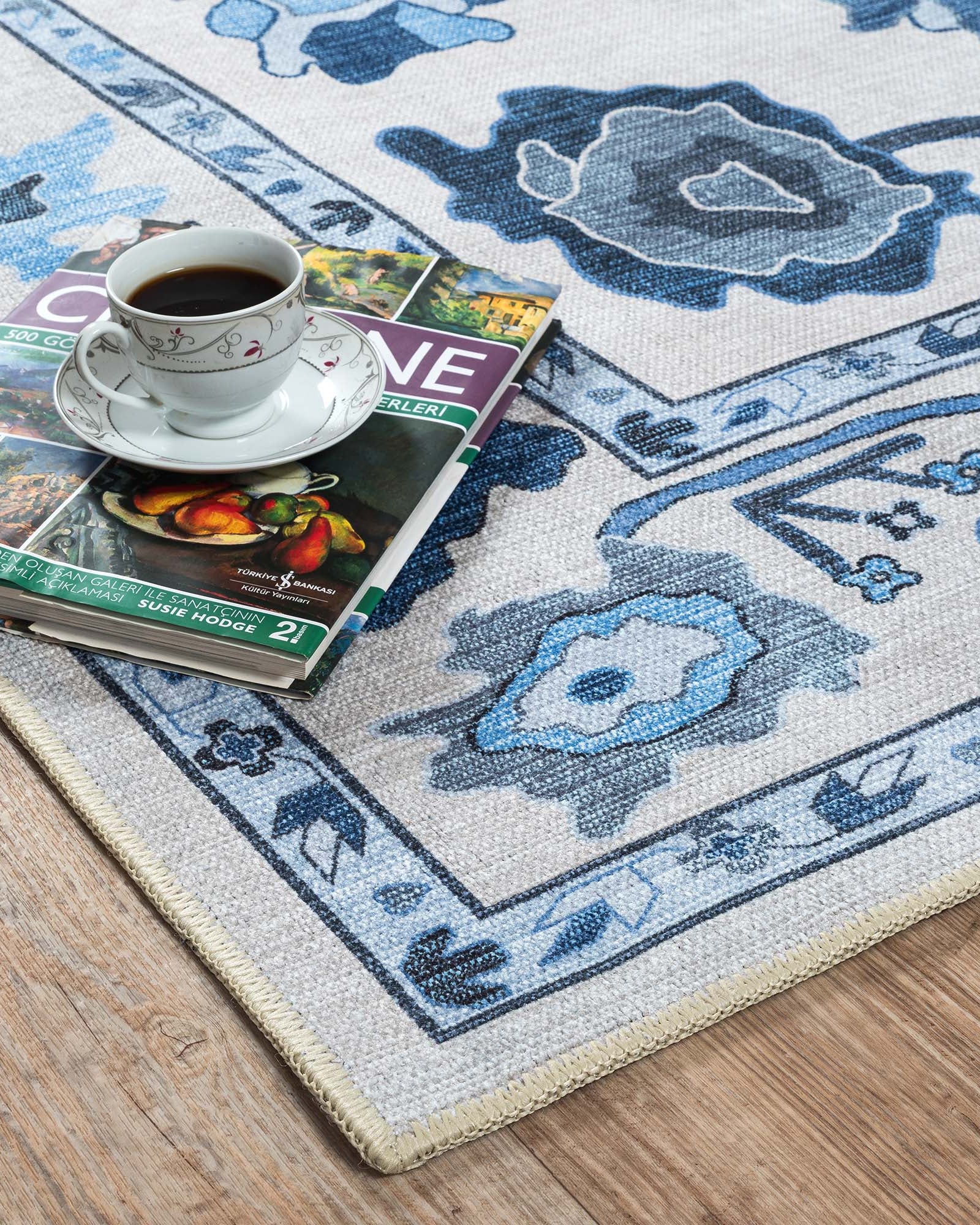
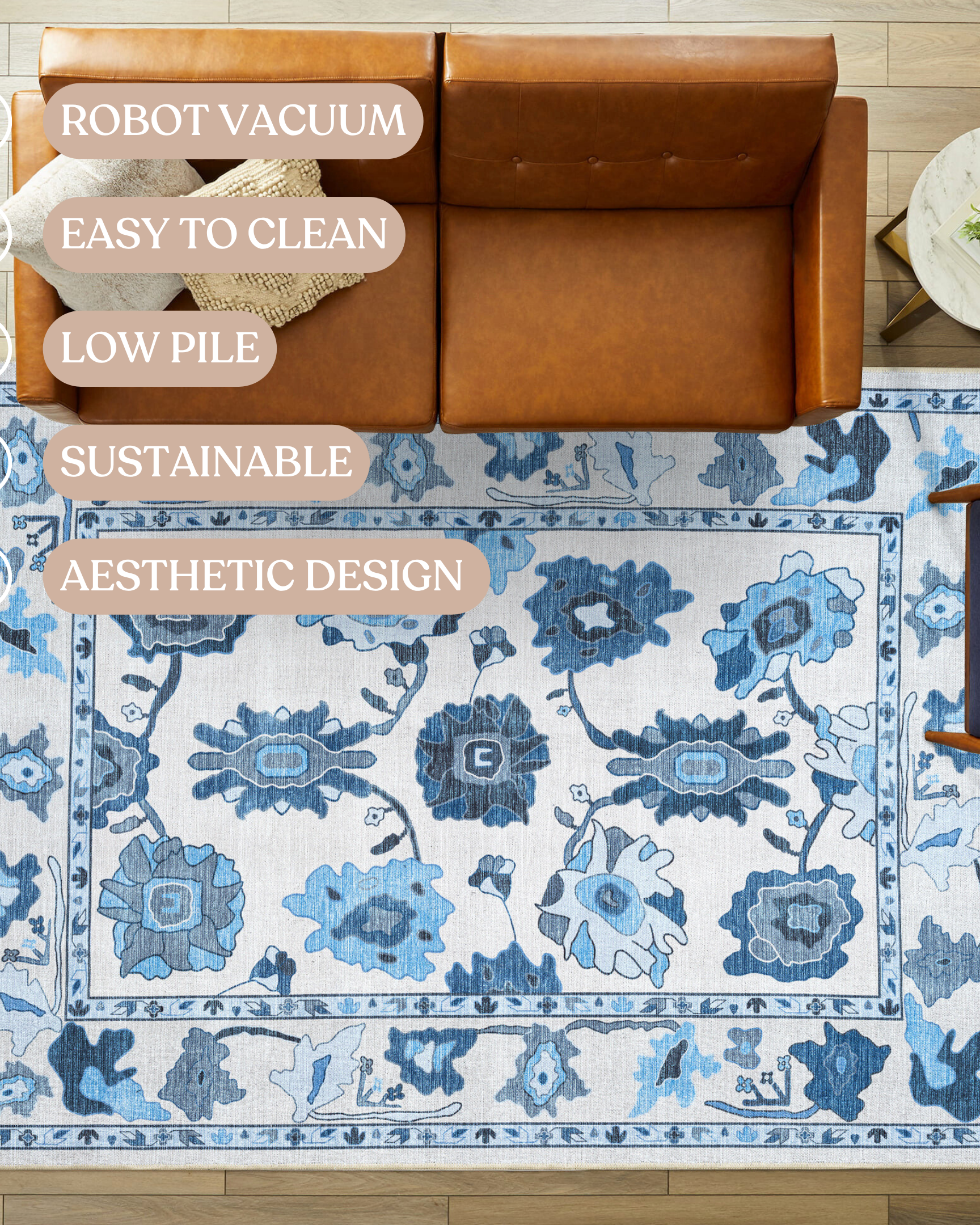
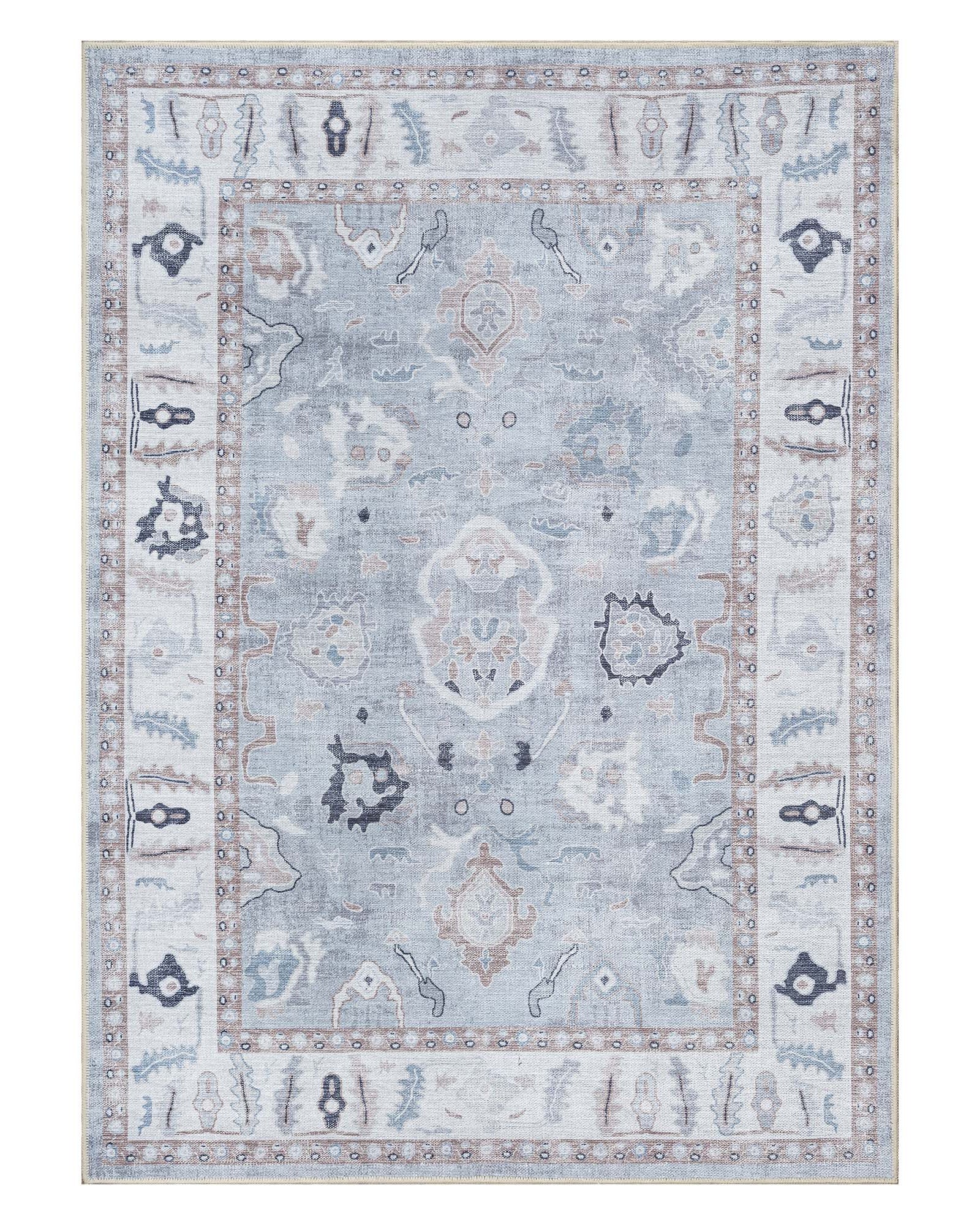
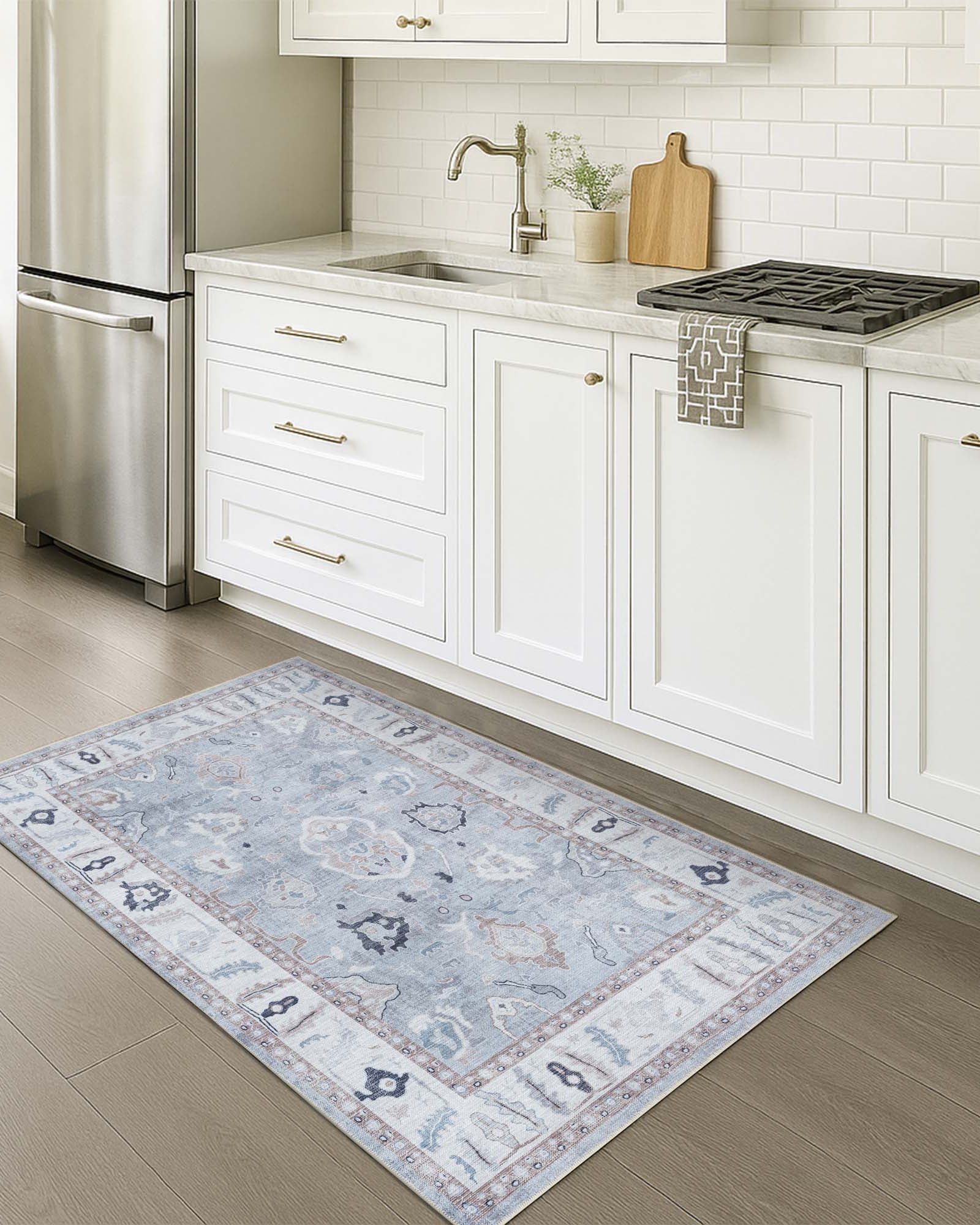
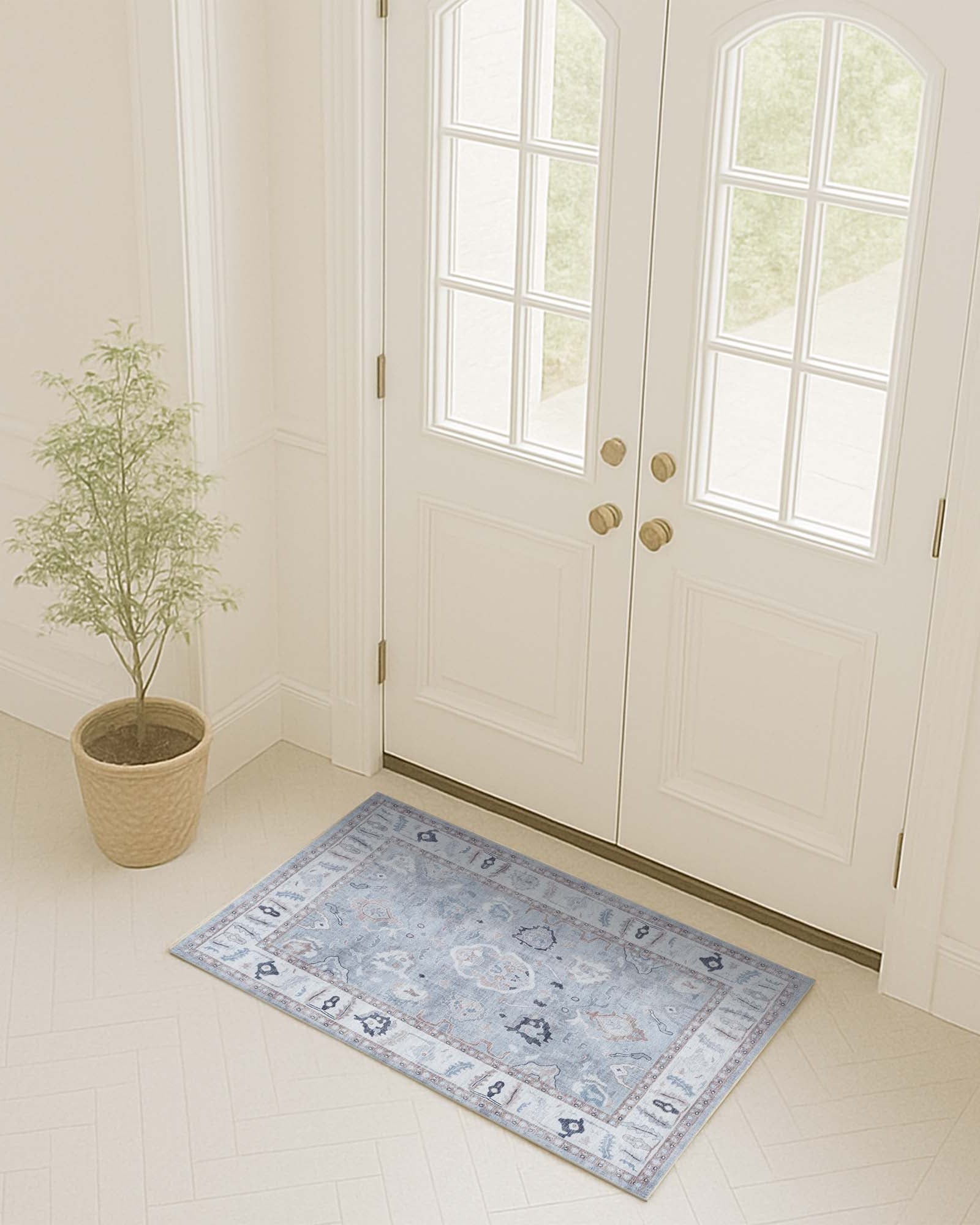
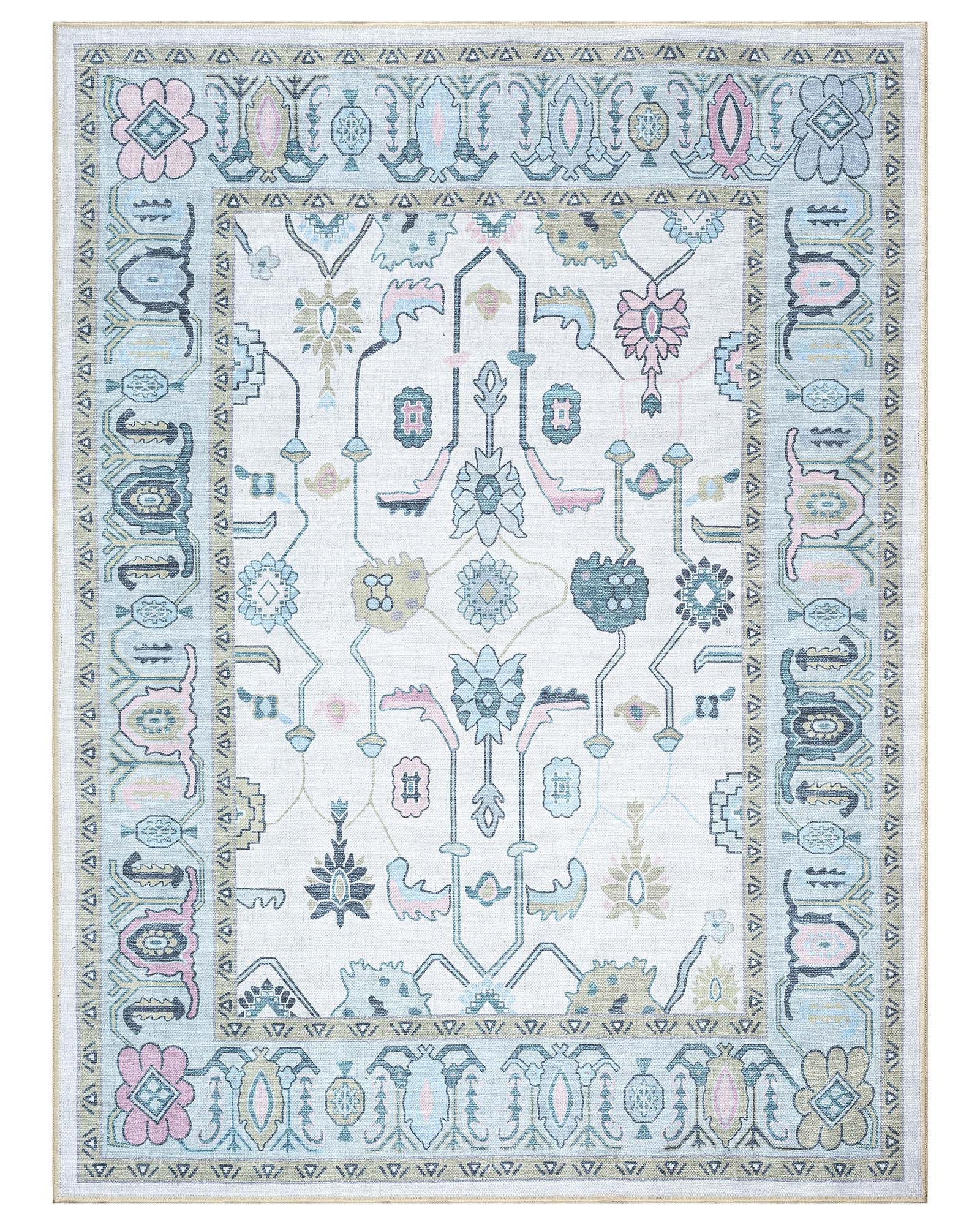
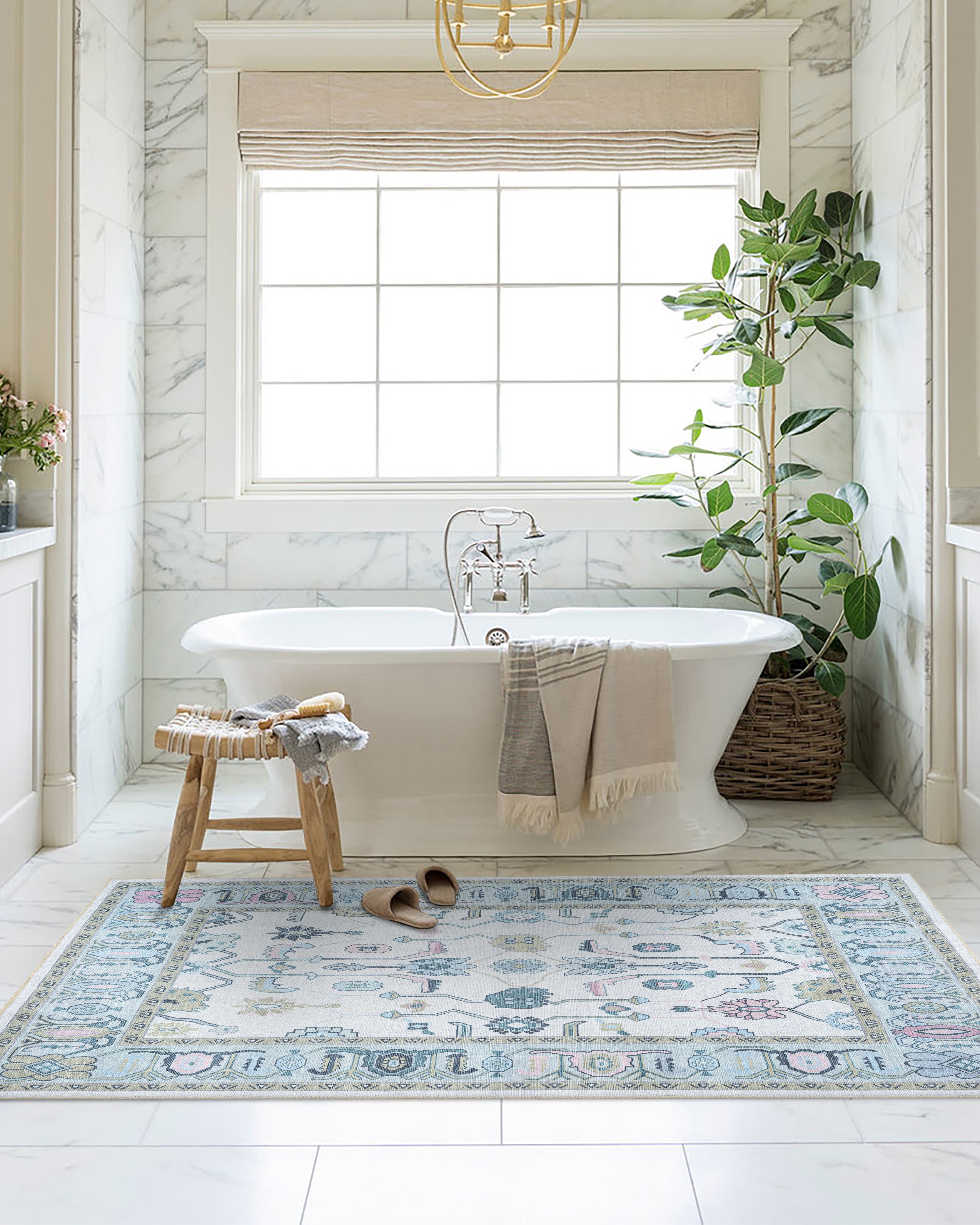
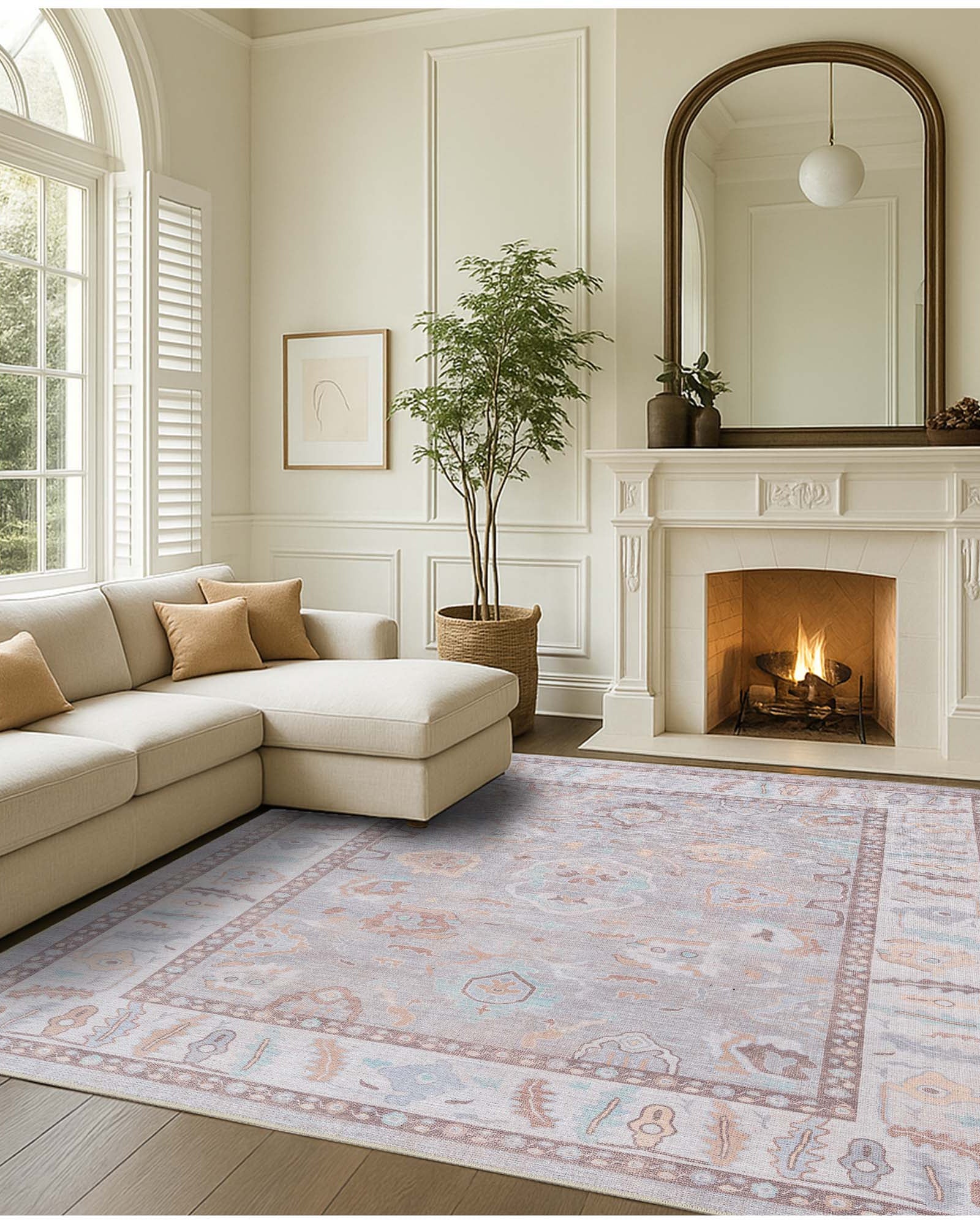
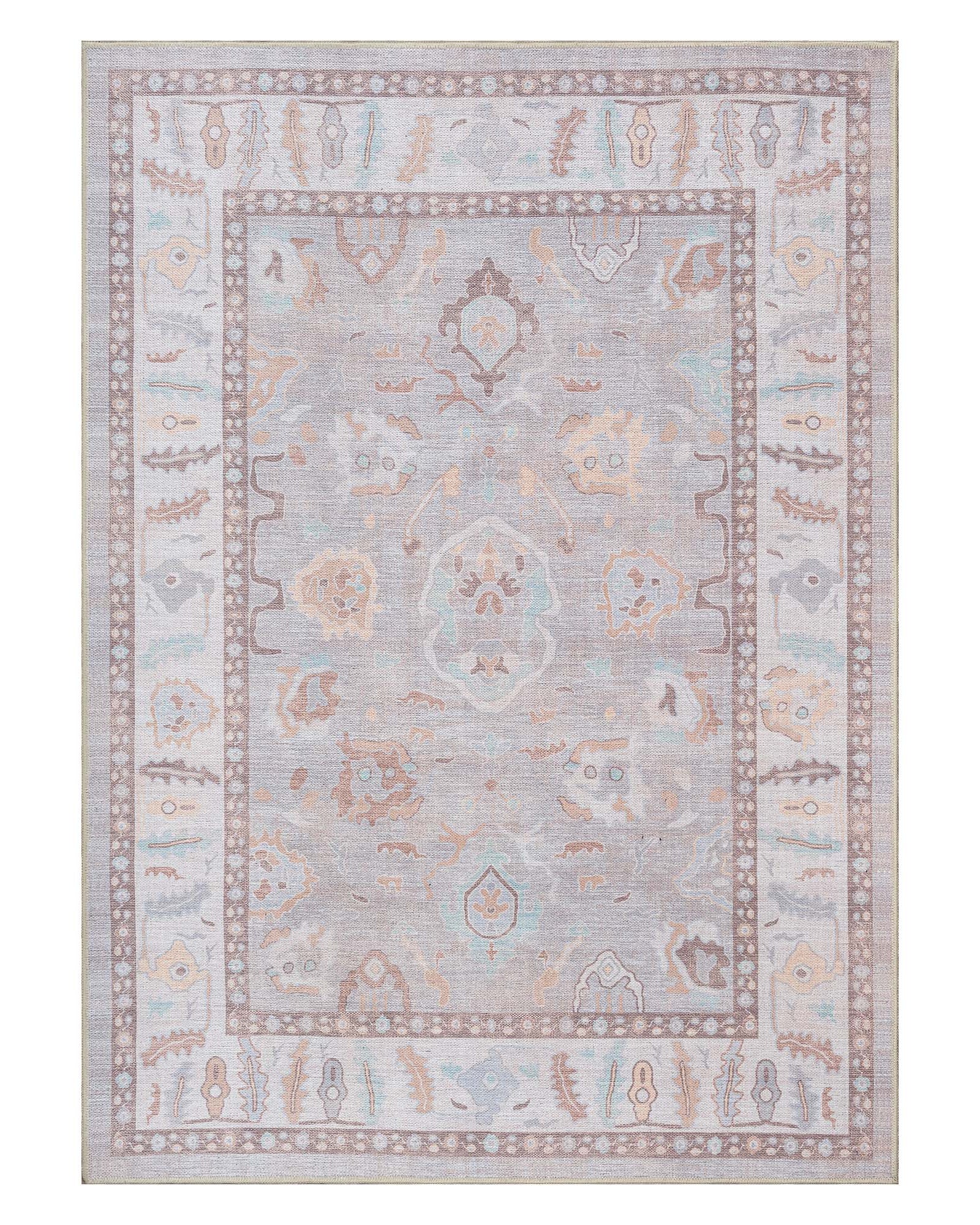
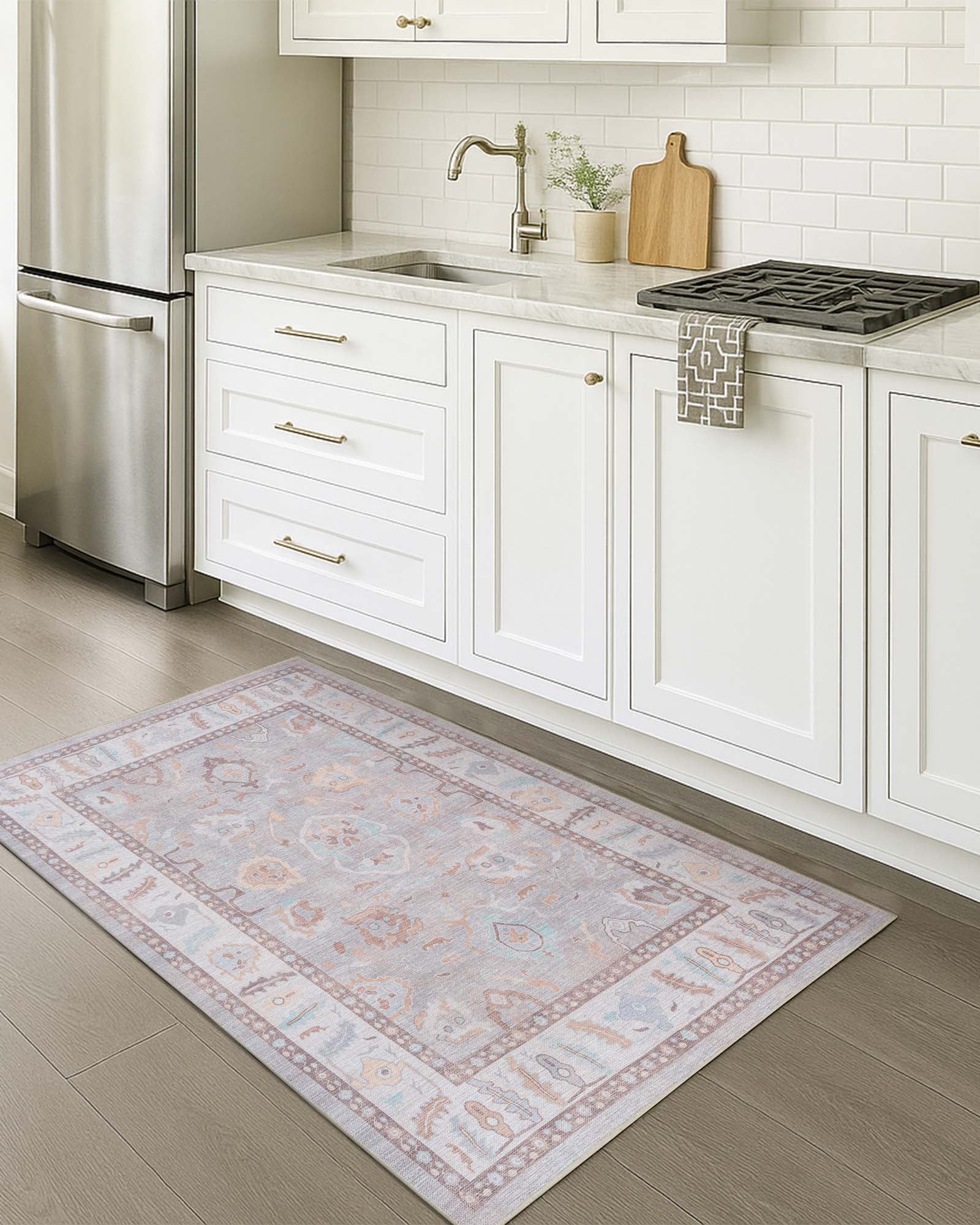
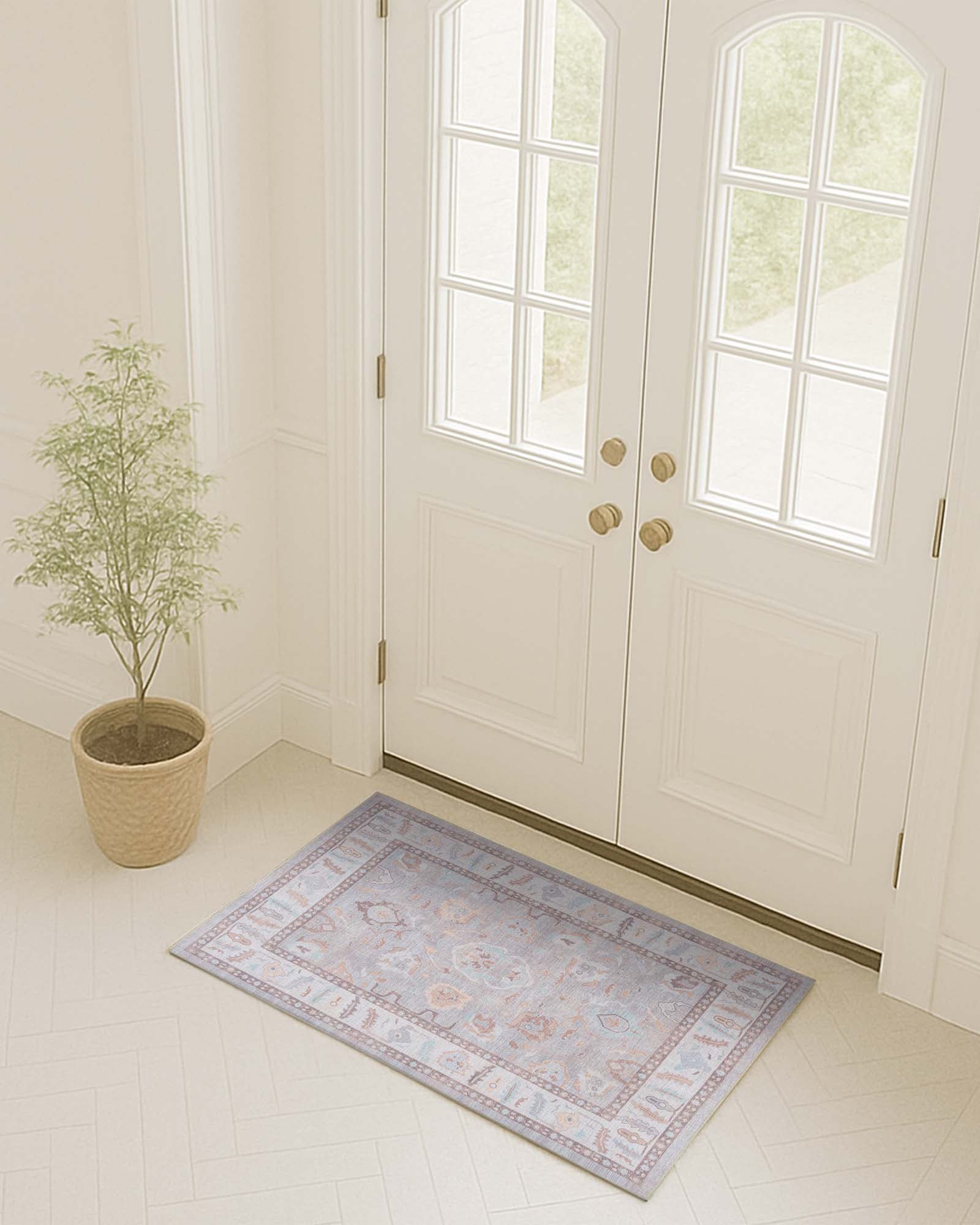
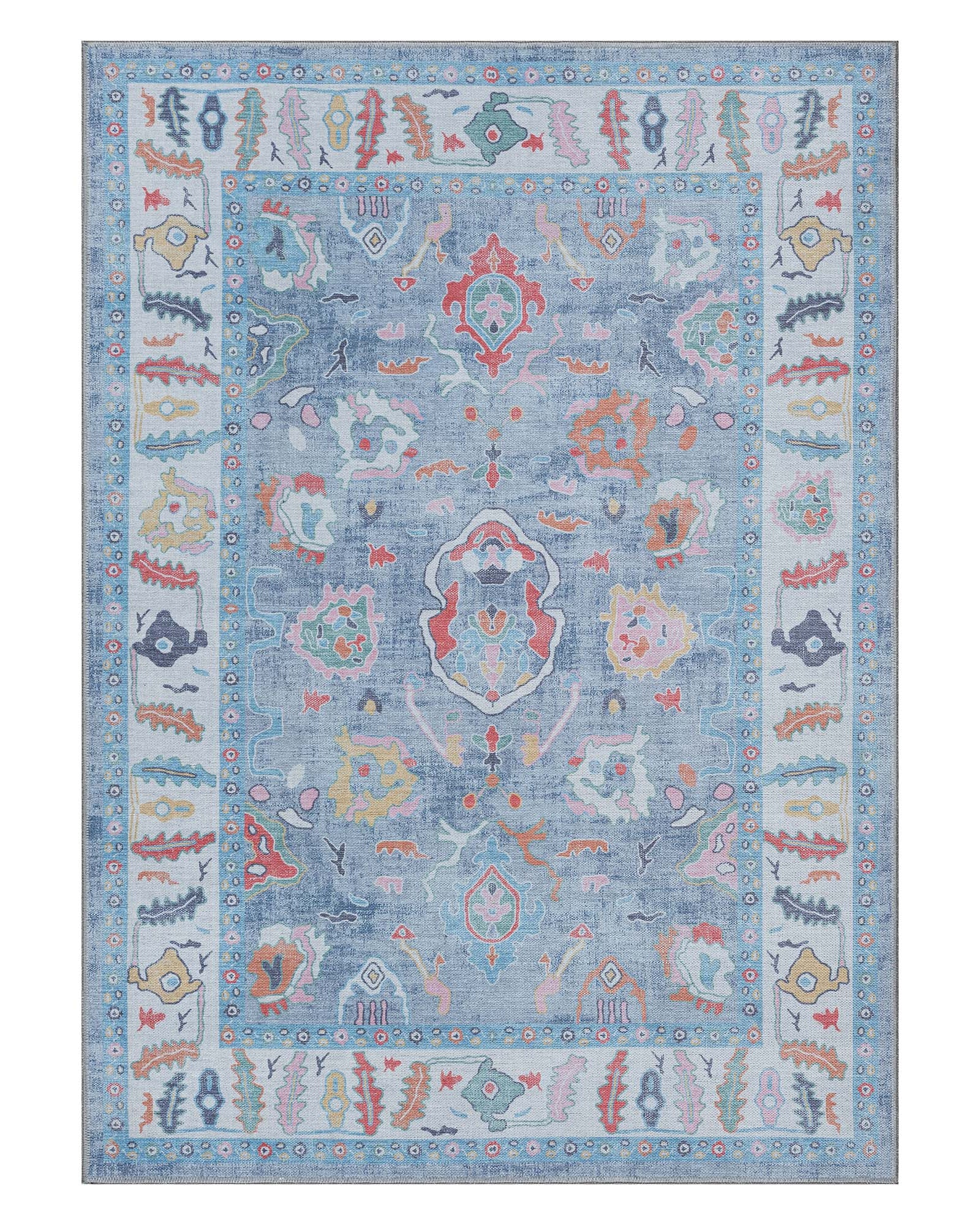
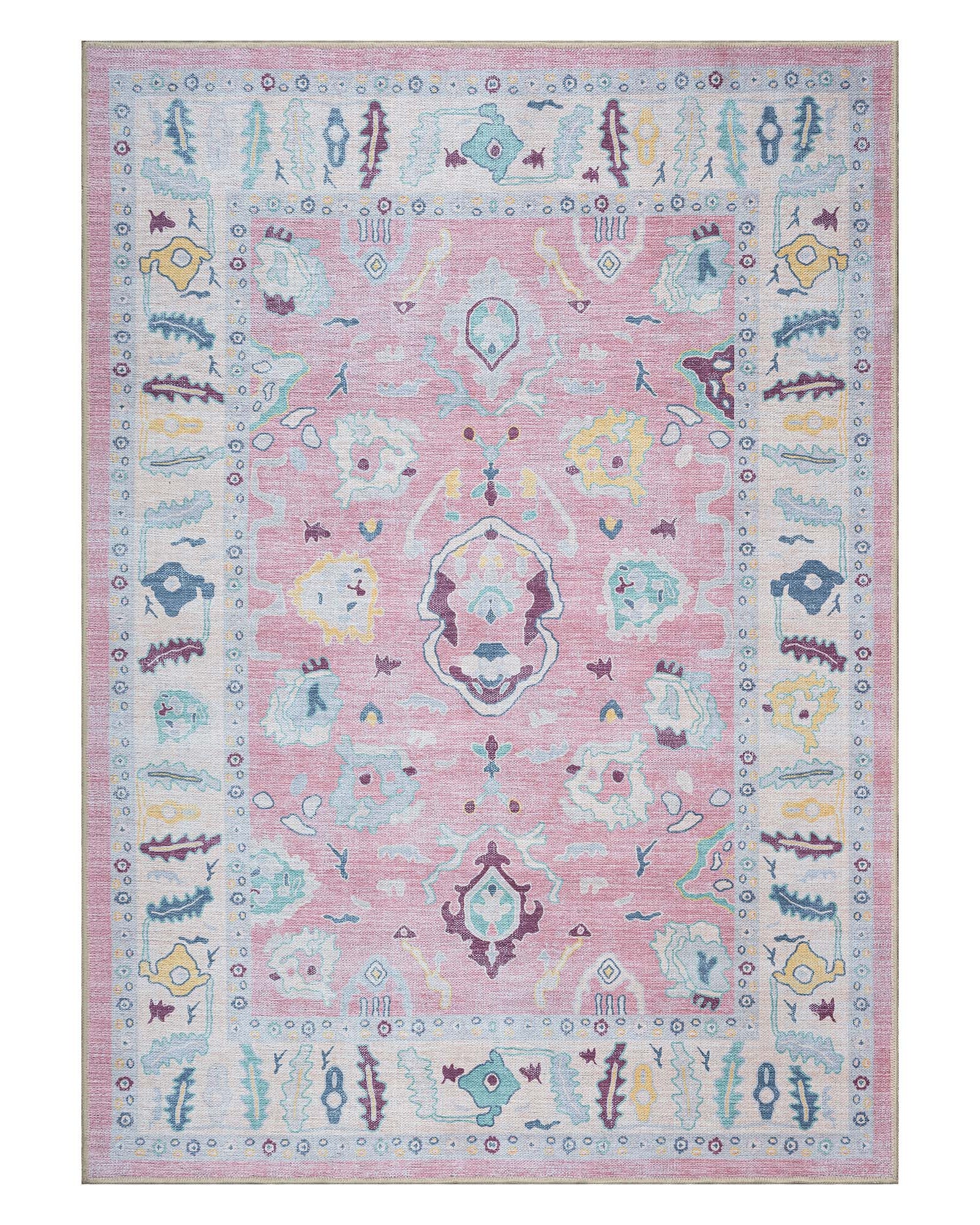
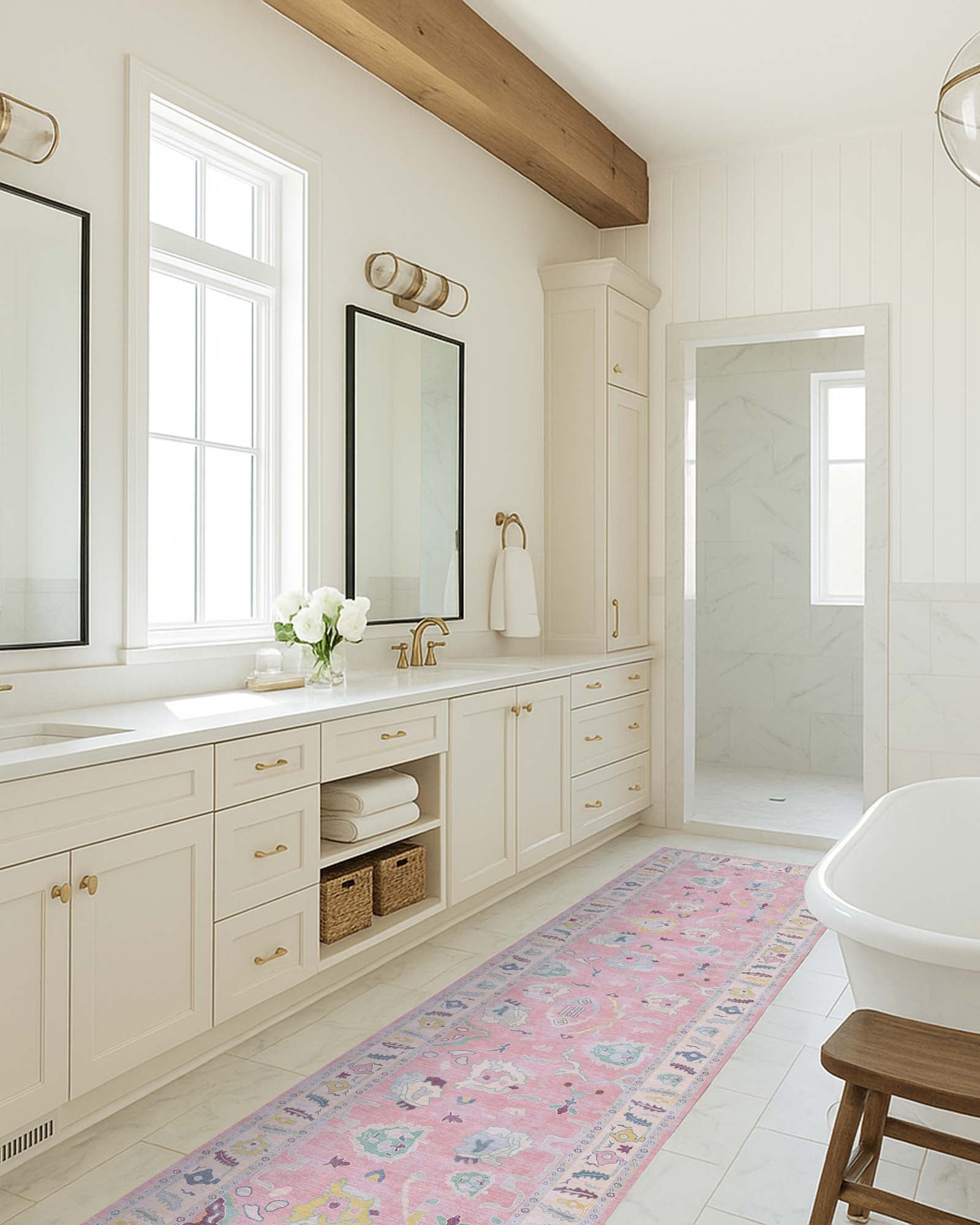
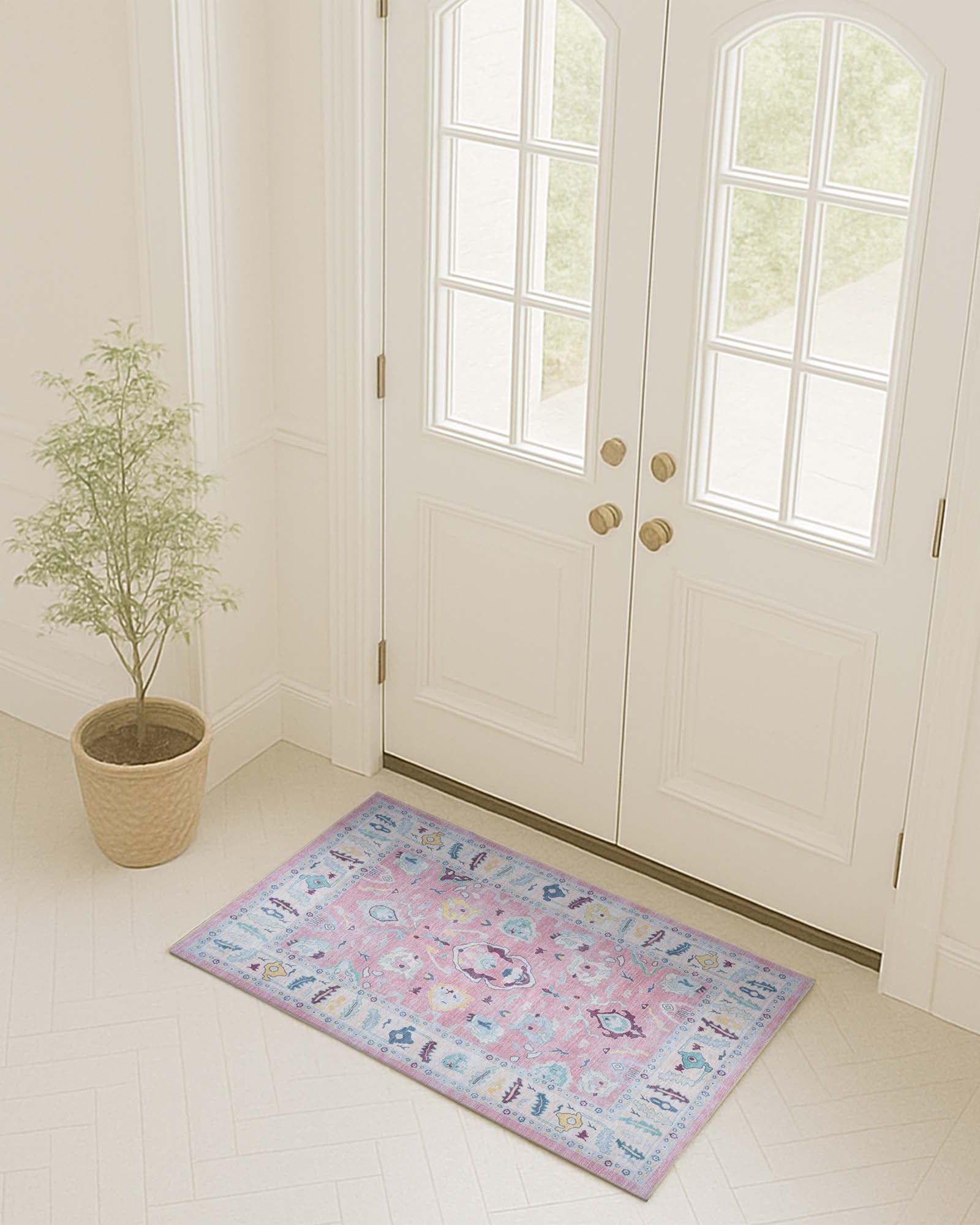
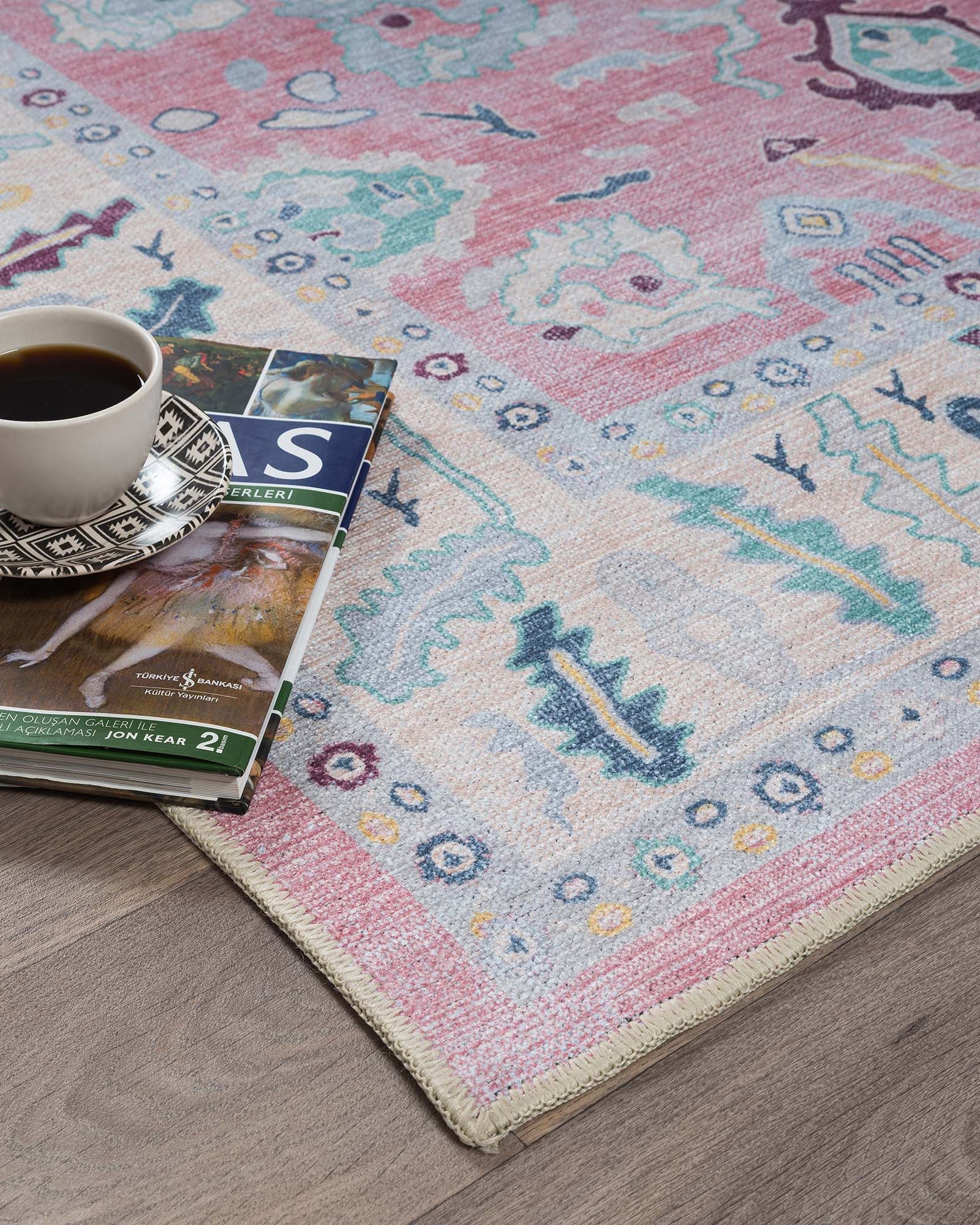
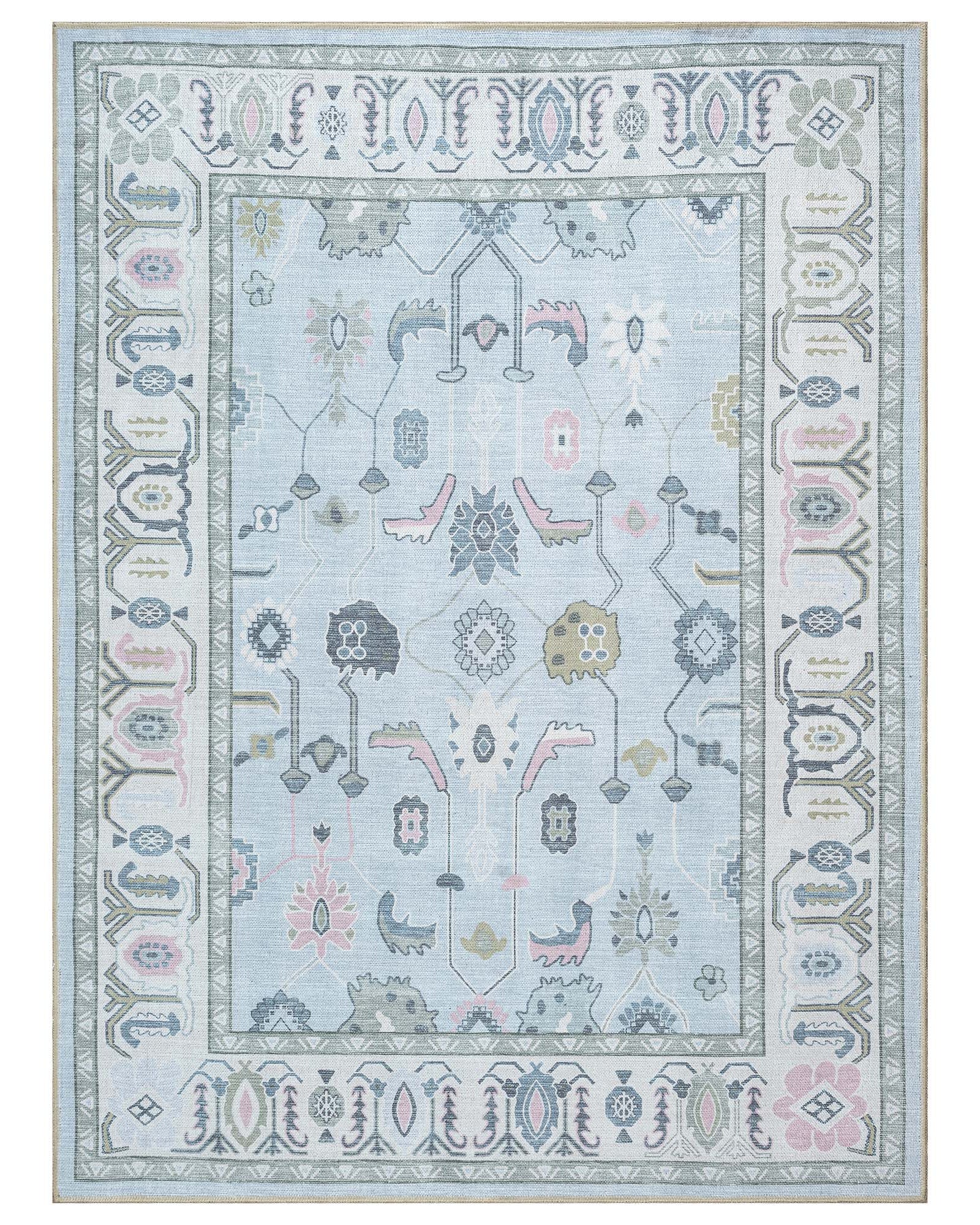
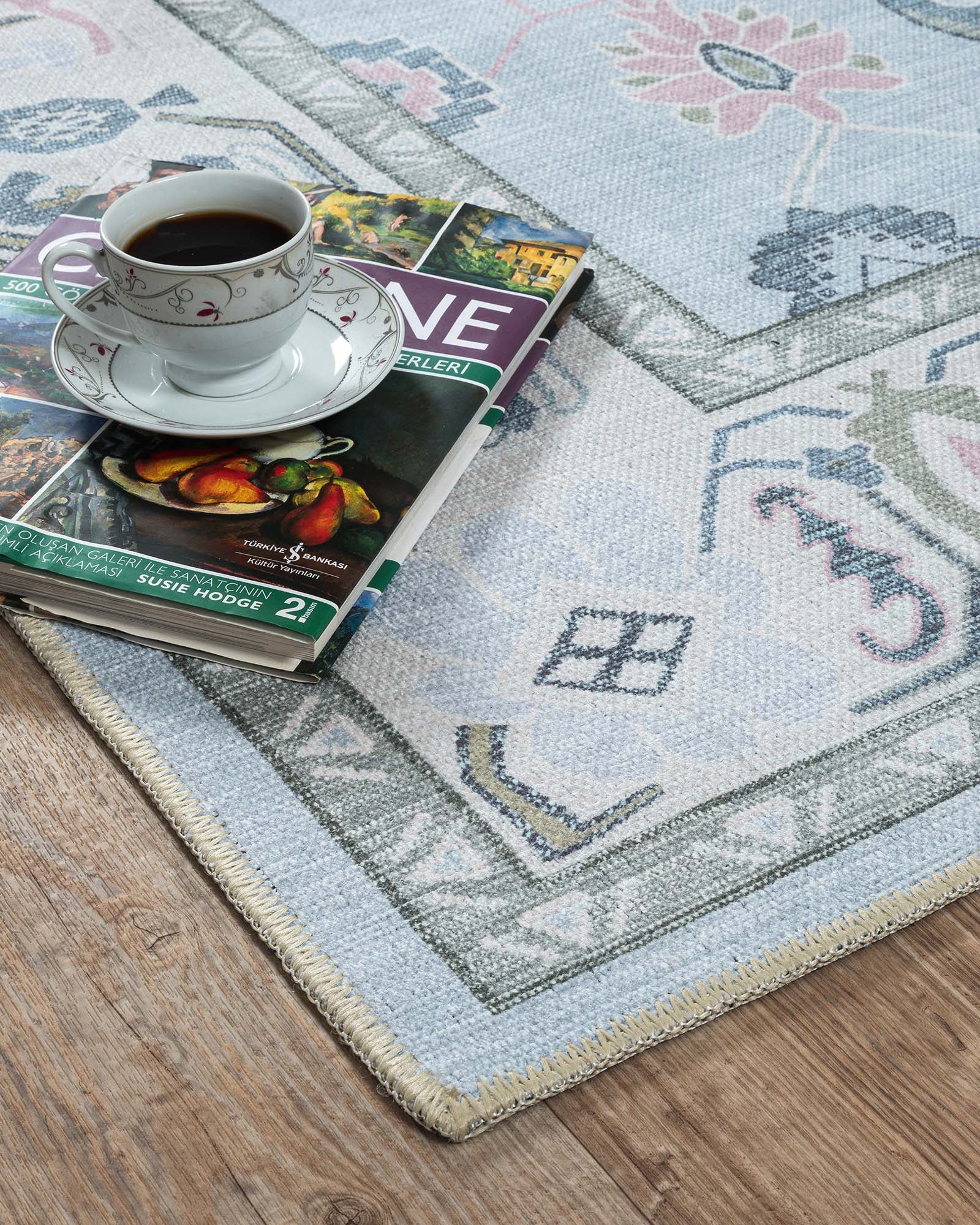
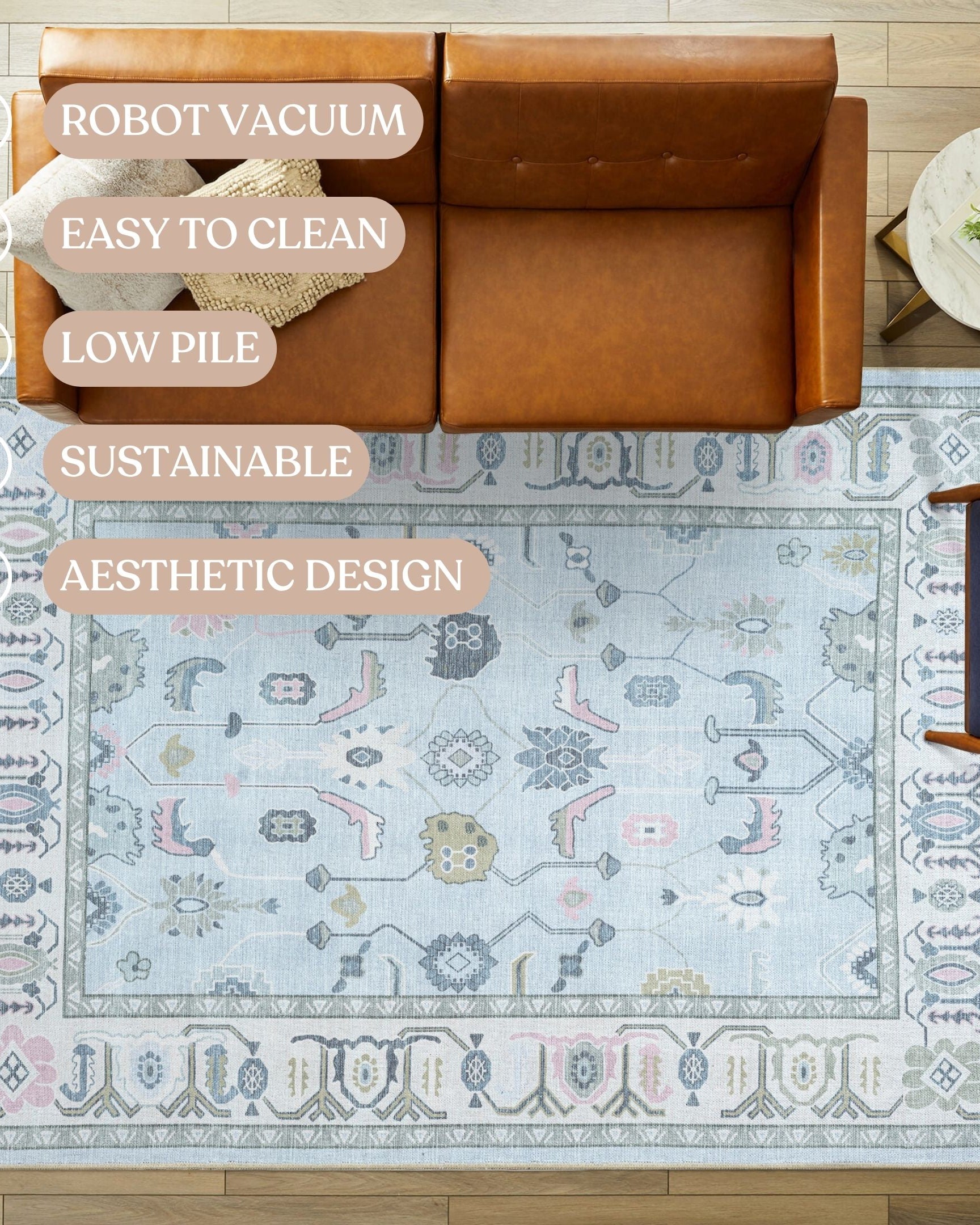
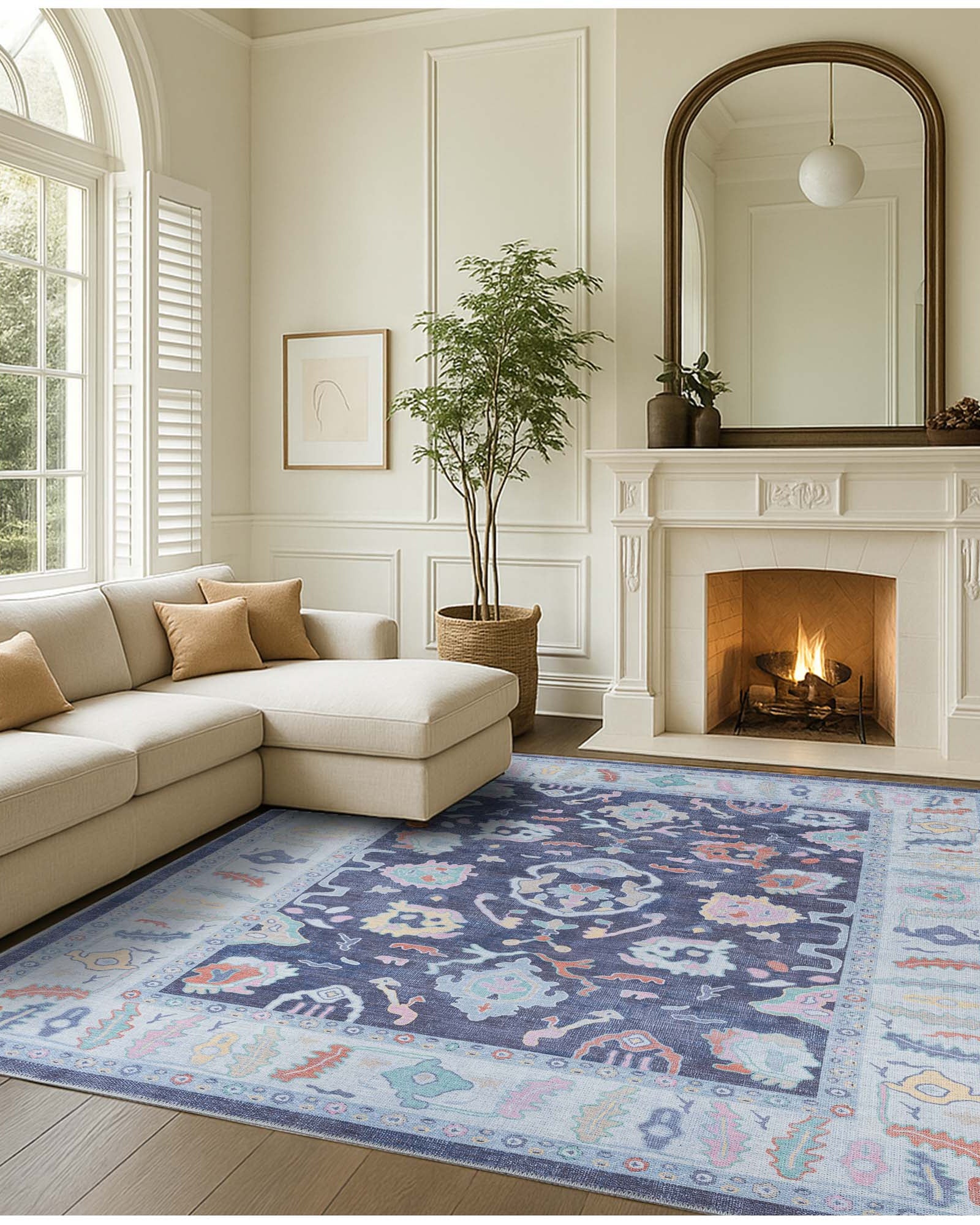
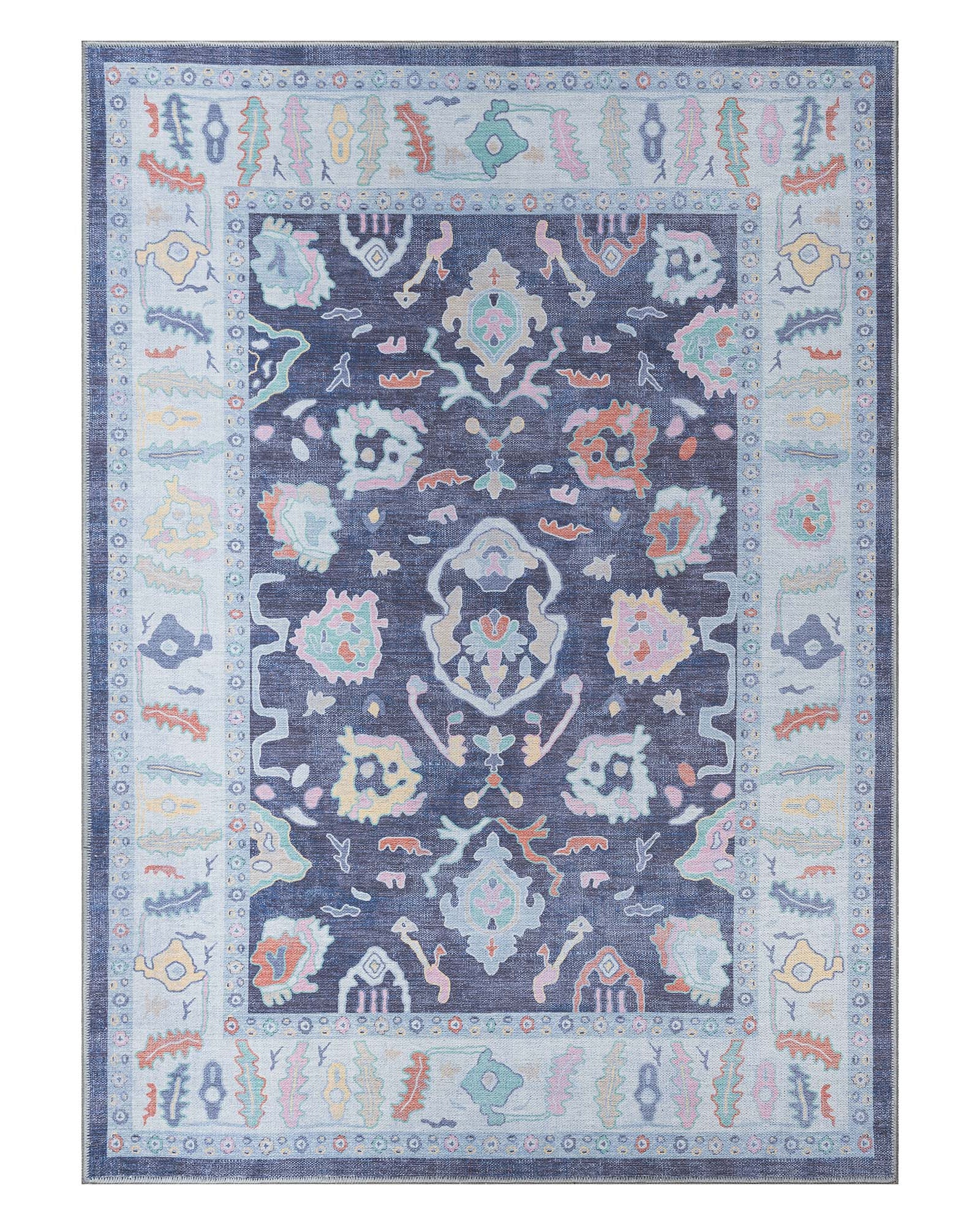
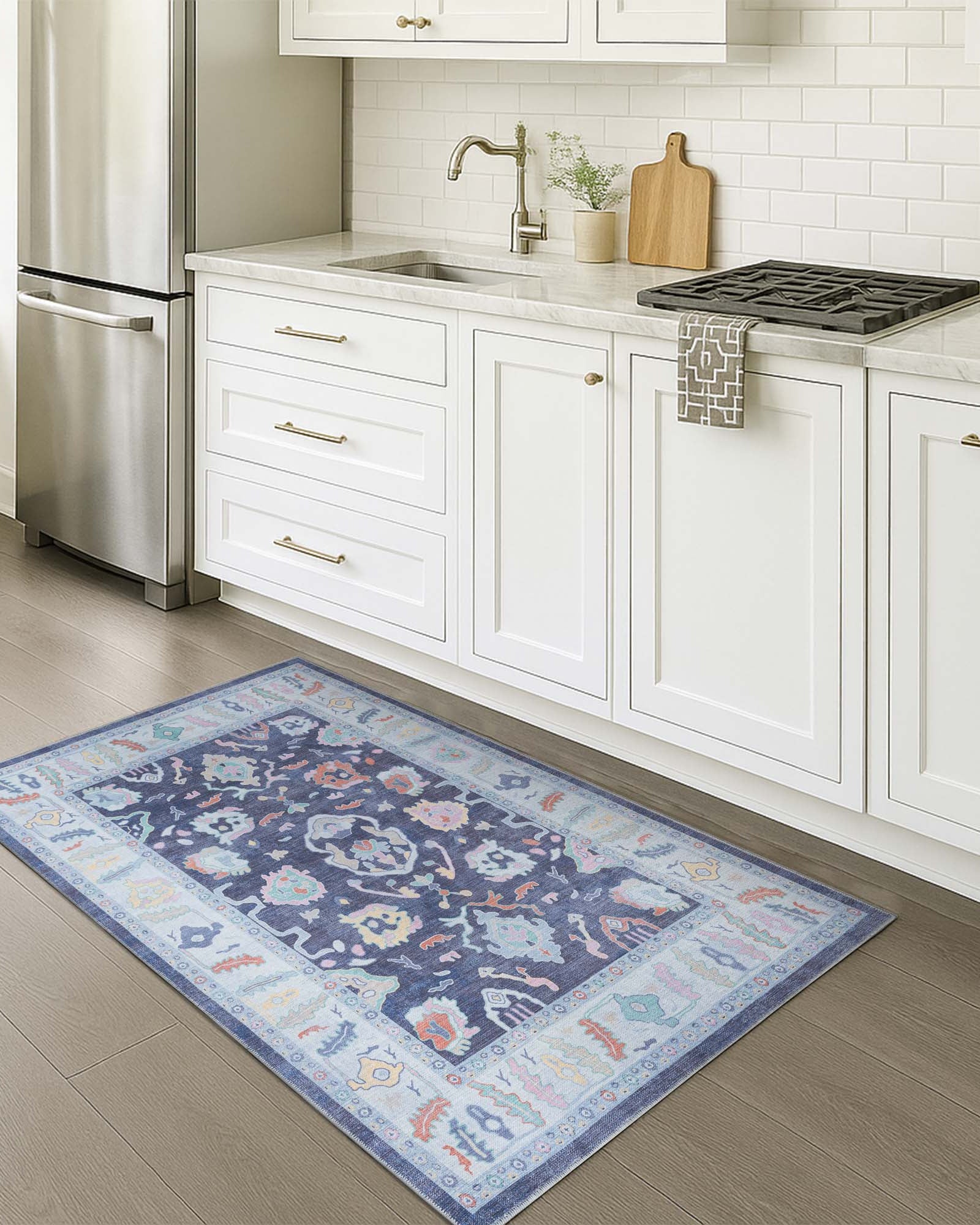
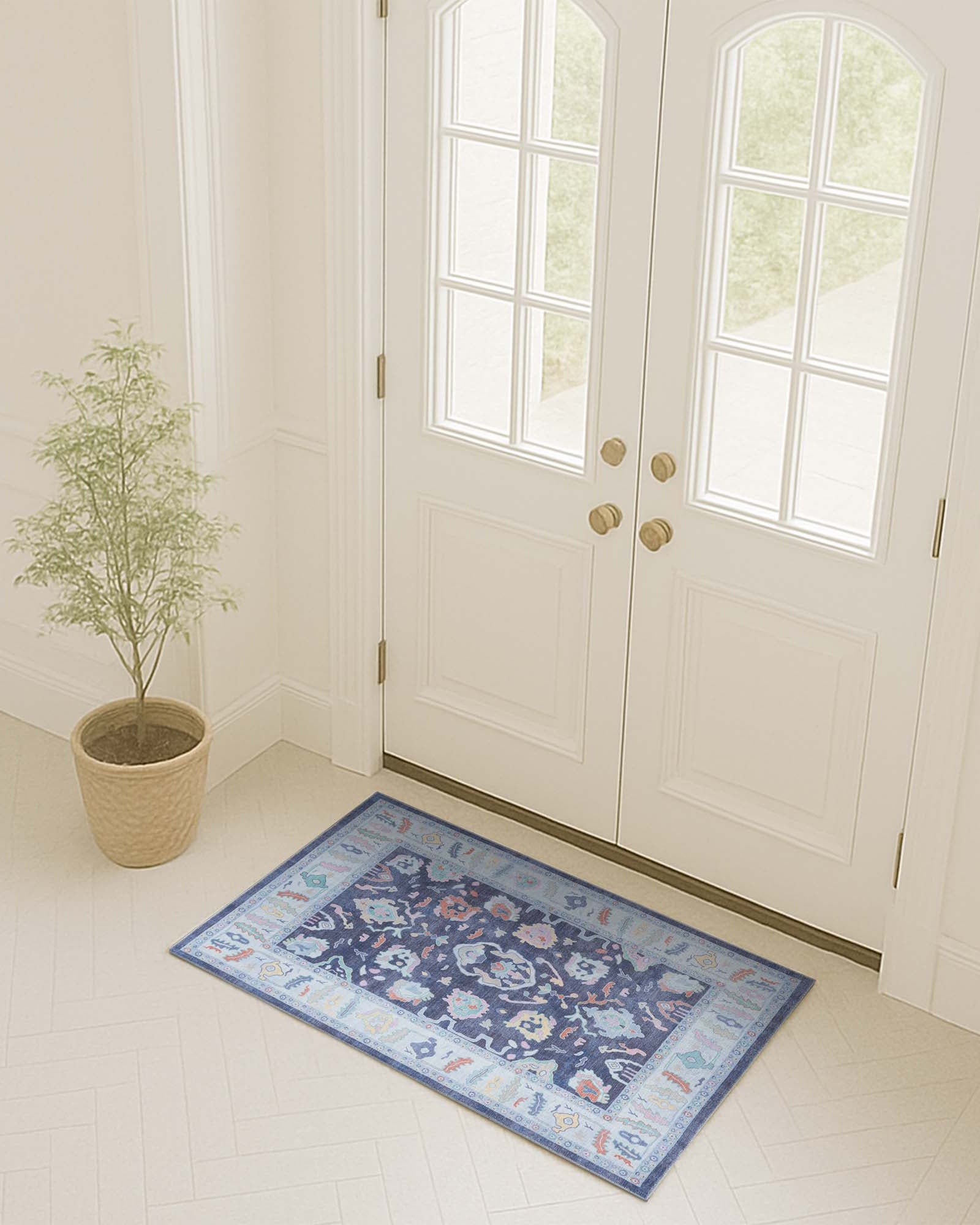
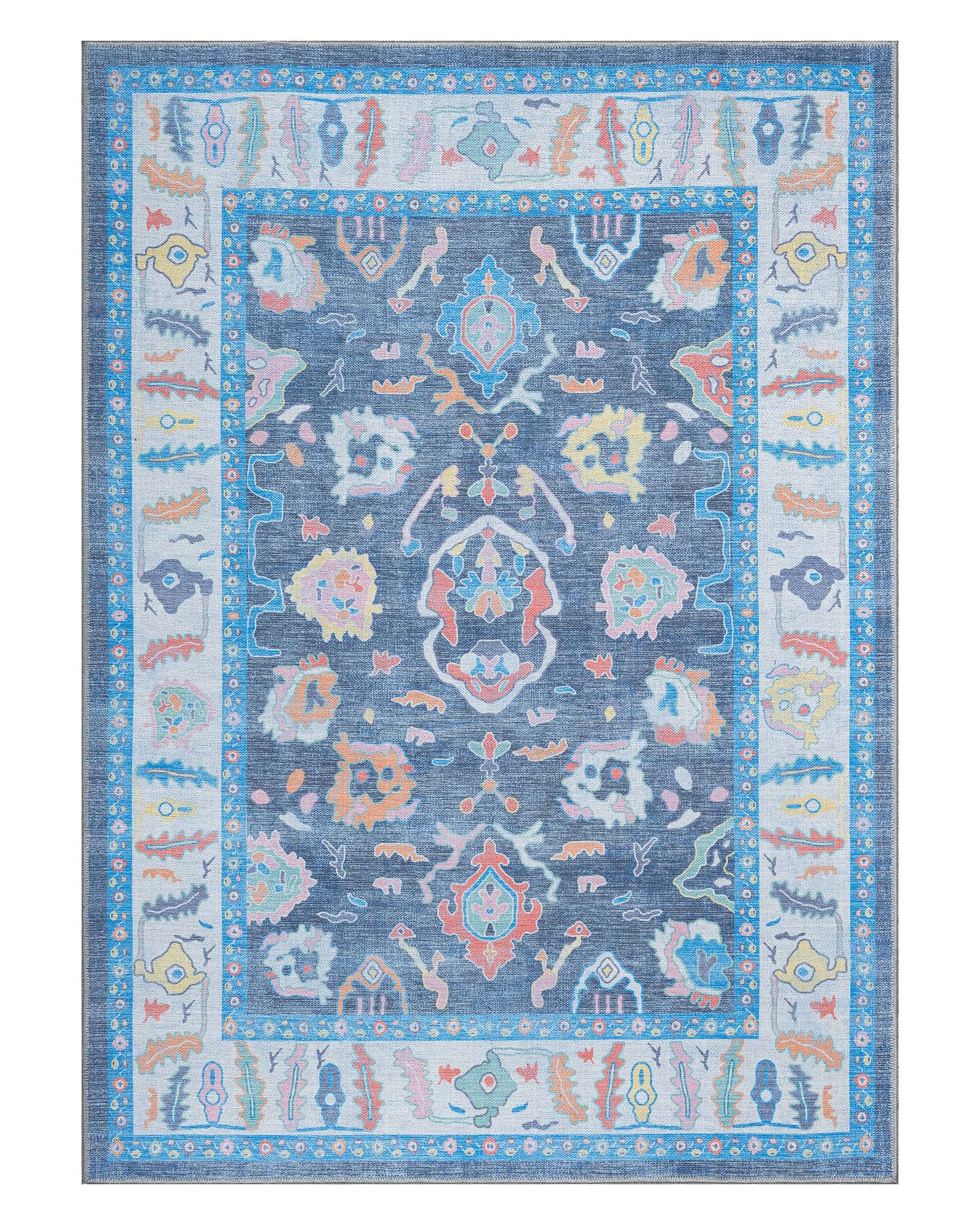
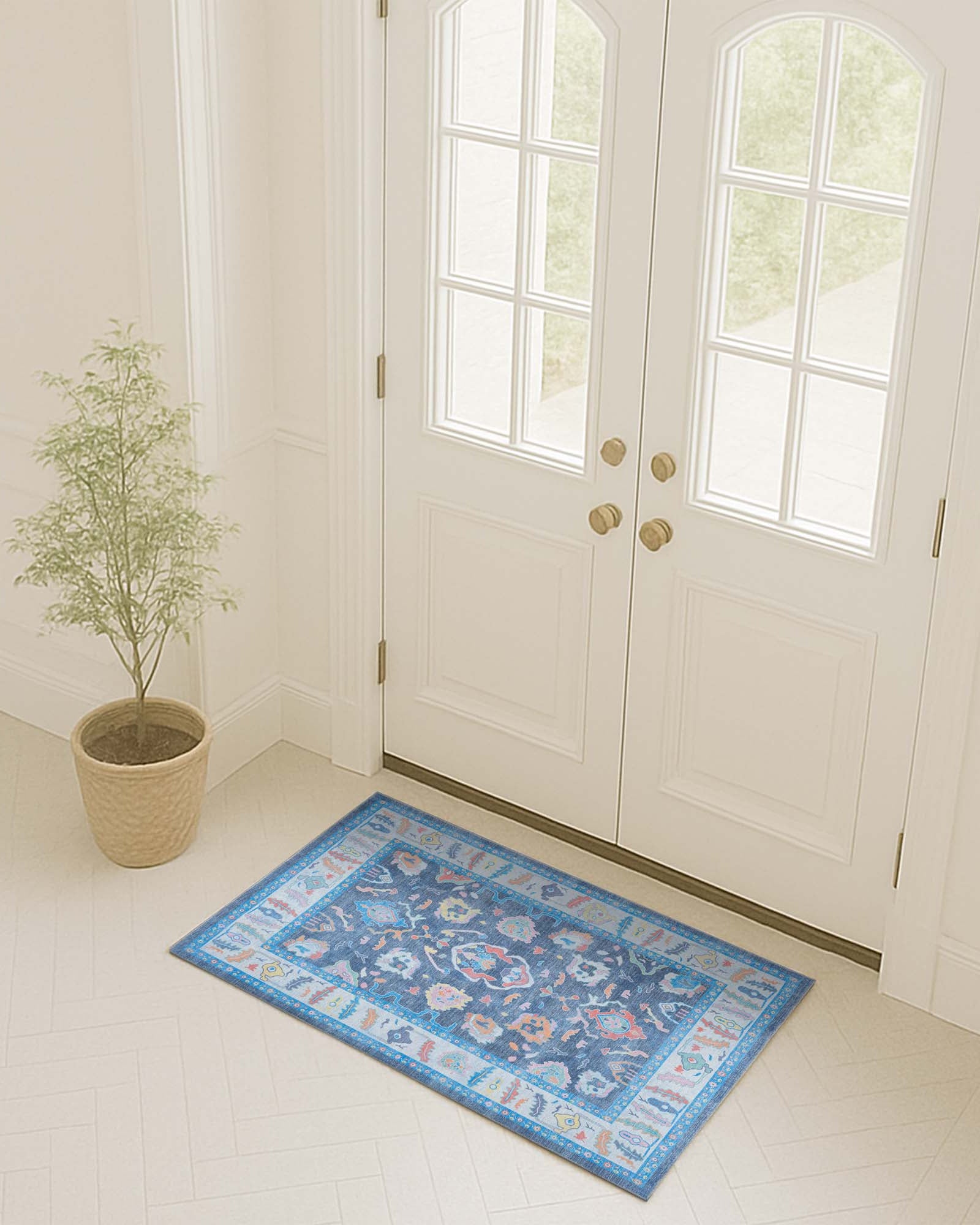
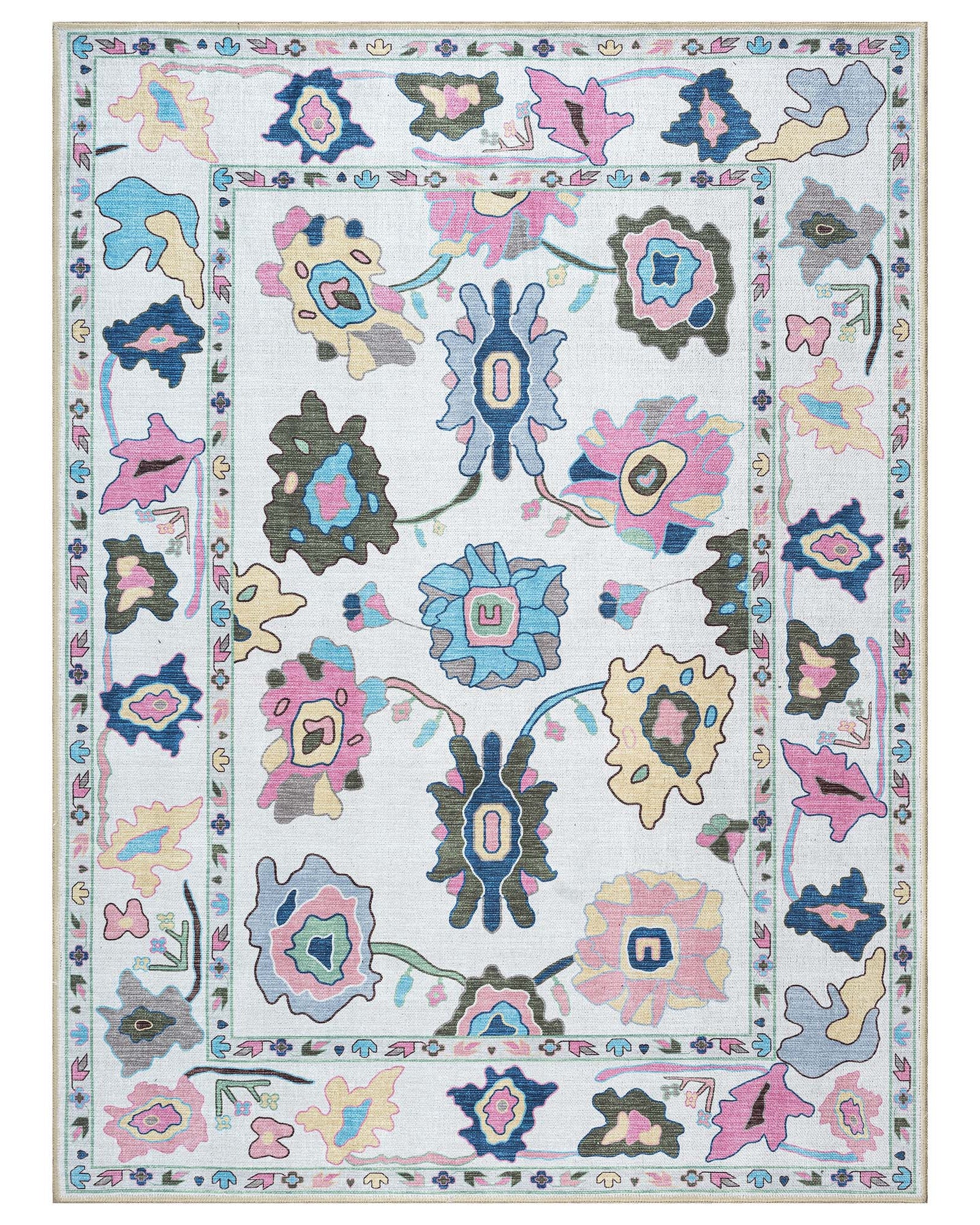
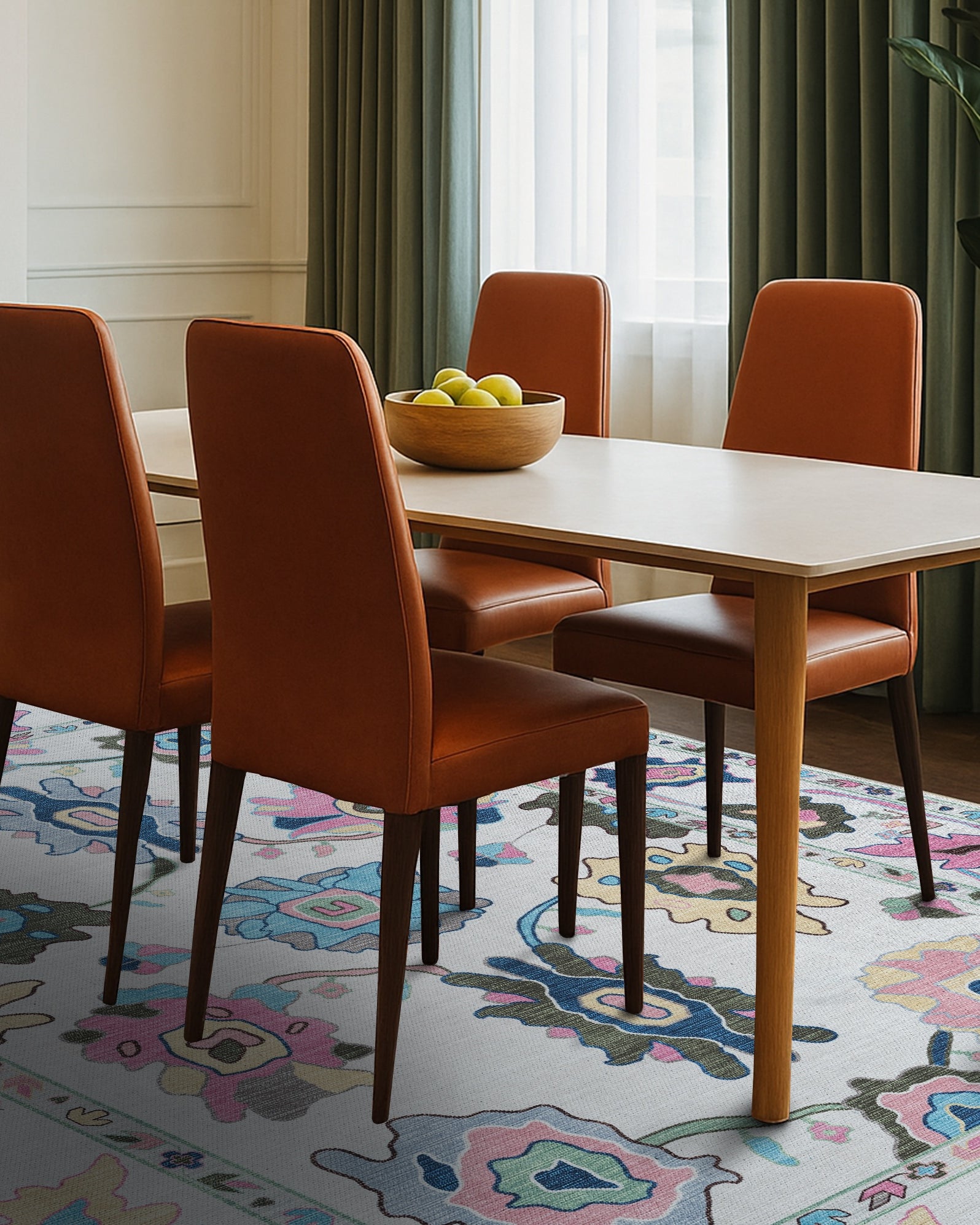
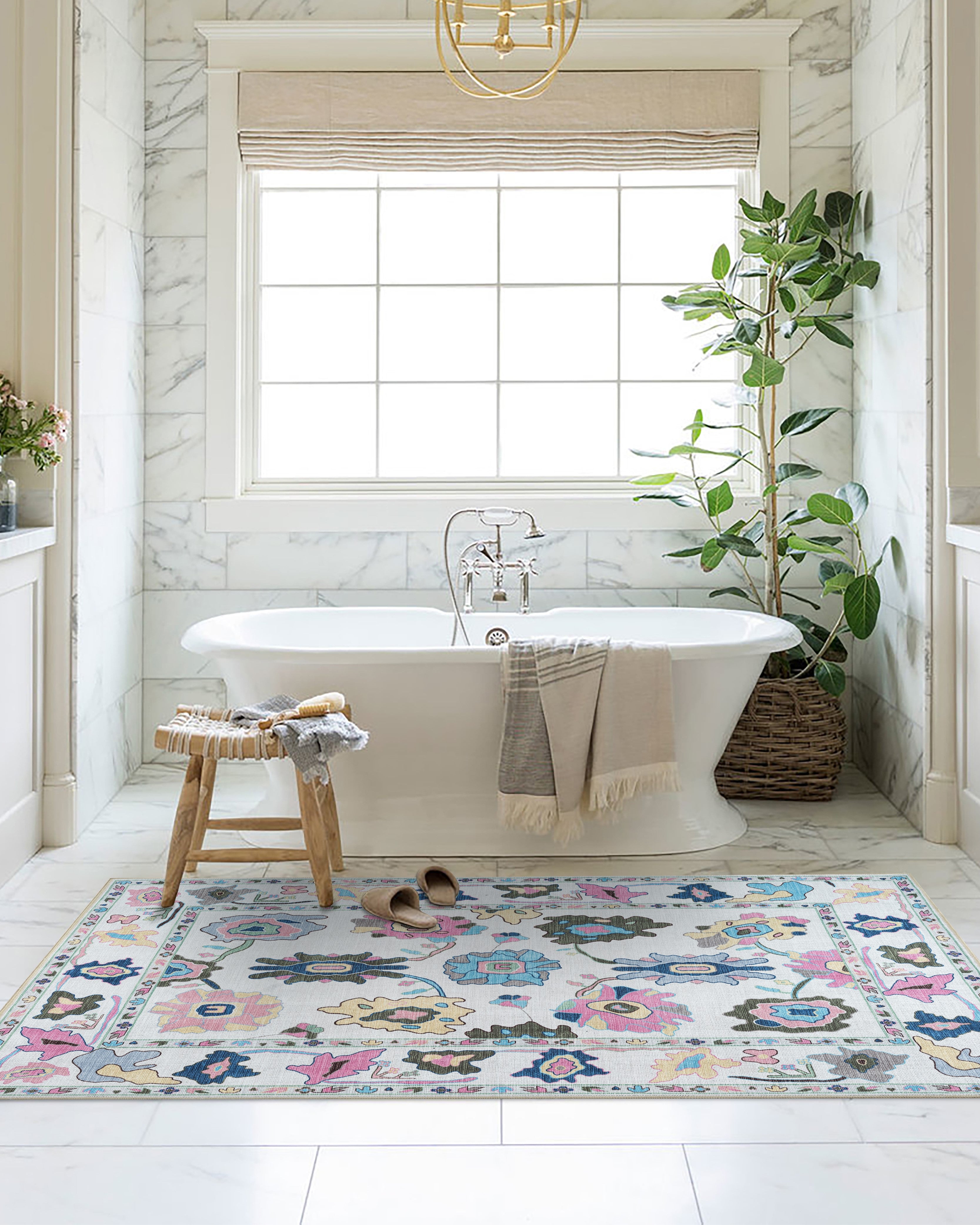
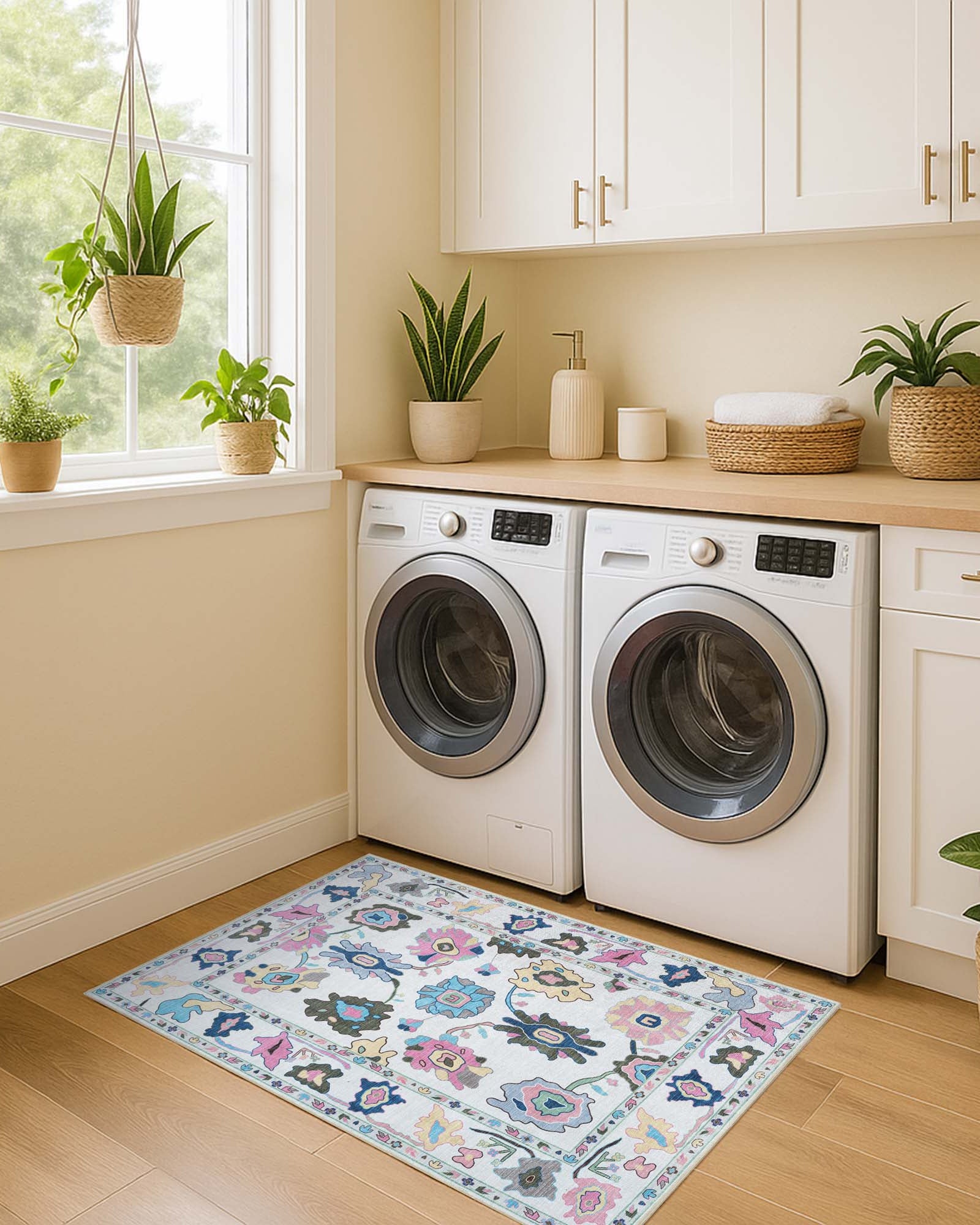
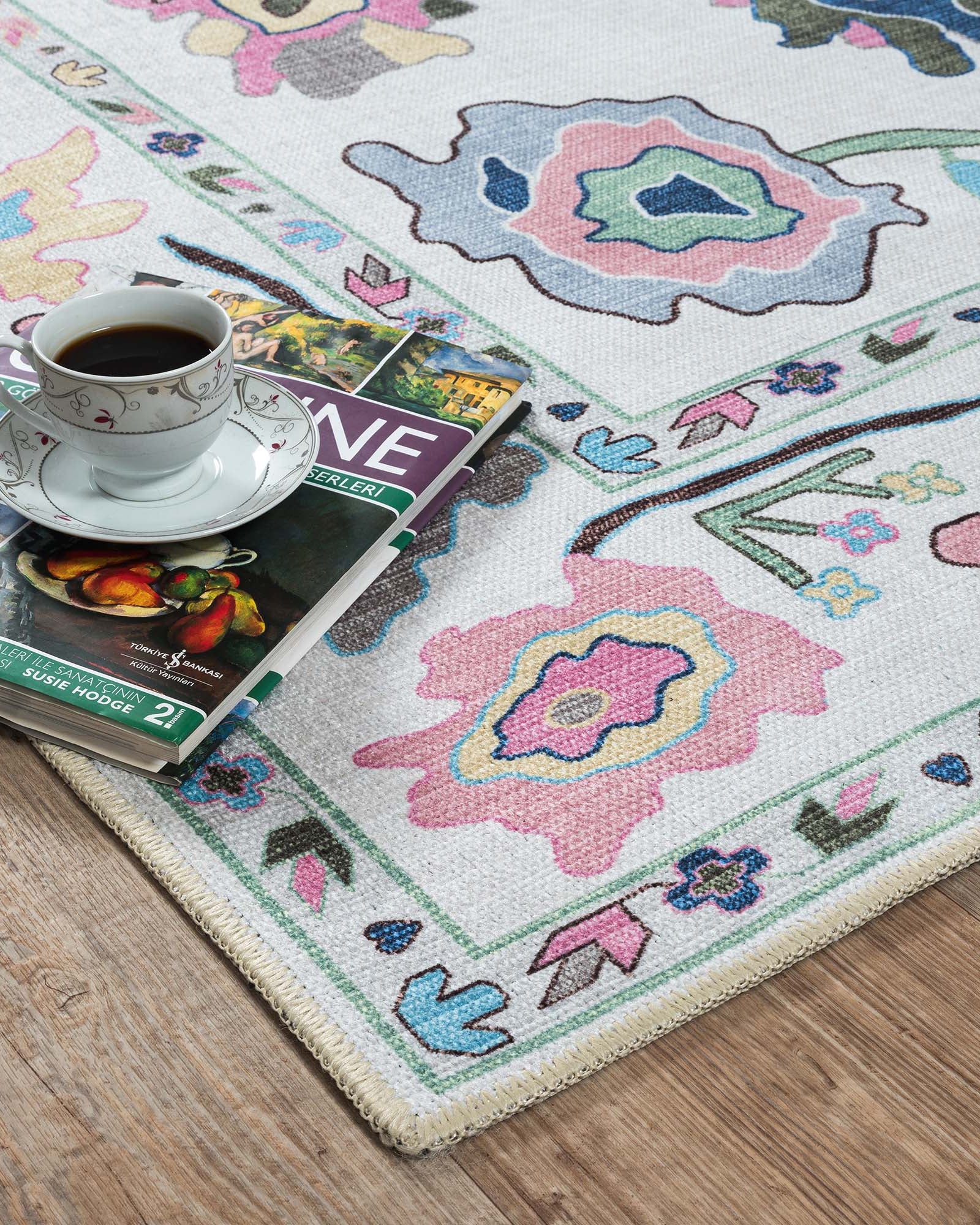
- Oushak Rugs: Known for their large floral motifs and soft, muted colors, perfect for elegant interiors.
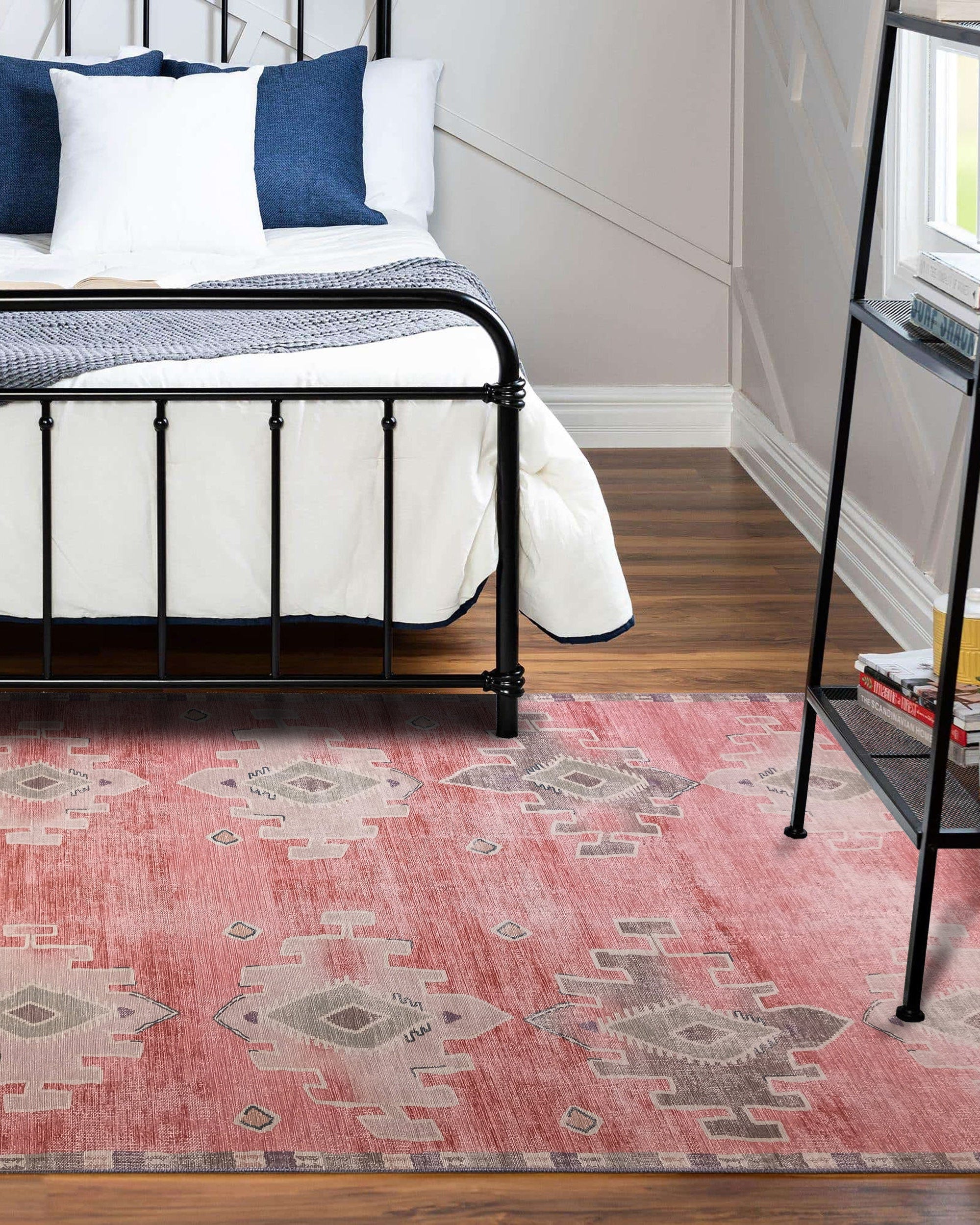
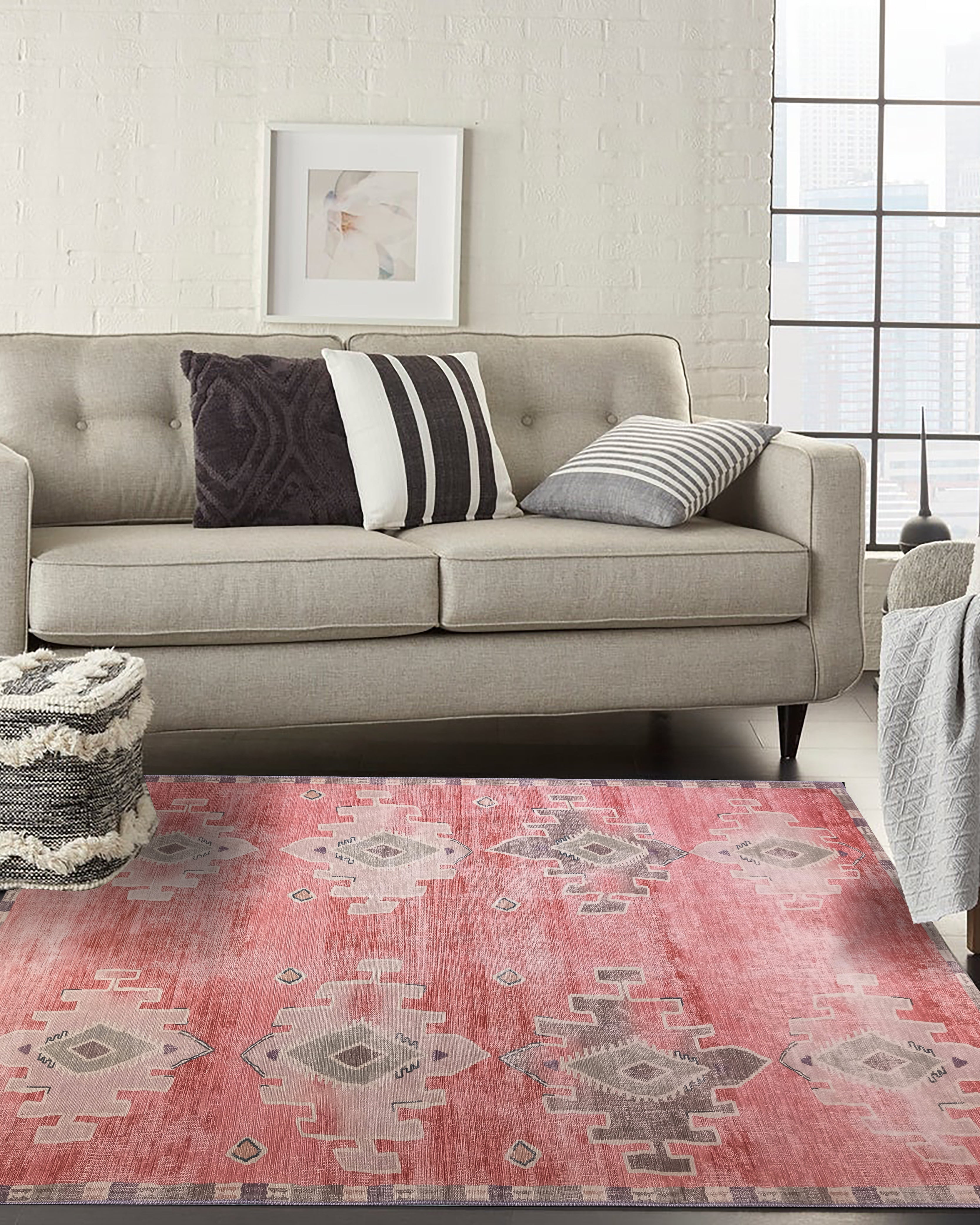
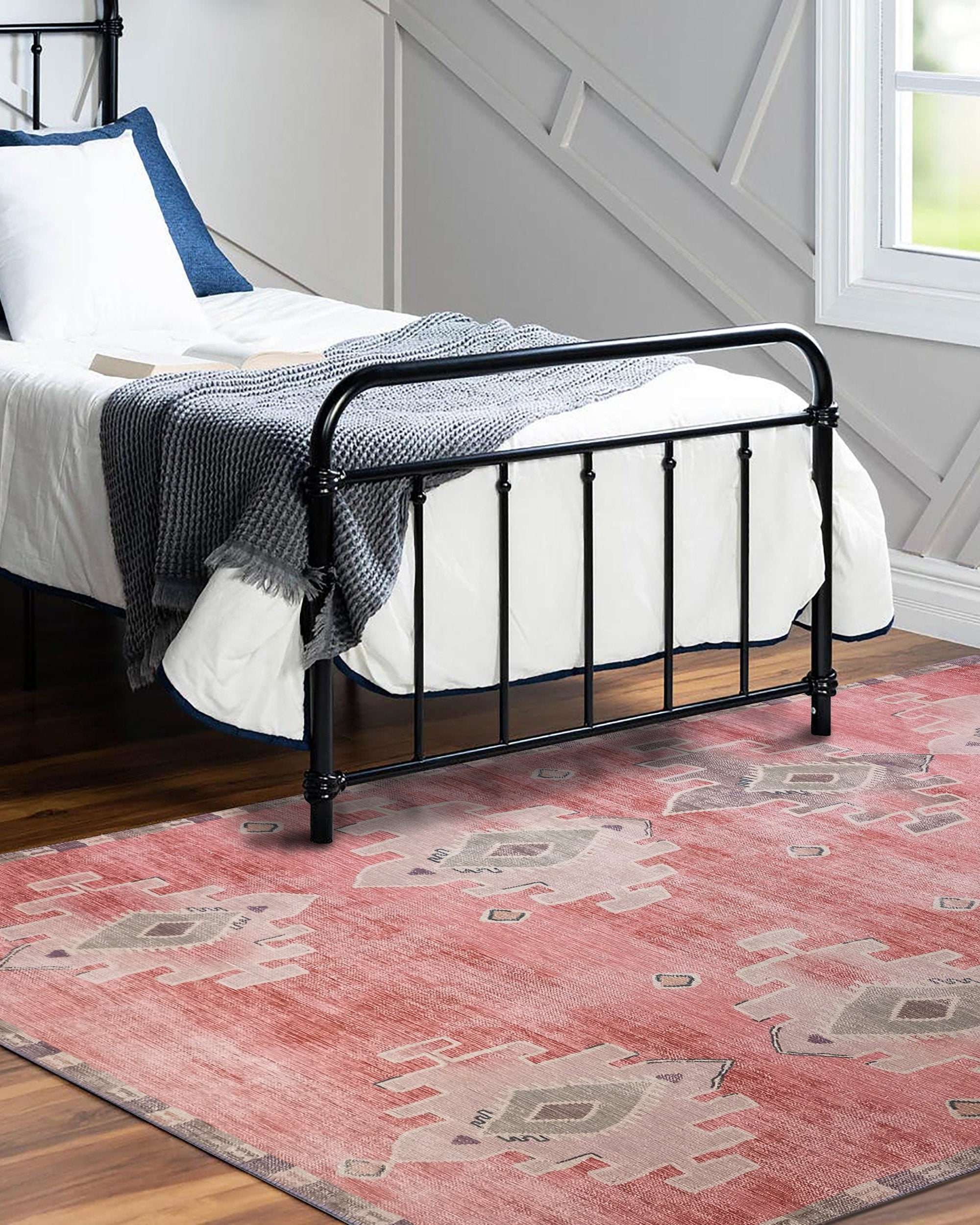
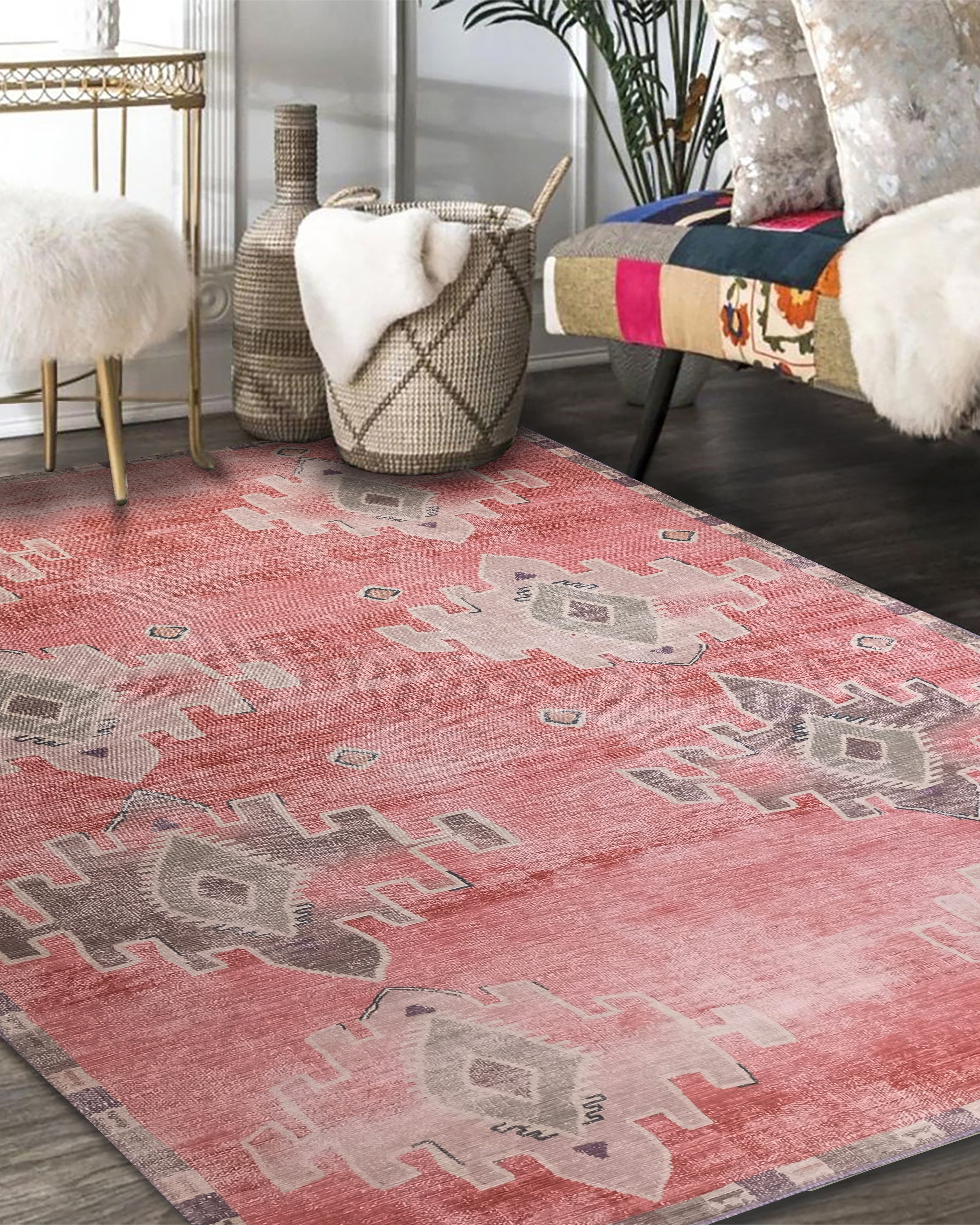
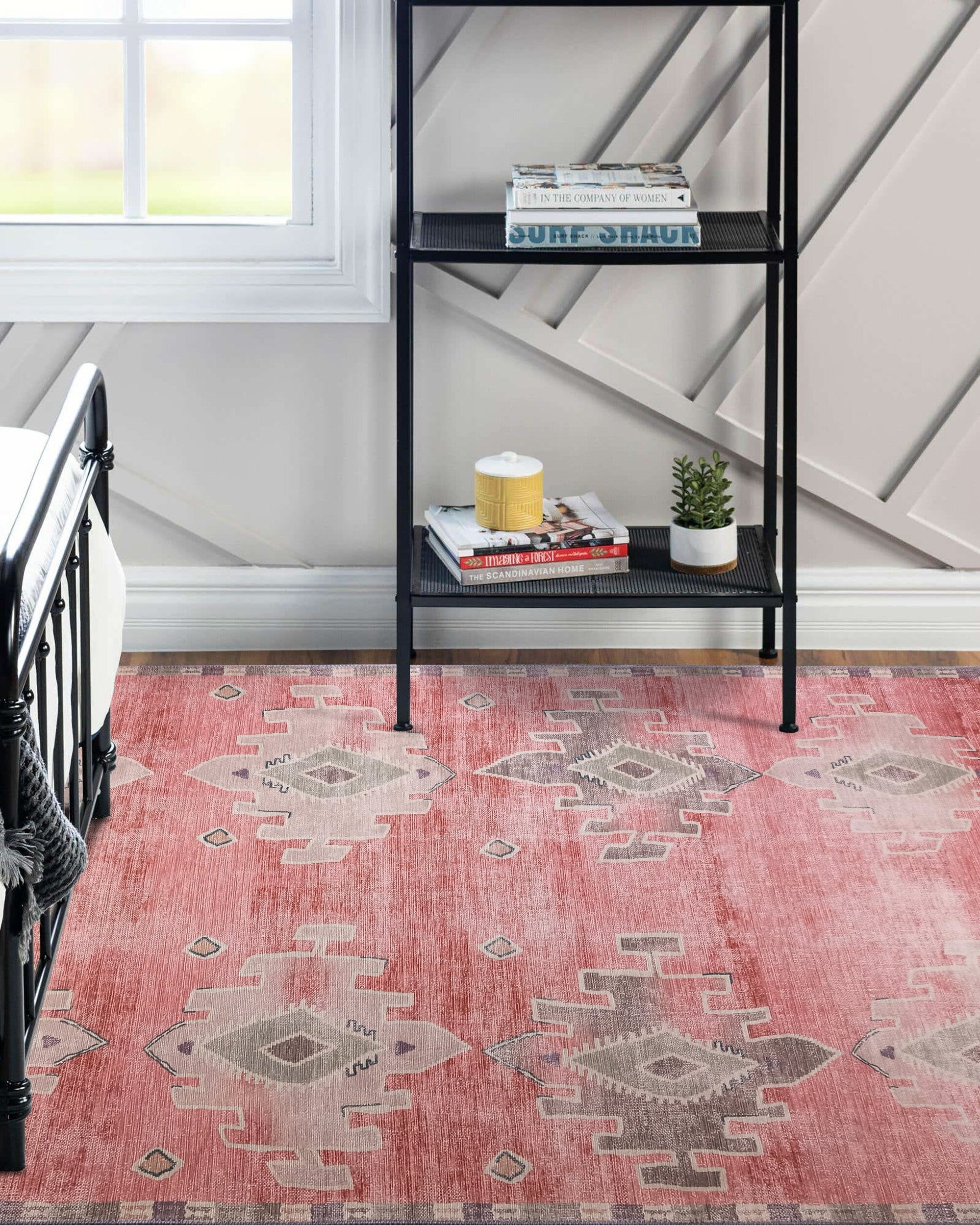
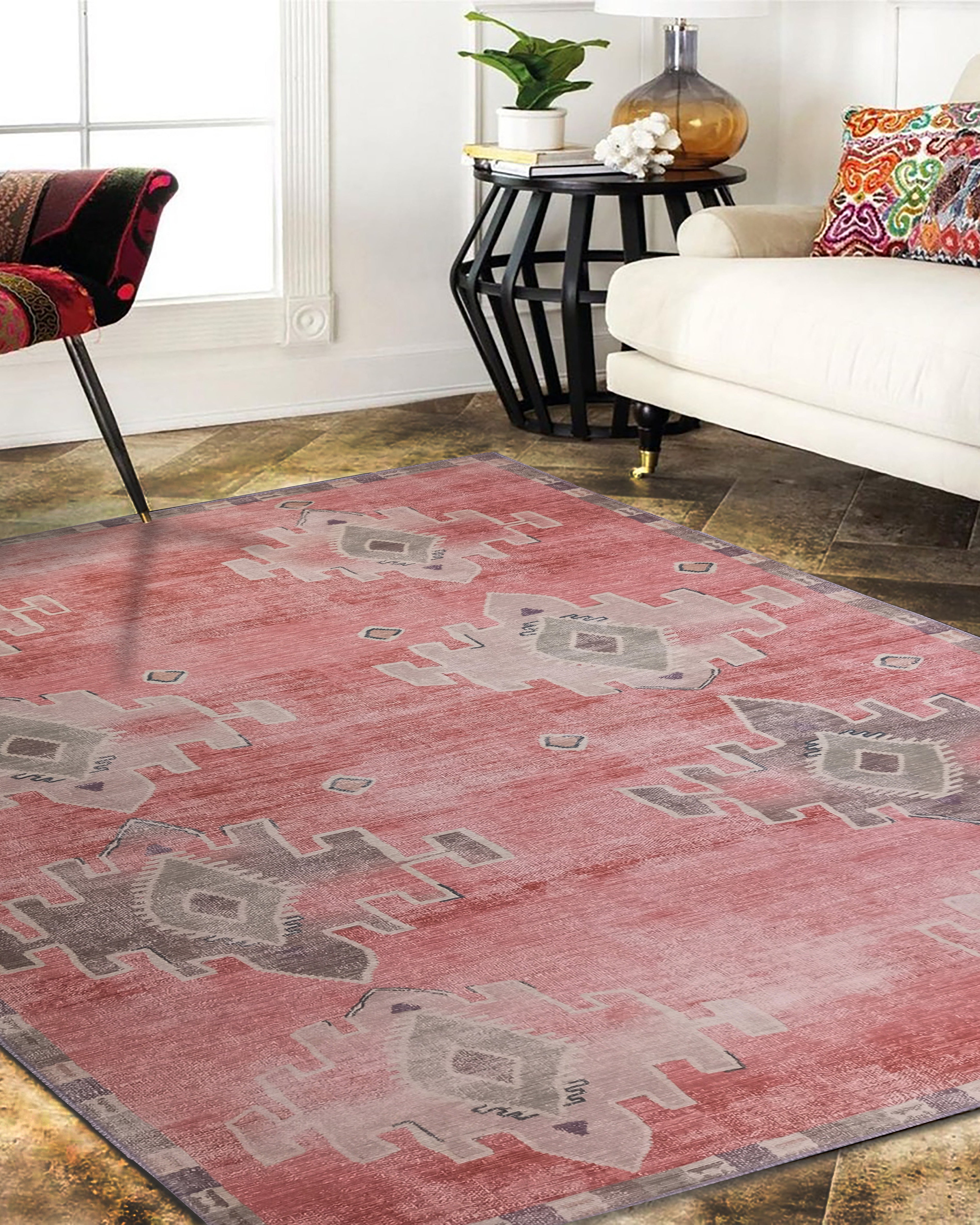
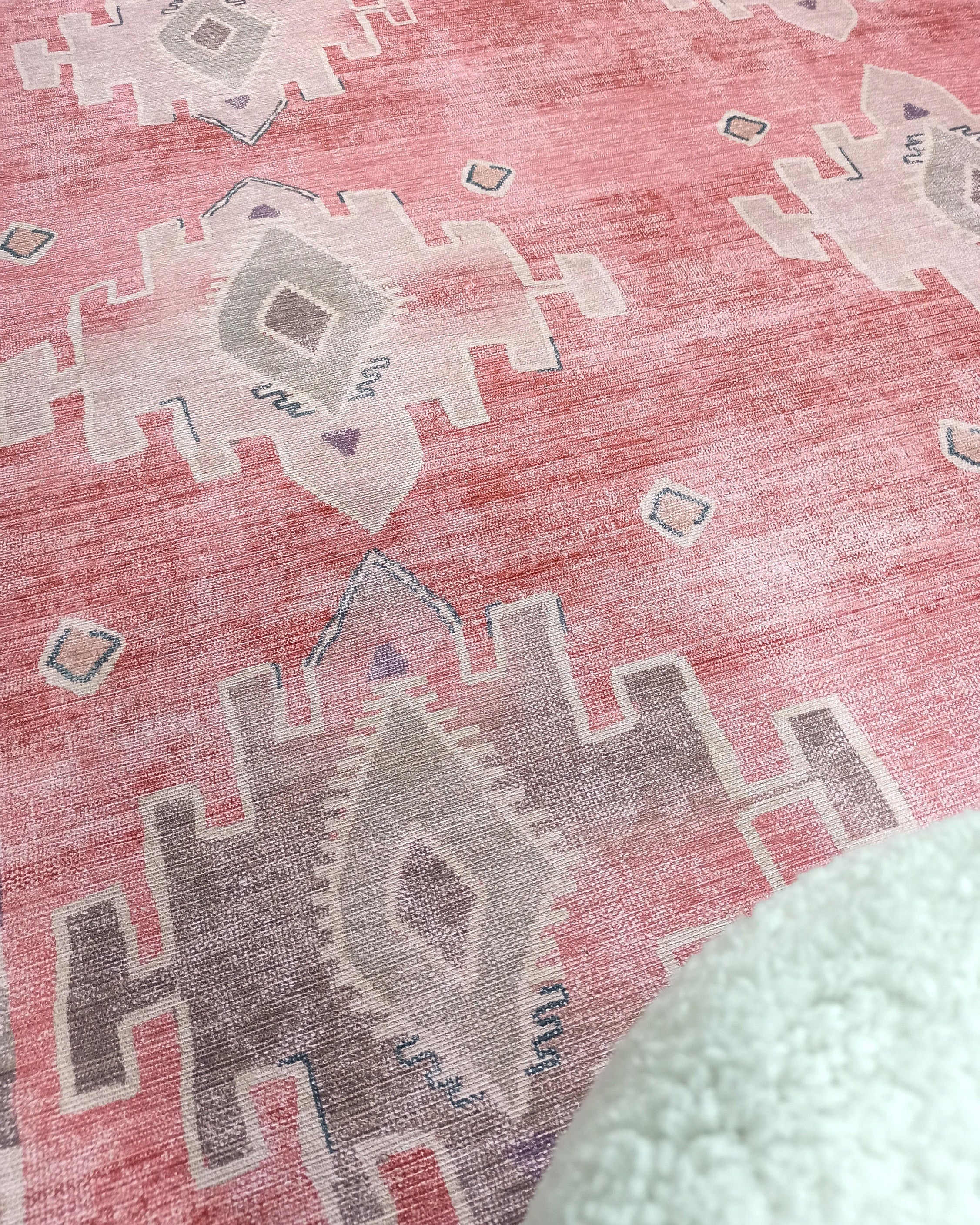
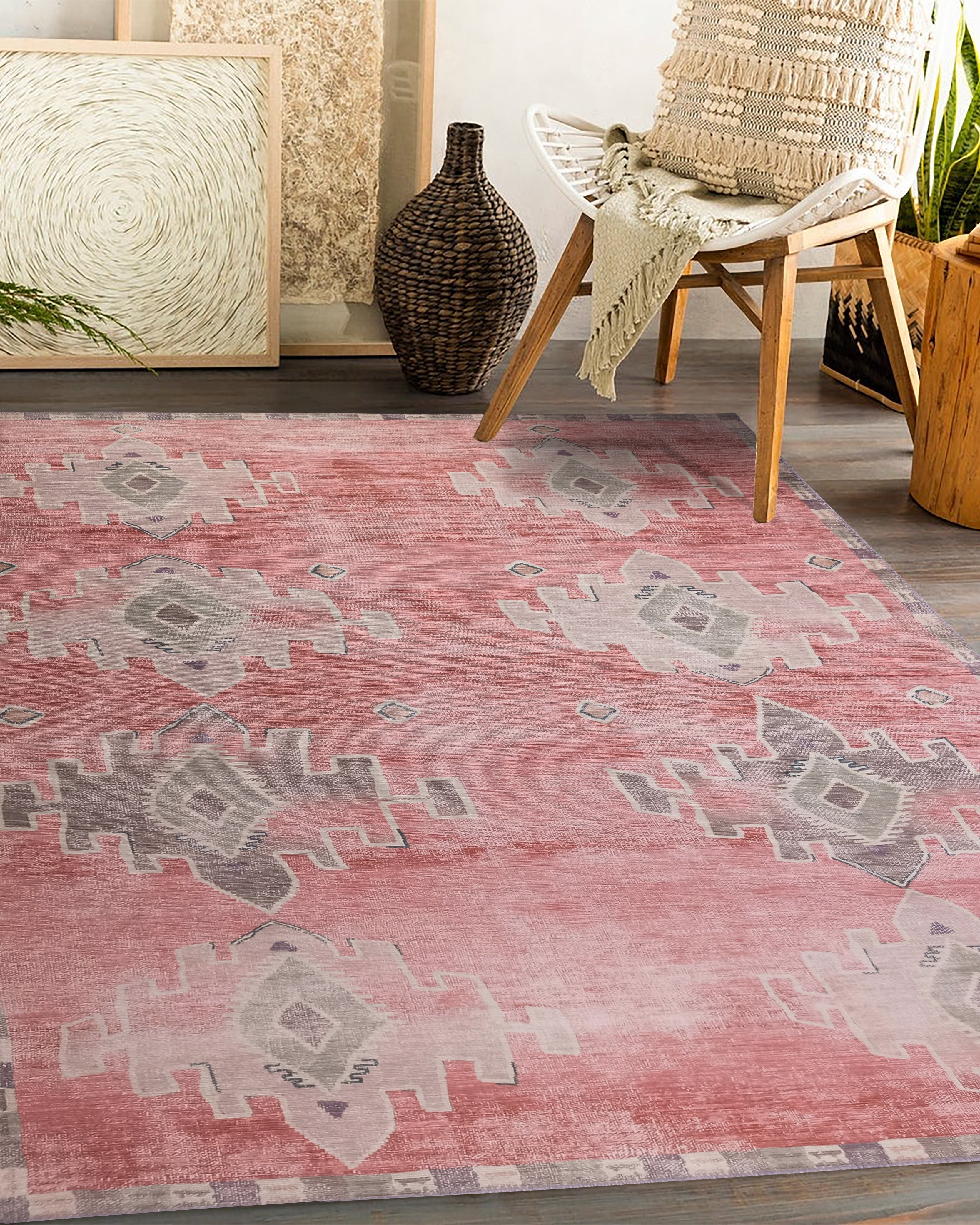
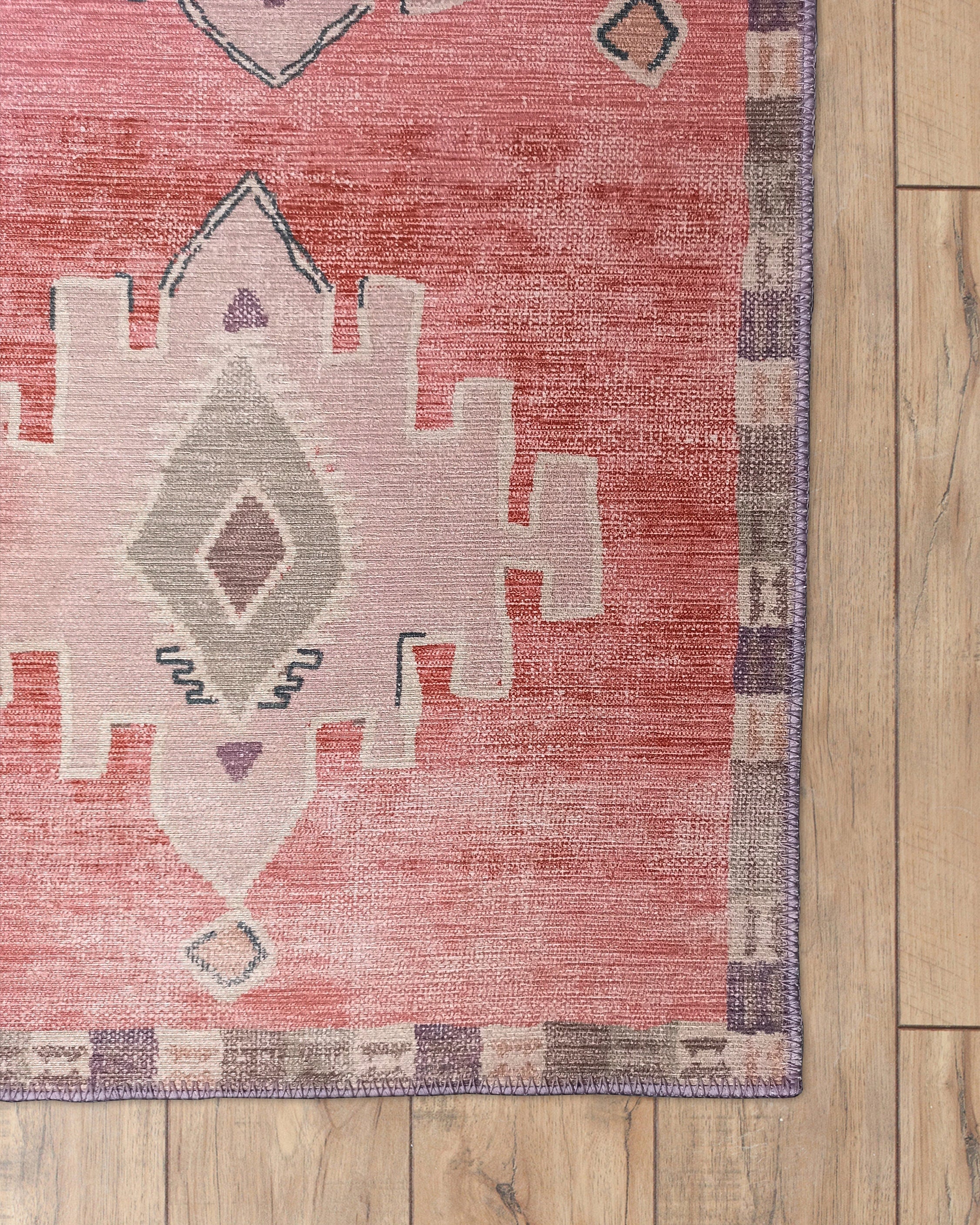
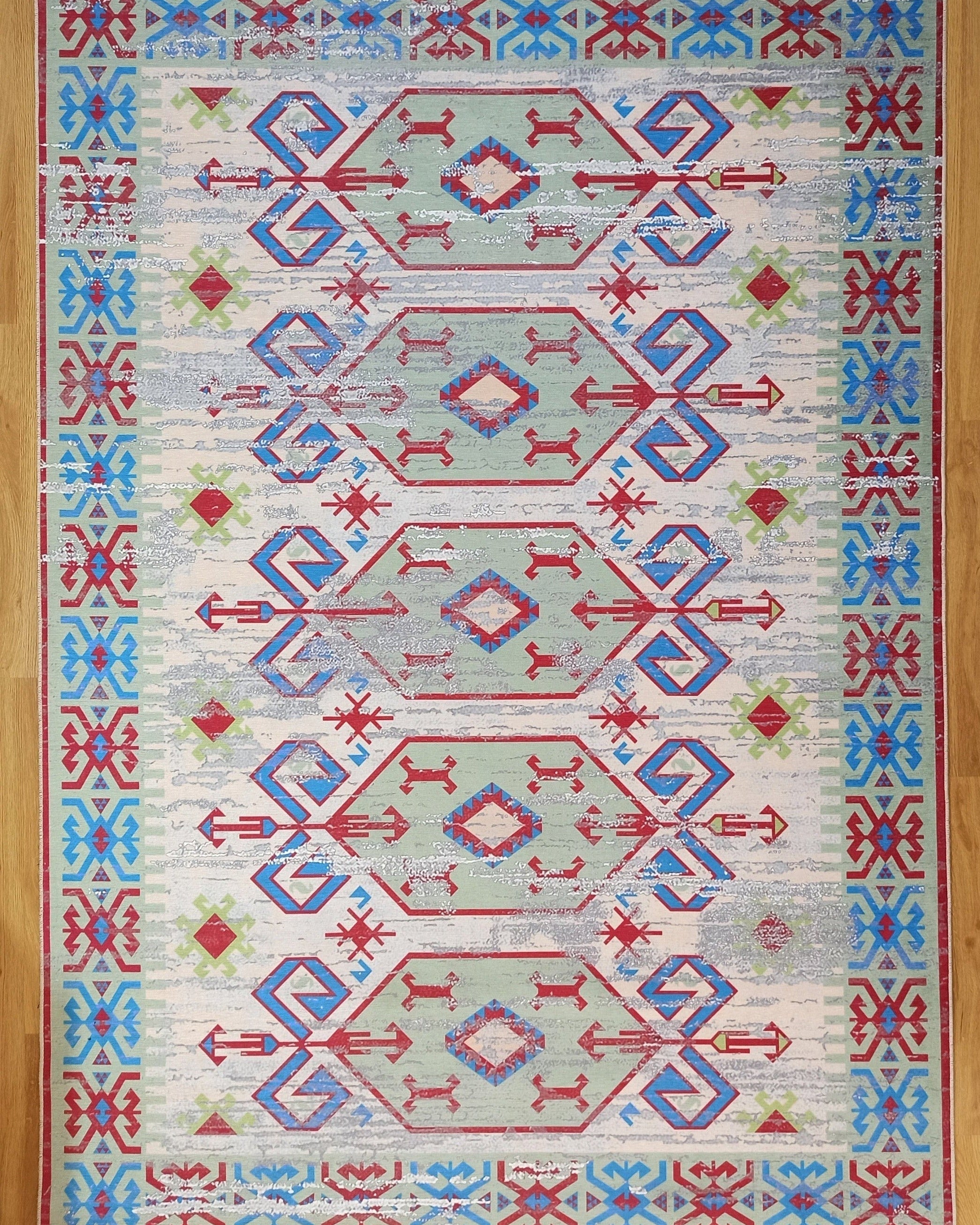
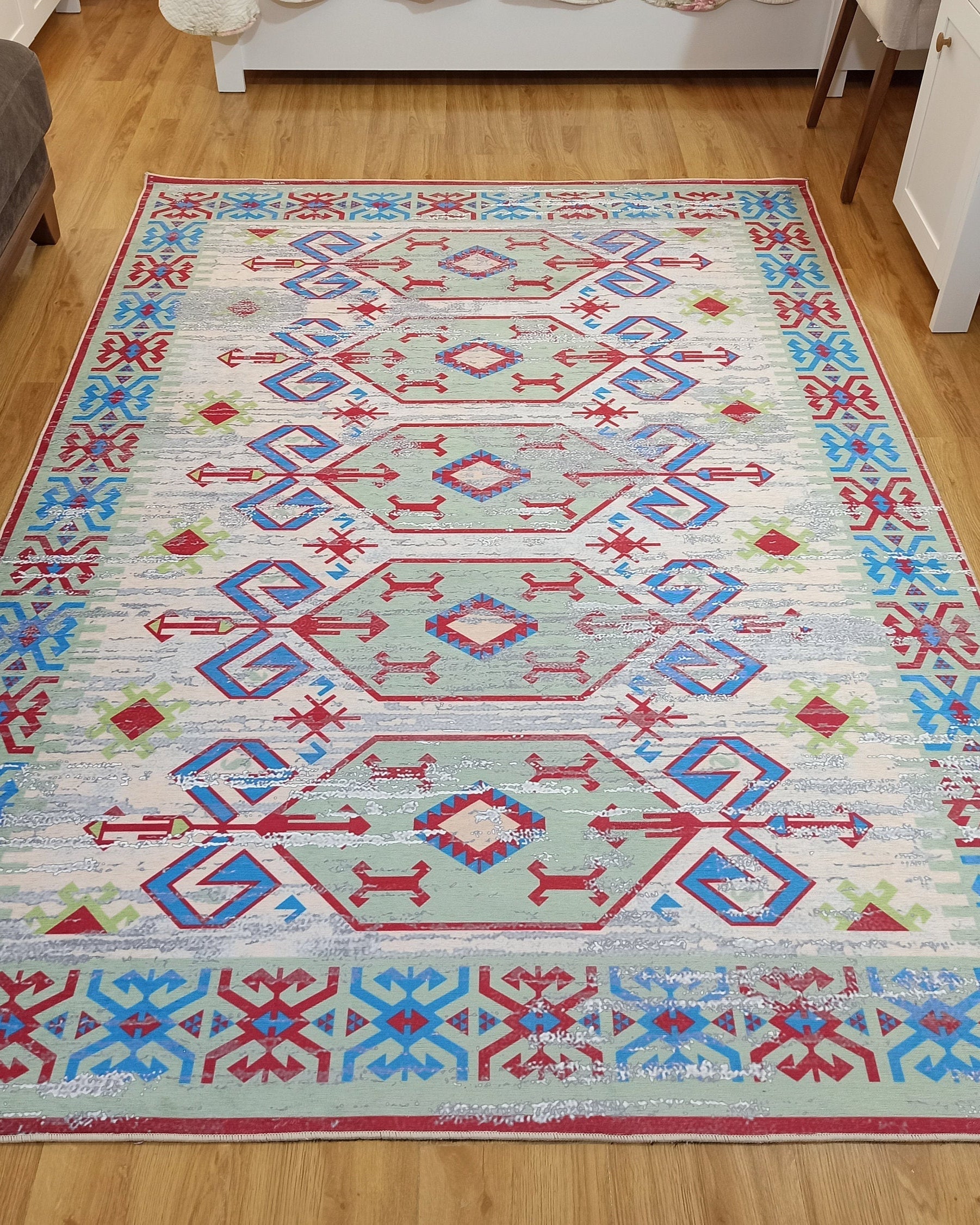
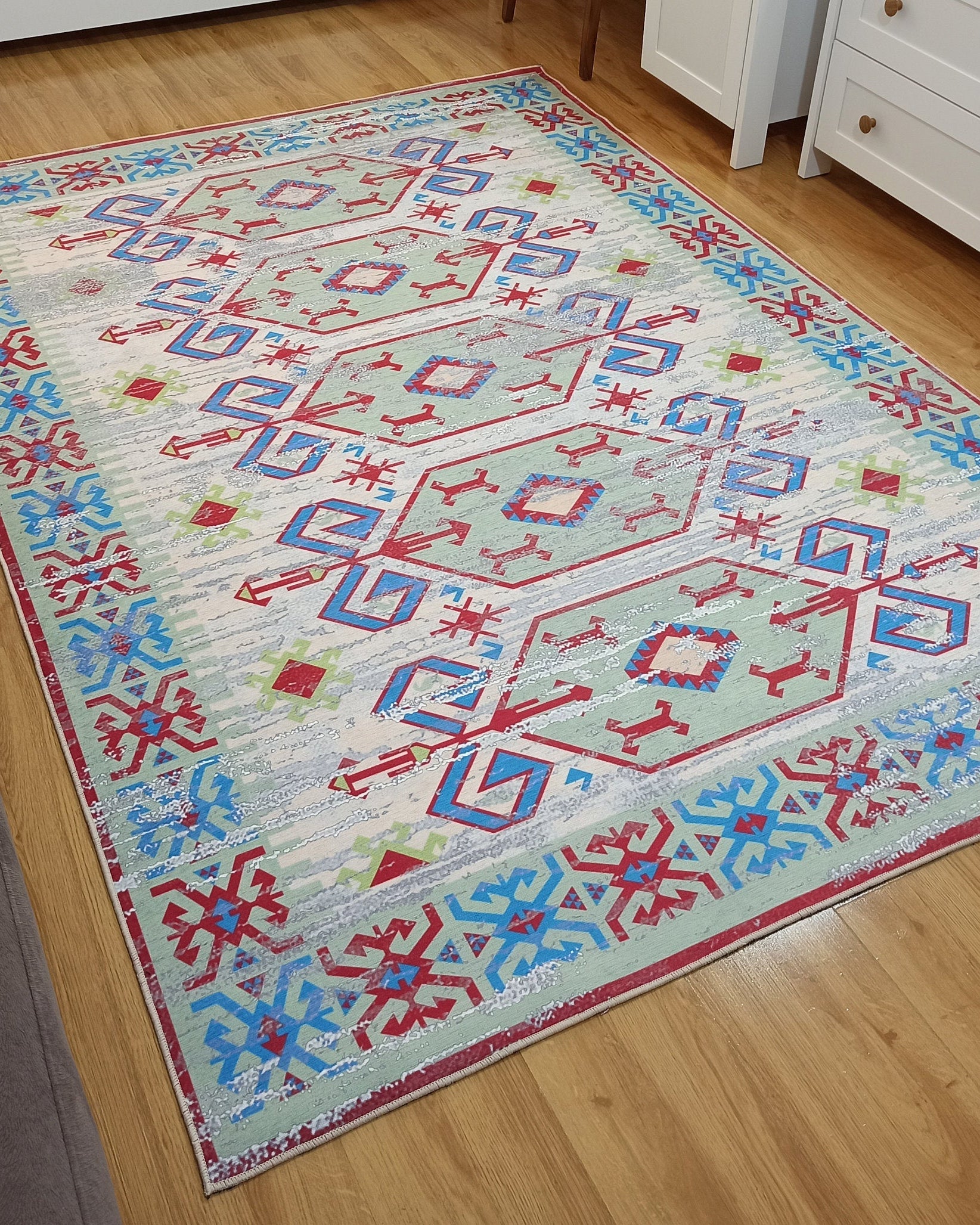
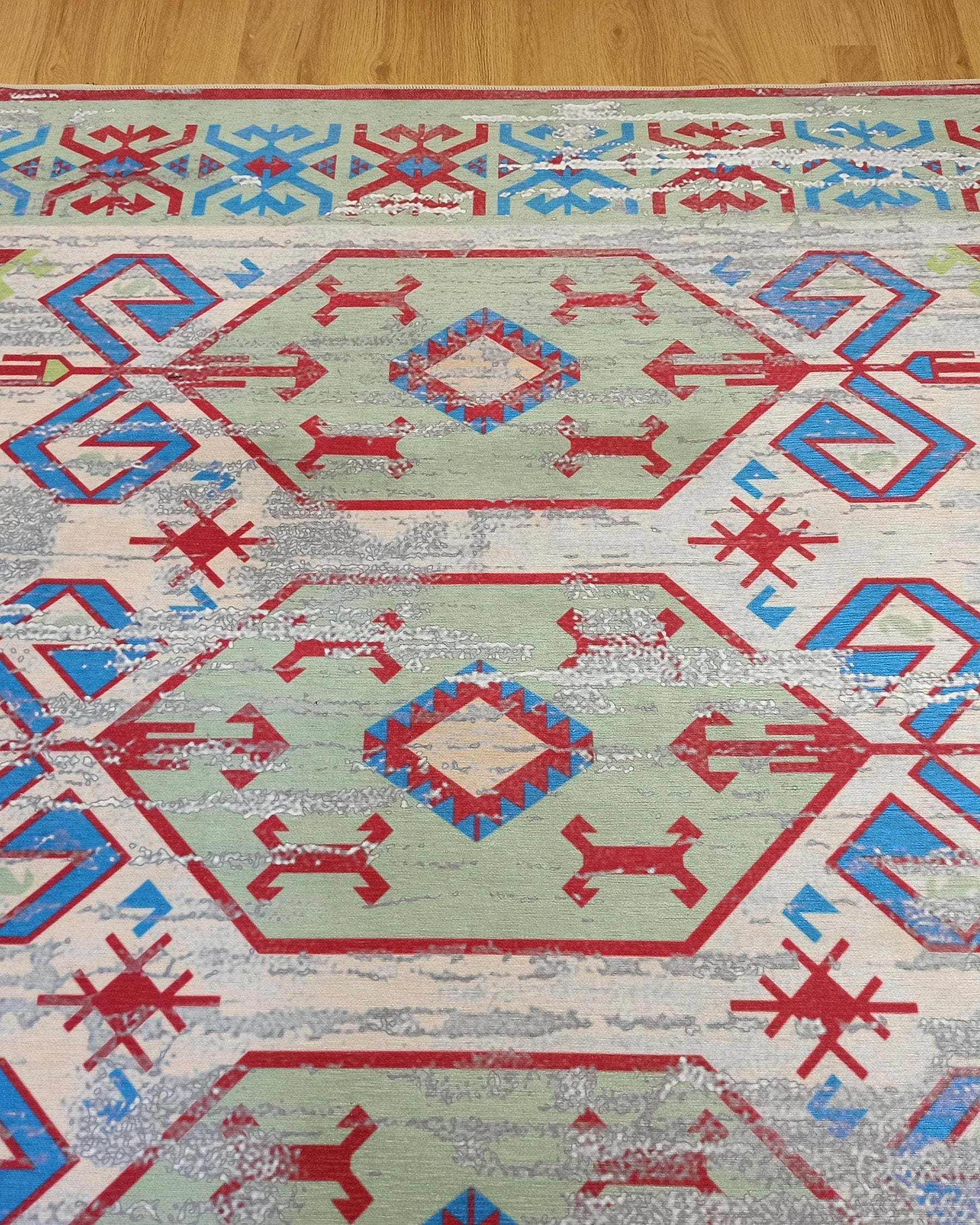
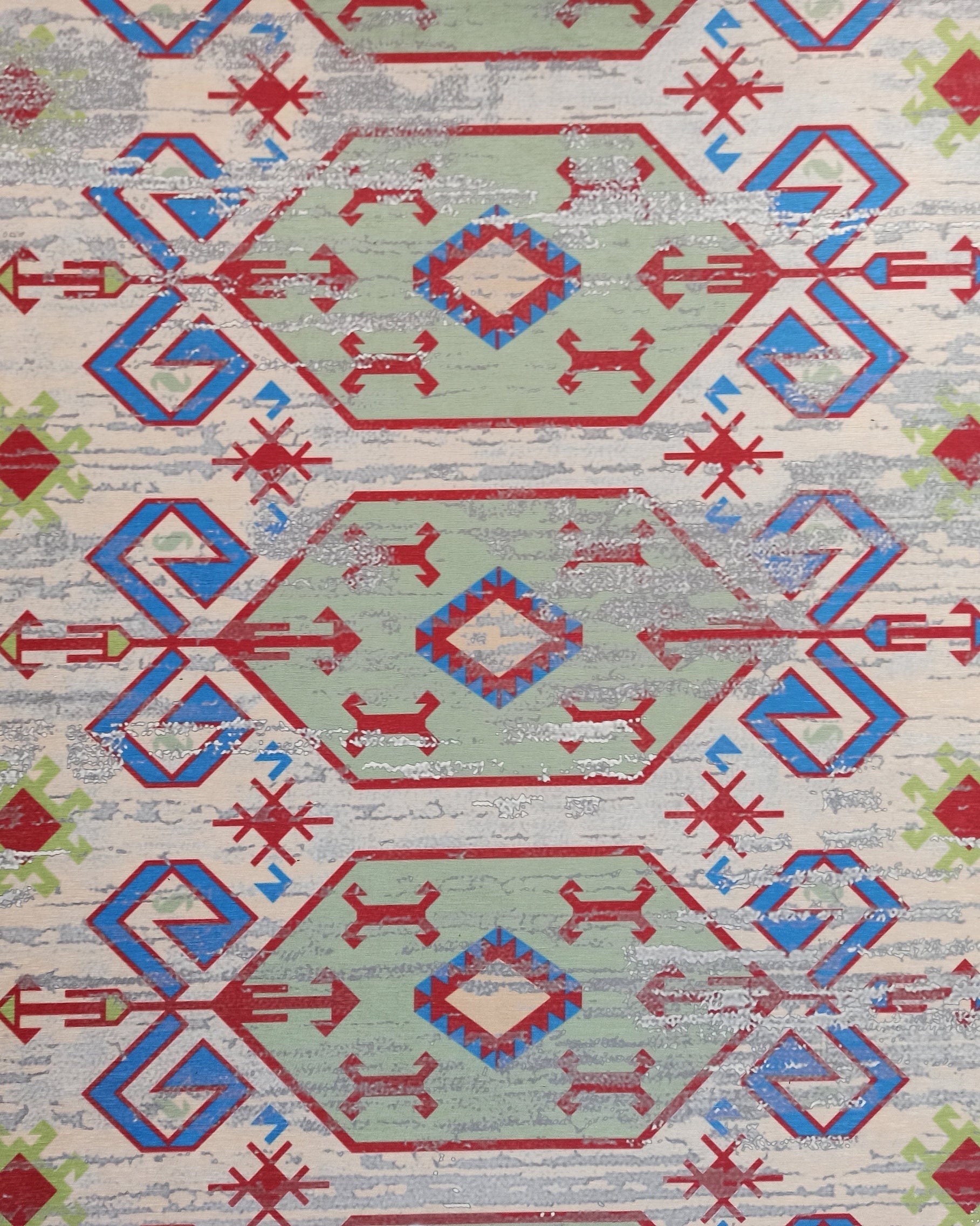
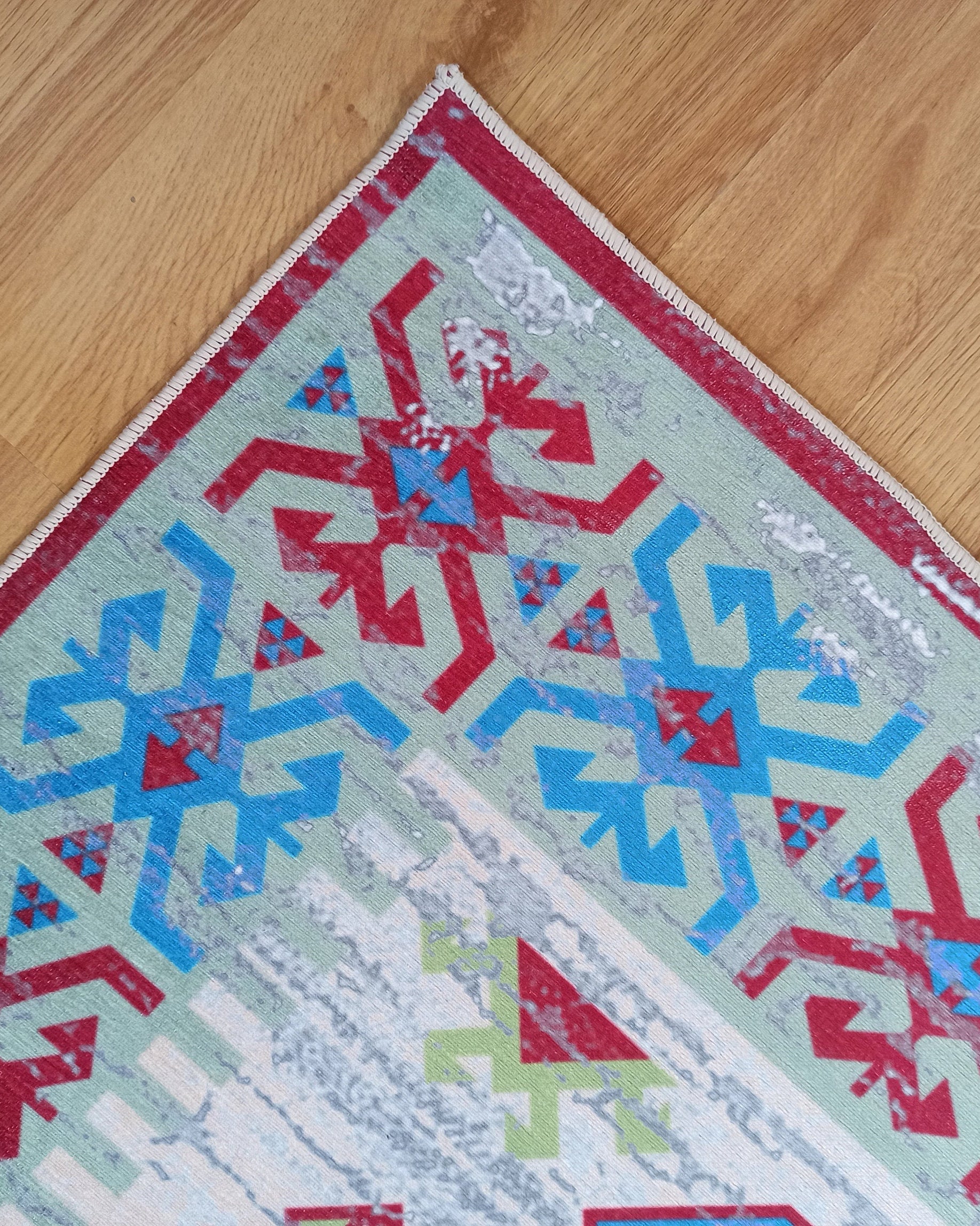
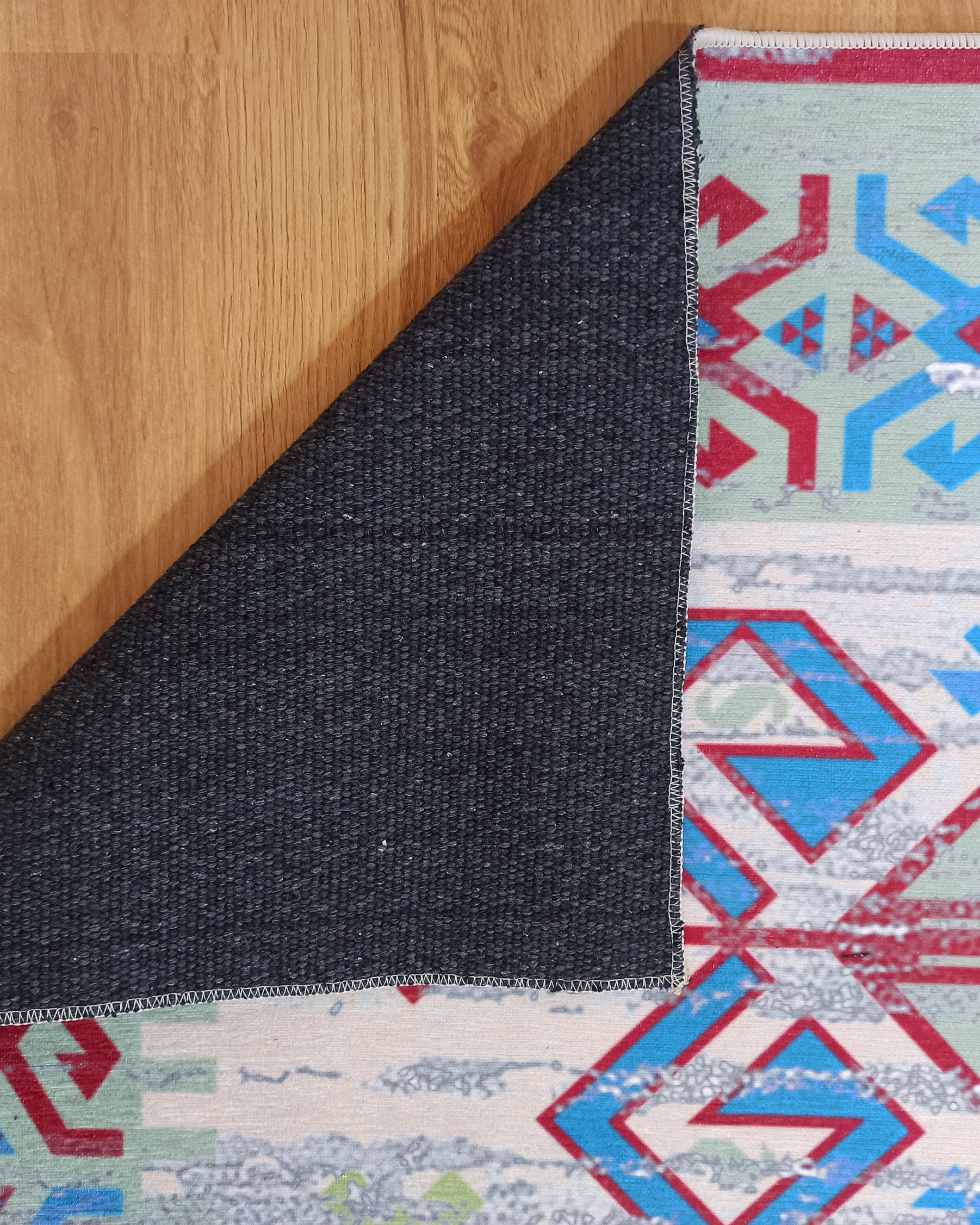
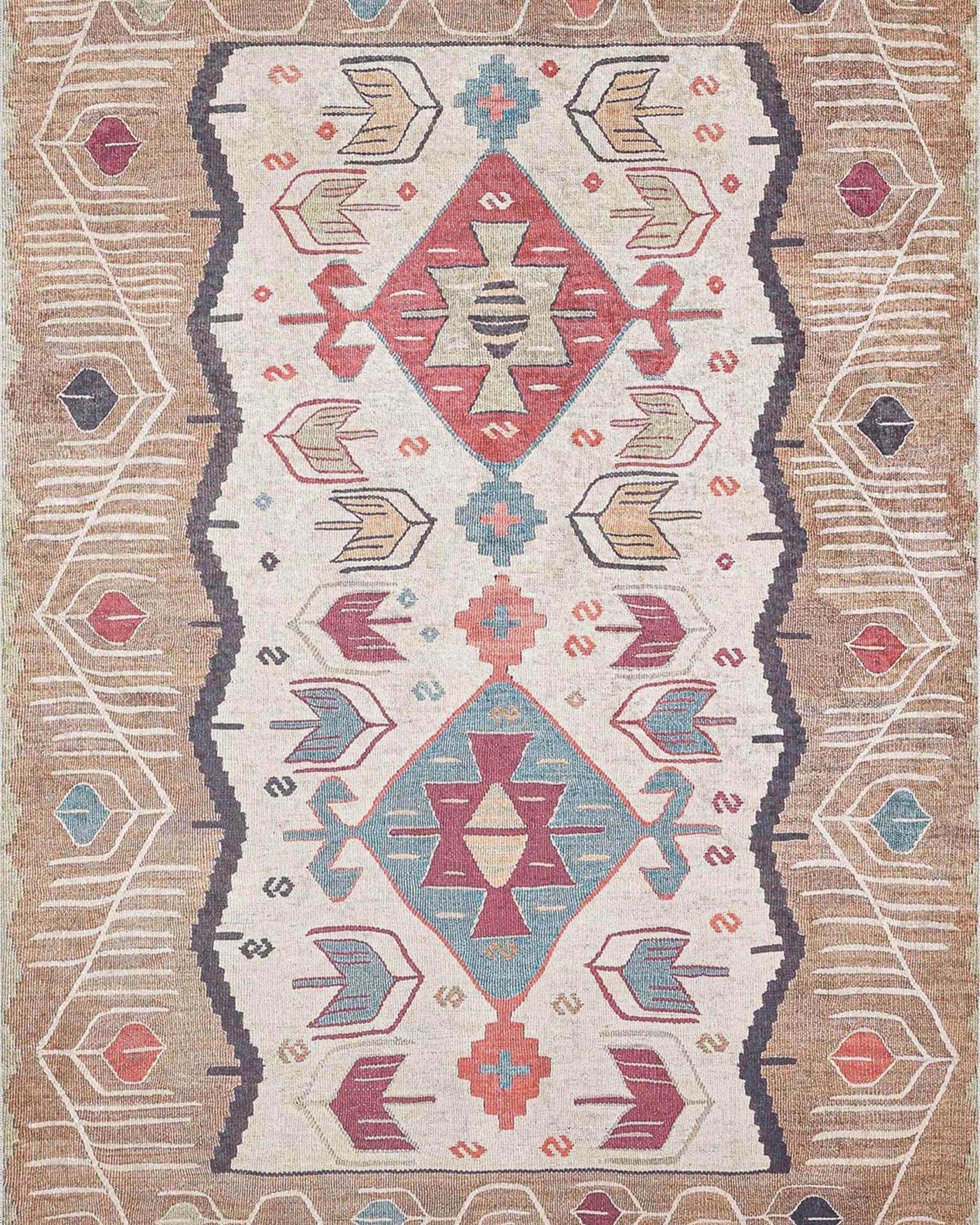
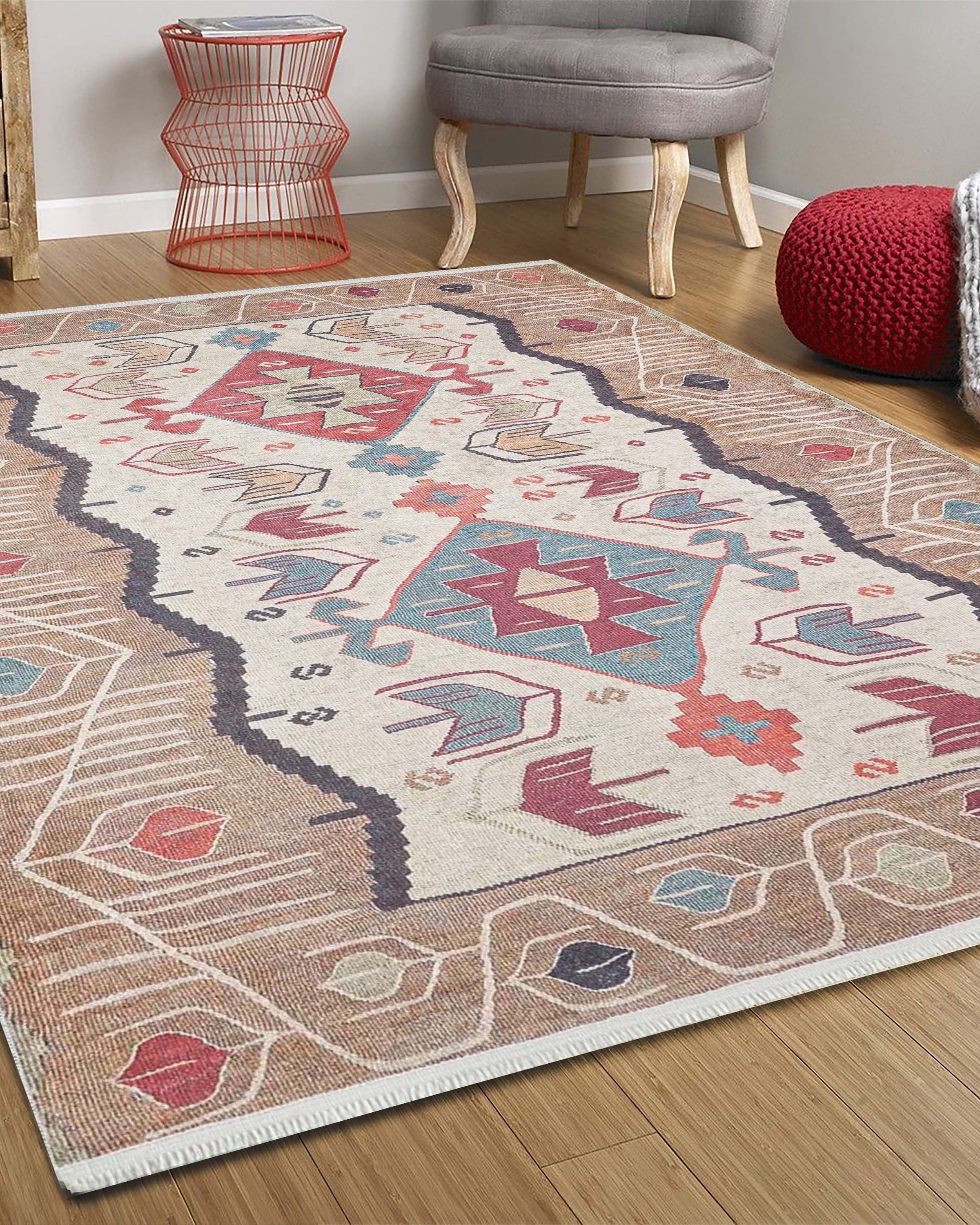
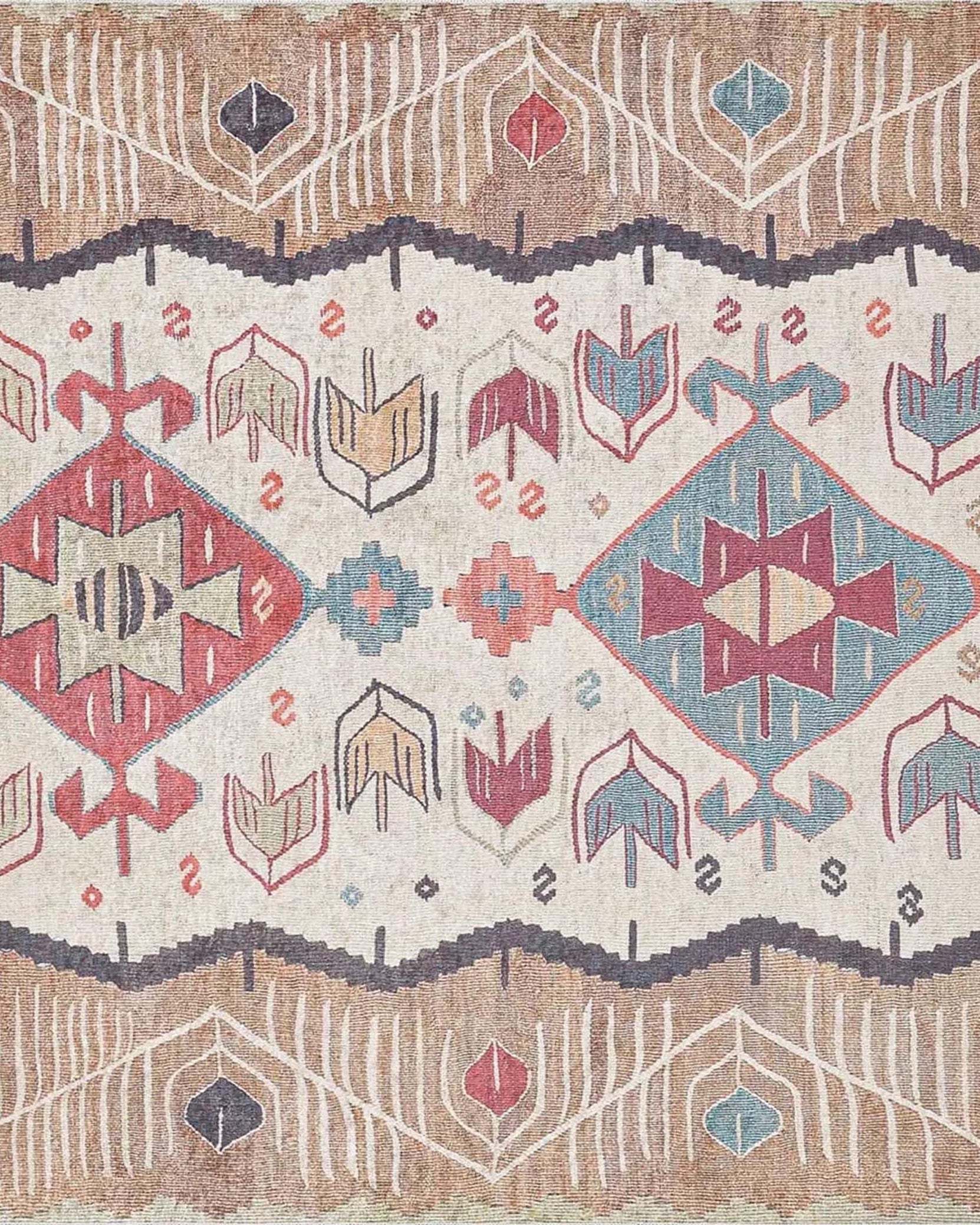
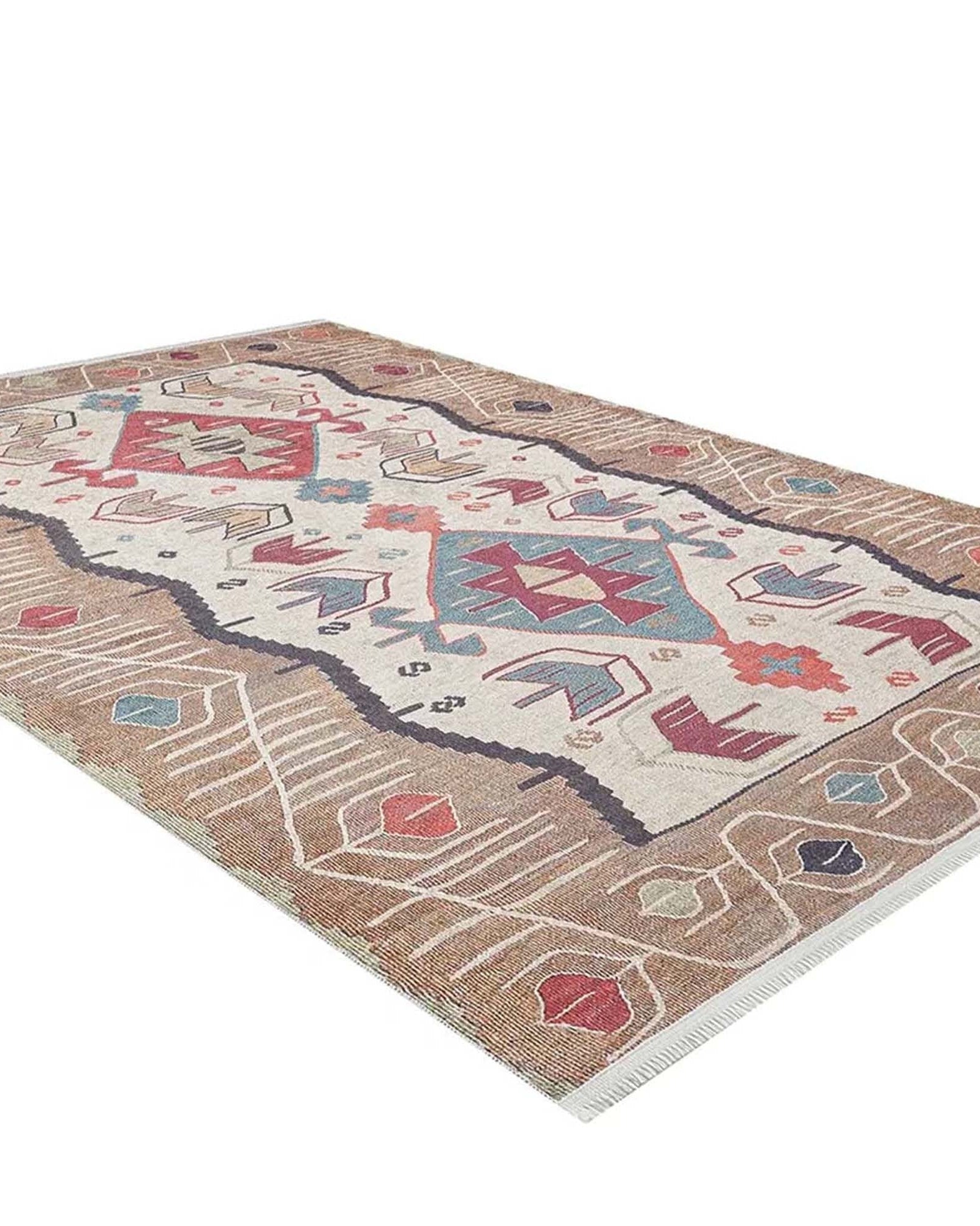
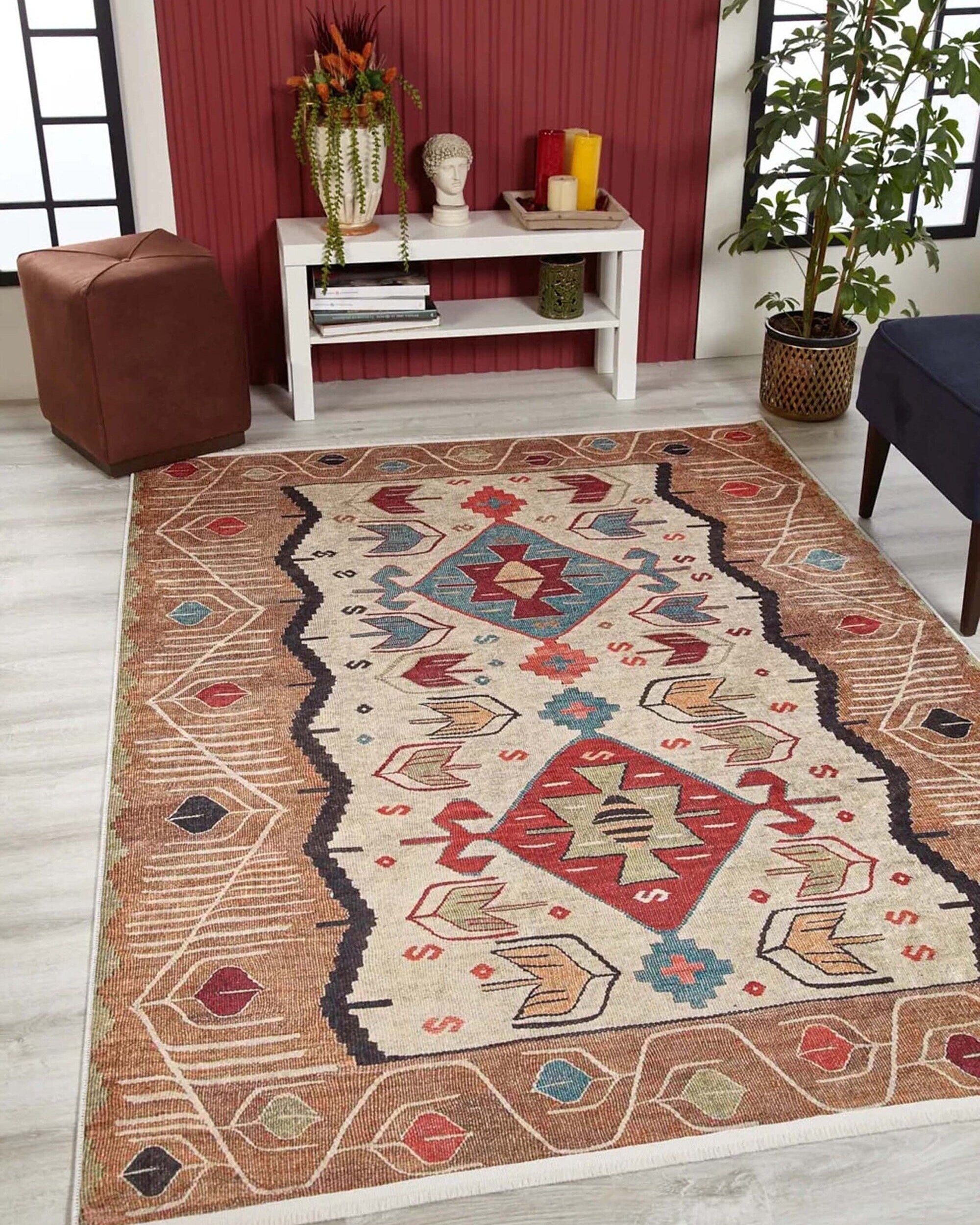
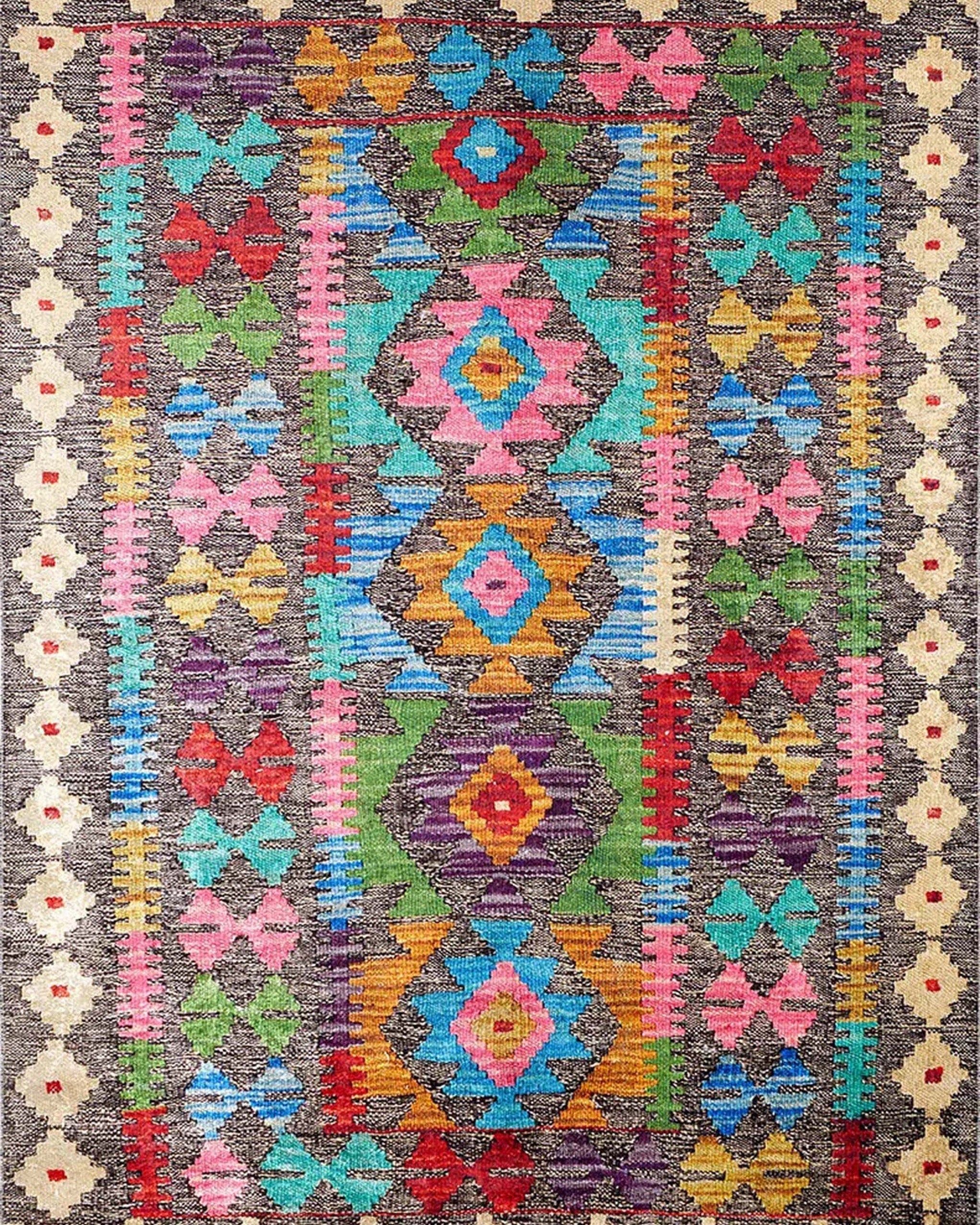
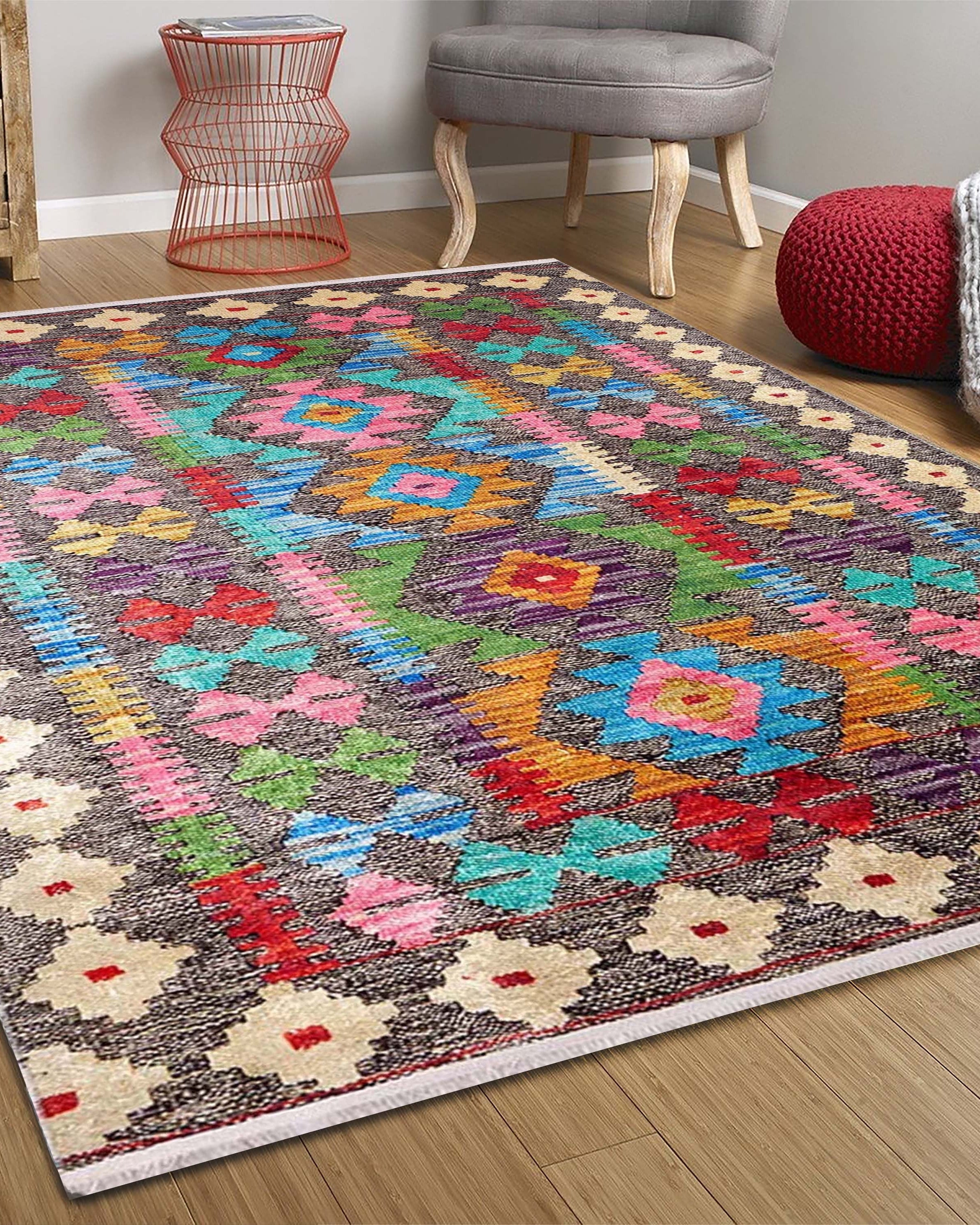
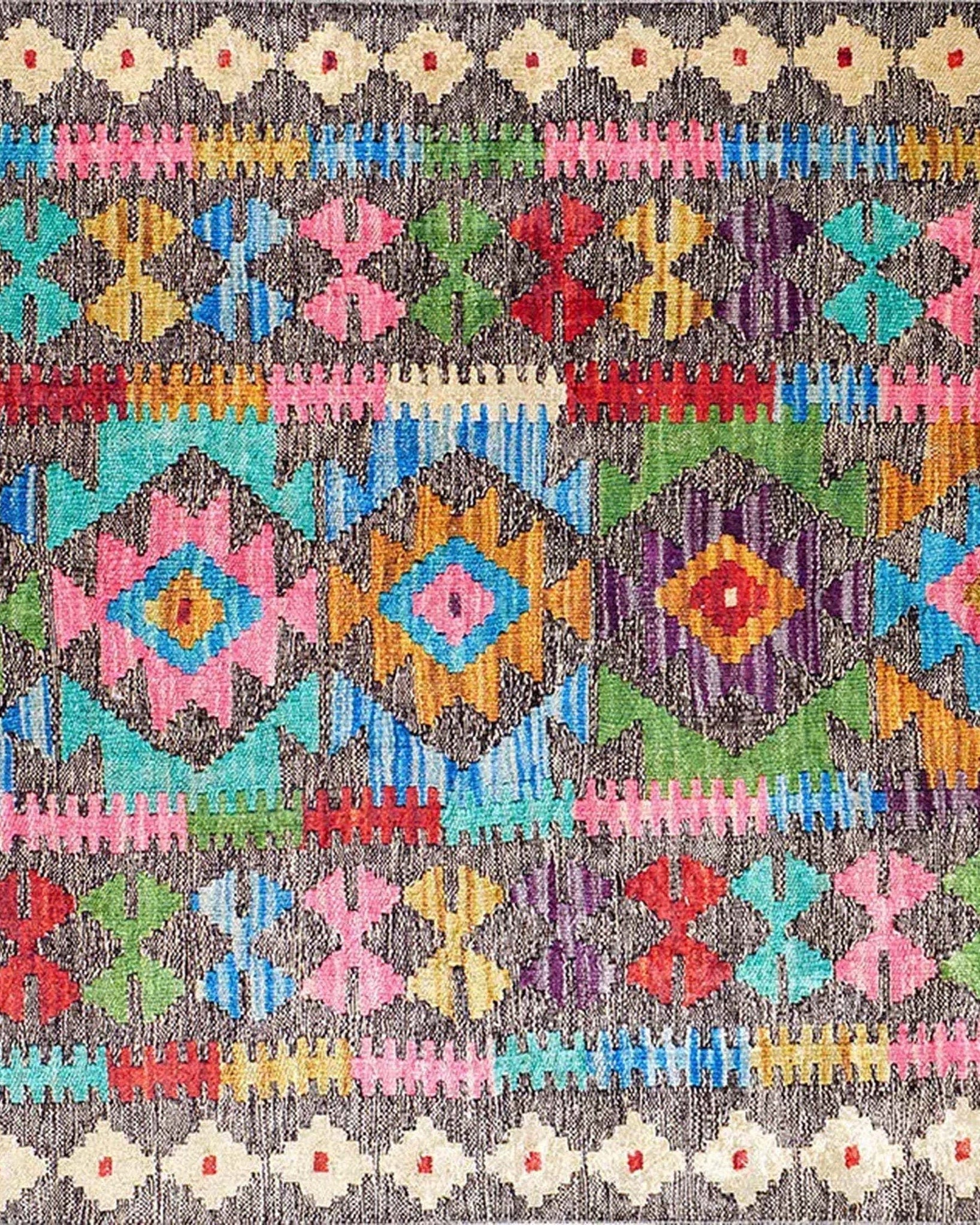
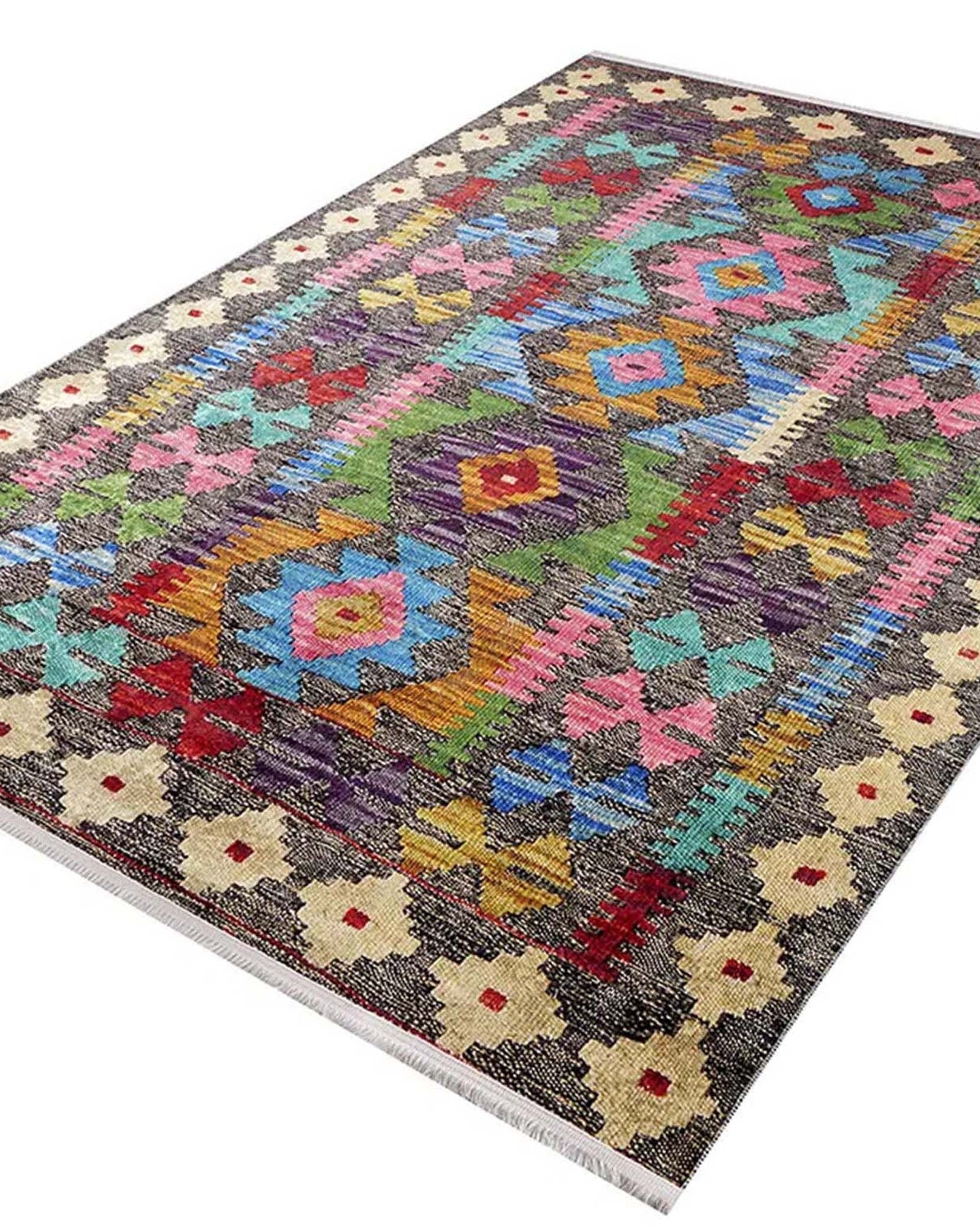
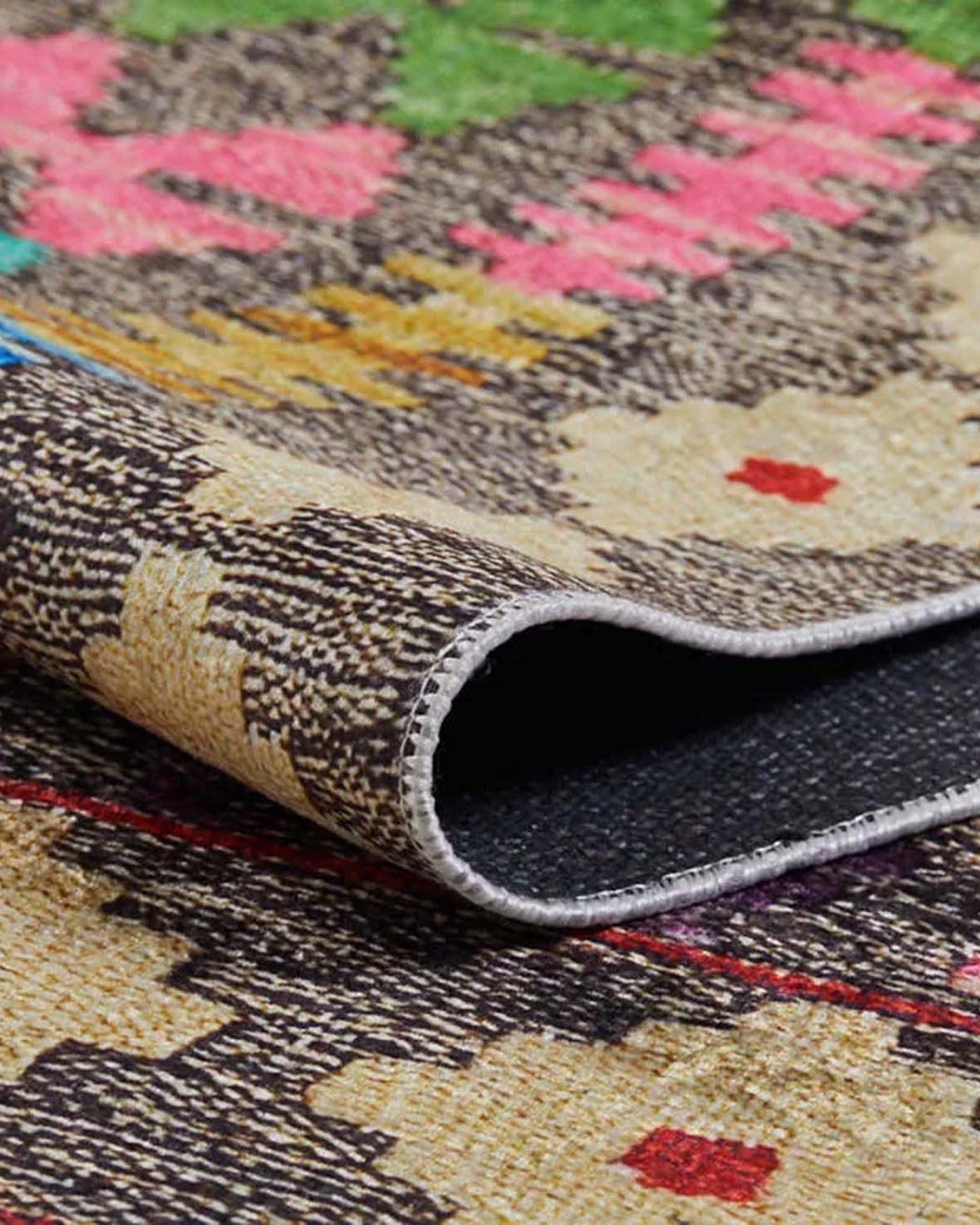
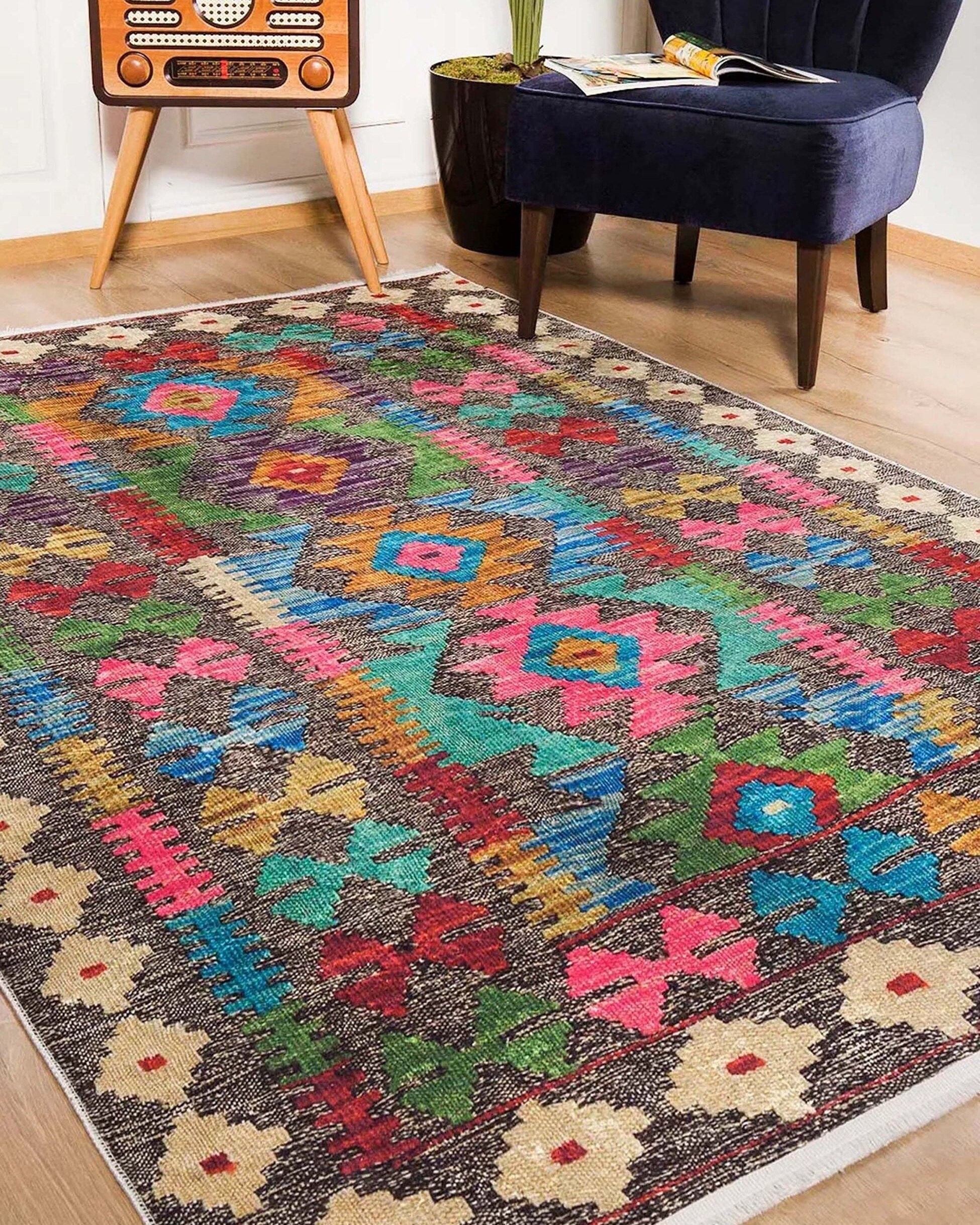
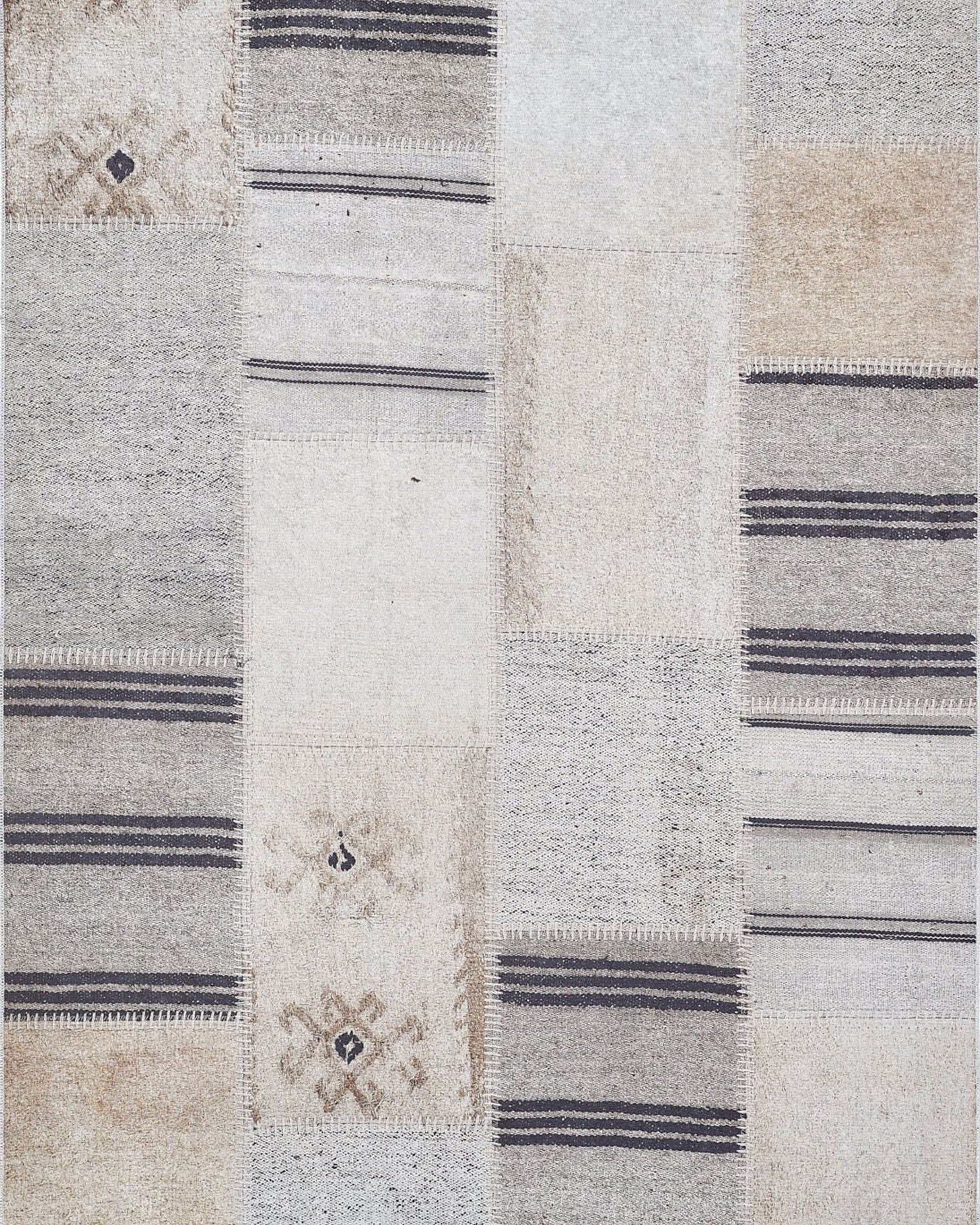
- Kilim Rugs: Flat-woven rugs with bold geometric patterns and vibrant colors, ideal for casual or bohemian spaces.
- Hereke Rugs: Luxurious silk or wool rugs with incredibly fine knots, often considered collector’s pieces.
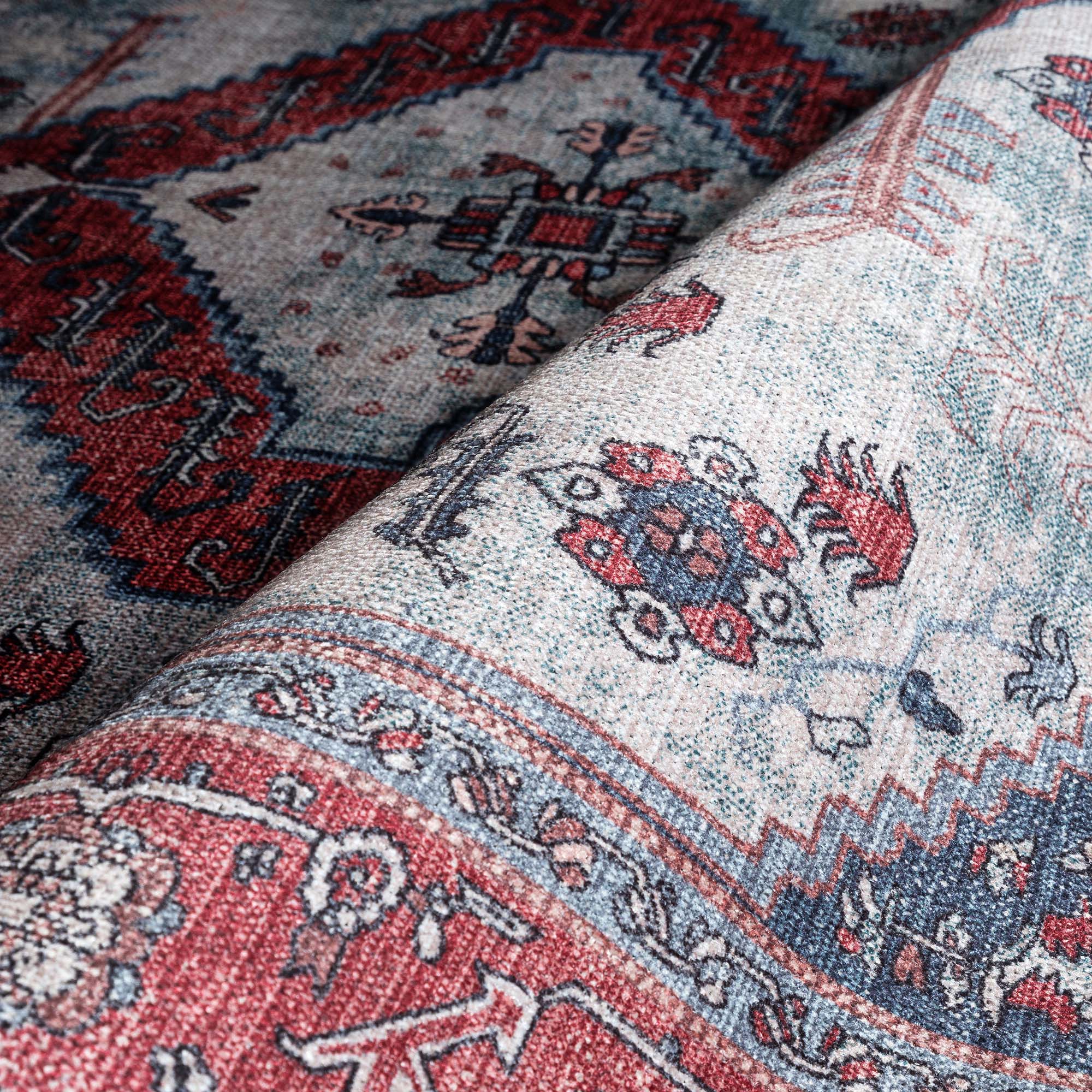
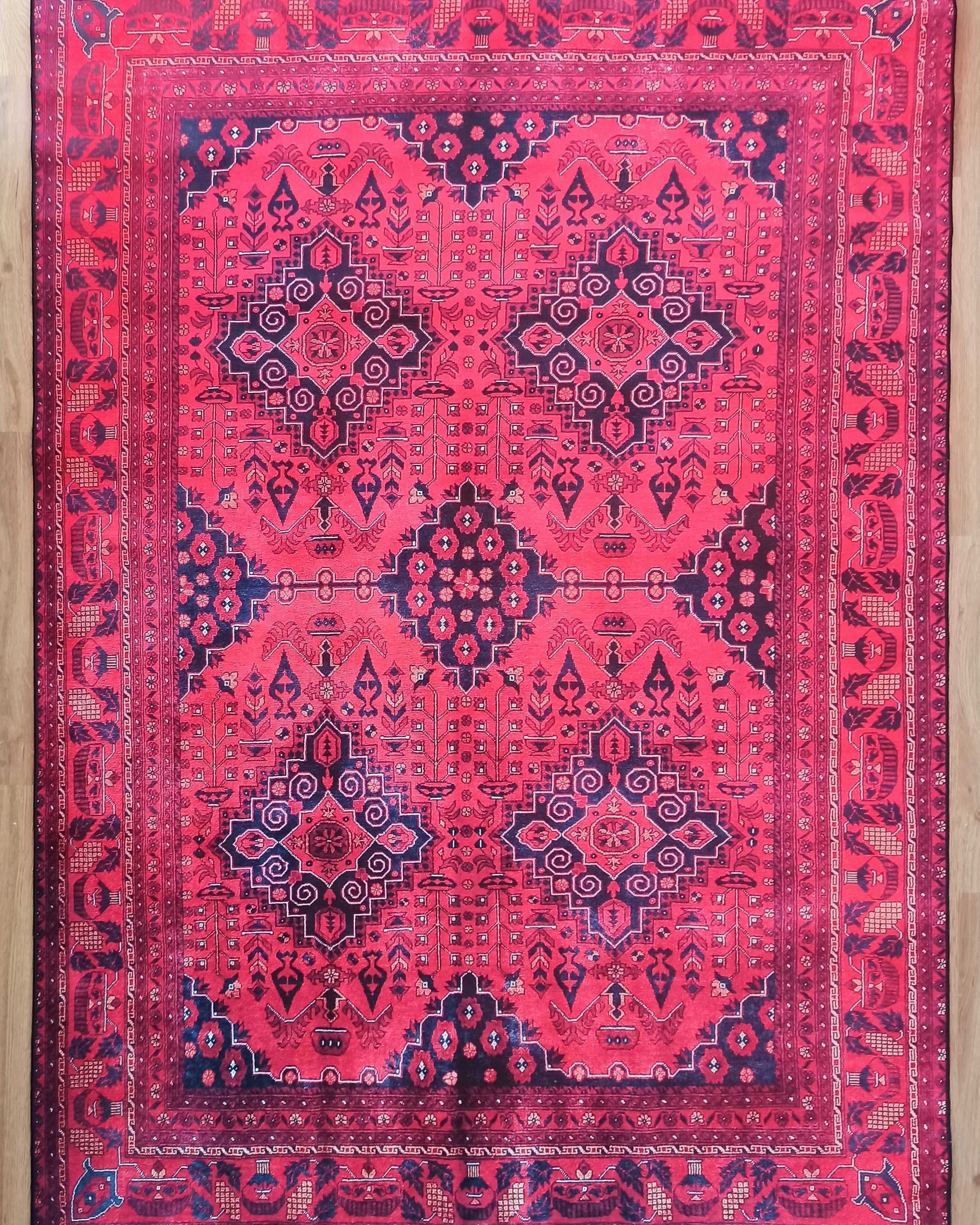
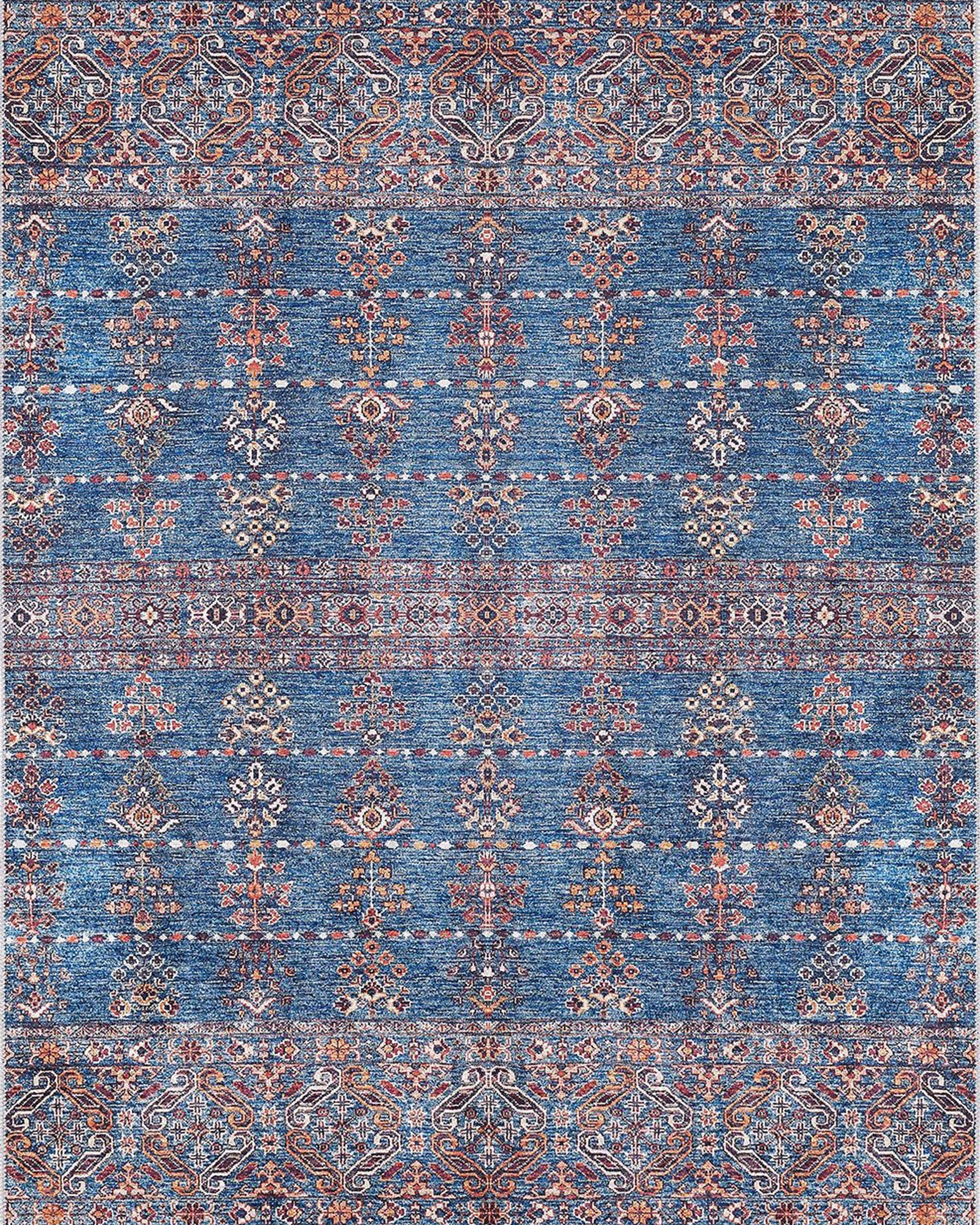
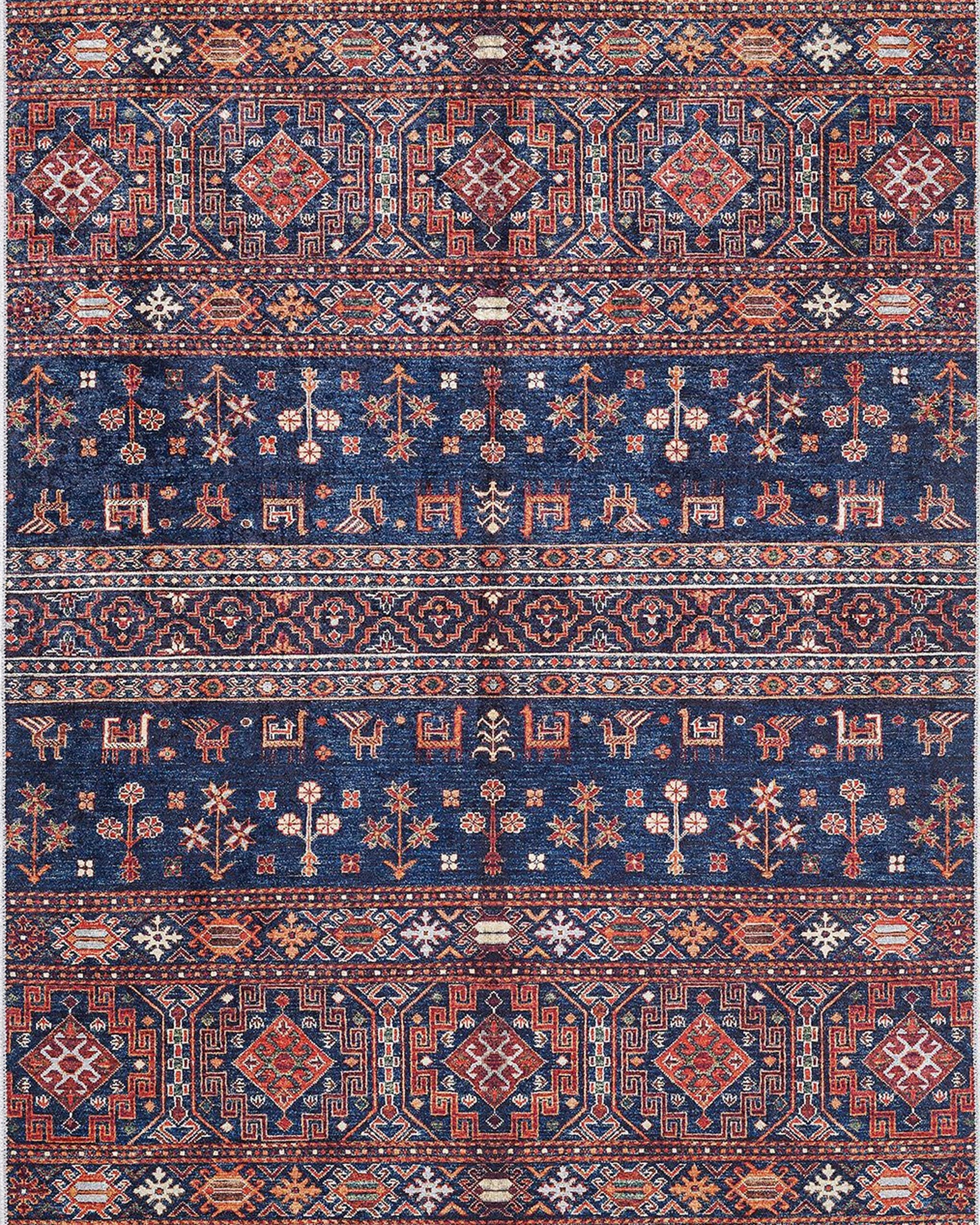
- Anatolian Rugs: A broad category representing traditional regional styles, often featuring symbolic motifs and rich colors.
Handmade Craftsmanship
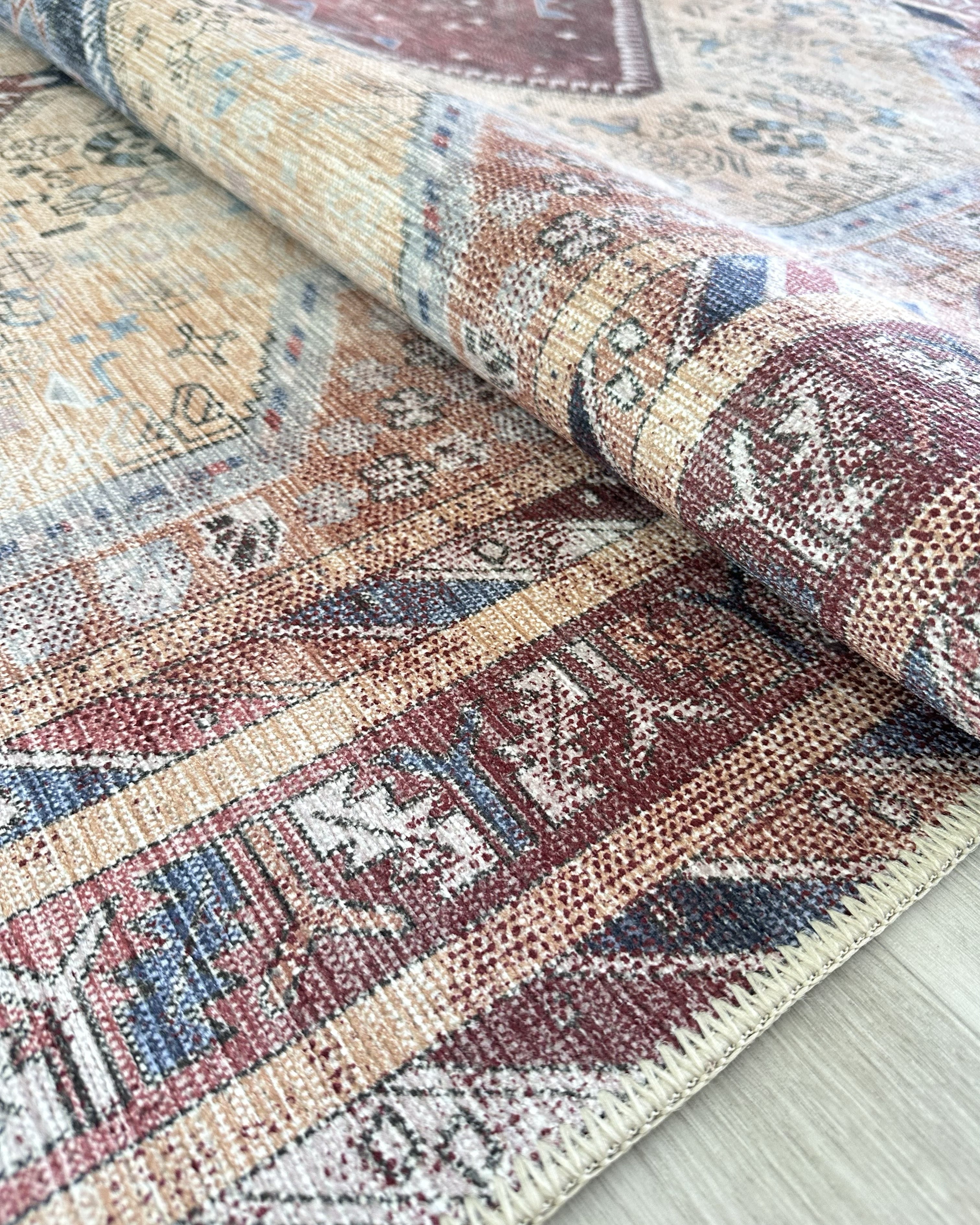
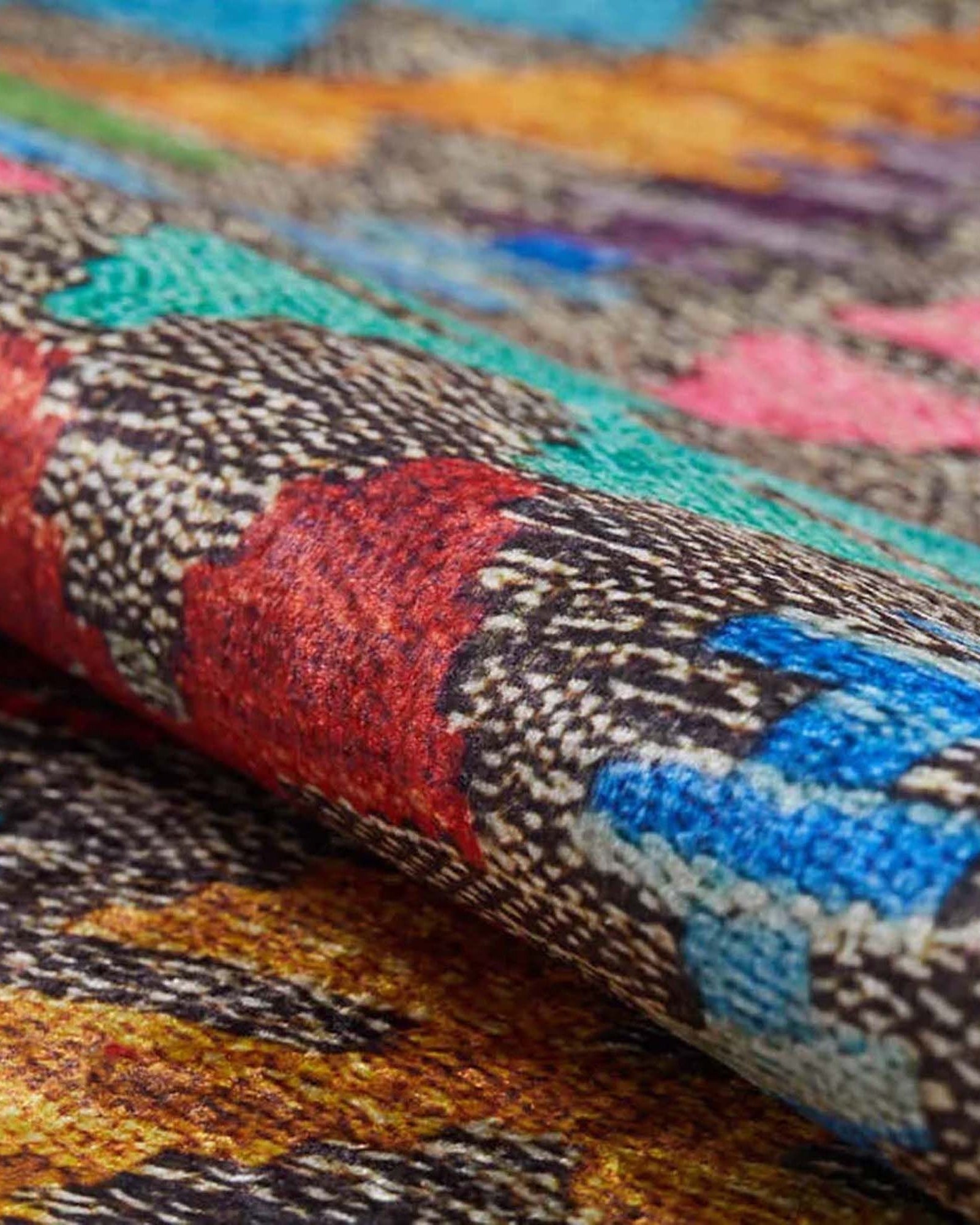
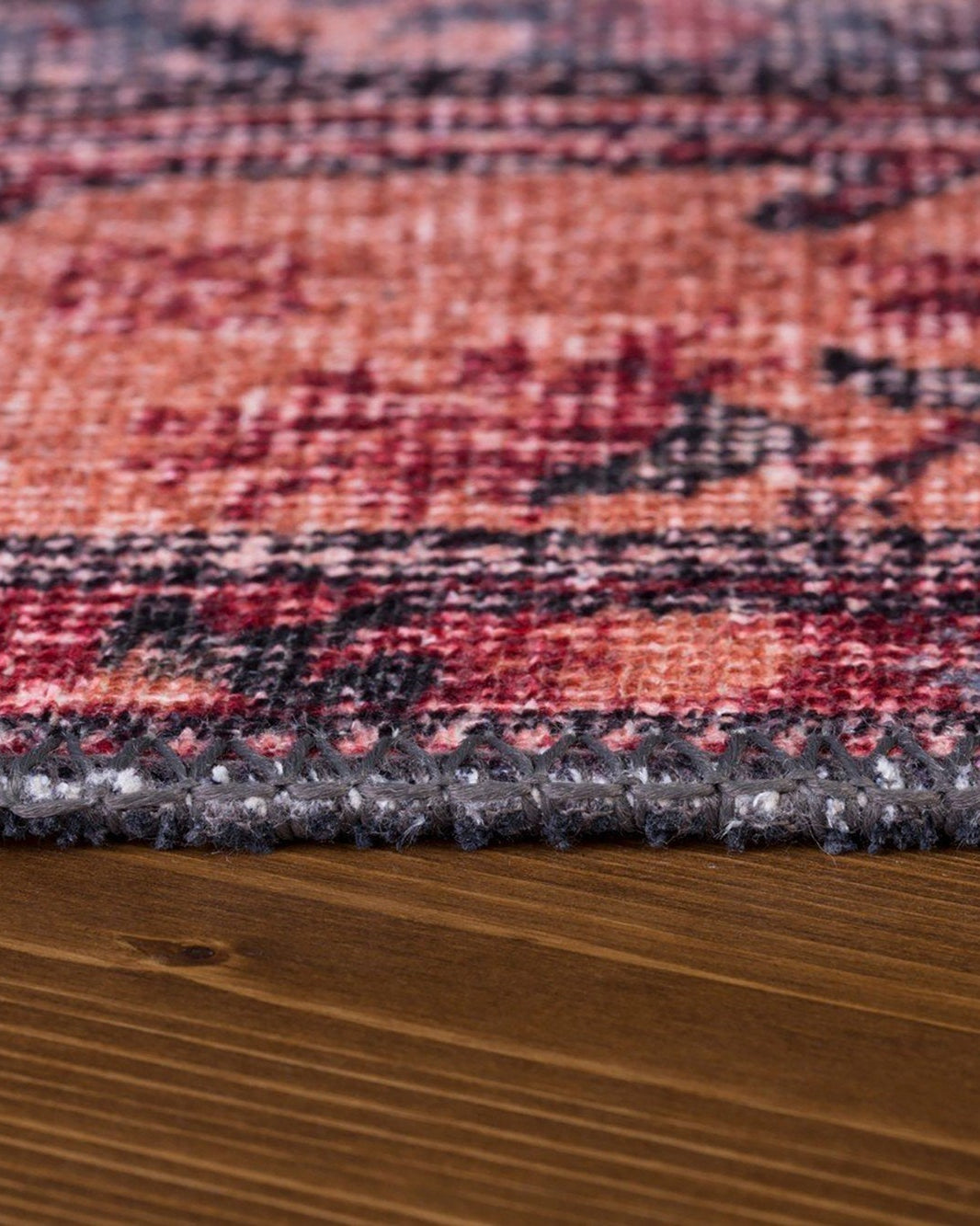
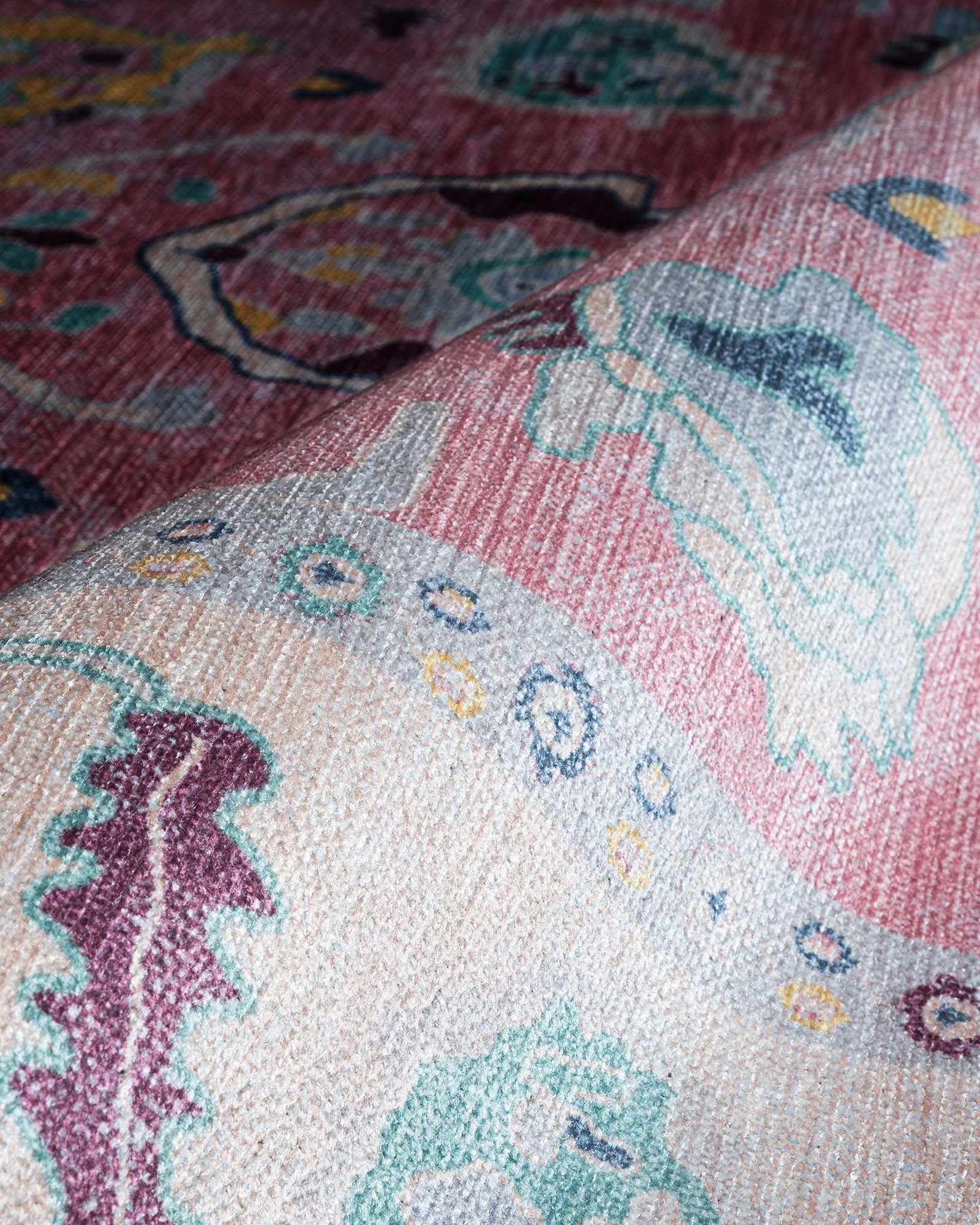
One of the defining features of Turkish rugs is their handmade nature. Skilled artisans, often working in family traditions, knot each rug by hand. Depending on the size, a single rug can take months or even years to complete. This attention to detail results in a unique piece of art where no two rugs are exactly alike.
Vintage vs. Modern Turkish Rugs
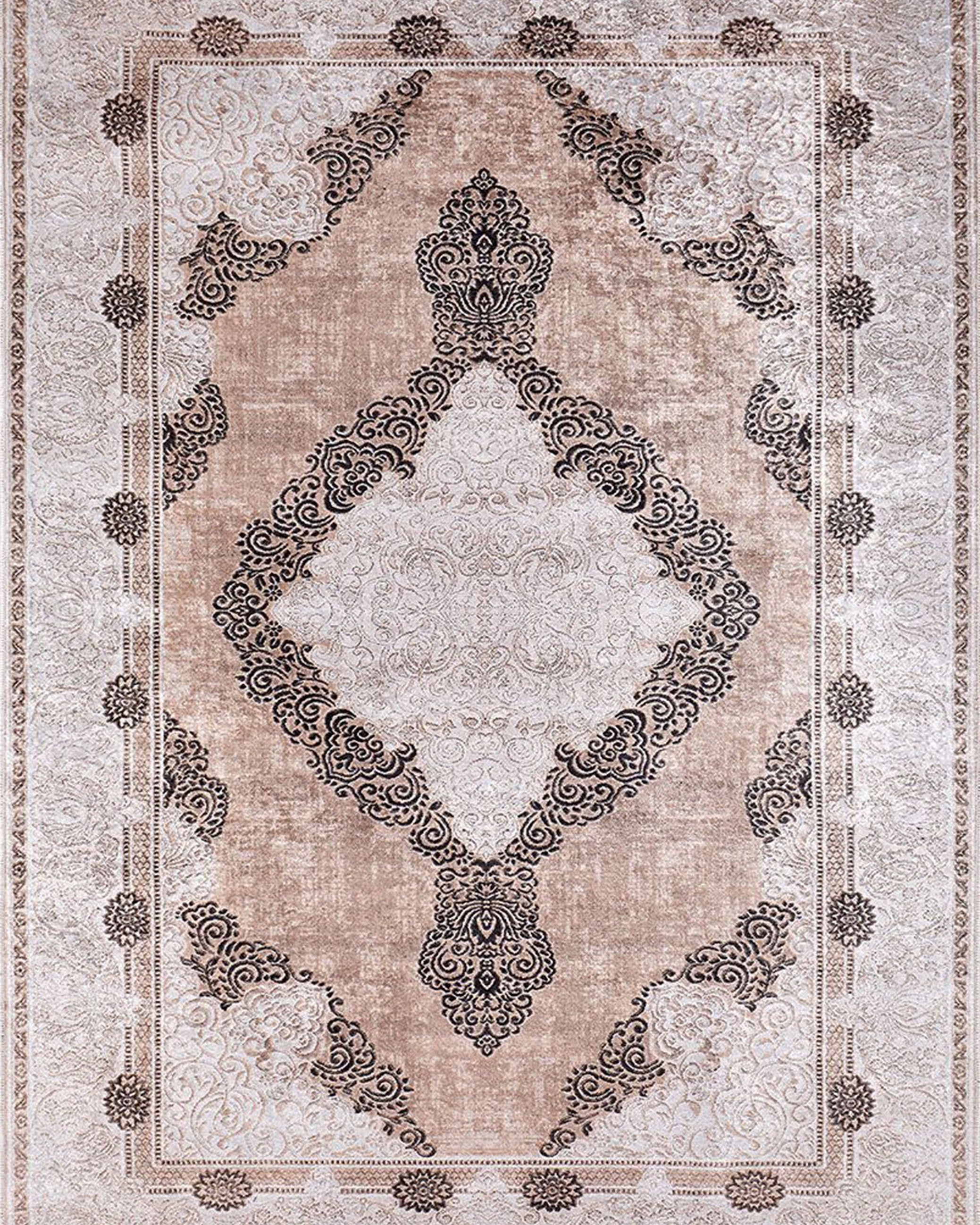
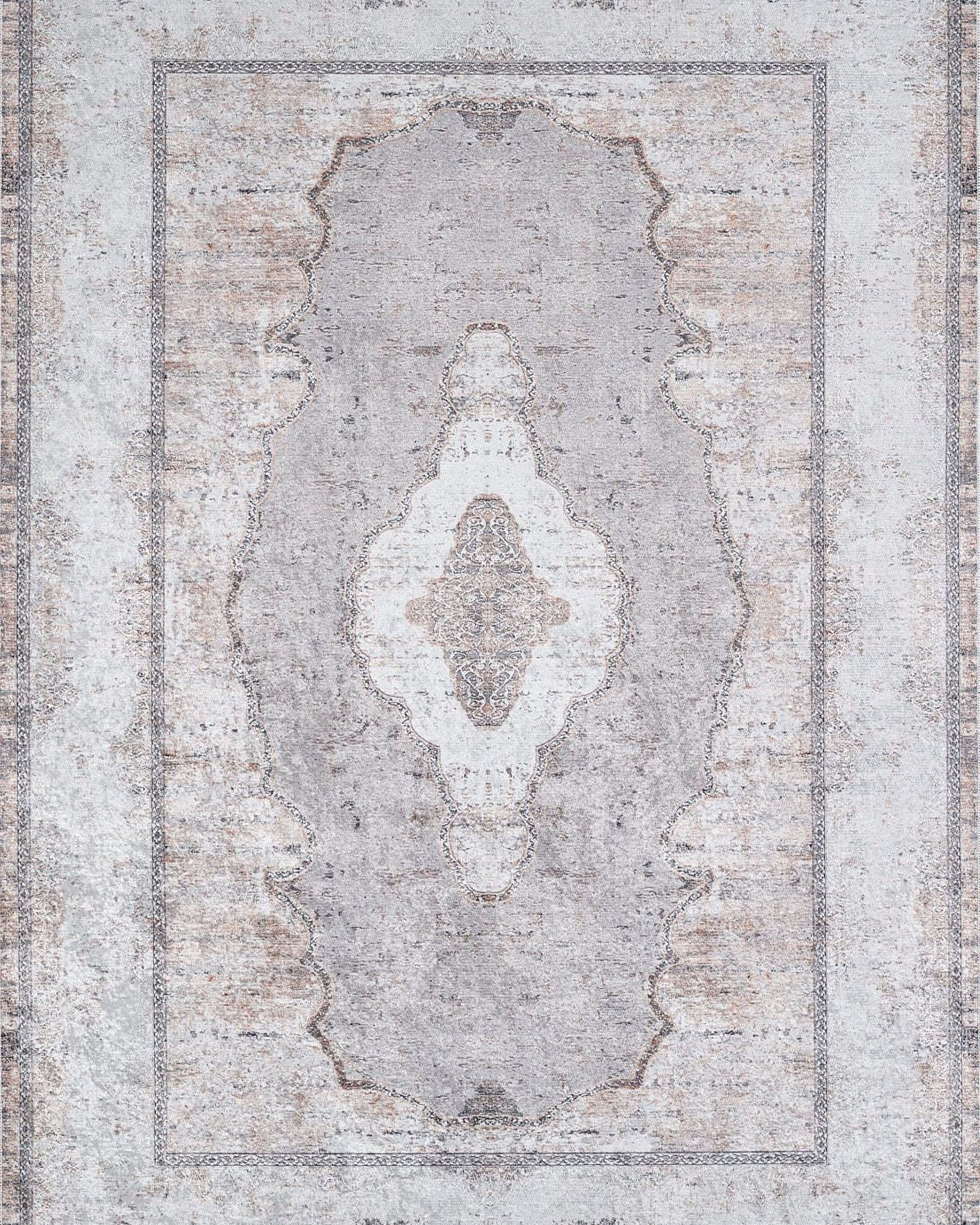
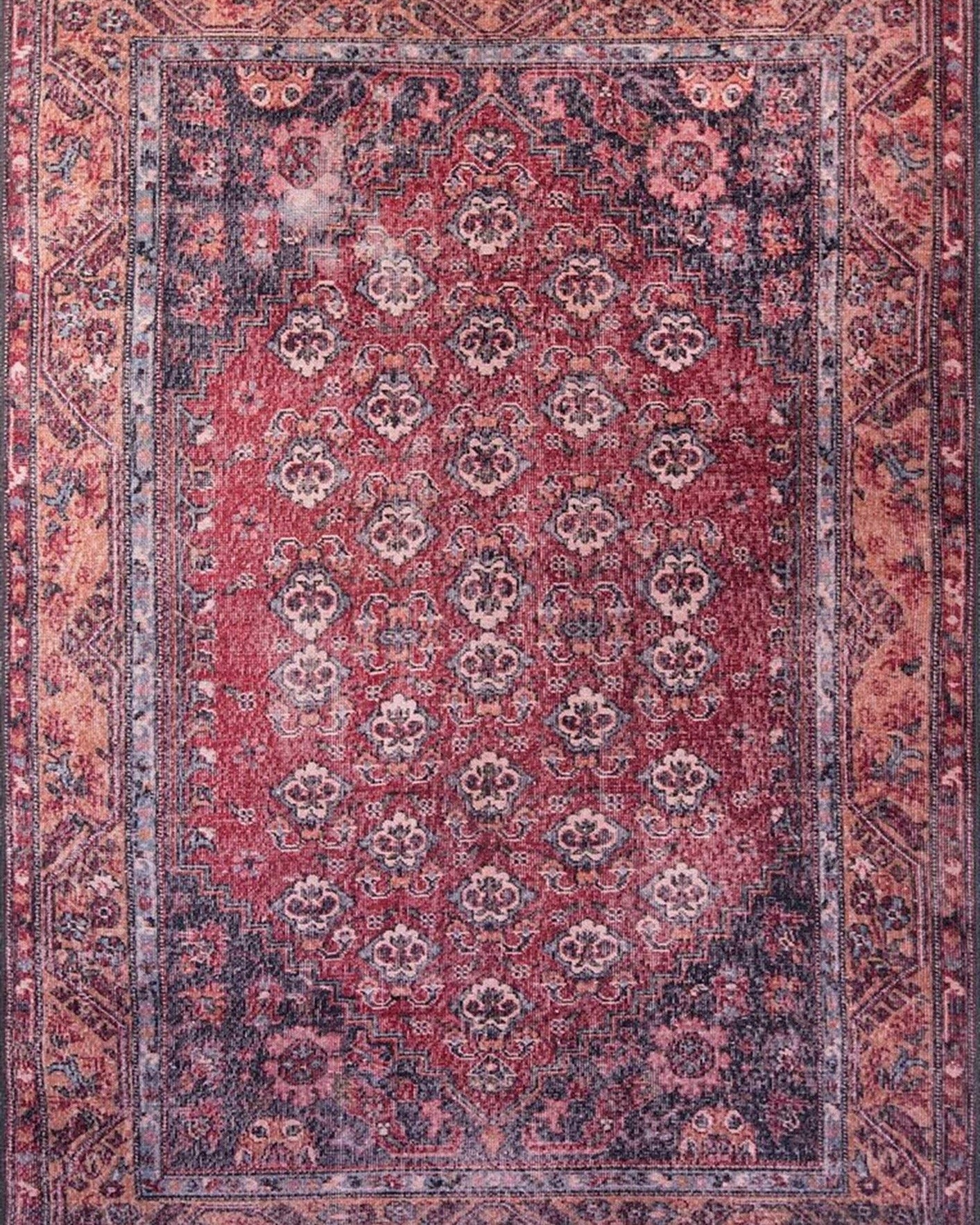
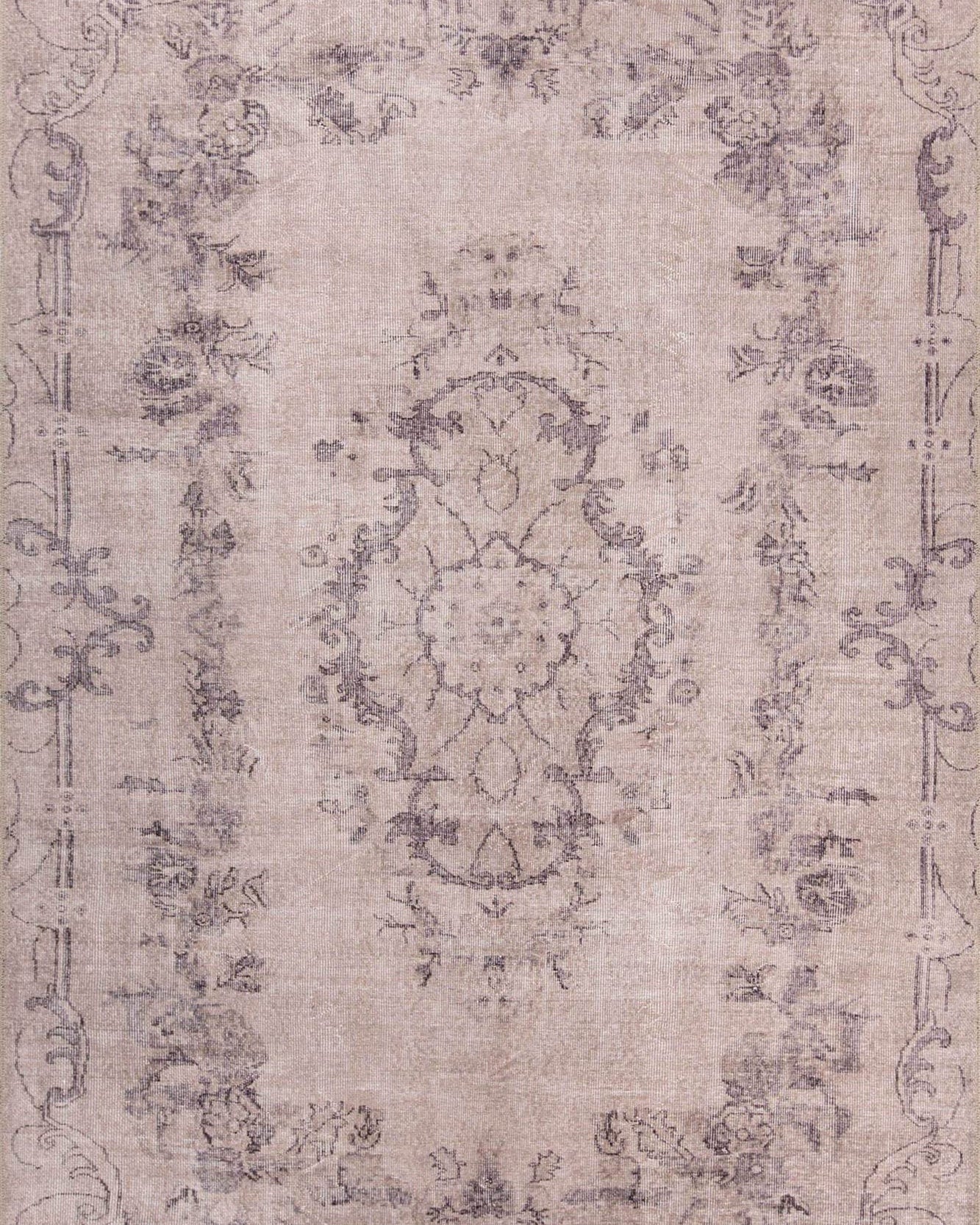
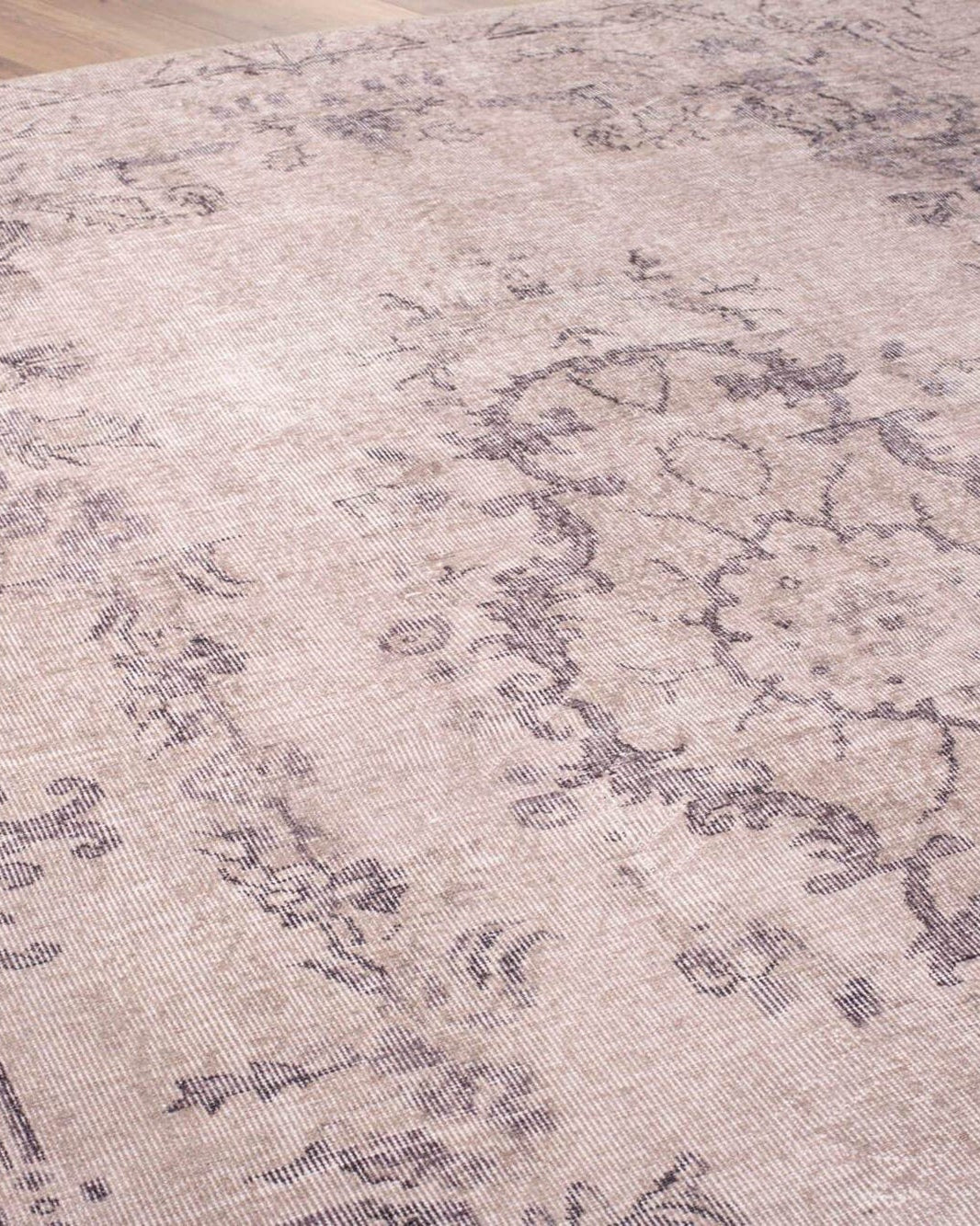
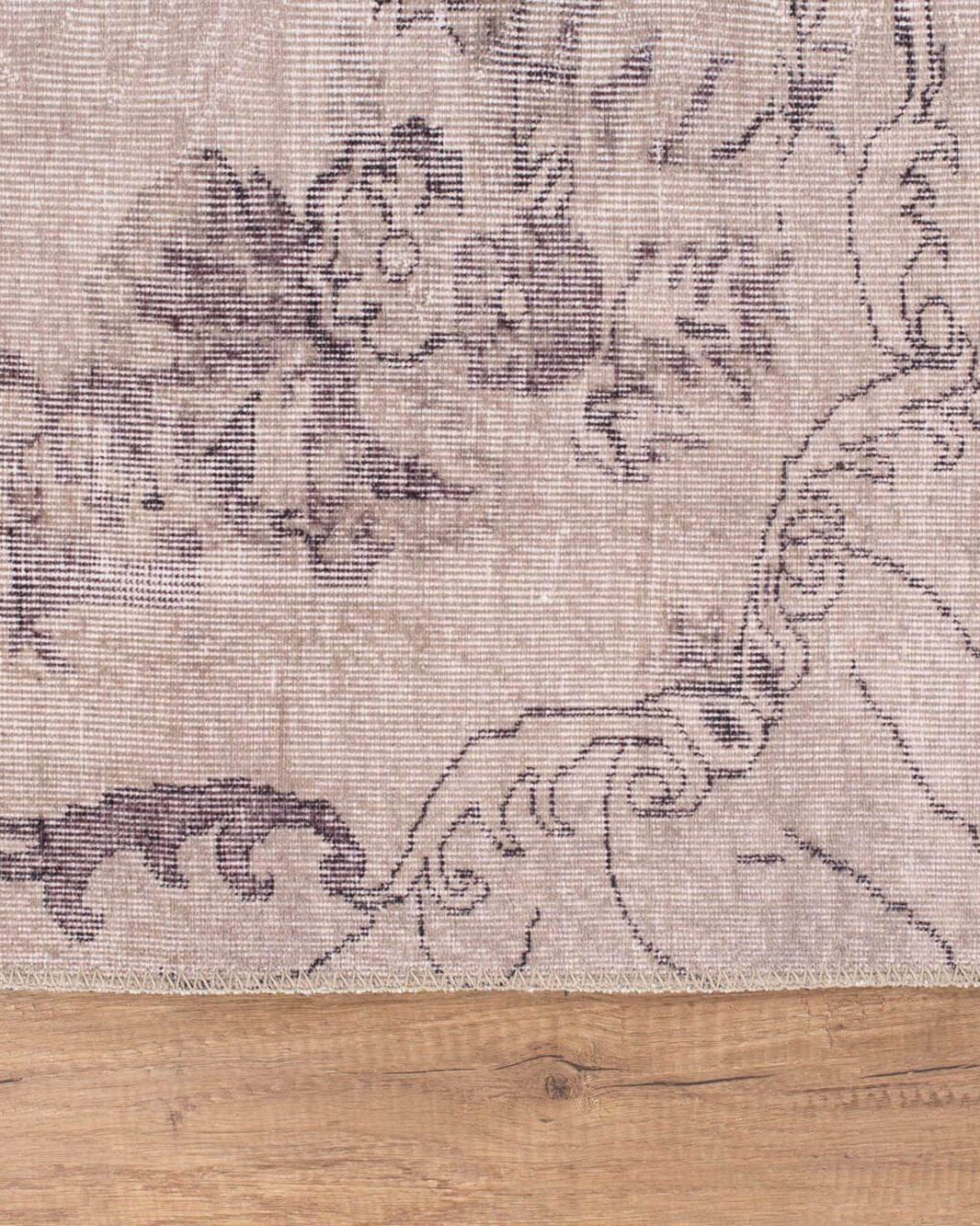
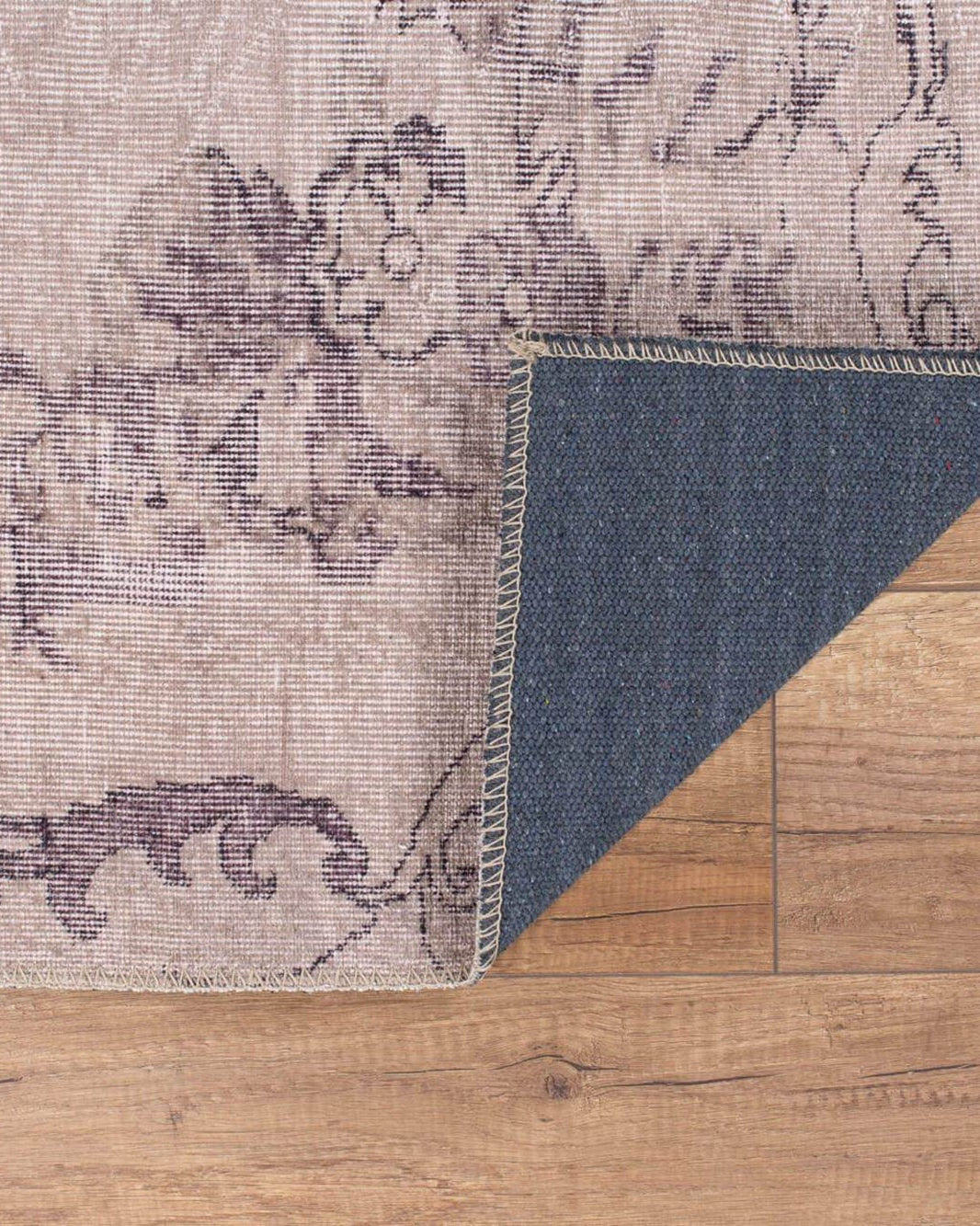
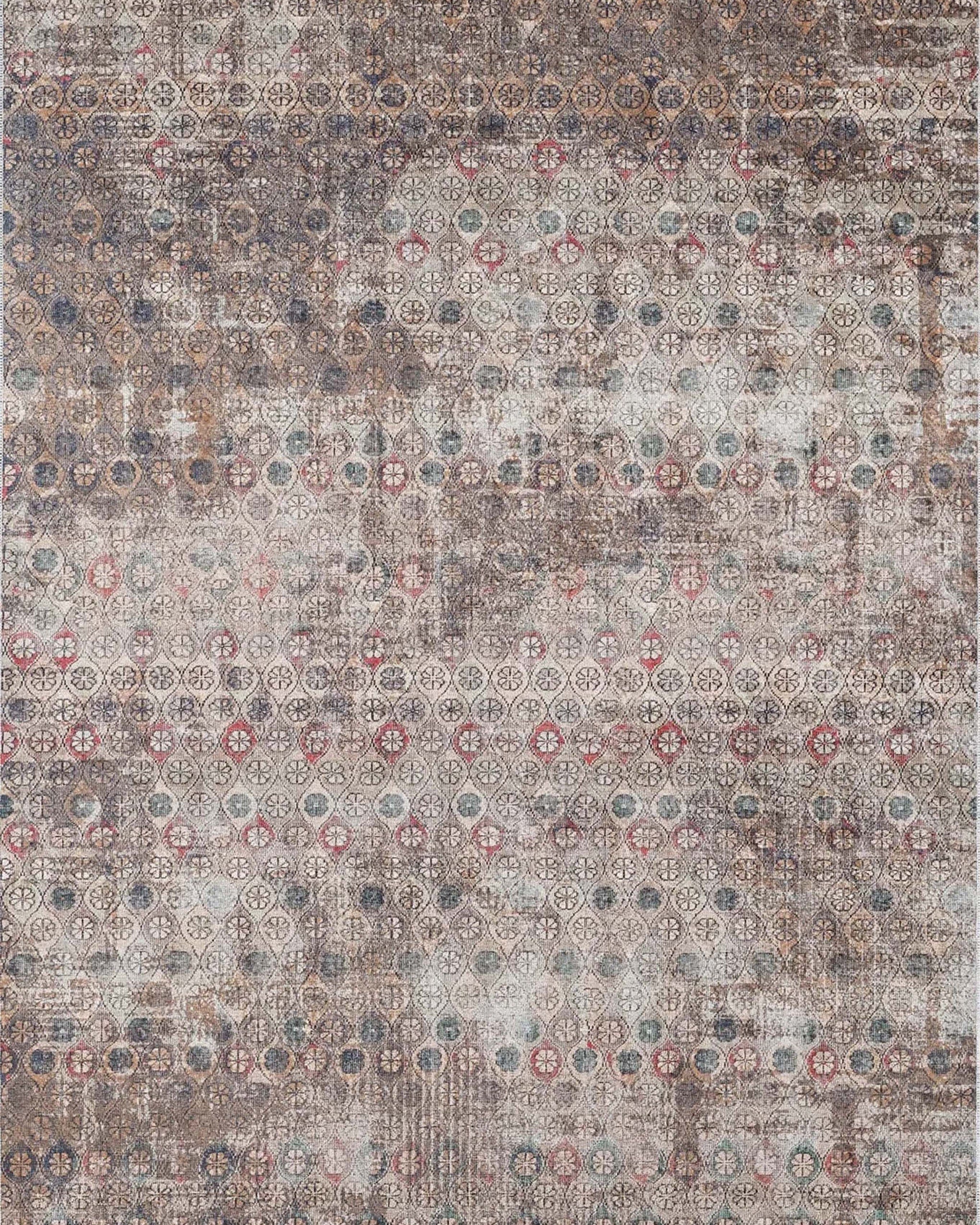
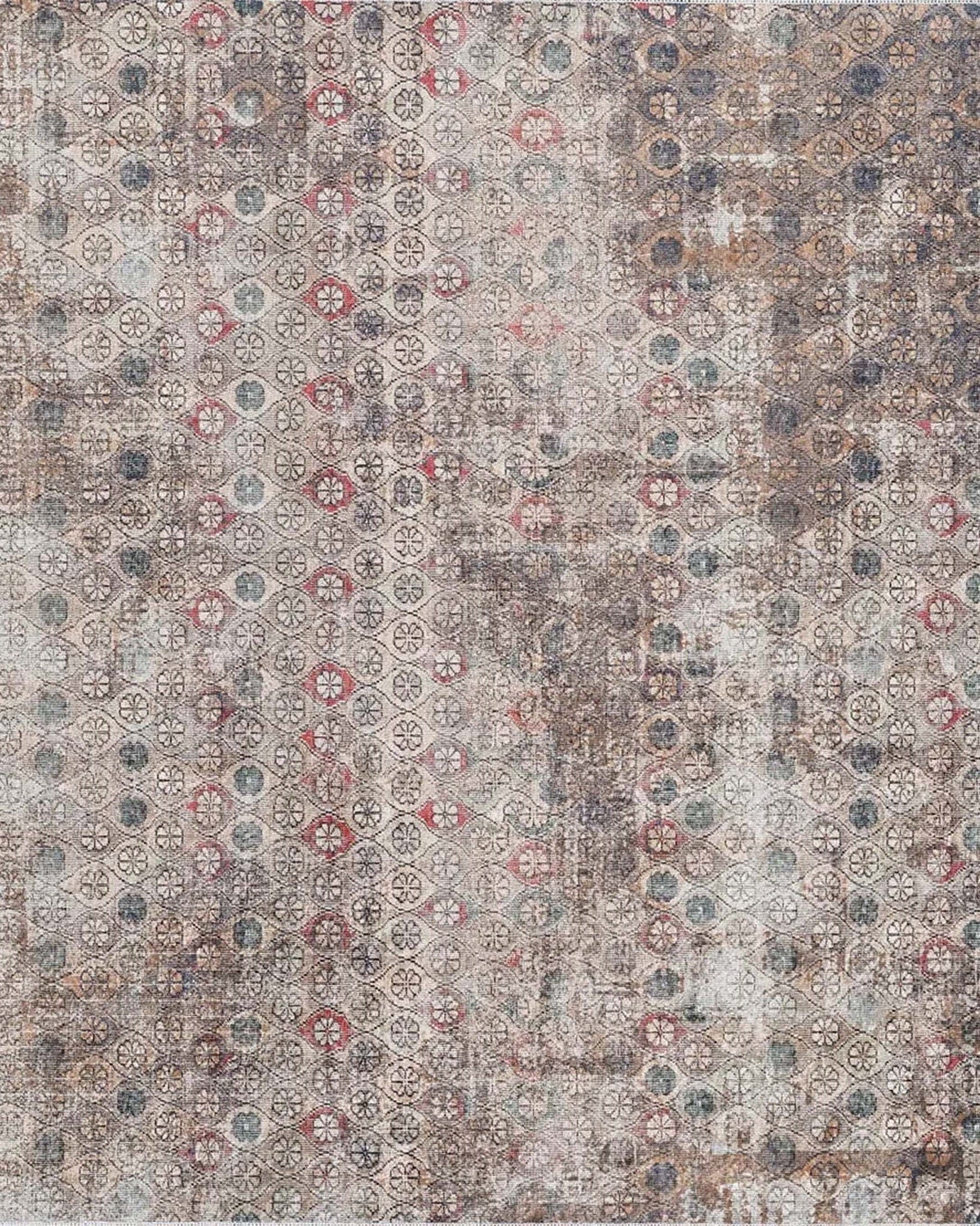
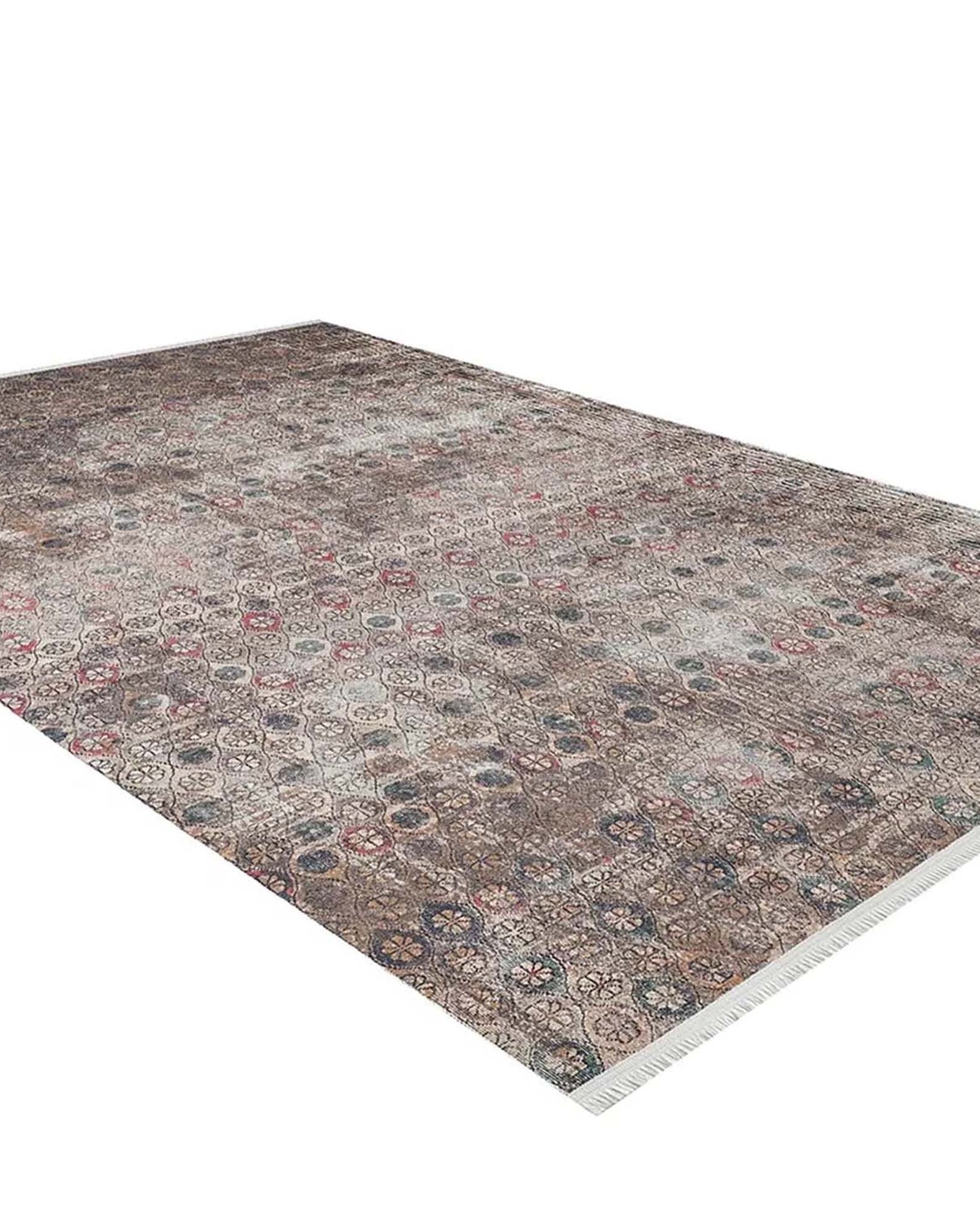
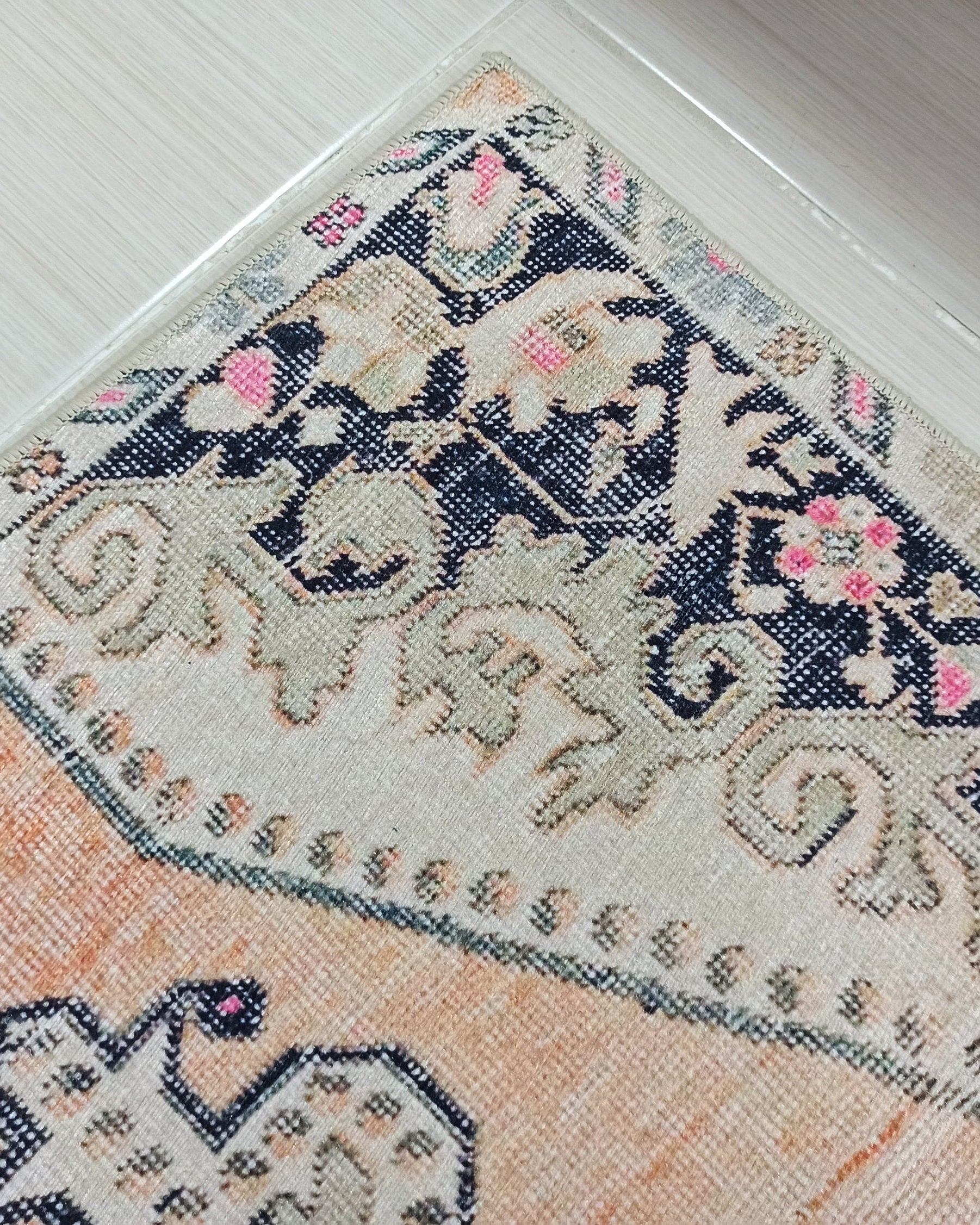
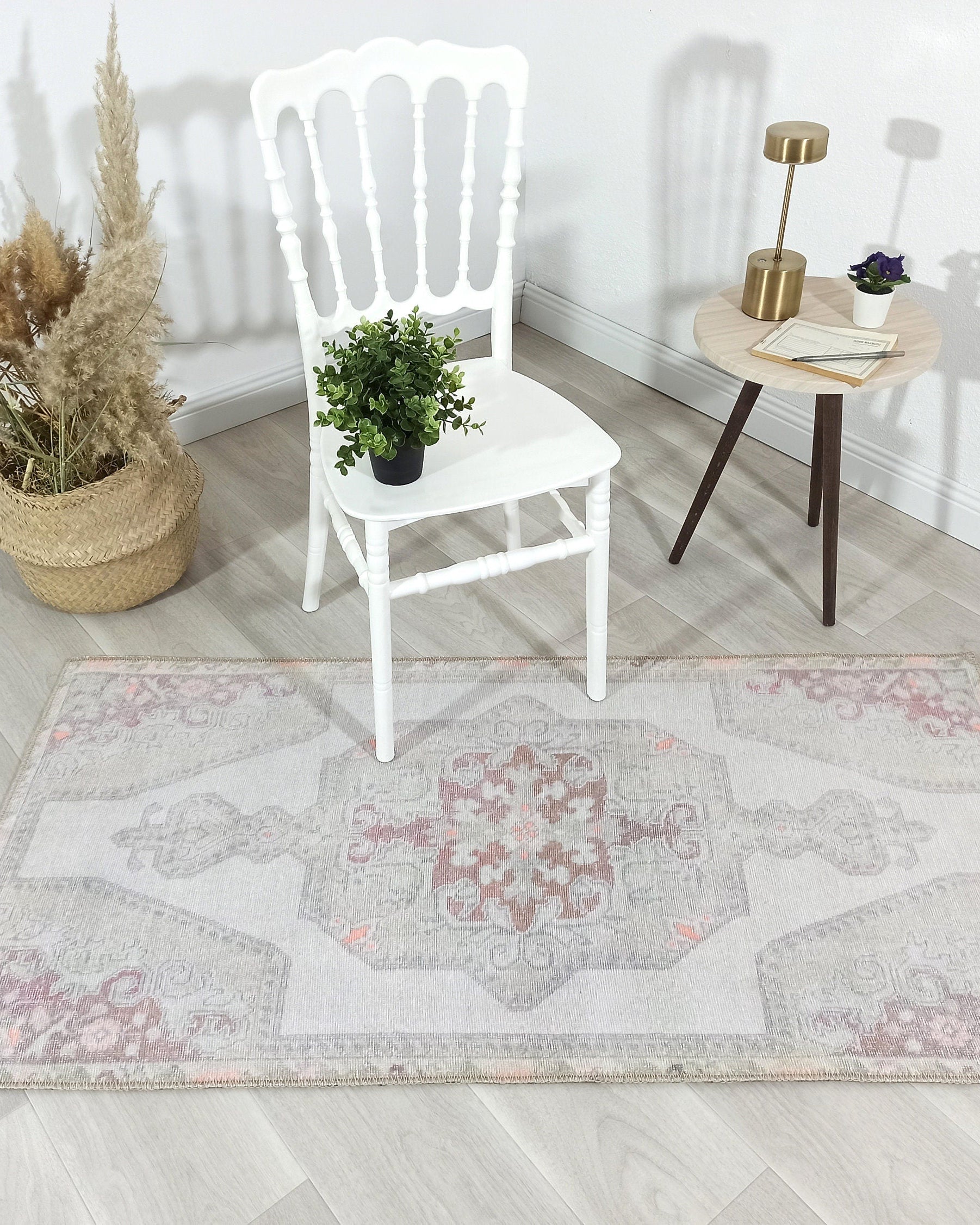
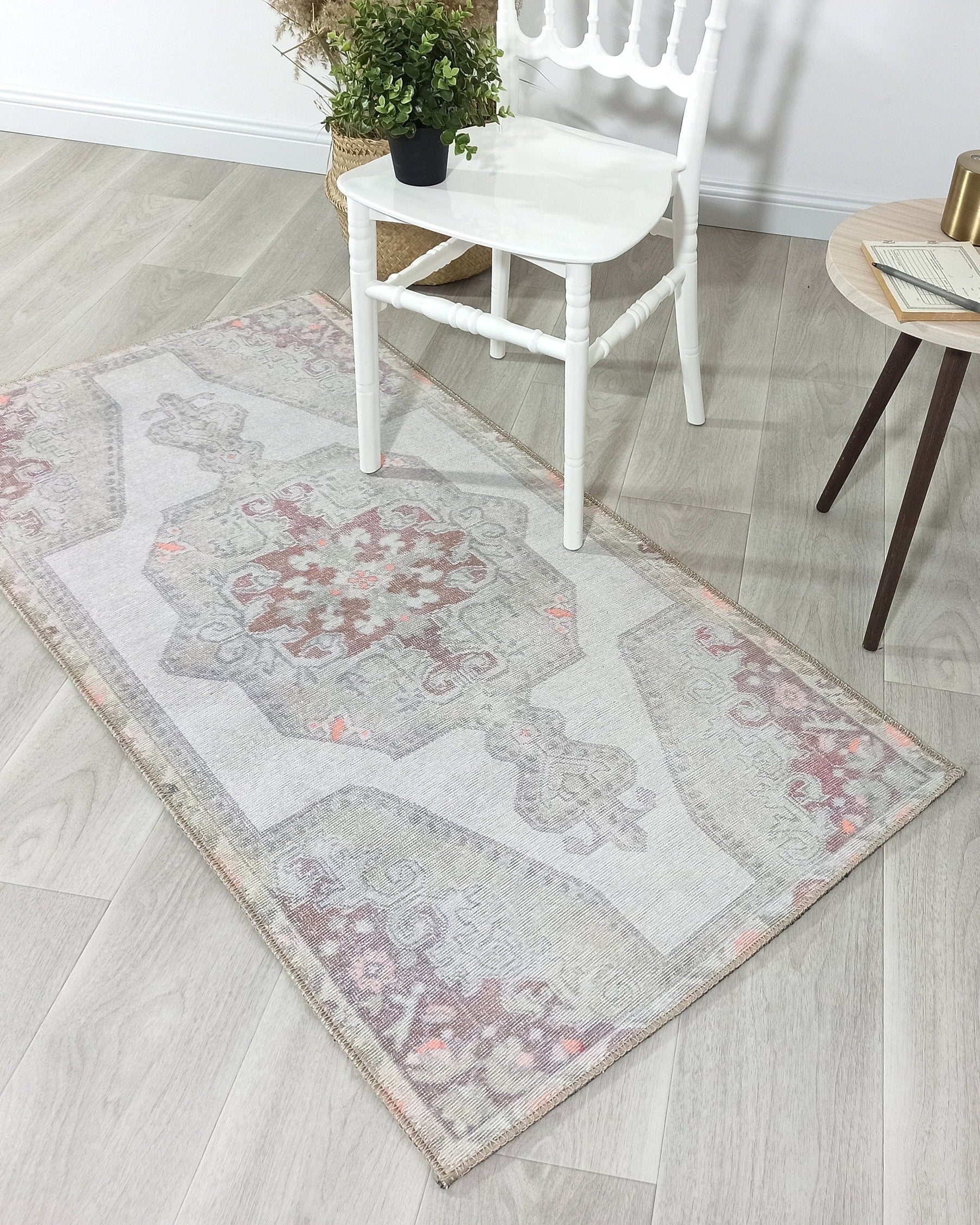
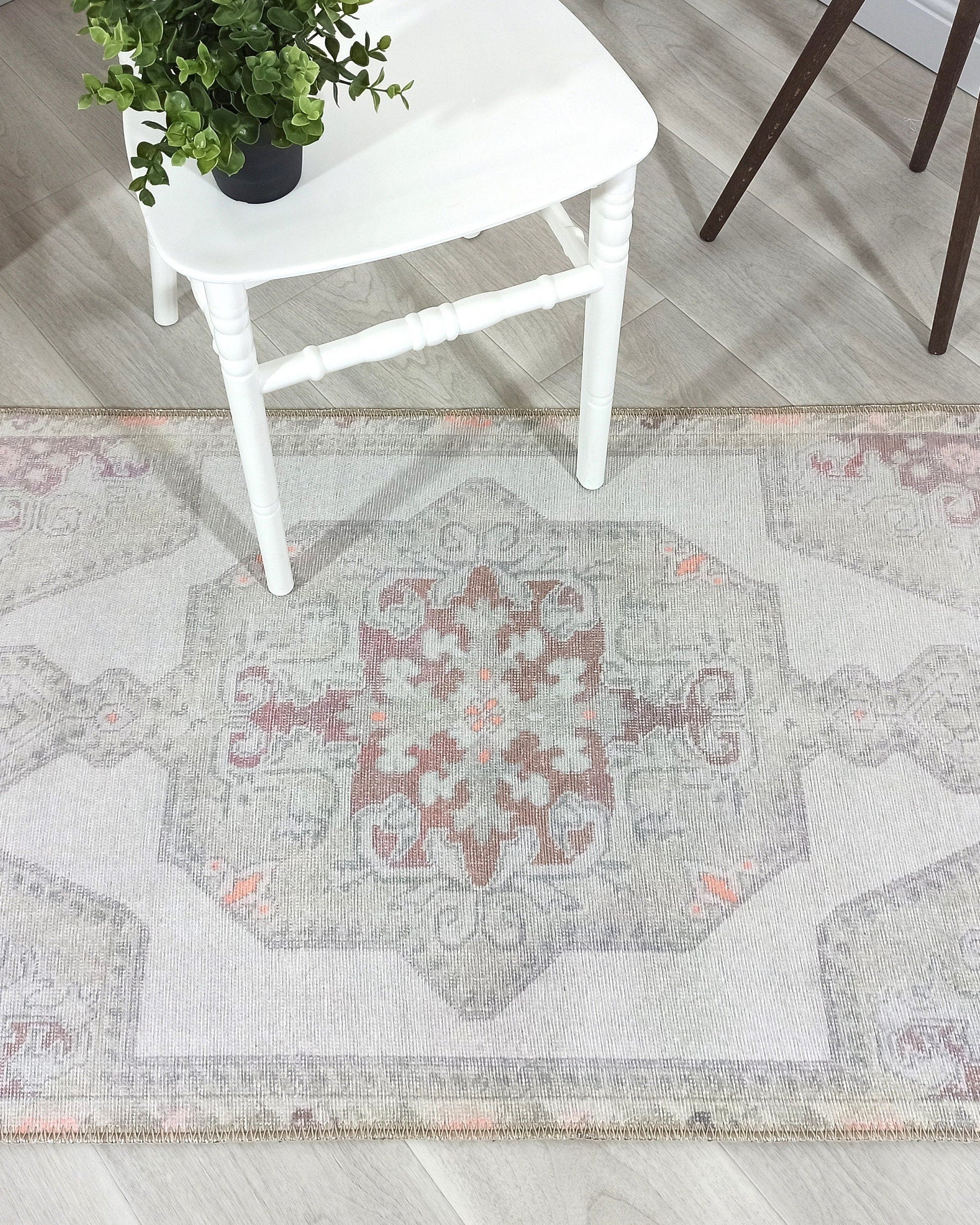
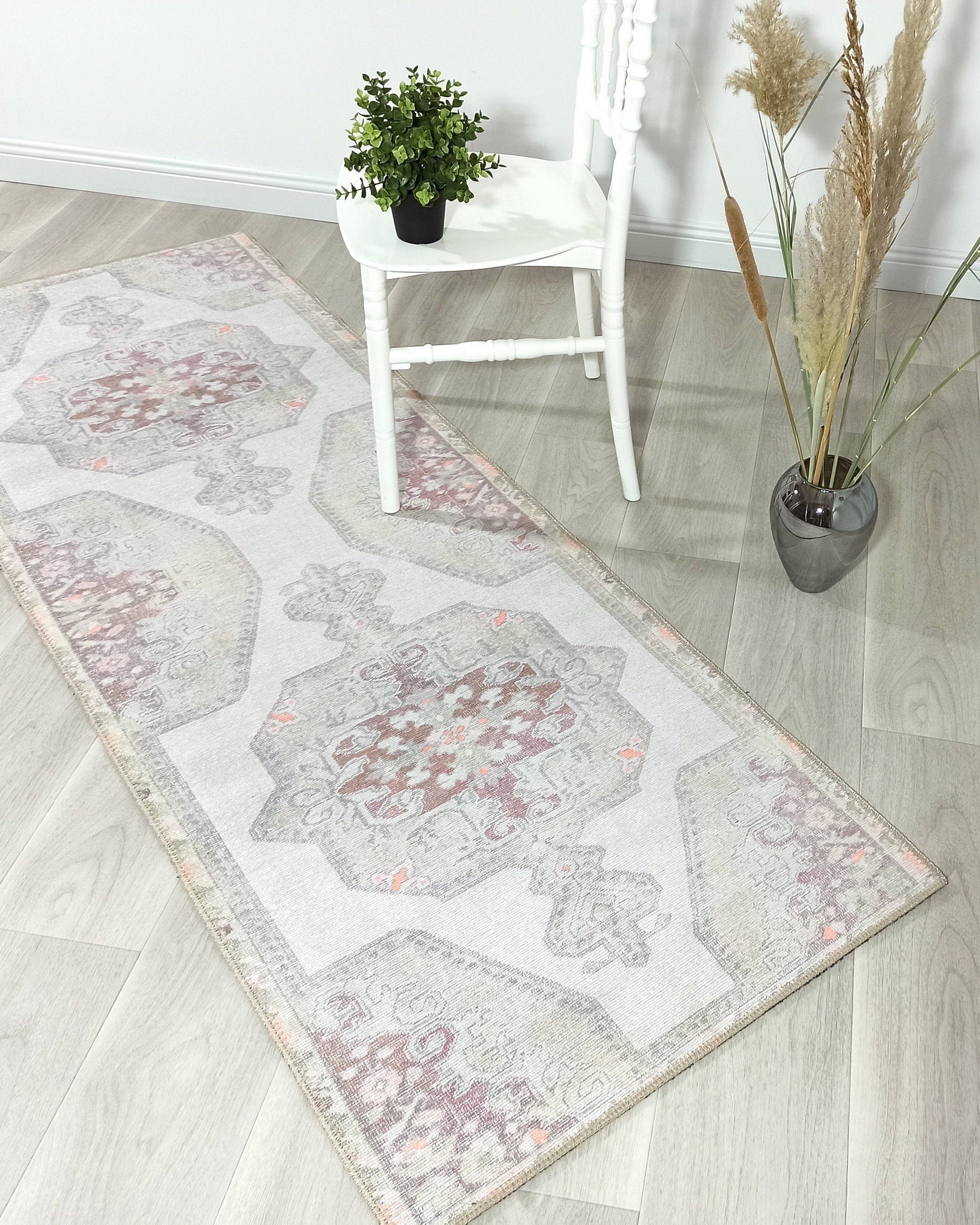
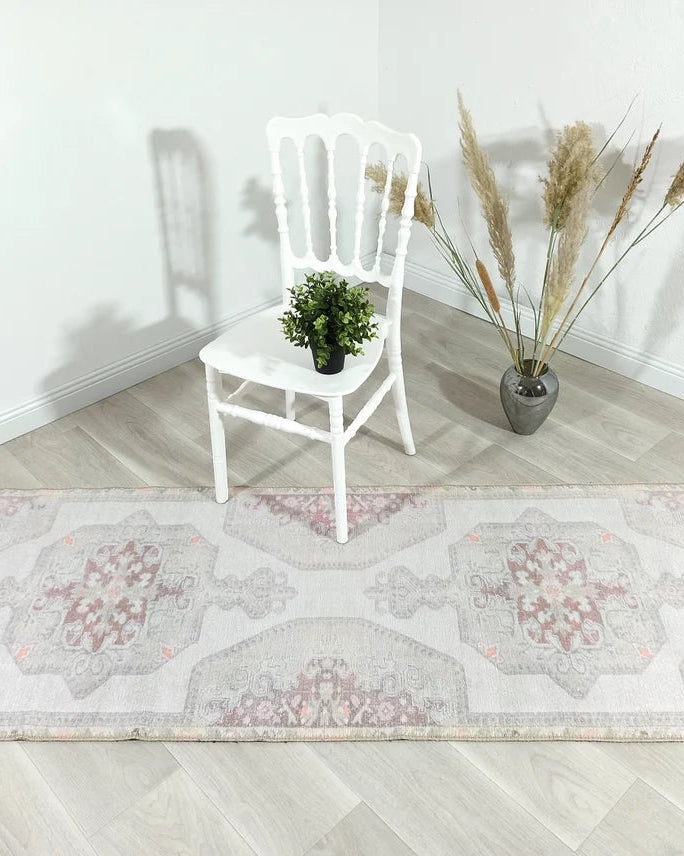
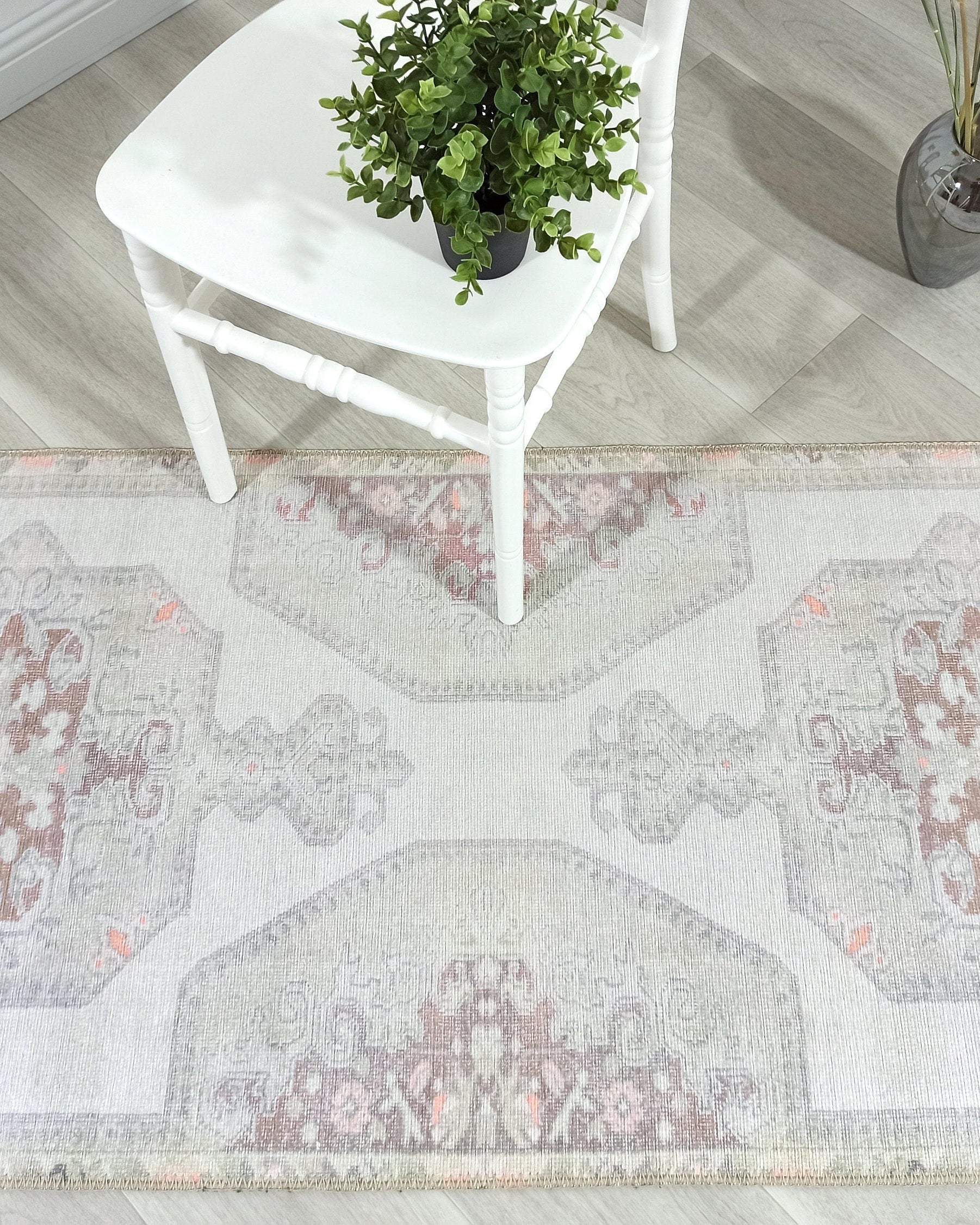
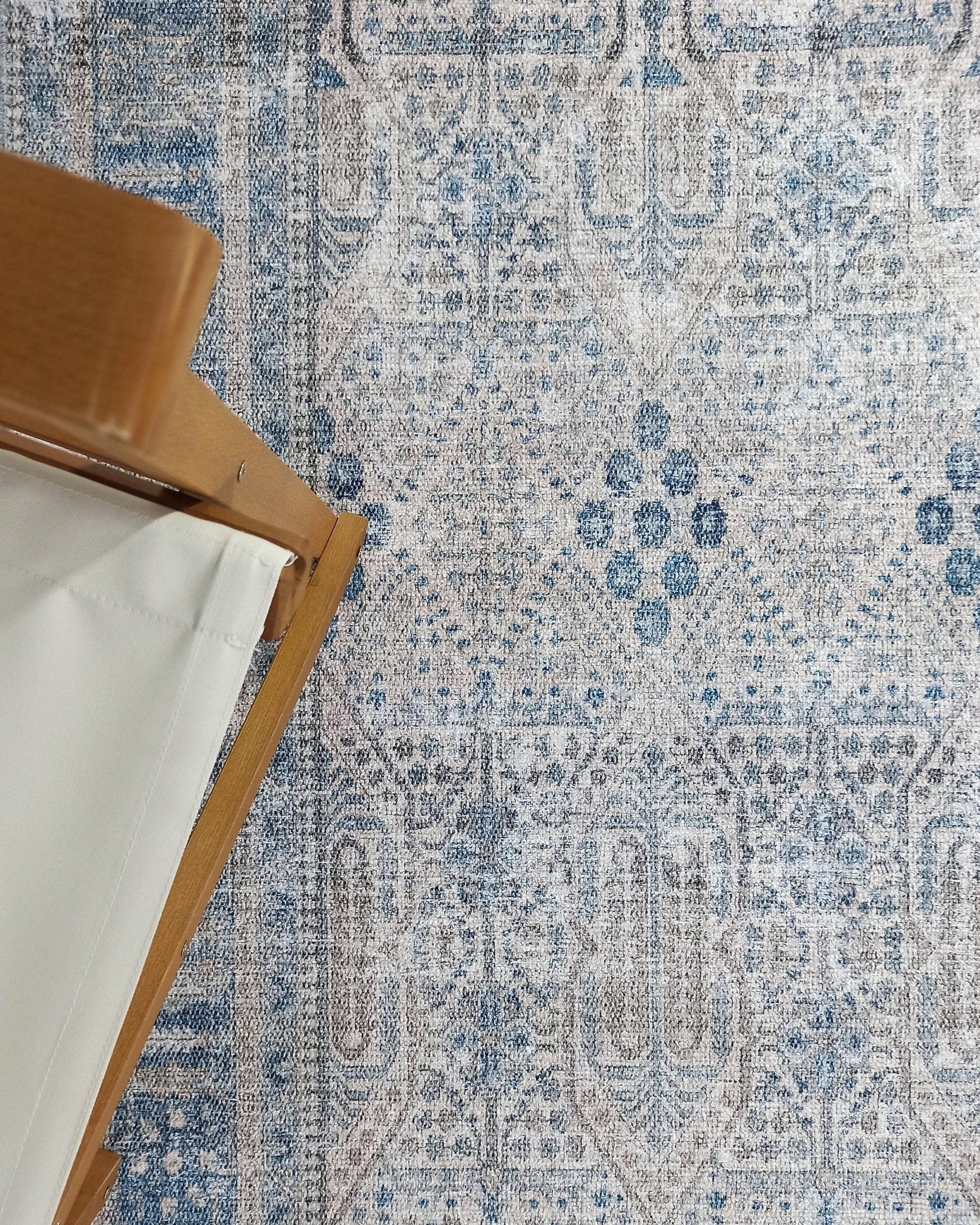
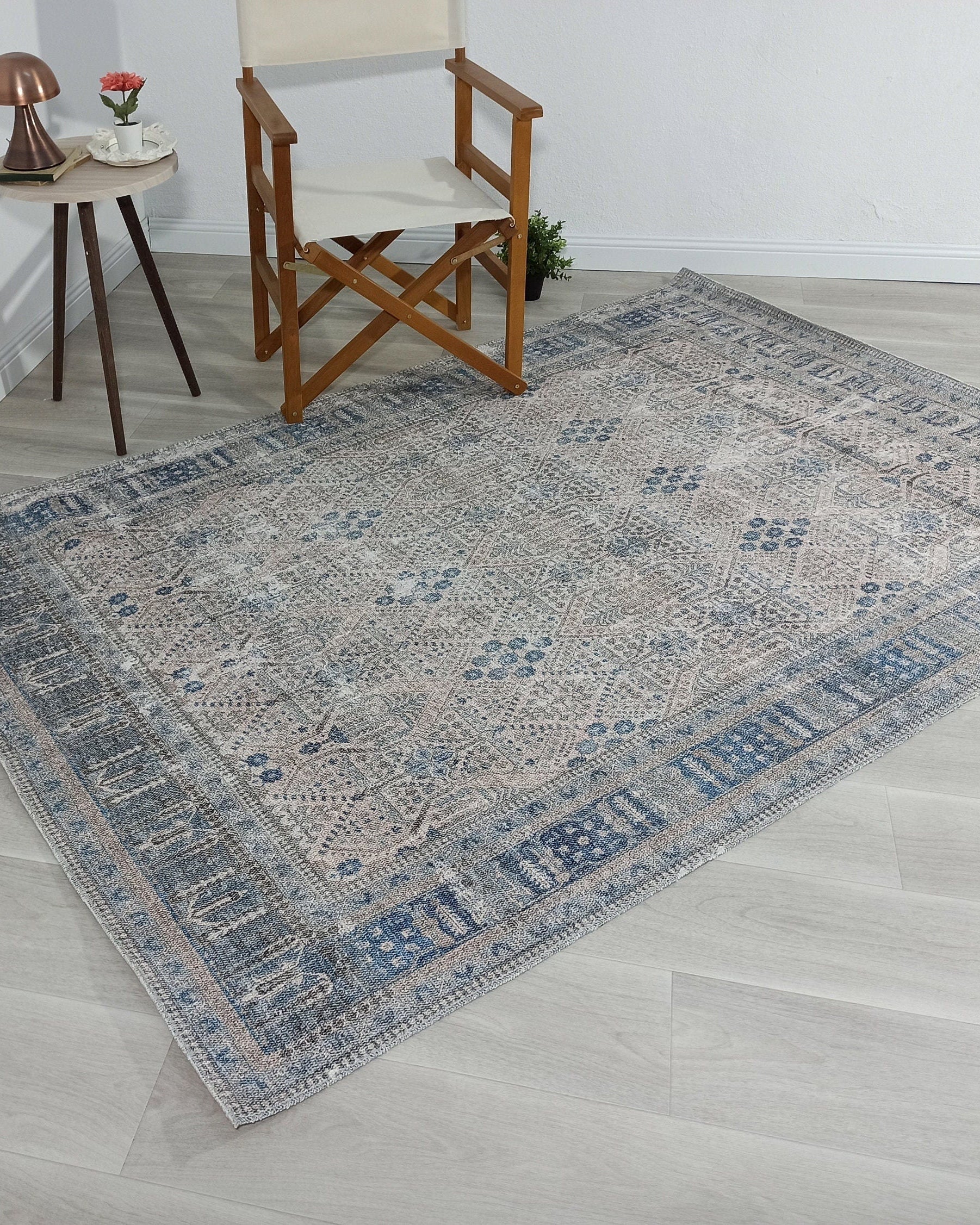
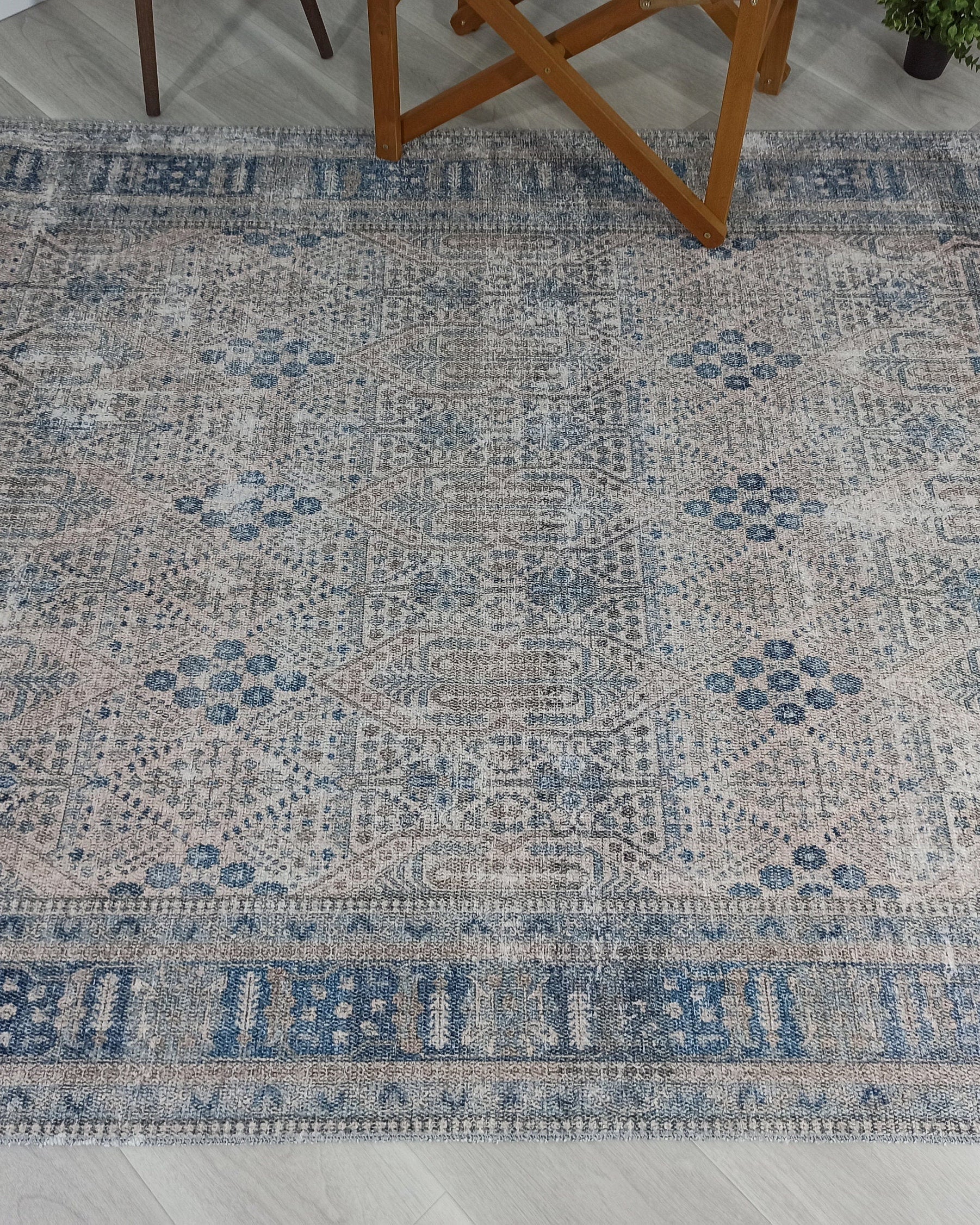
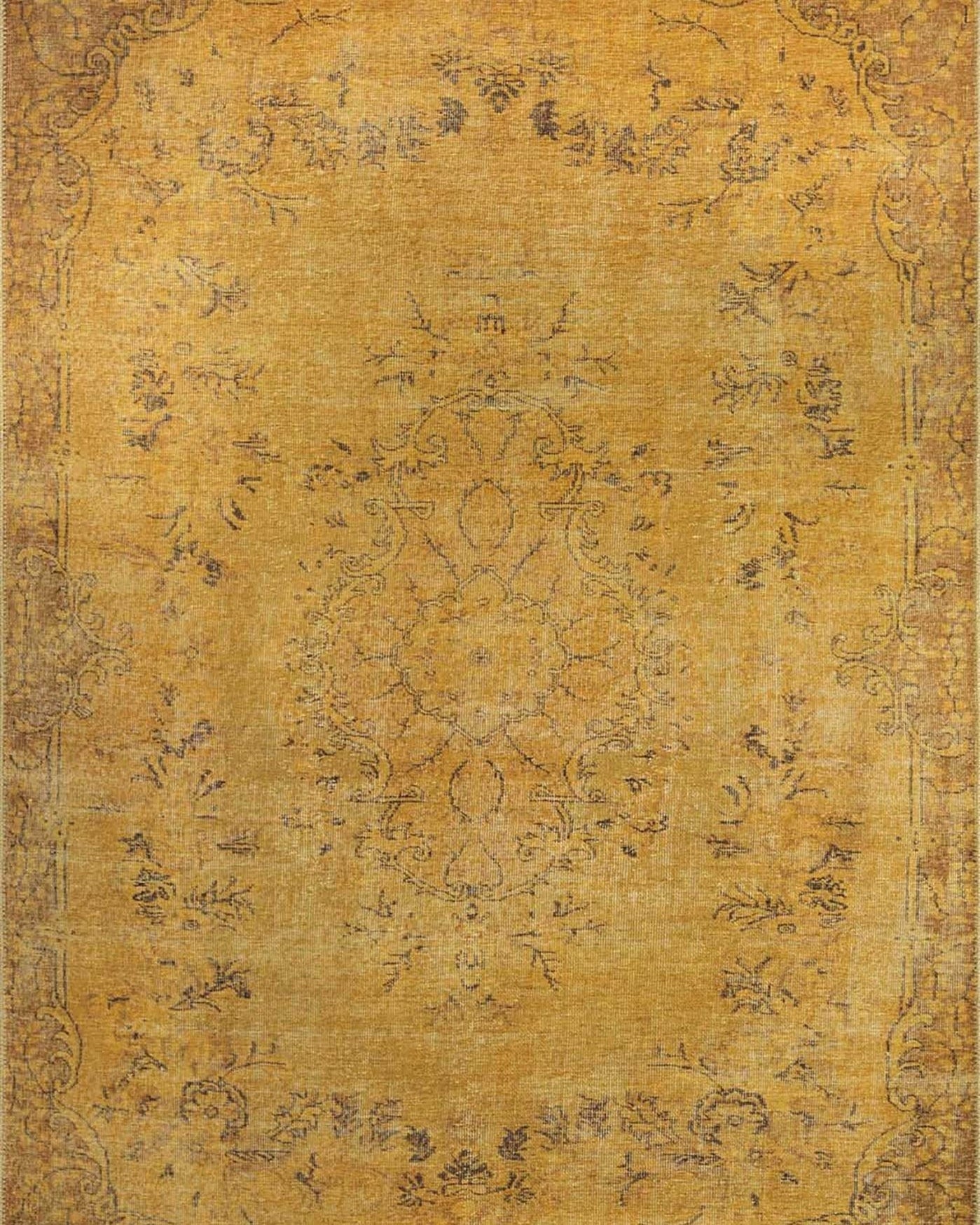
- Vintage Turkish rugs have naturally faded colors and worn textures that tell a story of time. These rugs add authenticity and charm to any room.
- Modern Turkish rugs maintain traditional designs but may incorporate updated color palettes and materials for contemporary homes.
Both styles remain timeless, offering versatility for different décor preferences.
Colors and Motifs in Turkish Rugs
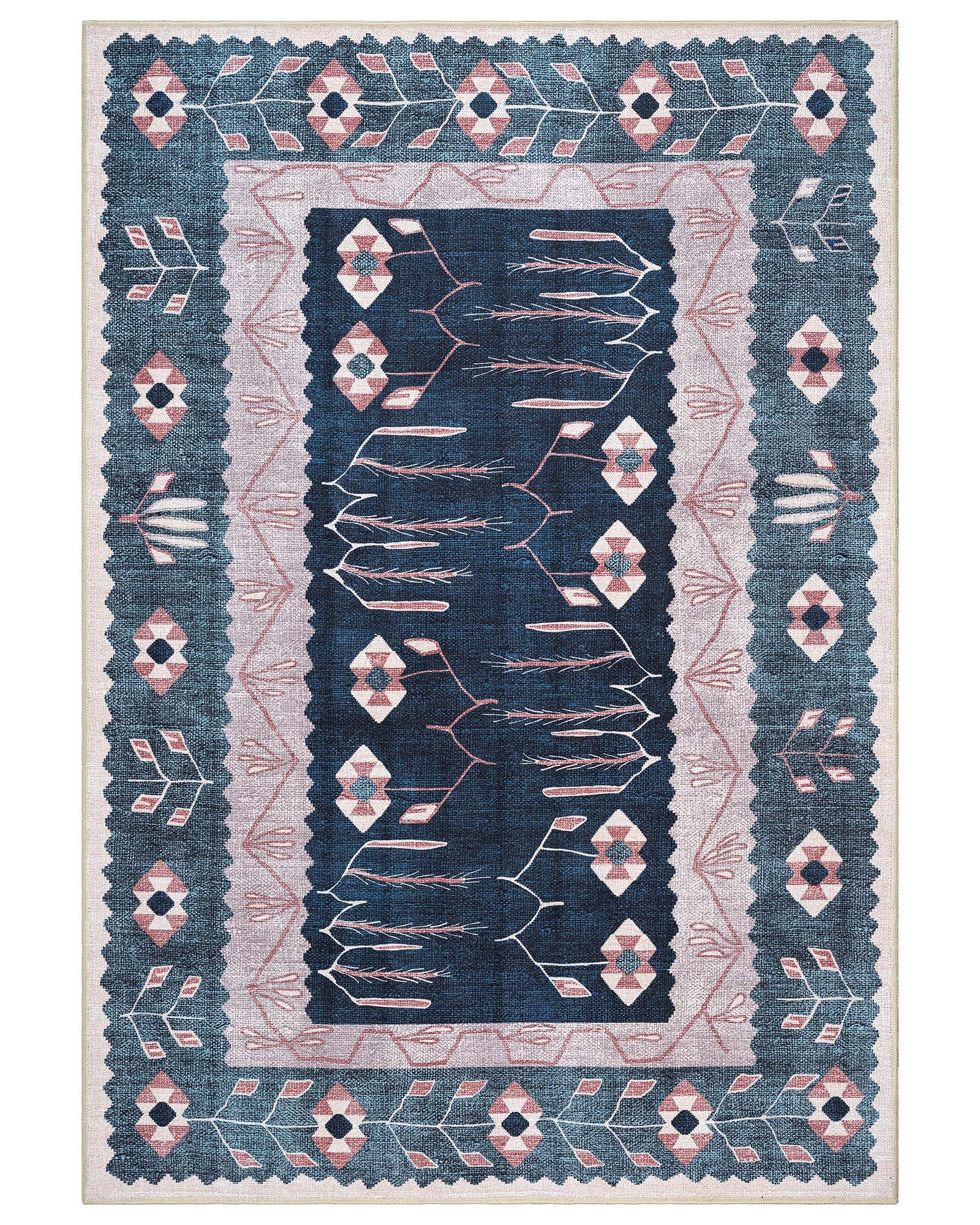
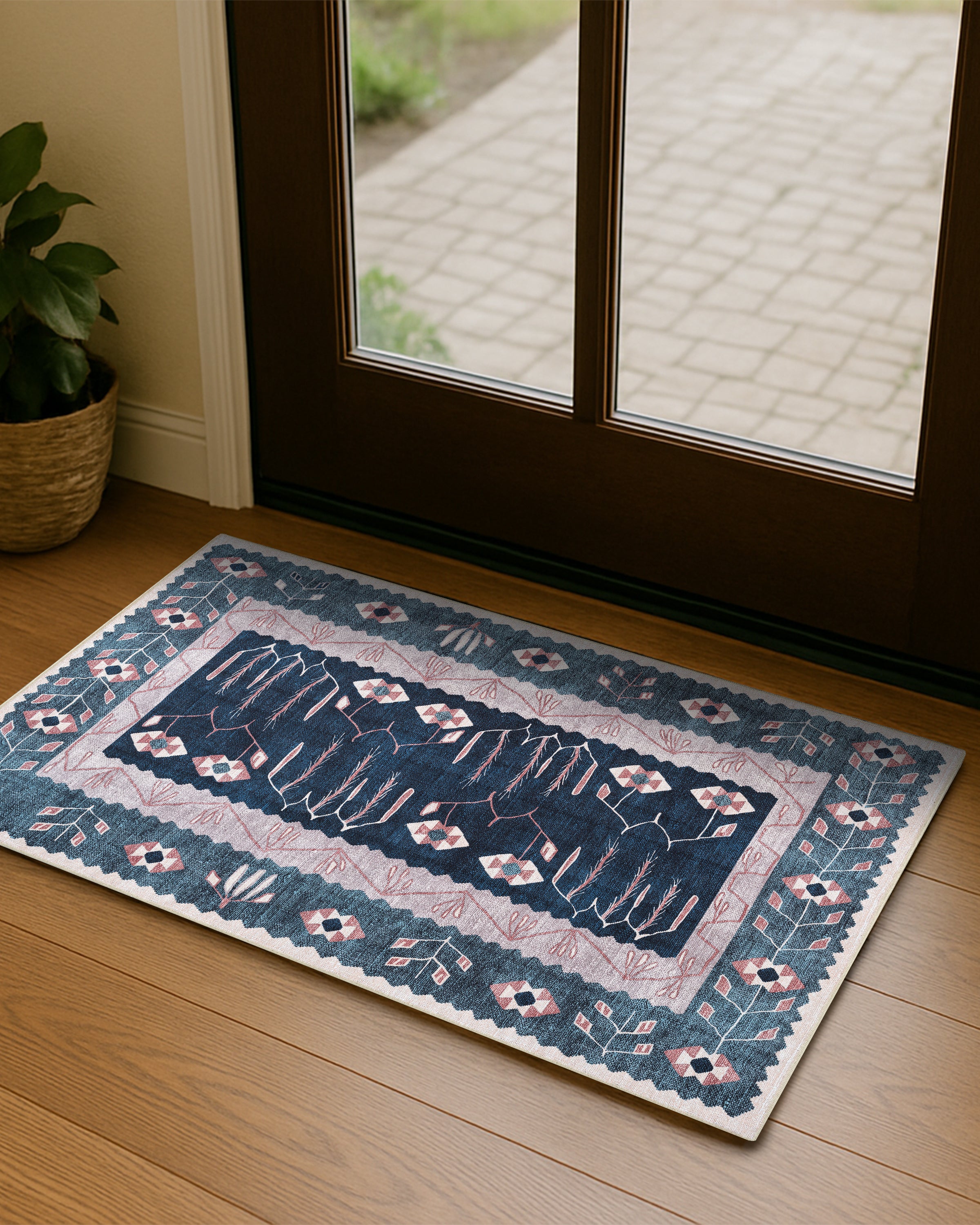
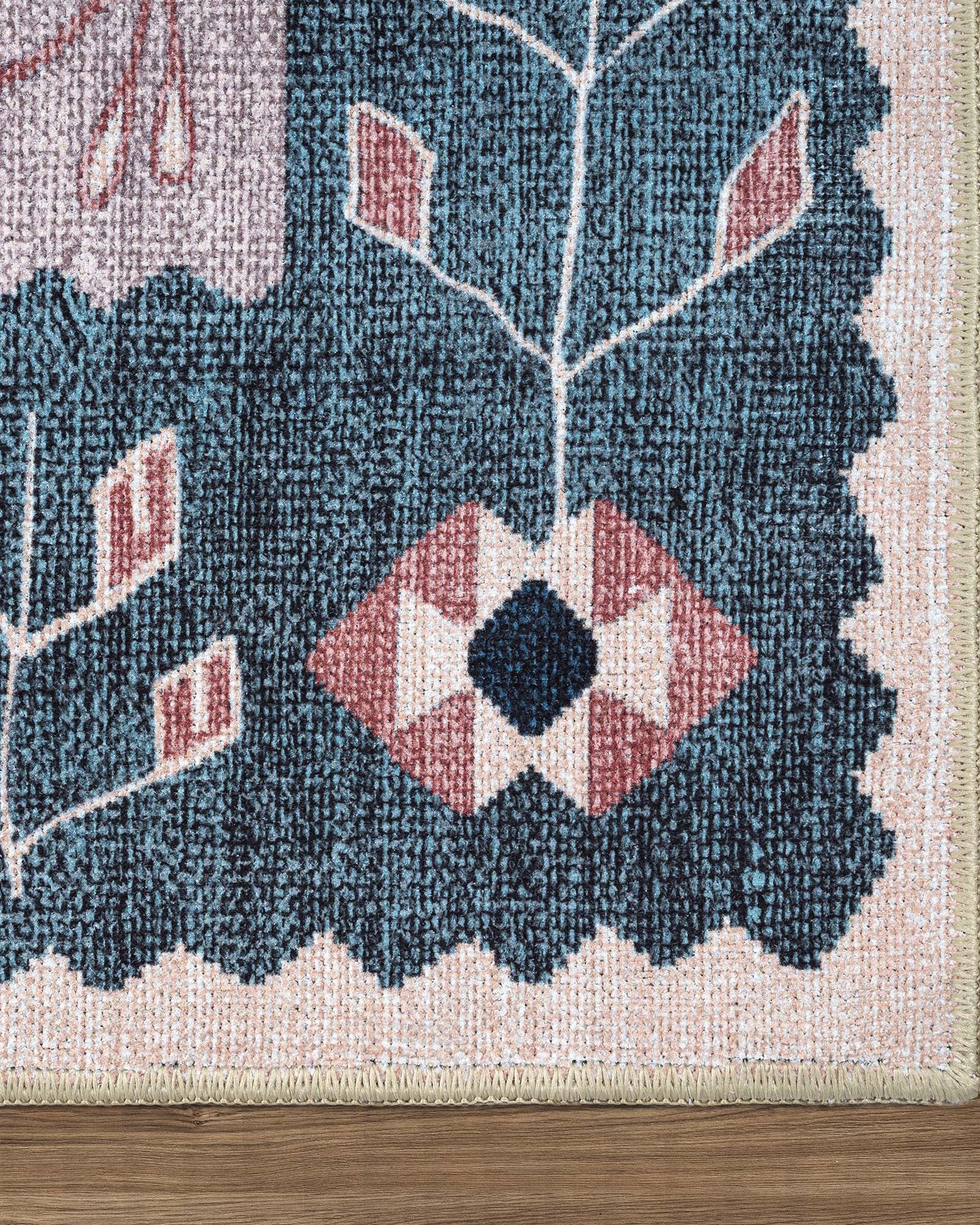
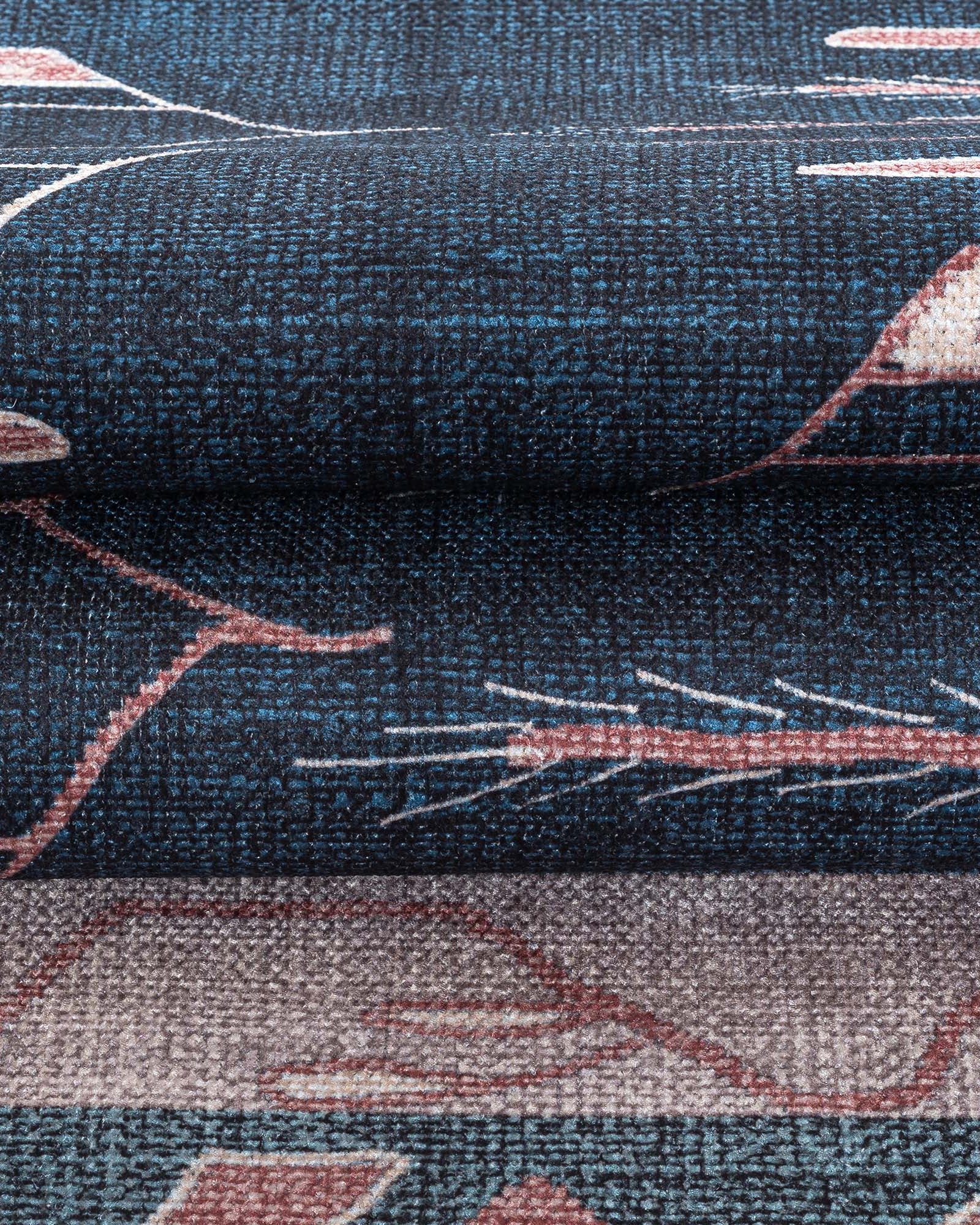
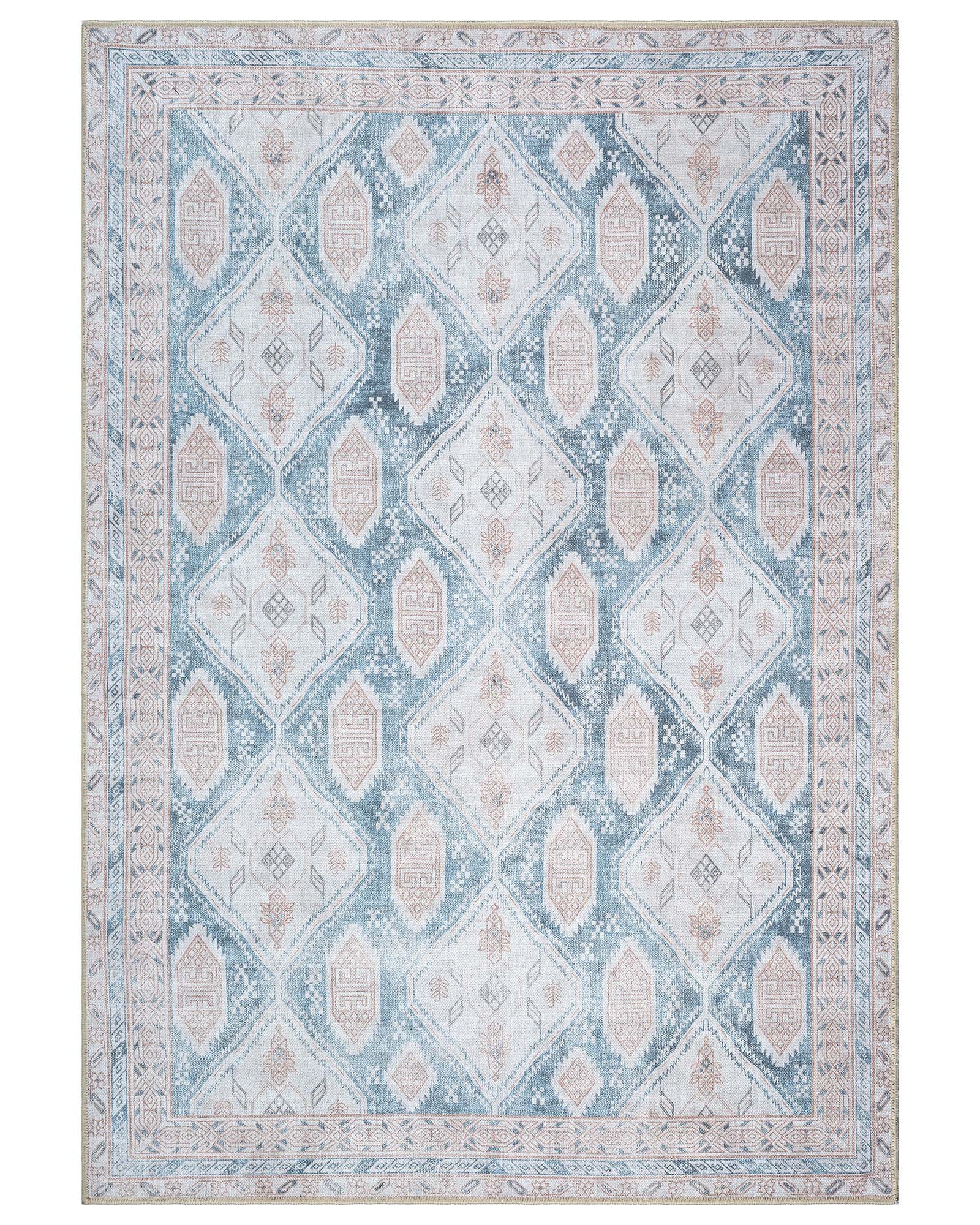
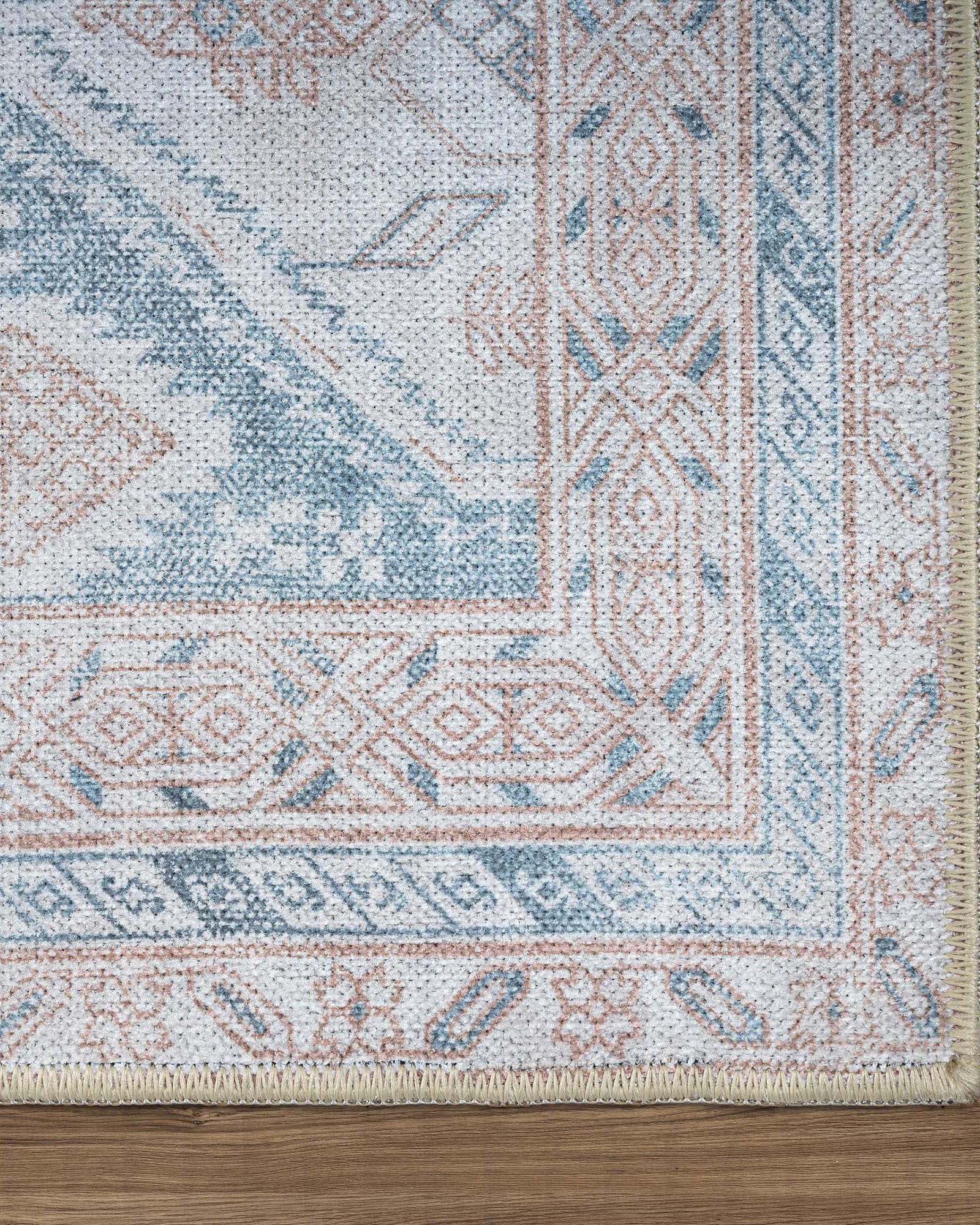
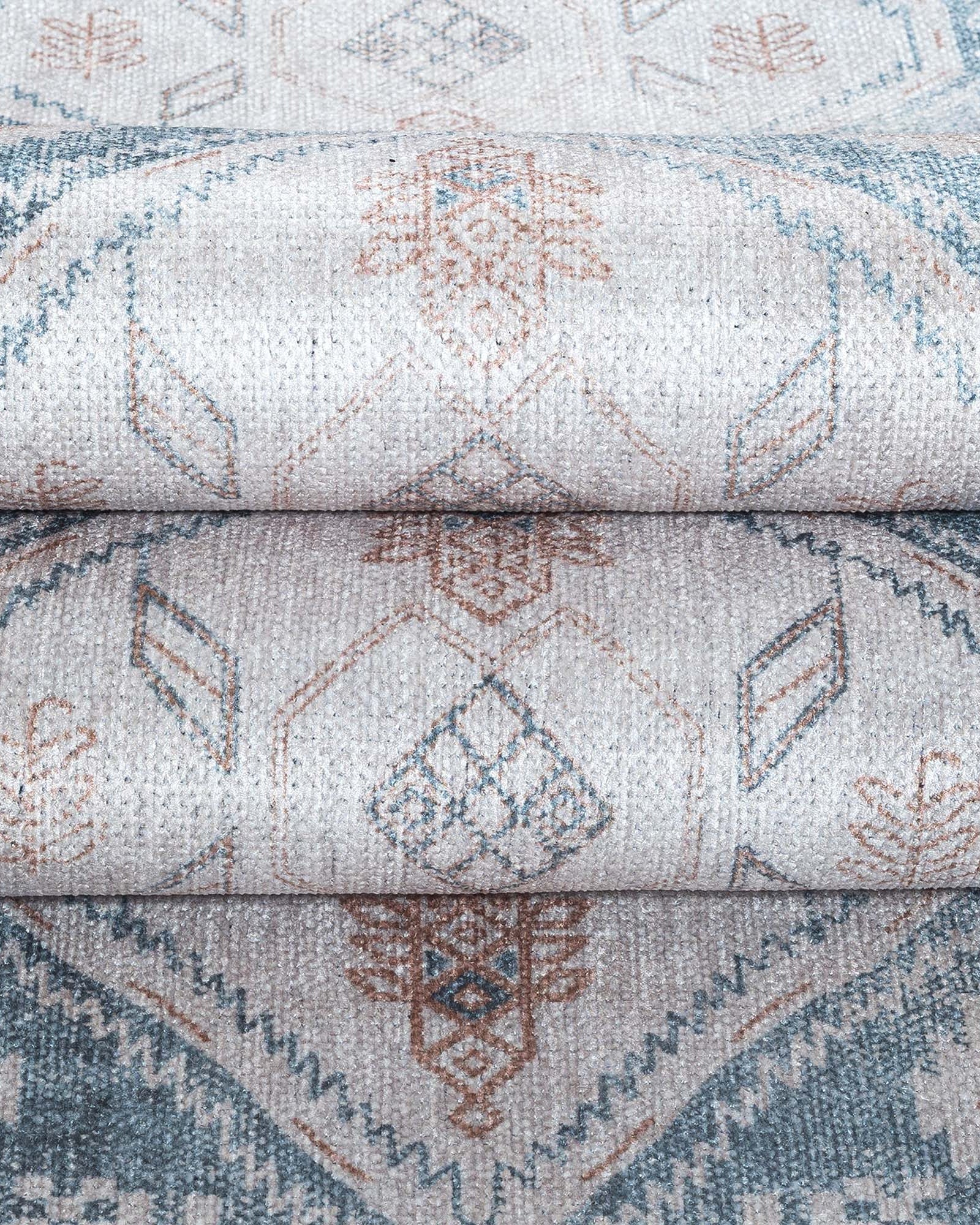
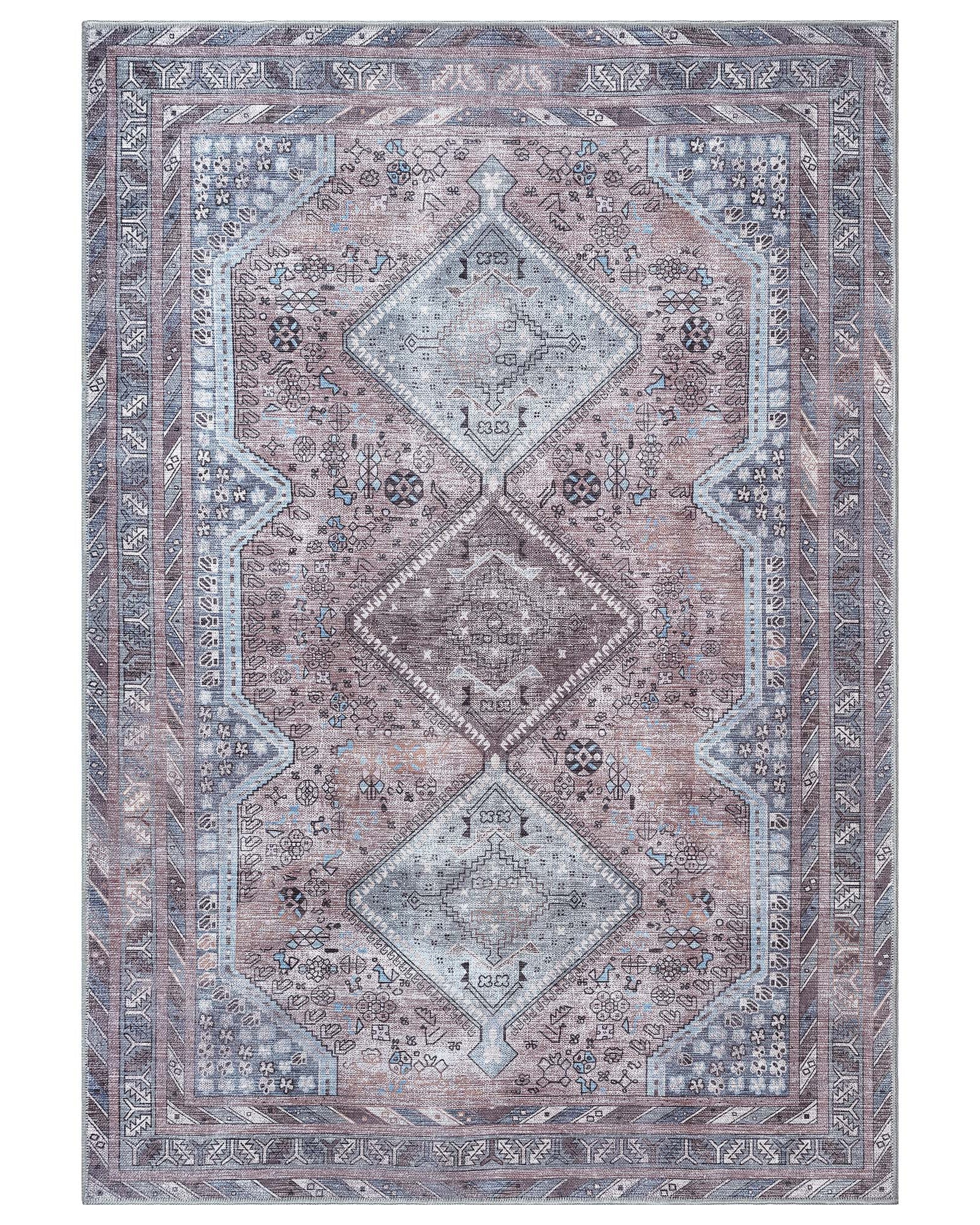
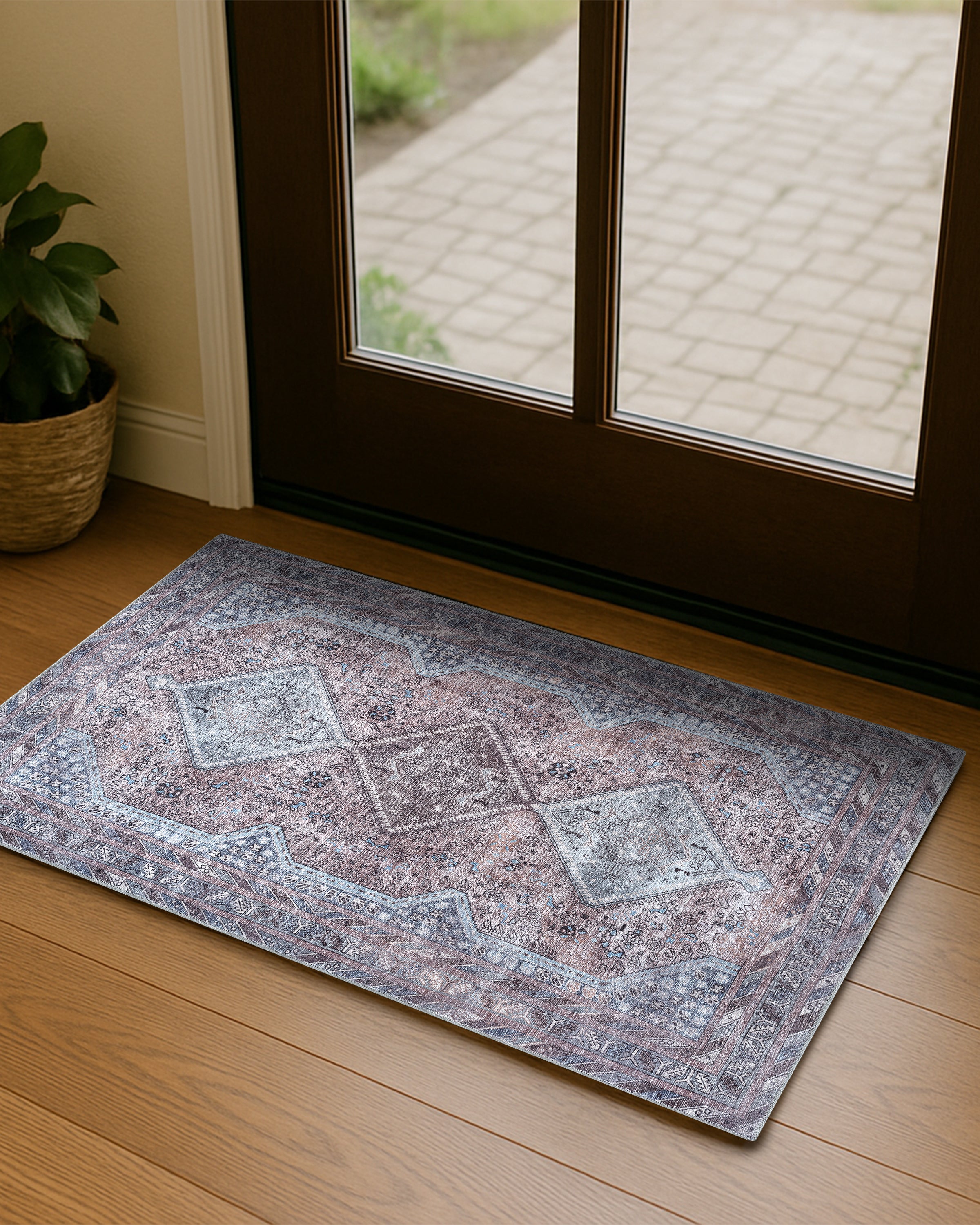
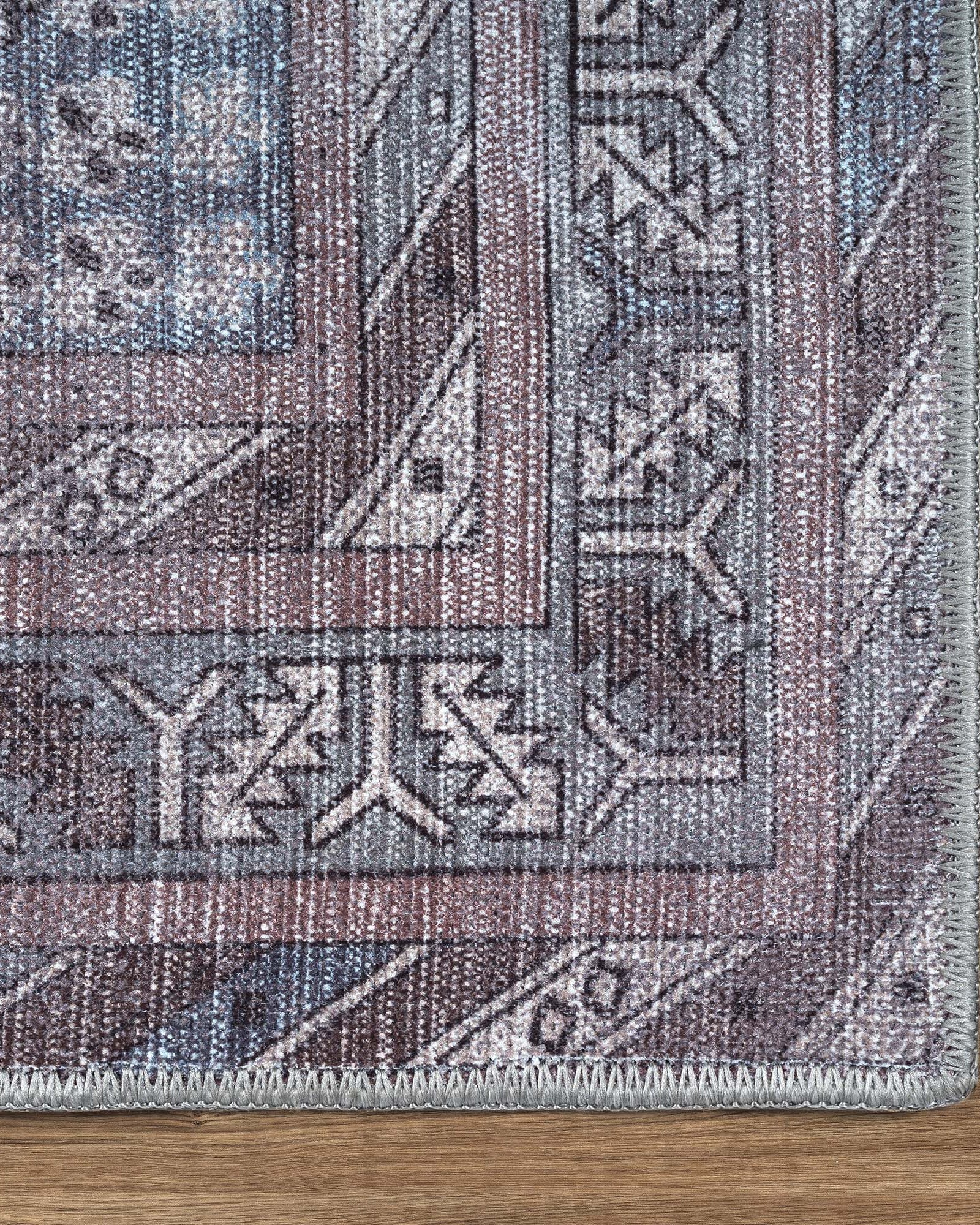
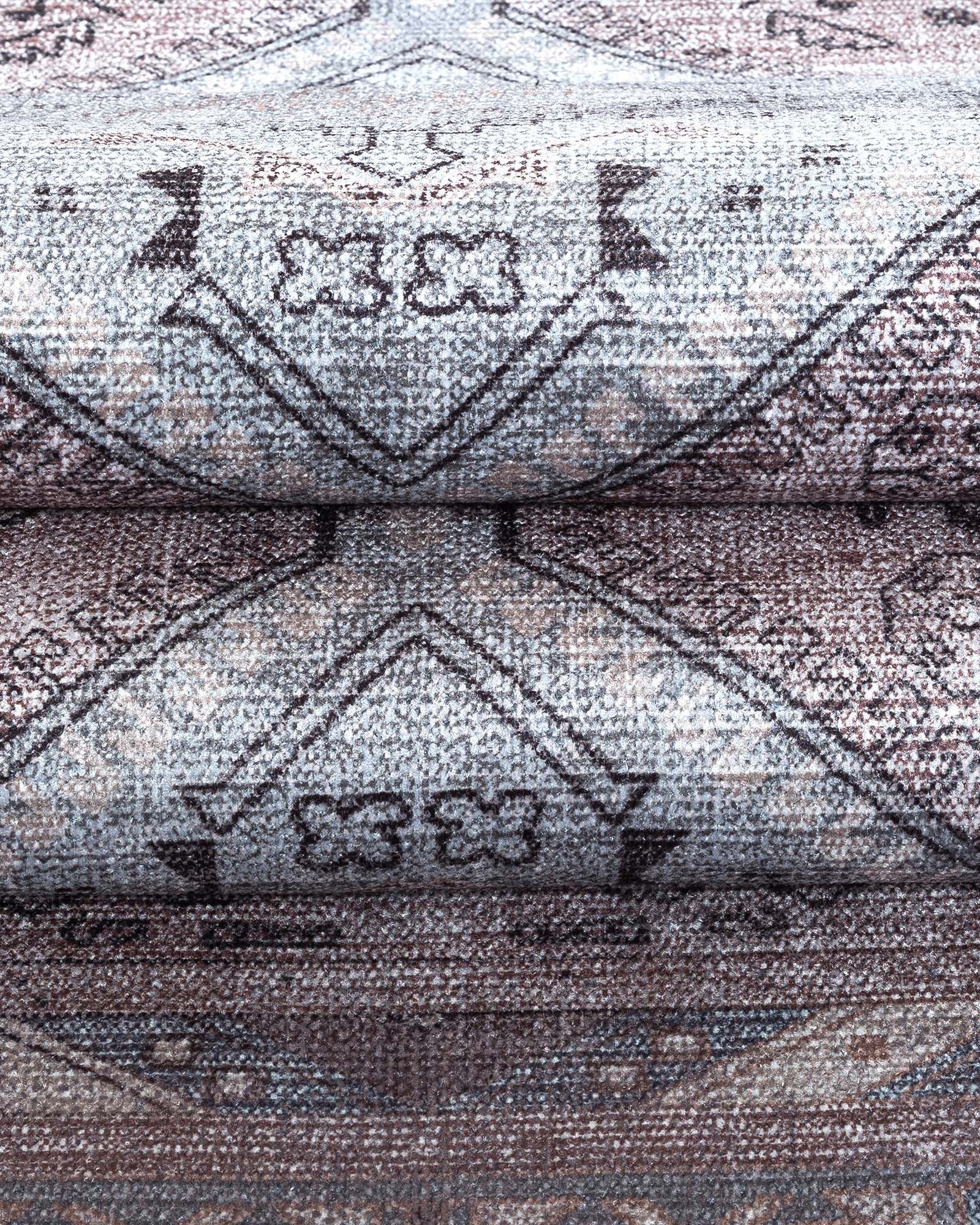
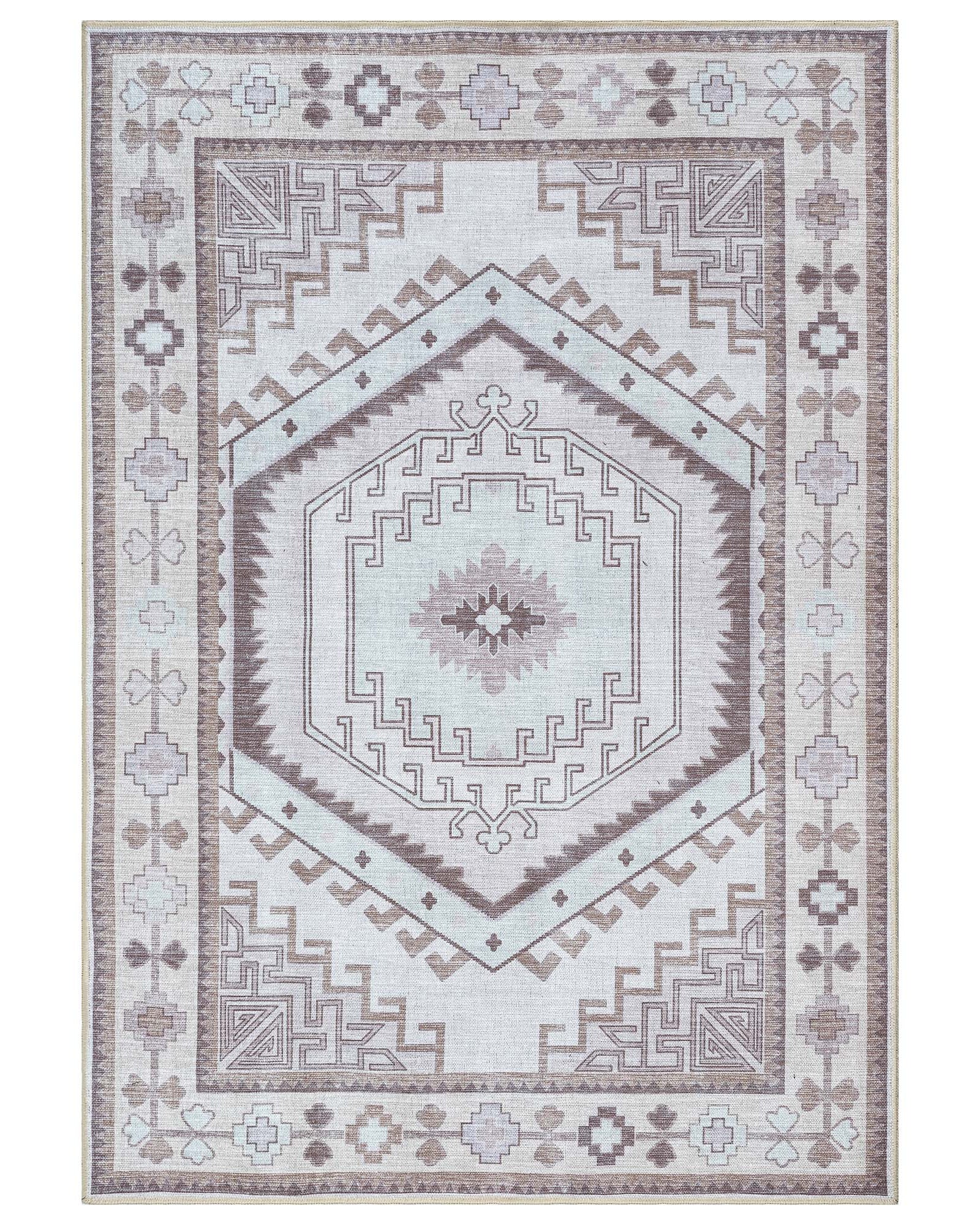
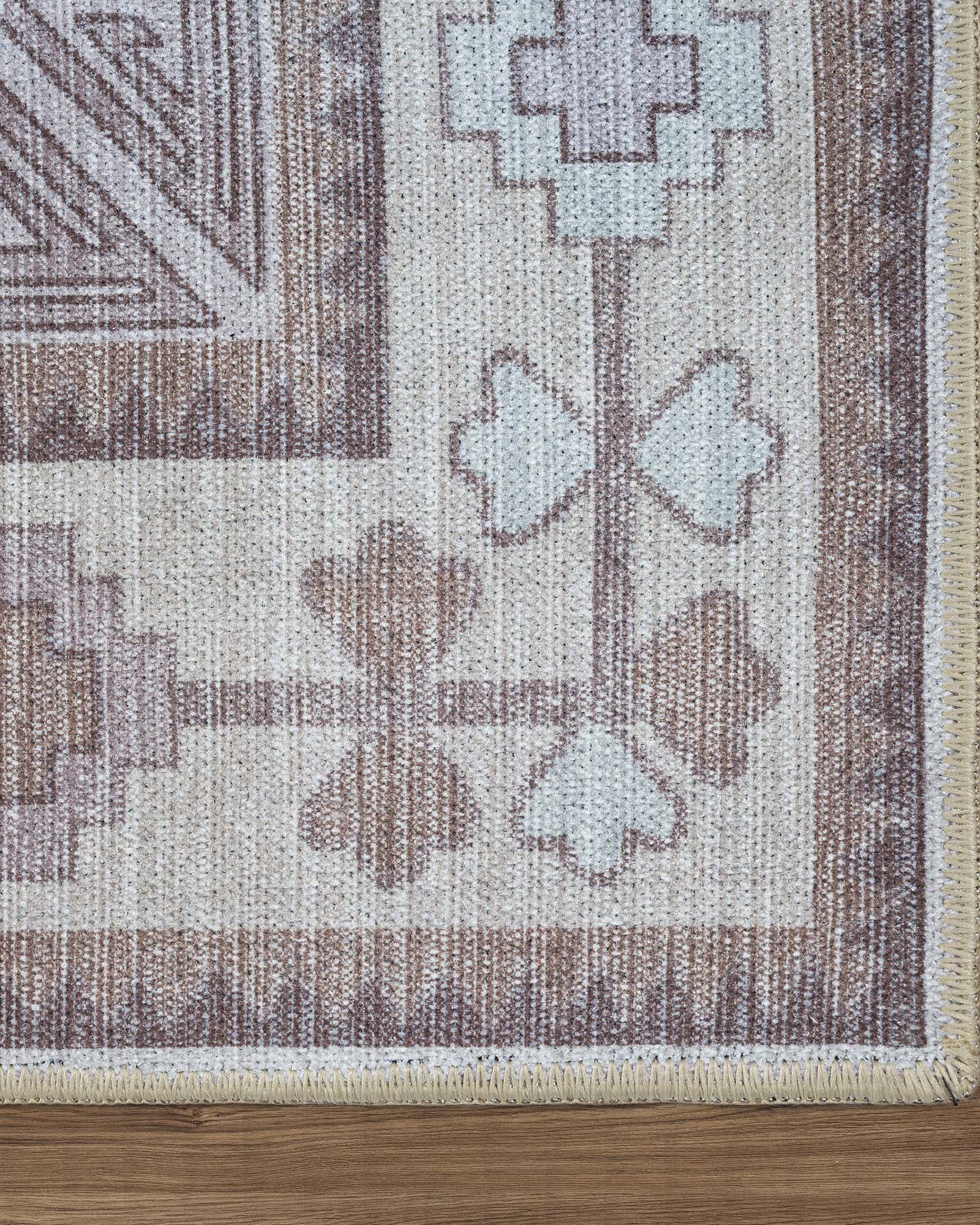
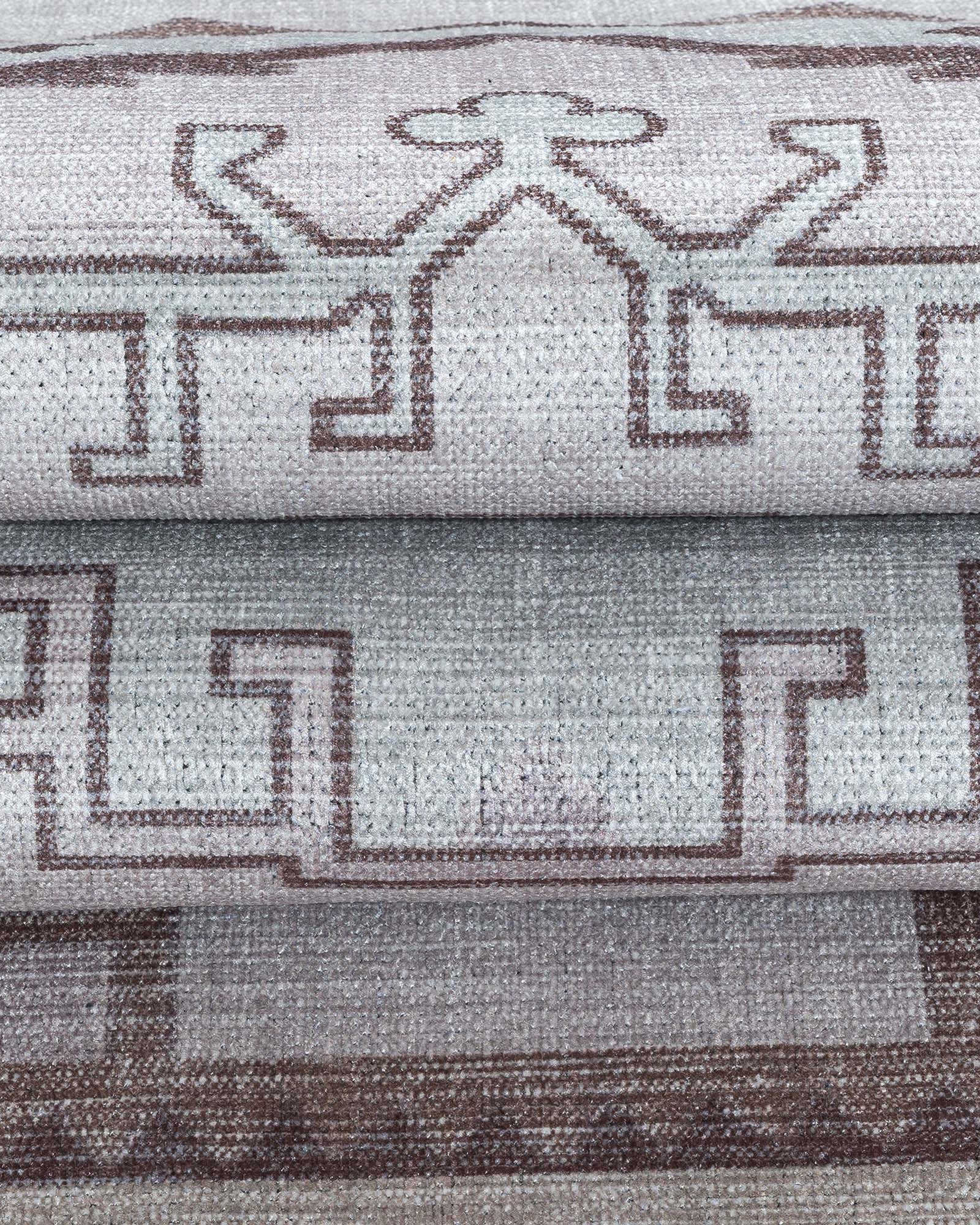
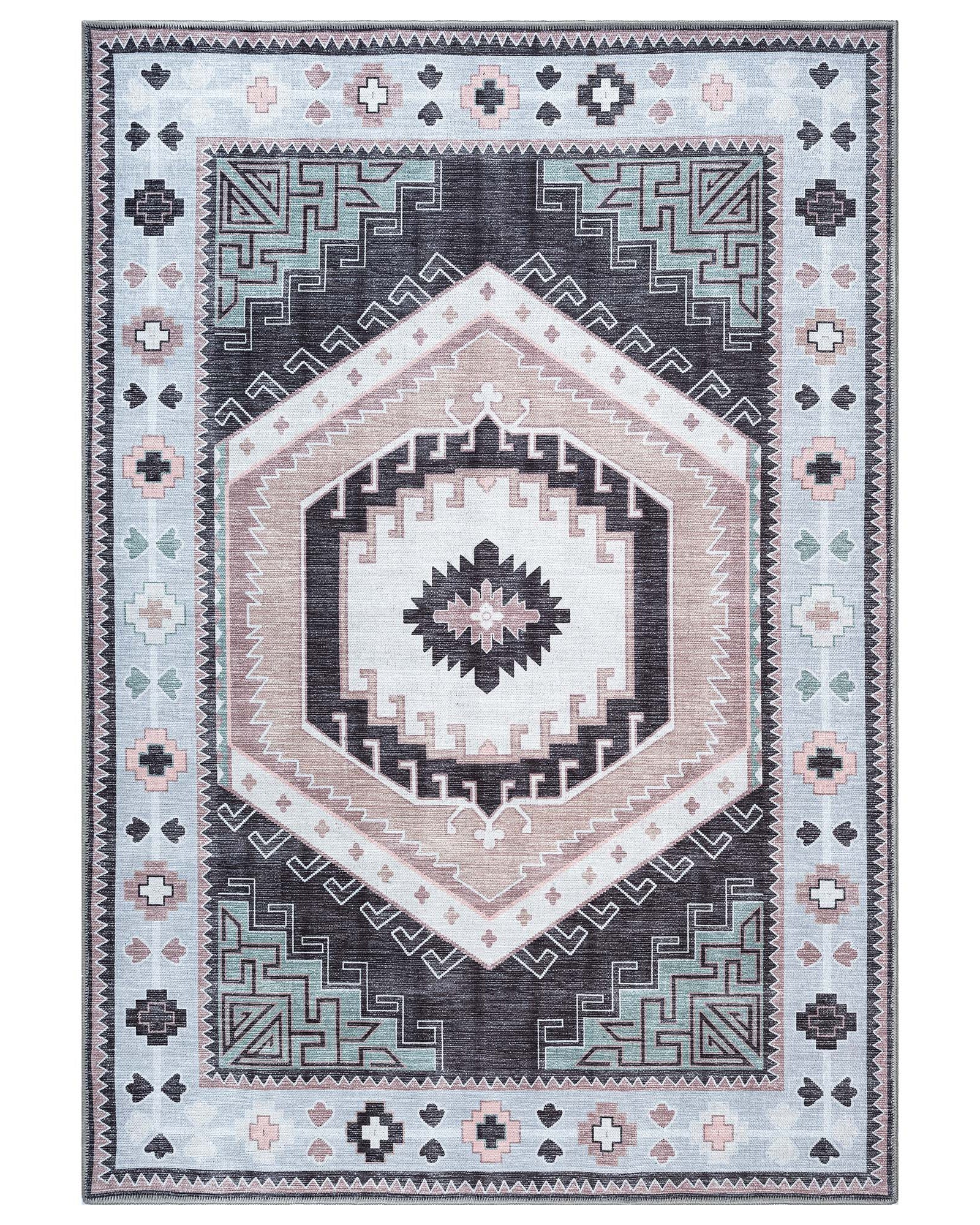
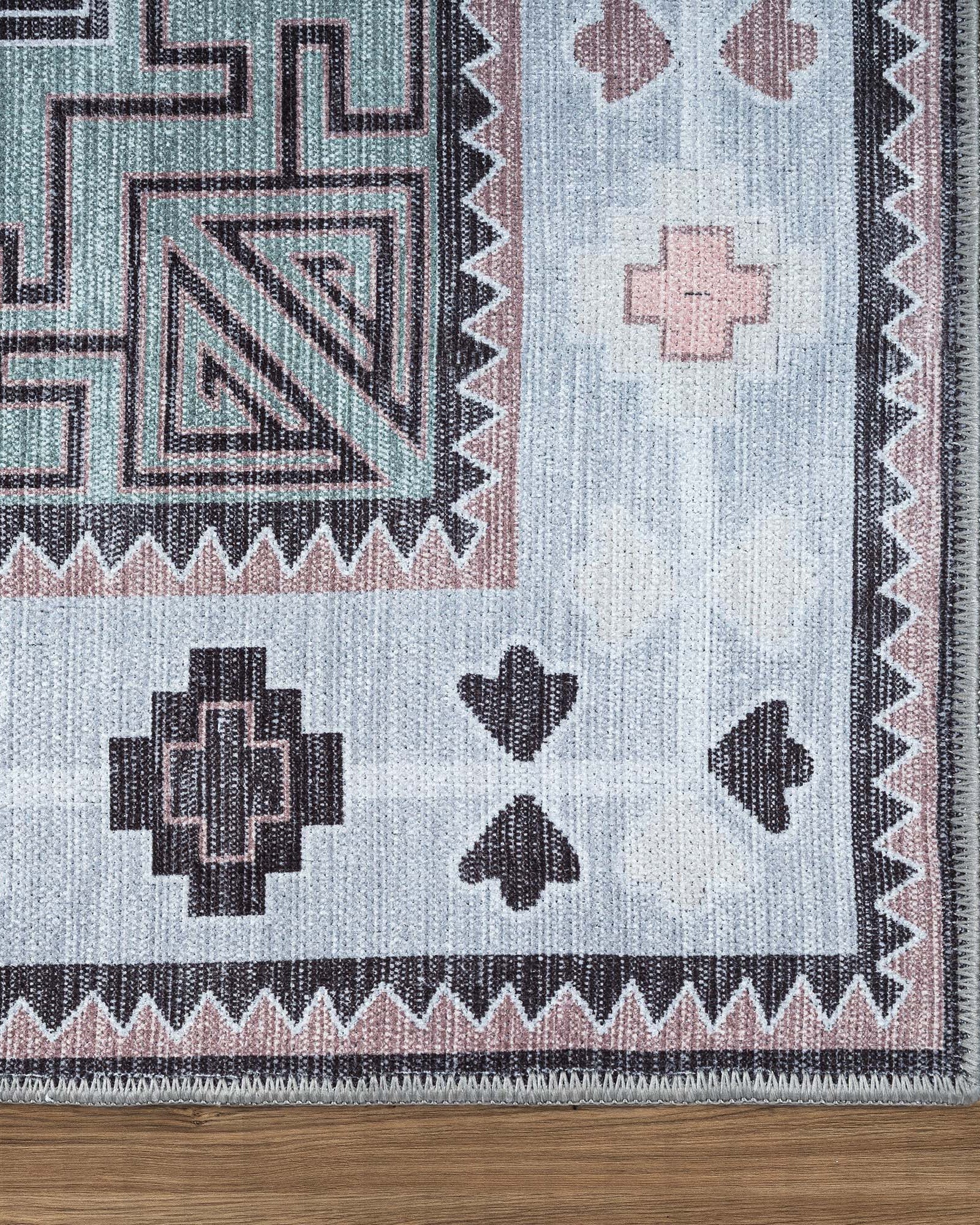
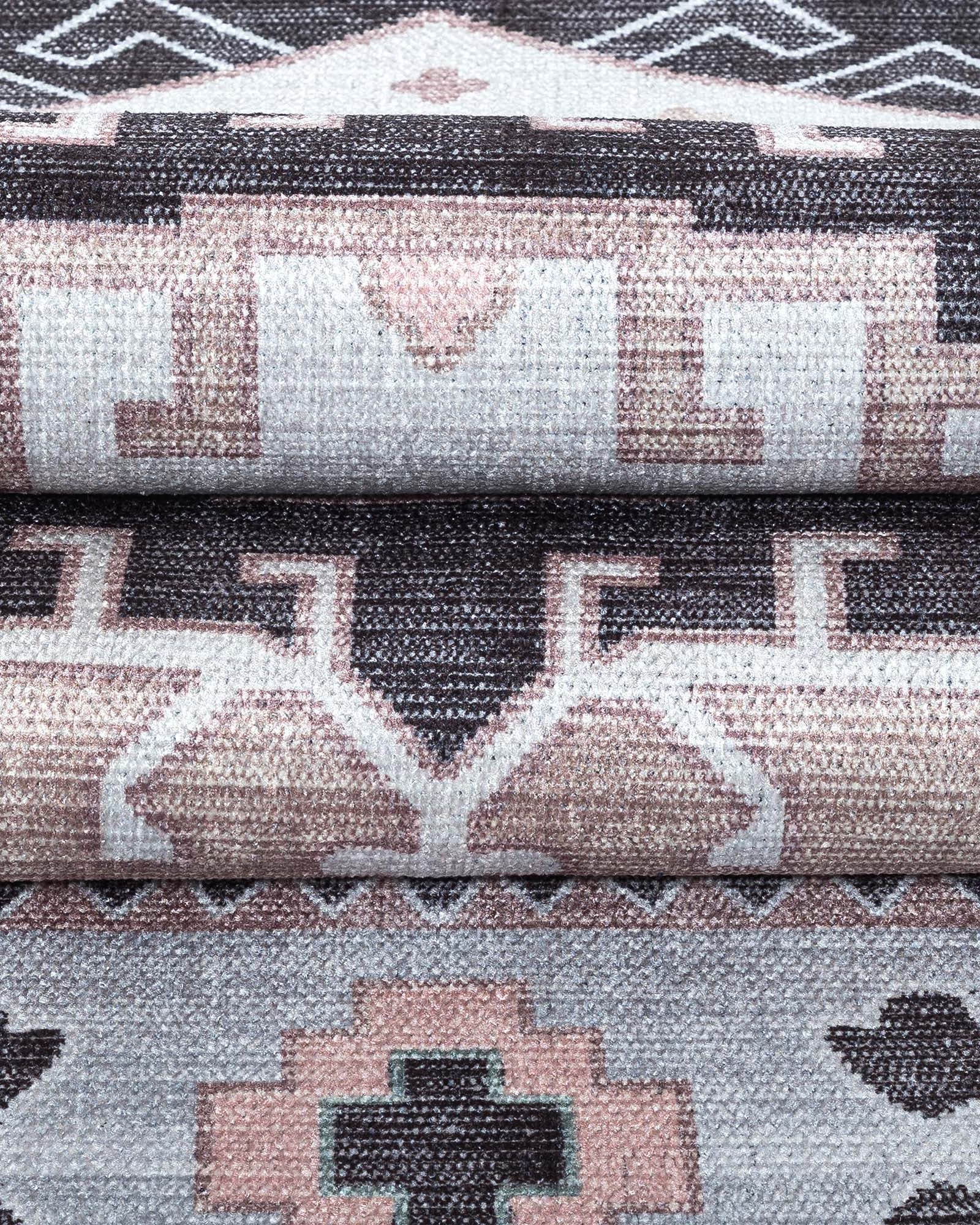
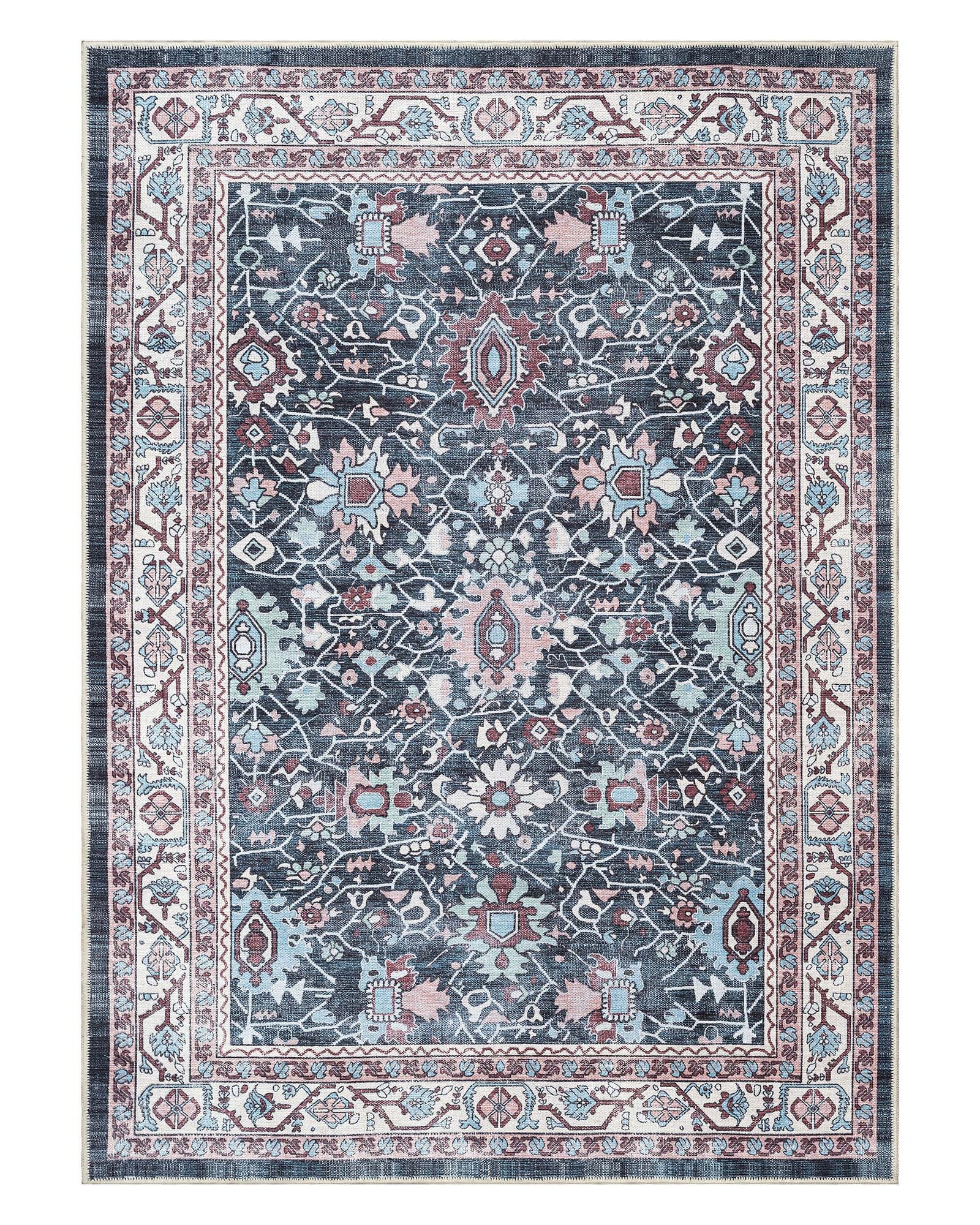
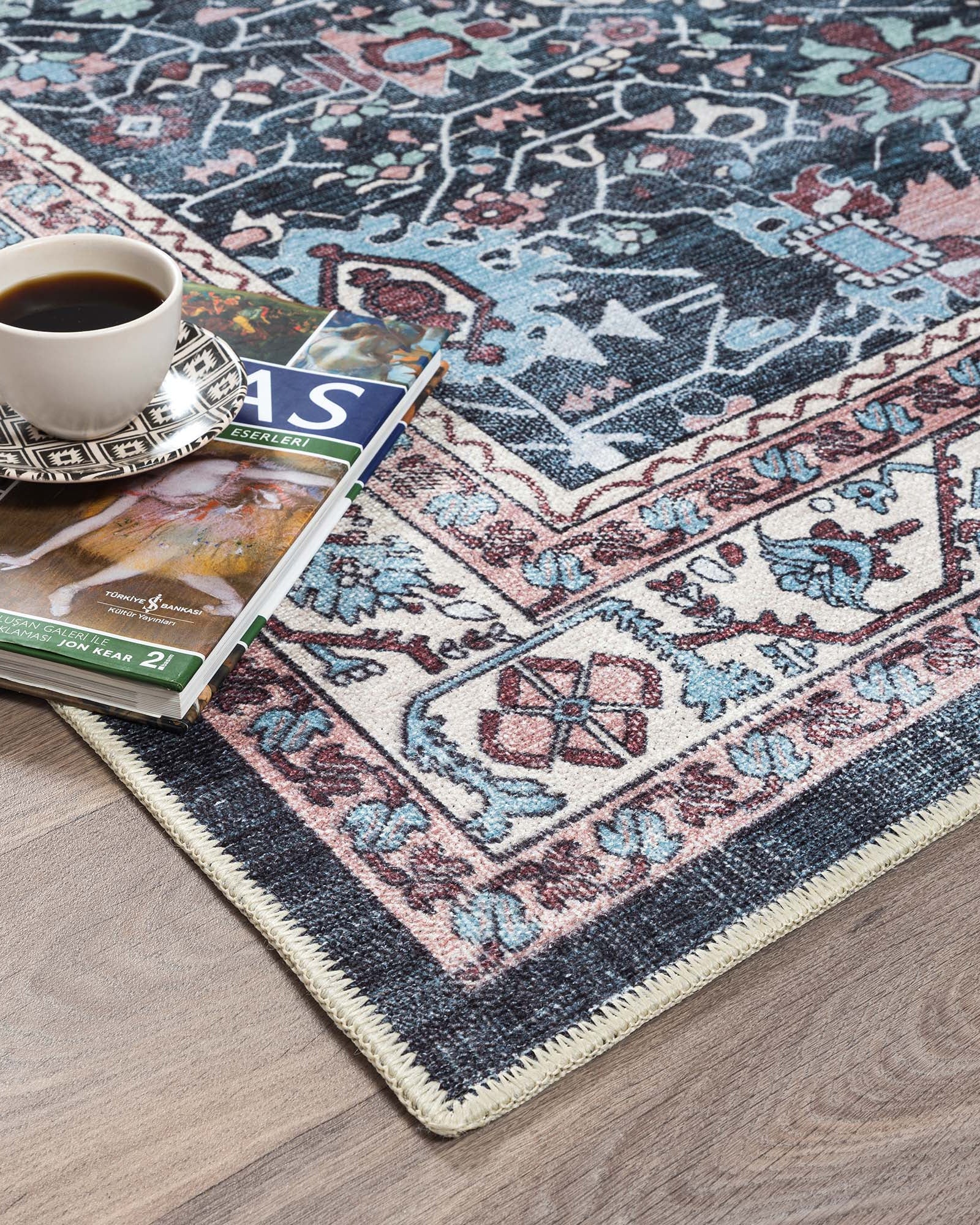
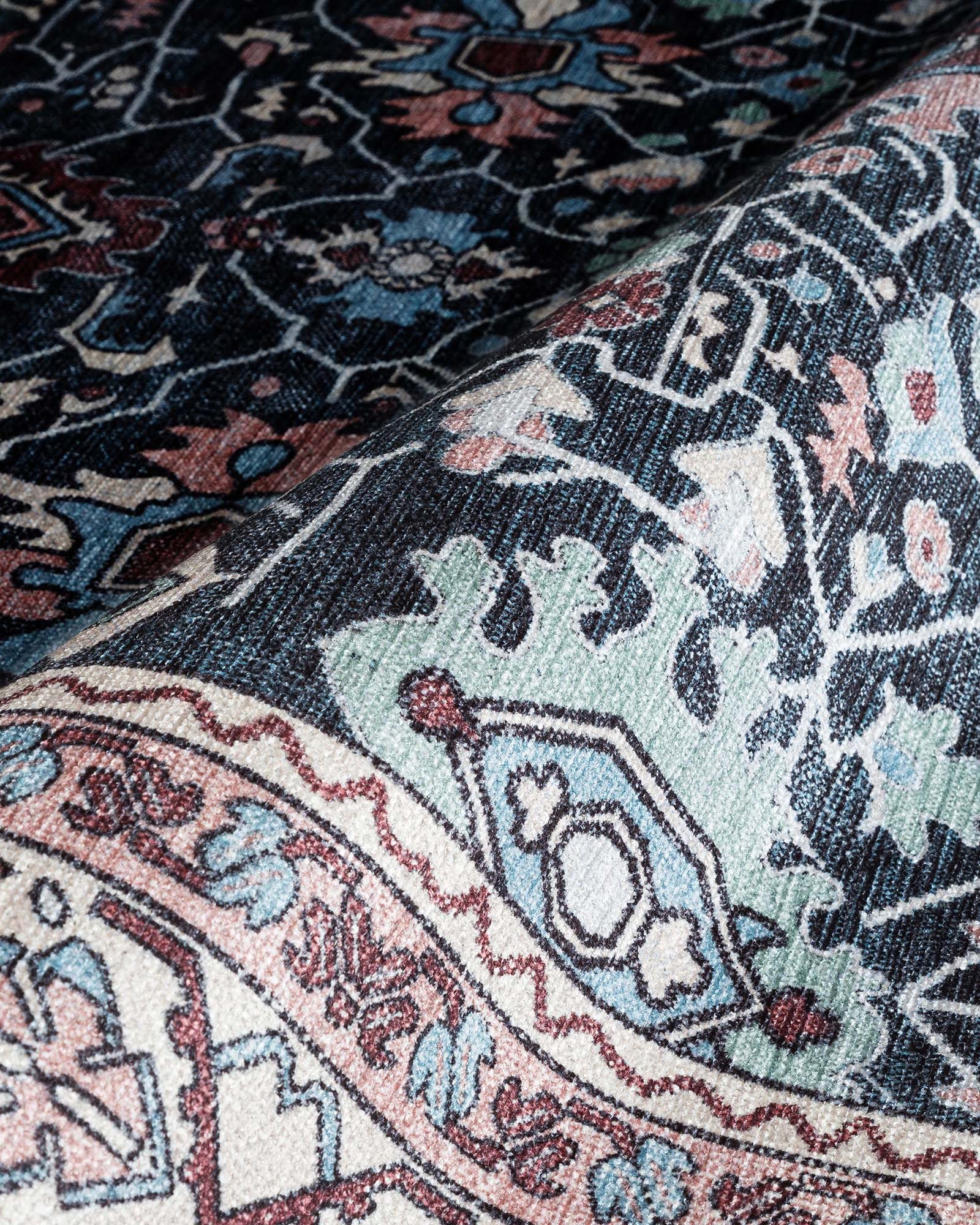
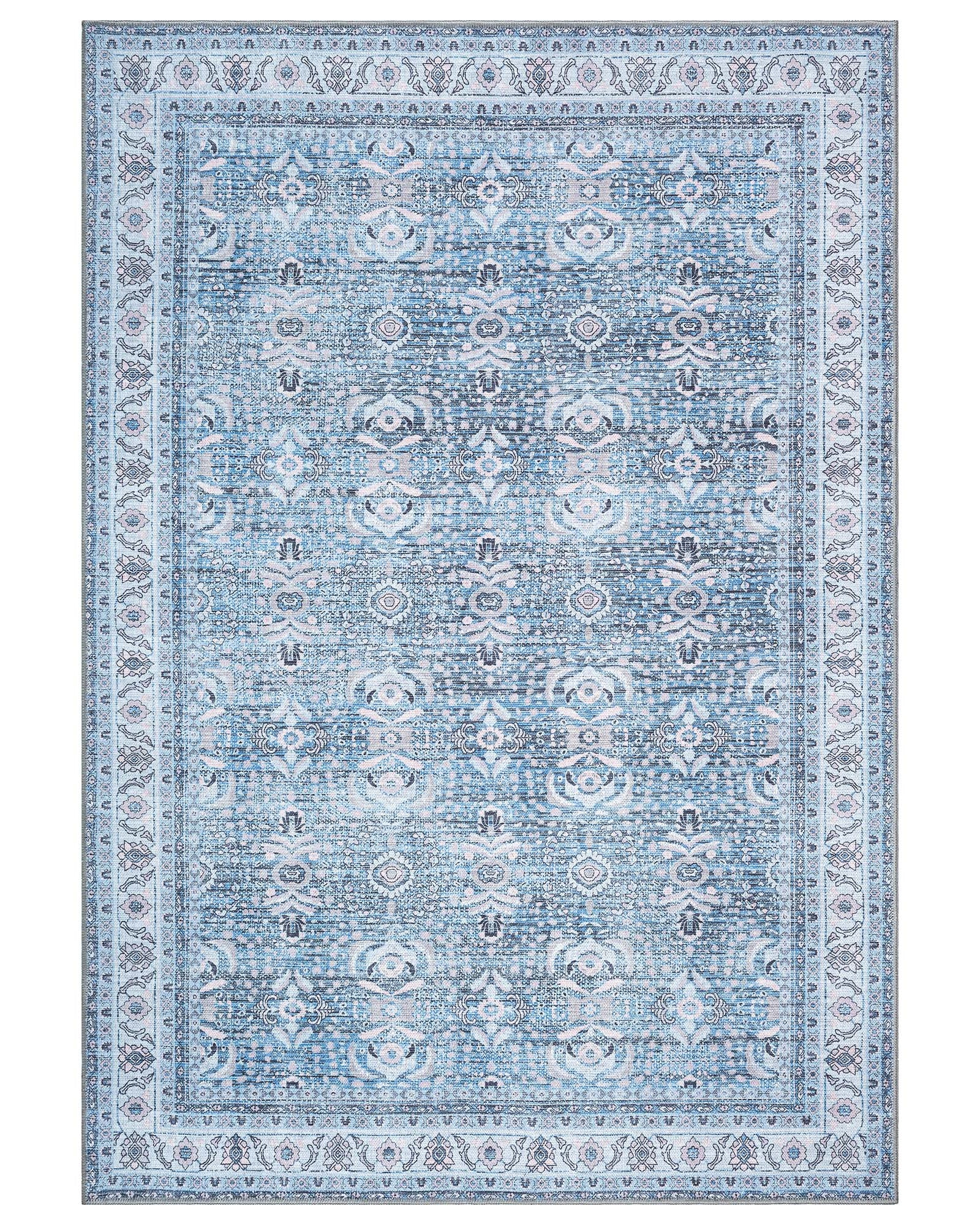
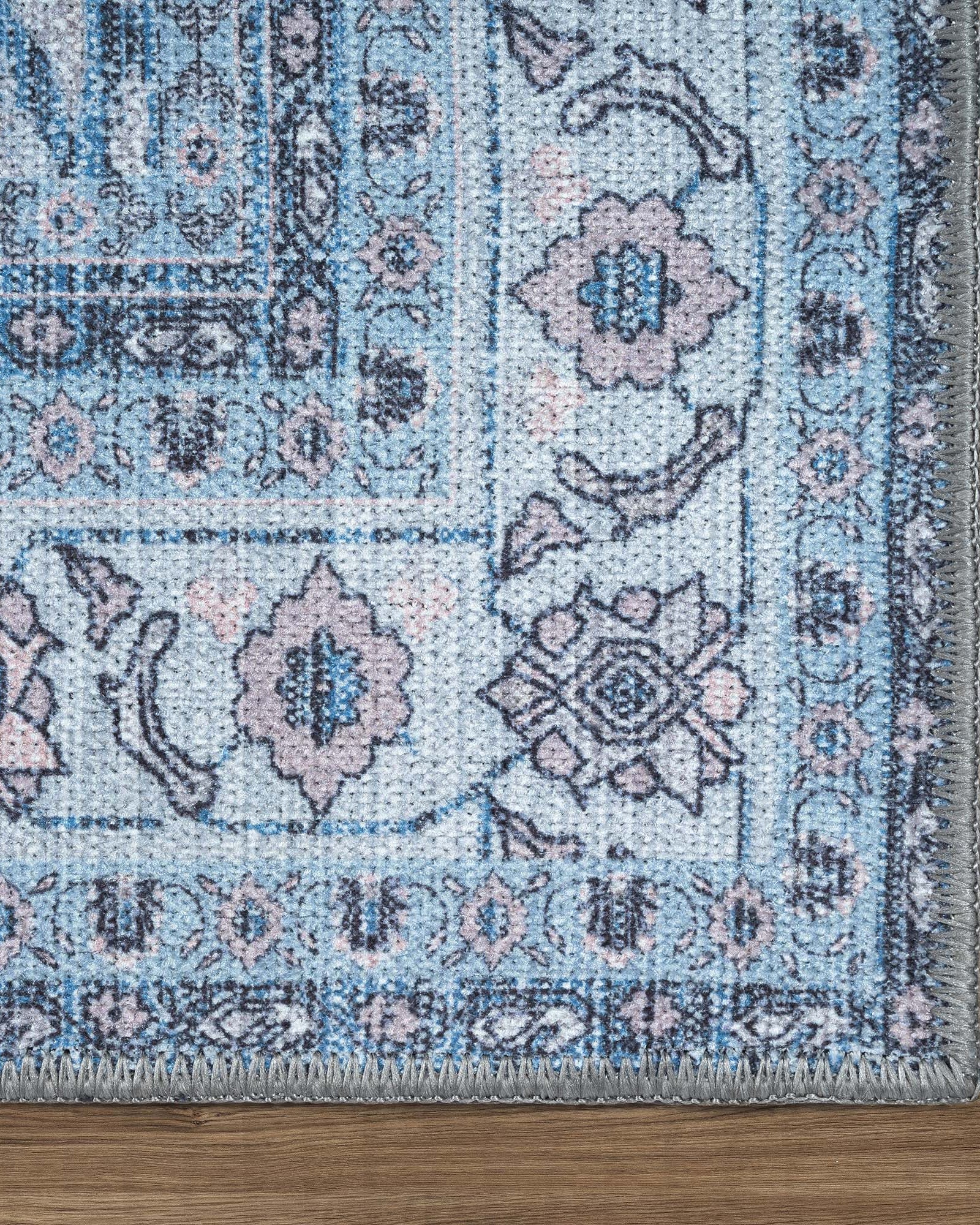
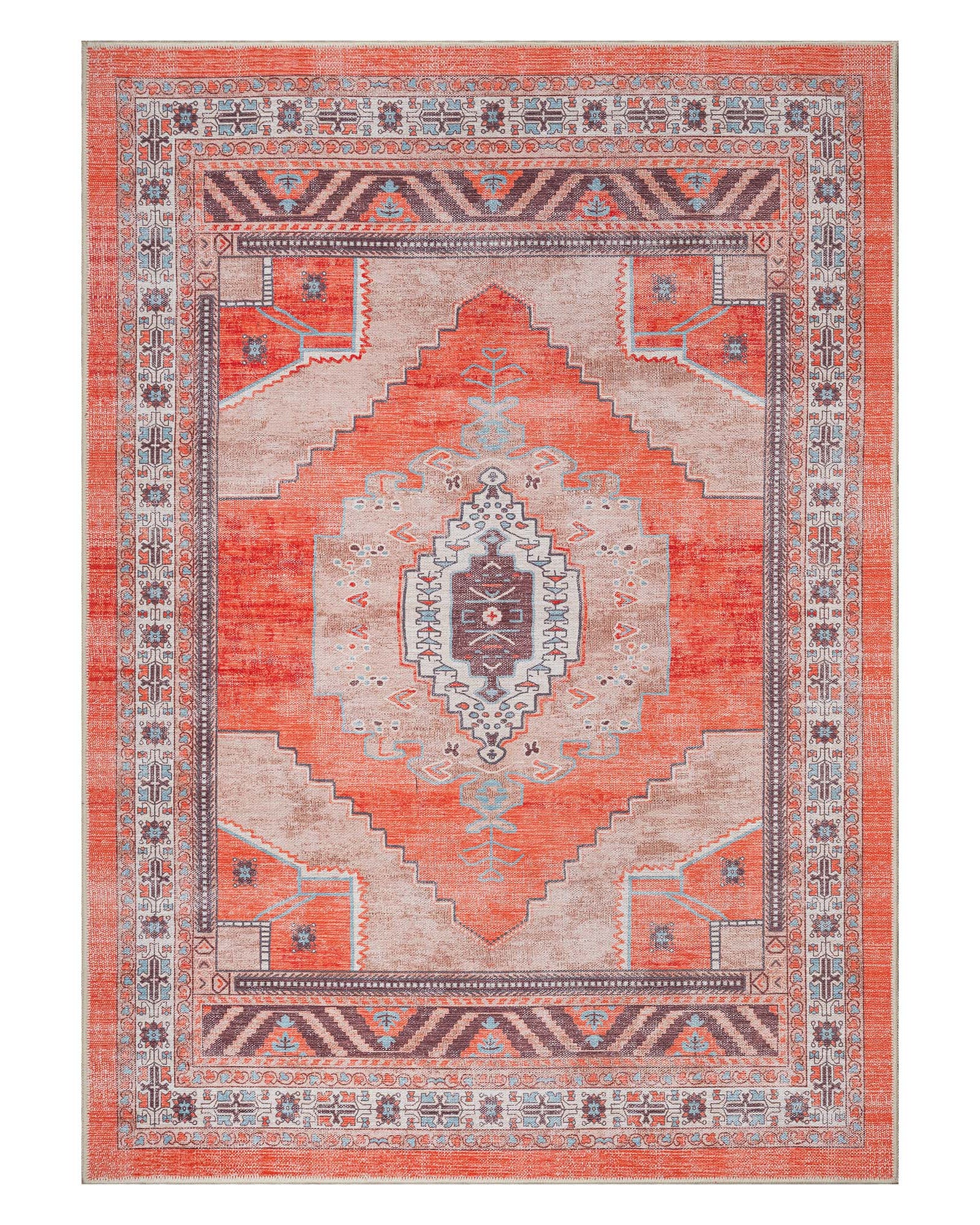
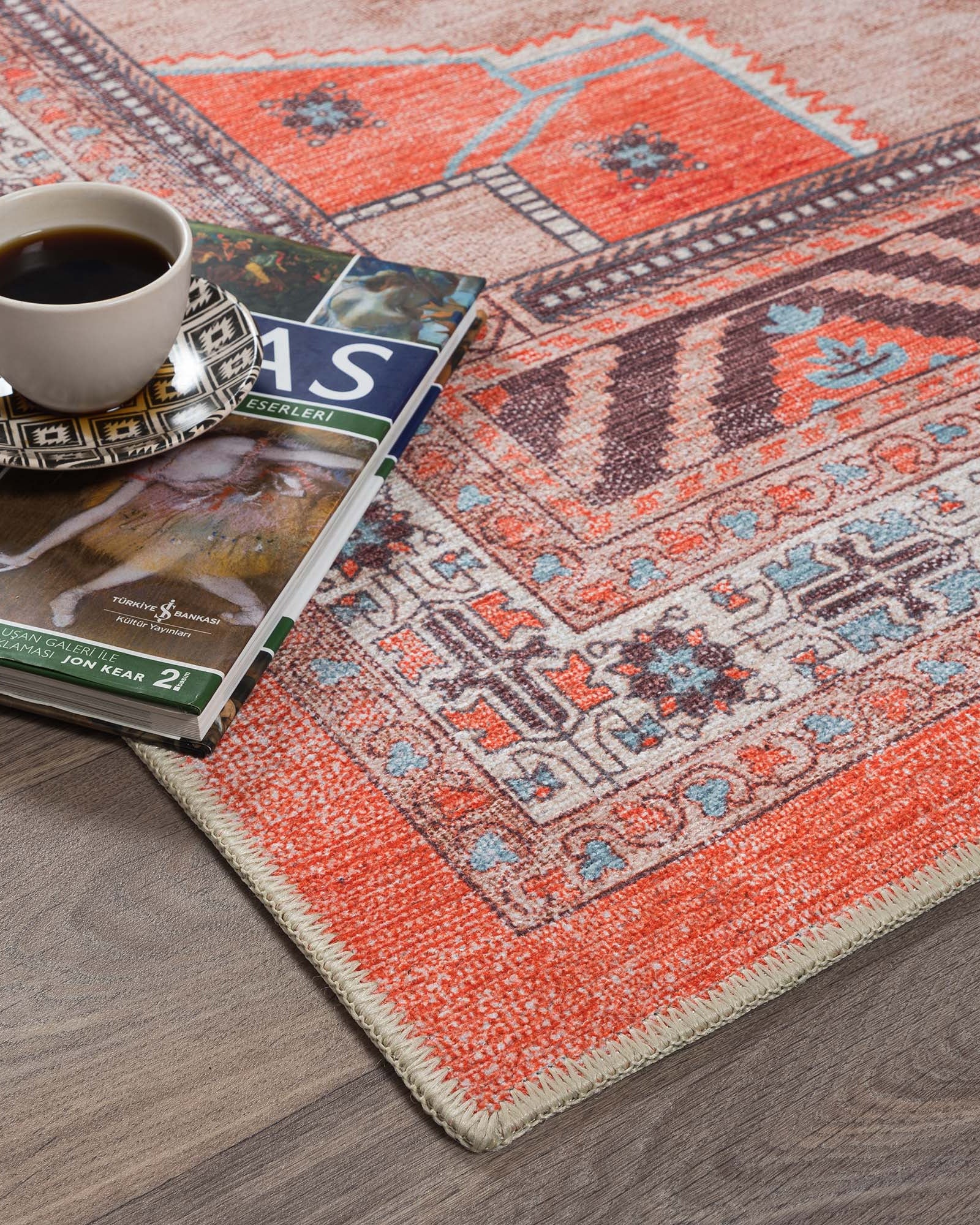
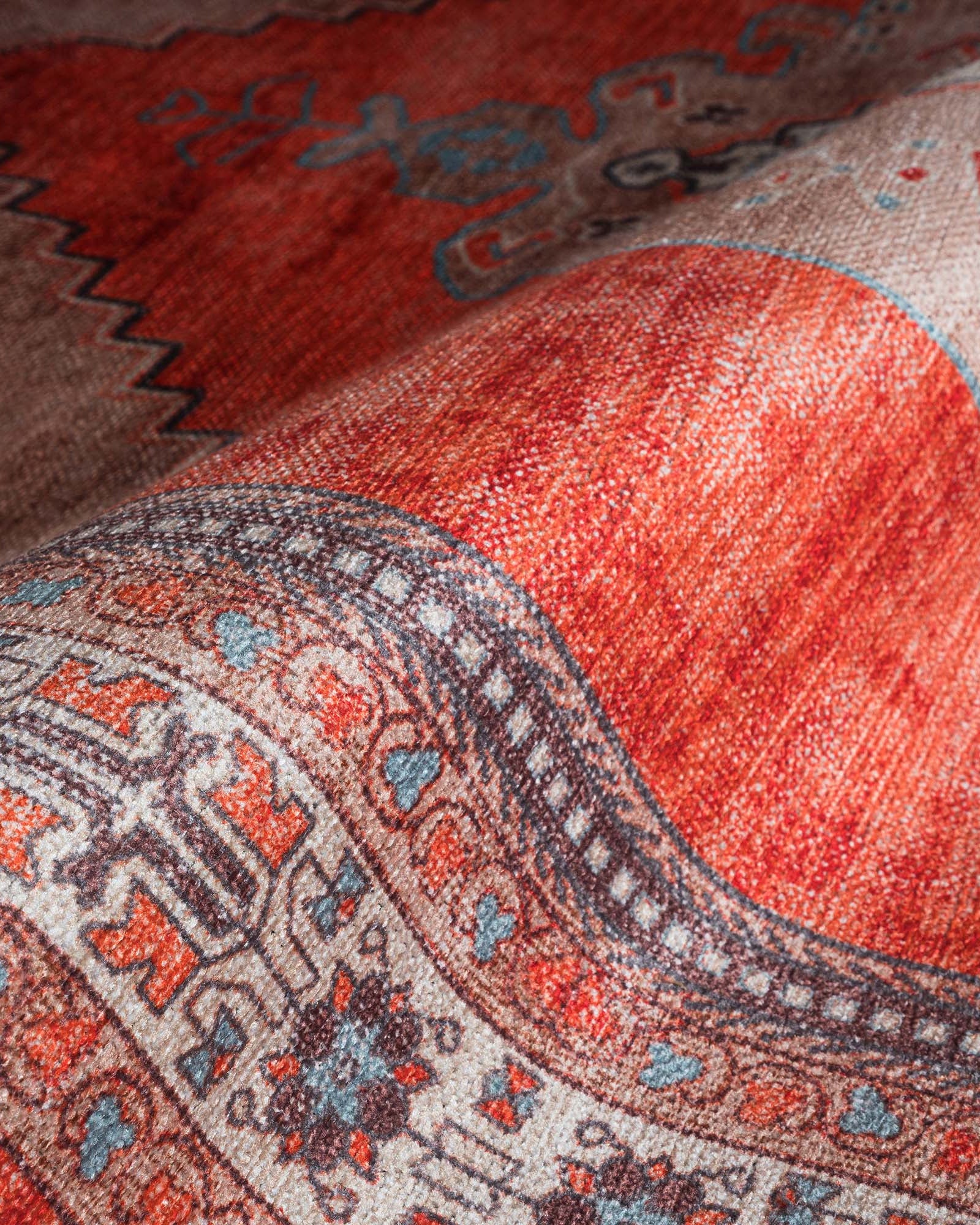
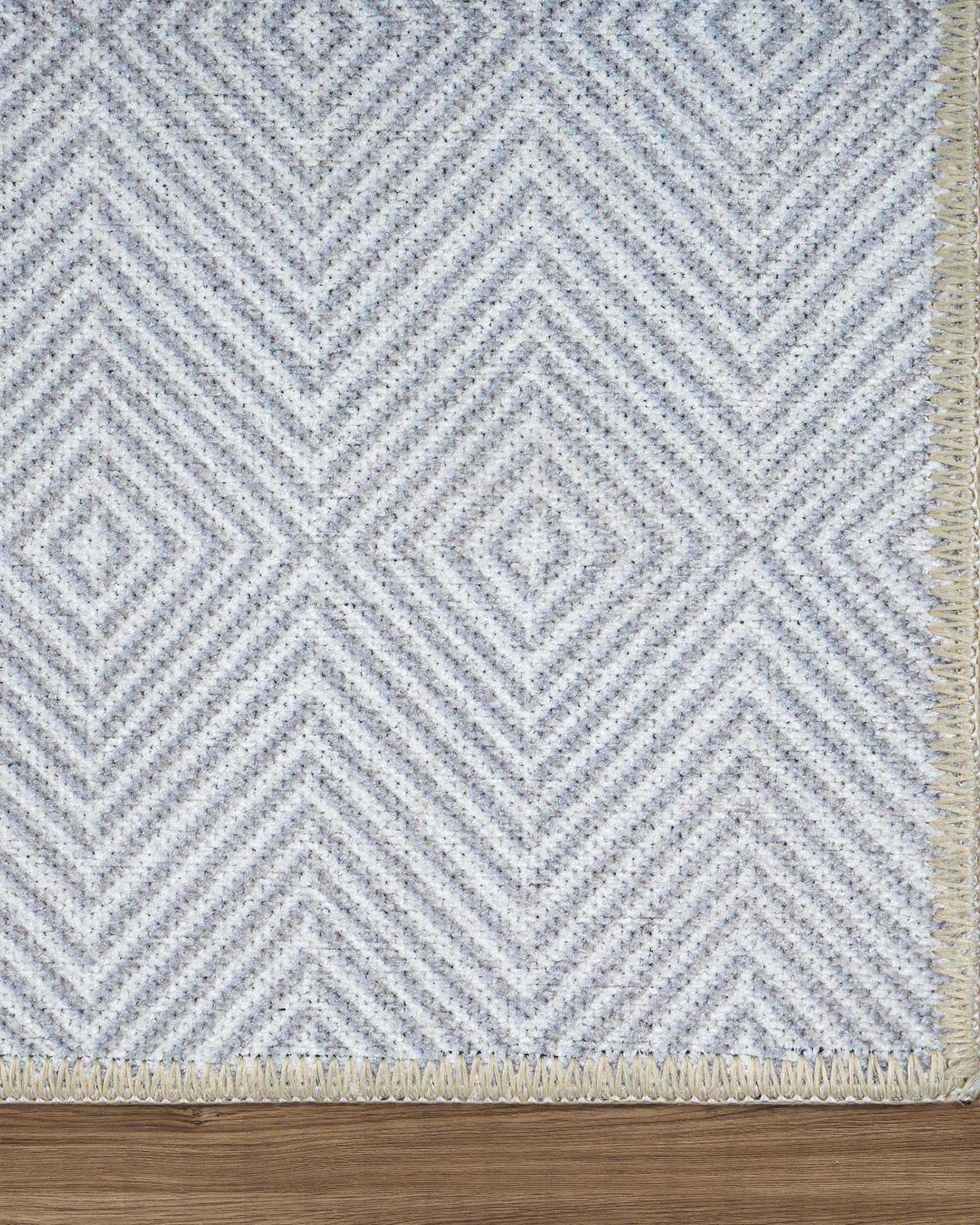
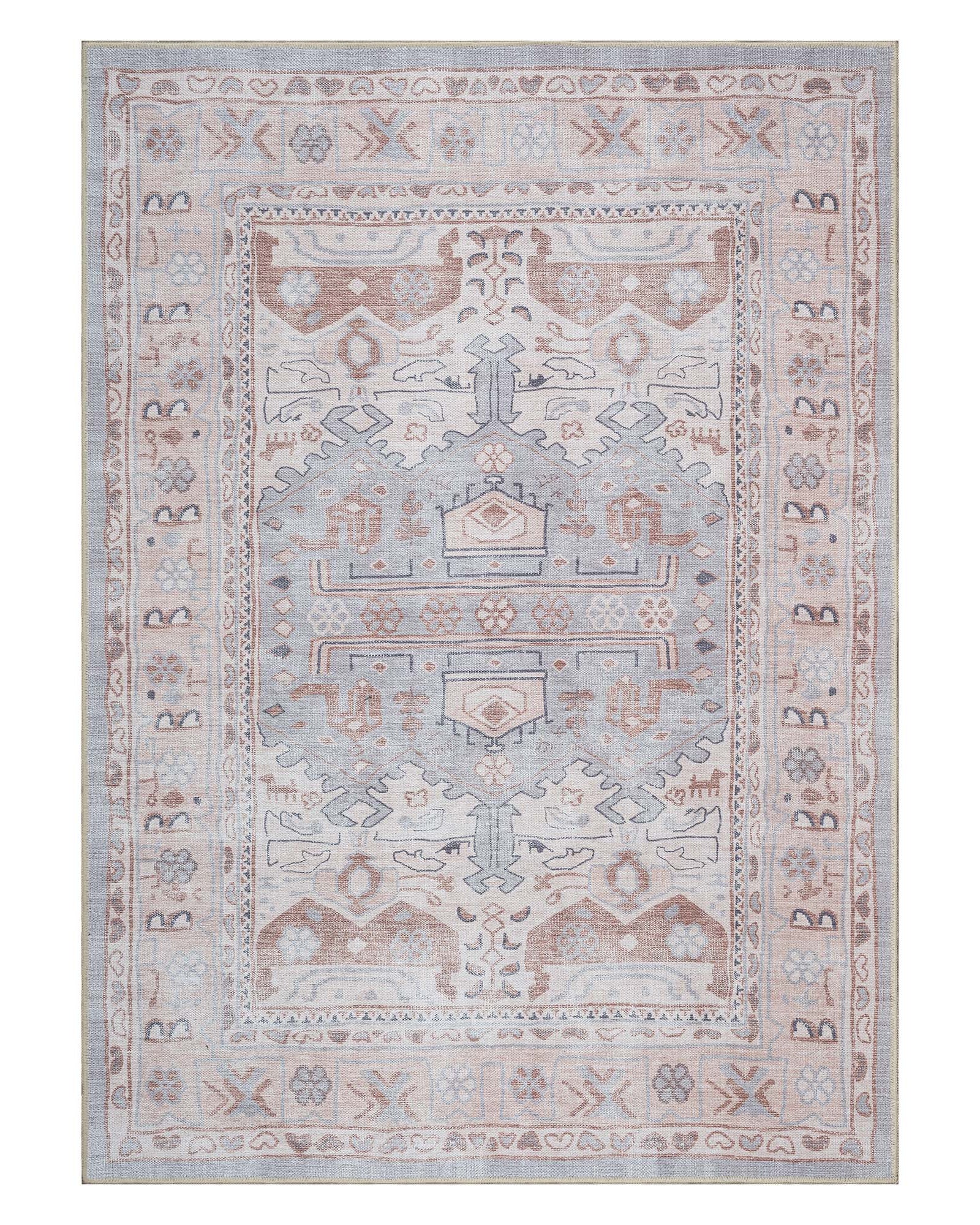
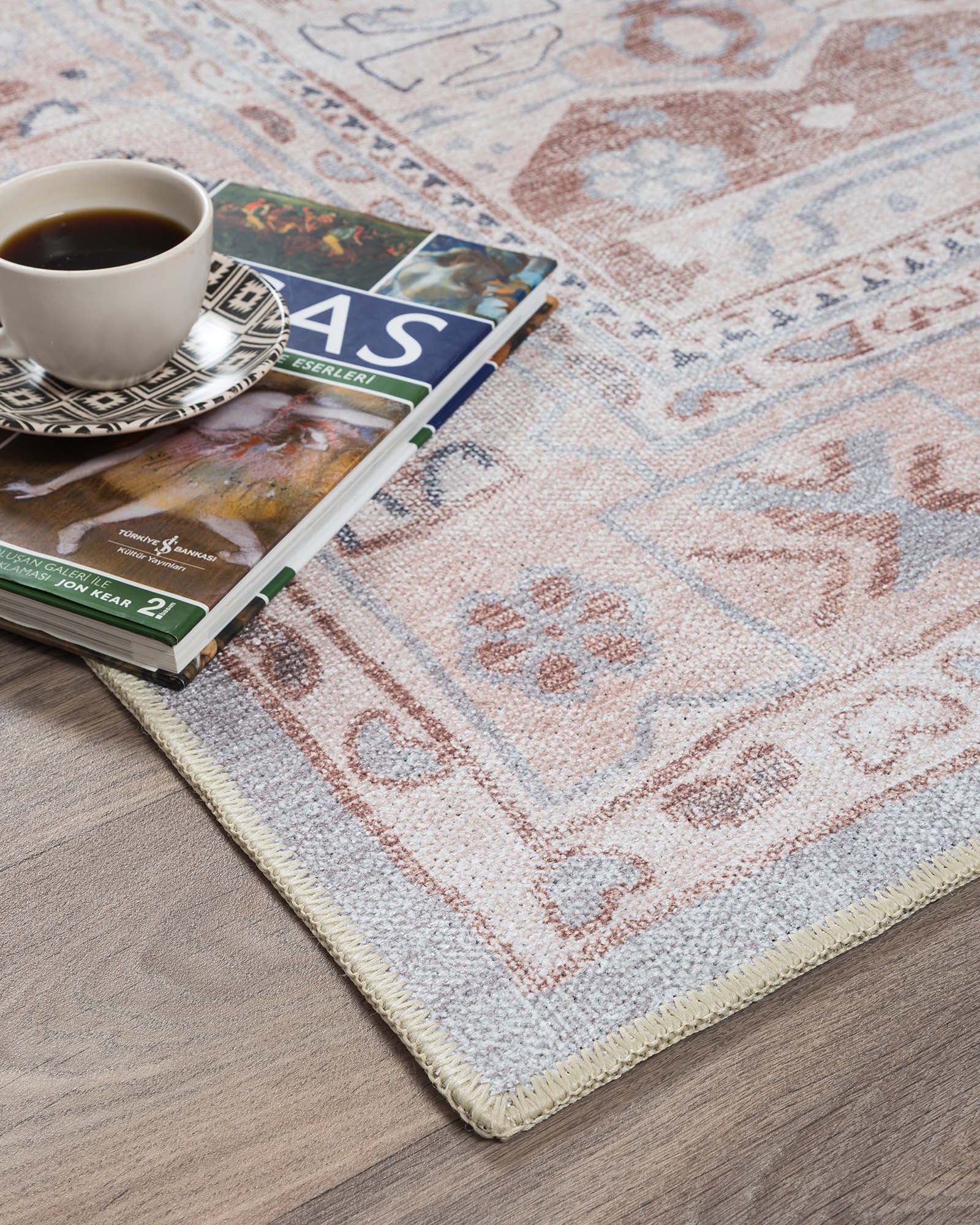
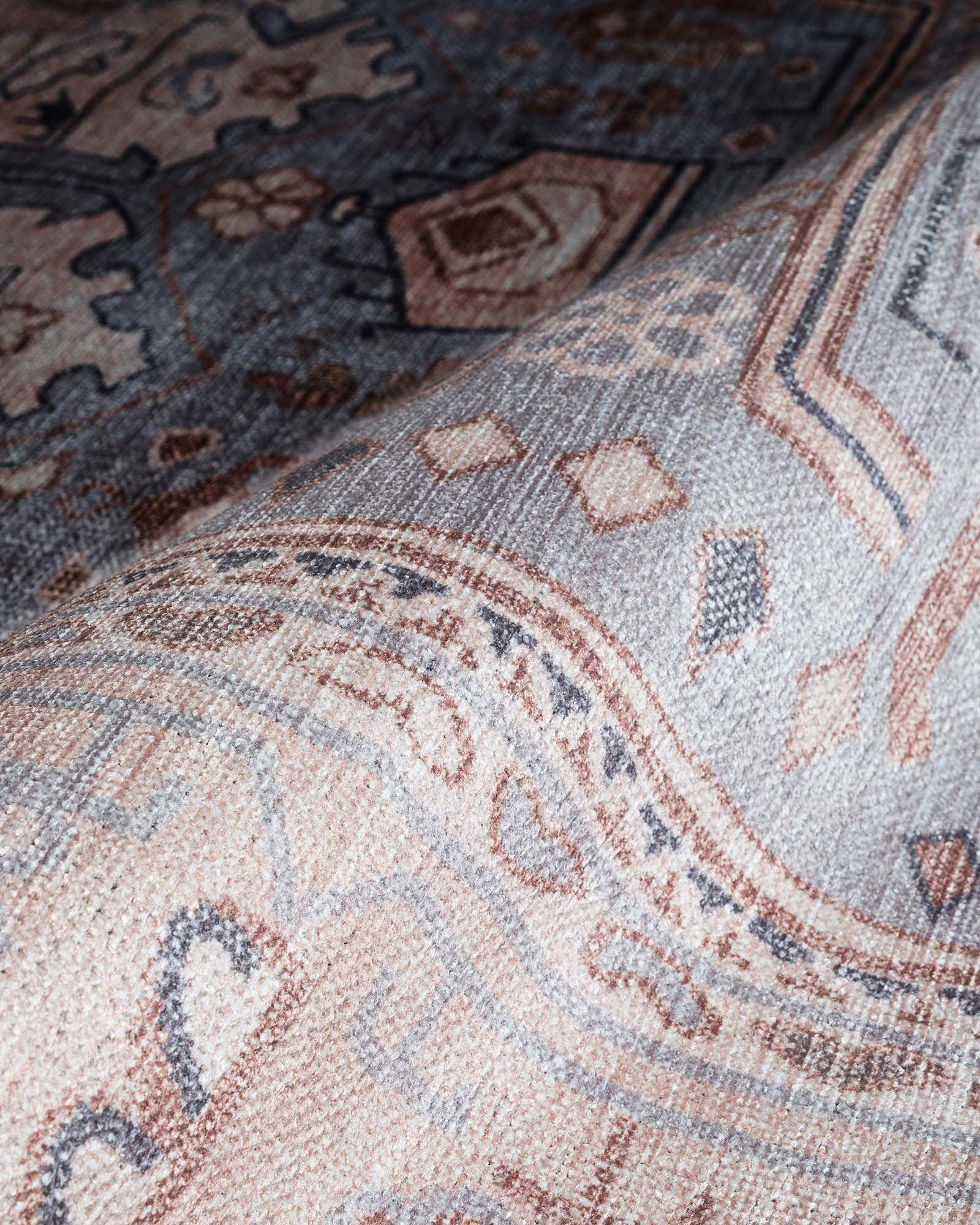
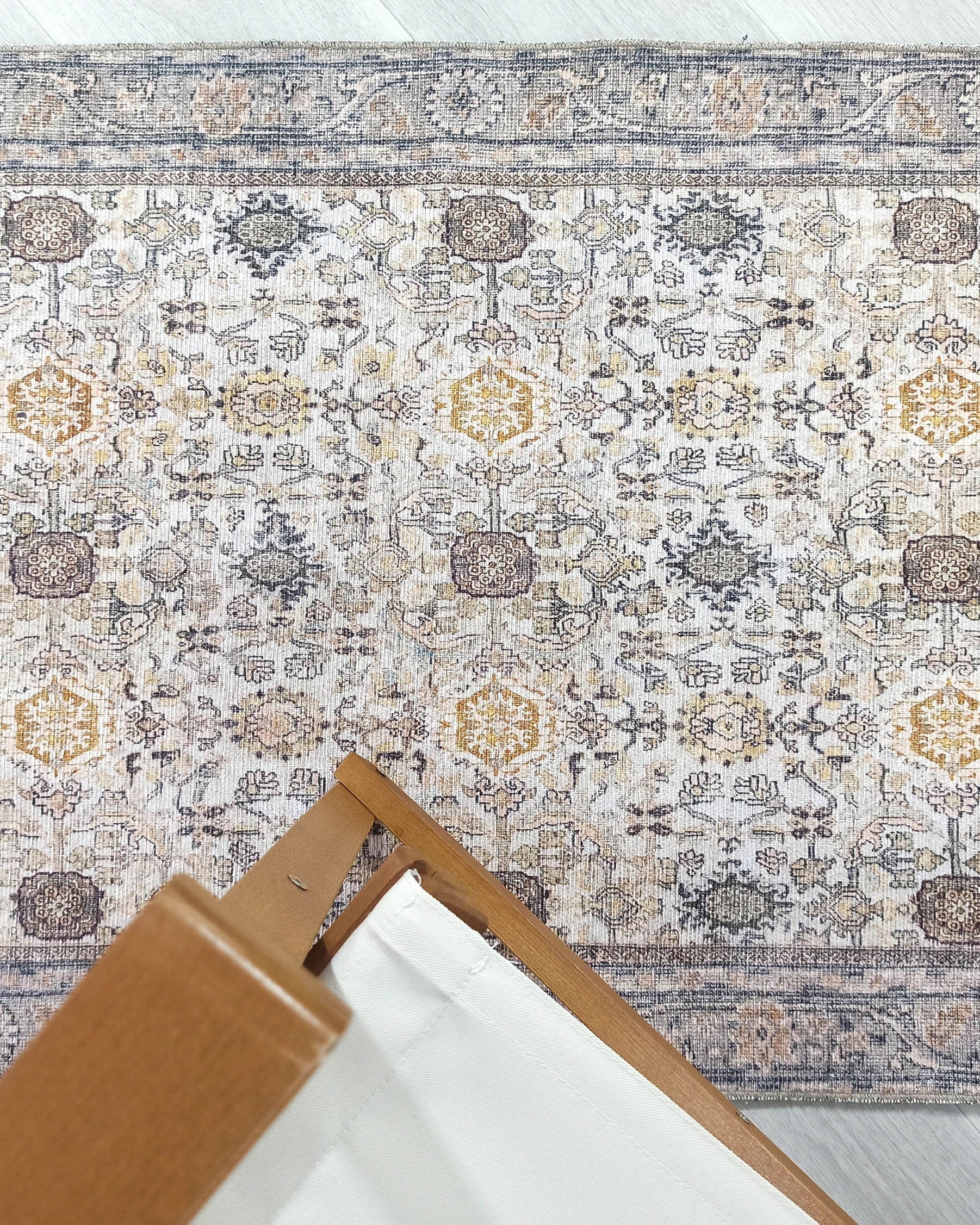
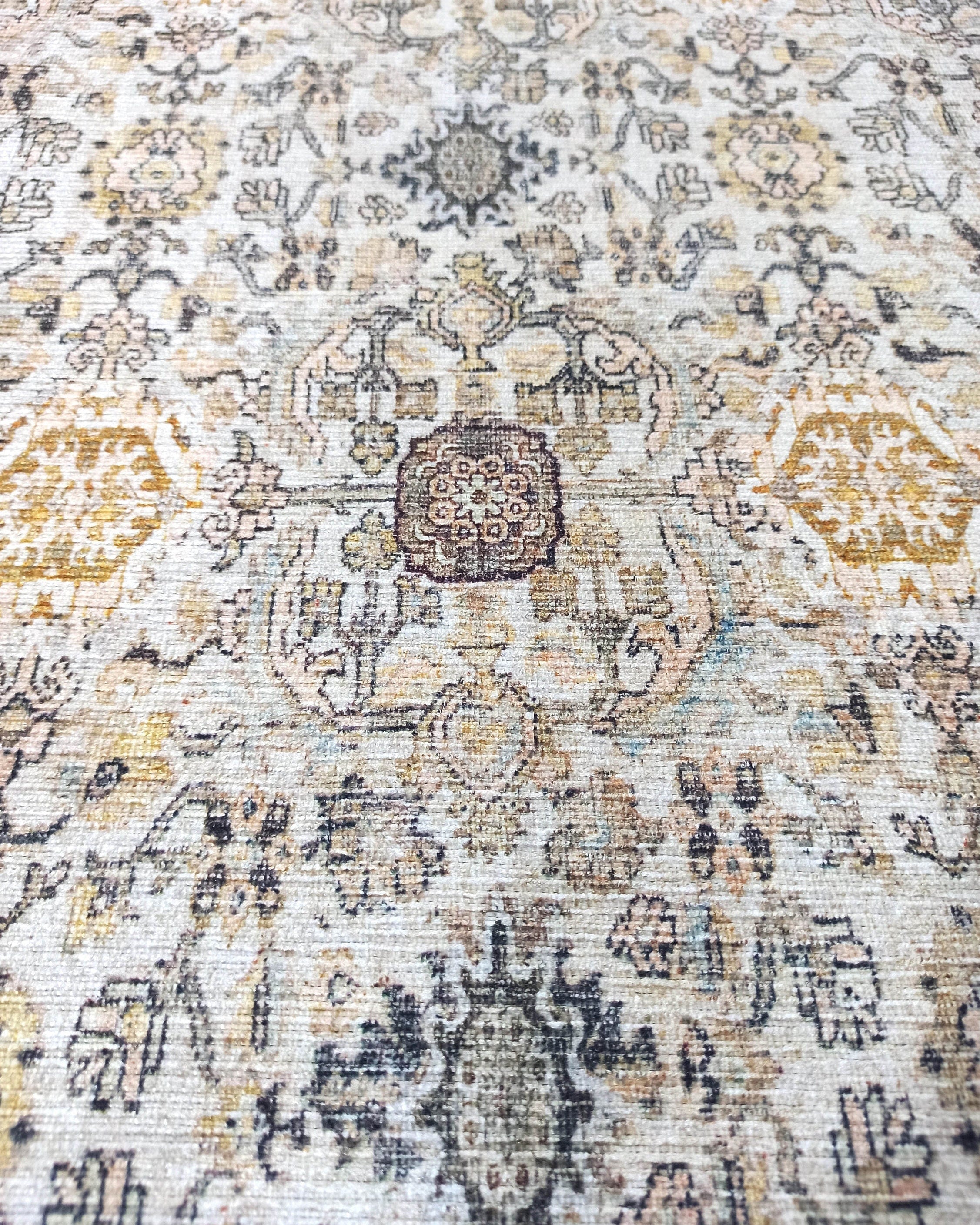
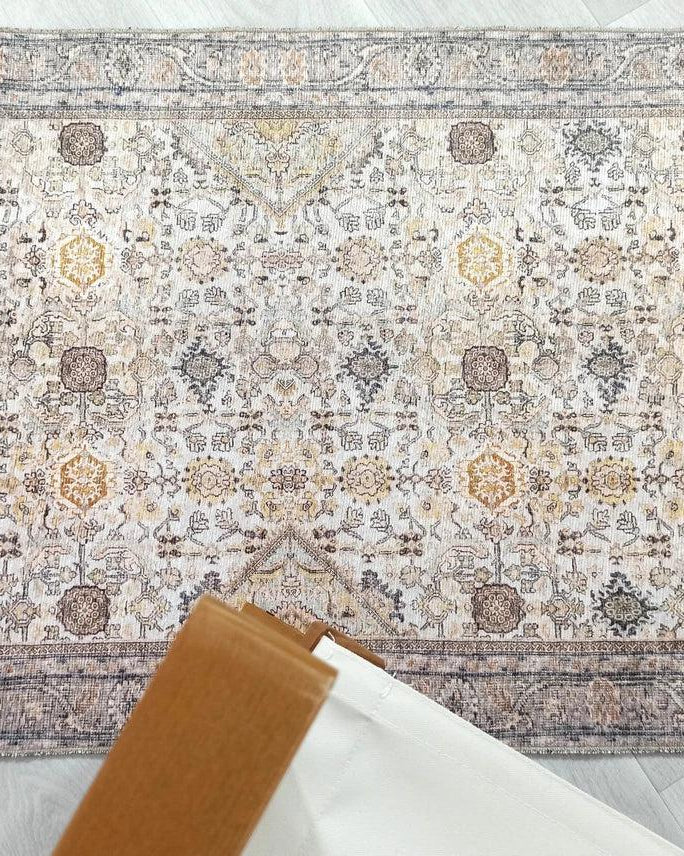
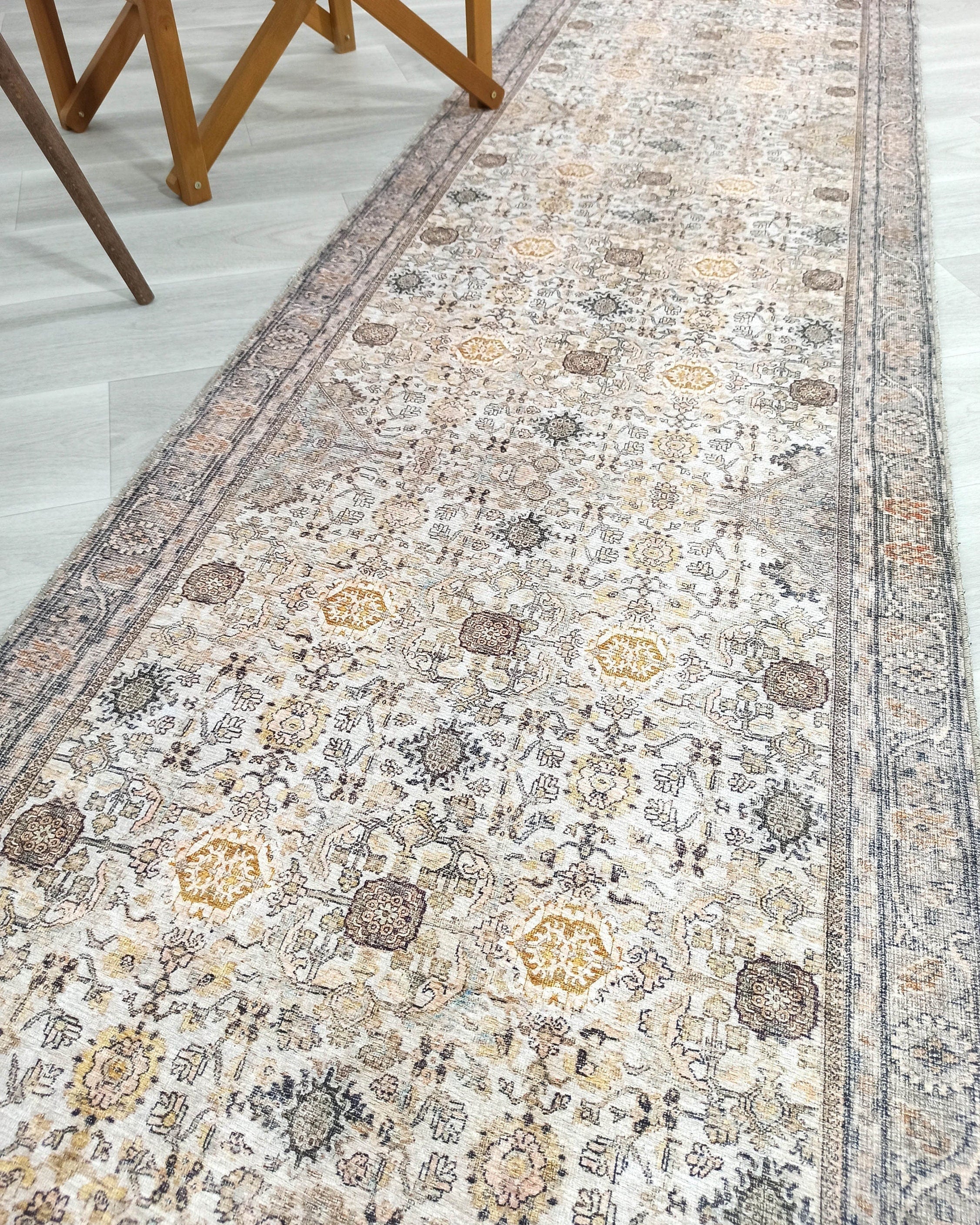
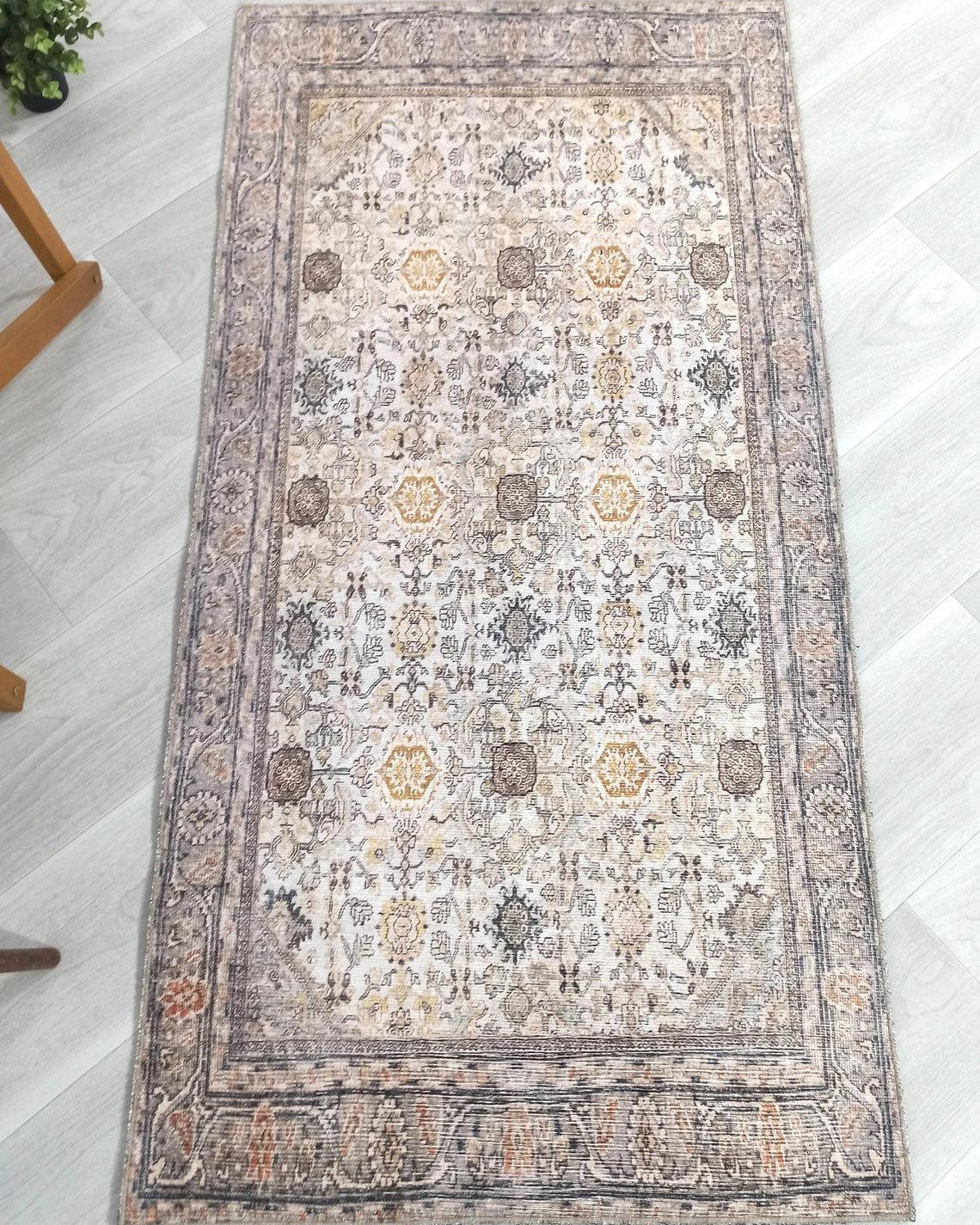
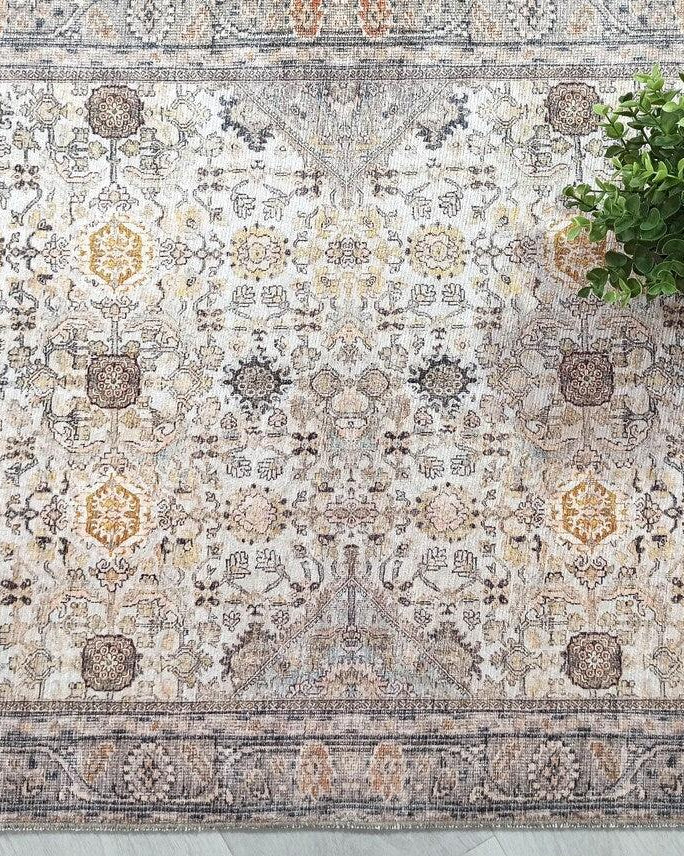
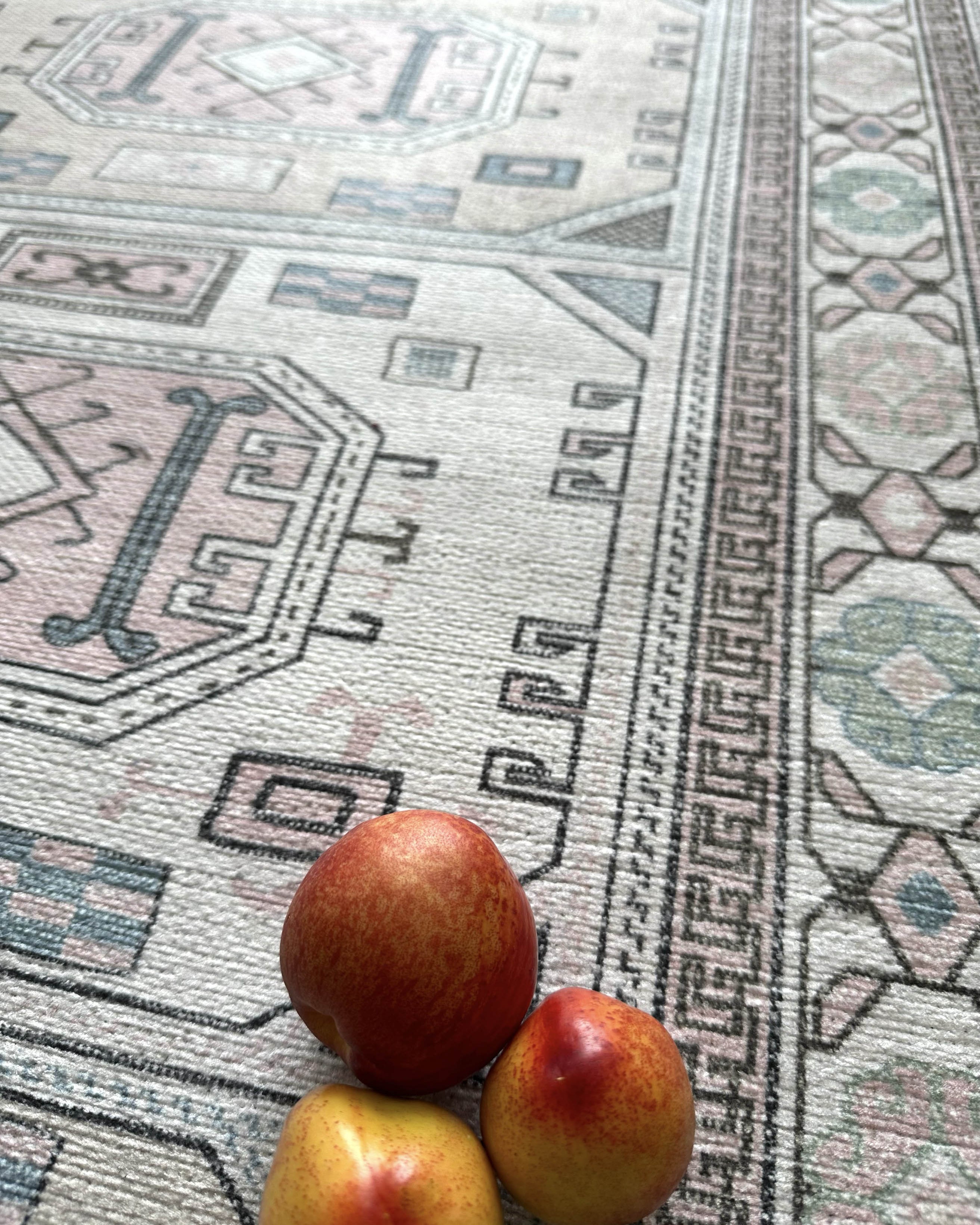
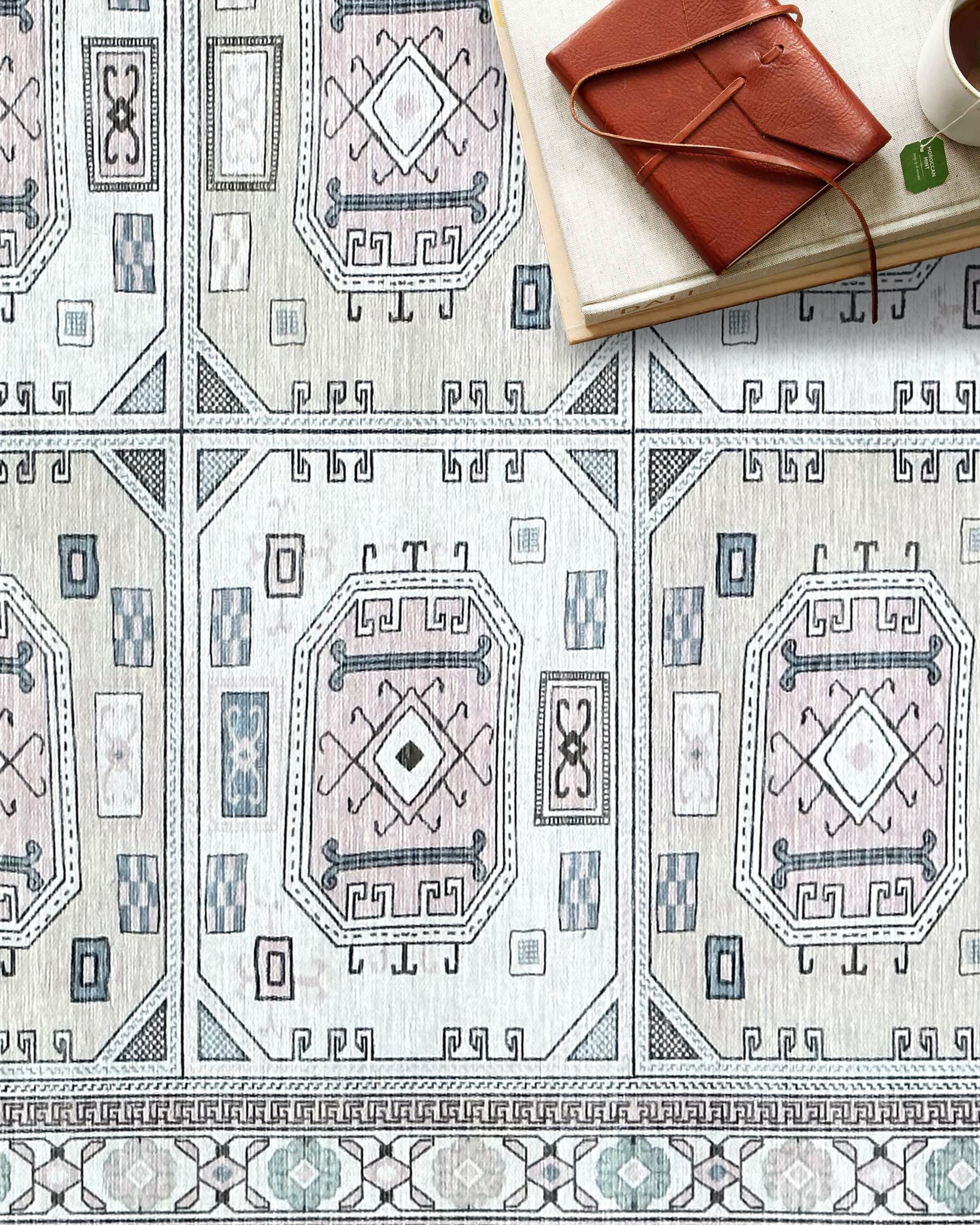
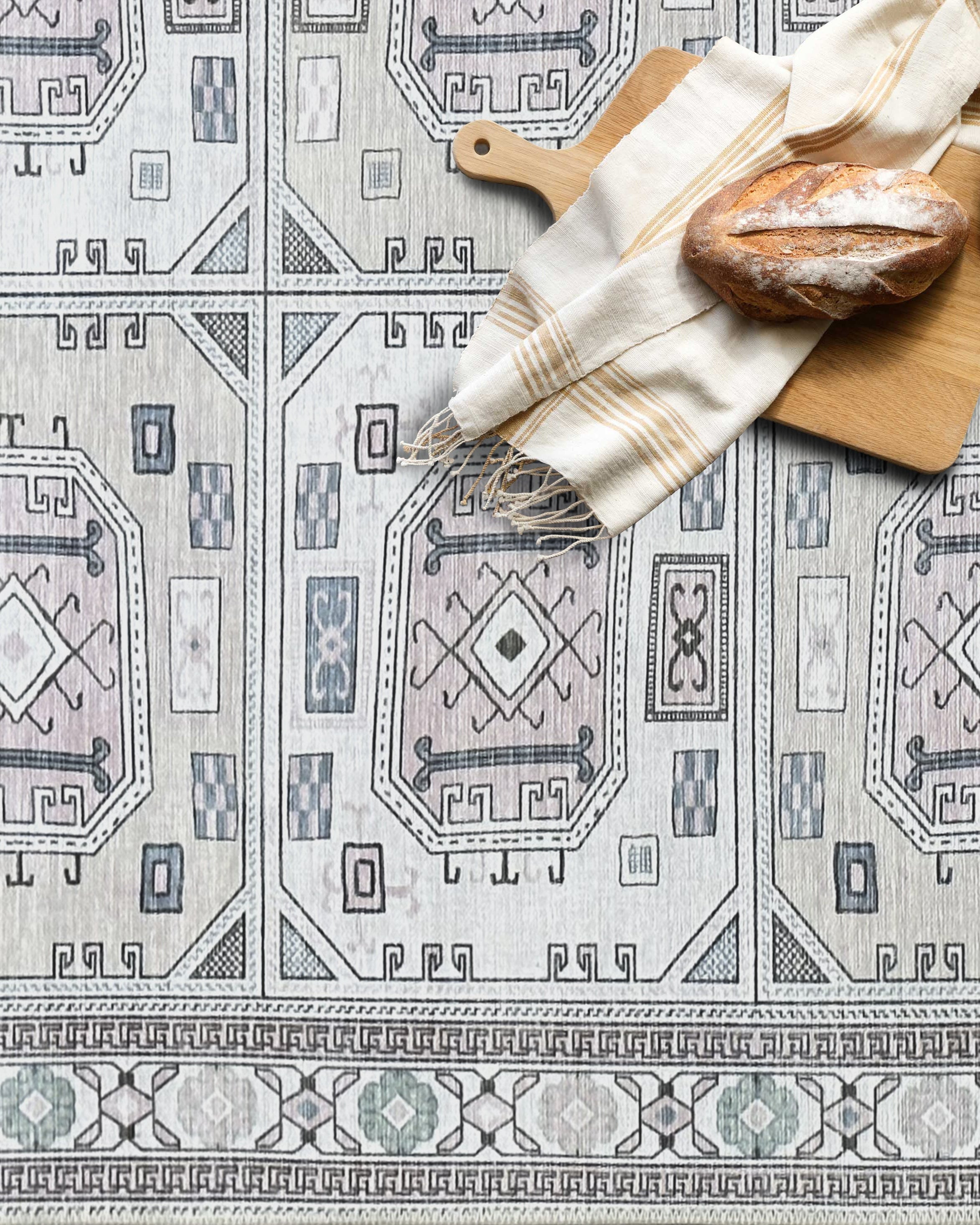
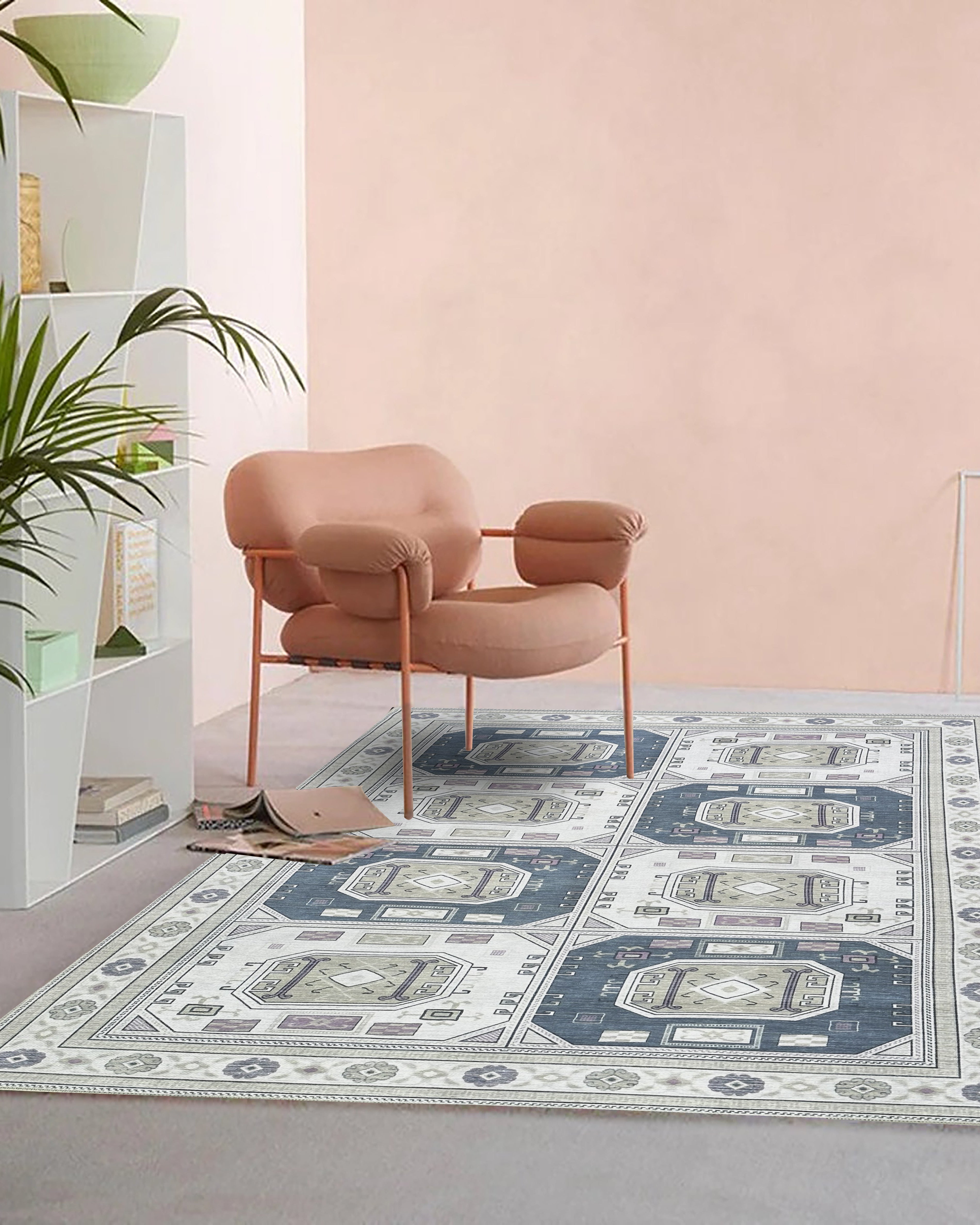
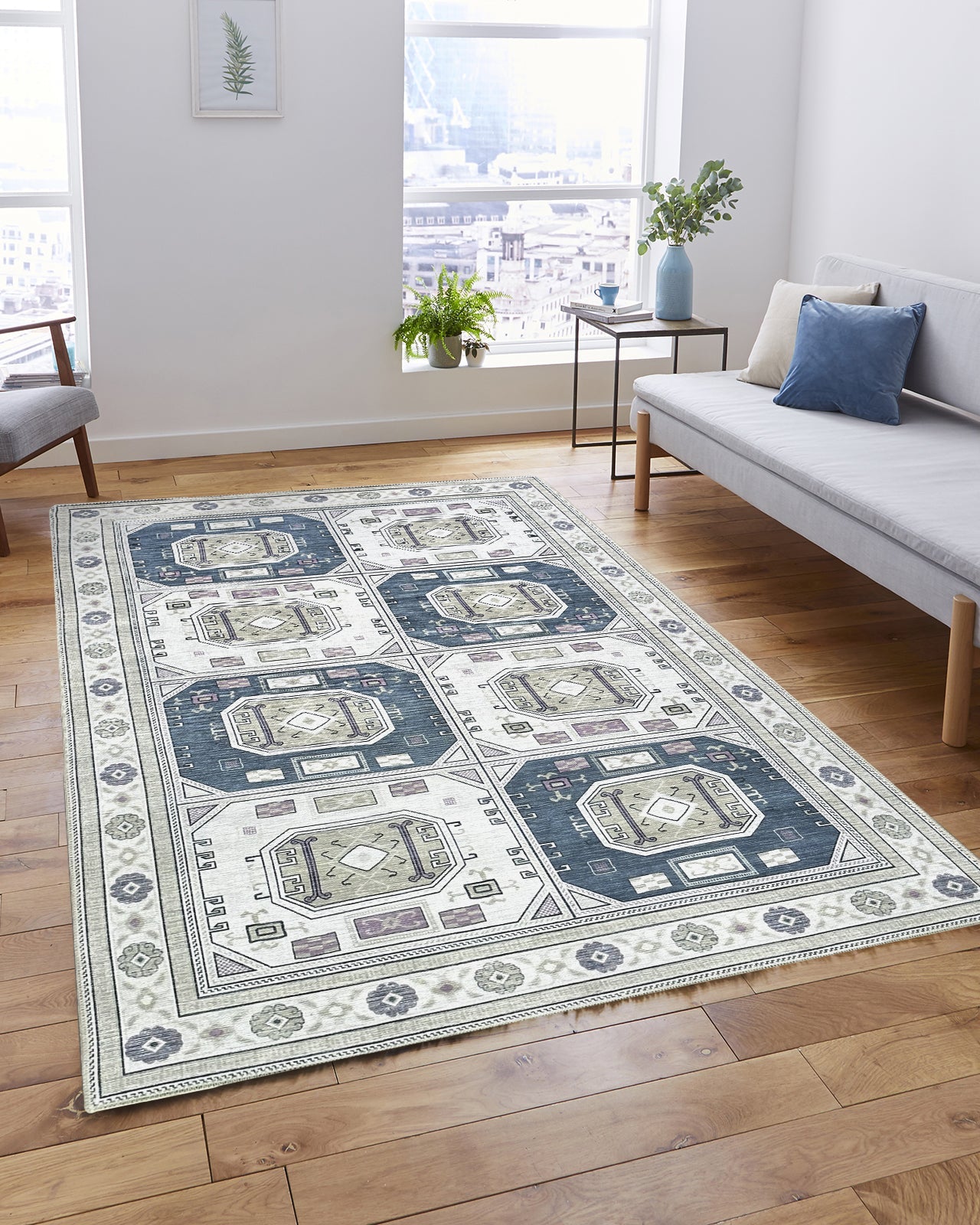
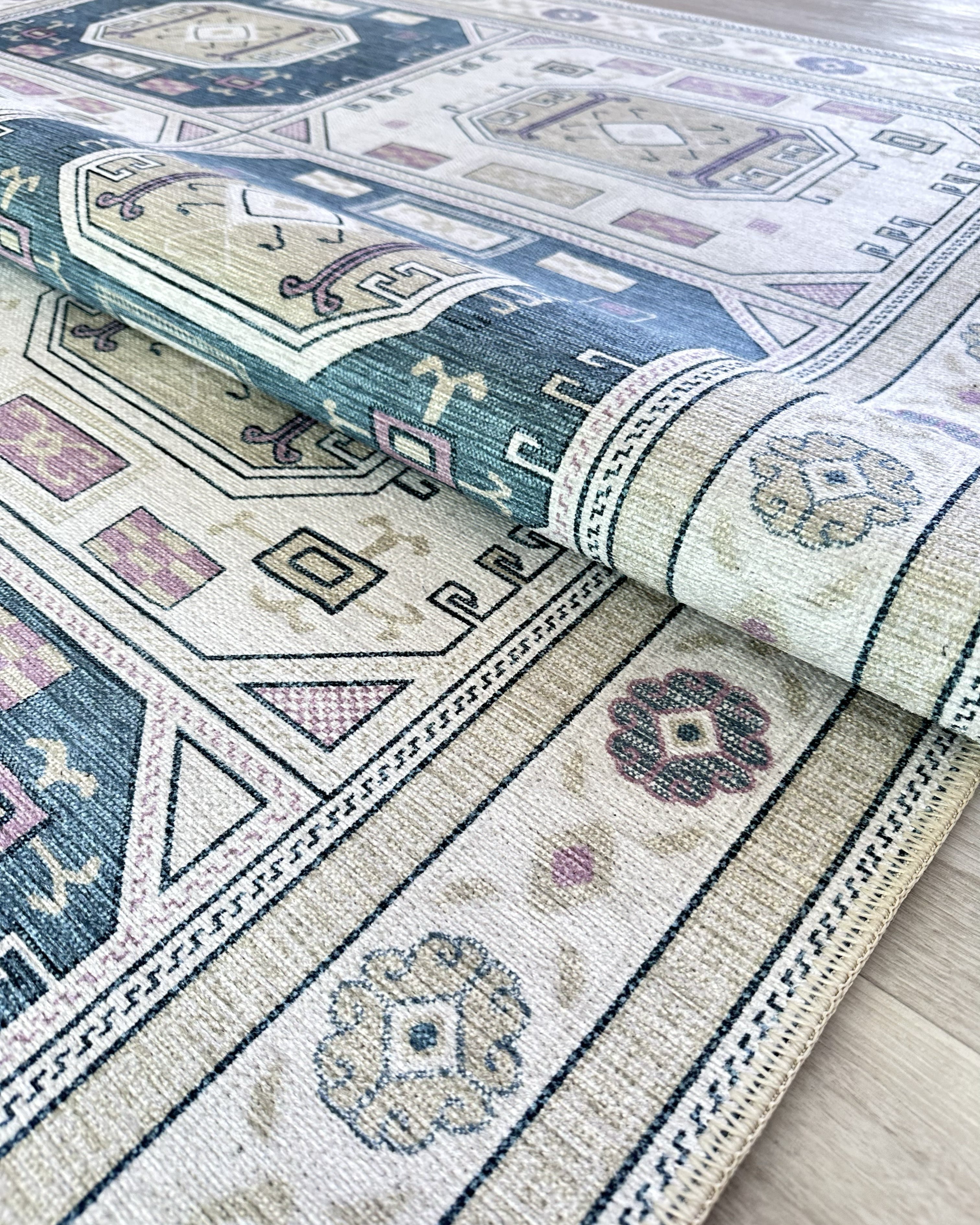
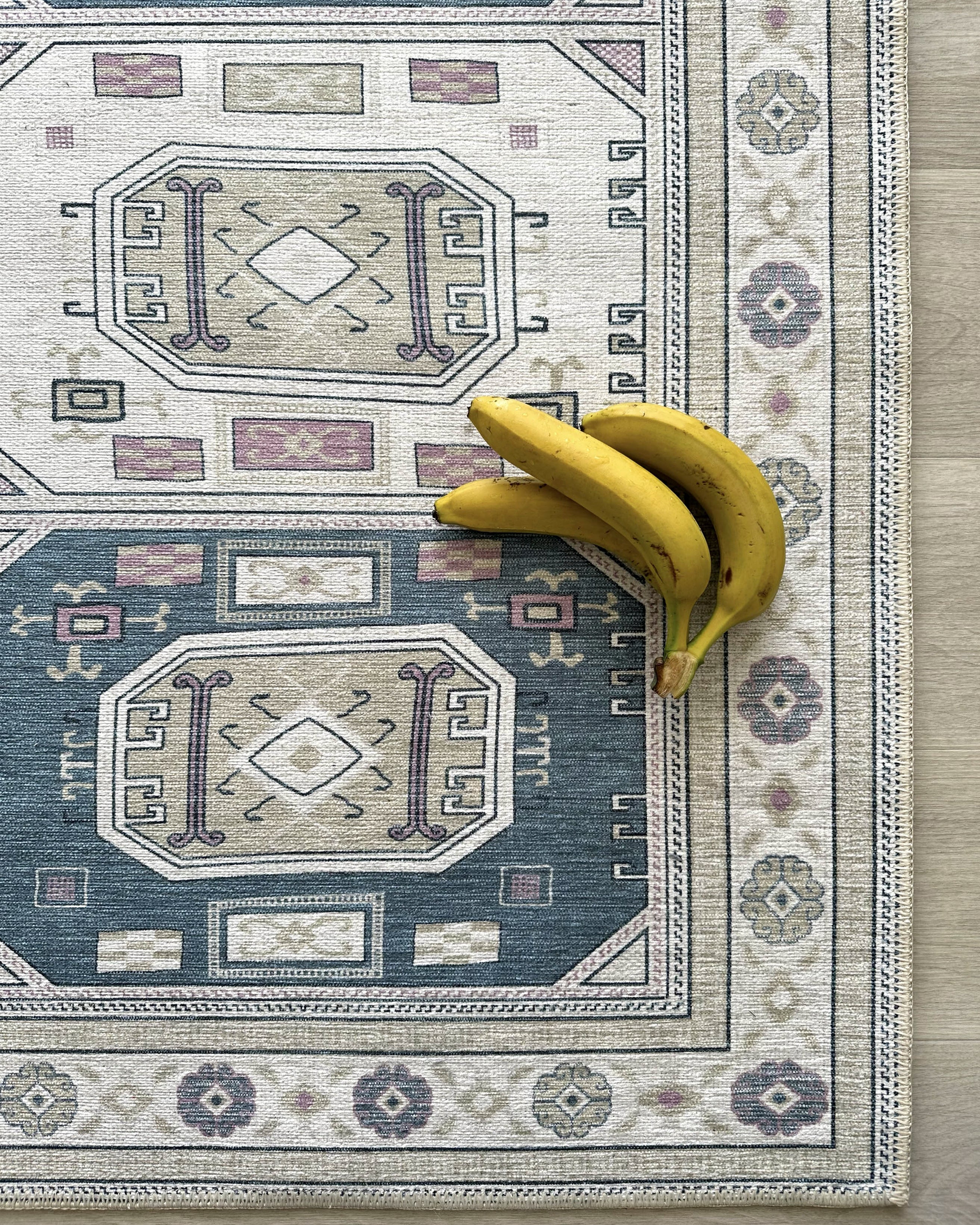
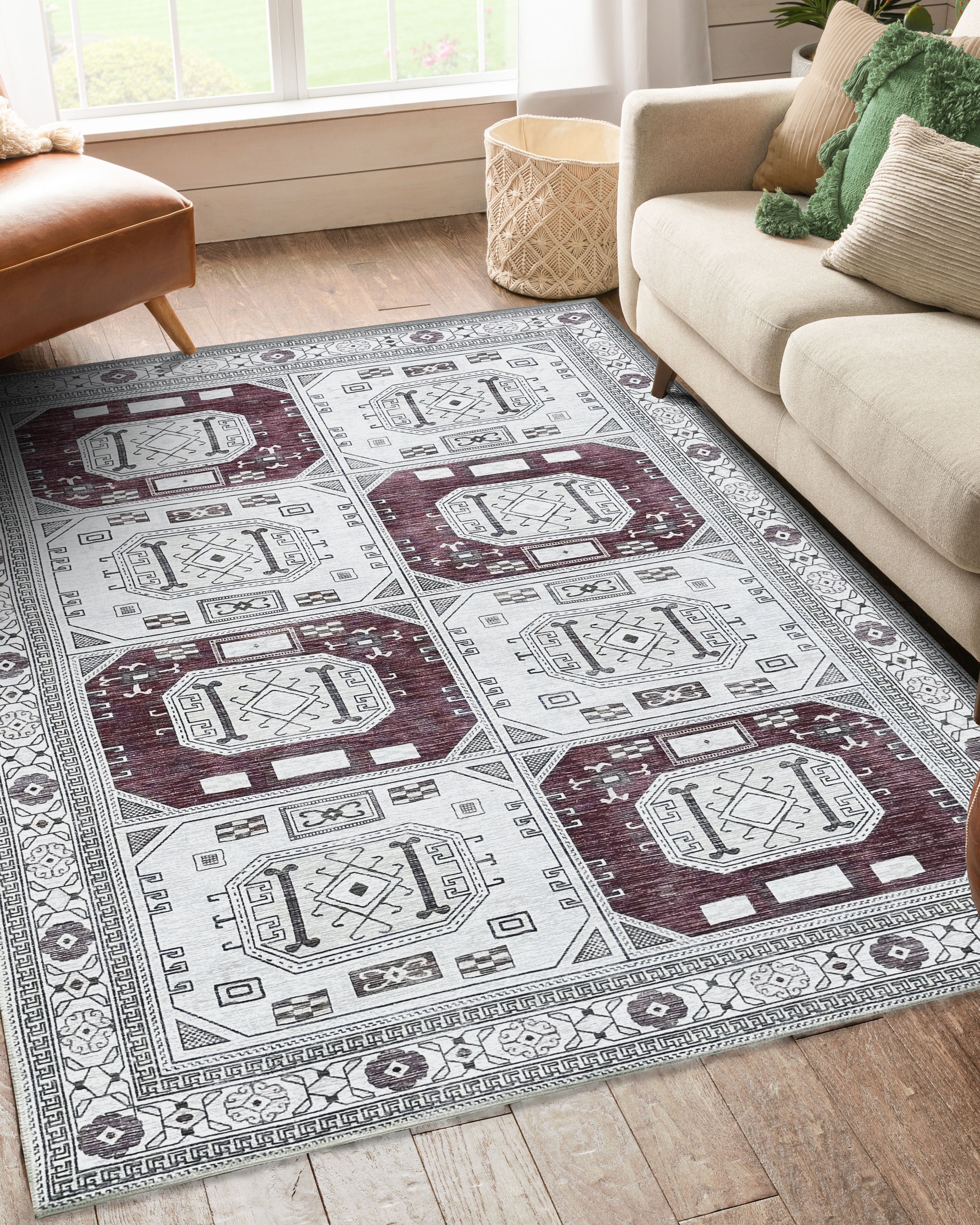
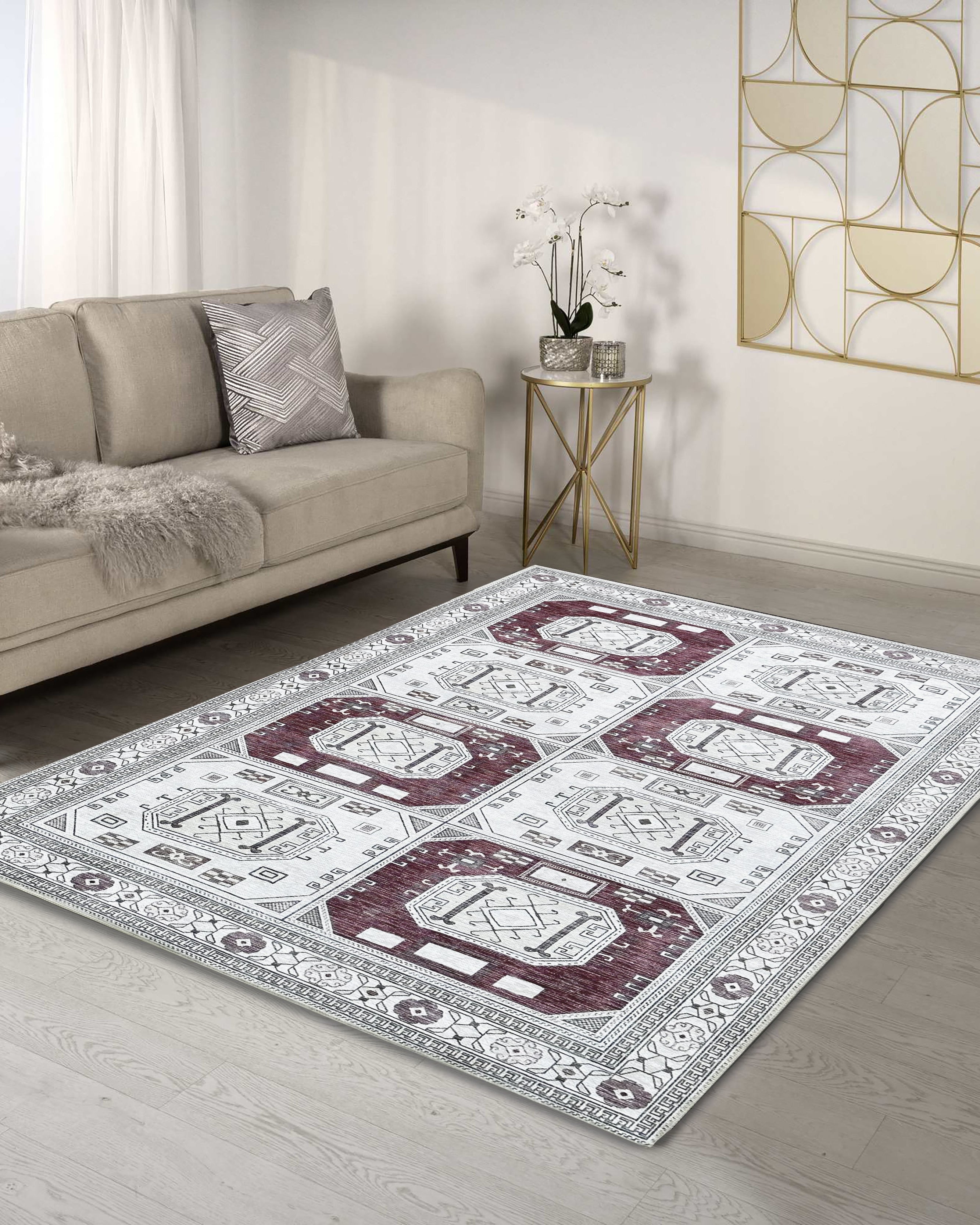
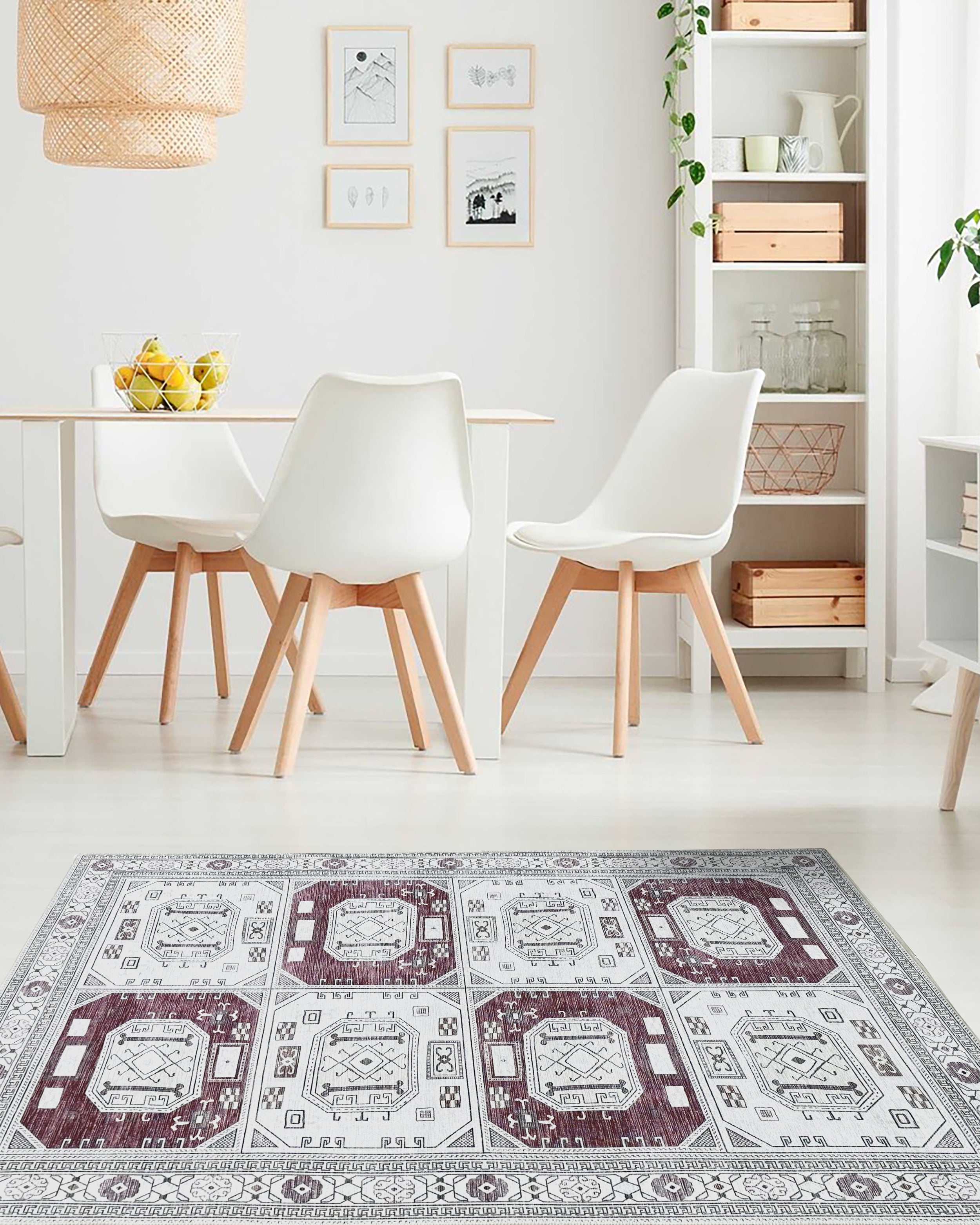
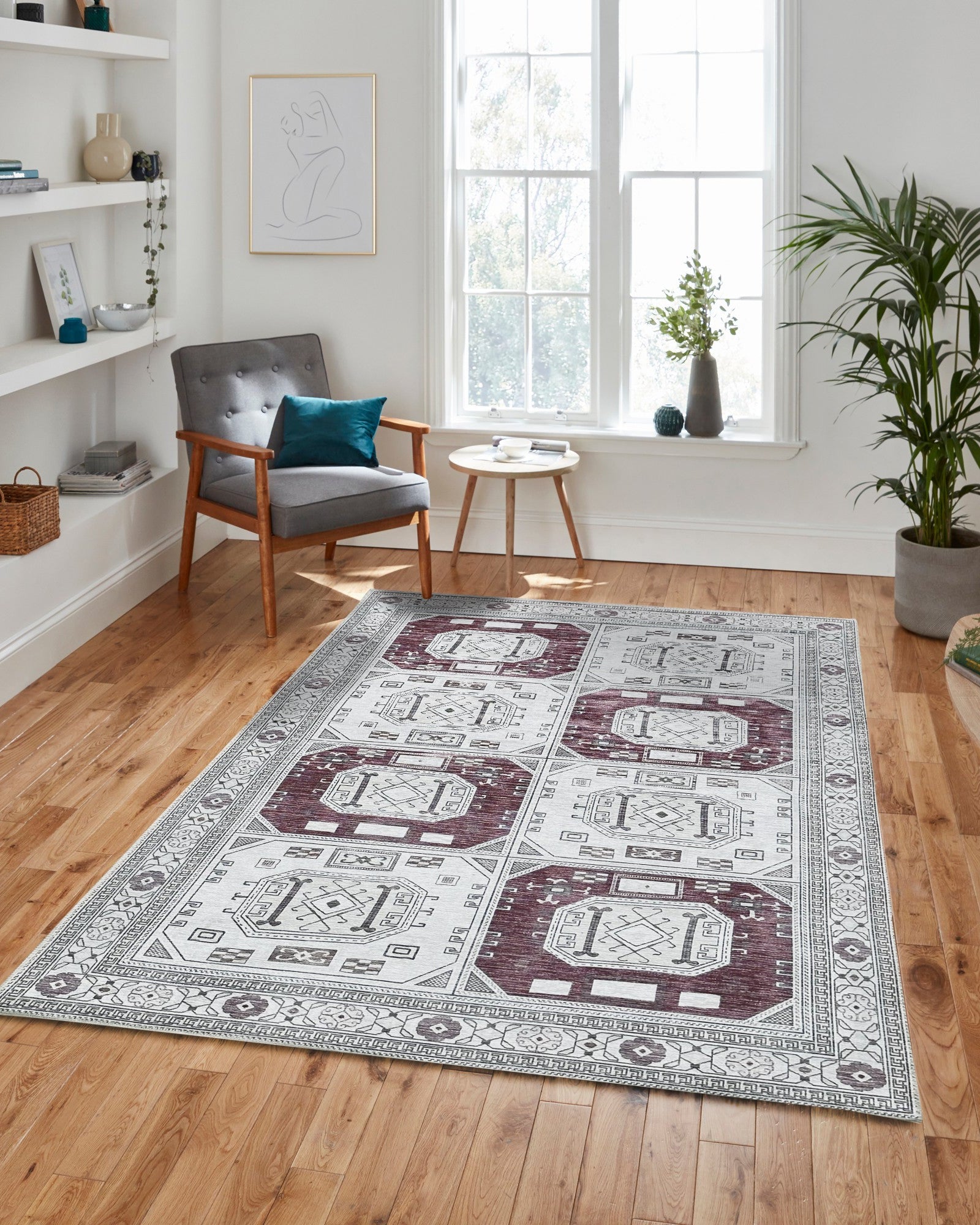
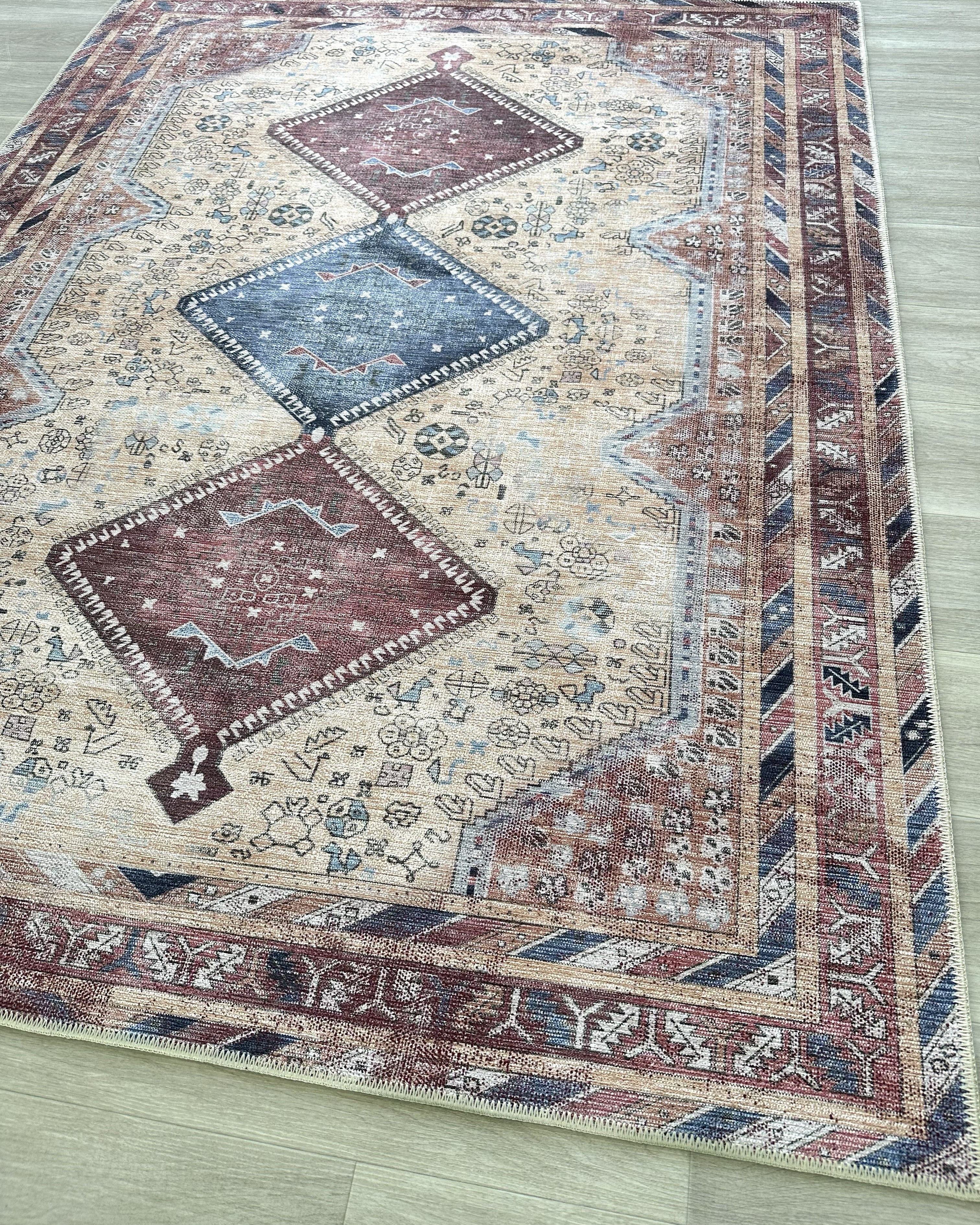
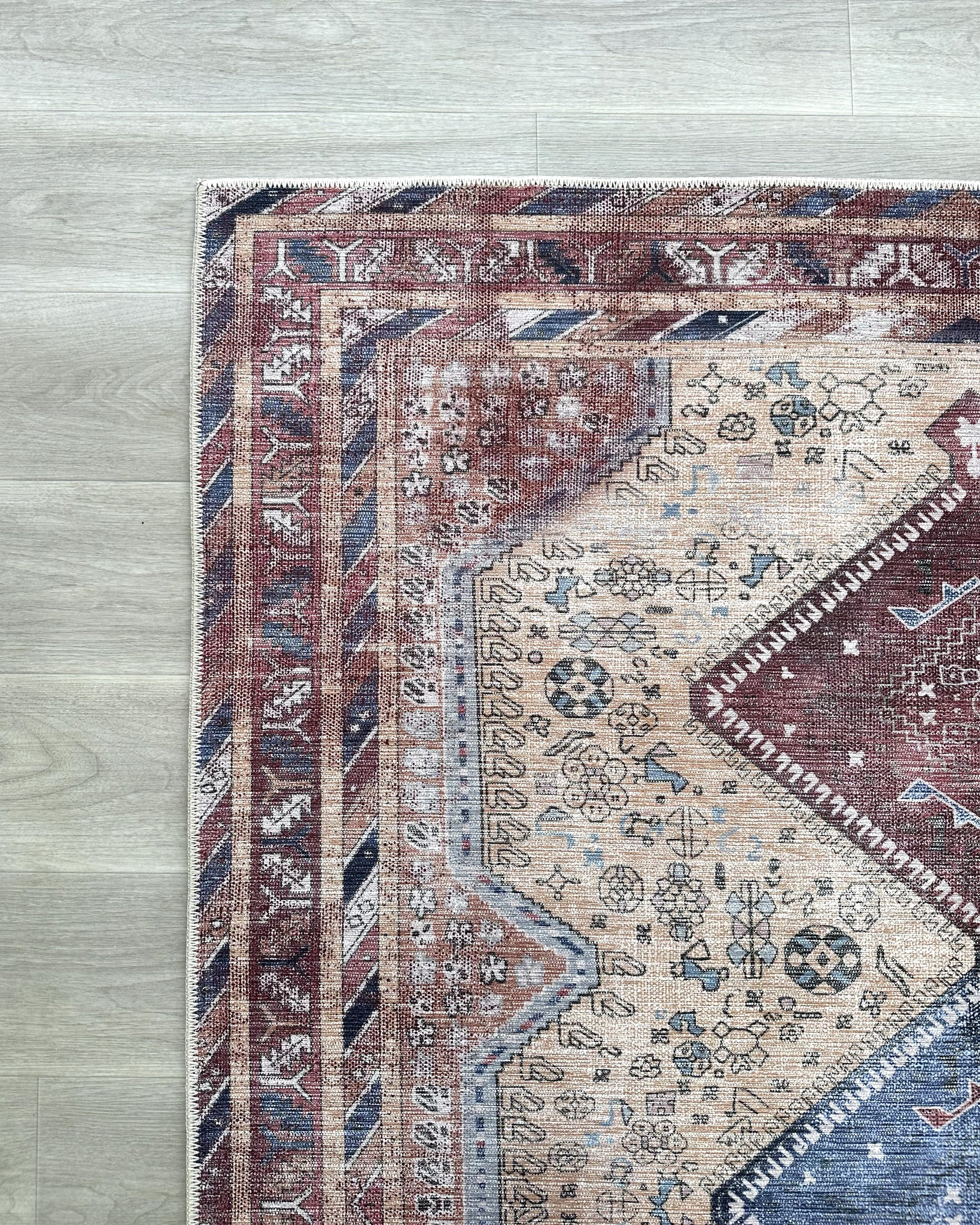
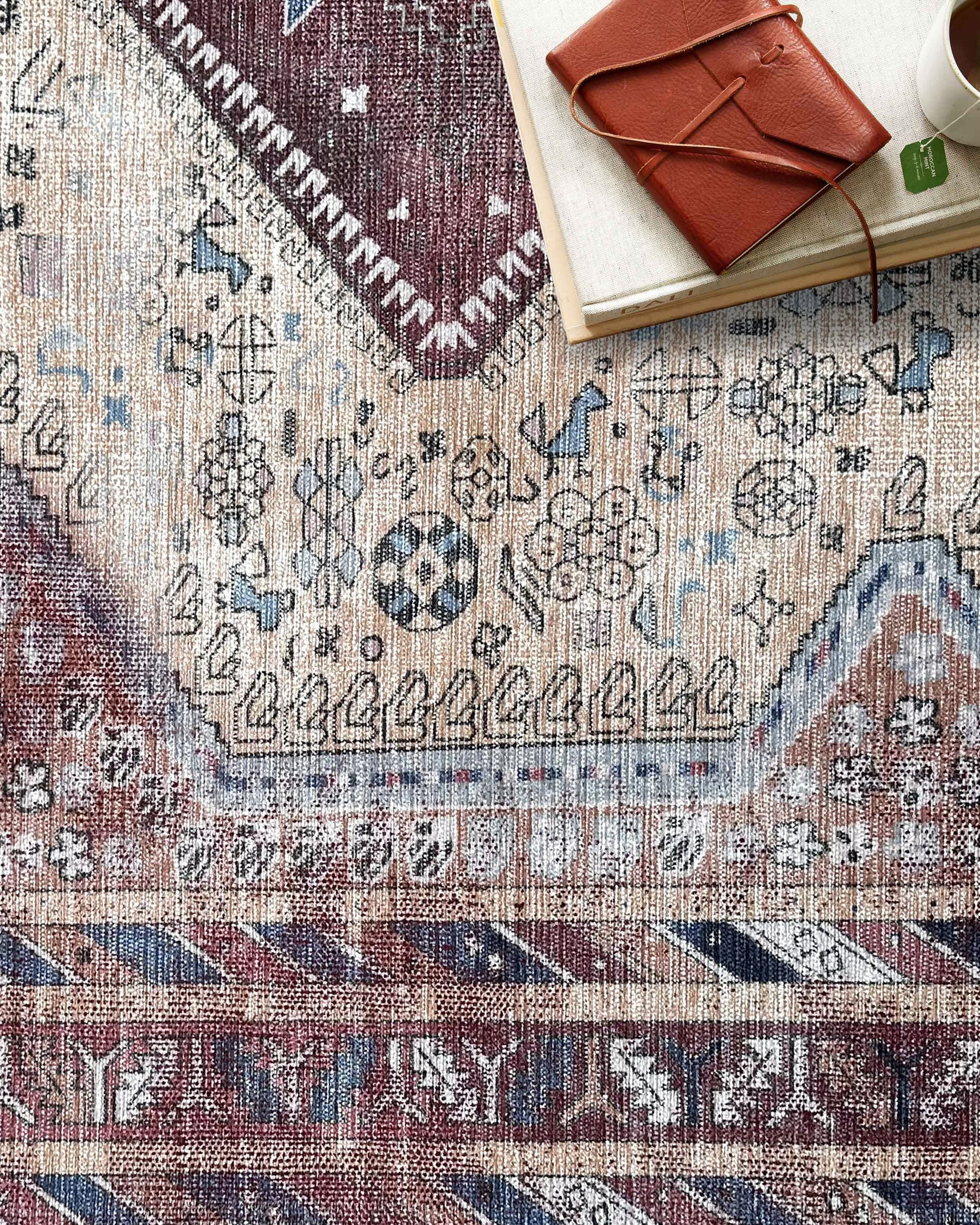
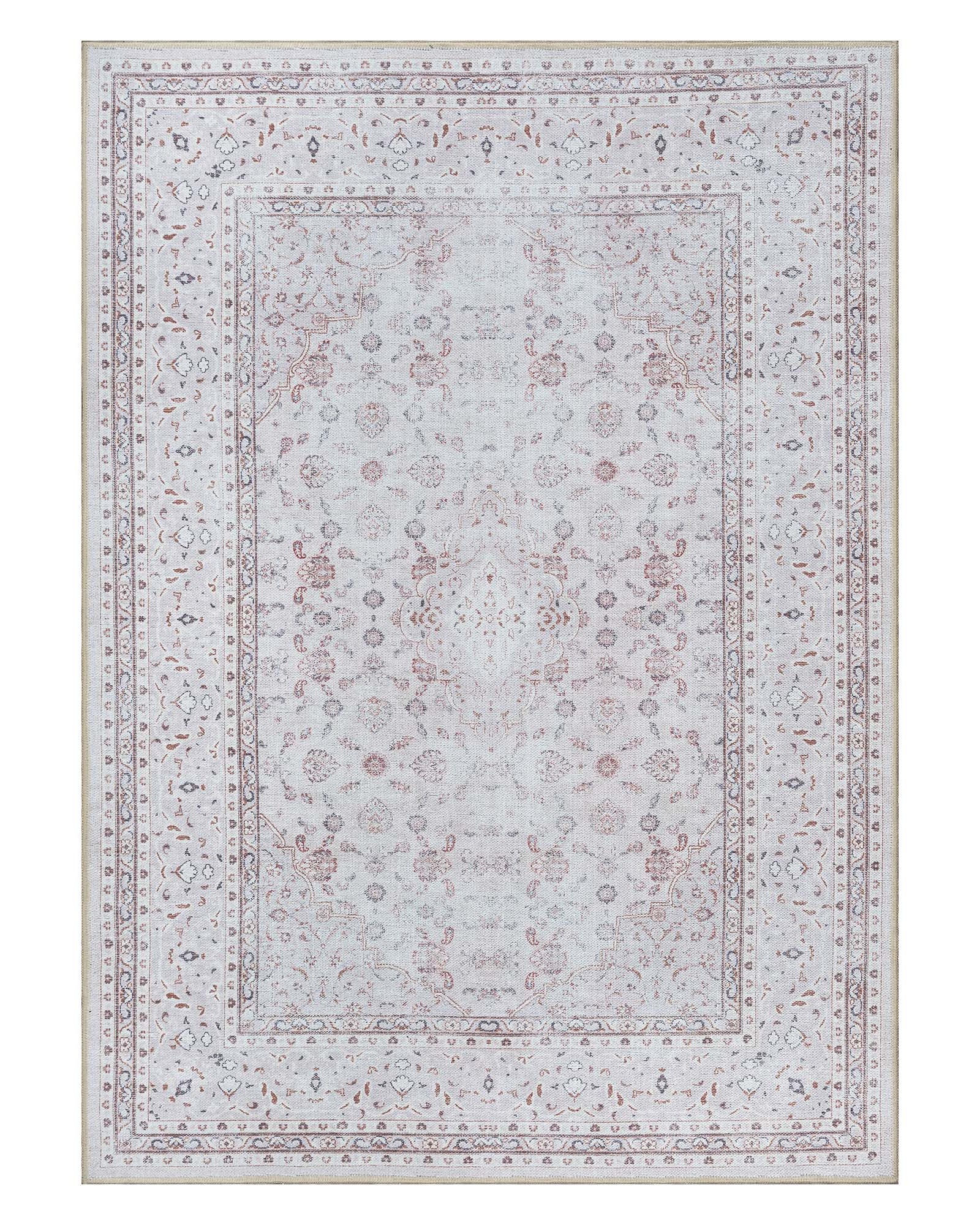
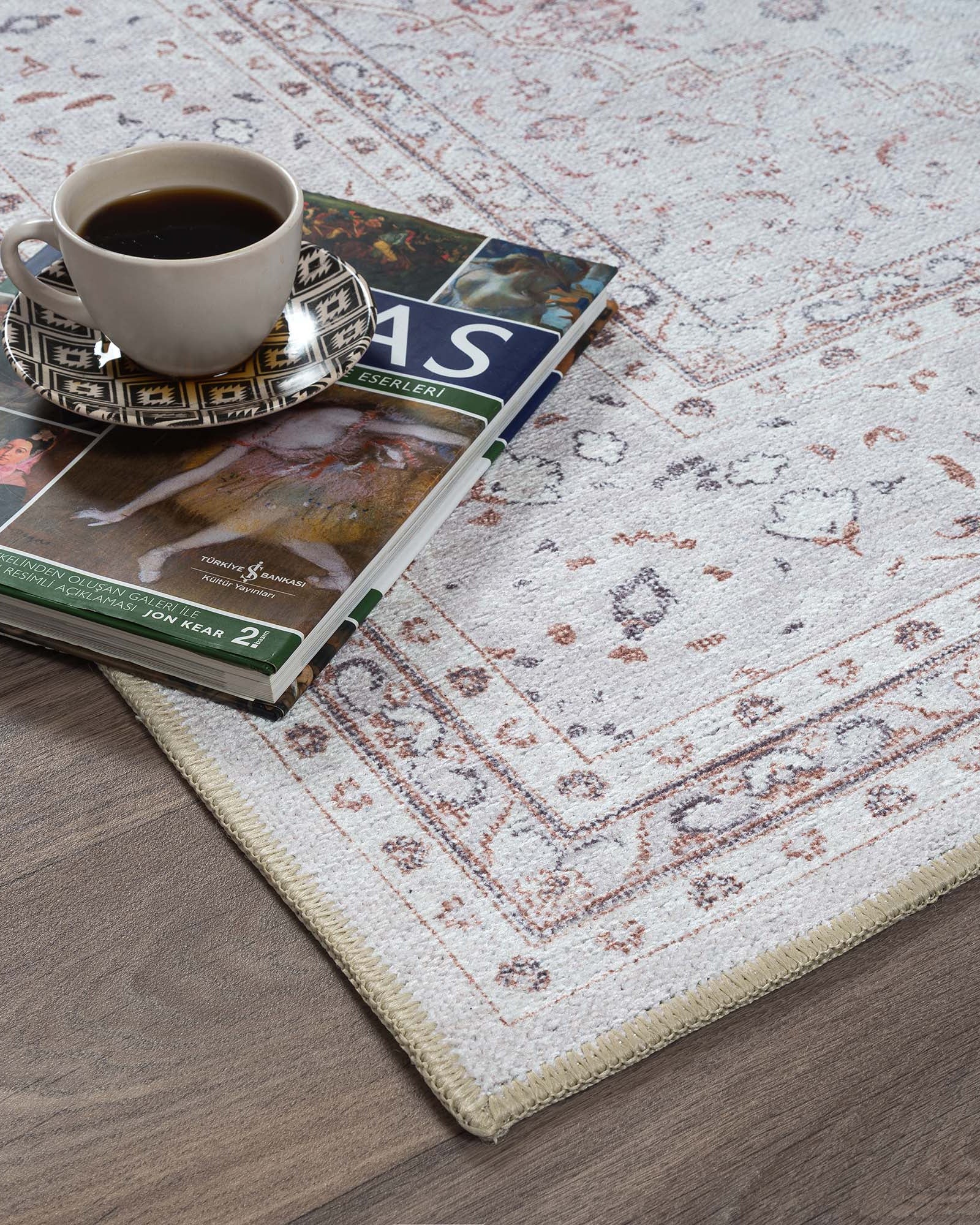
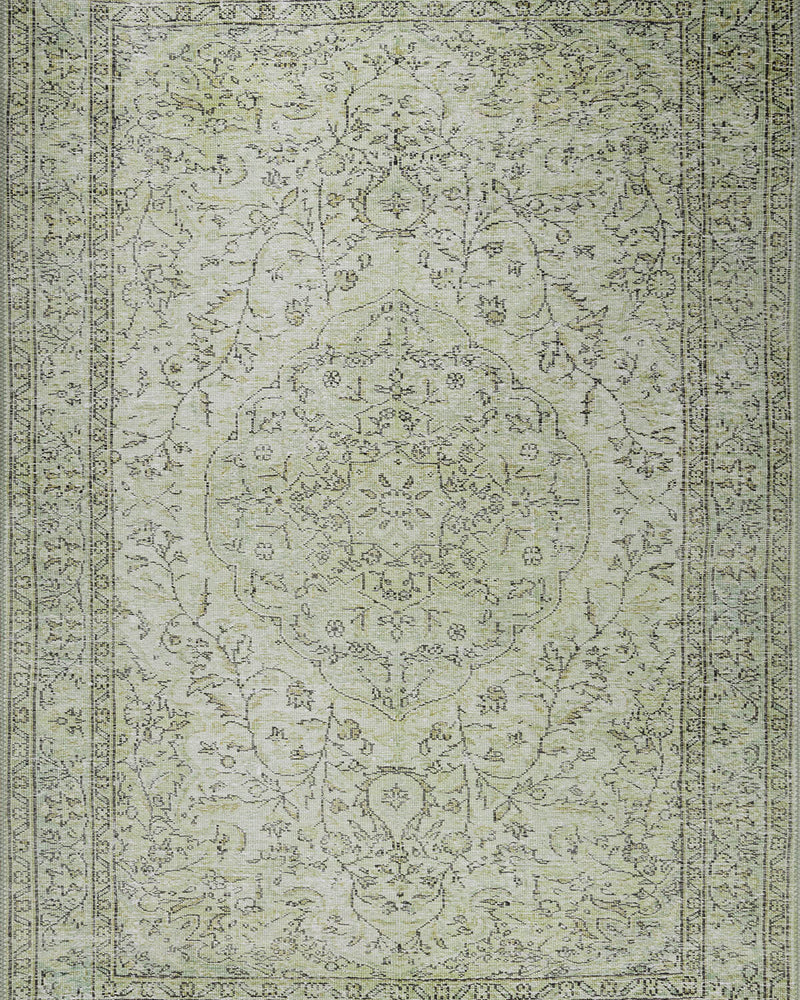
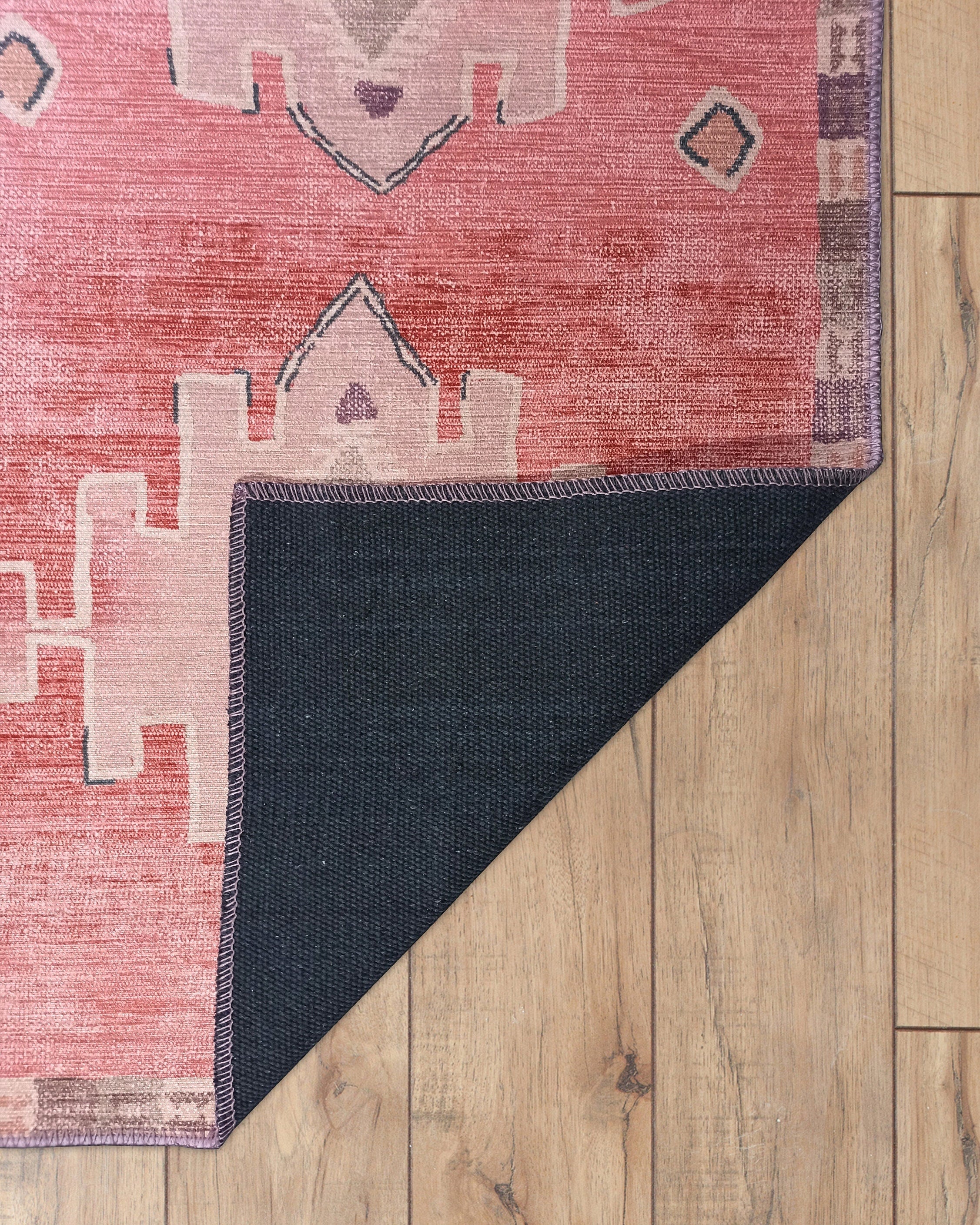
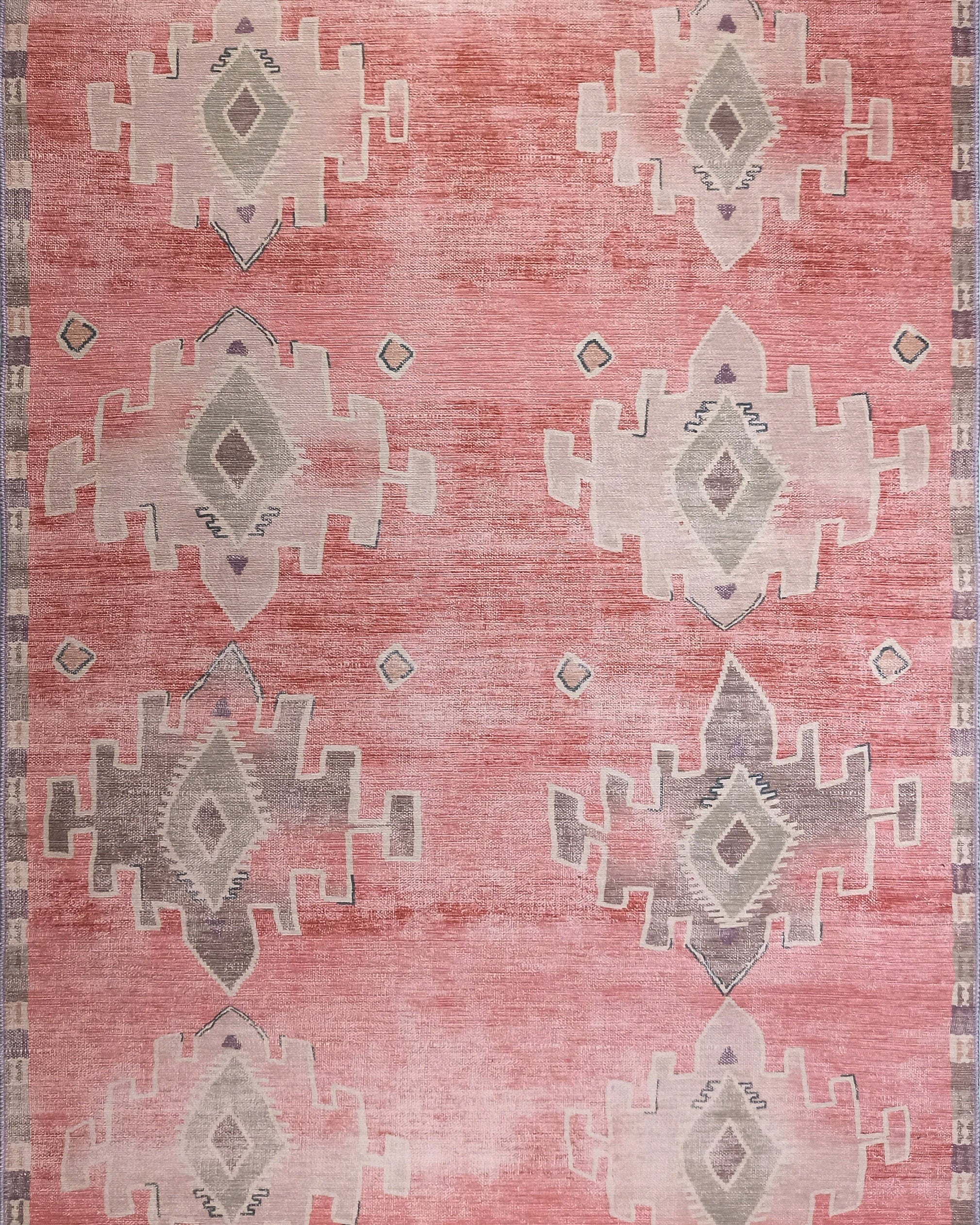
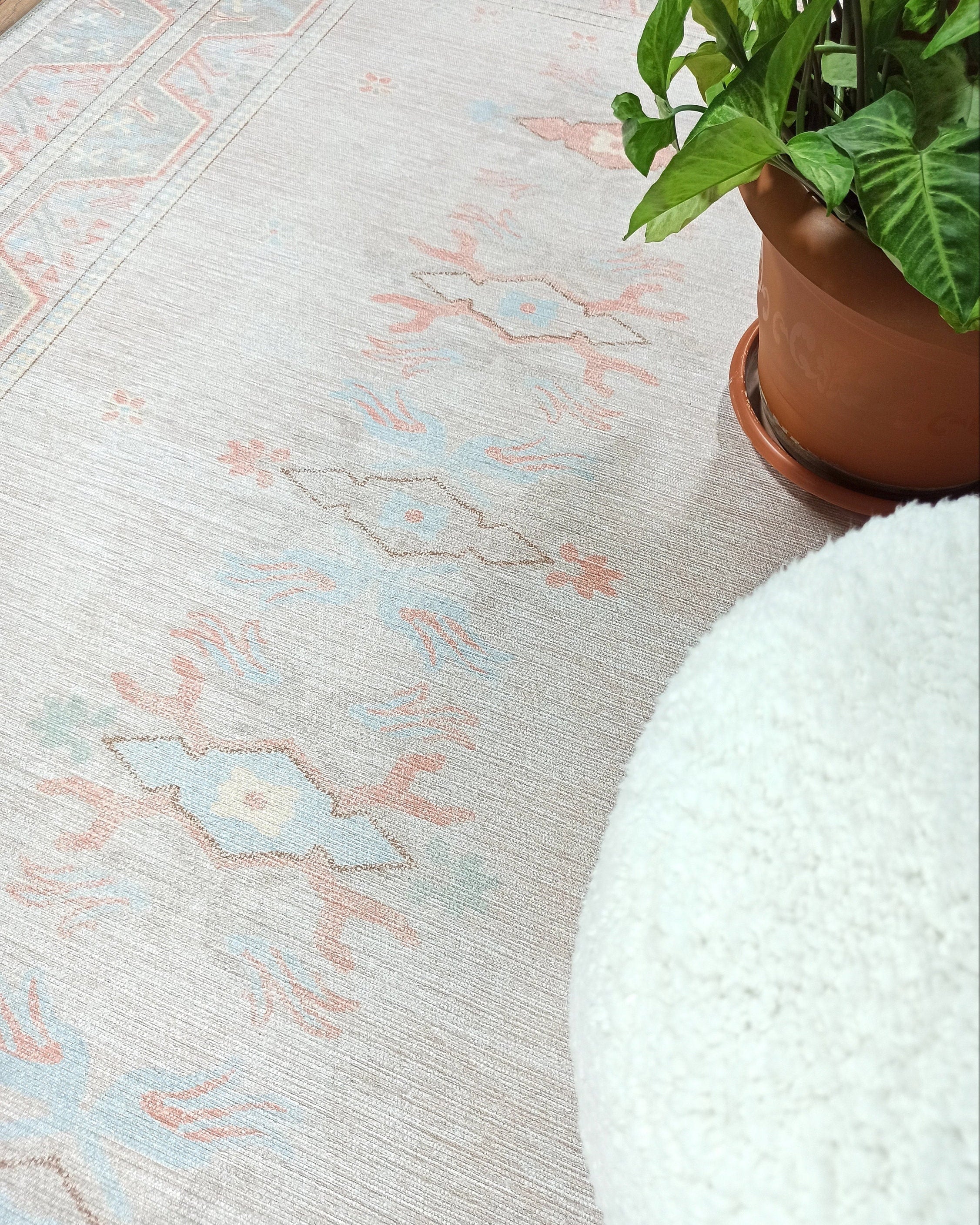
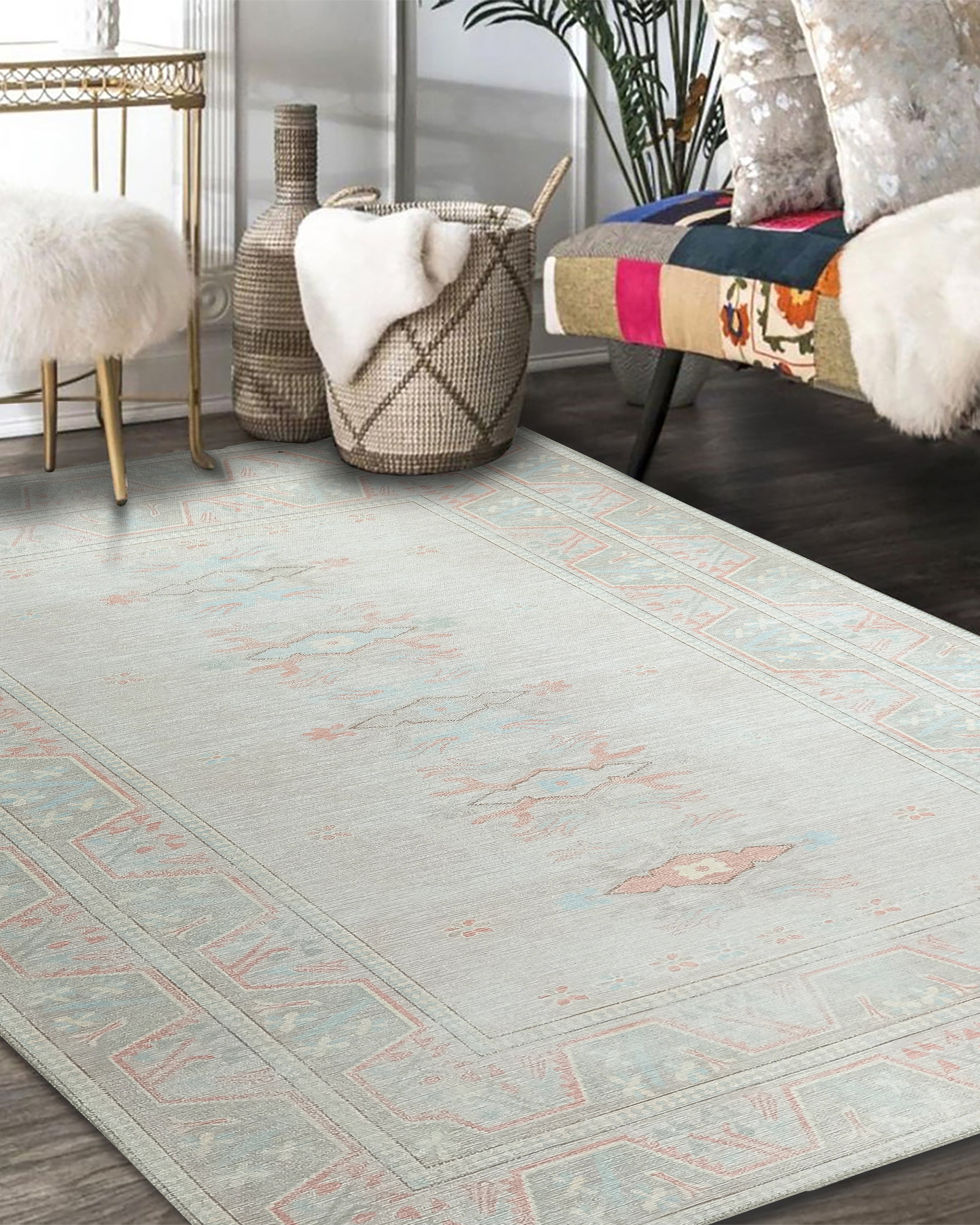
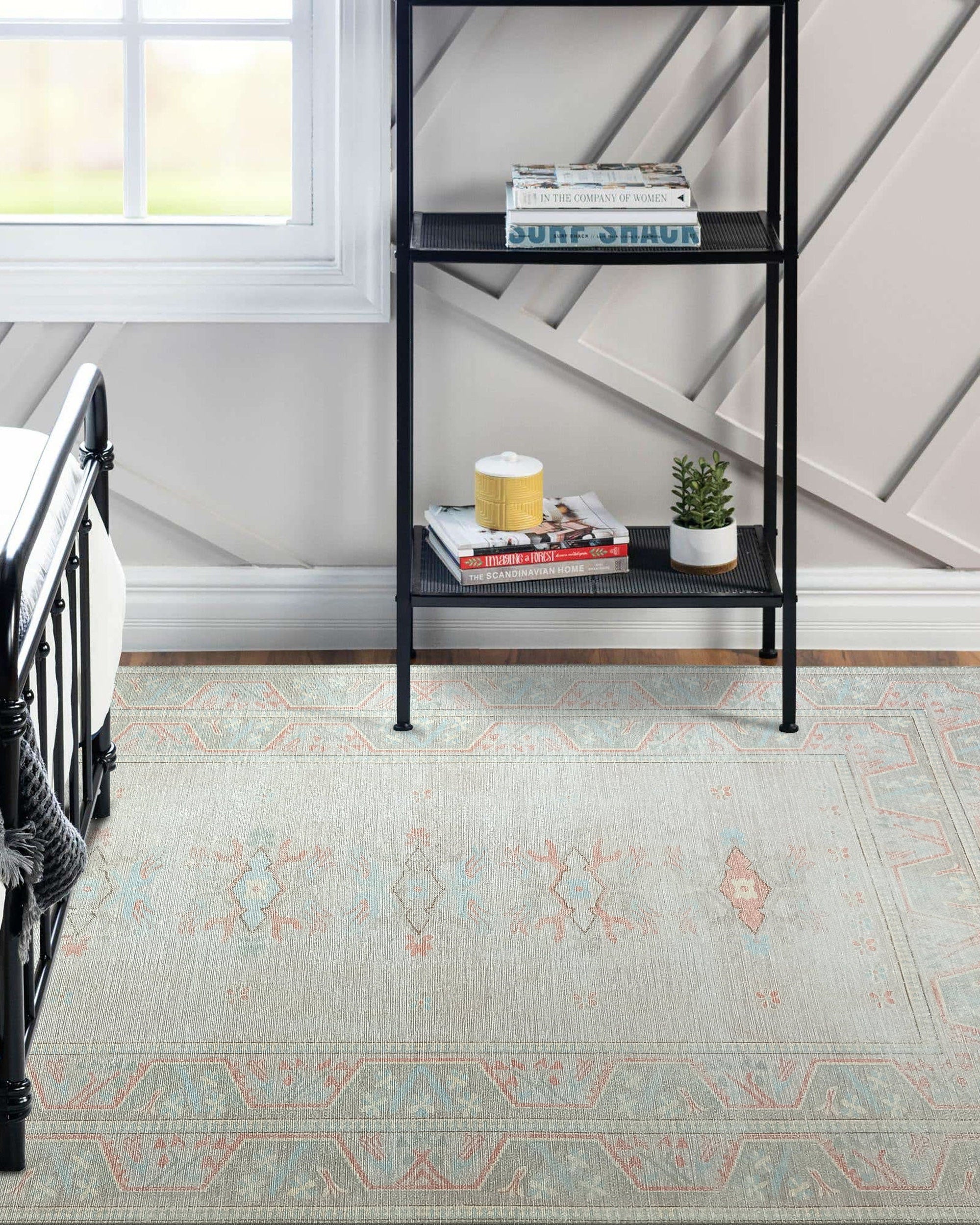
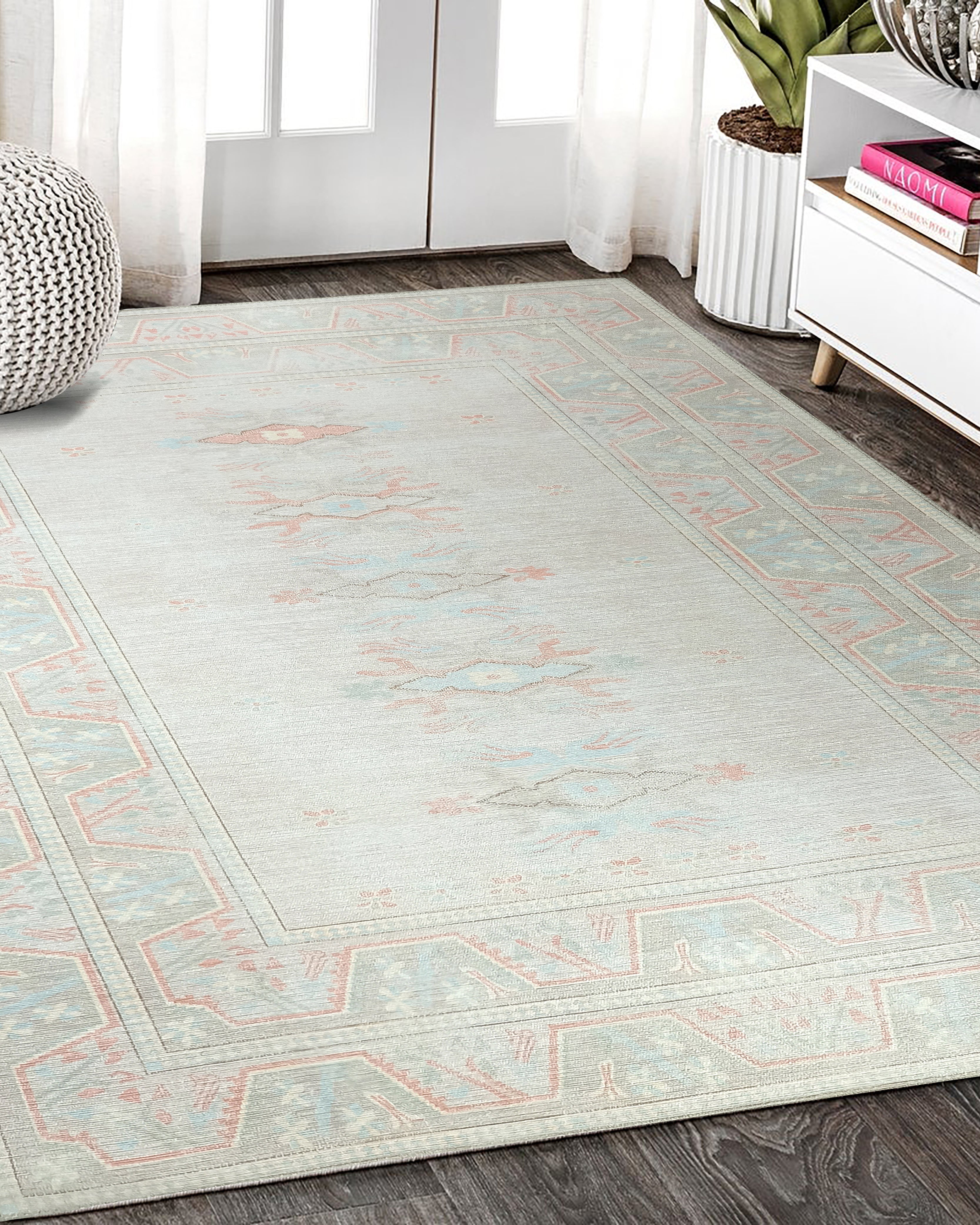
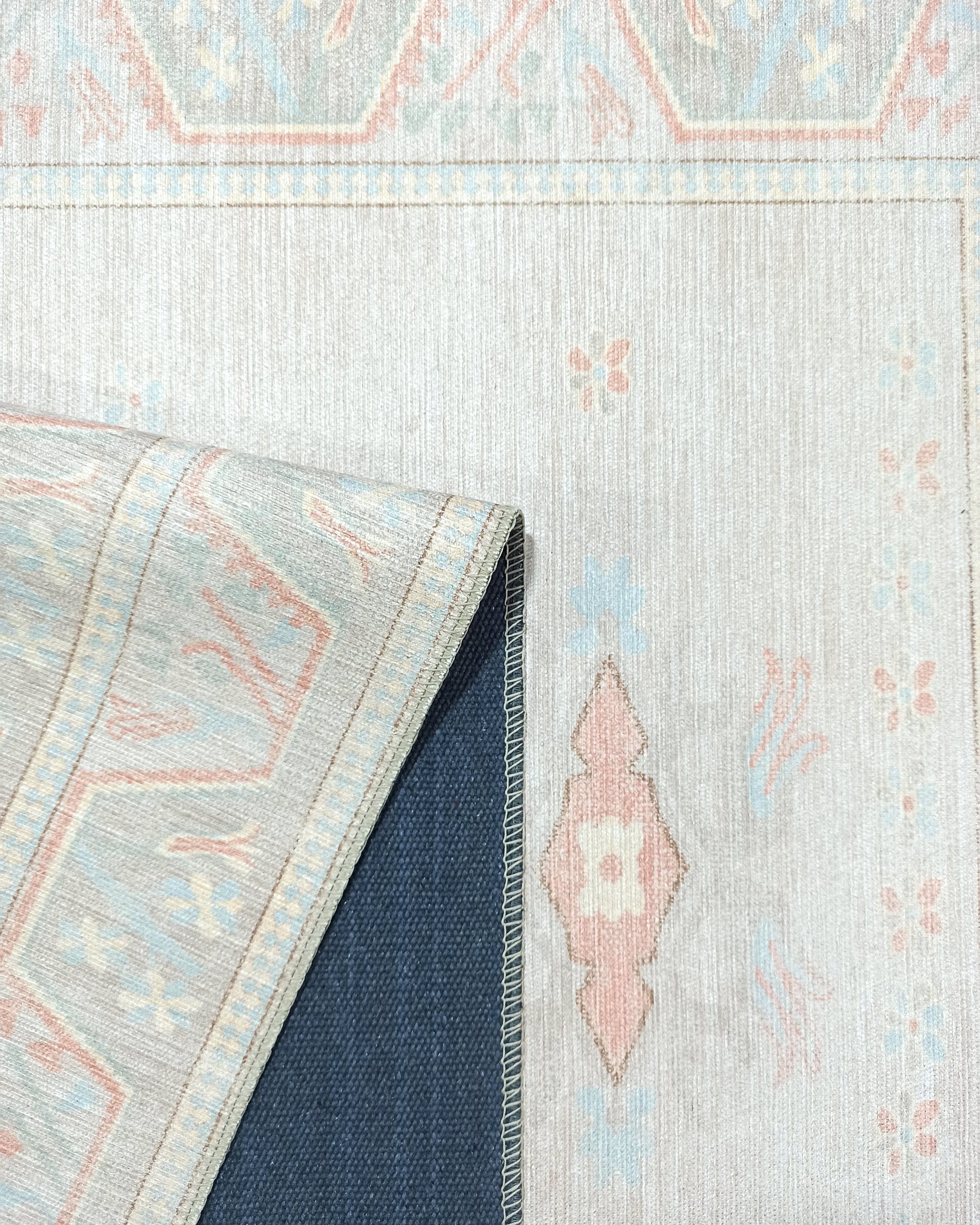
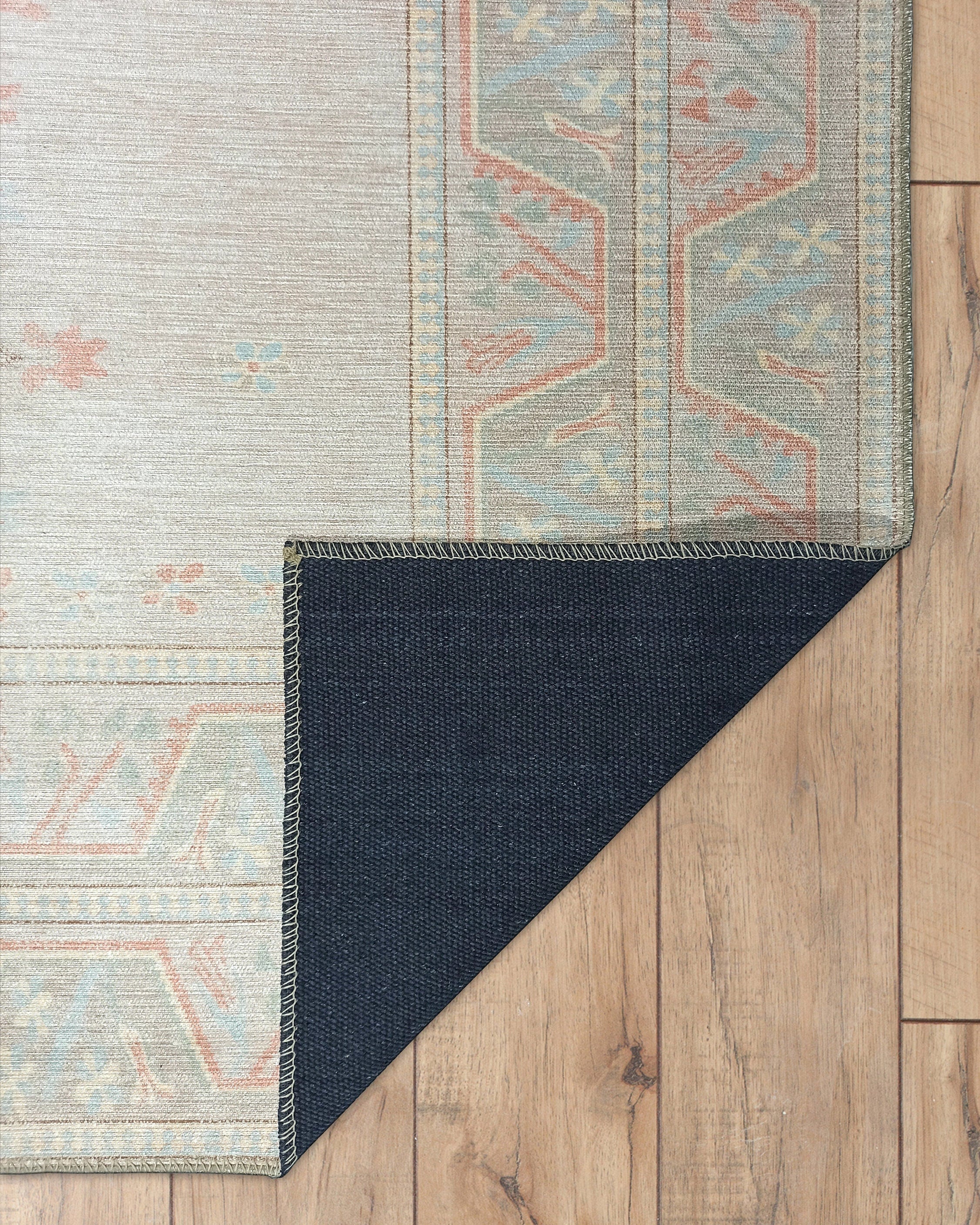
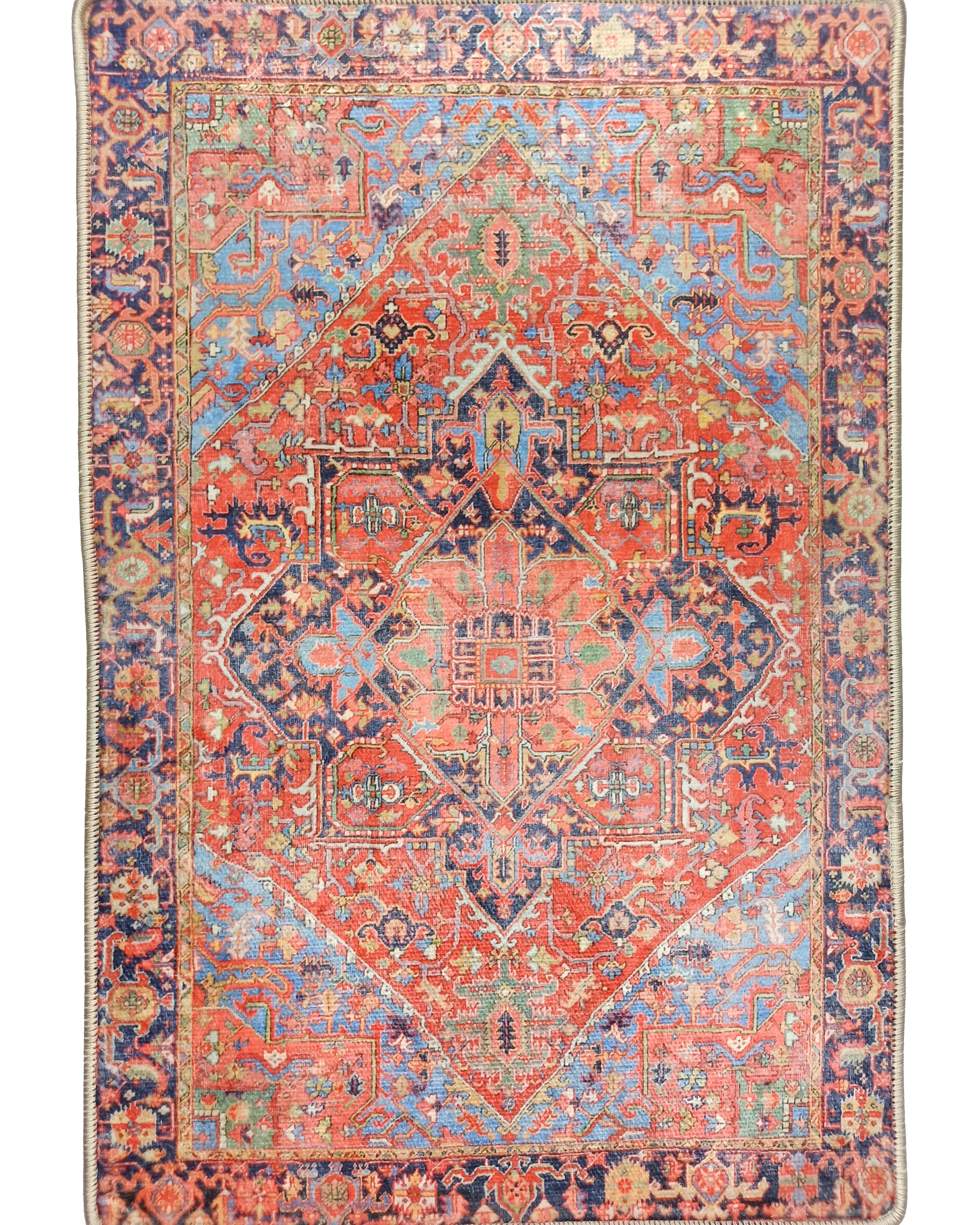
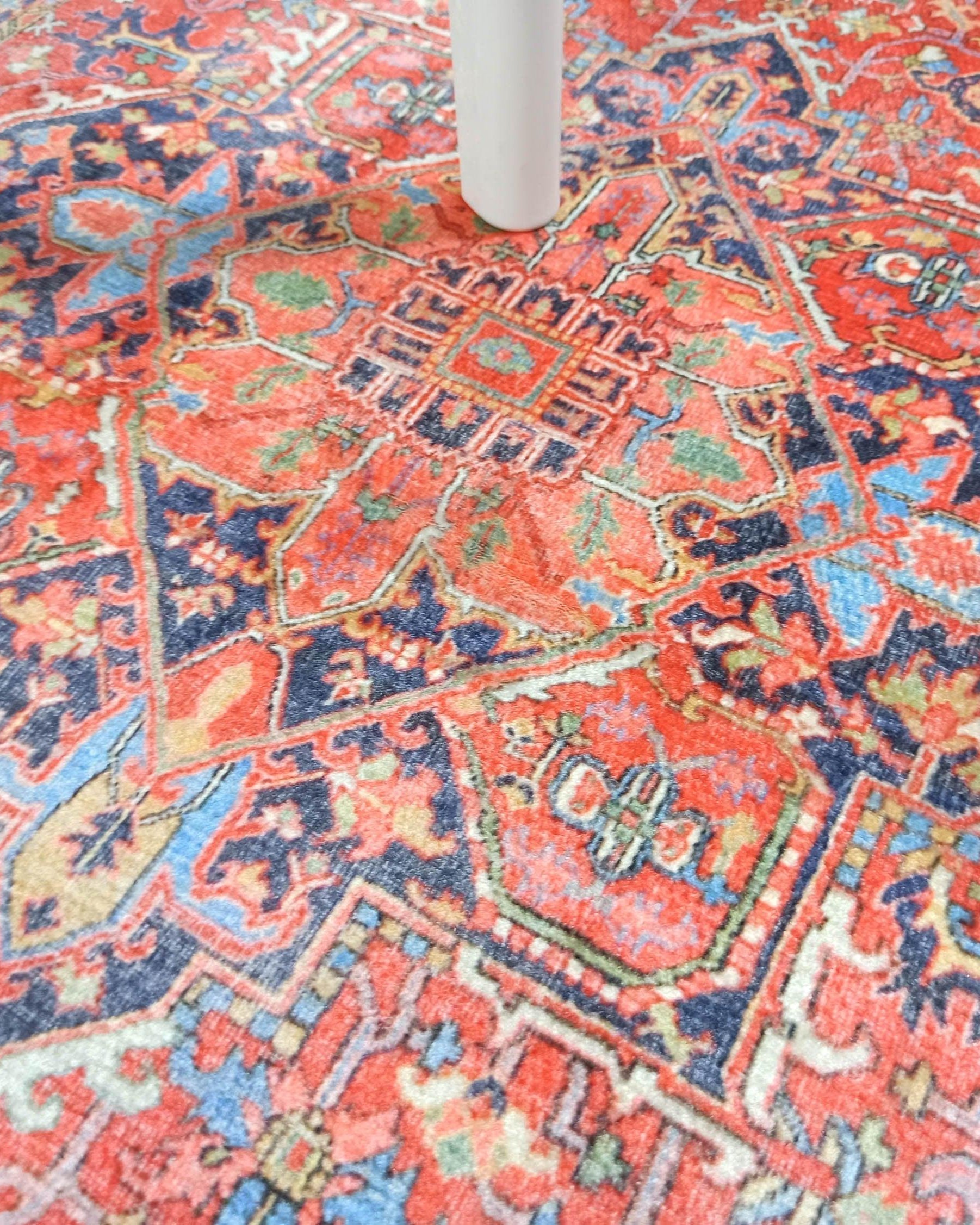
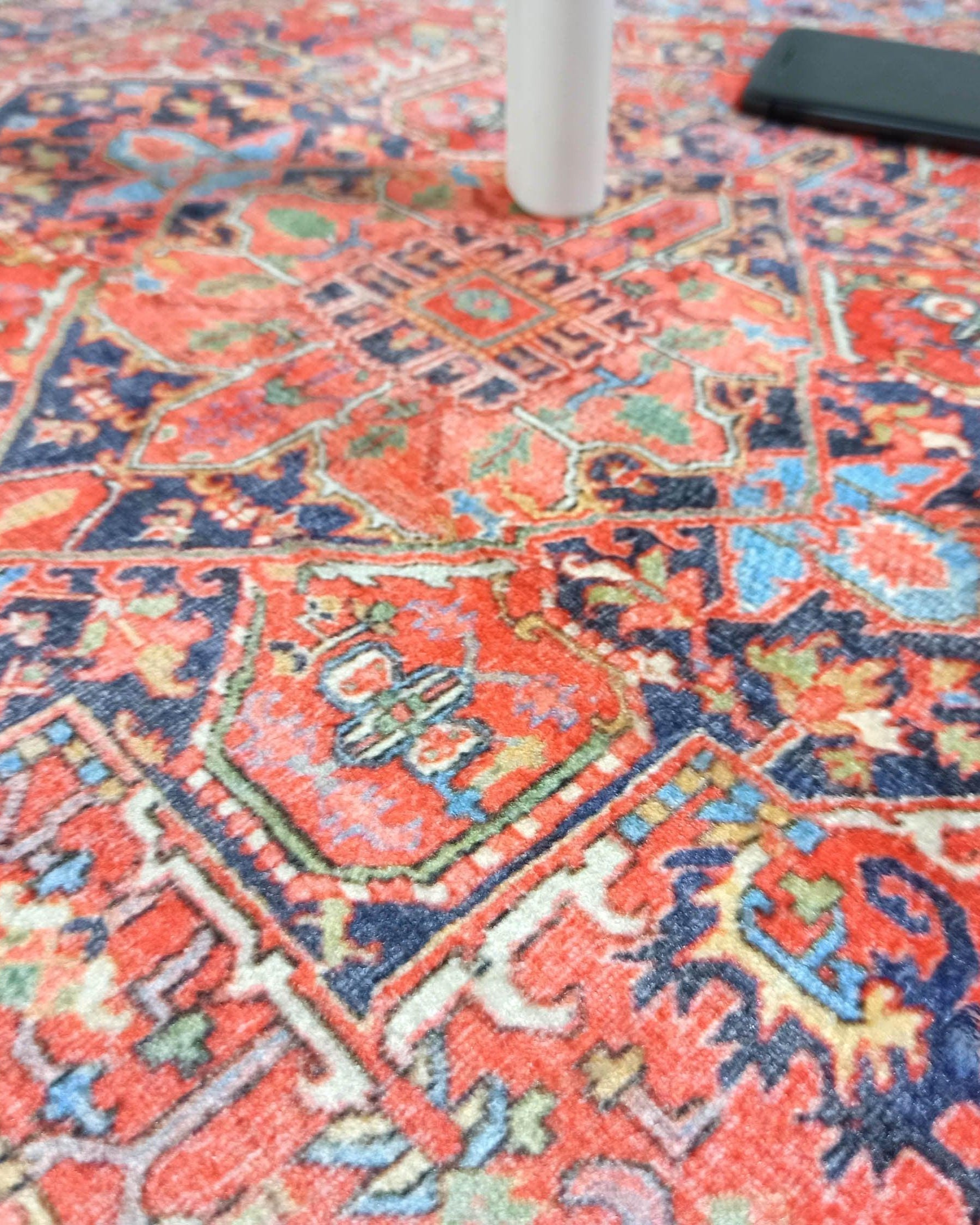
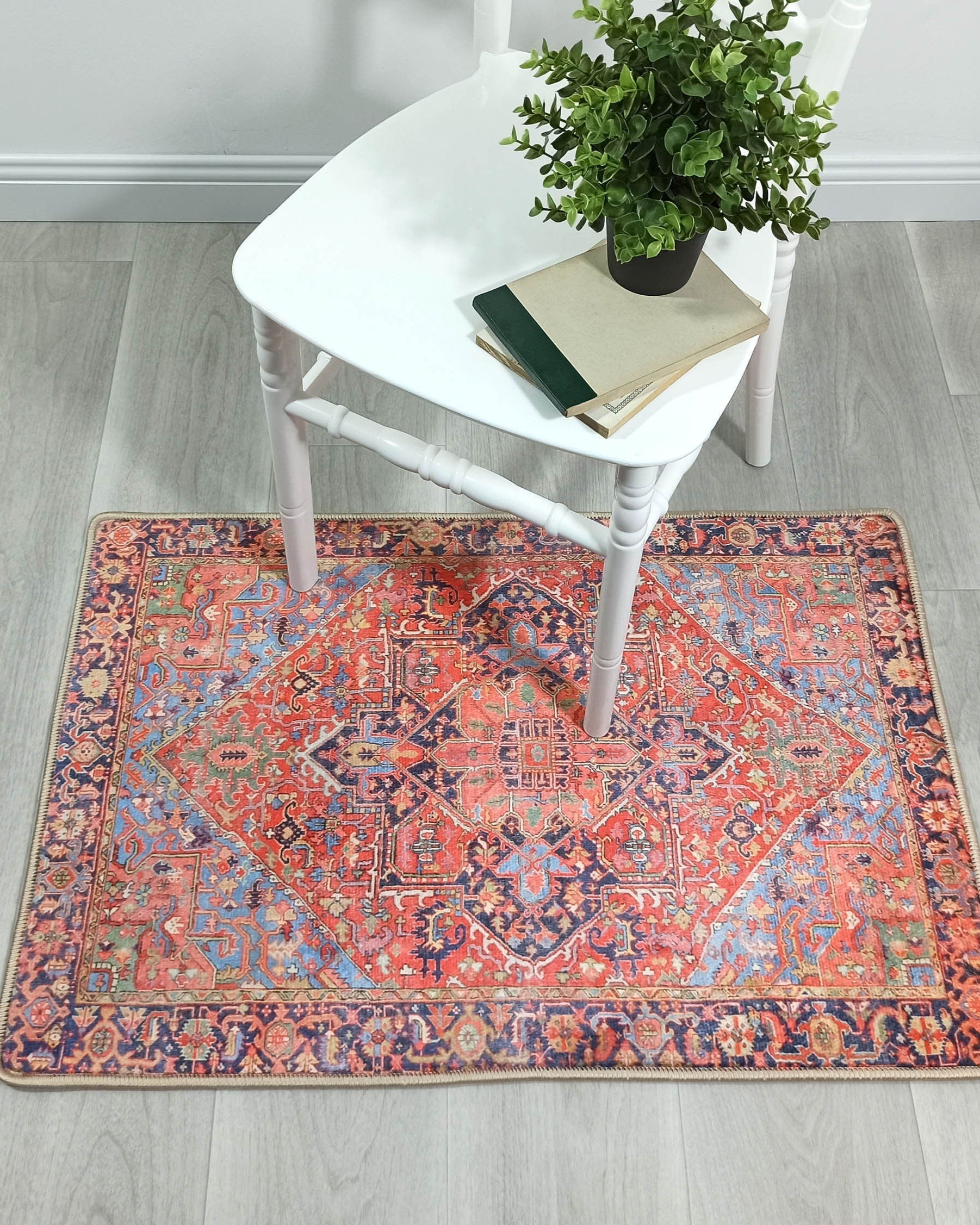
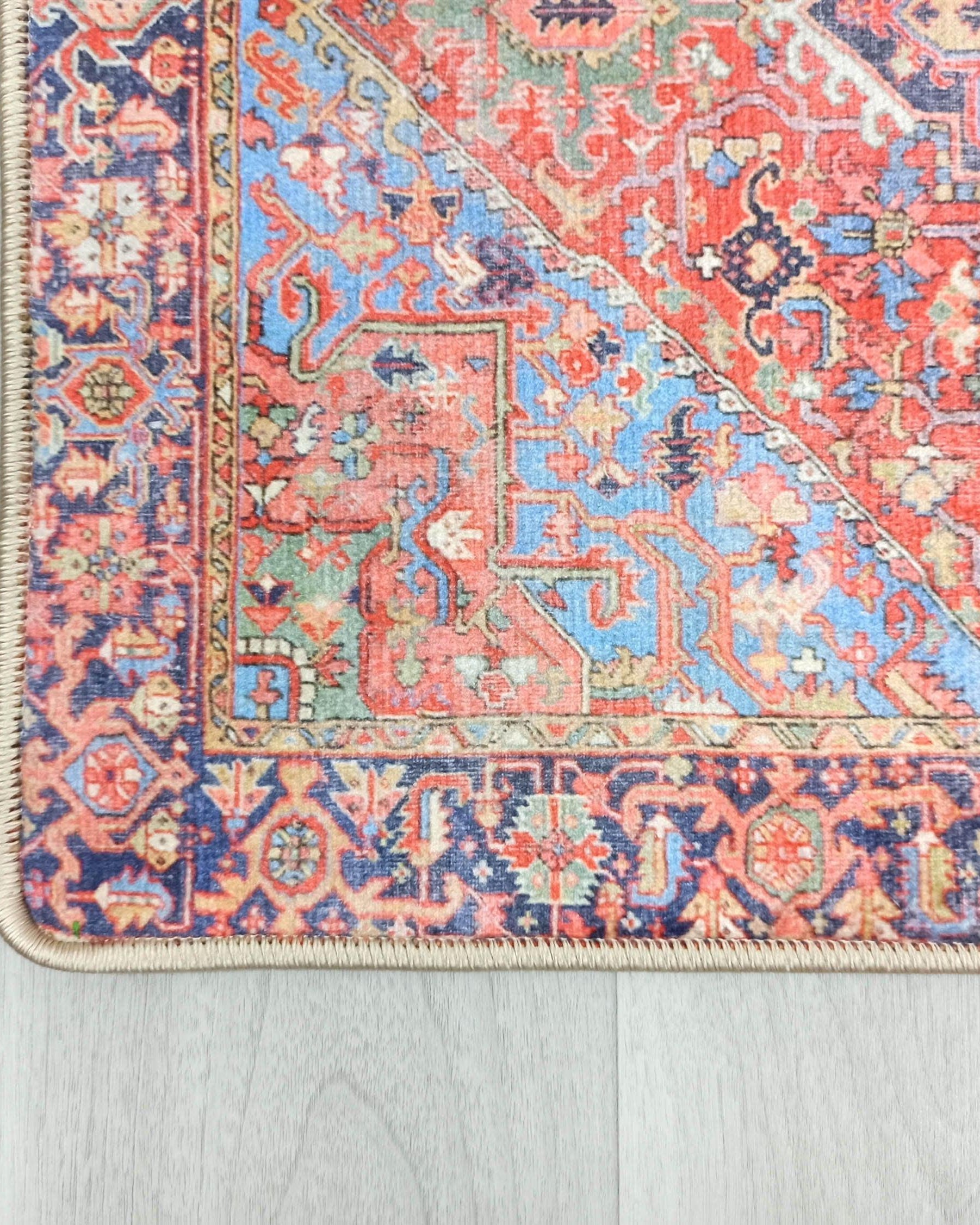
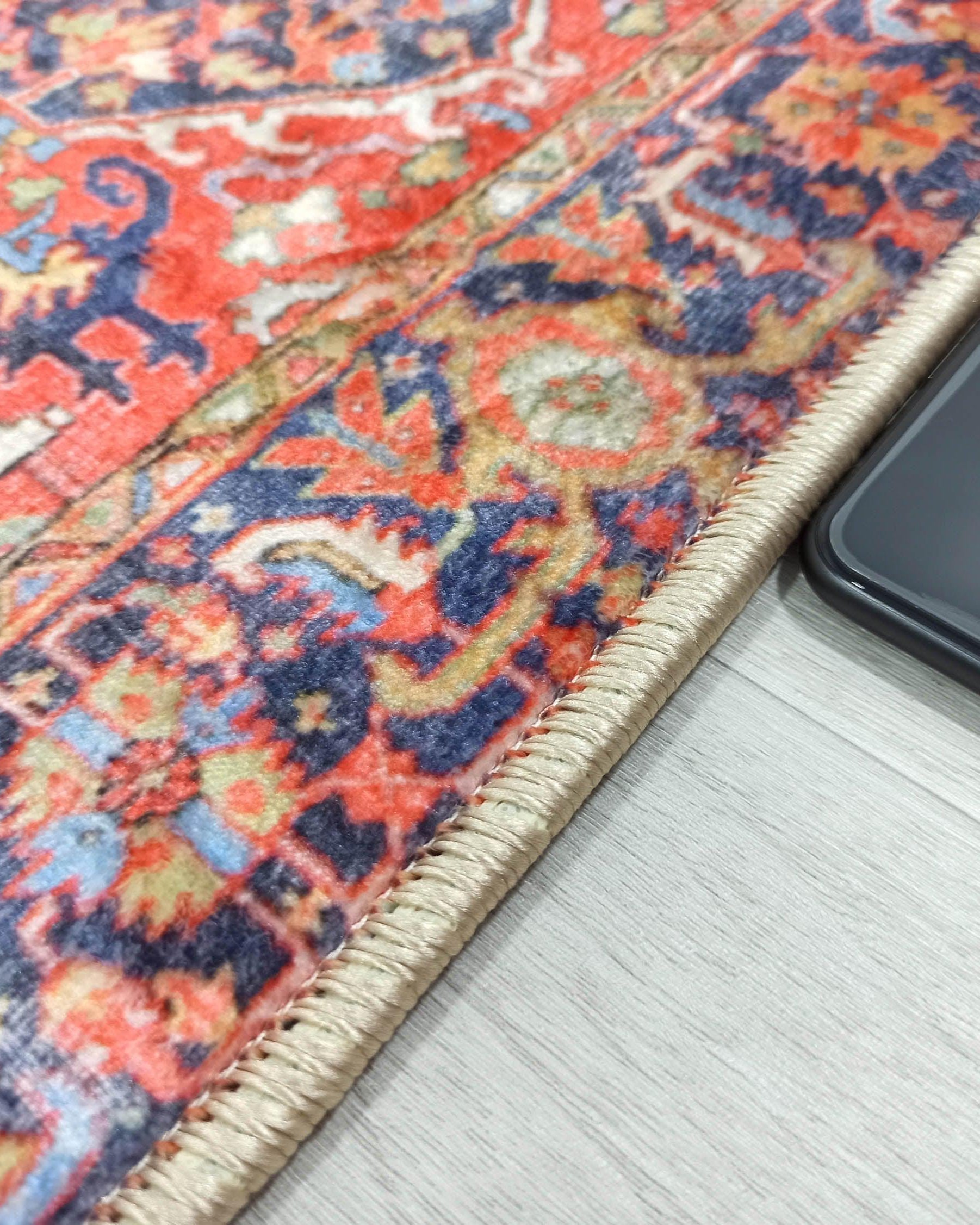
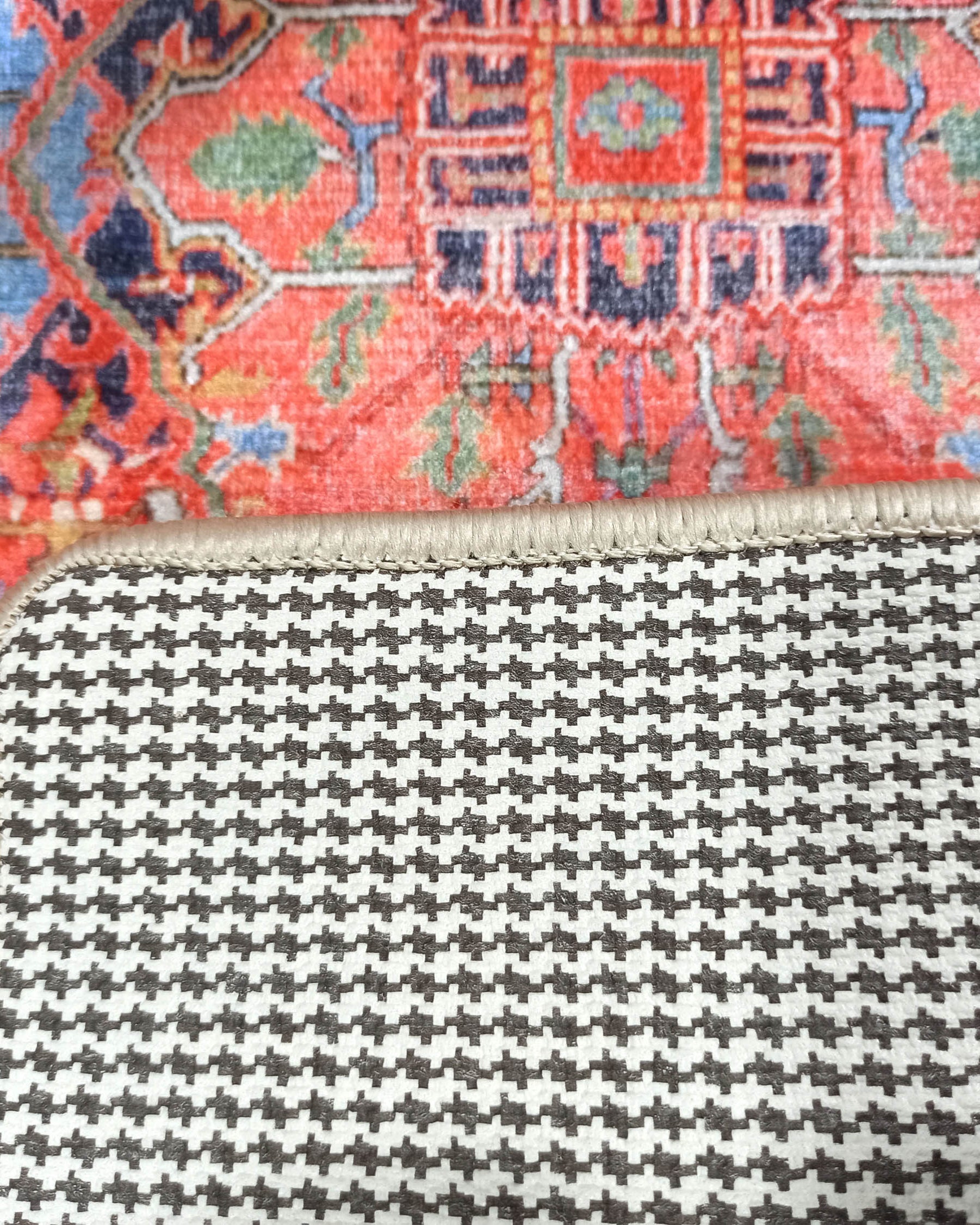
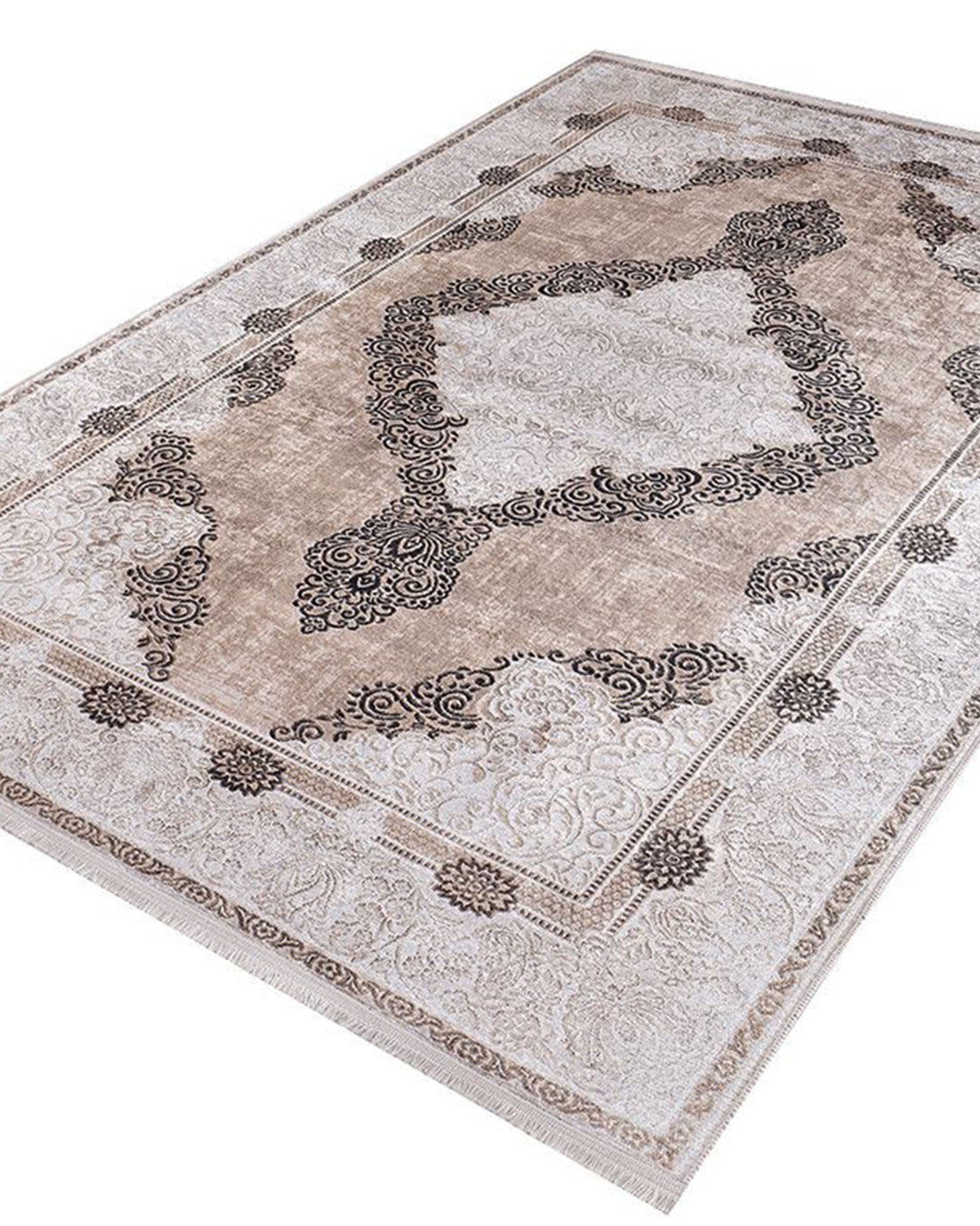
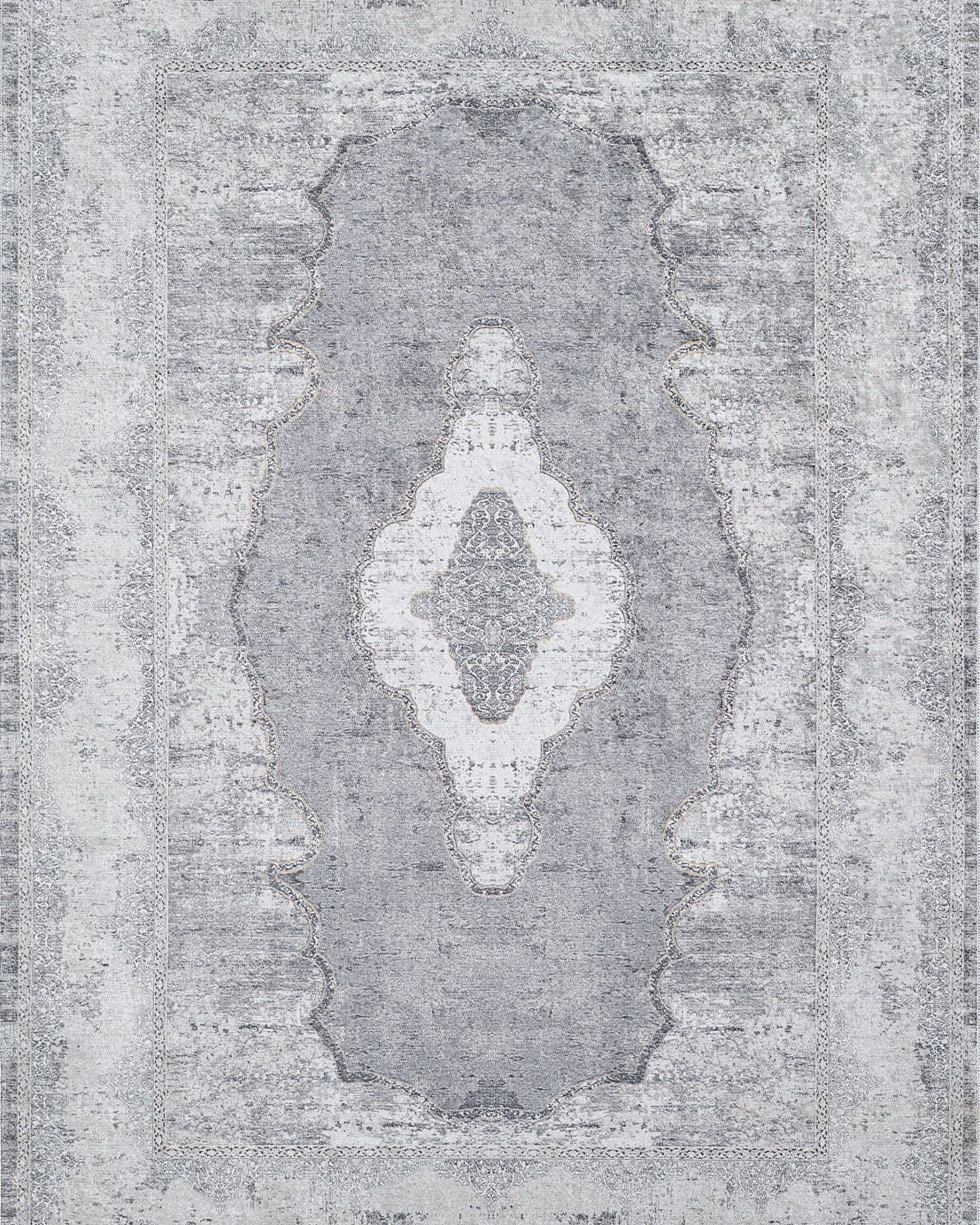
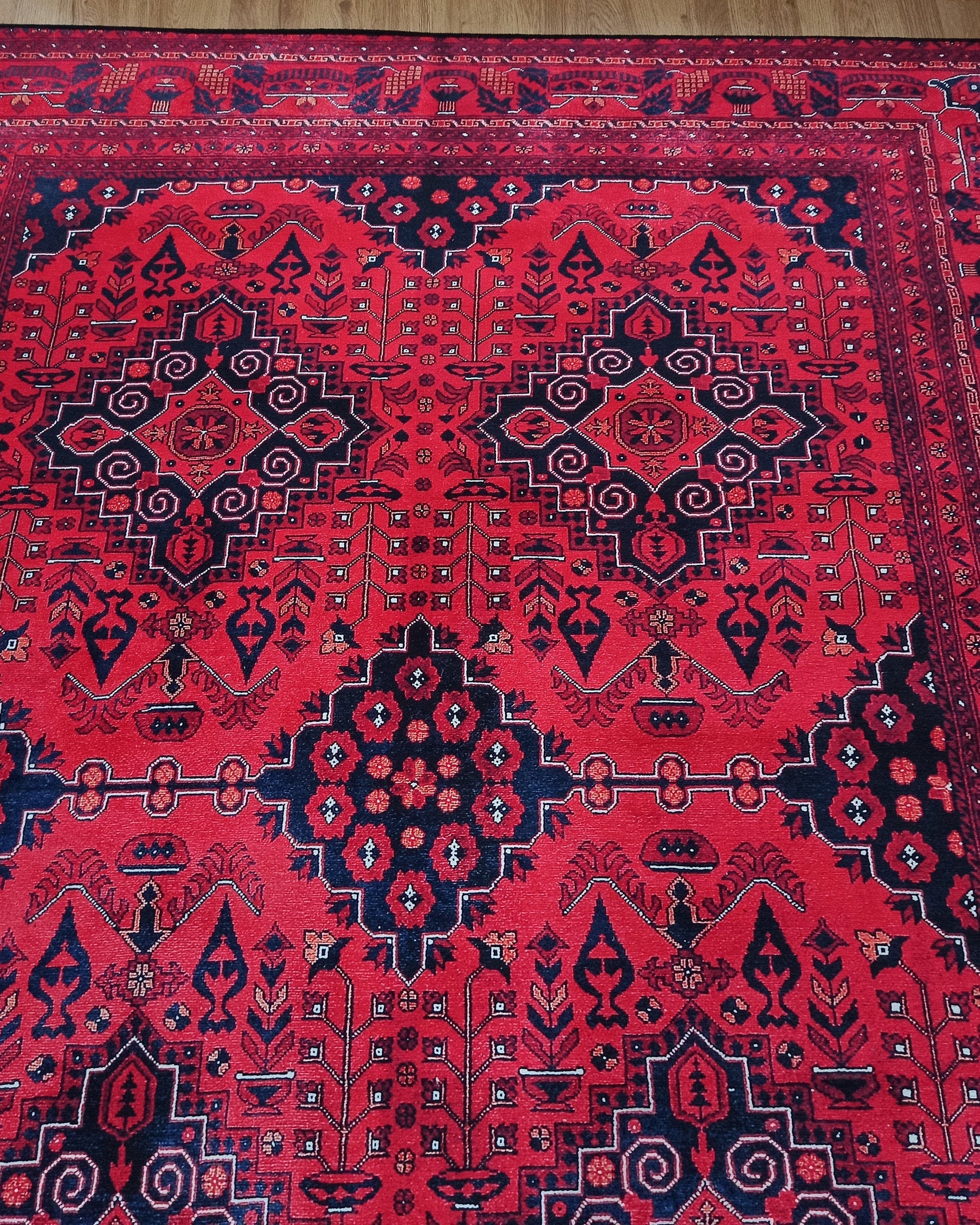
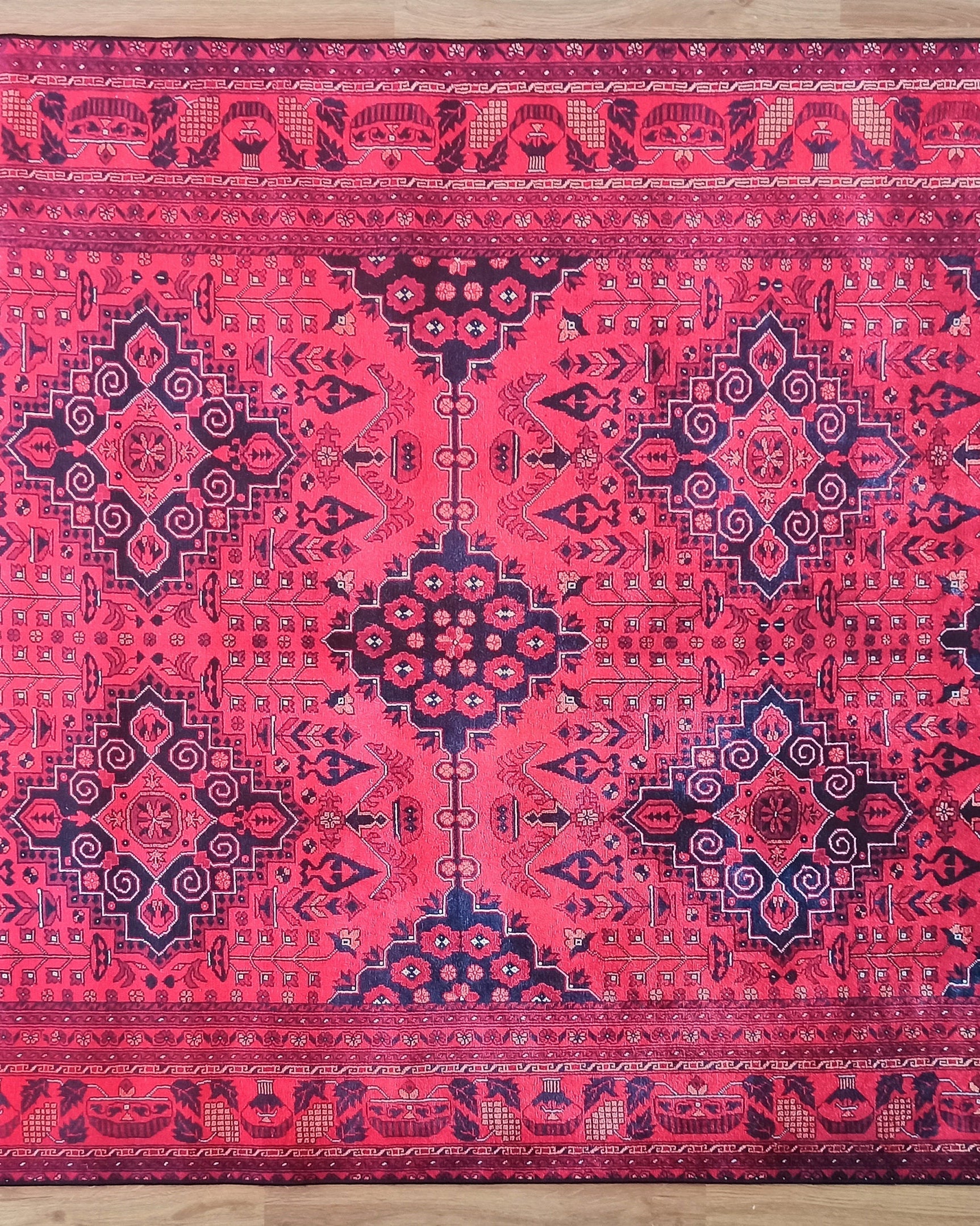
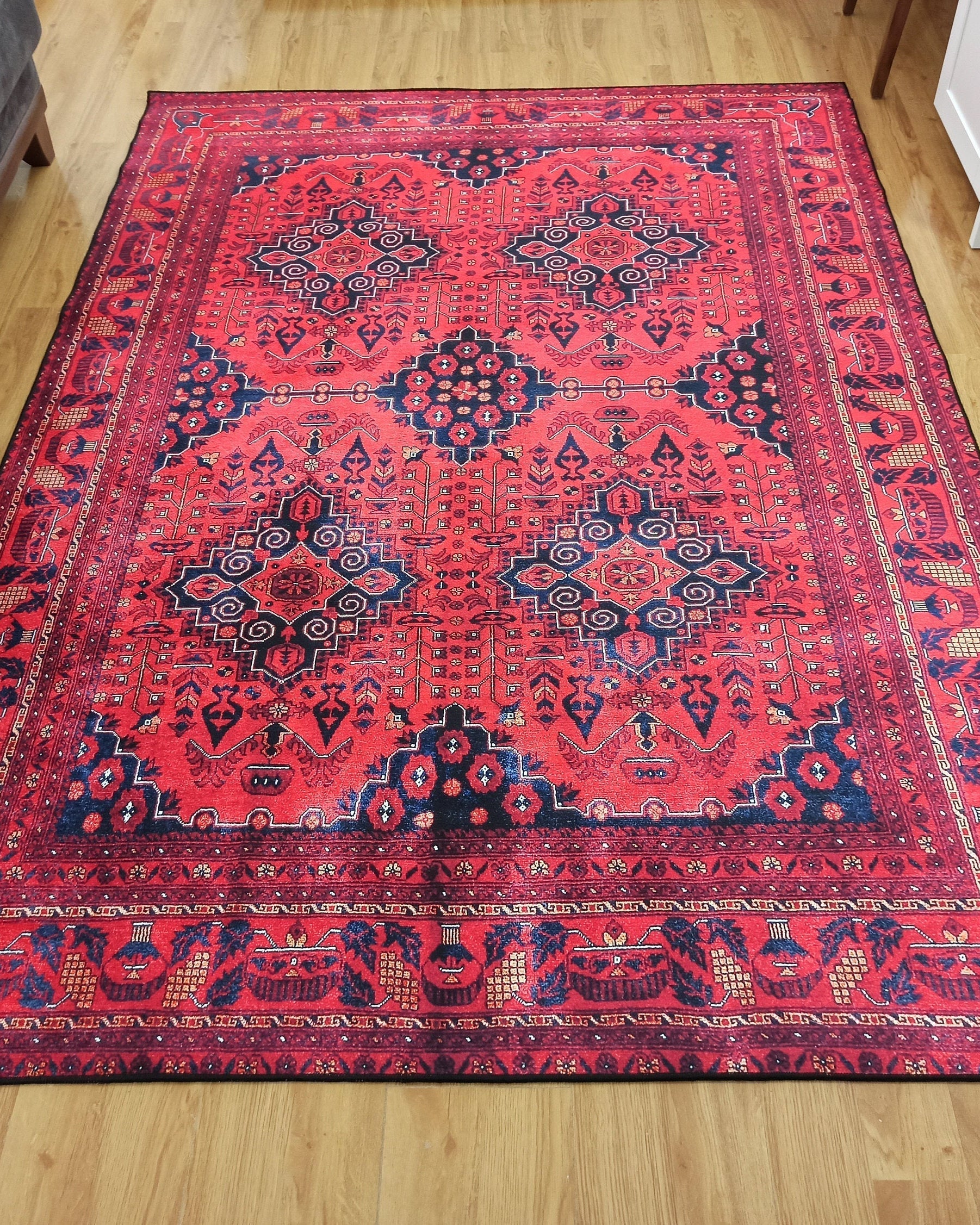
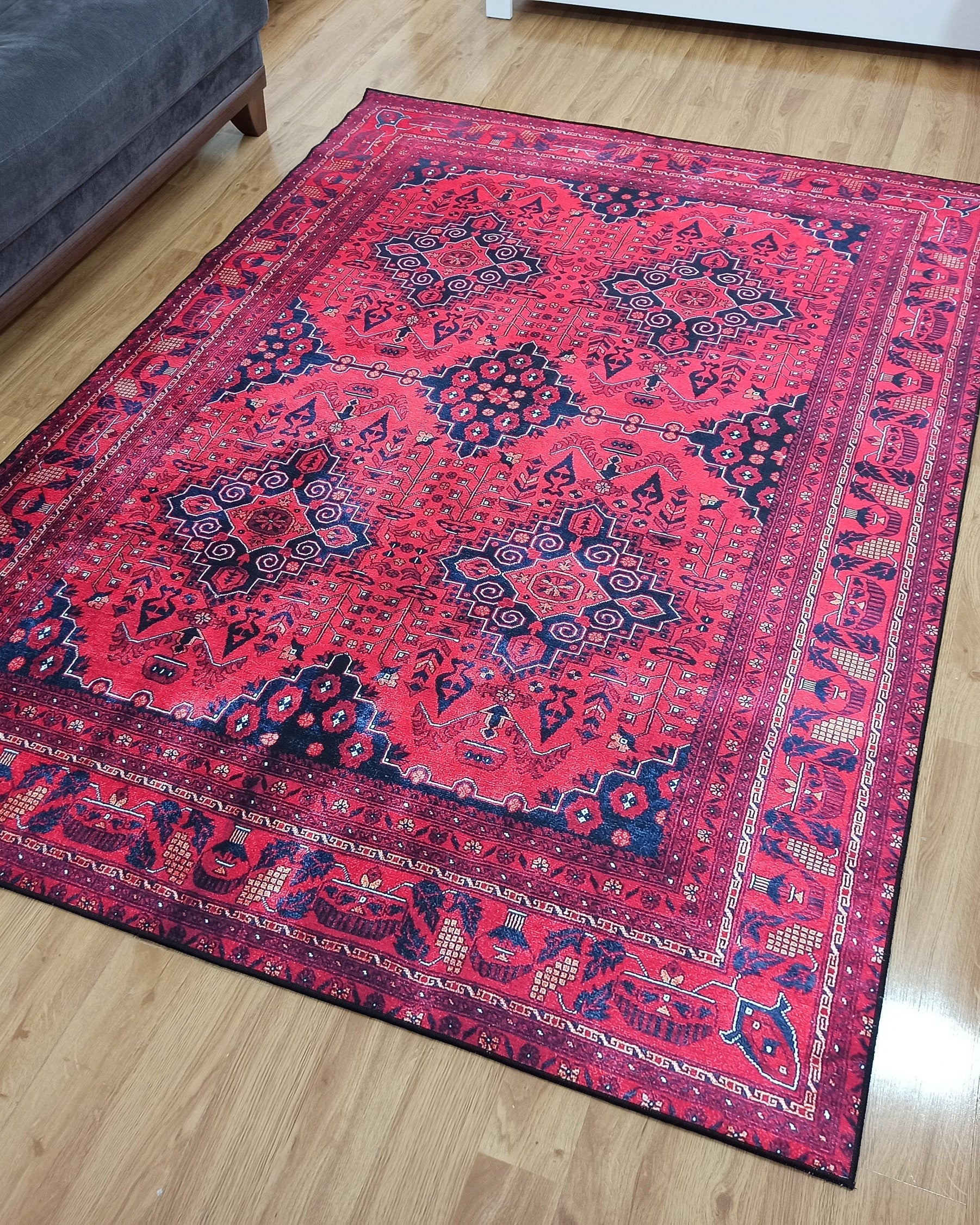
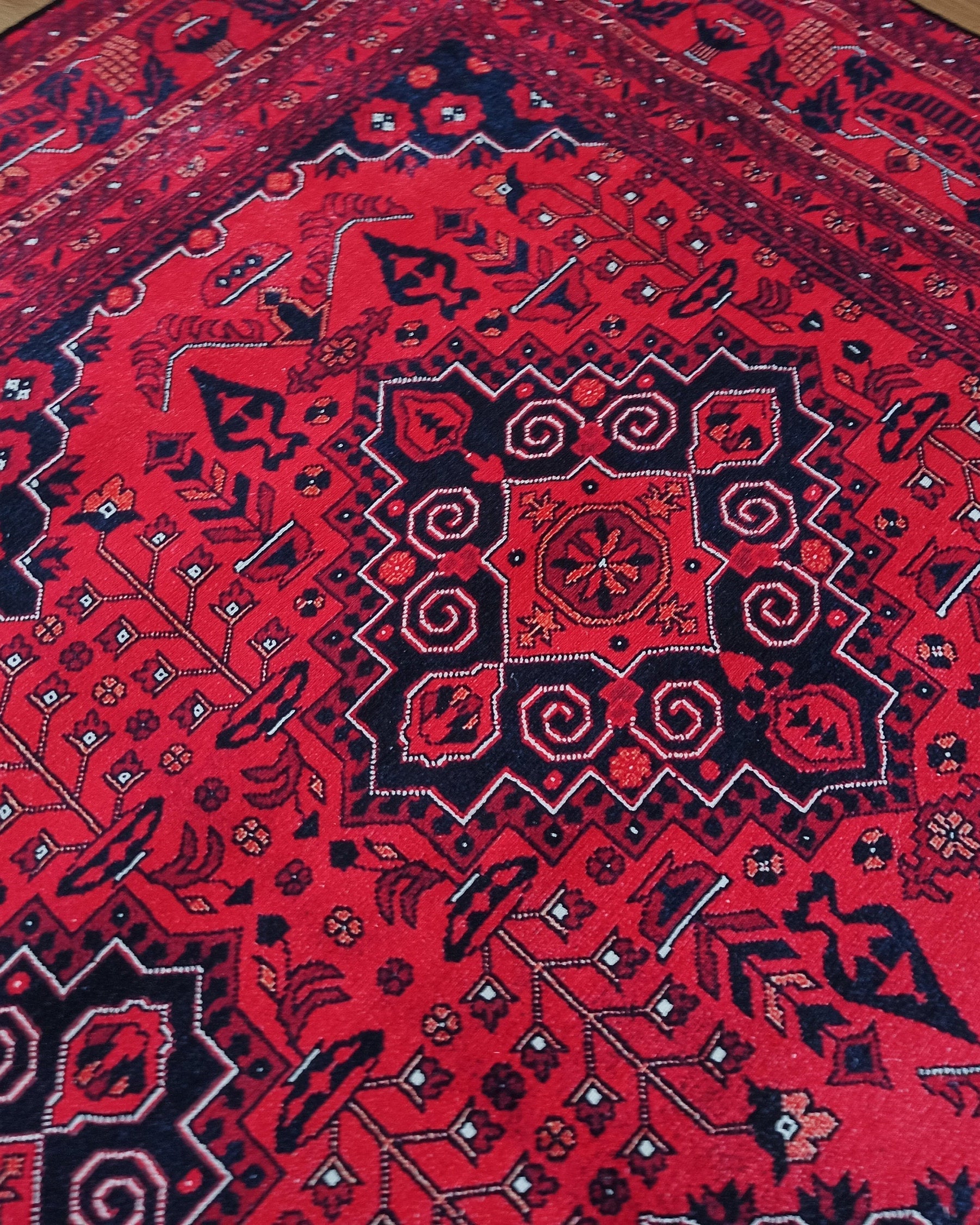
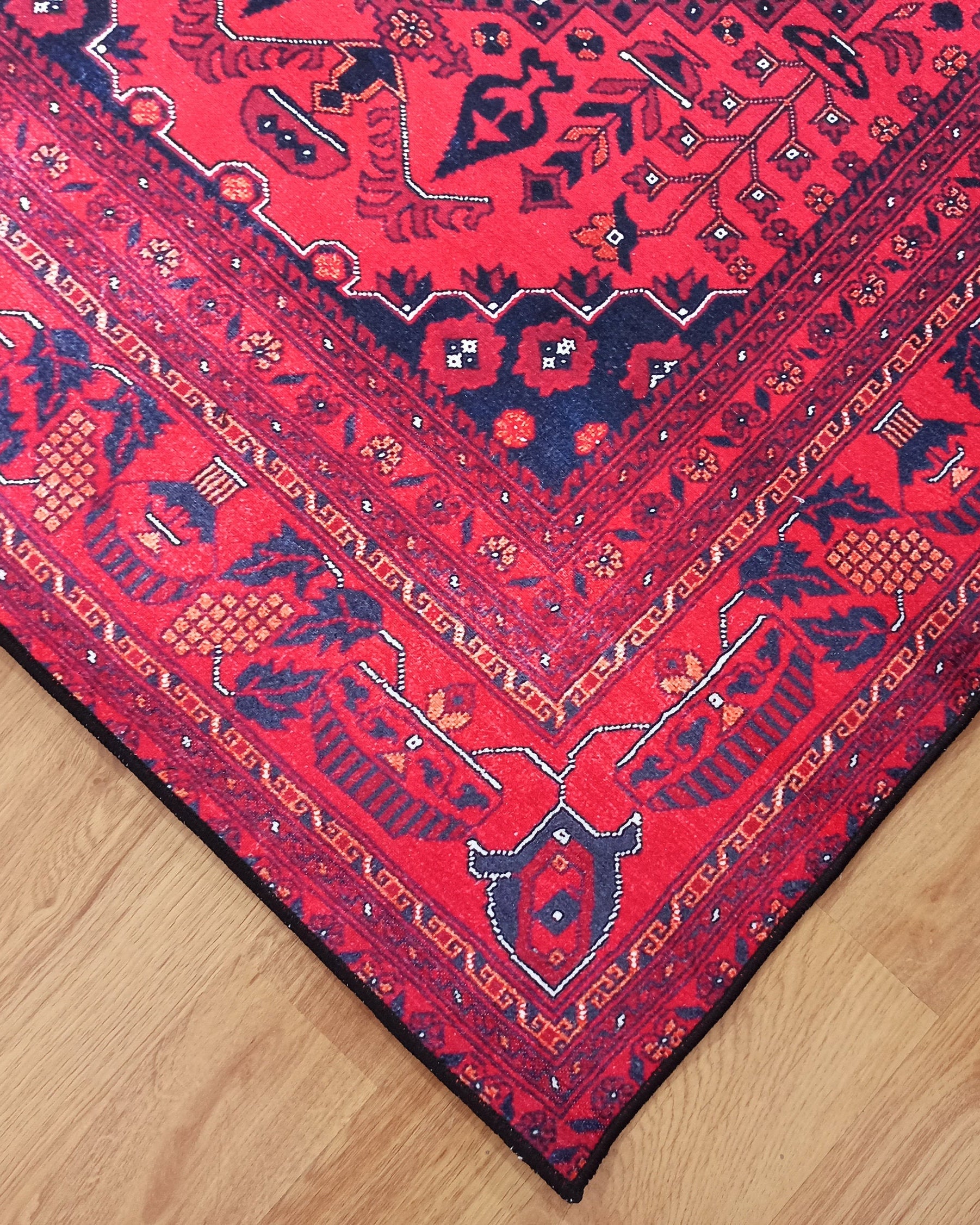
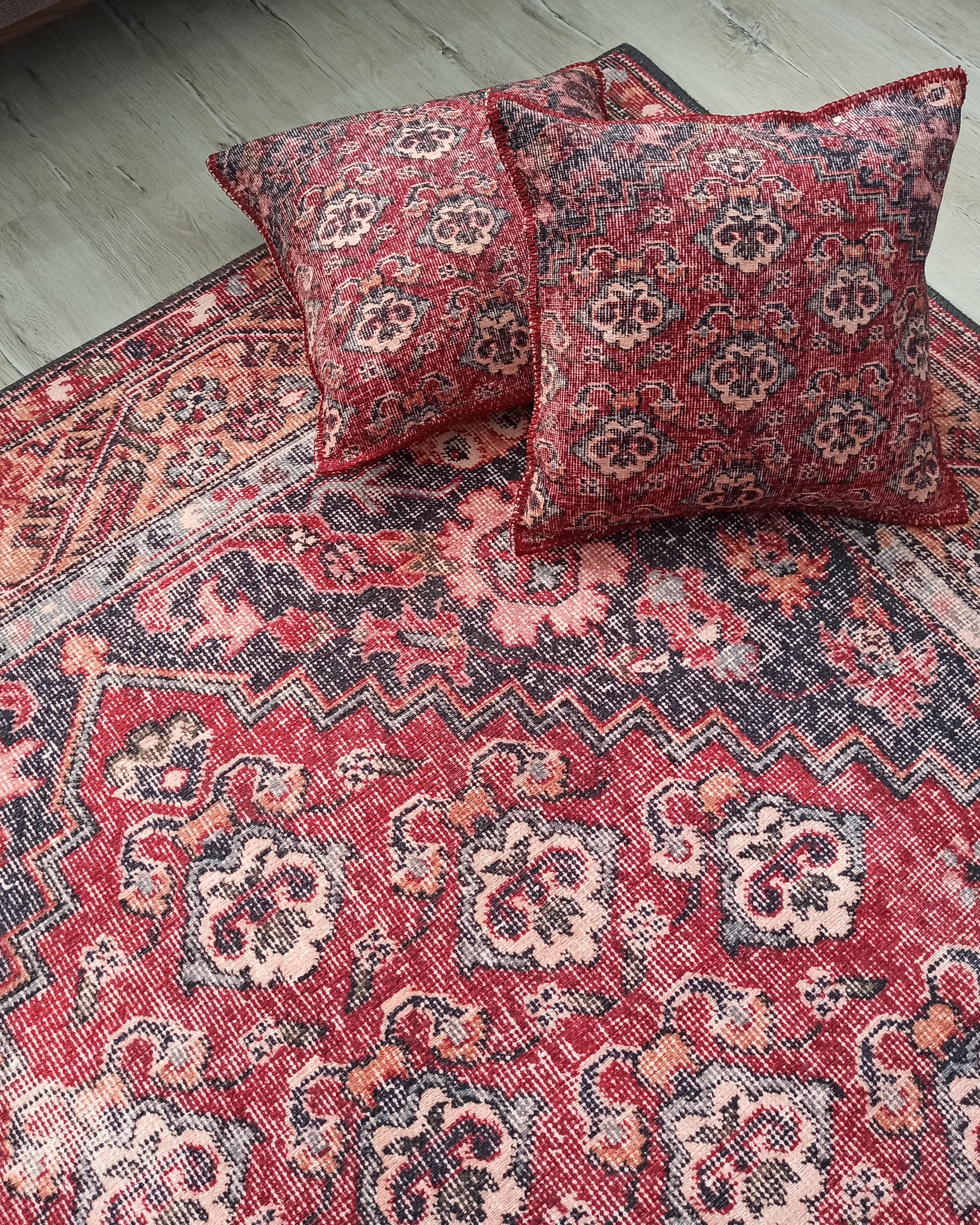
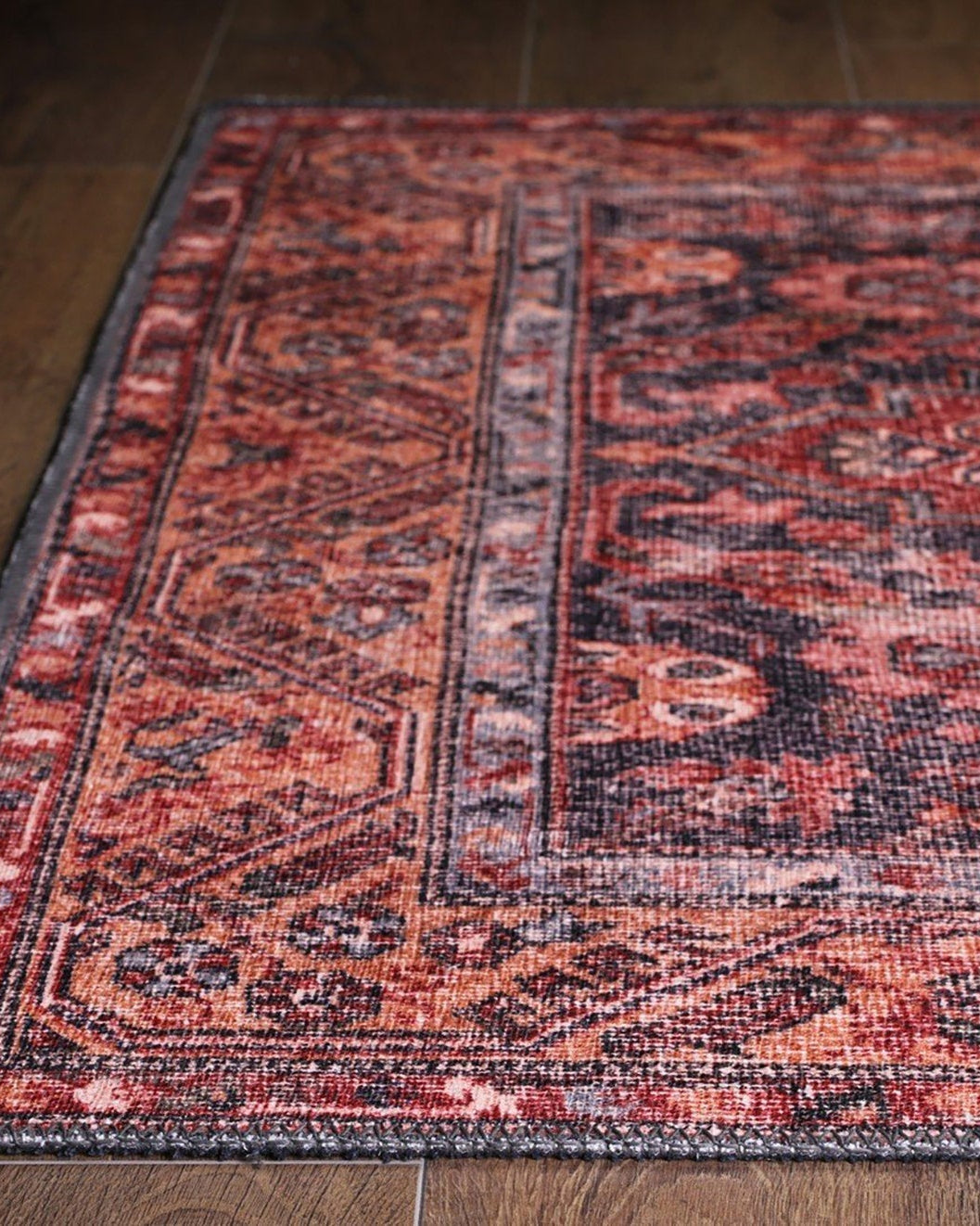
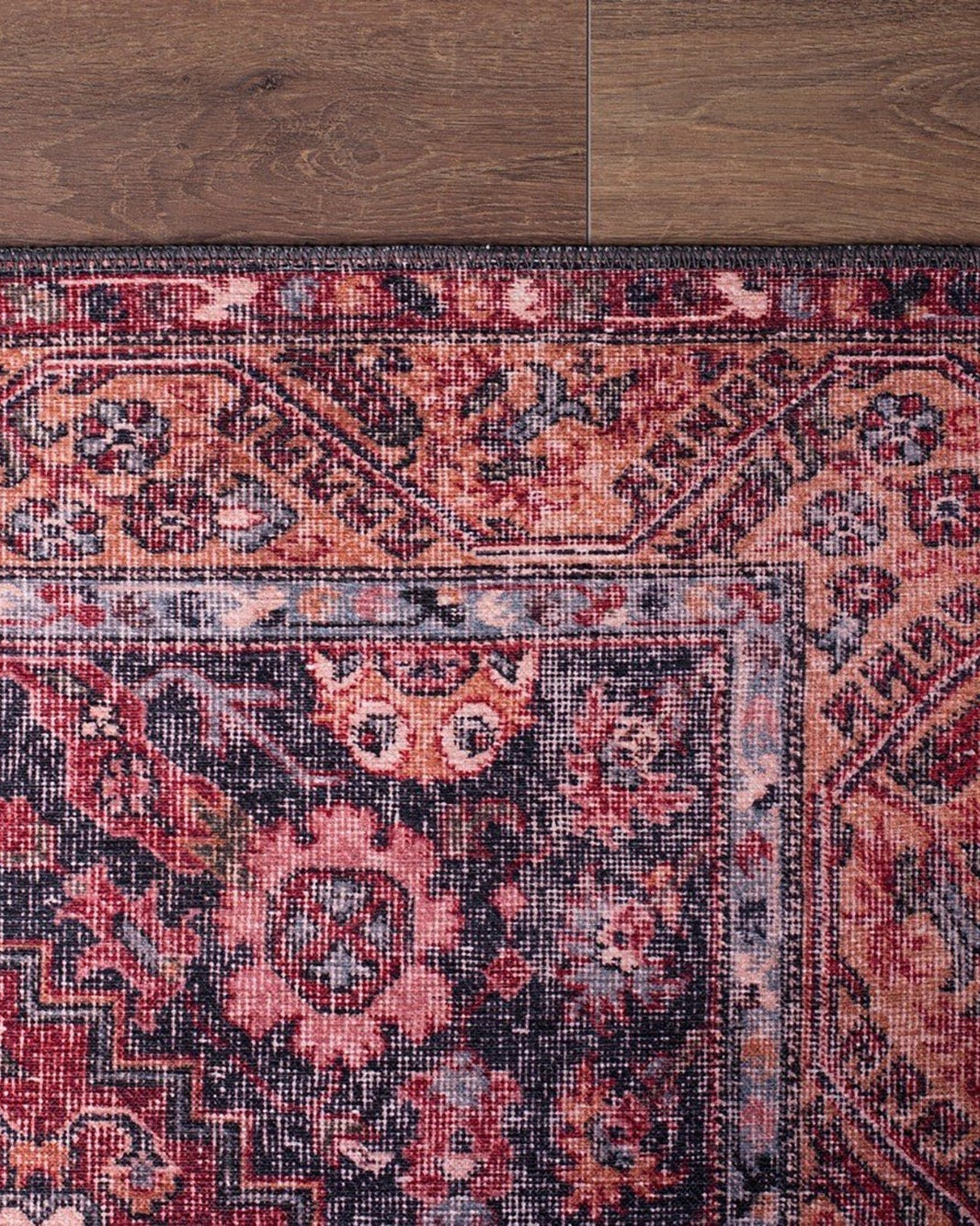
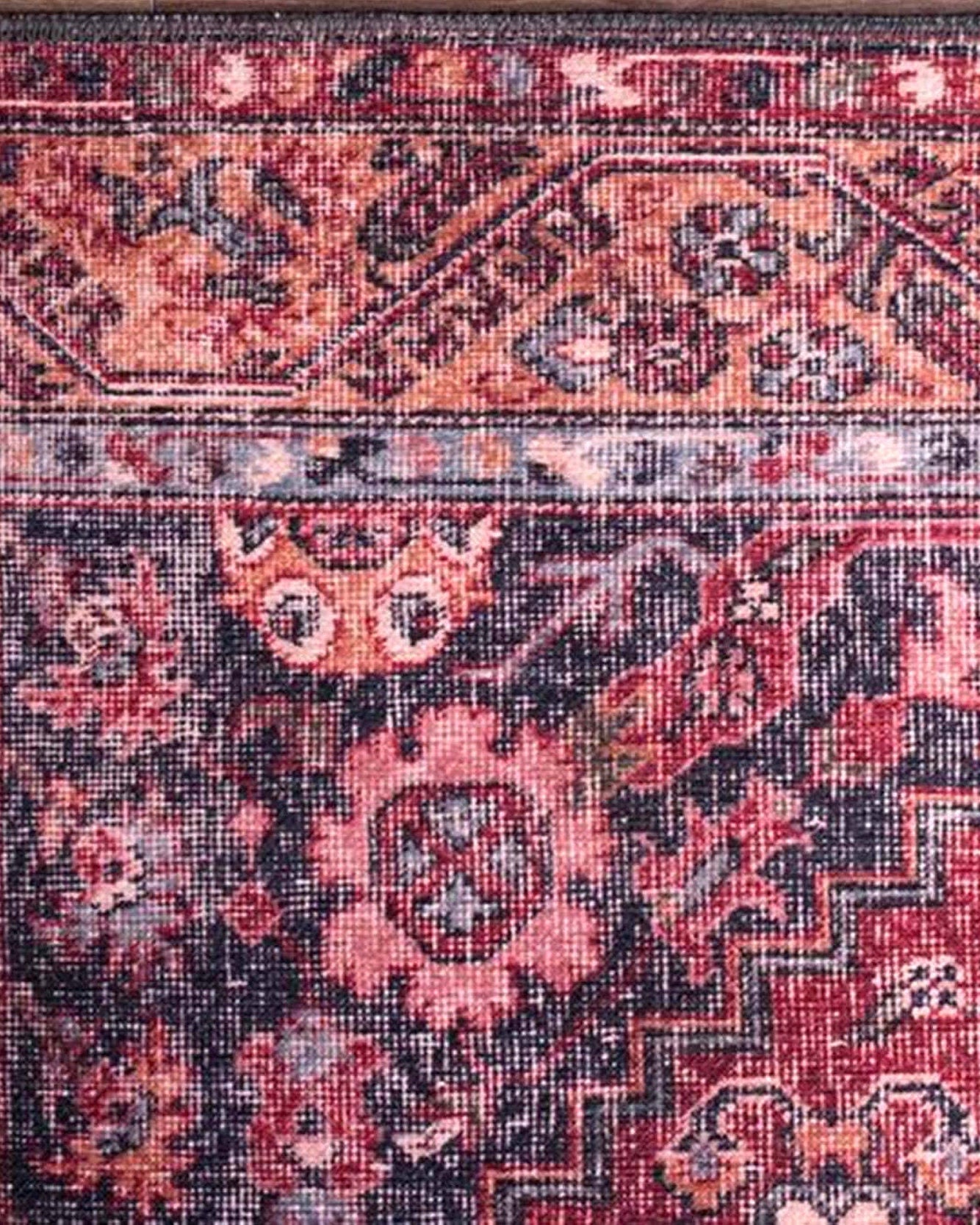
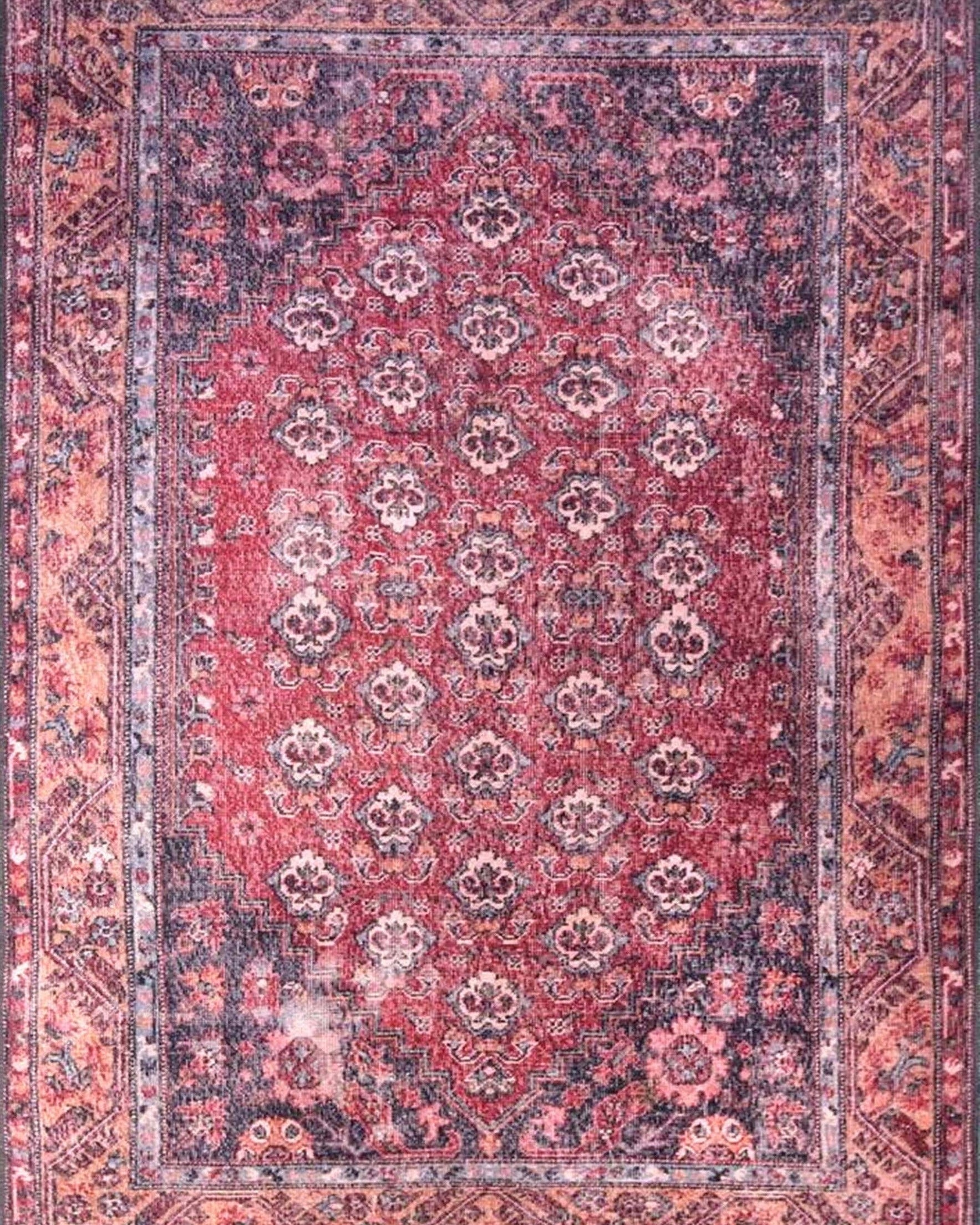
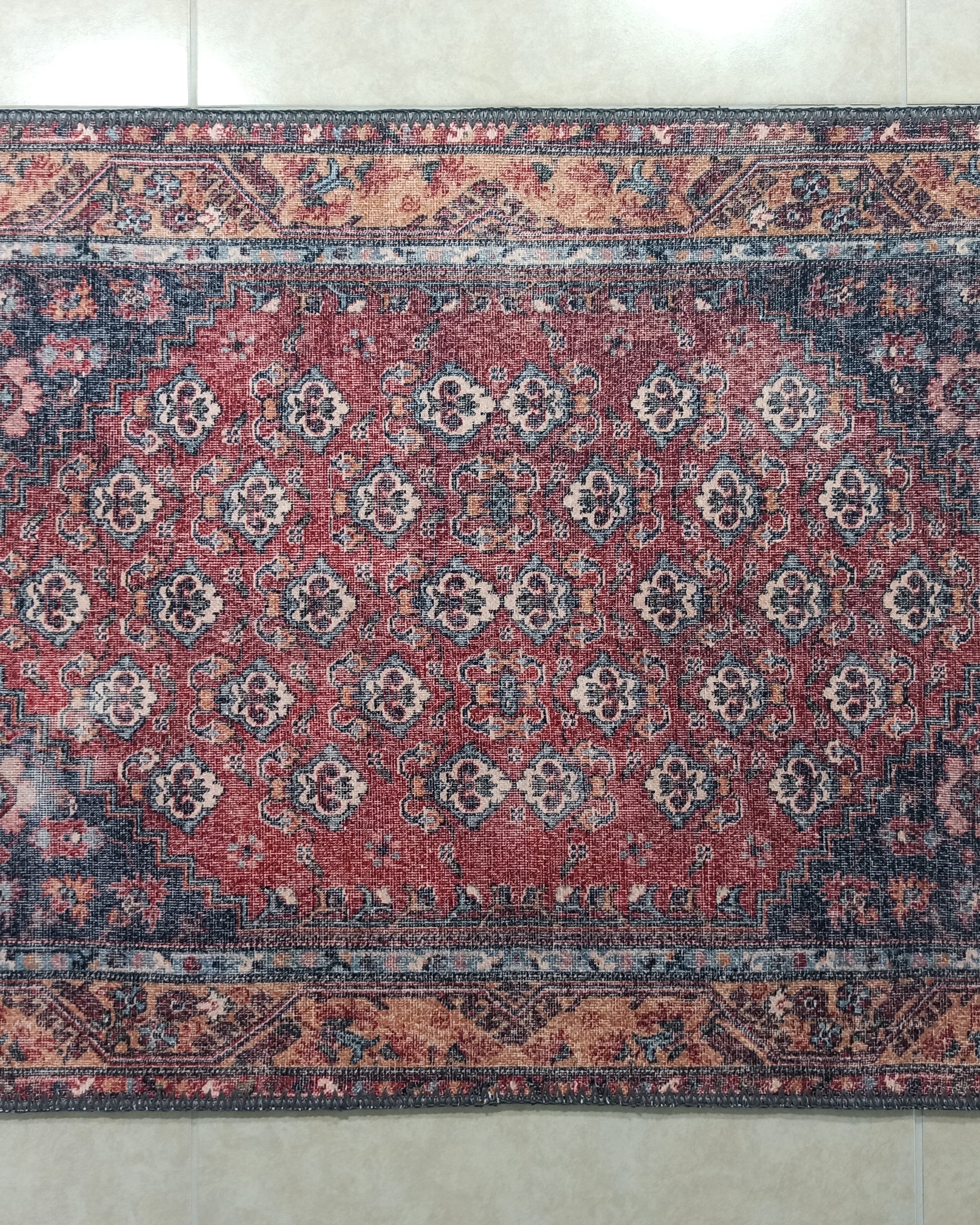
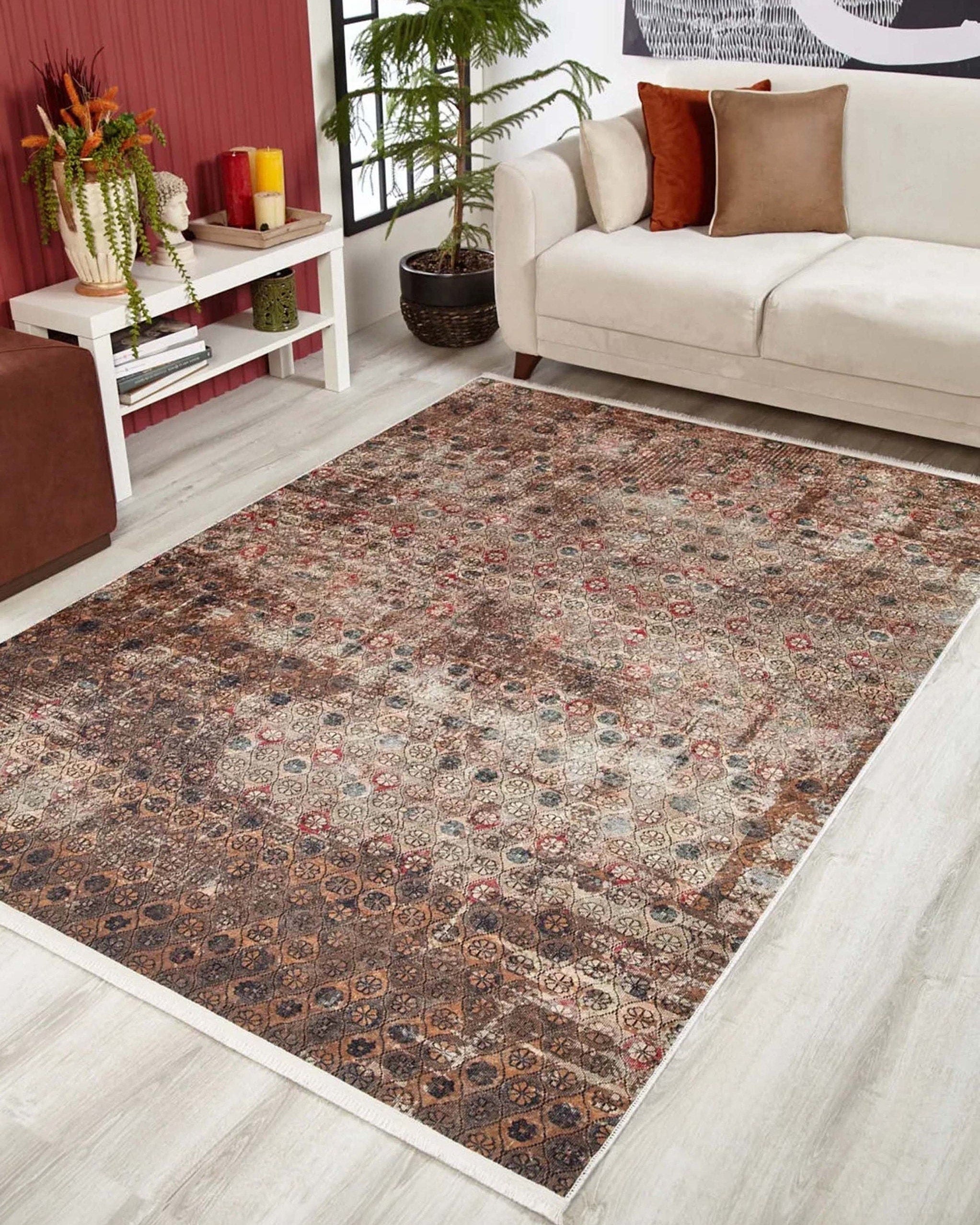
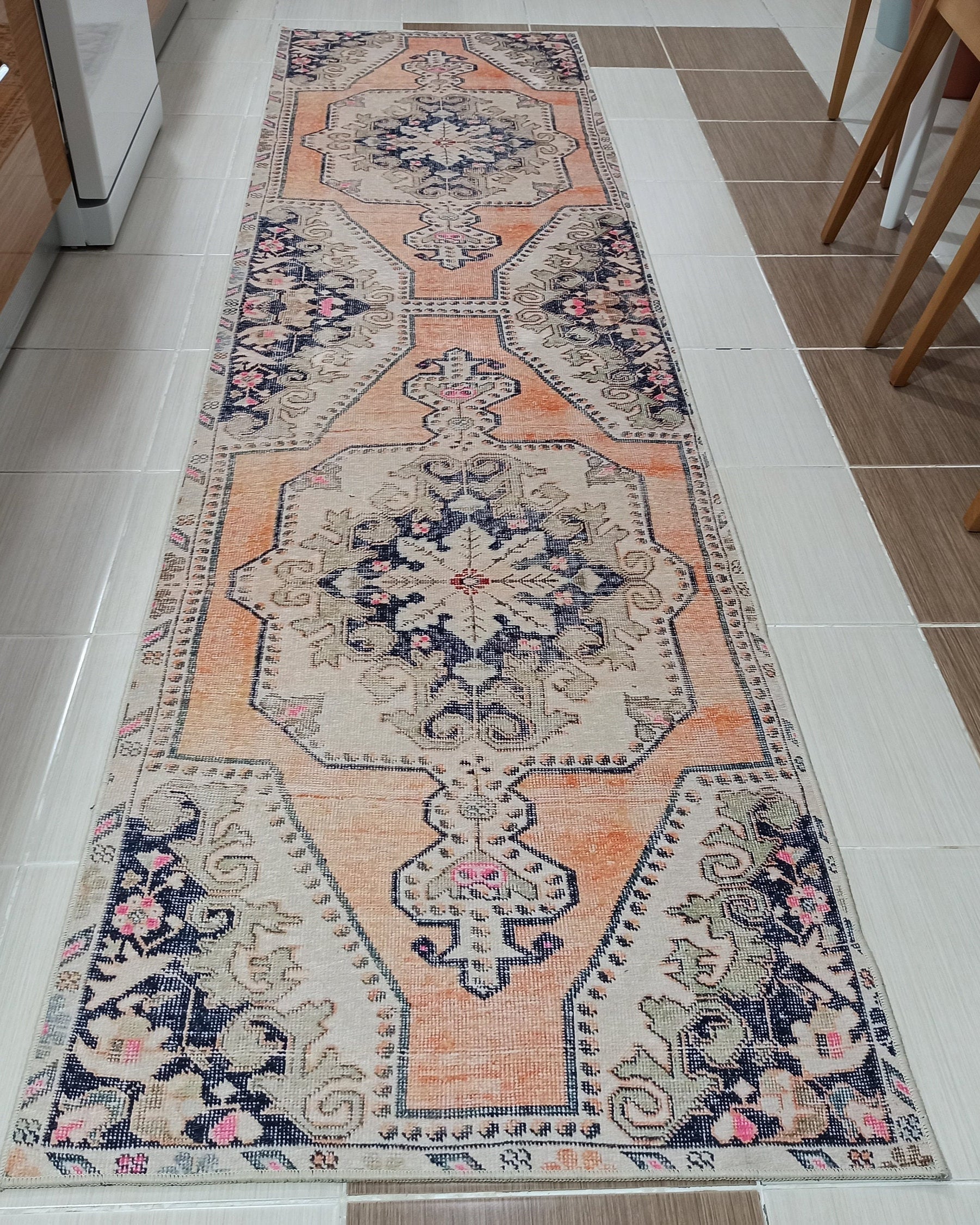
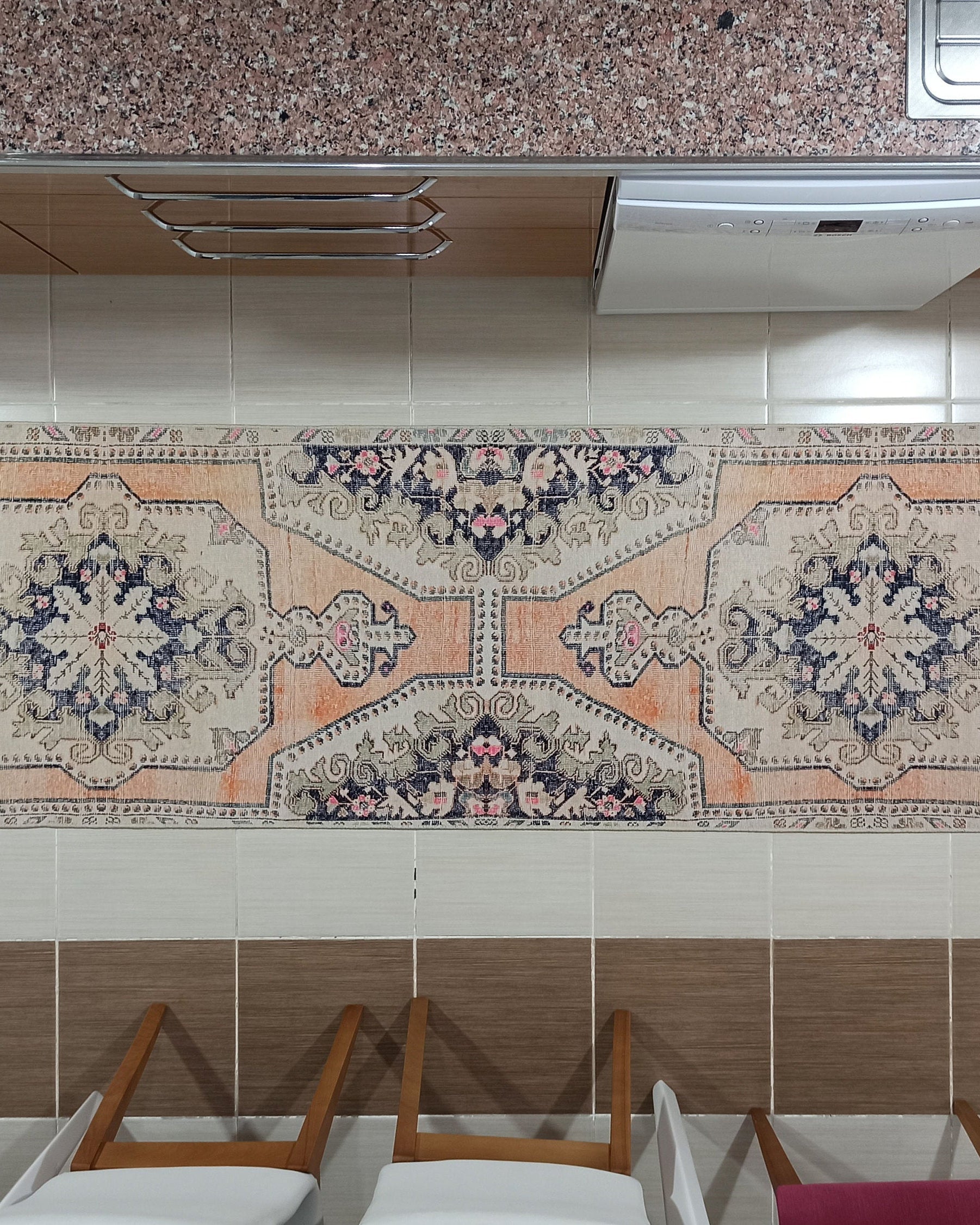
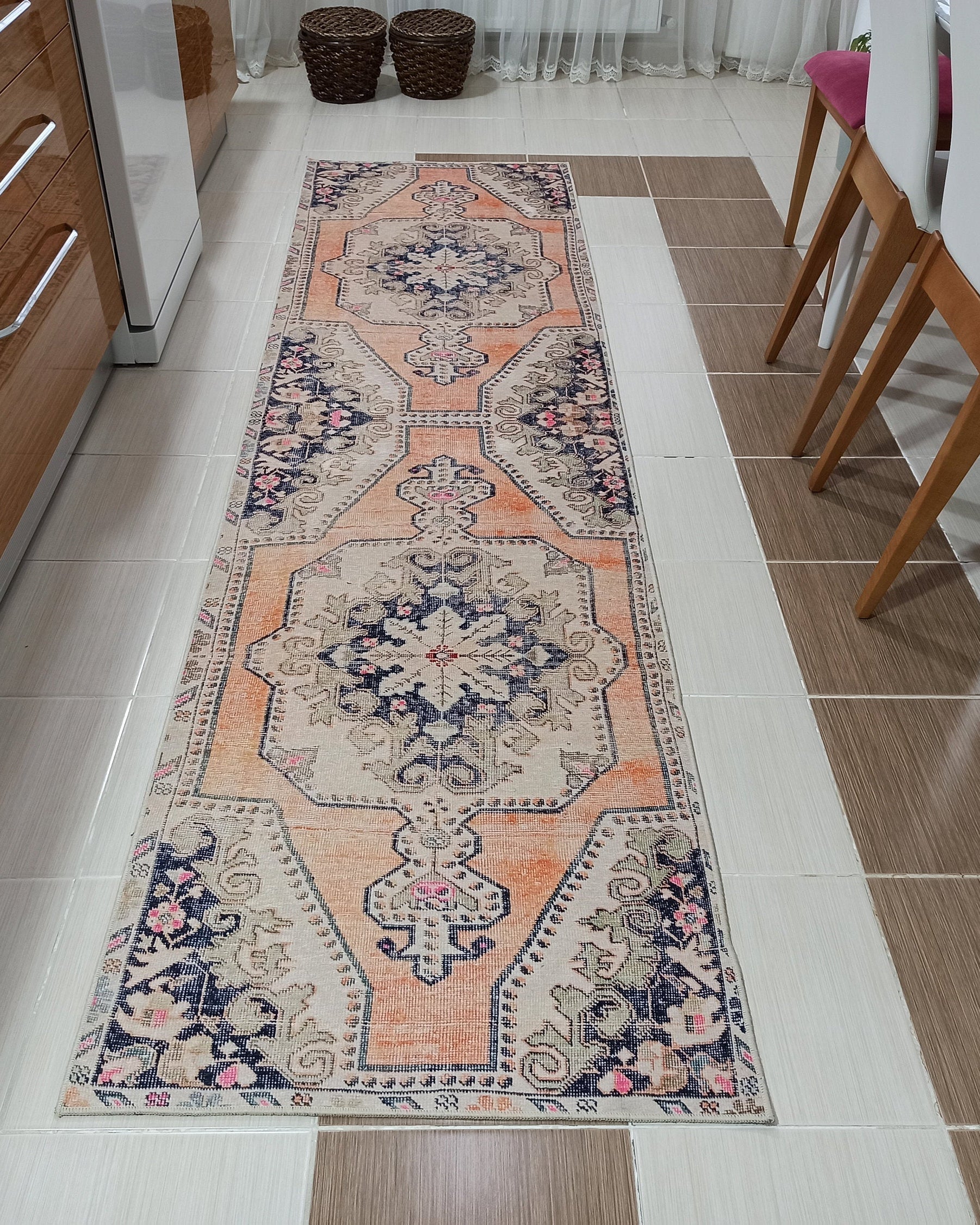
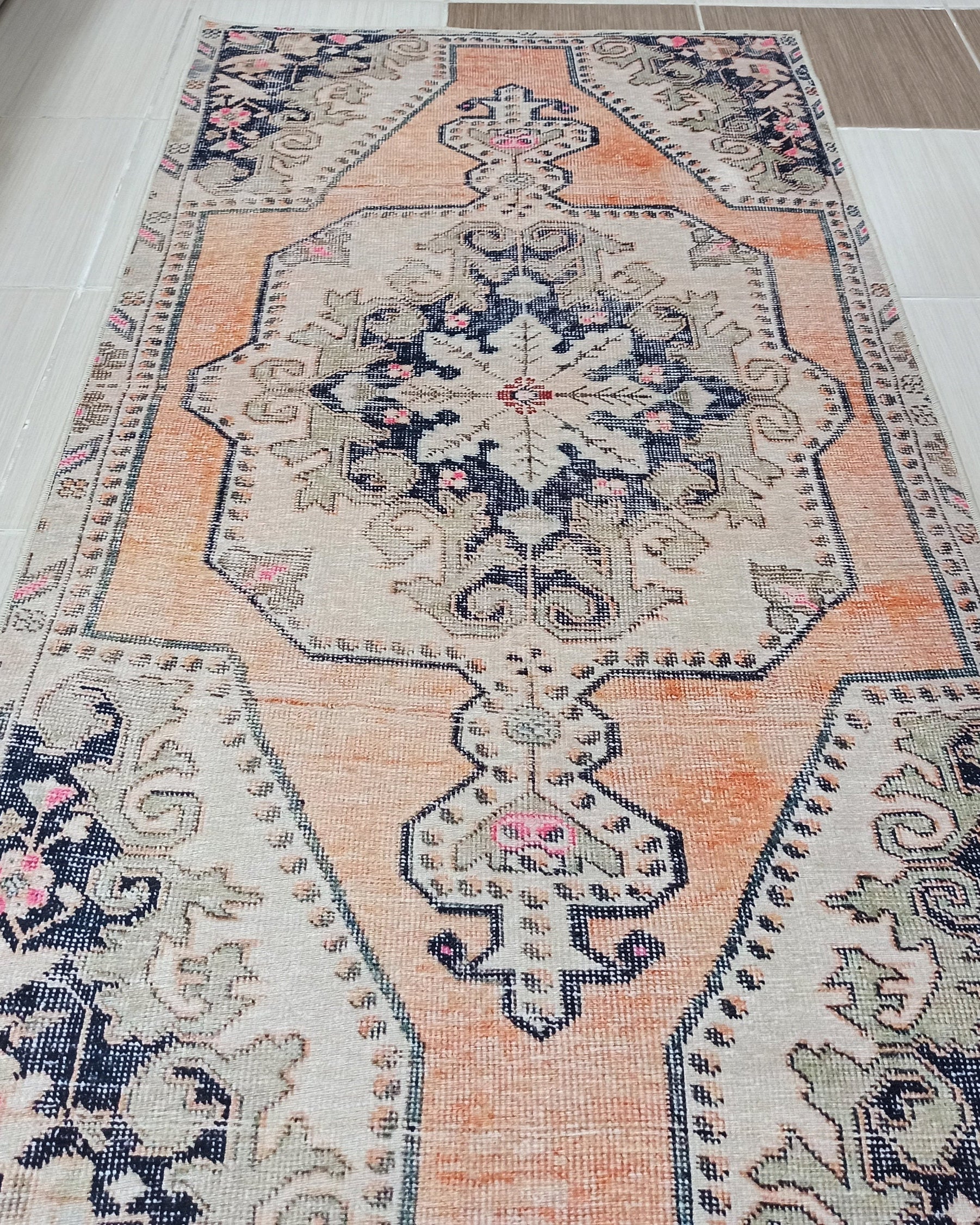
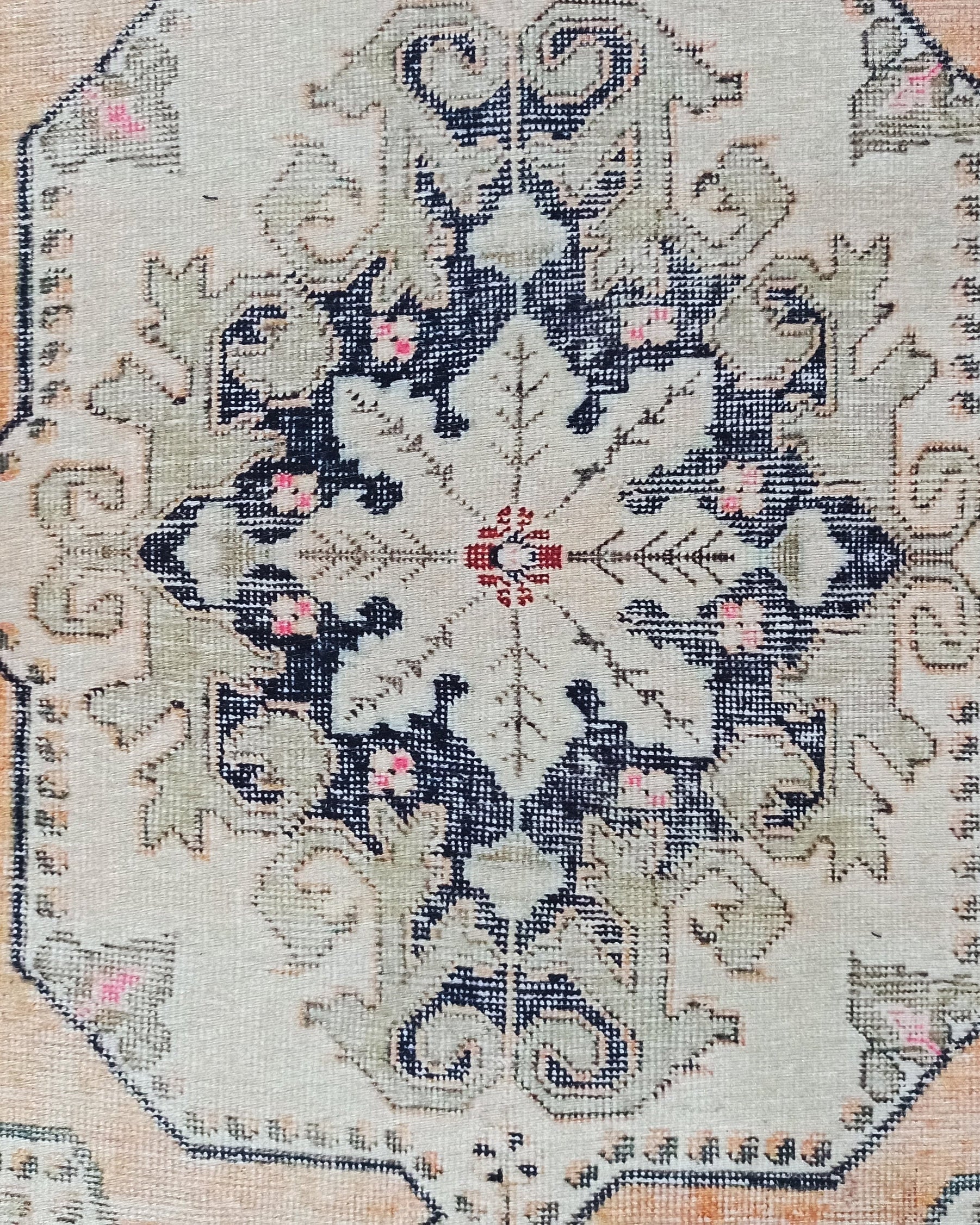
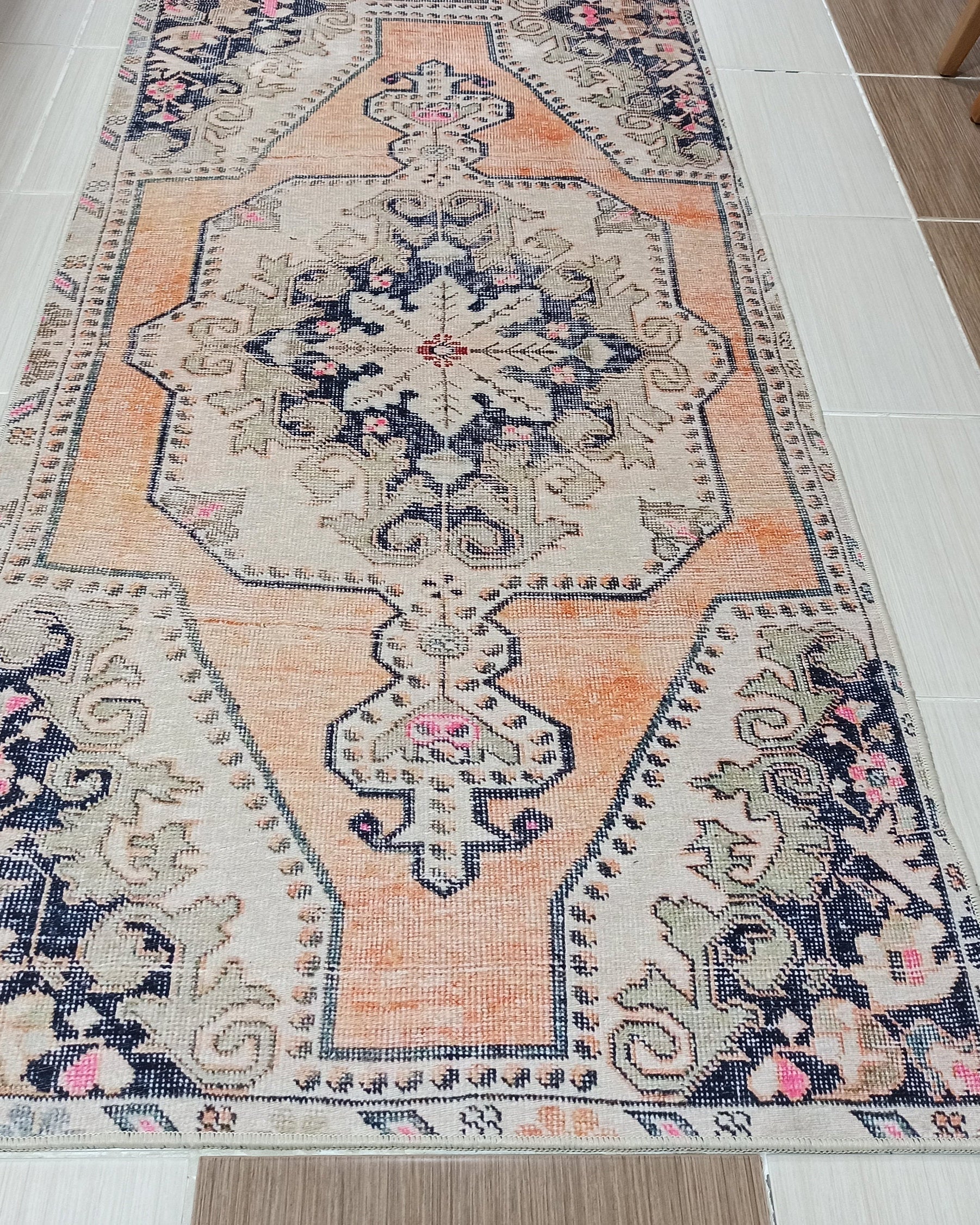
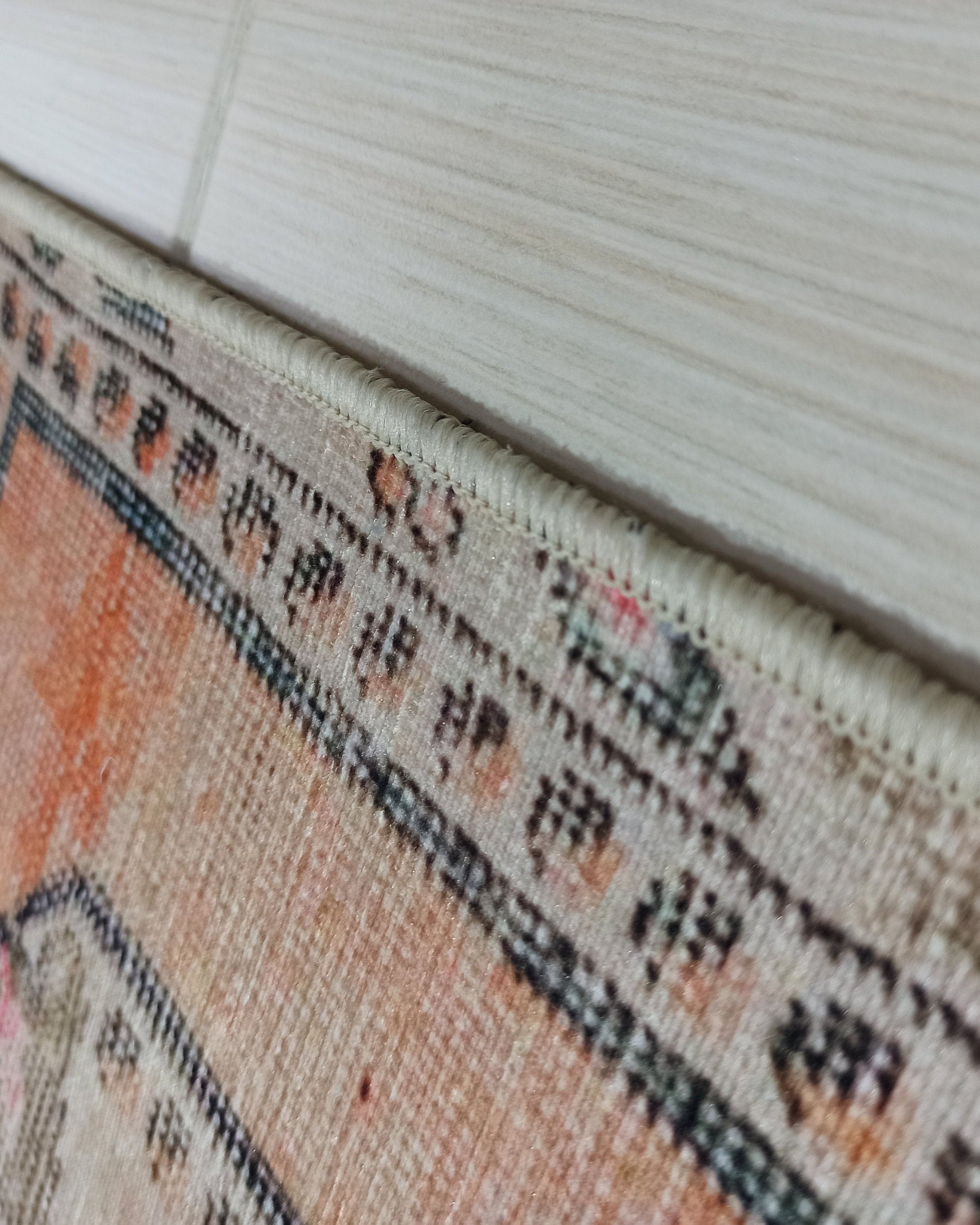
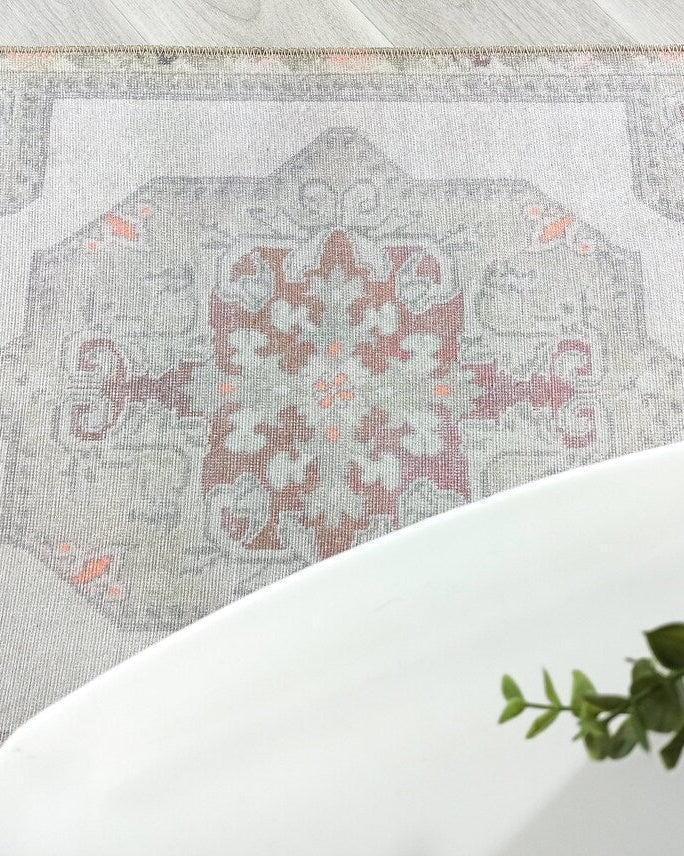
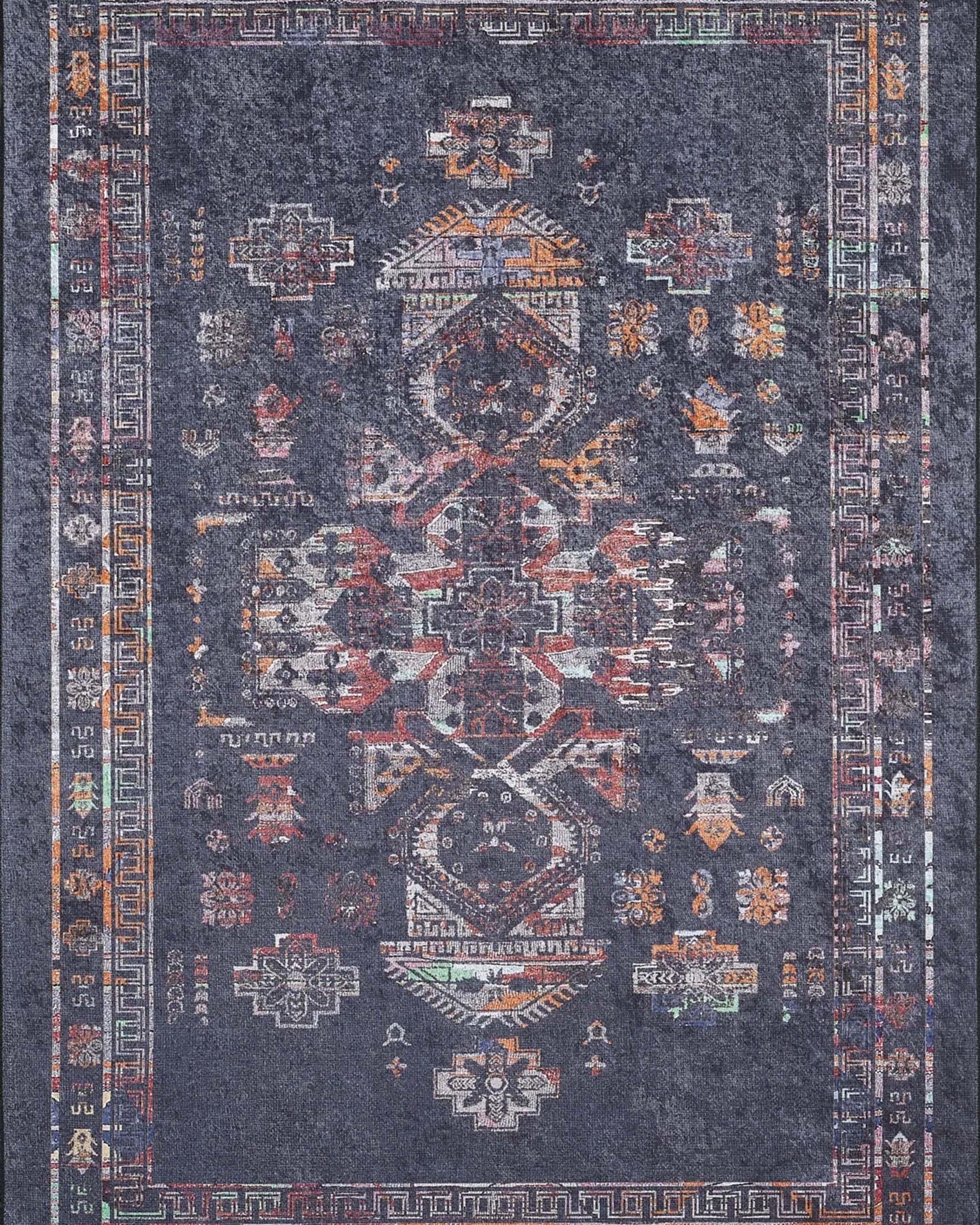
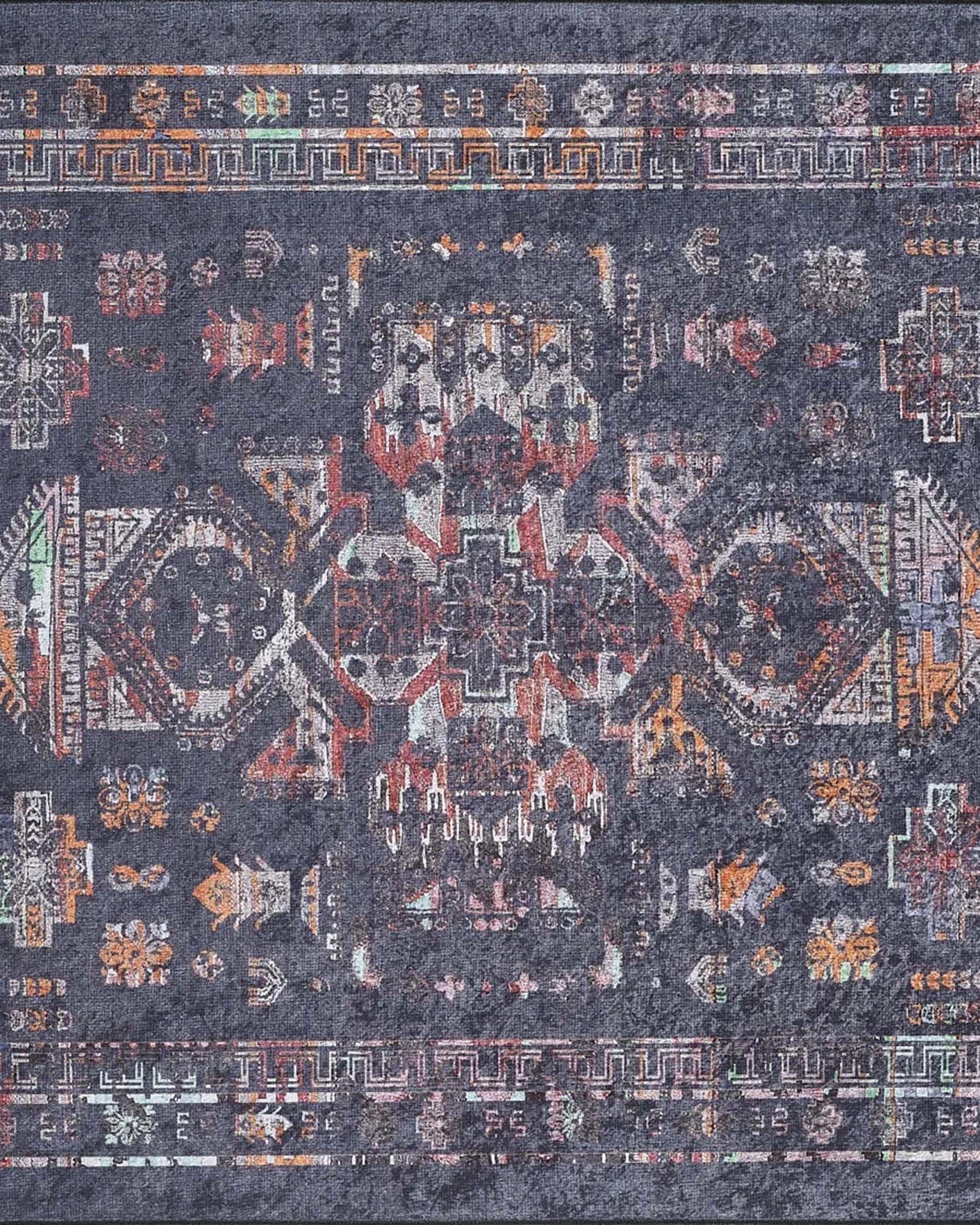
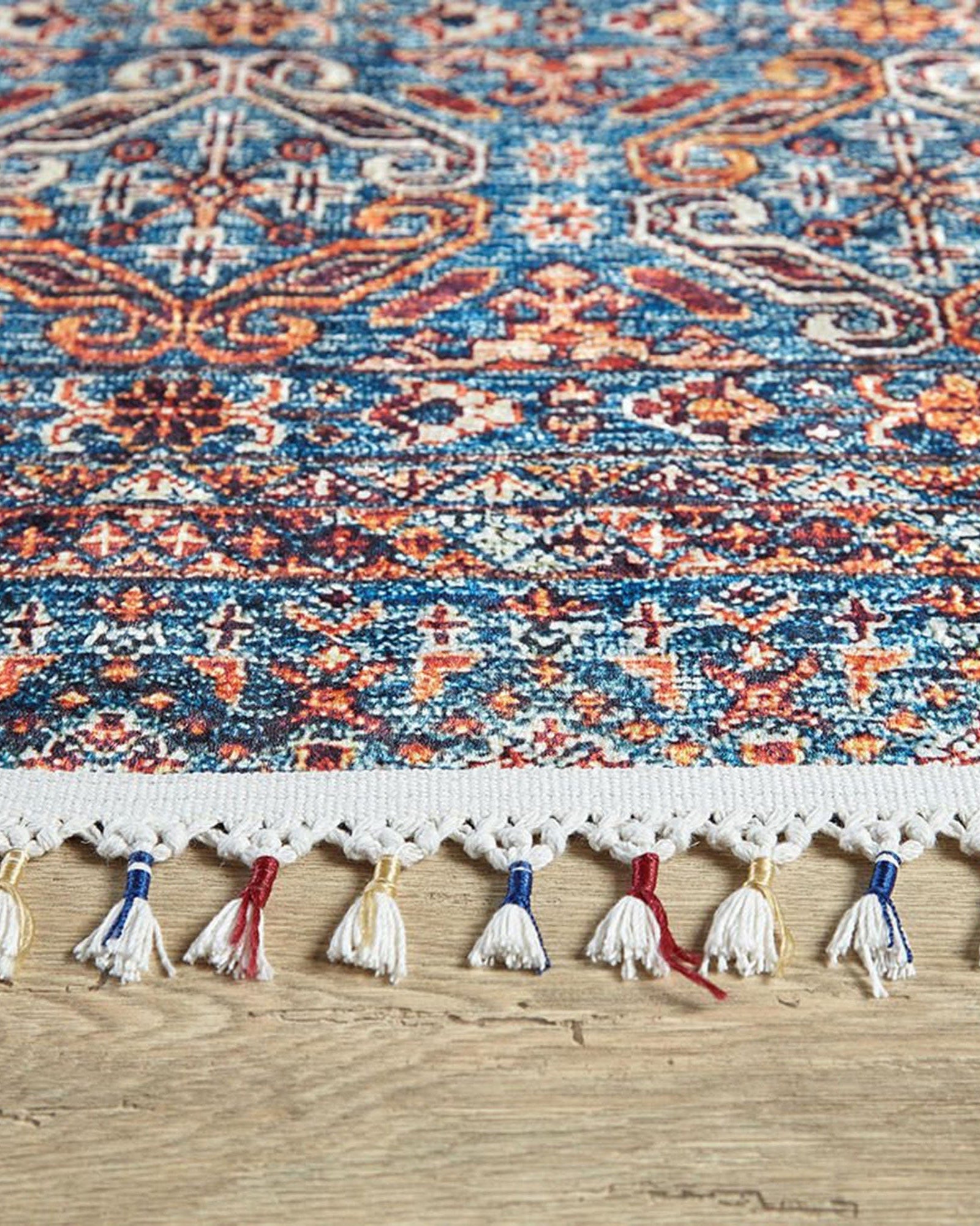
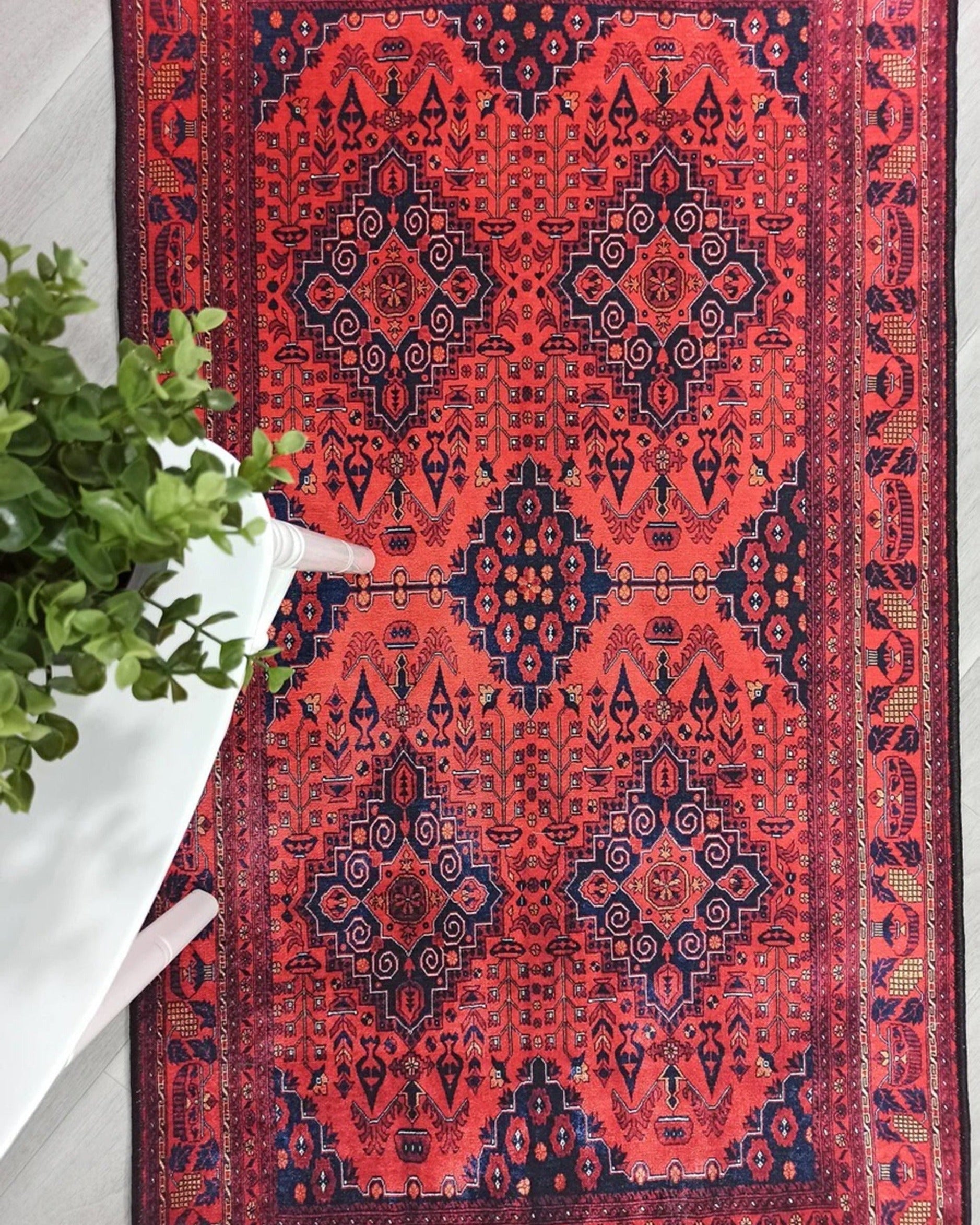
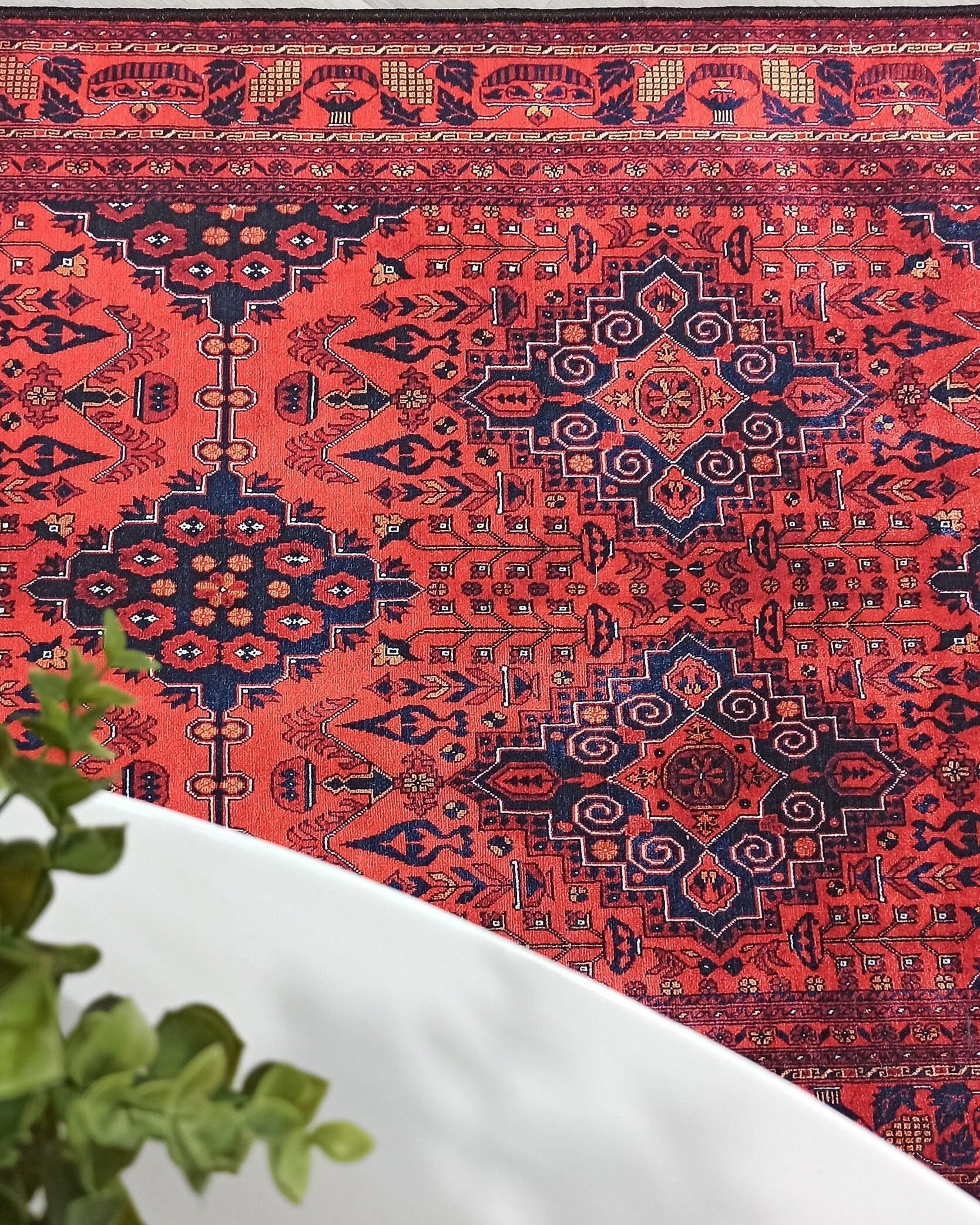
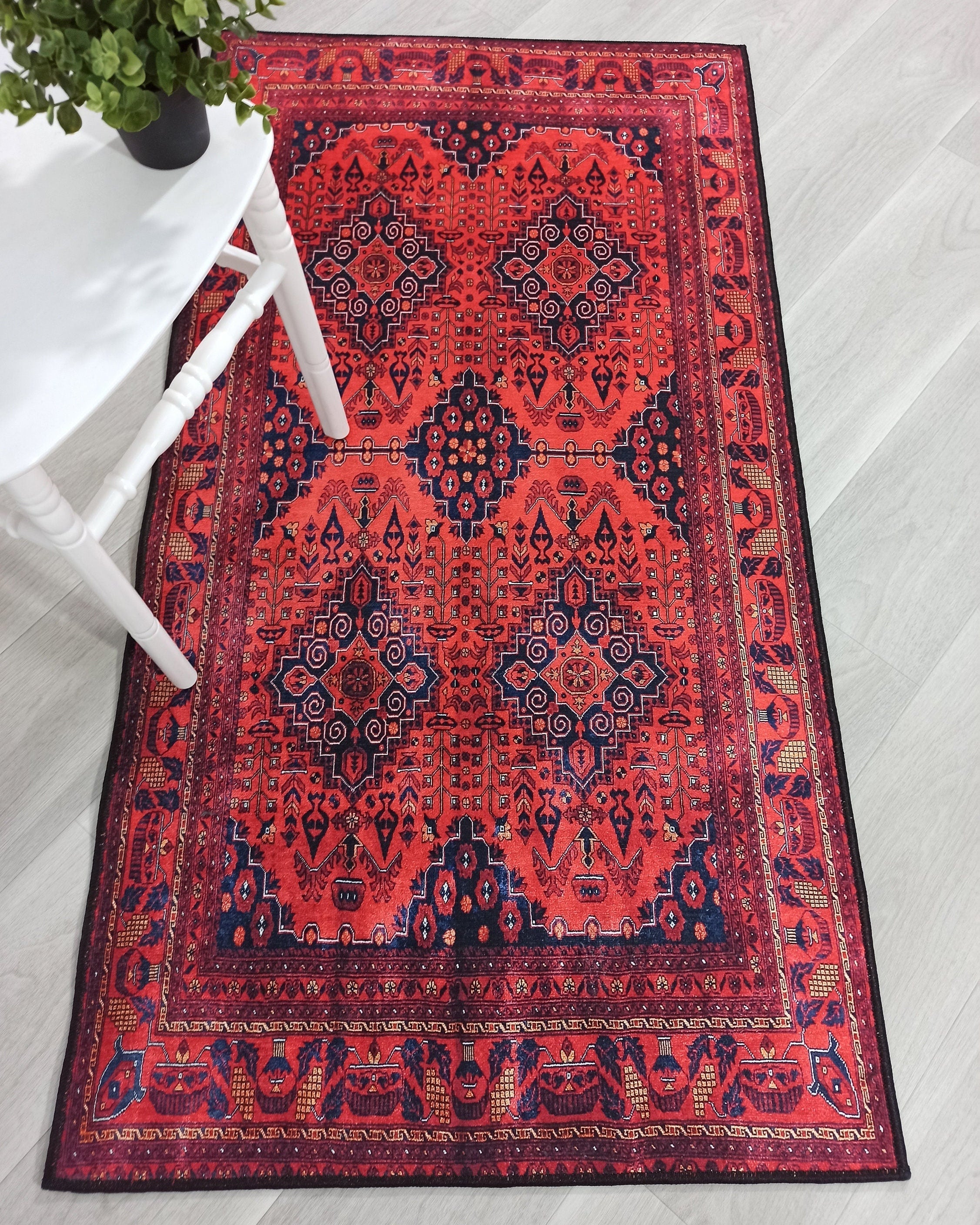
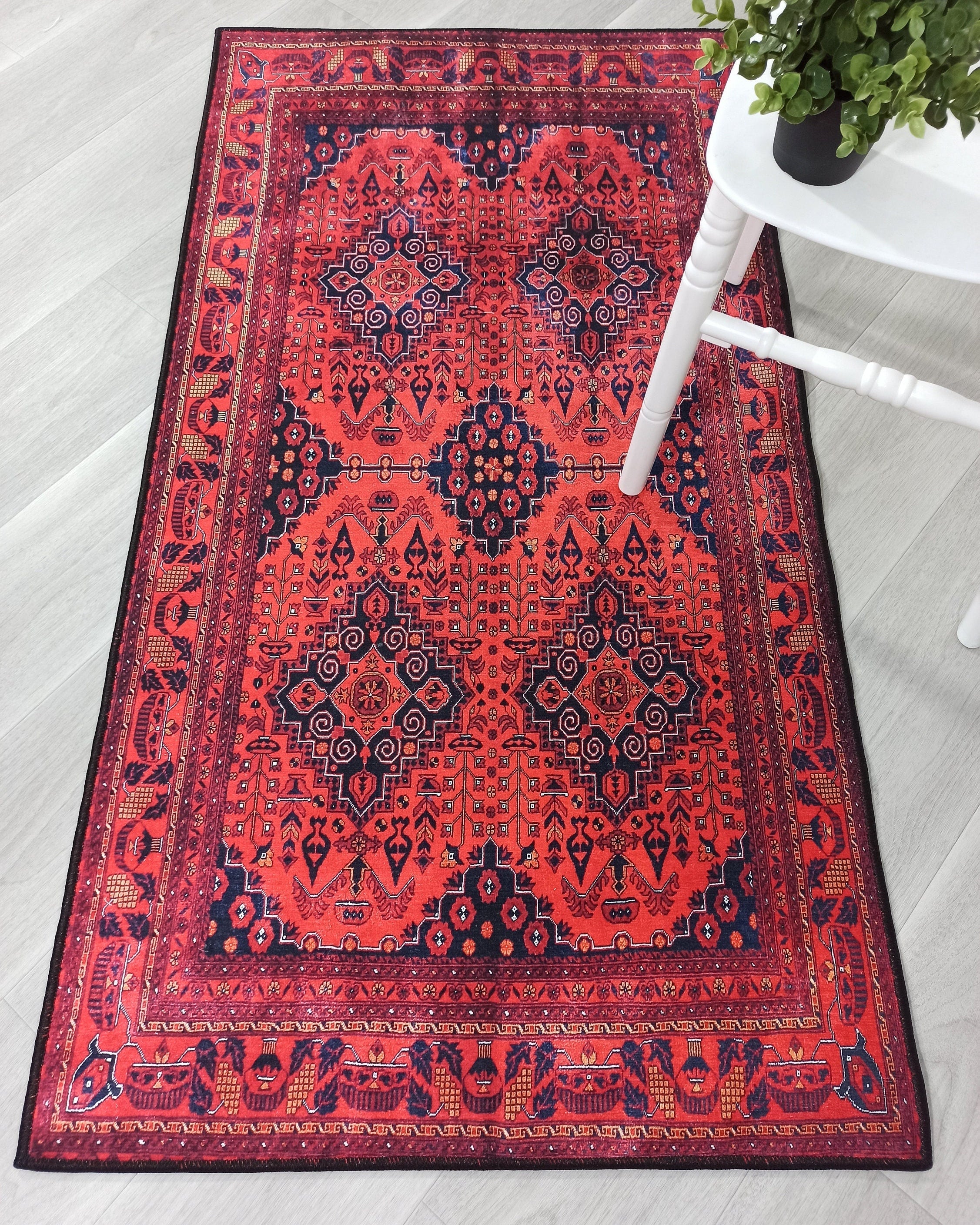
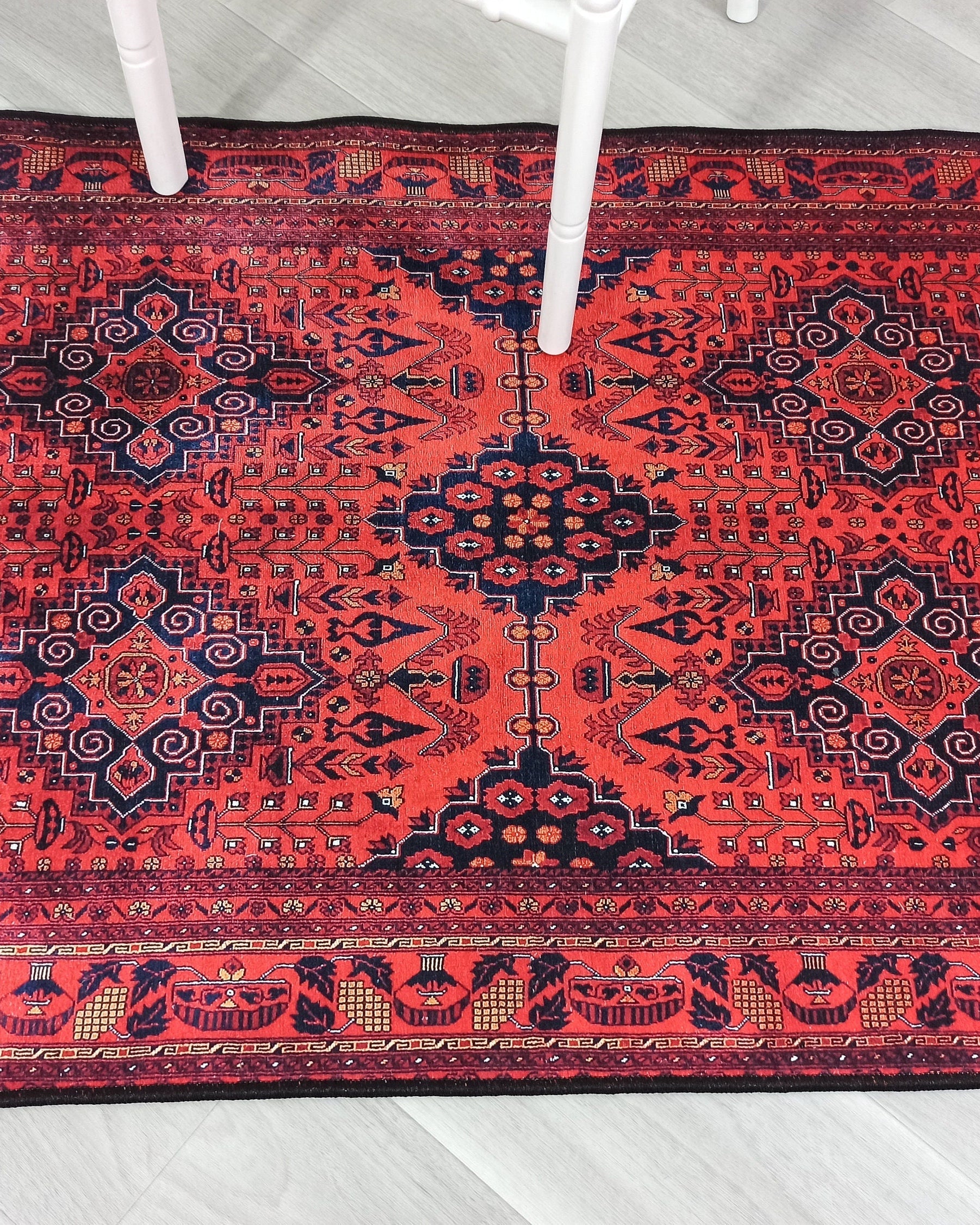
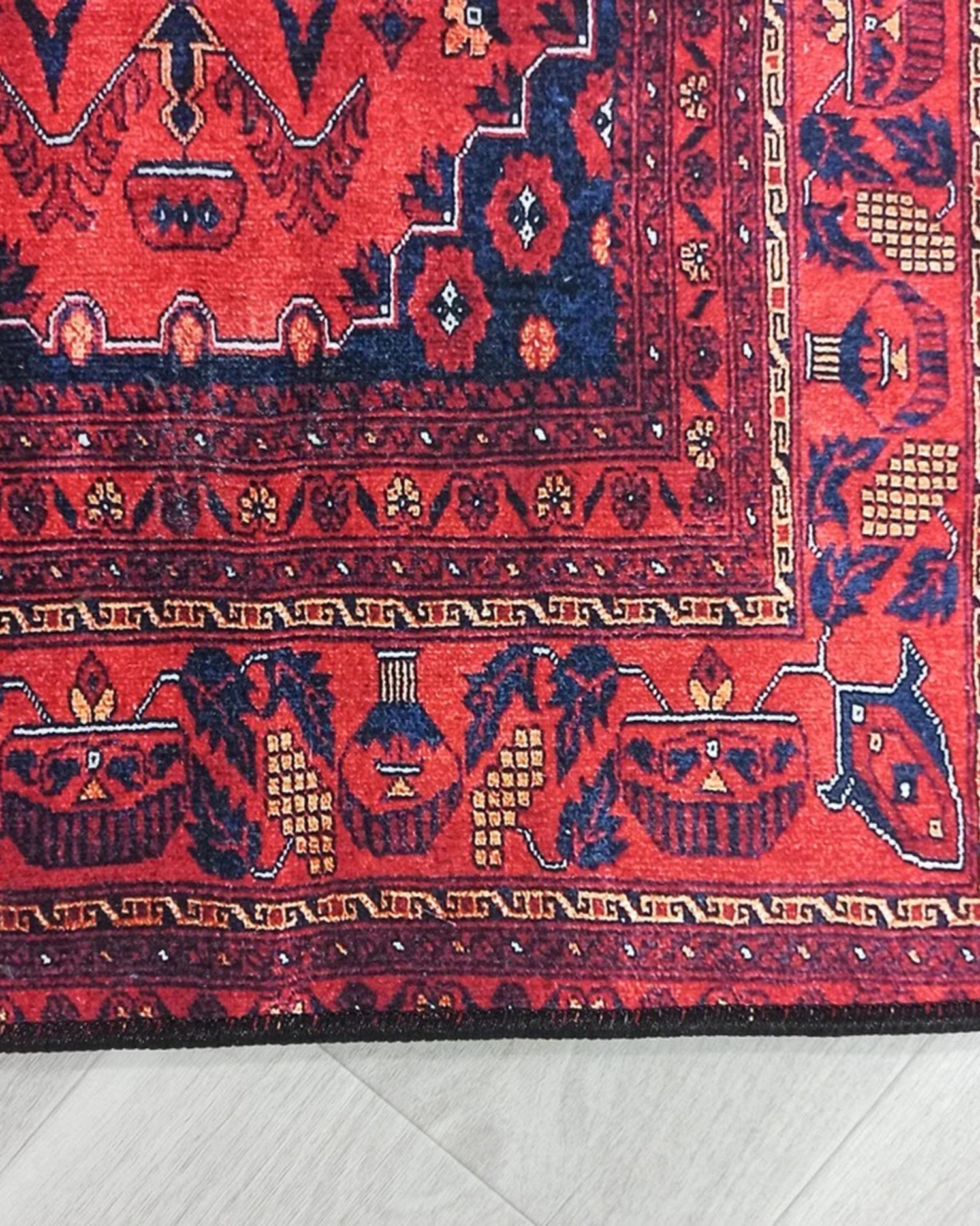
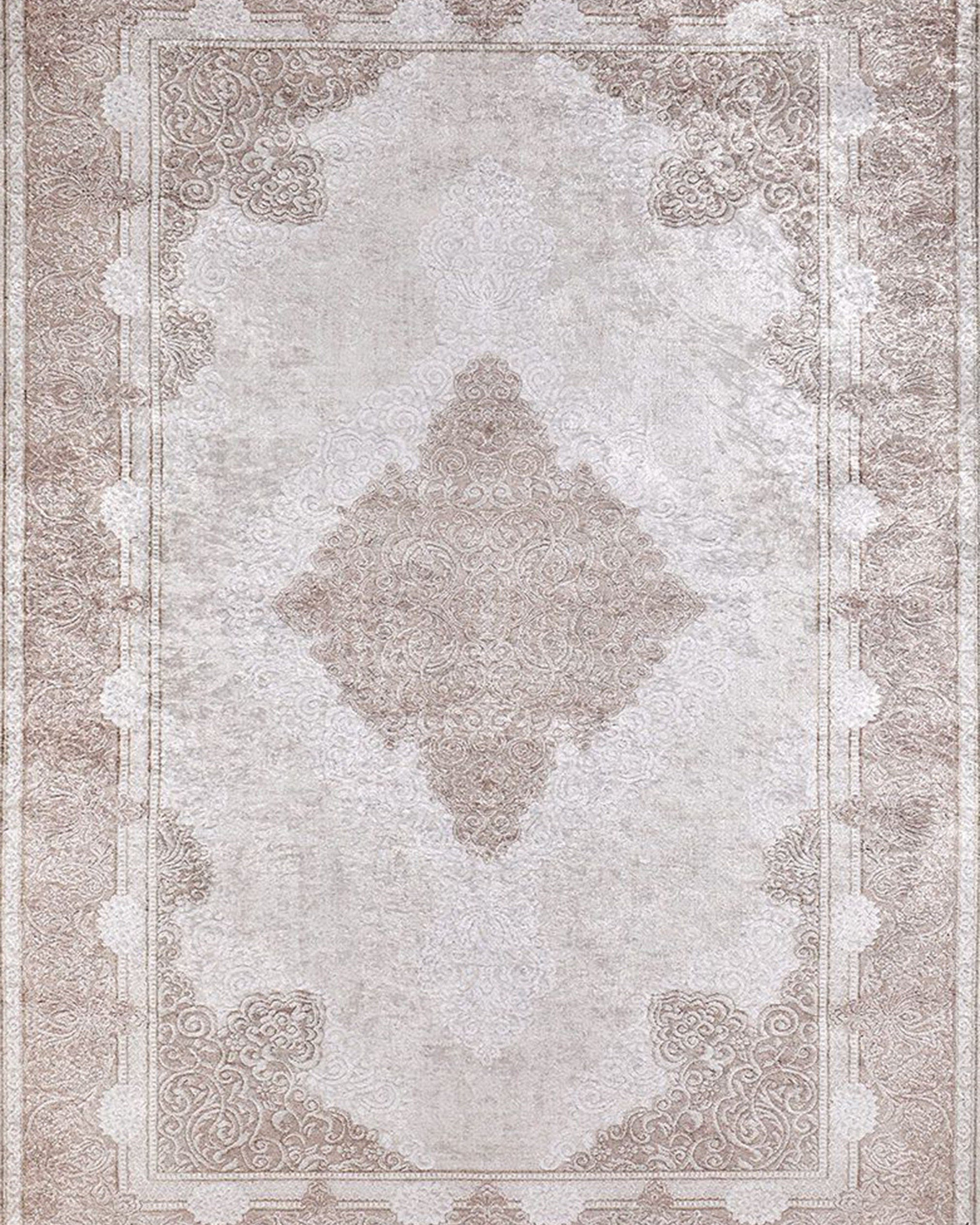
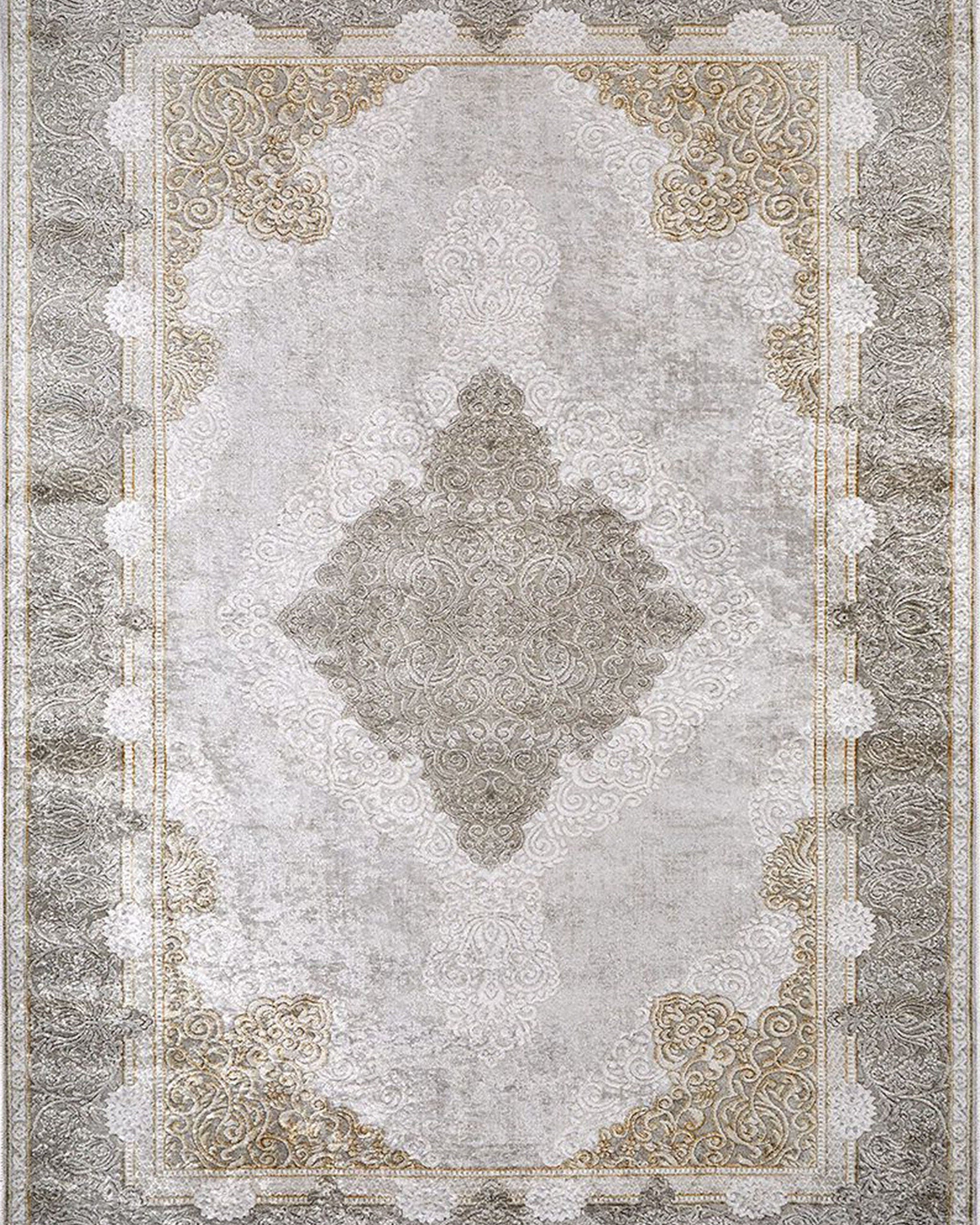
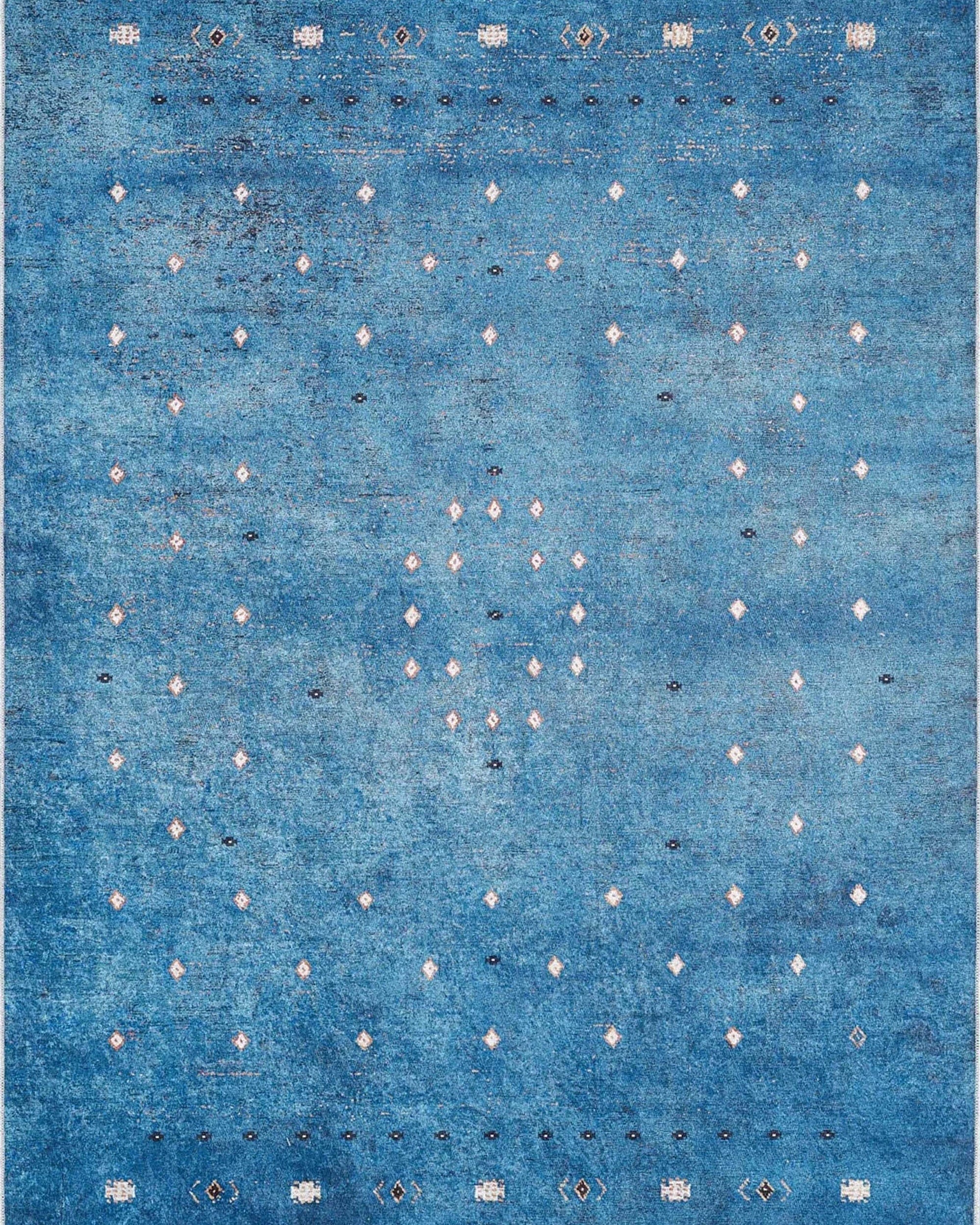
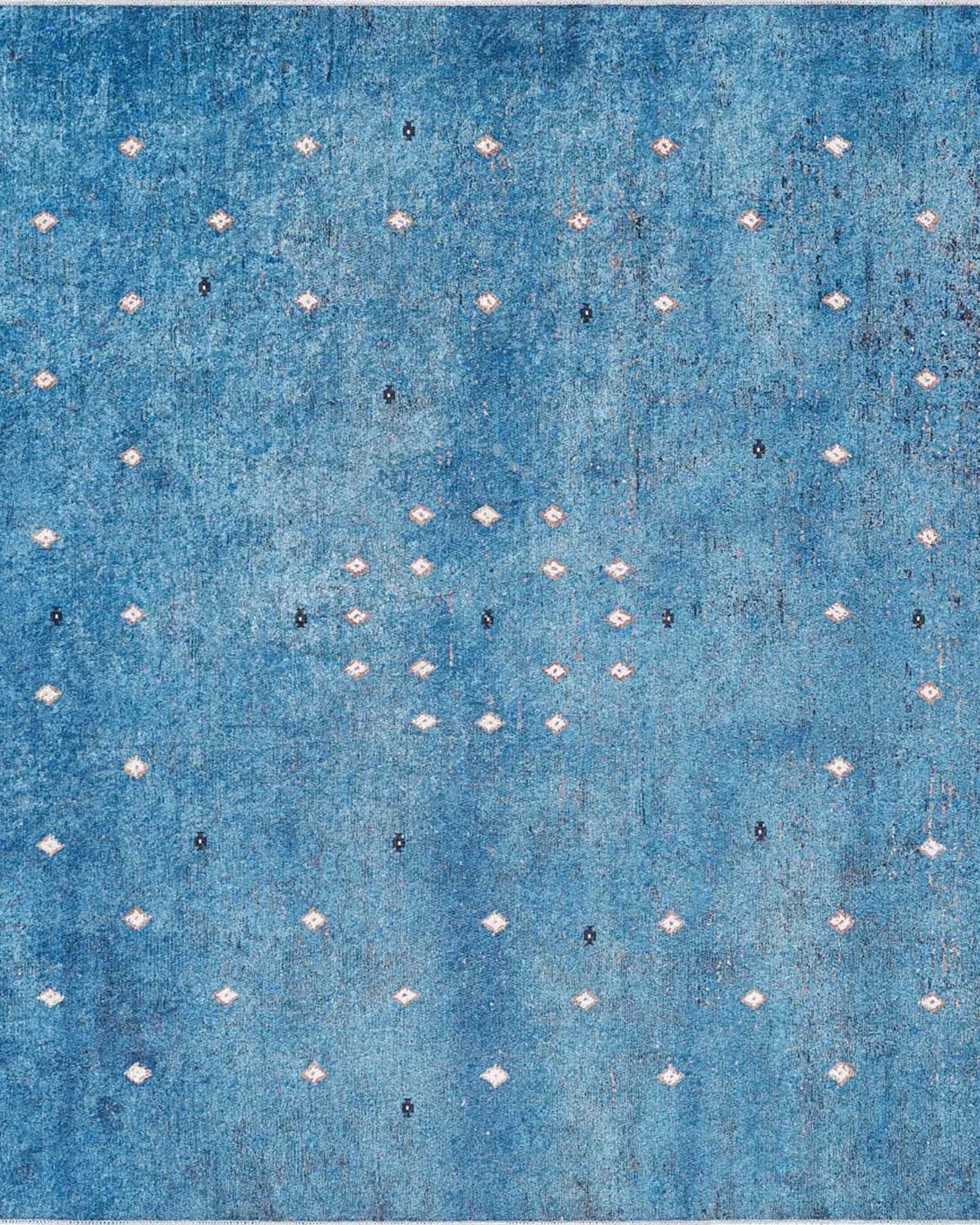
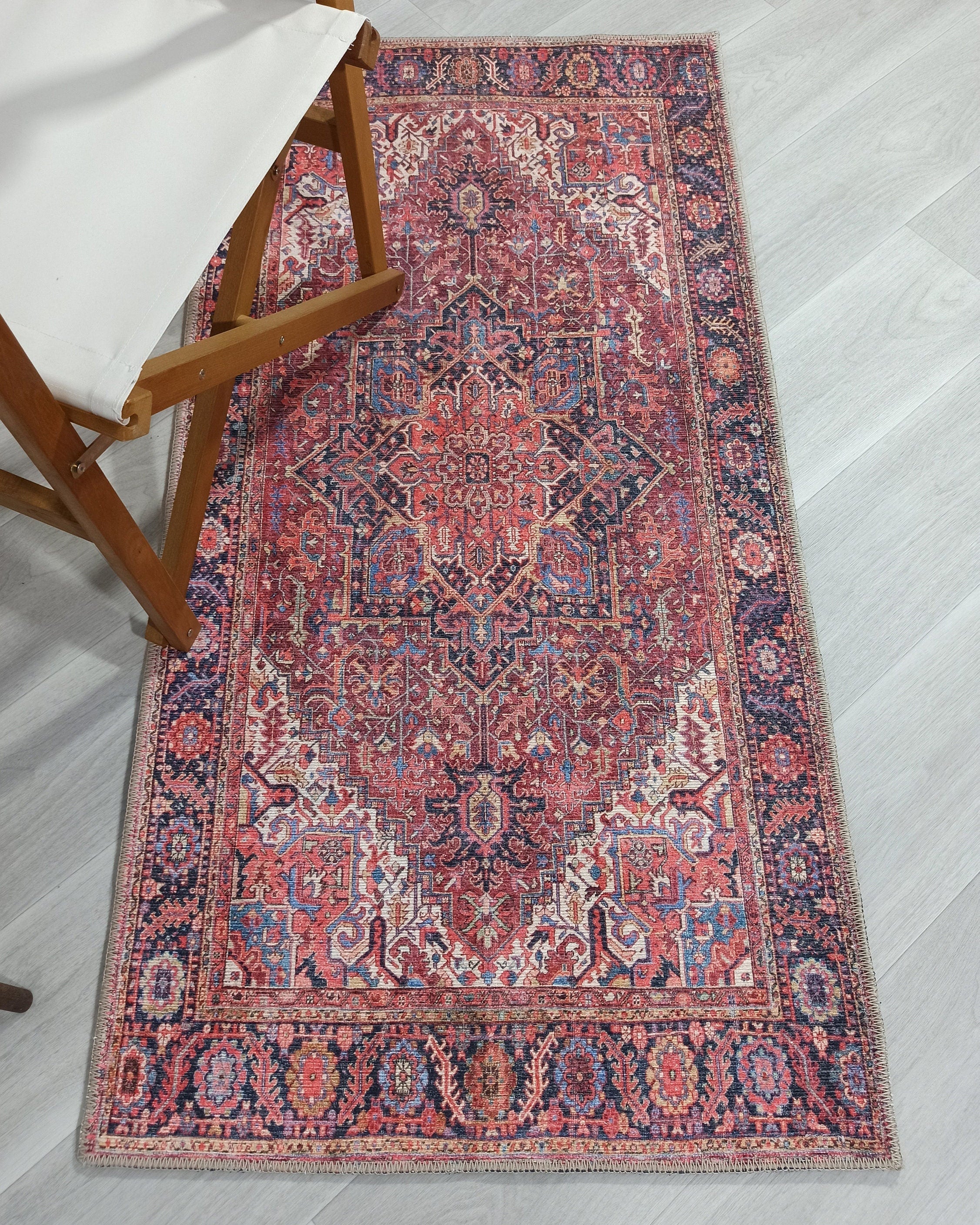
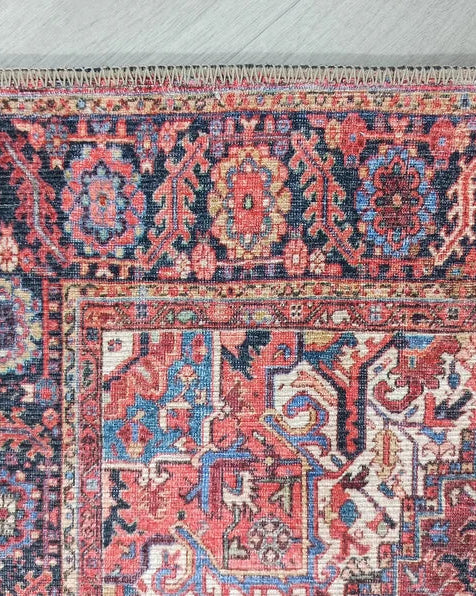
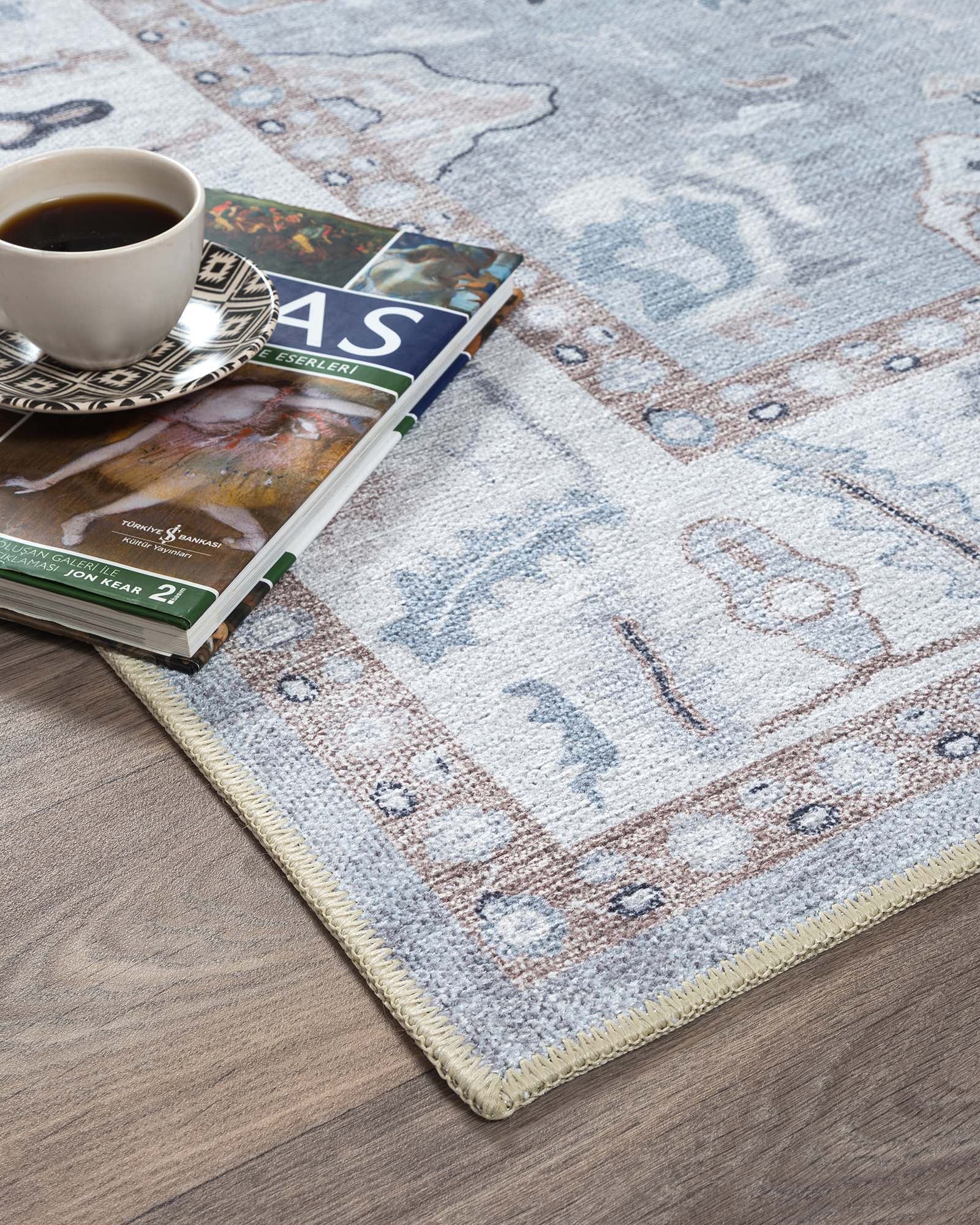
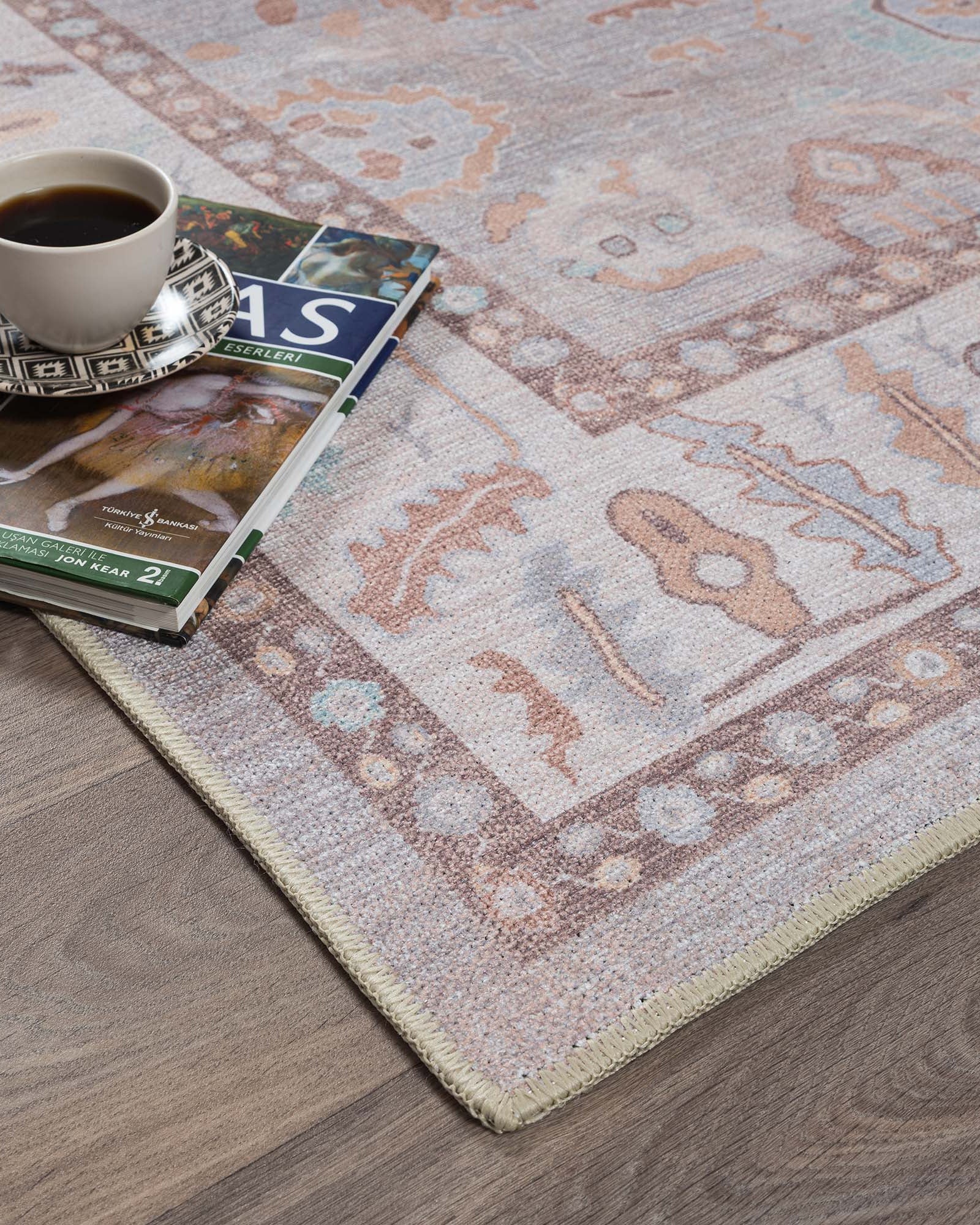
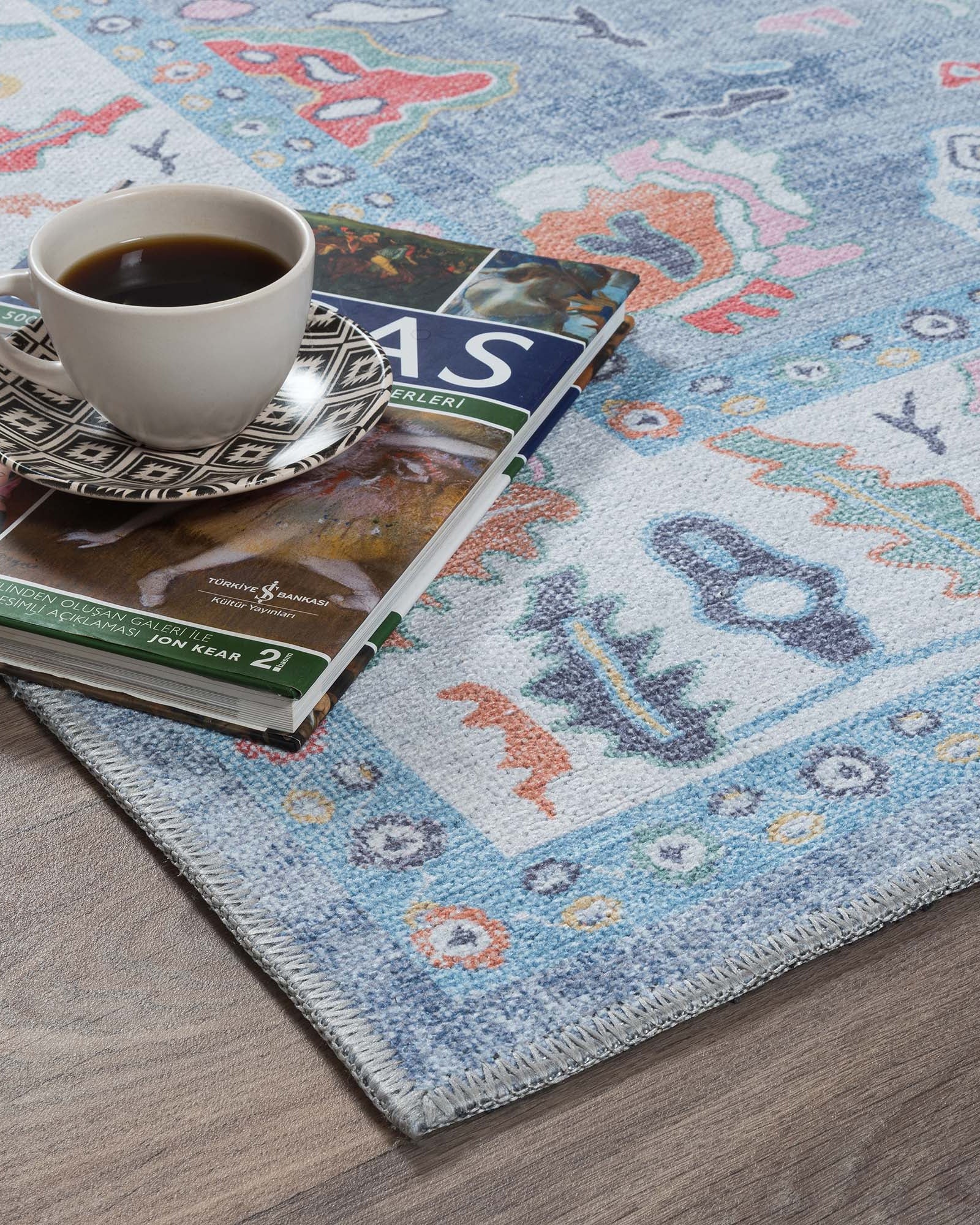
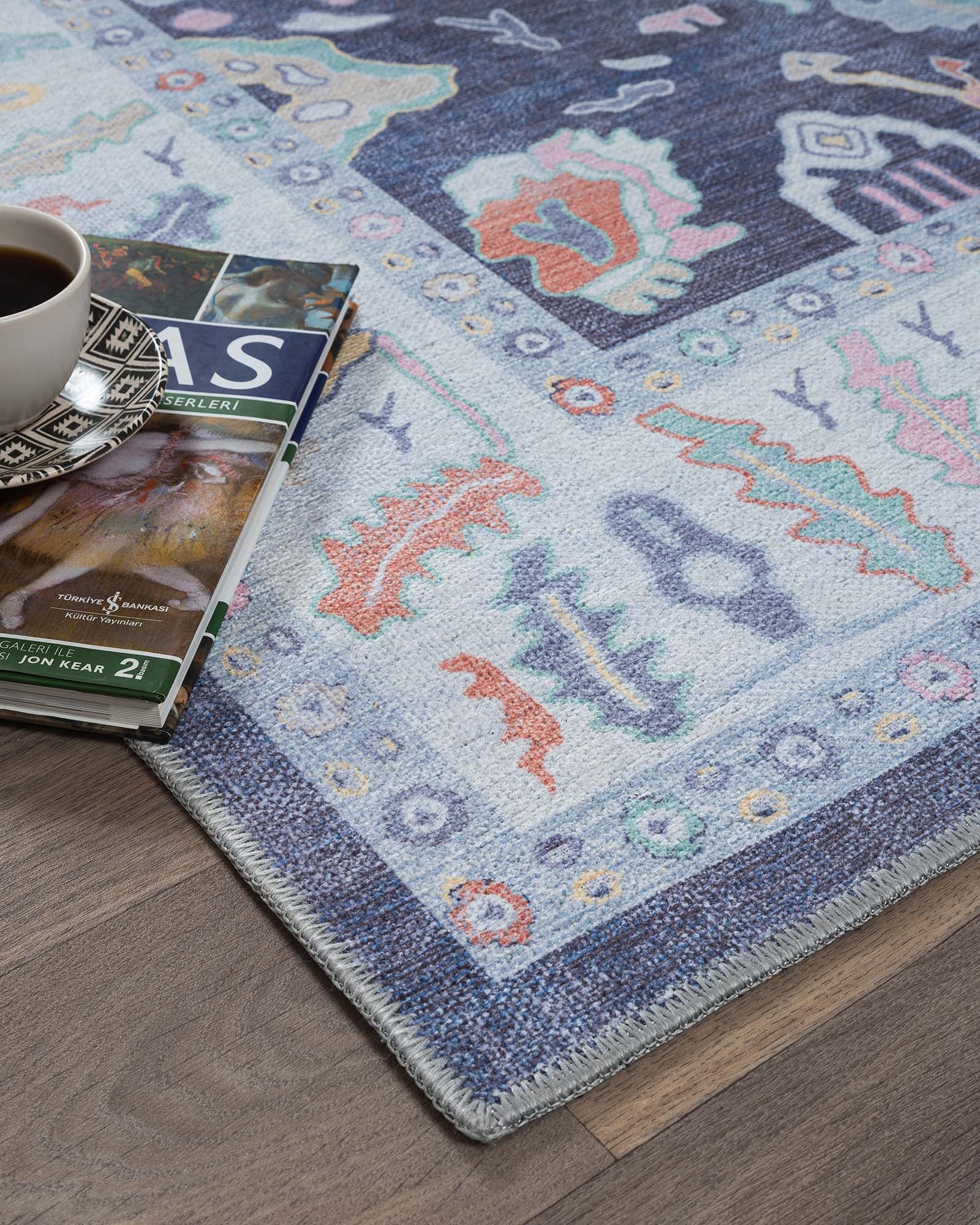
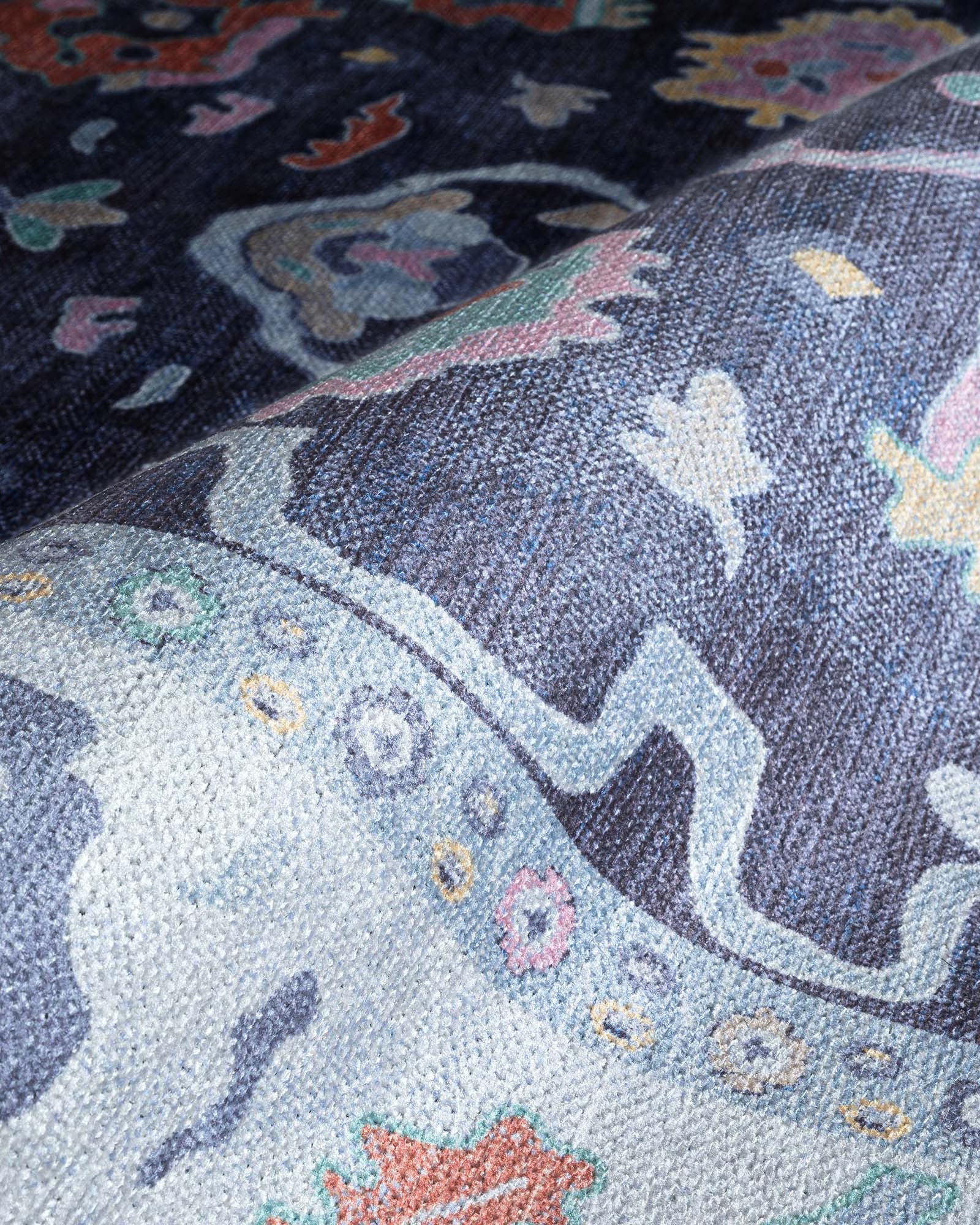
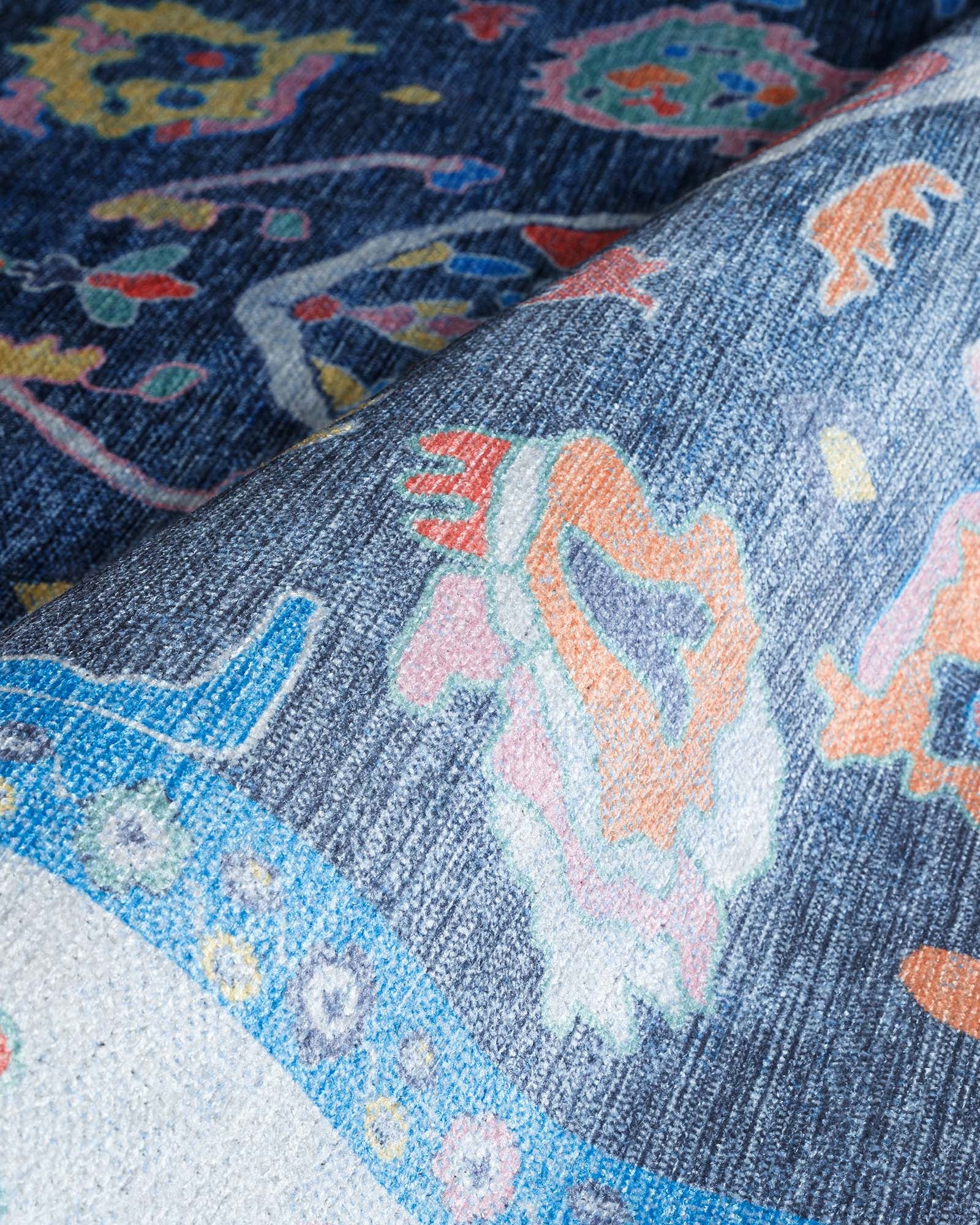
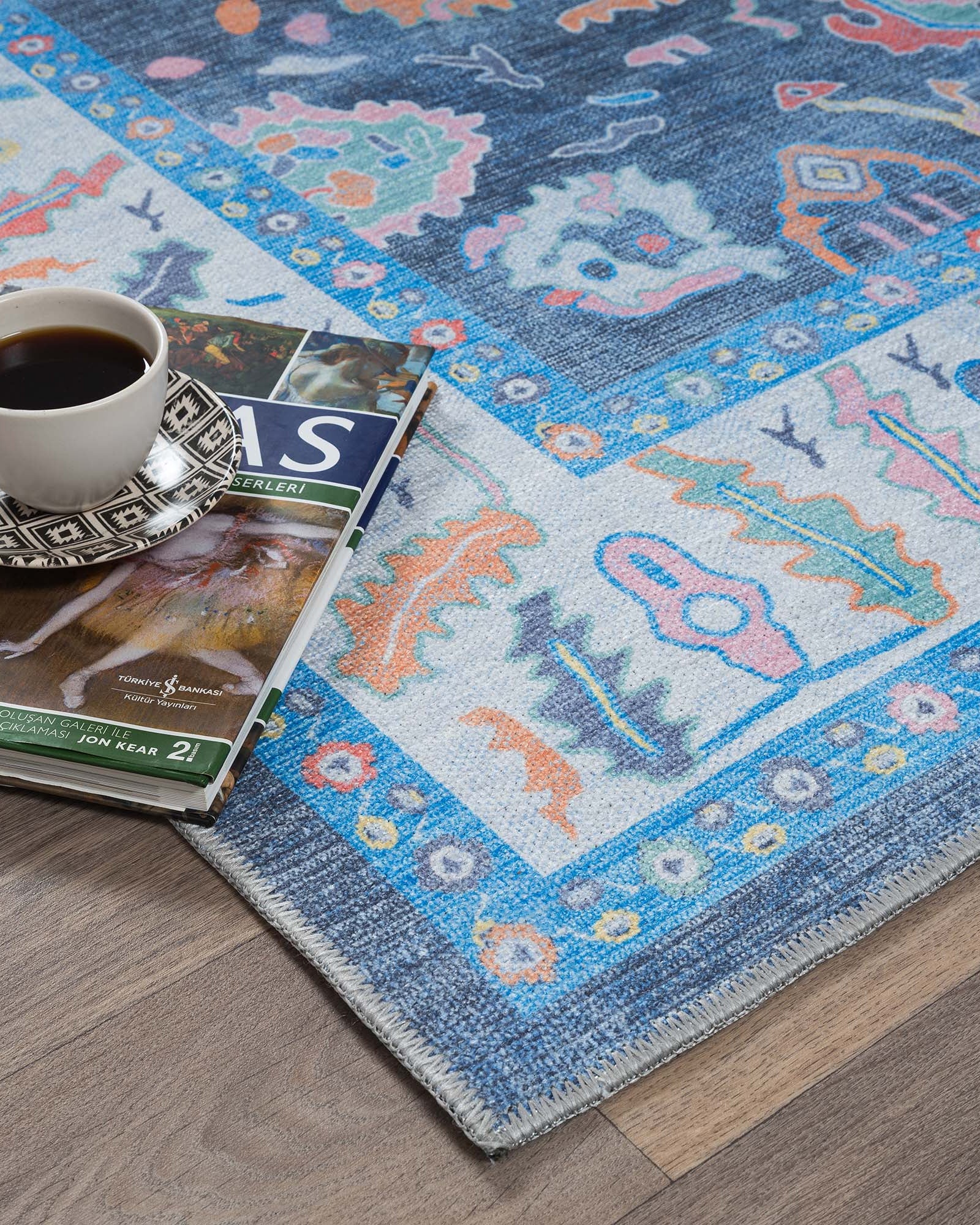
Traditional Turkish rugs often use natural dyes derived from plants and minerals, creating earthy tones like terracotta, indigo, ivory, and olive green. Motifs can include geometric shapes, medallions, floral patterns, and symbolic figures representing fertility, protection, or prosperity. These designs are not only decorative but also carry cultural meaning passed down through generations.
Styling Turkish Rugs in the Home
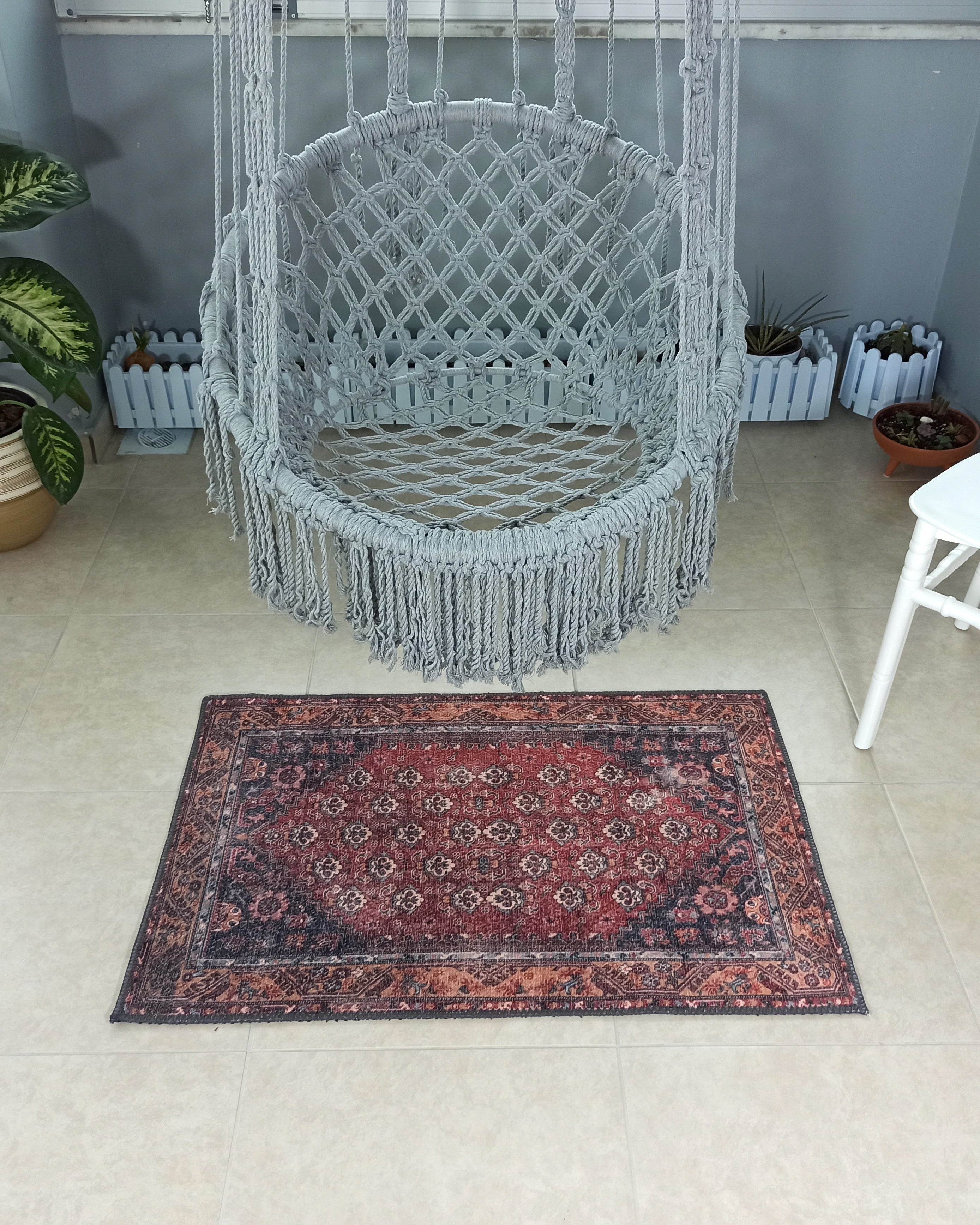
The beauty of Turkish rugs lies in their adaptability.
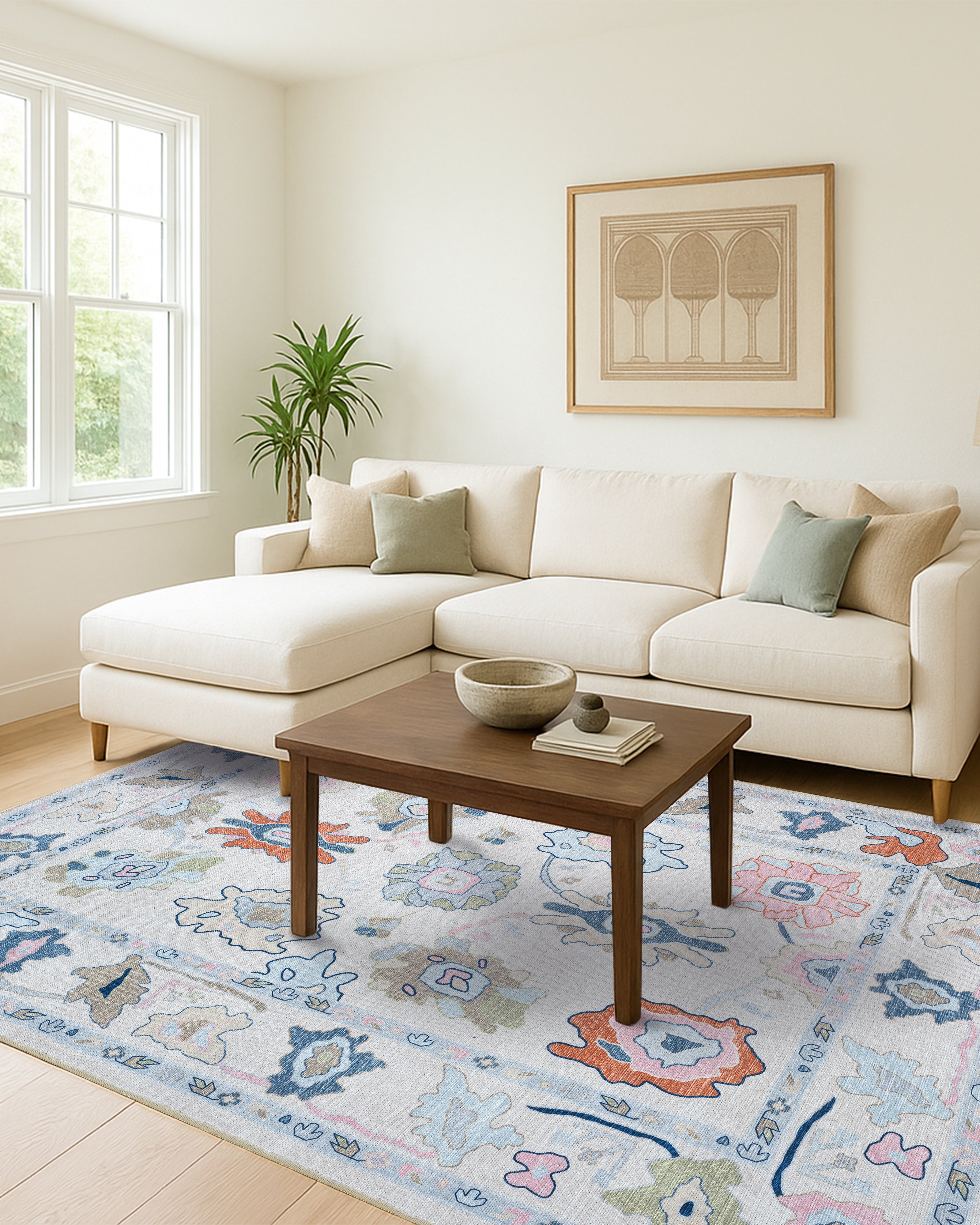
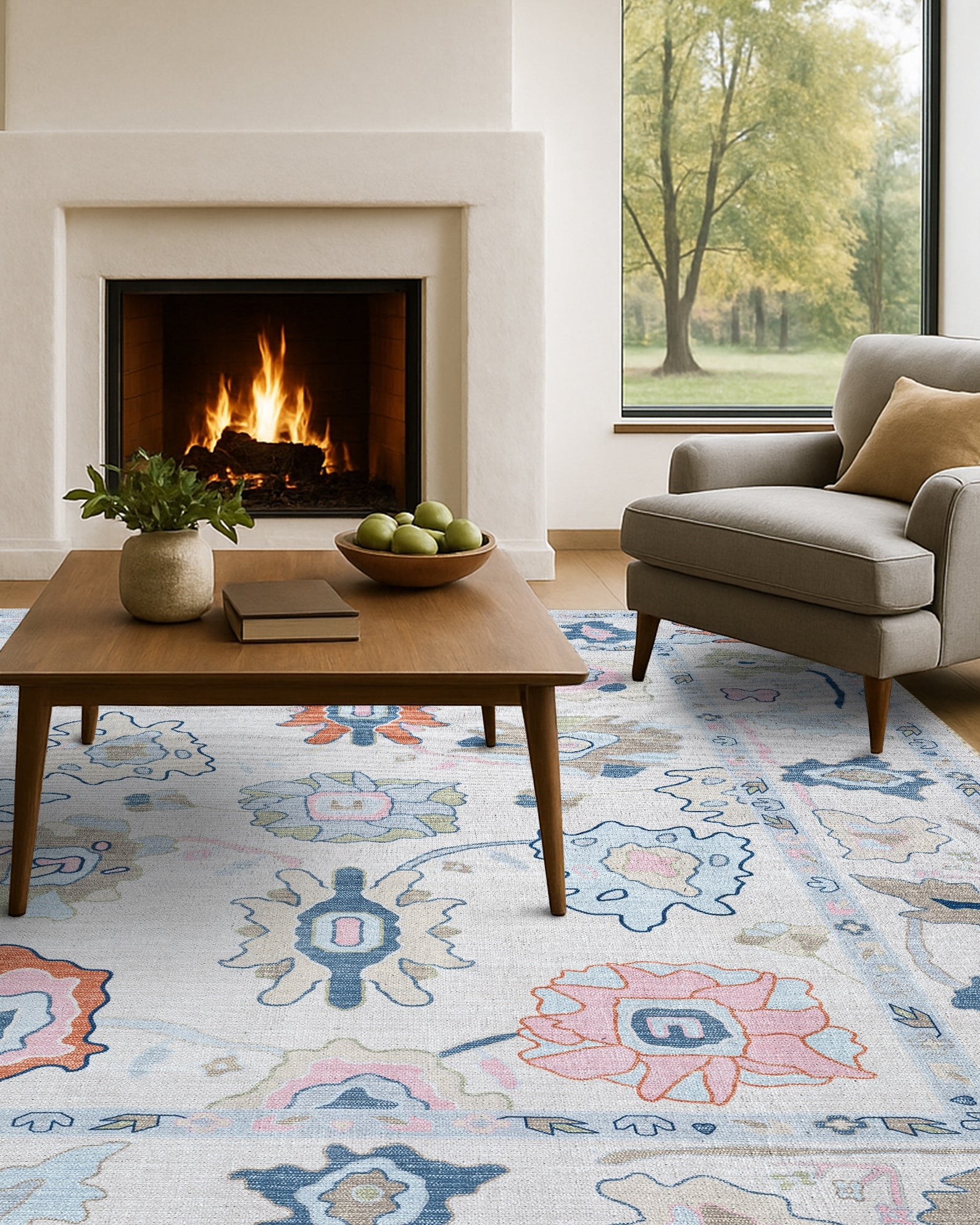
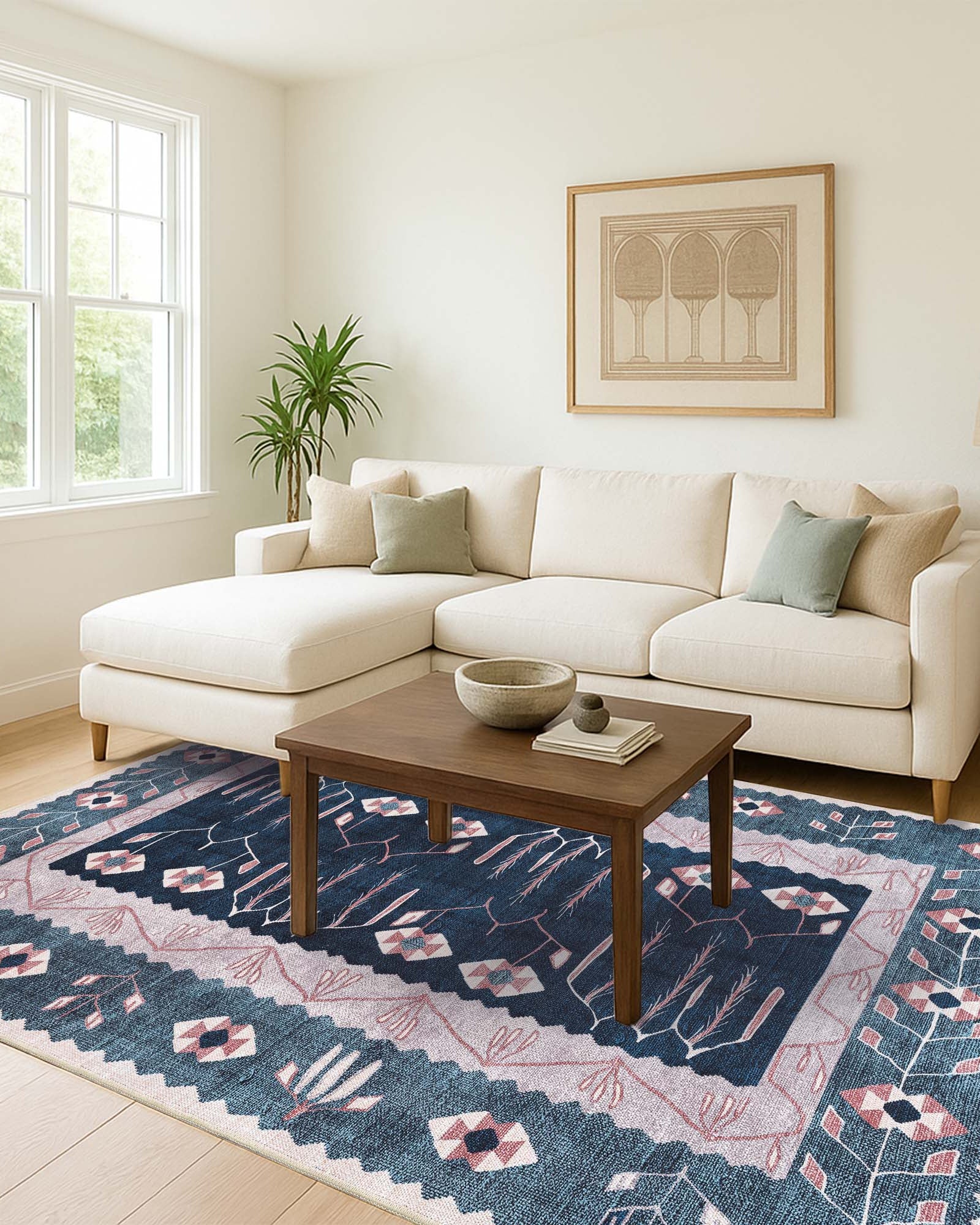
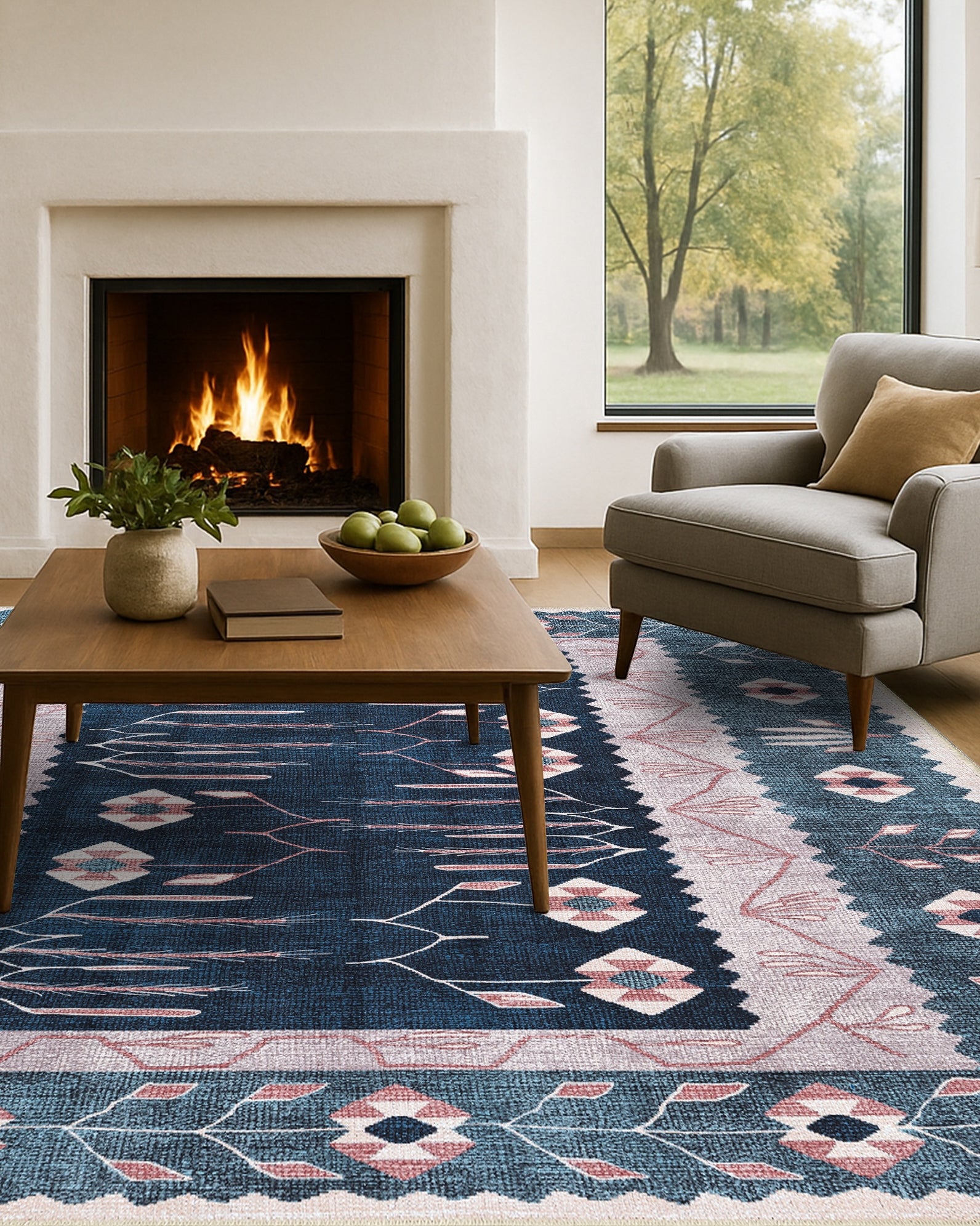
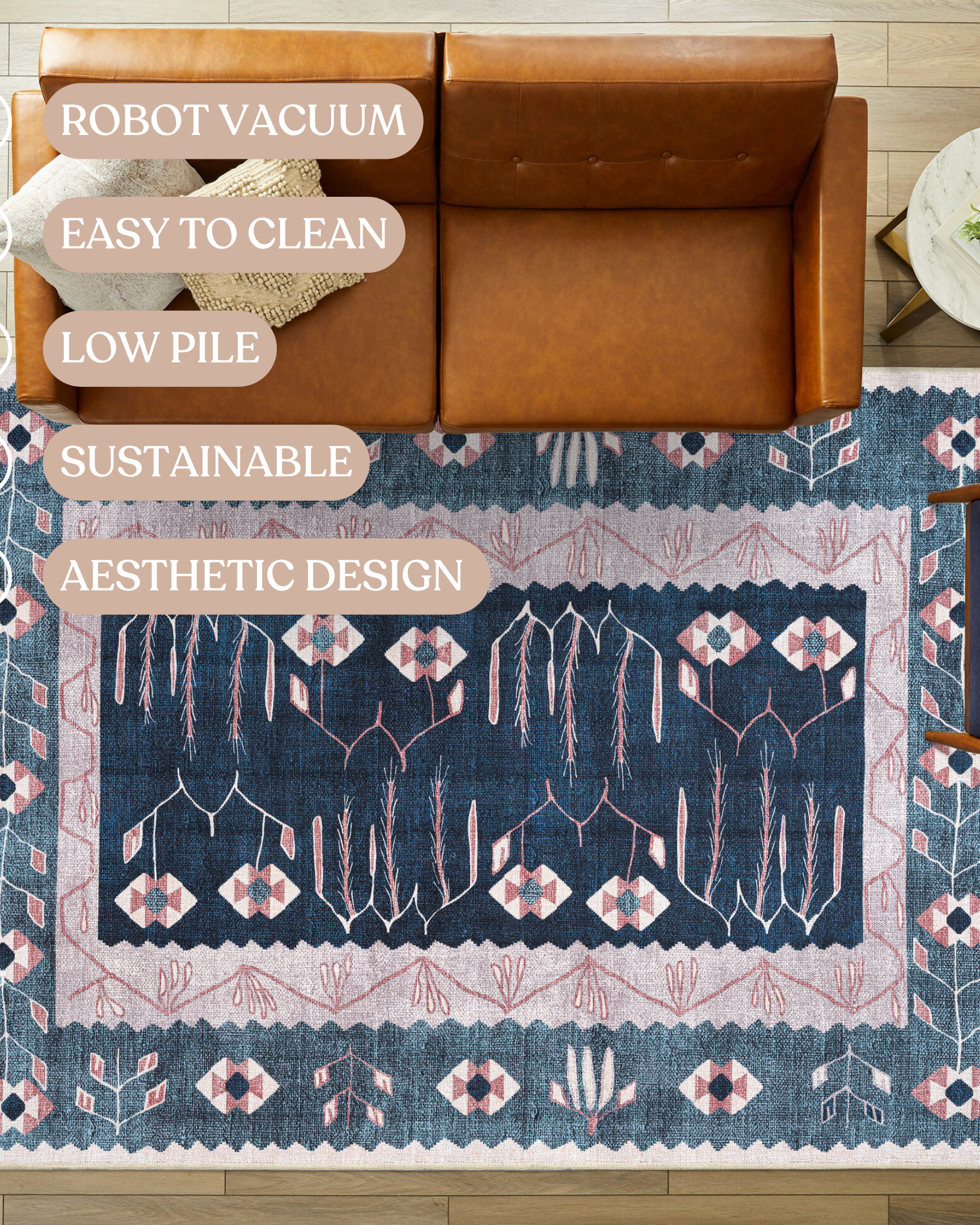
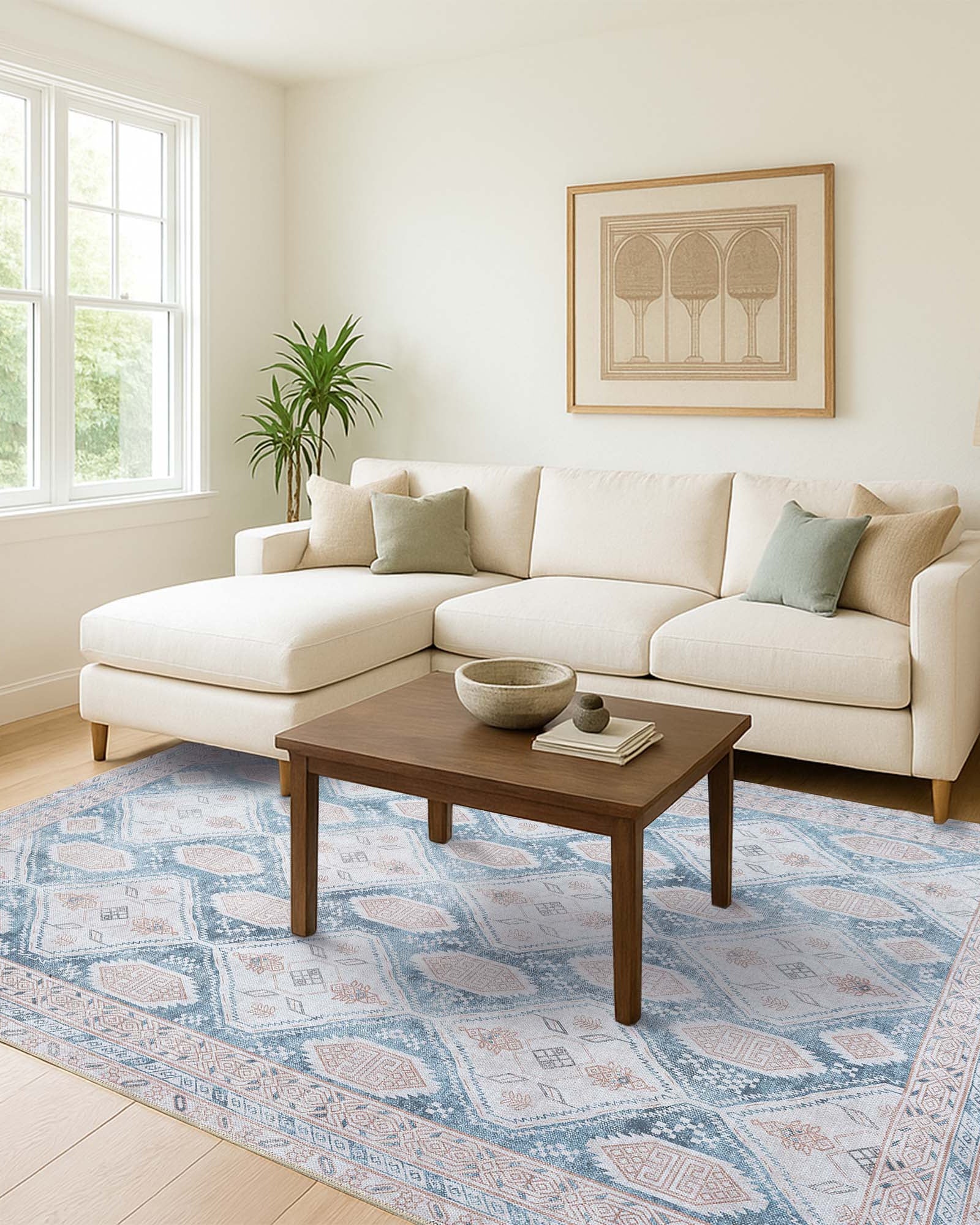
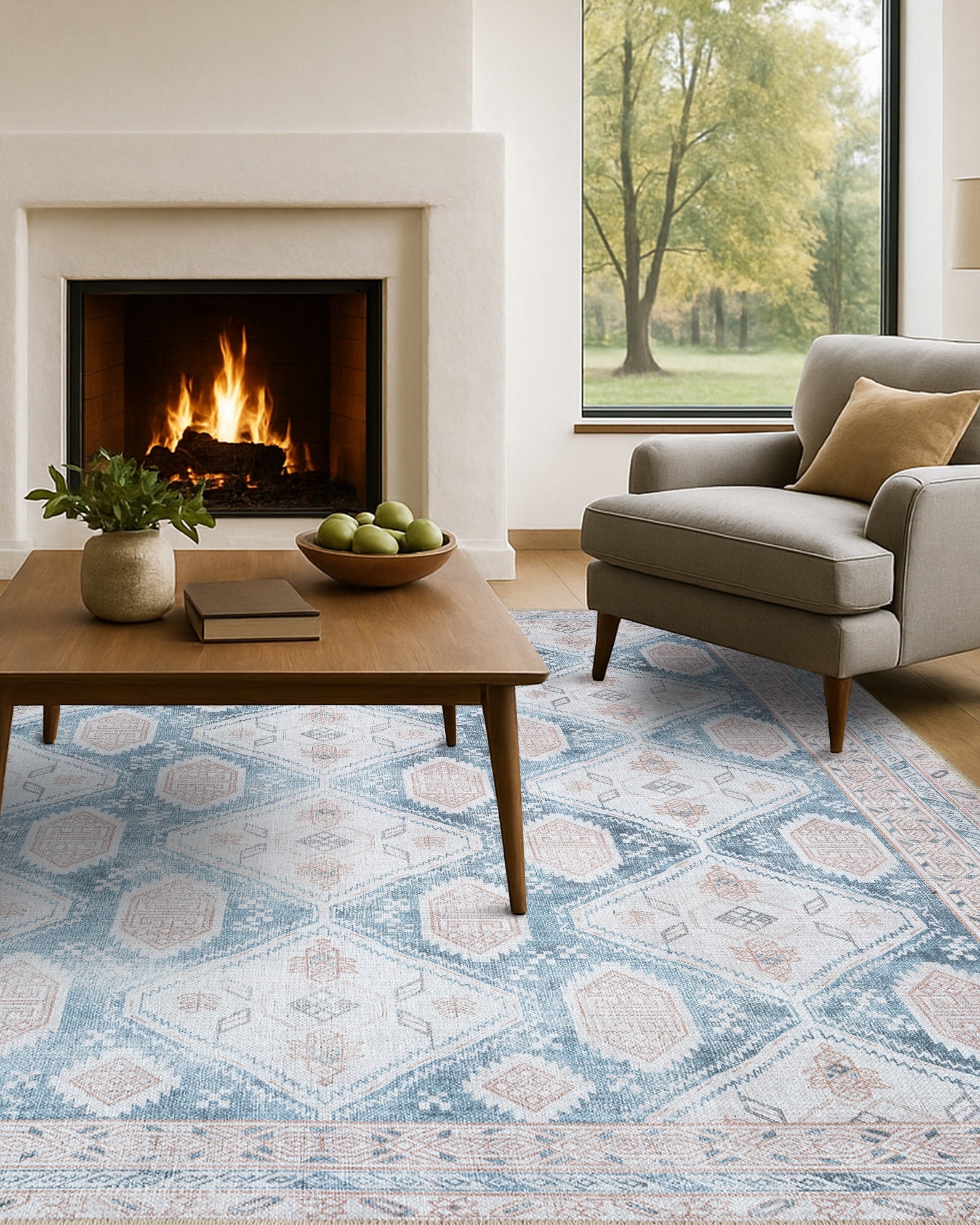
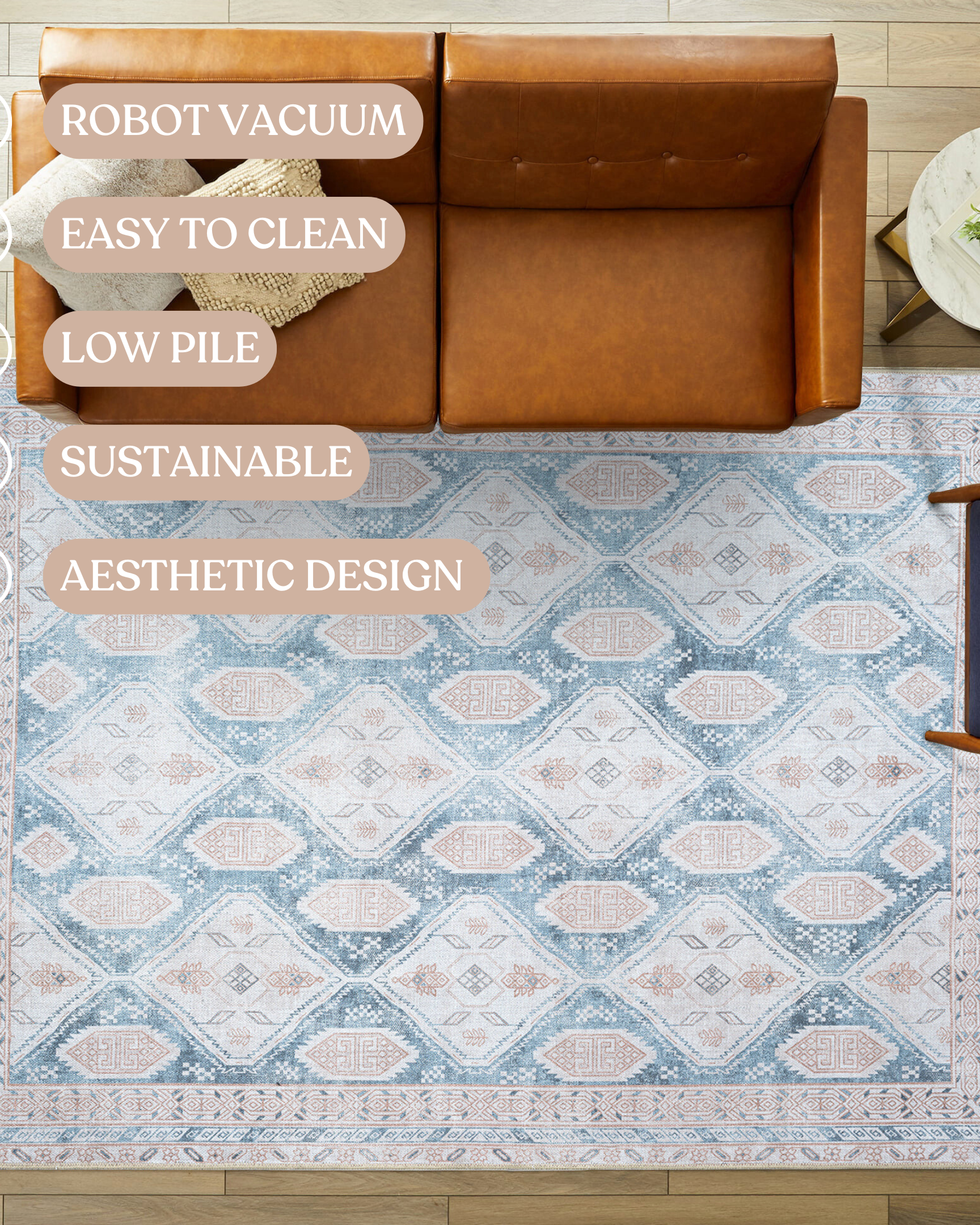
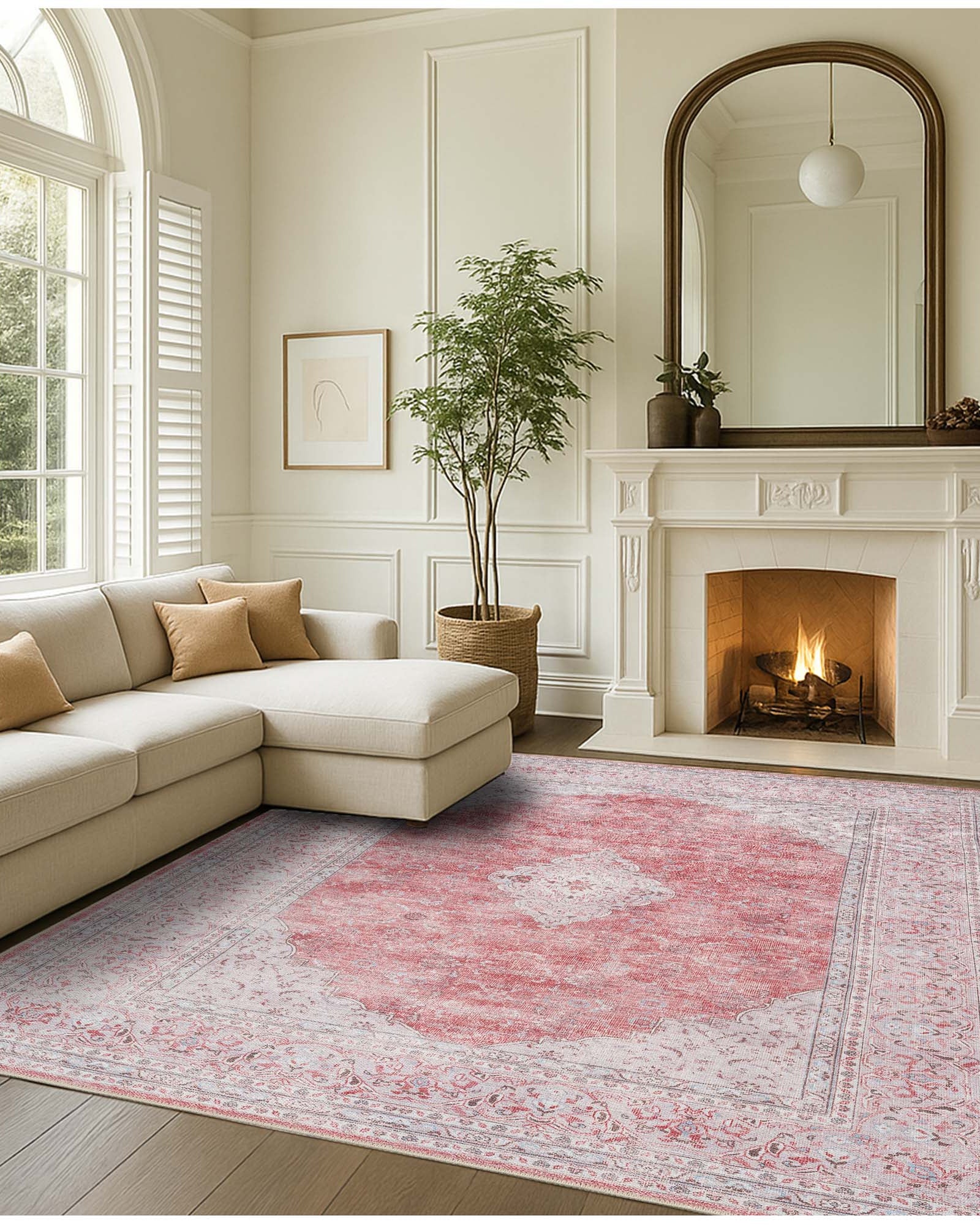
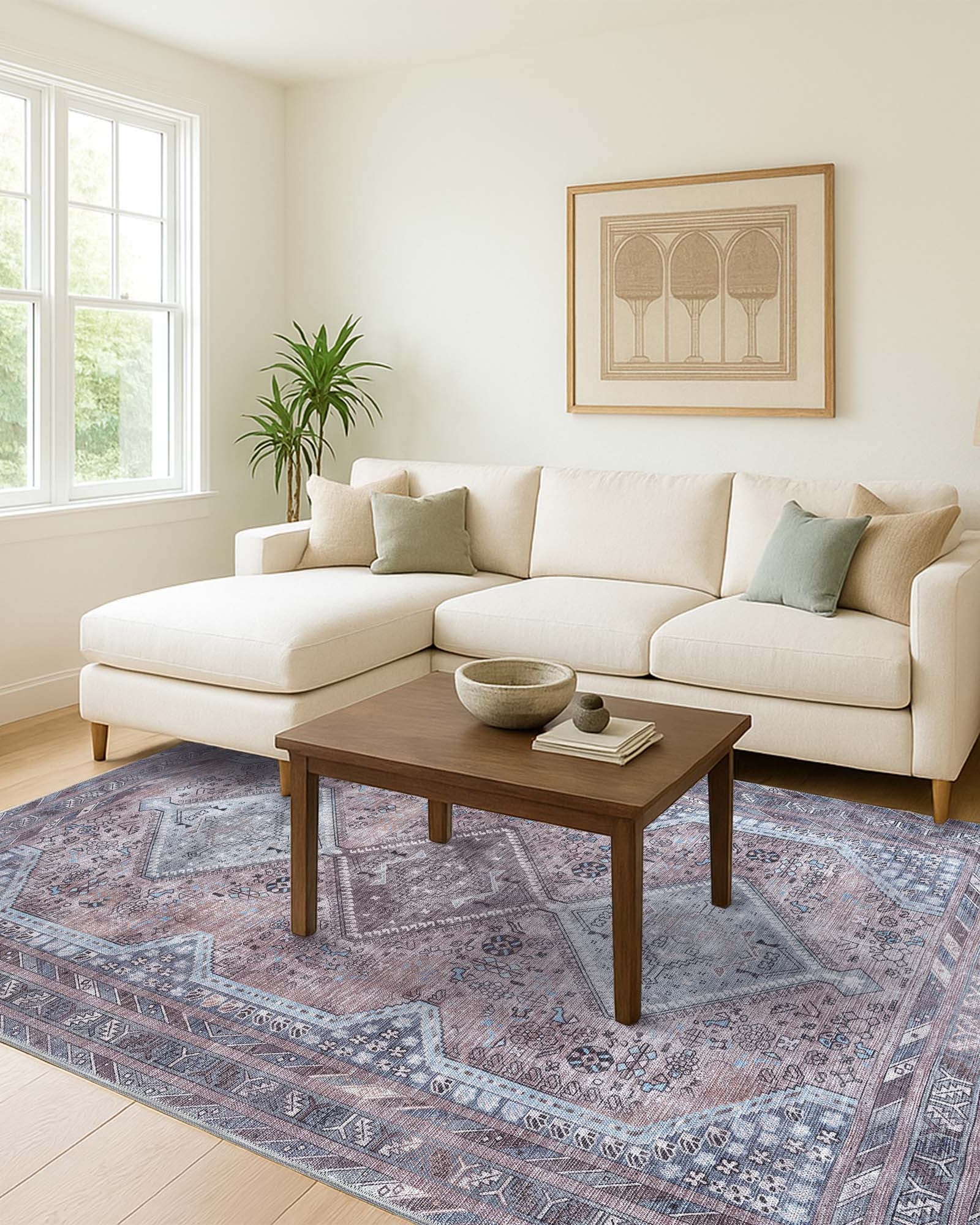
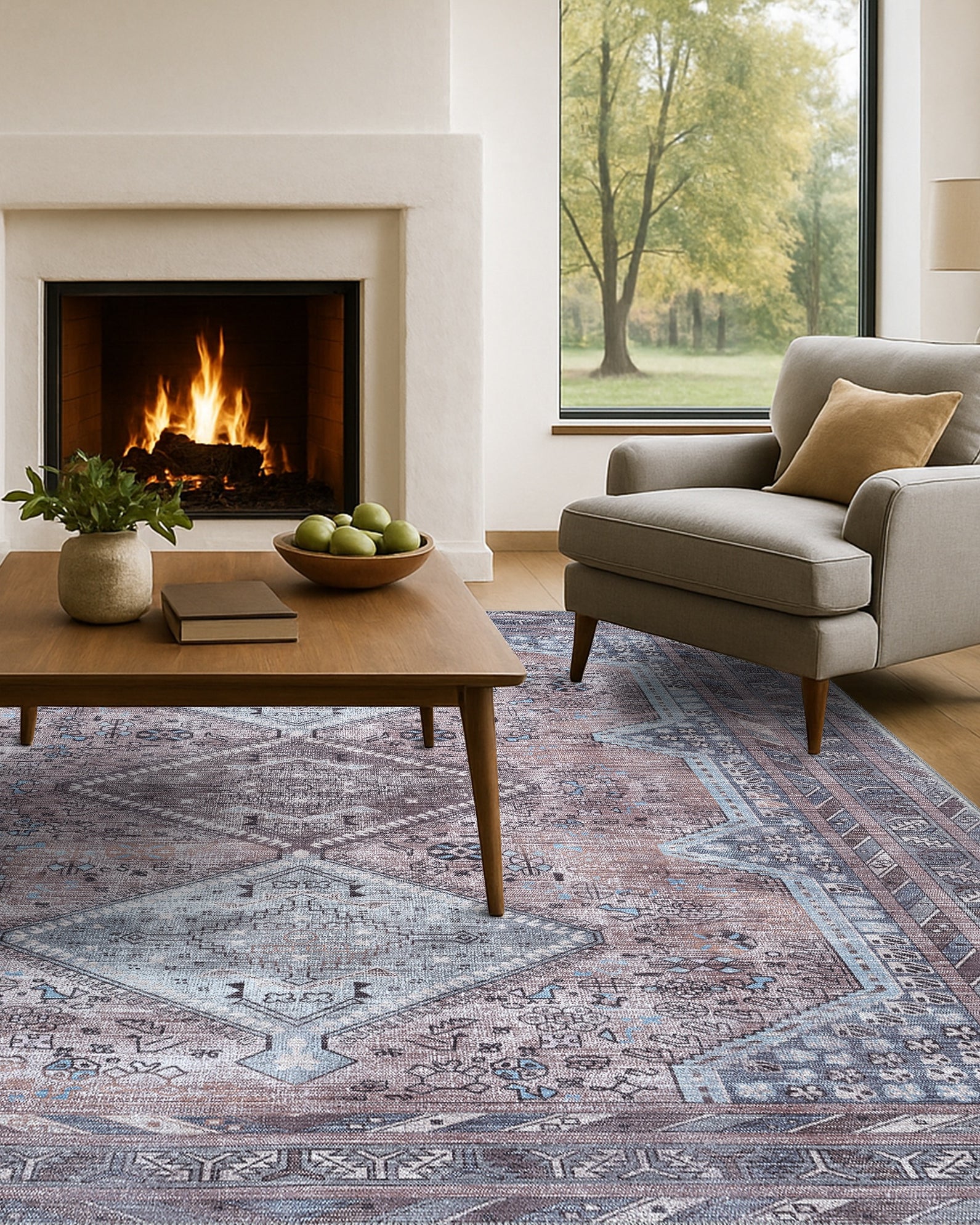
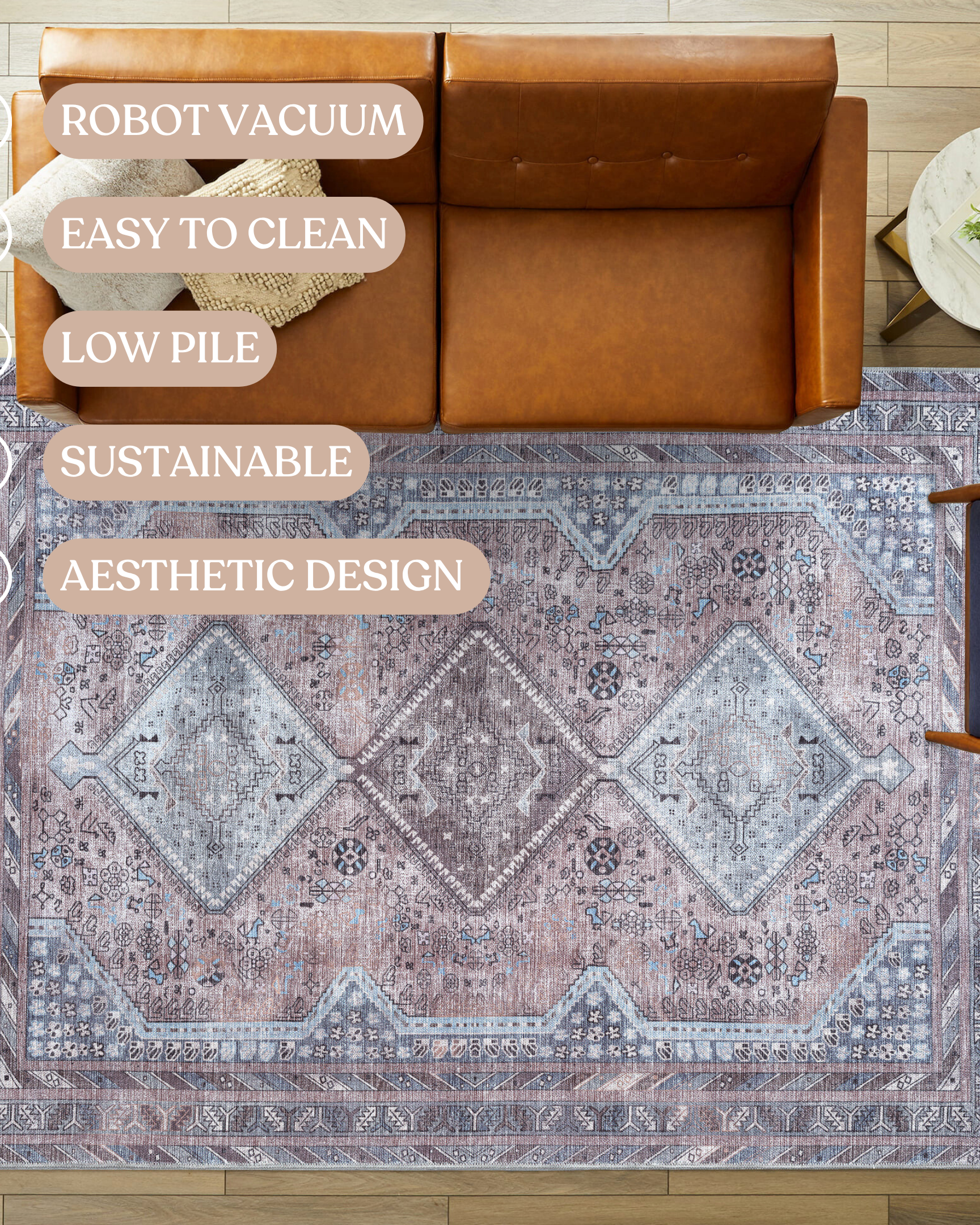
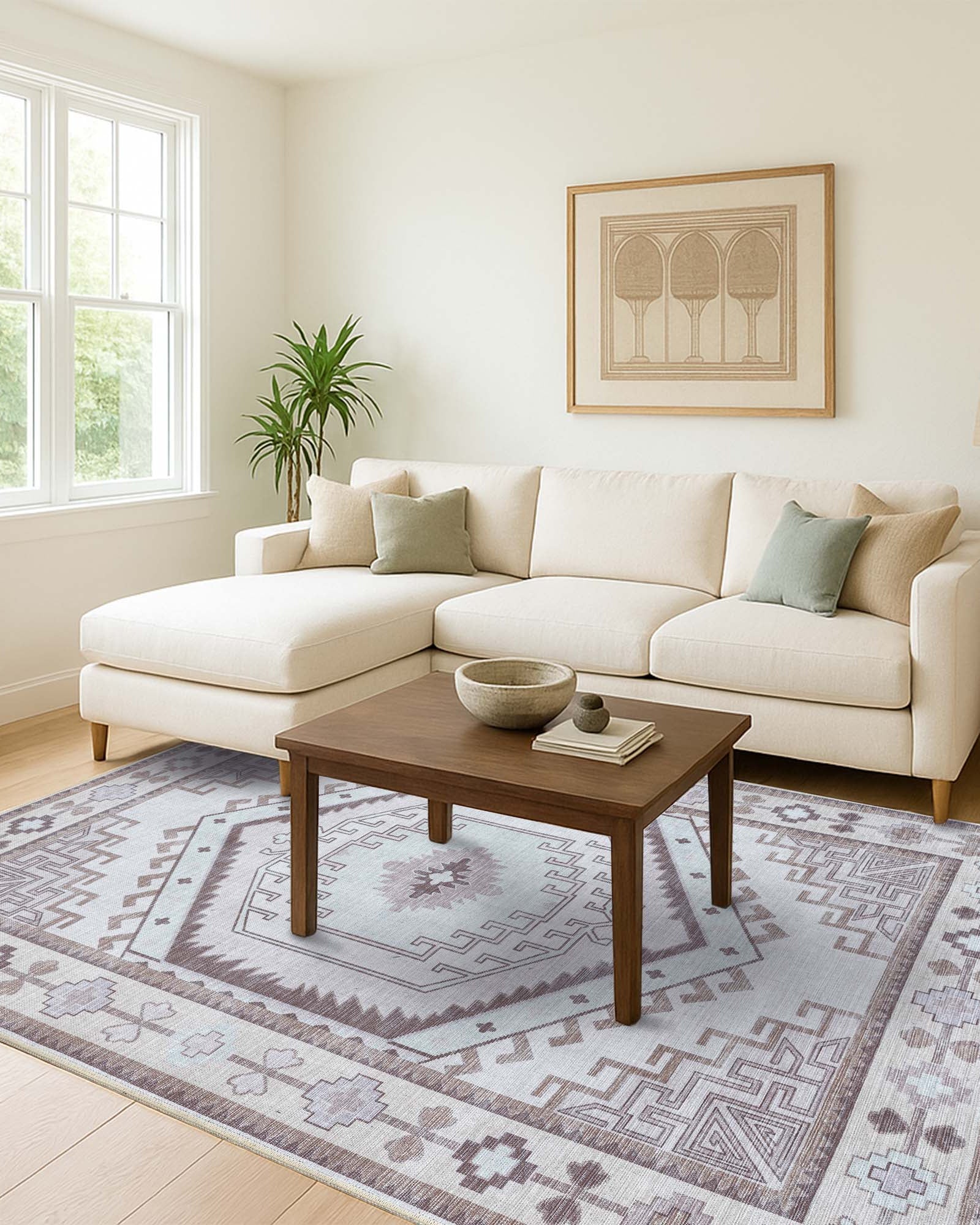
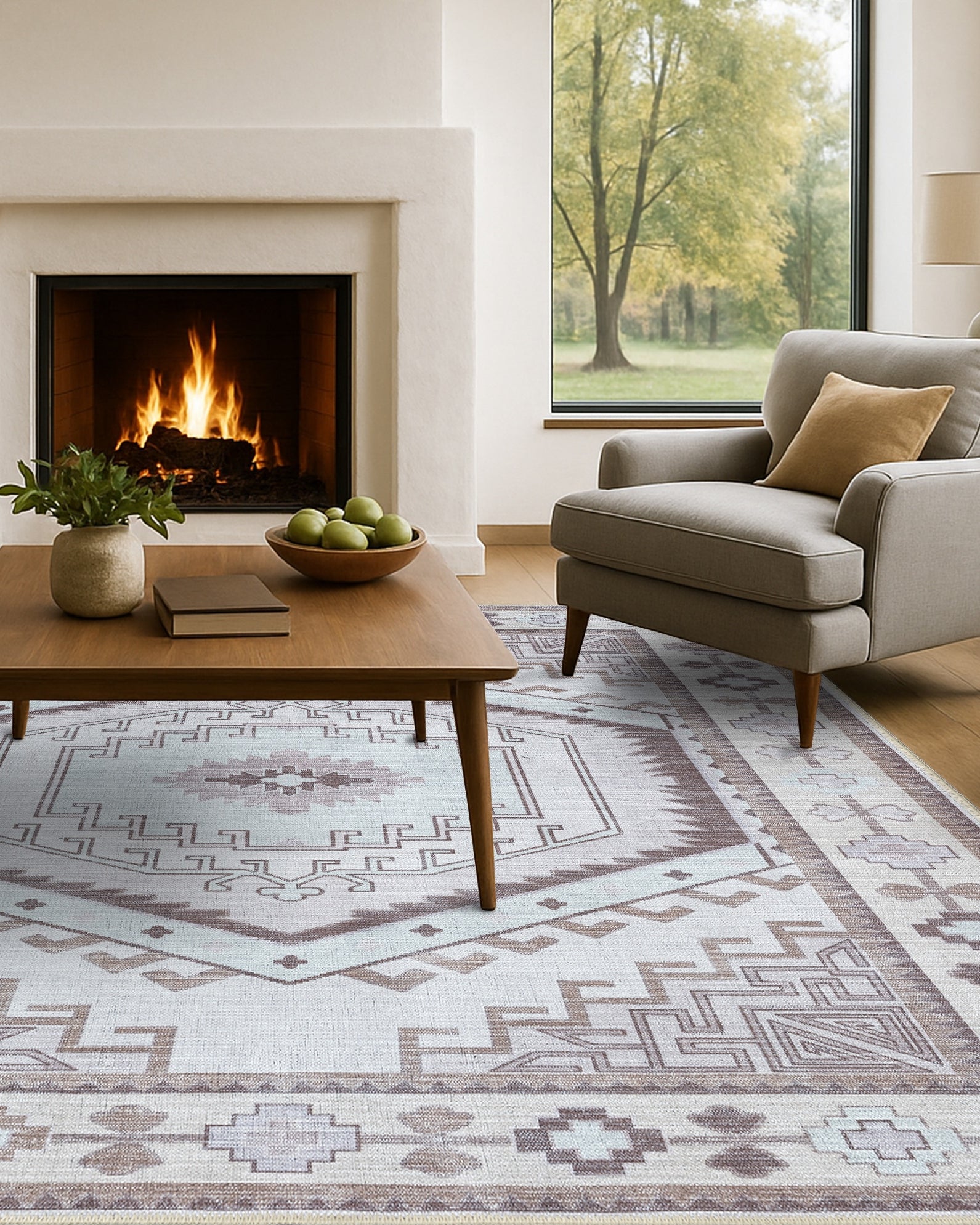
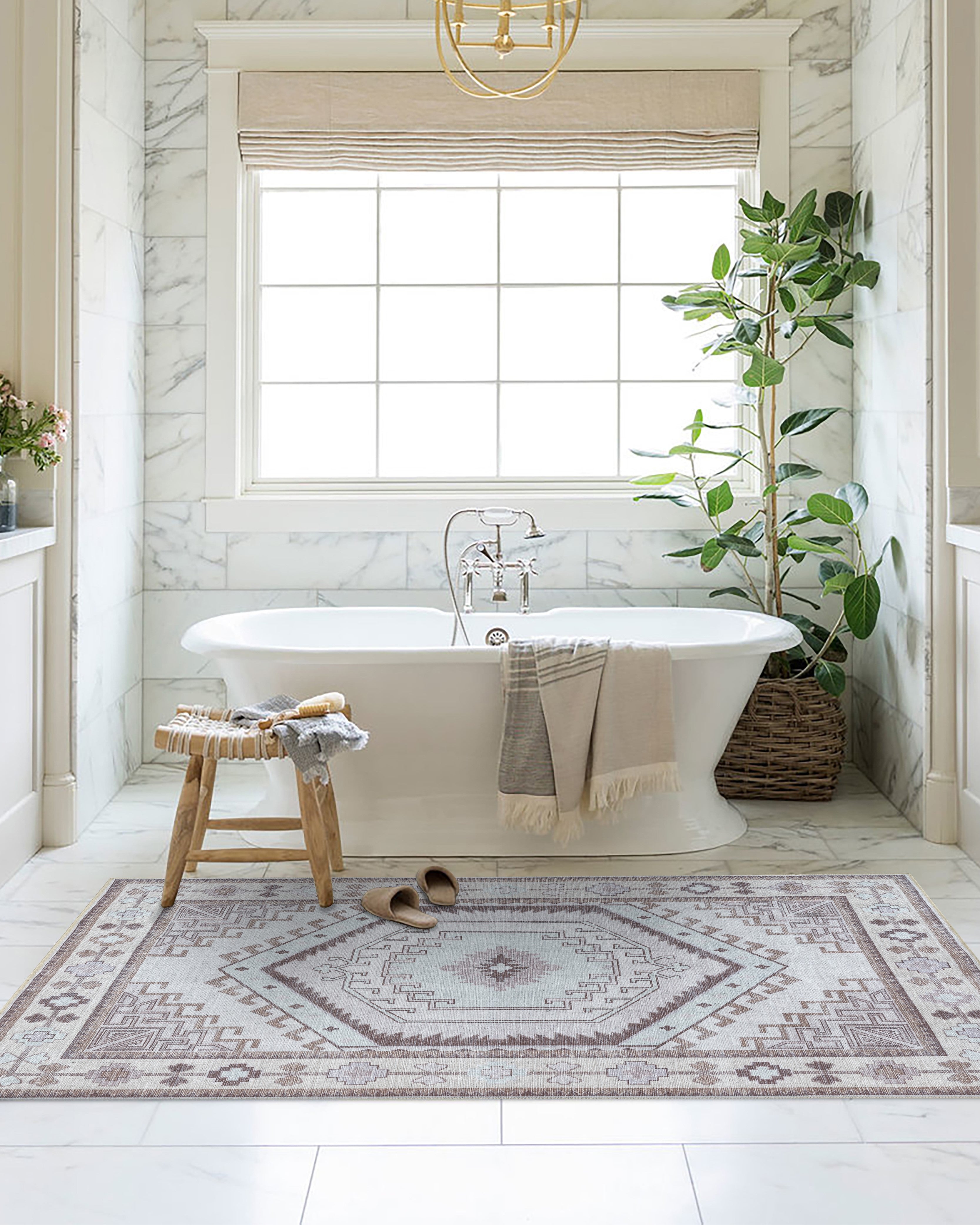
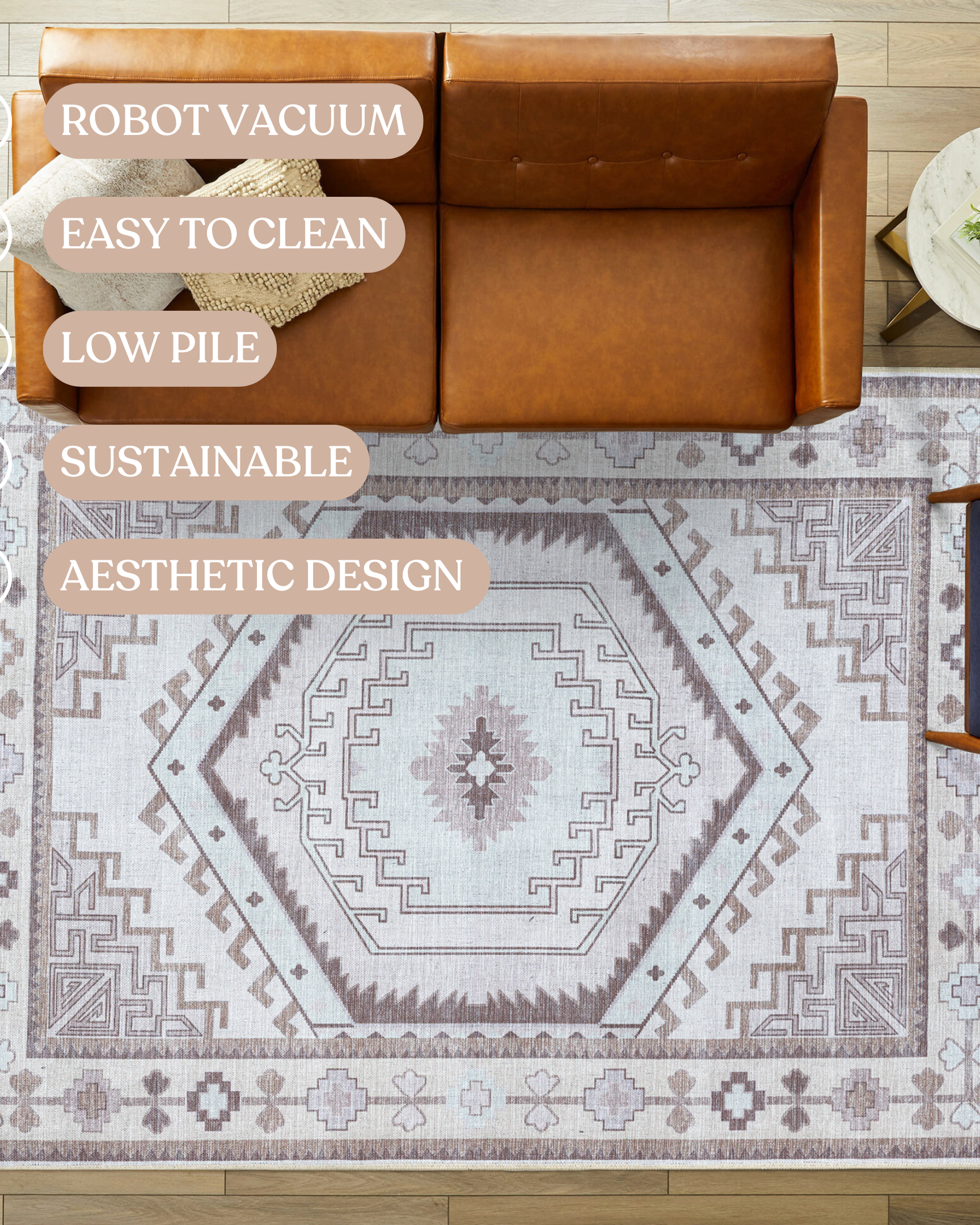
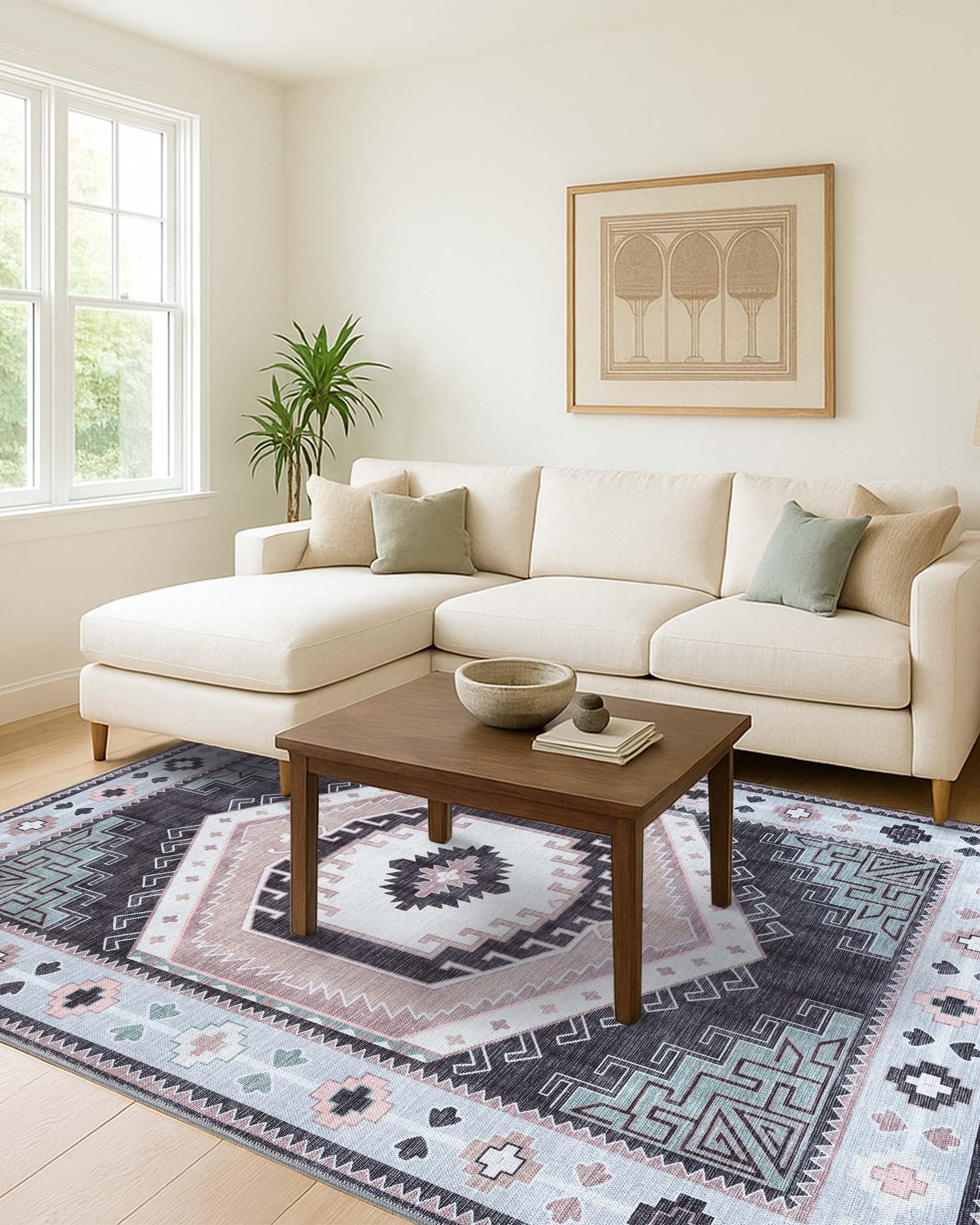
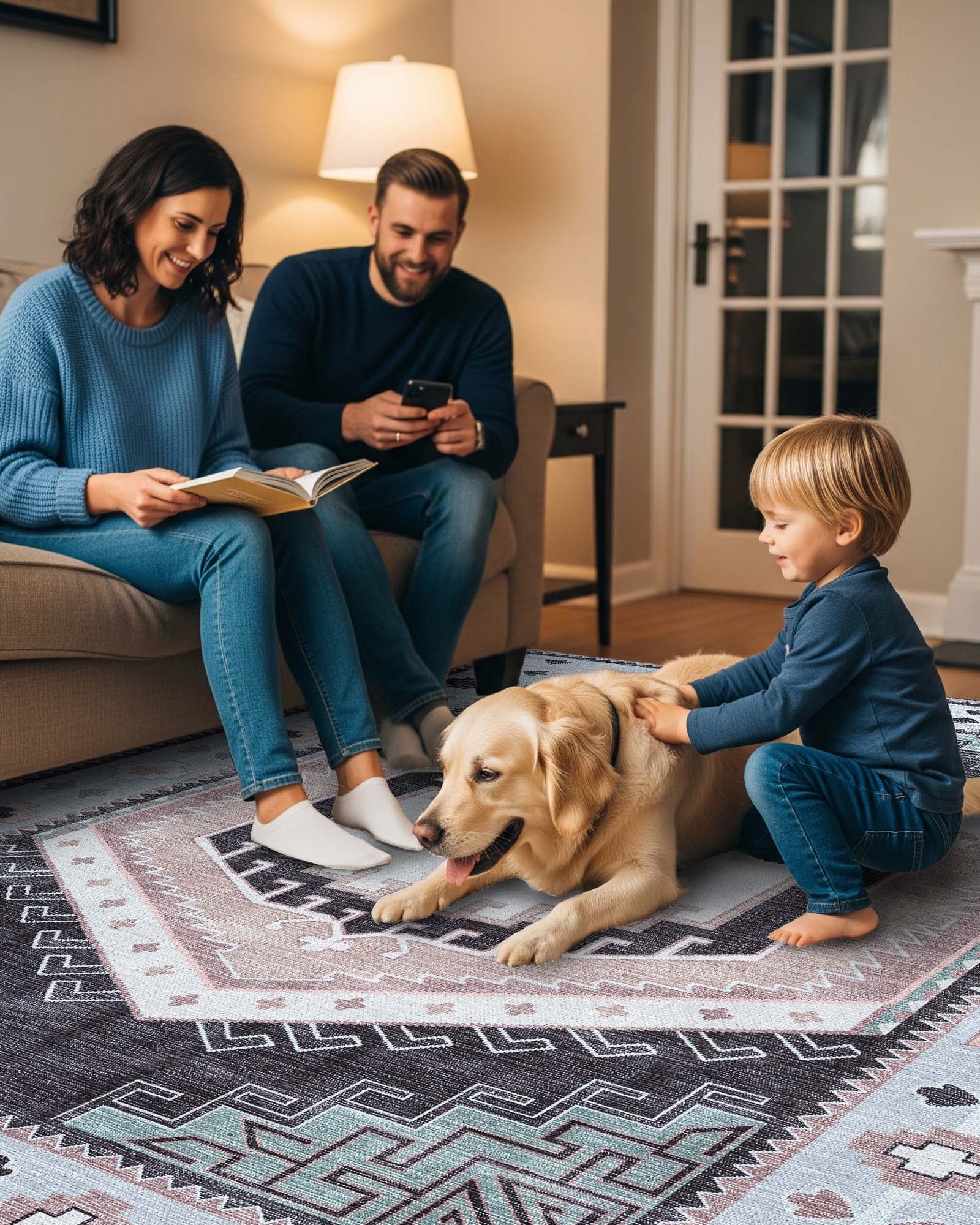
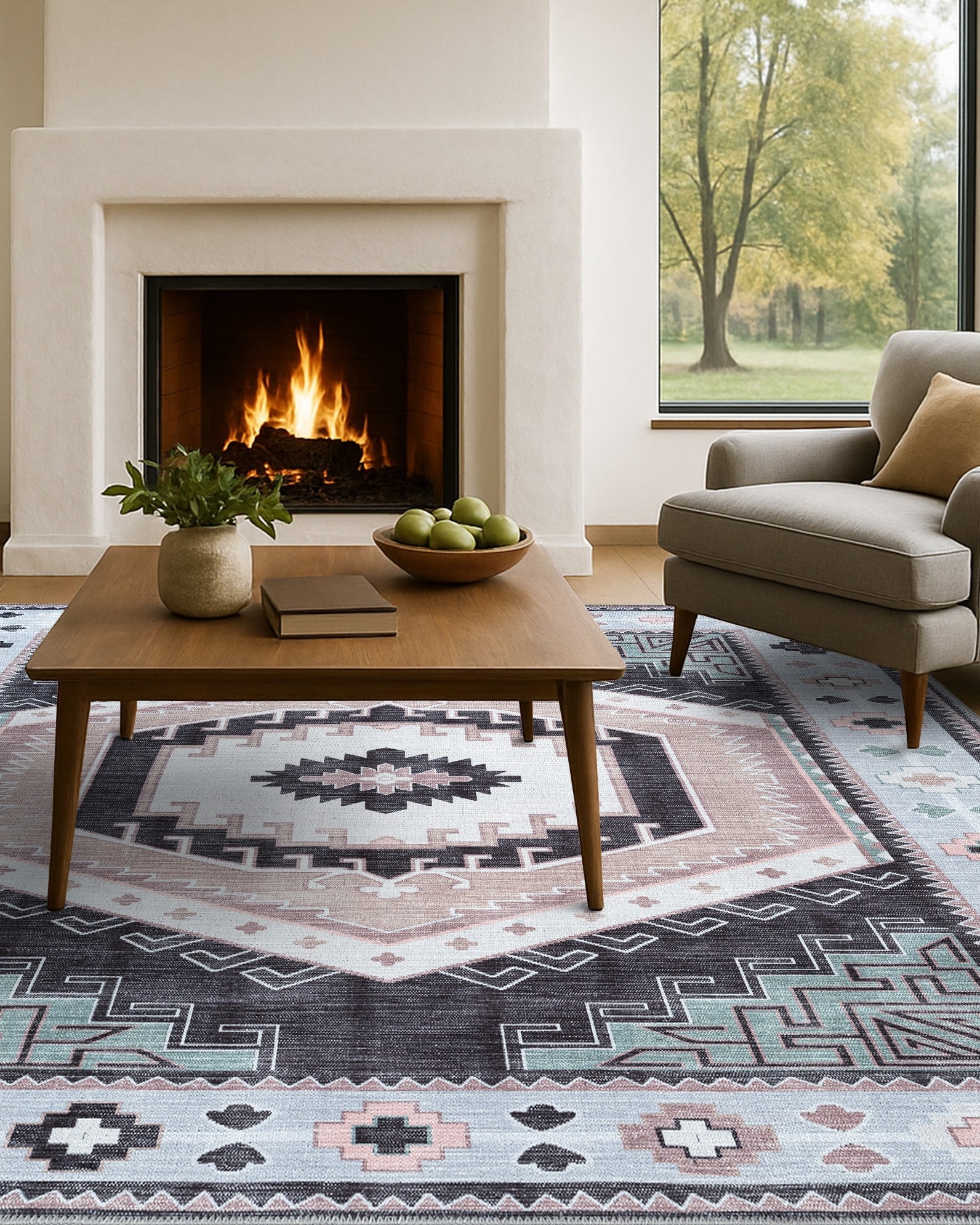
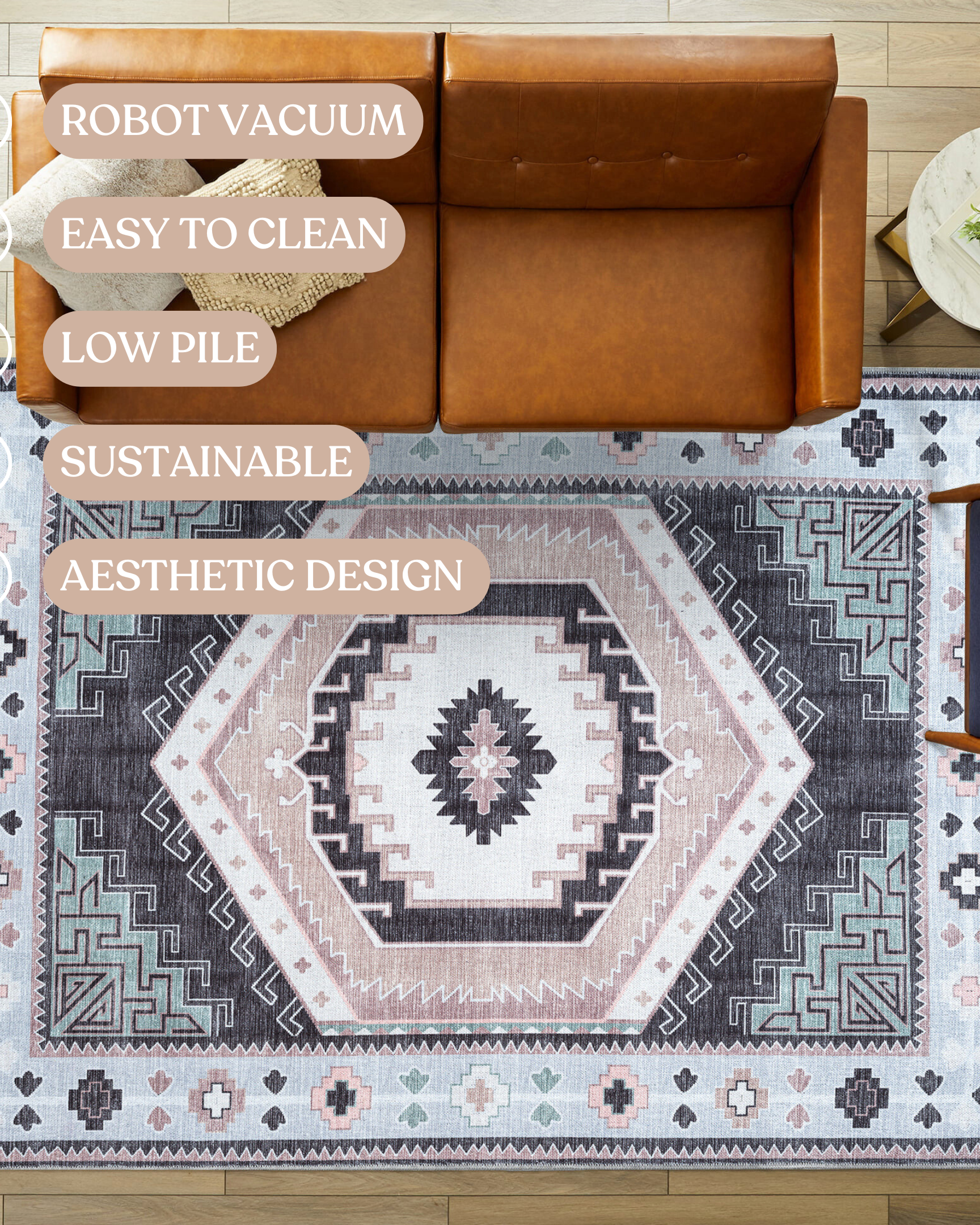
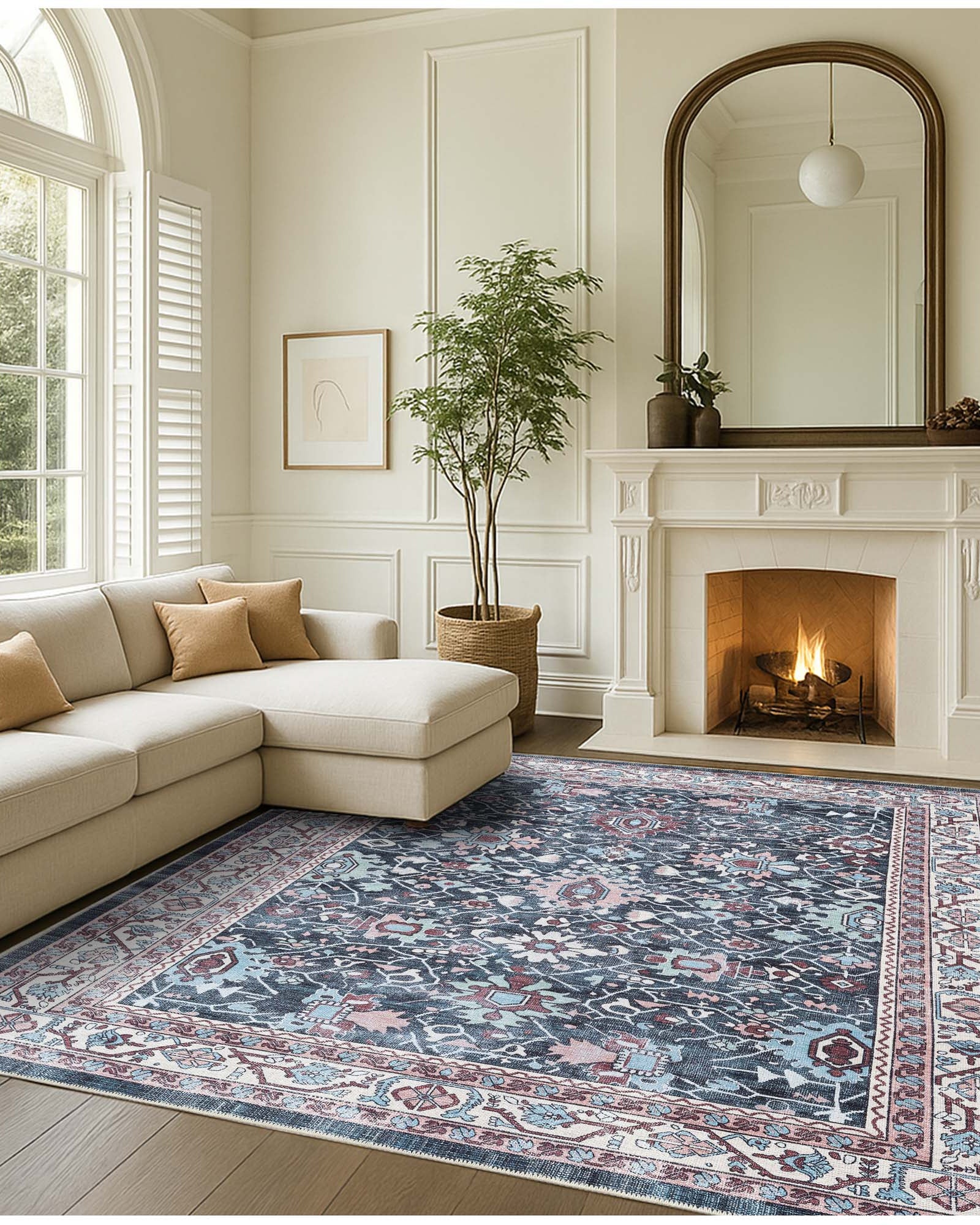
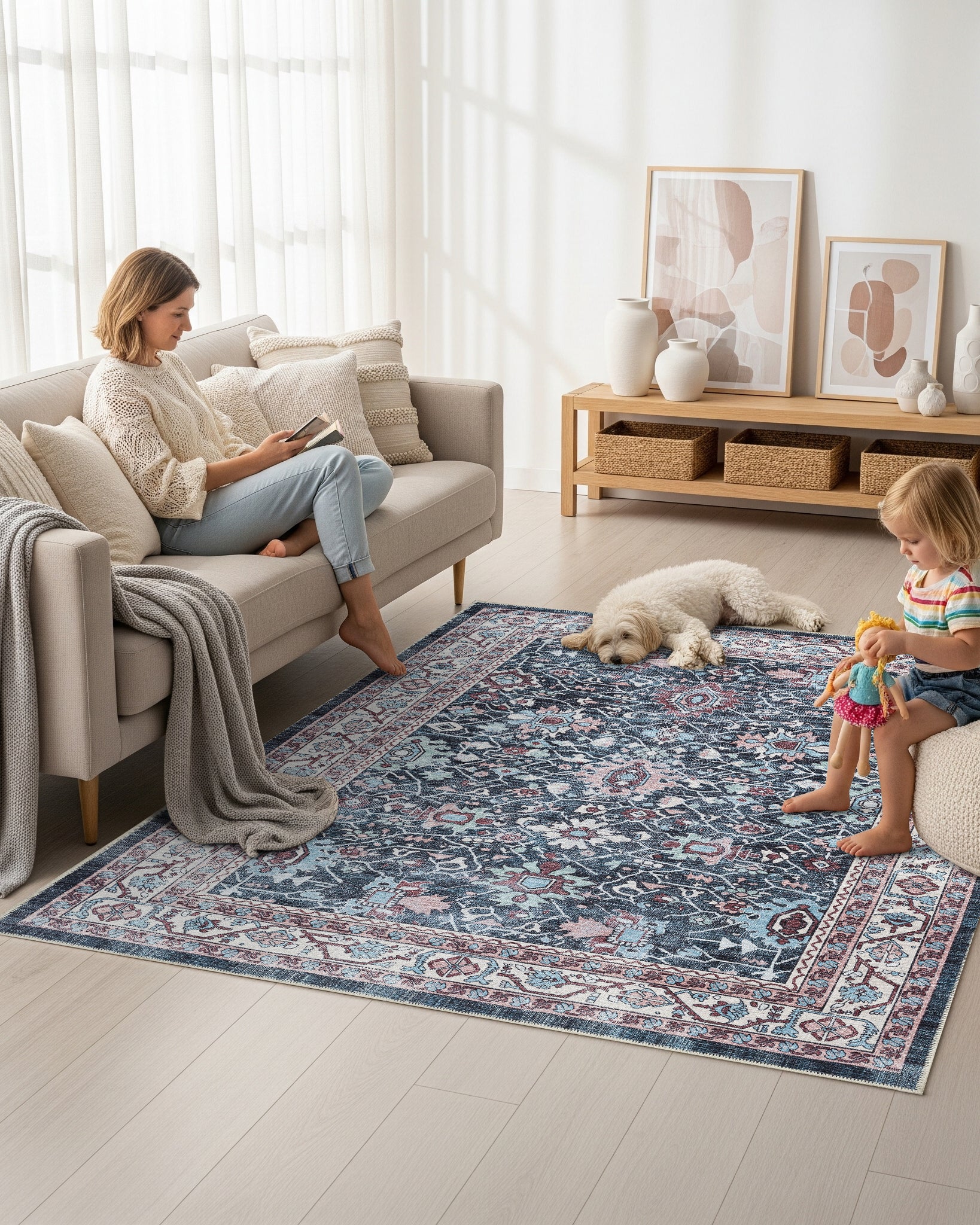
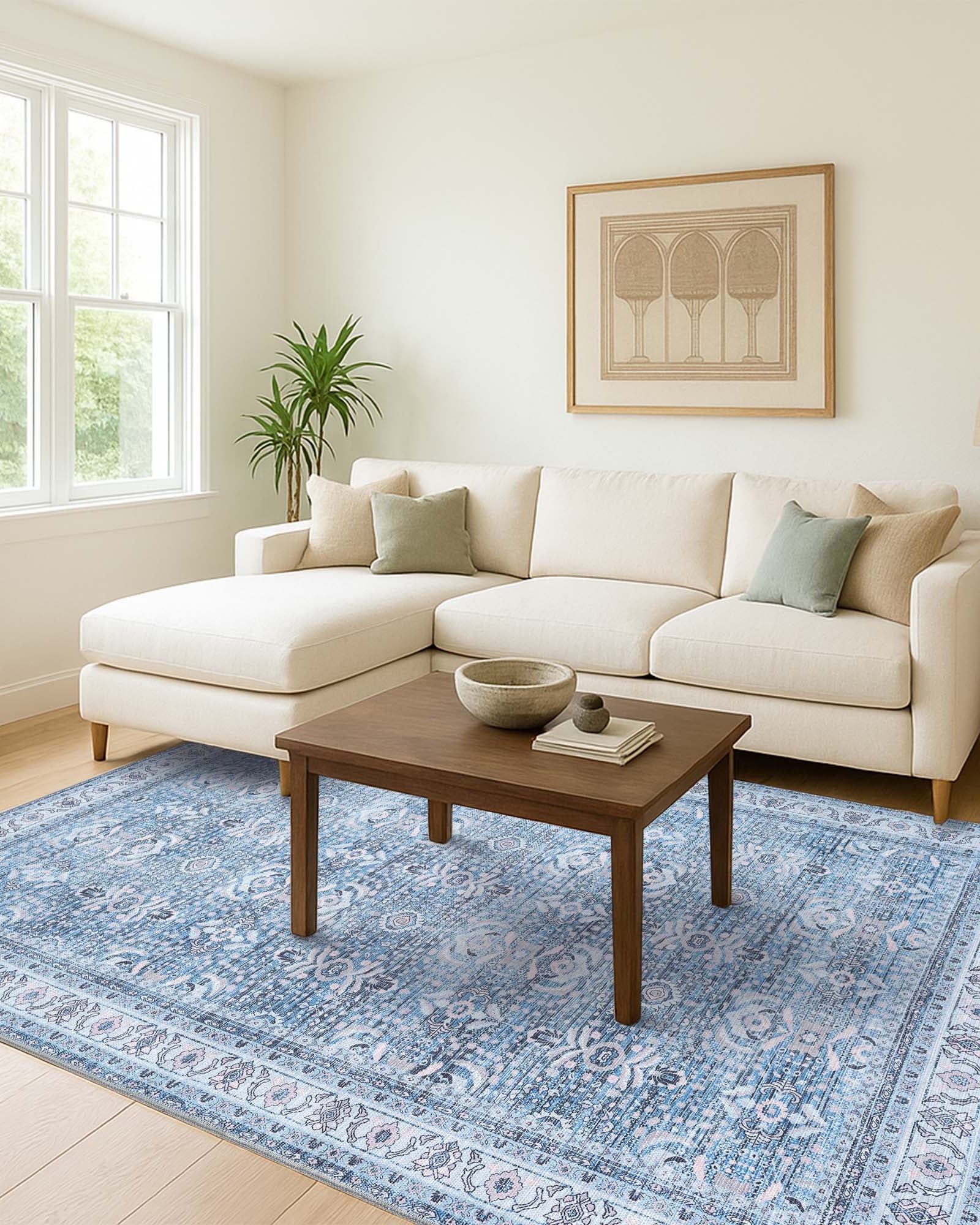
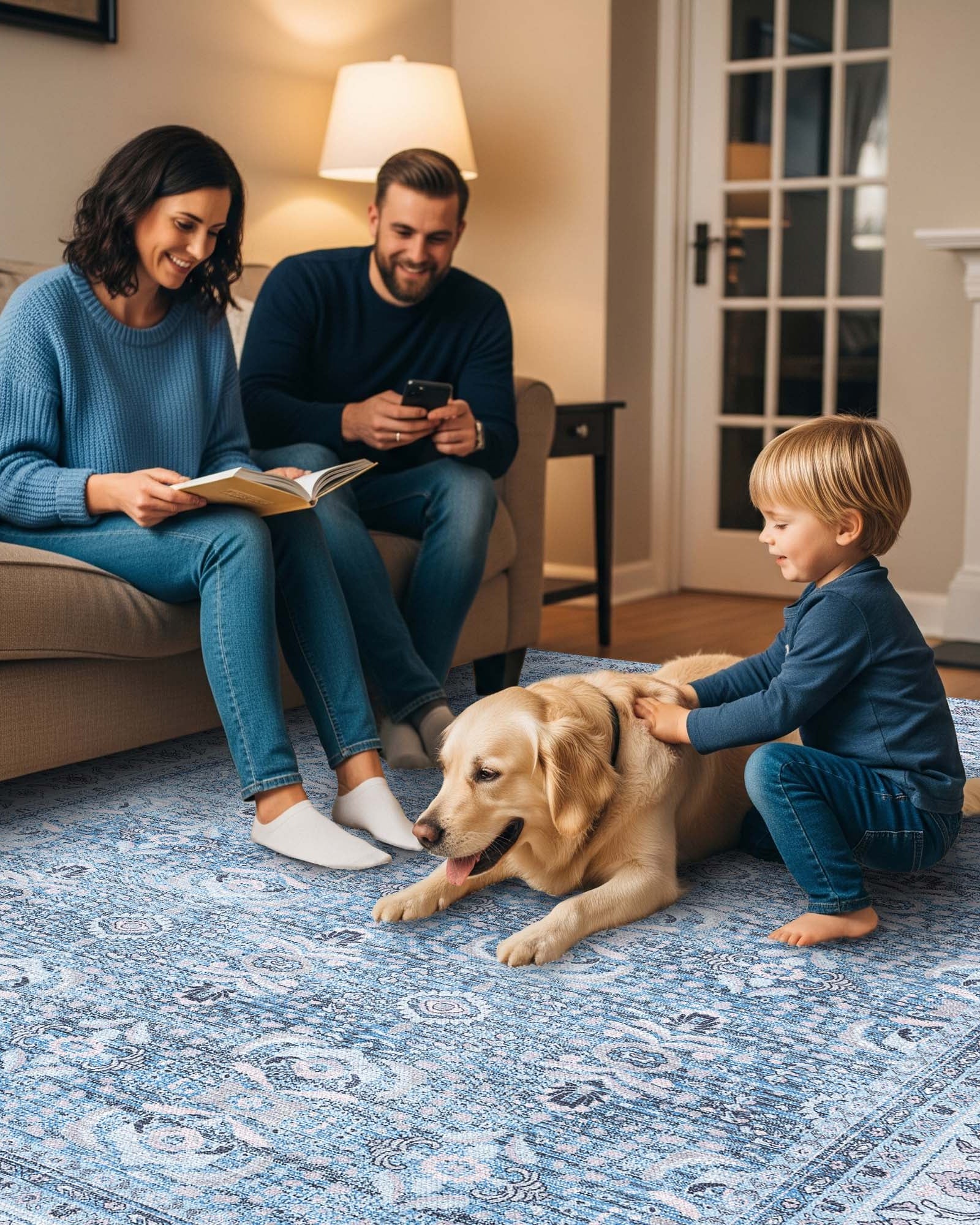
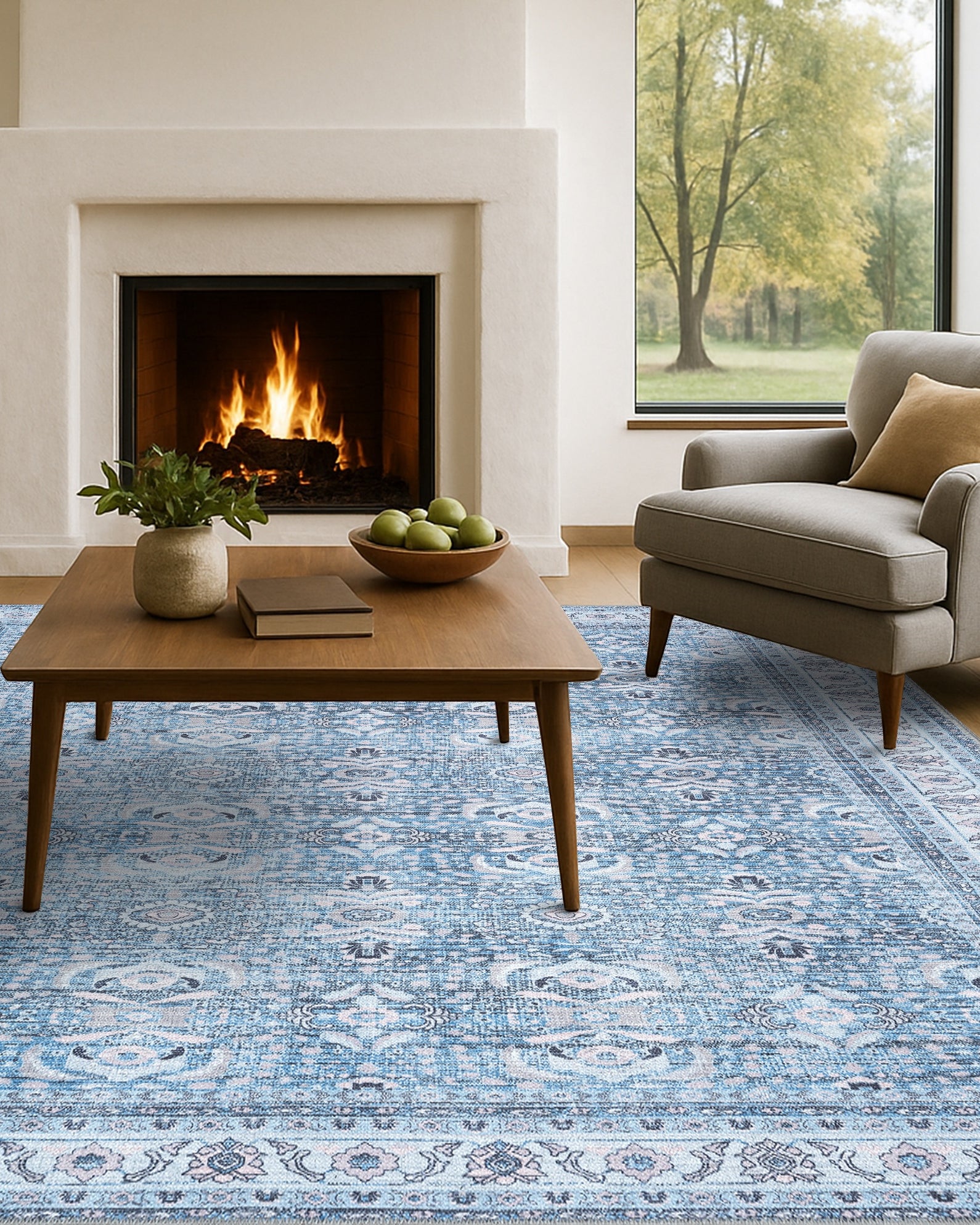
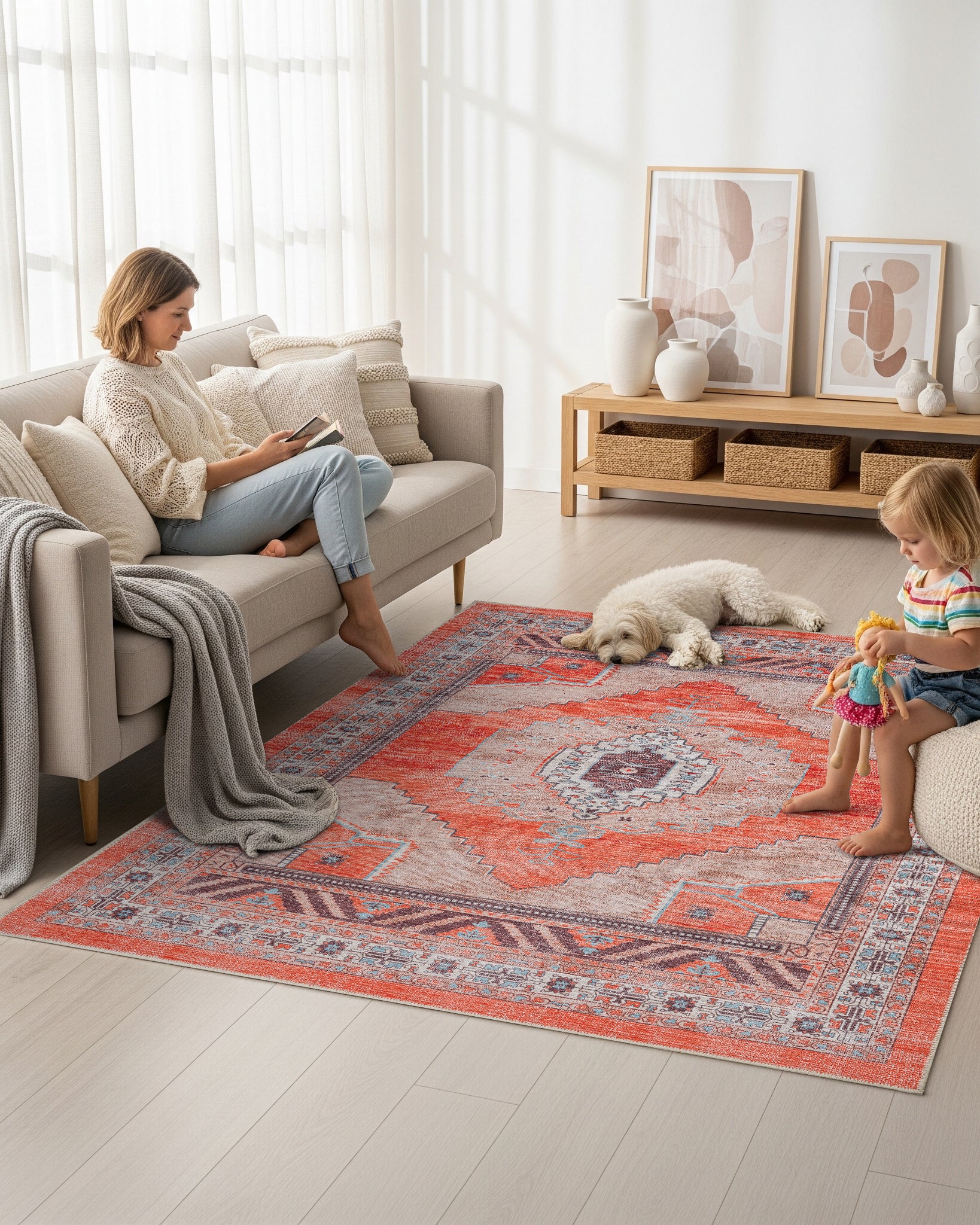
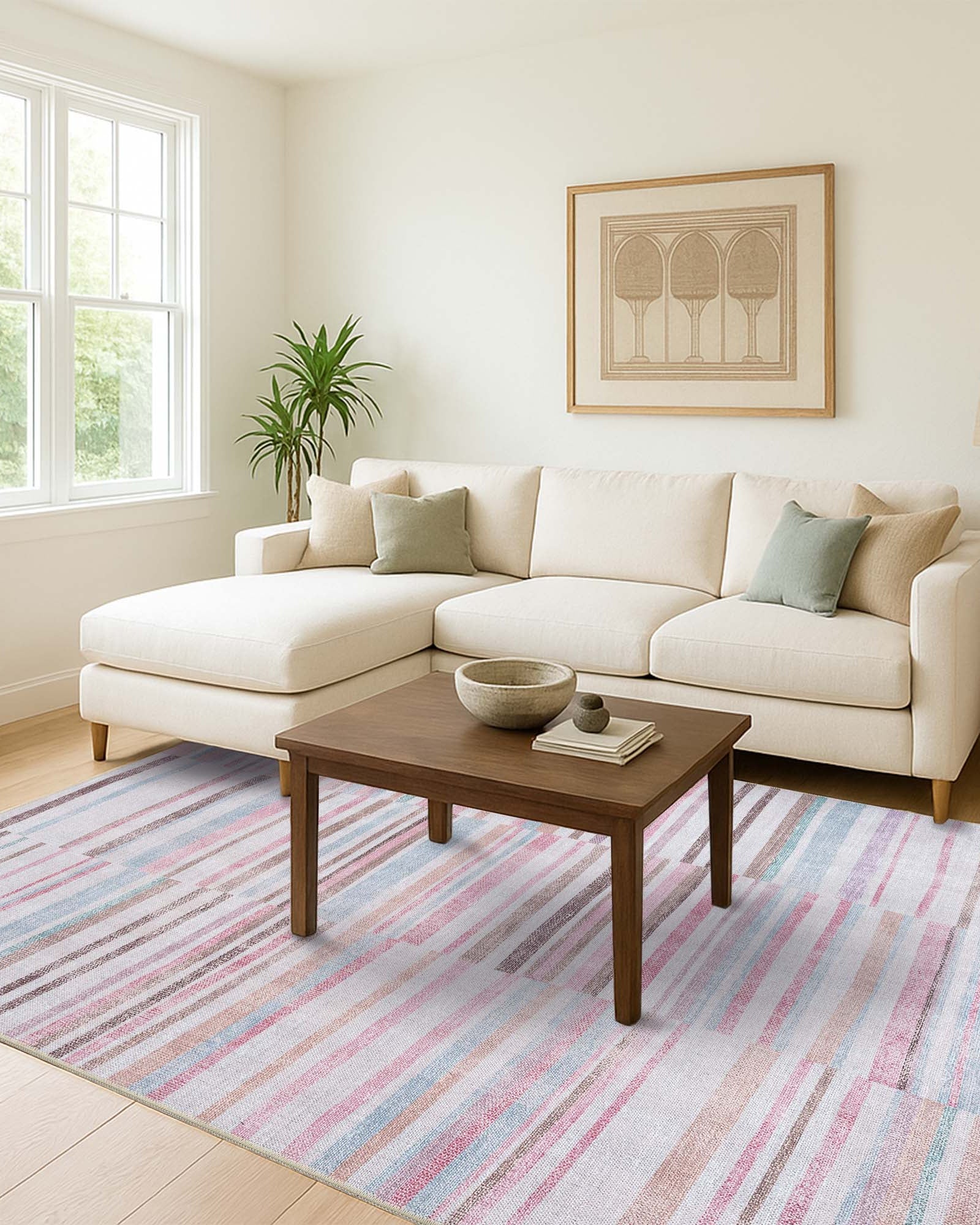
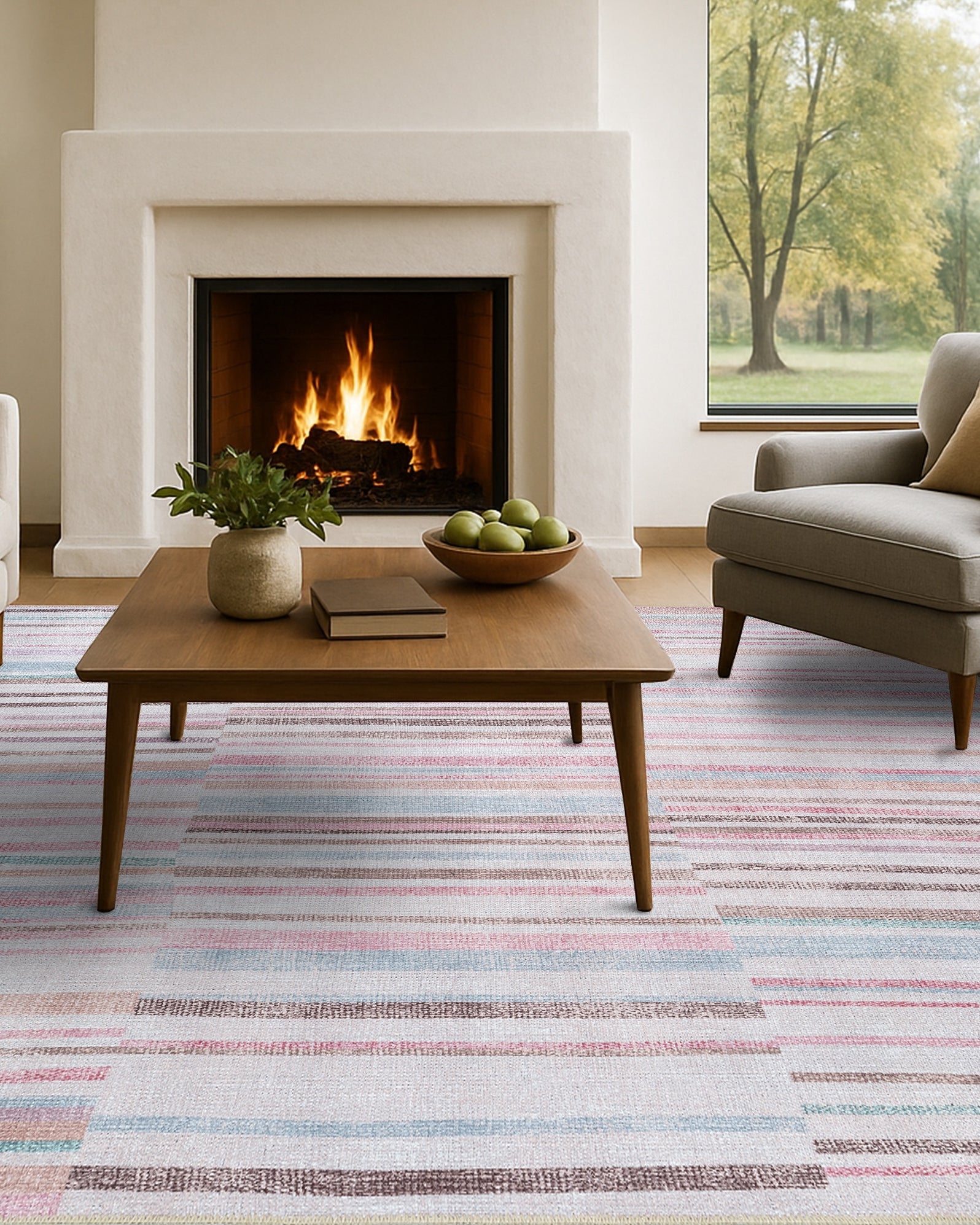
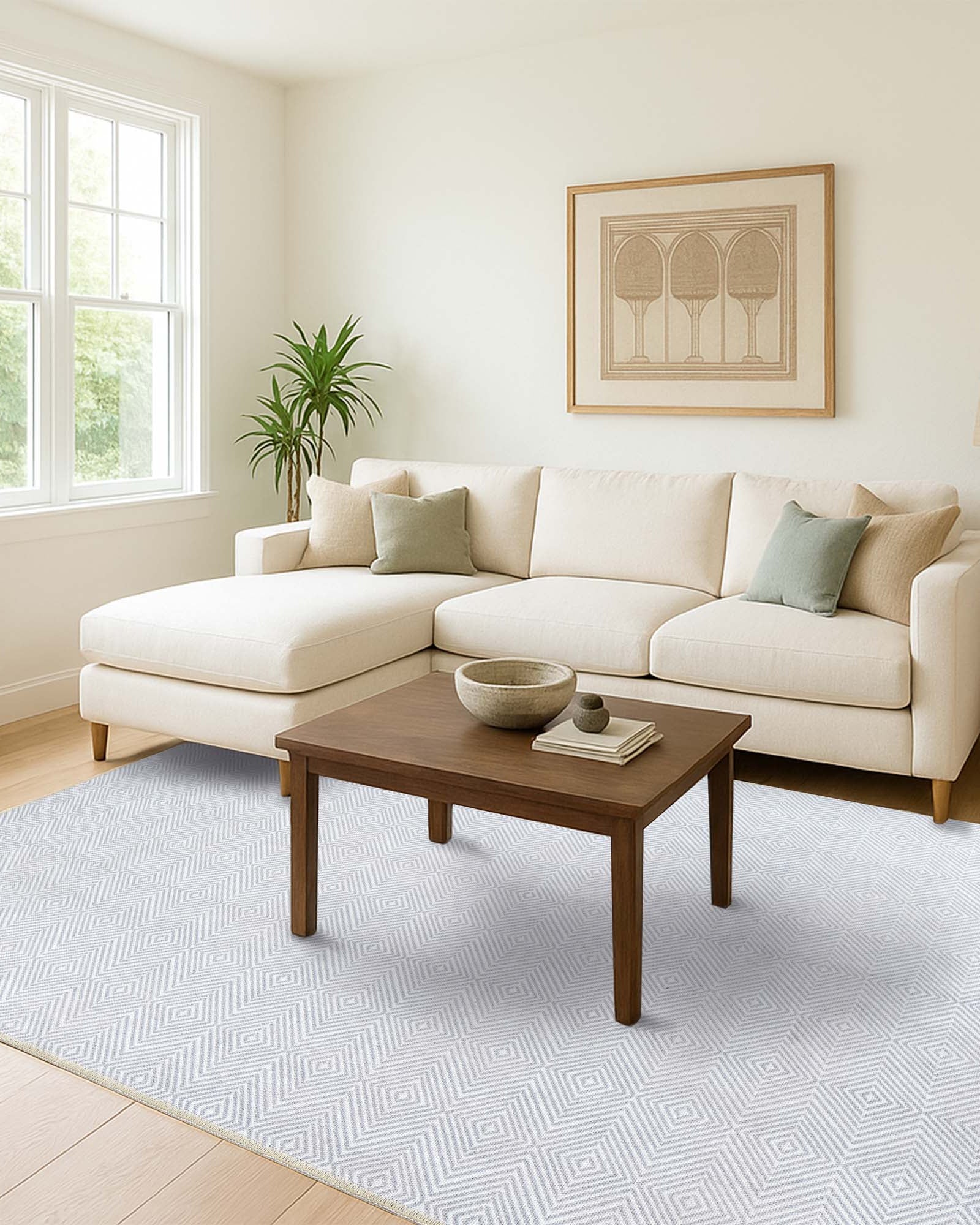
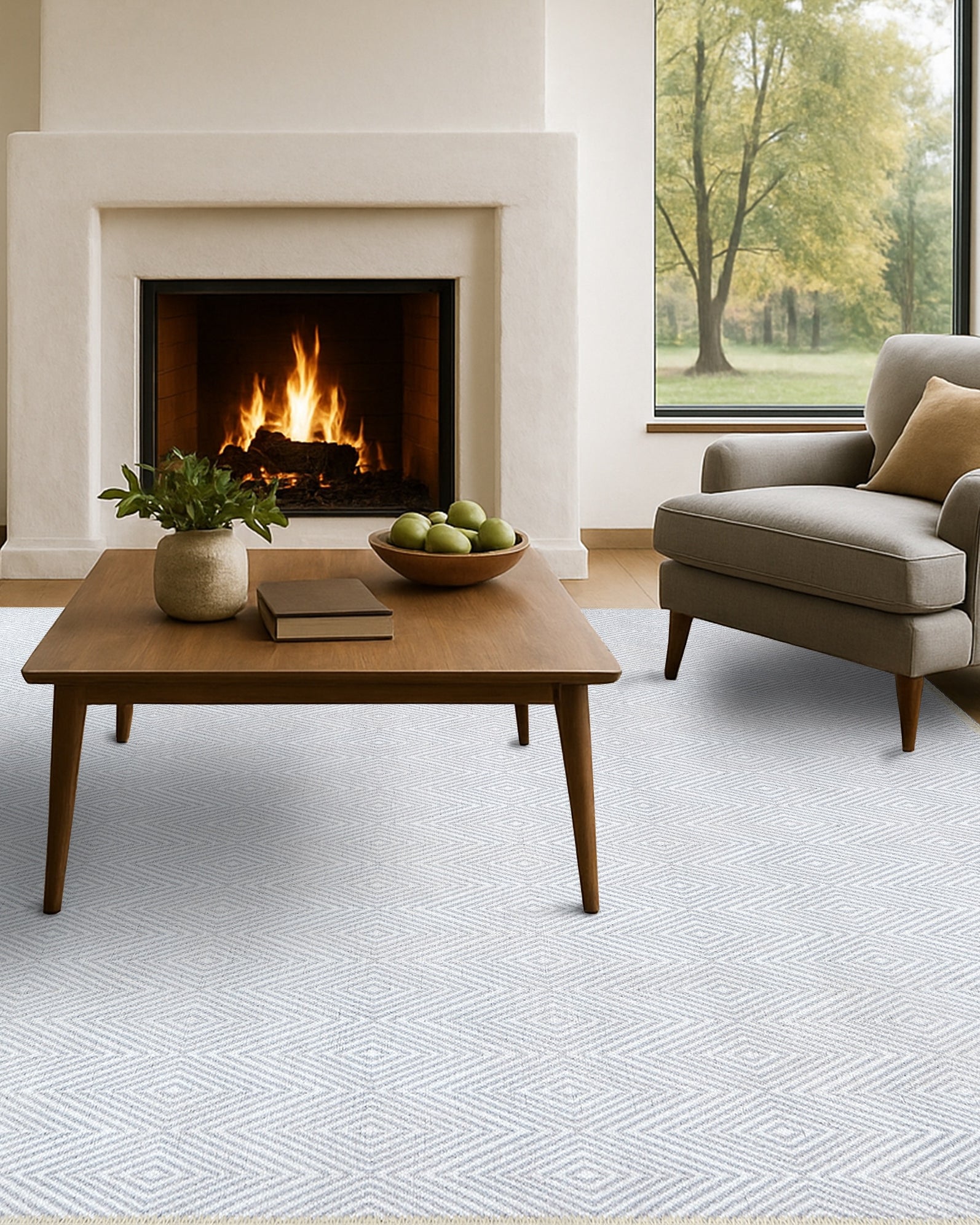
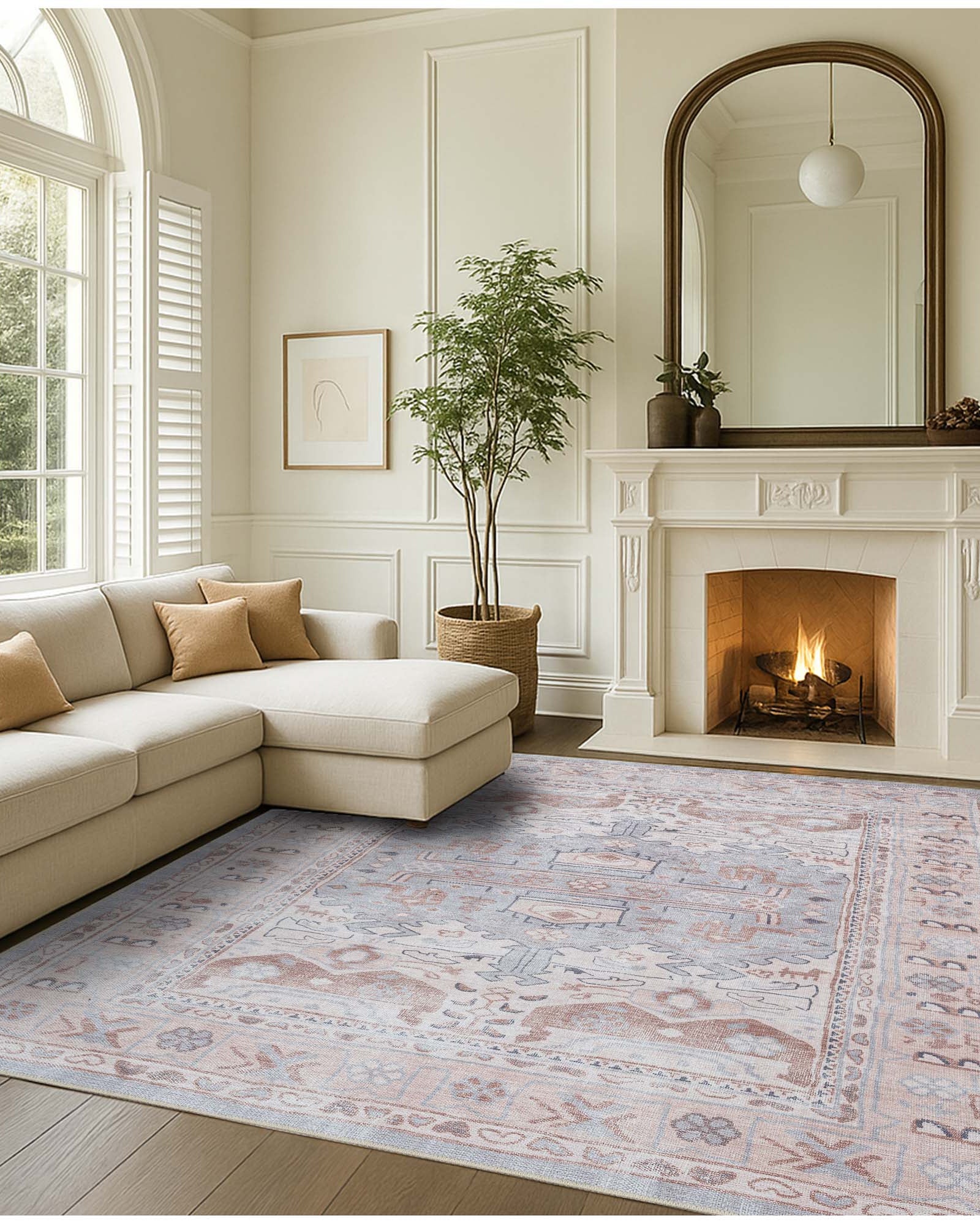
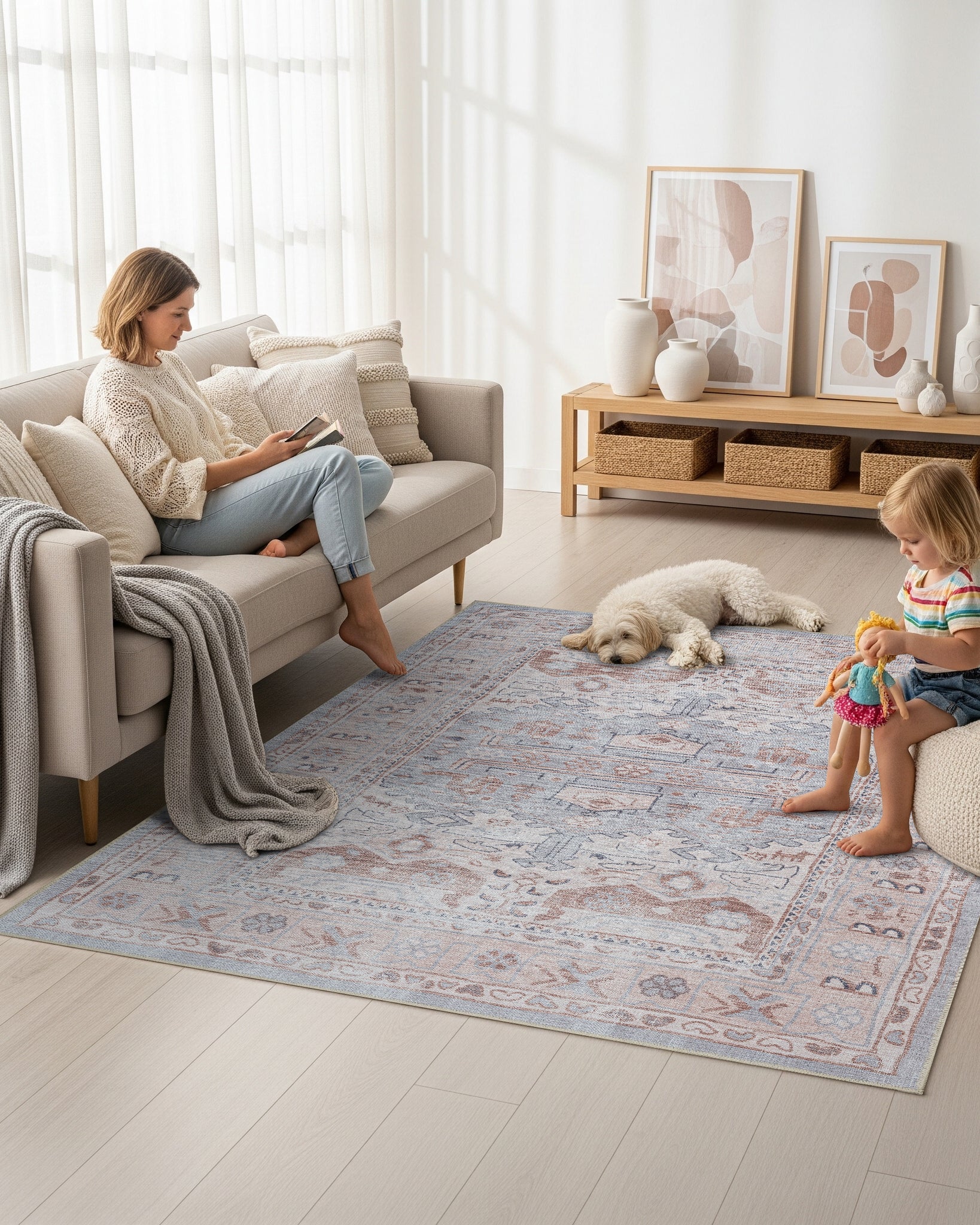
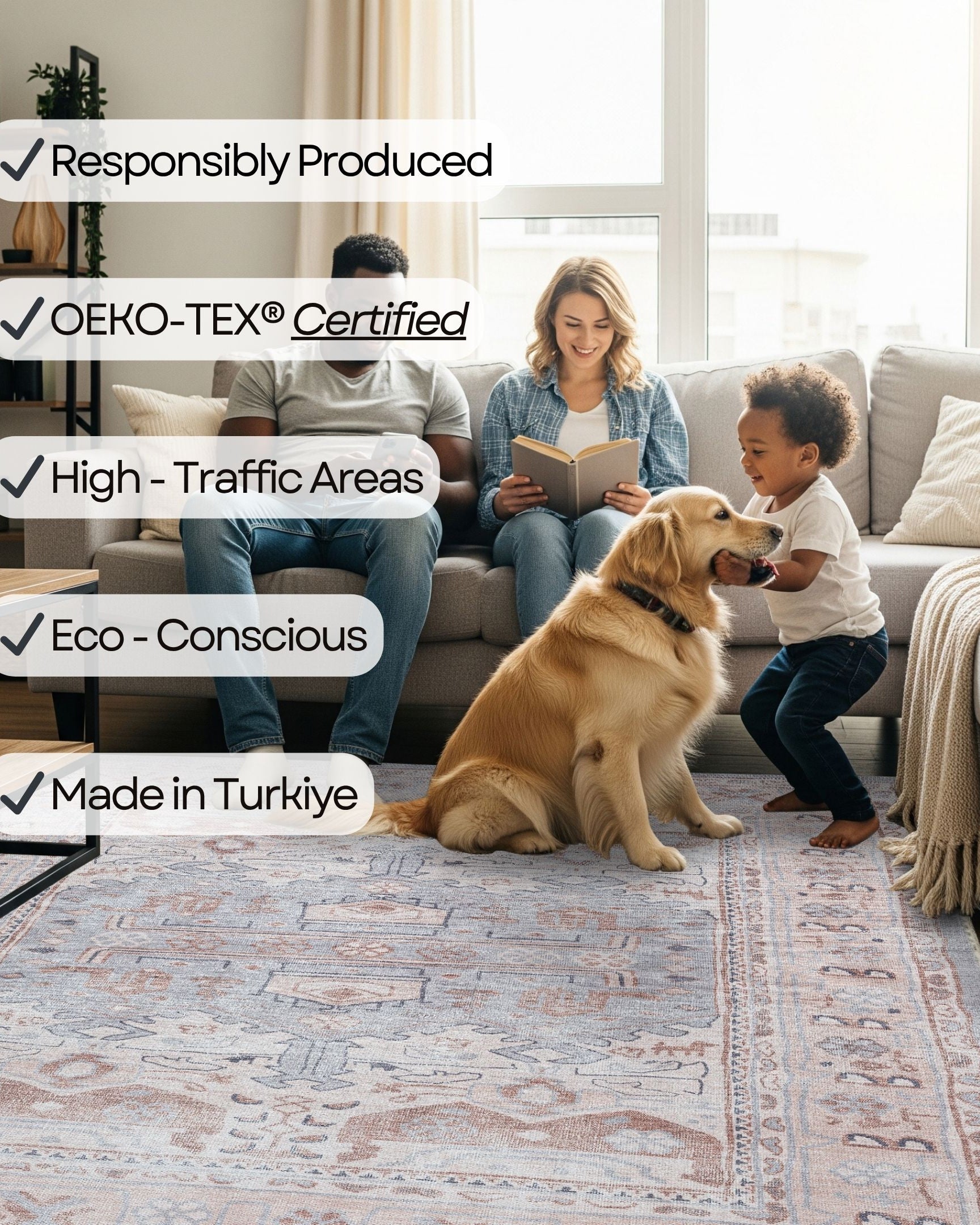
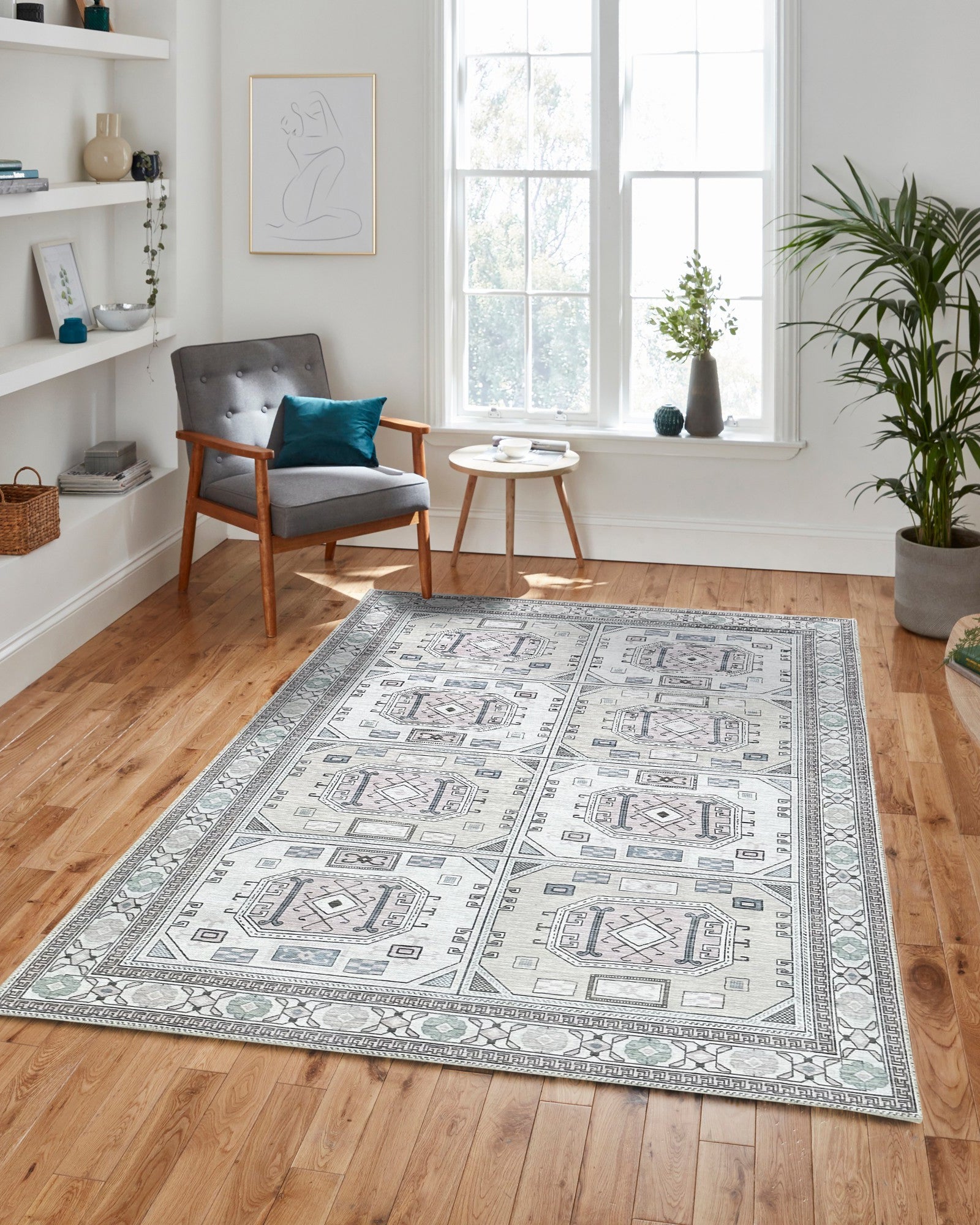
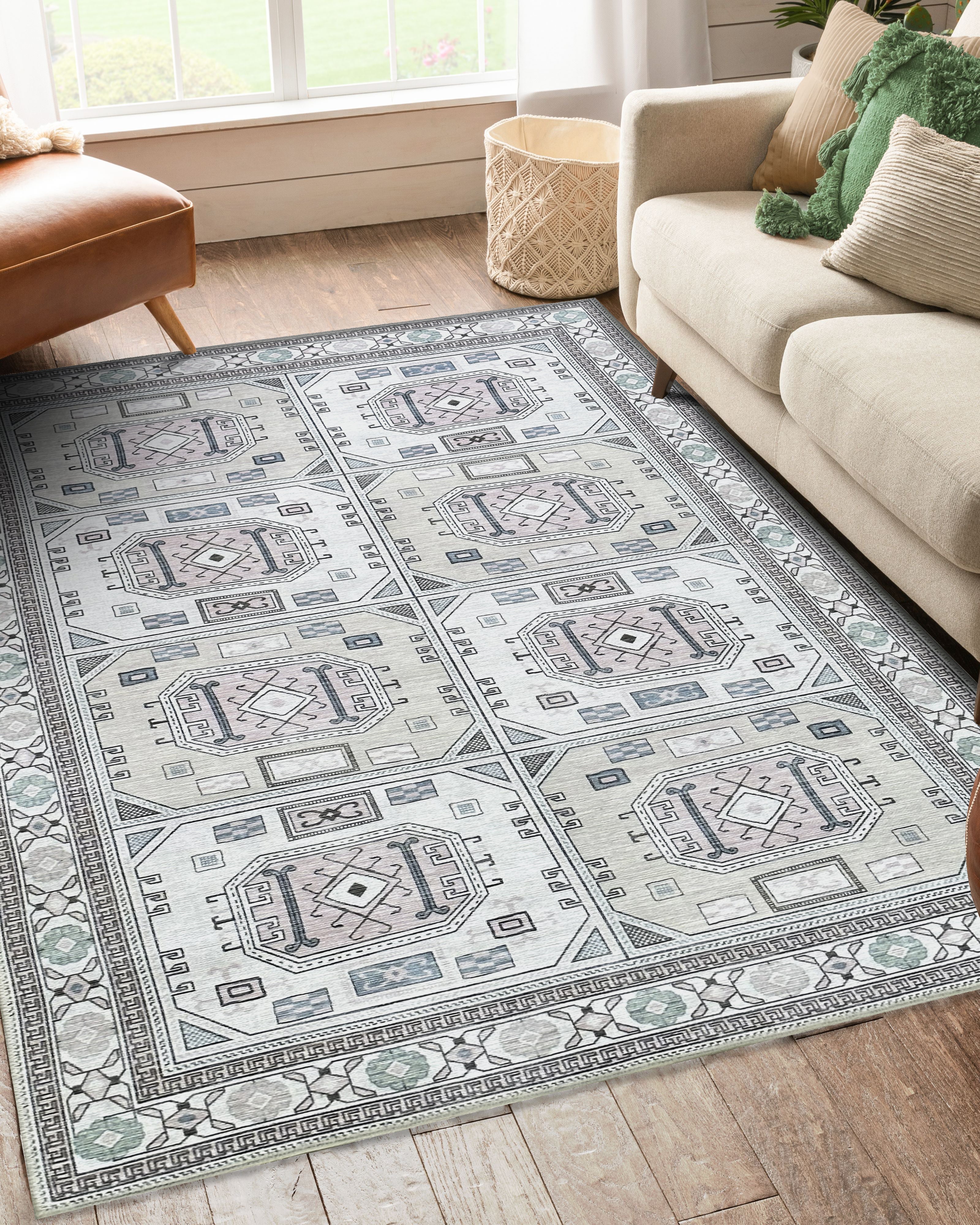
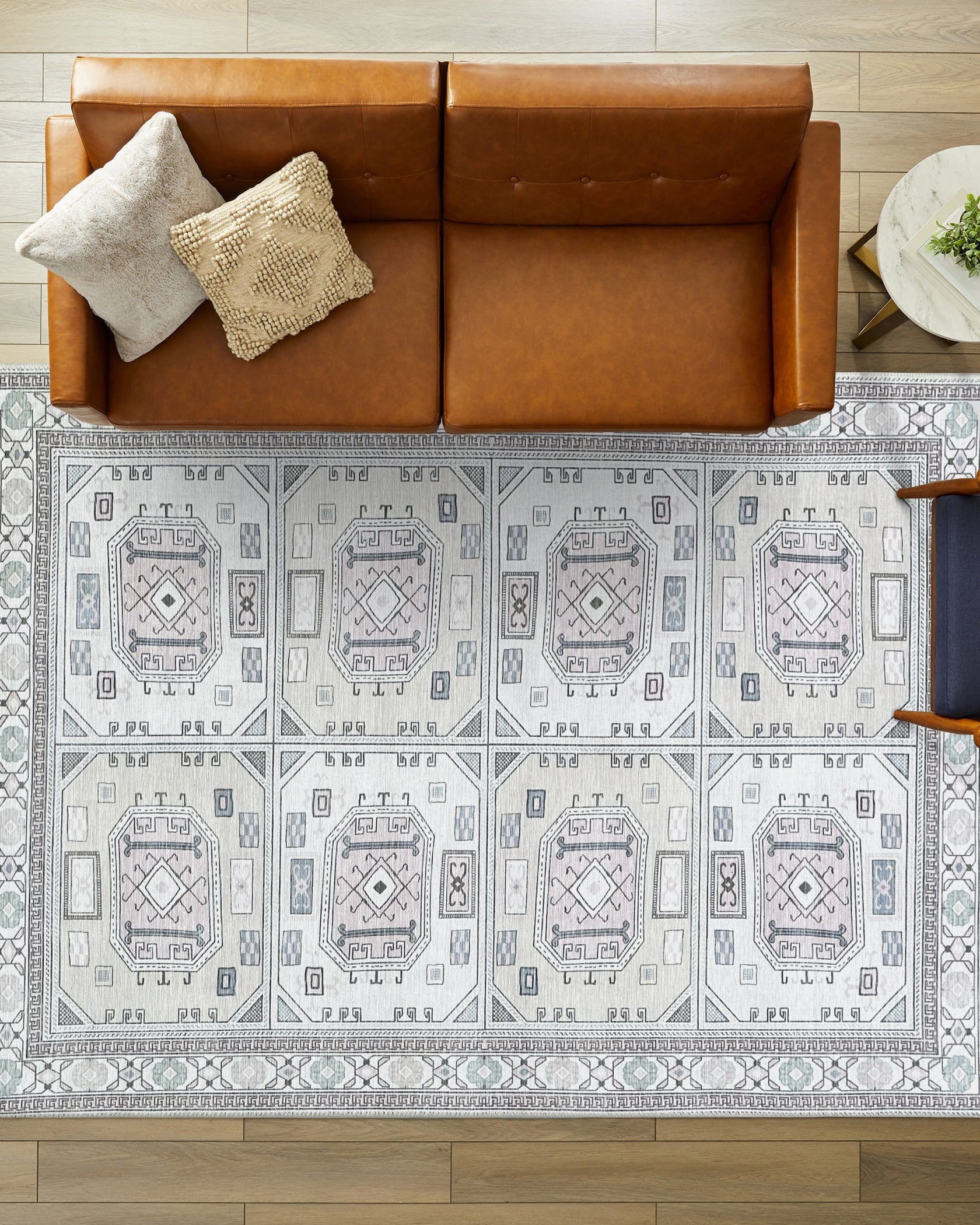
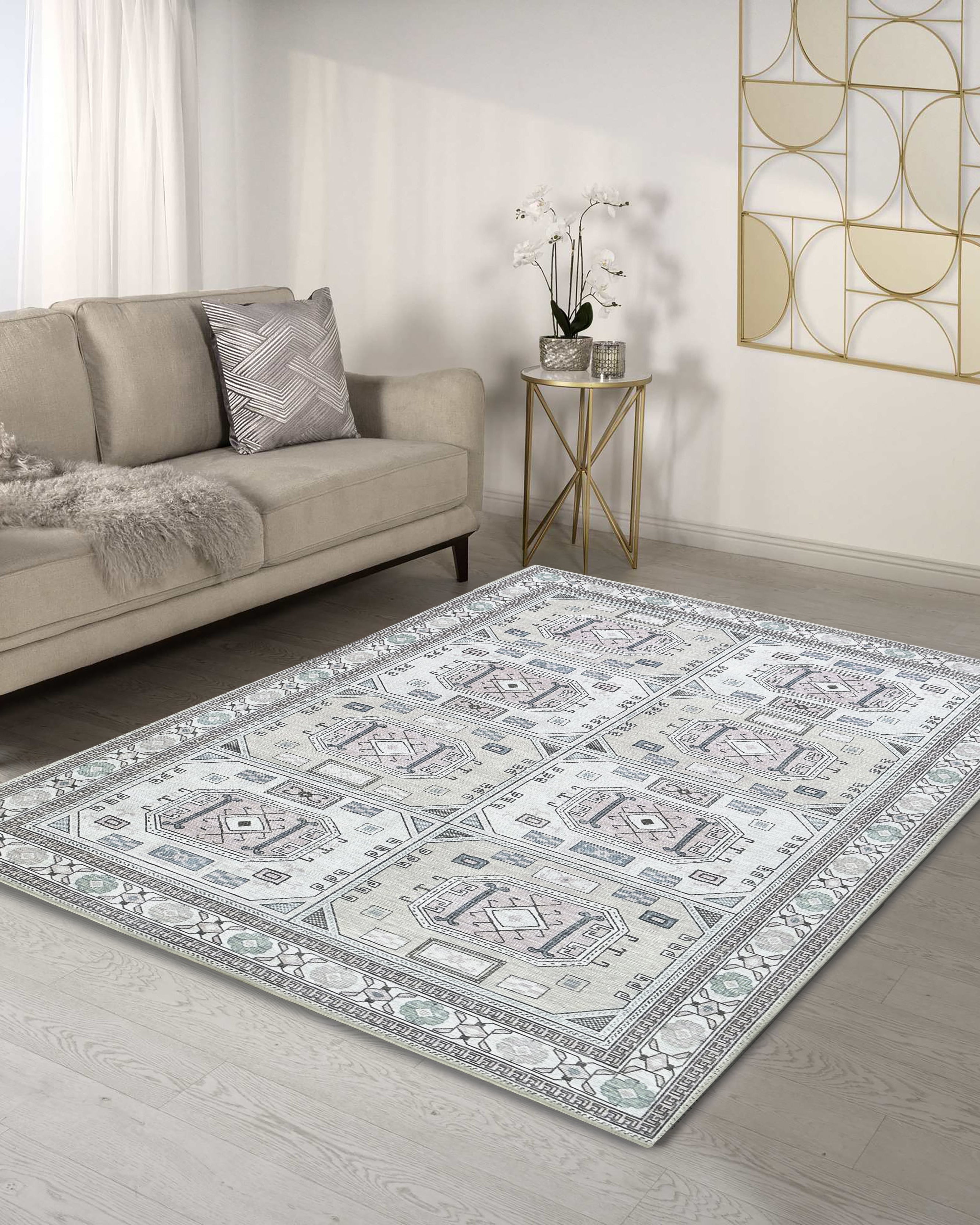
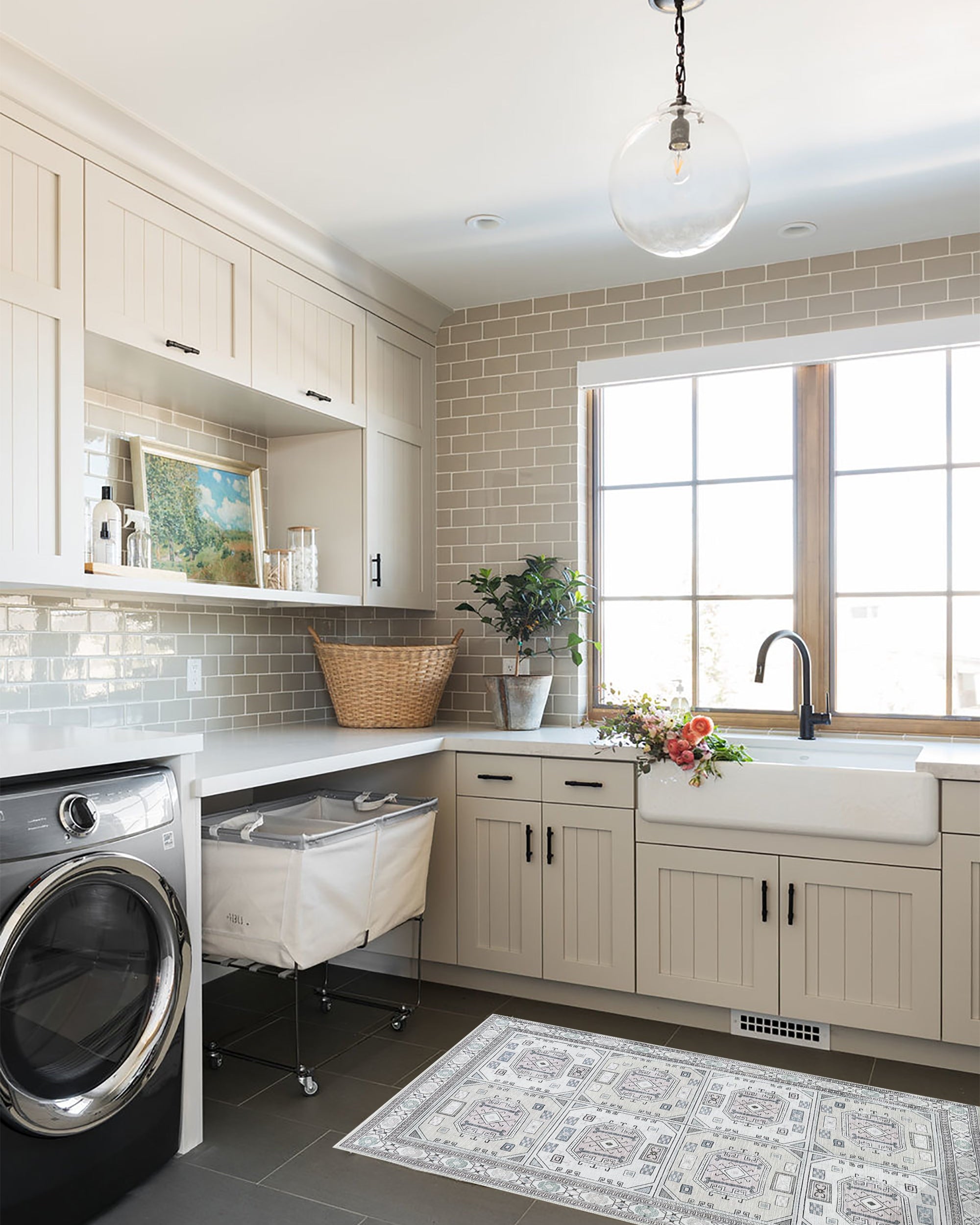
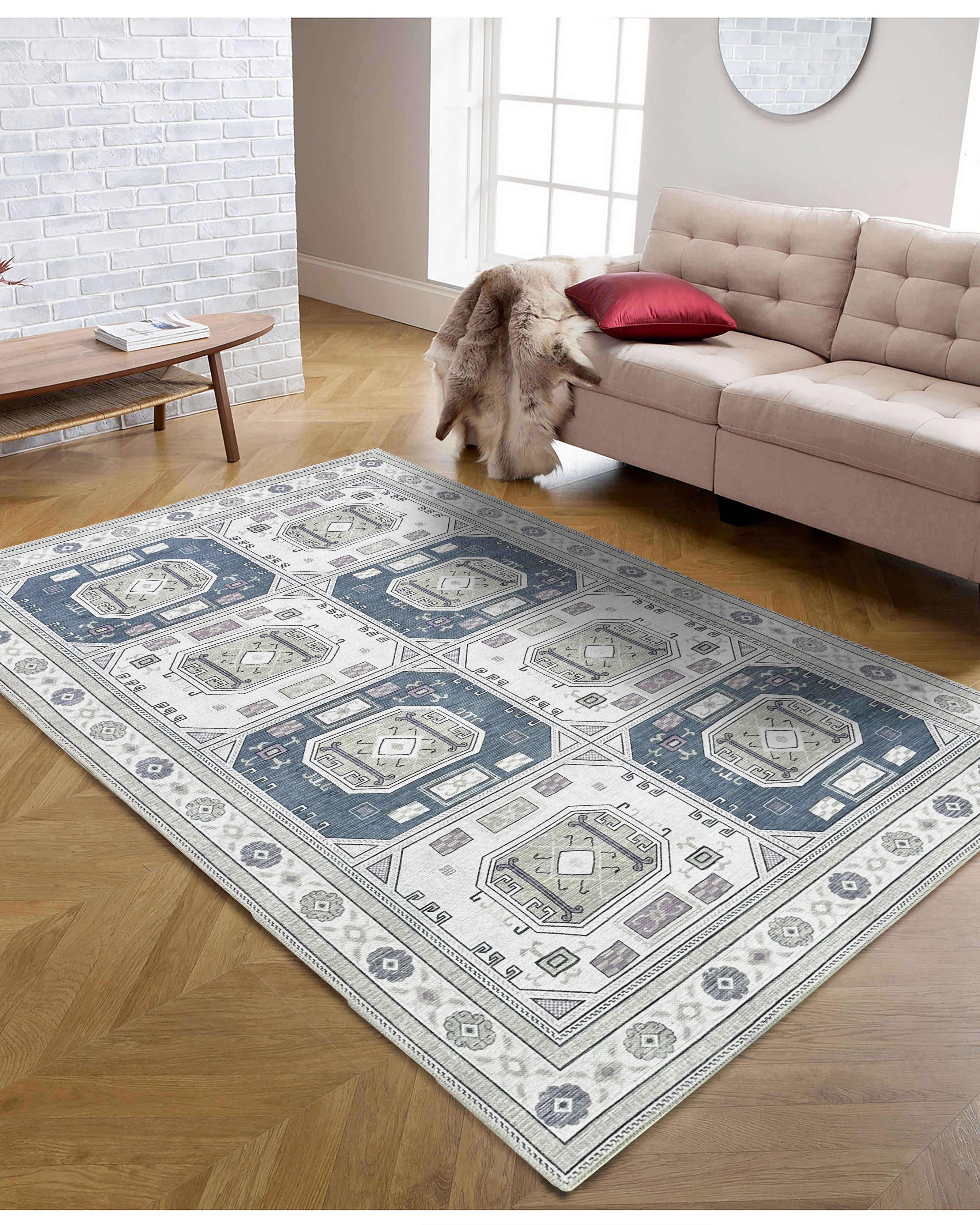
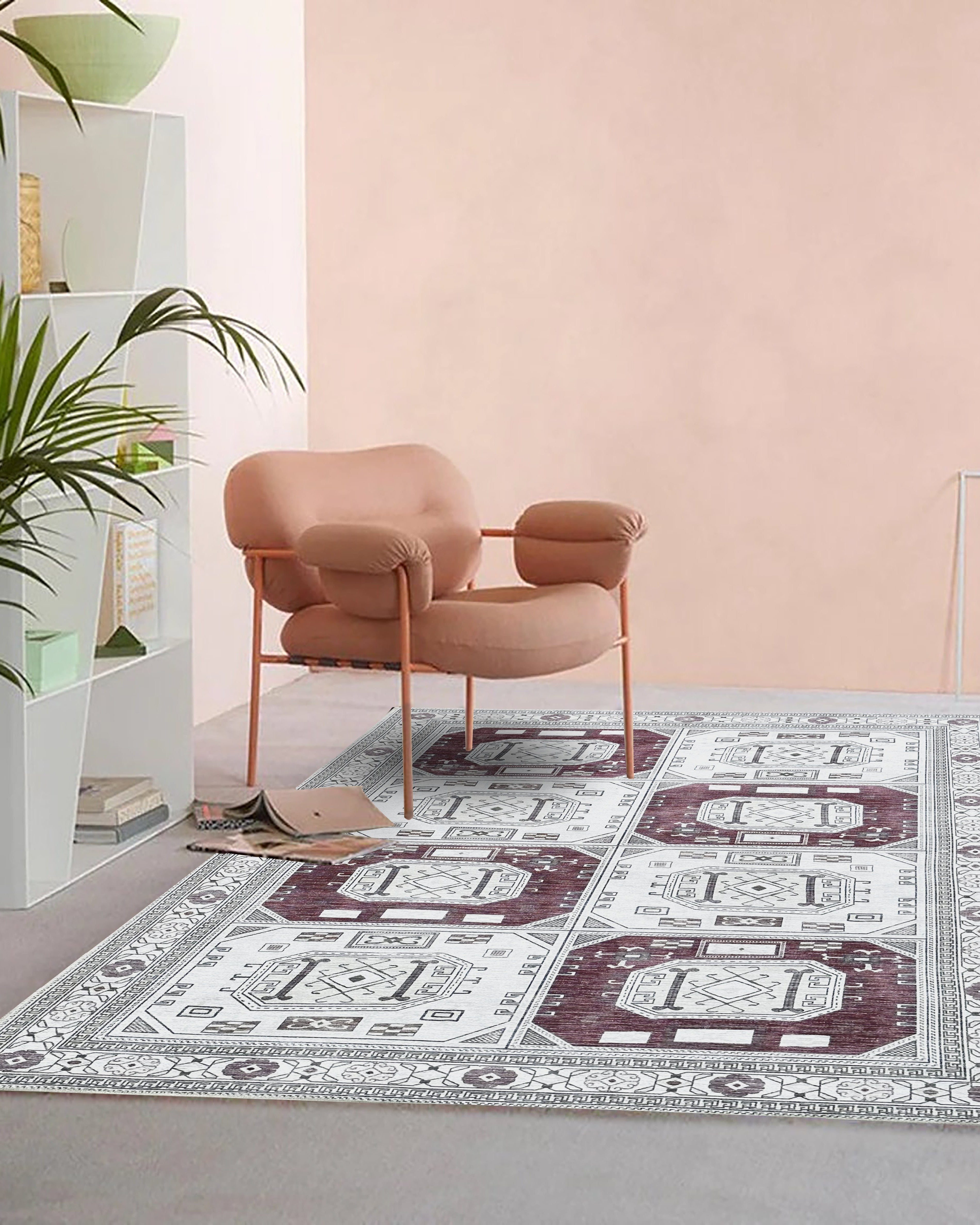
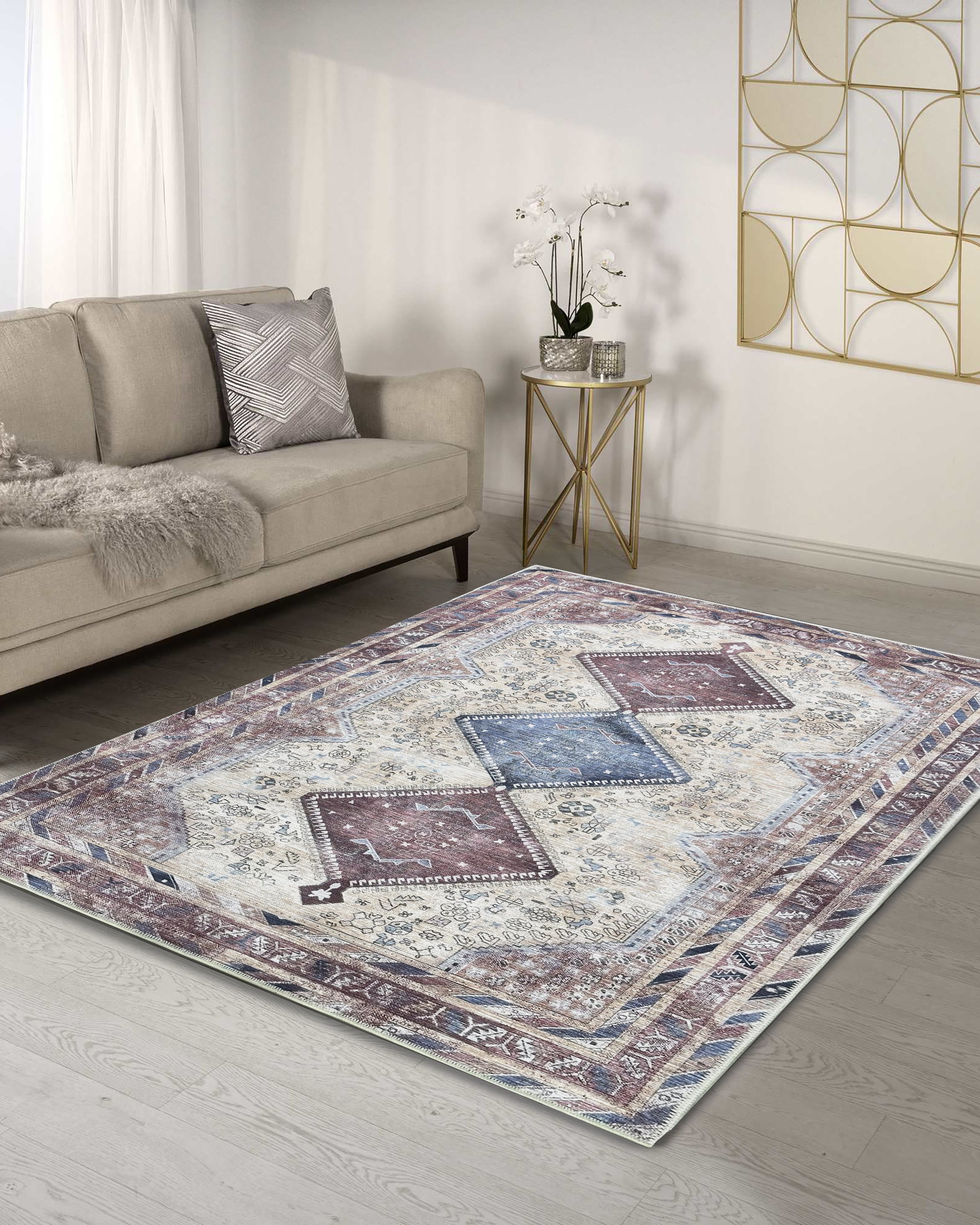
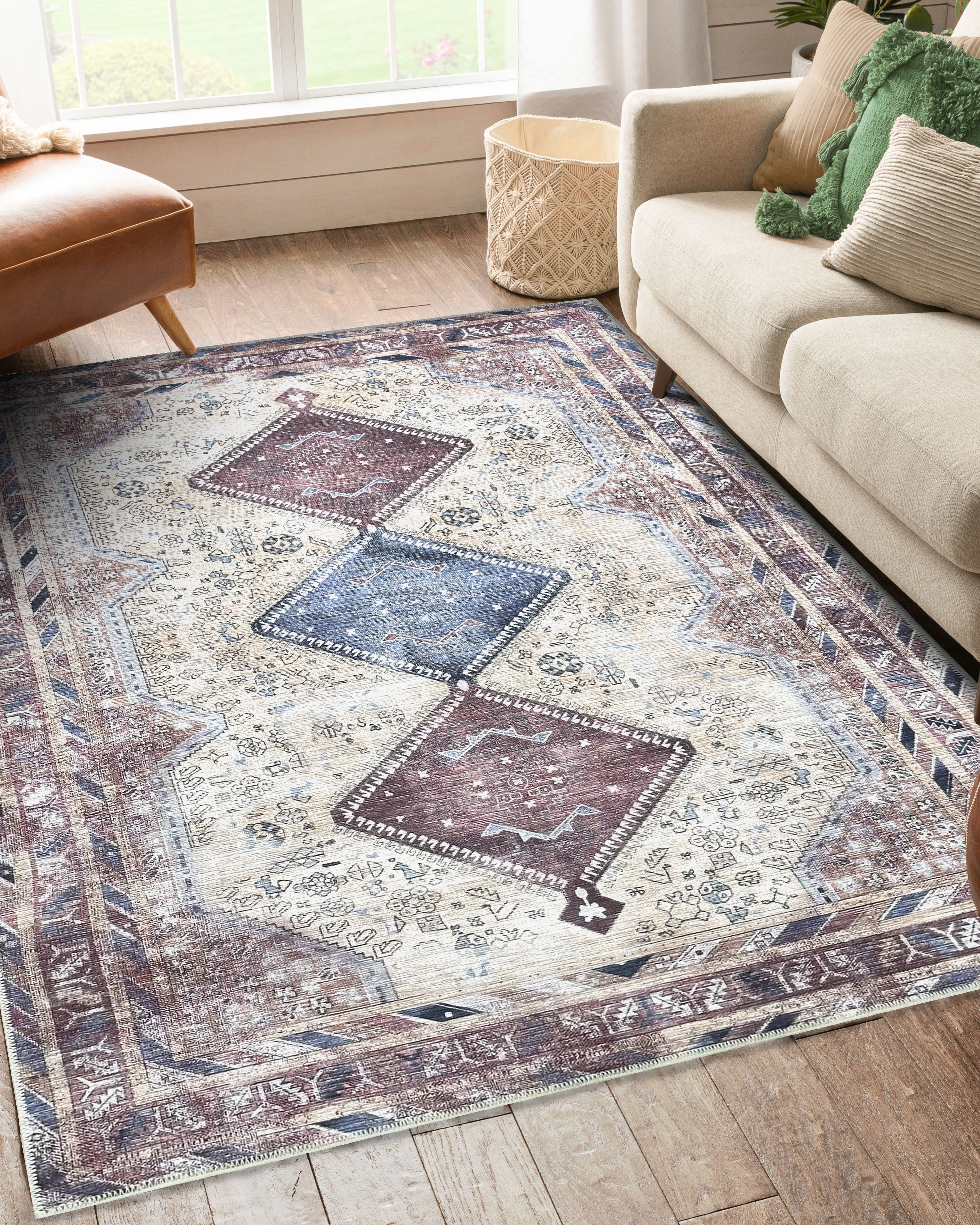
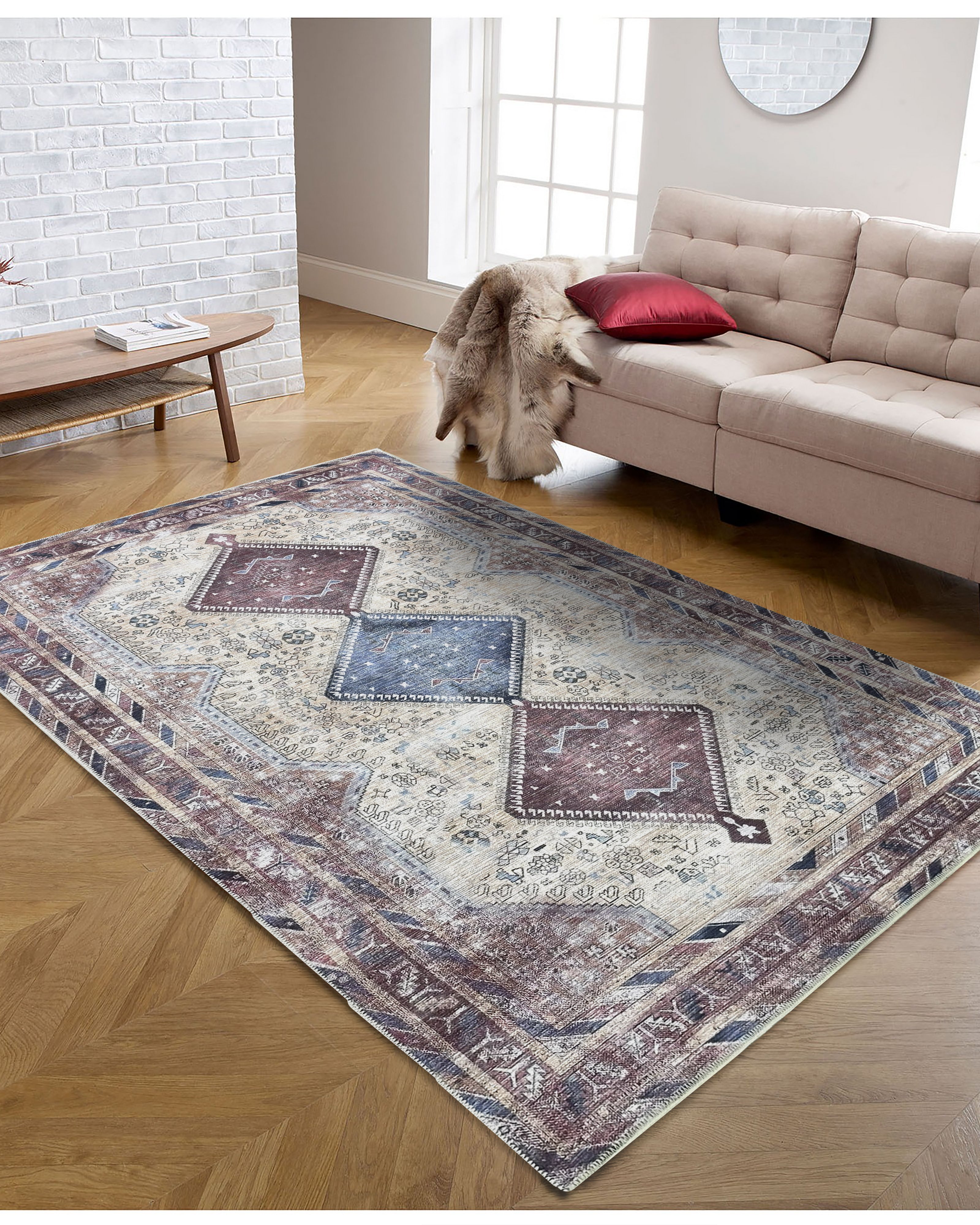
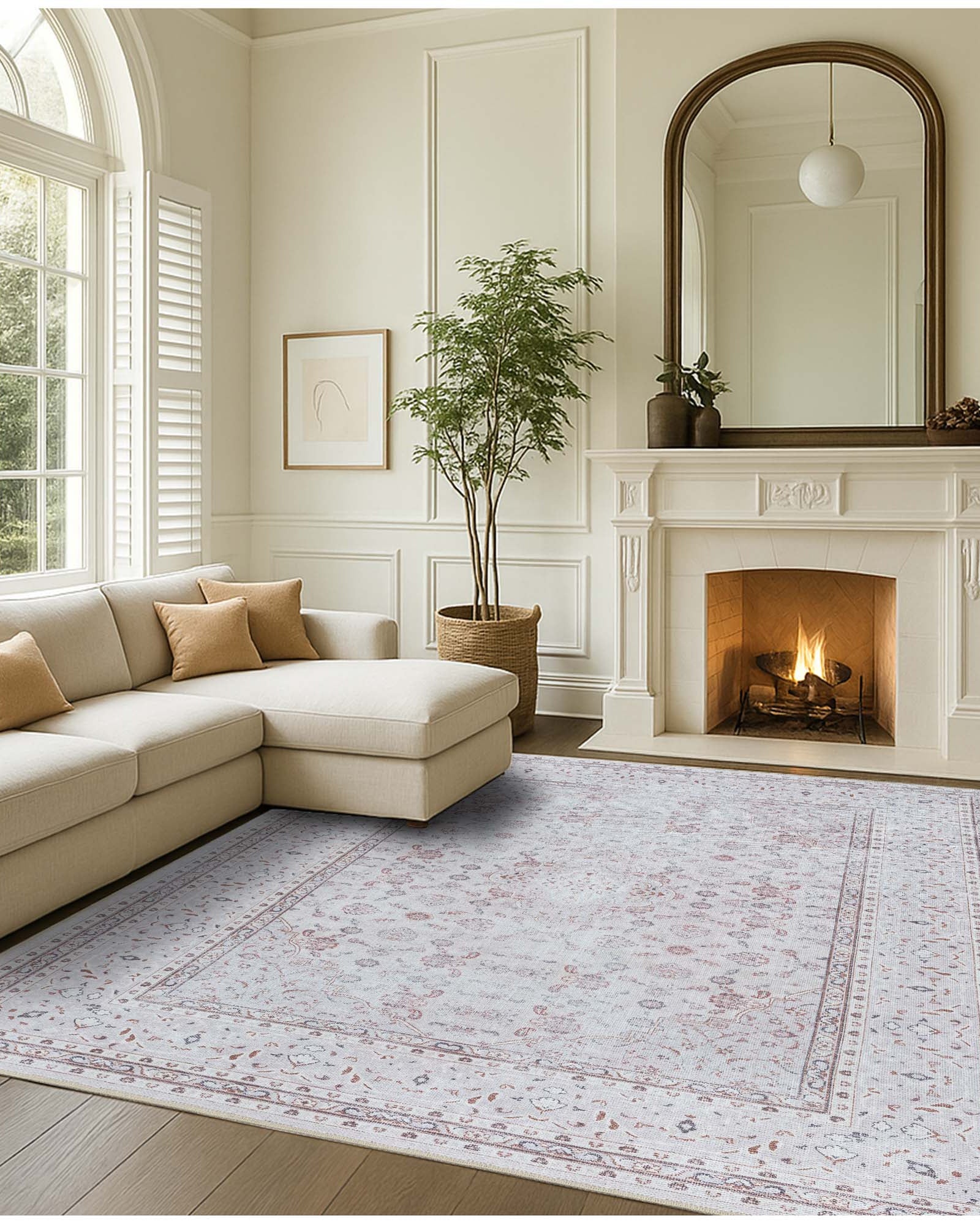
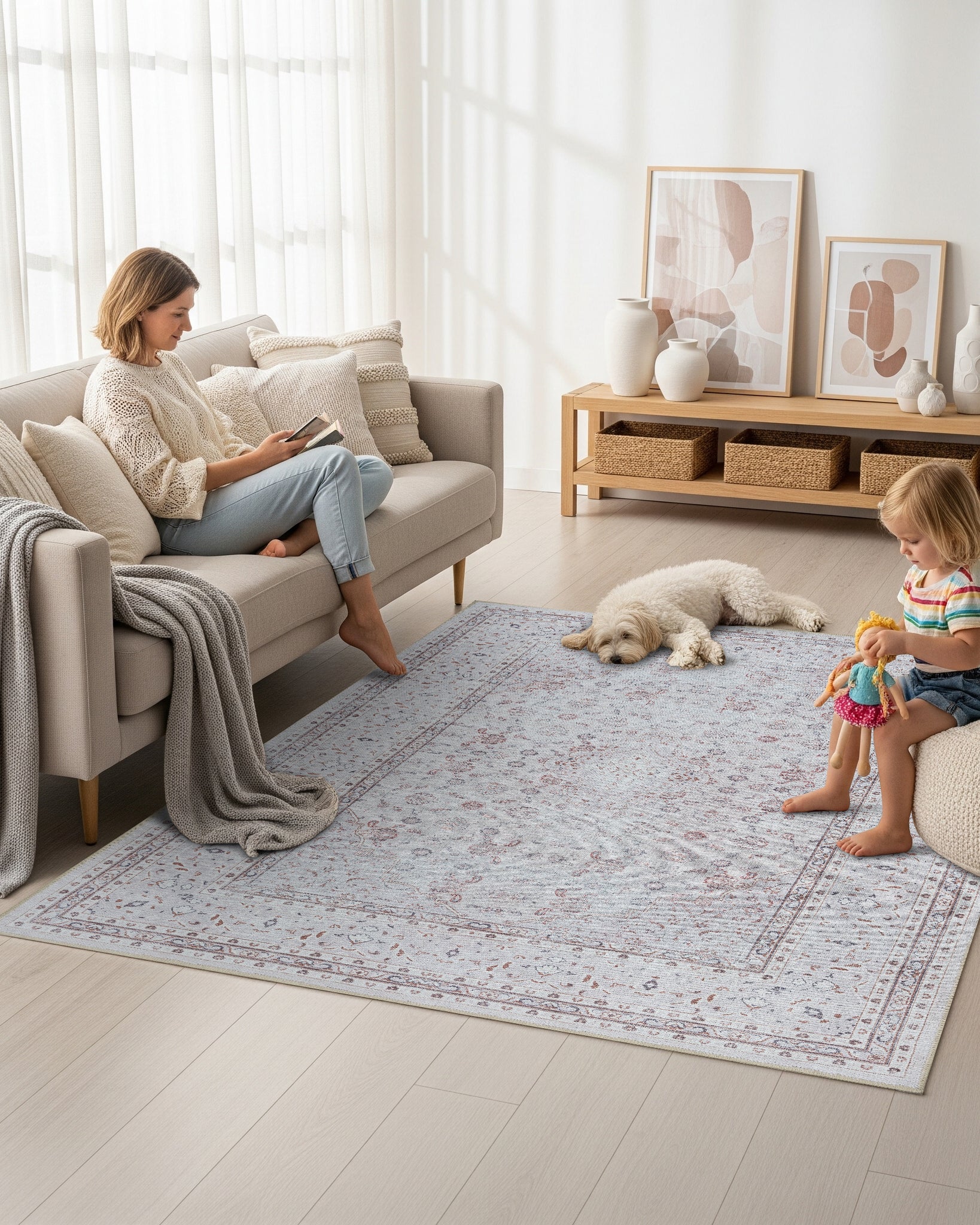
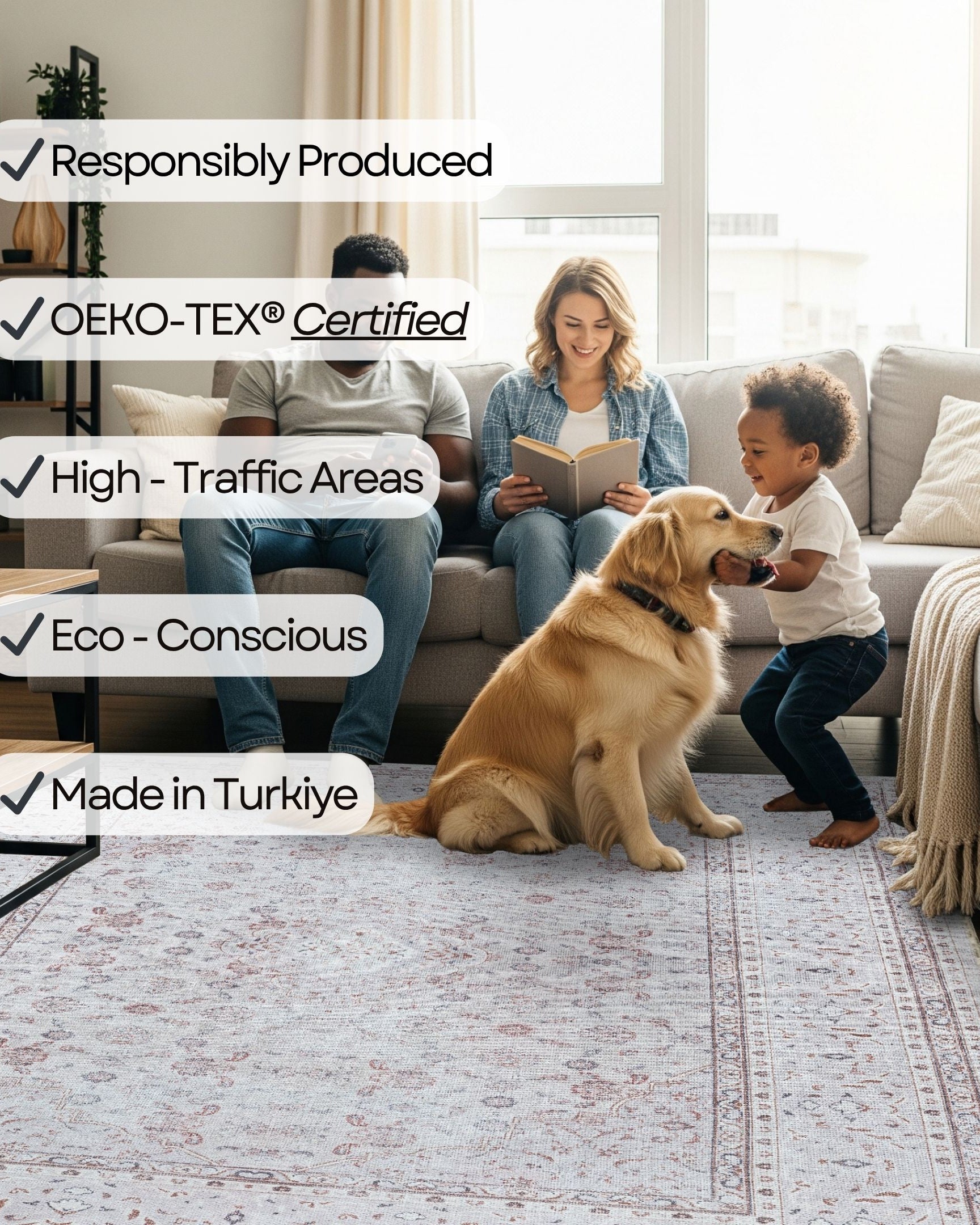
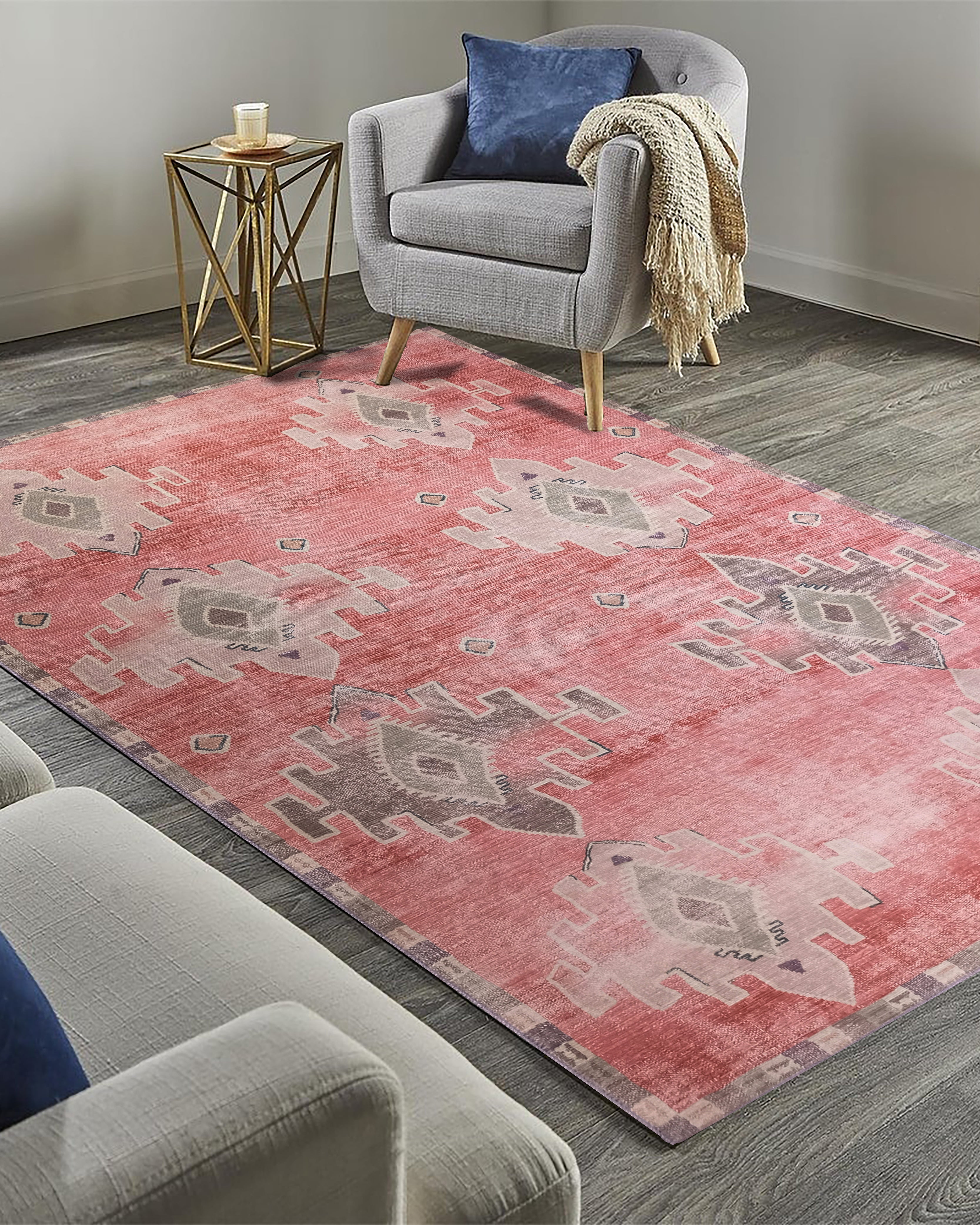
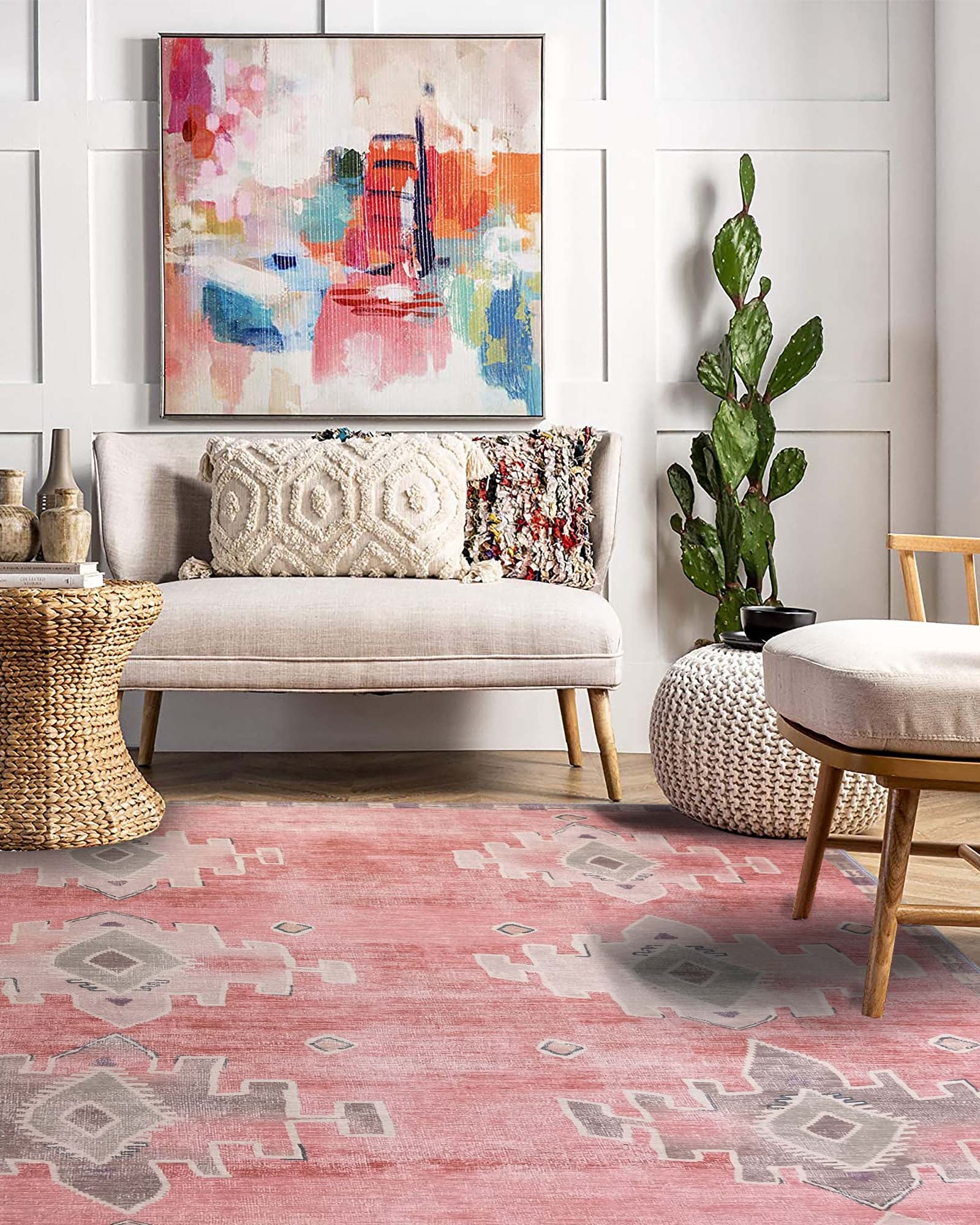
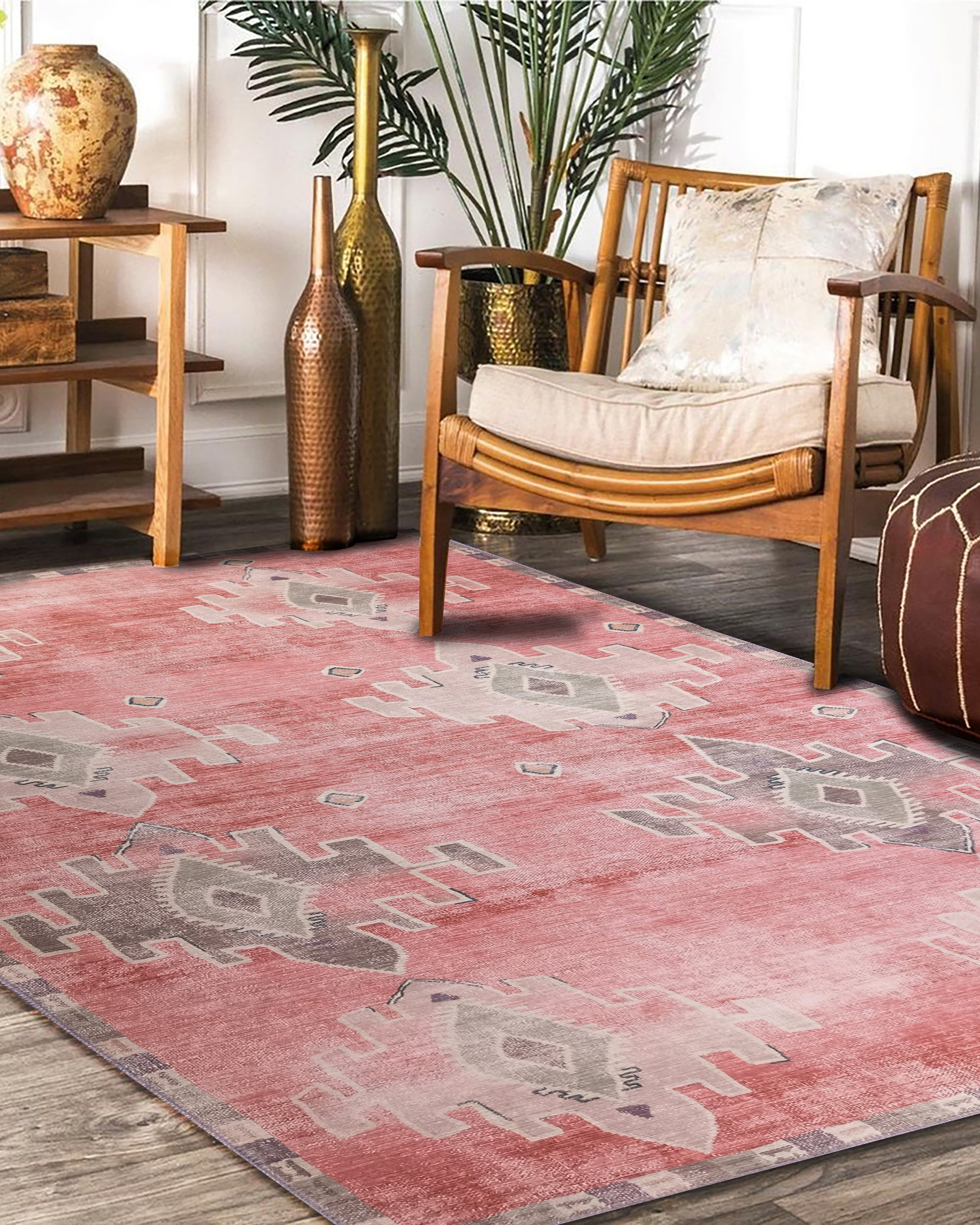
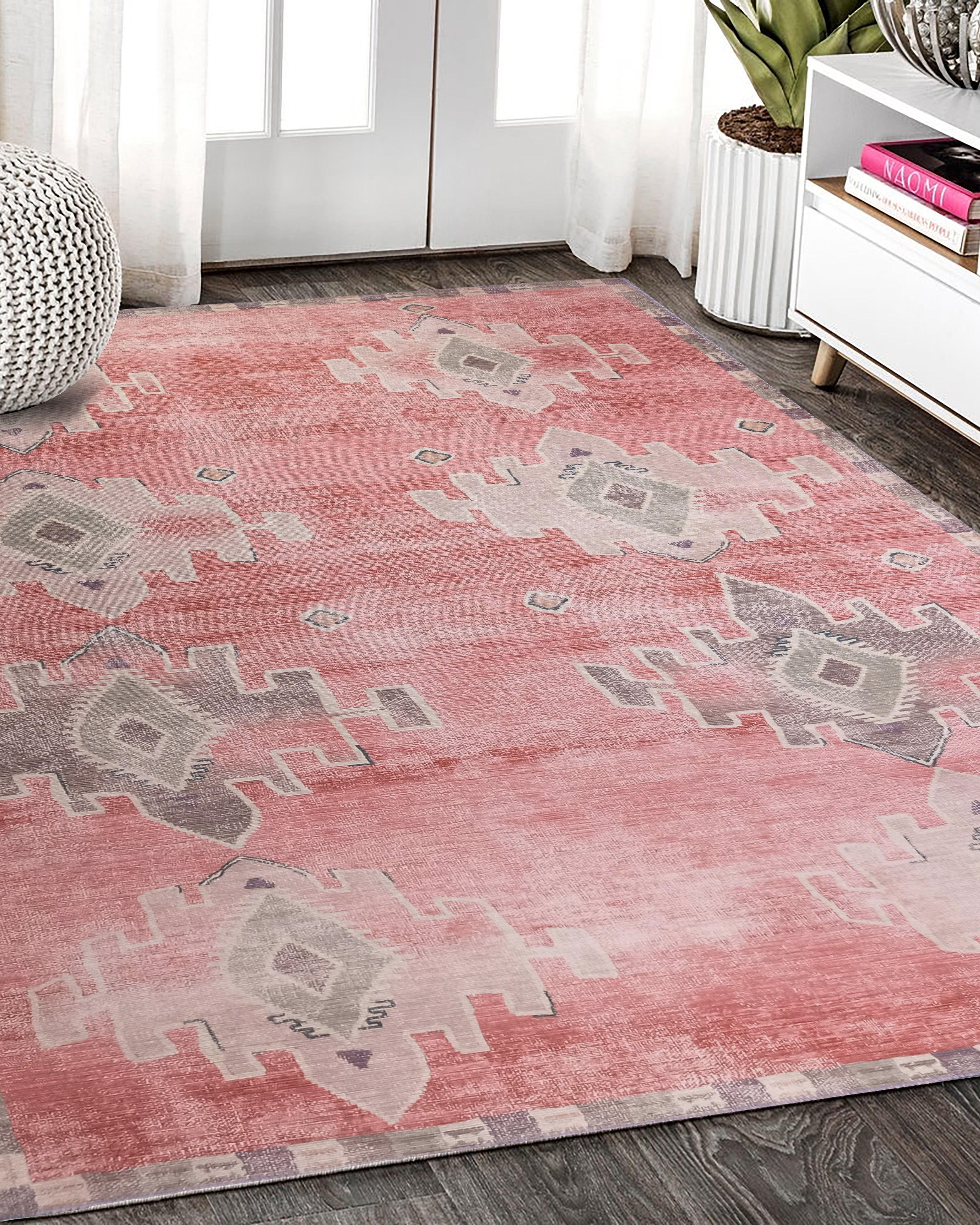
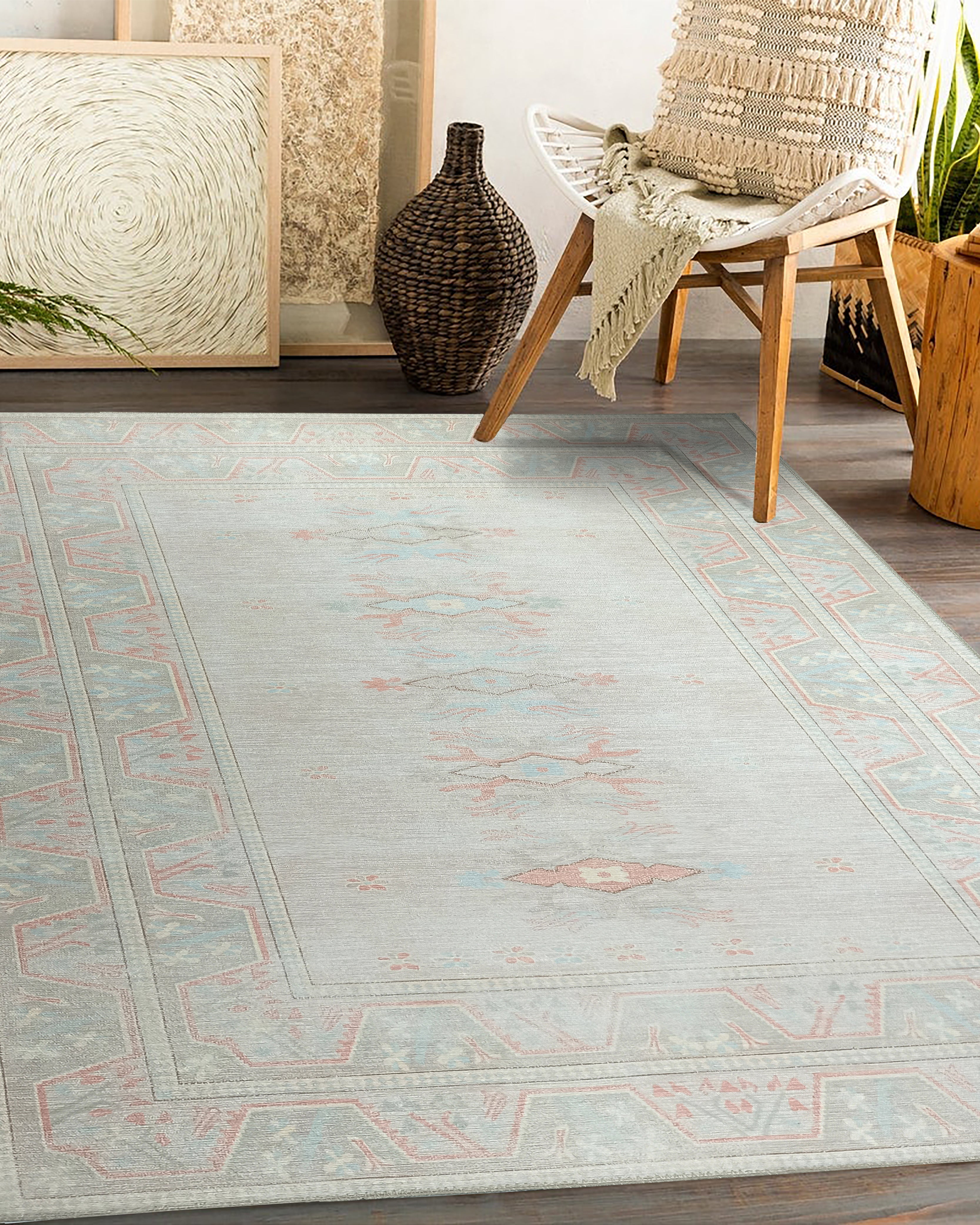
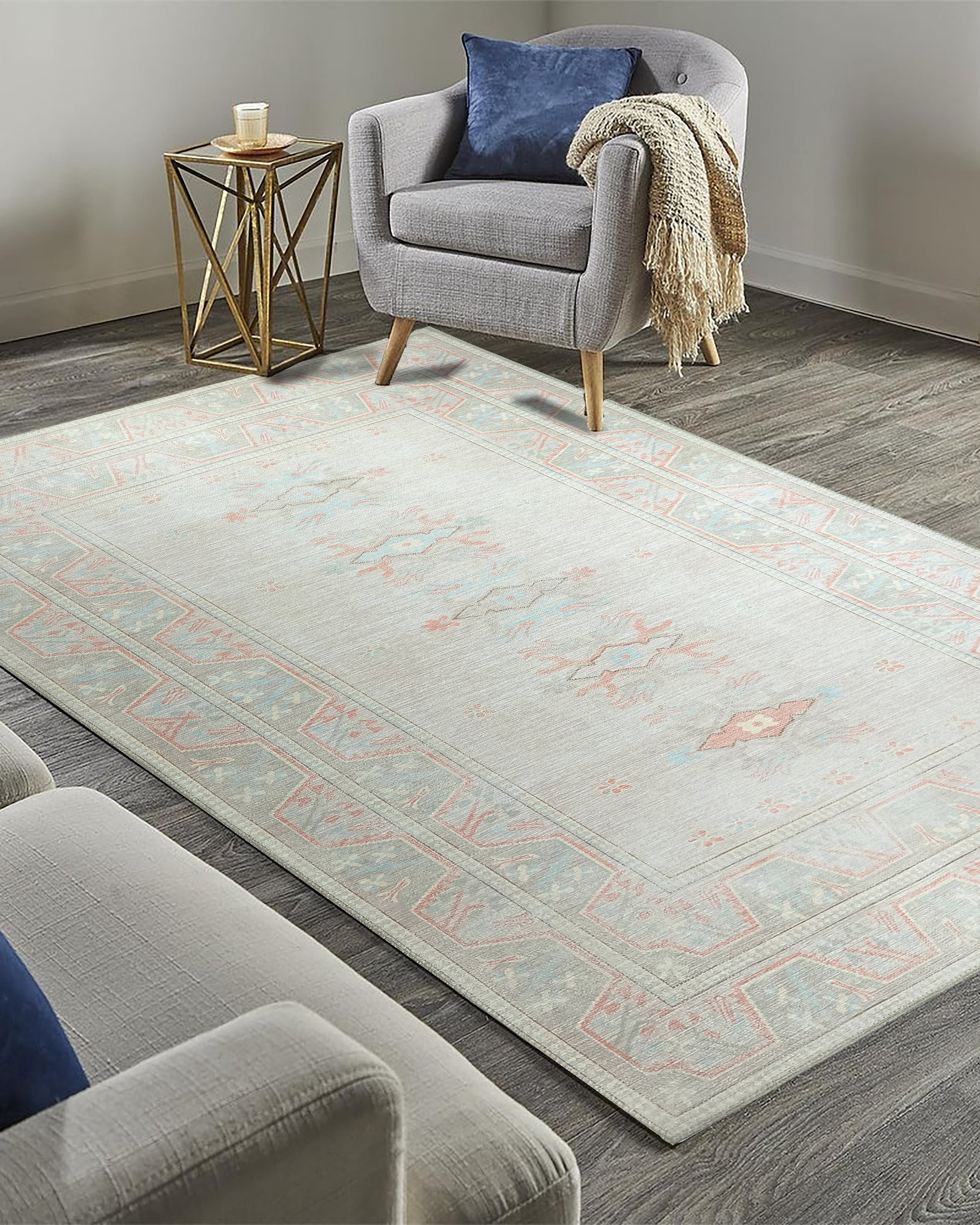
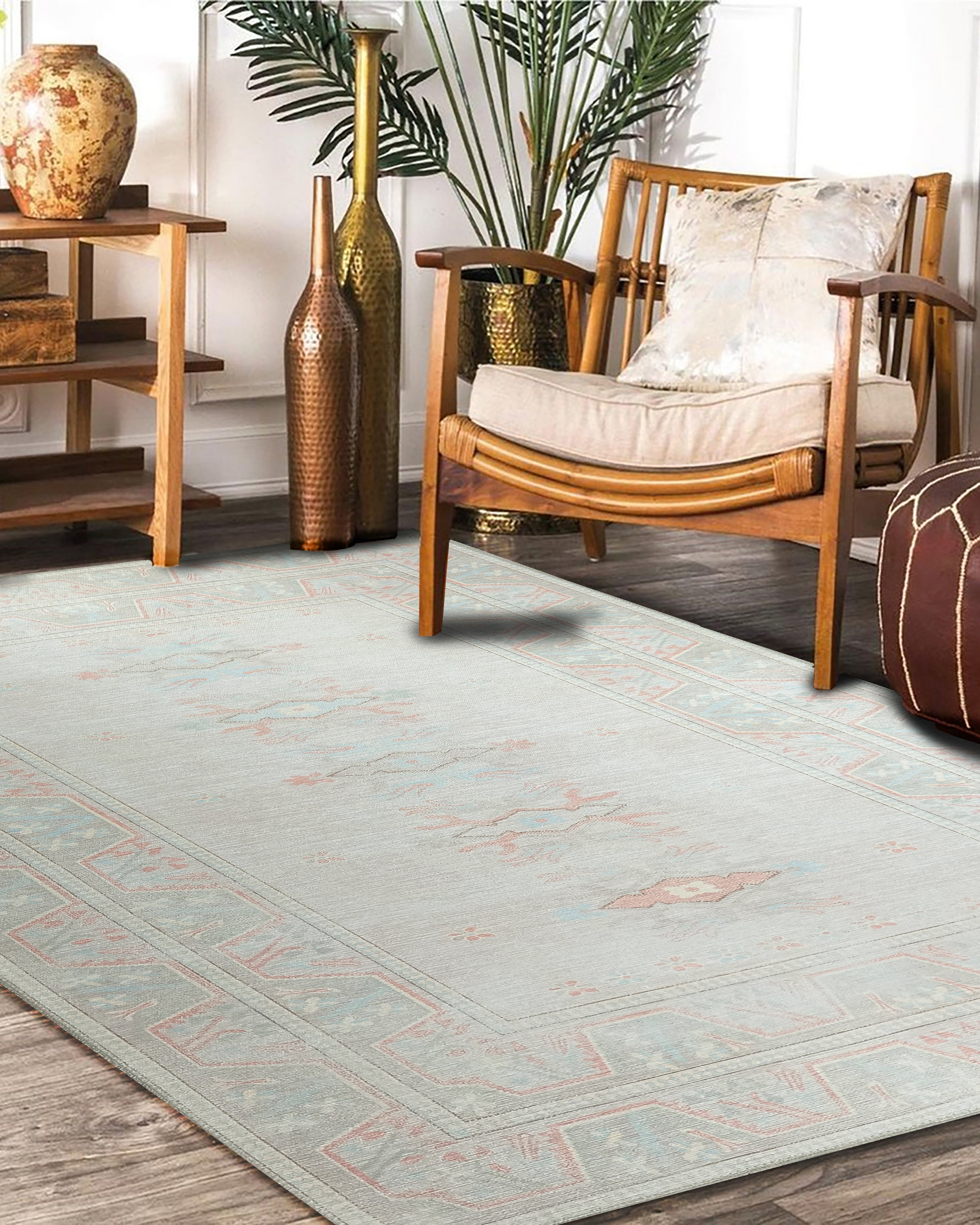
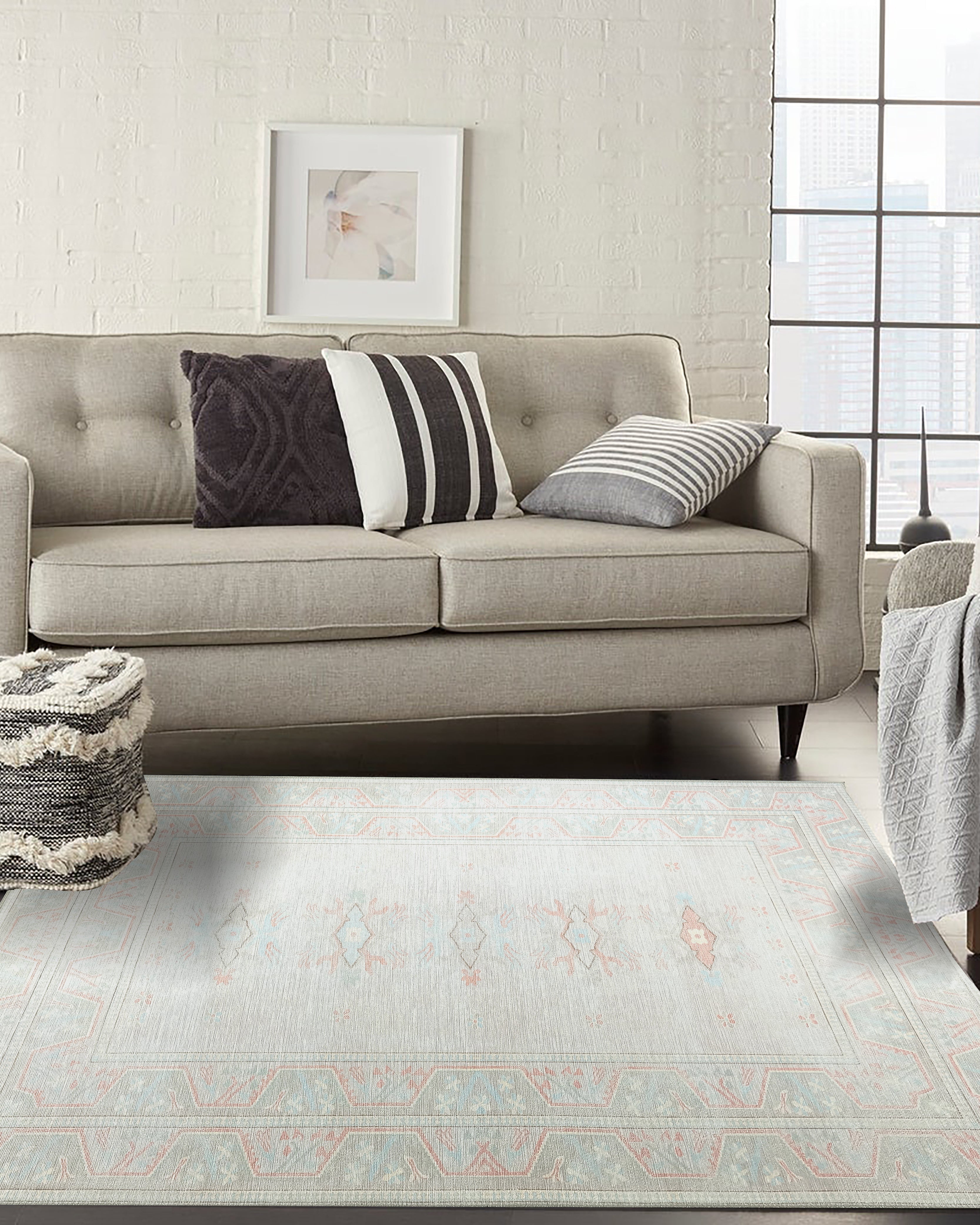
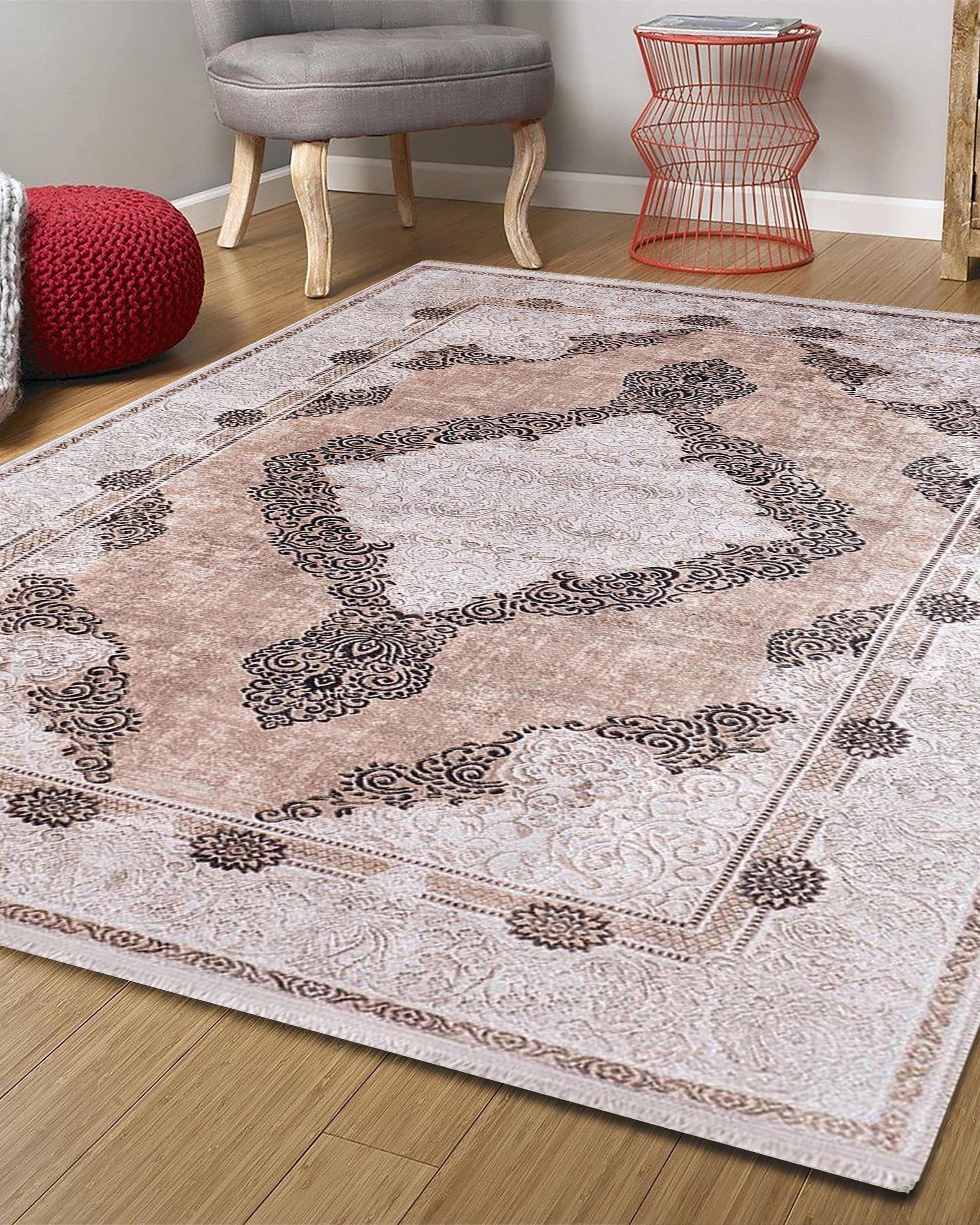
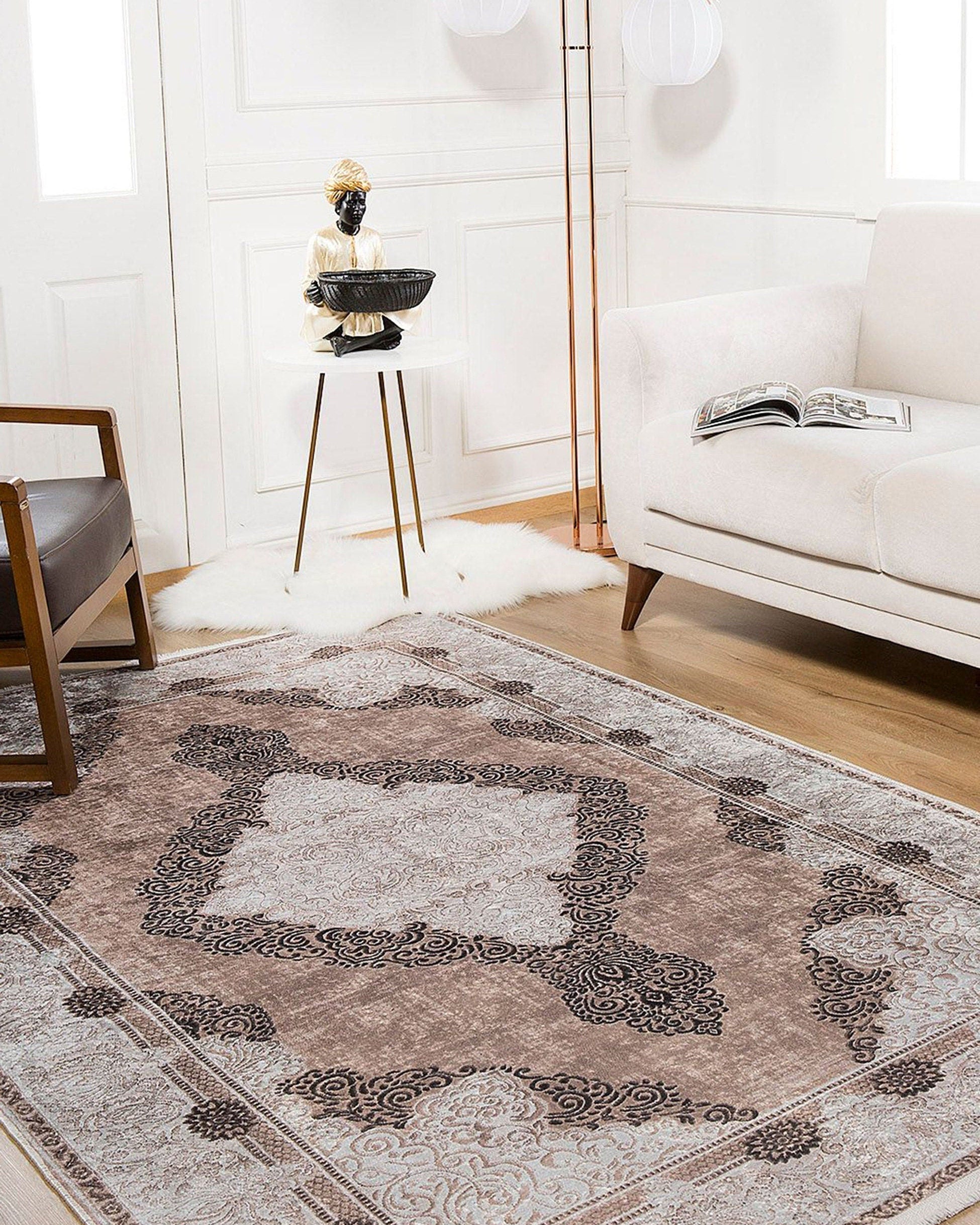
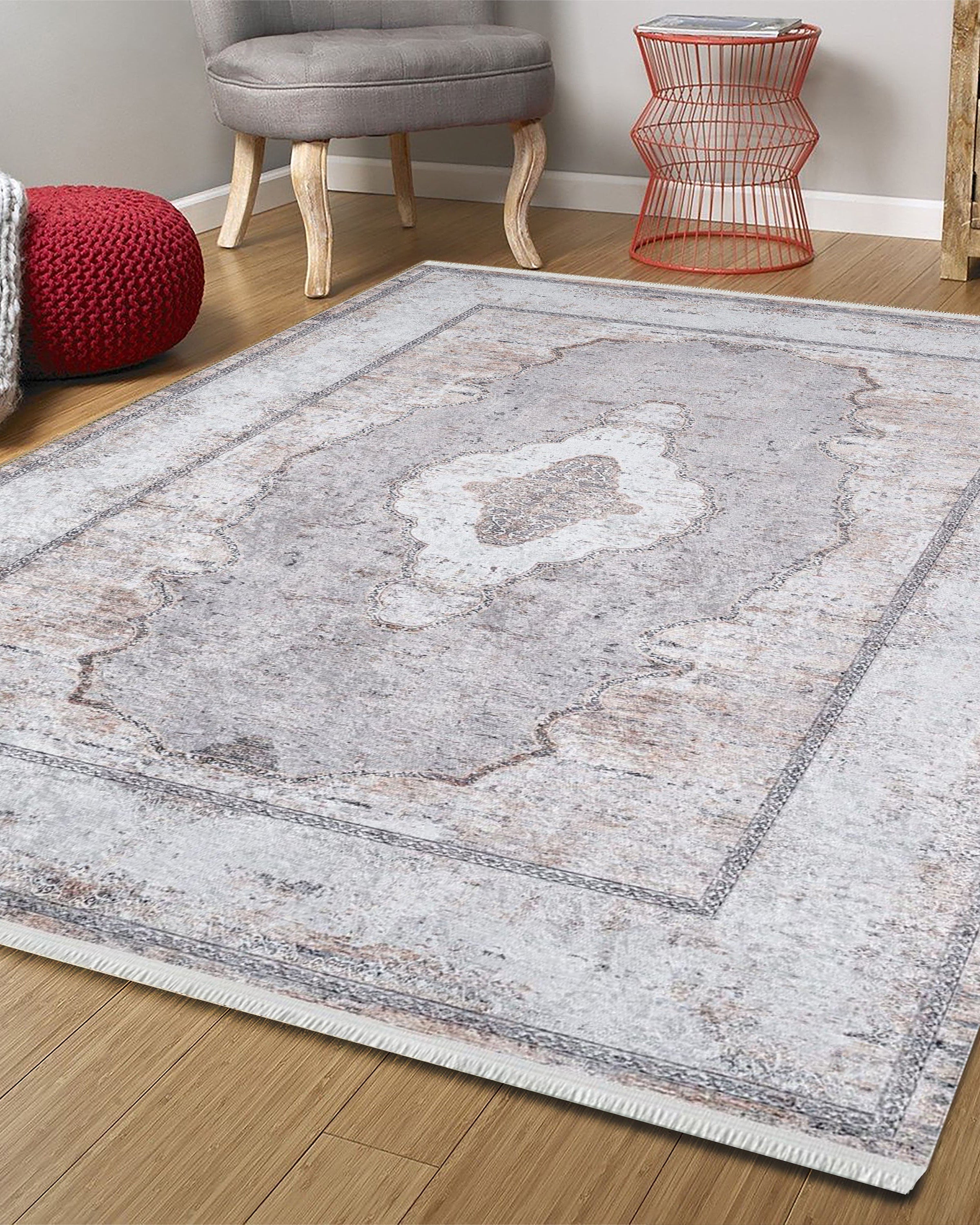
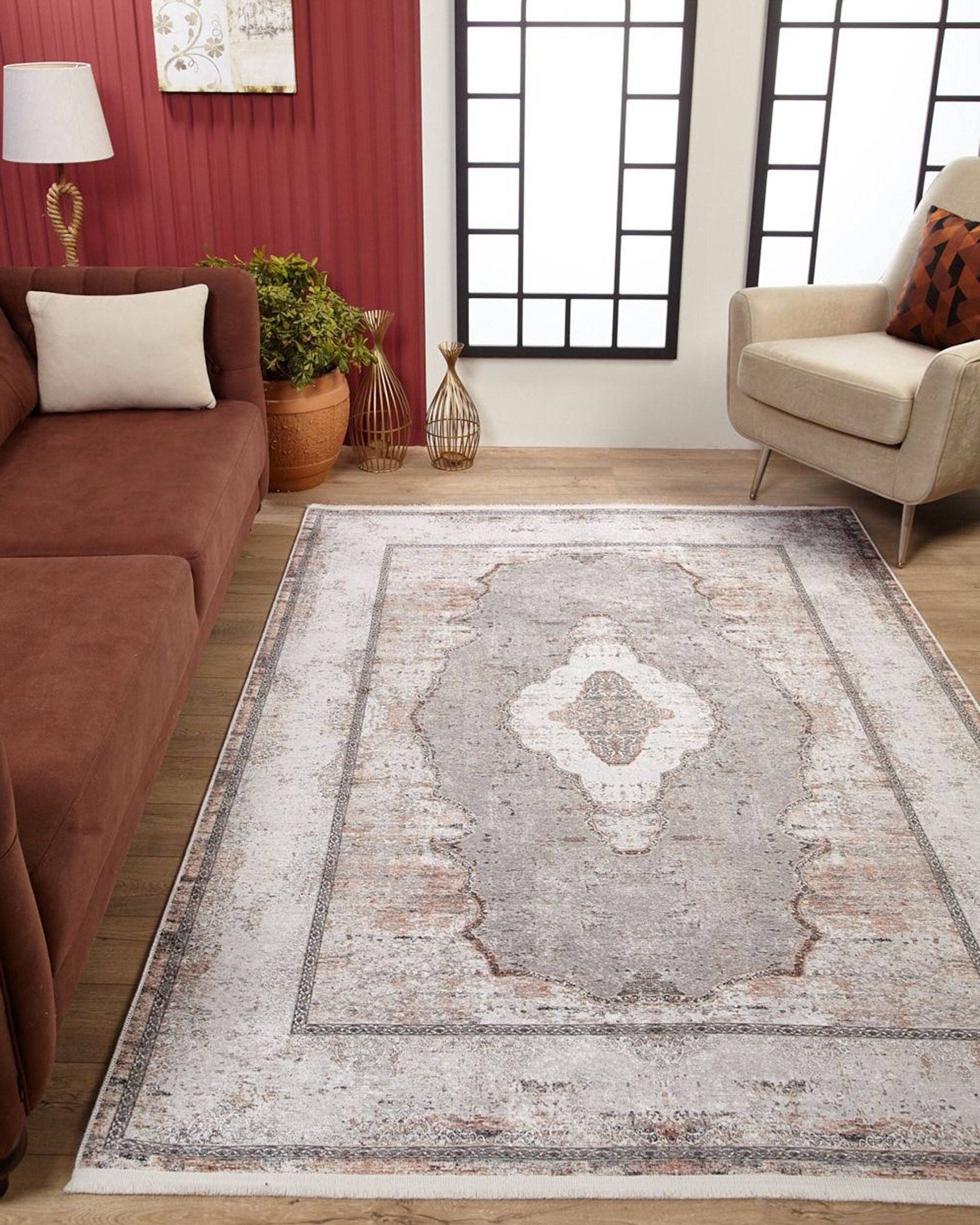
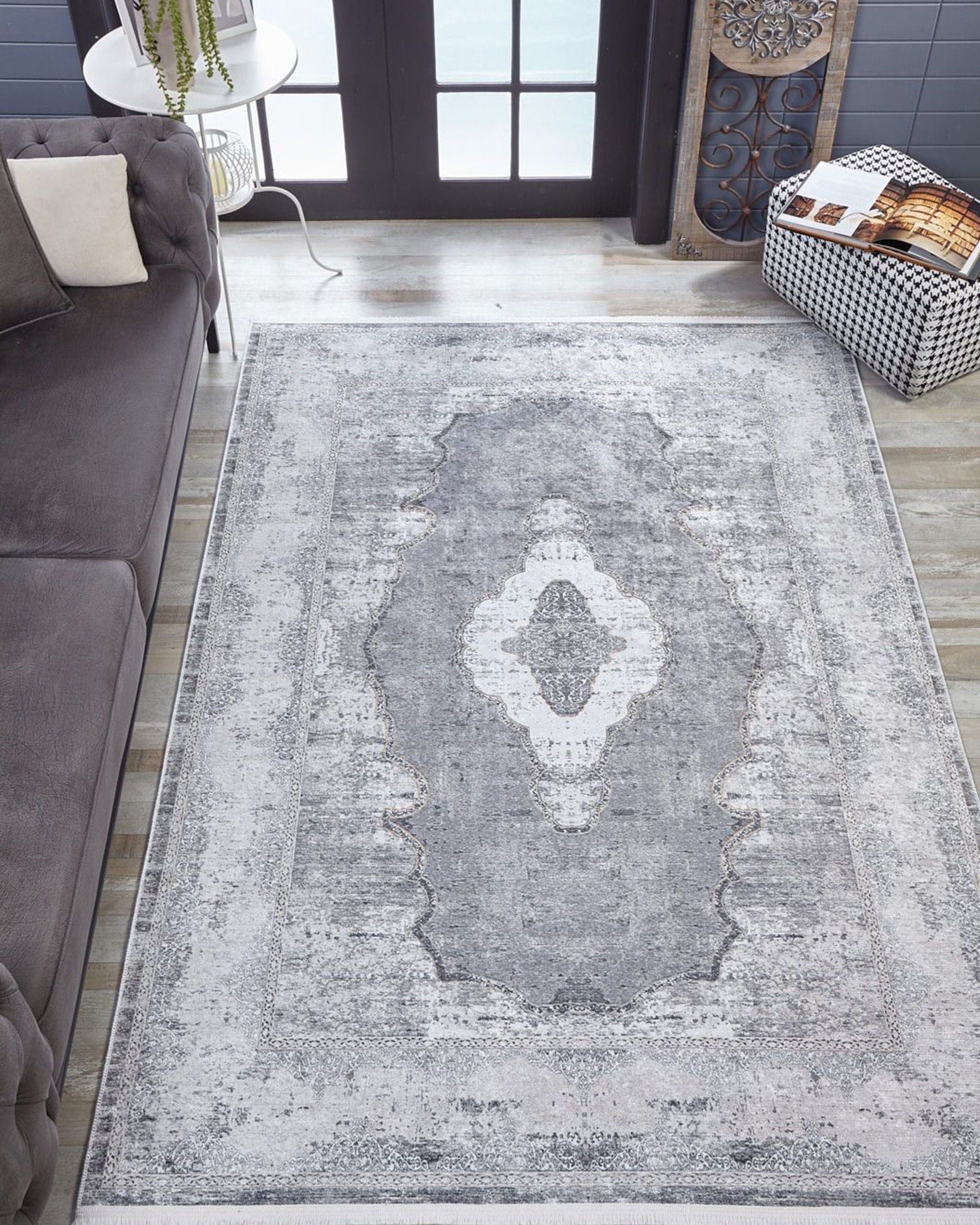
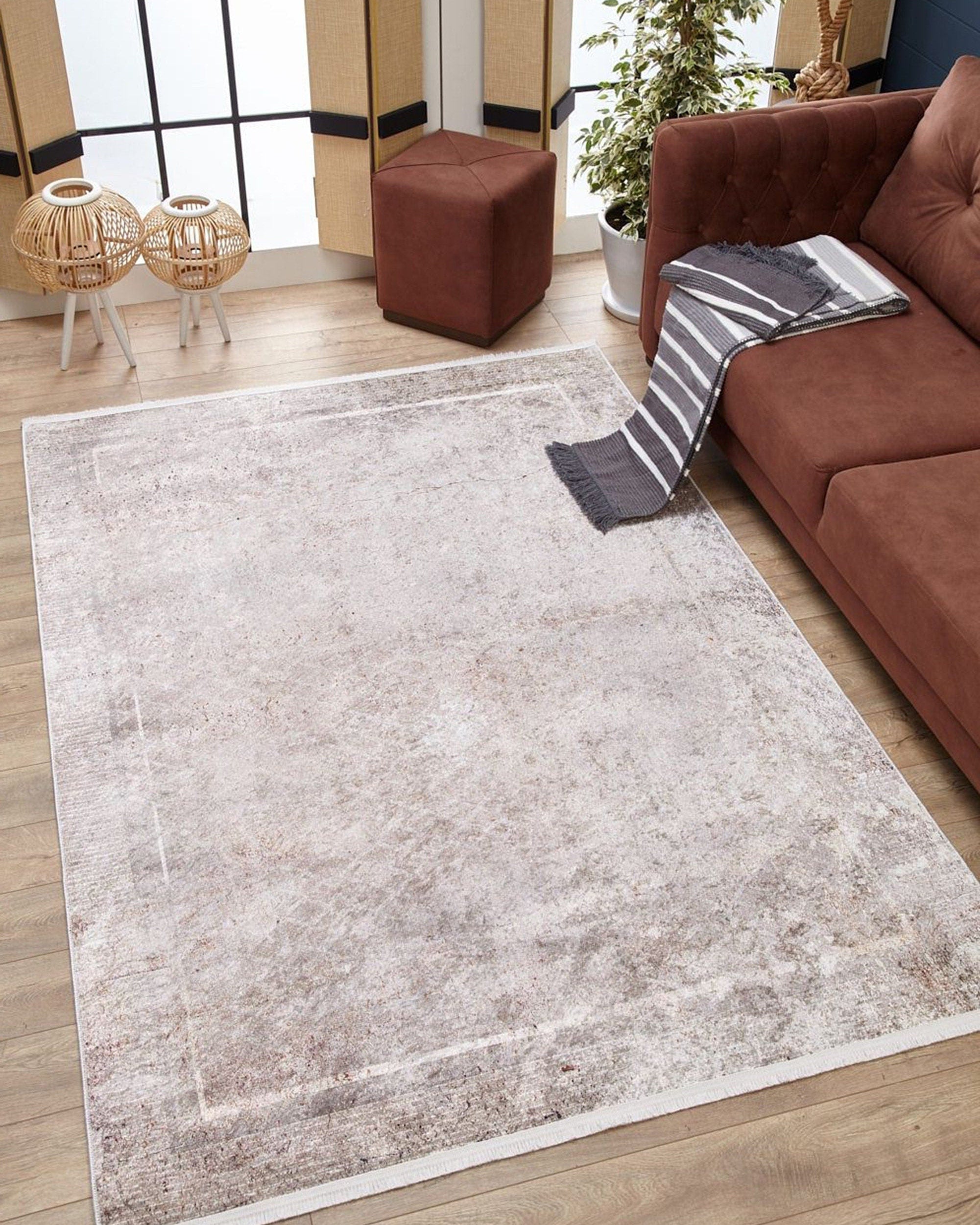
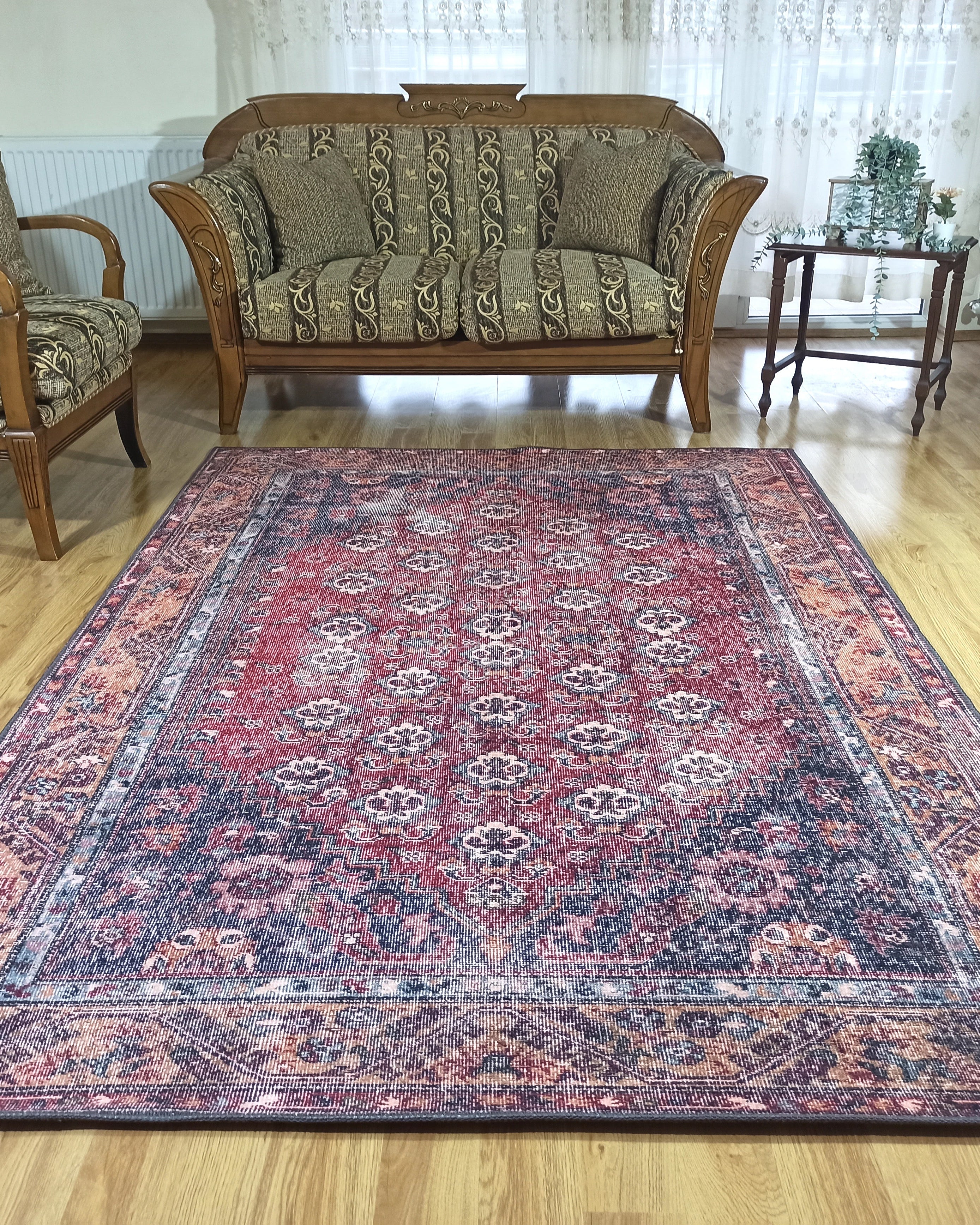
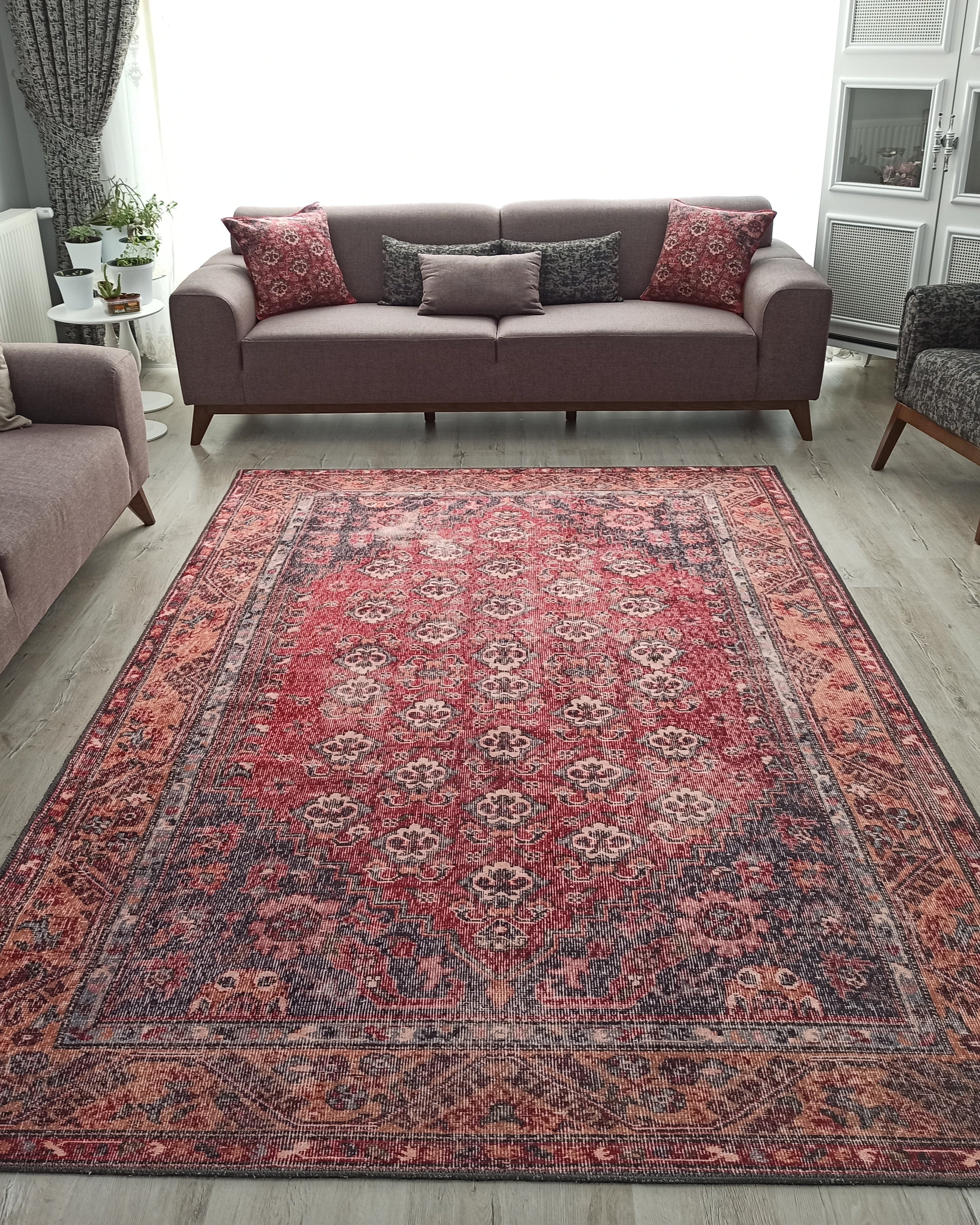
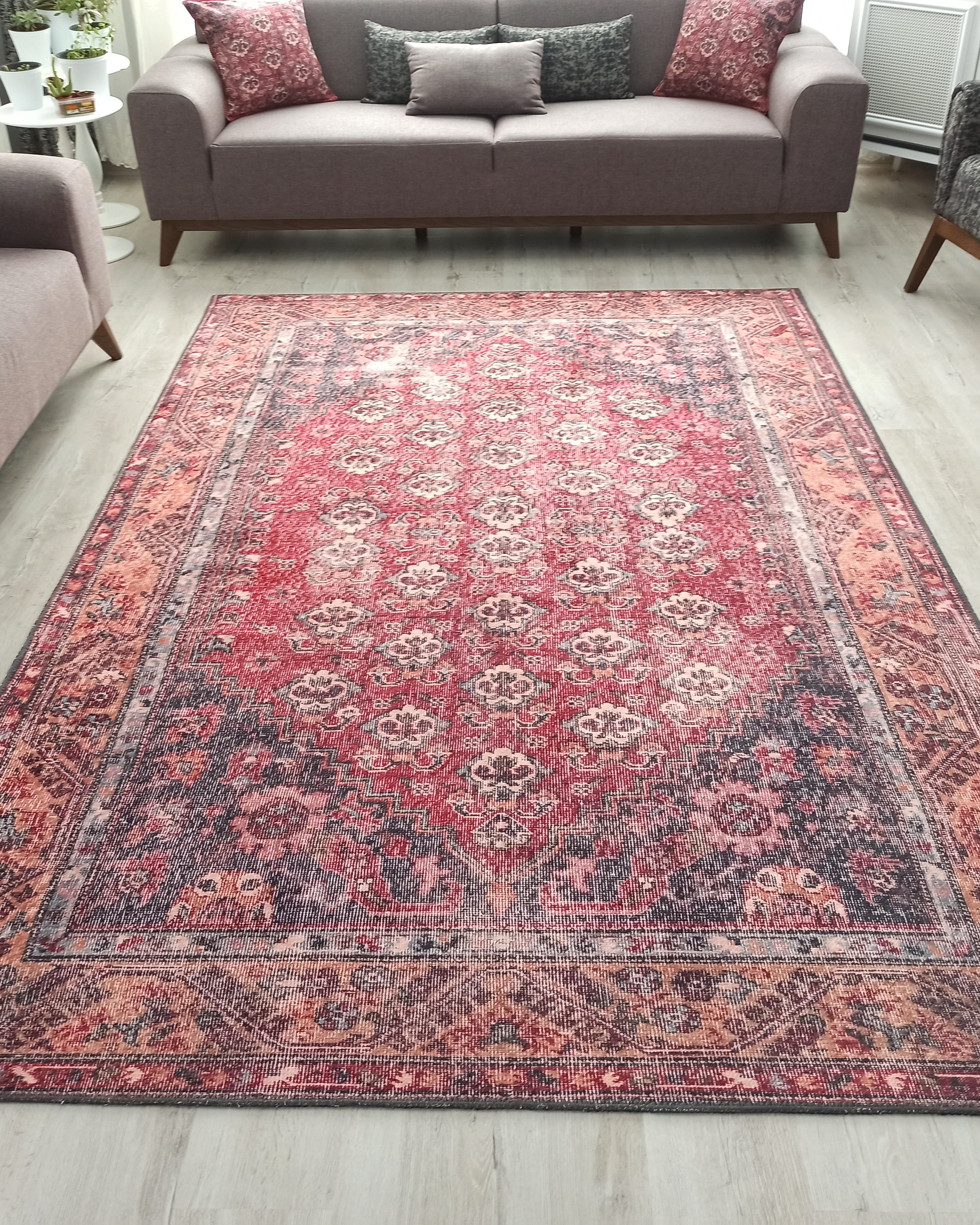
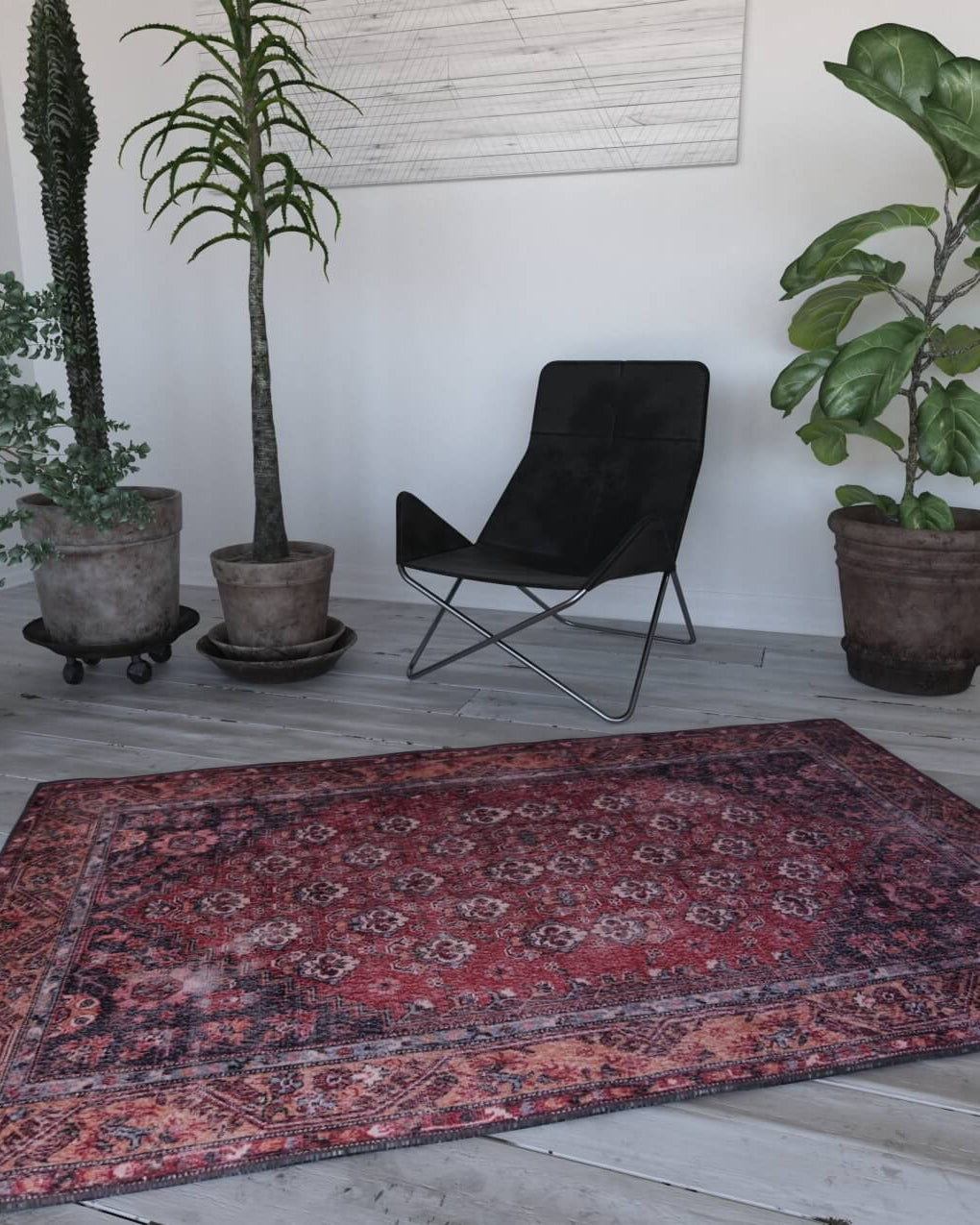
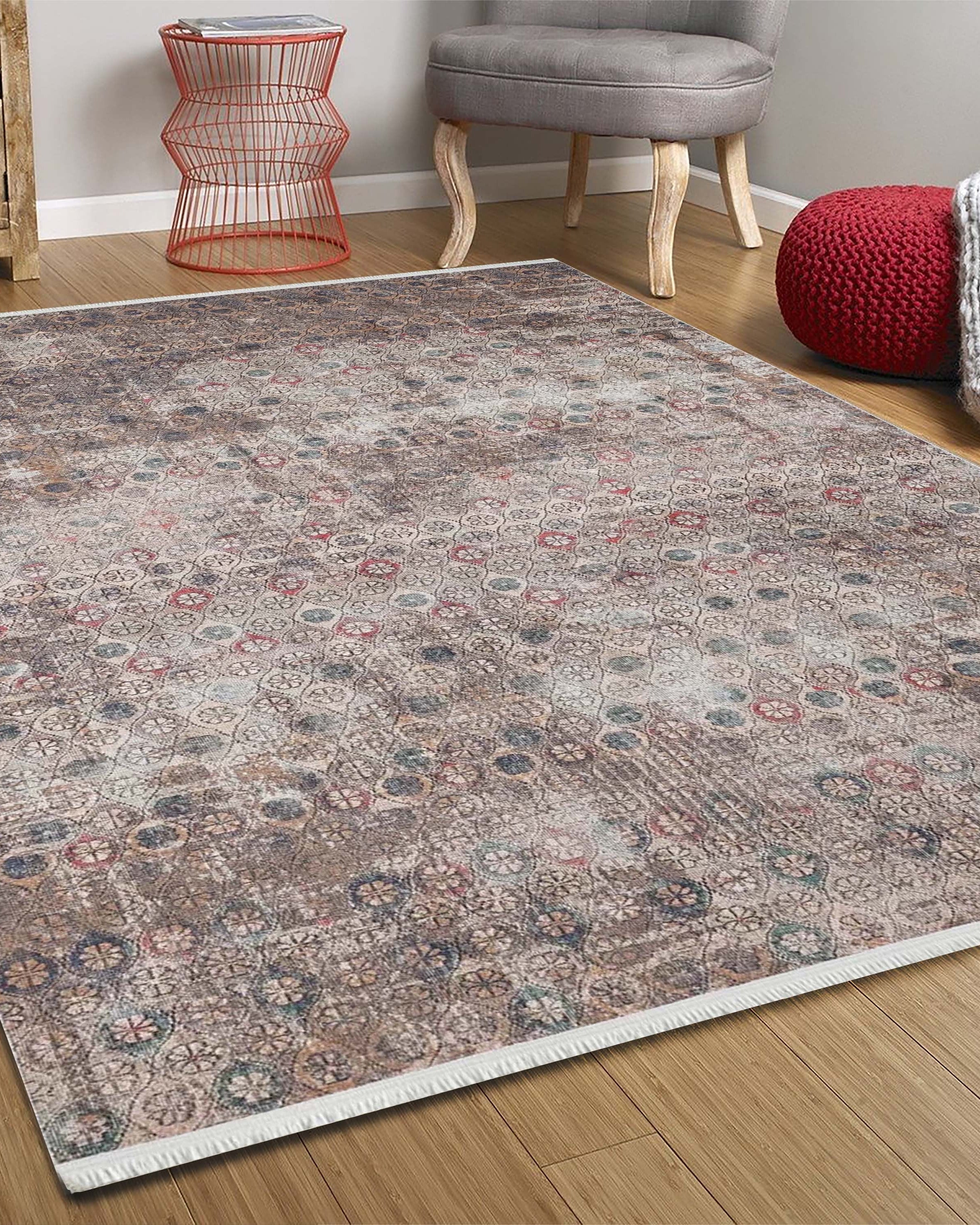
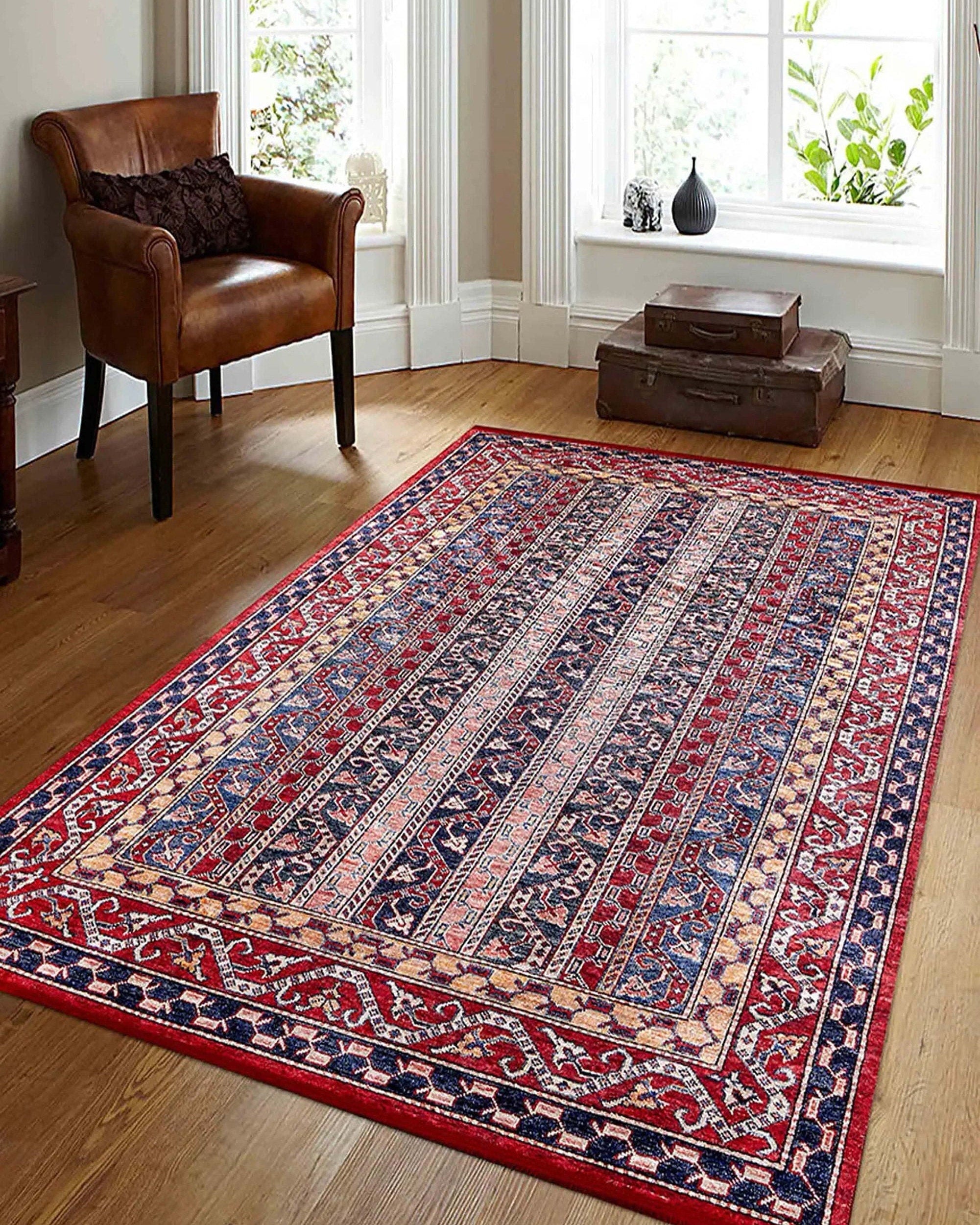
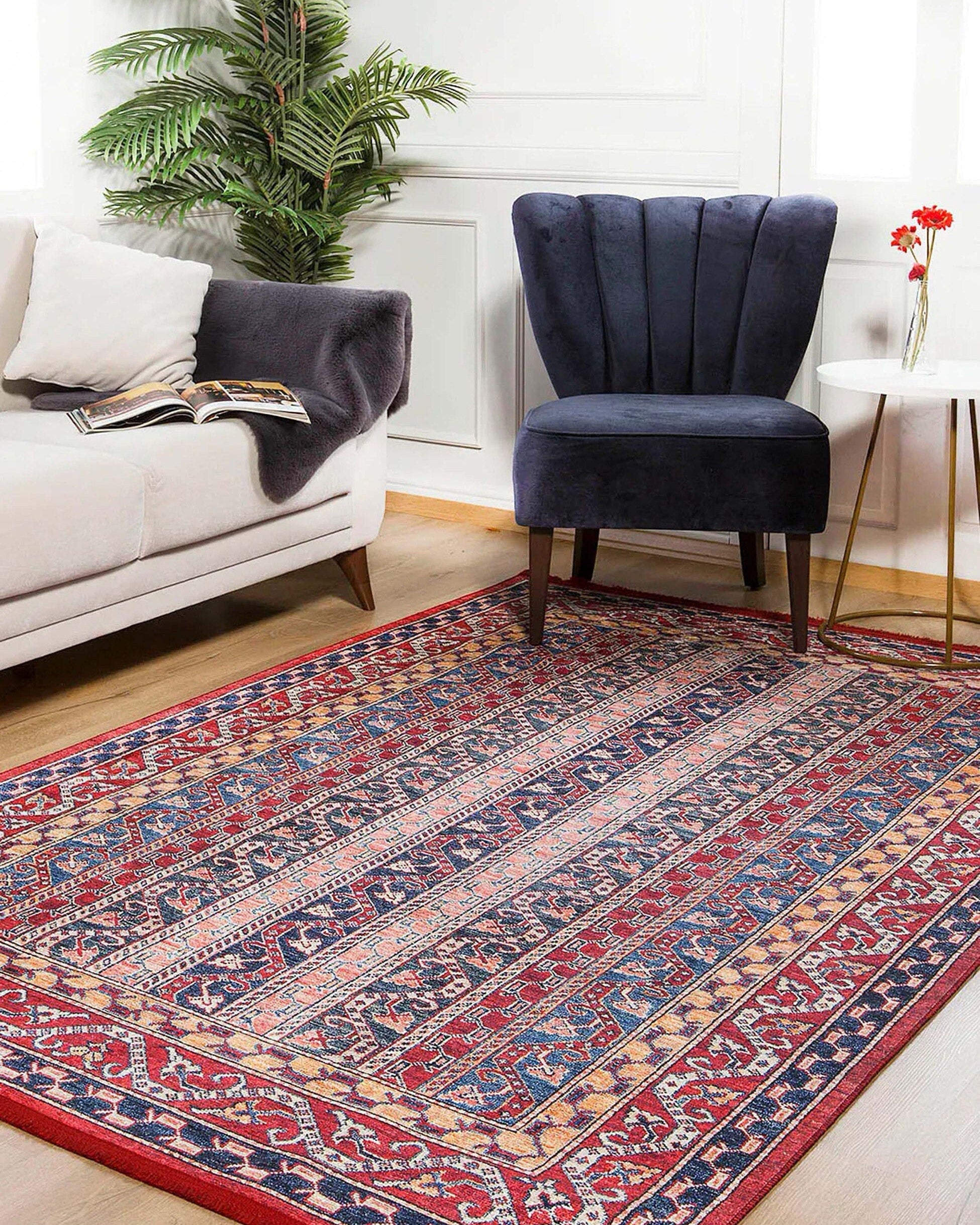
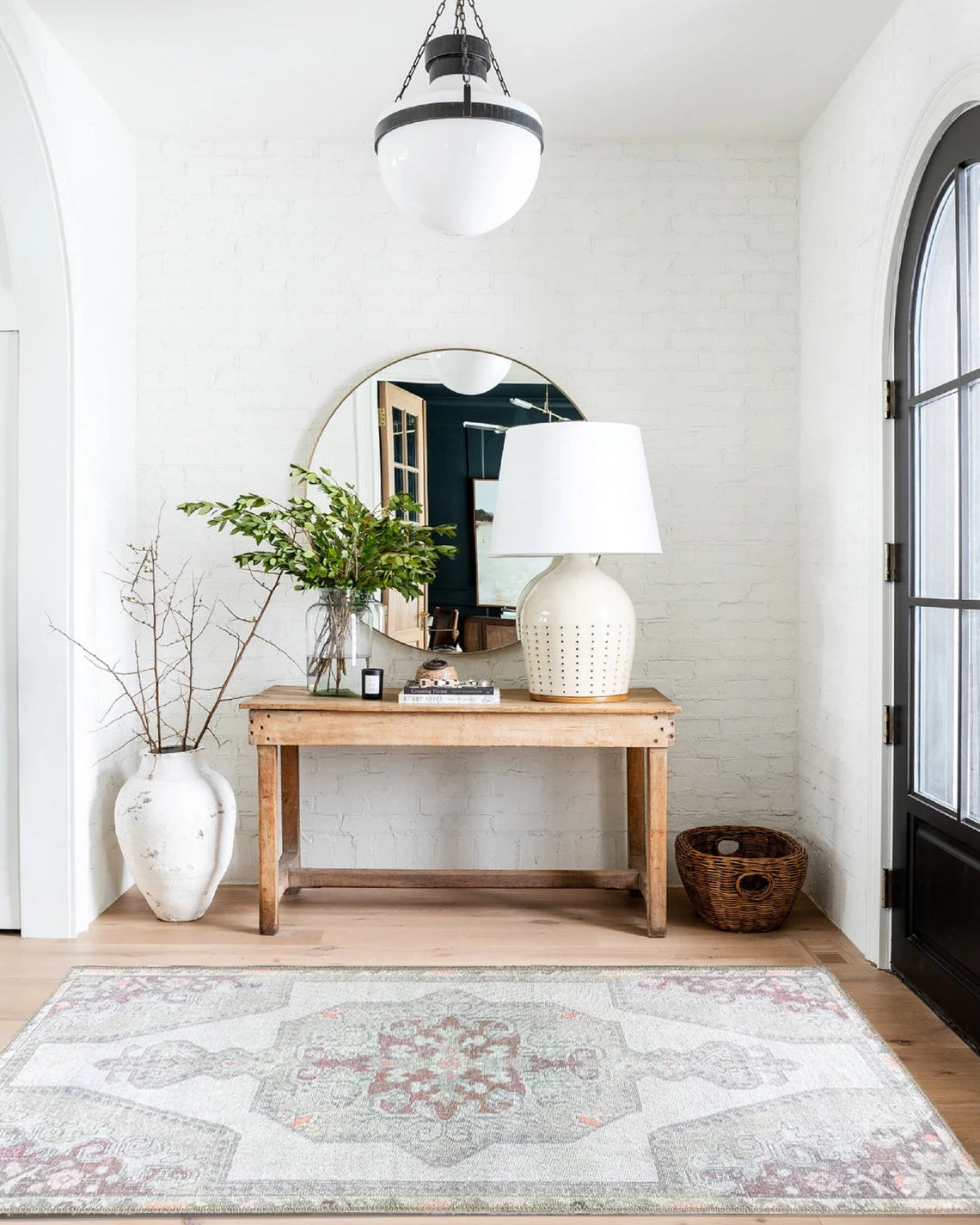
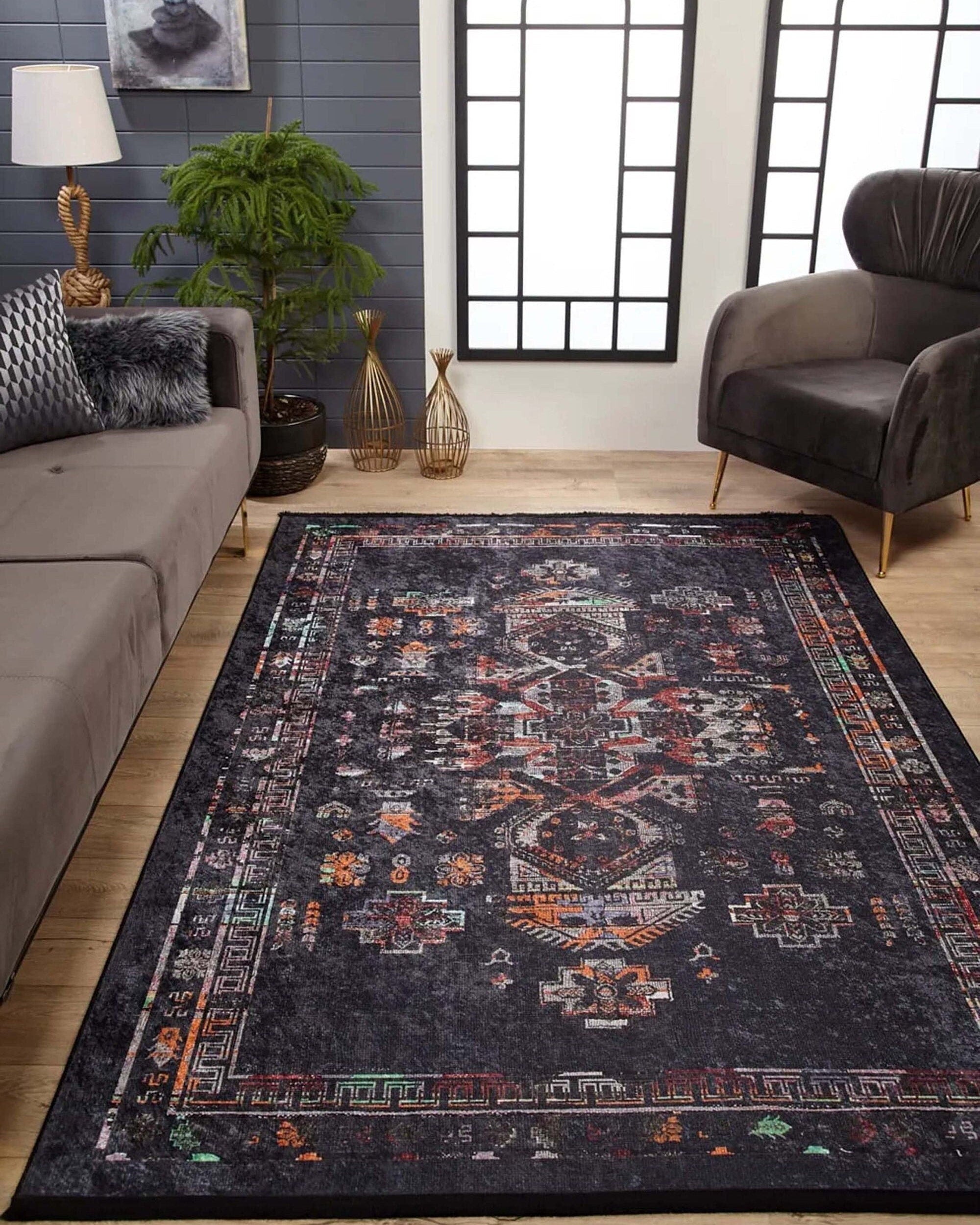
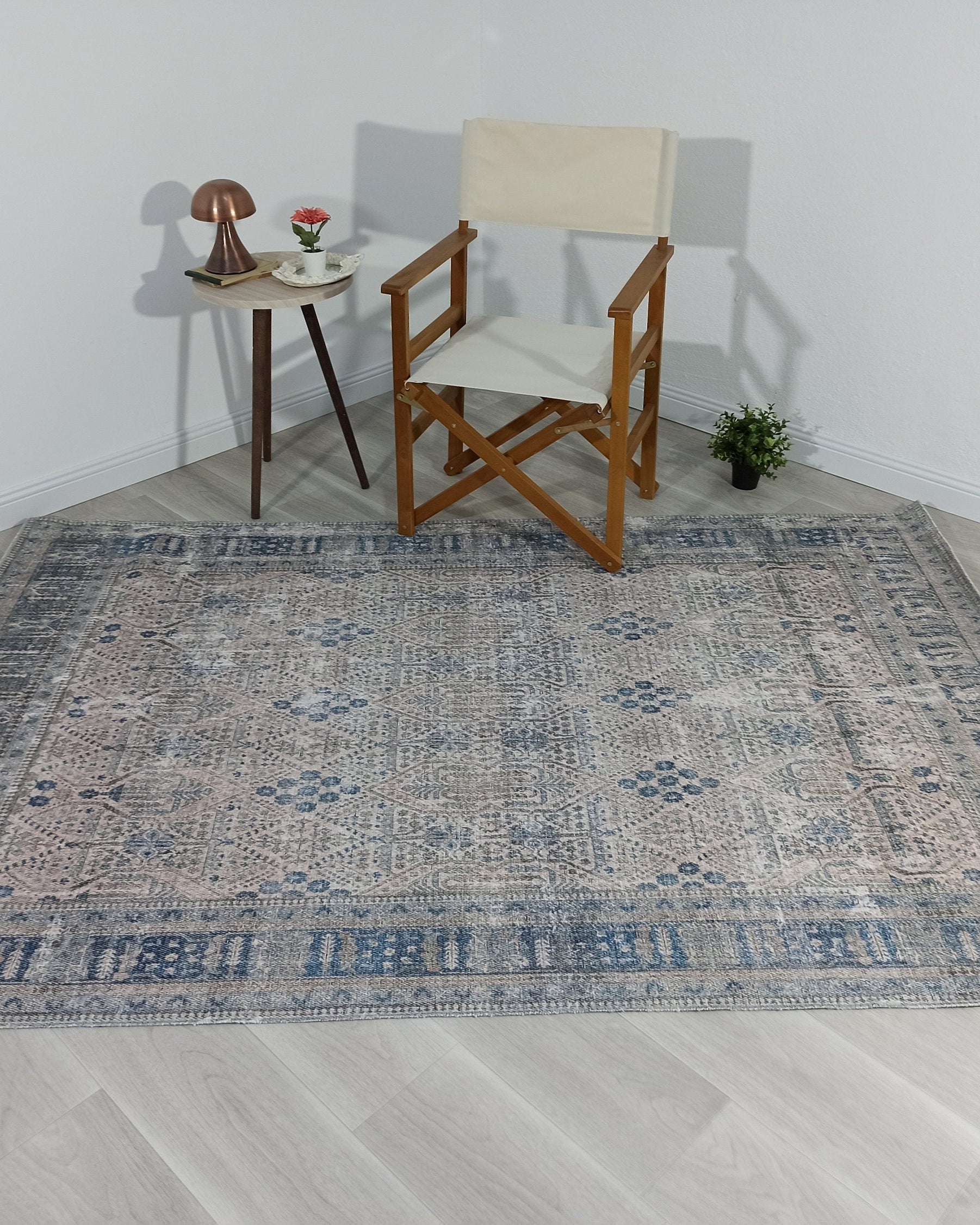
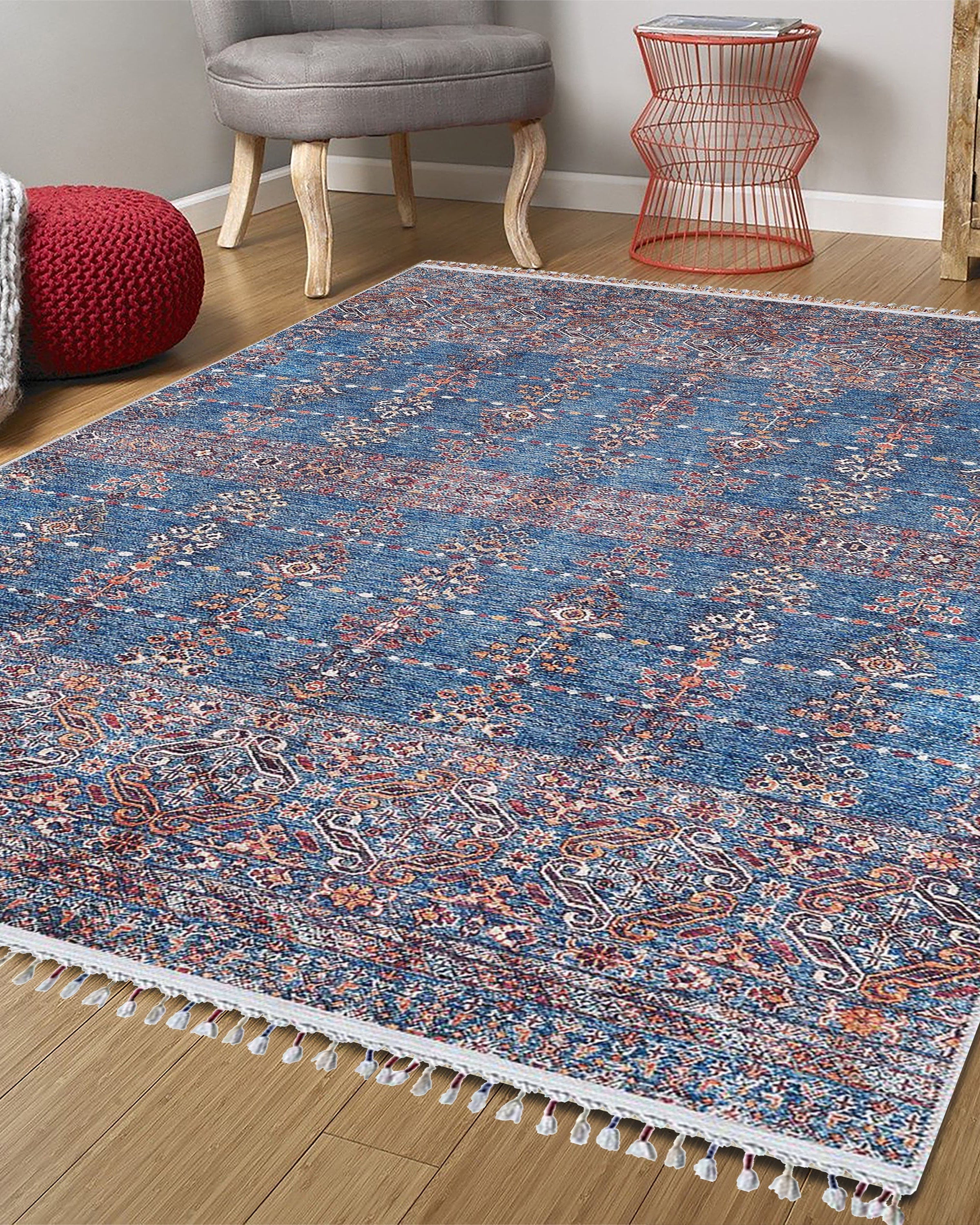
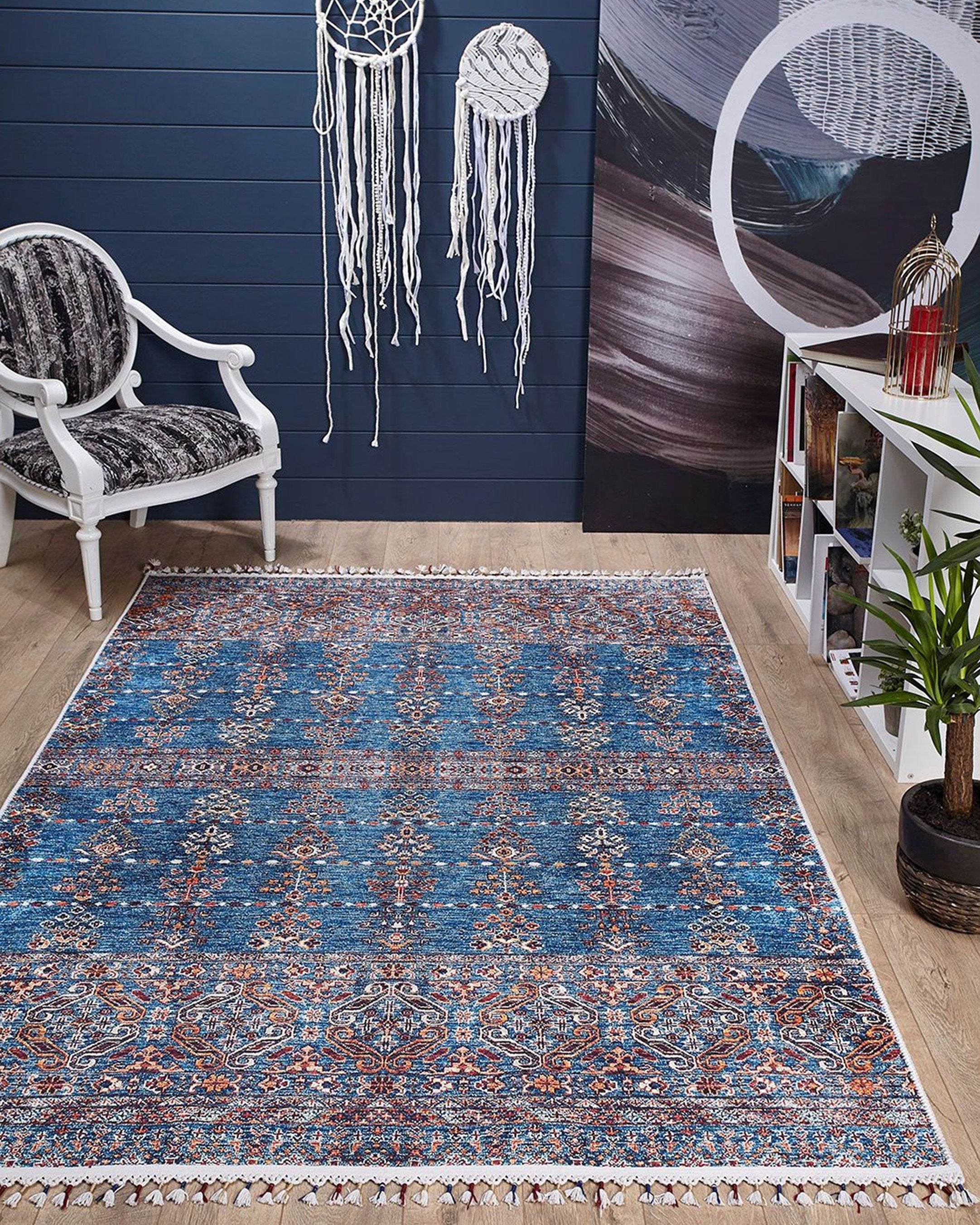
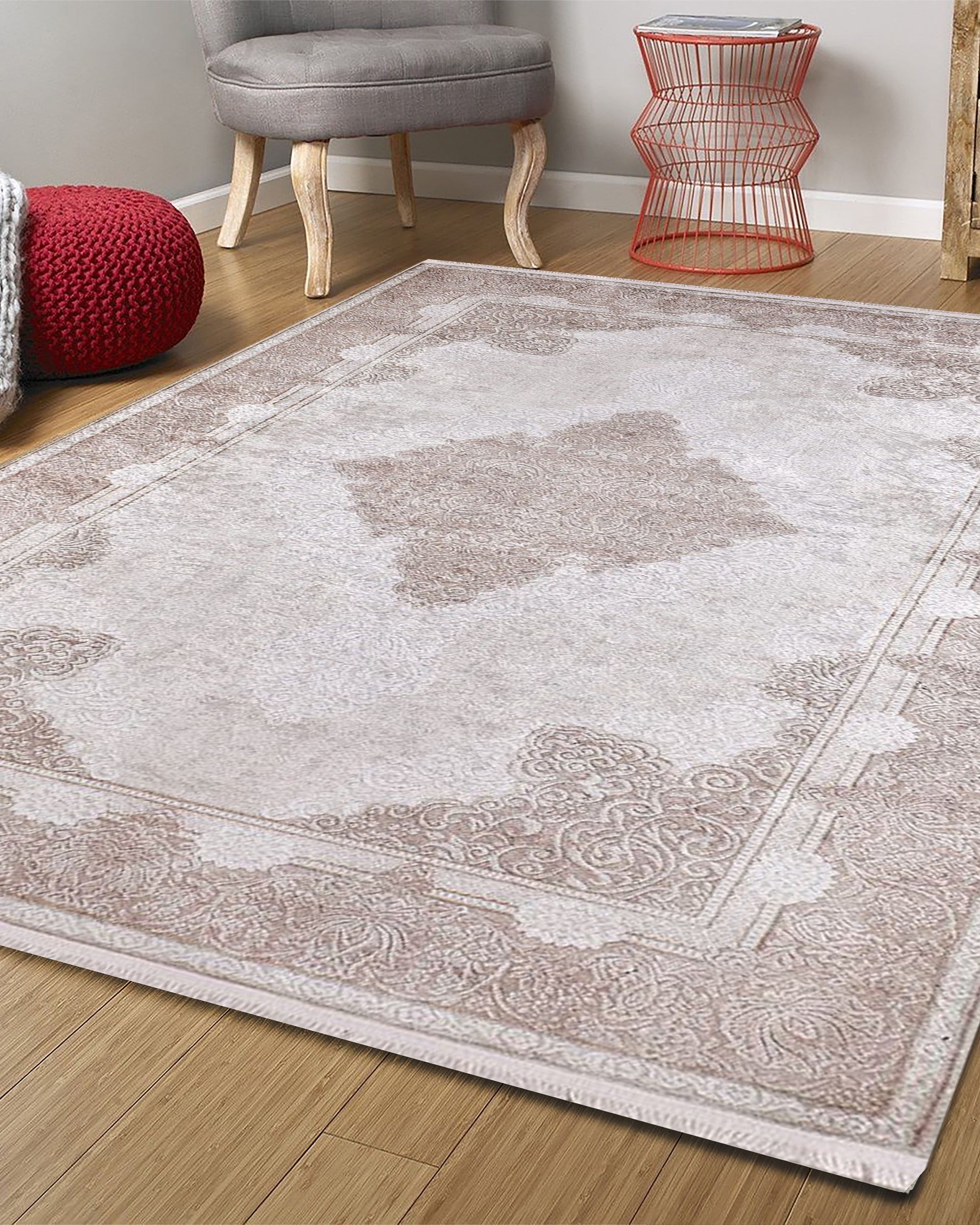
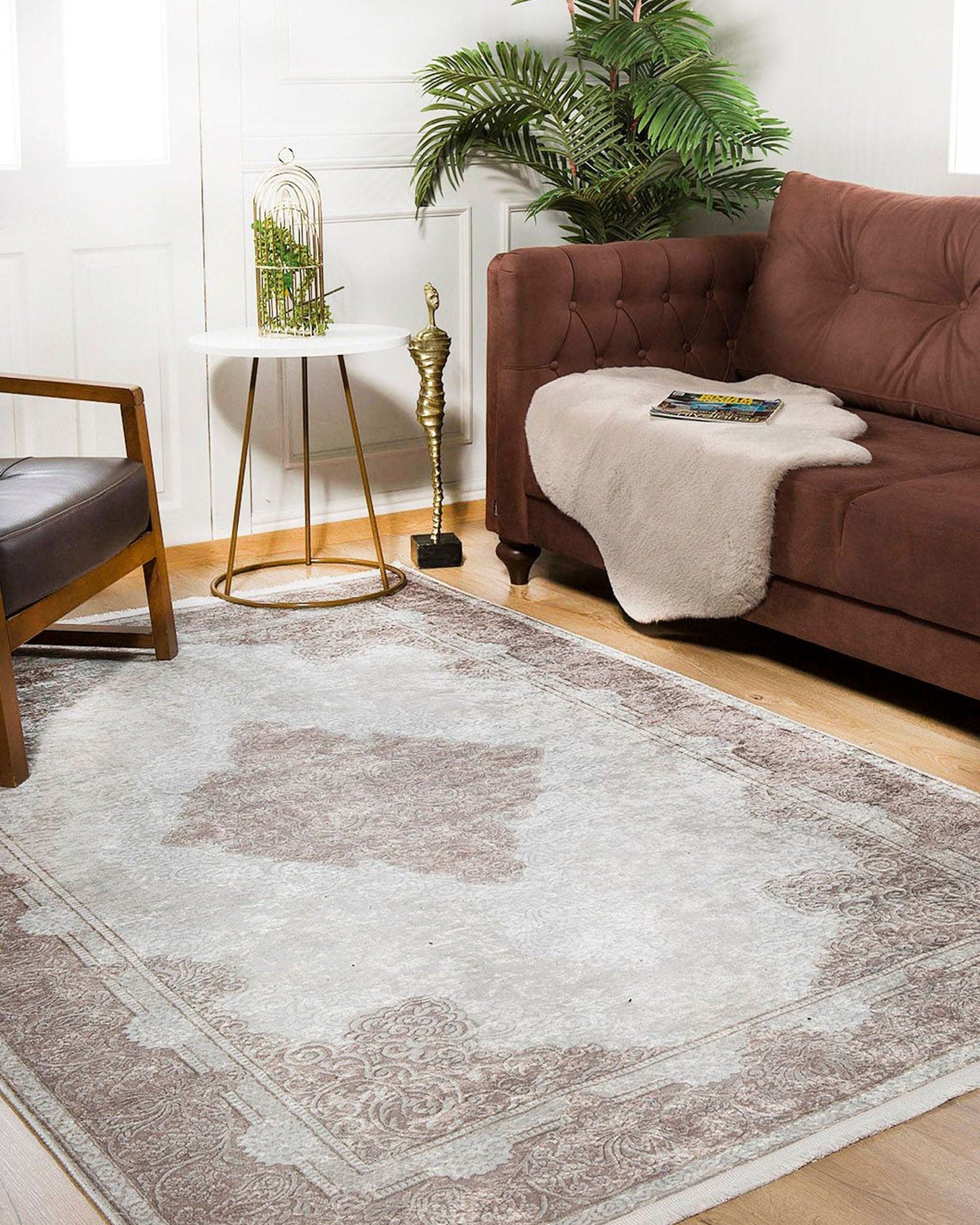
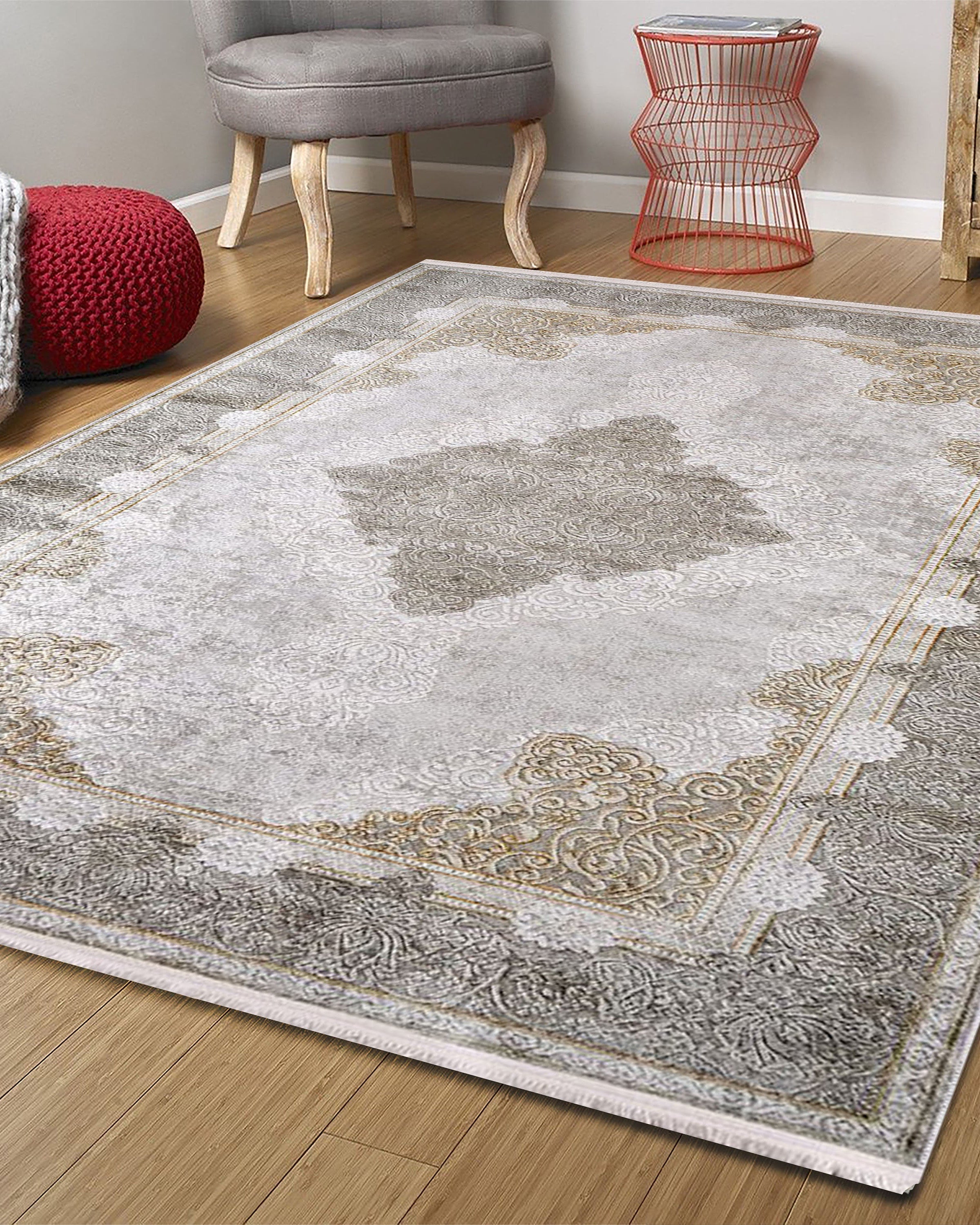
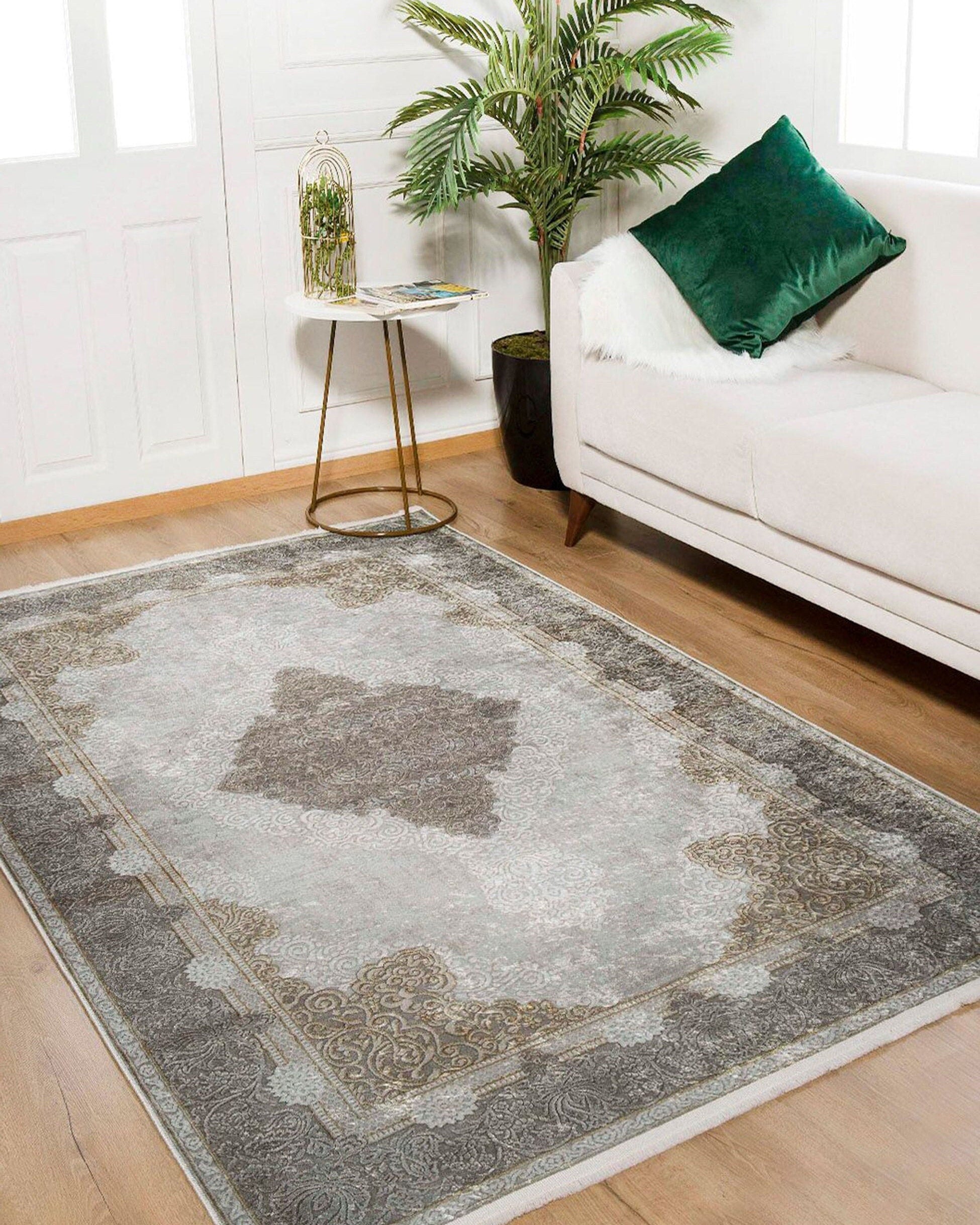
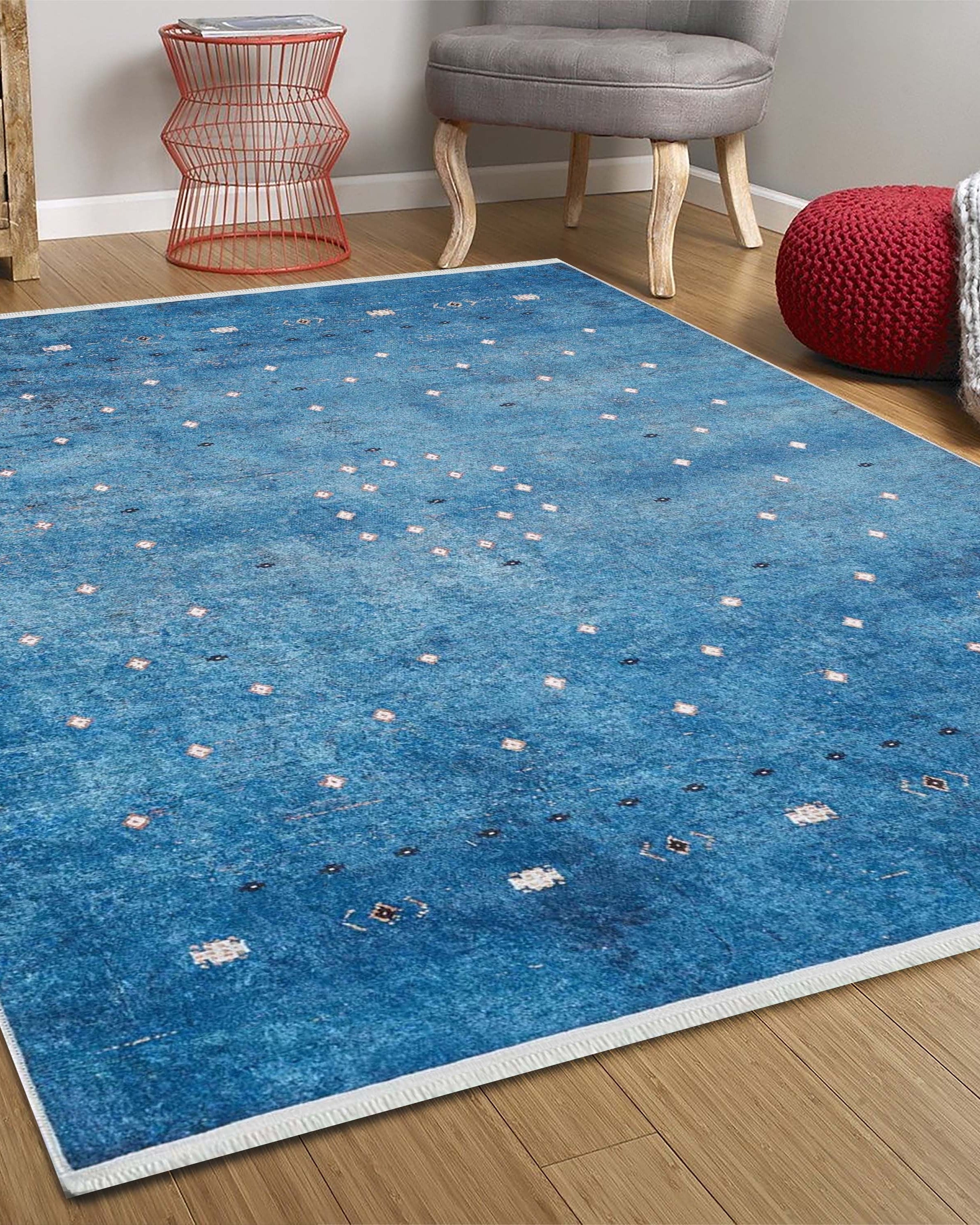
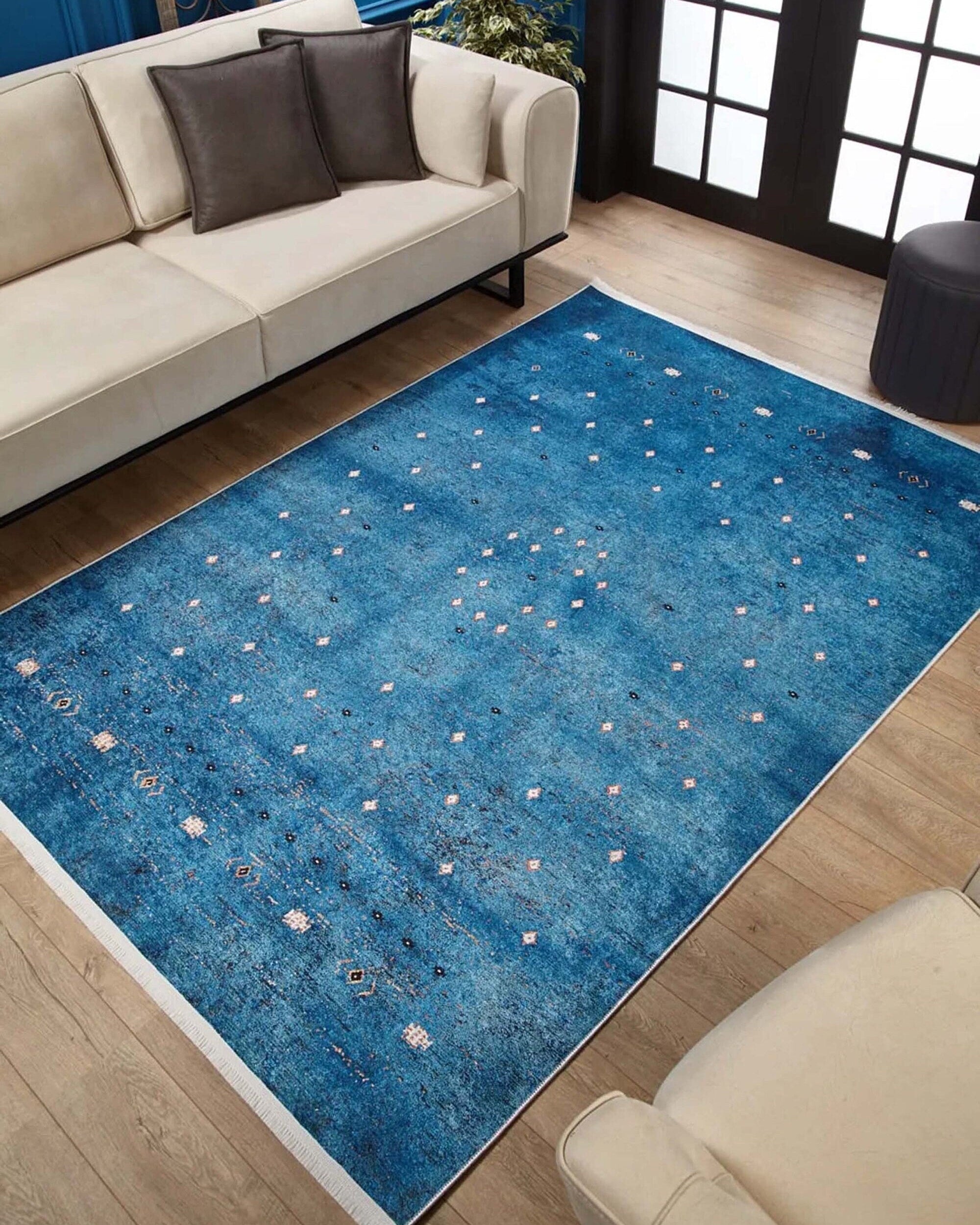
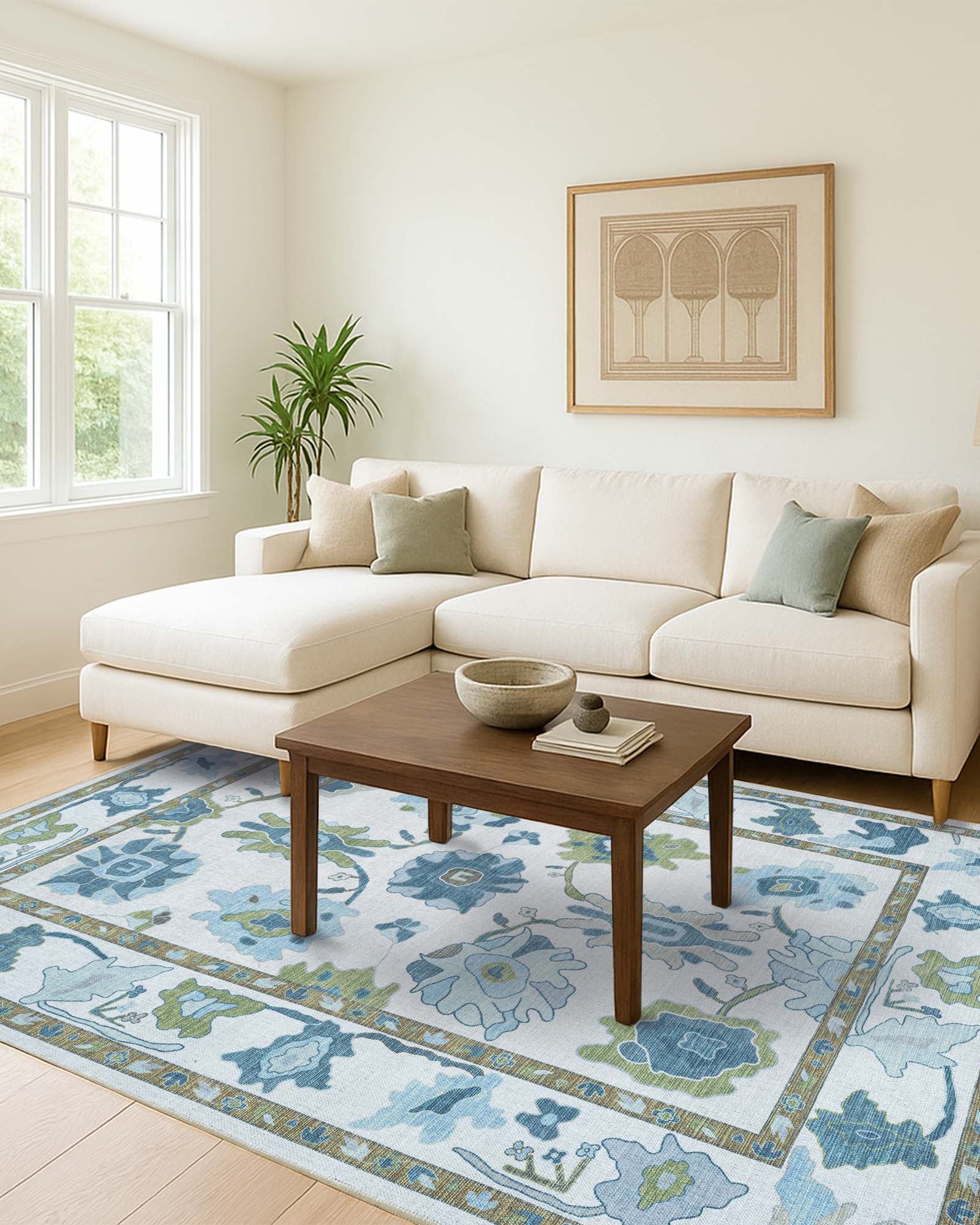
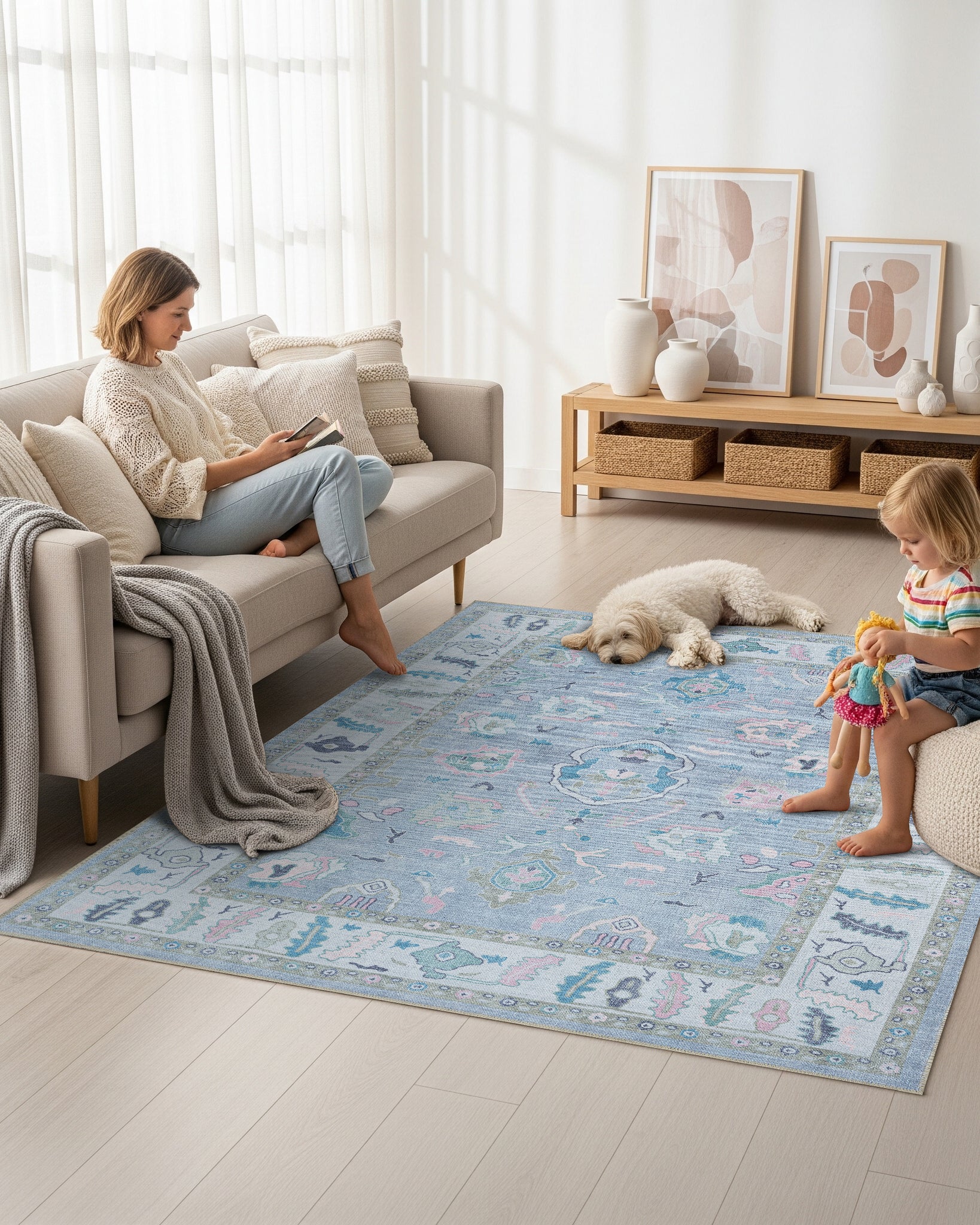
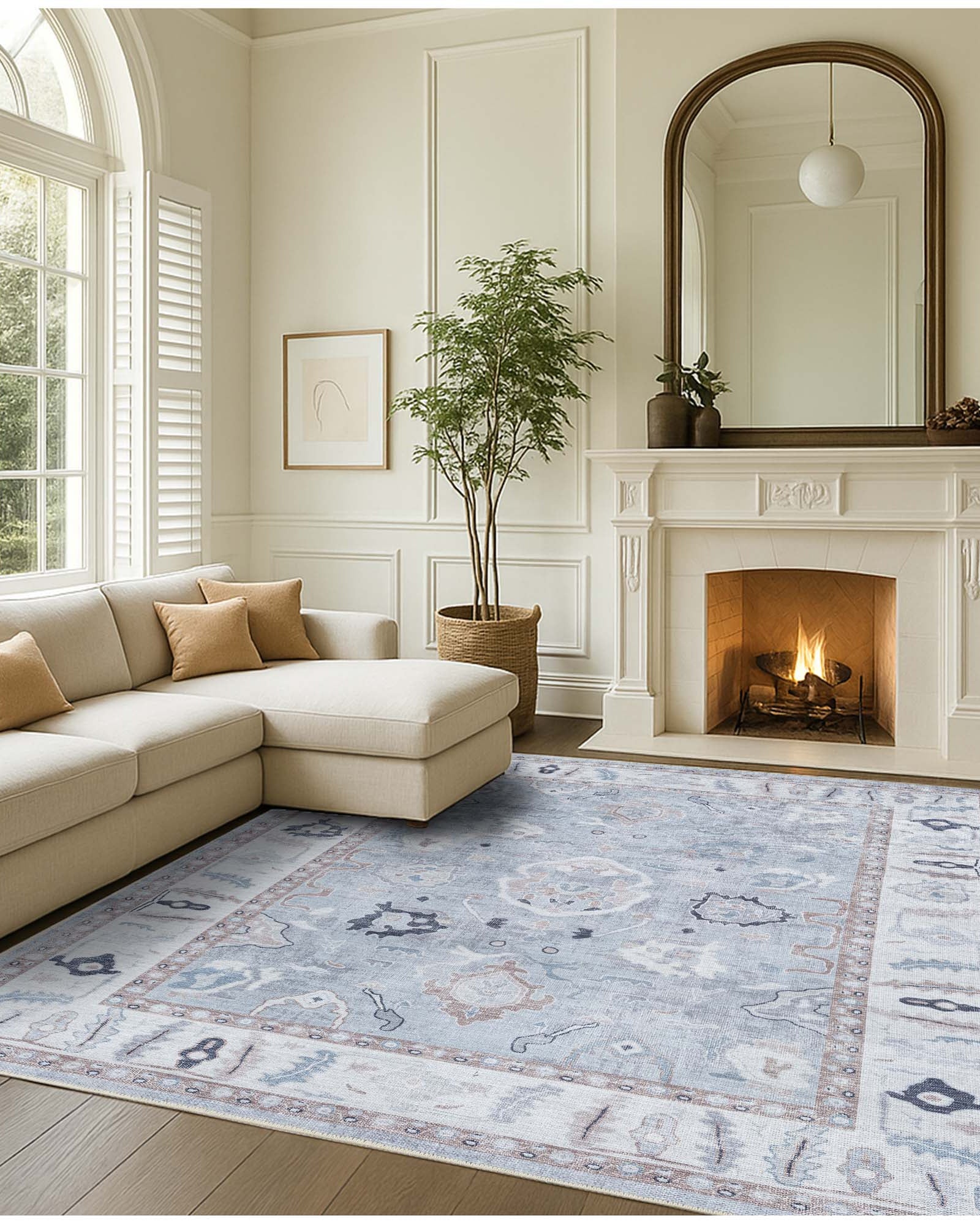
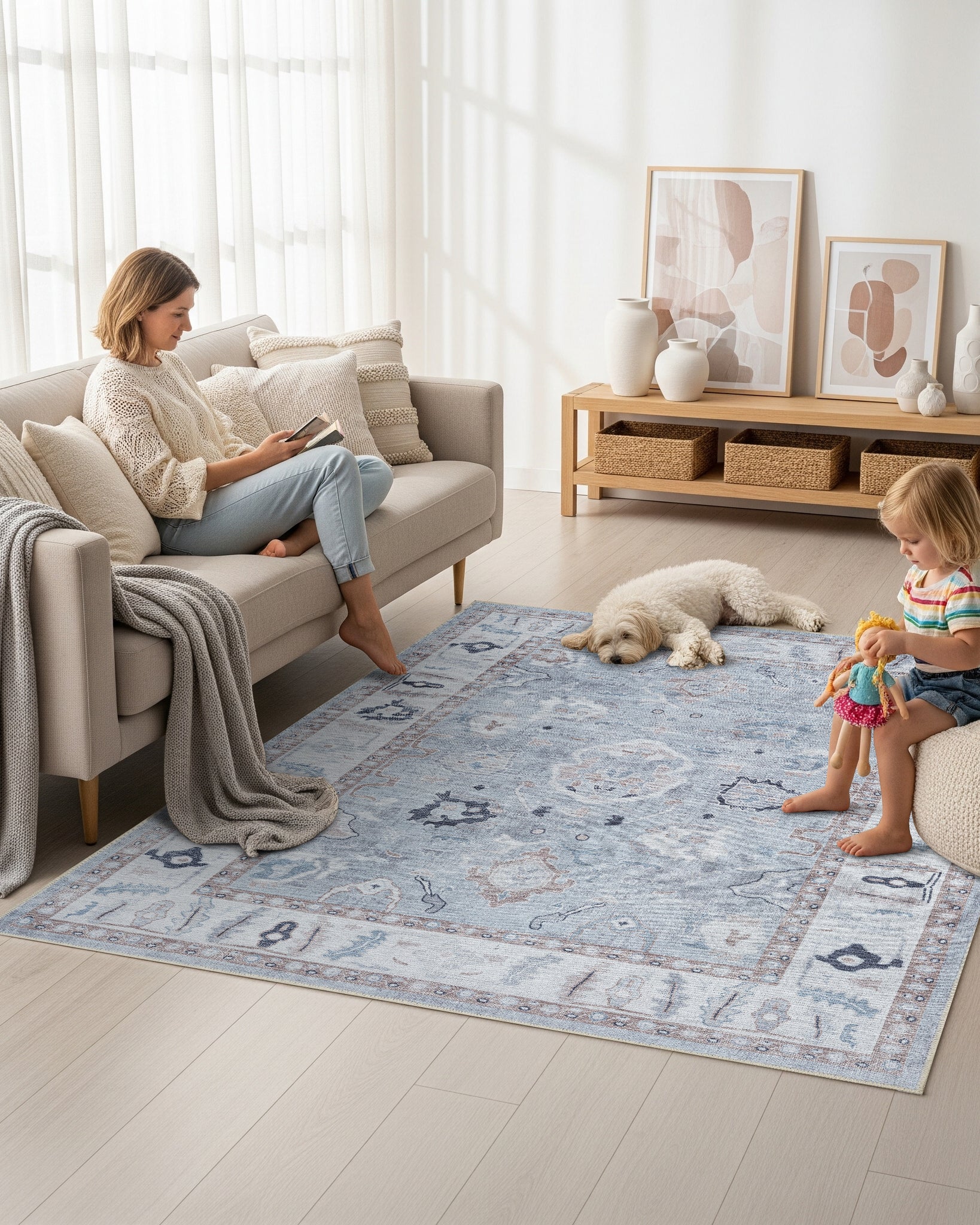
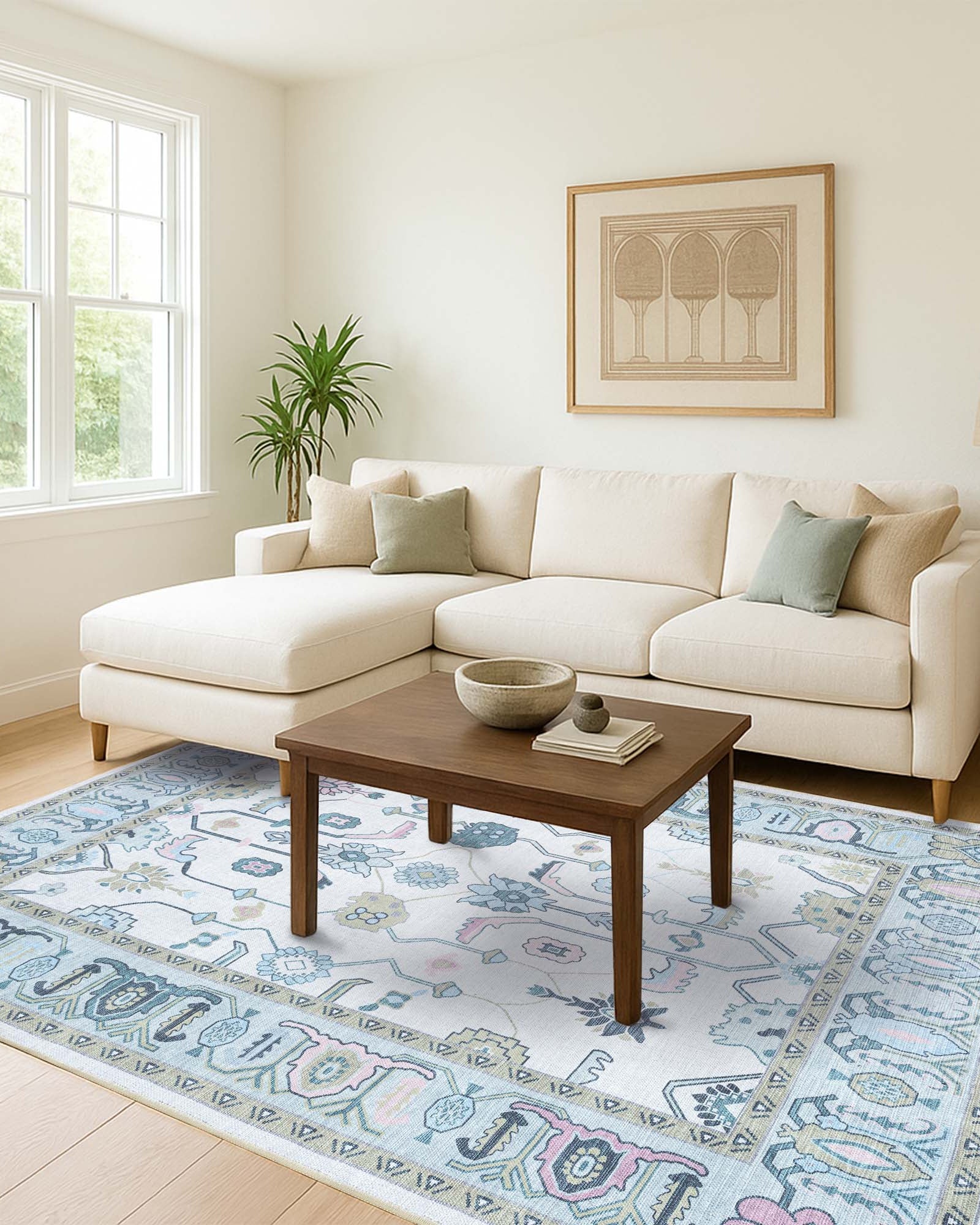
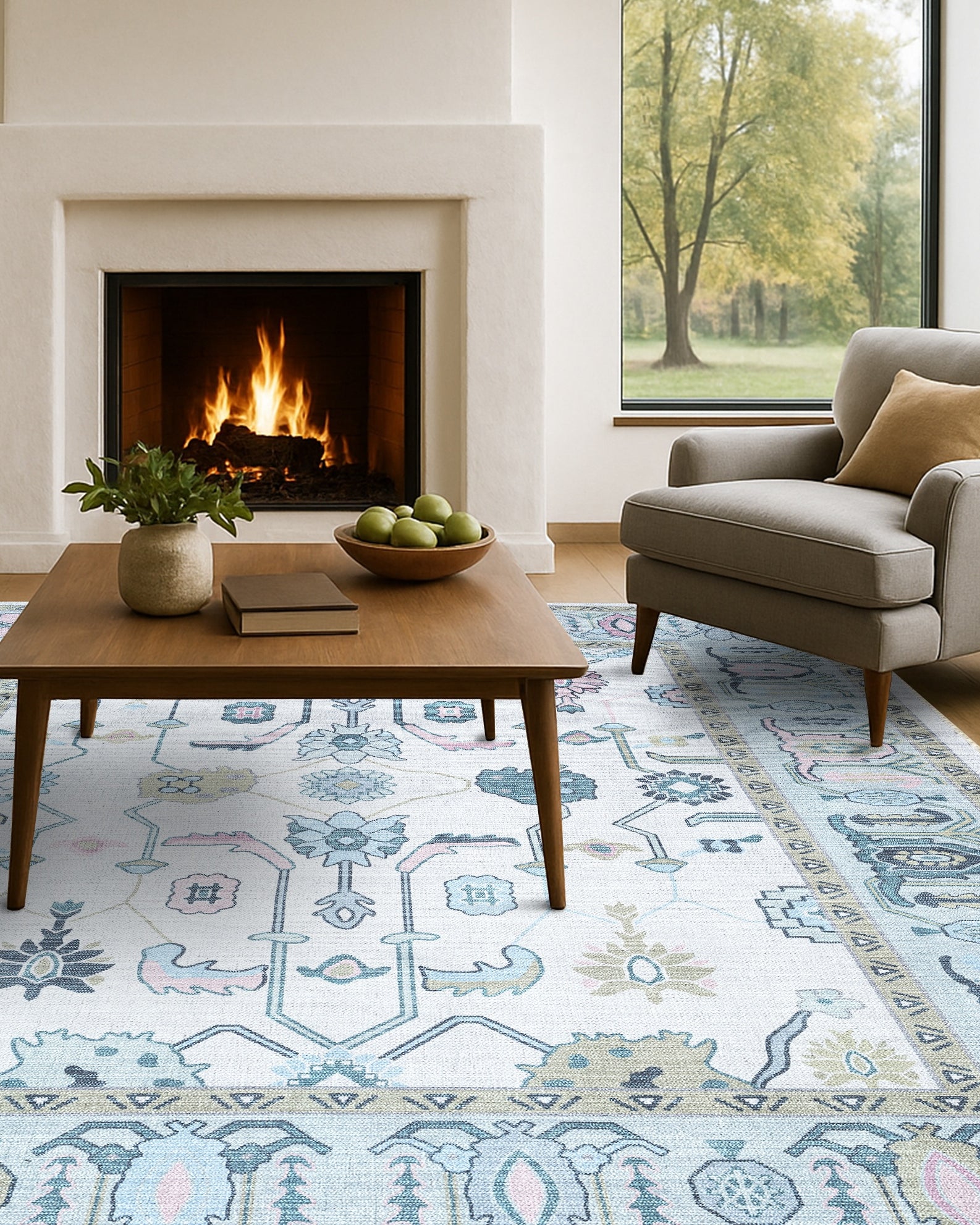
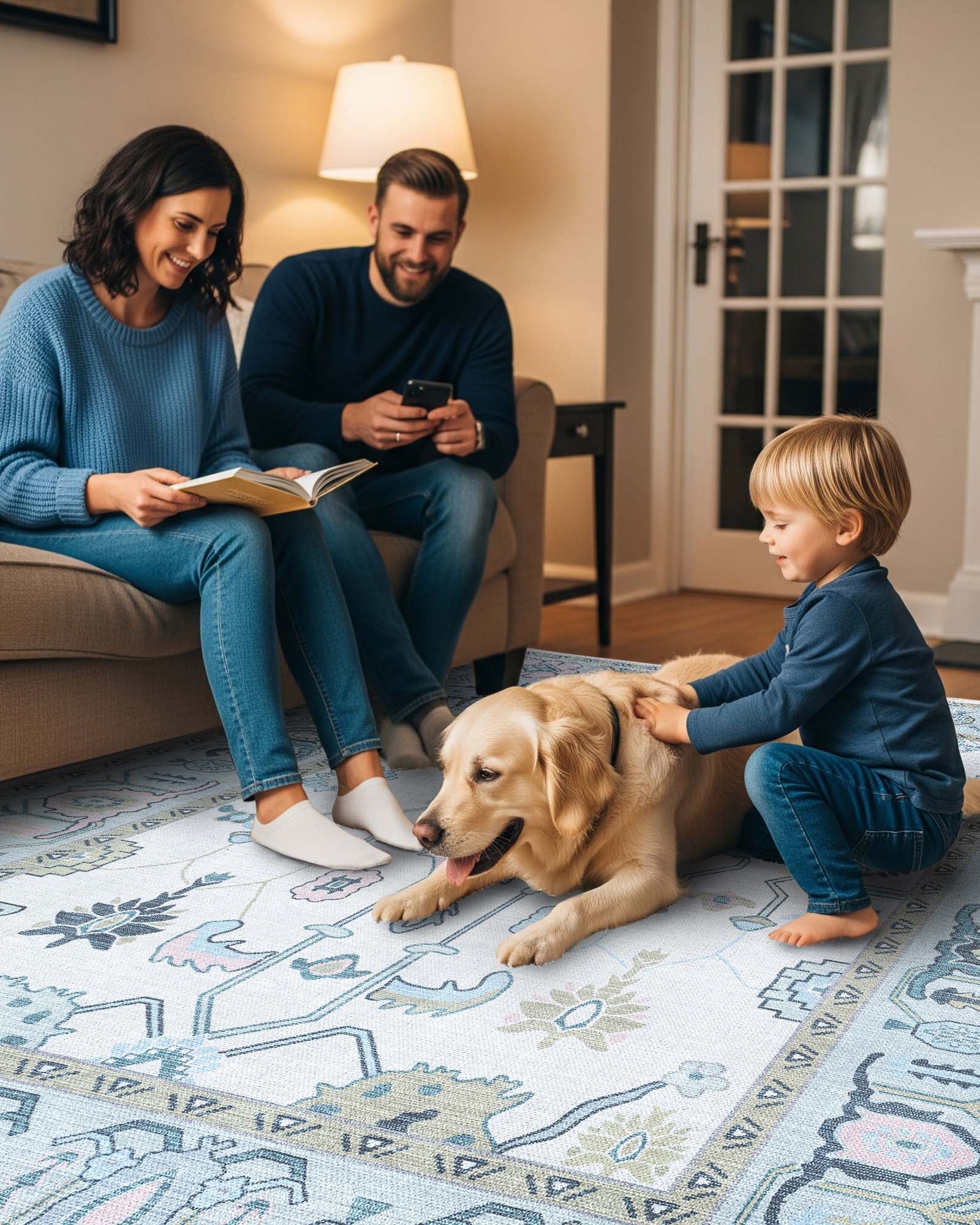
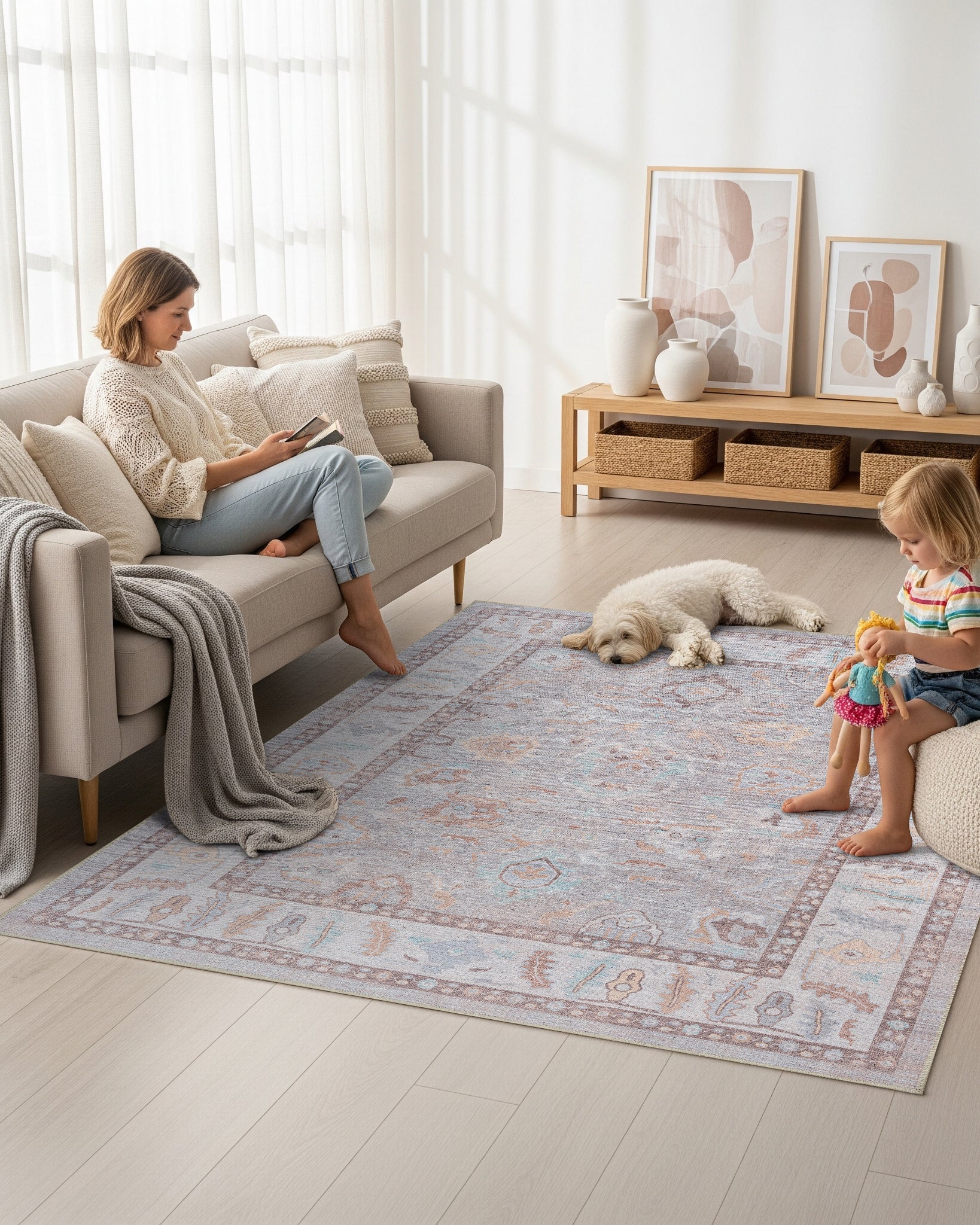
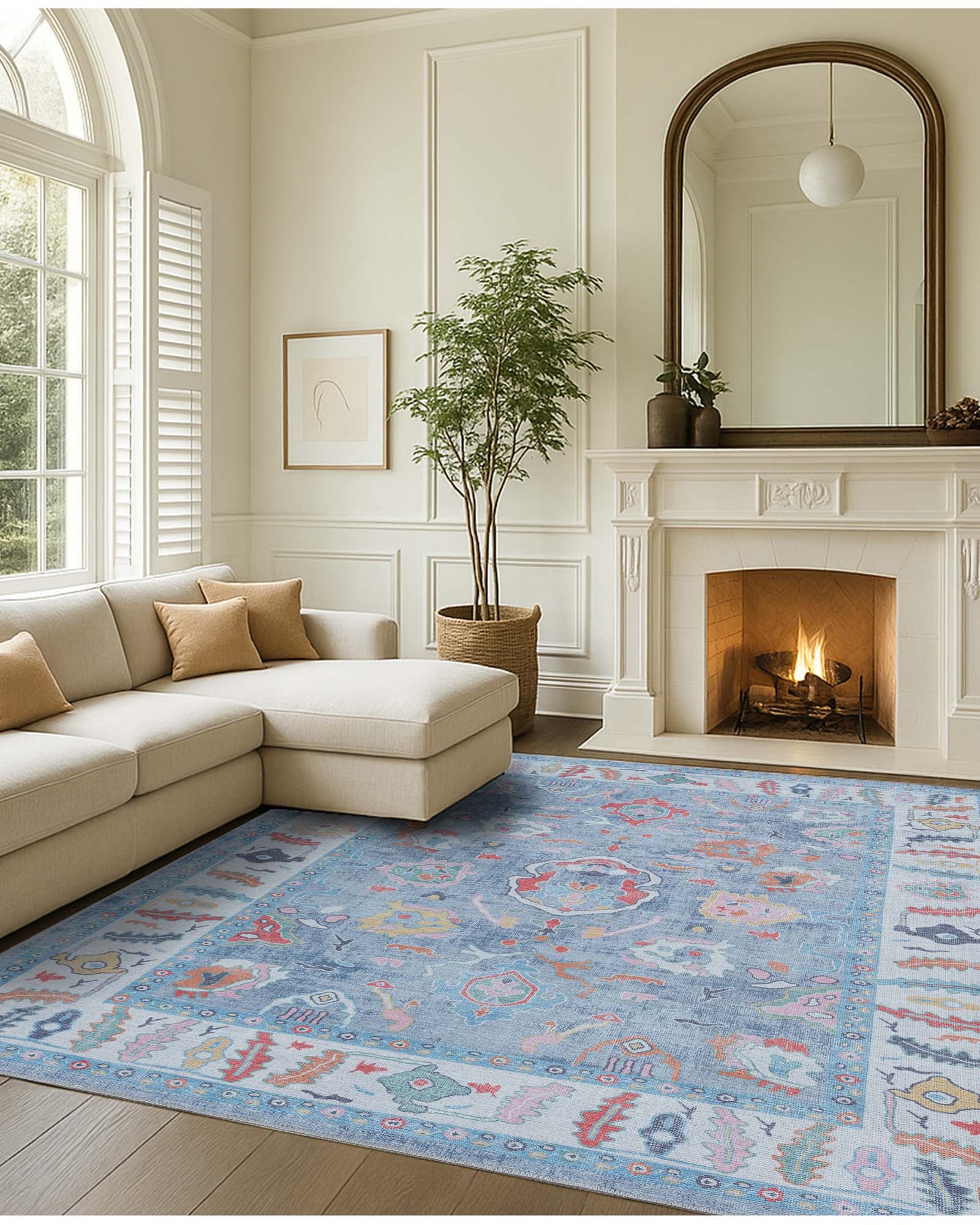
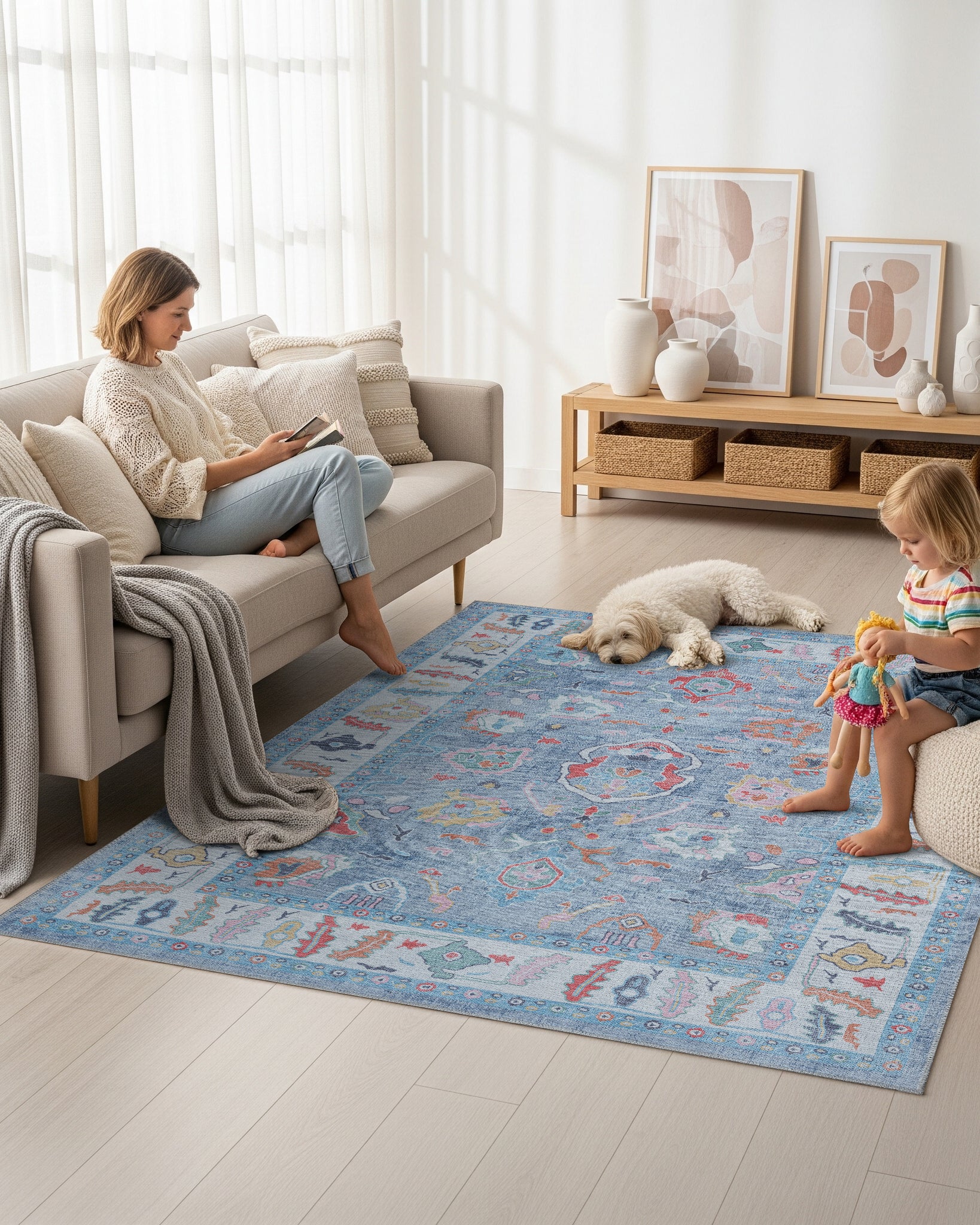
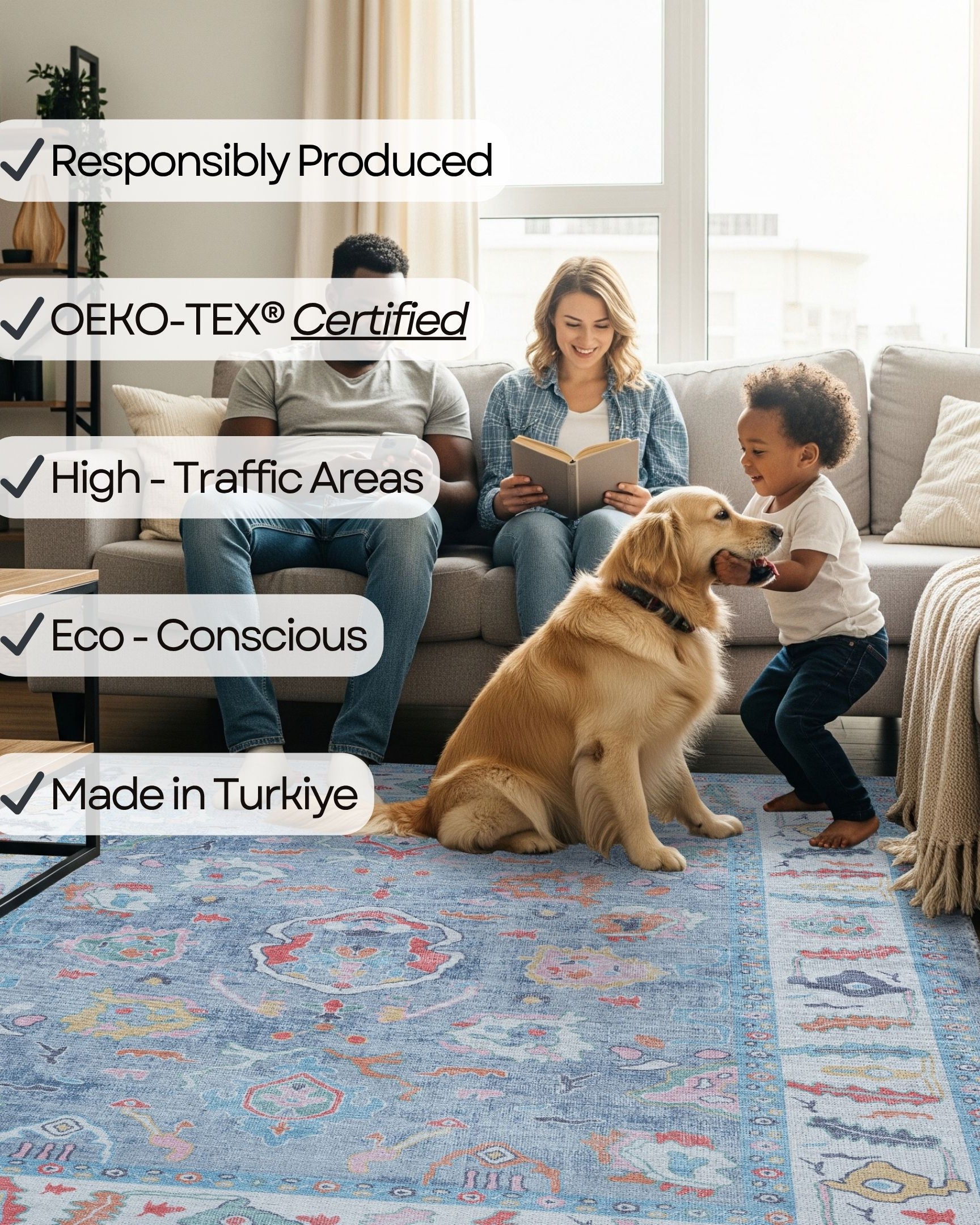
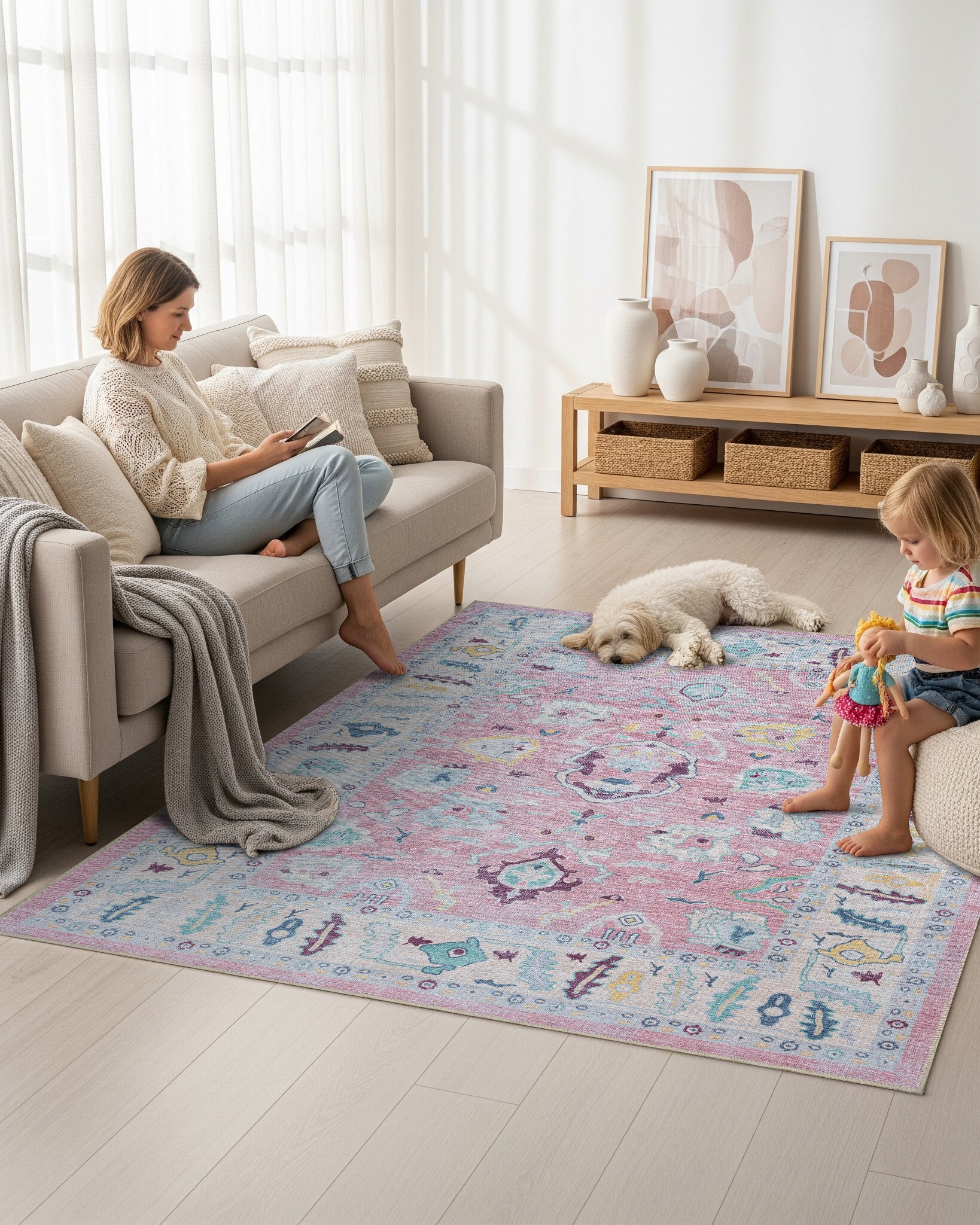
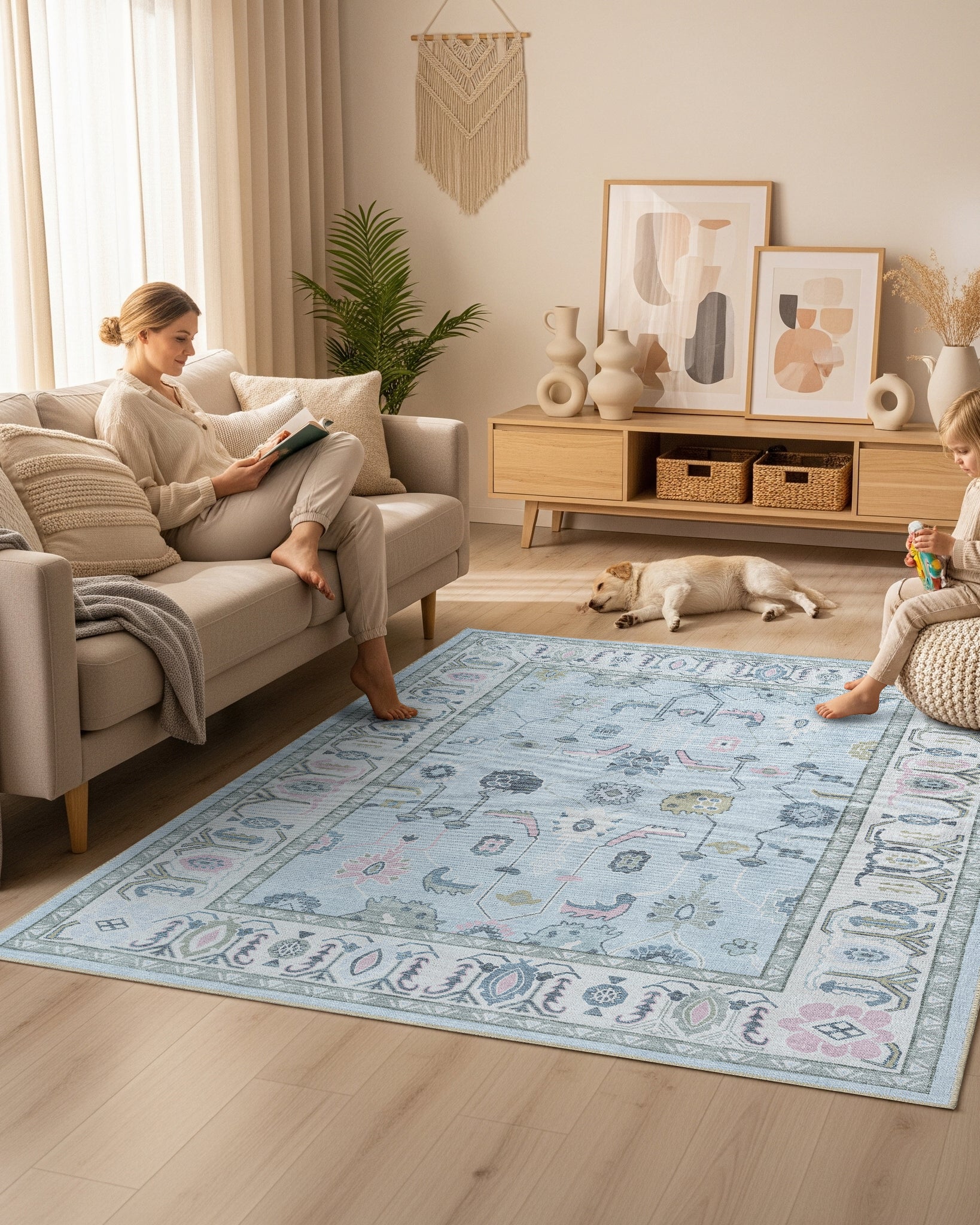
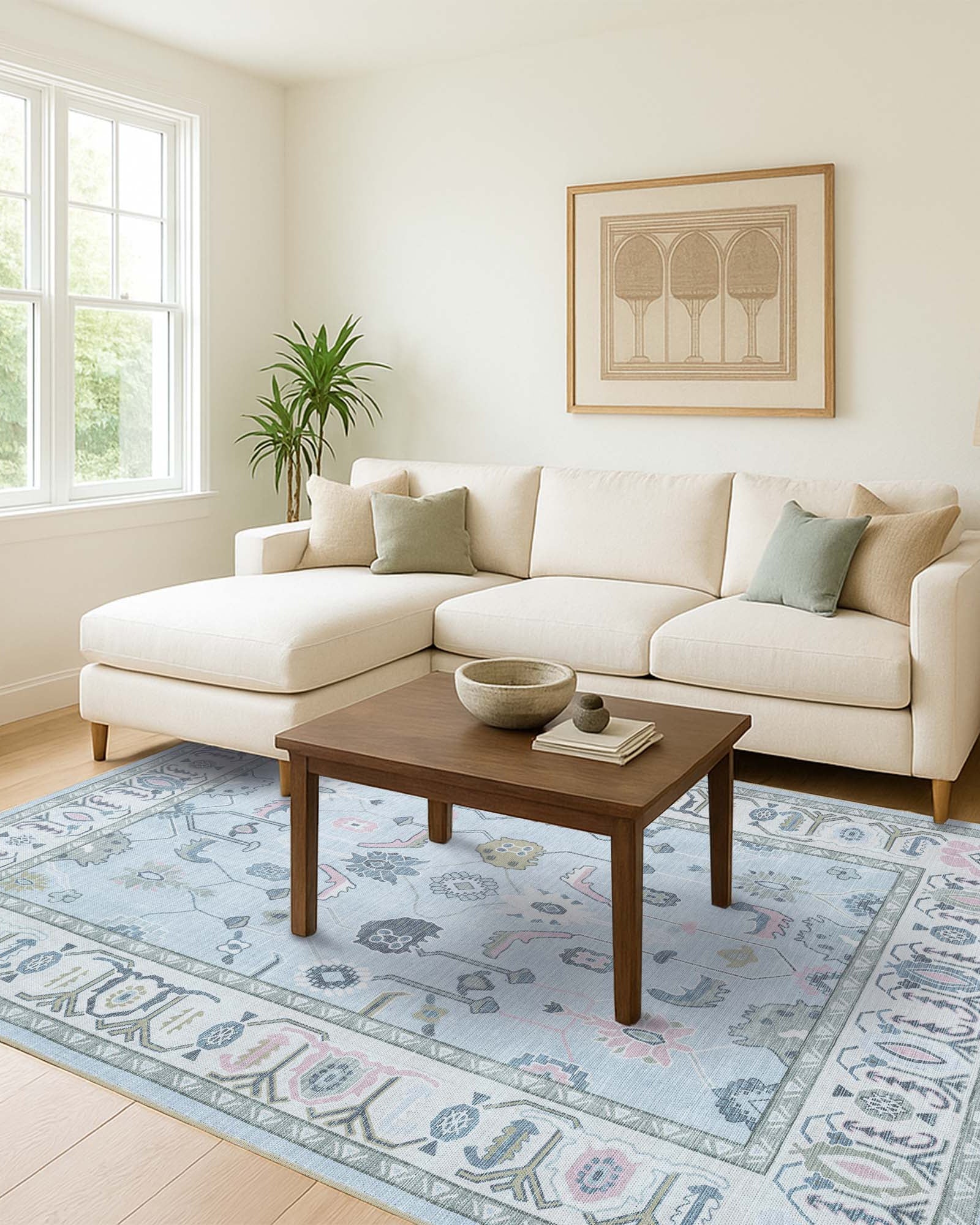
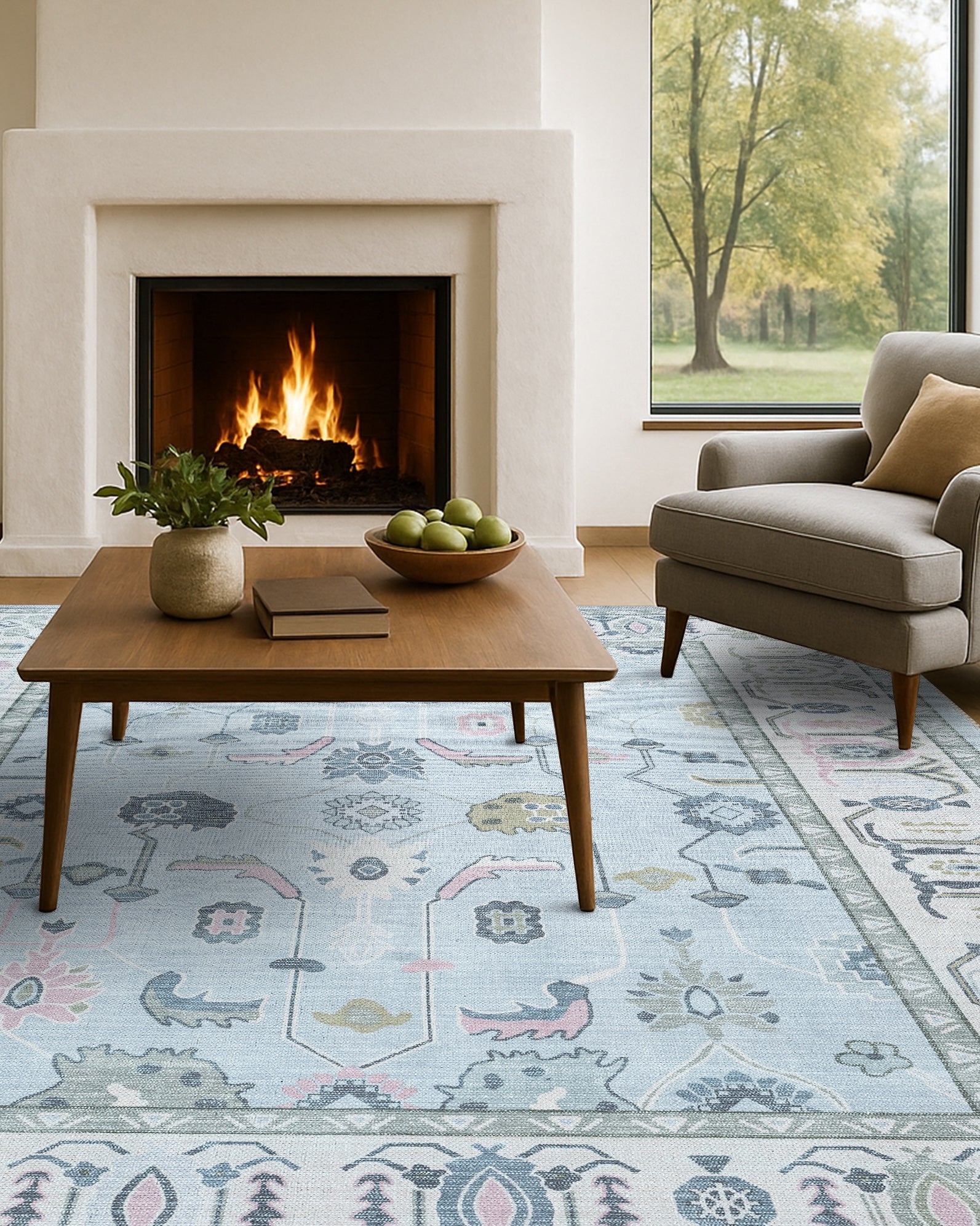
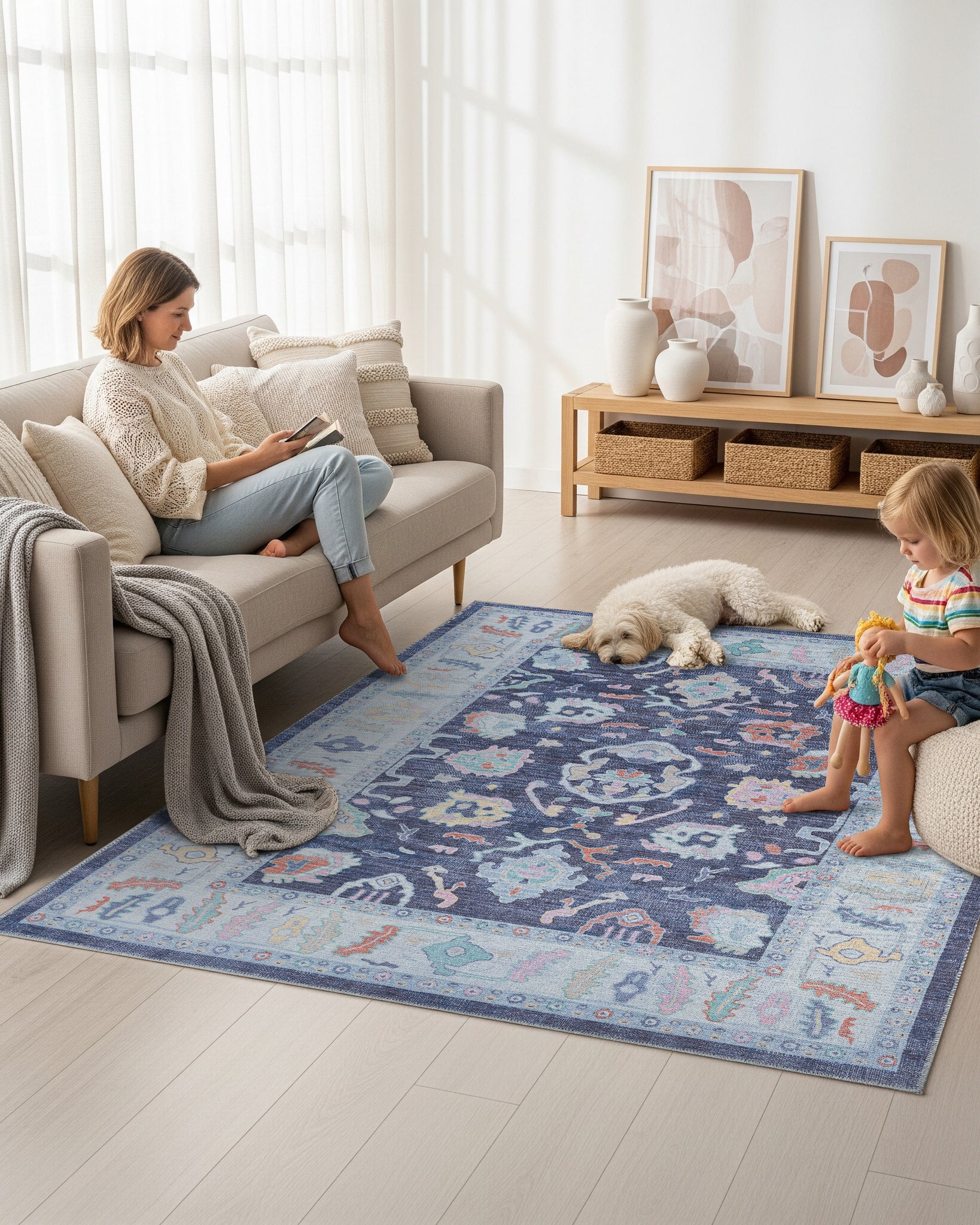
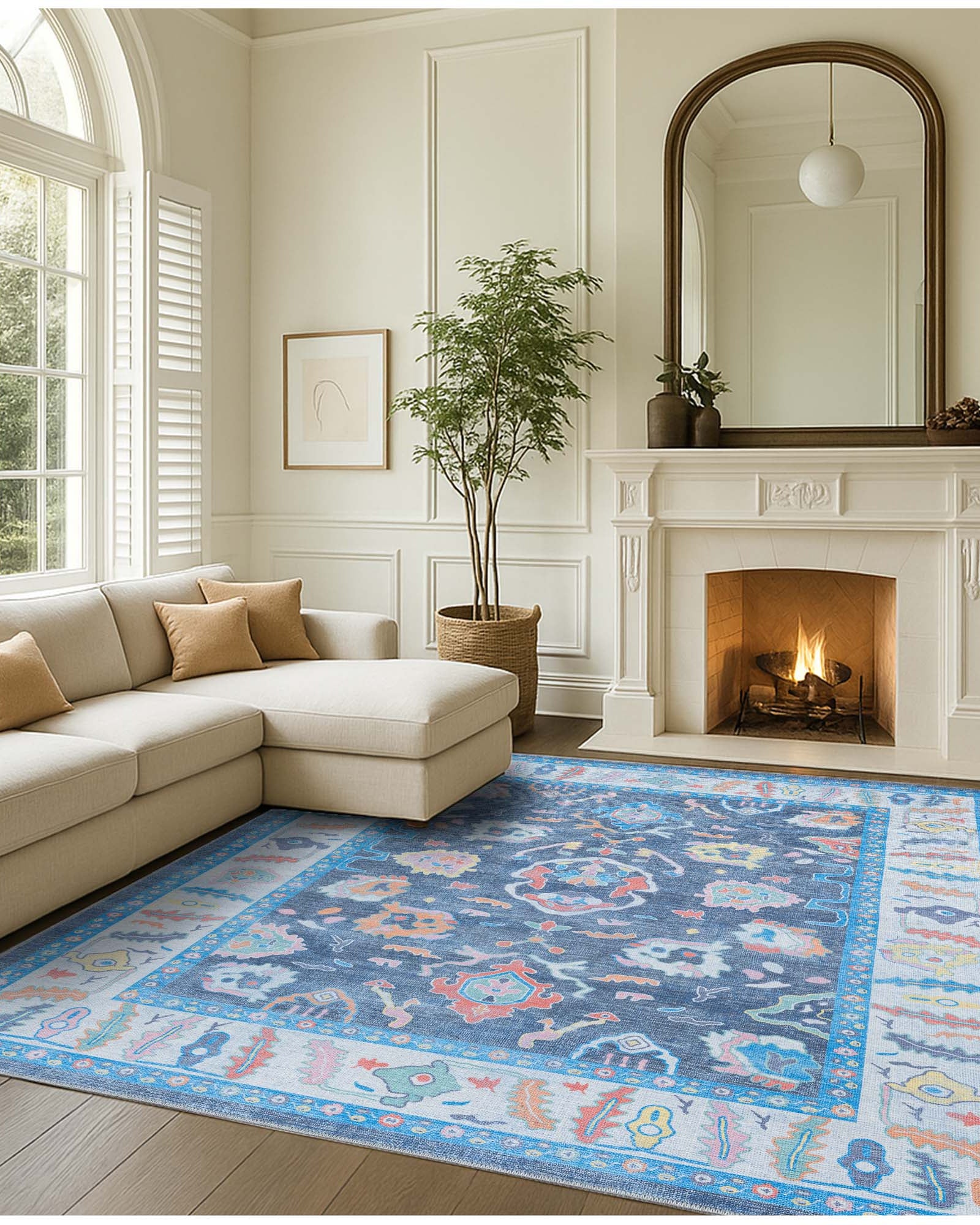
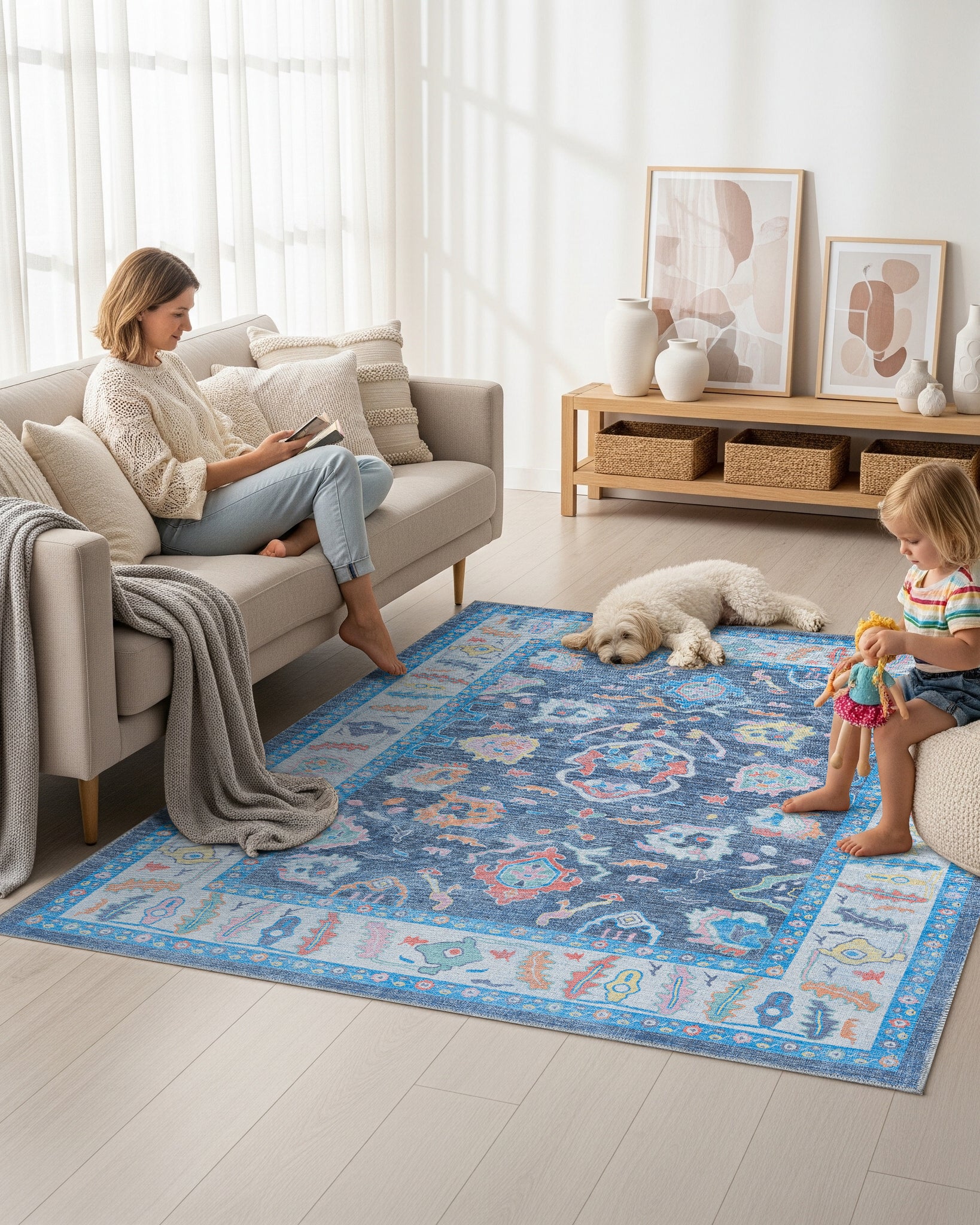
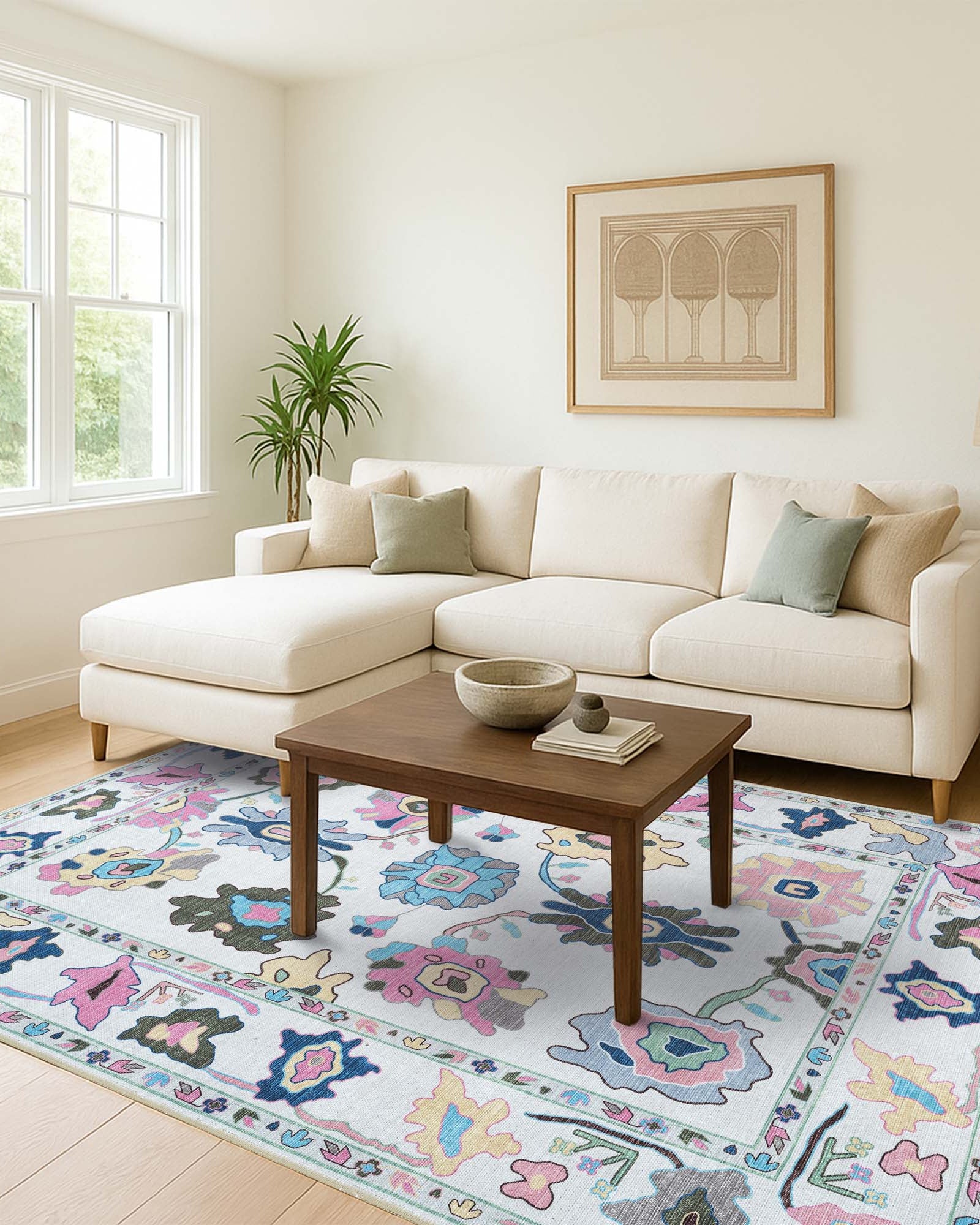
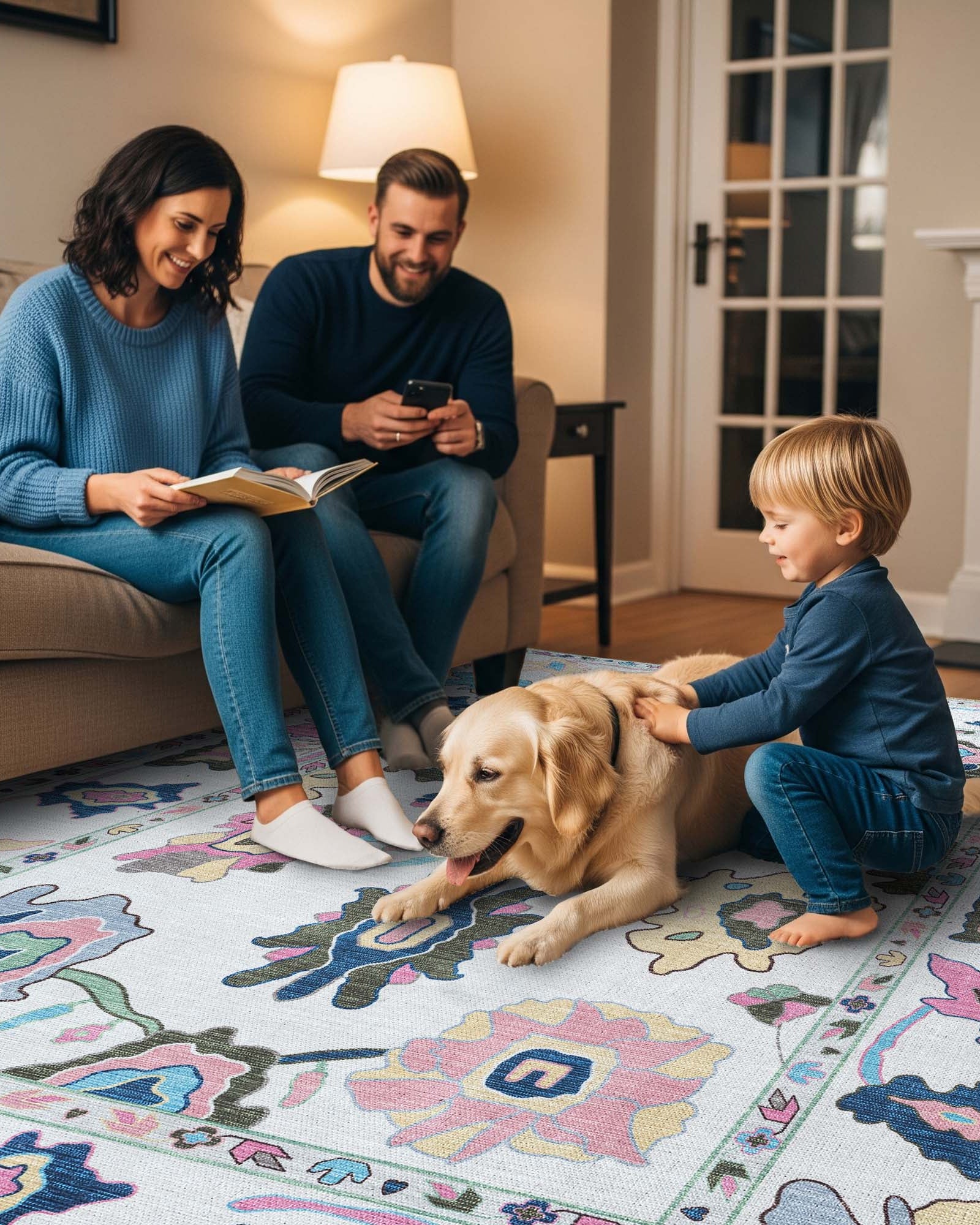
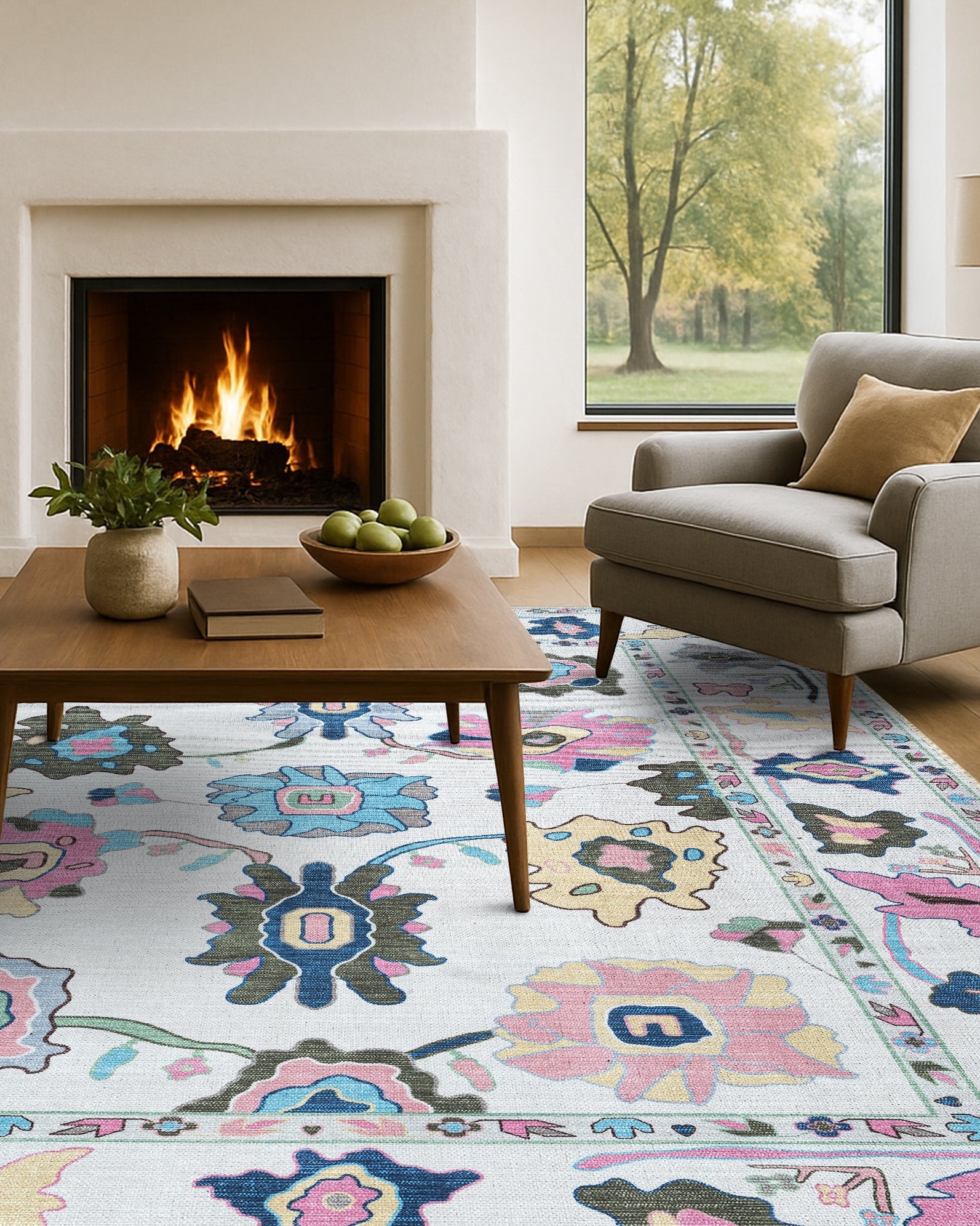
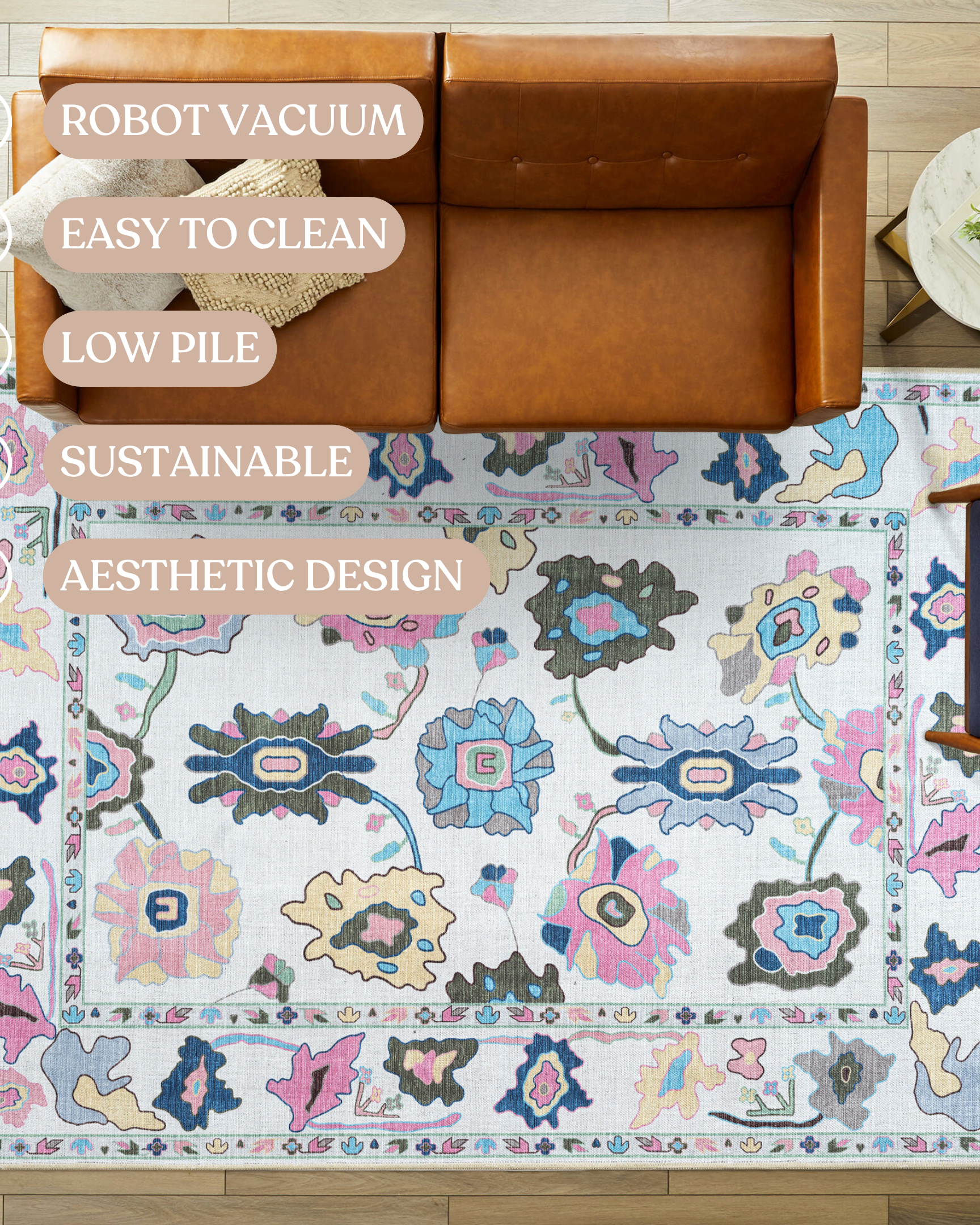
- Living Rooms: Anchor your seating area with a large hand-knotted Turkish rug for a dramatic focal point.
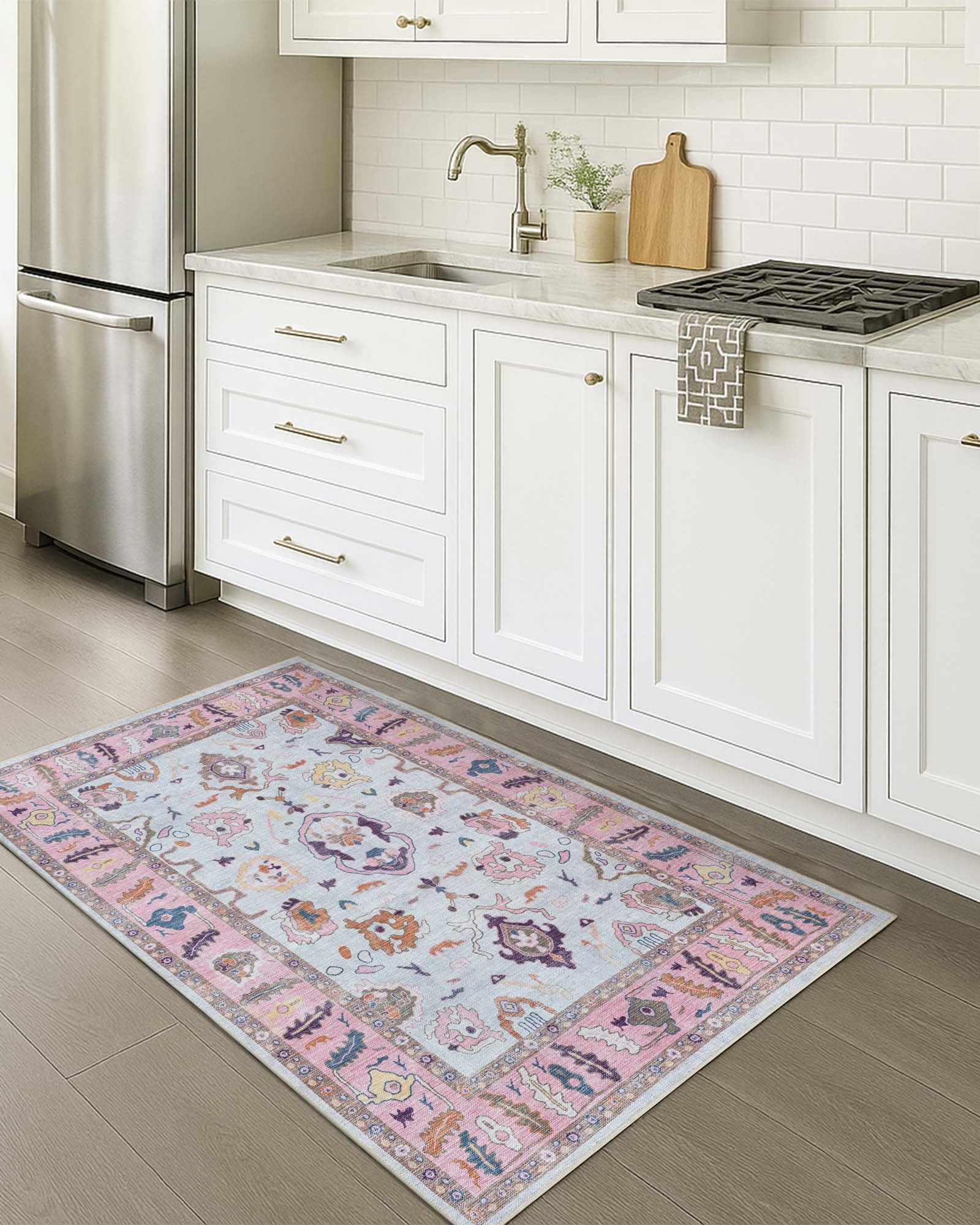
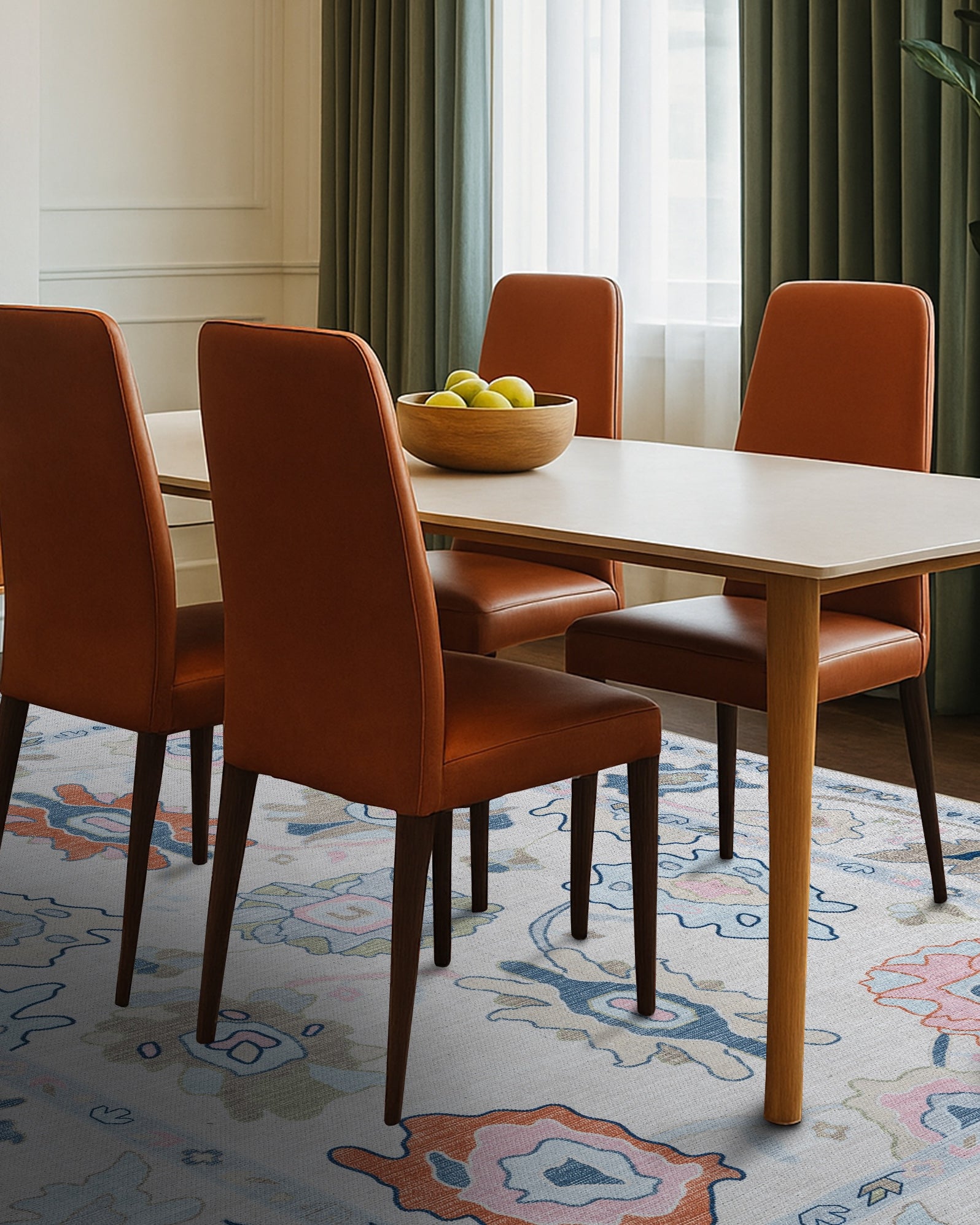
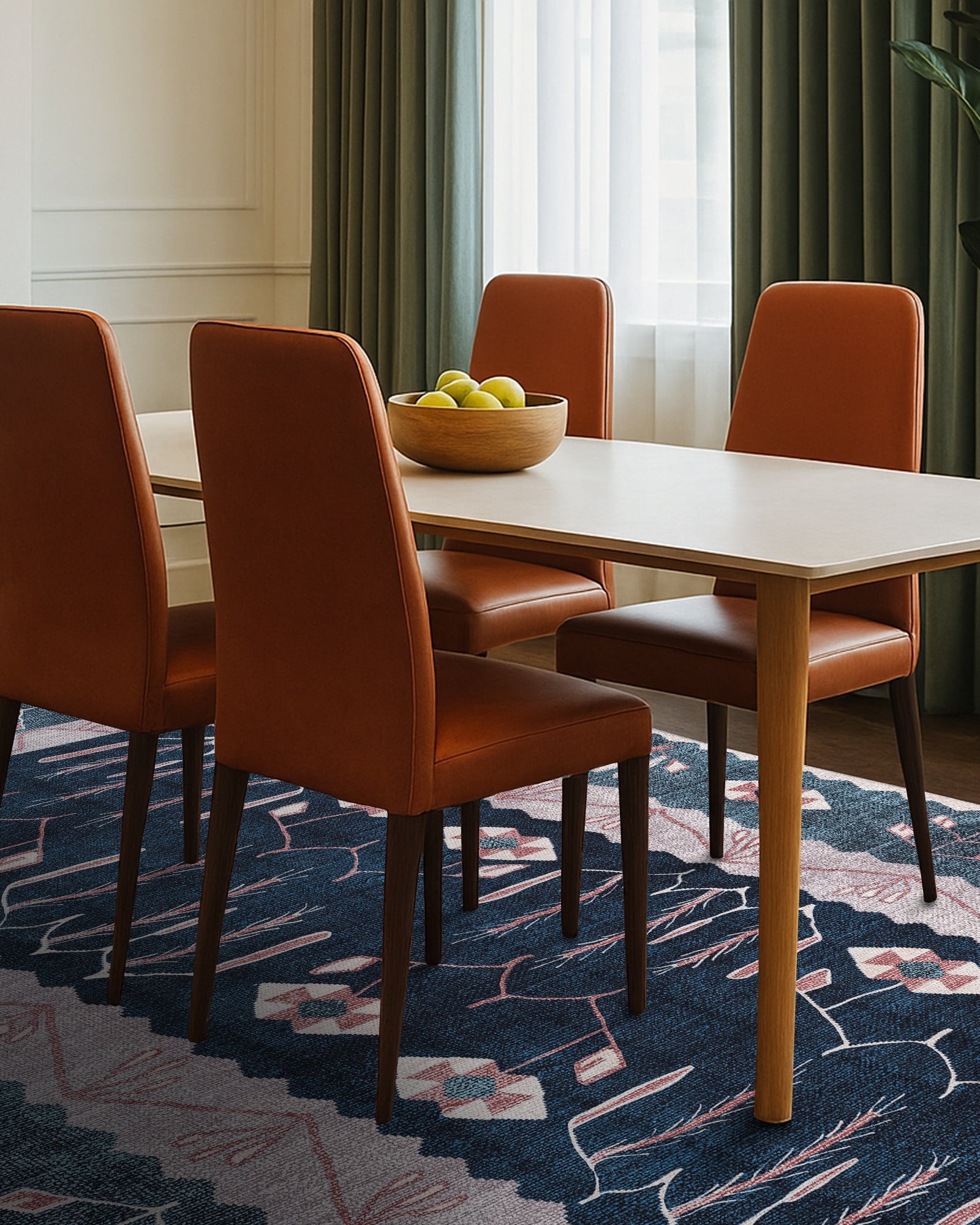
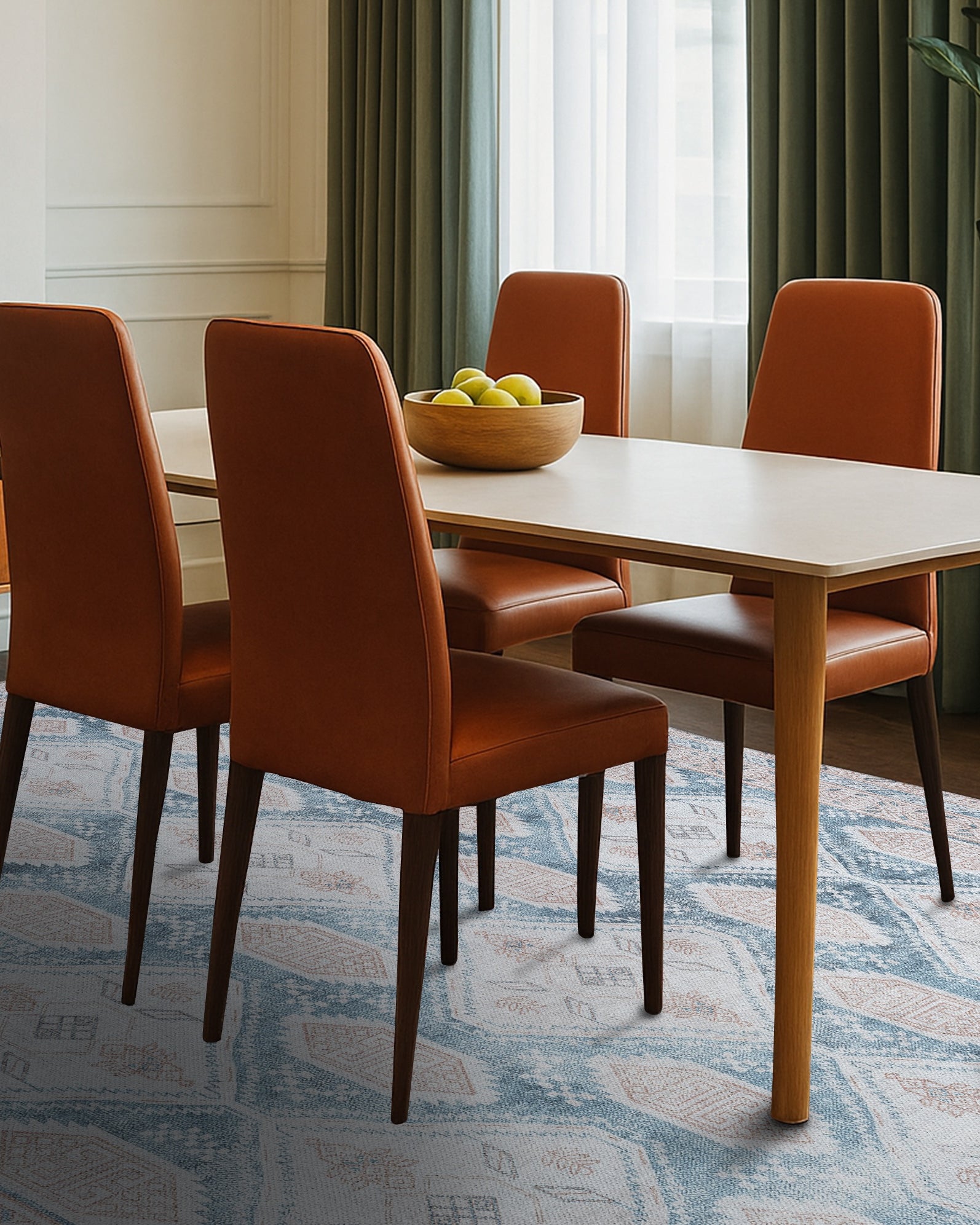
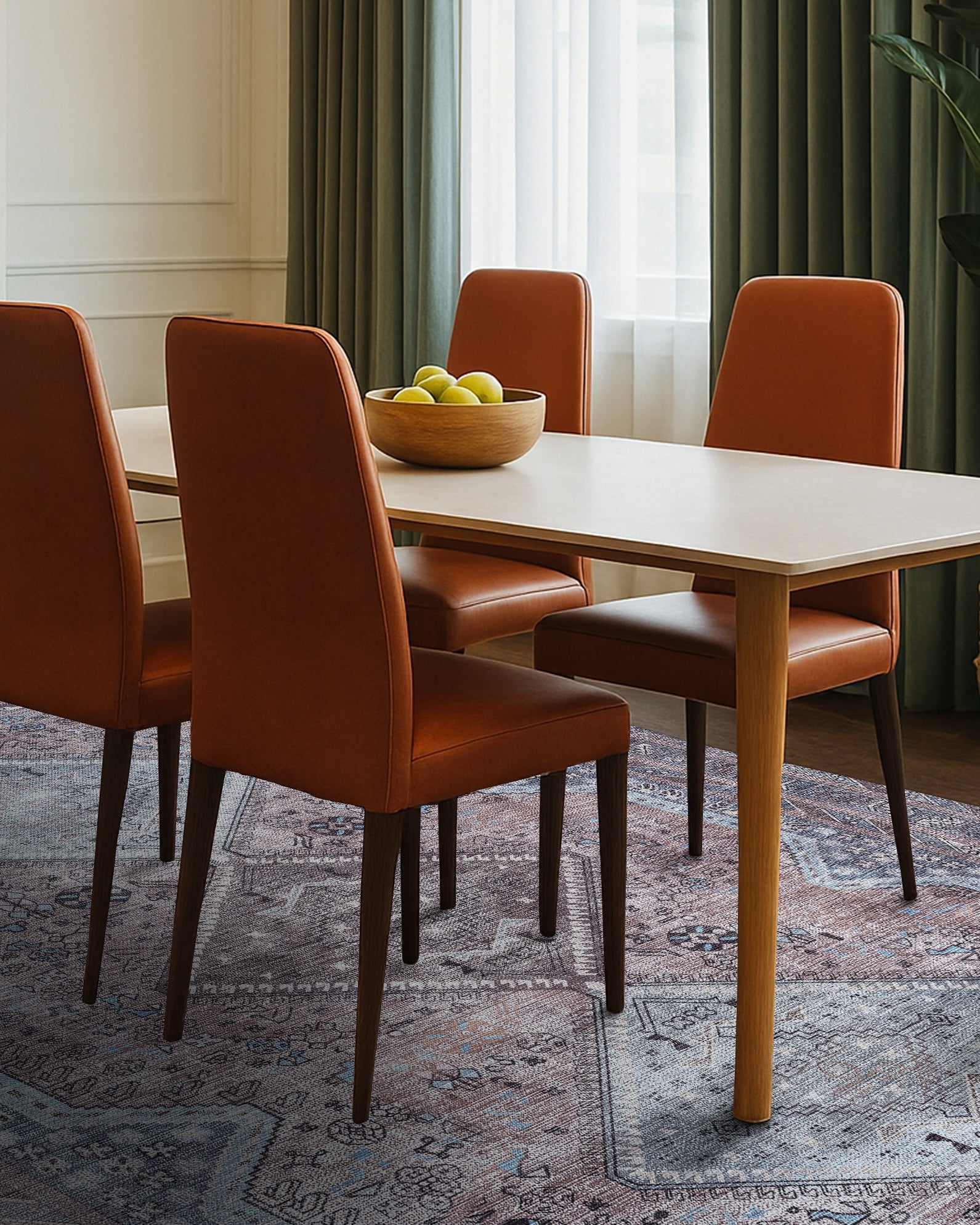
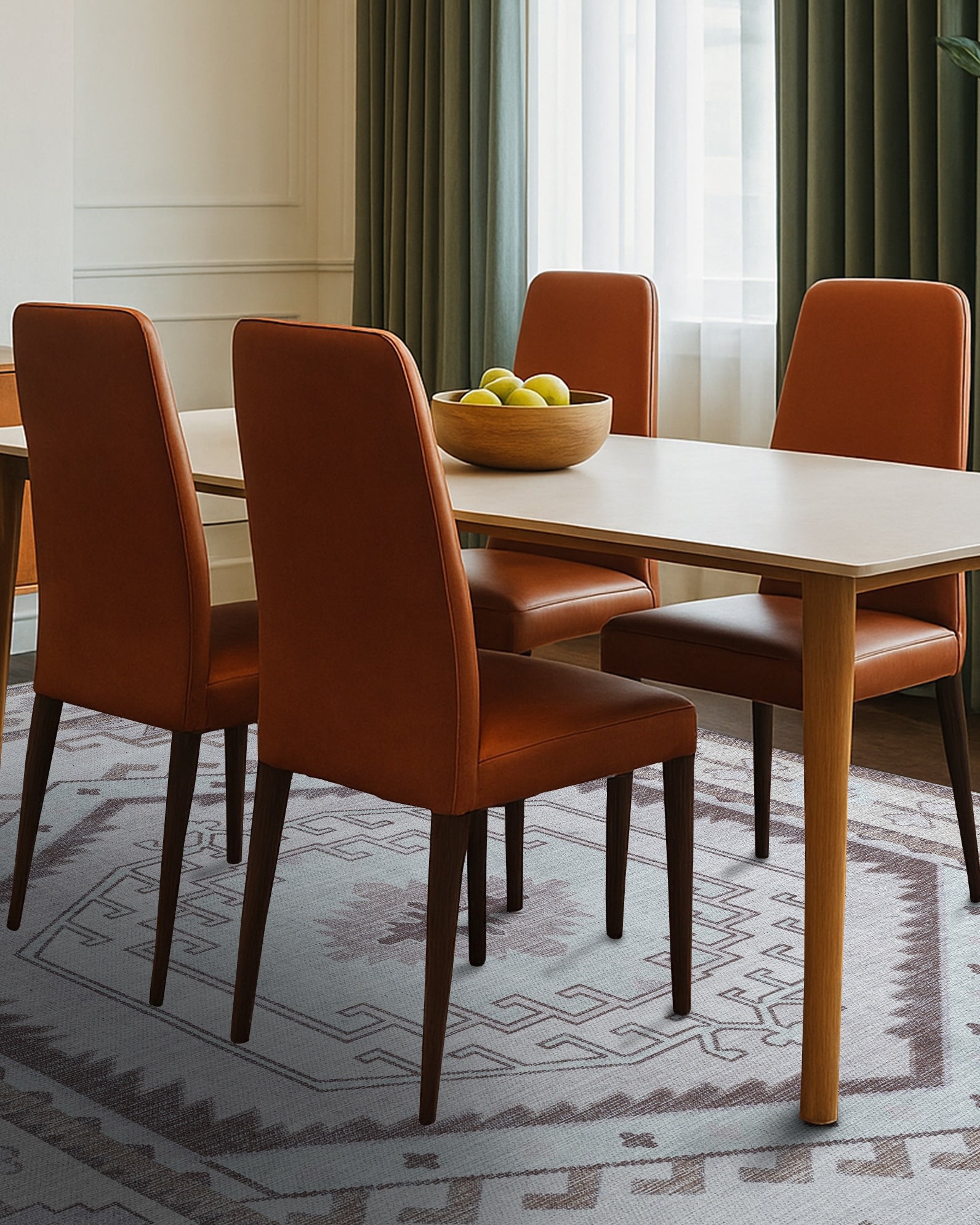
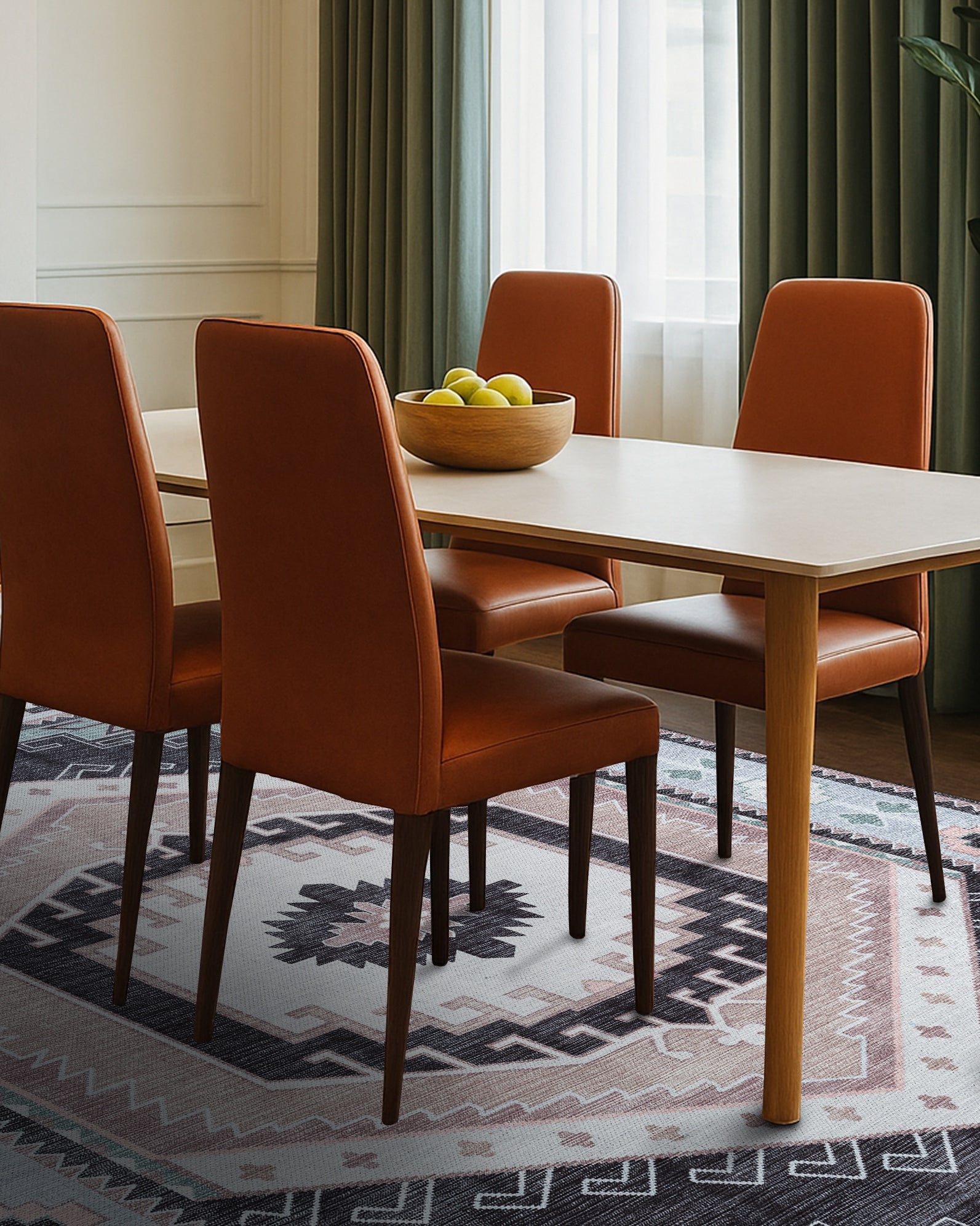
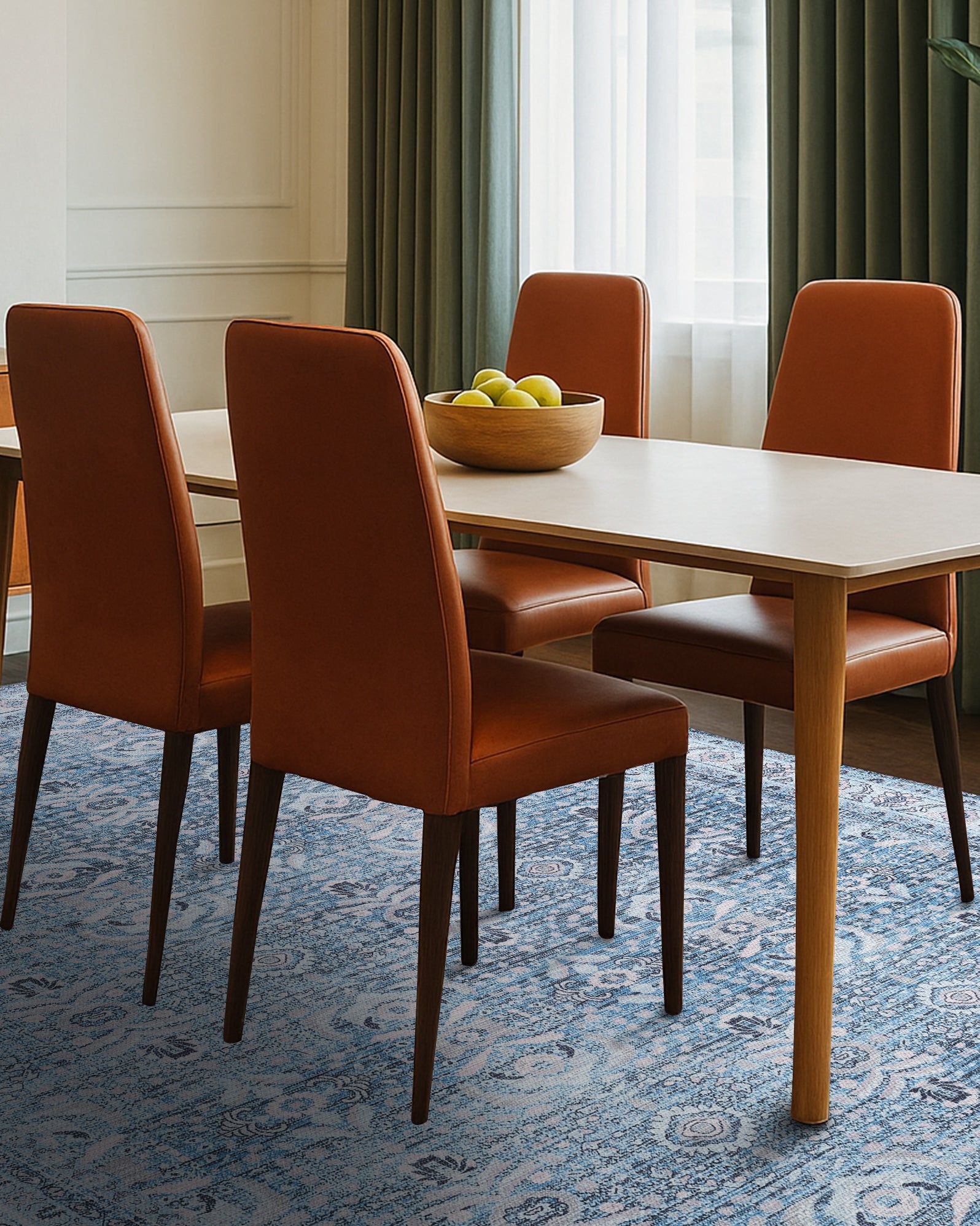
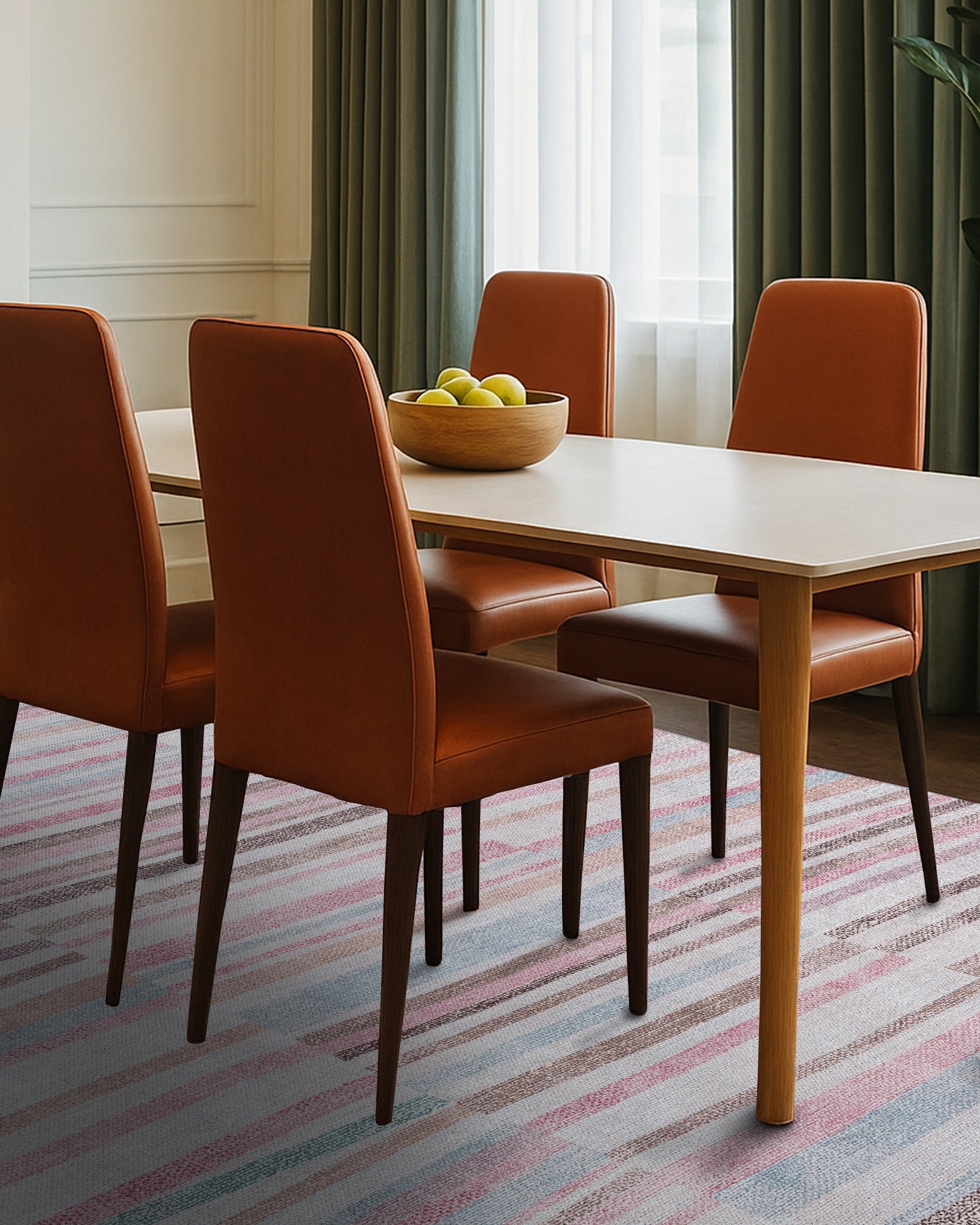
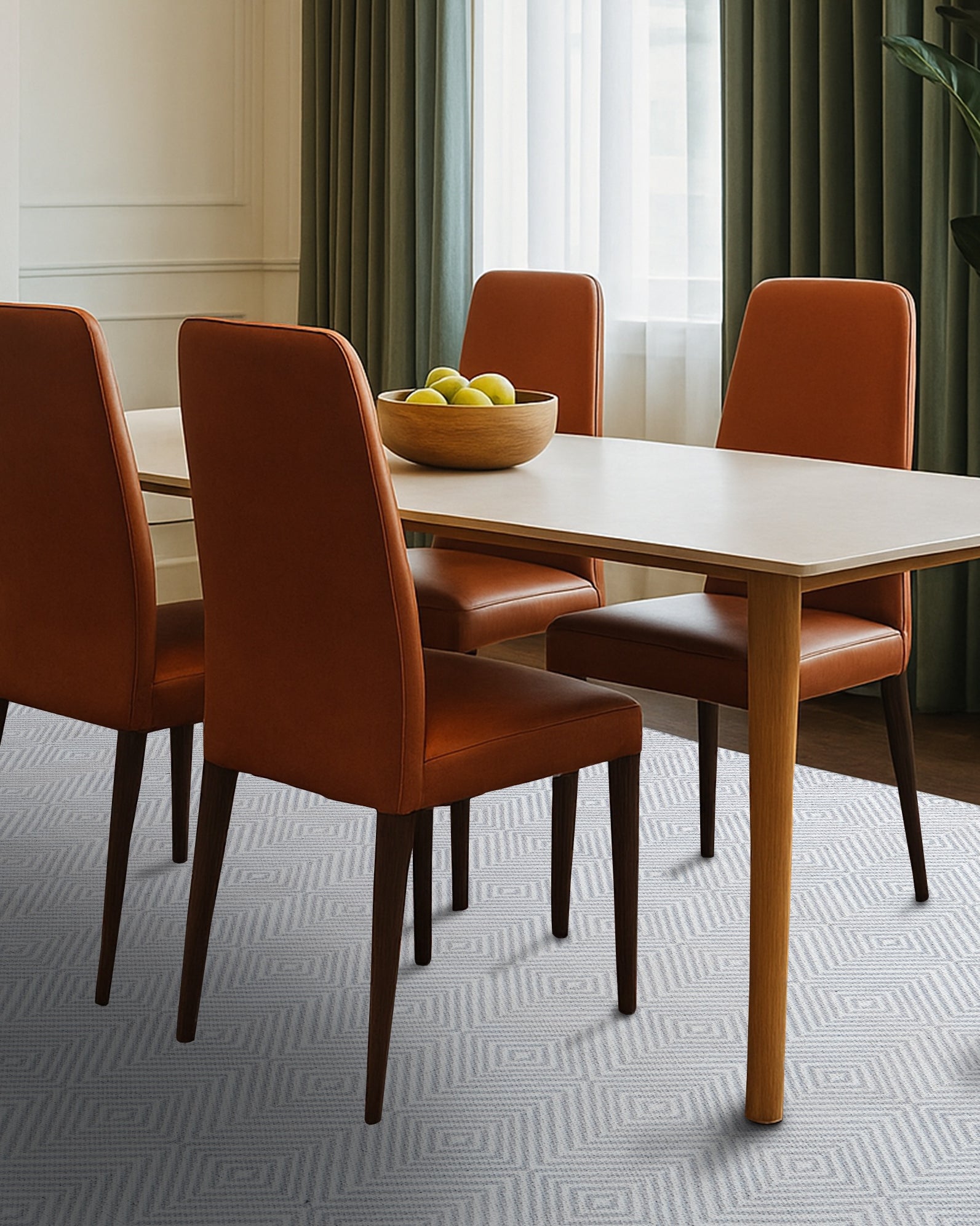
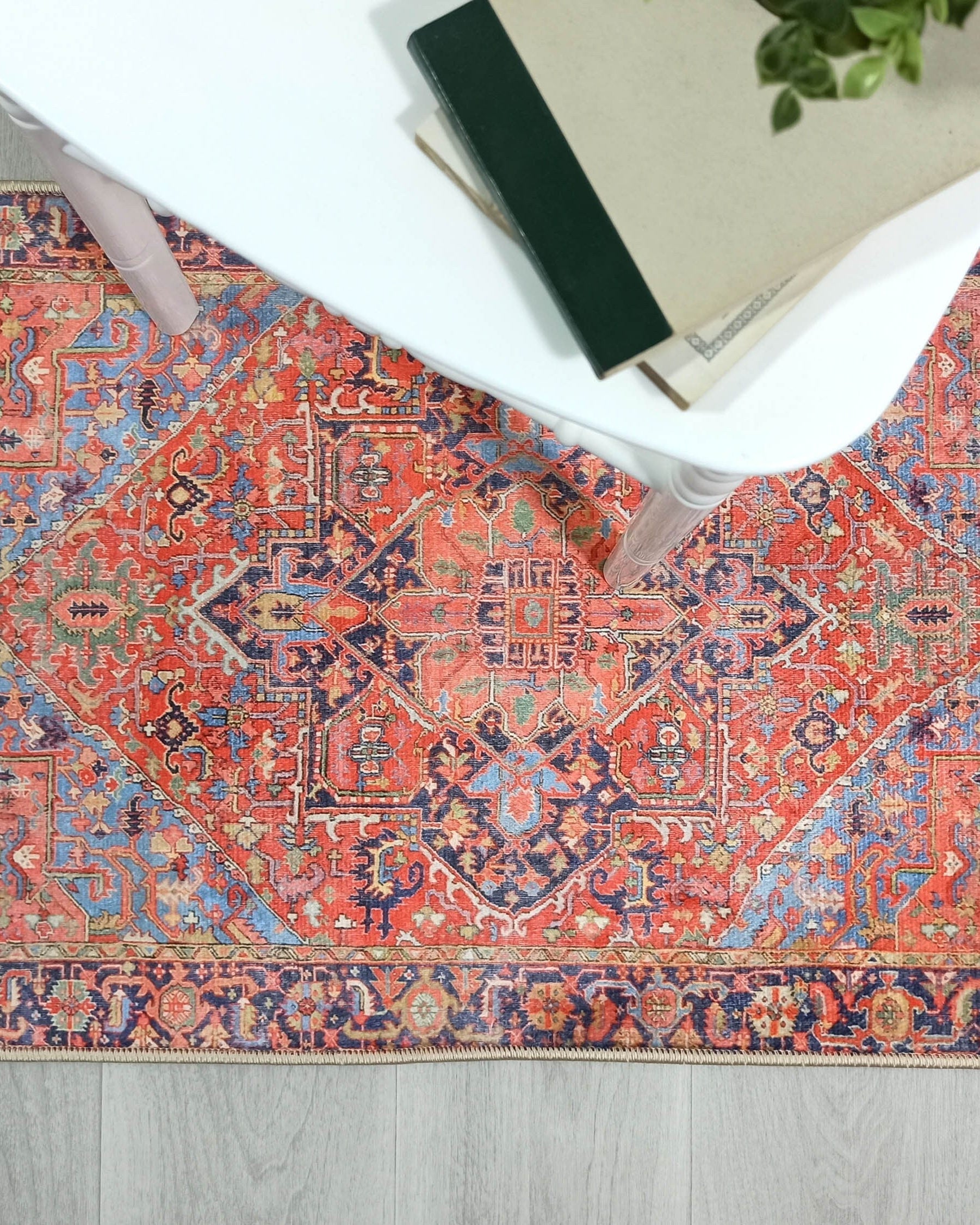
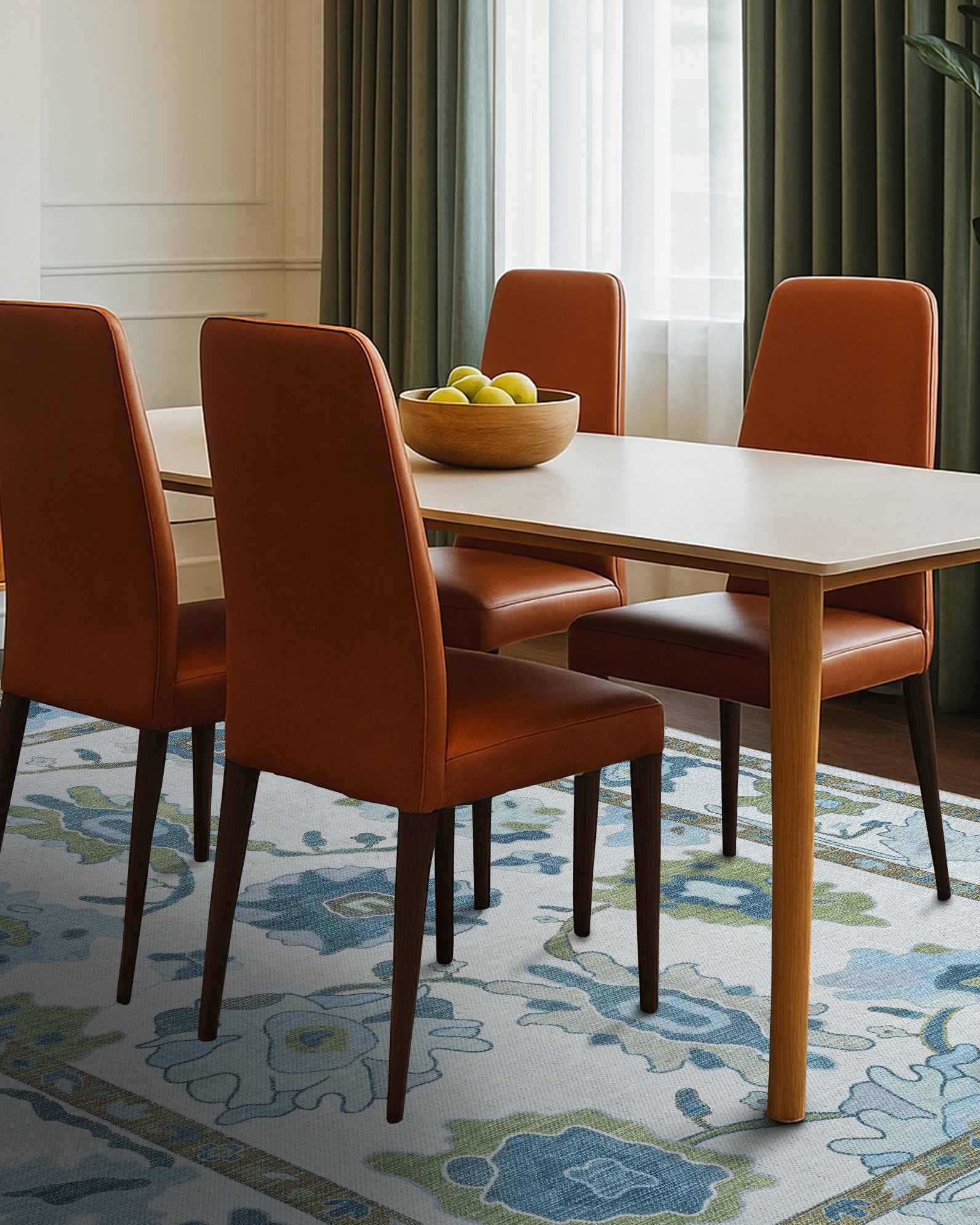
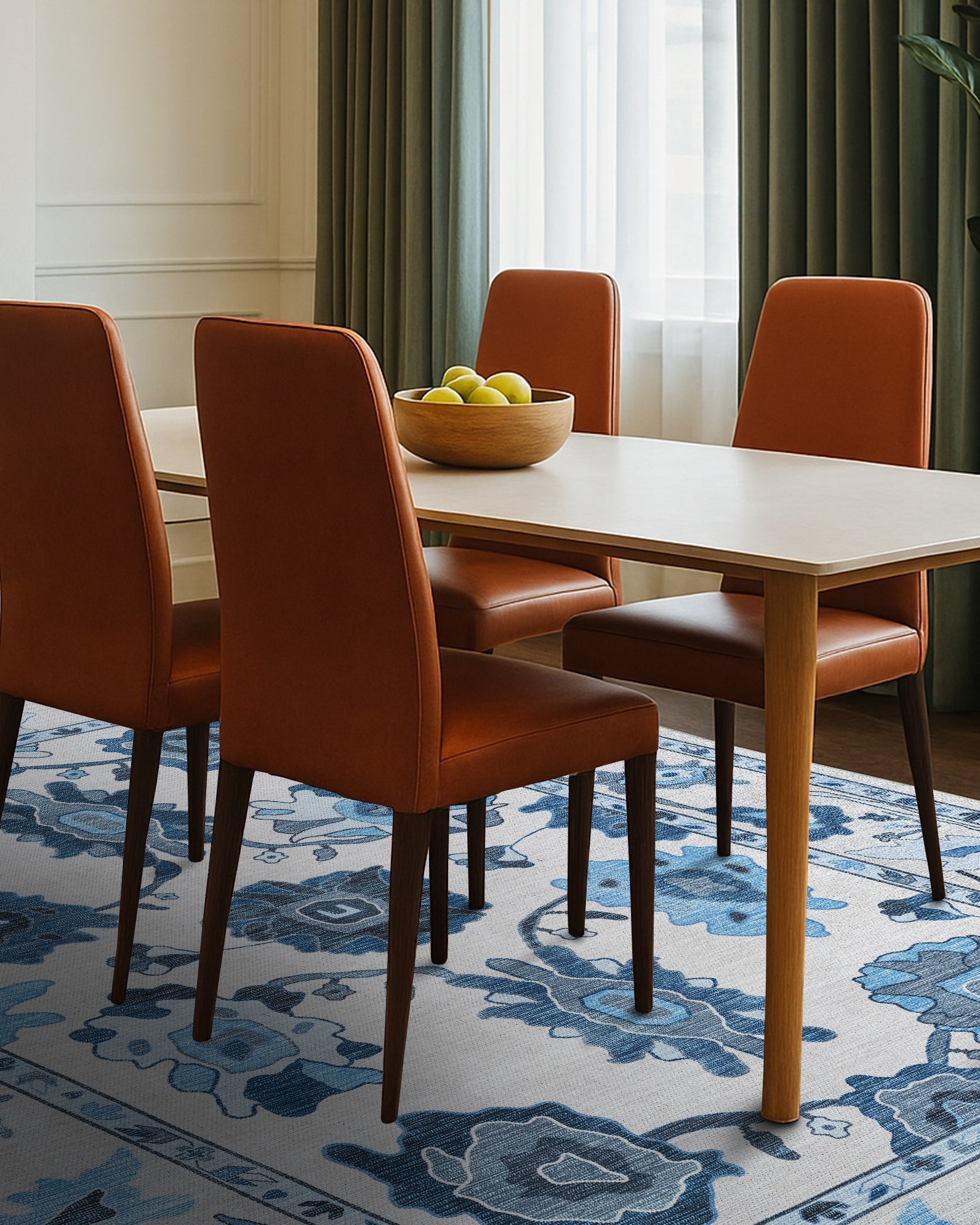
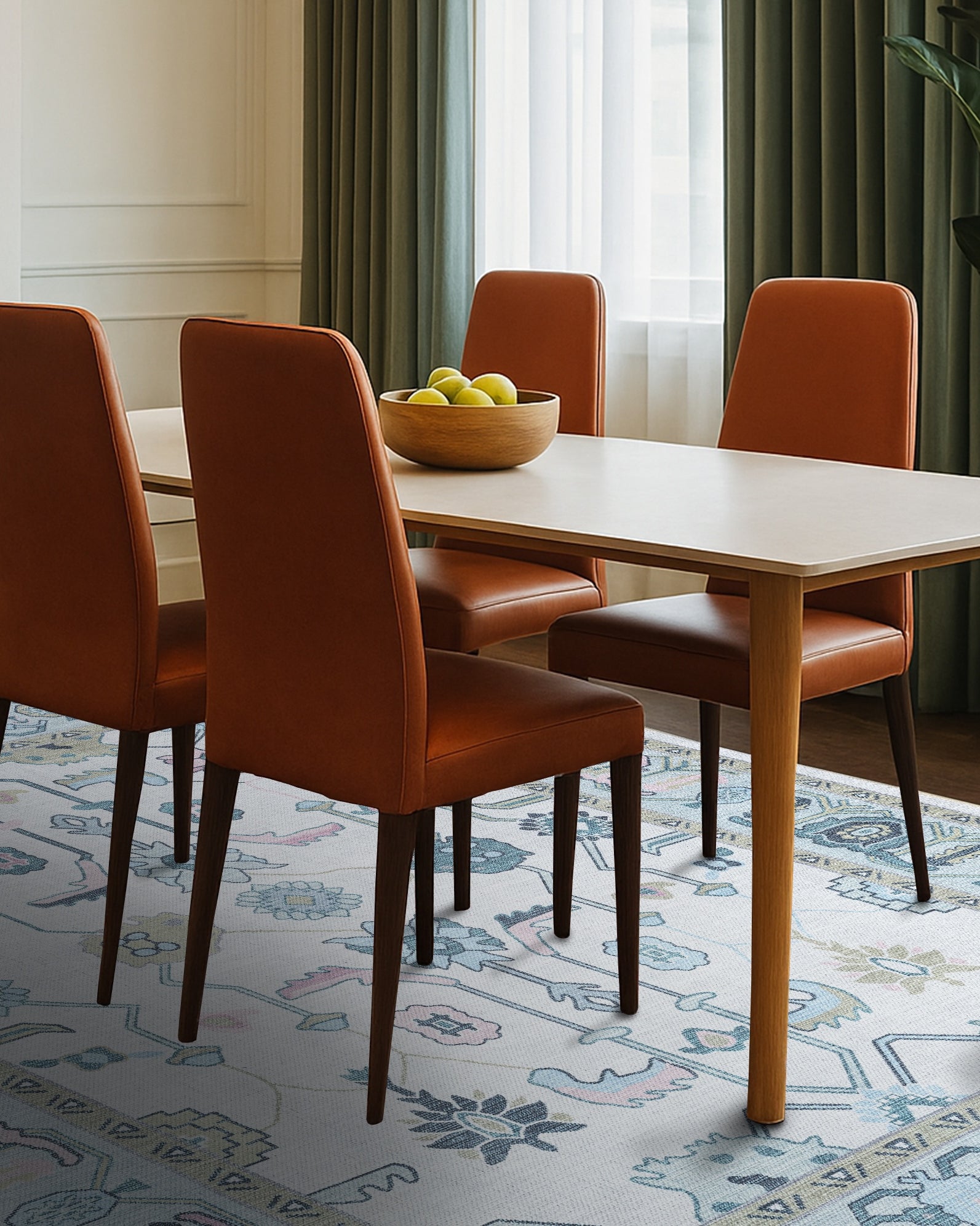
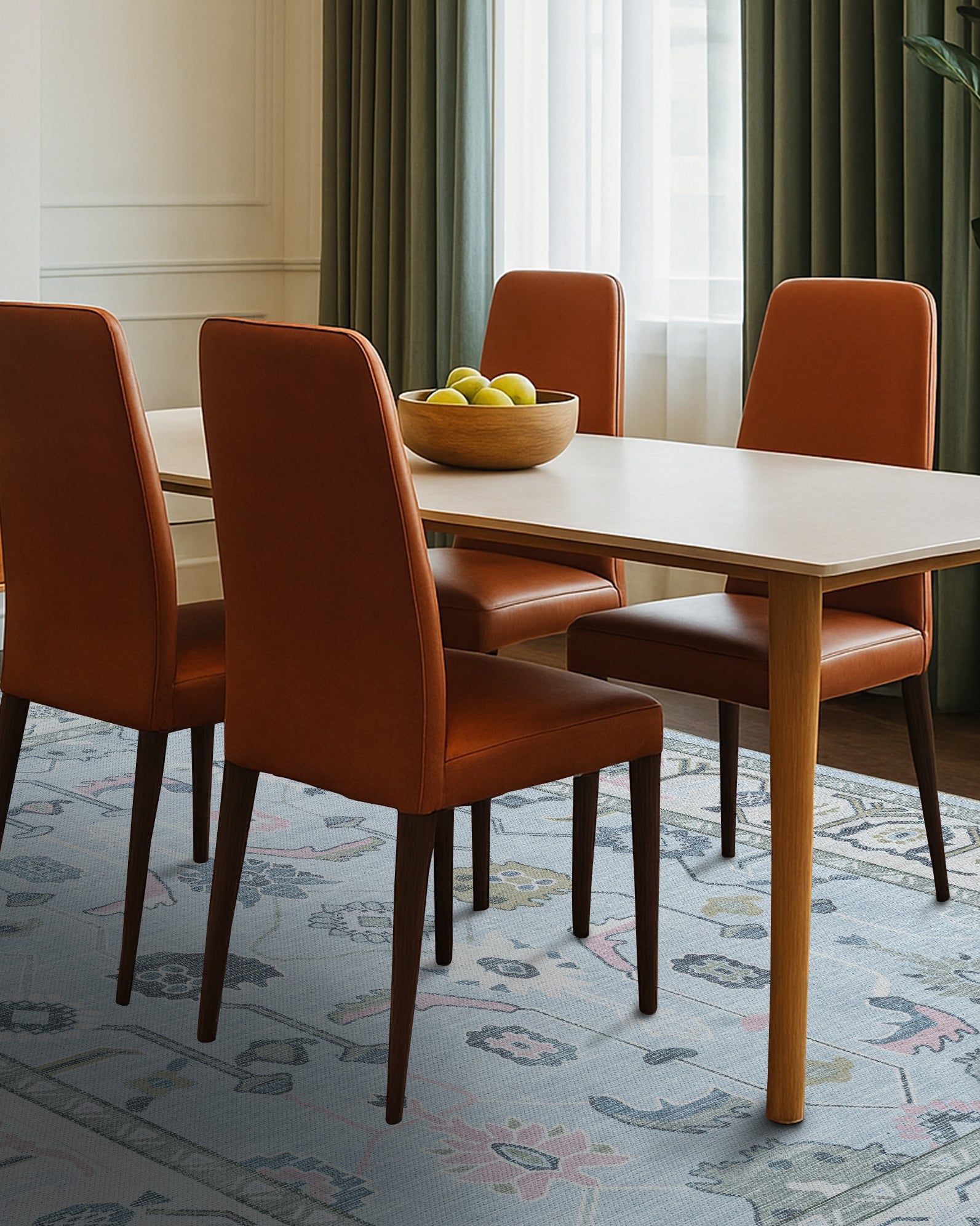
- Dining Rooms: Add warmth with a wool Turkish rug that can withstand regular use.
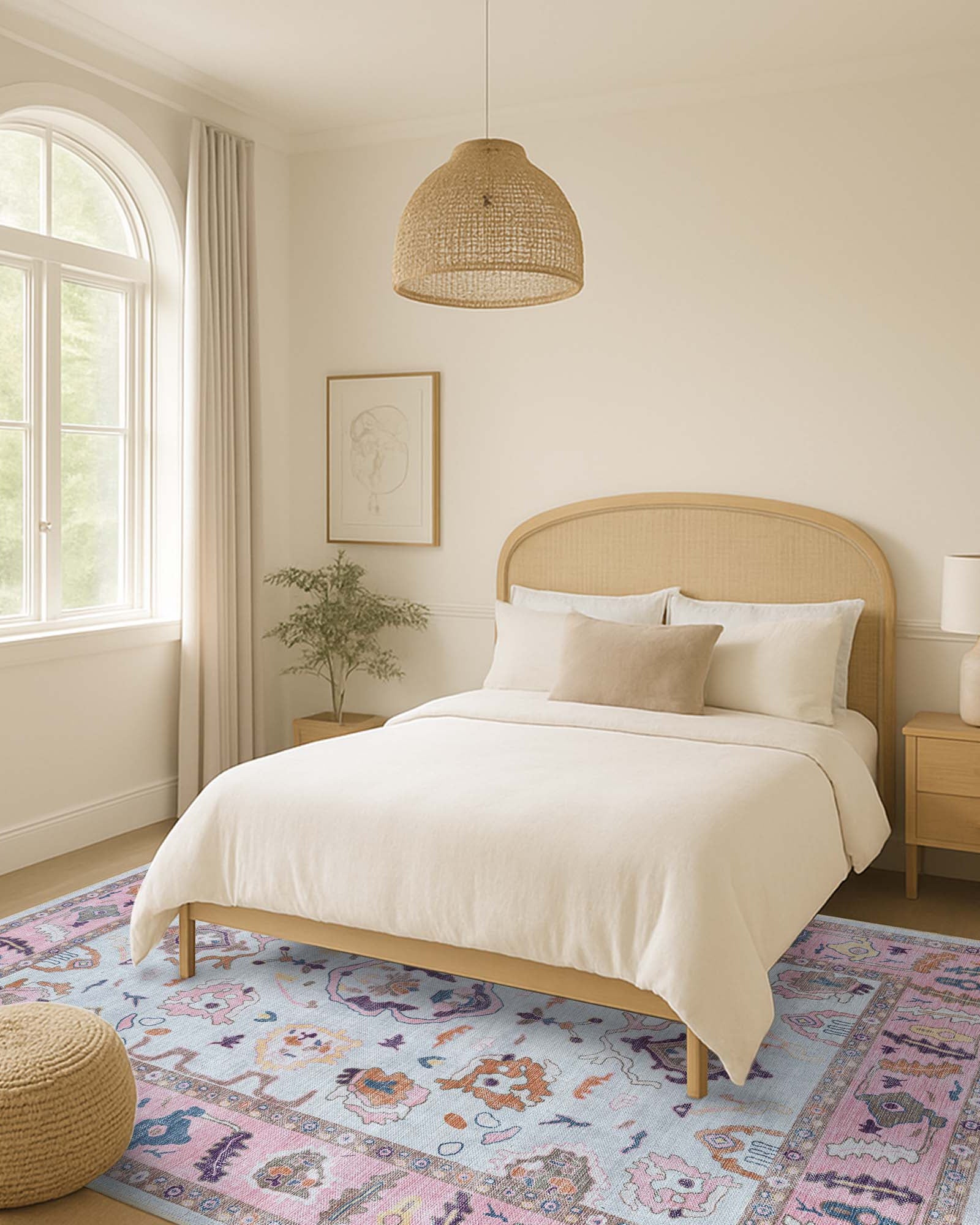
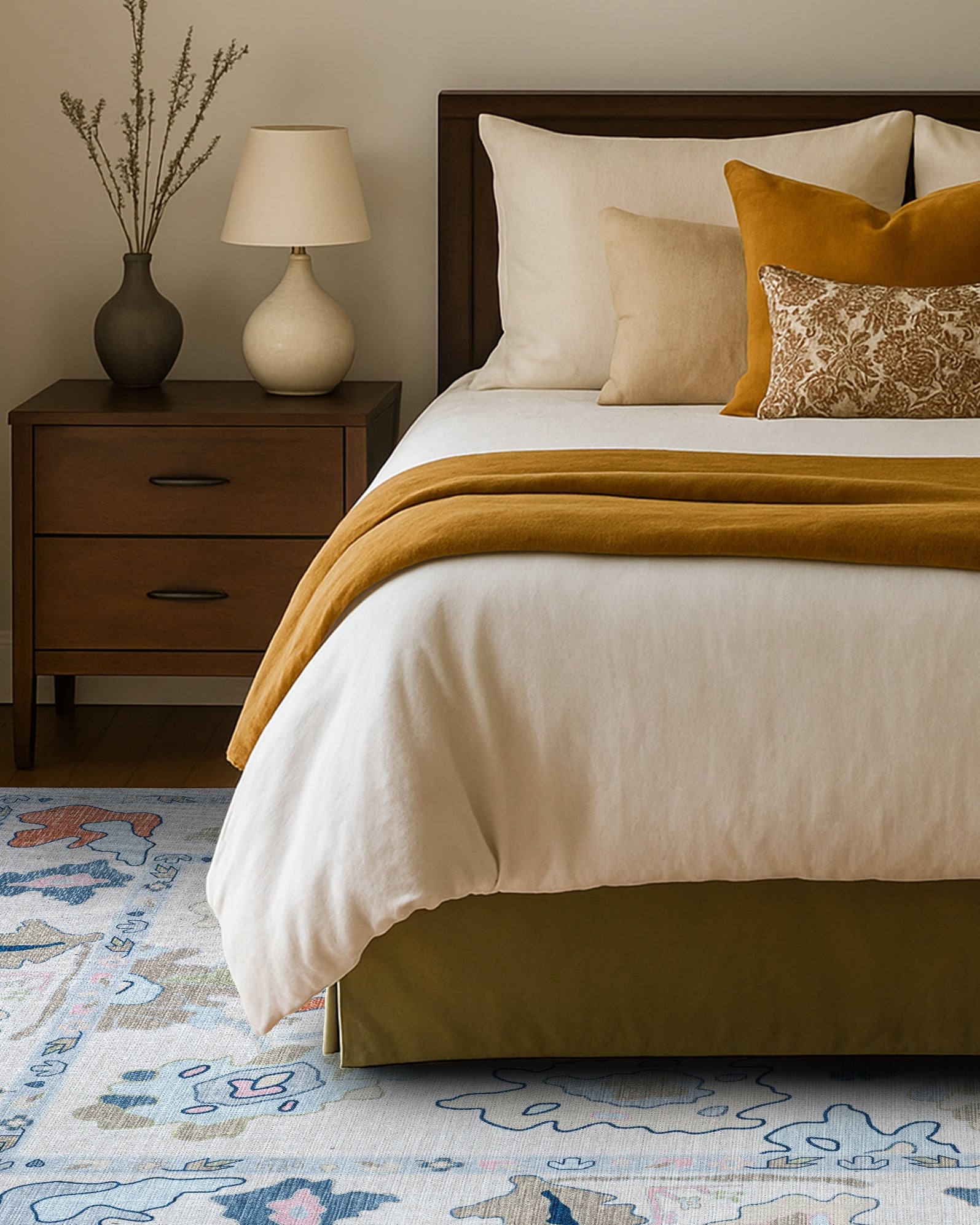
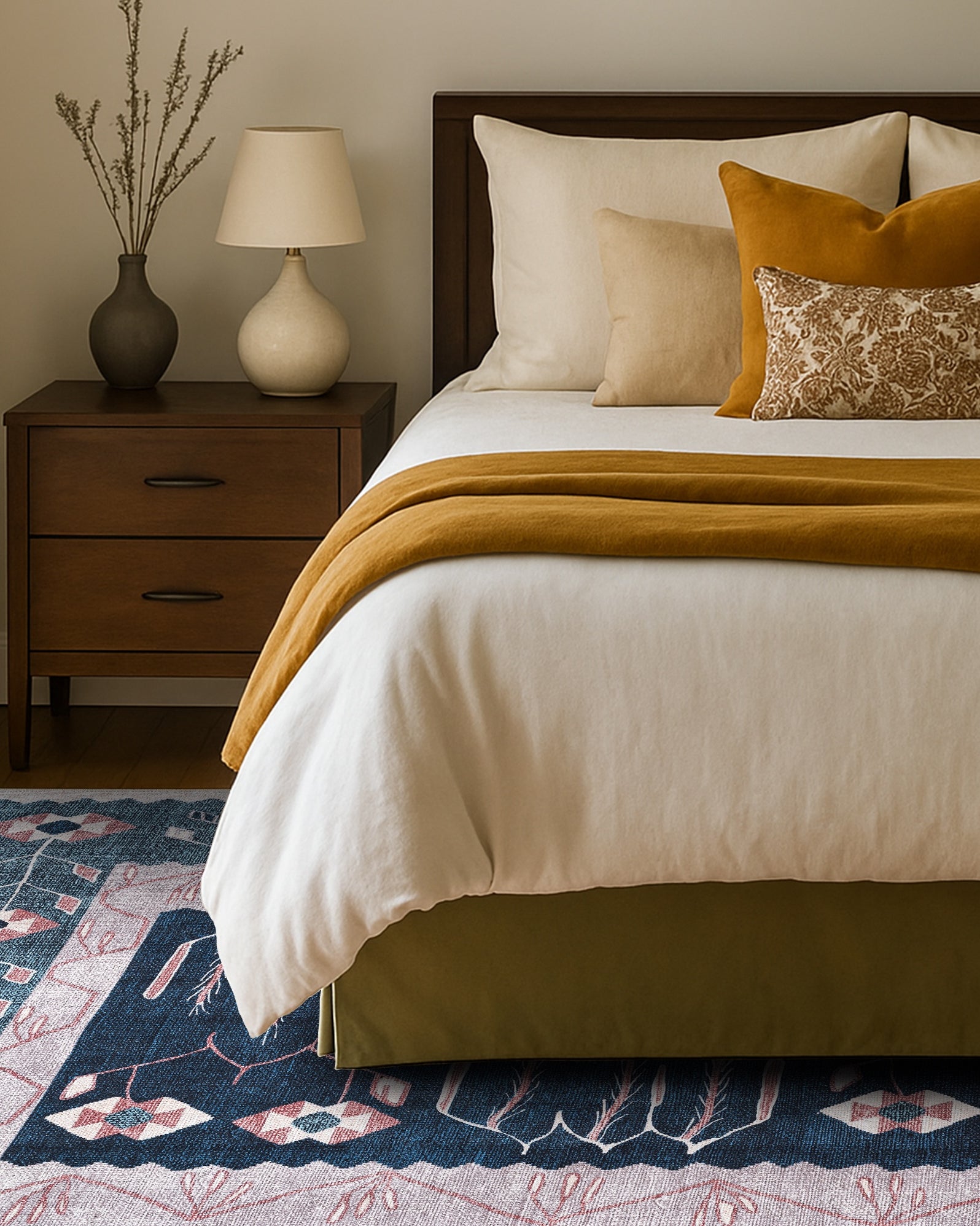
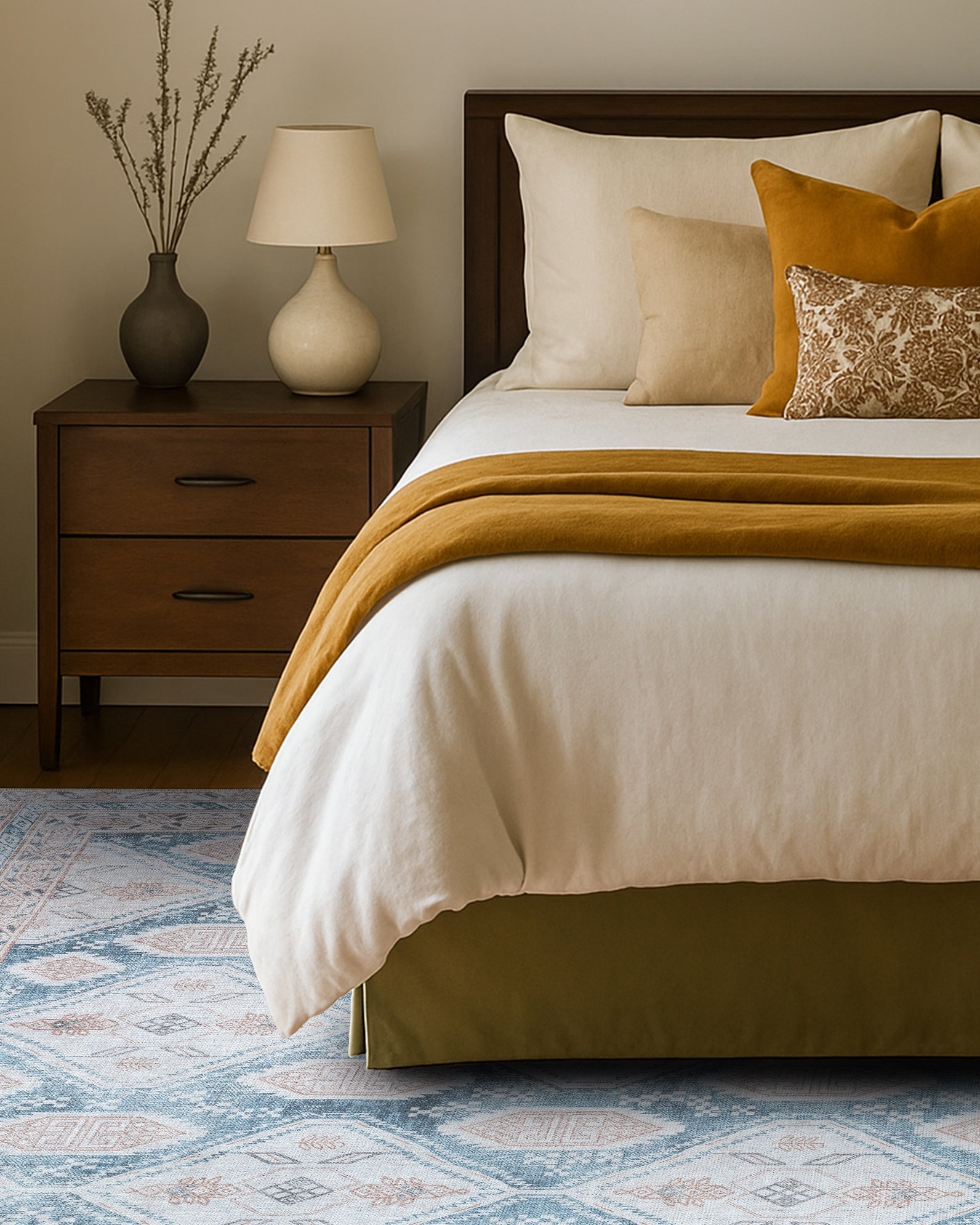
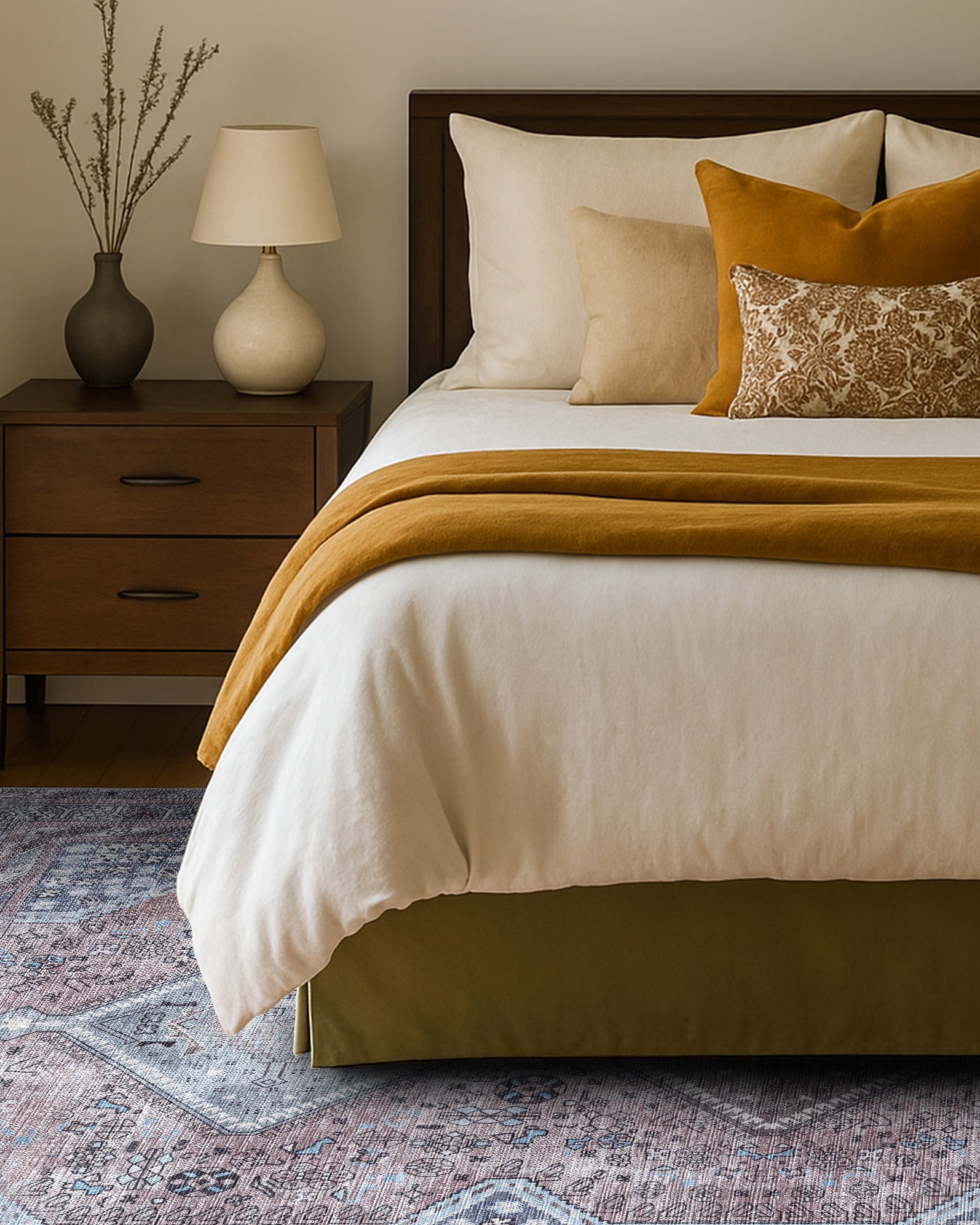
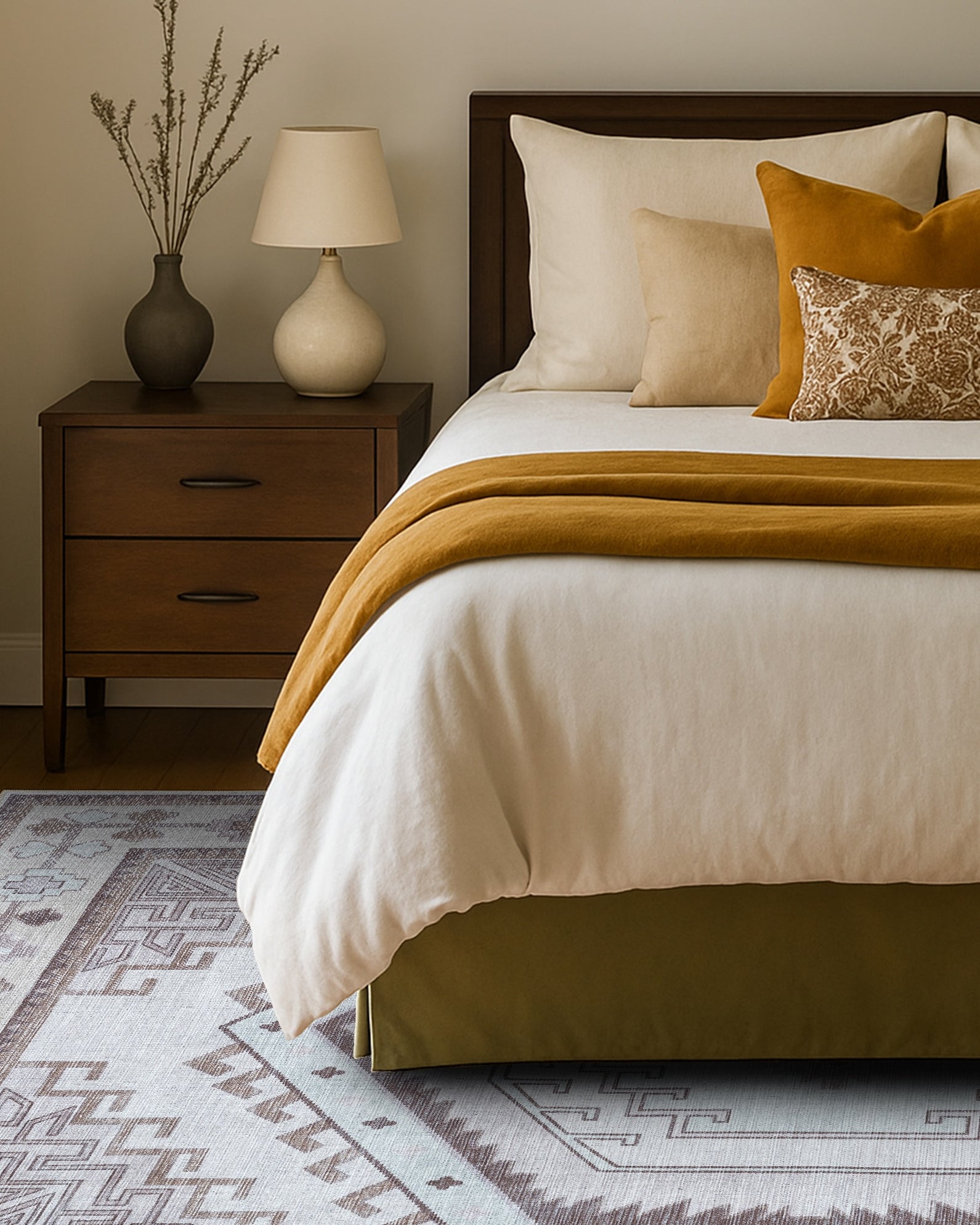
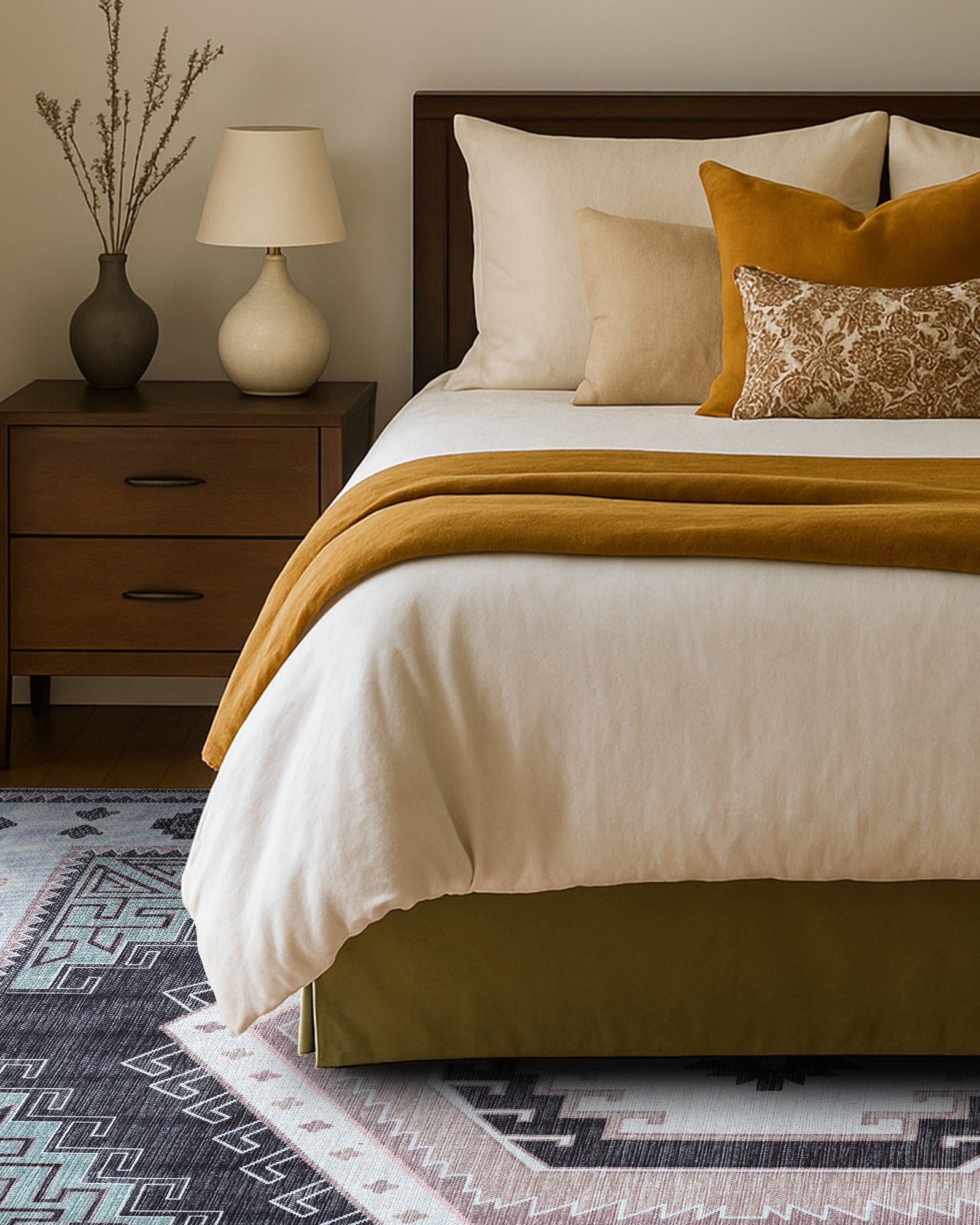
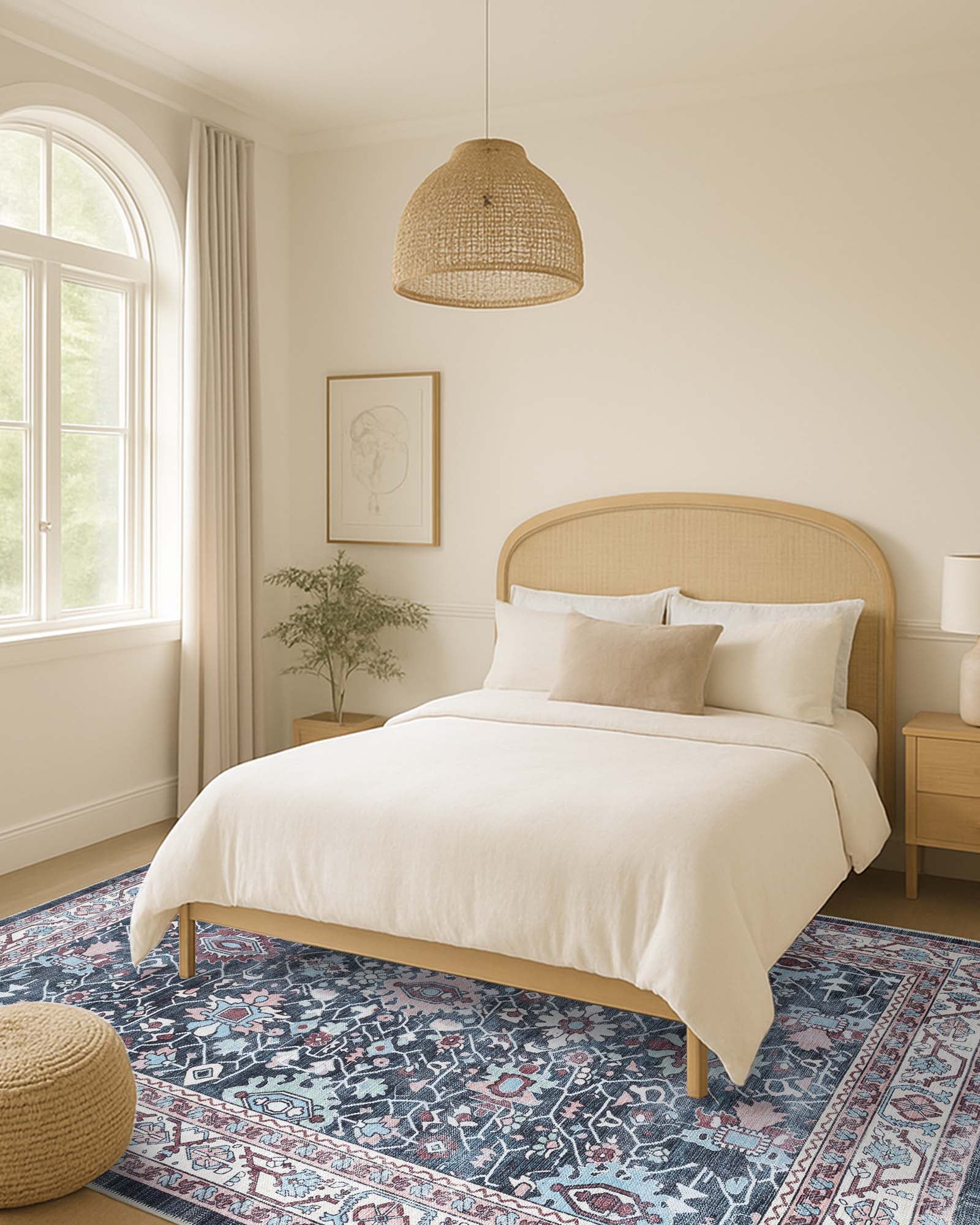
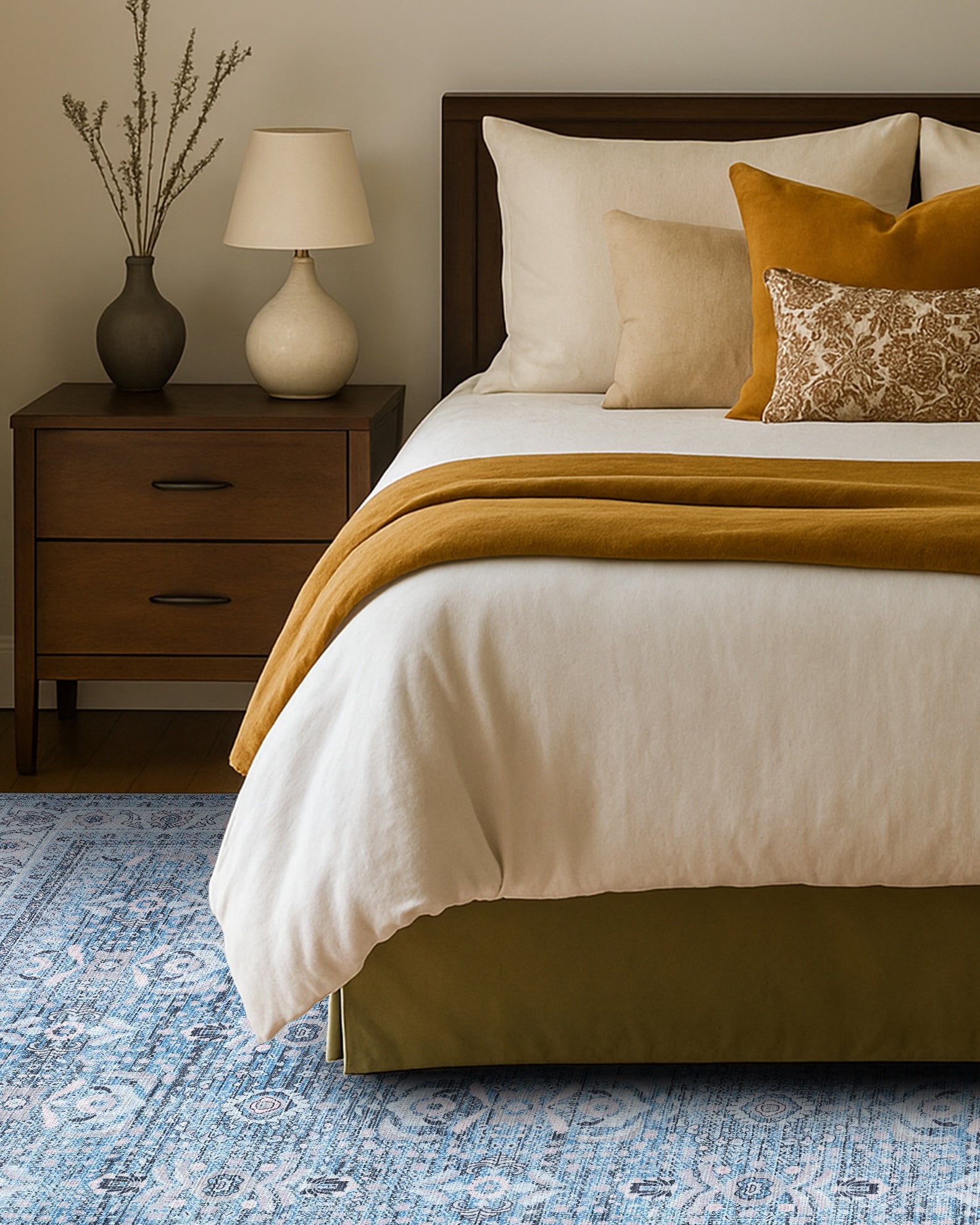
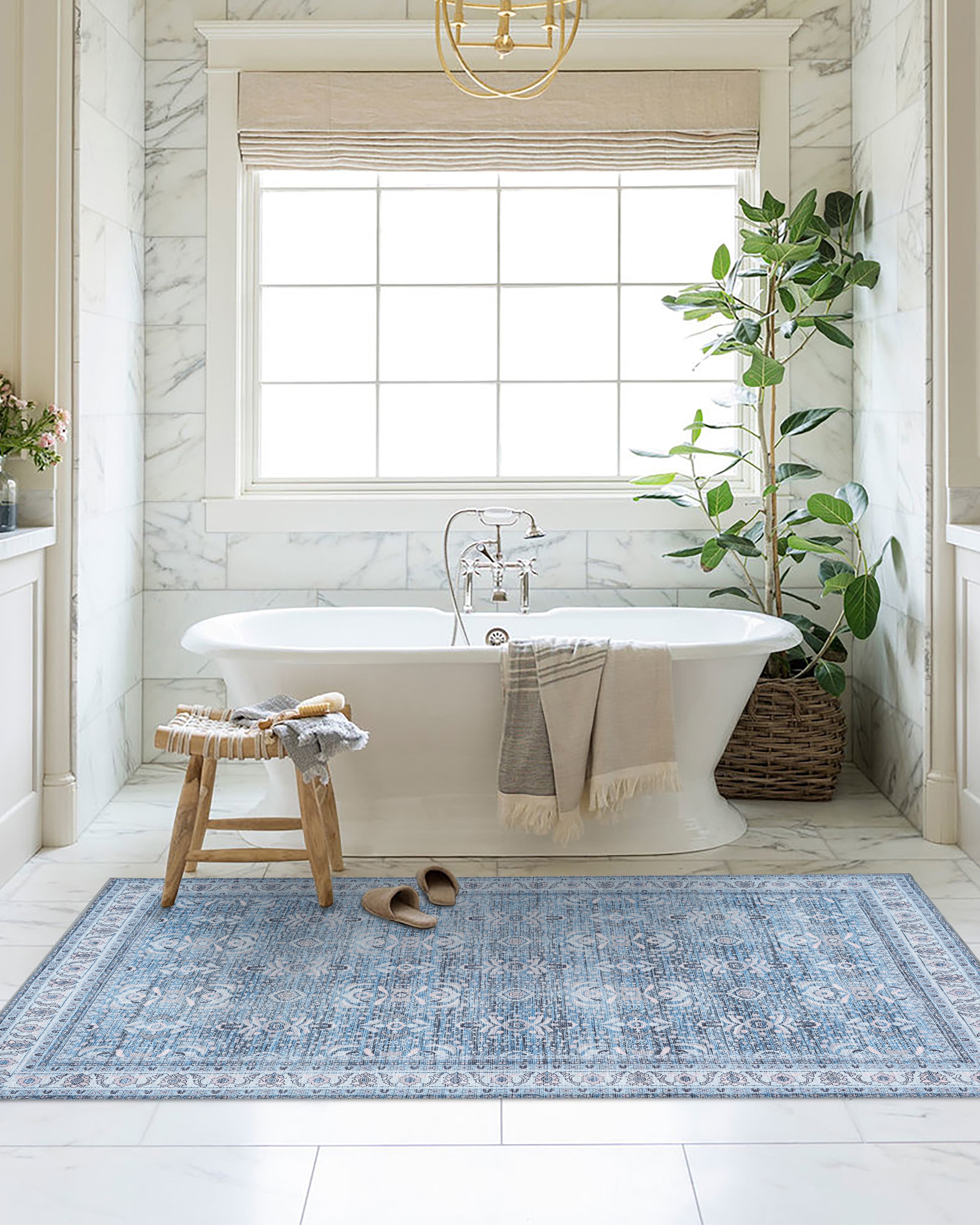
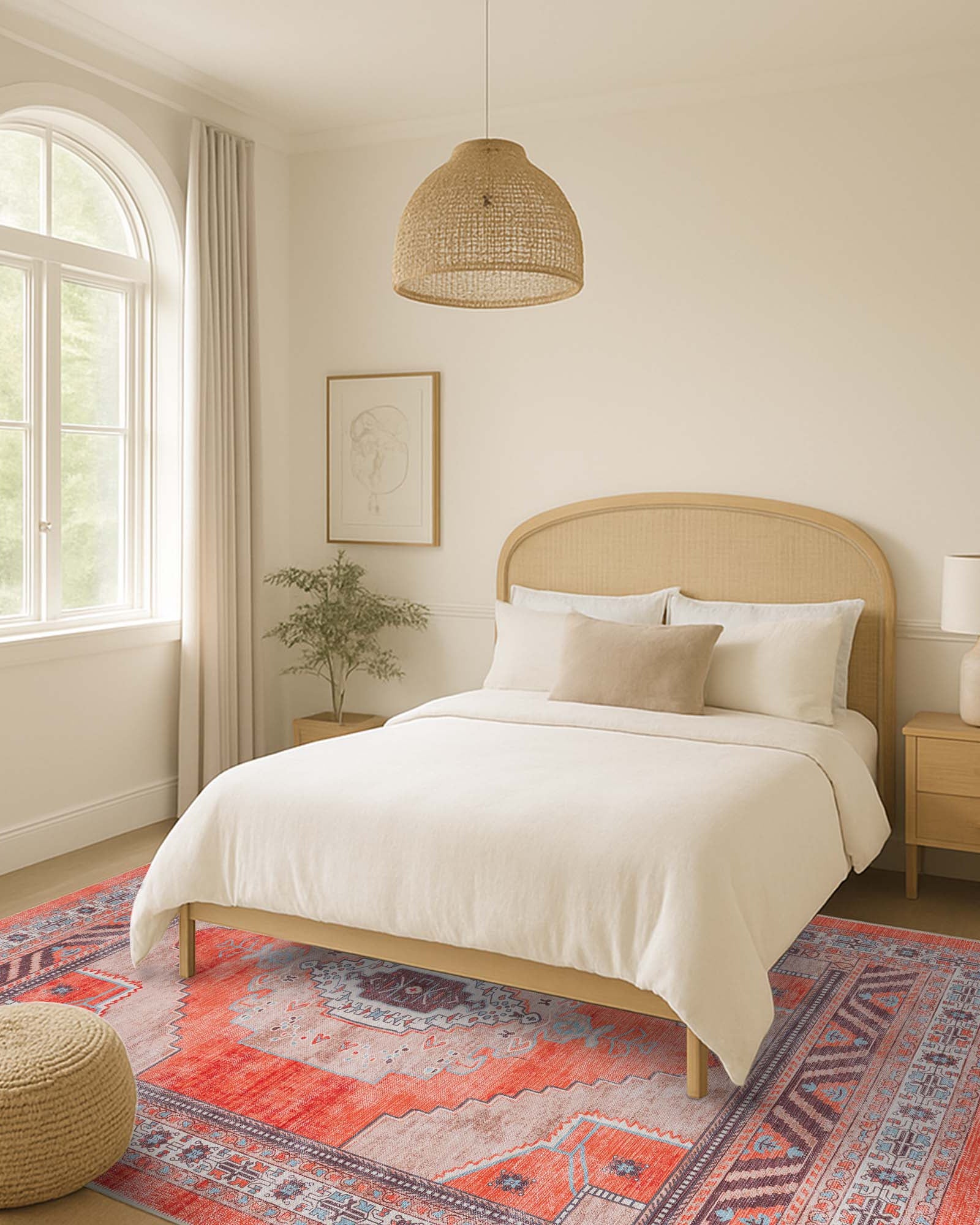
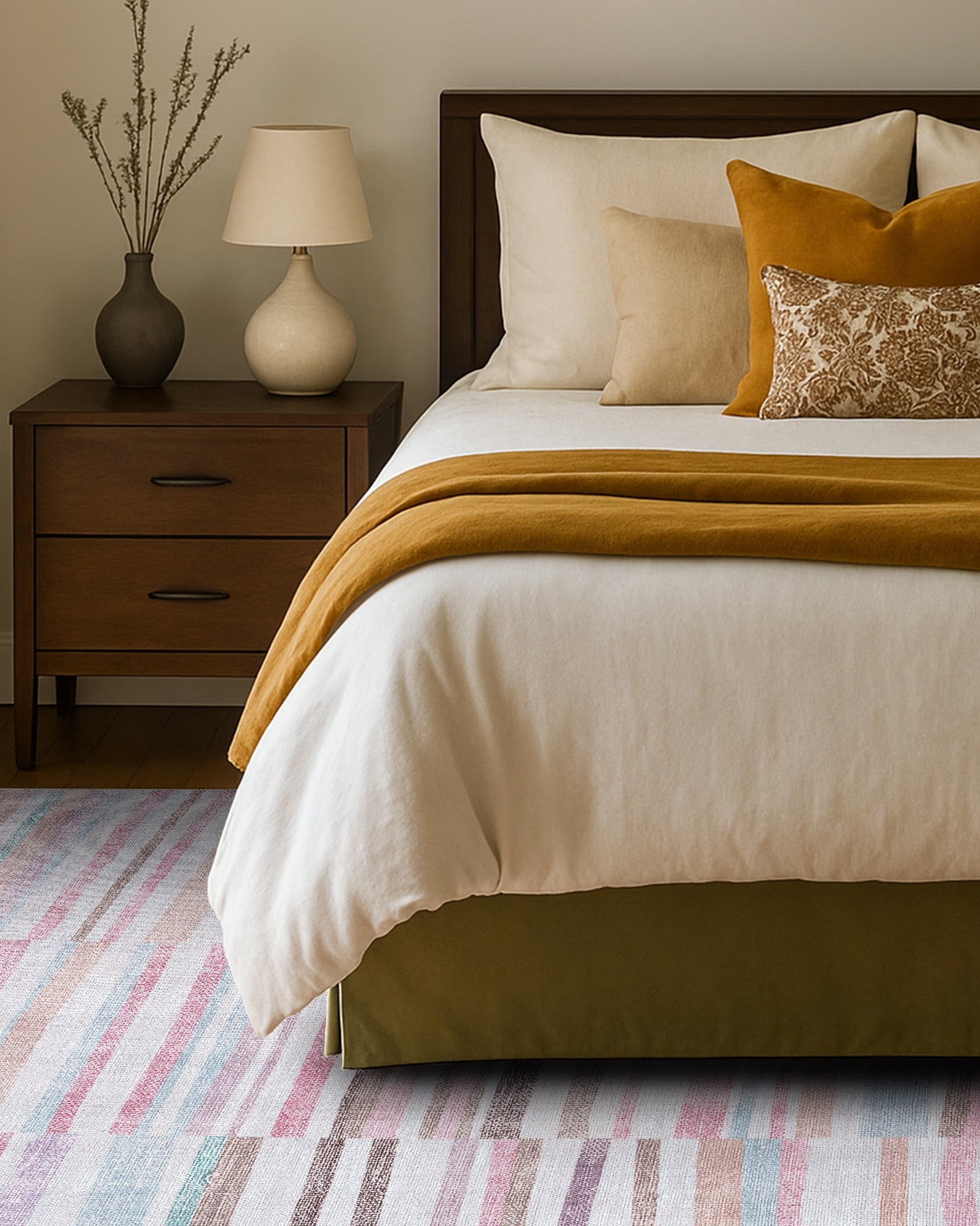
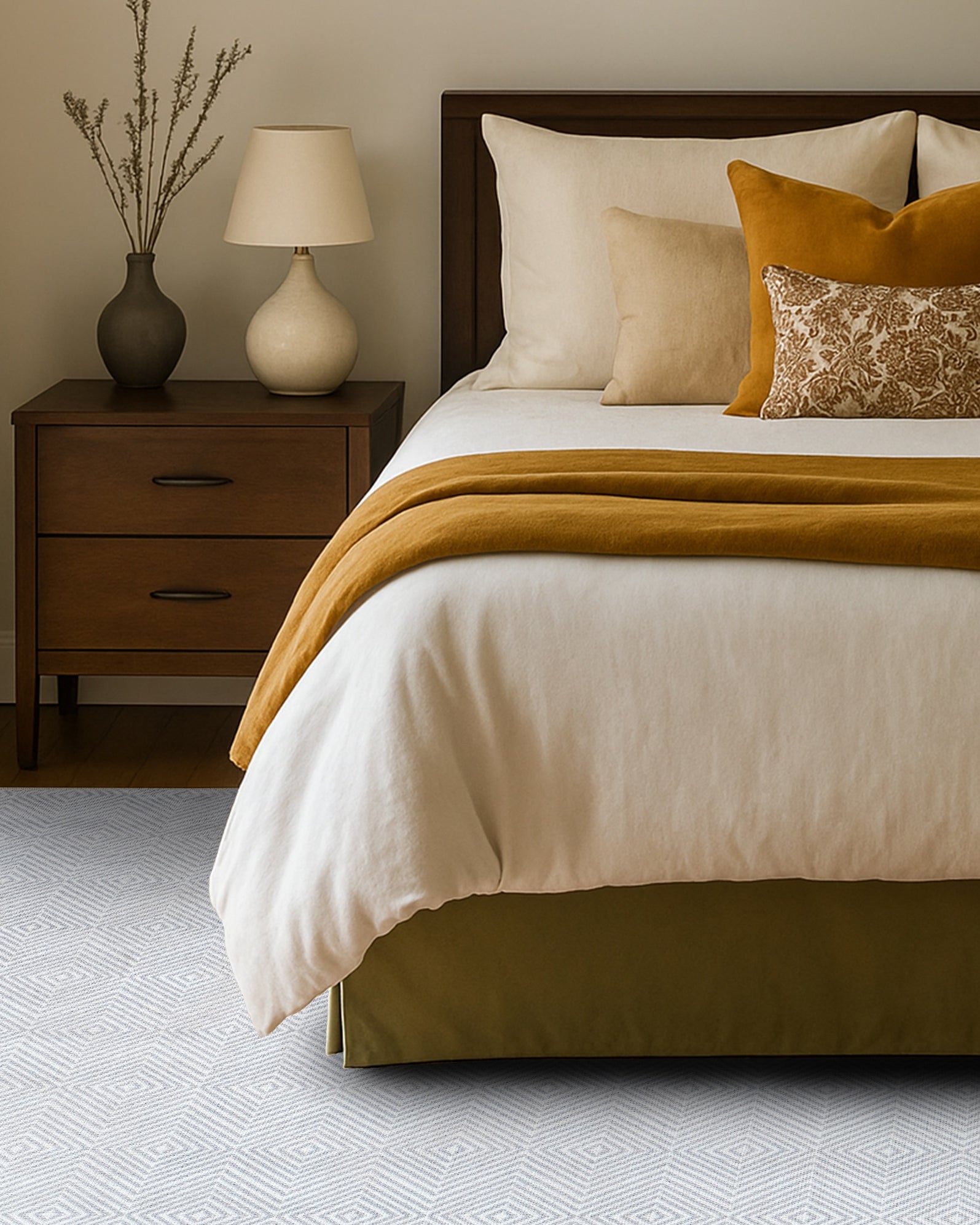
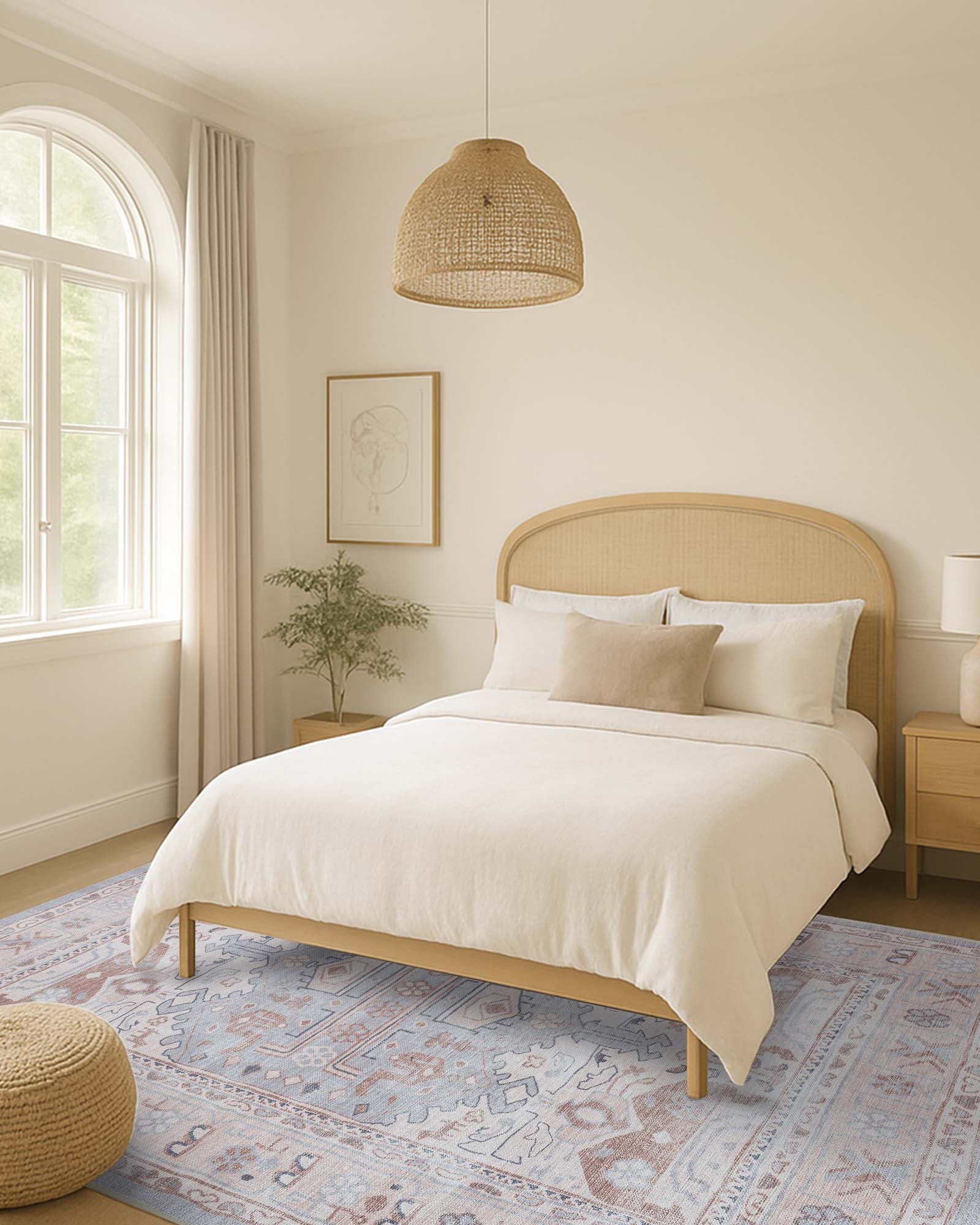
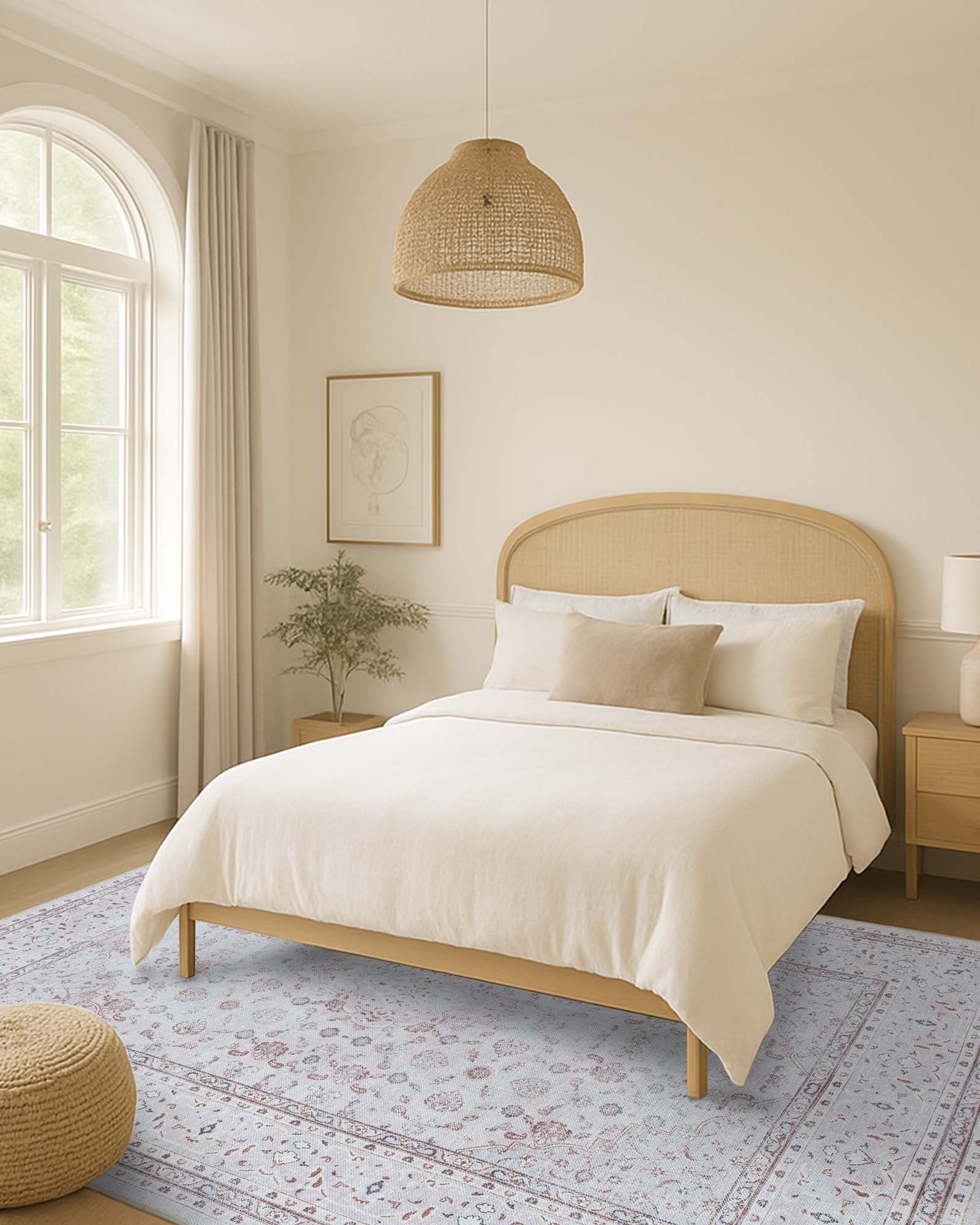
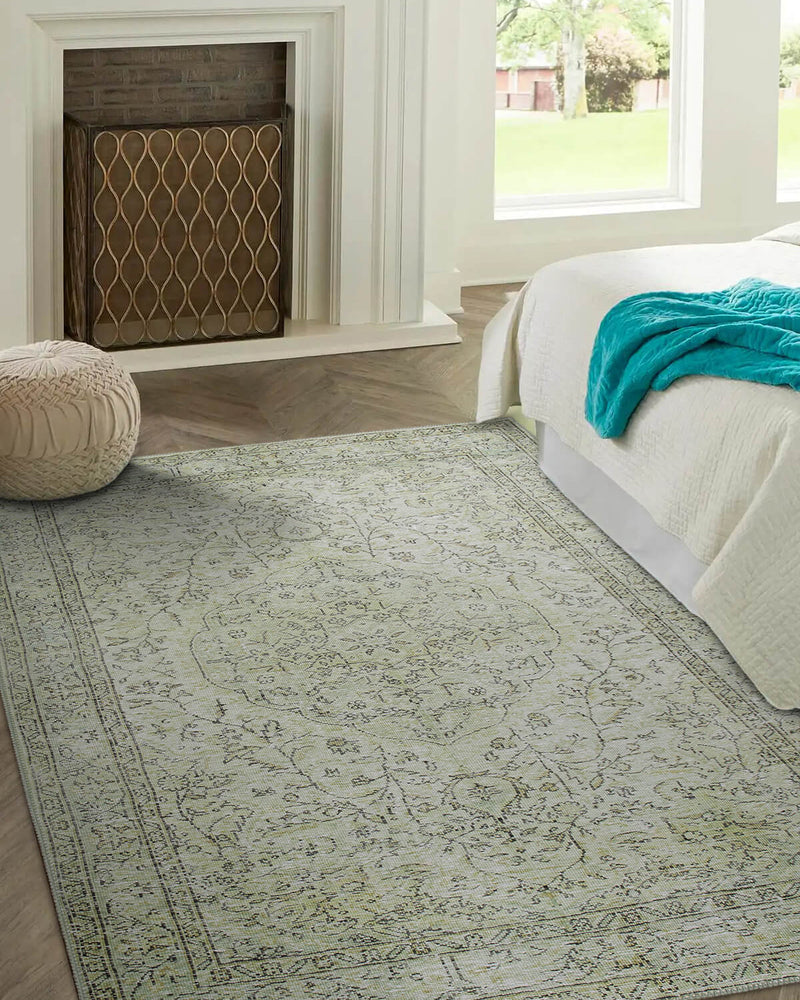
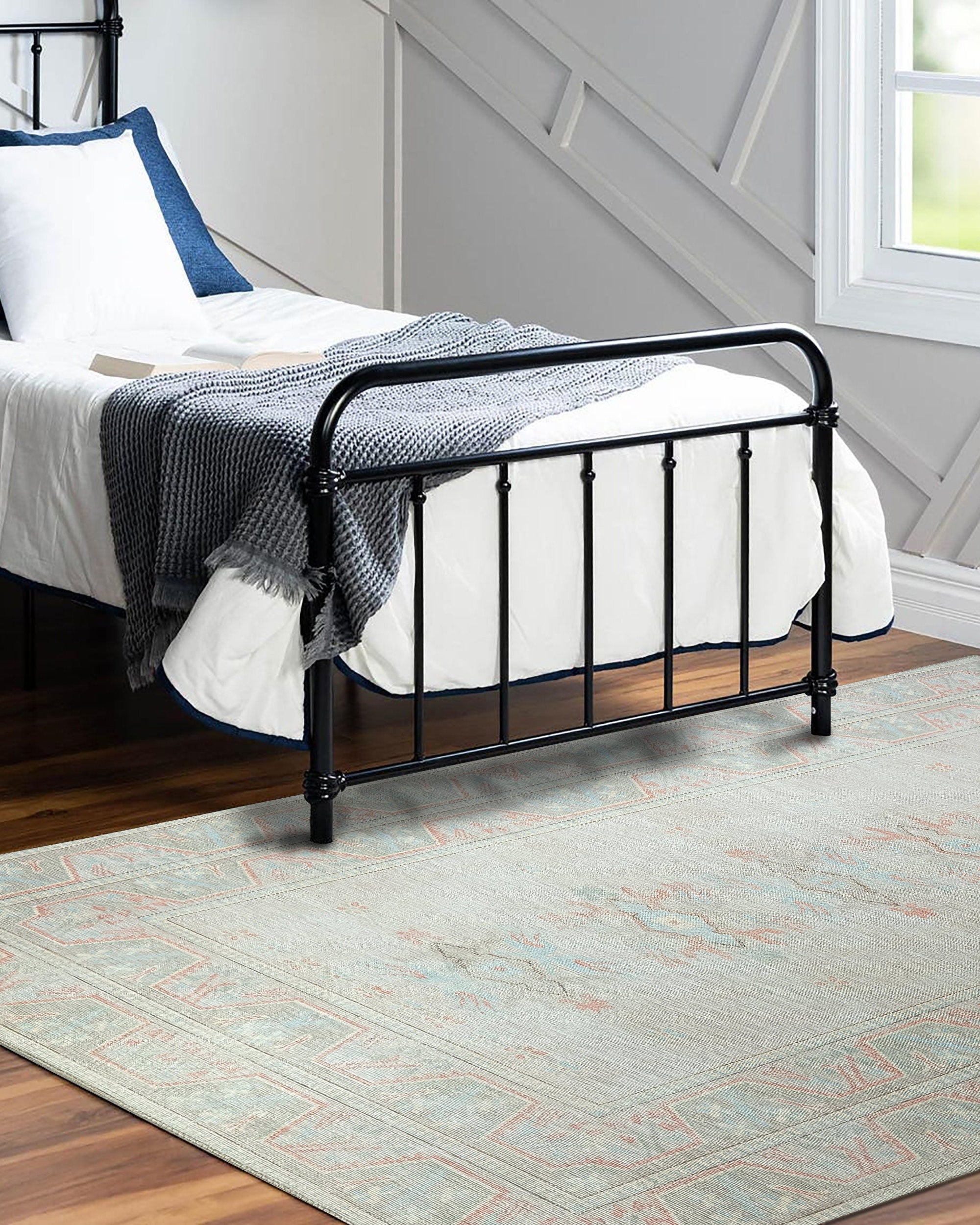
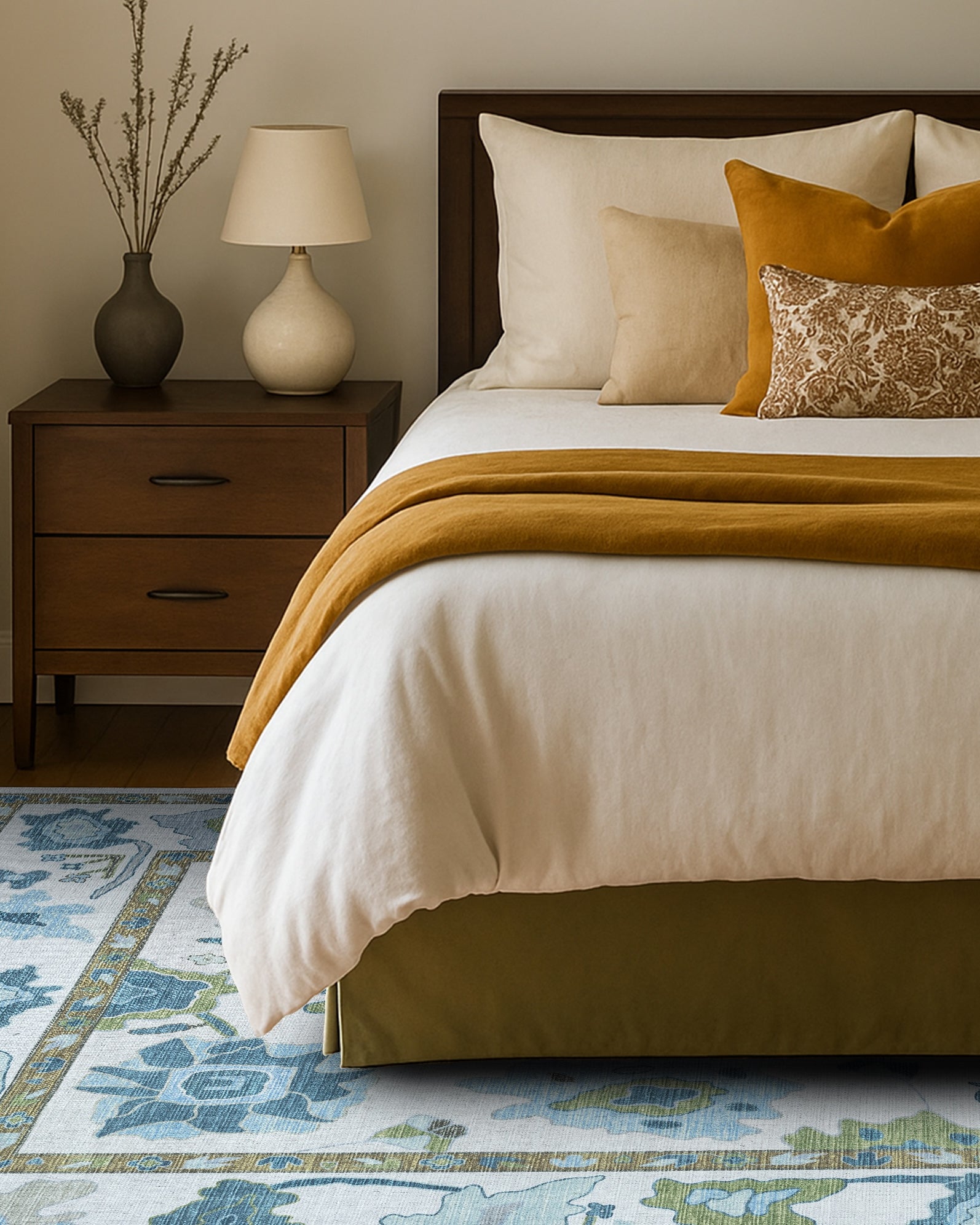
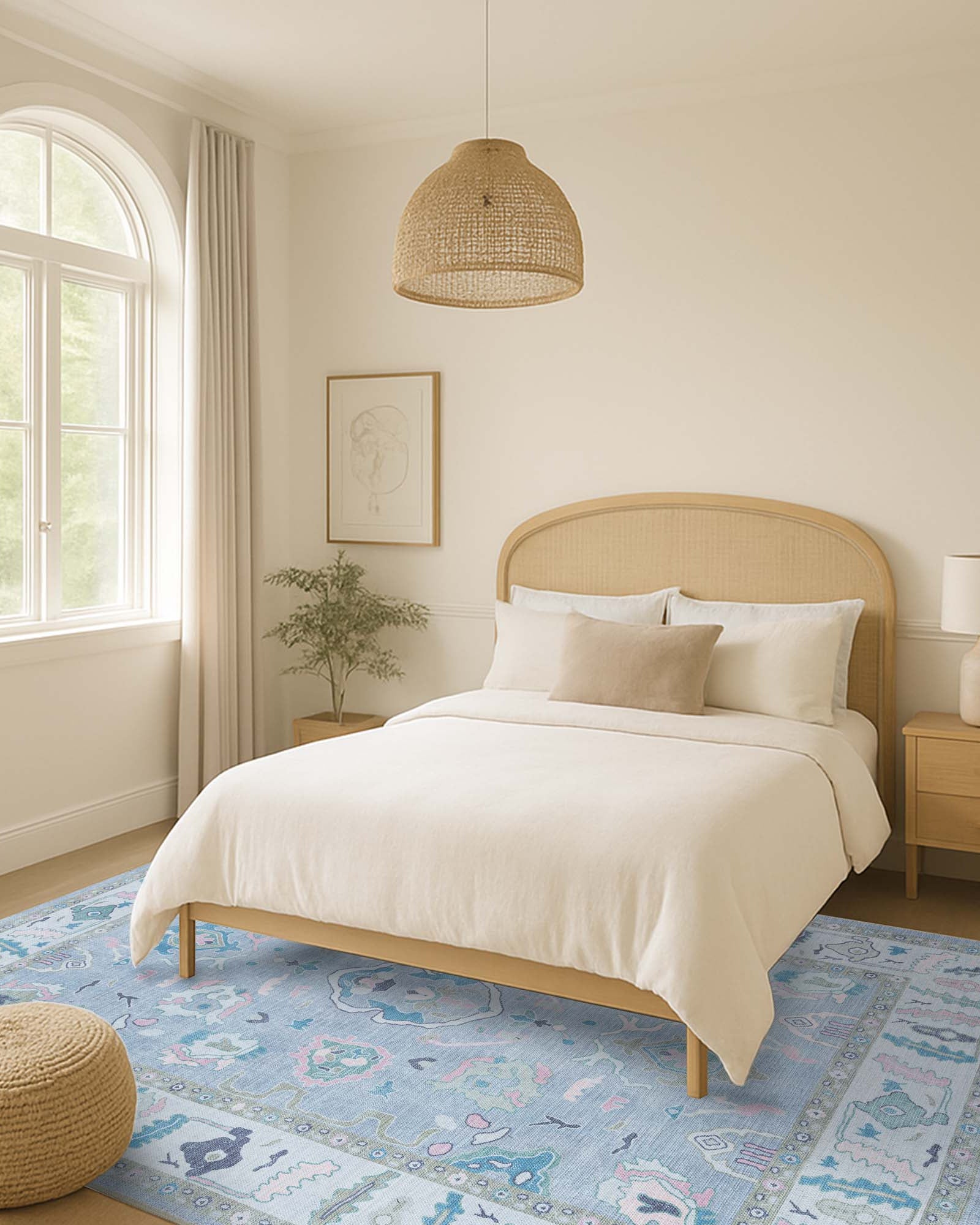
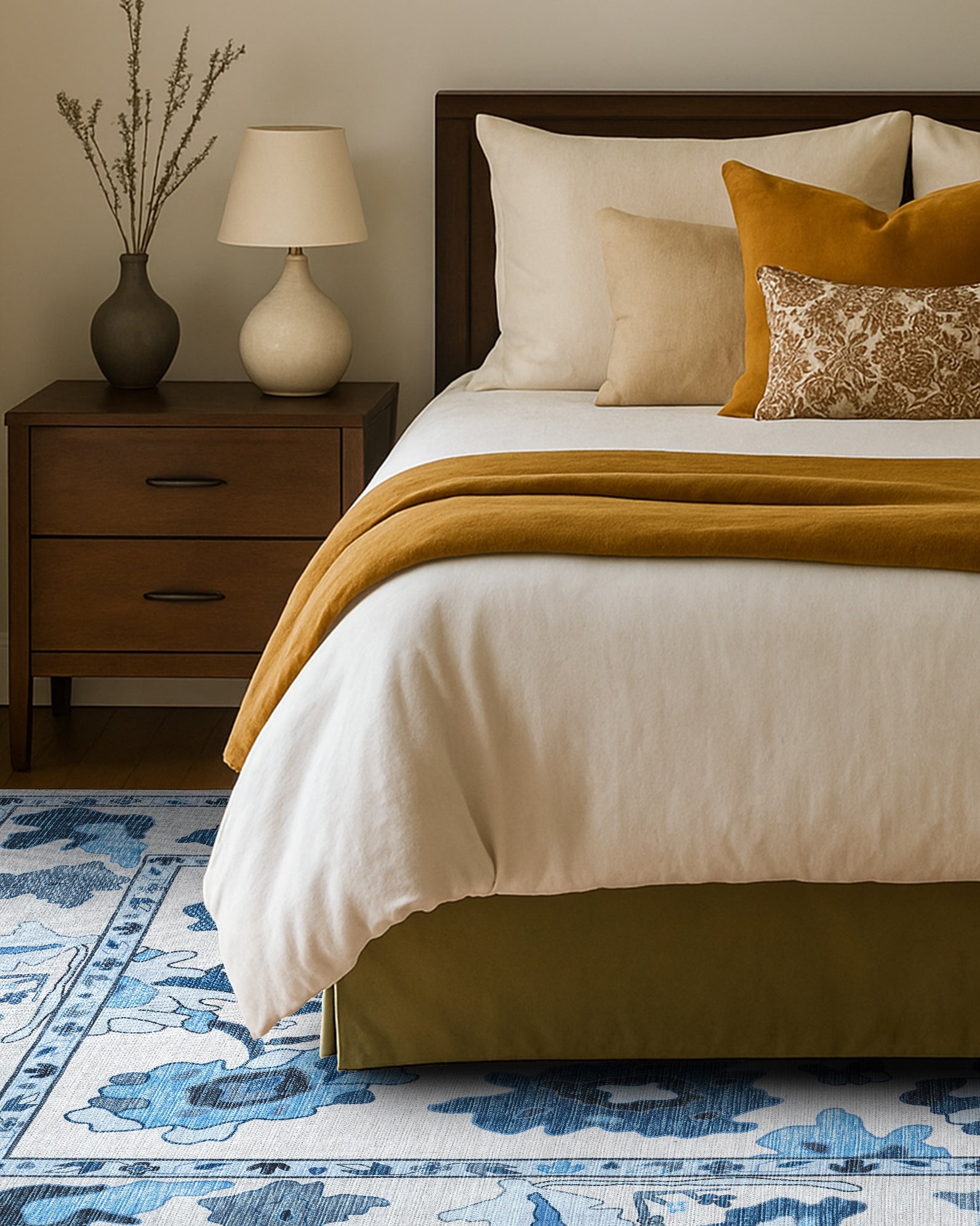
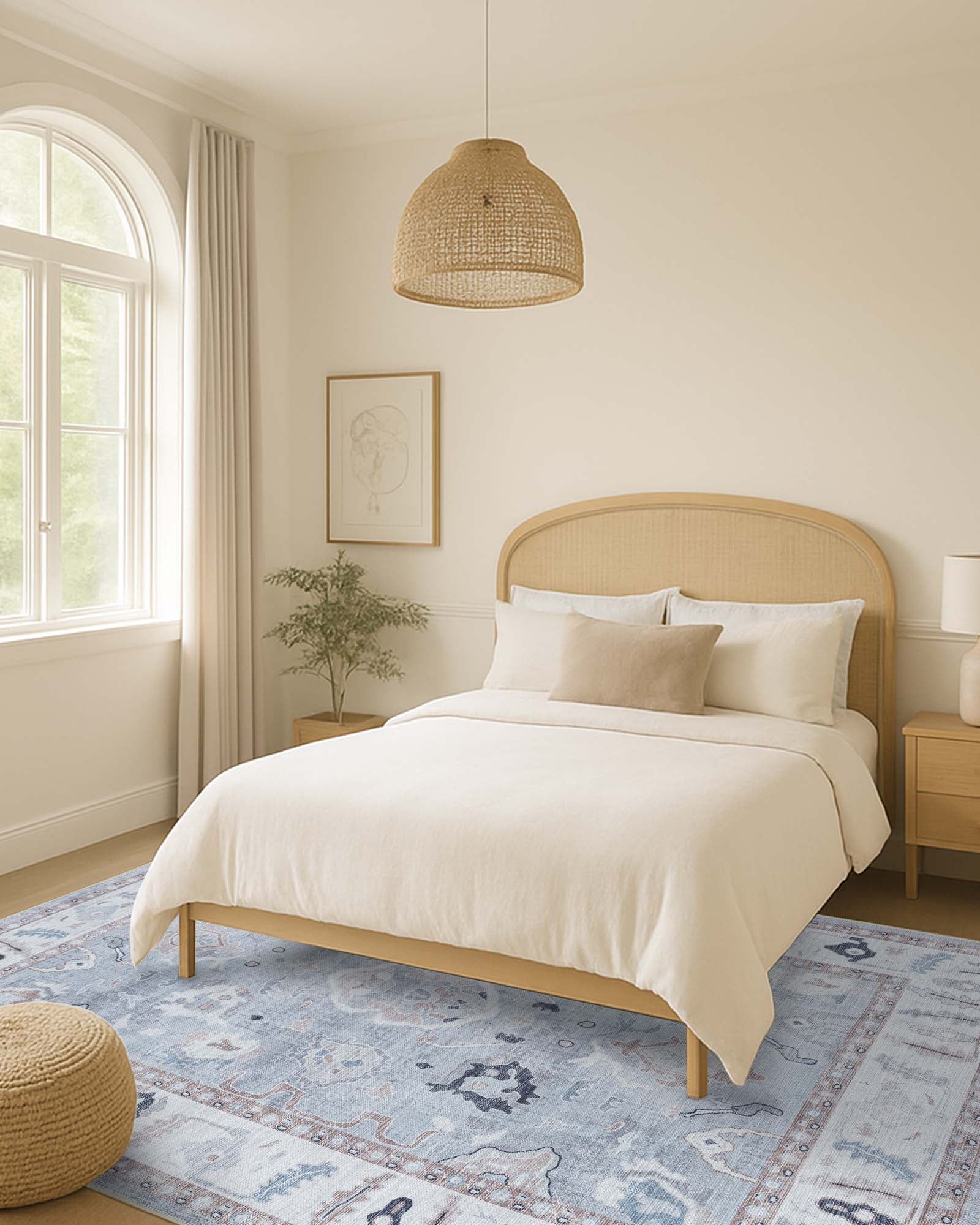
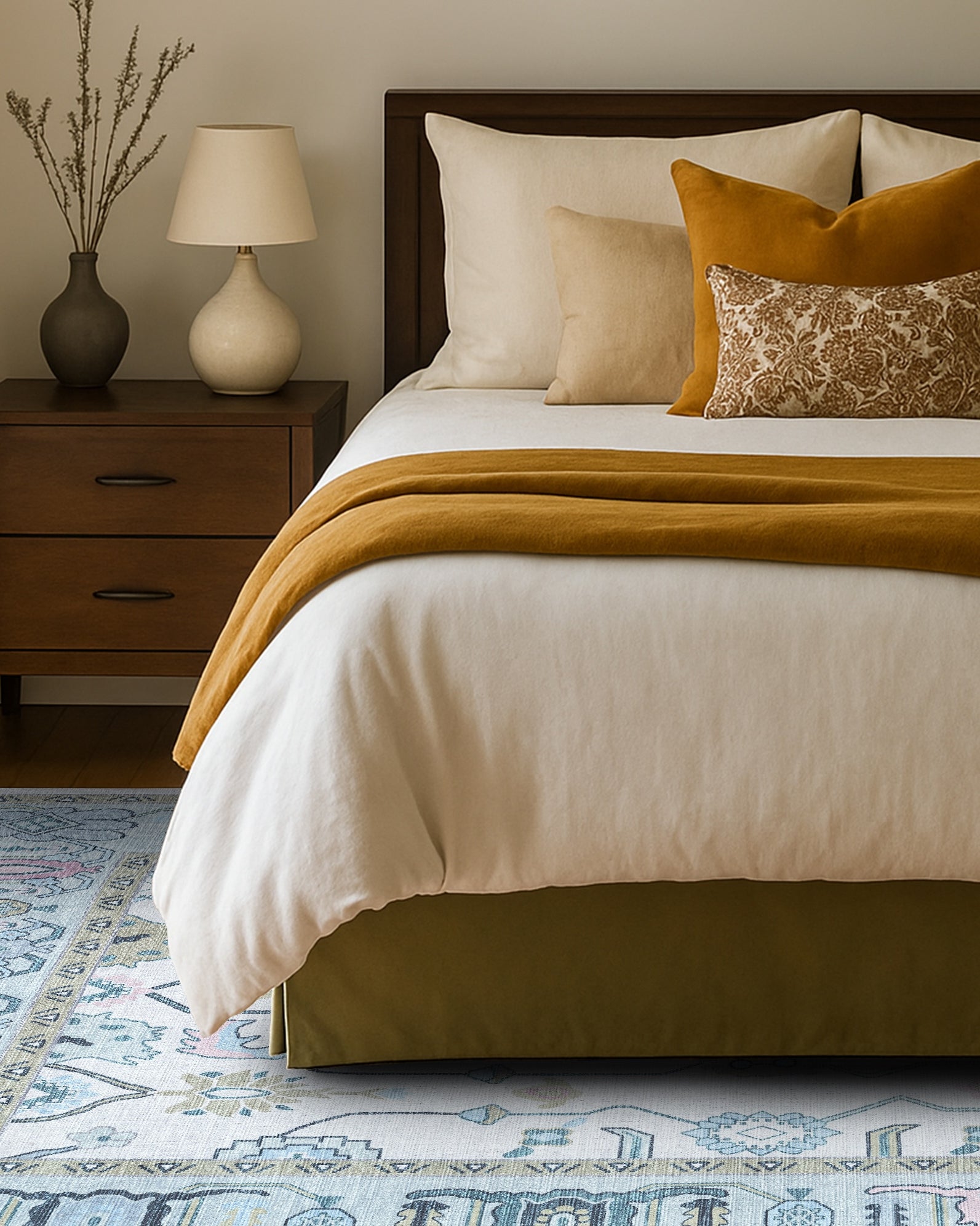
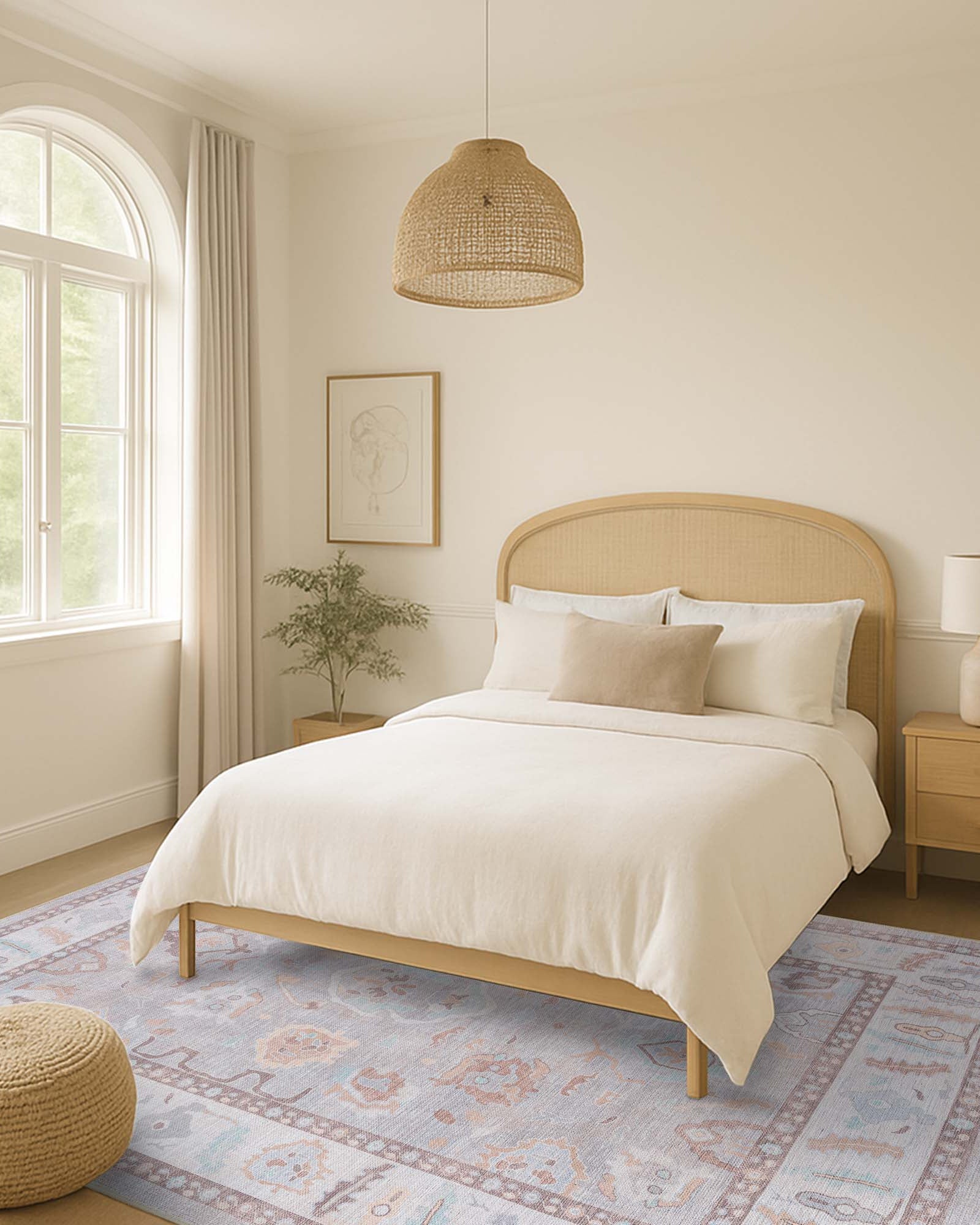
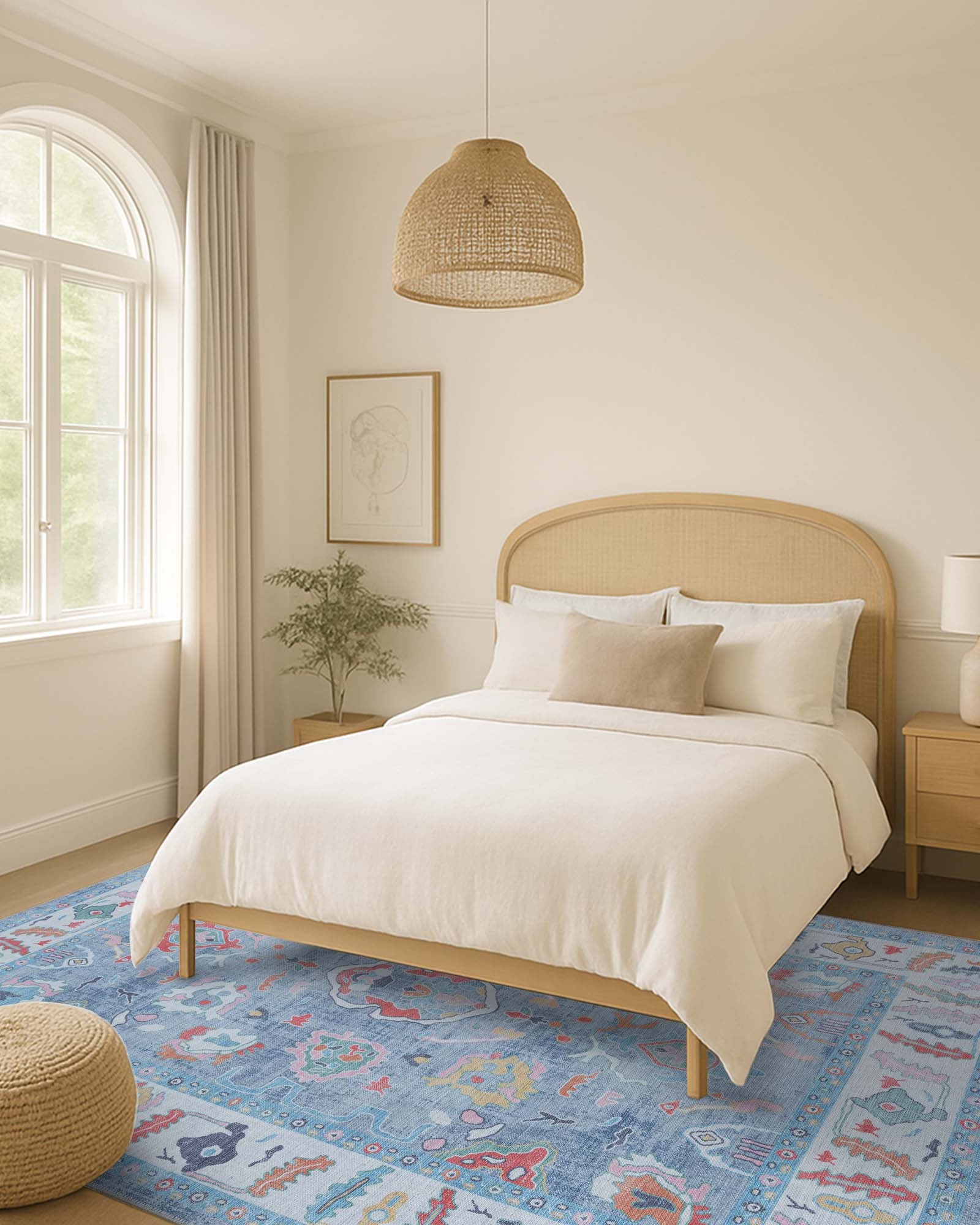
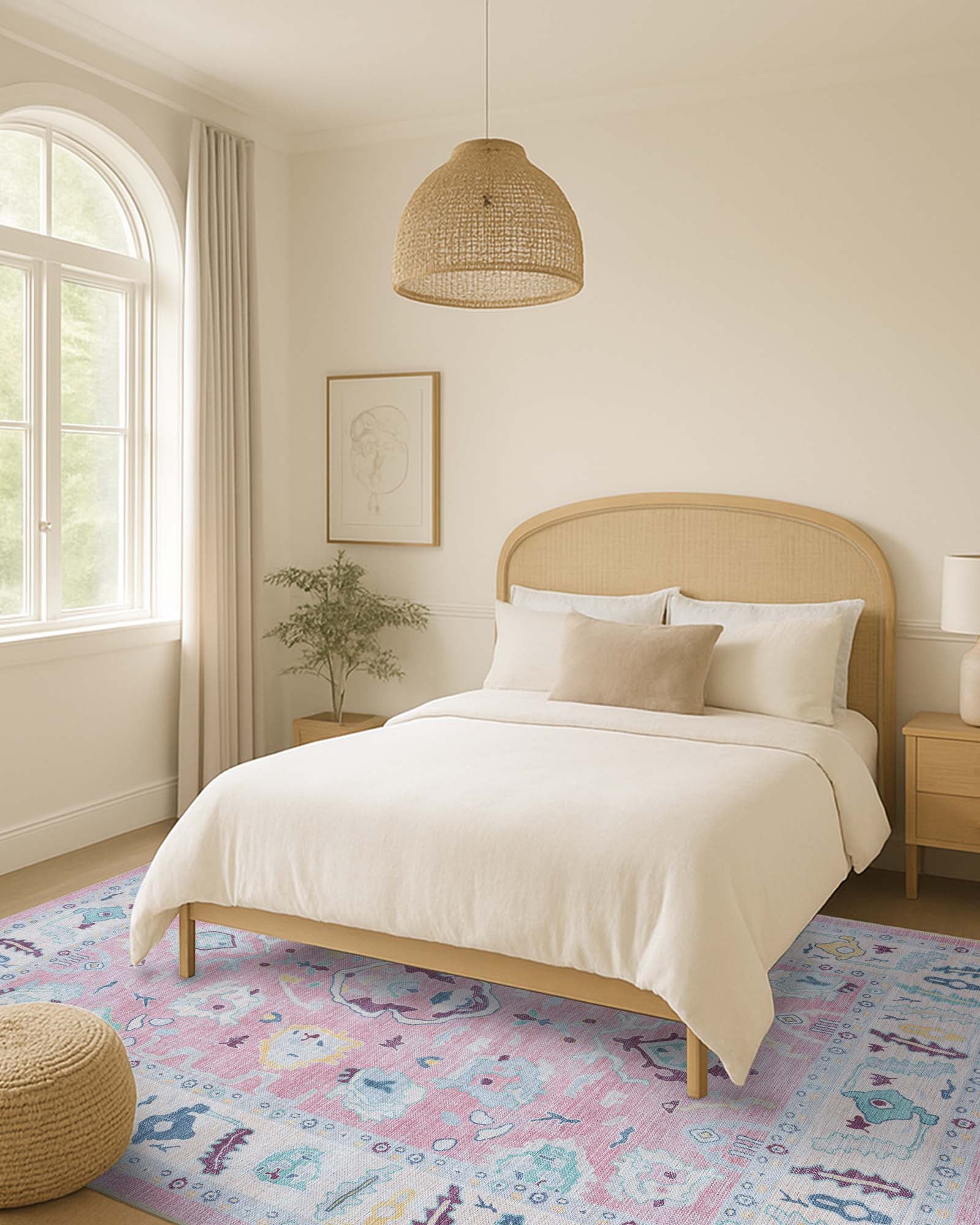
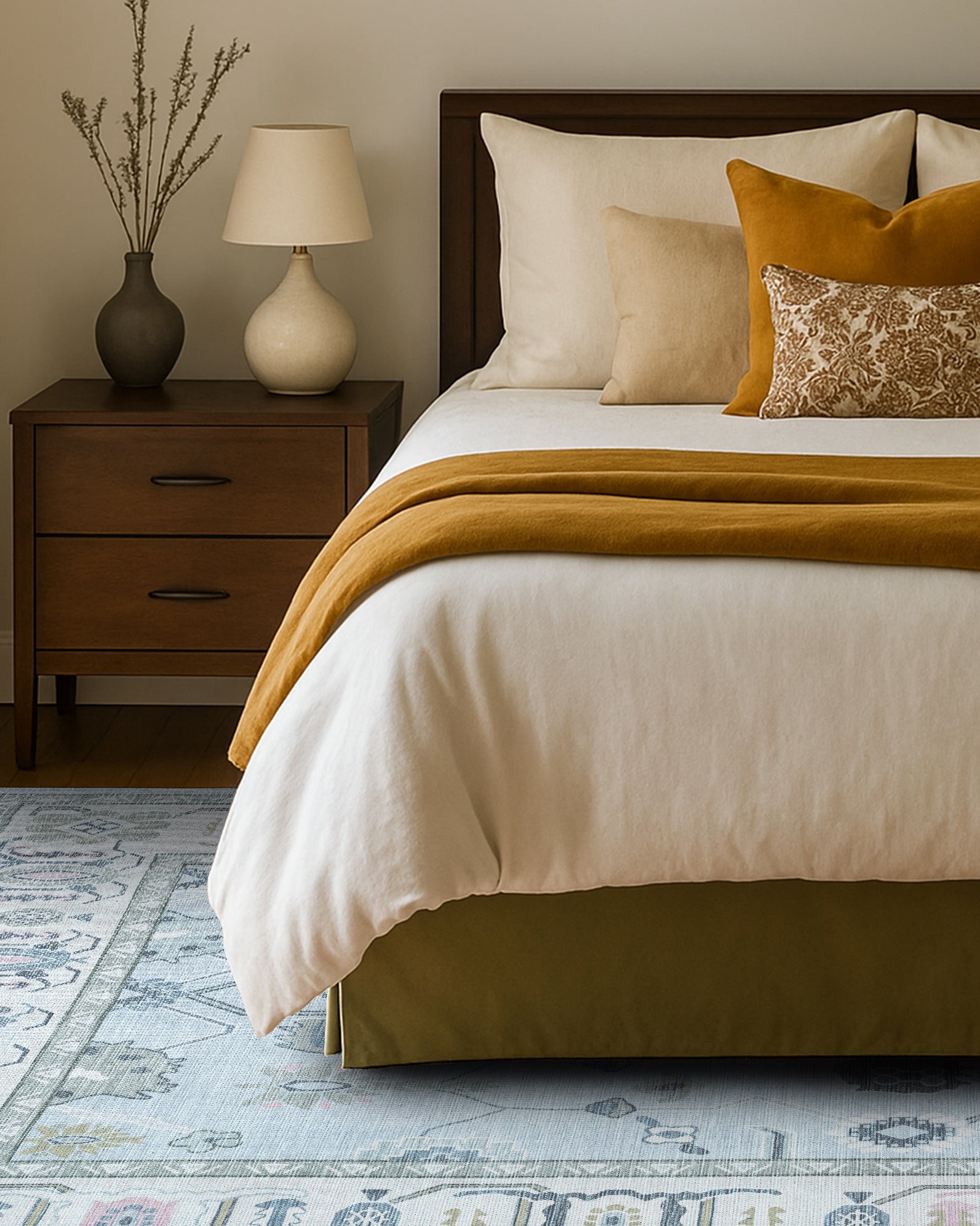
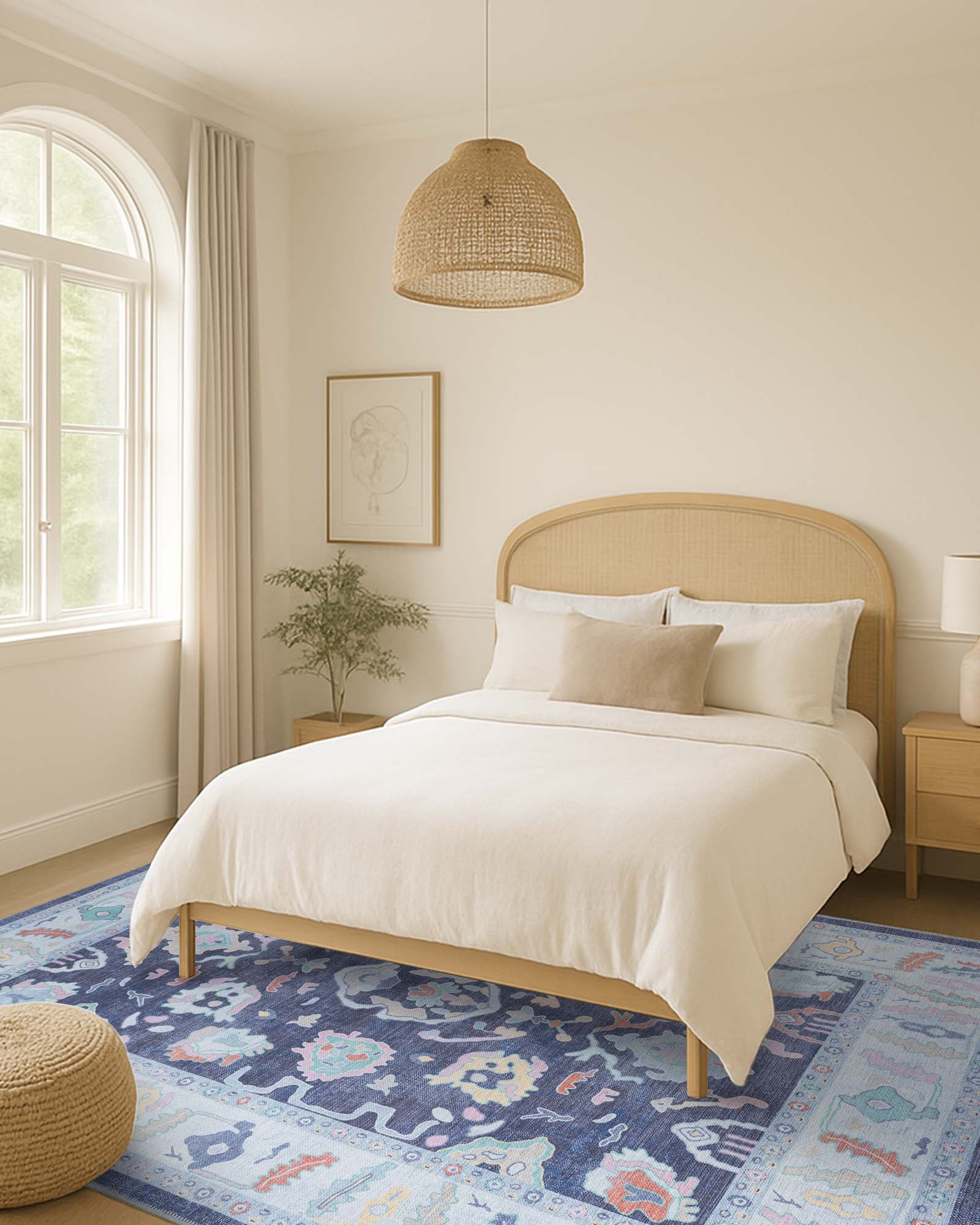
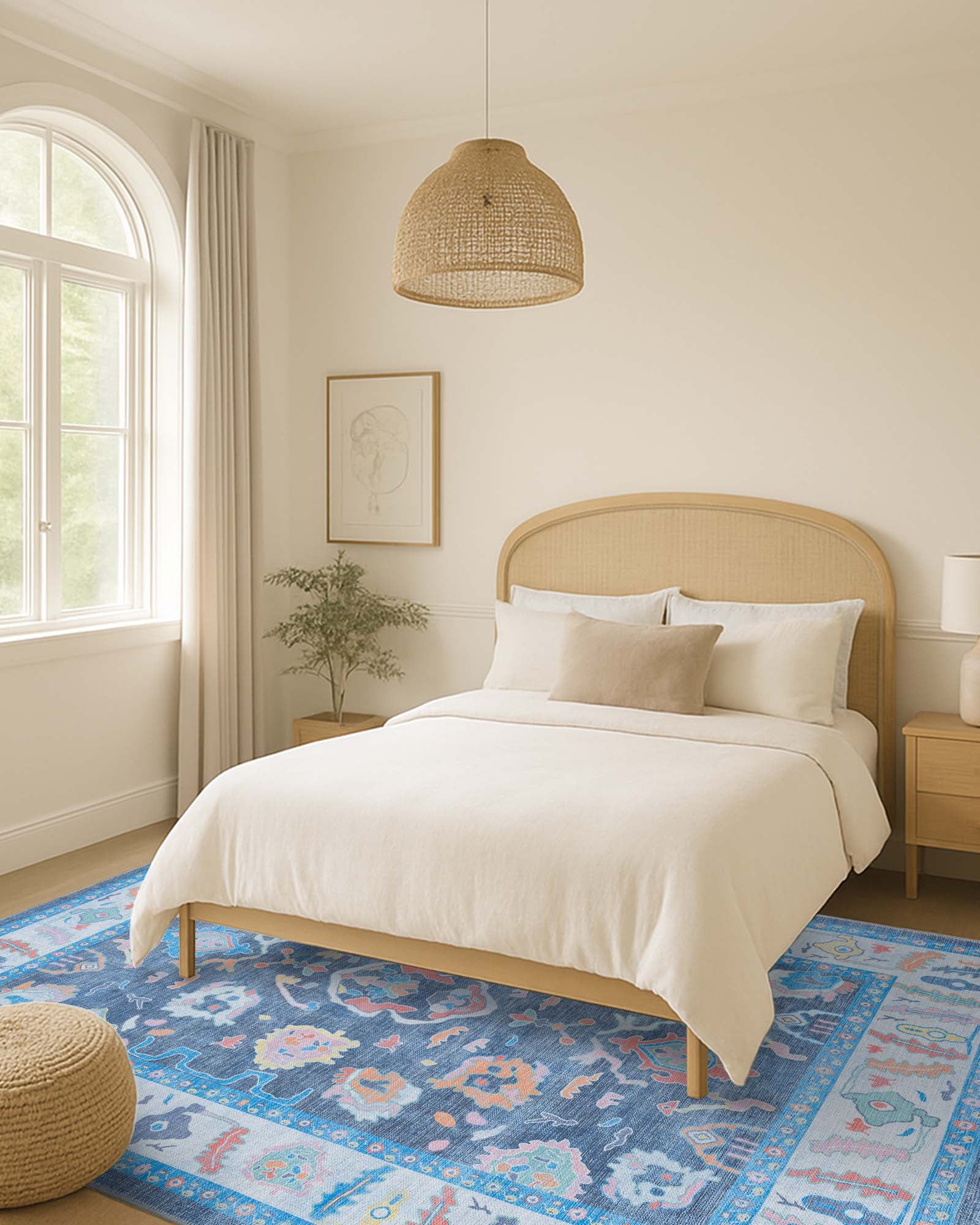
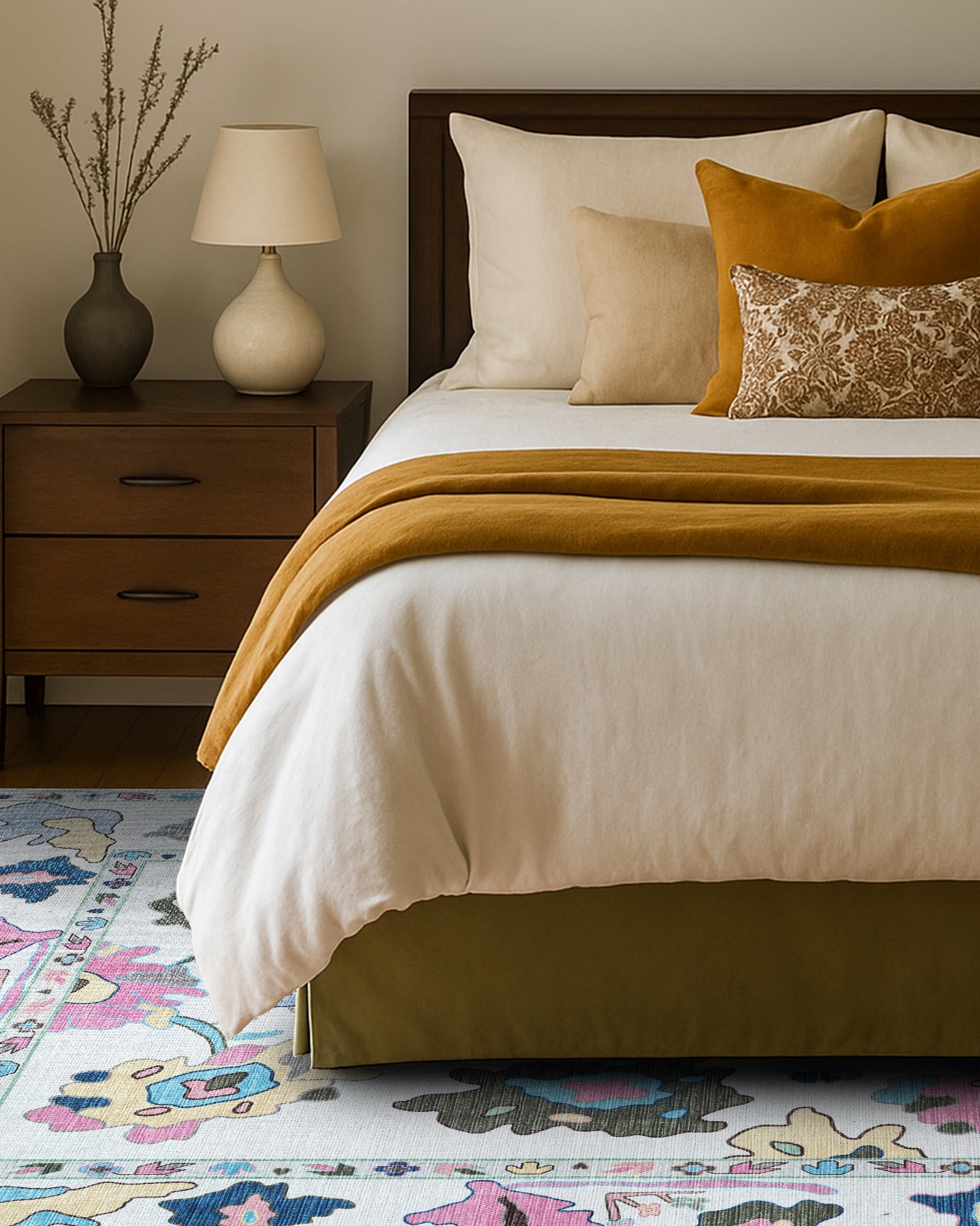
- Bedrooms: Use a soft, muted Oushak rug or a Turkish kilim for cozy comfort.
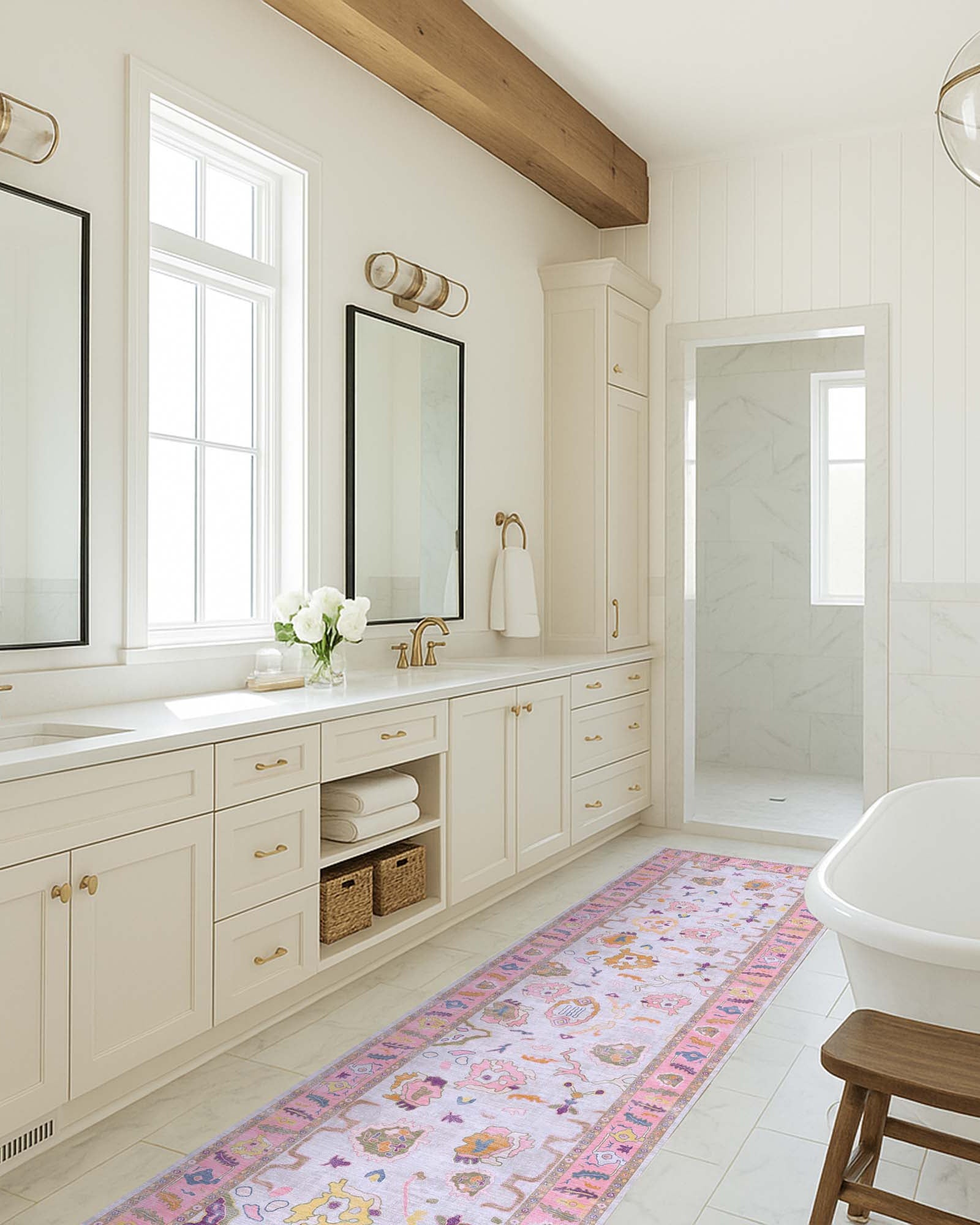
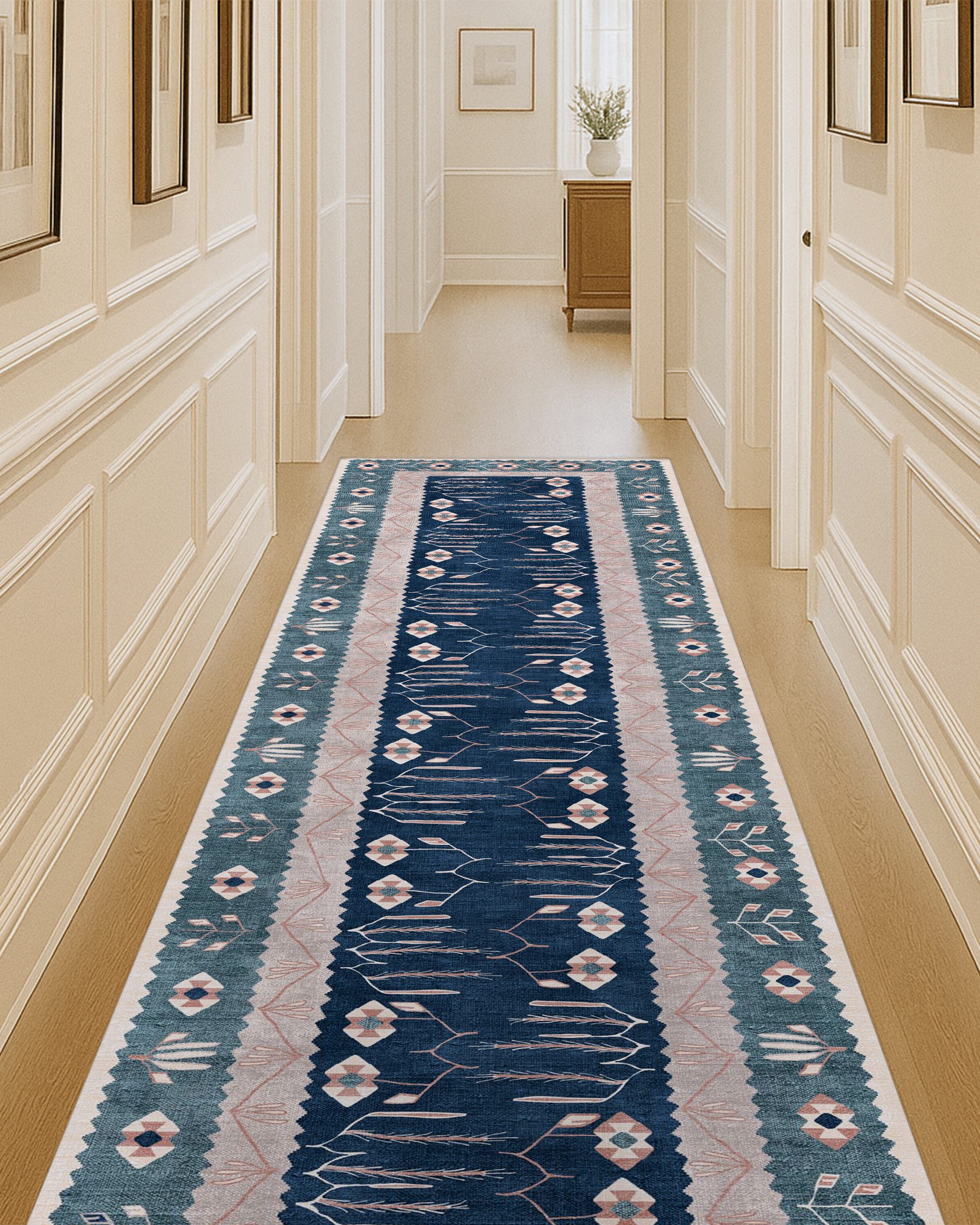
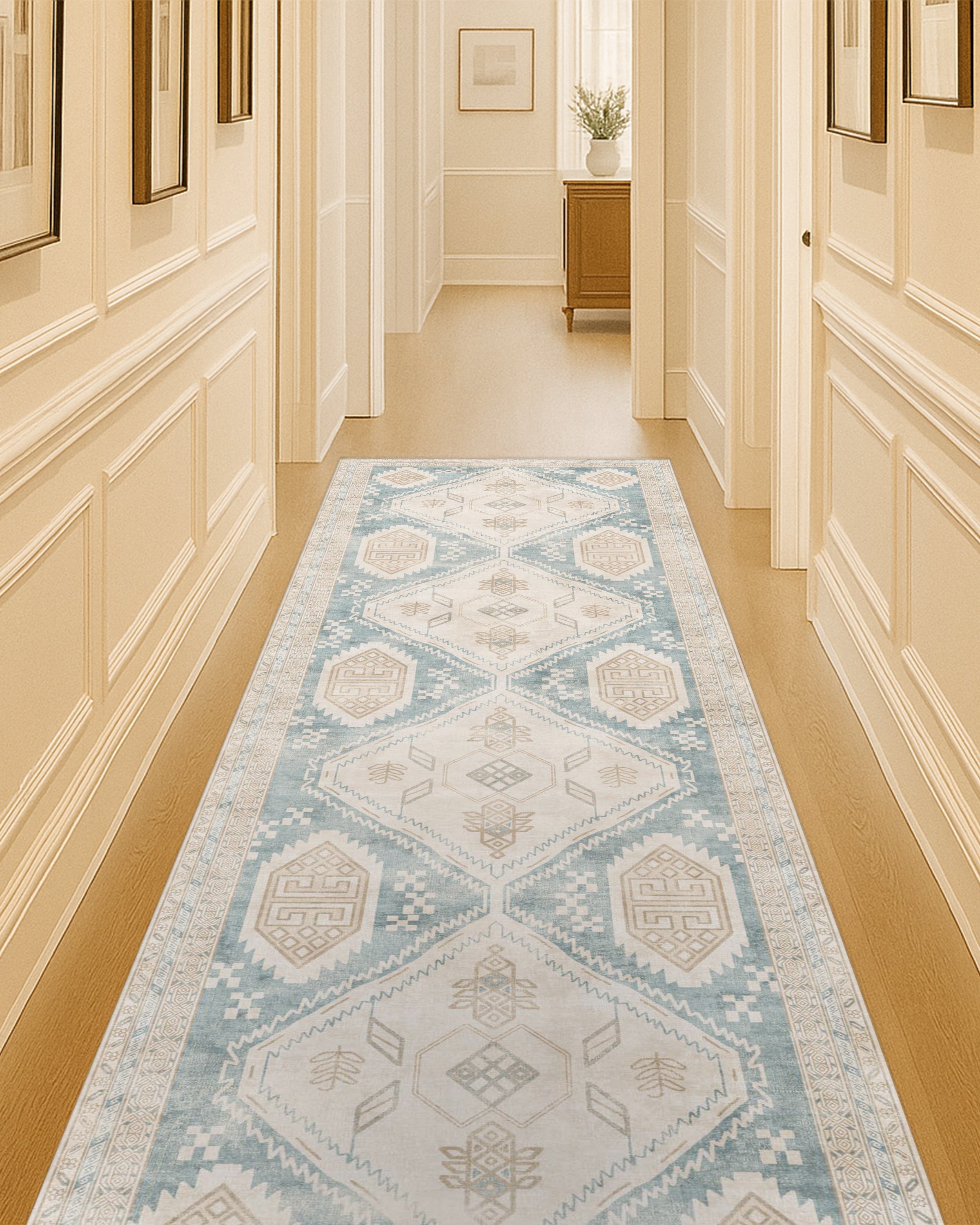
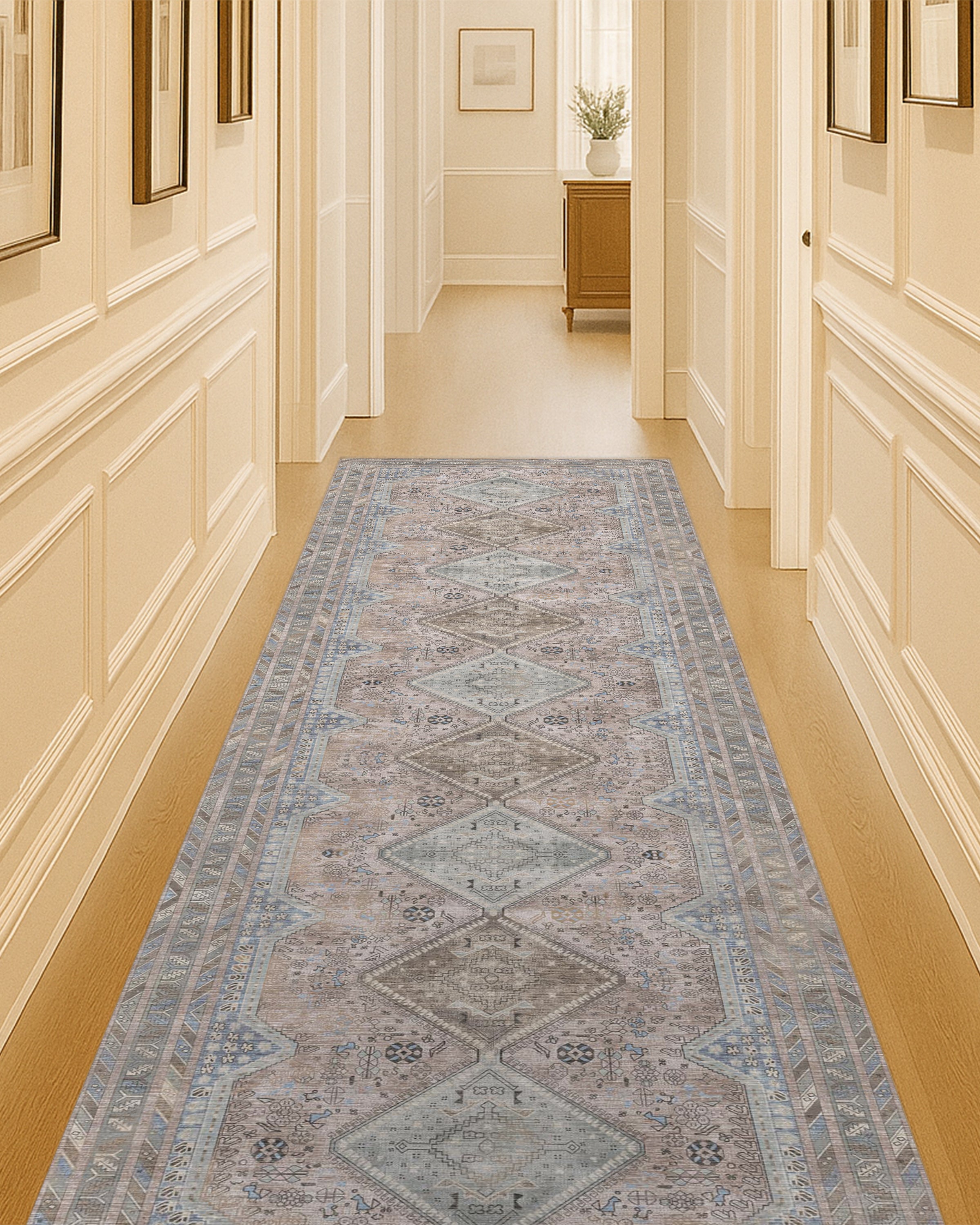
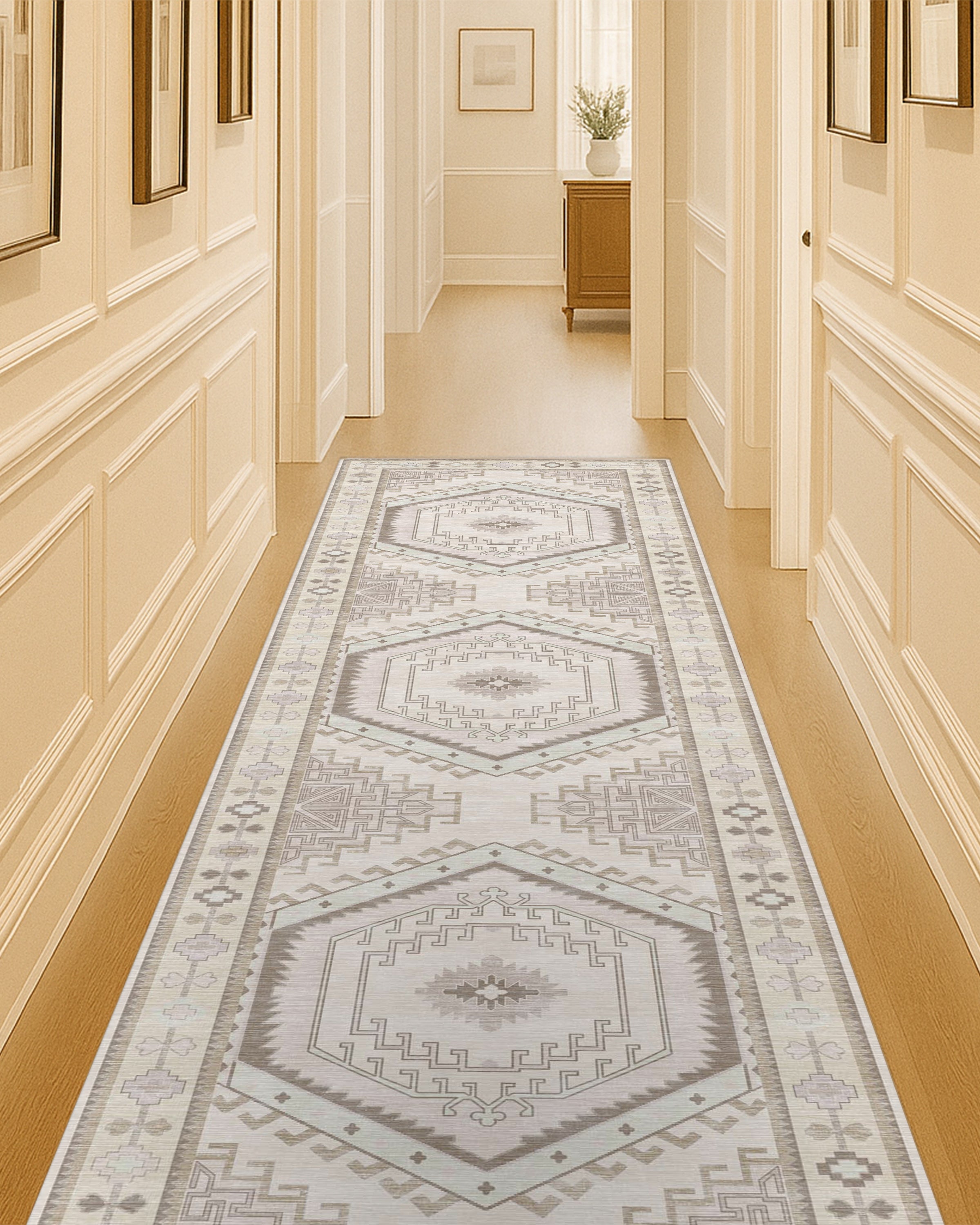
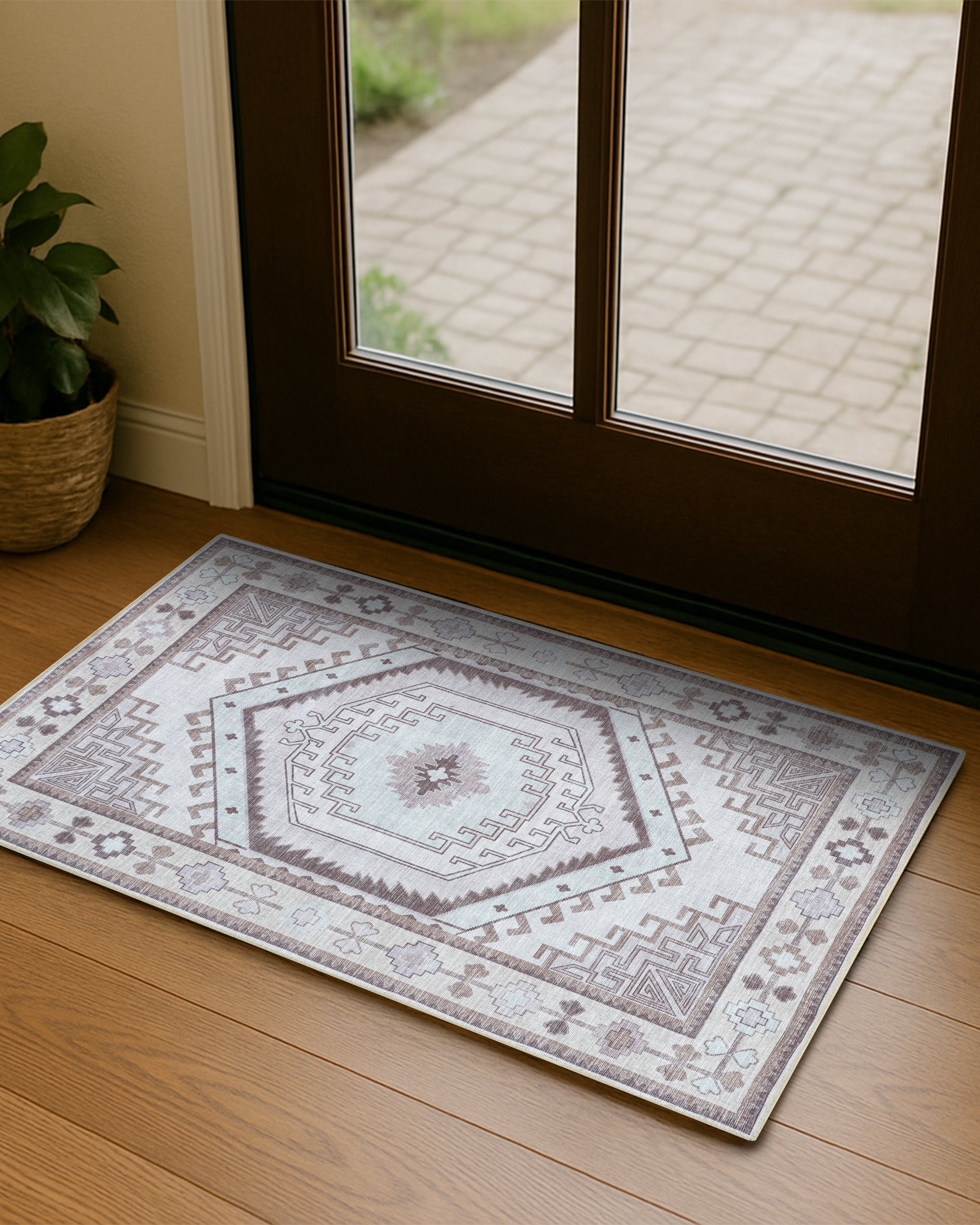
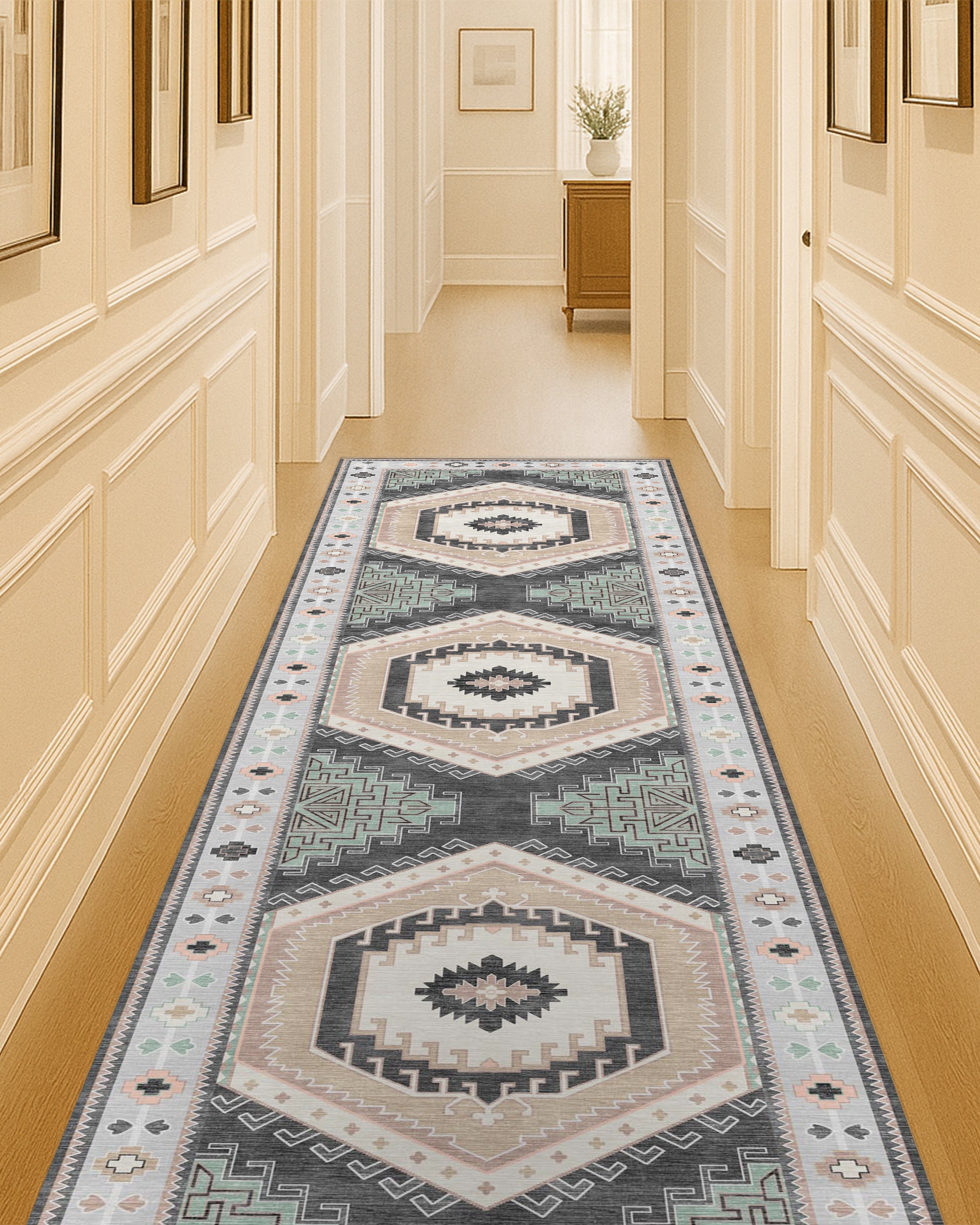
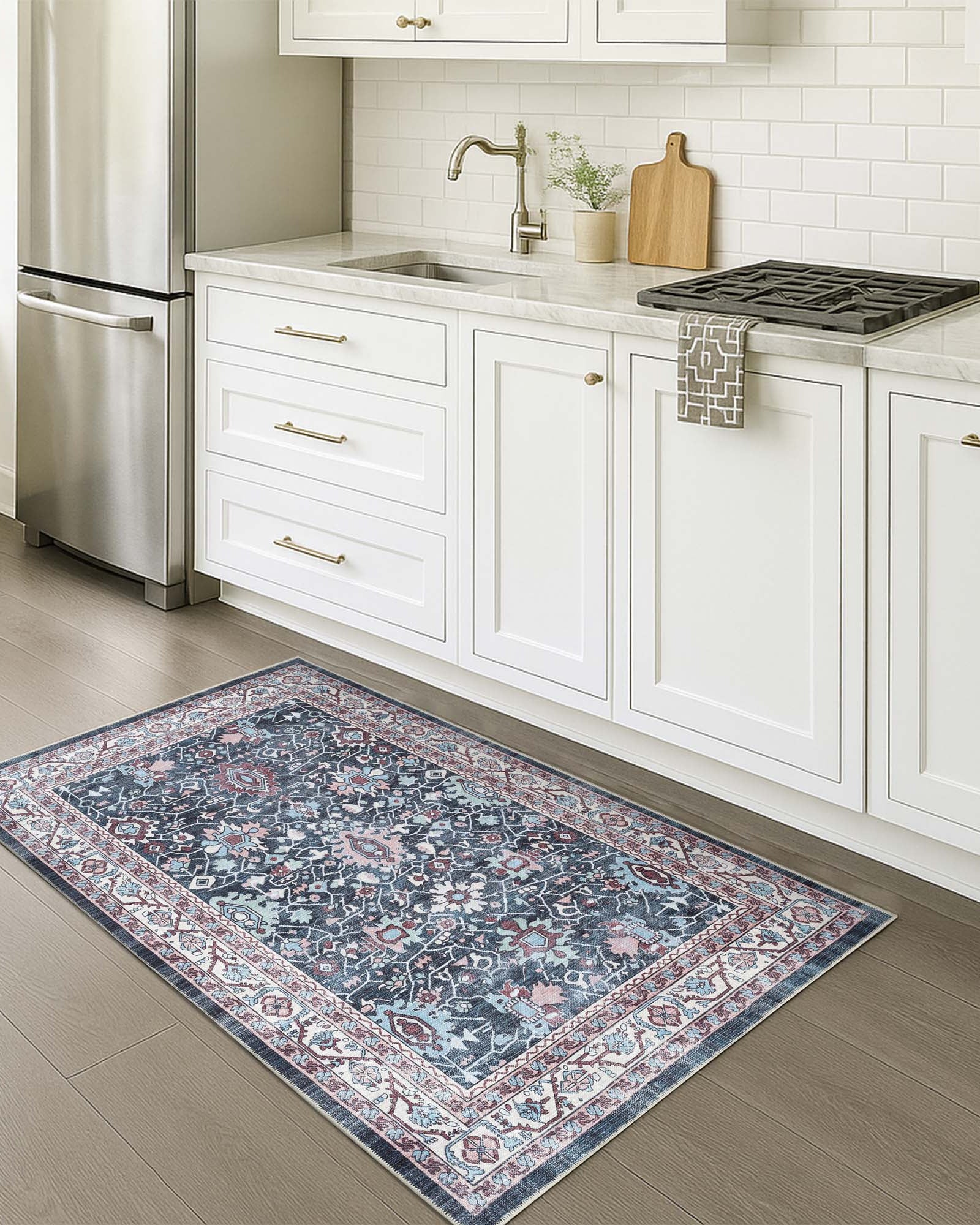
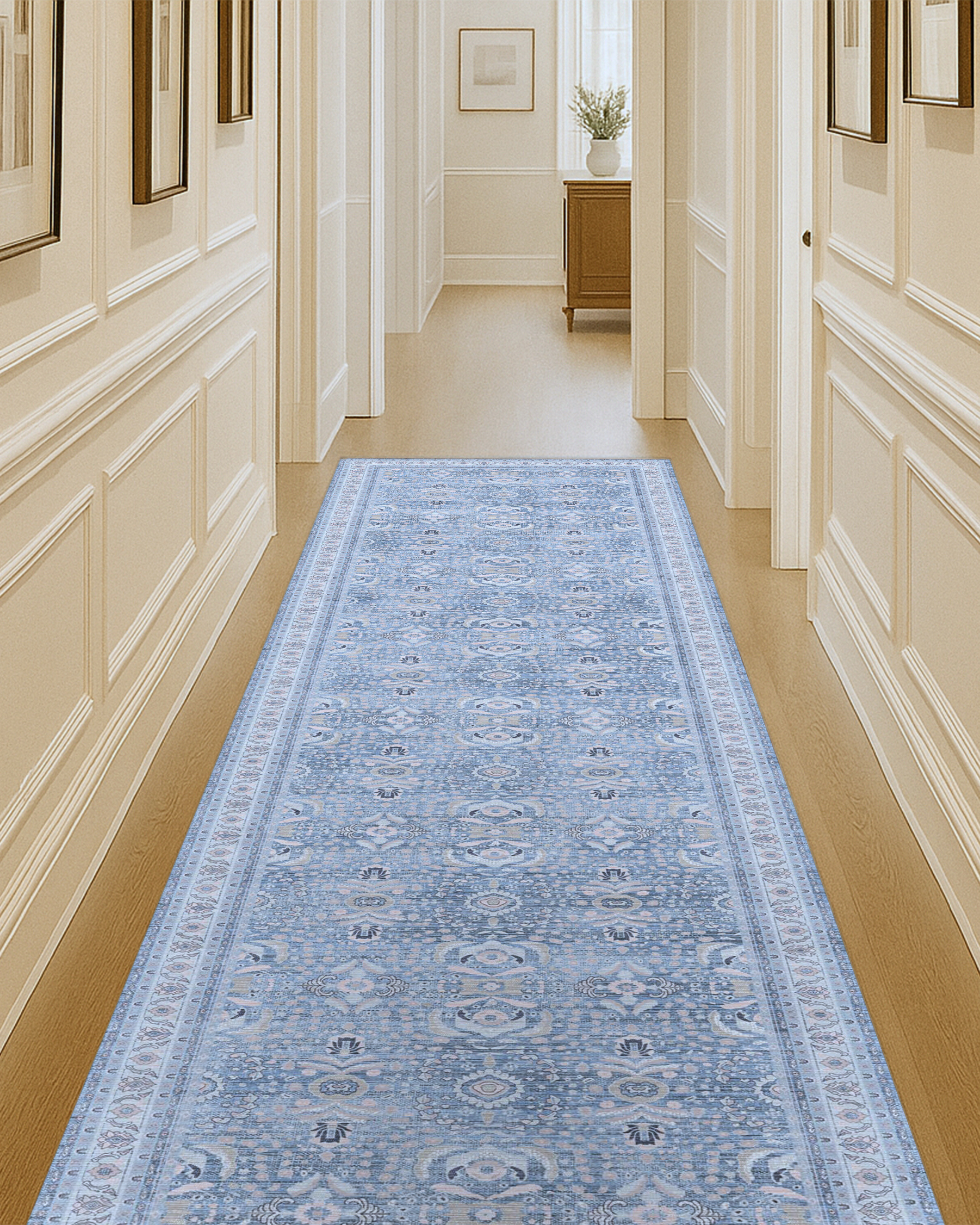
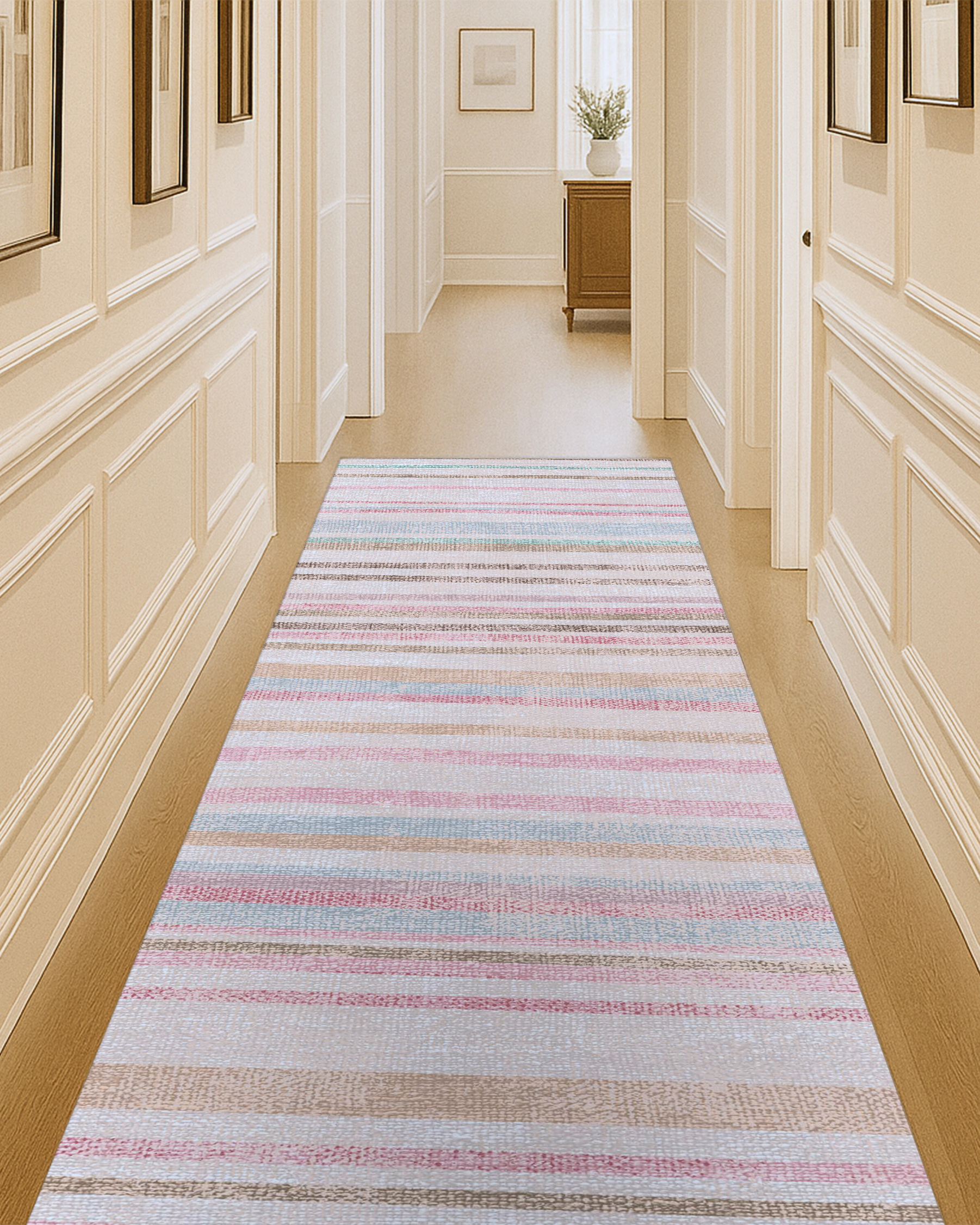
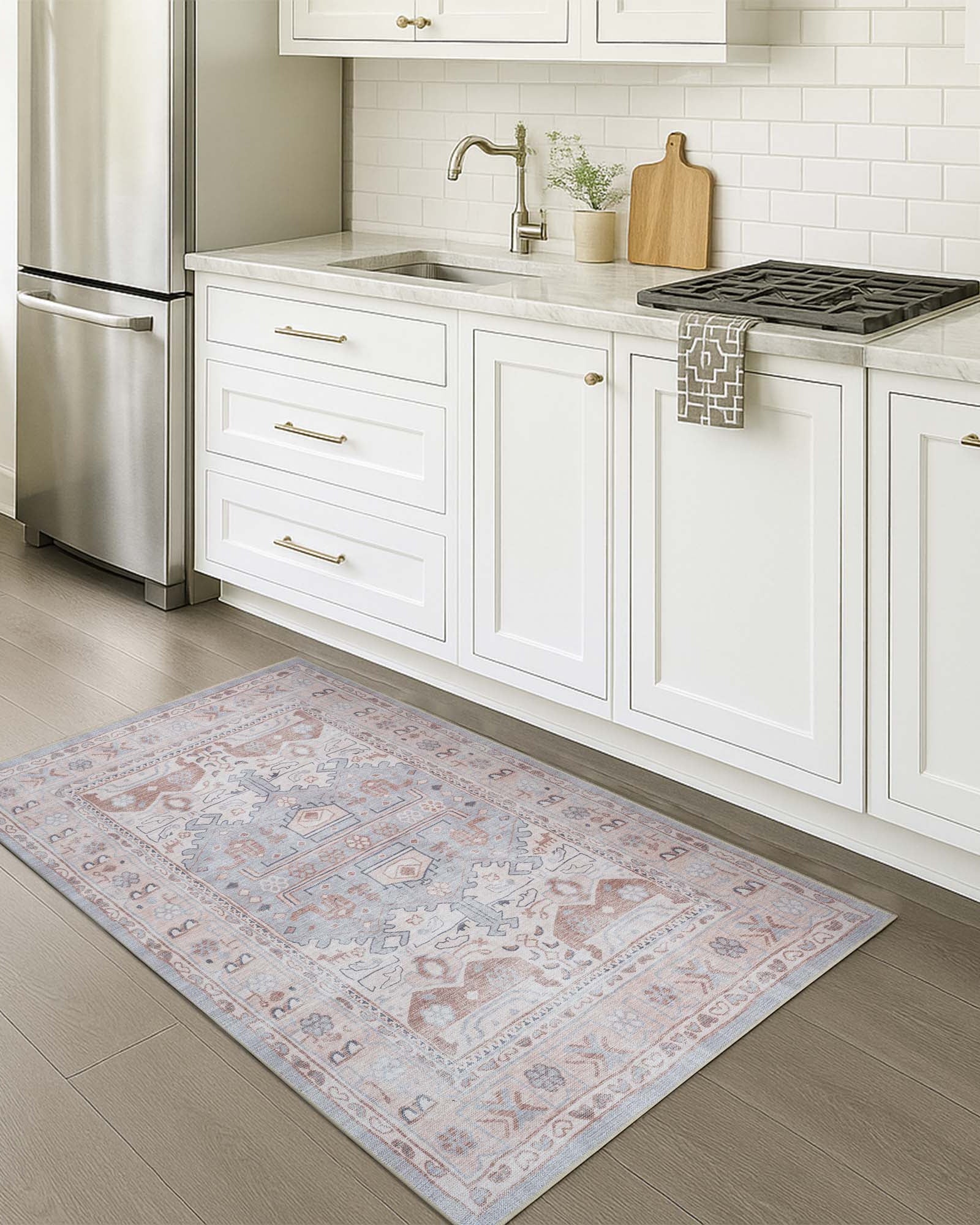
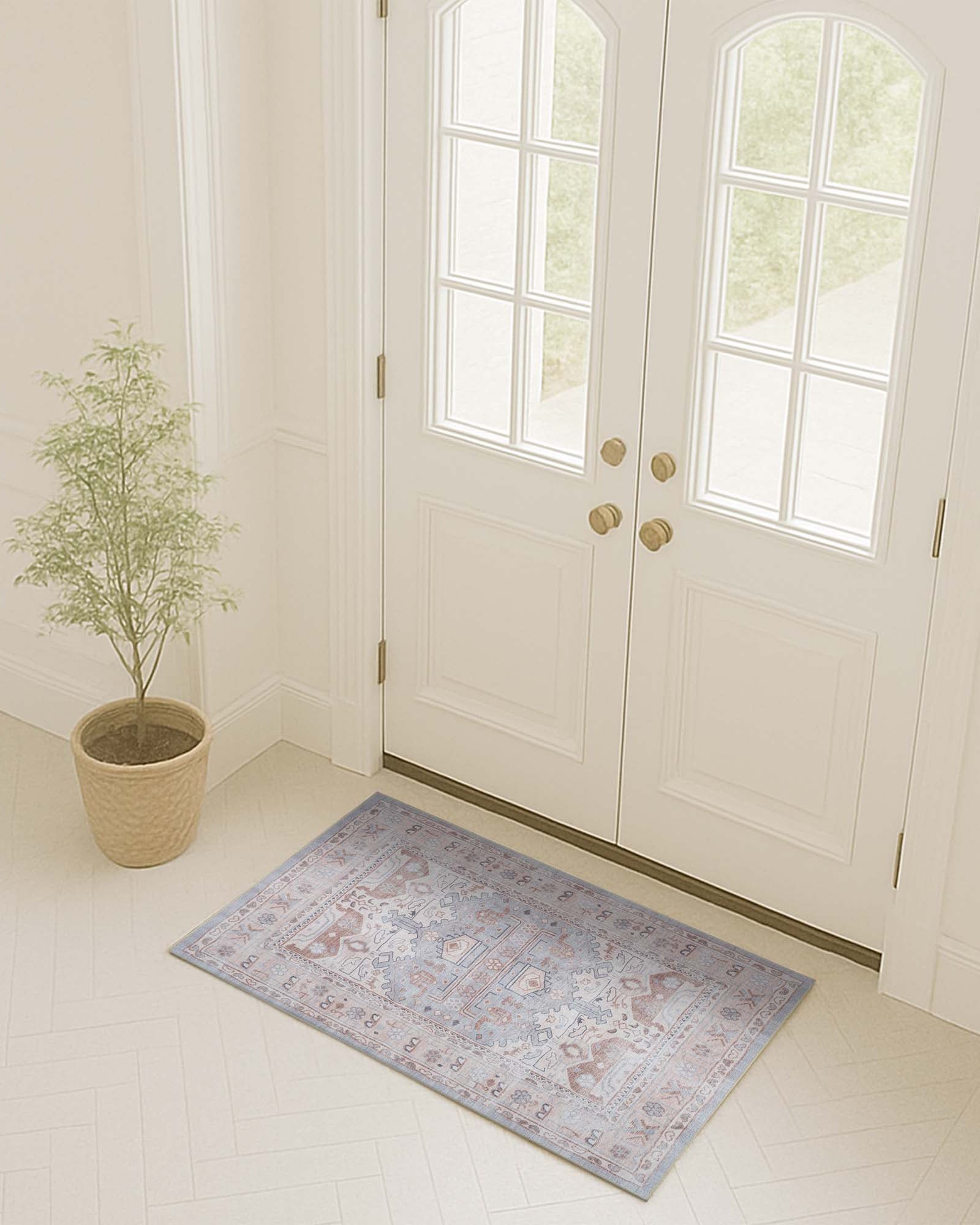
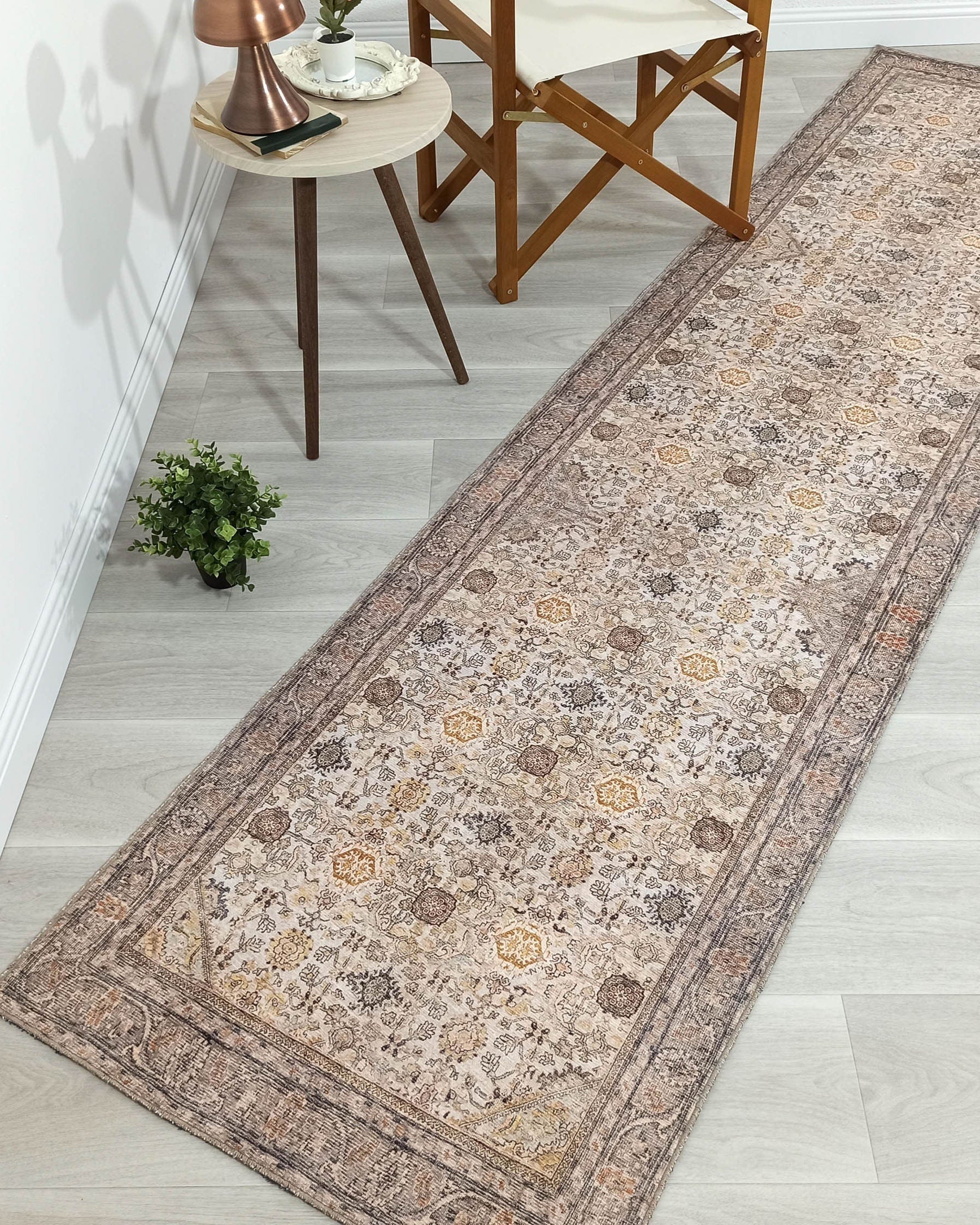
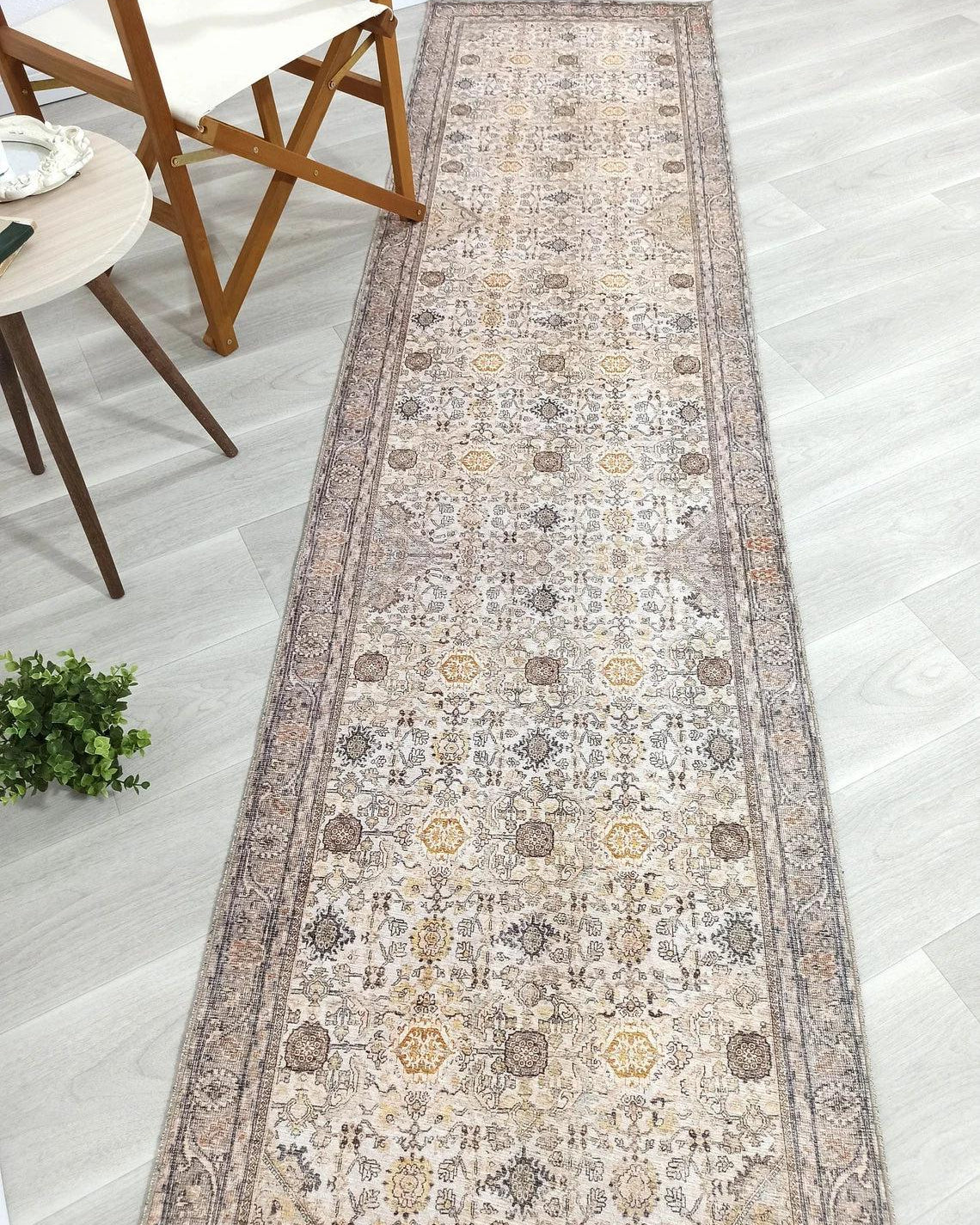
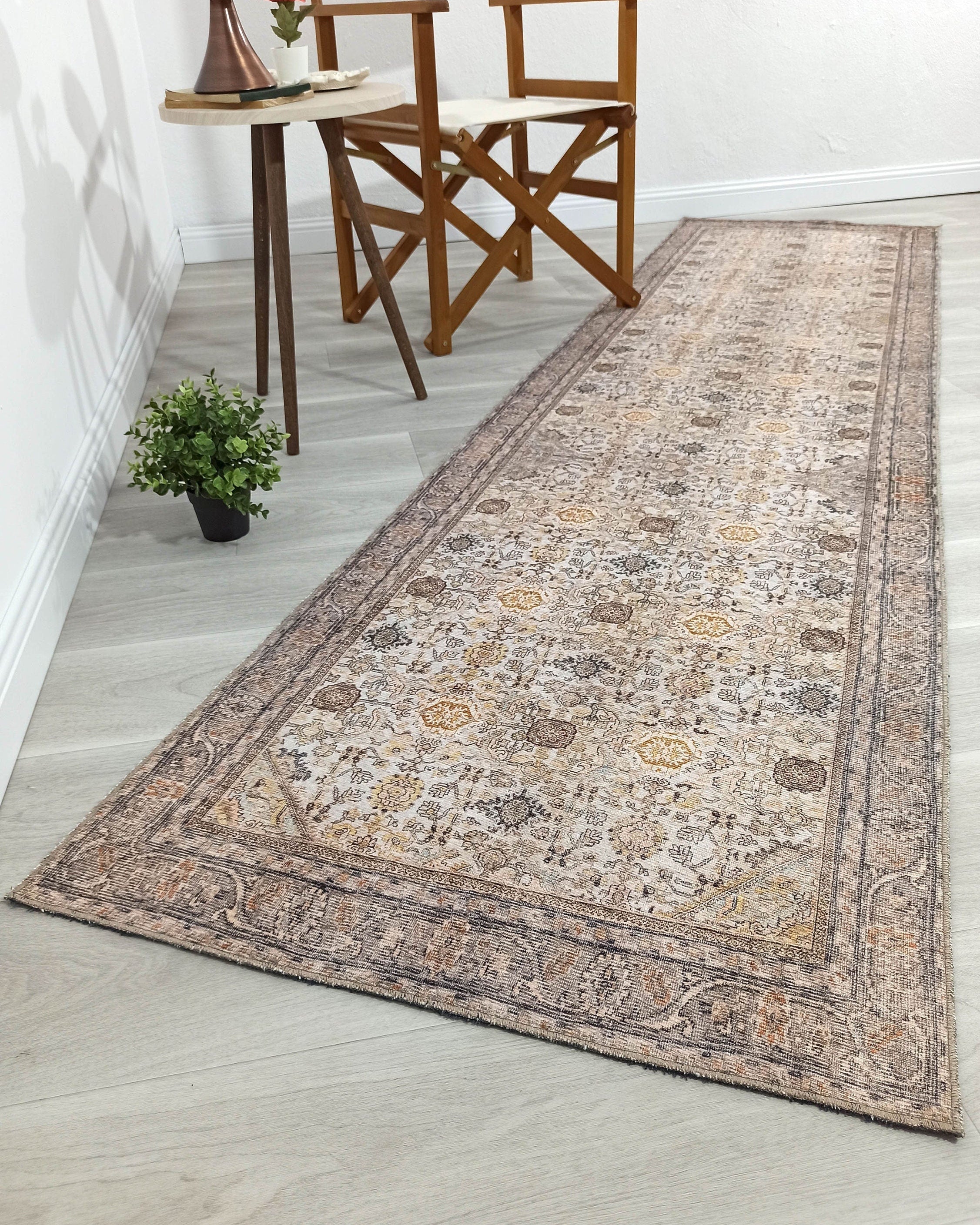
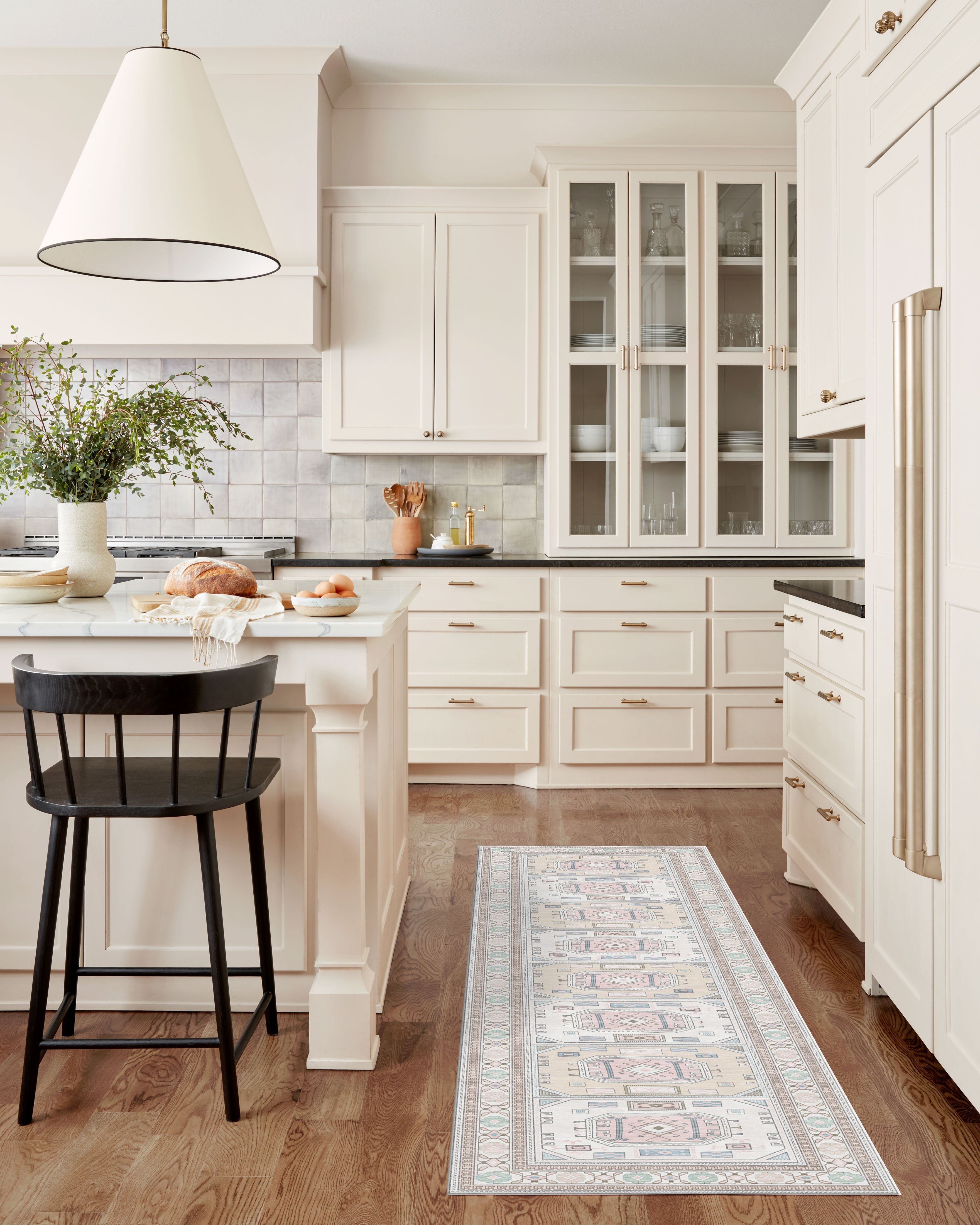
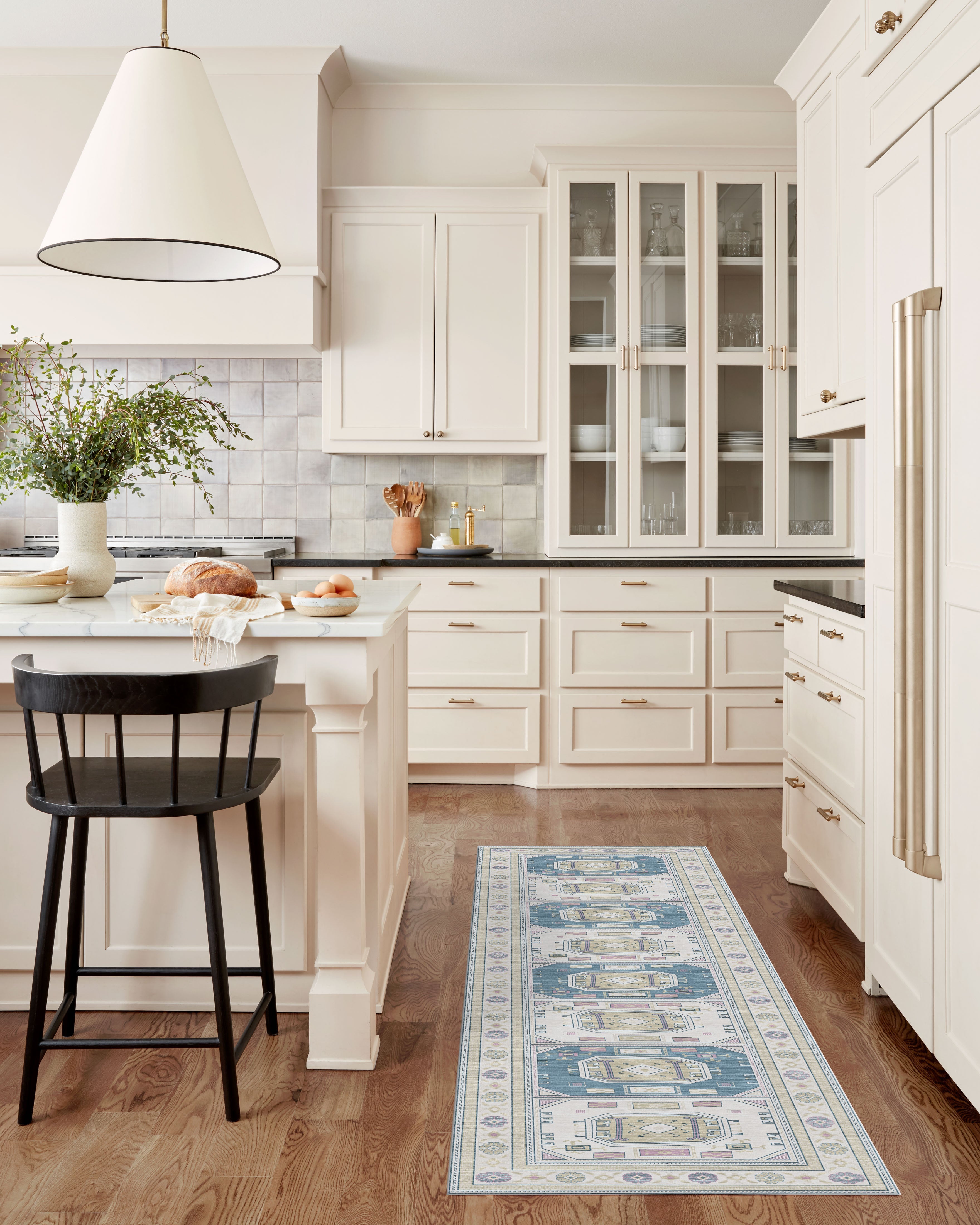
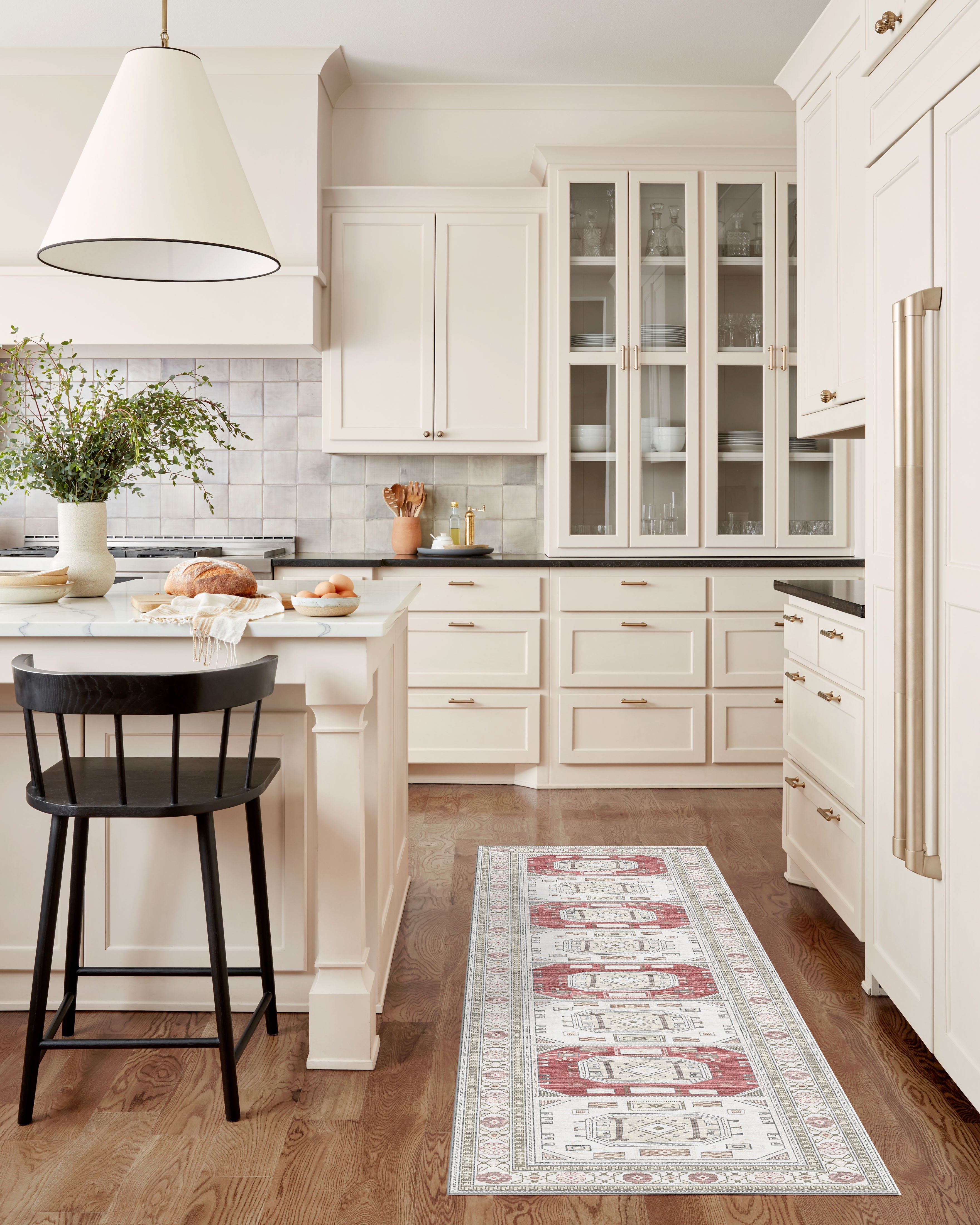
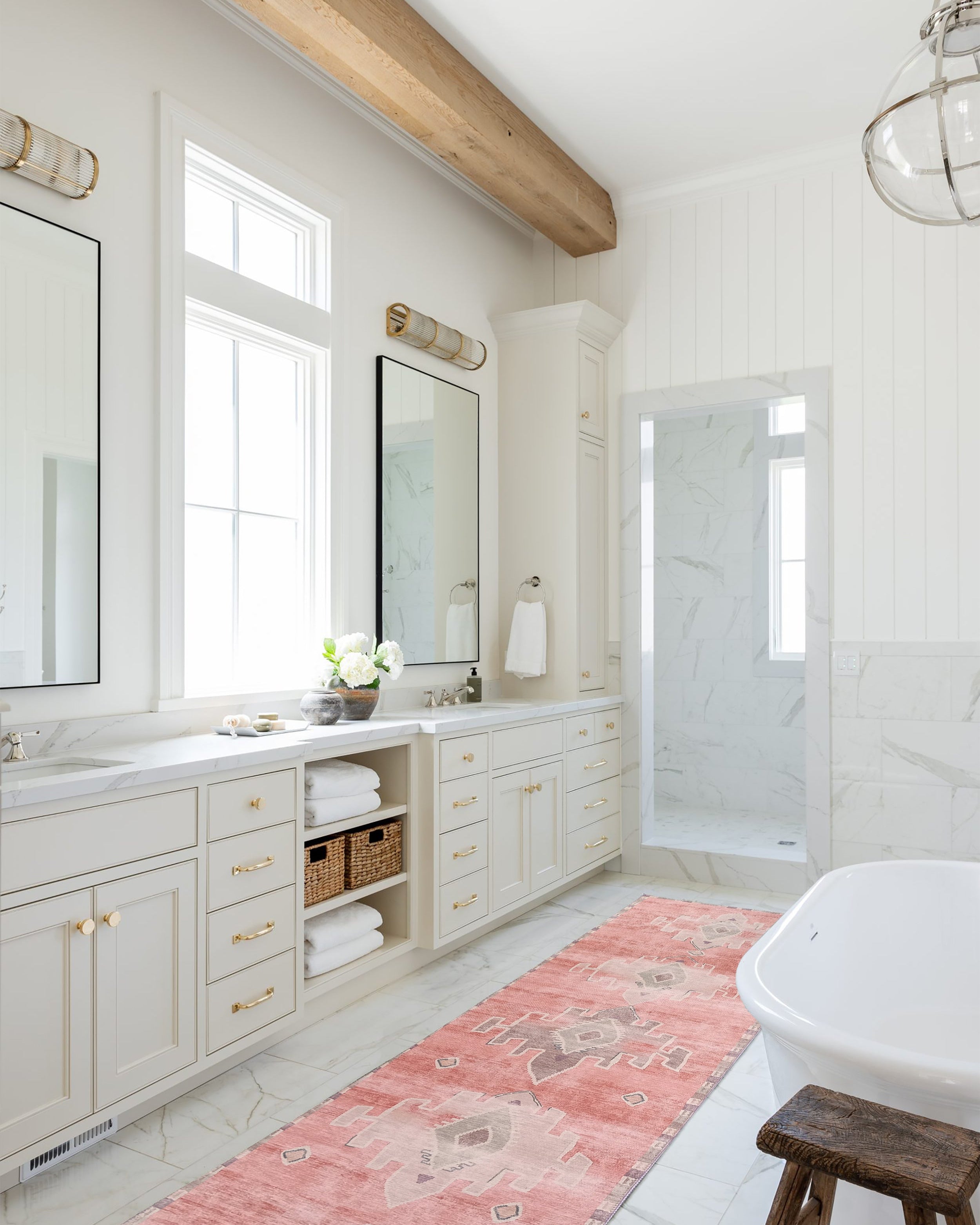
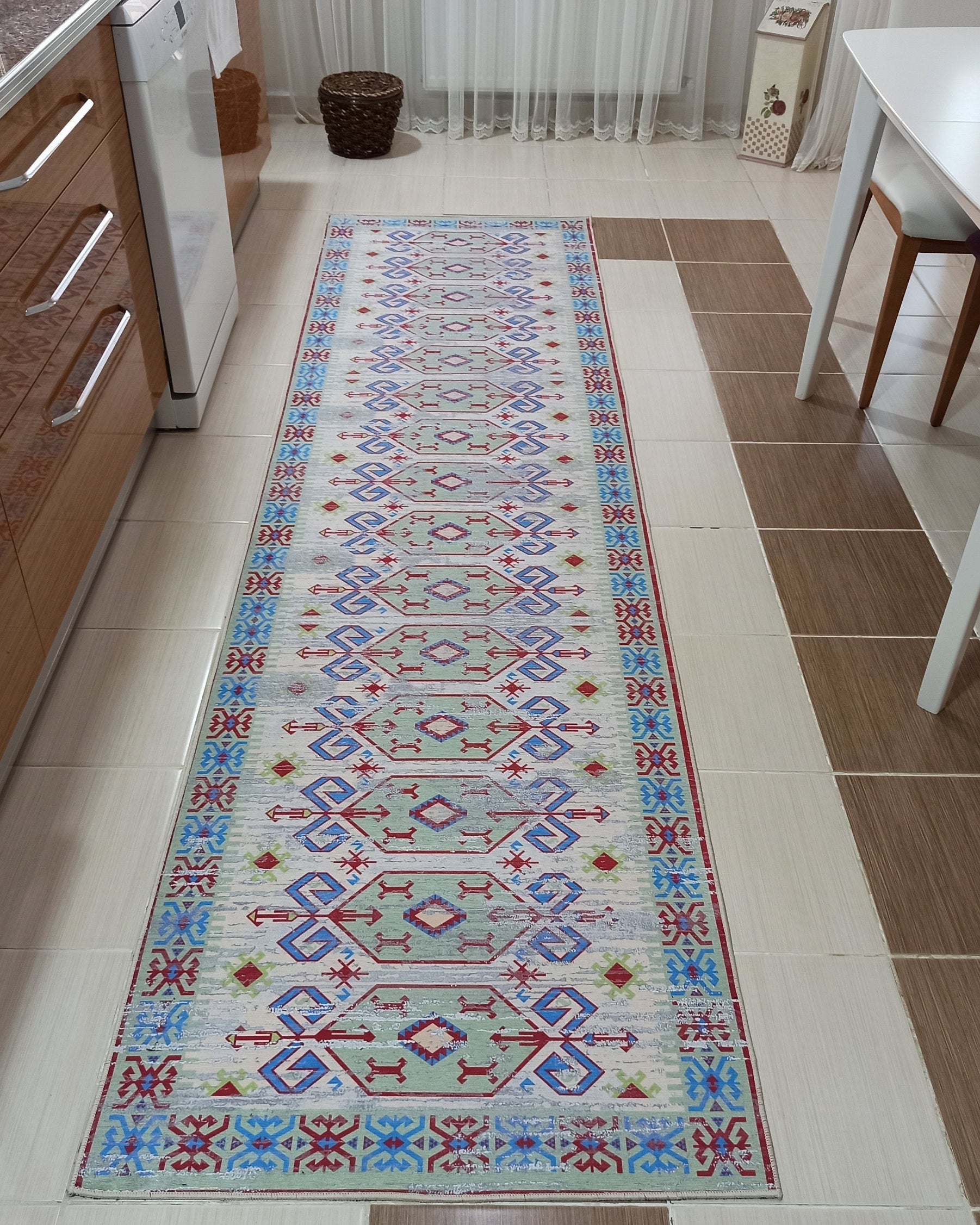
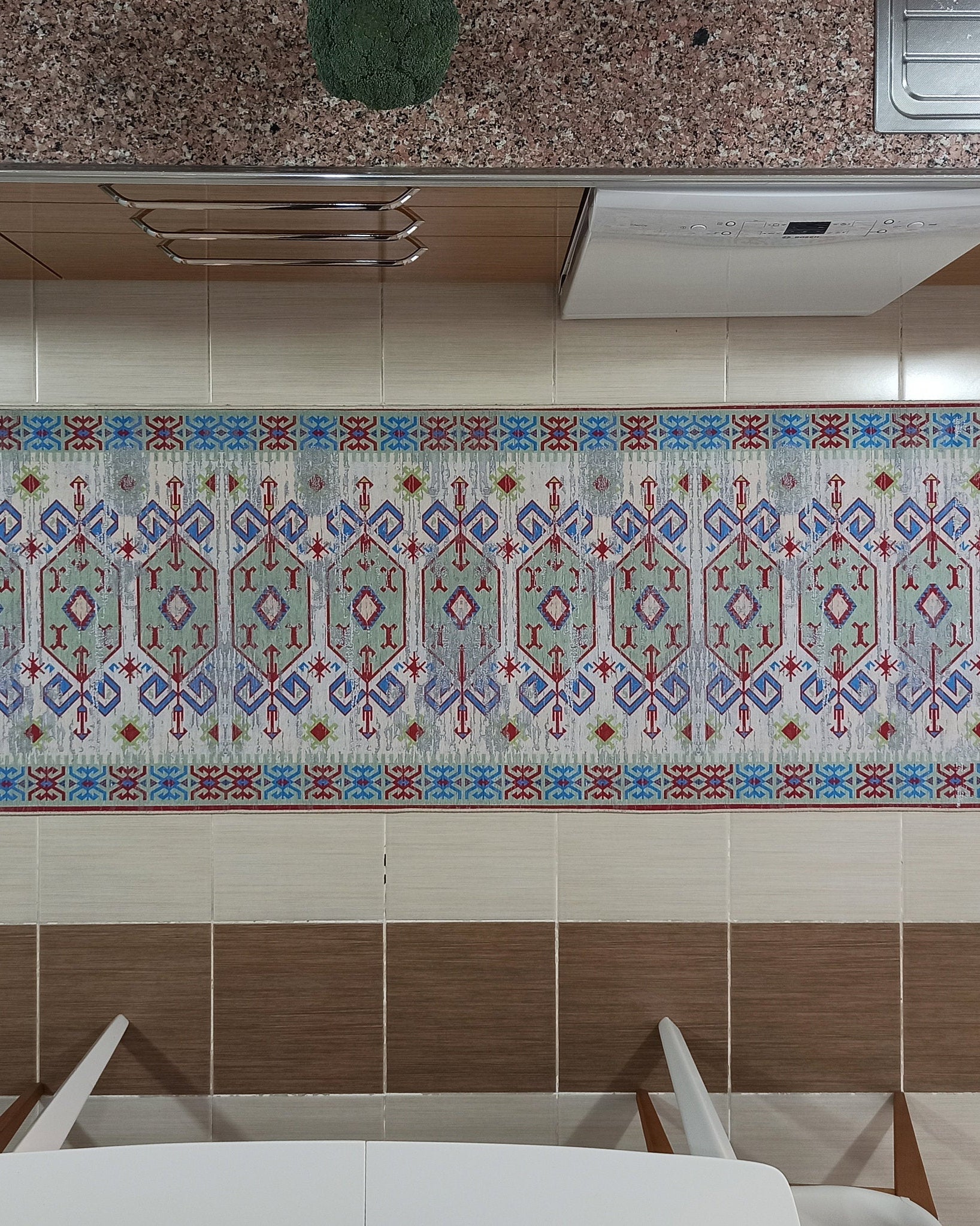
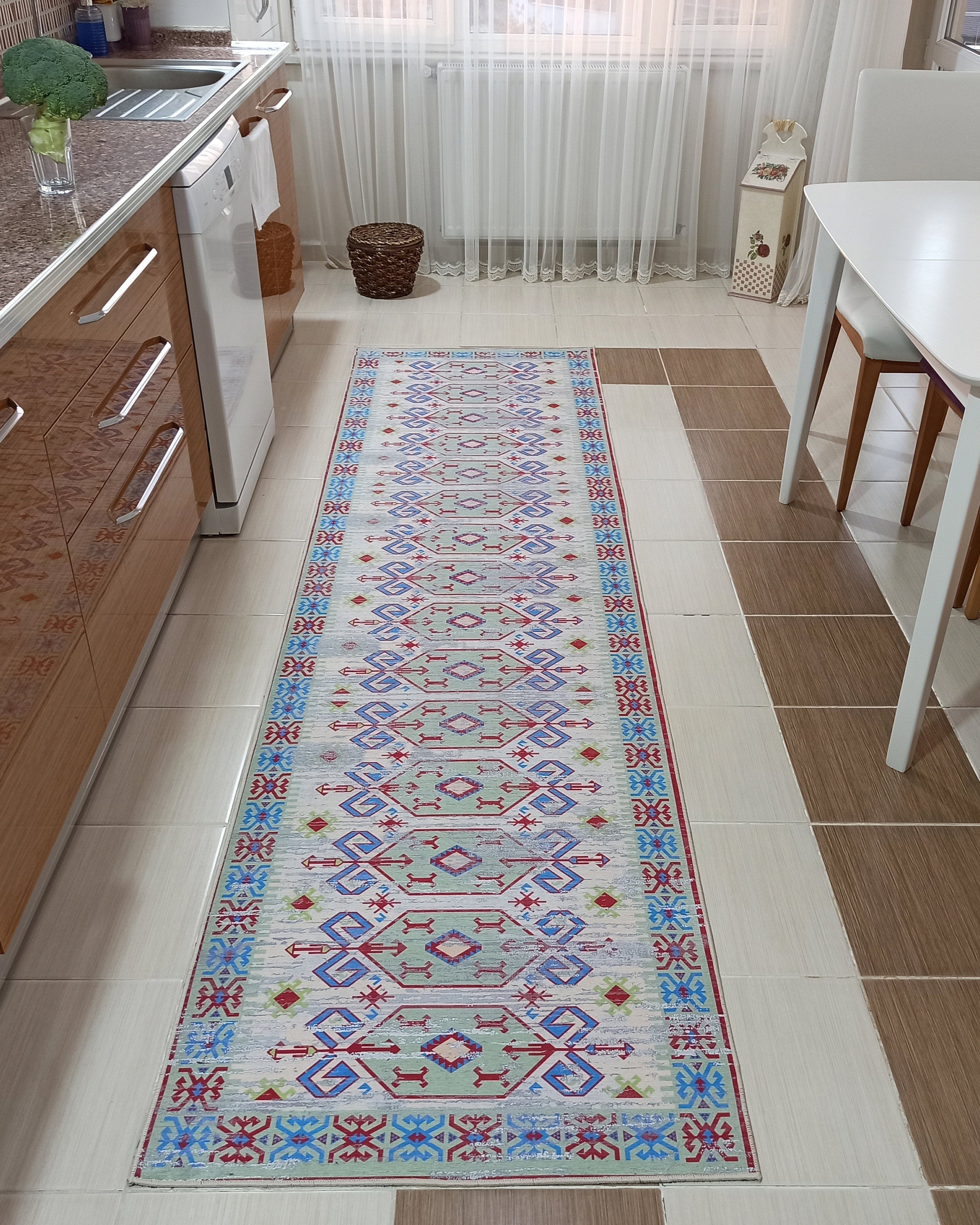
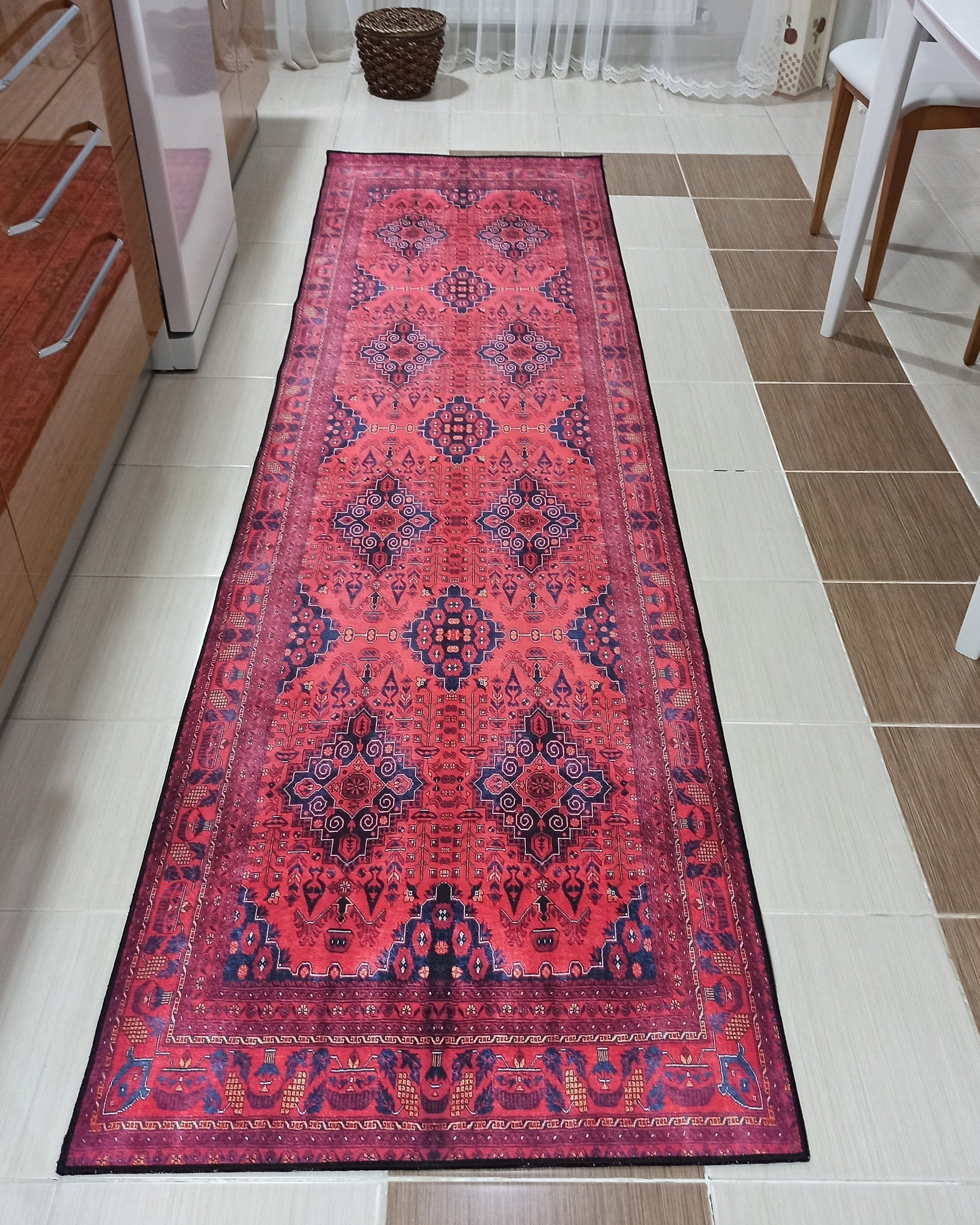
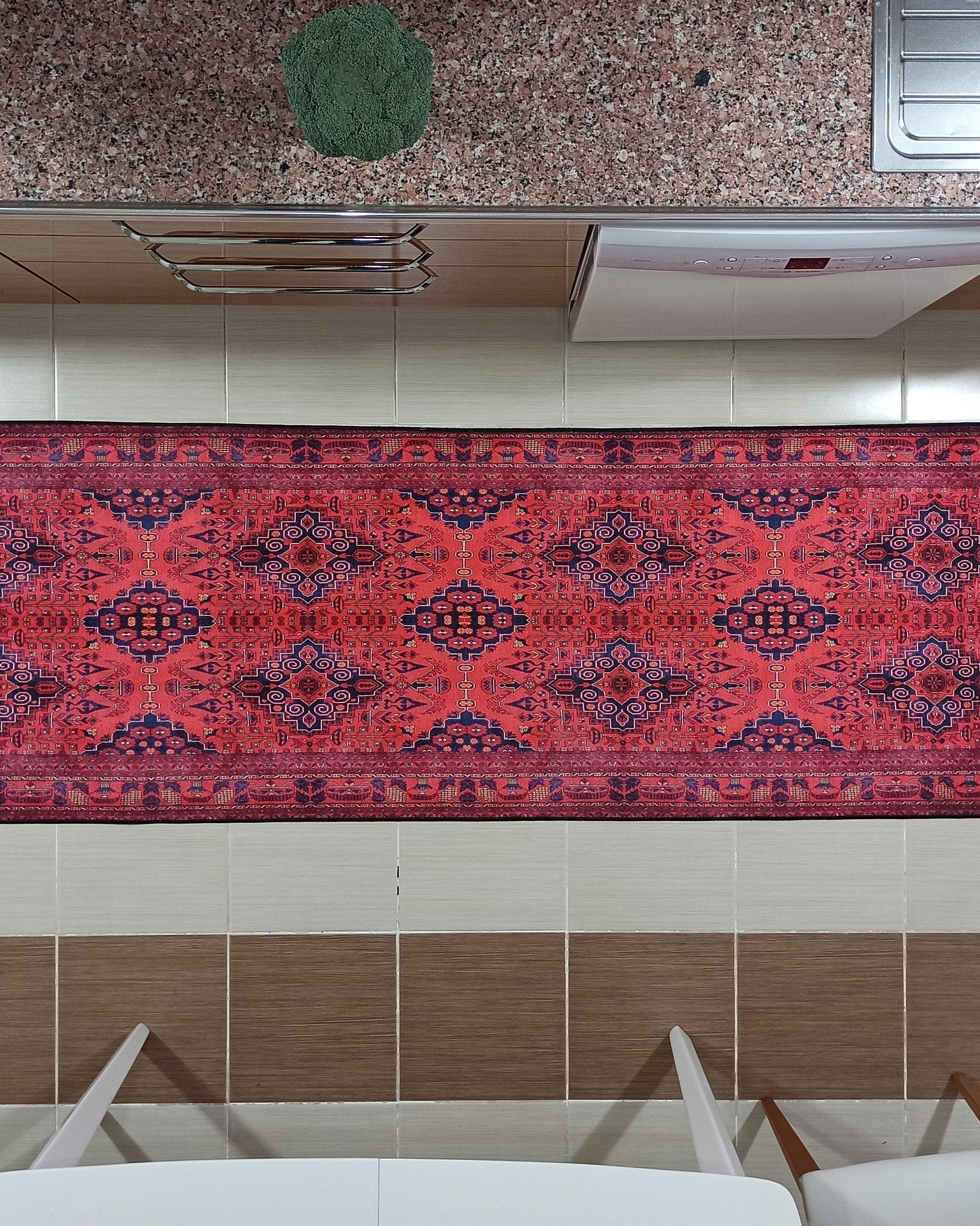
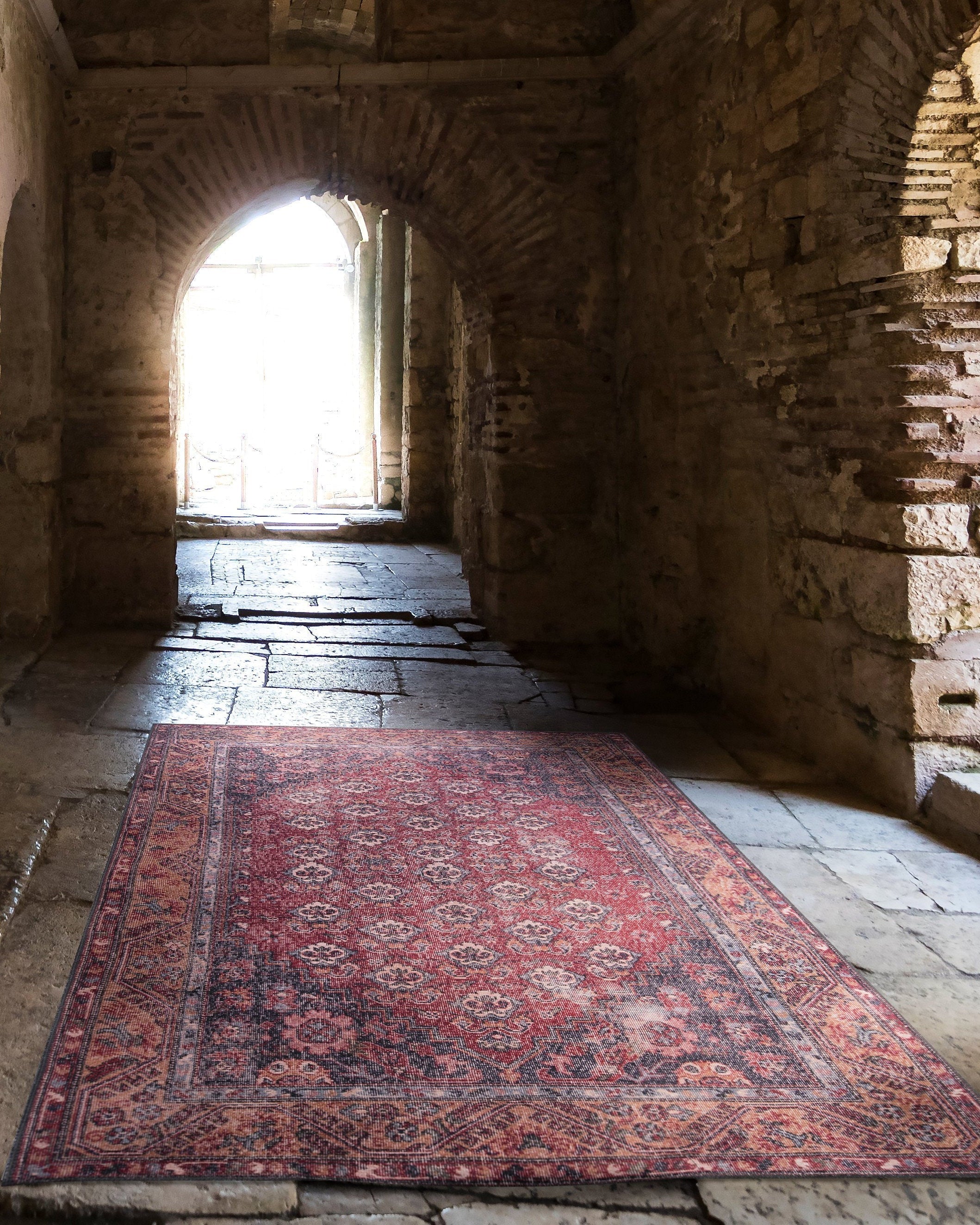
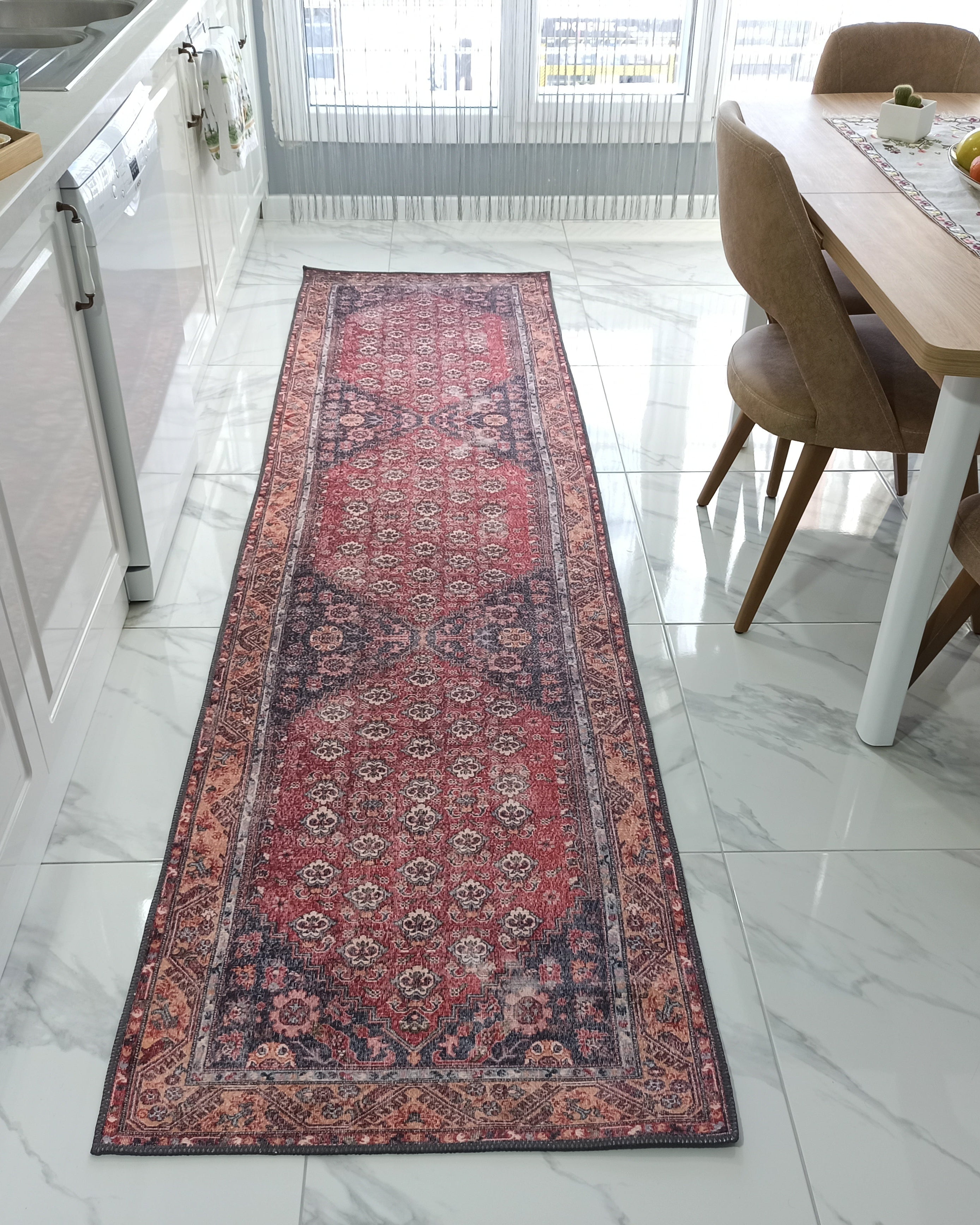
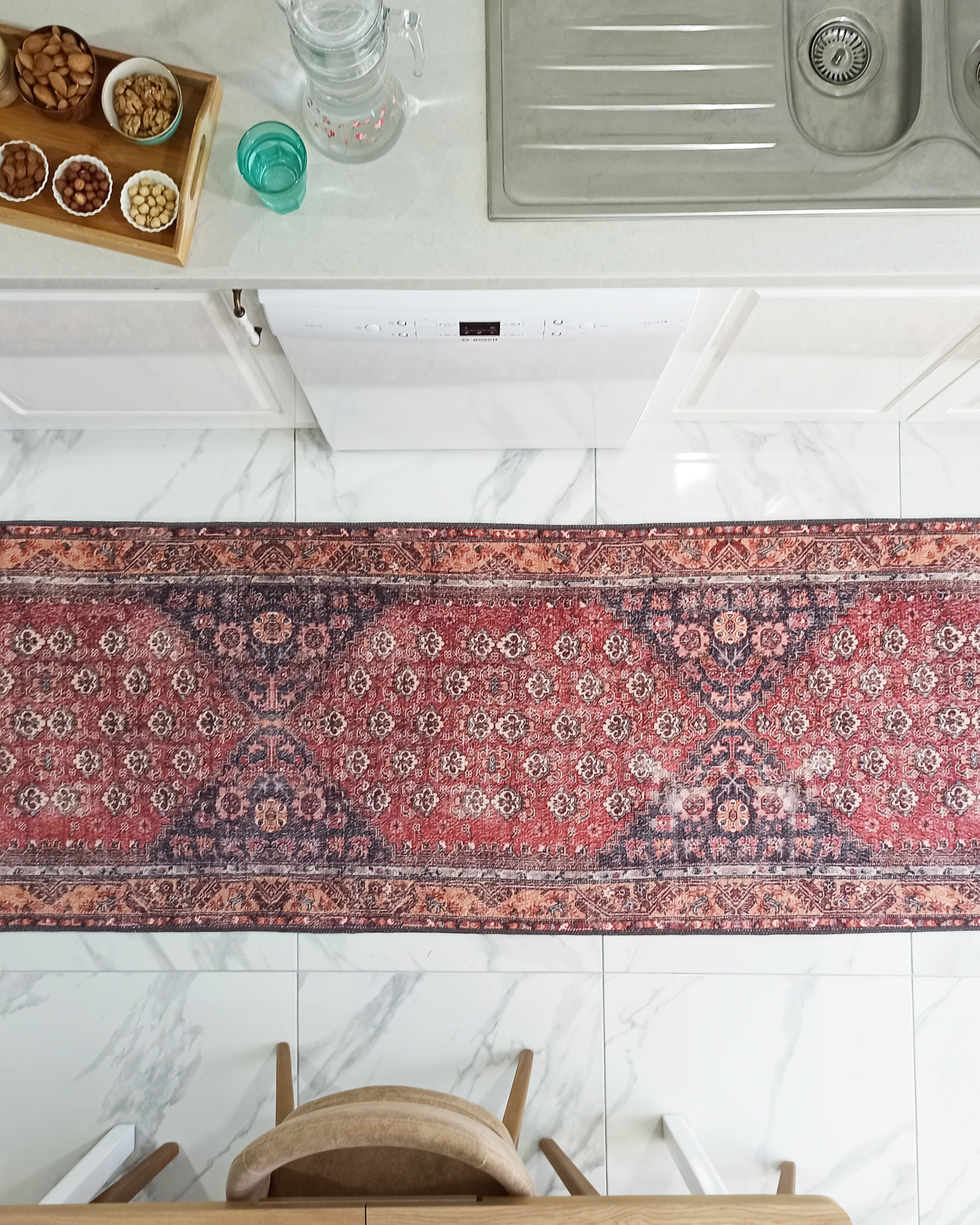
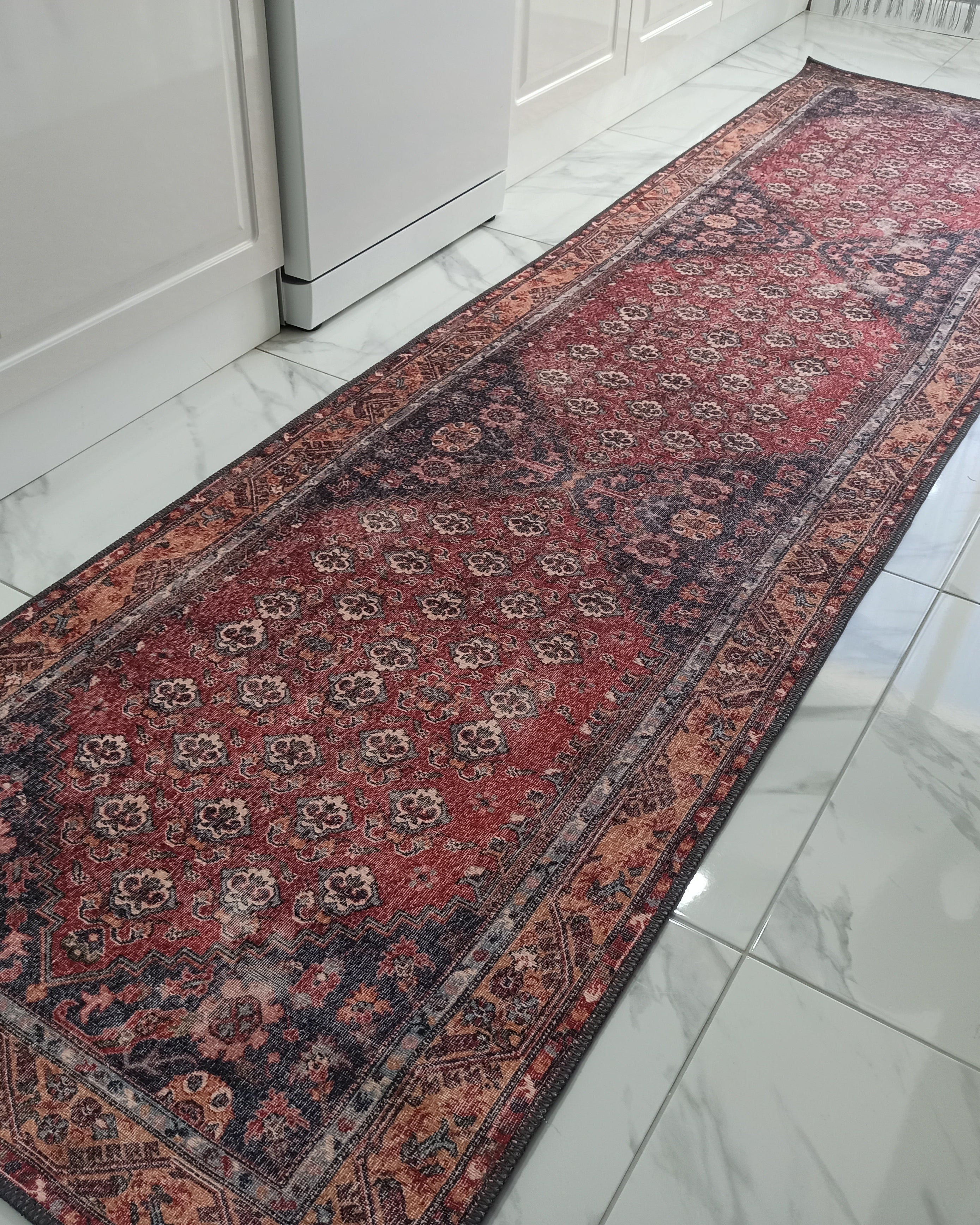
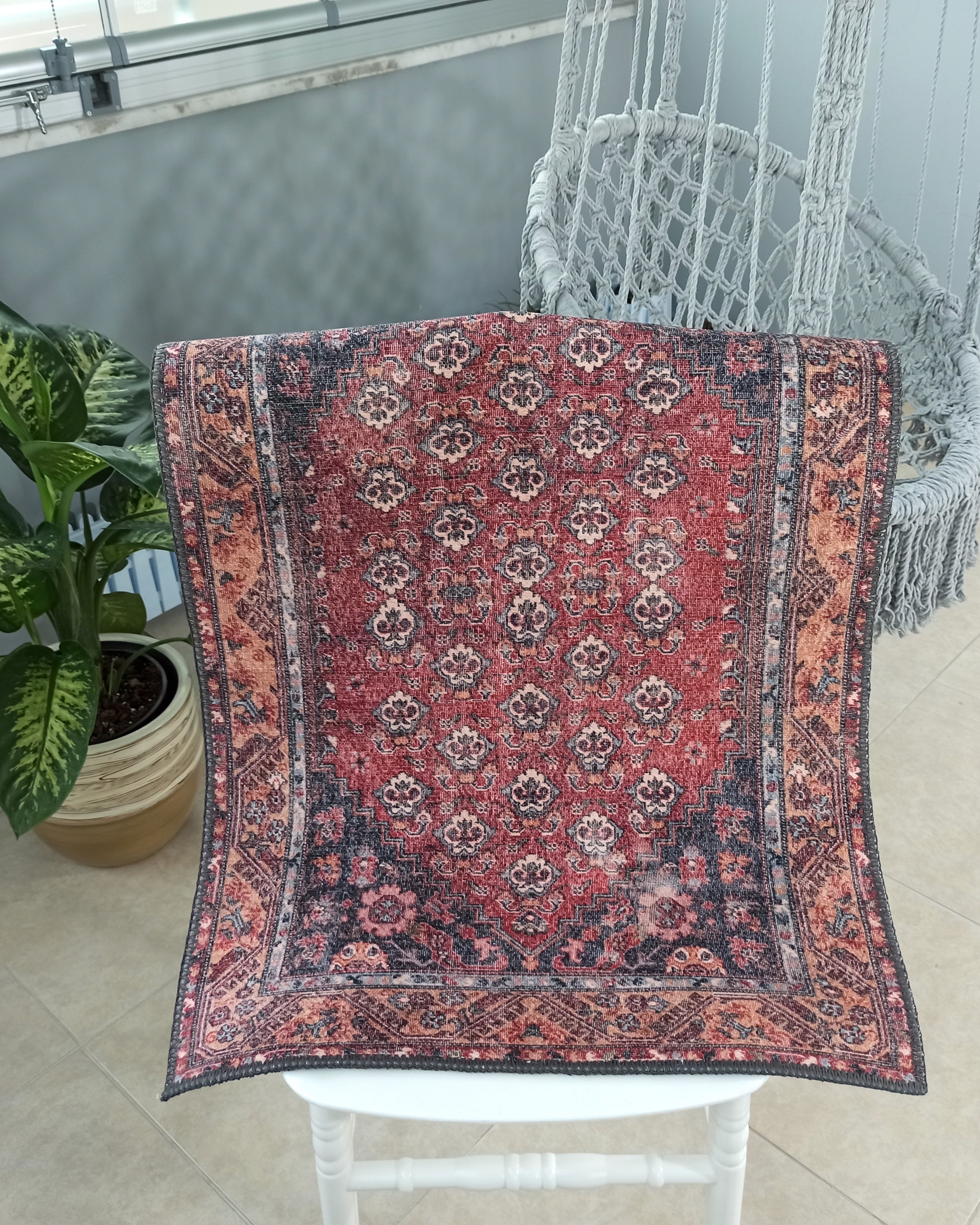
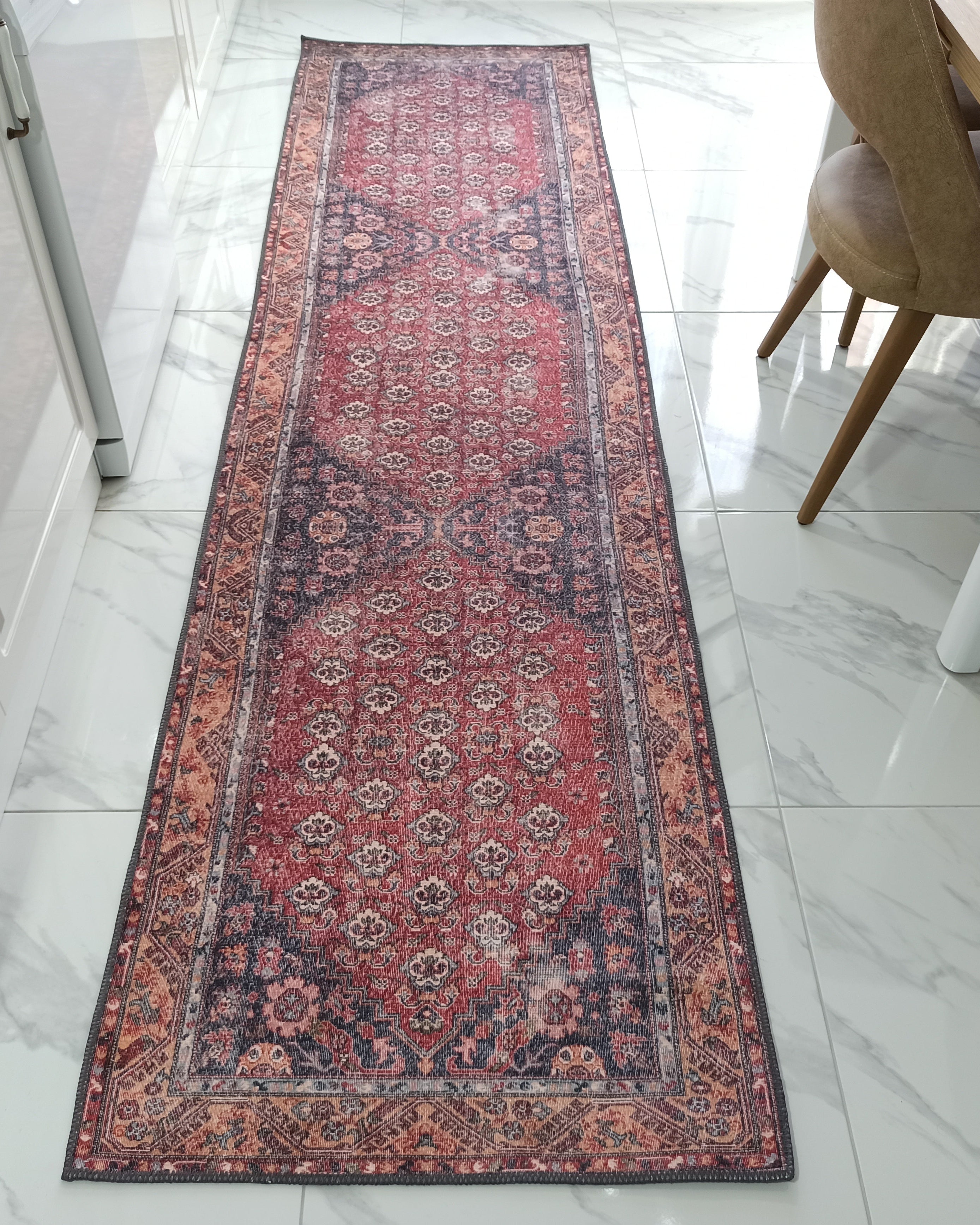
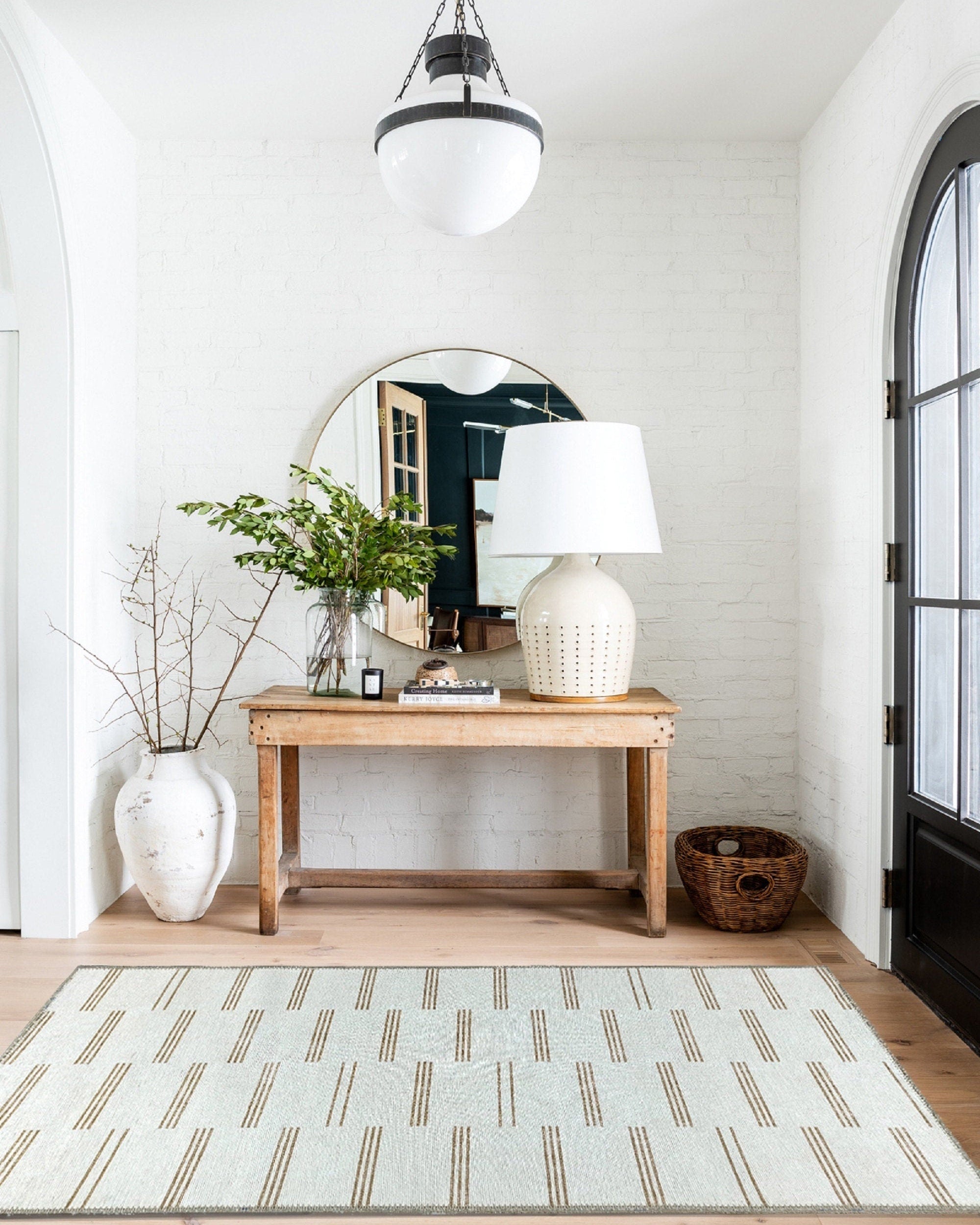
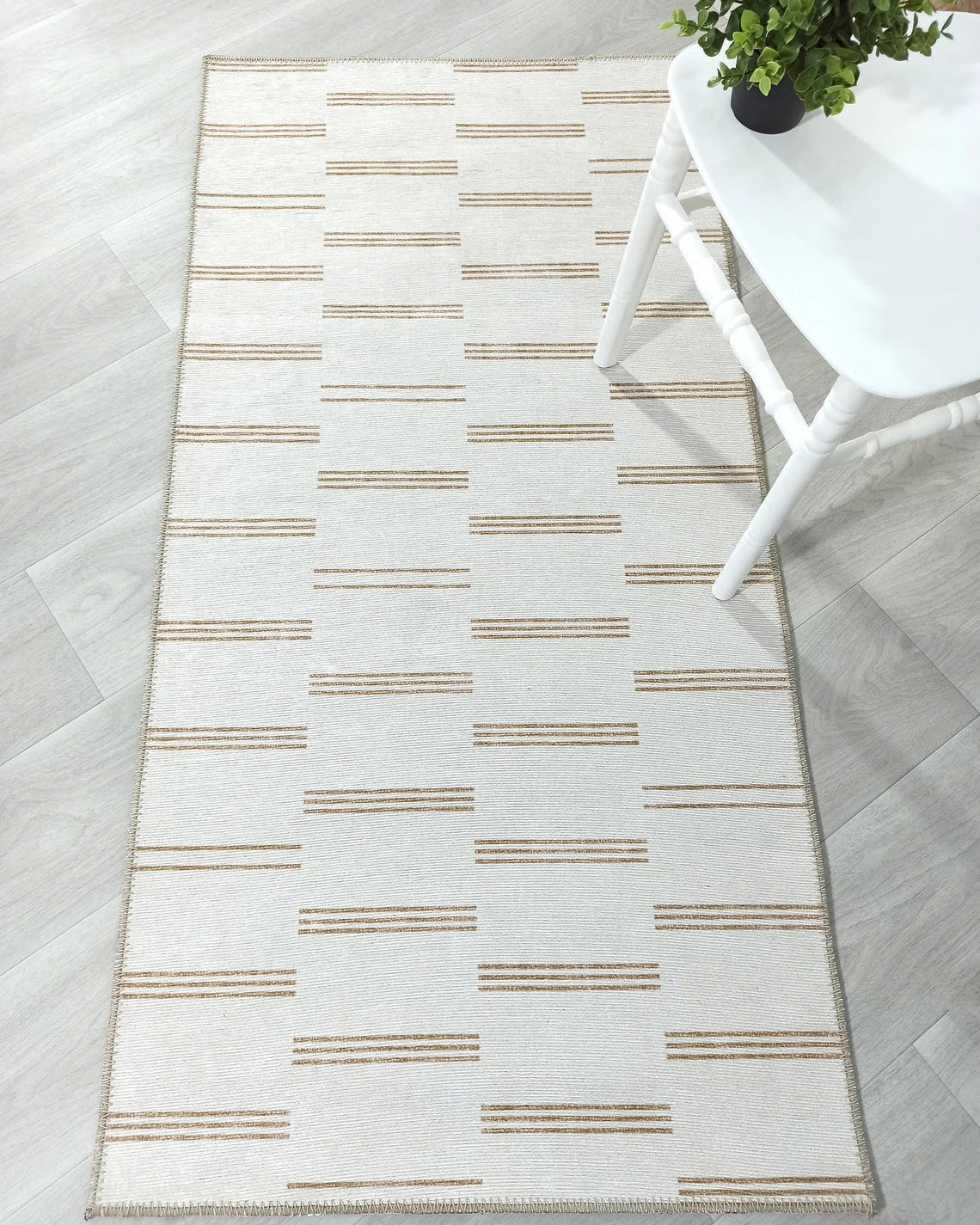
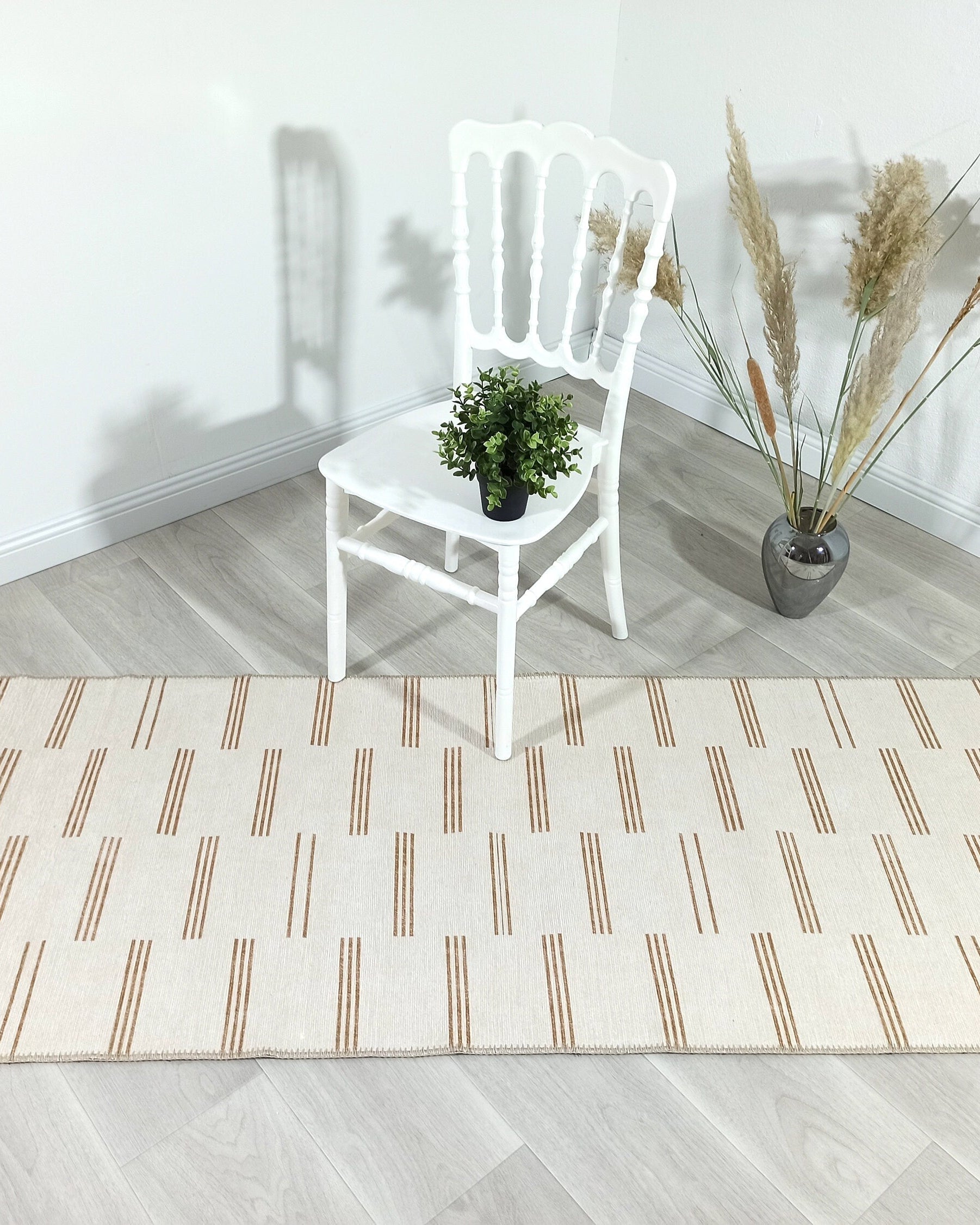
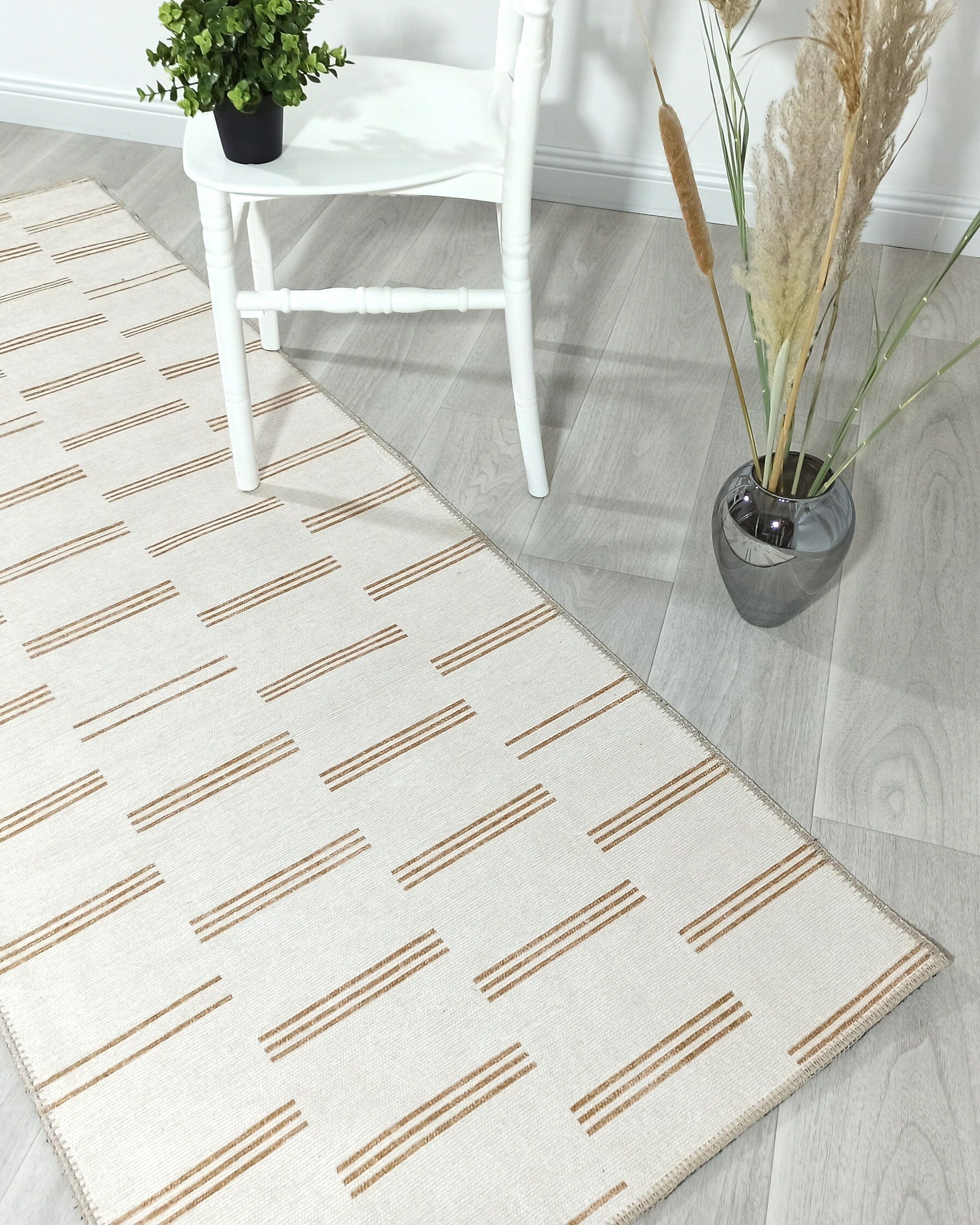
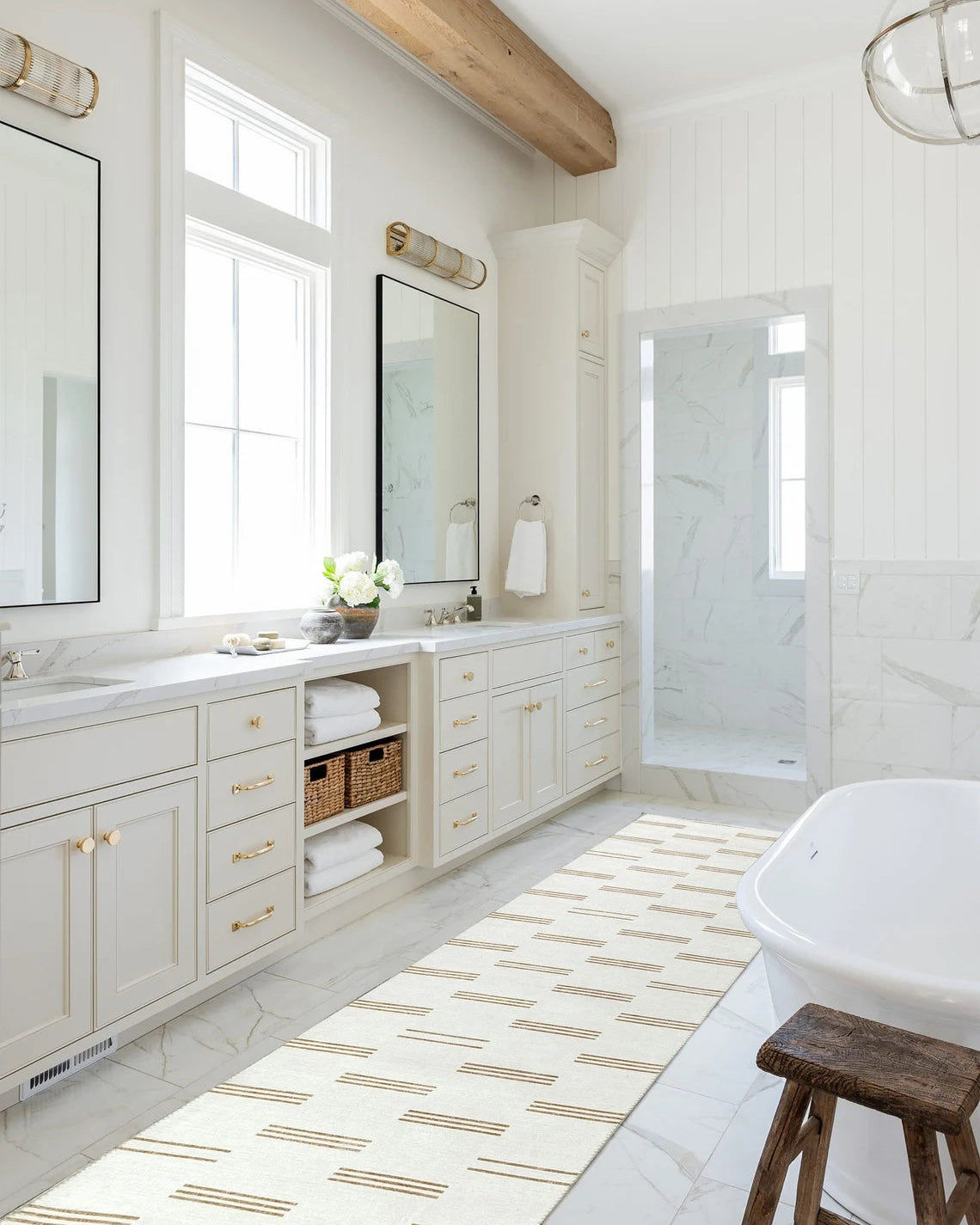
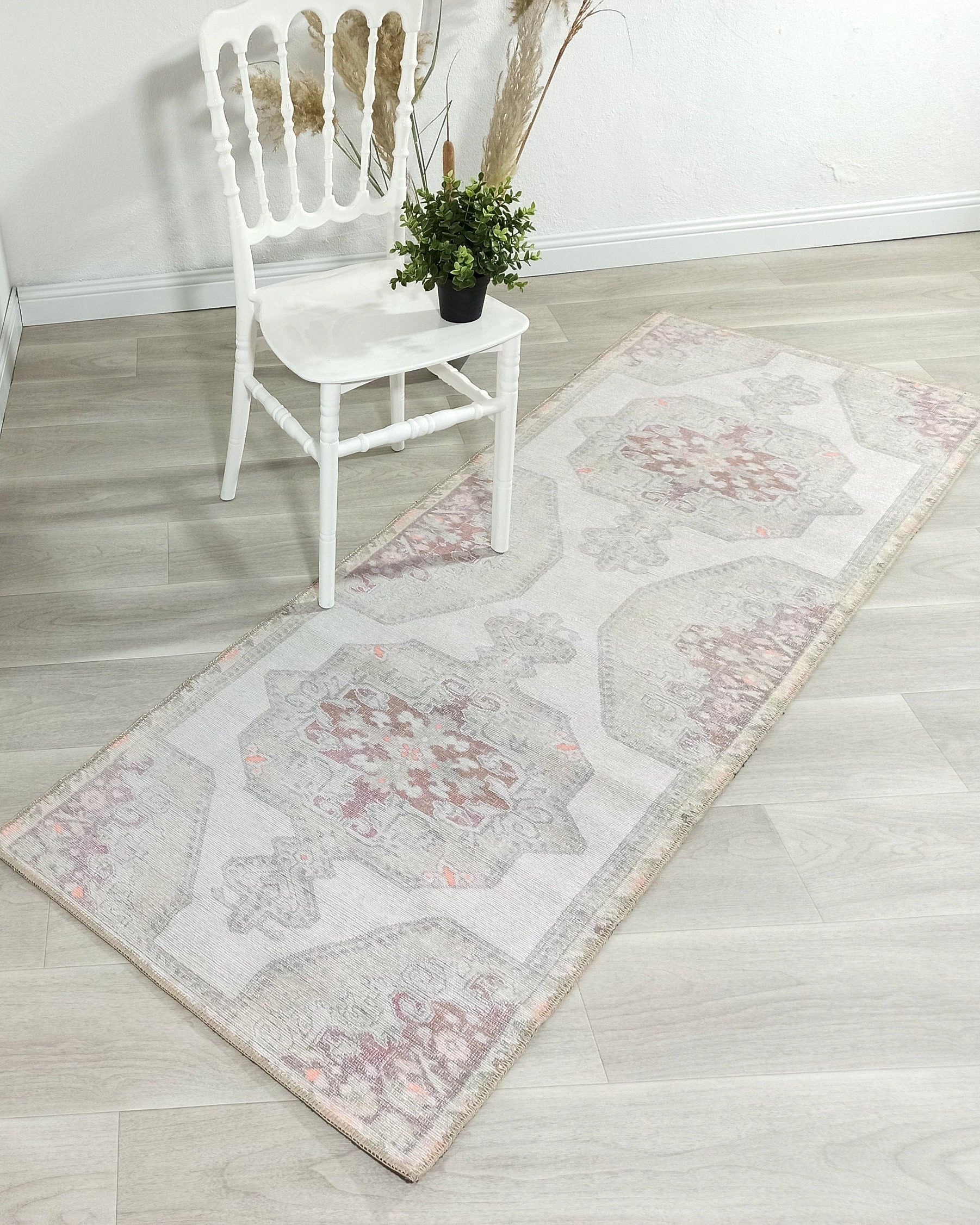
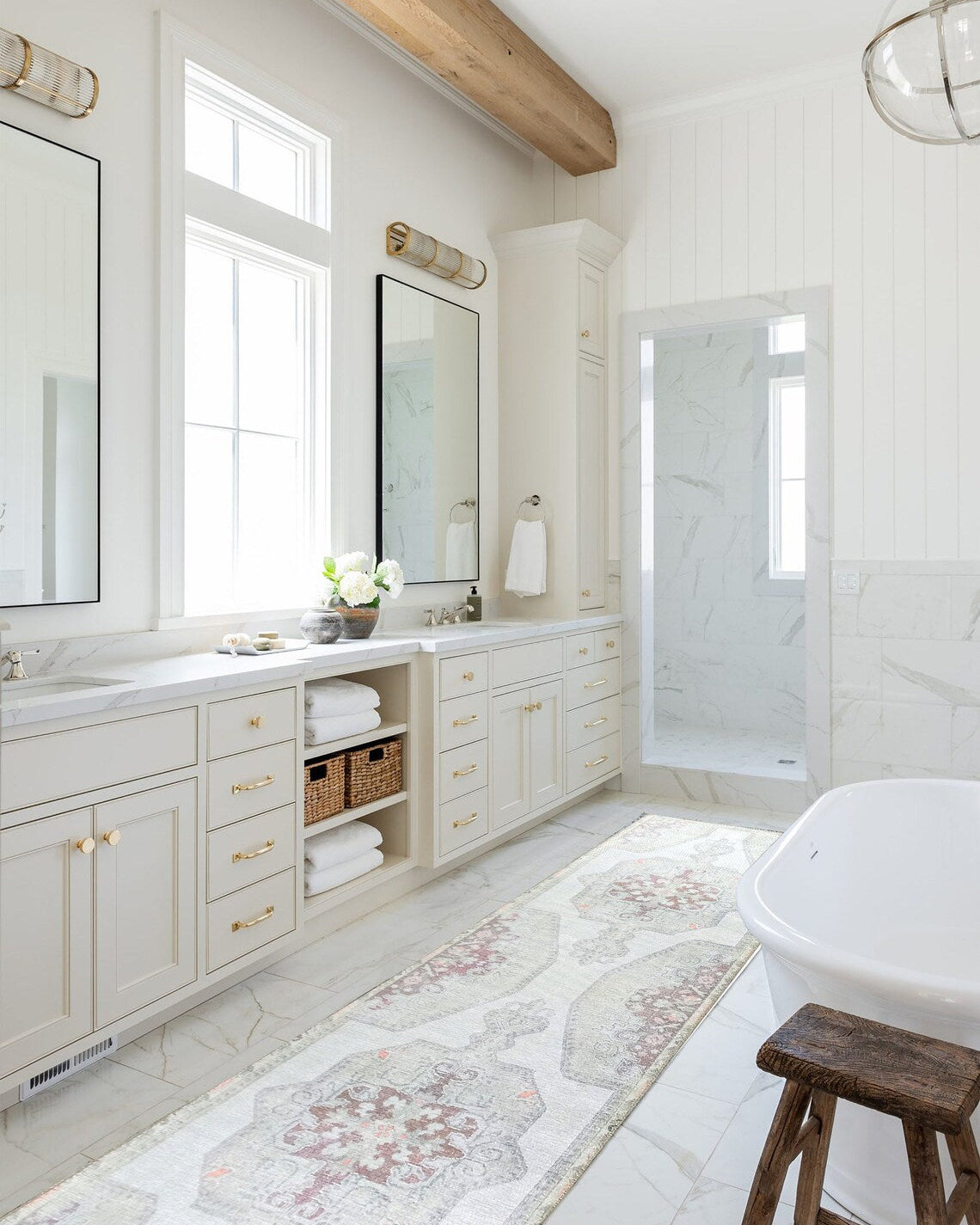
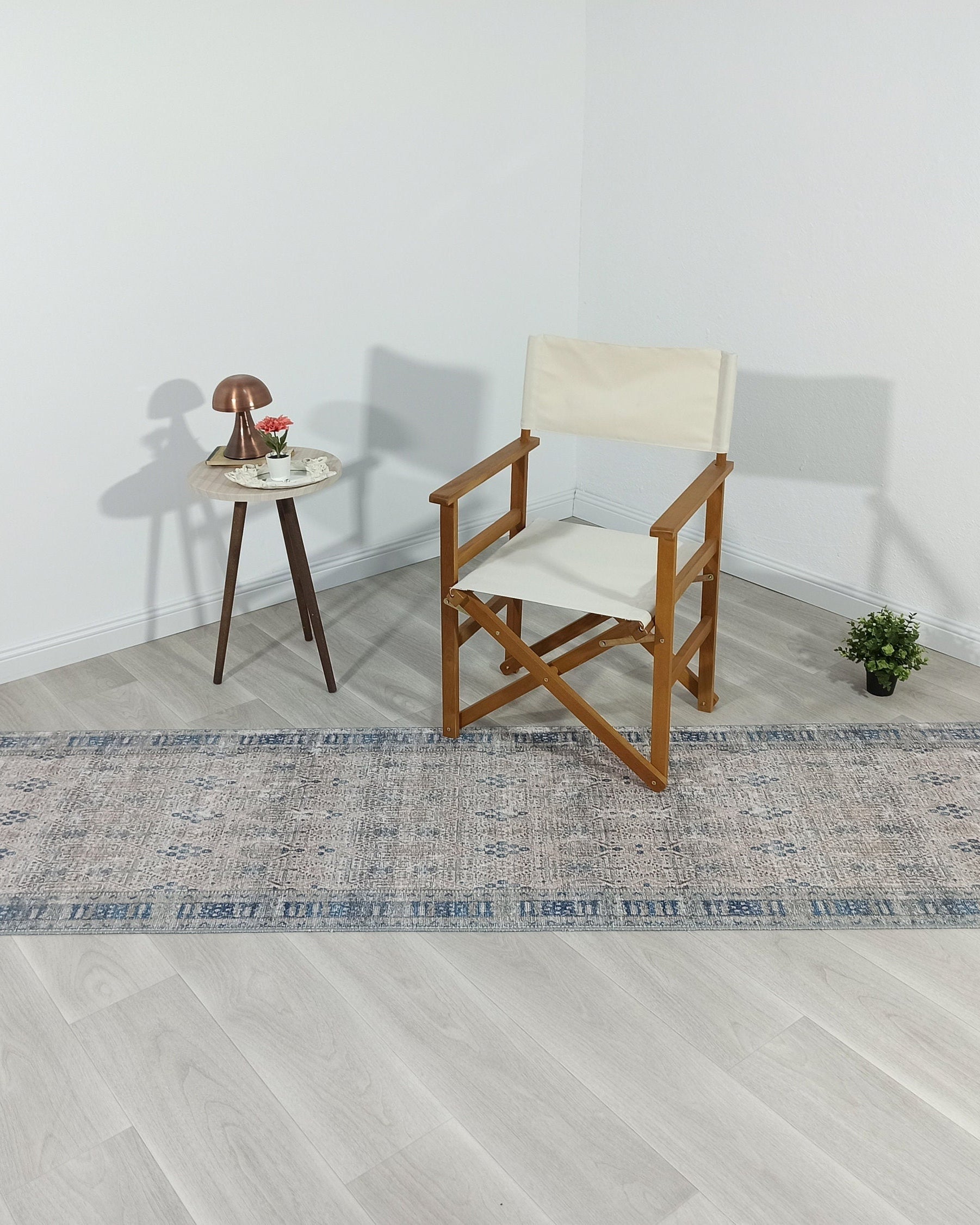
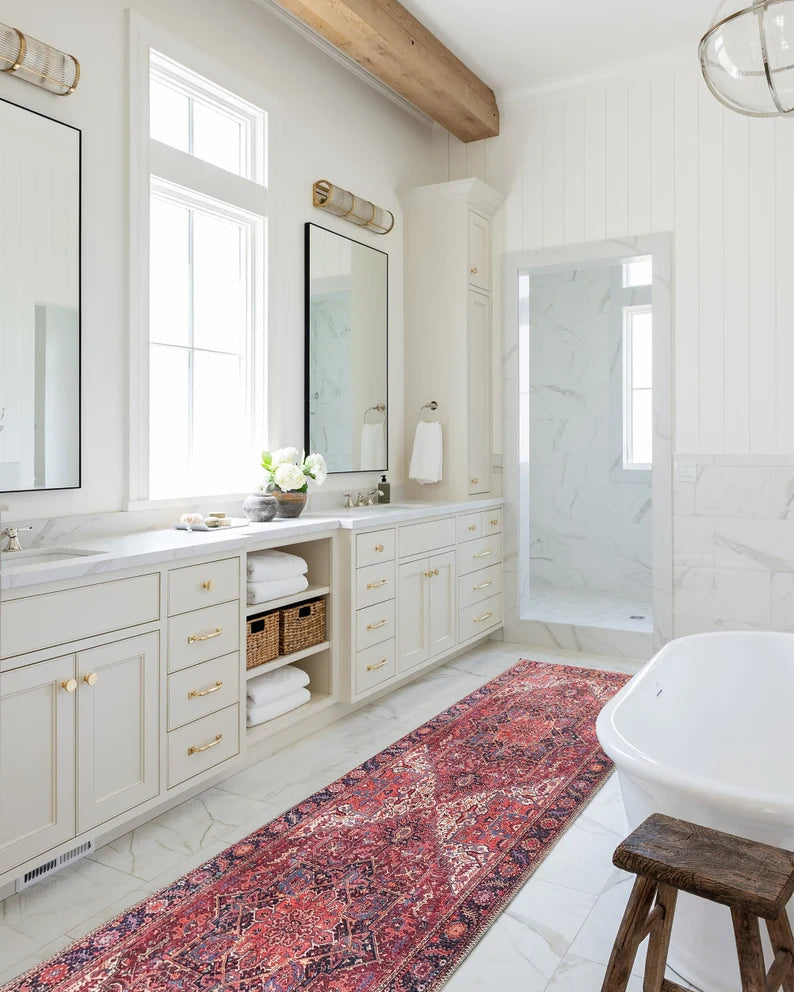
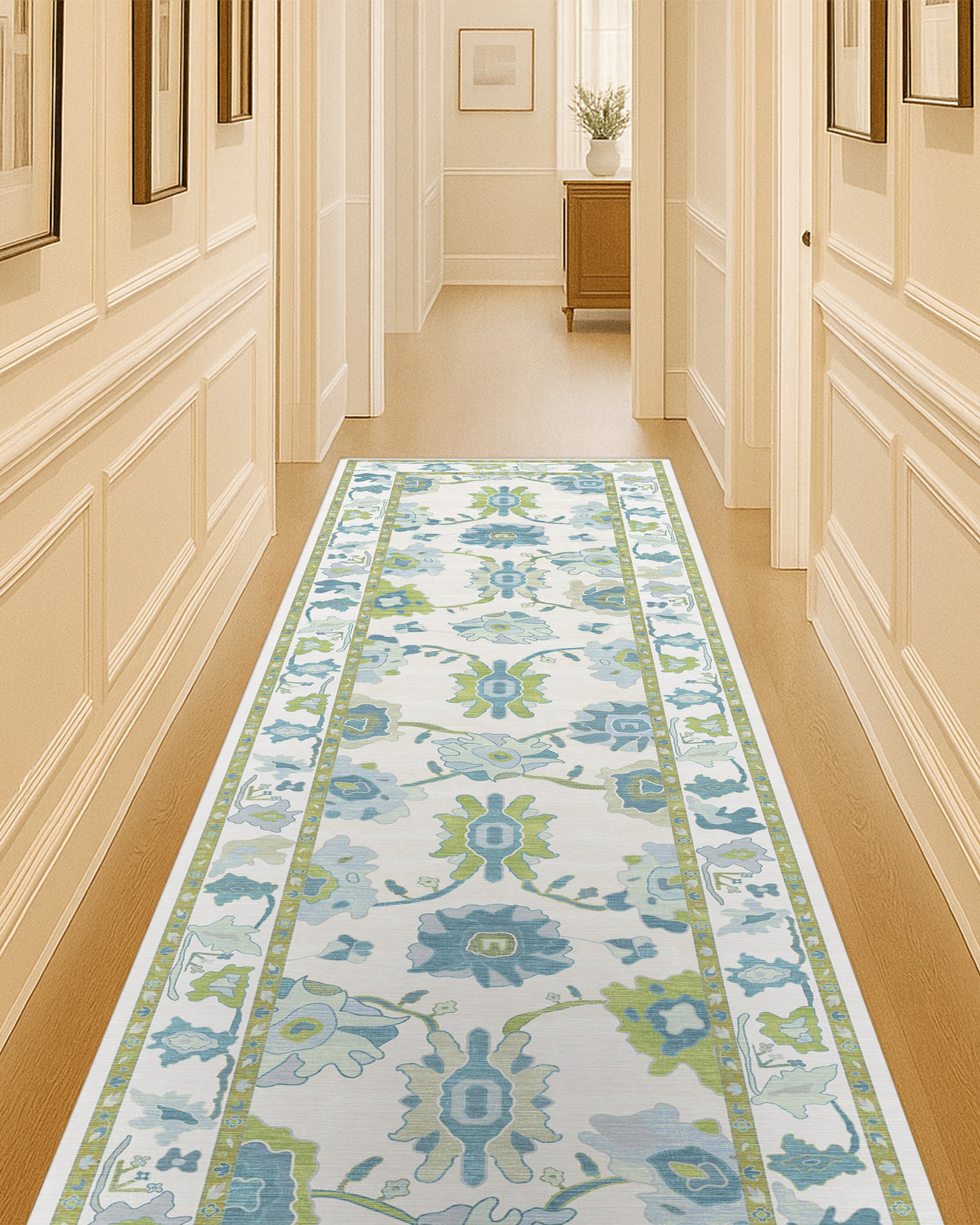
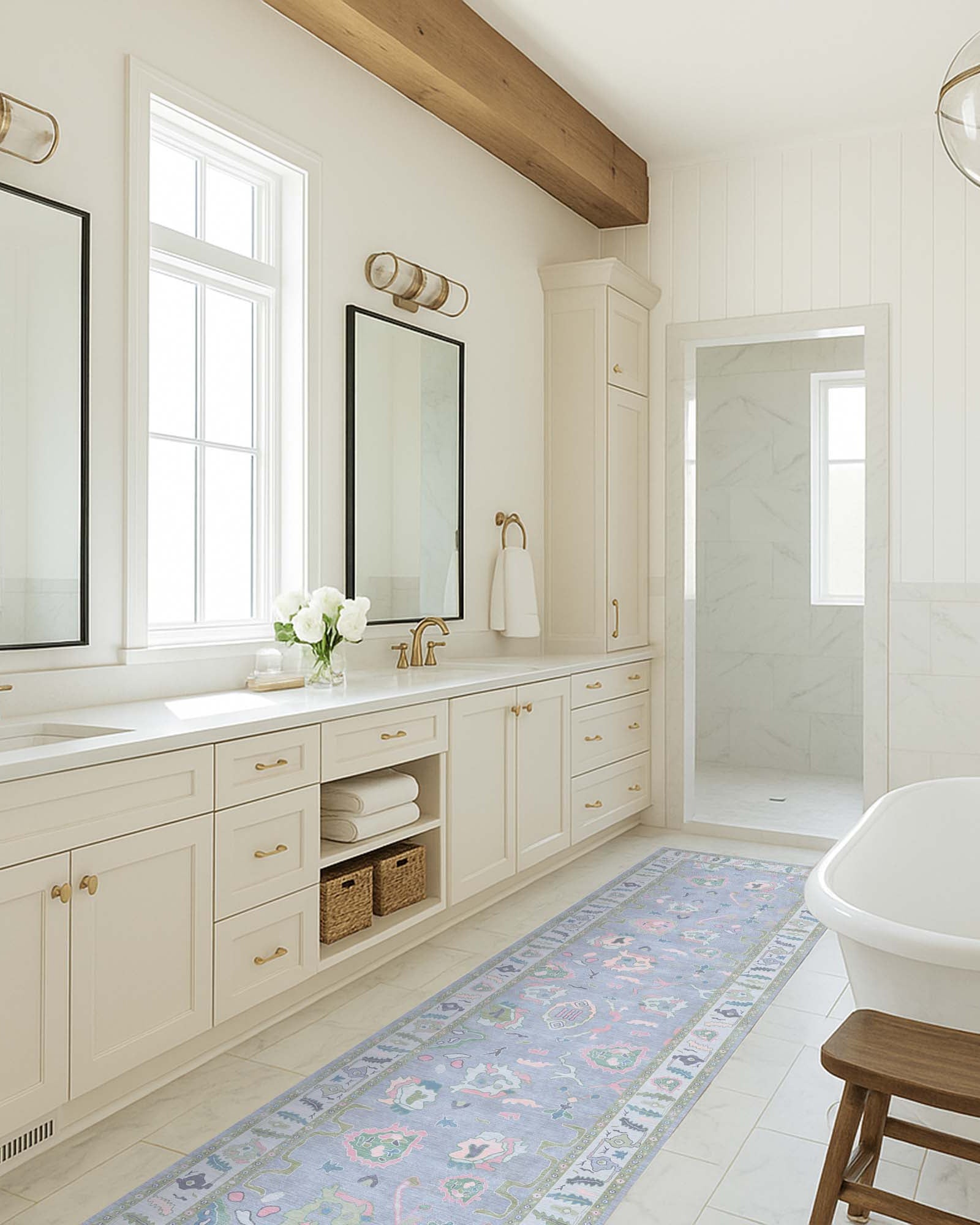
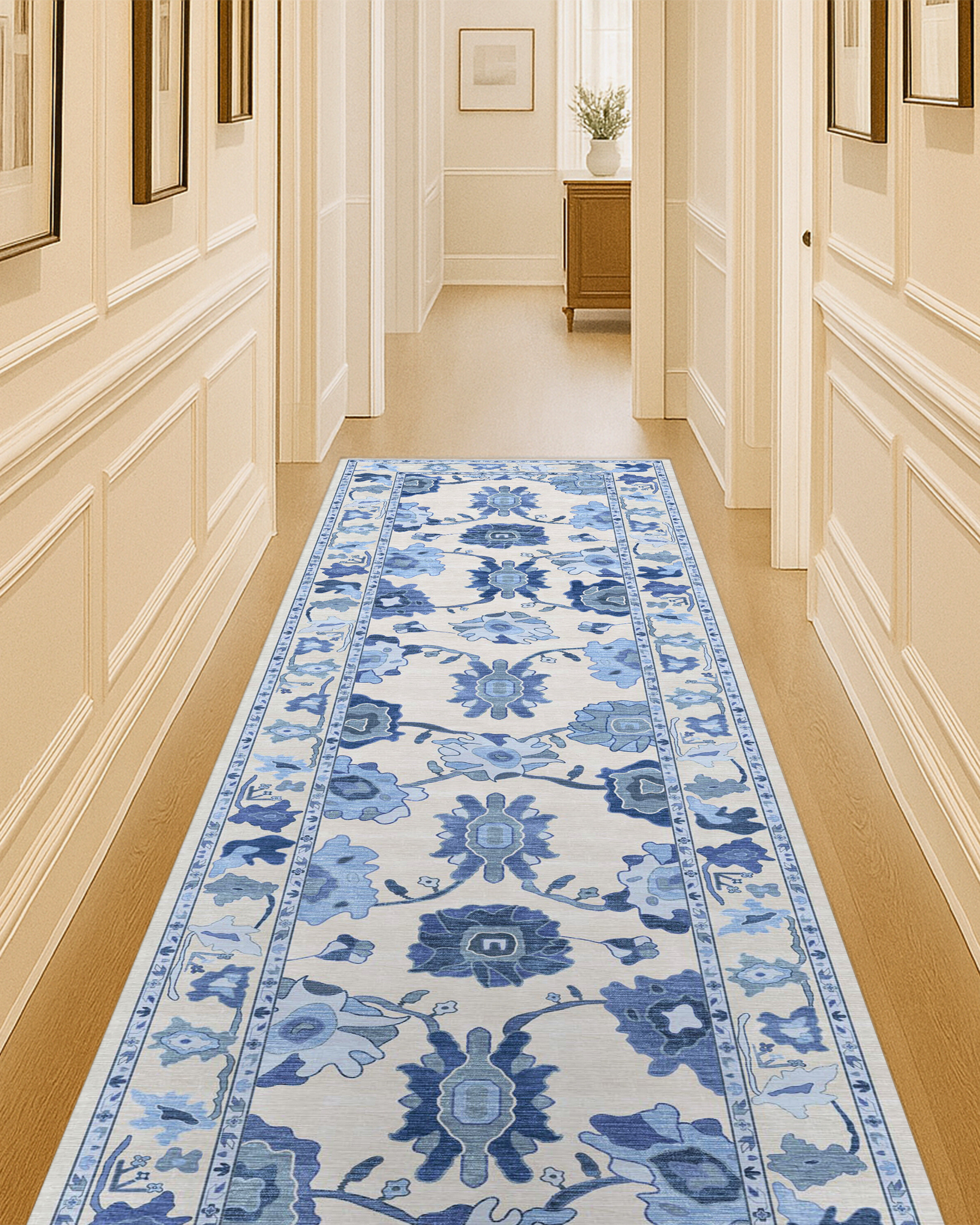
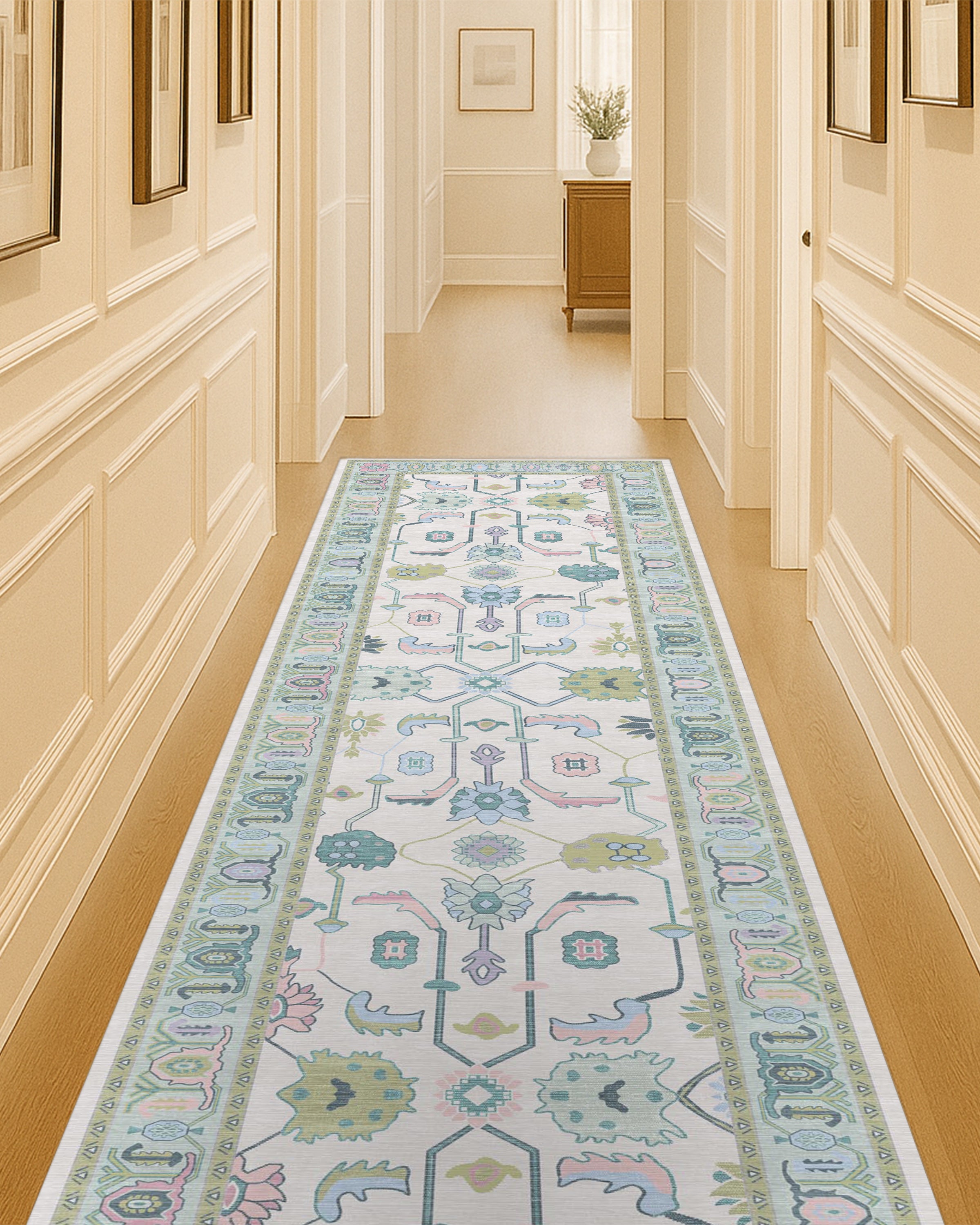
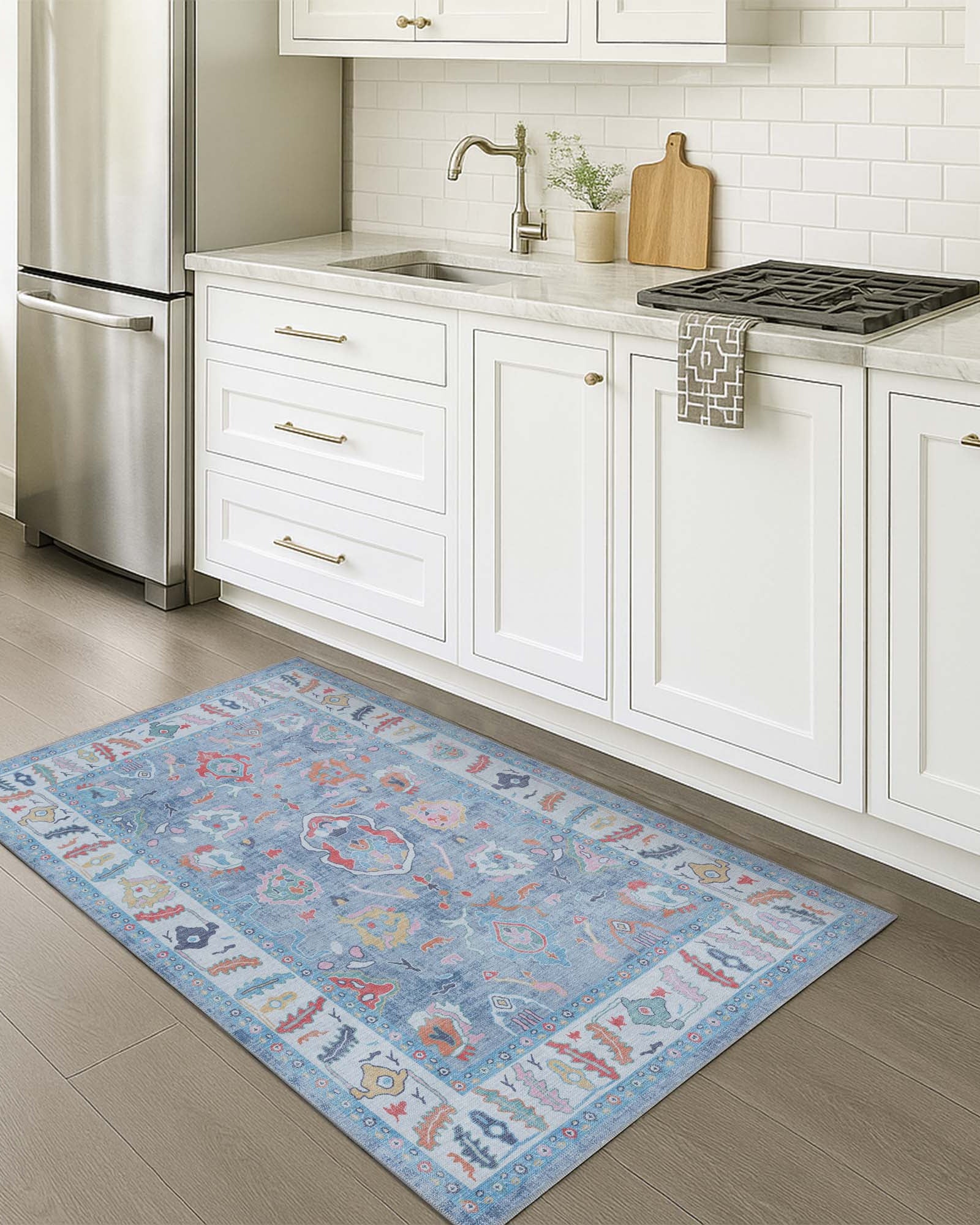
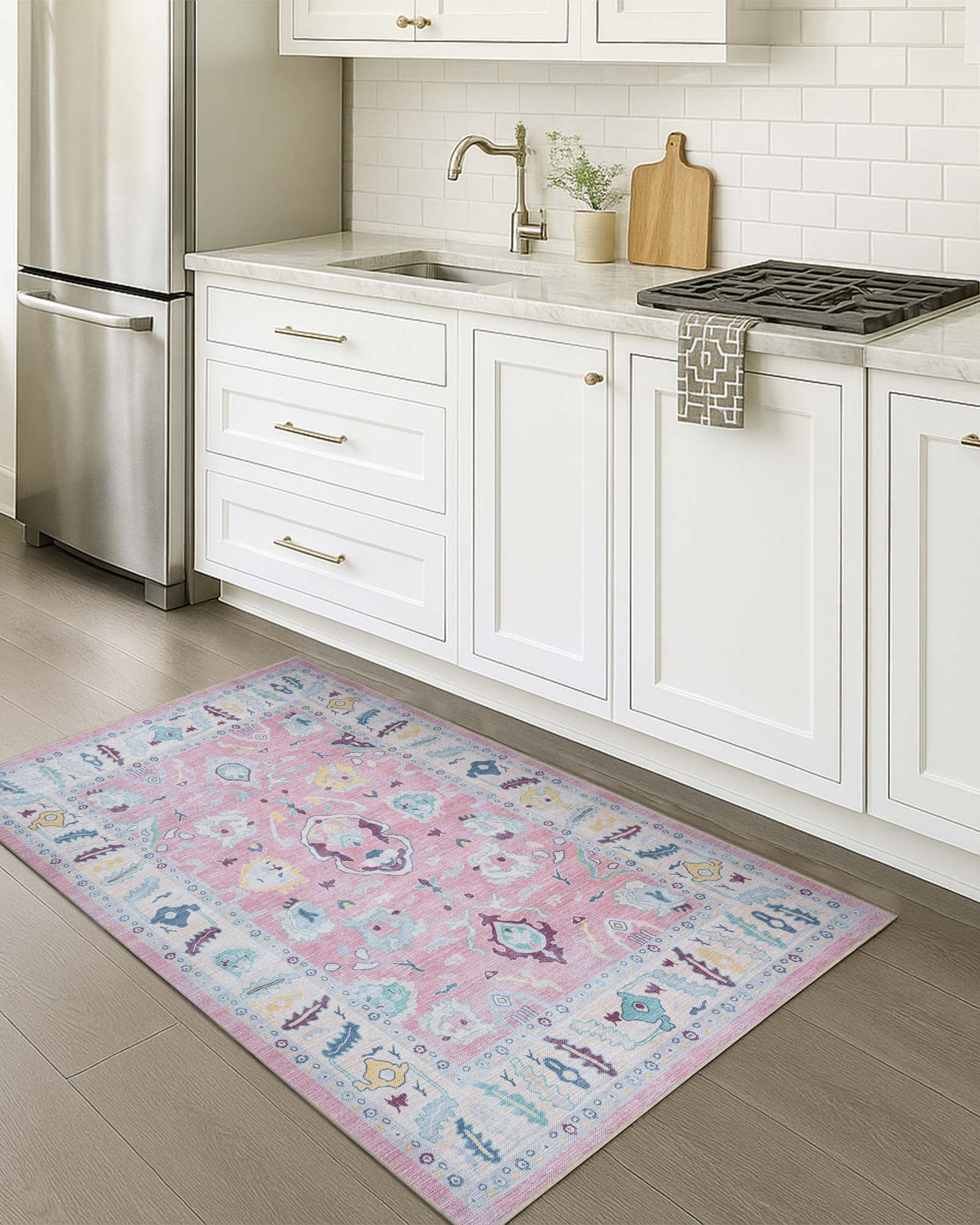
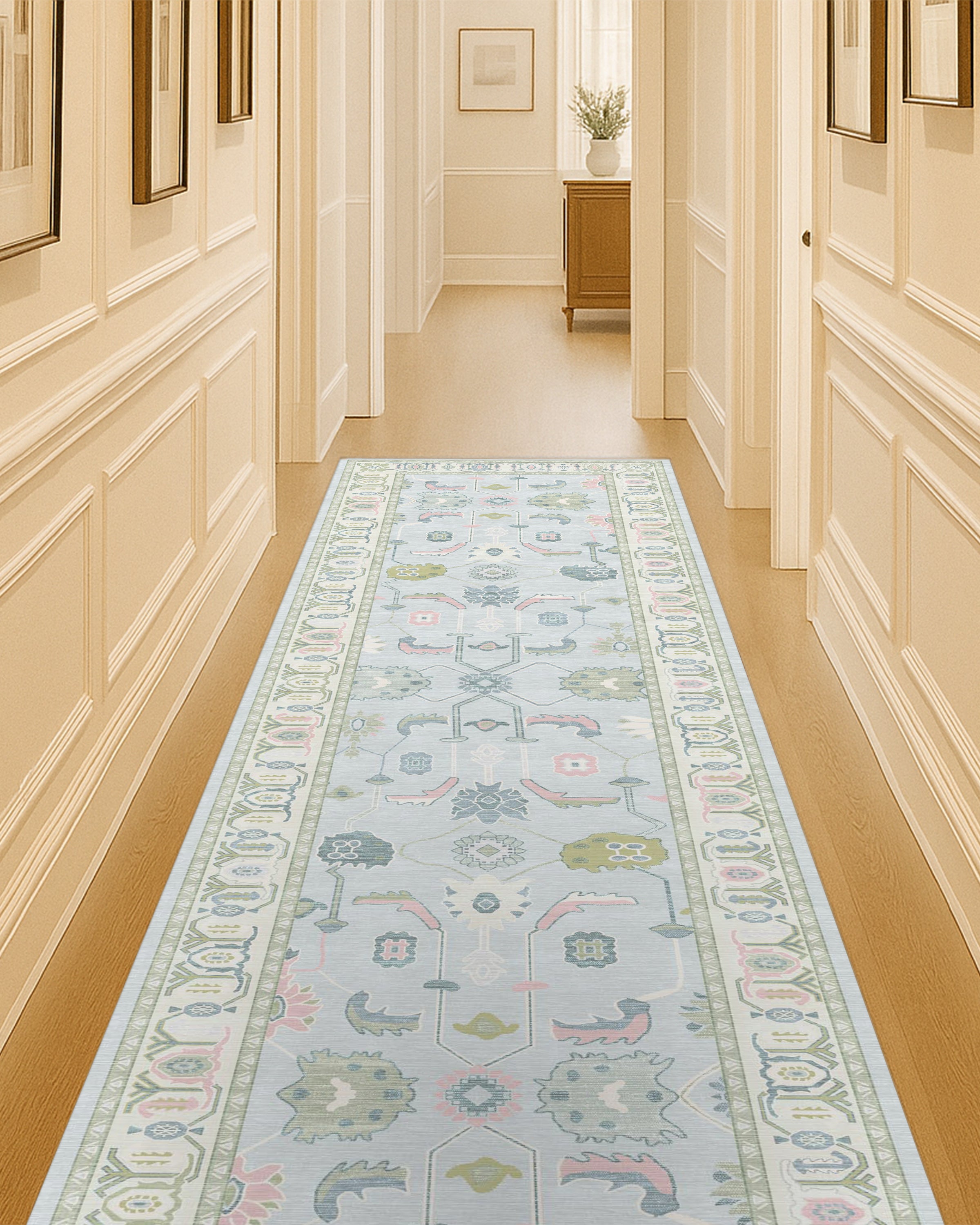
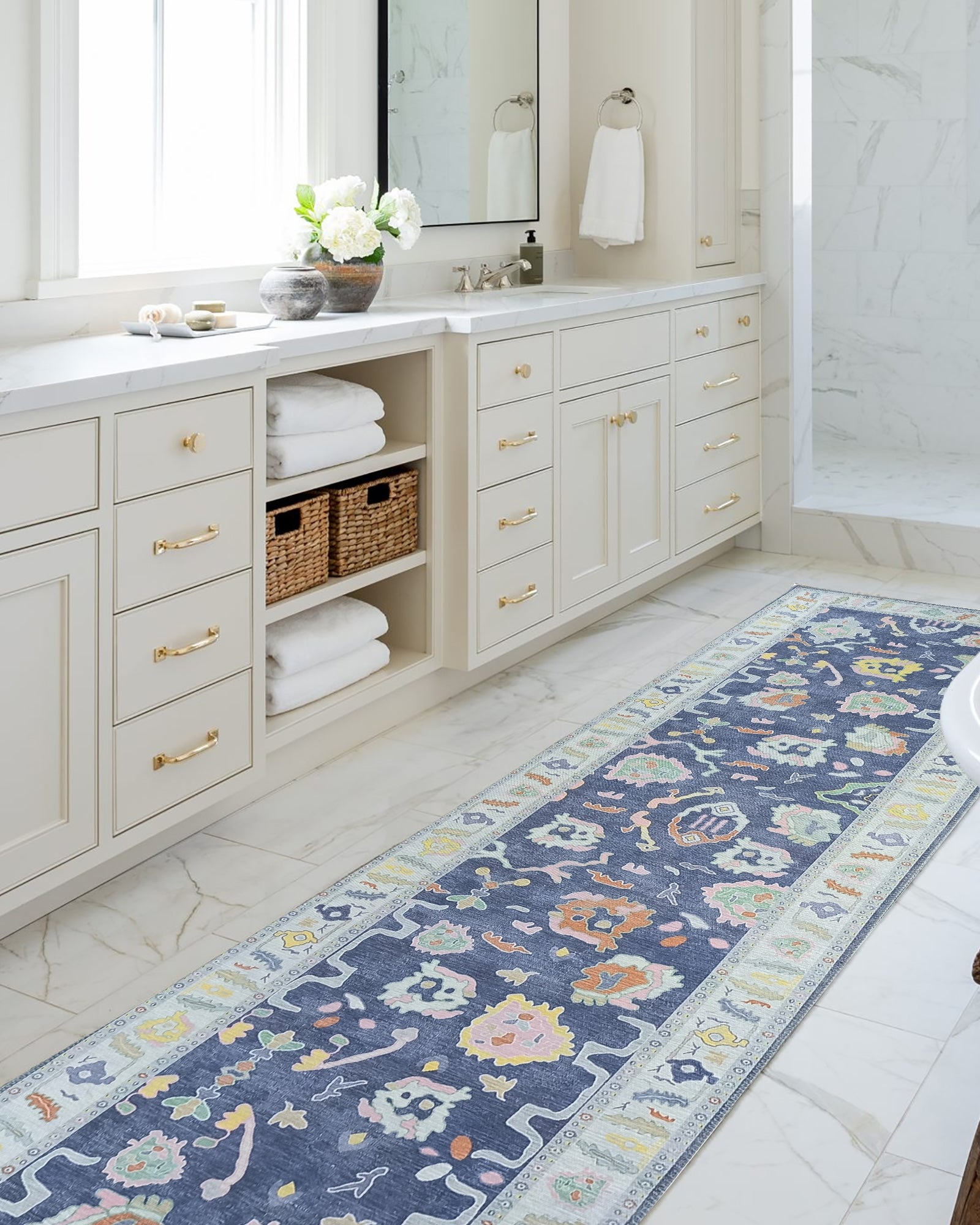
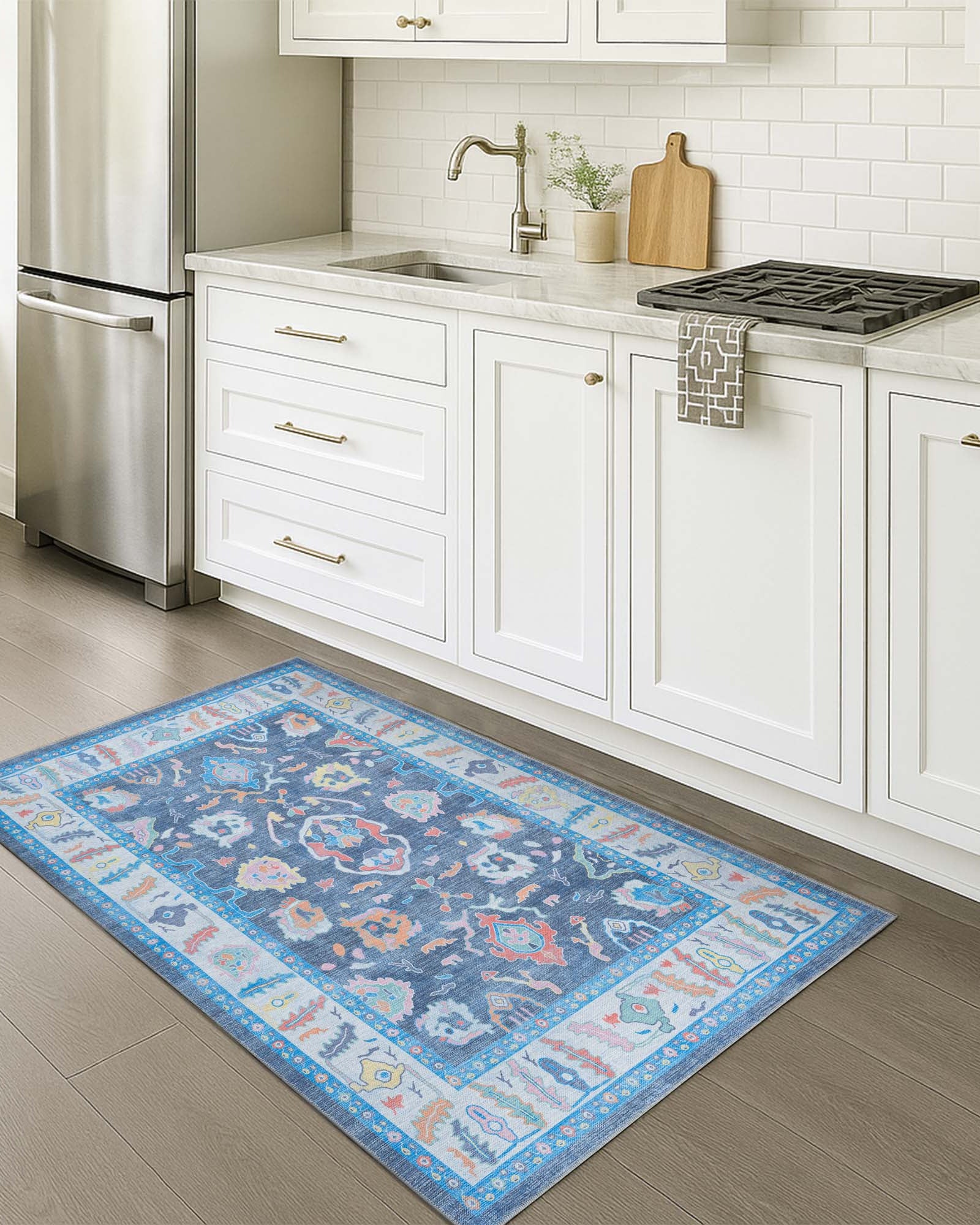
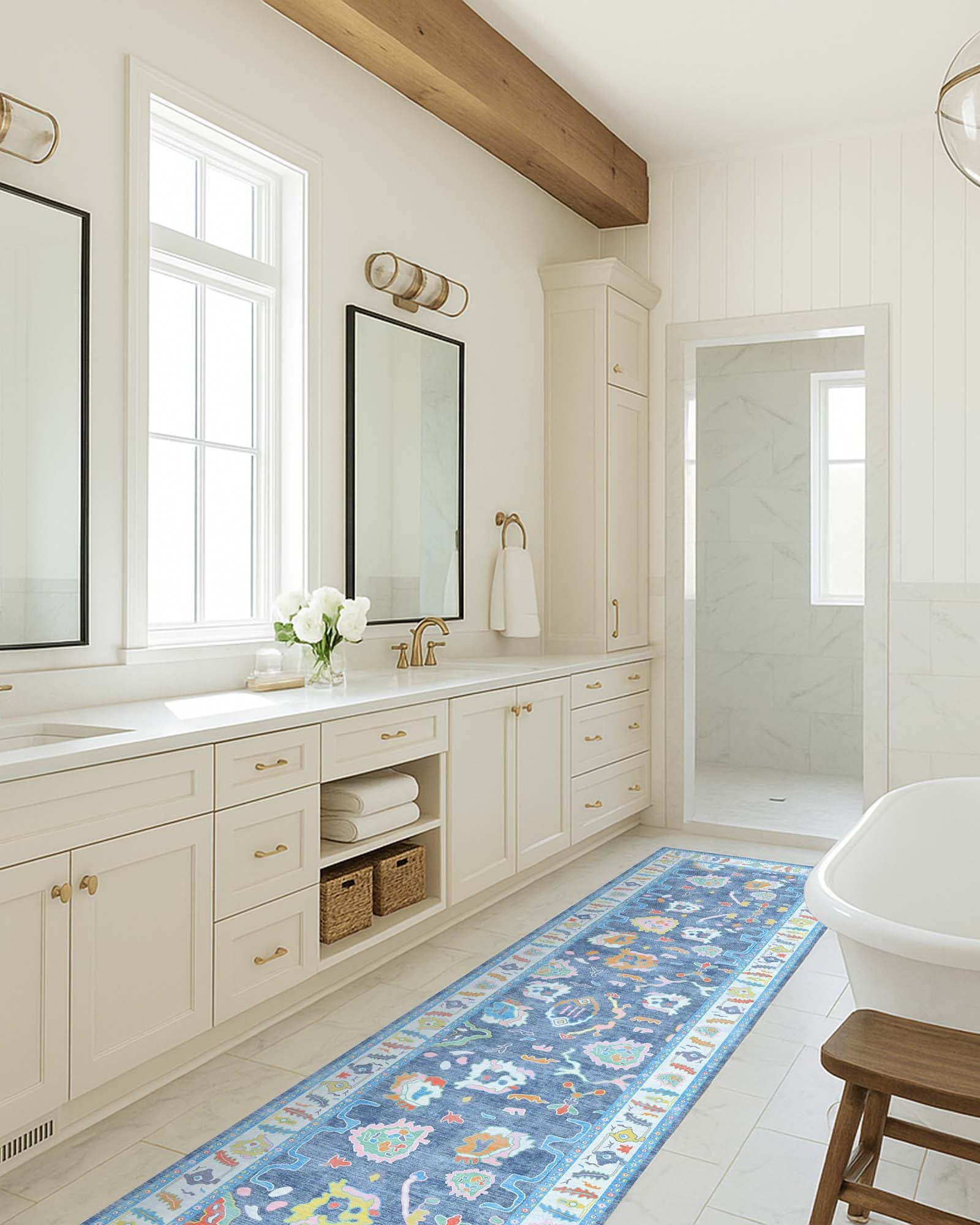
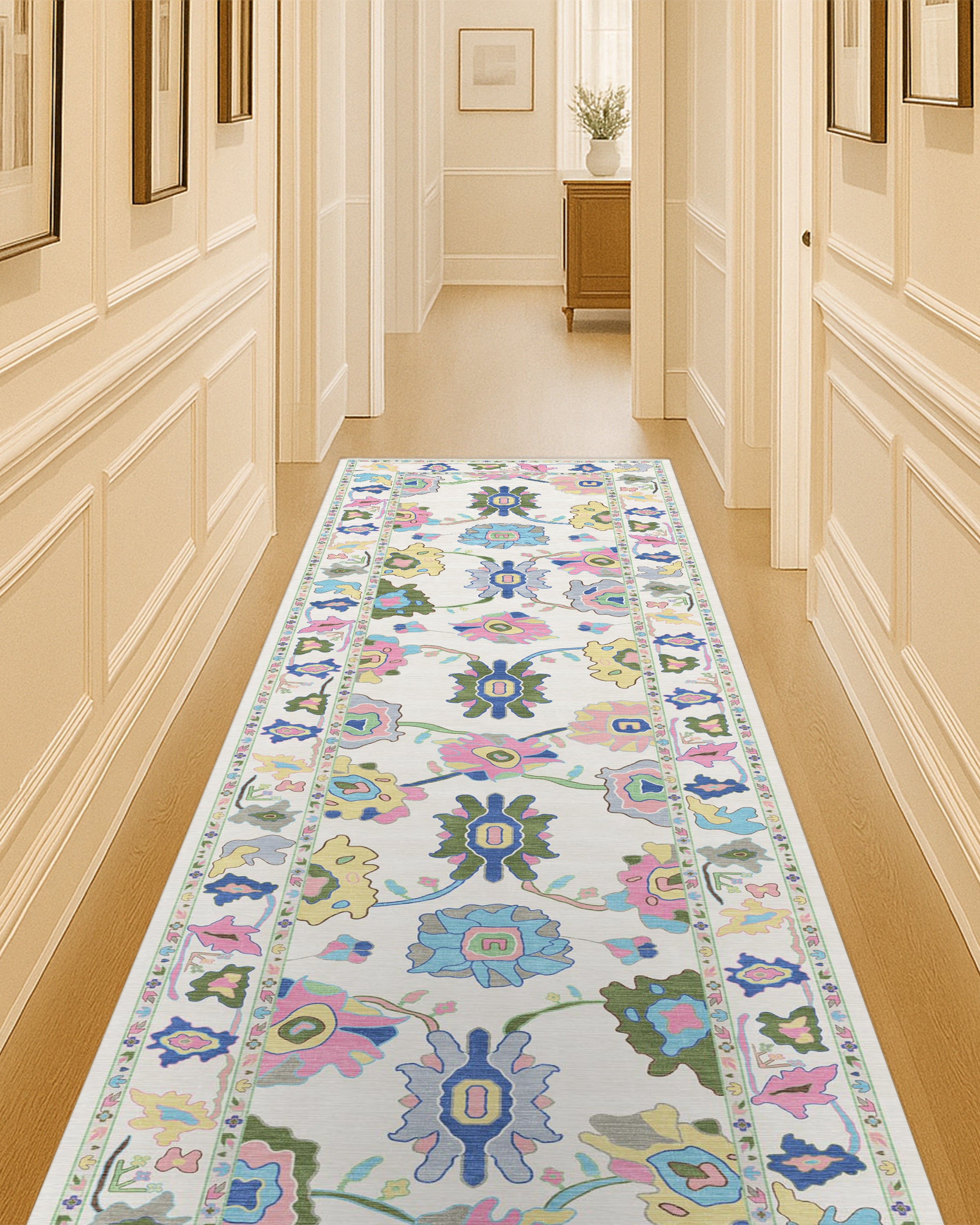
- Hallways: Long Turkish runner rugs create inviting pathways and add color to narrow spaces.
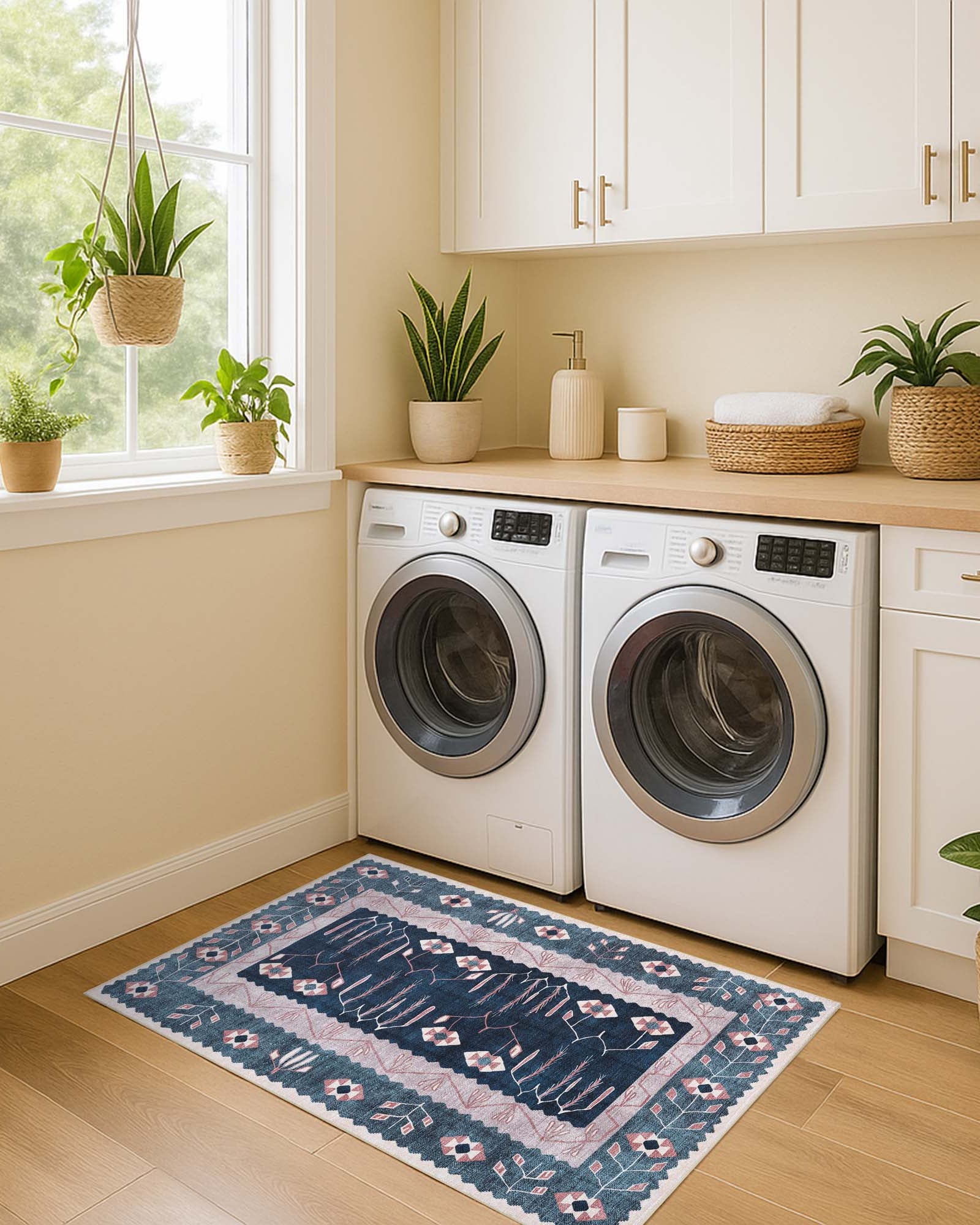
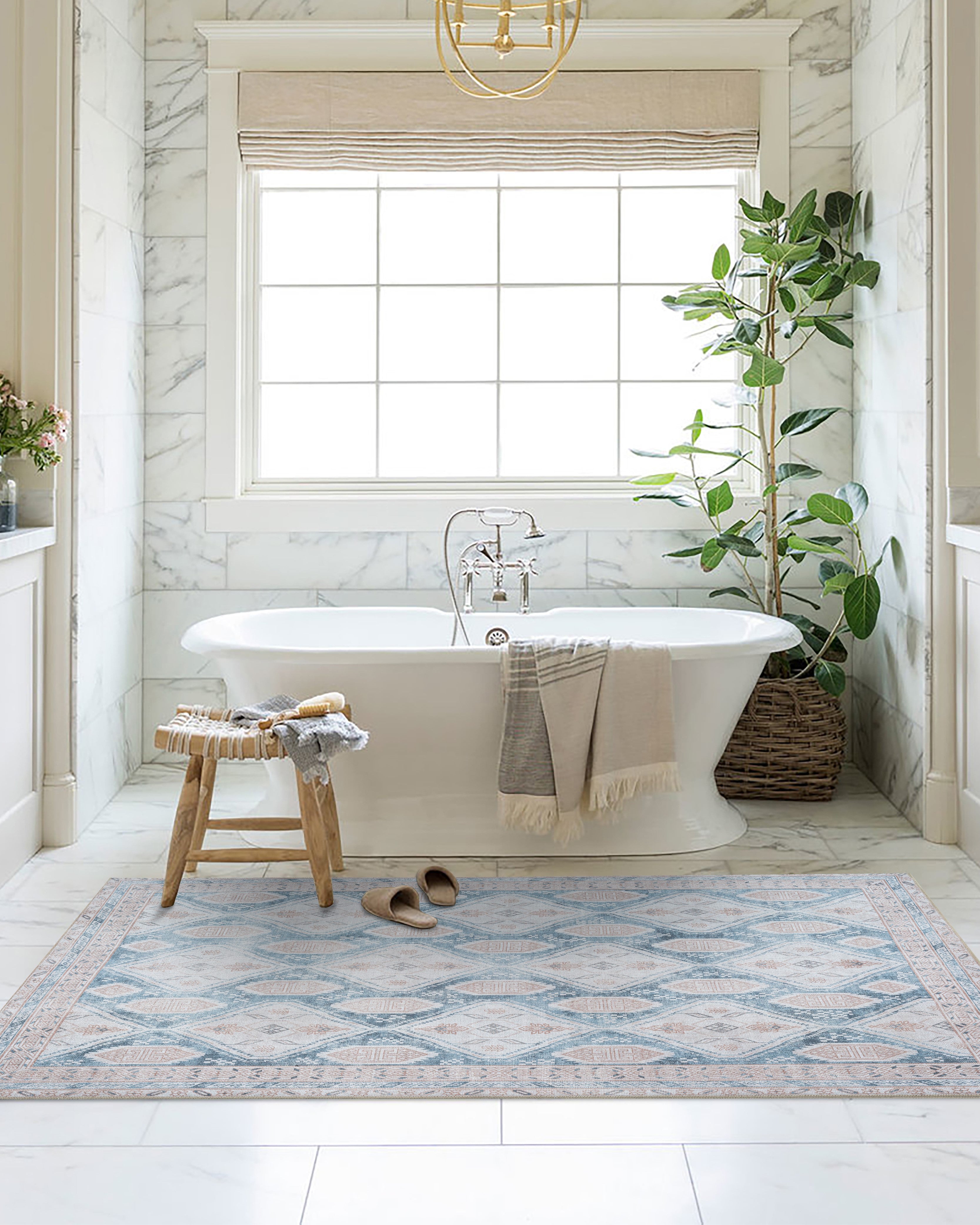
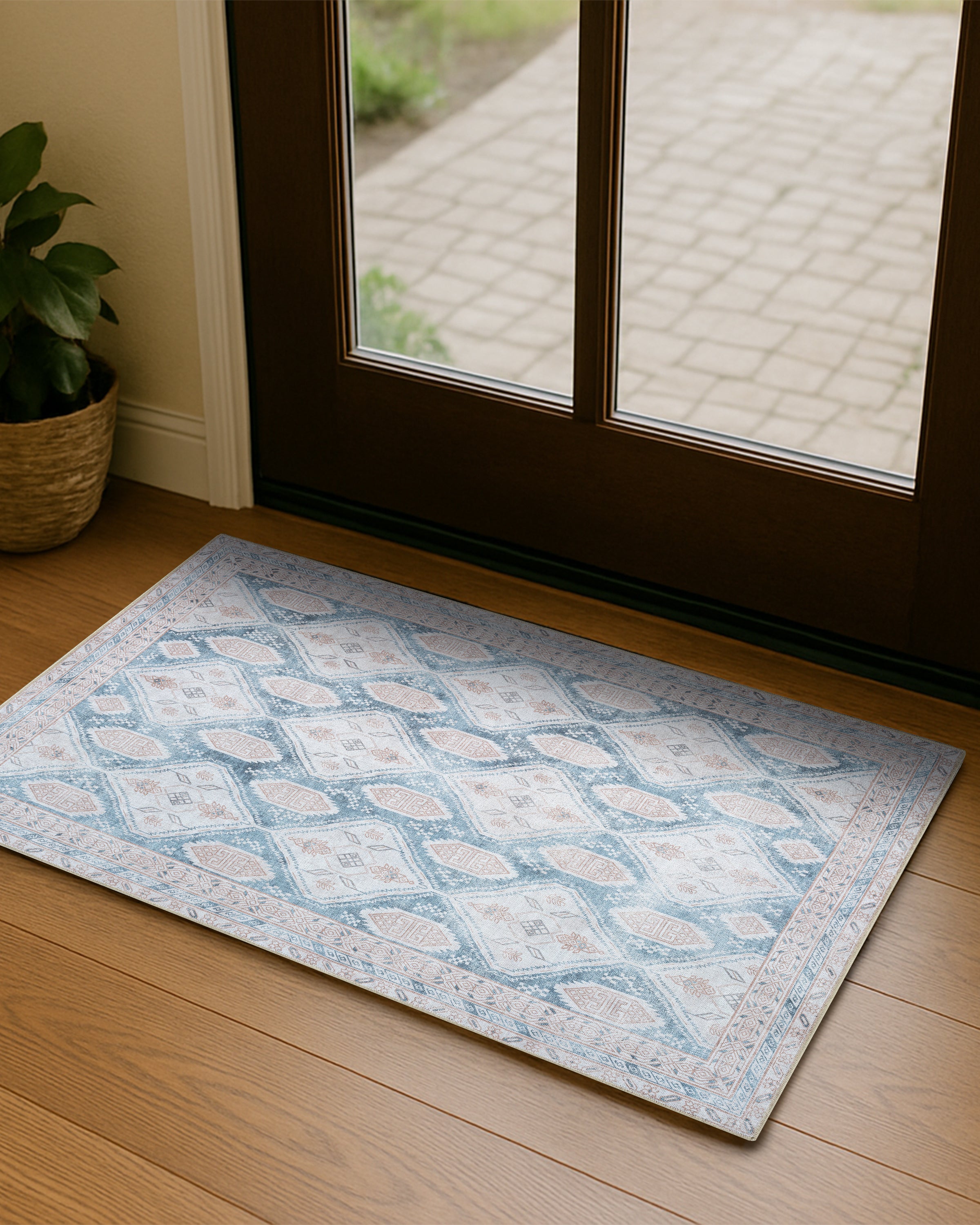
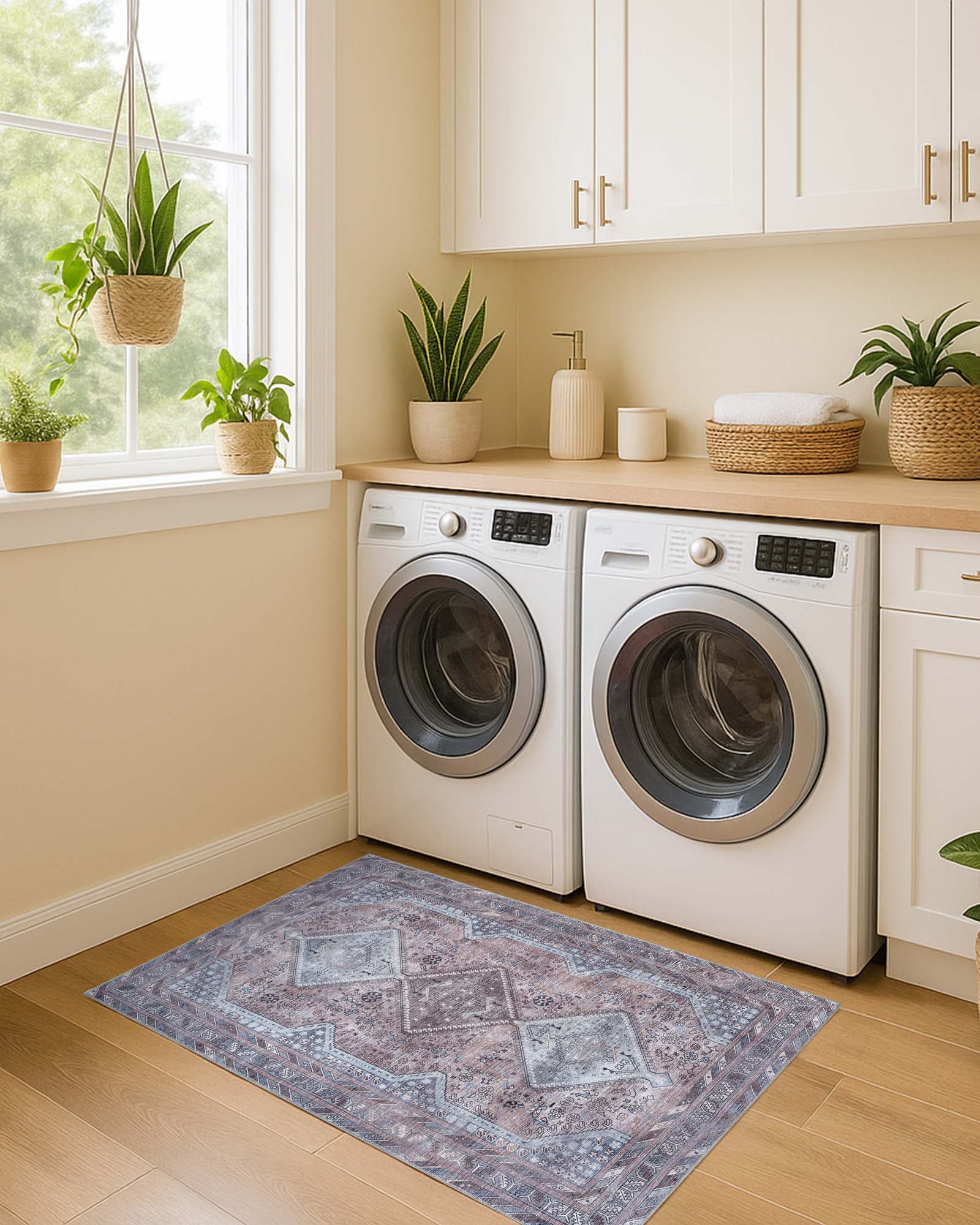
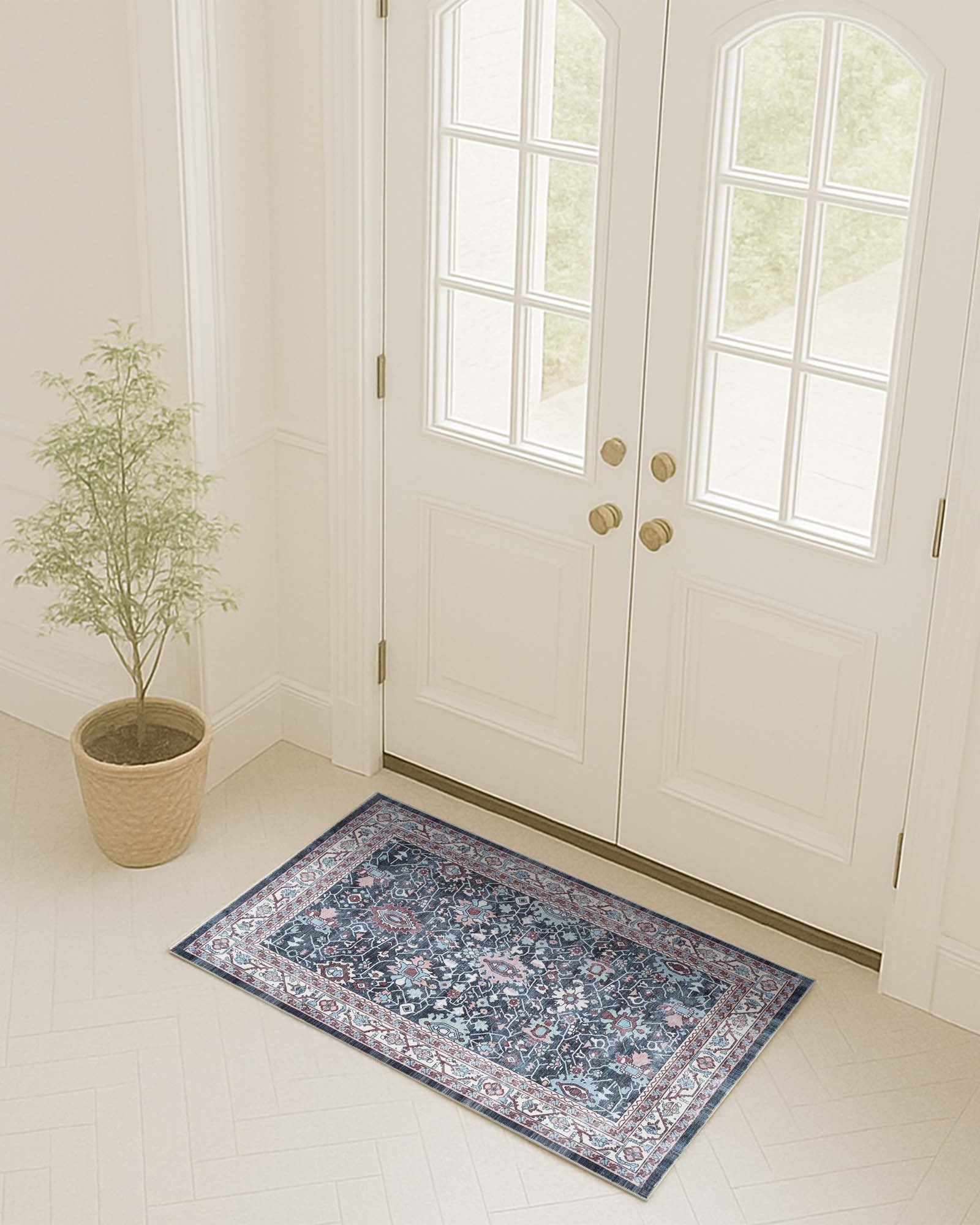
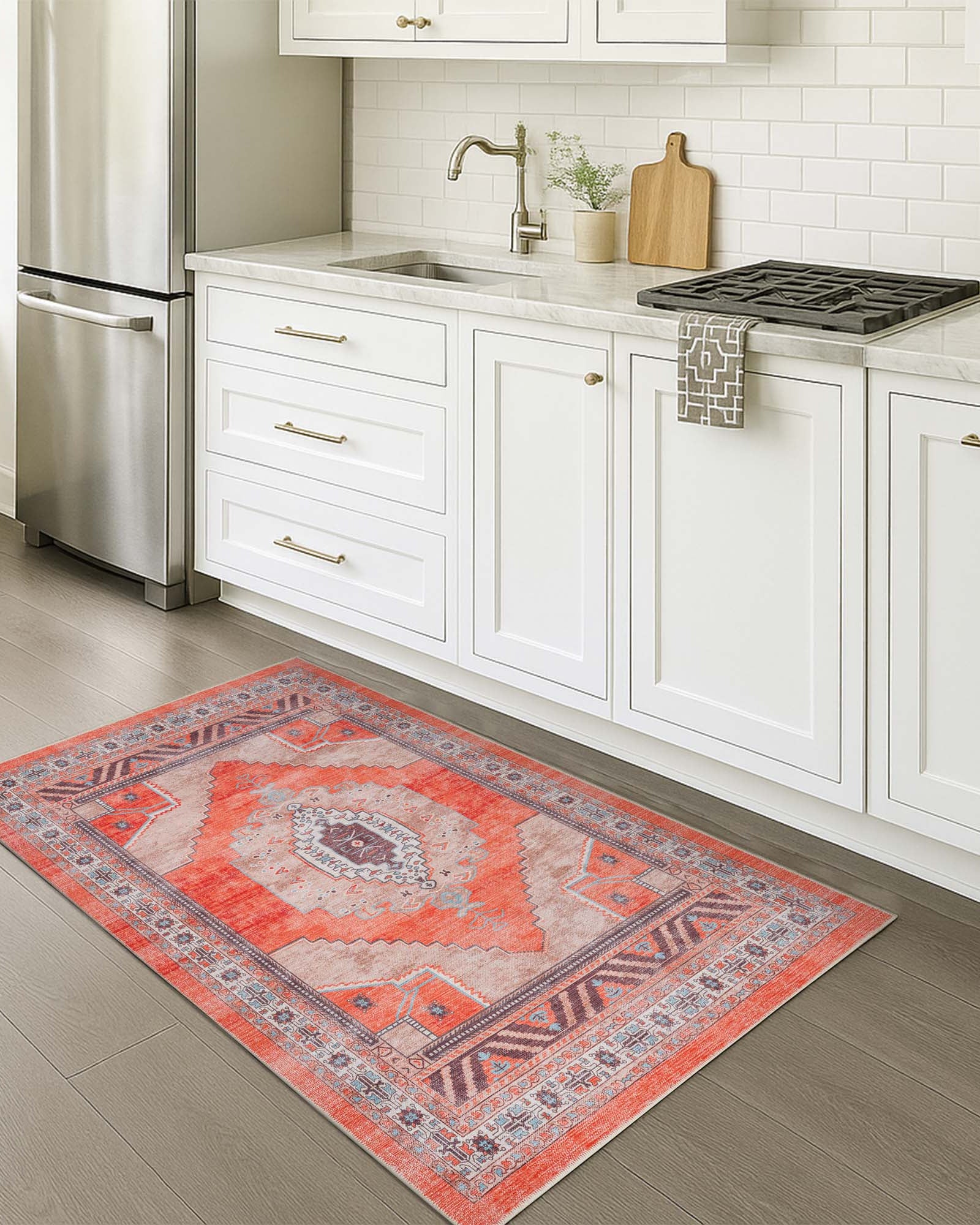
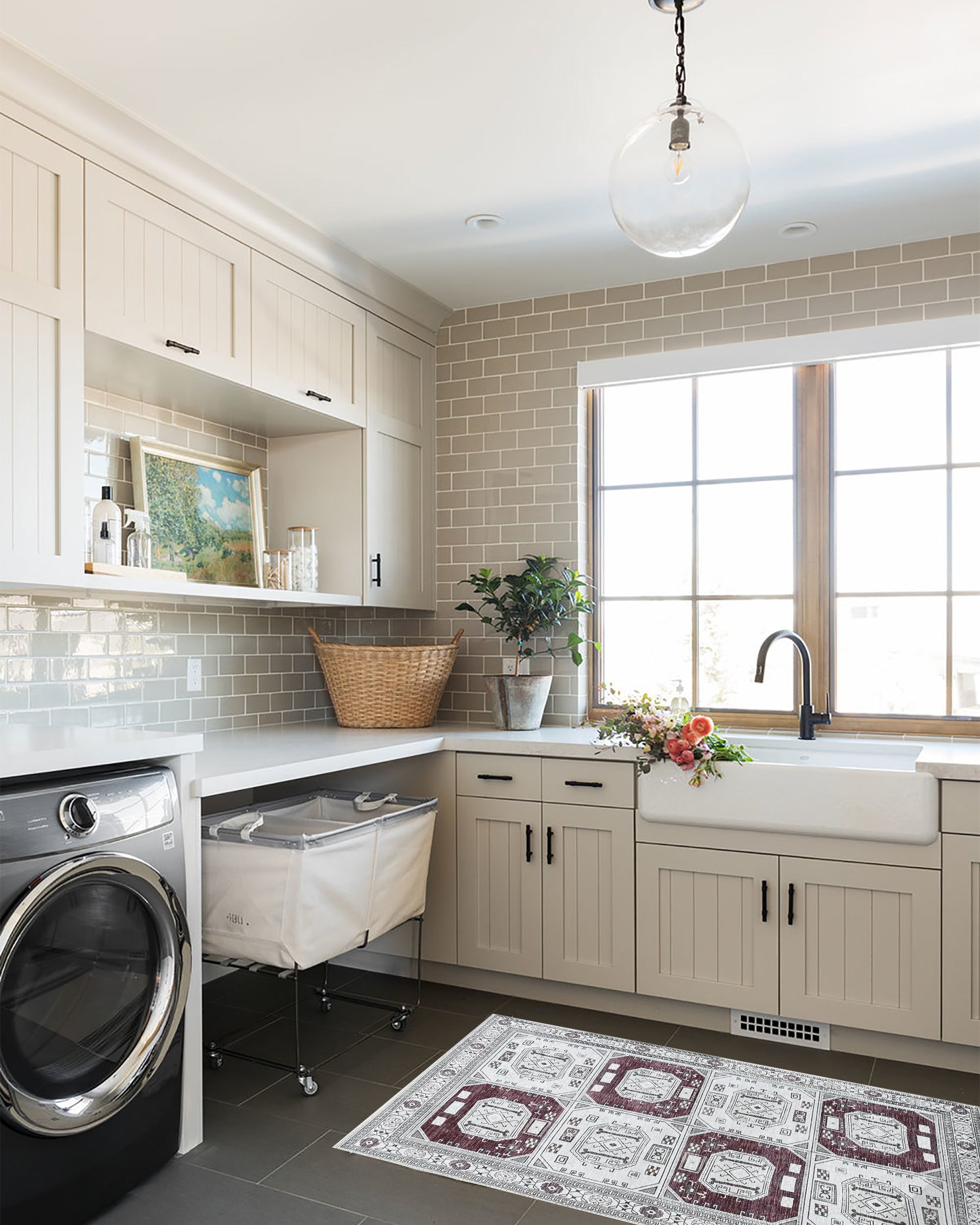
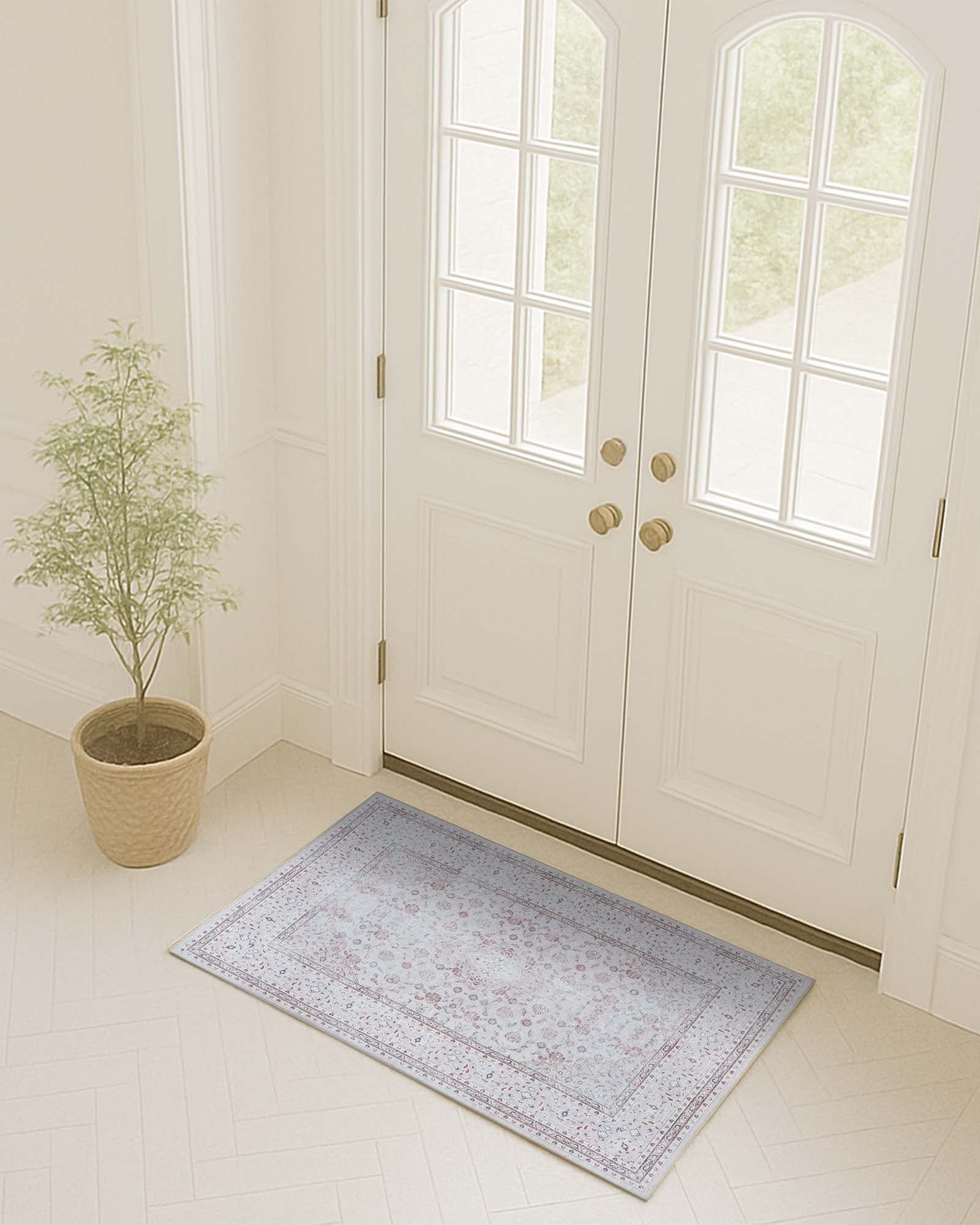
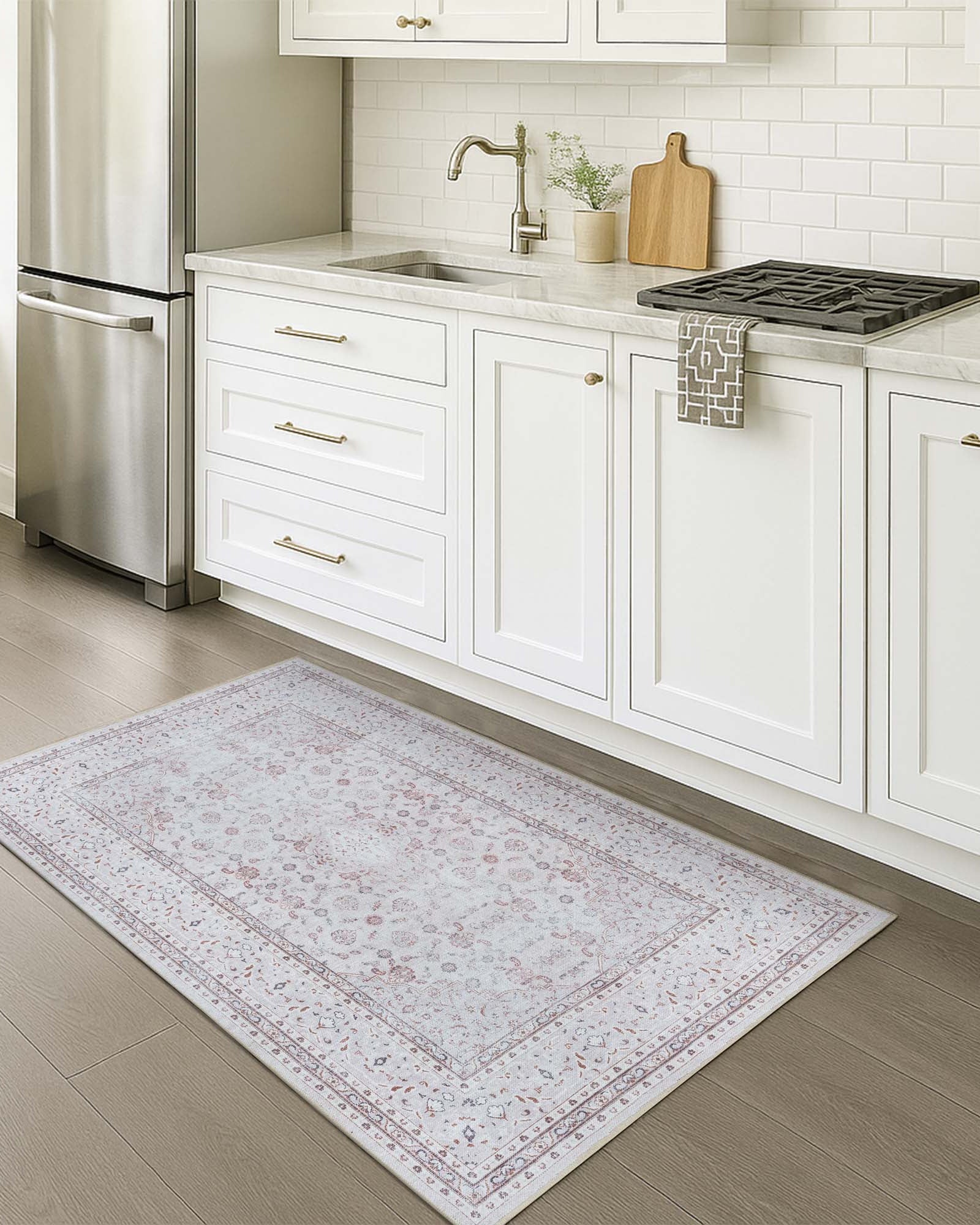
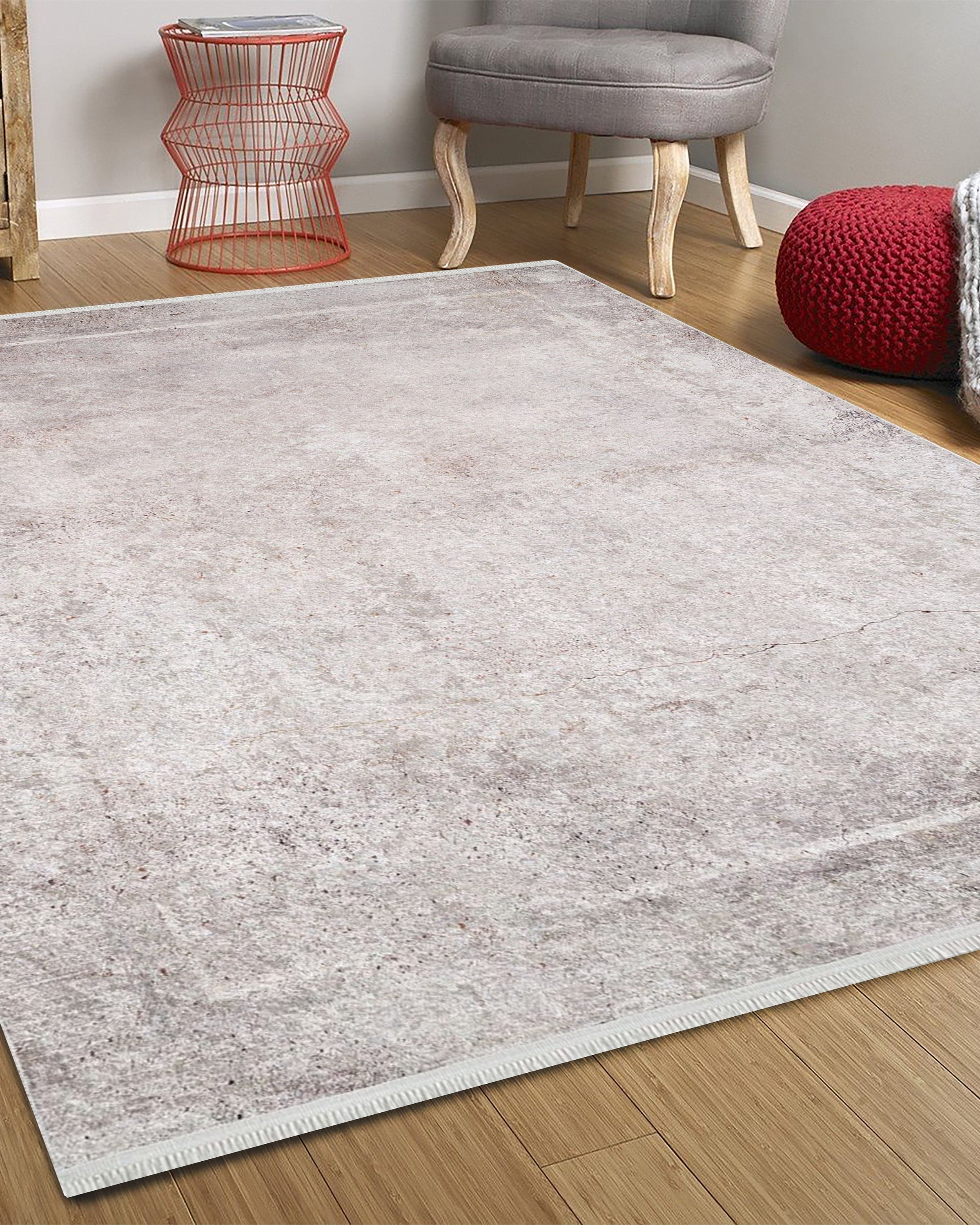
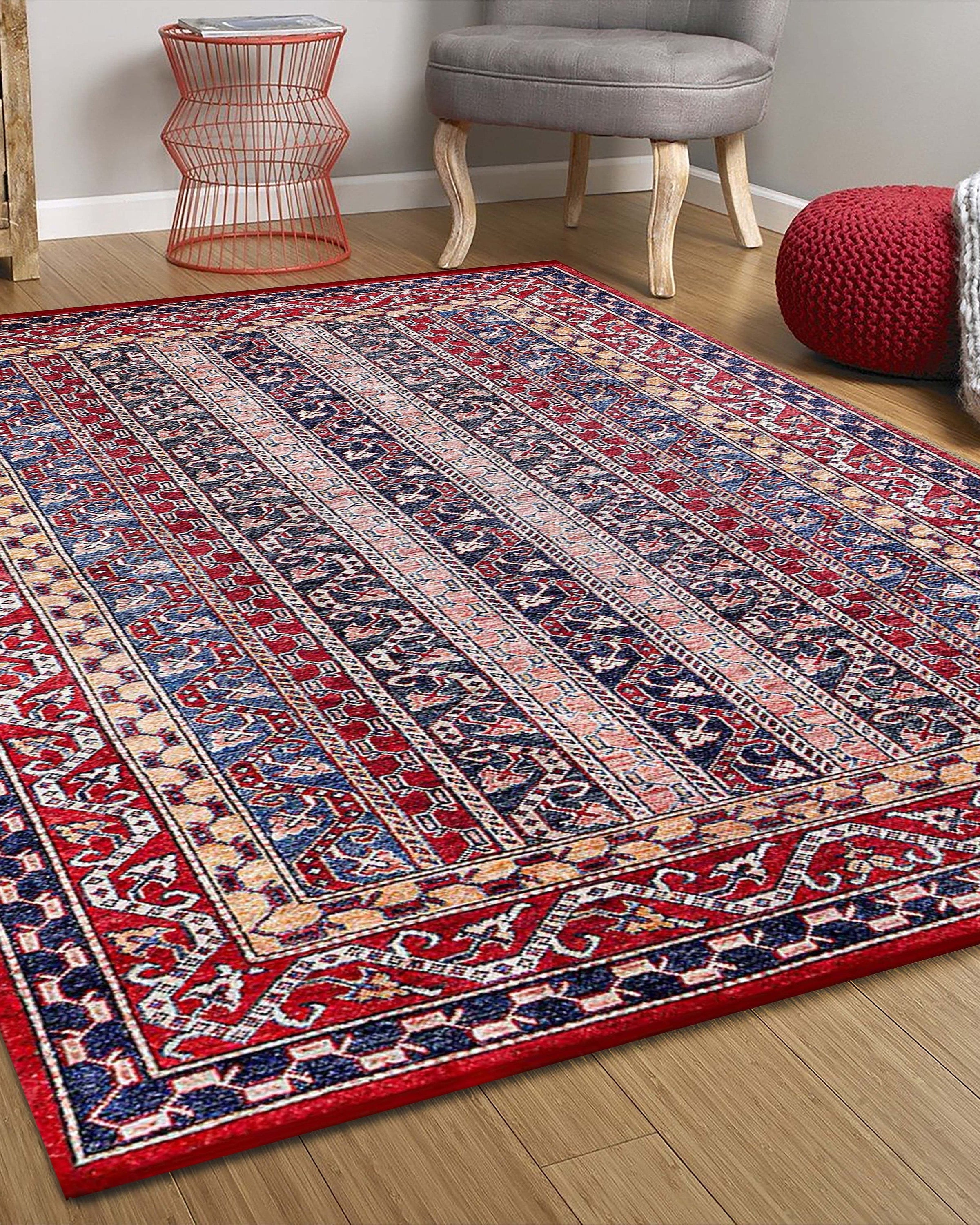
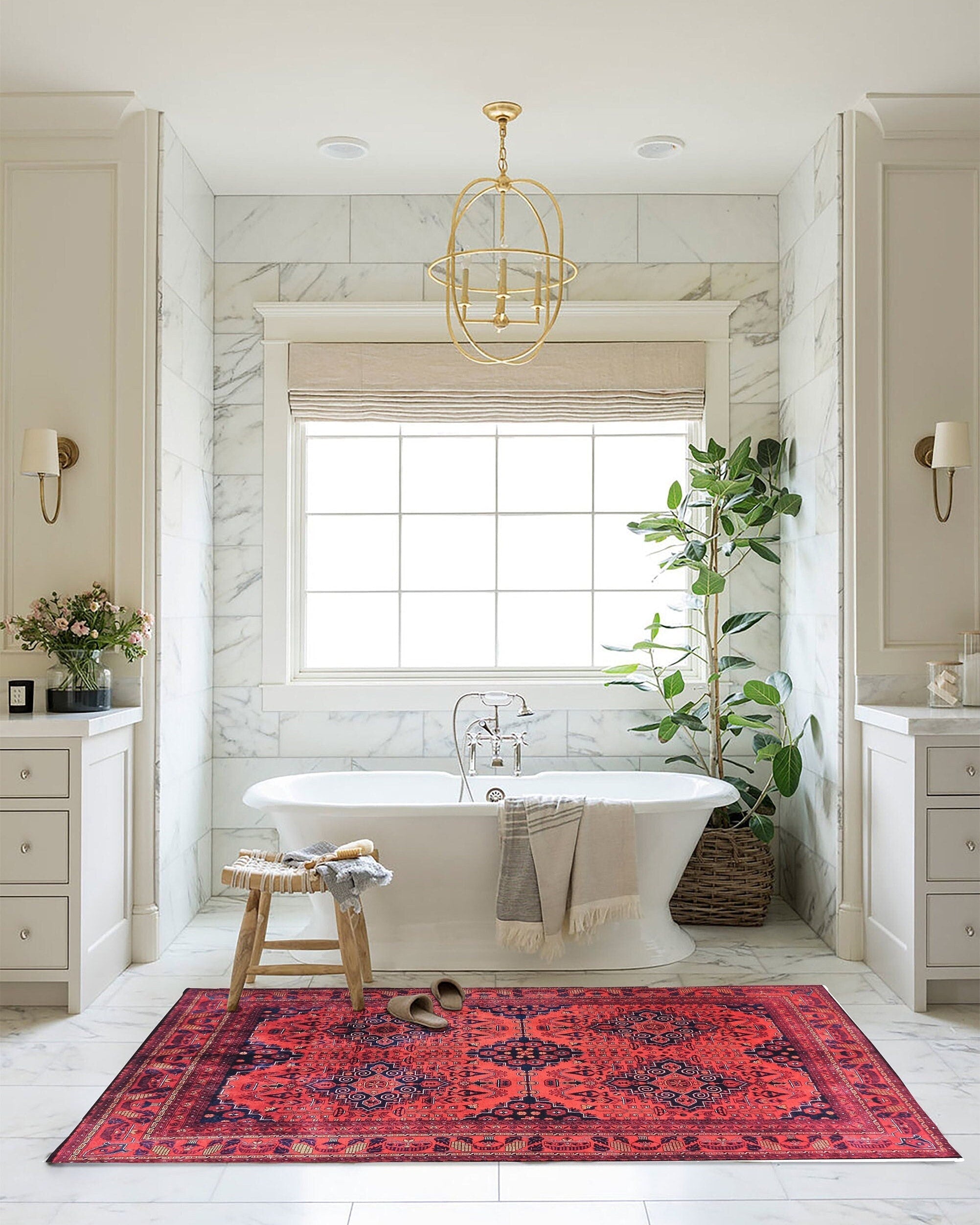
Whether your interior style is modern, rustic, or eclectic, a Turkish rug enhances the room with elegance and texture.
Durability and Quality
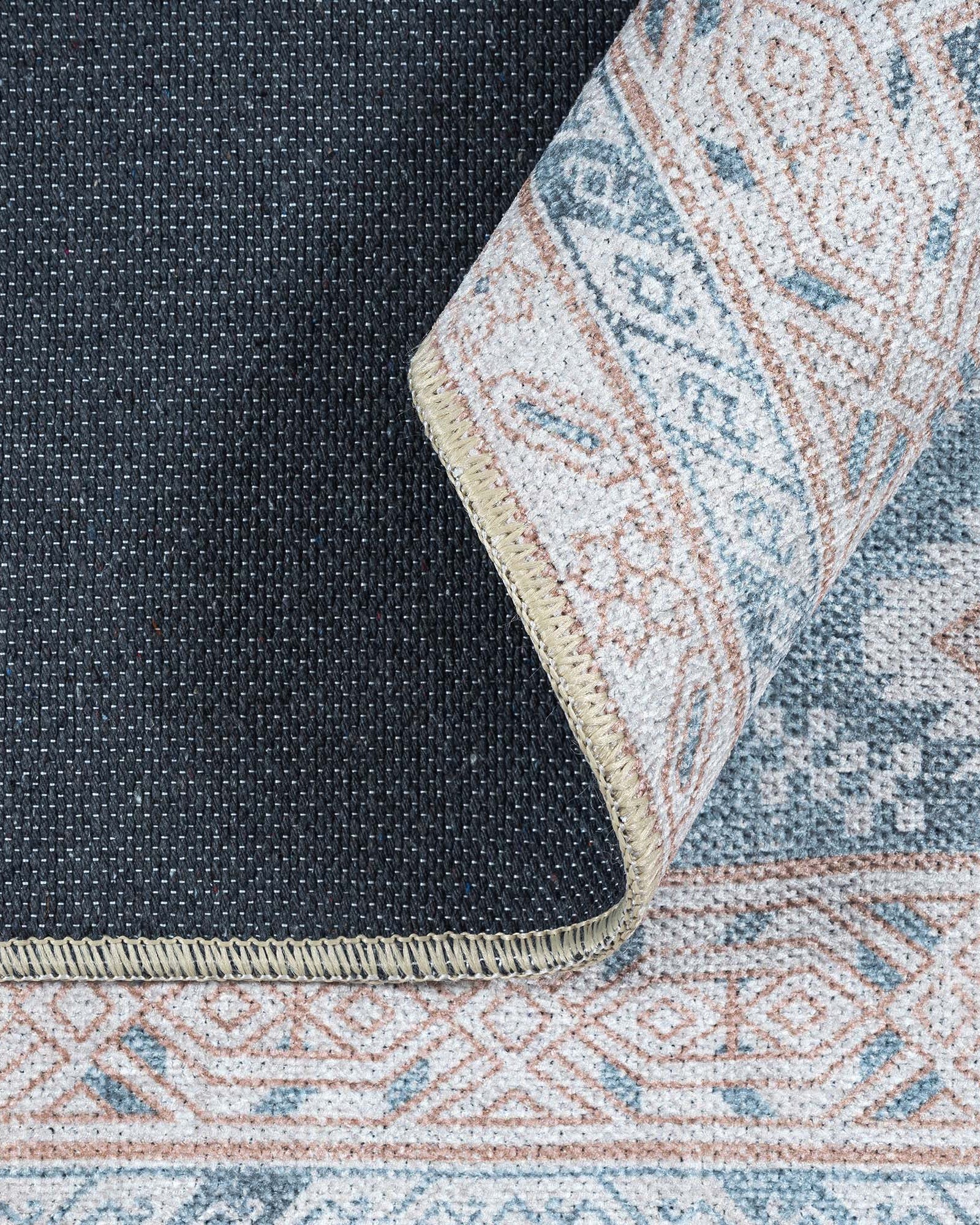
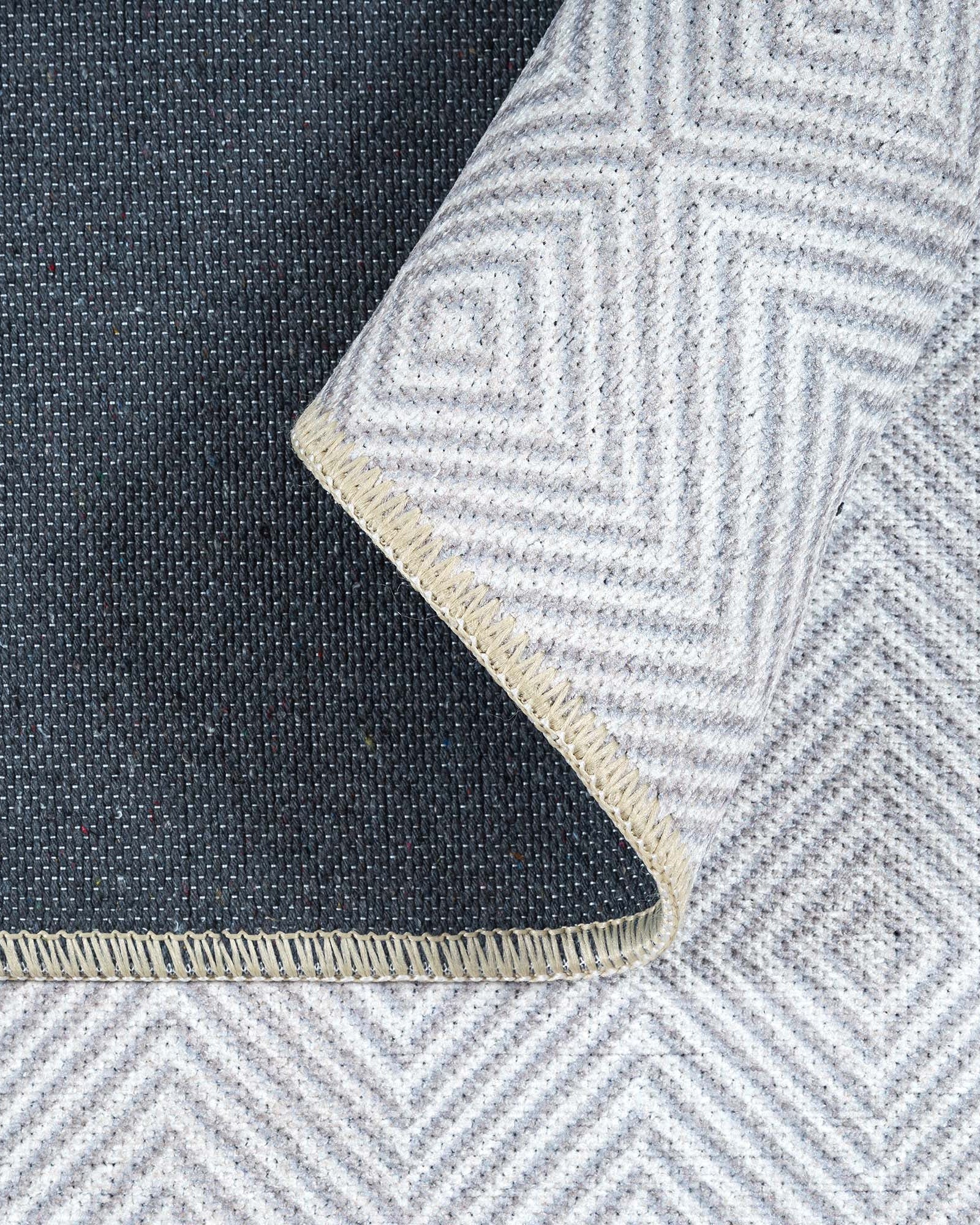
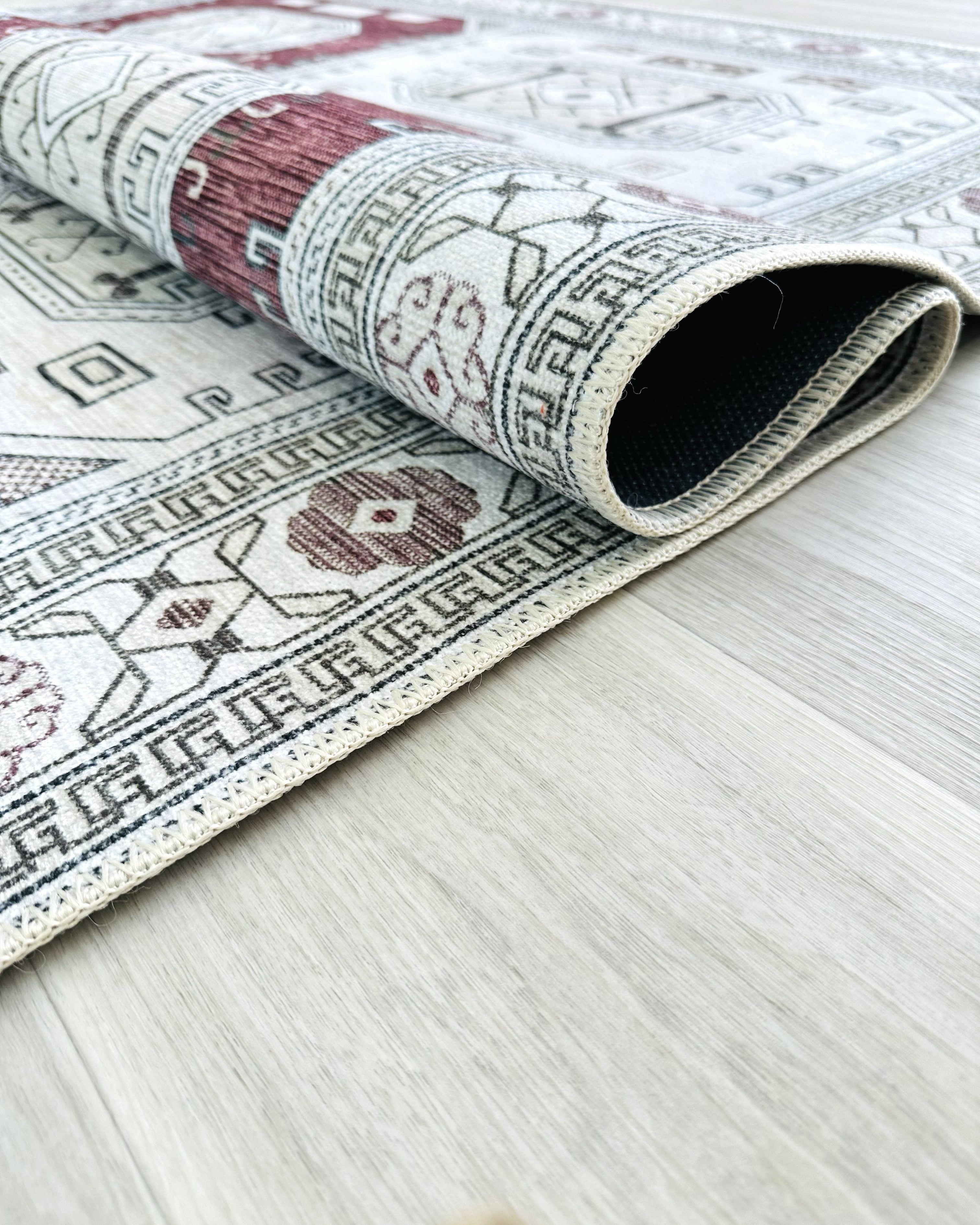
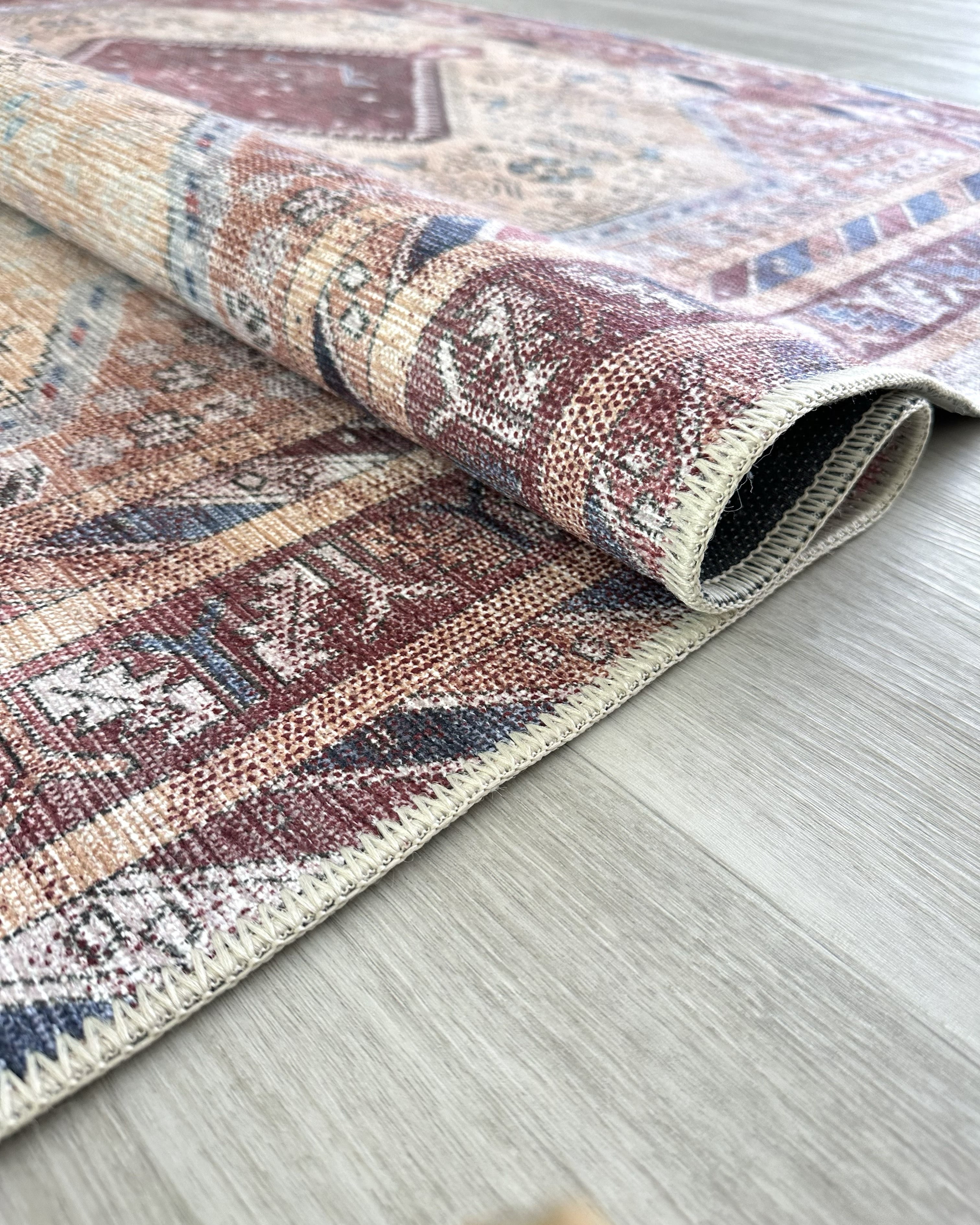
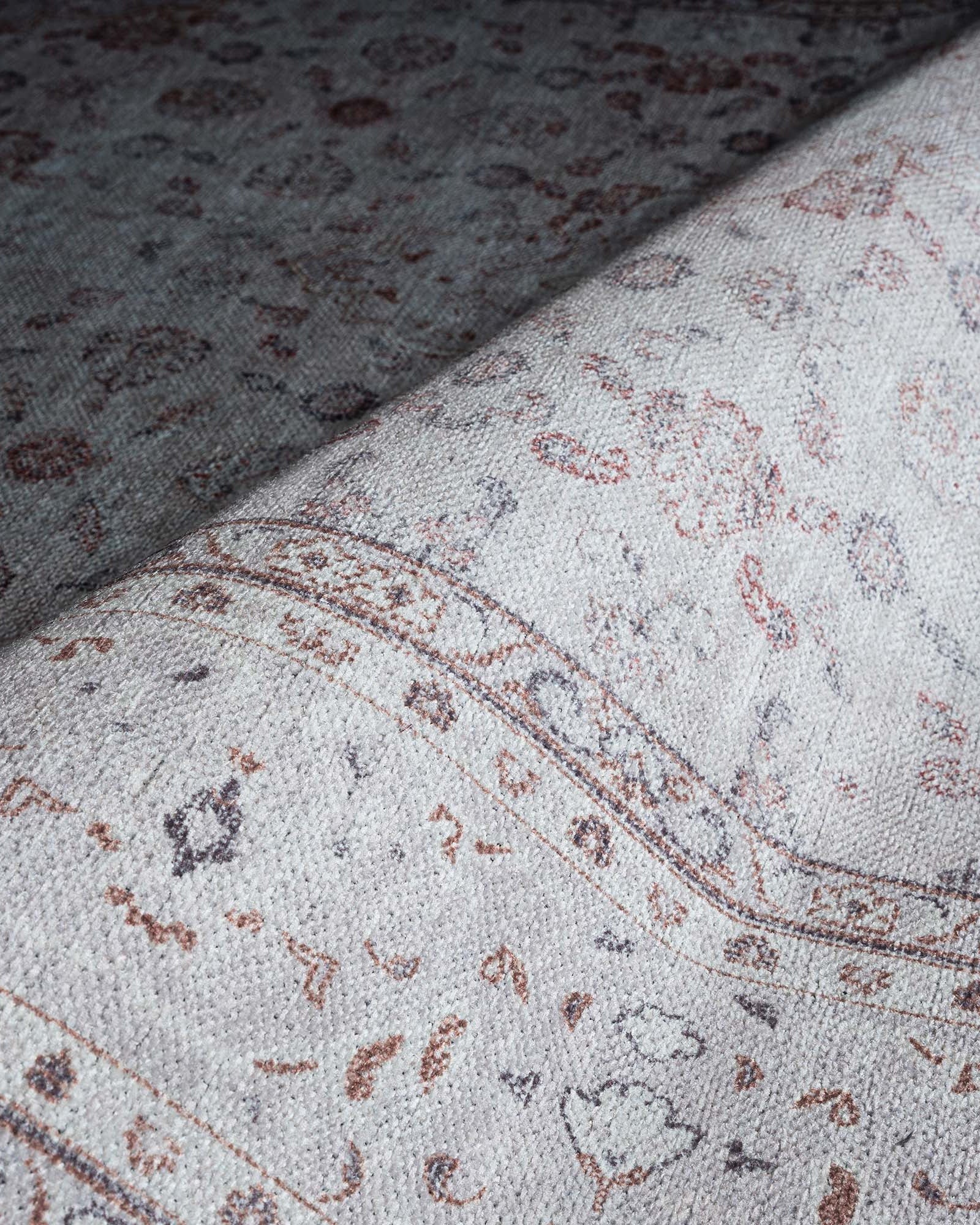
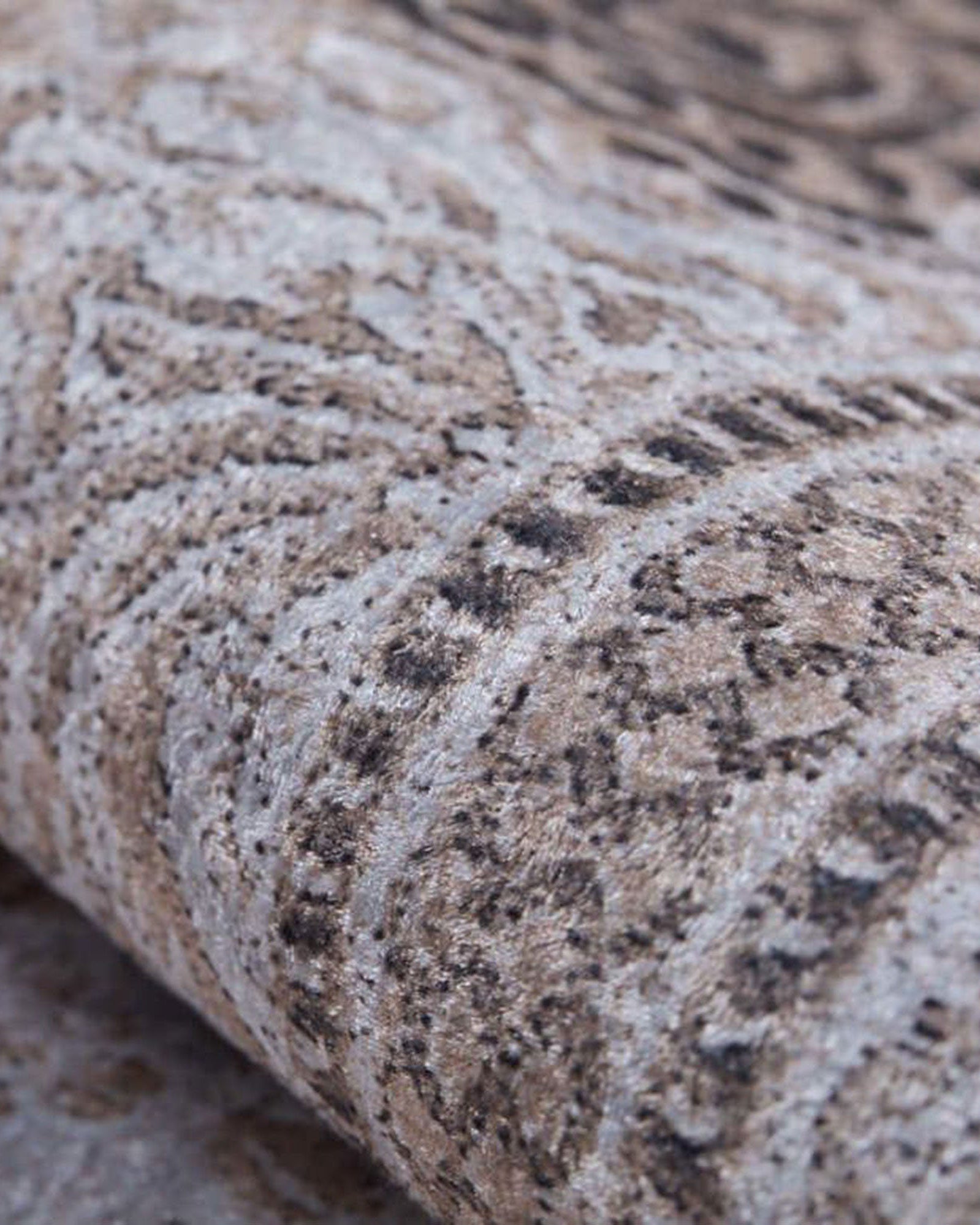
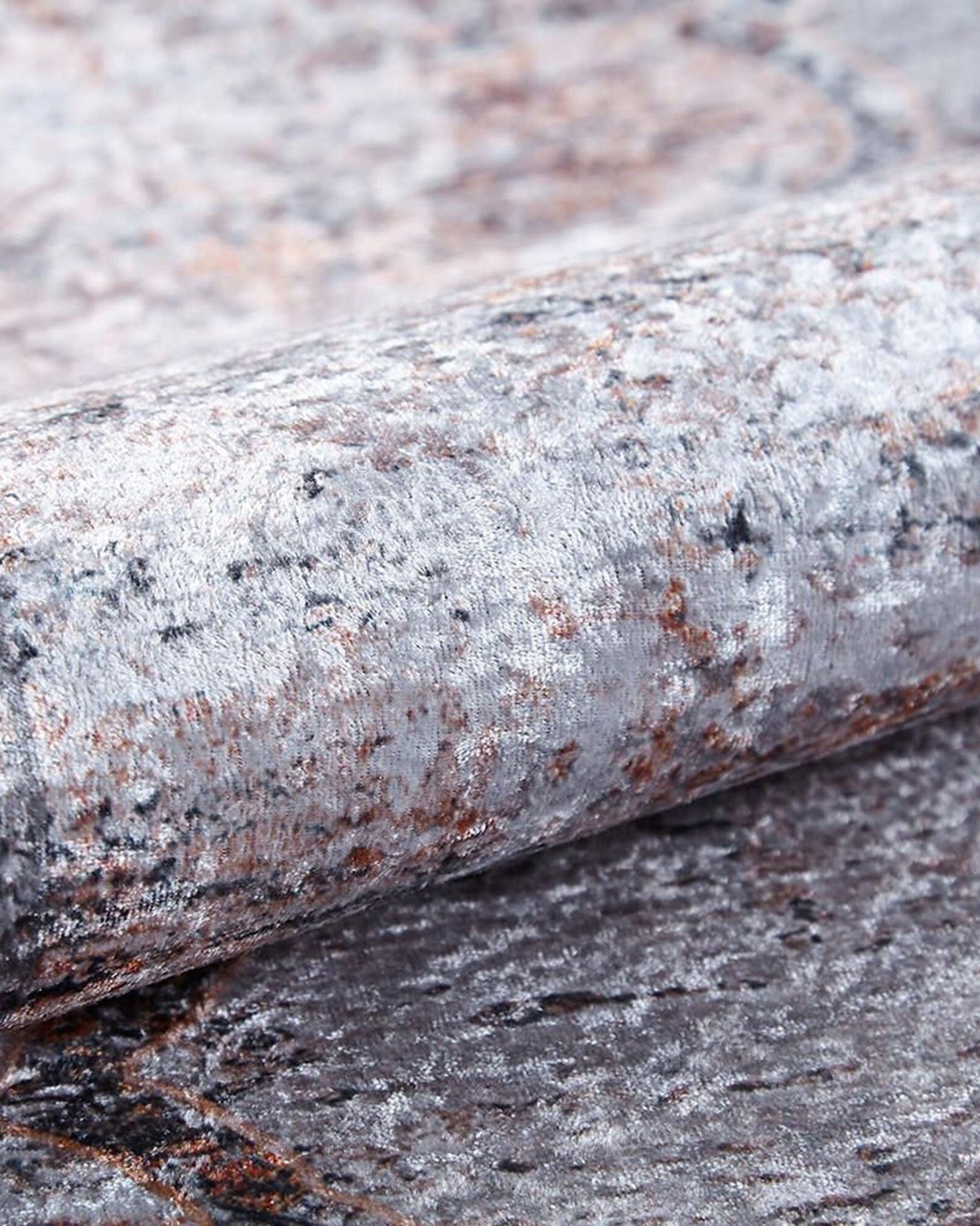
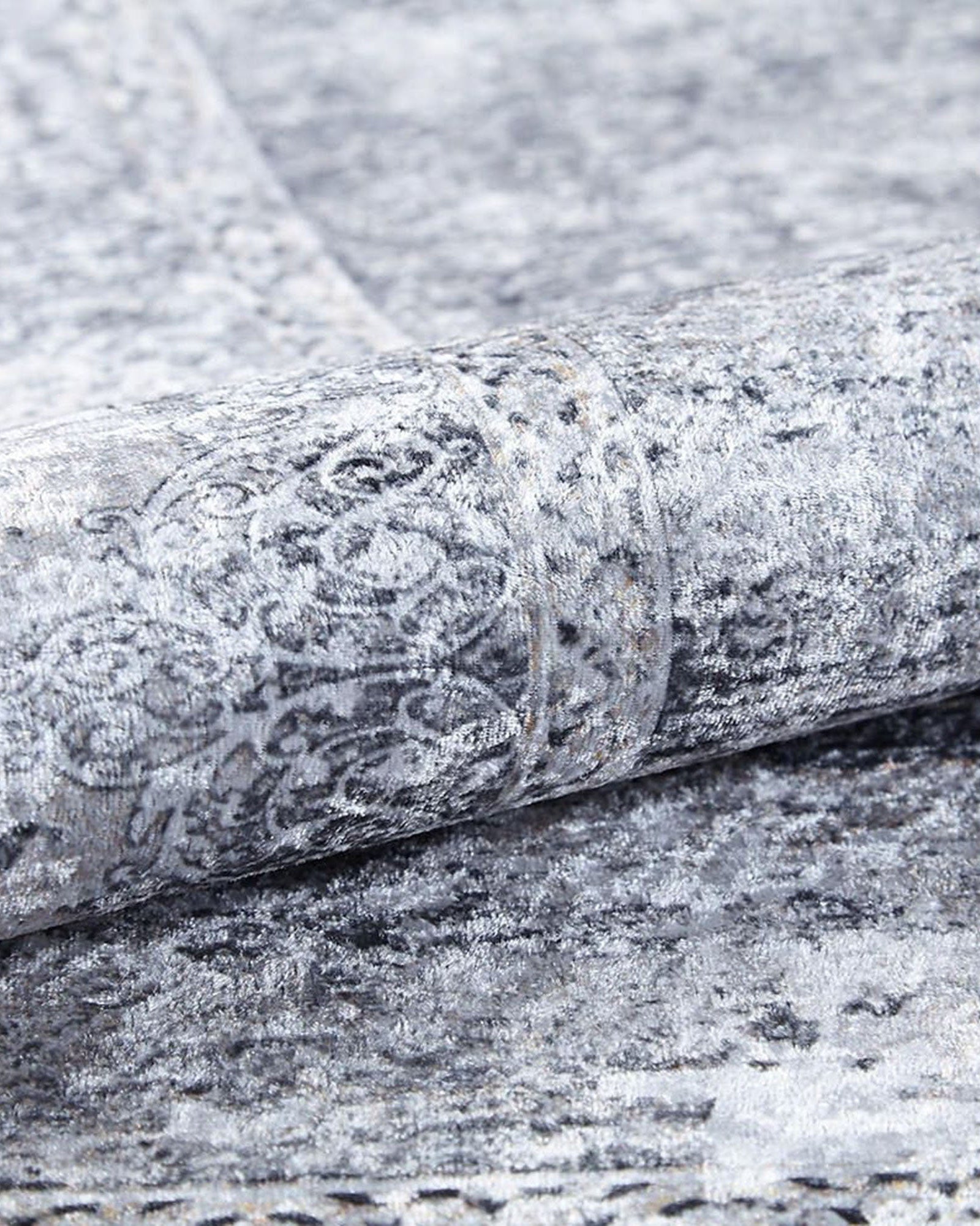
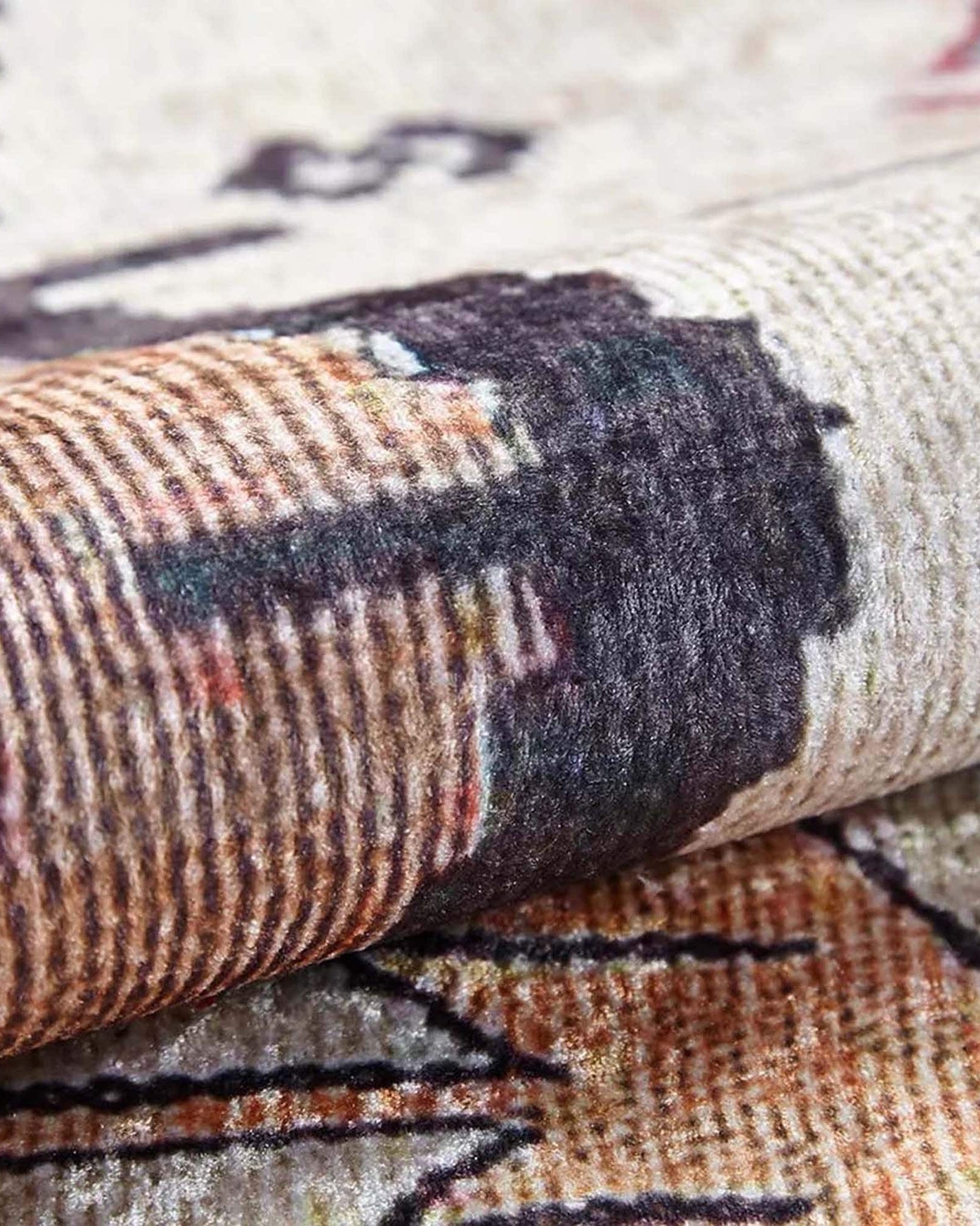
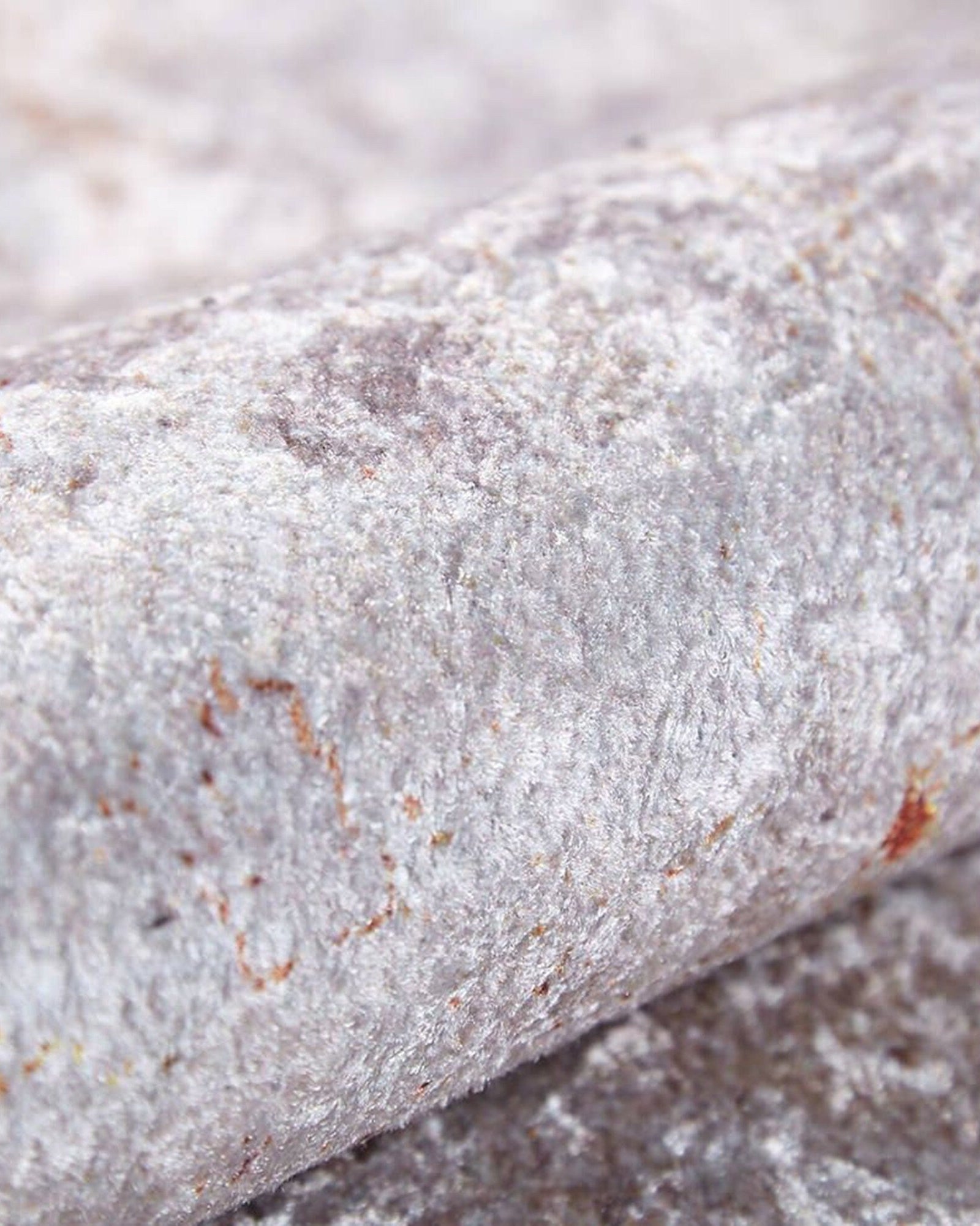
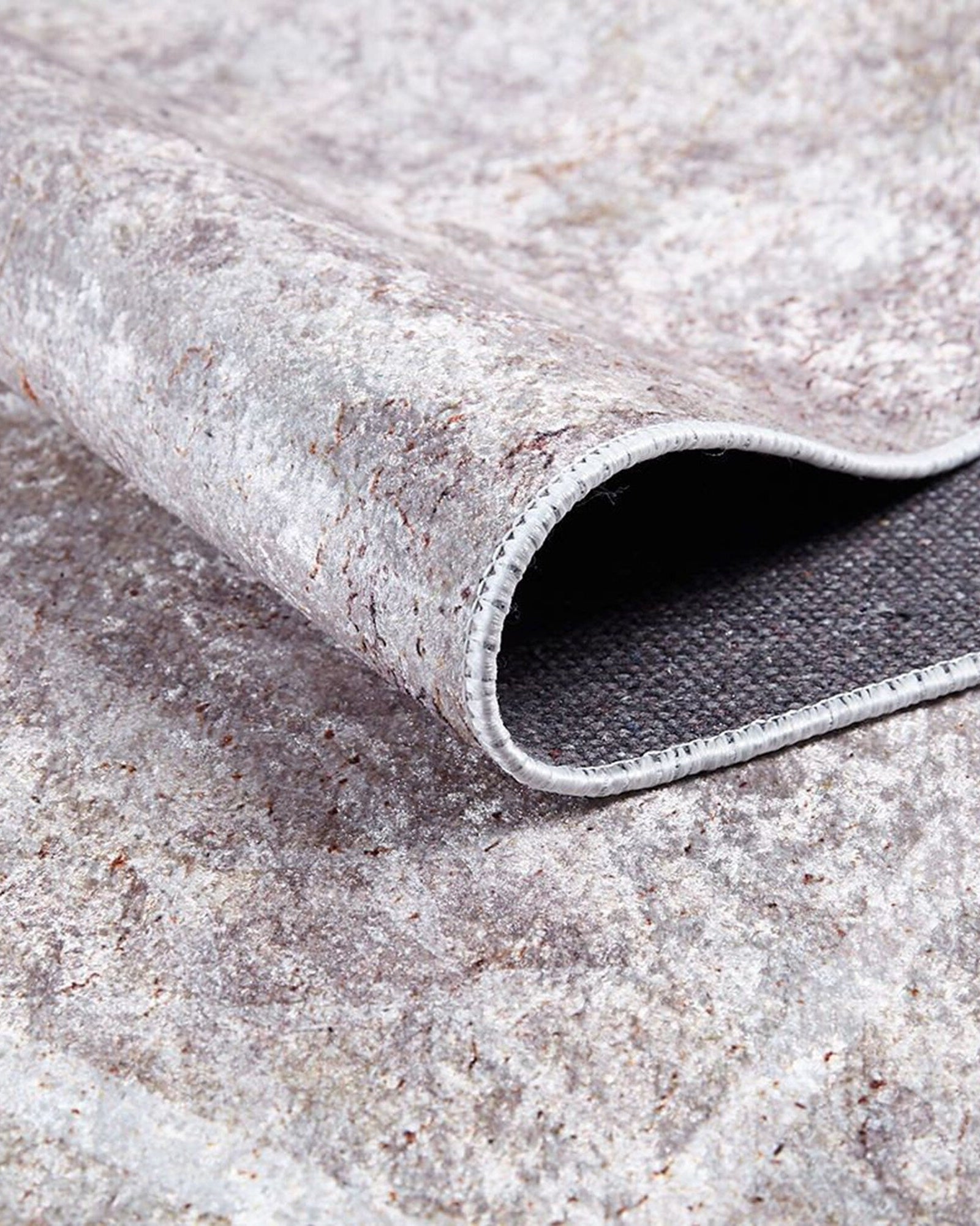
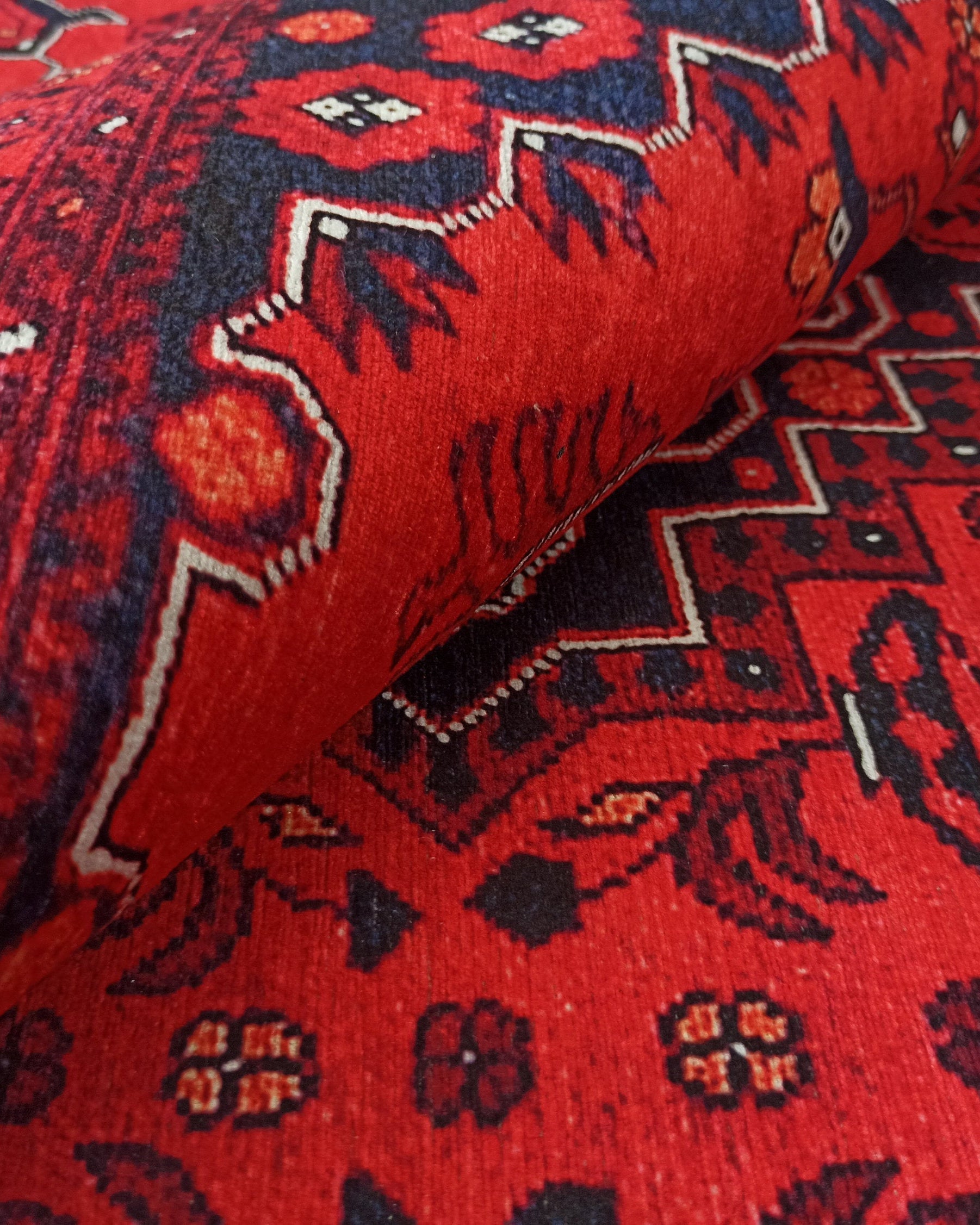
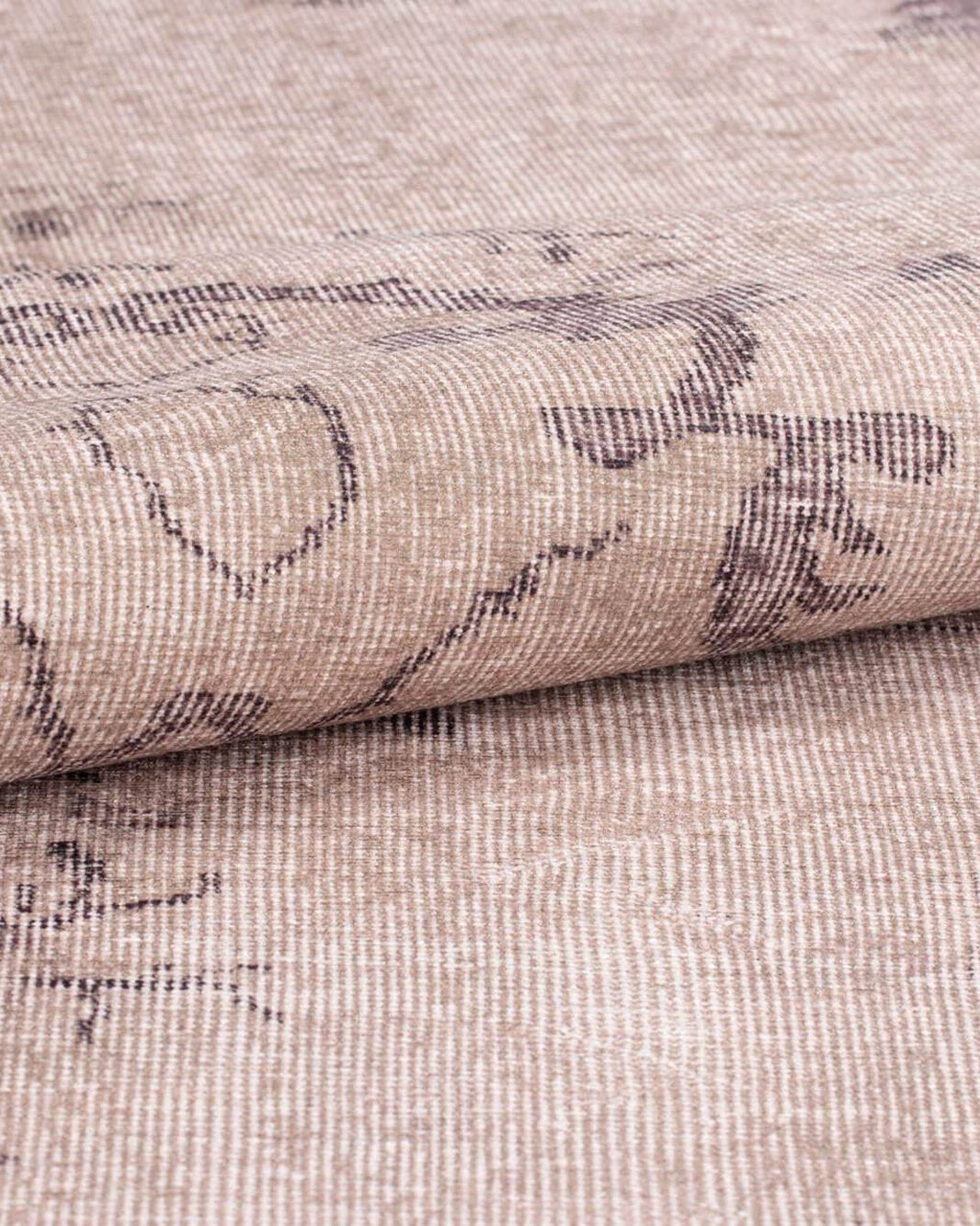
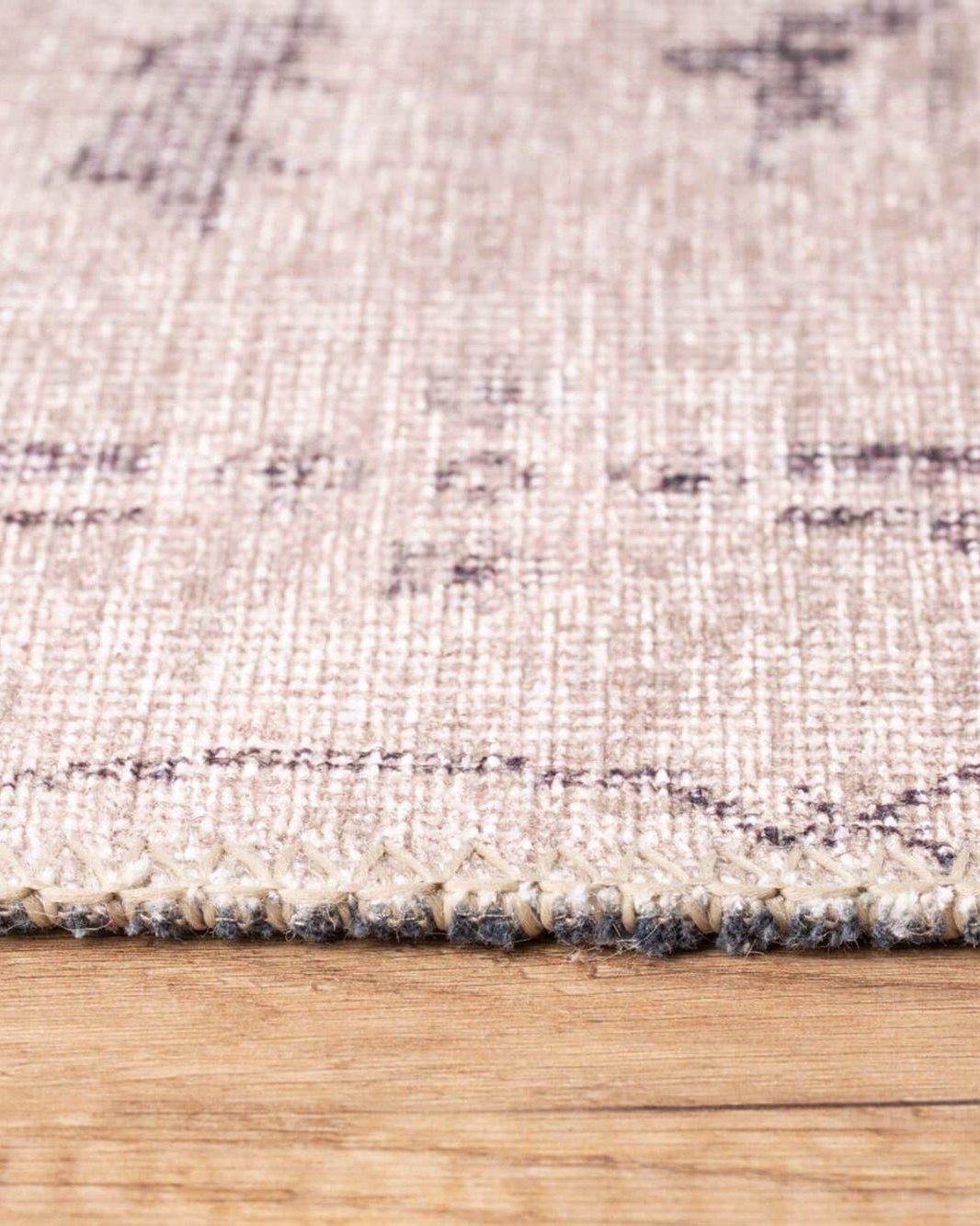
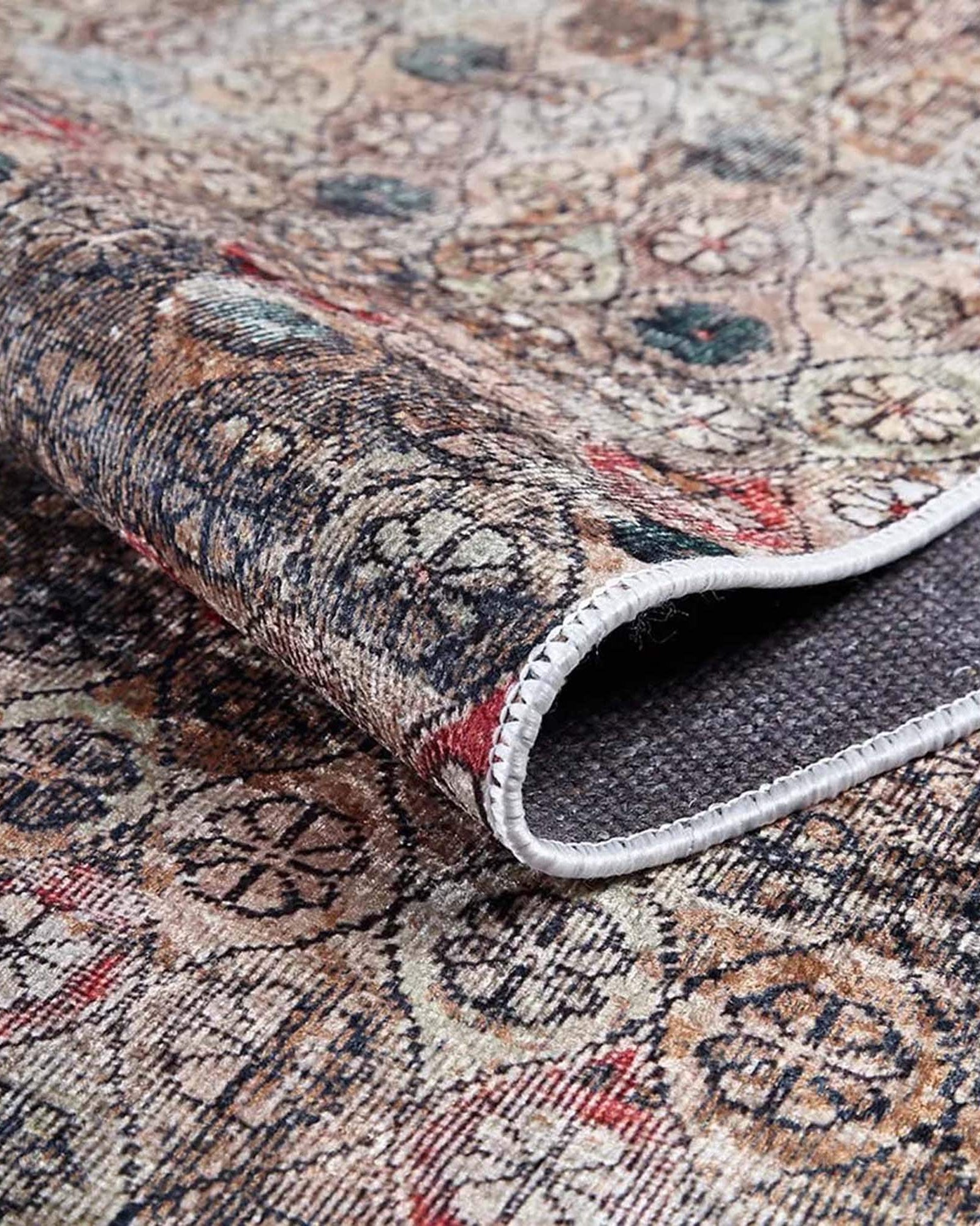
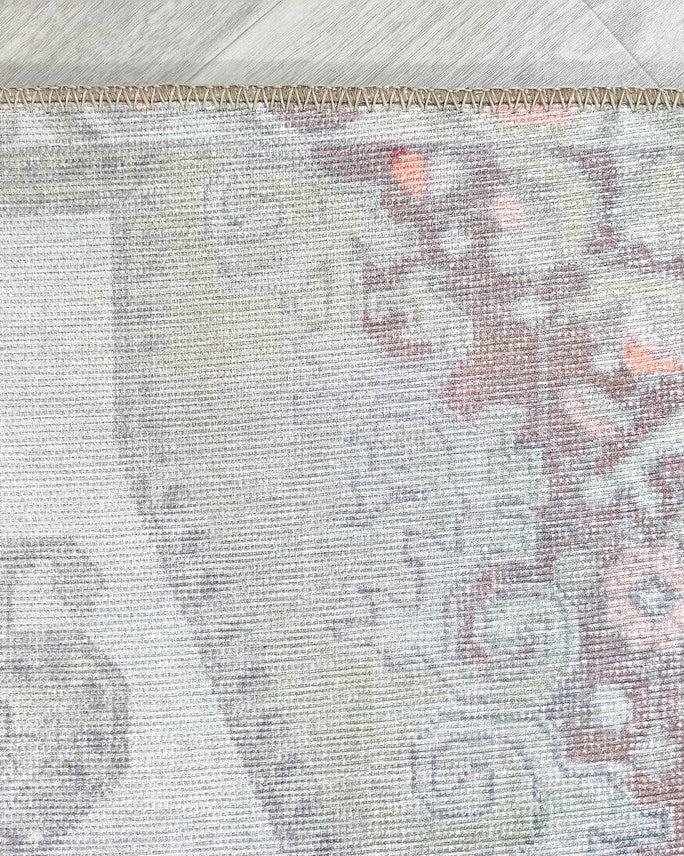
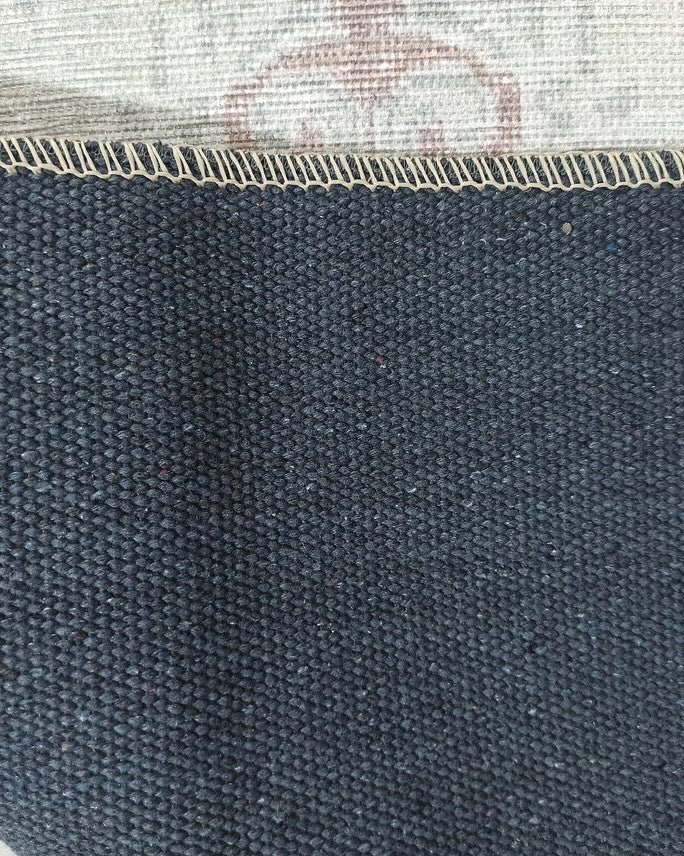
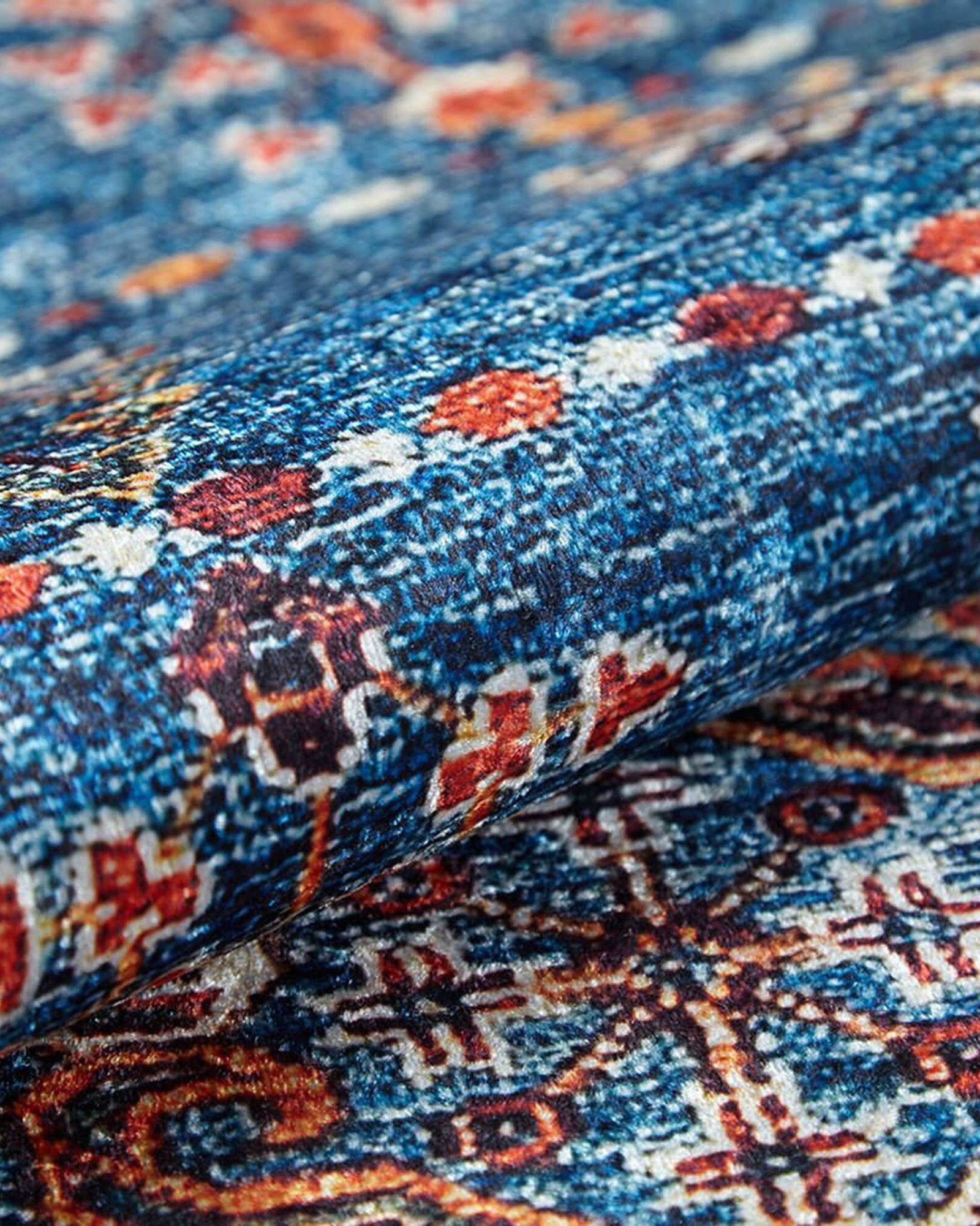
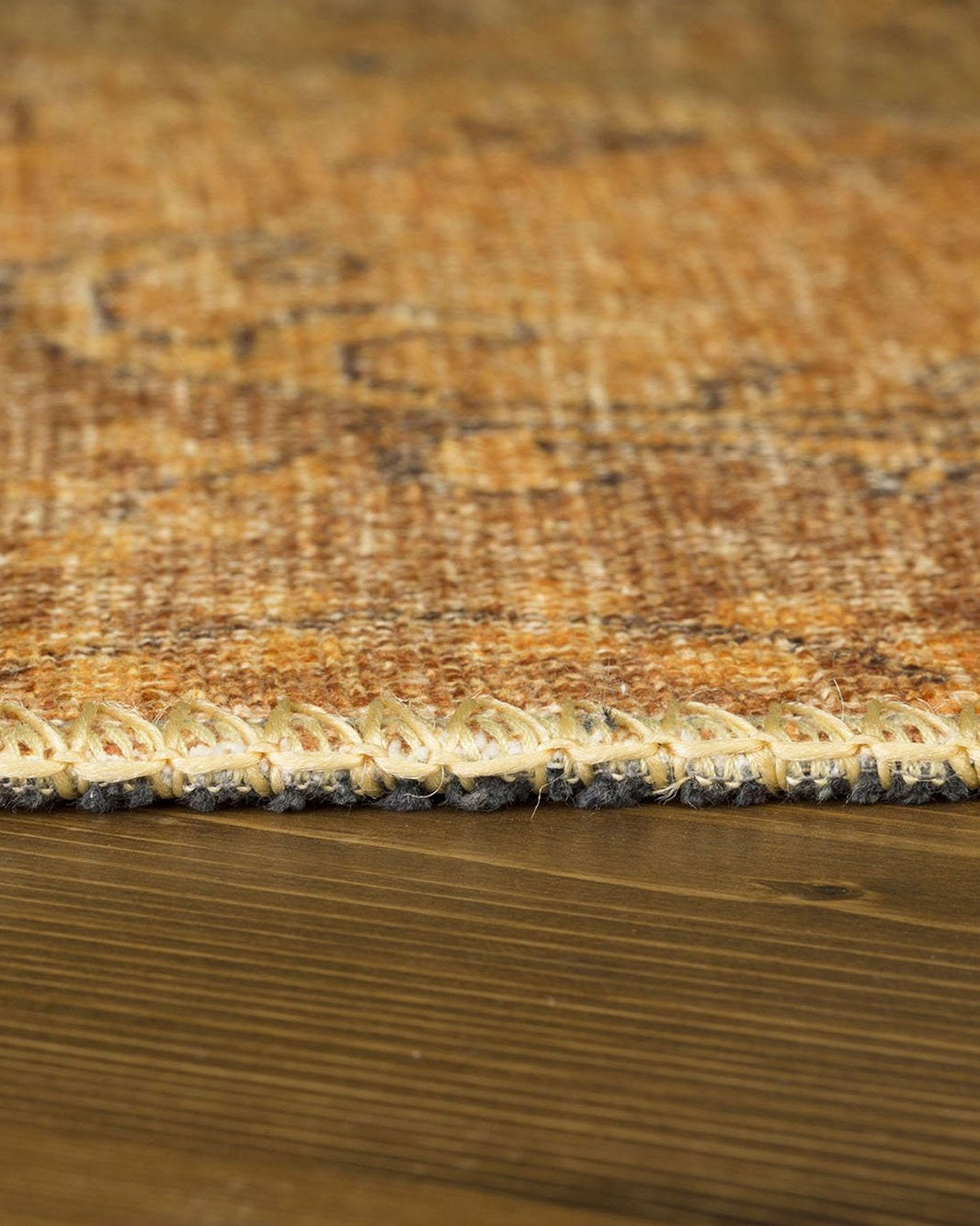
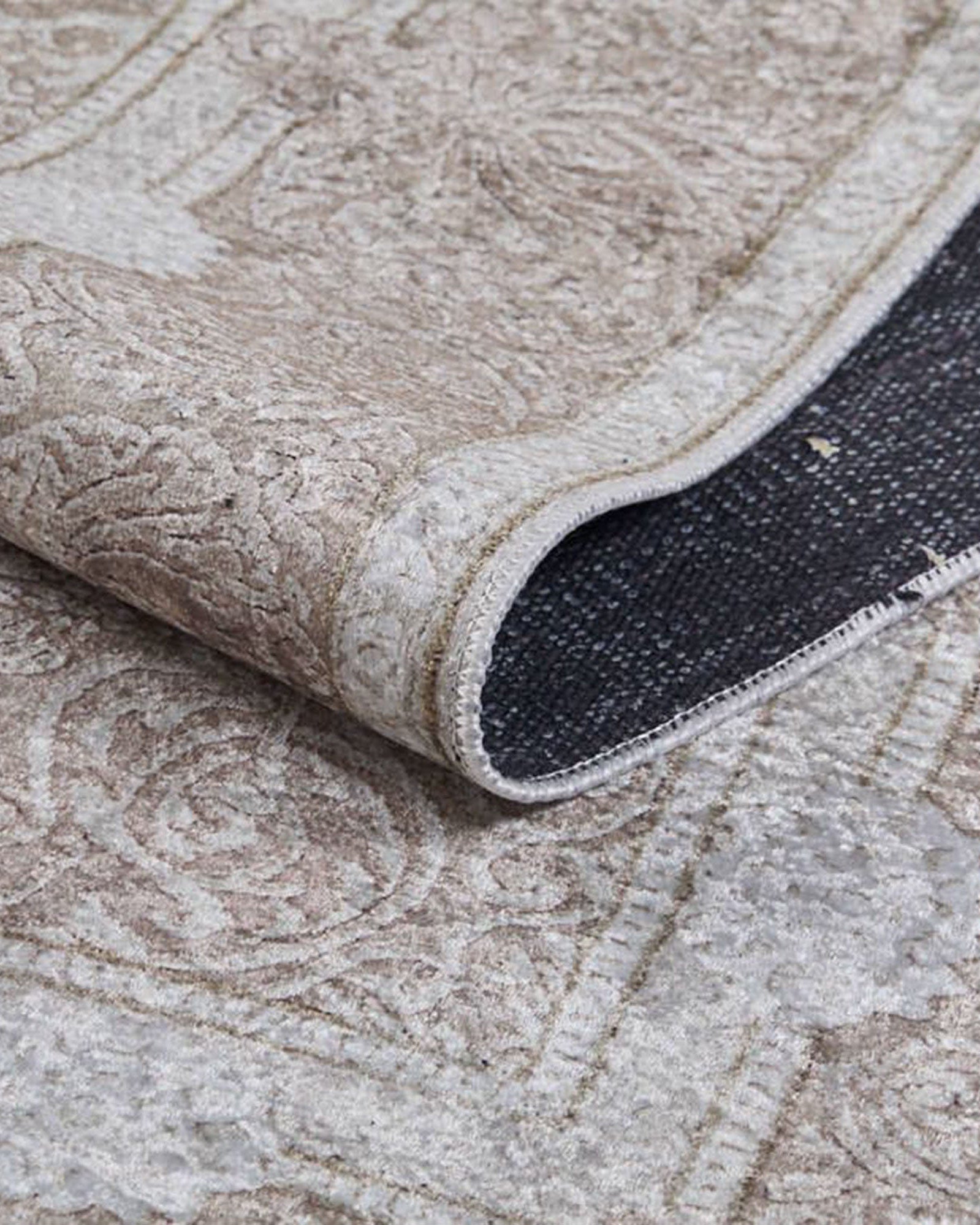
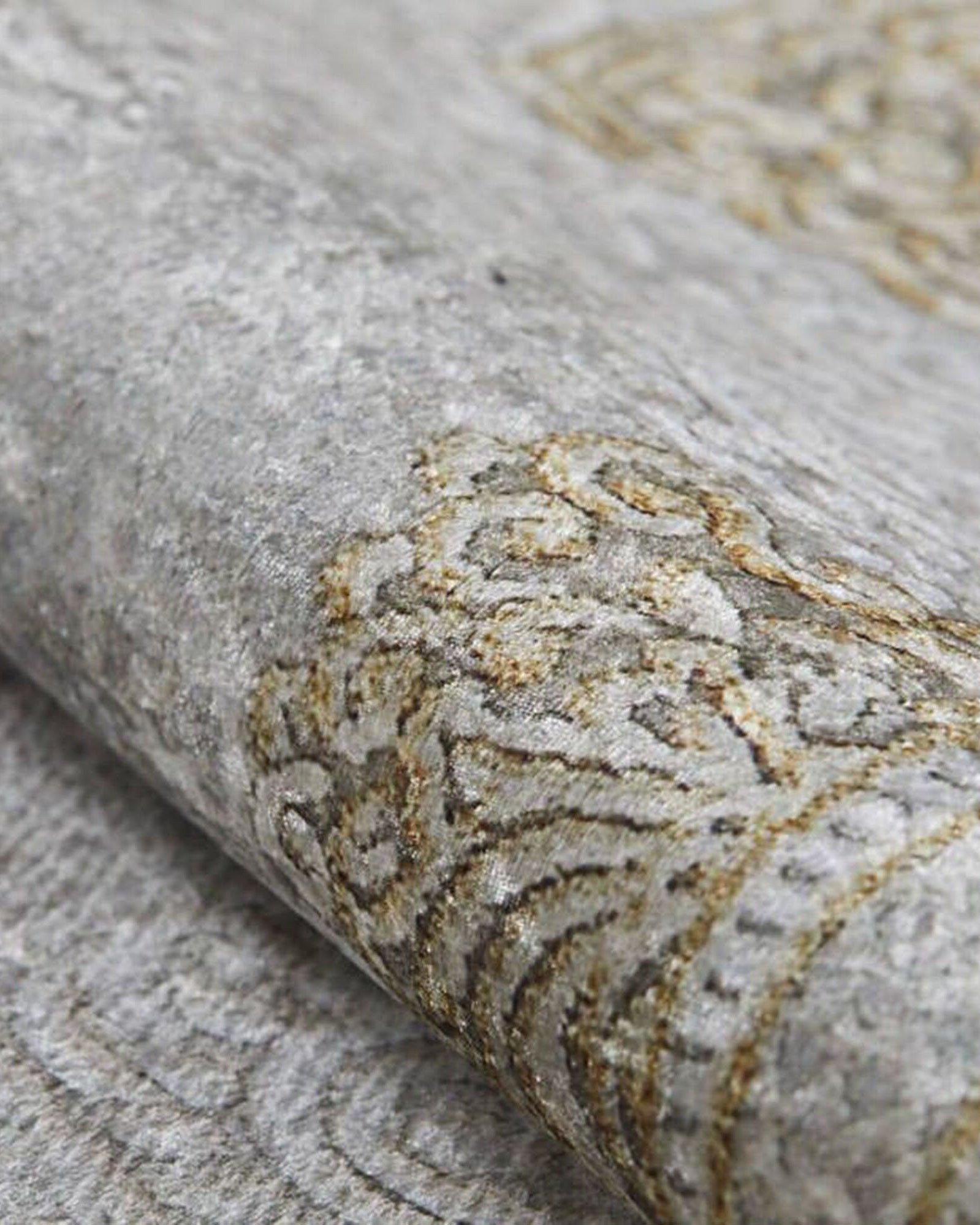
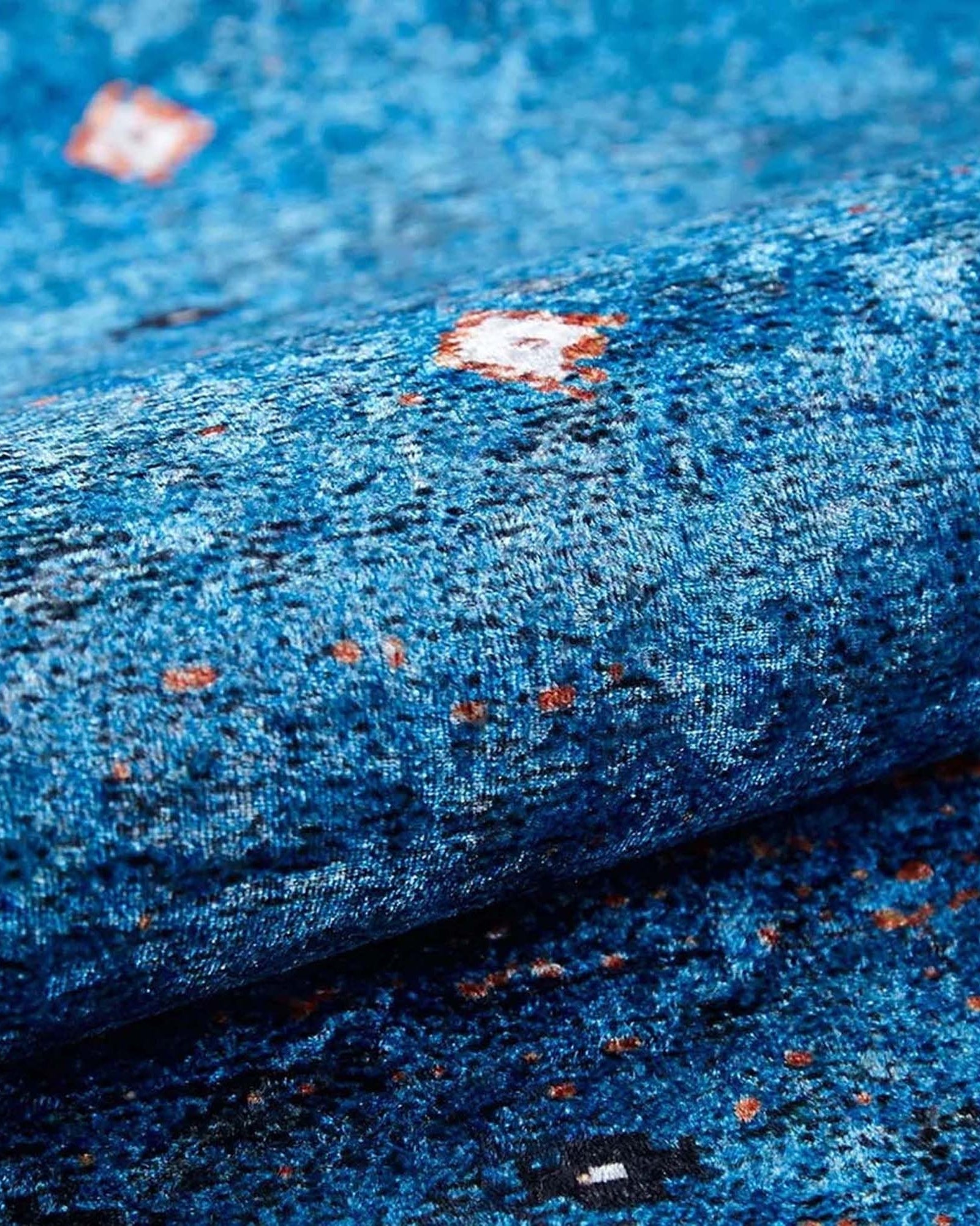
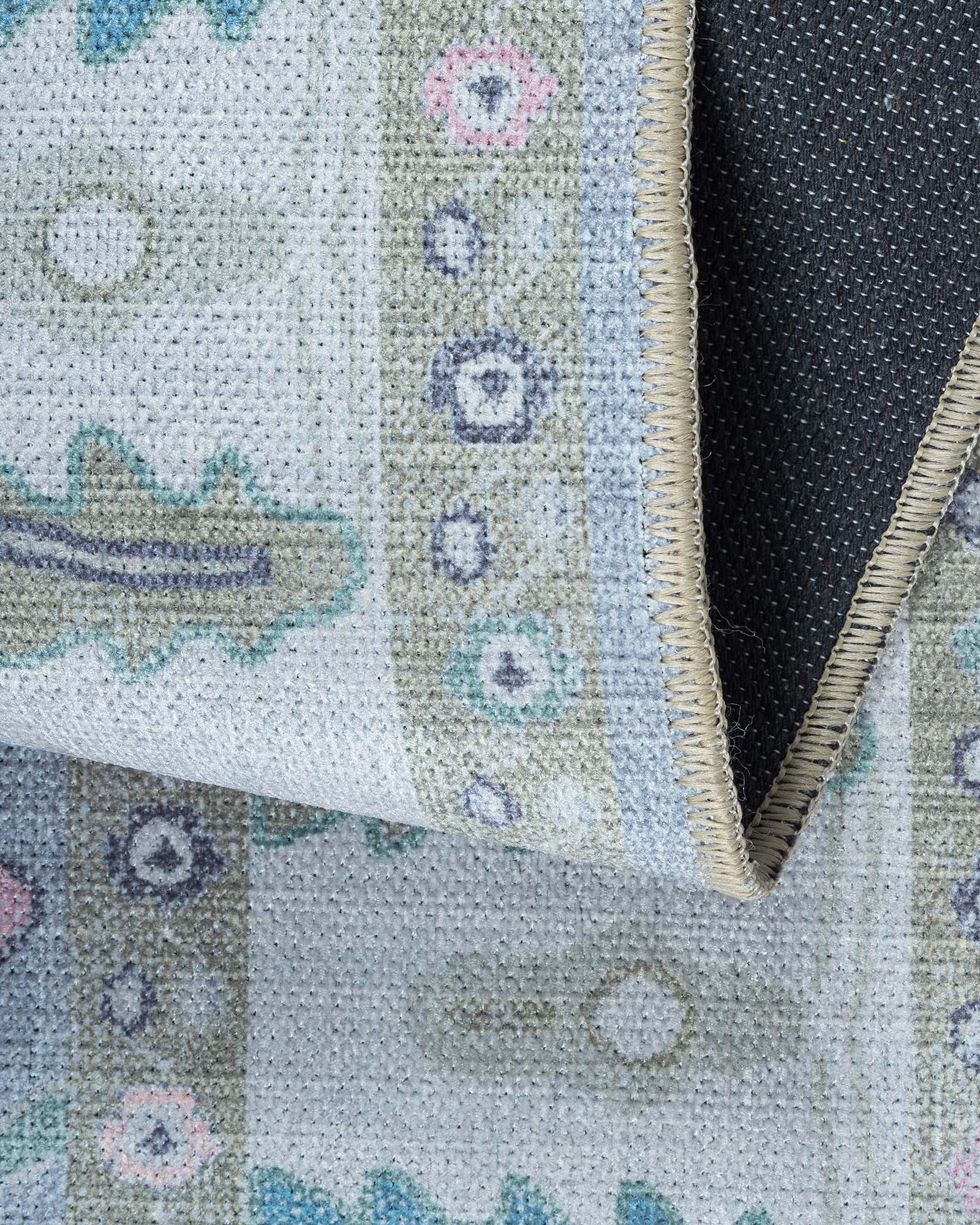
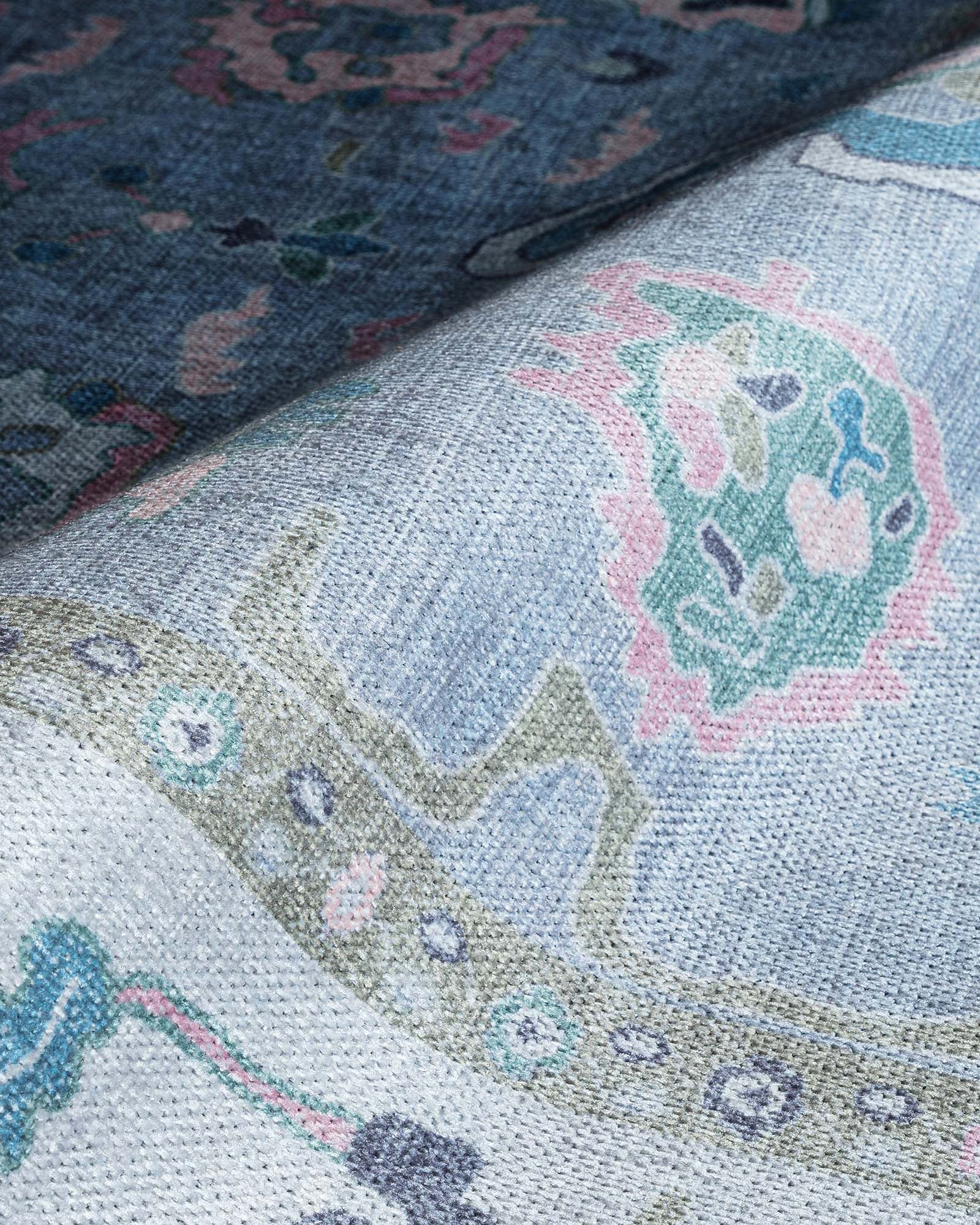
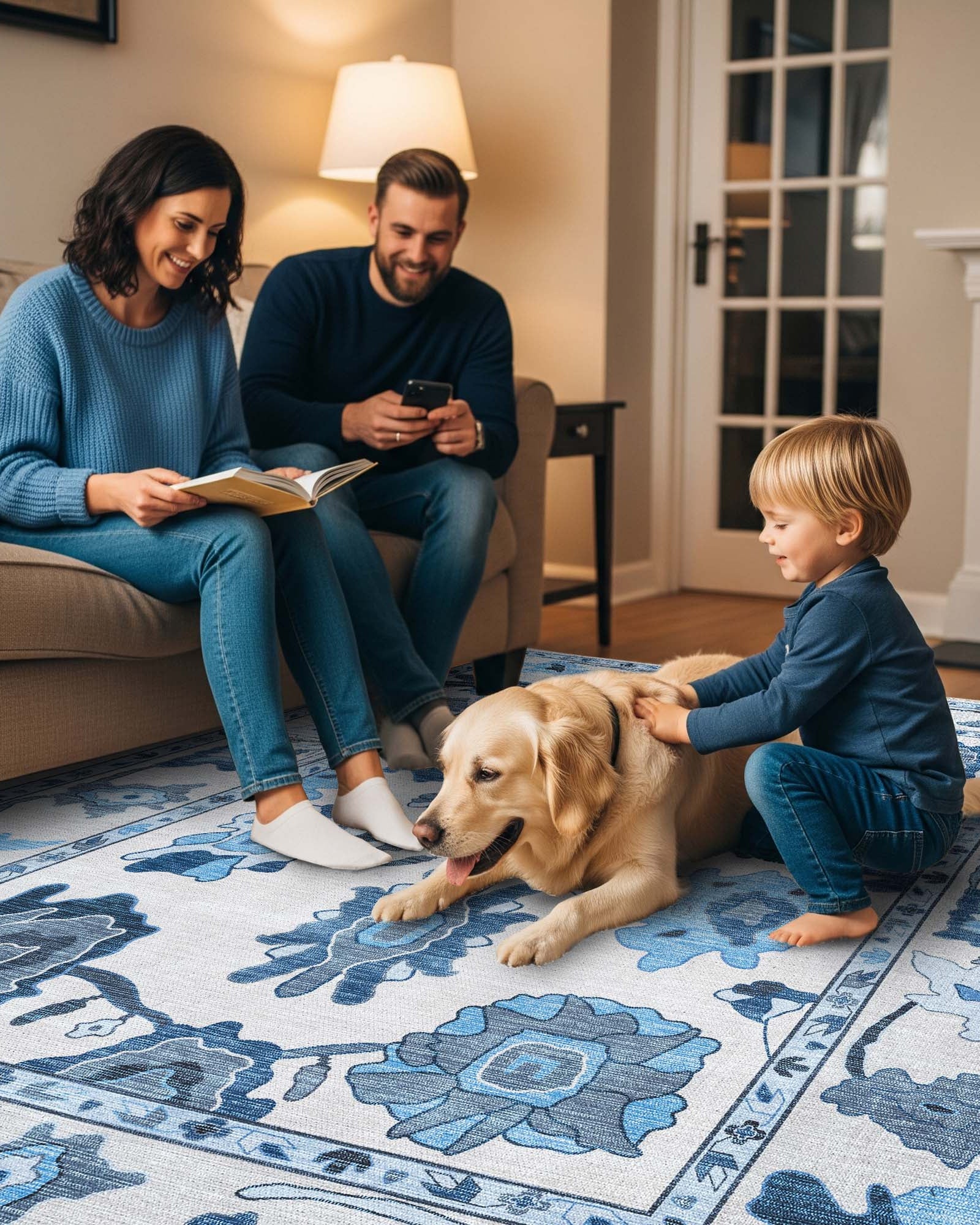
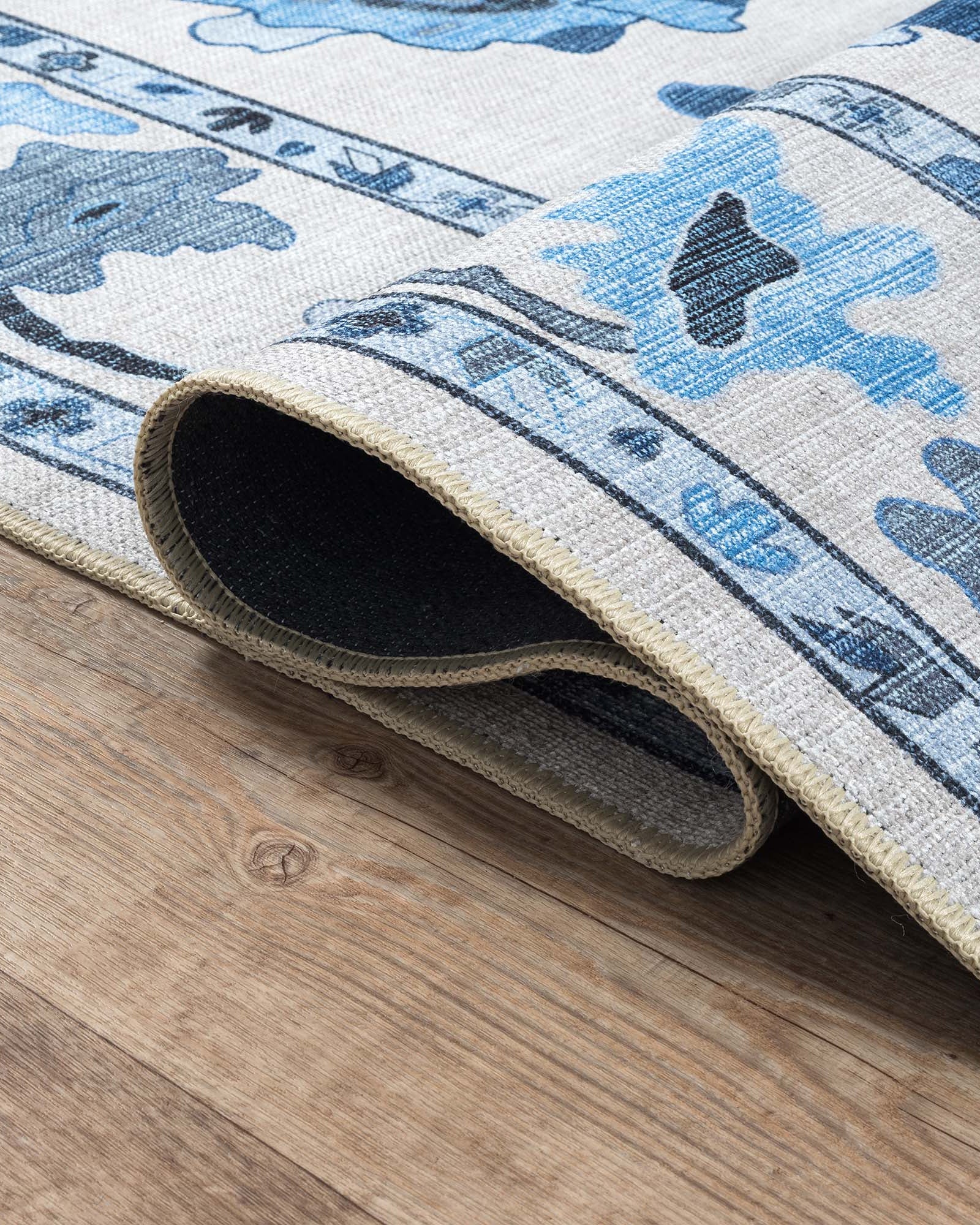
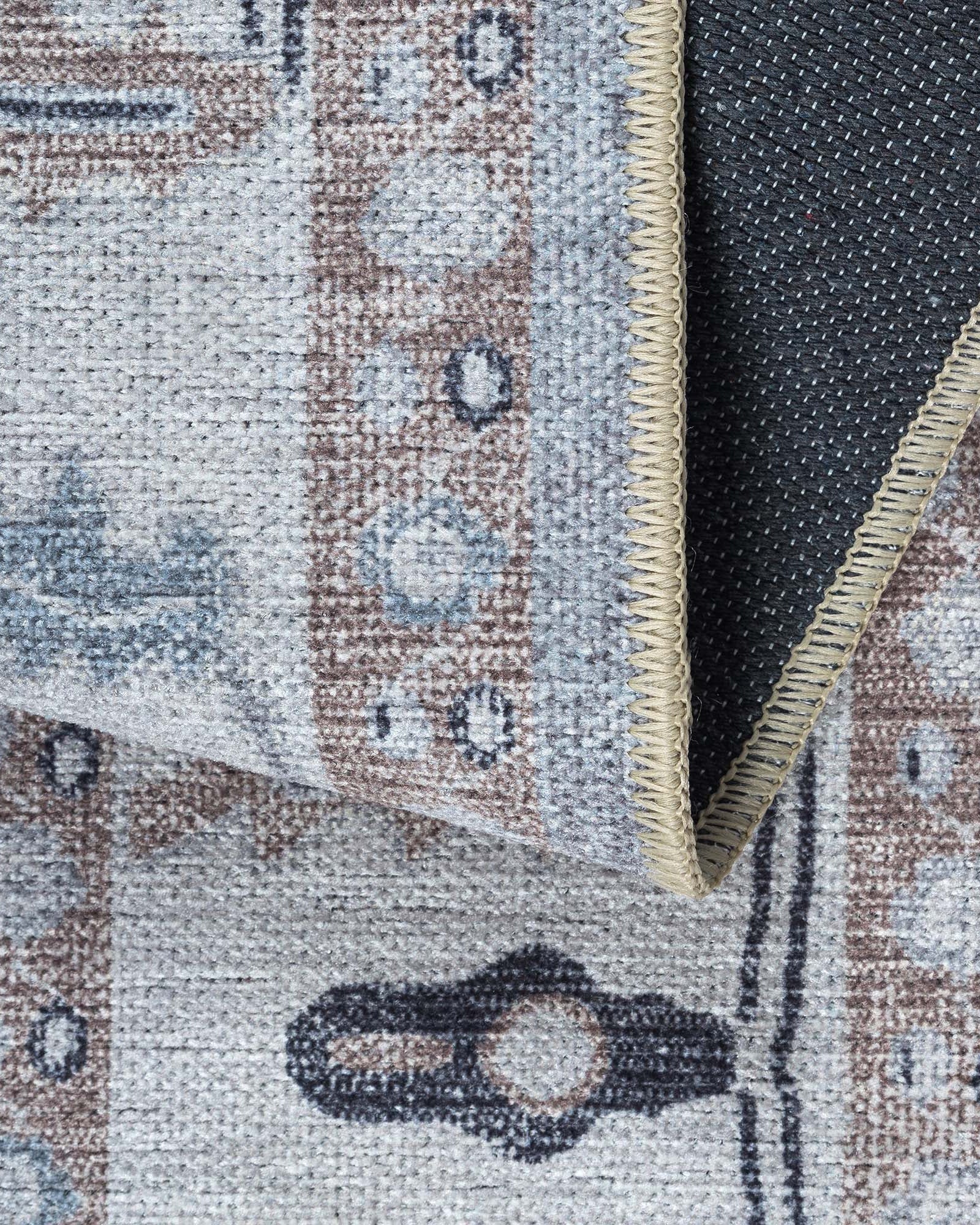
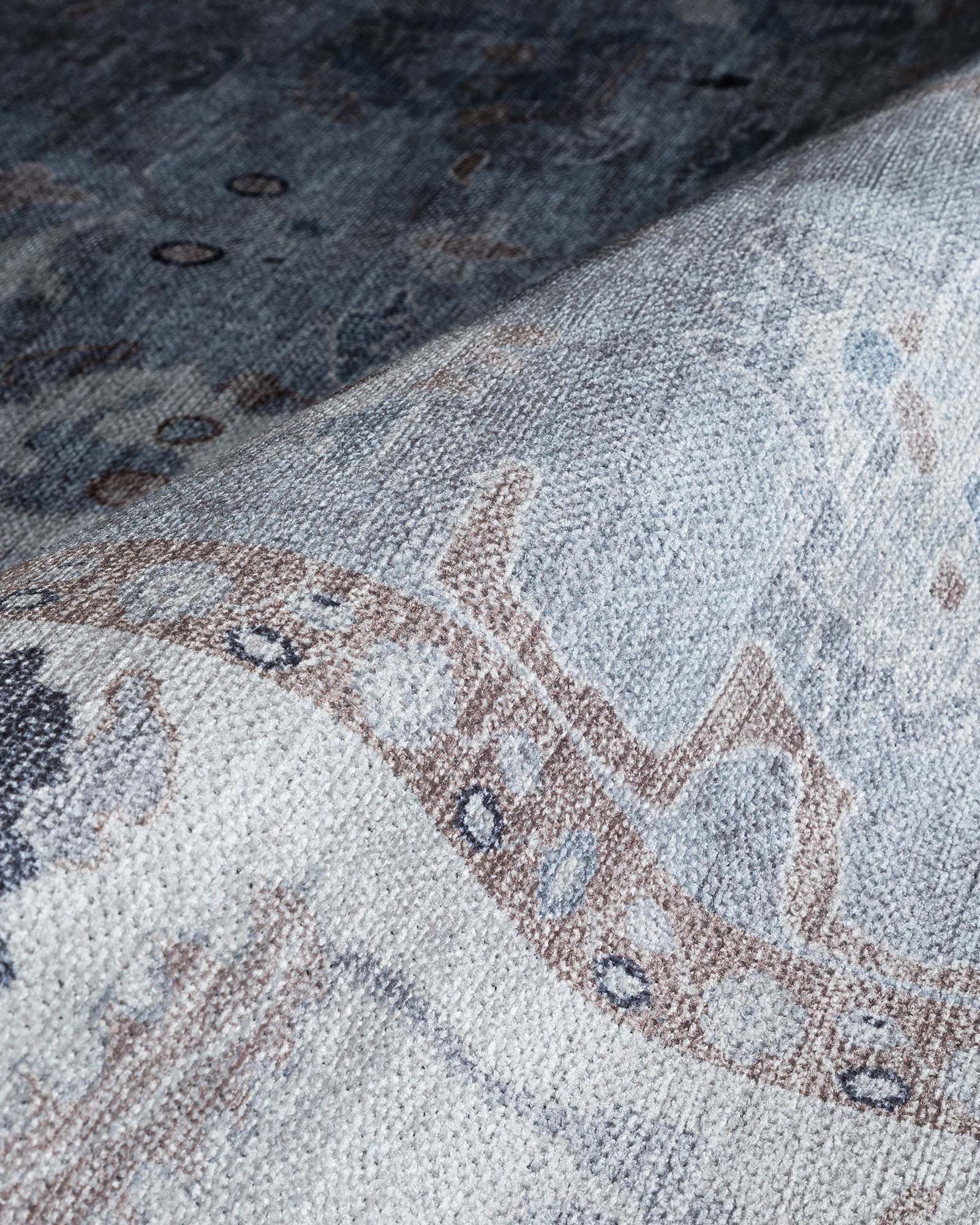
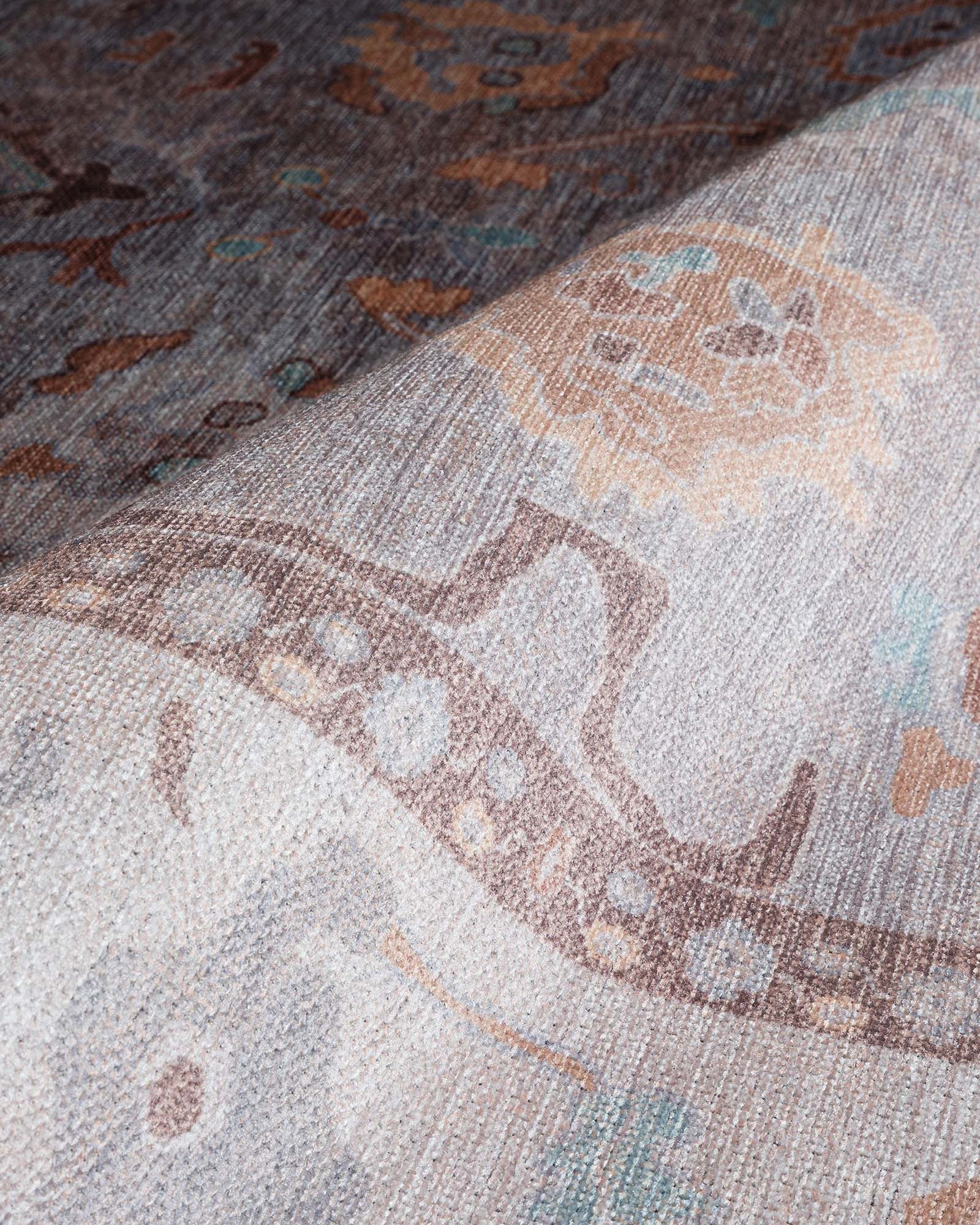
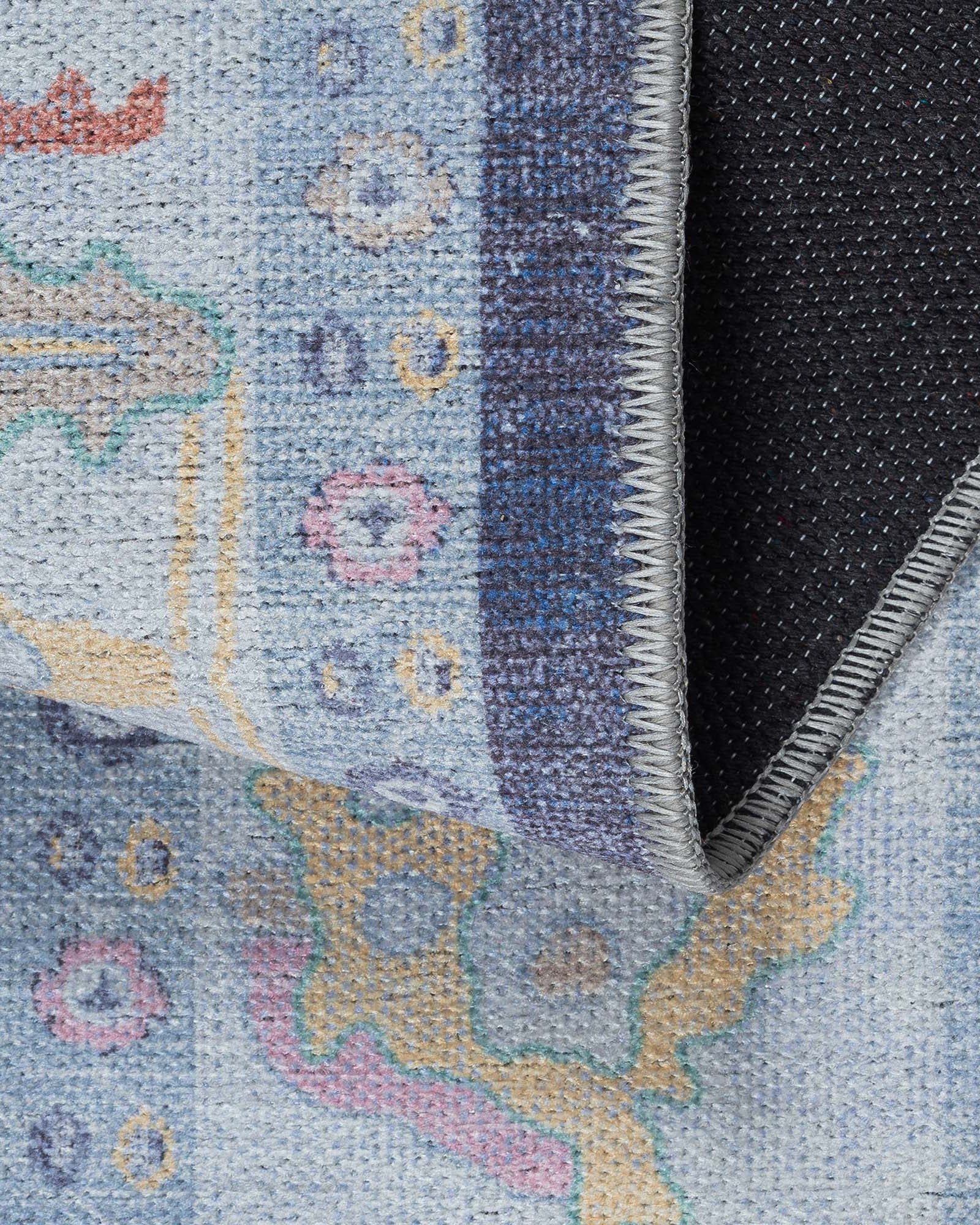
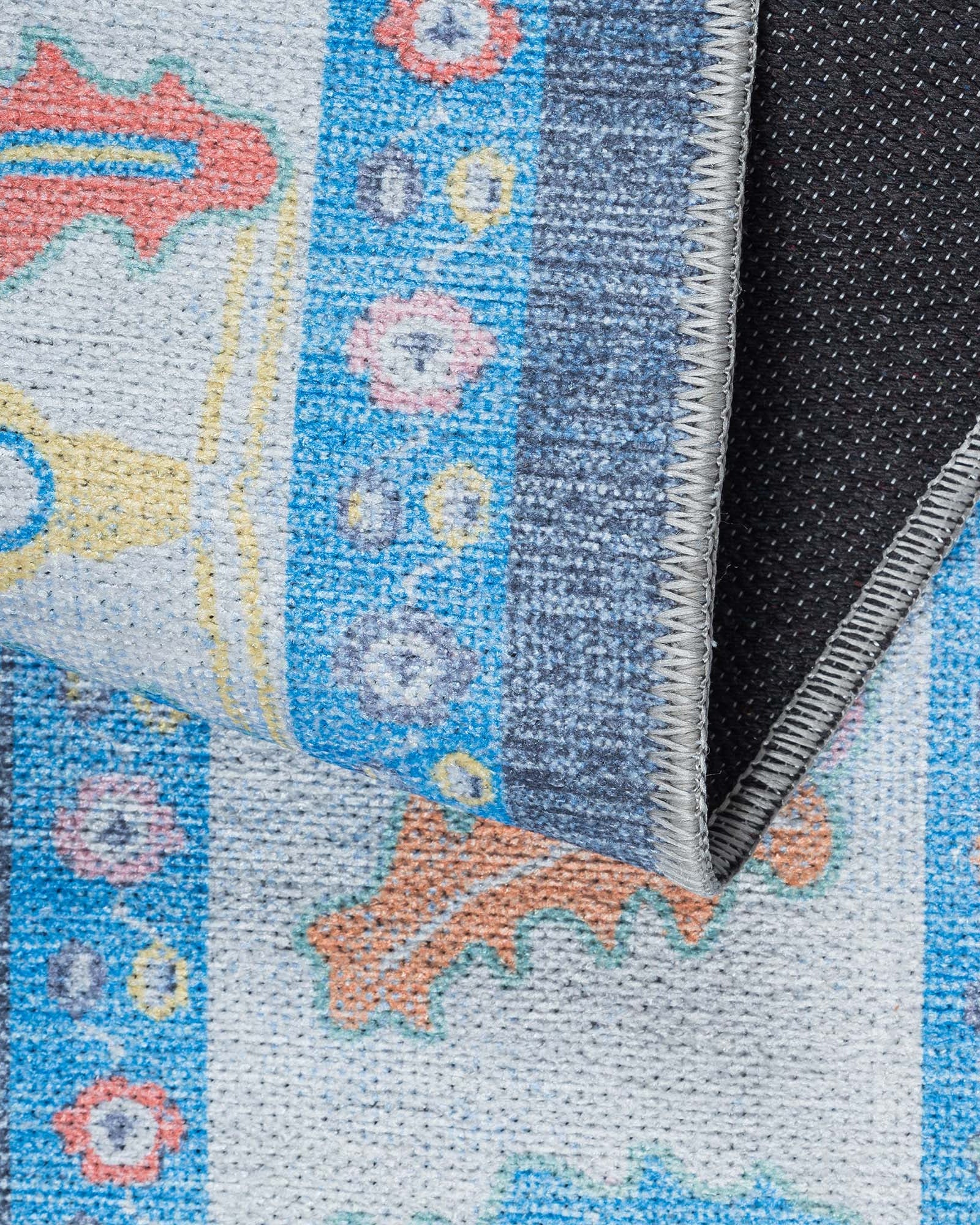
Wool is the most common material in Turkish rugs, prized for its softness and resilience. Many rugs also incorporate silk for a luxurious sheen. Thanks to the double-knot technique, Turkish rugs are exceptionally durable and can last for generations if properly cared for.
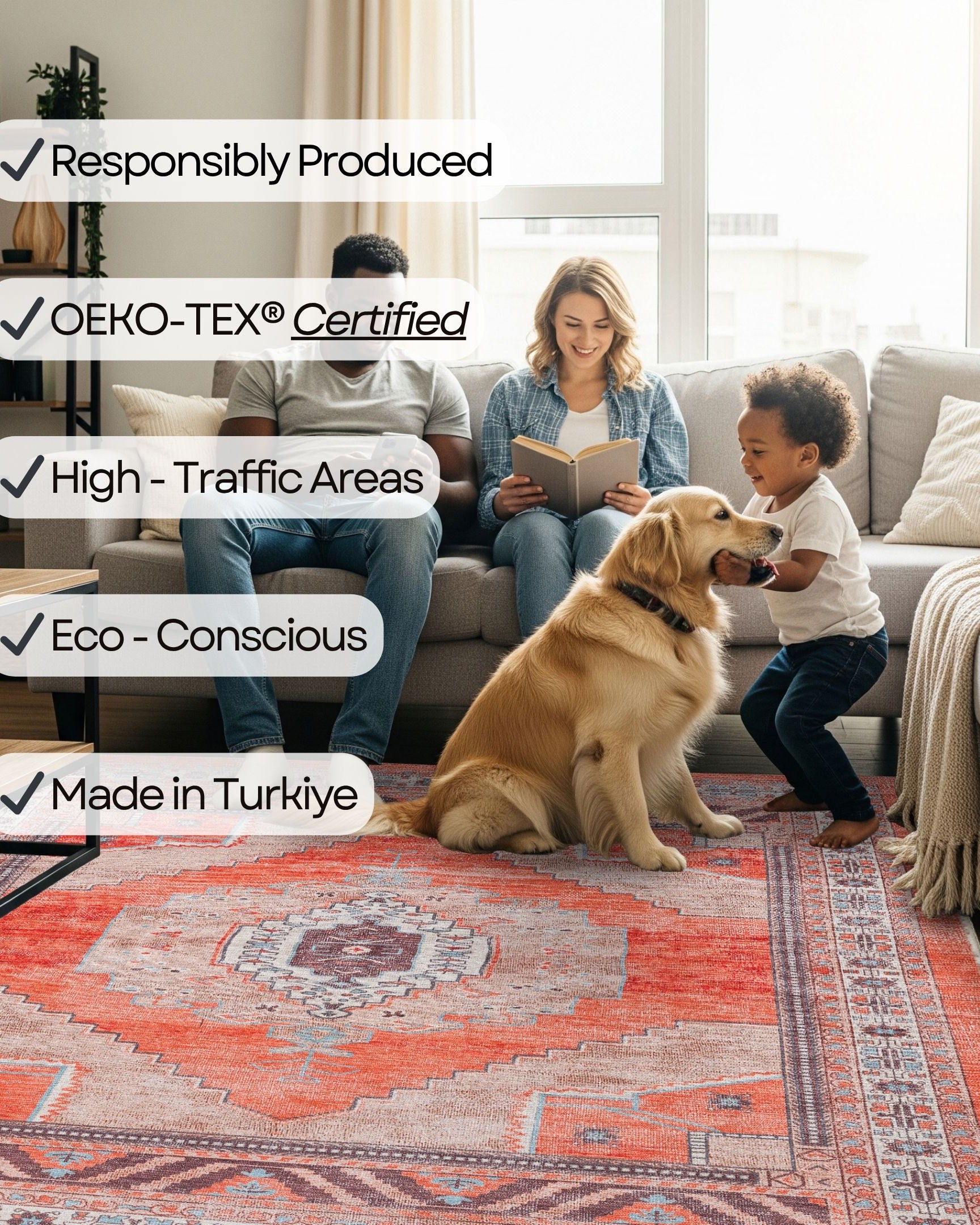
Eco-Friendly and Sustainable Choice
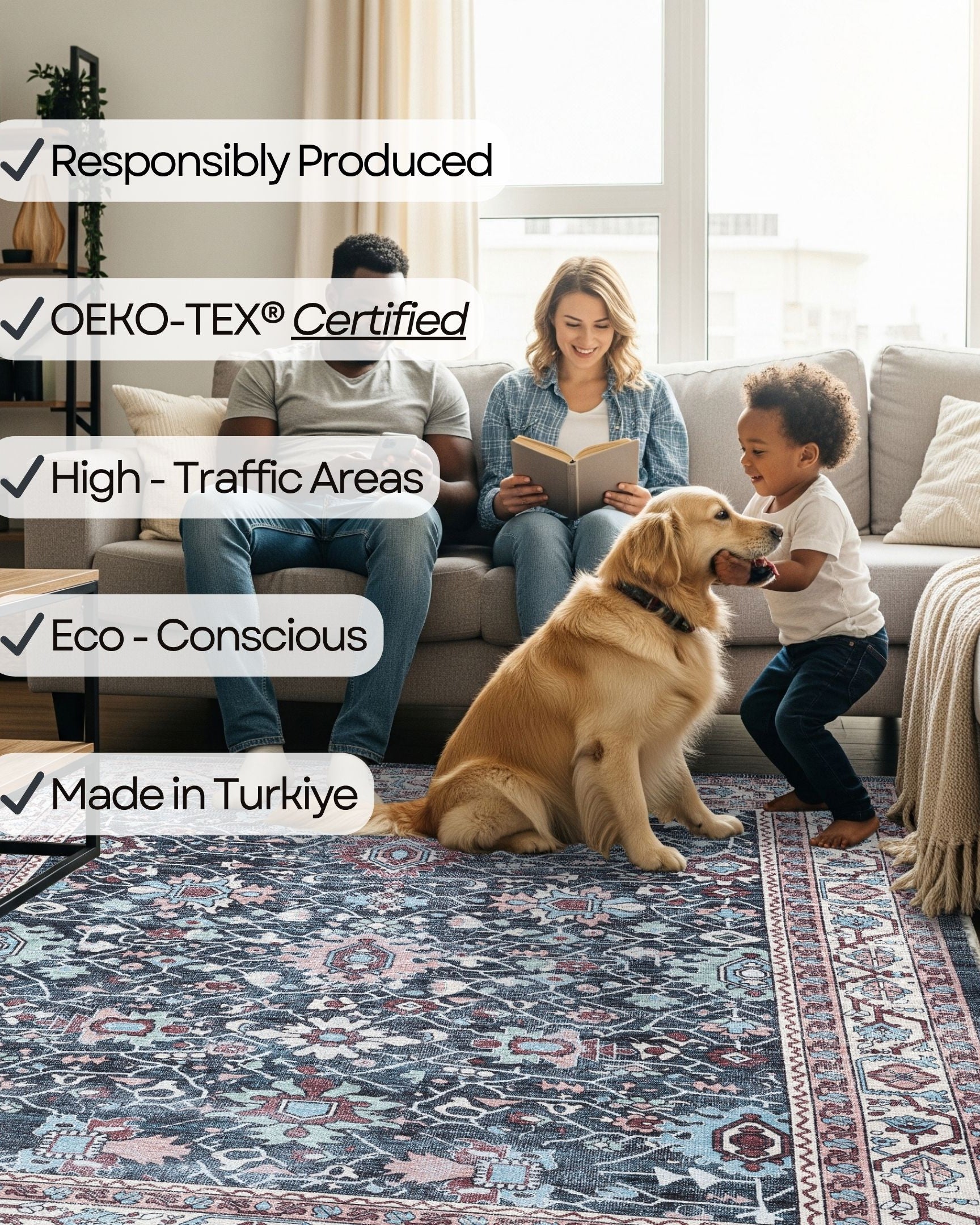
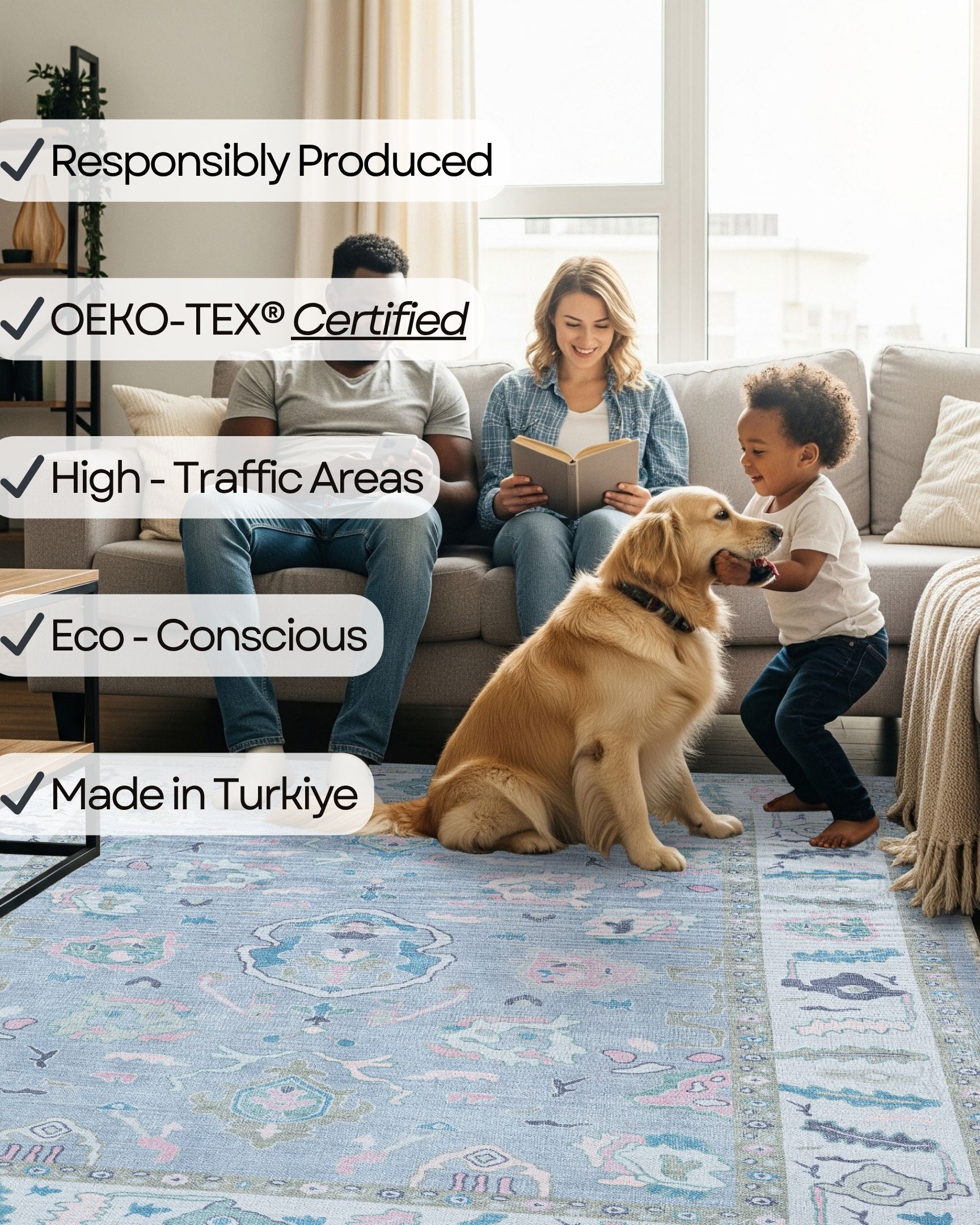
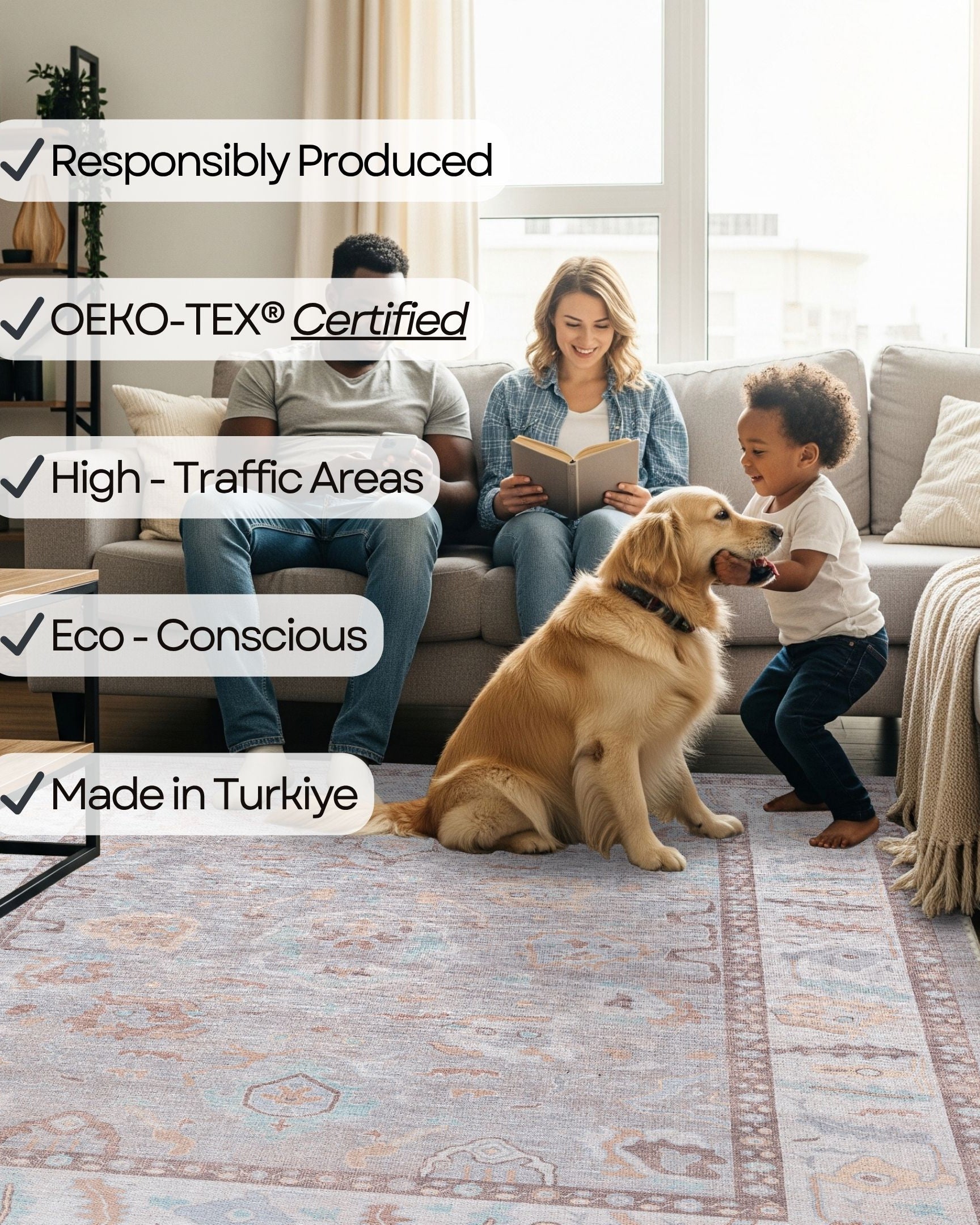
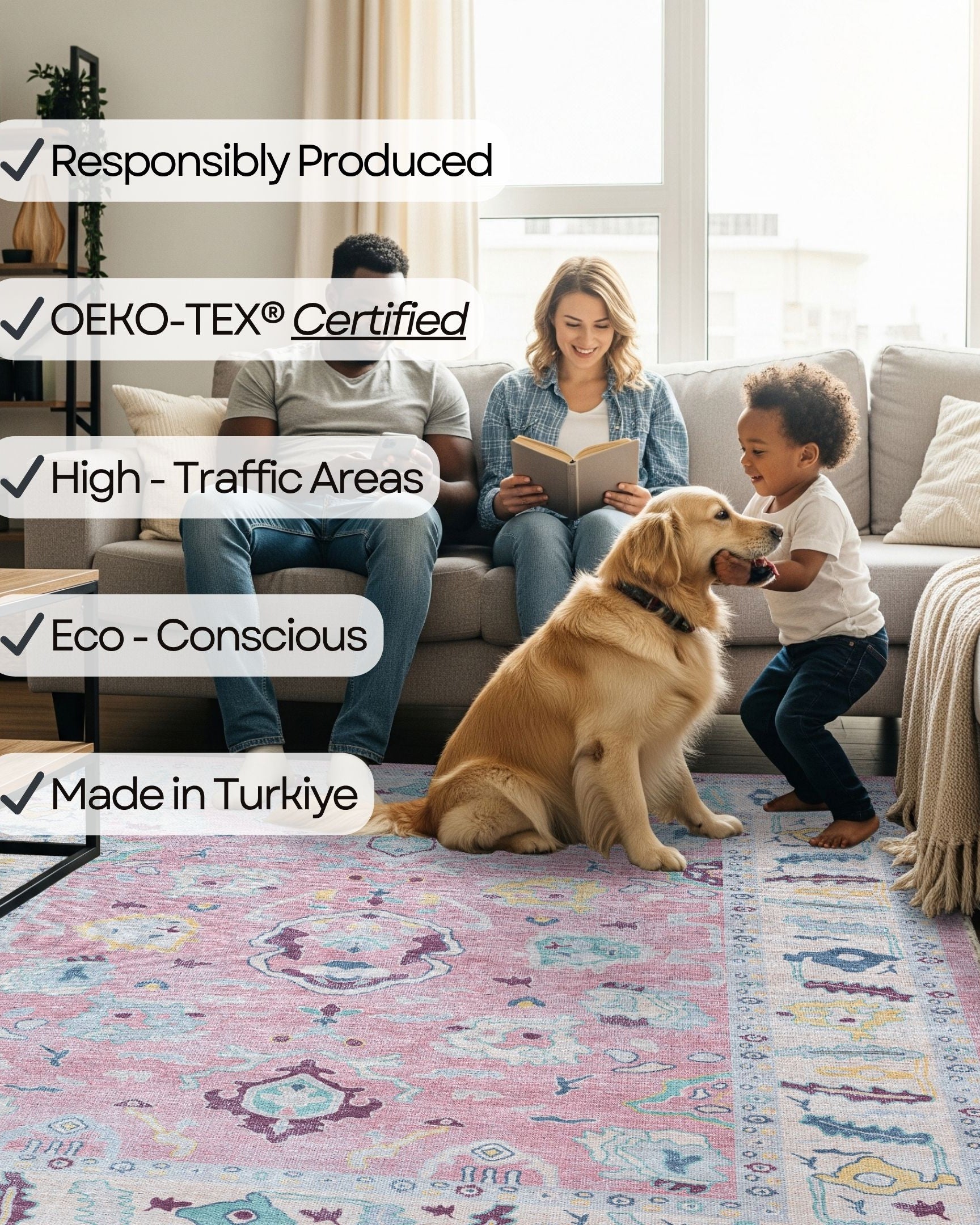
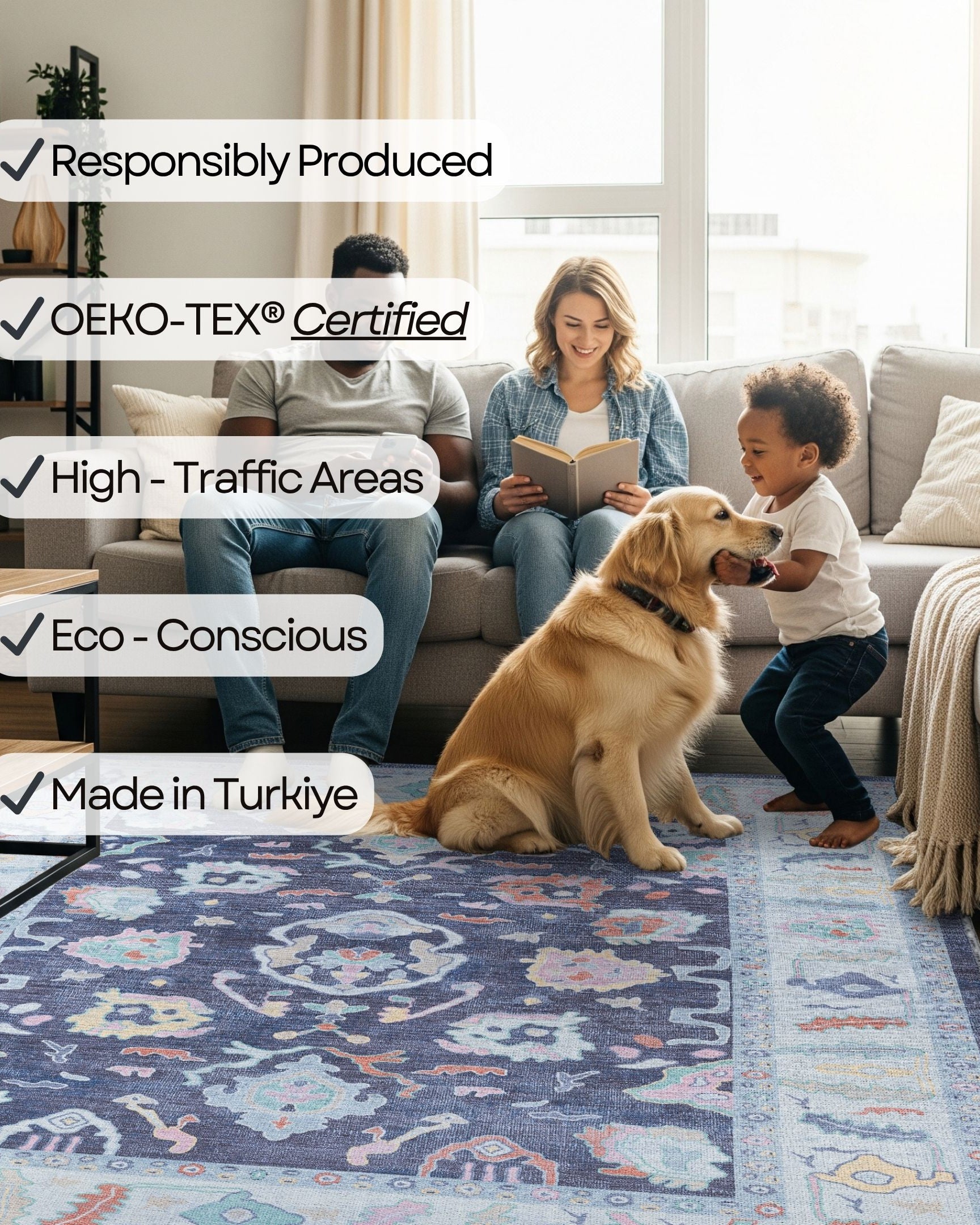
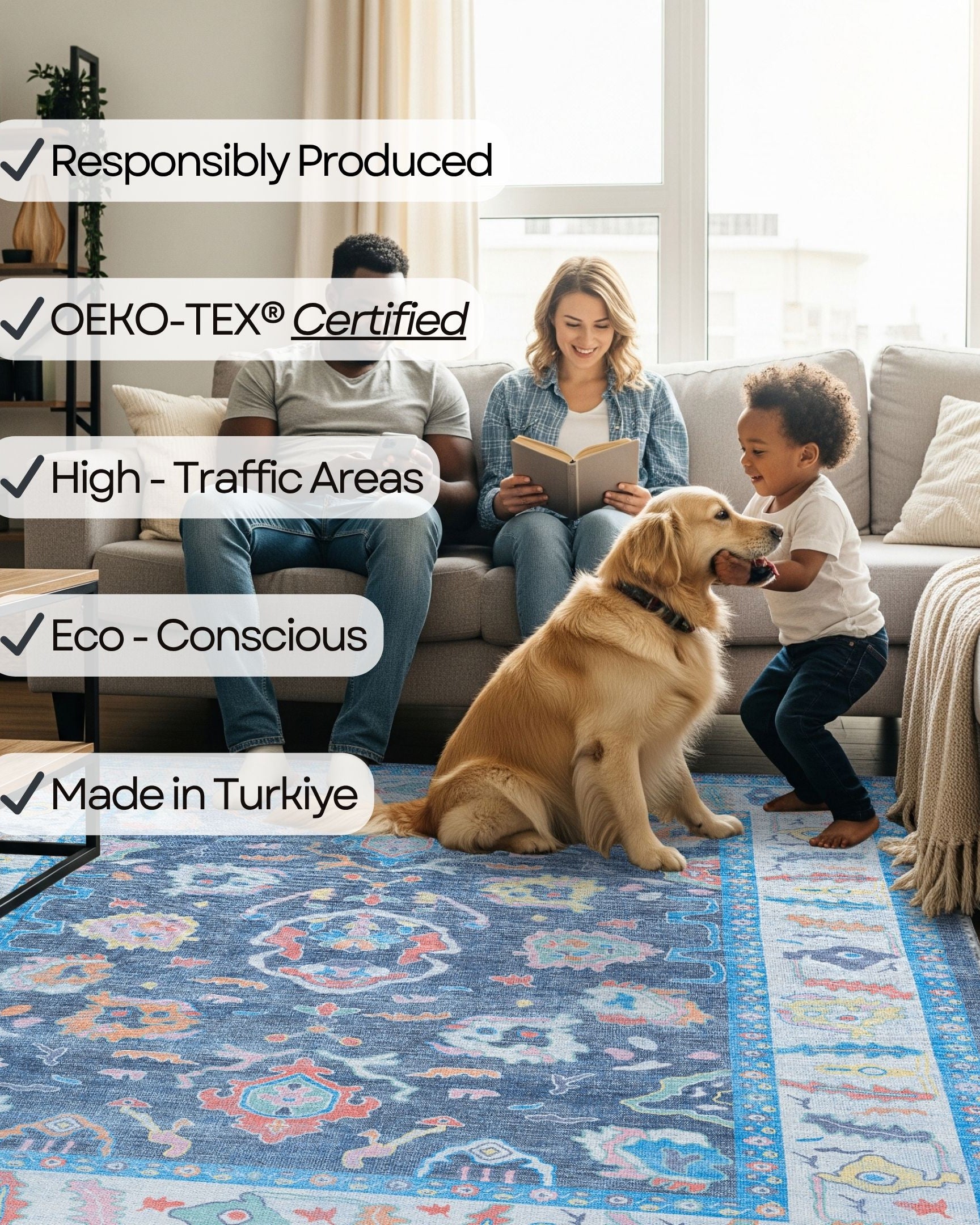
Because many handmade Turkish rugs are crafted with natural fibers and dyes, they are inherently eco-friendly. Choosing one means supporting traditional craftsmanship and sustainable production methods.
Care and Maintenance
To keep your Turkish rug looking its best:
- Vacuum regularly with a gentle setting.
- Rotate the rug to ensure even wear.
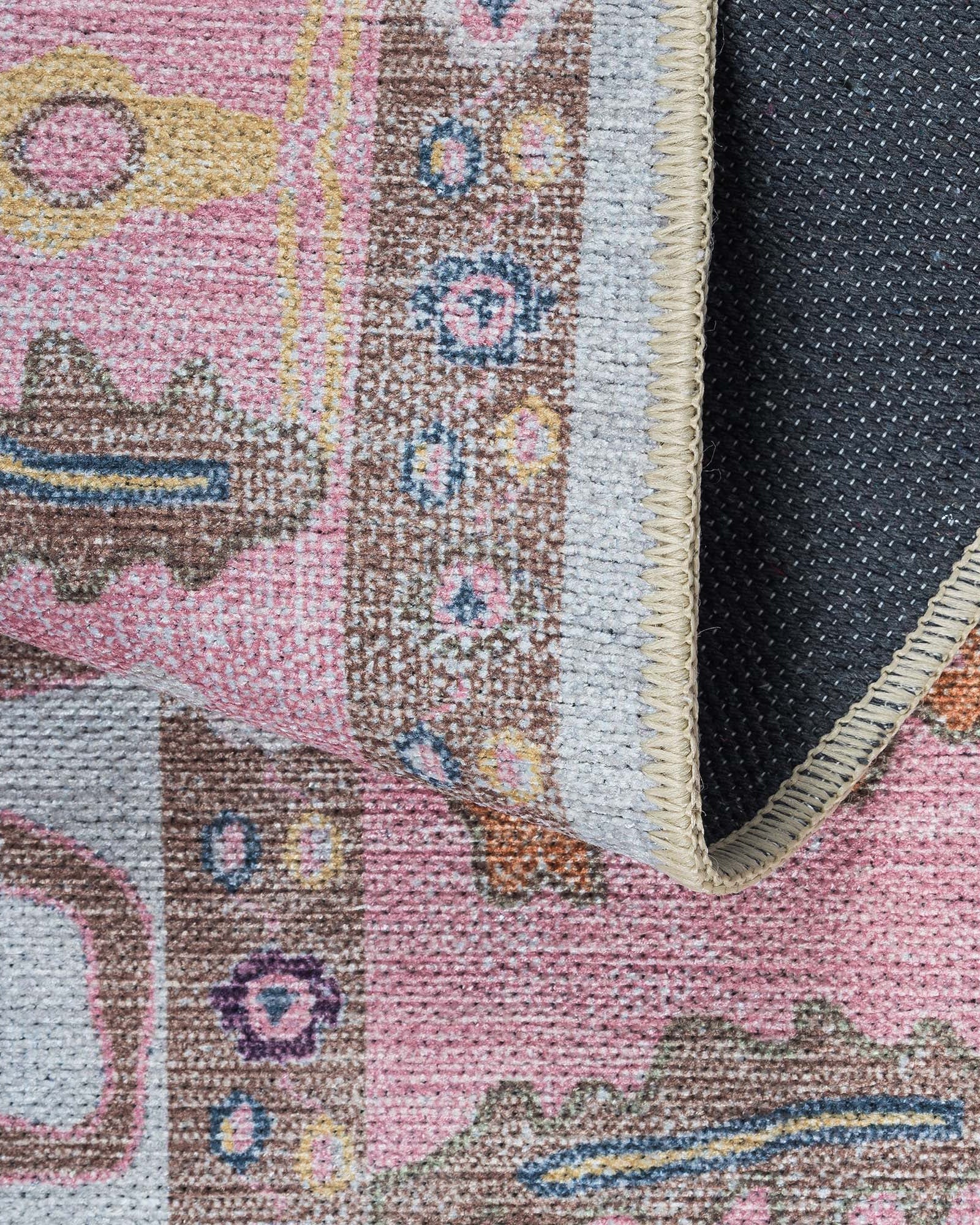
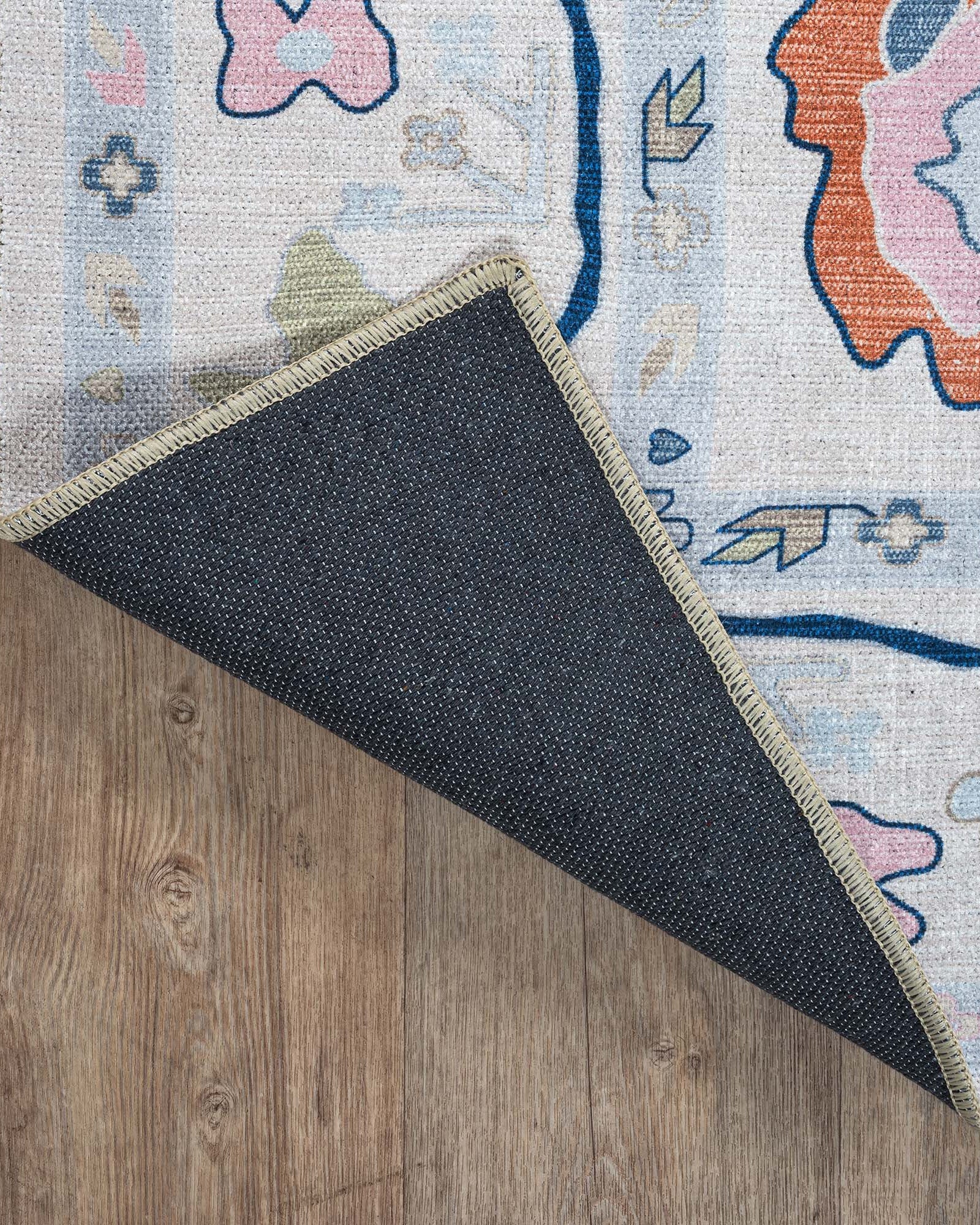
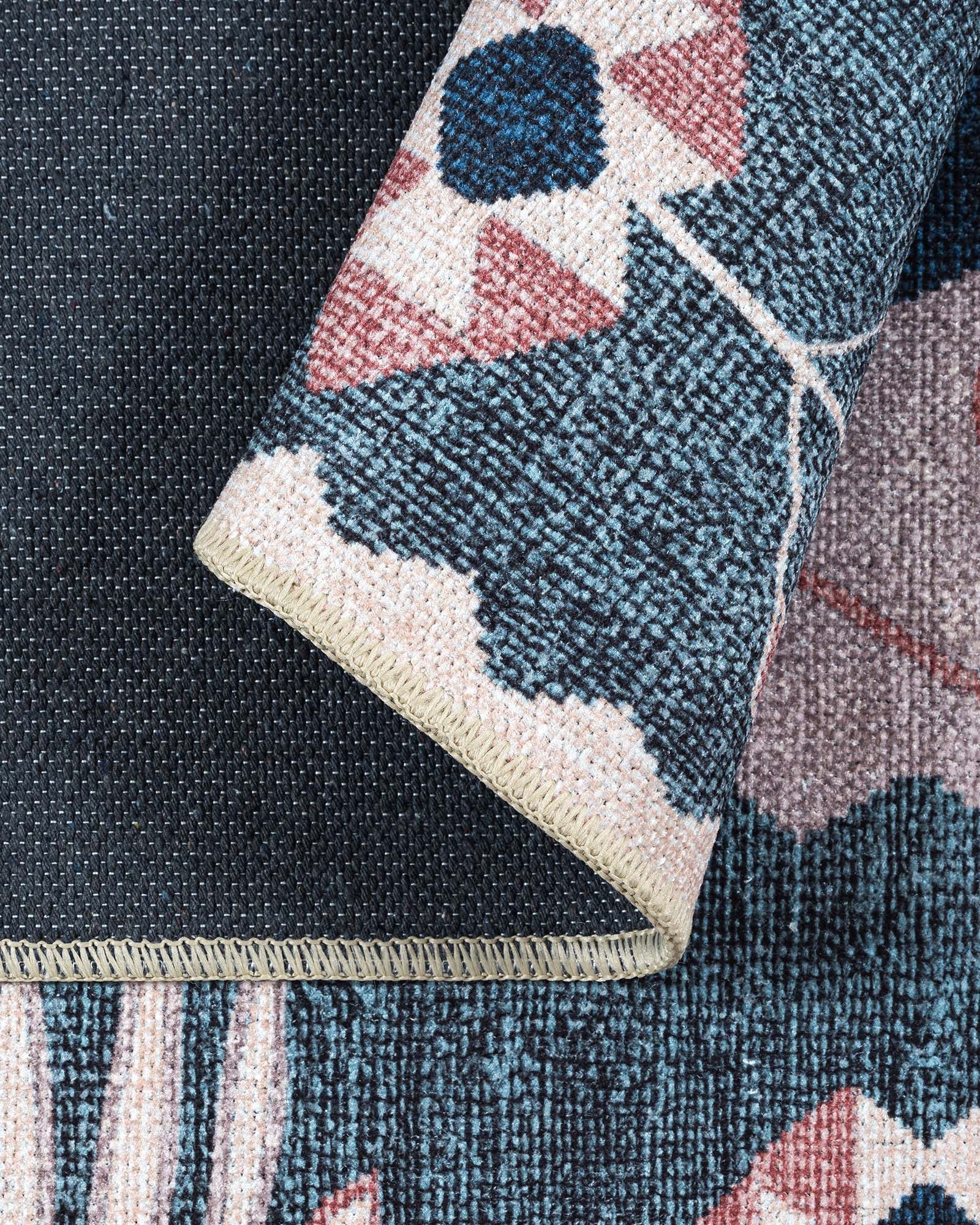
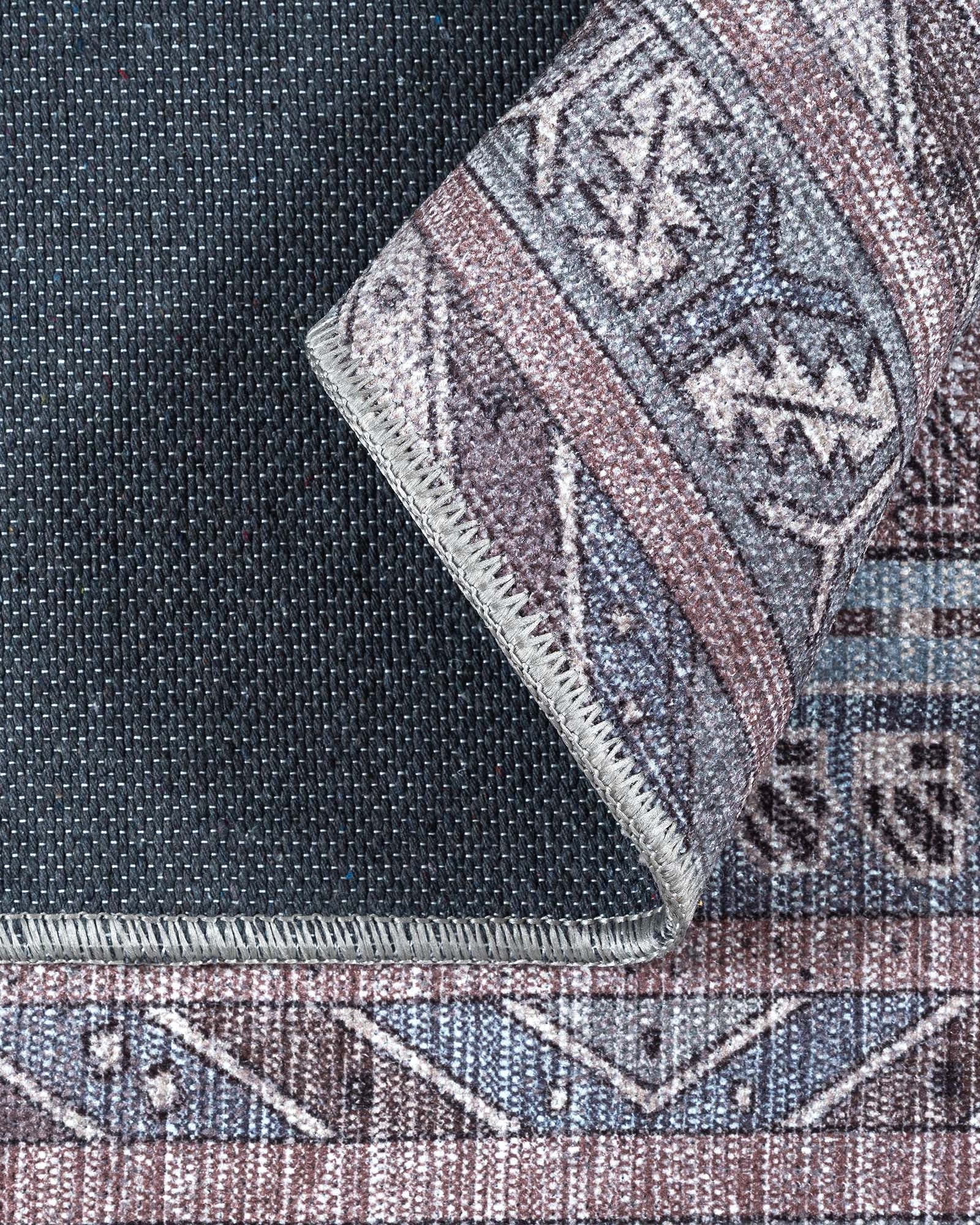
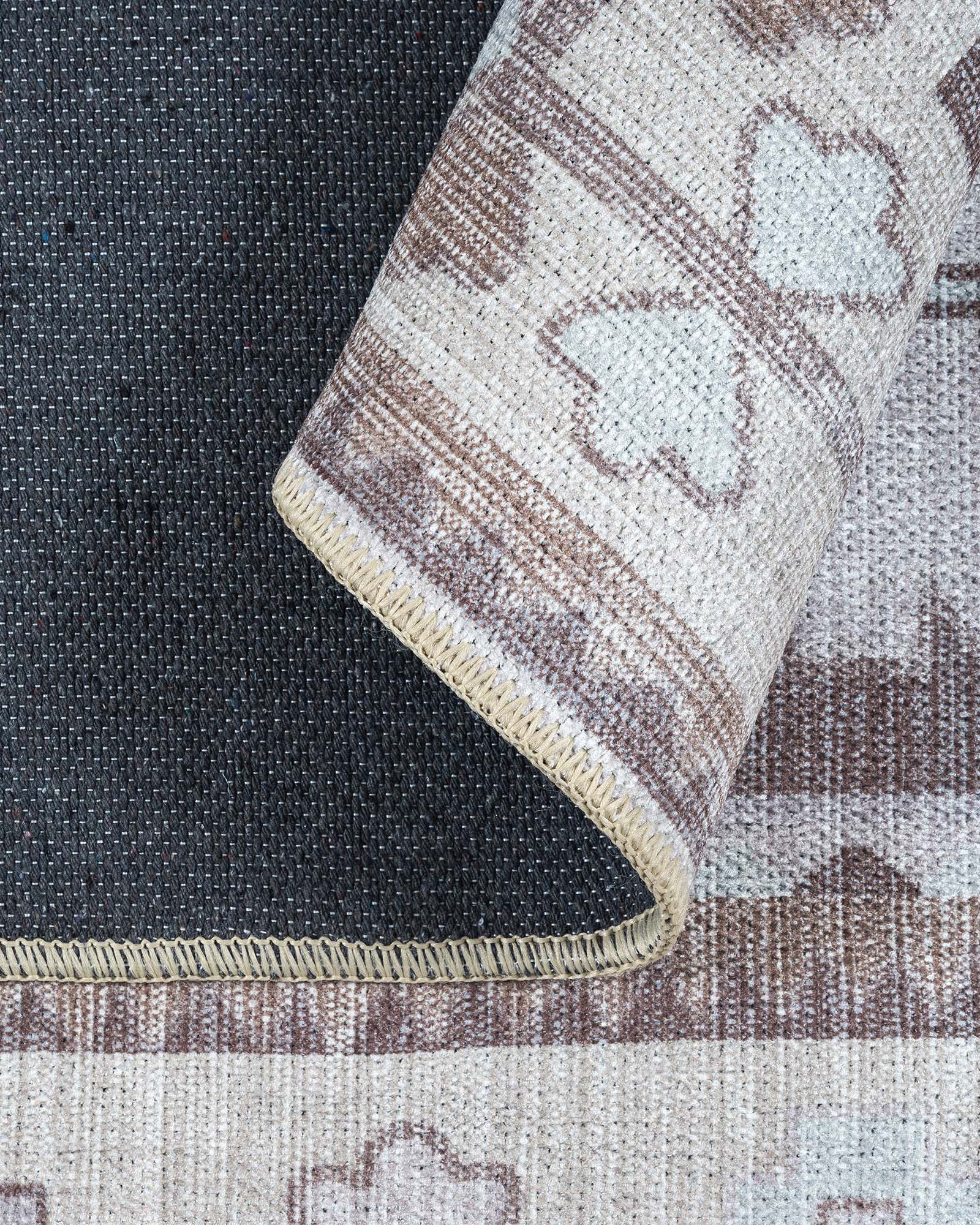
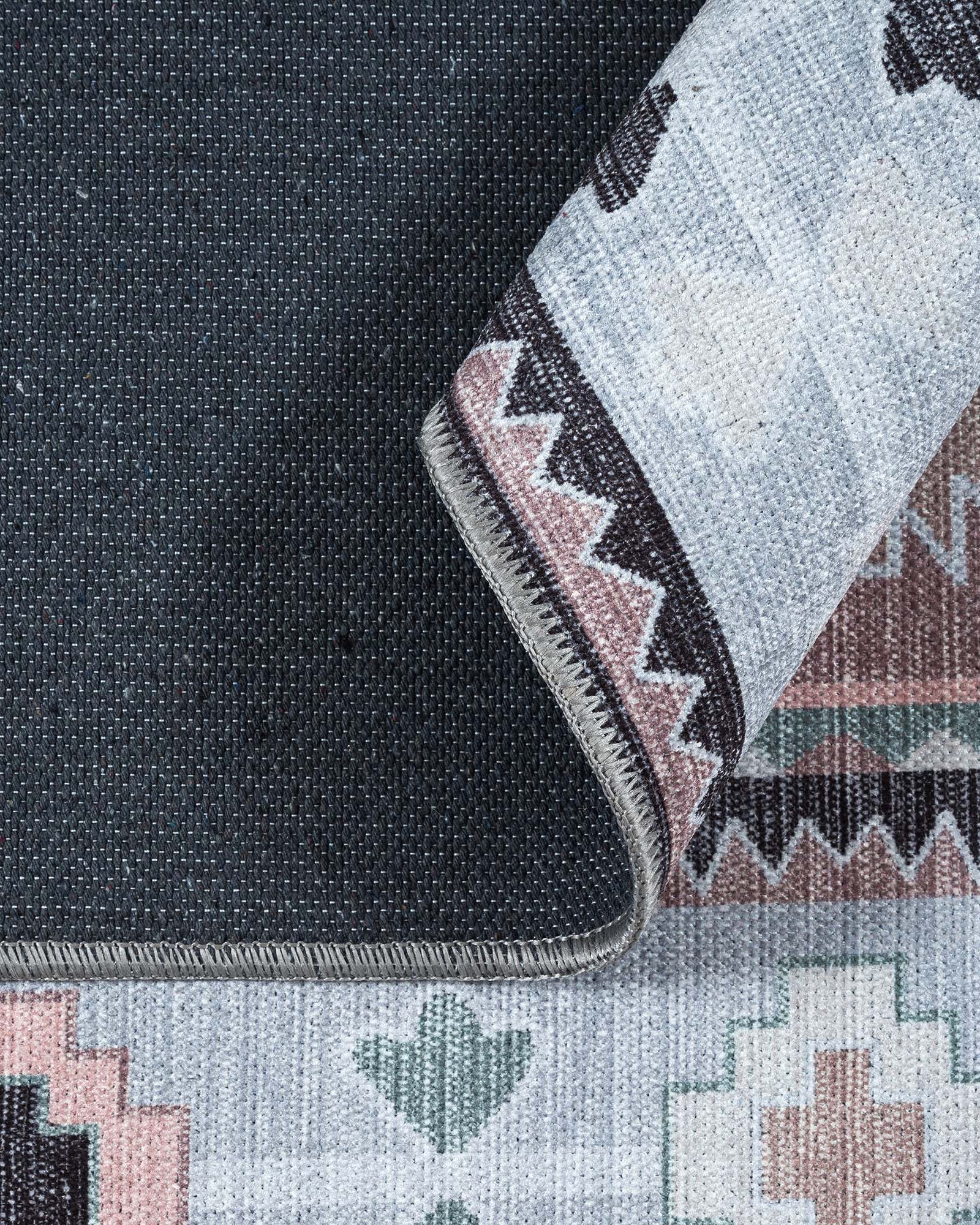
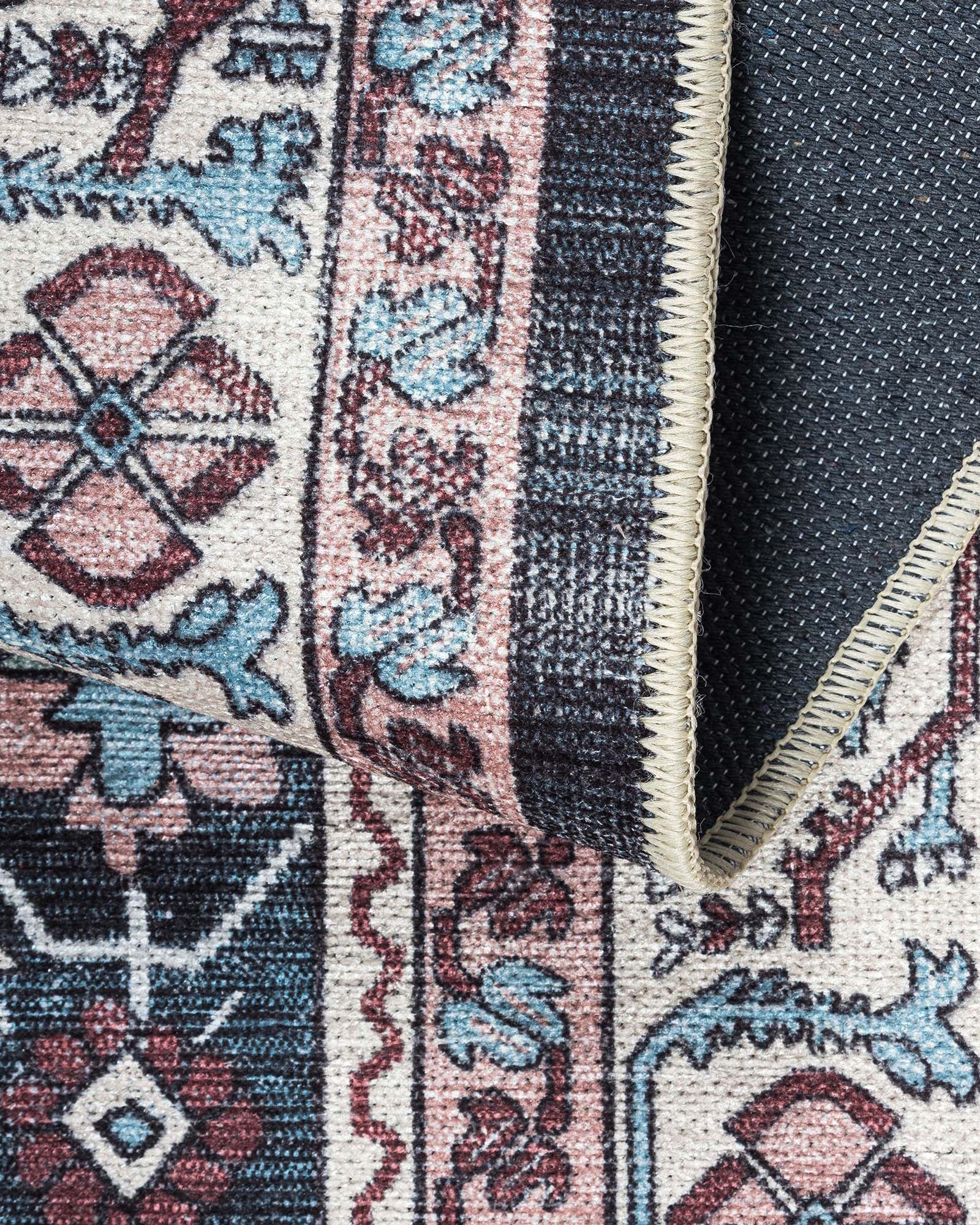
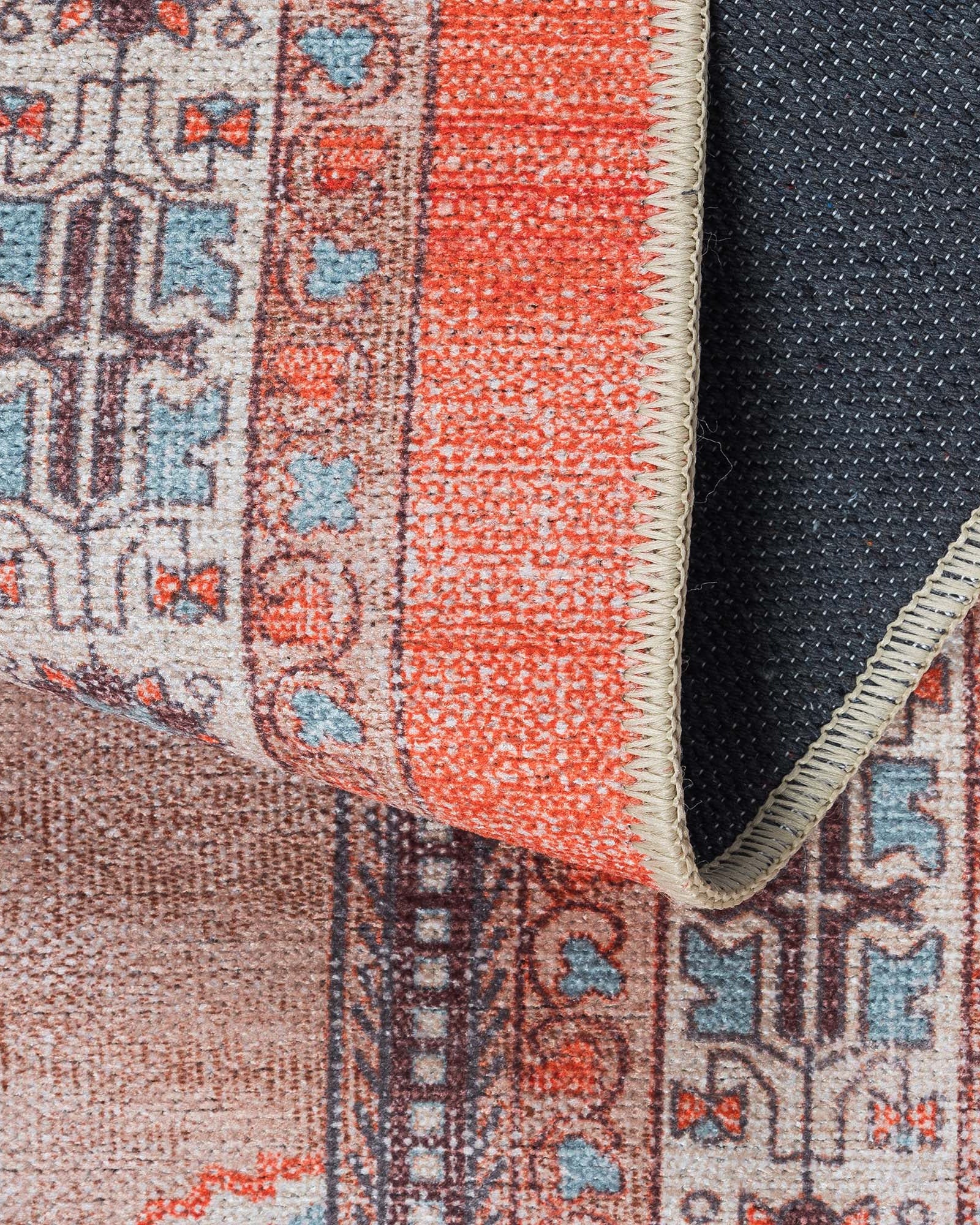
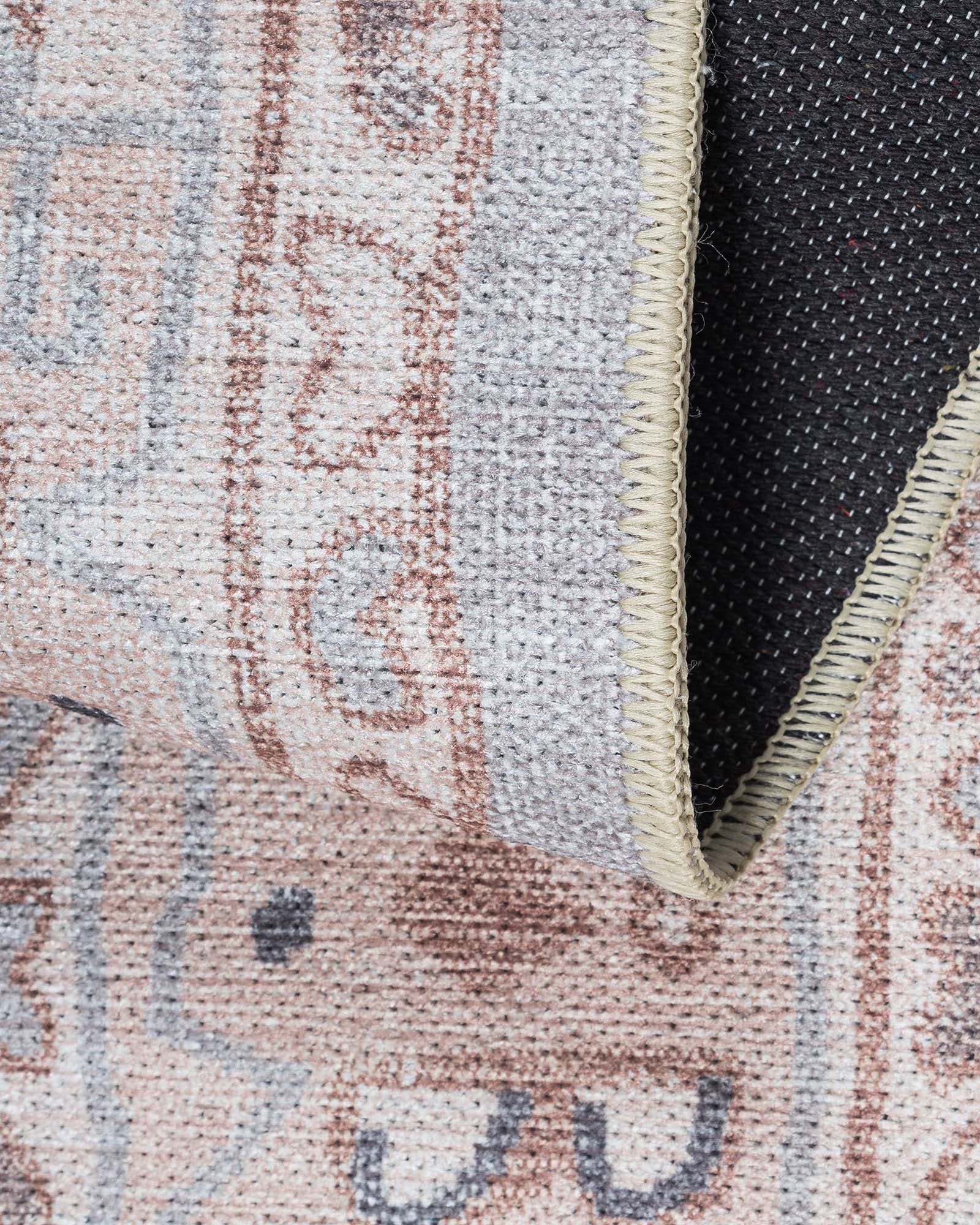
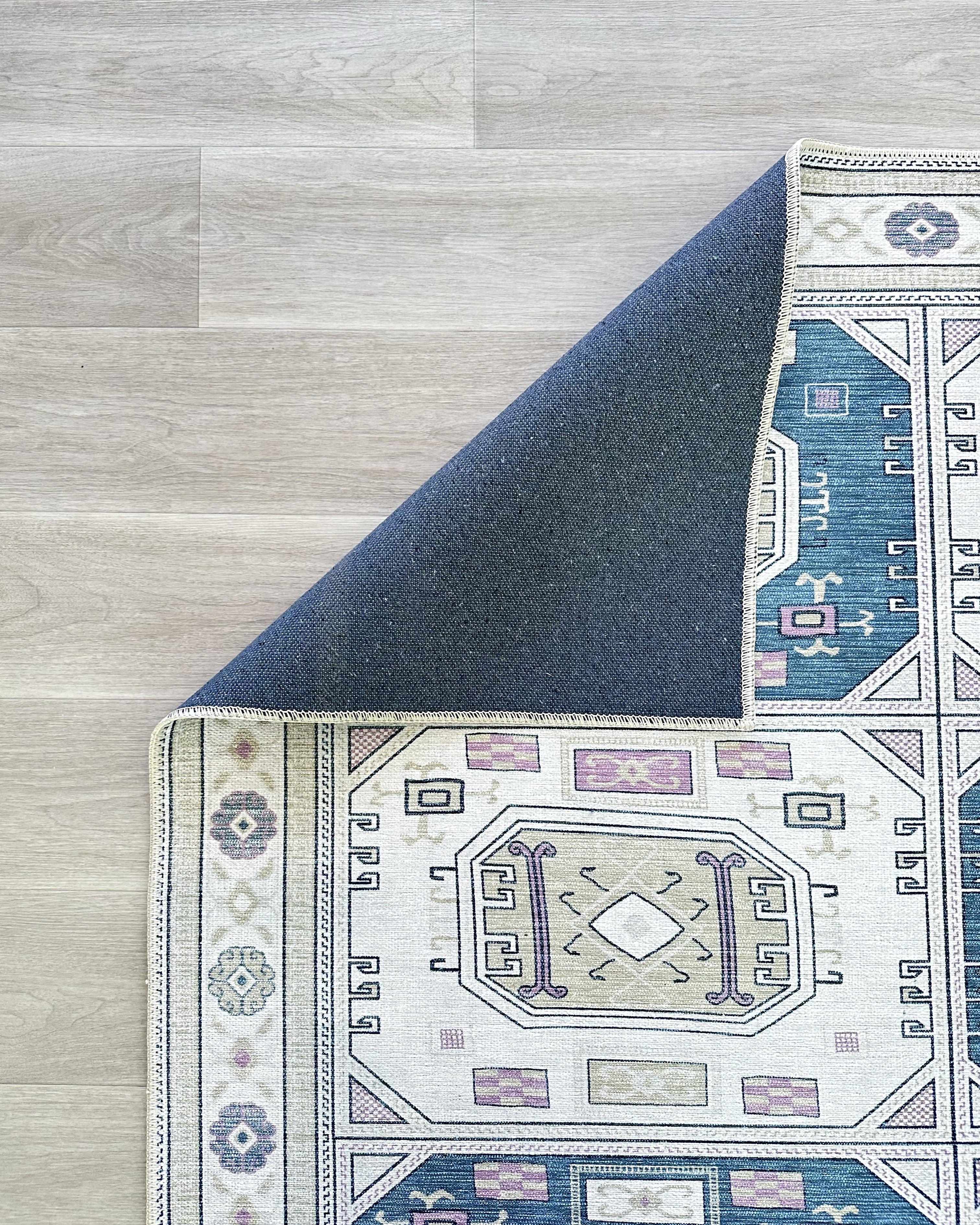
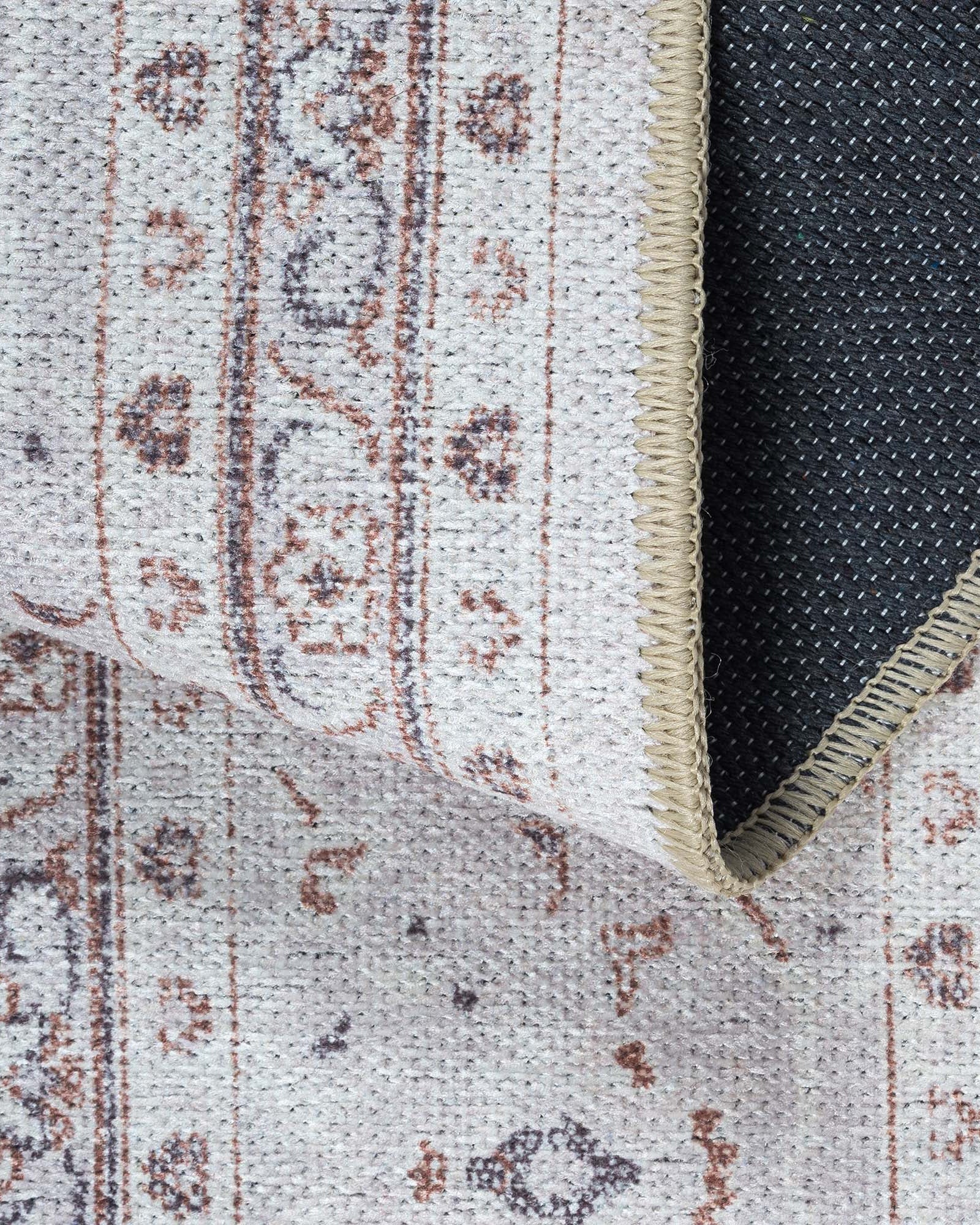
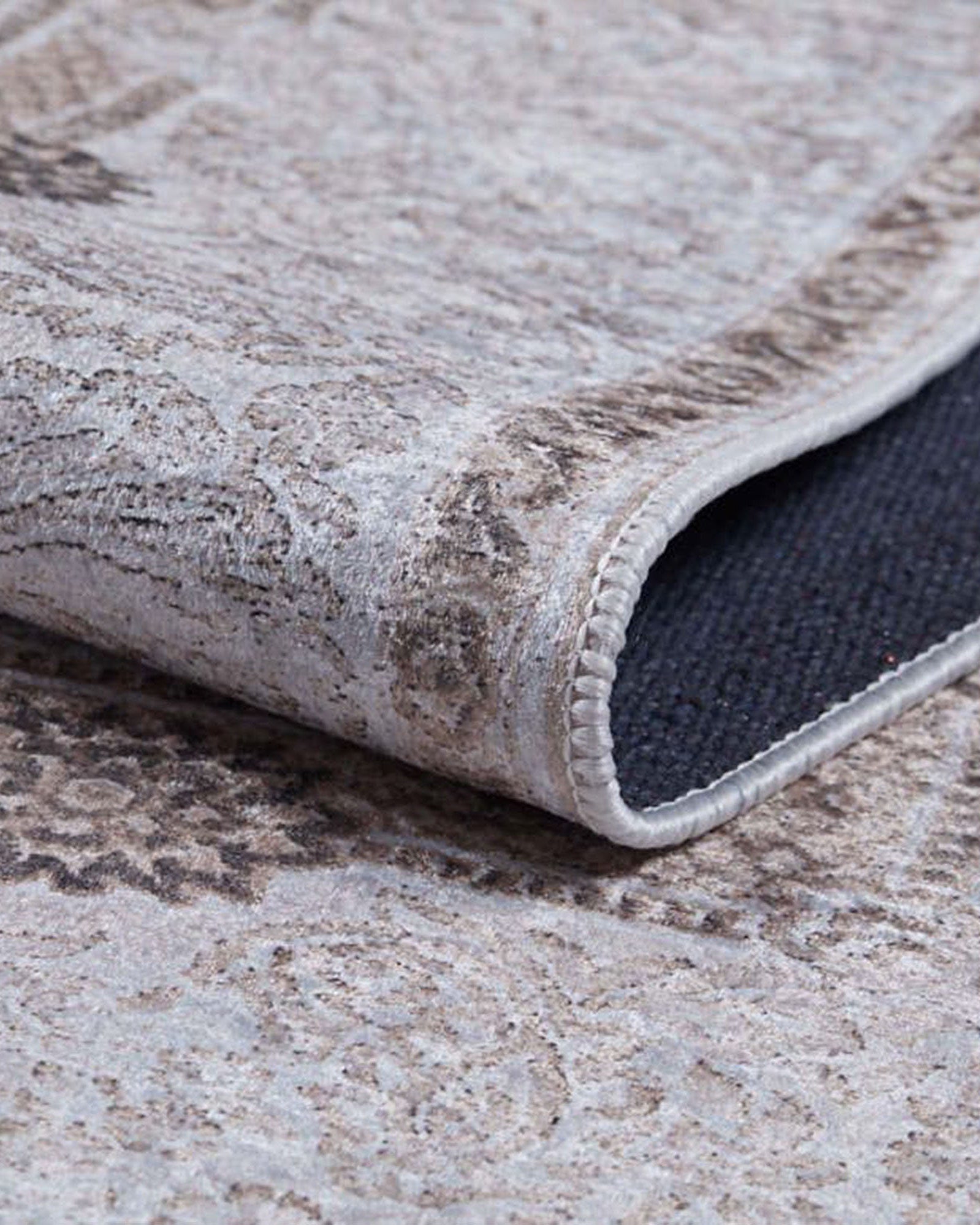
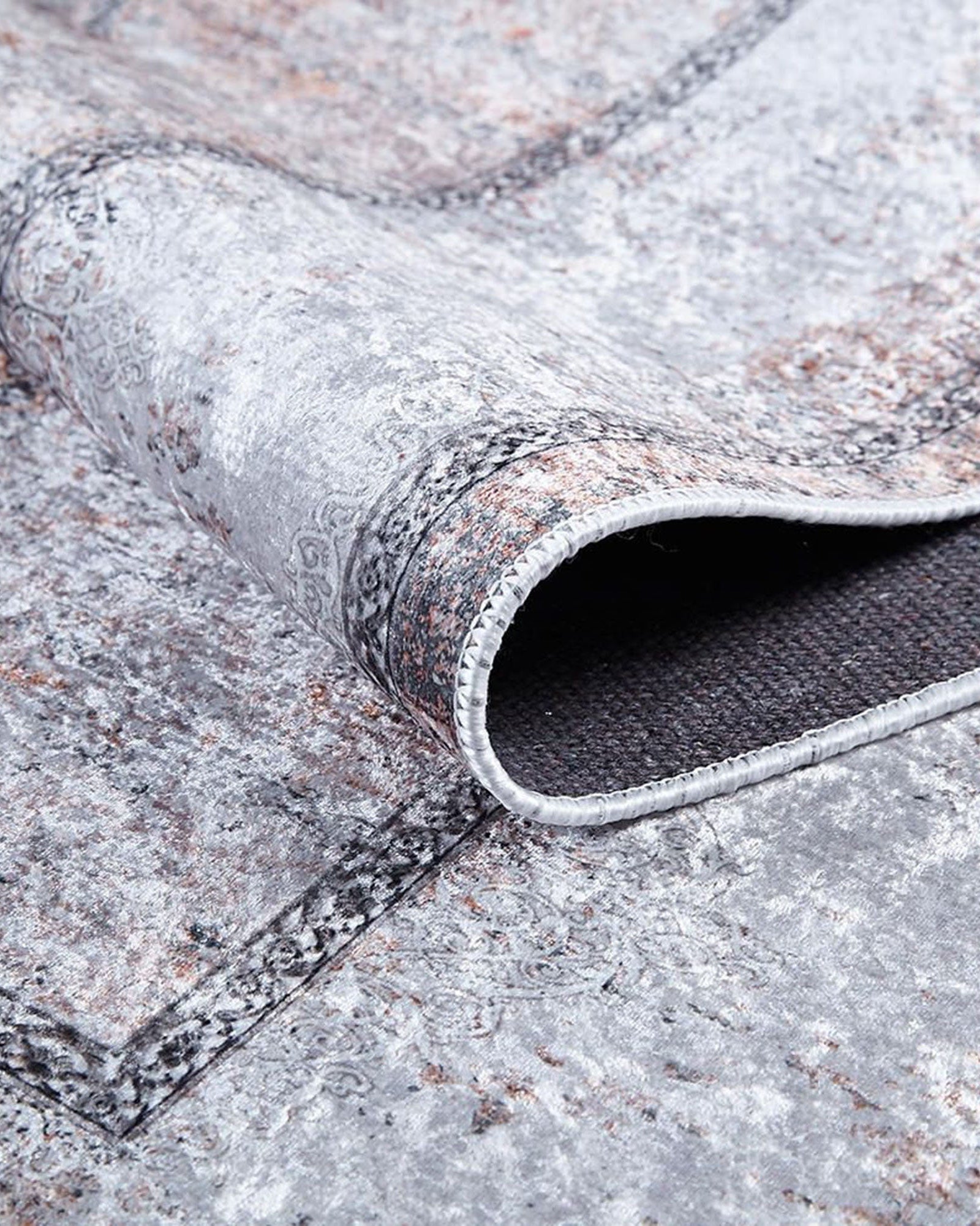
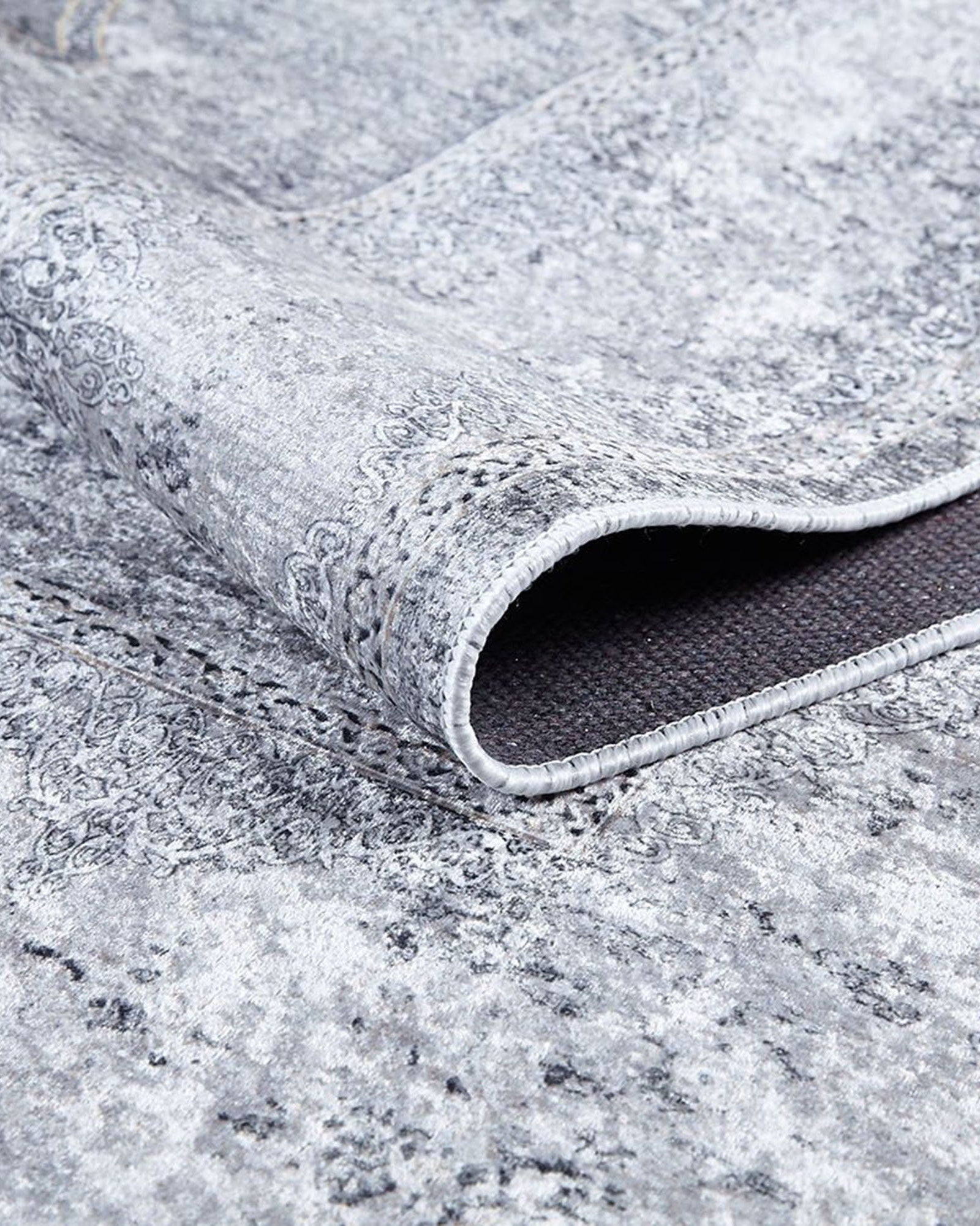
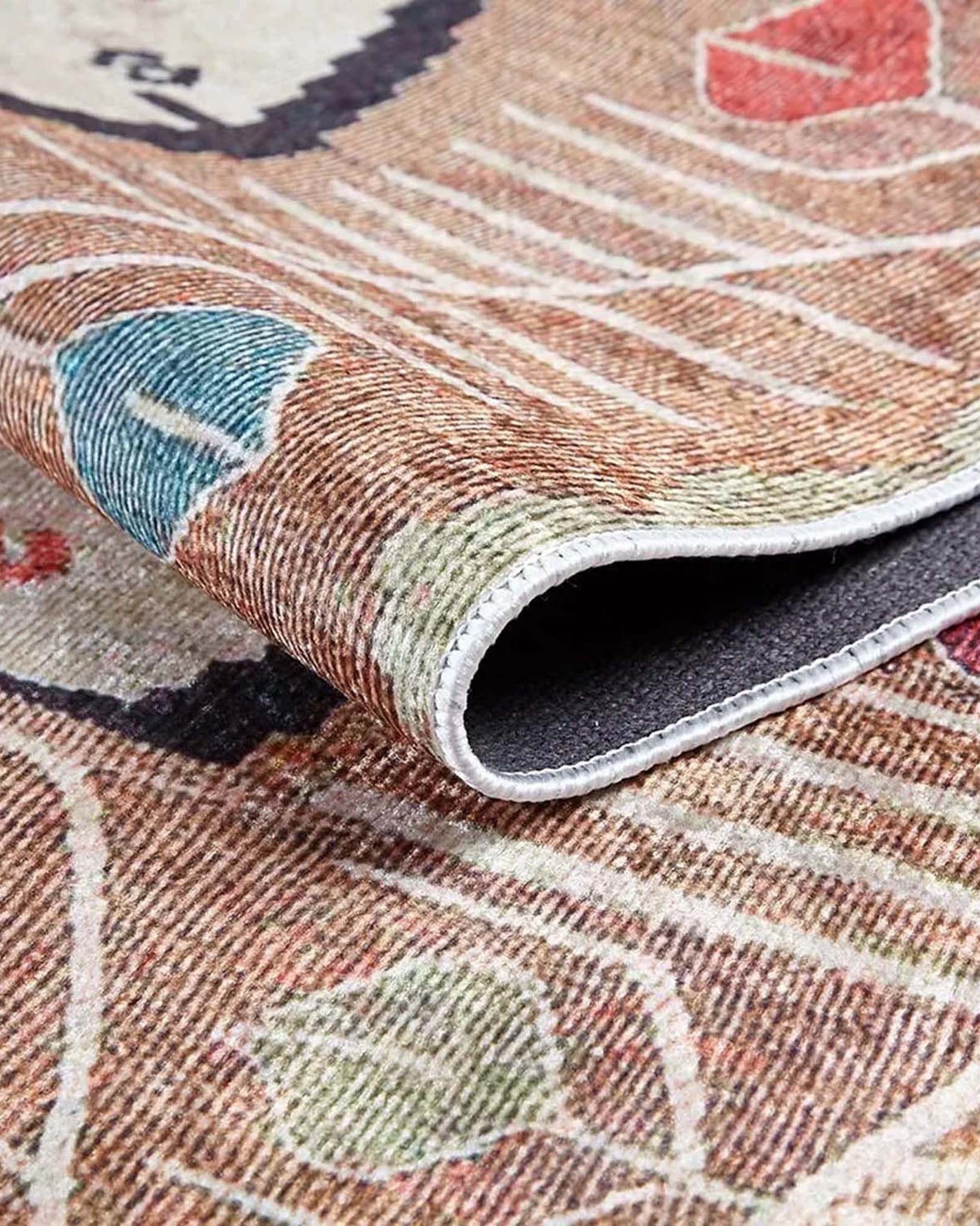
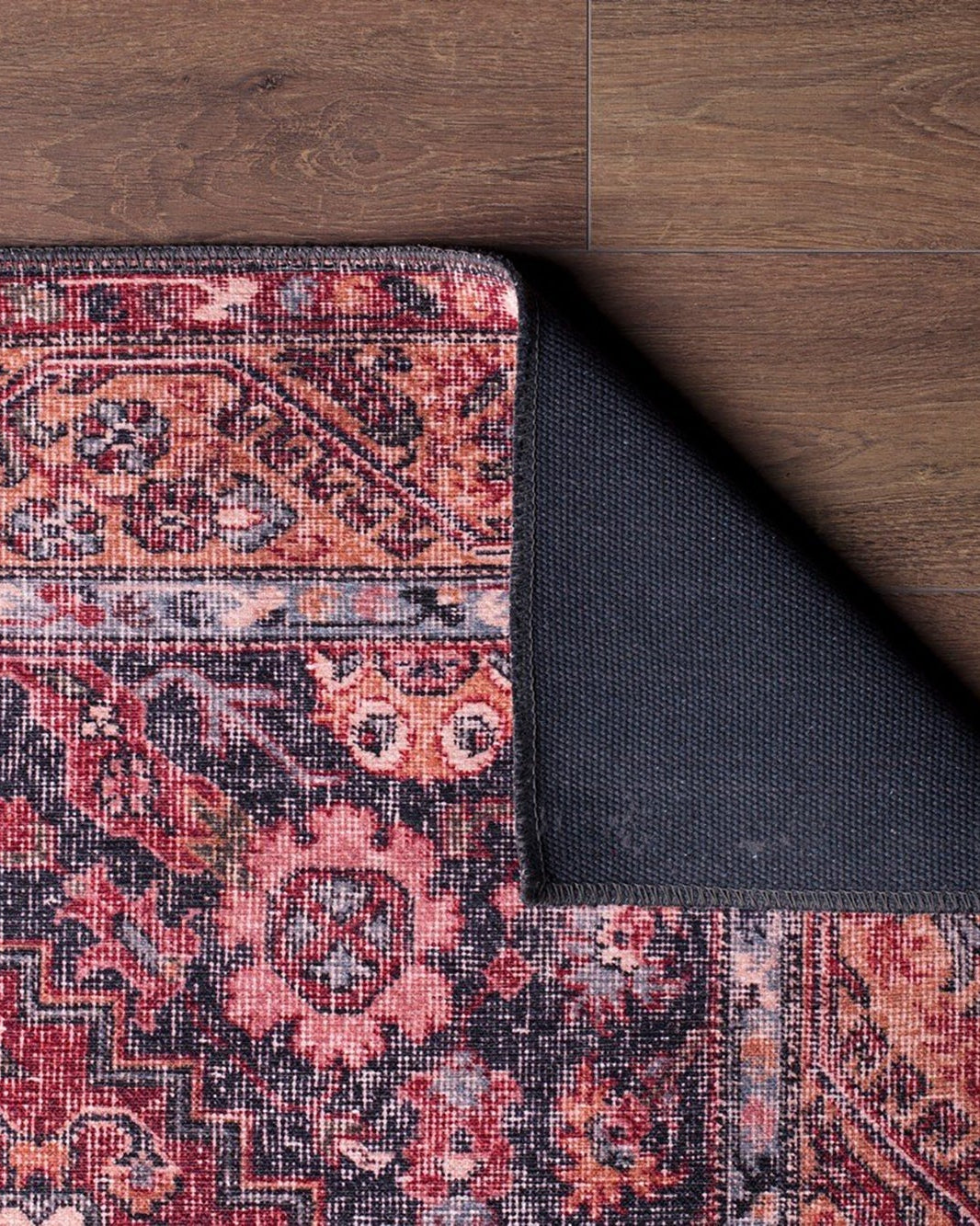
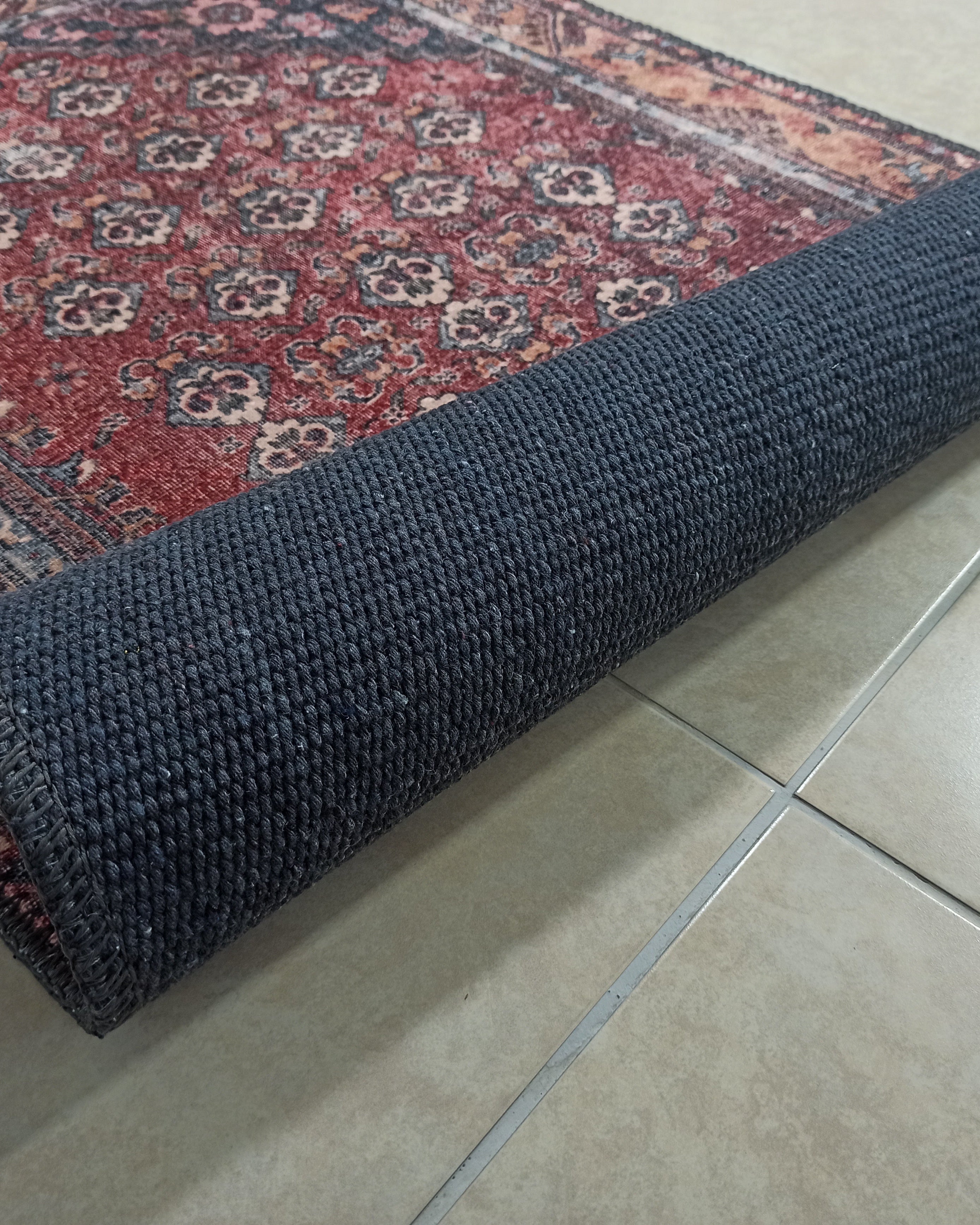
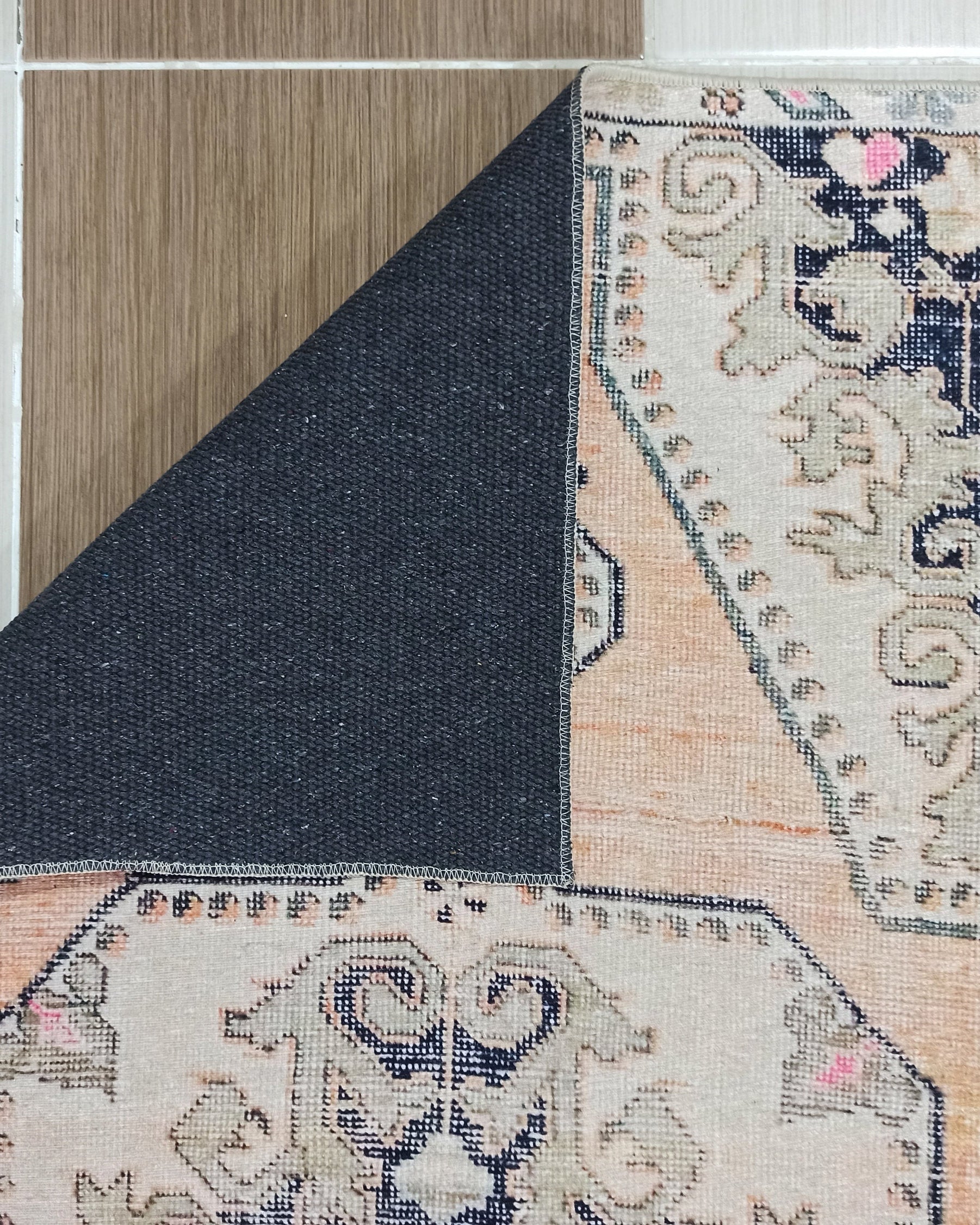
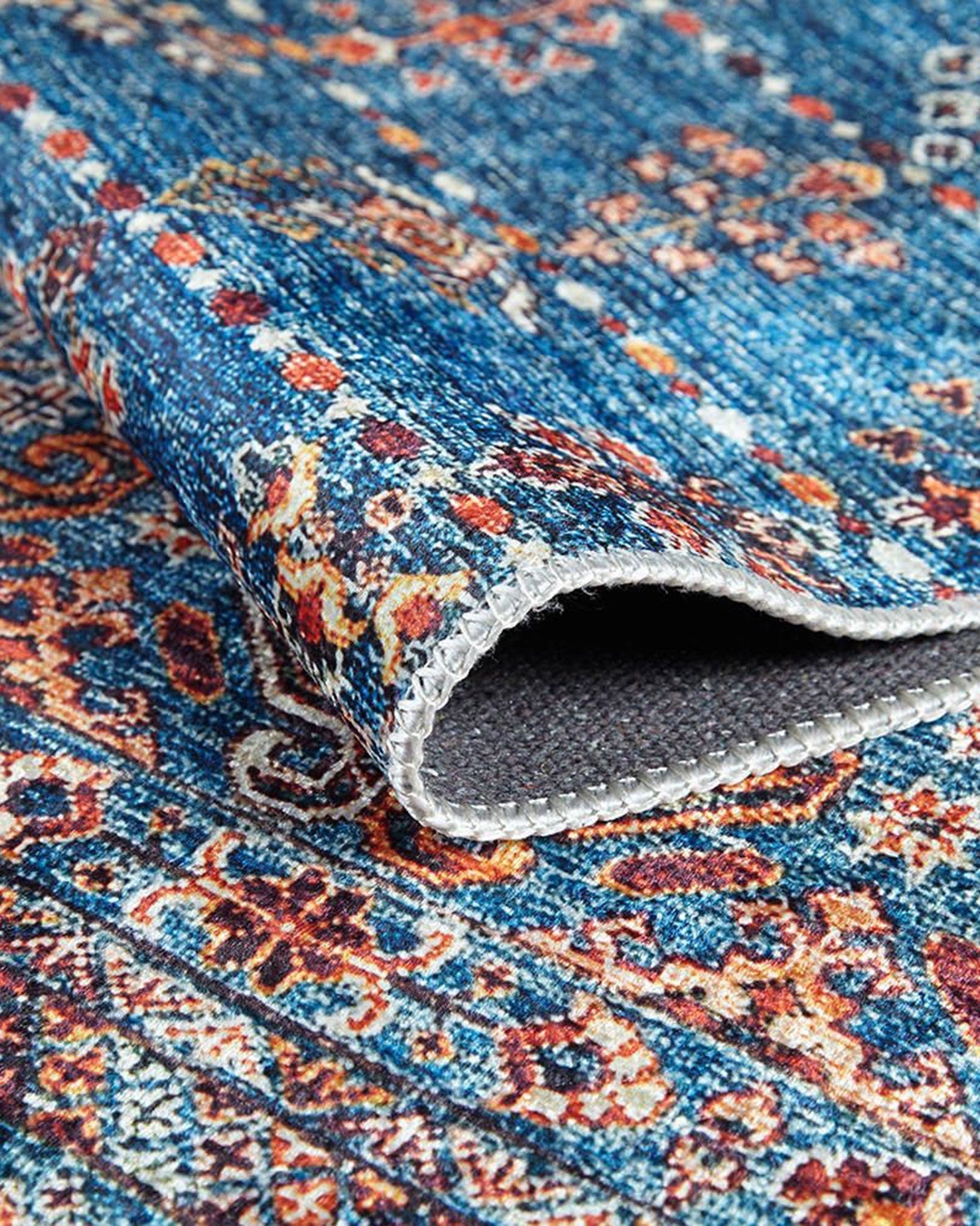
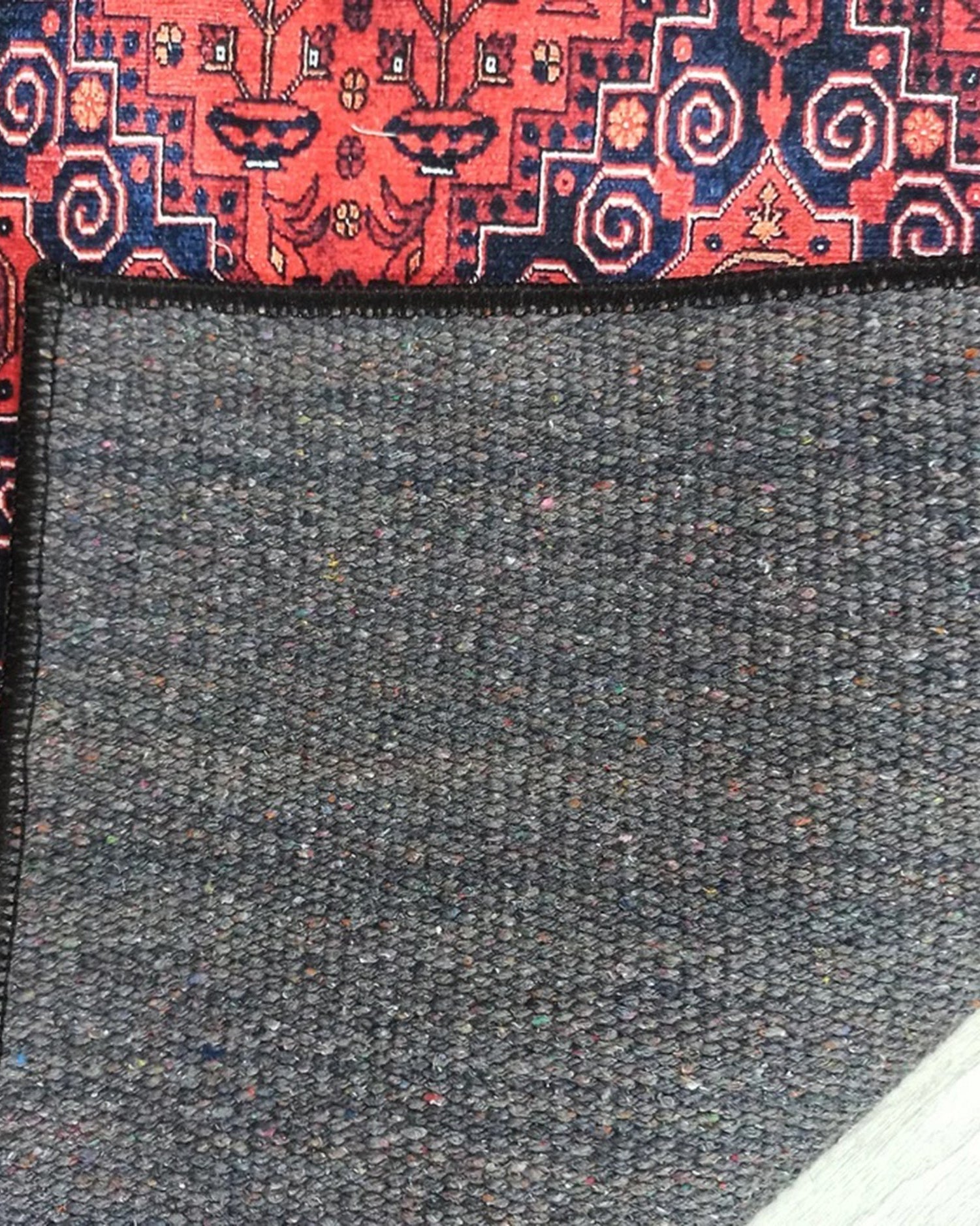
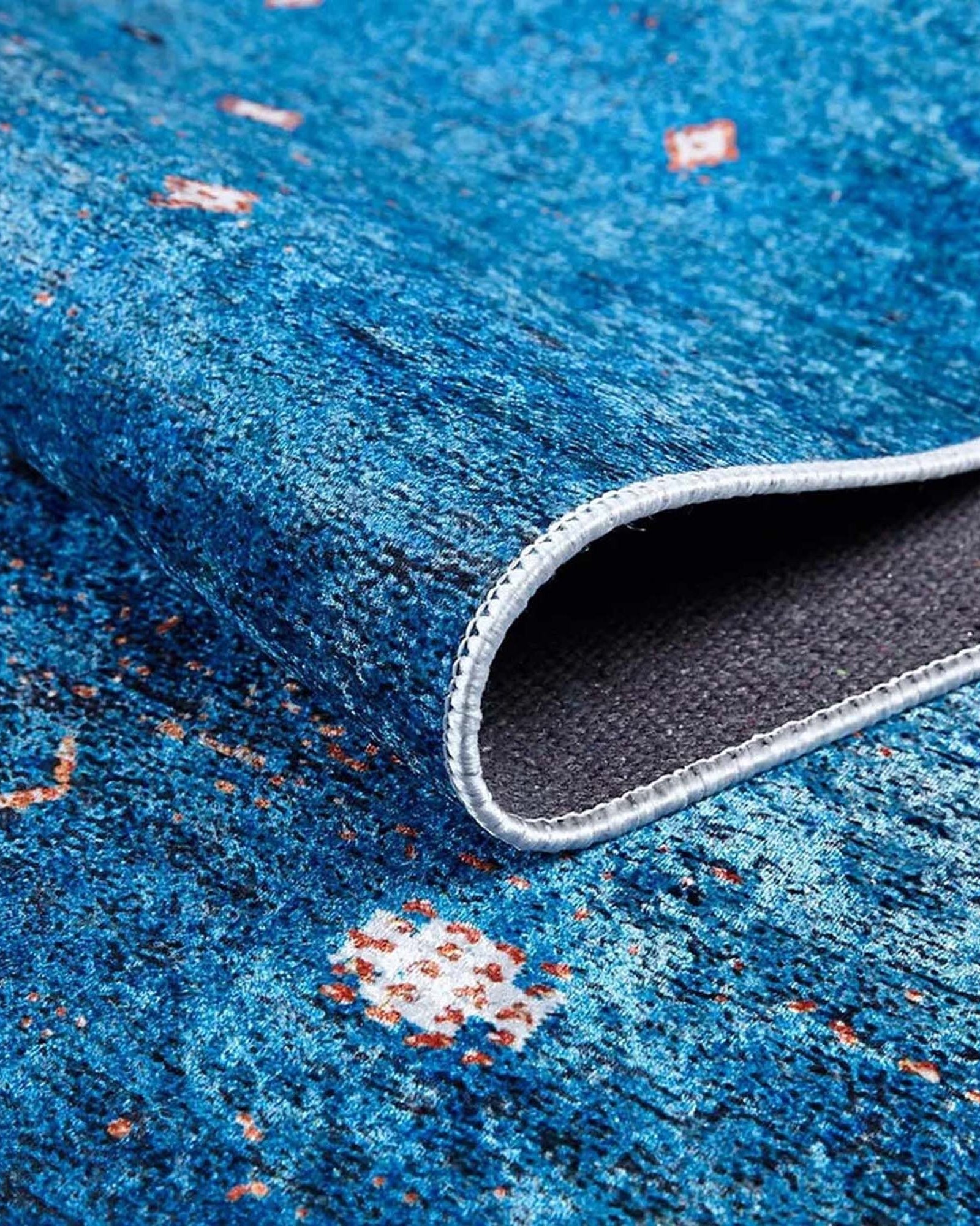
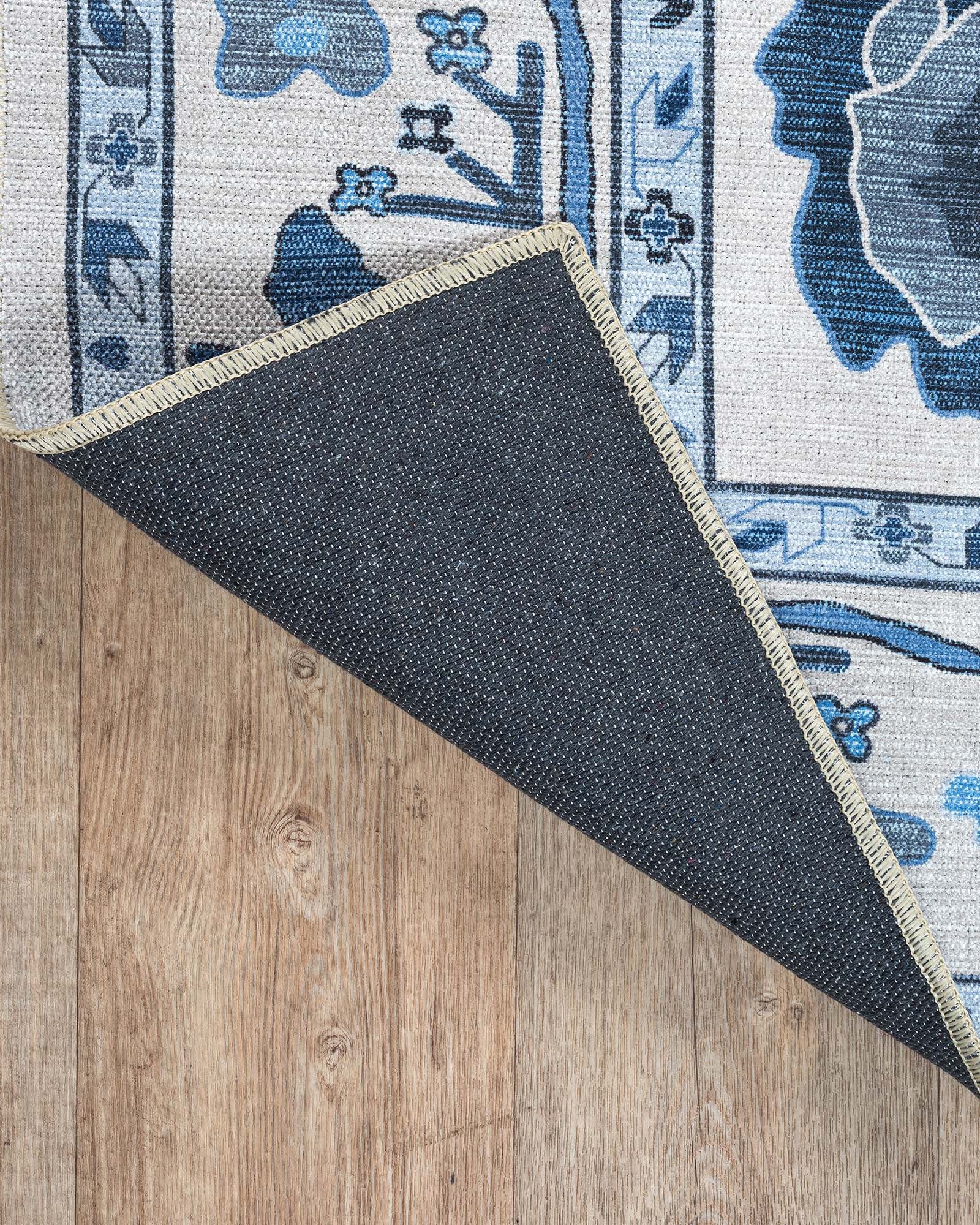
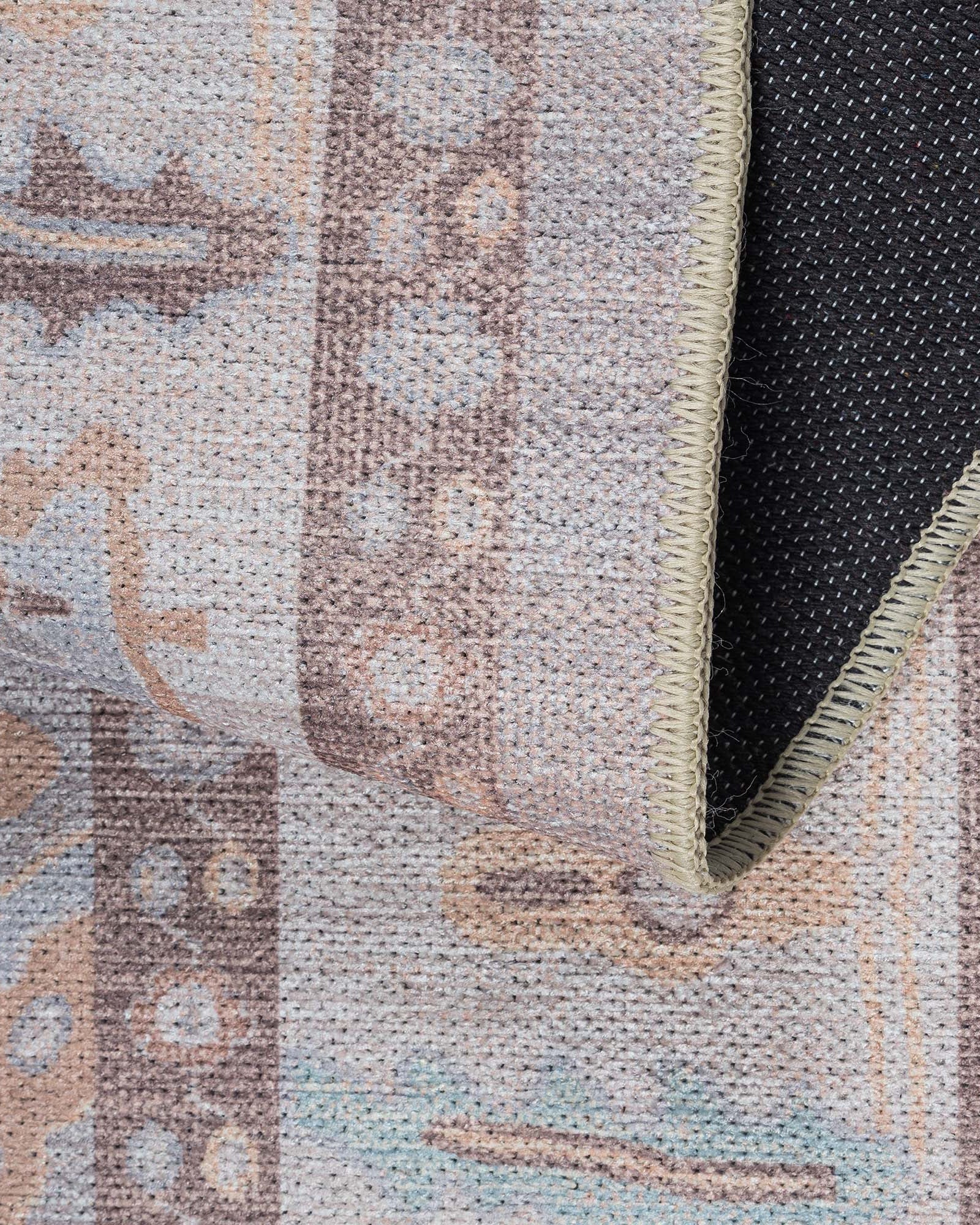
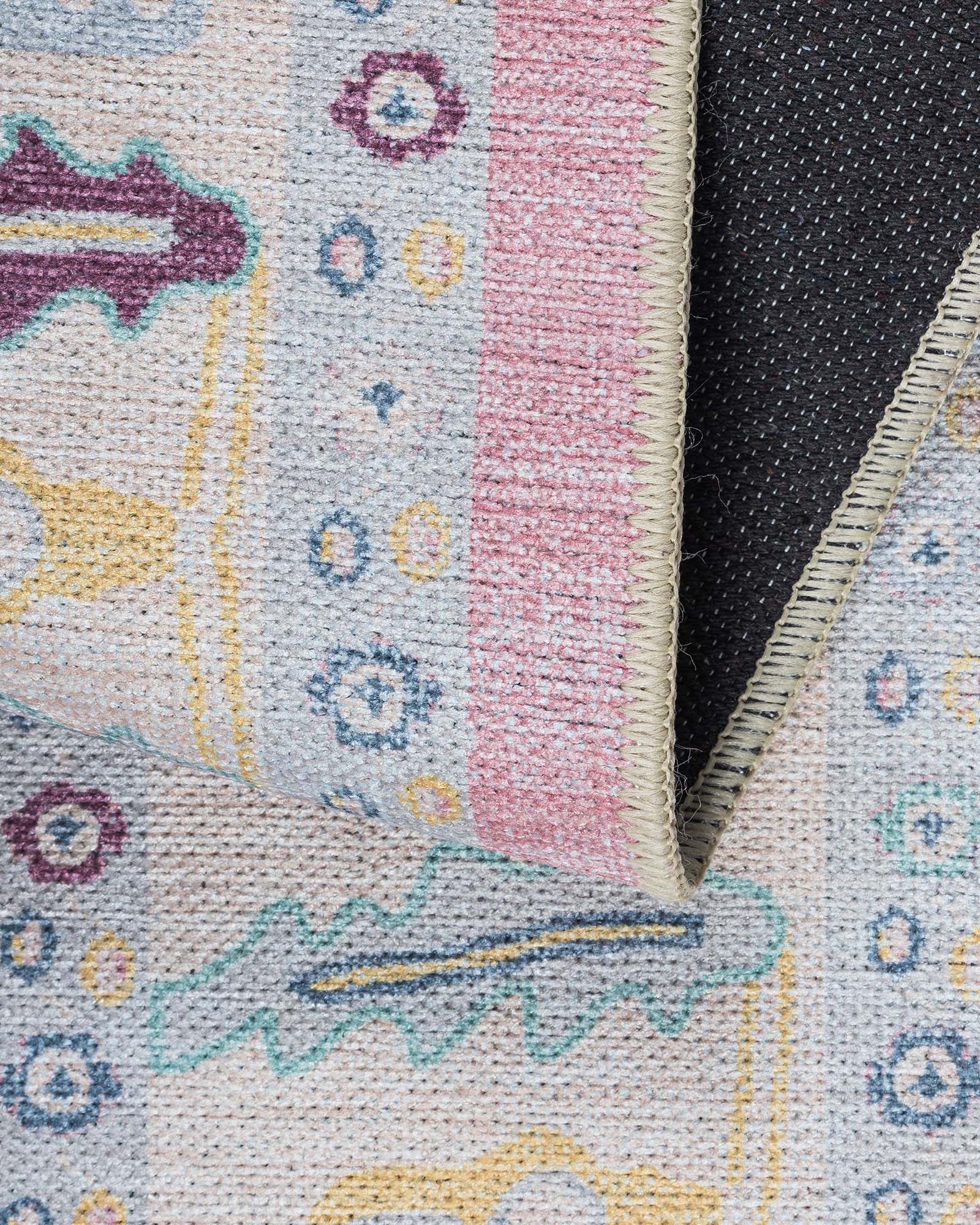
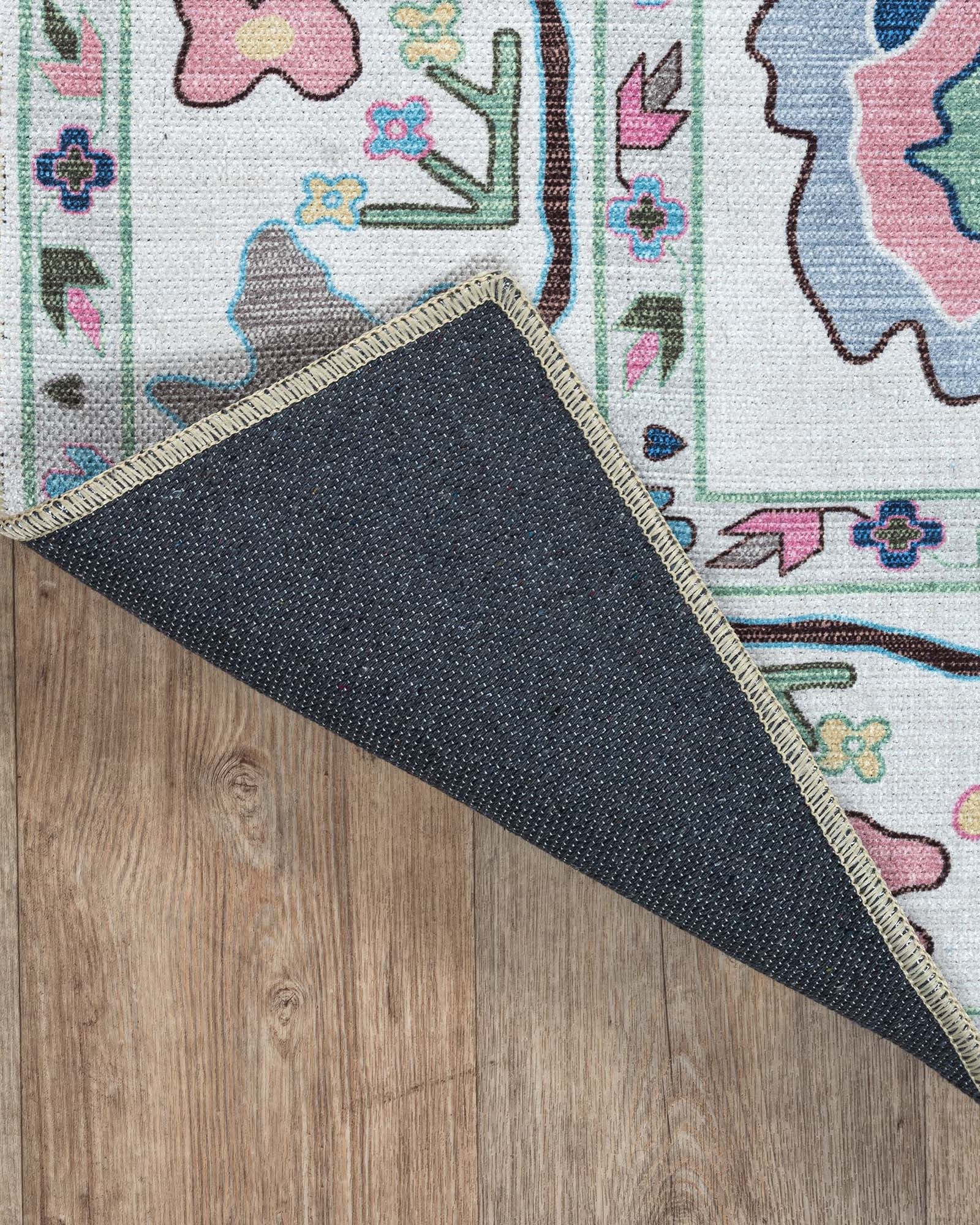
- Use a rug pad for protection and stability.
- Blot spills immediately to avoid staining.
- Professional cleaning is recommended for antique and delicate pieces.
Investment Value
Authentic Turkish rugs are not only decorative but also valuable assets. Vintage and antique rugs can appreciate in value over time, making them both a design statement and a financial investment. Collectors and interior designers often seek out rare Turkish rugs for their uniqueness and historical importance.
Why Buy Turkish Rugs from Us
At Fame Rugs, we source and curate the finest Turkish rugs that combine heritage with modern living. Our collection includes vintage Turkish rugs, kilims, Oushak rugs, and runner rugs, each chosen for quality, authenticity, and timeless style. Whether you’re searching for a centerpiece or an accent piece, our rugs offer elegance and durability that last for years.
Final Thoughts
Turkish rugs represent more than just floor coverings — they are pieces of history, art, and culture woven into every knot. From their origins in Anatolia to their place in modern homes today, these rugs continue to inspire and transform interiors worldwide. By choosing a Turkish rug, you bring centuries of tradition, beauty, and craftsmanship into your home.