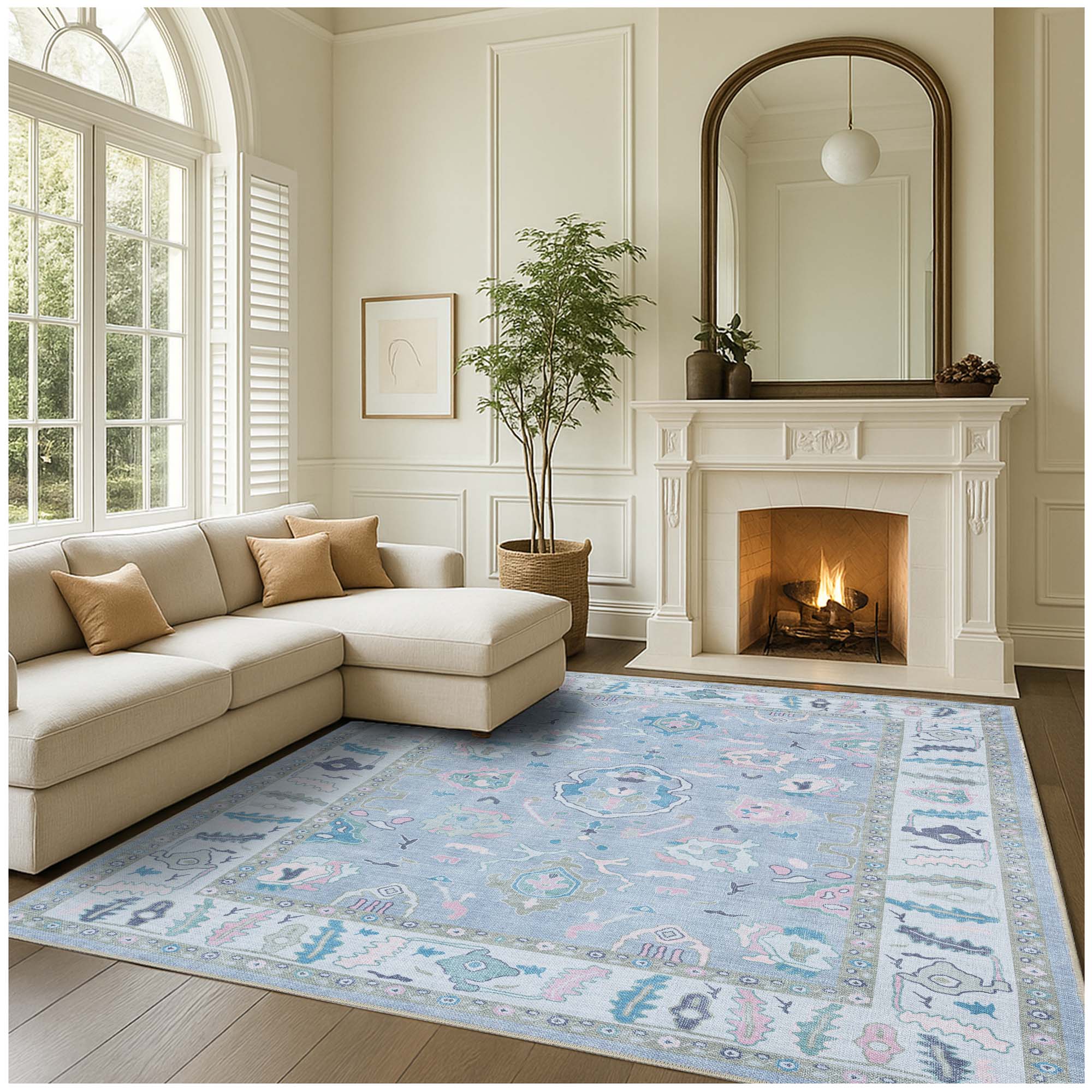
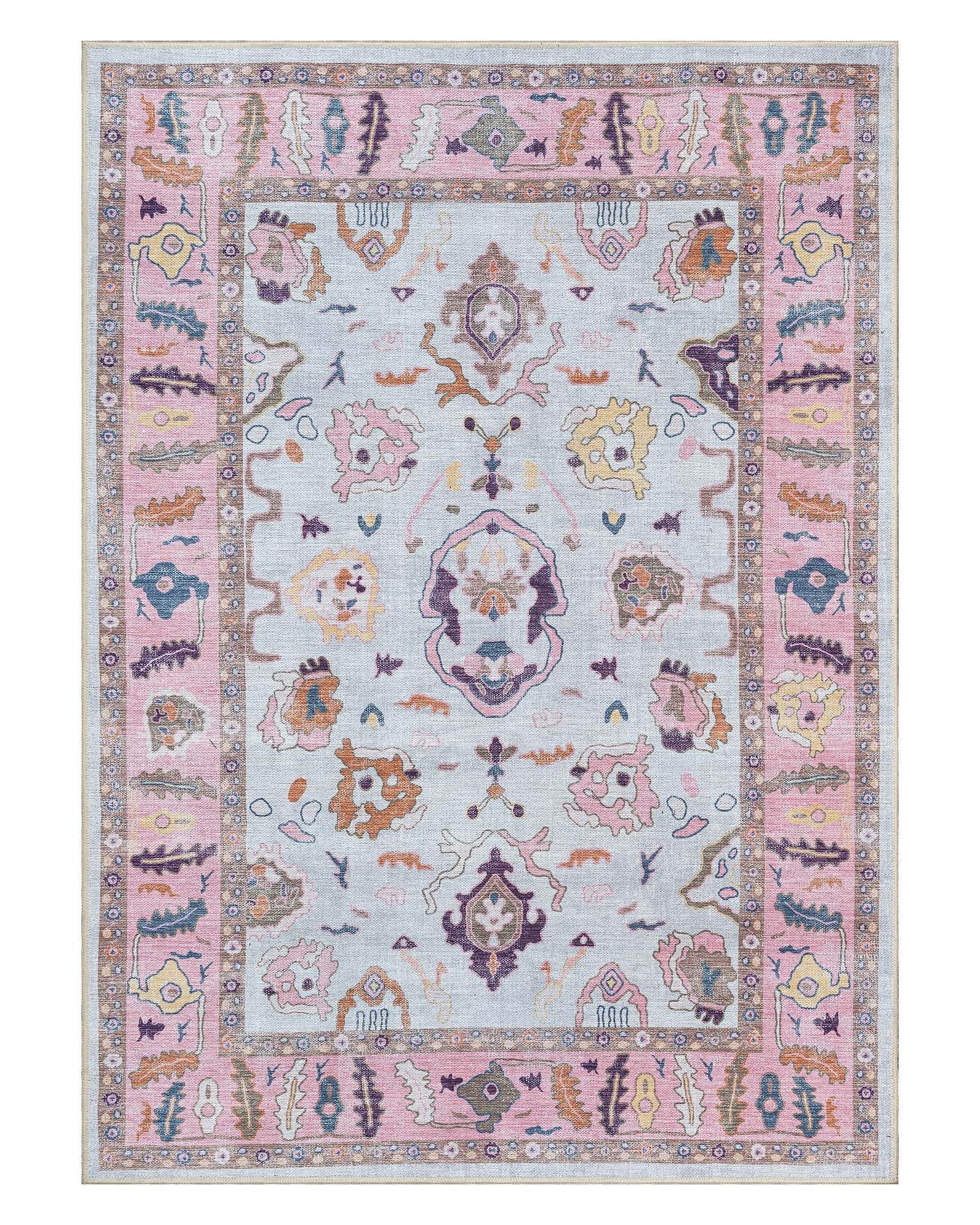
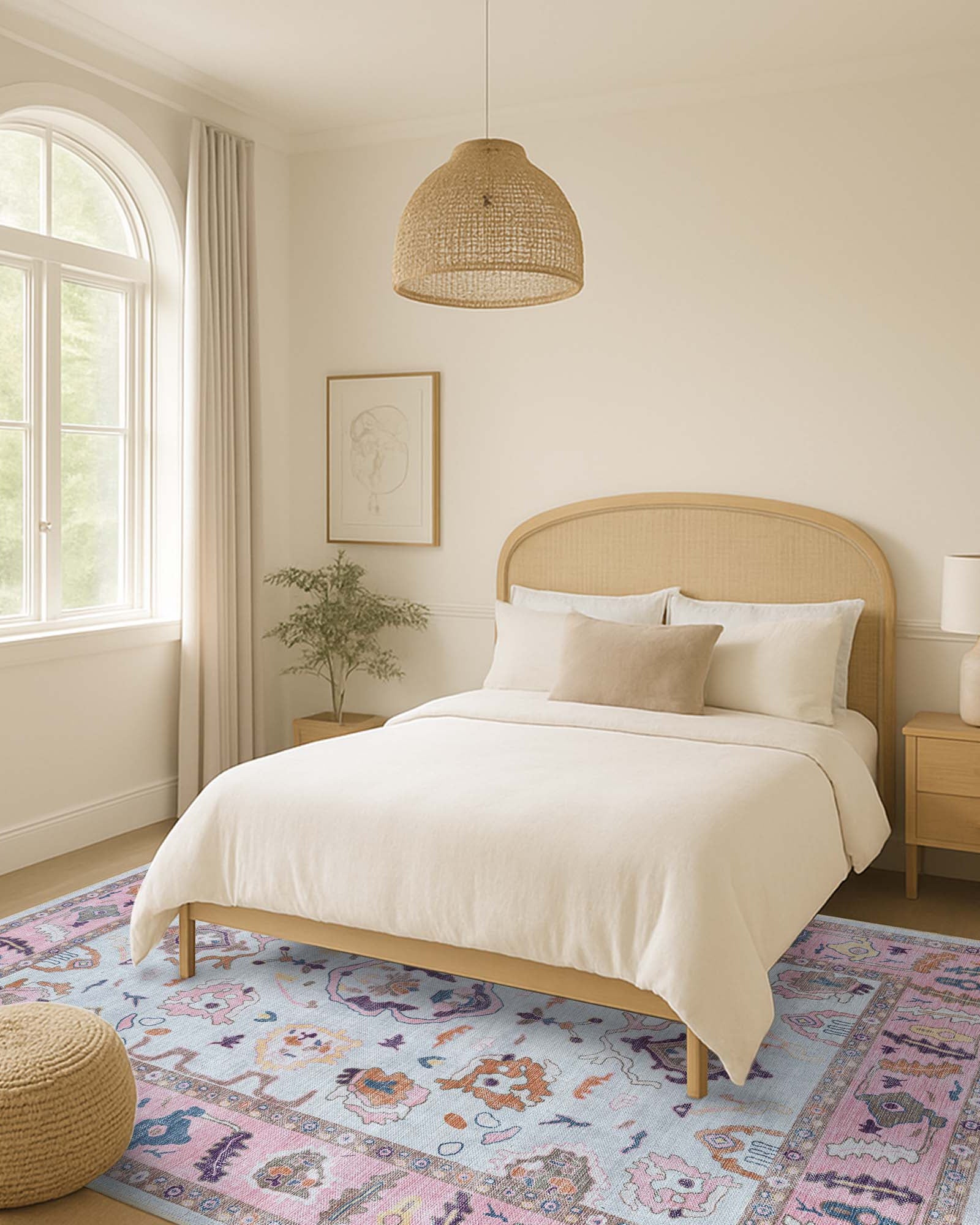
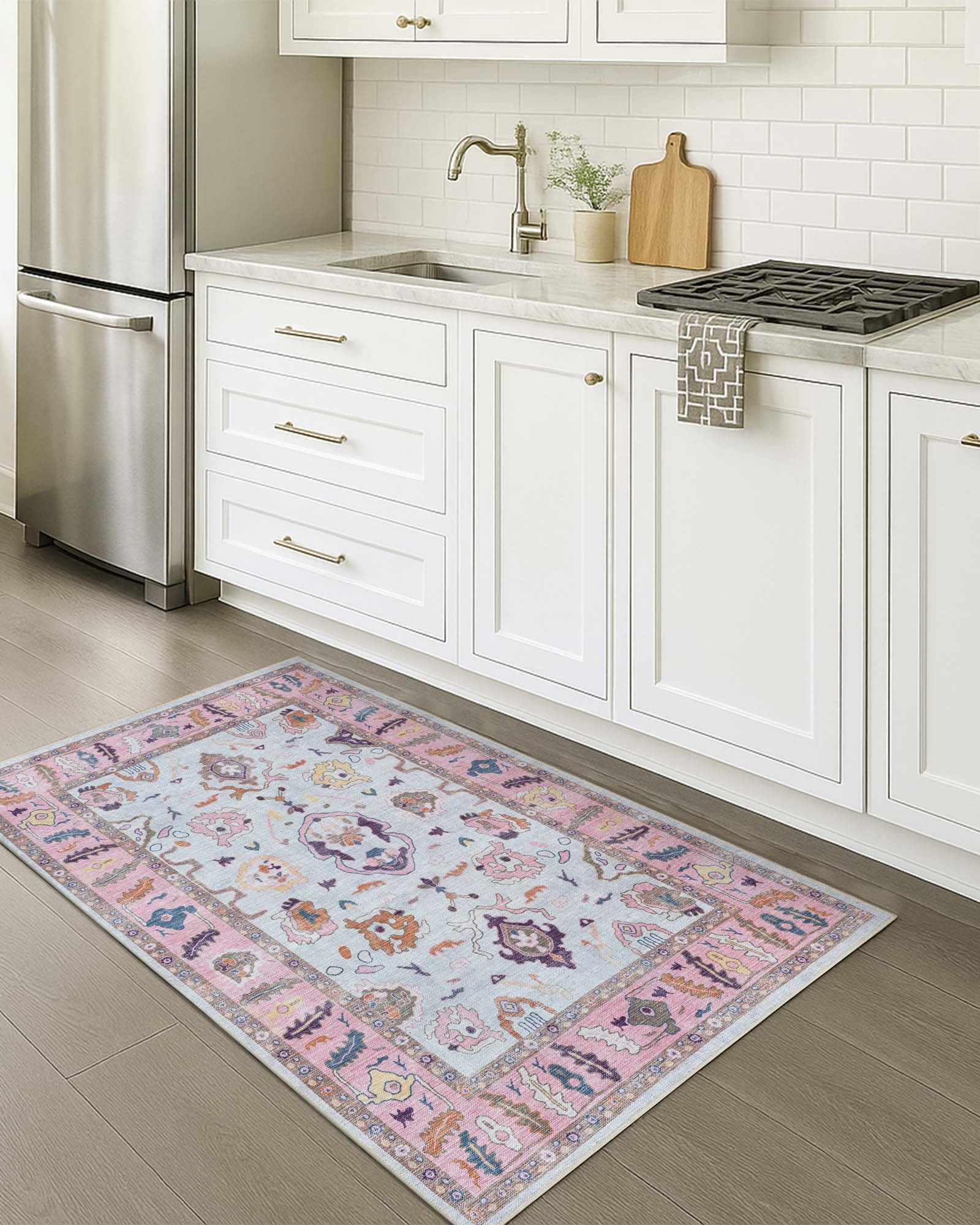
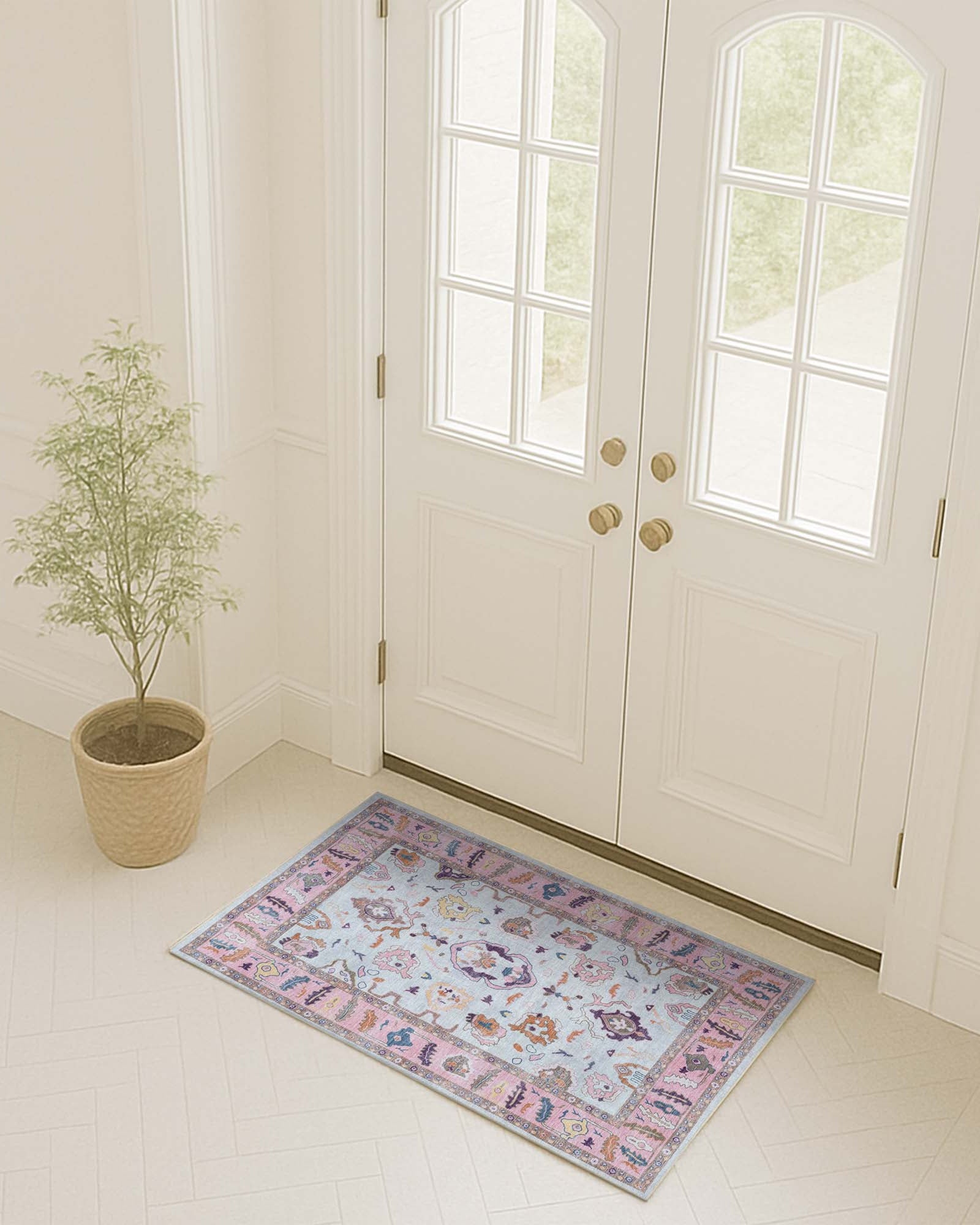
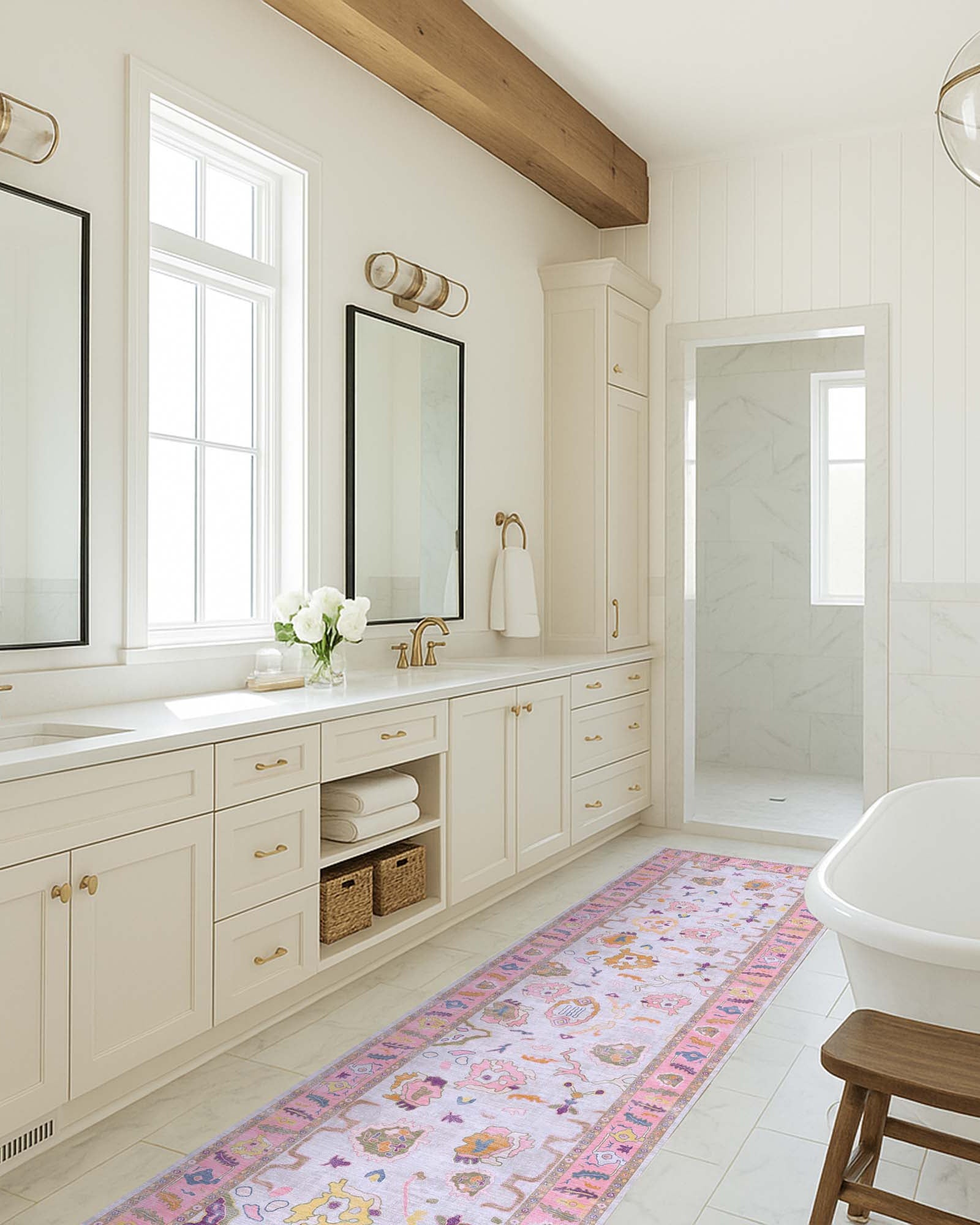
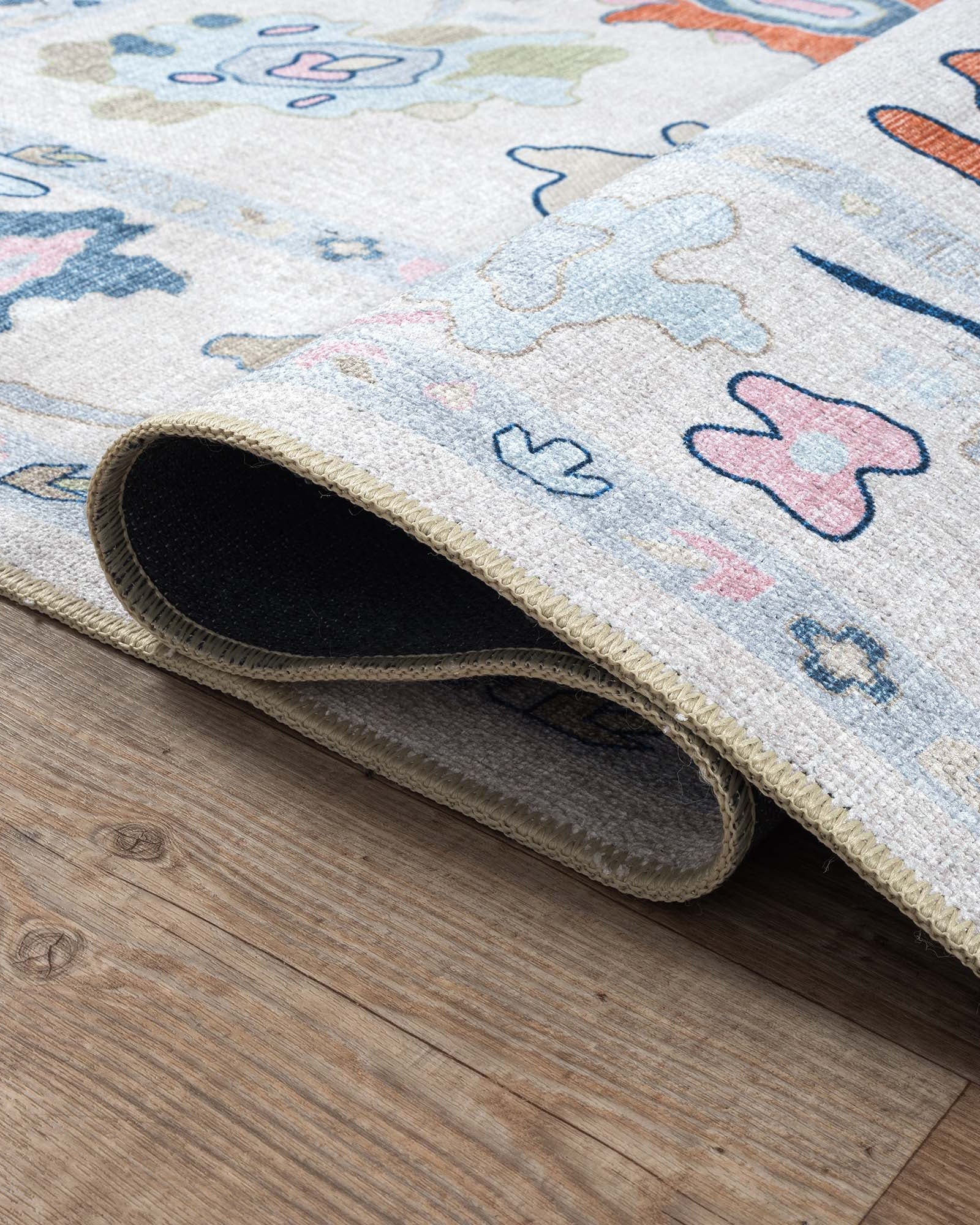
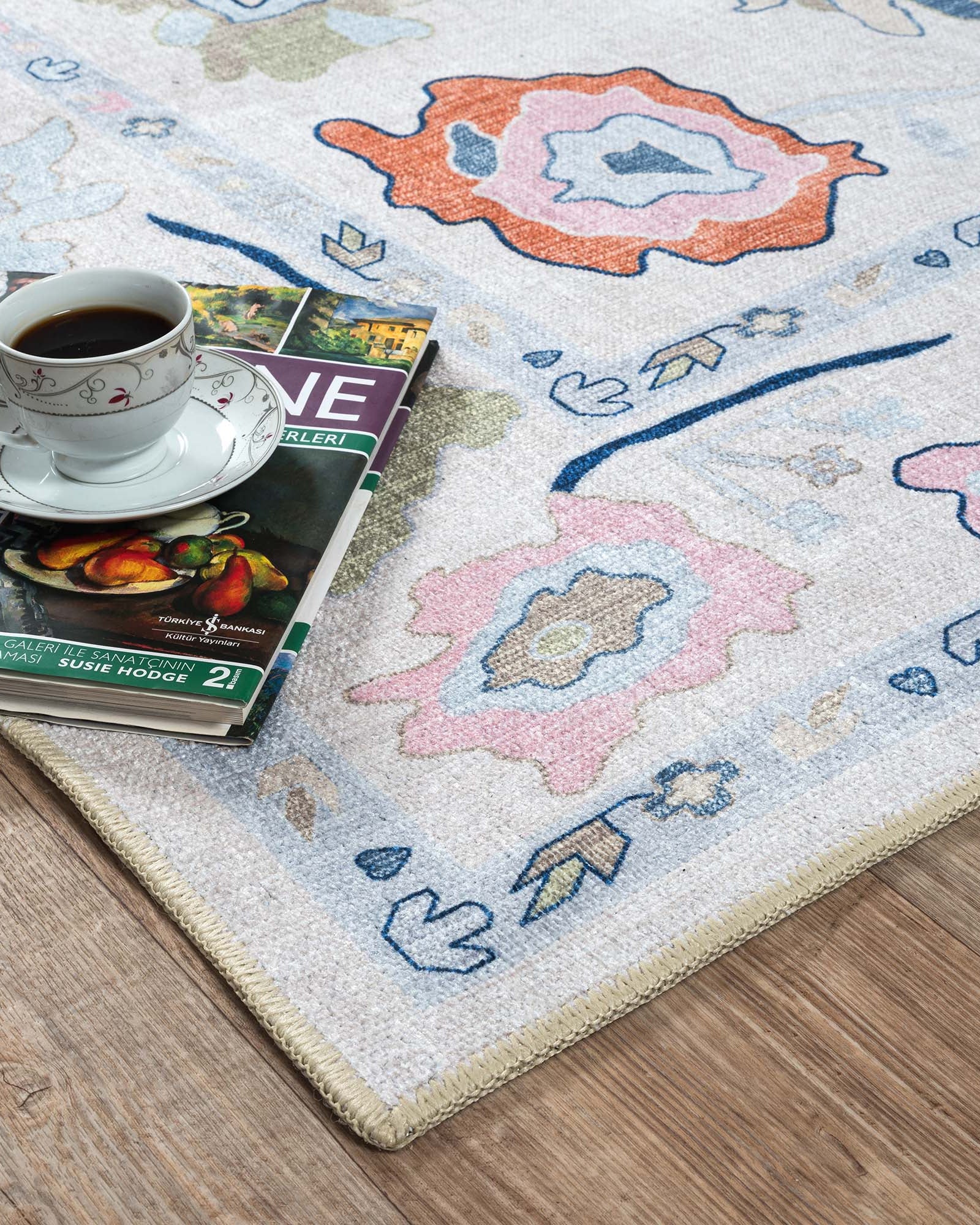
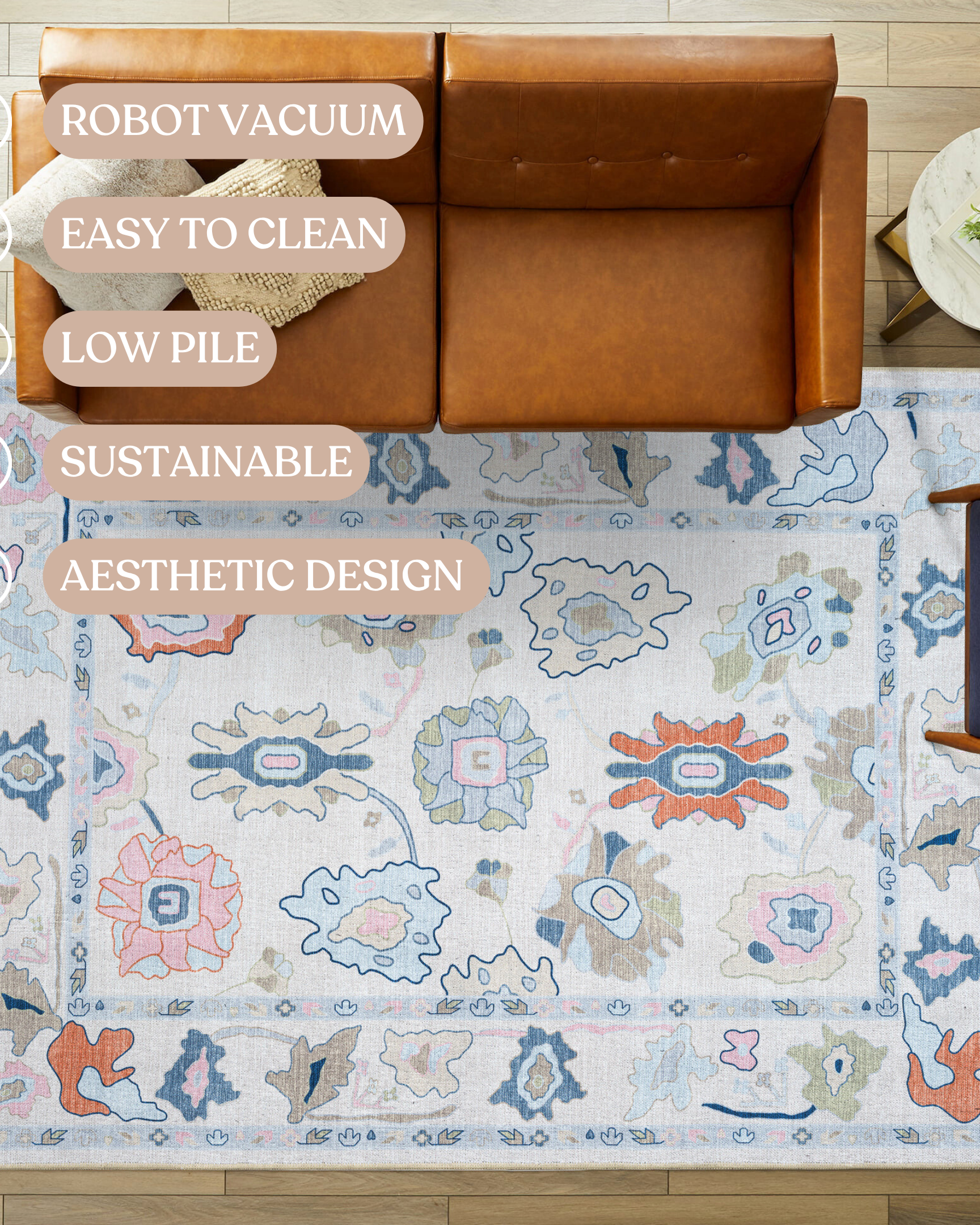
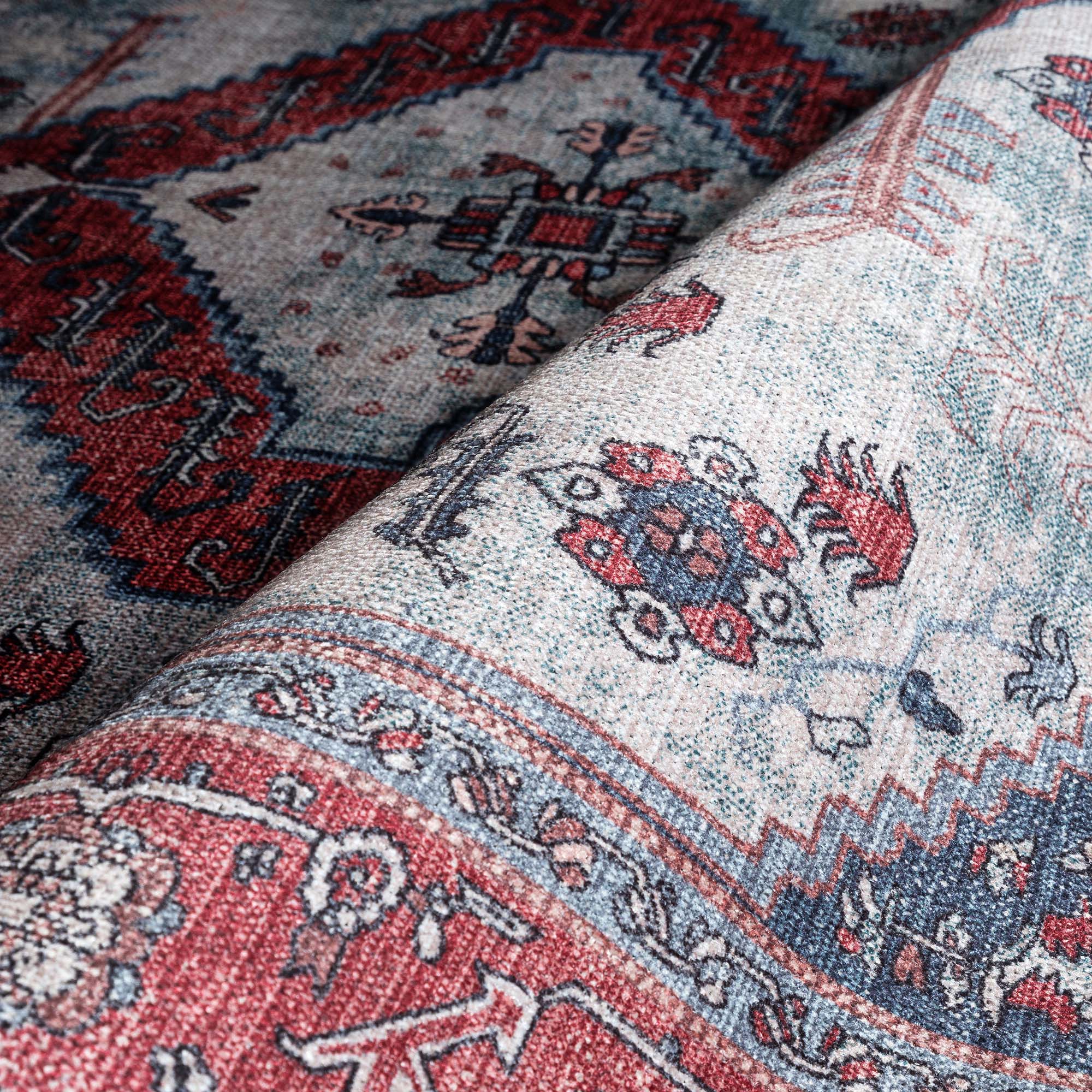
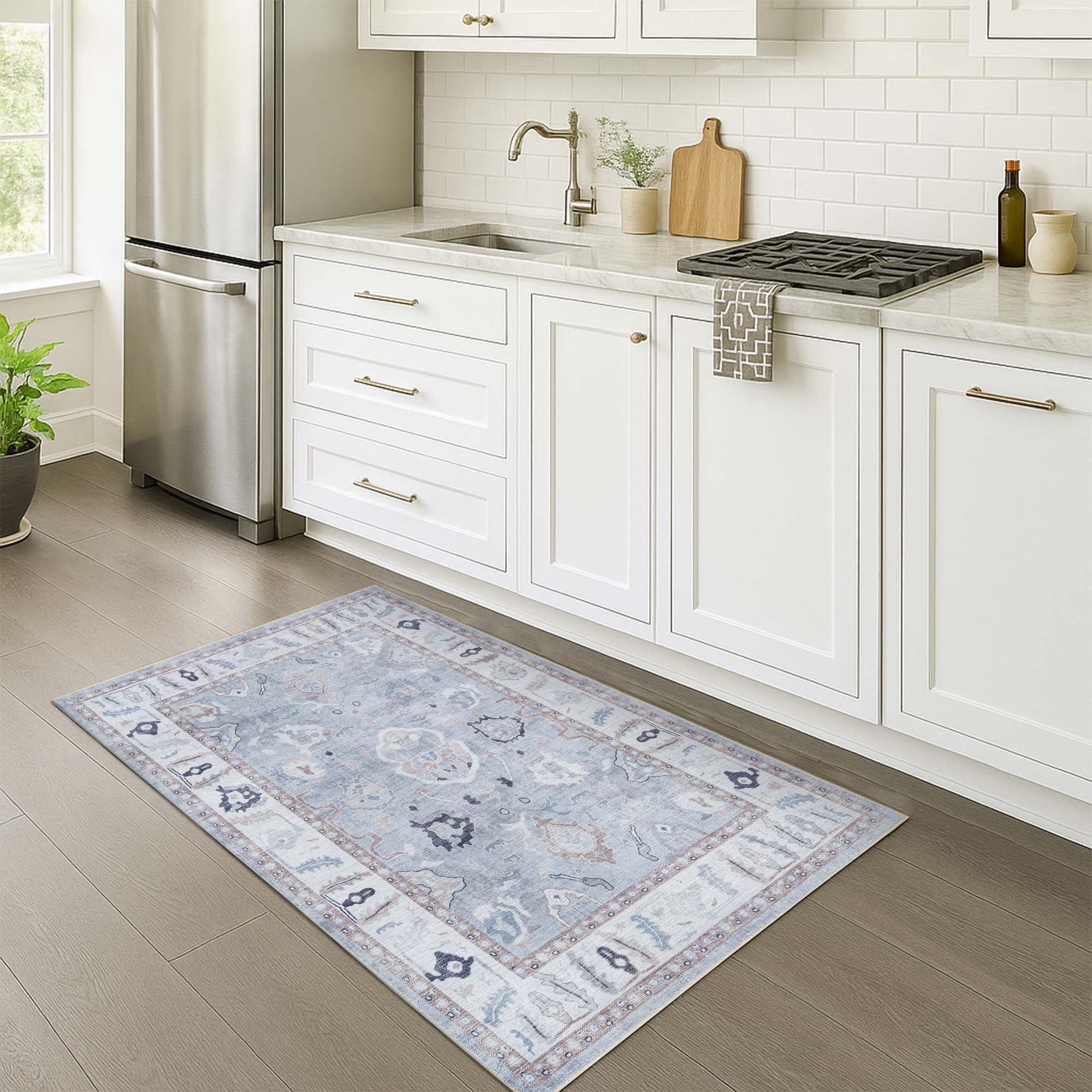
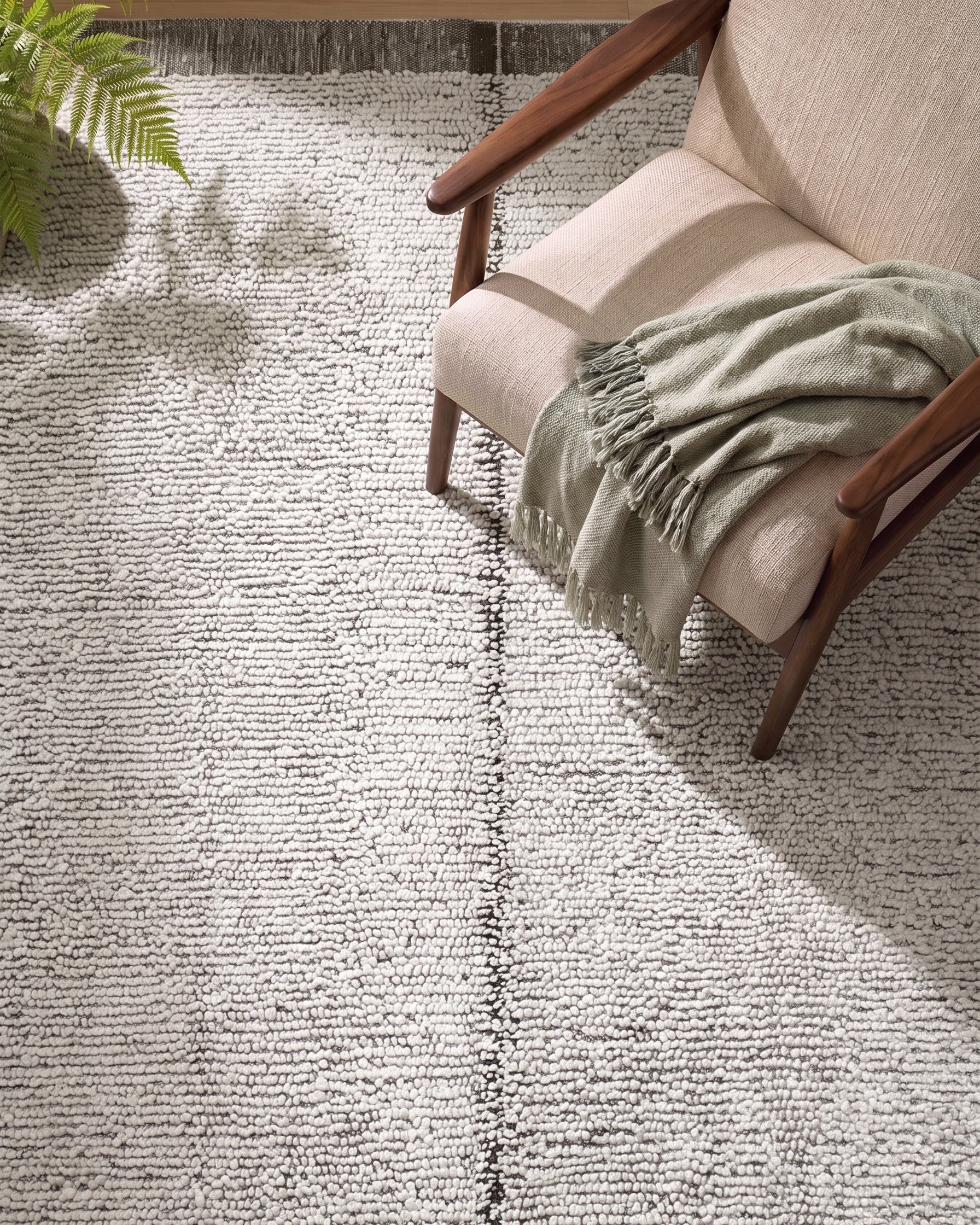
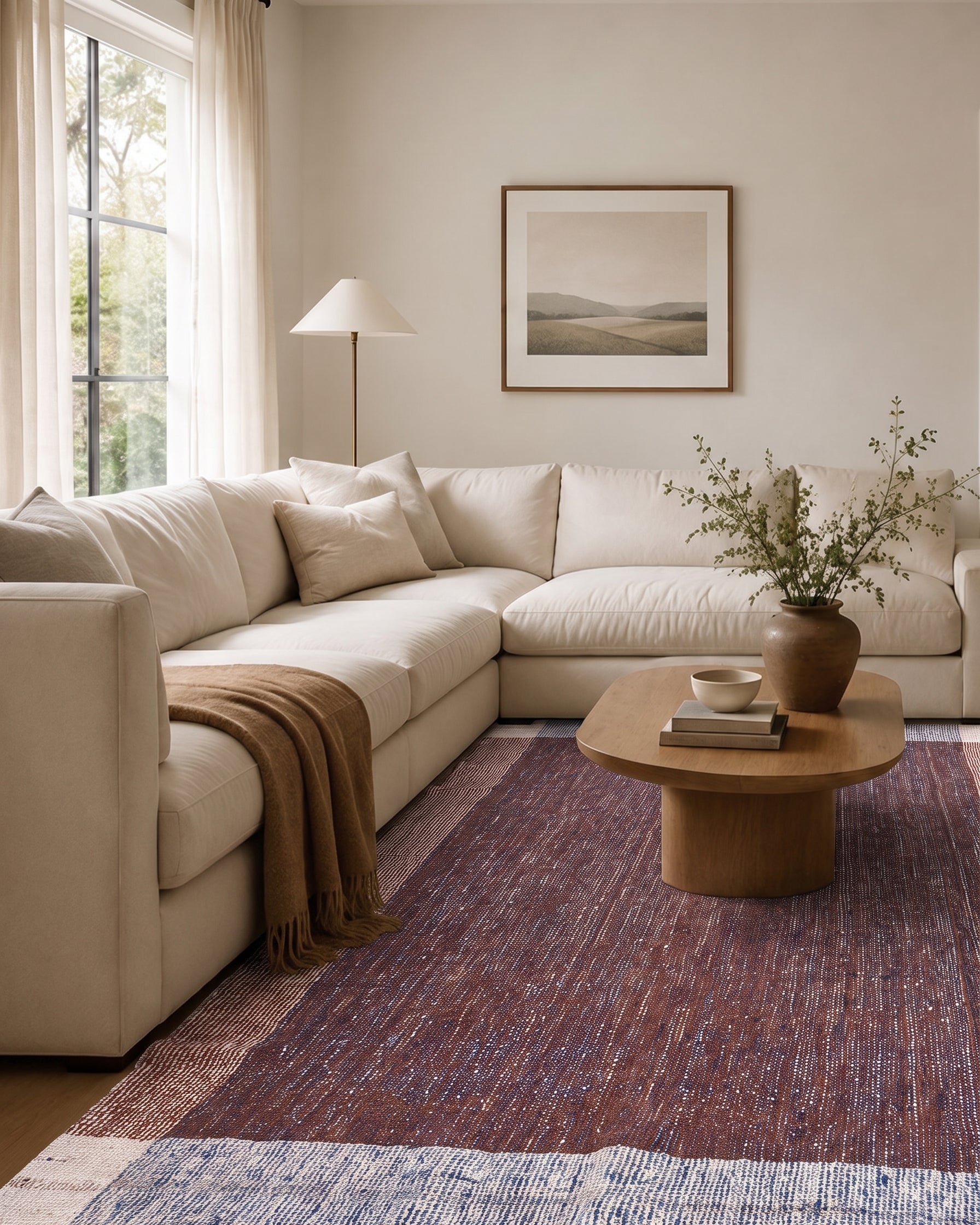
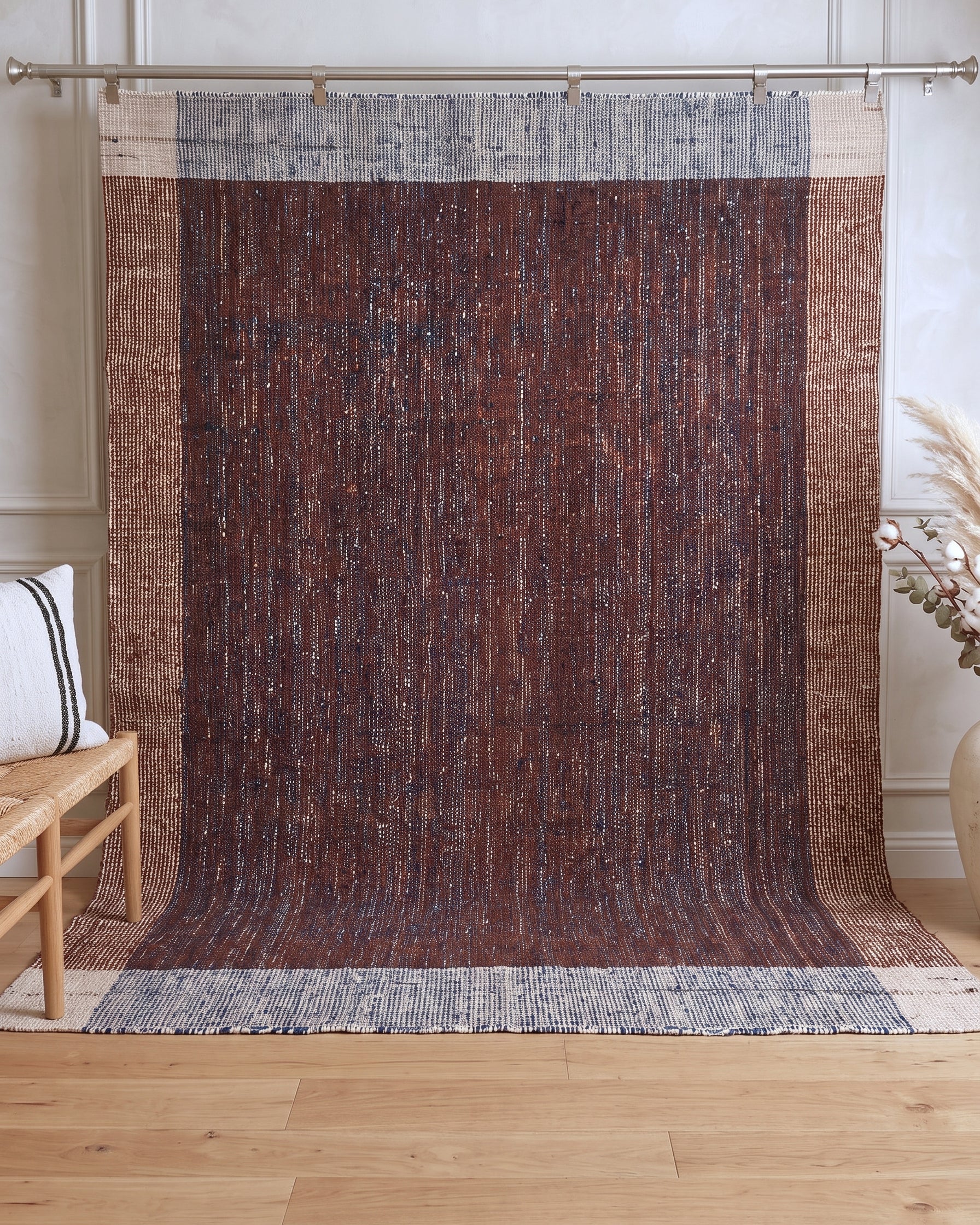
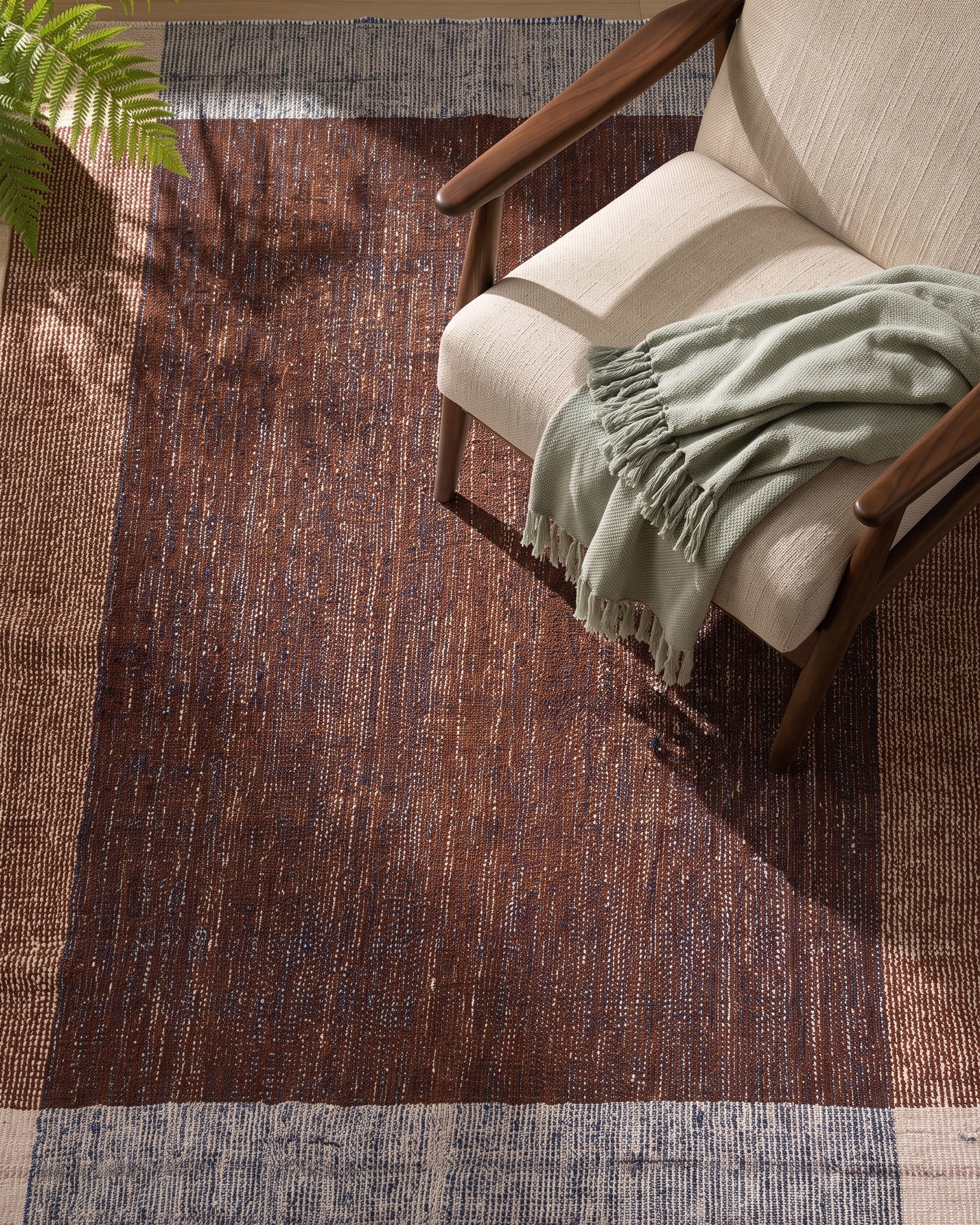
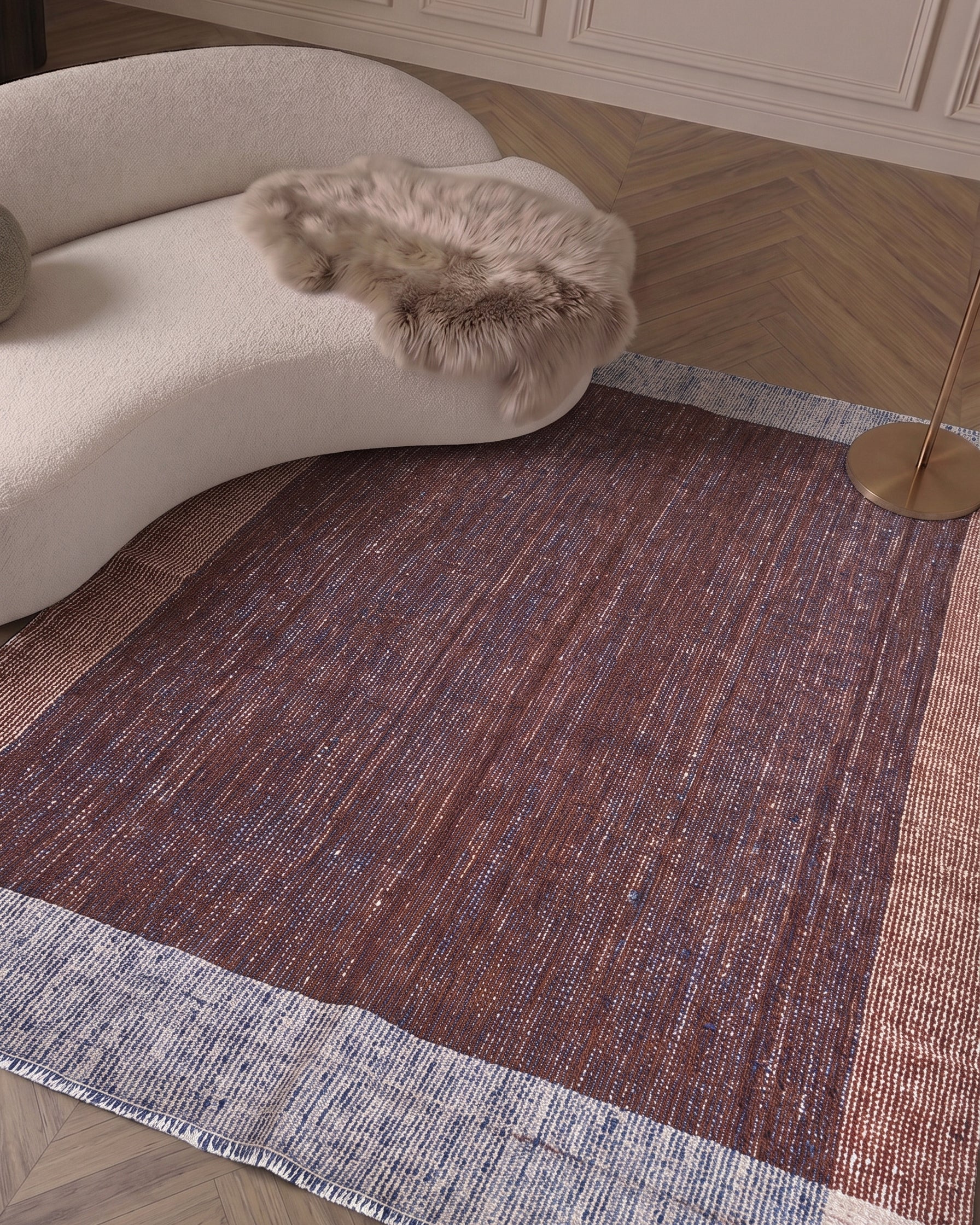
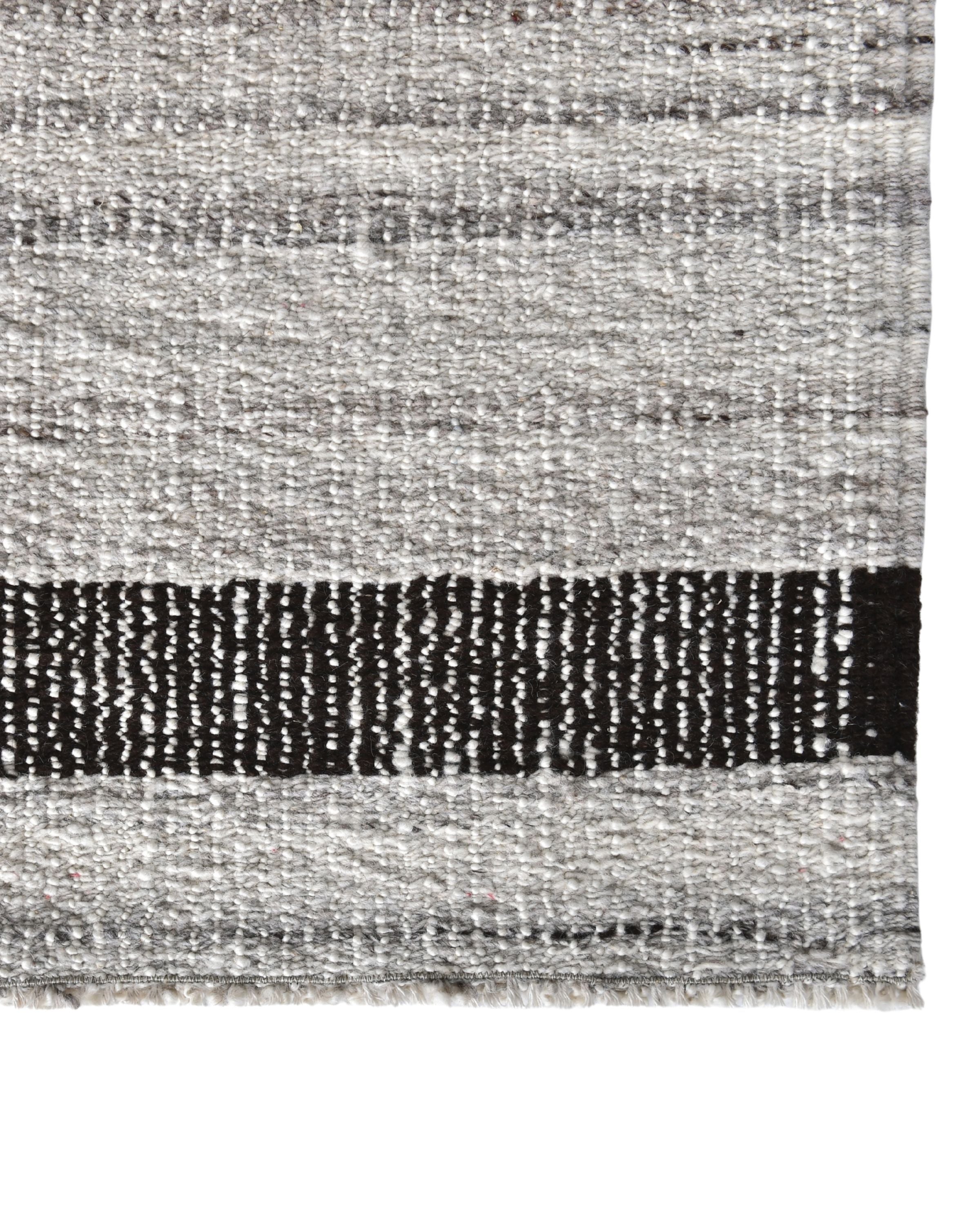
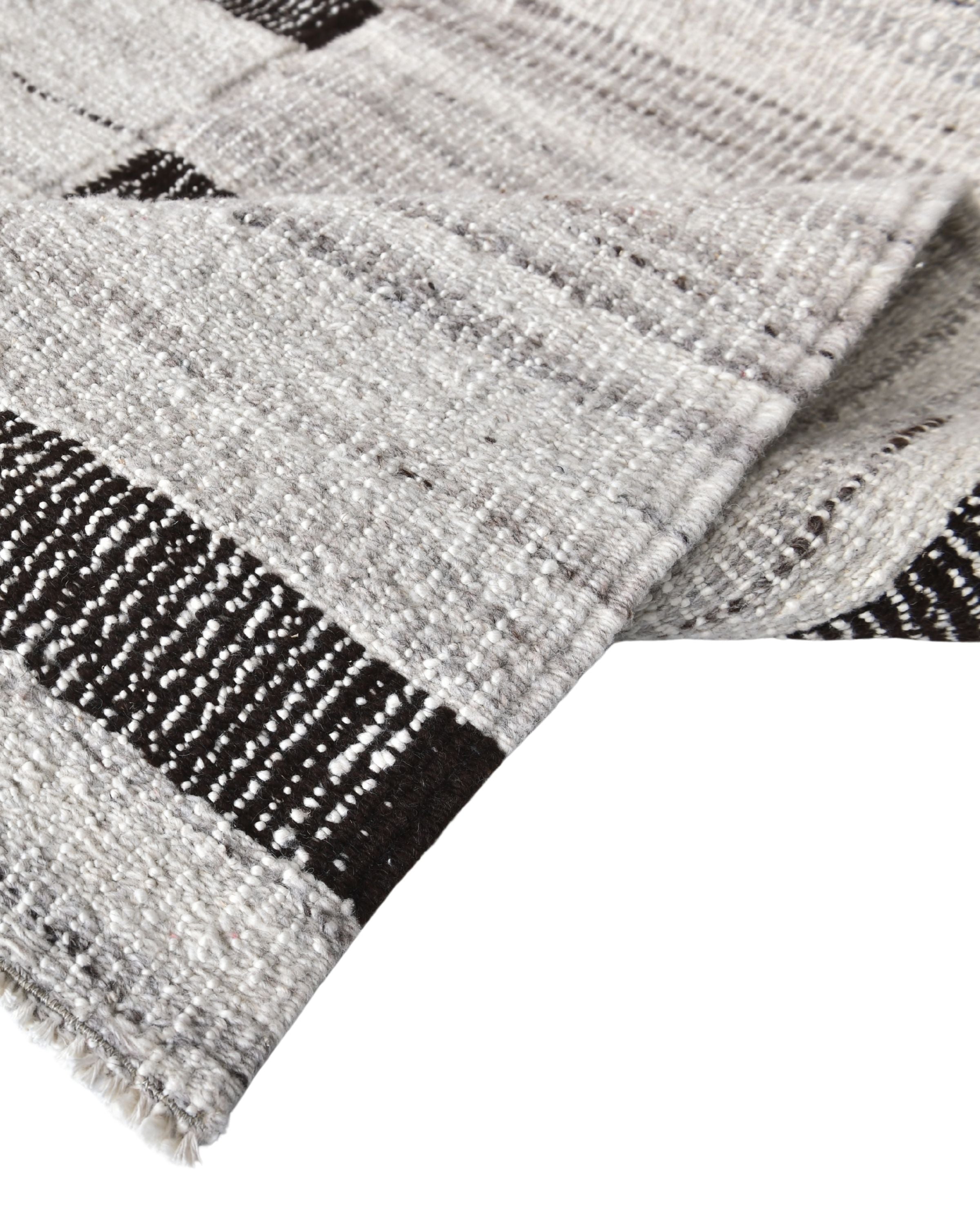
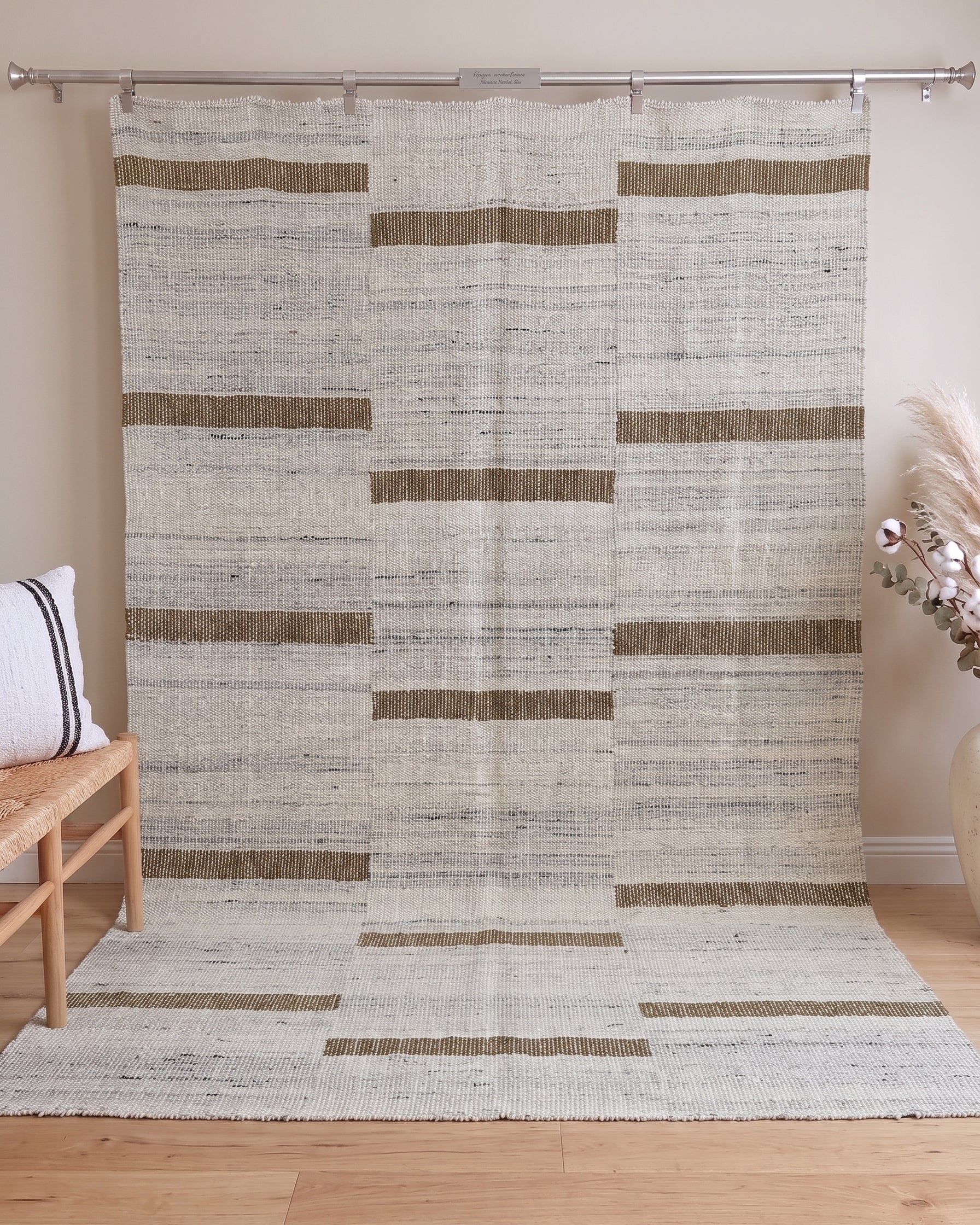
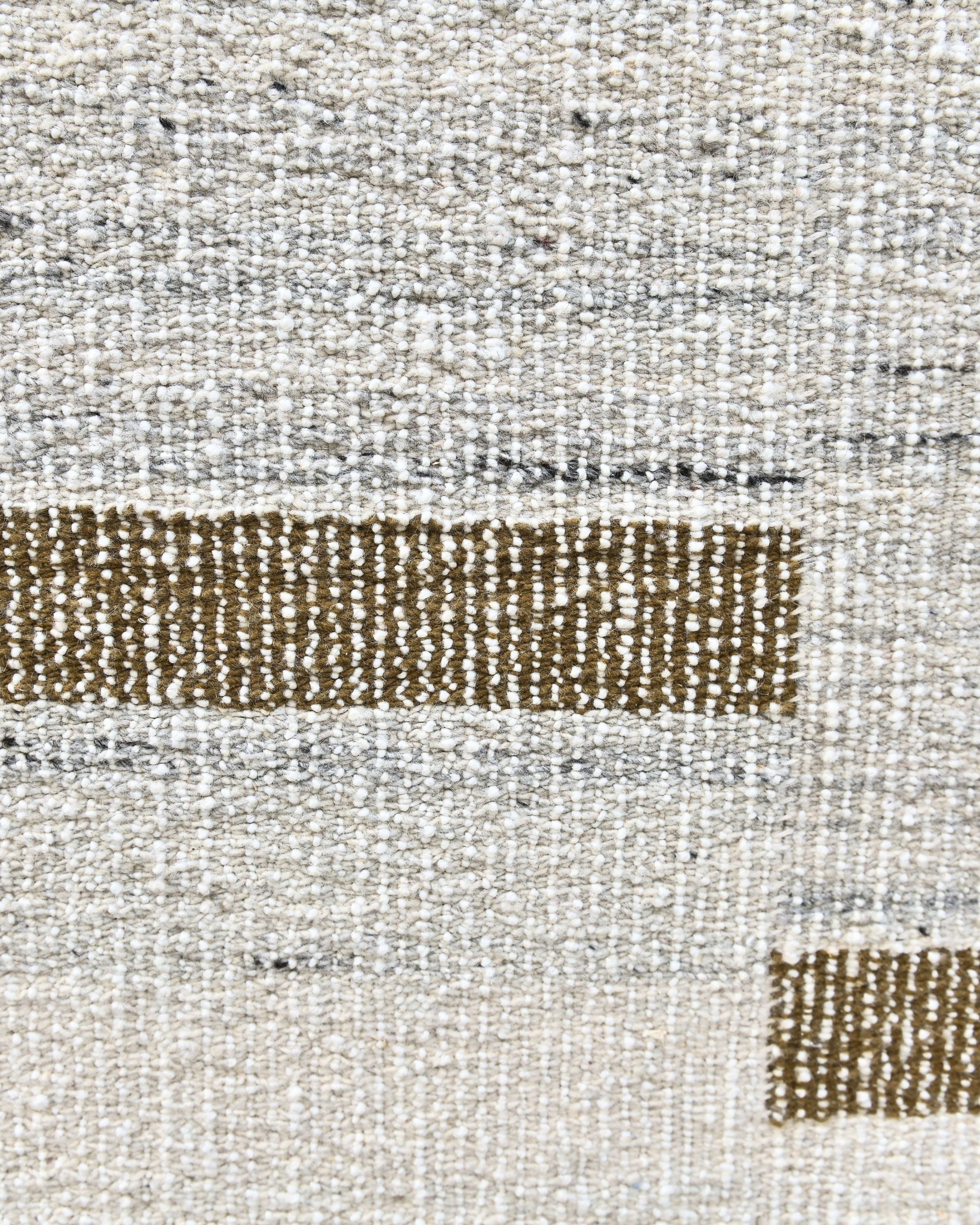
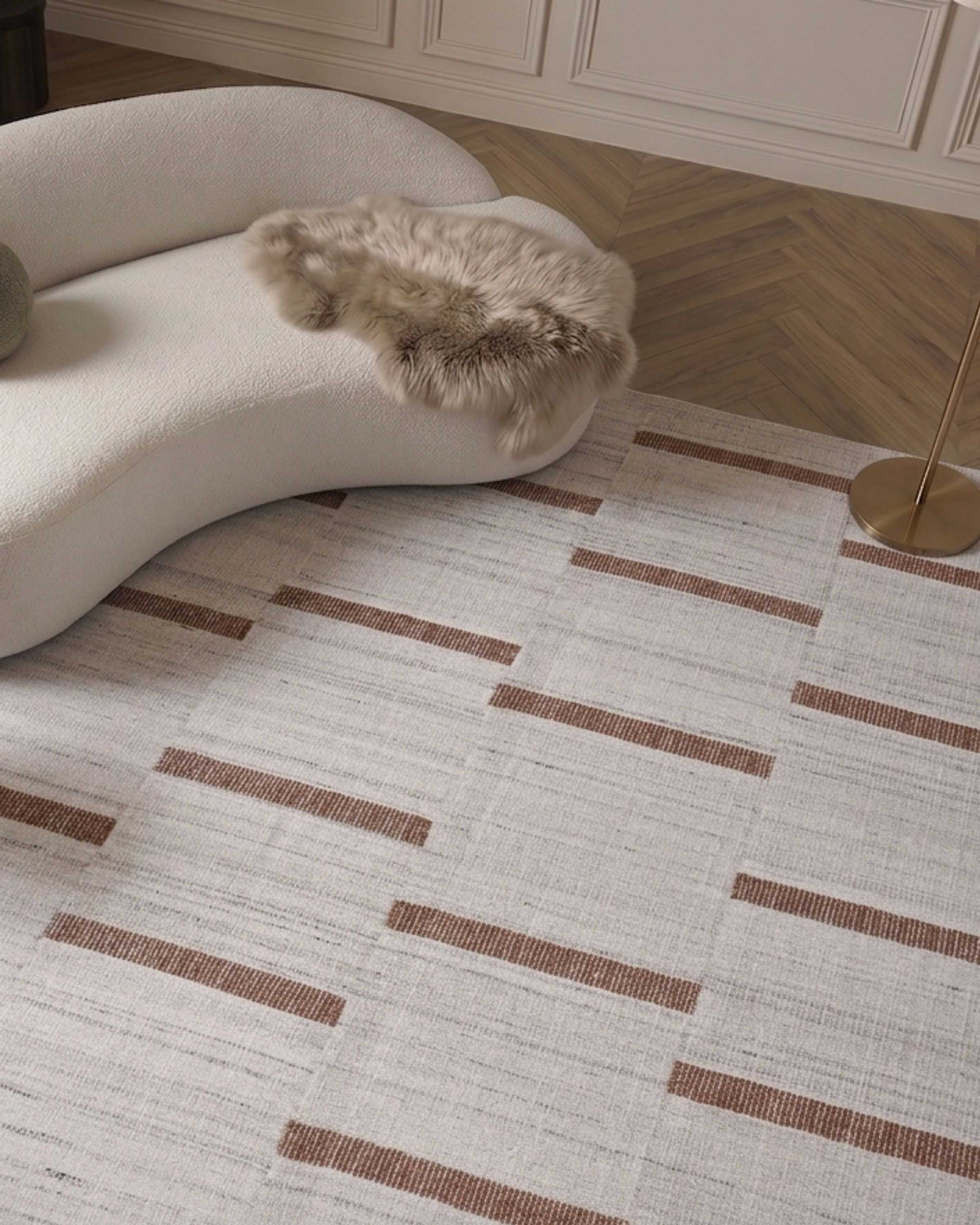
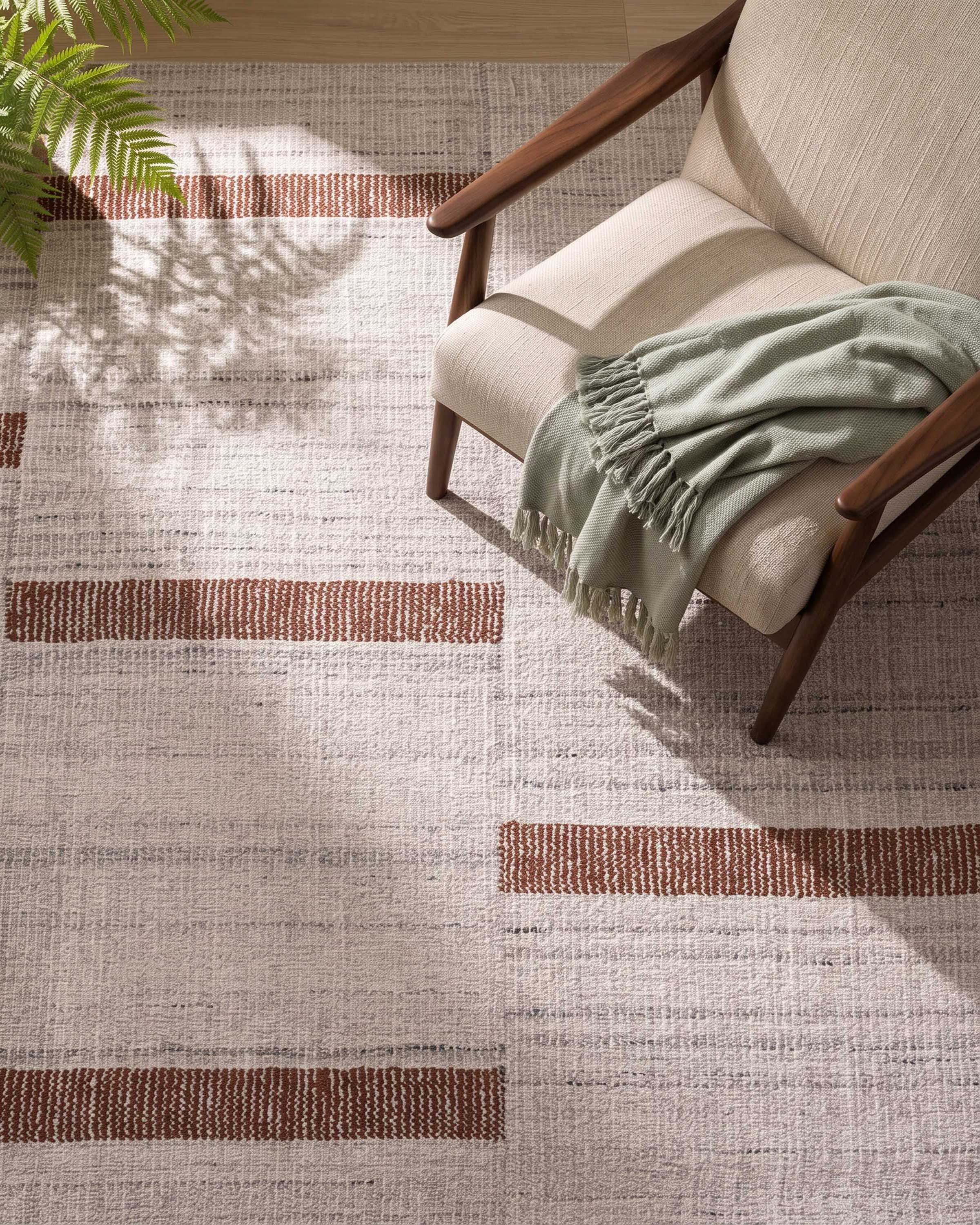
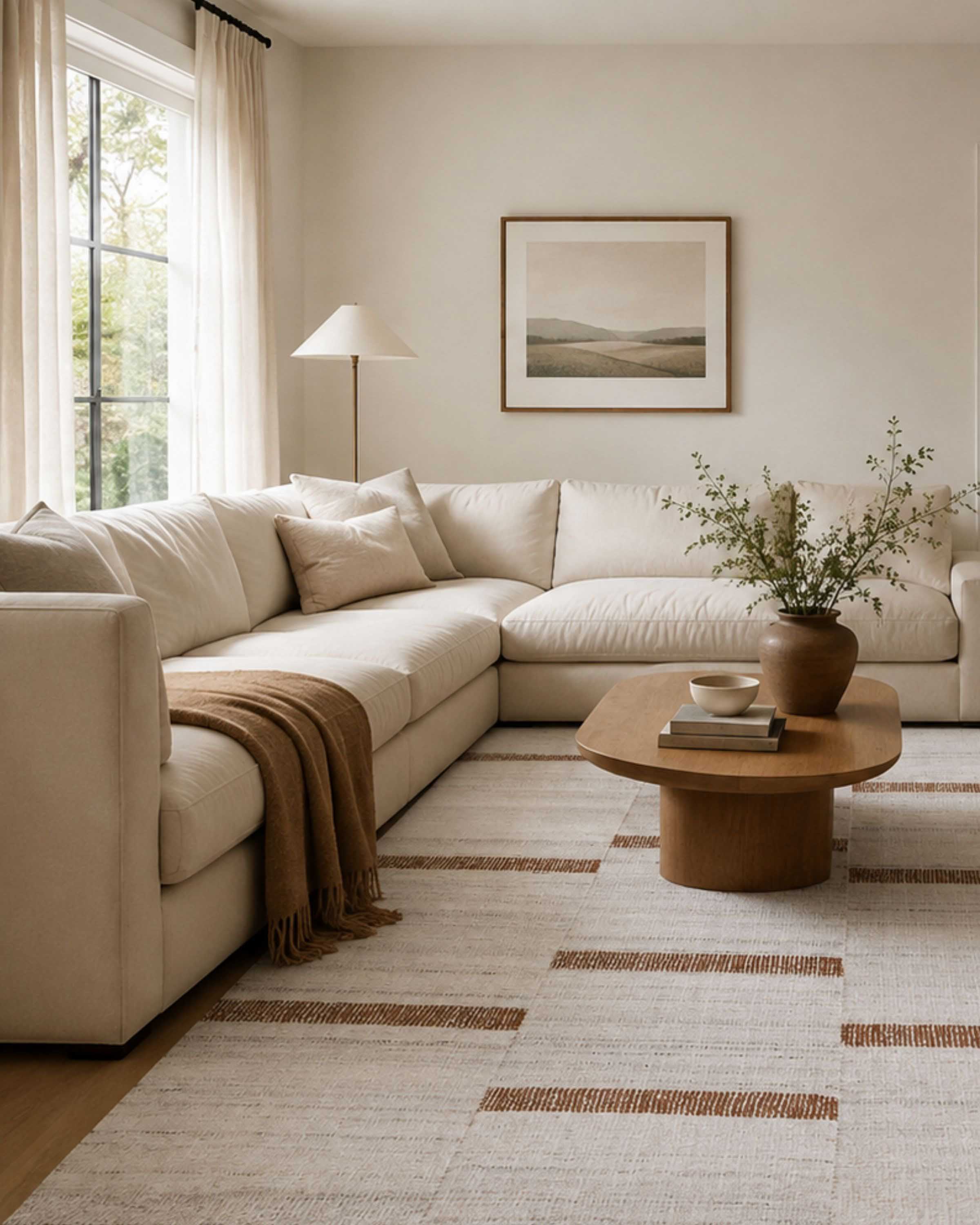
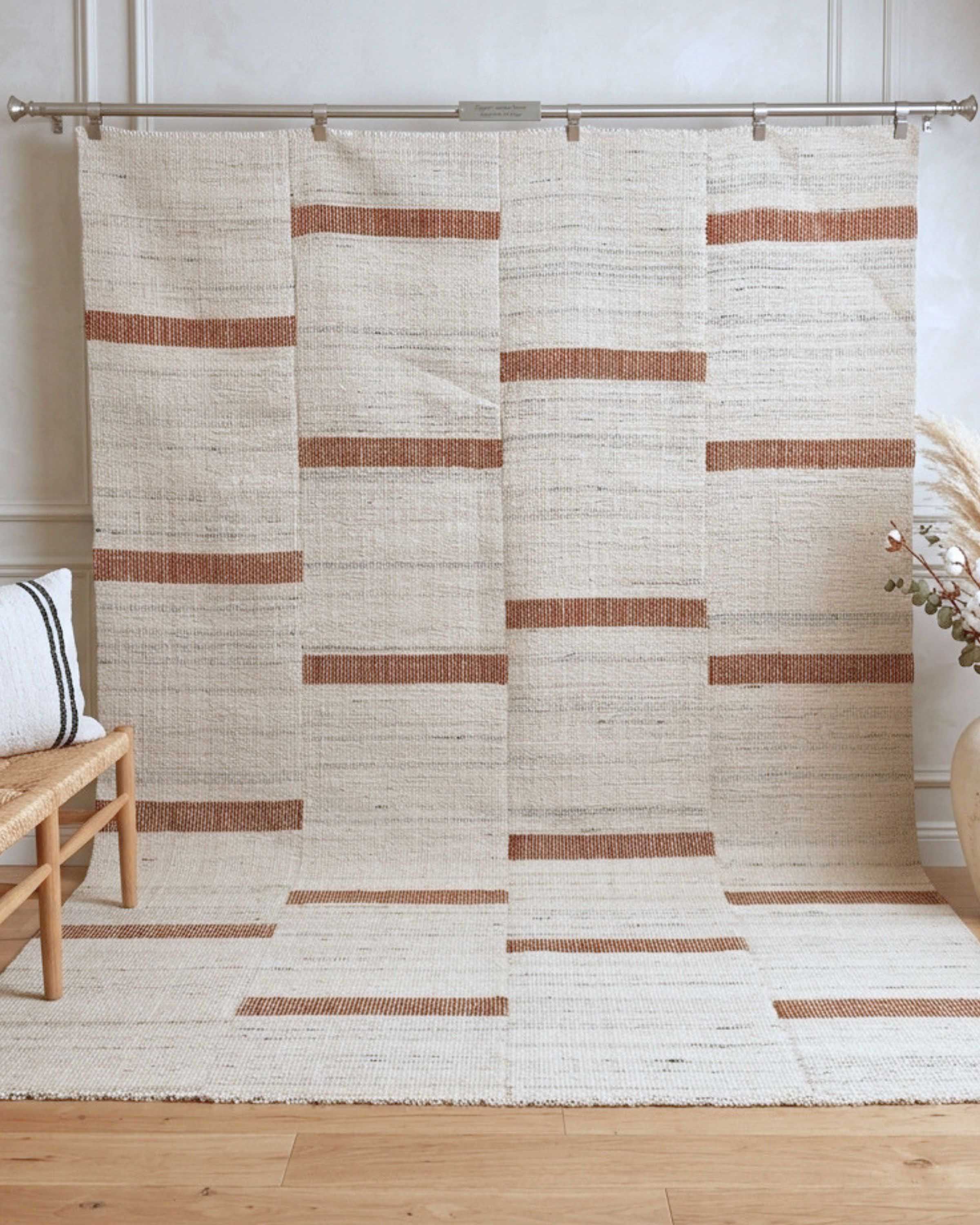
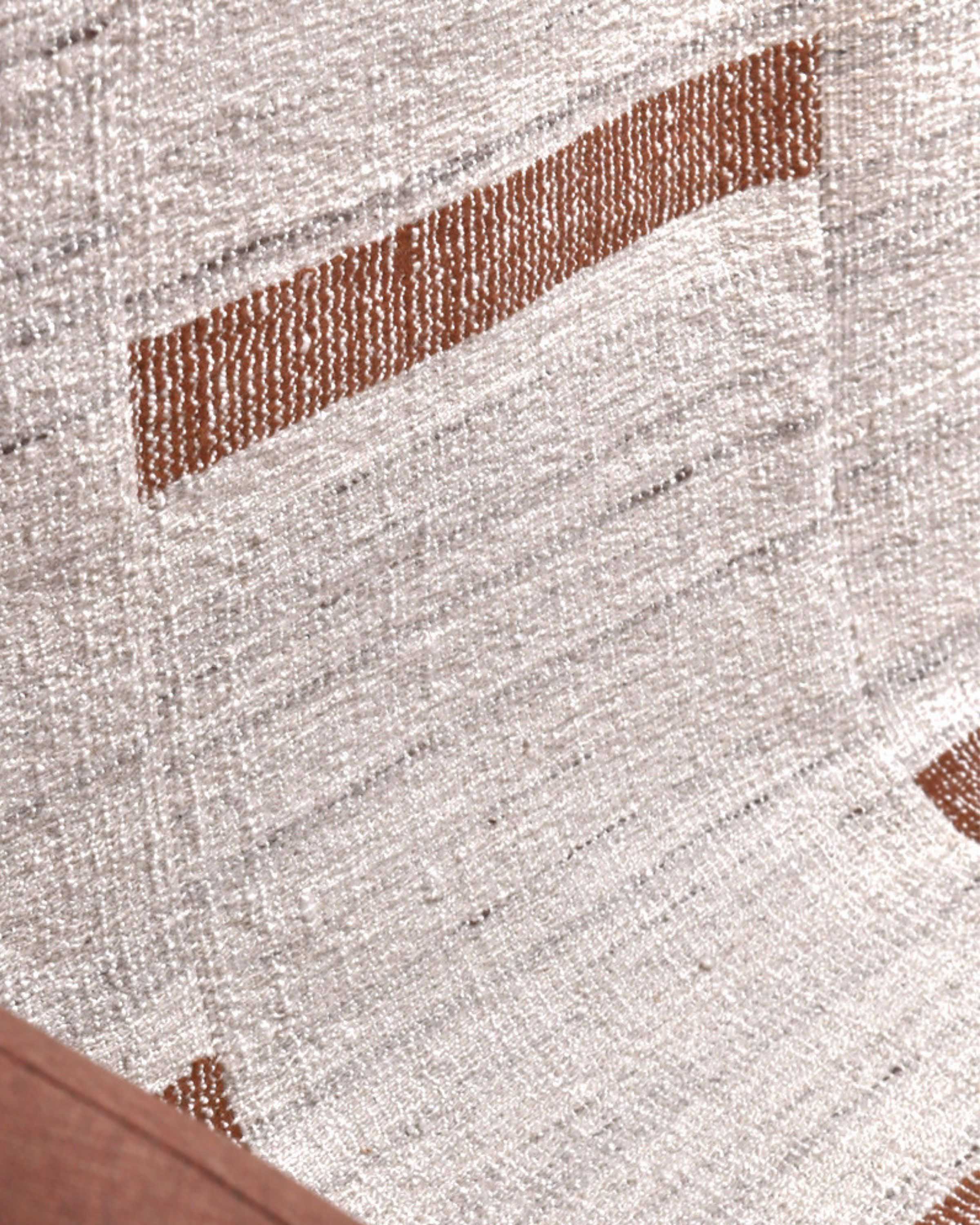
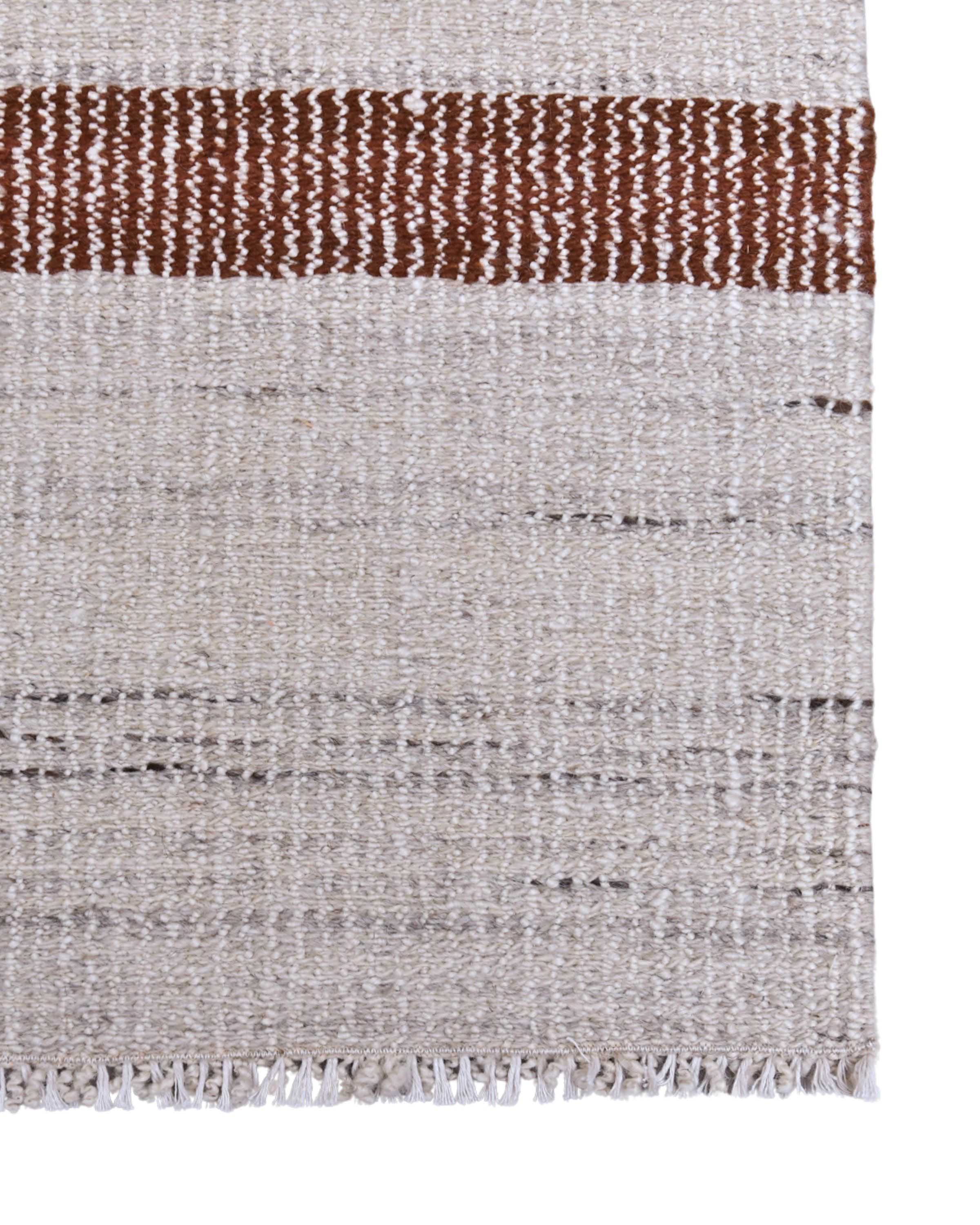
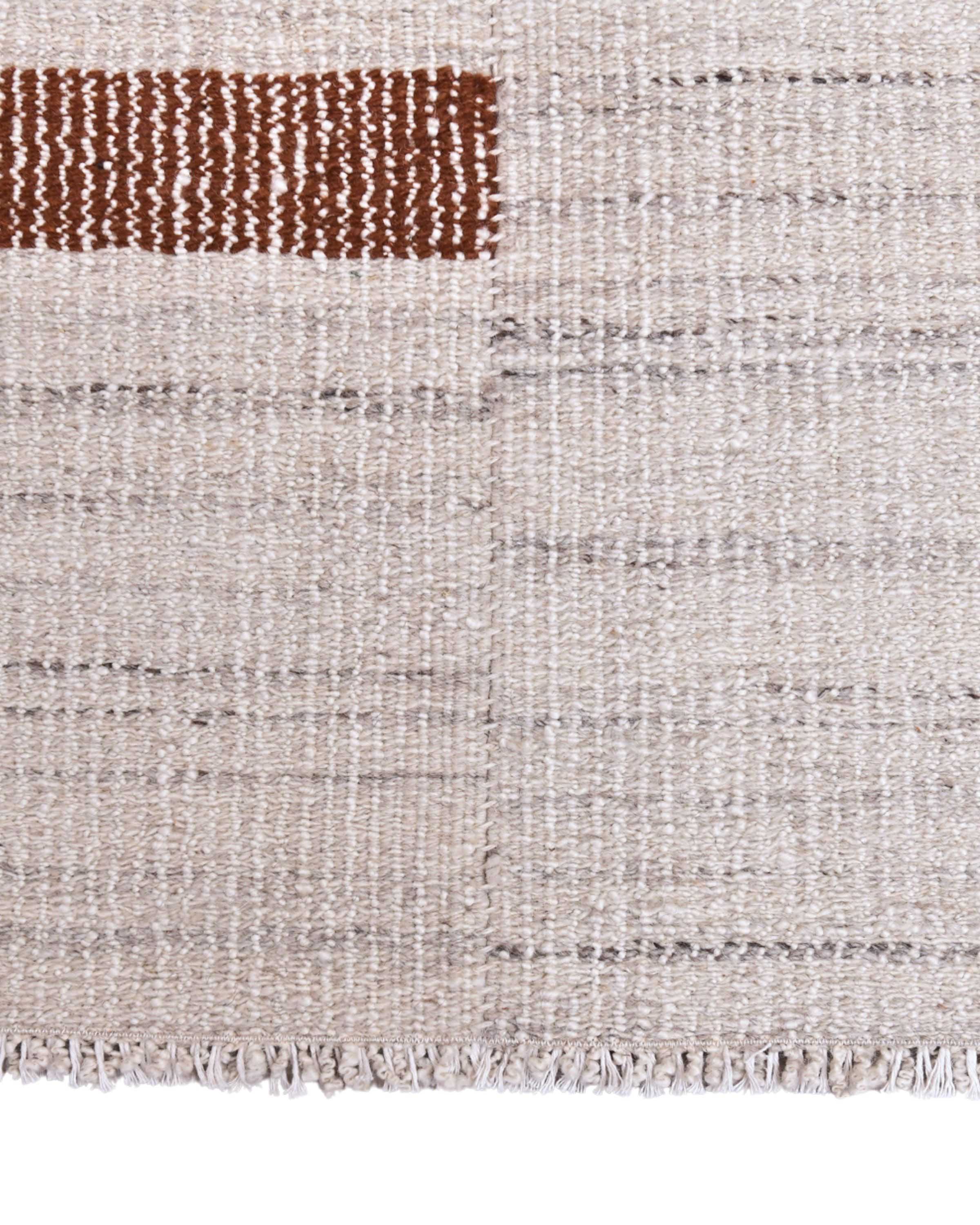
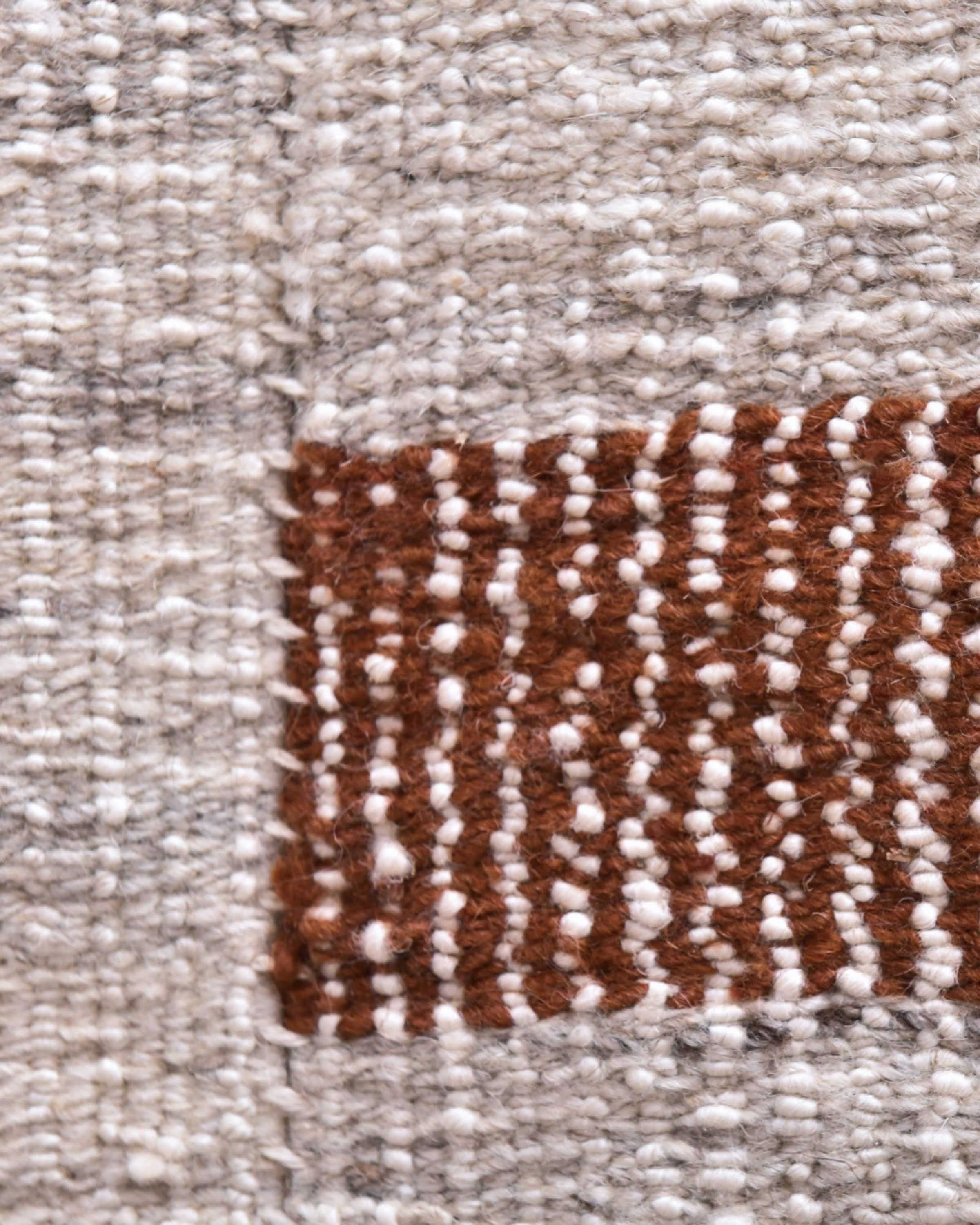
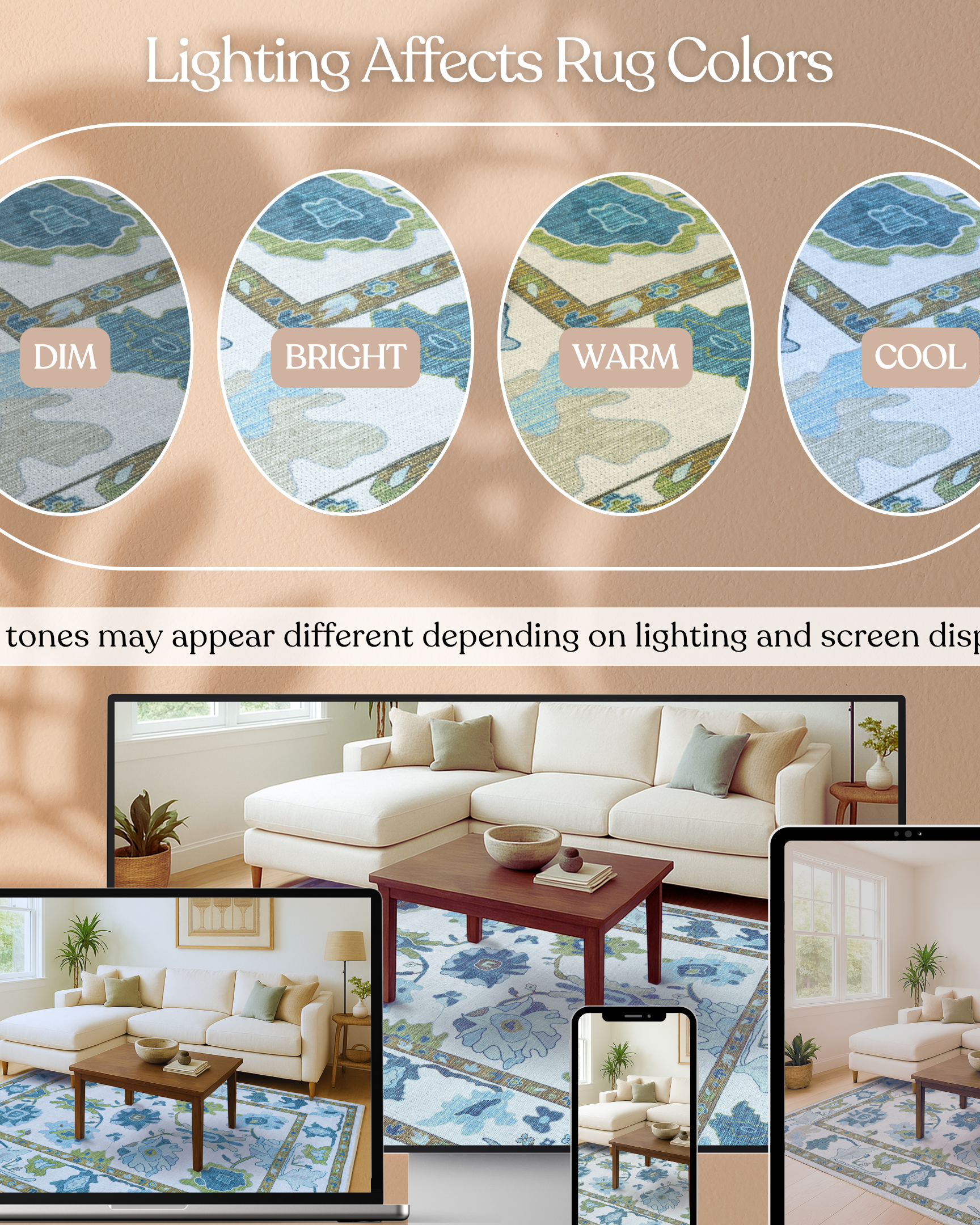
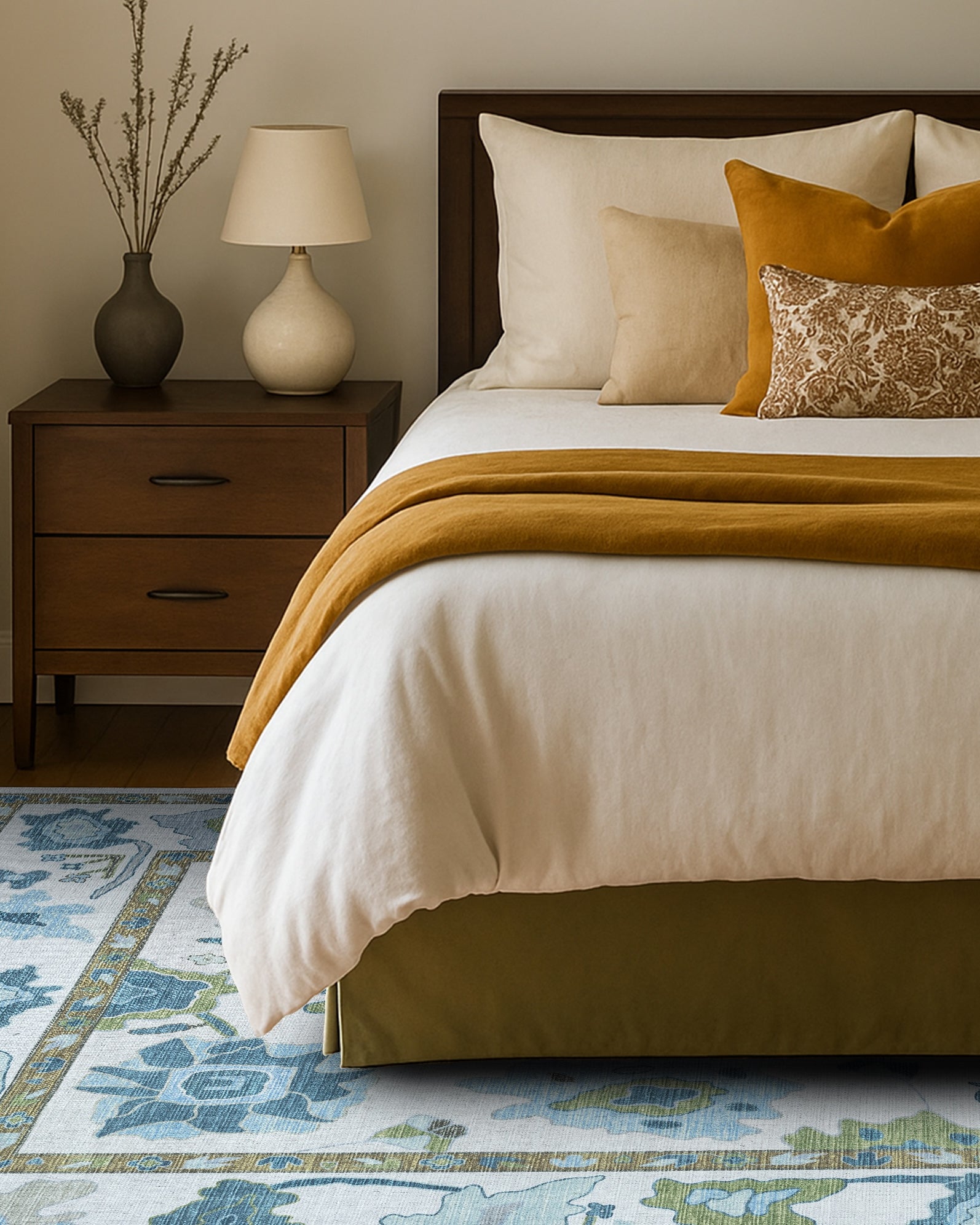
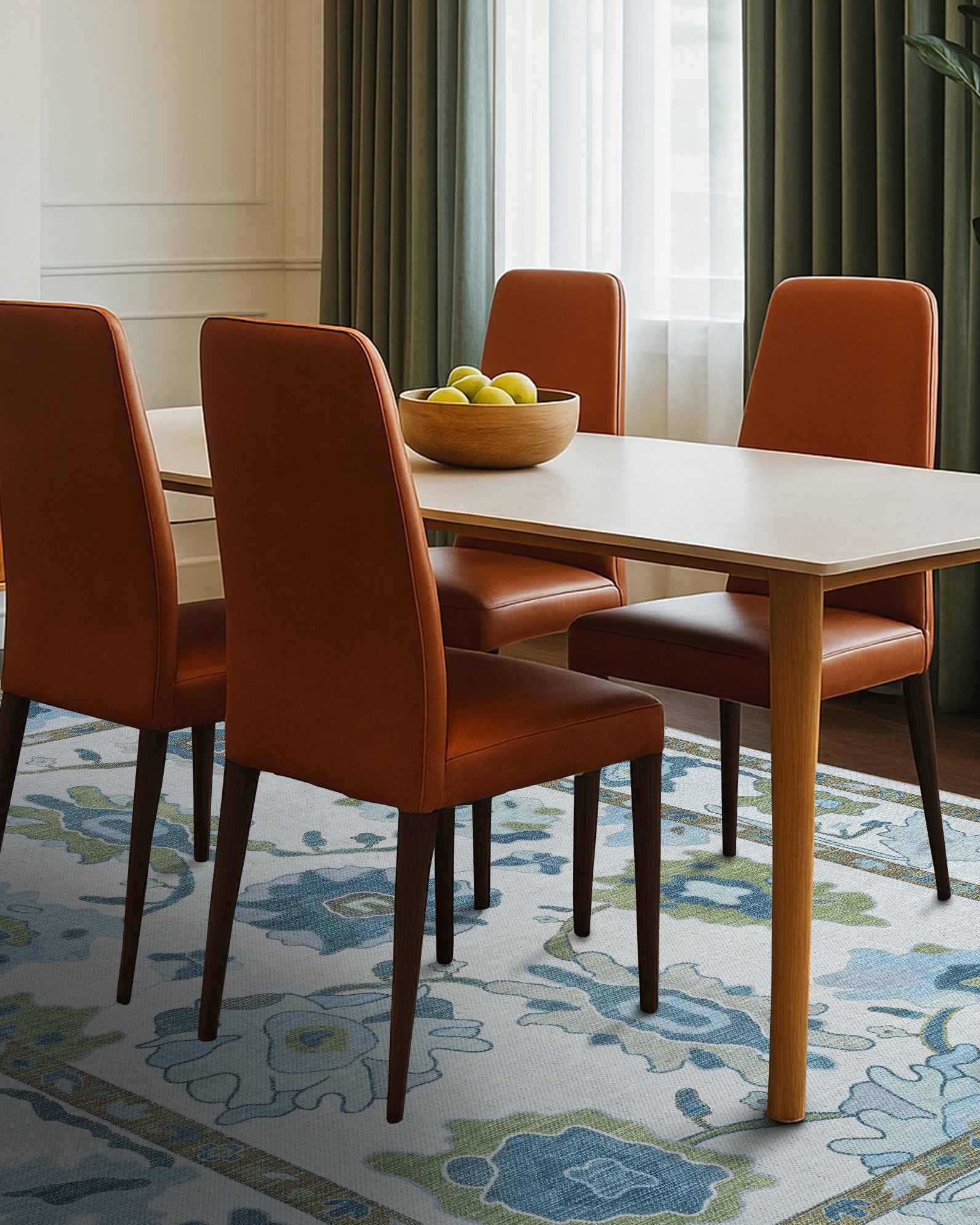
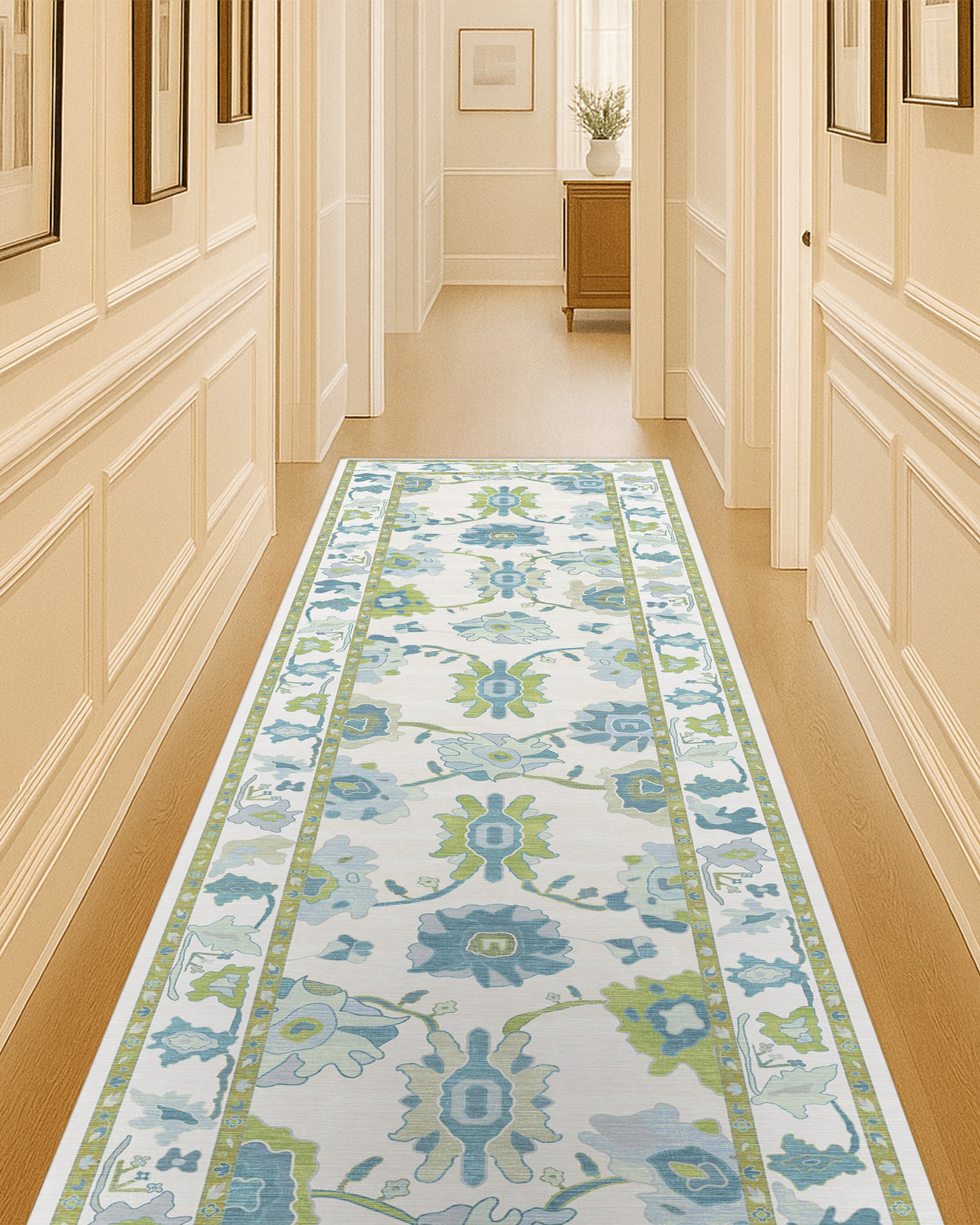
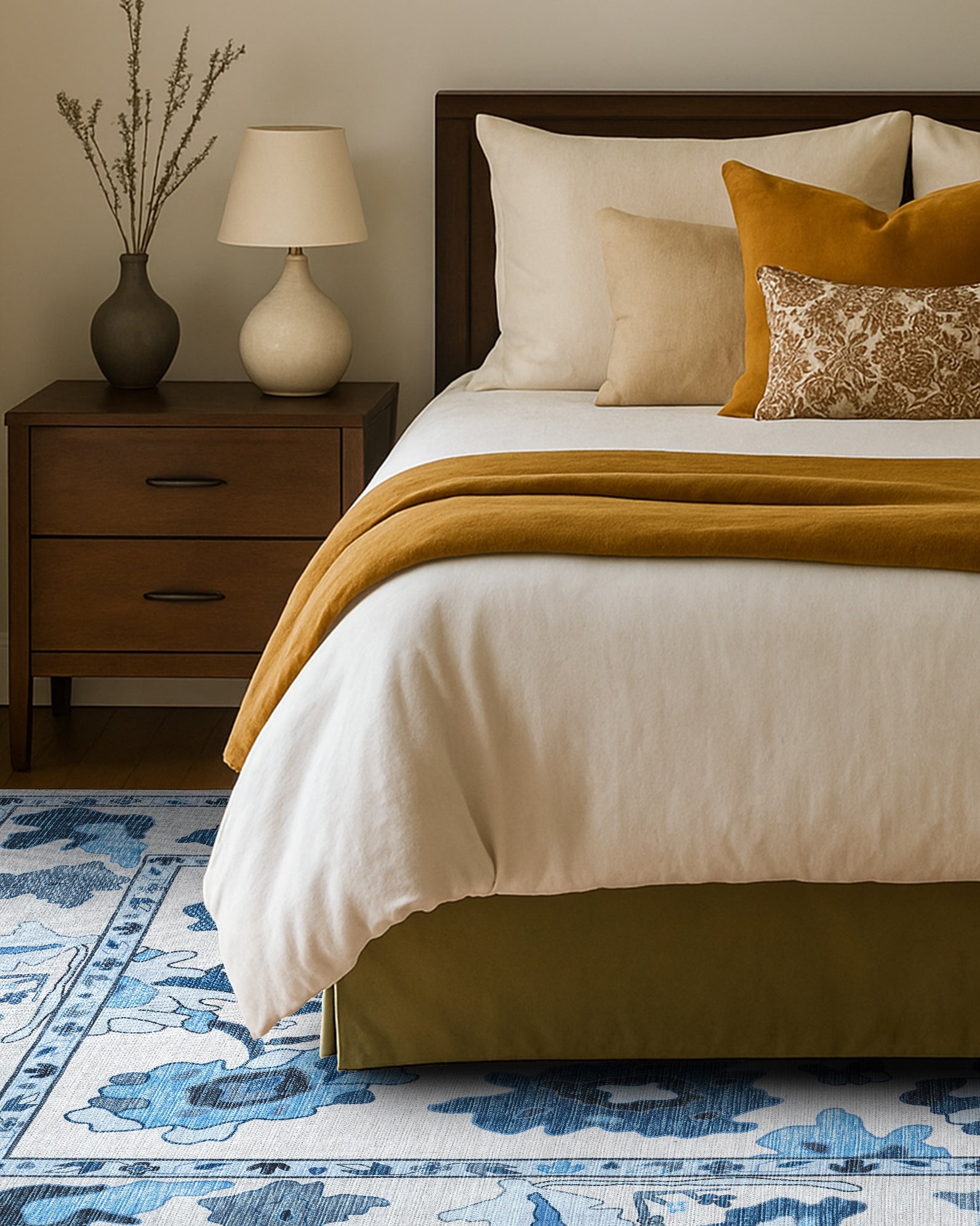
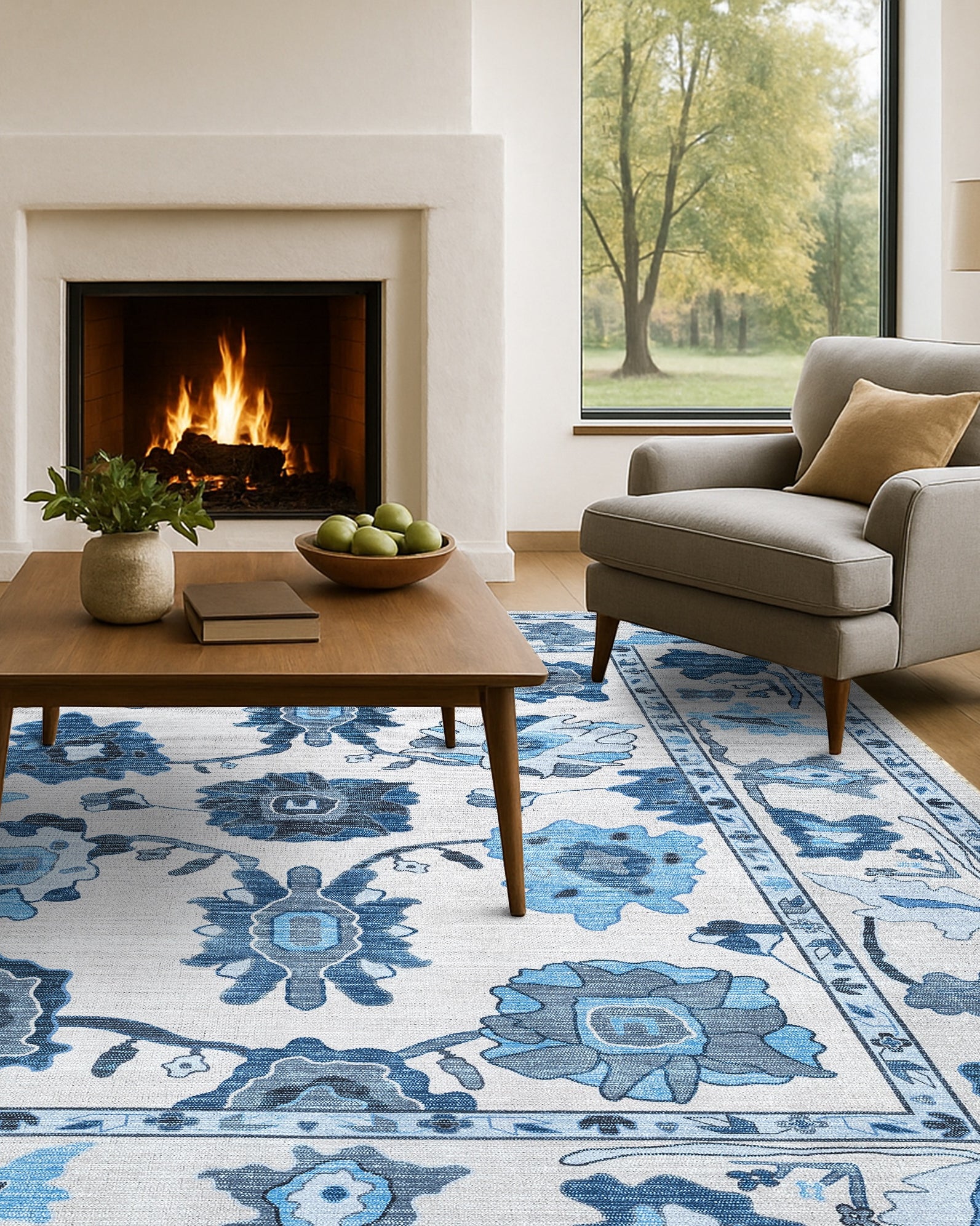
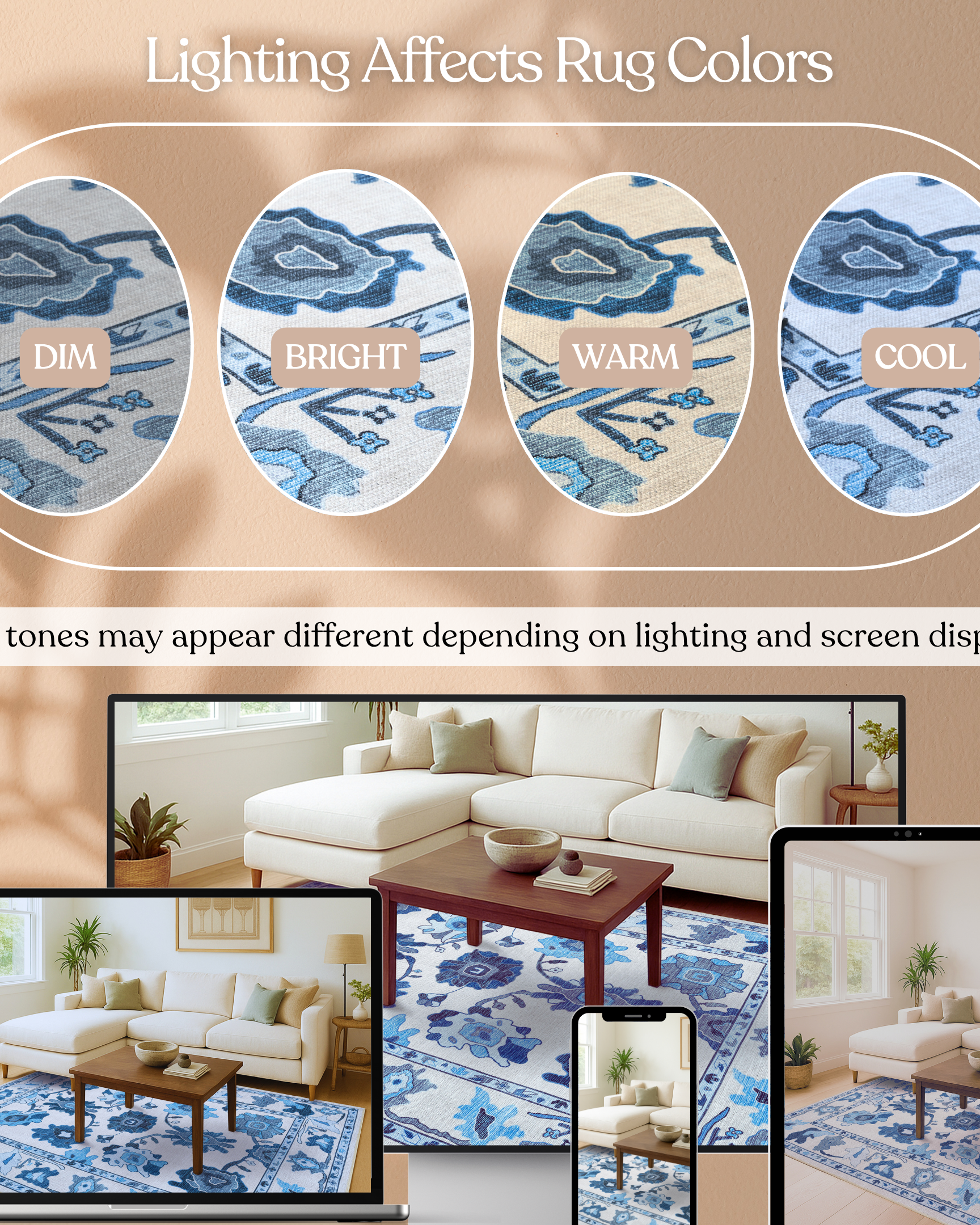
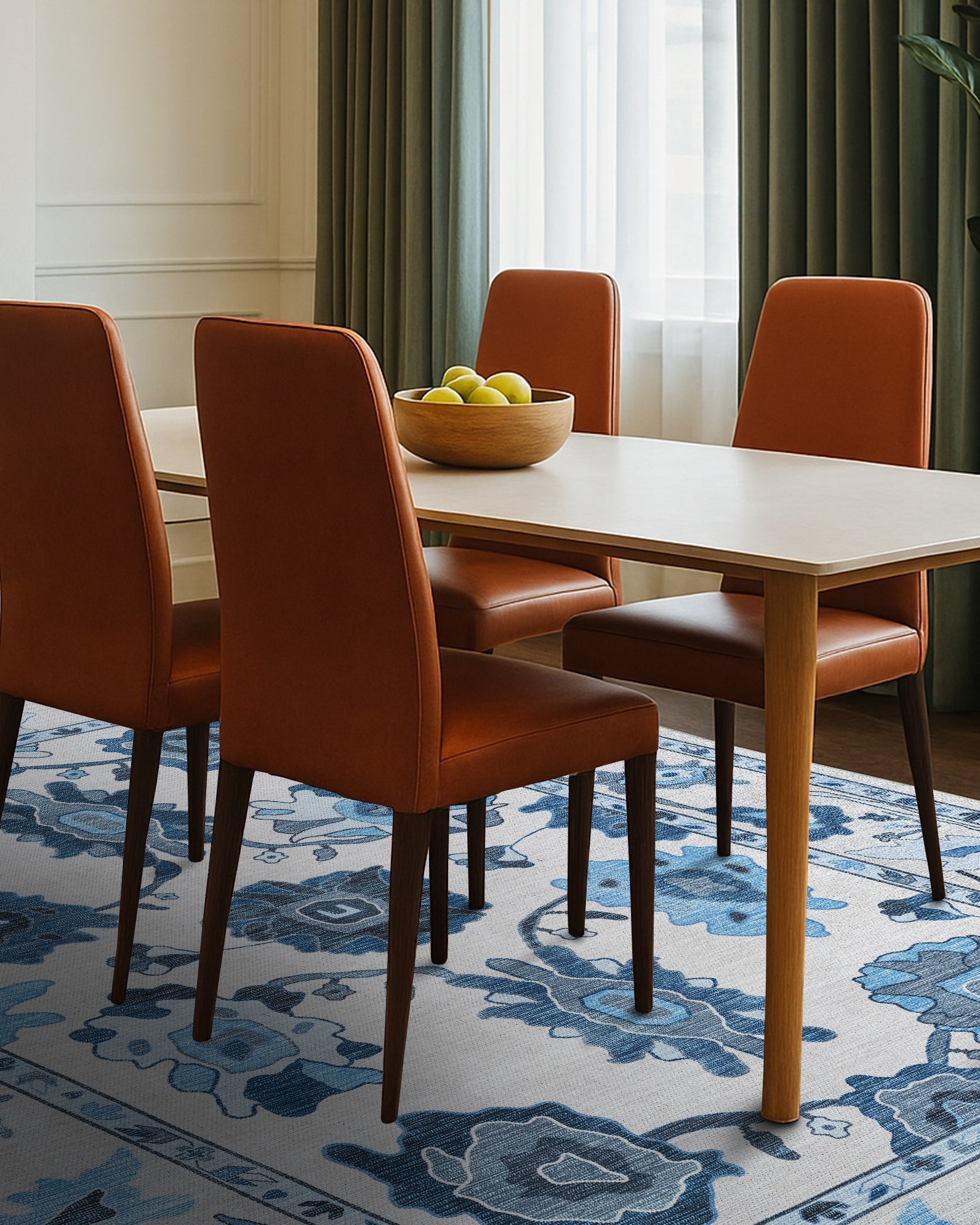
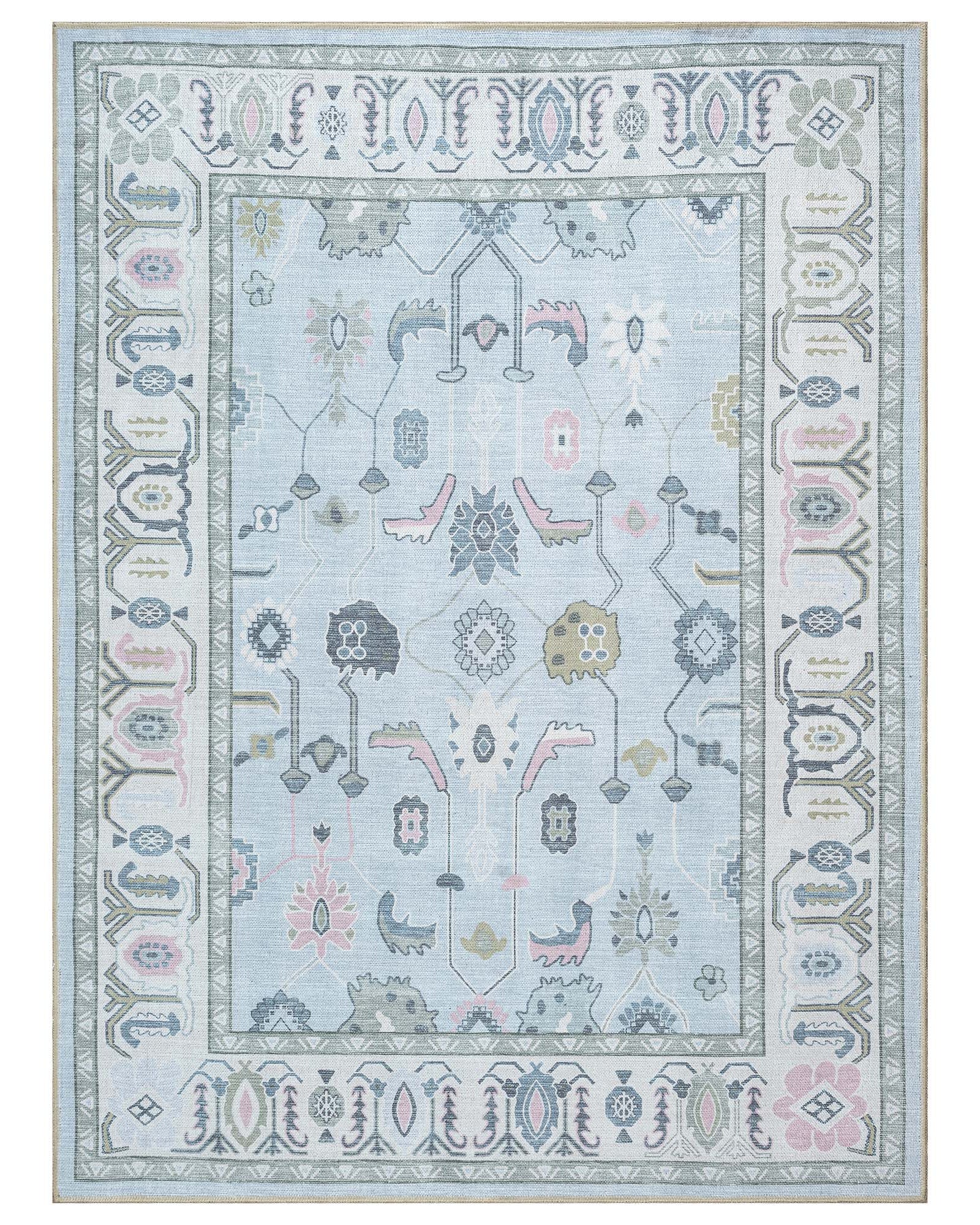
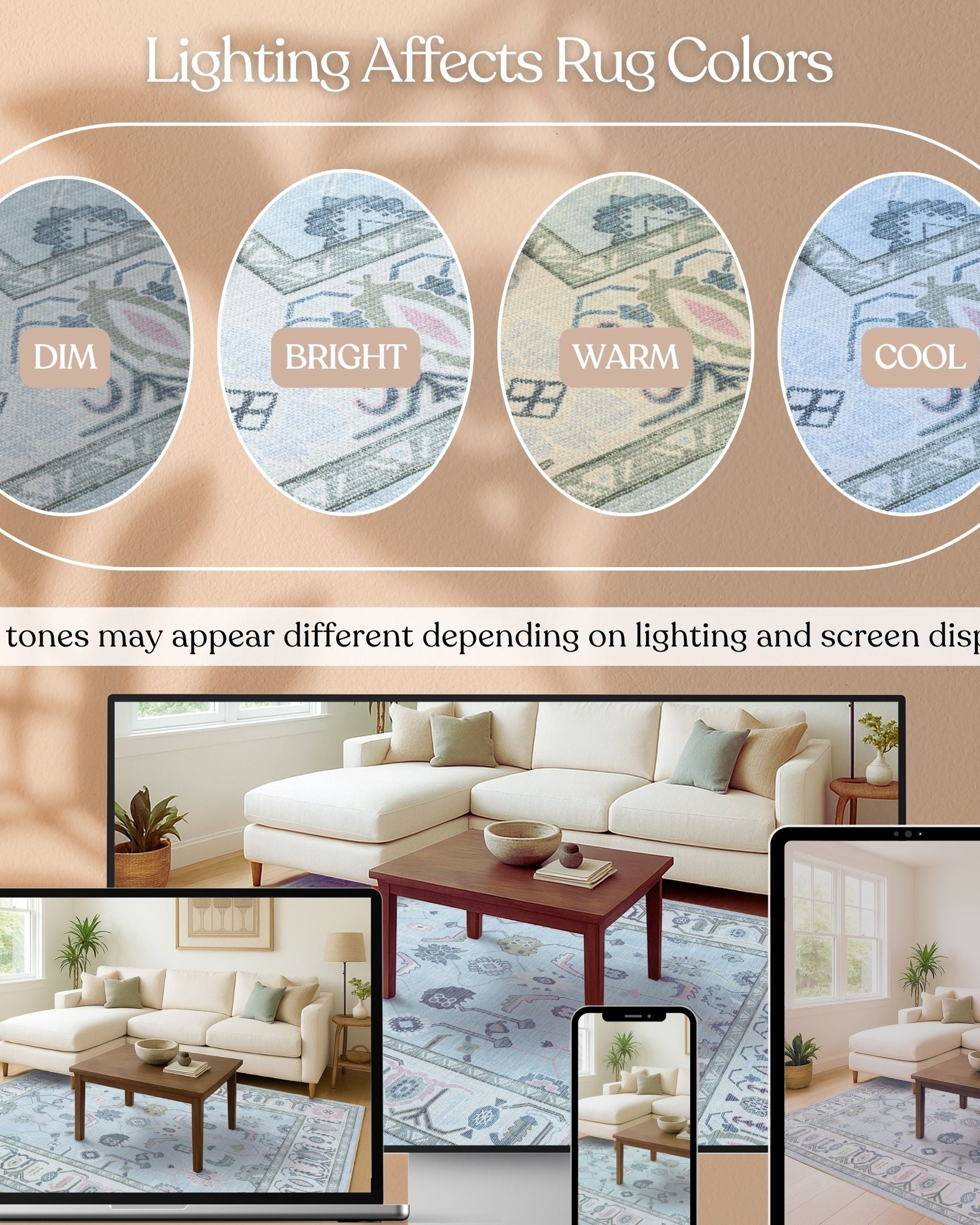
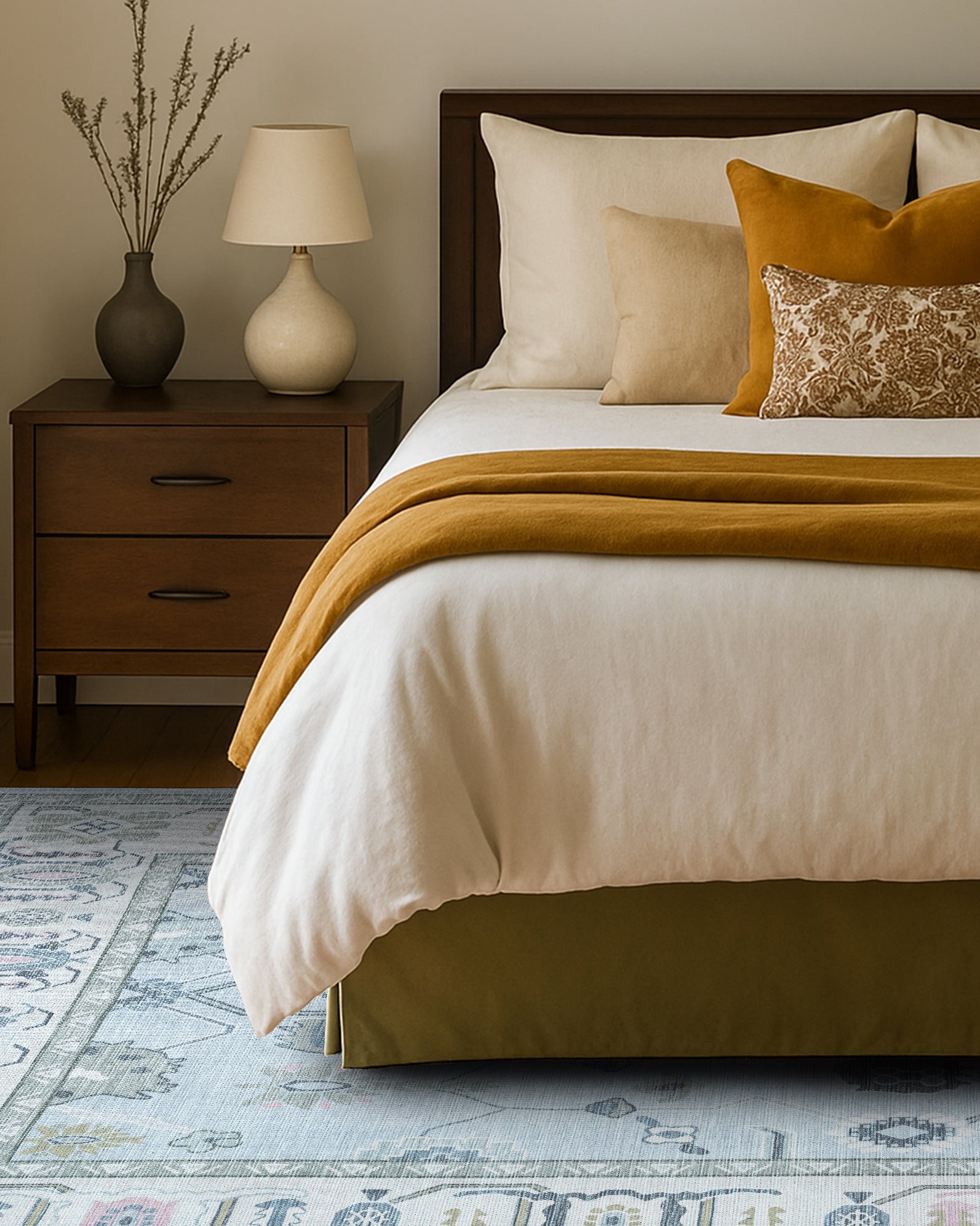
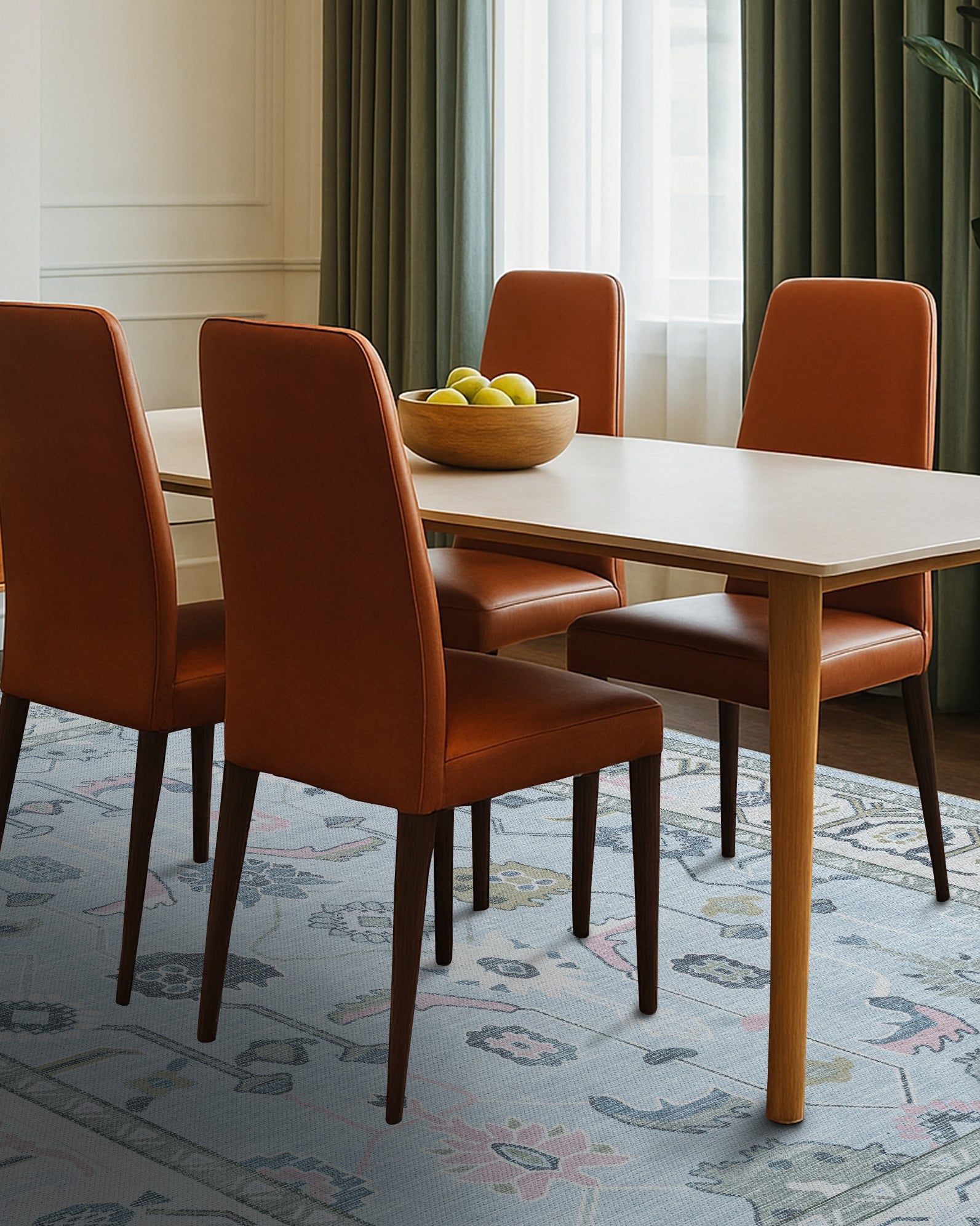
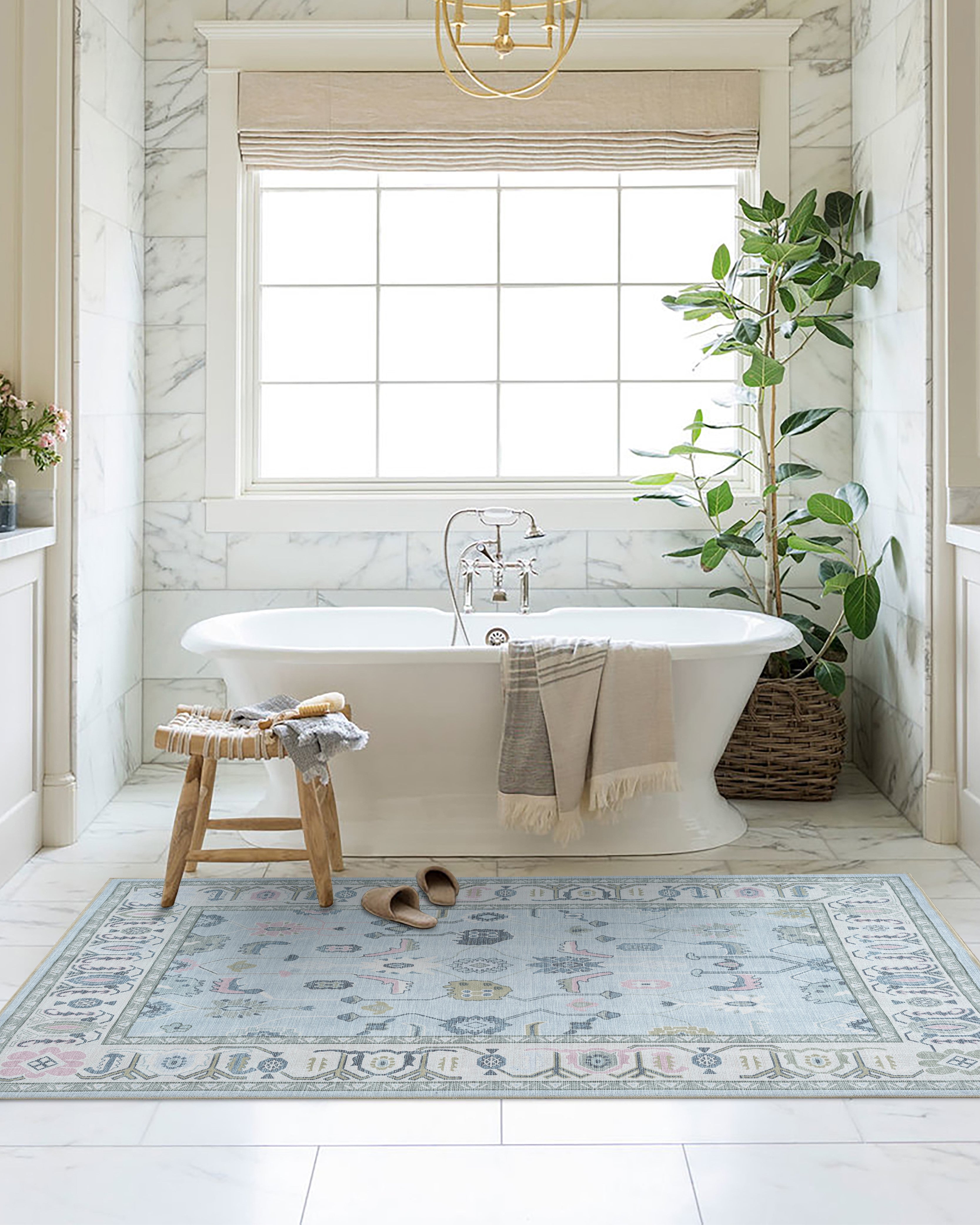
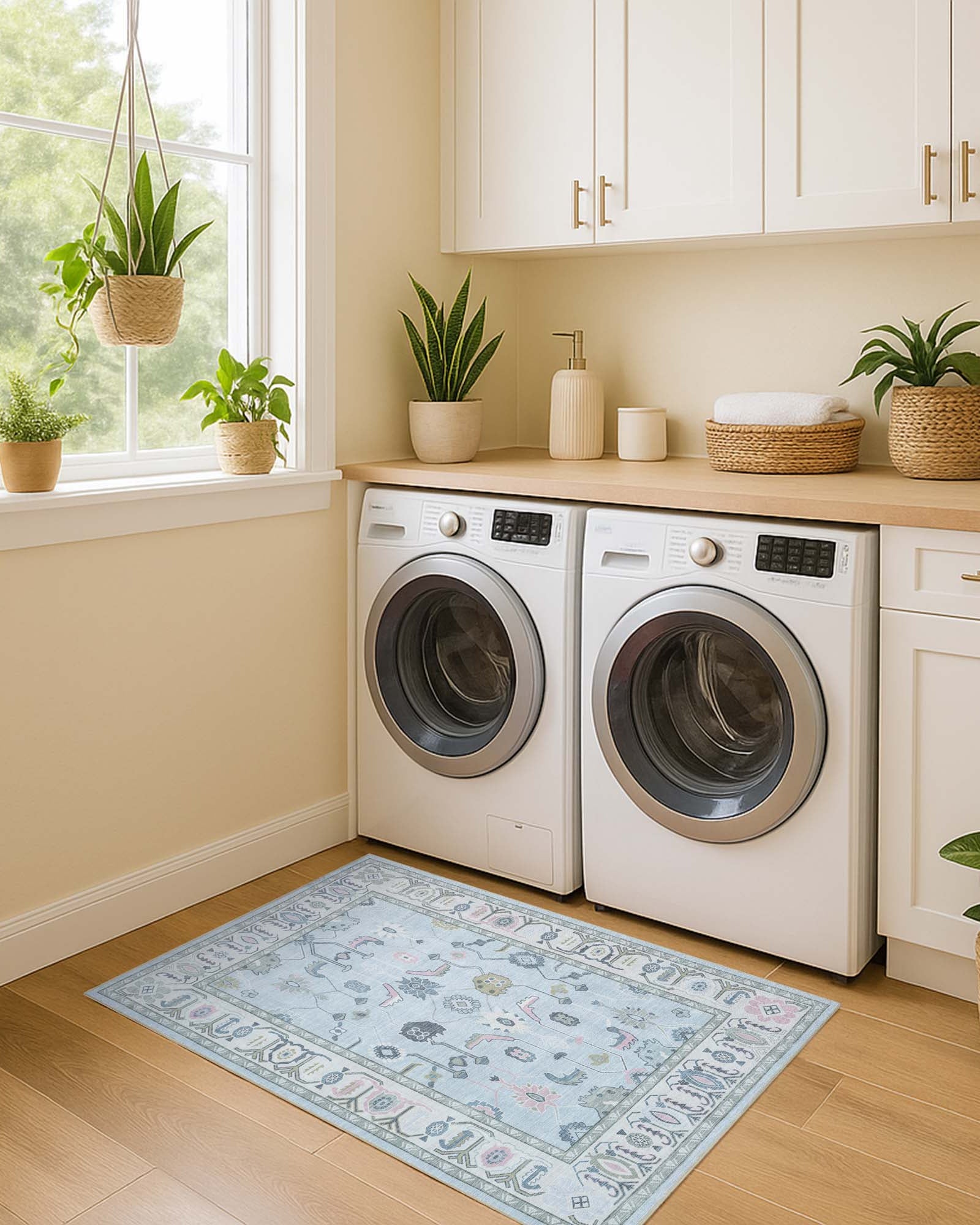
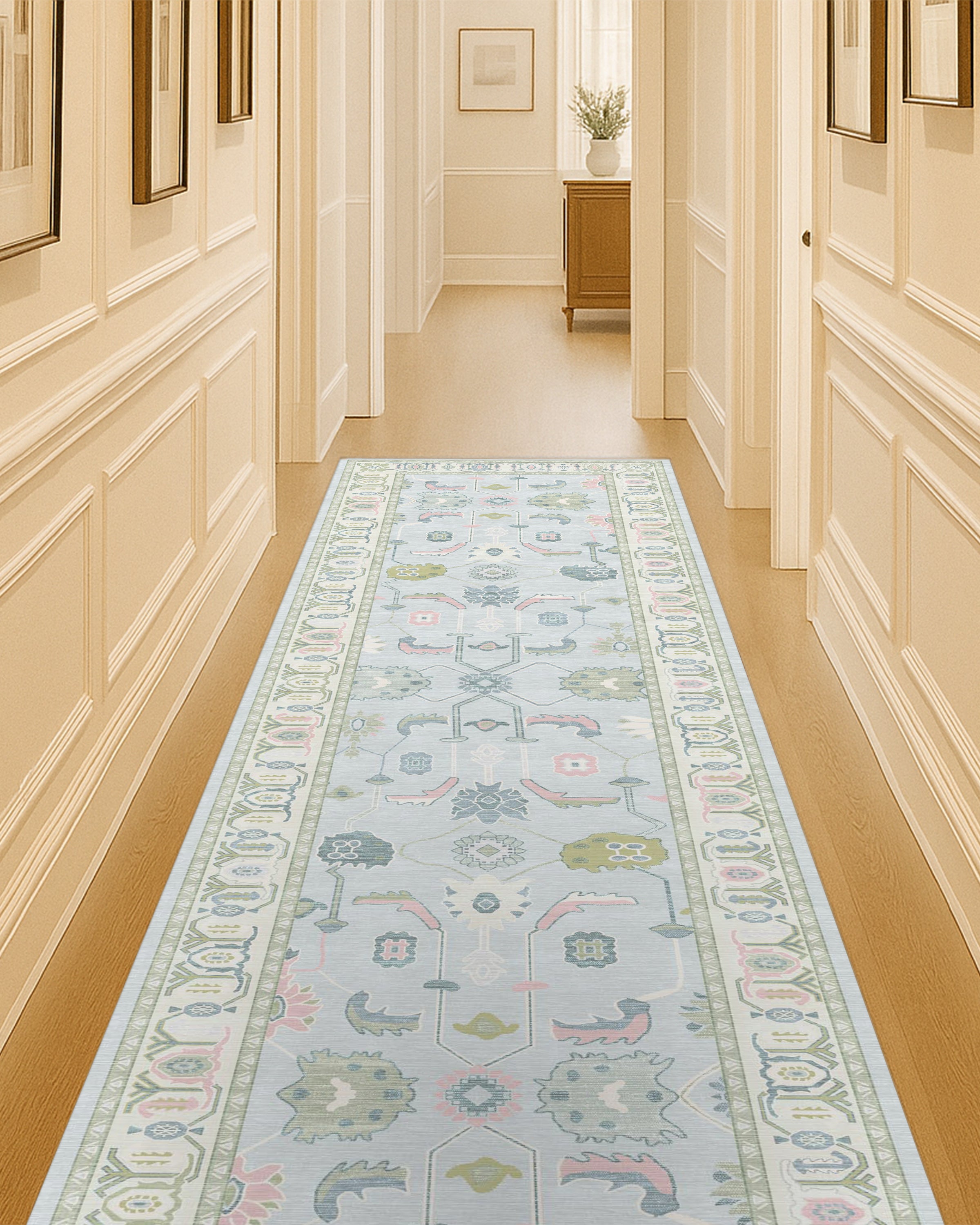
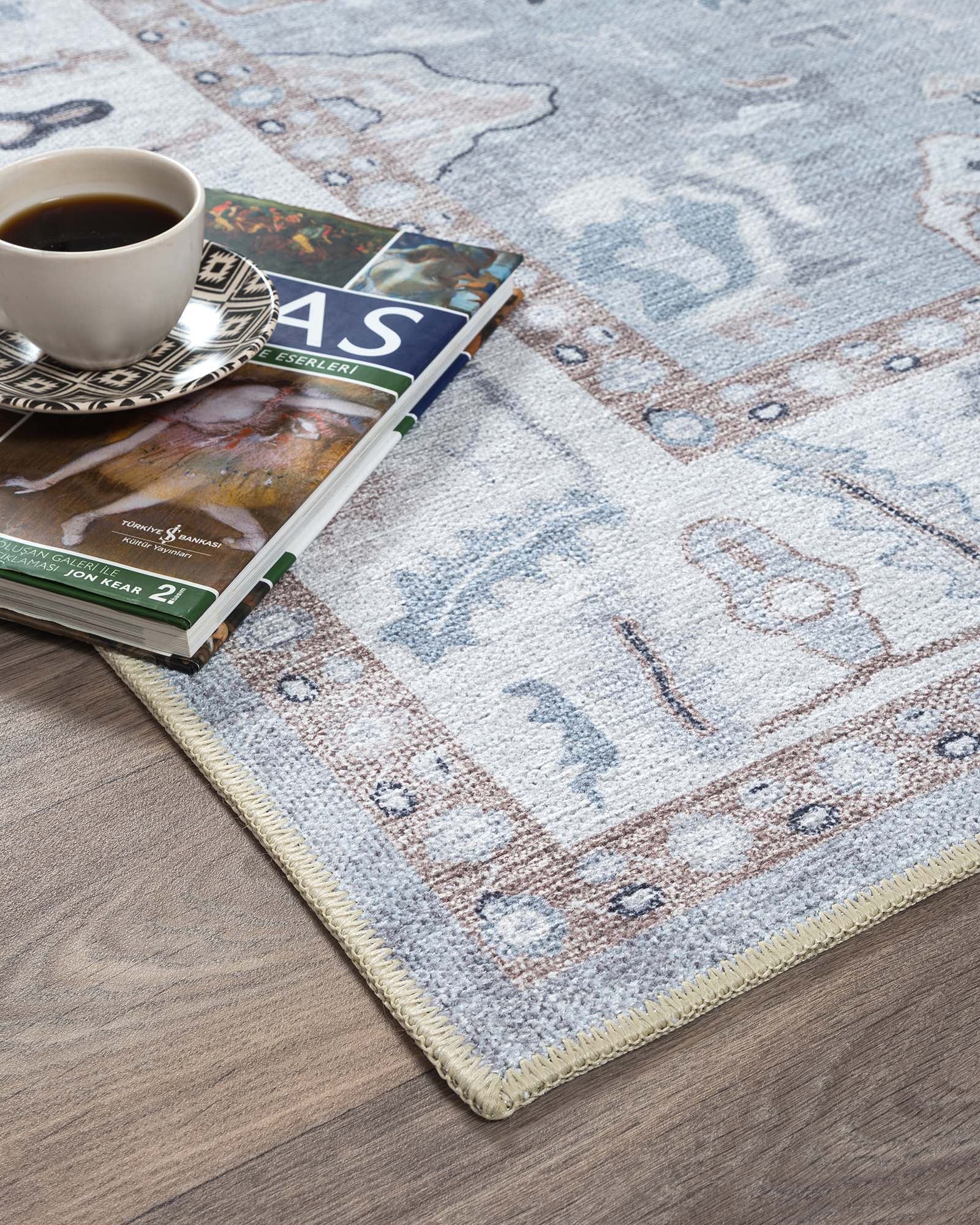
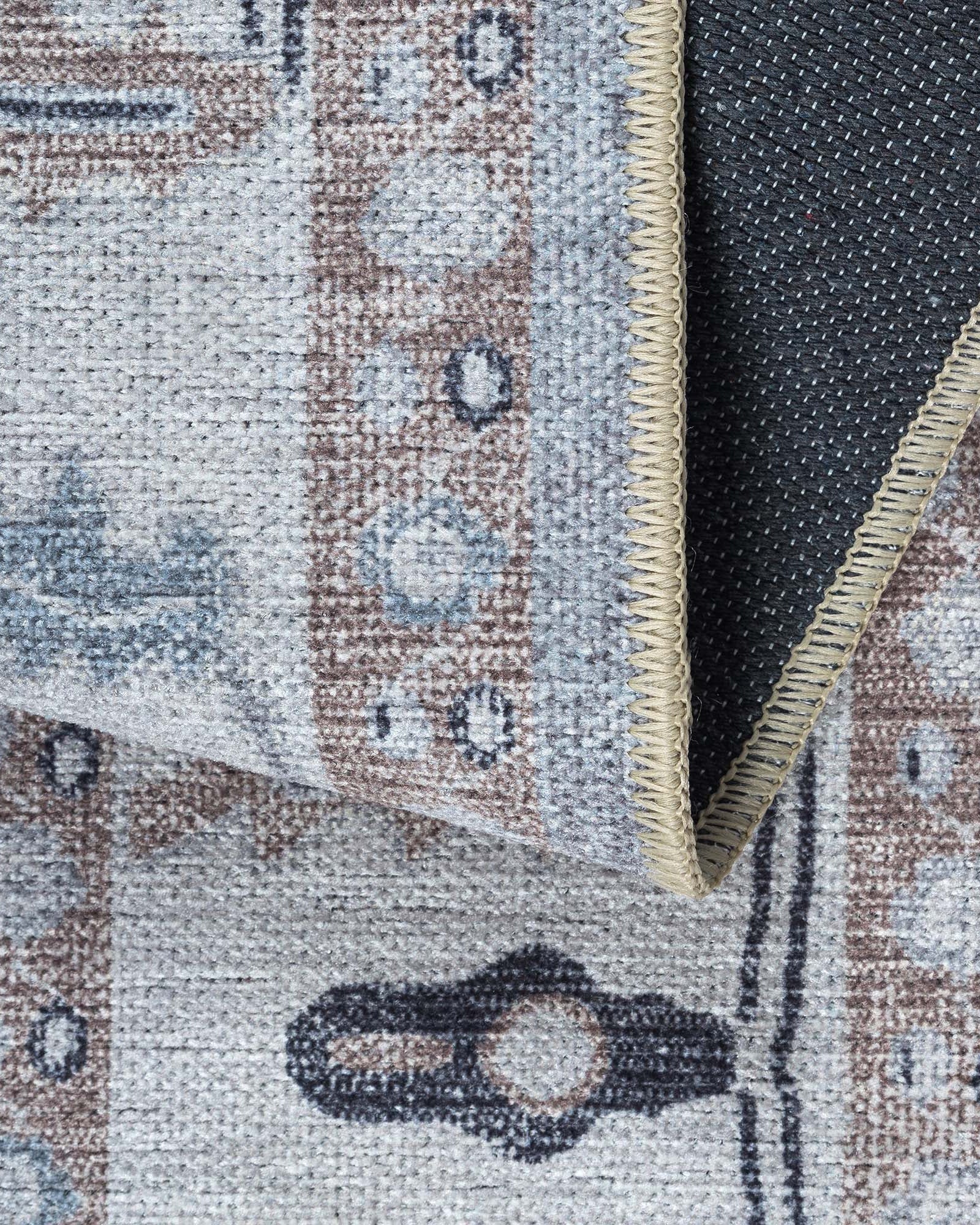
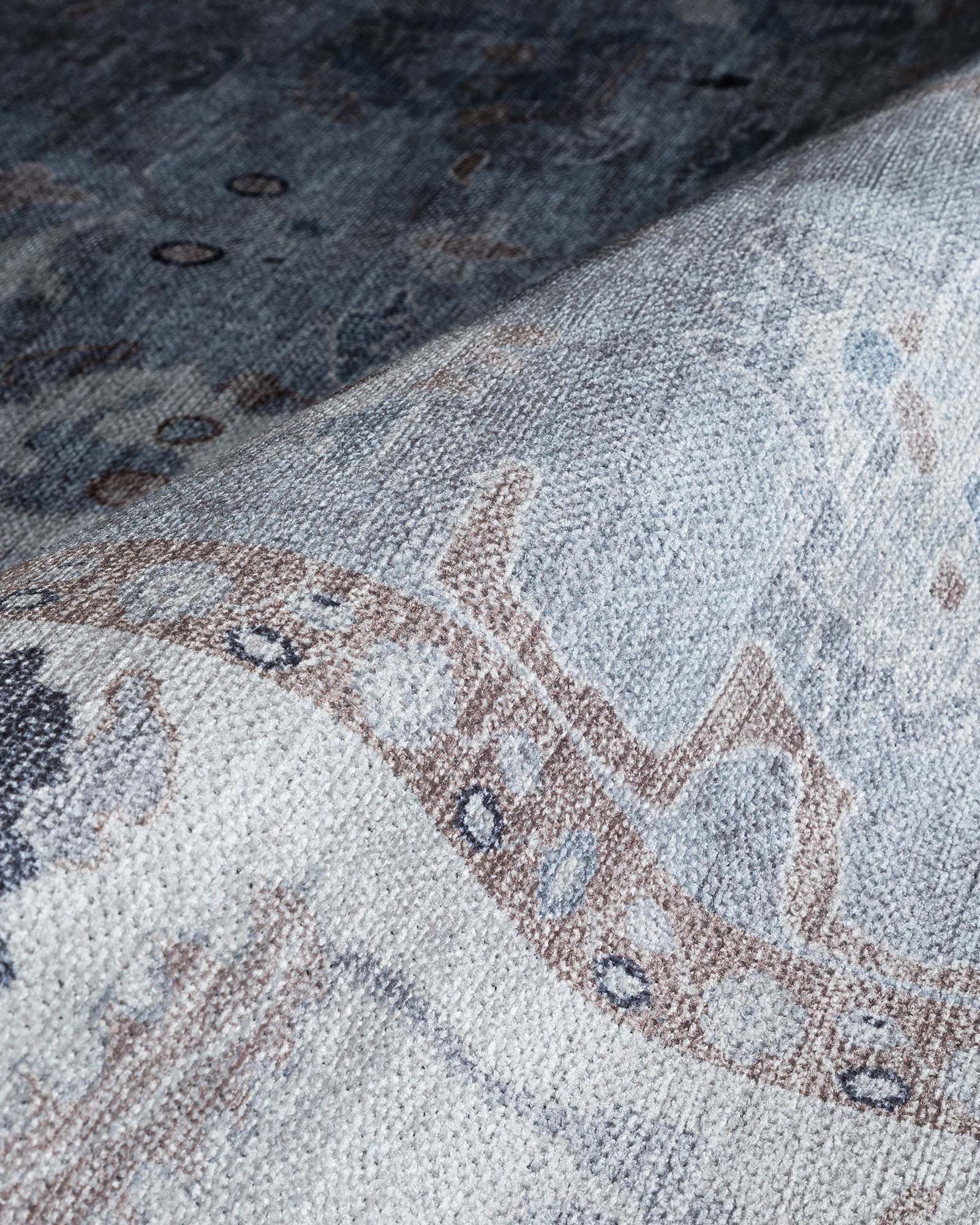
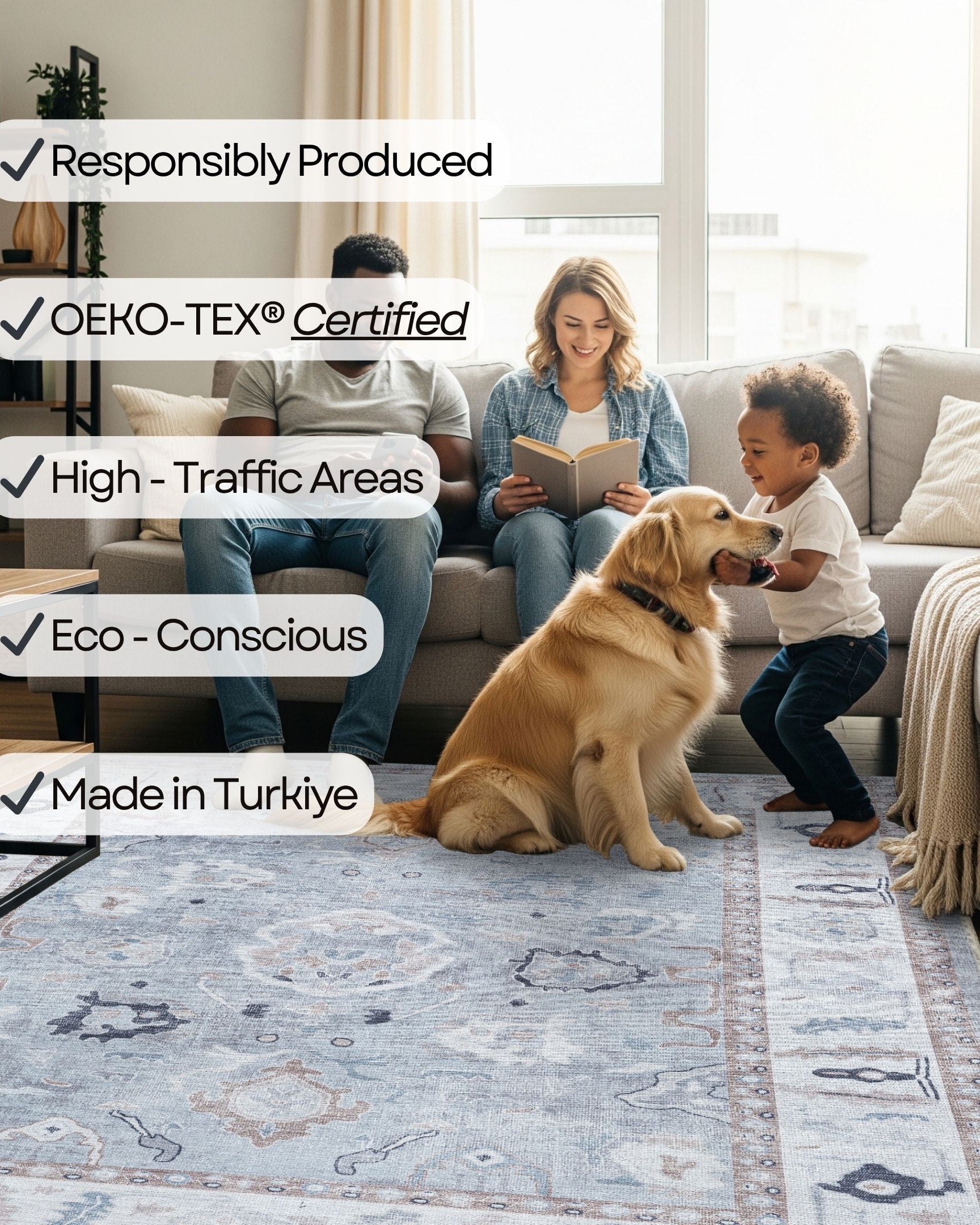
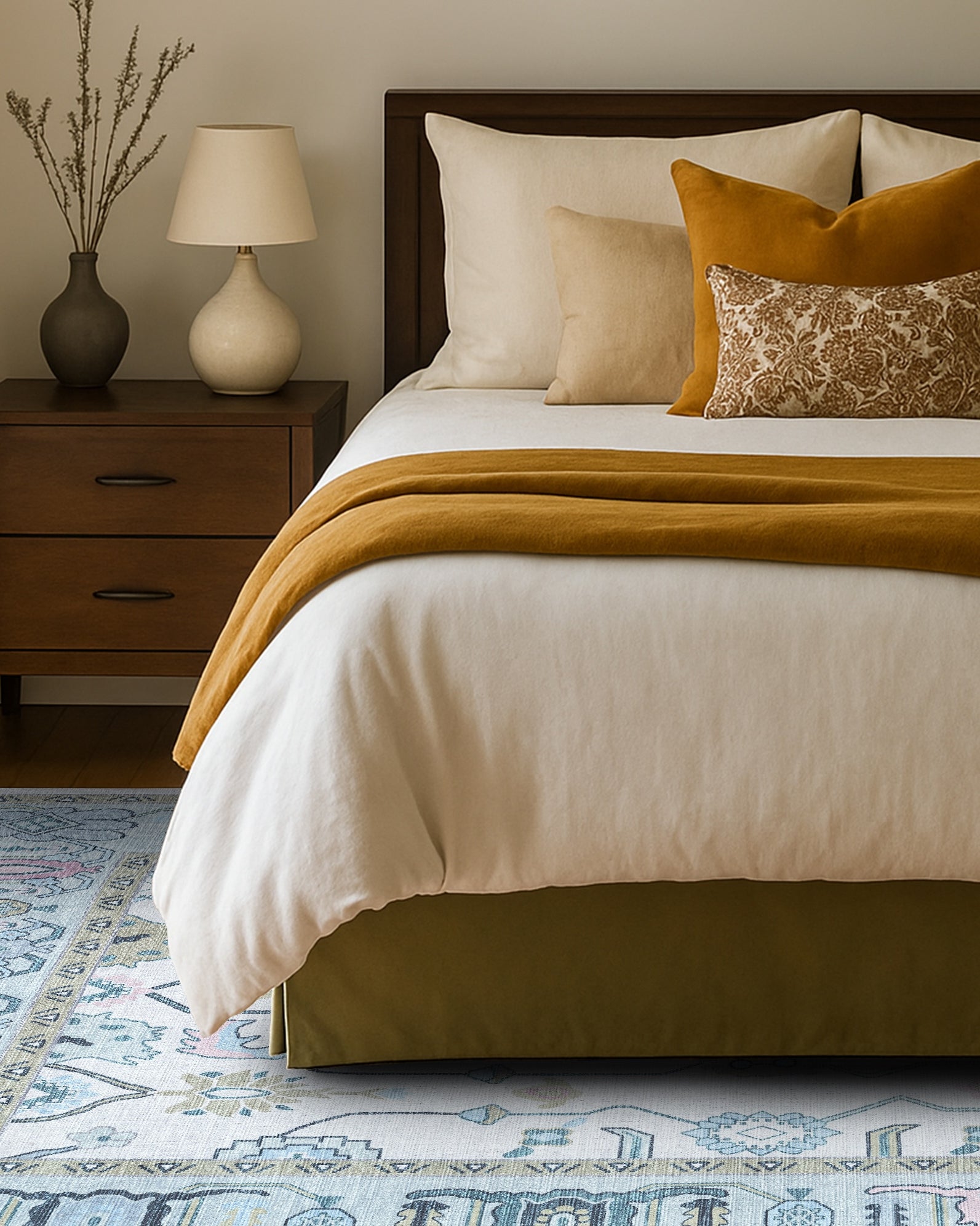
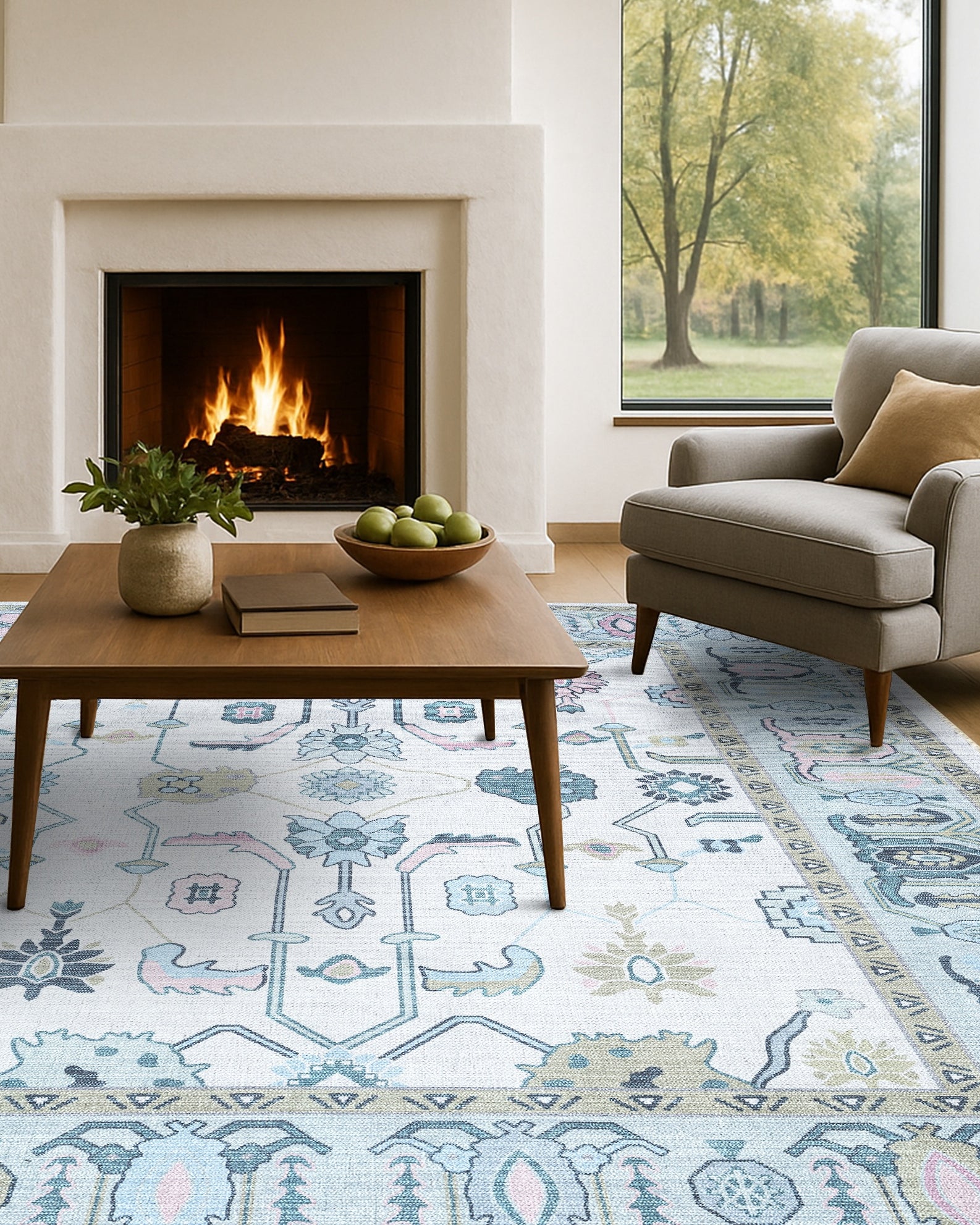
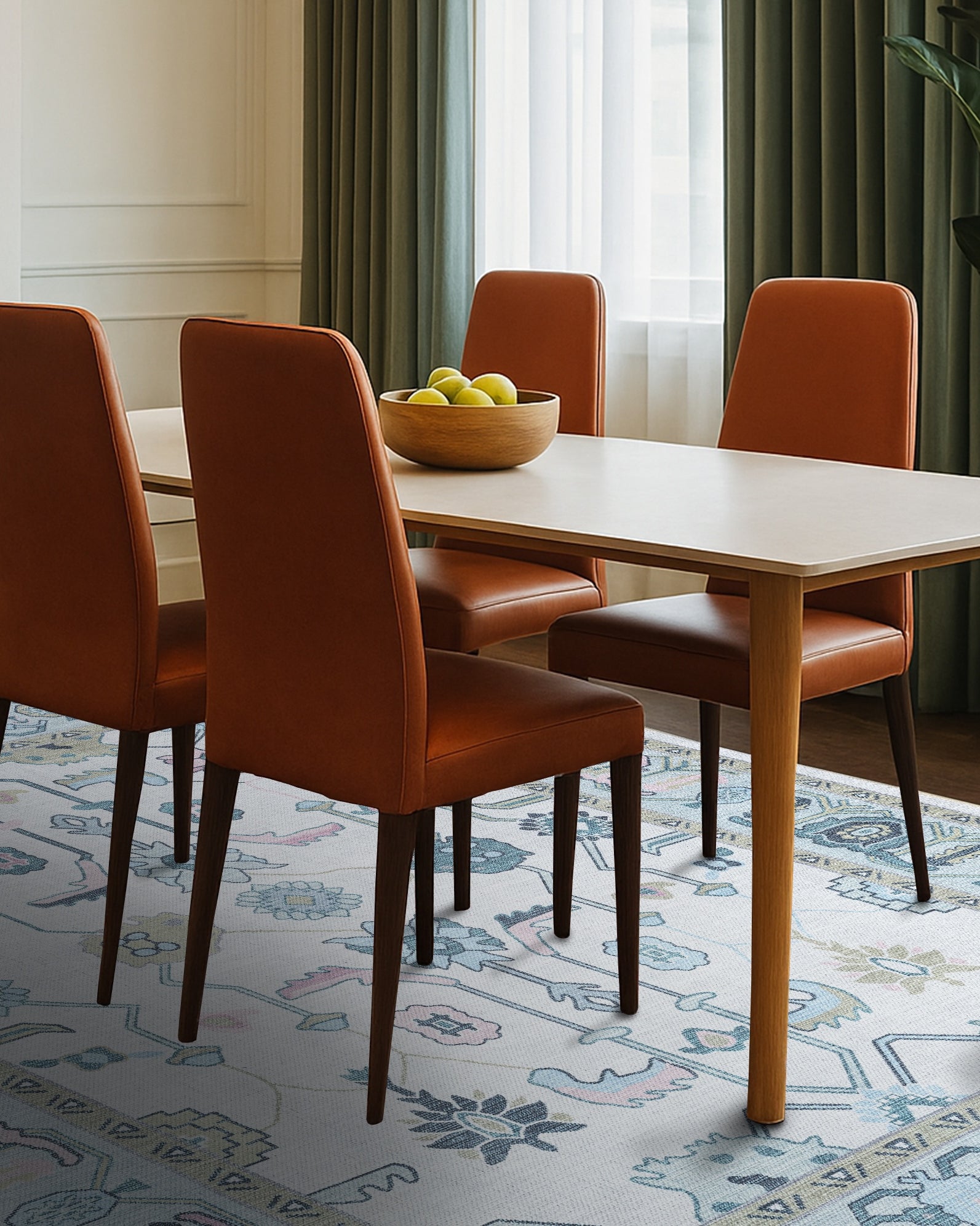
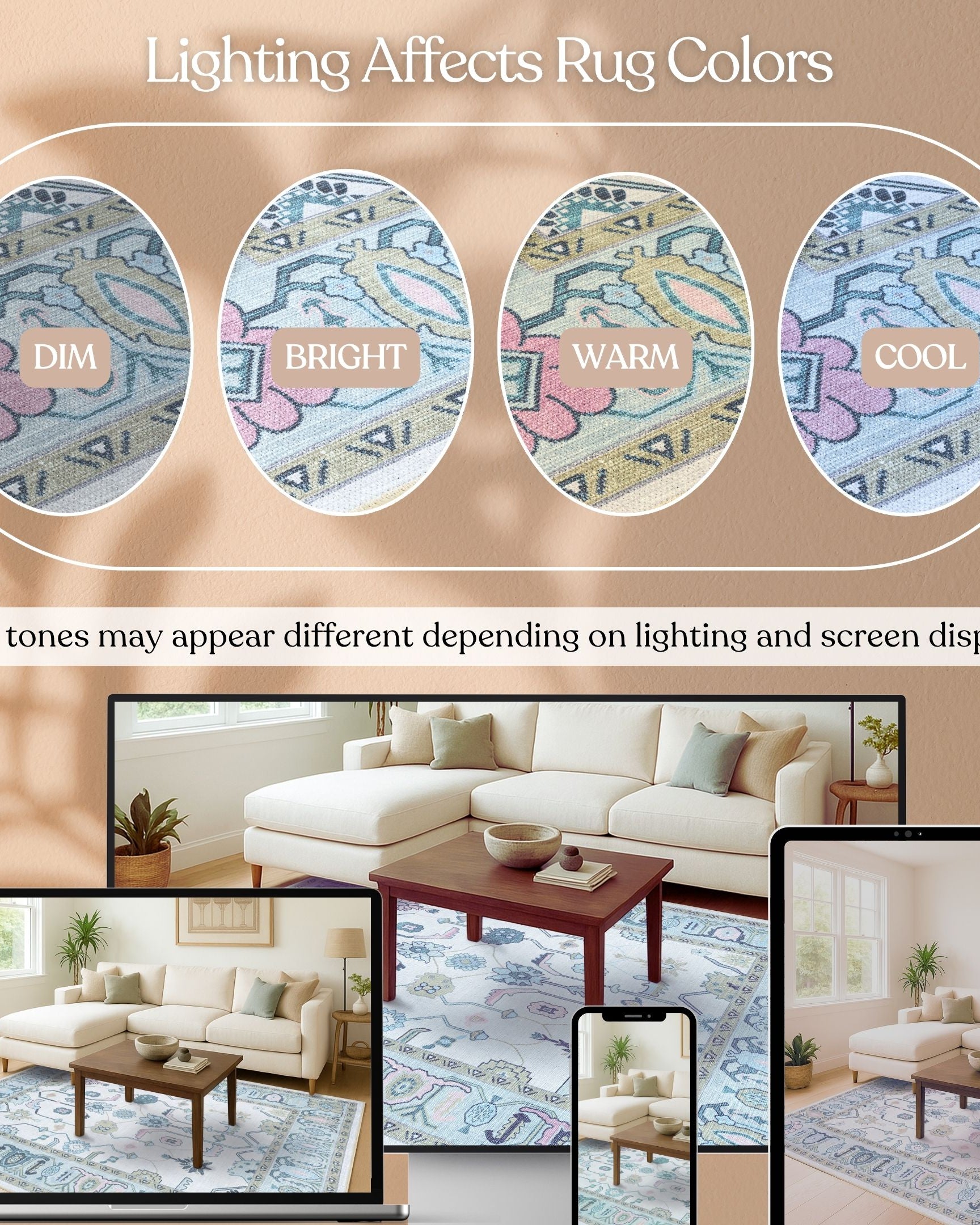
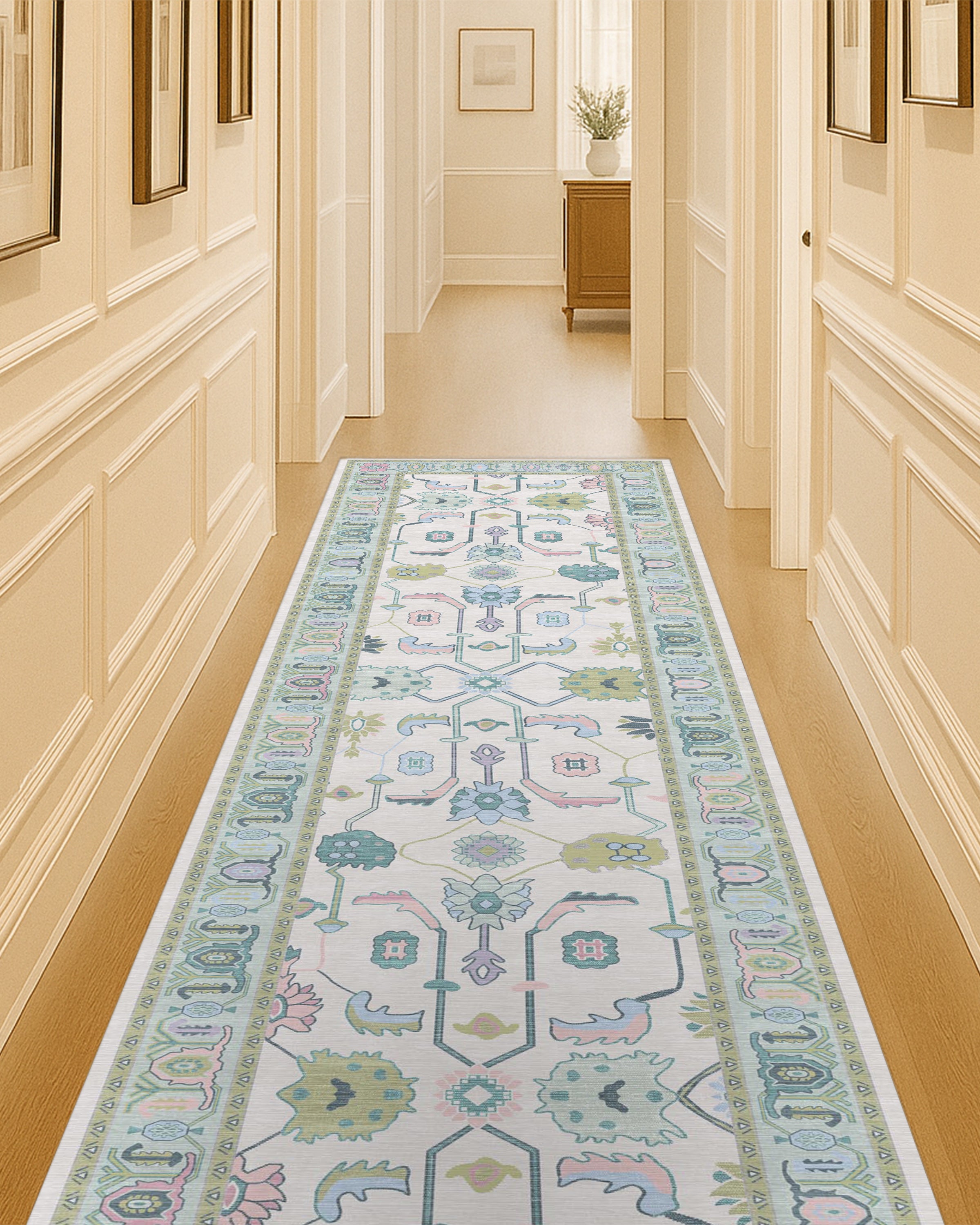
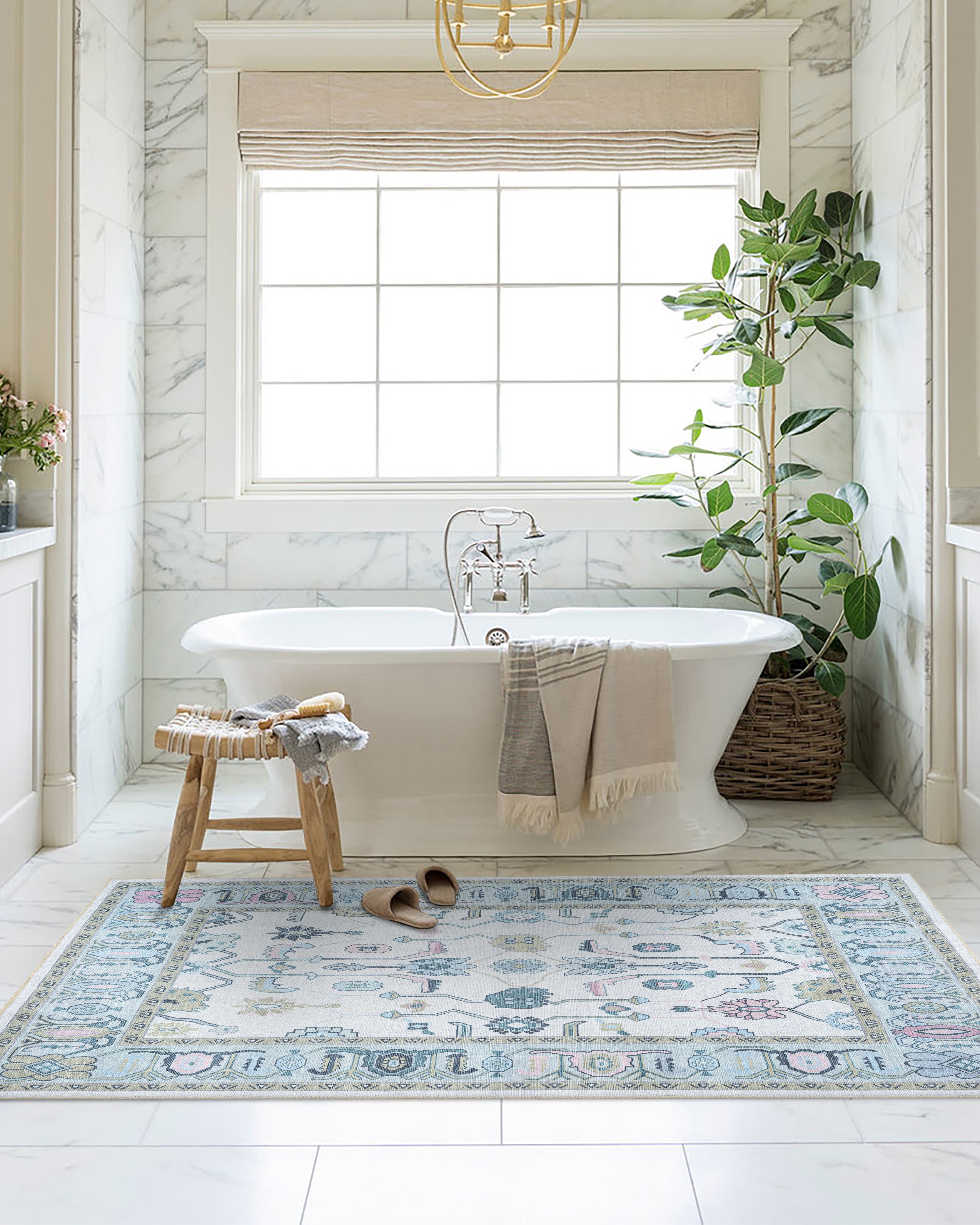
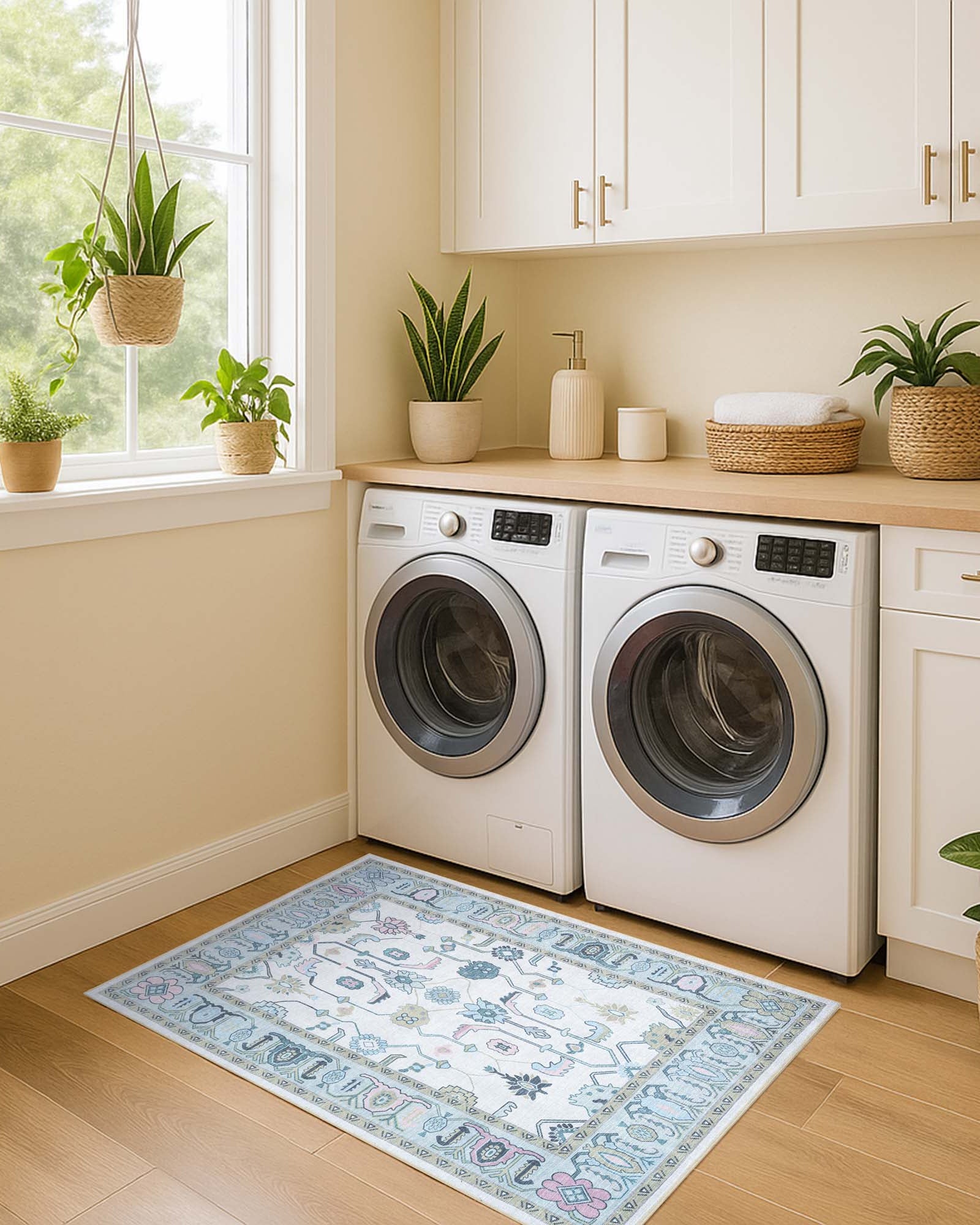
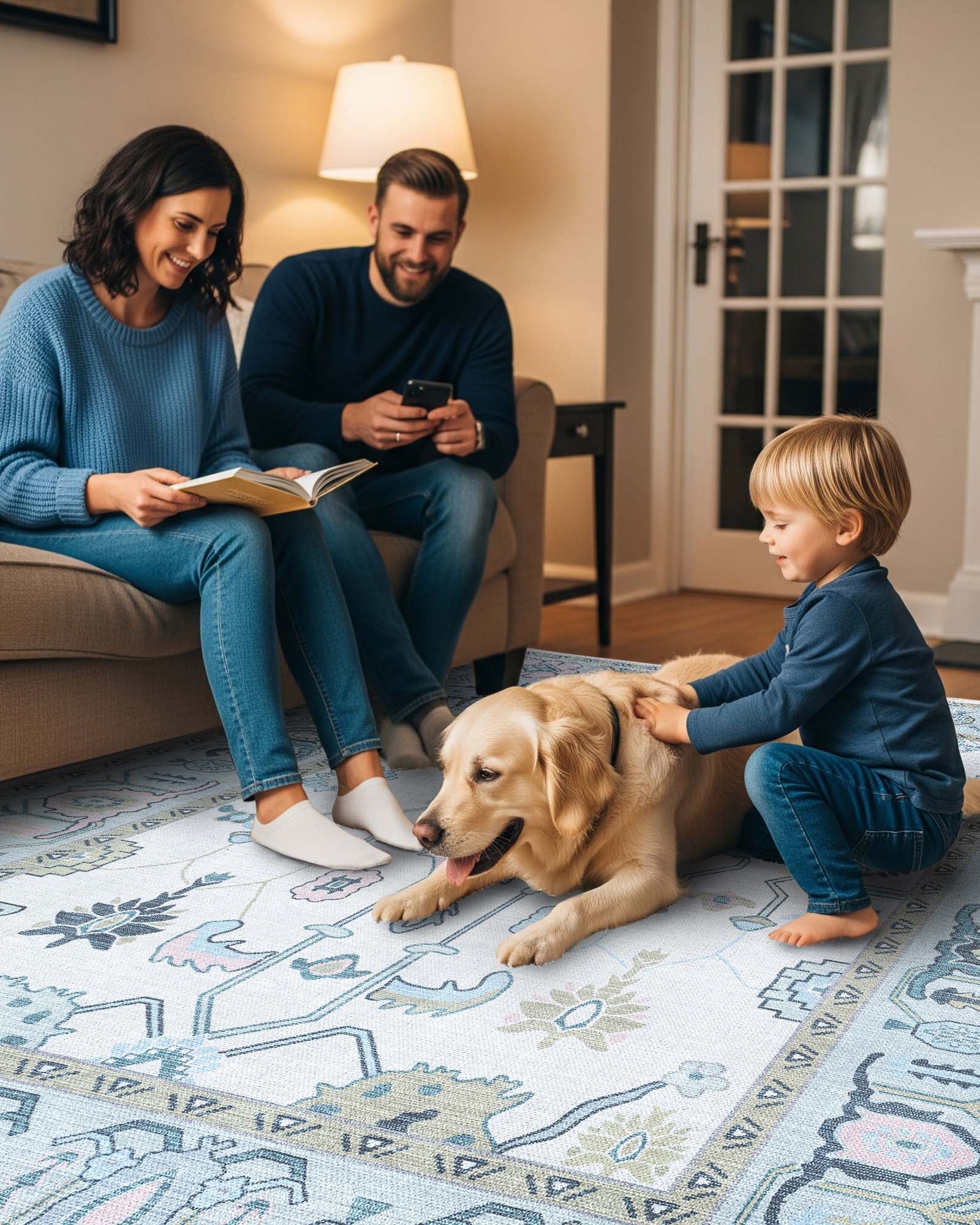
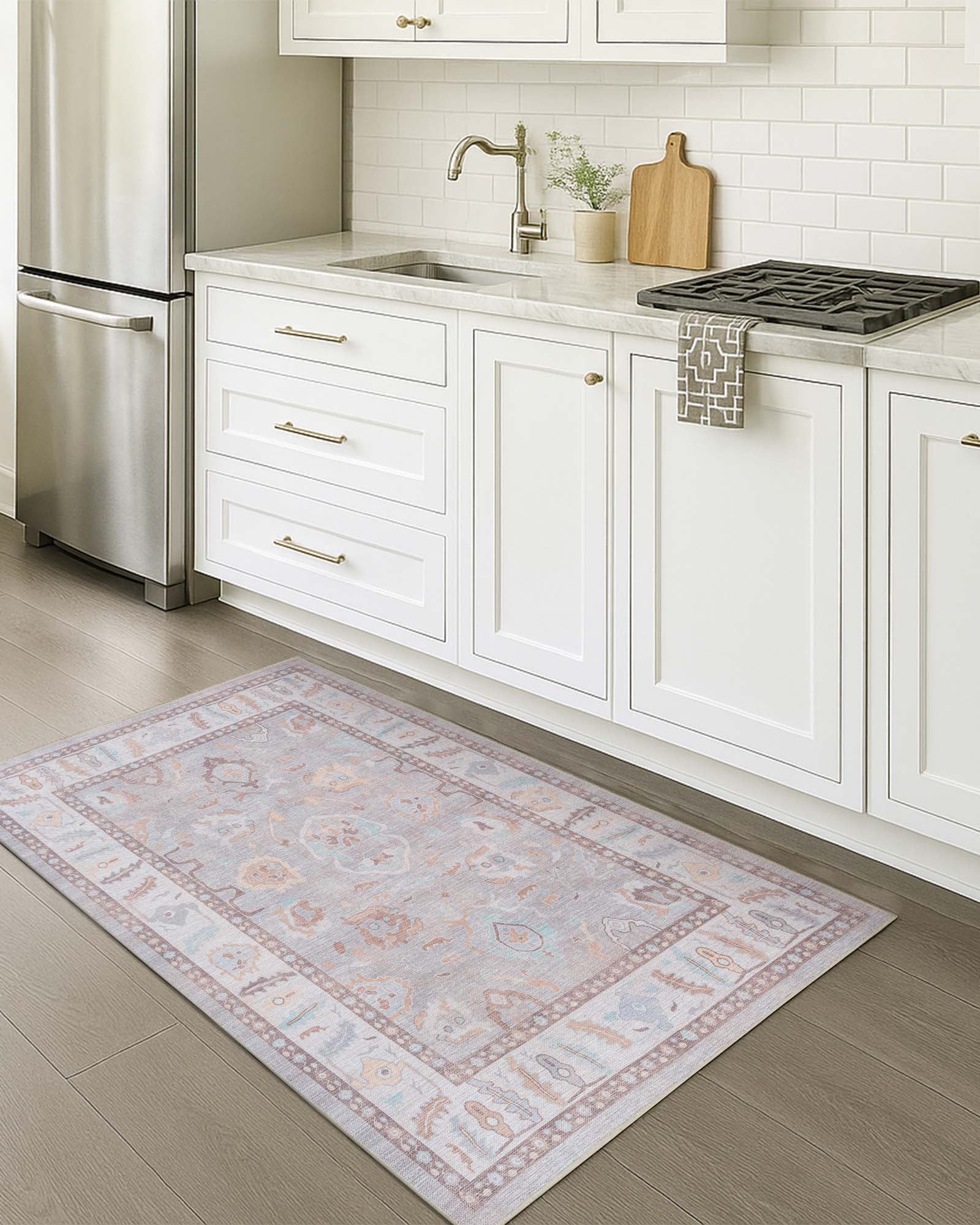
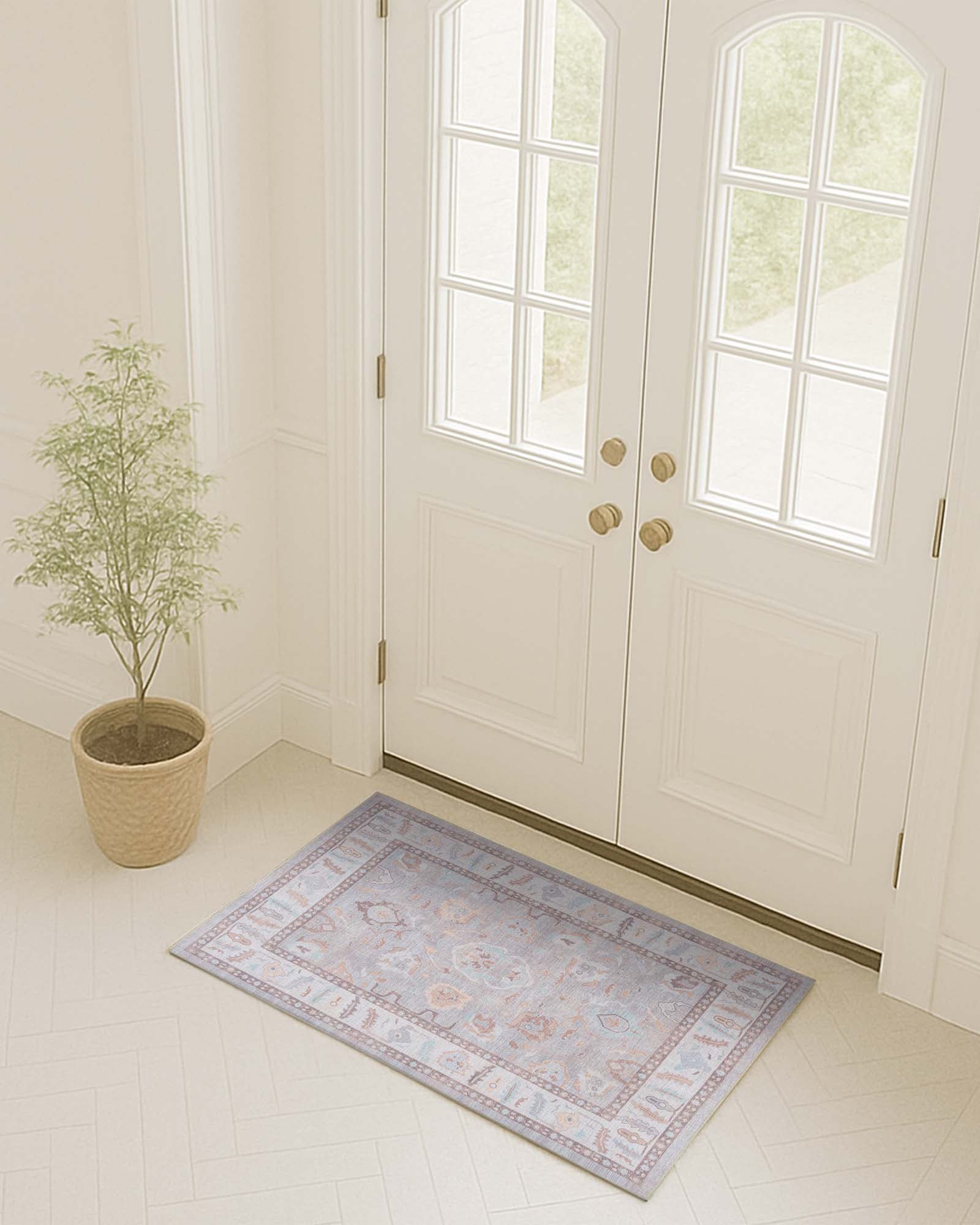
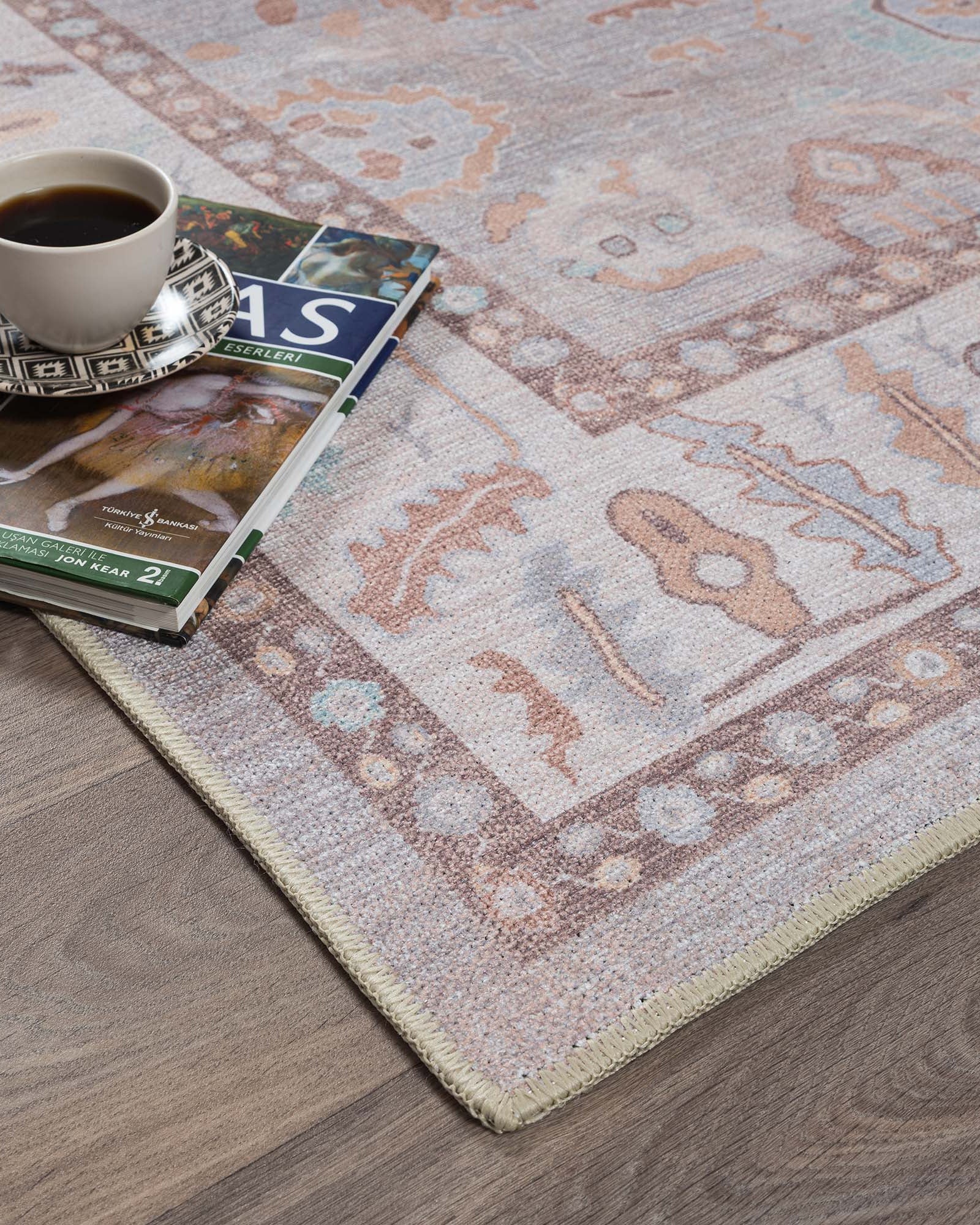
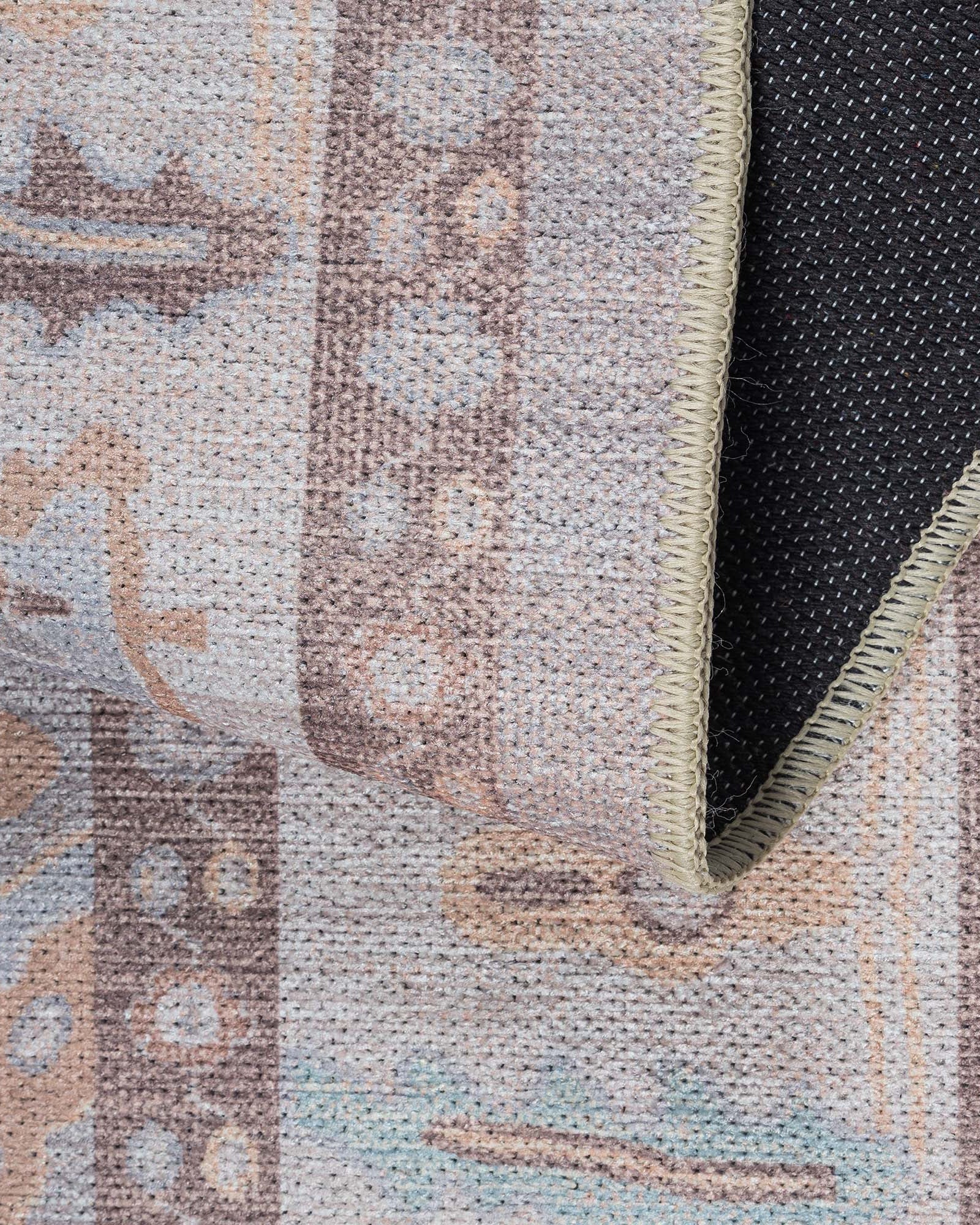
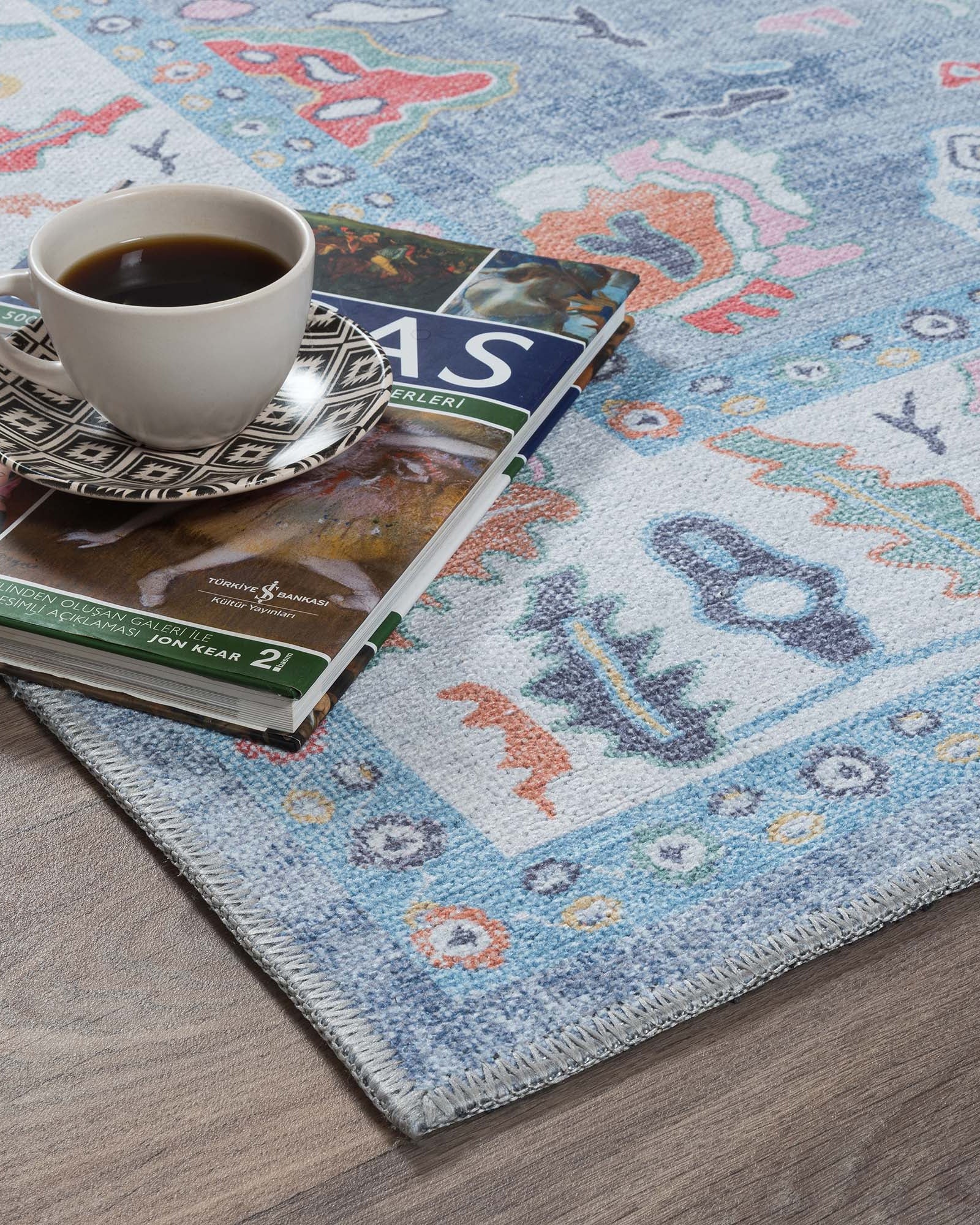
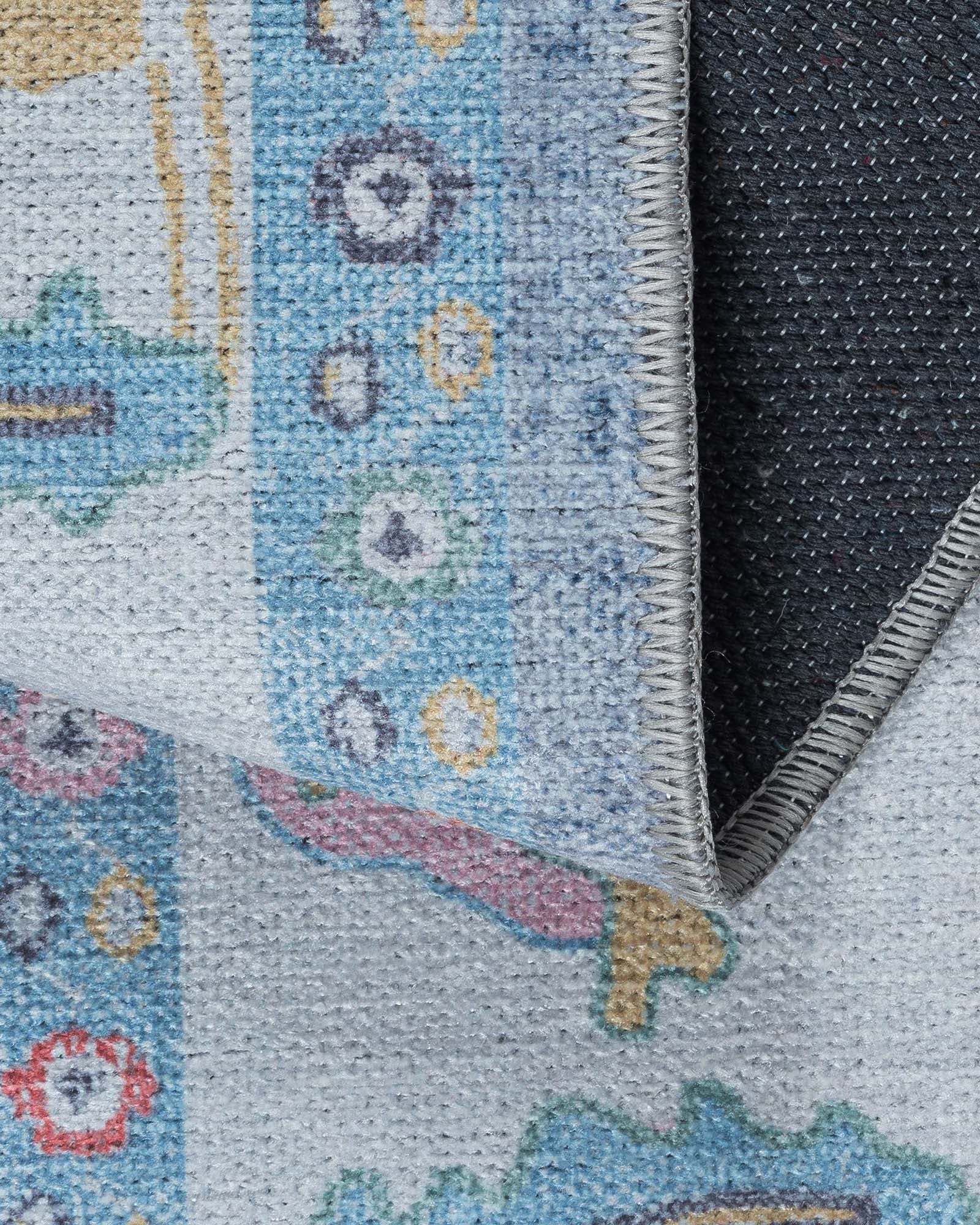
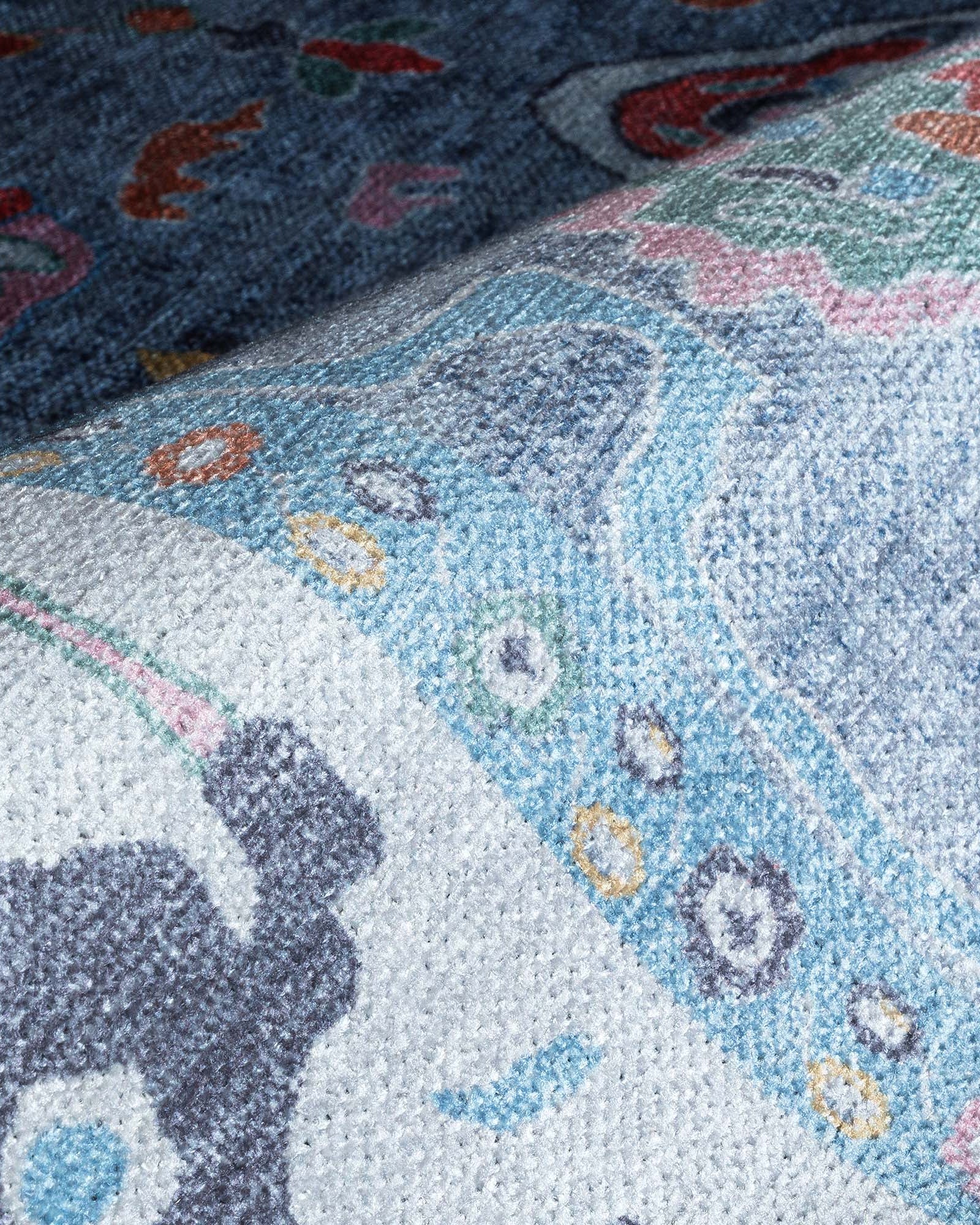
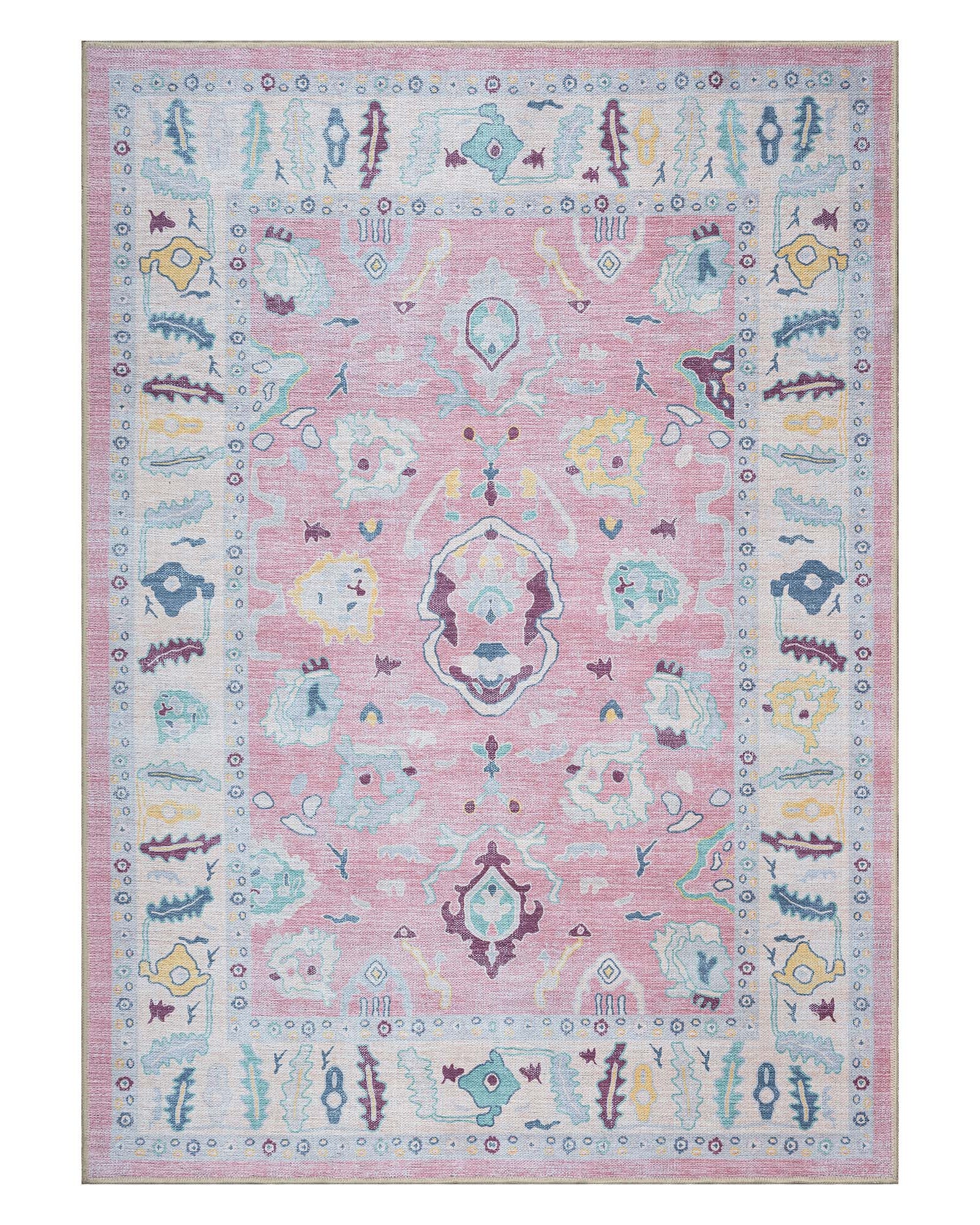
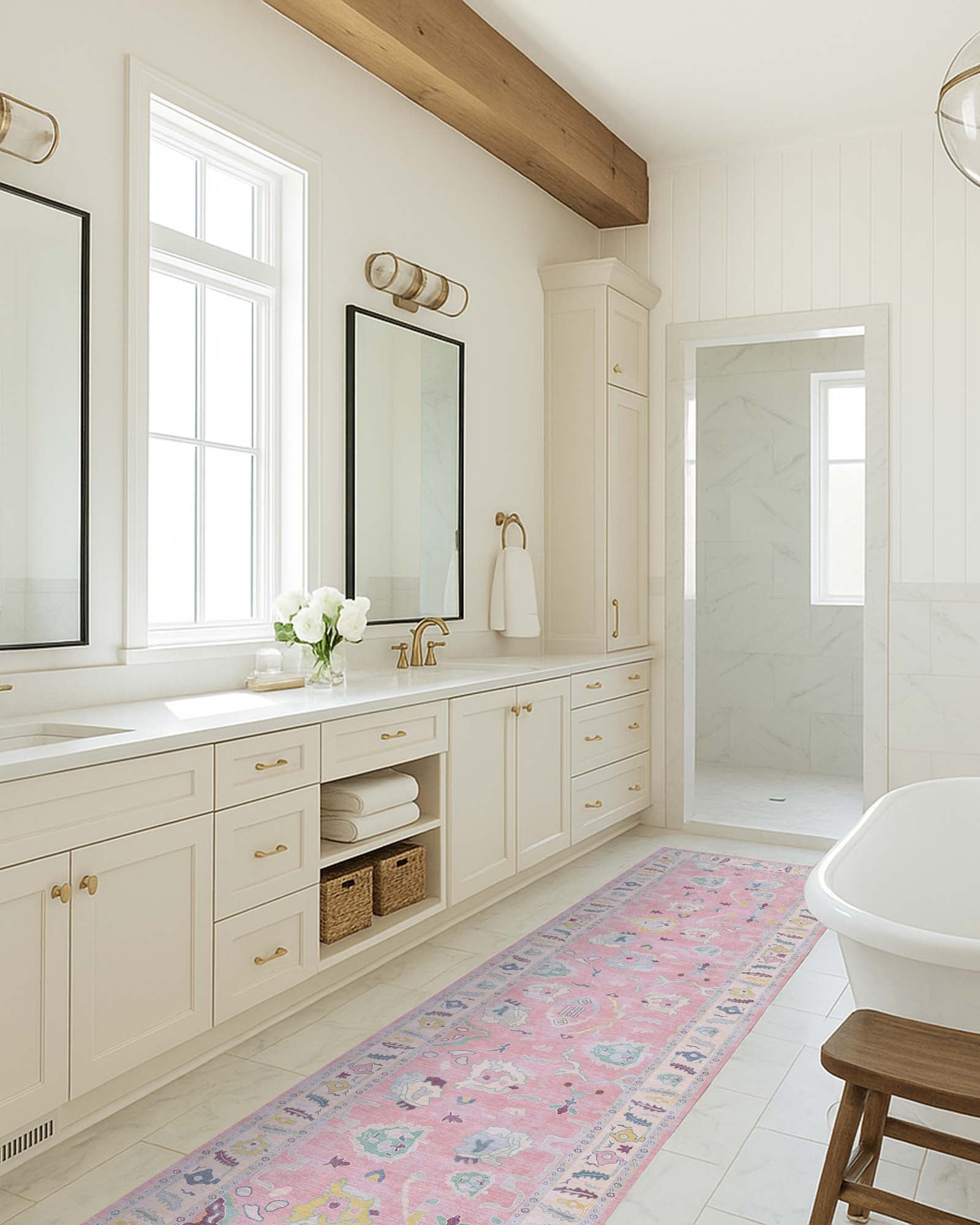
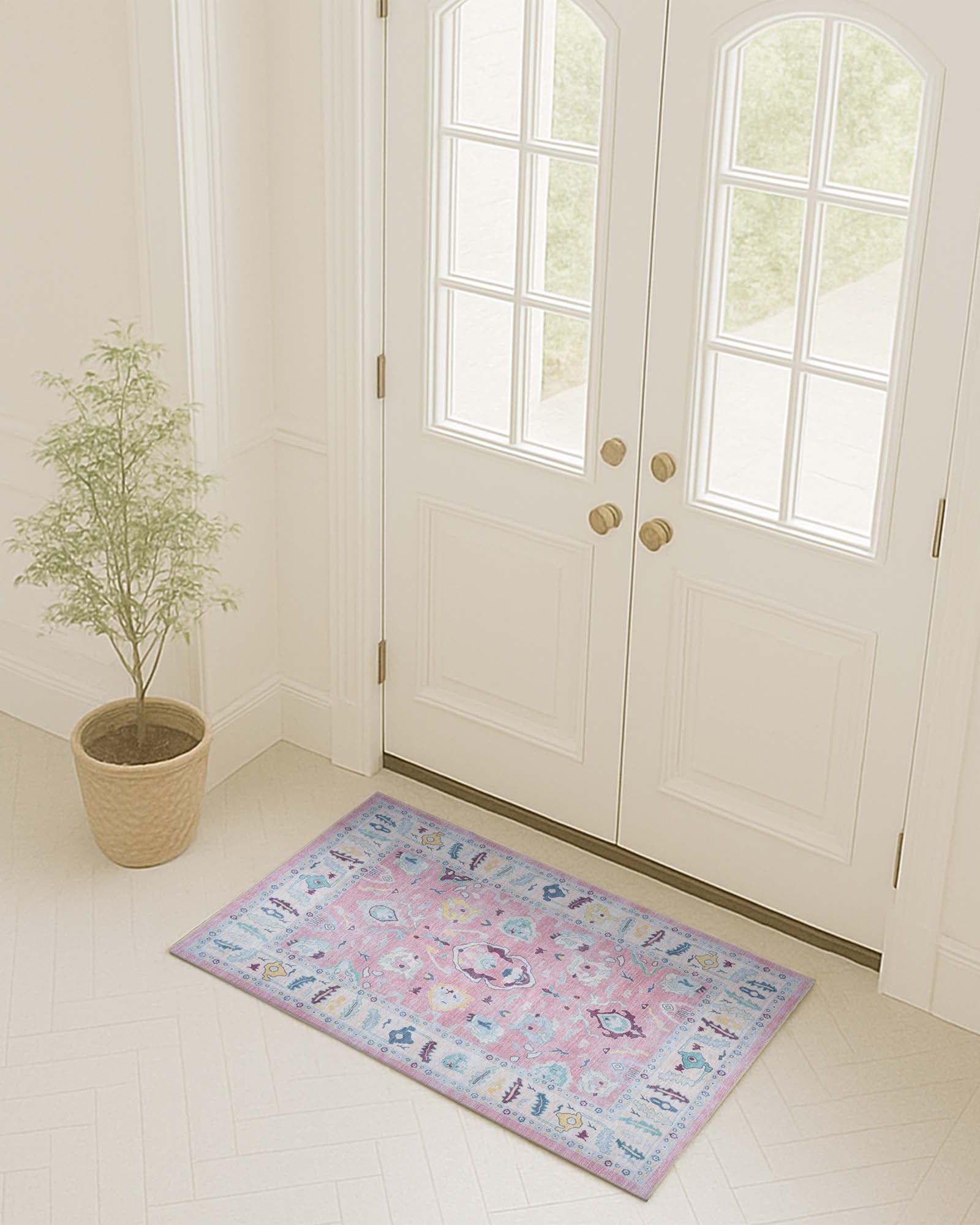
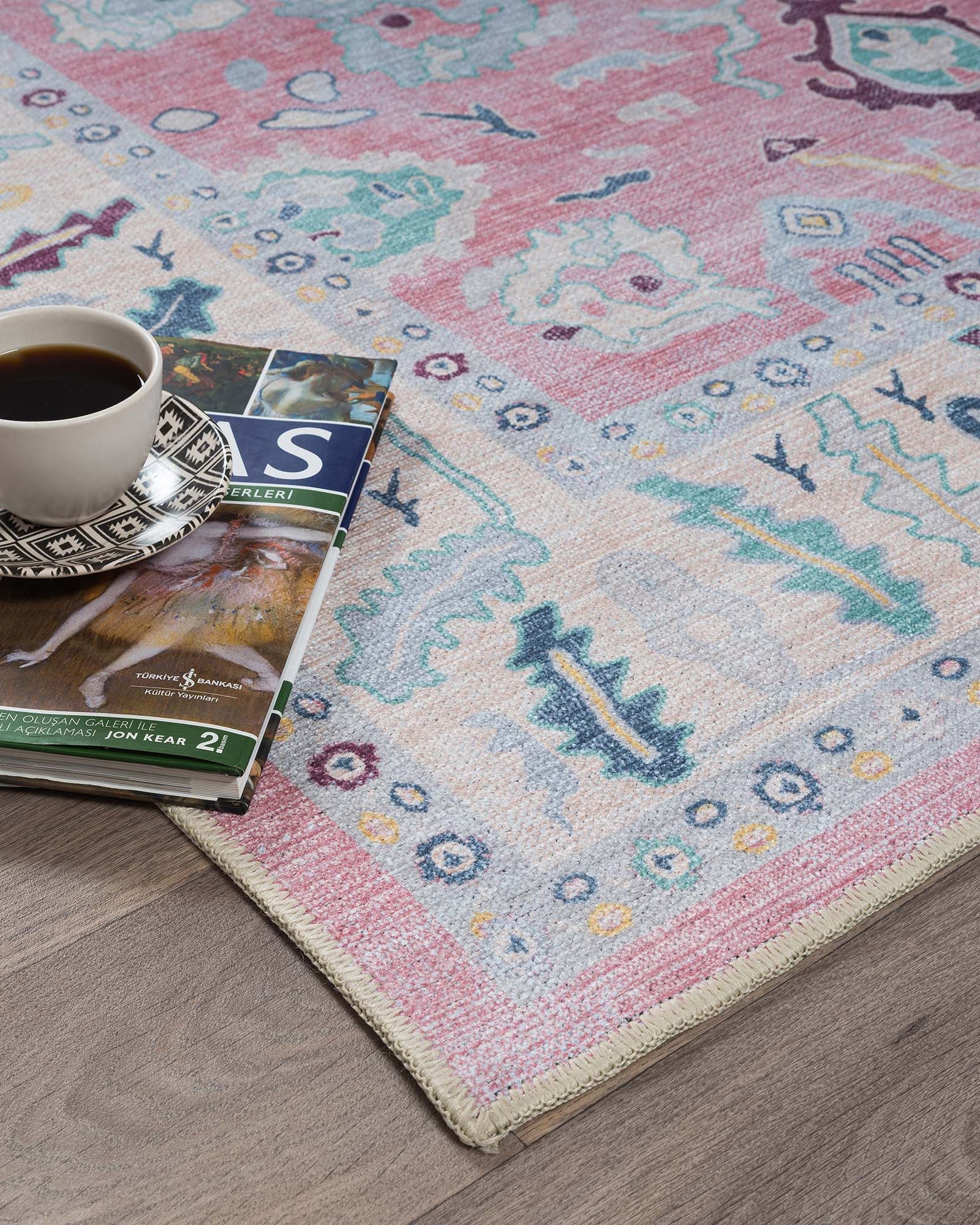
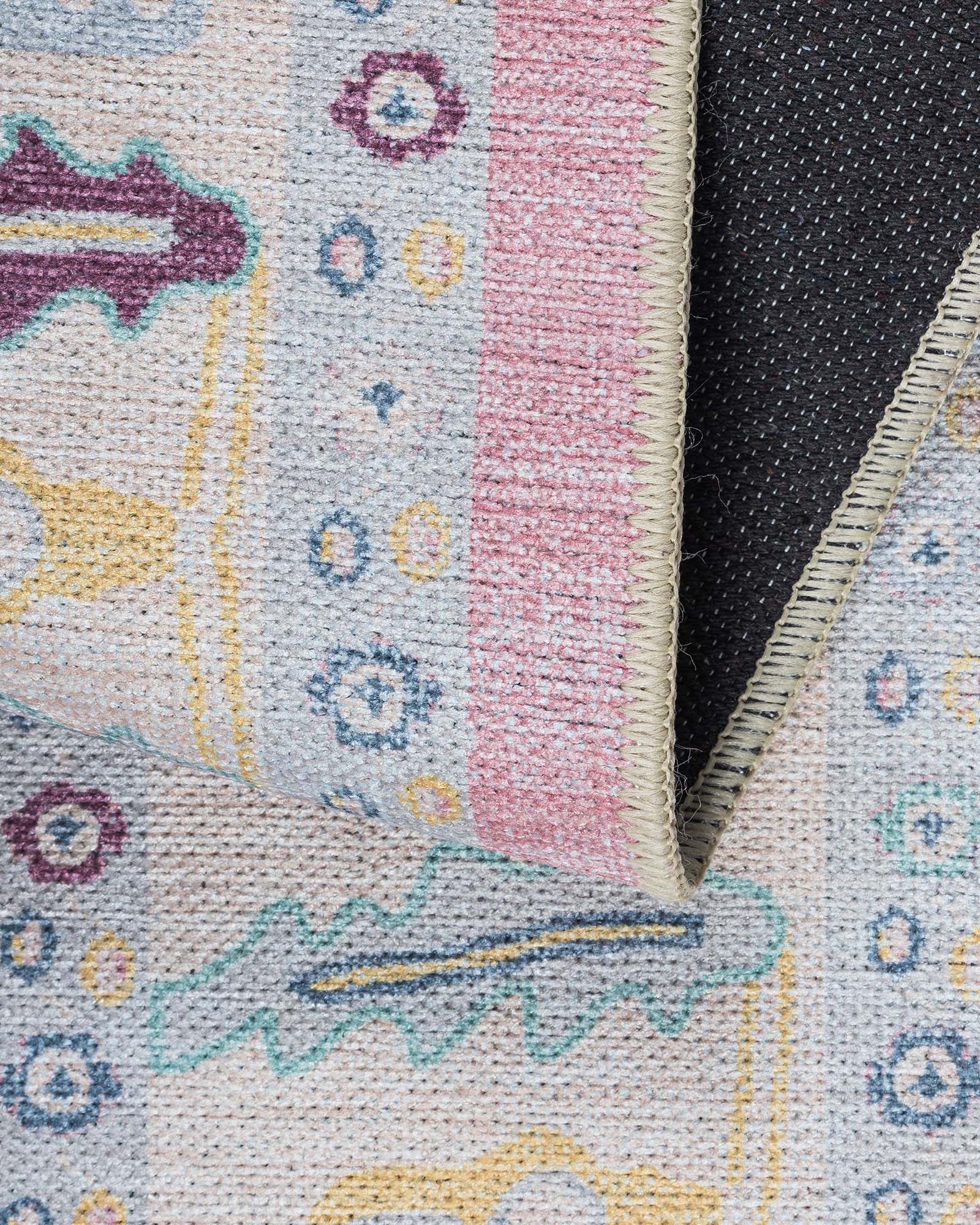
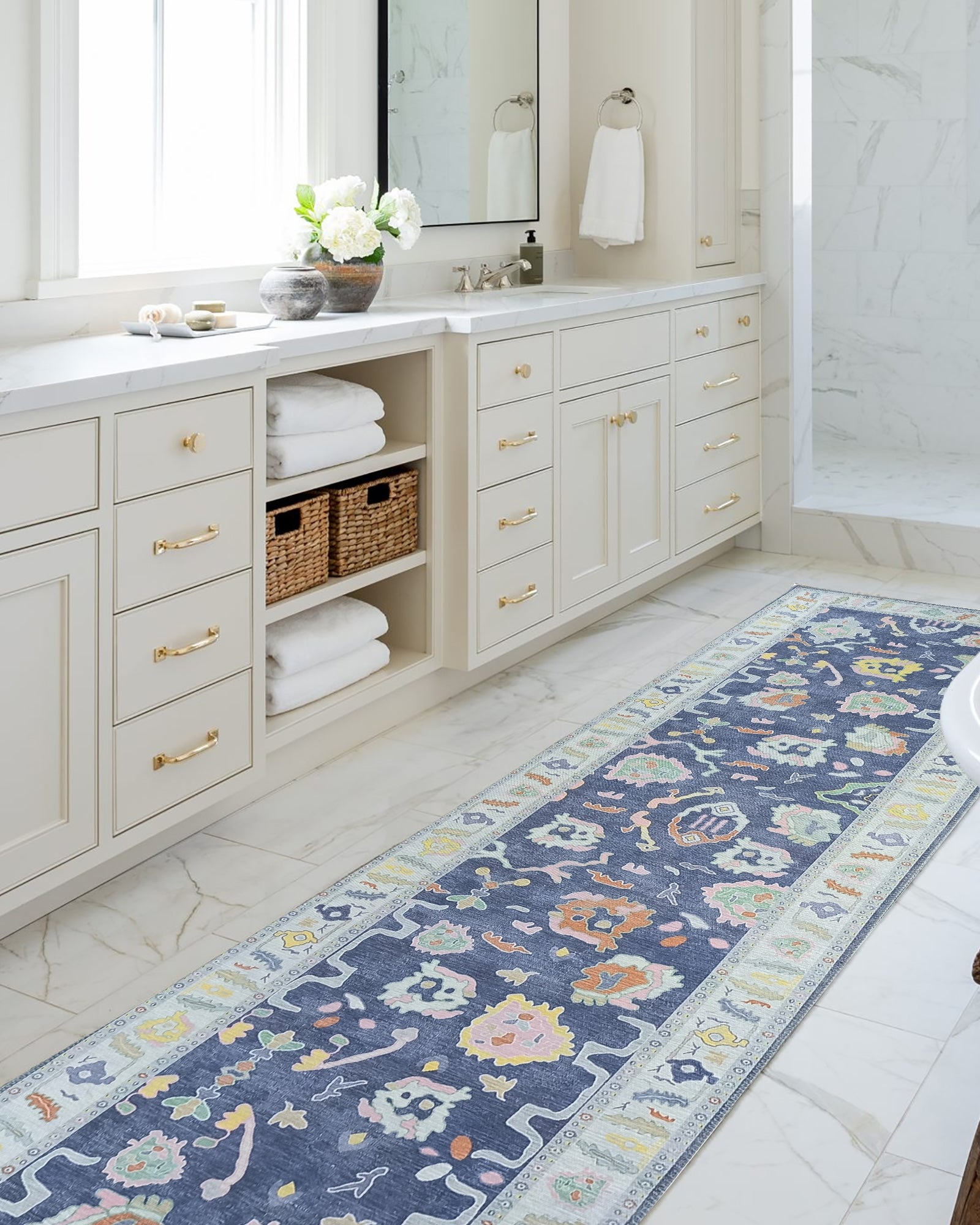
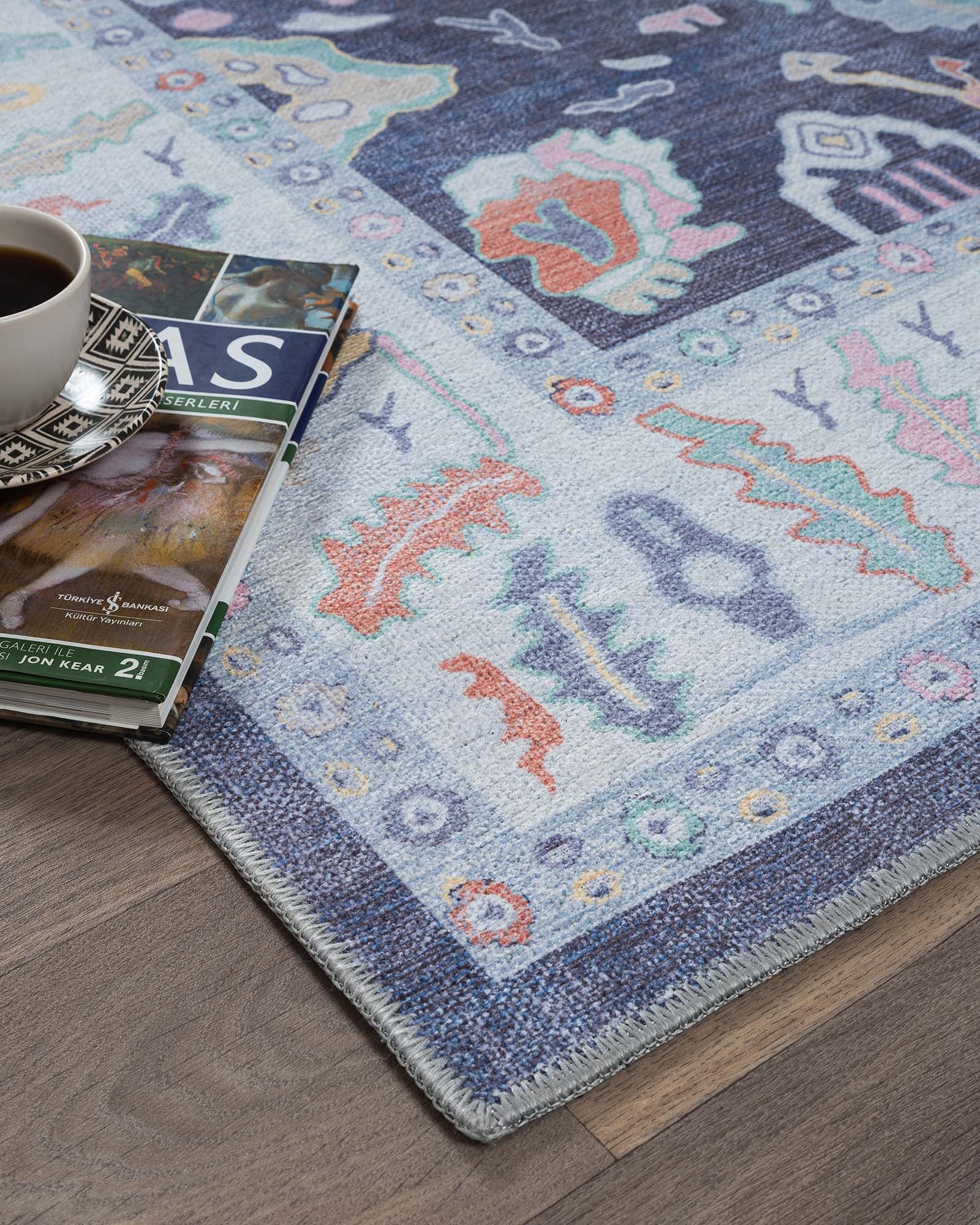
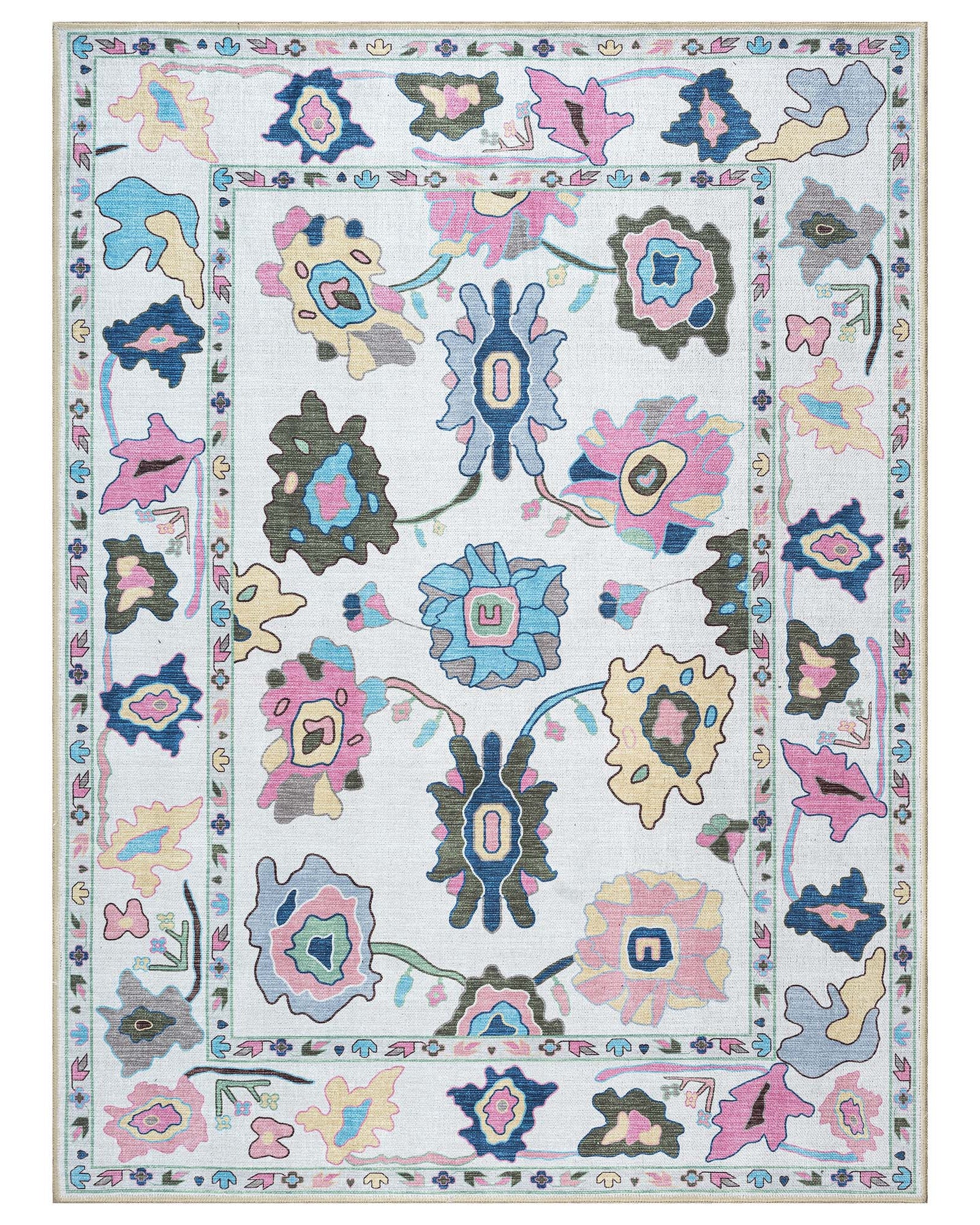
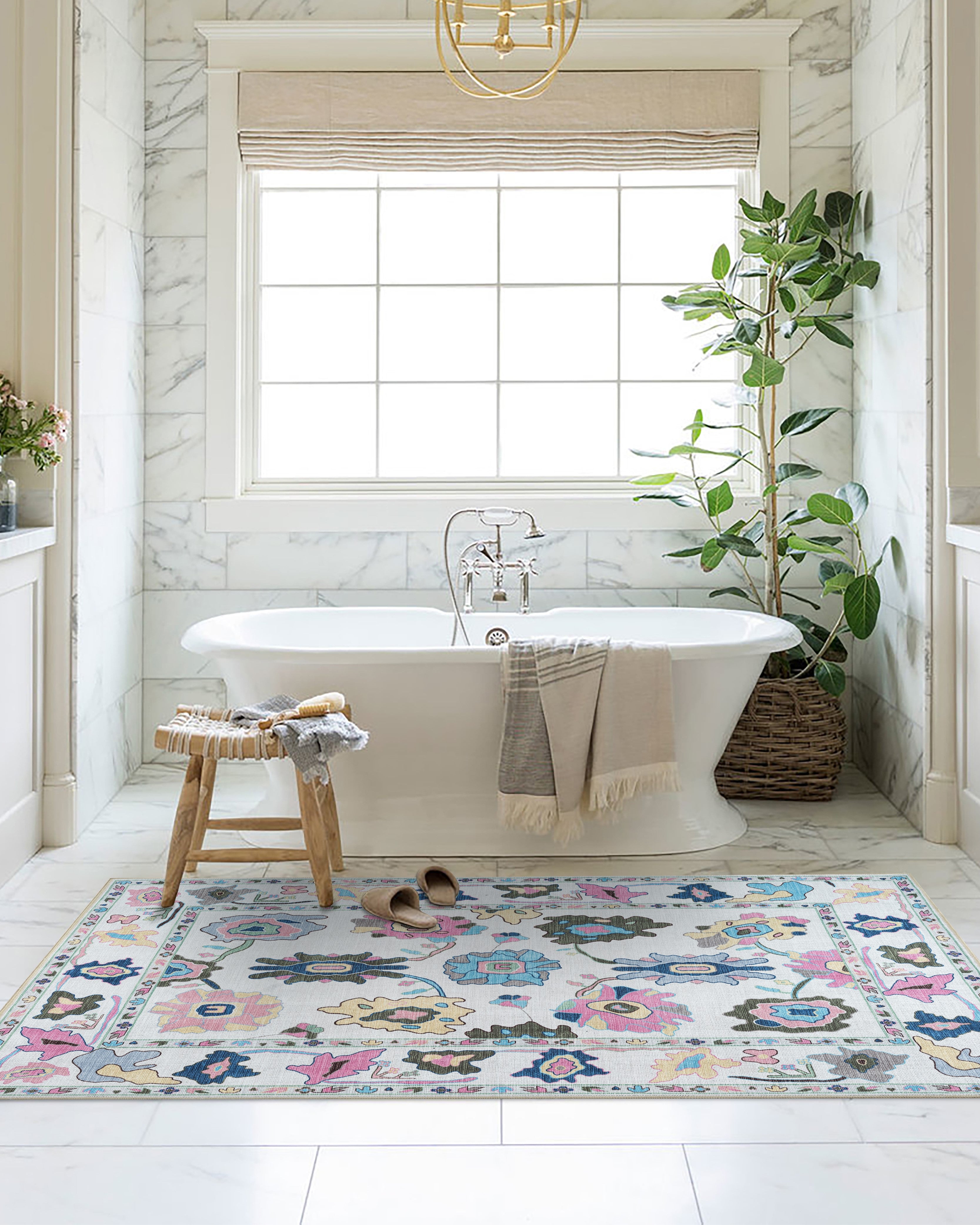
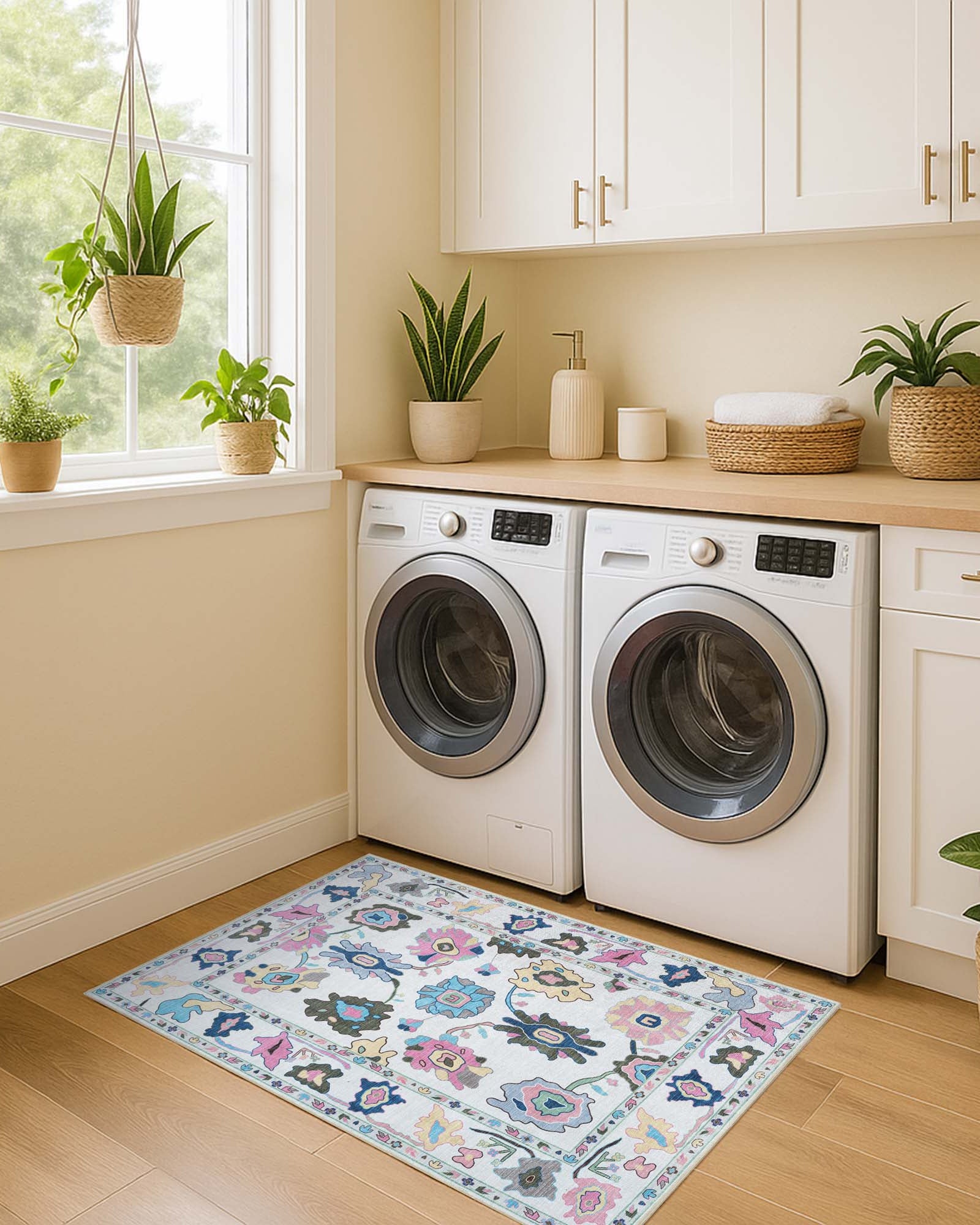
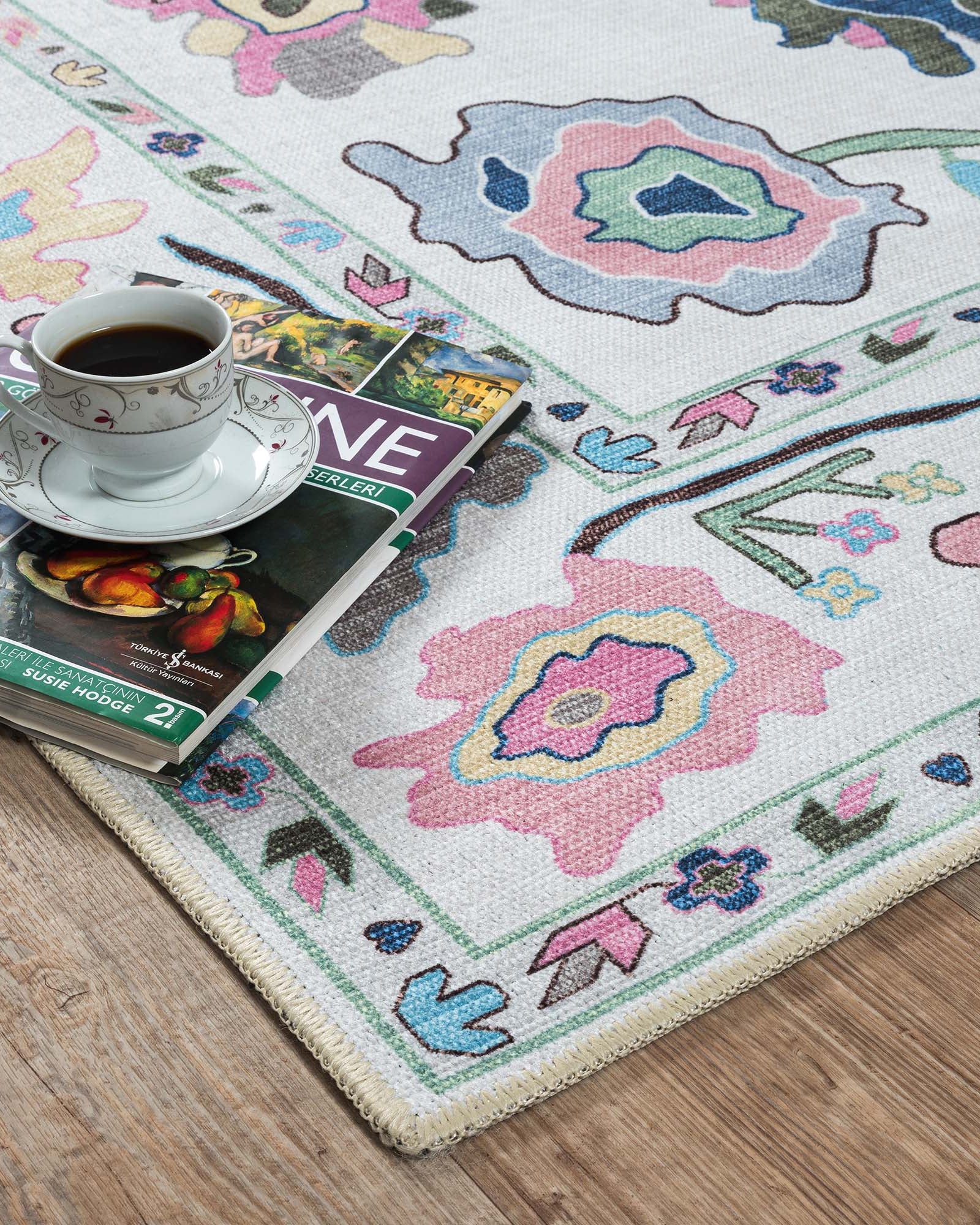
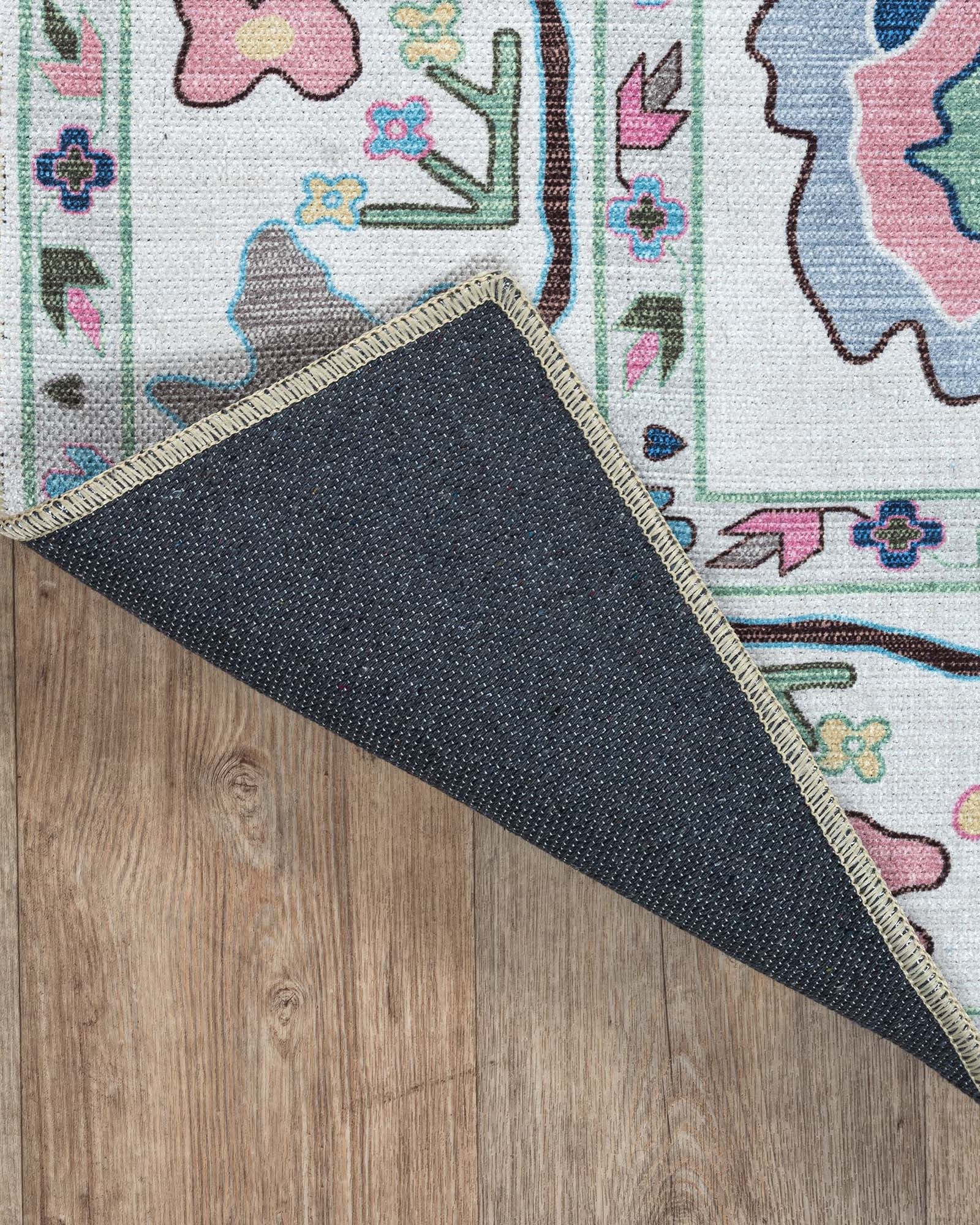
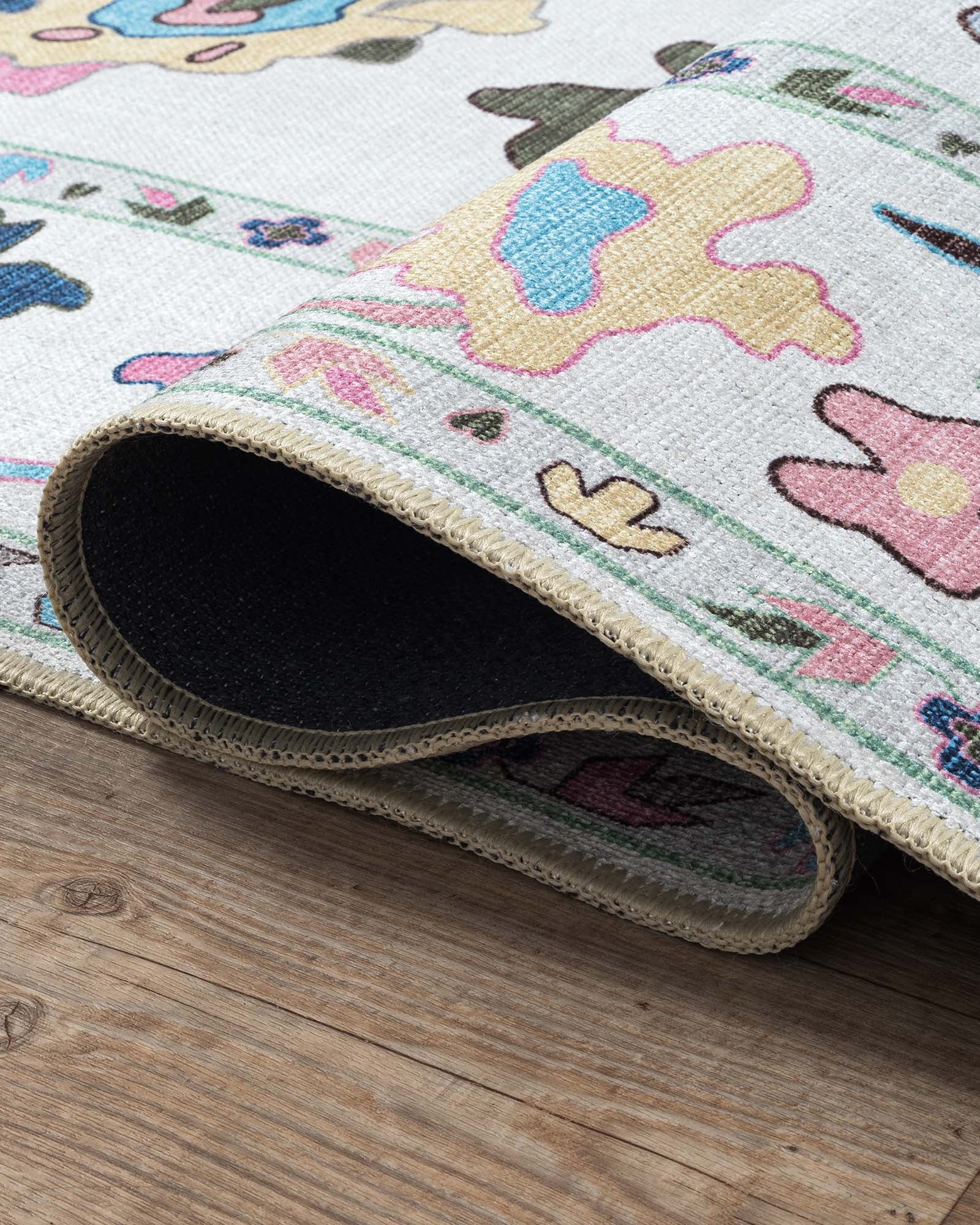
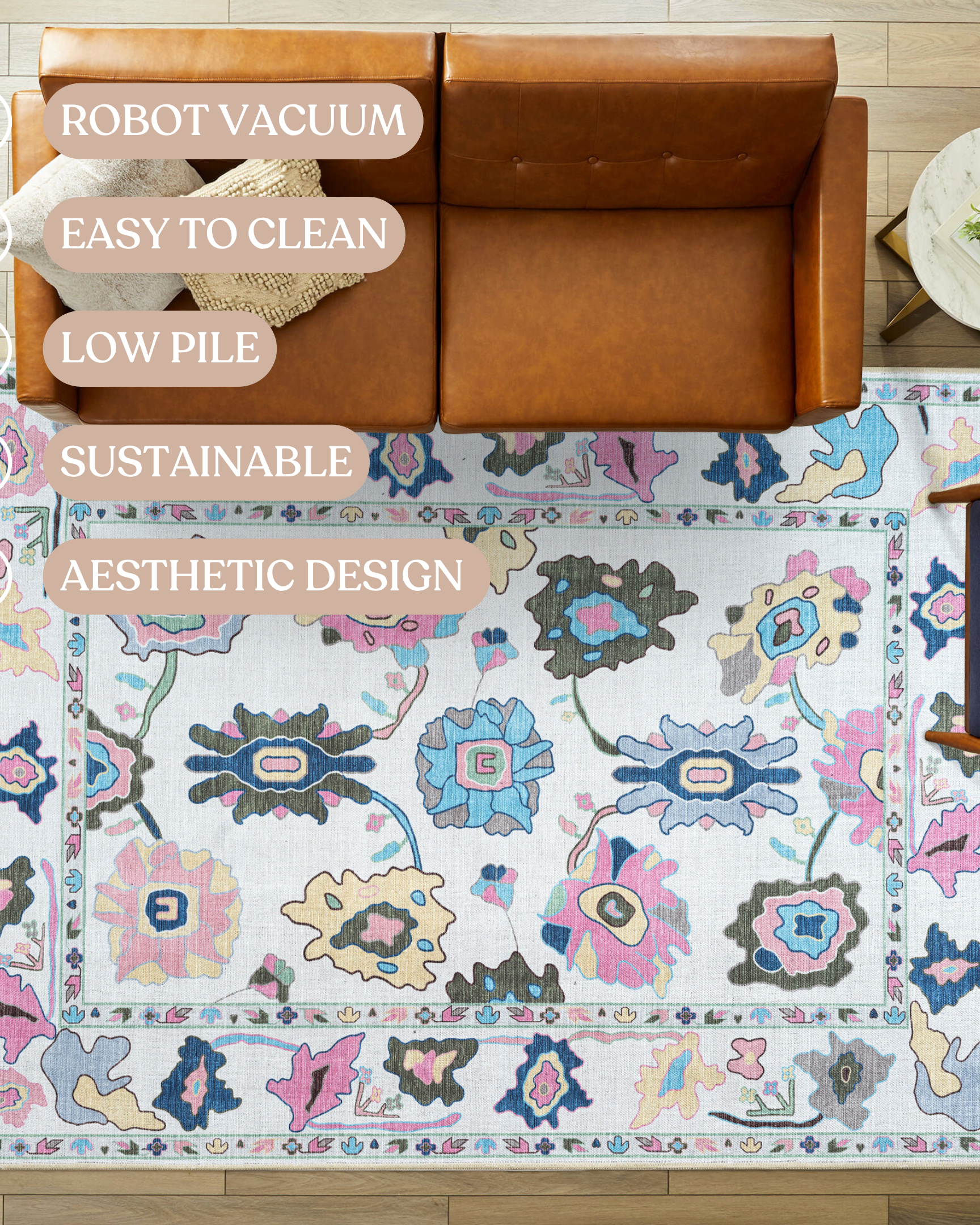
Not every flatweave was made the same way. Village kilims woven quickly for everyday household use sit at one end of the spectrum — bold, fast, functional. This page gathers pieces from the other end: finer weaving, more deliberate color work, and pattern drawn with more precision than a workaday flatweave typically carries. The construction is the same technique described in our Flatweave Rugs collection; what differs here is the level of execution.
What "Elevated" Means in a Flatweave
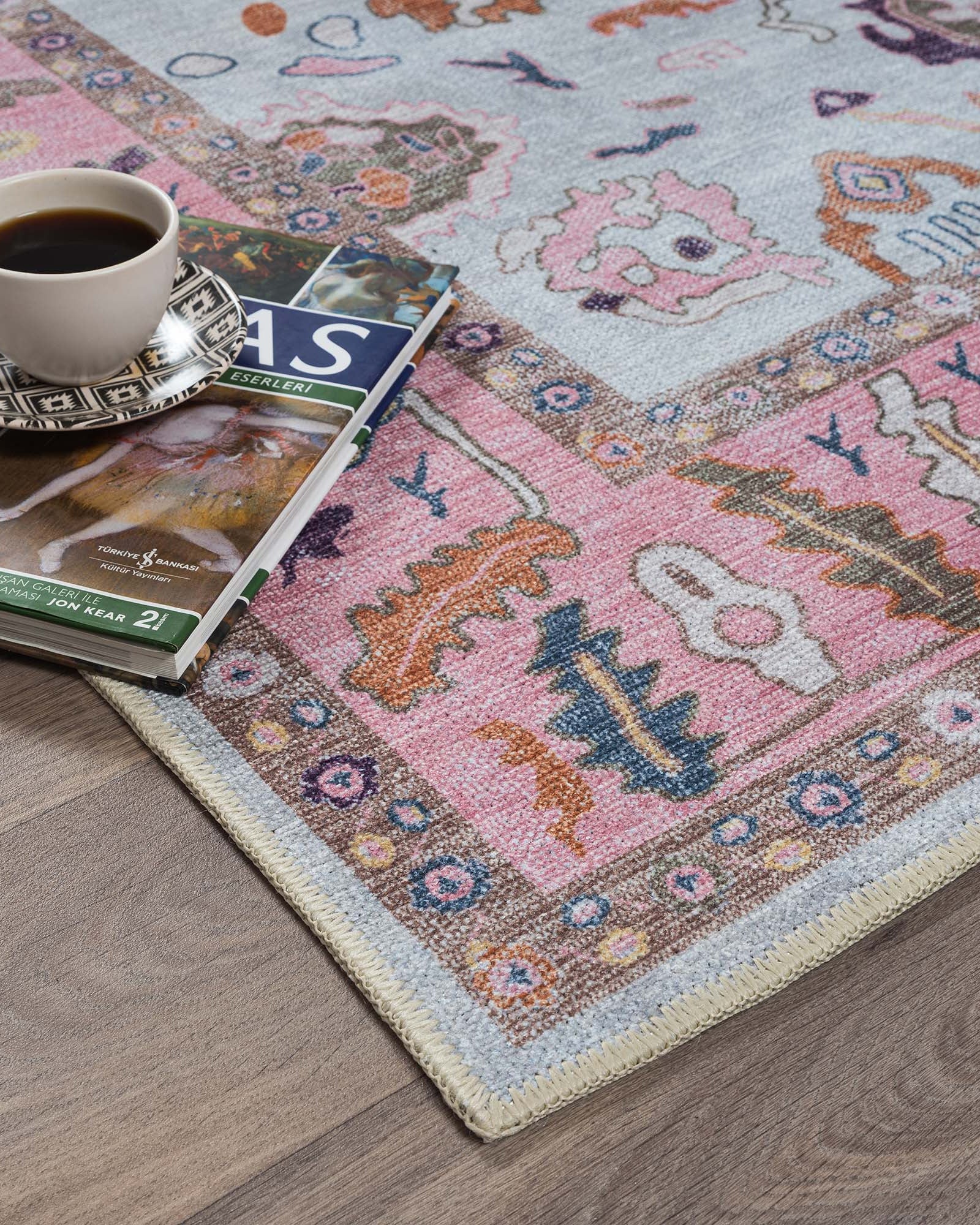
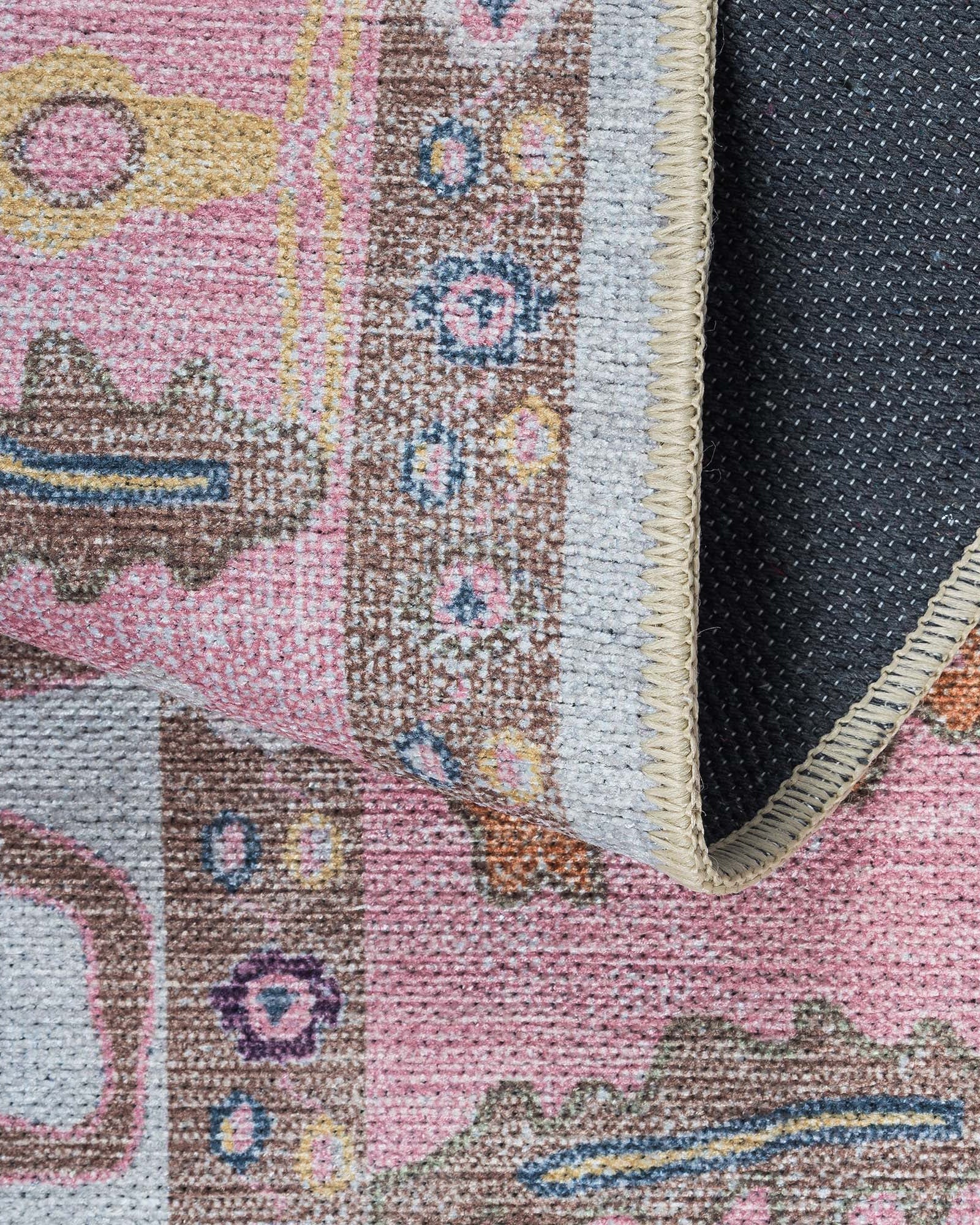
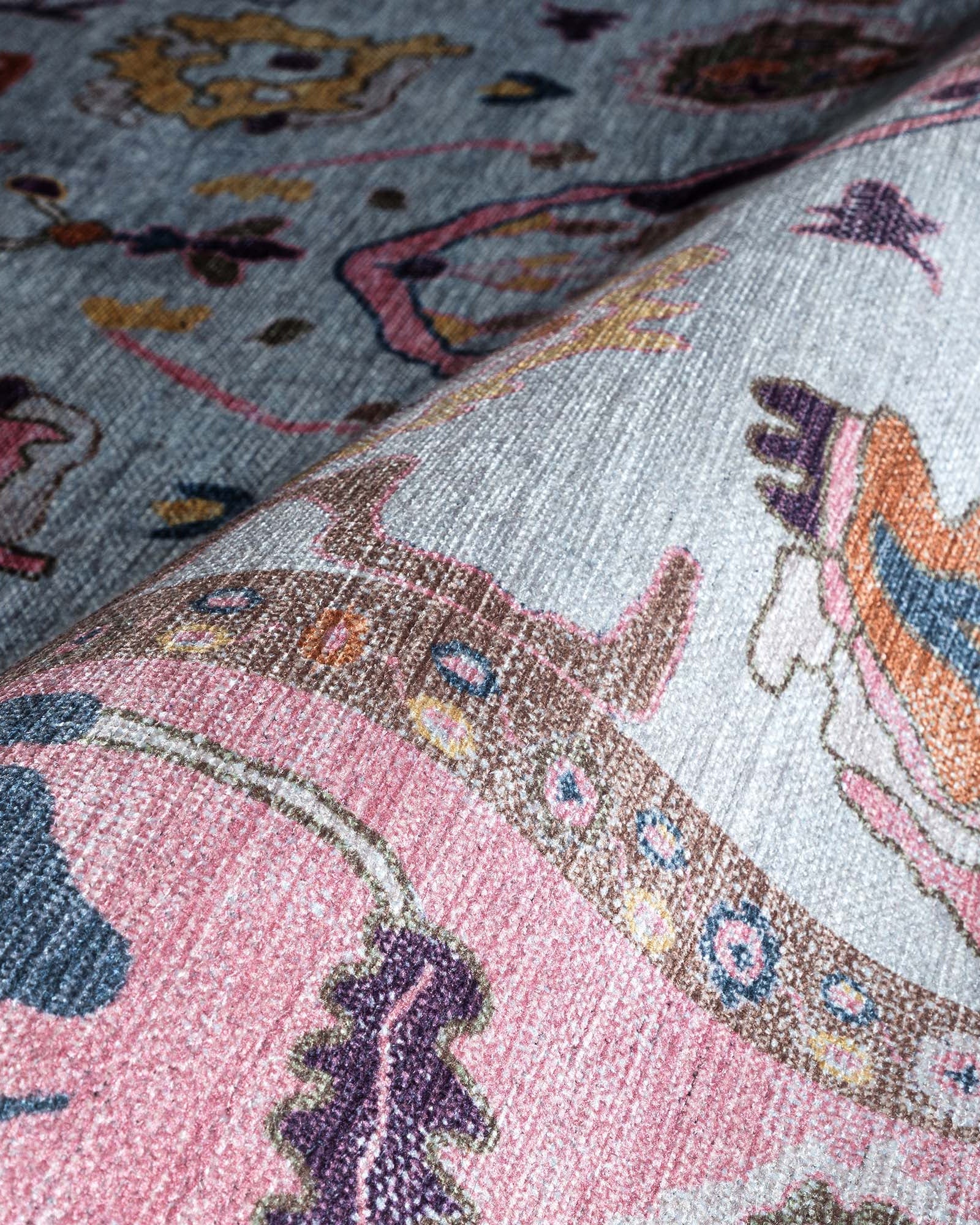
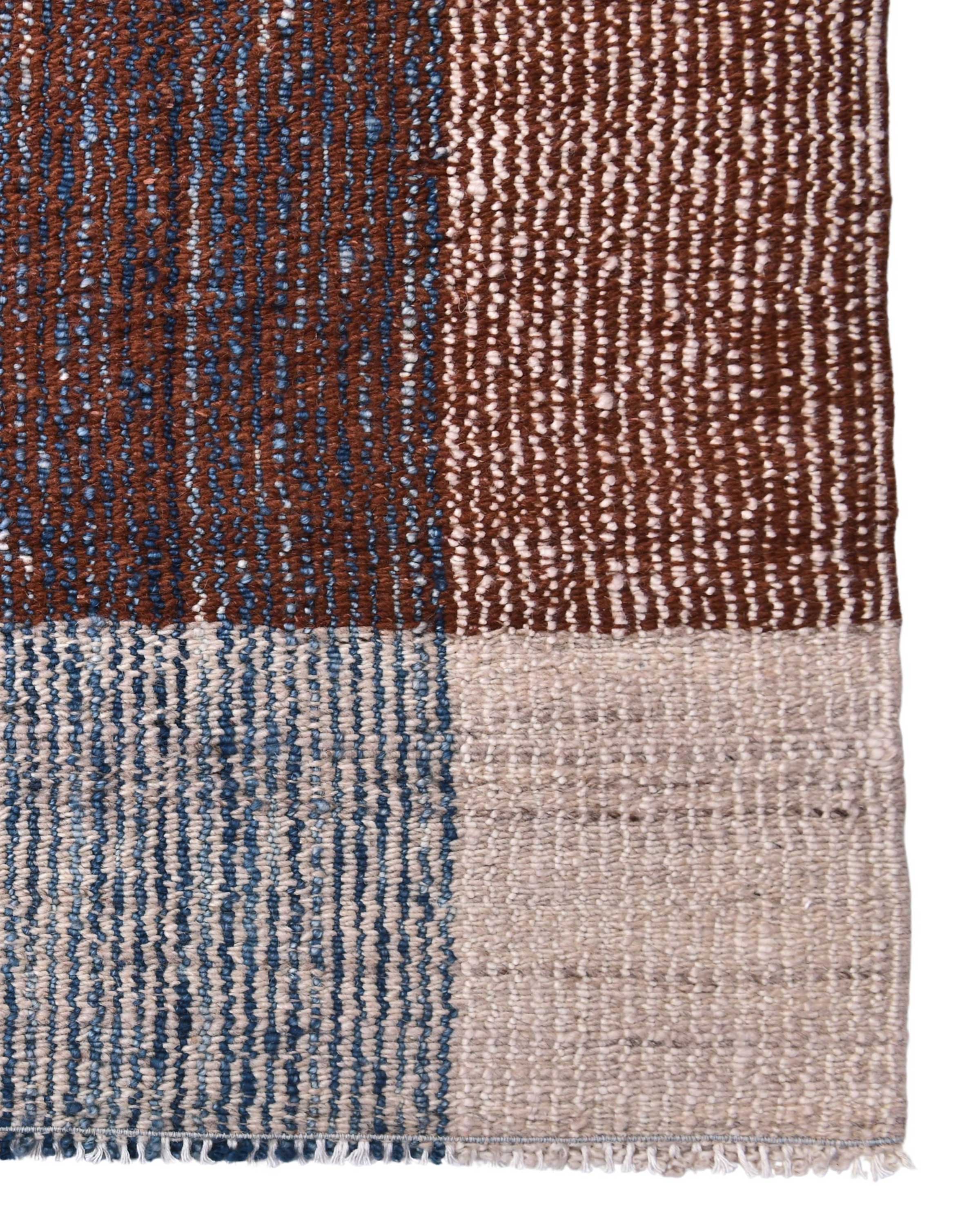
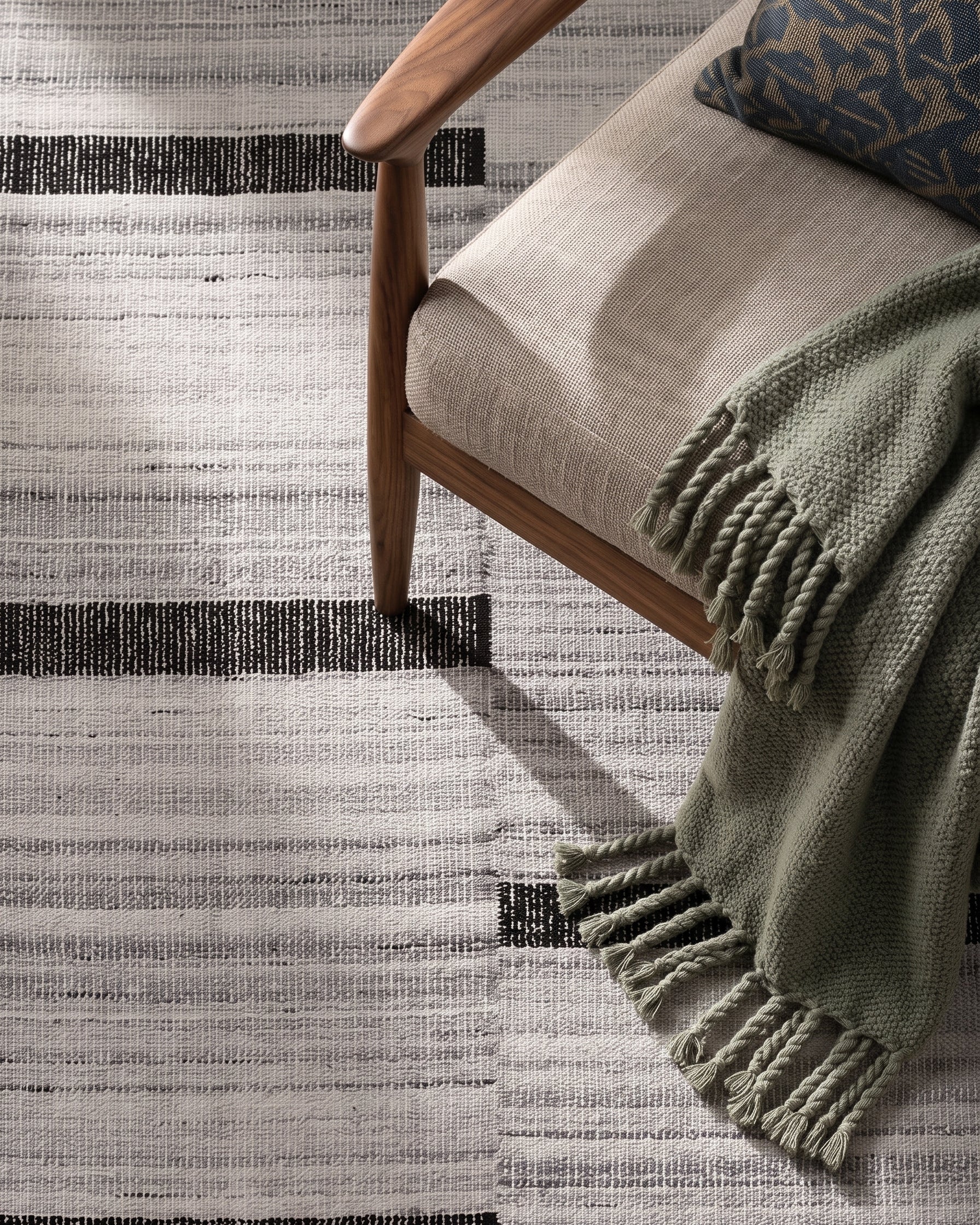
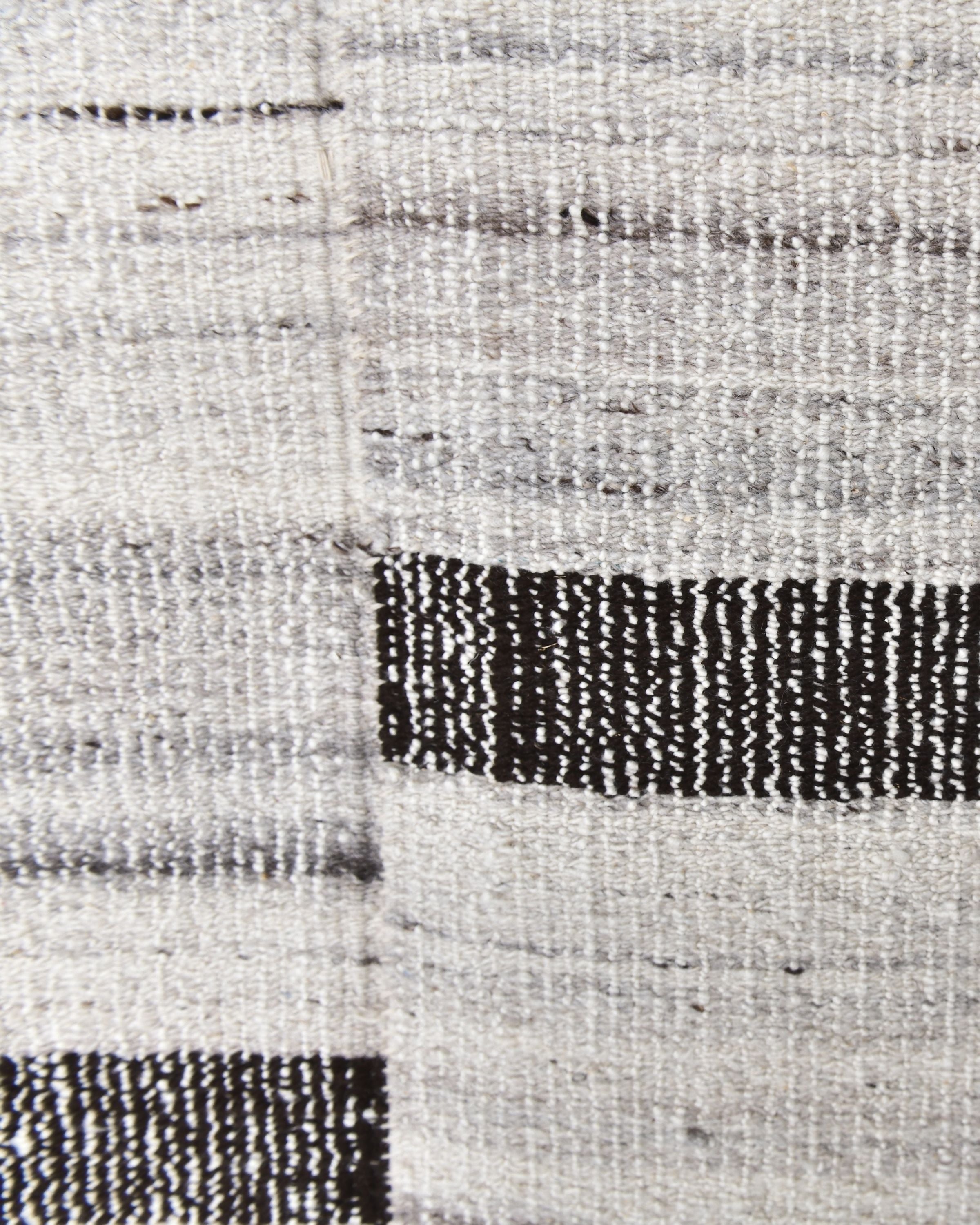
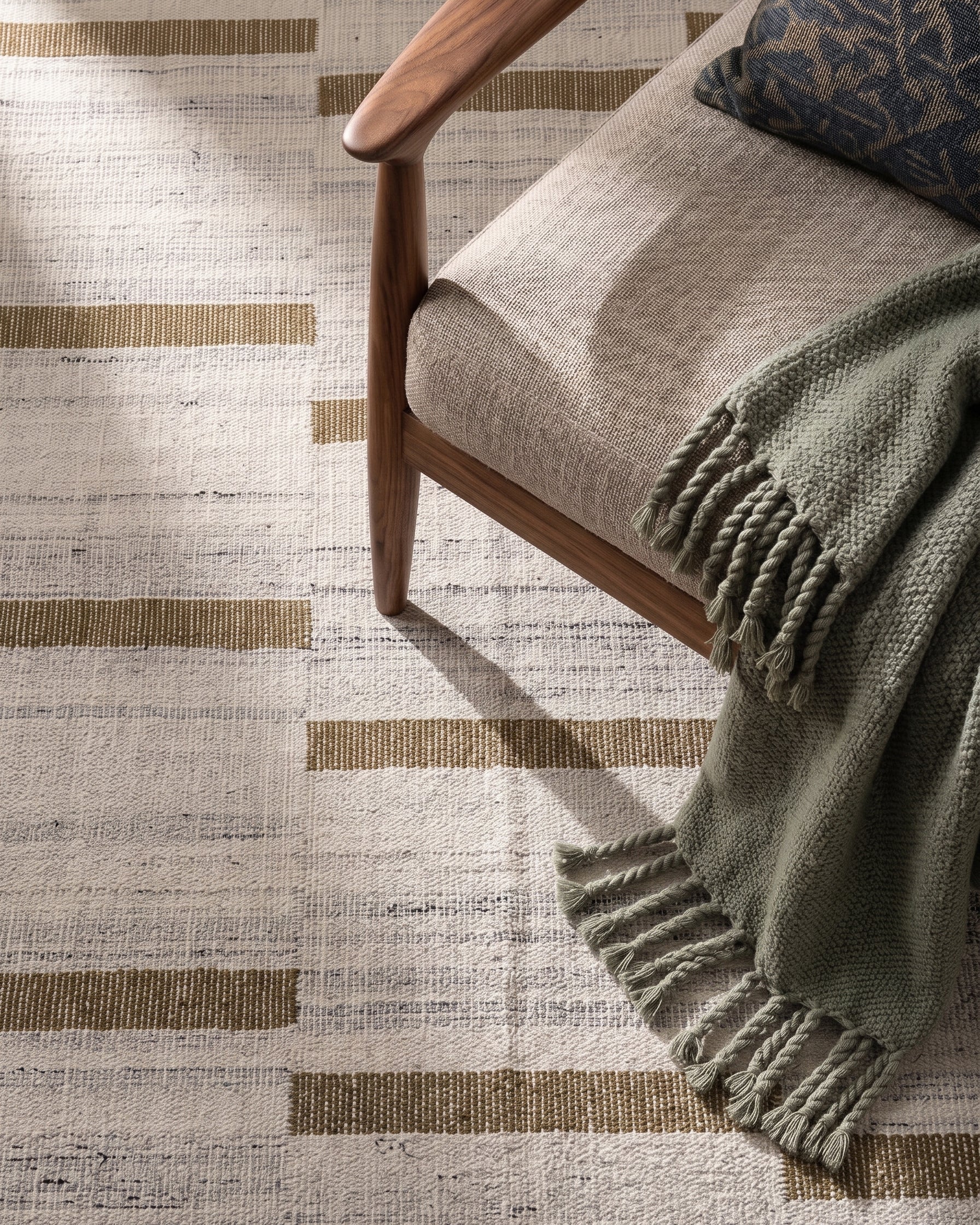
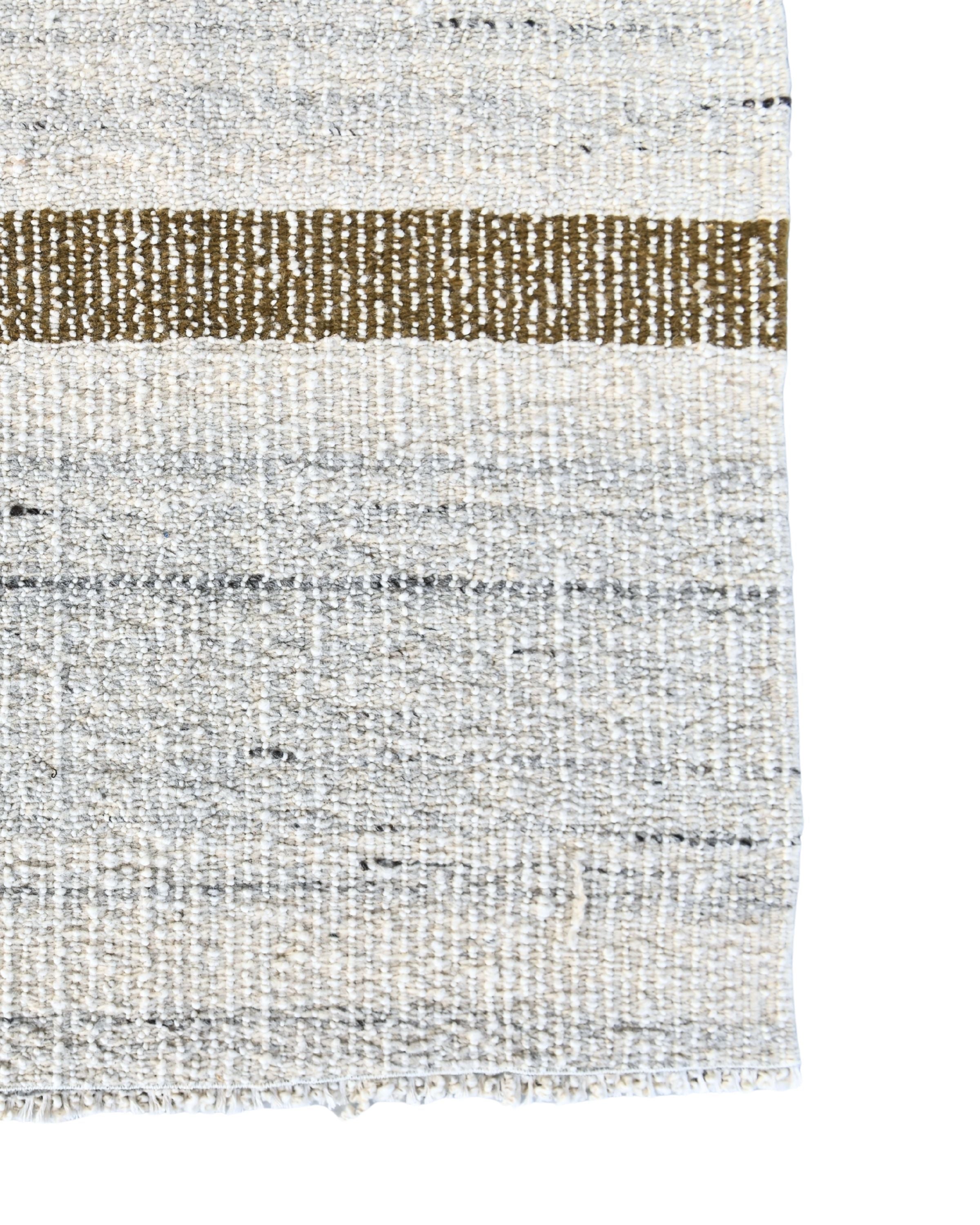
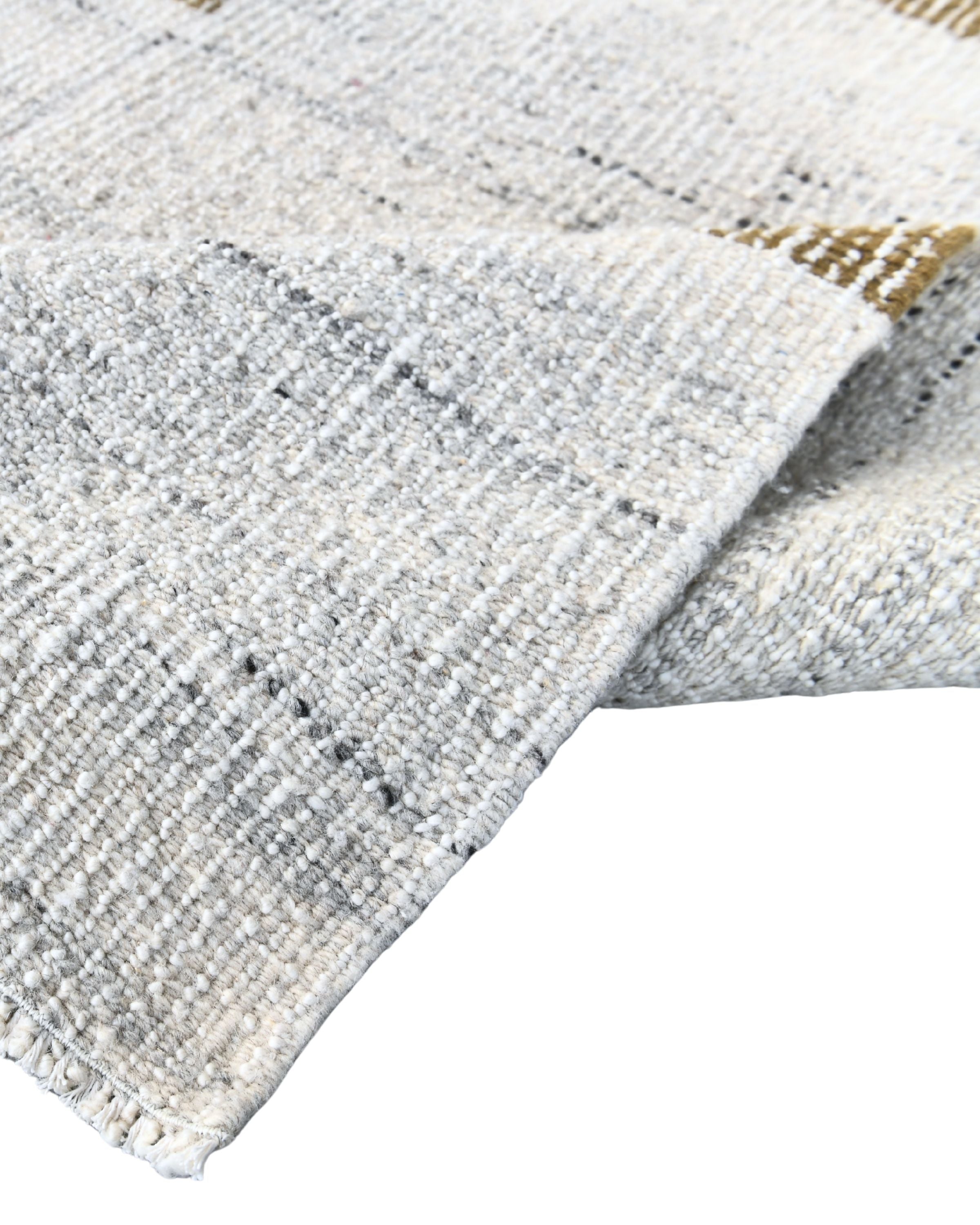
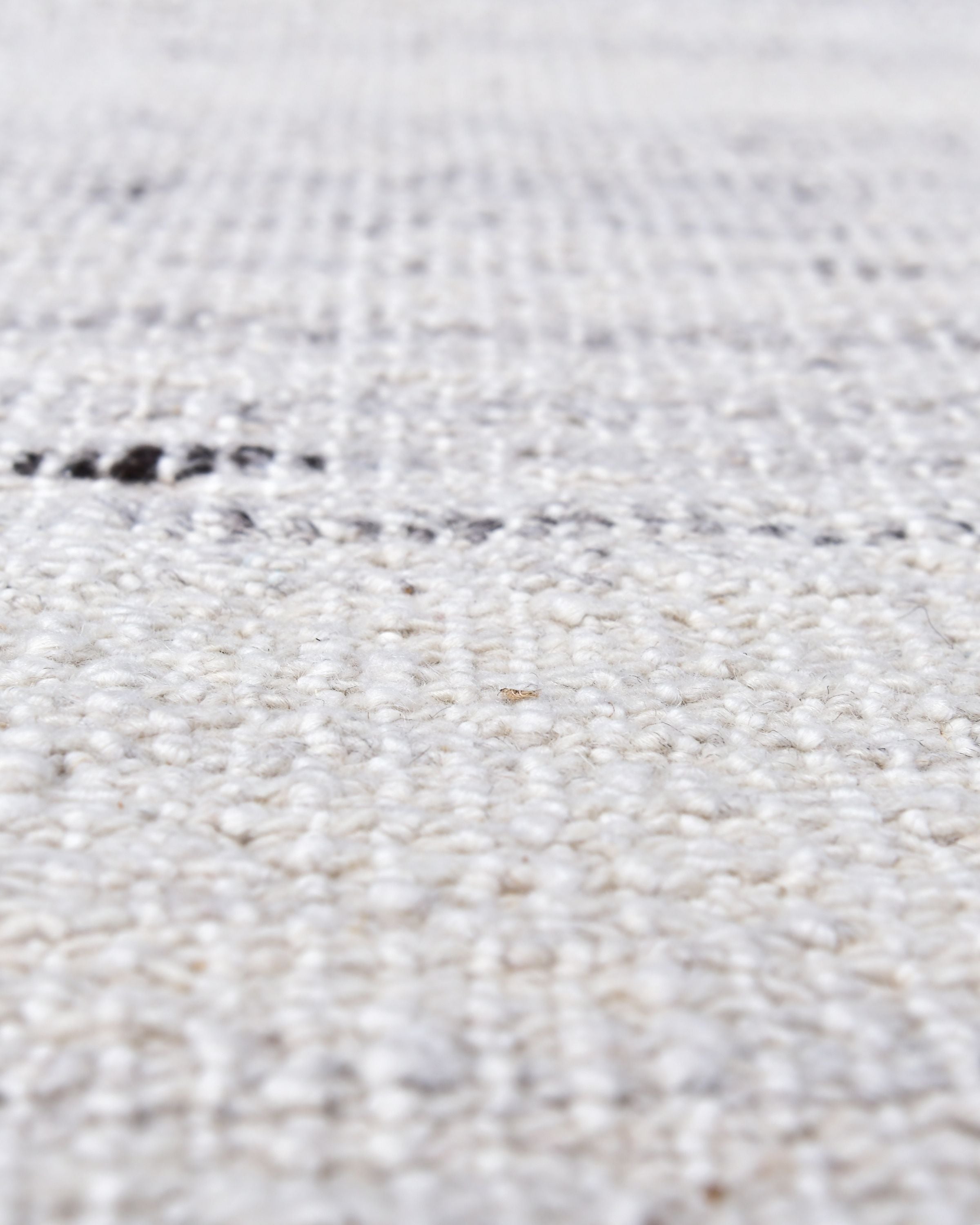
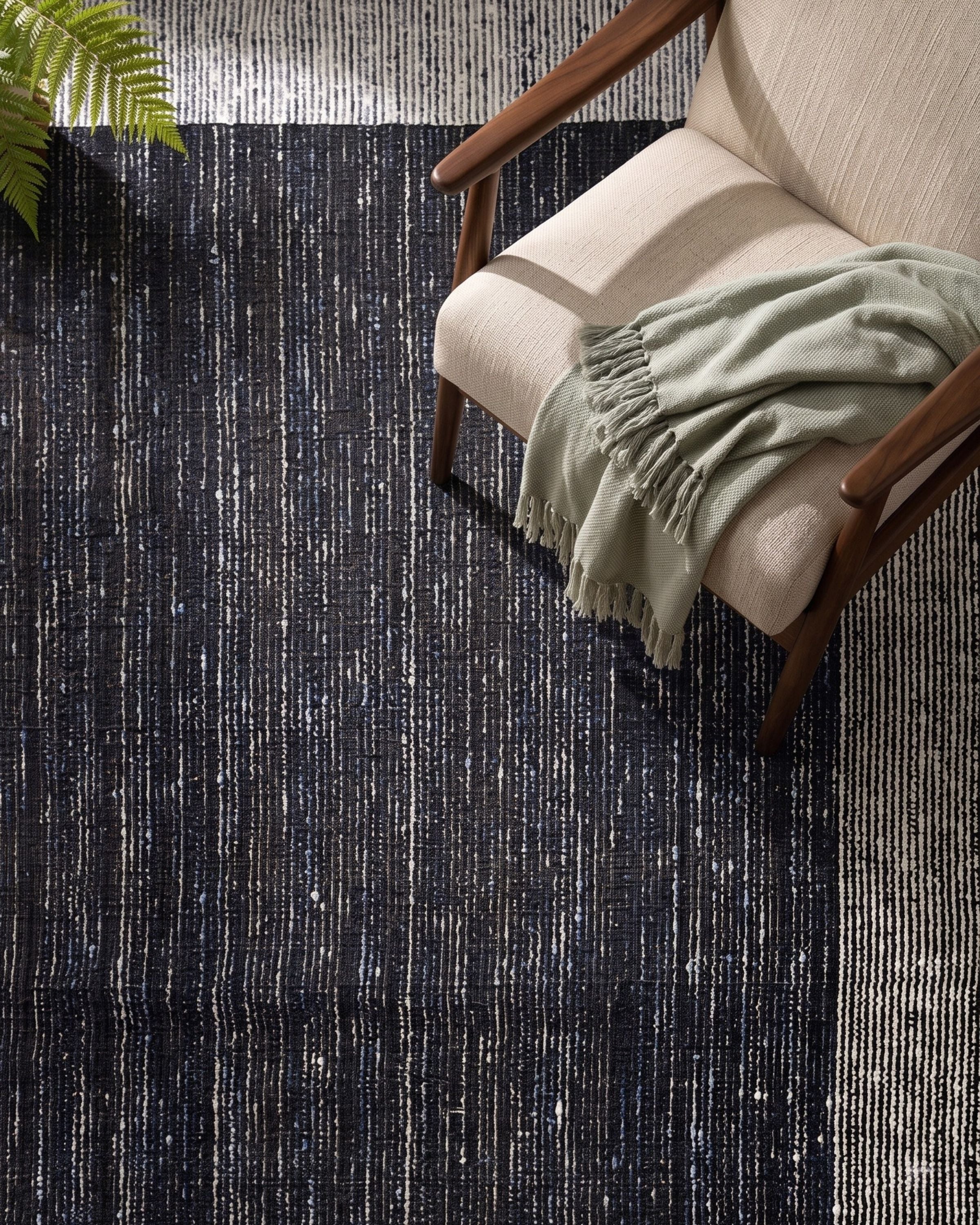
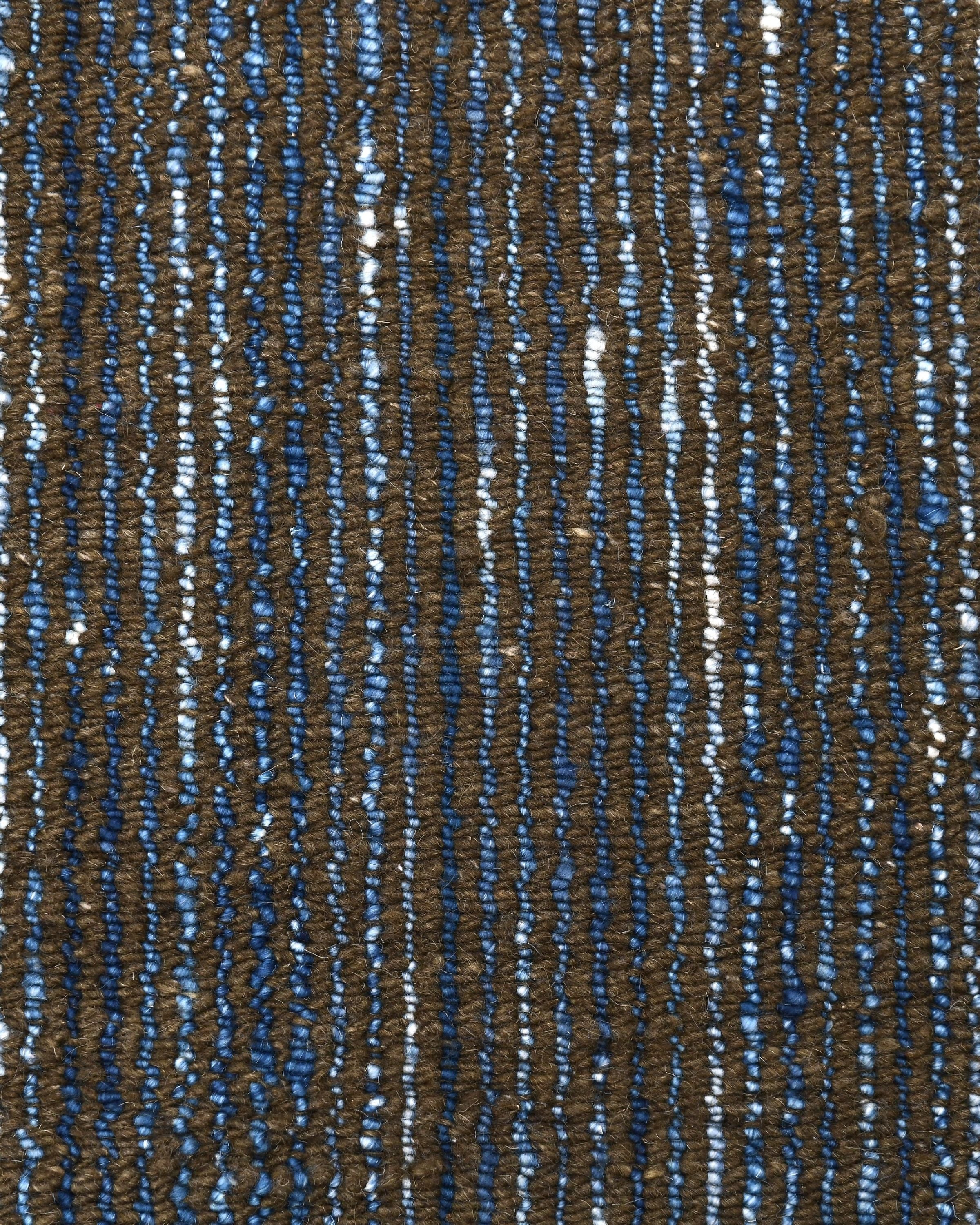
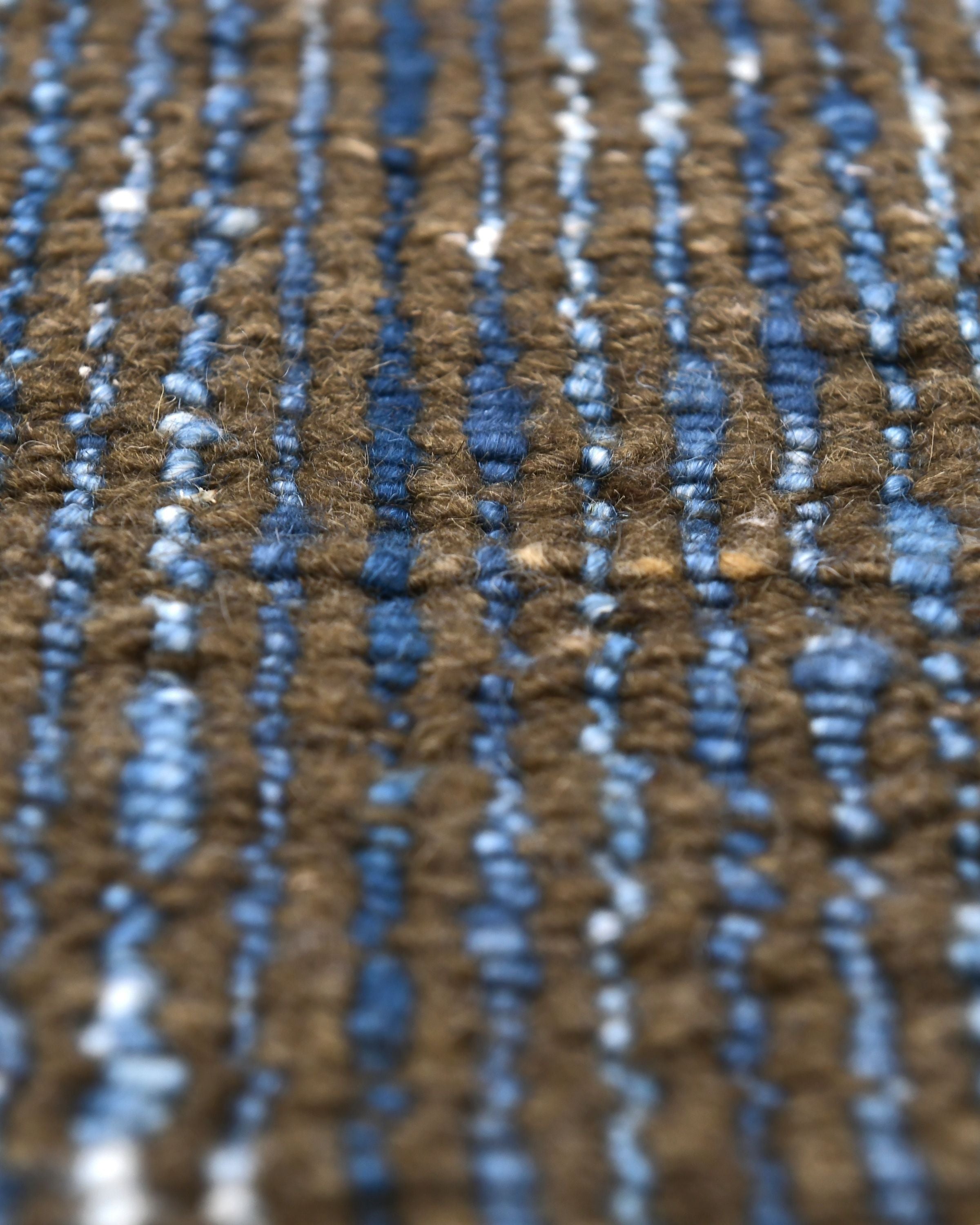
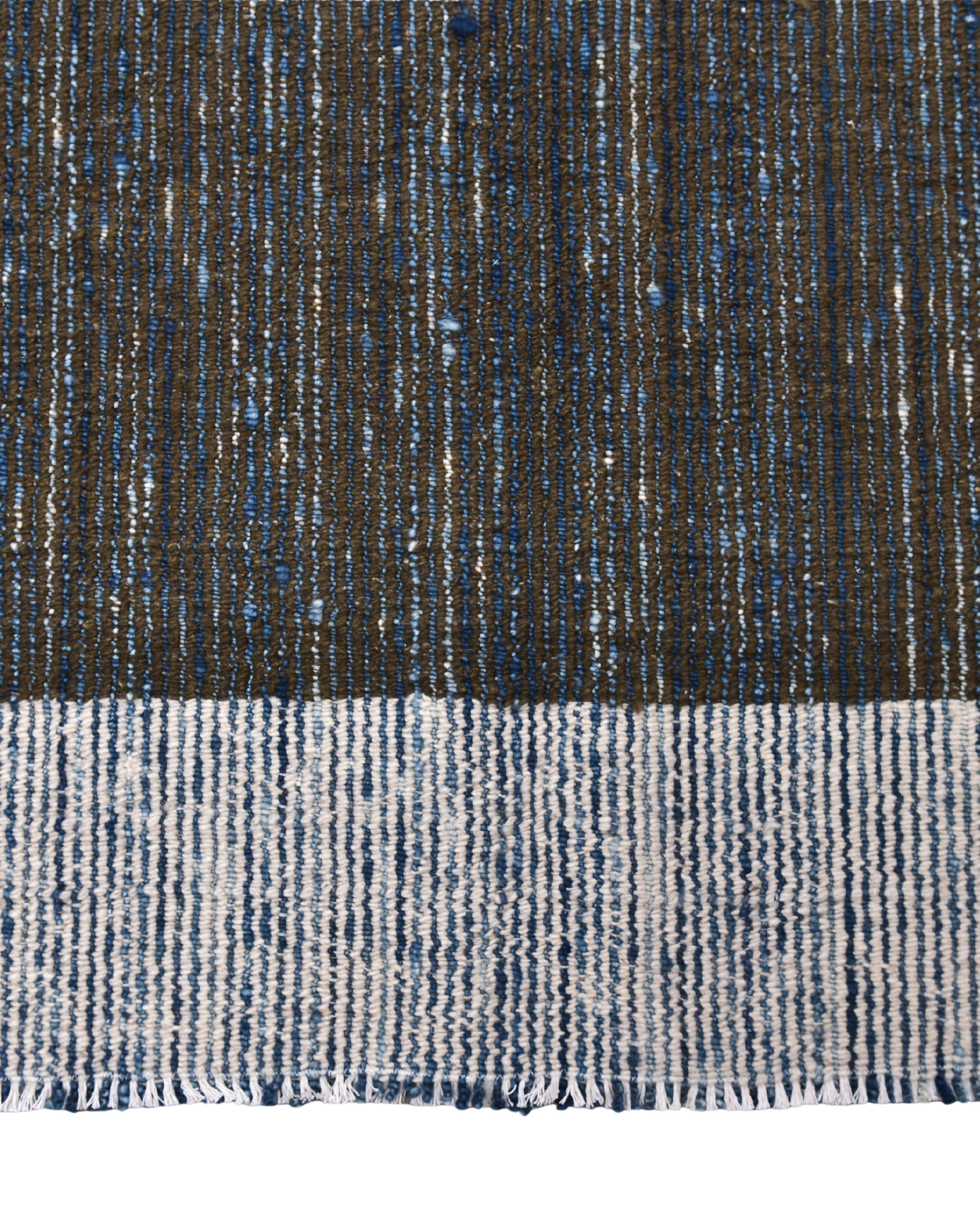
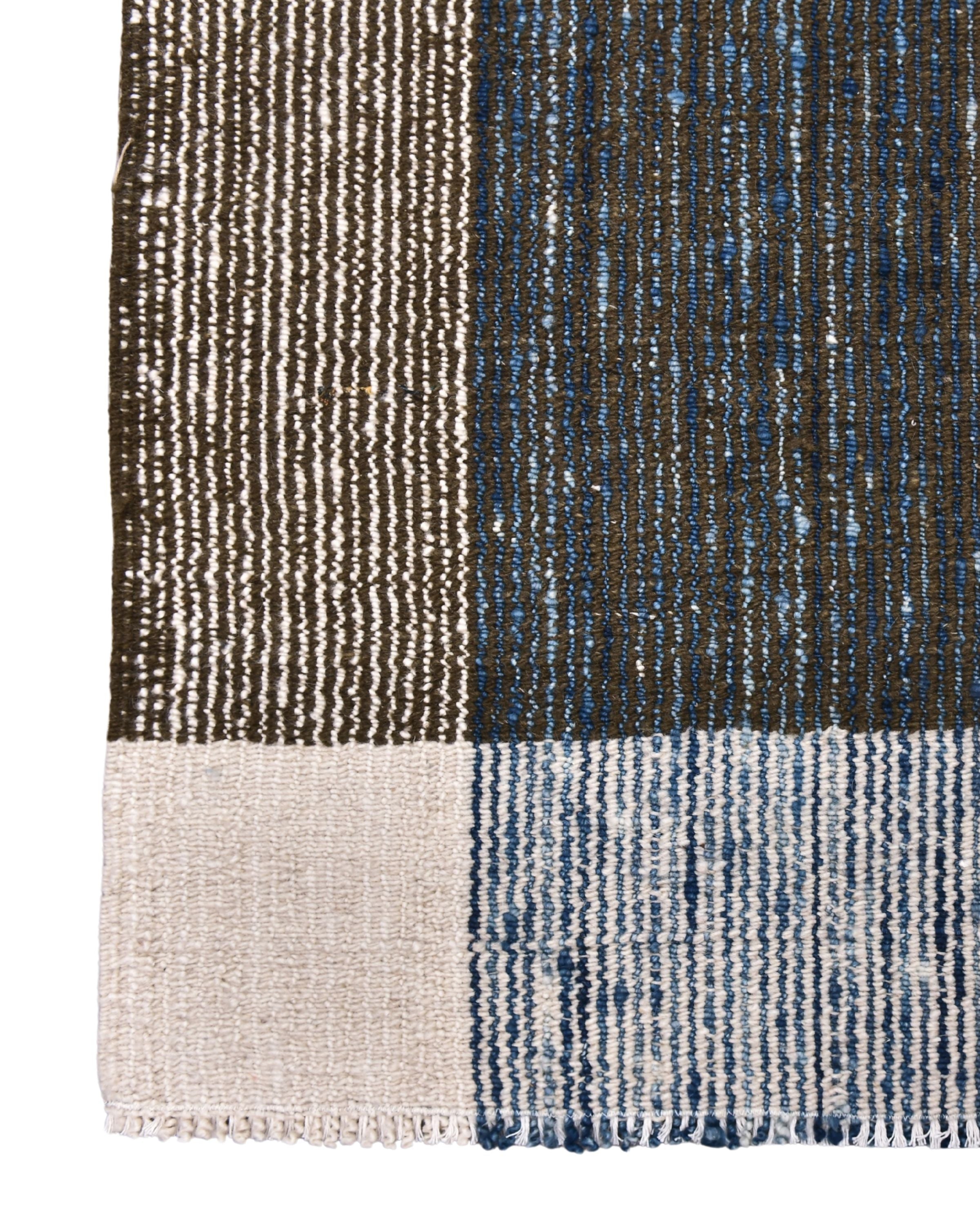
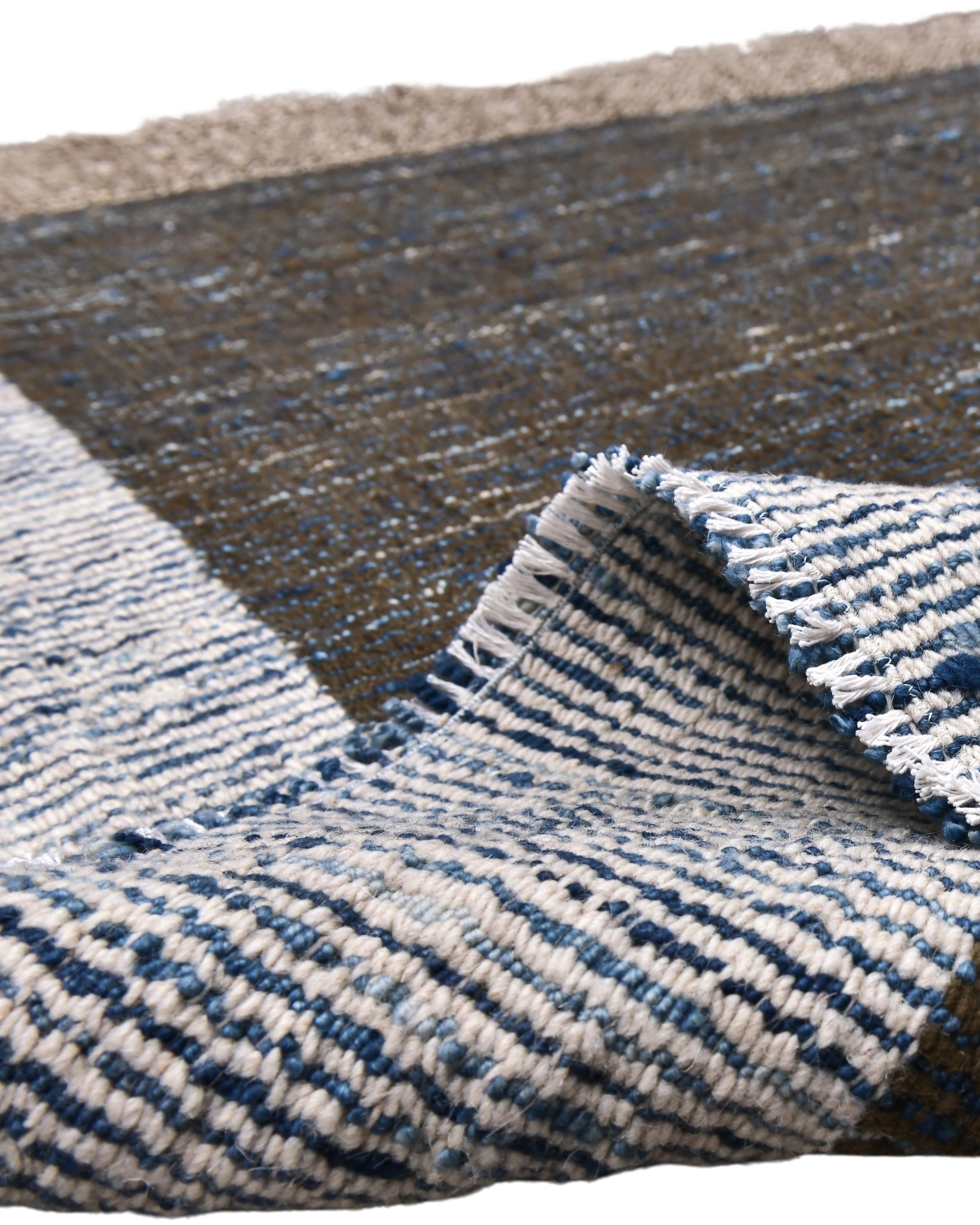
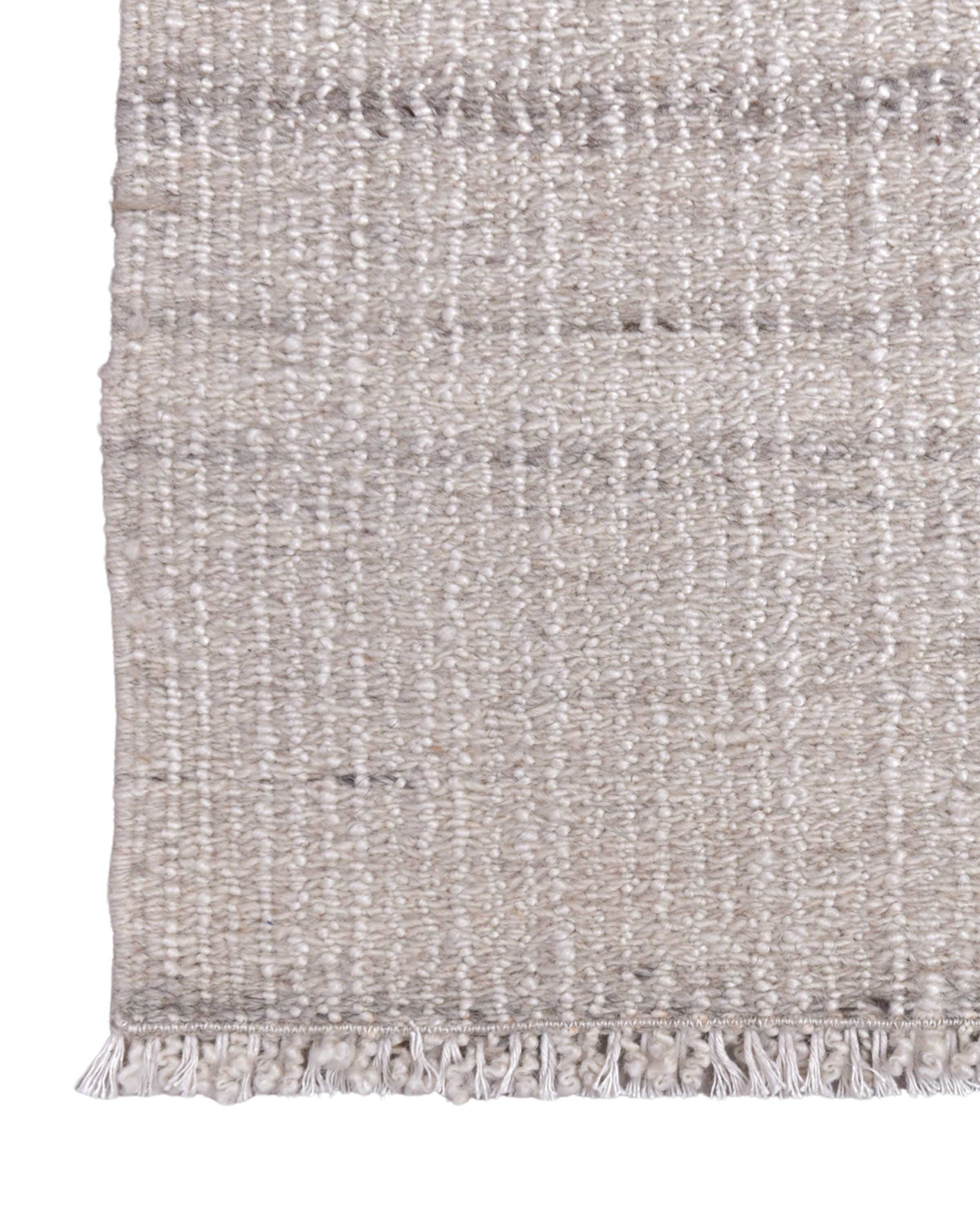
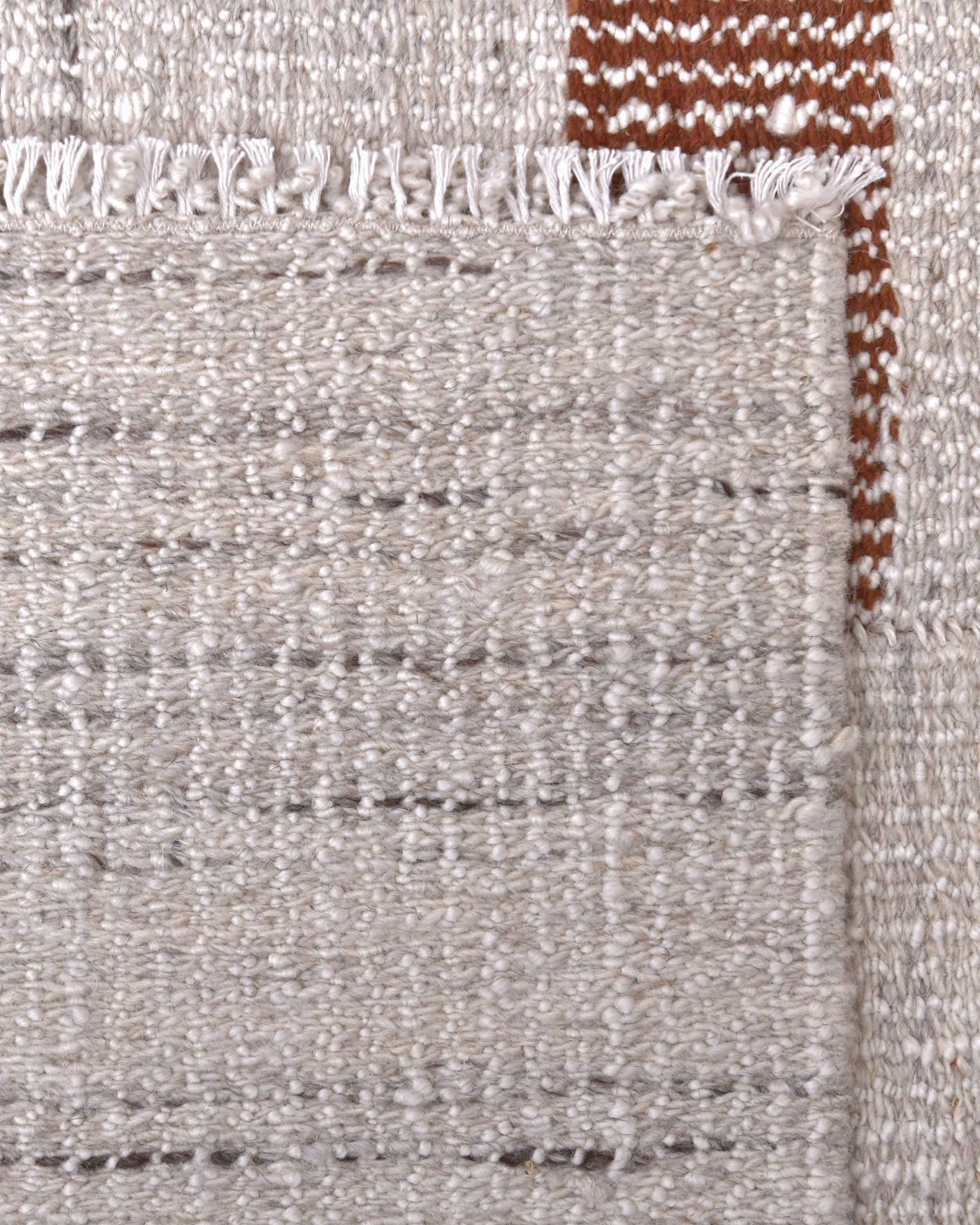
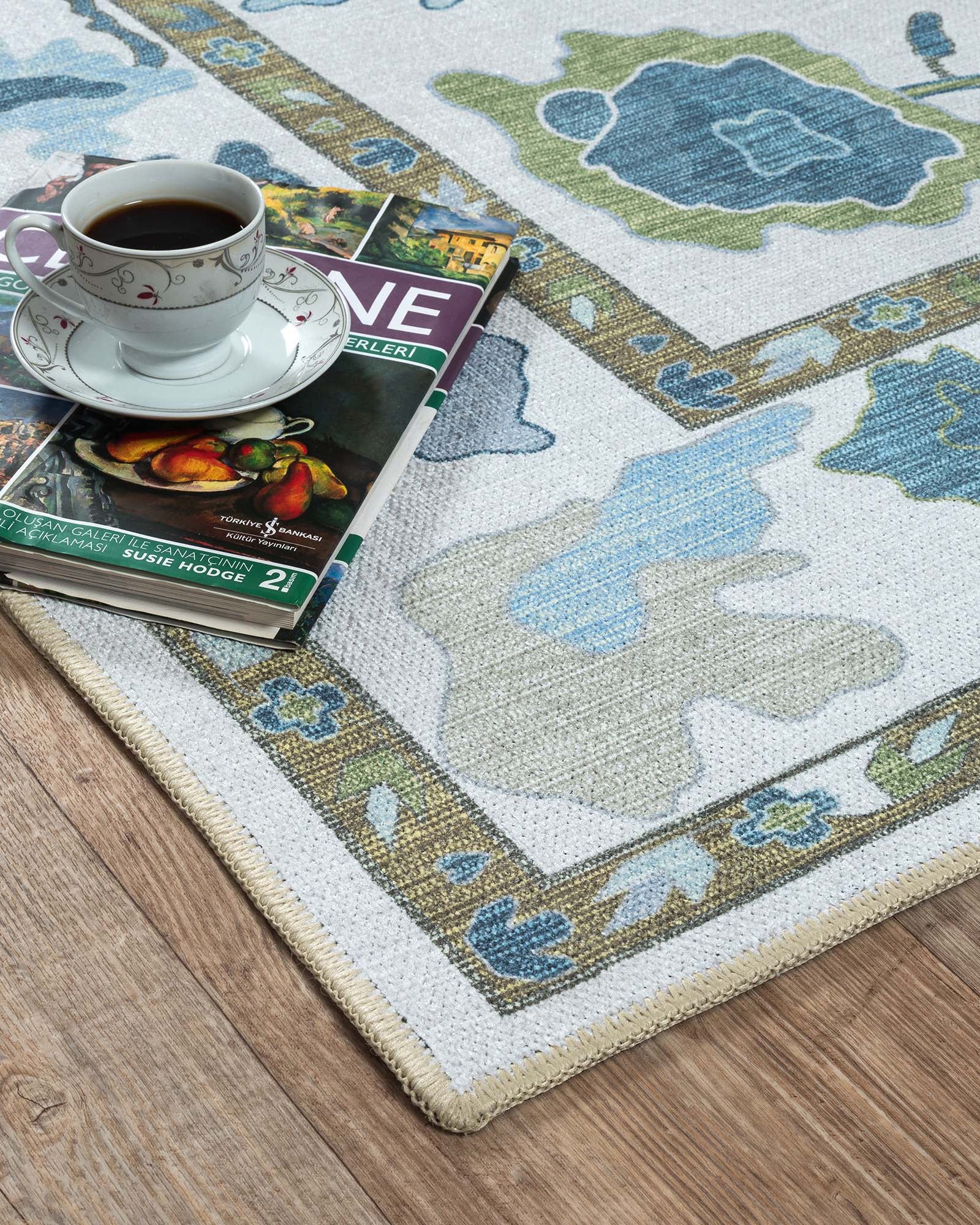
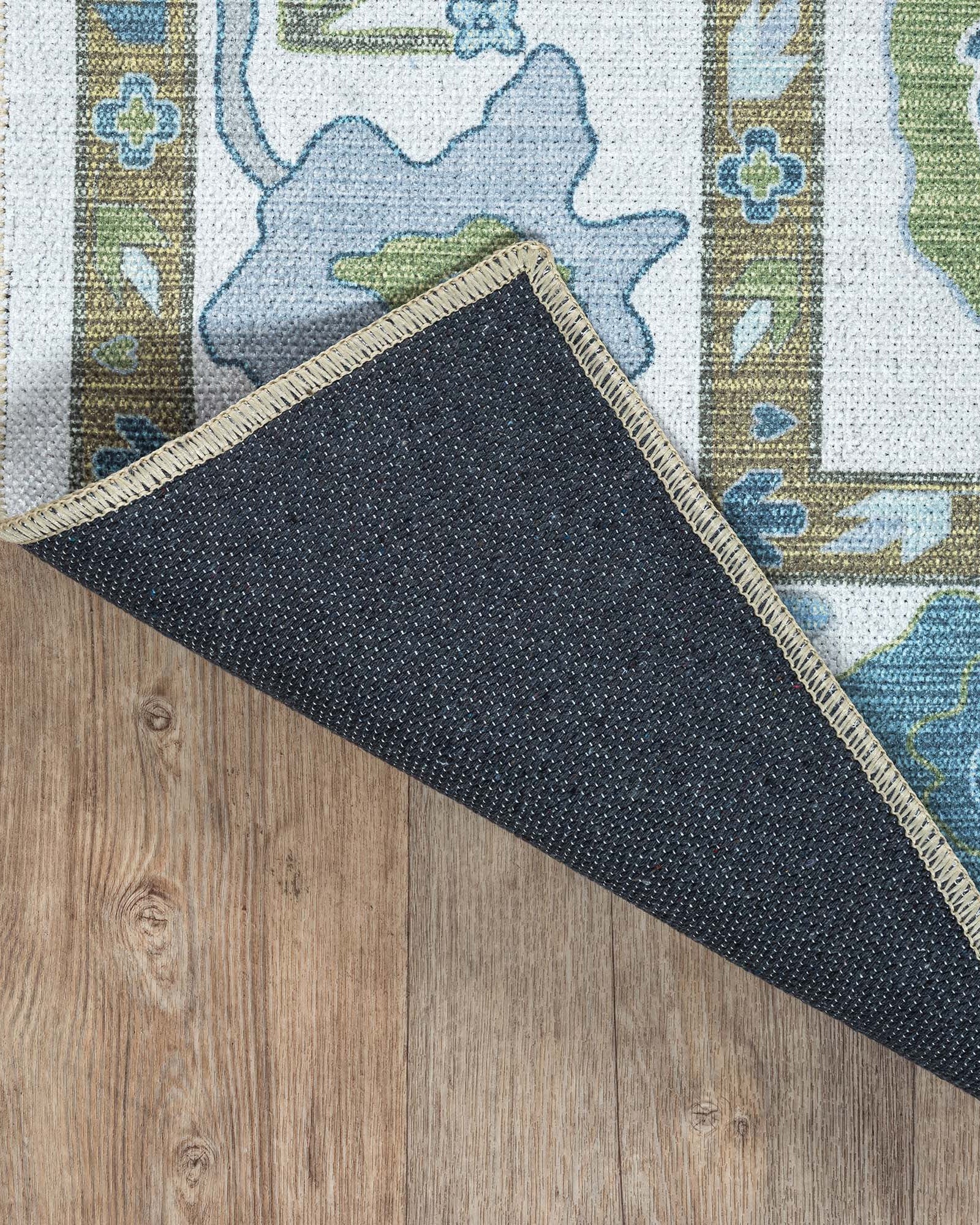
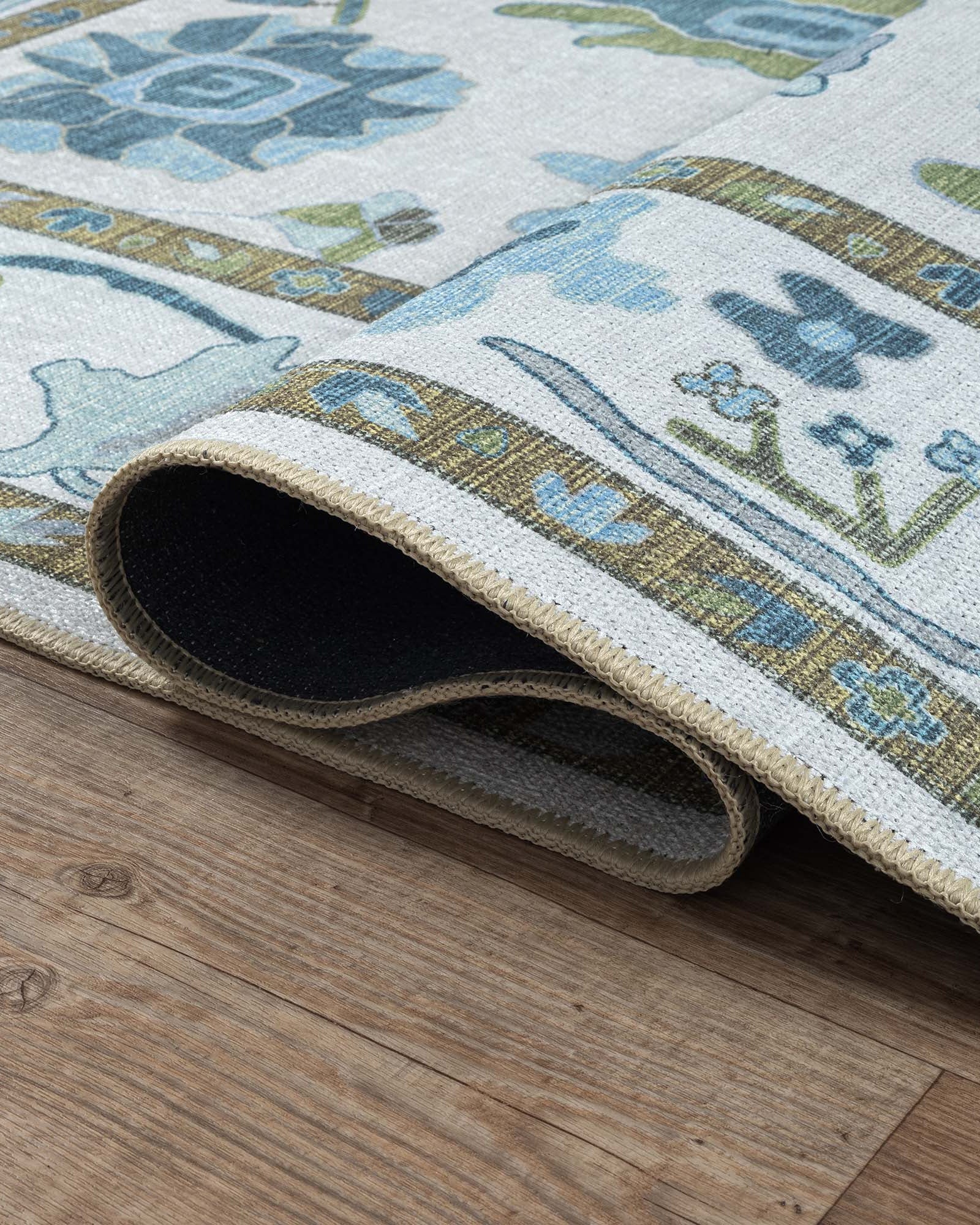
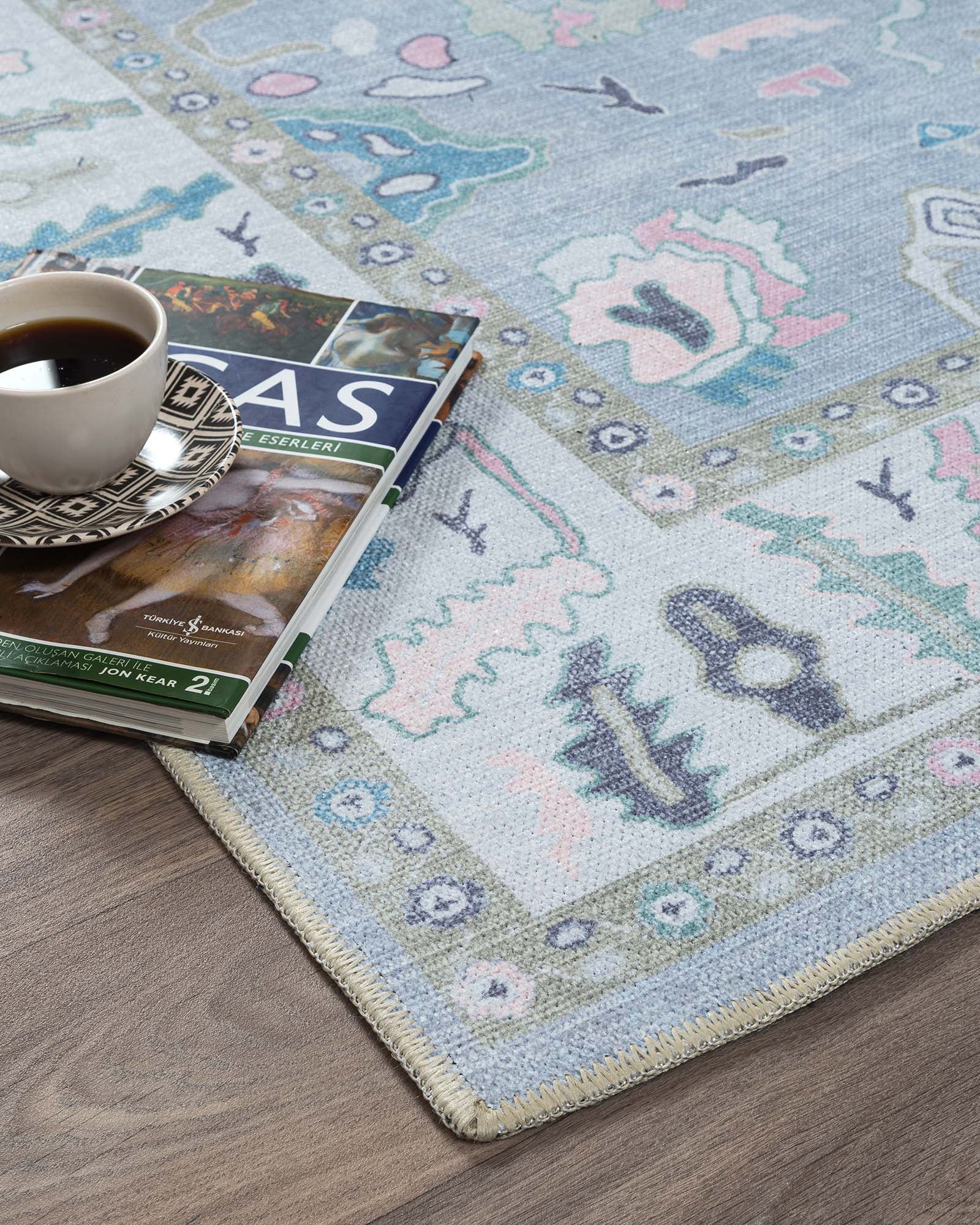
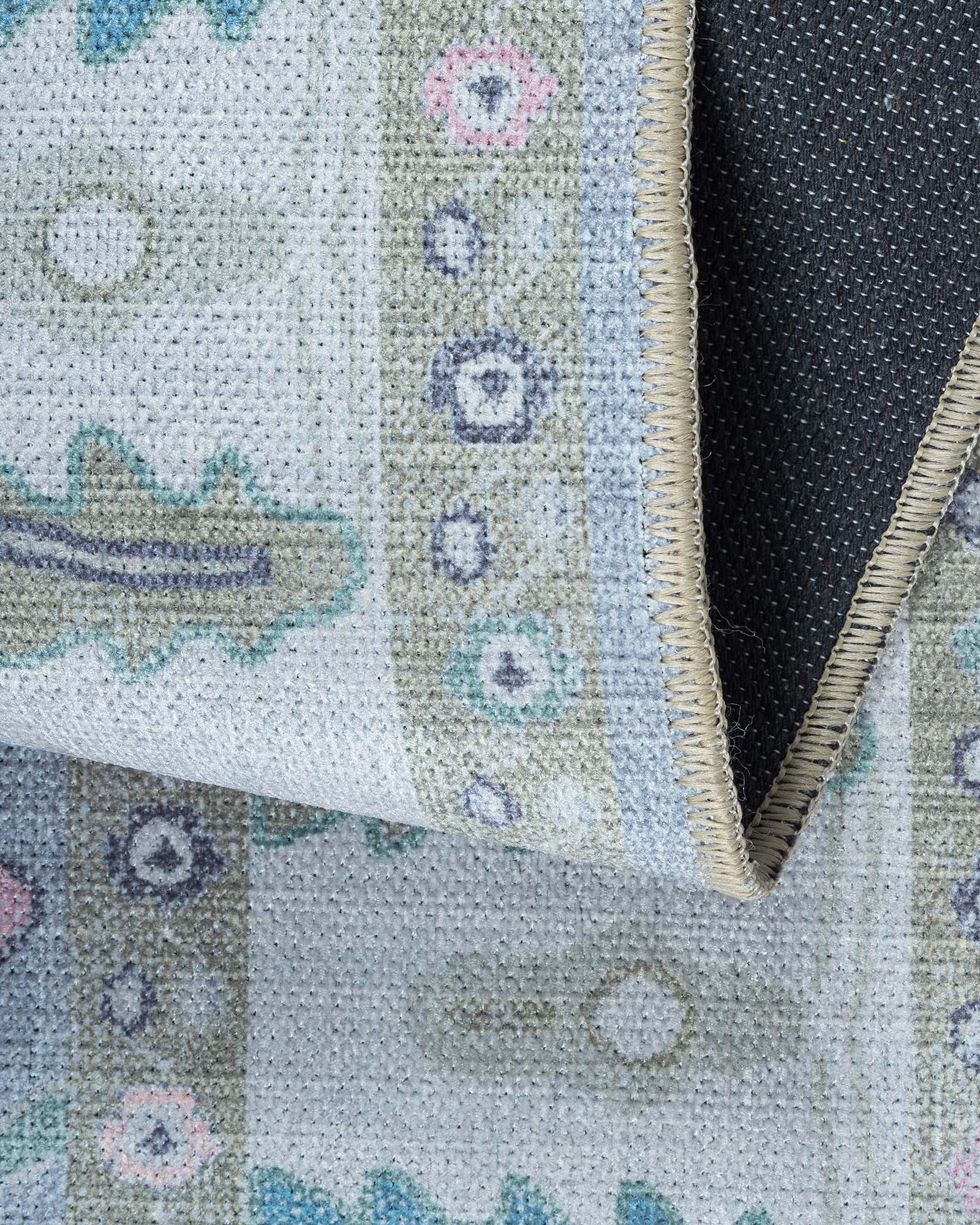
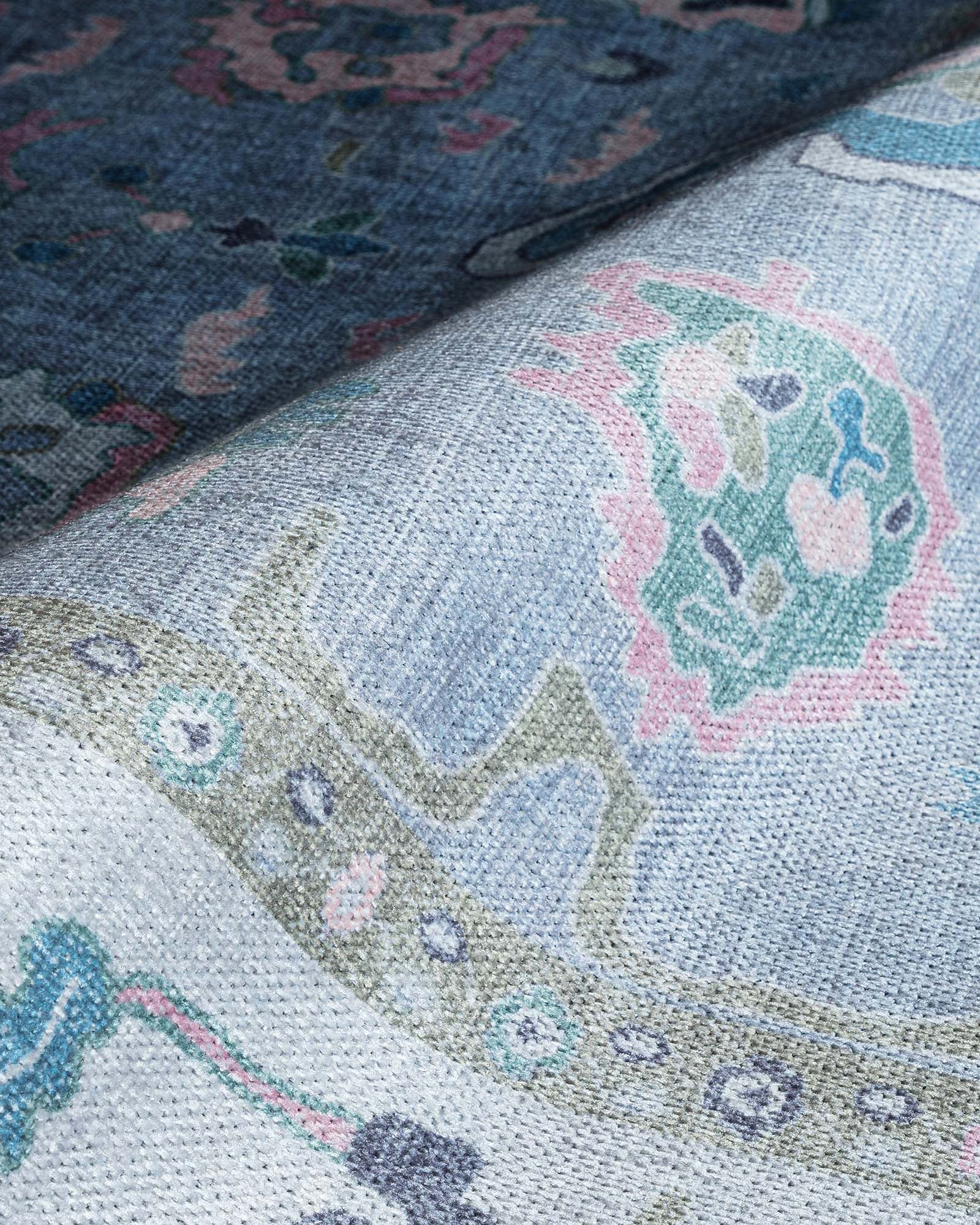
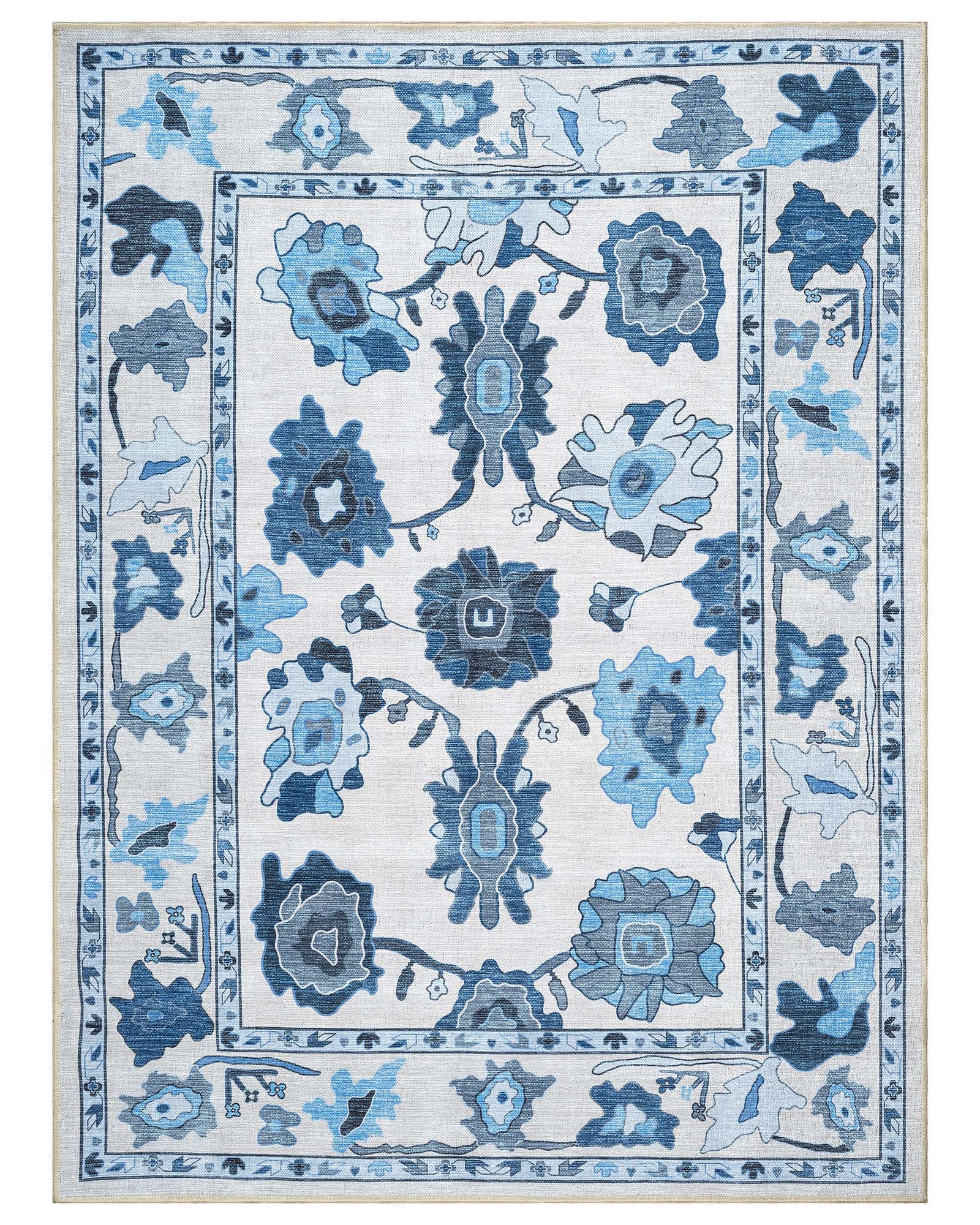
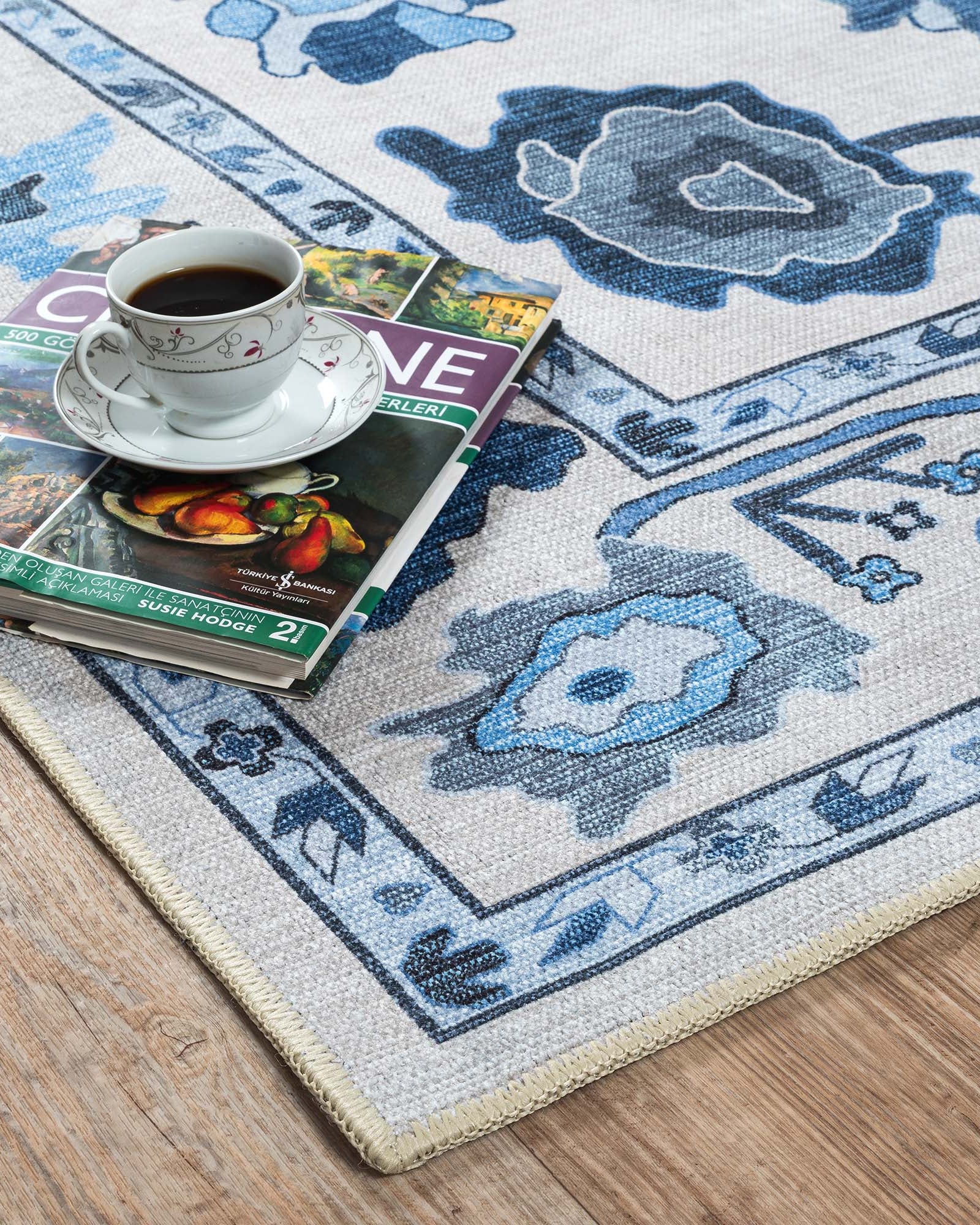
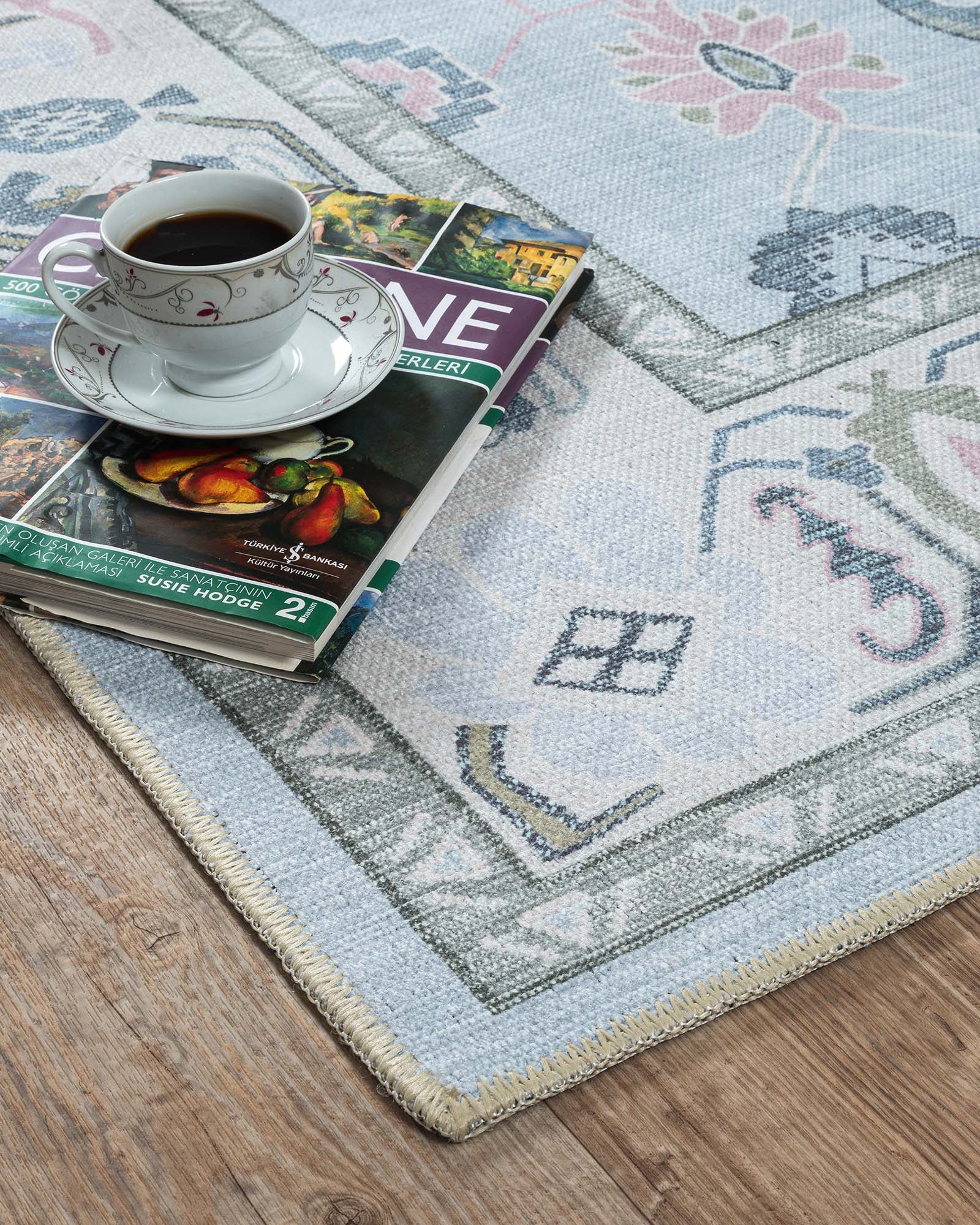
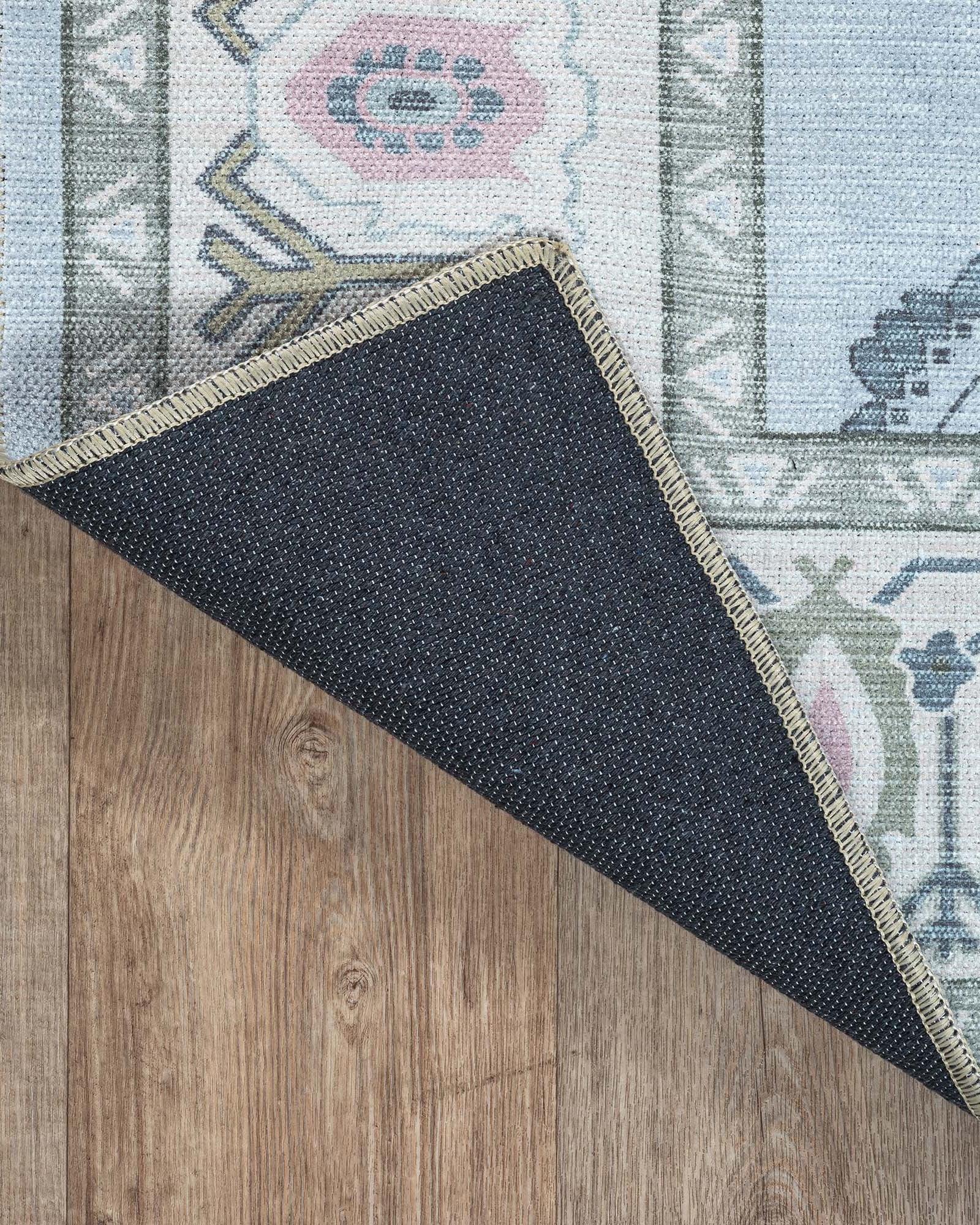
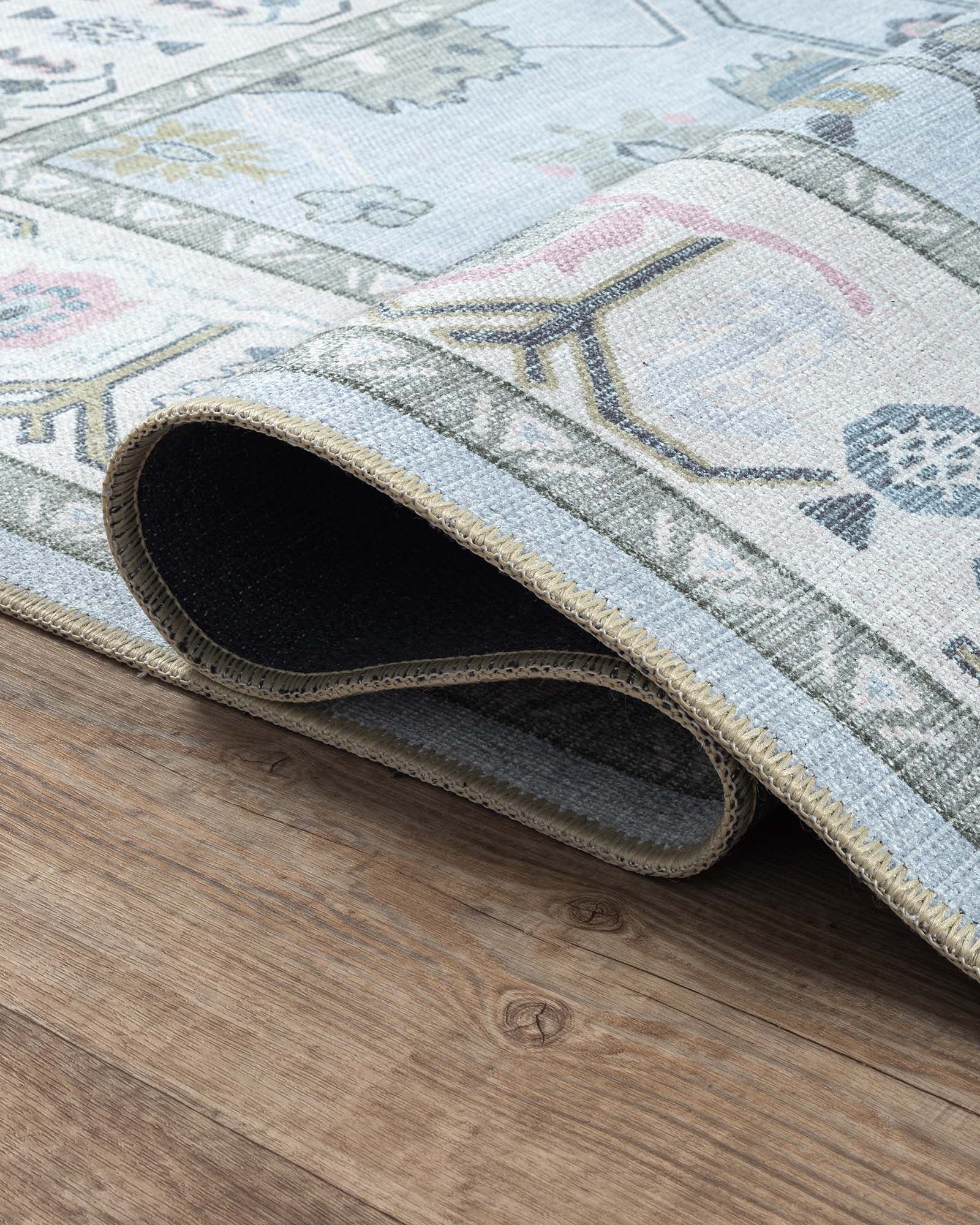
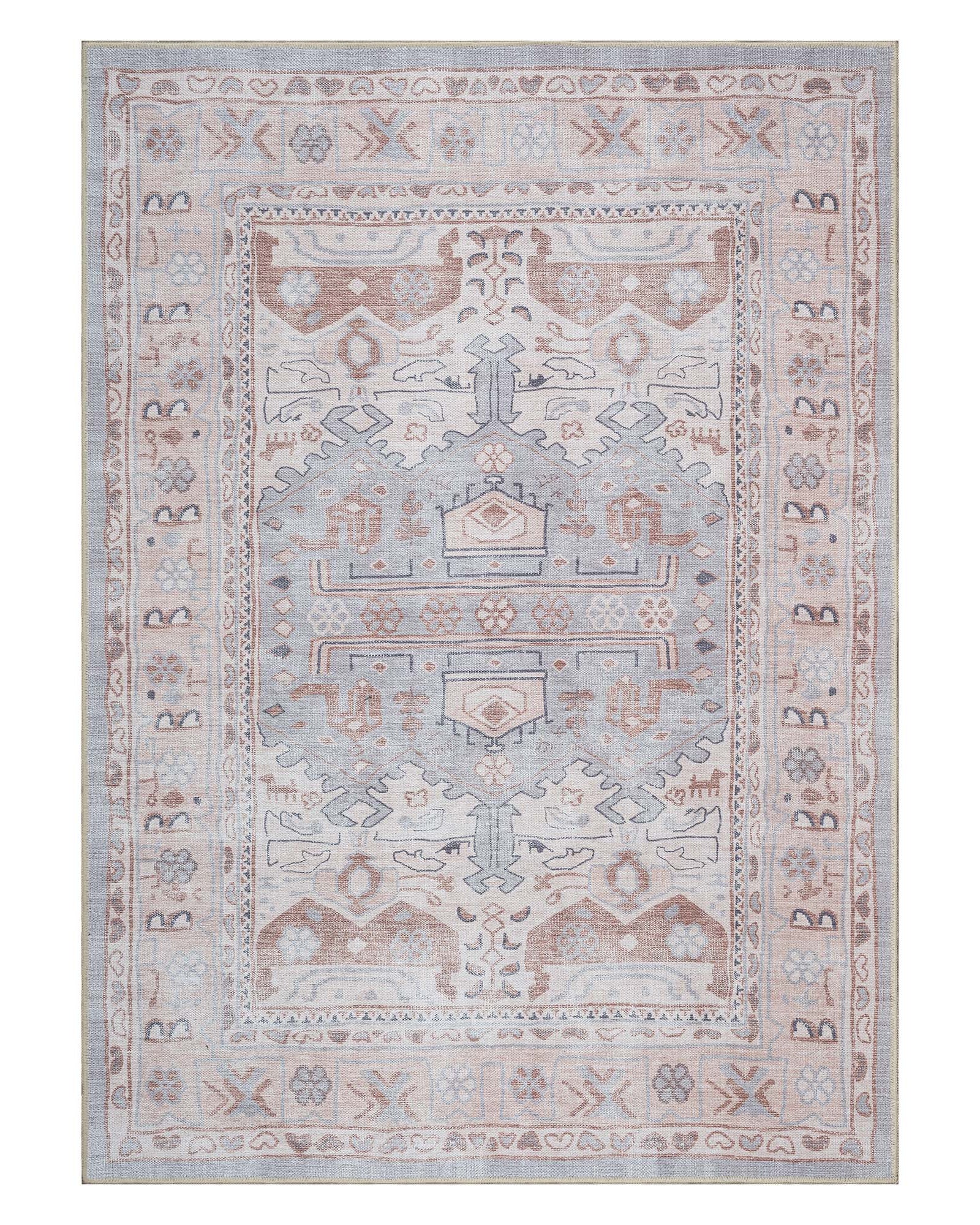
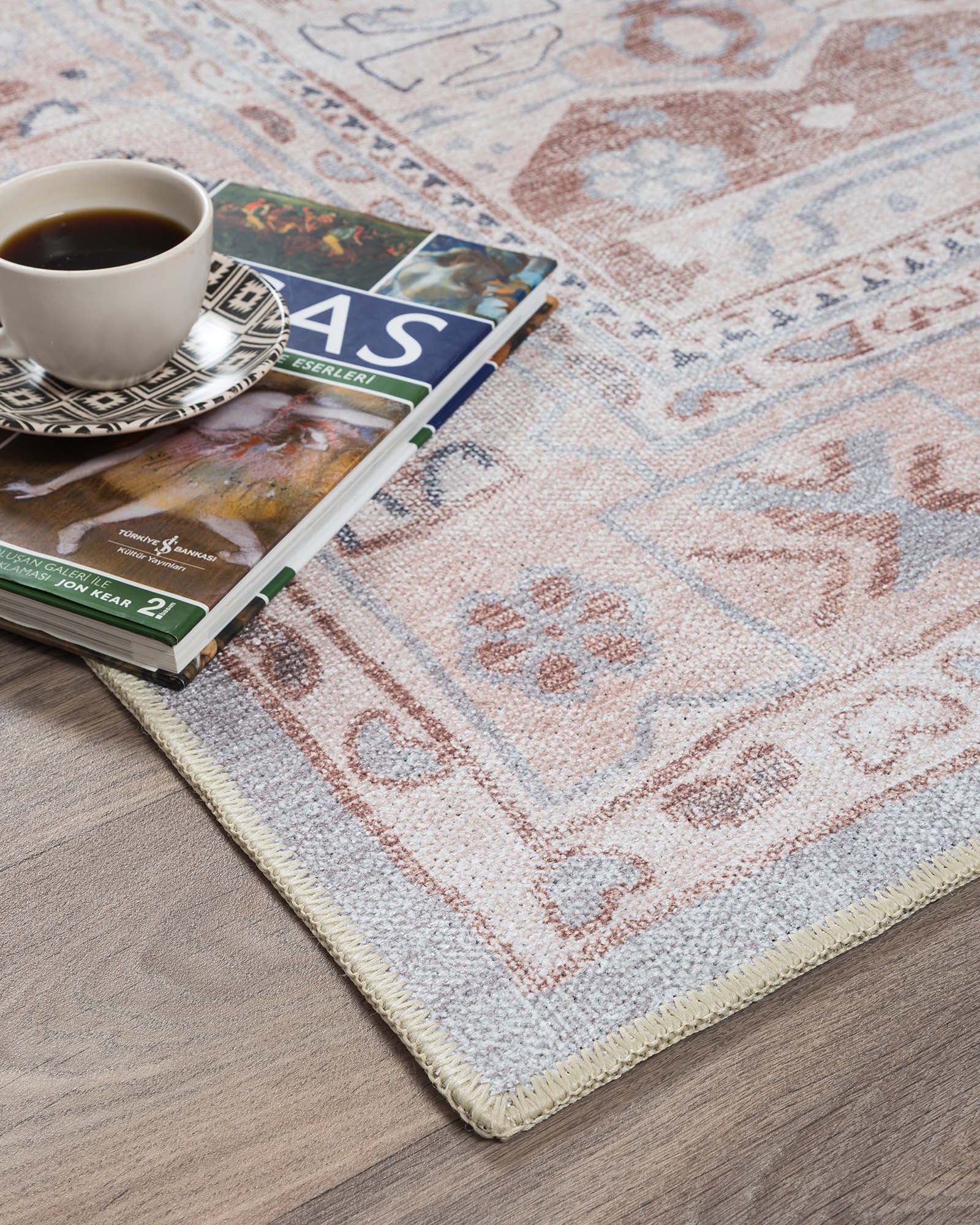
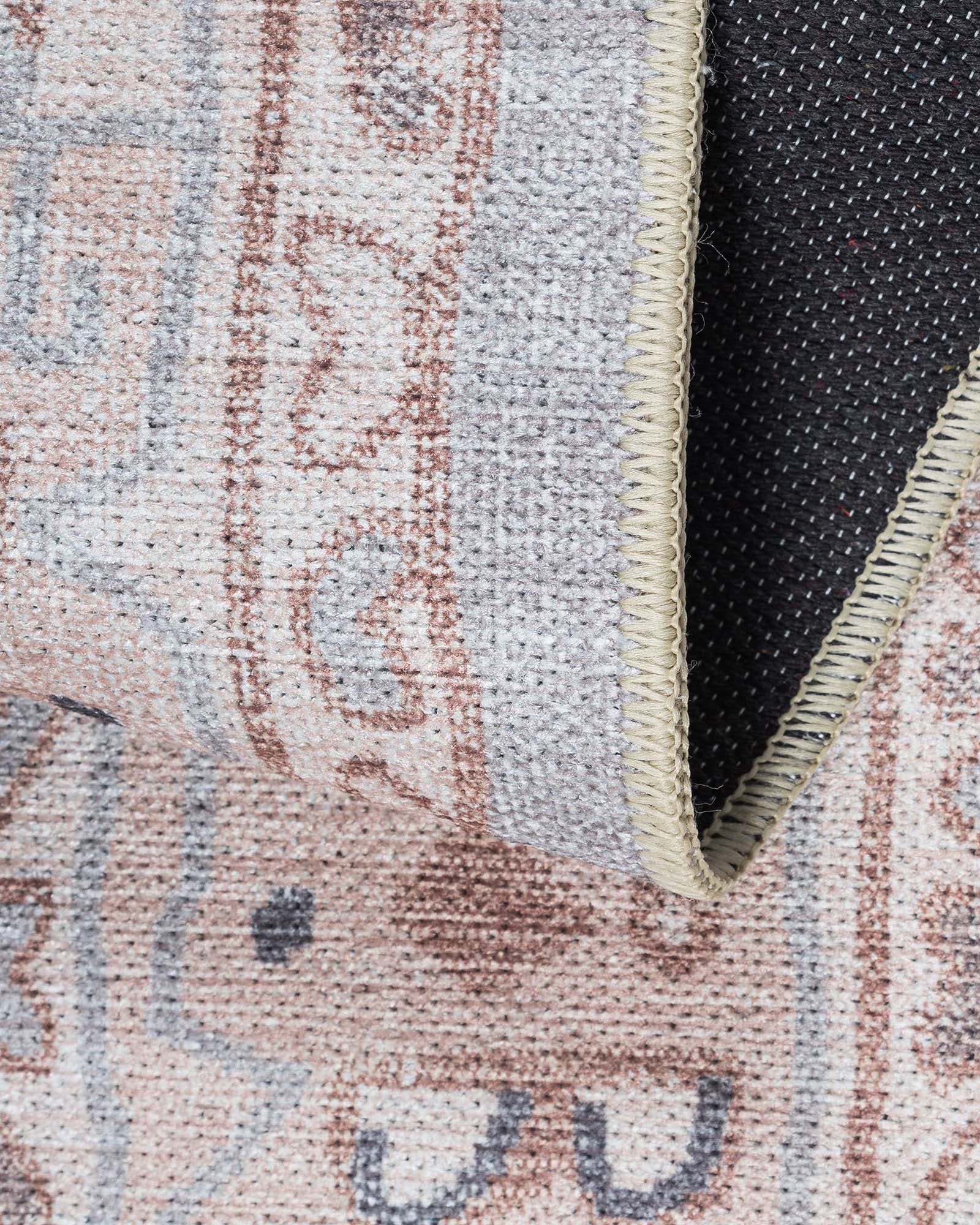
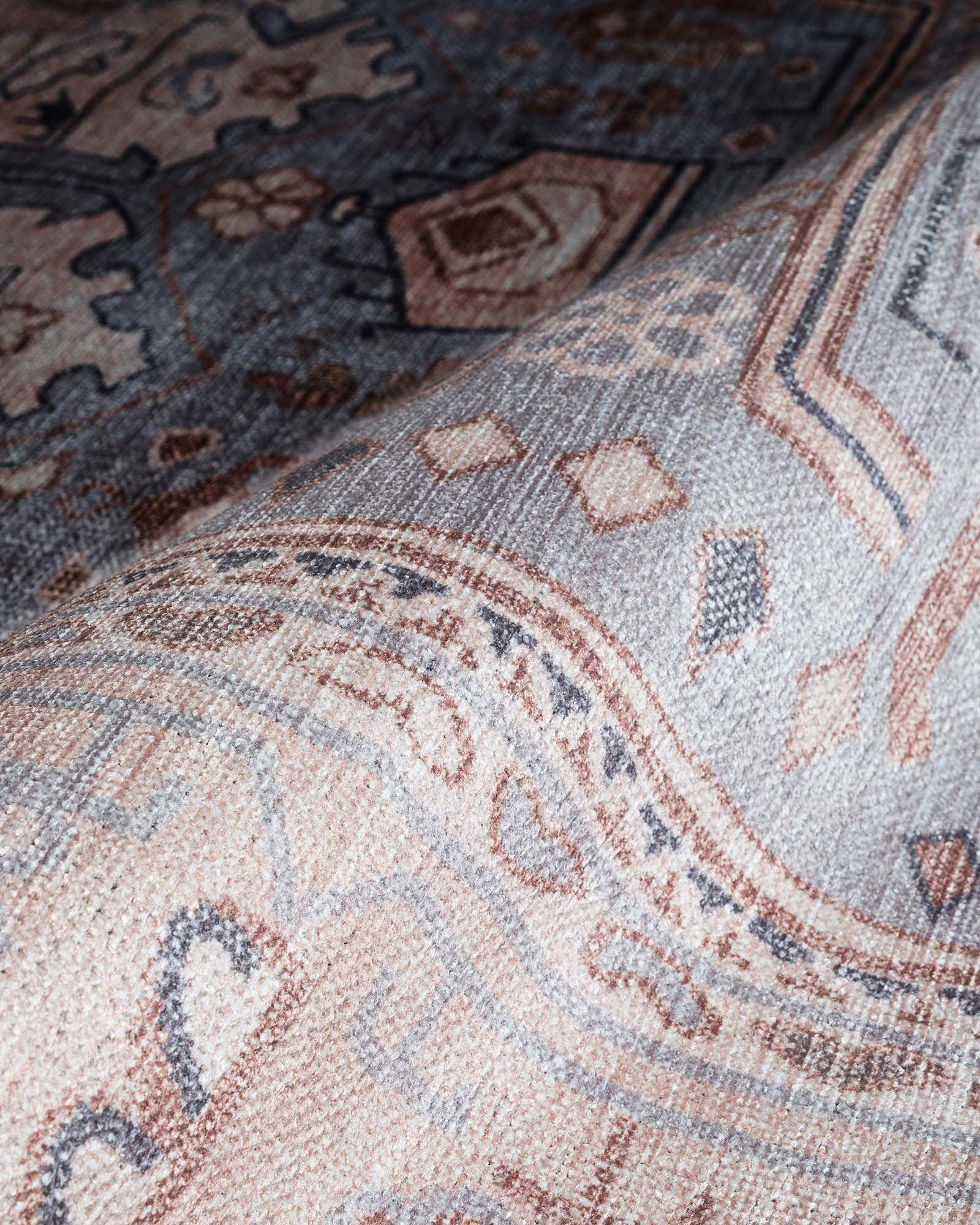
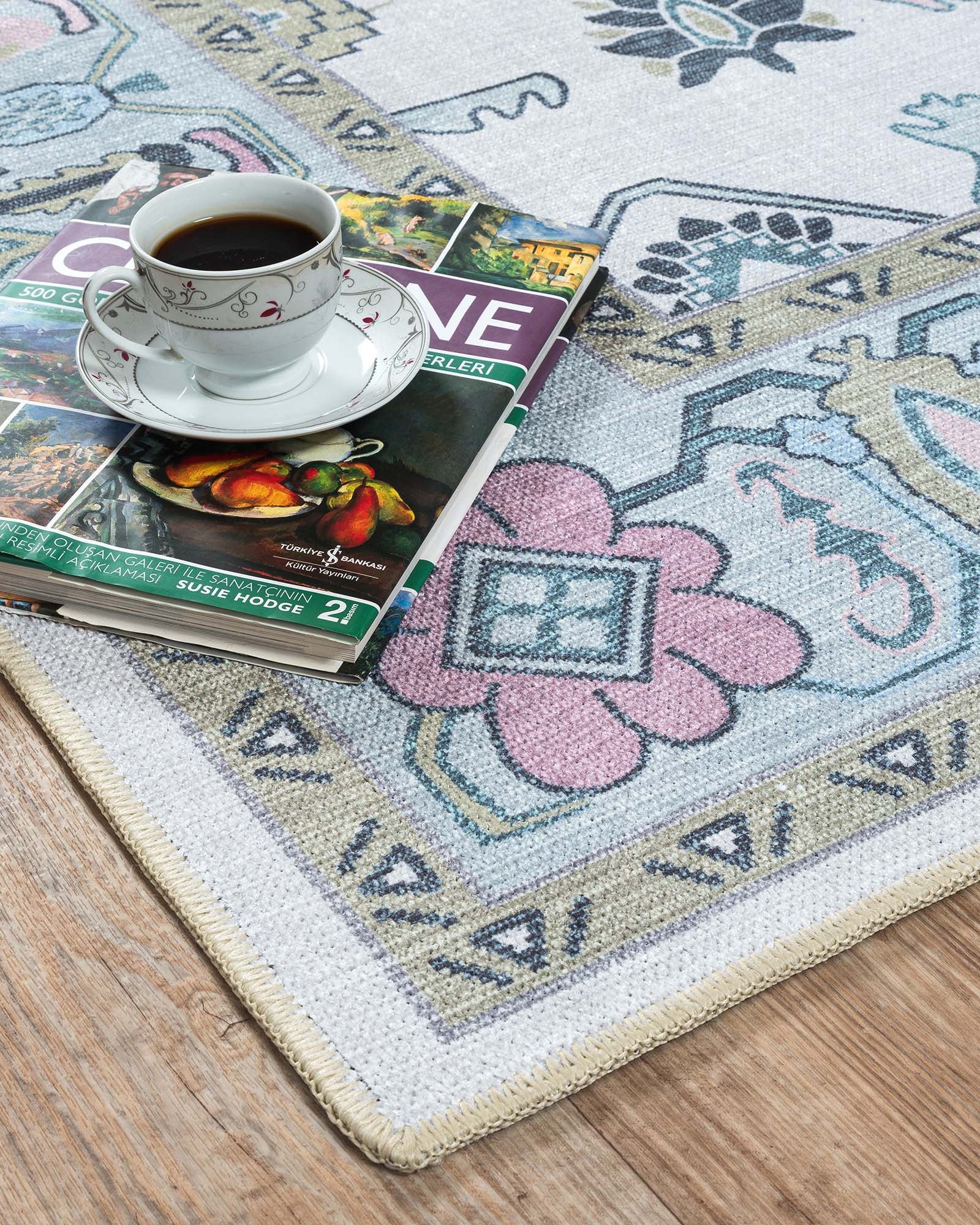
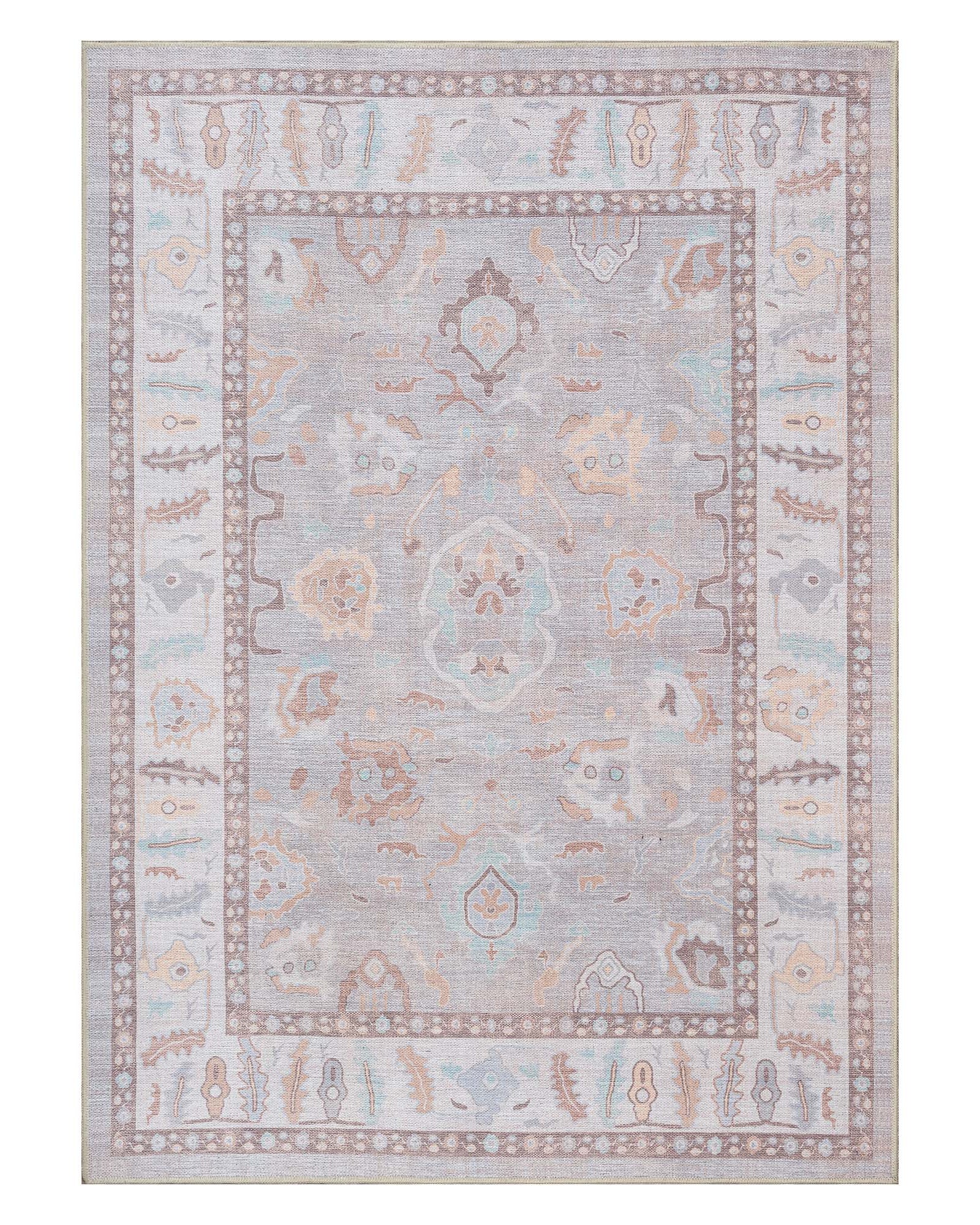
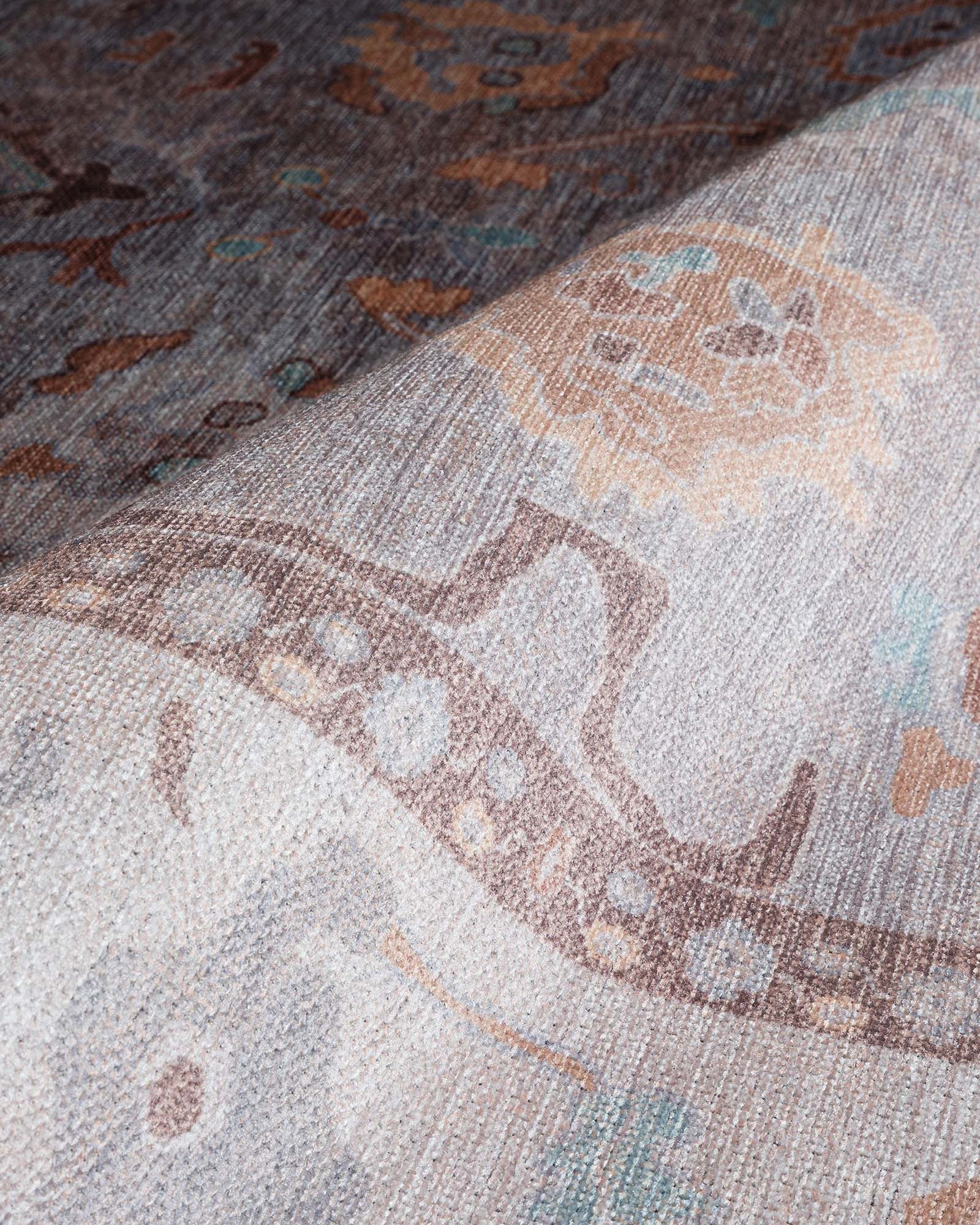
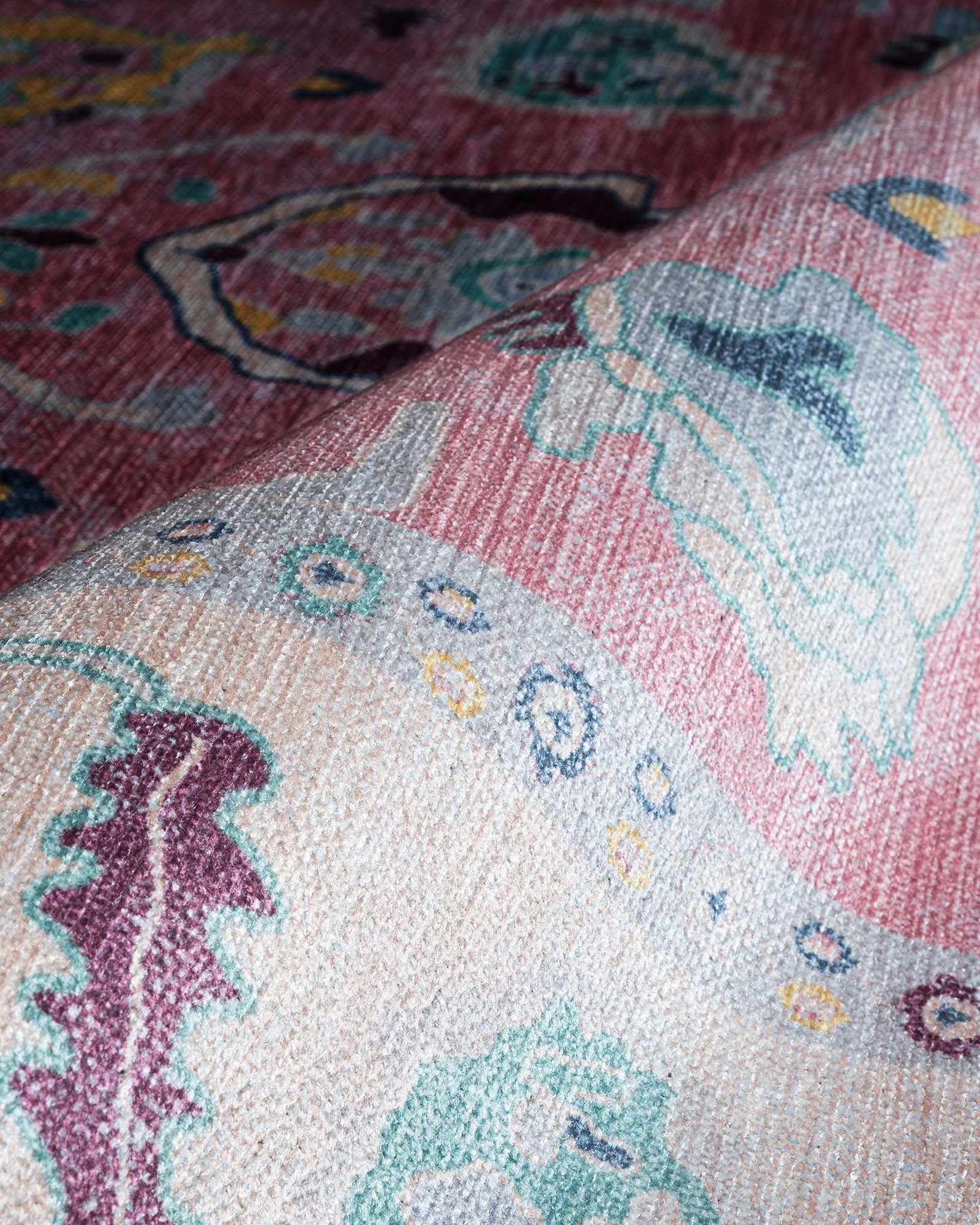
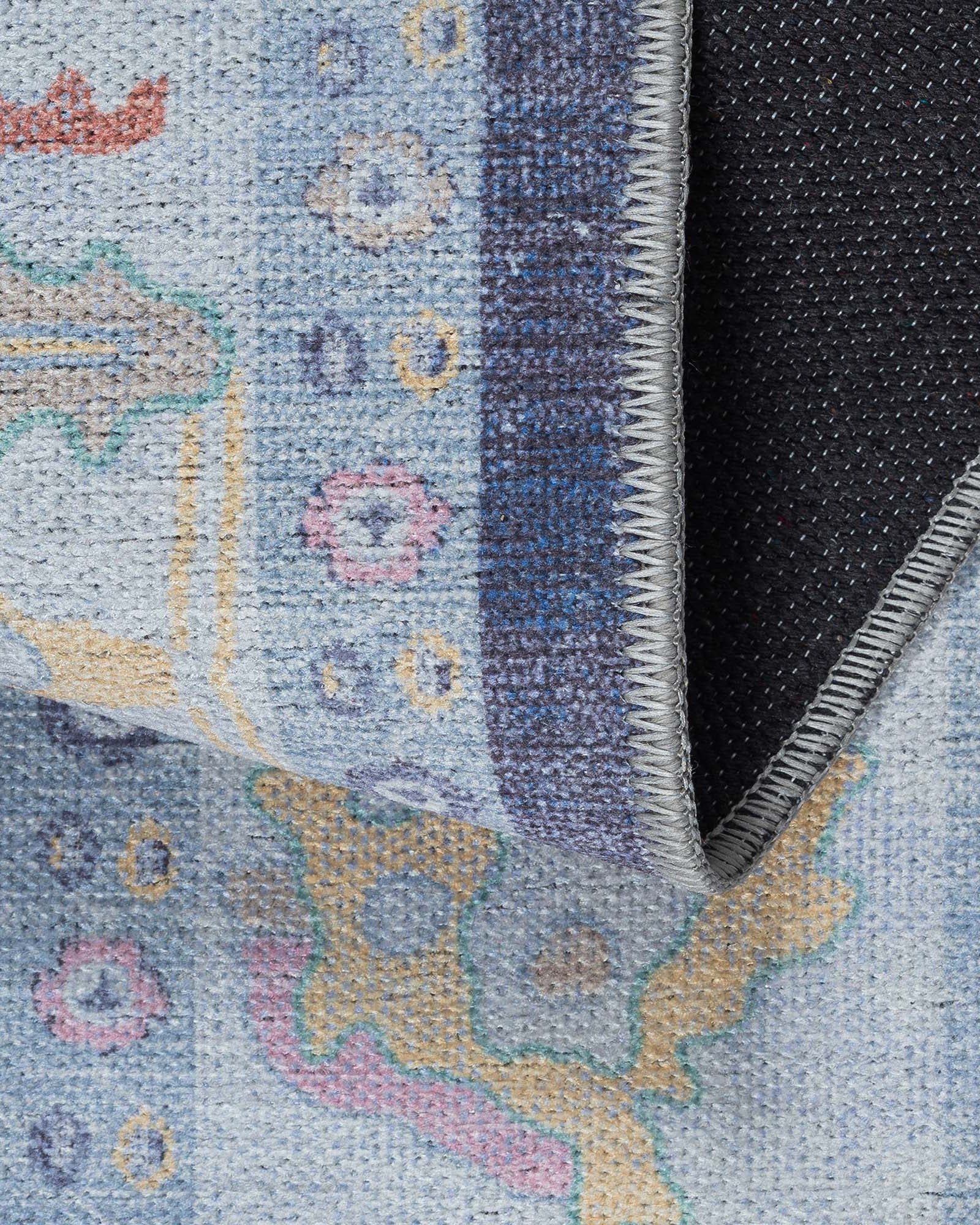
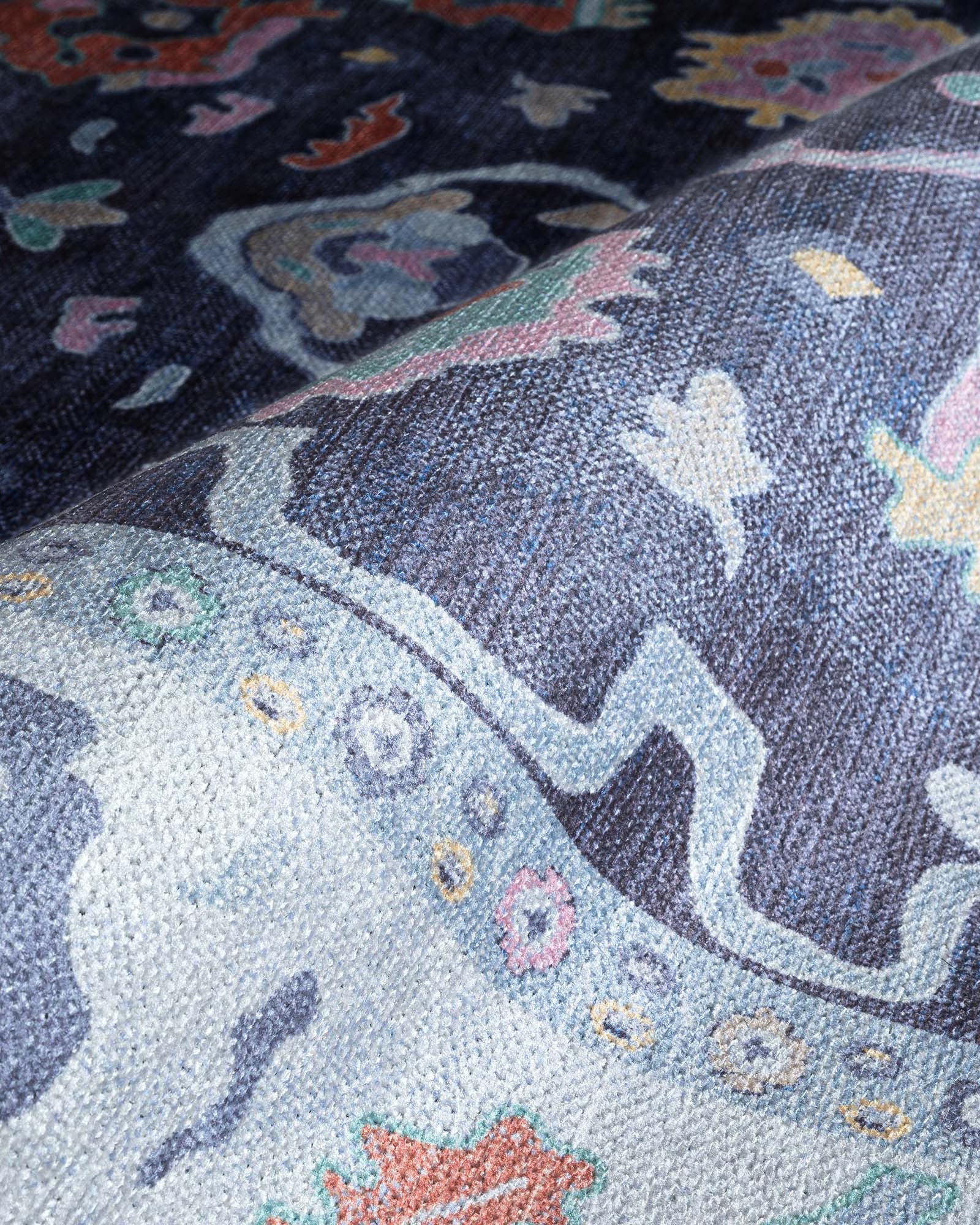
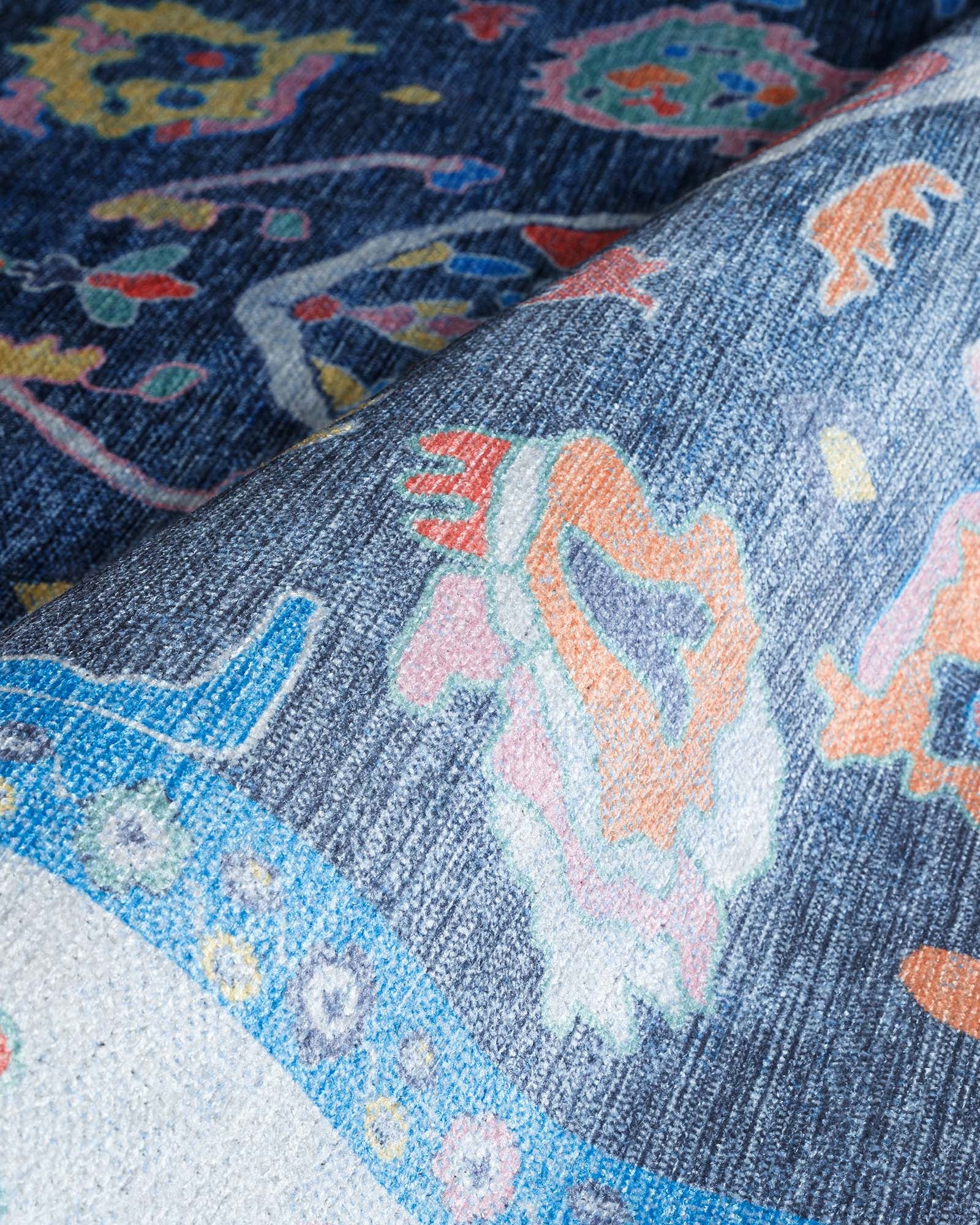
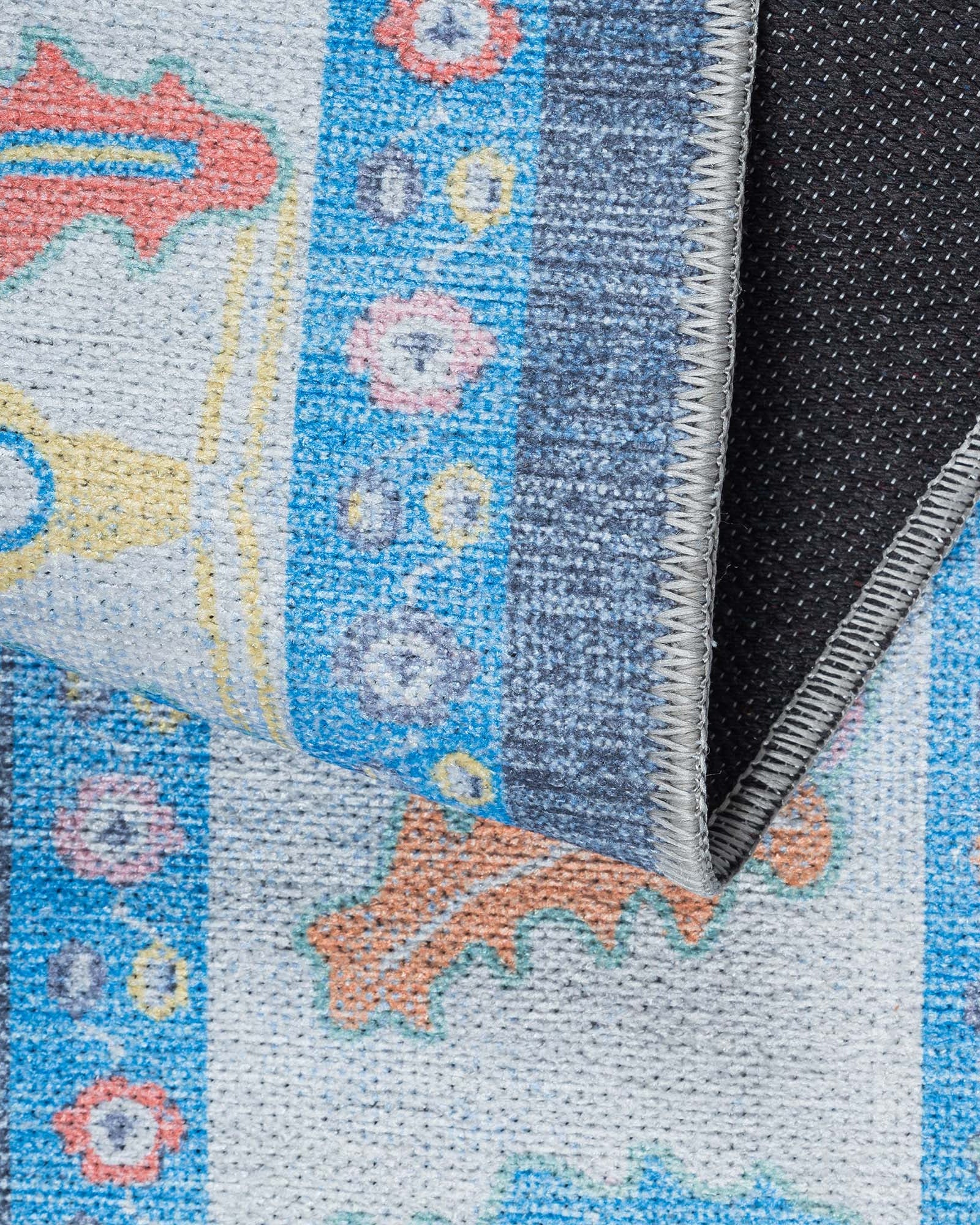
Because a flatweave has no pile to add visual depth, everything rides on the weave itself — how tightly it's packed, how precisely colors meet at each slit, how confidently a pattern resolves at the corners. A finely woven kilim shows tighter, more even rows, cleaner color transitions, and pattern work that holds up to close inspection rather than reading well only from a distance. These qualities take more time and more skill to produce, which is what separates an elevated piece from an everyday one.
Where These Pieces Tend to Come From
Finer flatweaving is more associated with certain regional traditions and specific weavers within them than with any single origin. Senneh kilims from western Persia are known for unusually fine, tight weaving and intricate small-scale pattern rarely seen in coarser flatweave traditions. Some Anatolian pieces, particularly those made for a household's own formal use rather than everyday wear, show the same elevated attention to detail. Origin and relative fineness are noted individually on each product page rather than assumed from region alone.
Color Worth Looking For
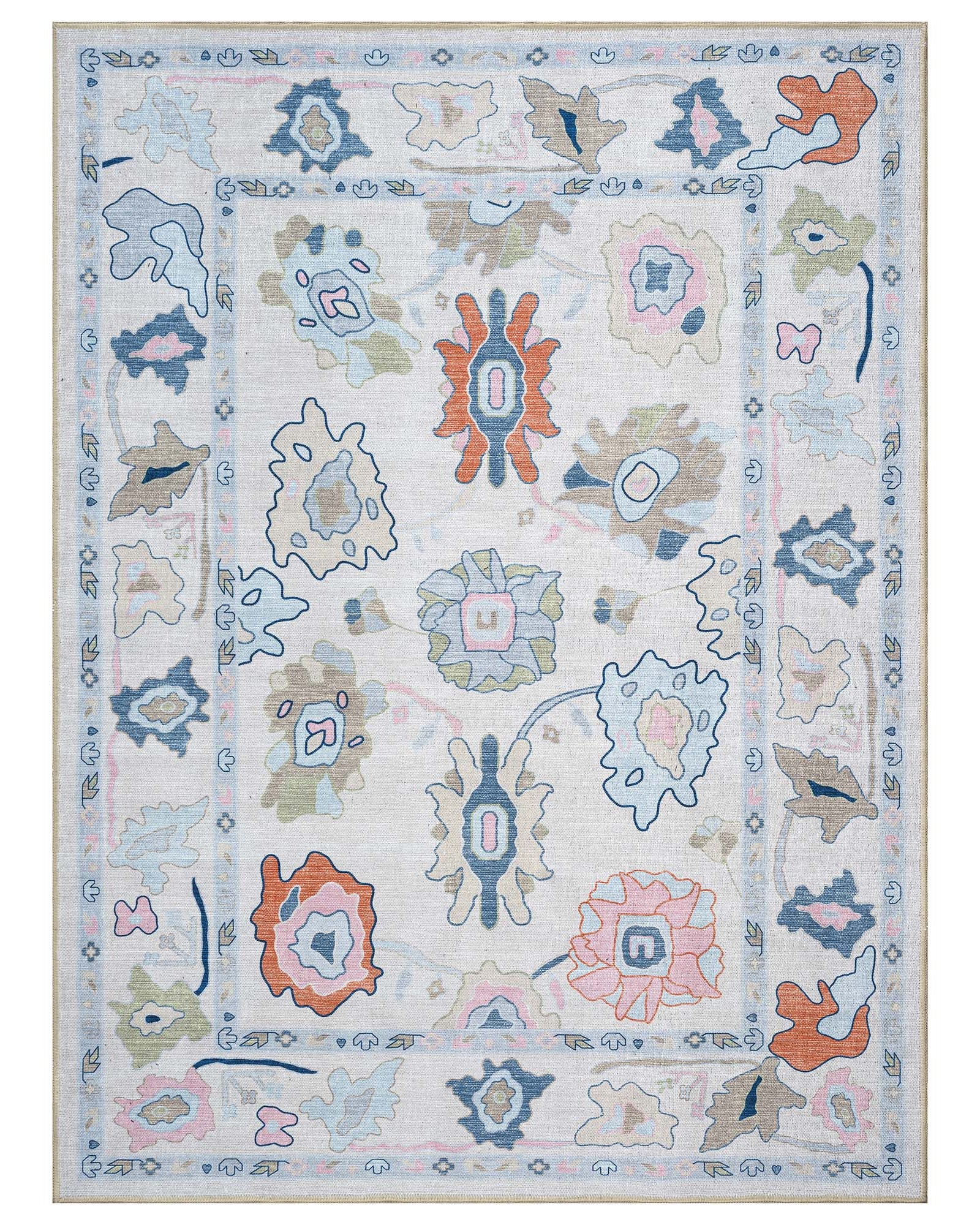
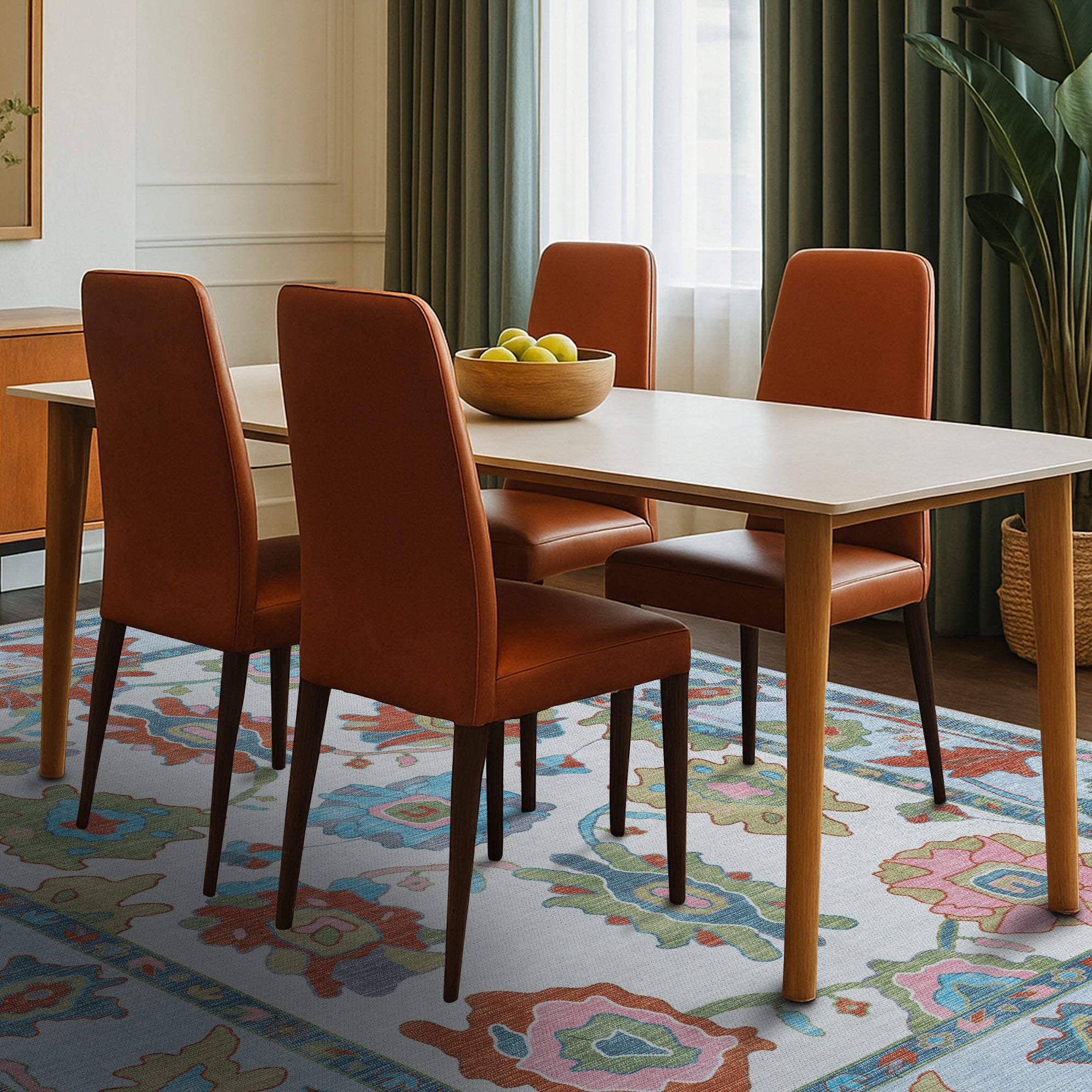
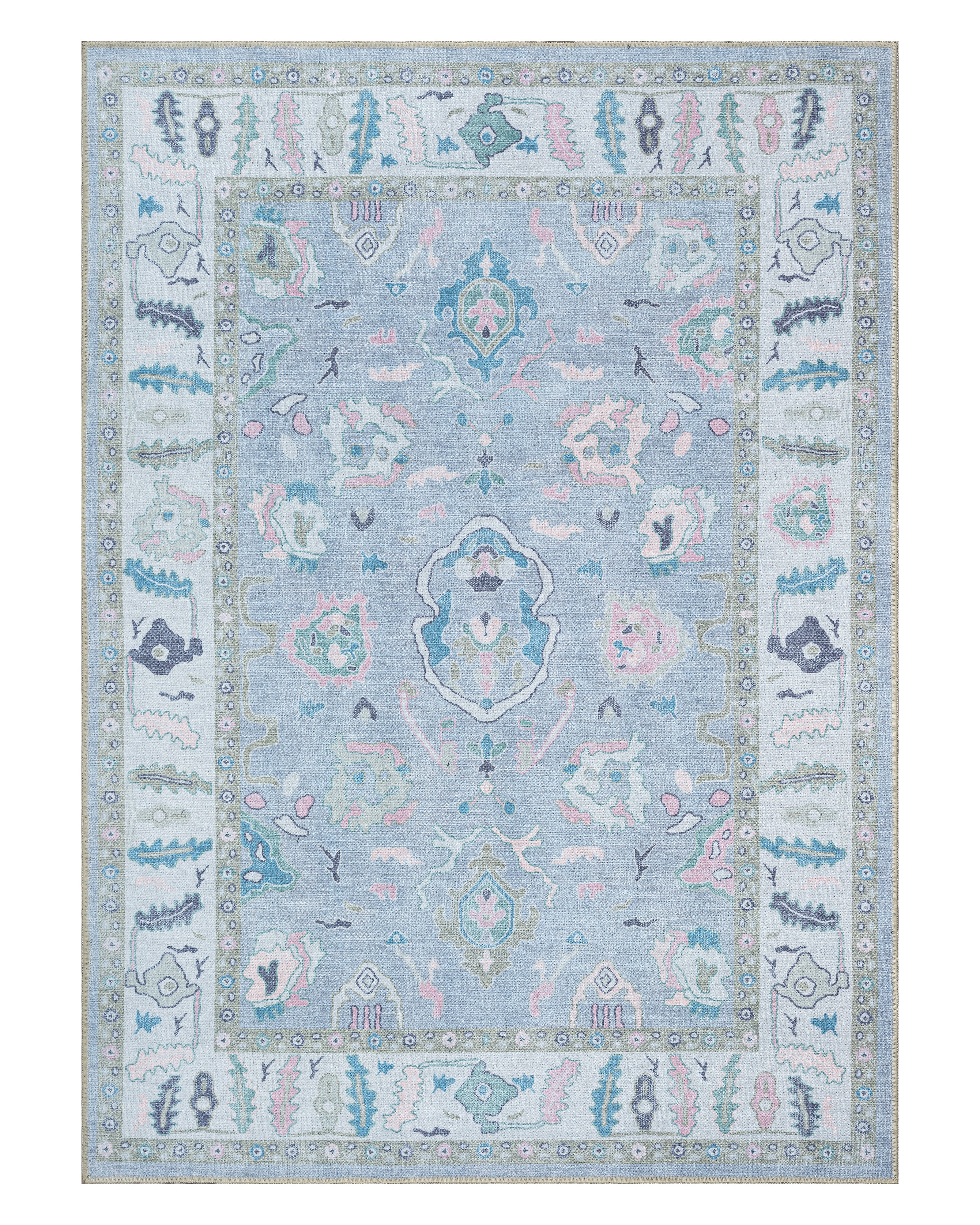
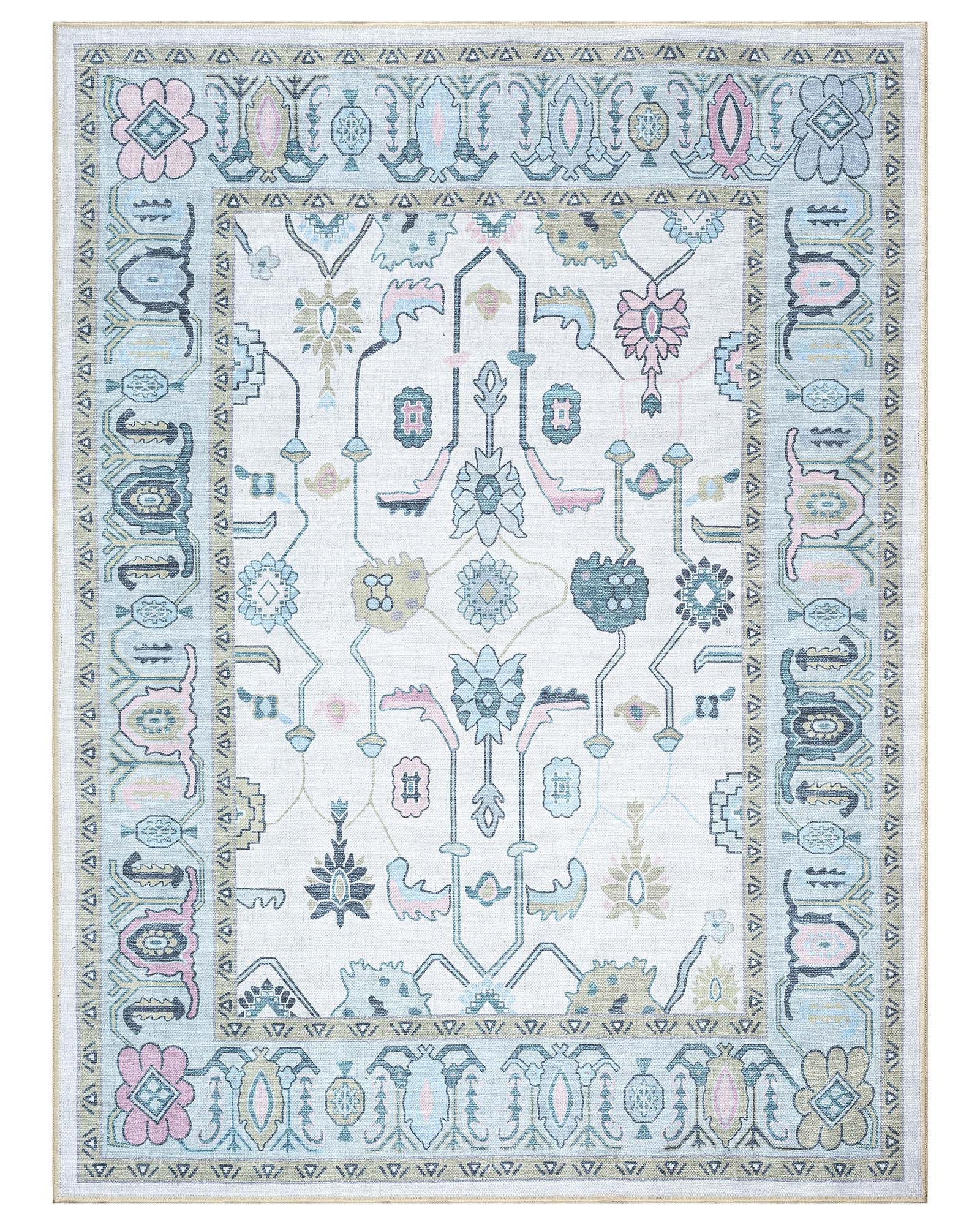
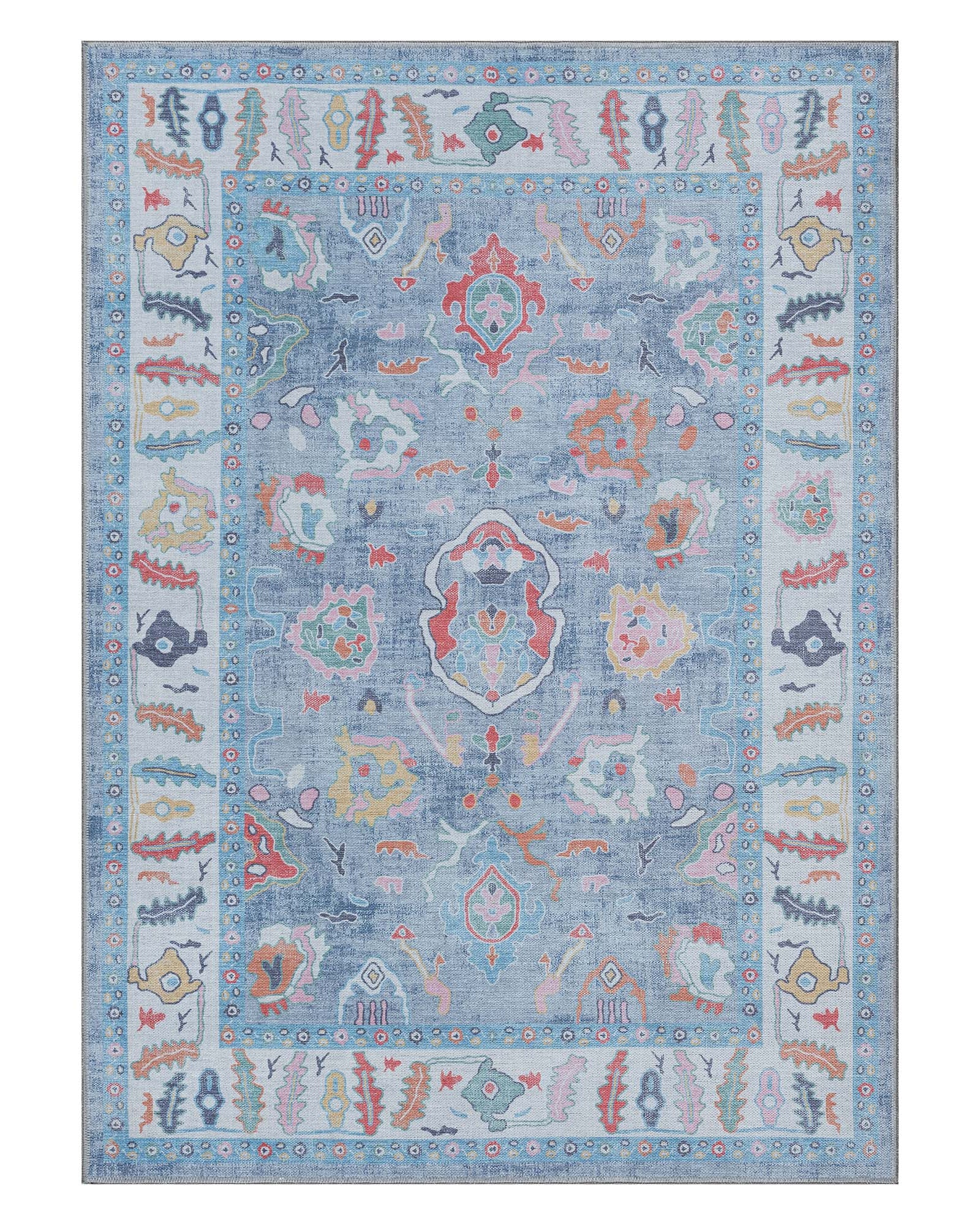
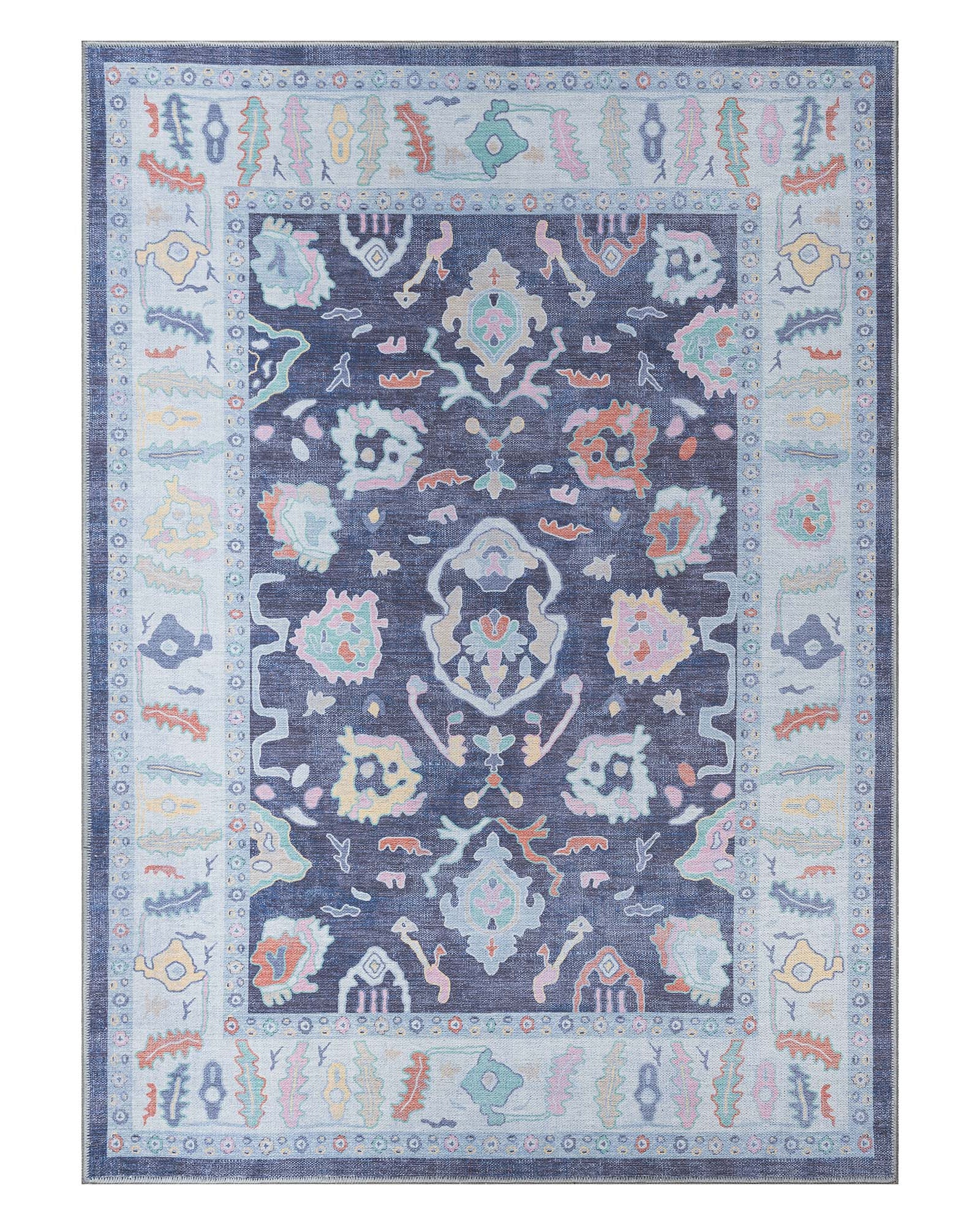
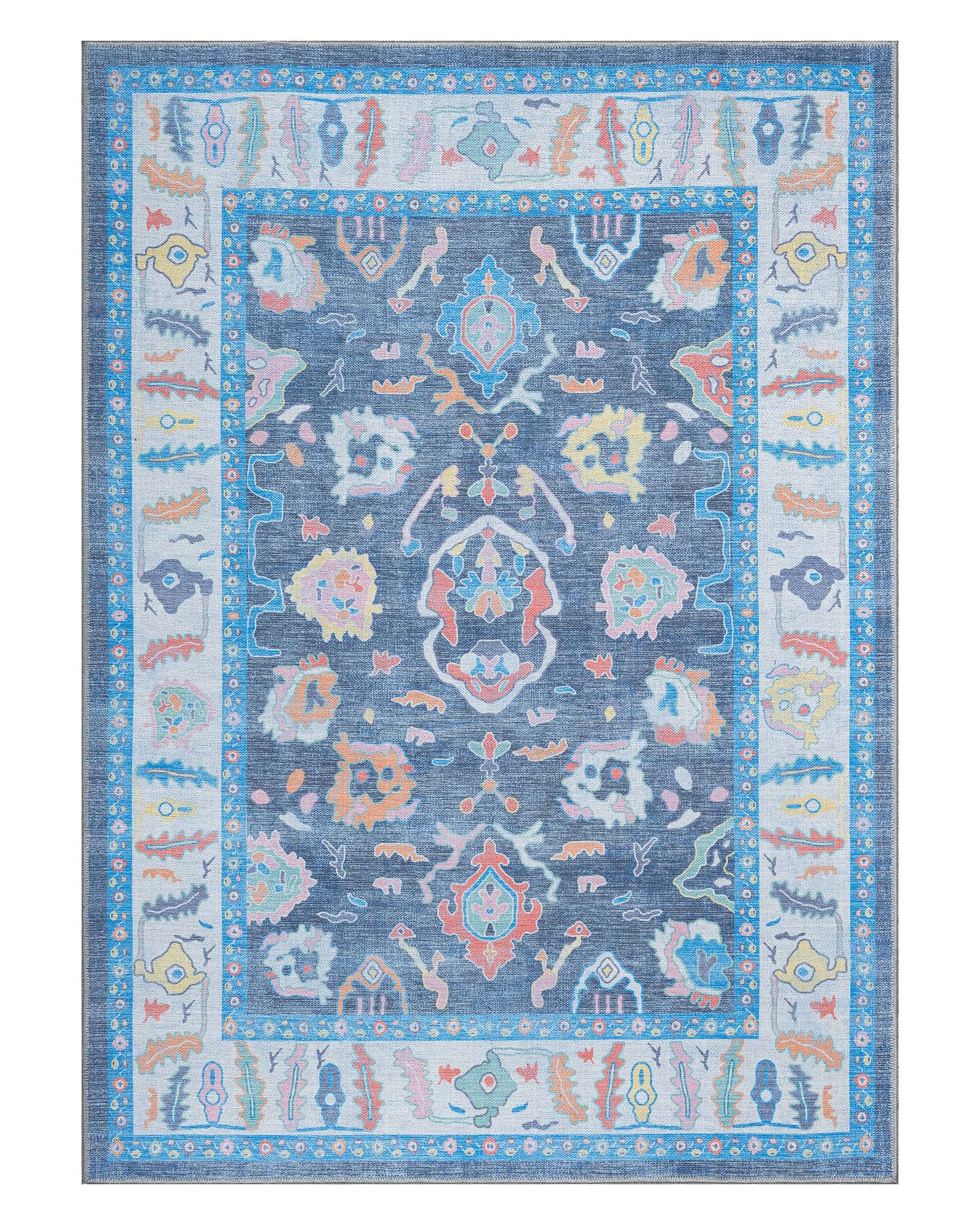
A finely woven flatweave often carries more deliberate, considered color than a fast village piece — richer saturation, more careful placement of accent tones against a quieter ground, sometimes small amounts of silk or finer wool used specifically for highlights. This is where a flatweave starts to feel less like a utility rug and more like a piece chosen for how it completes a room.
Styling an Elevated Flatweave
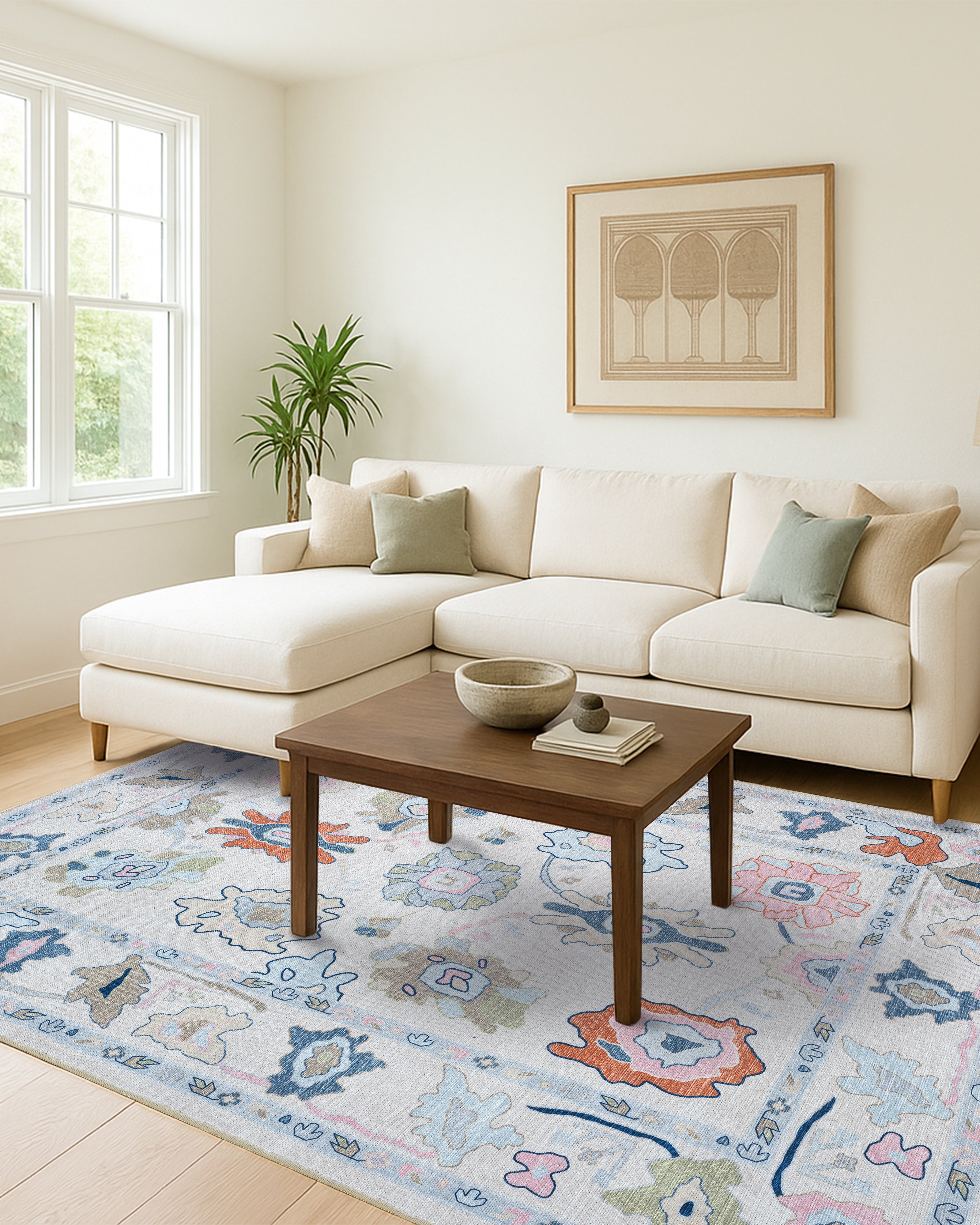
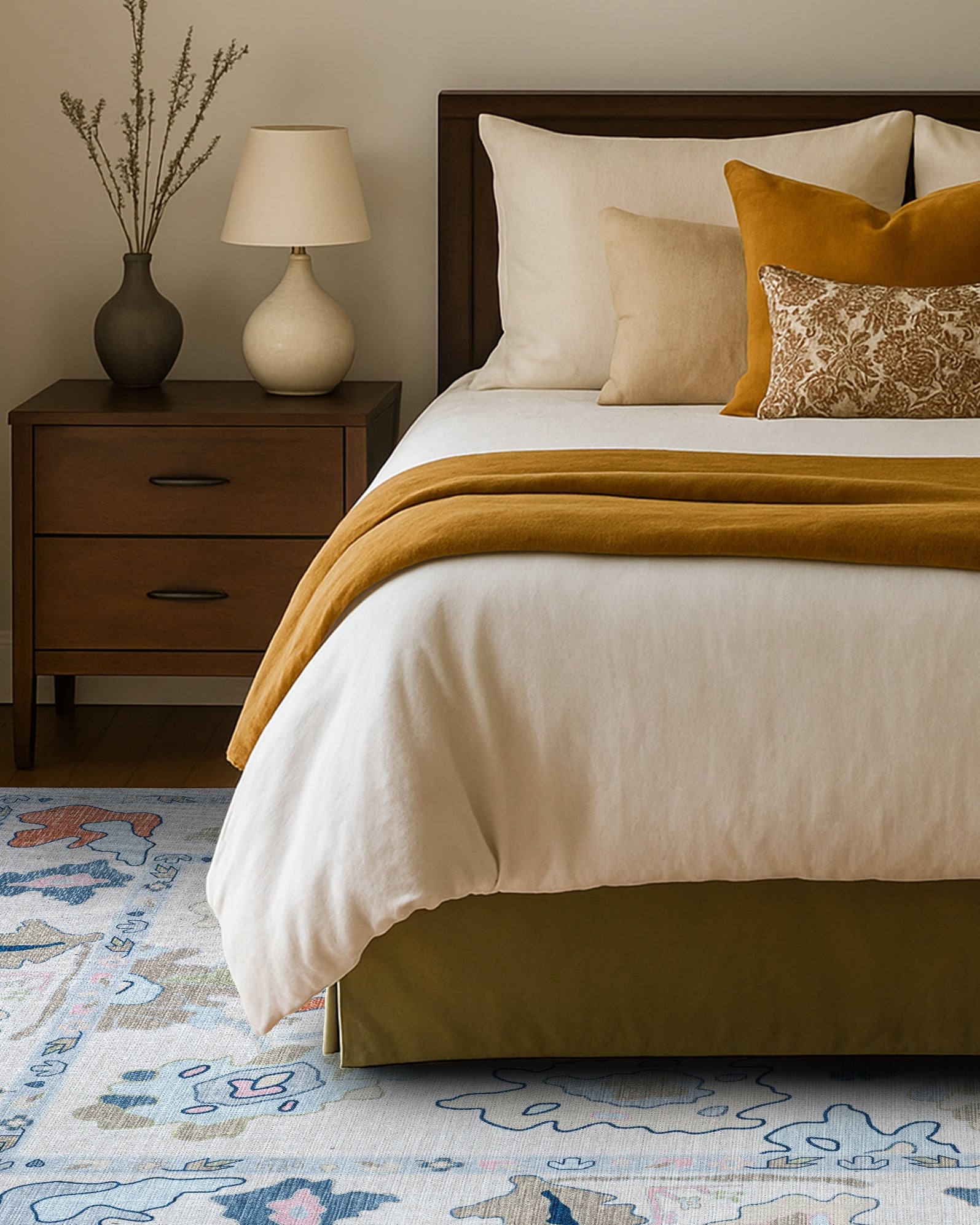
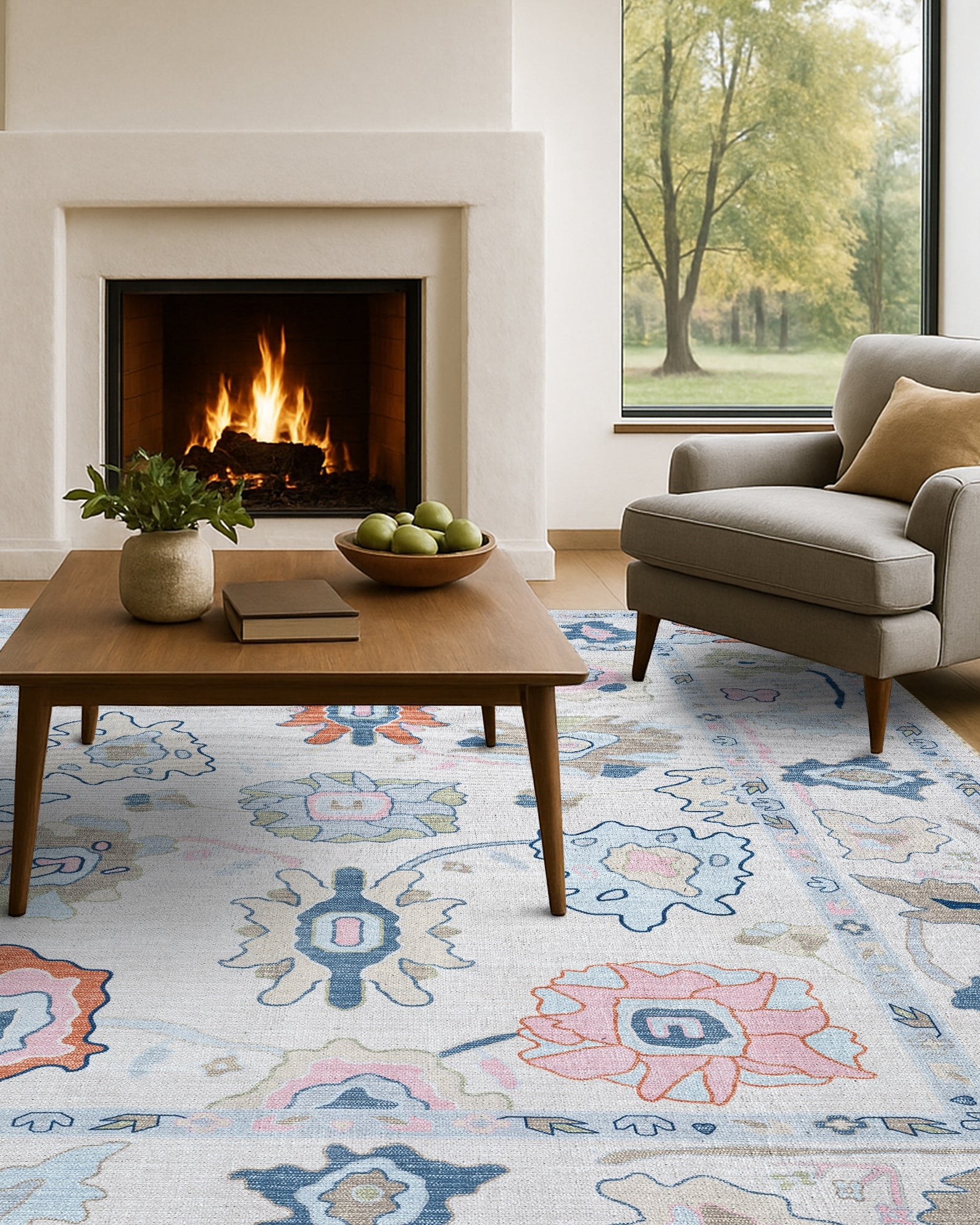
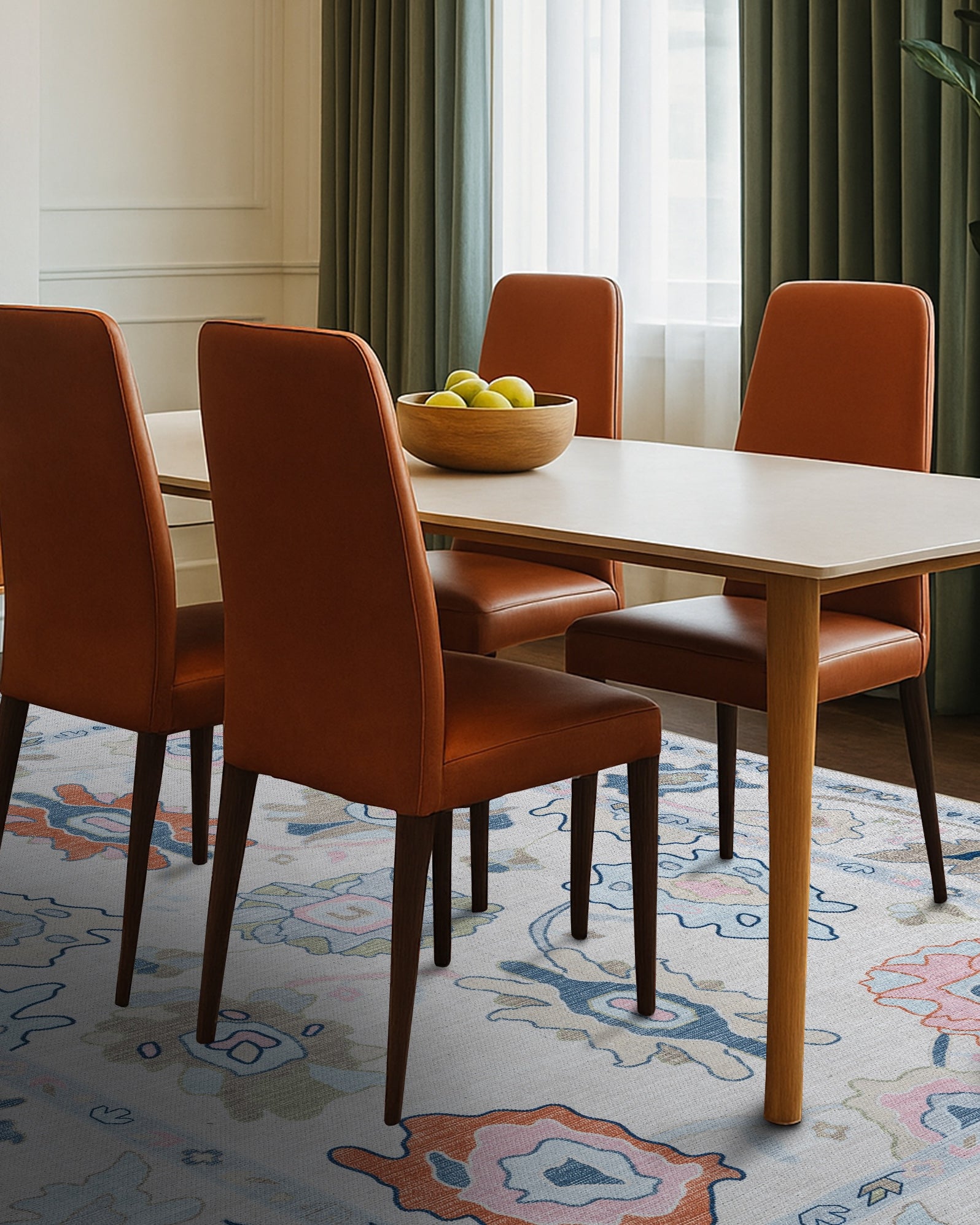
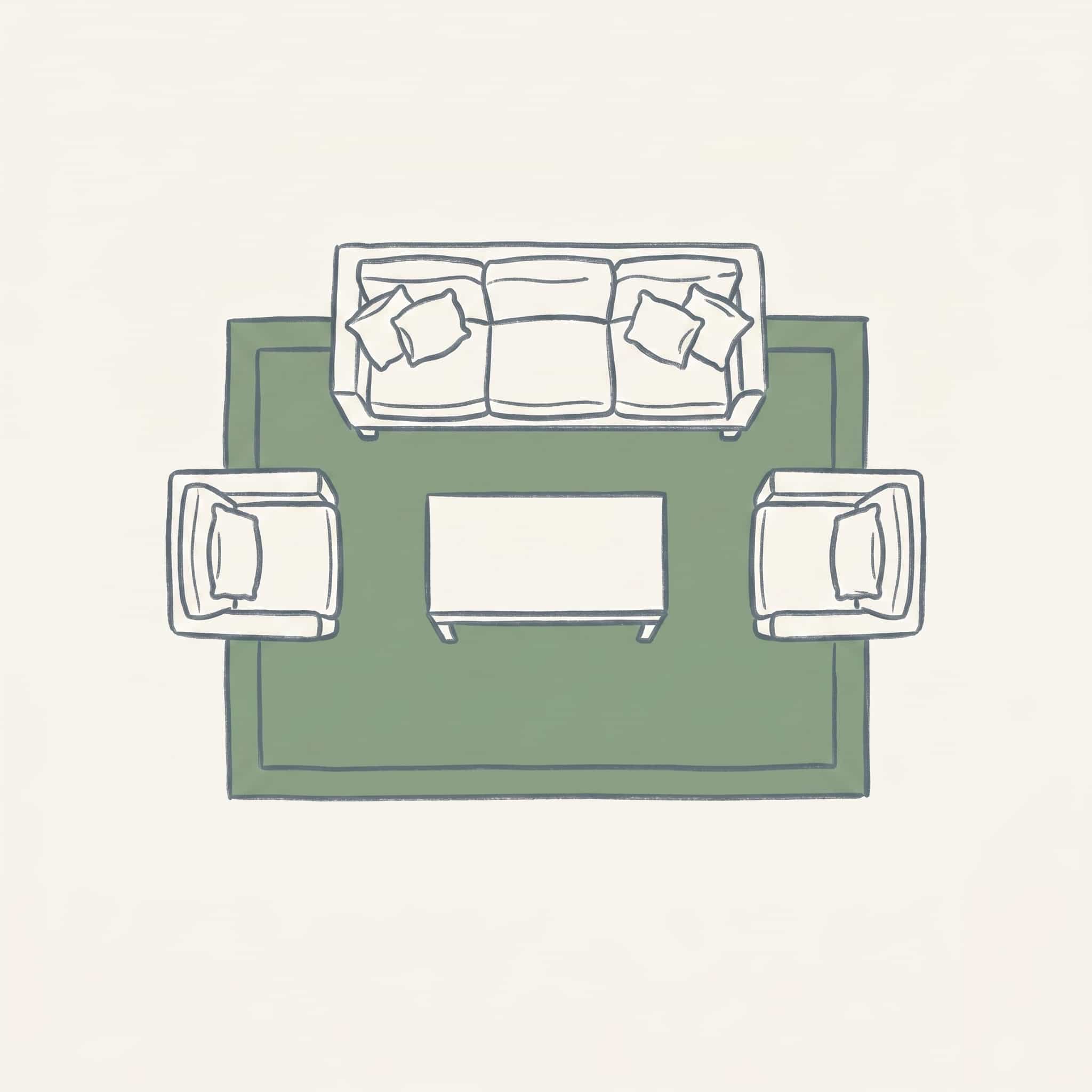
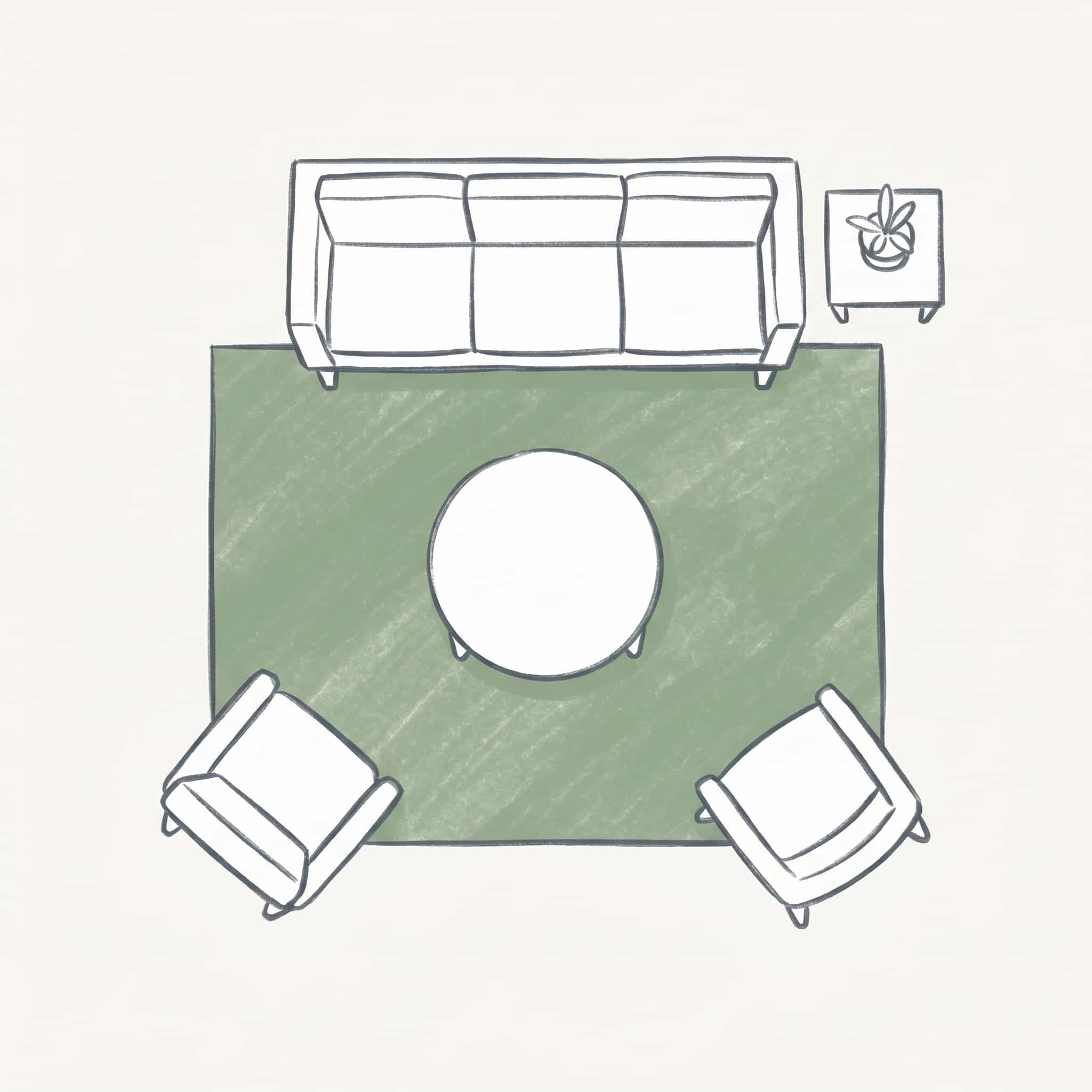
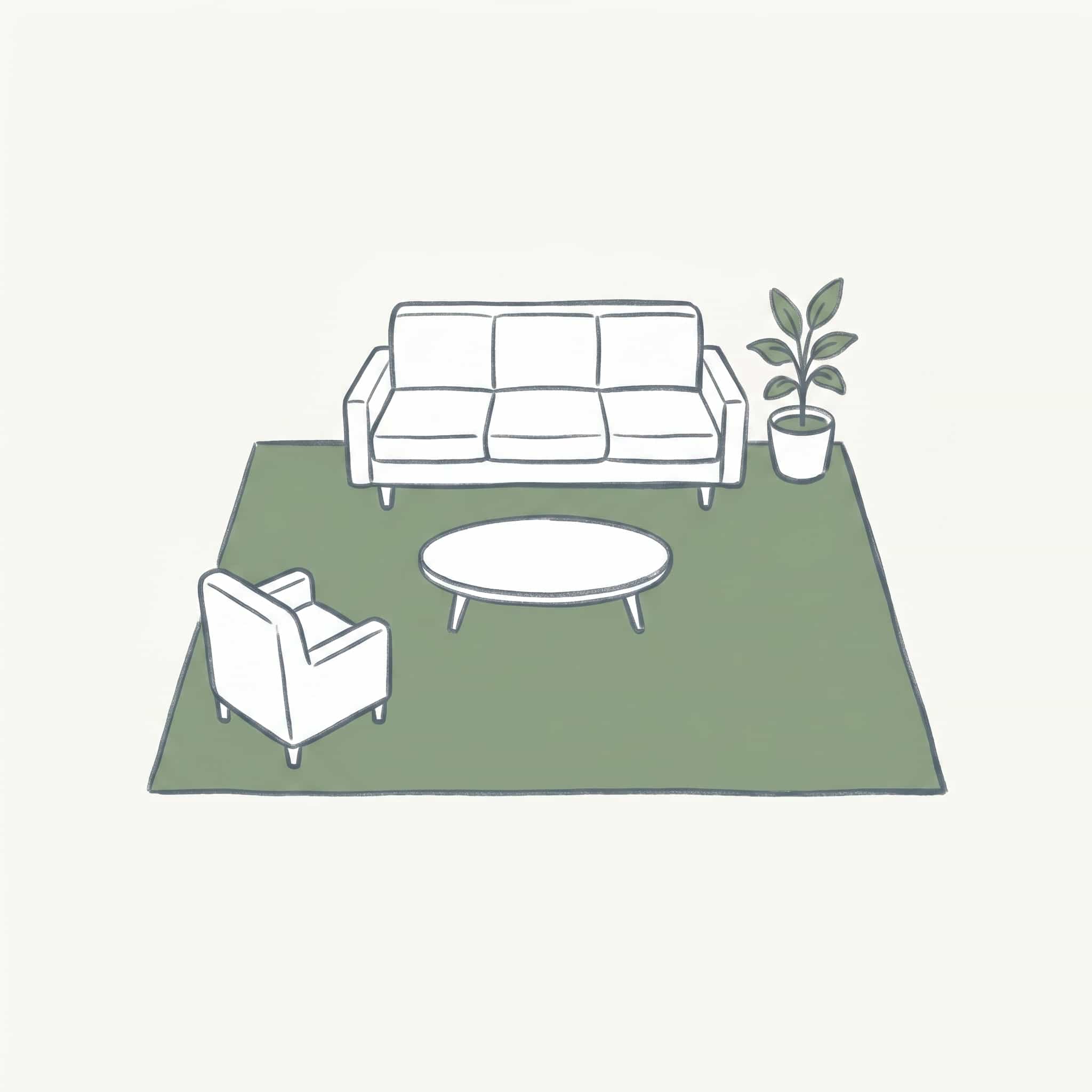
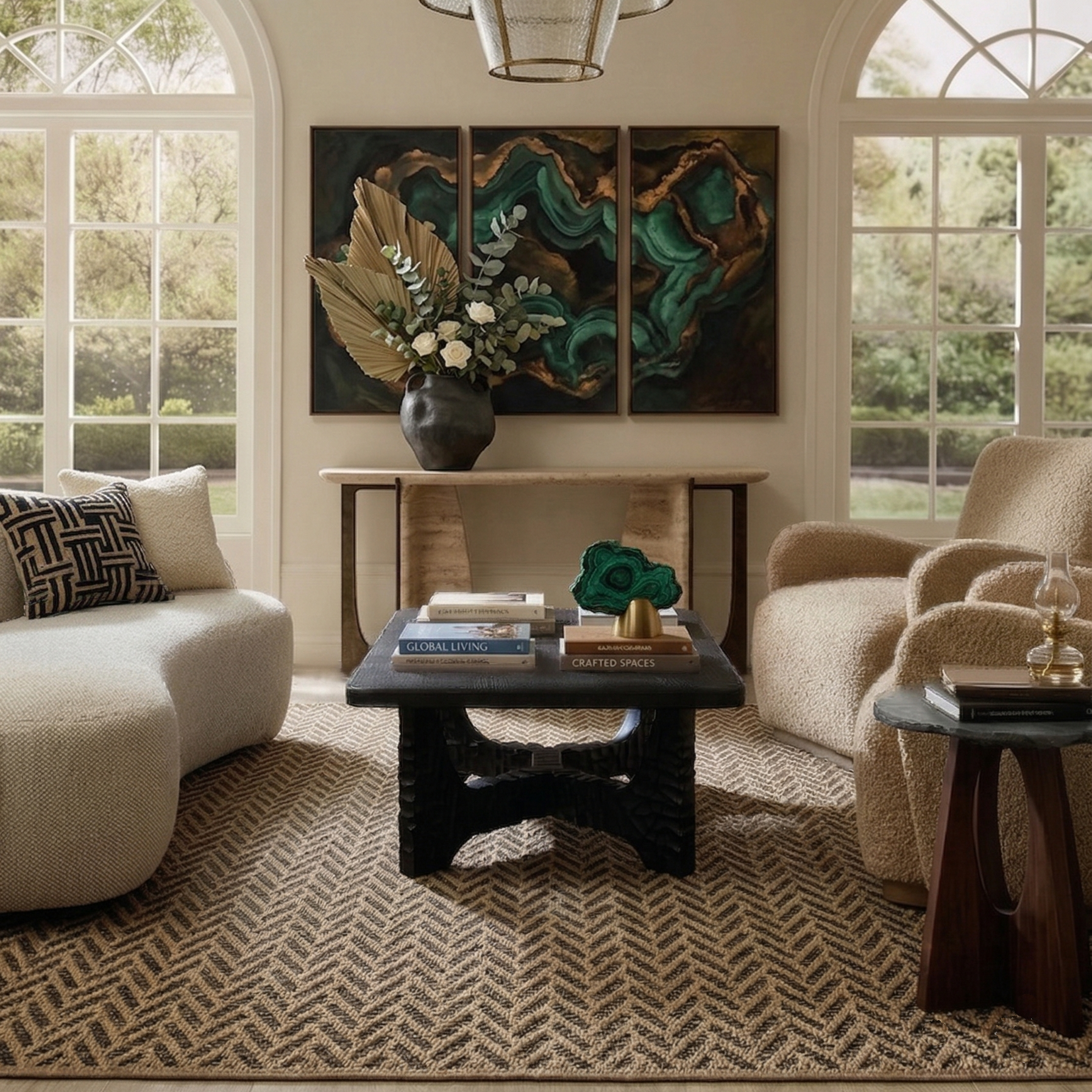
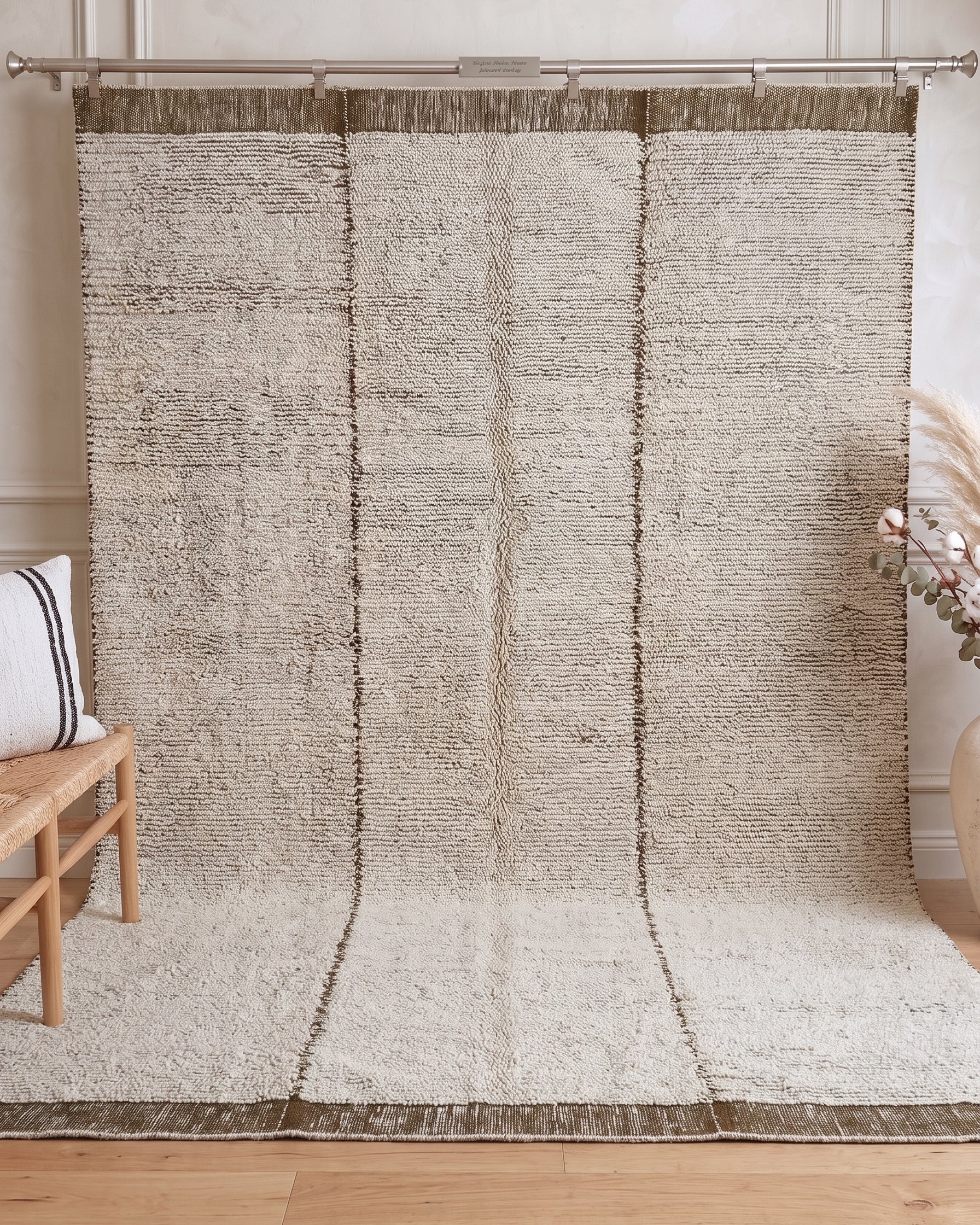
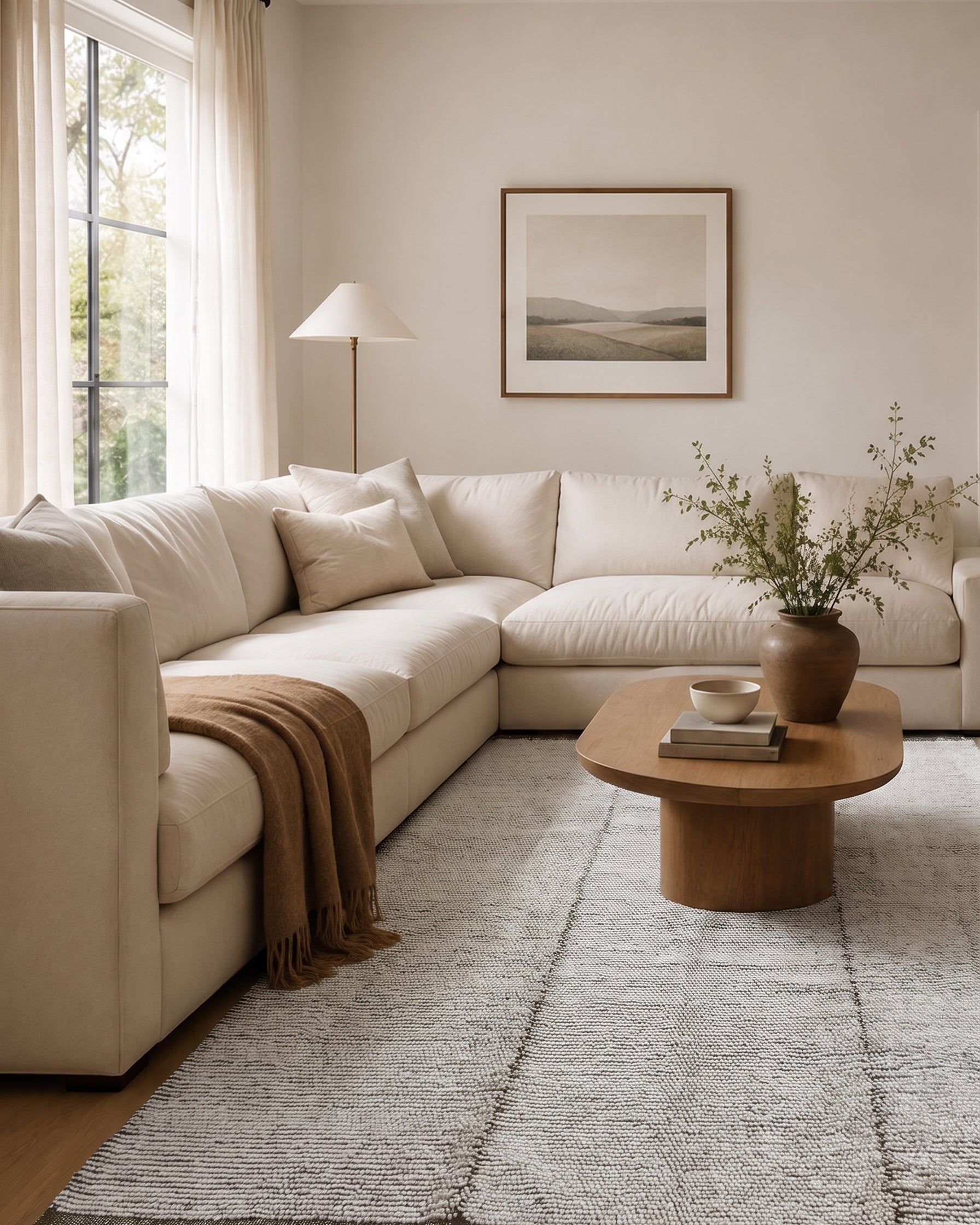
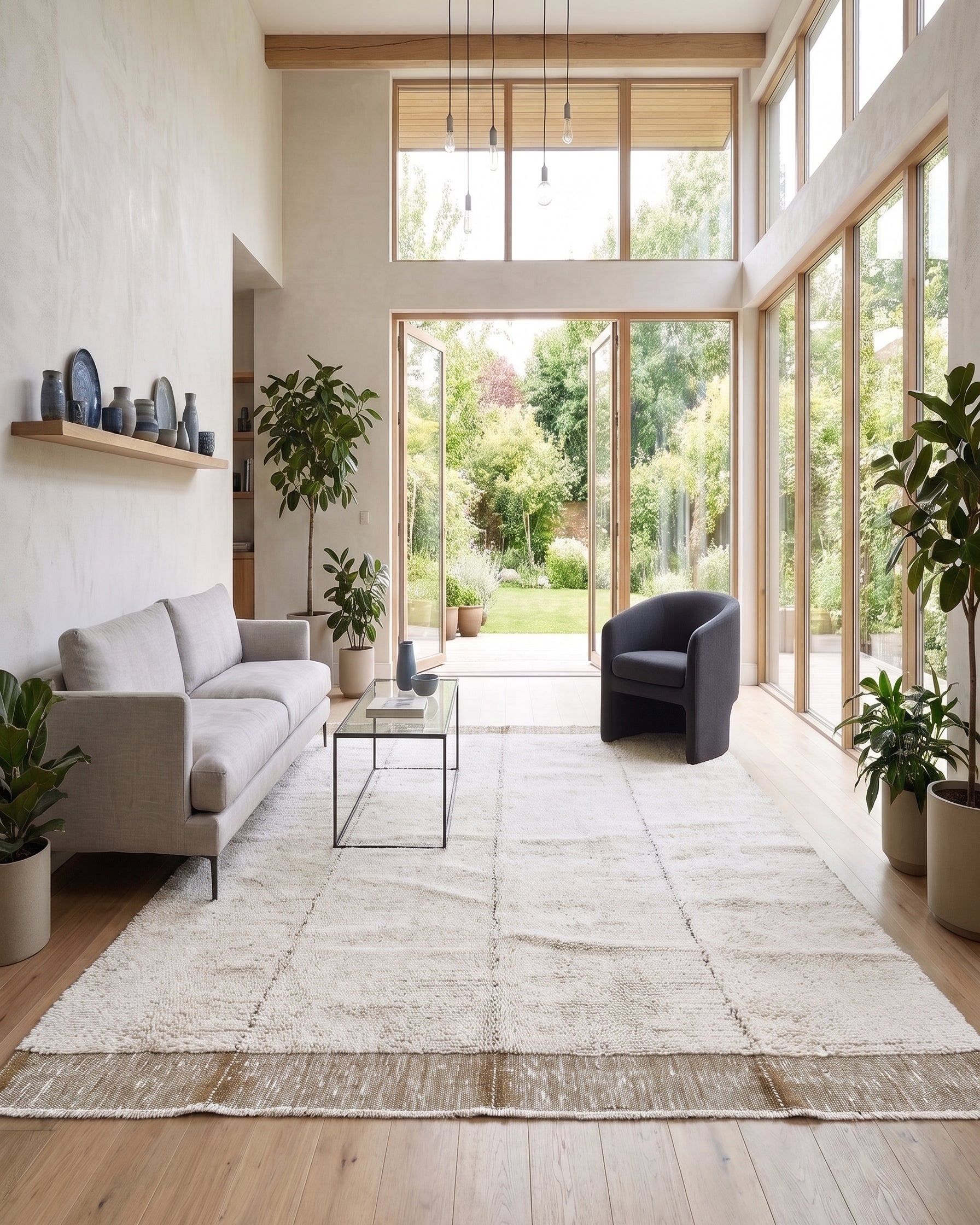
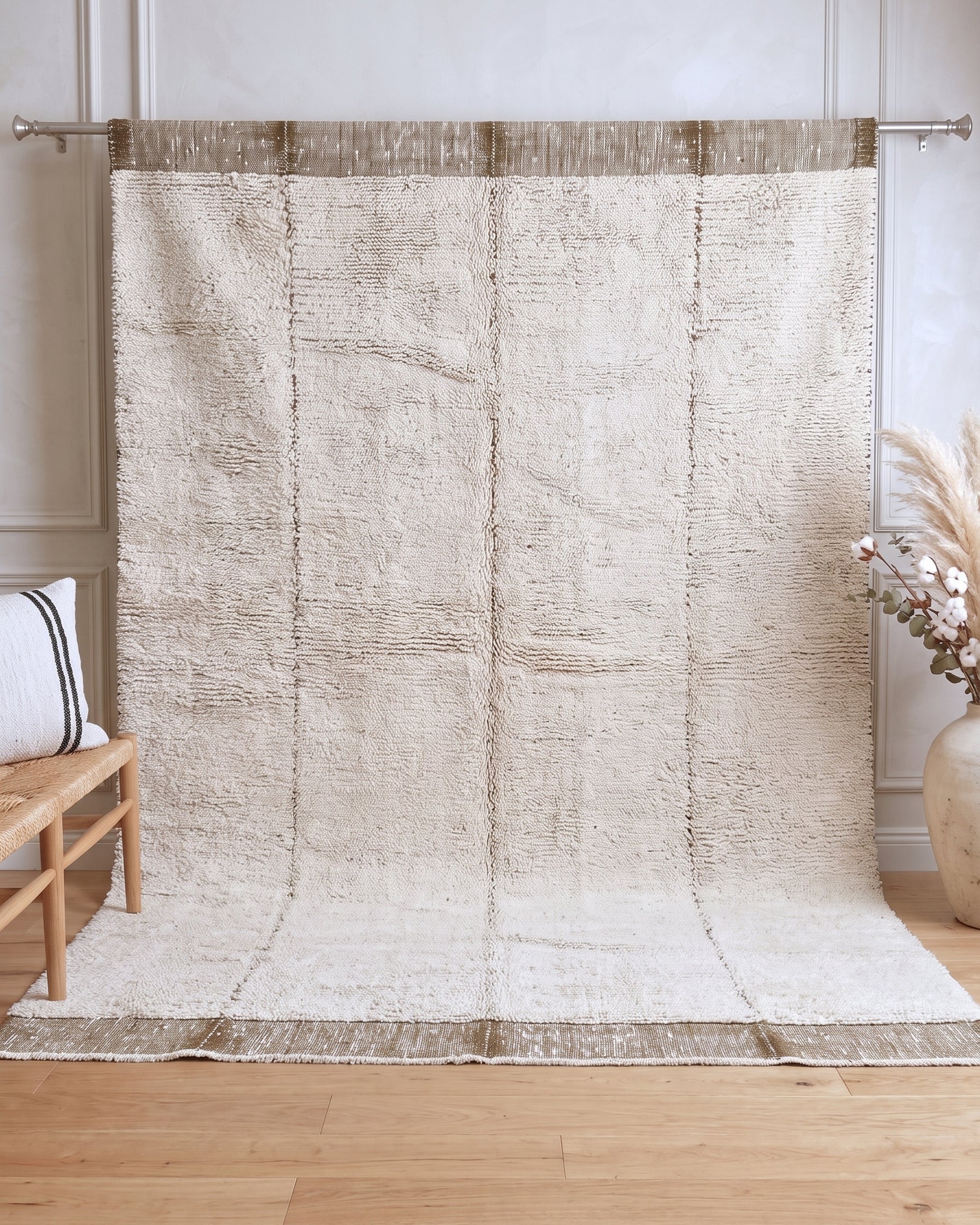
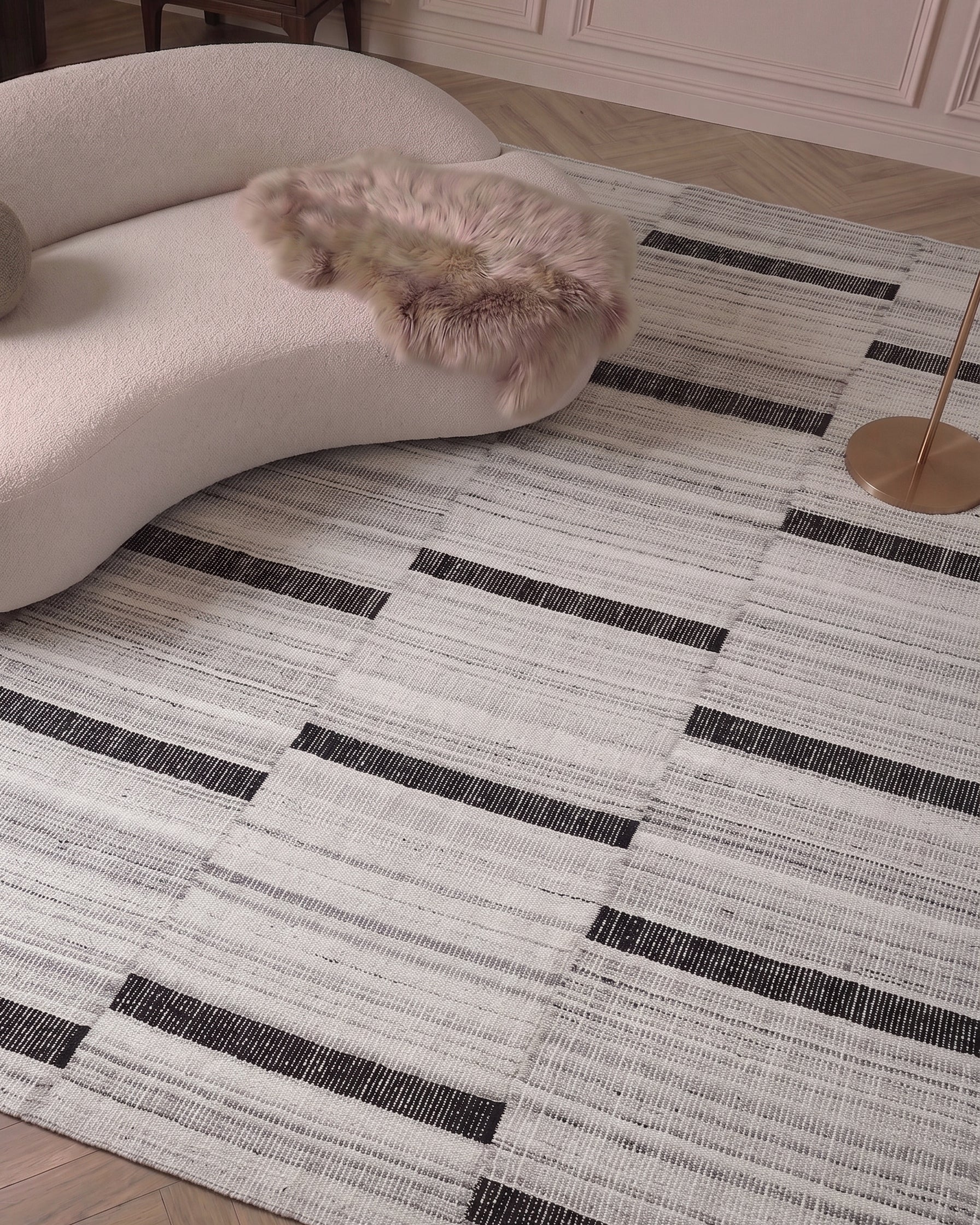
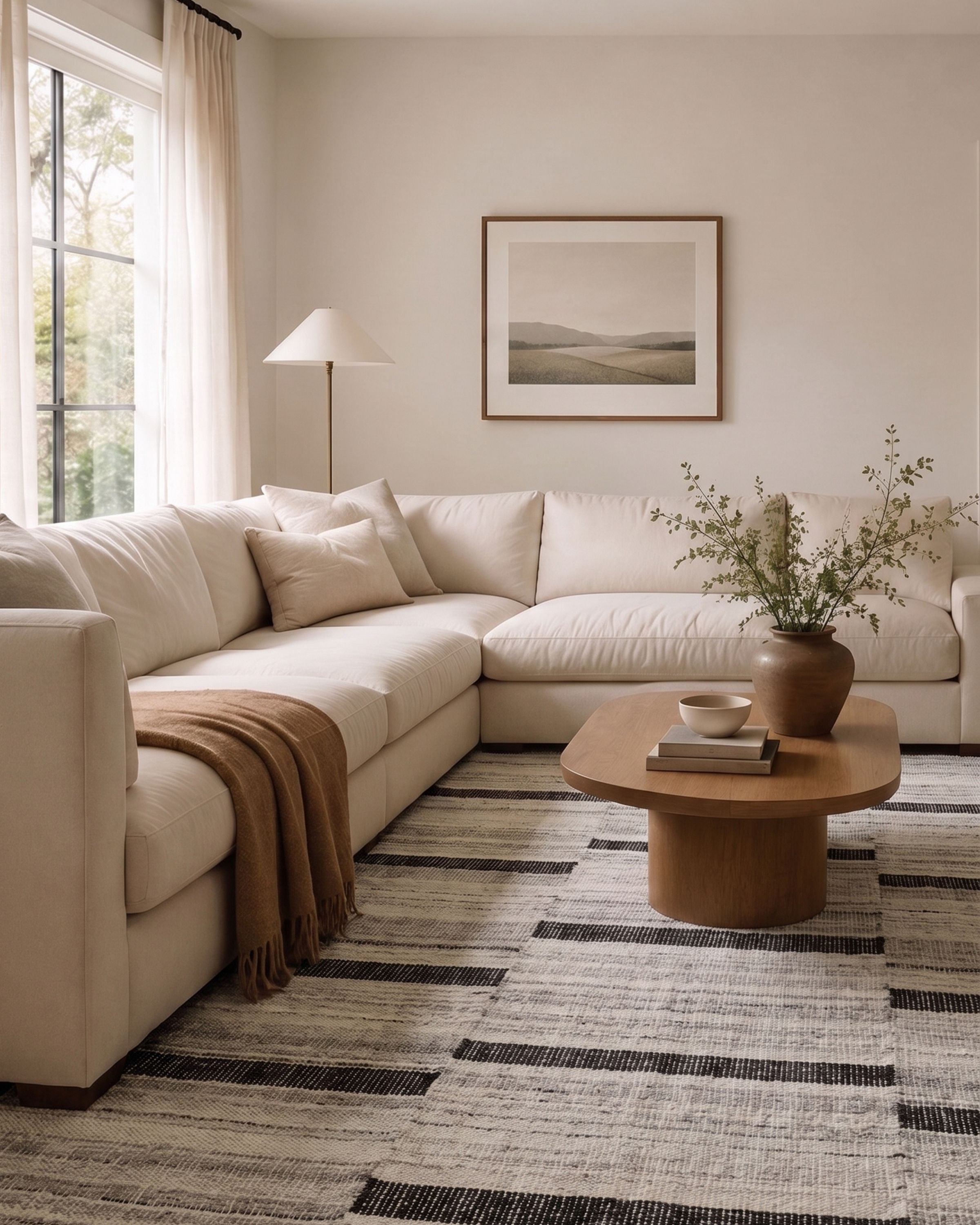
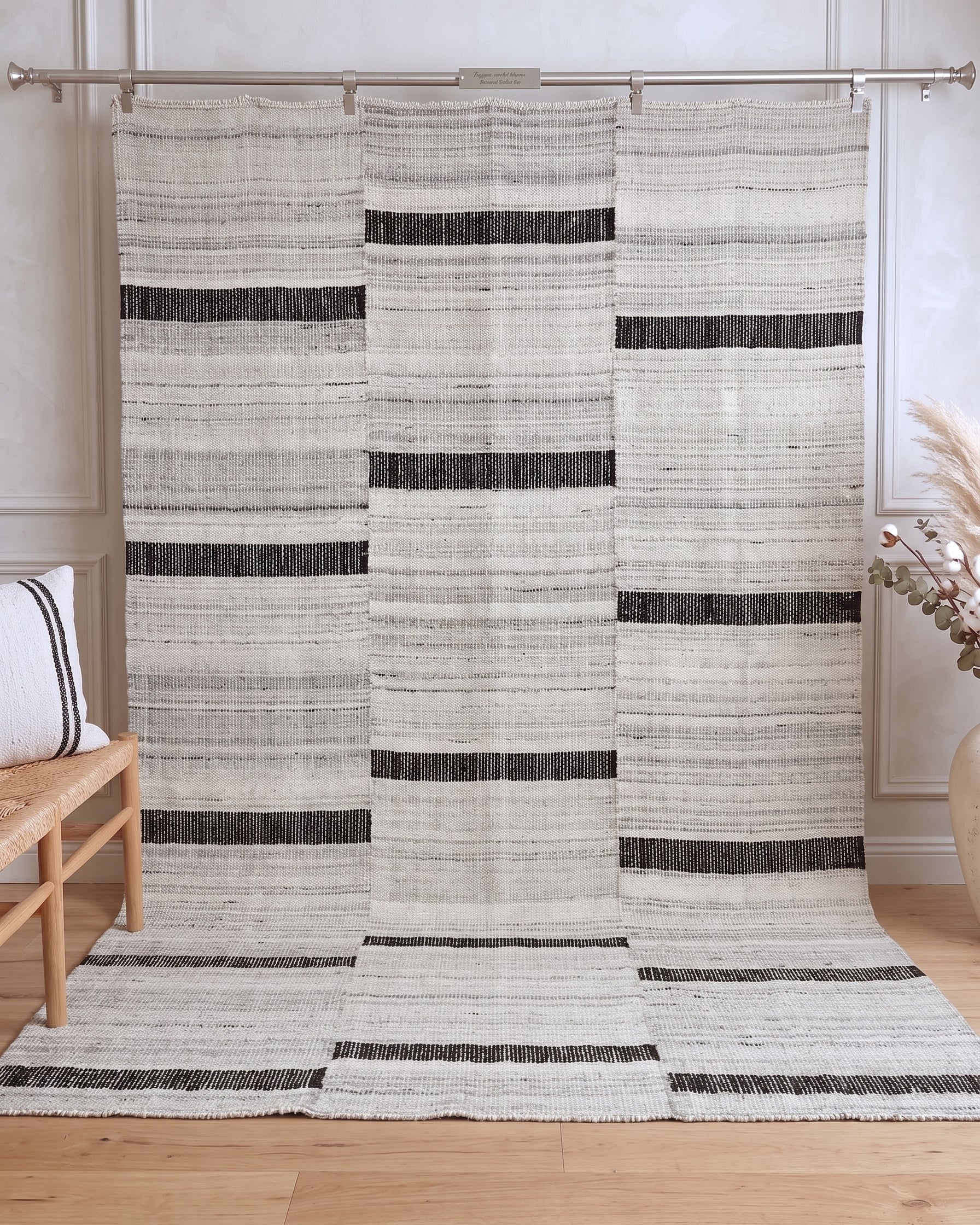
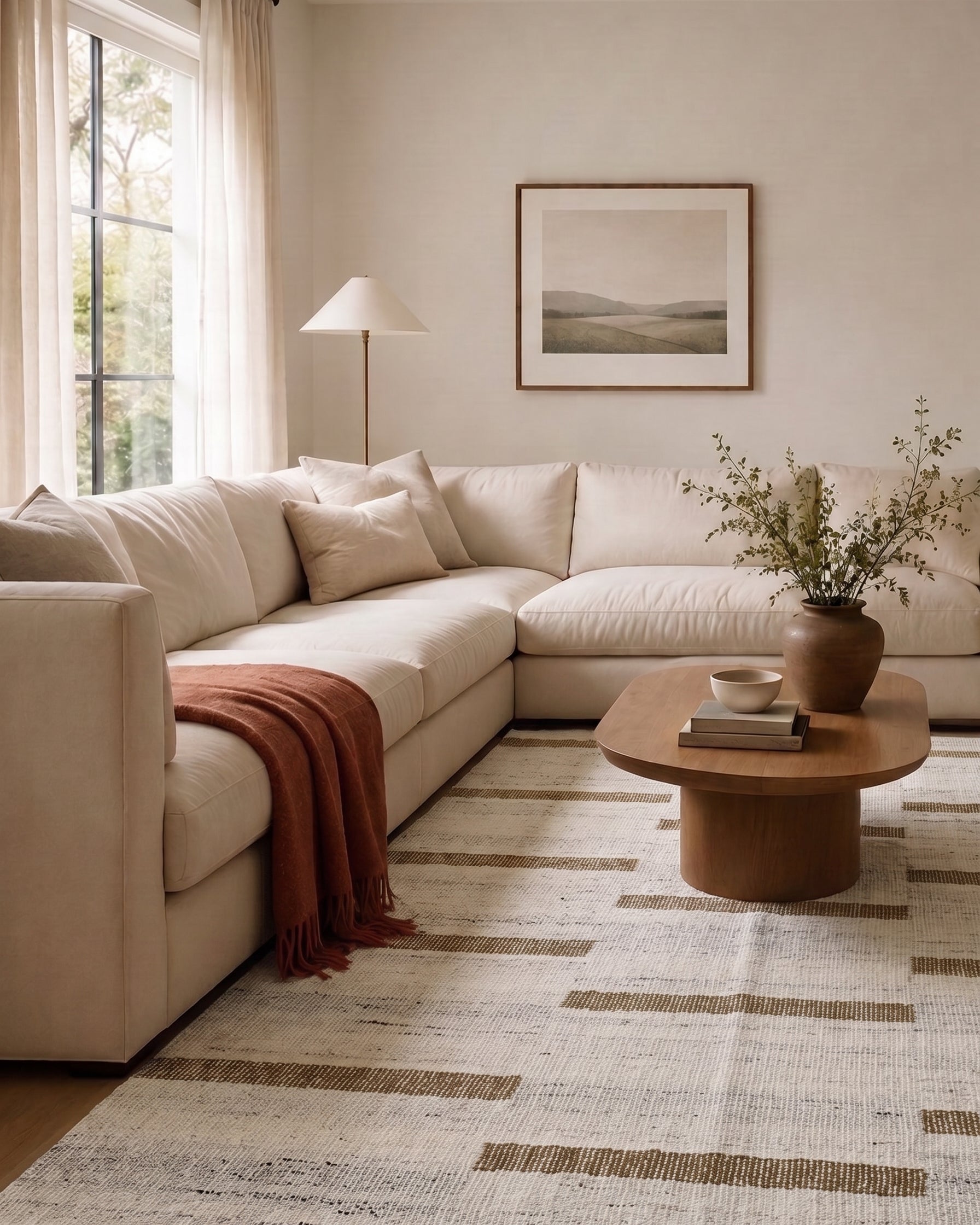
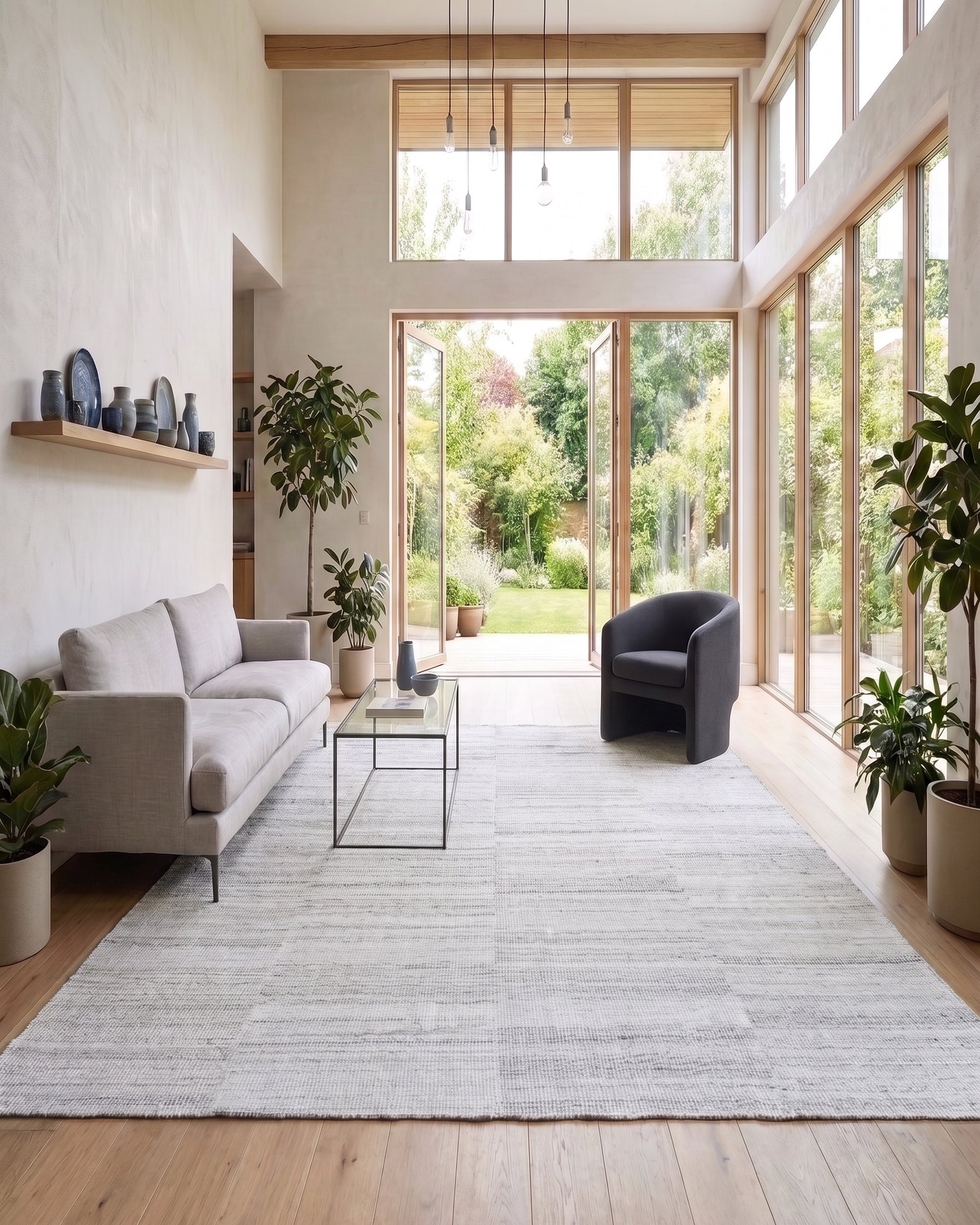
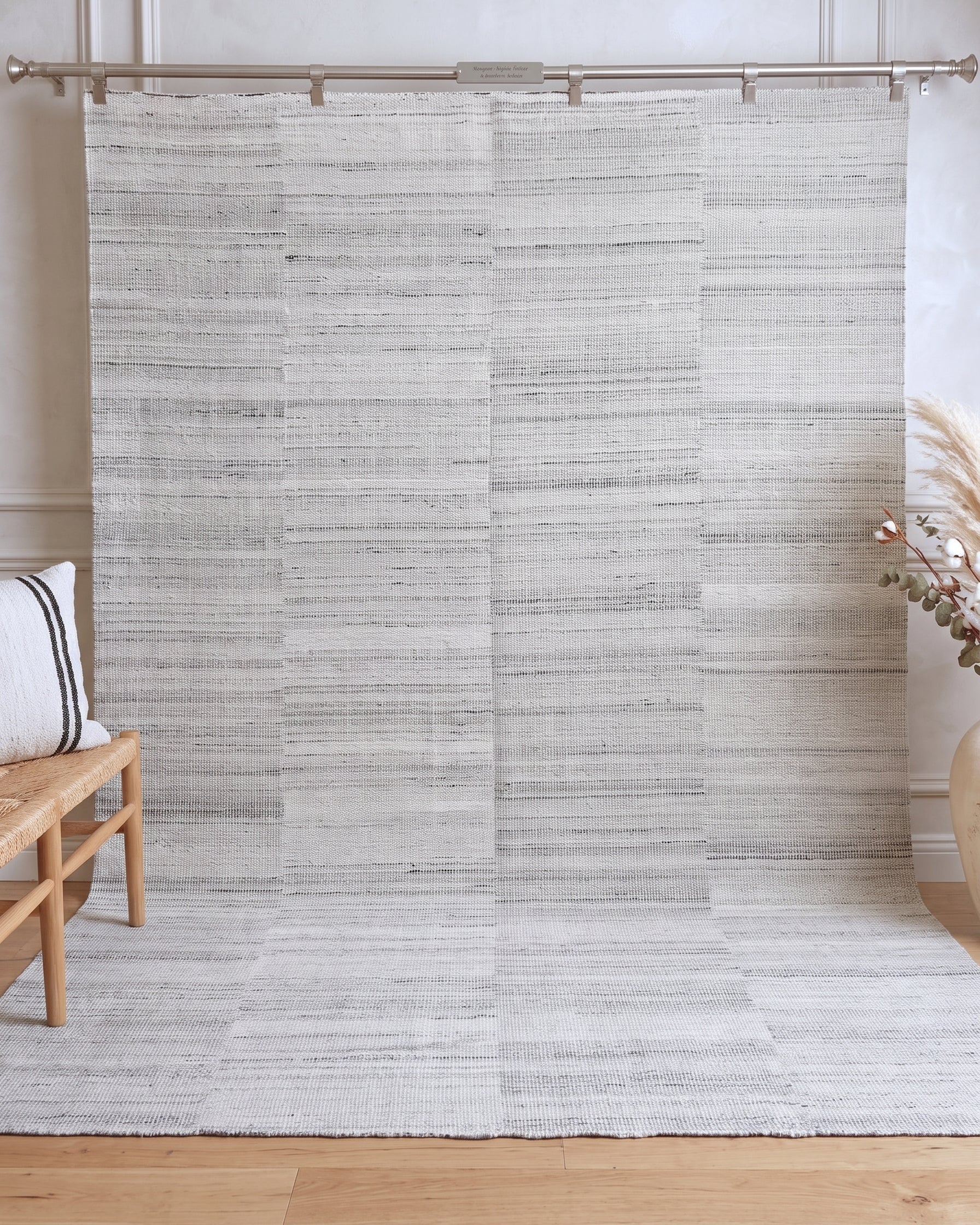
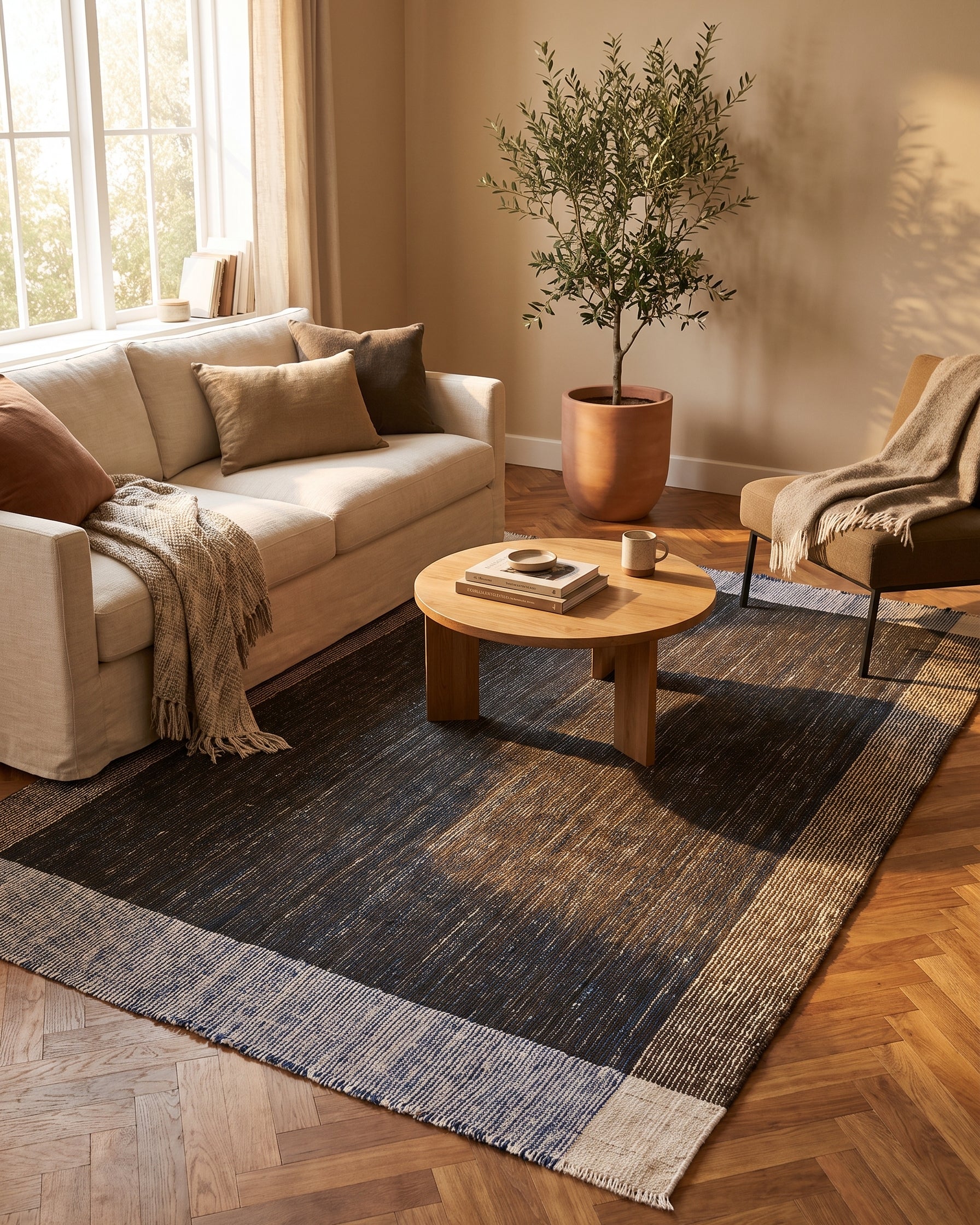
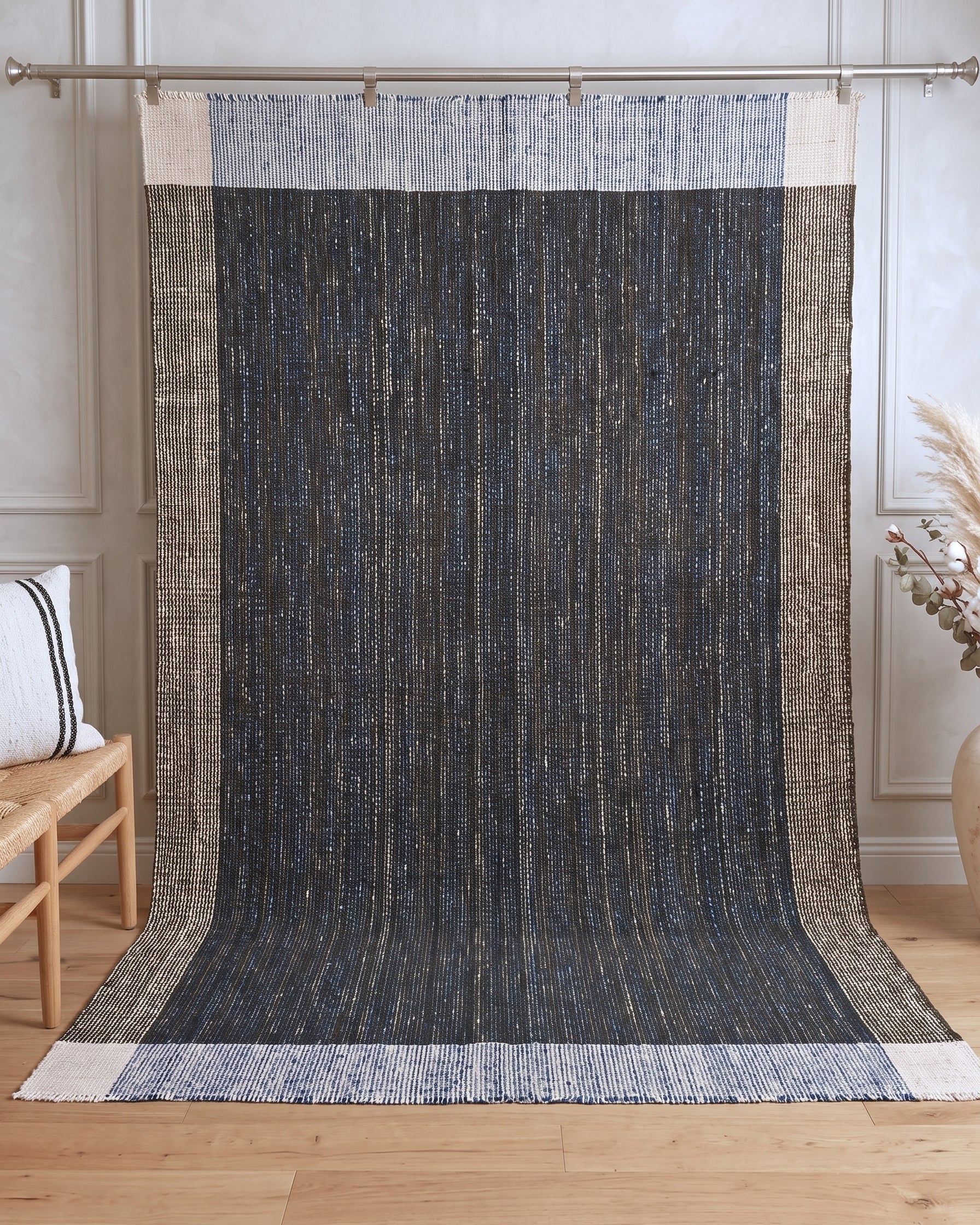
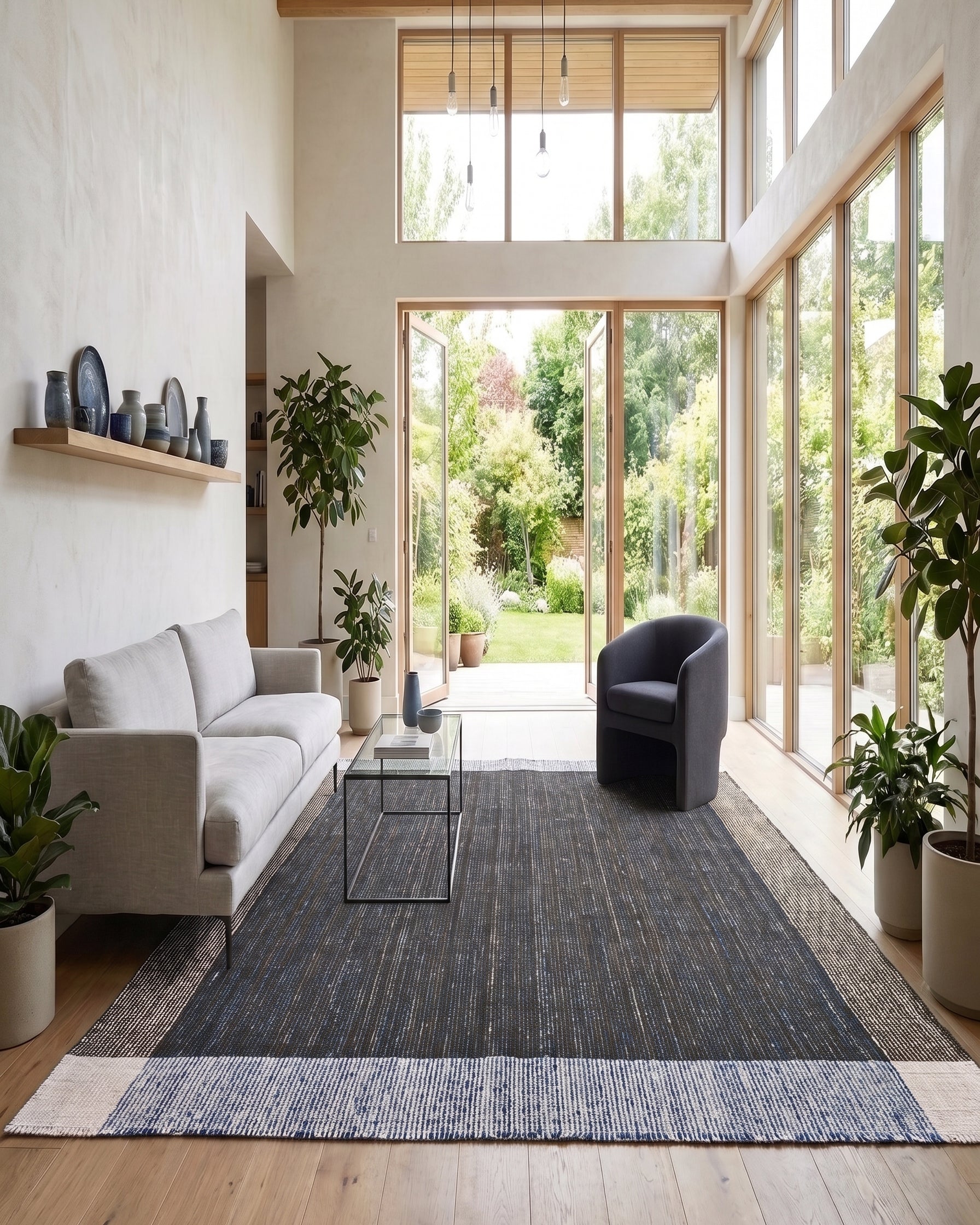
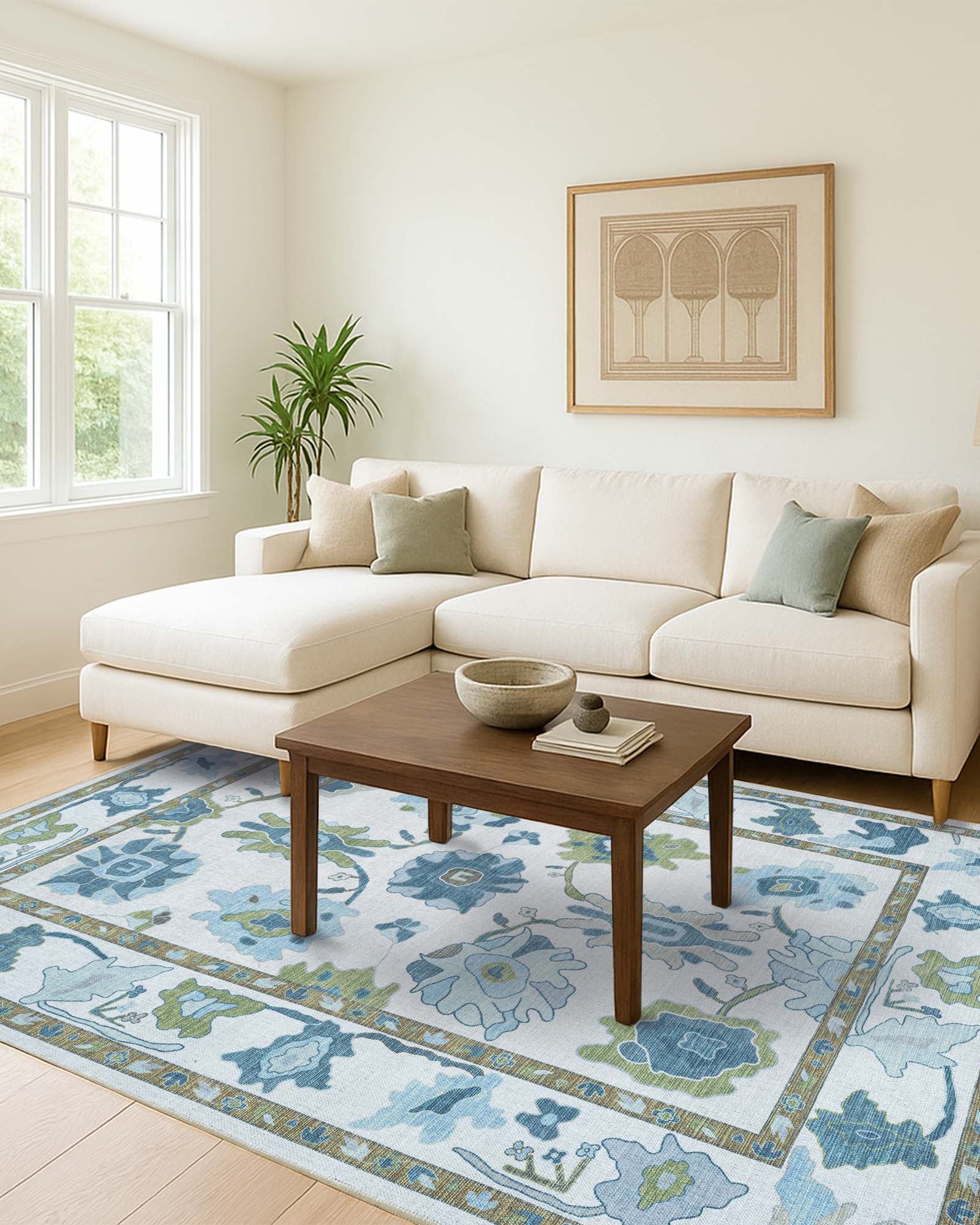
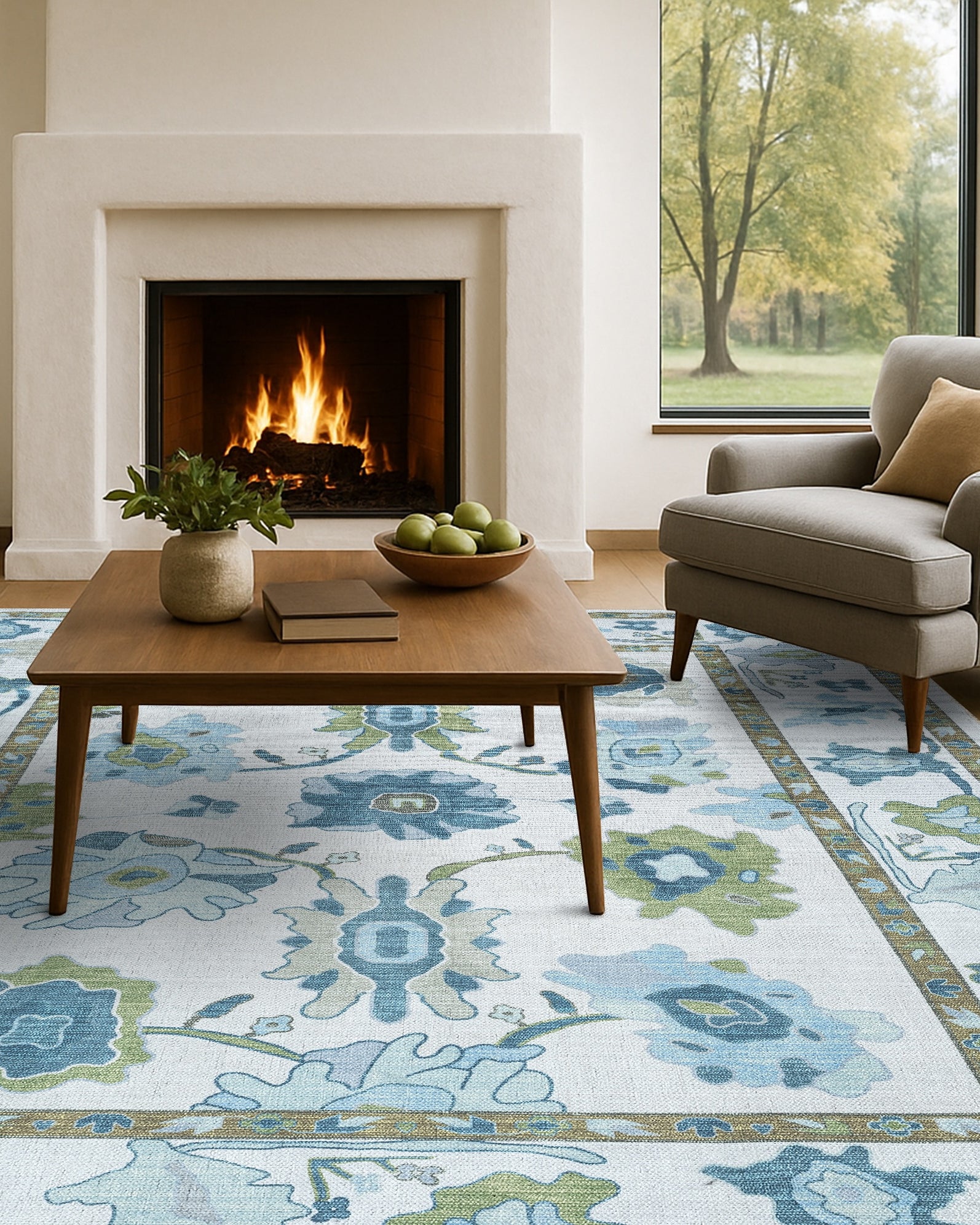
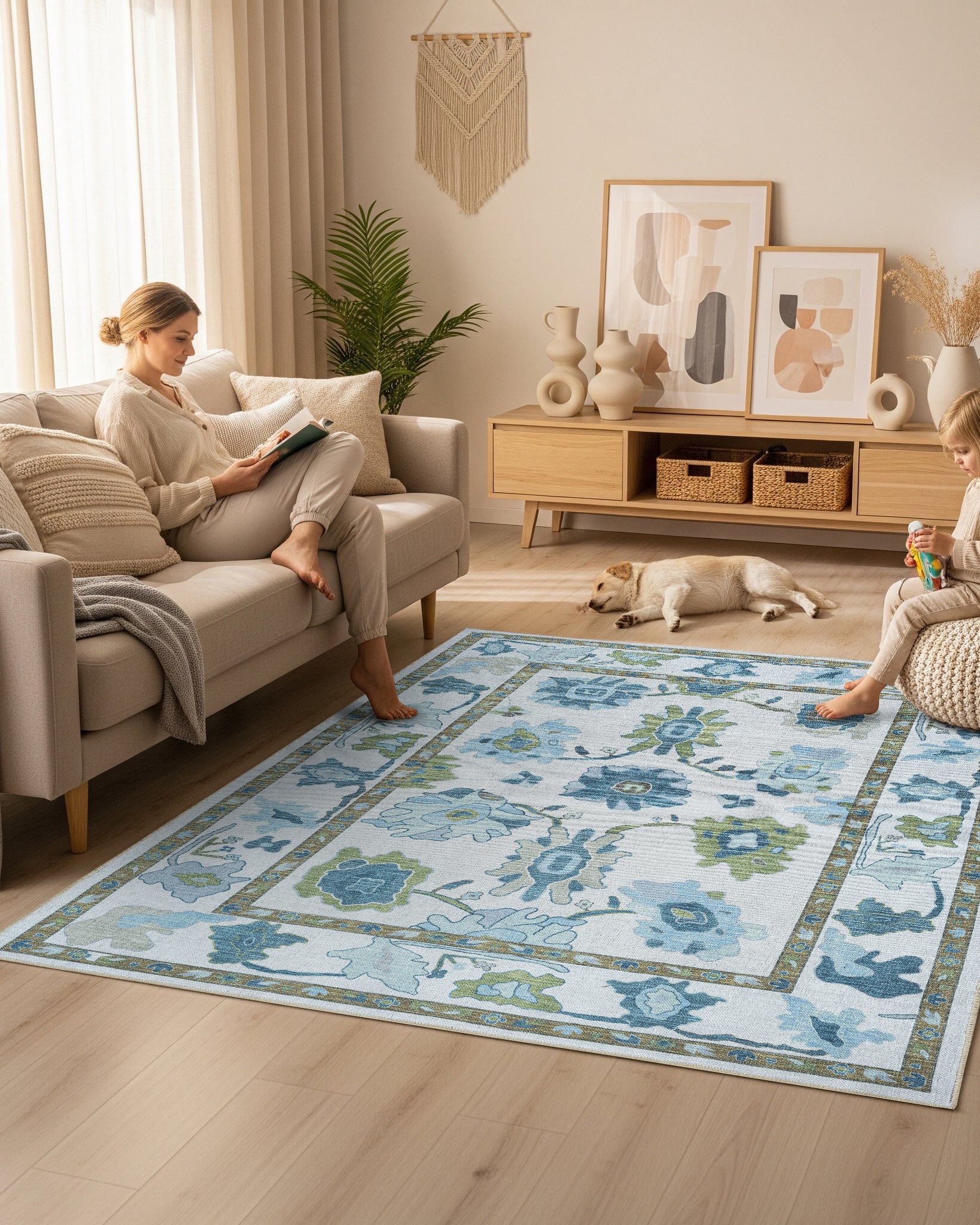
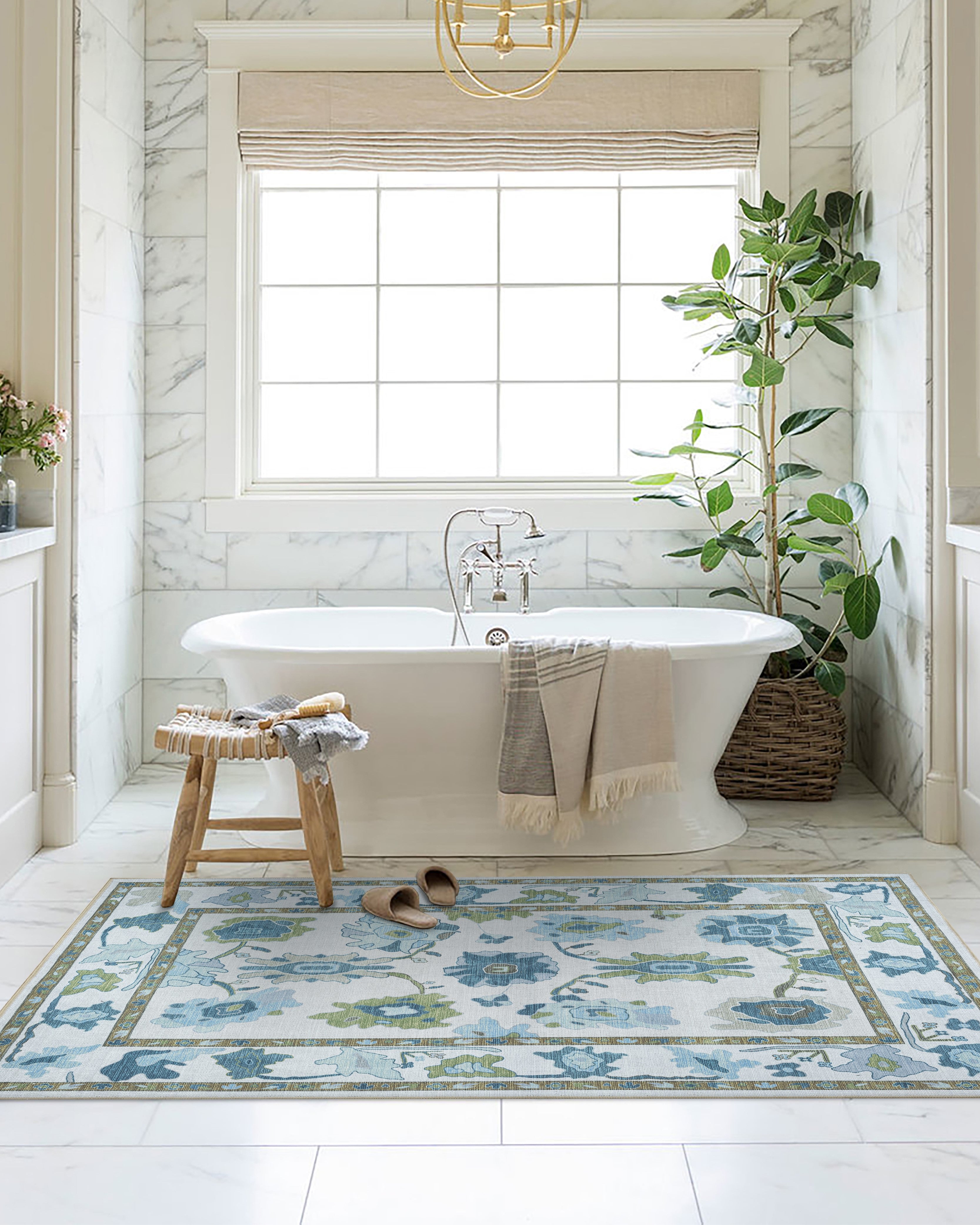
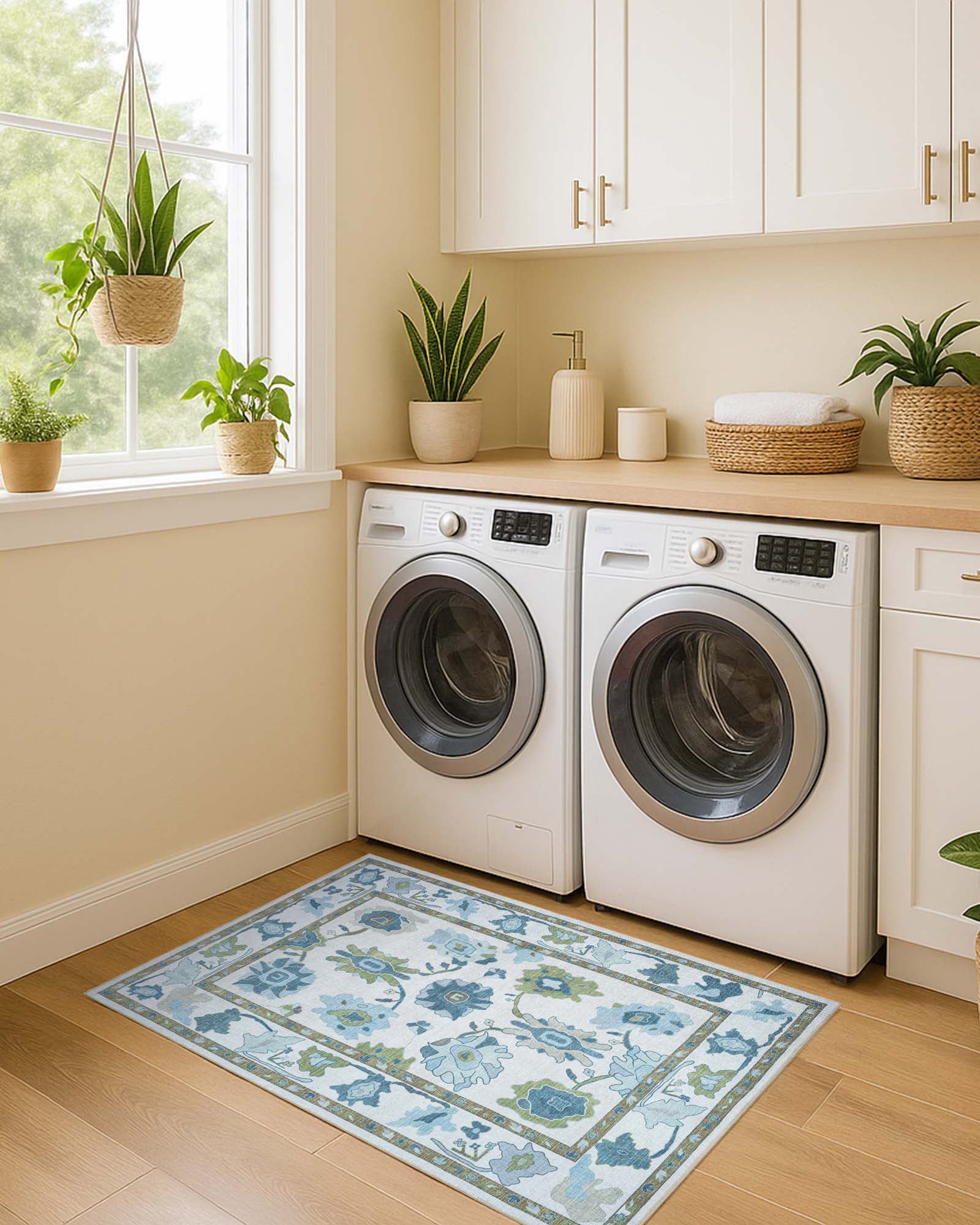
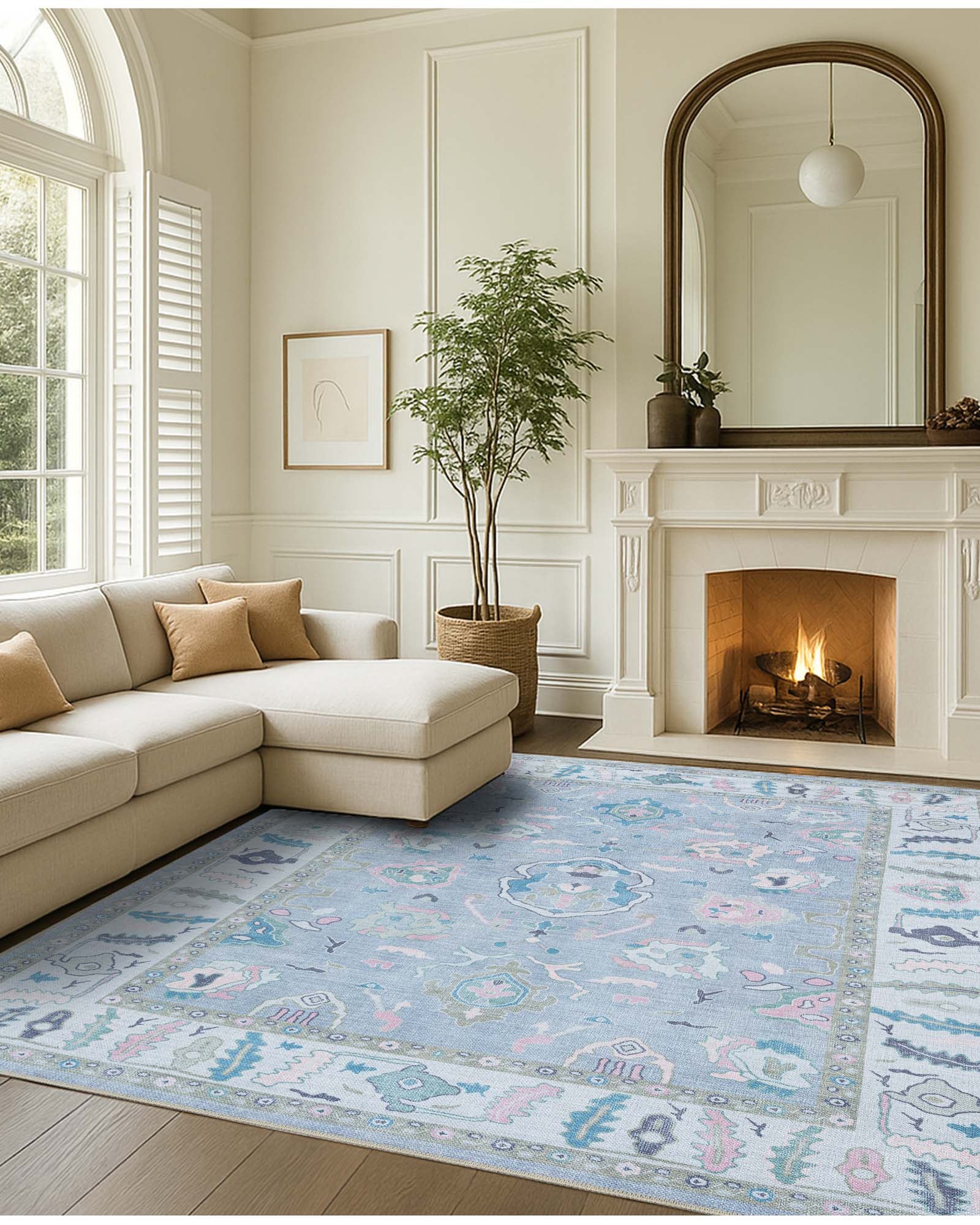
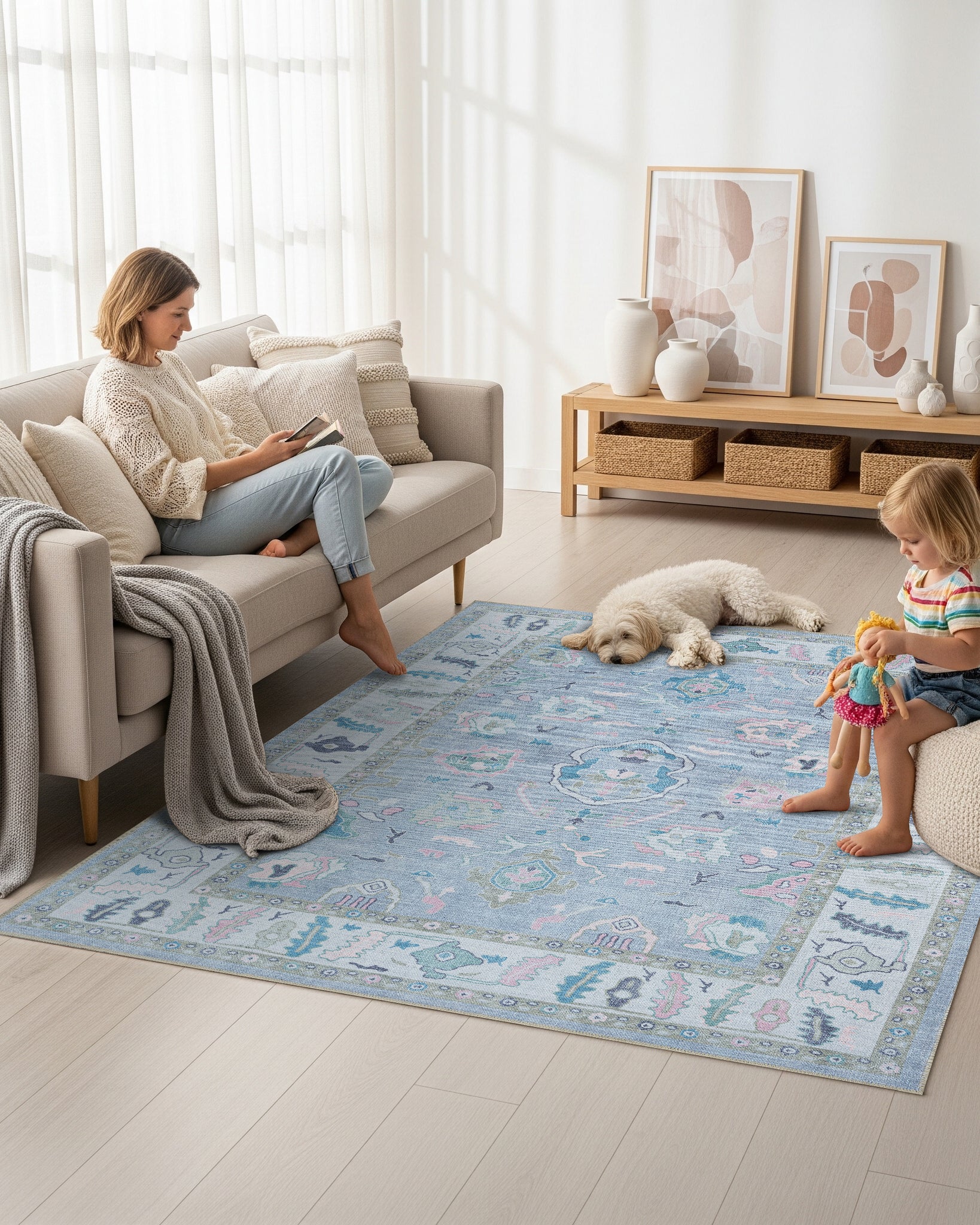
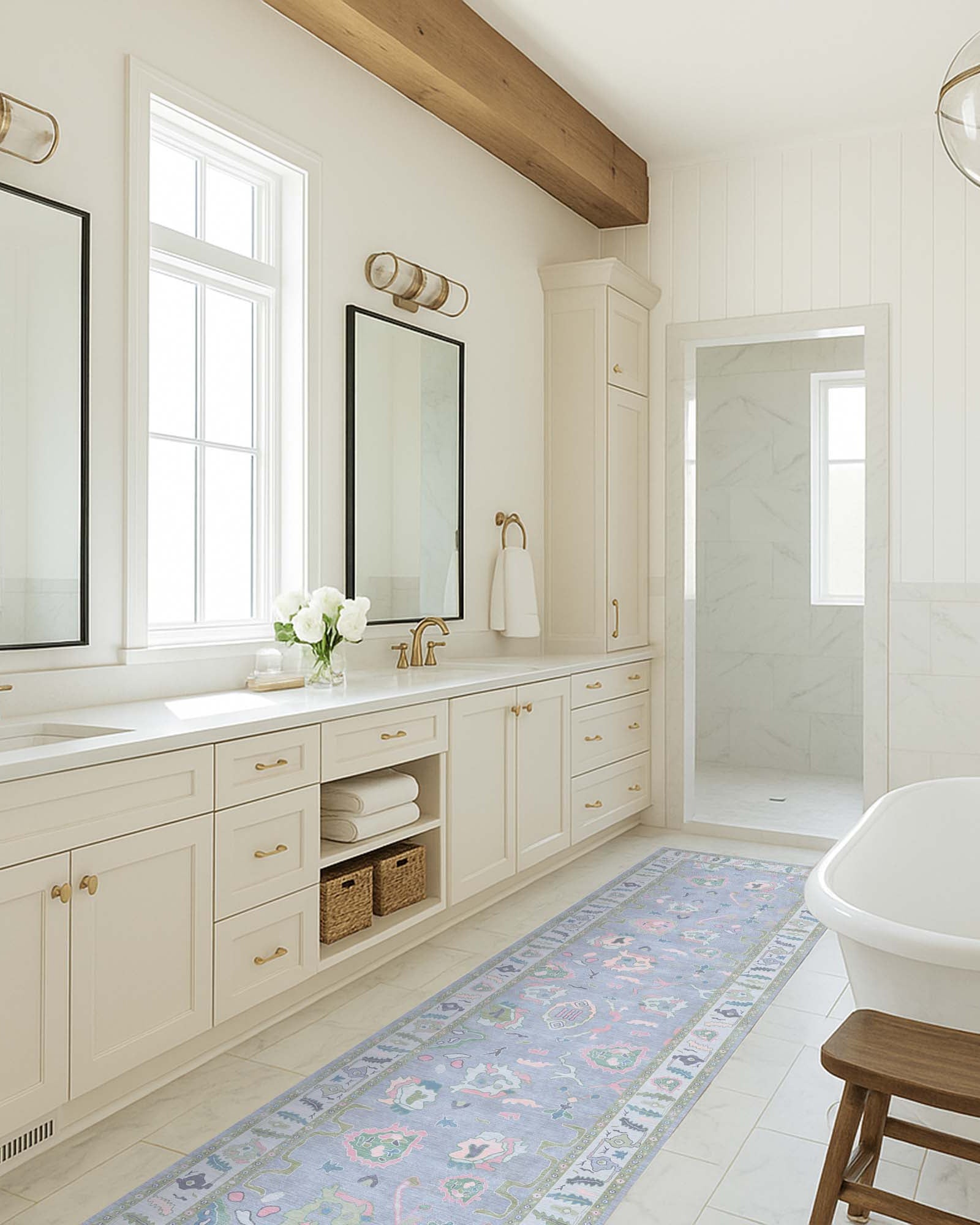
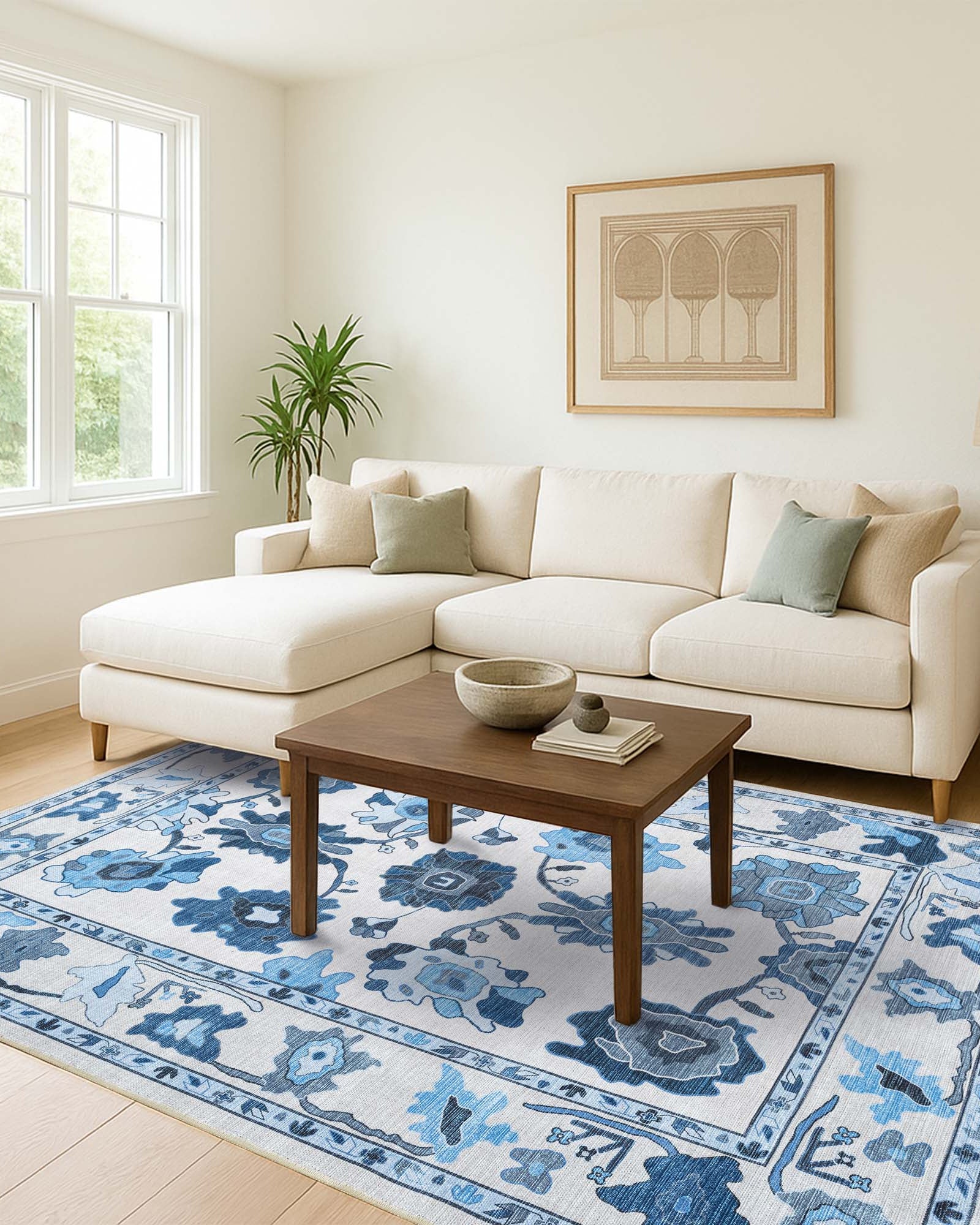
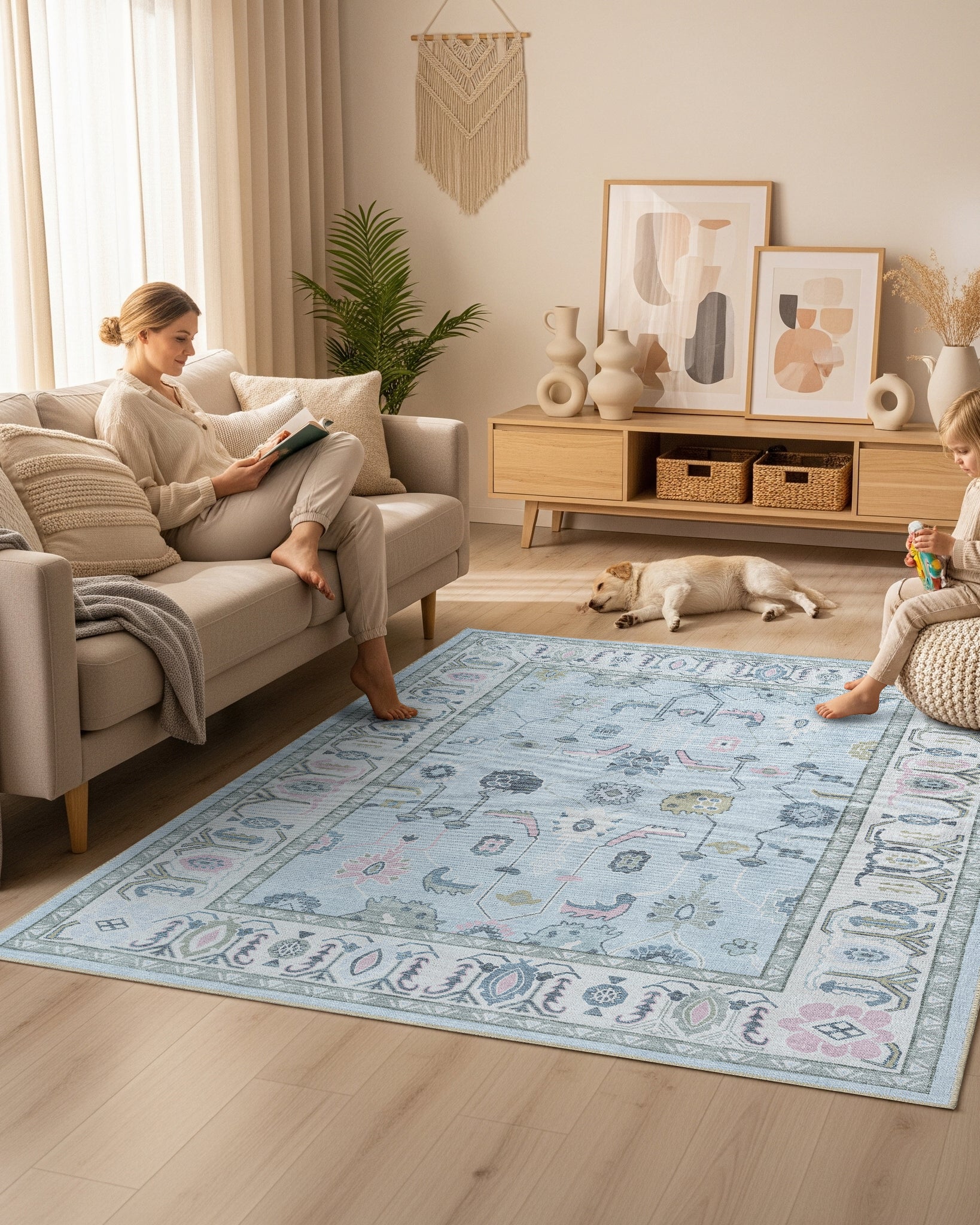
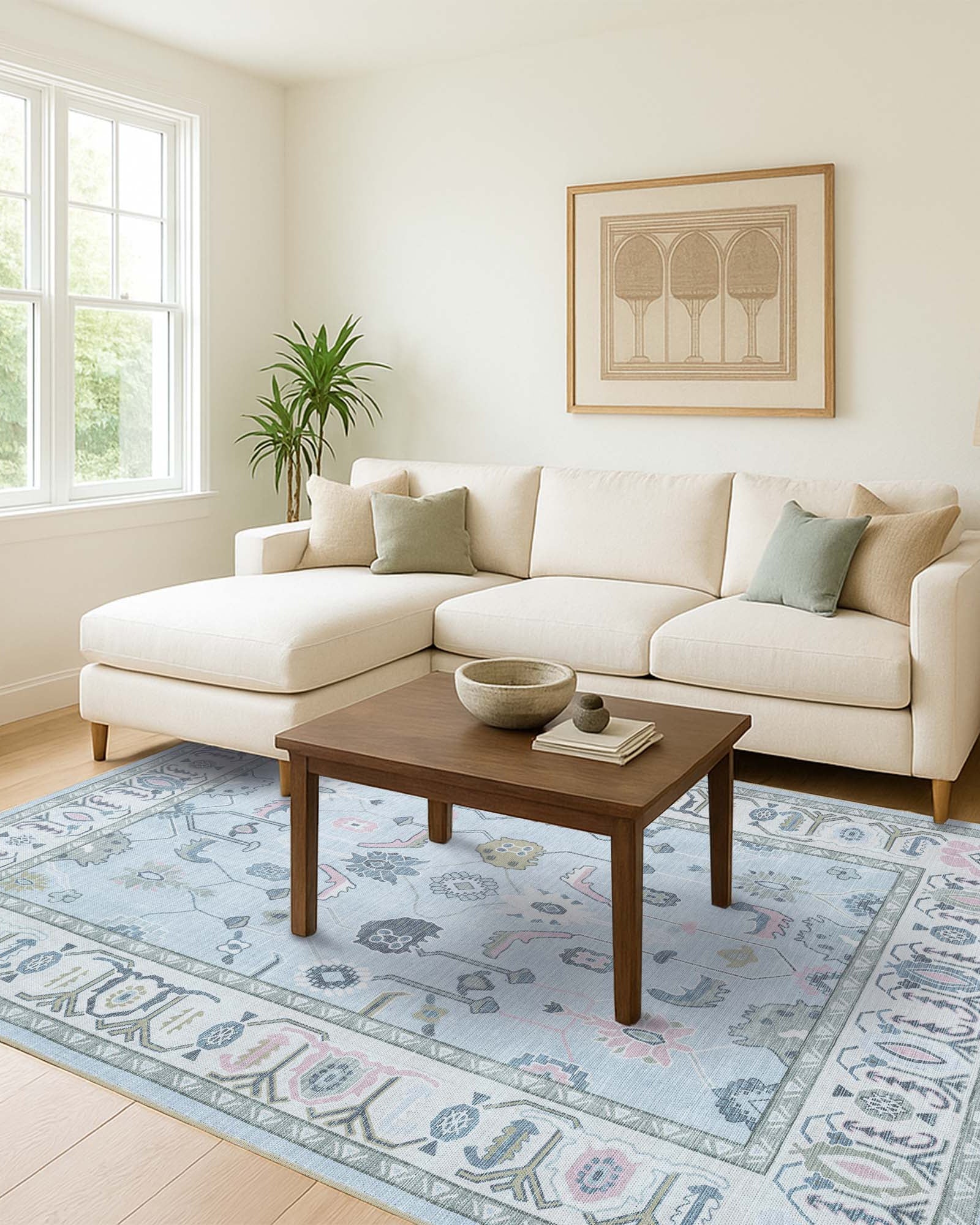
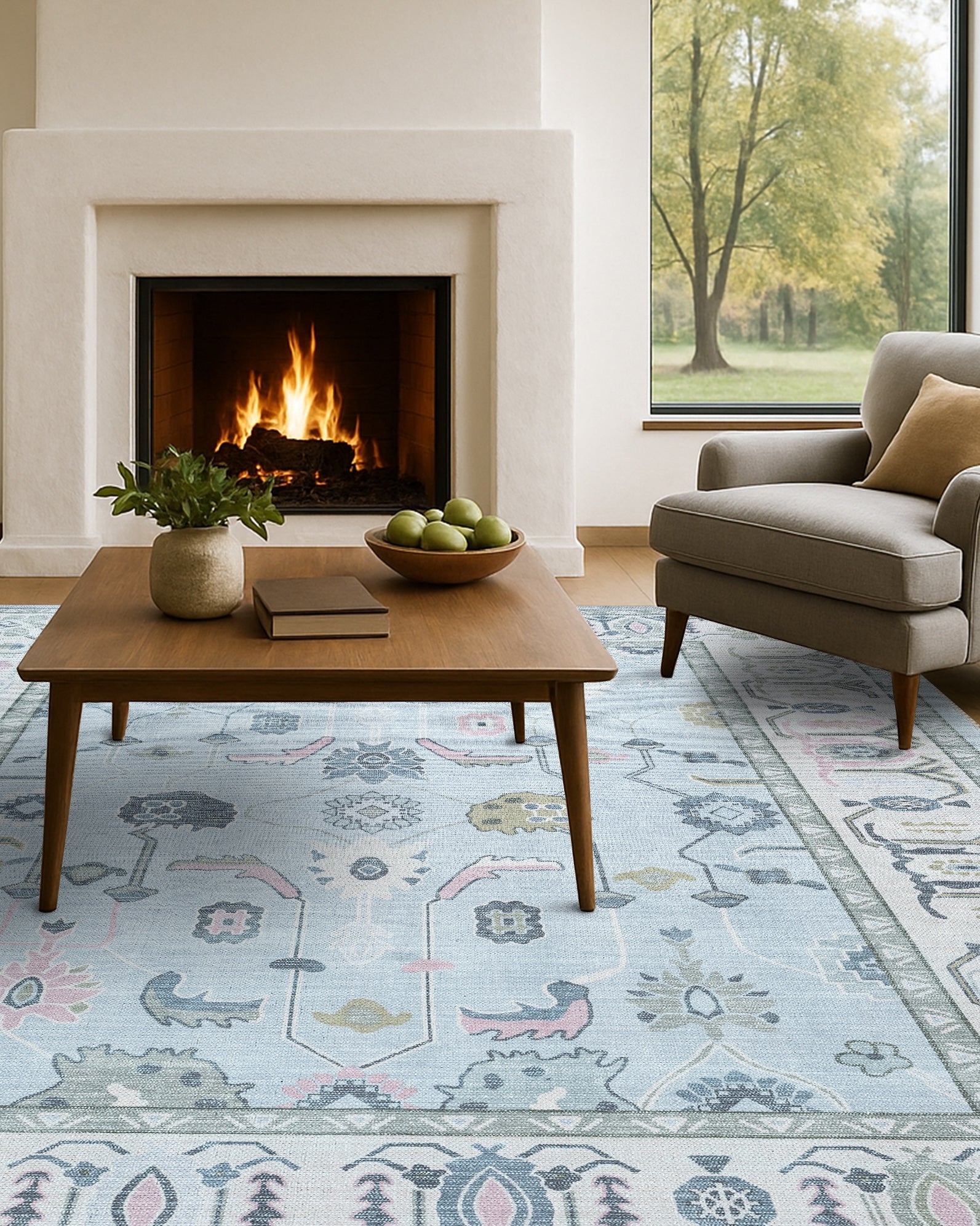
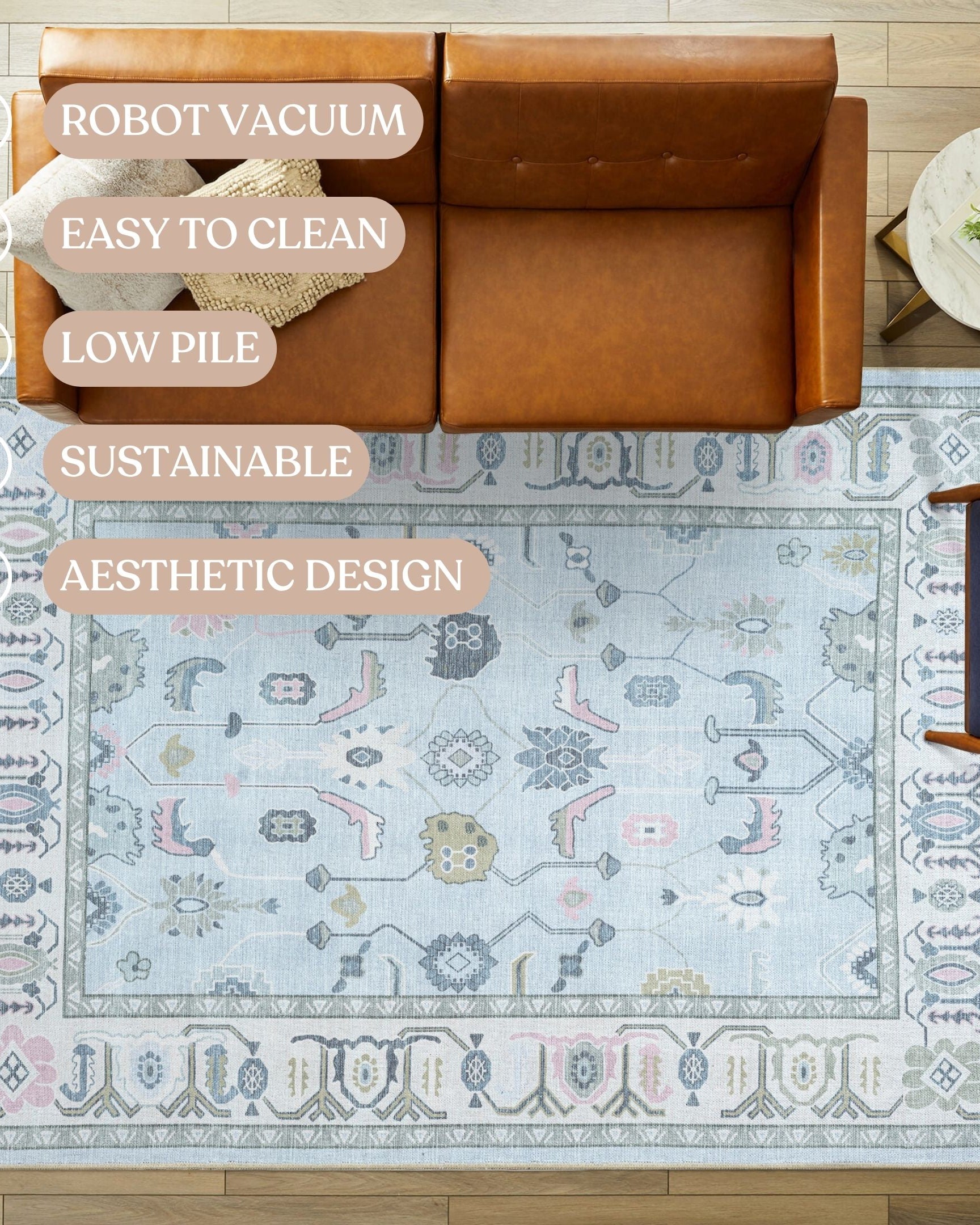
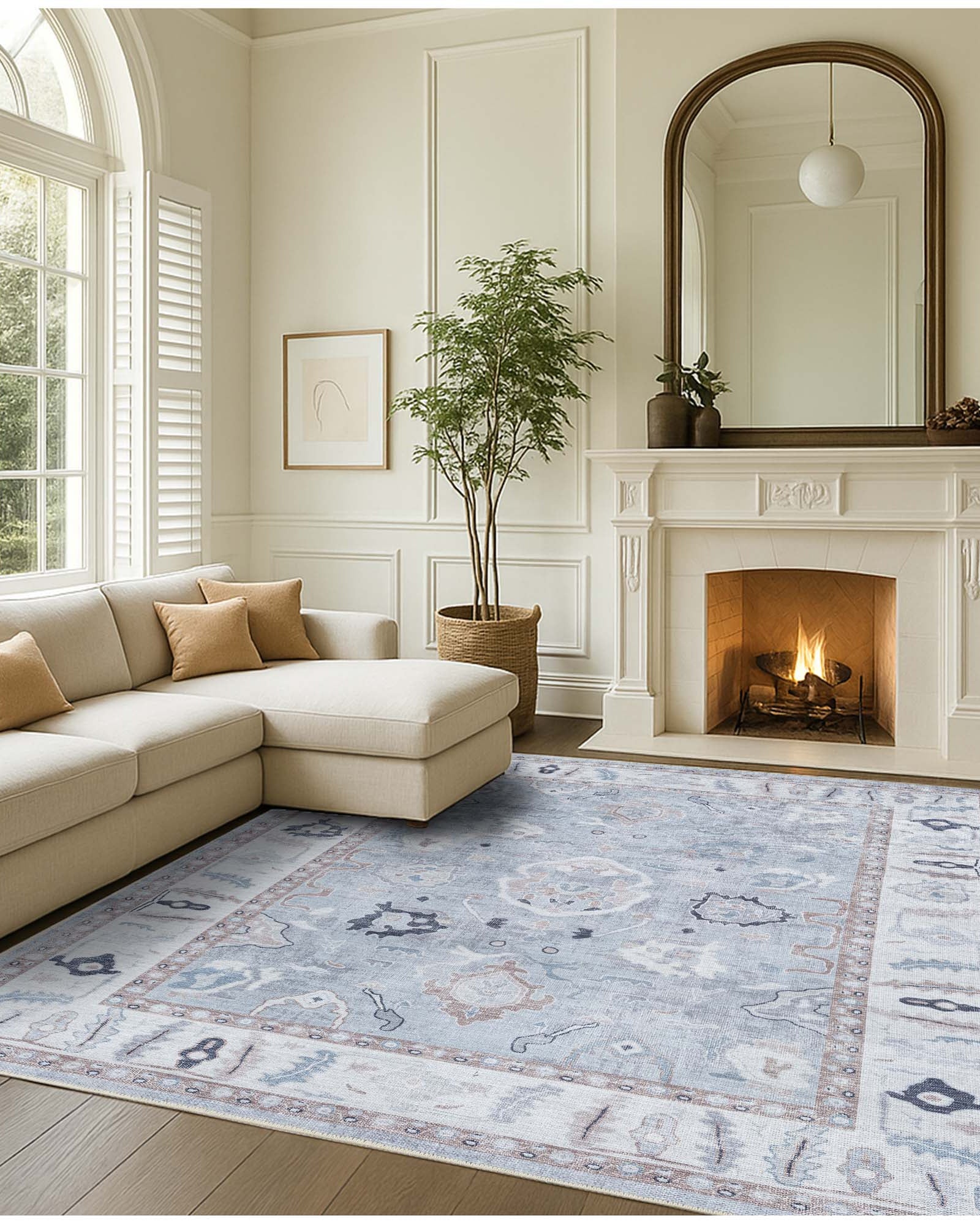
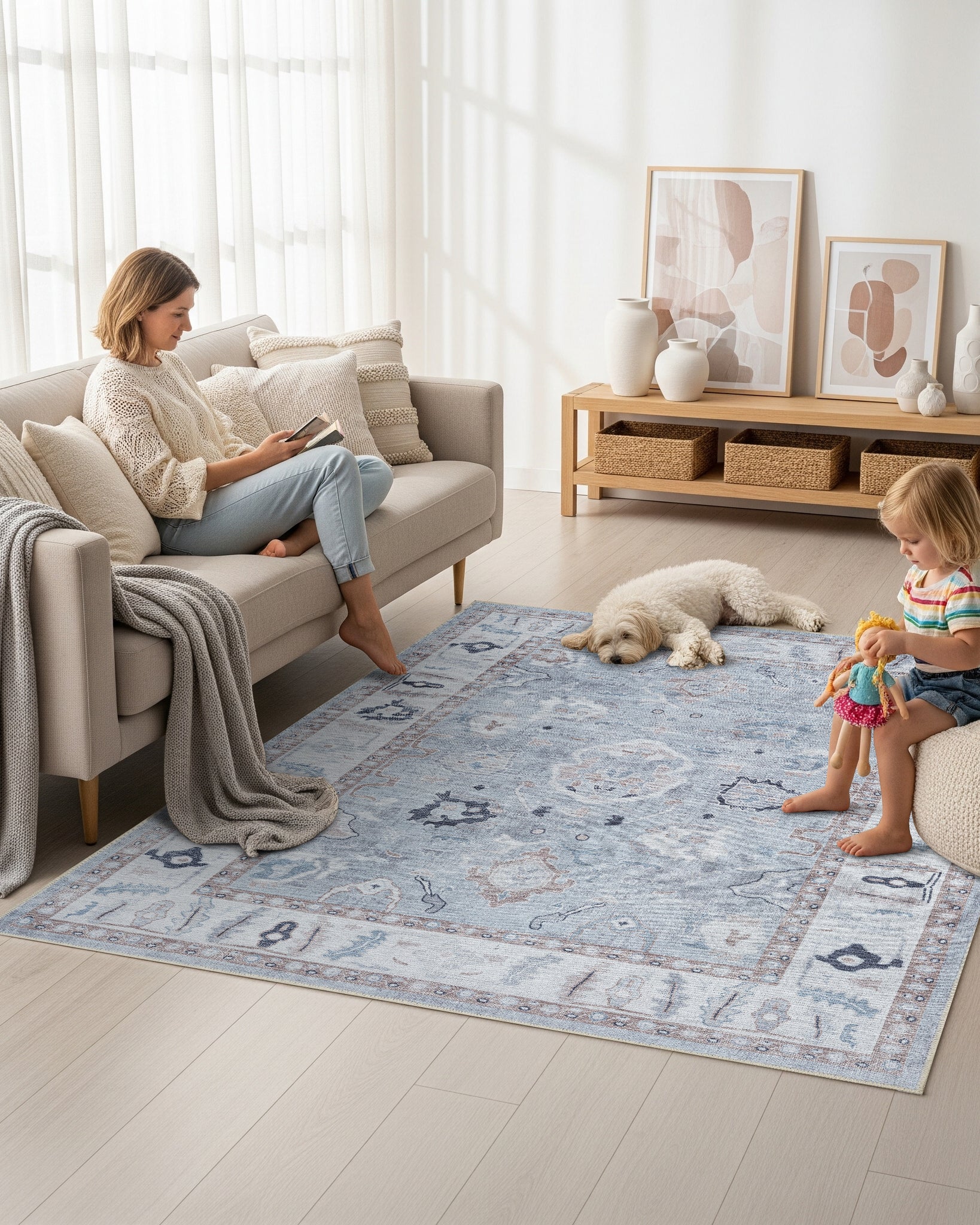
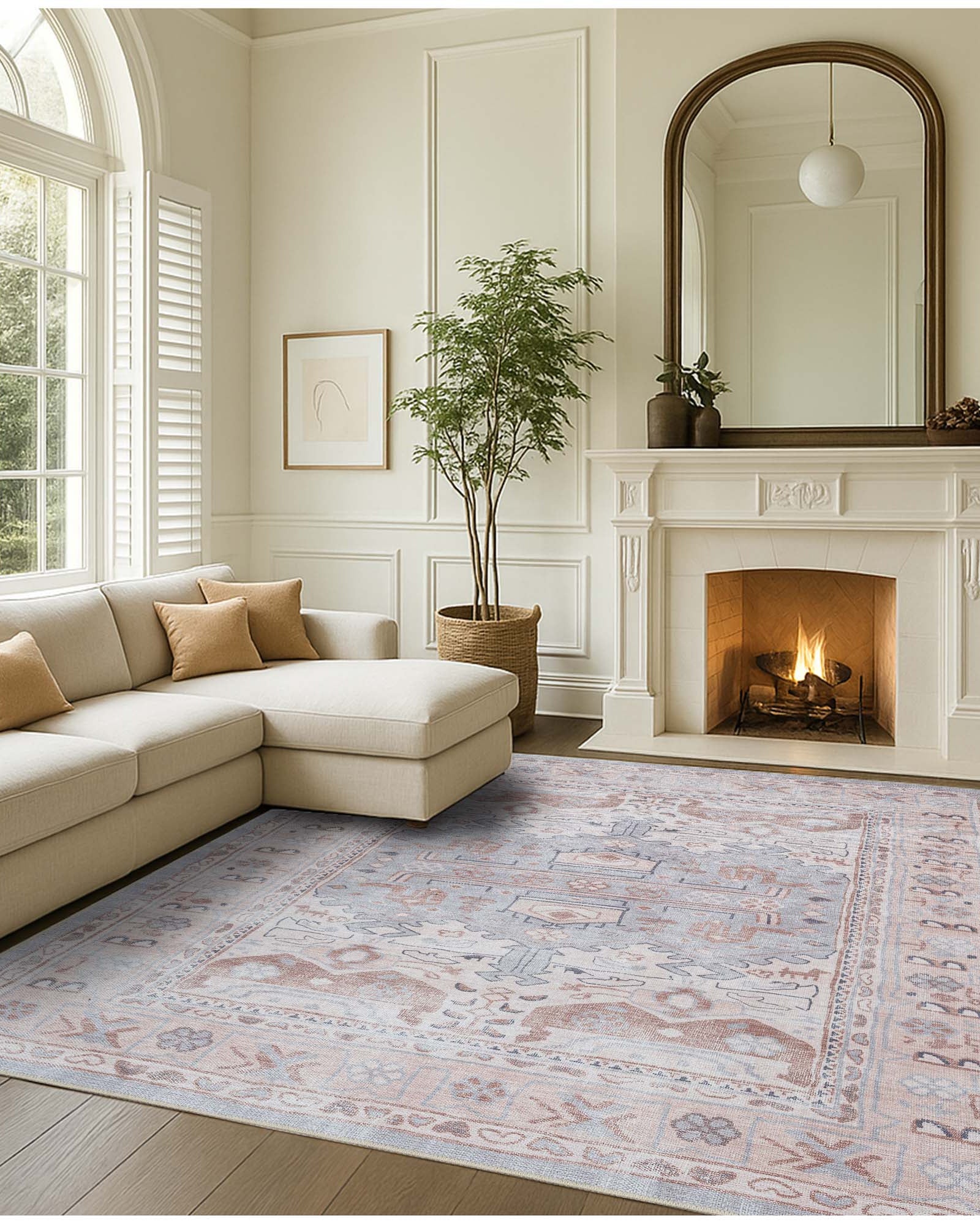
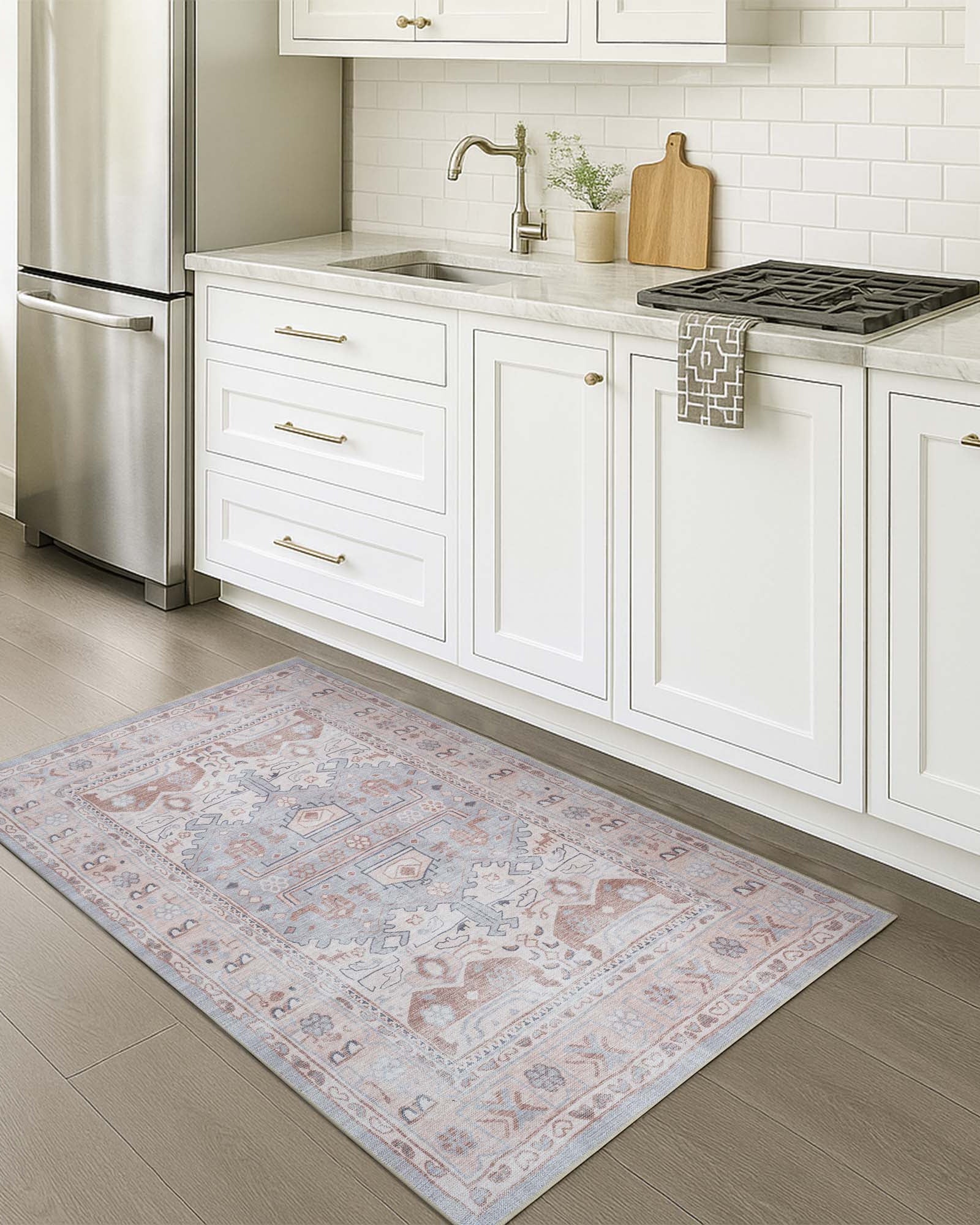
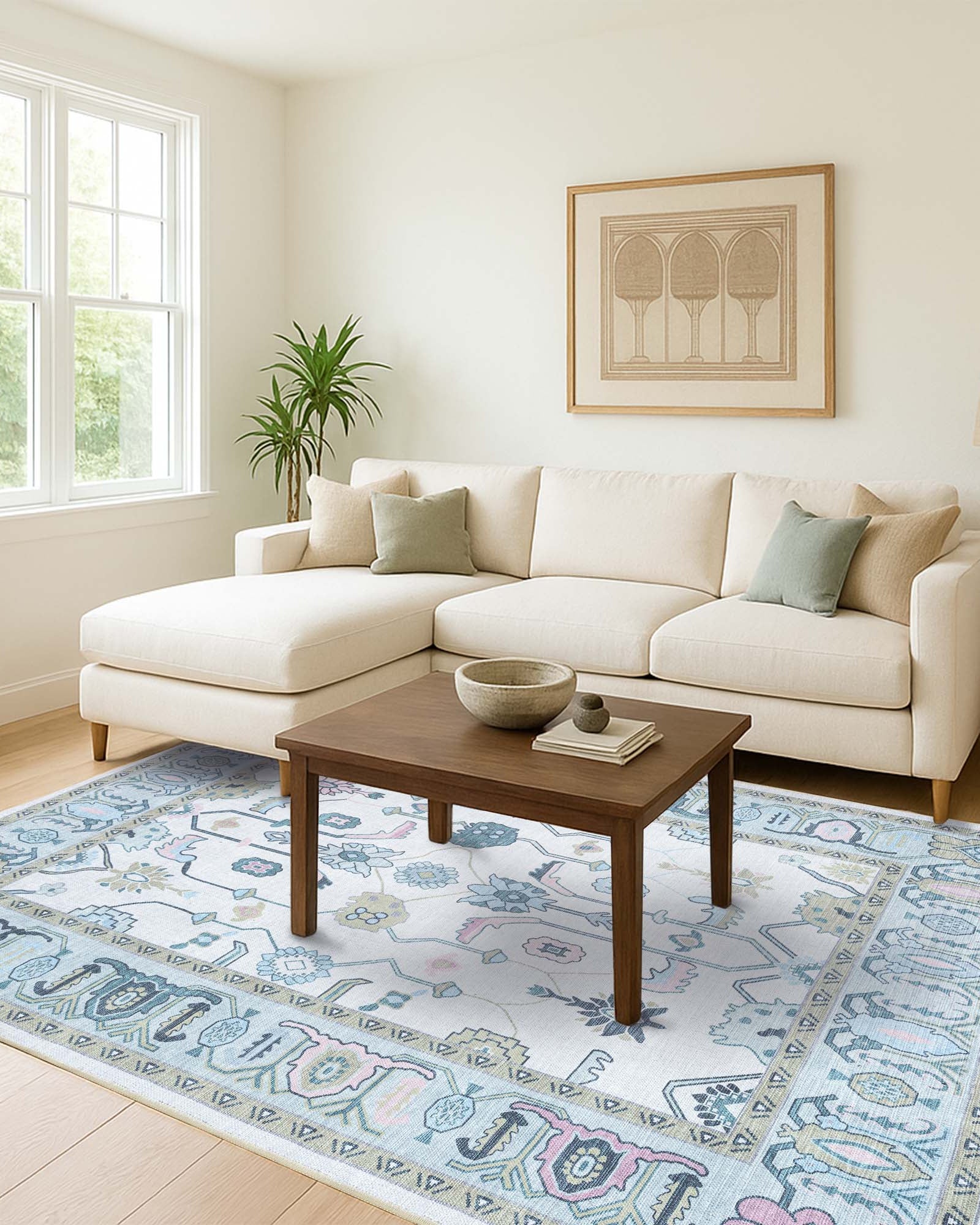
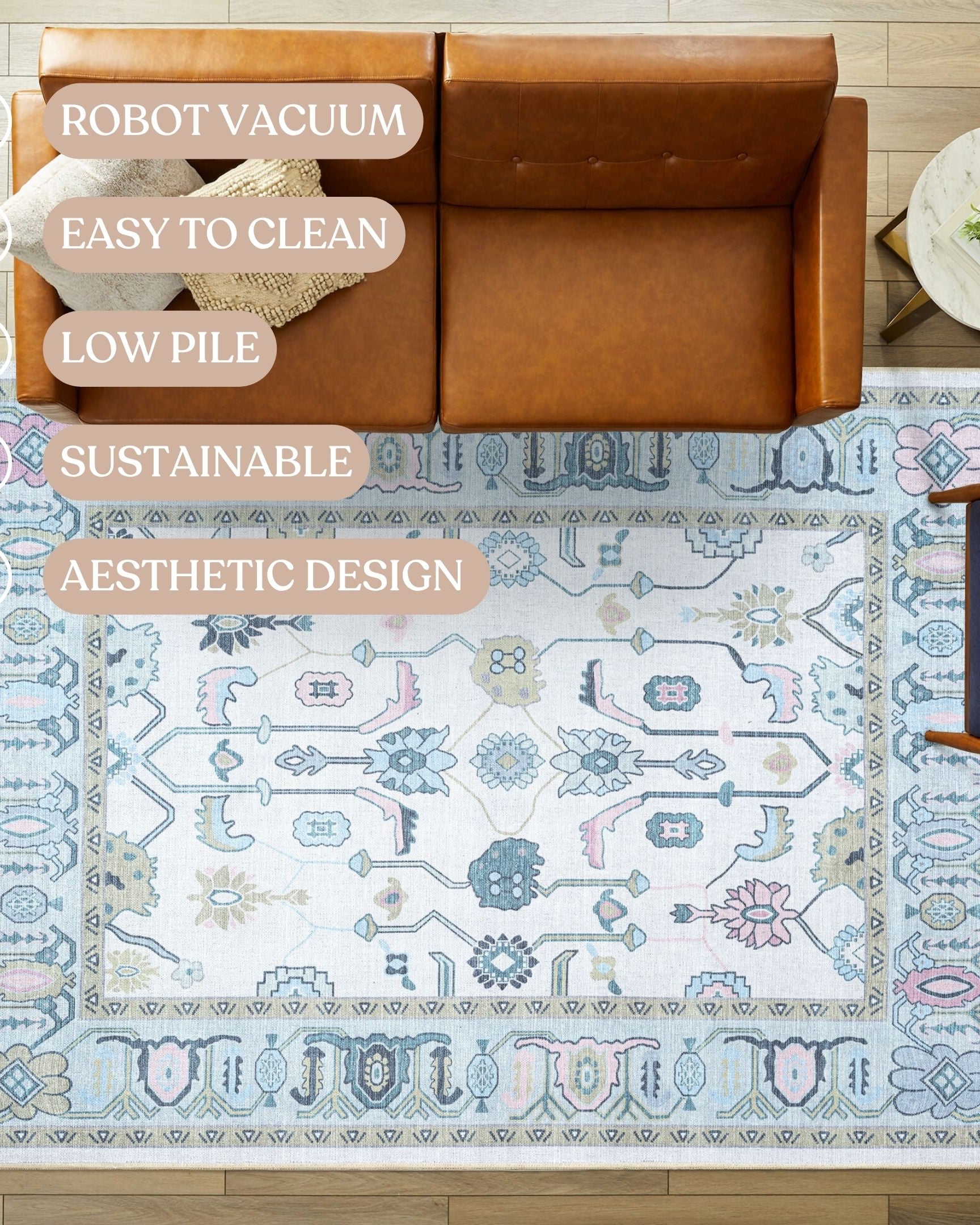
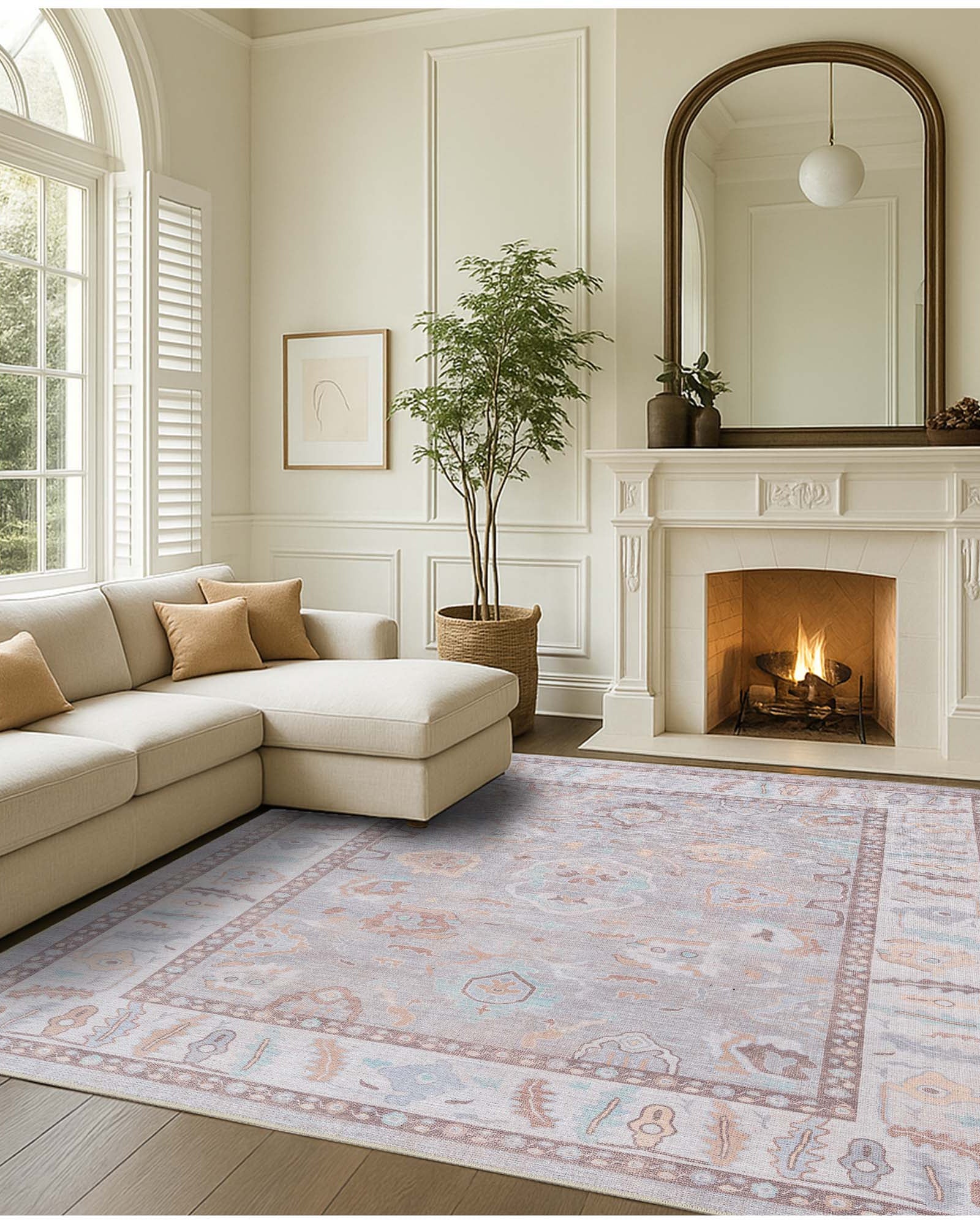
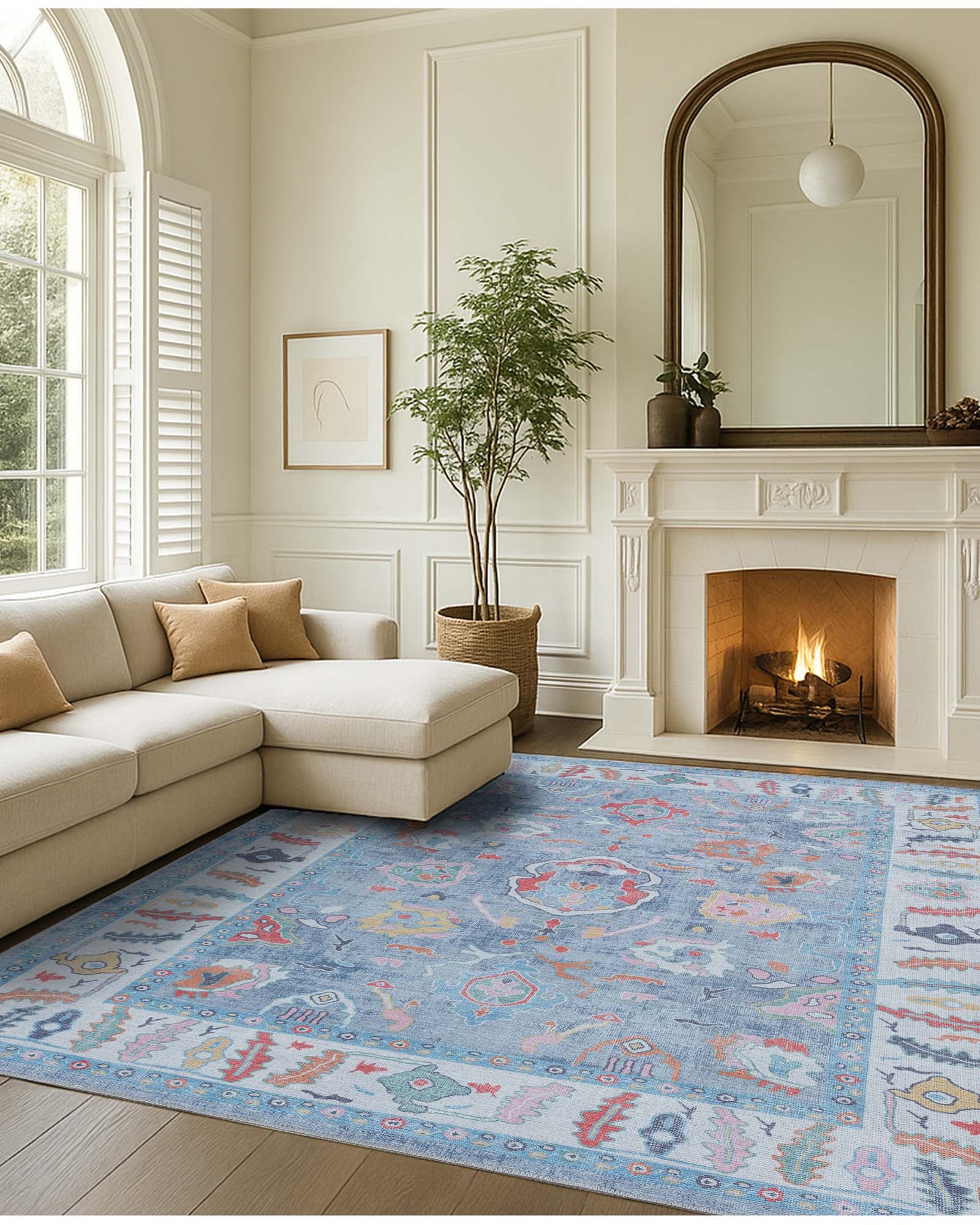
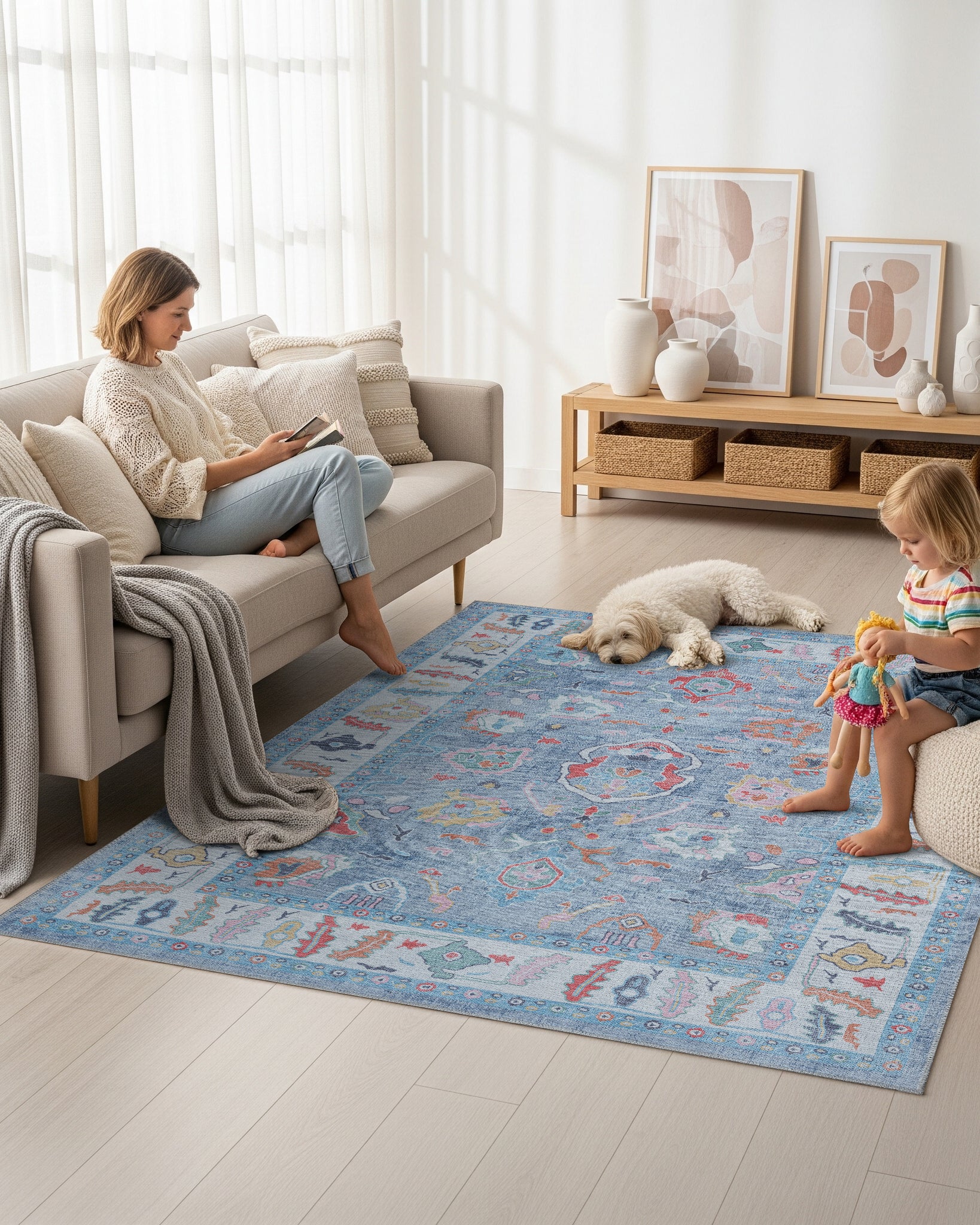
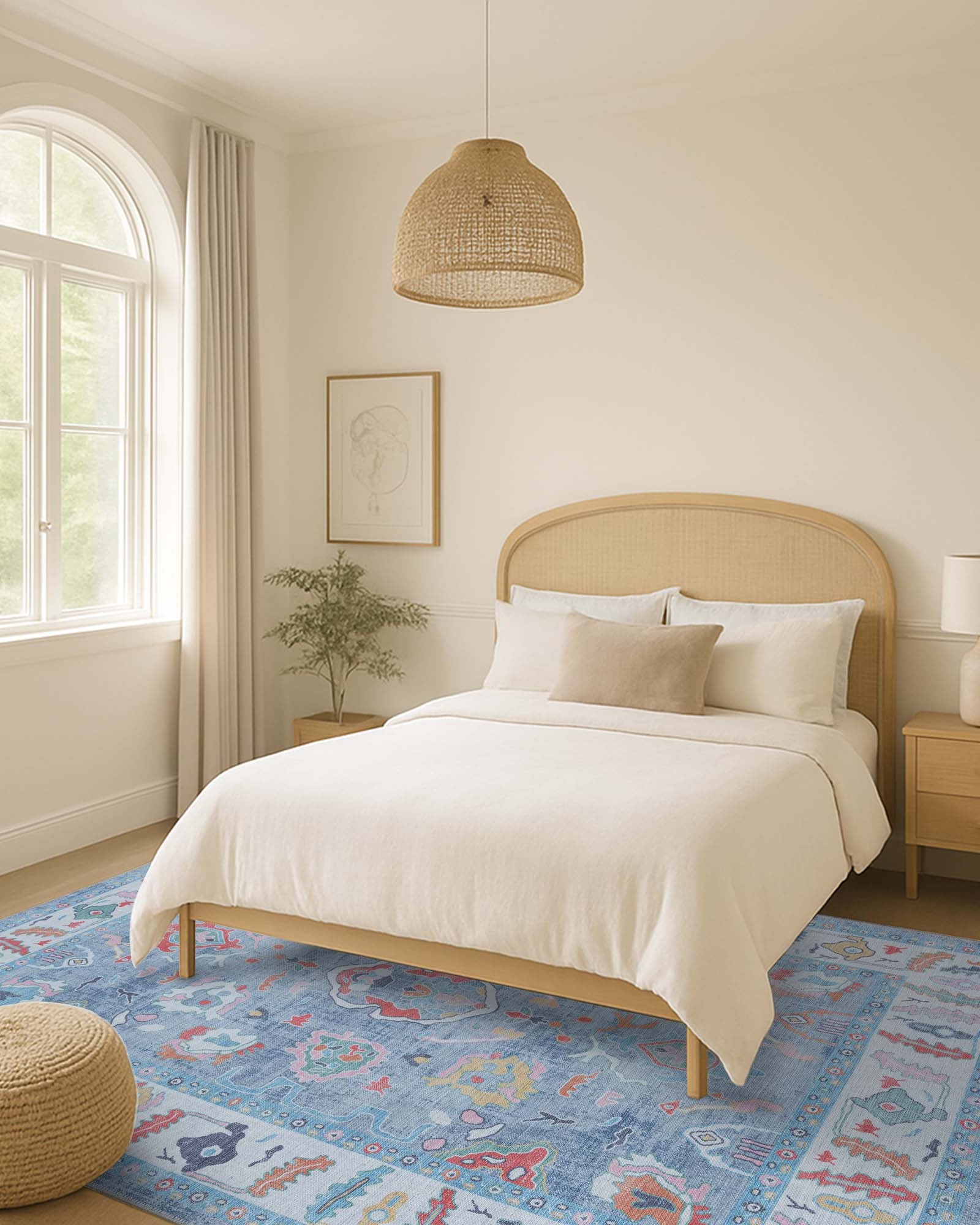
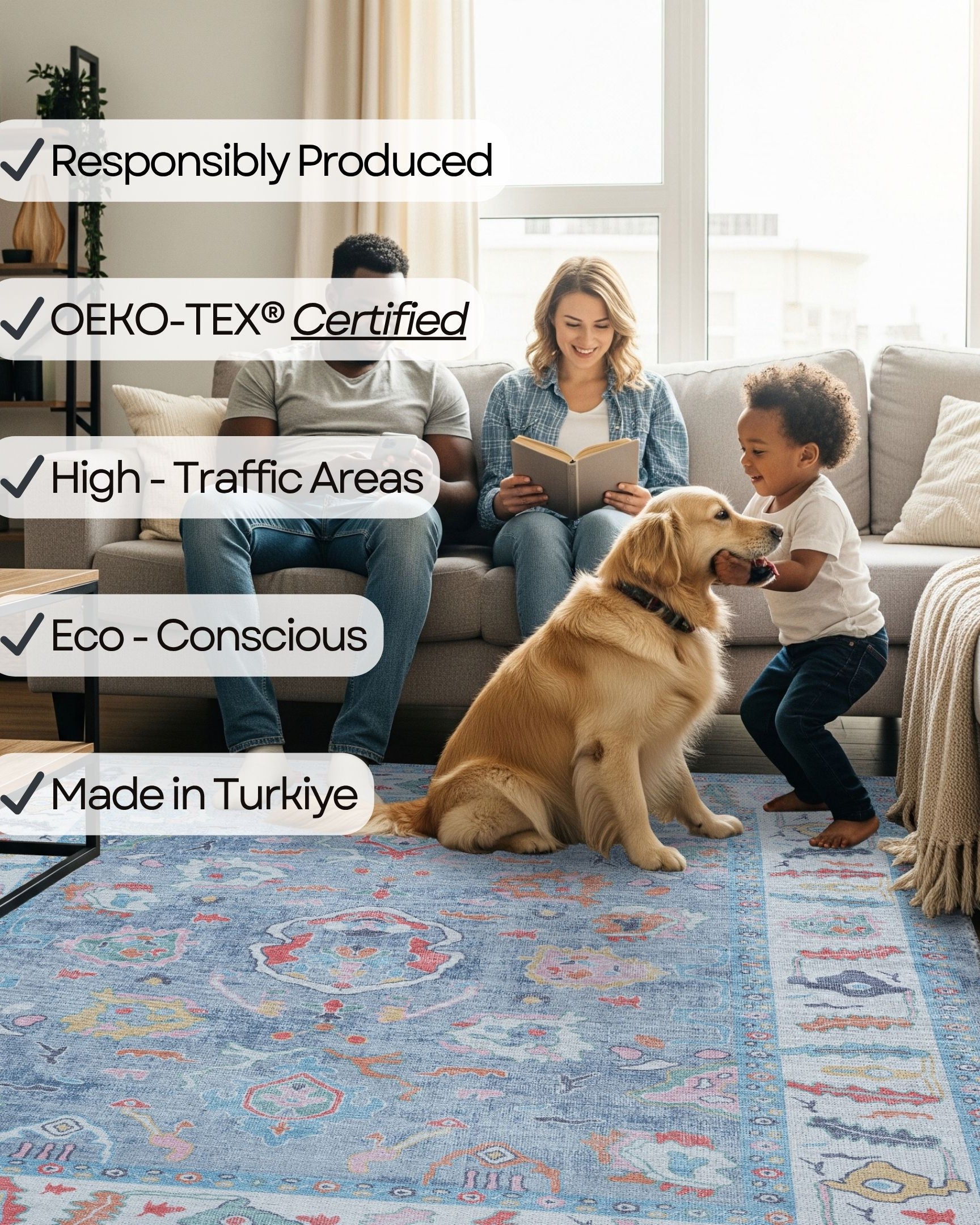
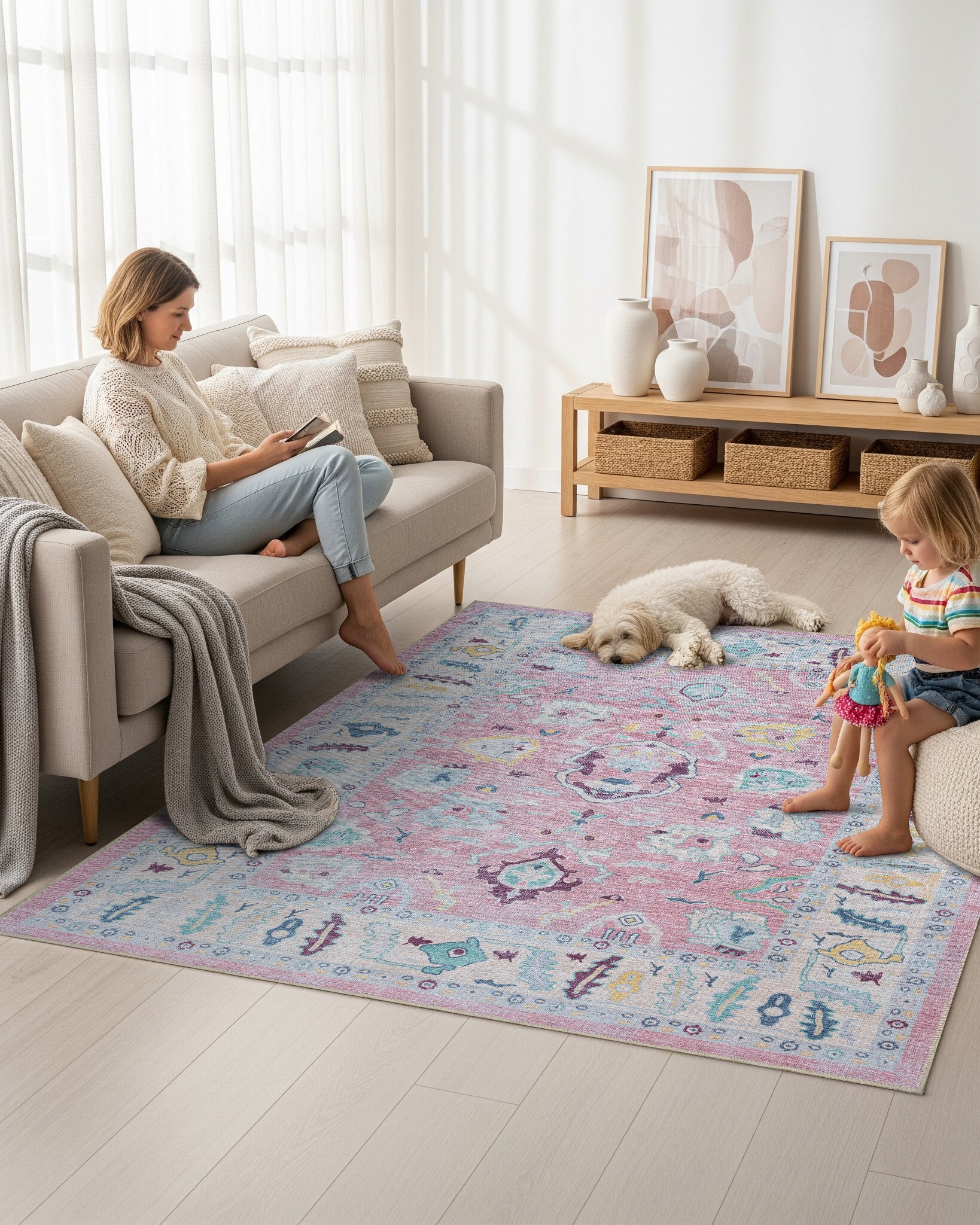
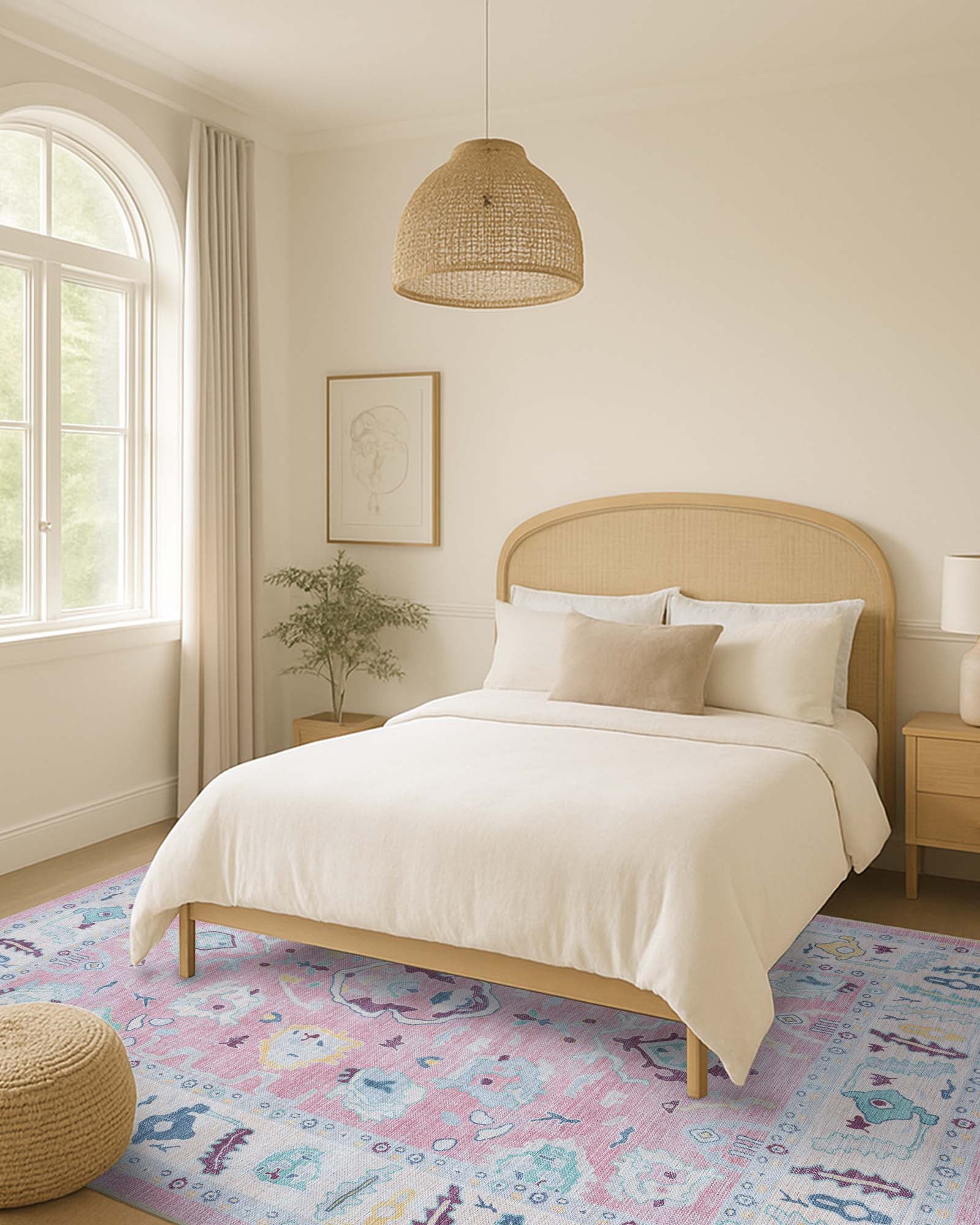
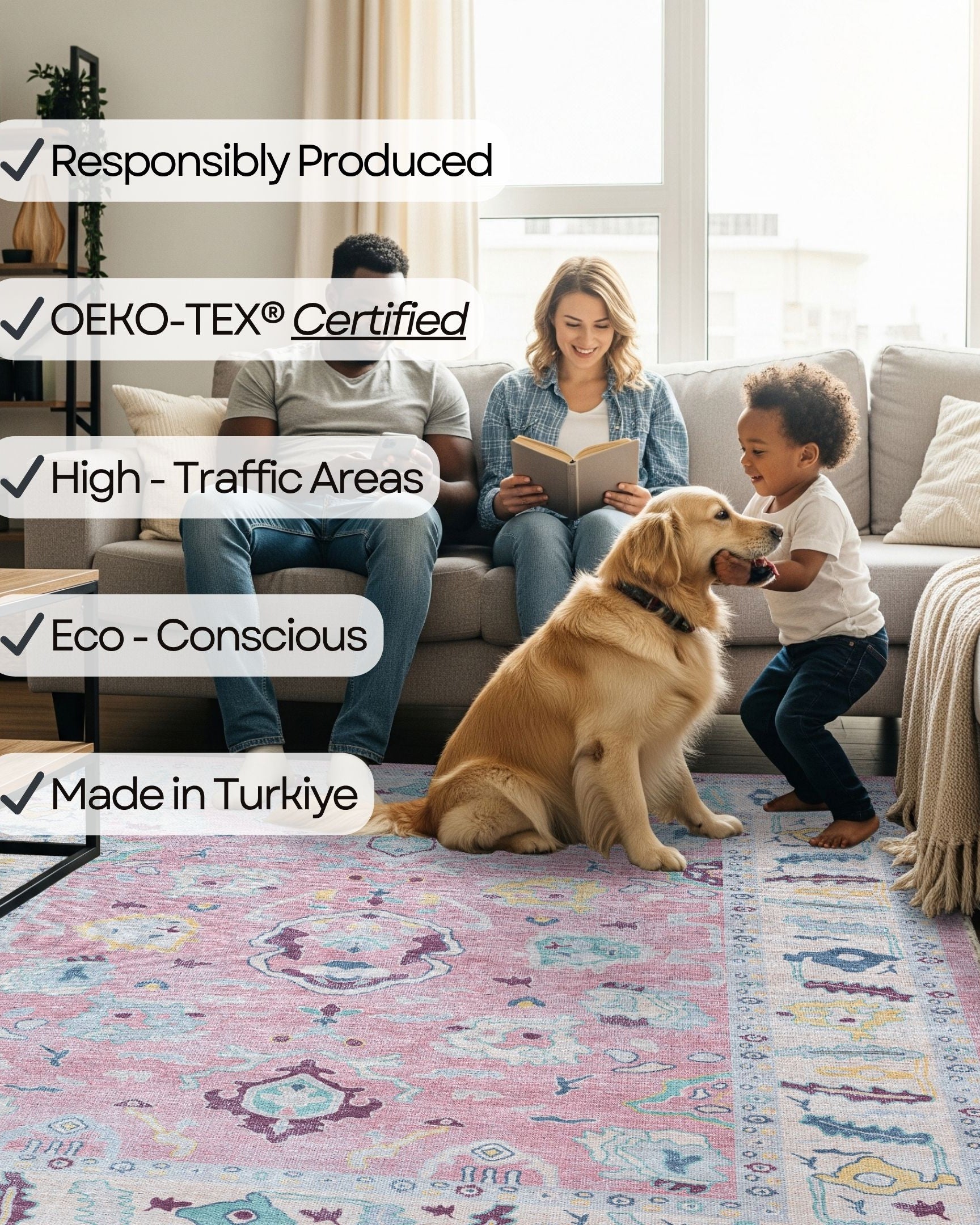
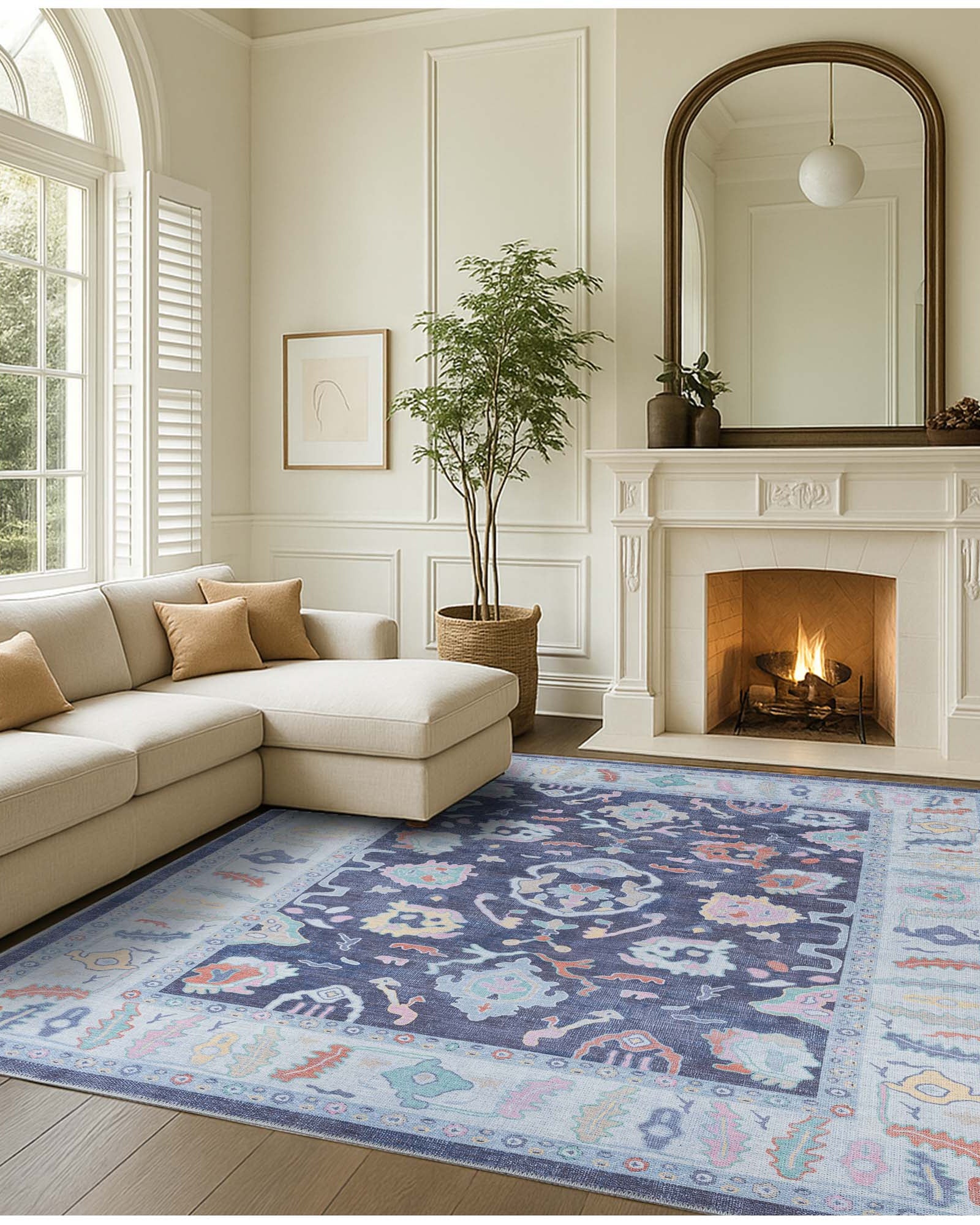
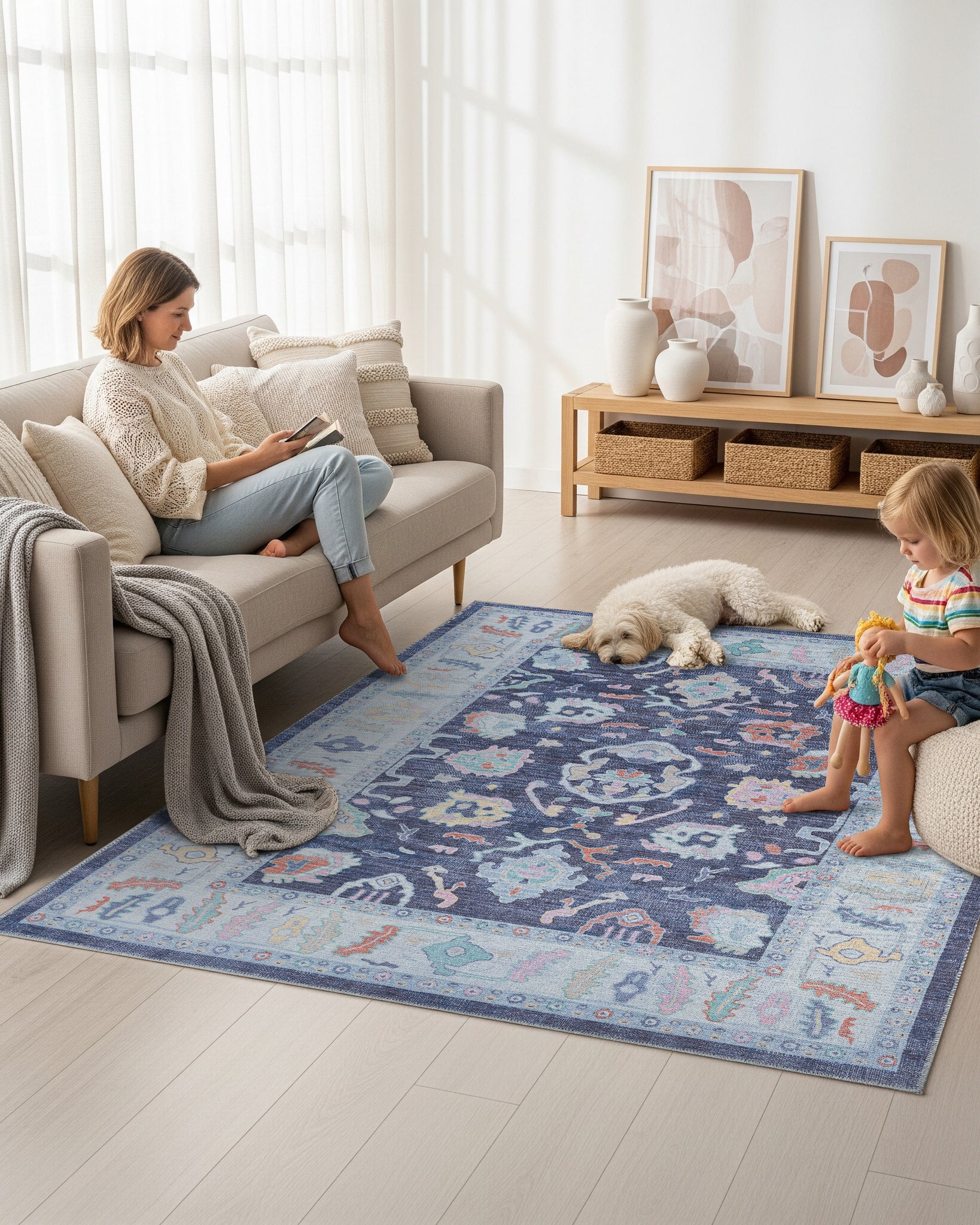
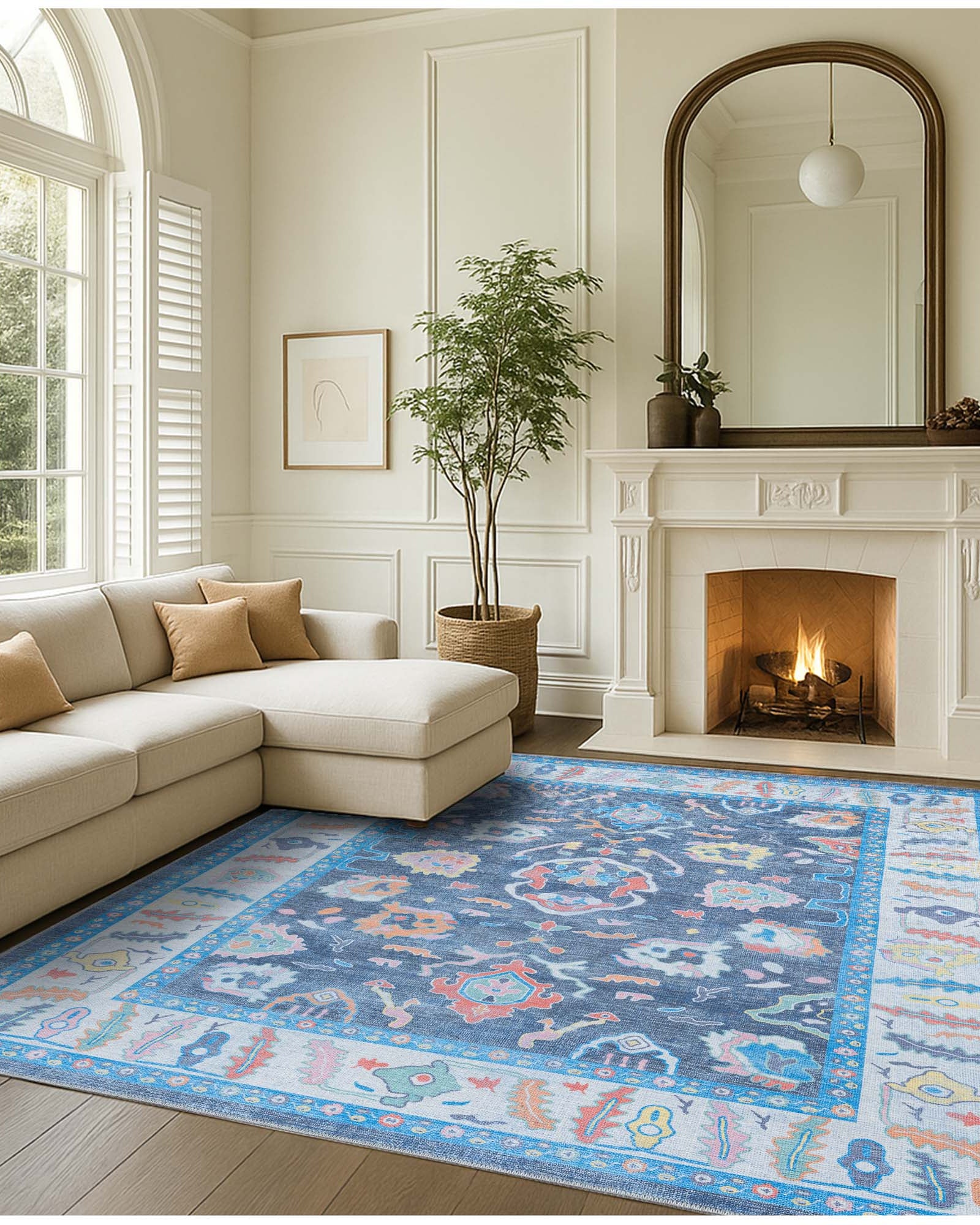
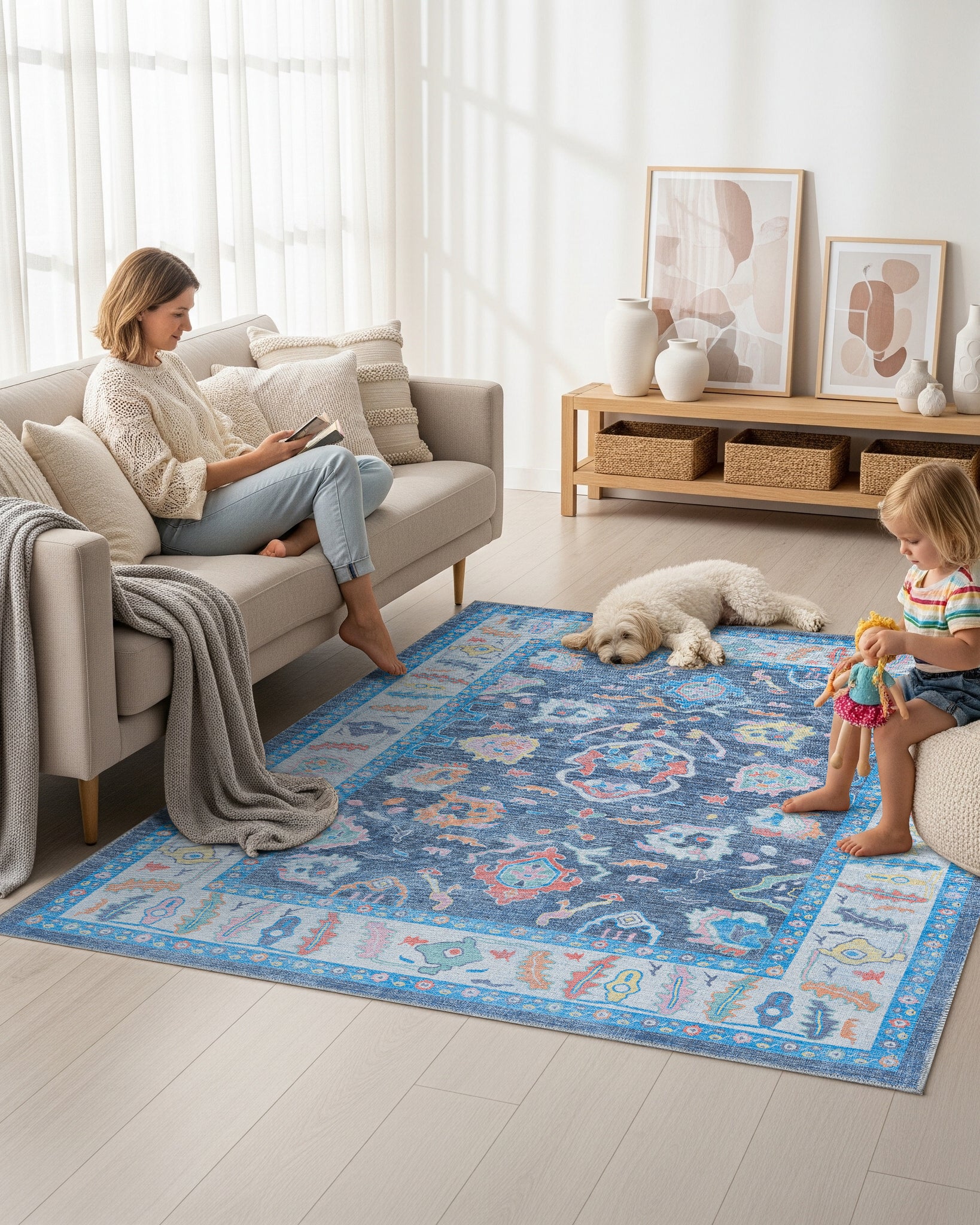
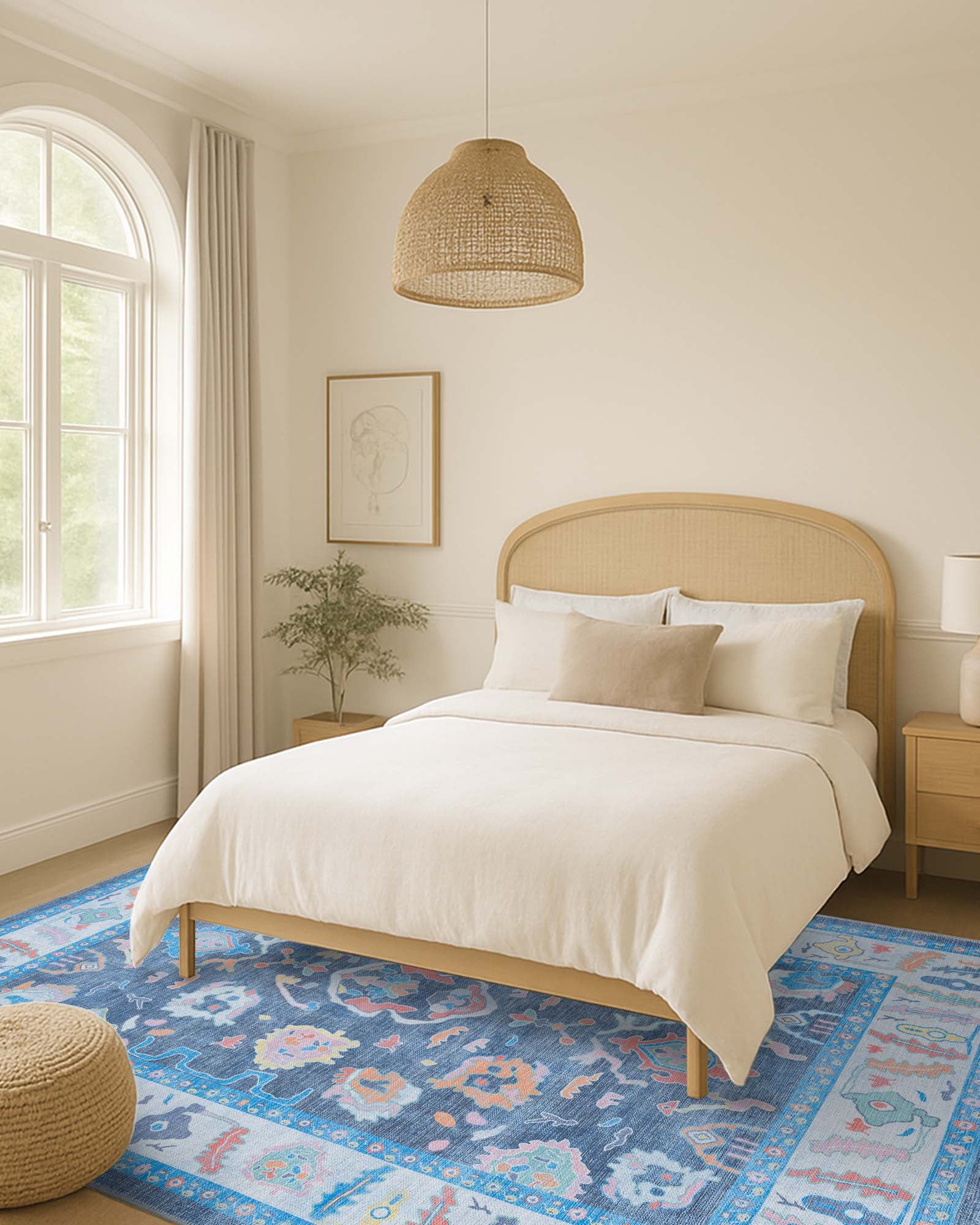
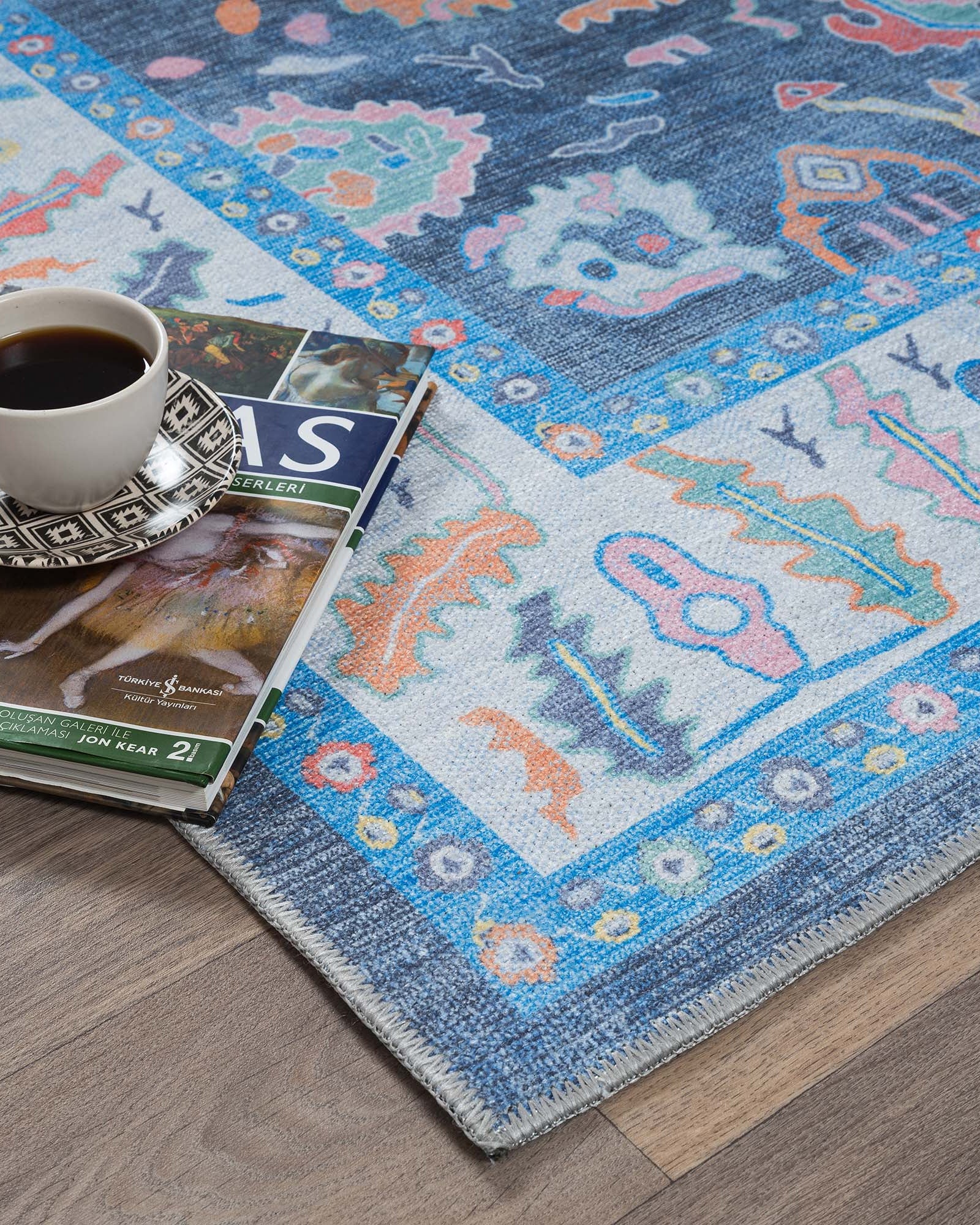
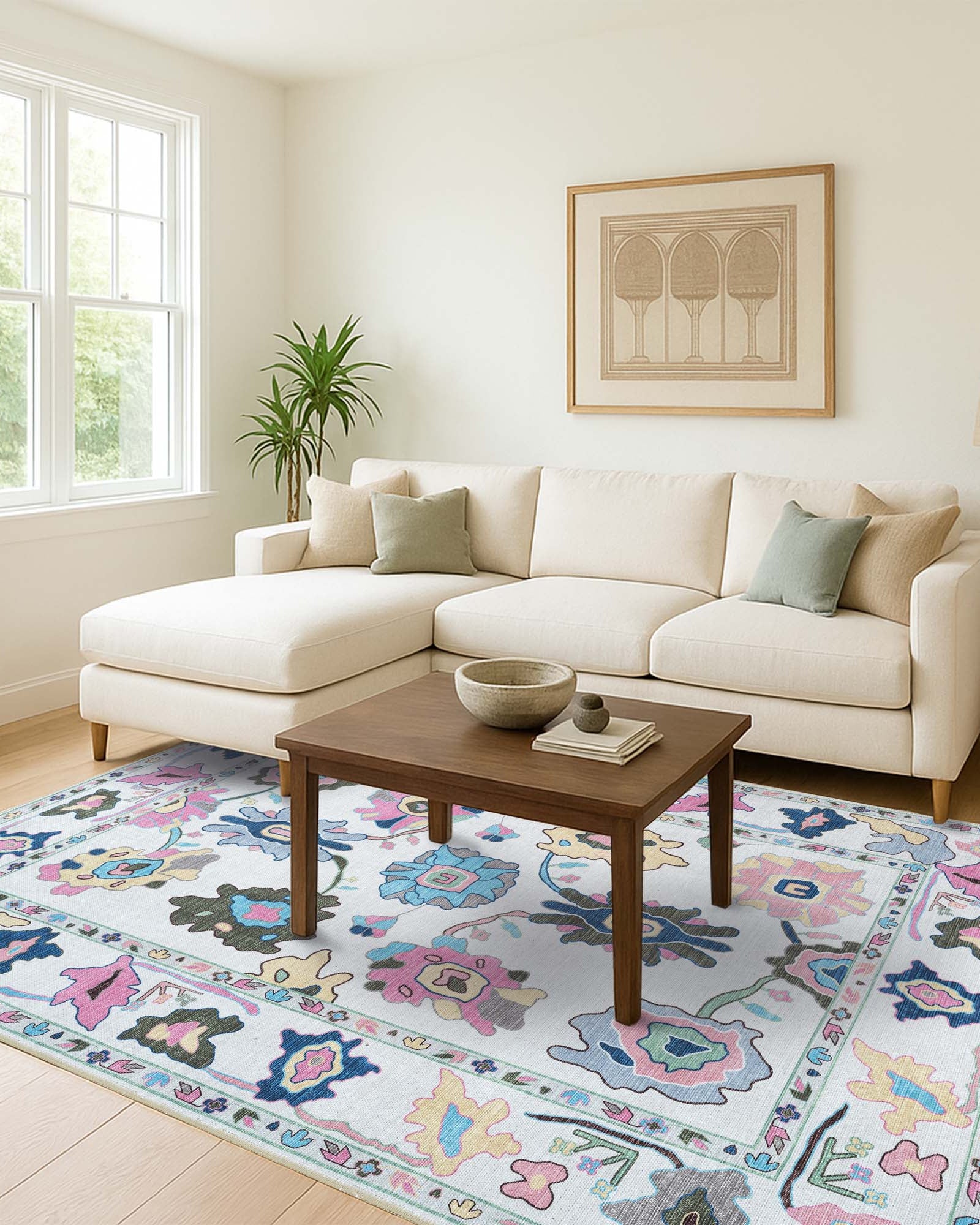
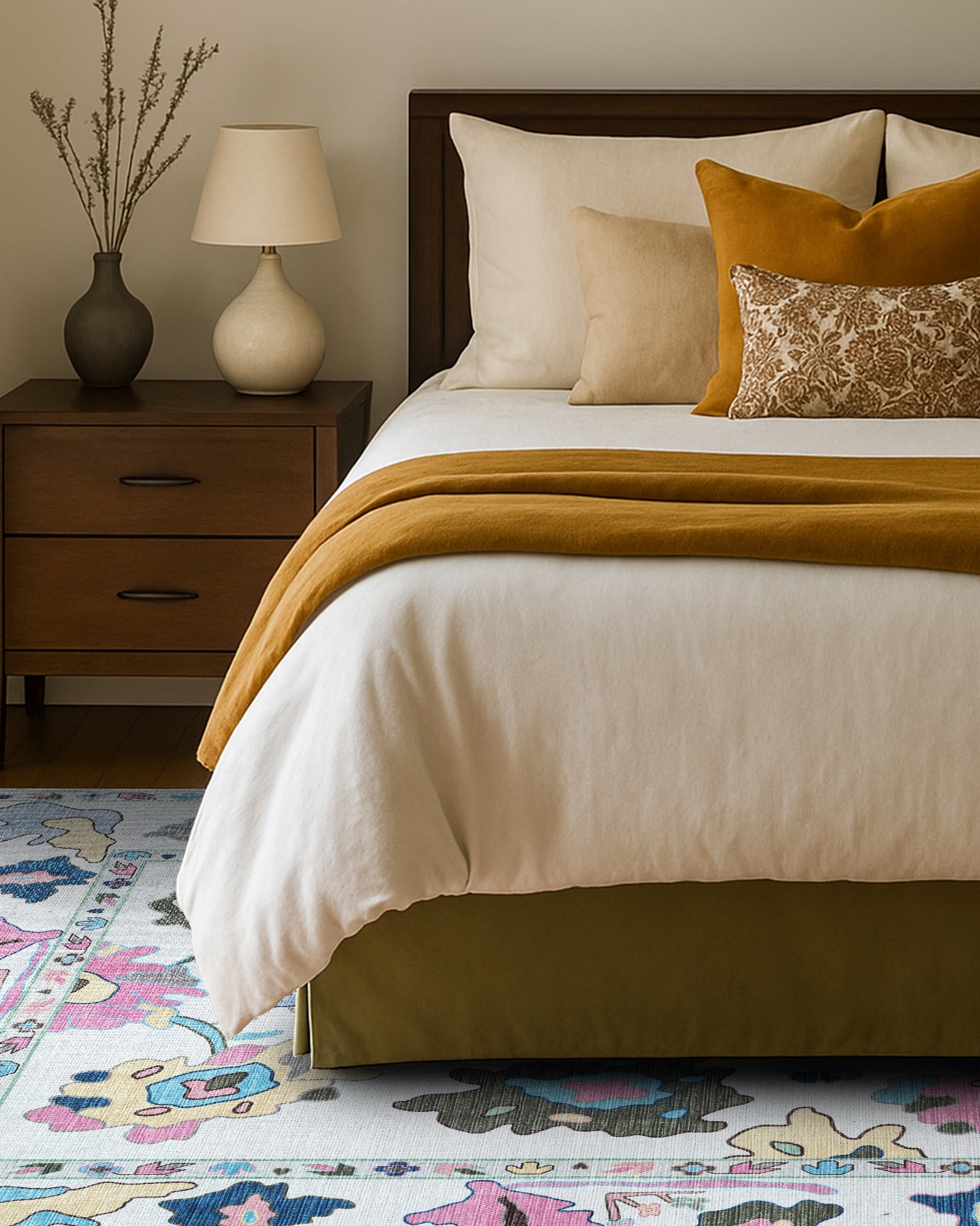
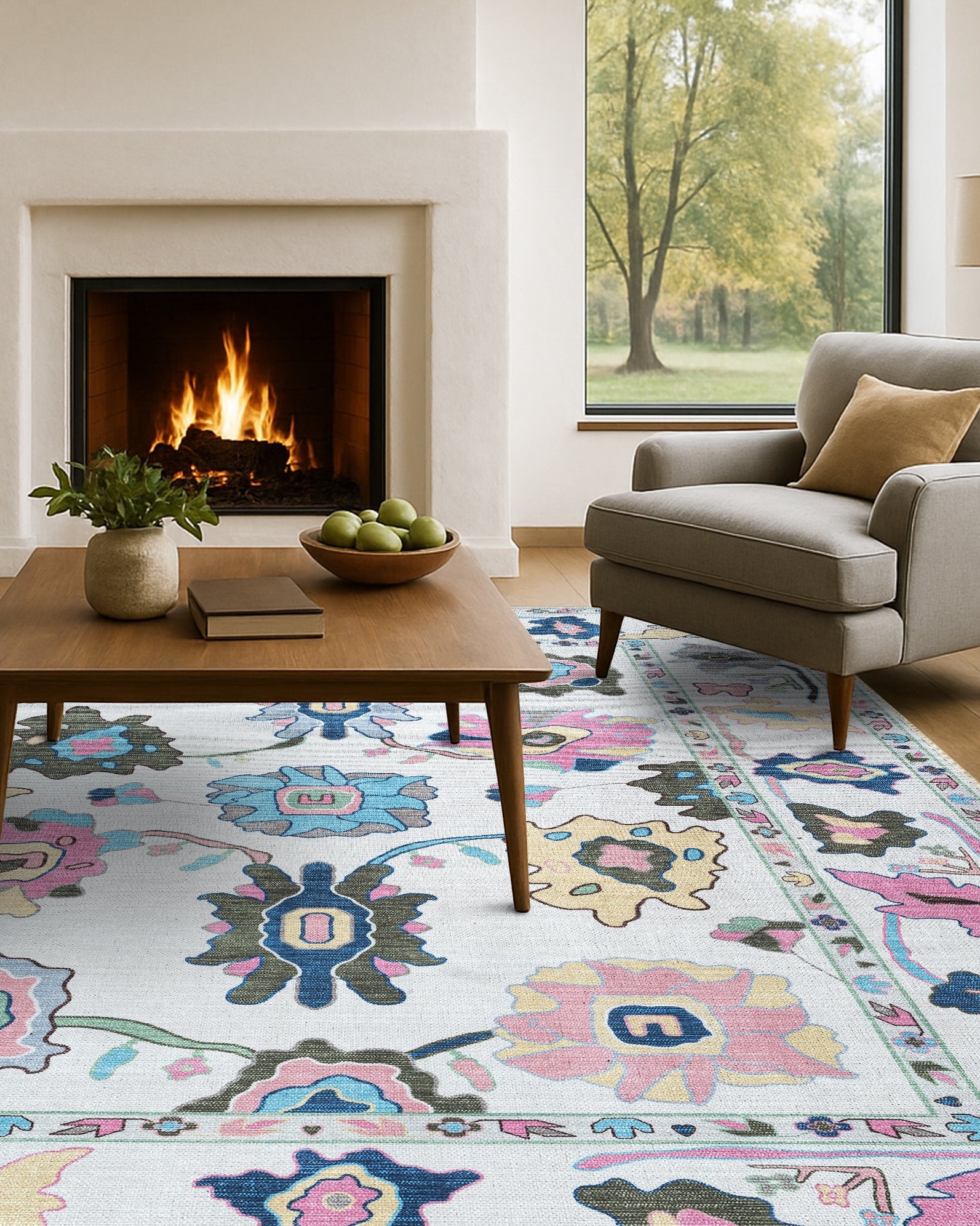
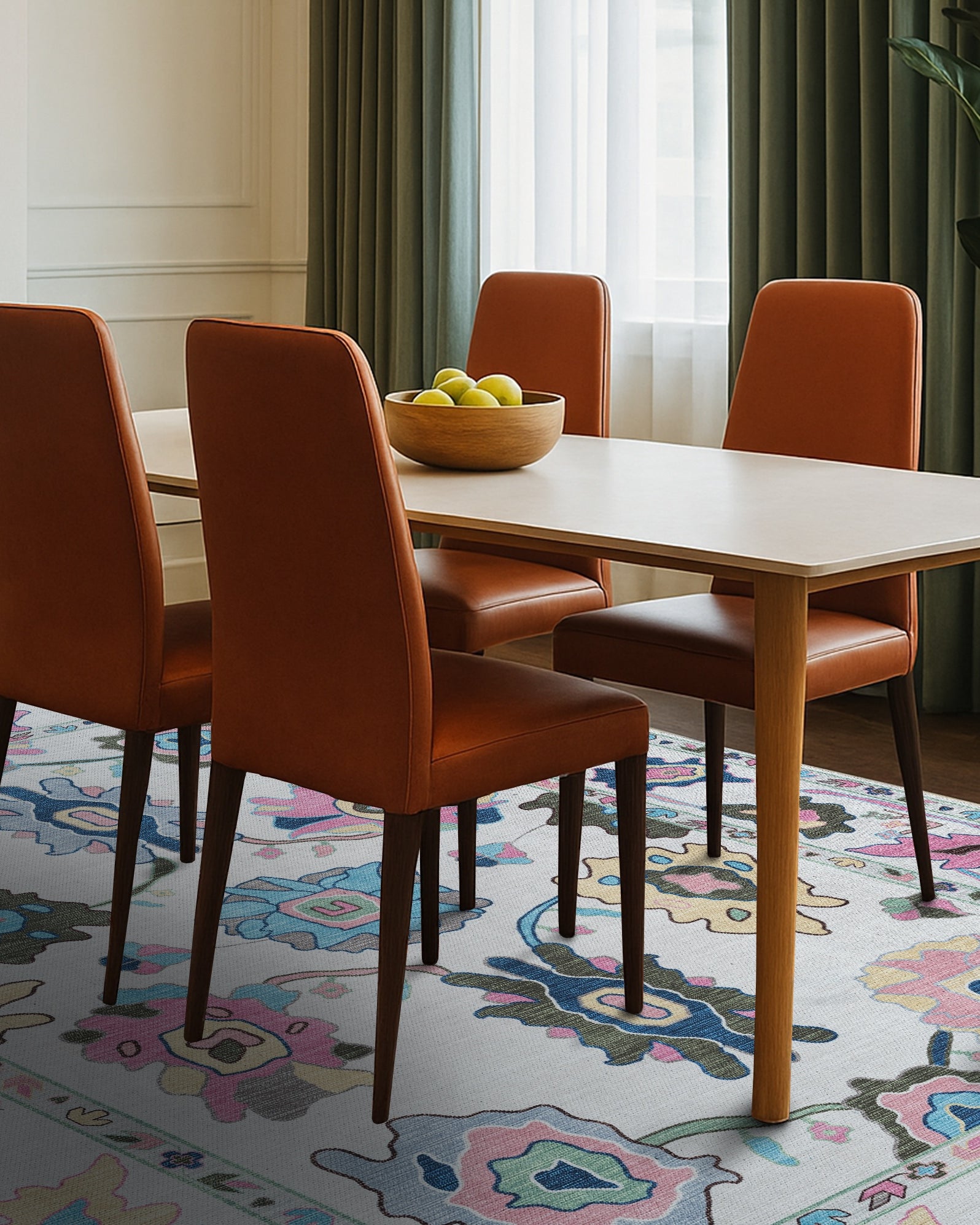
These pieces reward being seen up close, so they suit rooms where people spend time near the floor level — a den, a study, layered under a coffee table where the pattern is visible without furniture obscuring it. Because the weave itself carries the visual interest, keep the surrounding palette relatively quiet so the rug's detail doesn't compete with a busy room. A fine flatweave also works well hung as a textile if the piece is too delicate or too beautiful for daily foot traffic.
Where to Look Next
For the full range of flatweave construction and origin, browse Flatweave Rugs. If you specifically want pieces with wrapped-weft texture rather than a flat surface, see Soumak Rugs. For naturally dyed color depth across any construction, Natural Dye Rugs is worth a look.
Frequently Asked Questions
What makes a flatweave rug "elevated" compared to a standard kilim?
Tighter, more even weaving, more precise color transitions at the slits, and pattern work that holds up under close inspection rather than reading well only from a distance. These qualities reflect more time and skill invested in the weaving itself.
Which regions are known for finer flatweaving?
Senneh kilims from western Persia are particularly known for fine, tight weaving and intricate small-scale pattern. Certain Anatolian pieces woven for formal household use also show this elevated level of detail, though it varies by individual weaver rather than region alone.
Are these rugs still practical for everyday use?
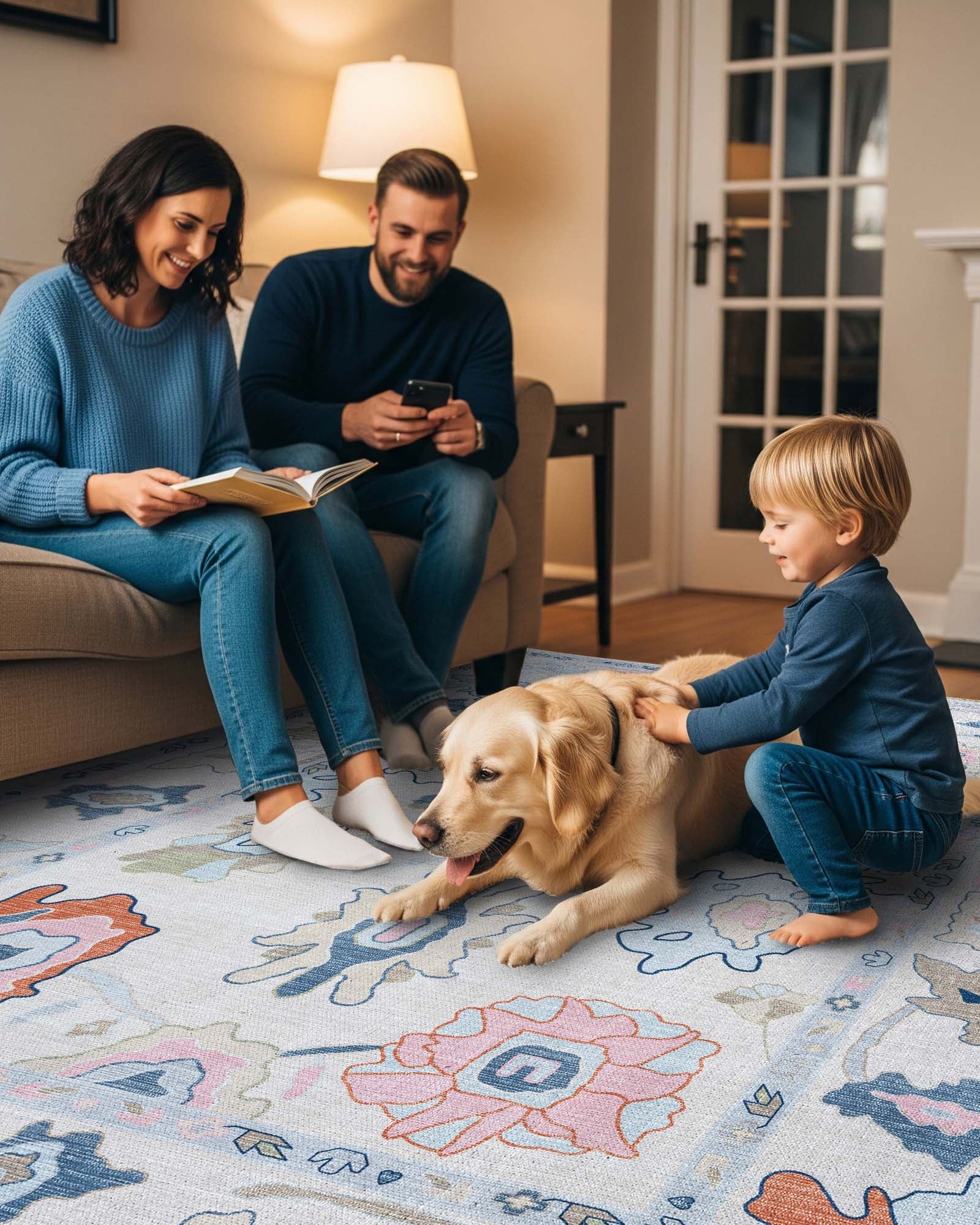
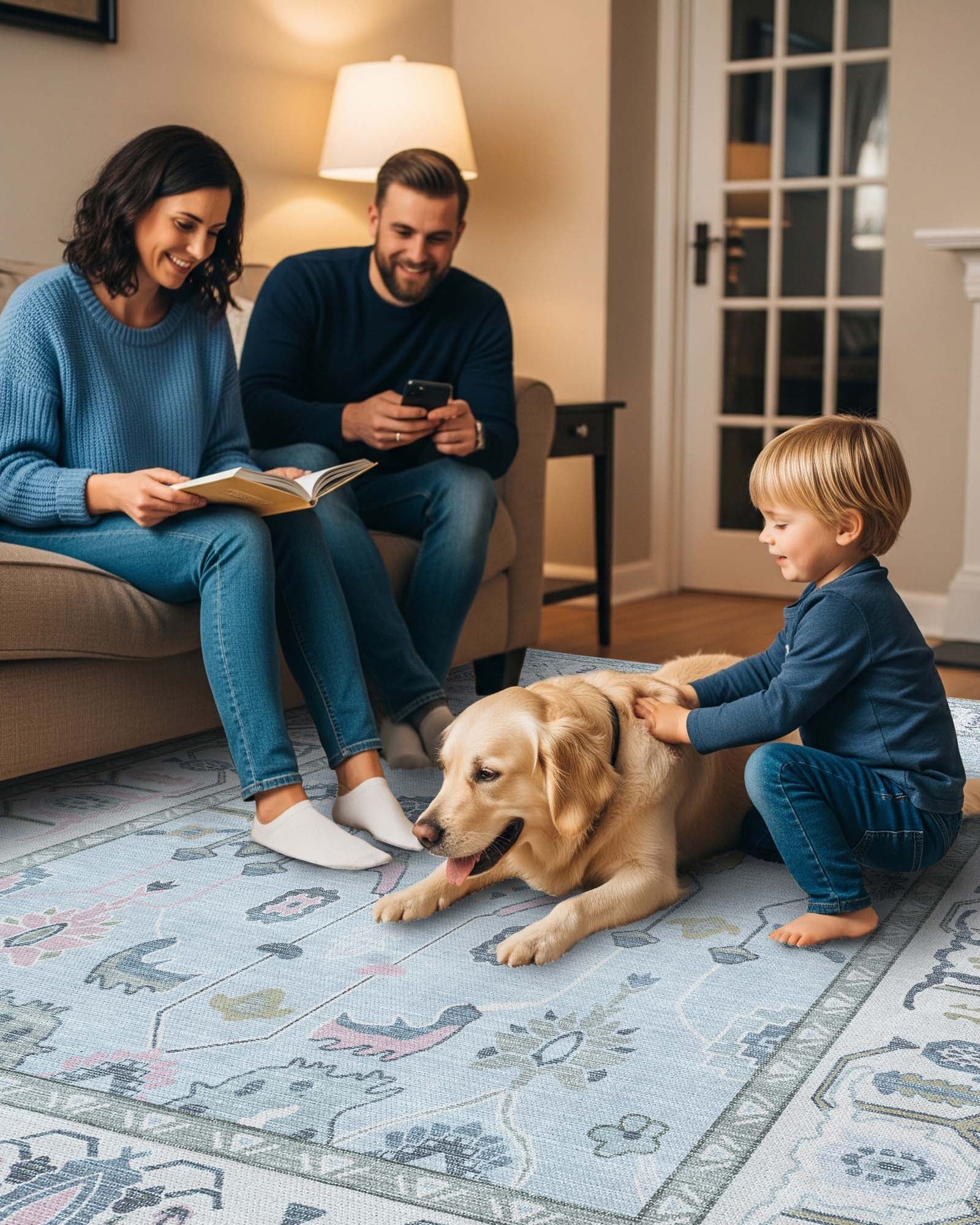
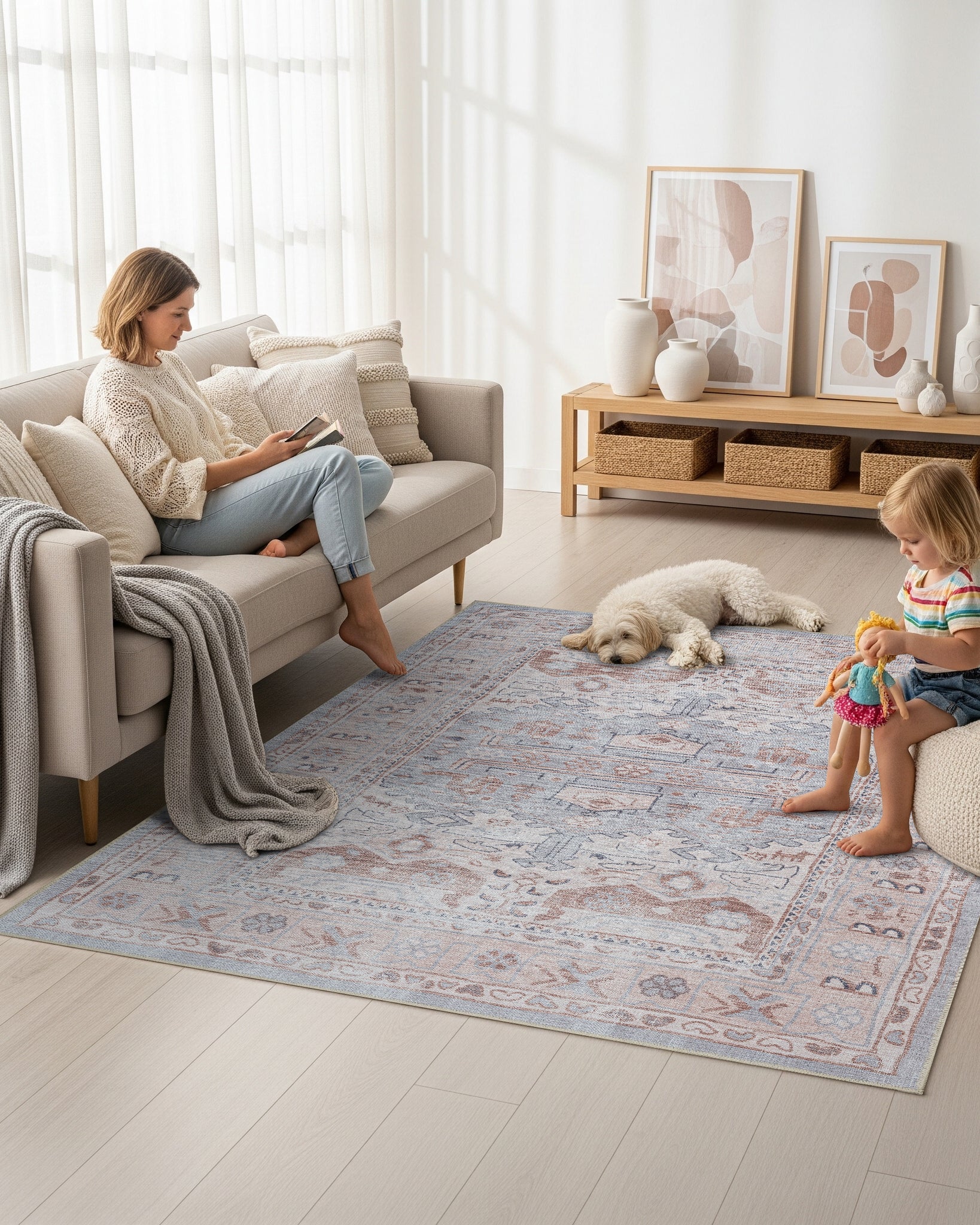
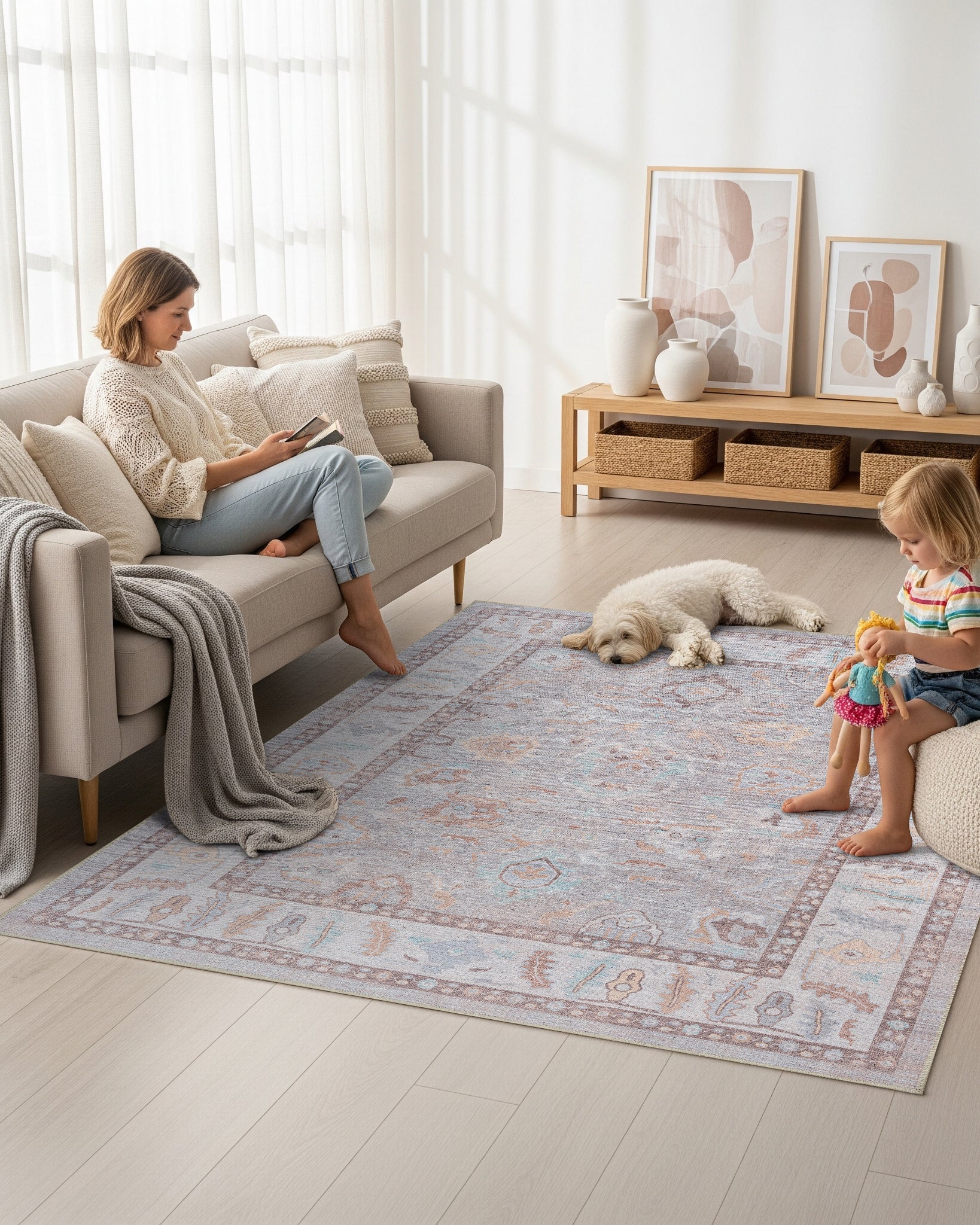
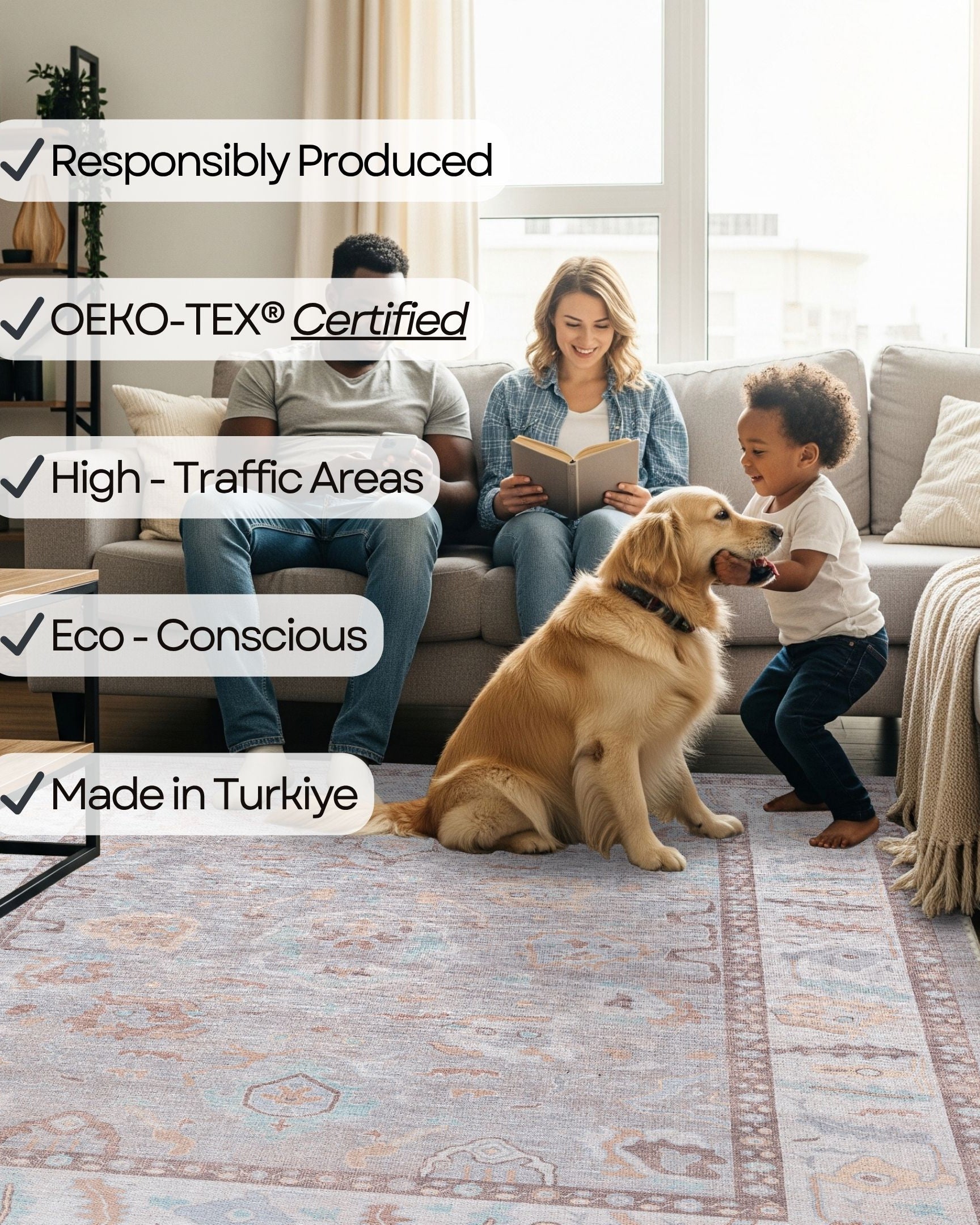
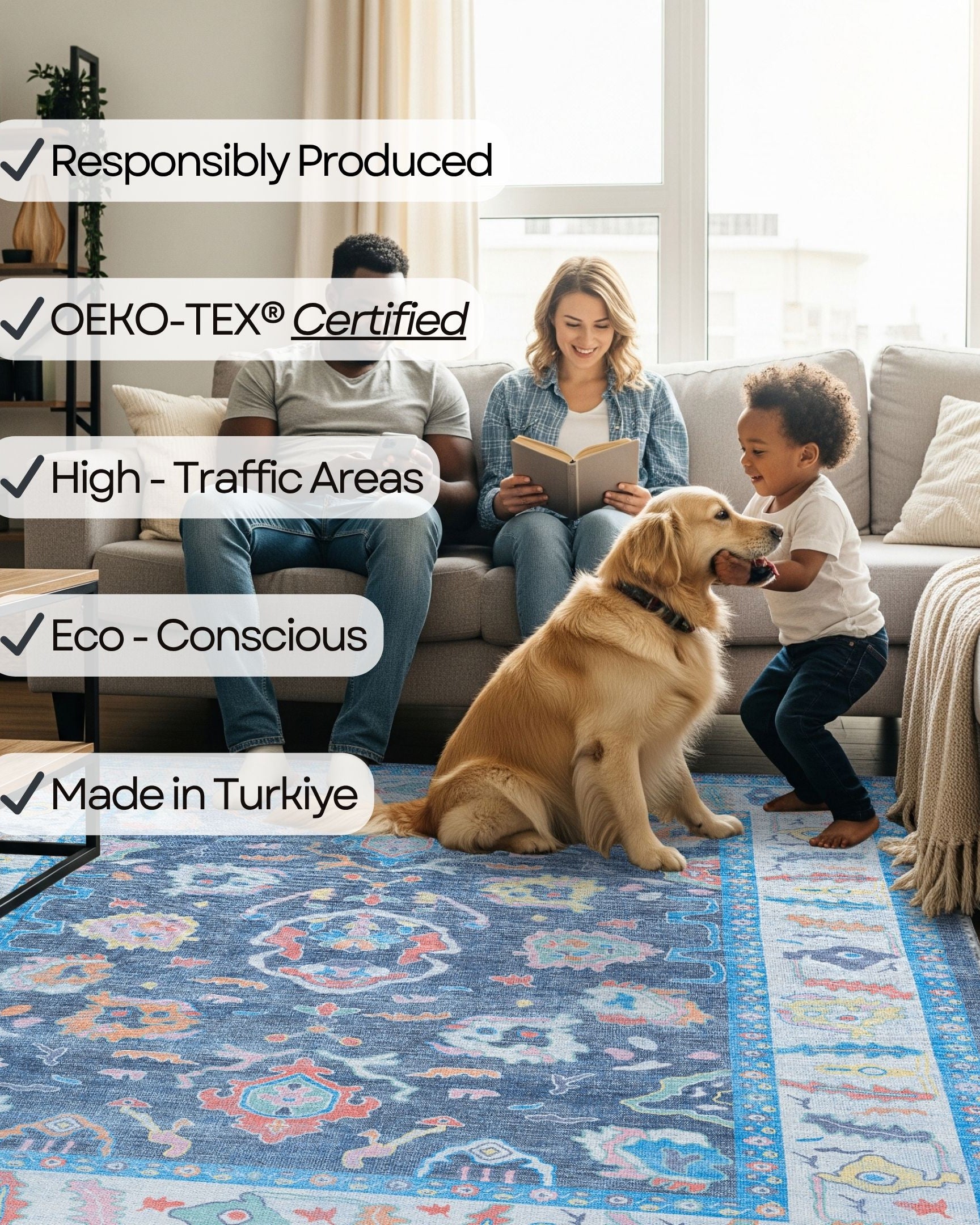
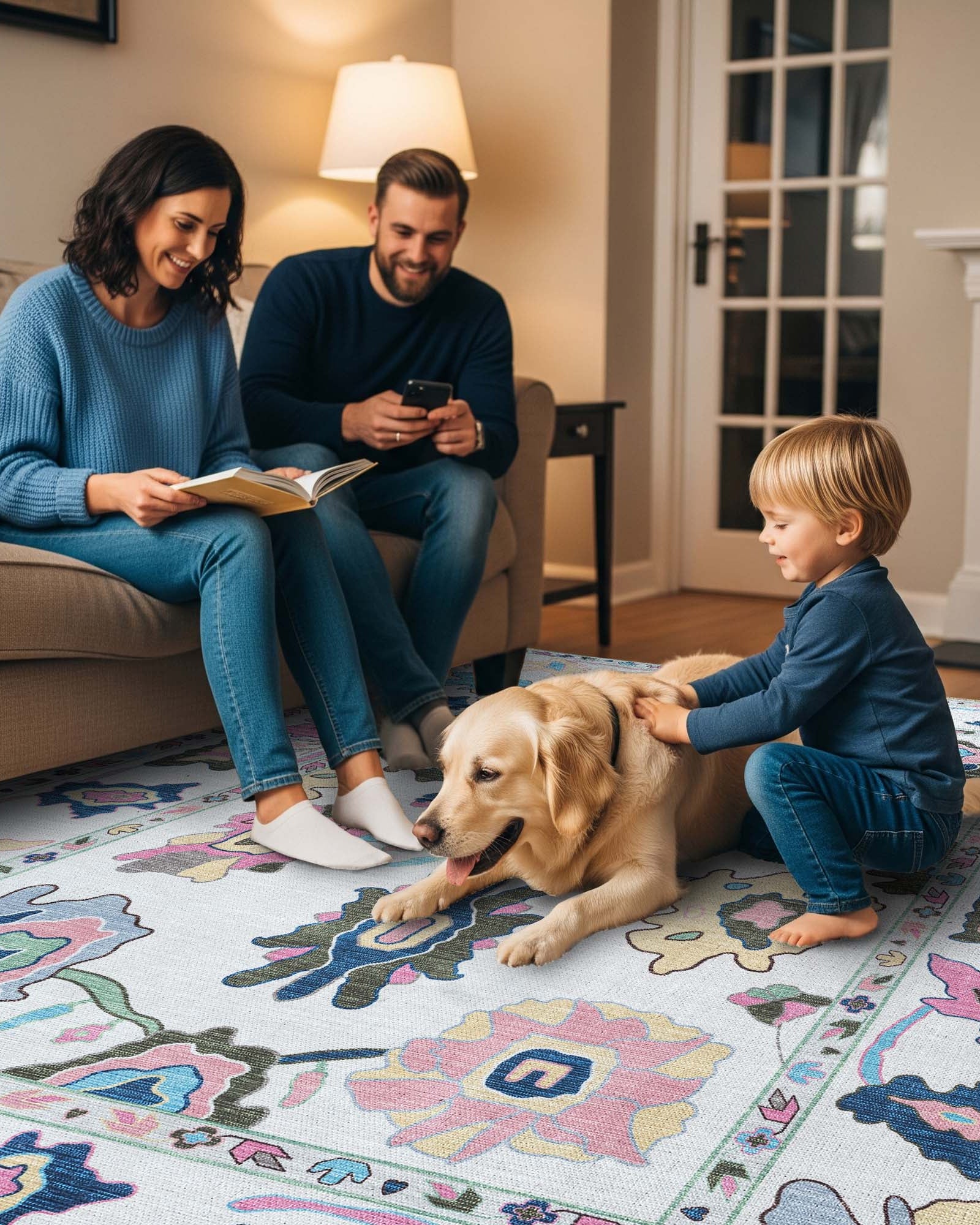
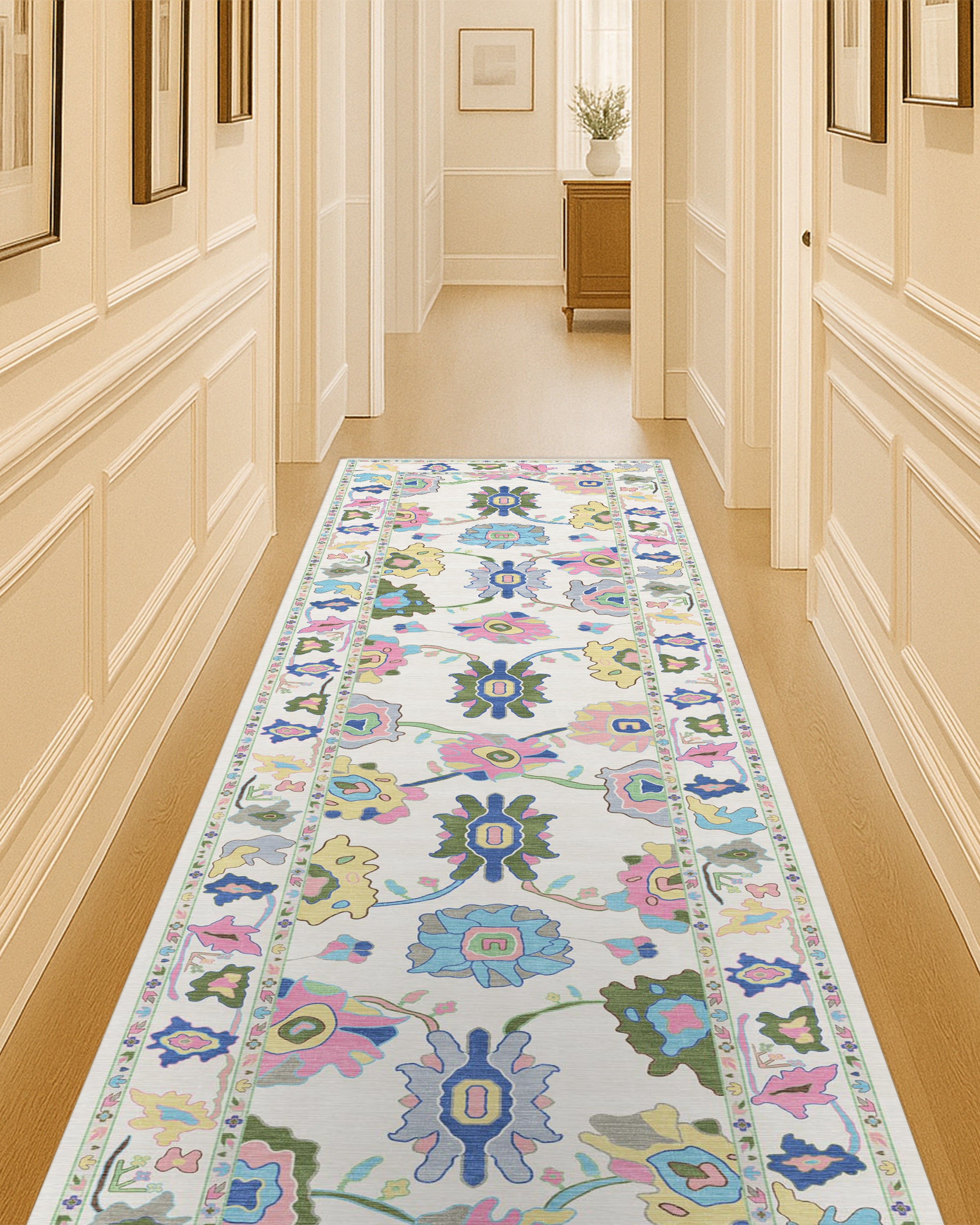
Yes, though their fine detail is best appreciated in lower-traffic rooms where it can actually be seen up close, rather than a busy hallway where the pattern goes unnoticed and heavy use adds wear faster than necessary.
How should I style a room around a finely woven flatweave?
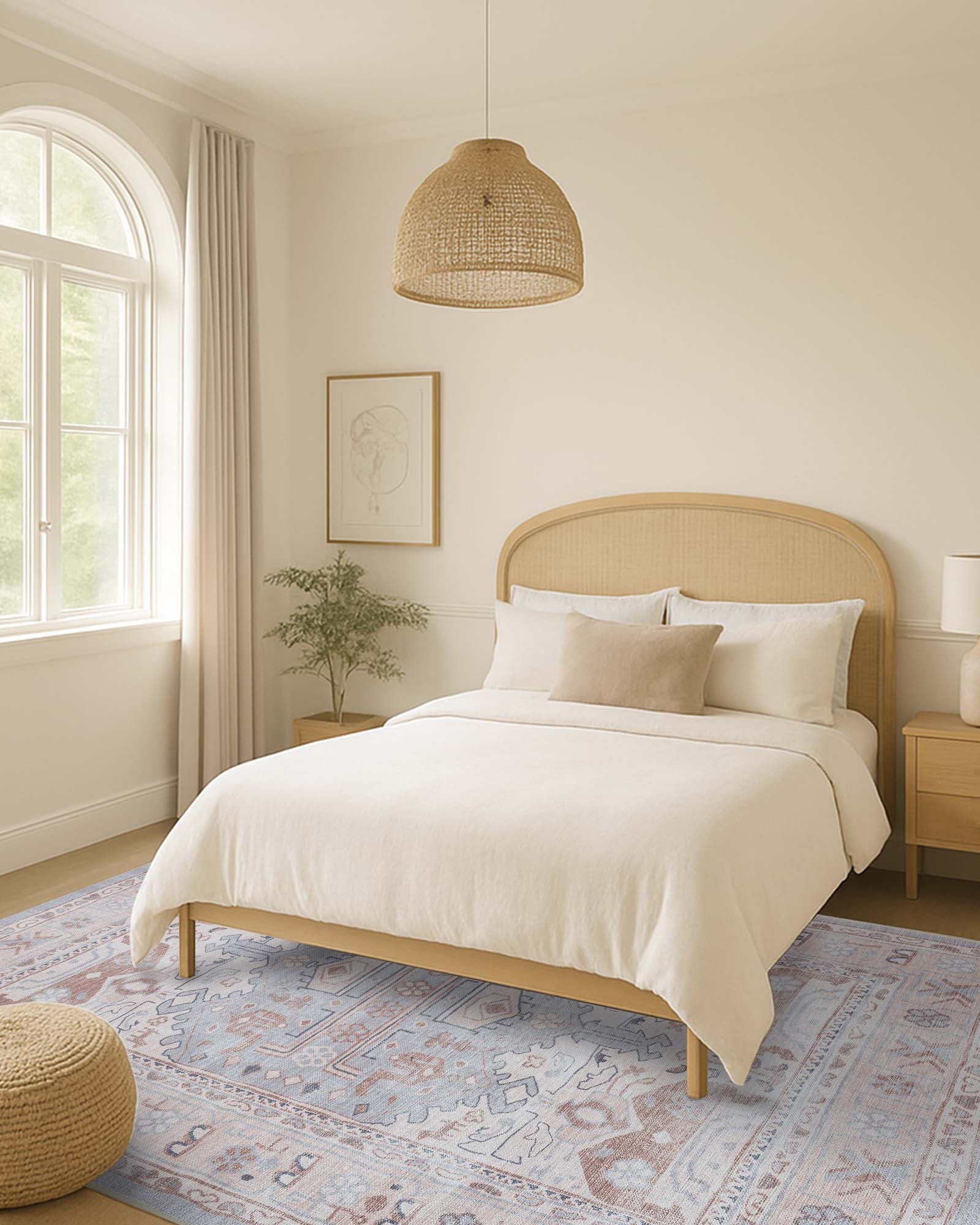
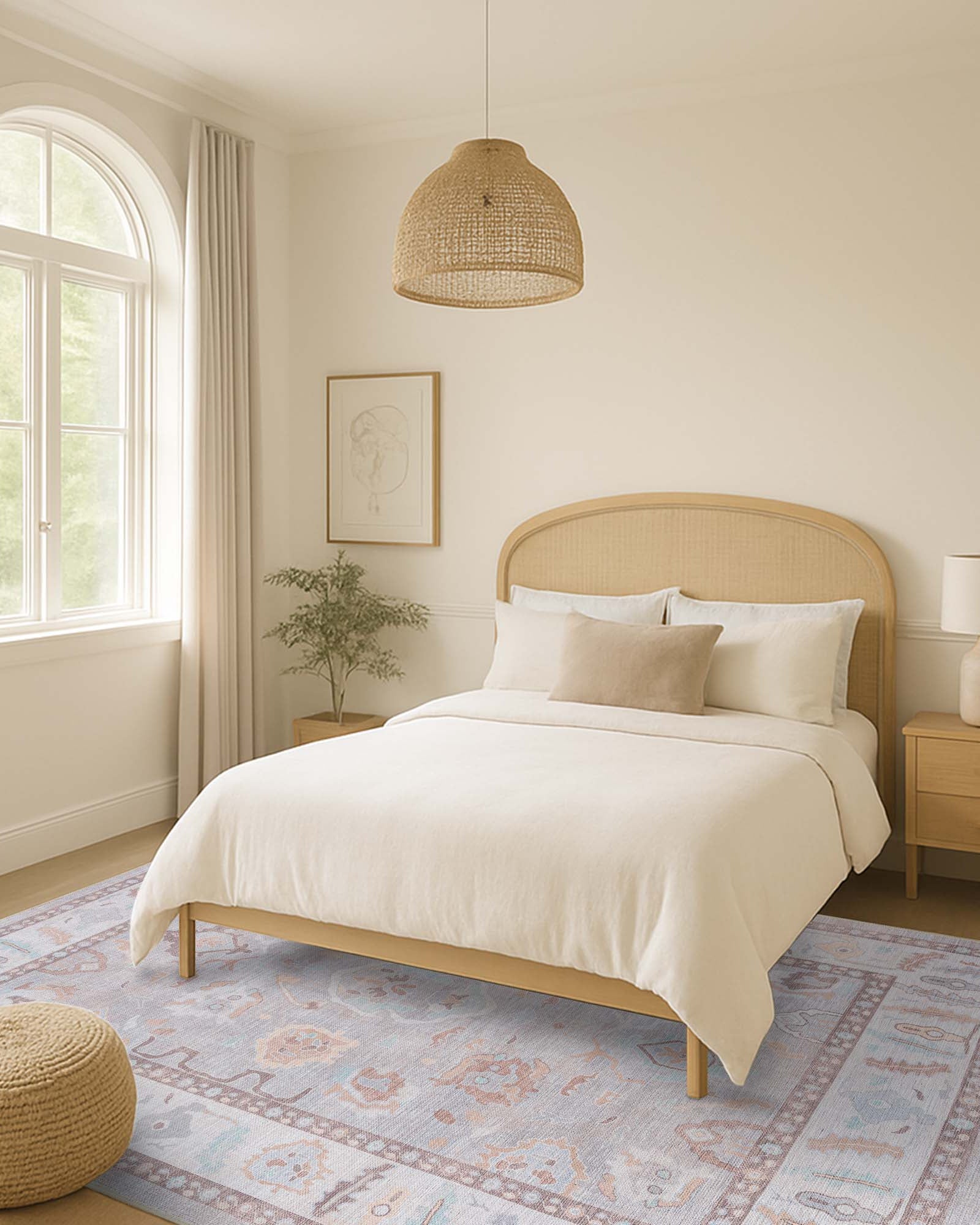
Keep the surrounding palette relatively quiet. Because the rug's visual interest comes from the weave itself, a busy room competes with that detail rather than showcasing it.
What's the difference between this page and the main Flatweave Rugs collection?
This page highlights finely woven, more refined pieces specifically. The full collection covers the entire range of flatweave construction, from everyday village kilims to the finer work featured here.