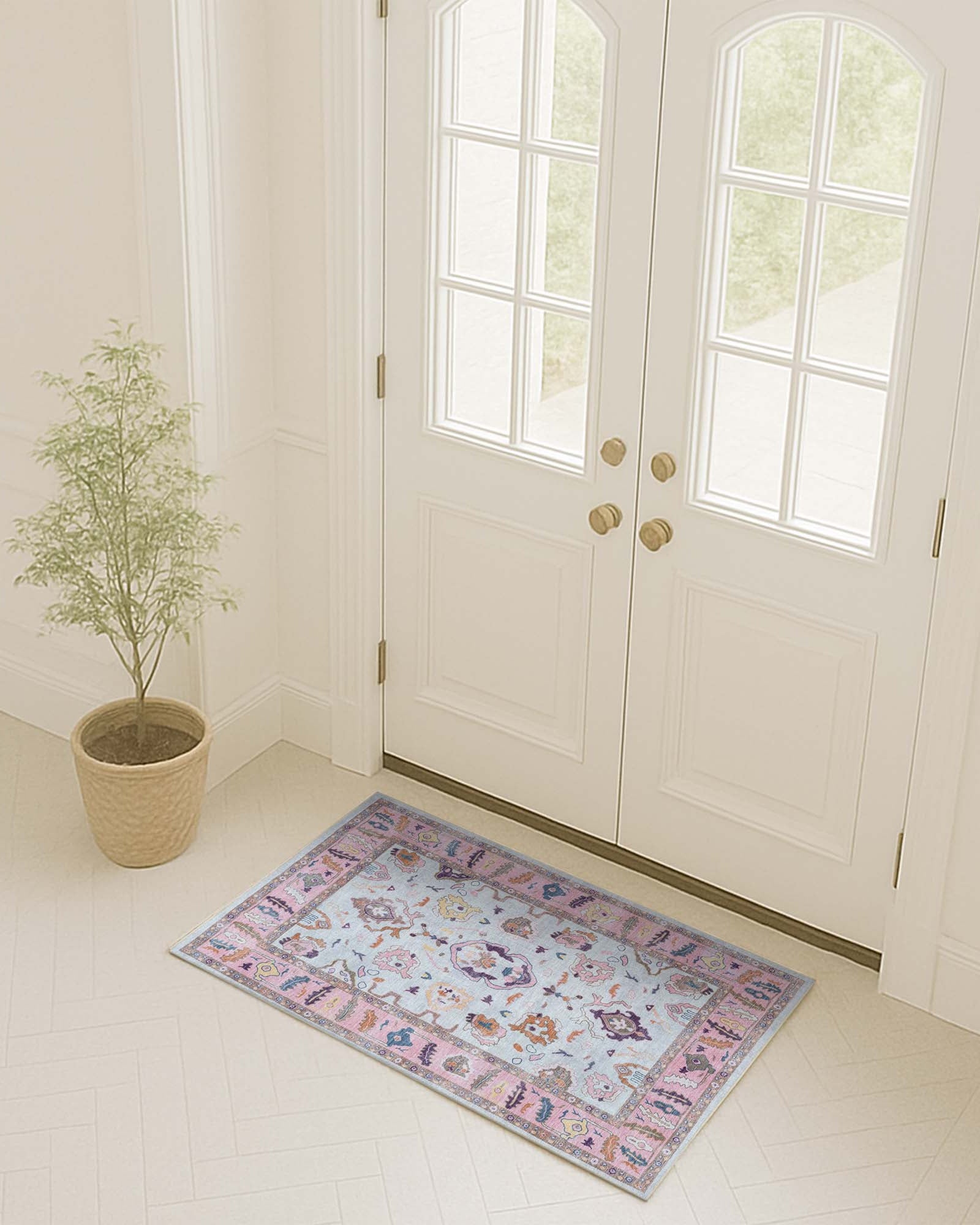
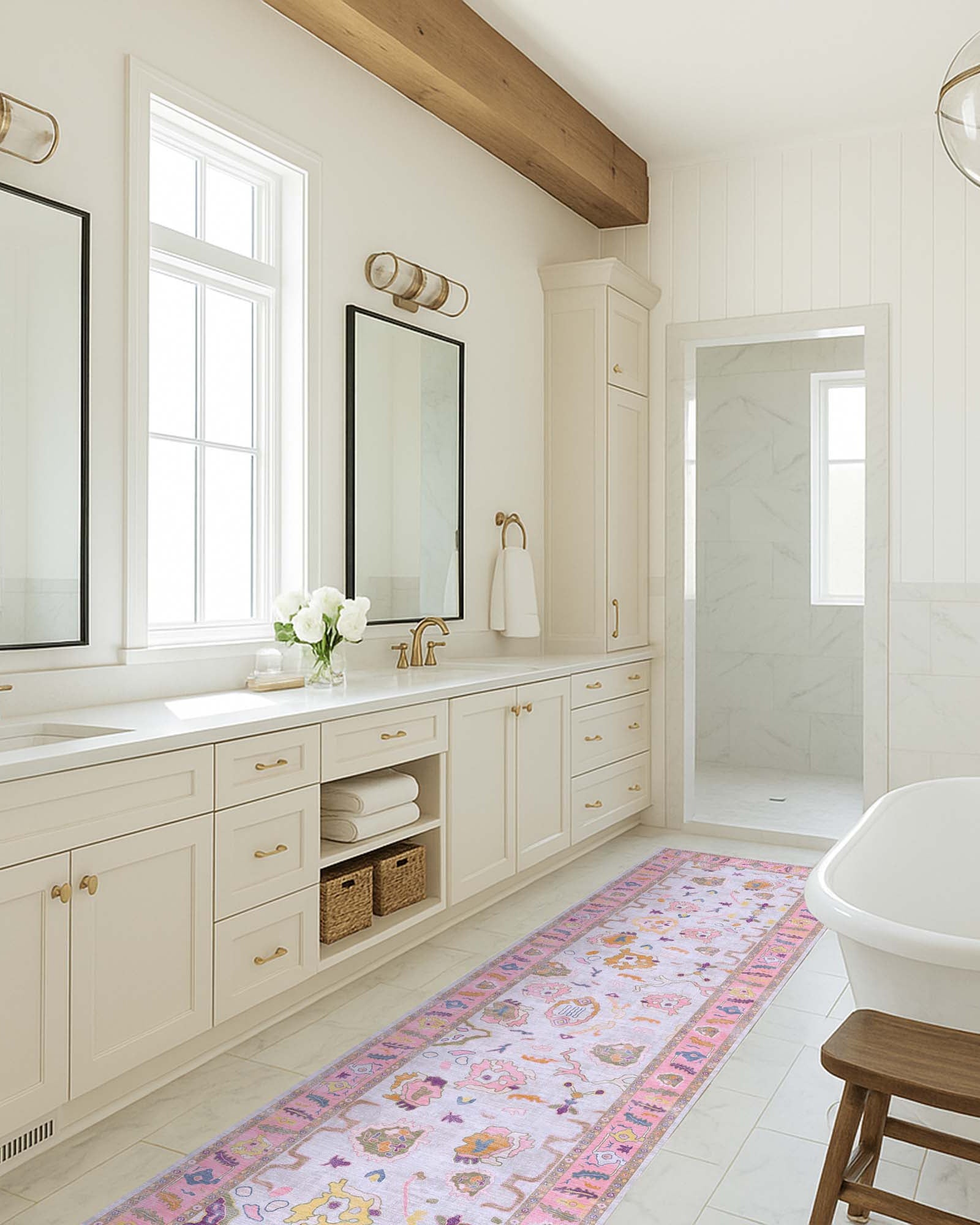
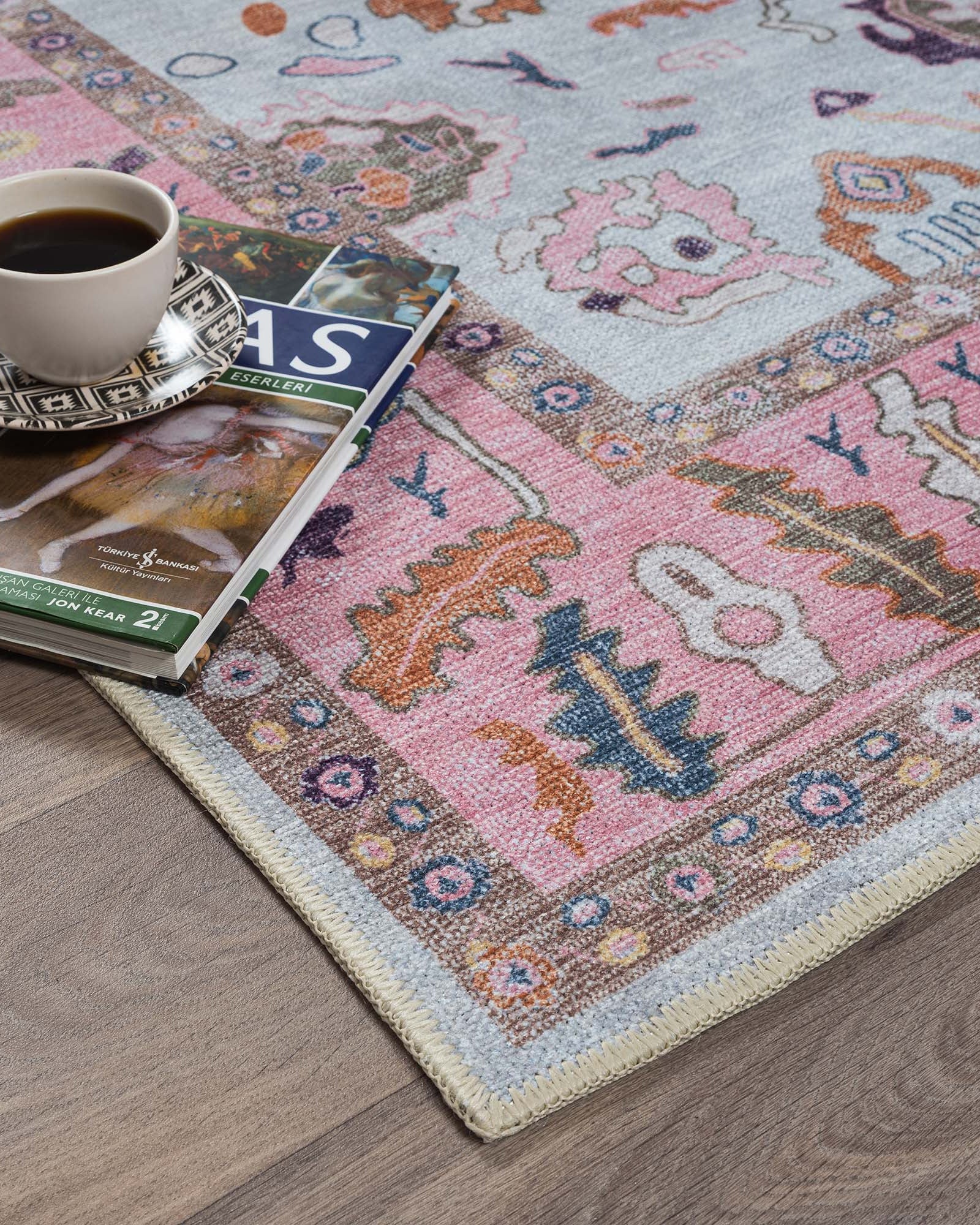
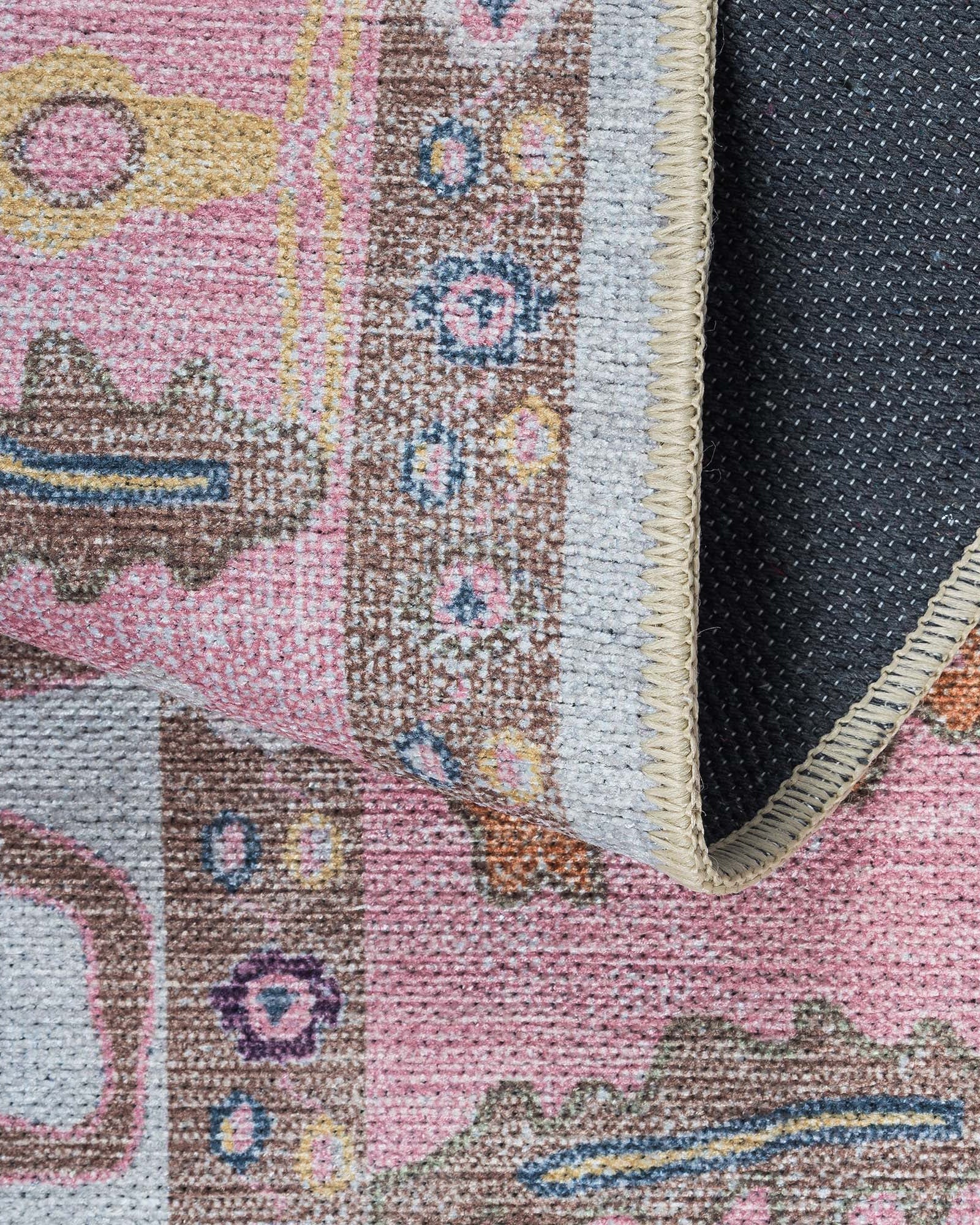
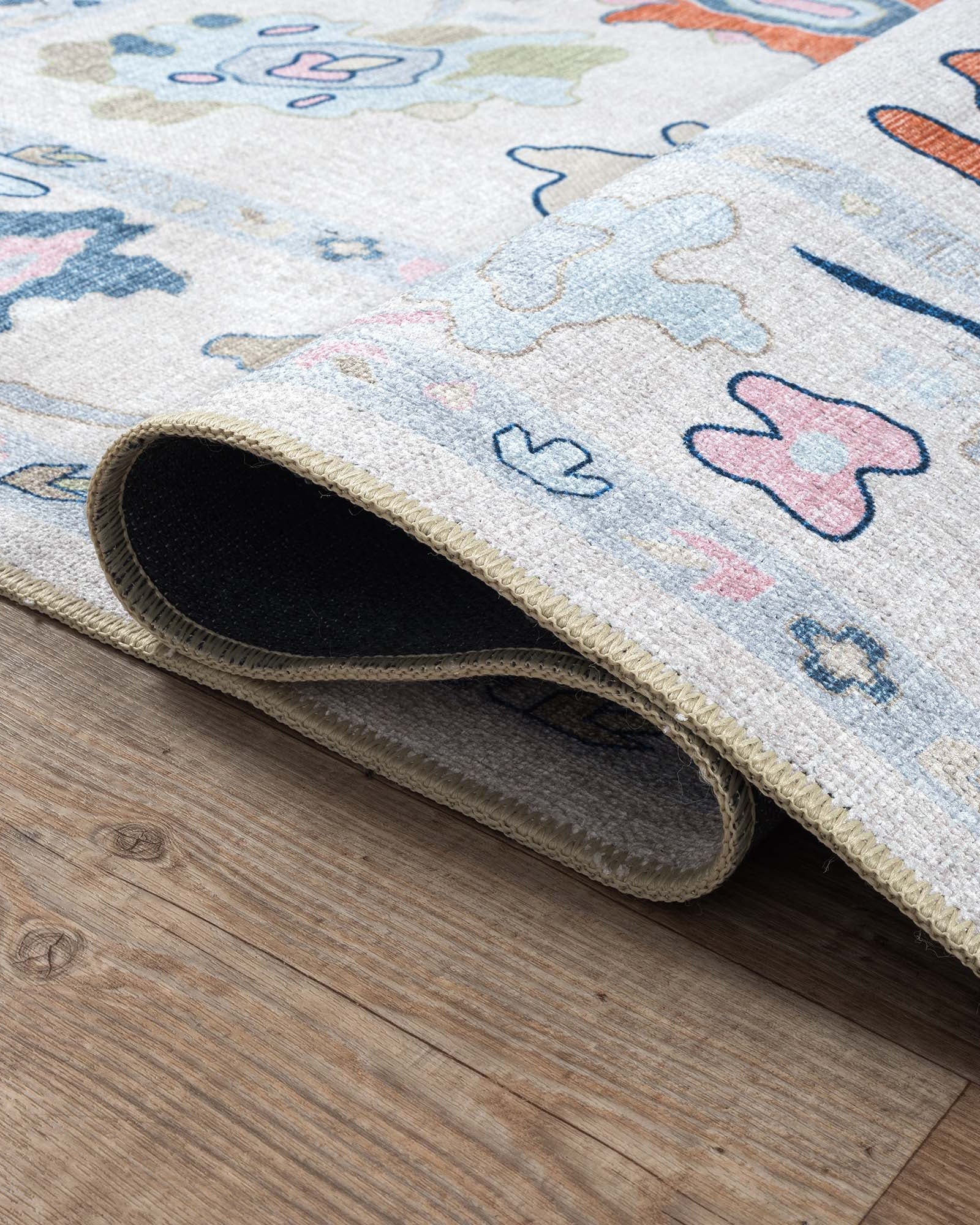
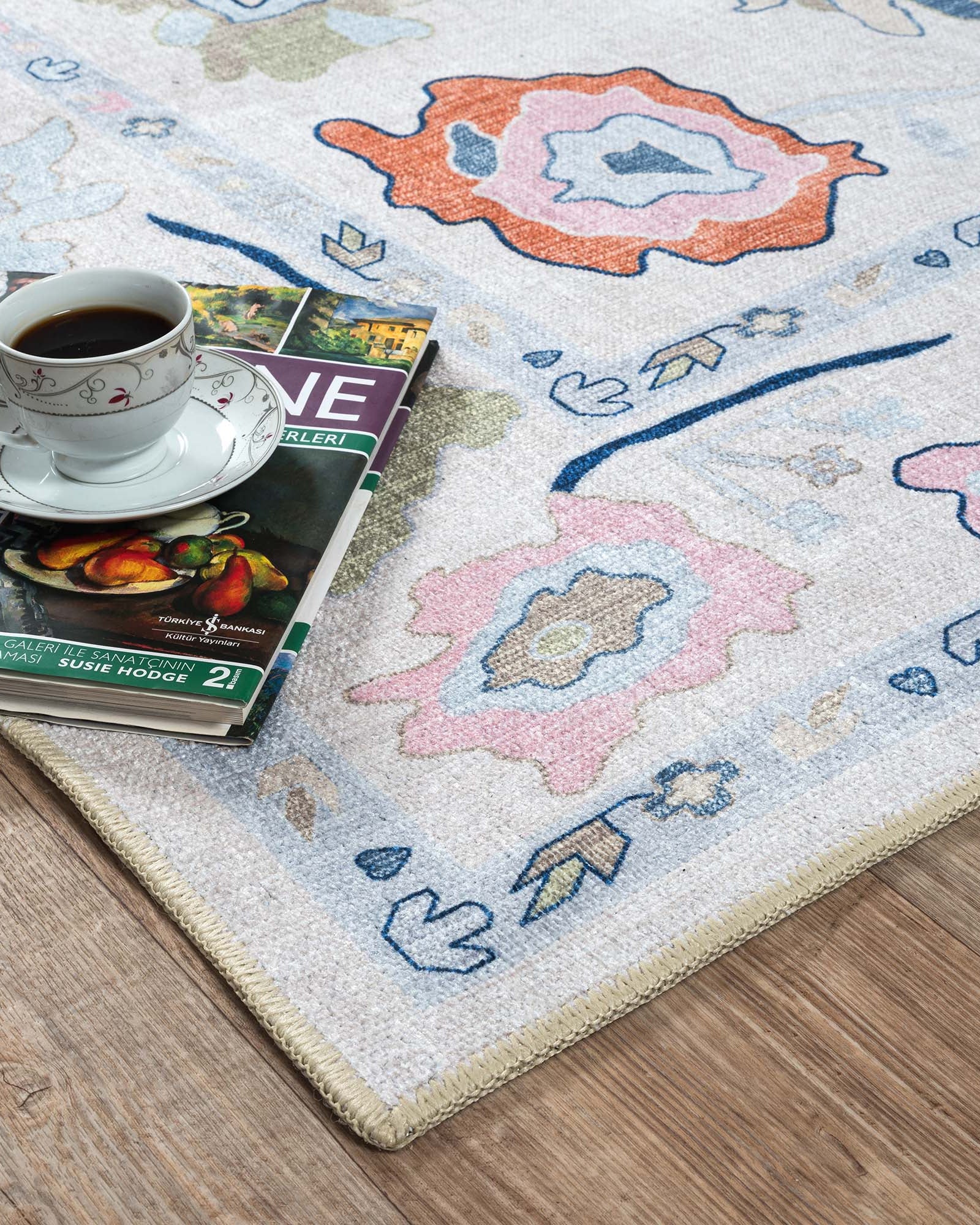
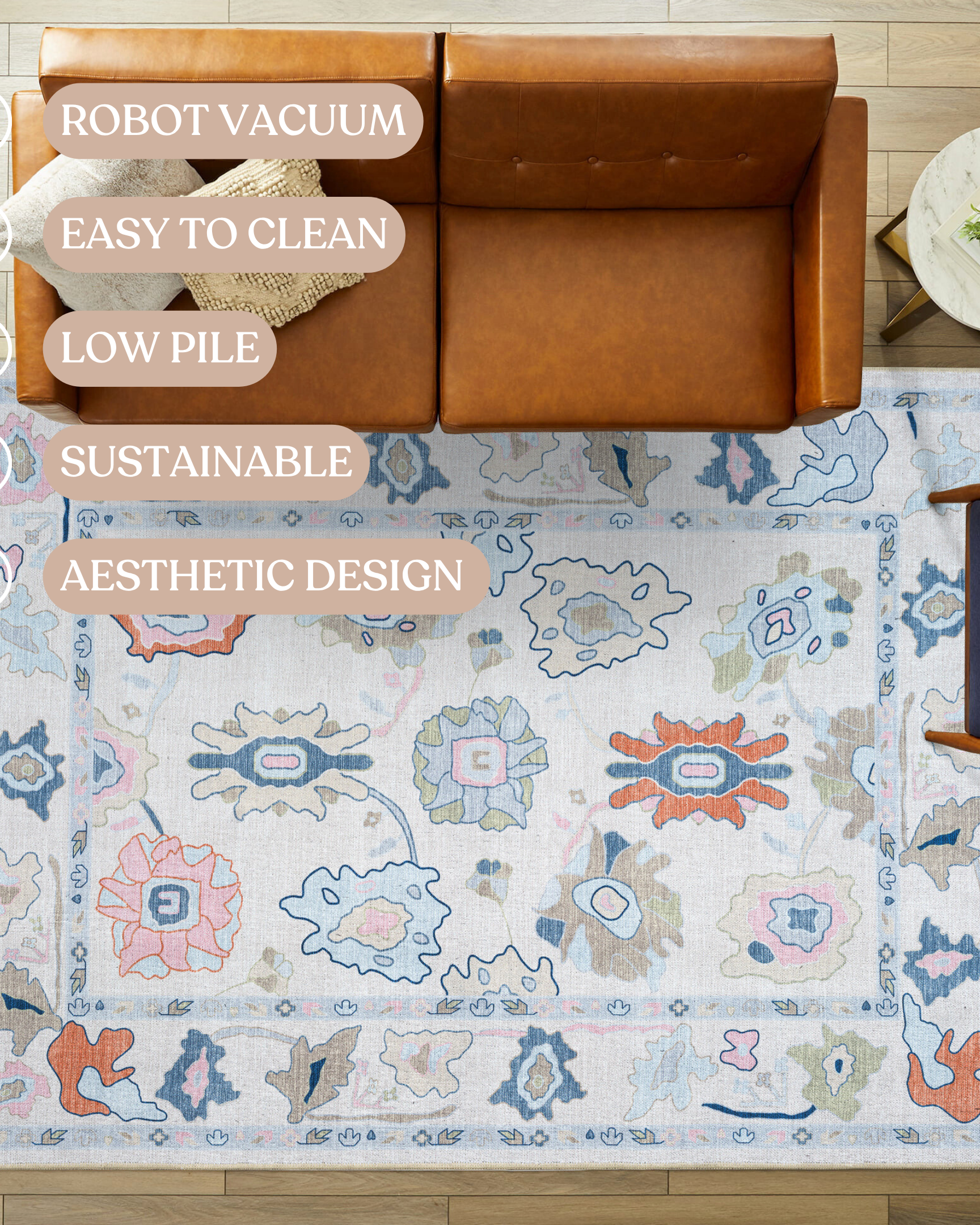
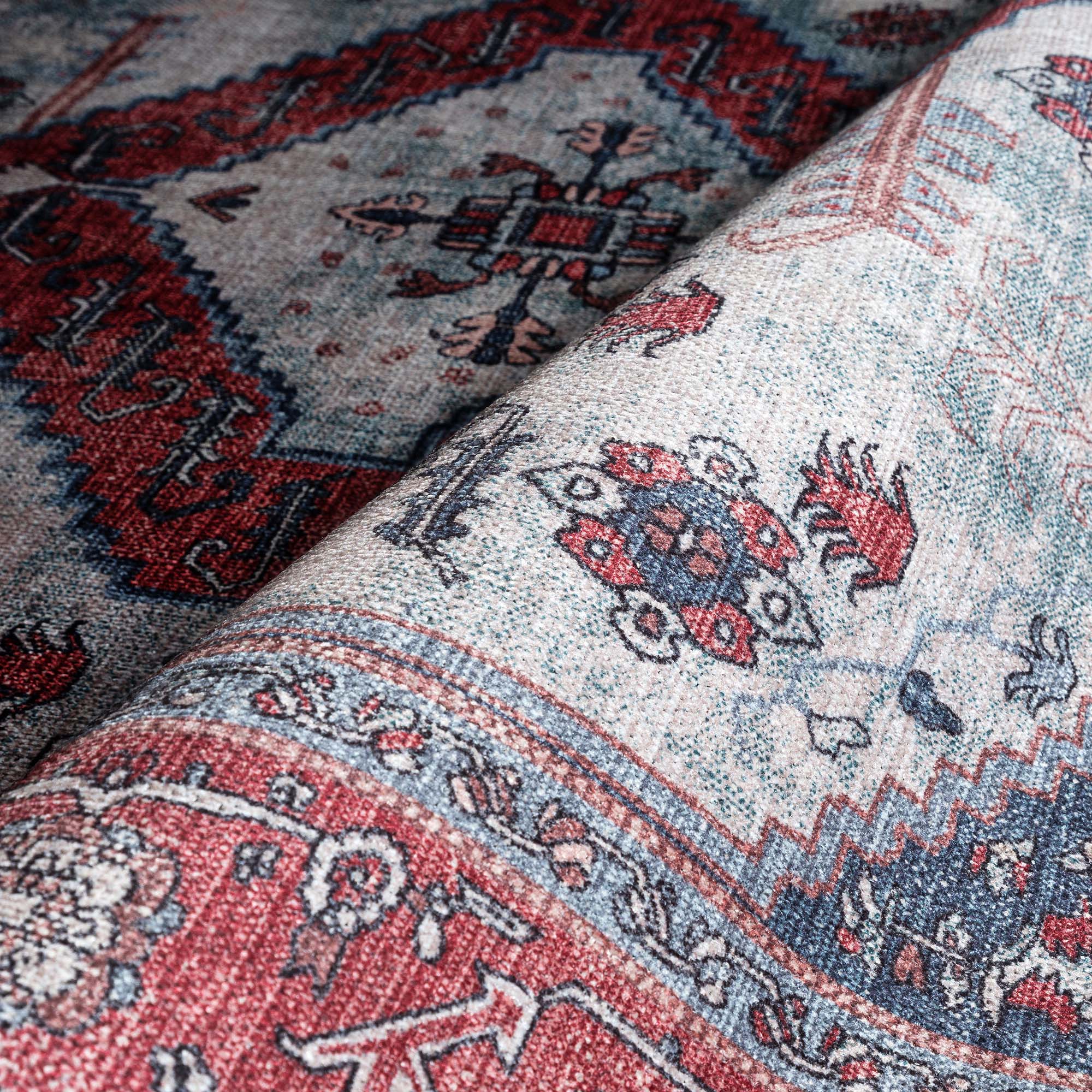
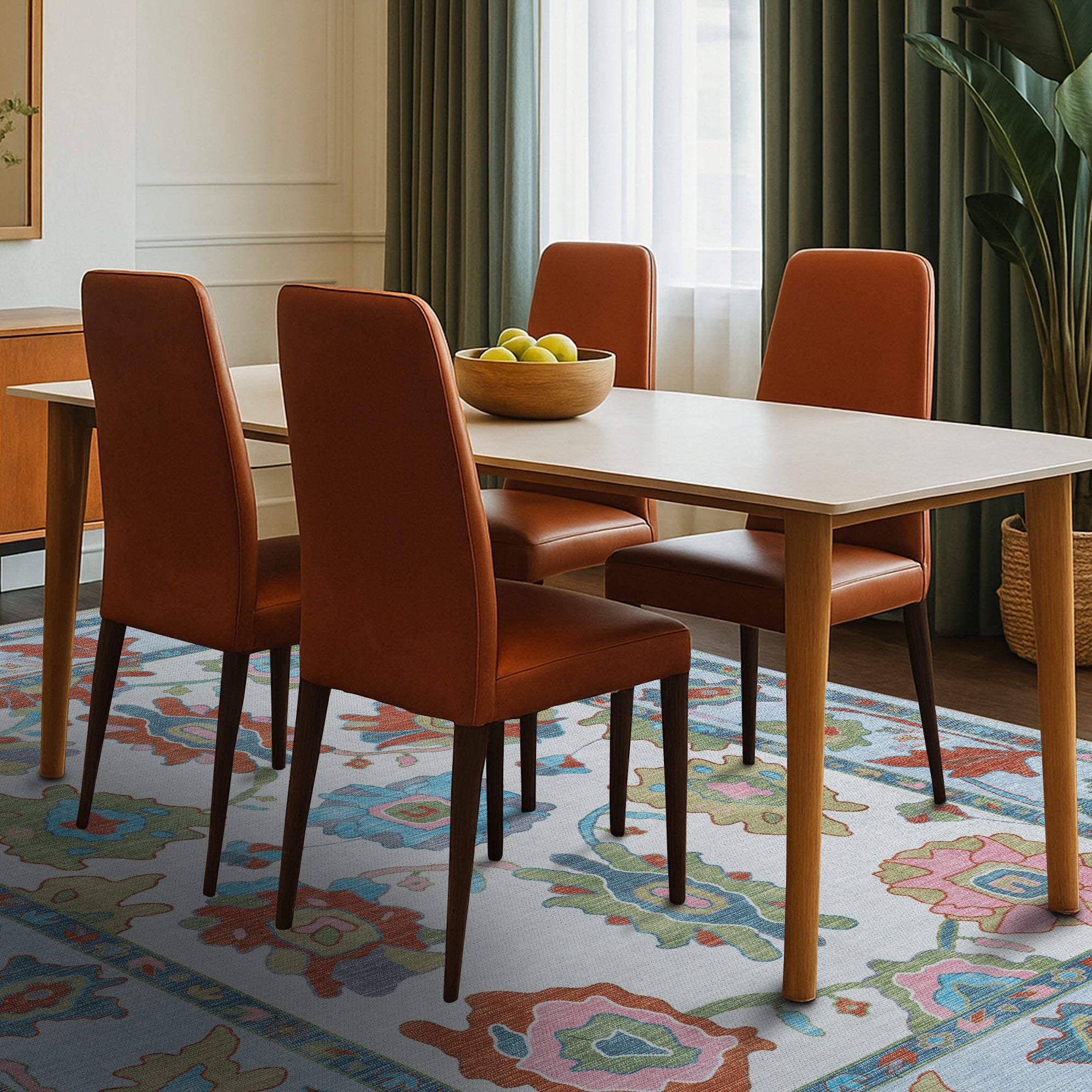
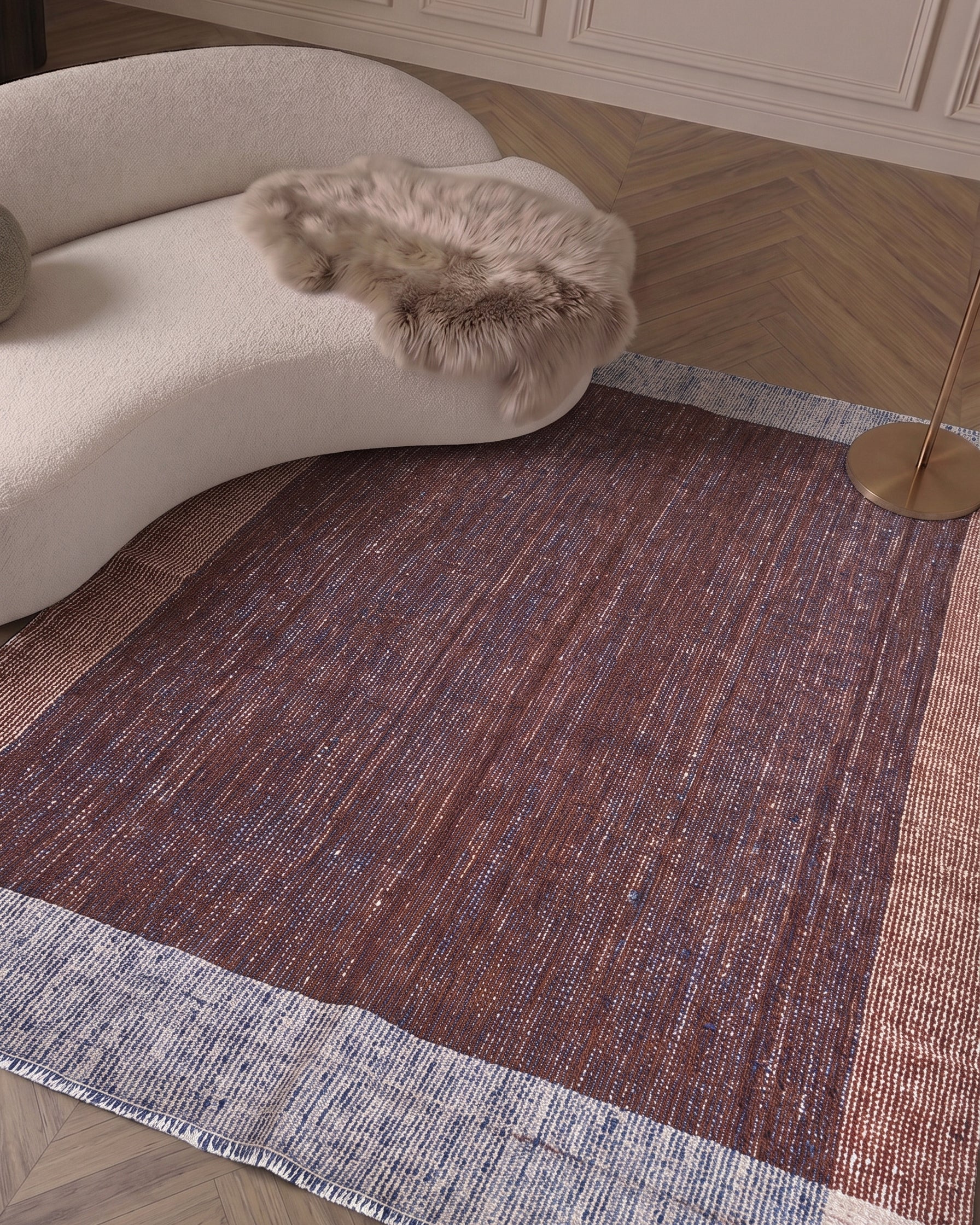
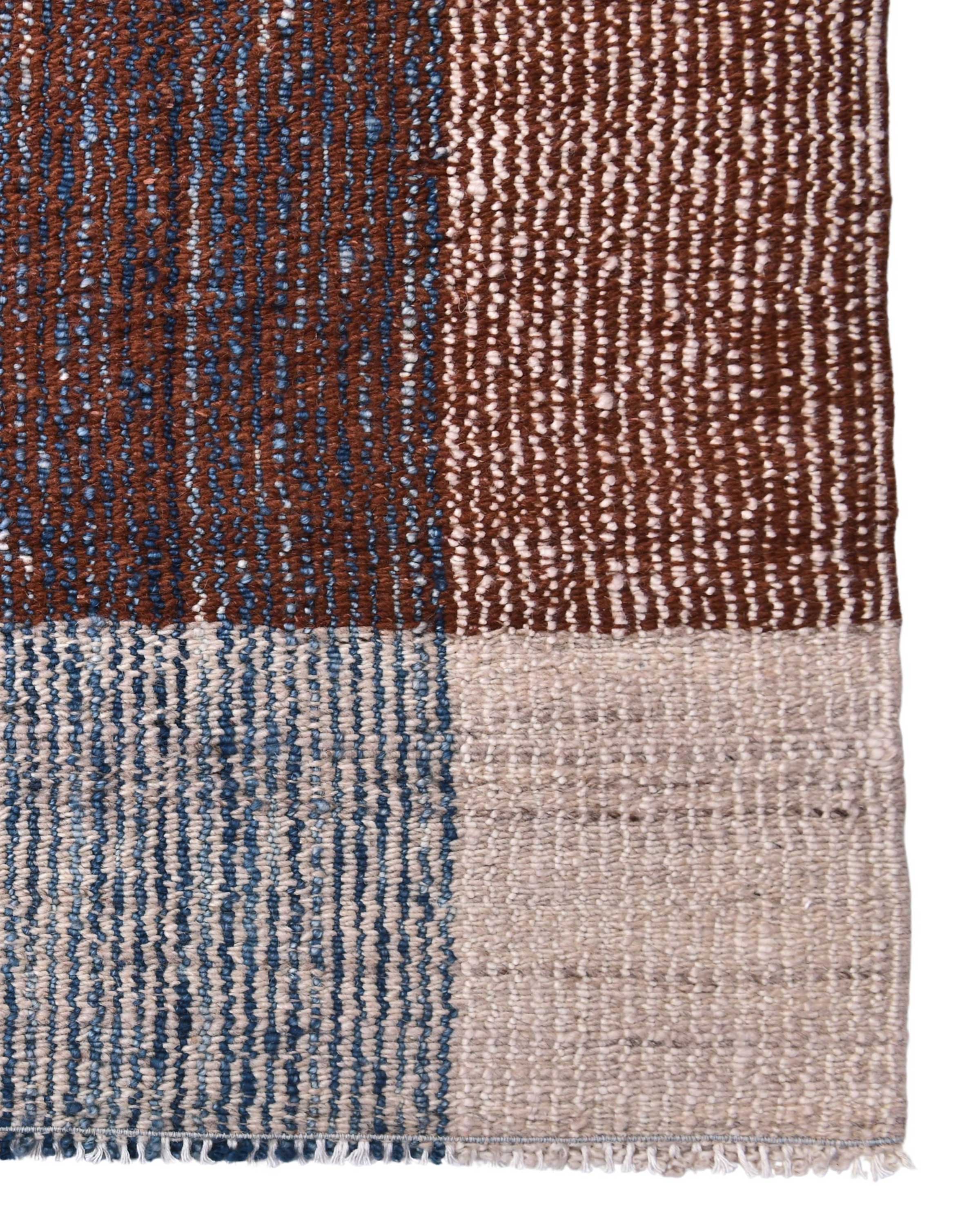
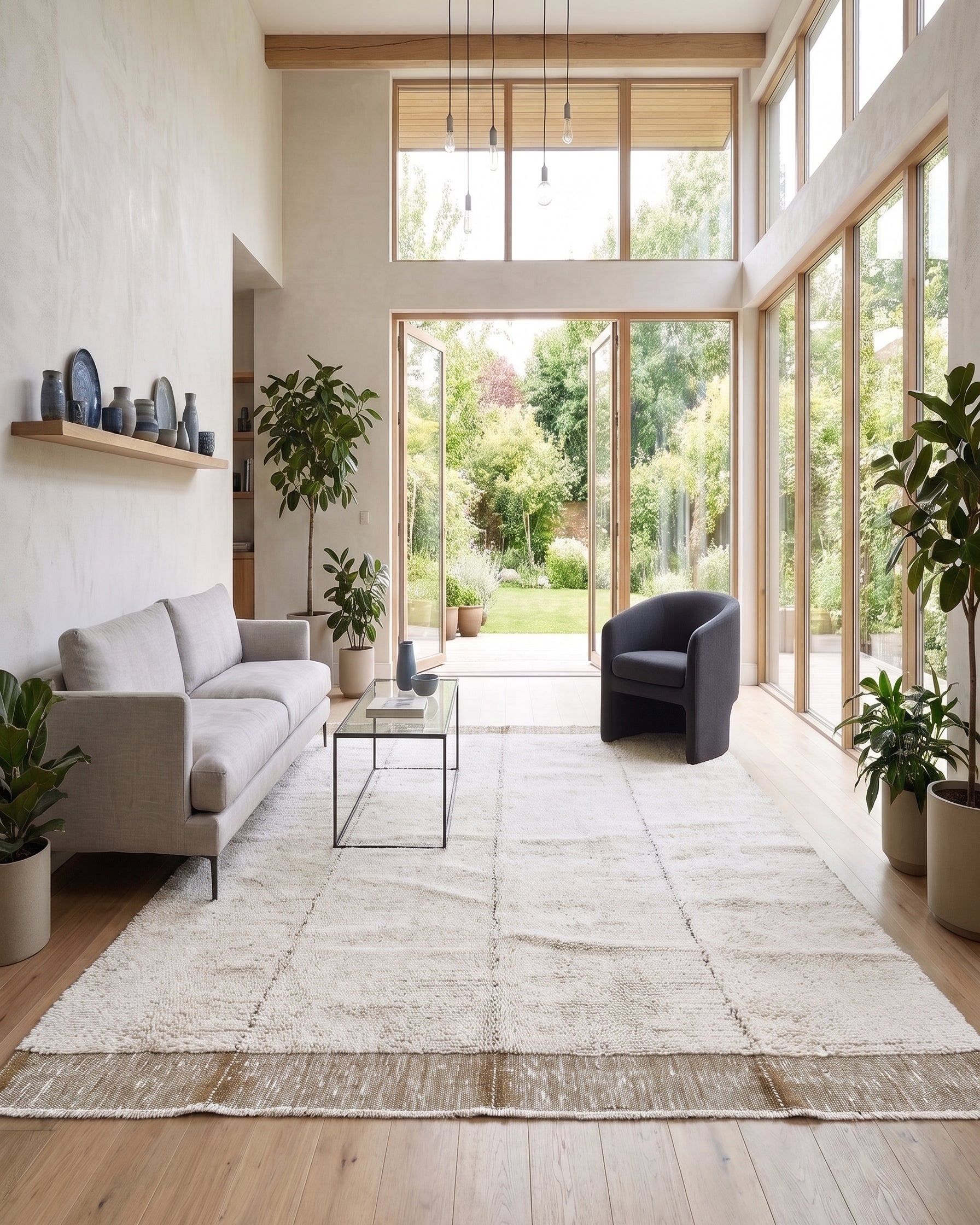
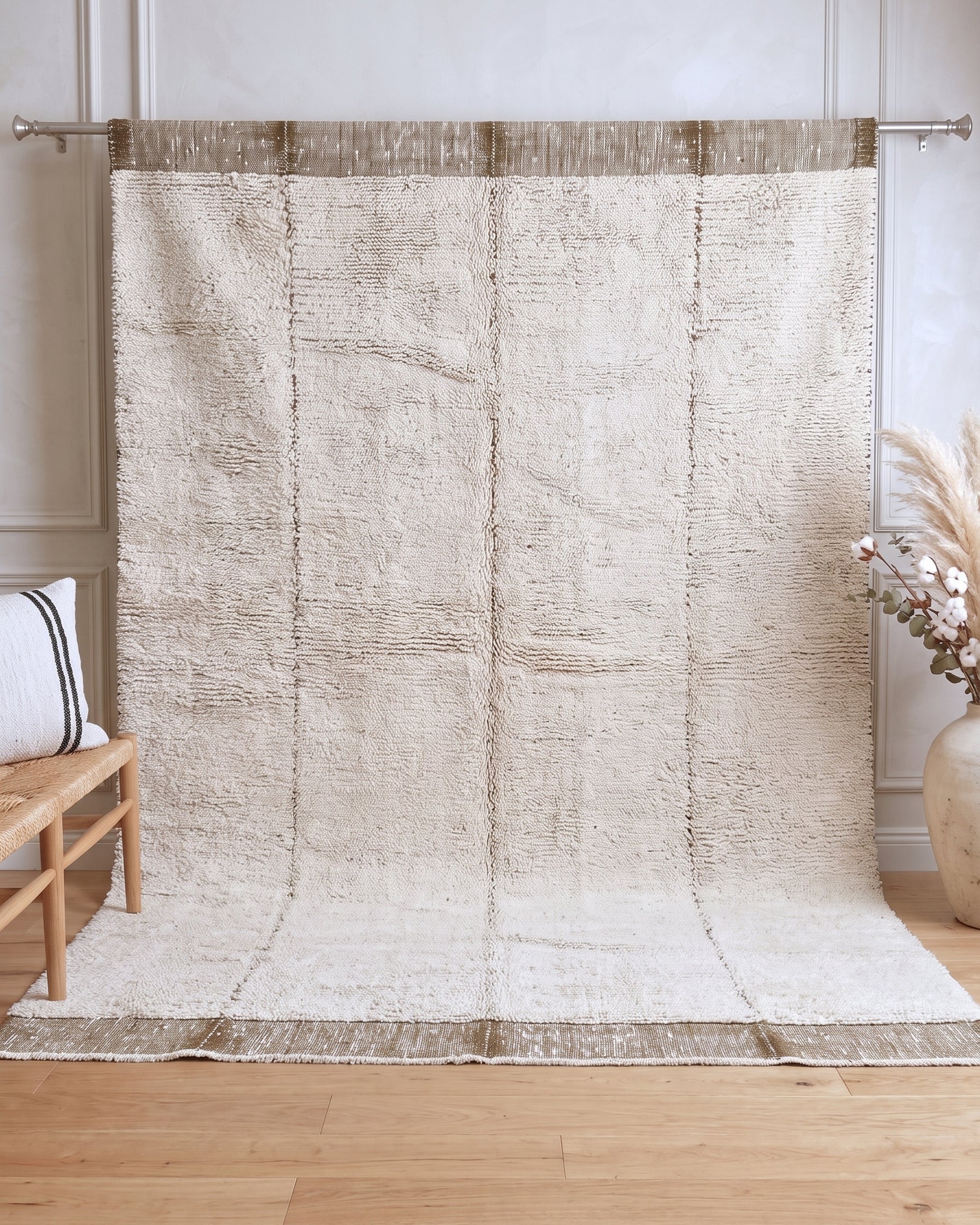
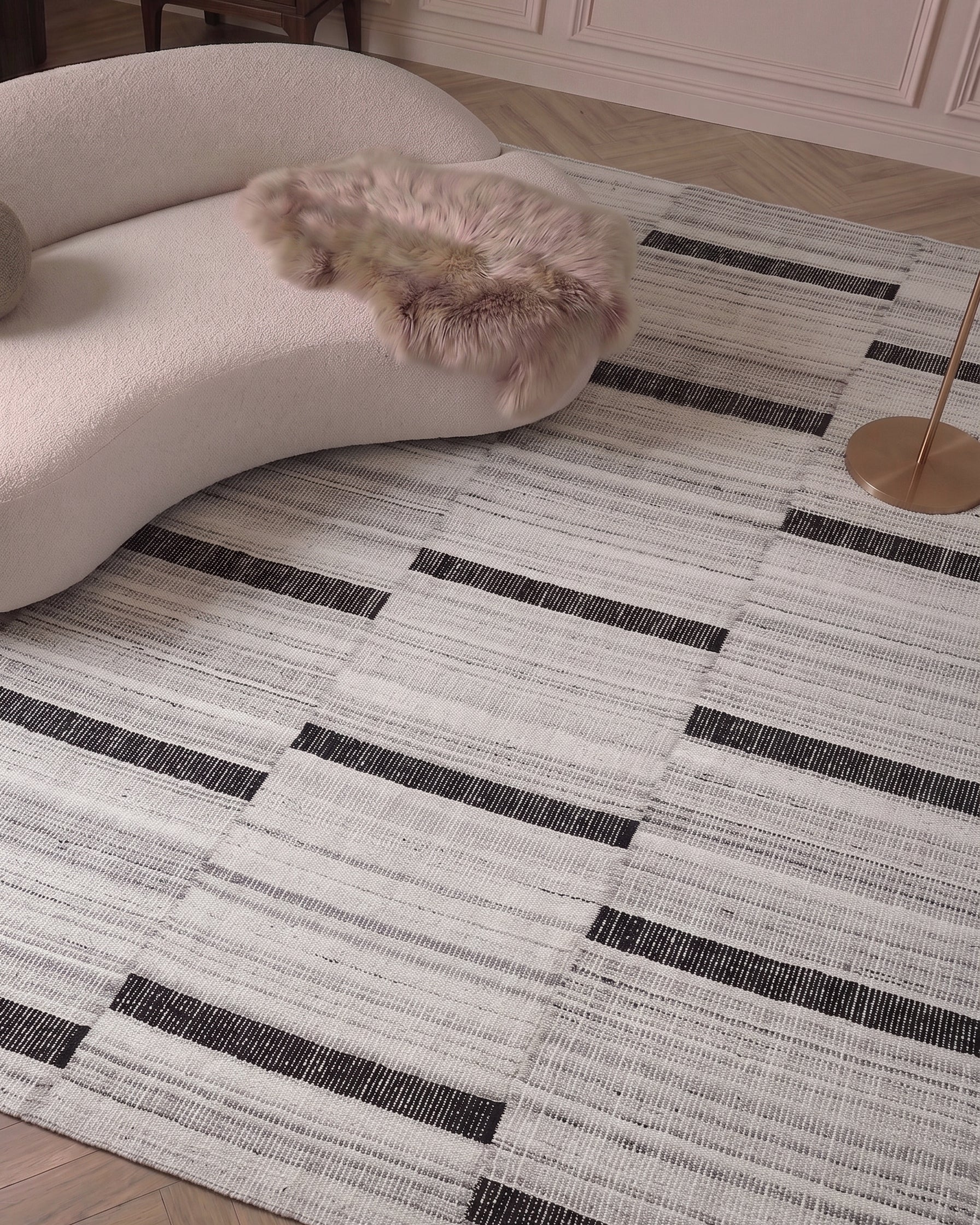
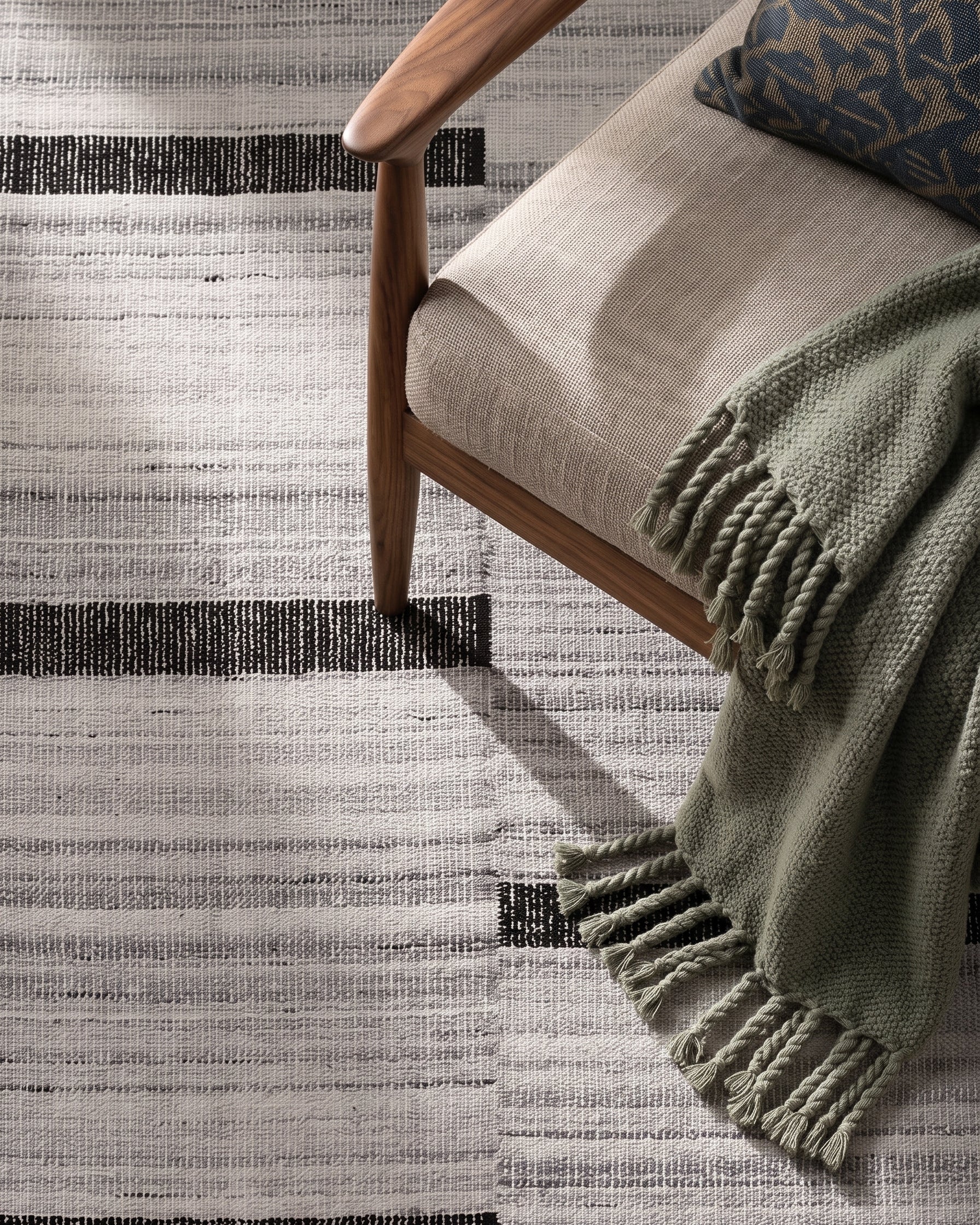
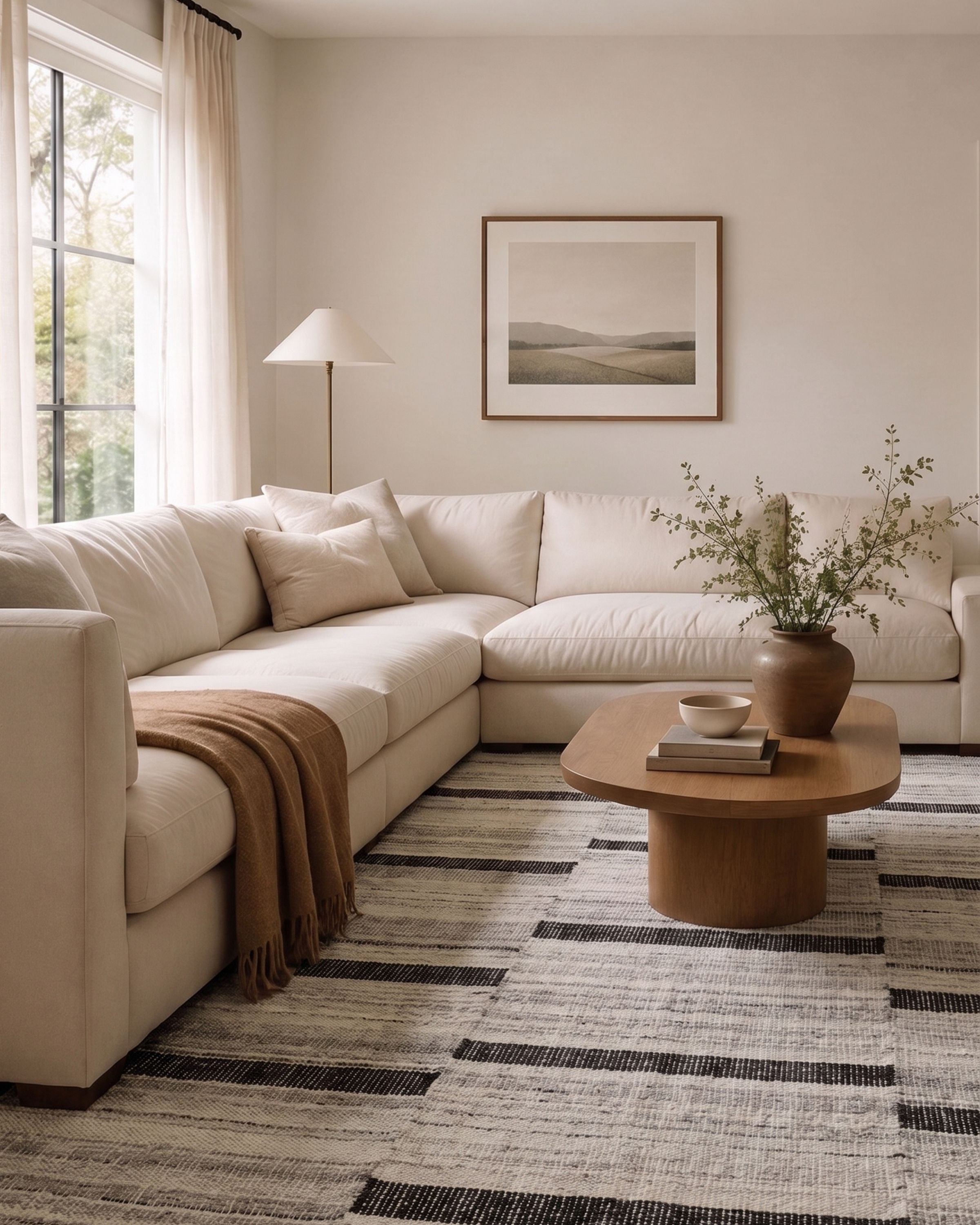
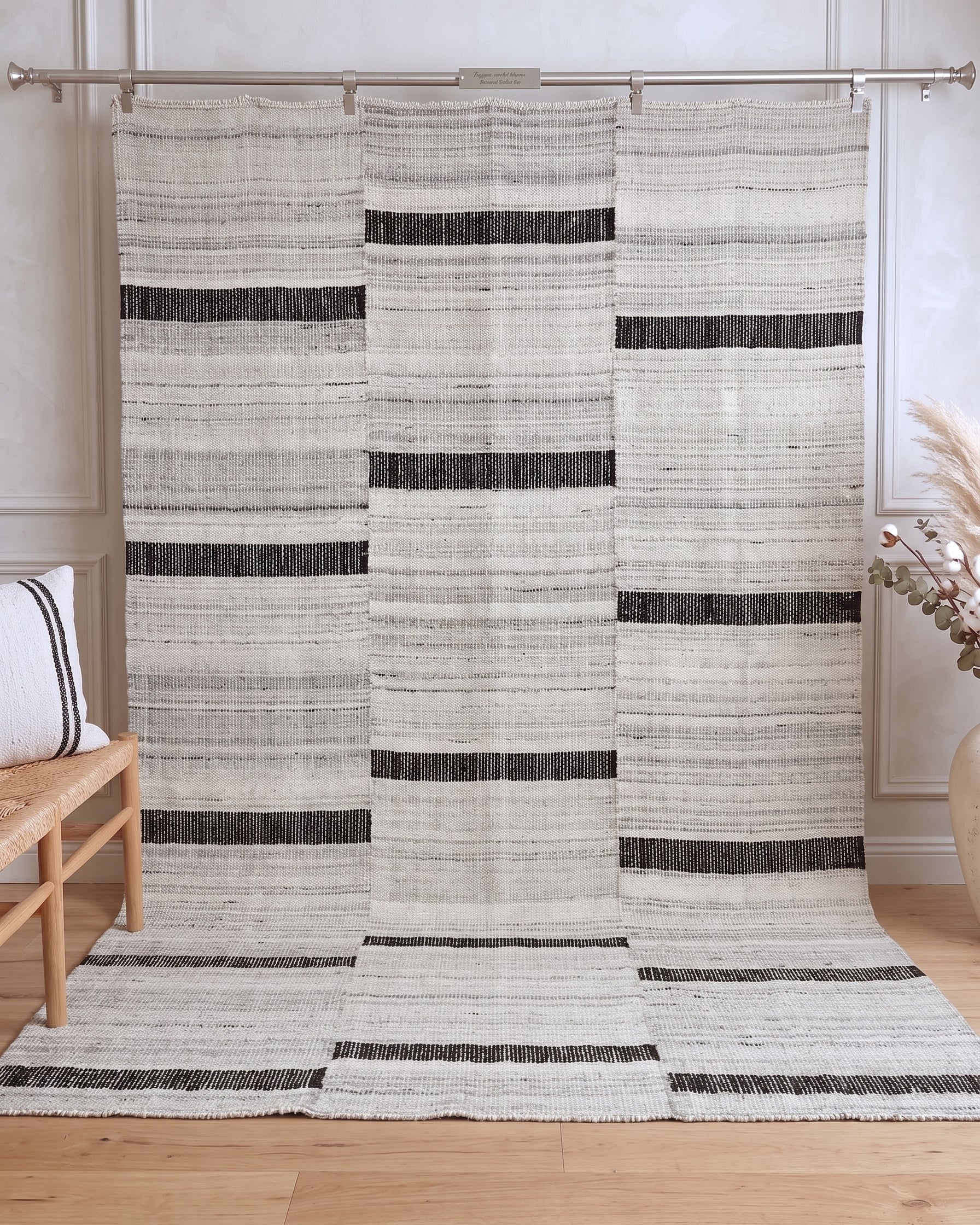
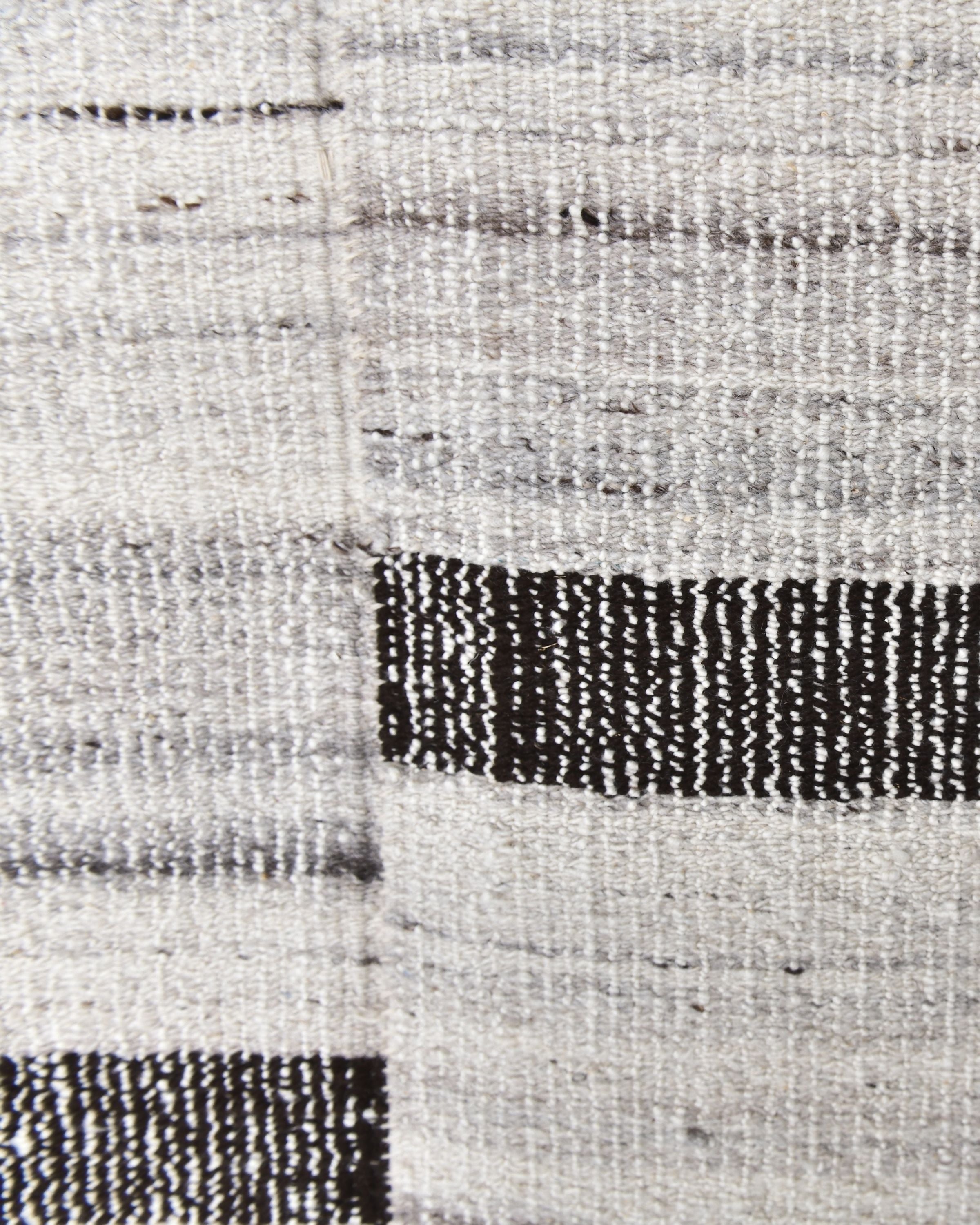
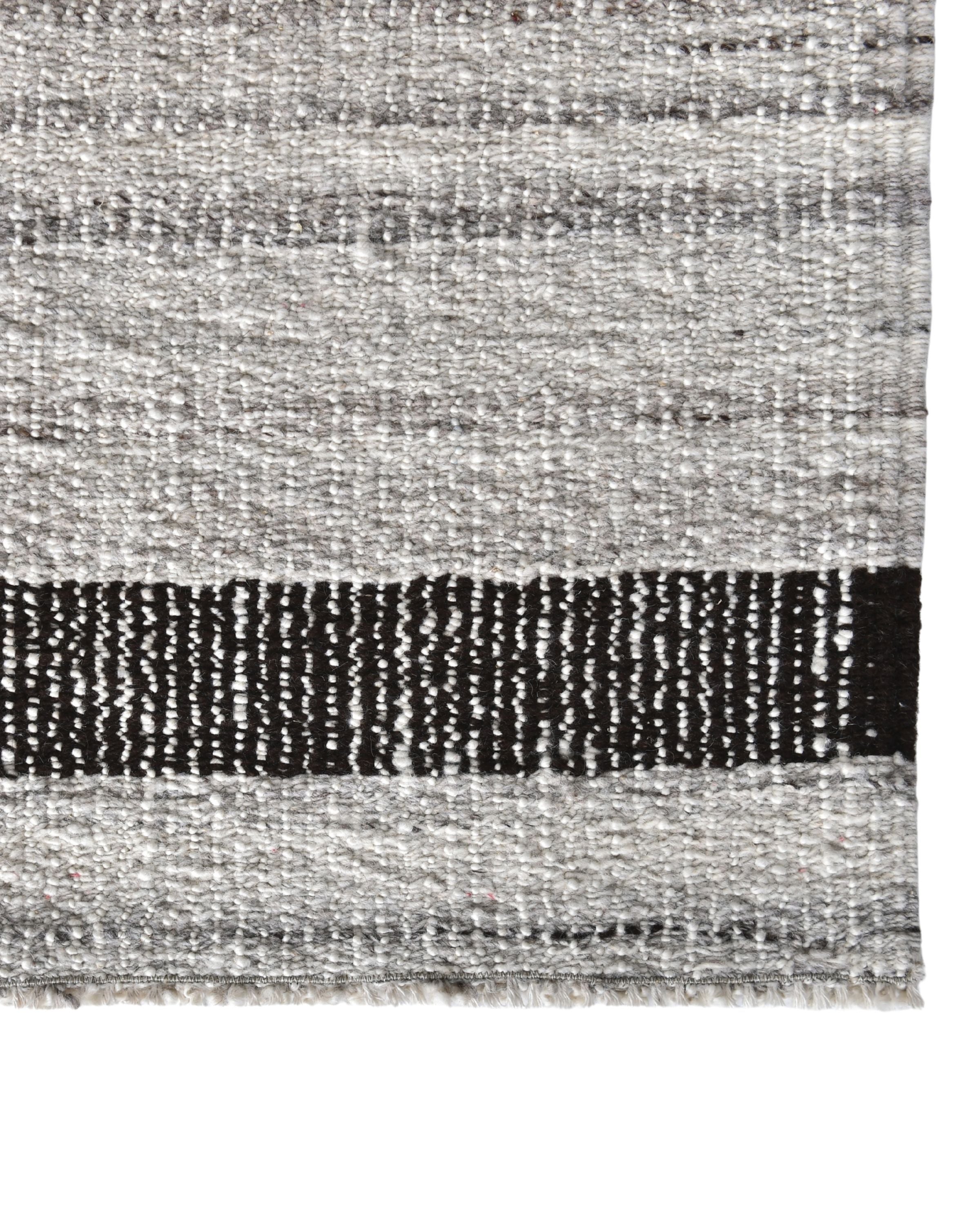
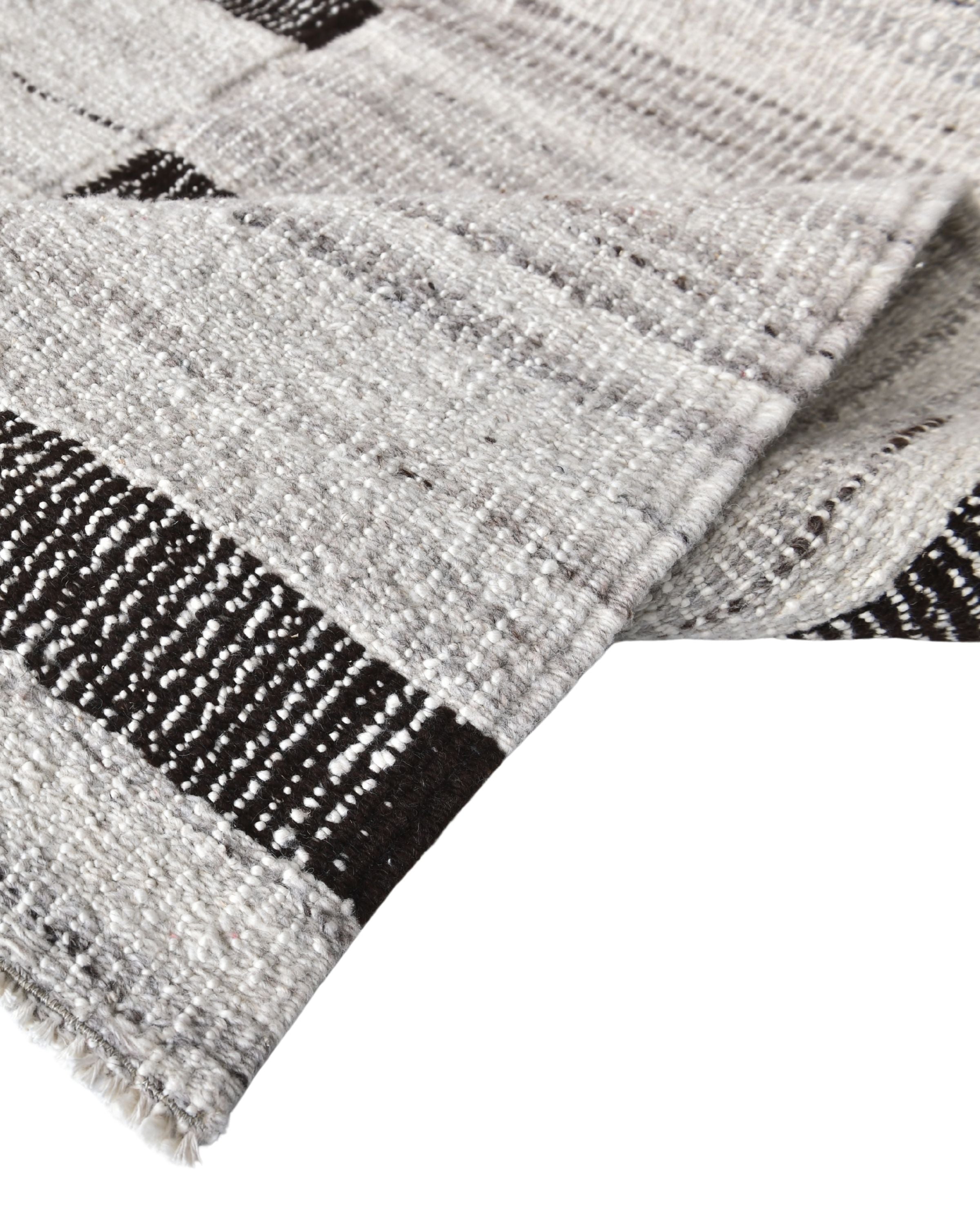
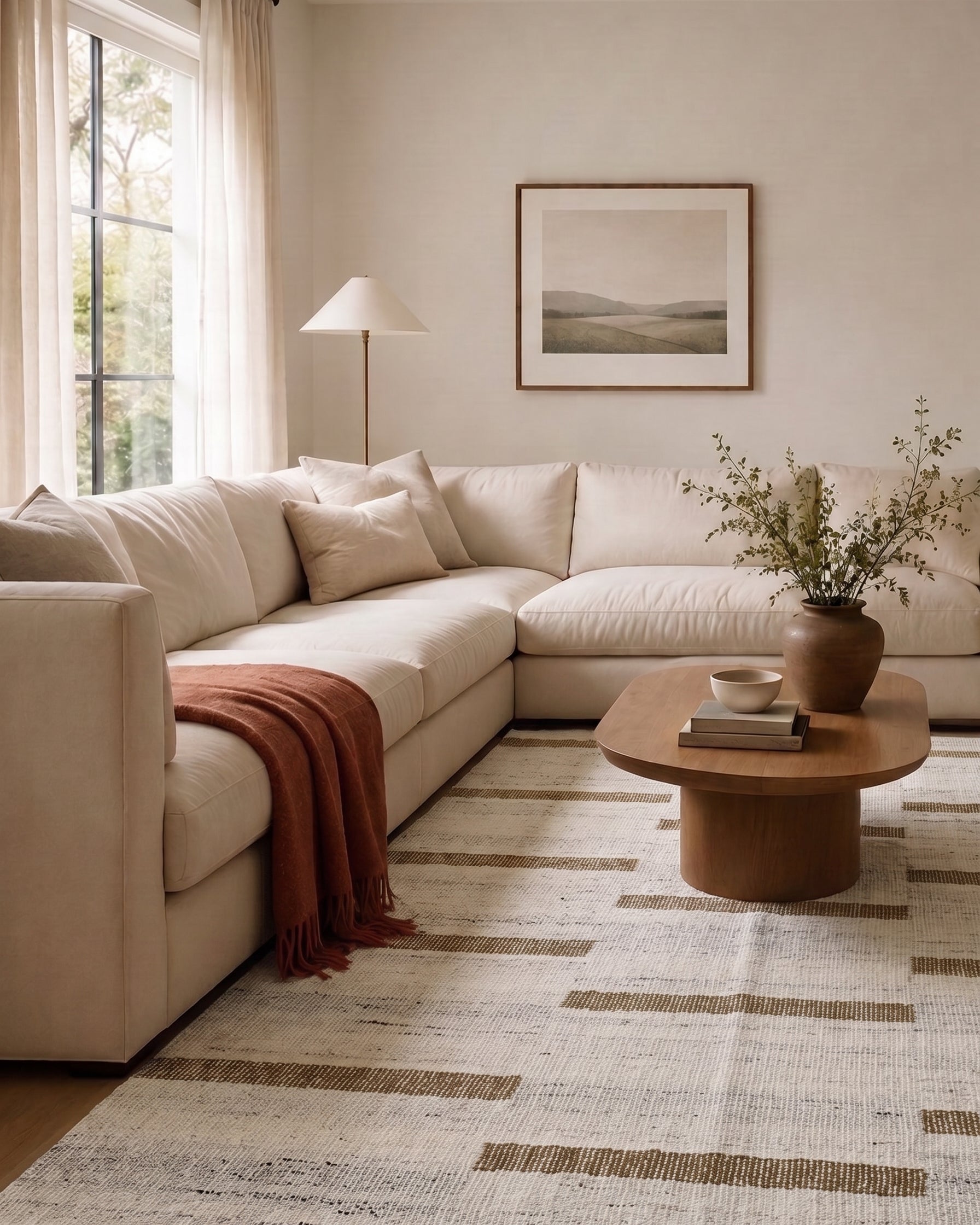
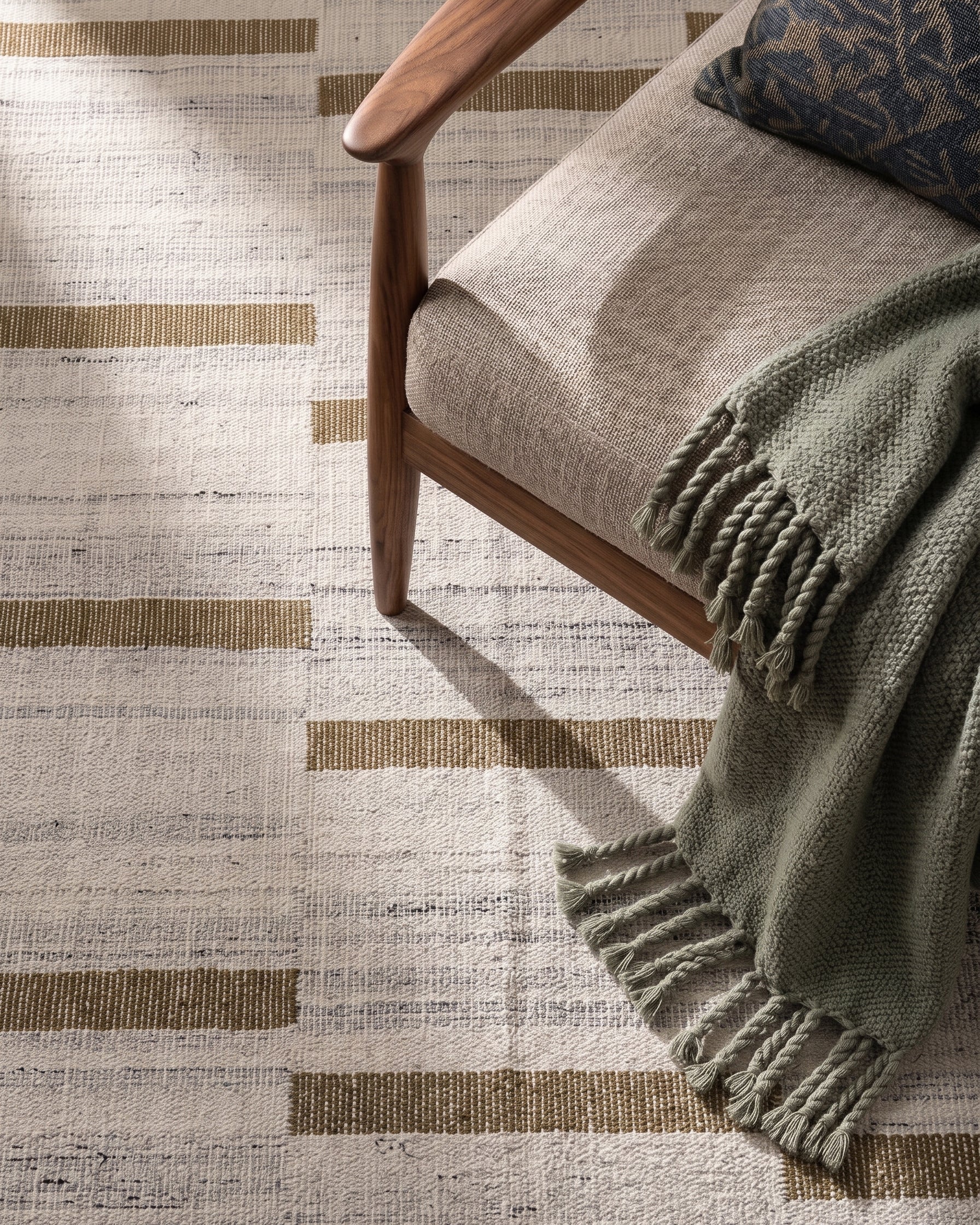
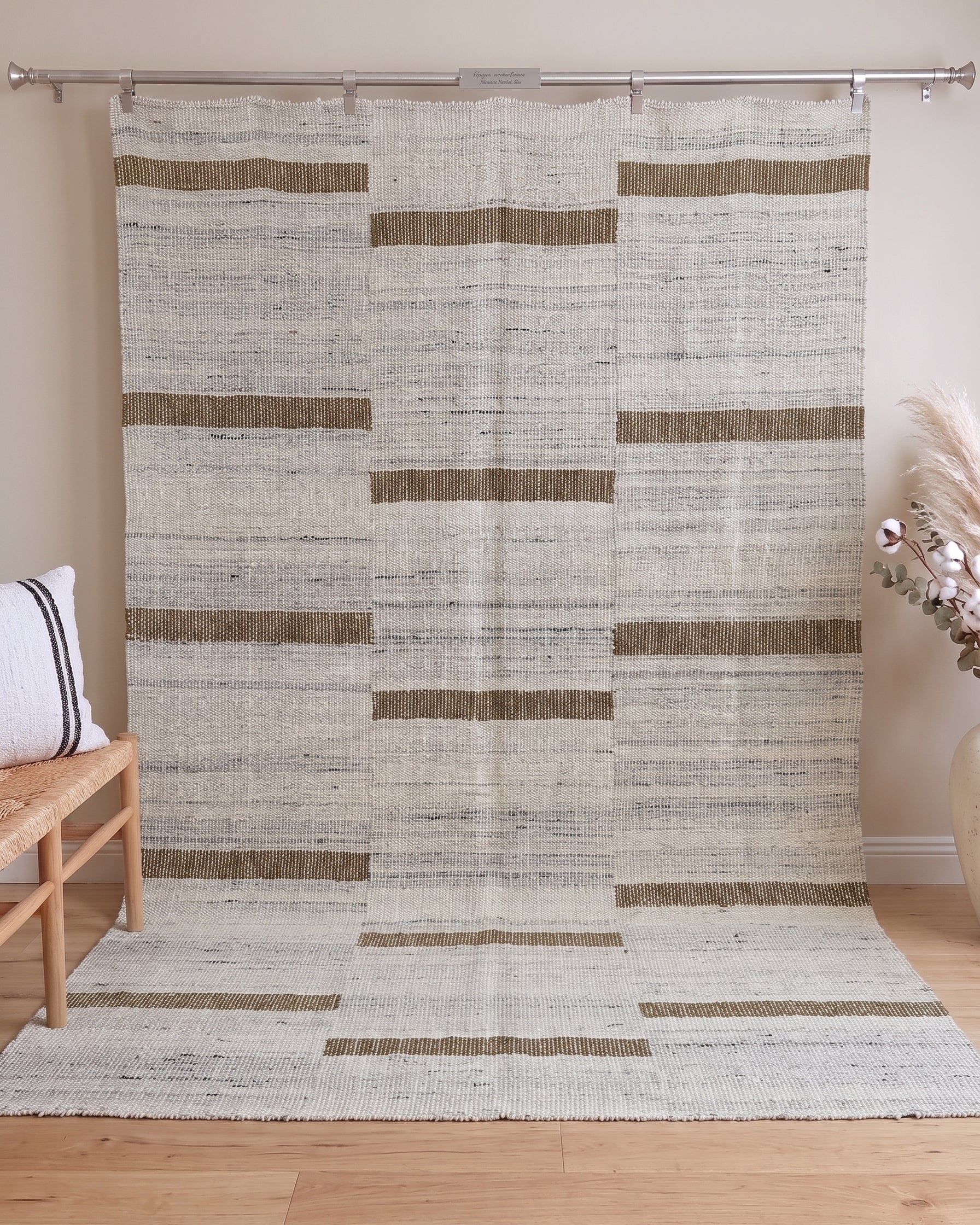
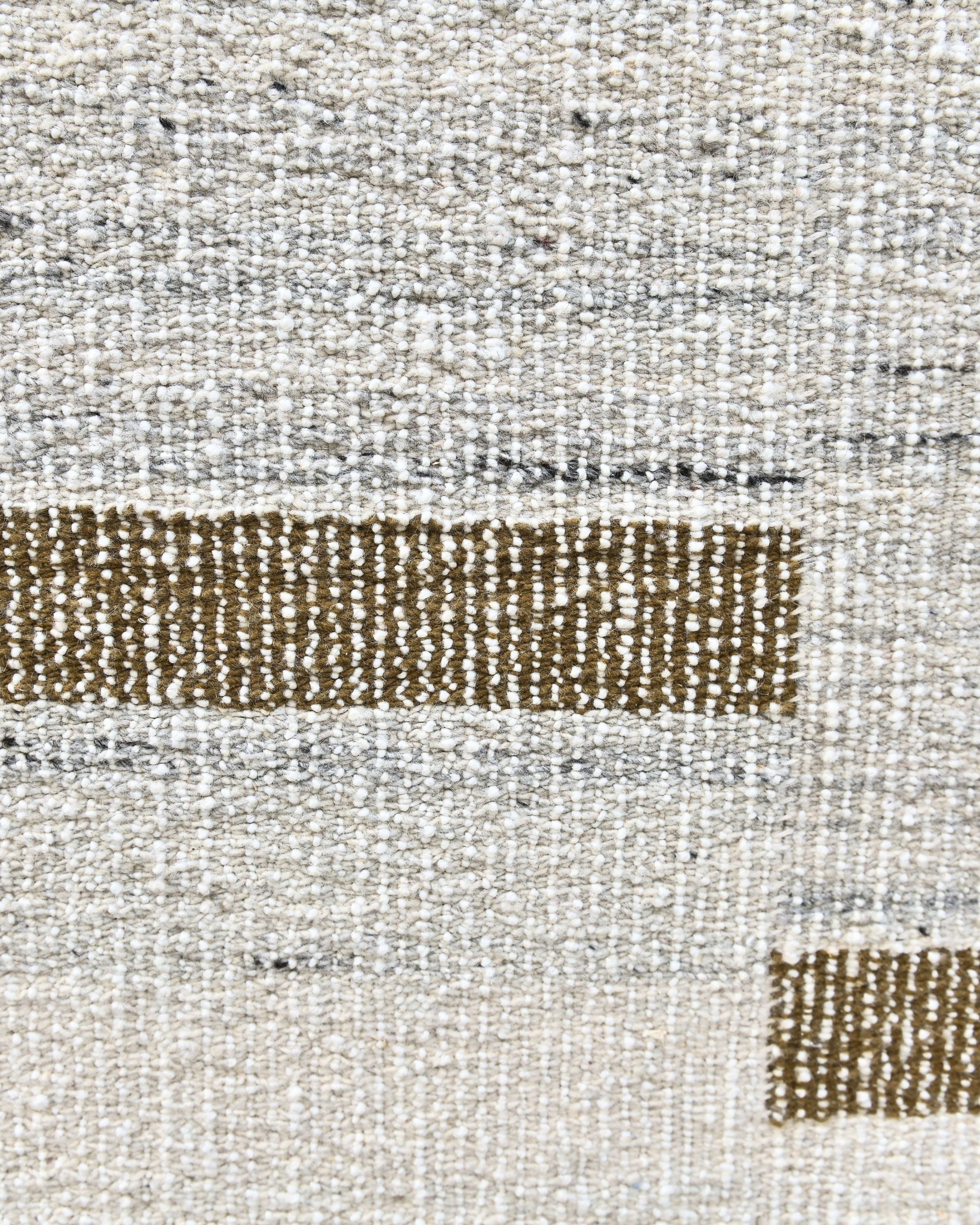
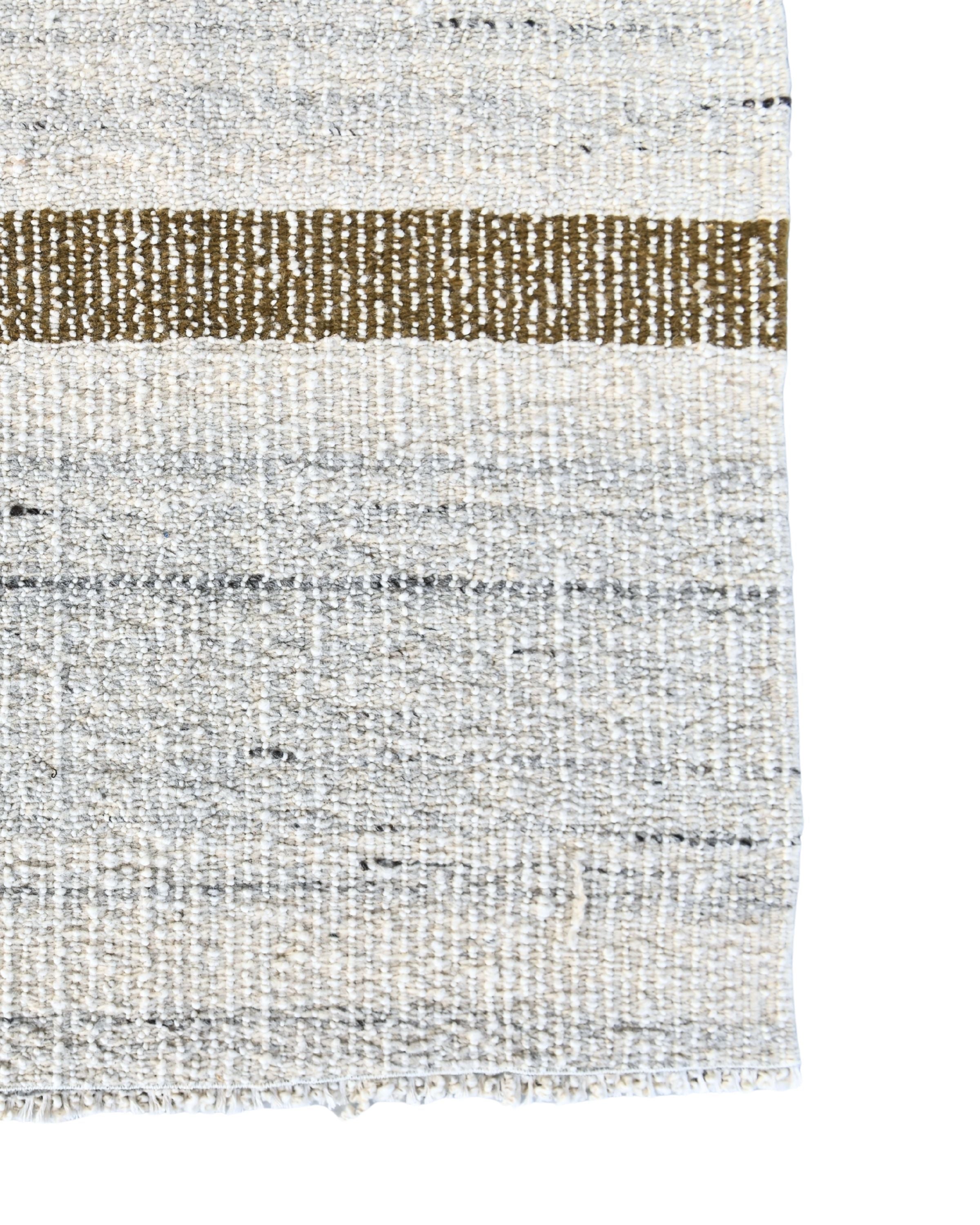
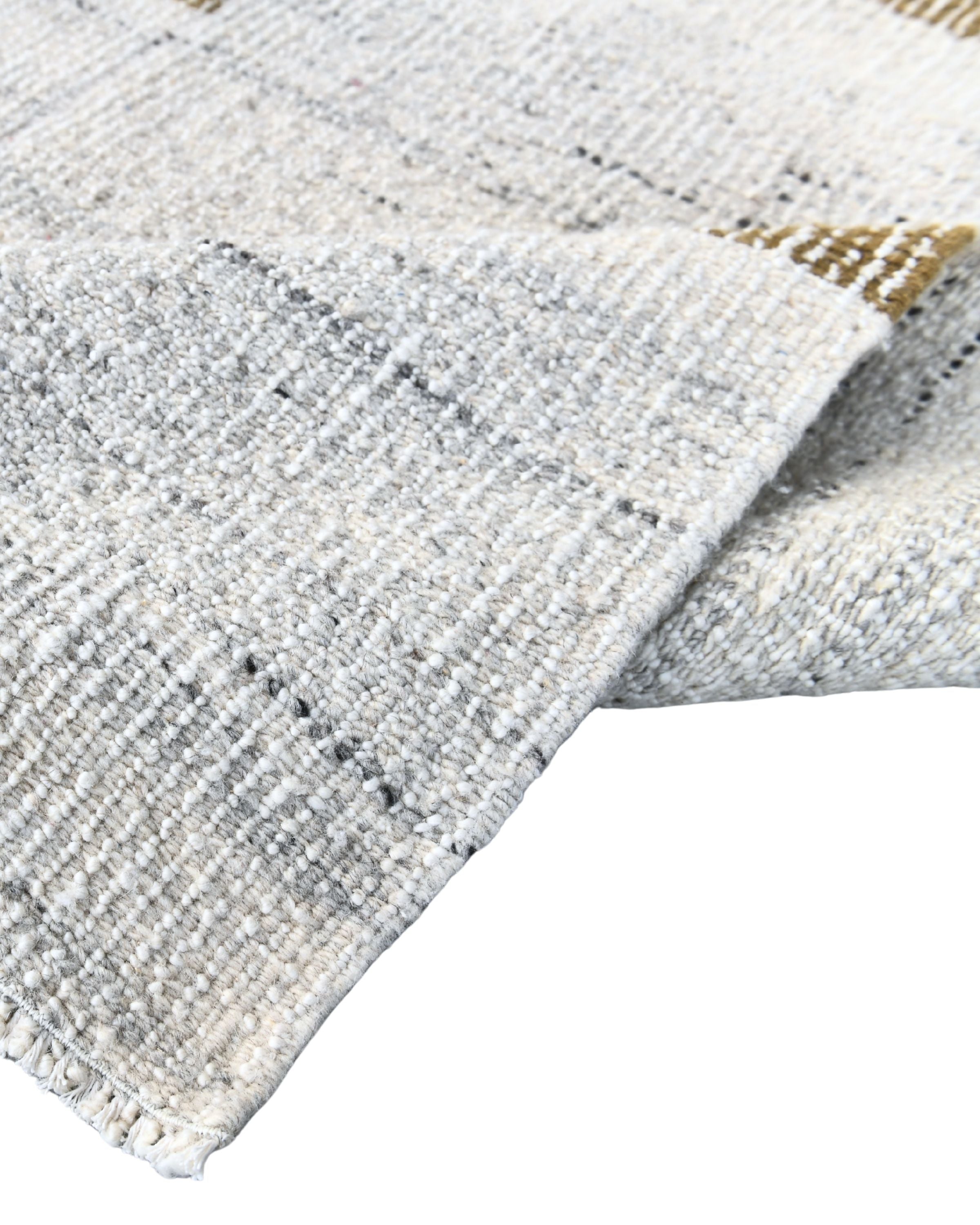
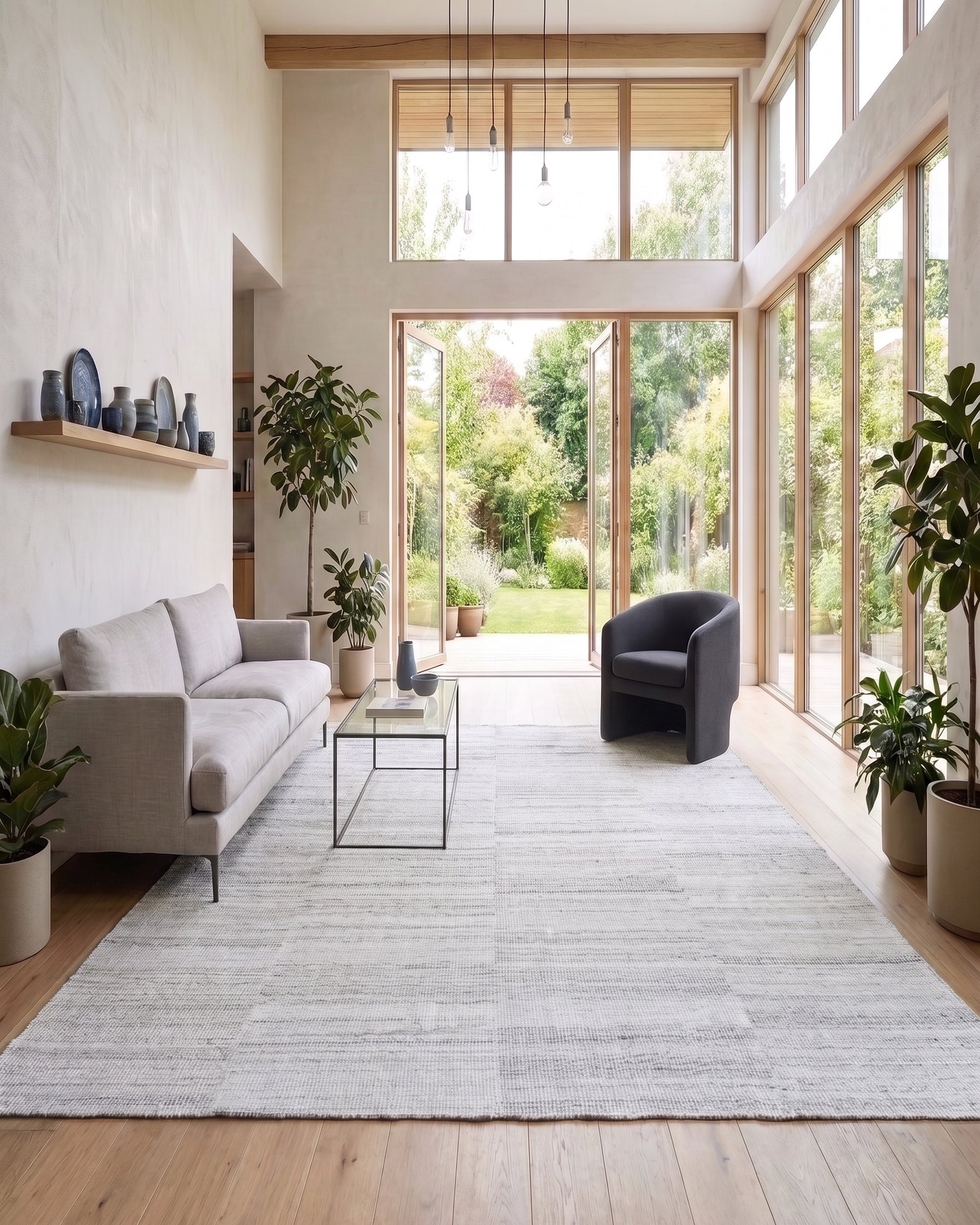
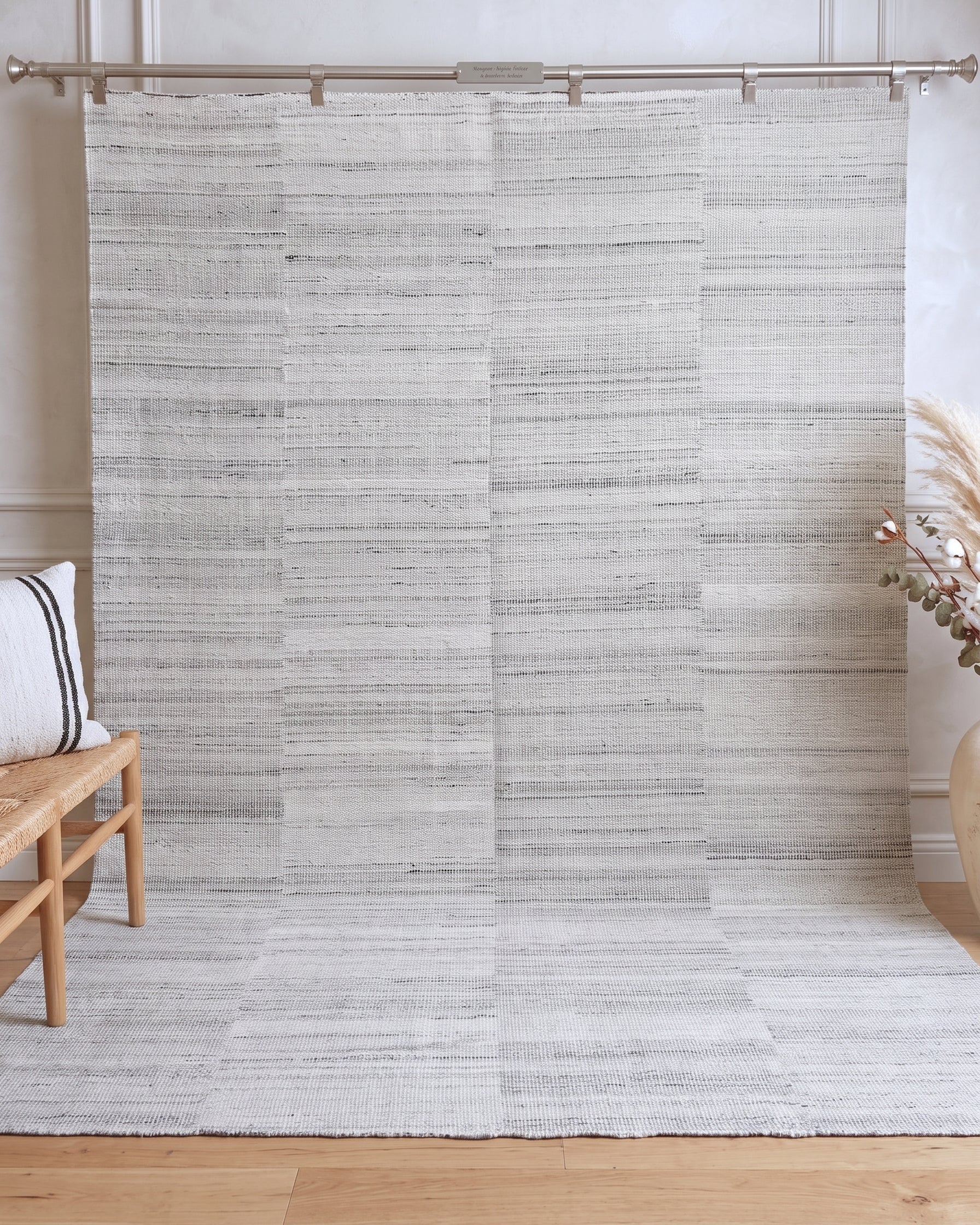
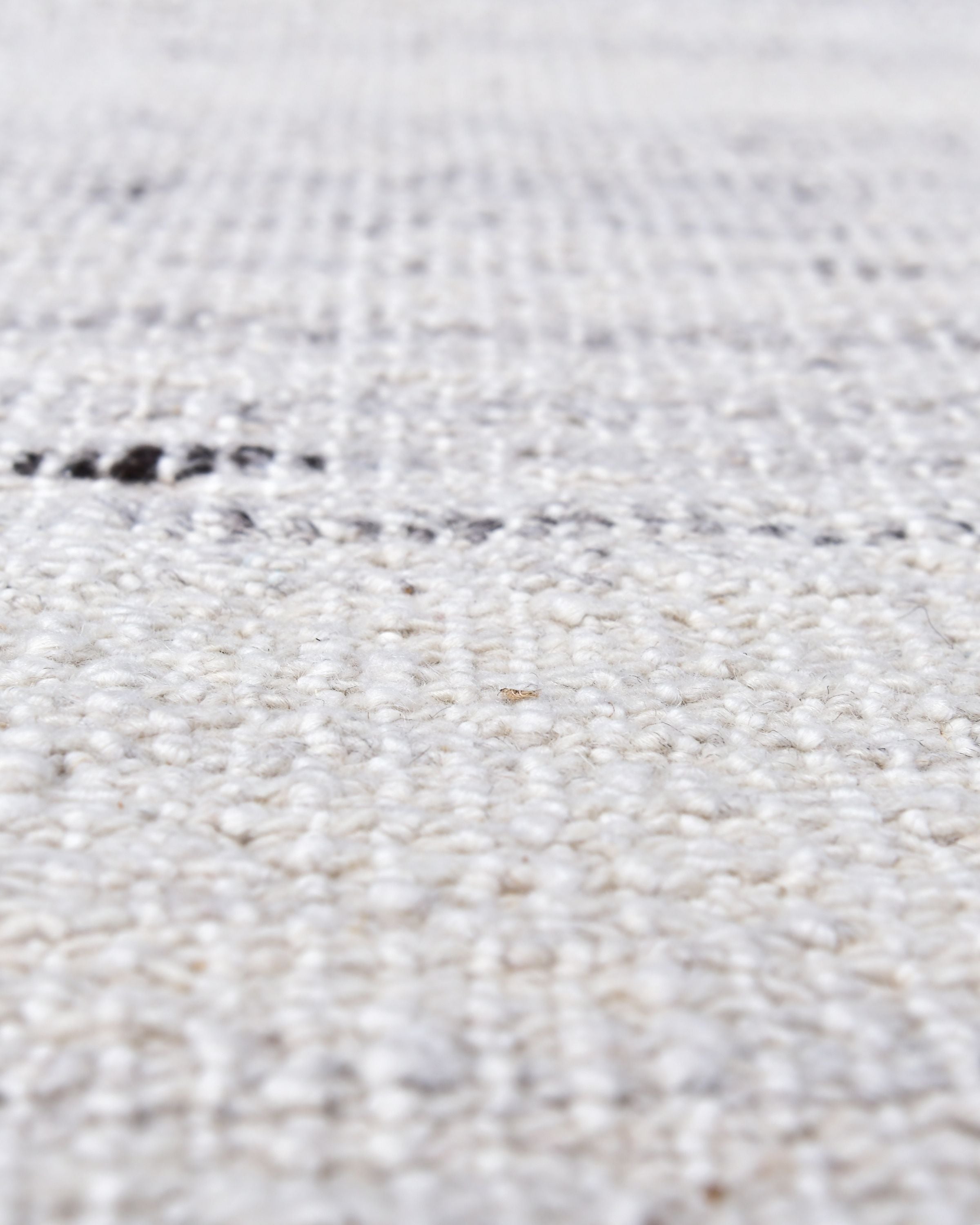
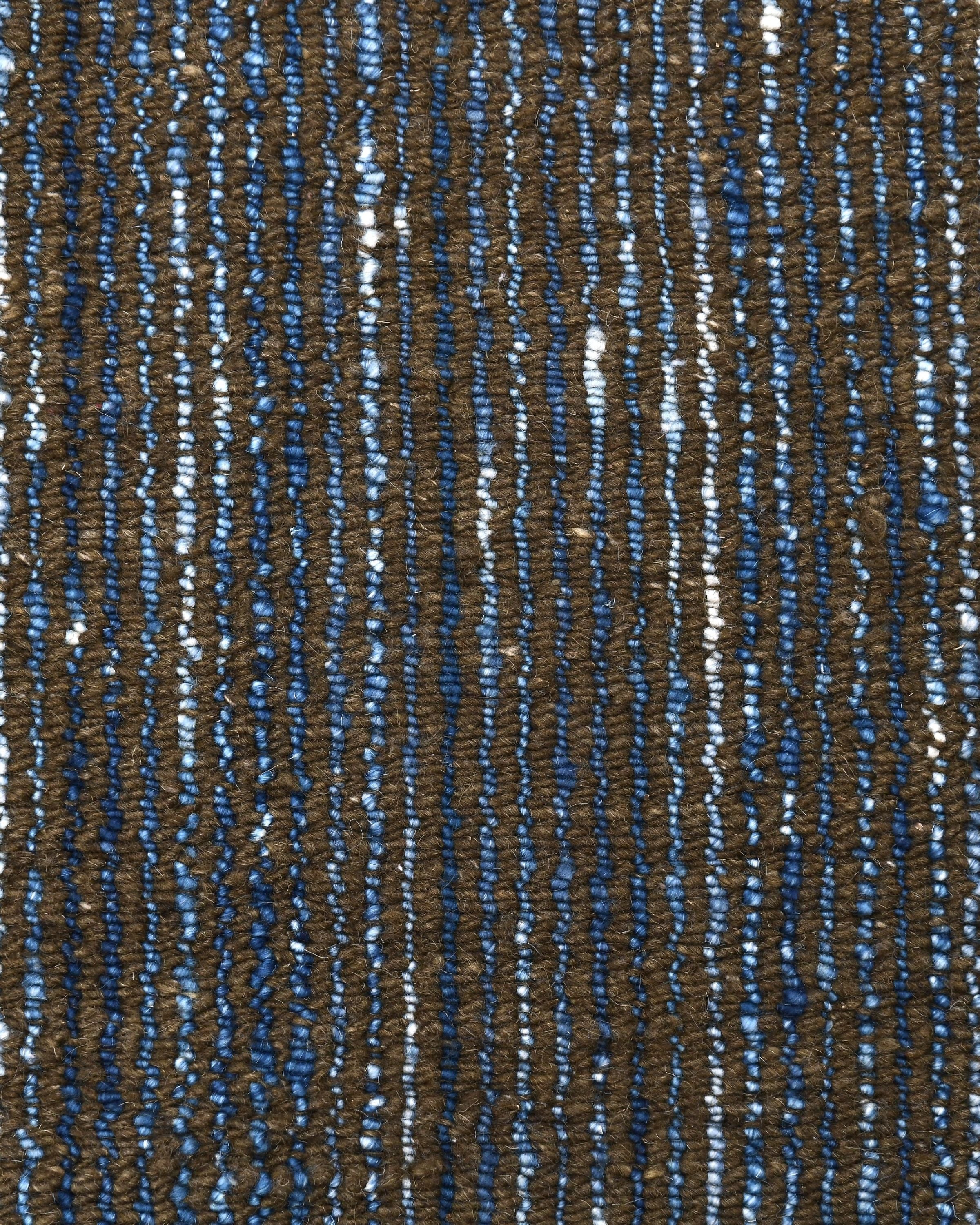
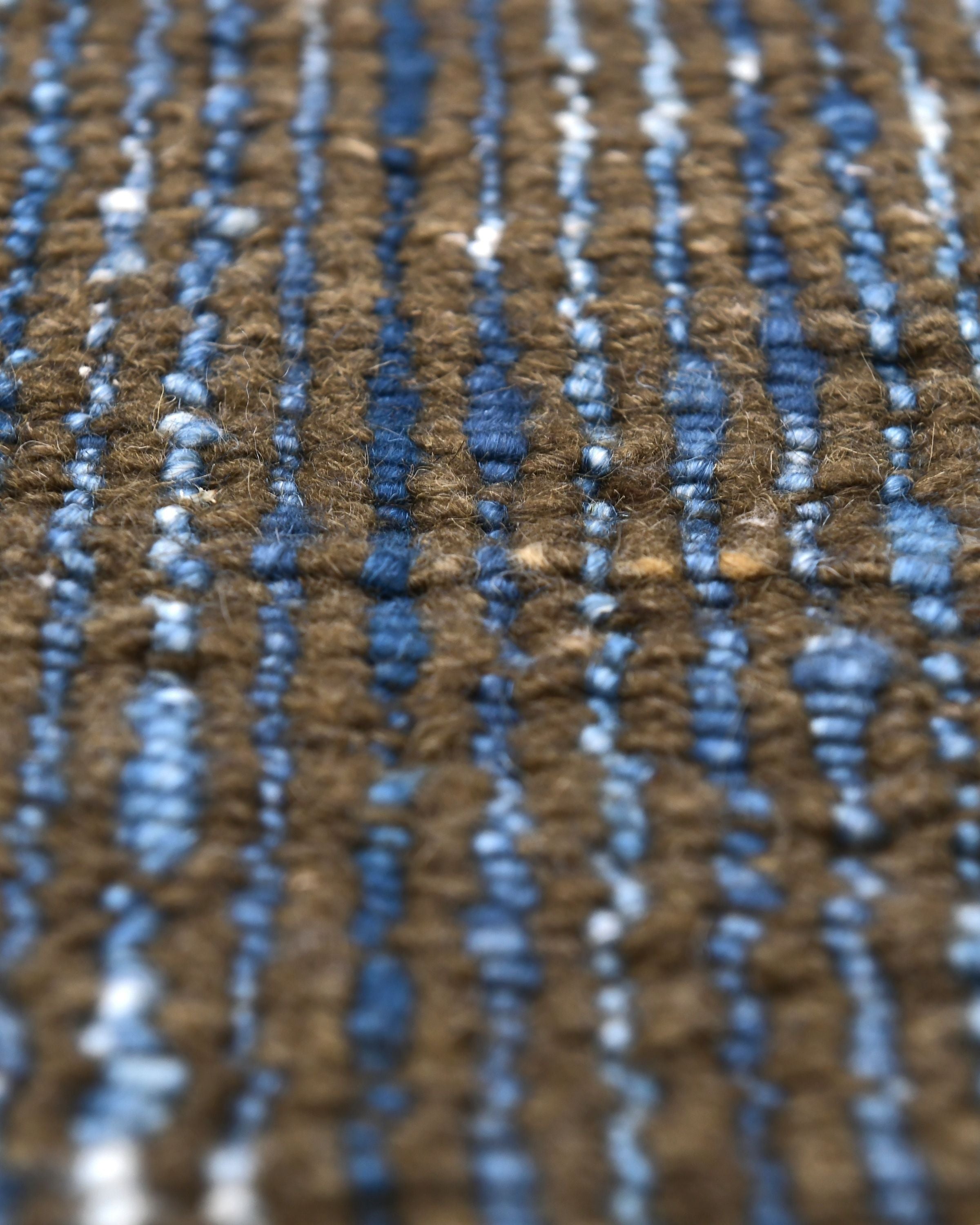
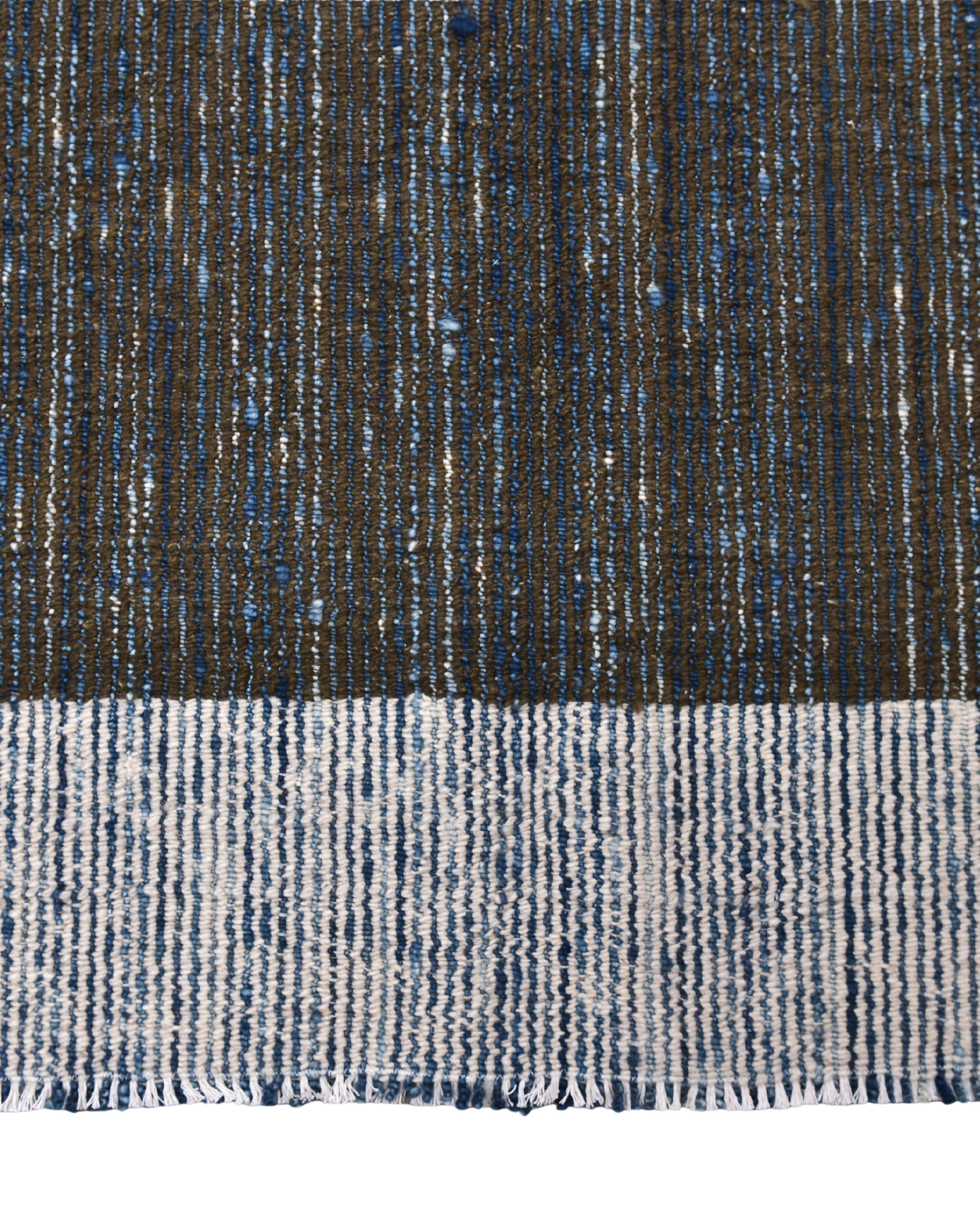
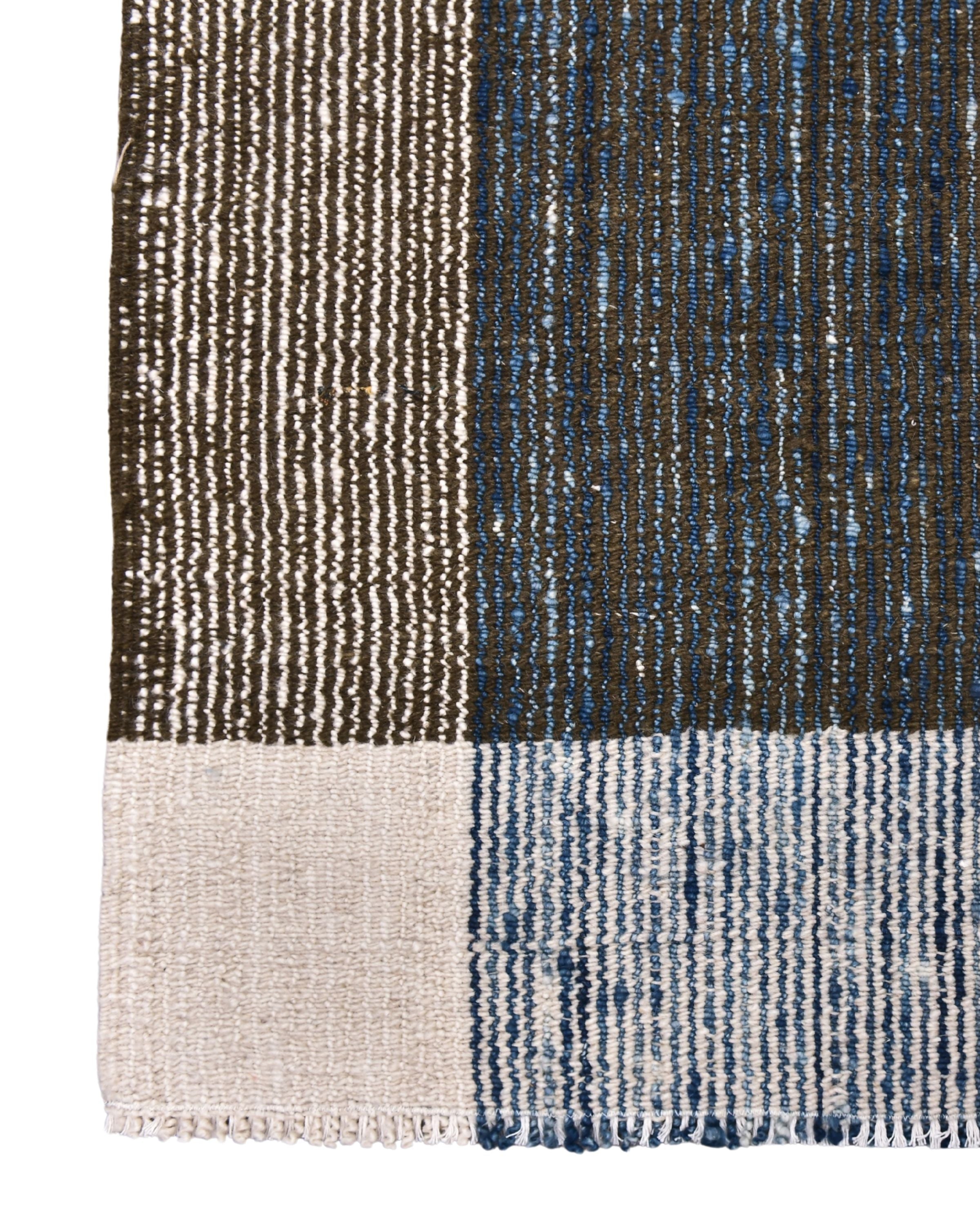
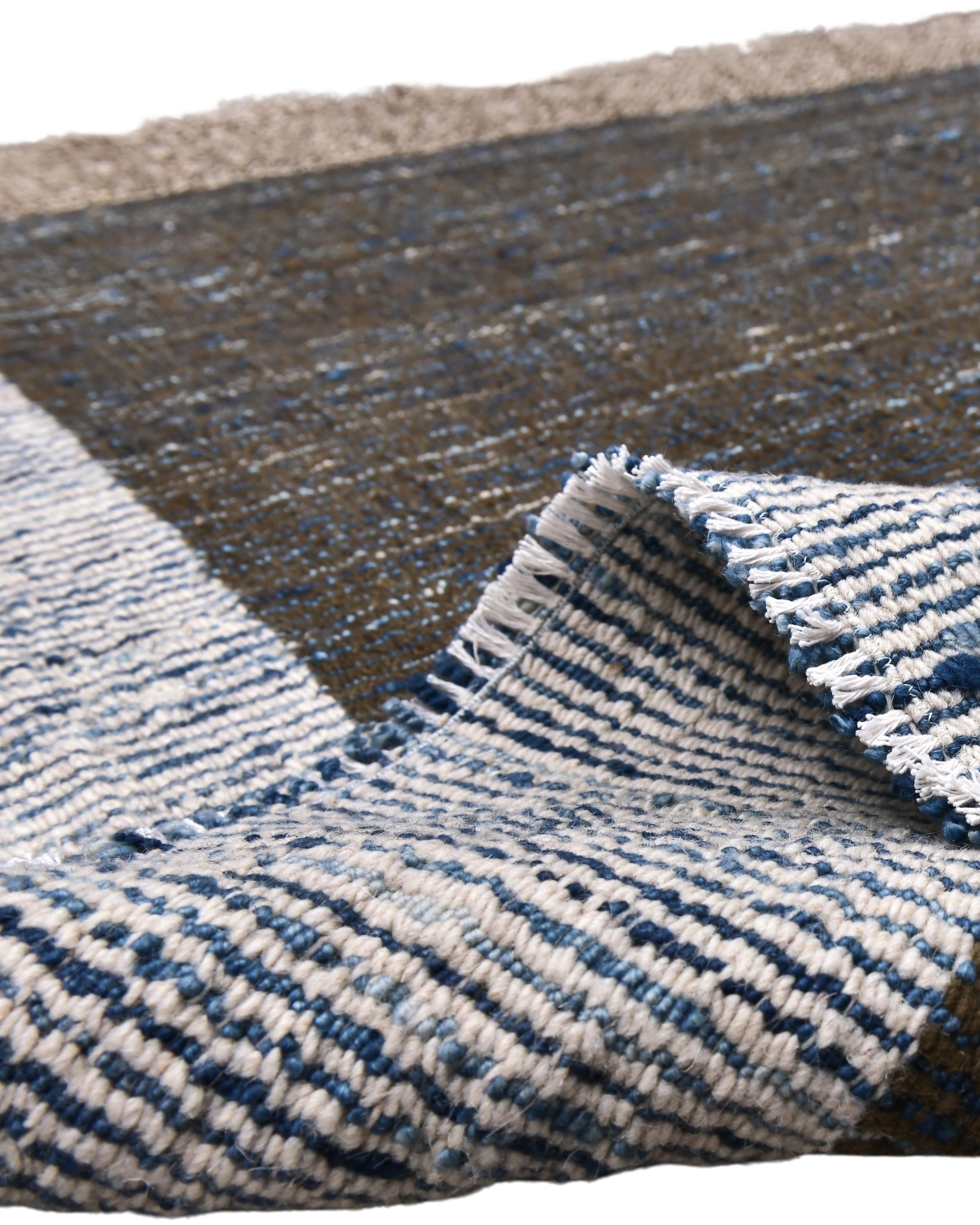
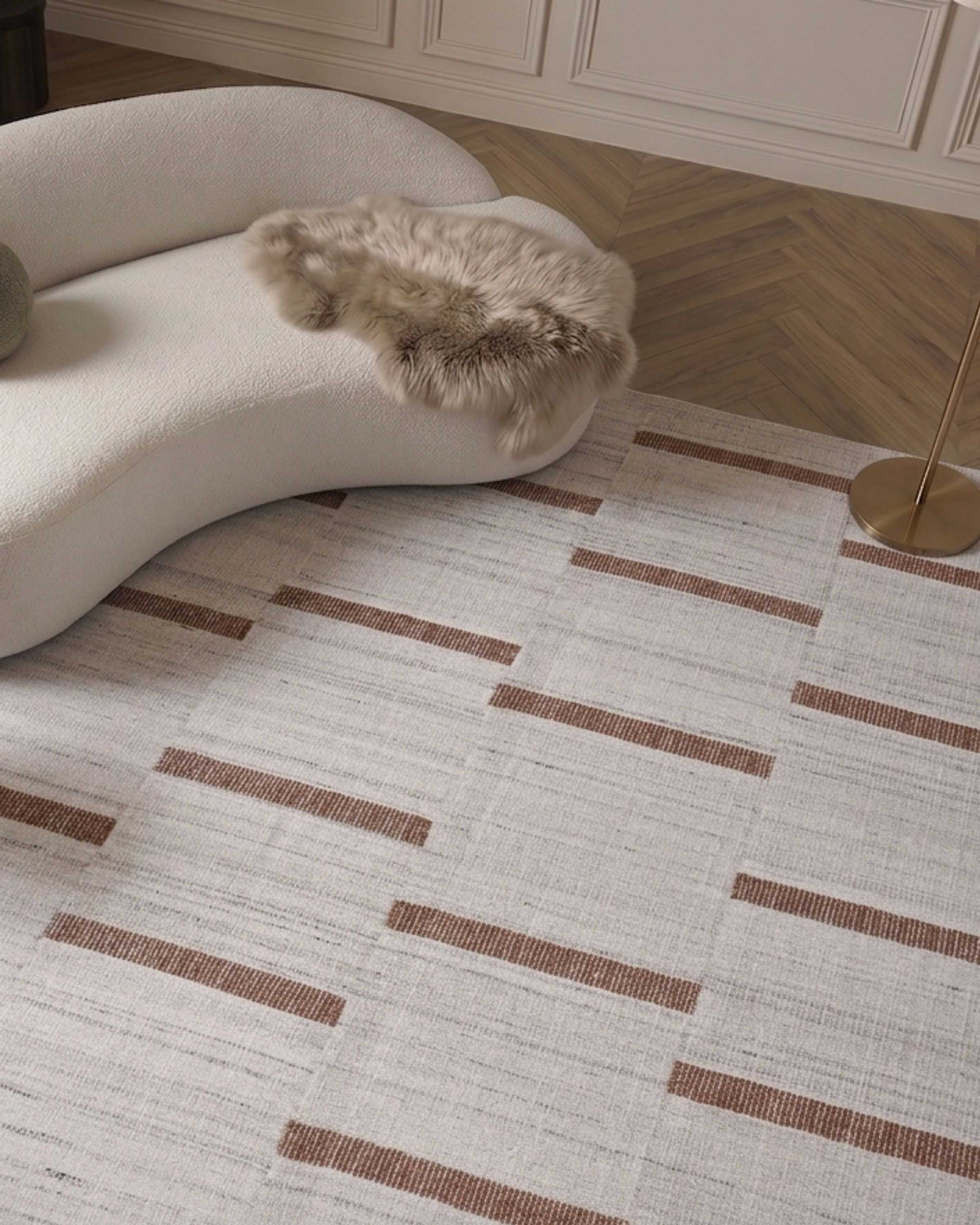
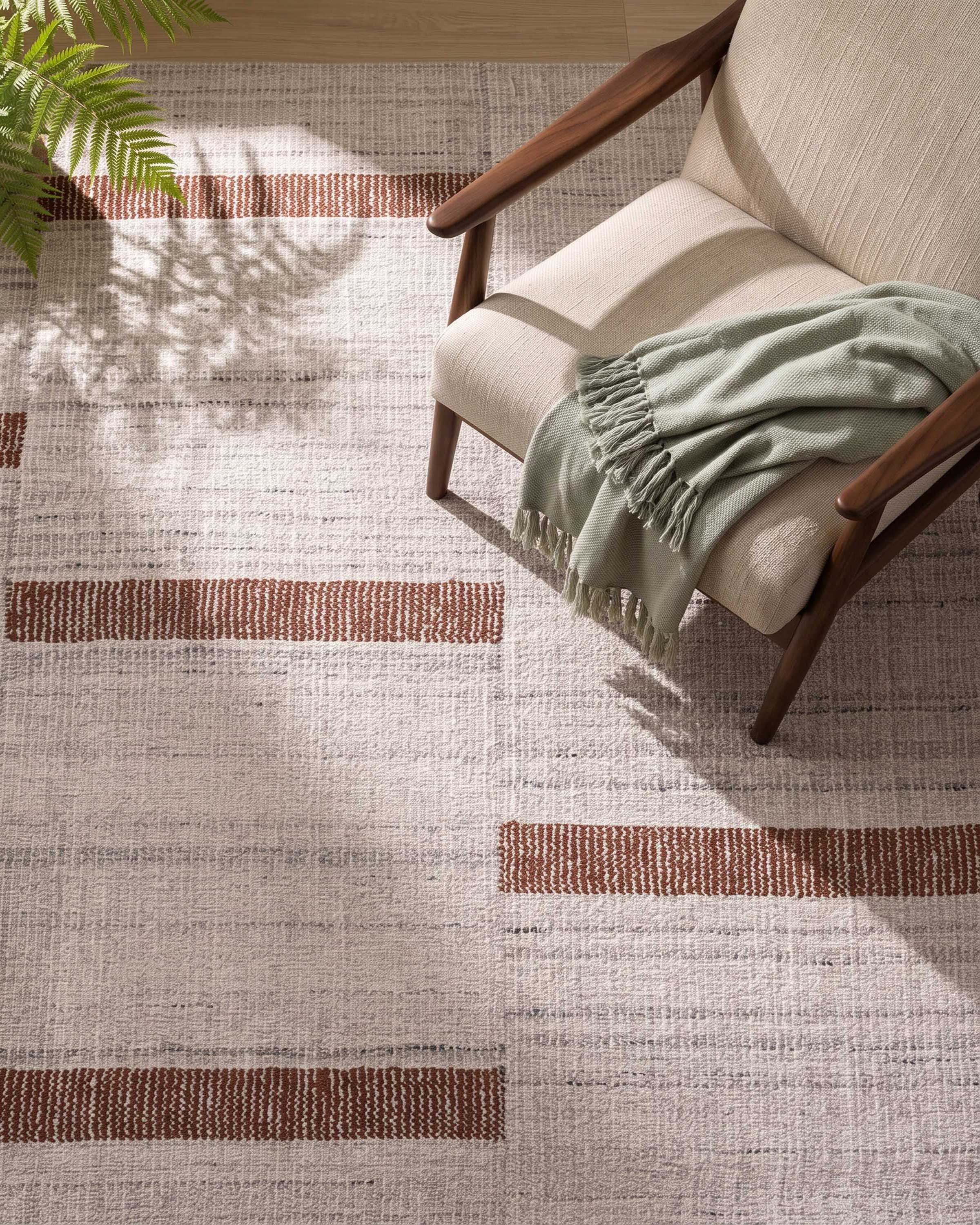
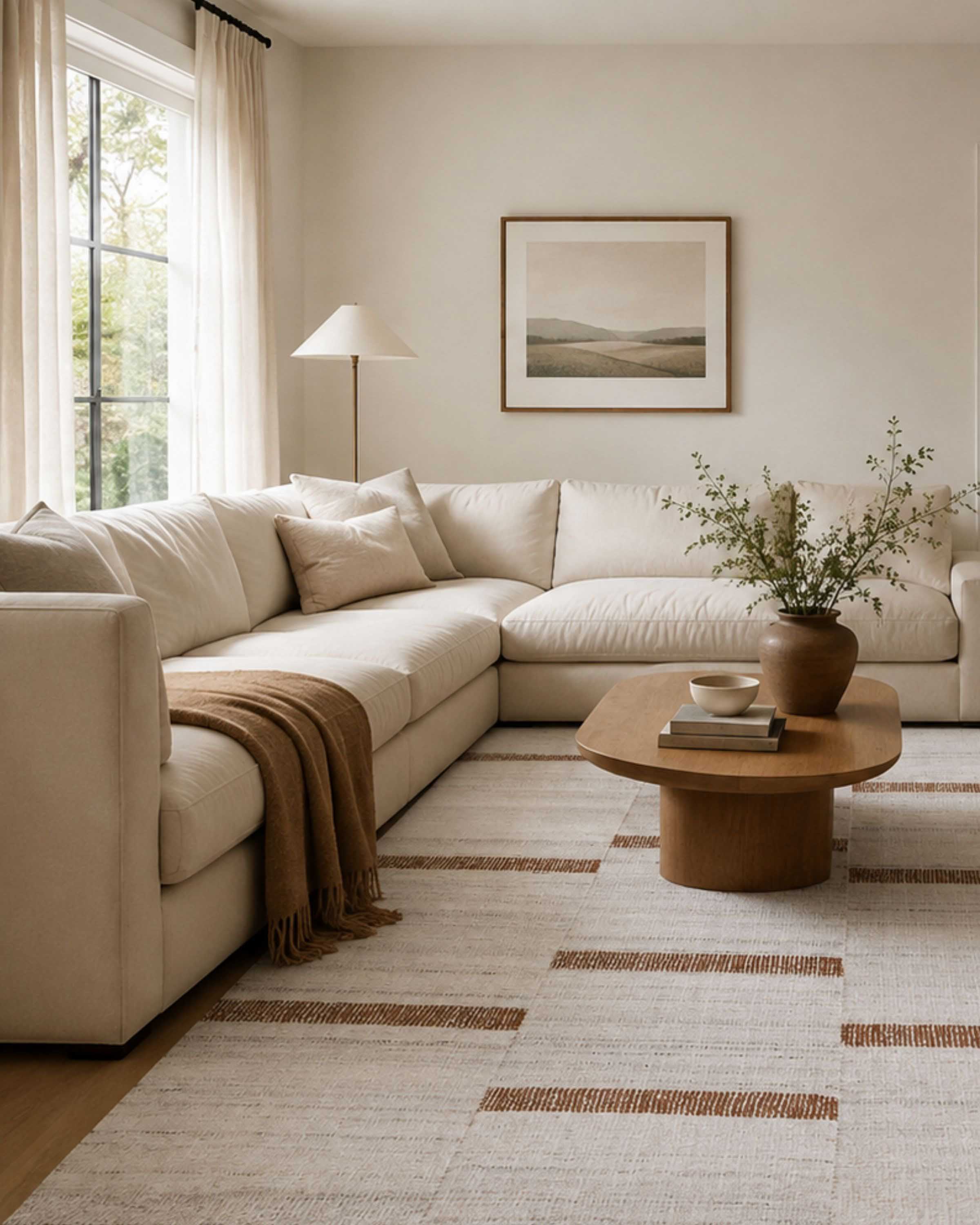
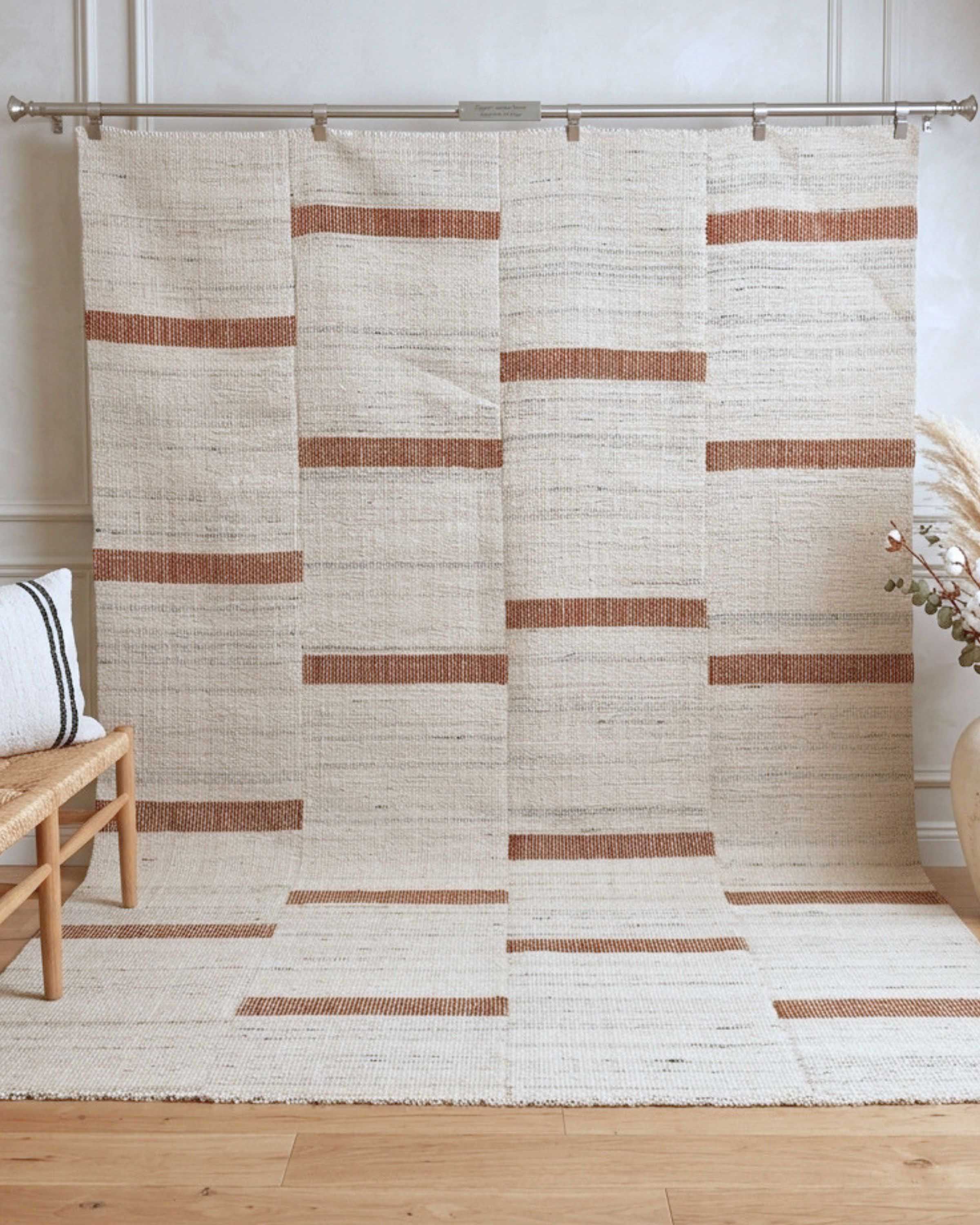
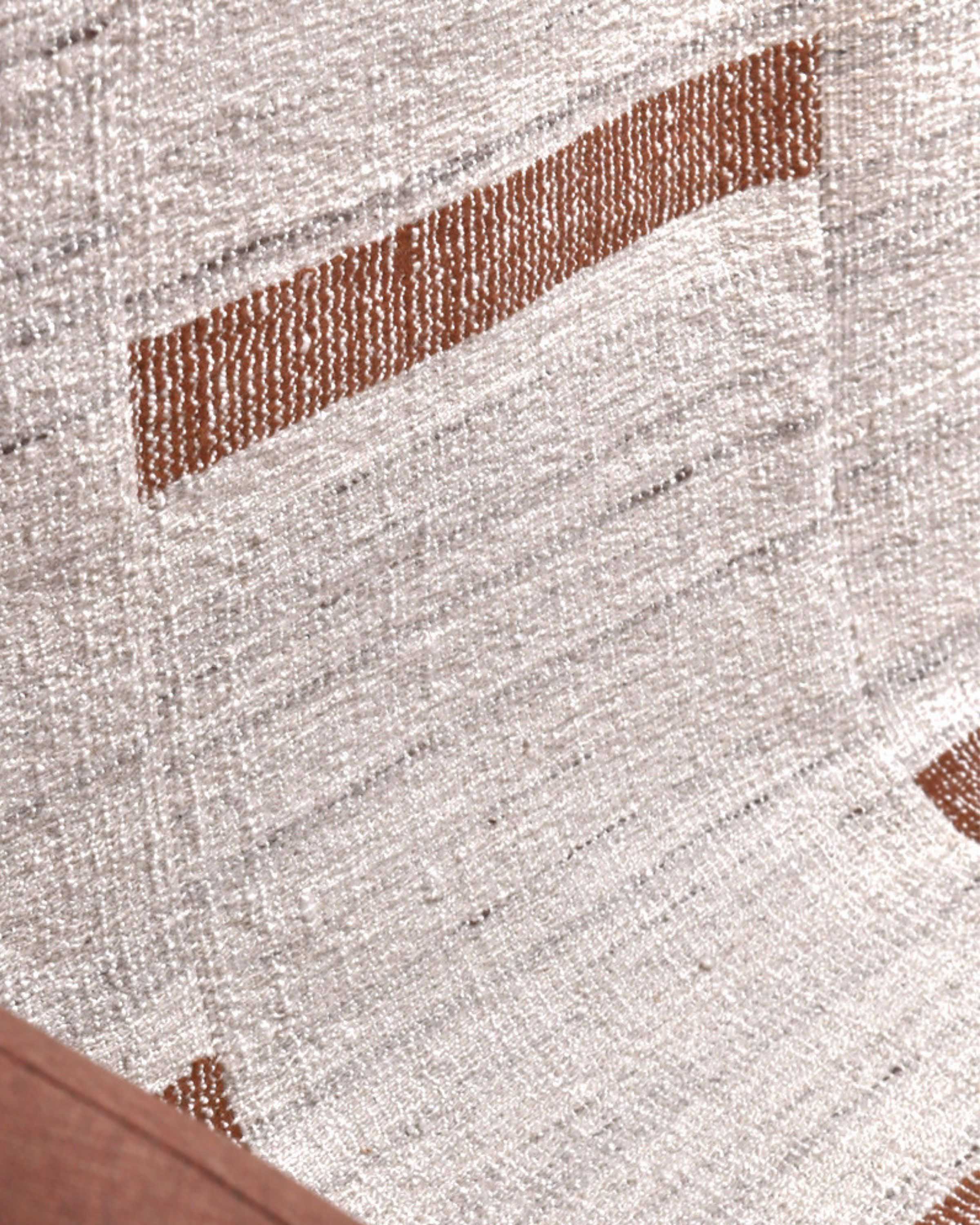
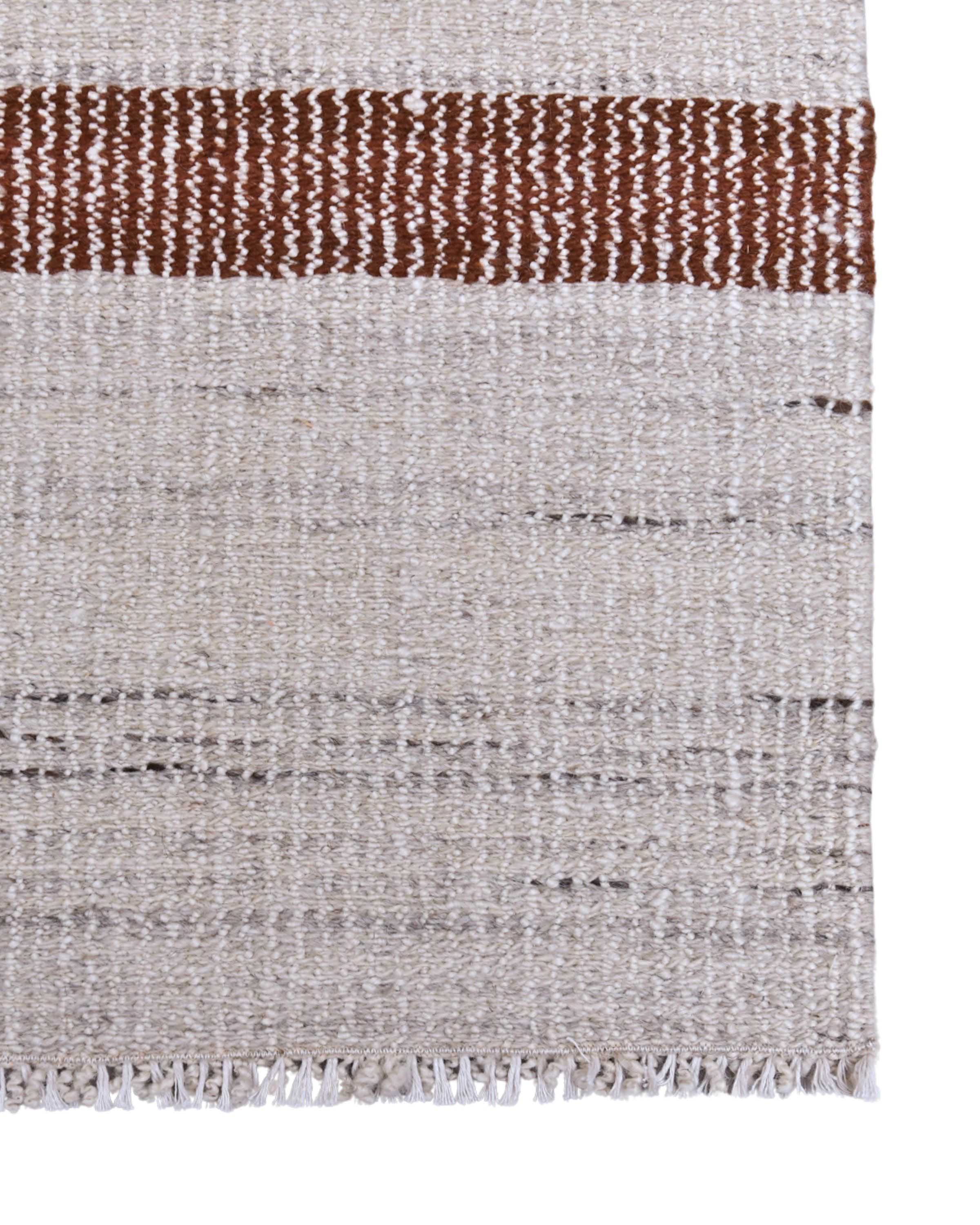
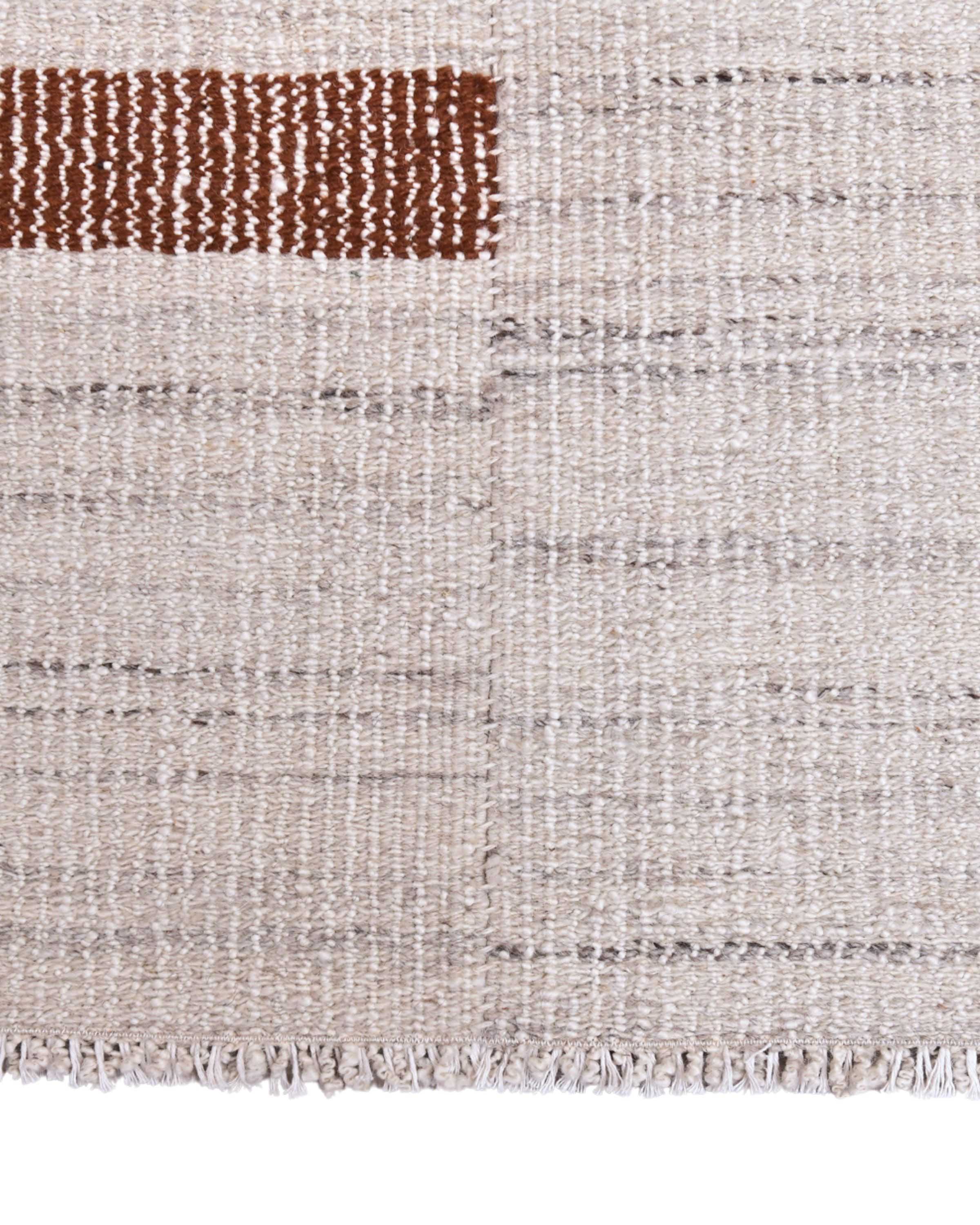
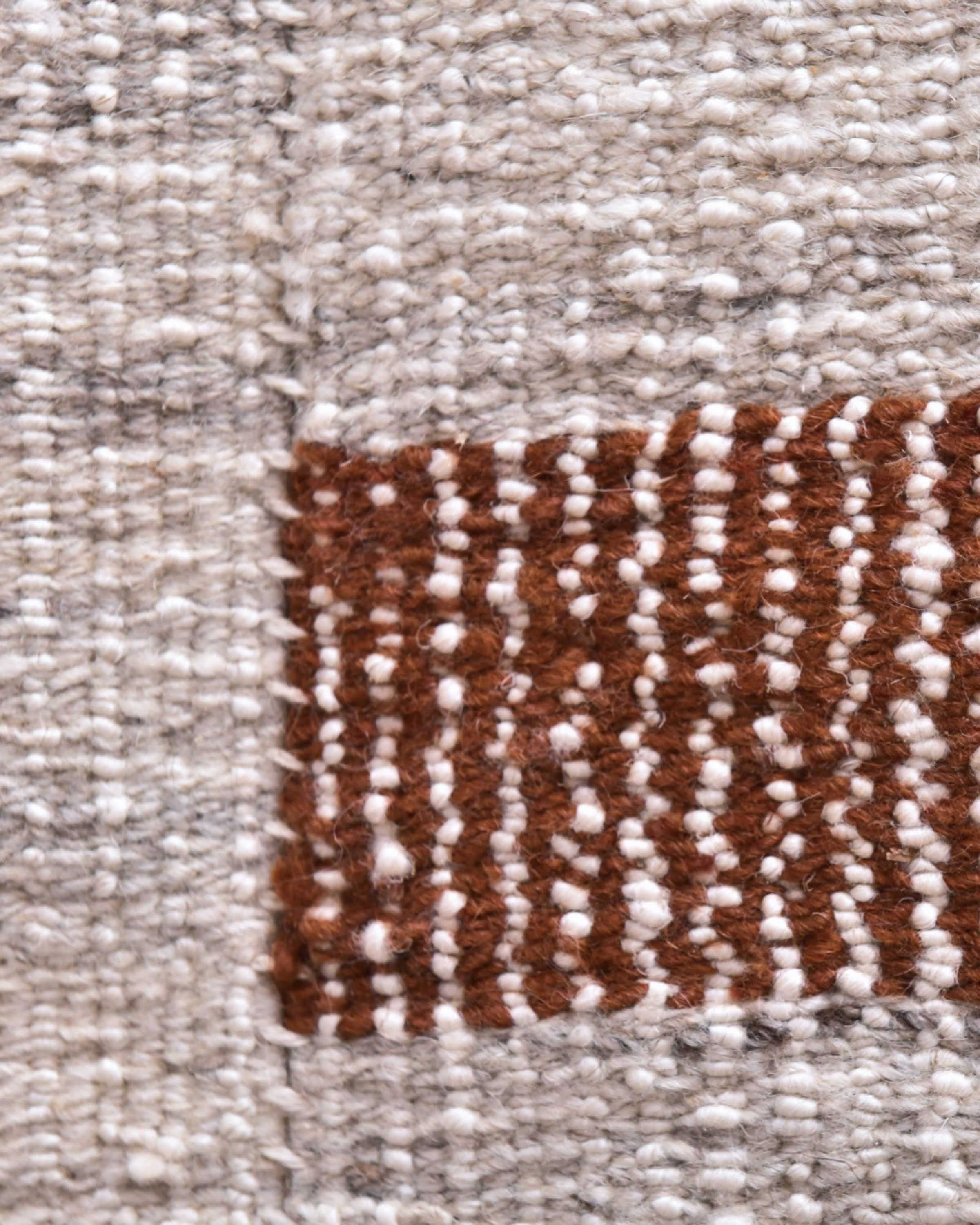
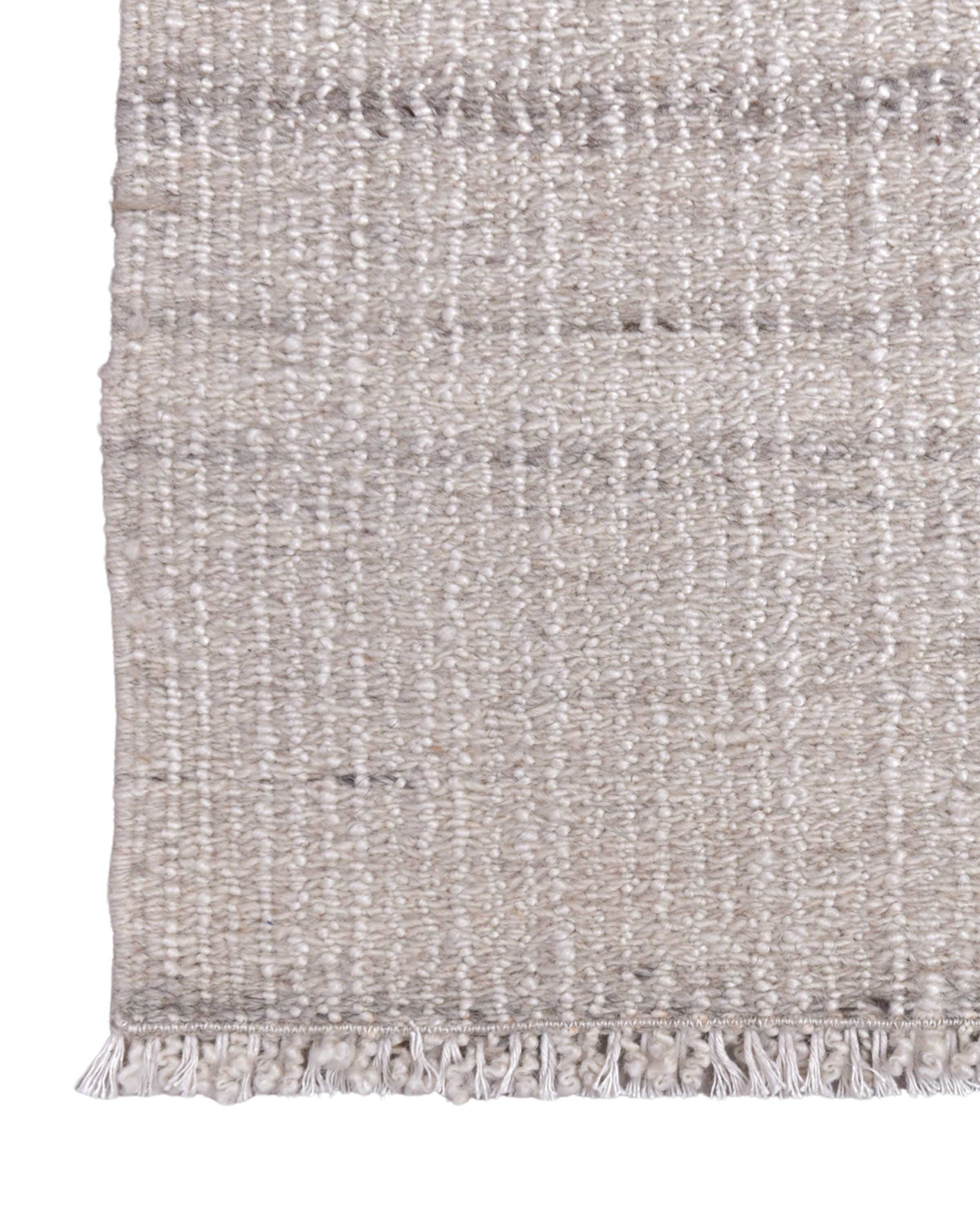
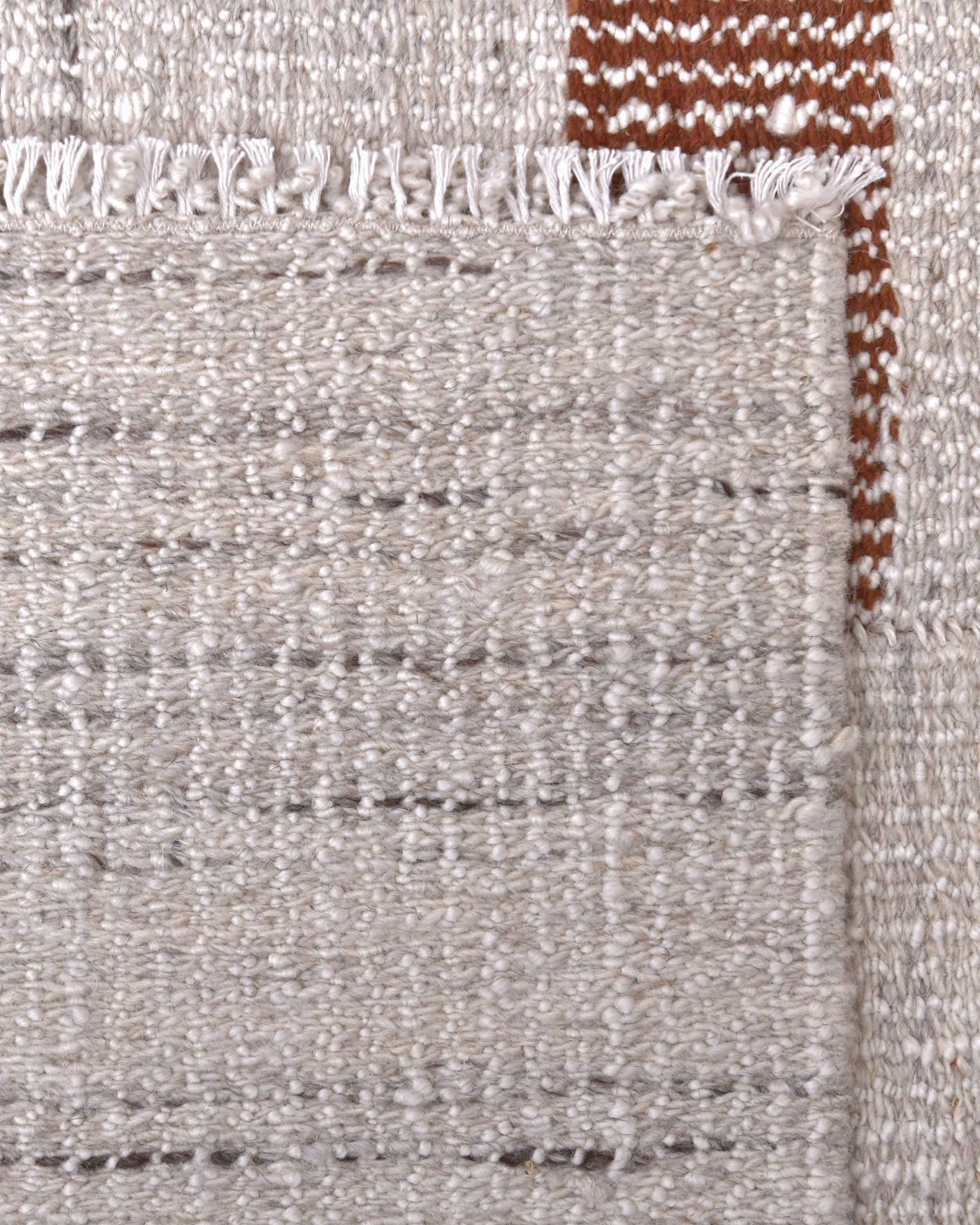
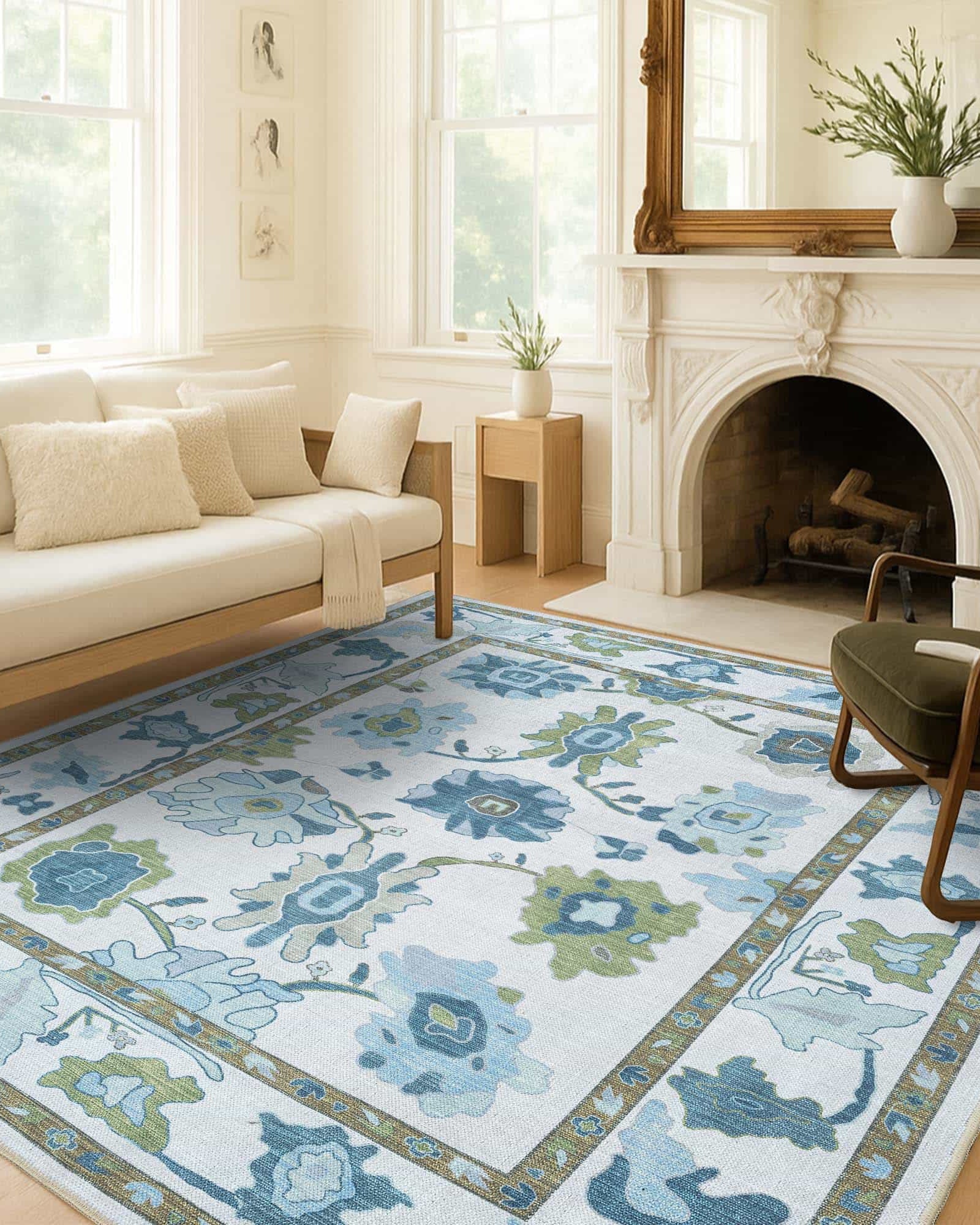
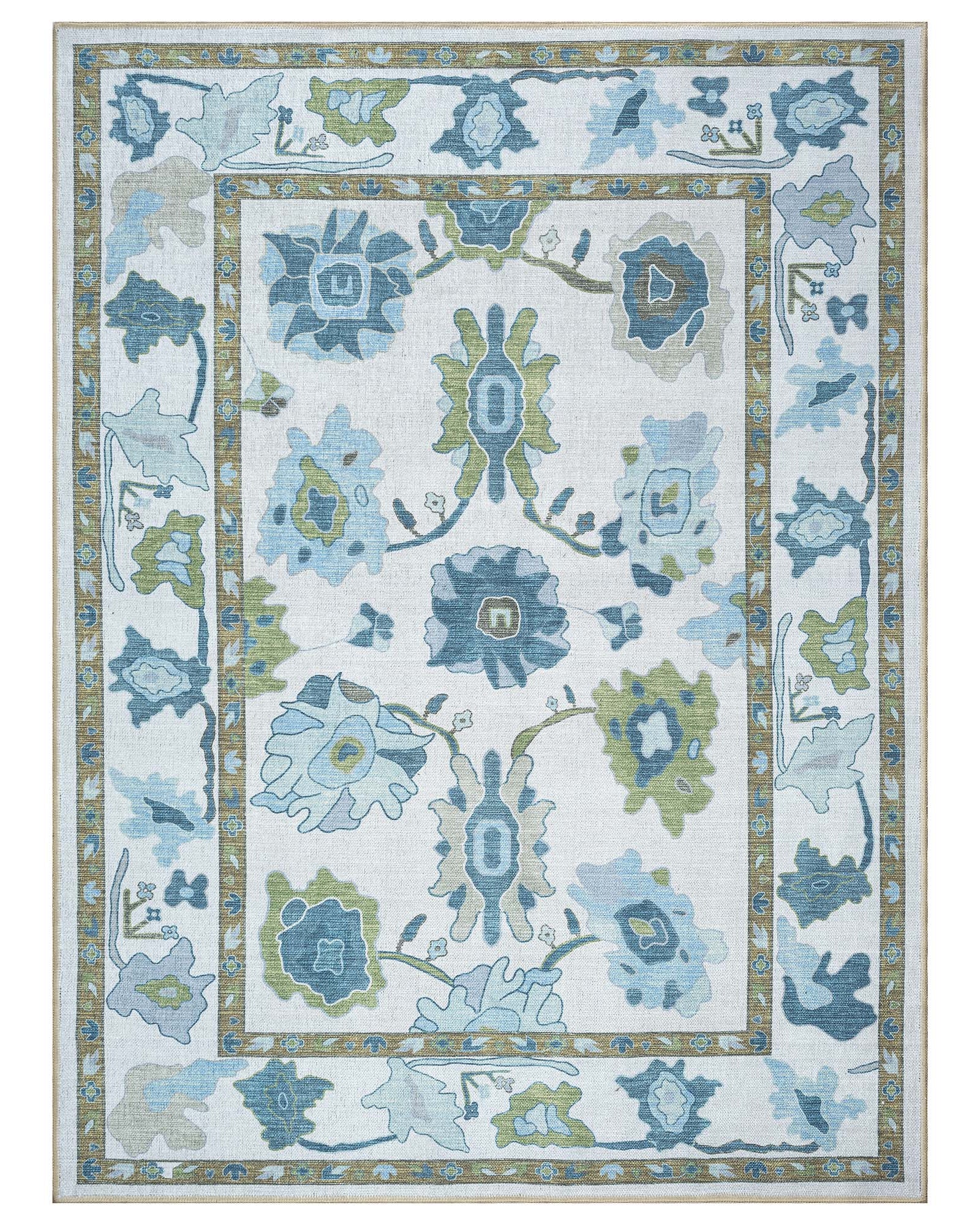
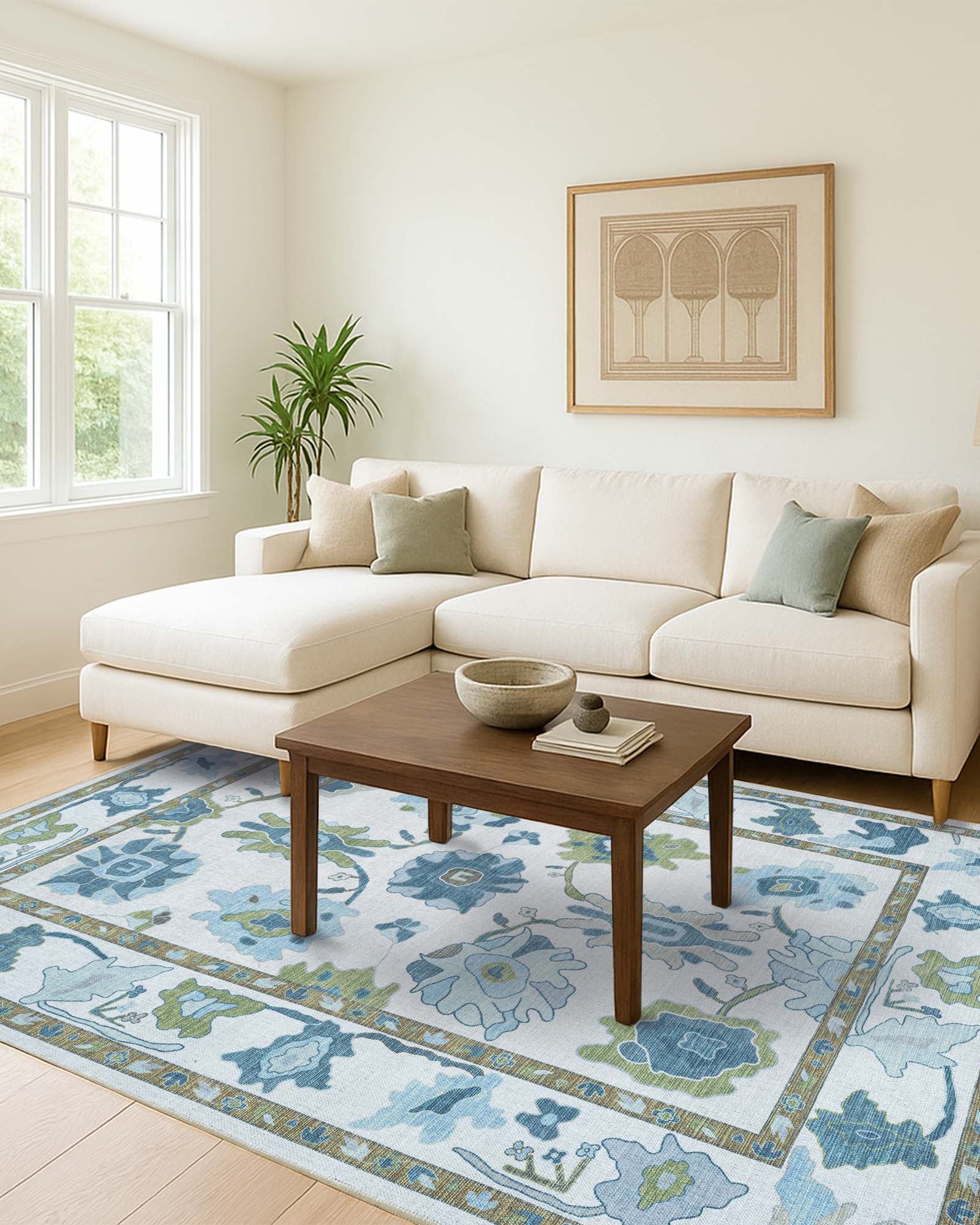
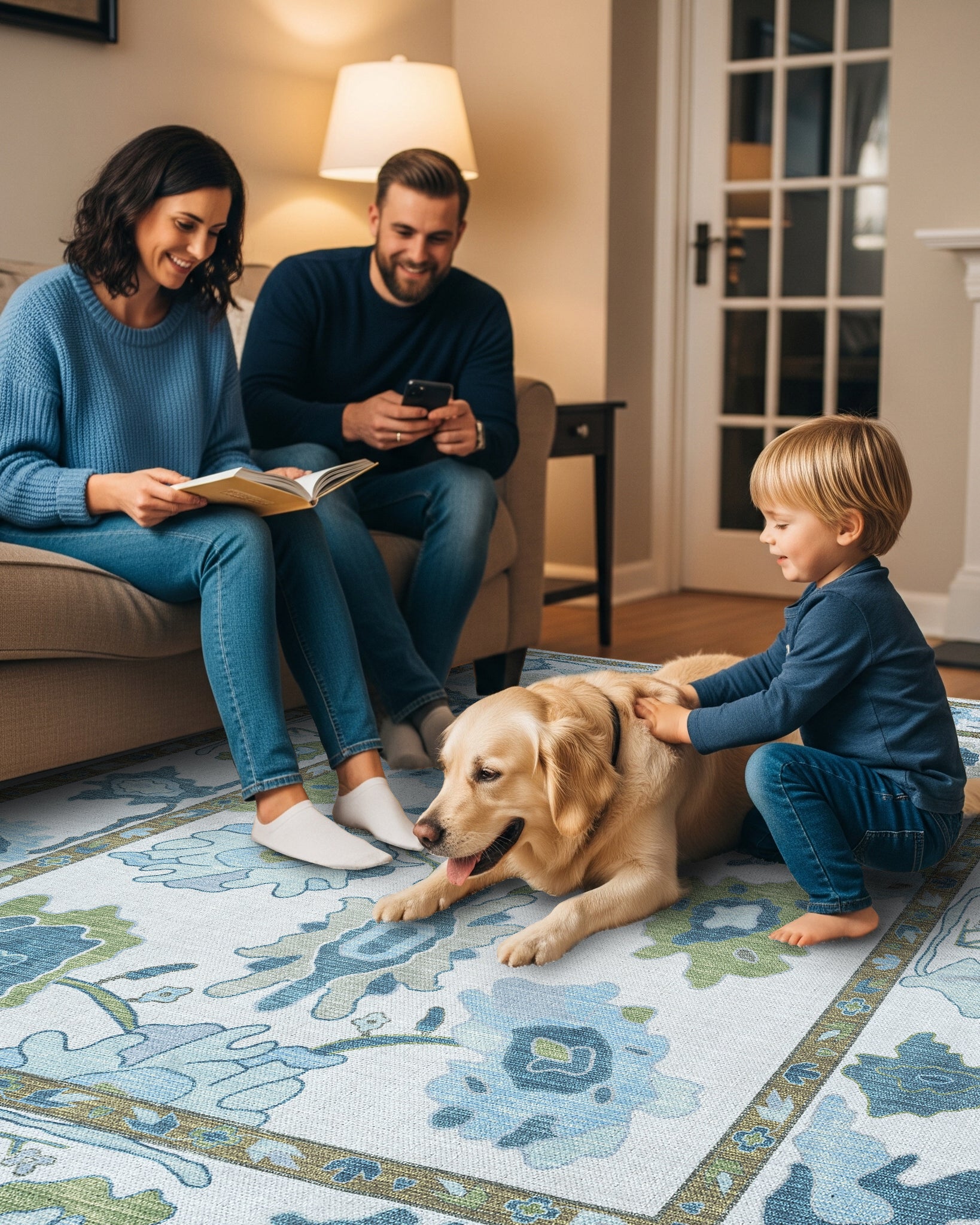
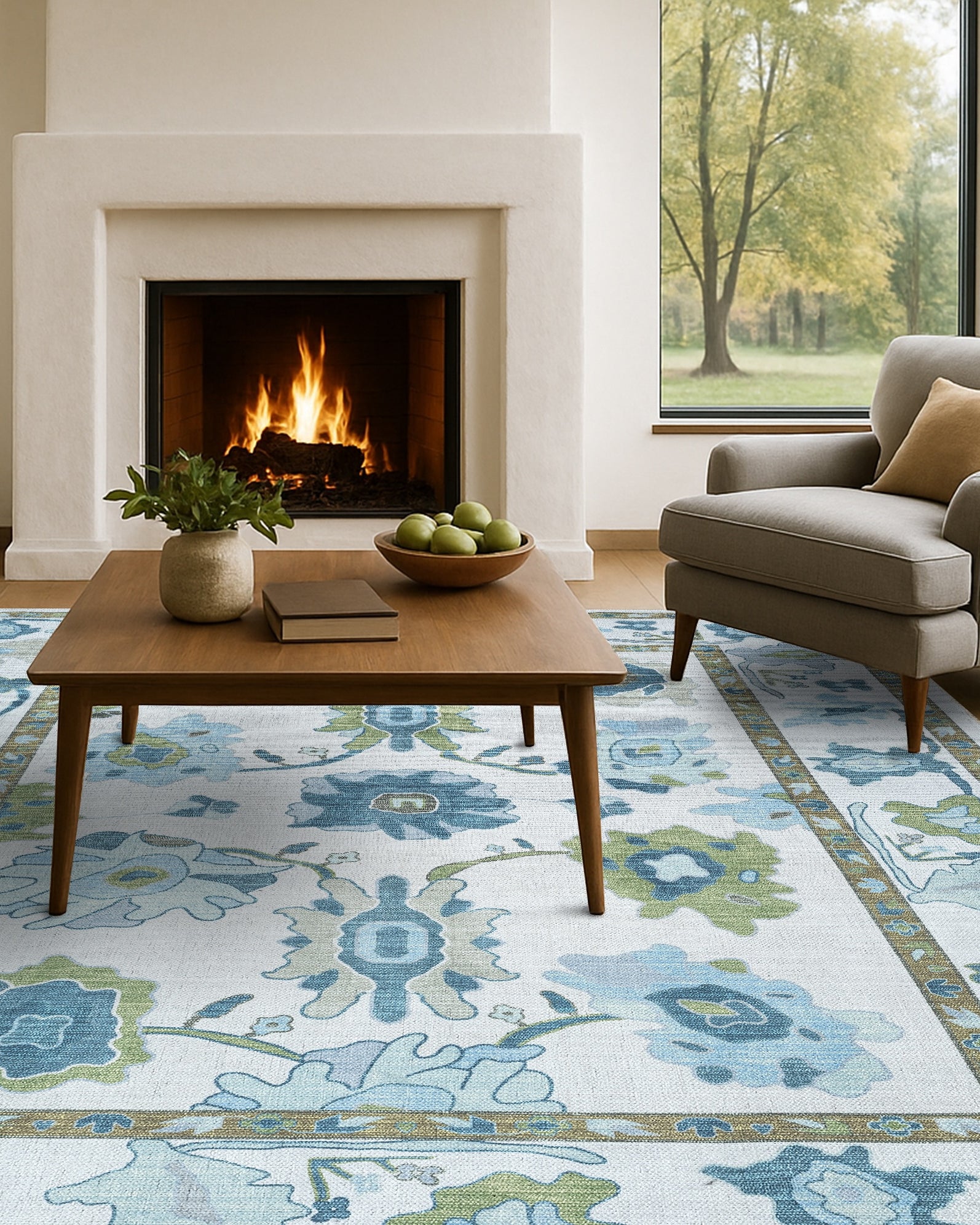
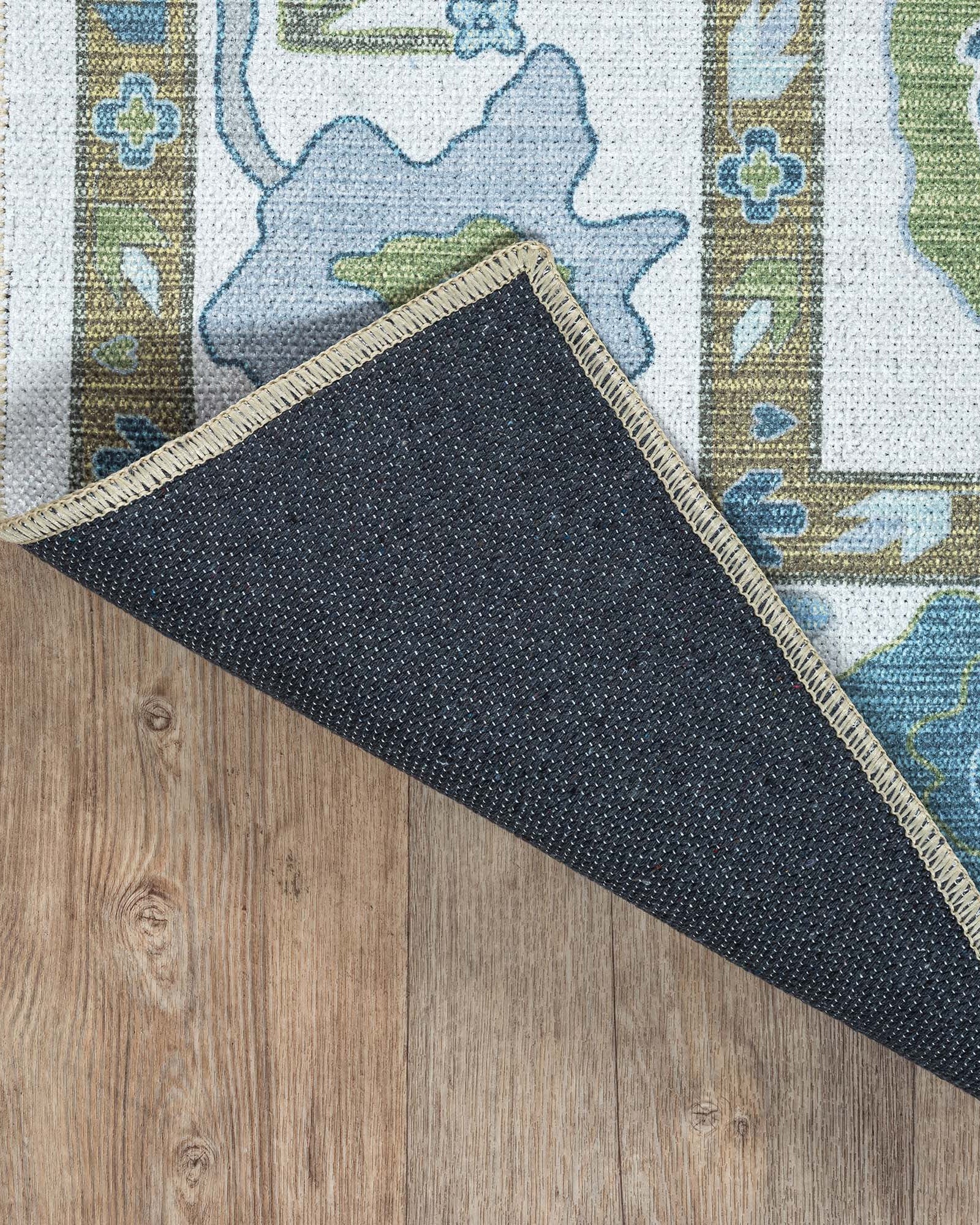
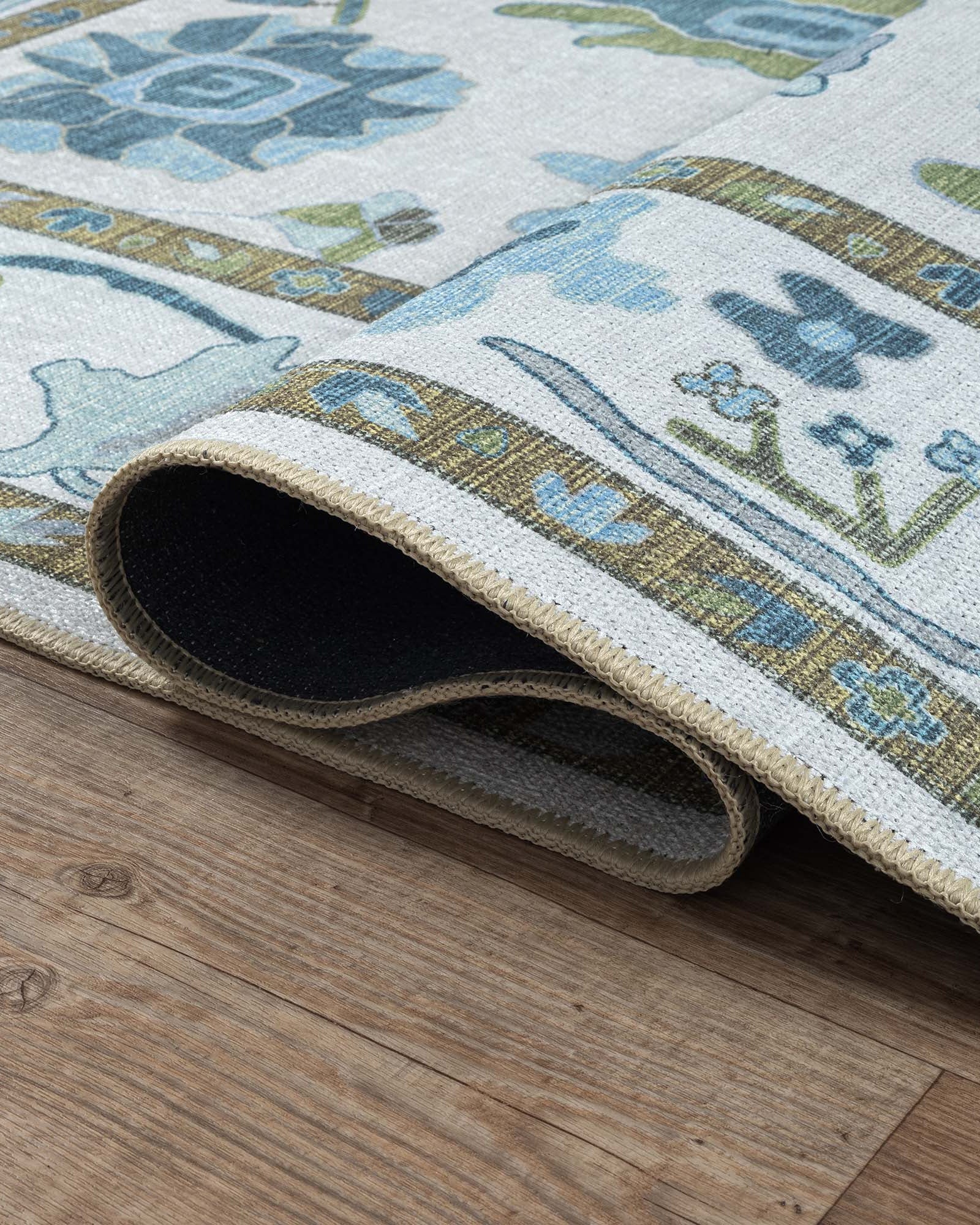
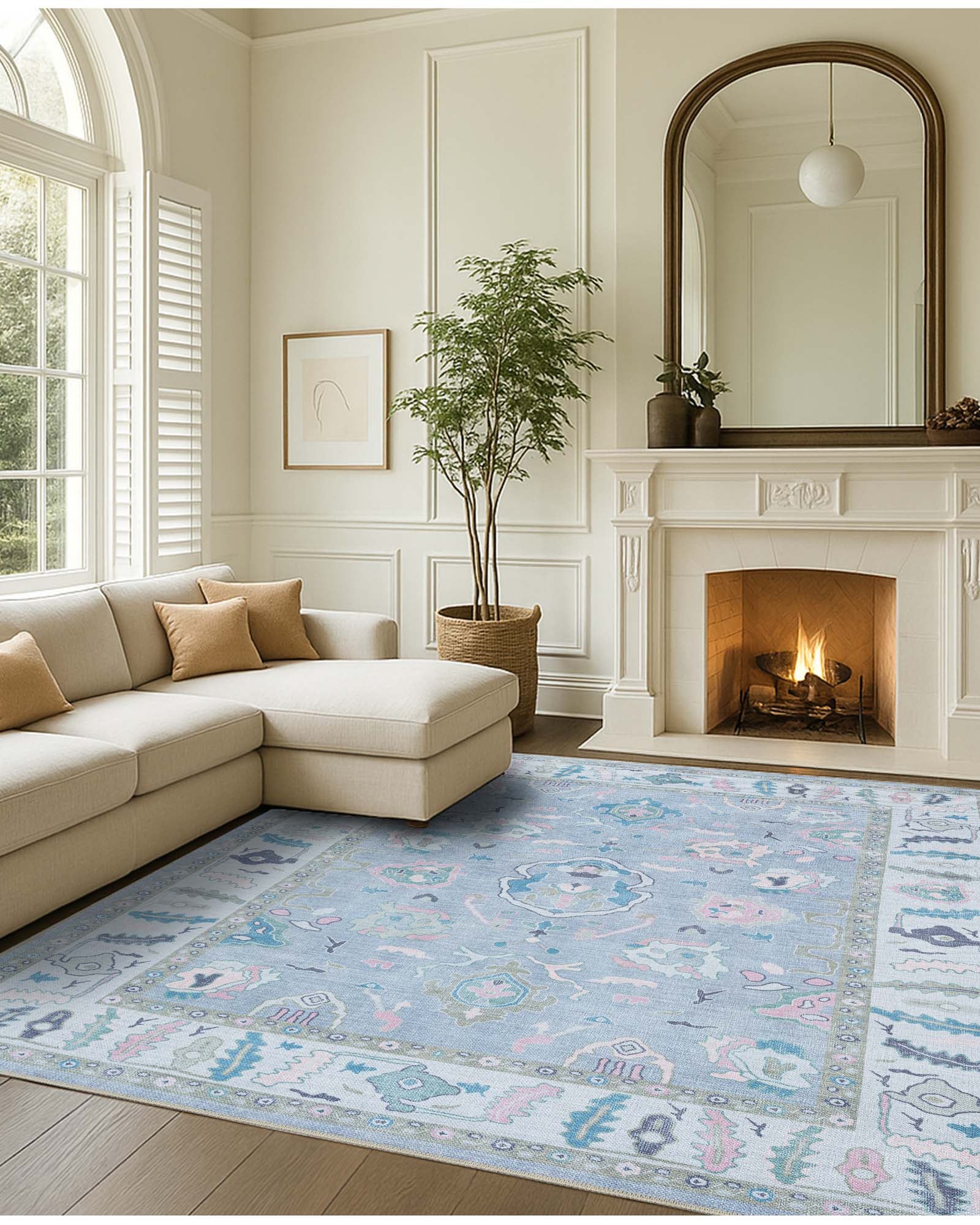
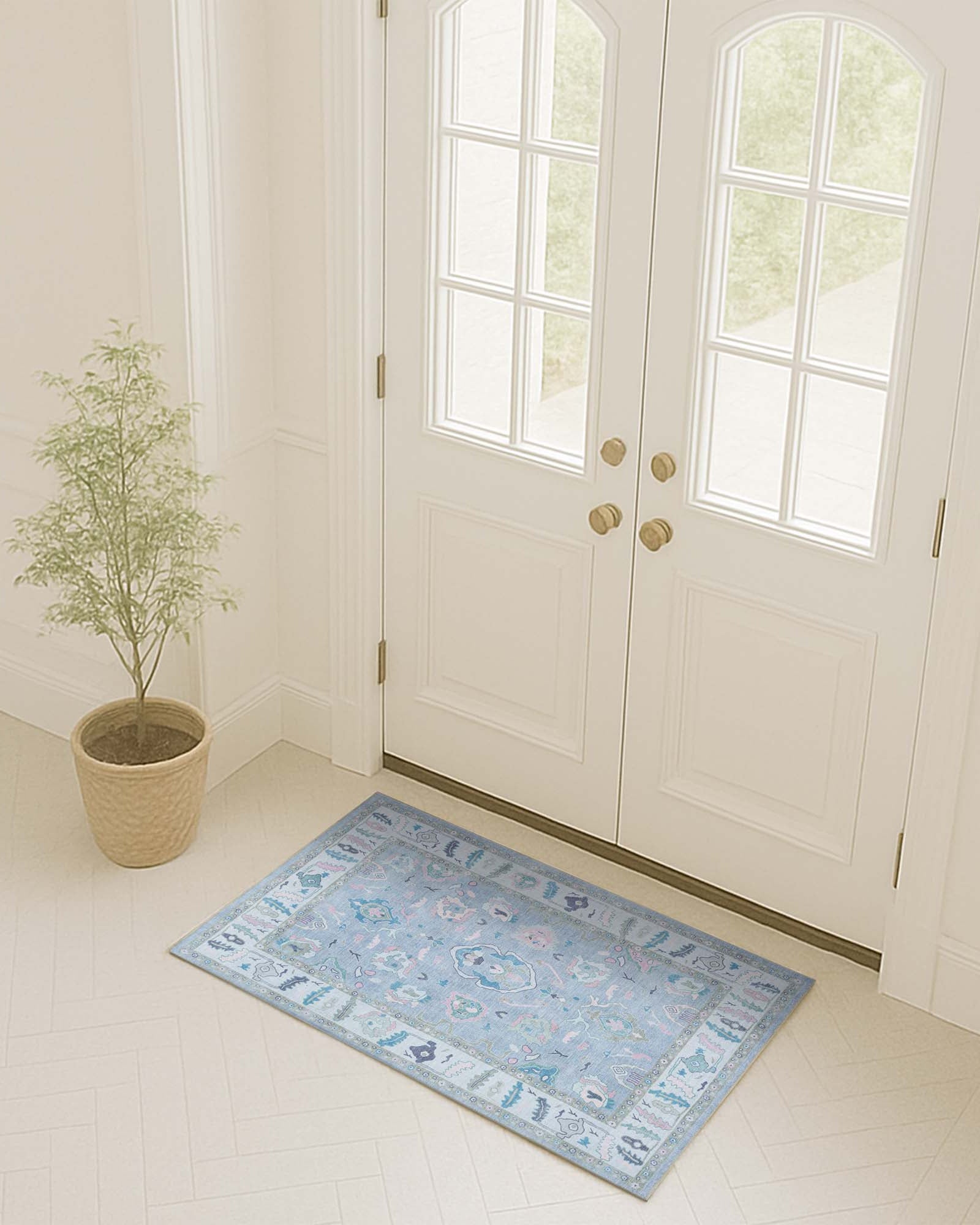
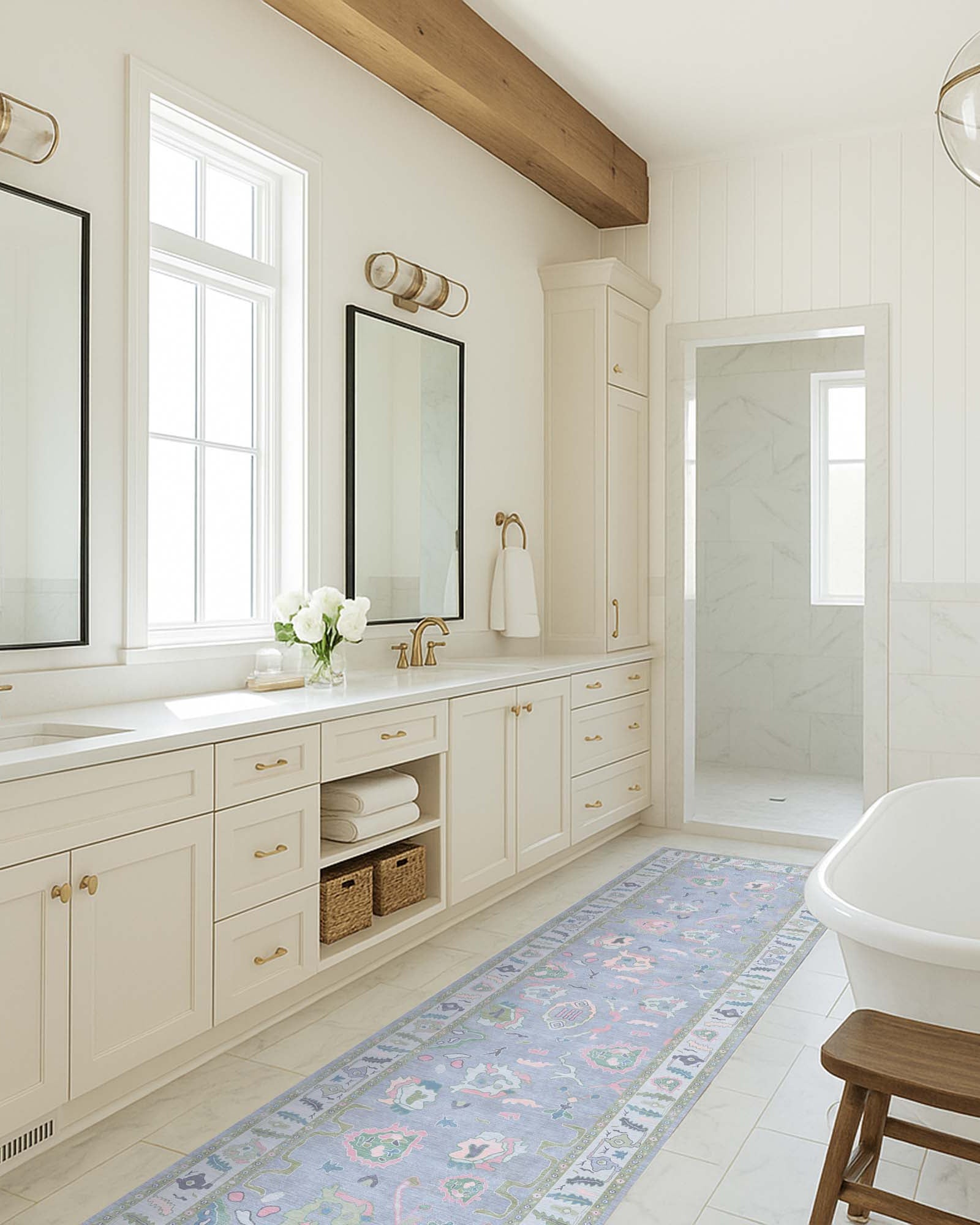
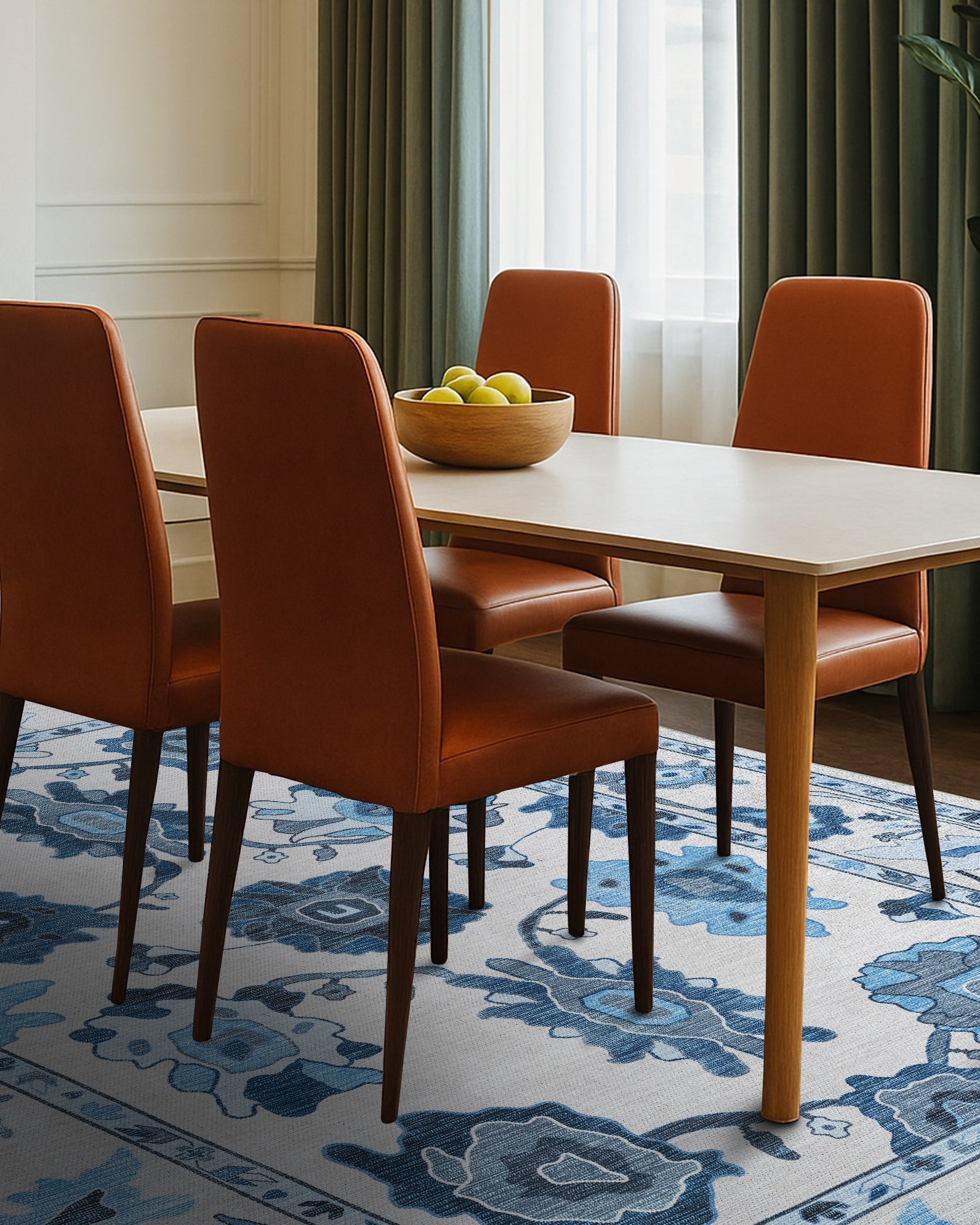
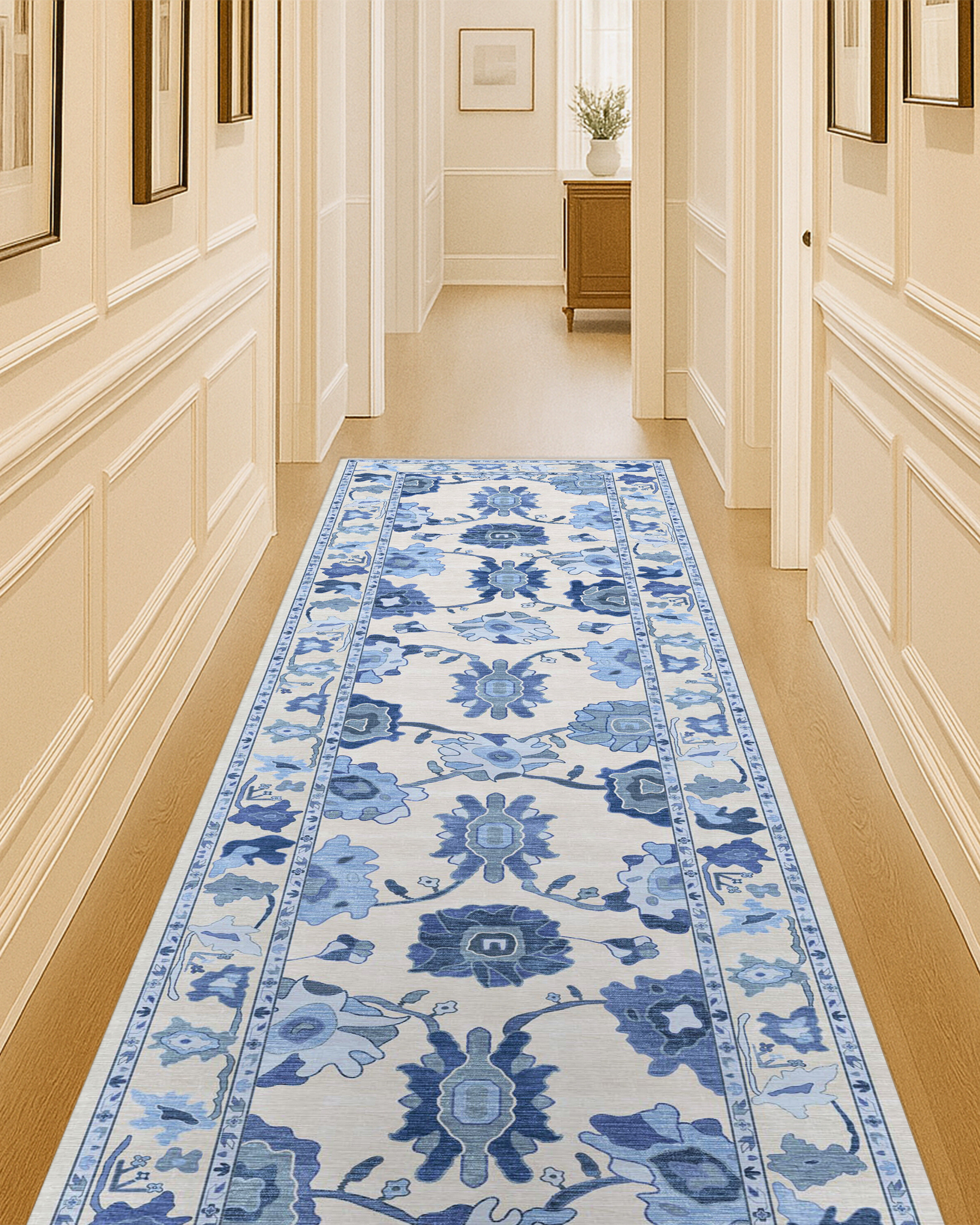
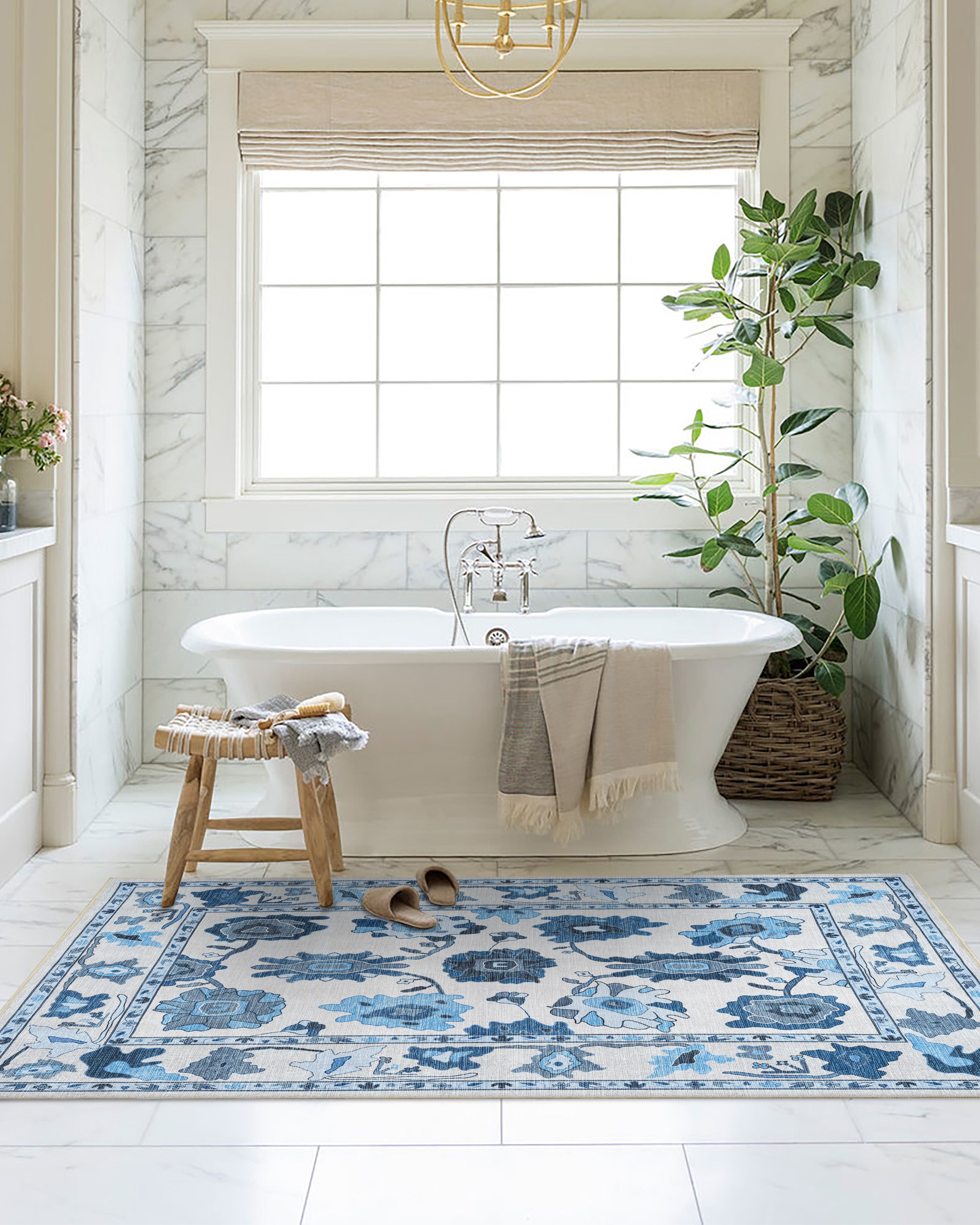
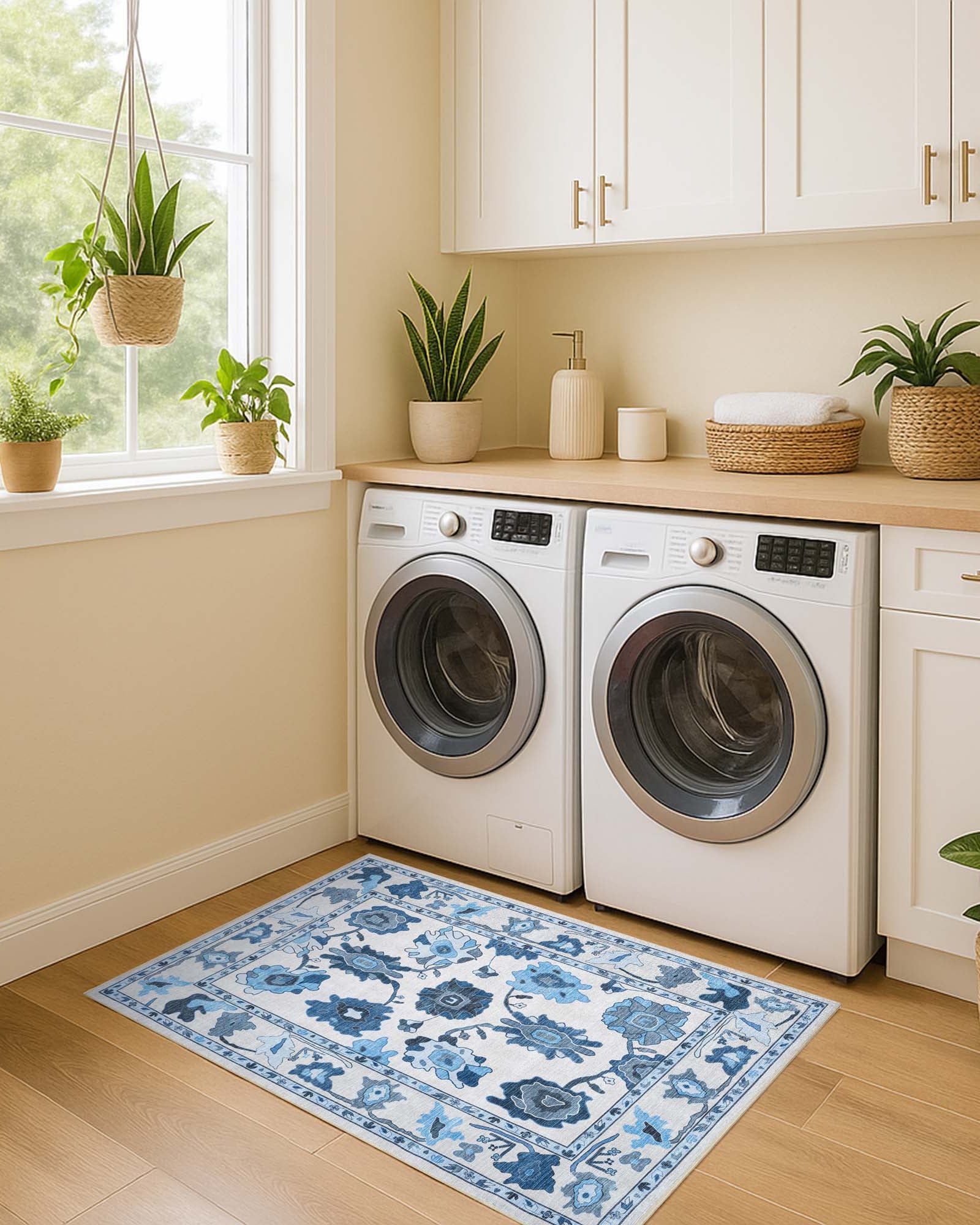
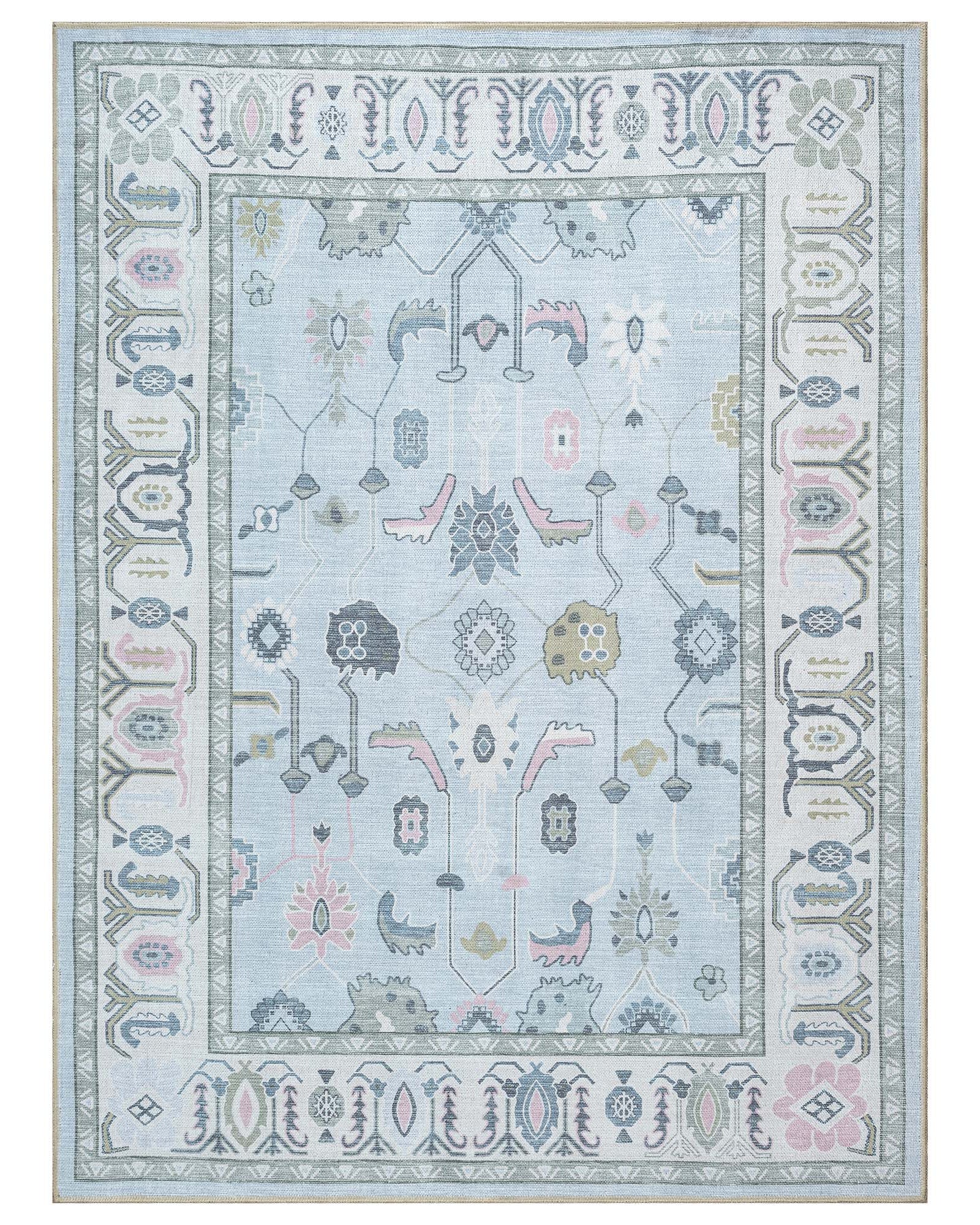
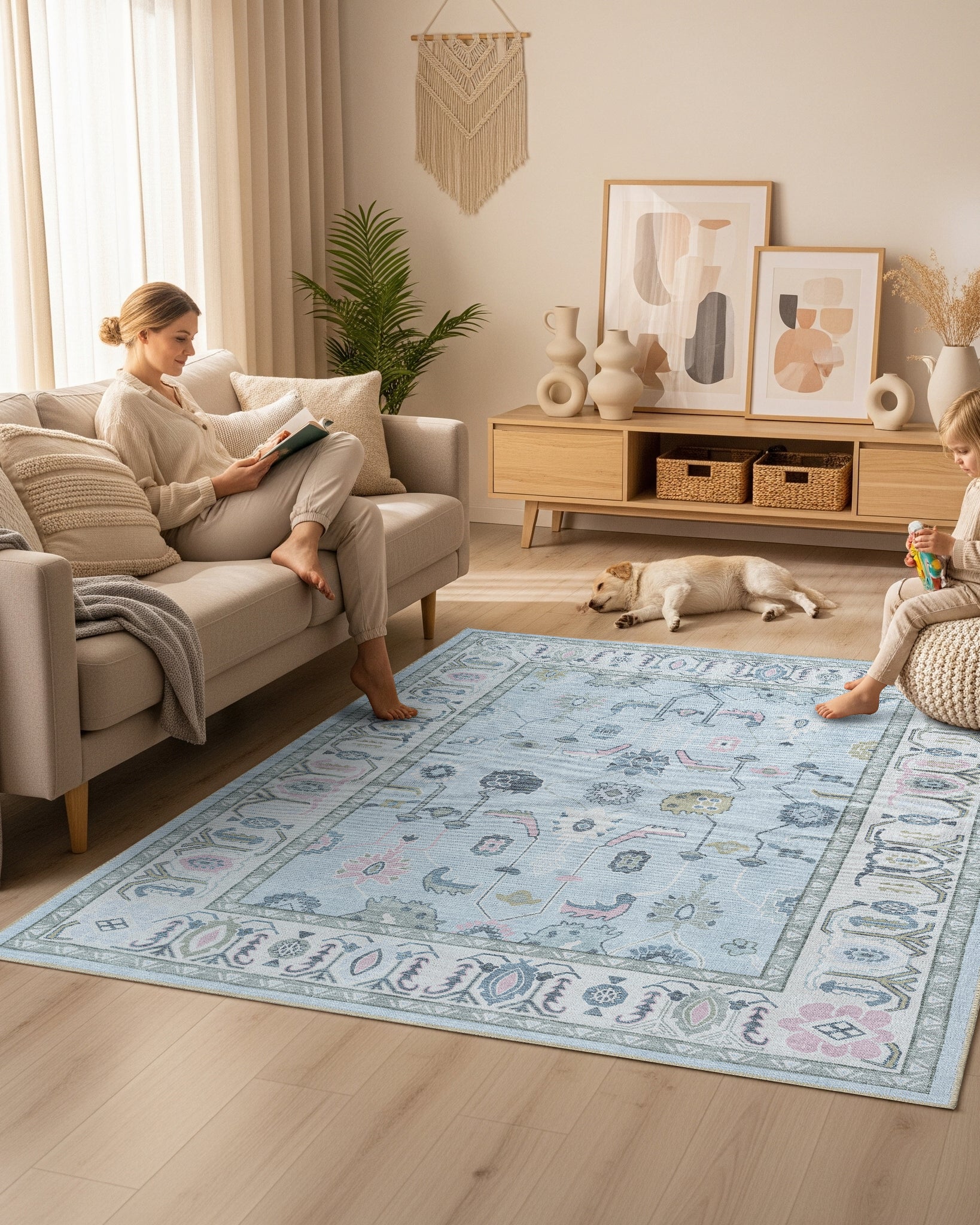
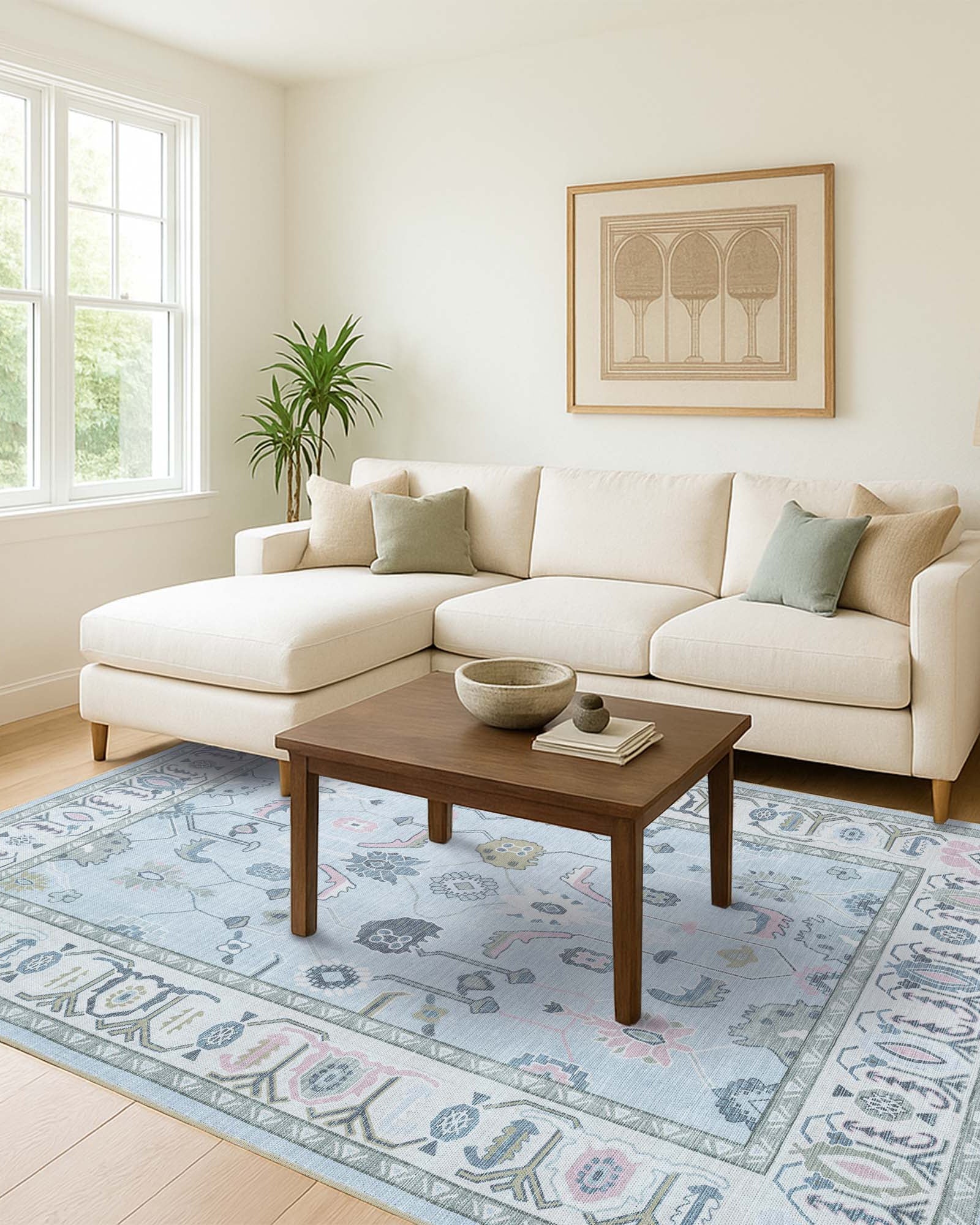
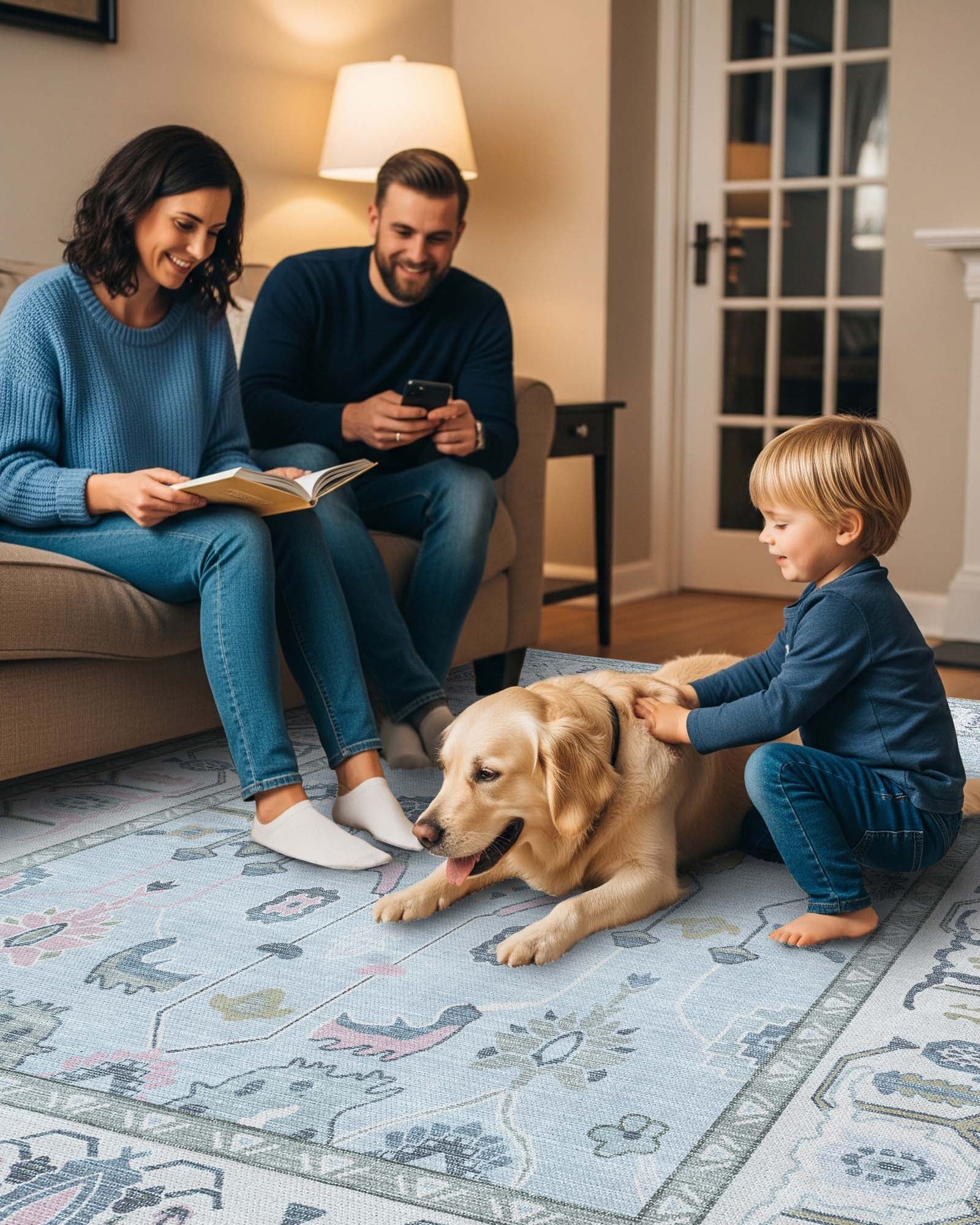
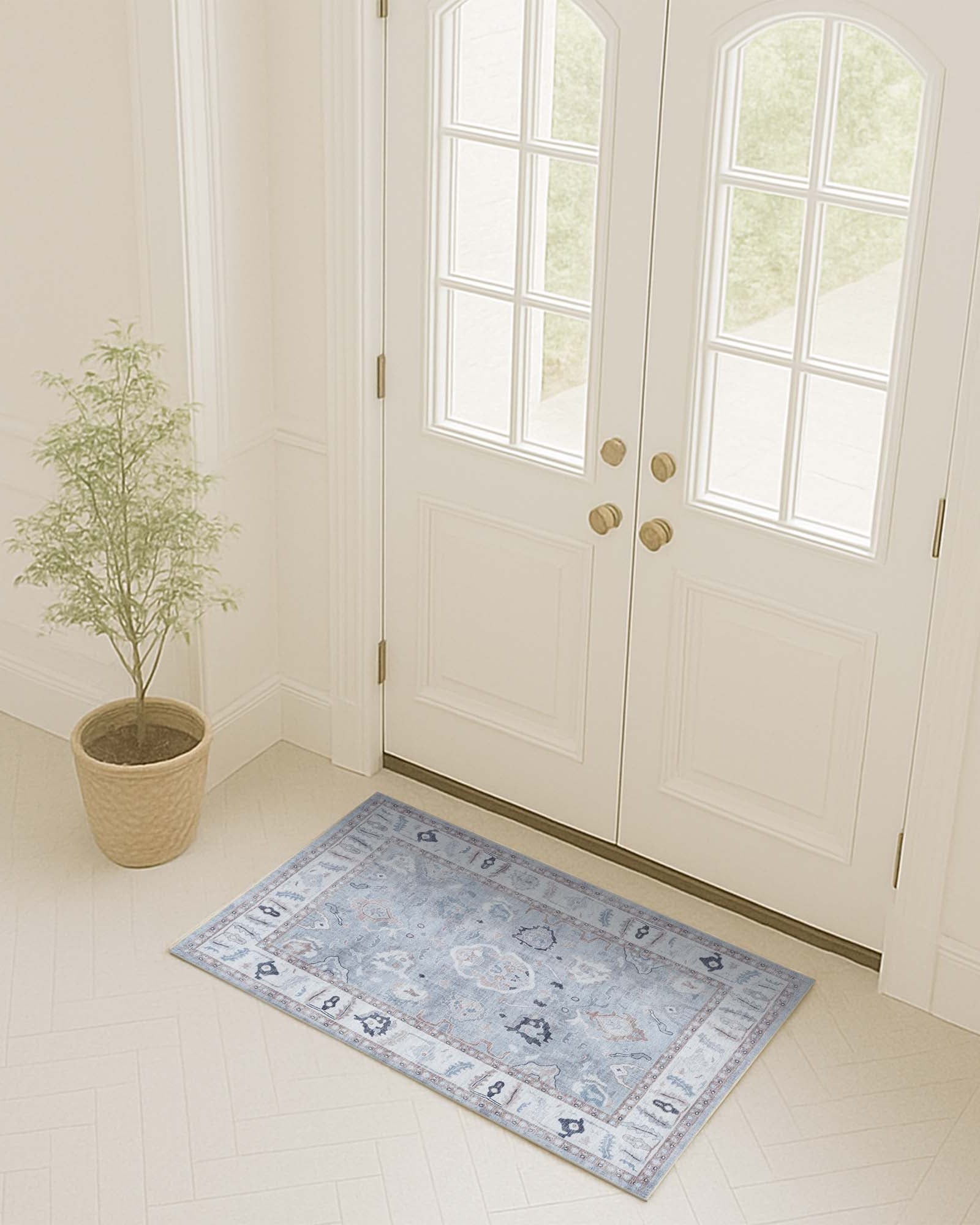
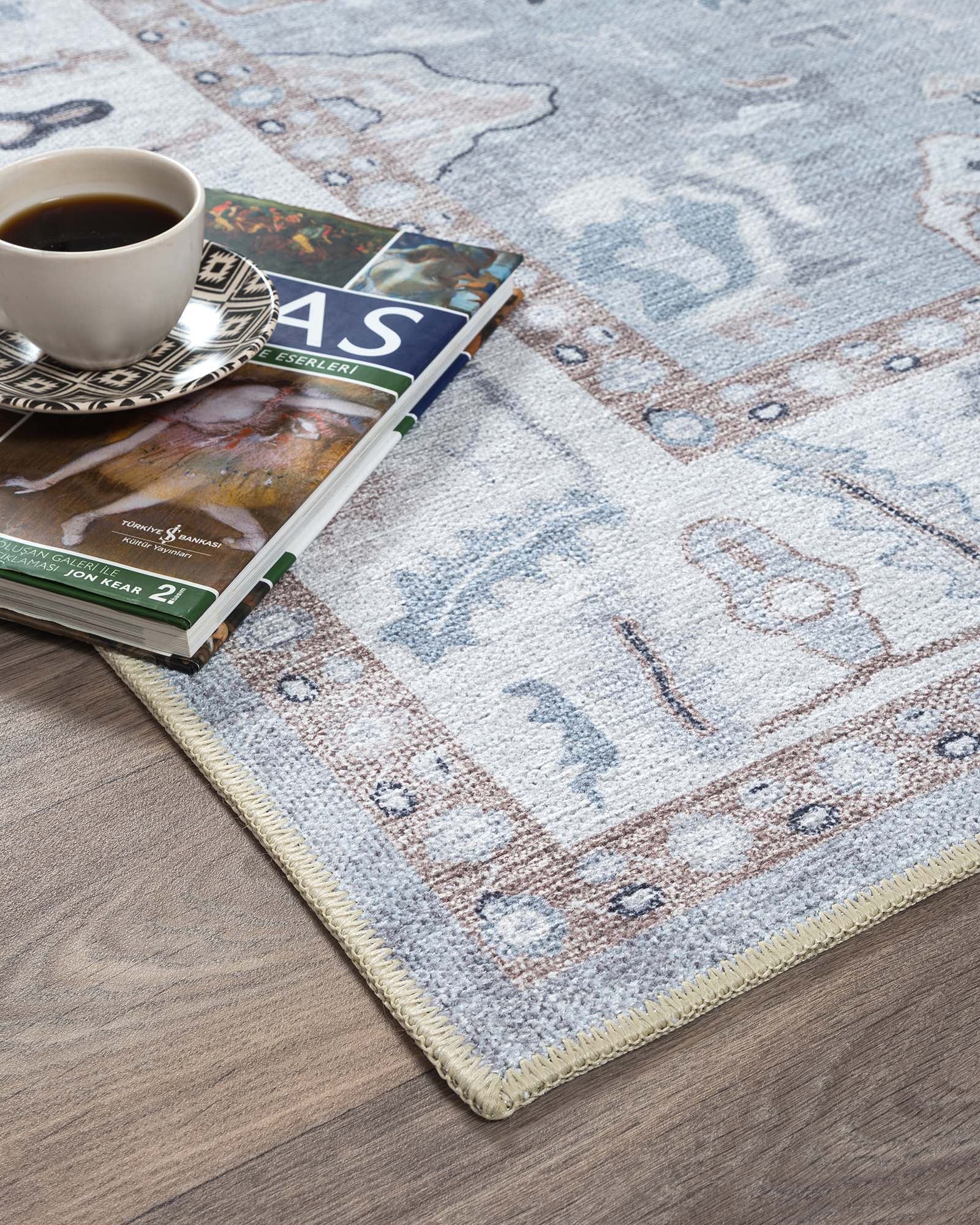
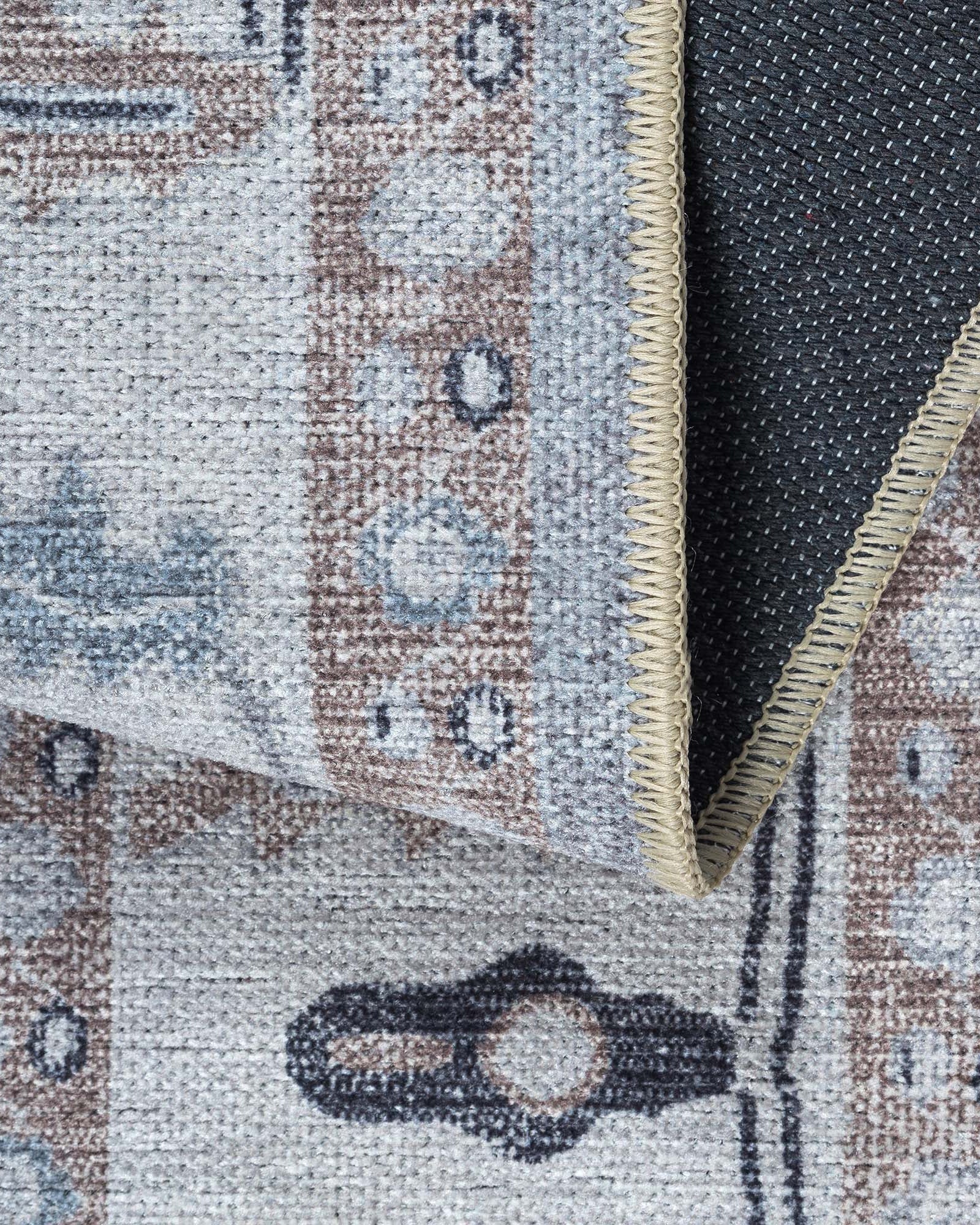
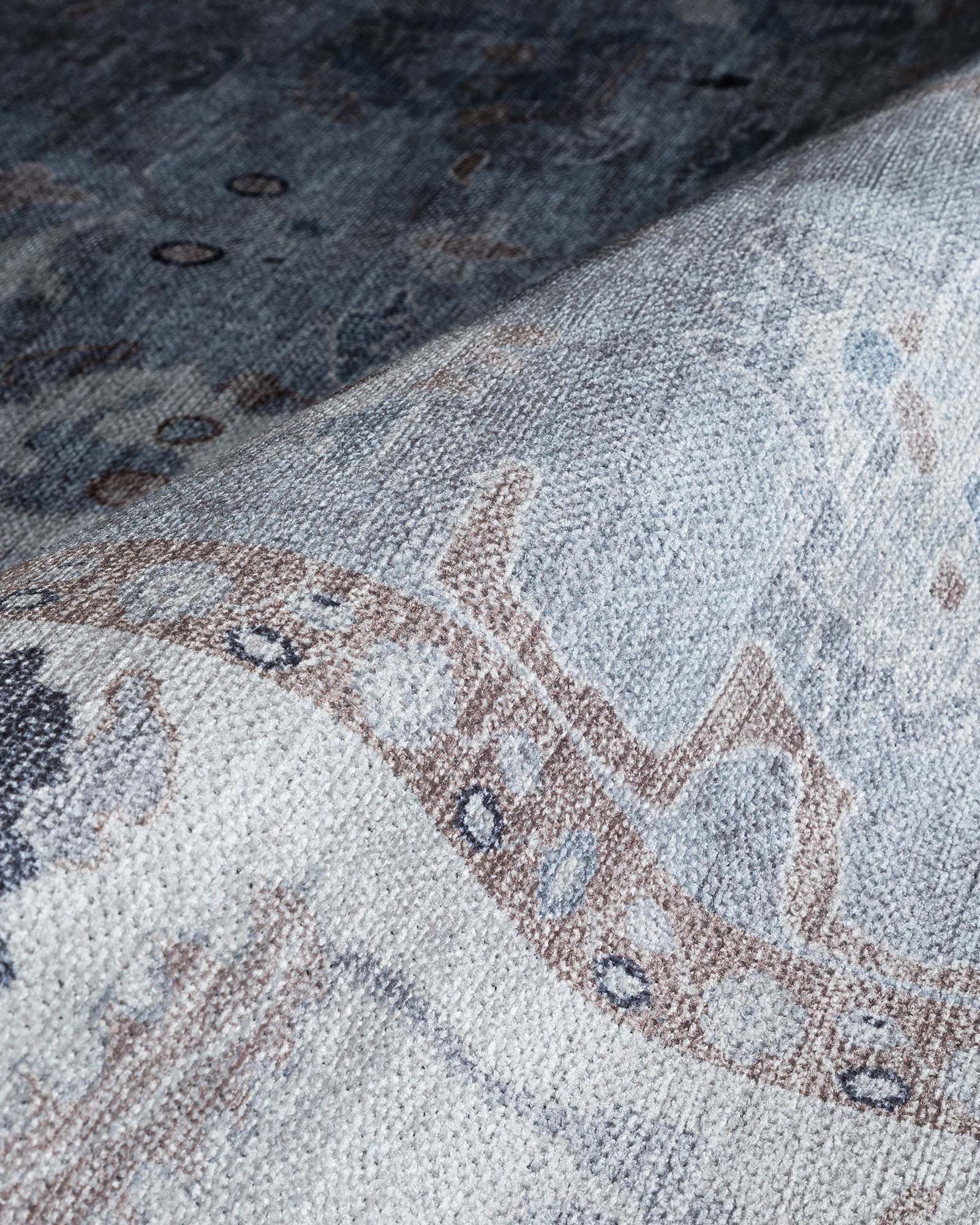
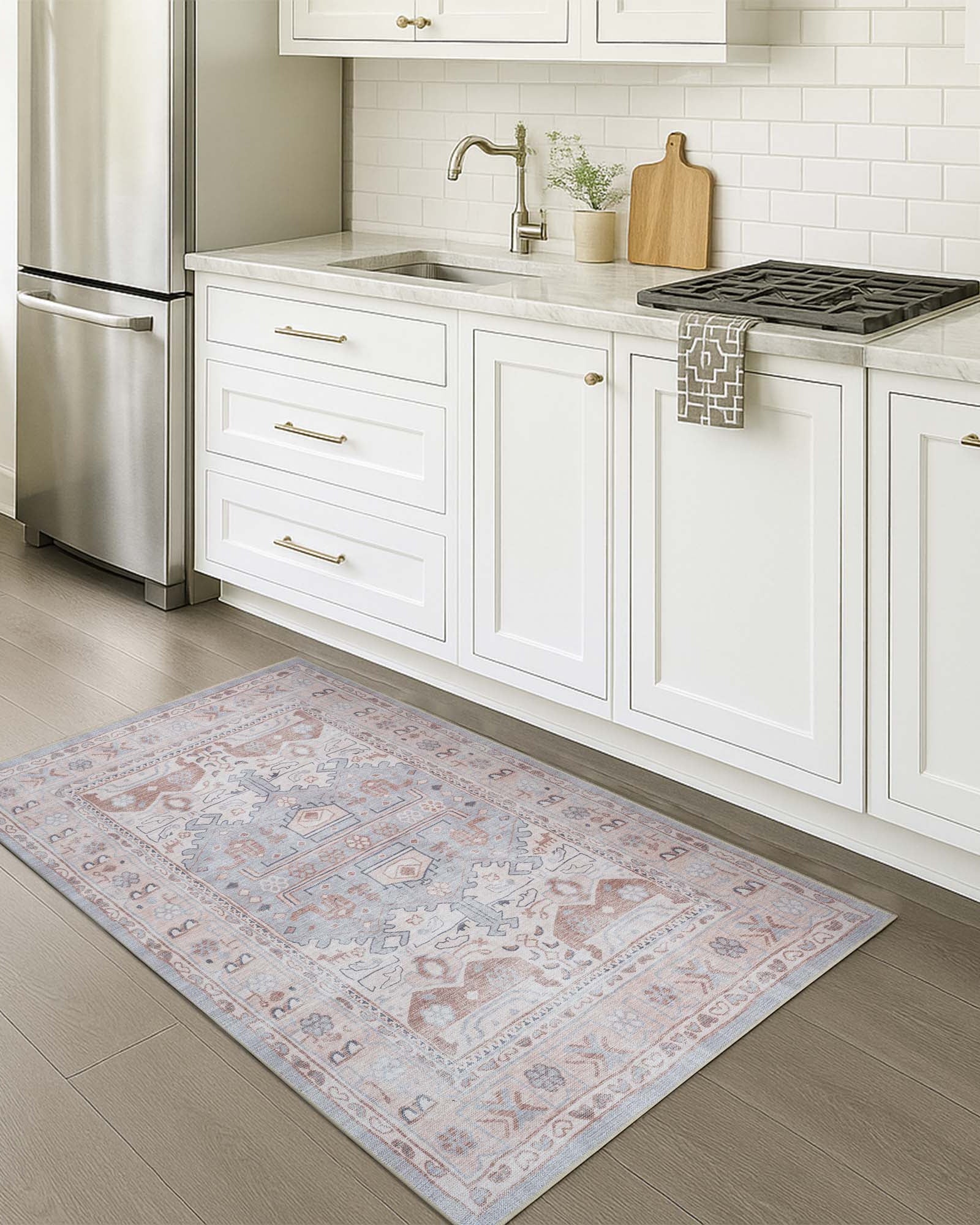
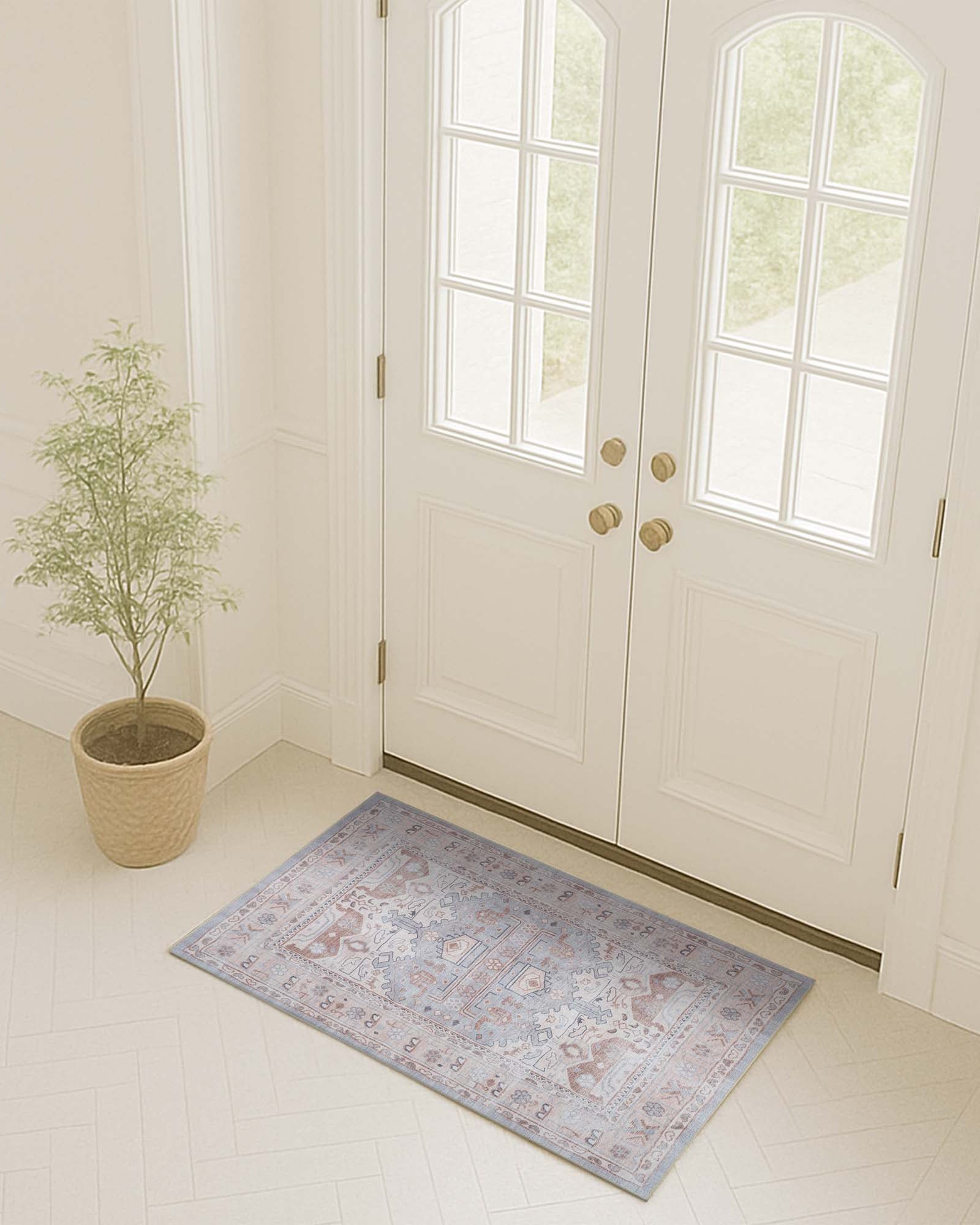
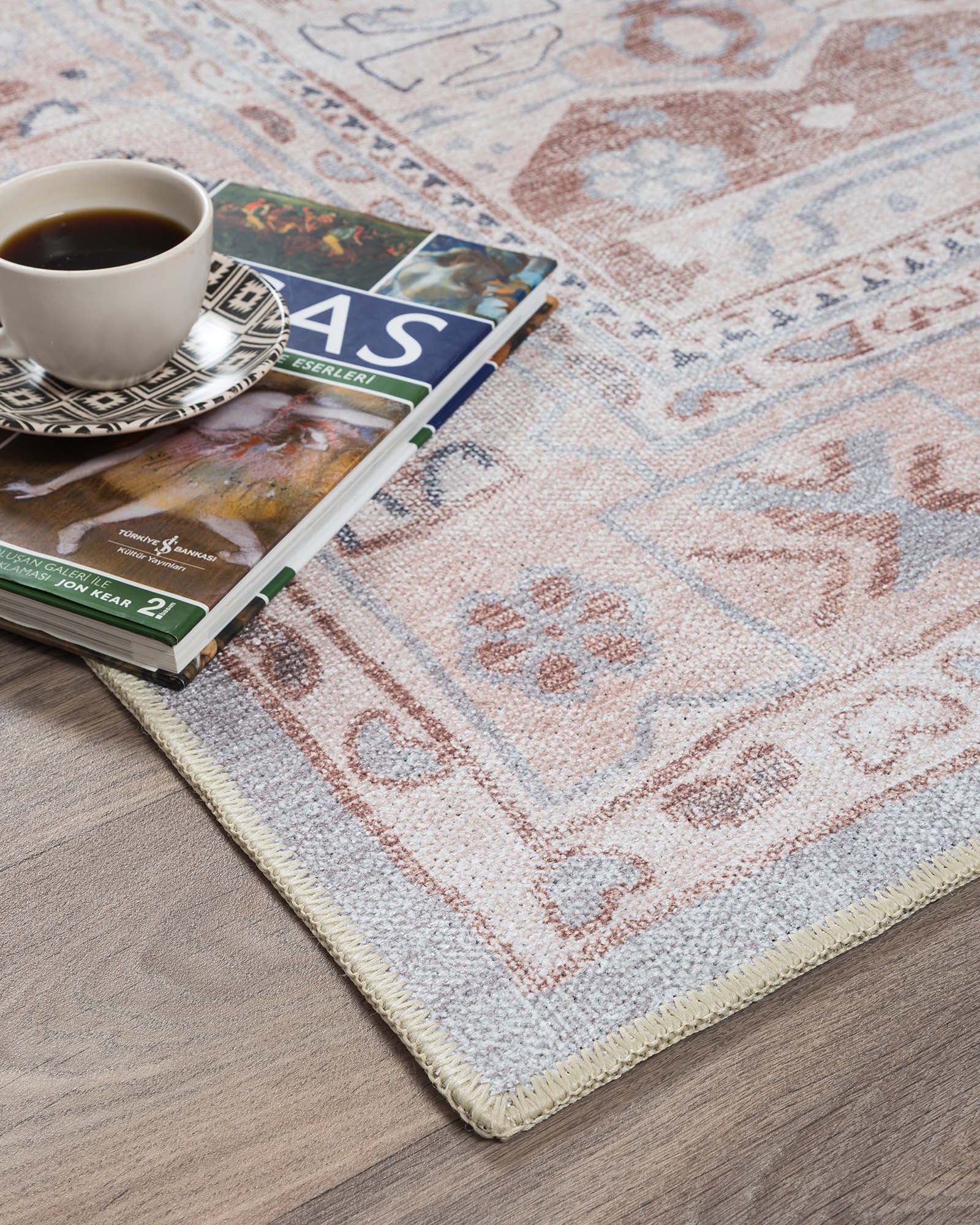
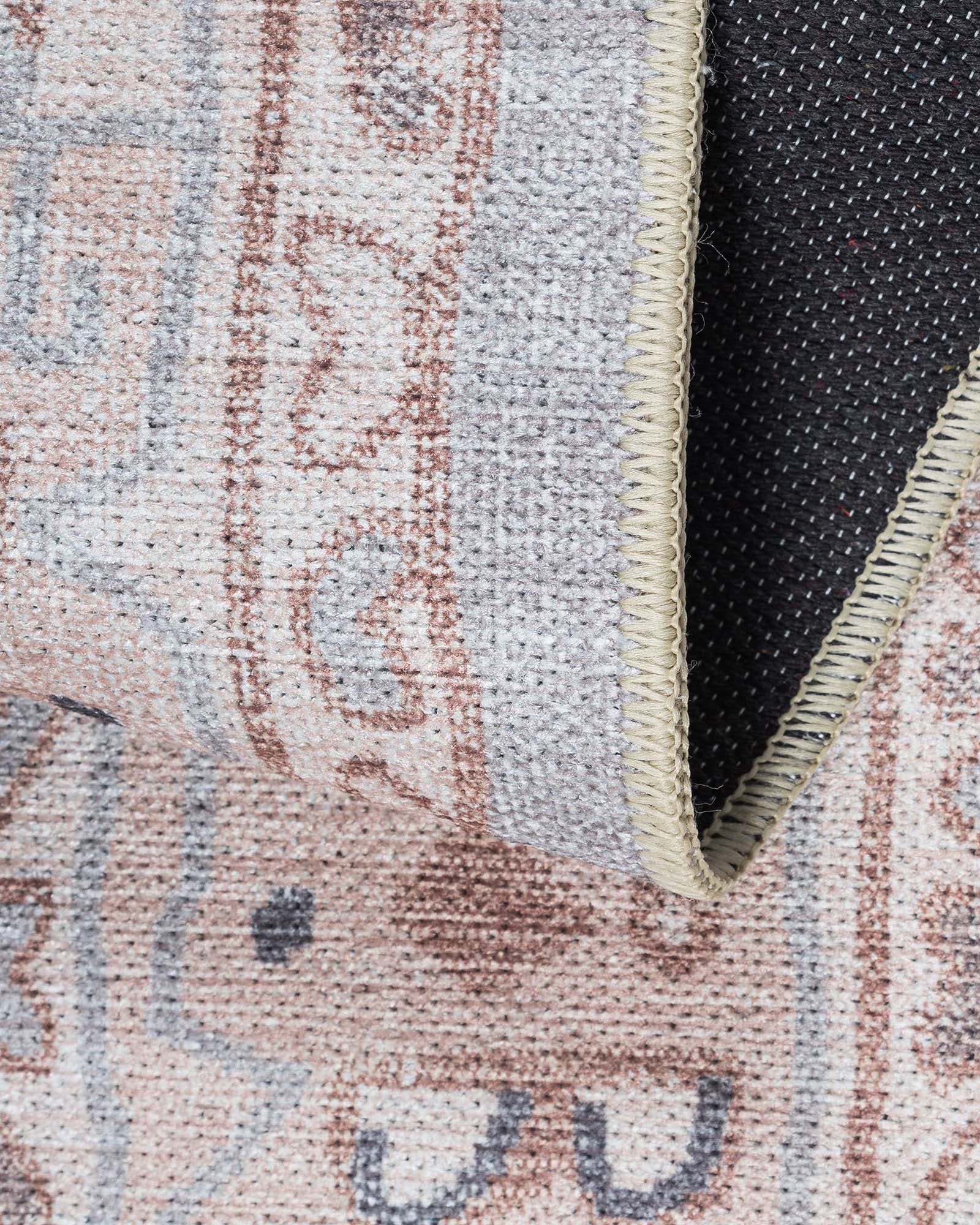
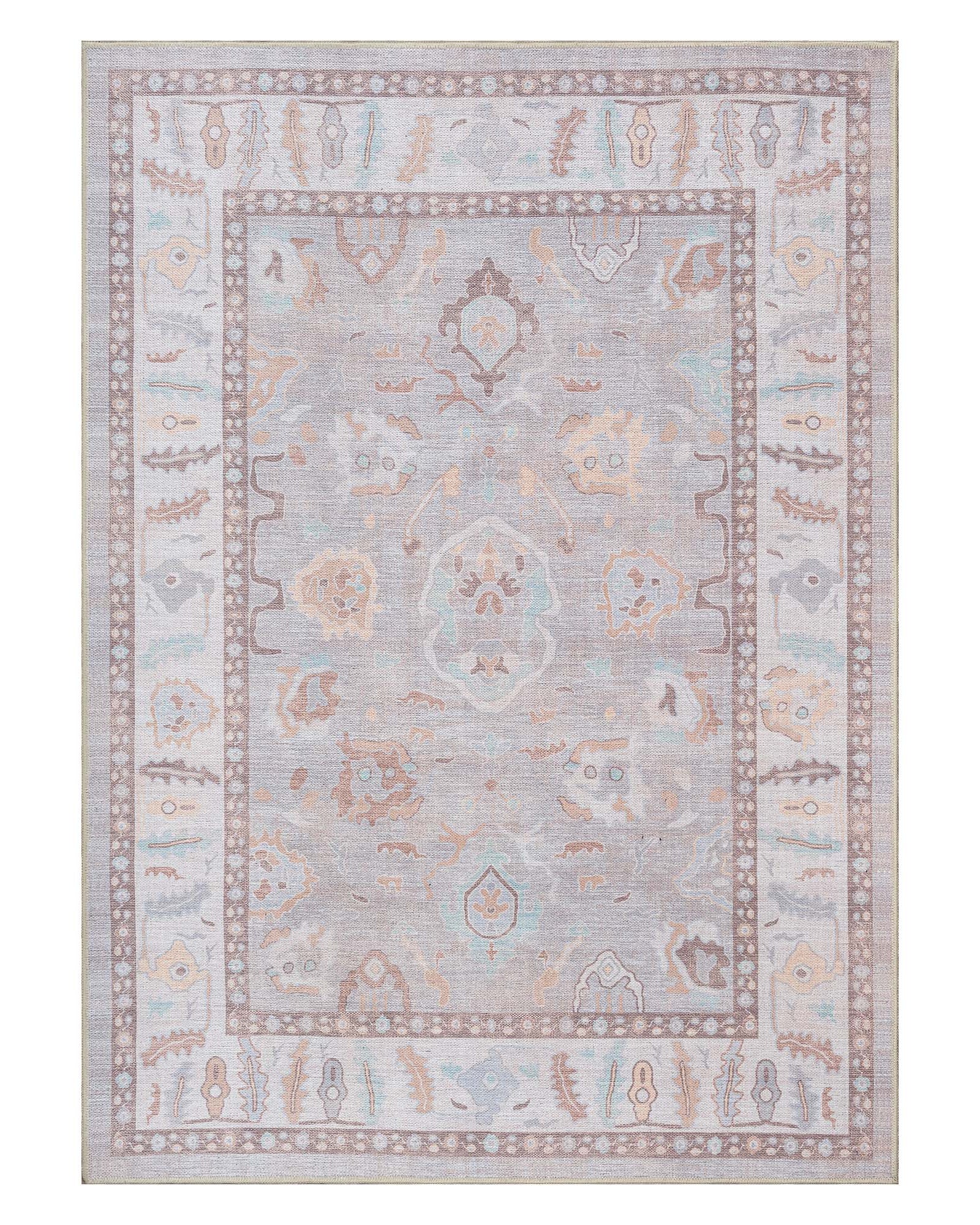
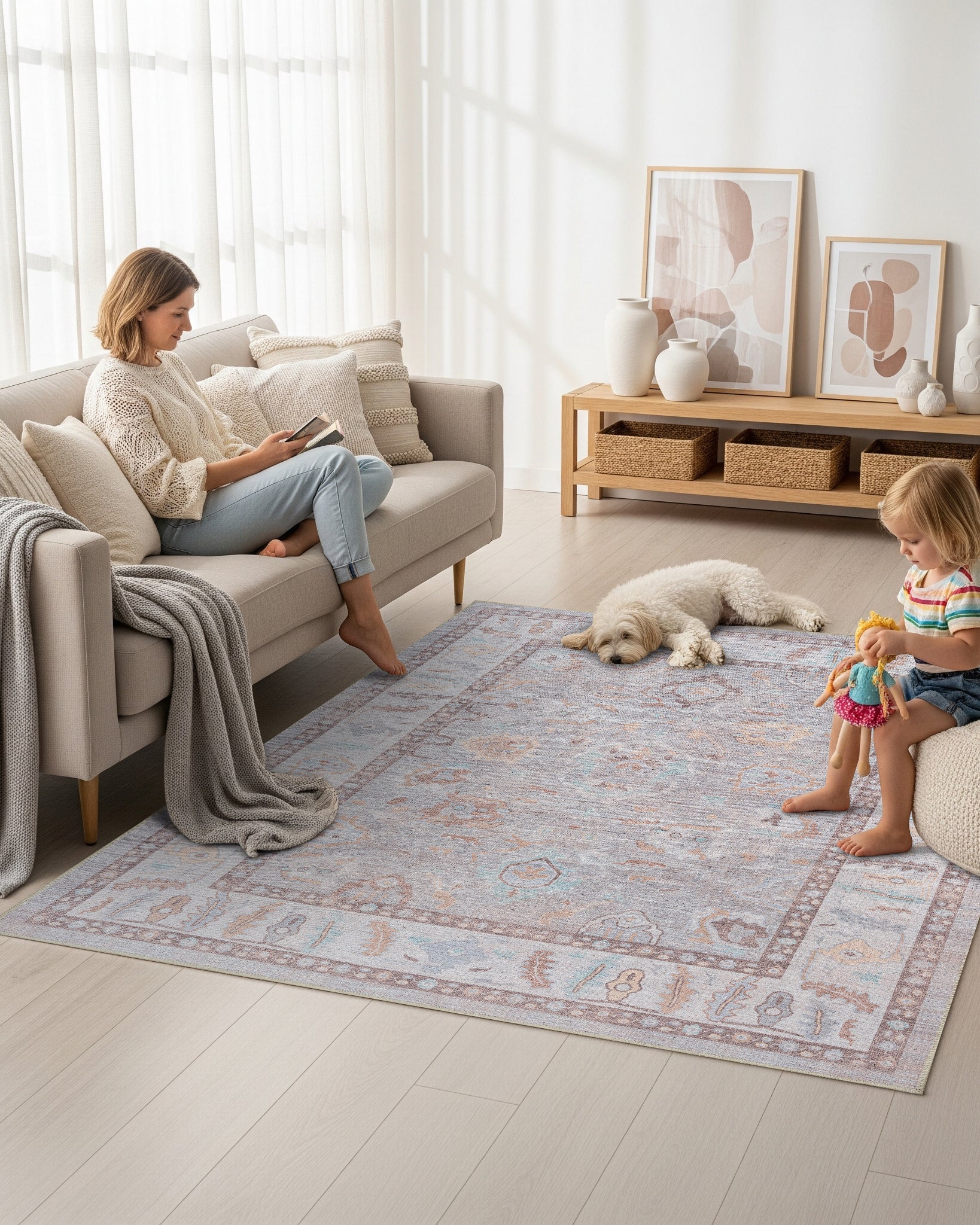
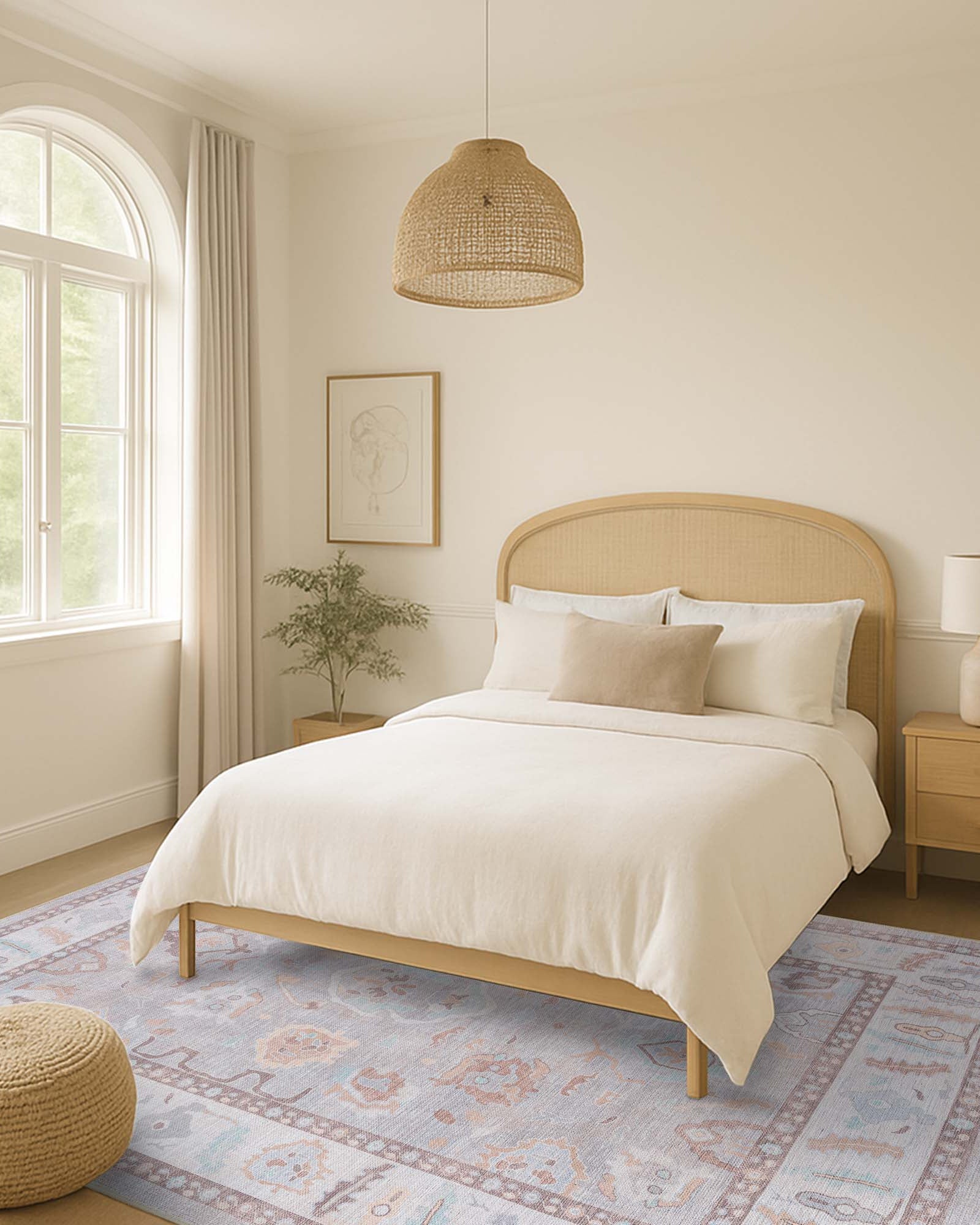
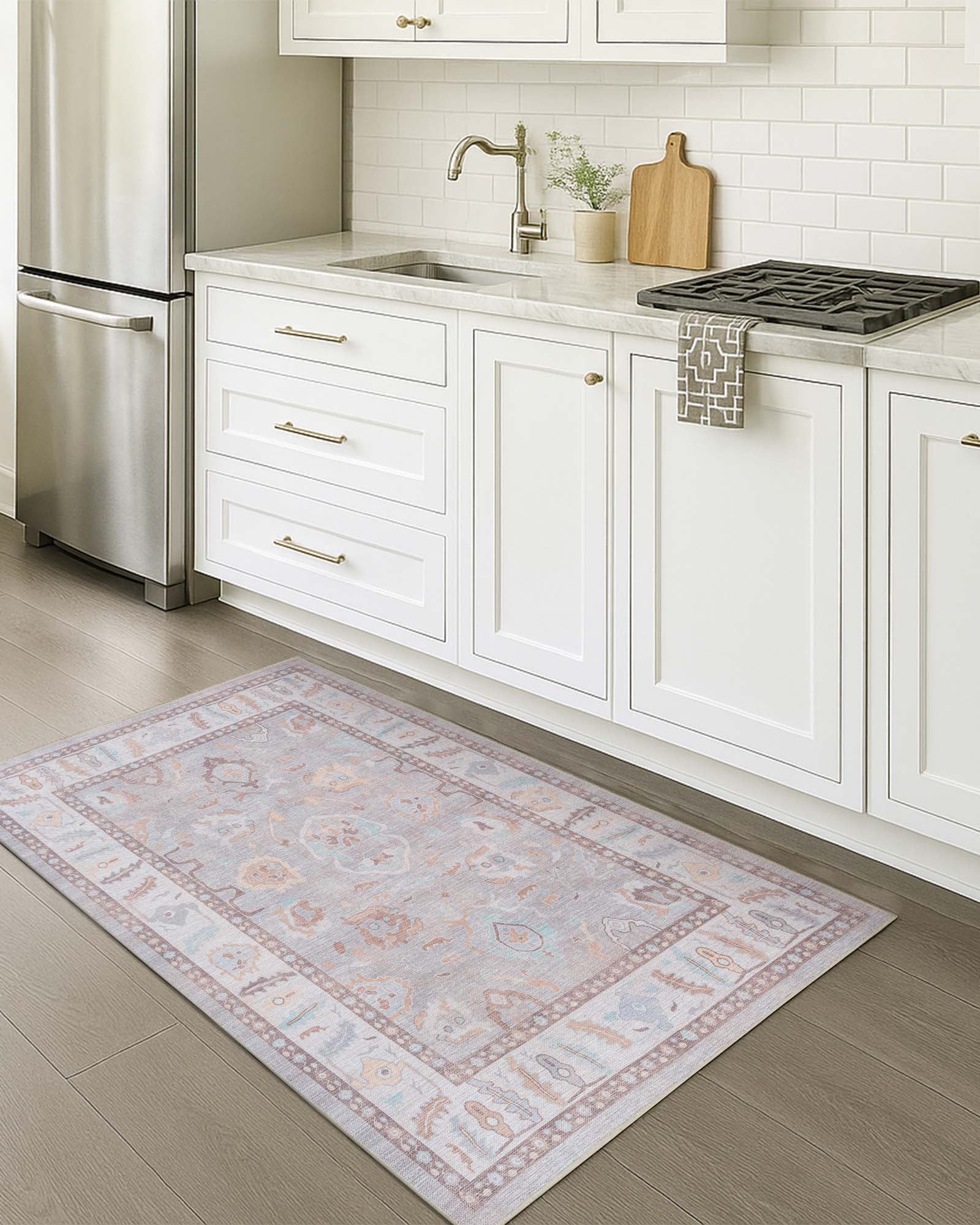
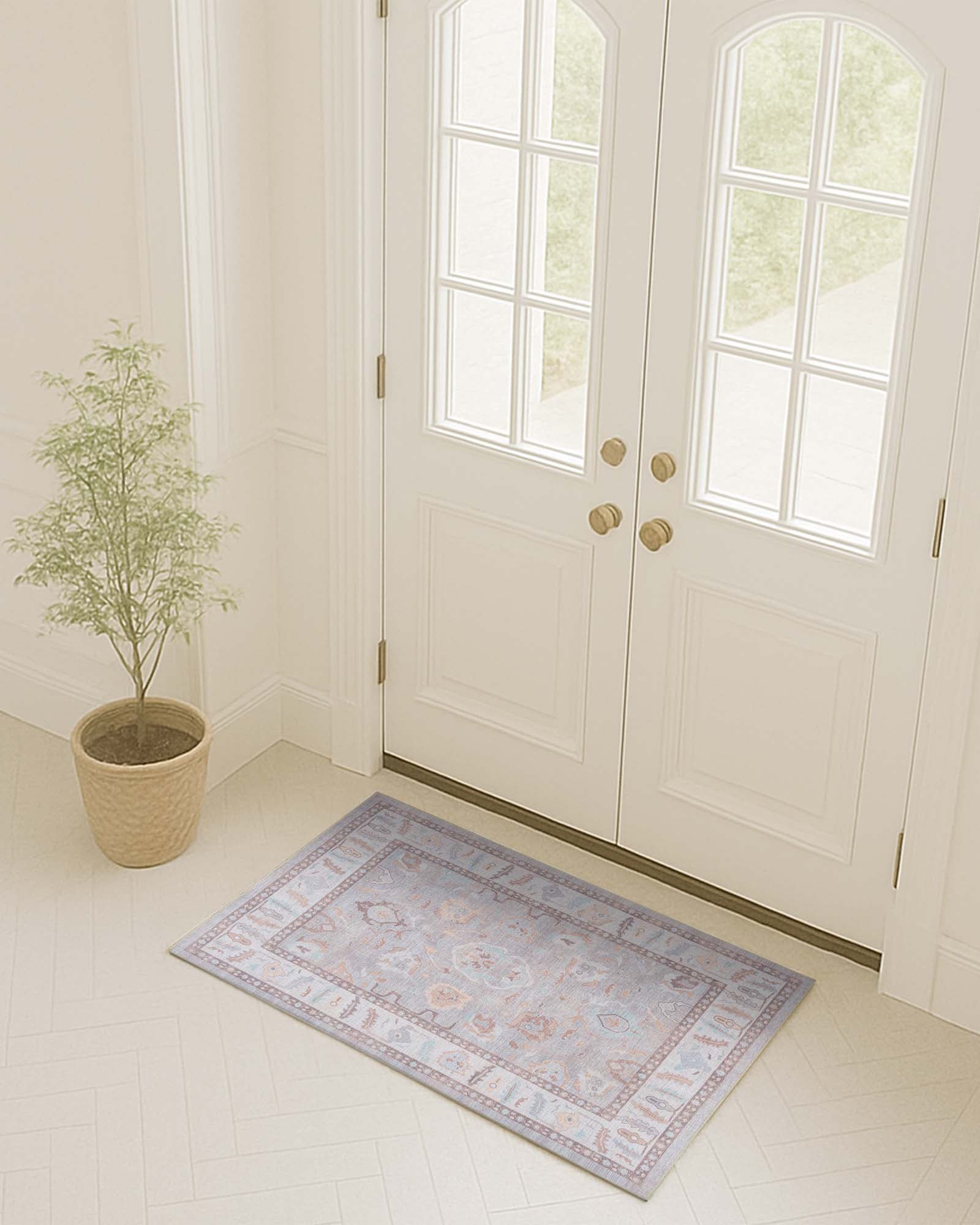
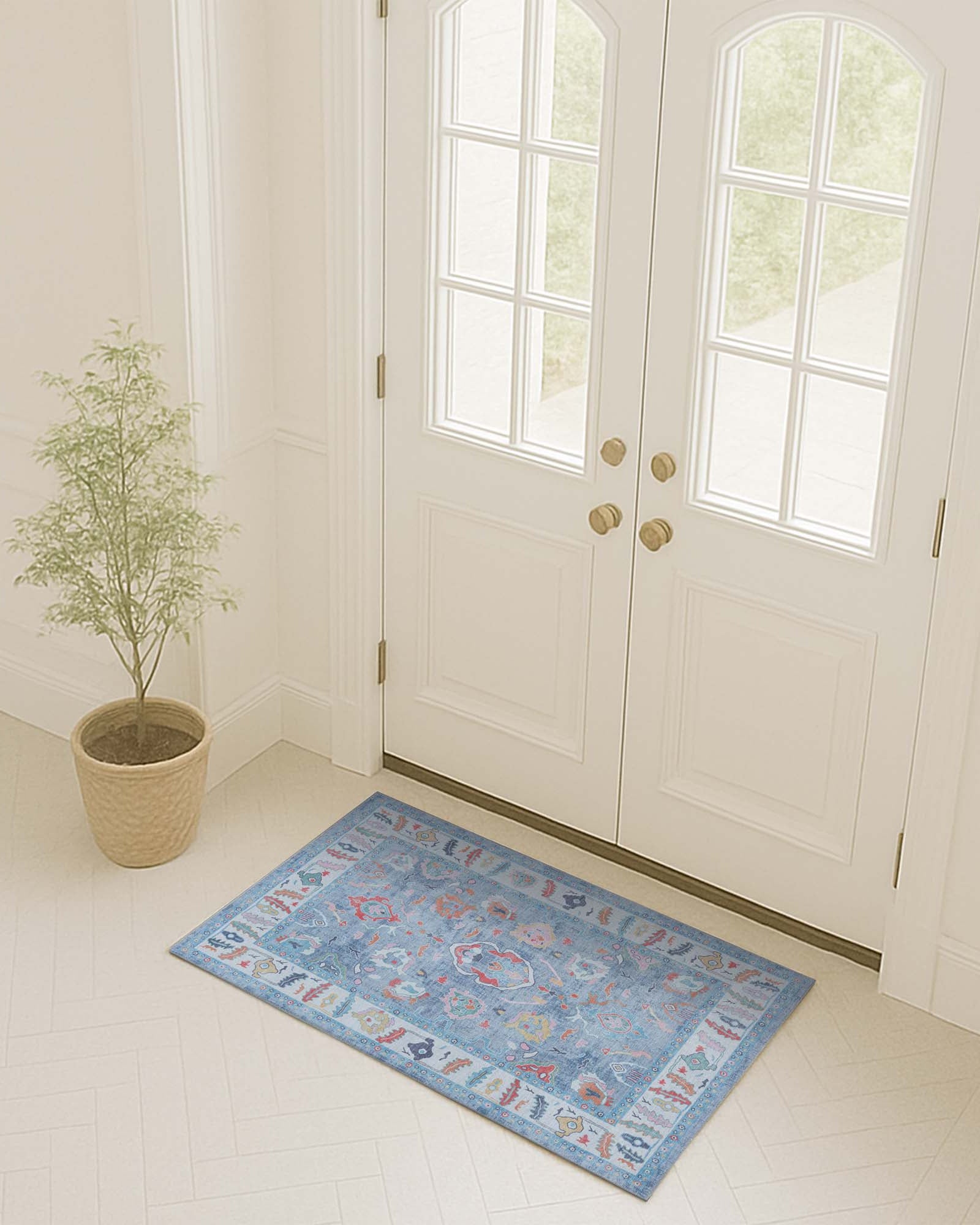
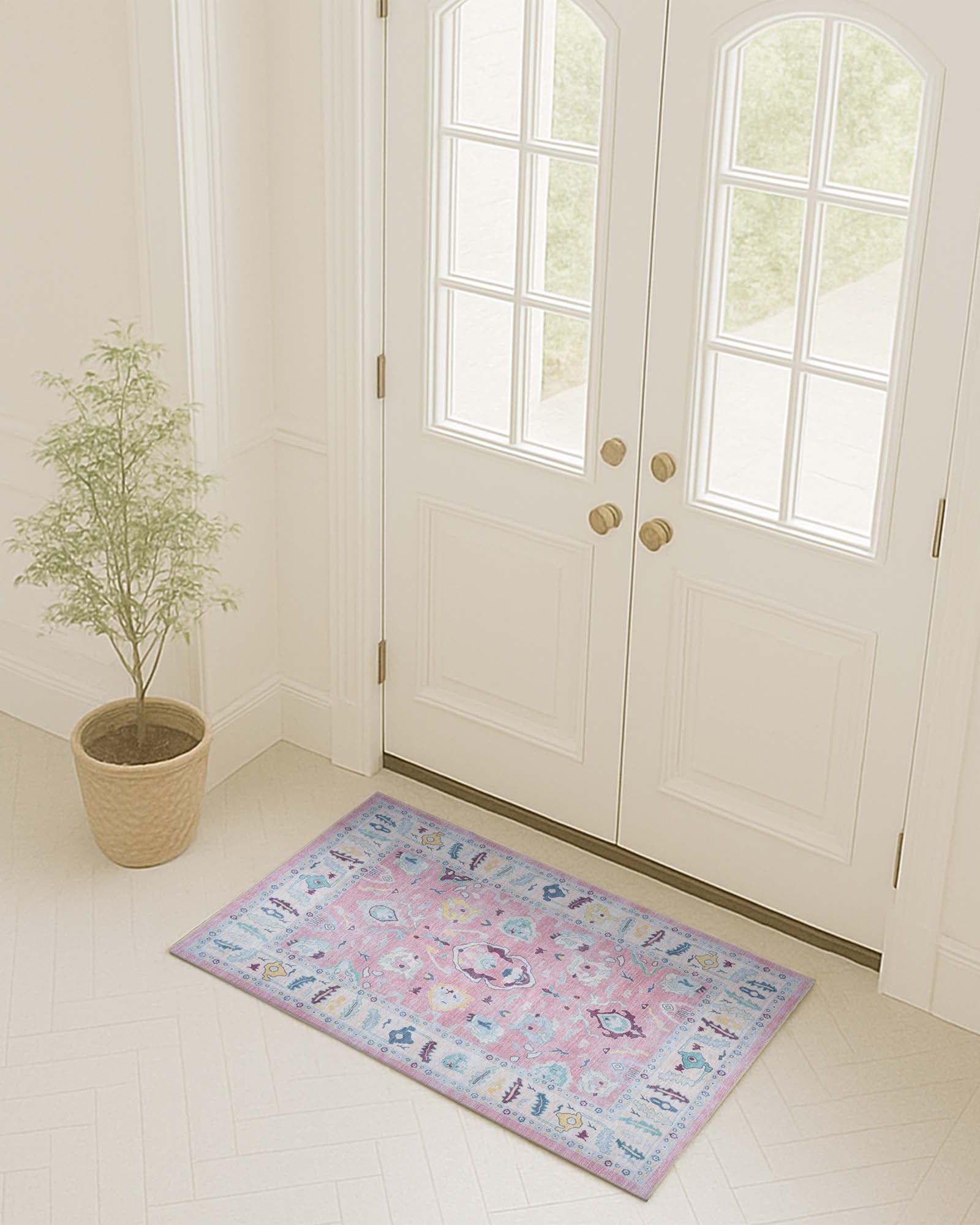
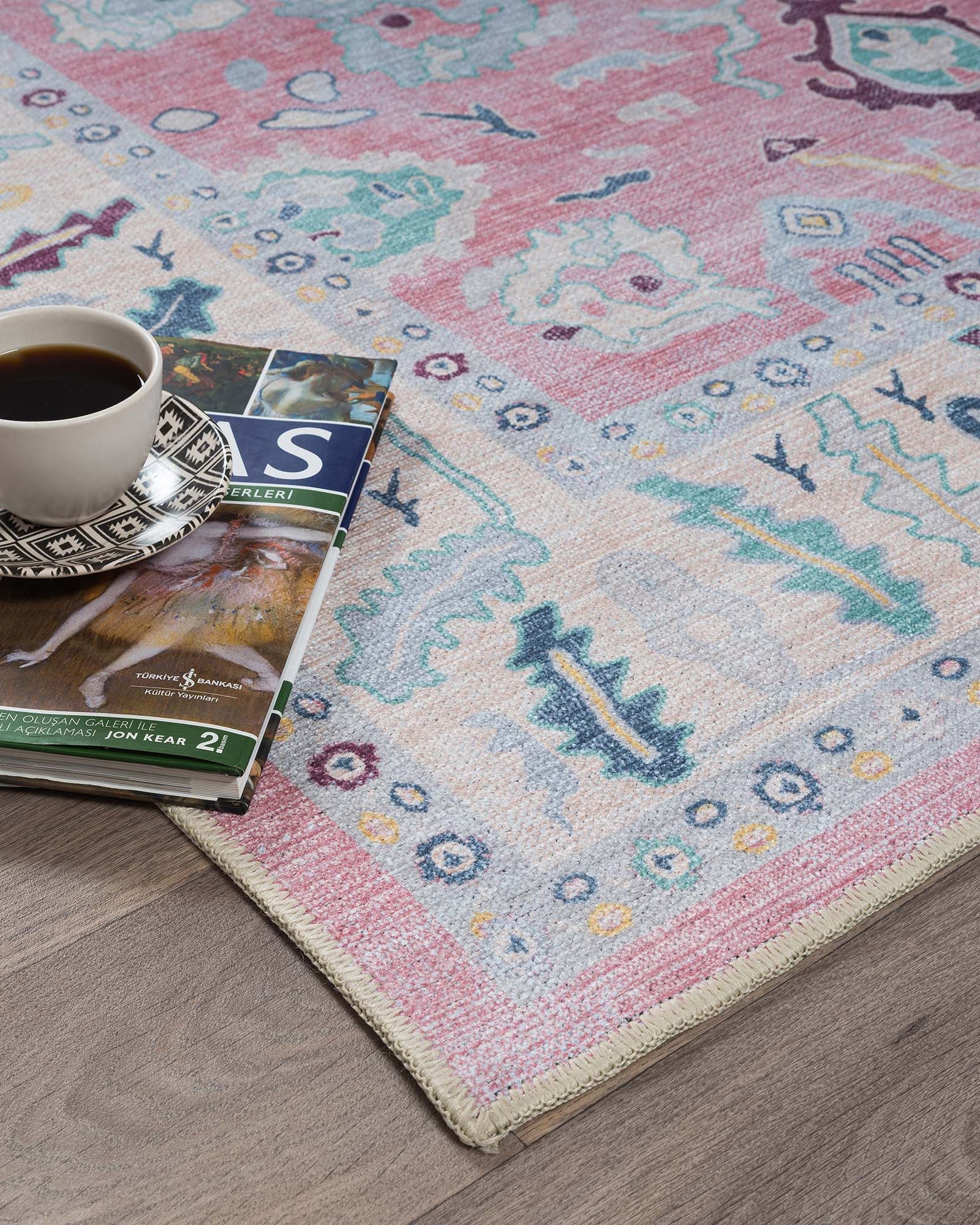
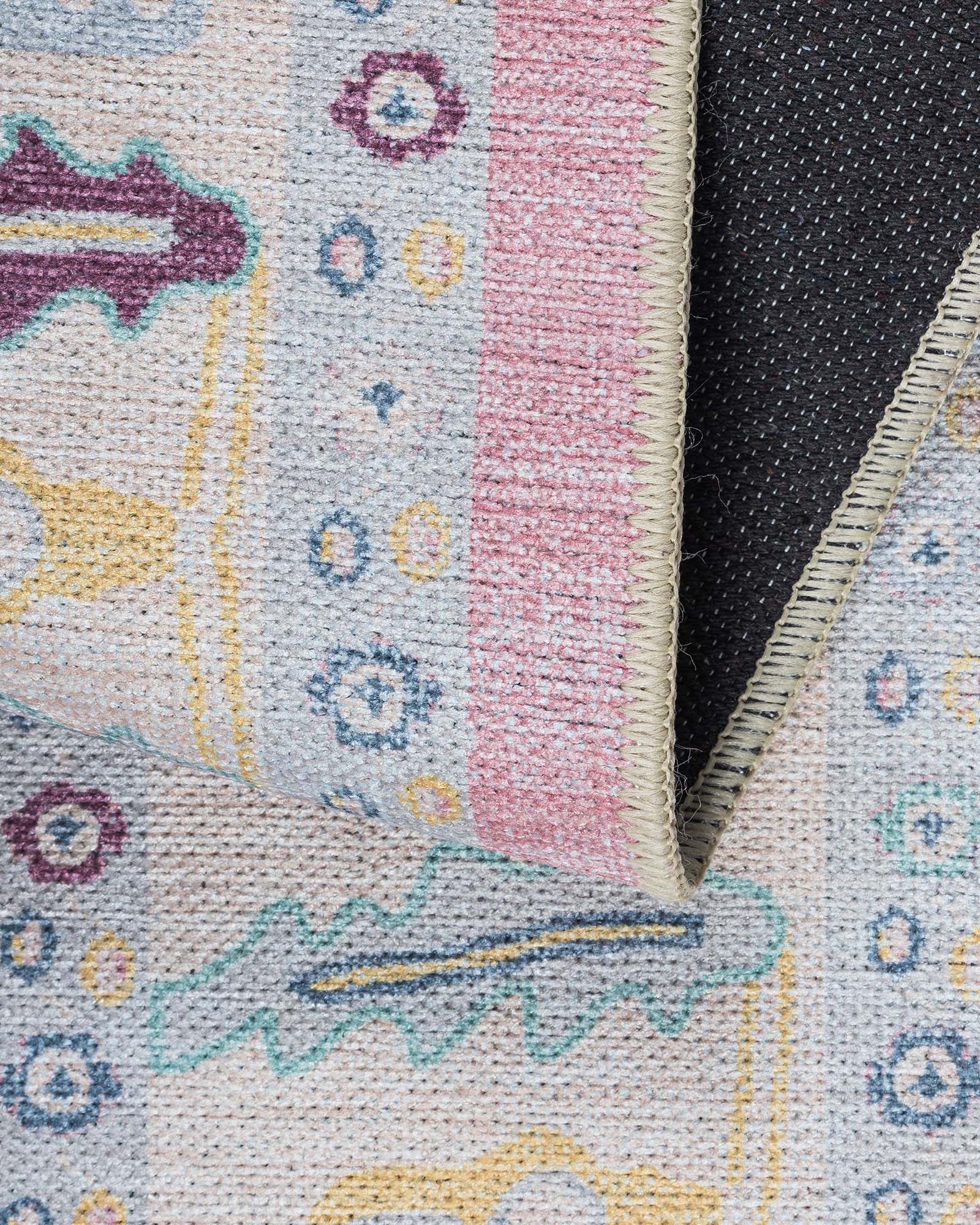
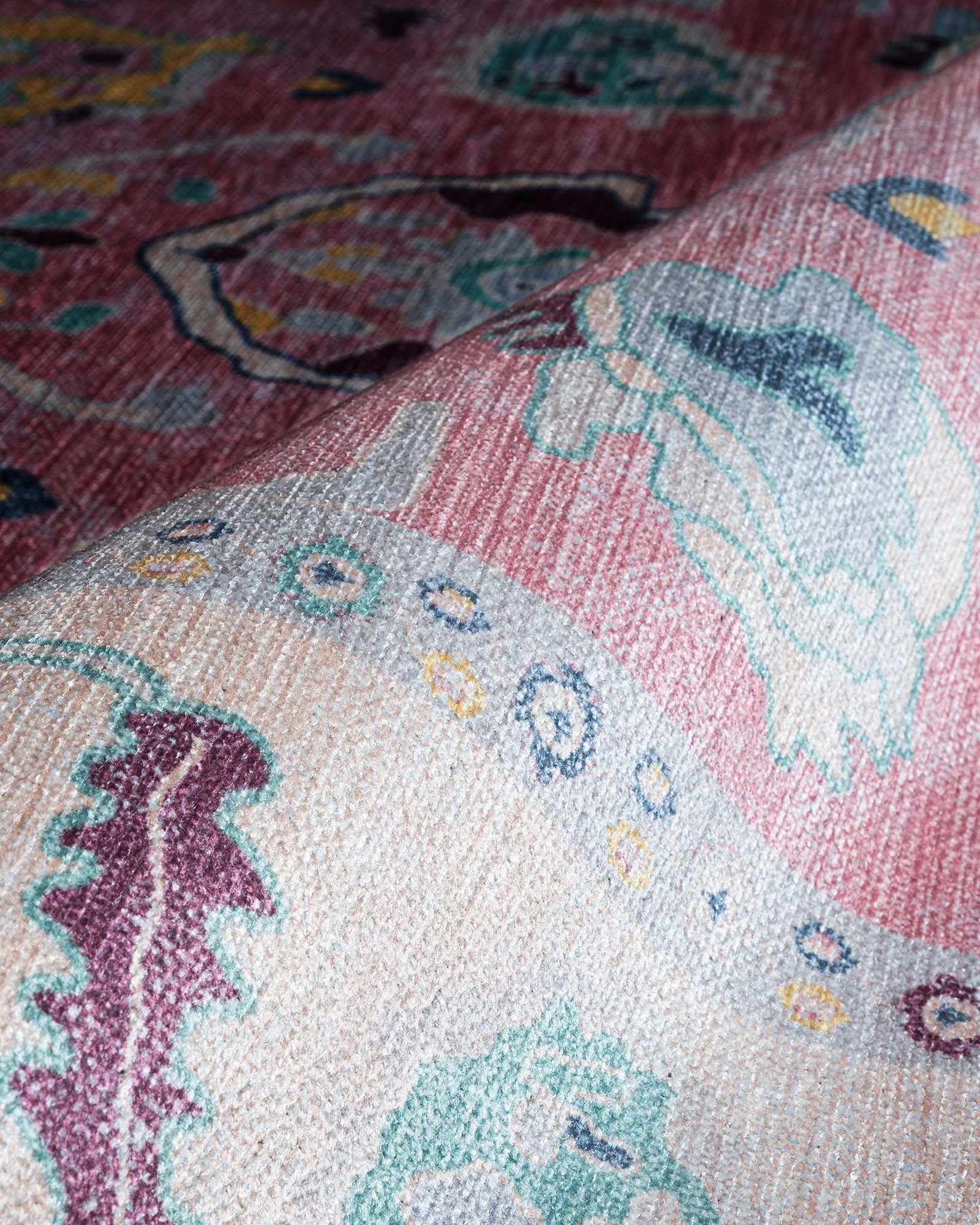
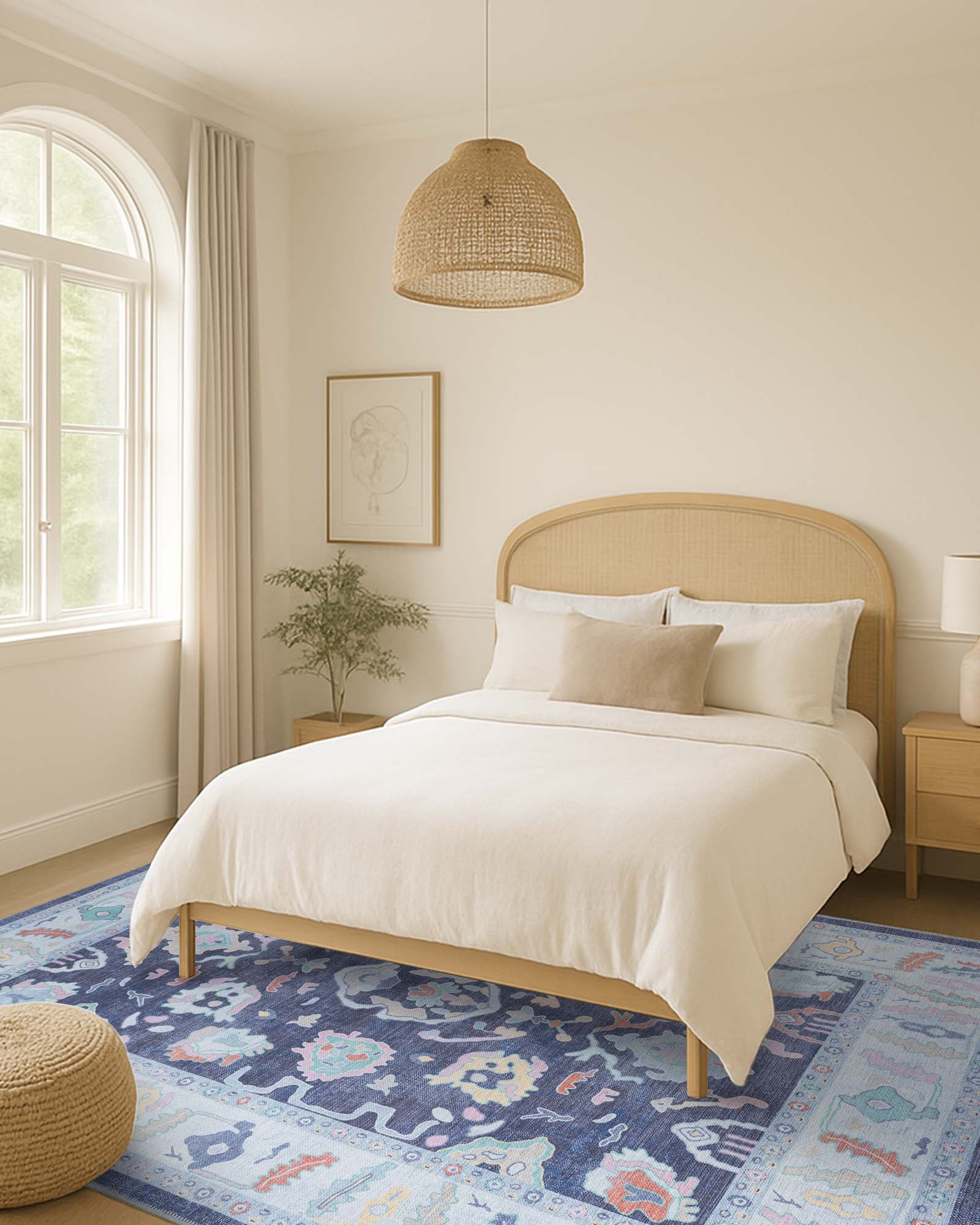
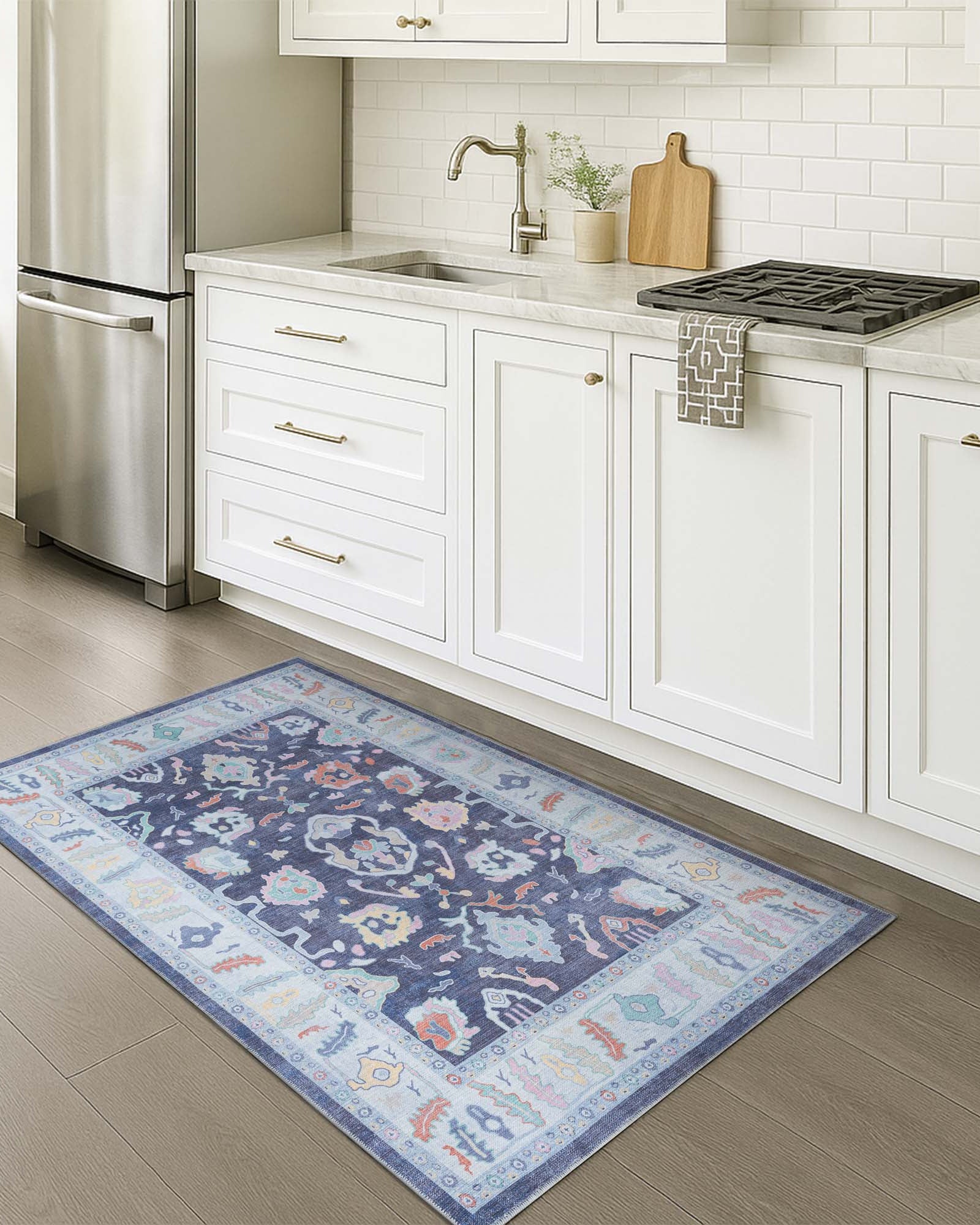
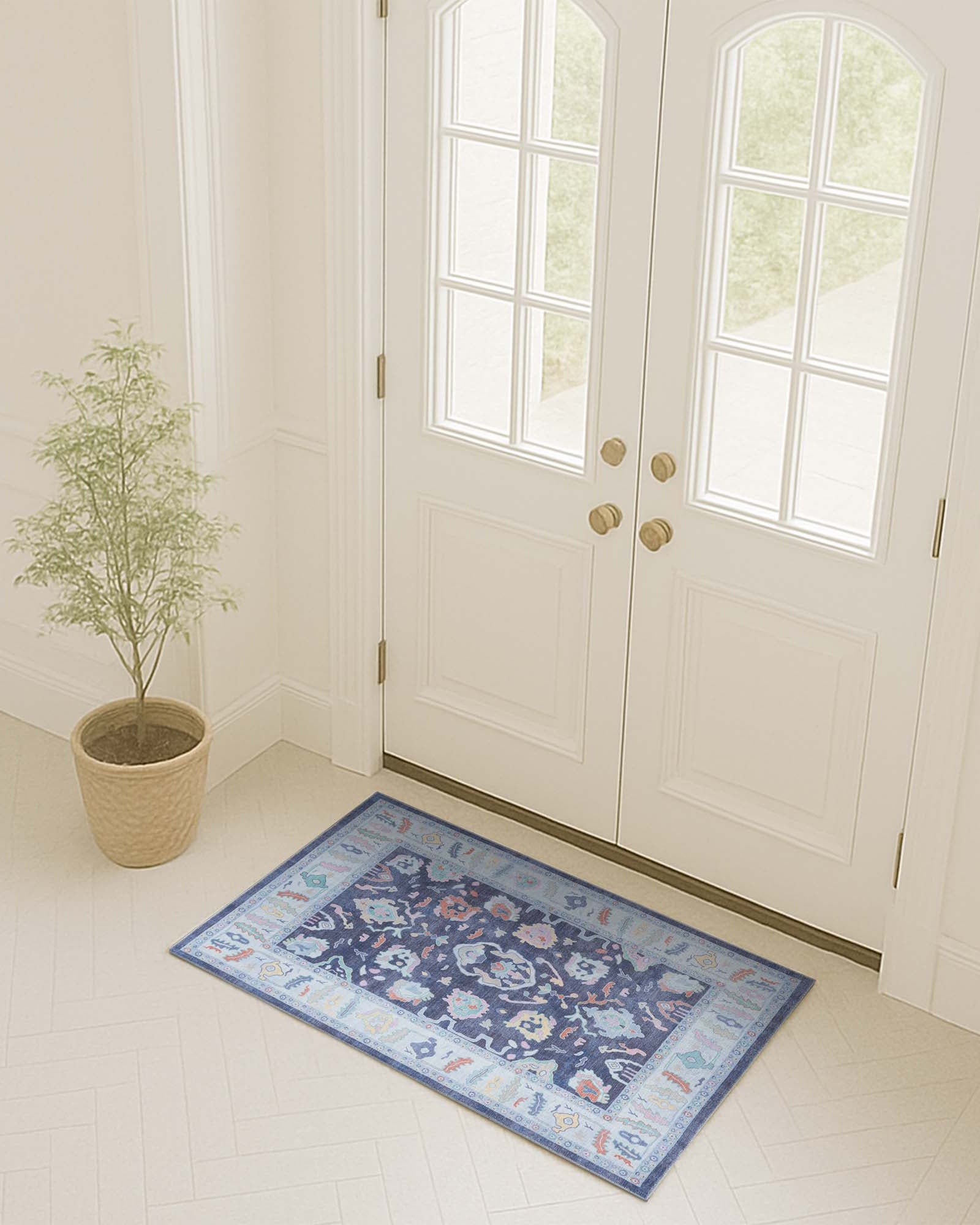
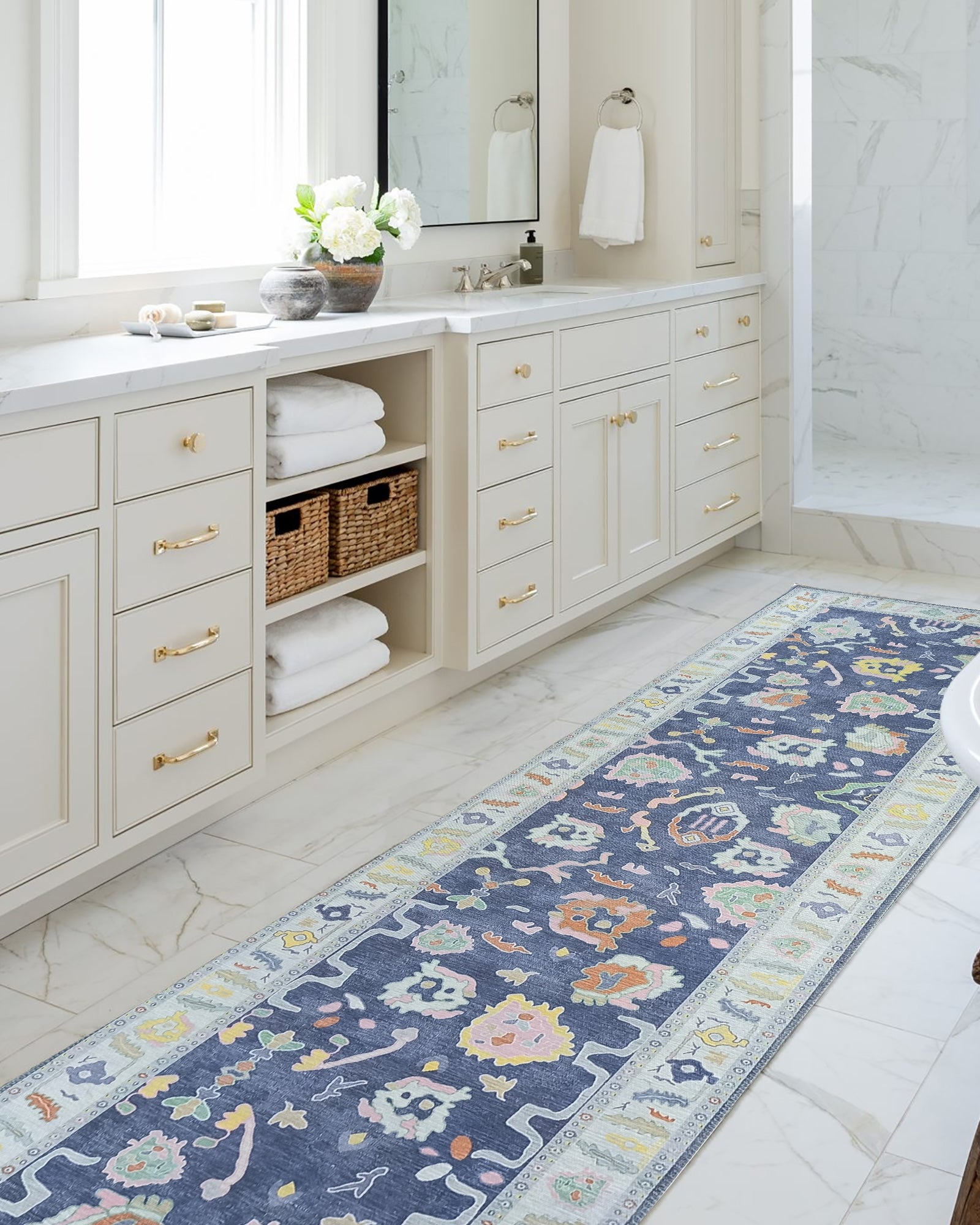
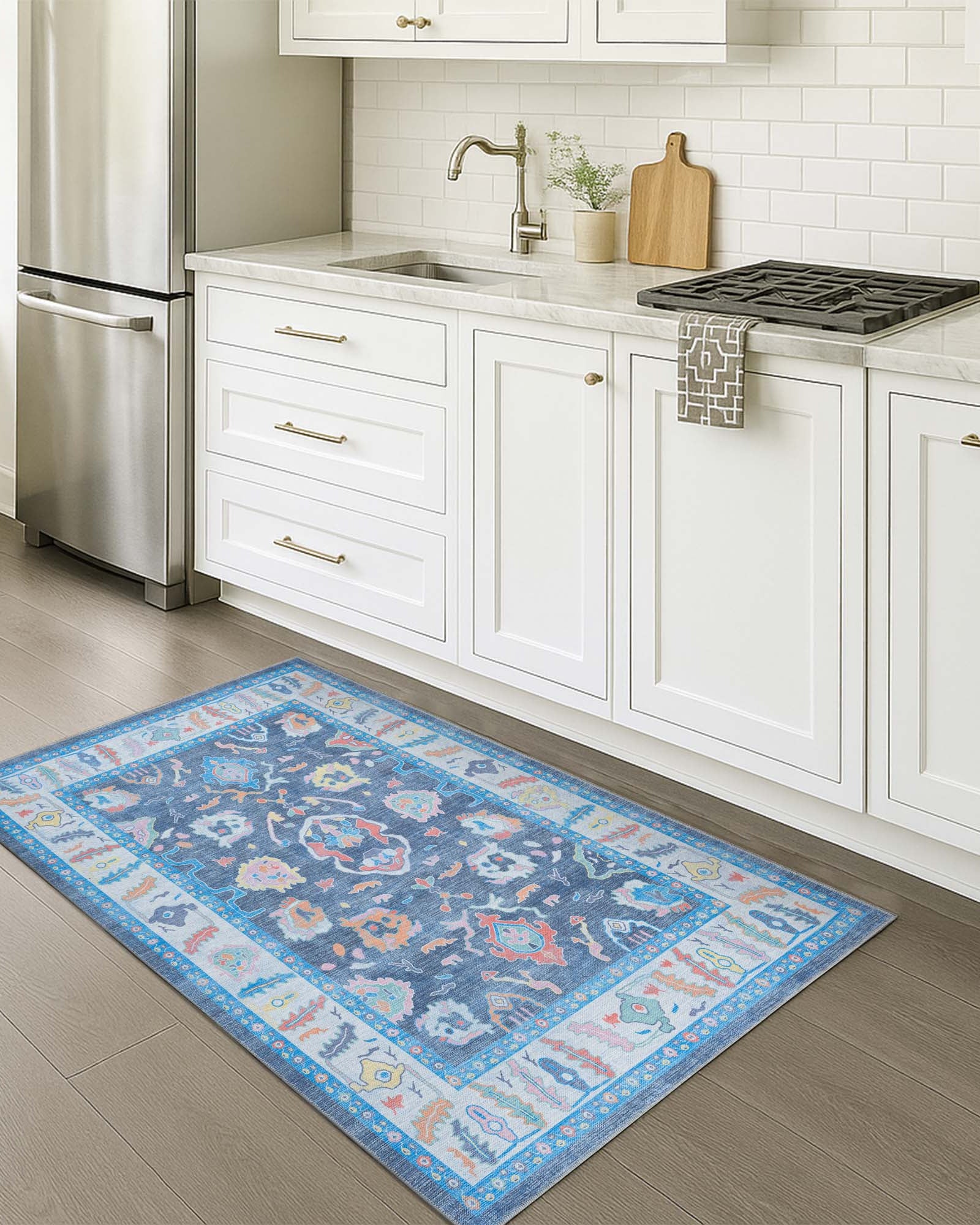
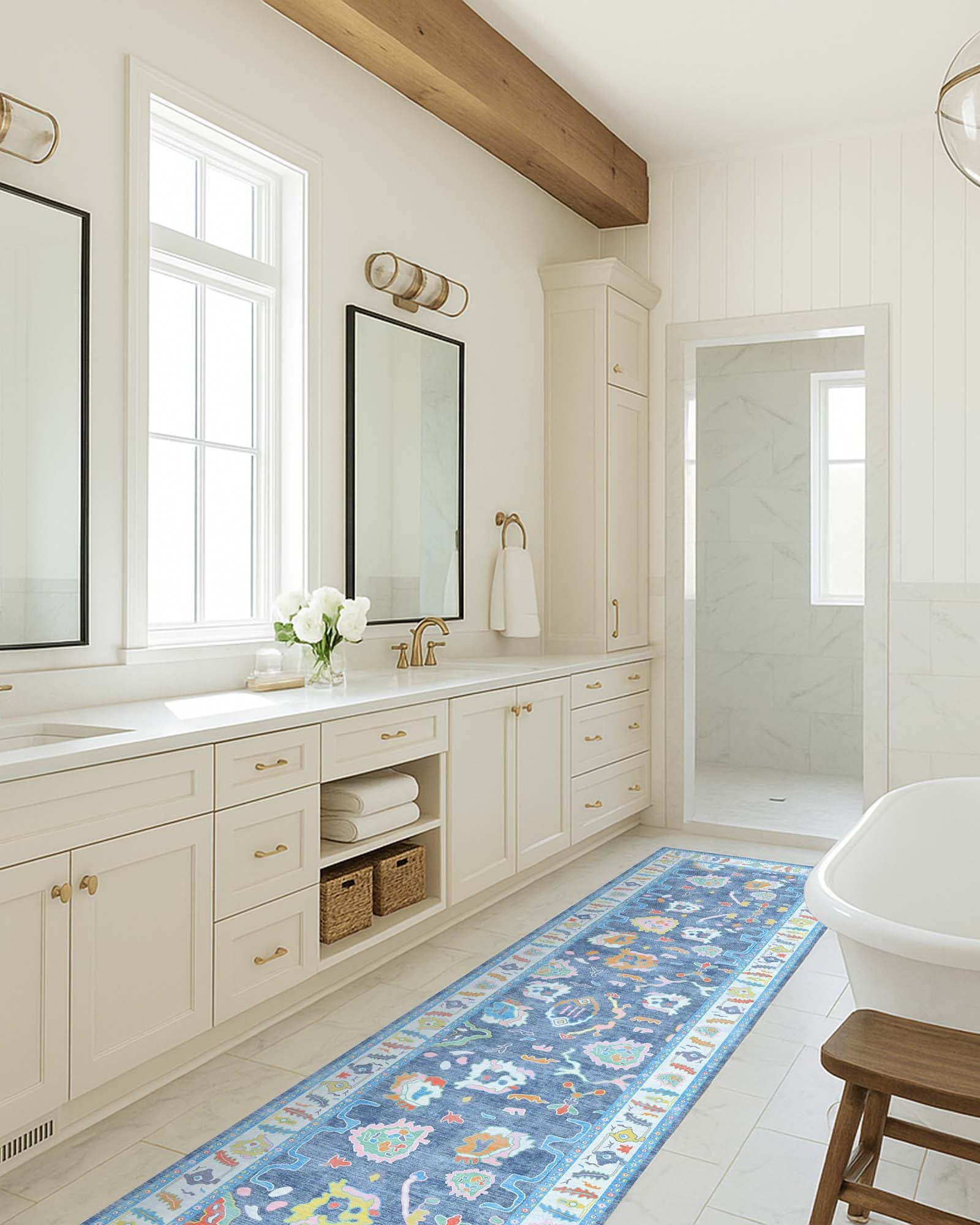
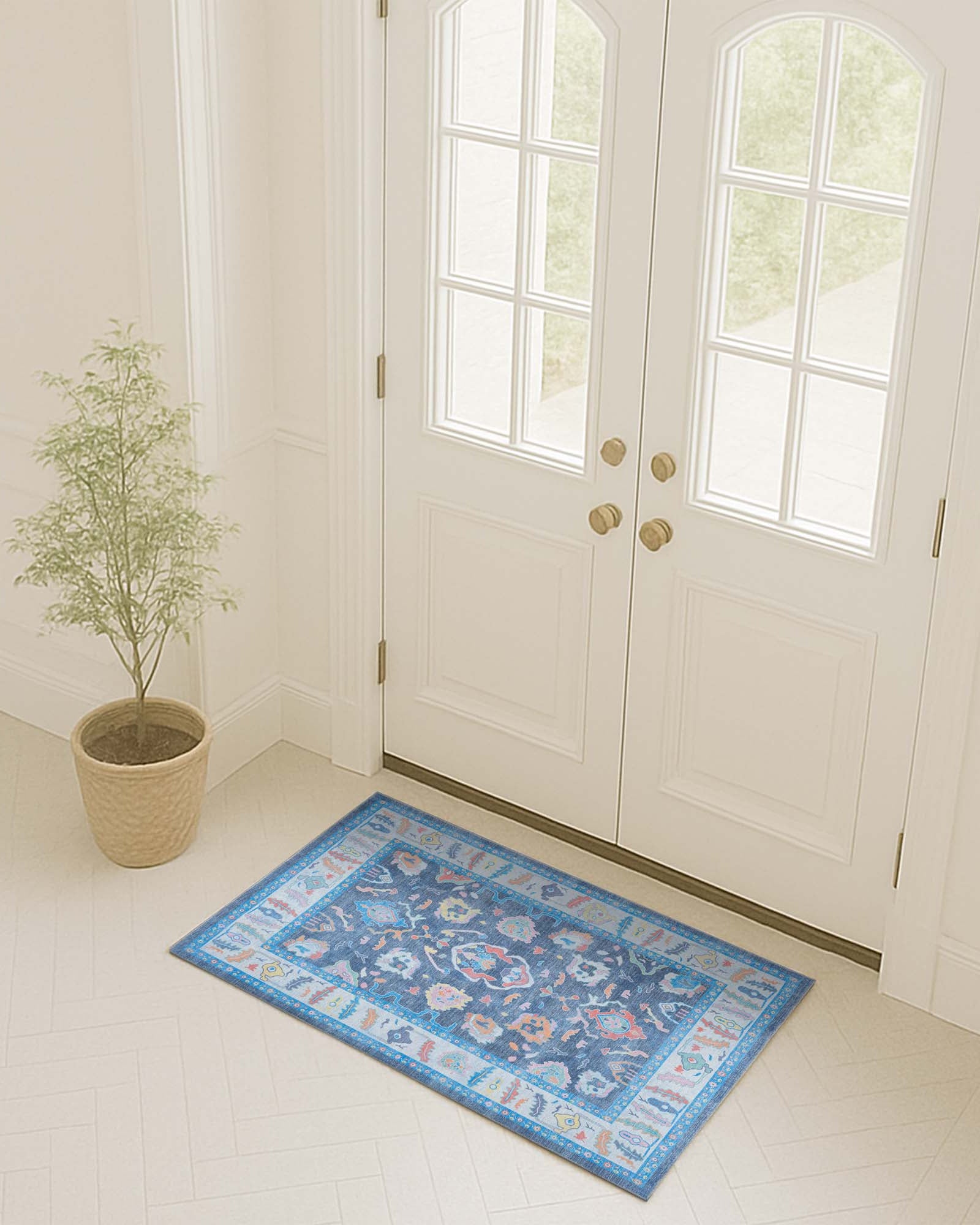
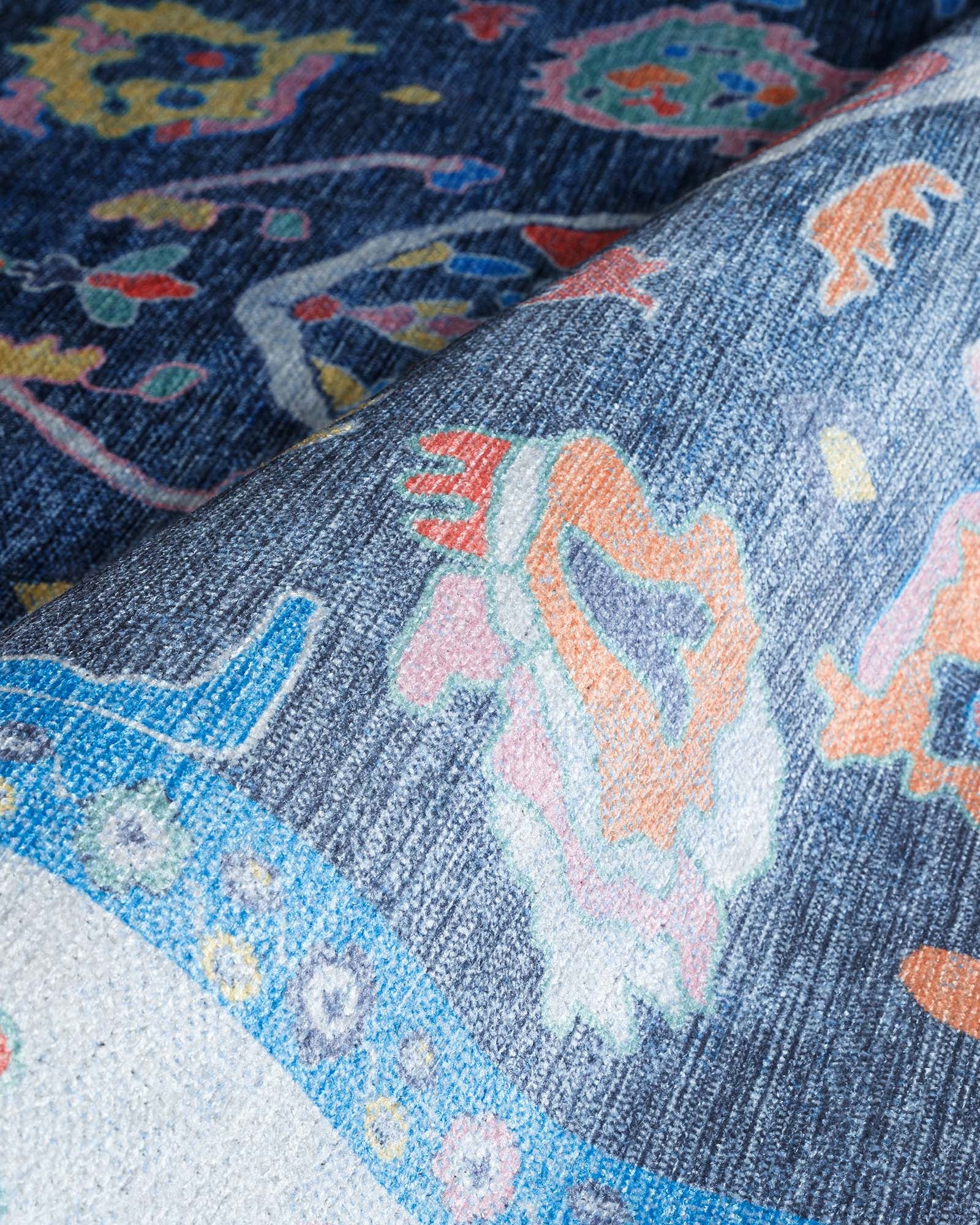
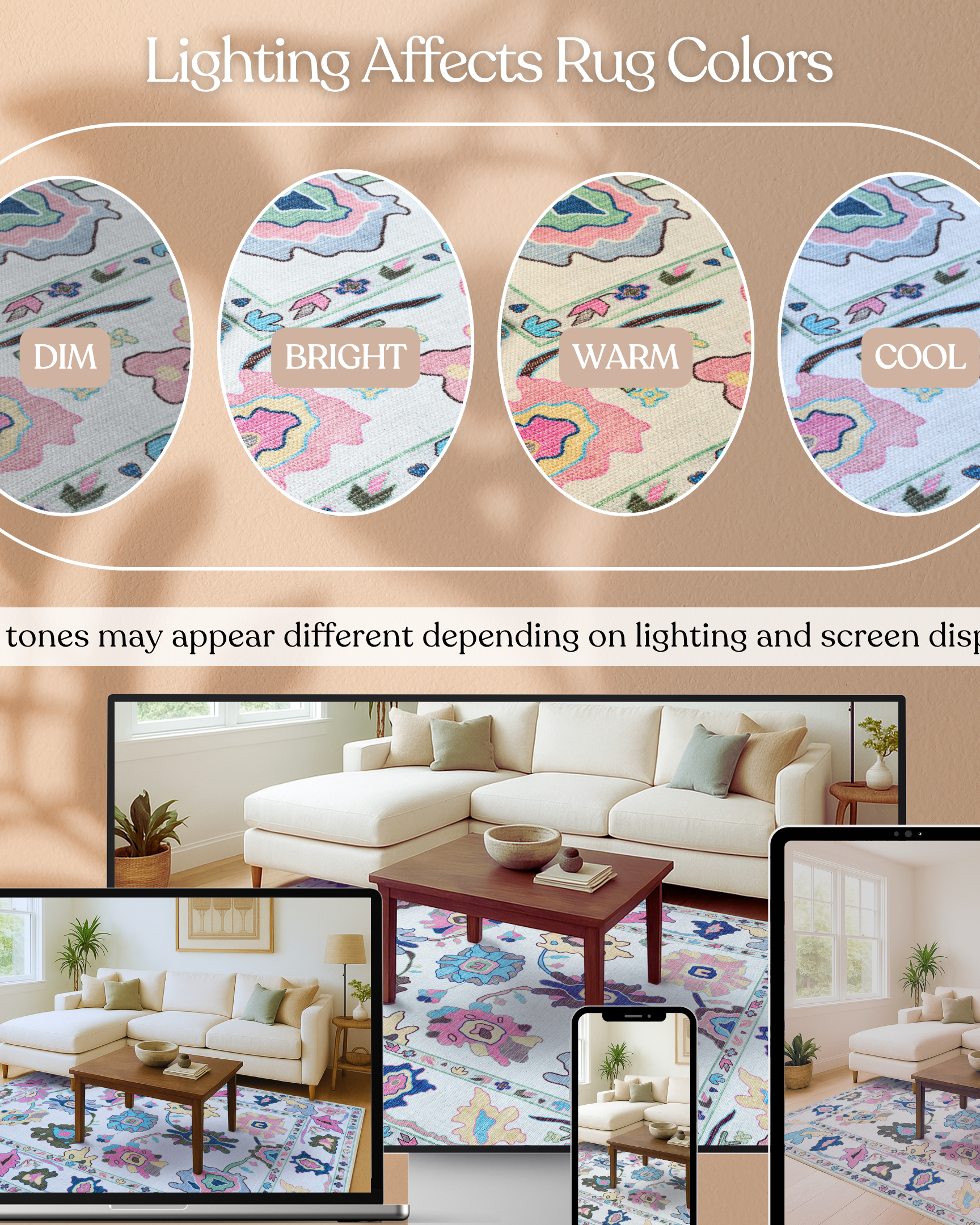
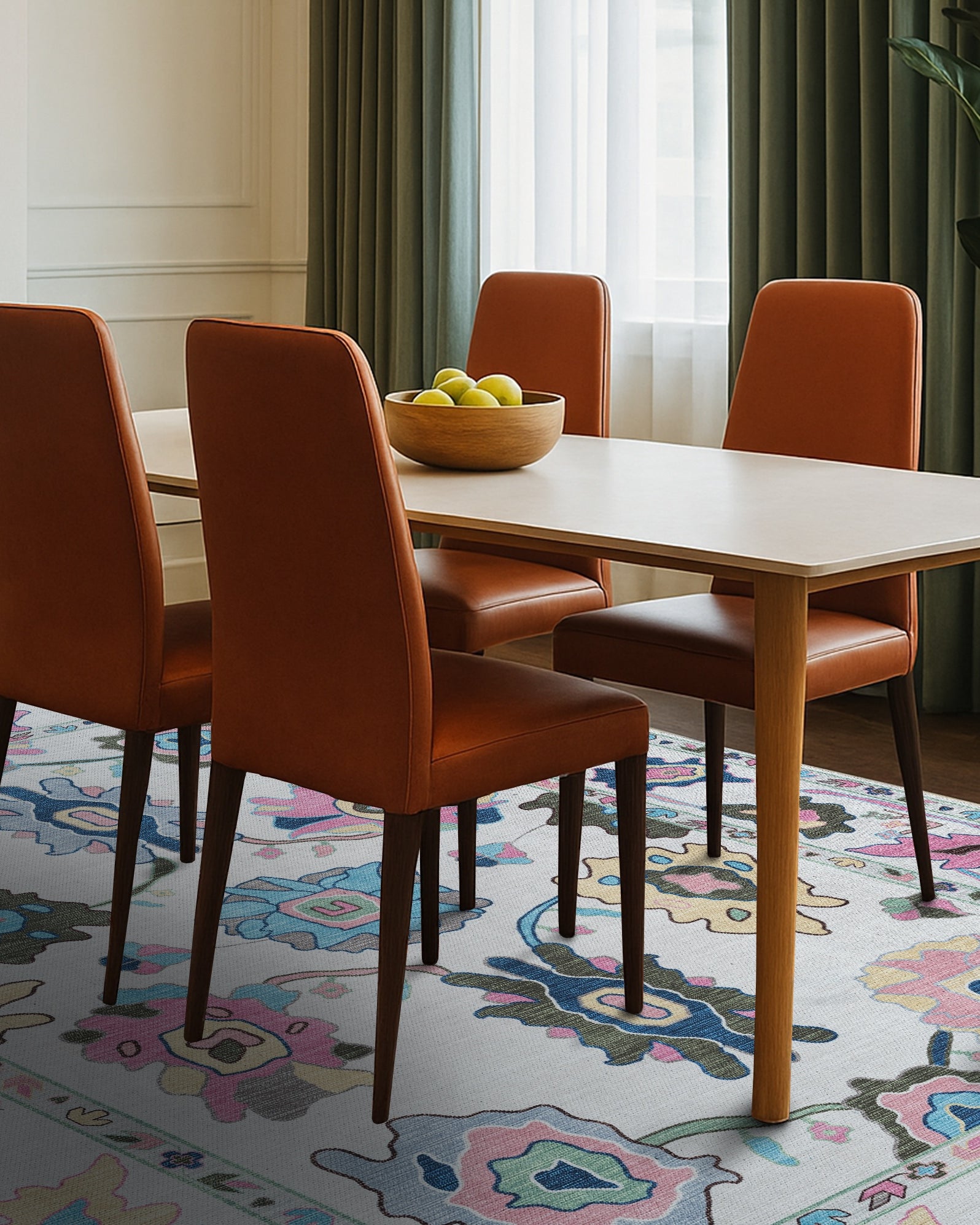
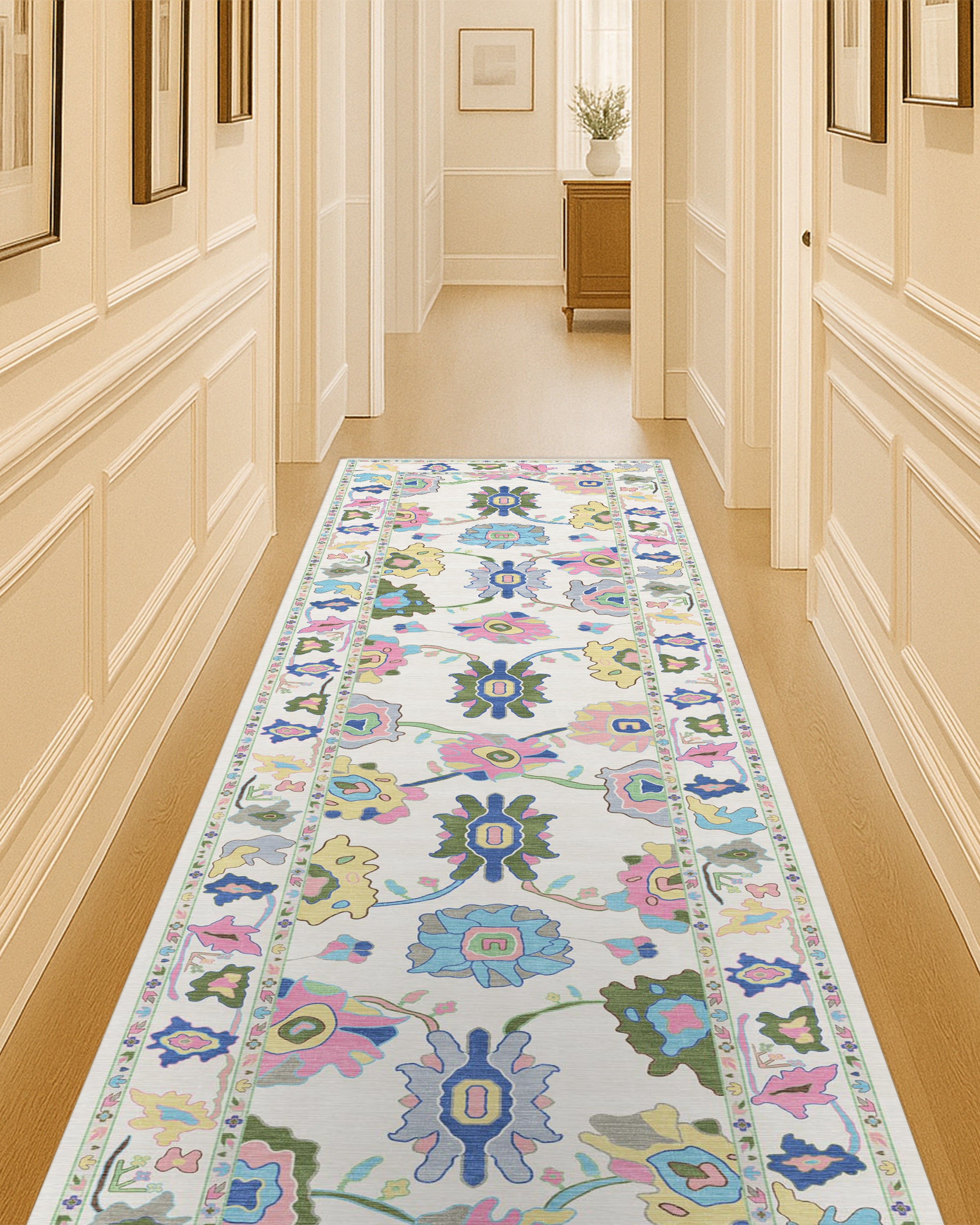
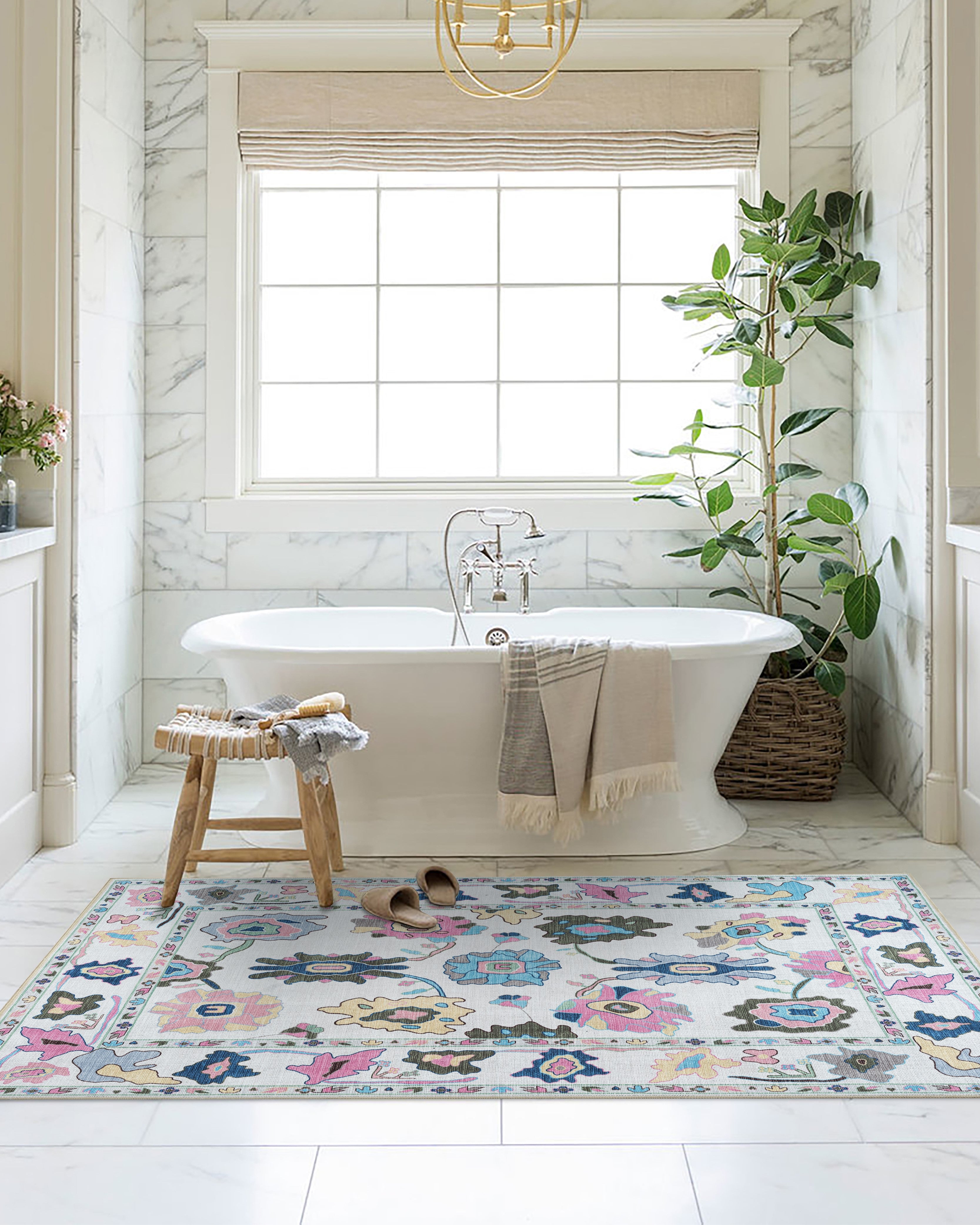
A covered porch or sheltered entry sits in a specific middle ground — outdoors, but protected from direct rain and prolonged sun by a roof or overhang. A vintage wool flatweave can genuinely work in that middle ground, where it would not survive an open, fully exposed outdoor space. Understanding exactly what "covered" needs to mean is the difference between a rug that lasts for years and one that's ruined by the first unexpected storm.
What "Covered" Actually Requires
This means a roof or overhang that keeps the rug fully out of direct rain and out of standing water, not just a spot that's occasionally shielded. Wind-driven rain, splashback from an uncovered edge, or a porch that floods during heavy storms all defeat the purpose. Before placing a genuine vintage wool piece outdoors, walk through how that specific spot behaves in your worst-case weather, not just a typical day.
Why Wool Works Here, With Real Limits
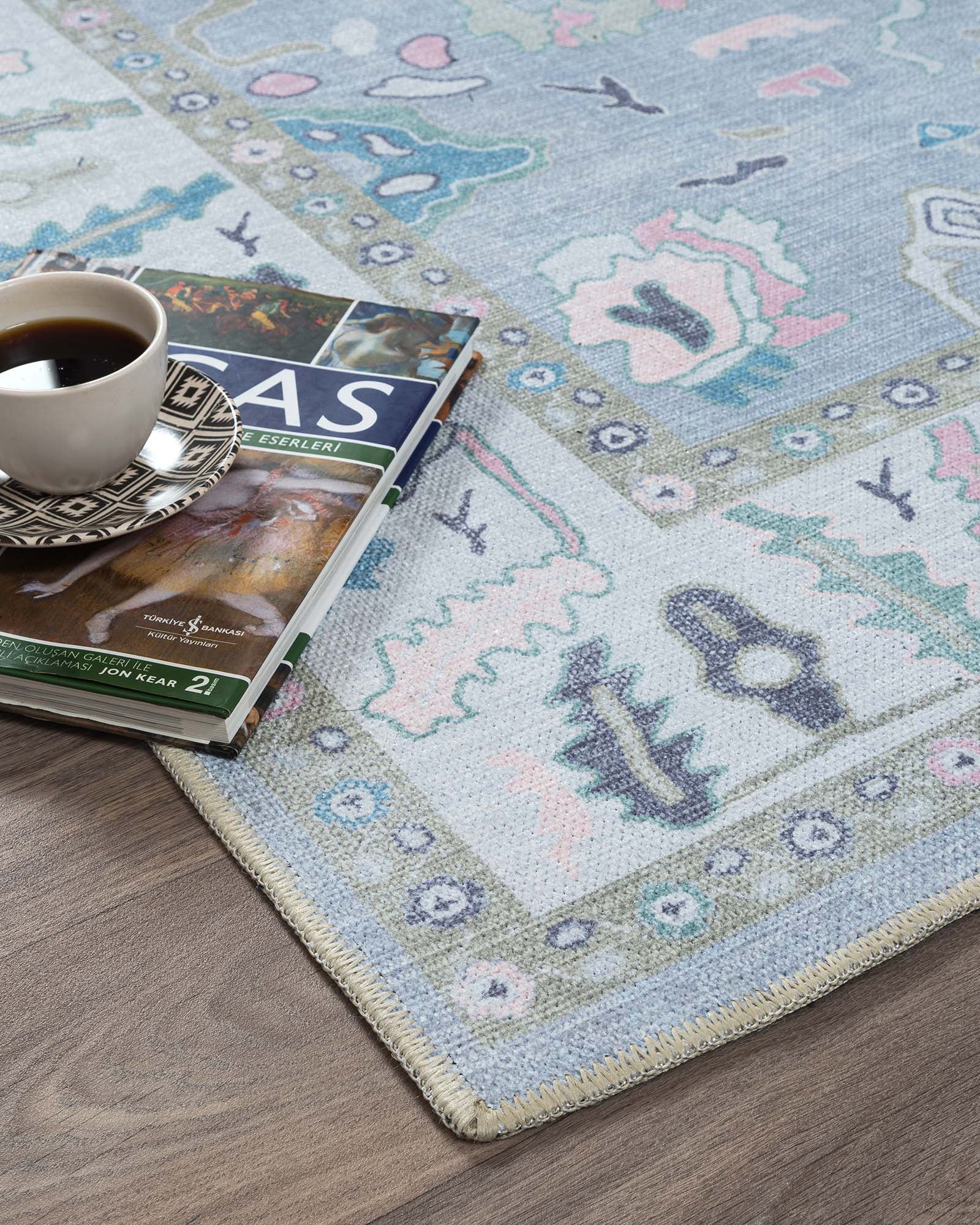
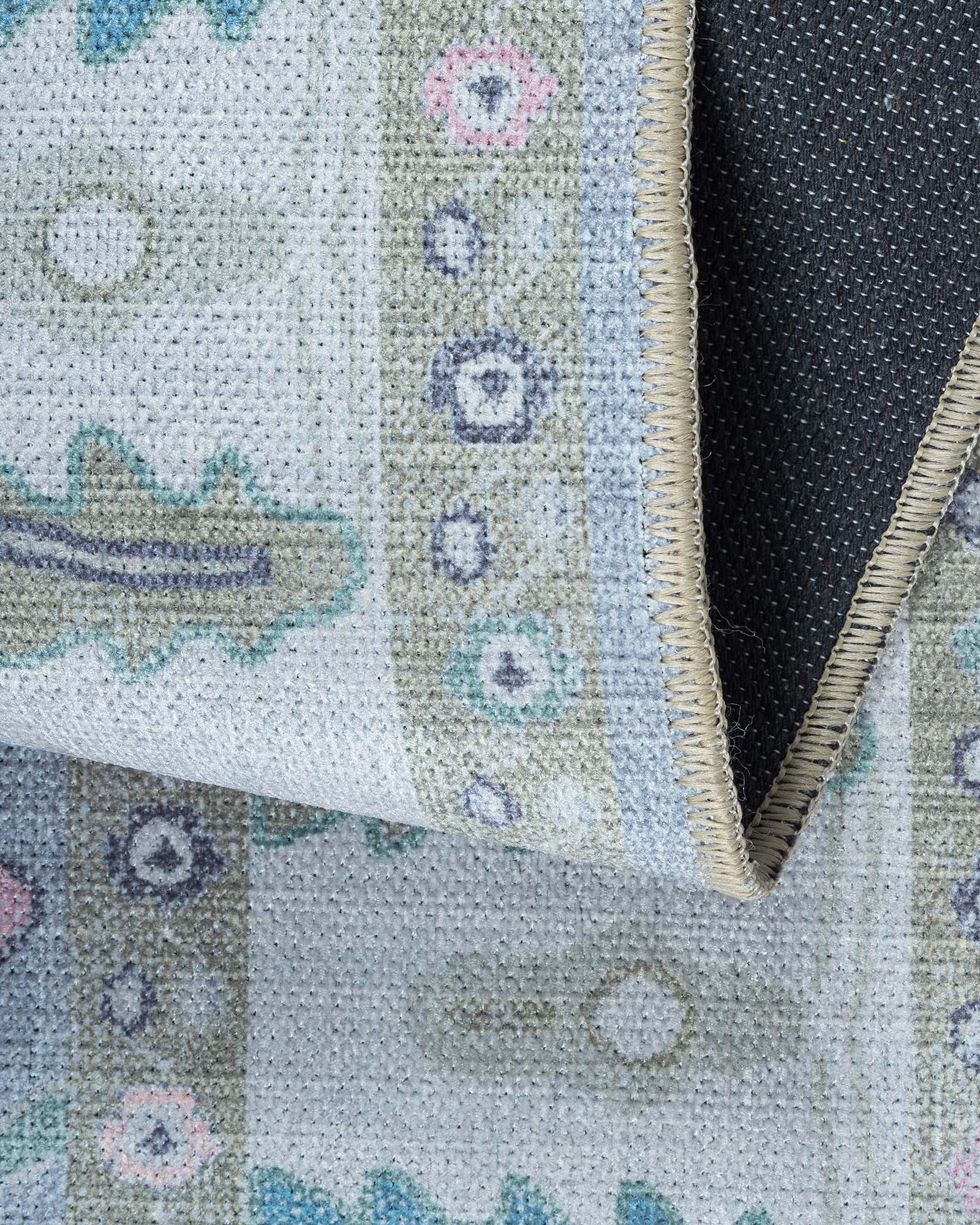
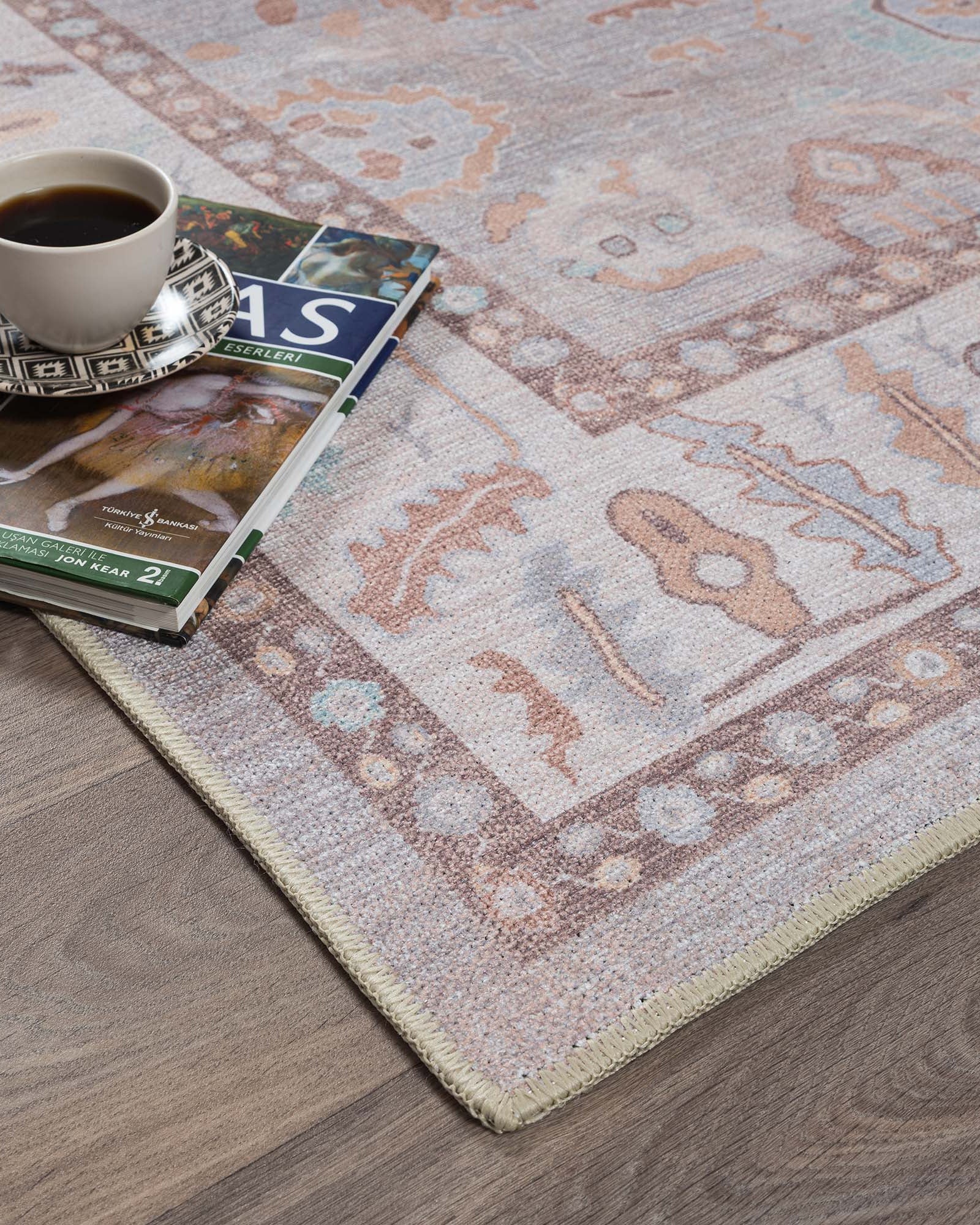
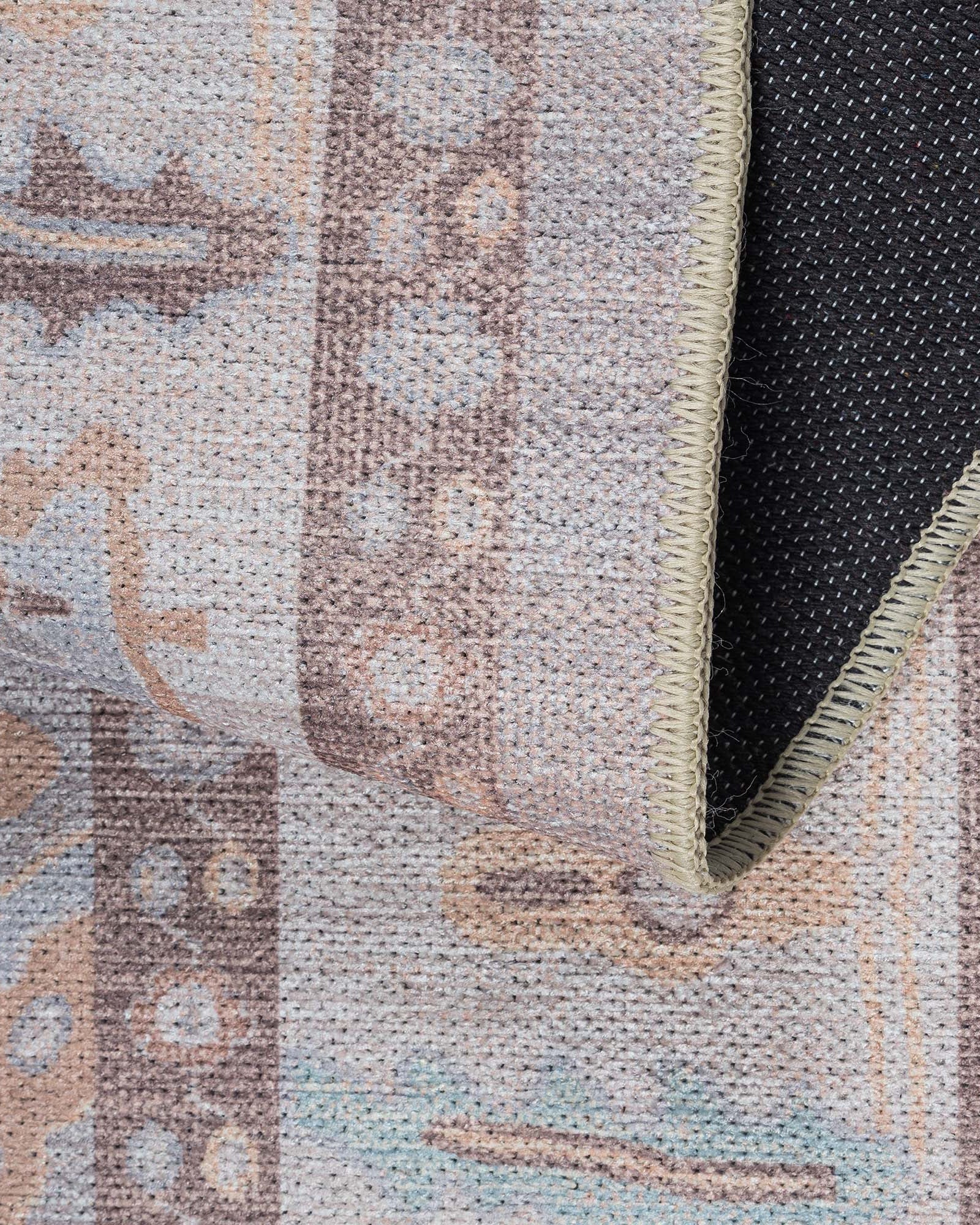
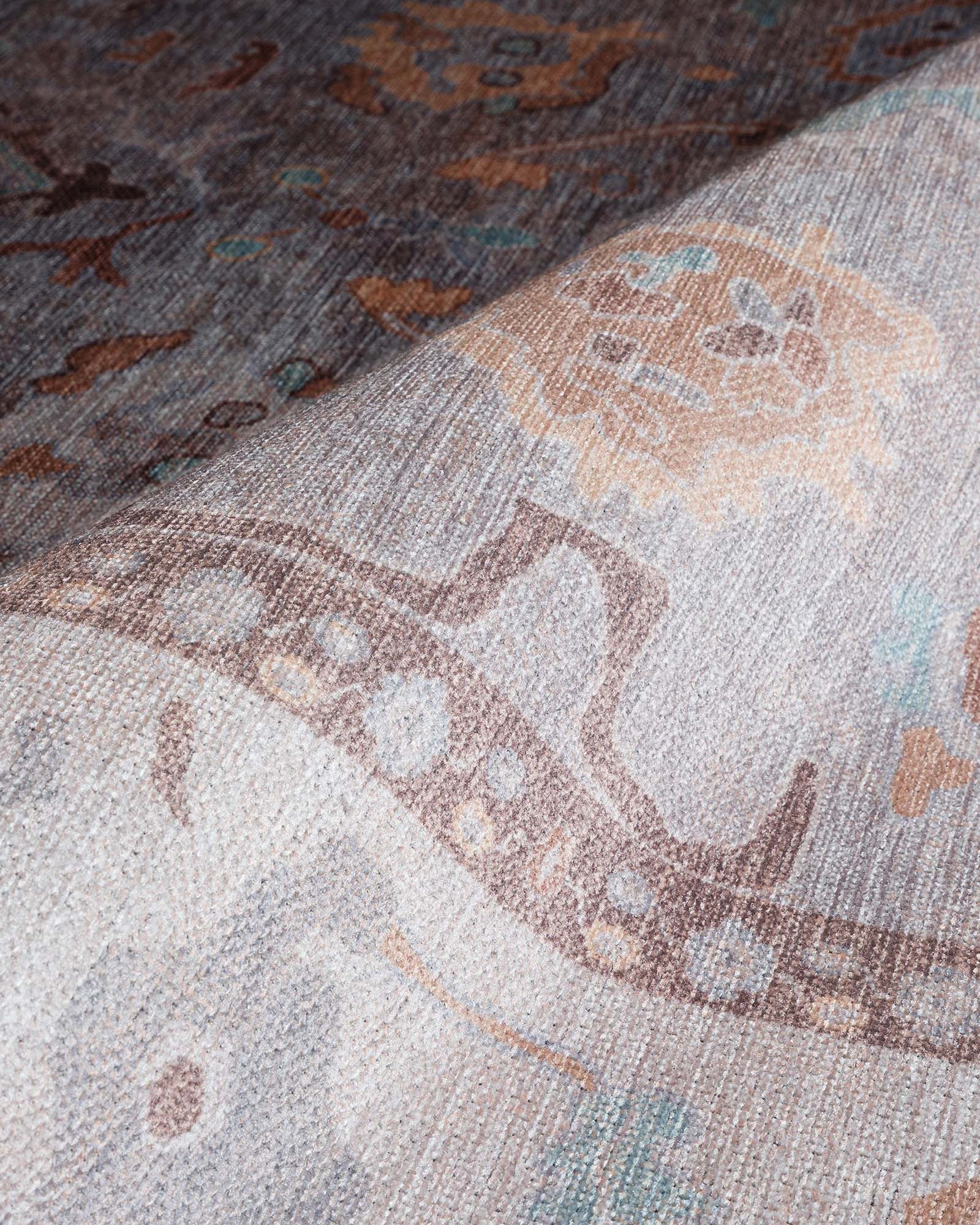
Wool's natural lanolin gives it real resistance to humidity and brief moisture exposure, and a flatweave's thin, no-pile structure dries faster than a thick pile rug would if it does get slightly damp. This is meaningfully better than most people expect from a natural fiber rug outdoors. It is not, however, designed for sustained UV exposure, which will fade natural dyes faster outdoors than indoors, or for repeated wet-dry cycling, which stresses the foundation over time in a way indoor use never does.
Placement That Actually Protects the Rug
Keep the rug set back from any exposed edge where rain can blow in at an angle, and check it after storms rather than assuming coverage held. If the covered area gets indirect but real sun for part of the day, rotate the rug periodically so fading happens evenly rather than concentrating on one exposed section. A rug closer to the door, under the deepest part of the roofline, will always fare better than one at the outer edge of a covered space.
Maintenance for an Outdoor-Adjacent Rug
Shake the rug out regularly — outdoor spaces accumulate dust, pollen and debris faster than an indoor room does, and a flatweave's light weight makes this an easy, frequent task rather than a chore. If it gets wet, lift it and let it dry fully and quickly rather than leaving it flat against a damp surface, which is where mildew risk actually comes from. Bring the rug indoors during extended stretches of bad weather or heavy storms rather than trusting the cover to hold in genuinely severe conditions.
When to Choose a Different Rug Instead
If the spot gets any direct rain, standing water, or intense unshaded sun for a meaningful part of the day, a genuine vintage wool flatweave is not the right choice — a purpose-built outdoor rug in synthetic fiber will hold up far better and is designed specifically for that exposure. Save the vintage piece for the spot that's genuinely, consistently covered.
Where to Look Next
For the full range of flatweave construction and pattern, browse Flatweave Rugs. For an entry that's technically indoors but takes similar wear, see Flatweave Entryway Rugs. For the lightest option to move in and out as weather changes, Lightweight Flatweave Rugs is worth a look.
Frequently Asked Questions
Can a vintage wool flatweave really go outdoors?
Only in a genuinely covered spot — fully protected from direct rain, wind-driven splashback and standing water. It is not suitable for an open patio or any area with real weather exposure.
Will a vintage flatweave fade outdoors?
Yes, faster than it would indoors, even under cover, since natural dyes are more sensitive to UV exposure than synthetic ones. Rotating the rug periodically helps any fading happen evenly.
What happens if my covered flatweave gets wet?
Lift it promptly and let it dry fully and quickly rather than leaving it flat against a damp surface, which is where mildew risk actually develops. Occasional brief dampness is manageable; sustained wetness is not.
Should I bring the rug indoors during storms?
Yes, for any genuinely severe weather. A covered area protects against normal conditions, but trusting it through wind-driven rain or a major storm risks the rug unnecessarily.
What if my covered entry isn't fully protected from rain?
Choose a purpose-built outdoor rug in synthetic fiber instead. A genuine vintage wool piece is not designed for direct weather exposure, regardless of how appealing the look is for that spot.