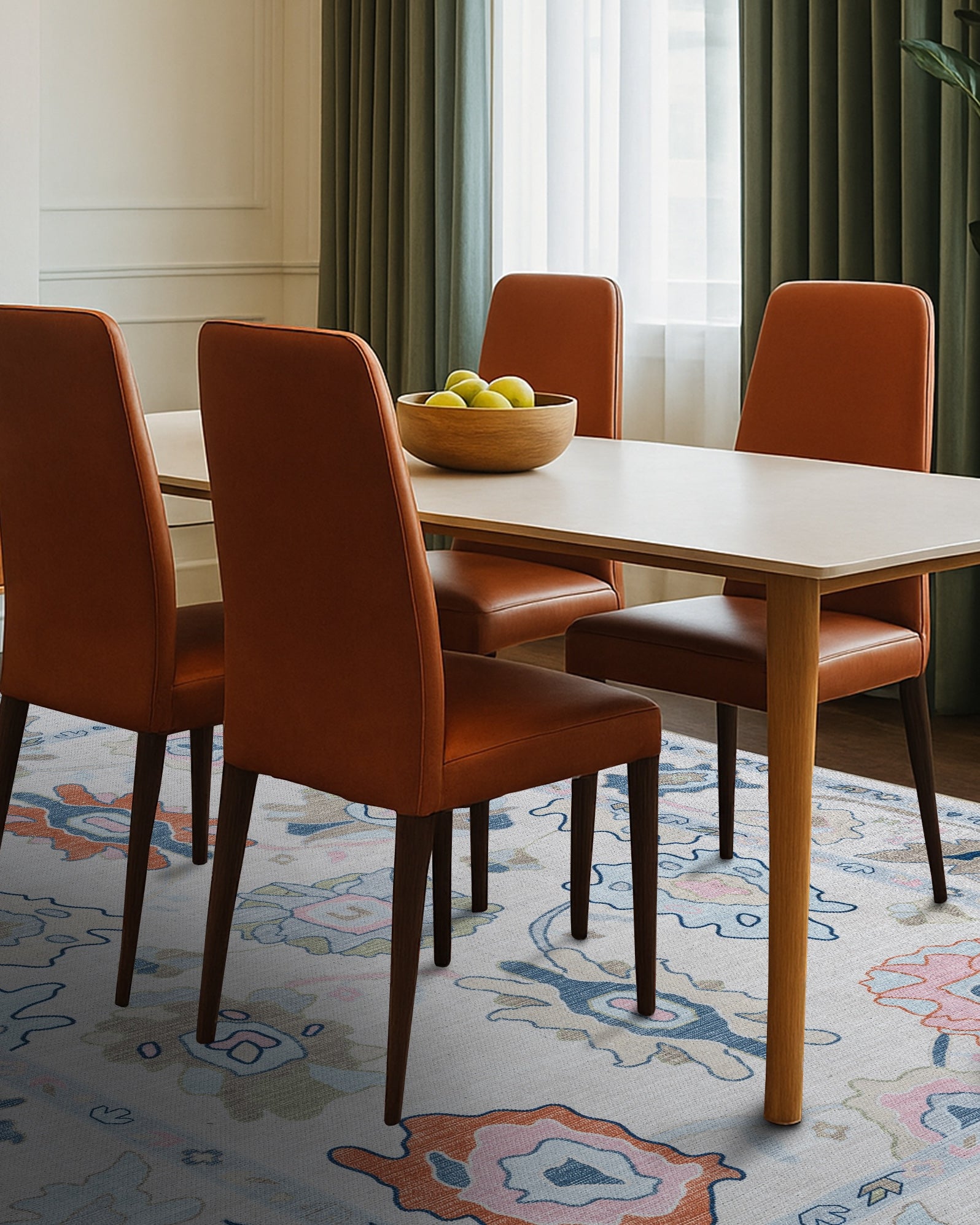
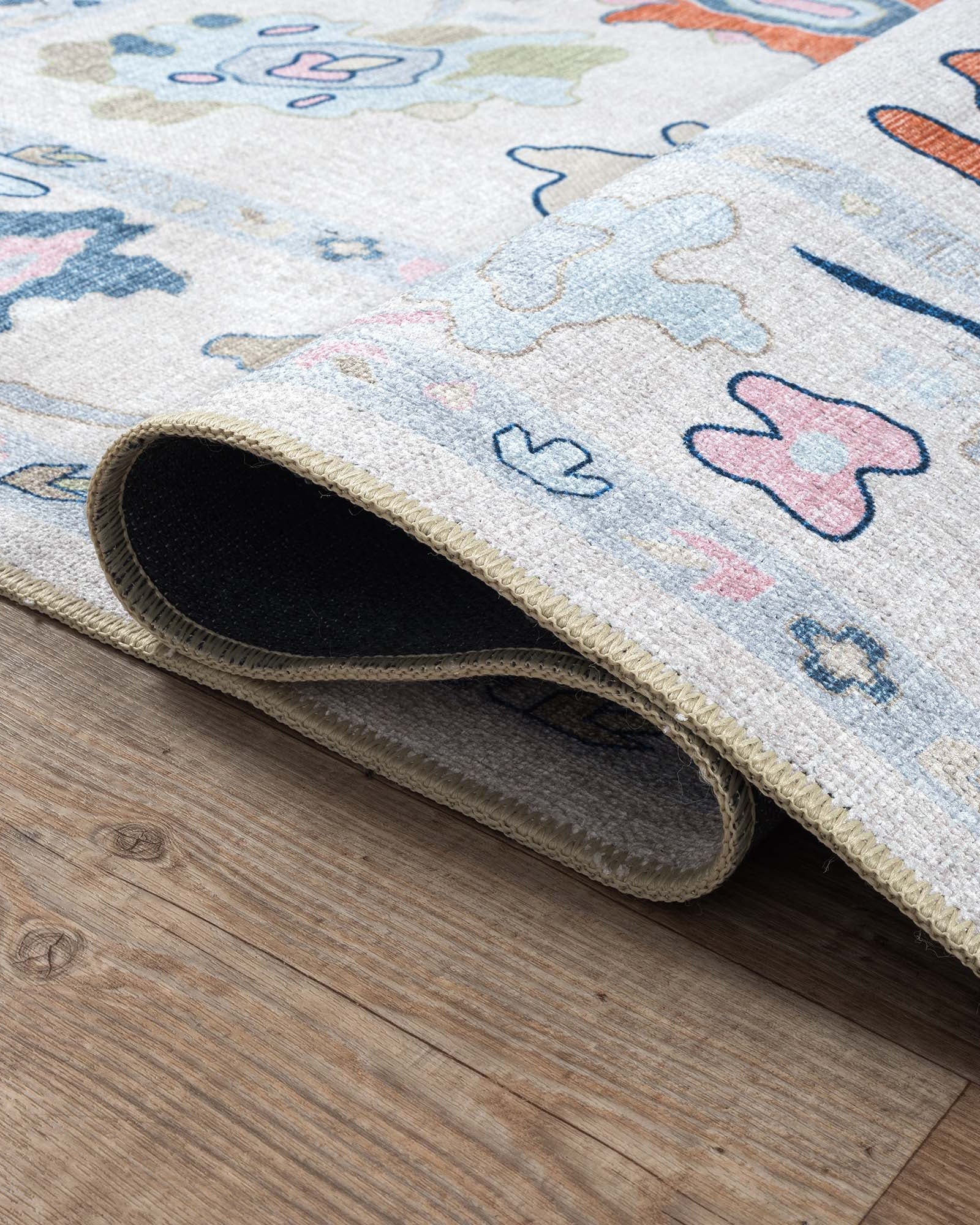
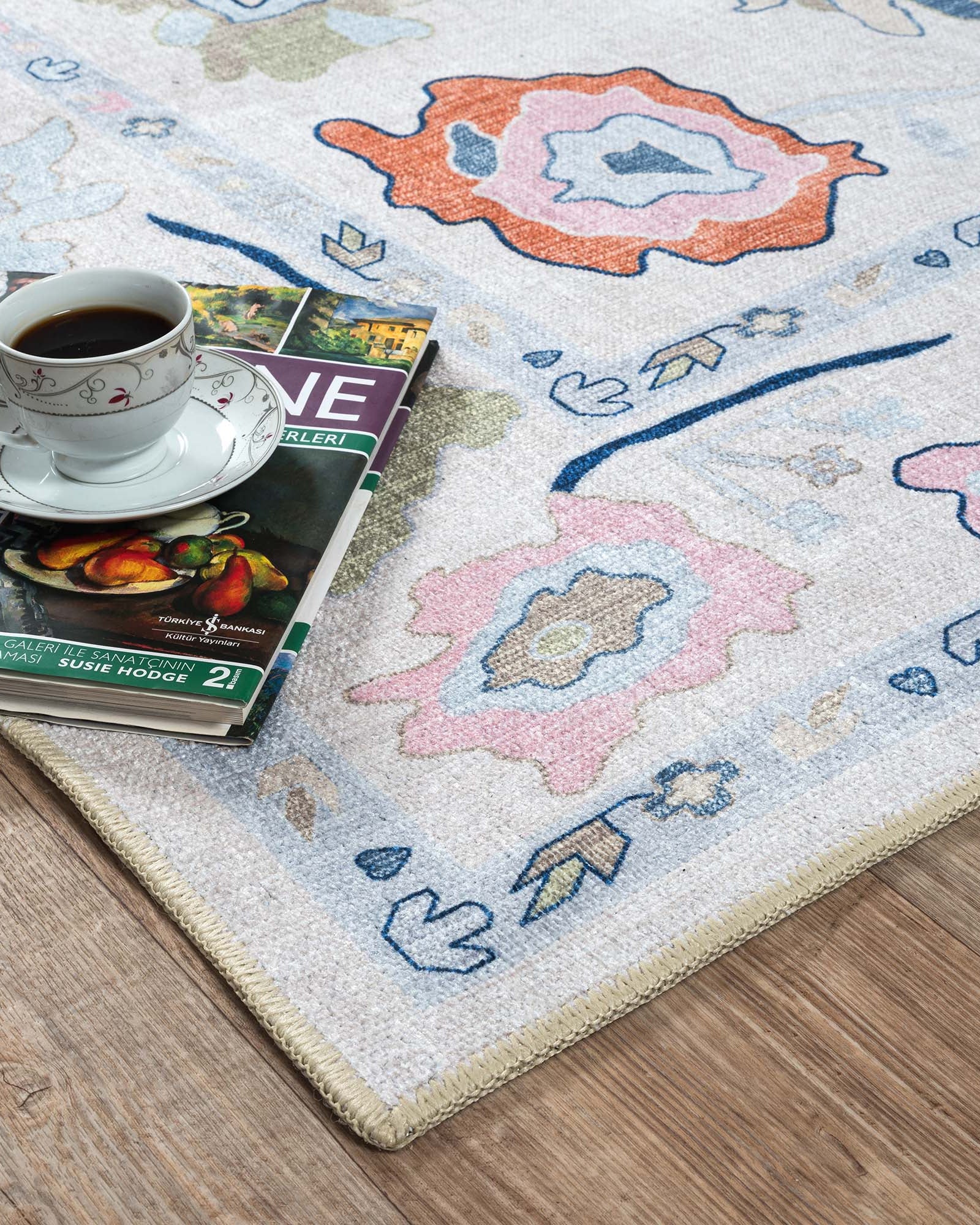
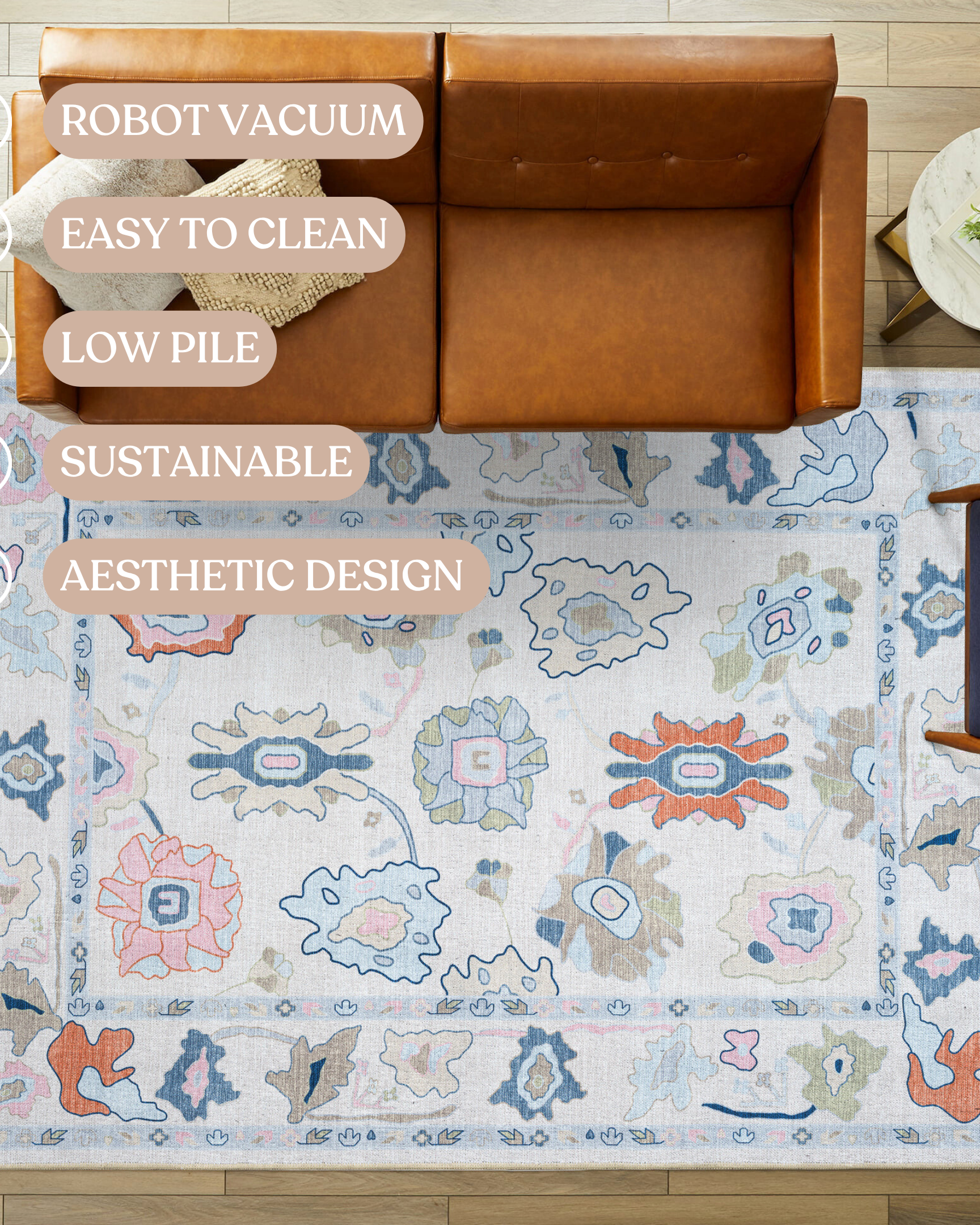
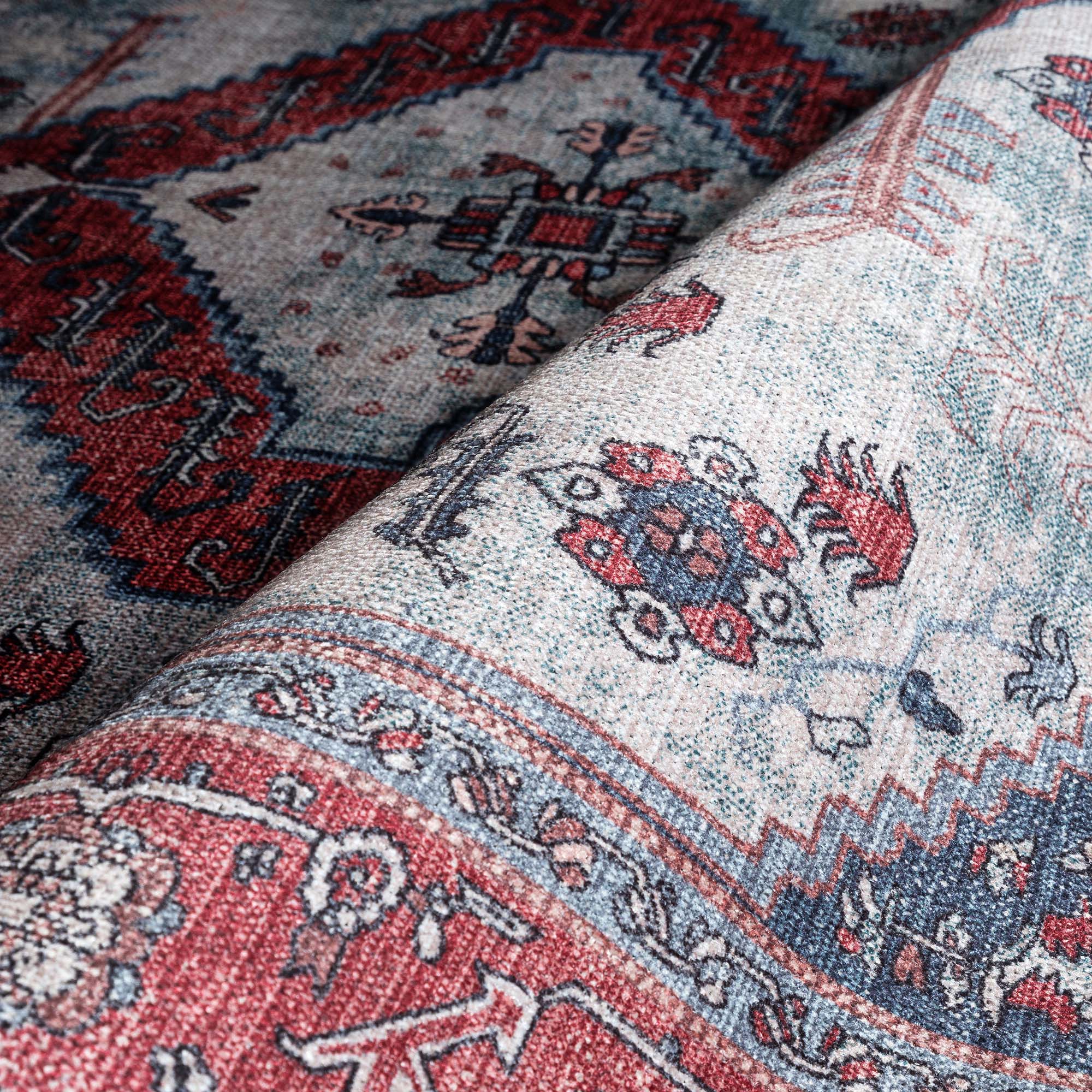
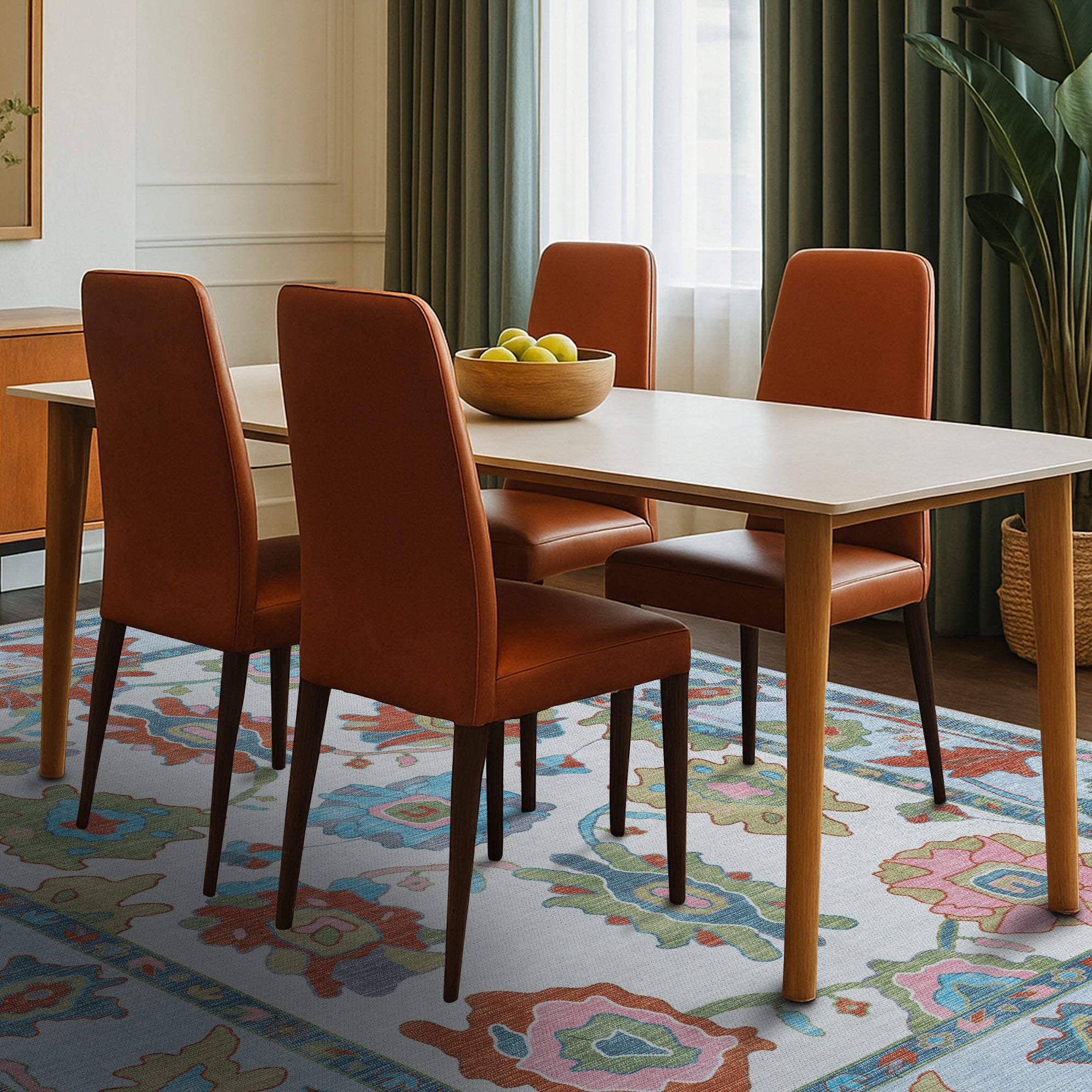
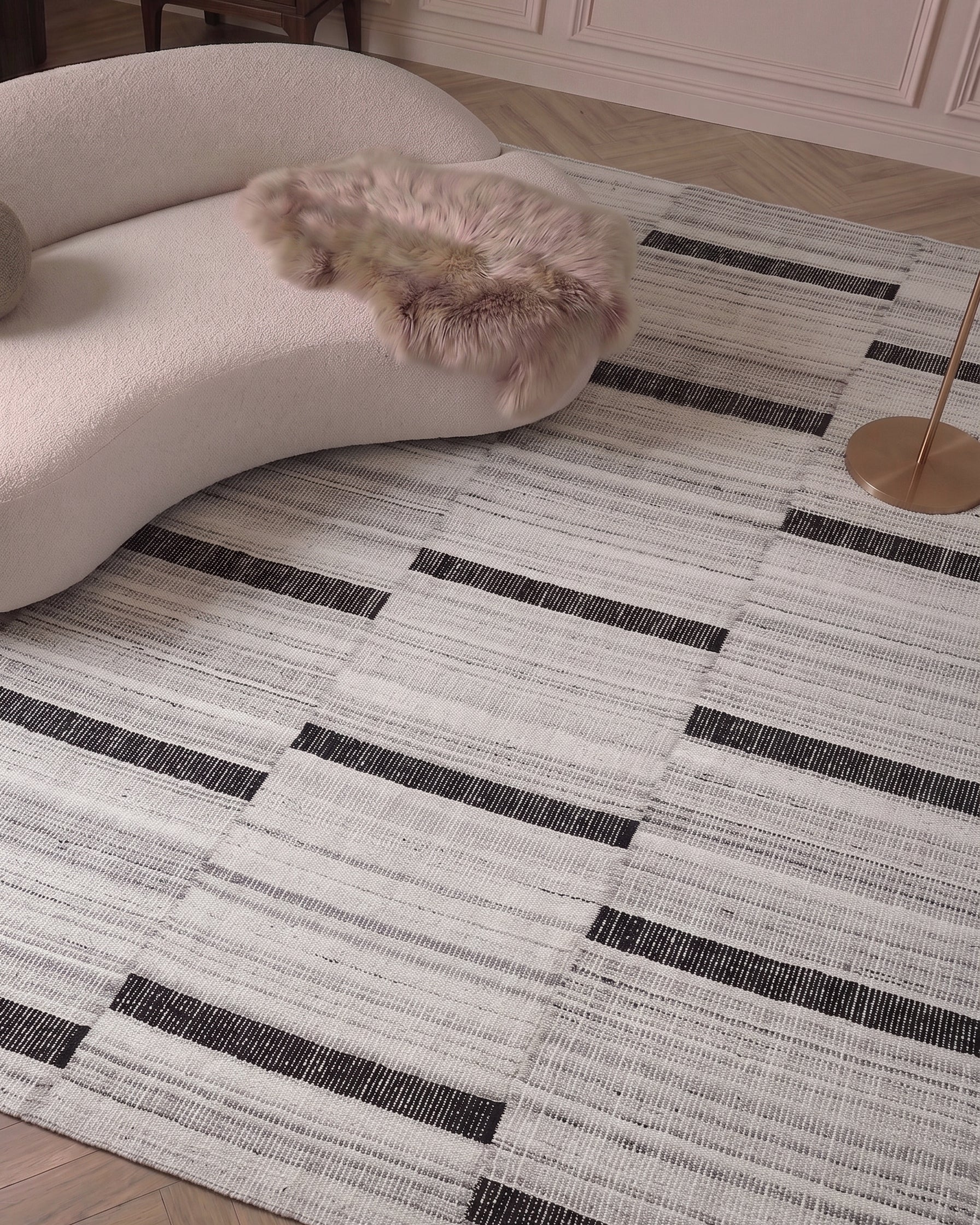
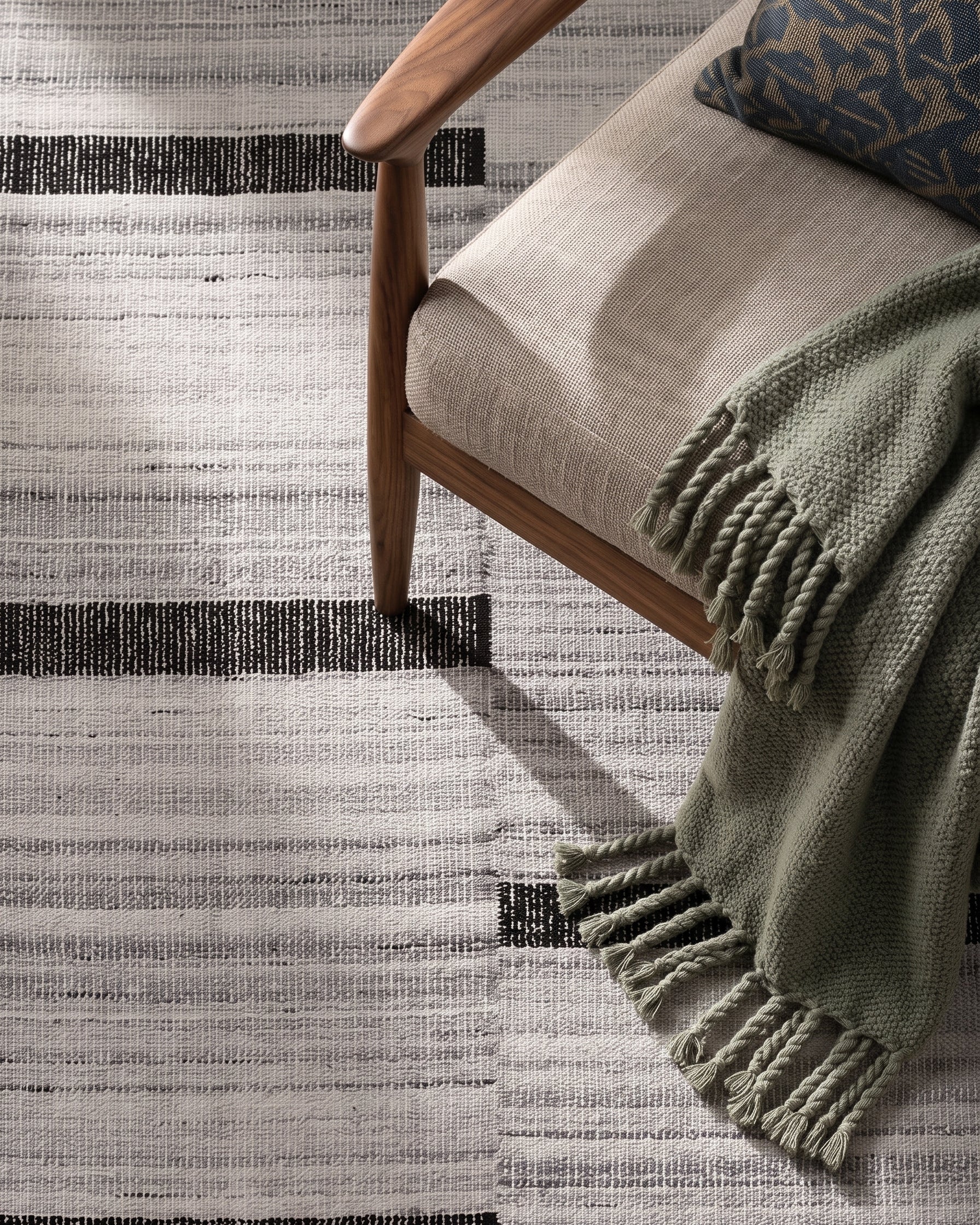
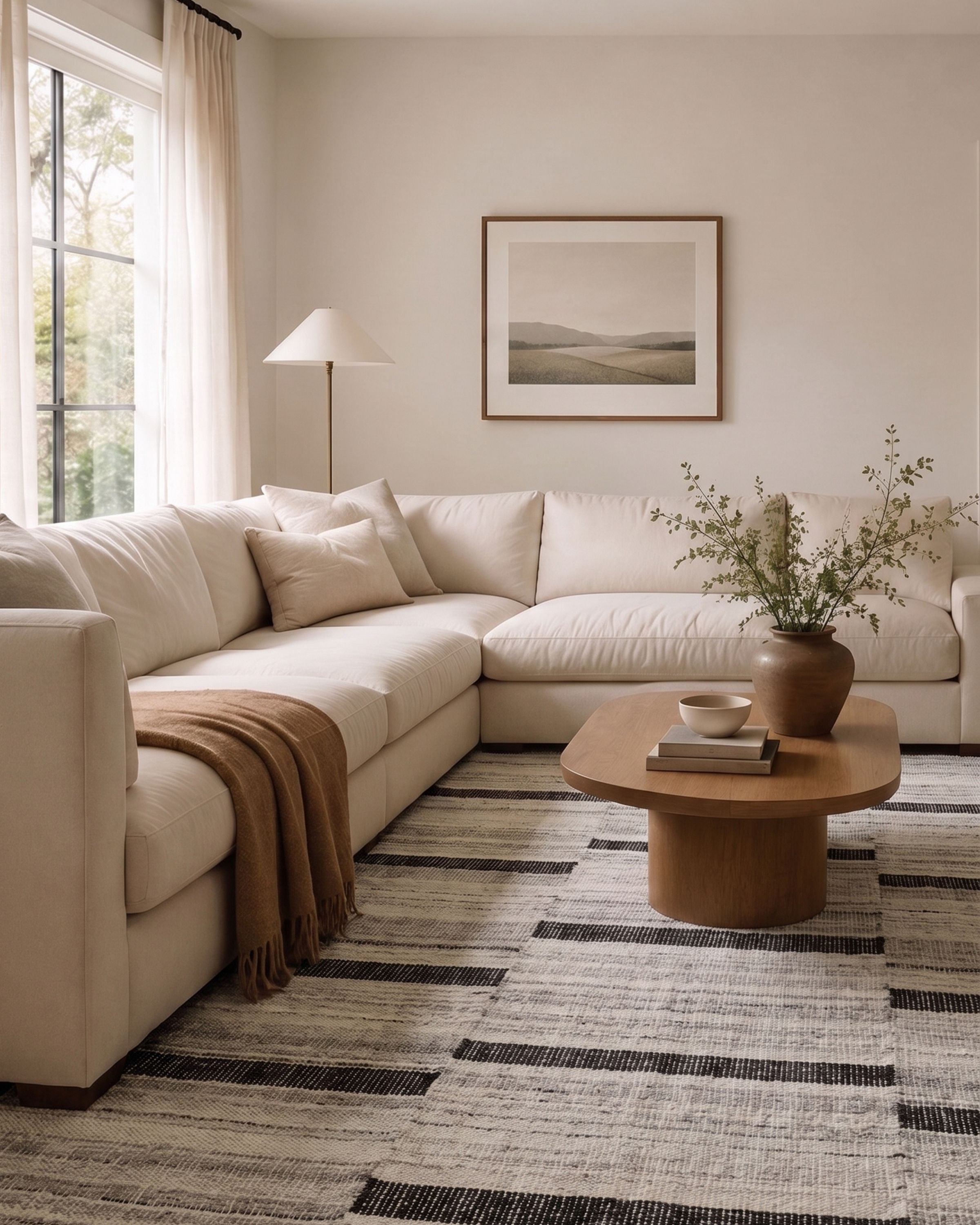
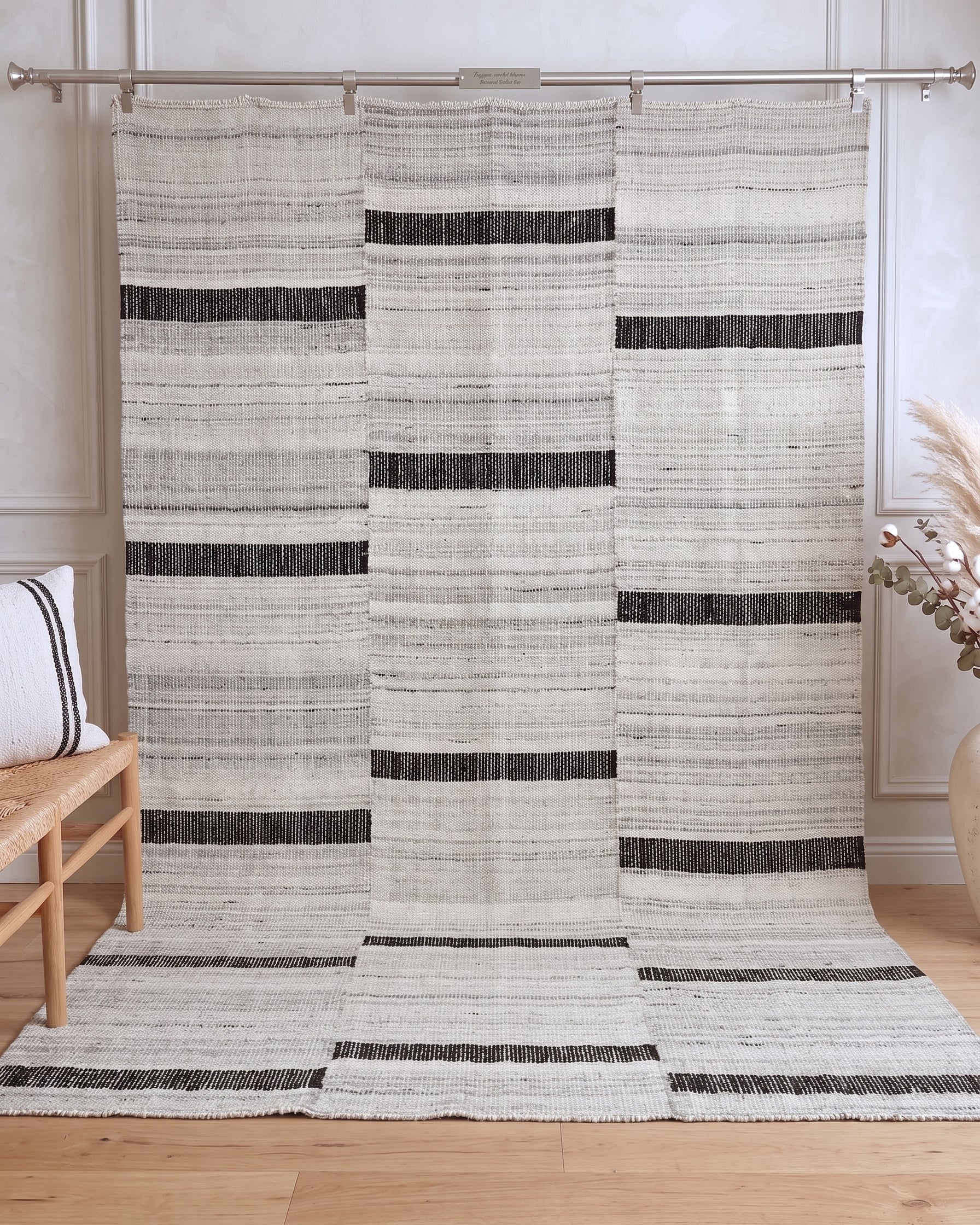
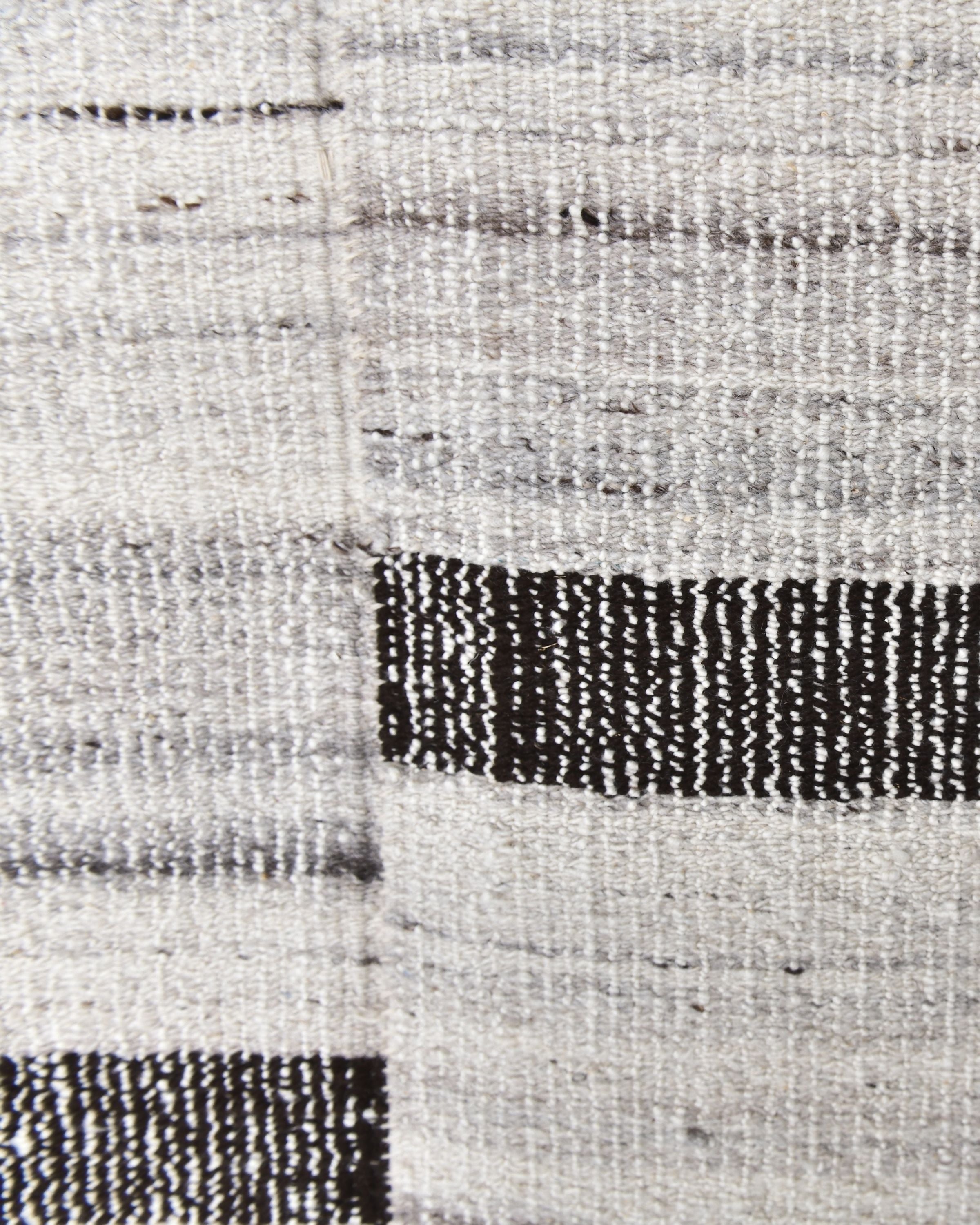
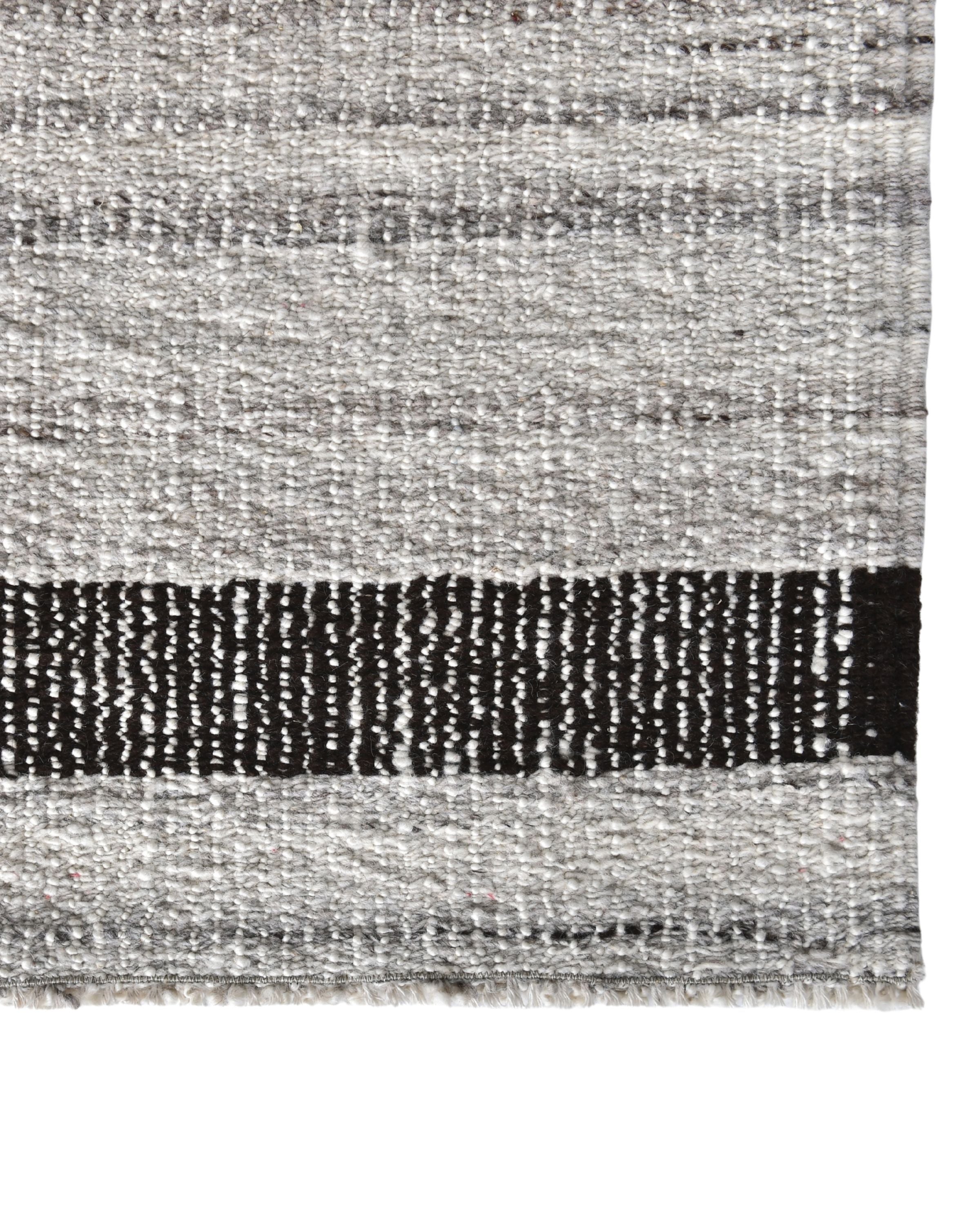
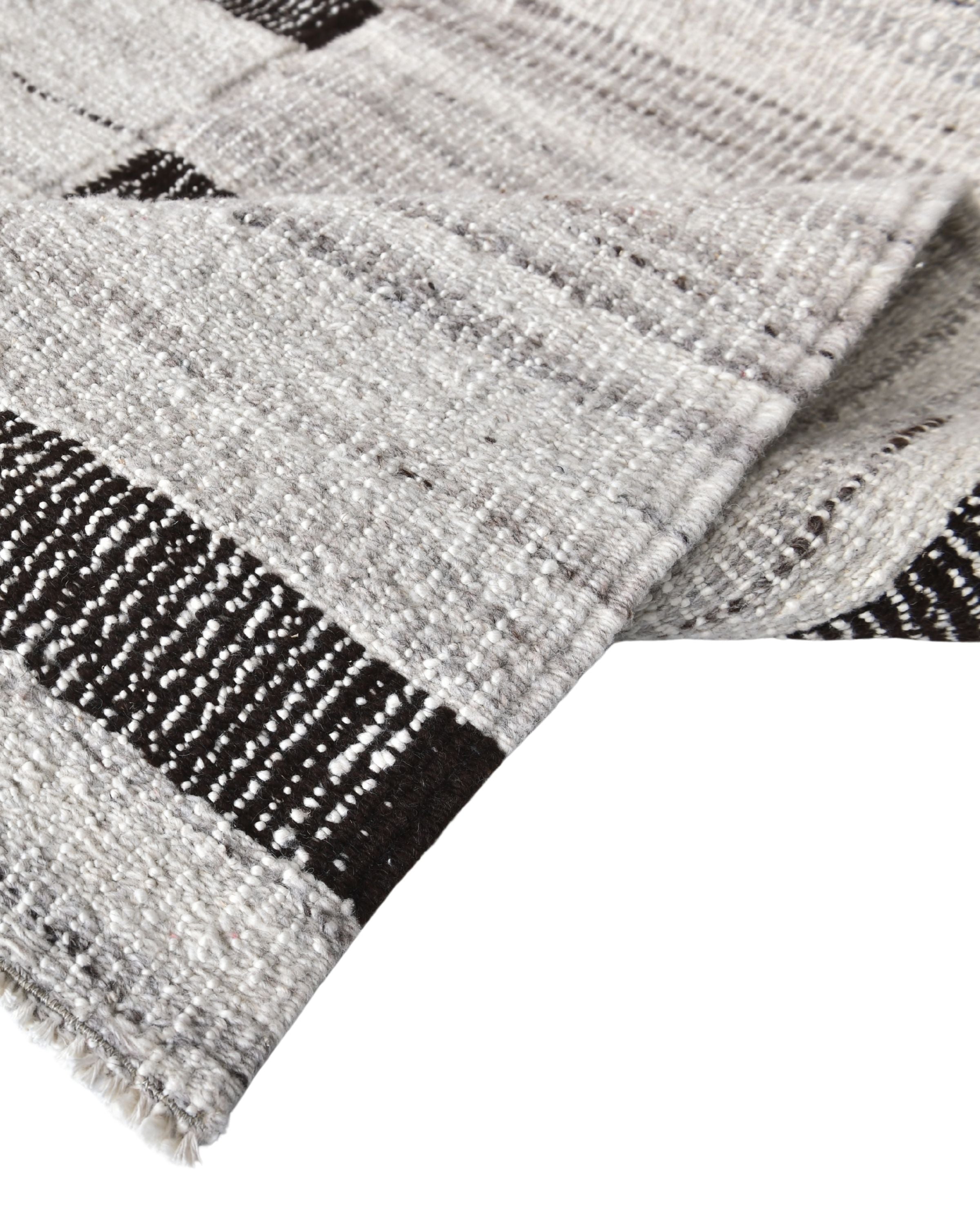
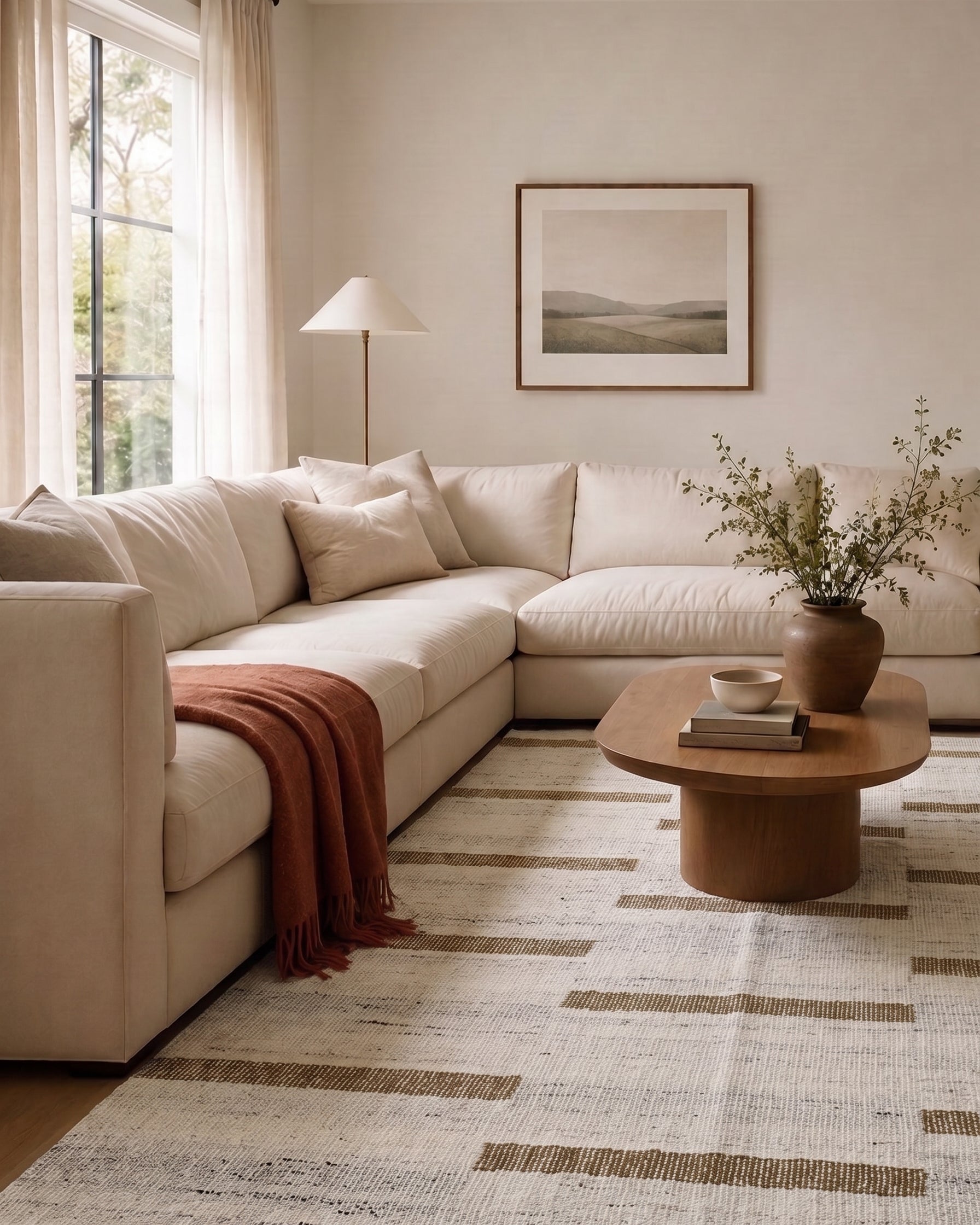
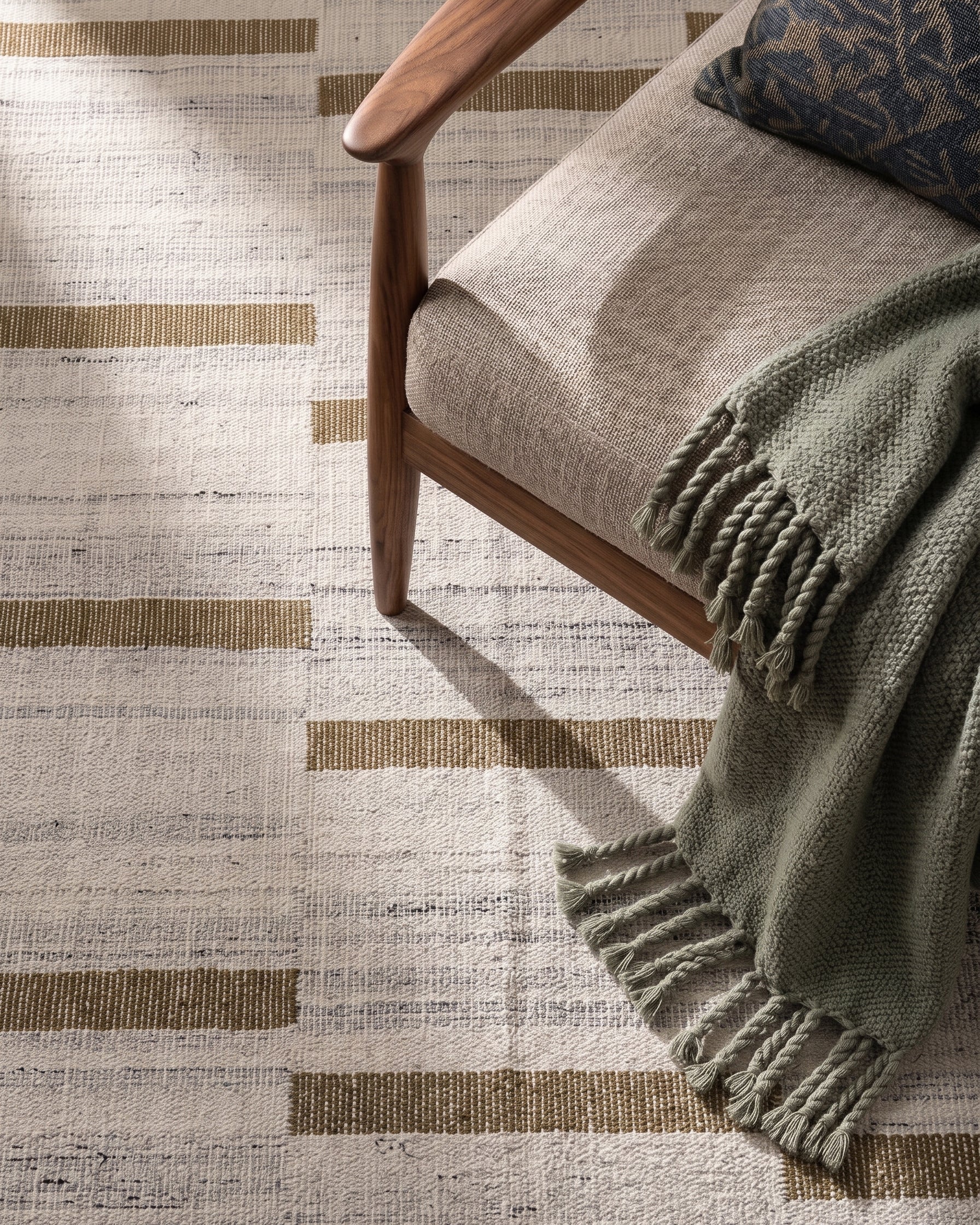
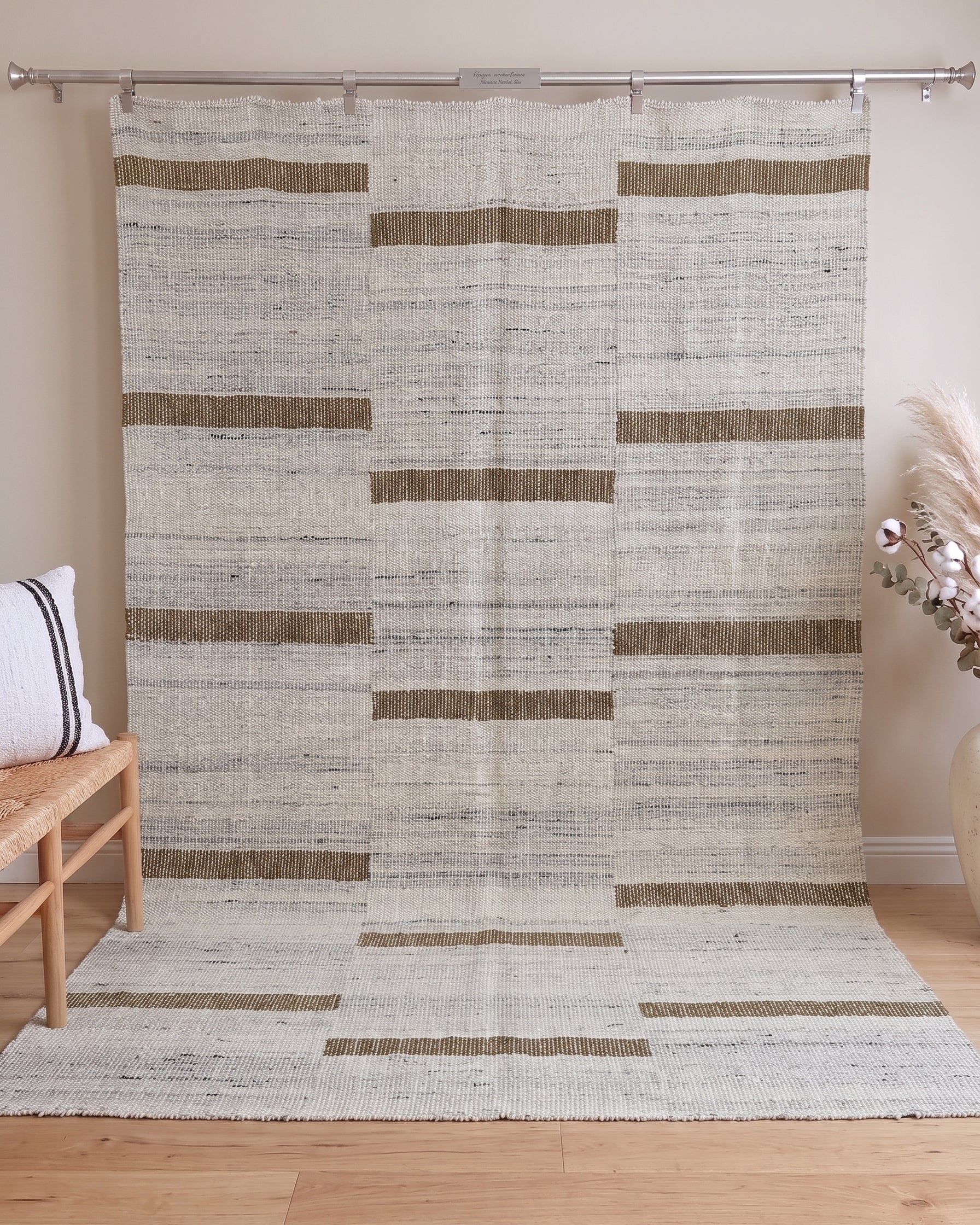
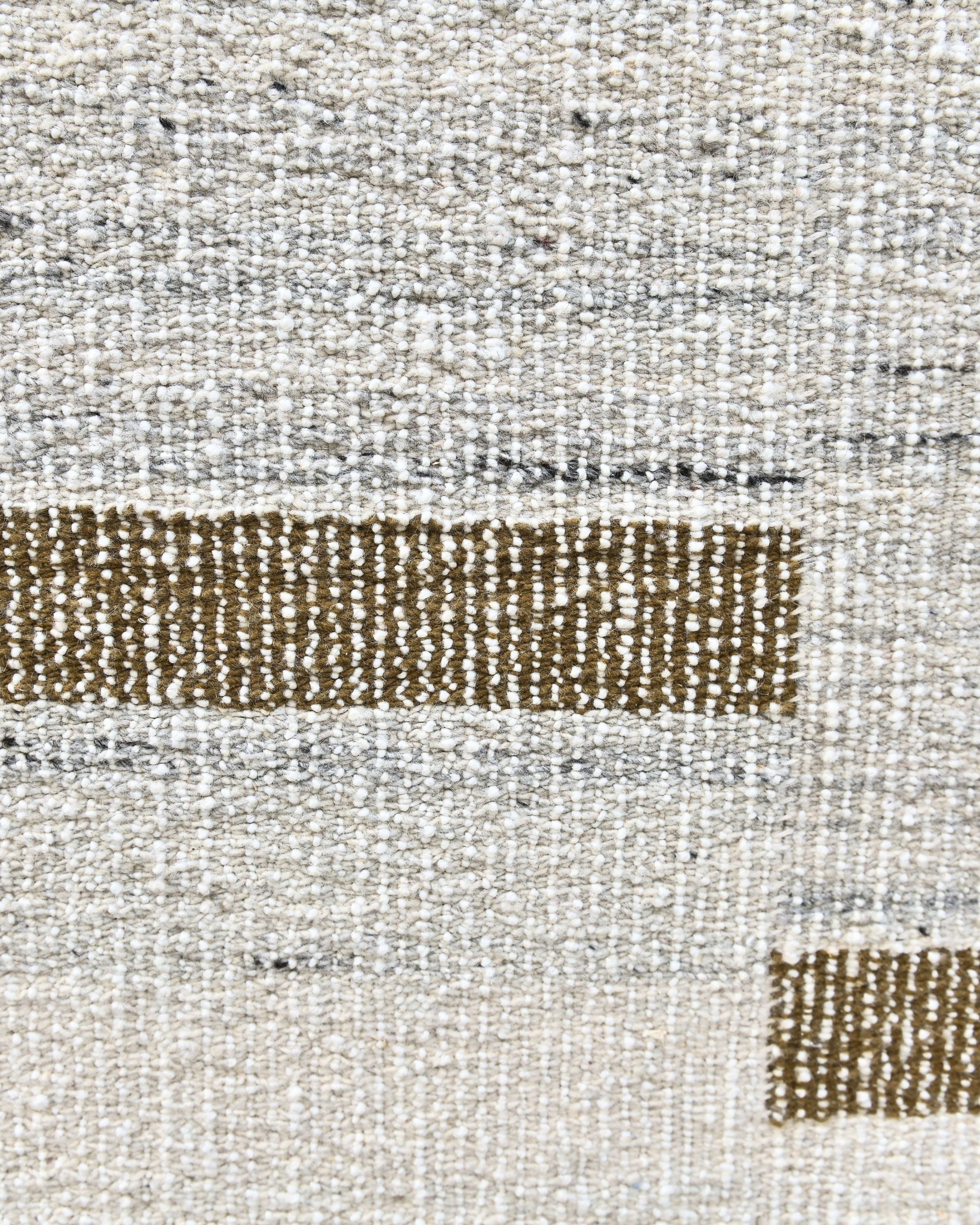
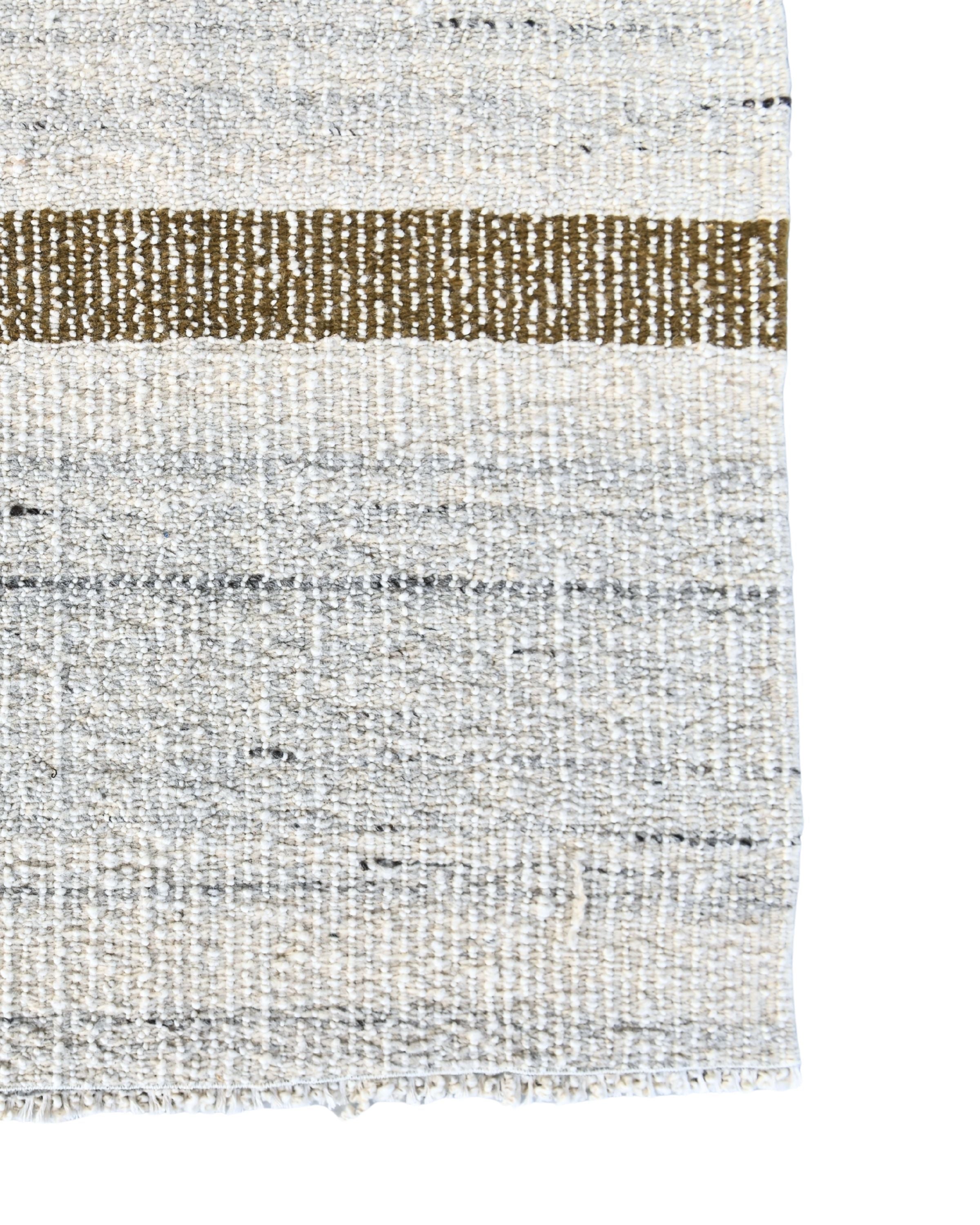
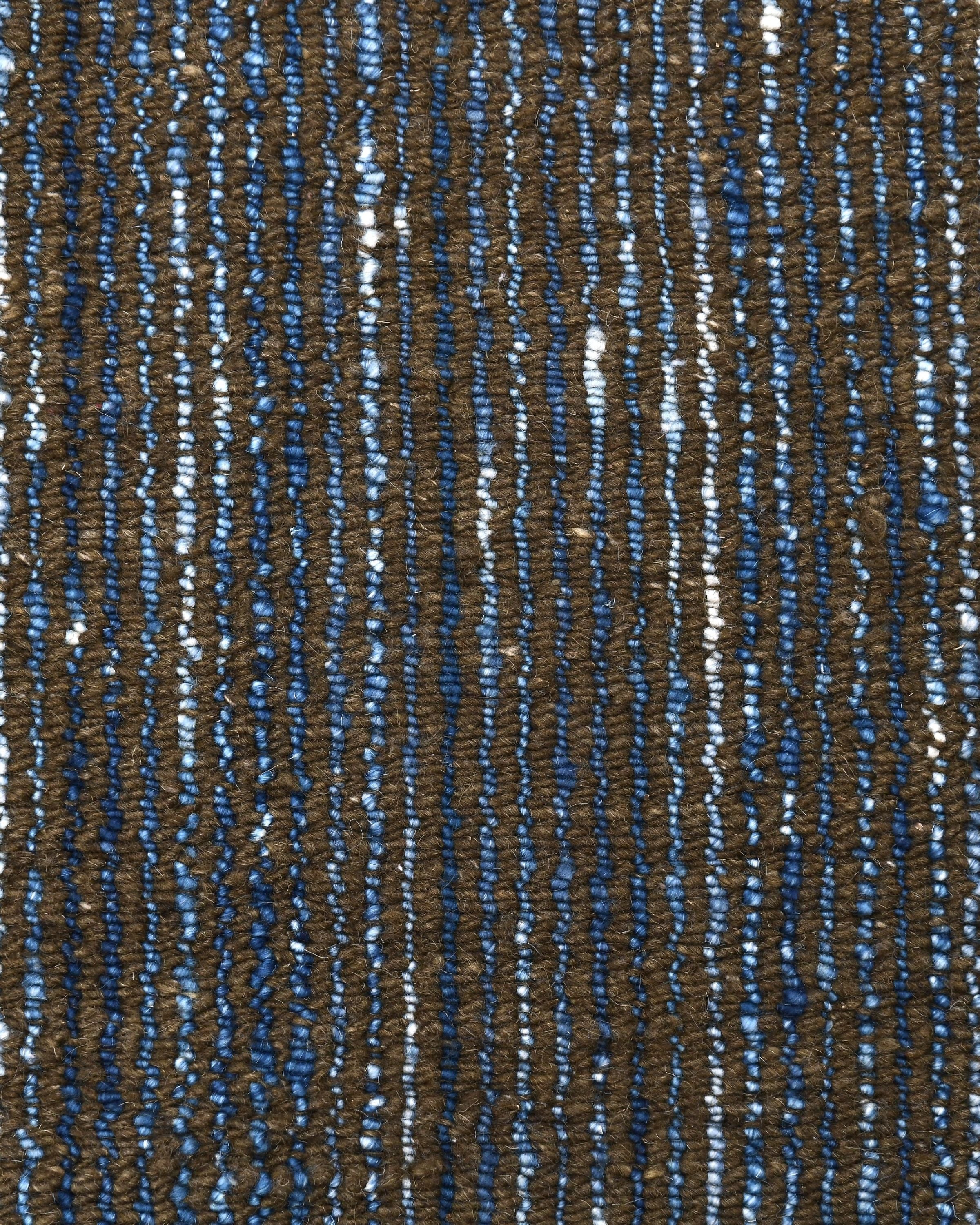
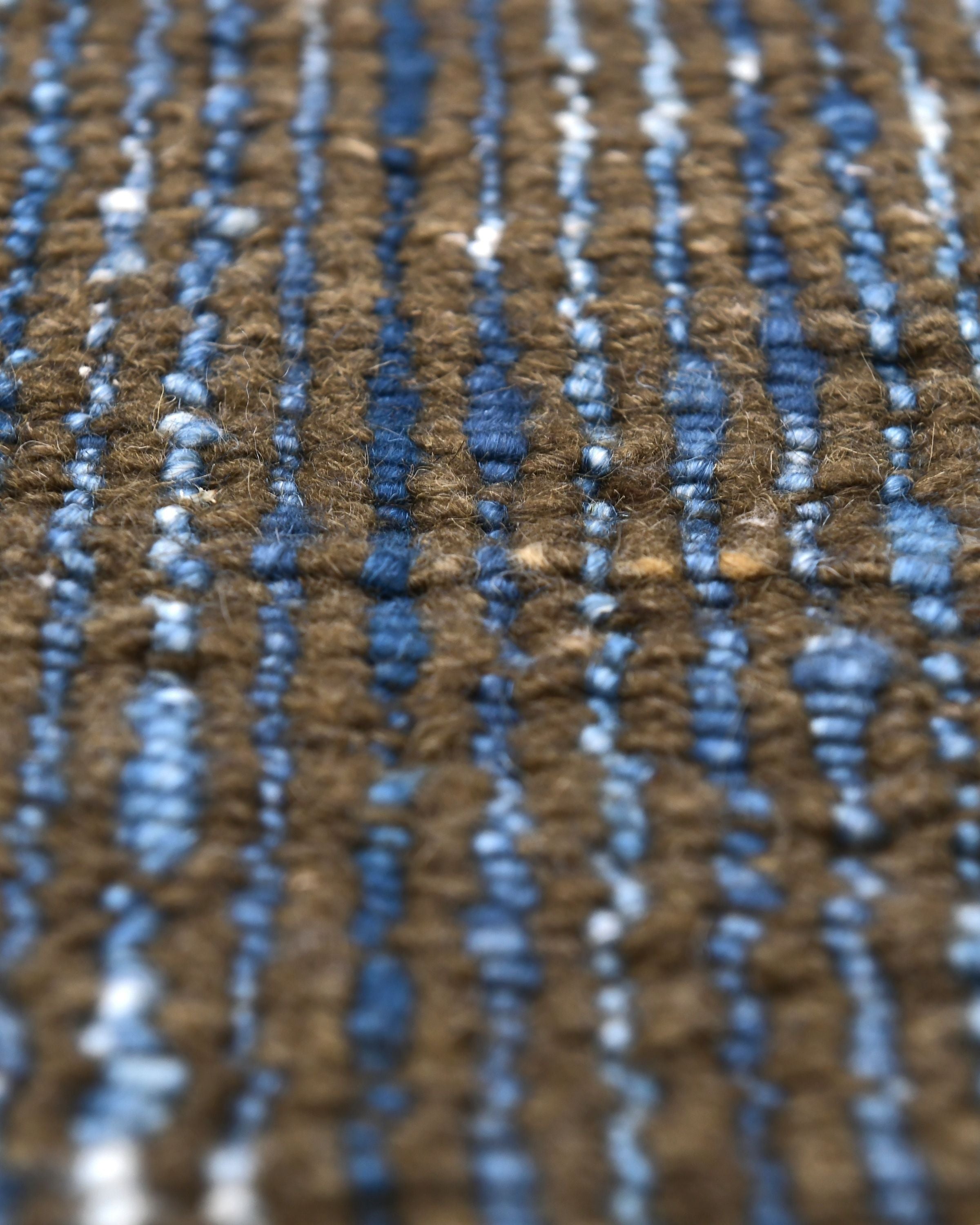
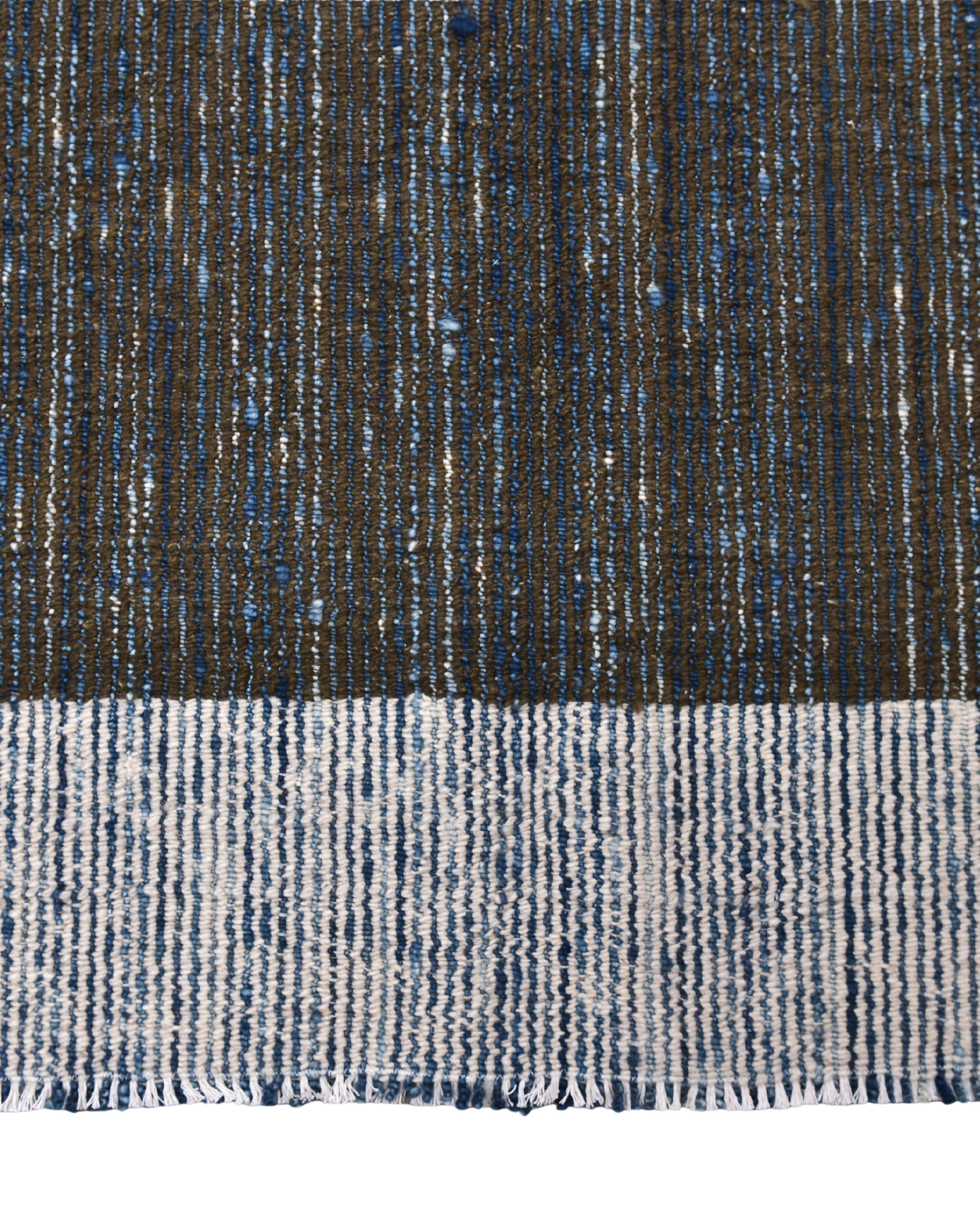
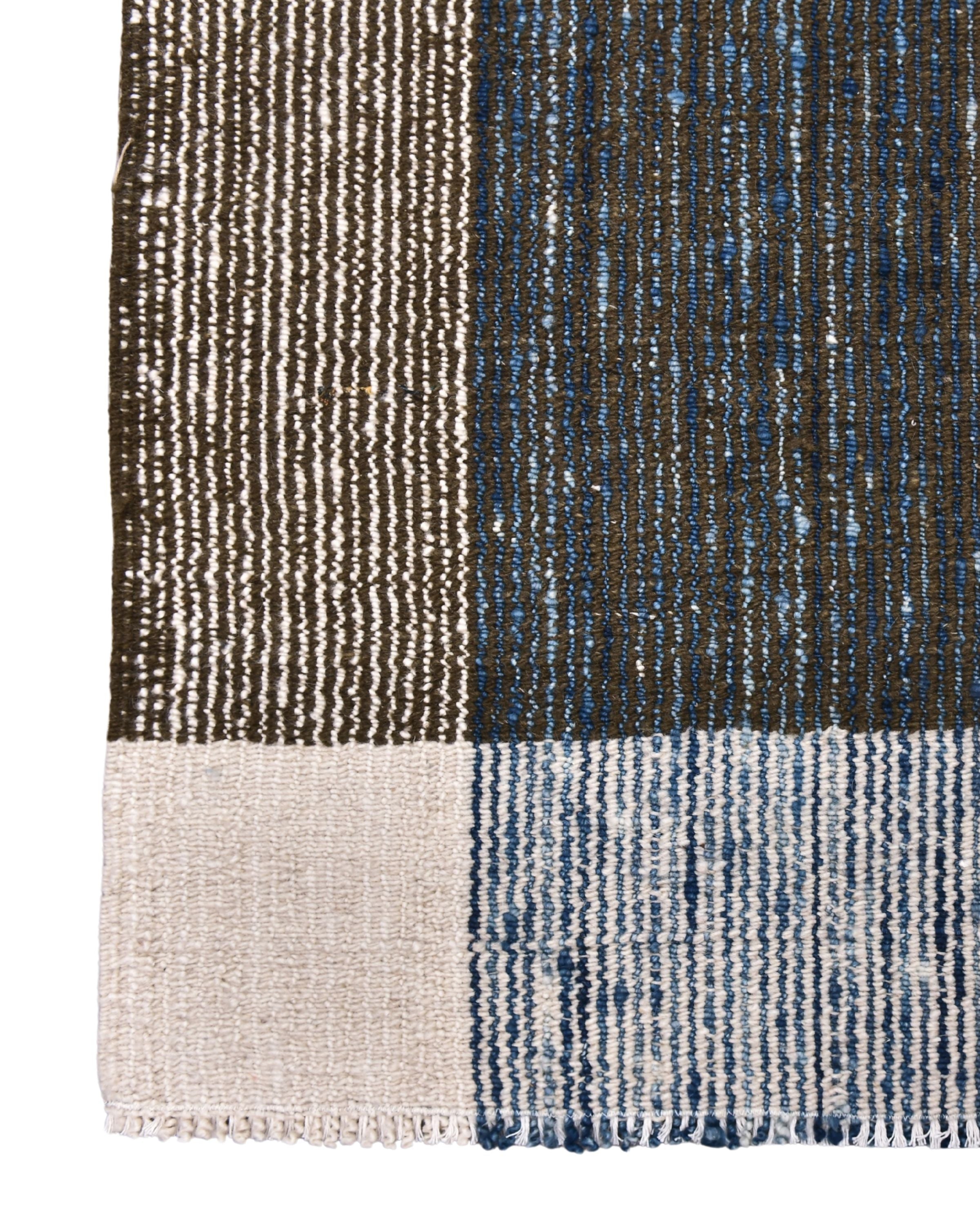
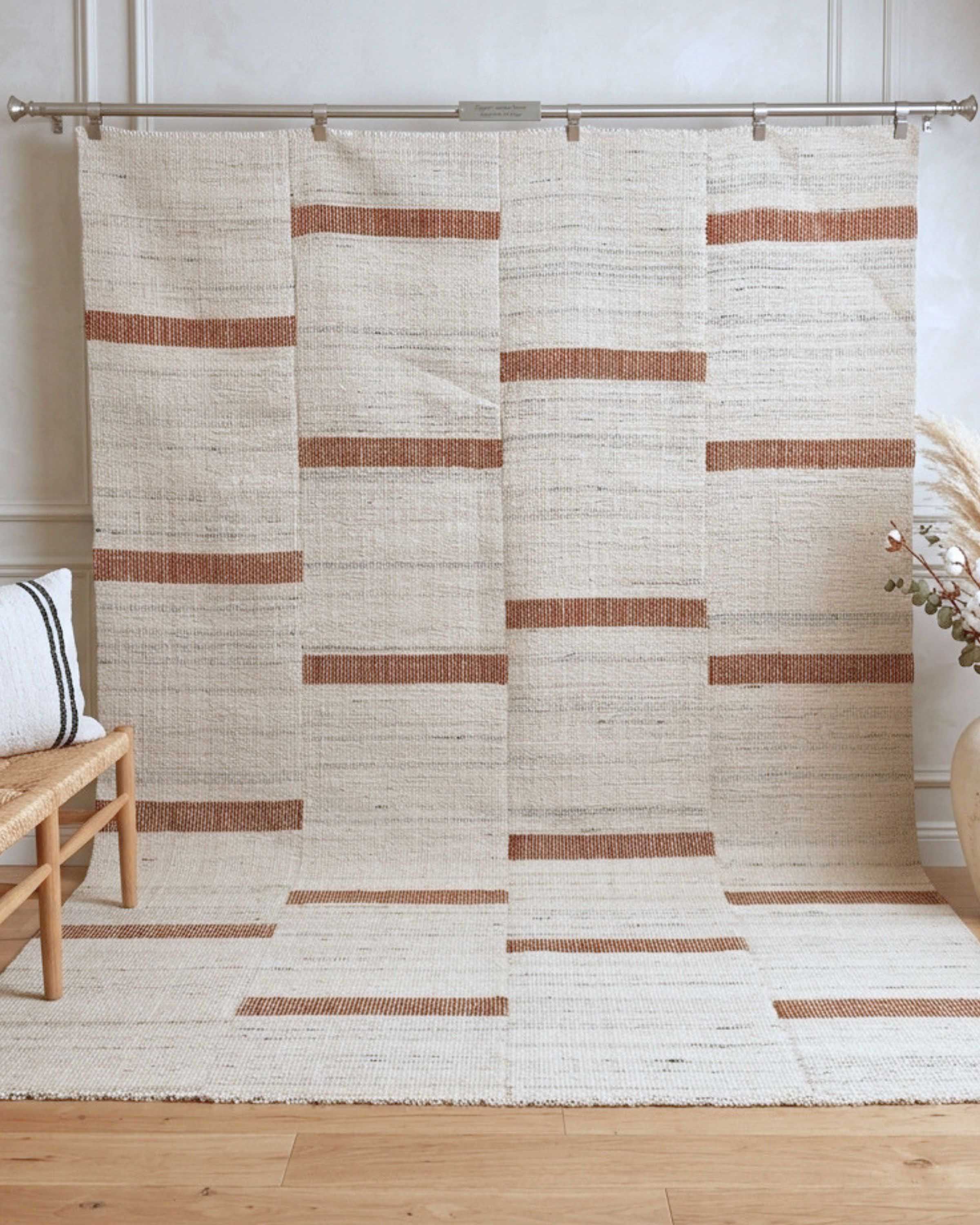
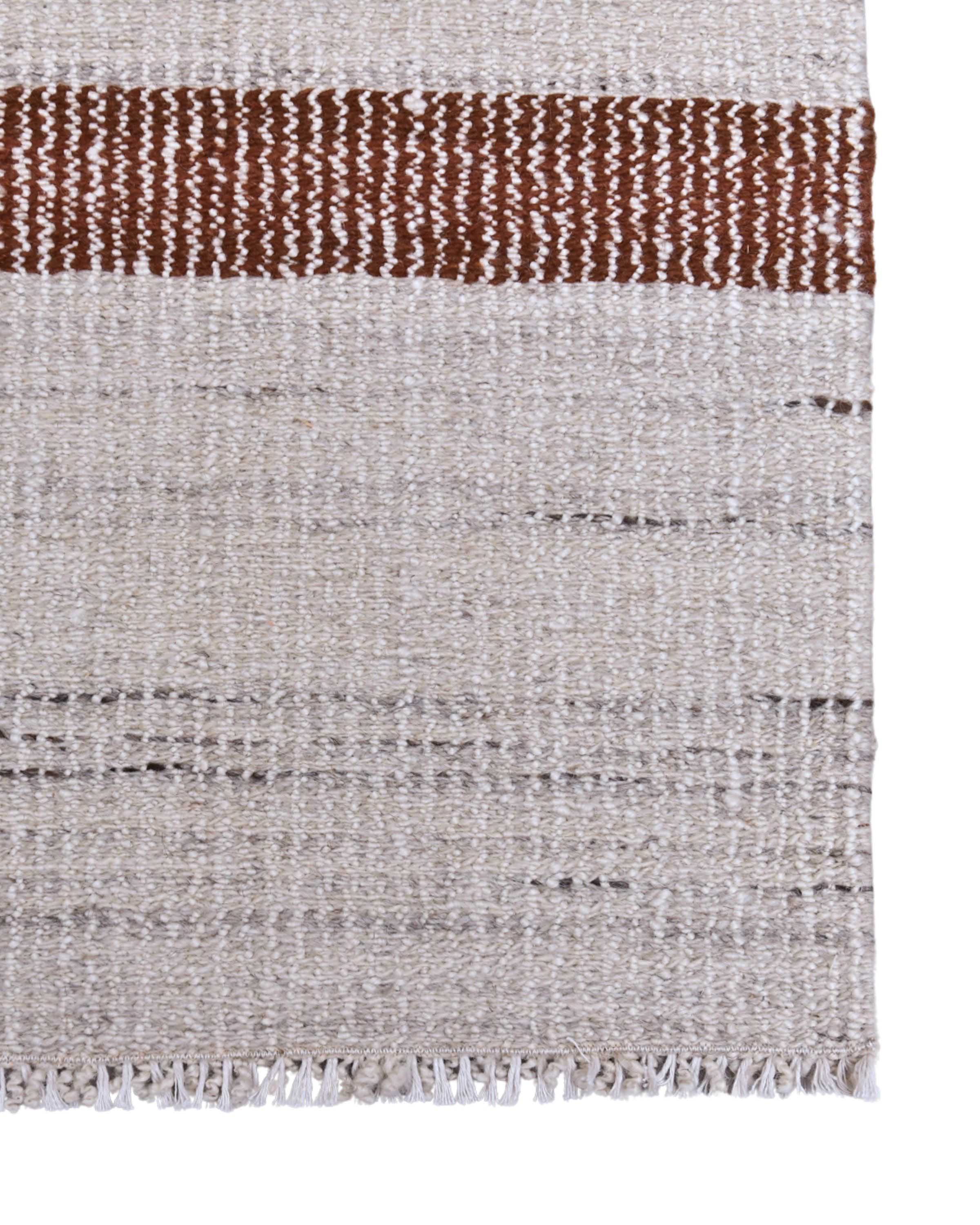
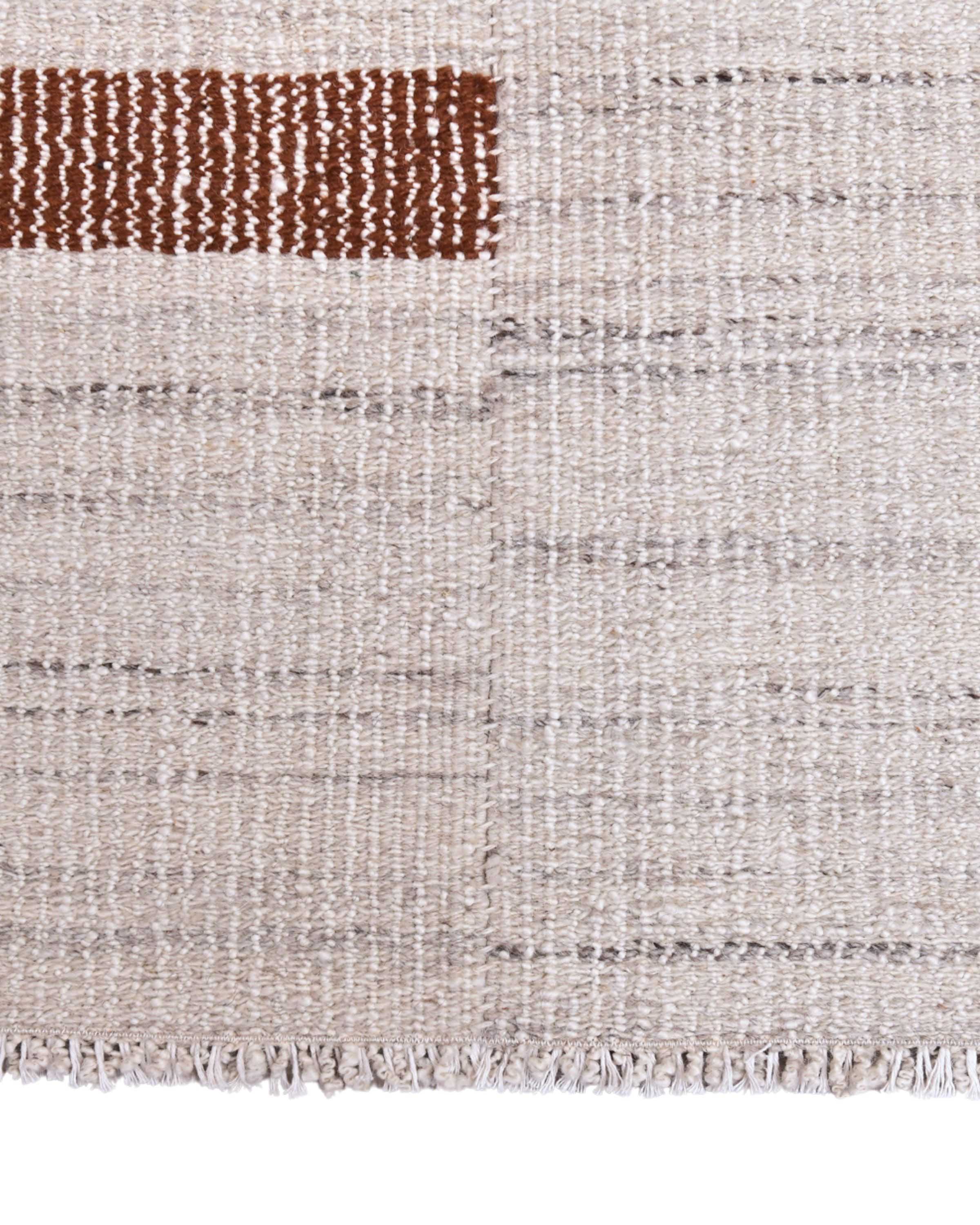
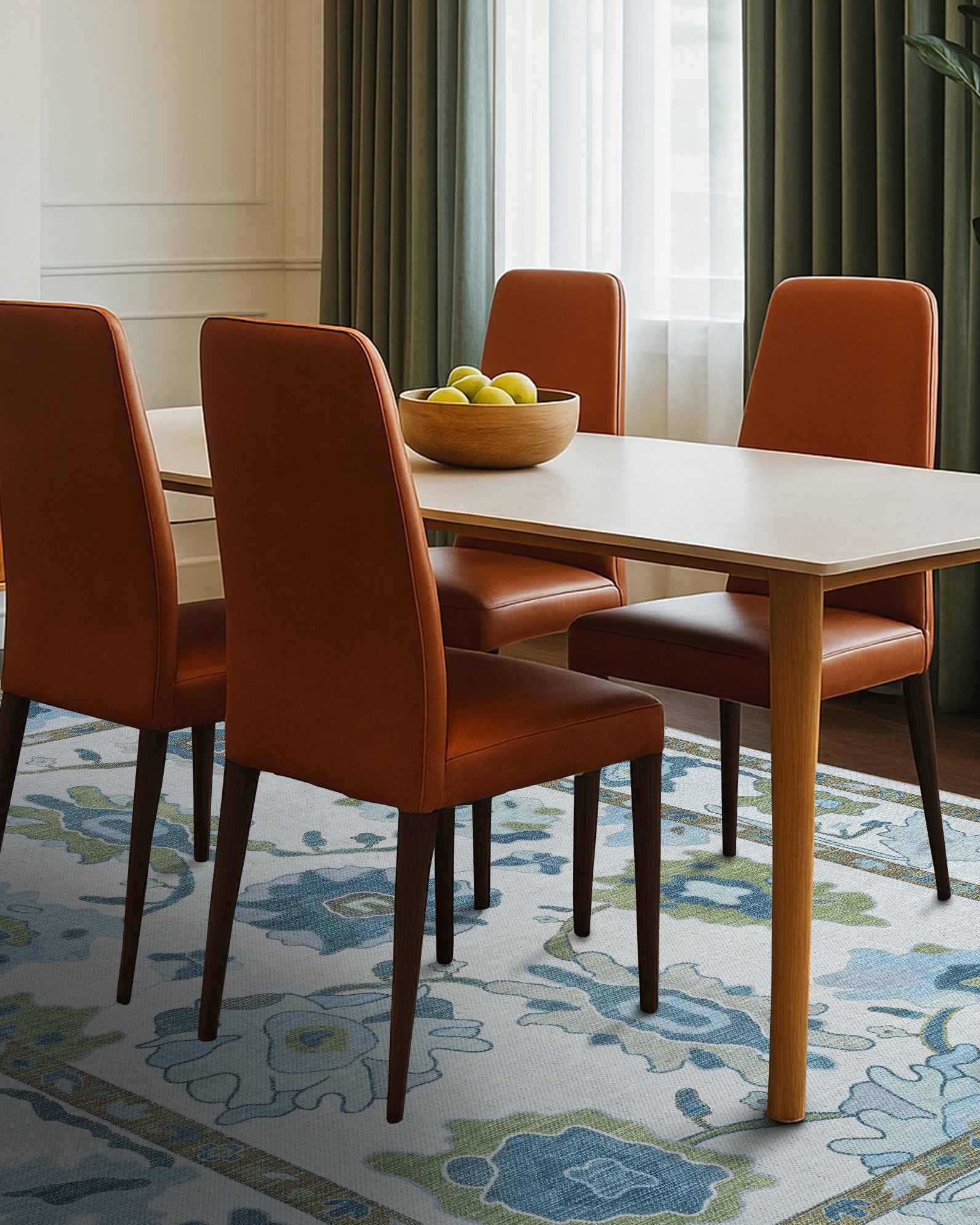
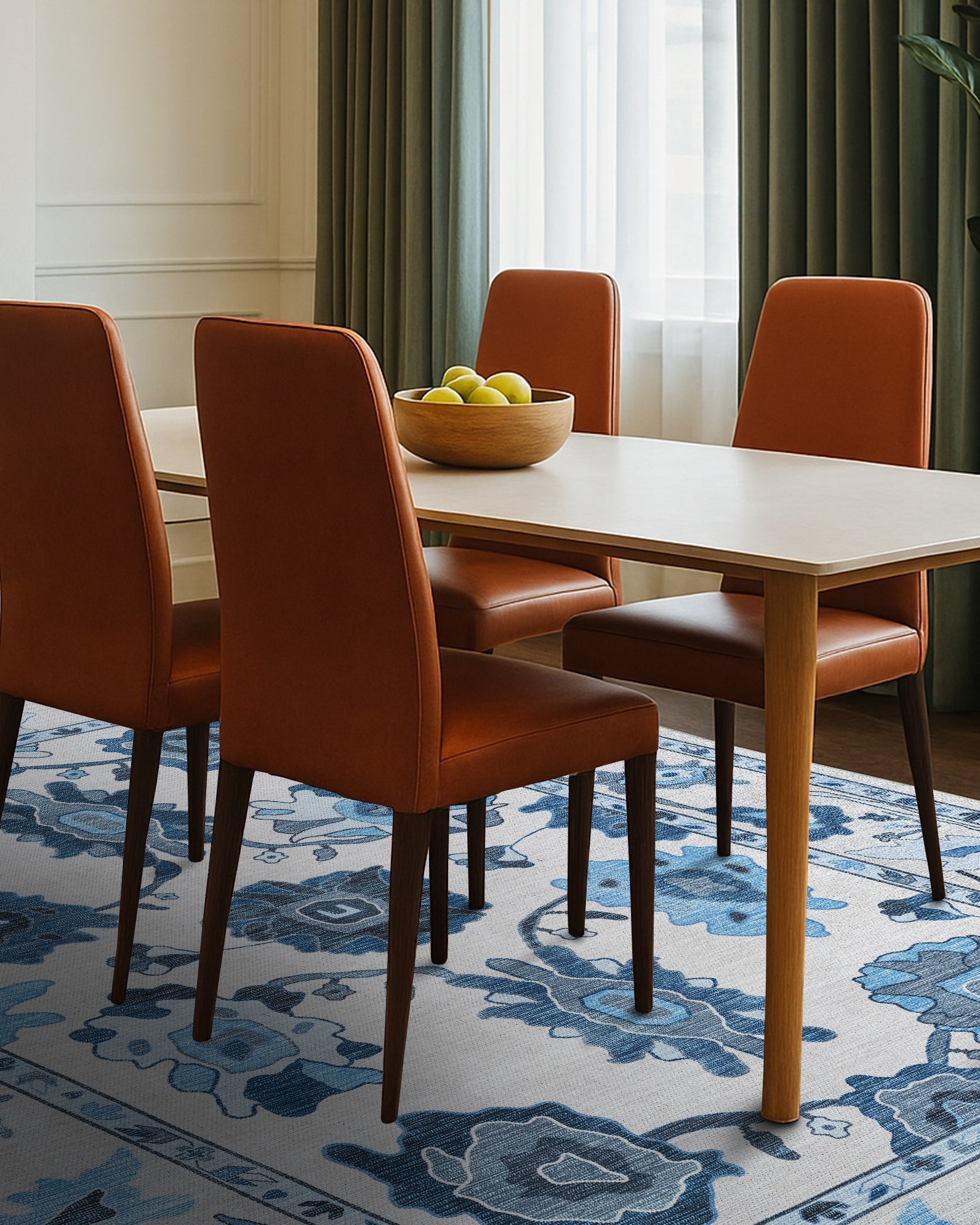
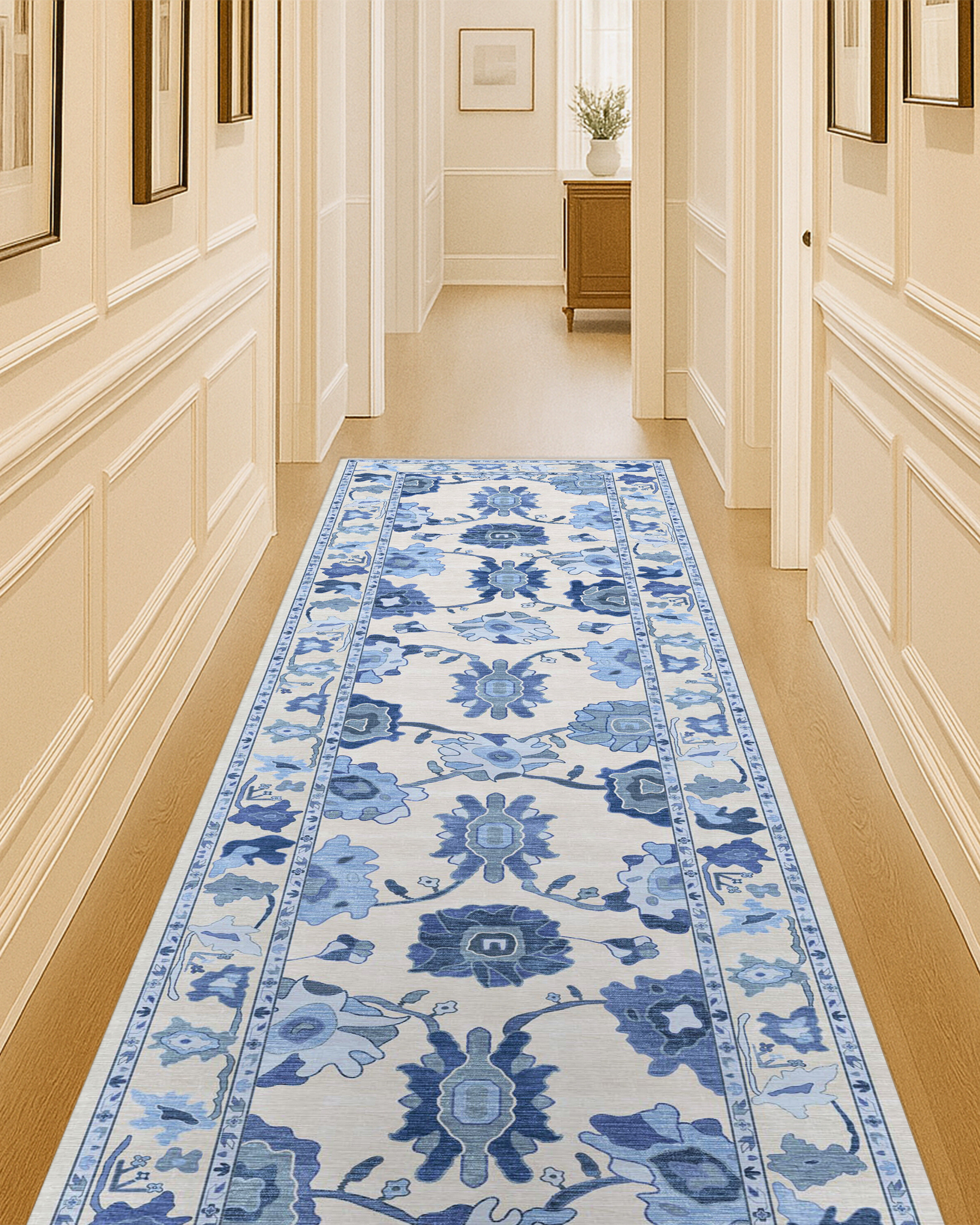
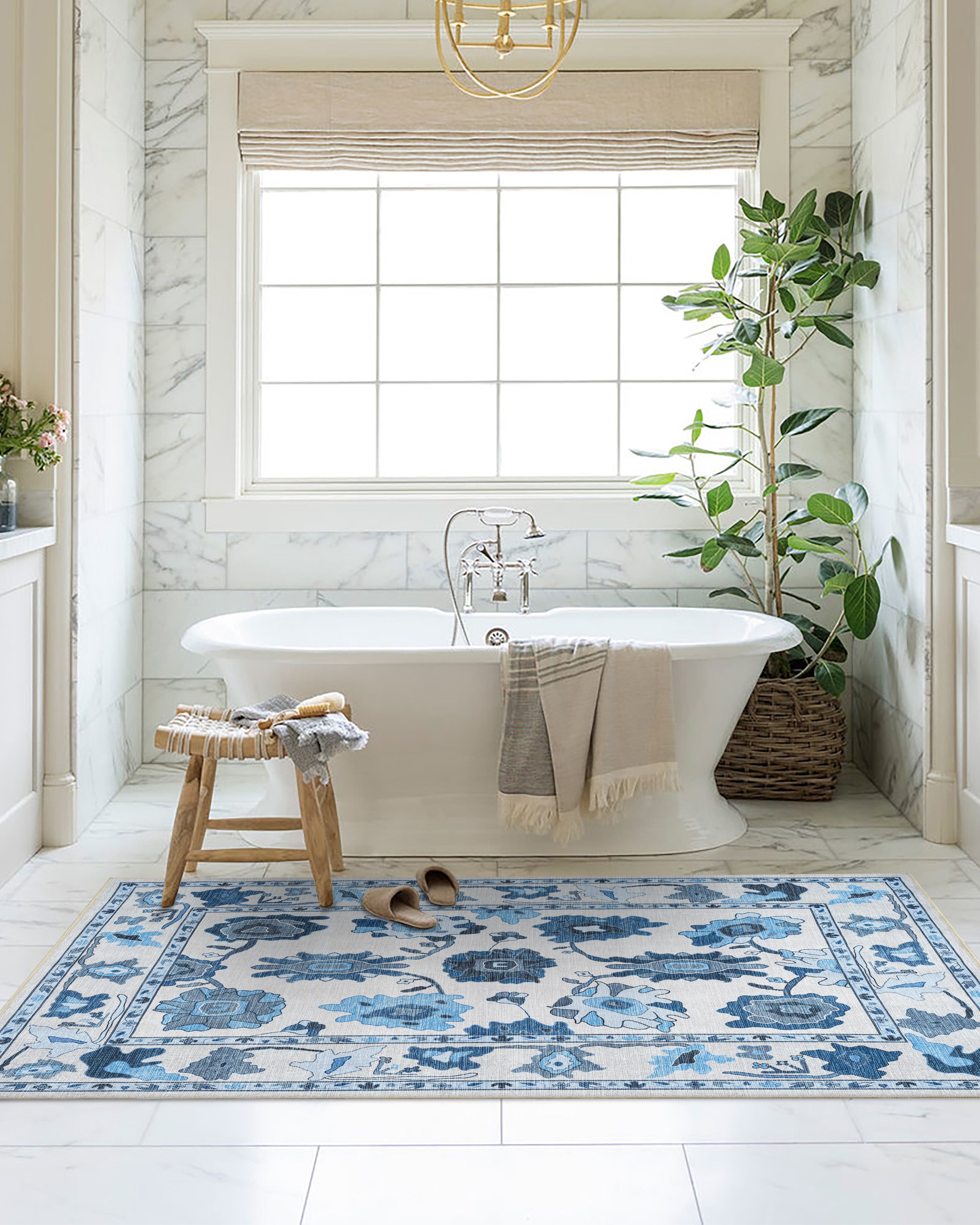
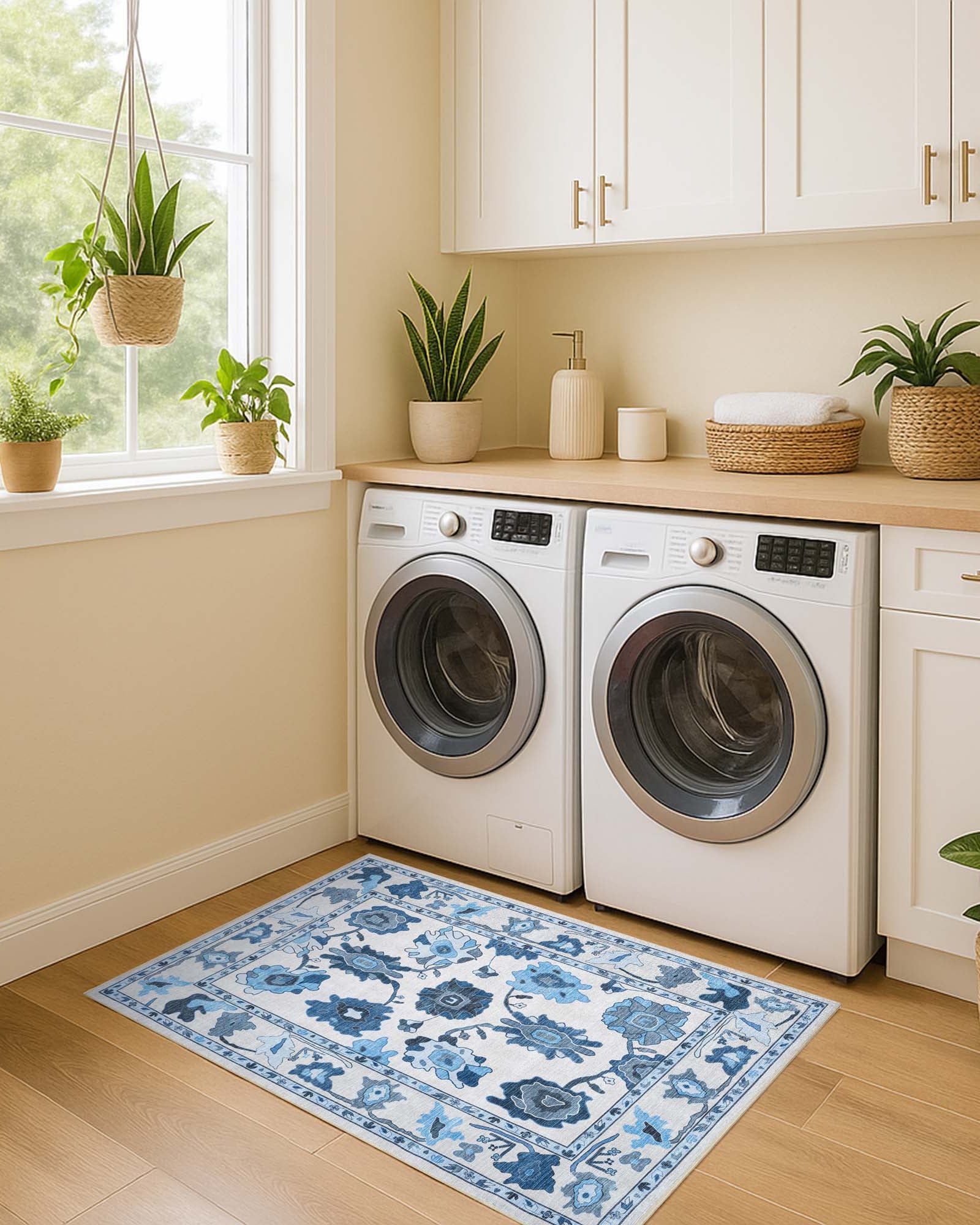
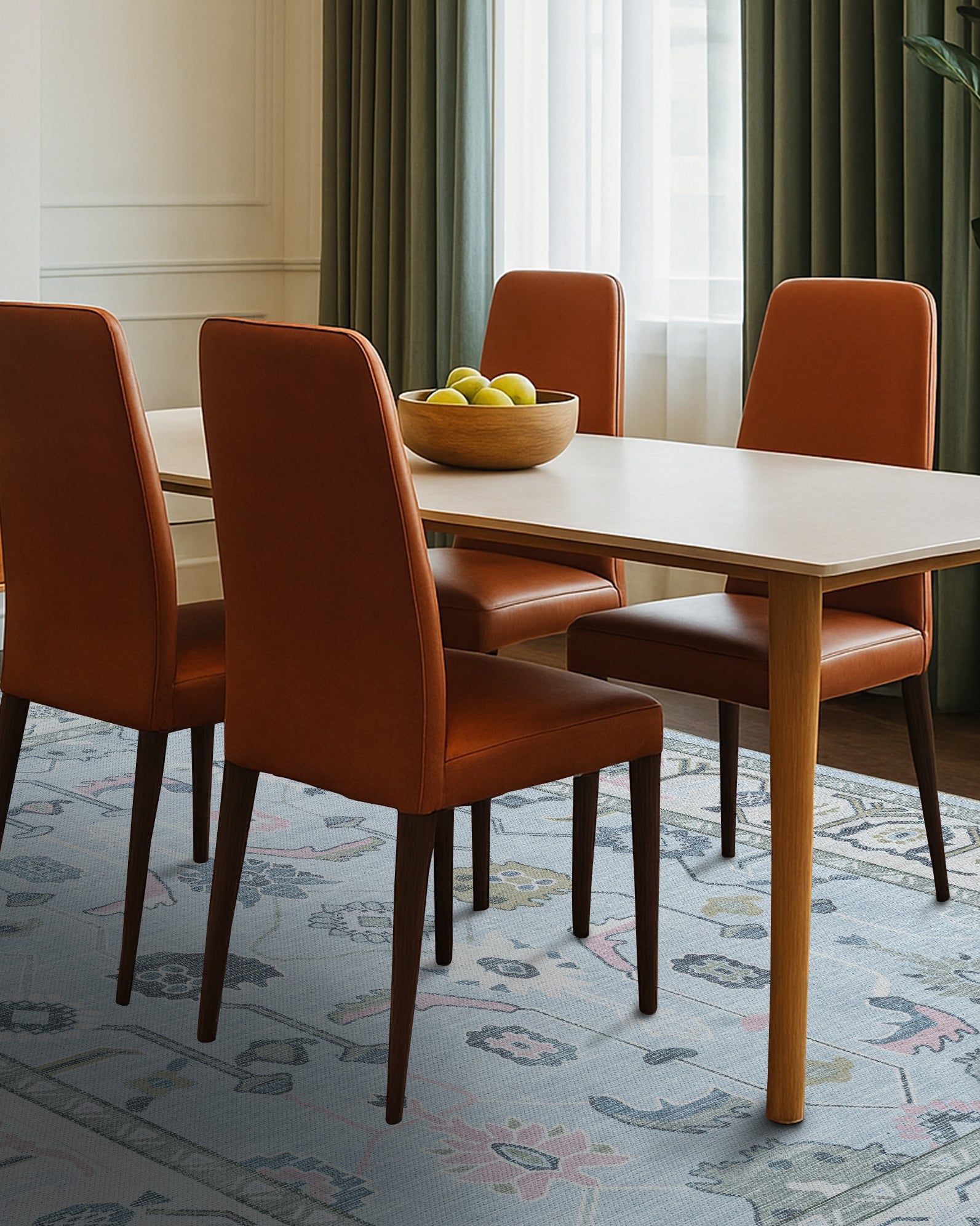
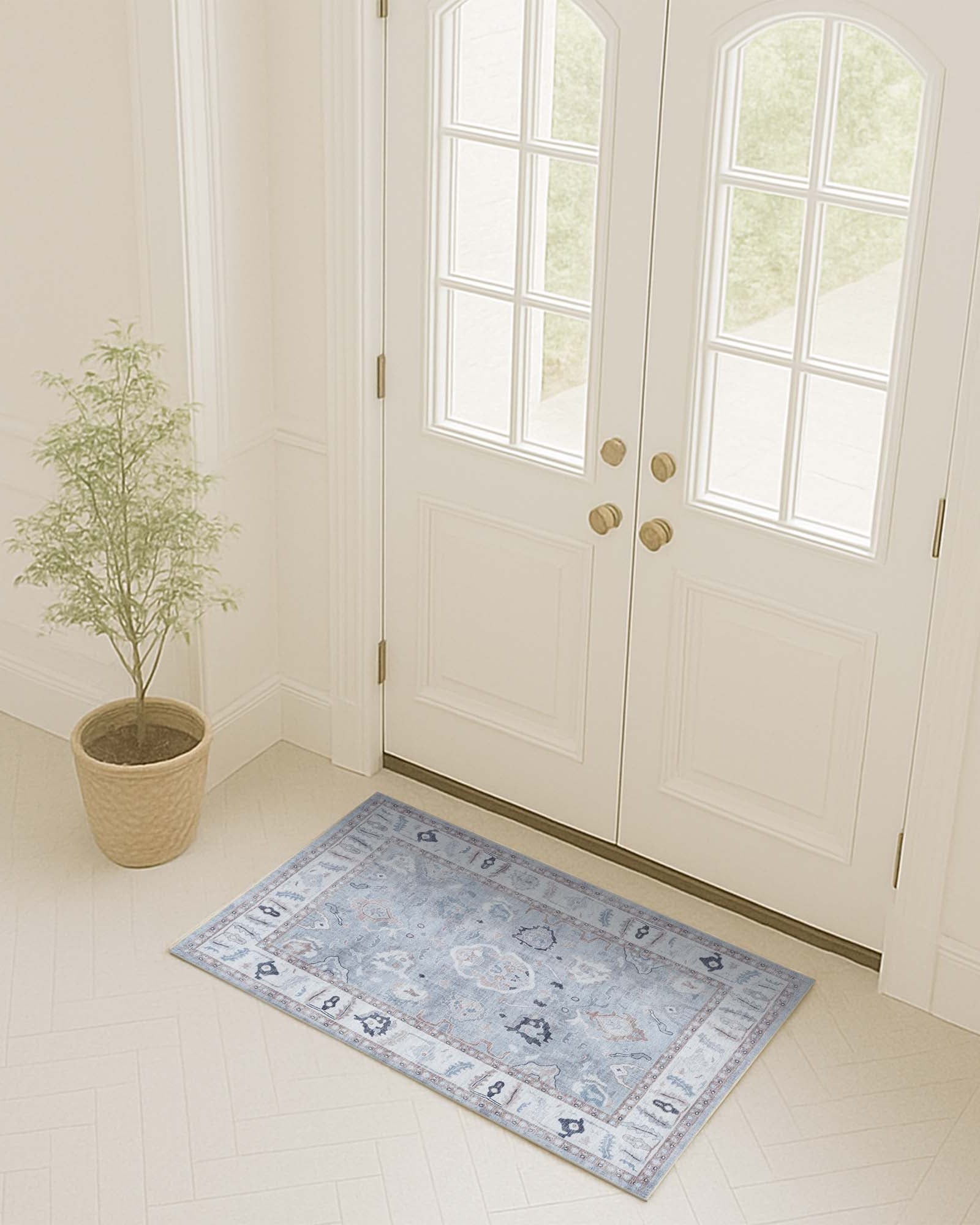
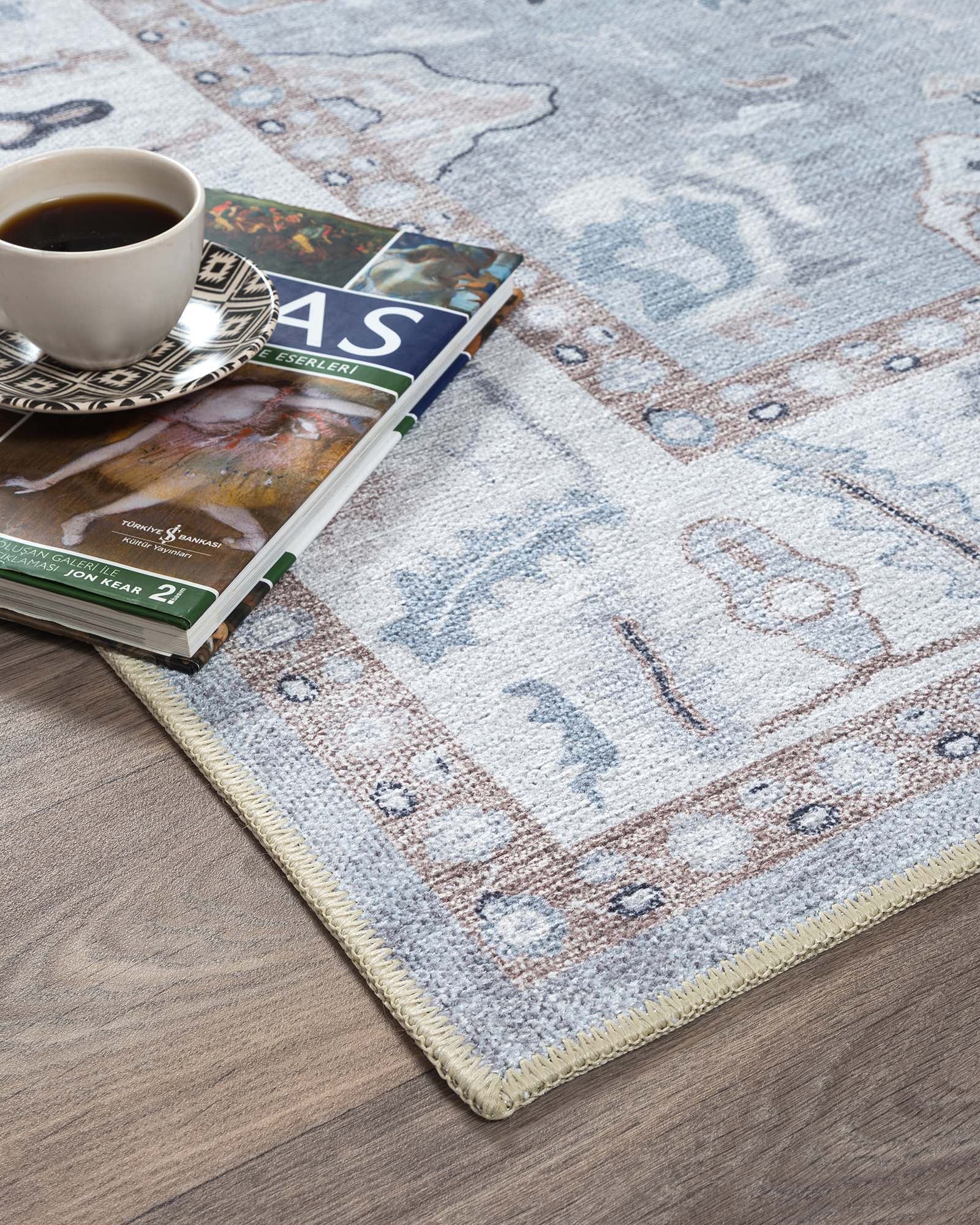
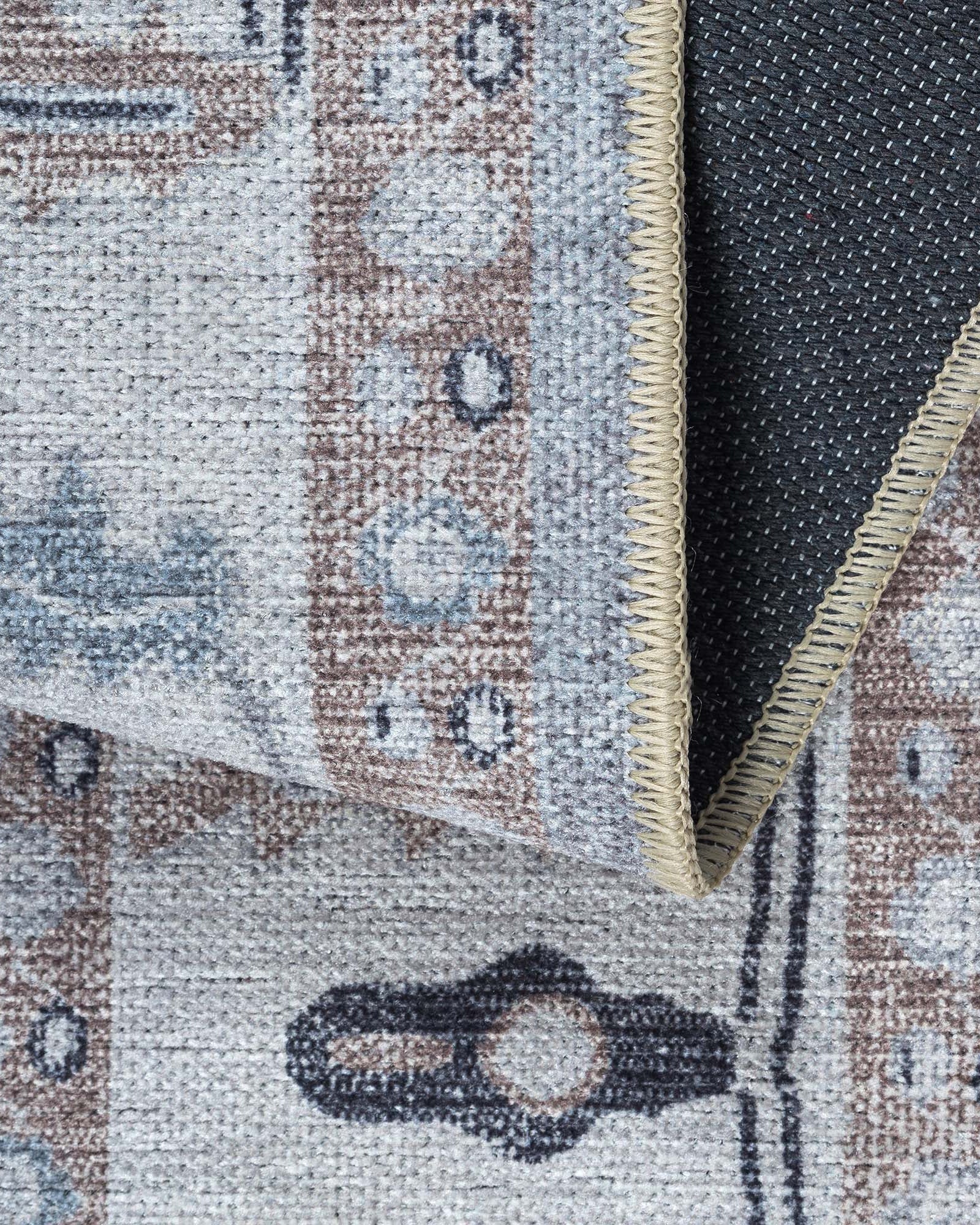
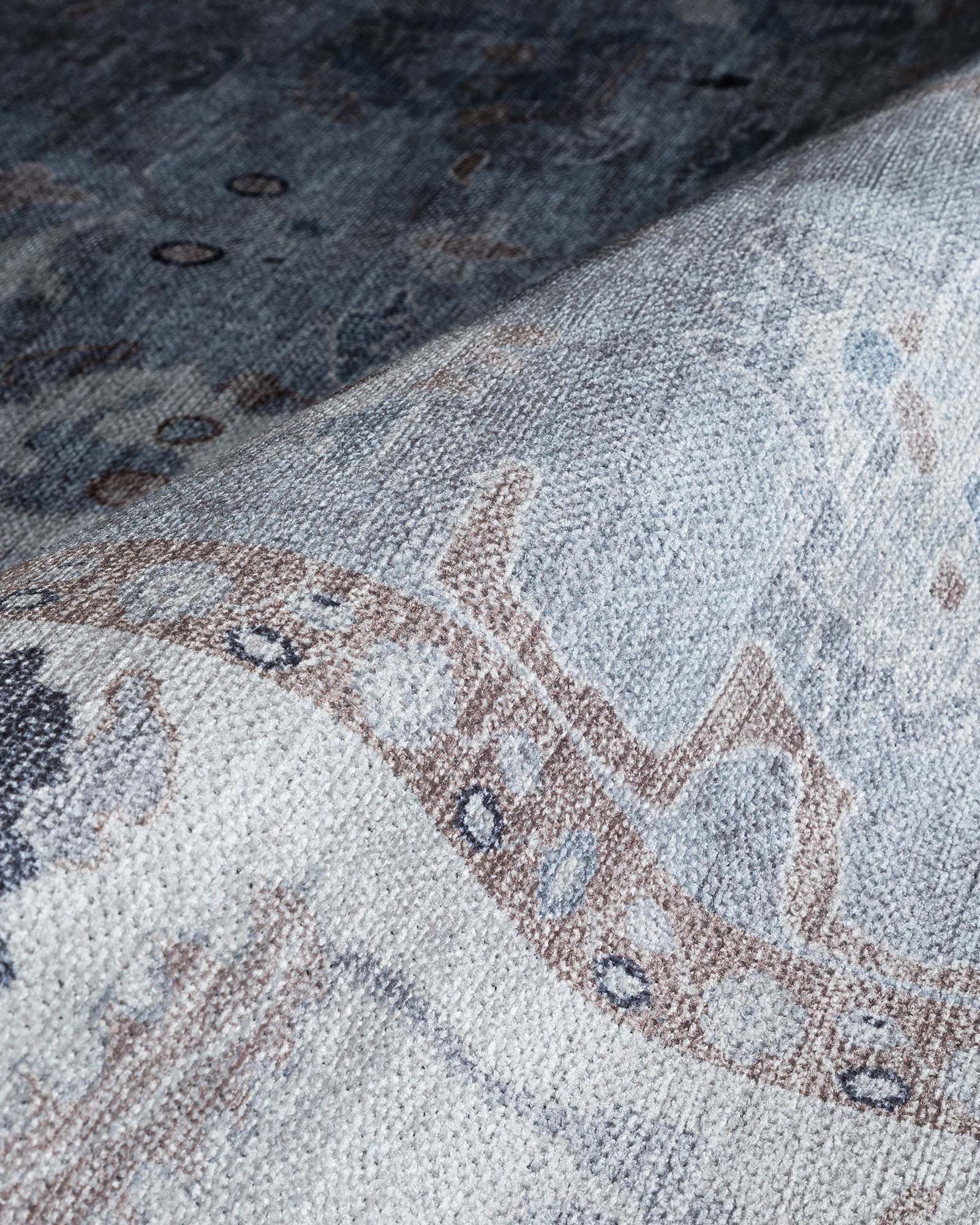
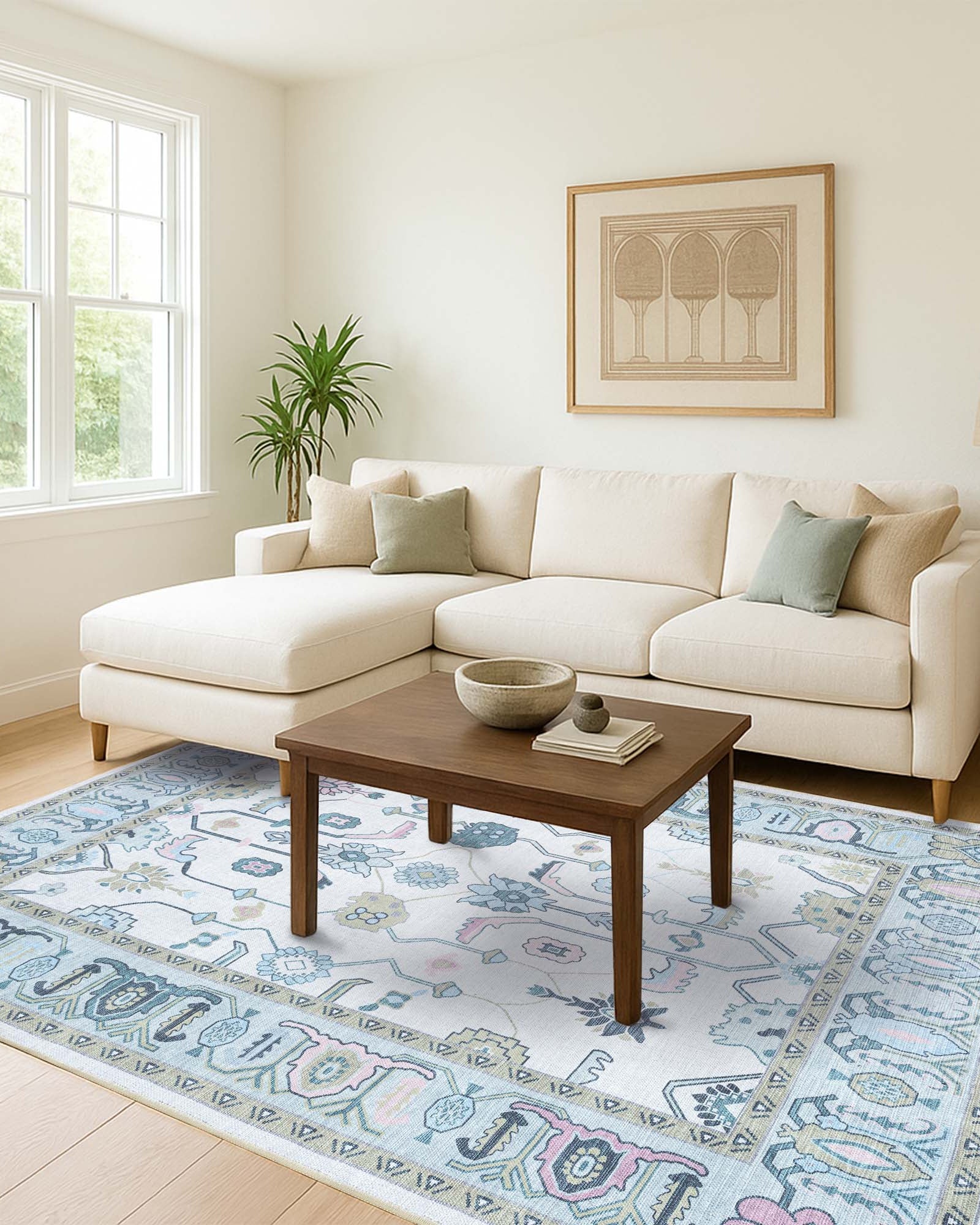
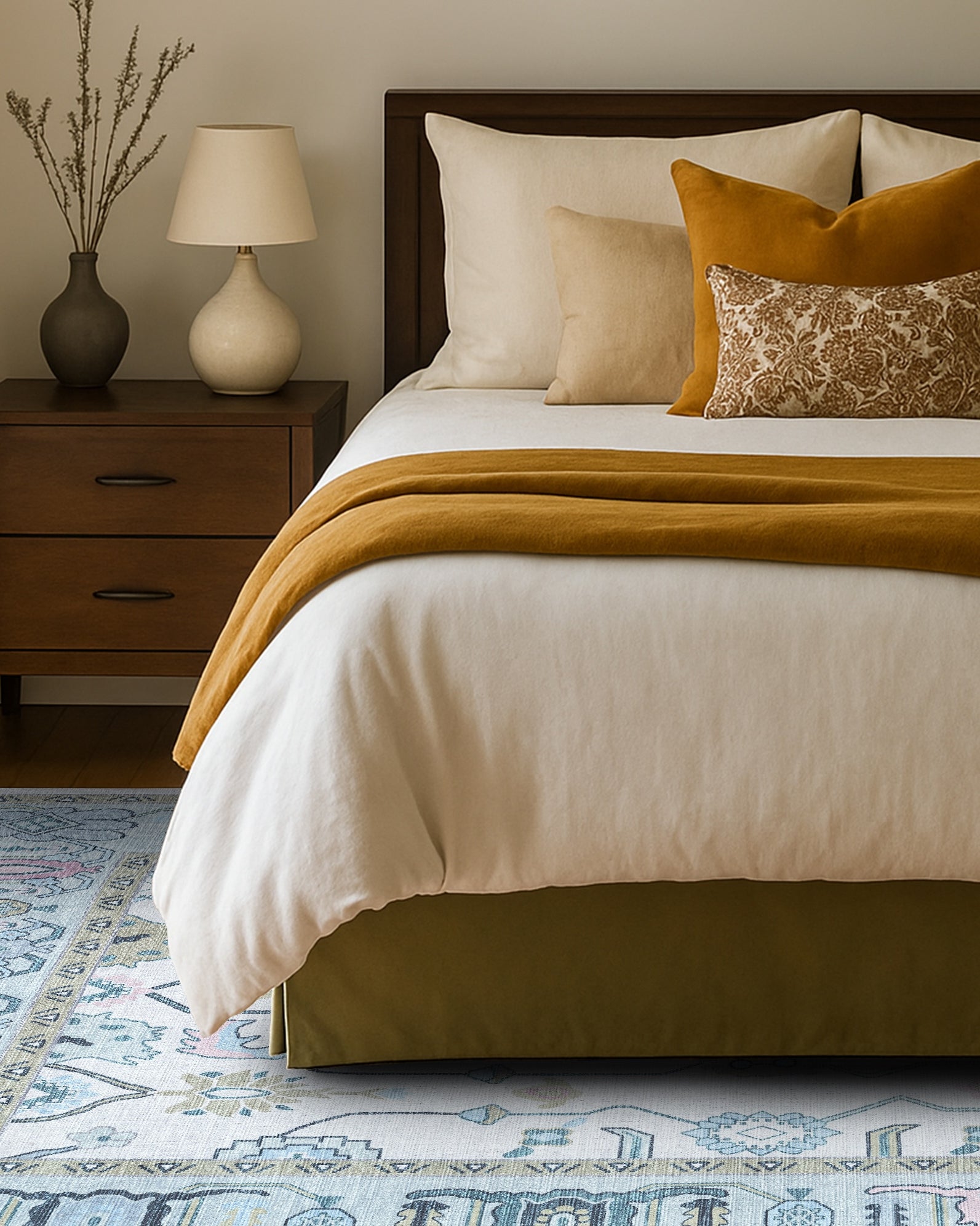
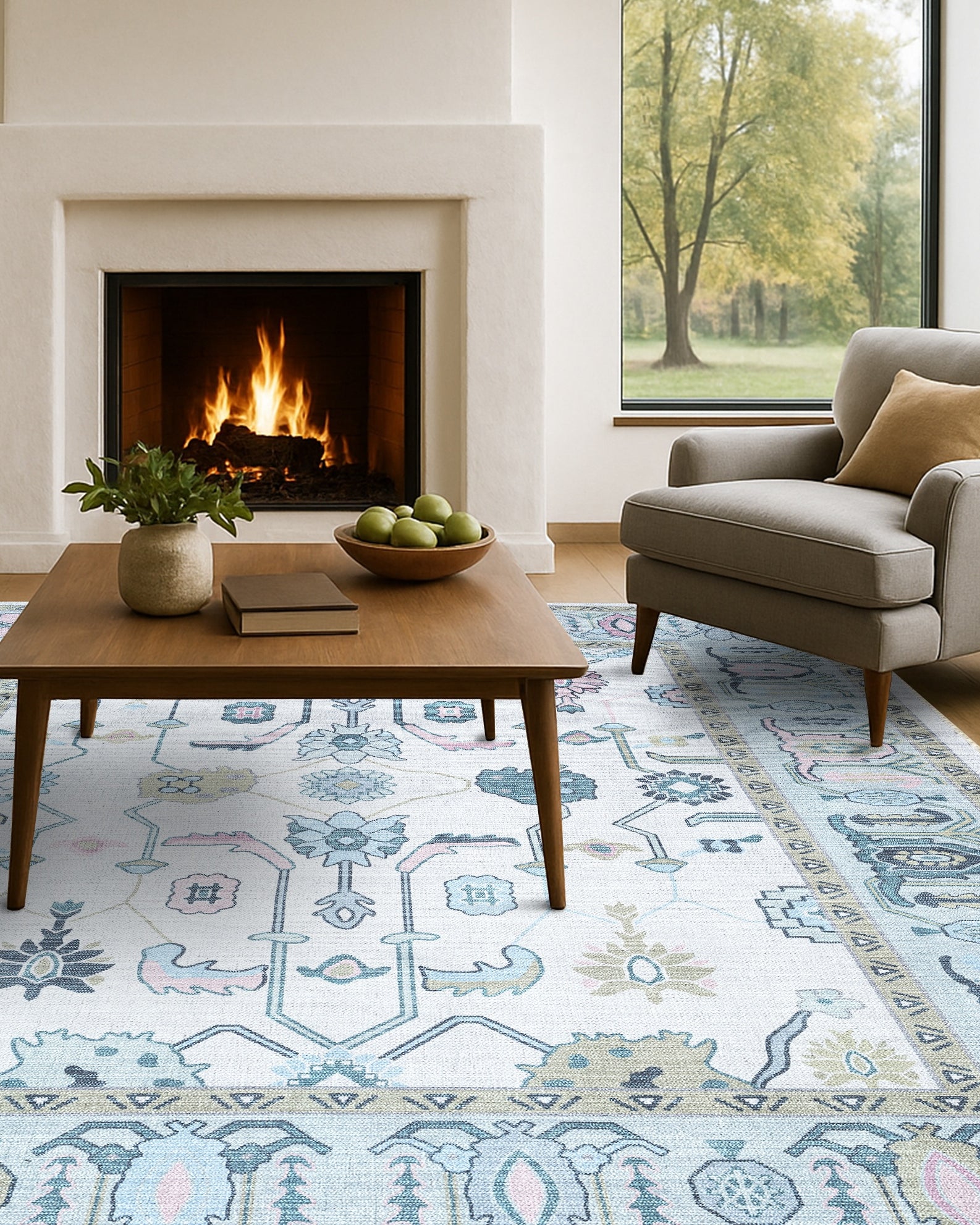
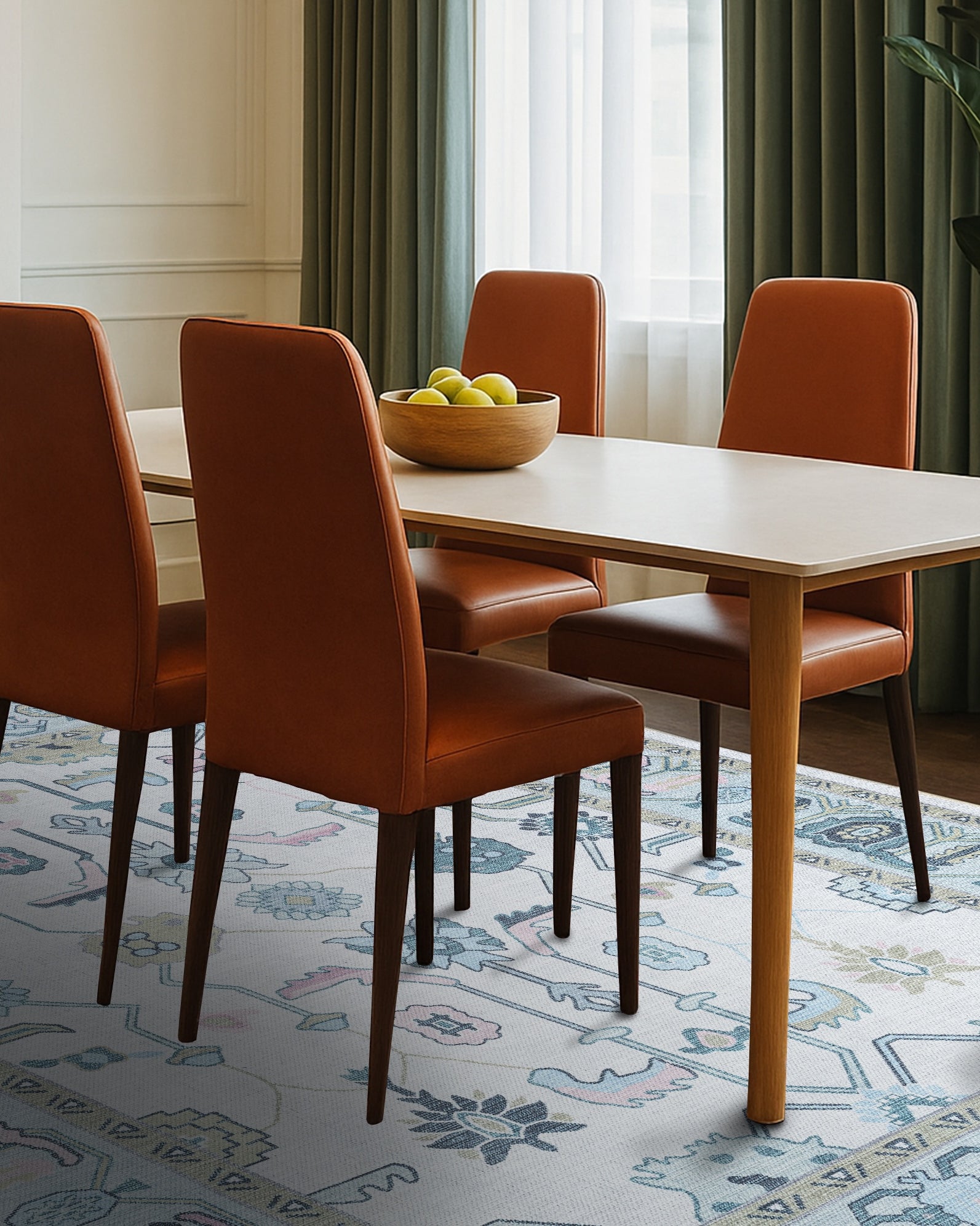
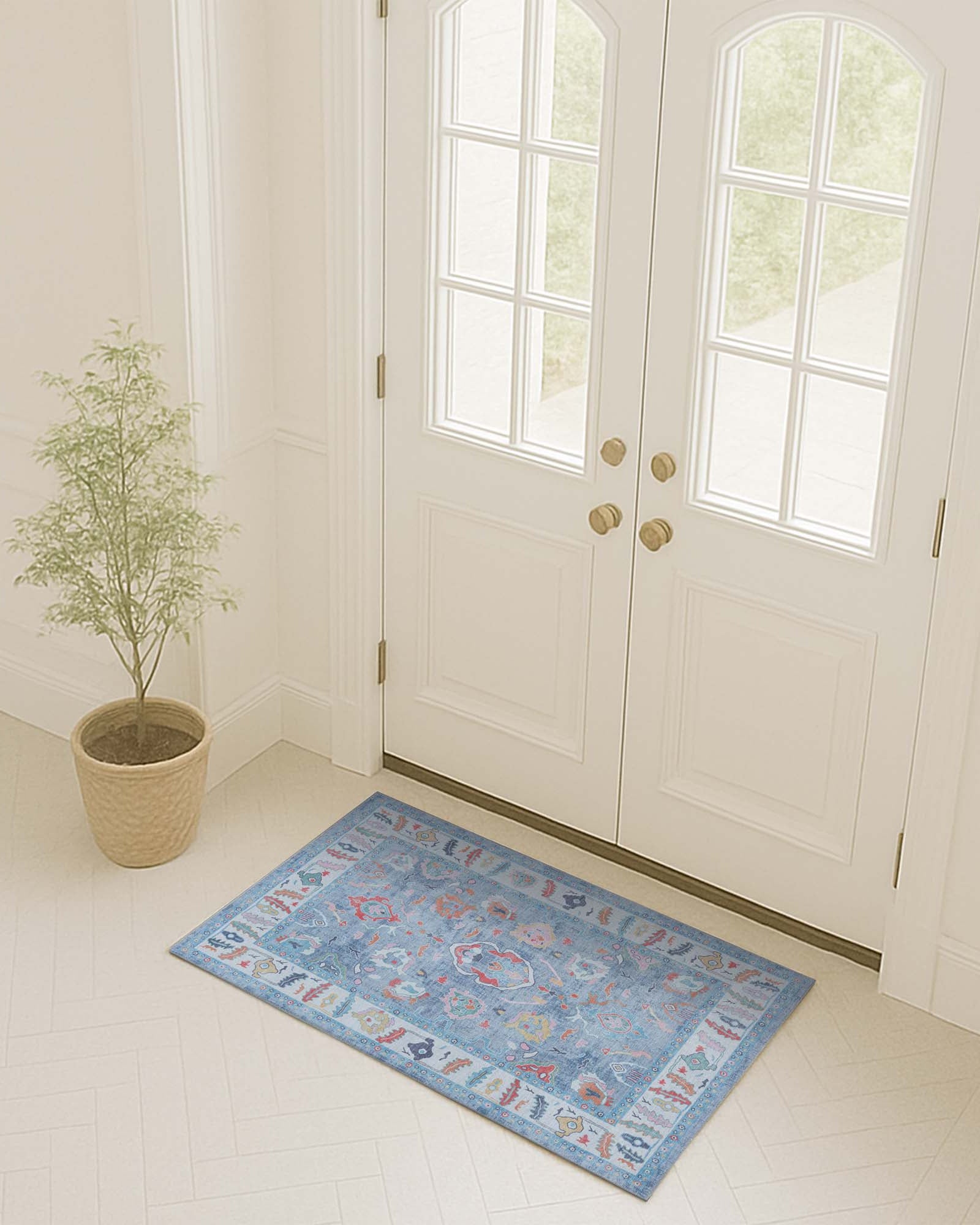
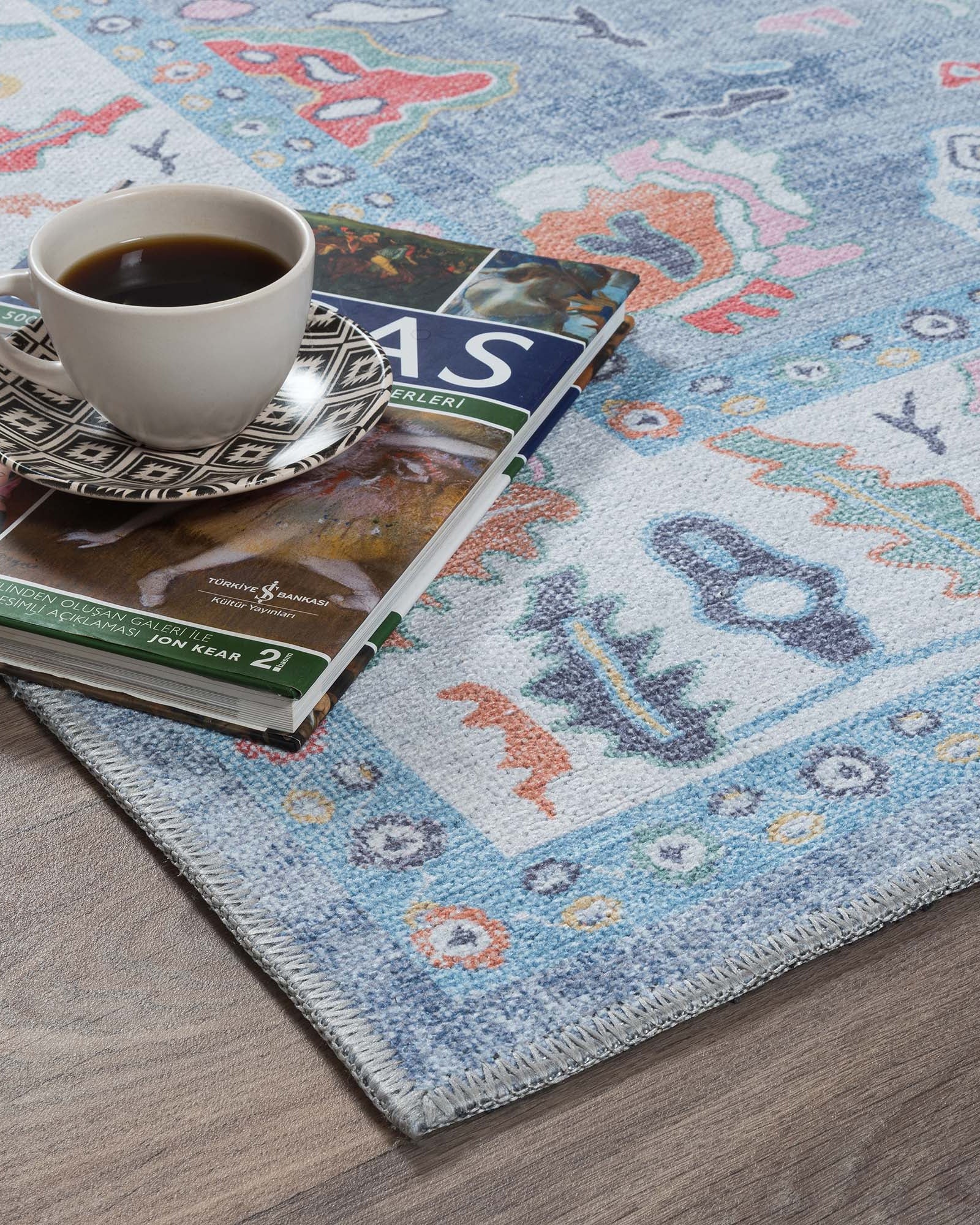
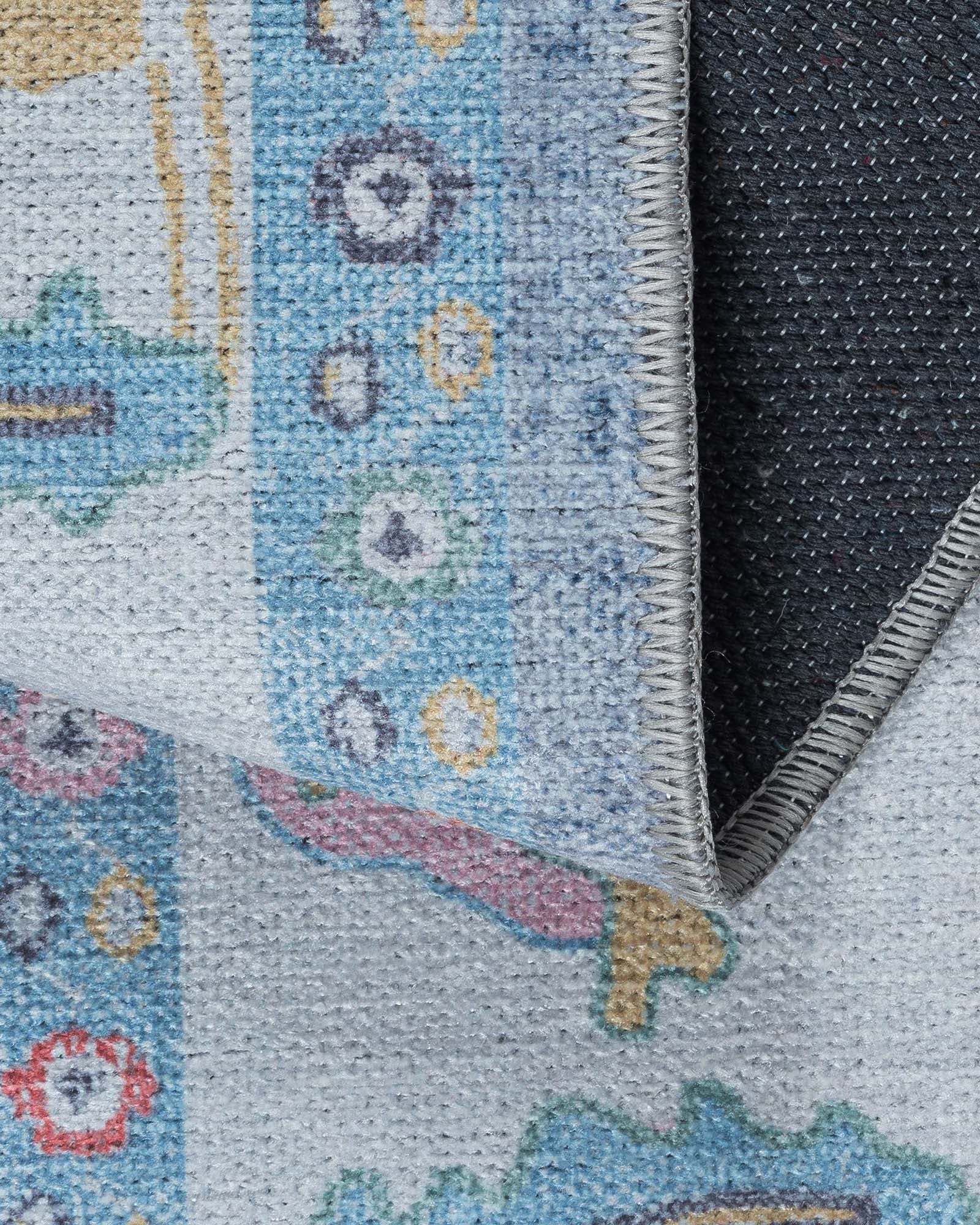
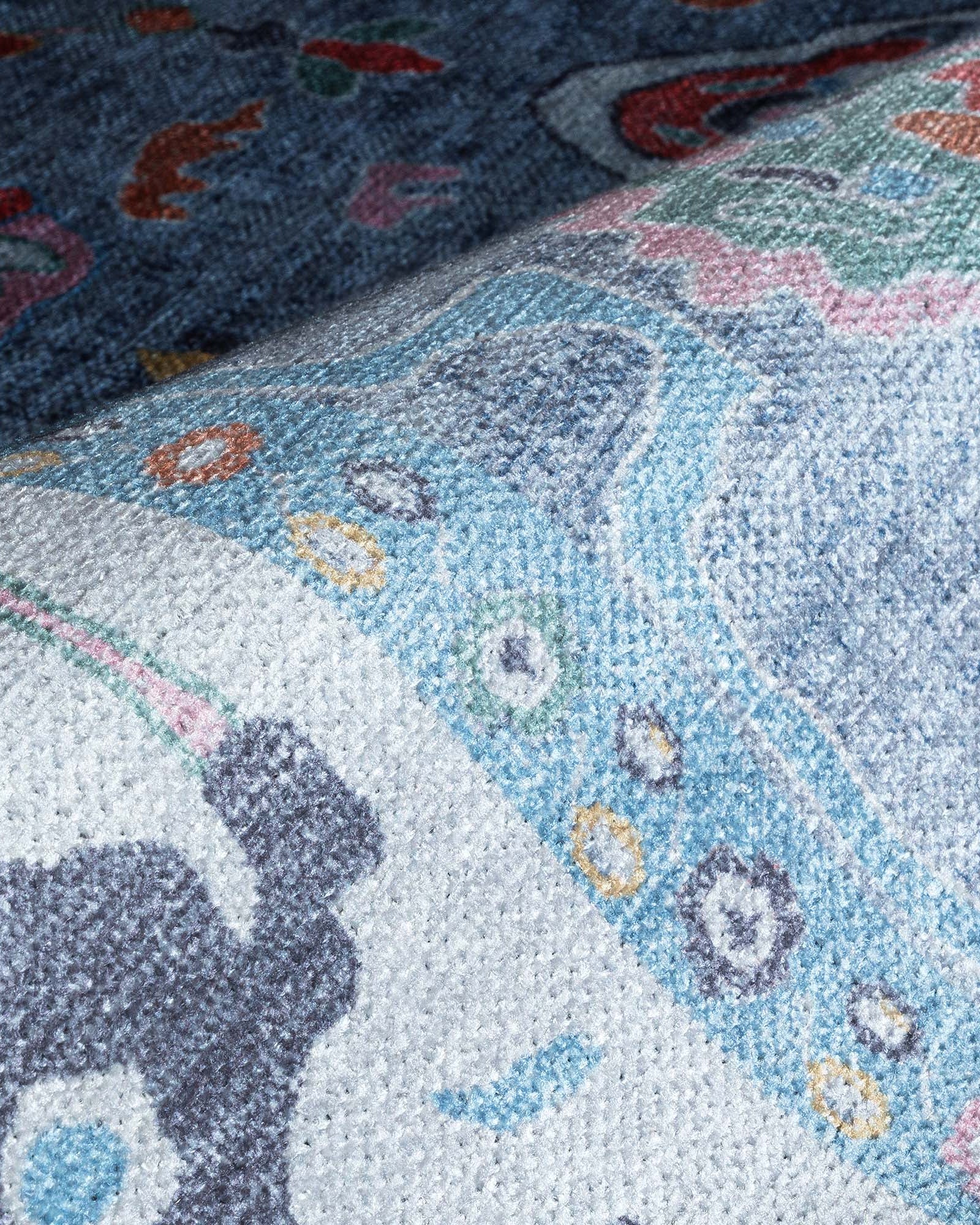
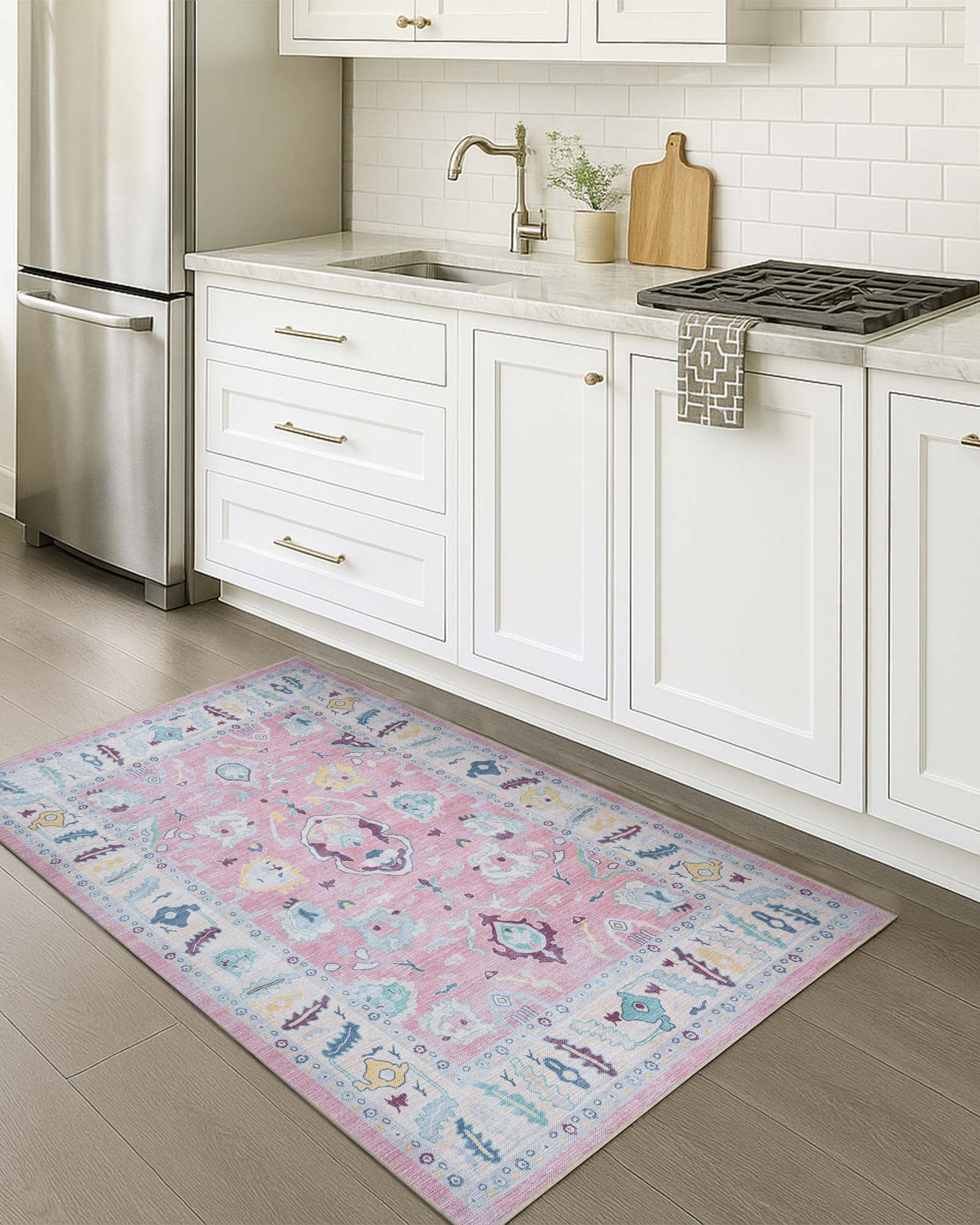
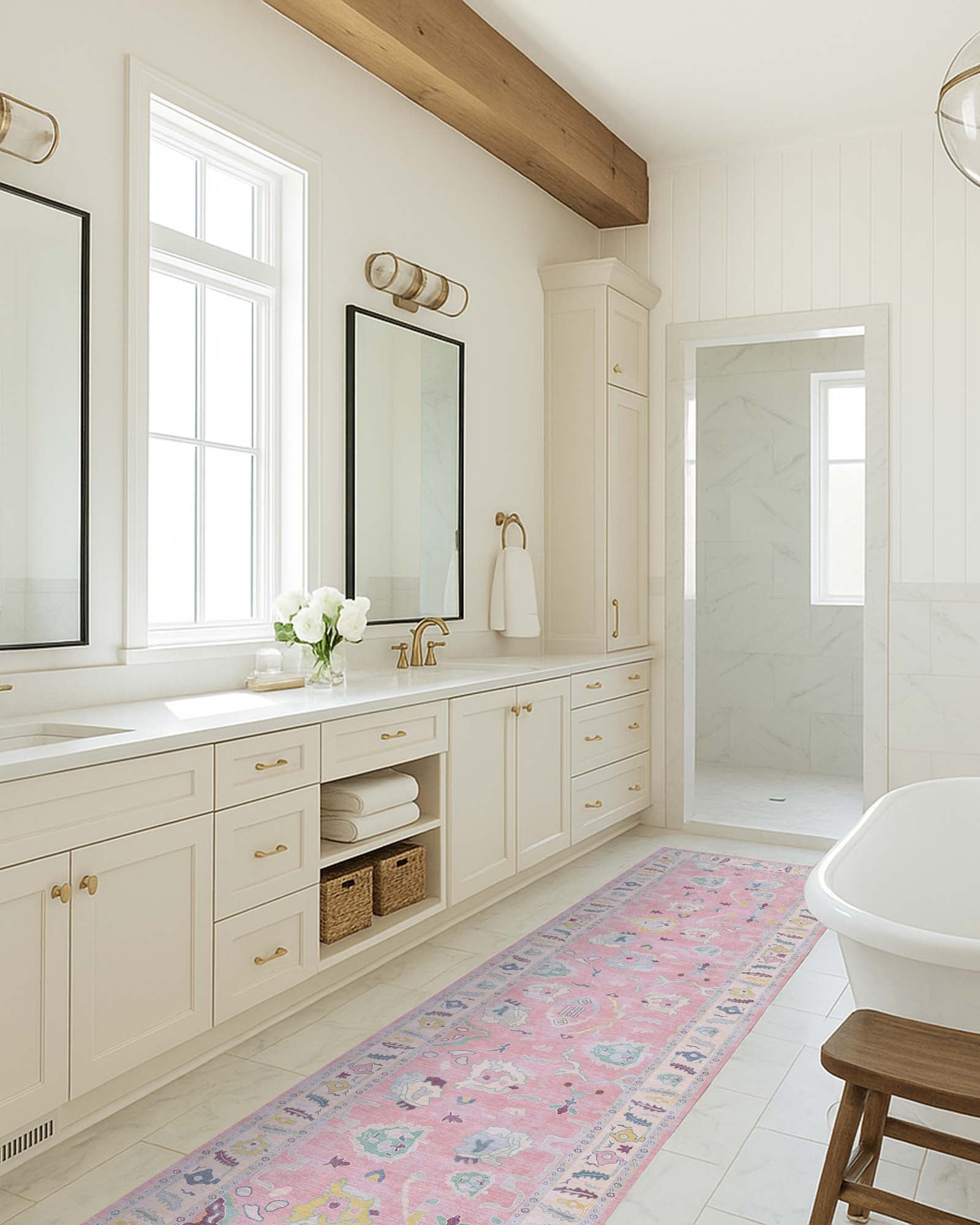
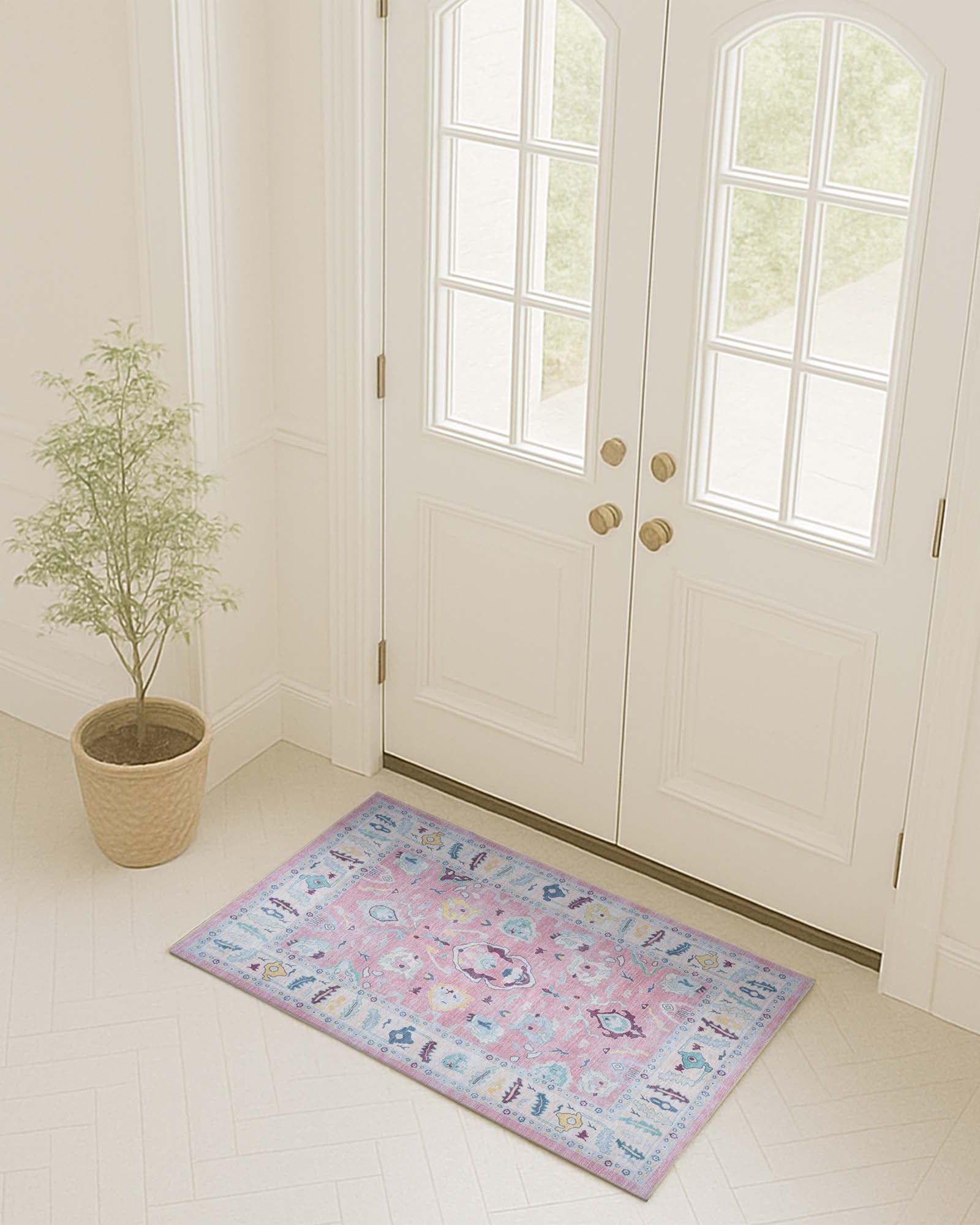
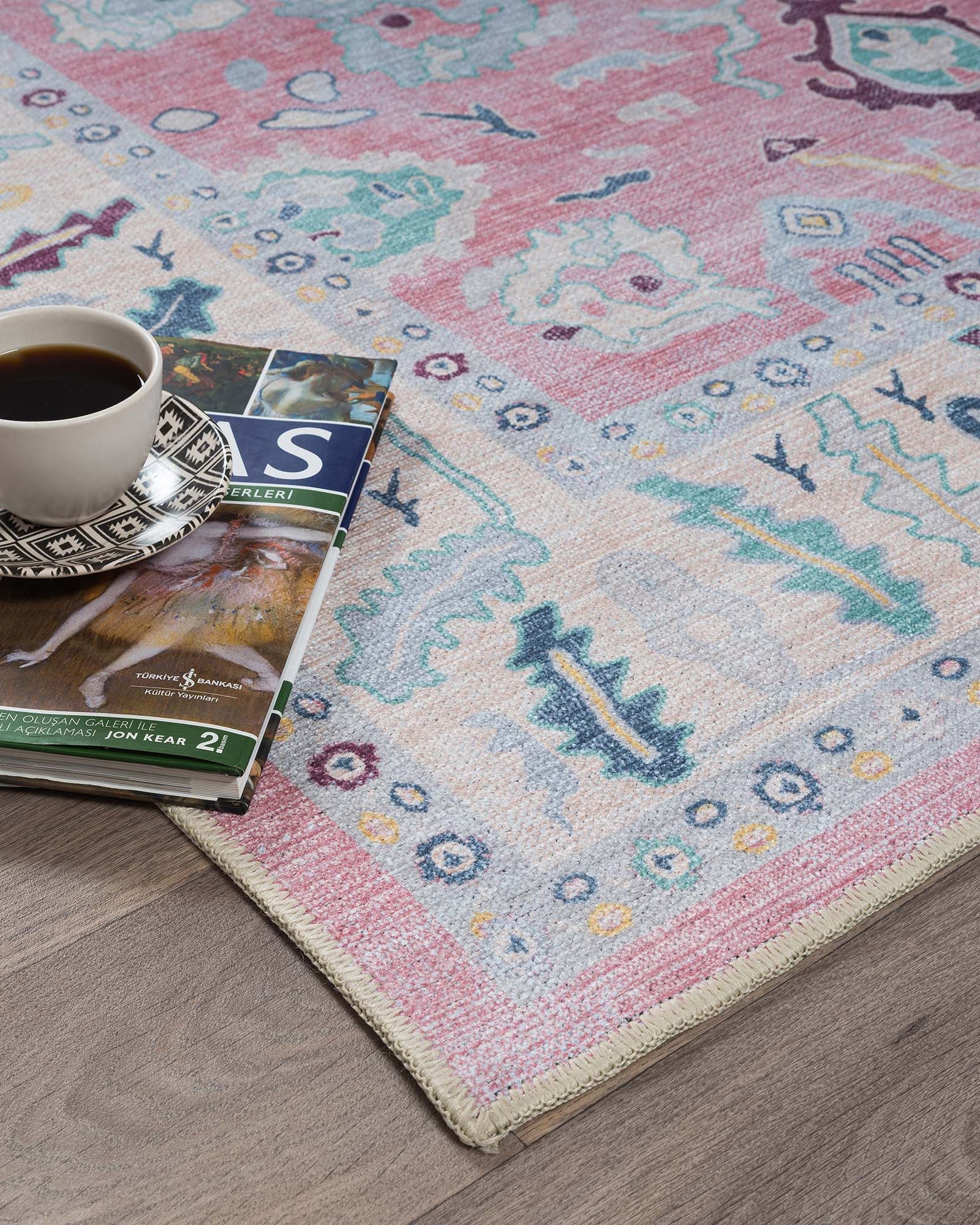
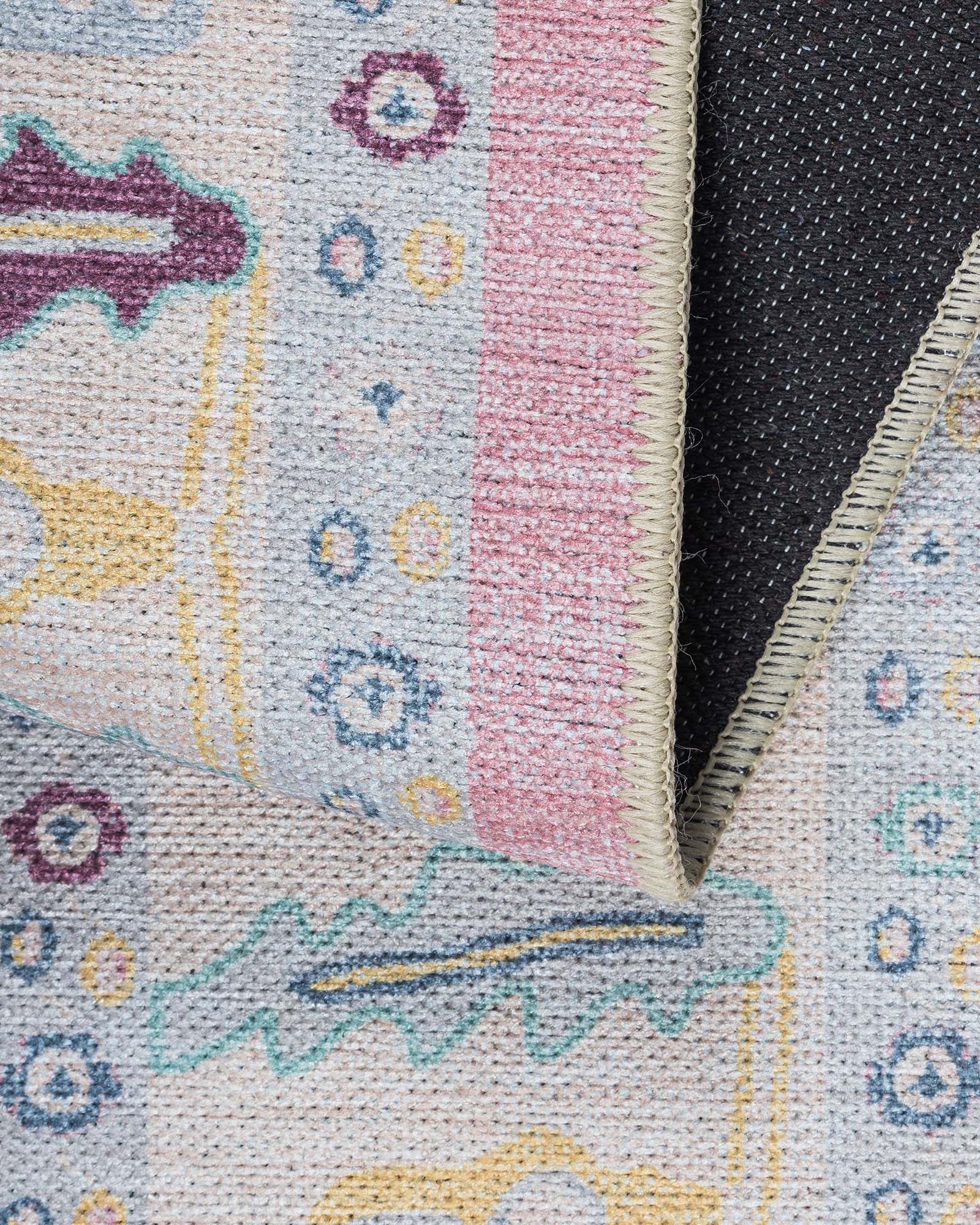
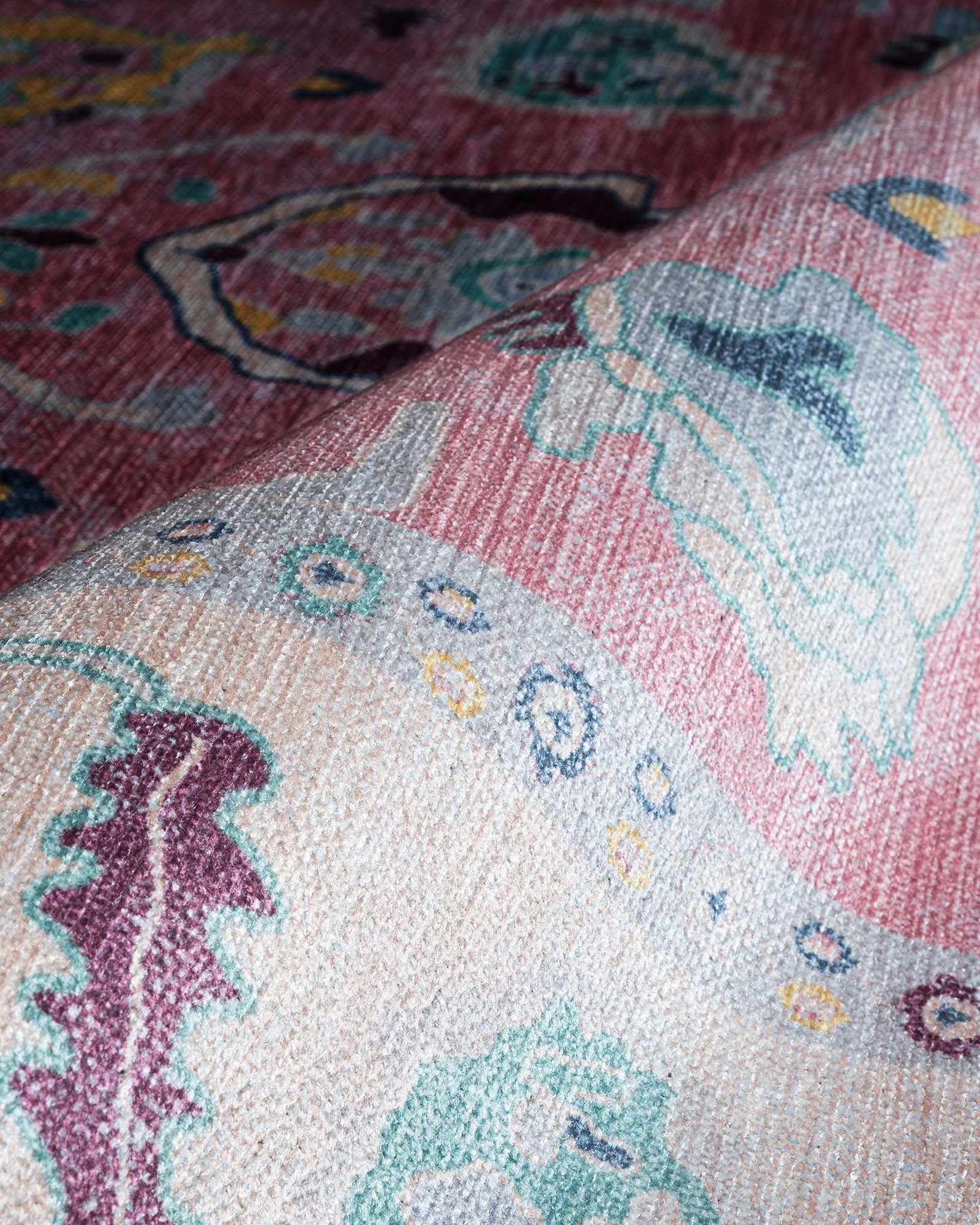
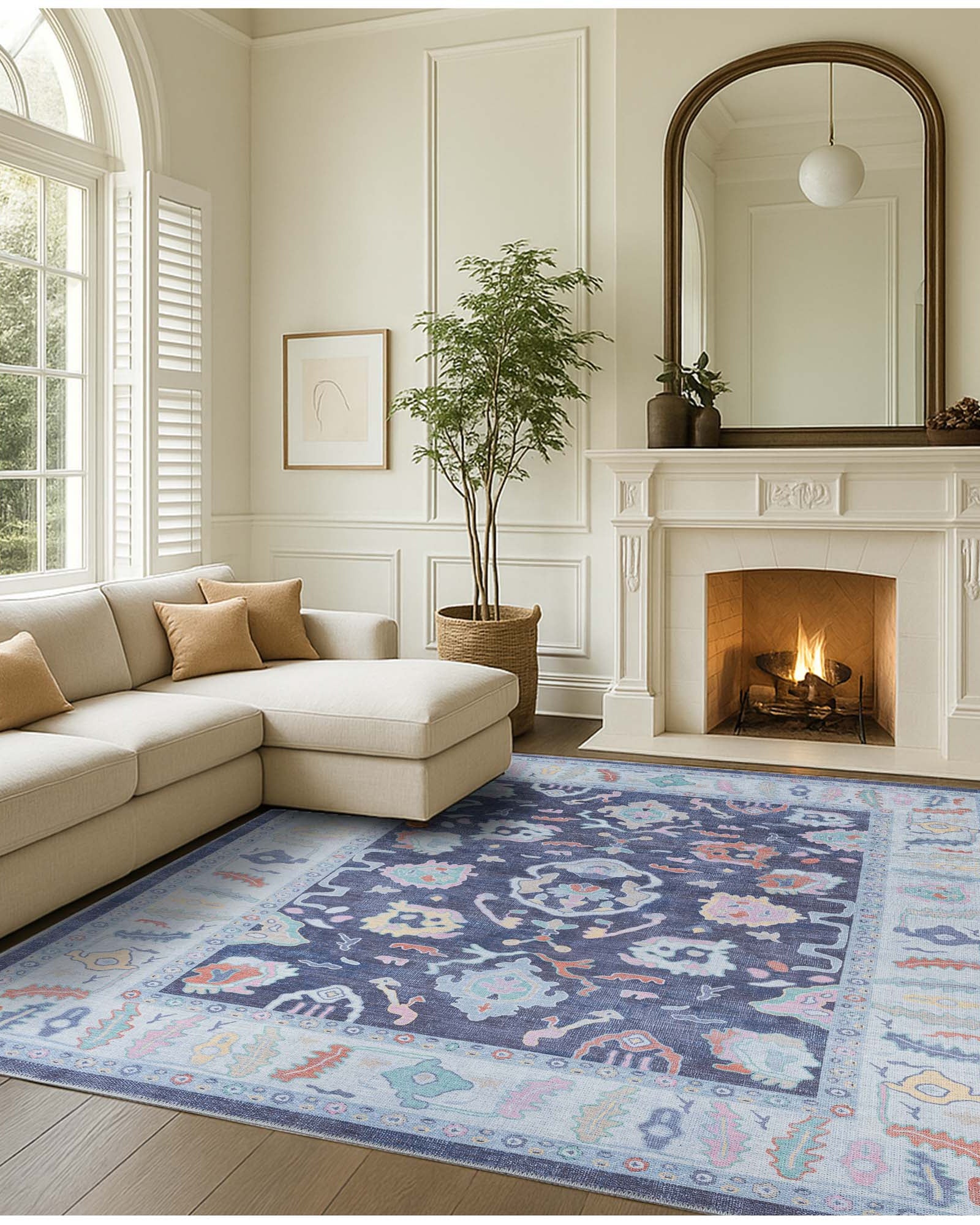
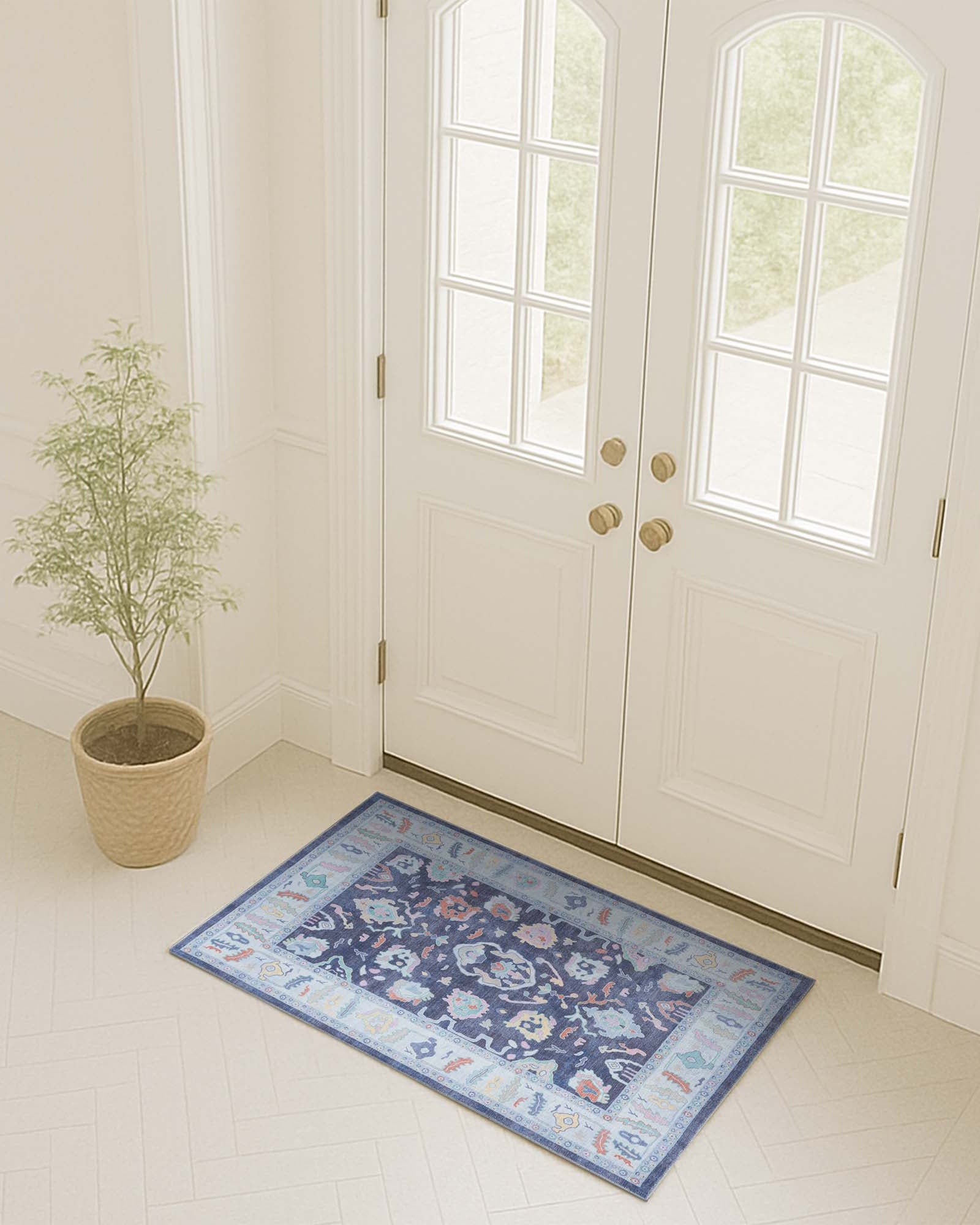
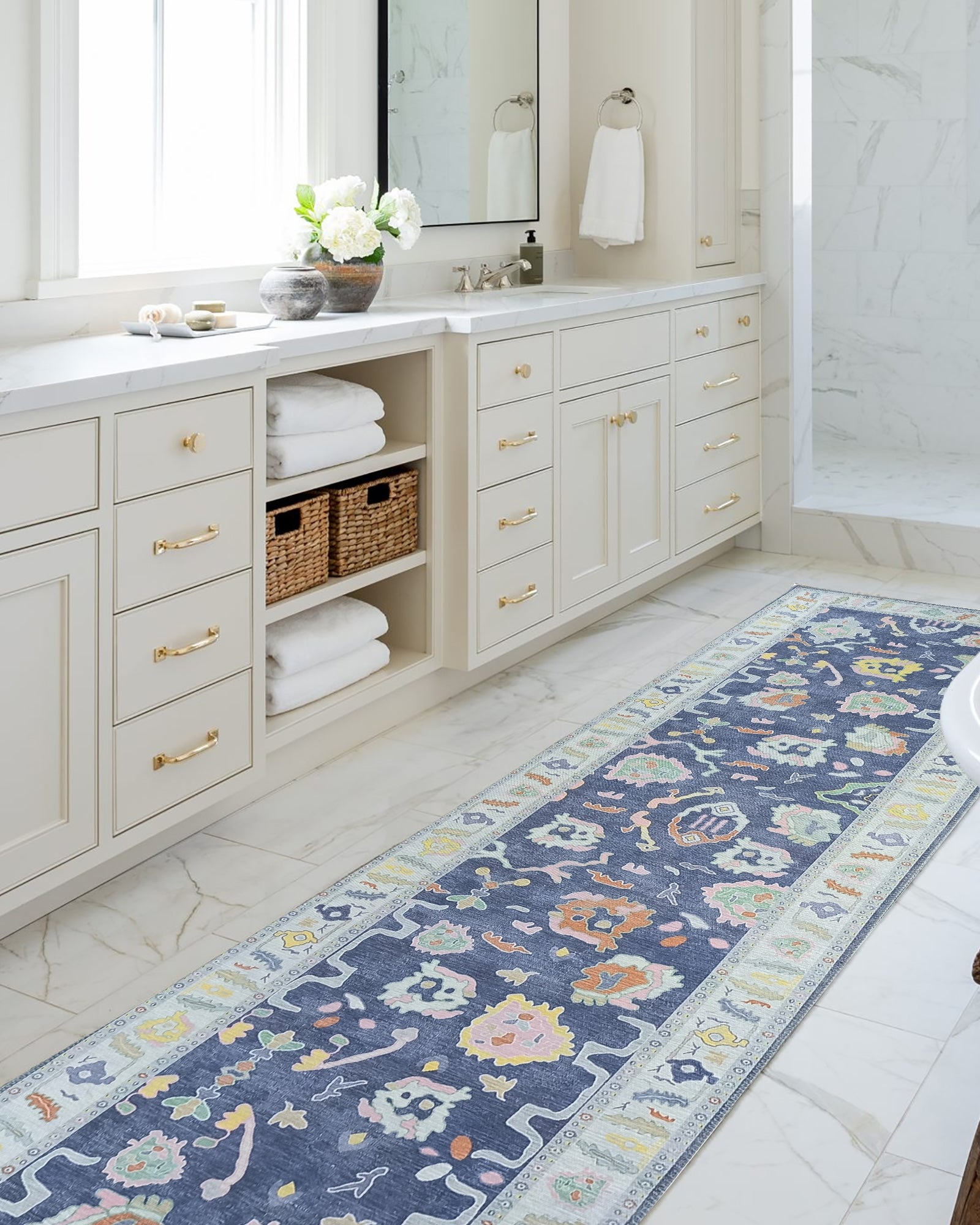
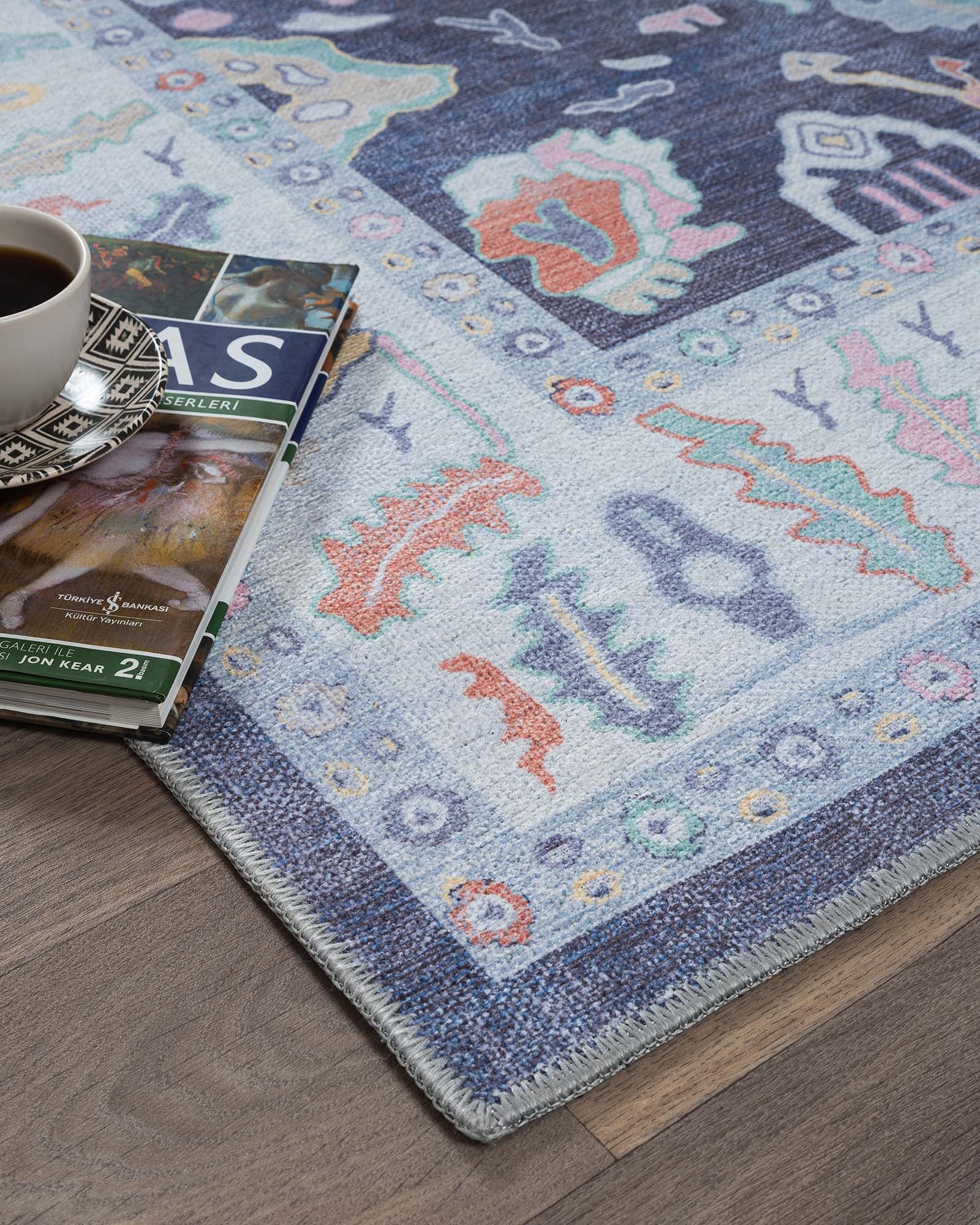
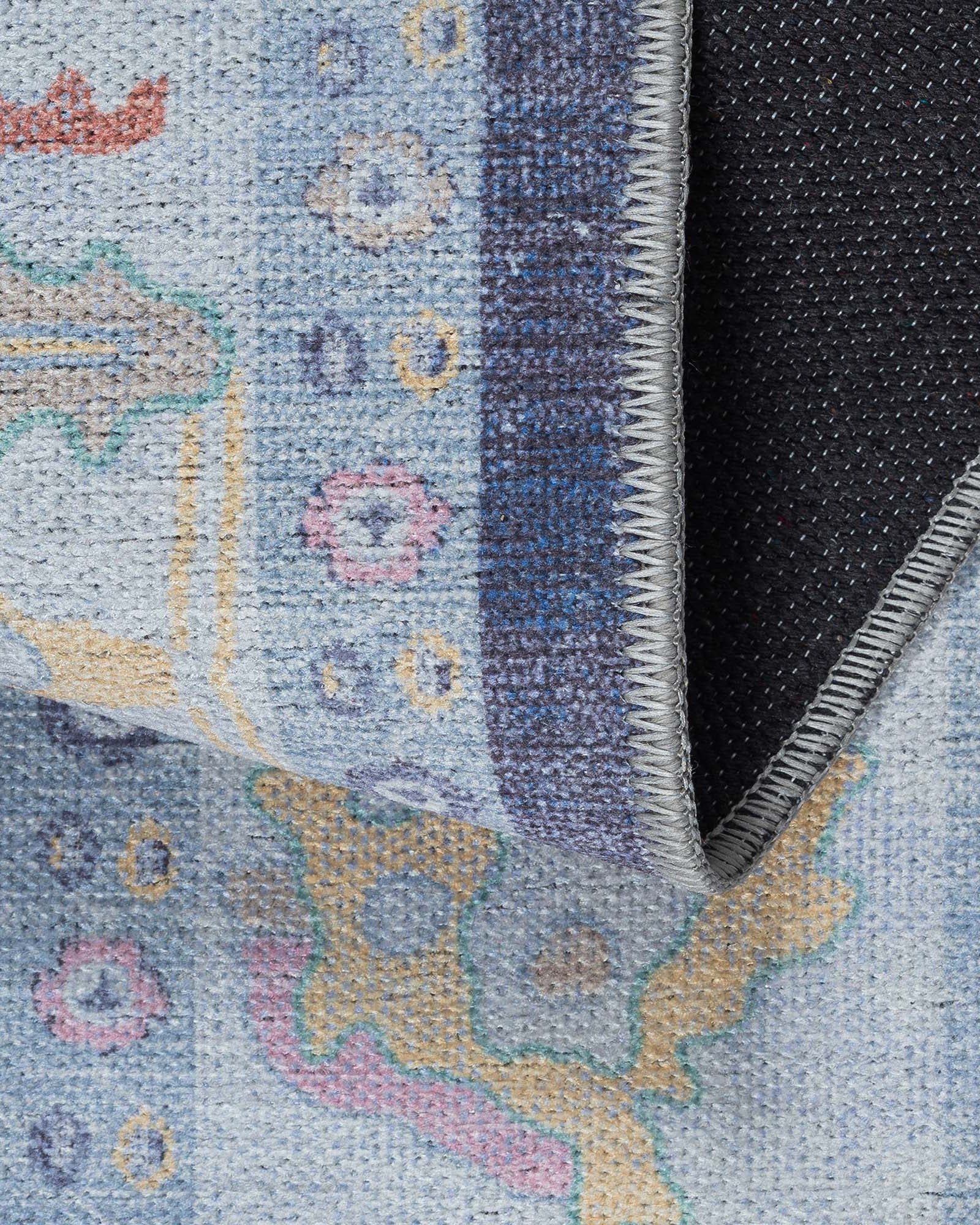
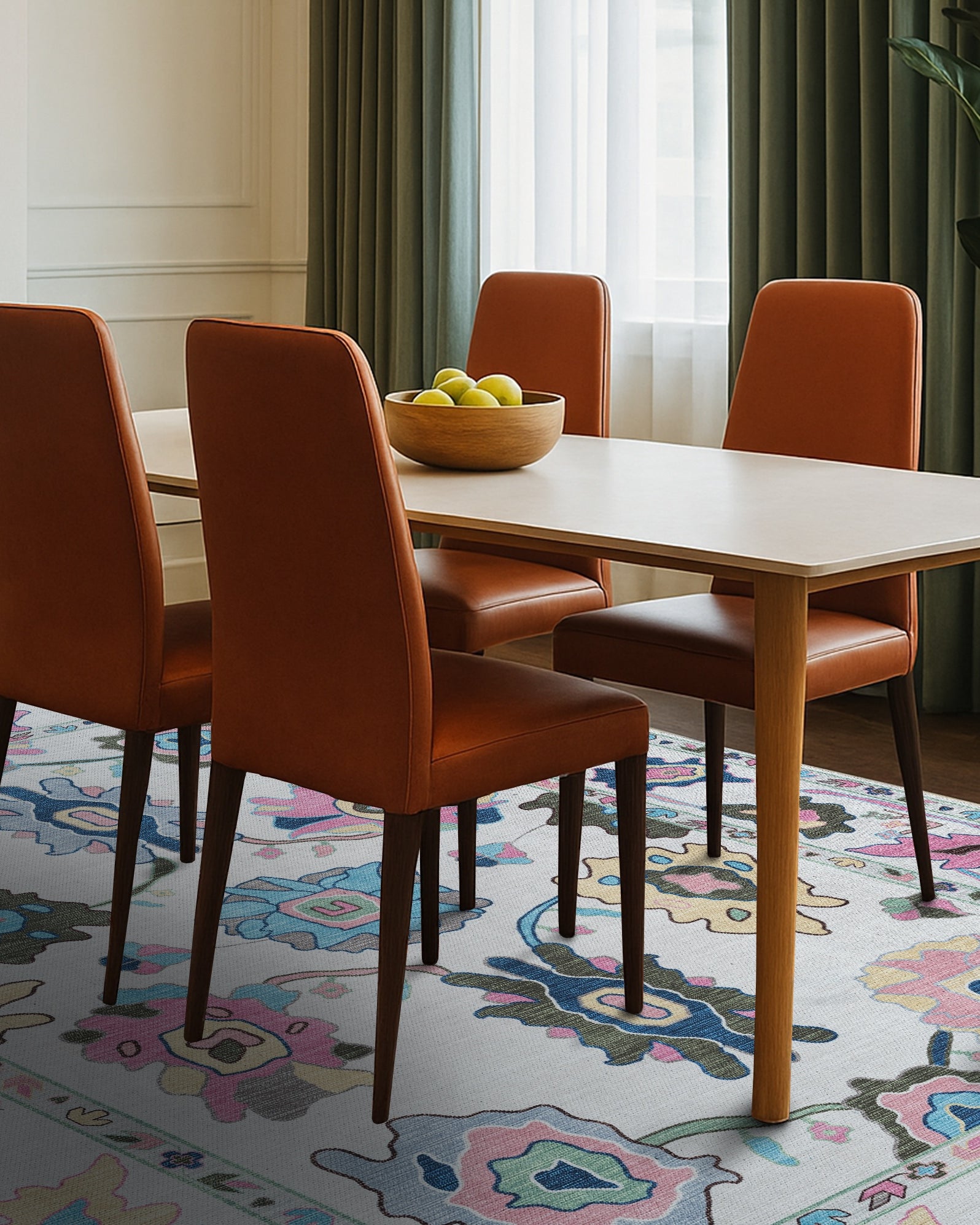
A dining room asks more of a rug than most other rooms in the house — chairs sliding in and out constantly, food and drink at close range, and a floor that has to look good under a table for years of regular use. A hand-knotted rug can absolutely handle that job, but not every hand-knotted rug is equally suited to it. This page gathers pieces specifically chosen for how they perform under a table, not just how they look.
Why Pile Height Matters Most Here
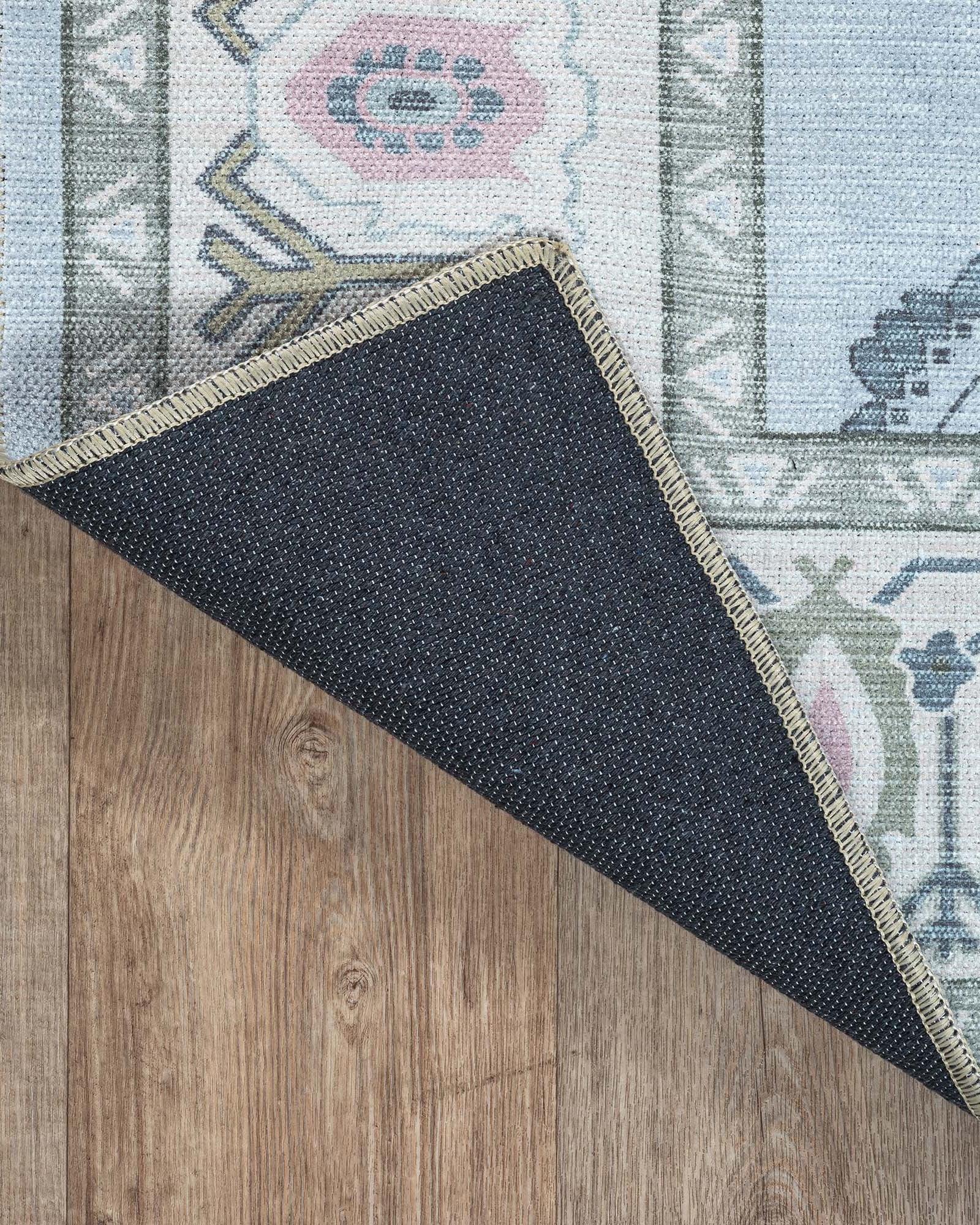
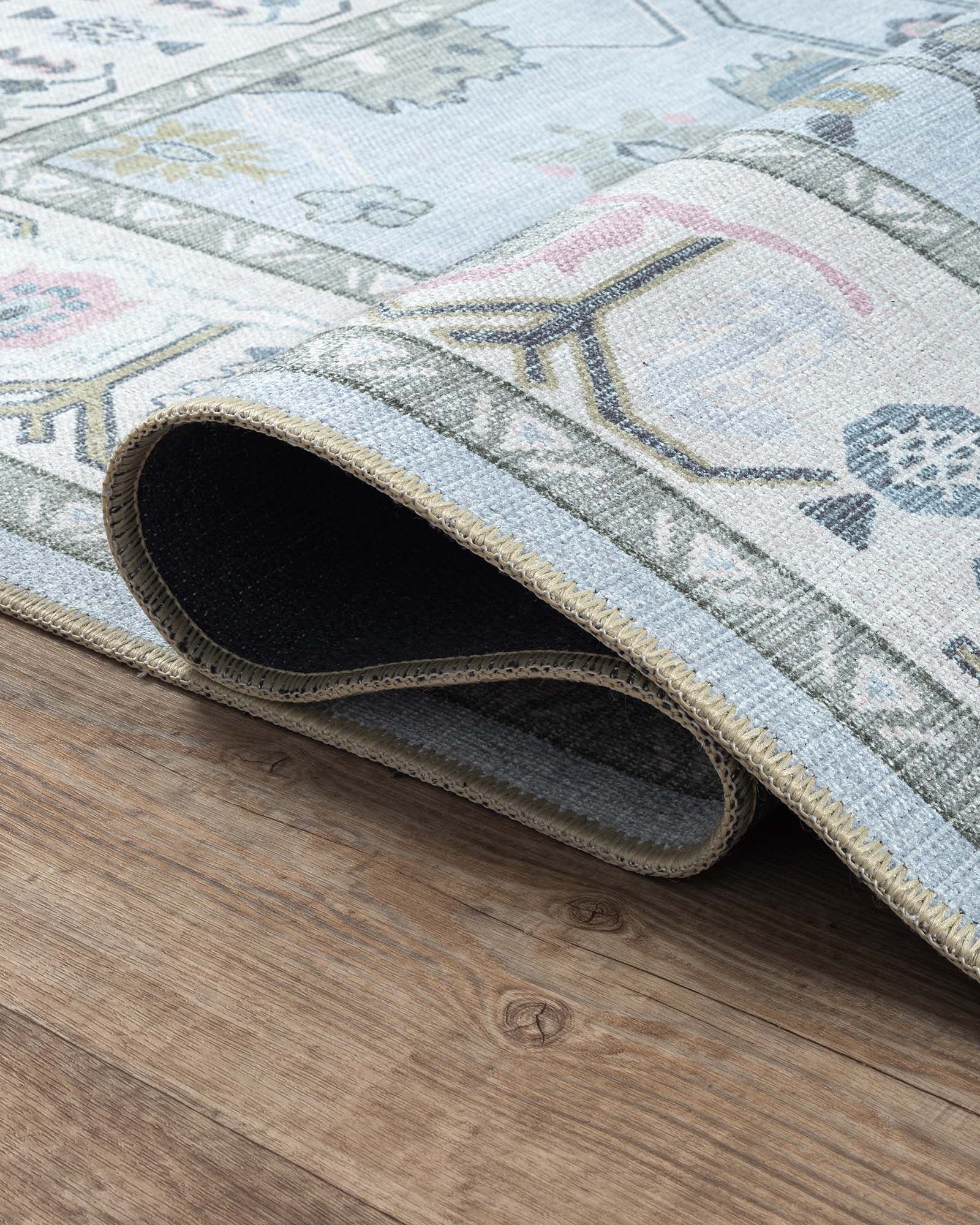
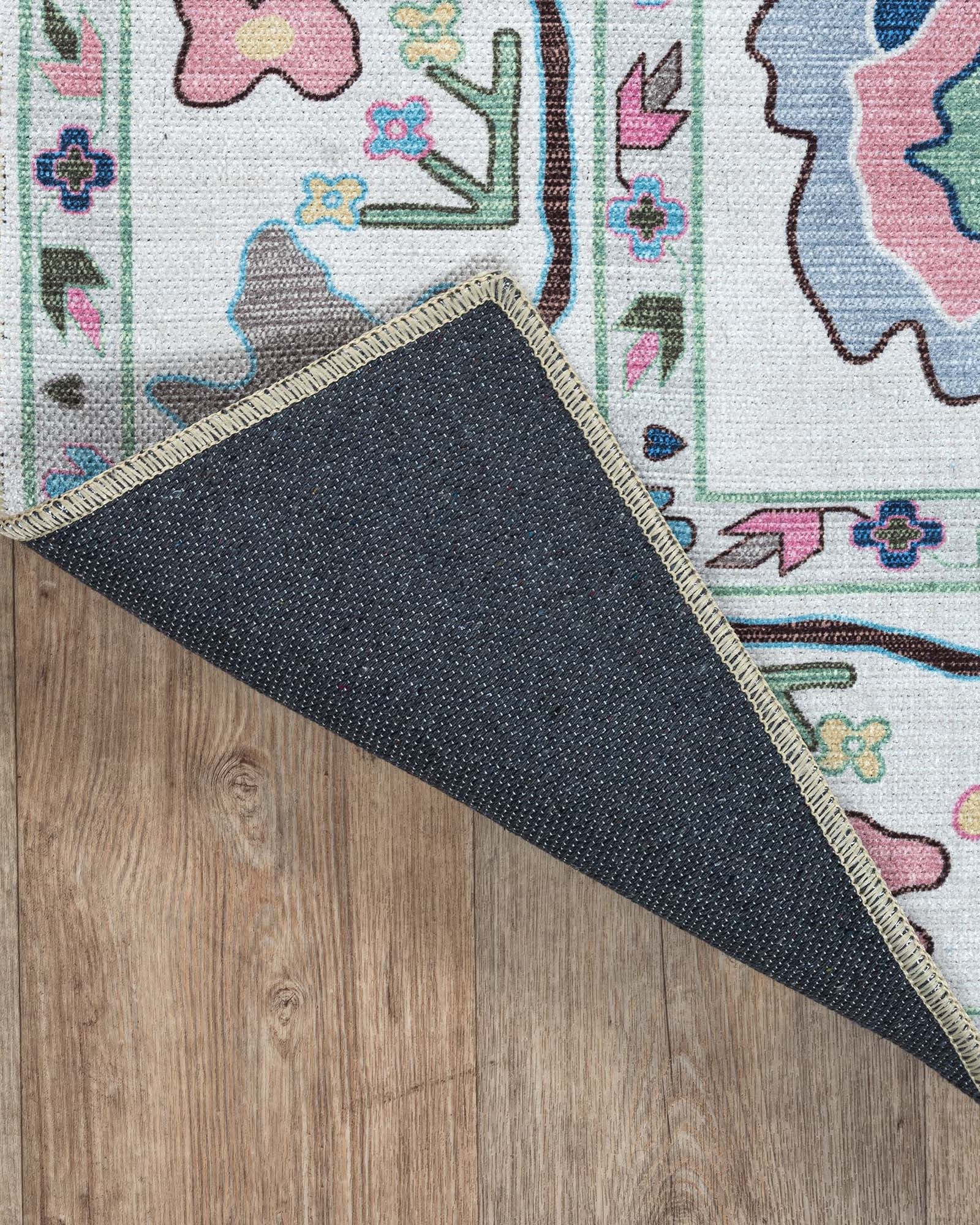
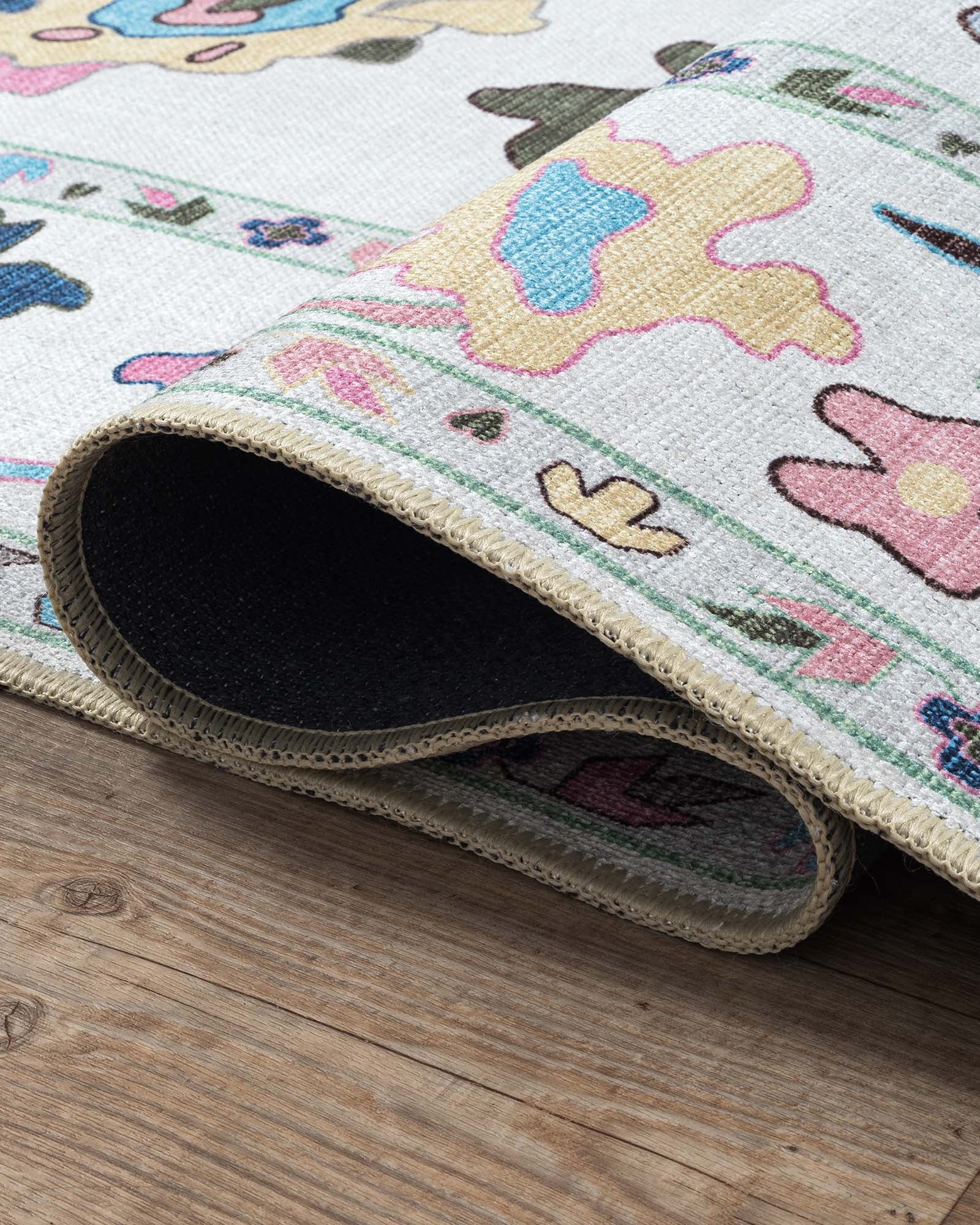
Deep, plush pile feels wonderful underfoot in a living room and works against you at a dining table. Chair legs sink into thick pile and drag with resistance every time someone pushes back to stand up, which over years wears visible grooves into the rug exactly where the chairs sit. A rug with lower, more worn pile lets chairs glide far more easily, which is why genuinely vintage pieces — already softened and lowered by decades of use — often outperform a newer, thicker rug in this specific room. Our Low Pile Rugs collection is a good place to start if chair movement is your top priority.
Pattern That Does Real Work
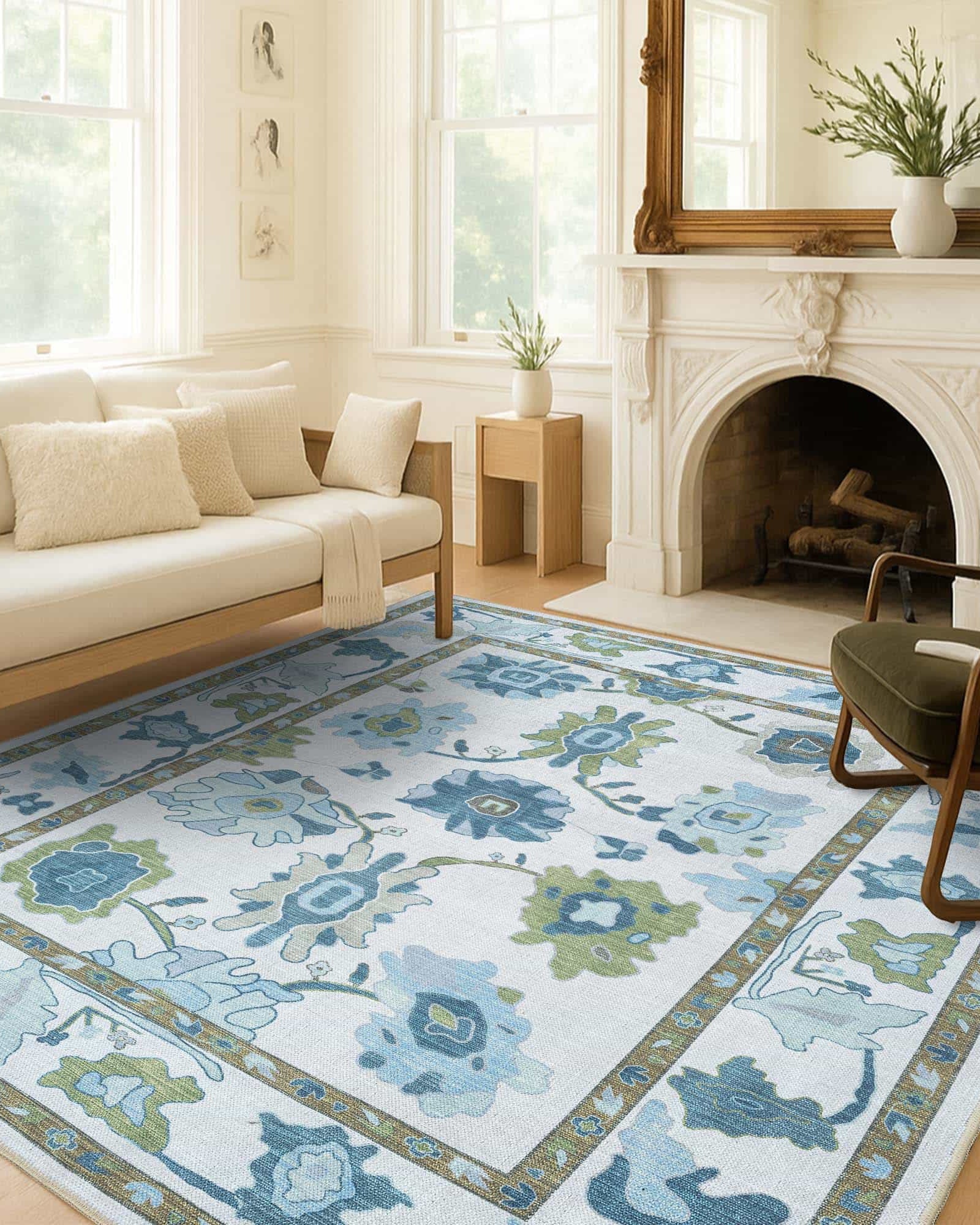
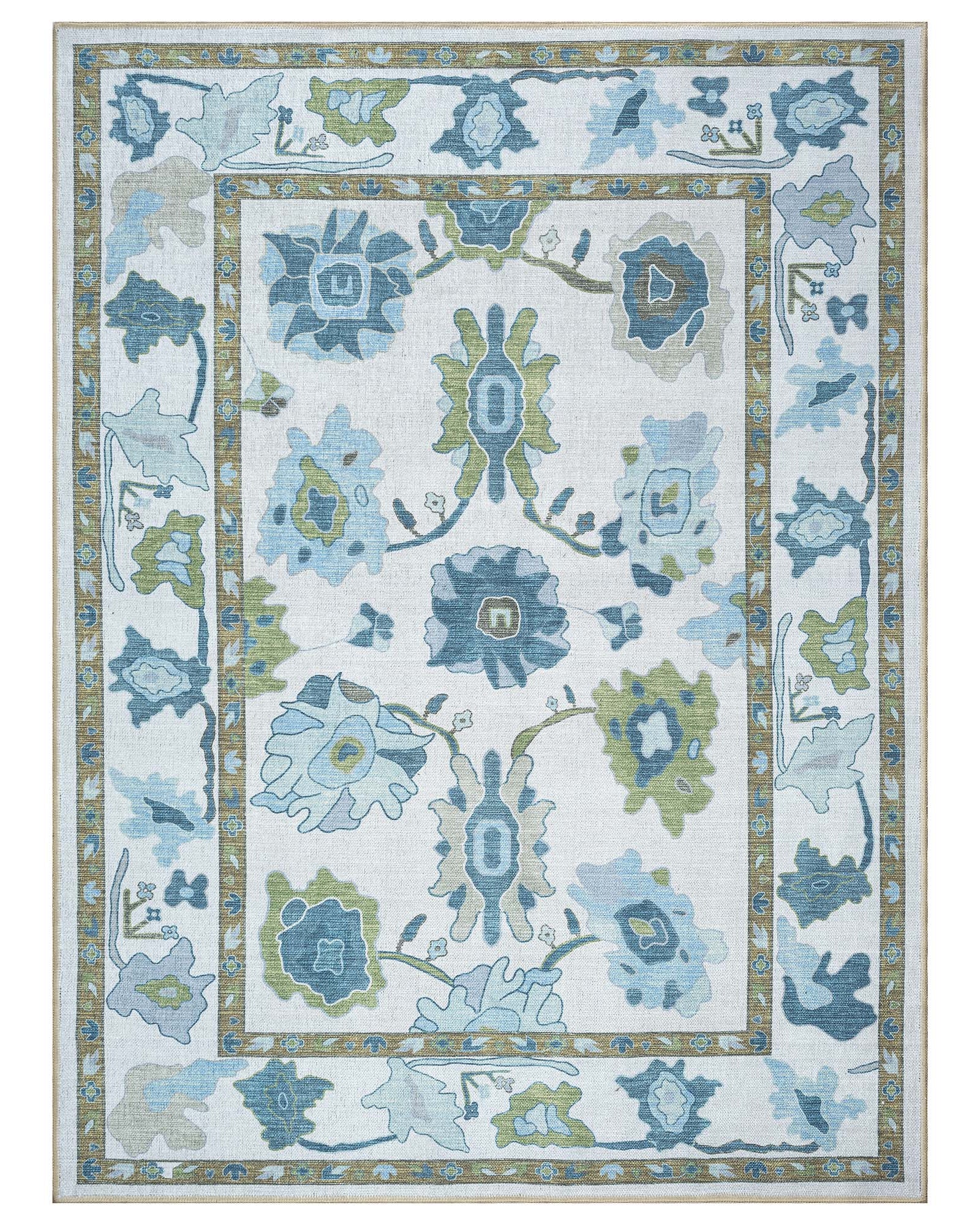
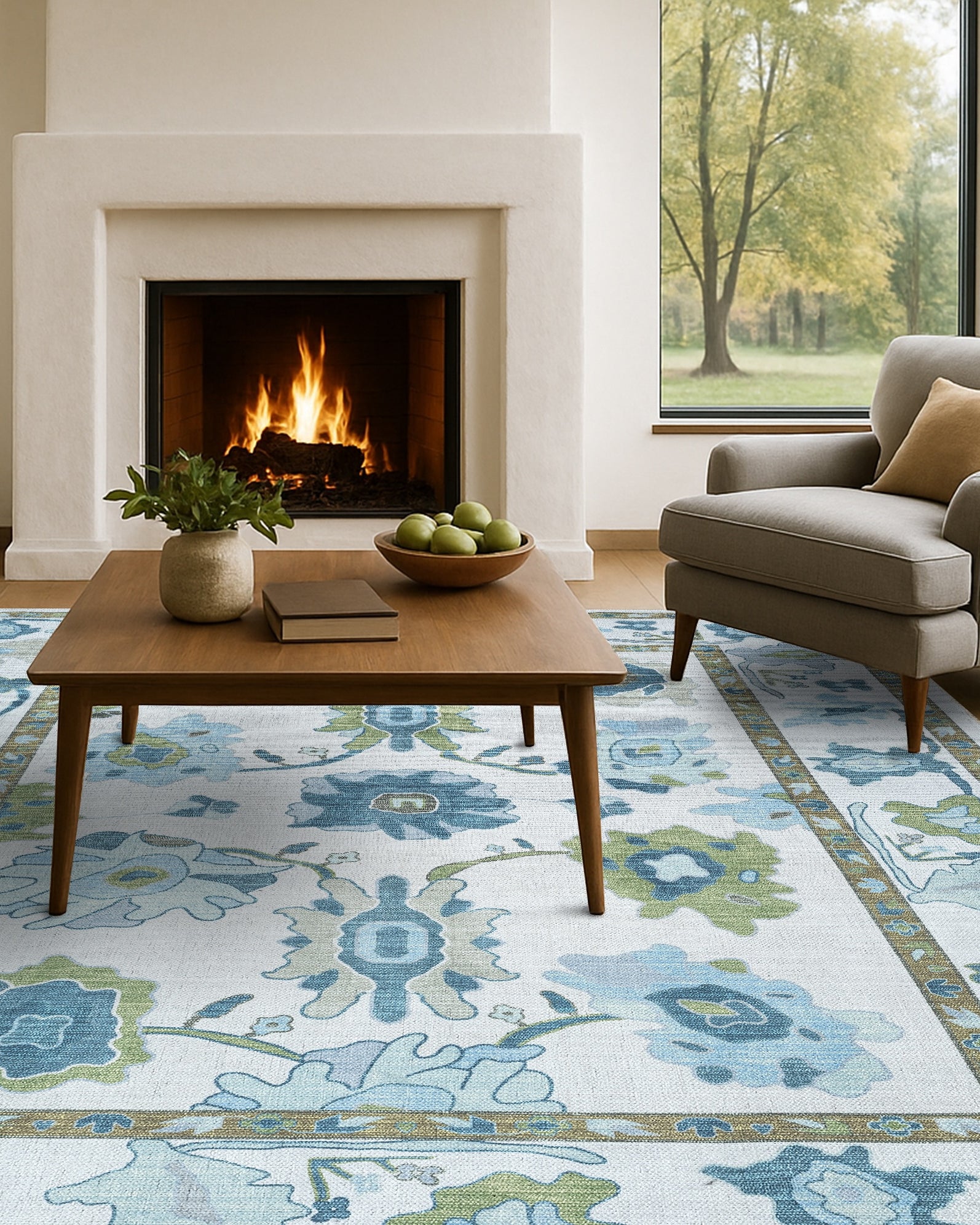
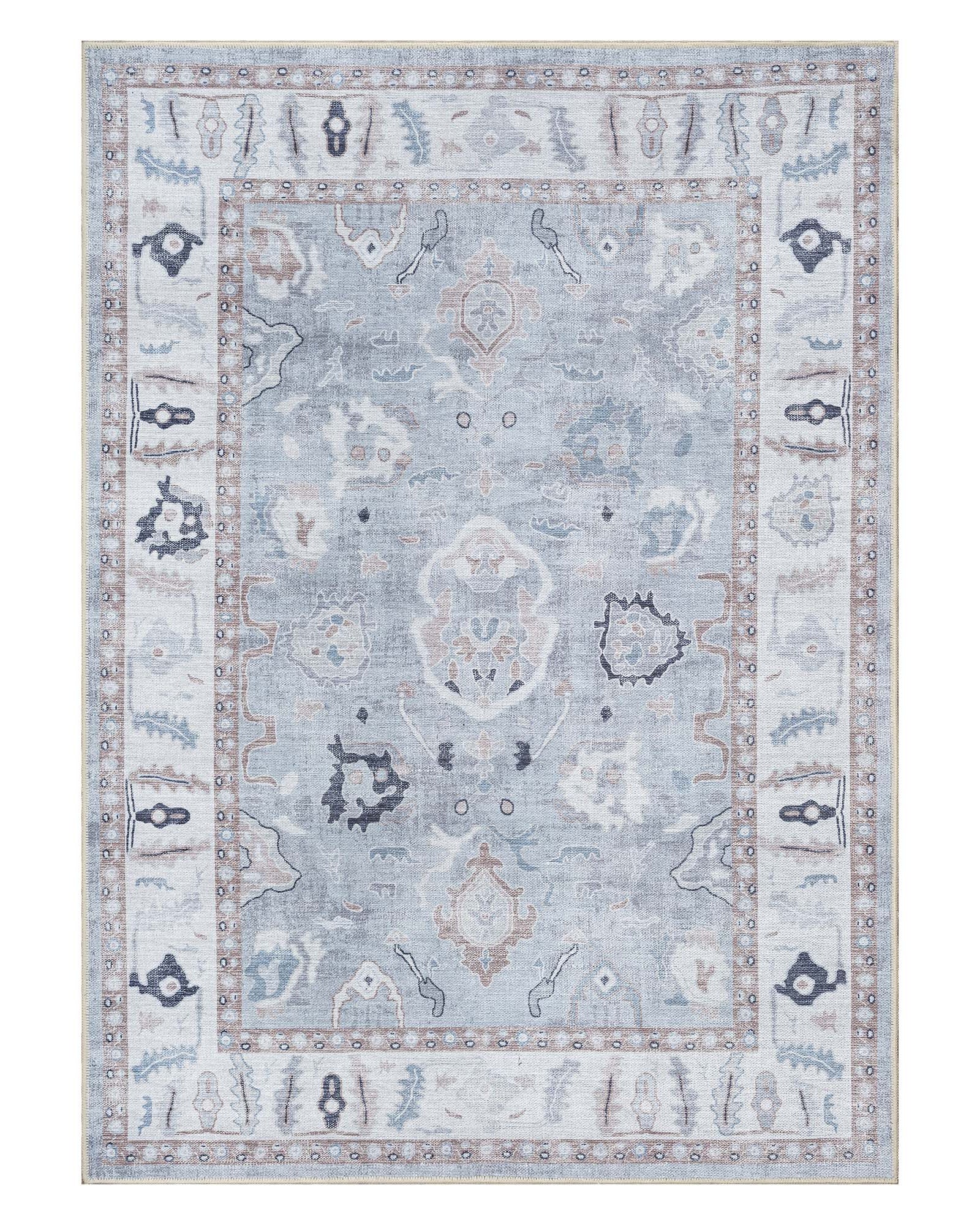
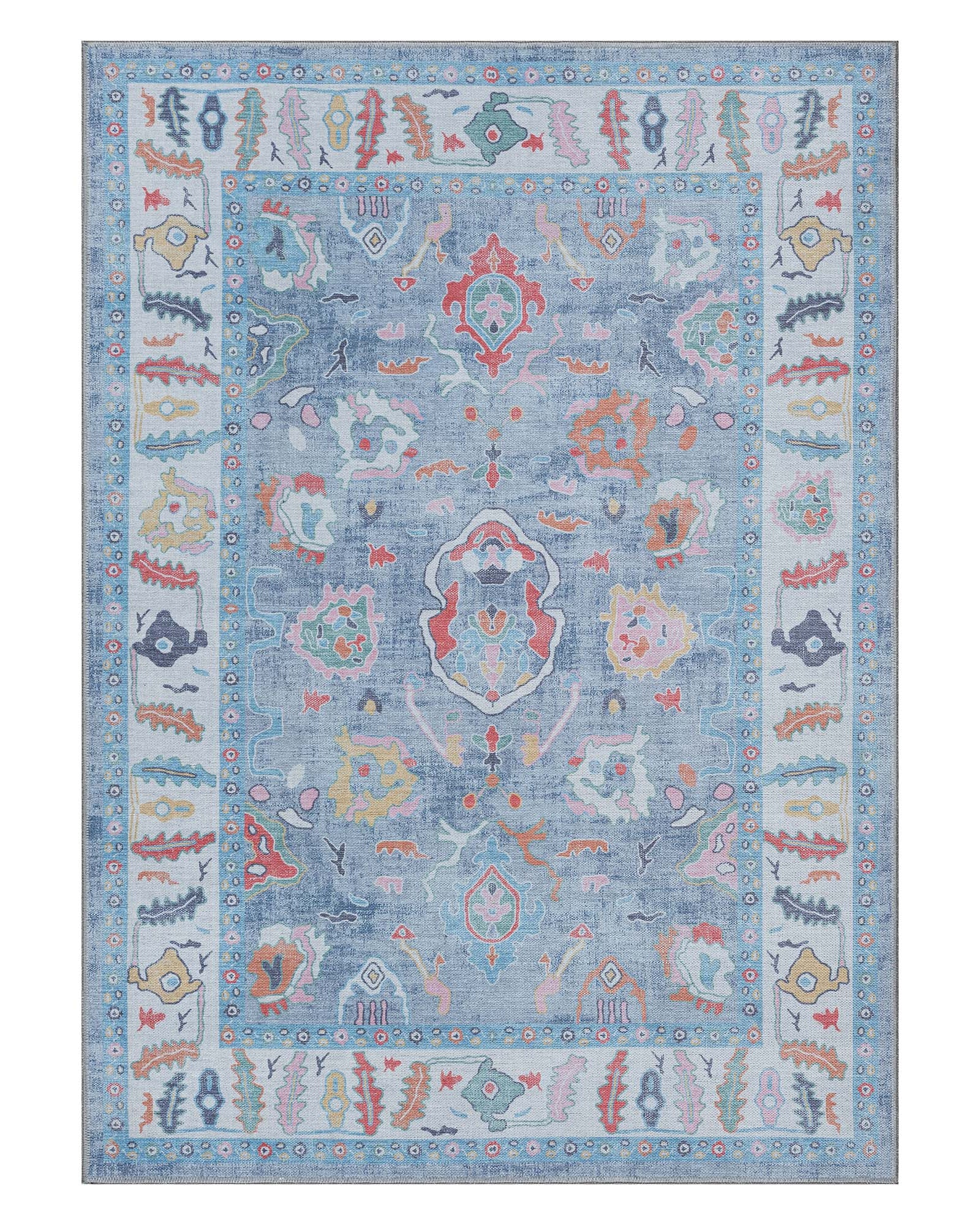
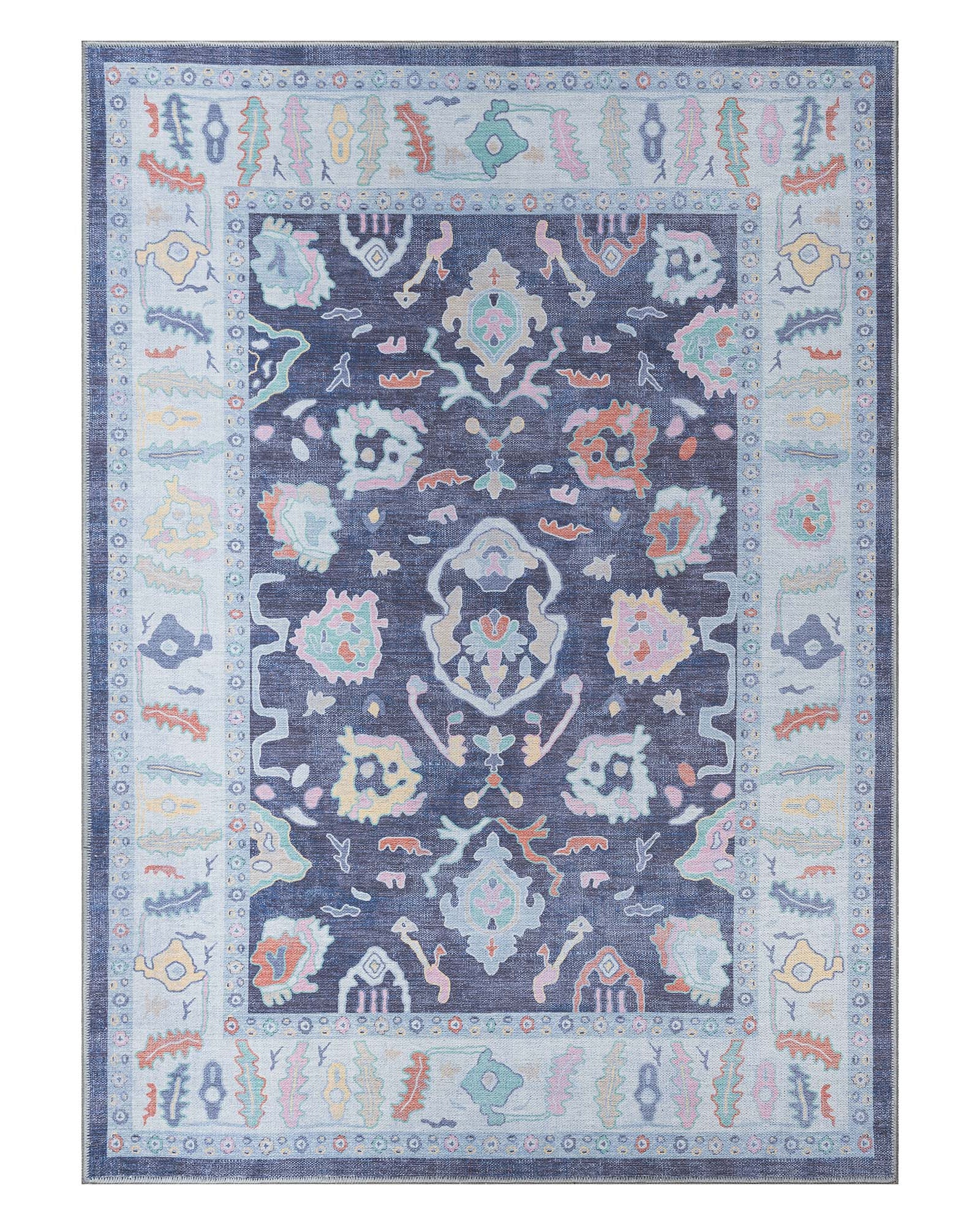
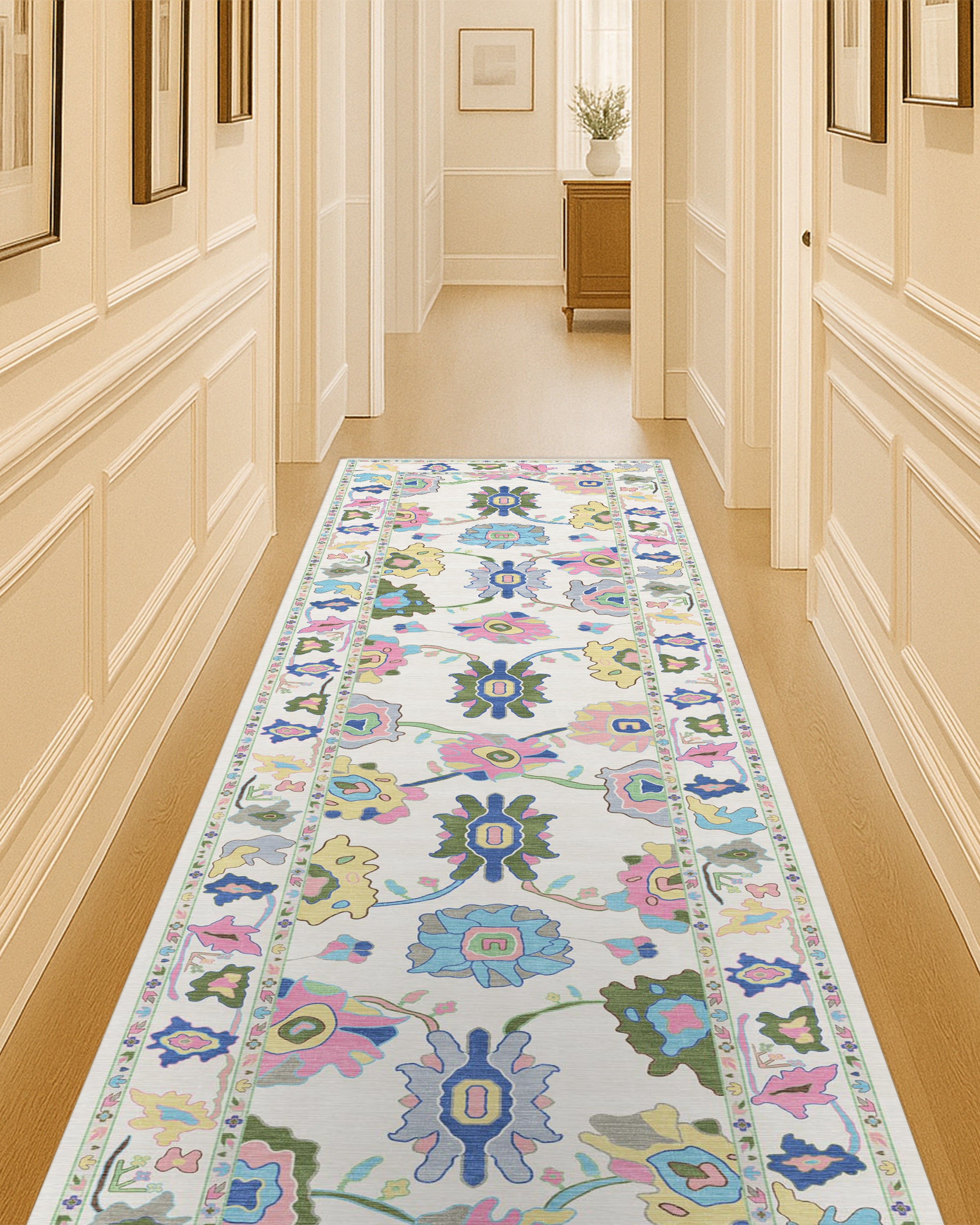
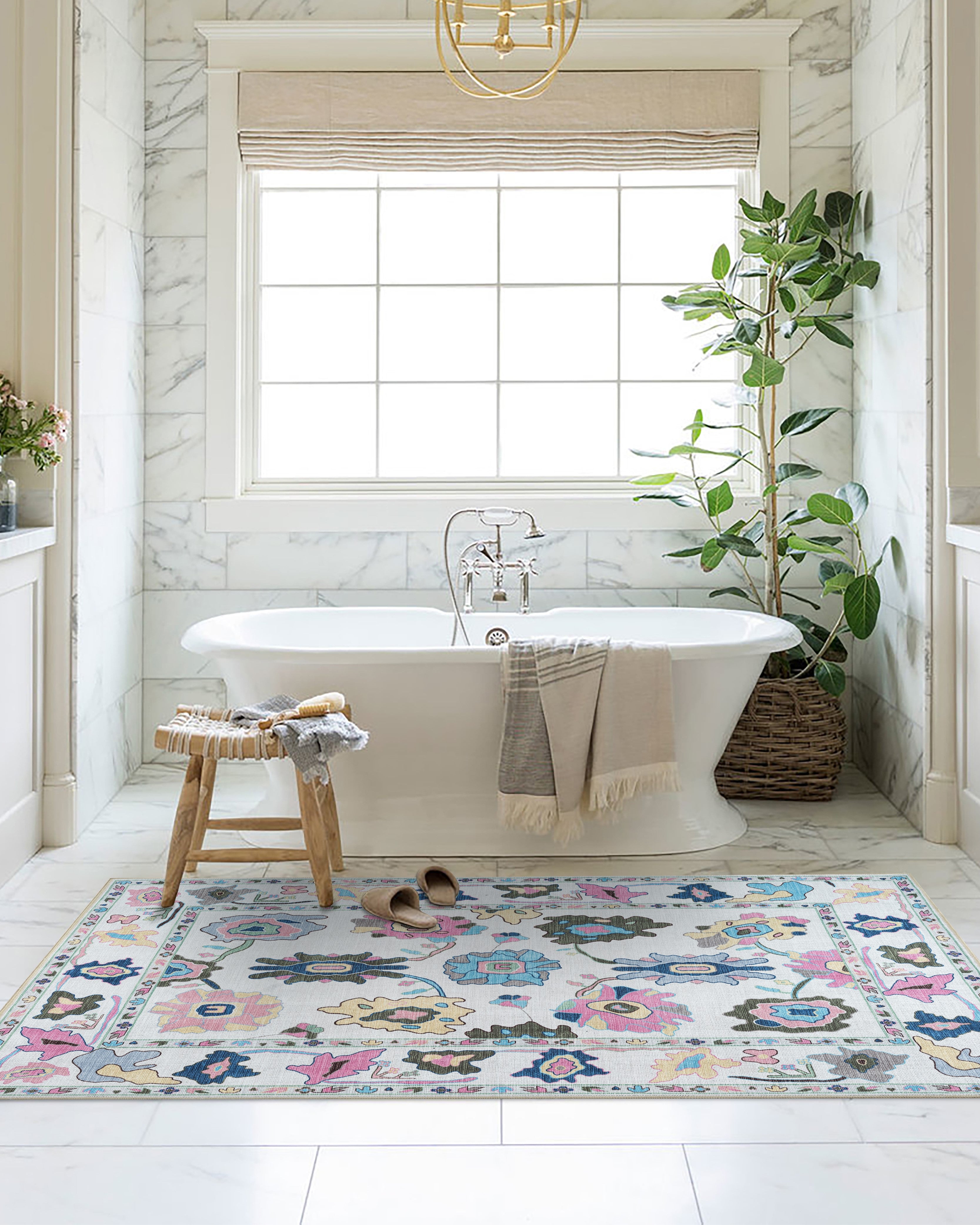
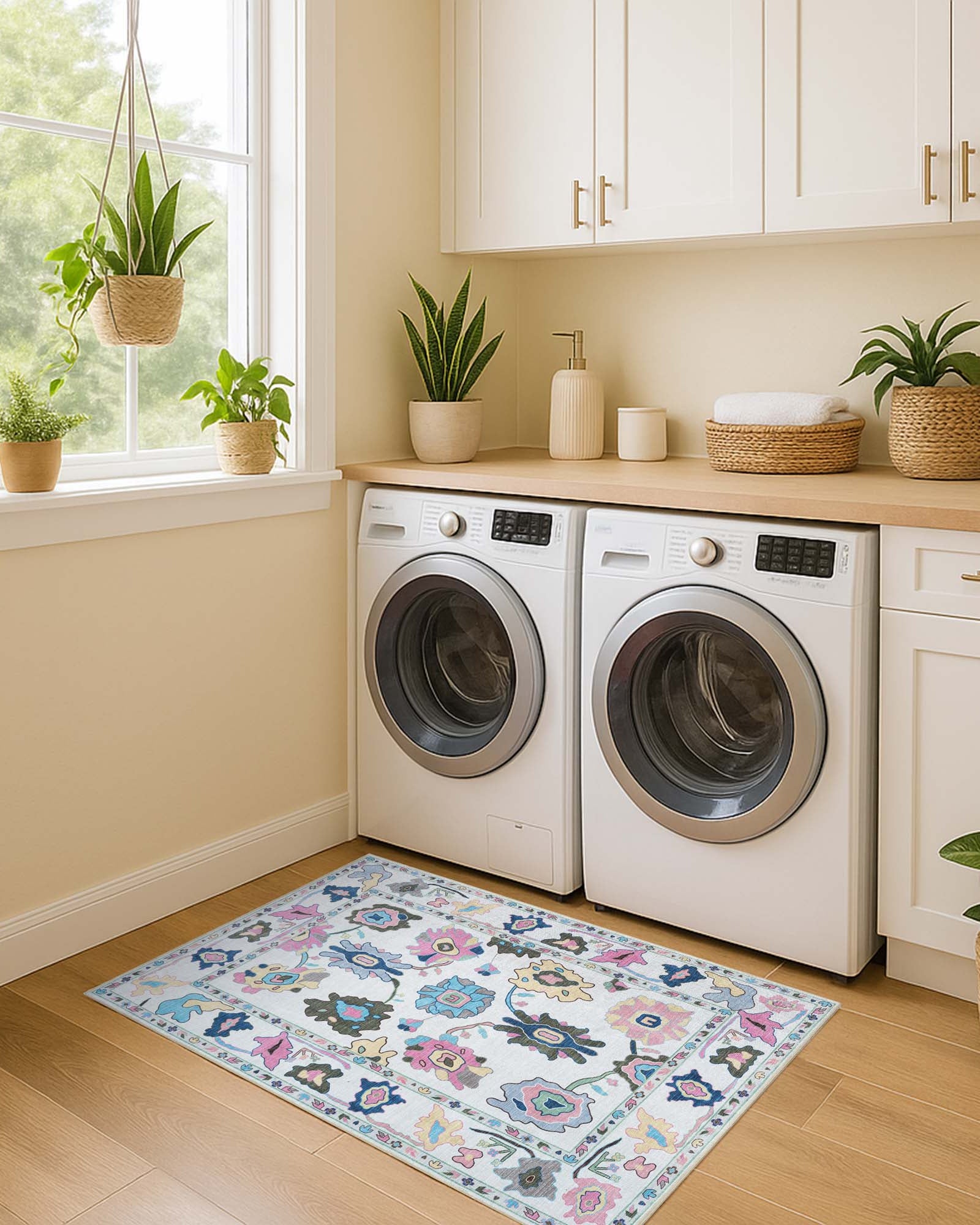
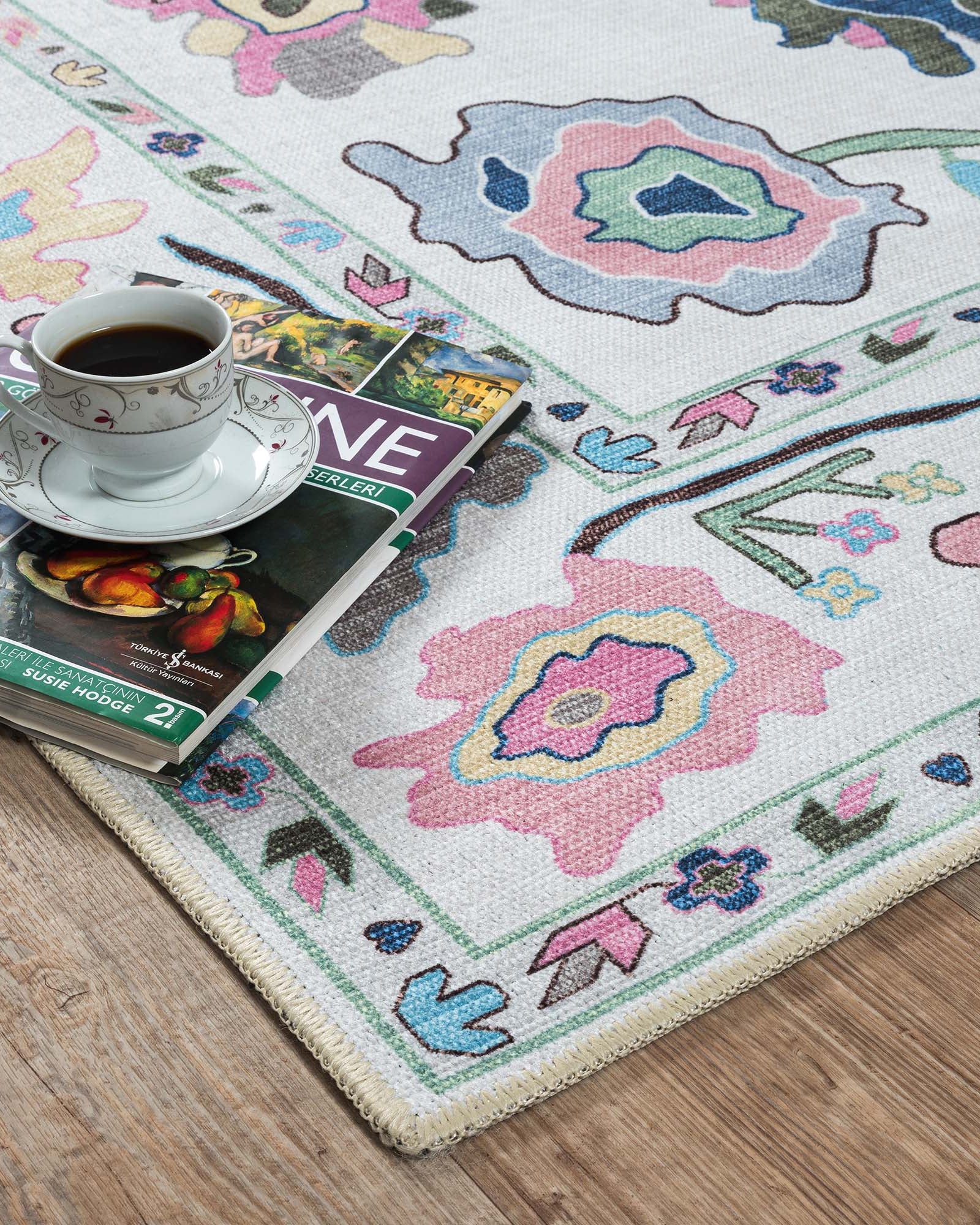
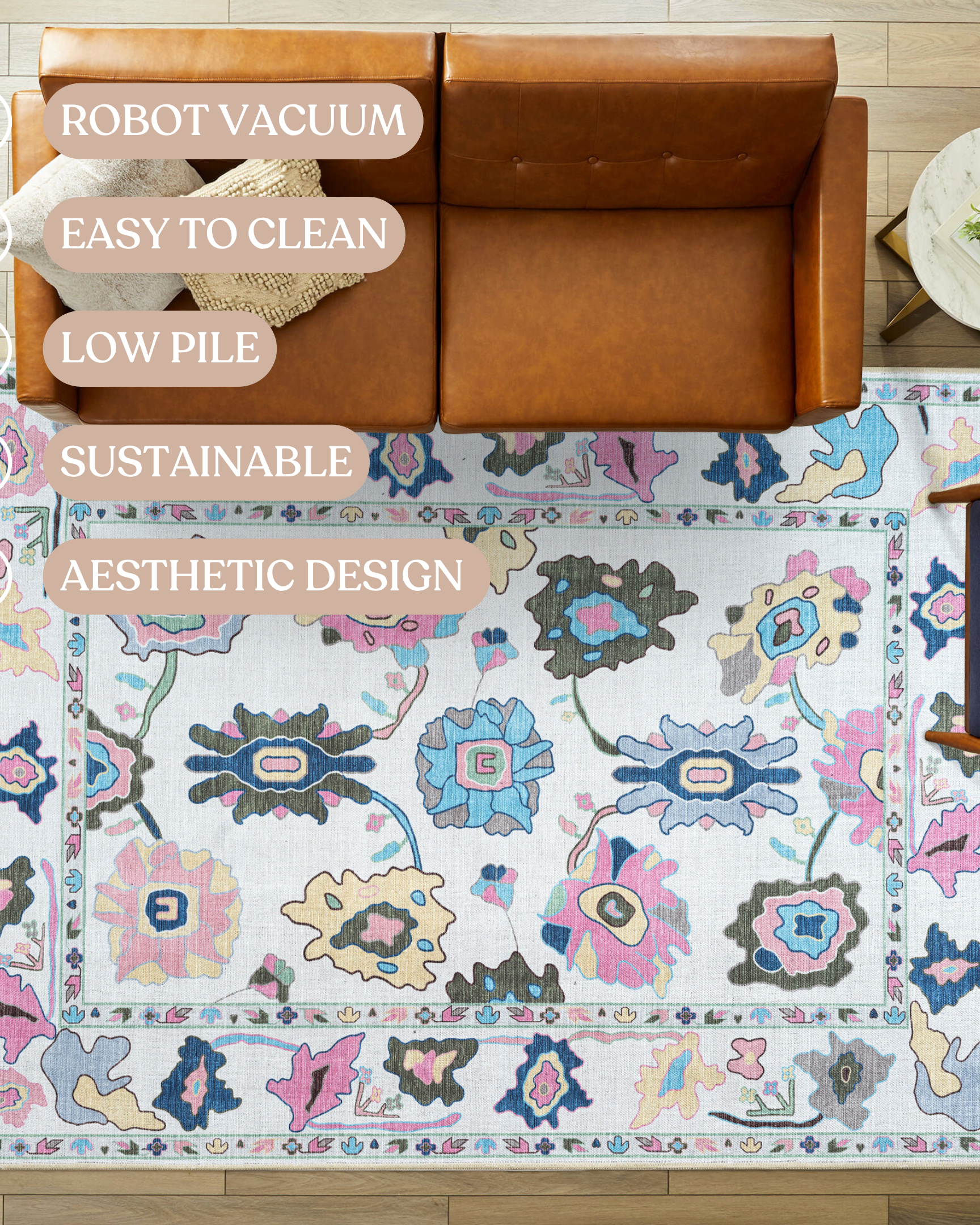
A dining room rug is going to see crumbs, drips and the occasional spilled glass no matter how careful anyone is. Rugs with real color and pattern — geometric medallions, dense florals, tribal repeats — hide this kind of everyday mess between cleanings far better than a plain or pale field does. If you're drawn to a quieter, more neutral piece, be aware it will need more frequent attention in this room than a busier pattern would.
Sizing for the Table
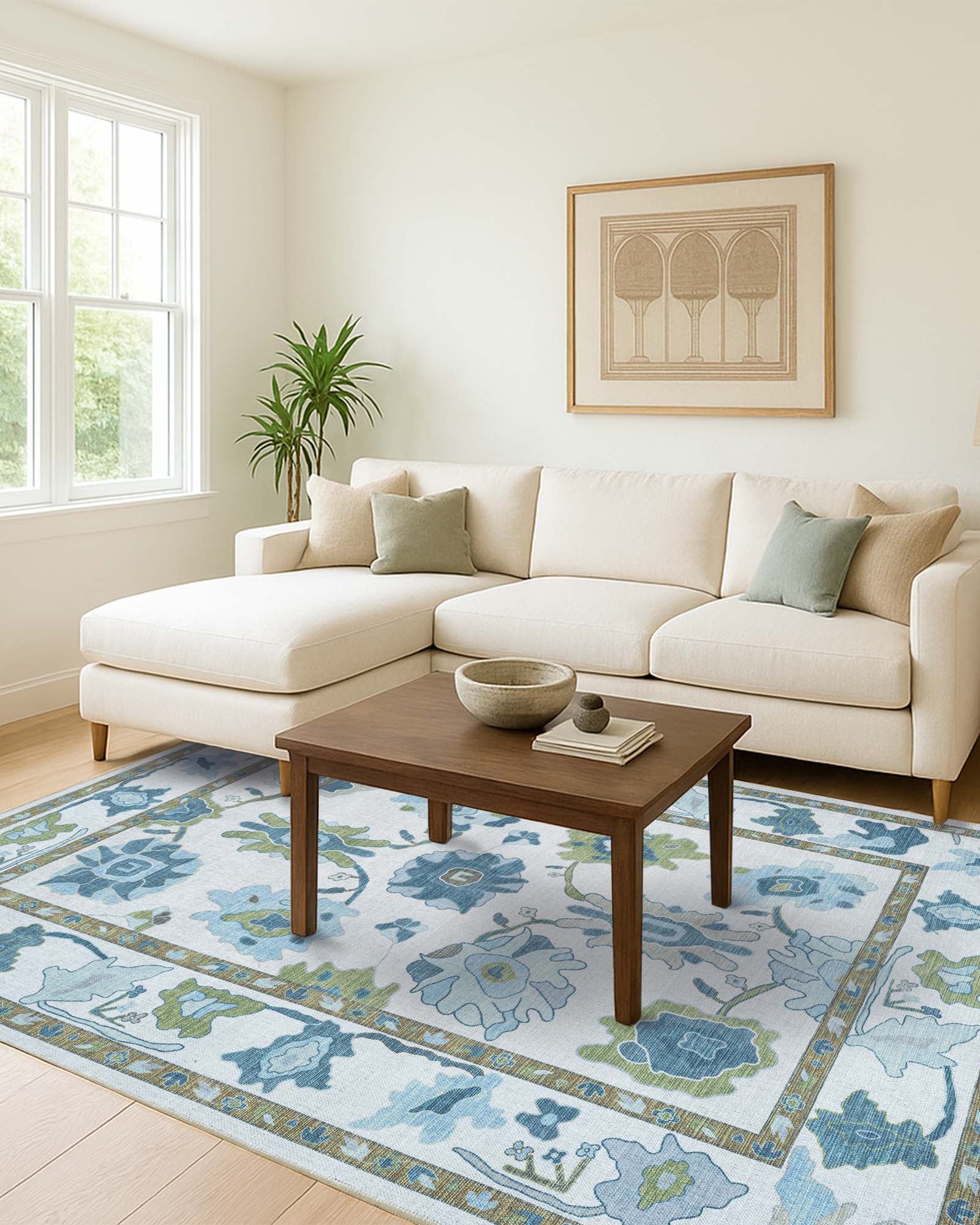
Allow at least 24 inches of rug beyond the table's edge on every side, so each chair stays fully on the rug even when pulled back to sit or stand. As a starting point, add roughly four feet to each dimension of your table, then check that figure against a piece's exact measured size — hand-knotted rugs are never cut to standard dimensions, so the product page measurements matter more than the rounded label.
Durability for Years of Daily Use
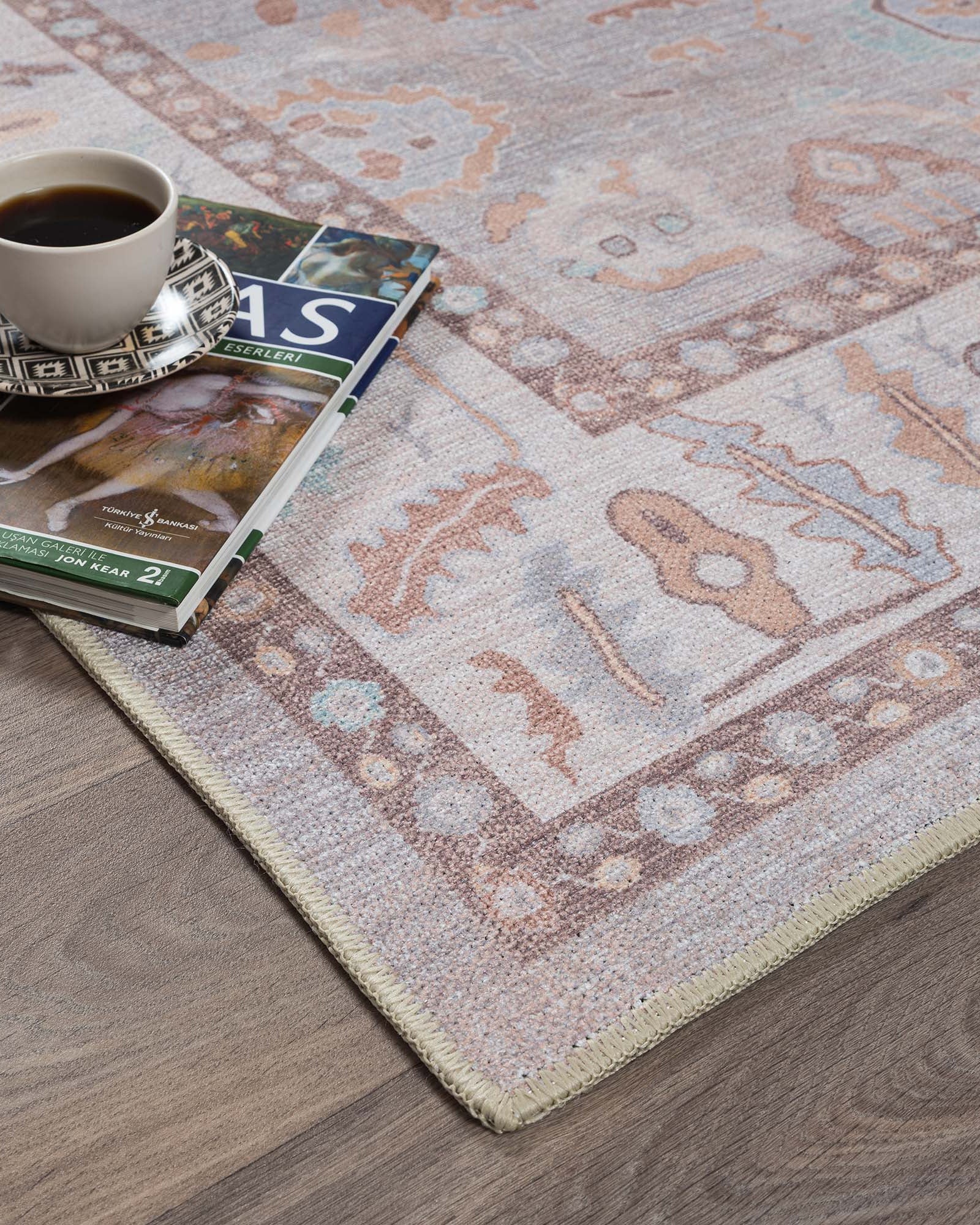
Look for pieces with a sturdy, even weave rather than an especially fine or delicate one — a coarser village weaving or a well-worn workshop piece will generally hold up to years of dining room use better than a very finely knotted rug with a shorter, more vulnerable pile. Wool-on-wool construction, common in tribal and village weaving, also tends to be forgiving here, since it was traditionally made for exactly this kind of hard household use.
Where to Look Next
For the full range of hand-knotted construction and pattern, browse Hand-Knotted Rugs. For pieces specifically selected for lower pile and chair movement, see Low Pile Rugs. For sturdy, durable village weaving, Coarse Weave Rugs is worth a look.
Frequently Asked Questions
What pile height works best for a dining room rug?
Lower pile is generally better, since deep pile catches chair legs and drags when chairs are pushed back. Naturally worn vintage pieces, or pieces from our Low Pile Rugs collection, tend to work well for this reason.
What pattern hides spills and crumbs best?
Bold pattern with real color contrast — geometric medallions, dense florals, tribal repeats — disguises everyday mess far better than a plain or pale field, which shows marks more readily between cleanings.
How big should my dining room rug be?
Allow at least 24 inches of rug beyond the table's edge on every side, so every chair stays fully on the rug when pulled back. Add roughly four feet to each table dimension as a starting point, then check against the exact measurements listed.
Is a hand-knotted rug durable enough for daily dining use?
Yes, particularly a sturdy, evenly woven piece rather than a very fine, delicate one. Coarser village weaving and wool-on-wool construction tend to hold up especially well to years of regular household use.
Should I choose a fine or coarse weave for my dining room?
Coarse or mid-weight weaving is usually the more practical choice. Fine weaving supports intricate detail but has a shorter, more vulnerable pile that shows wear sooner under the heavy daily use a dining room creates.