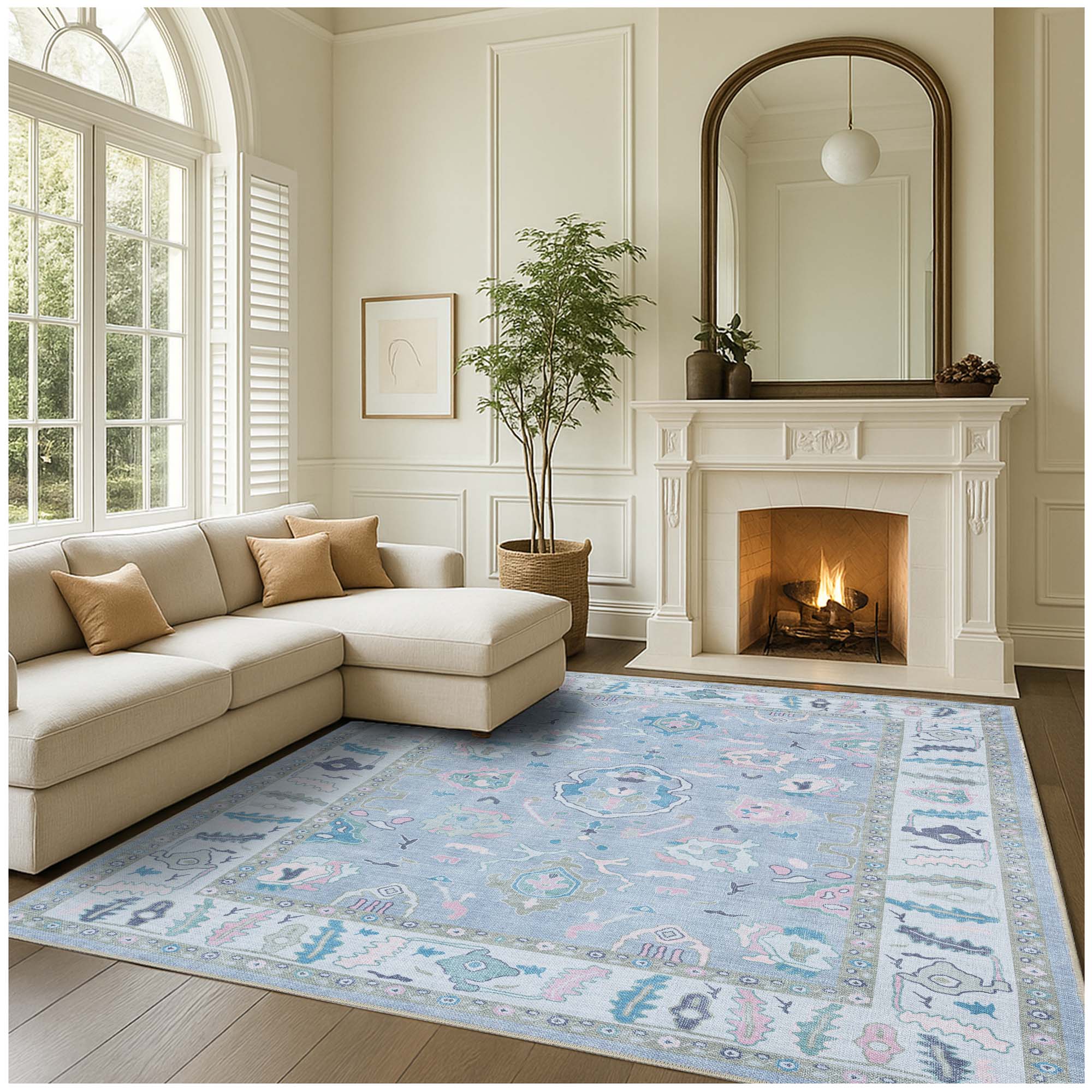
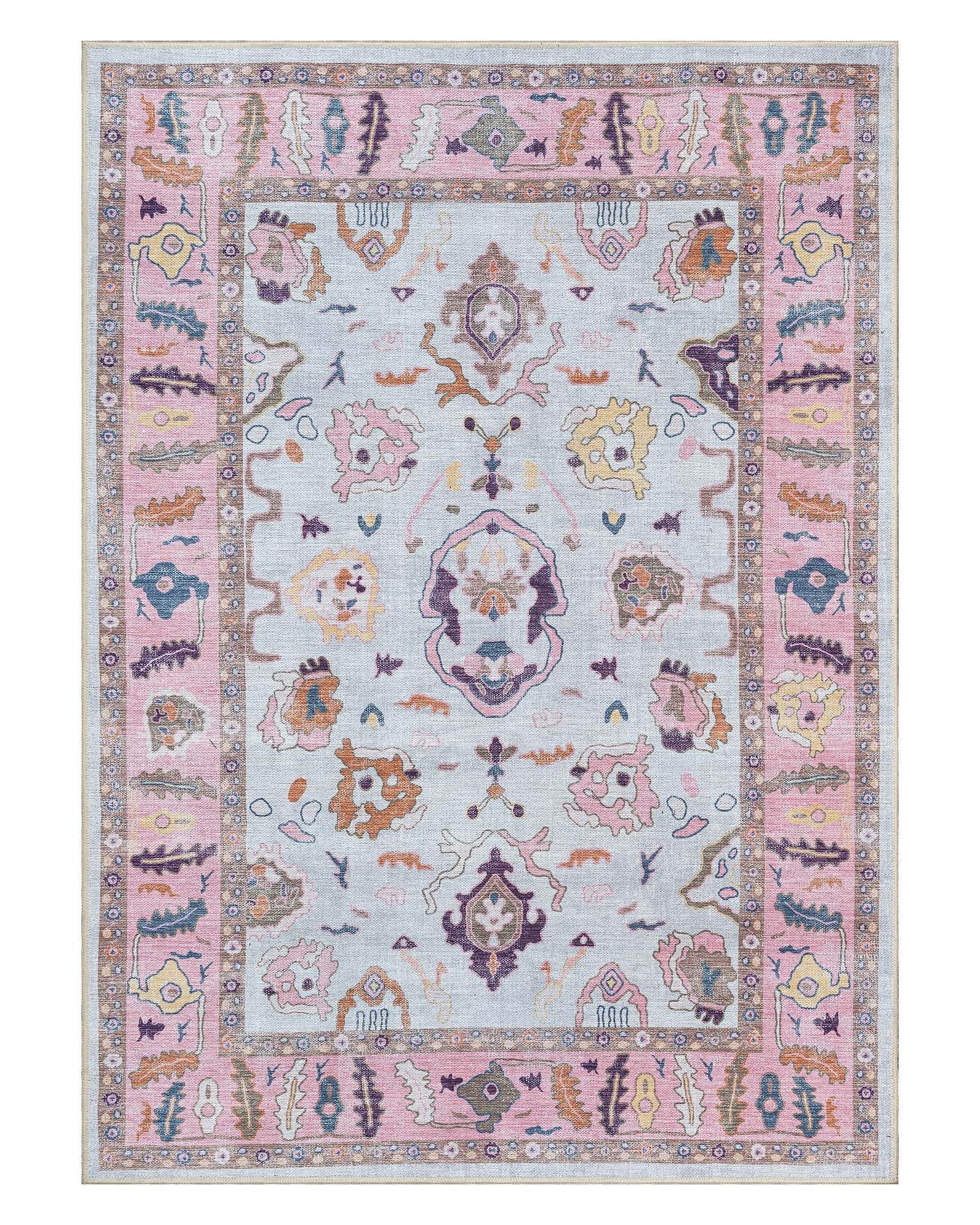
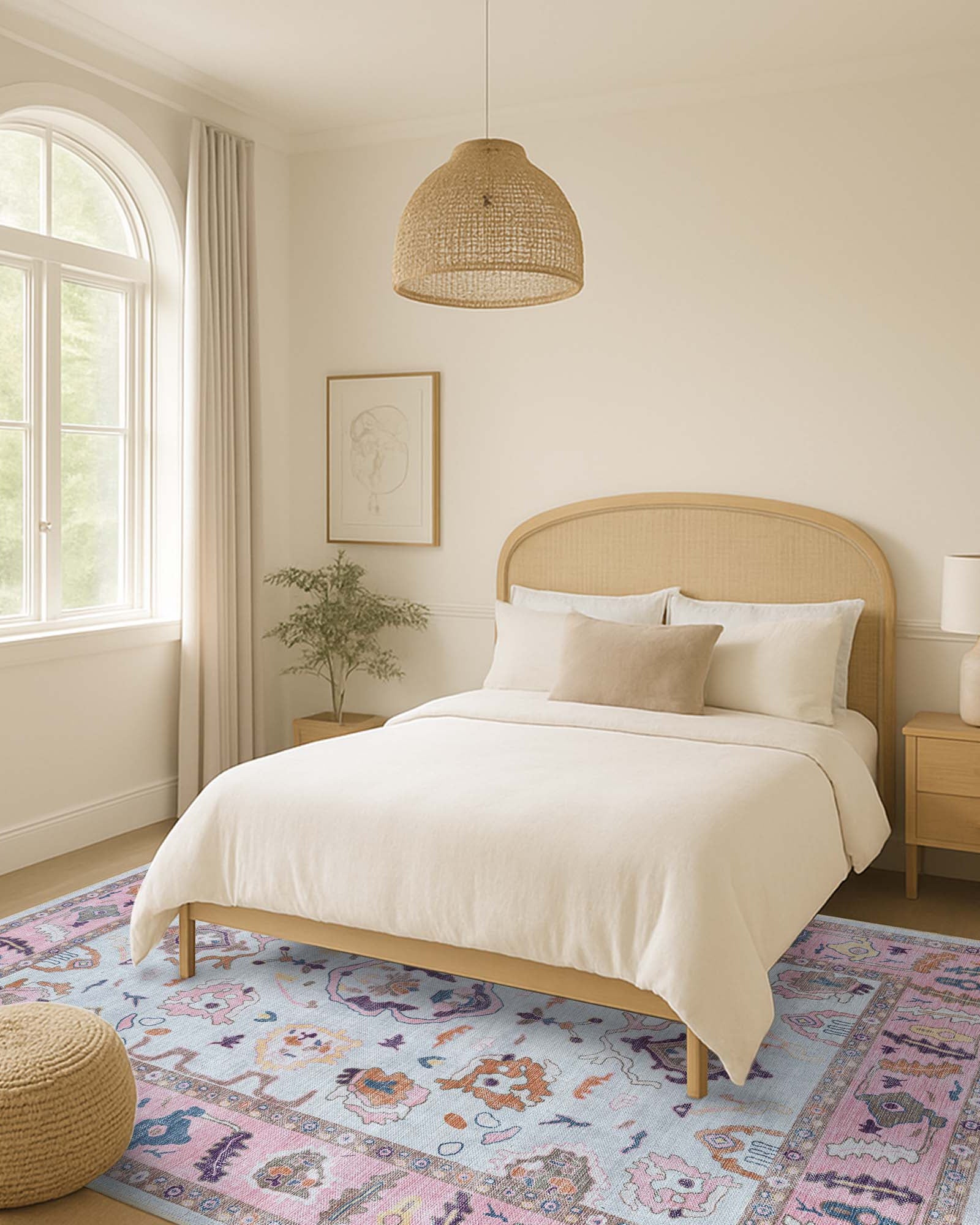
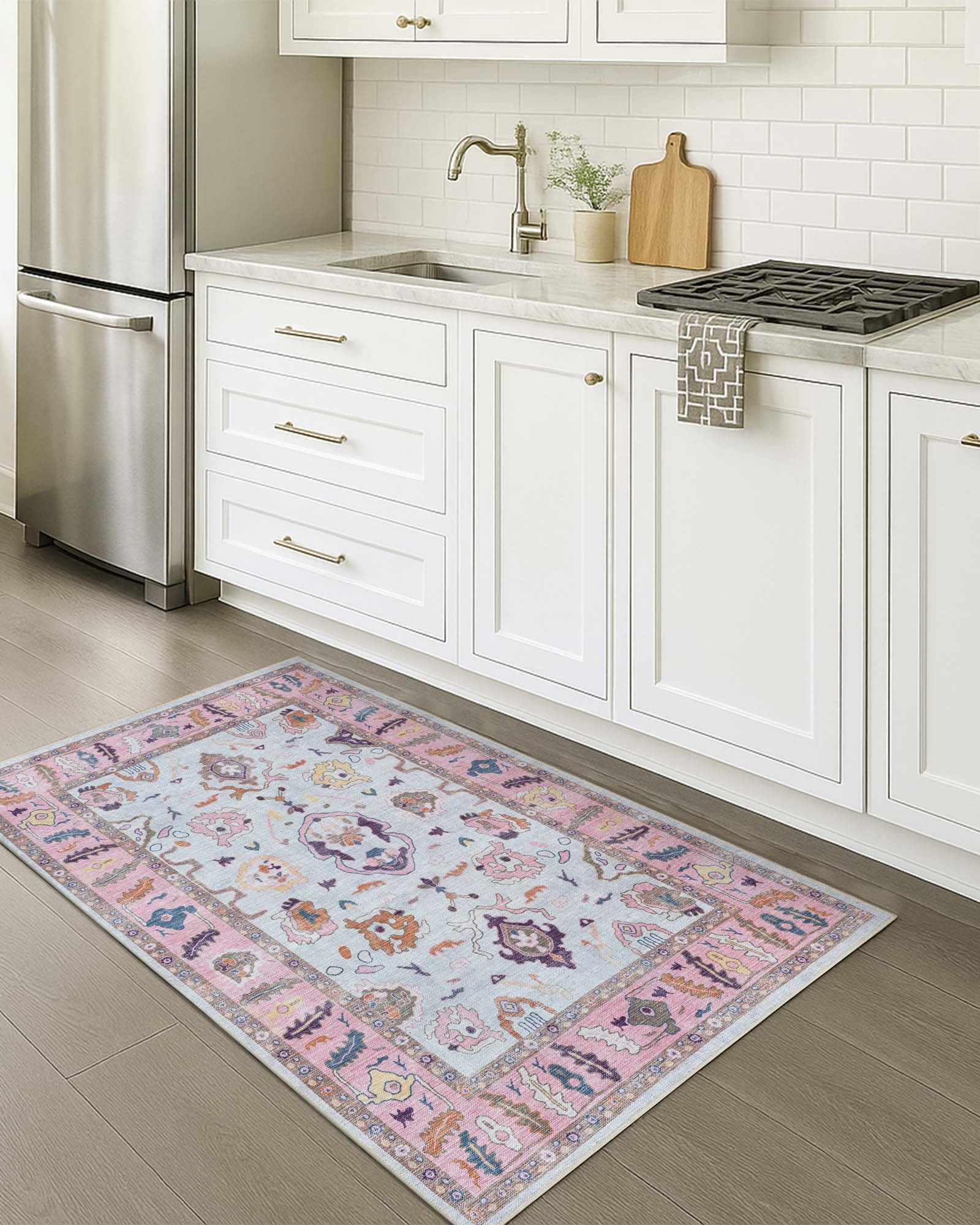
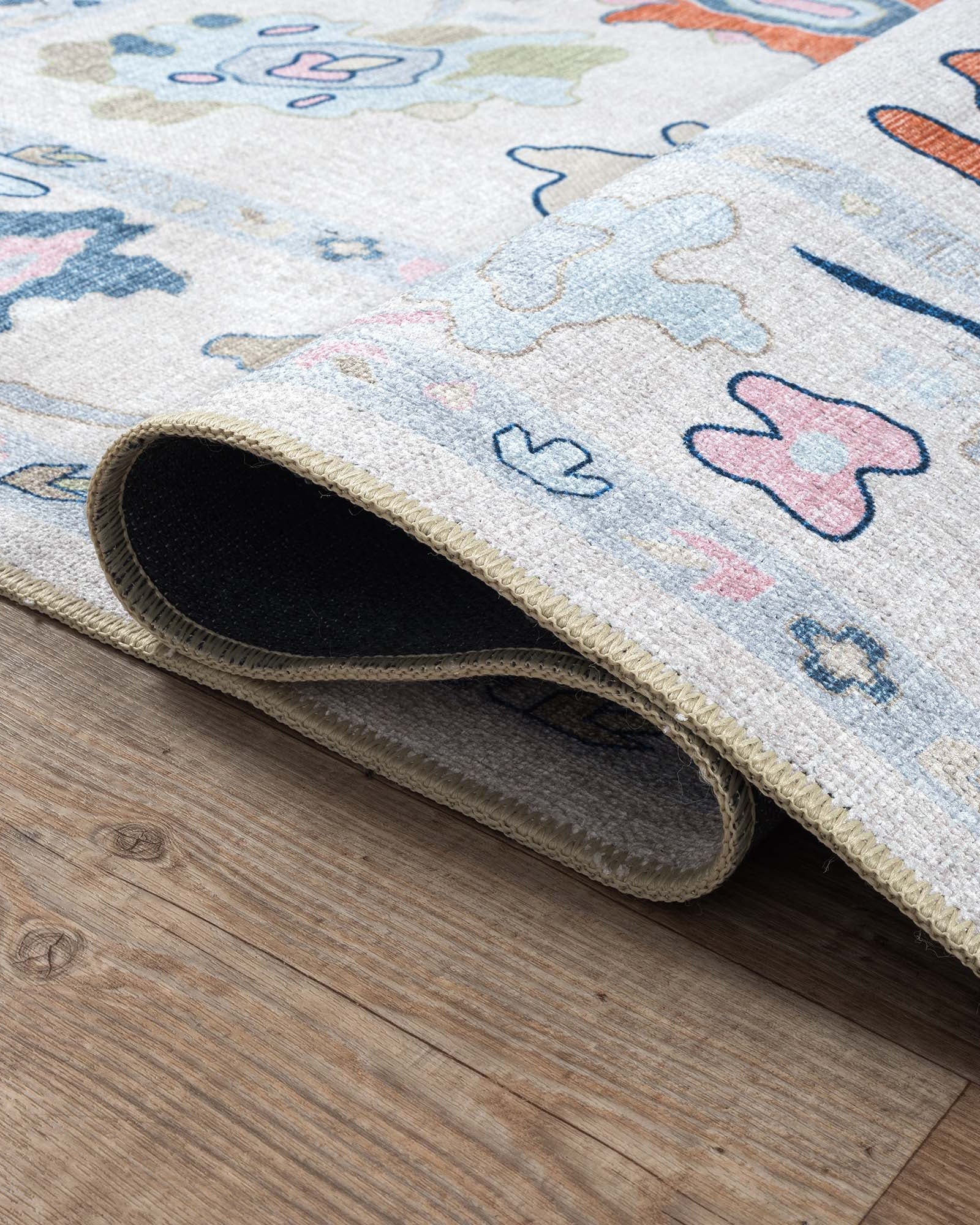
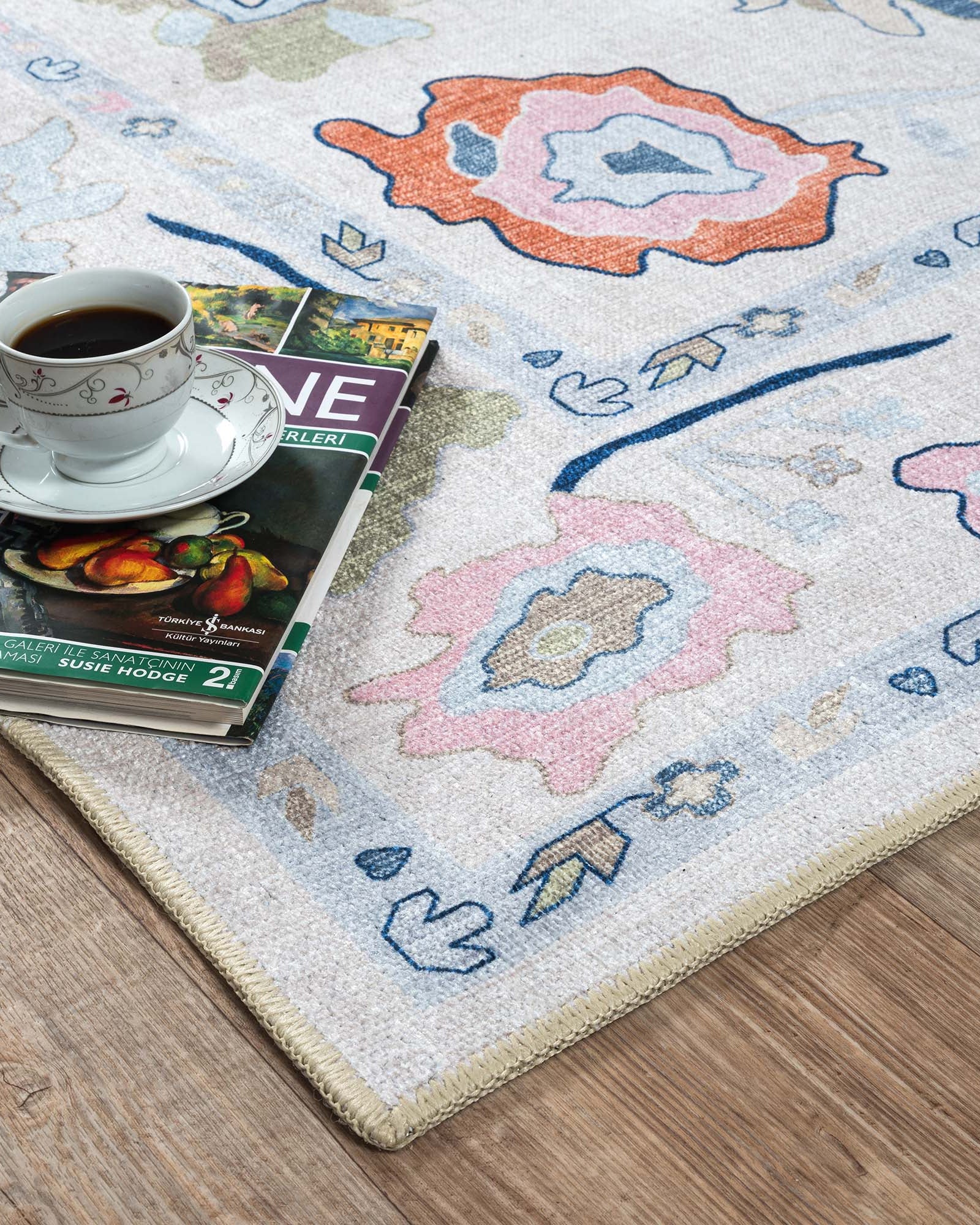
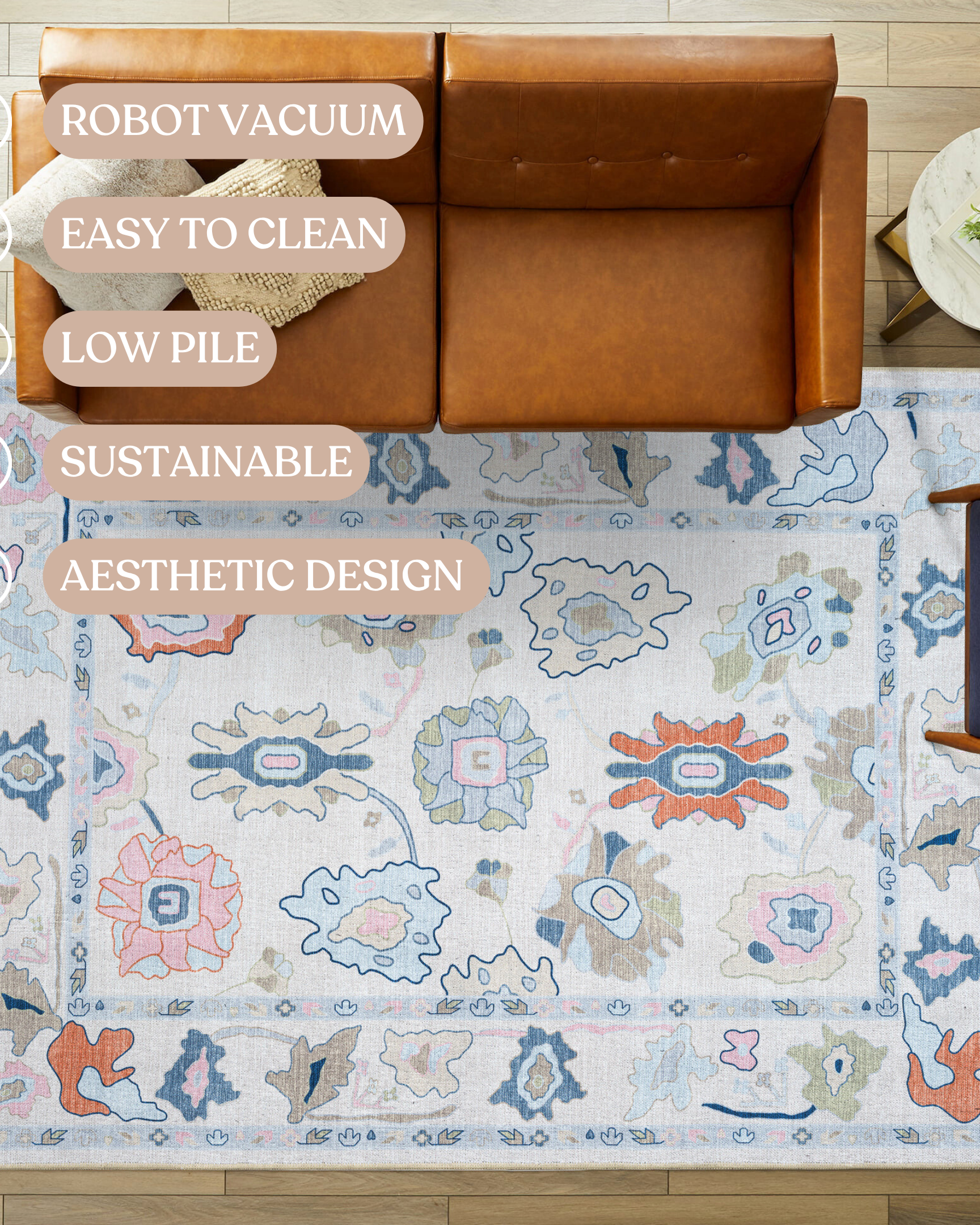
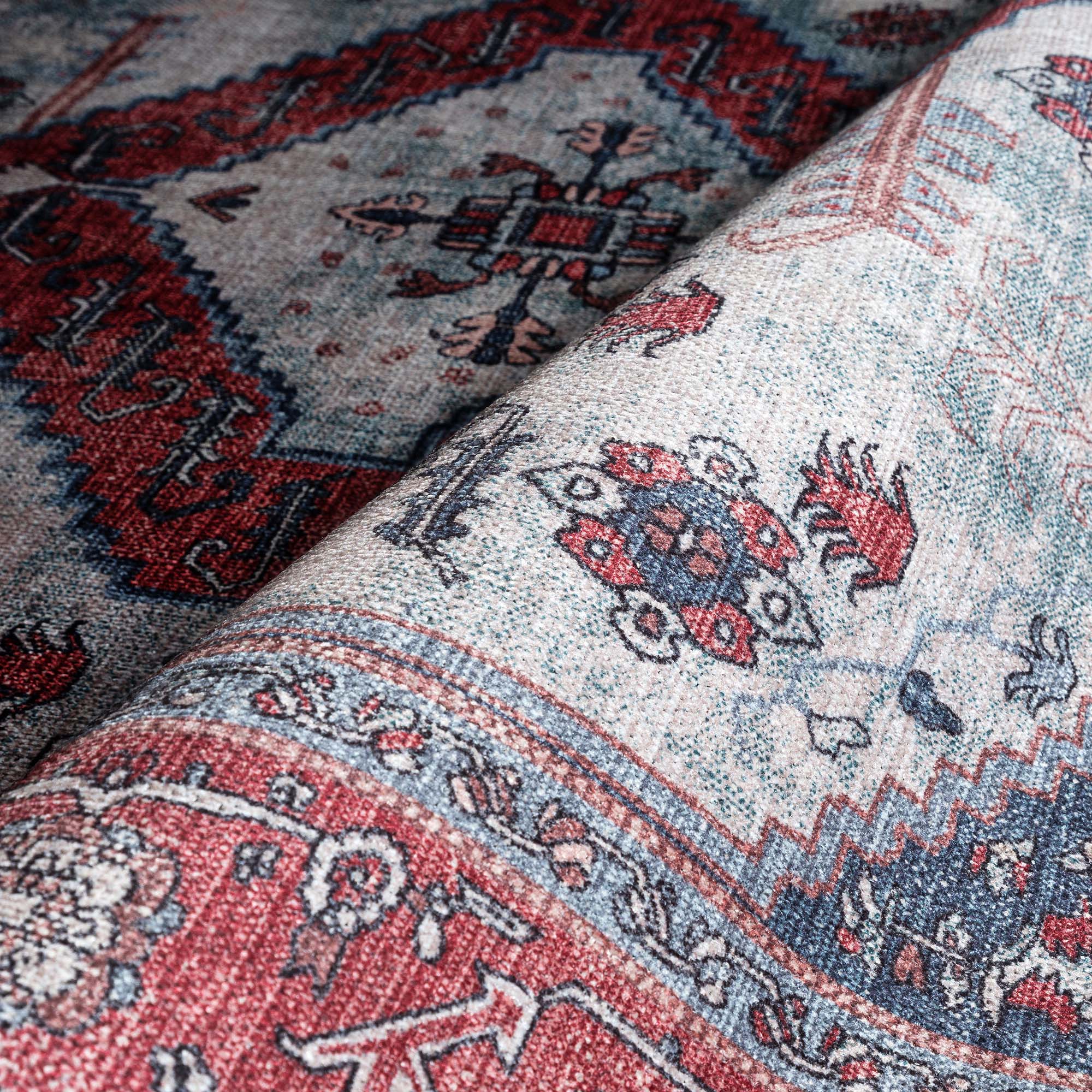
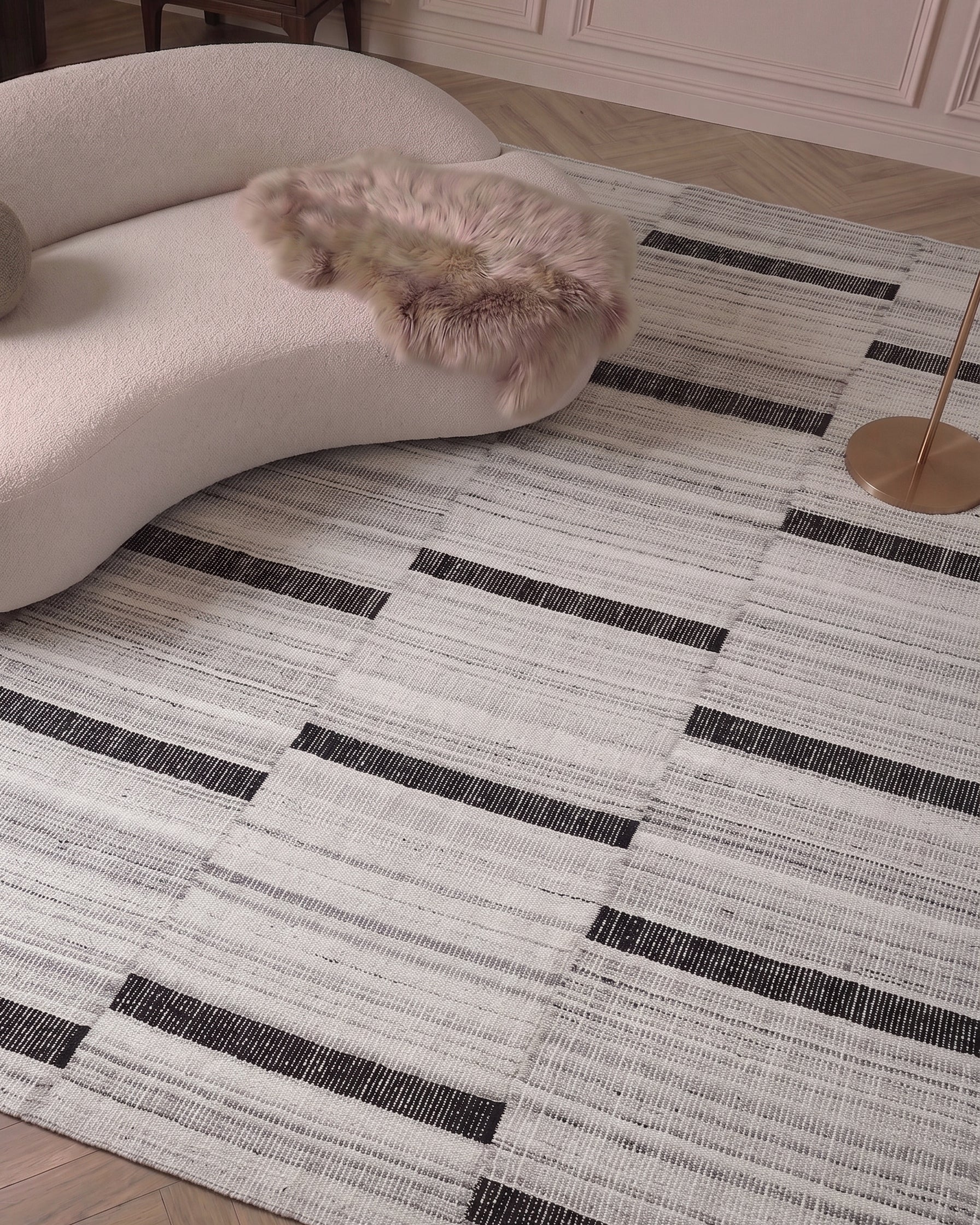
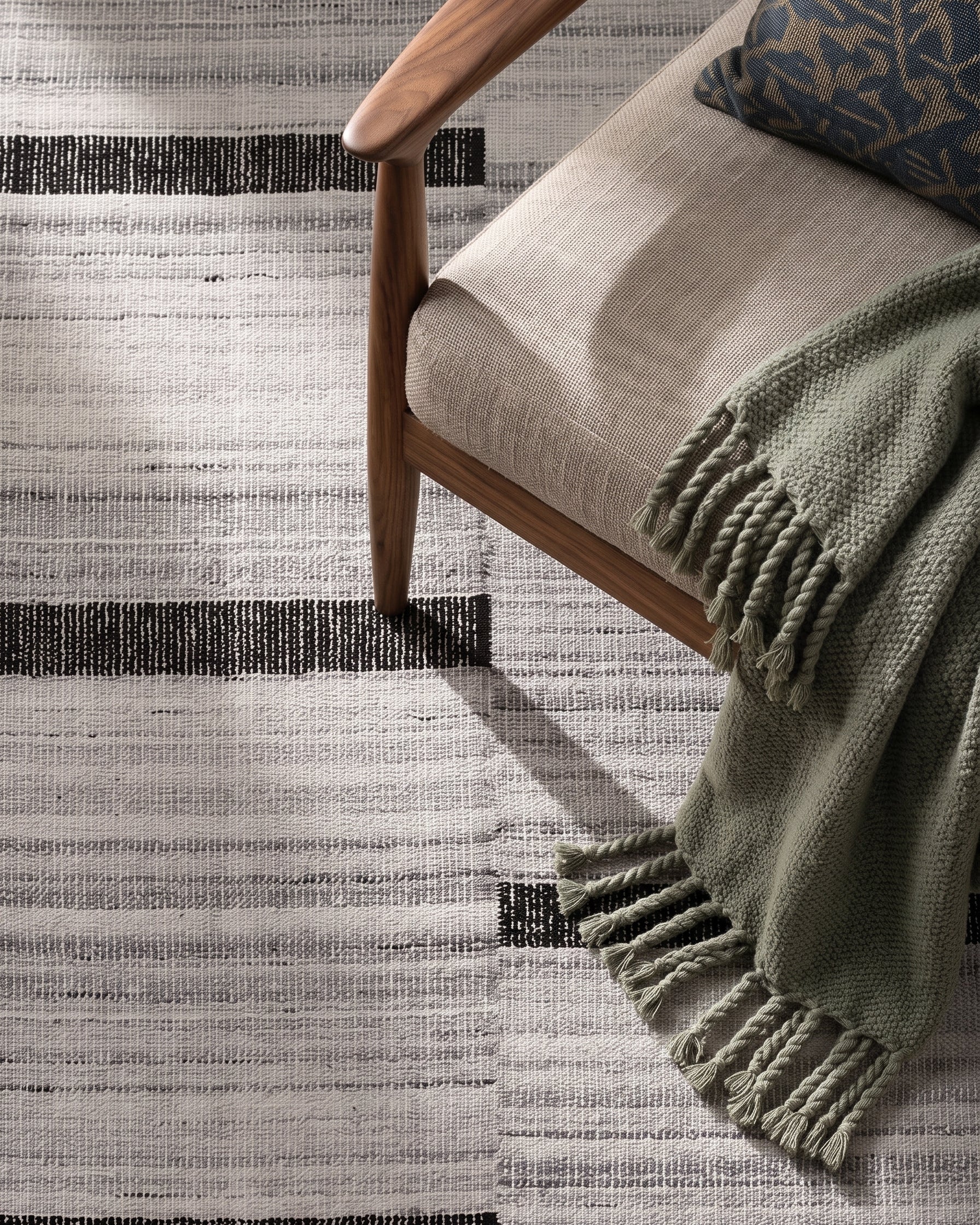
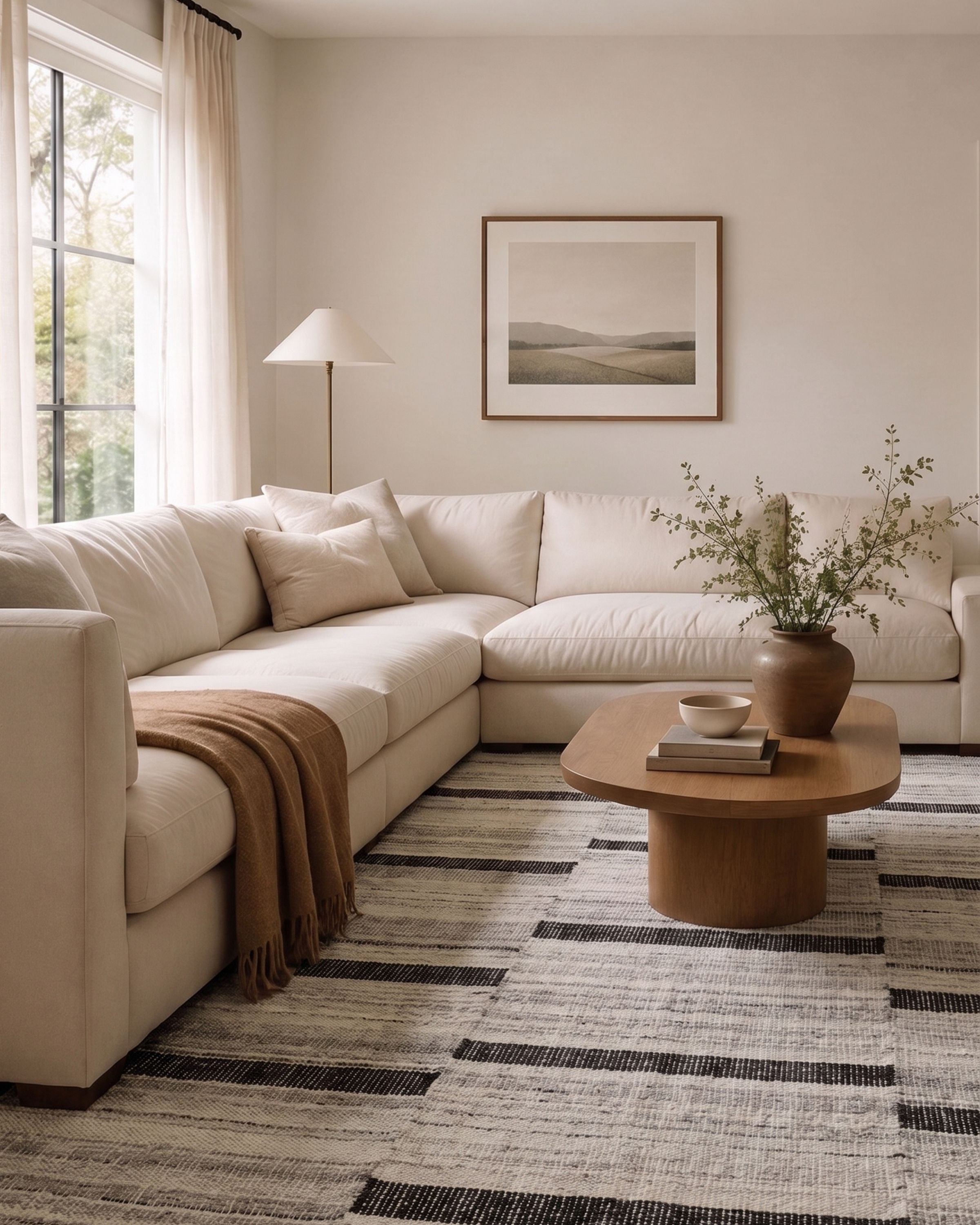
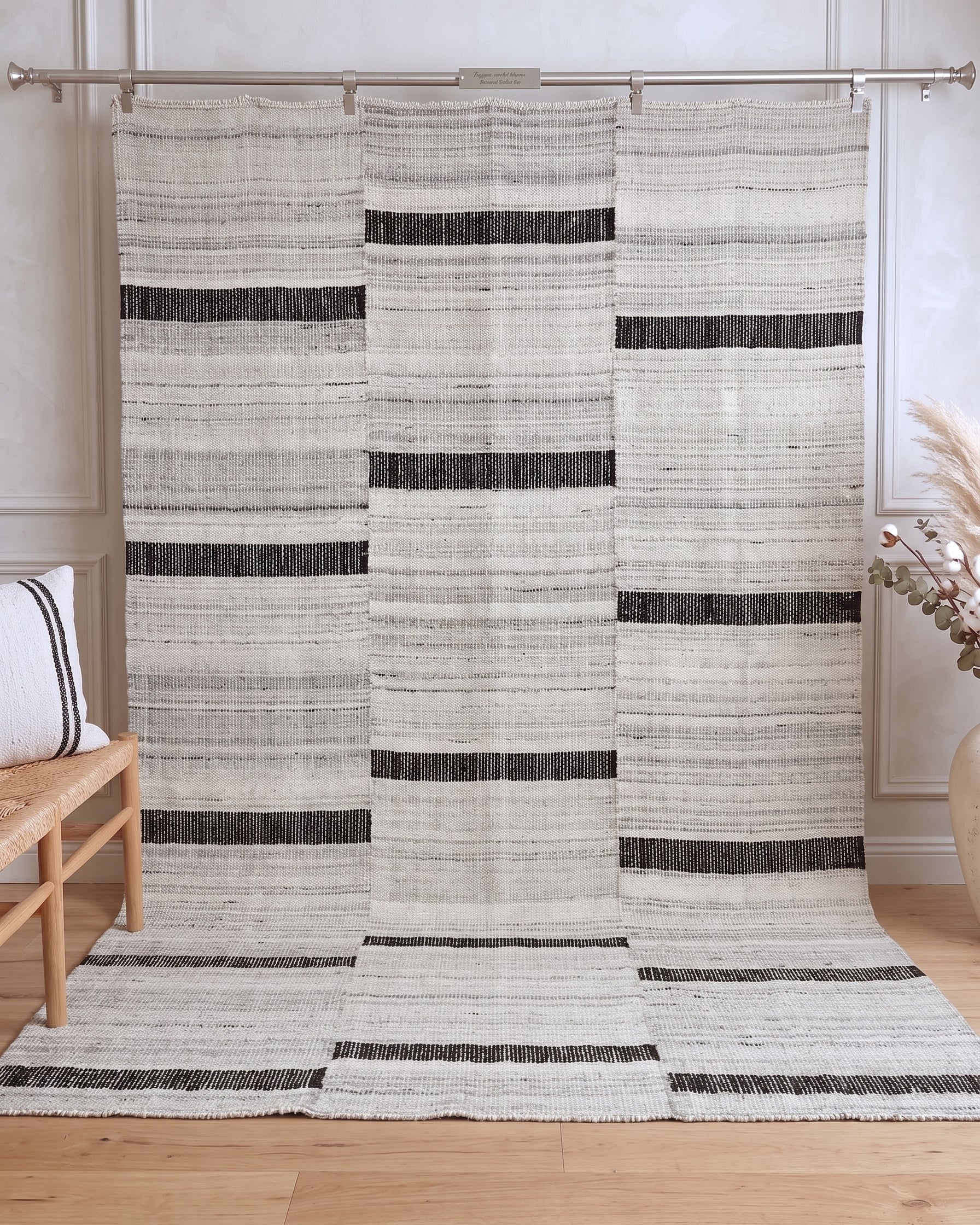
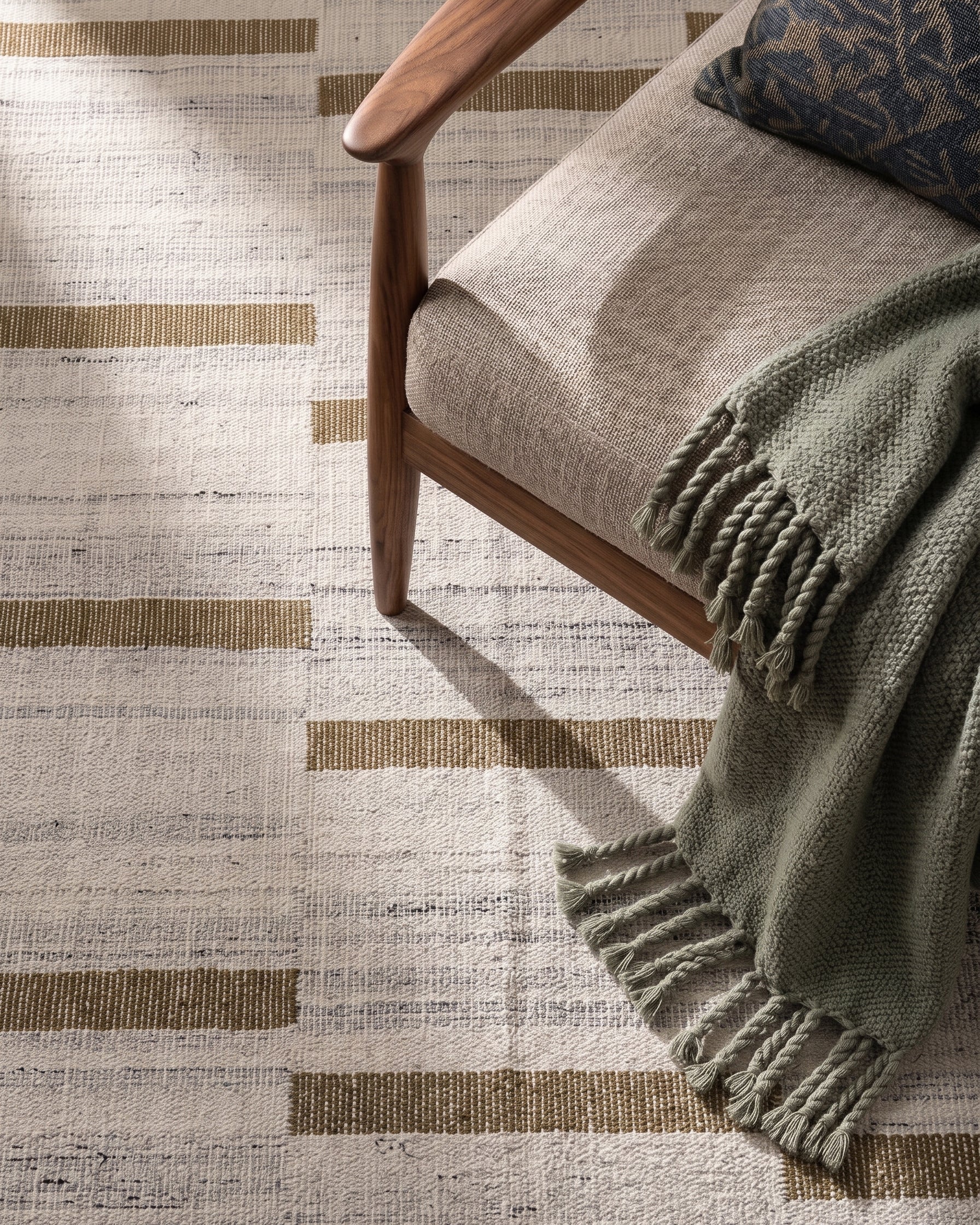
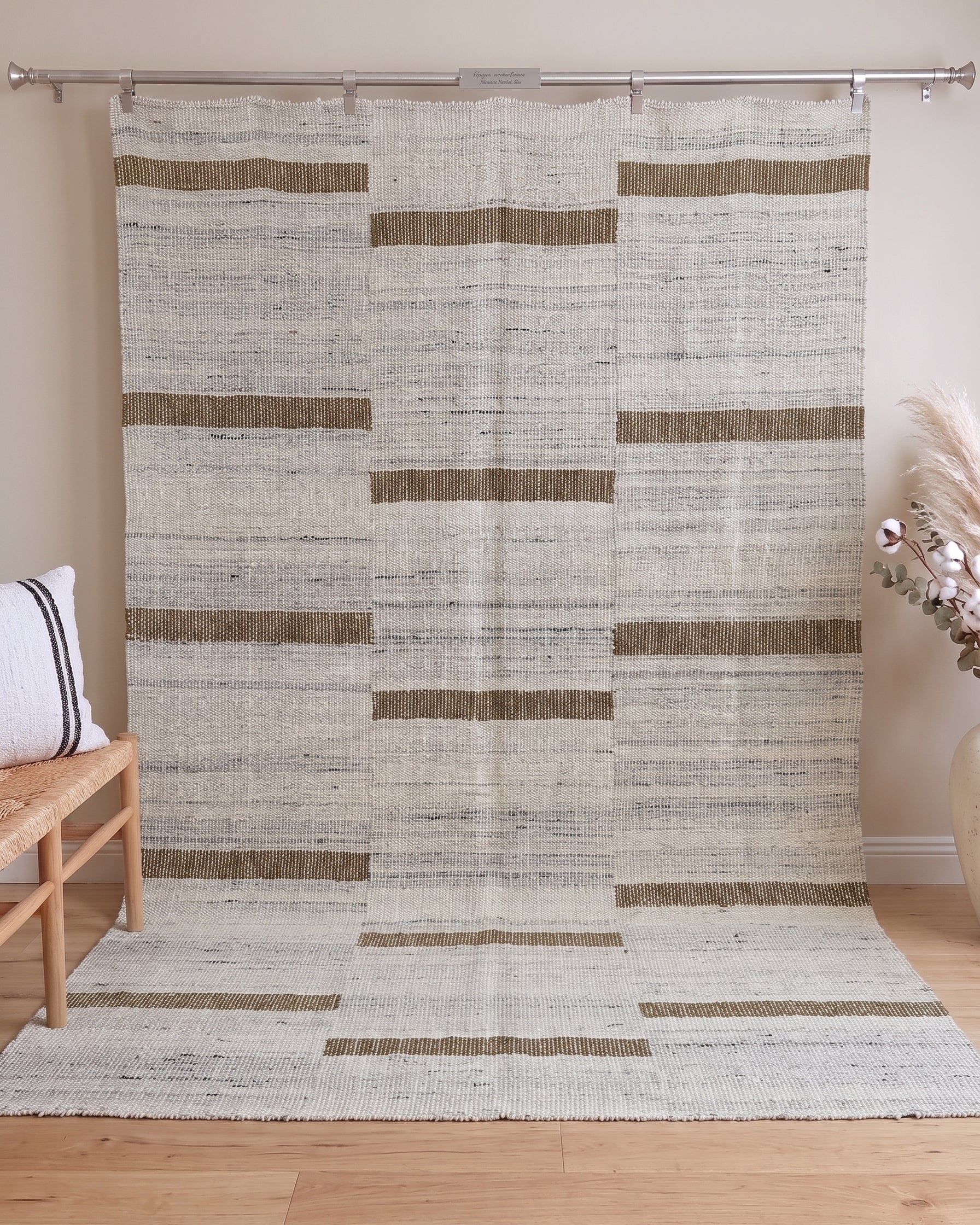
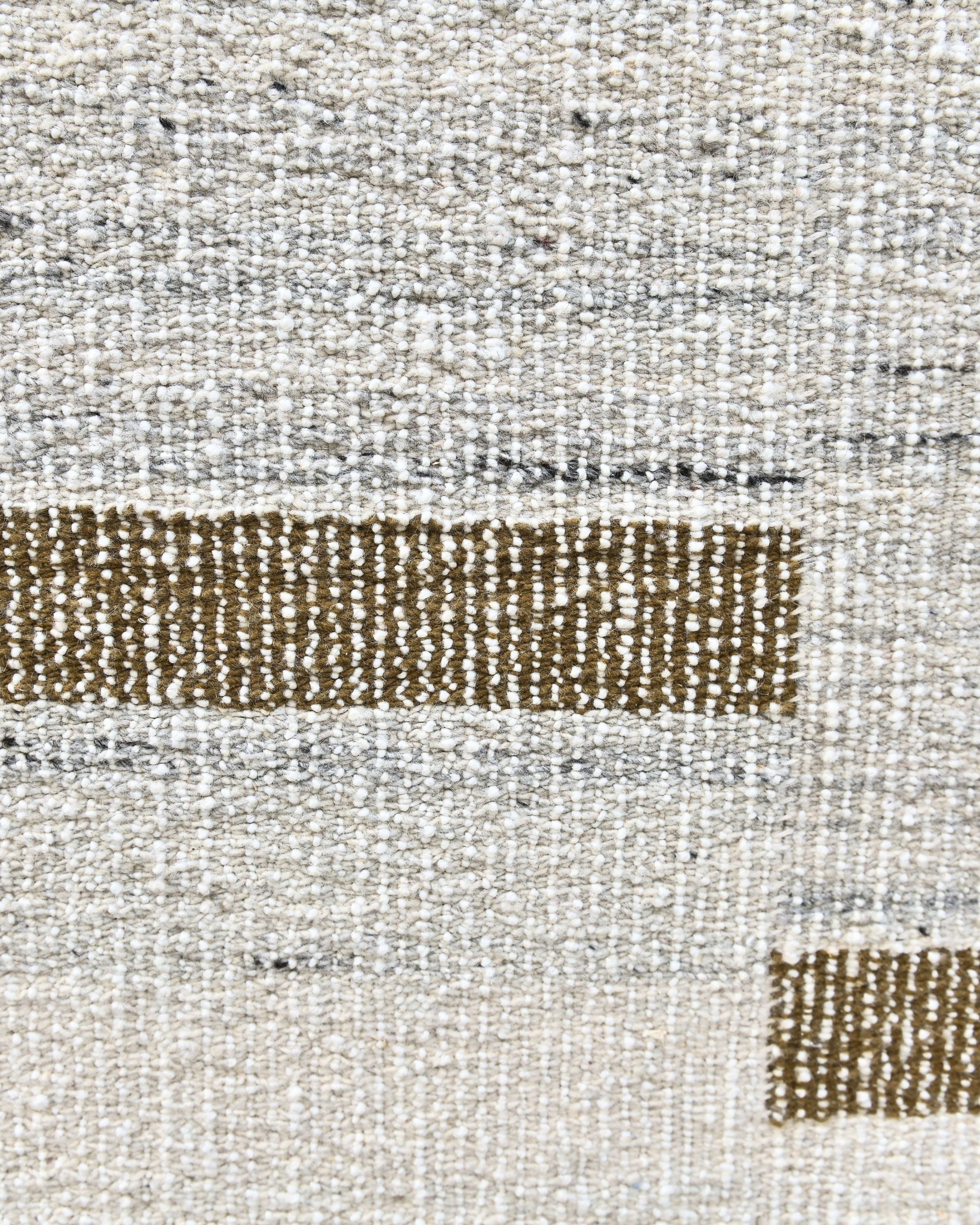
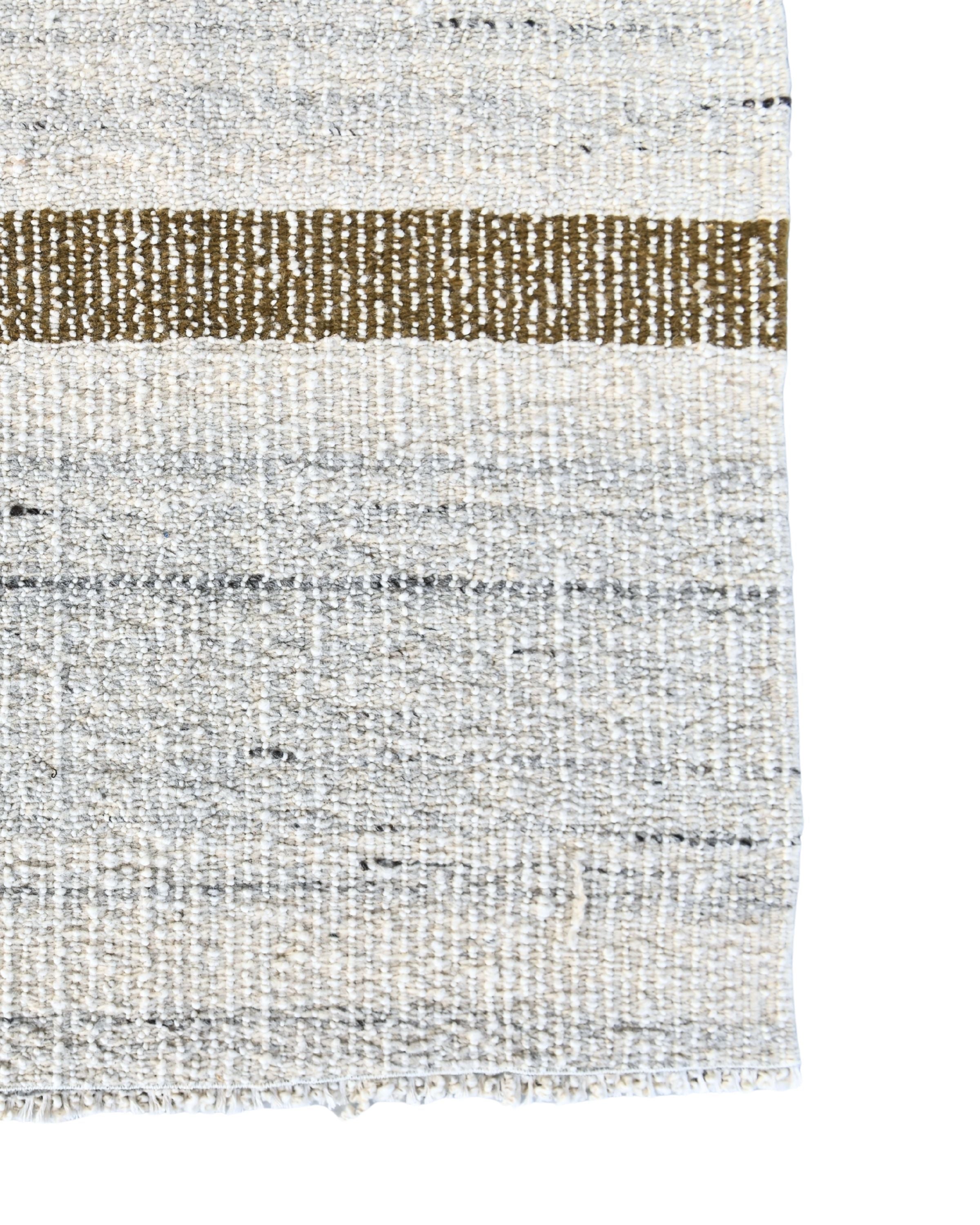
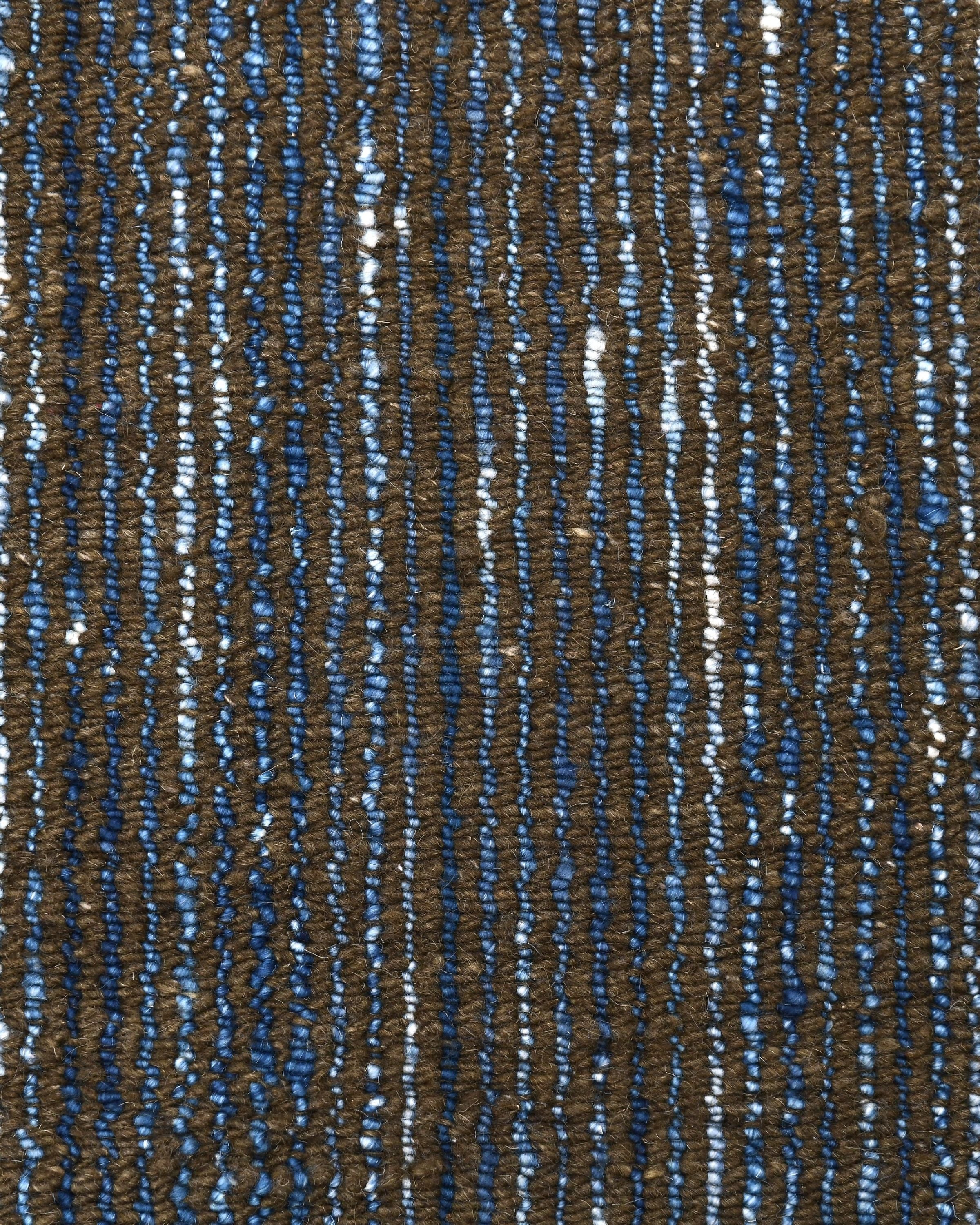
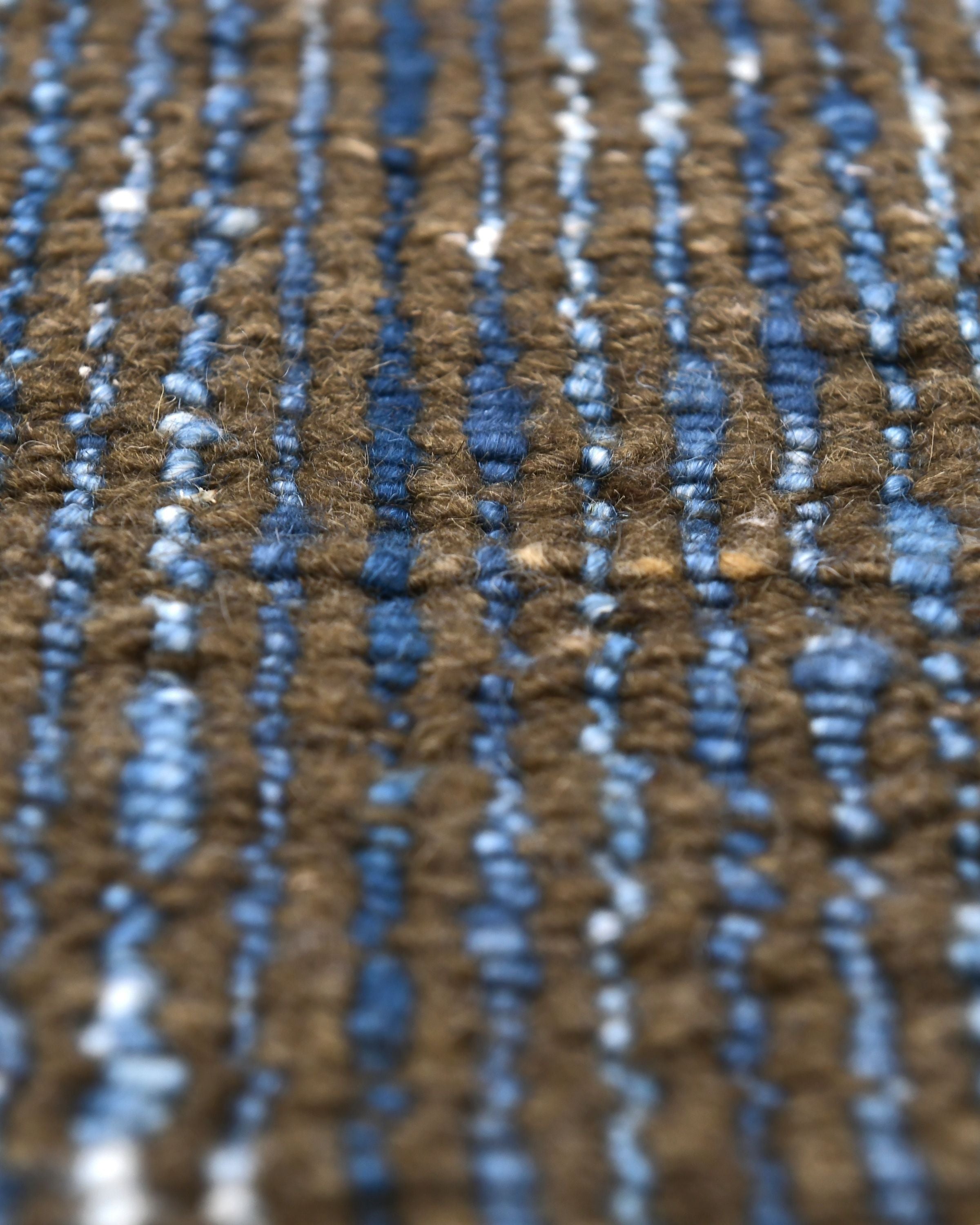
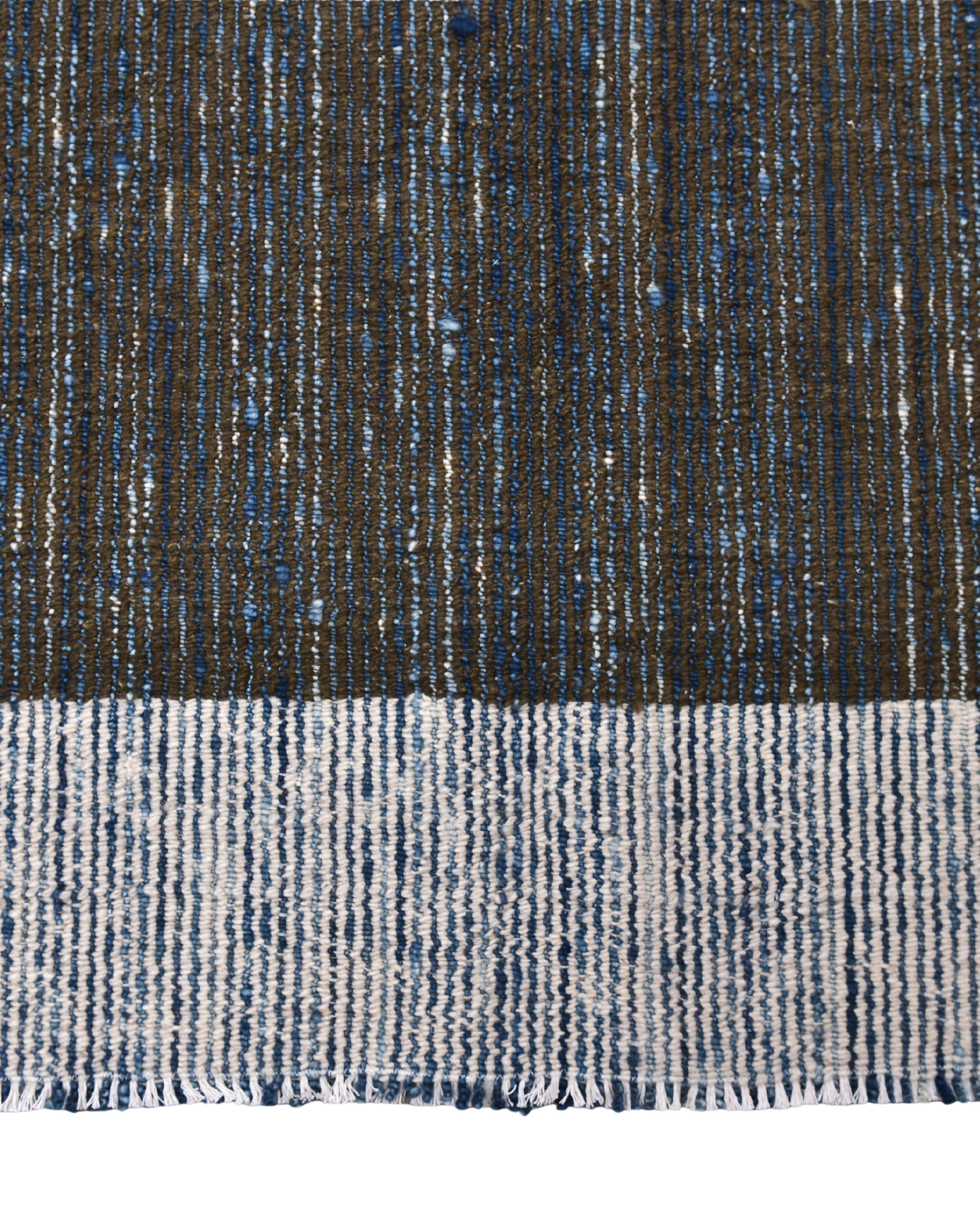
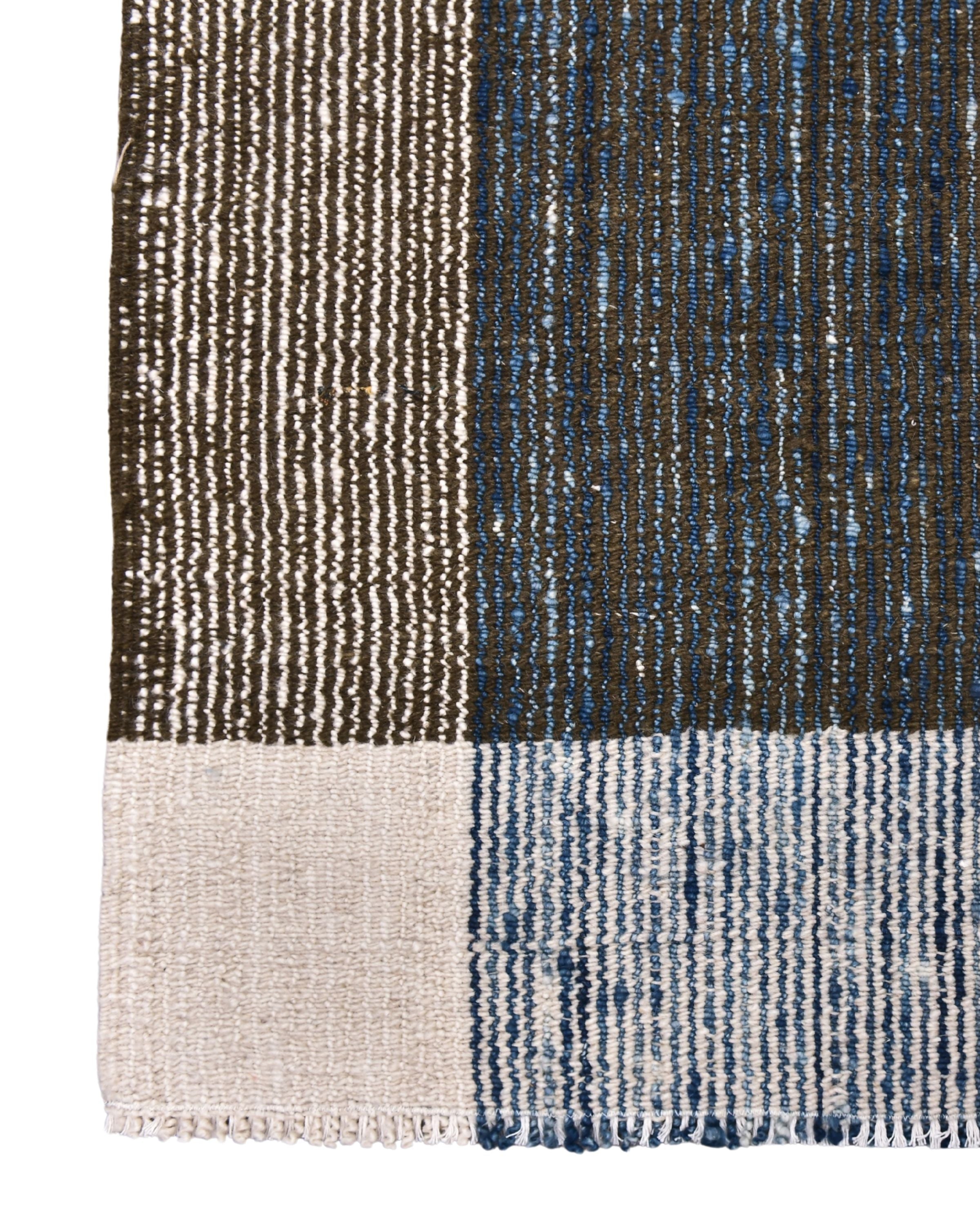
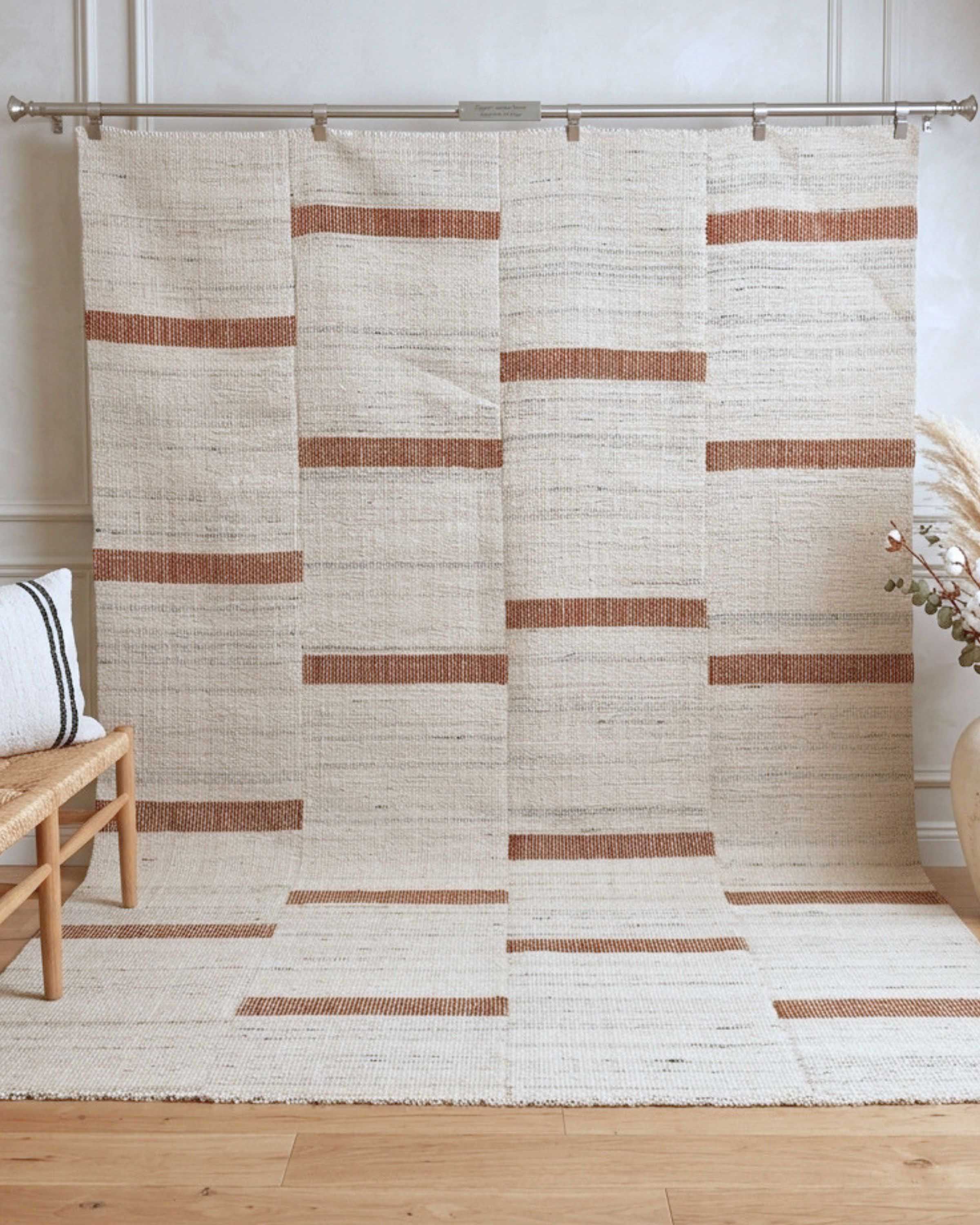
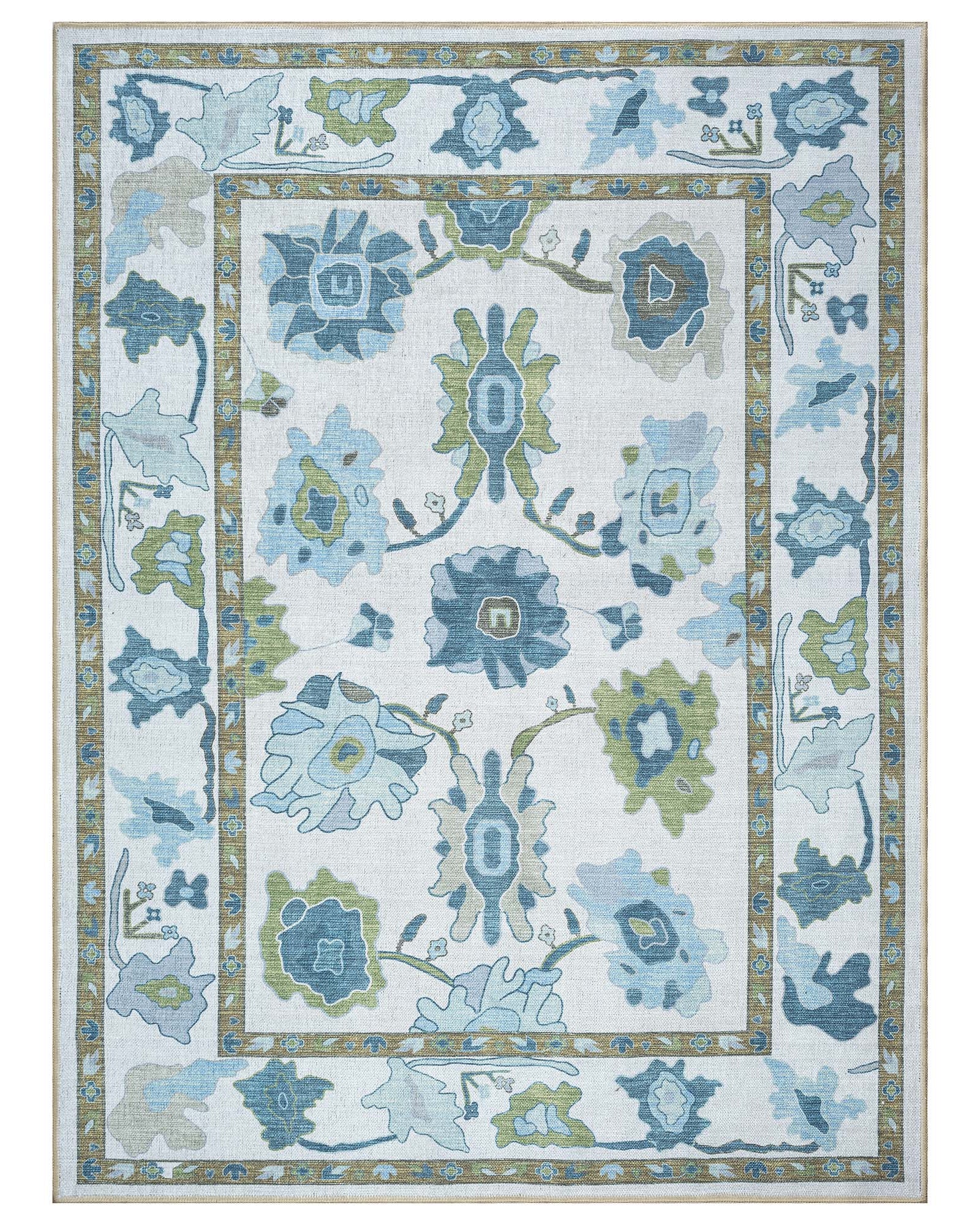
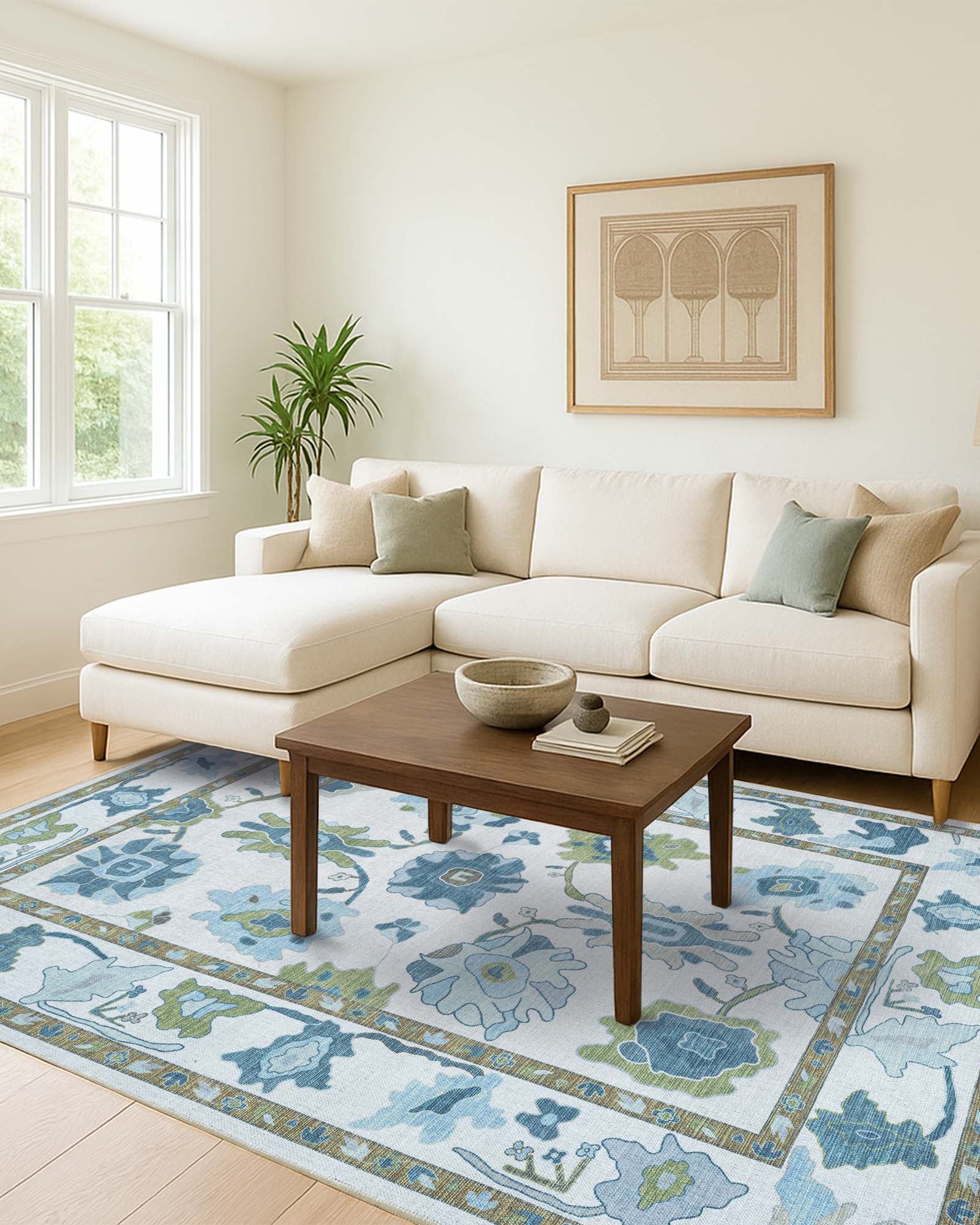
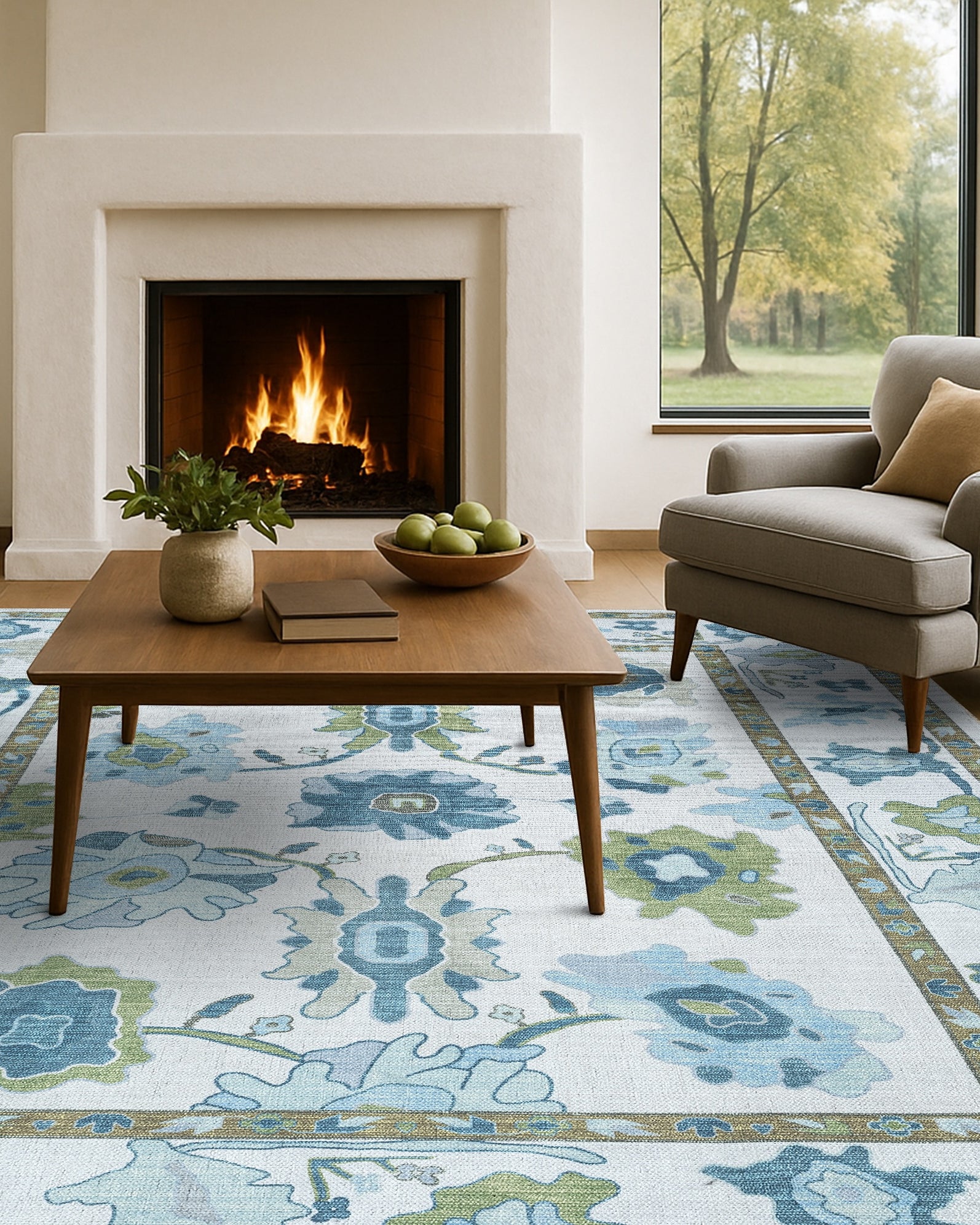
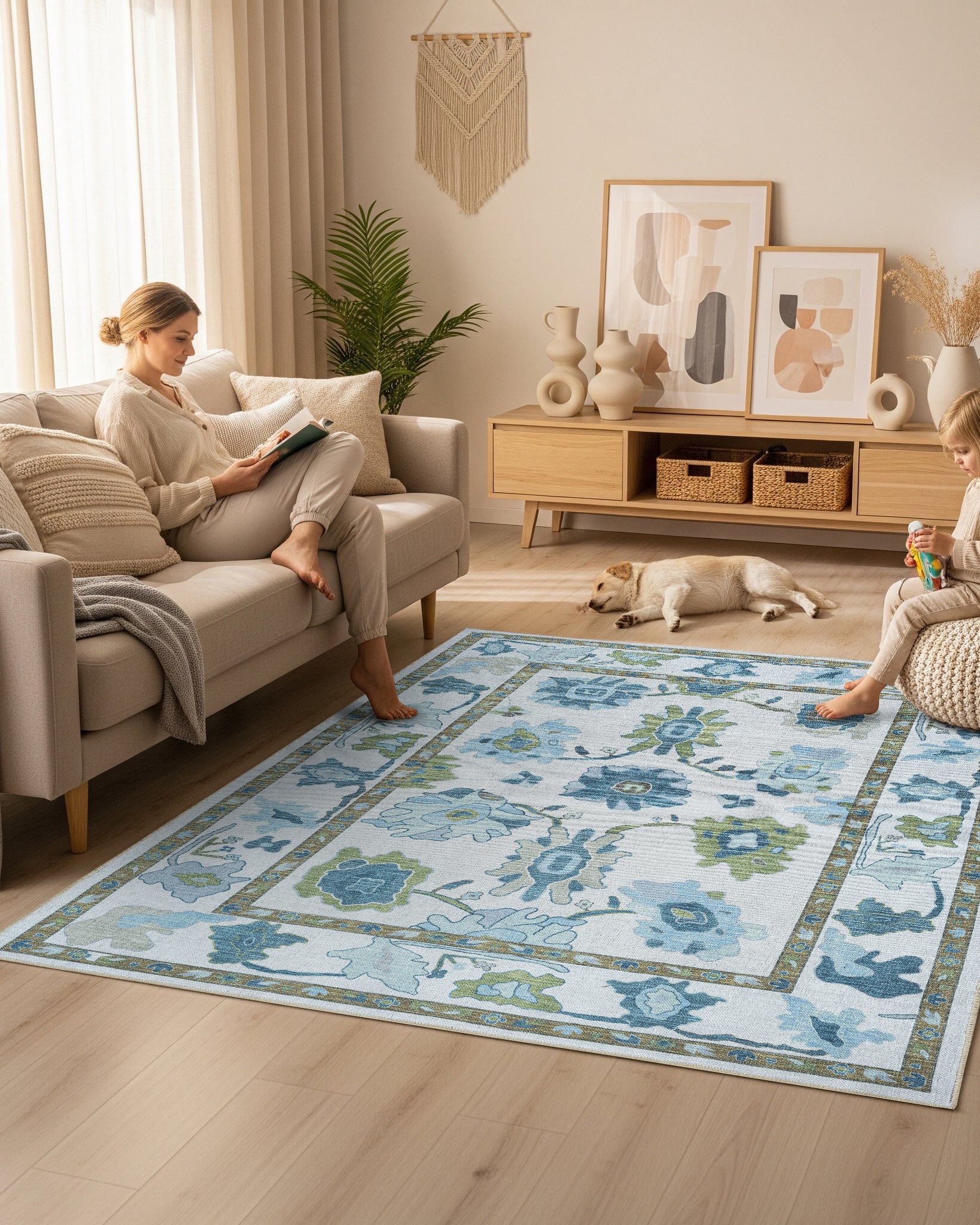
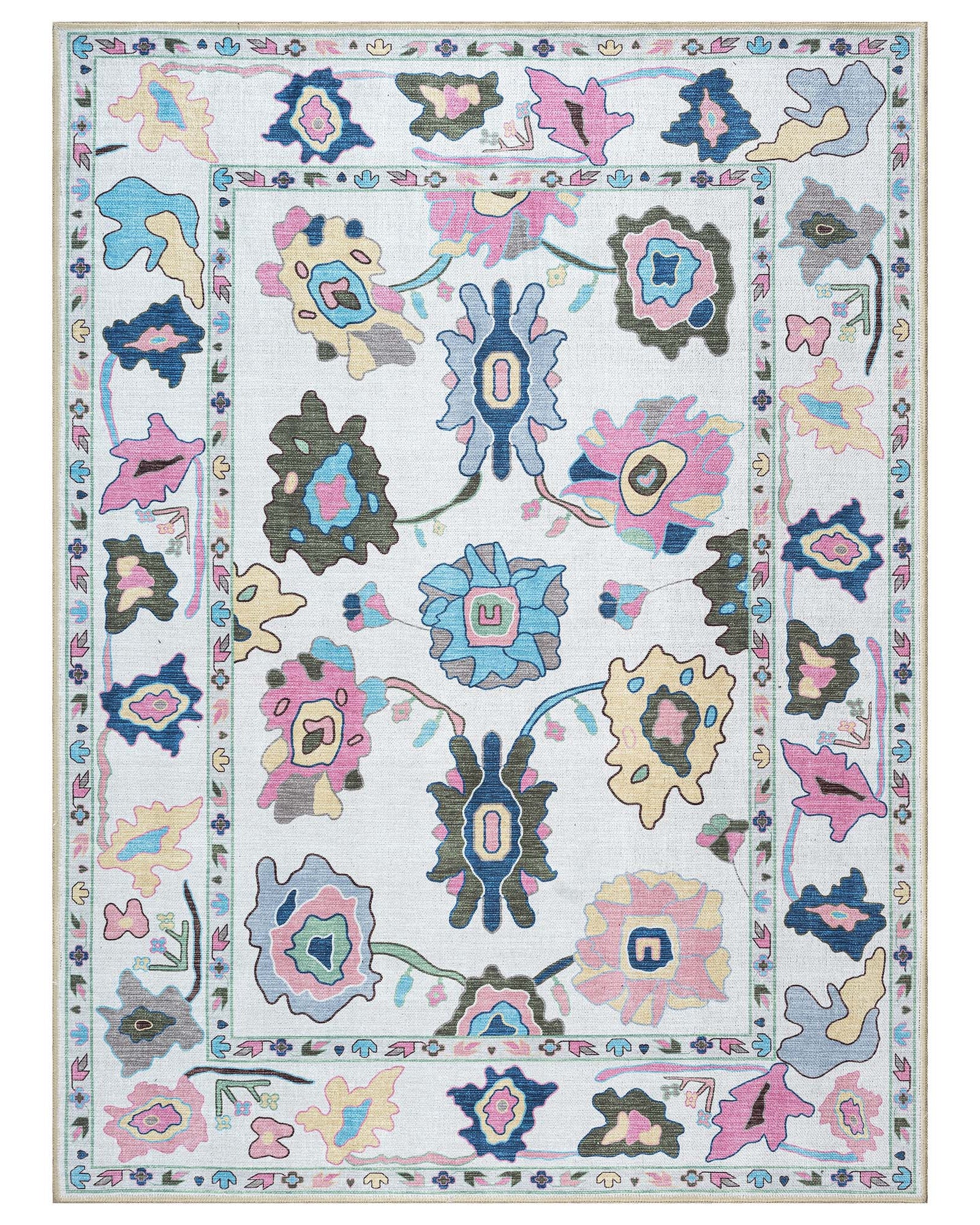
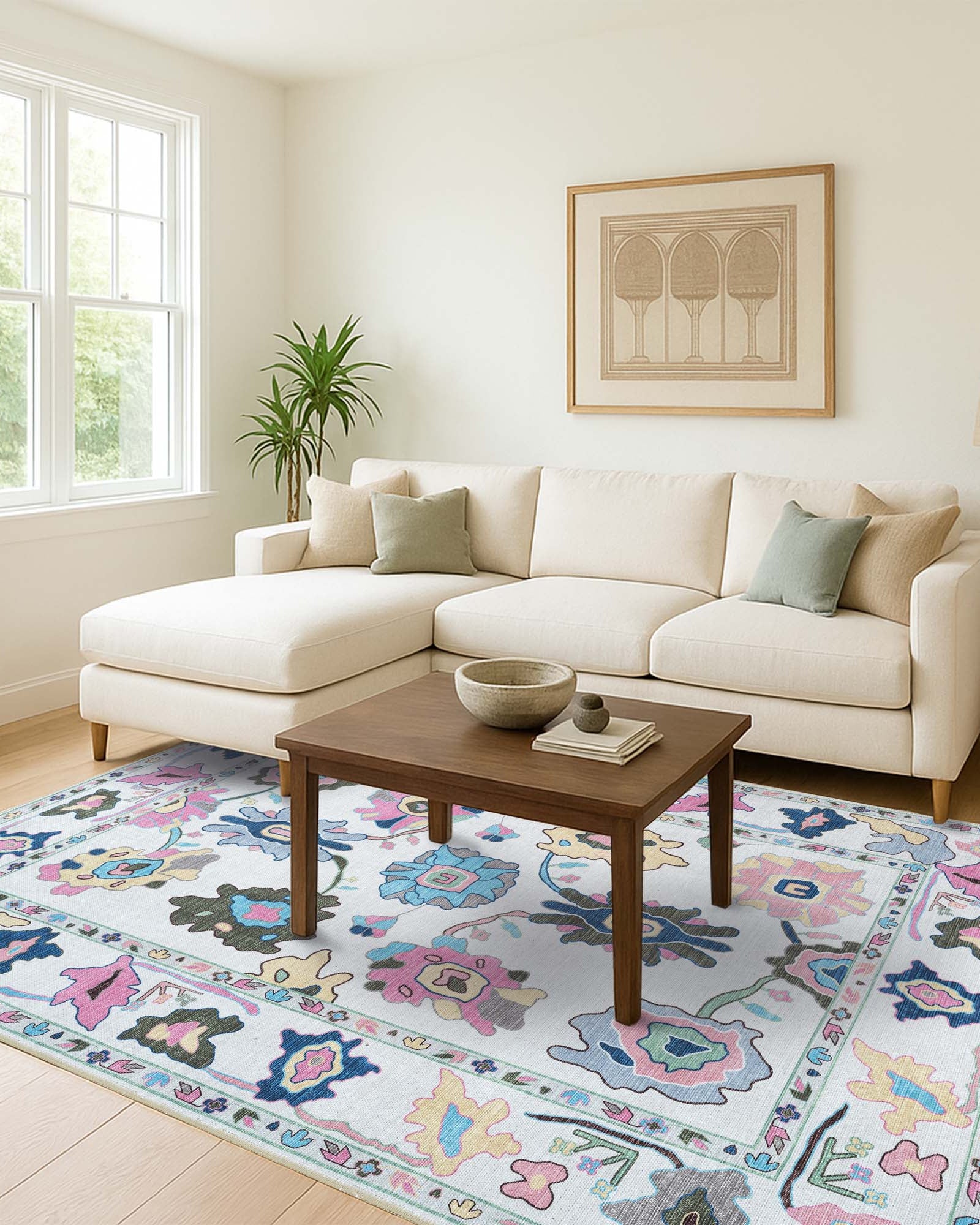
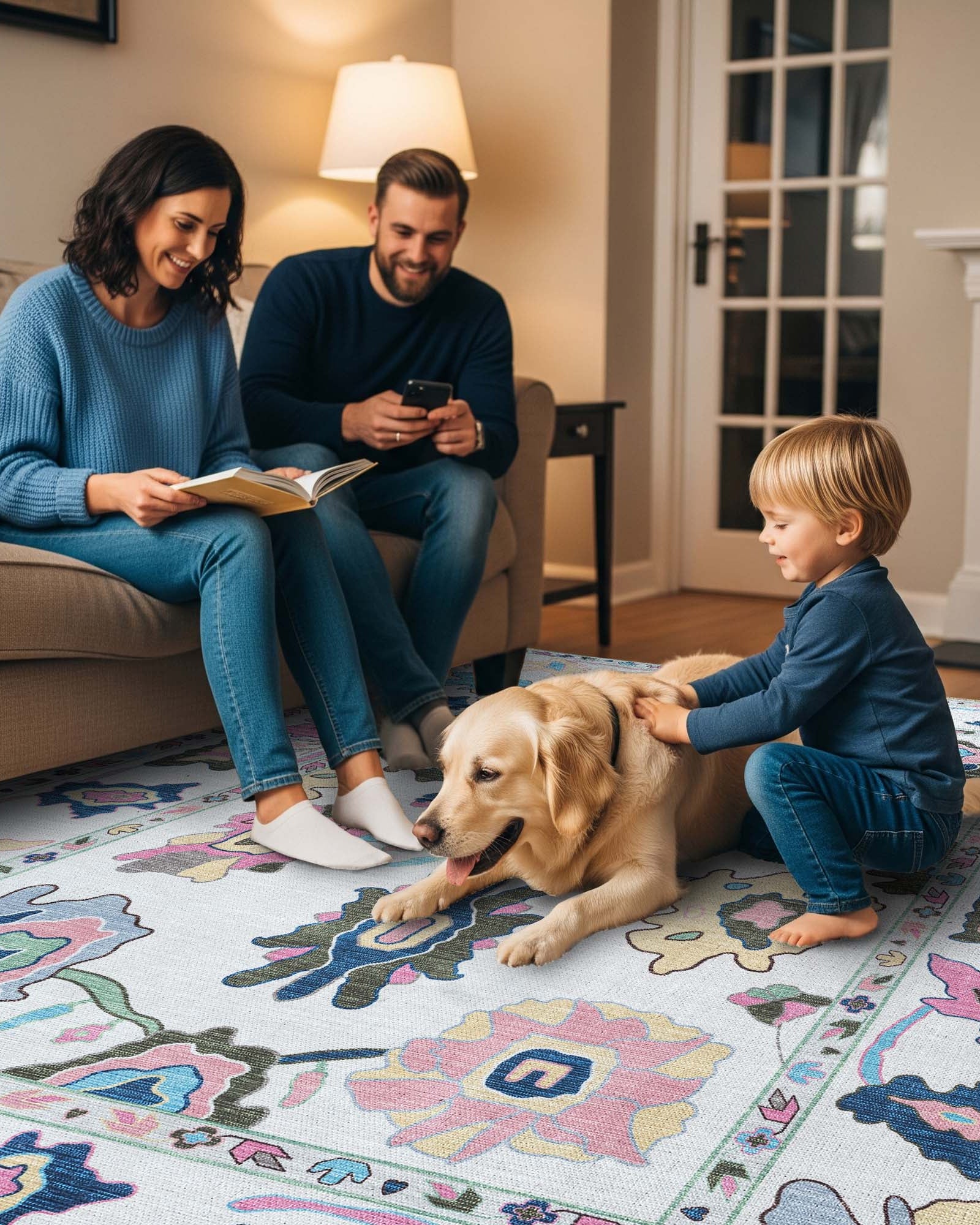
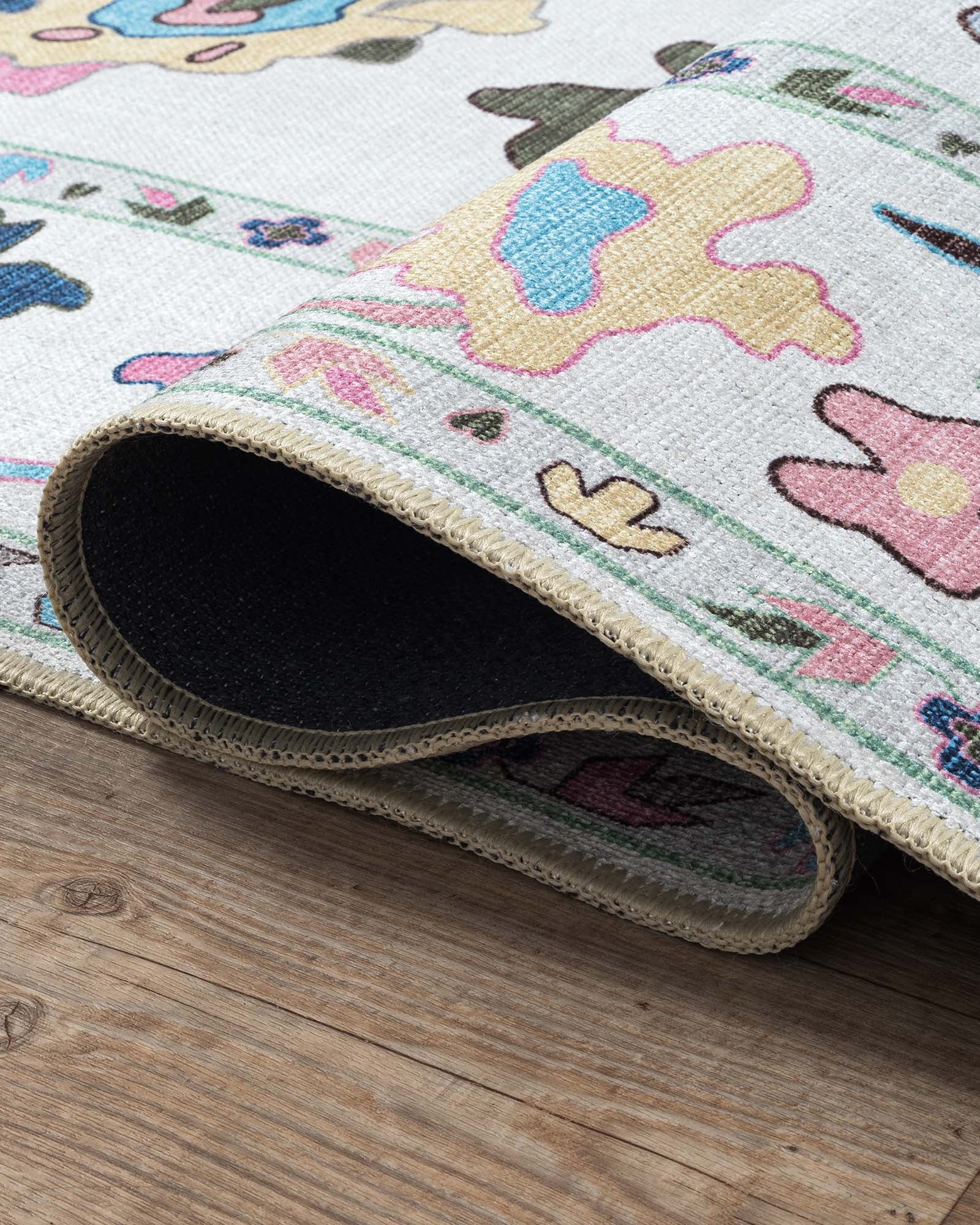
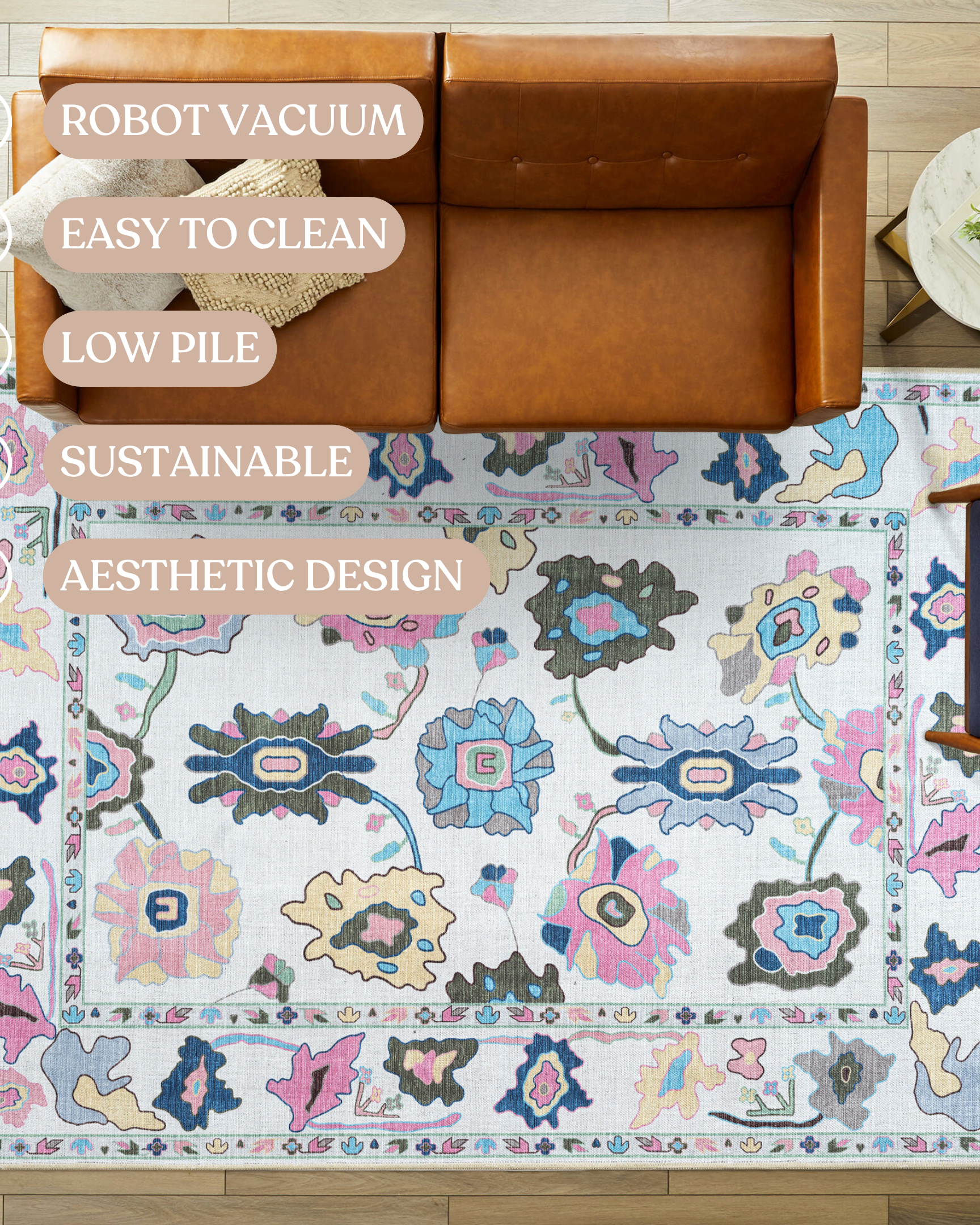
A bedroom rug has to do more than look good — it's the surface your bare feet meet first thing every morning, and the right construction depends on what you actually want from it. This page gathers handwoven options across the full range, from thick hand-knotted pile to light flatweave, since the best choice for a bedroom genuinely varies by priority rather than having one correct answer.
Two Constructions, Two Different Bedrooms
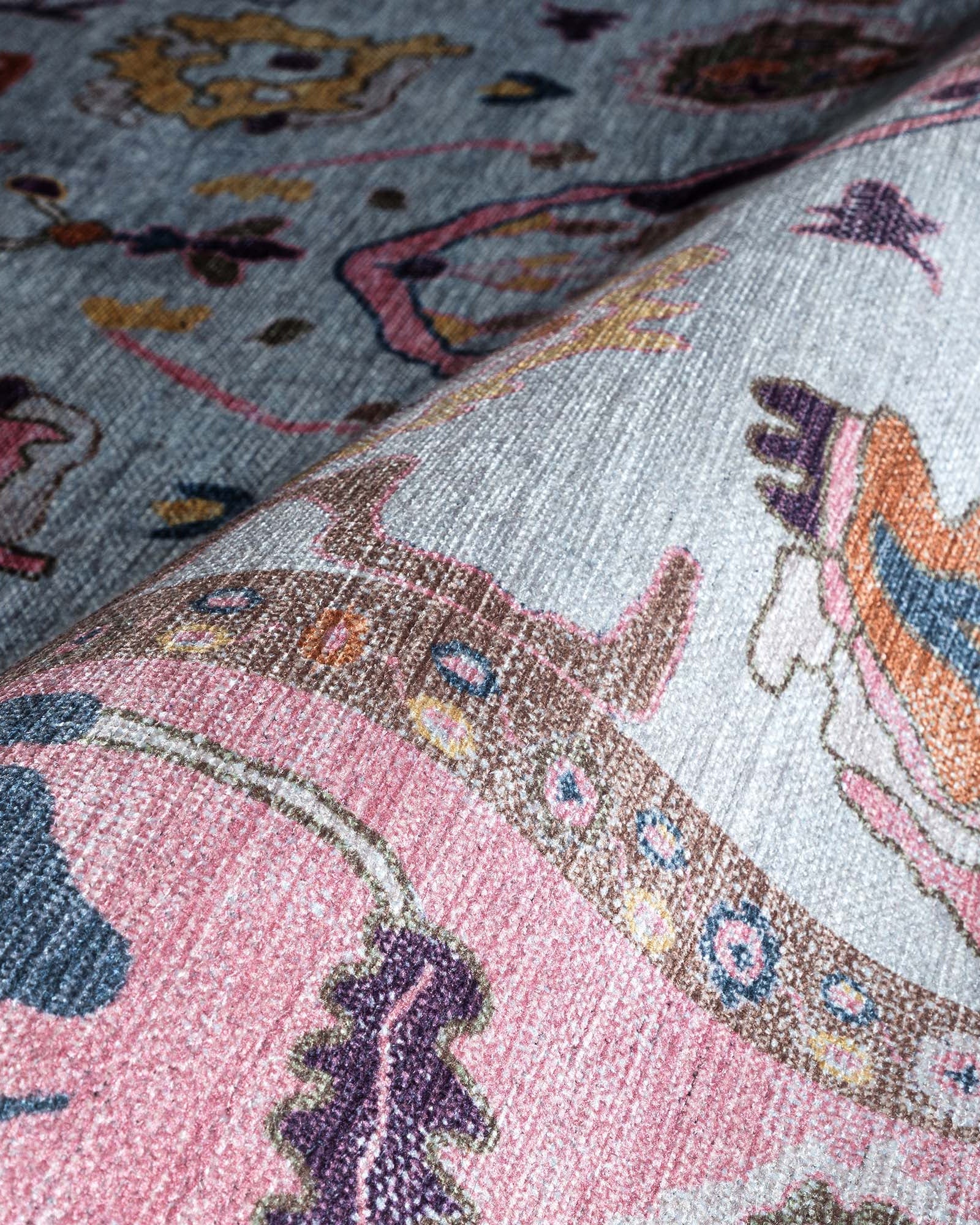
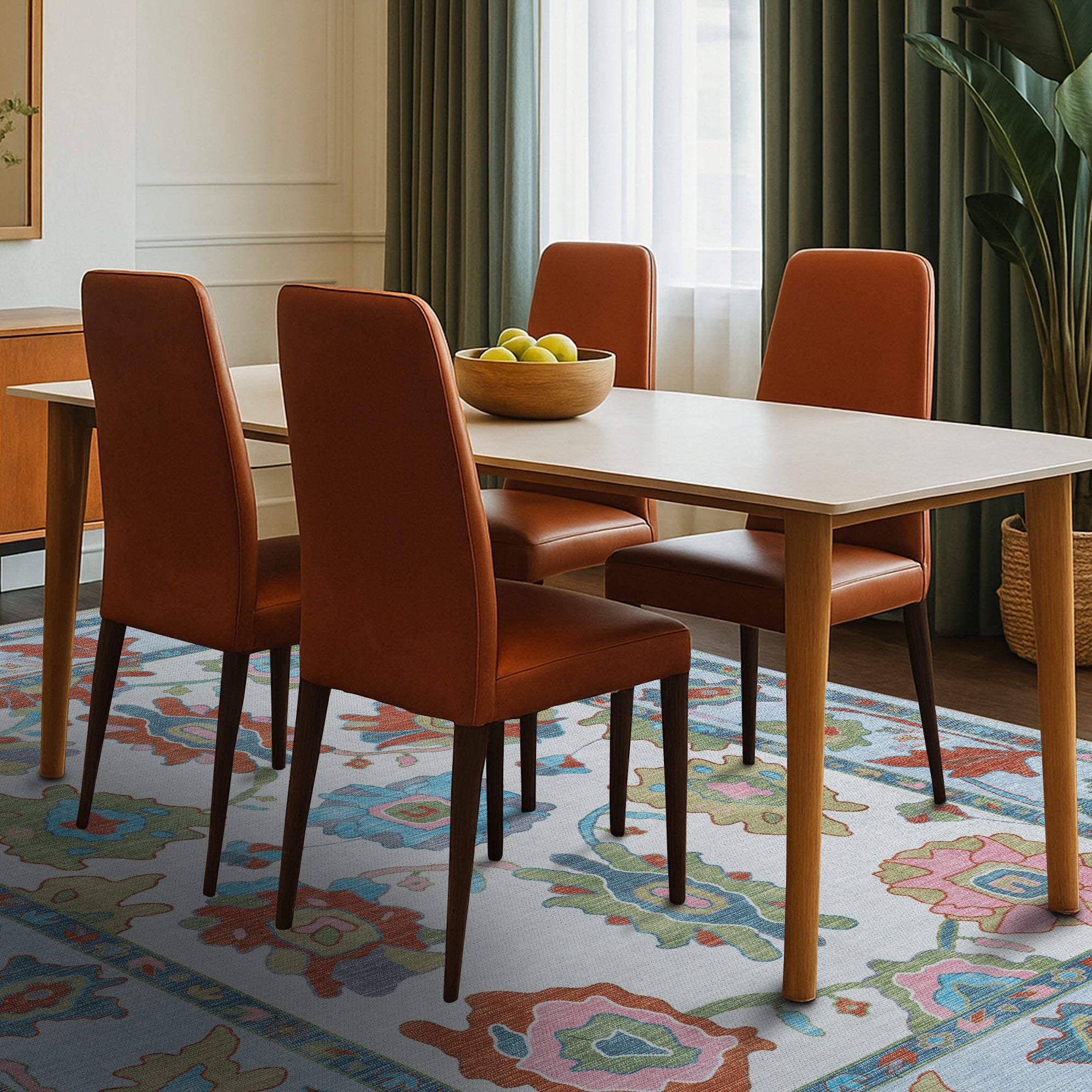
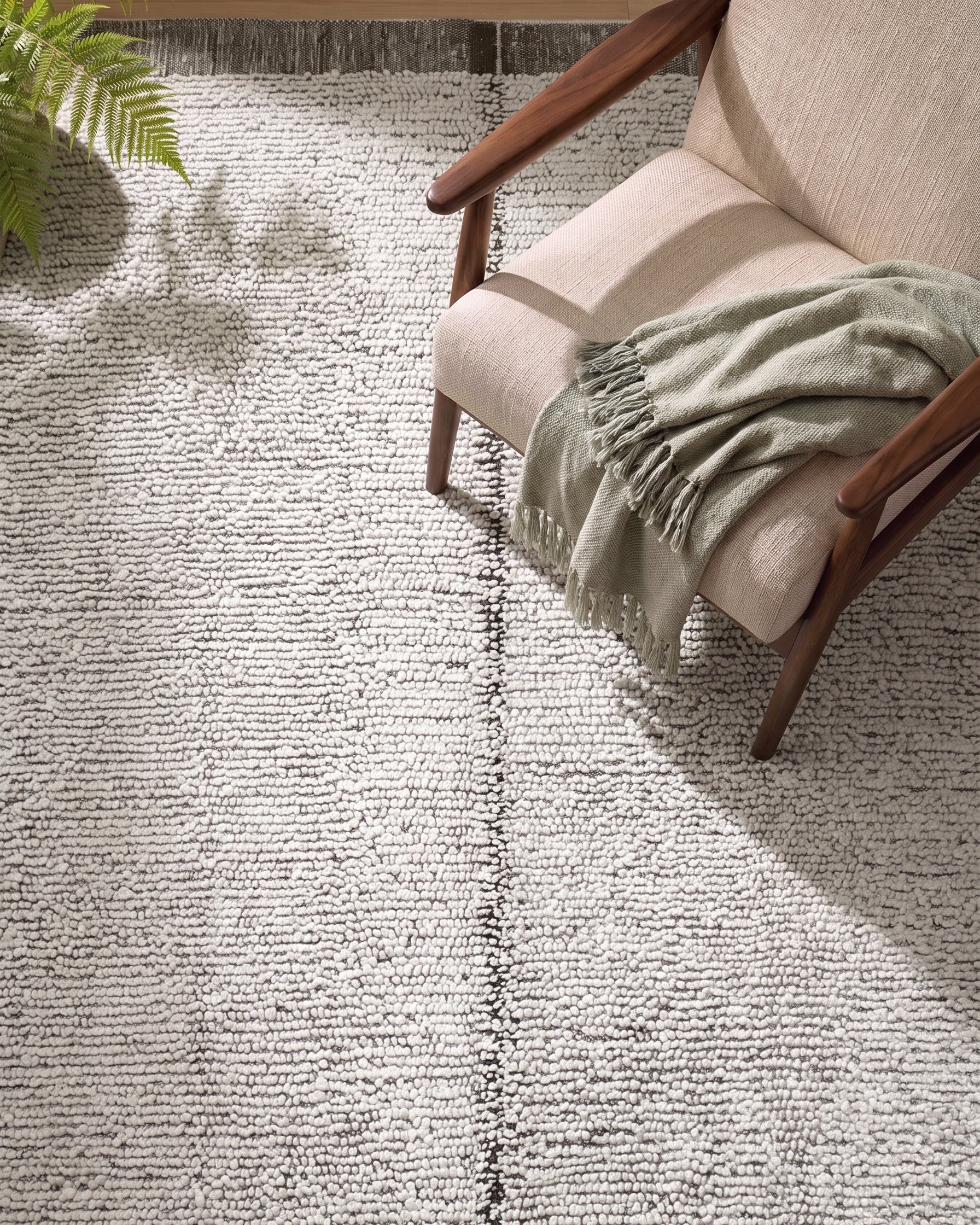
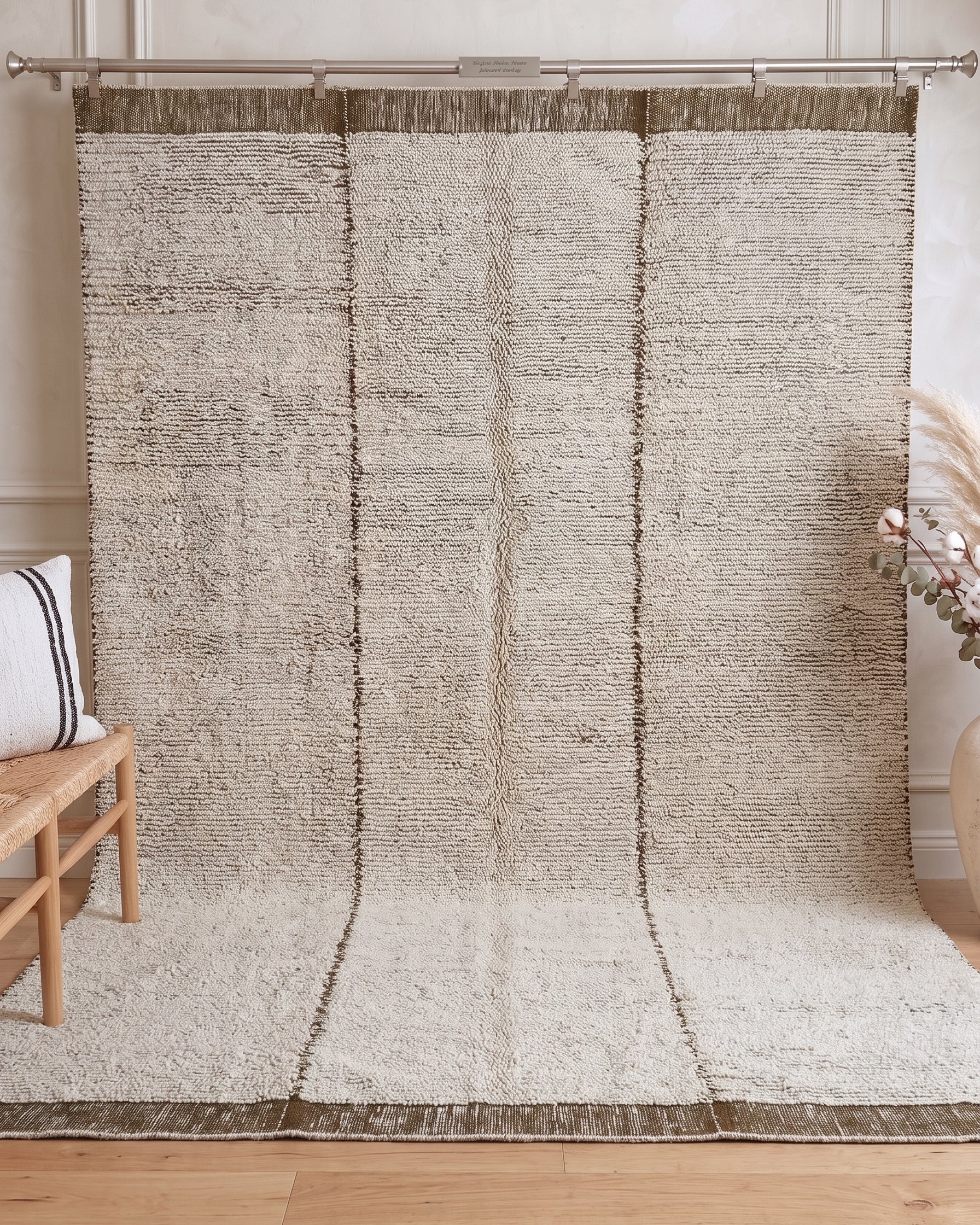
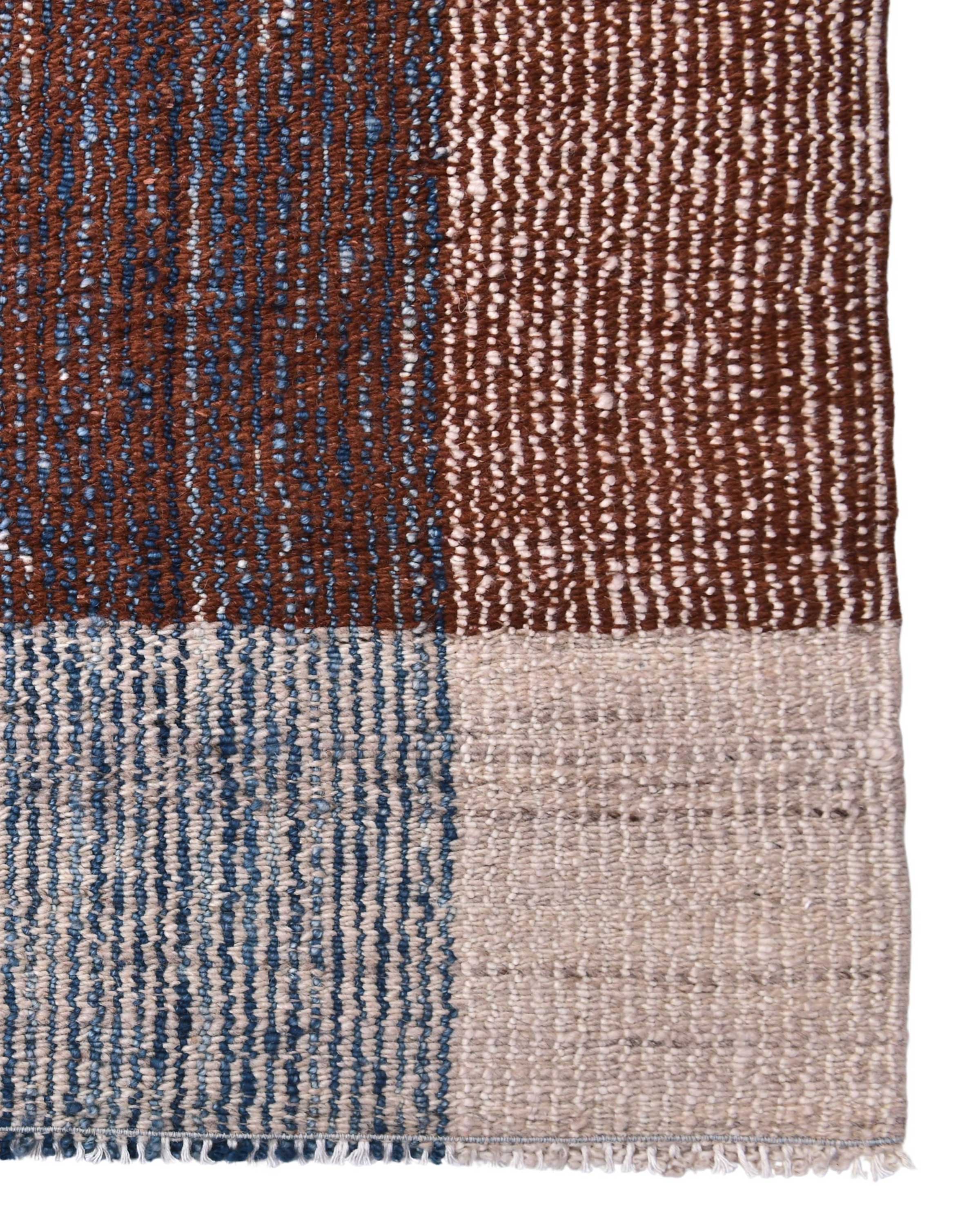
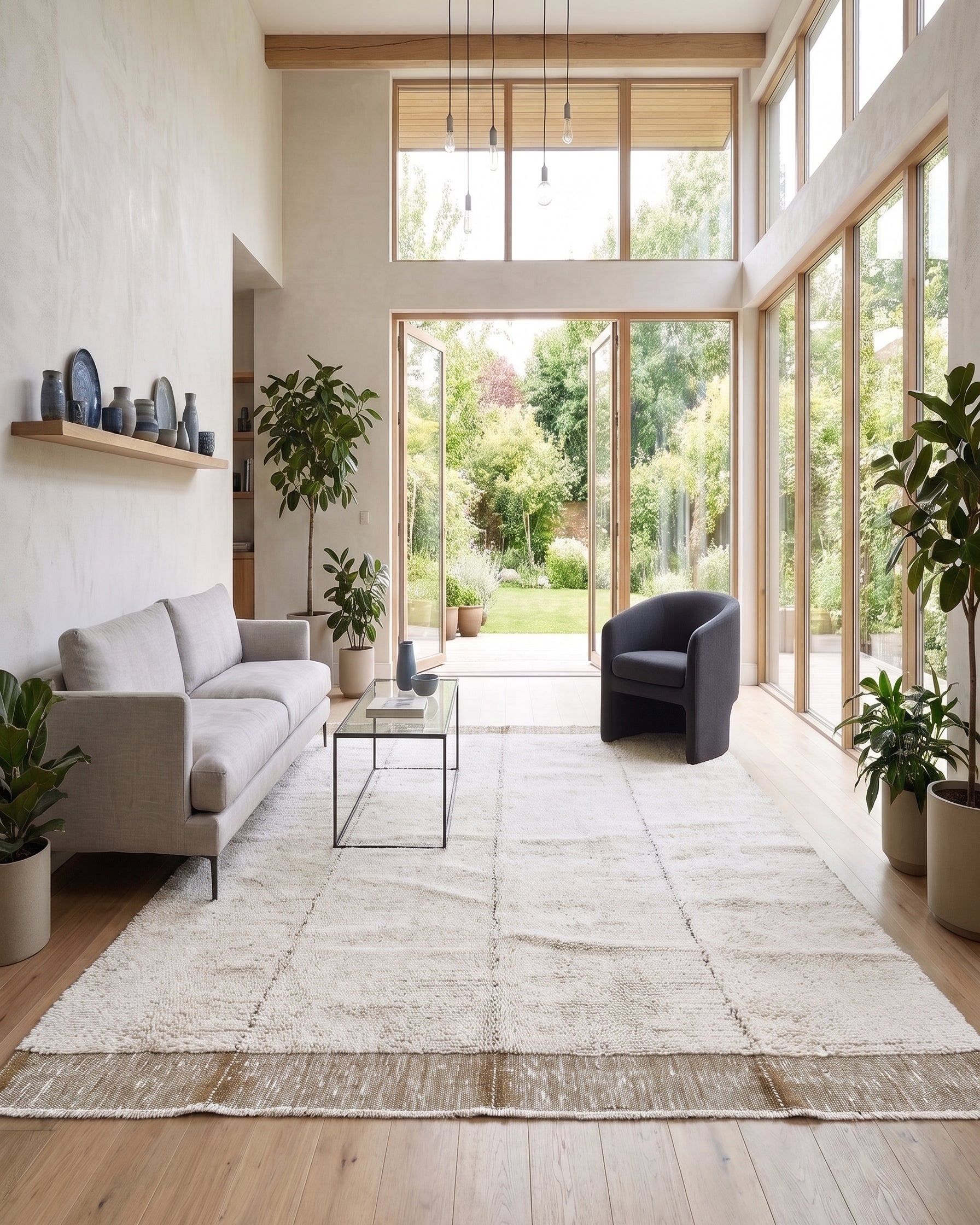
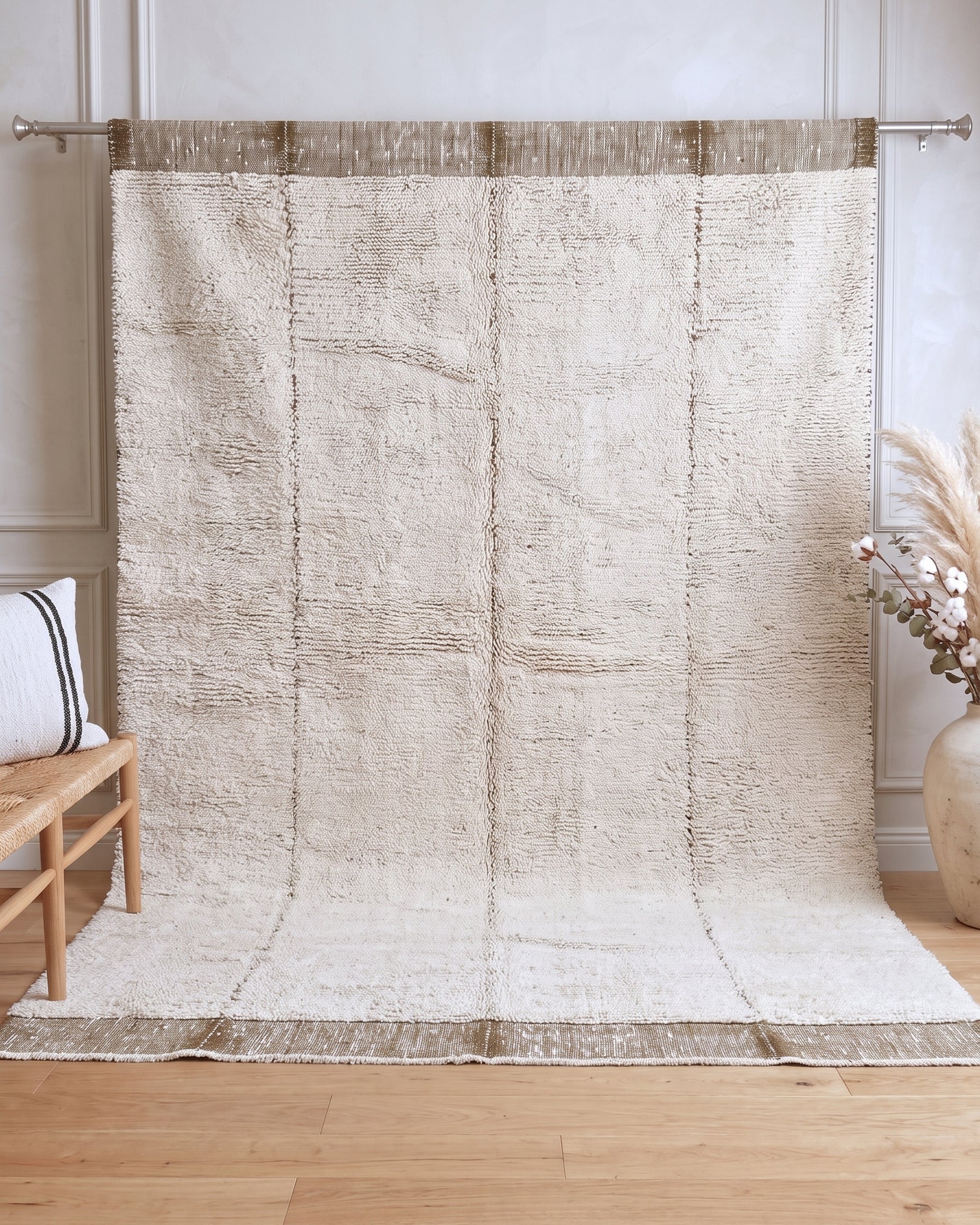
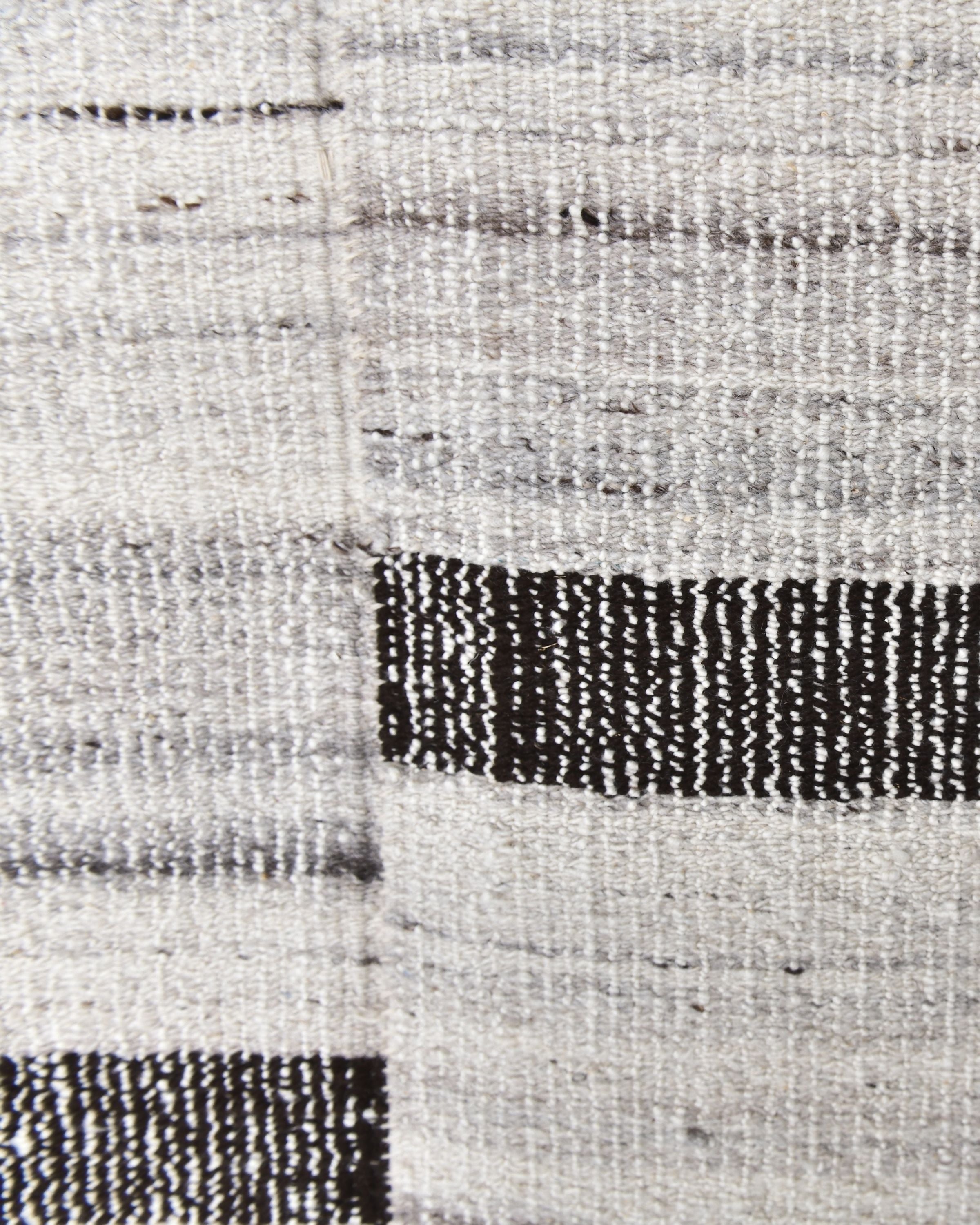
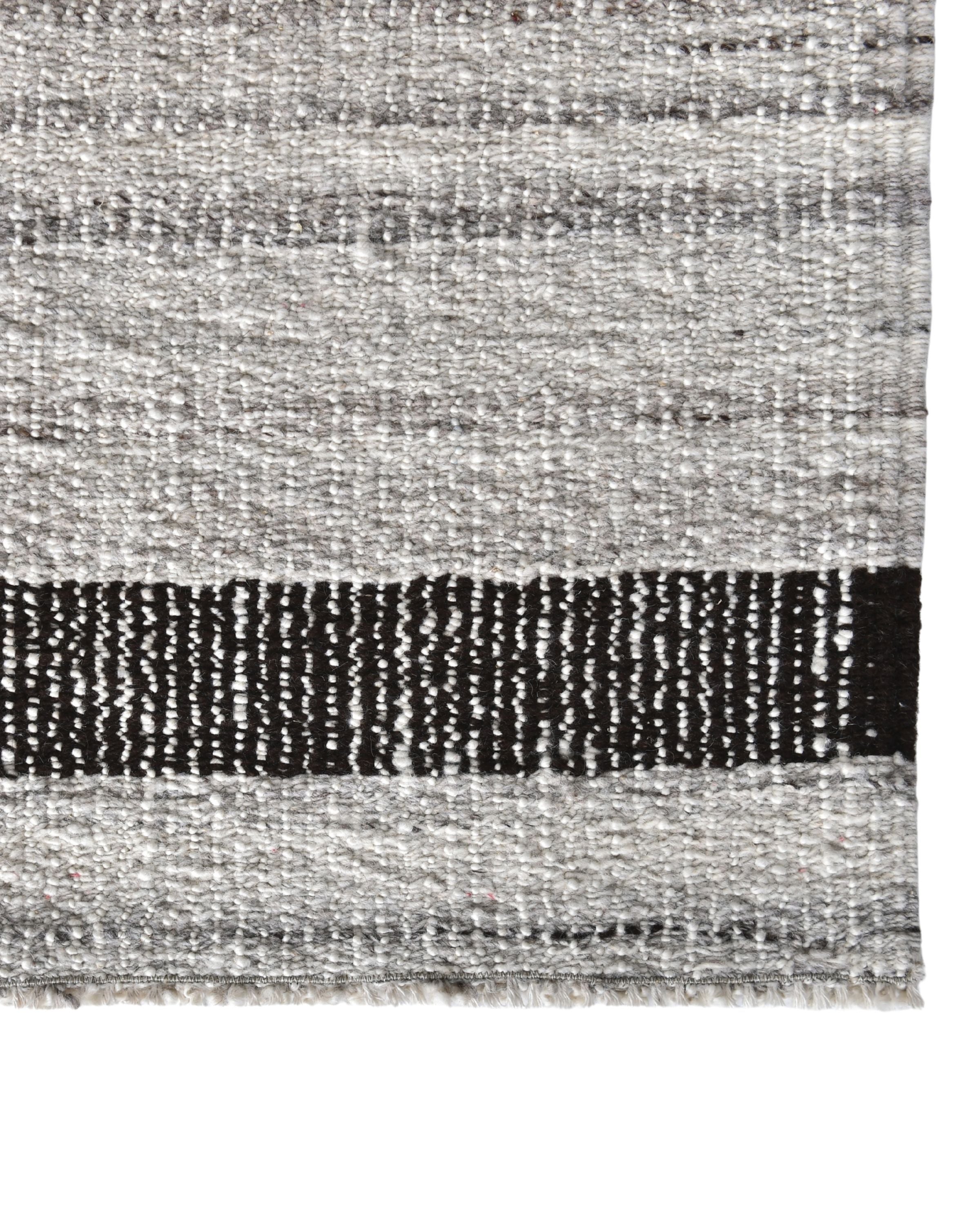
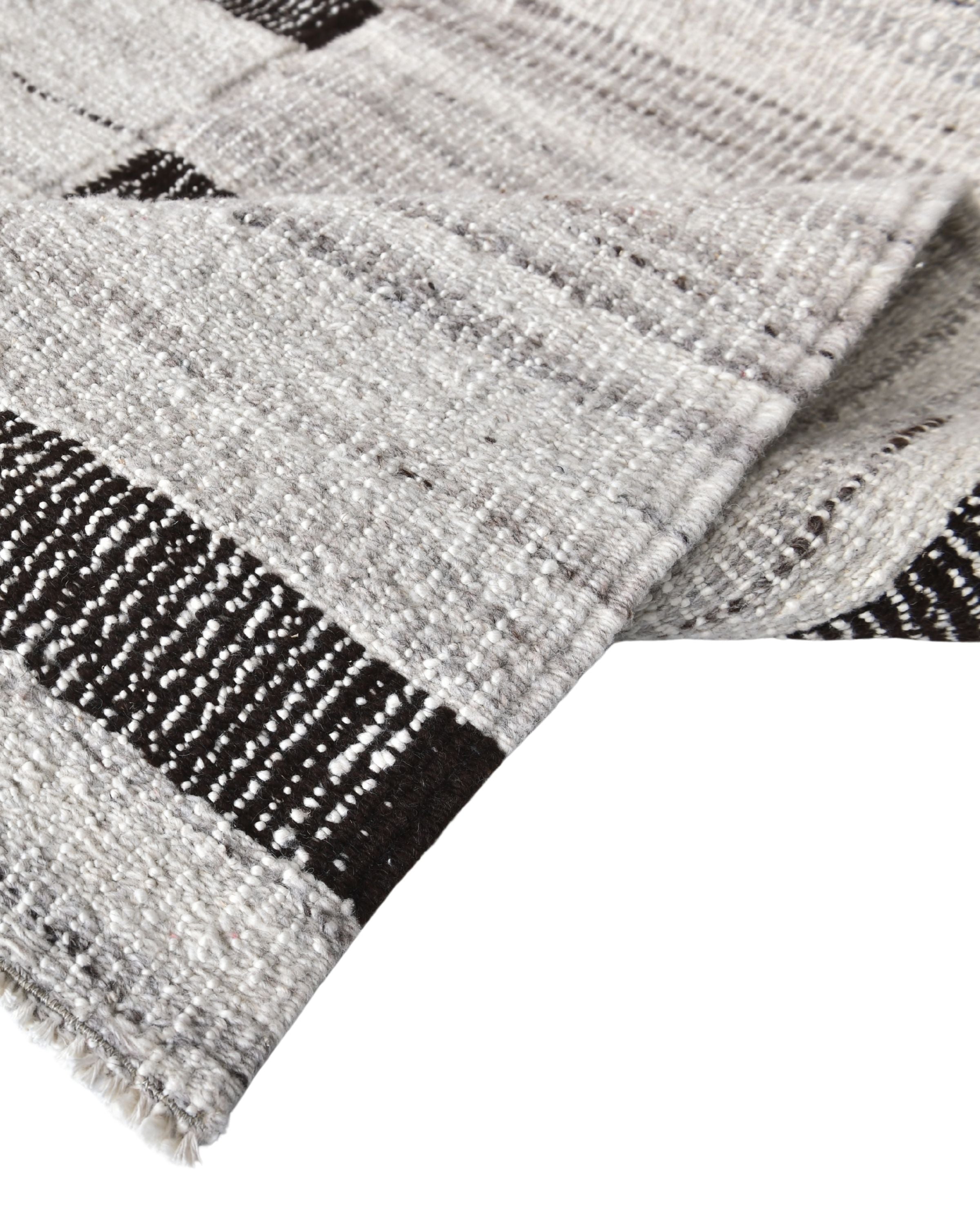
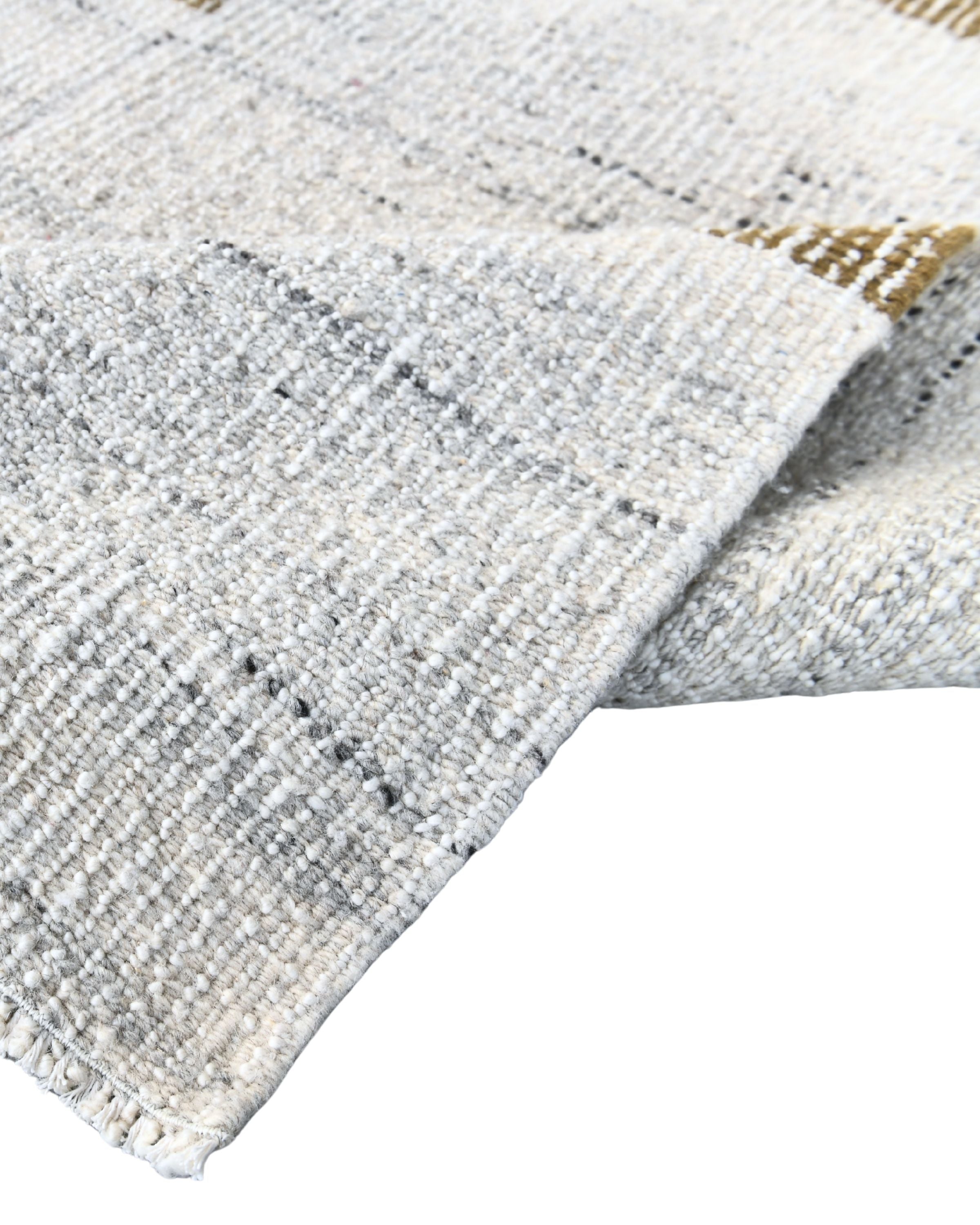
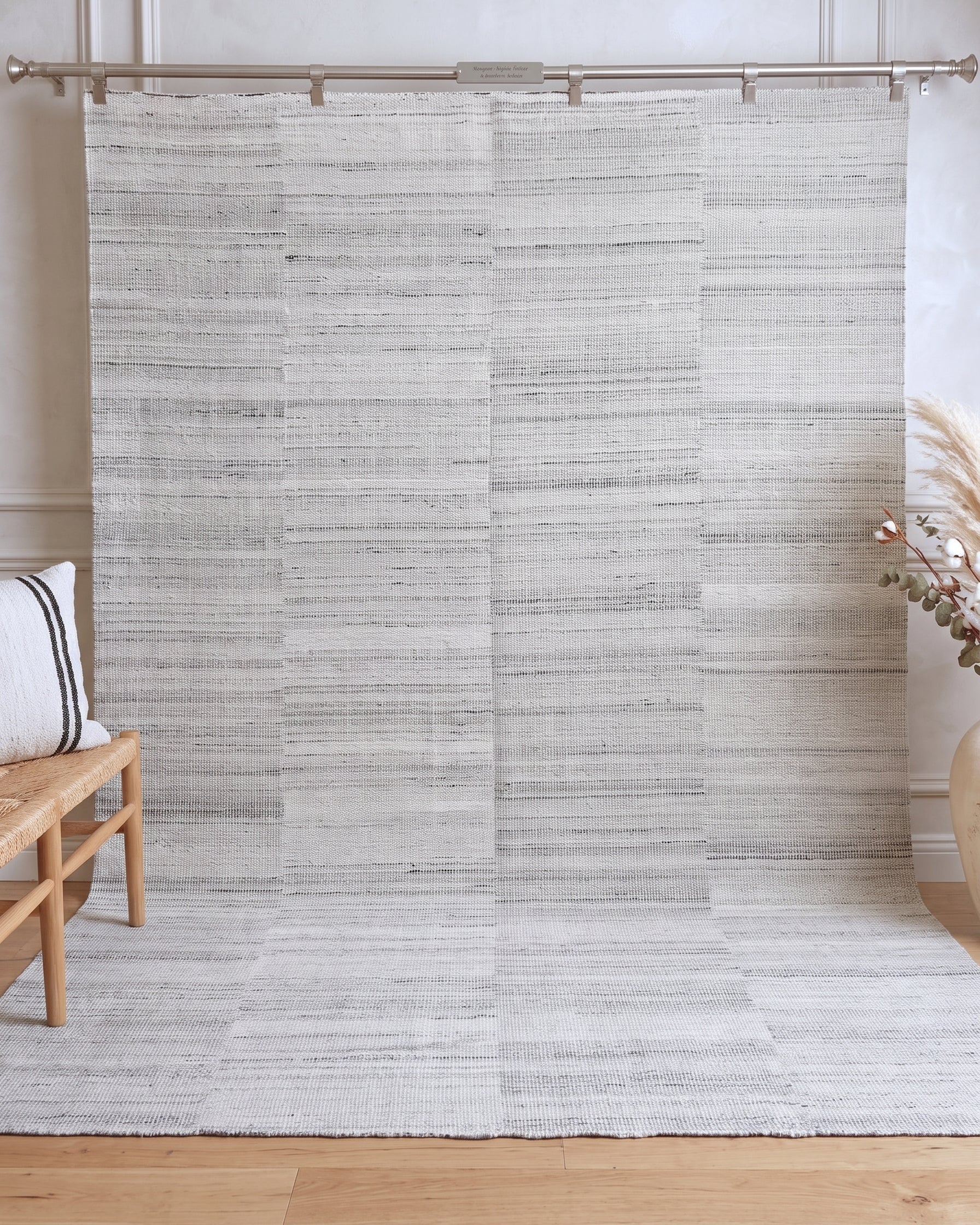
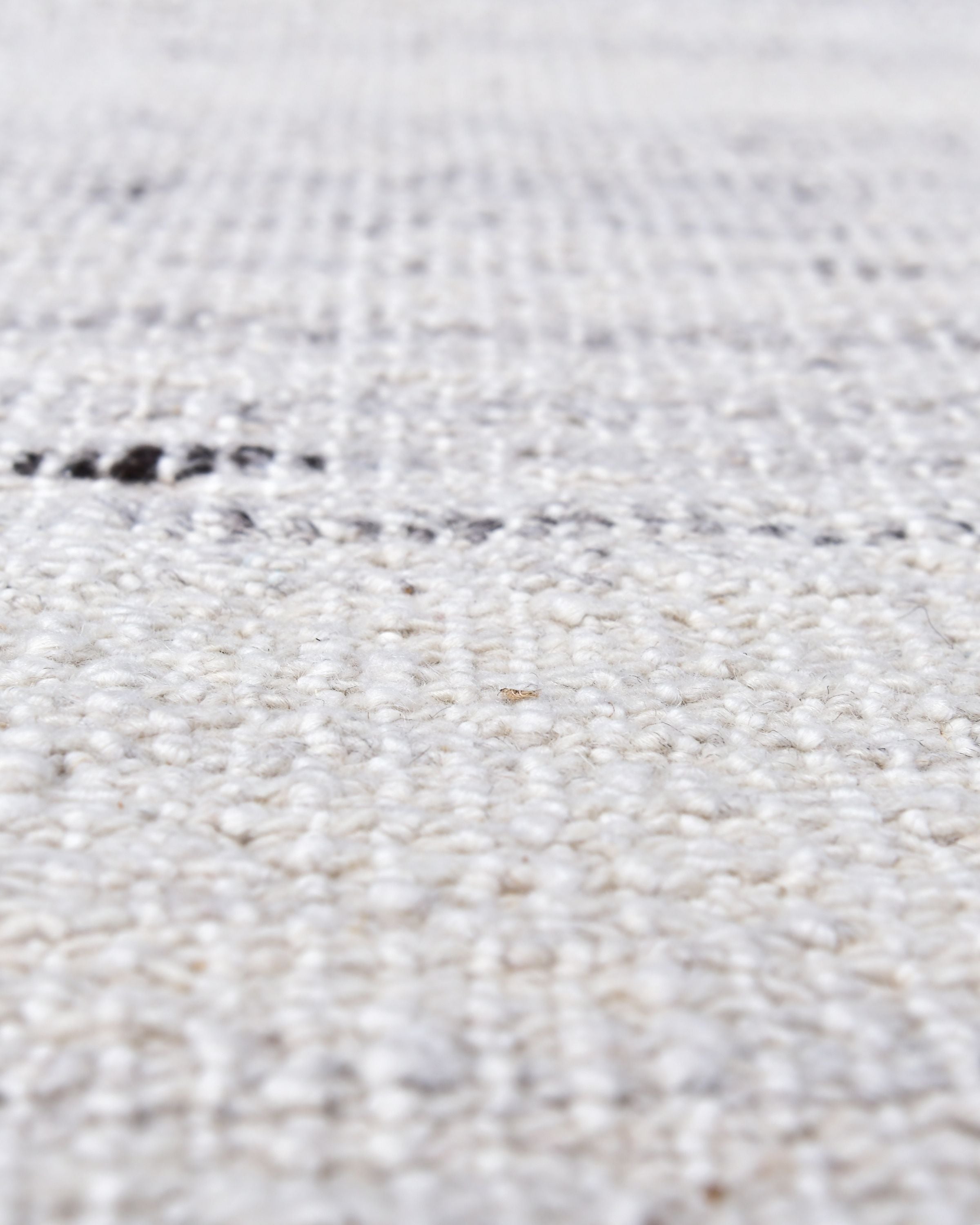
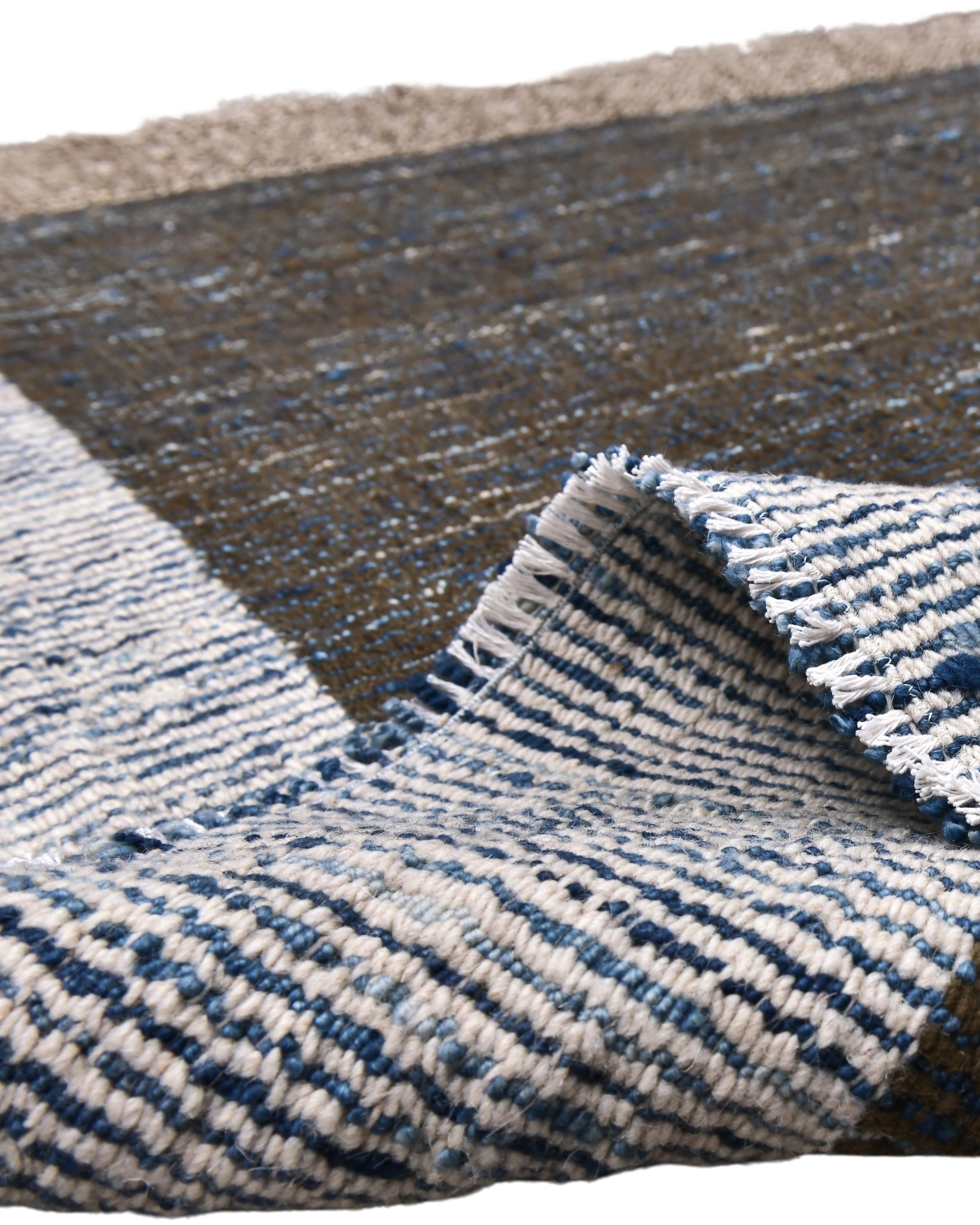
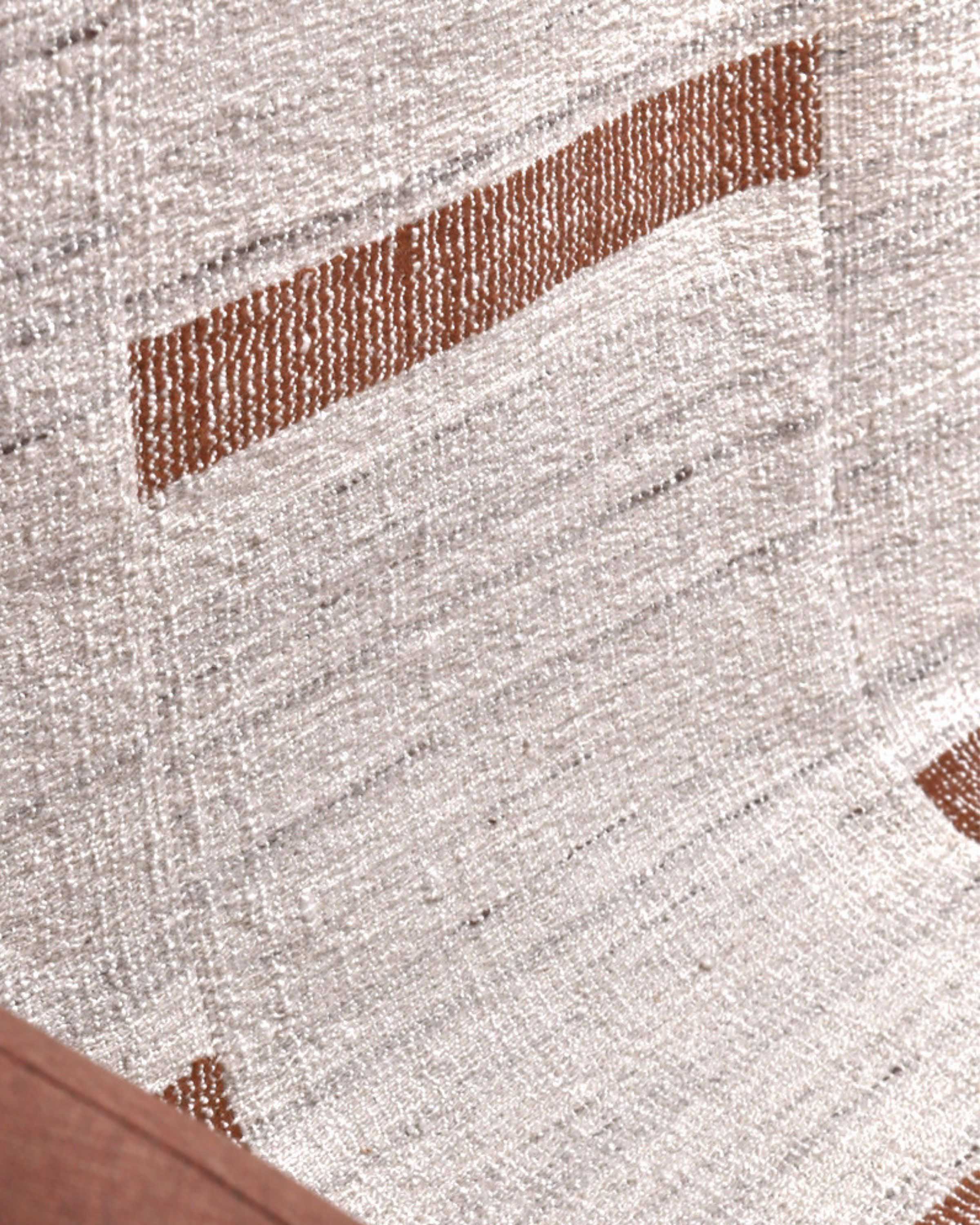
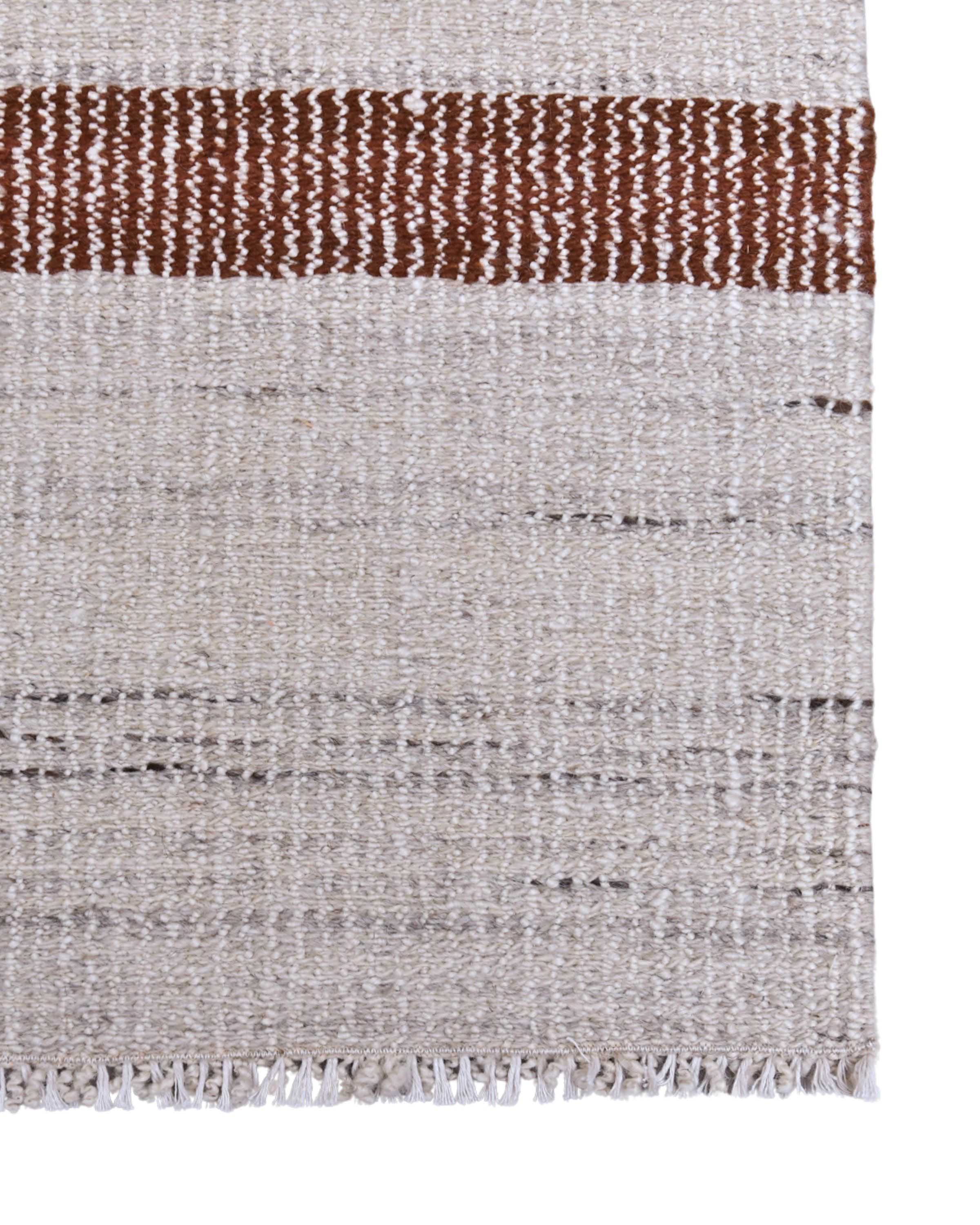
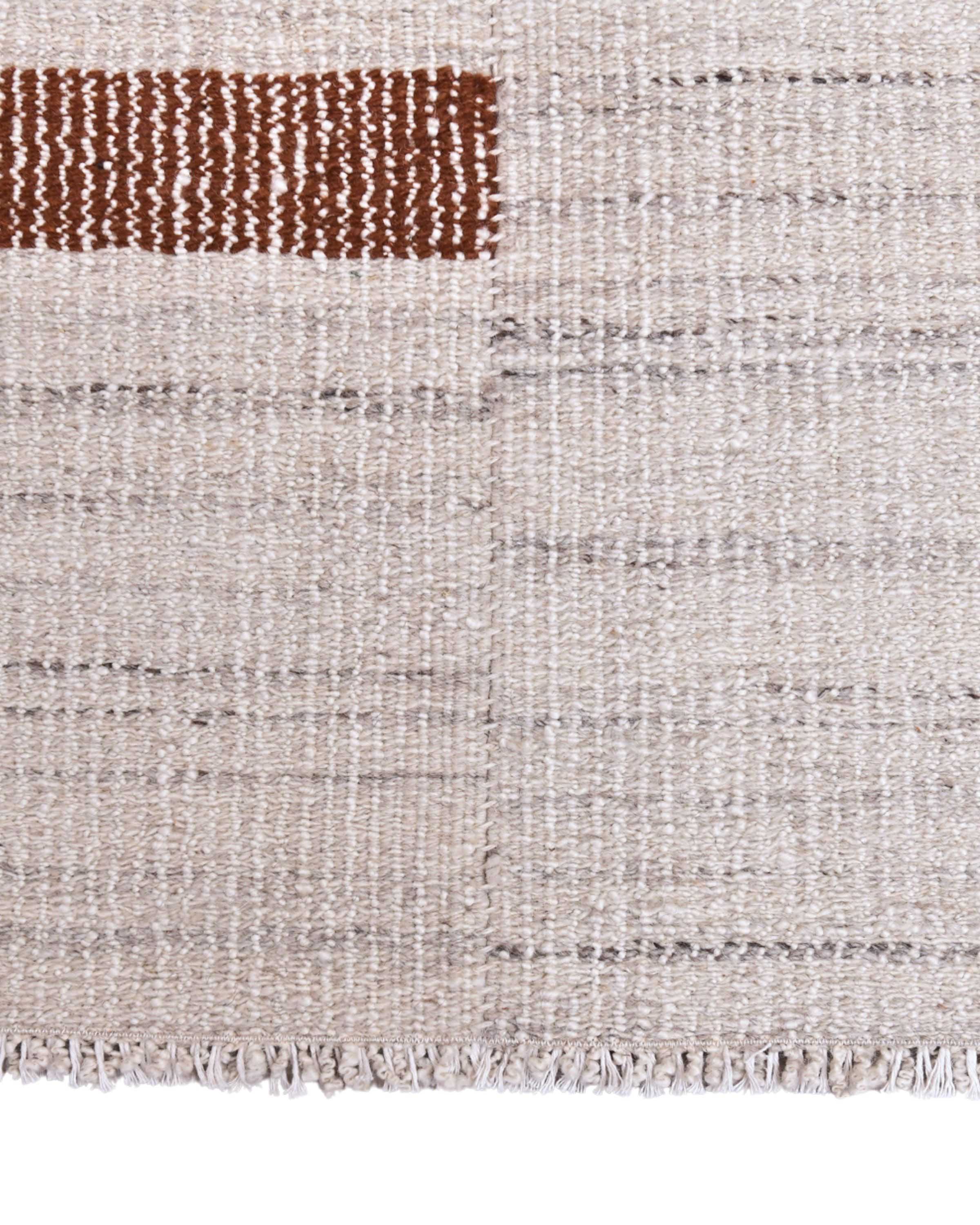
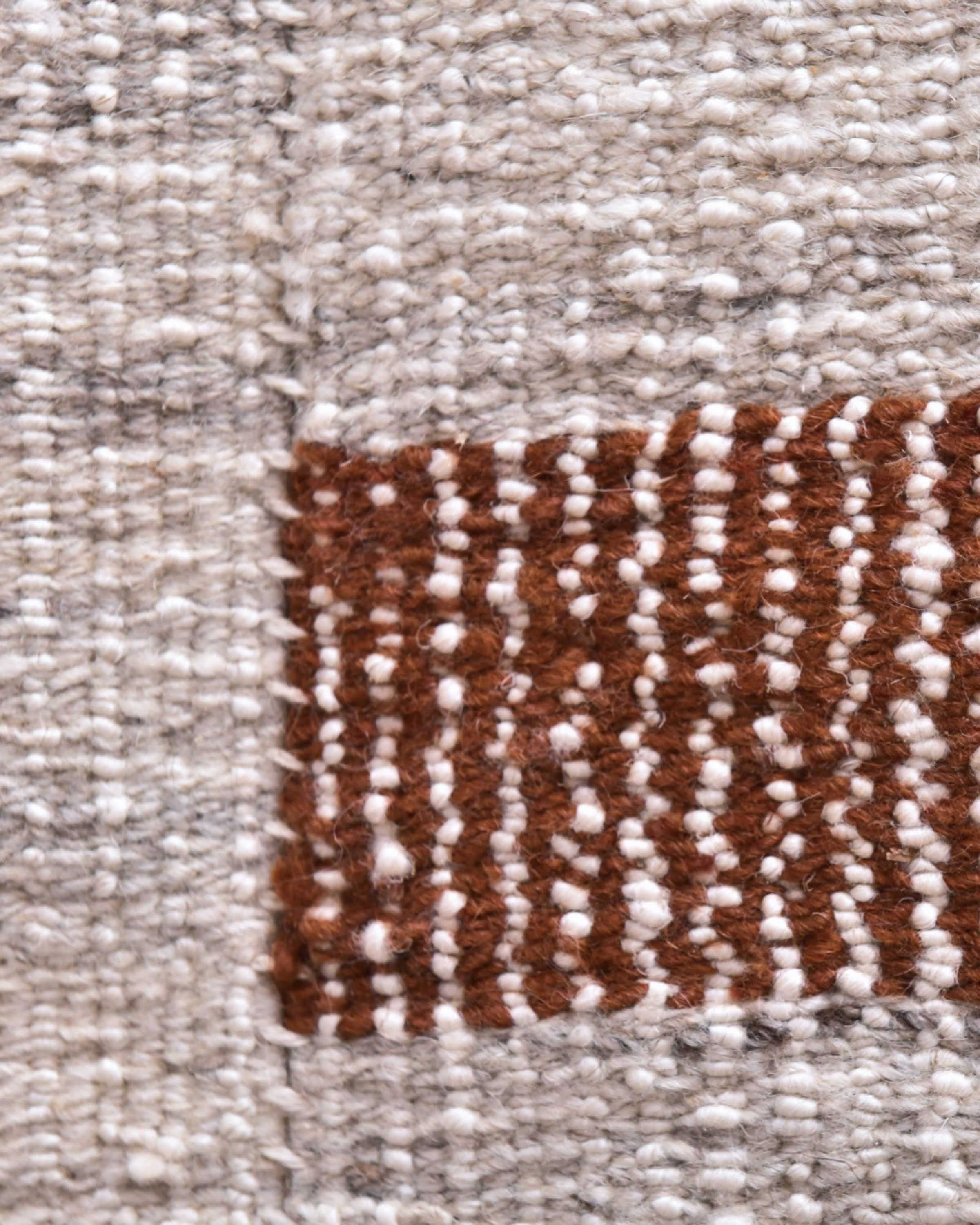
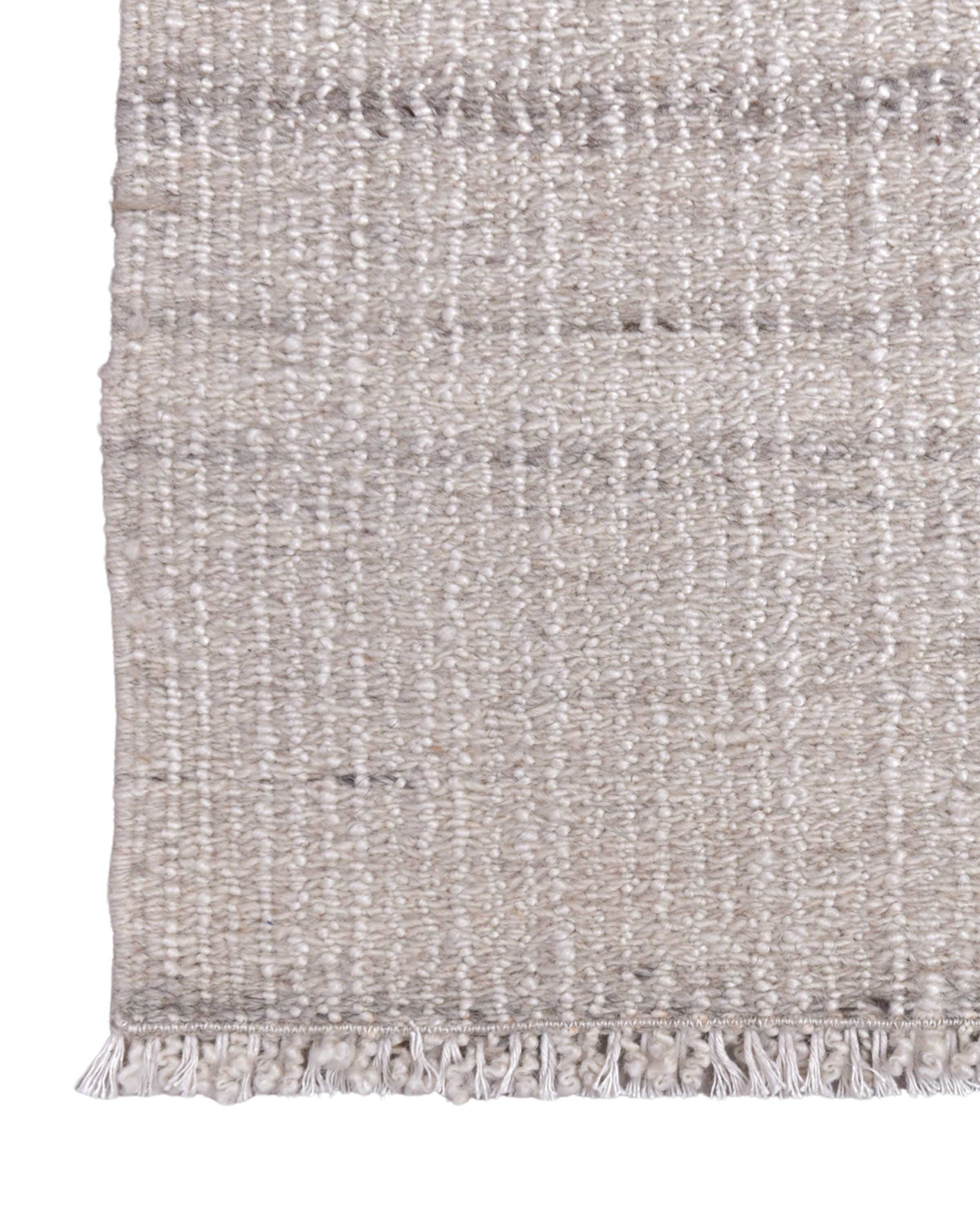
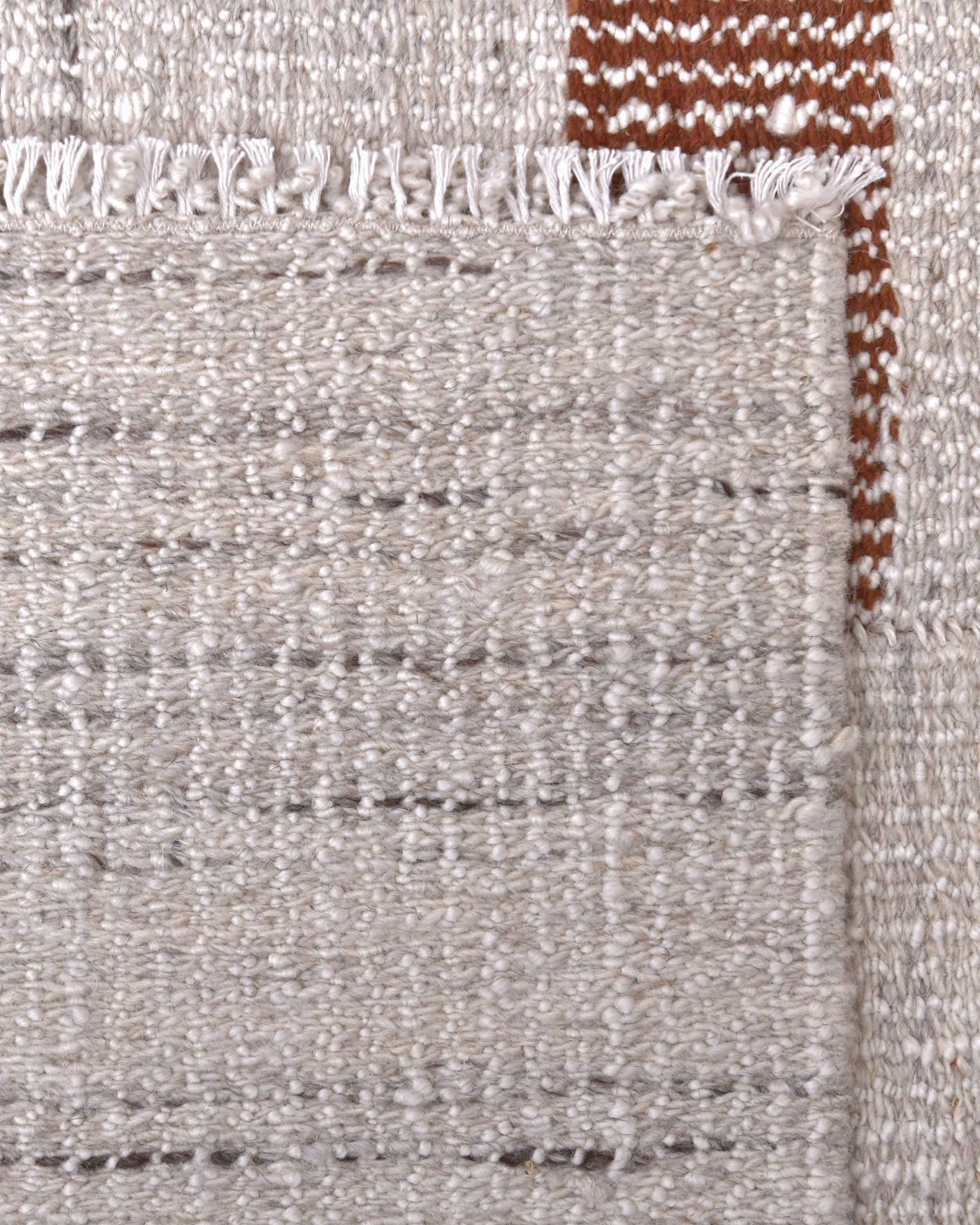
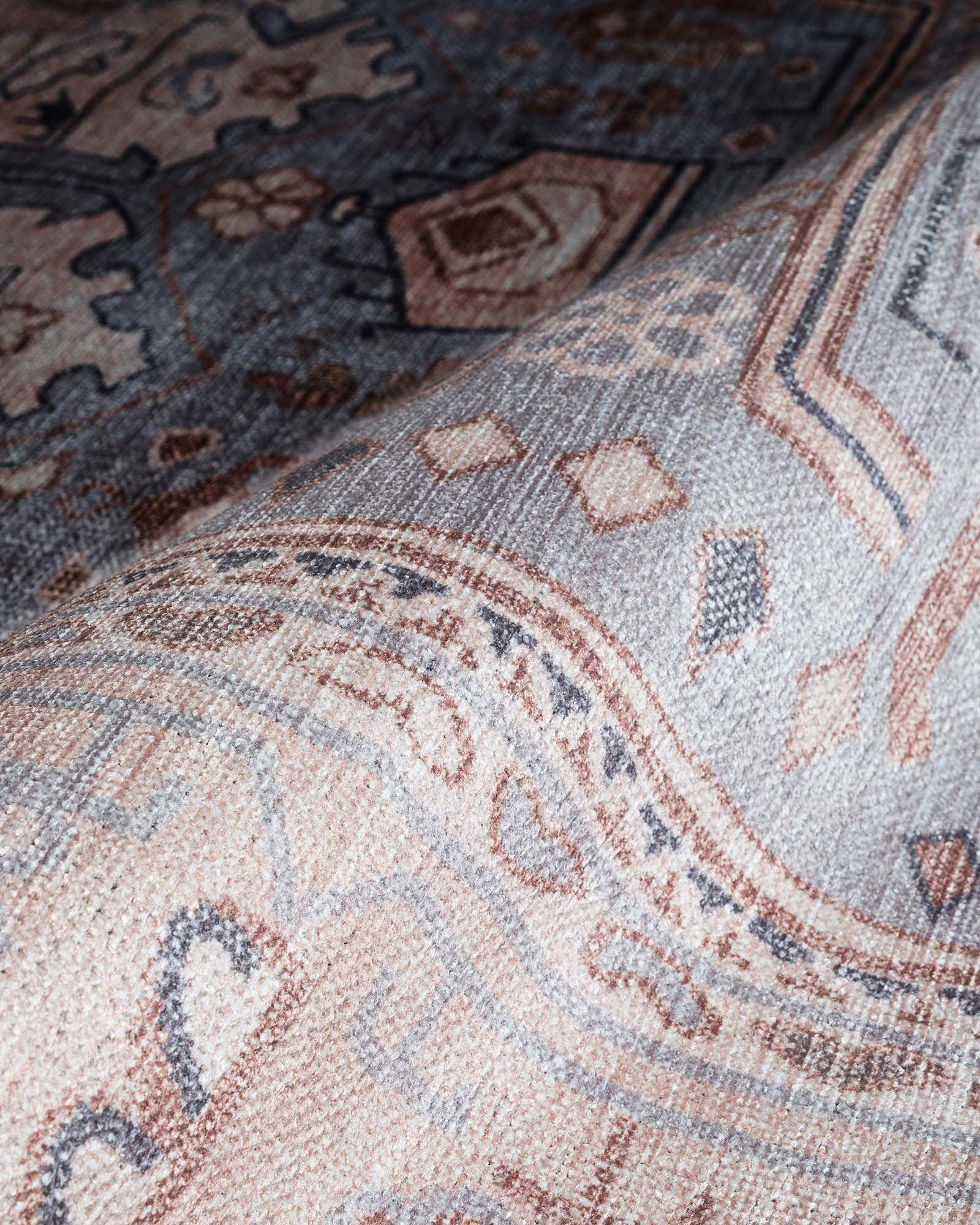
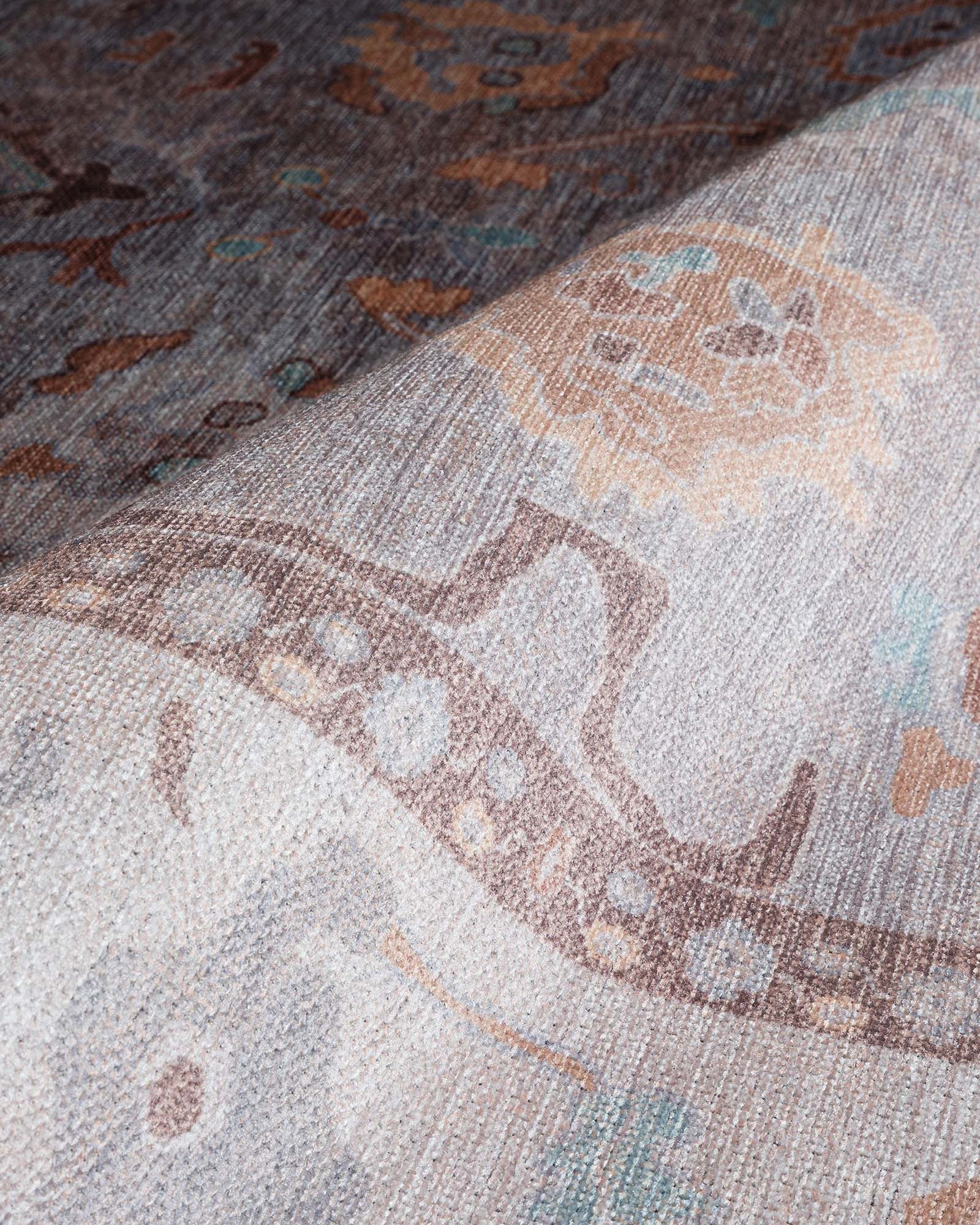
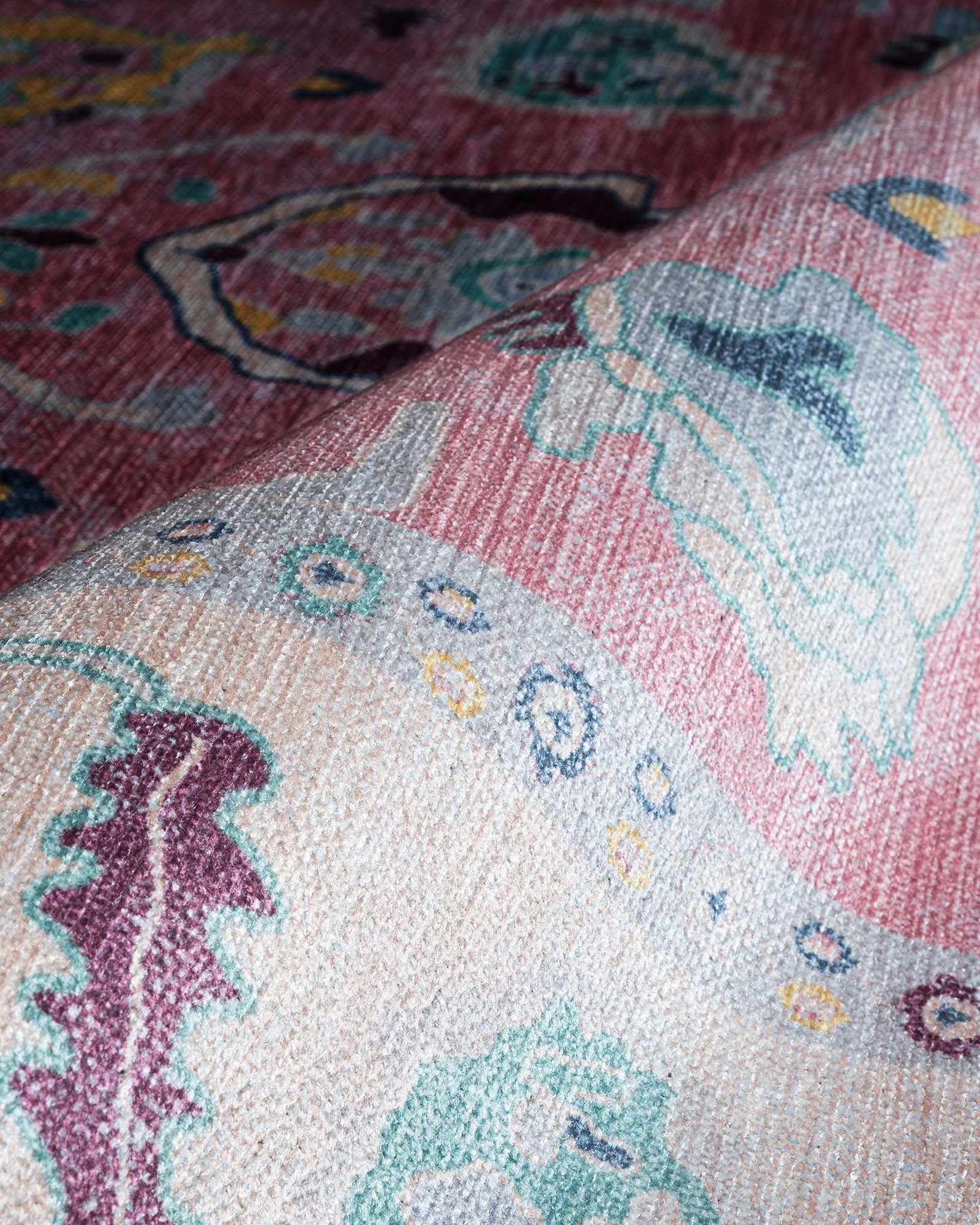
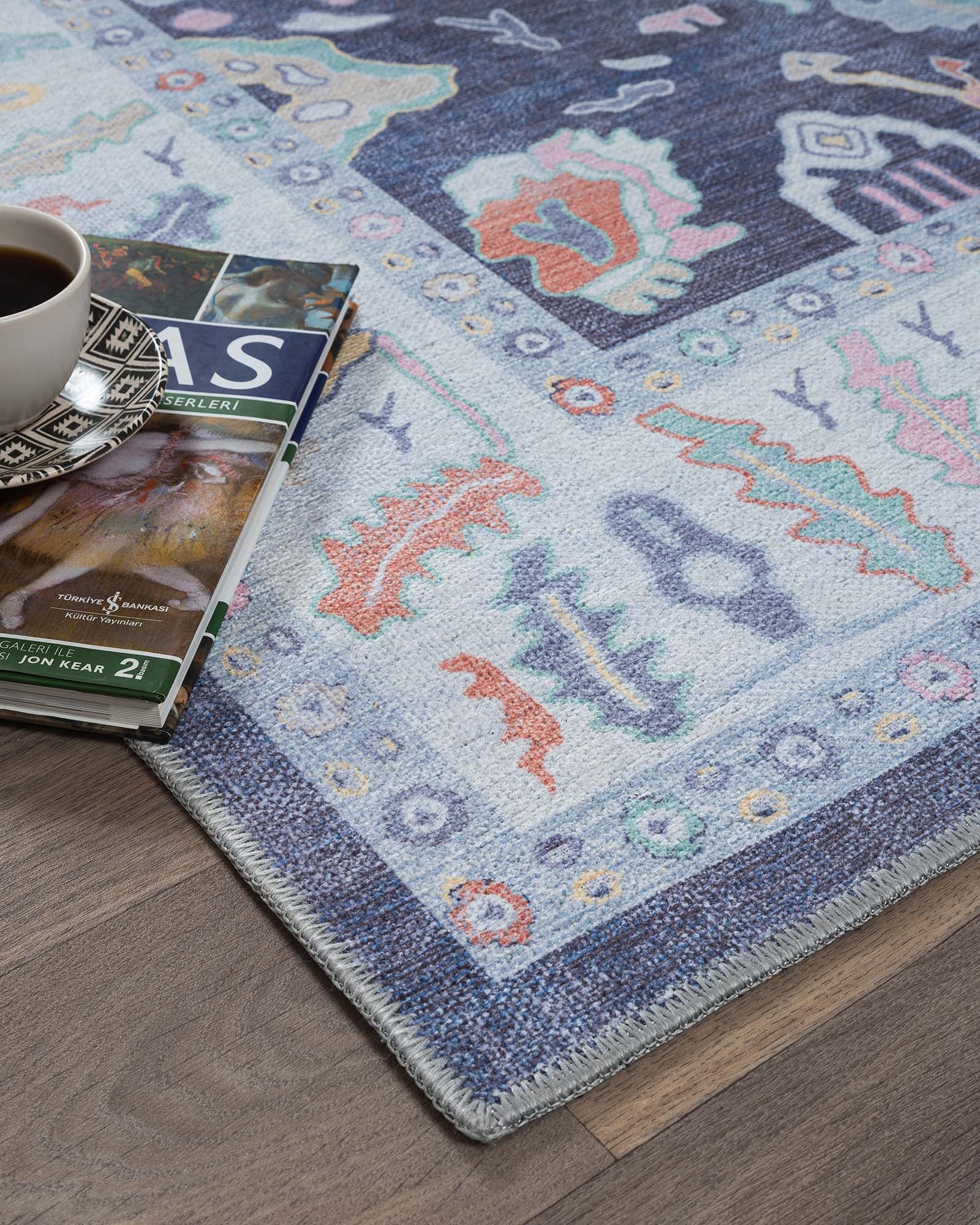
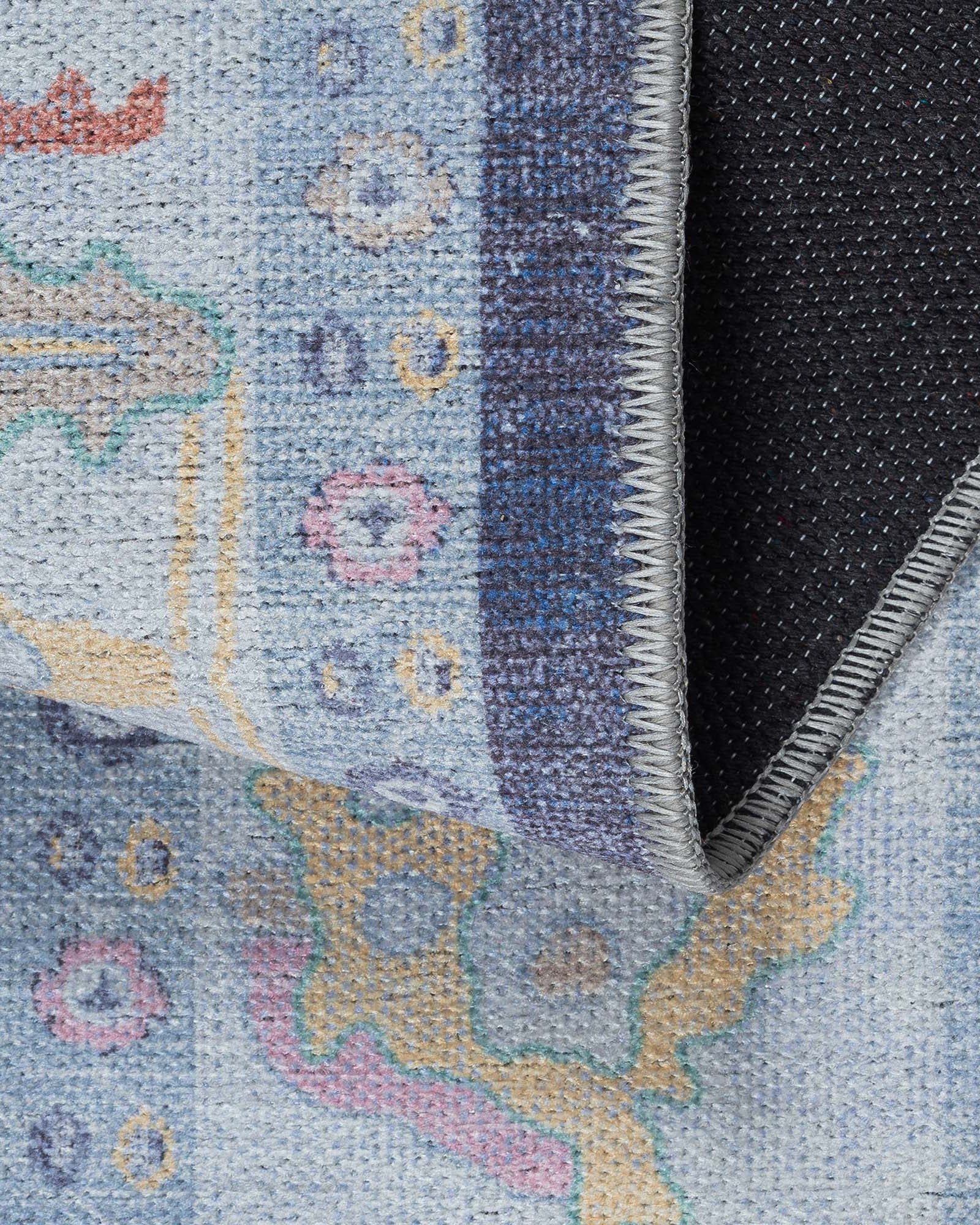
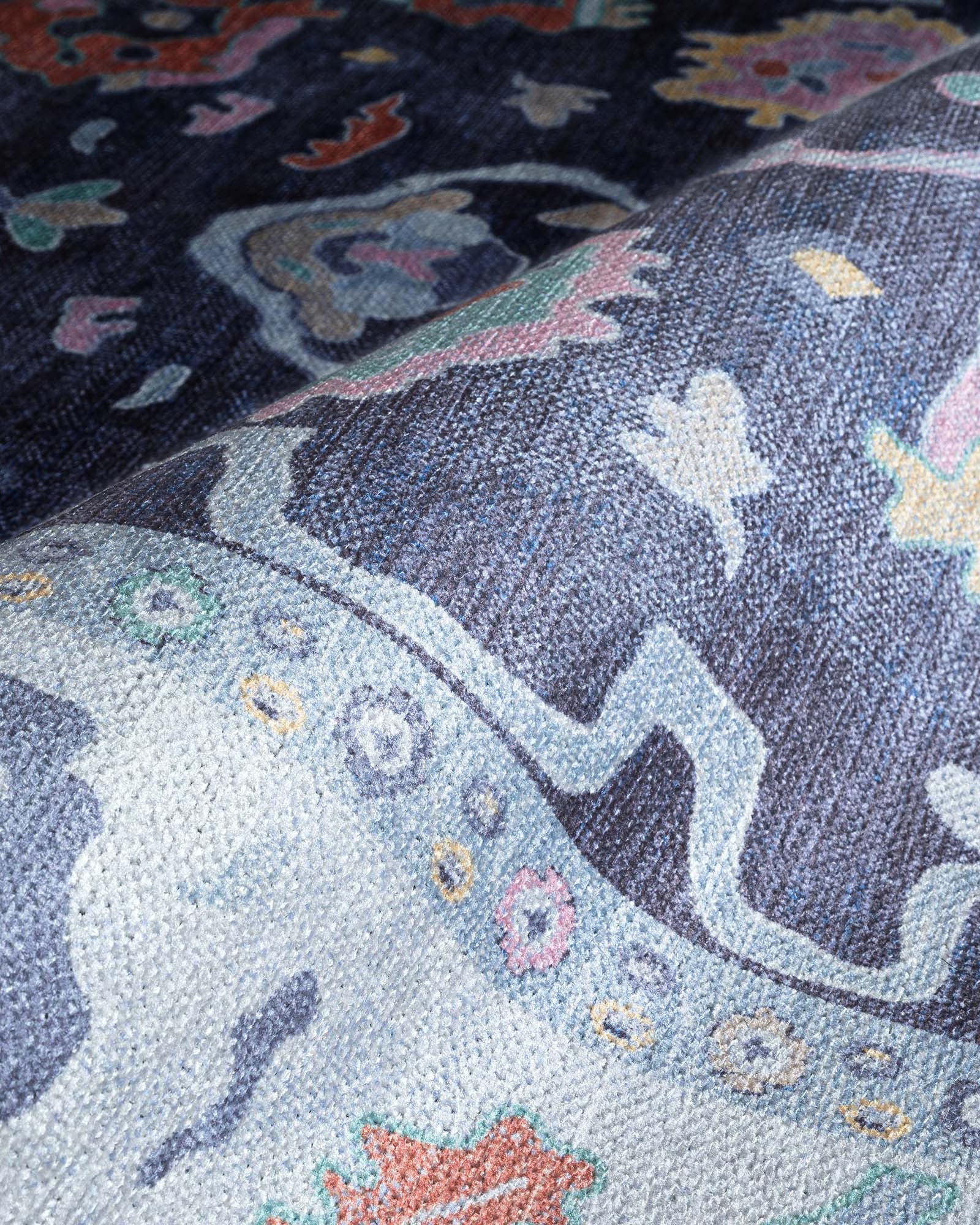
Hand-knotted pile rugs give real cushioning and warmth underfoot, which is what most people actually want from a bedroom floor. A rug with genuine pile height — from our High Pile Rugs or Tulu Rugs collections — turns the first steps of the morning into something soft rather than a shock of cold, hard floor. Flatweaves trade that cushioning for lightness and flexibility: easier to reposition, better suited to layering over existing carpet, and a practical choice for a smaller room or a rental where full commitment isn't the goal.
Full Coverage or Beside the Bed
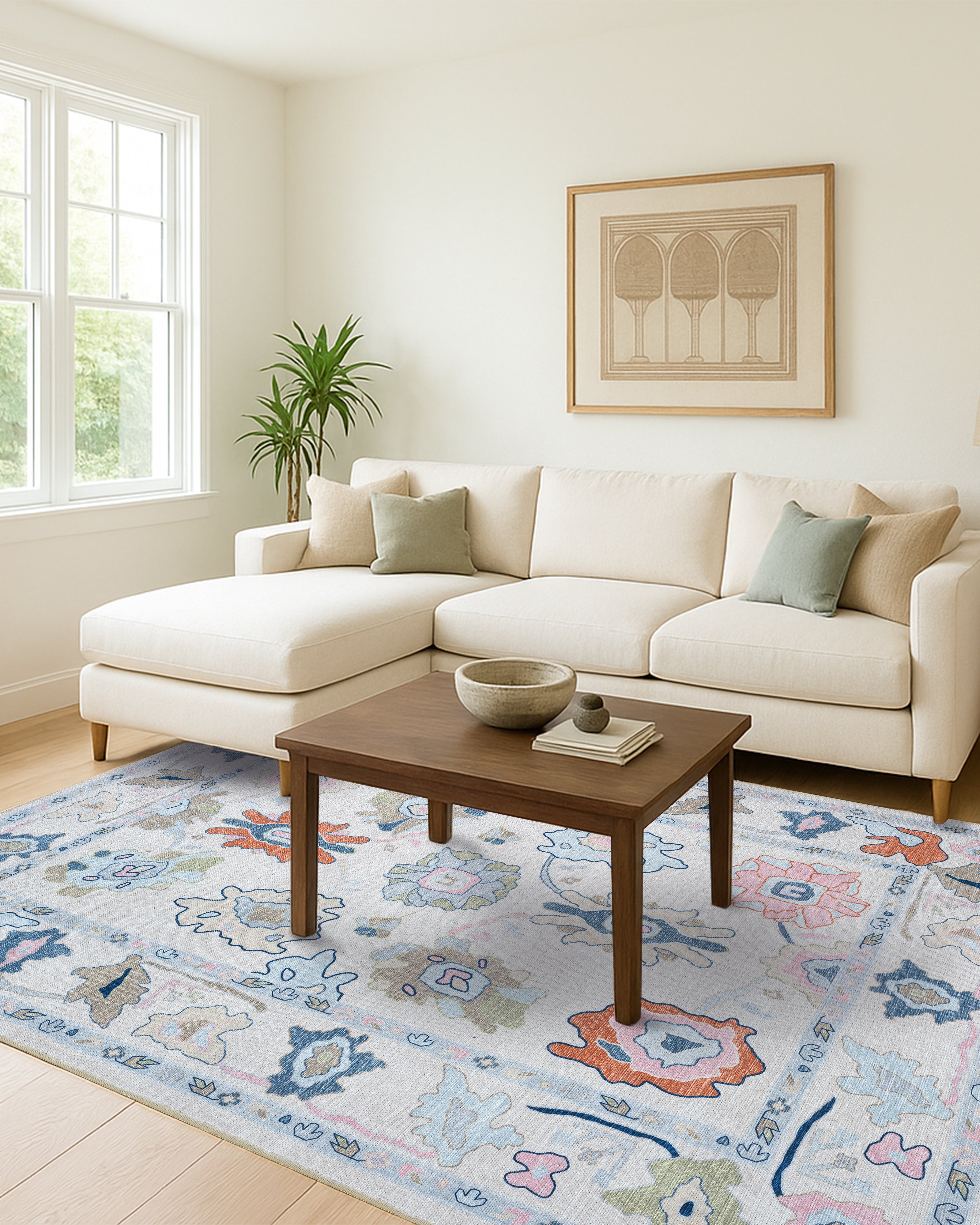
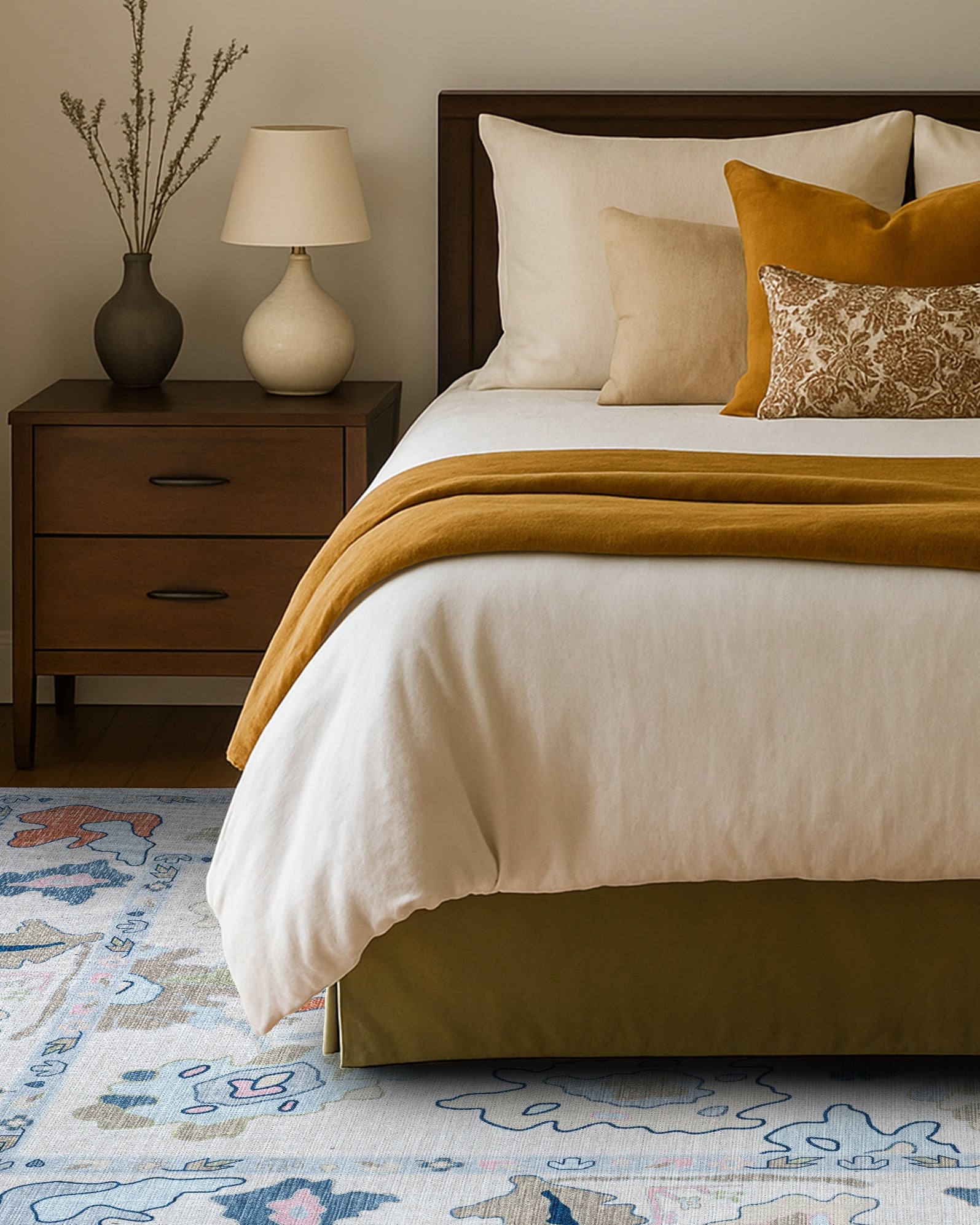
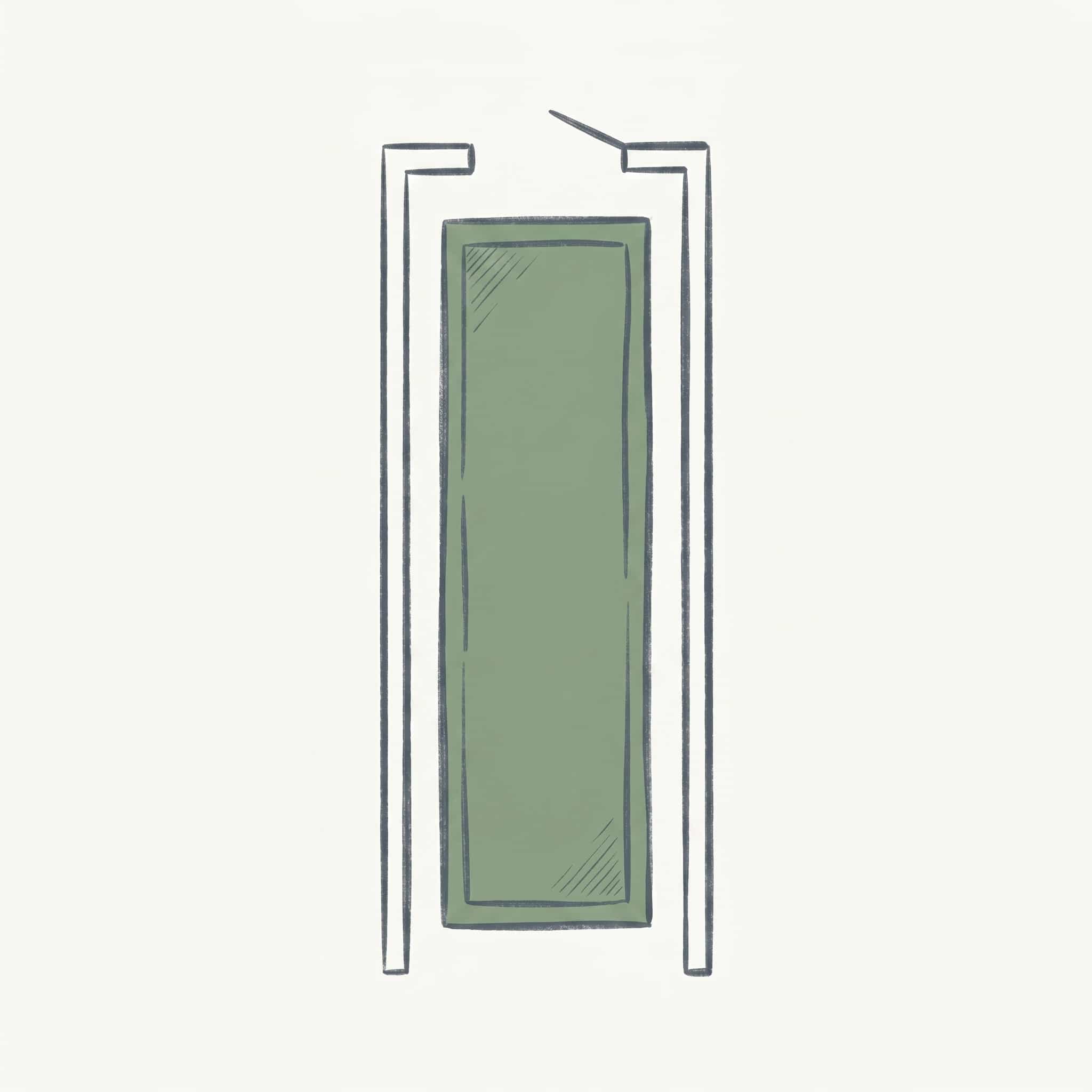
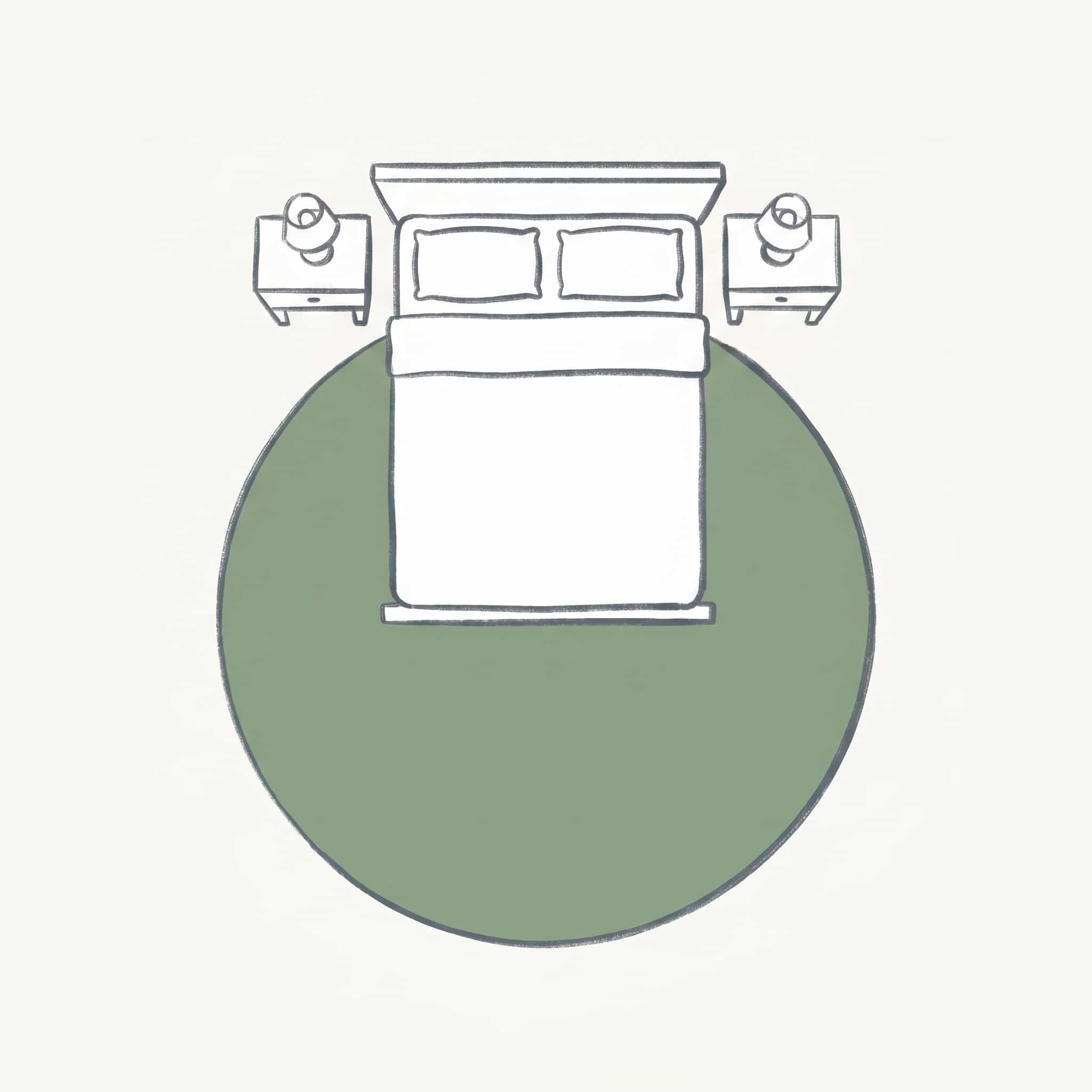
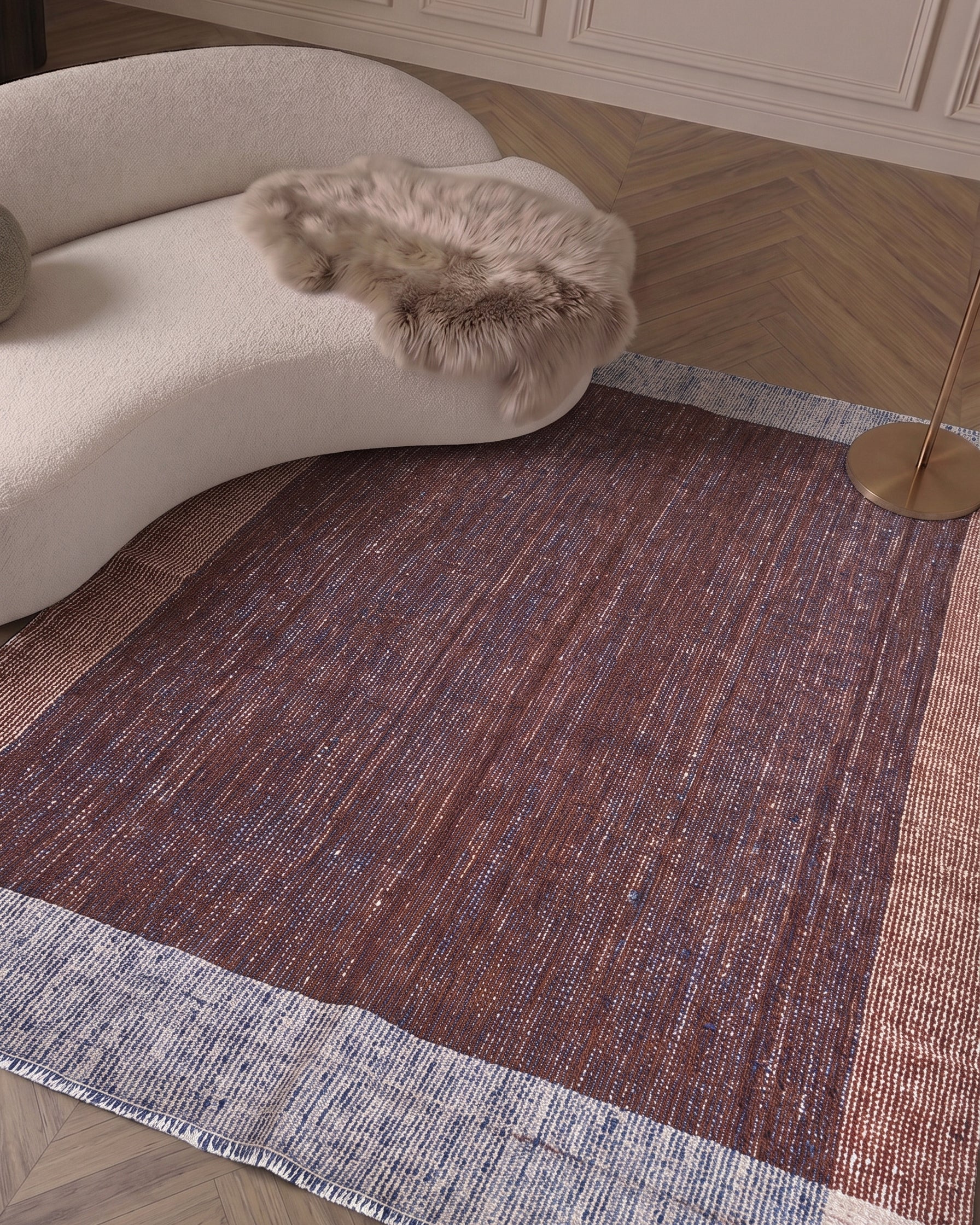
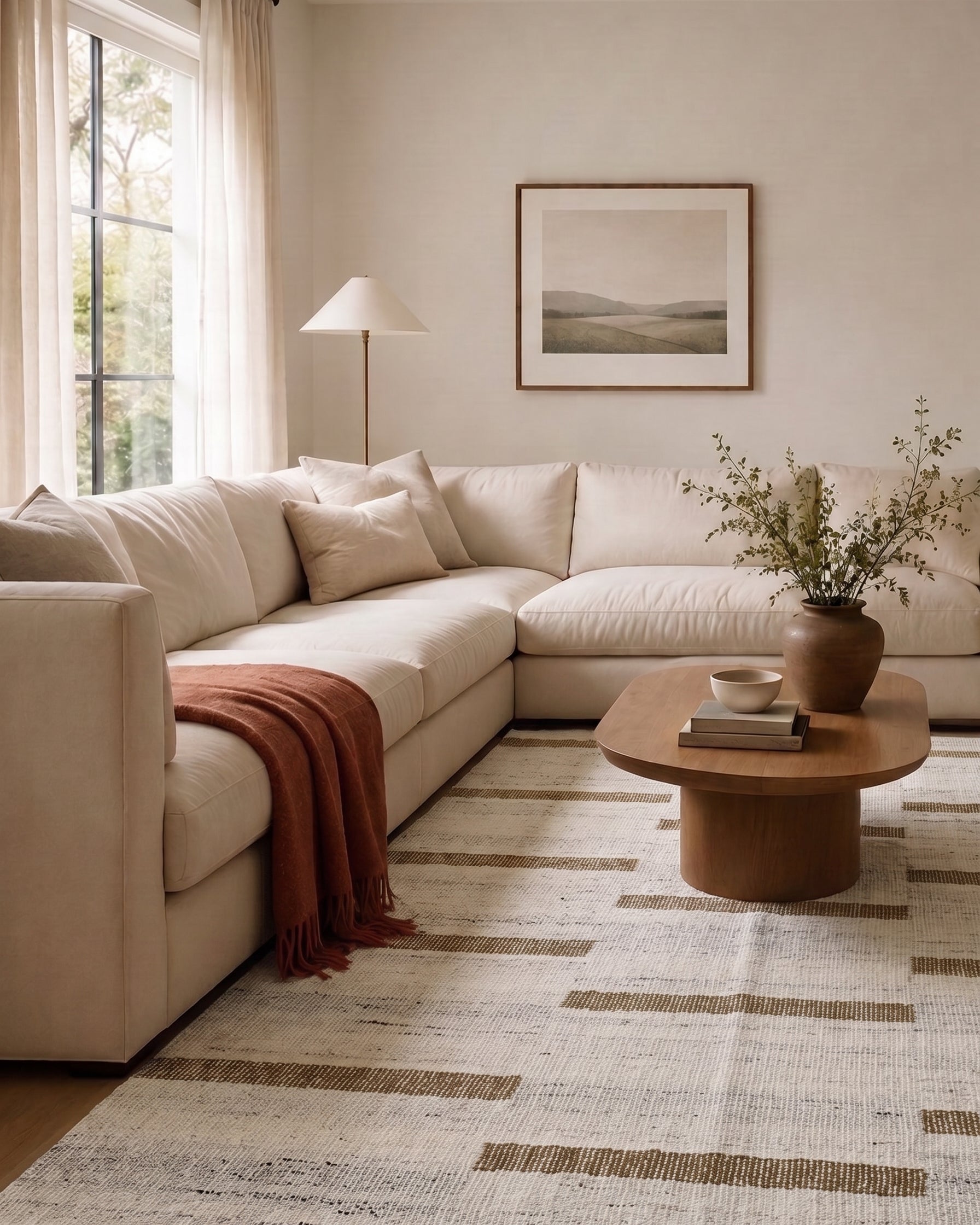
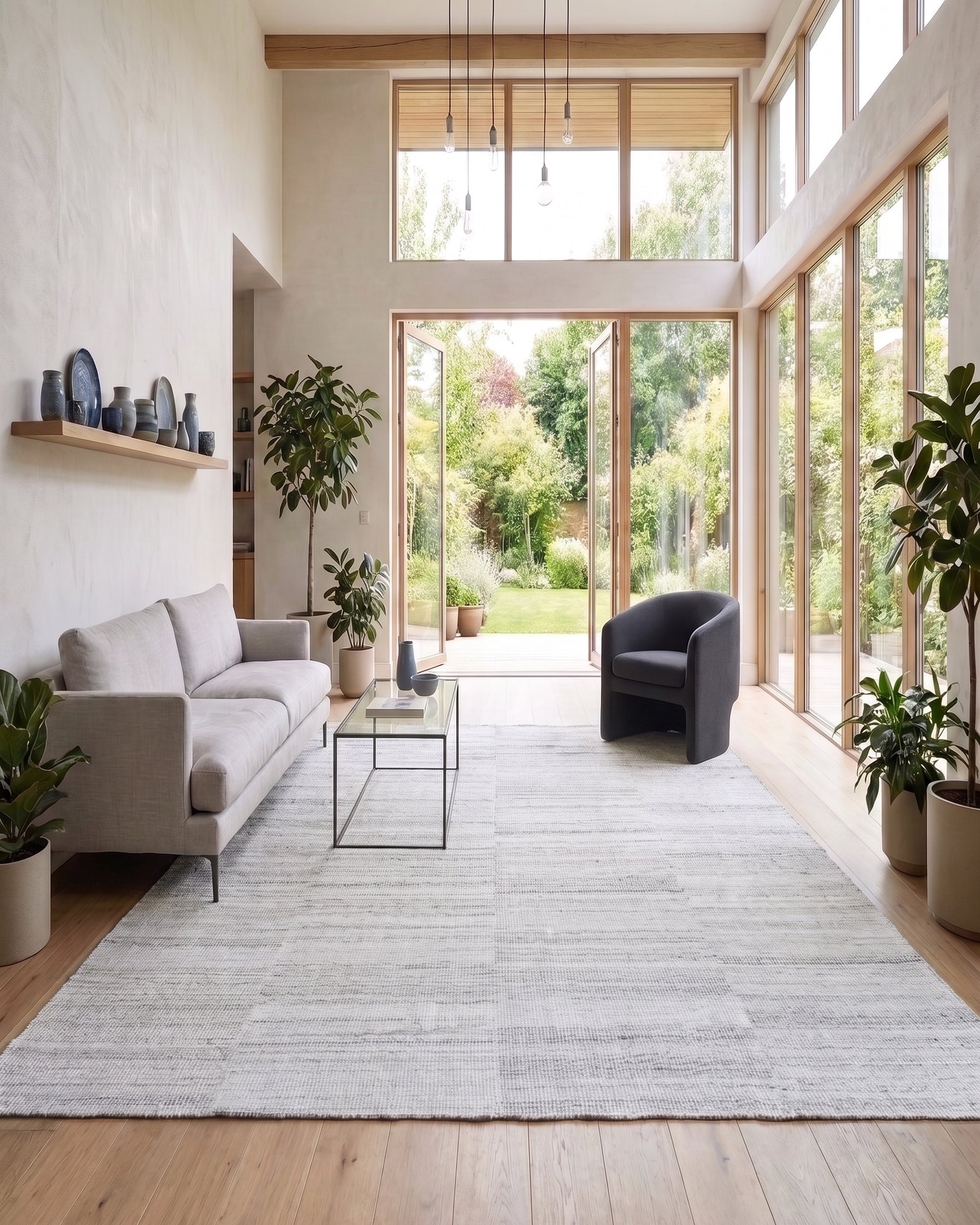
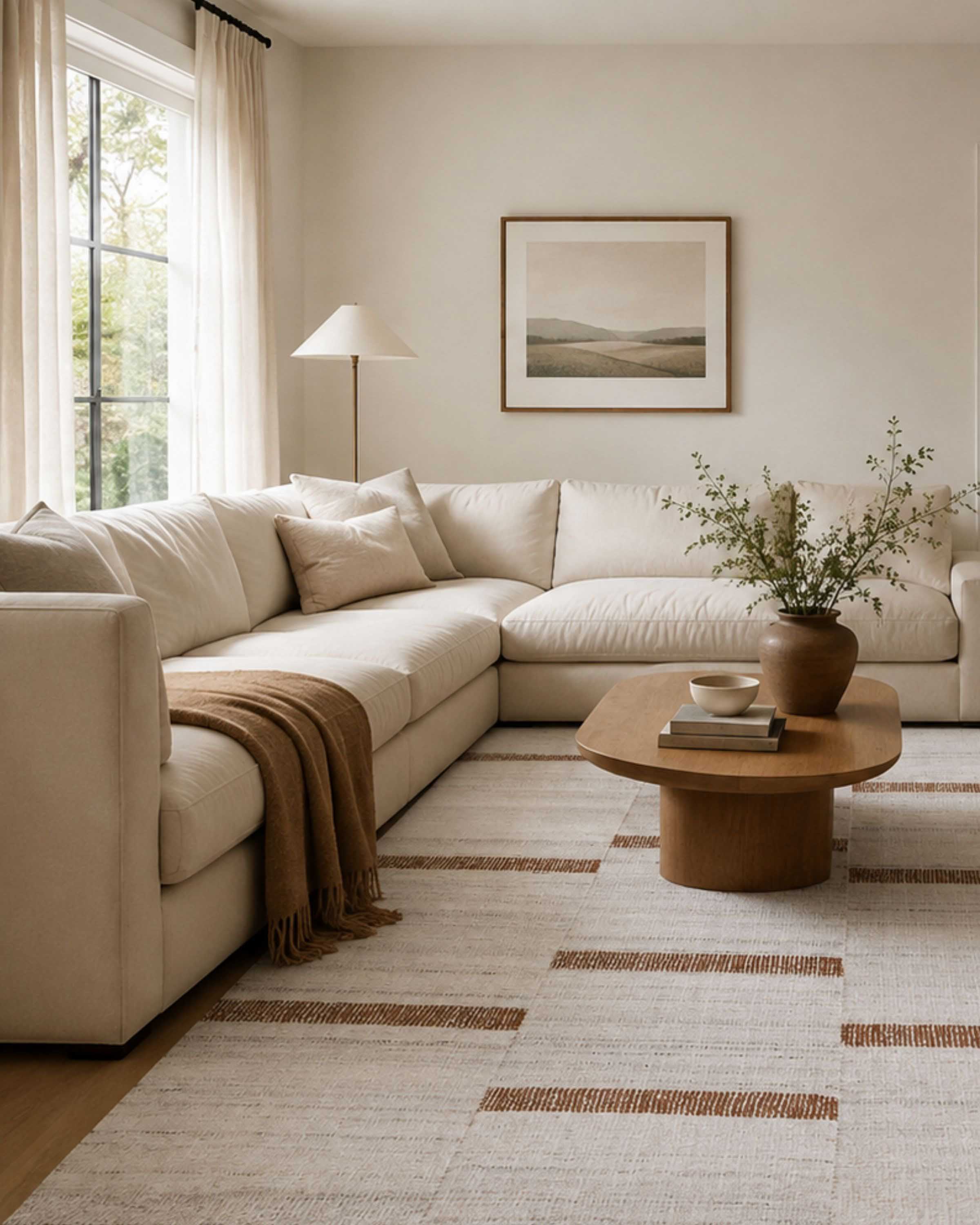
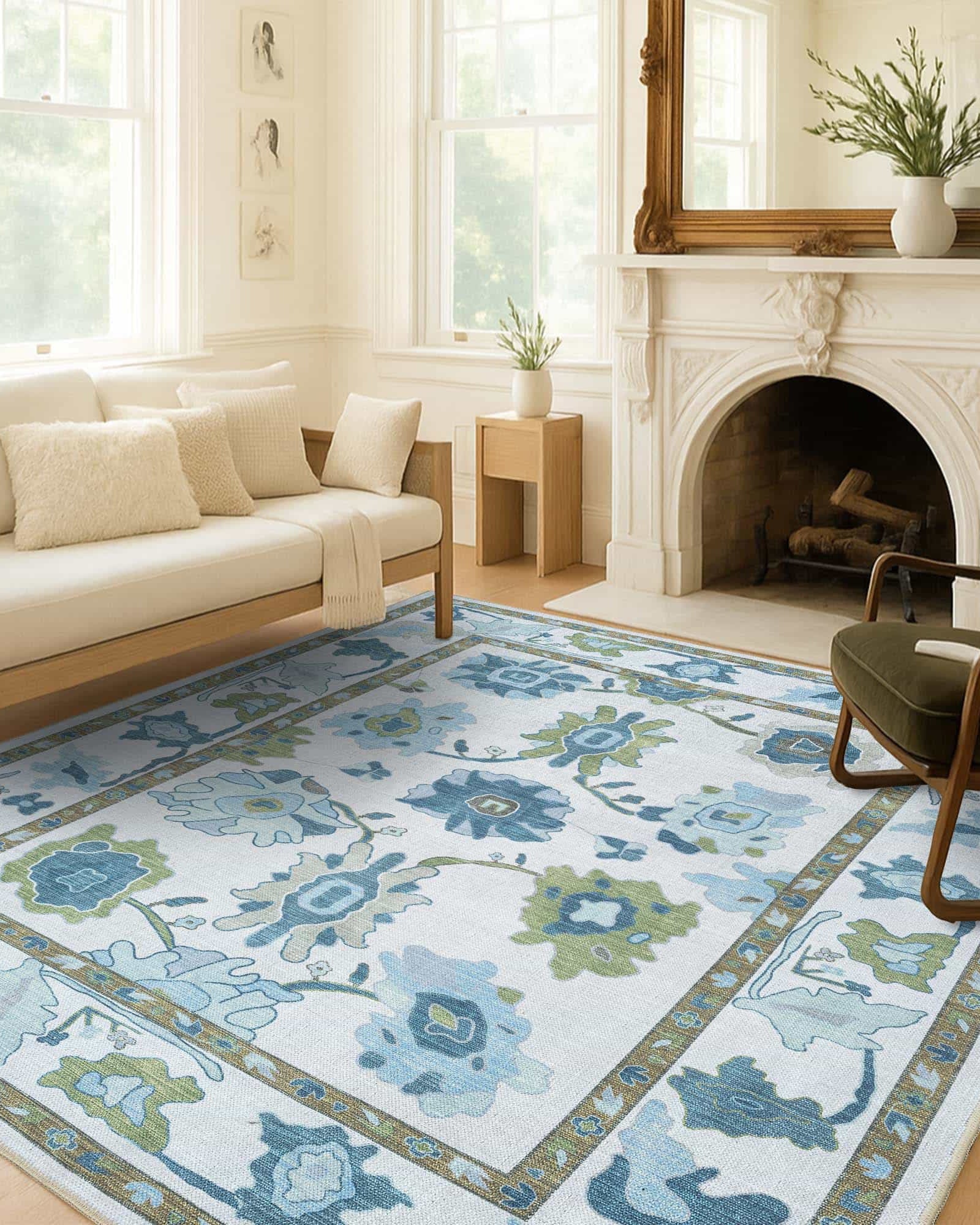
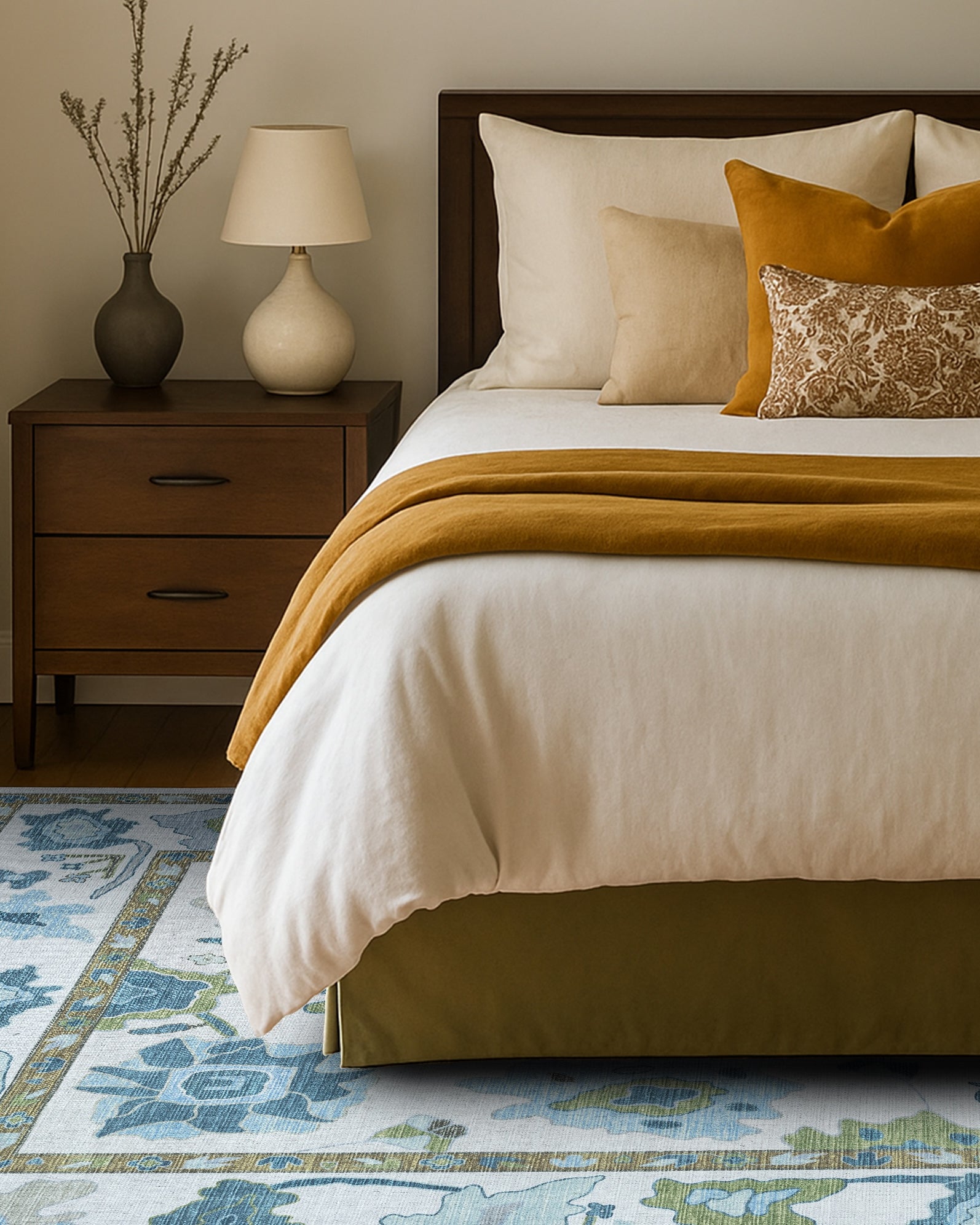
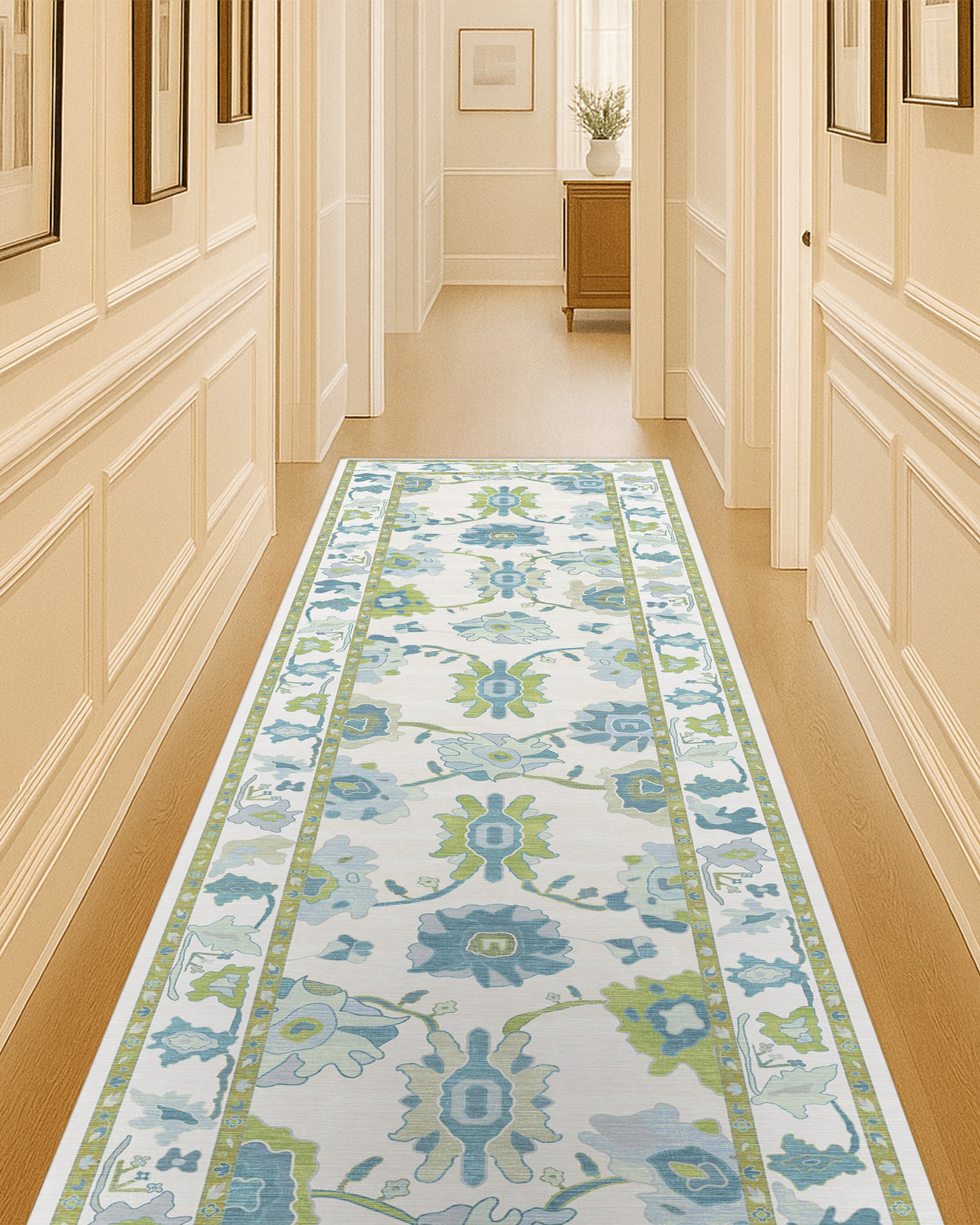
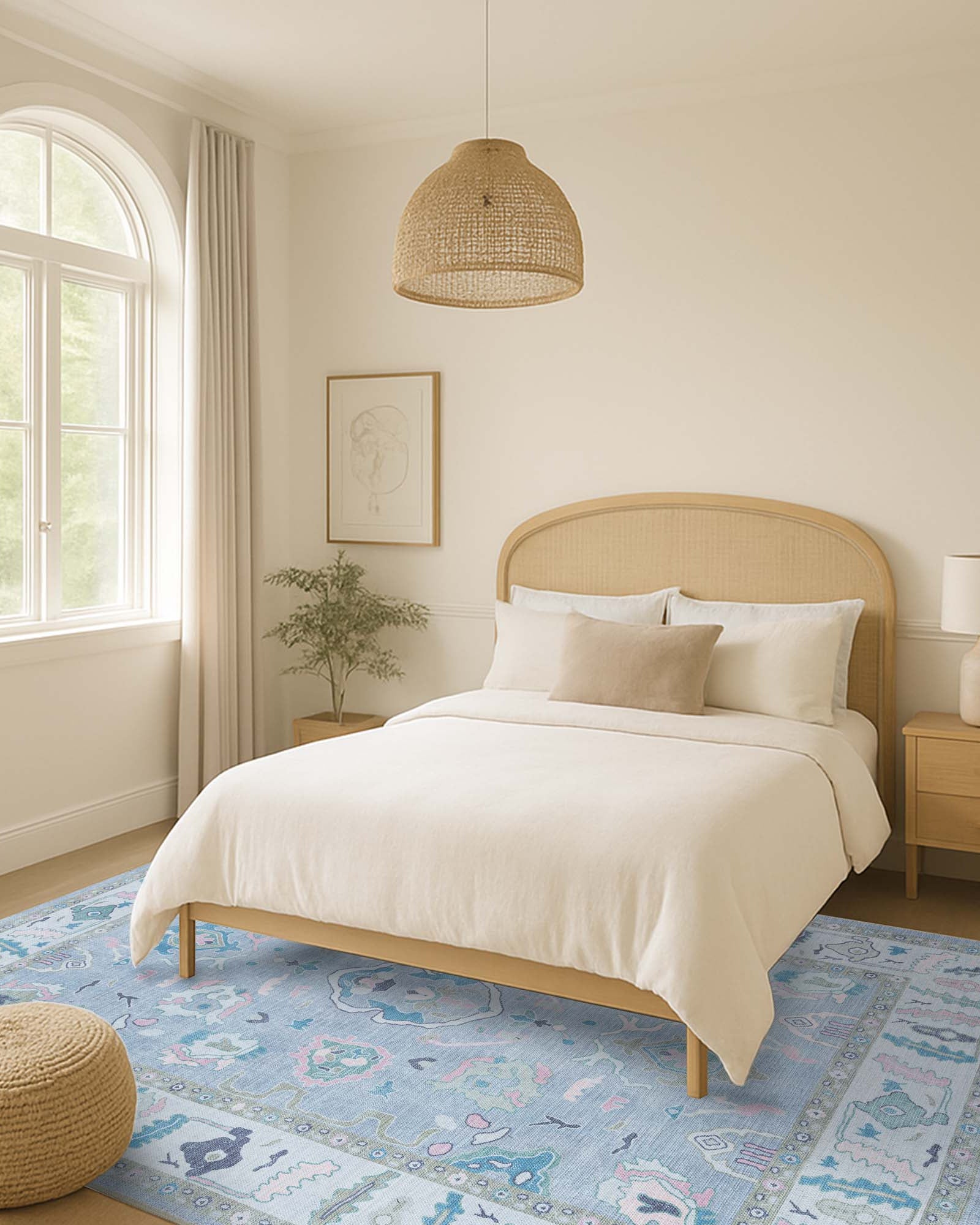
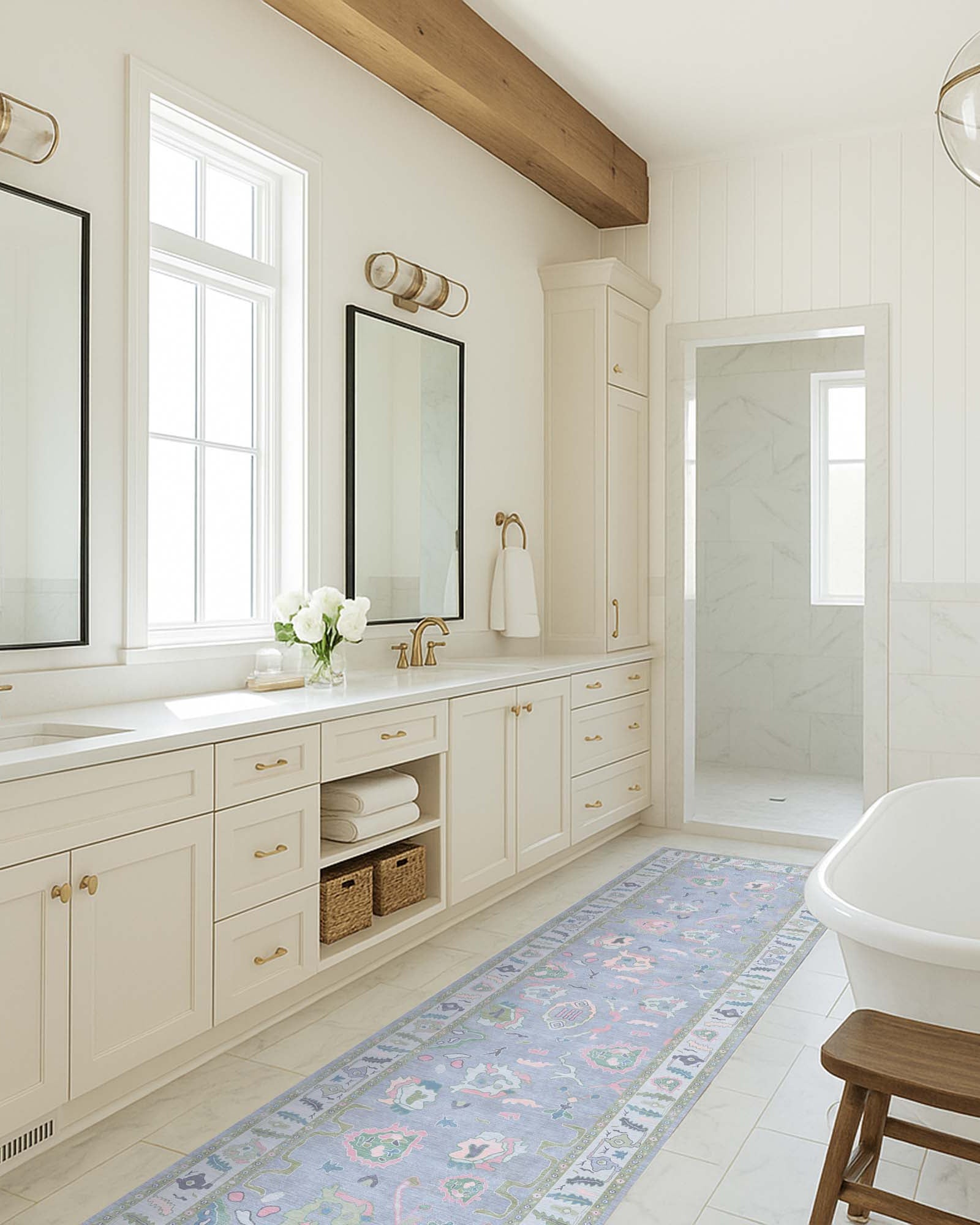
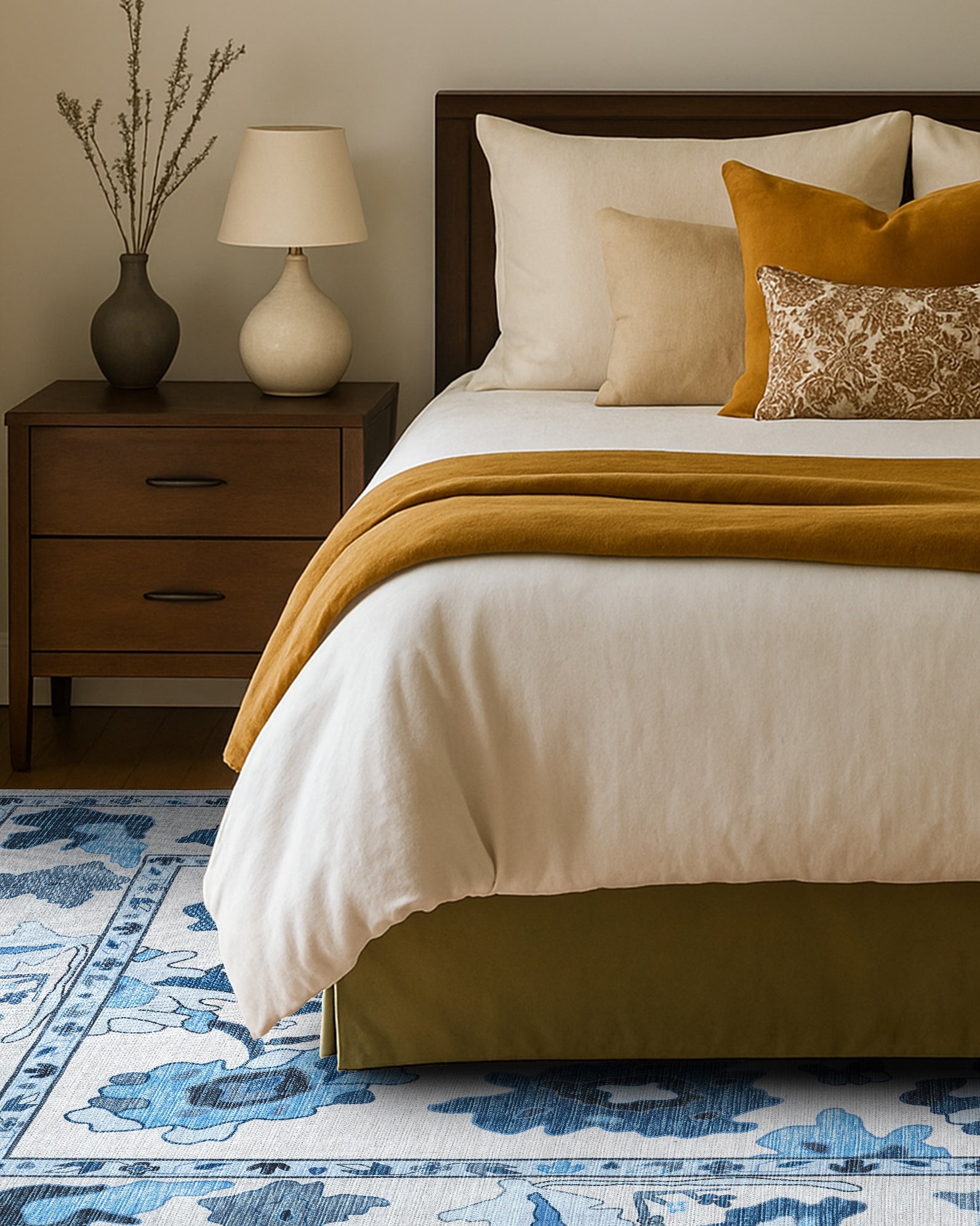
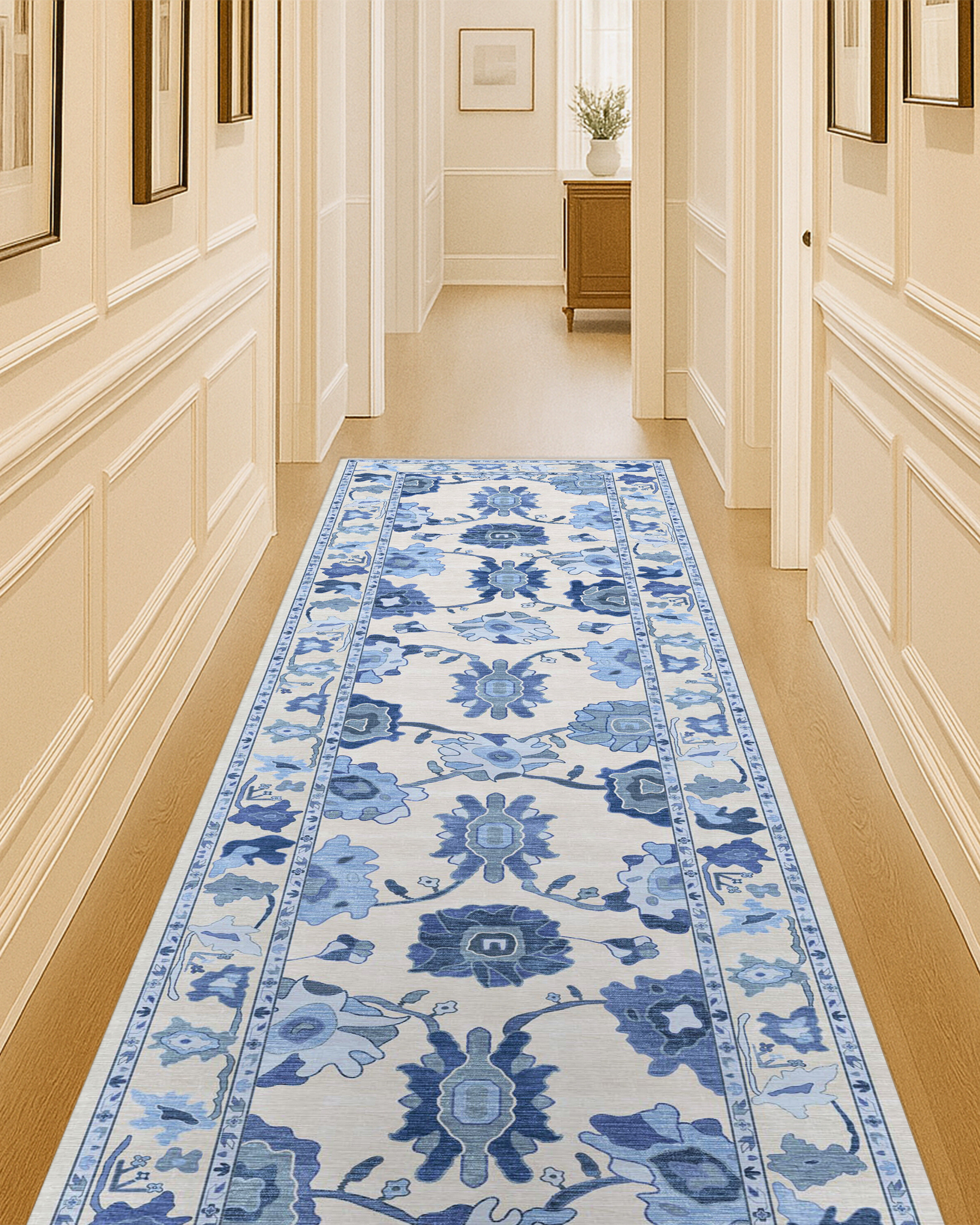
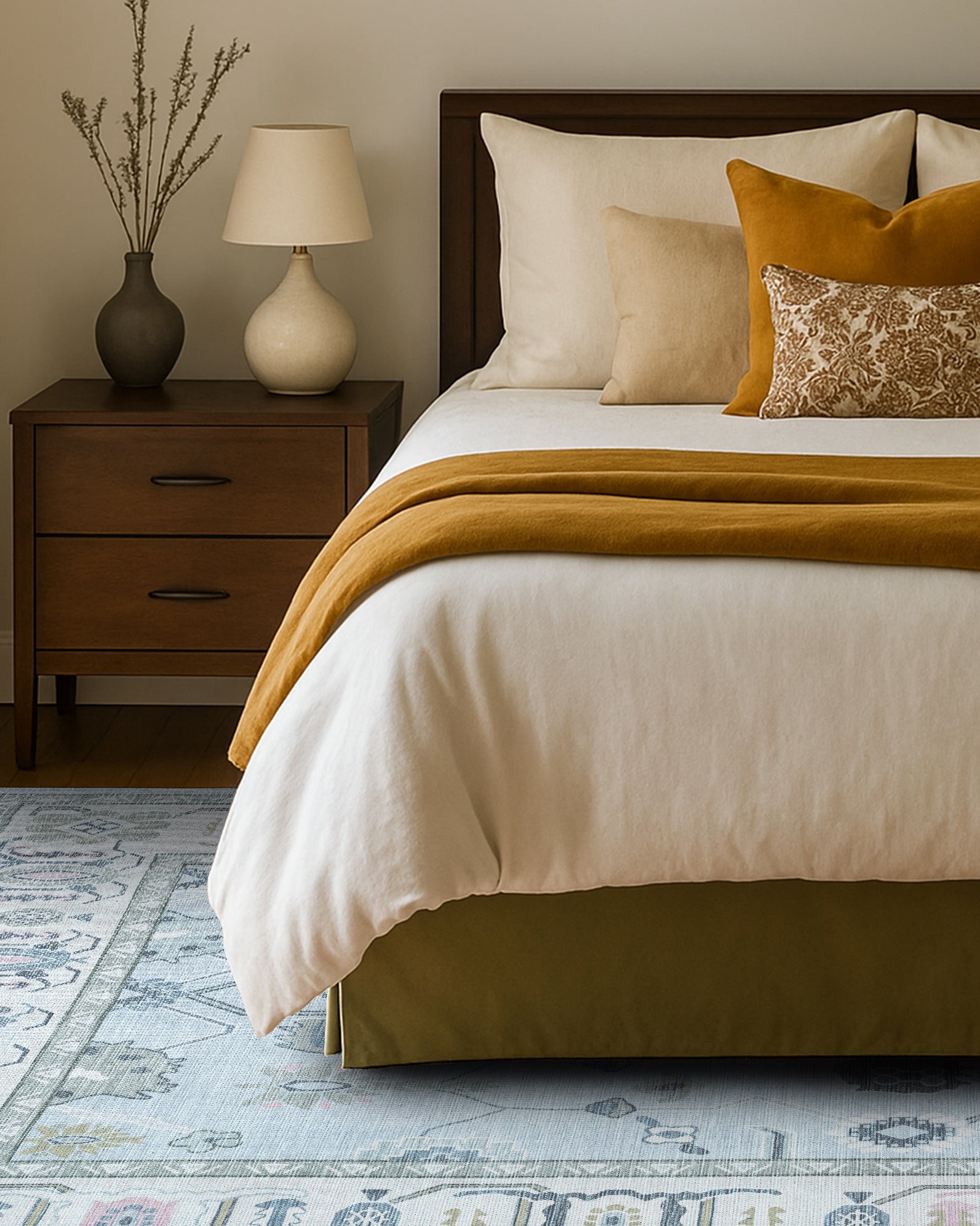
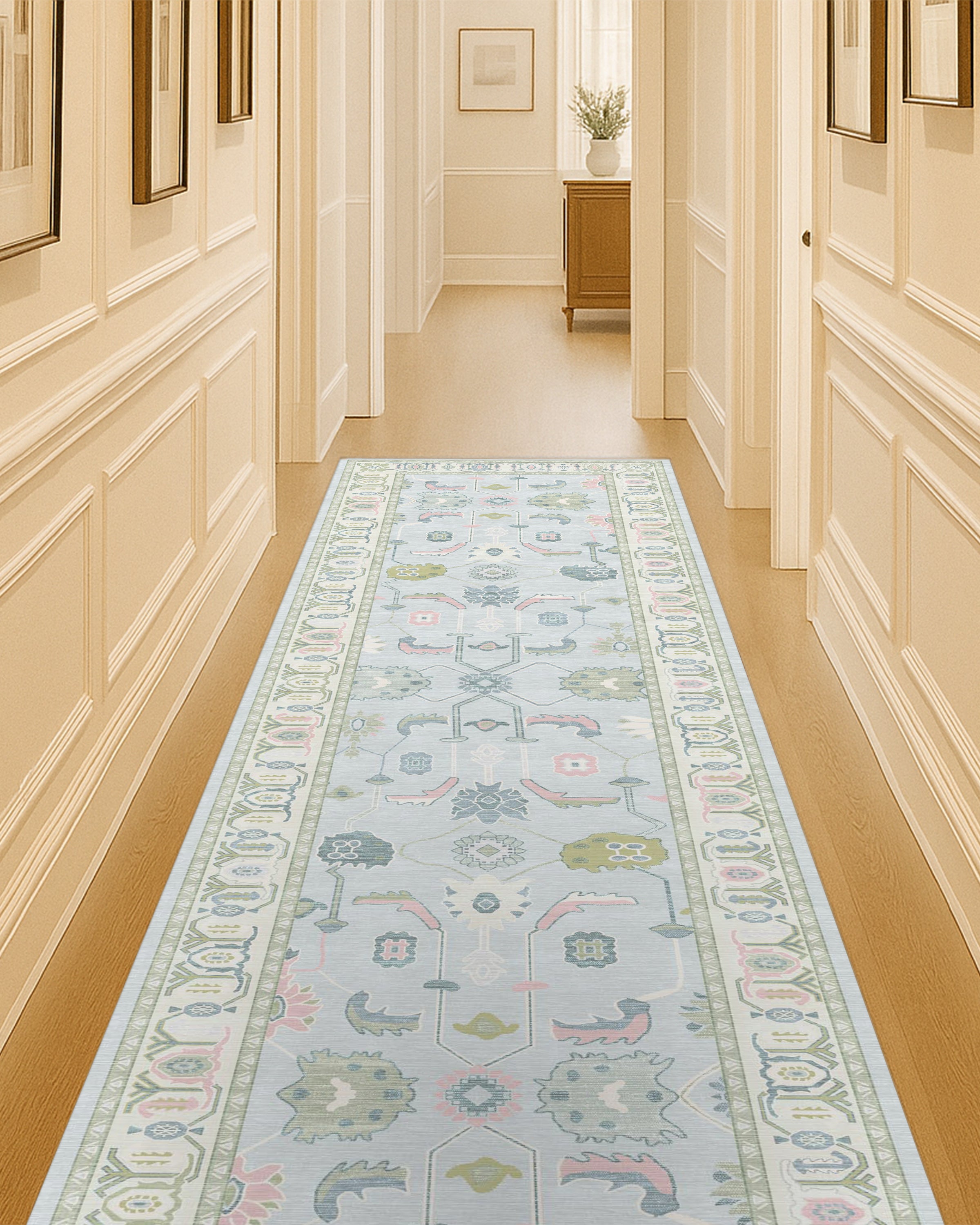
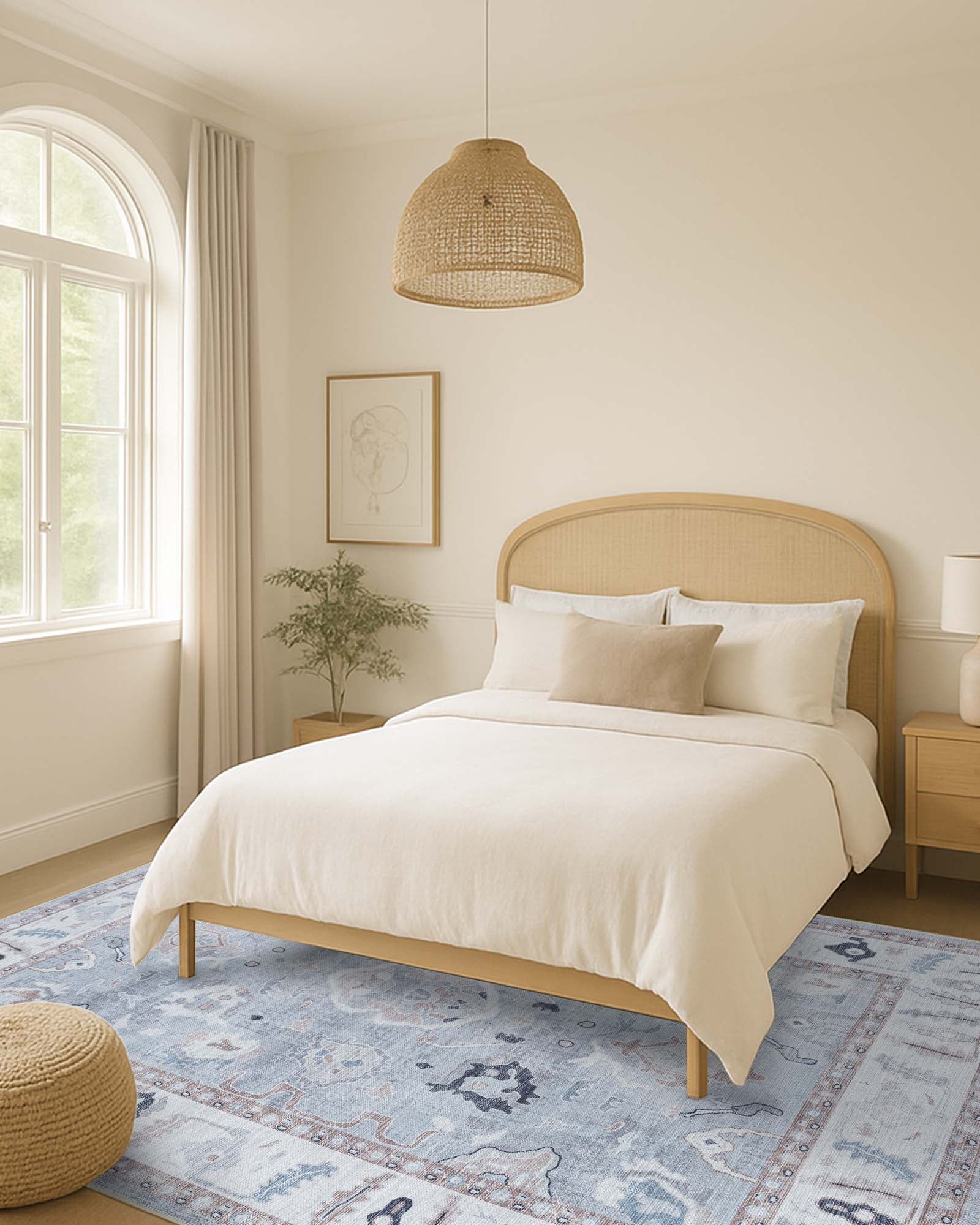
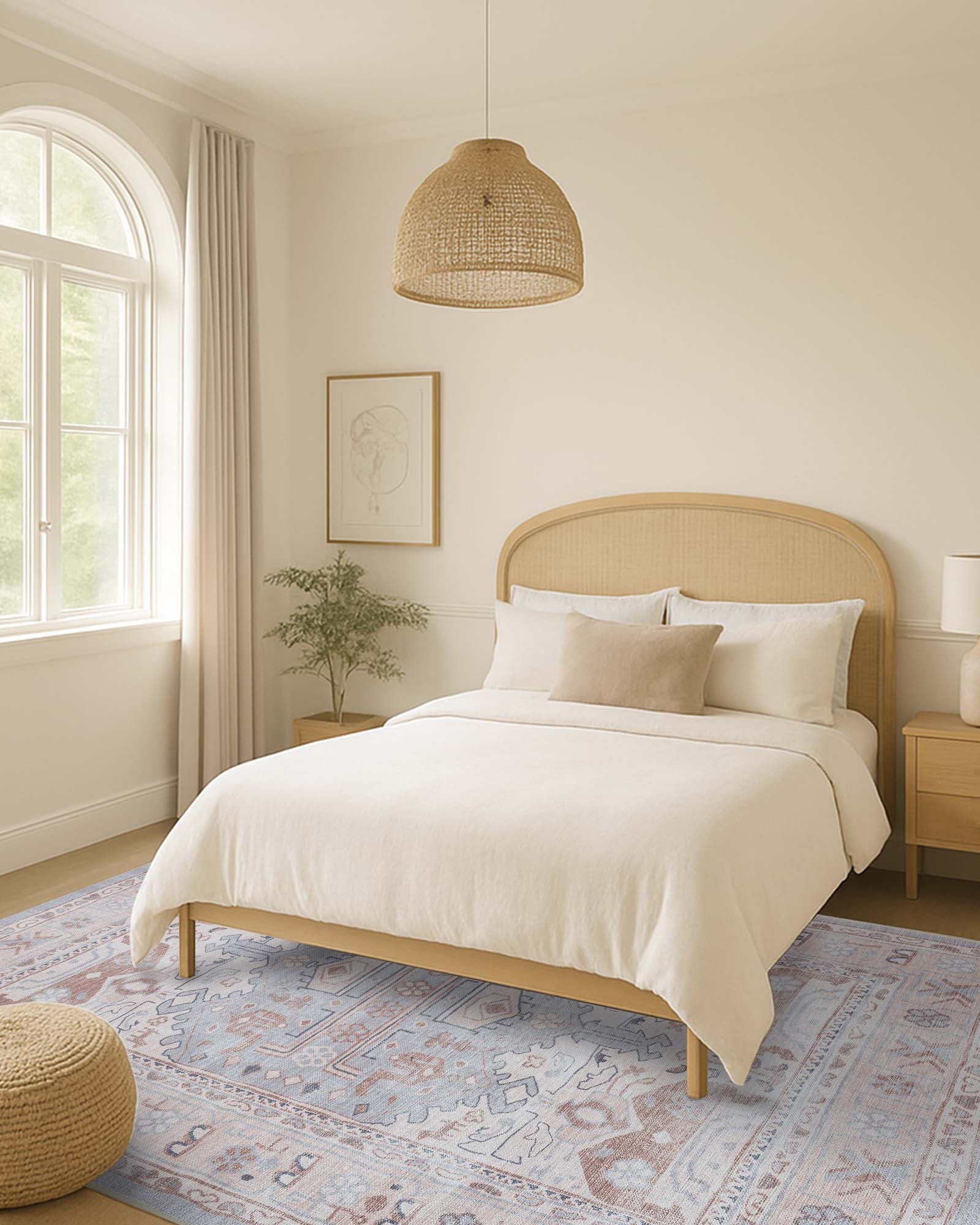
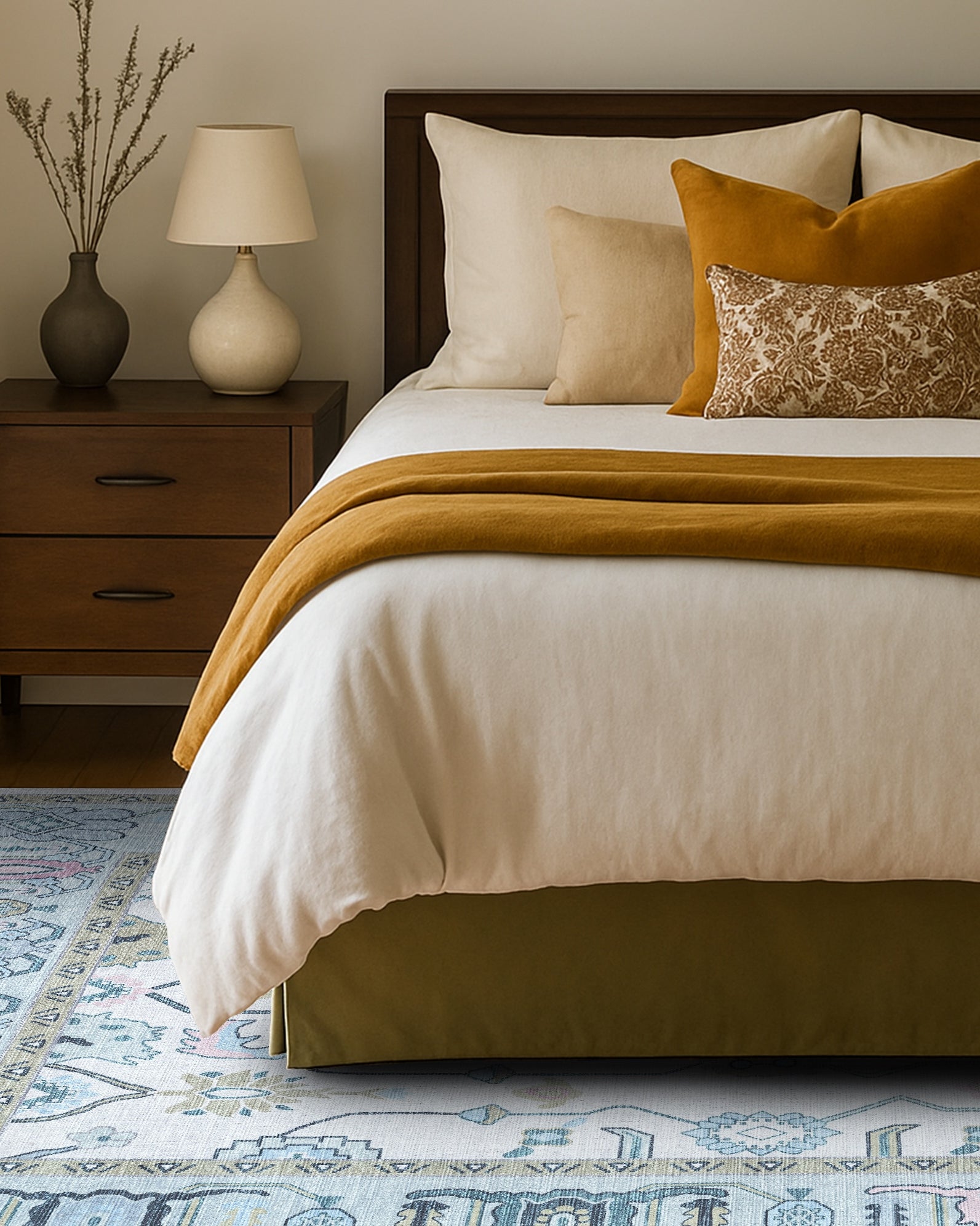
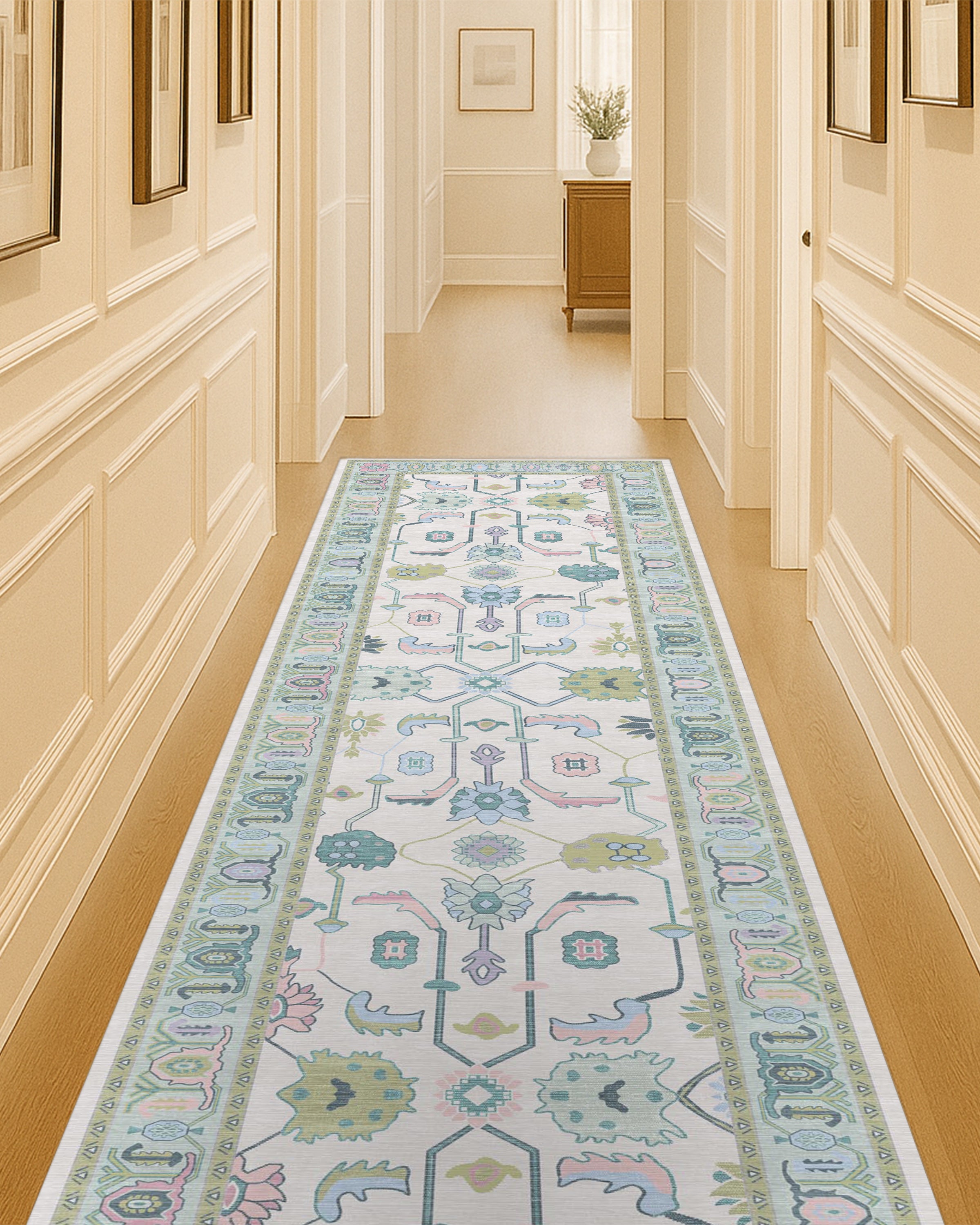
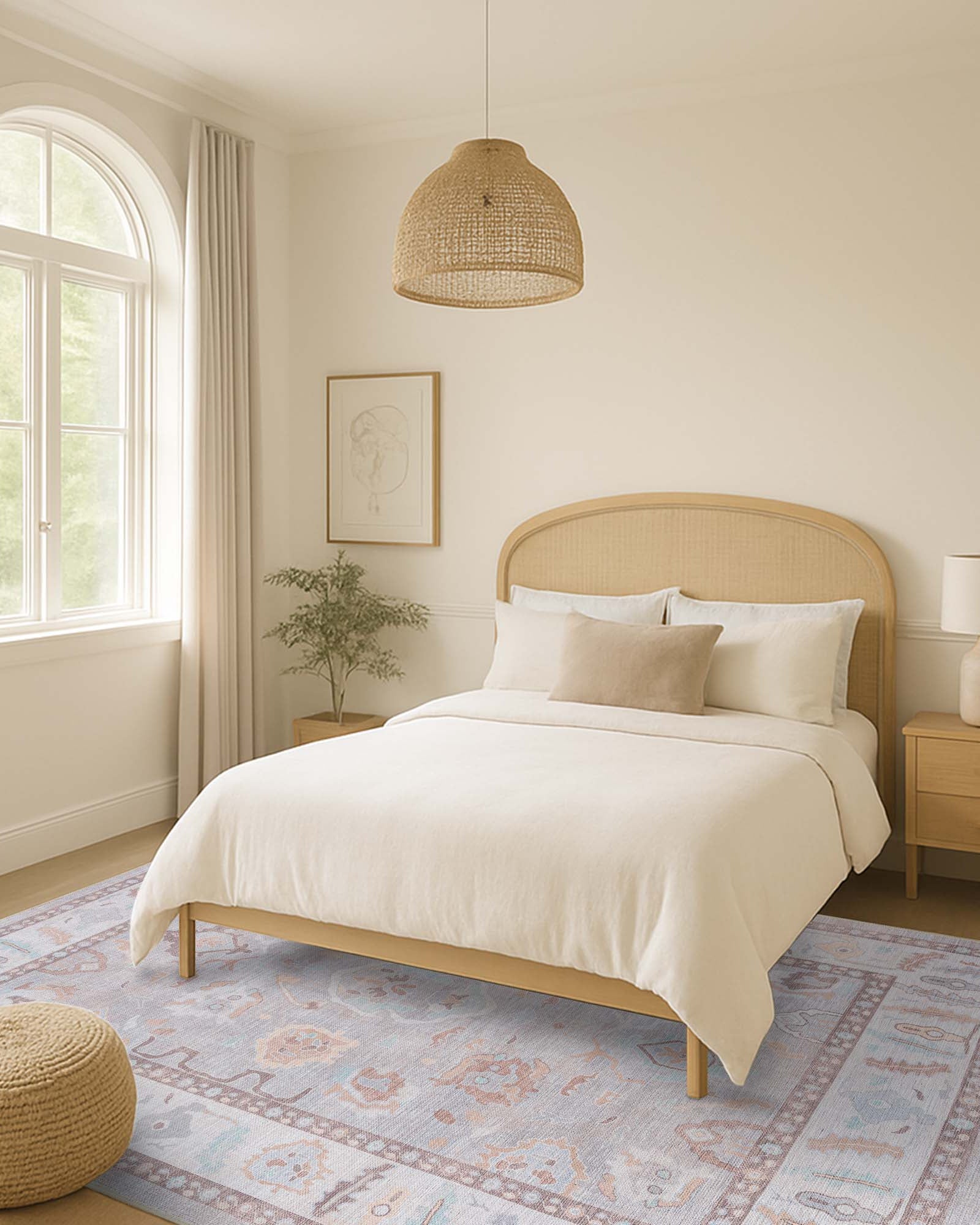
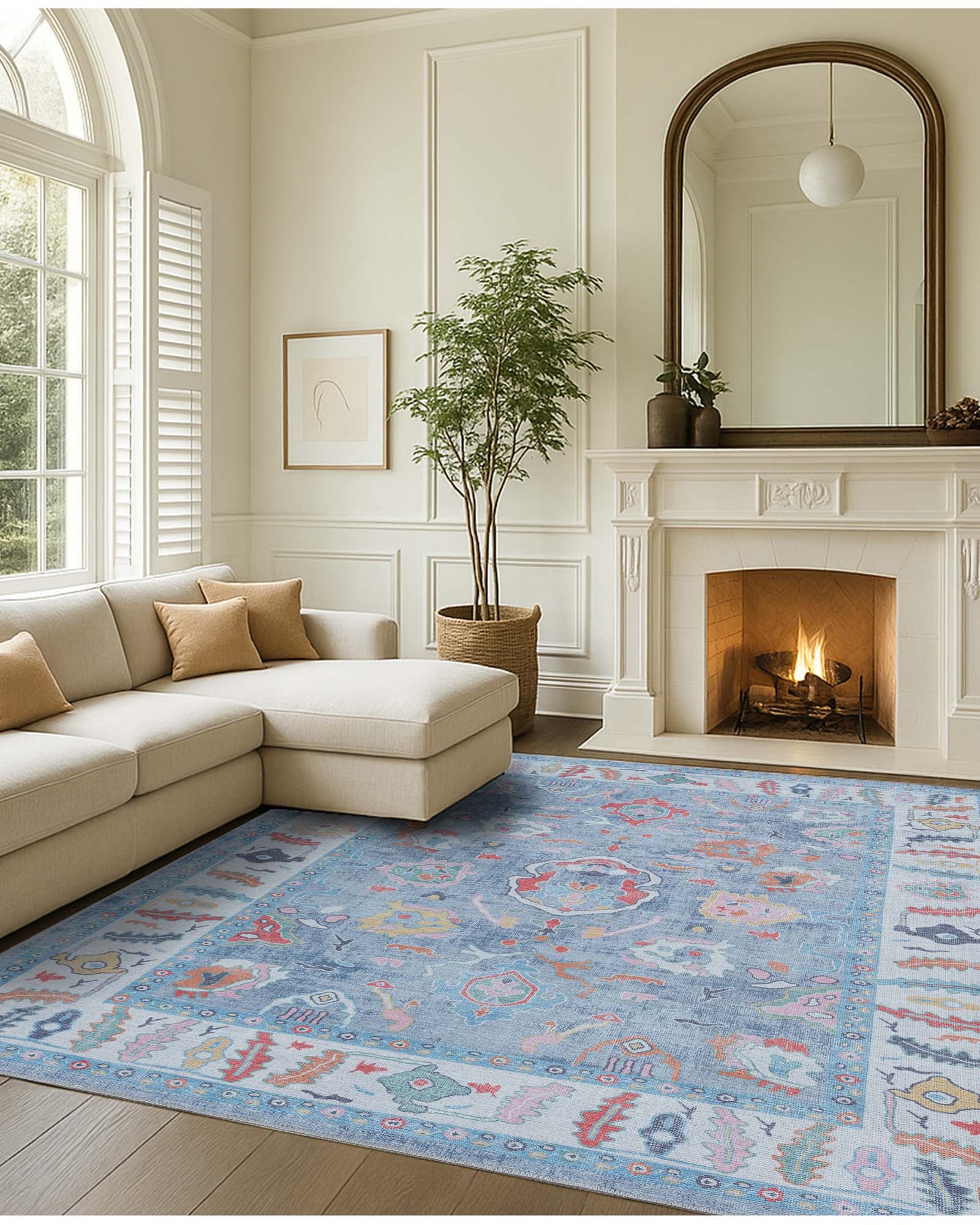
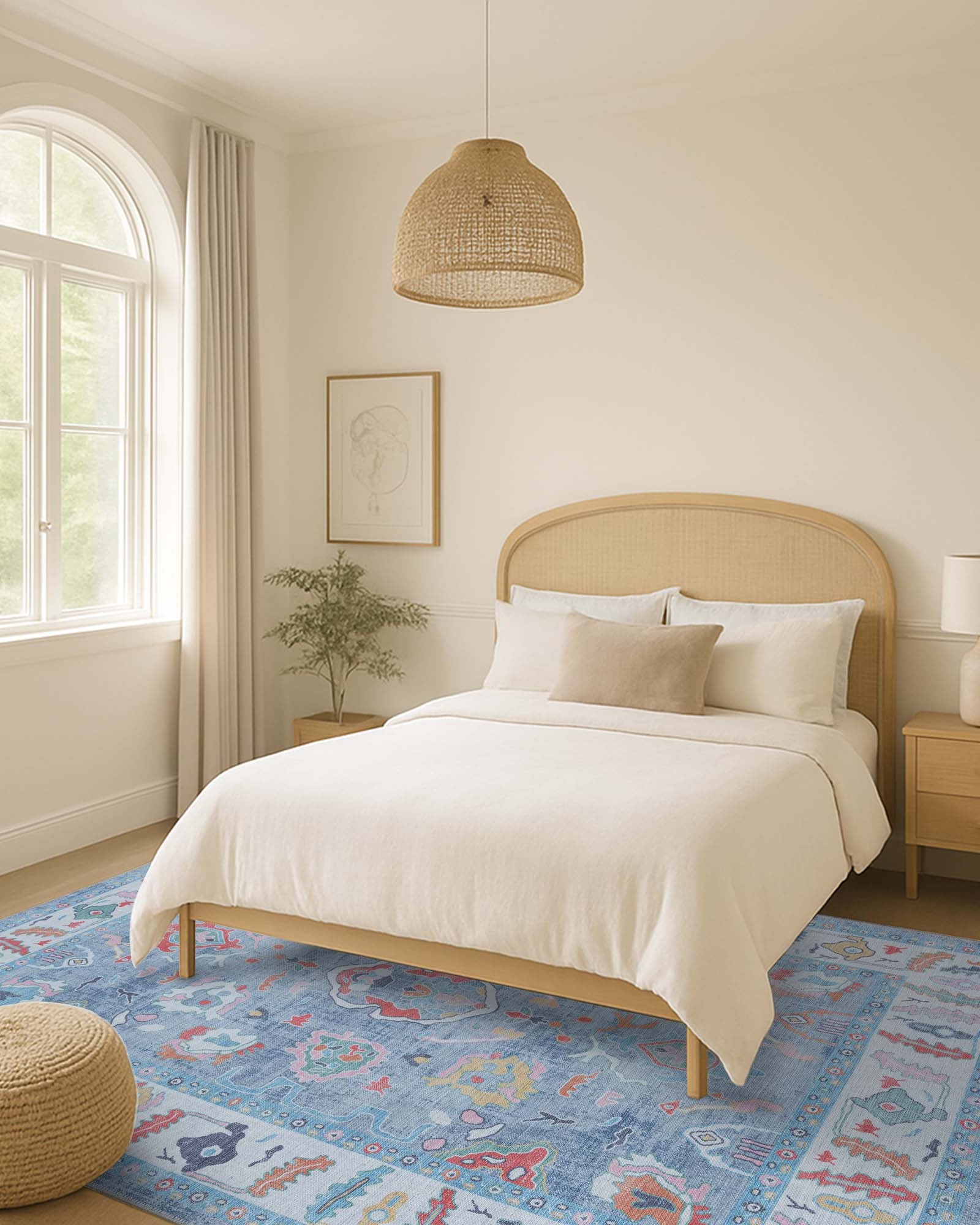
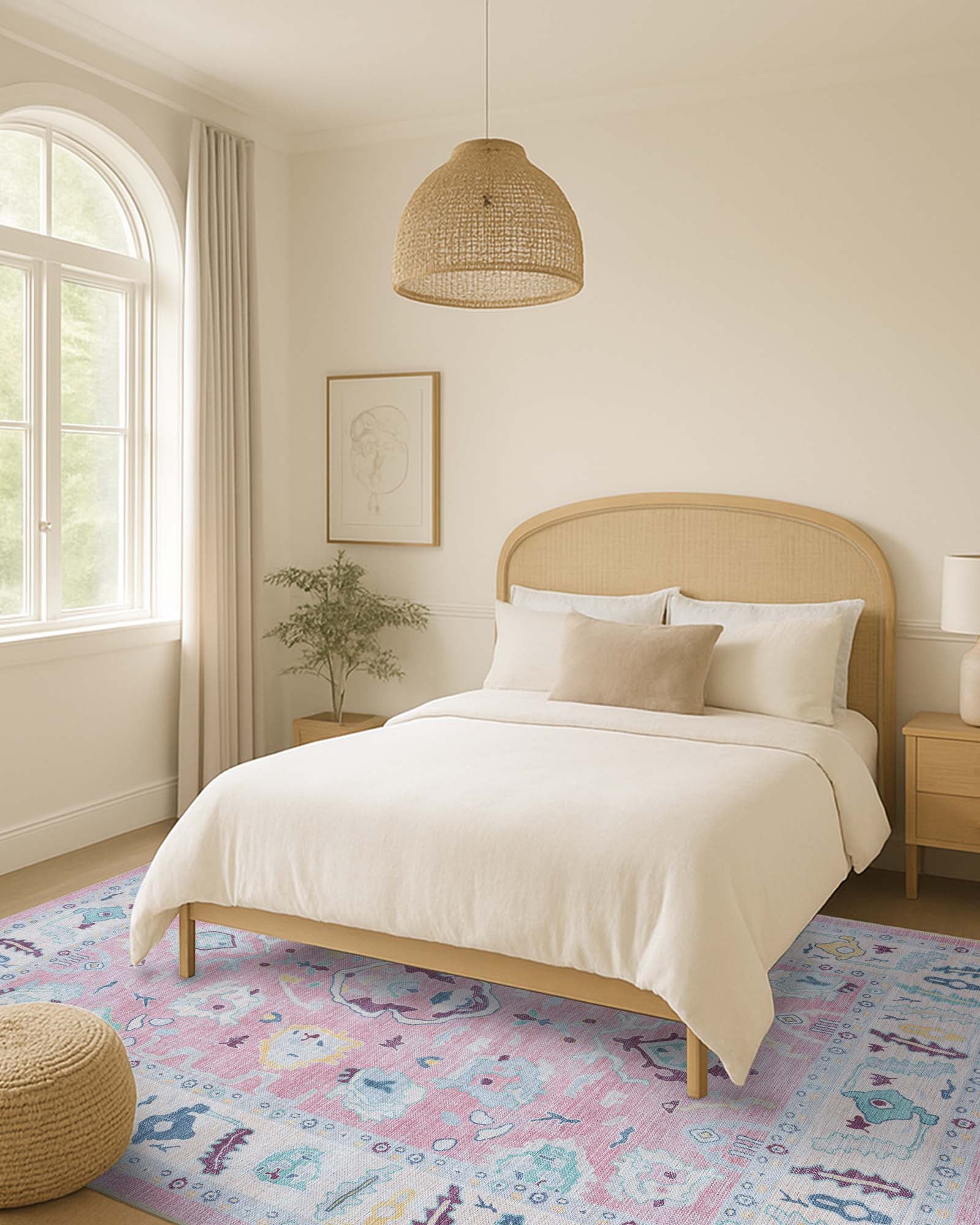
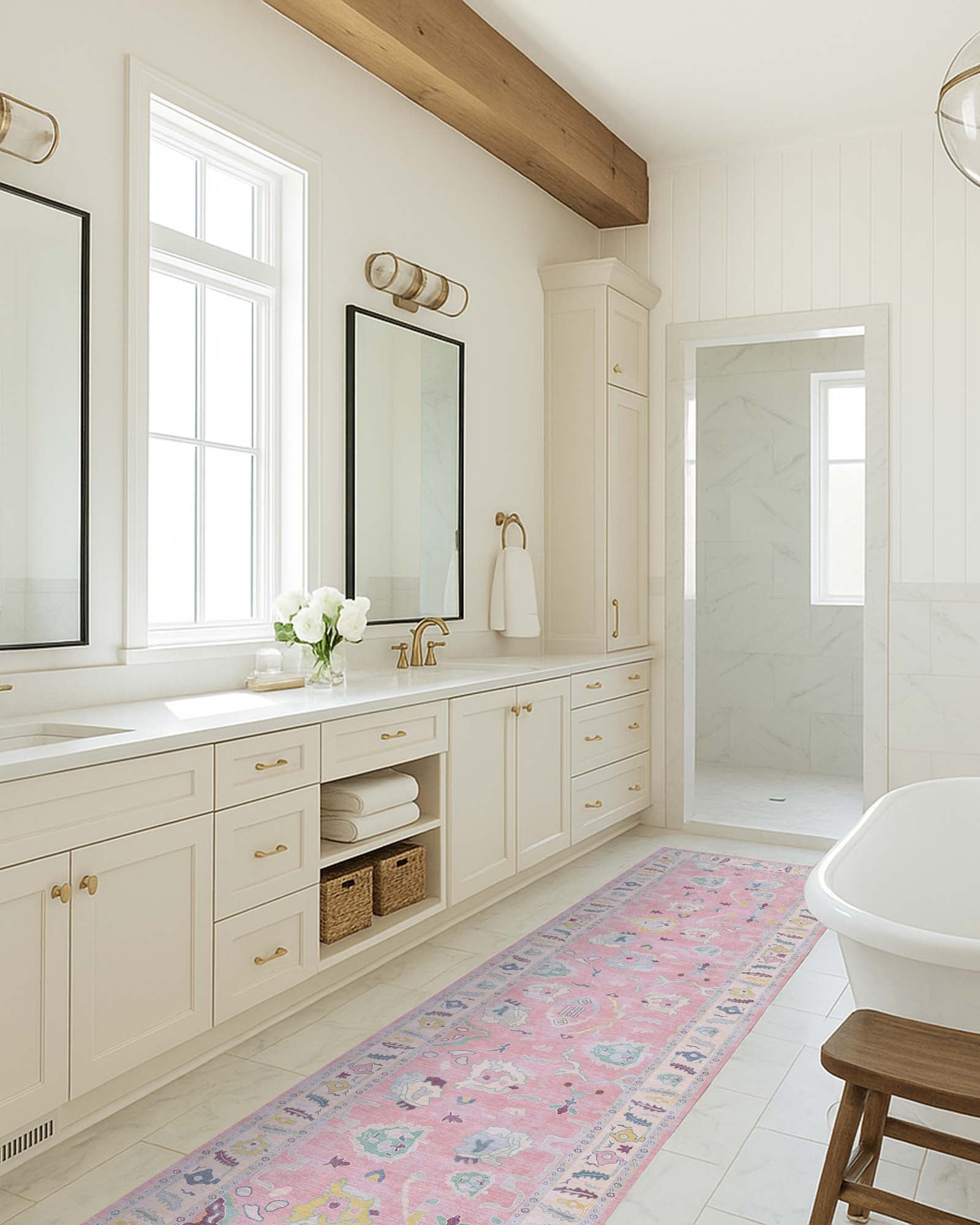
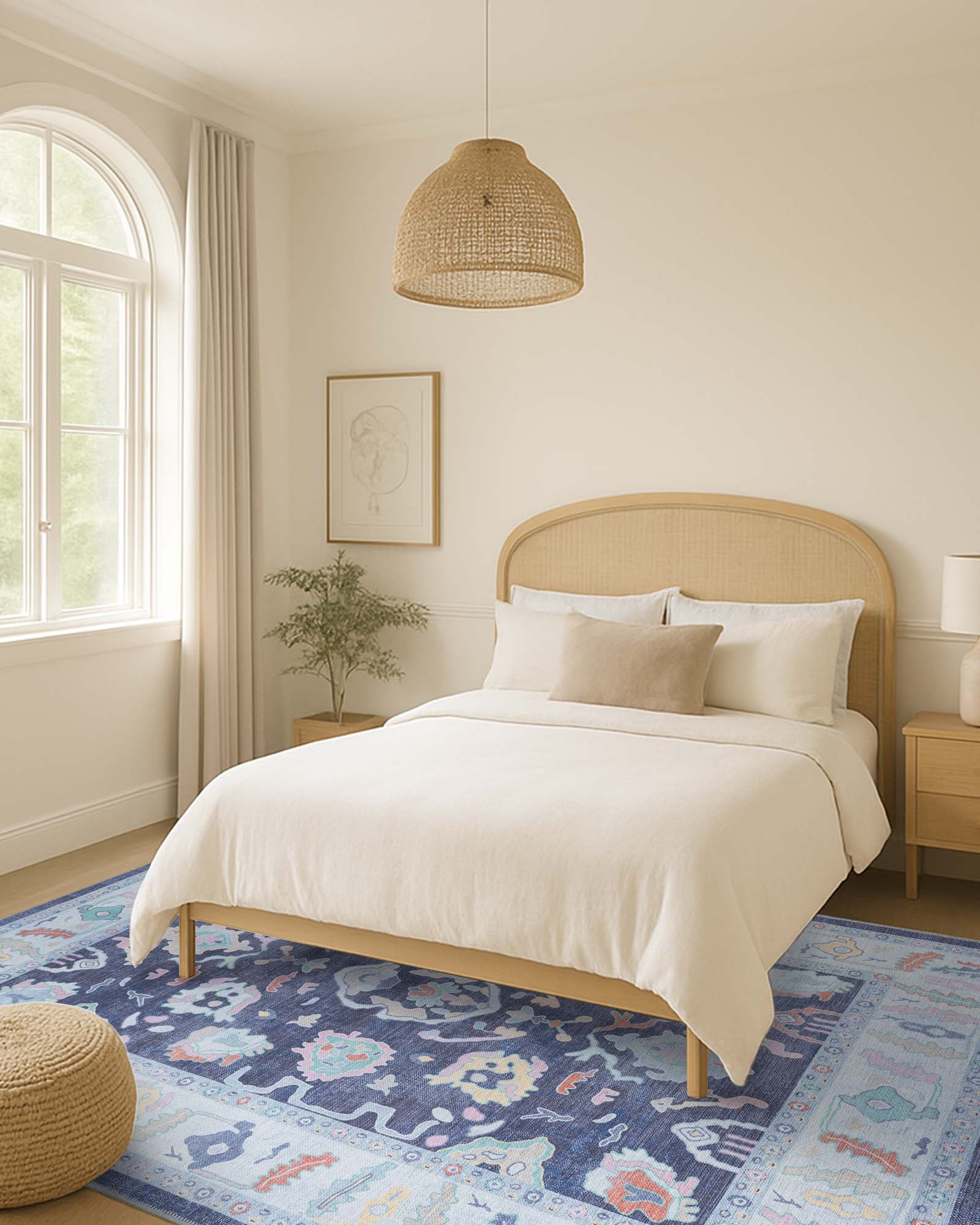
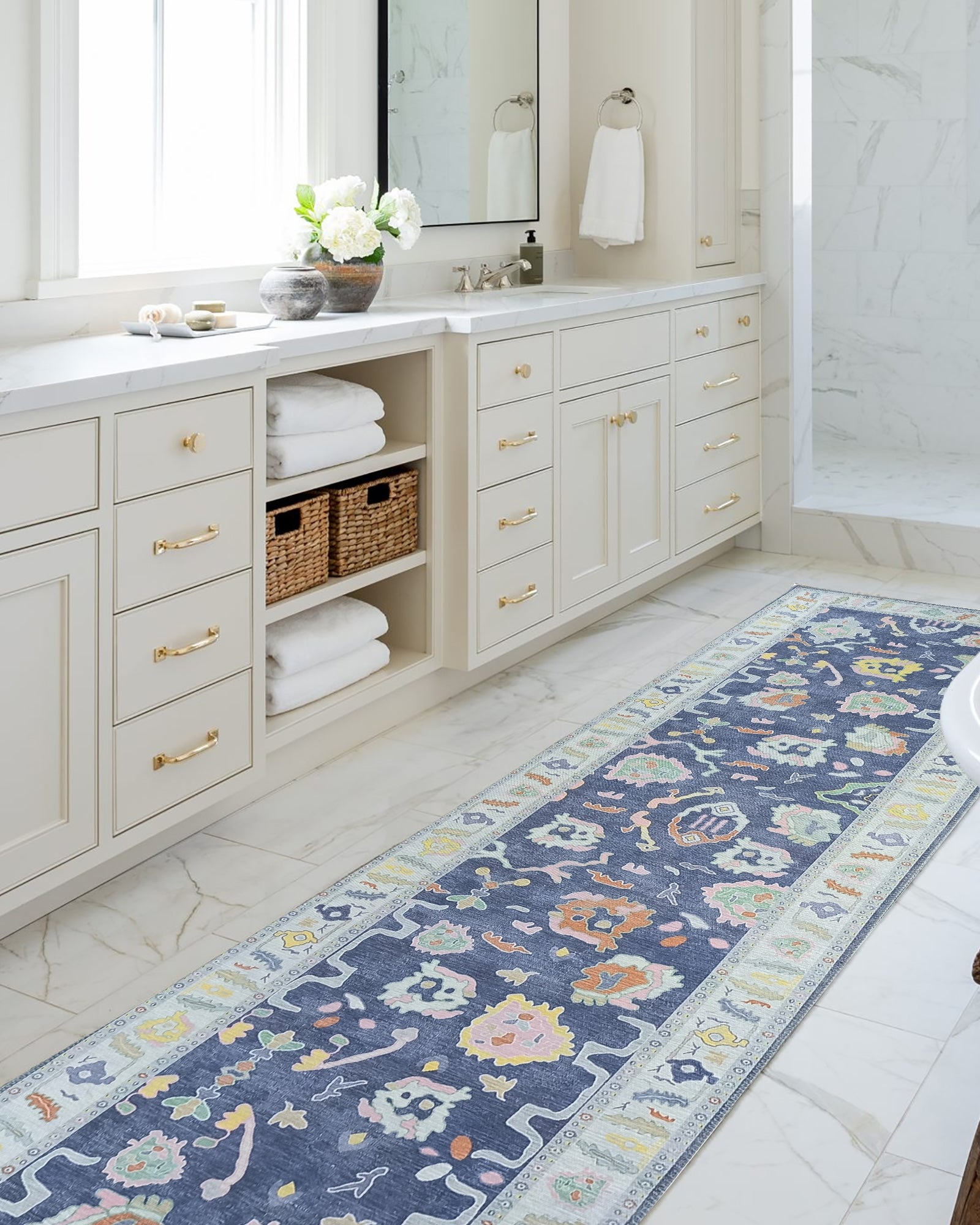
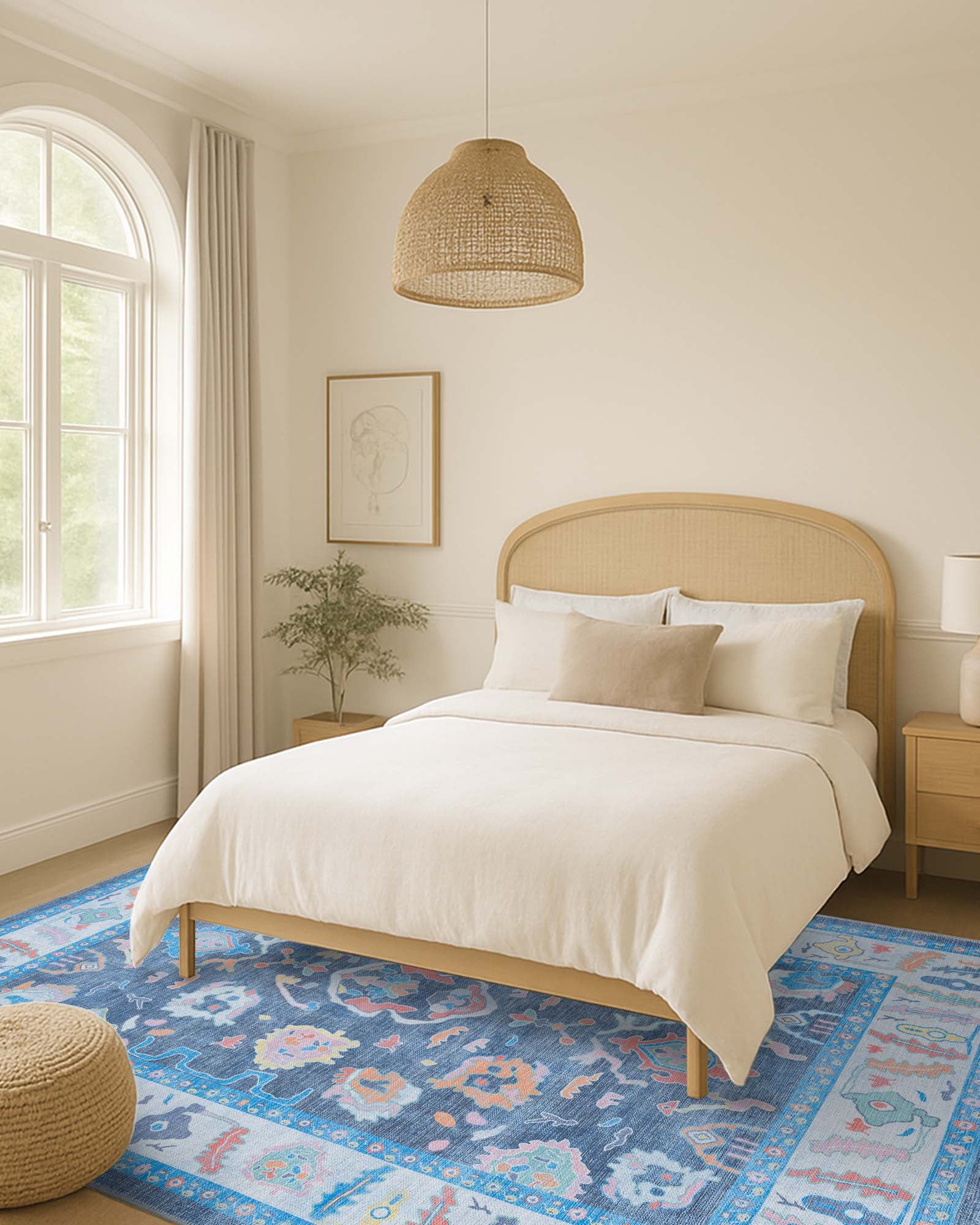
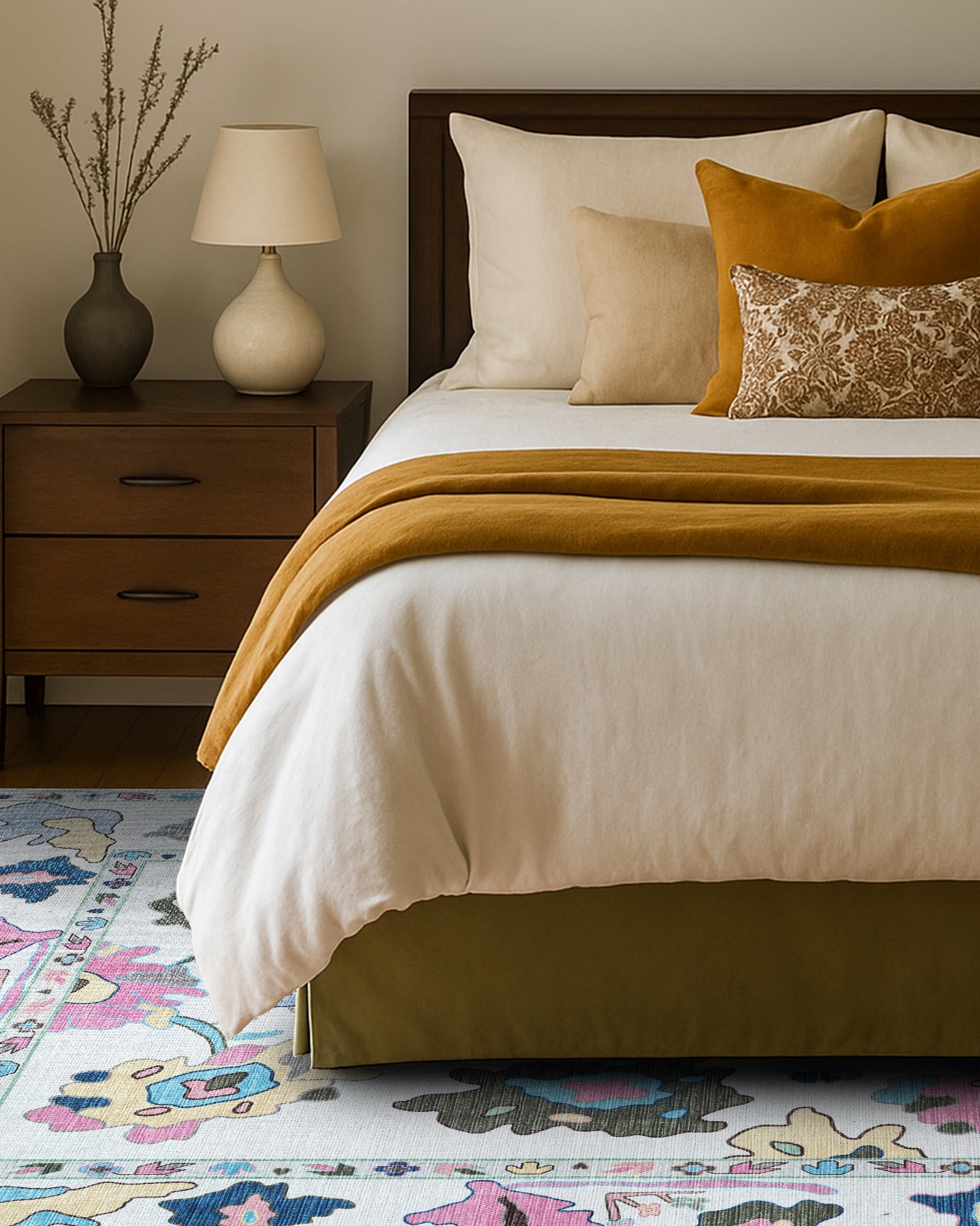
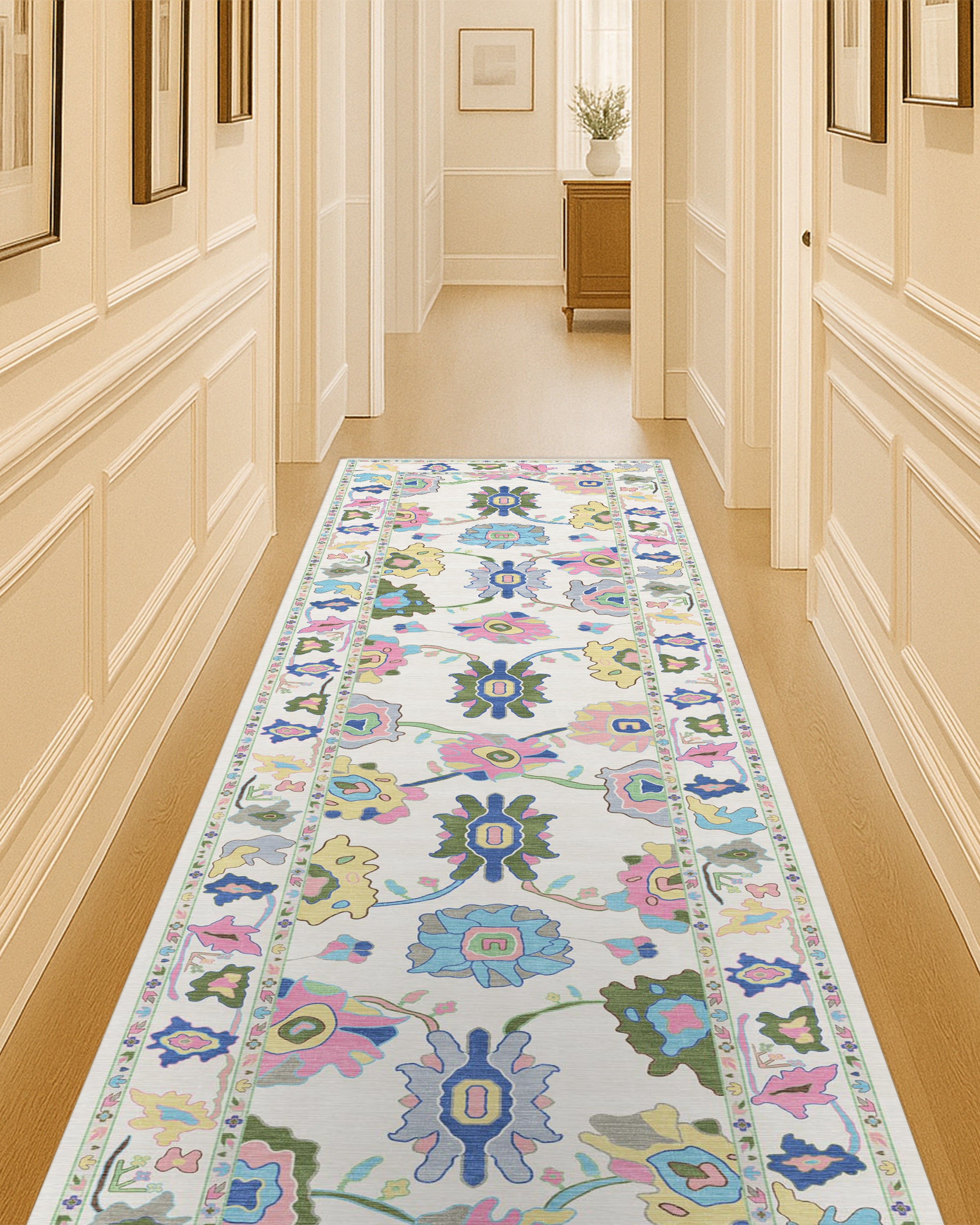
A large hand-knotted rug placed under the bed, extending 18 to 24 inches past each side, gives a soft landing wherever you step in the room, not just at one spot. This works especially well with a thicker pile piece, since the cushioning is the whole point of covering that much floor. A runner-length flatweave on one or both sides of the bed instead gives a lighter, more targeted solution — useful when you want pattern and color at the bedside without covering the full floor, or when the rest of the room already has flooring you're happy with.
Choosing by Priority
If warmth and cushioning matter most, prioritize pile height and choose from hand-knotted or tulu pieces. If flexibility and easy rearranging matter more, a flatweave is the better fit, especially in a room you change often or a temporary living situation. If you want the visual impact of a bold pattern close to eye level while lying in bed, both constructions can deliver it — the decision comes down to how the rug needs to perform underfoot, not just how it looks.
A Practical Note on Noise and Warmth
Thicker, pile-based rugs also do real acoustic work in a bedroom, softening footsteps and absorbing some ambient sound in a way a flat, thin rug cannot. In a room above another living space, or in a home with hard flooring throughout, this is worth factoring in alongside comfort underfoot.
Where to Look Next
For thick, plush pile specifically, browse High Pile Rugs or Tulu Rugs. For lighter, more flexible options, see Flatweave Bedroom Rugs. For the full range of hand-knotted construction and style, Hand-Knotted Rugs covers everything in between.
Frequently Asked Questions
Should I choose a hand-knotted rug or a flatweave for my bedroom?
It depends on your priority. Hand-knotted pile gives real cushioning and warmth underfoot, while a flatweave is lighter, easier to reposition, and better suited to layering over existing carpet or a smaller, more flexible space.
What size rug works best under a bed?
A large piece extending 18 to 24 inches past each side of the bed gives a soft landing wherever you step. A runner on one or both sides works instead if you only want coverage at the bedside rather than full-room placement.
Are flatweaves too thin for a bedroom floor?
They offer less cushioning than a pile rug, so if warmth and softness underfoot matter most, a hand-knotted or high-pile piece is generally the better choice. A flatweave suits flexibility and layering over other flooring instead.
Do thicker rugs help with noise in a bedroom?
Yes. Pile-based rugs absorb sound and soften footsteps more effectively than a thin flatweave, which is worth considering in a room above another living space or a home with hard flooring throughout.
Can I layer a flatweave over carpet in a bedroom?
Yes — a flatweave is thin enough to lie reasonably flat over existing low-pile carpet, making it a good option for adding color and pattern without replacing the floor covering underneath.