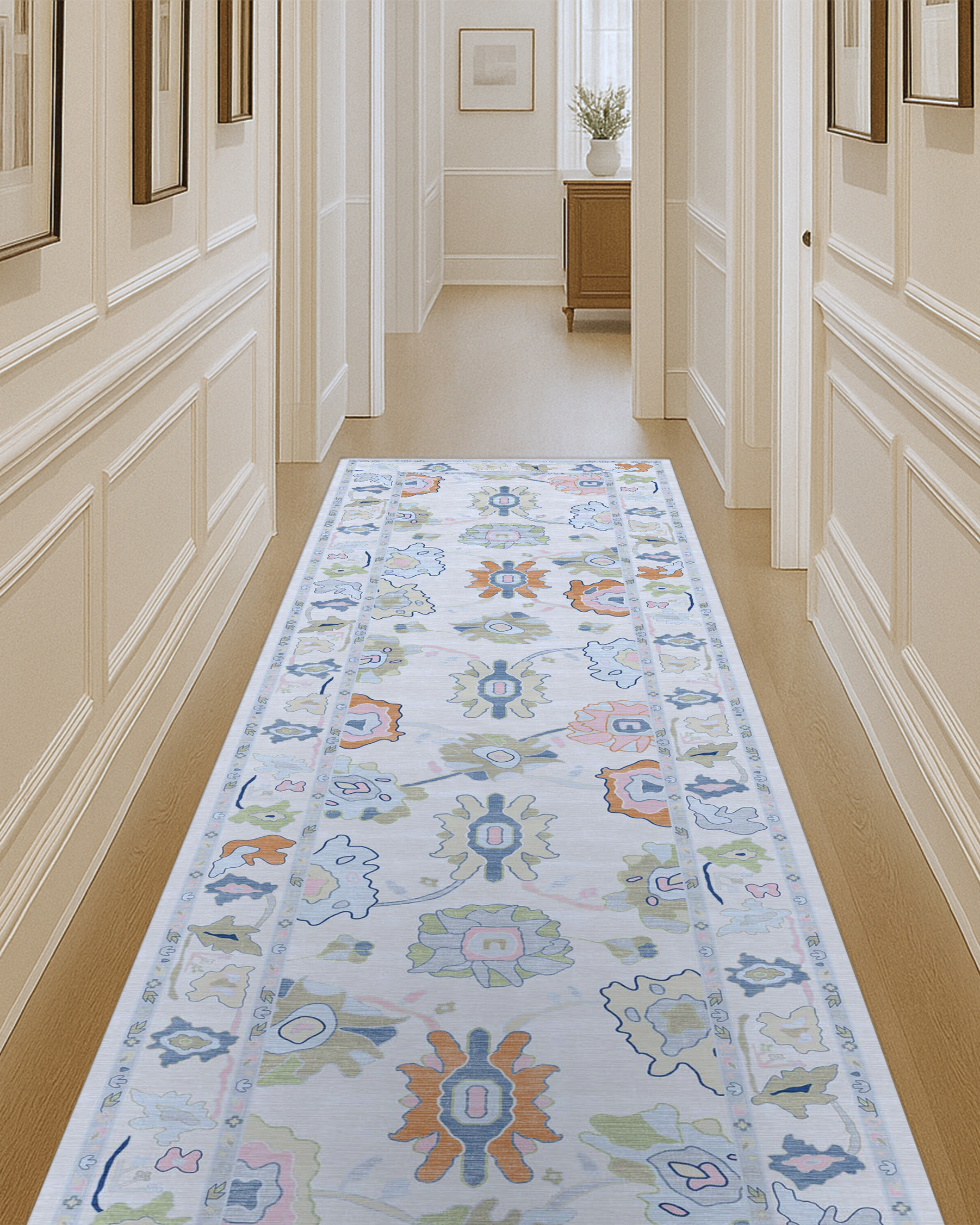
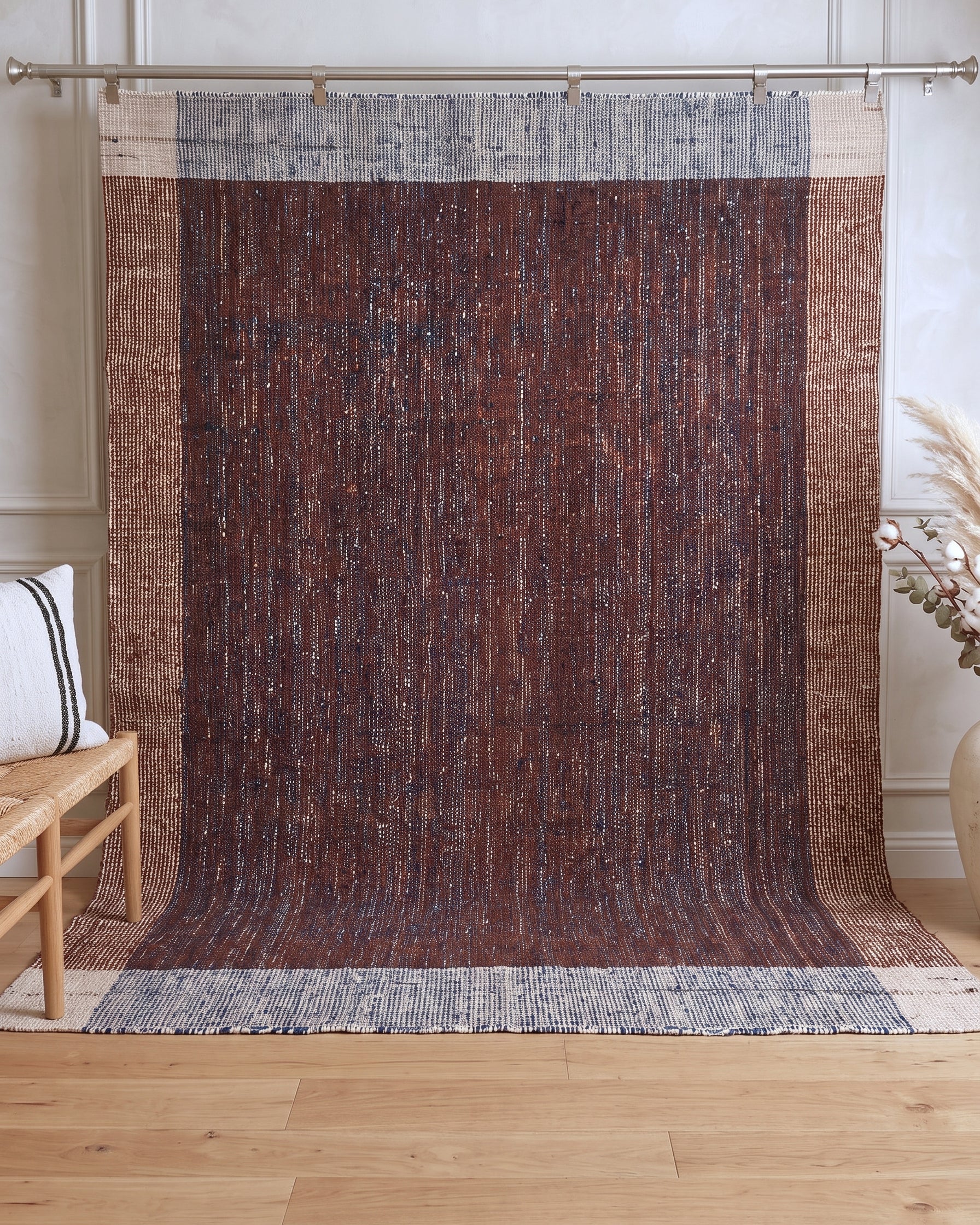
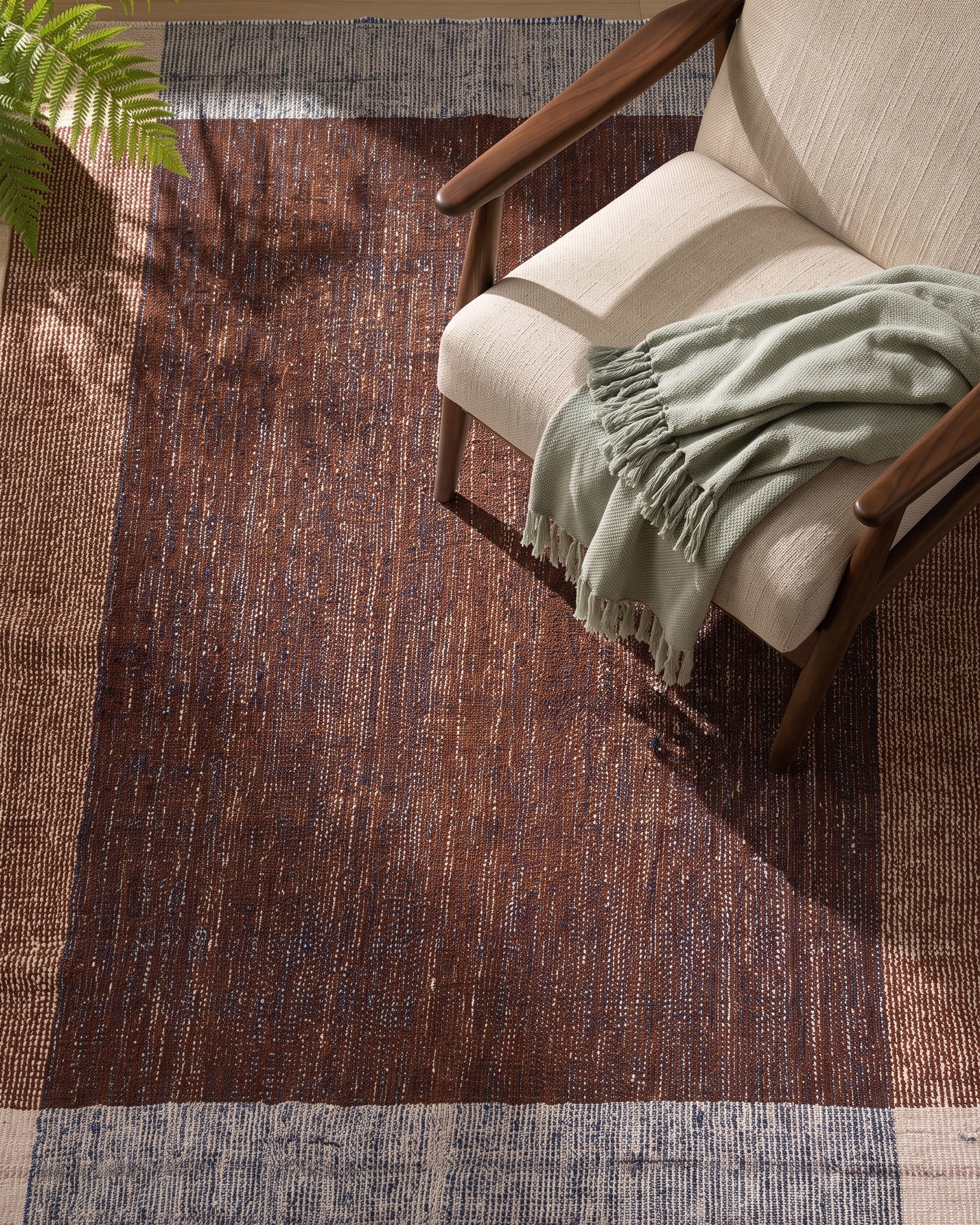
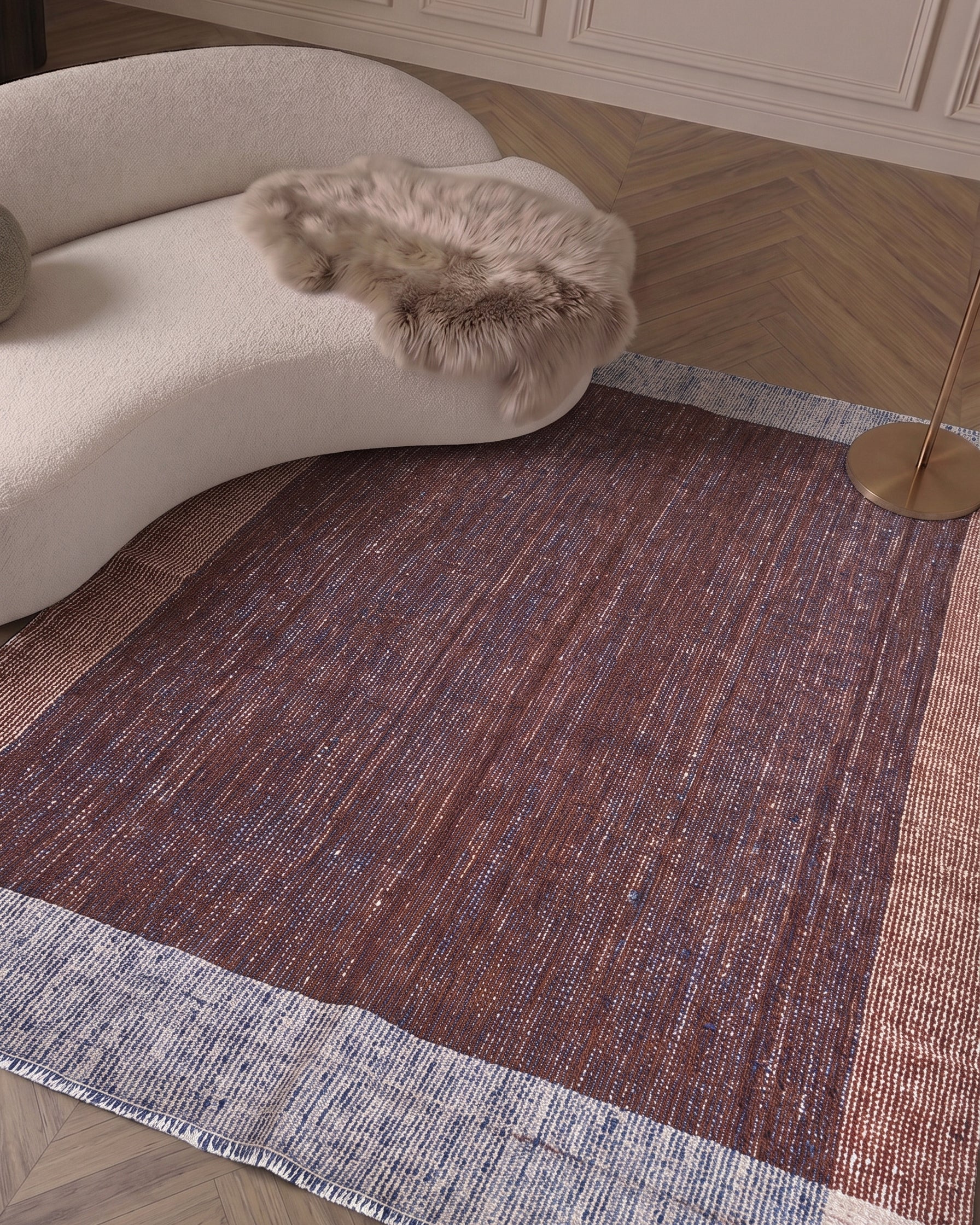
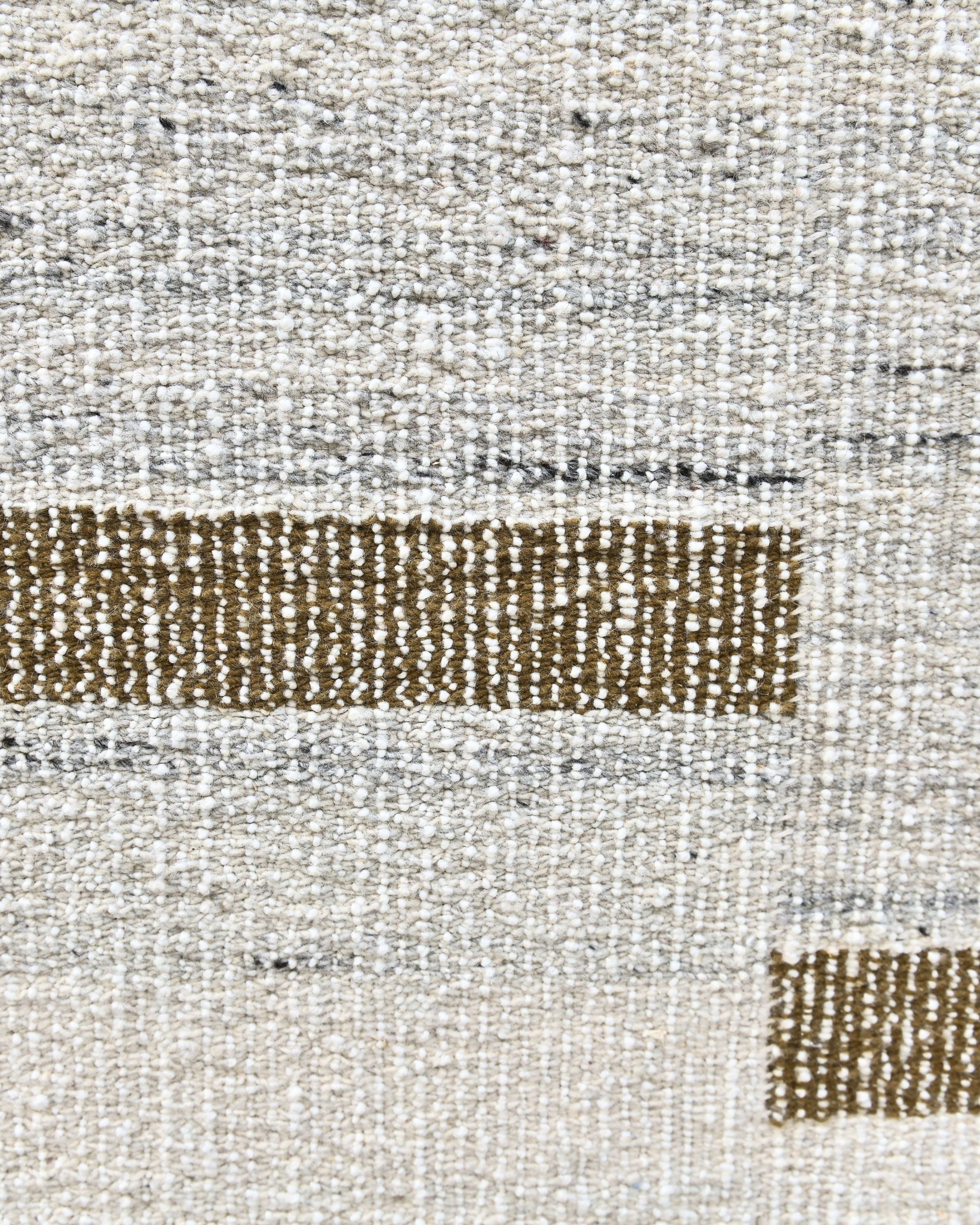
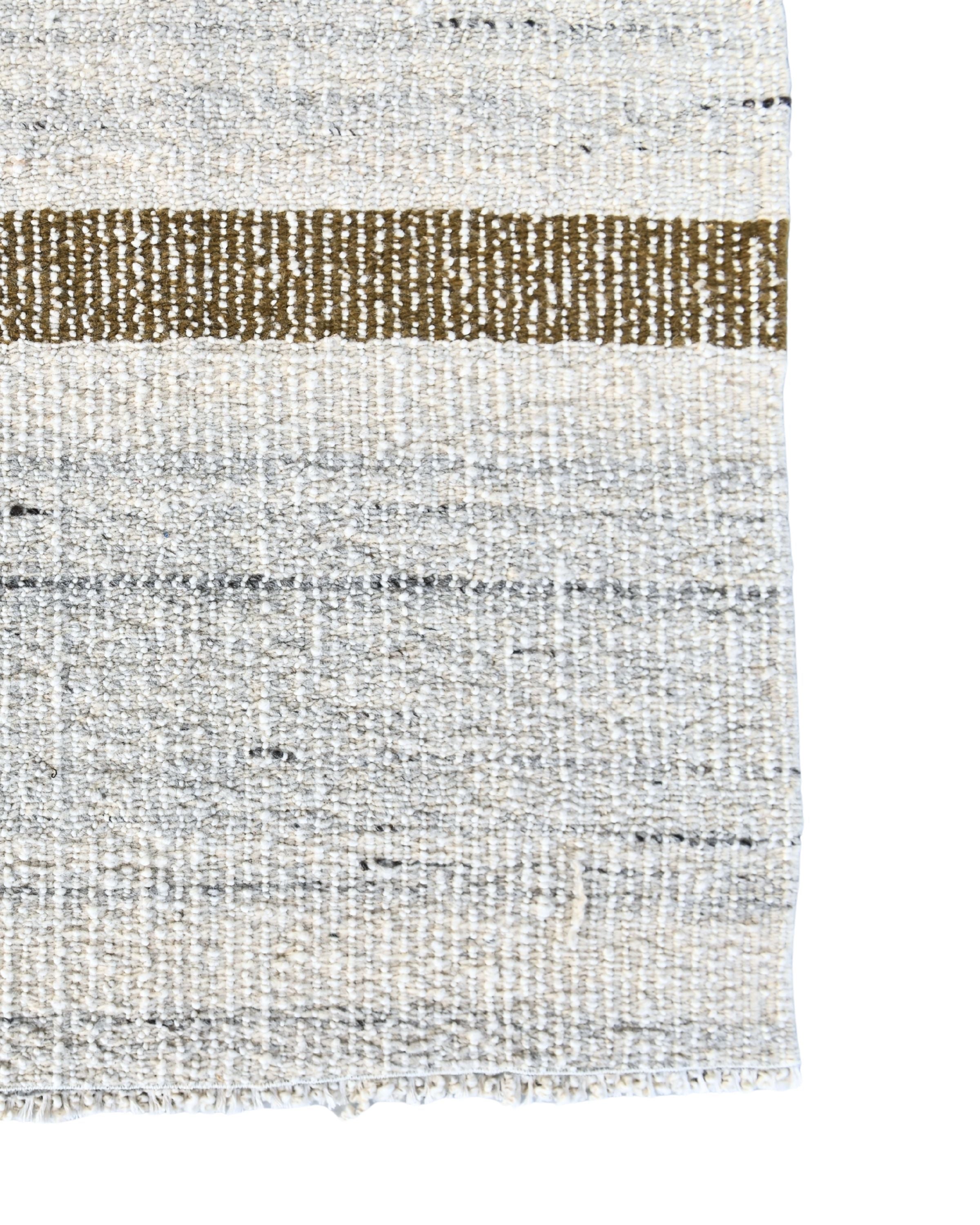
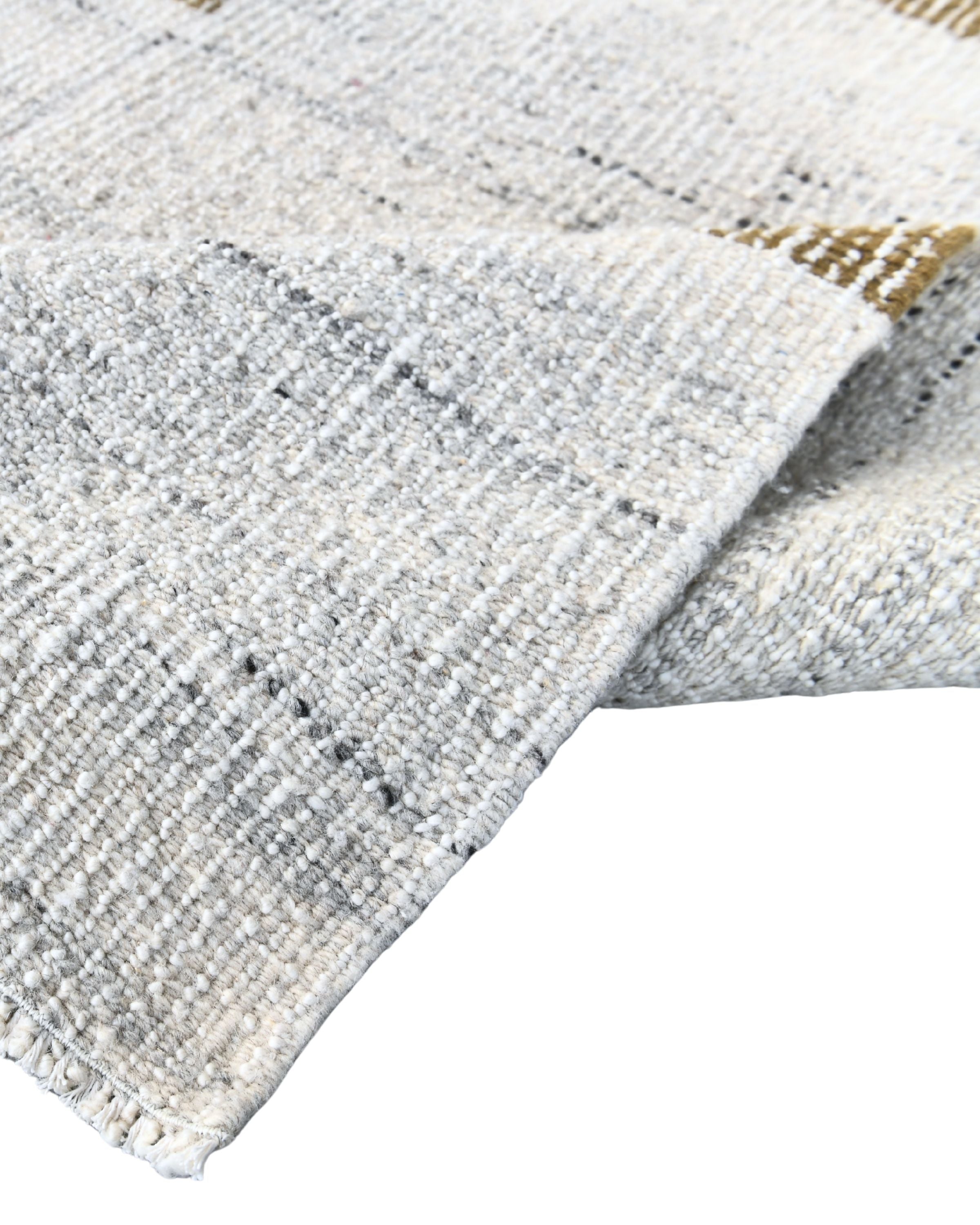
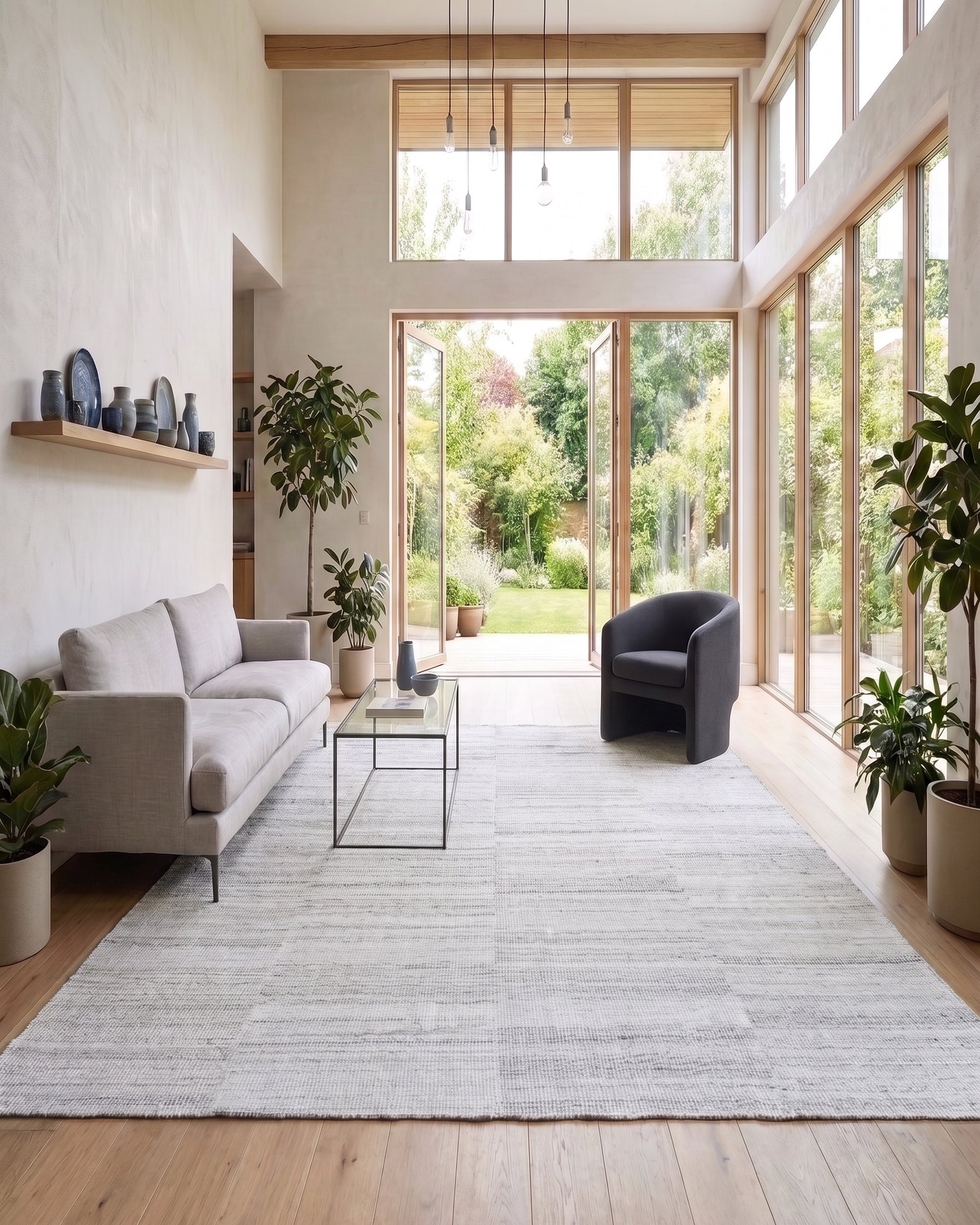
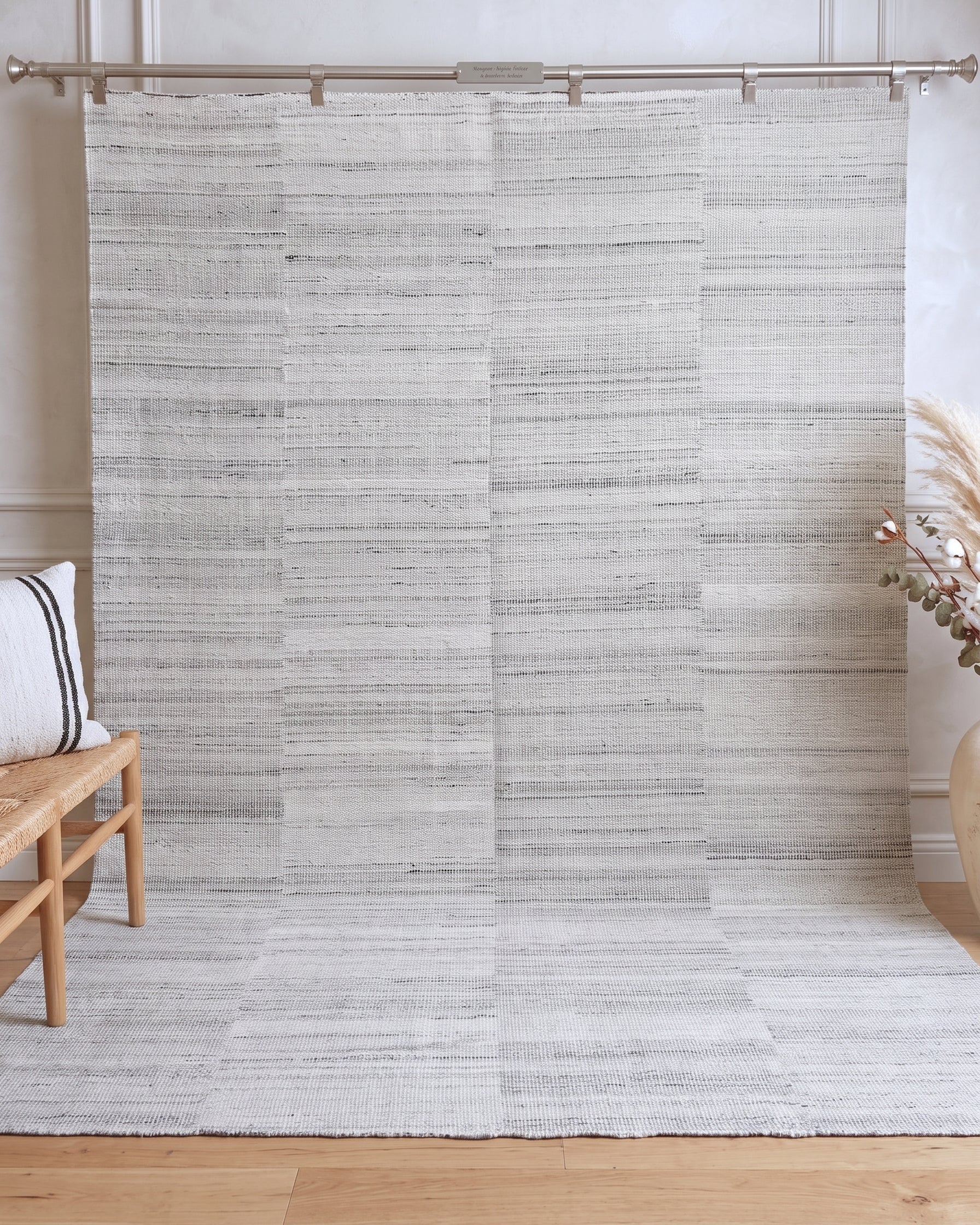
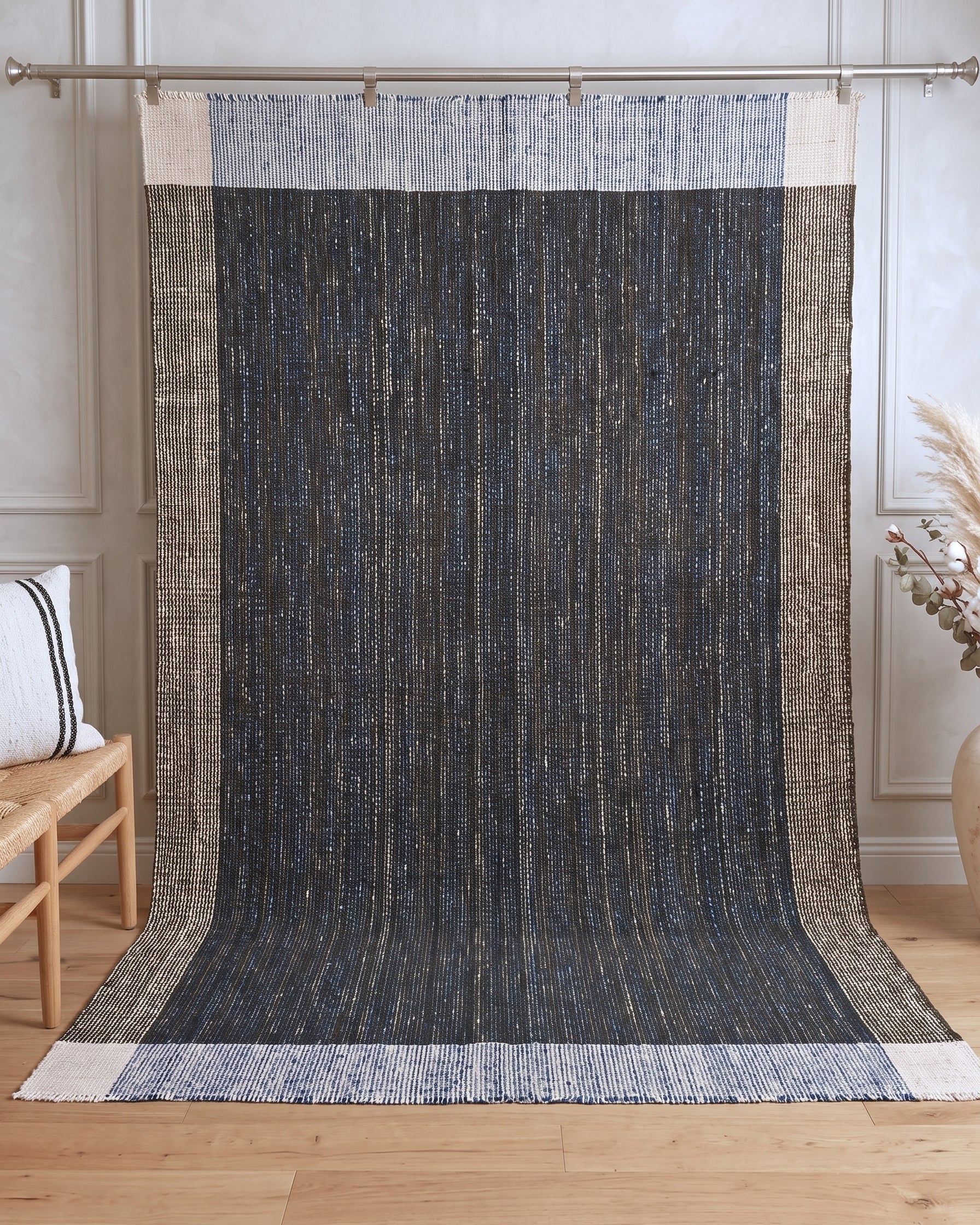
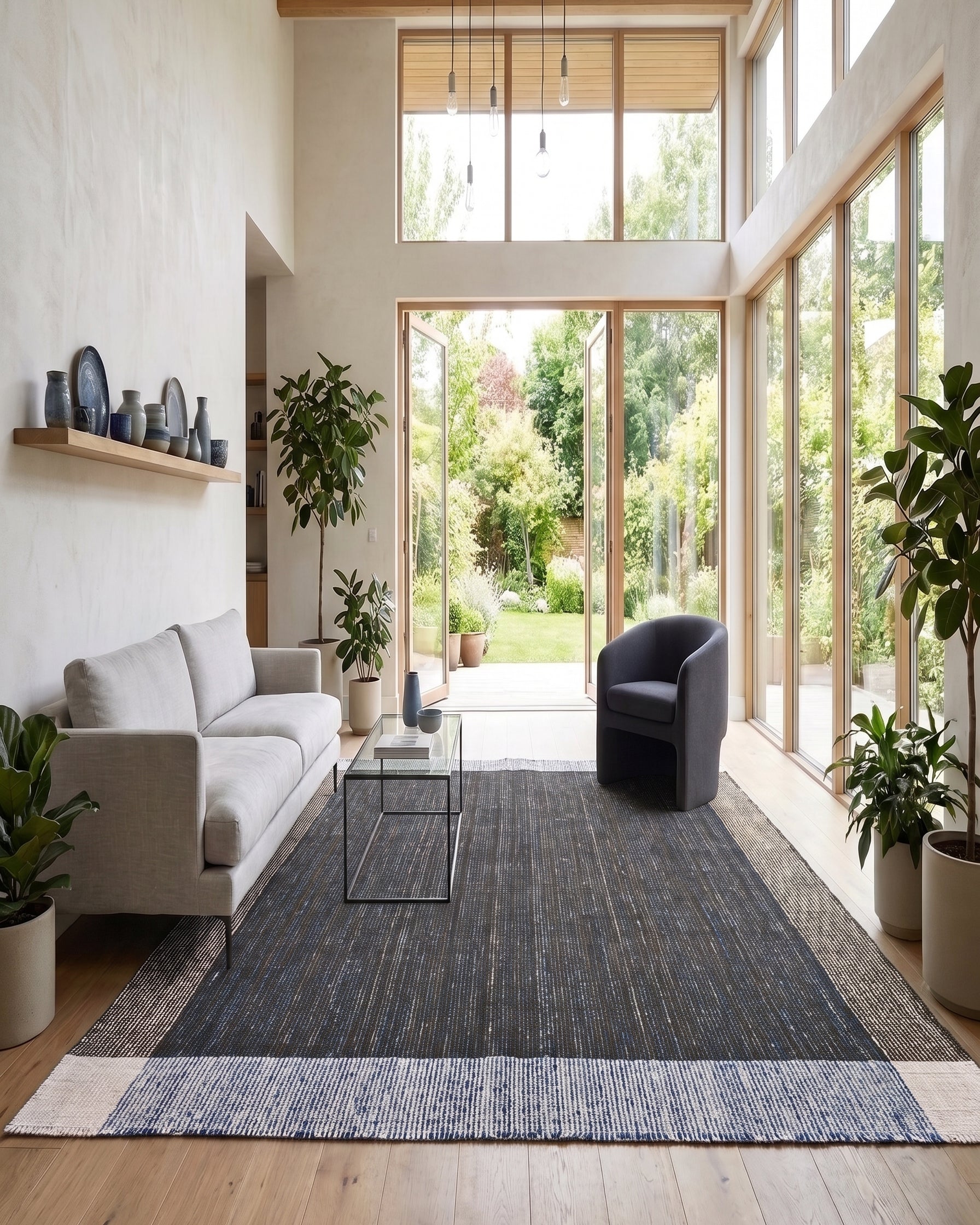
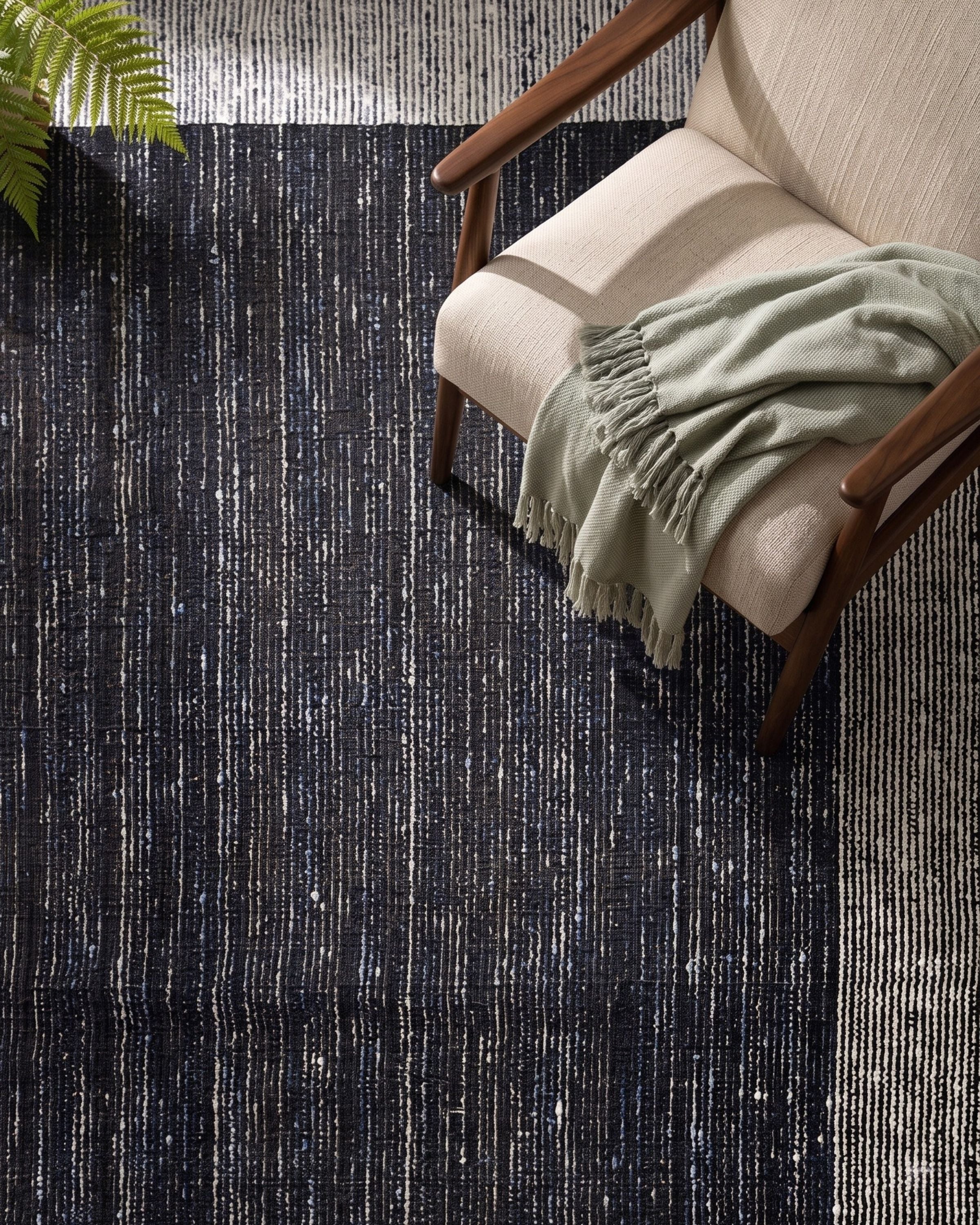
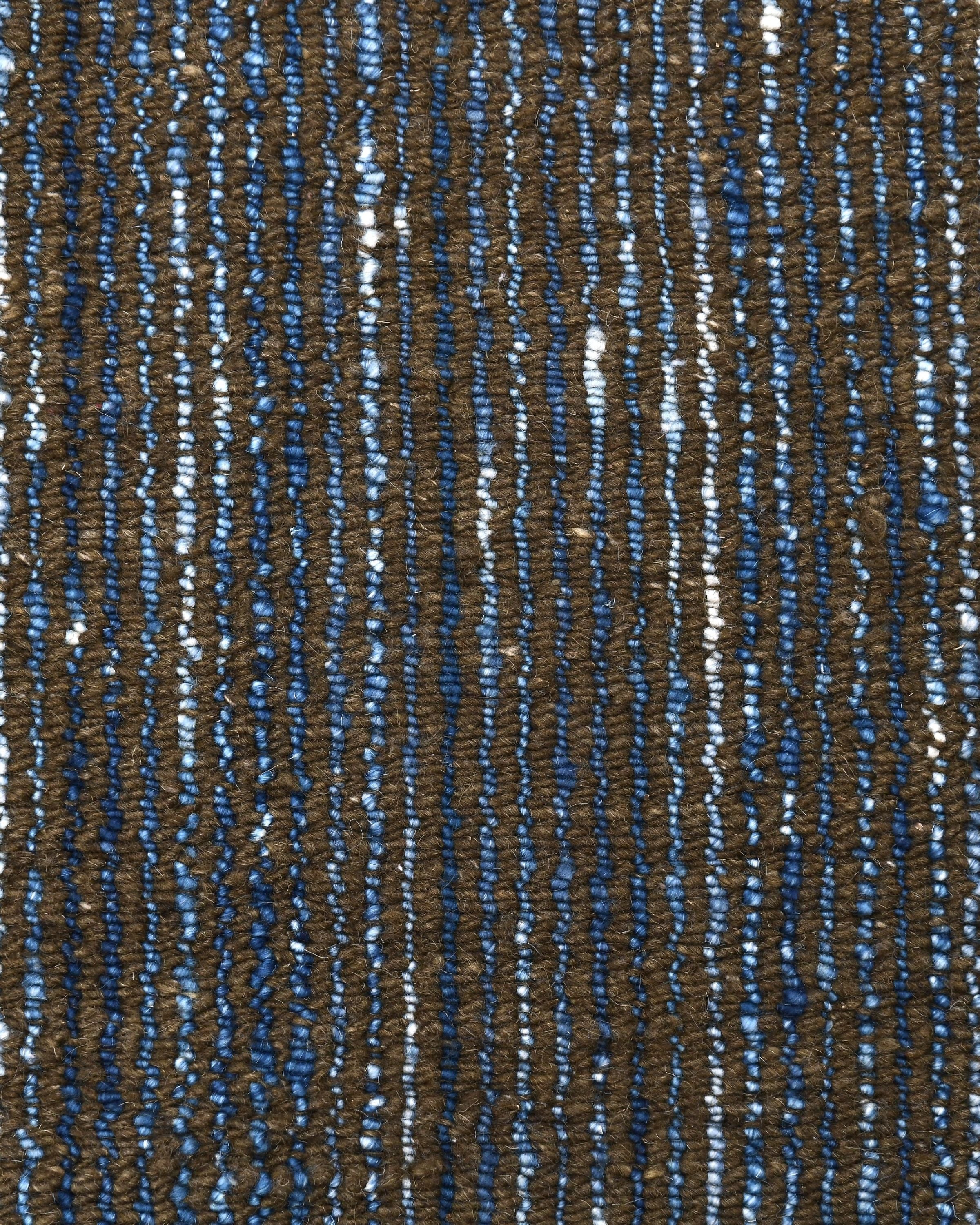
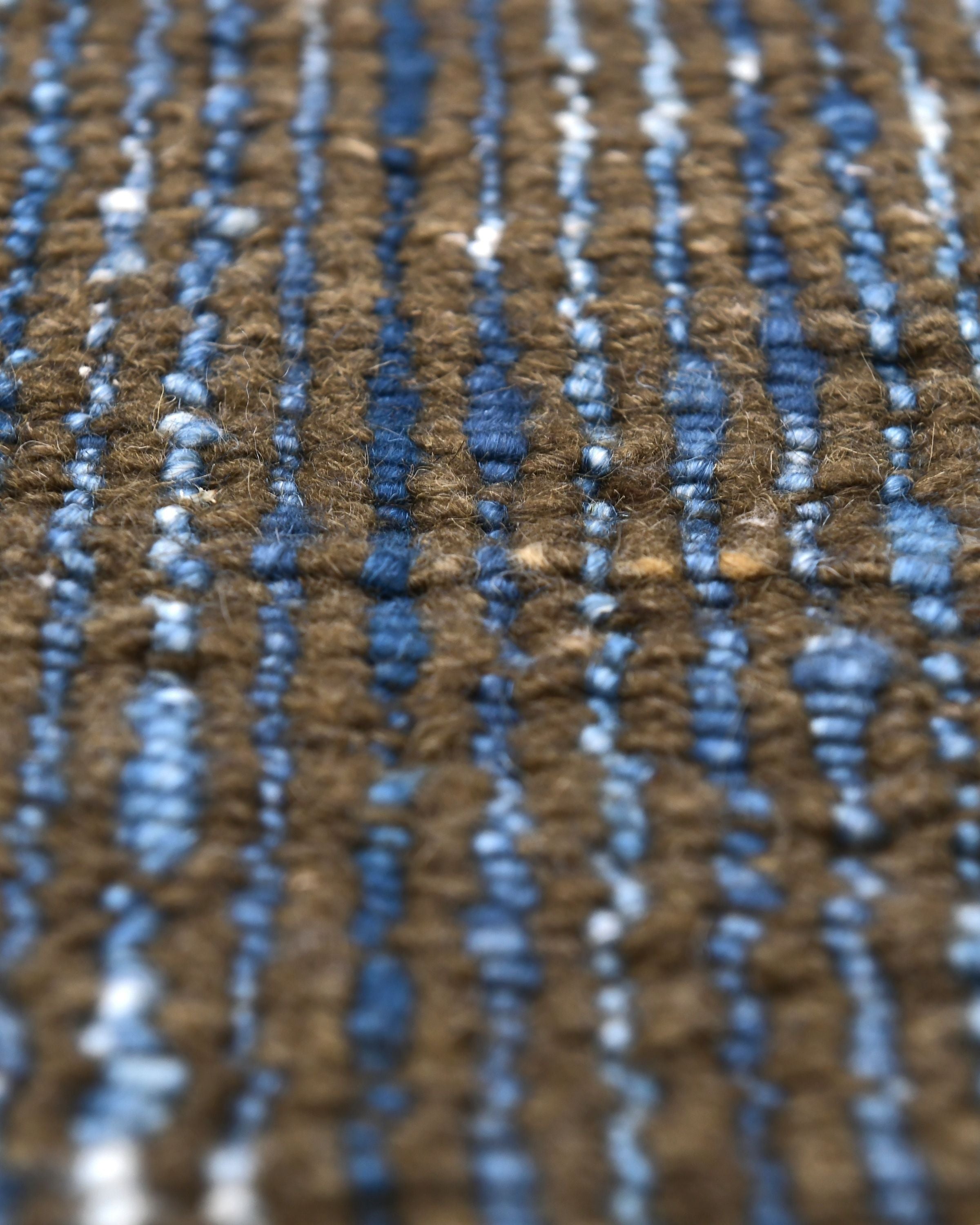
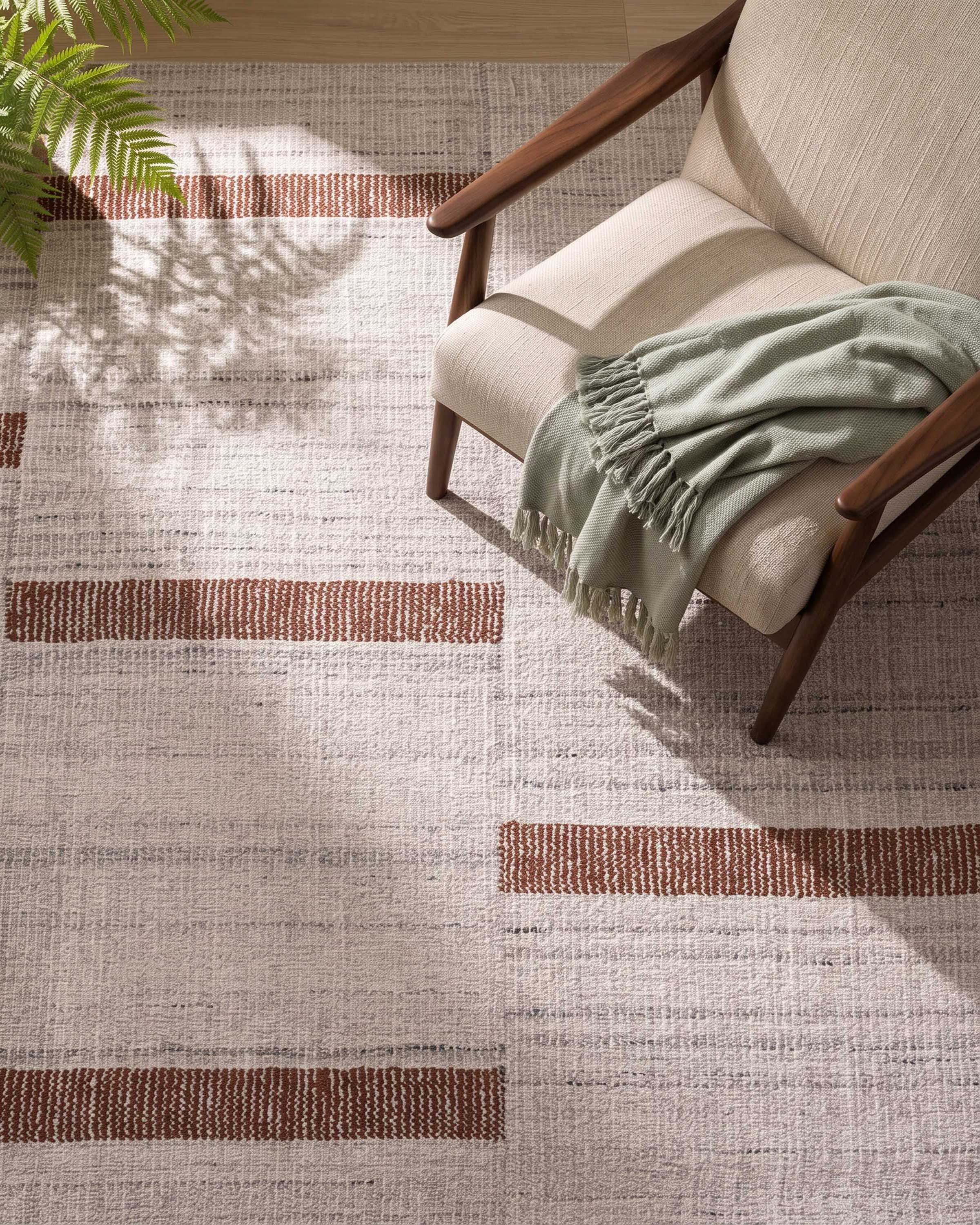
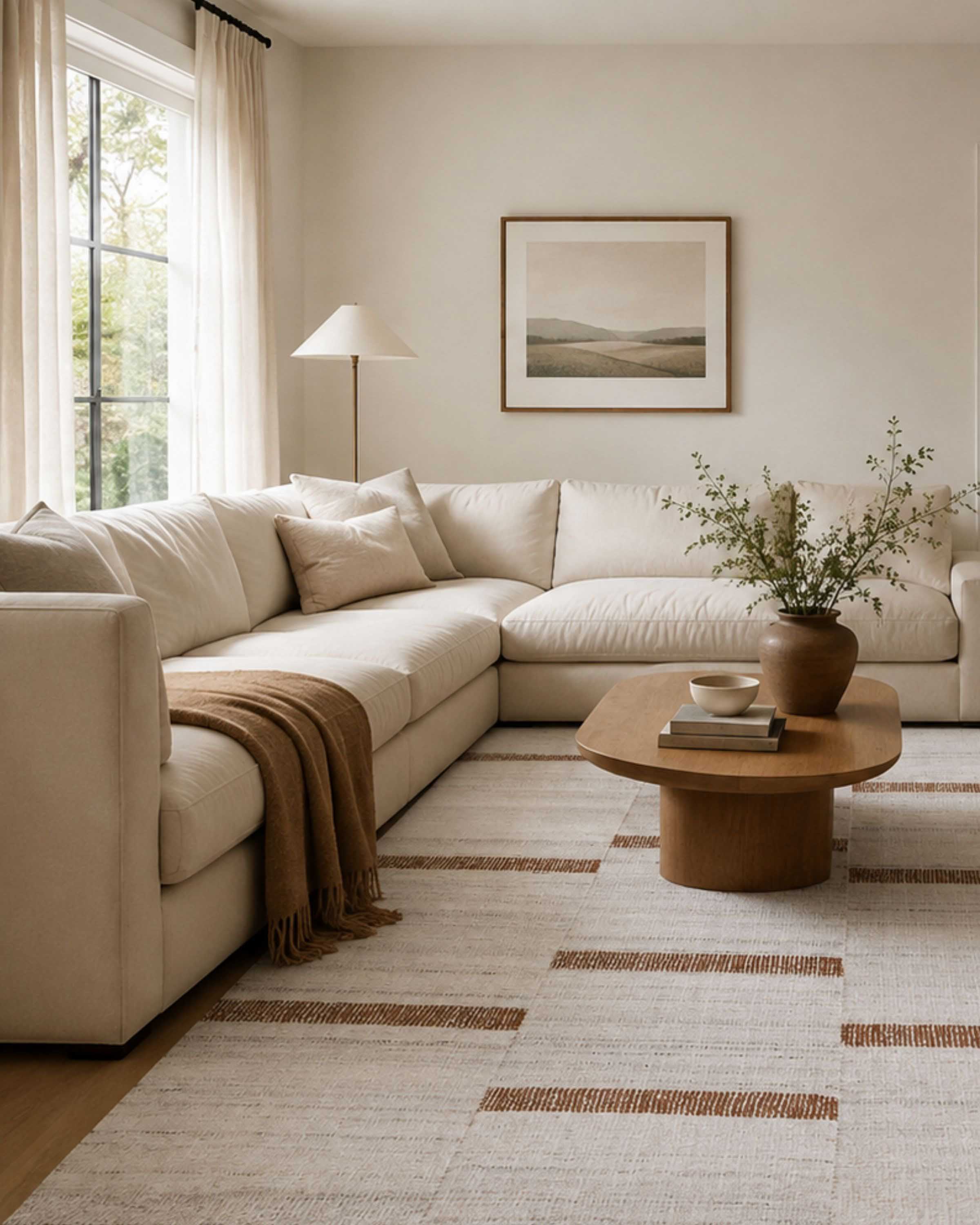
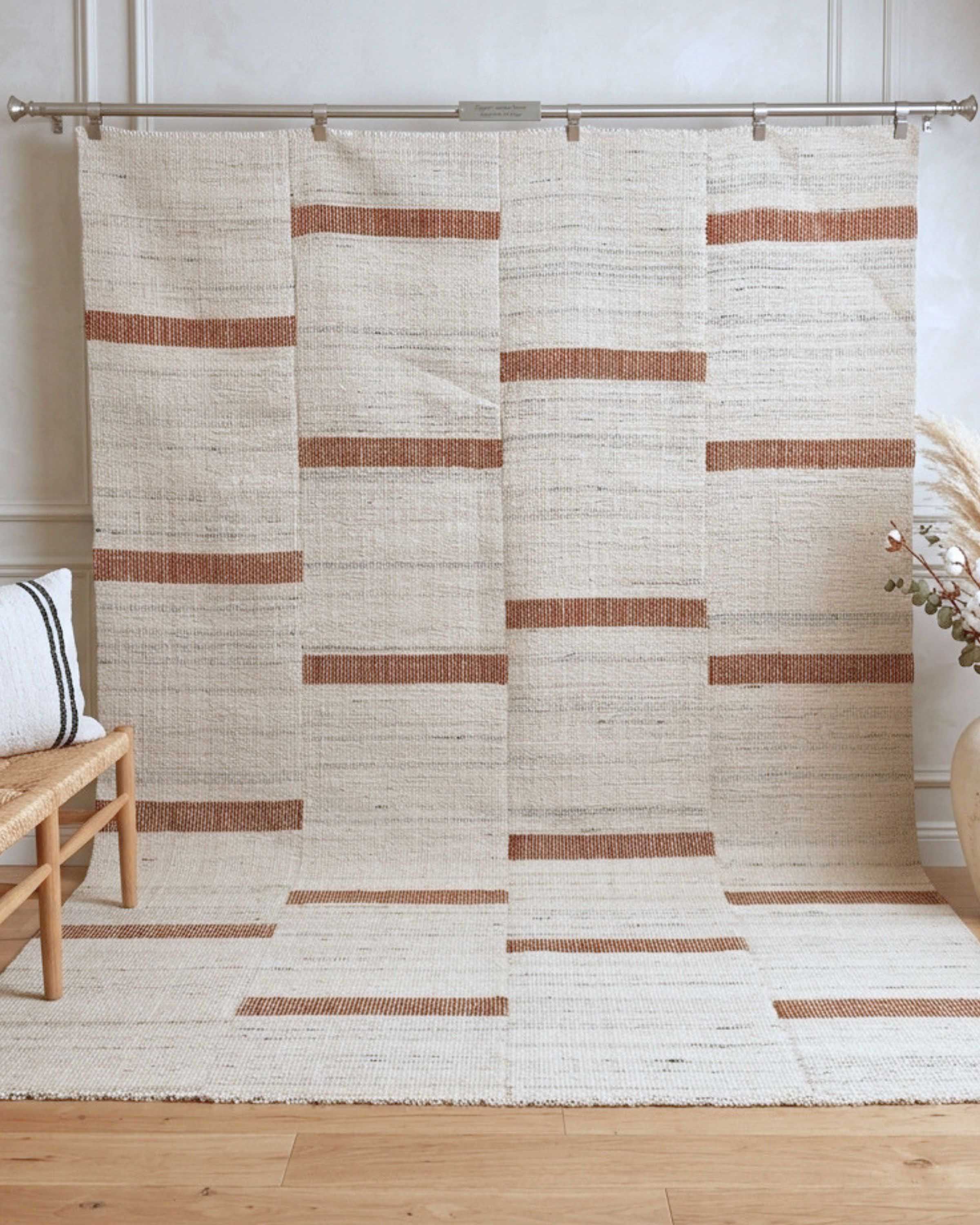
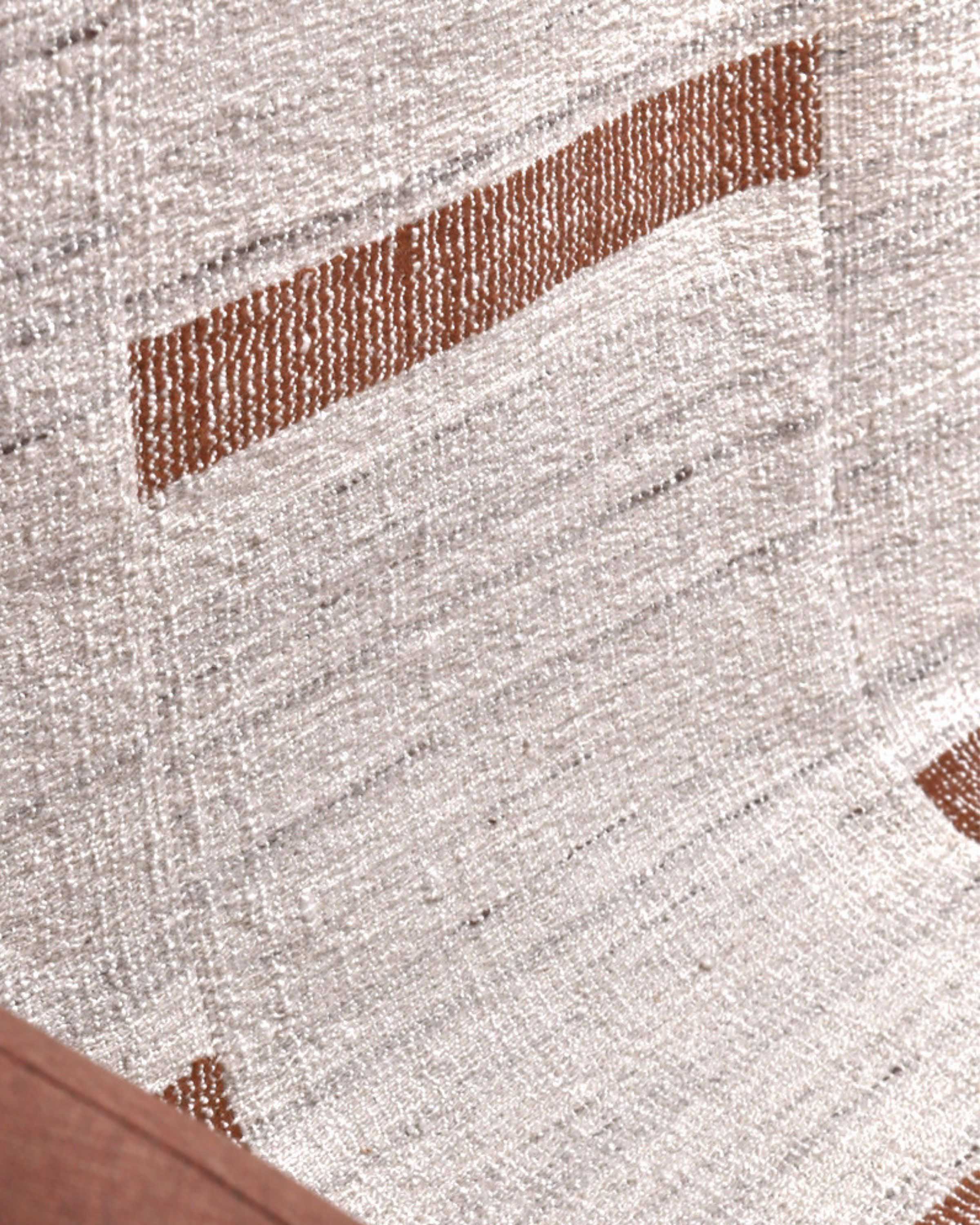
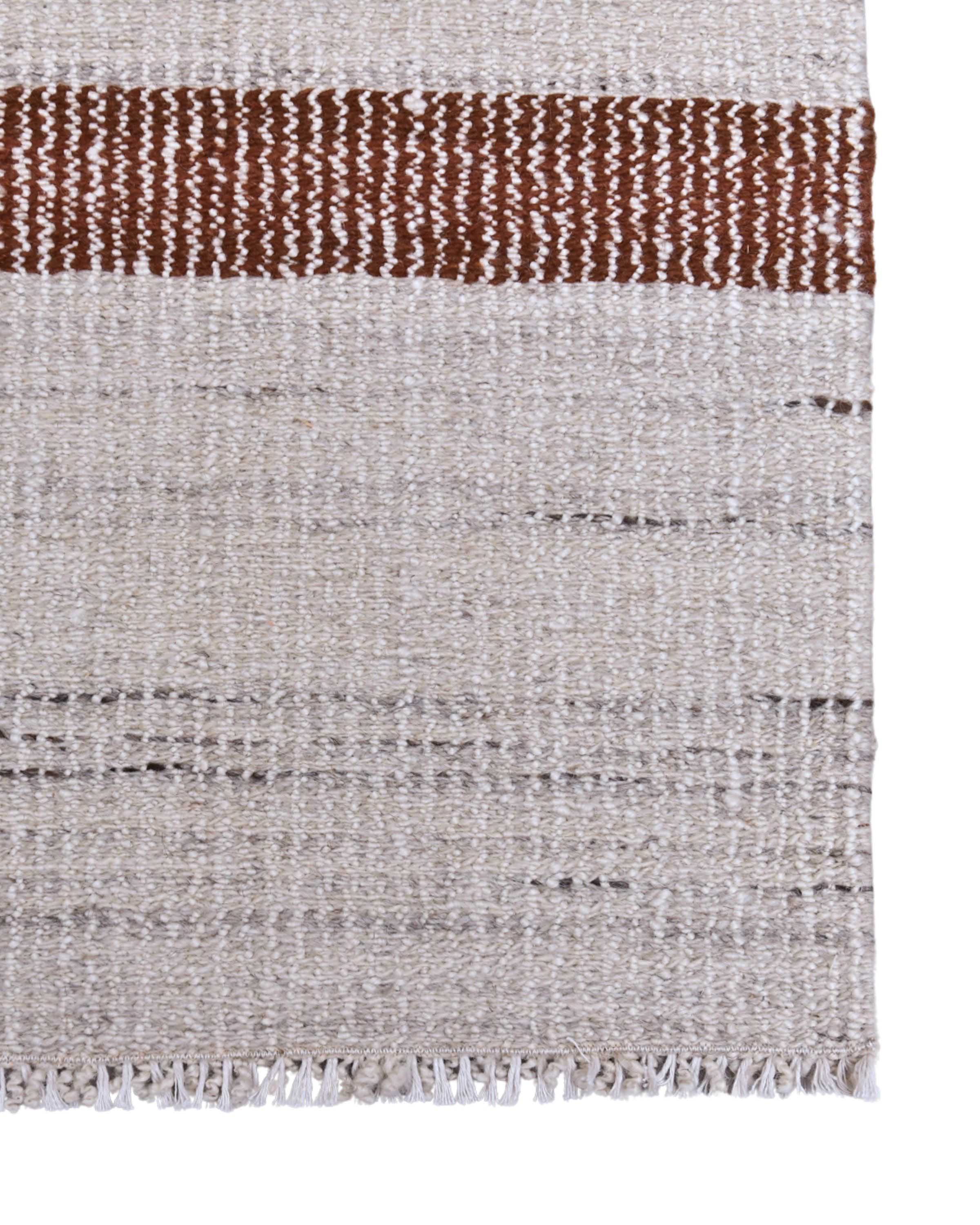
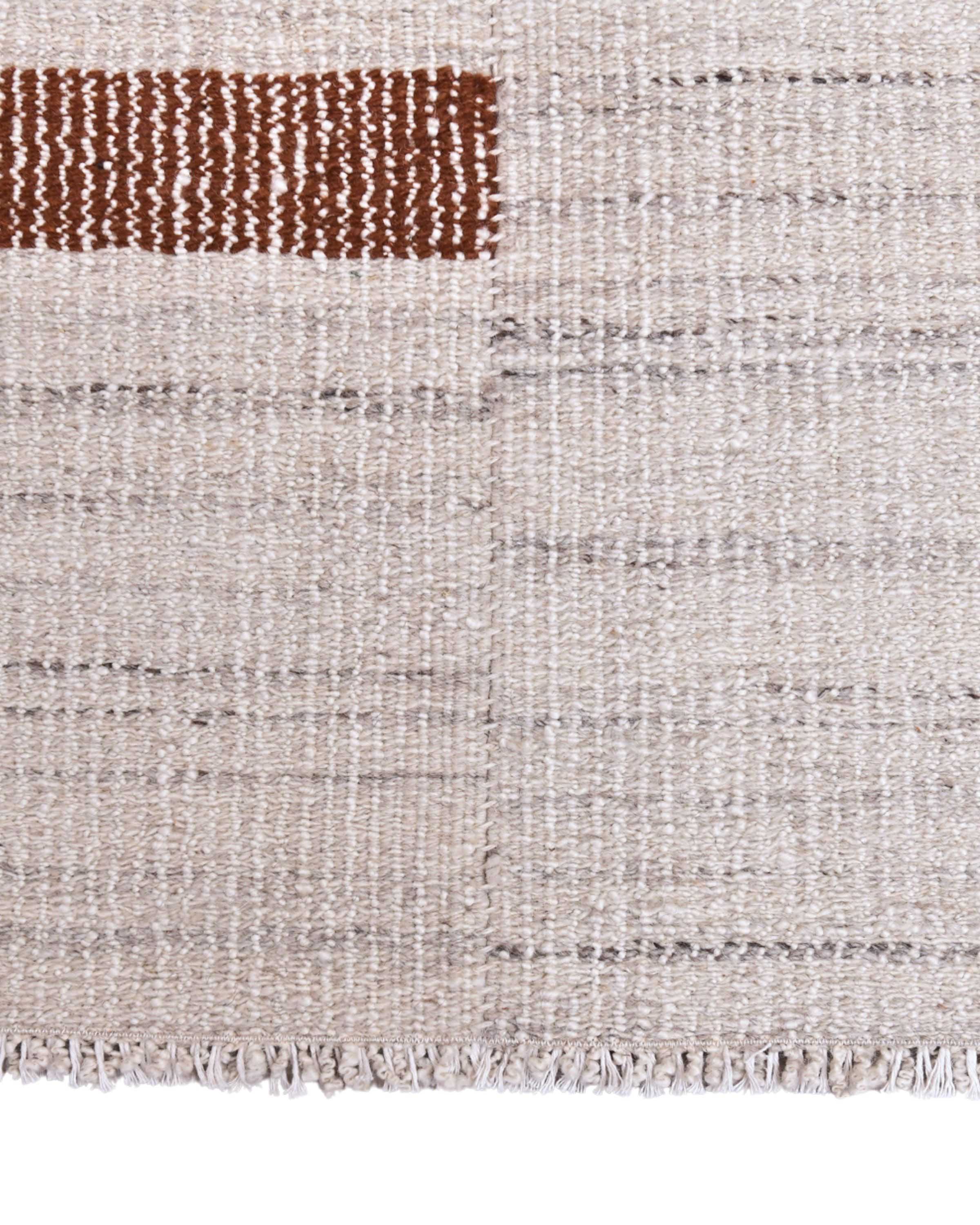
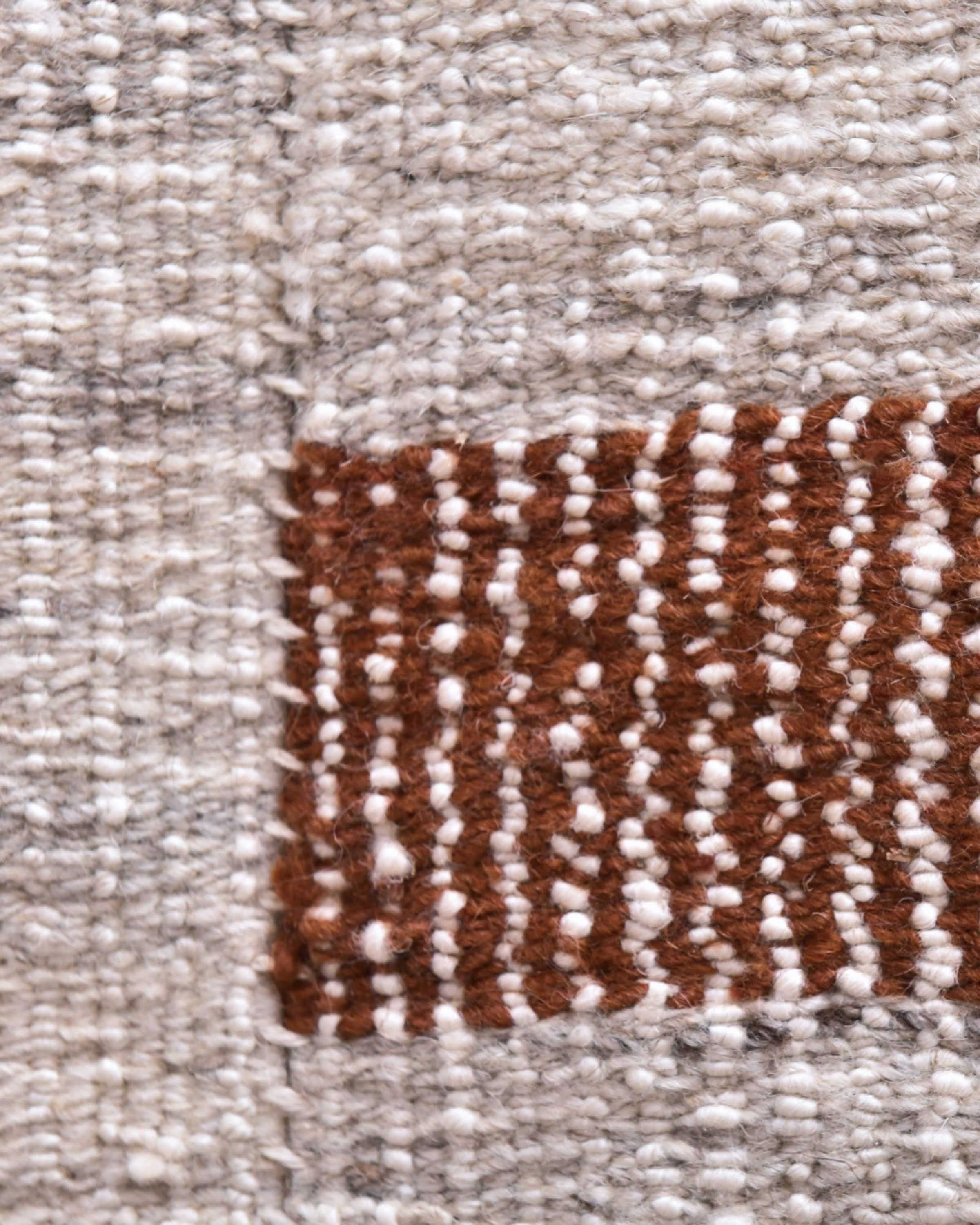
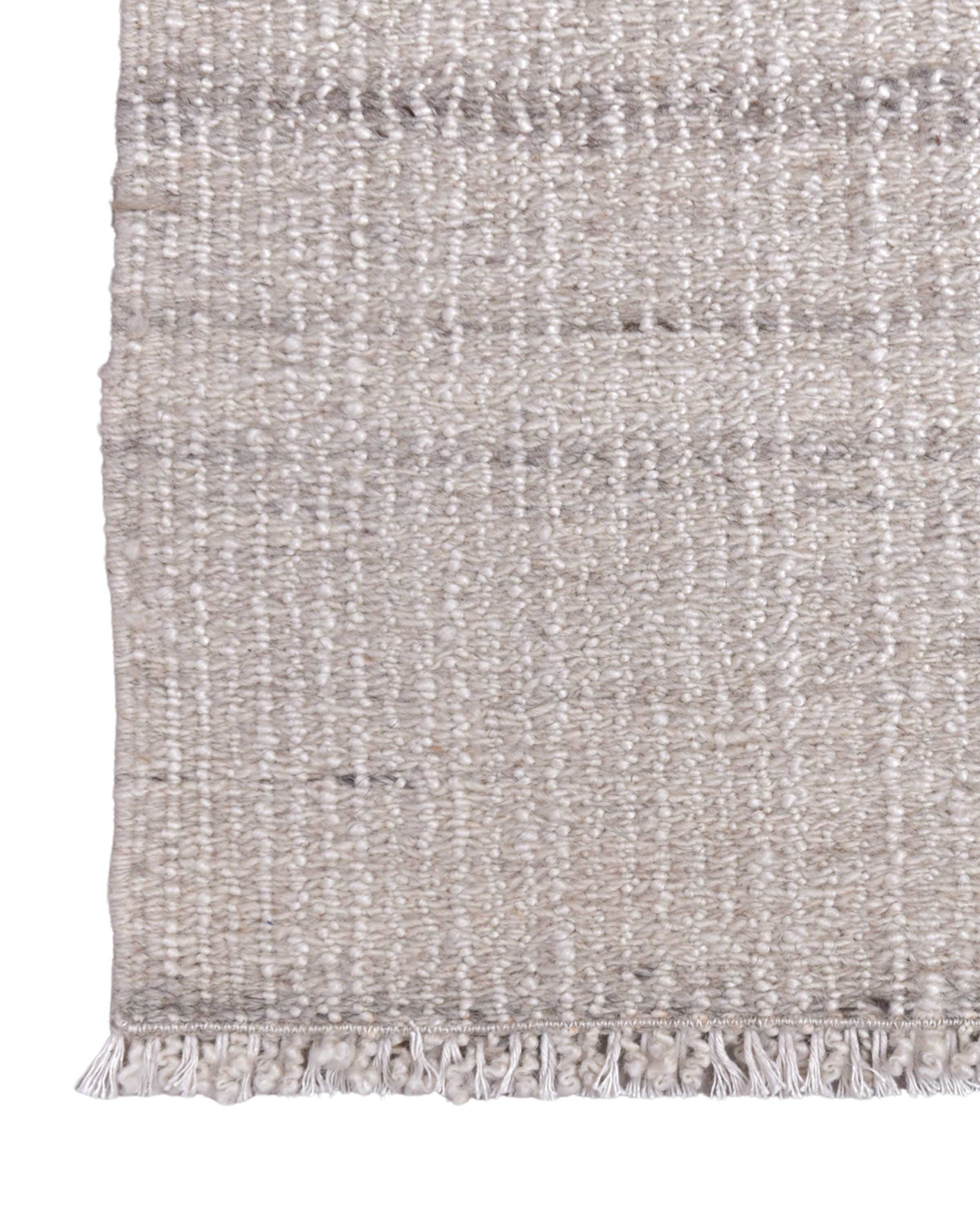
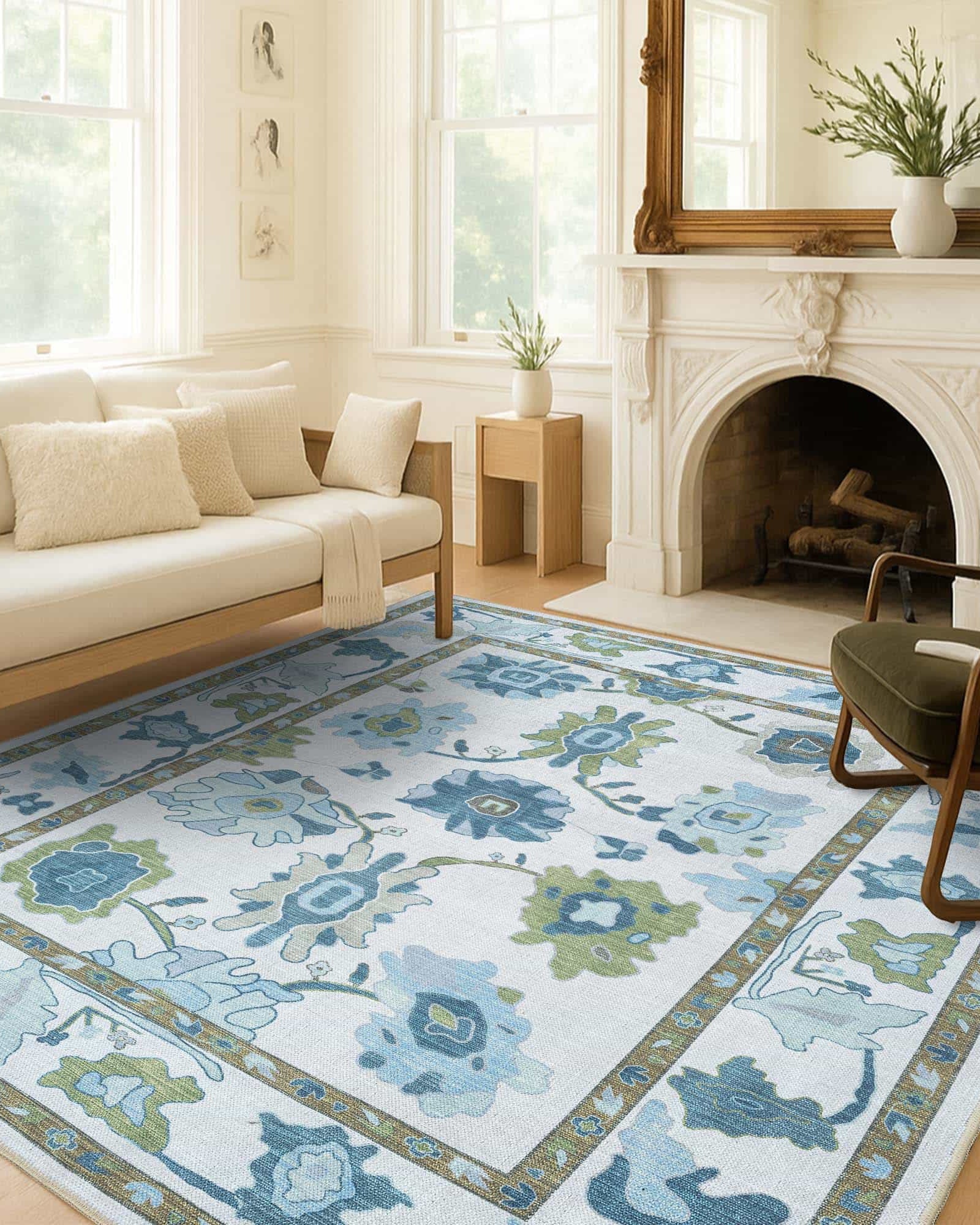
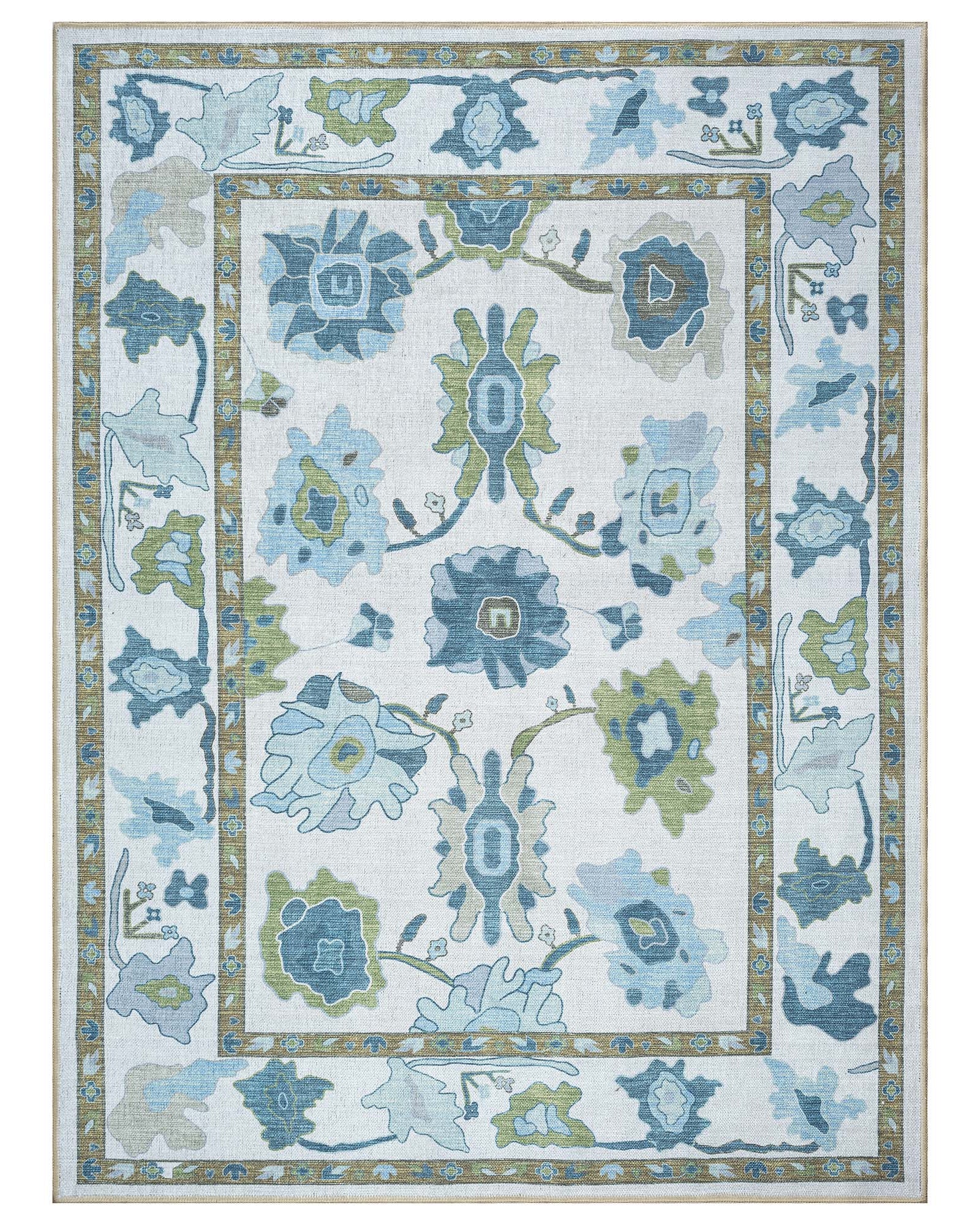
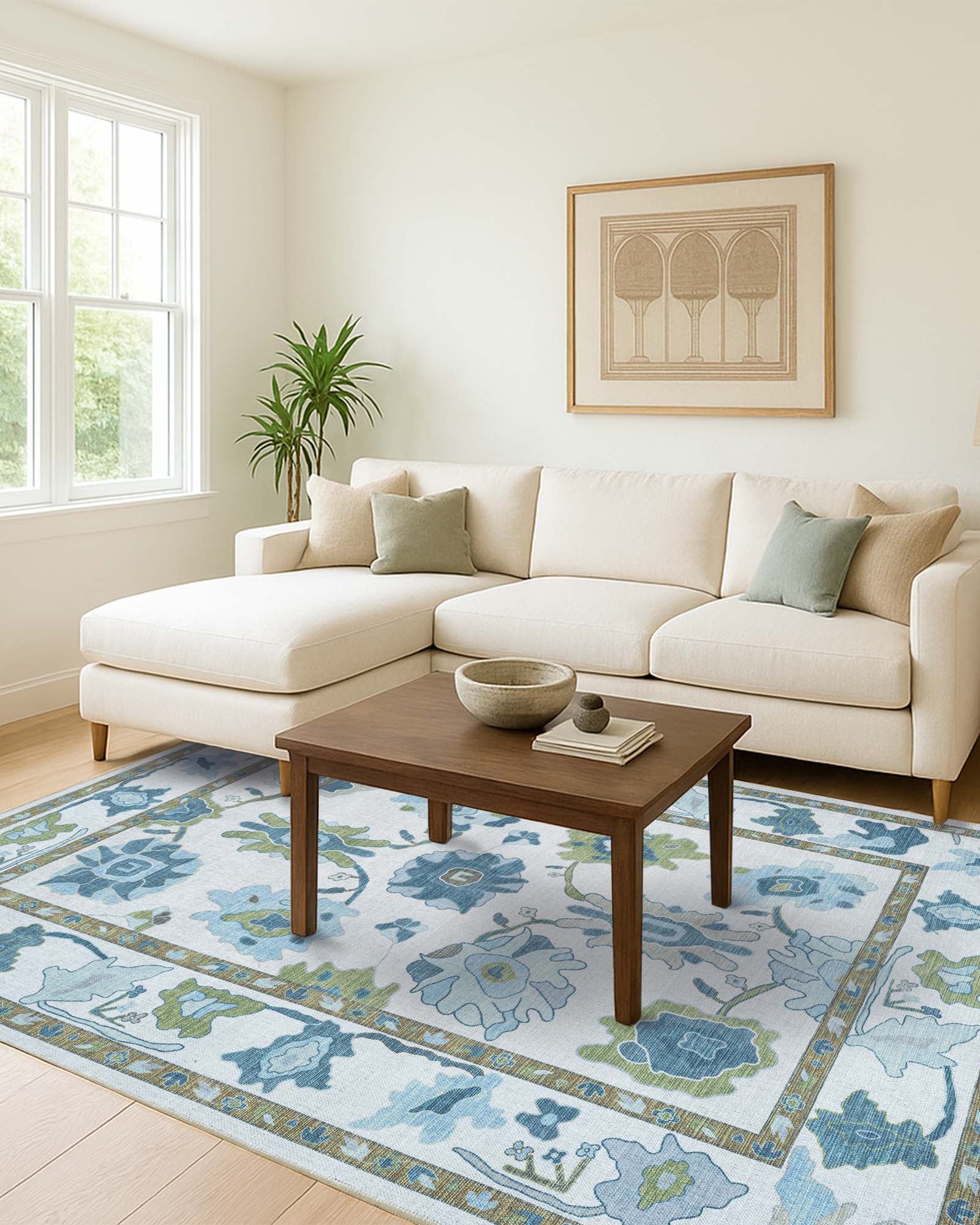
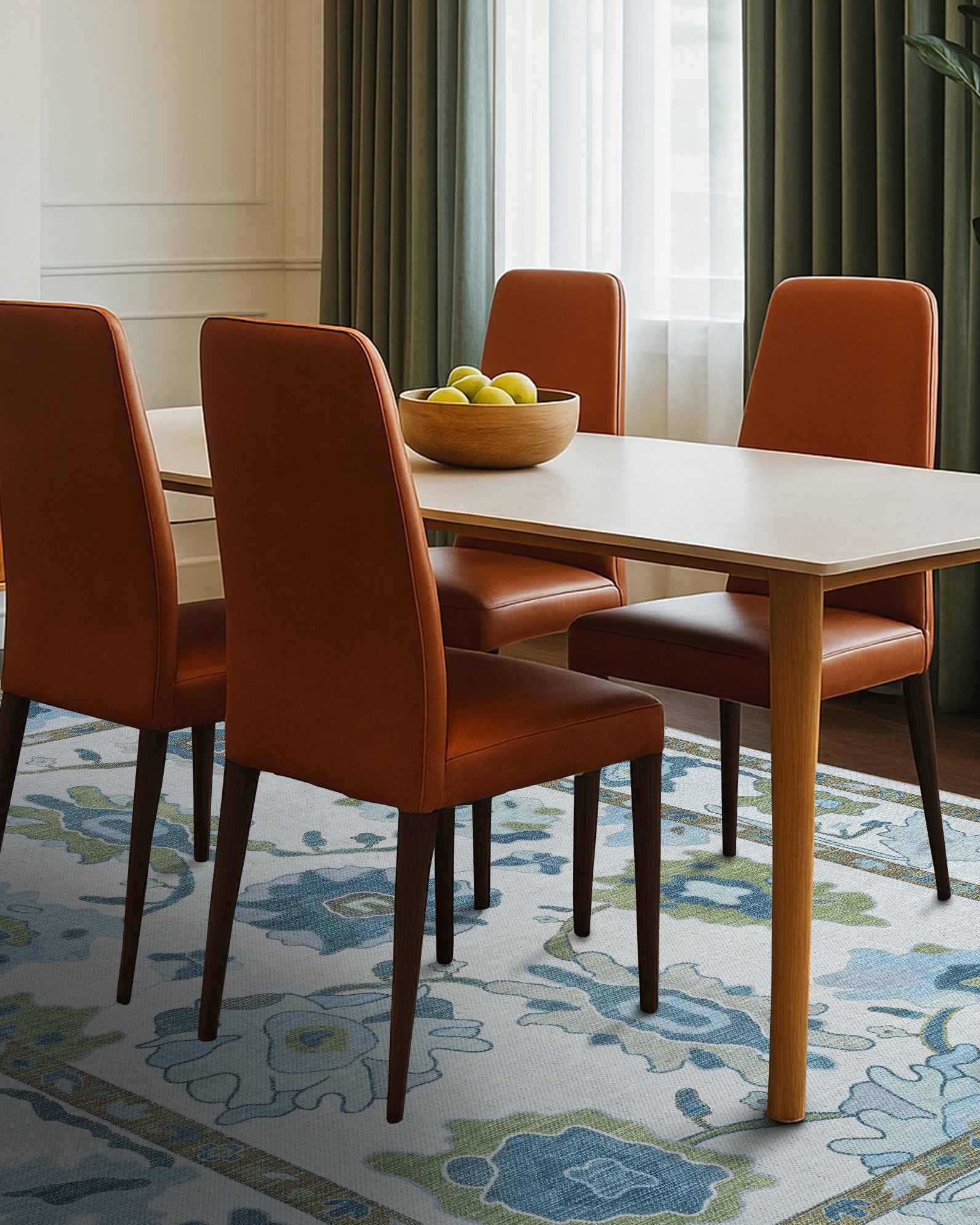
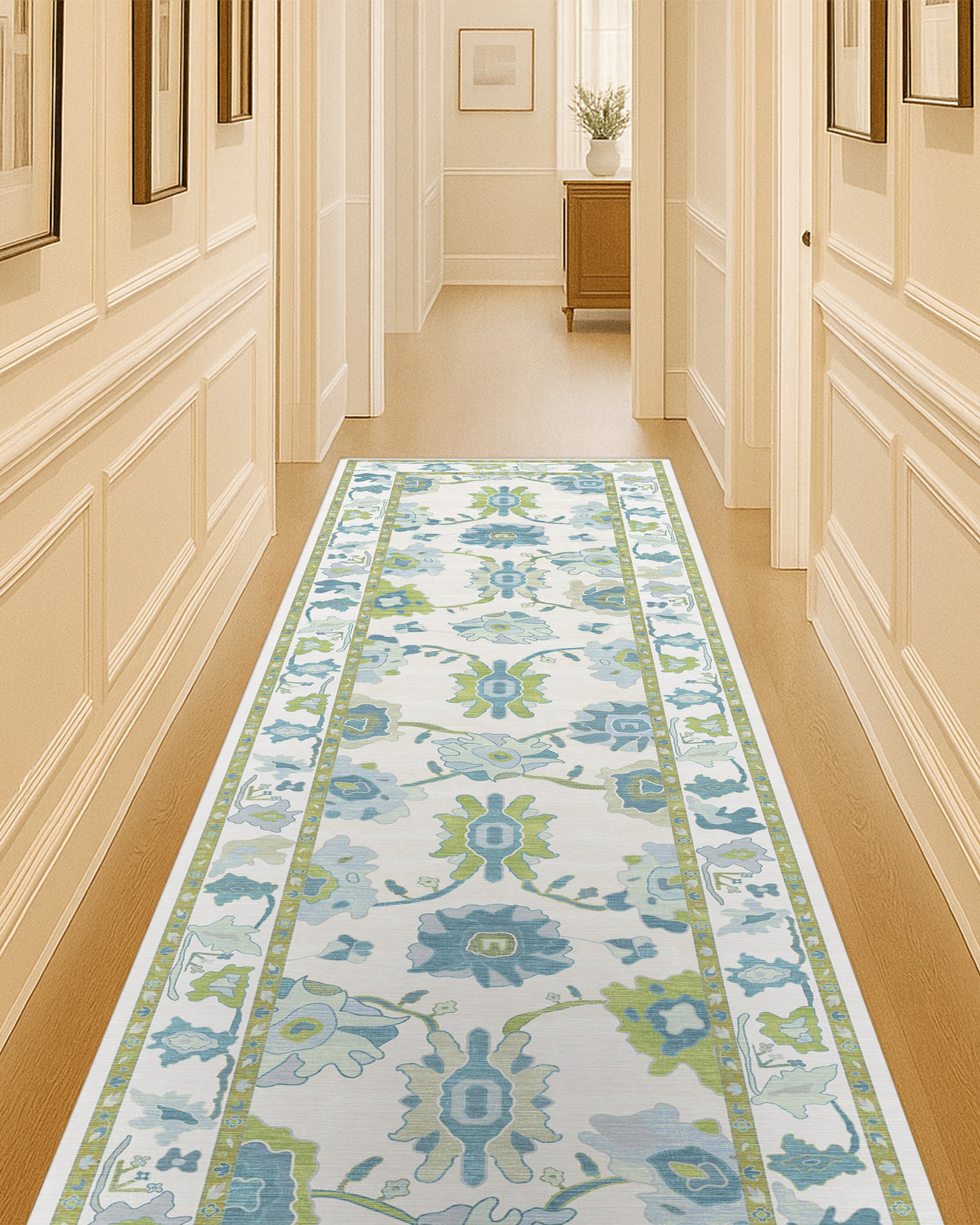
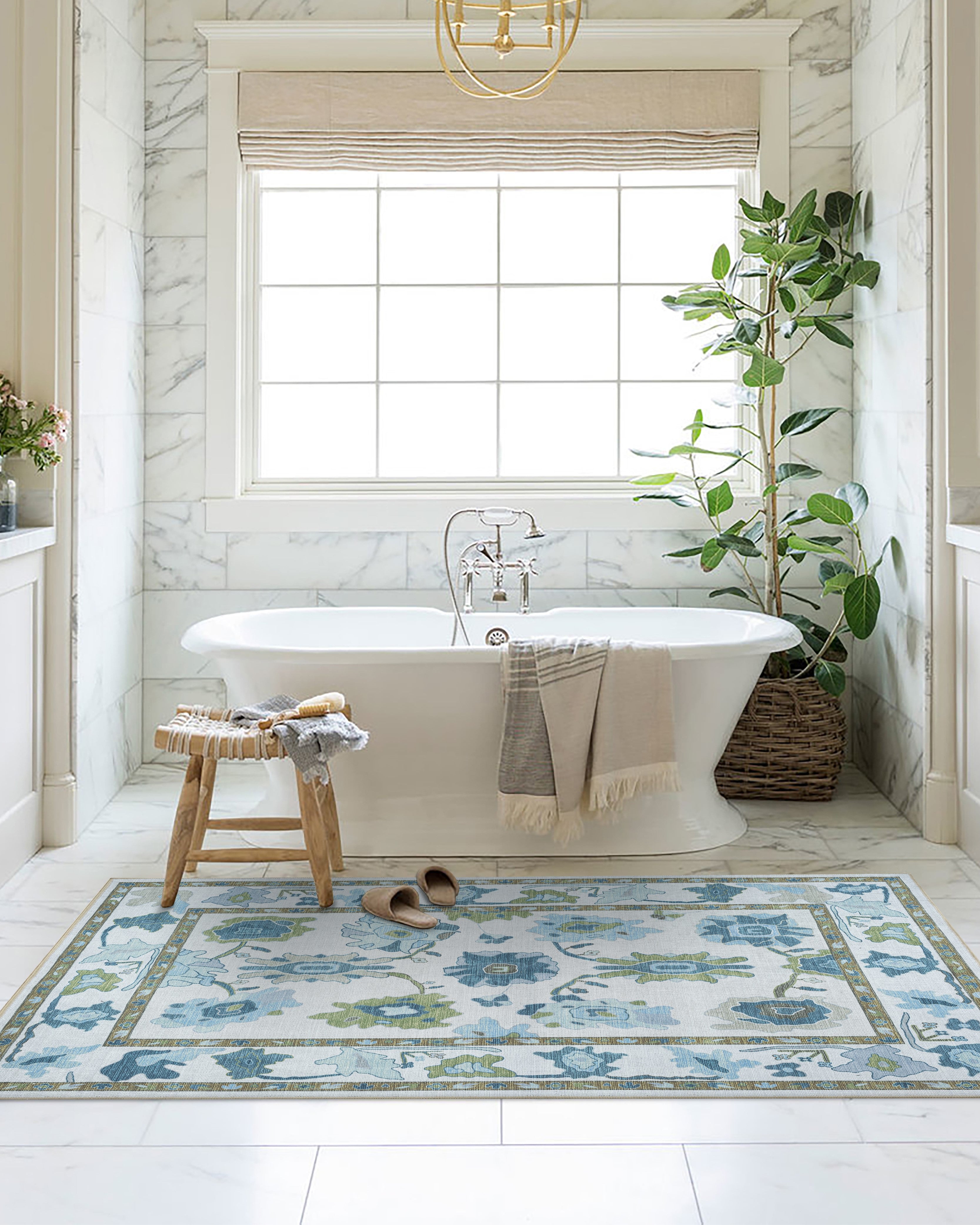
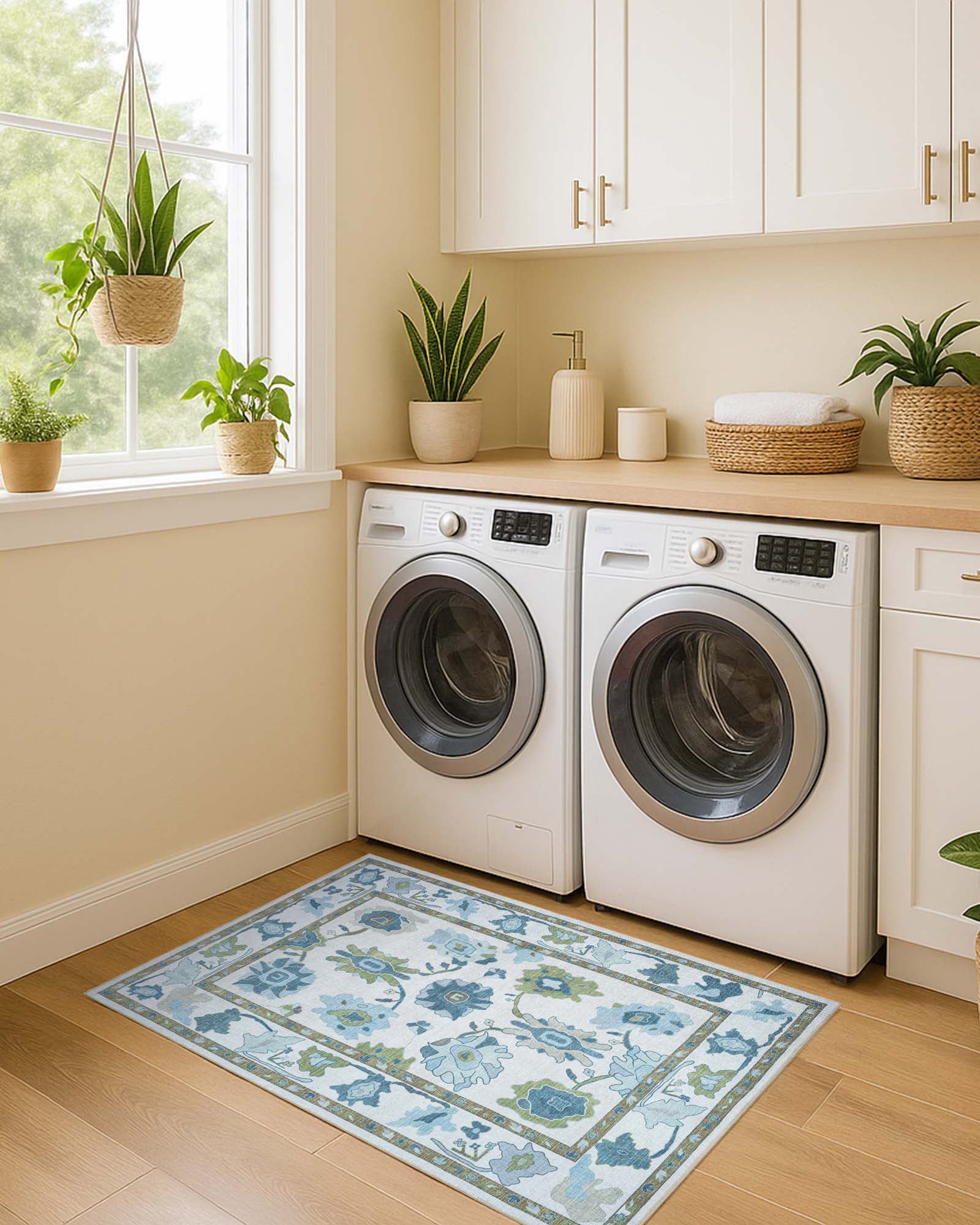
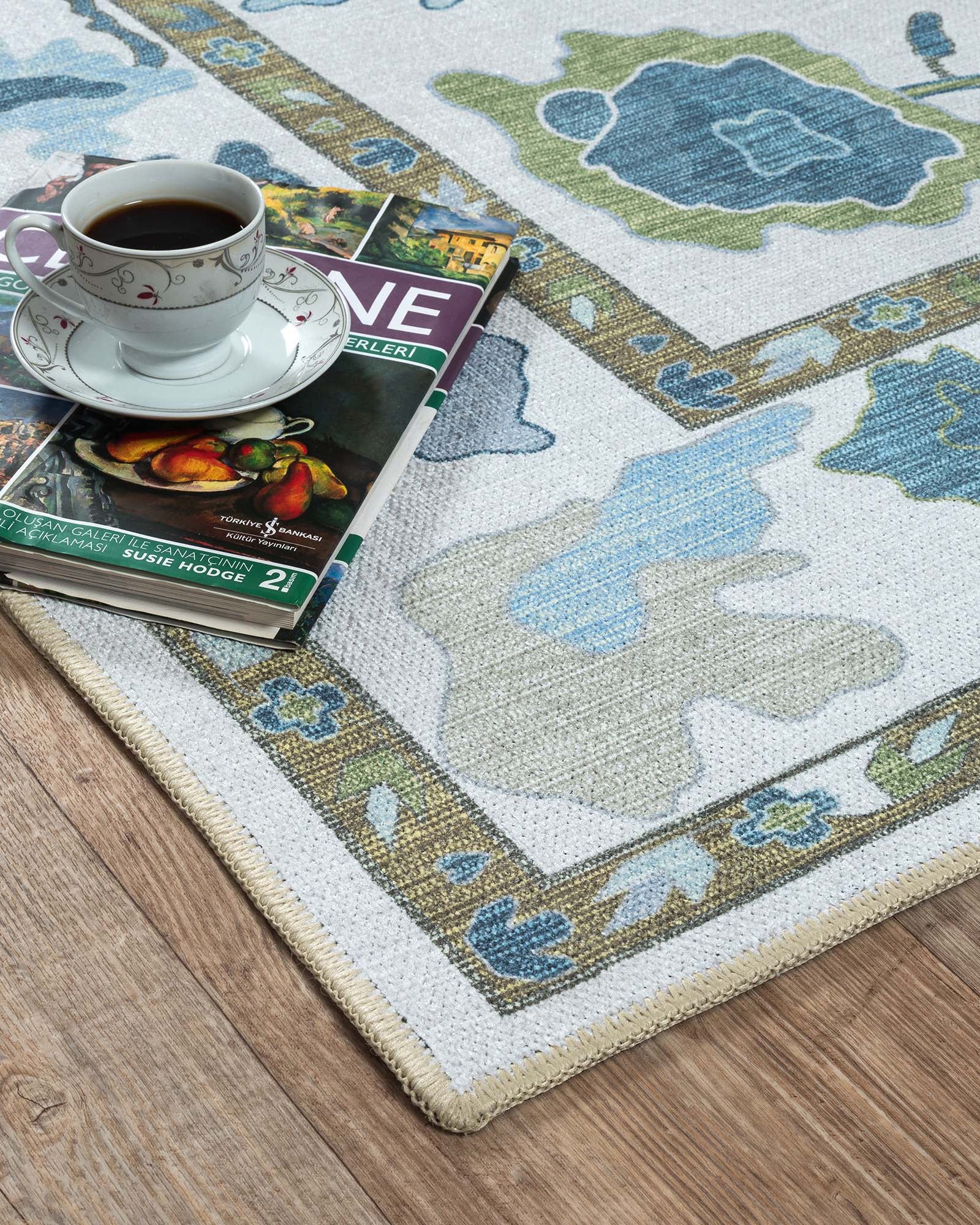
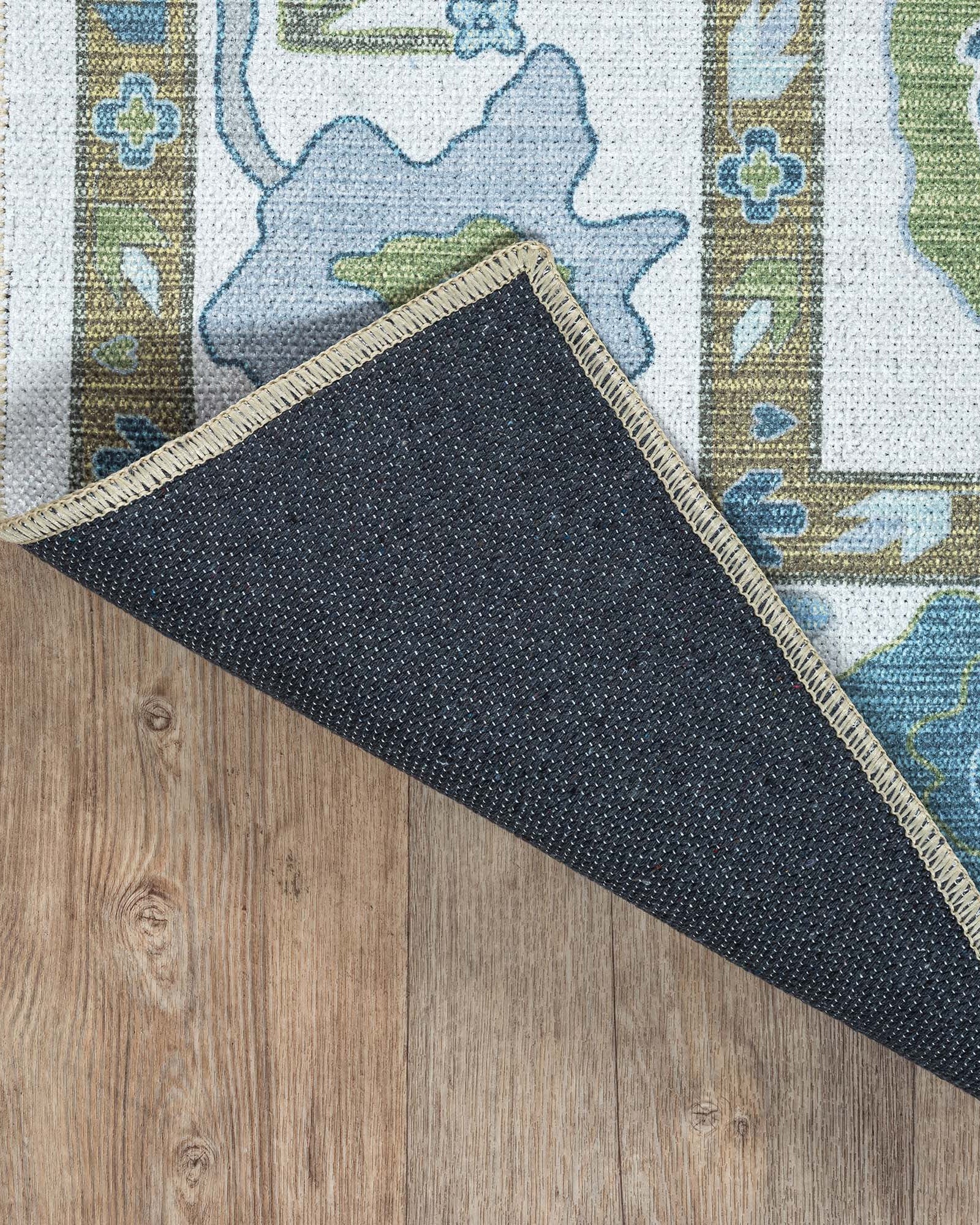
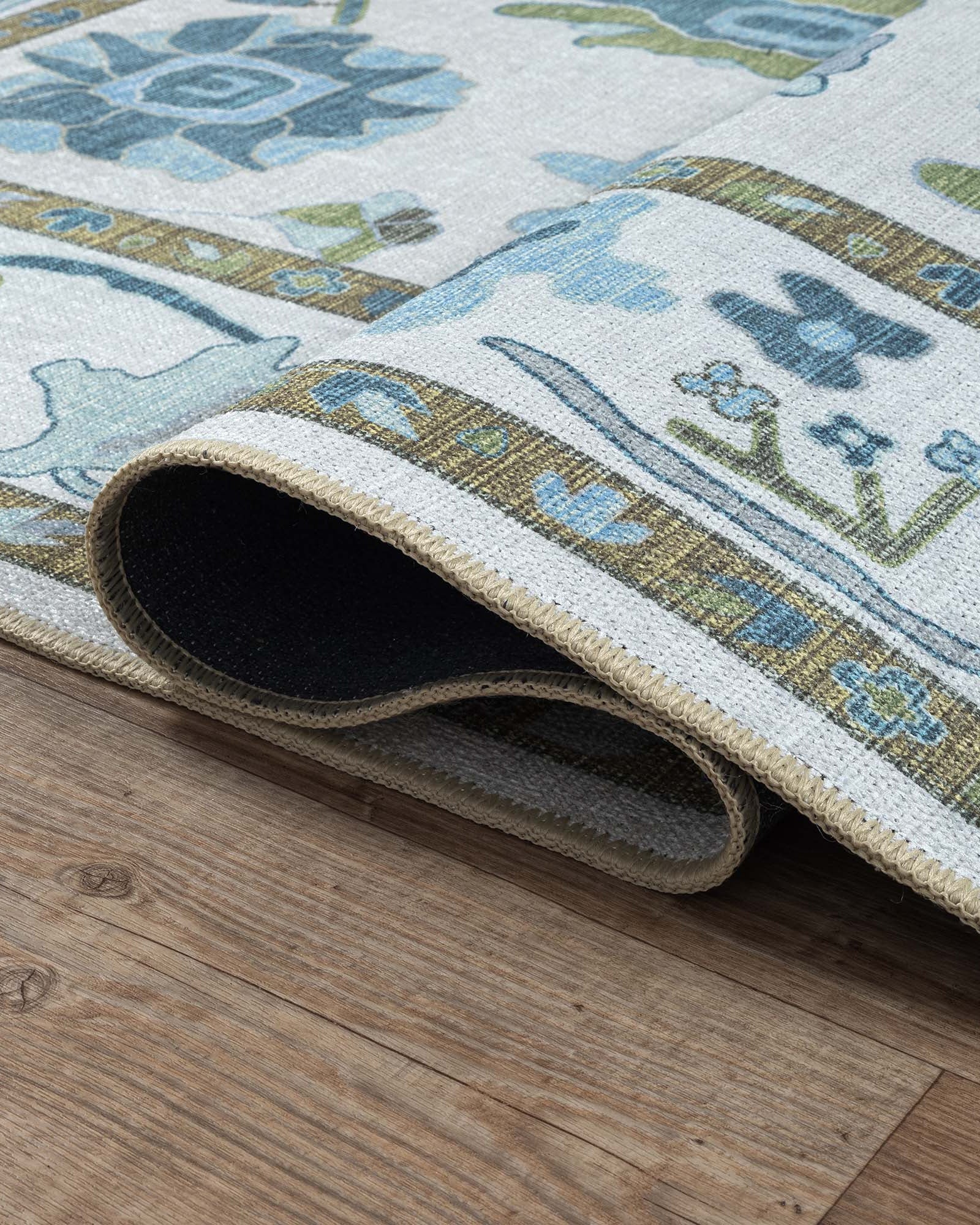
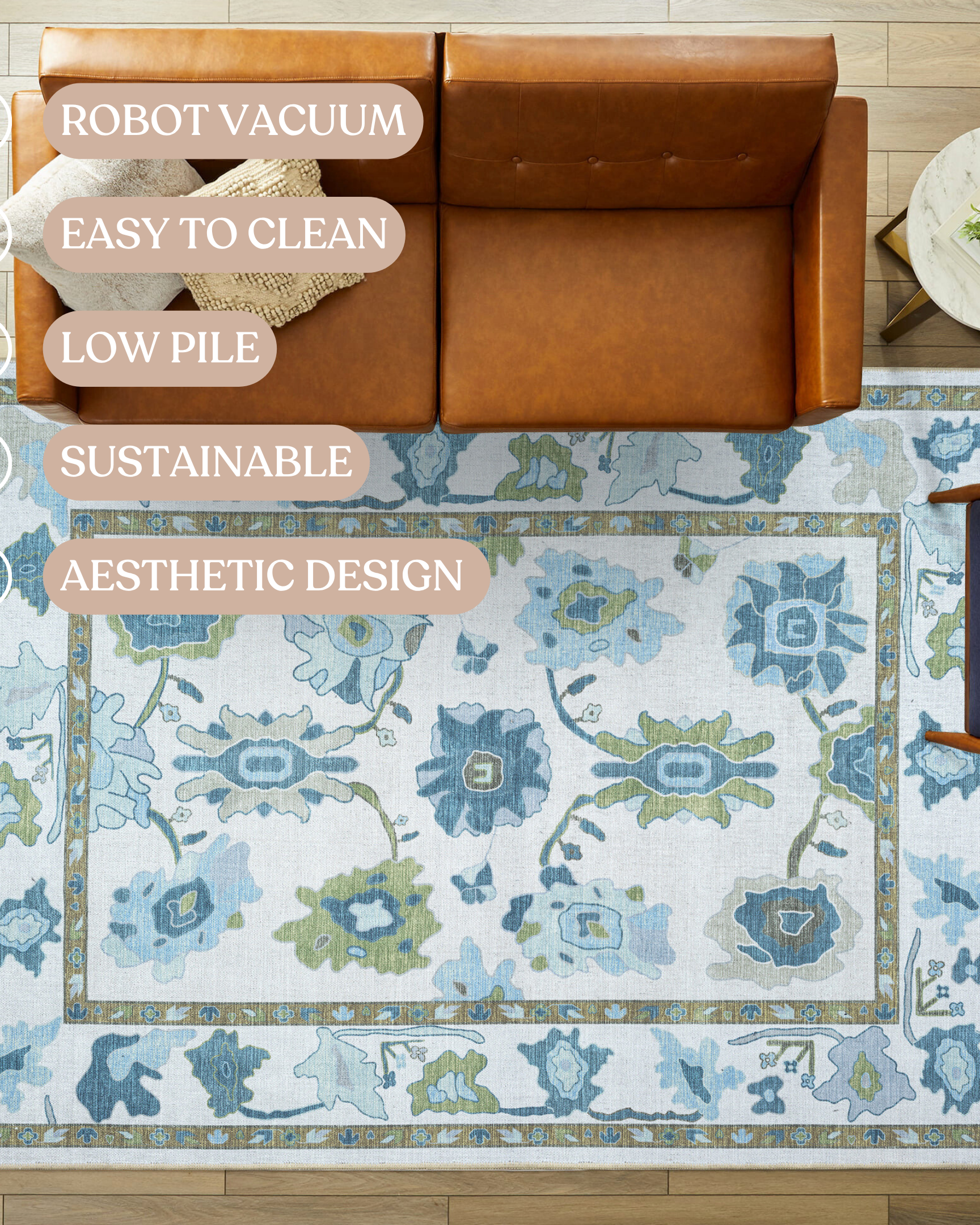
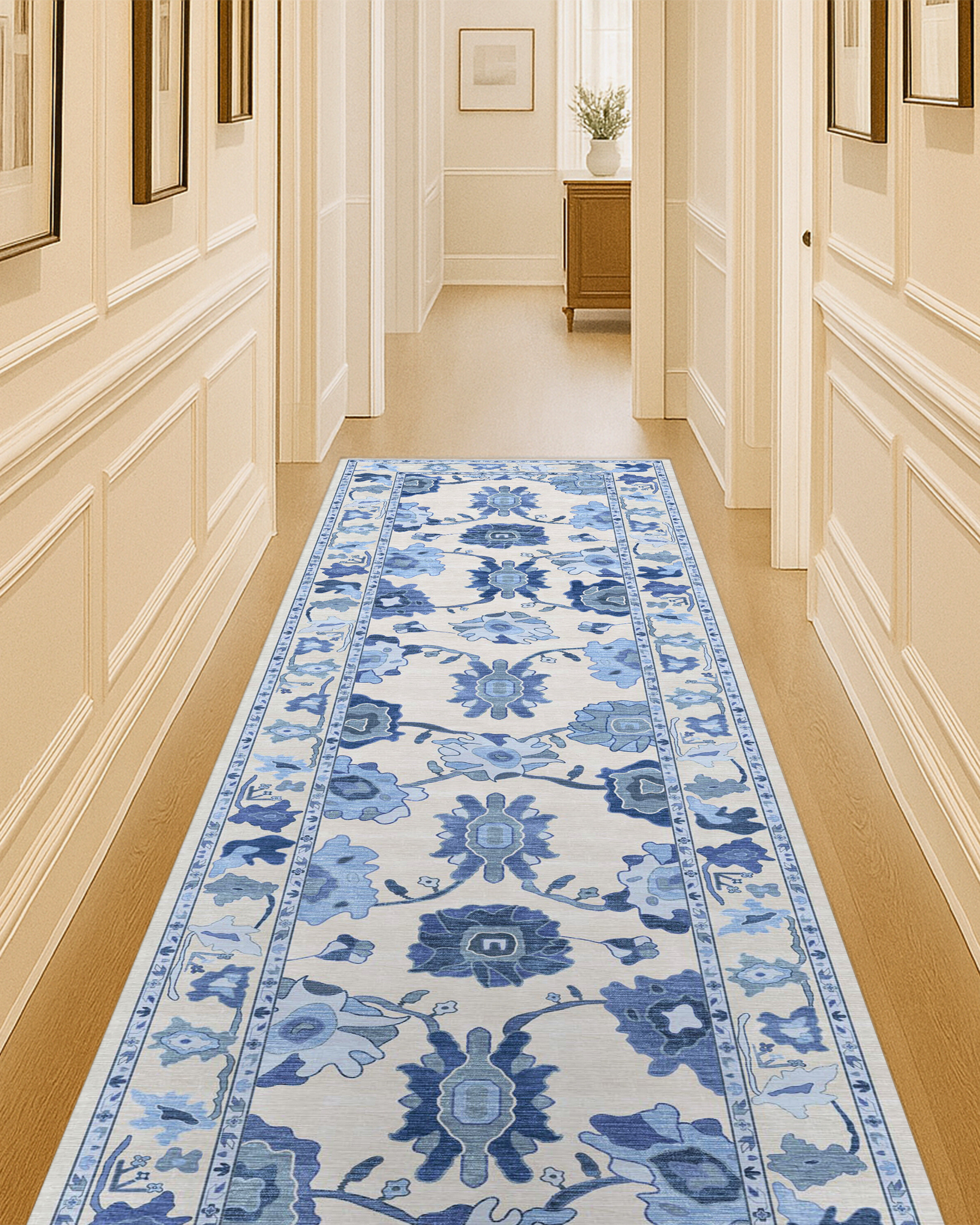
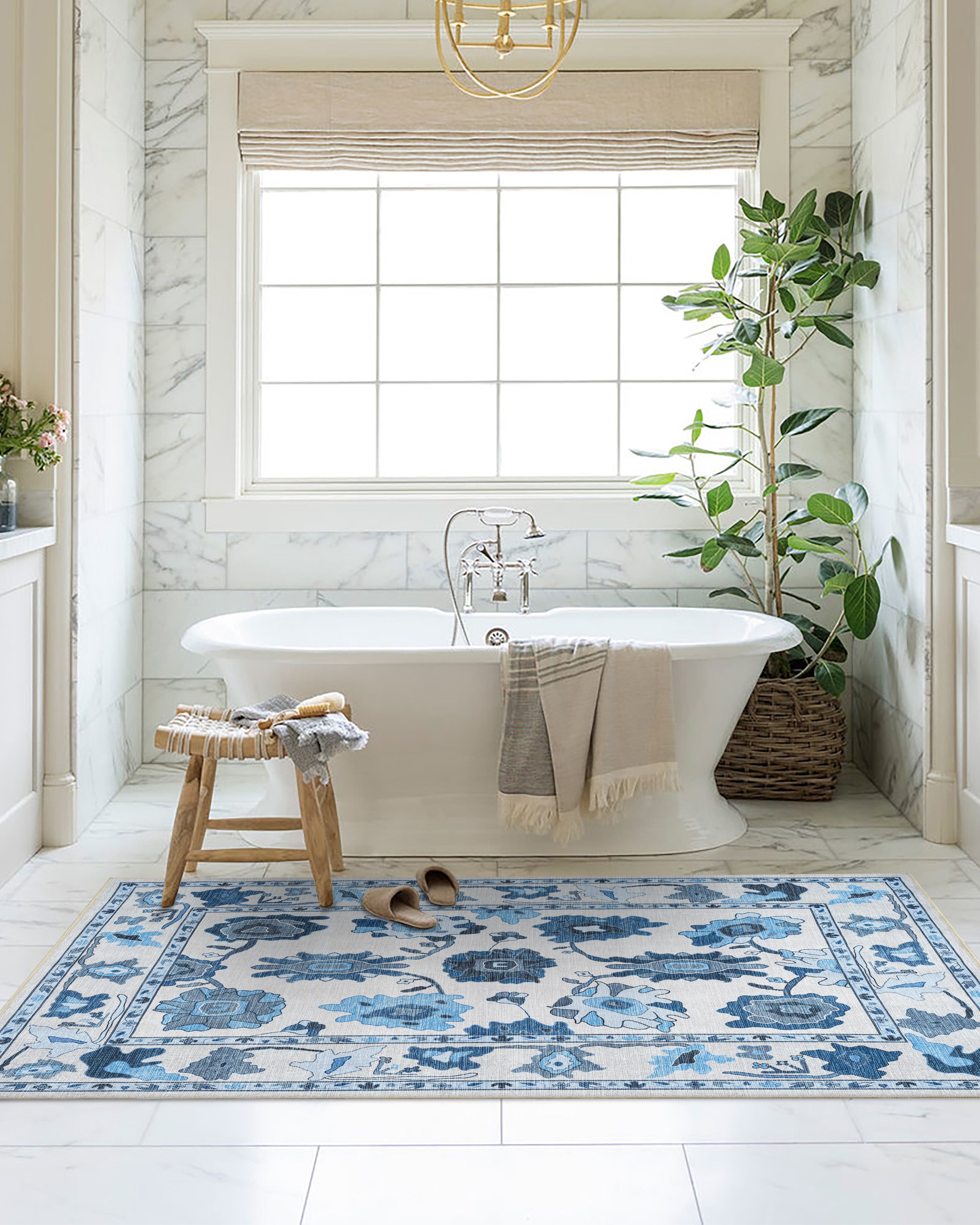
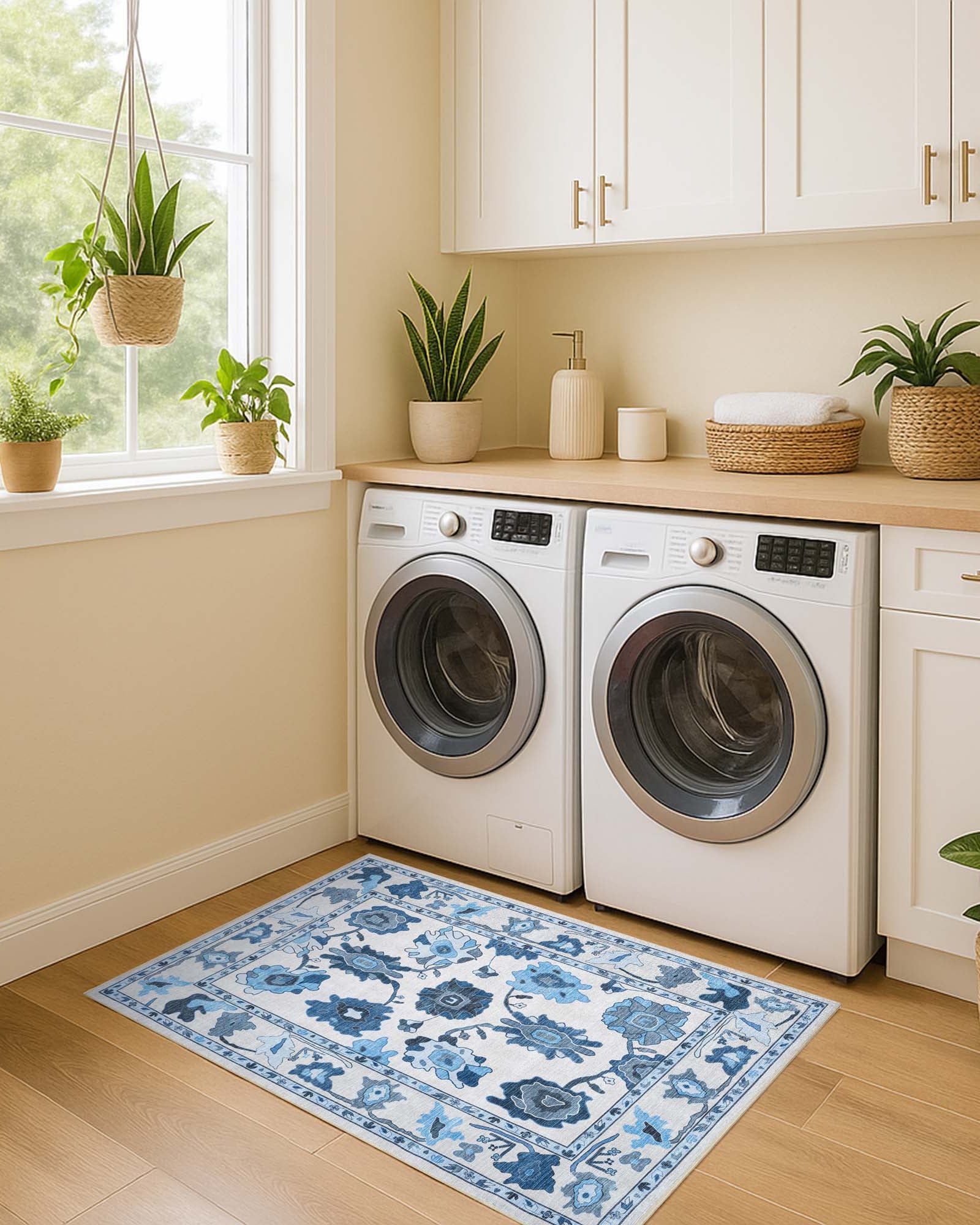
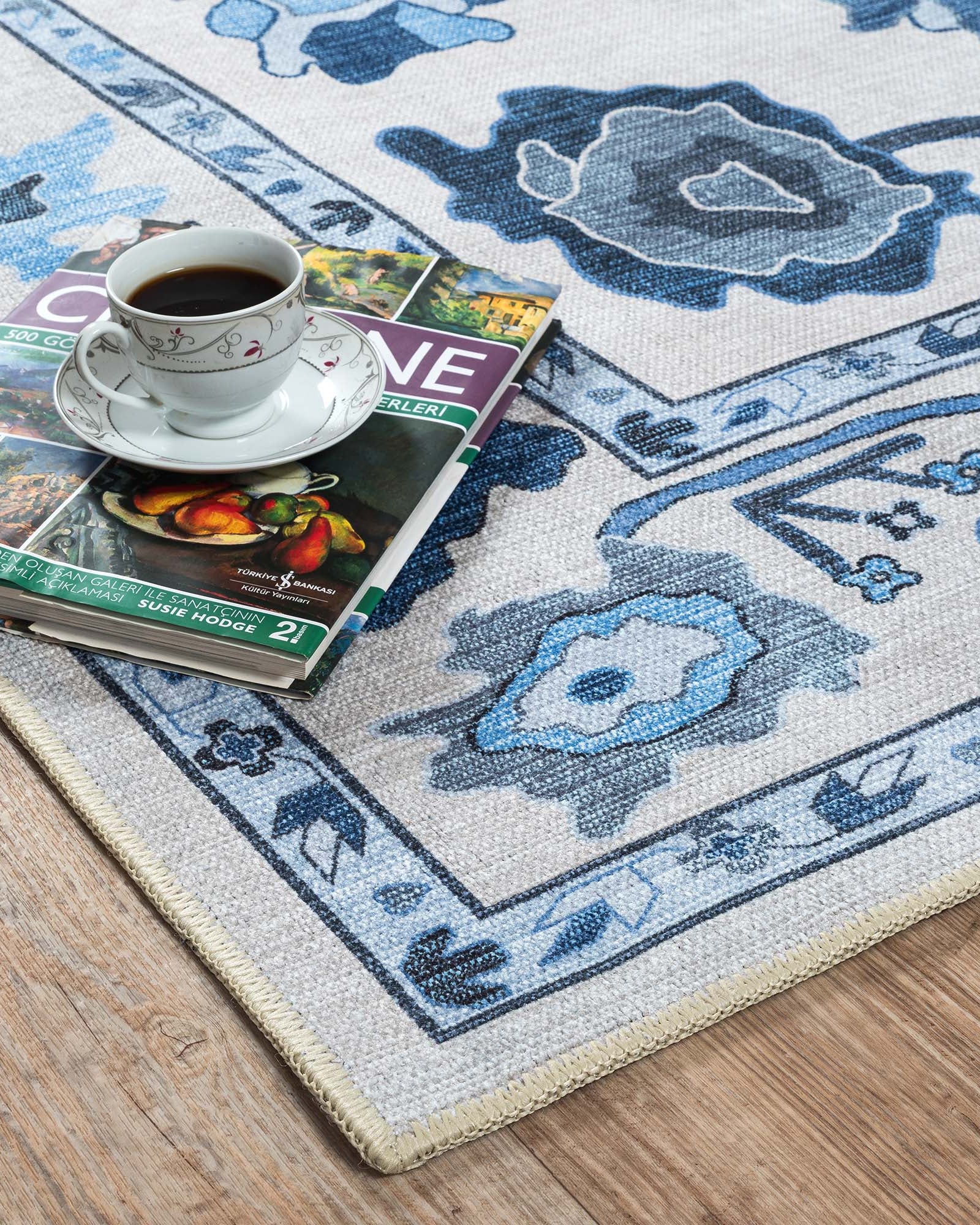
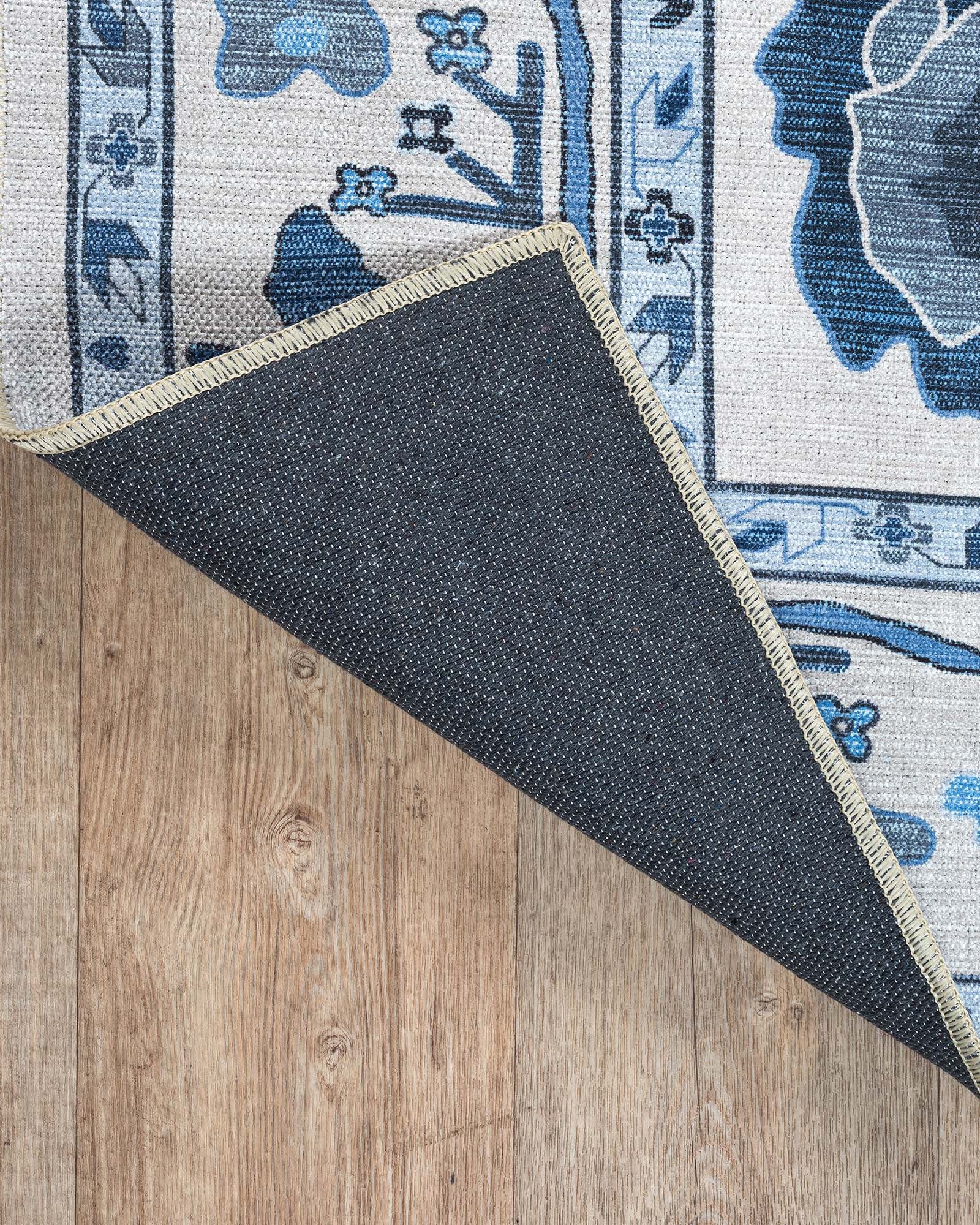
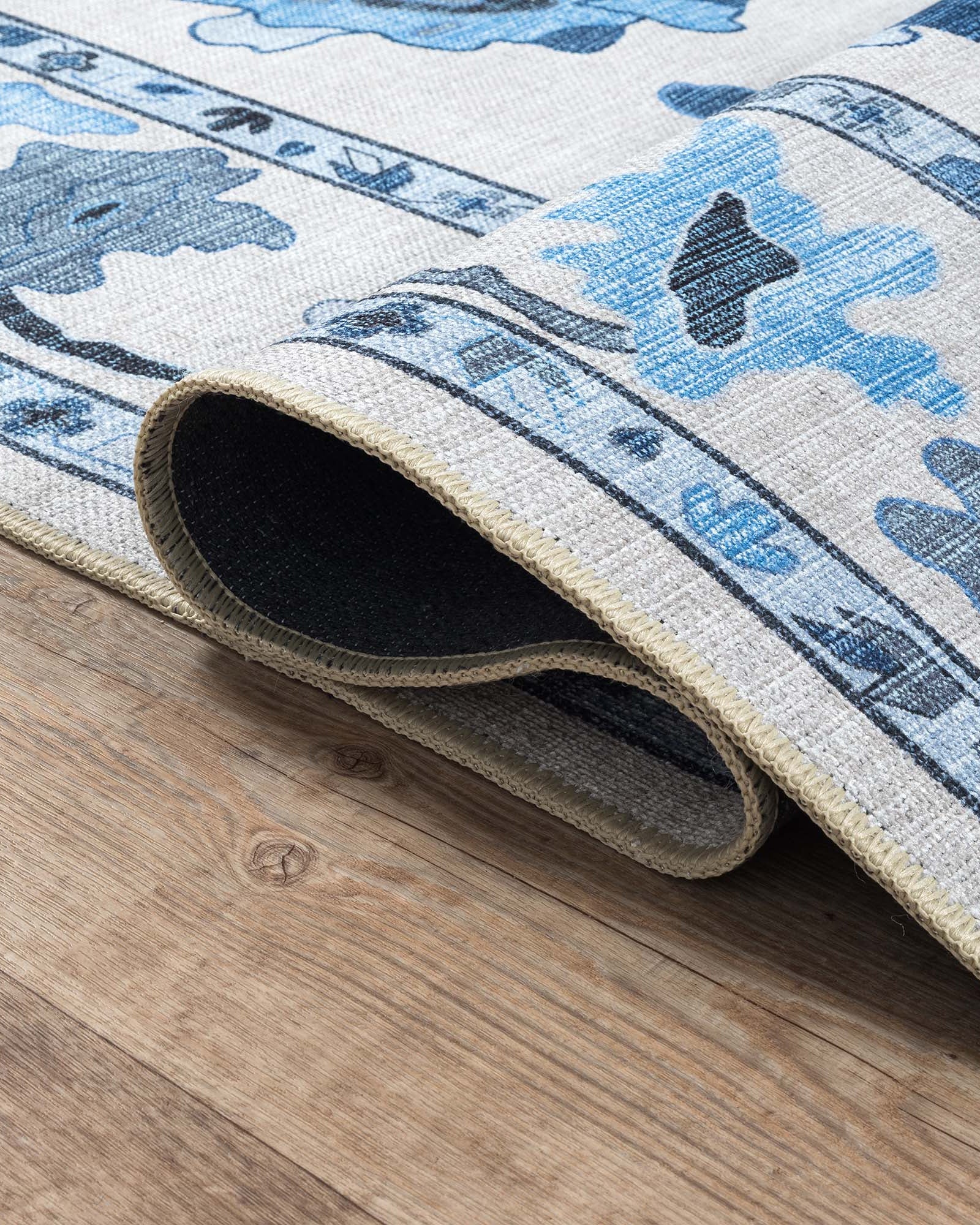
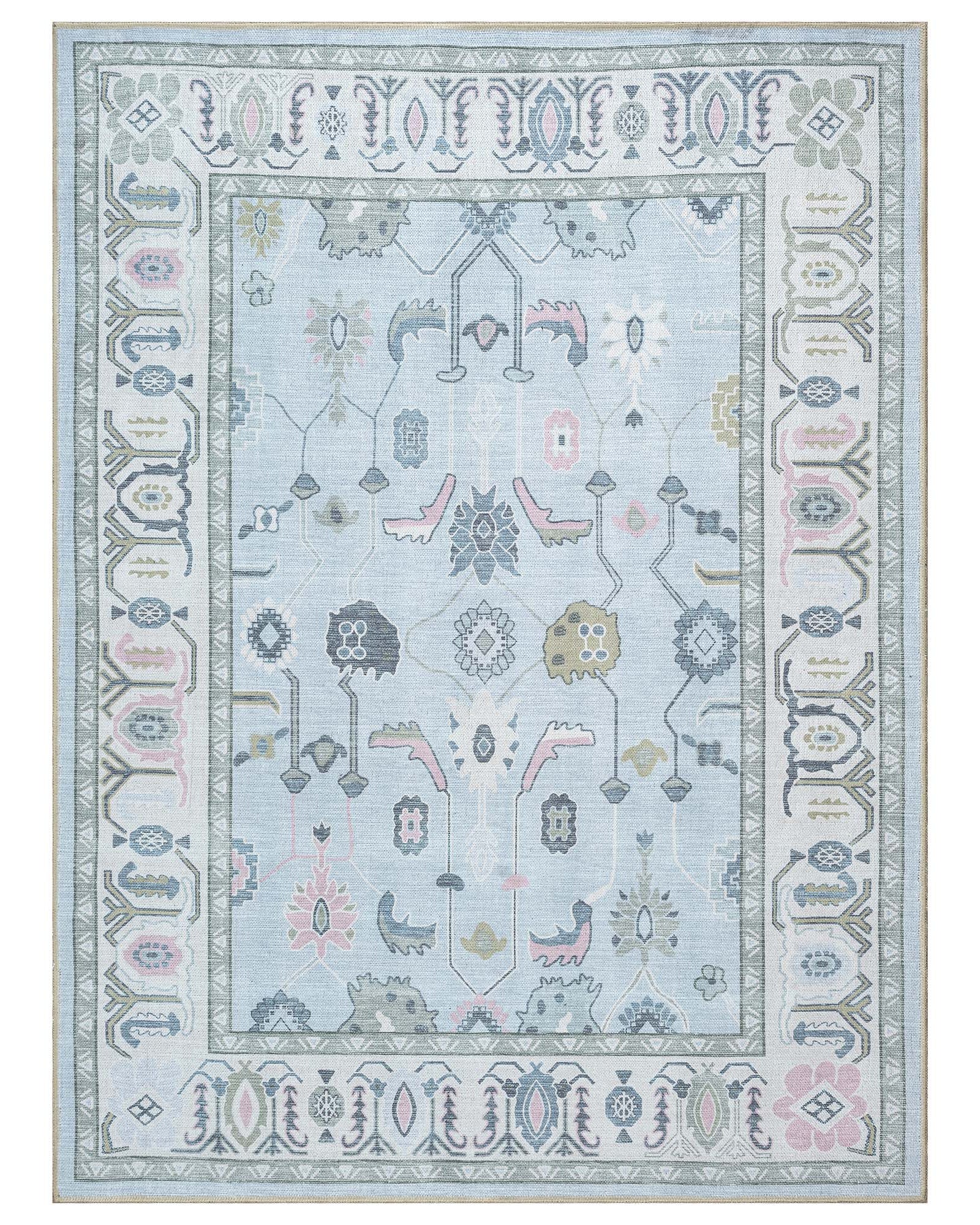
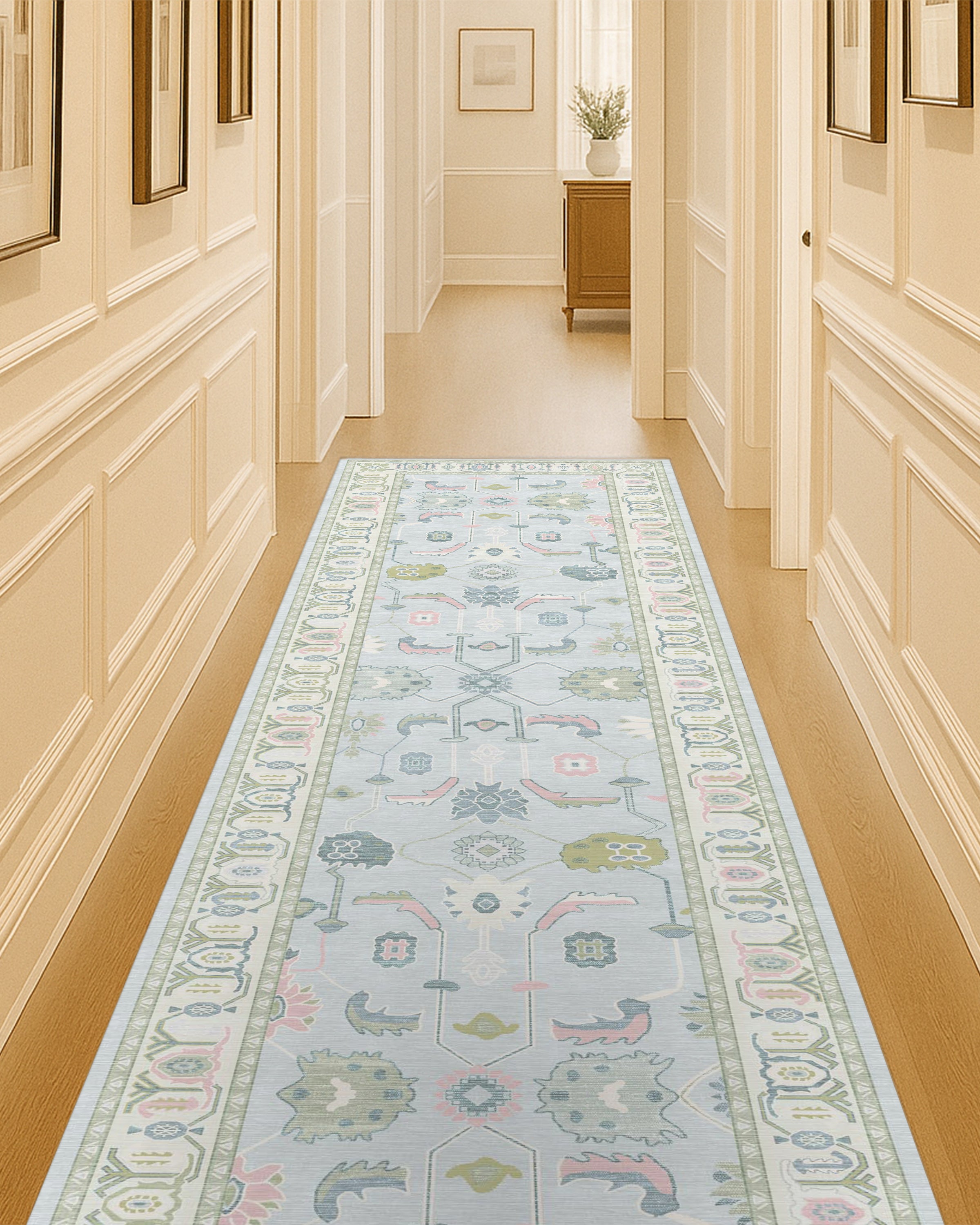
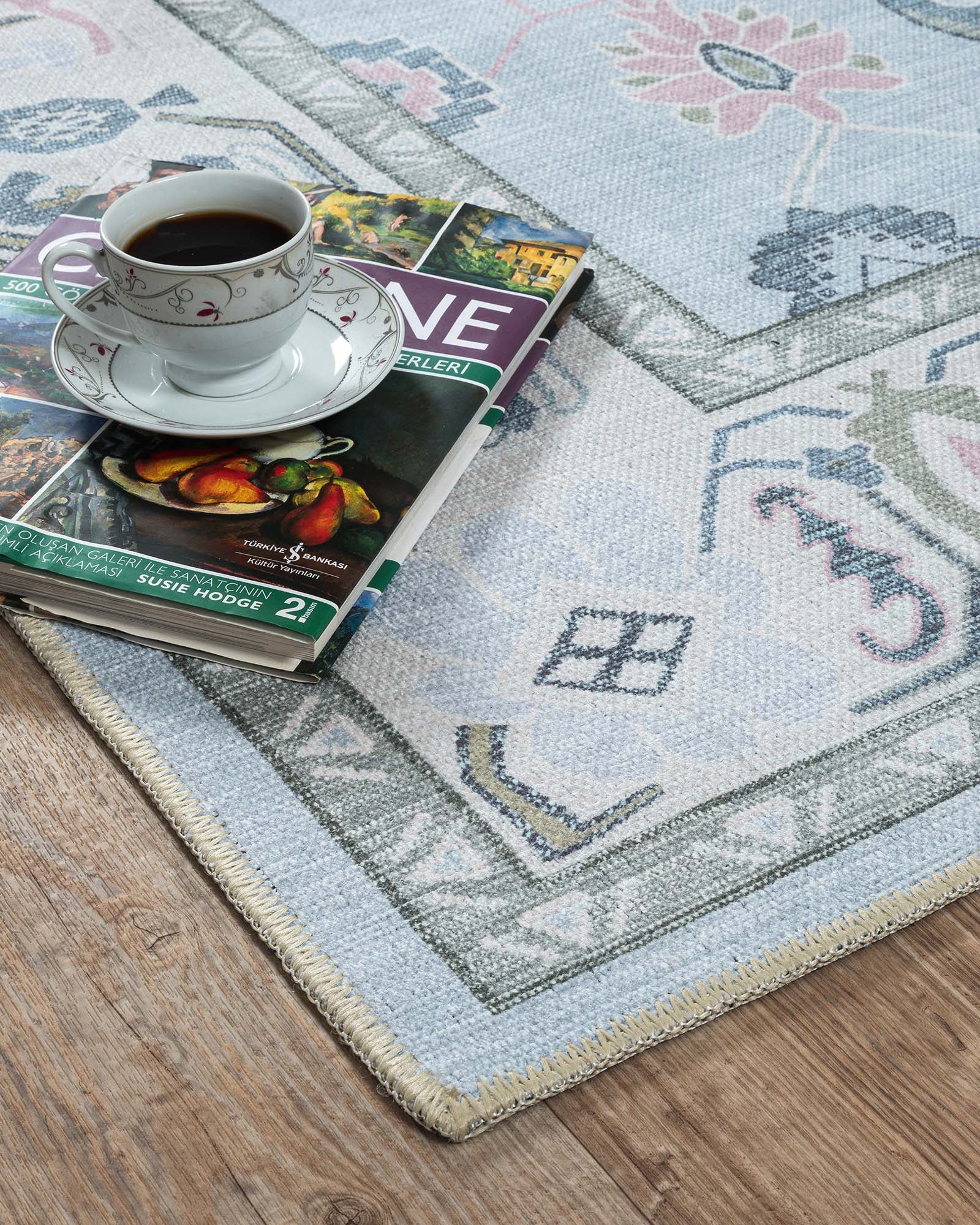
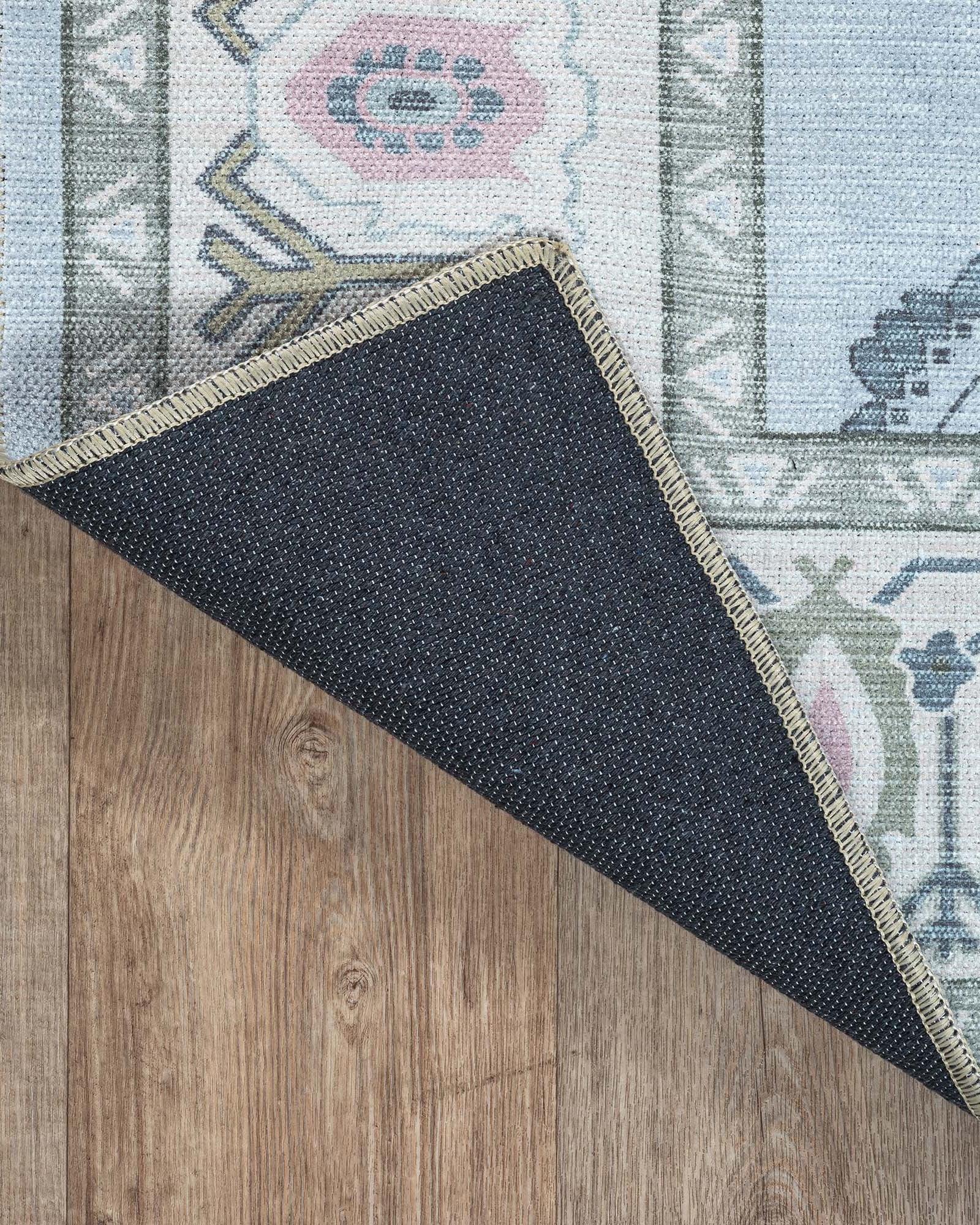
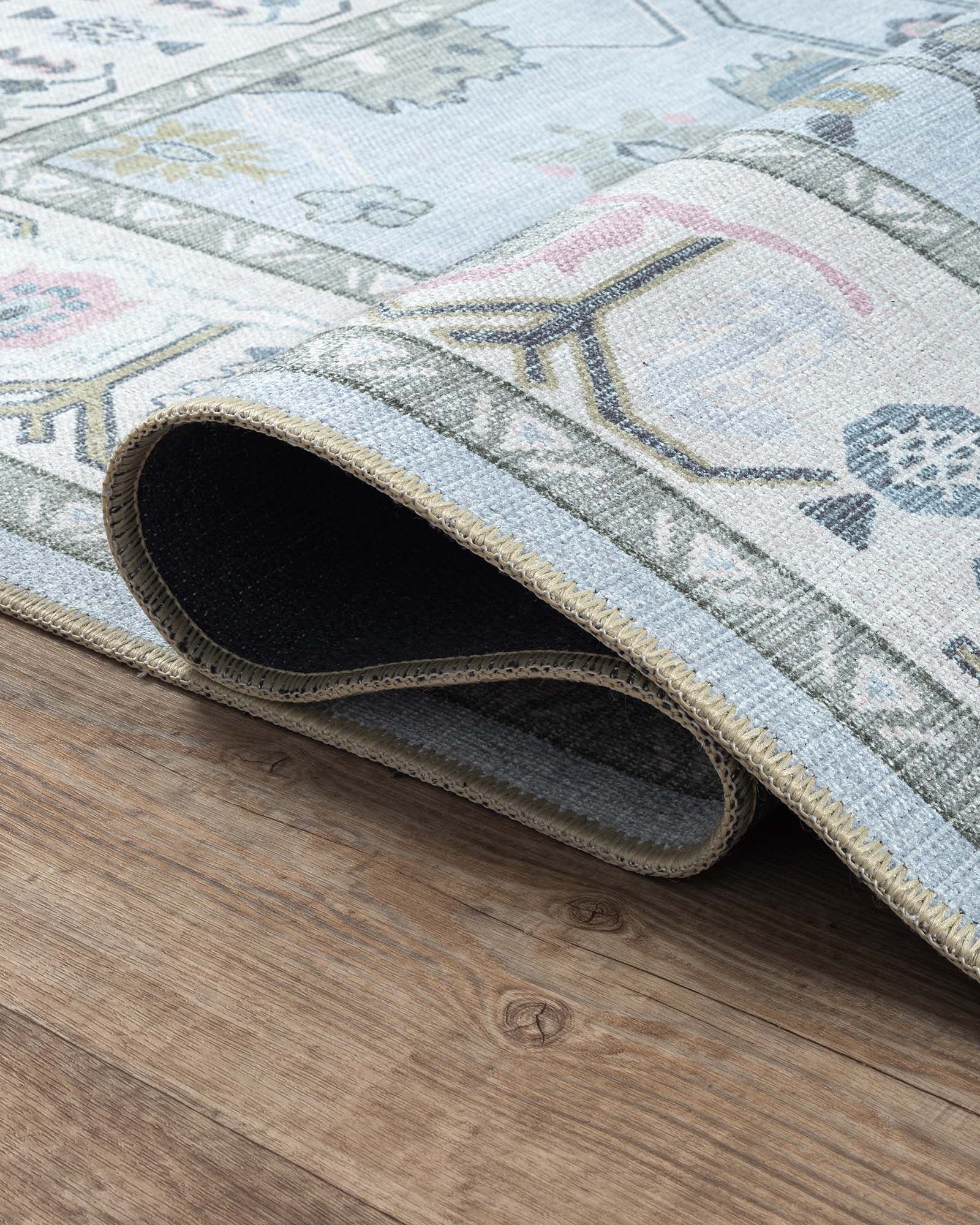
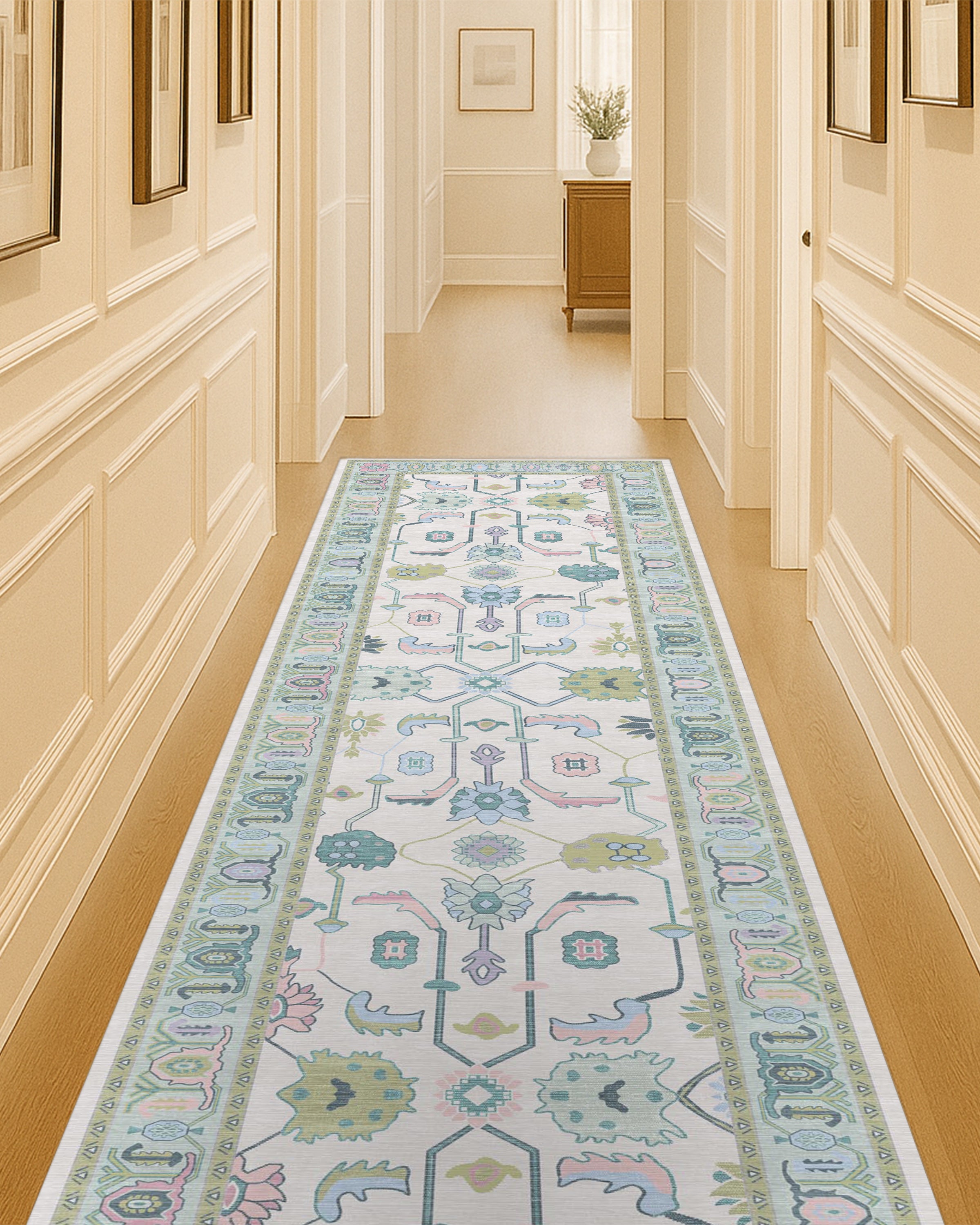
A hallway runner gets moved, shaken out, and replaced more often than almost any other rug in a home — it takes the most concentrated daily foot traffic while getting the least routine care. Weight matters more here than it does in a room people actually sit in, which is why this page narrows specifically to the lightest flatweaves rather than the full hallway range.
Why Weight Matters More in a Hallway Than Anywhere Else
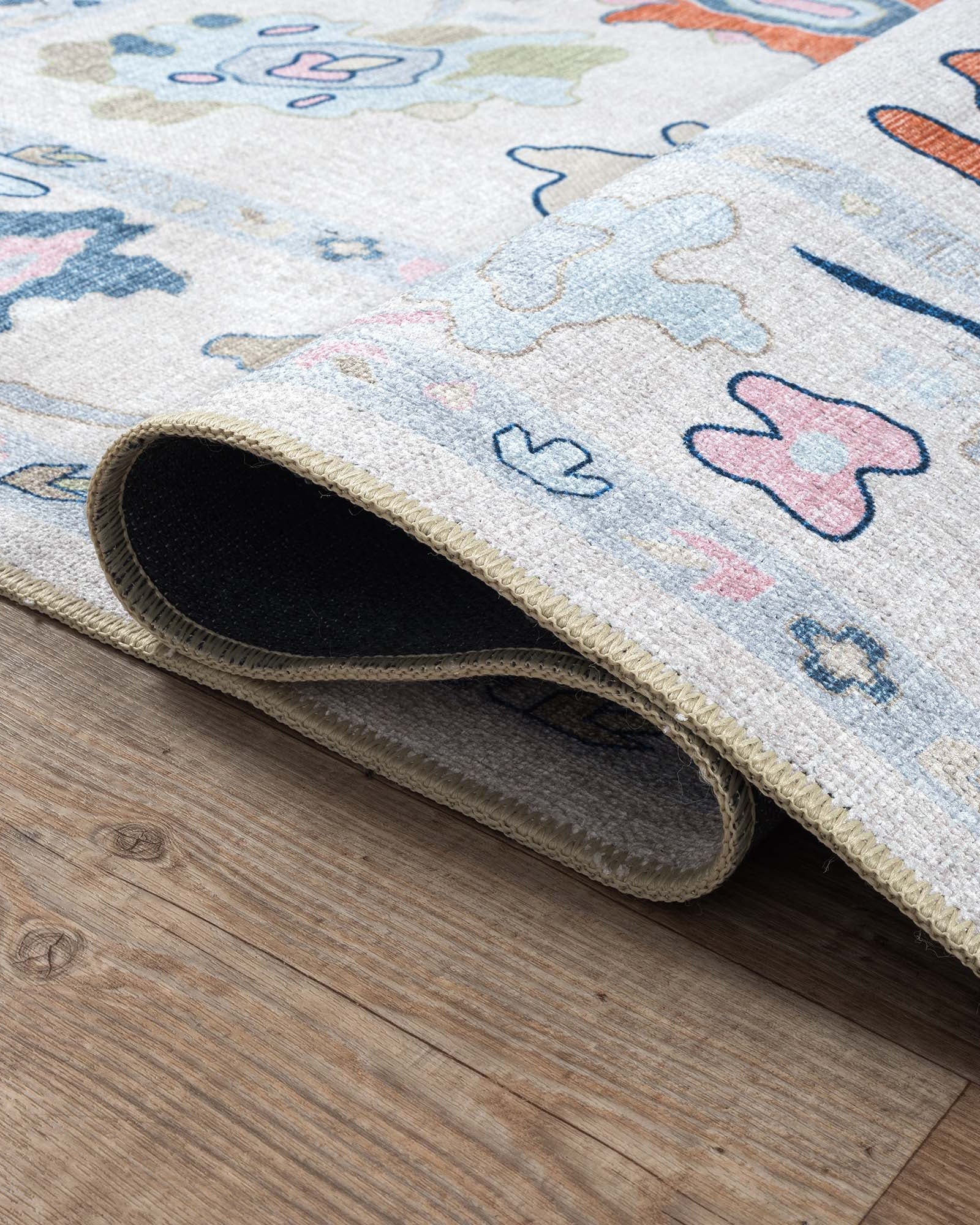
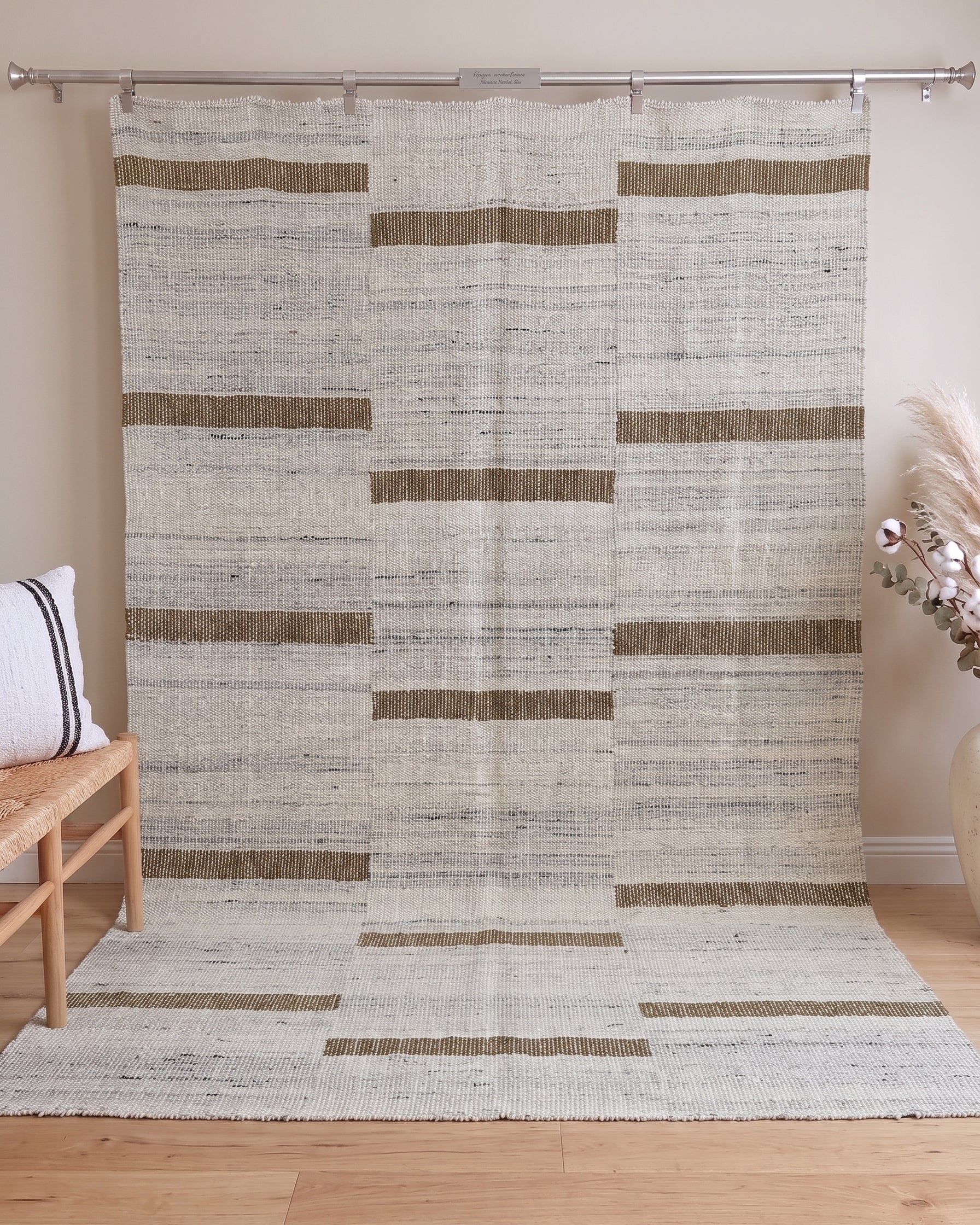
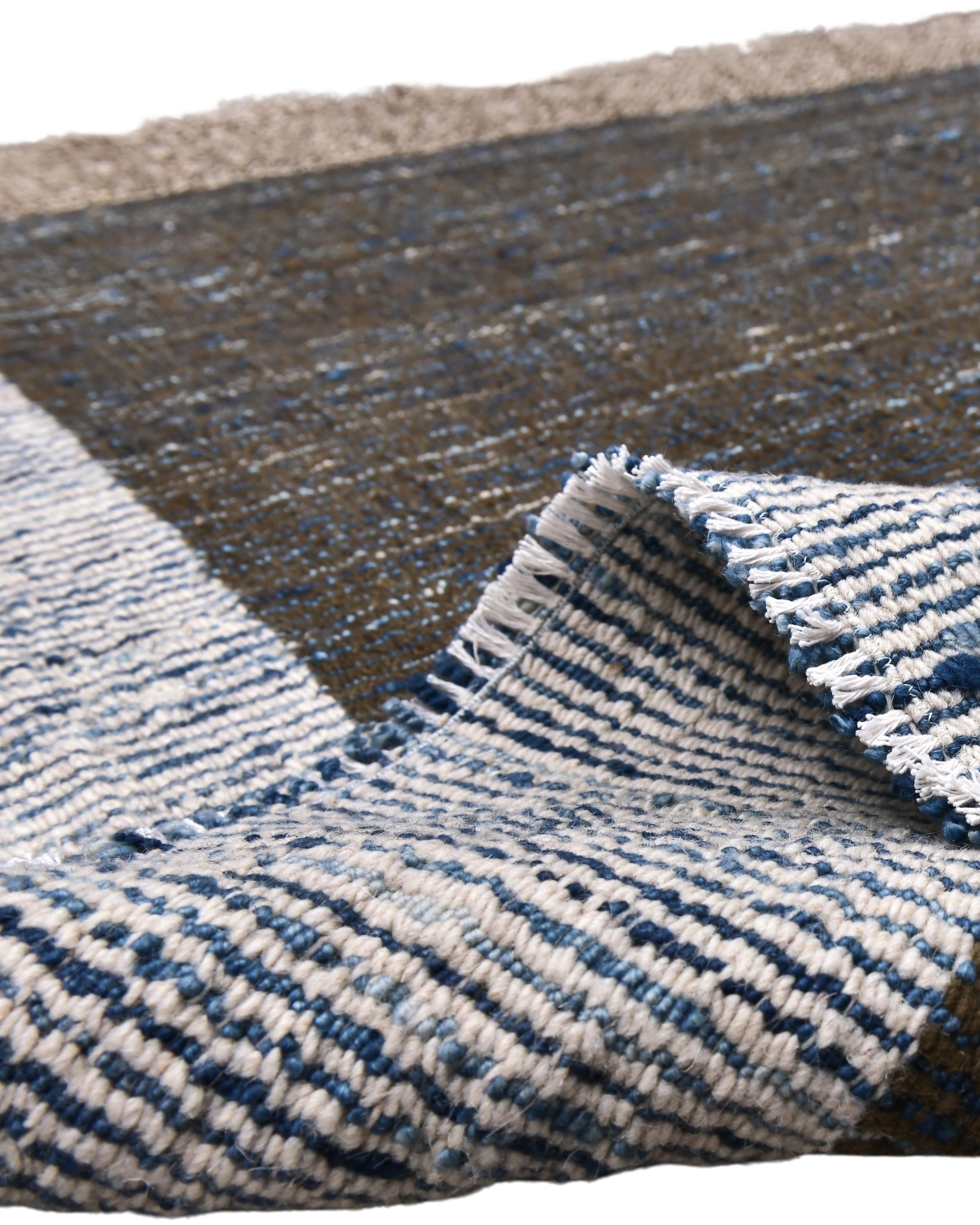
A hallway rug gets lifted for cleaning far more often than a living room rug does, simply because it collects more dust and debris relative to its size. A genuinely light flatweave turns that into a quick, one-person task — lift, shake outside, put back down — where a heavier woven rug or any pile construction makes the same routine a real chore. If you're the person who actually has to do this upkeep, the weight difference is not a minor detail.
What Keeps These Pieces So Light
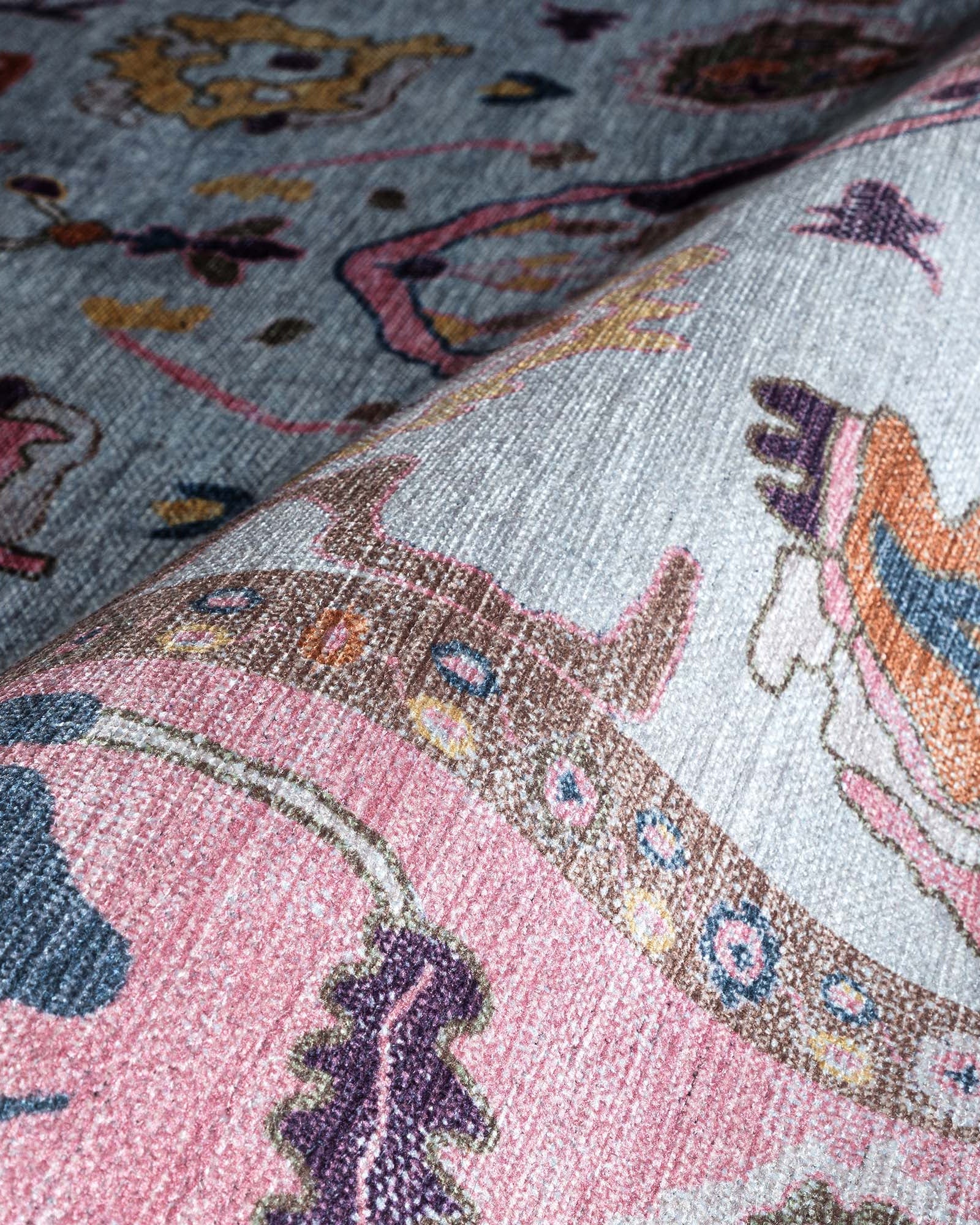
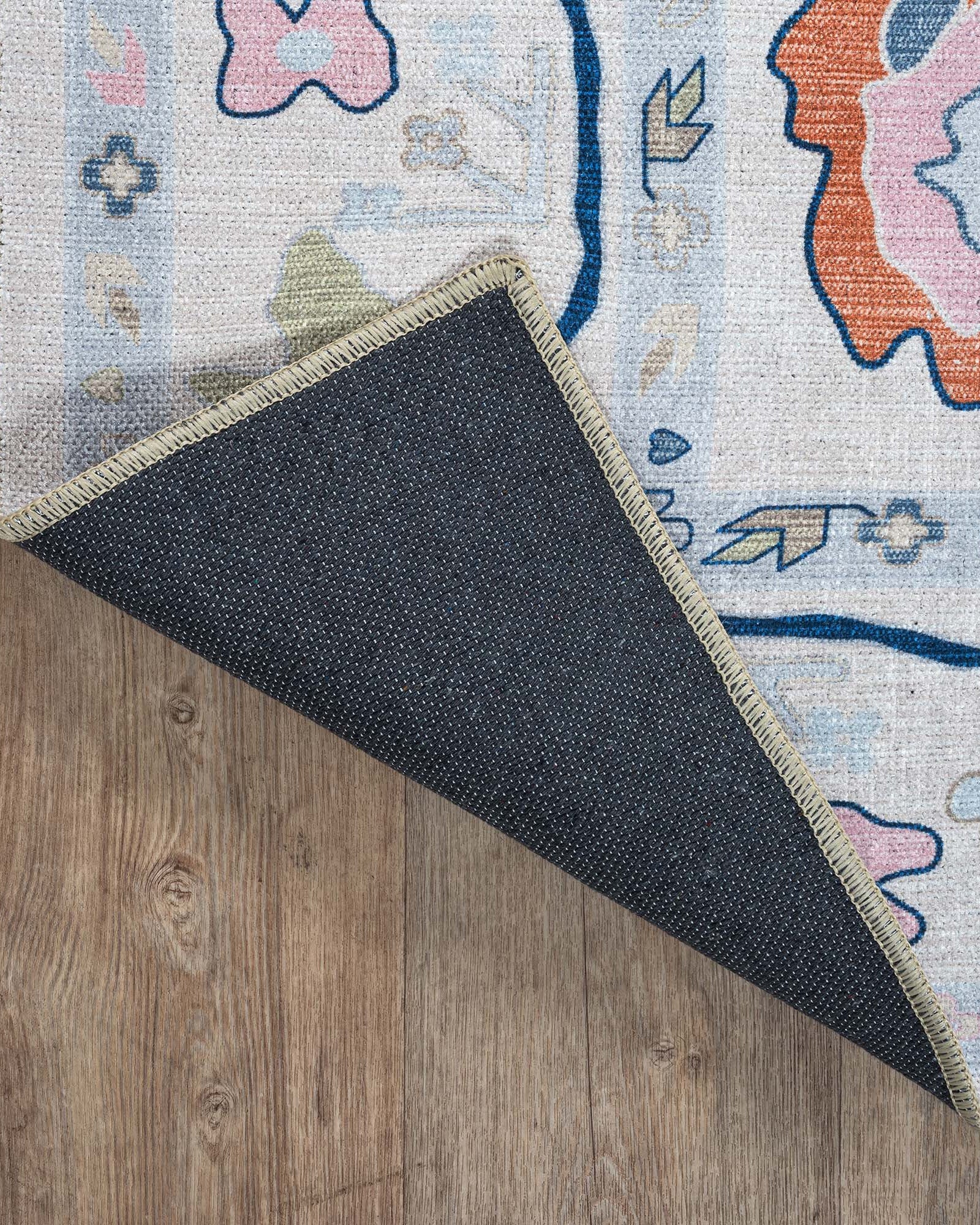
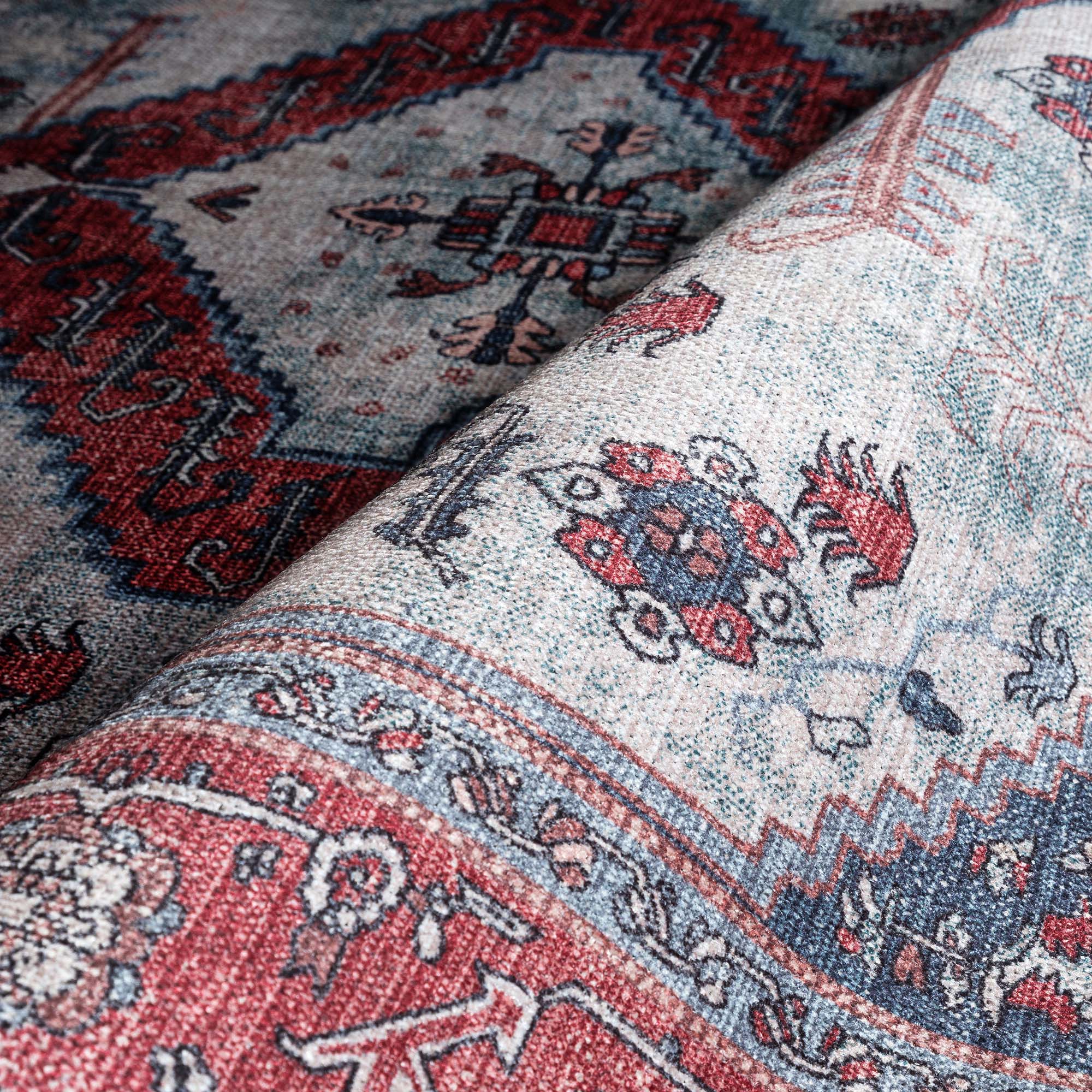
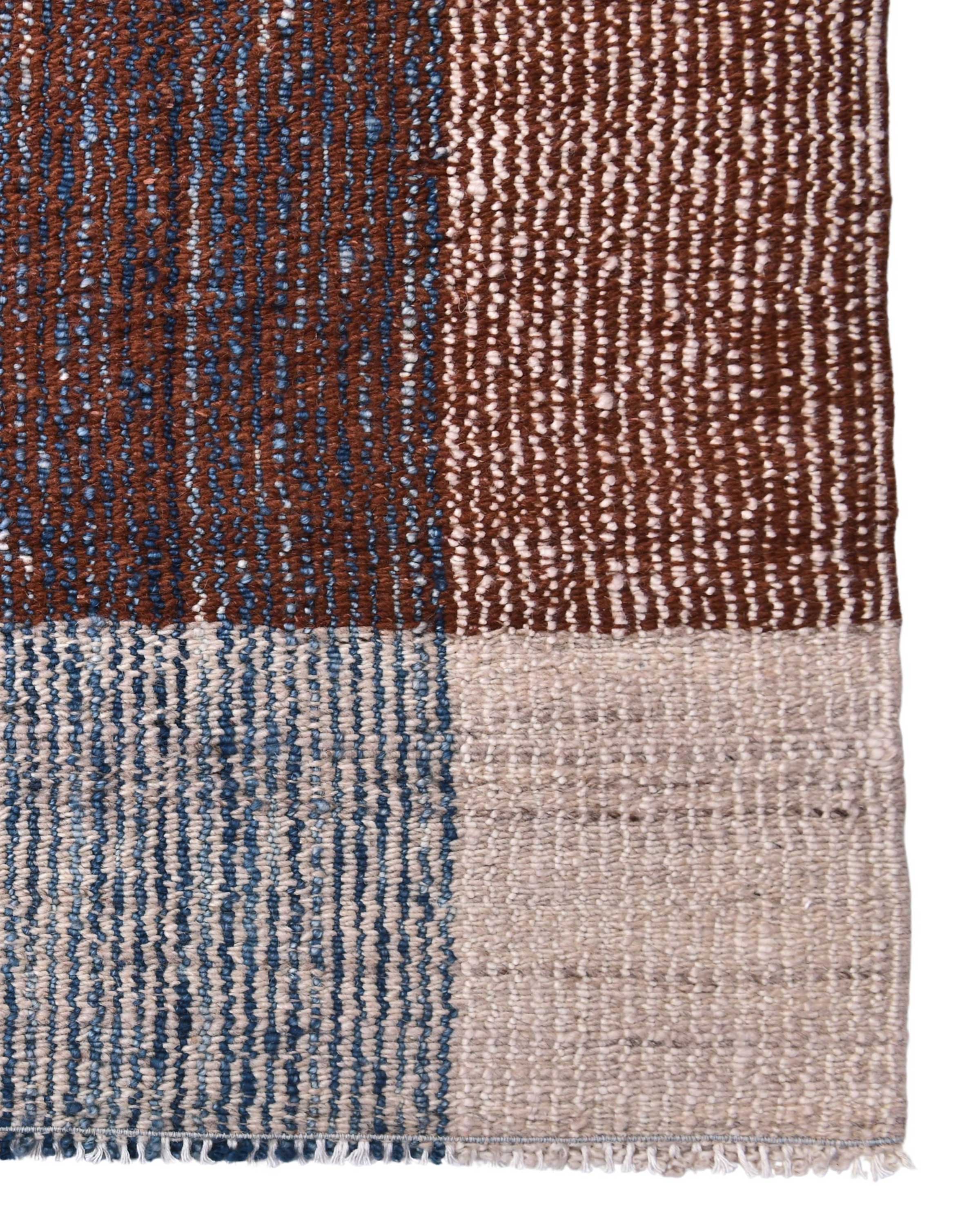
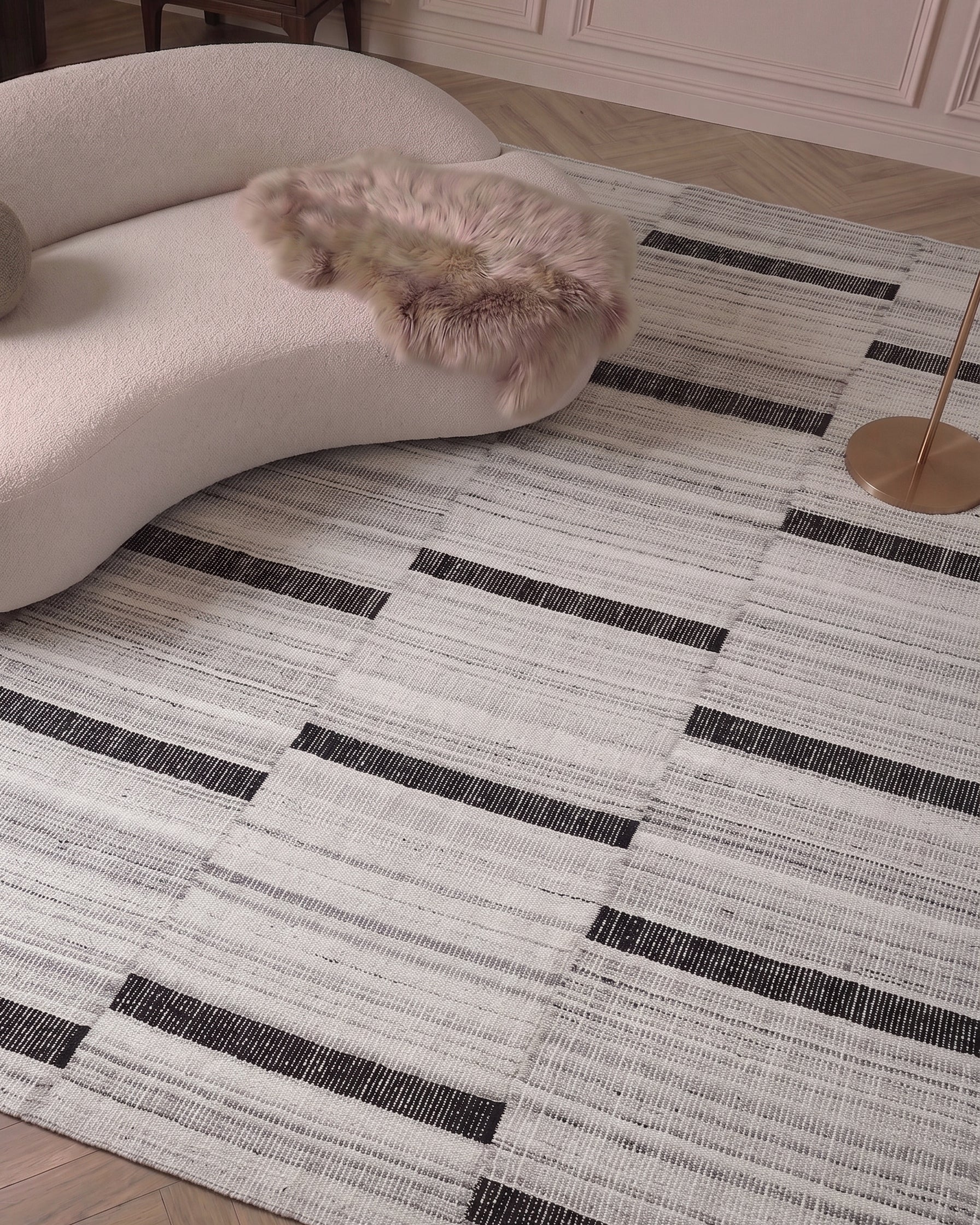
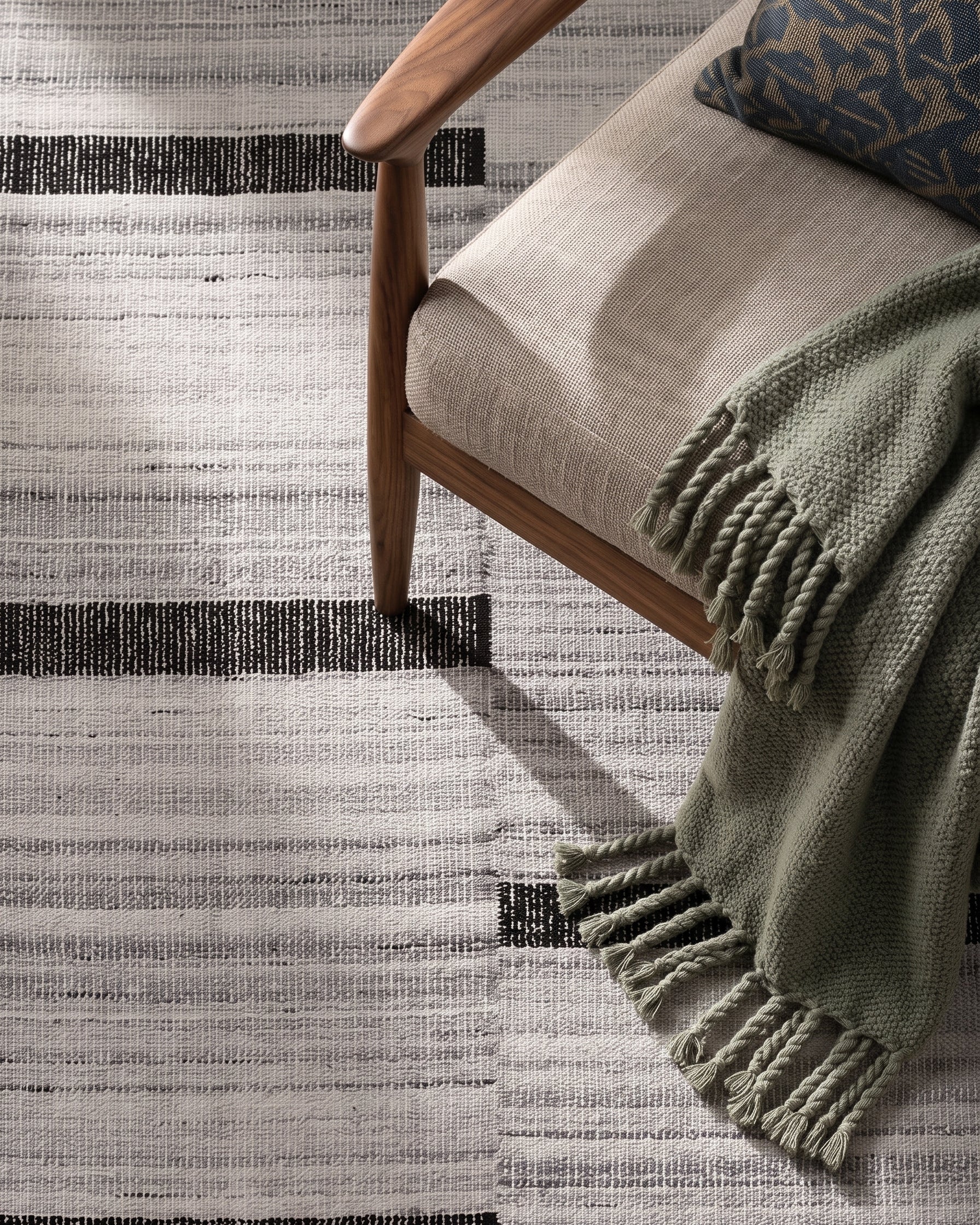
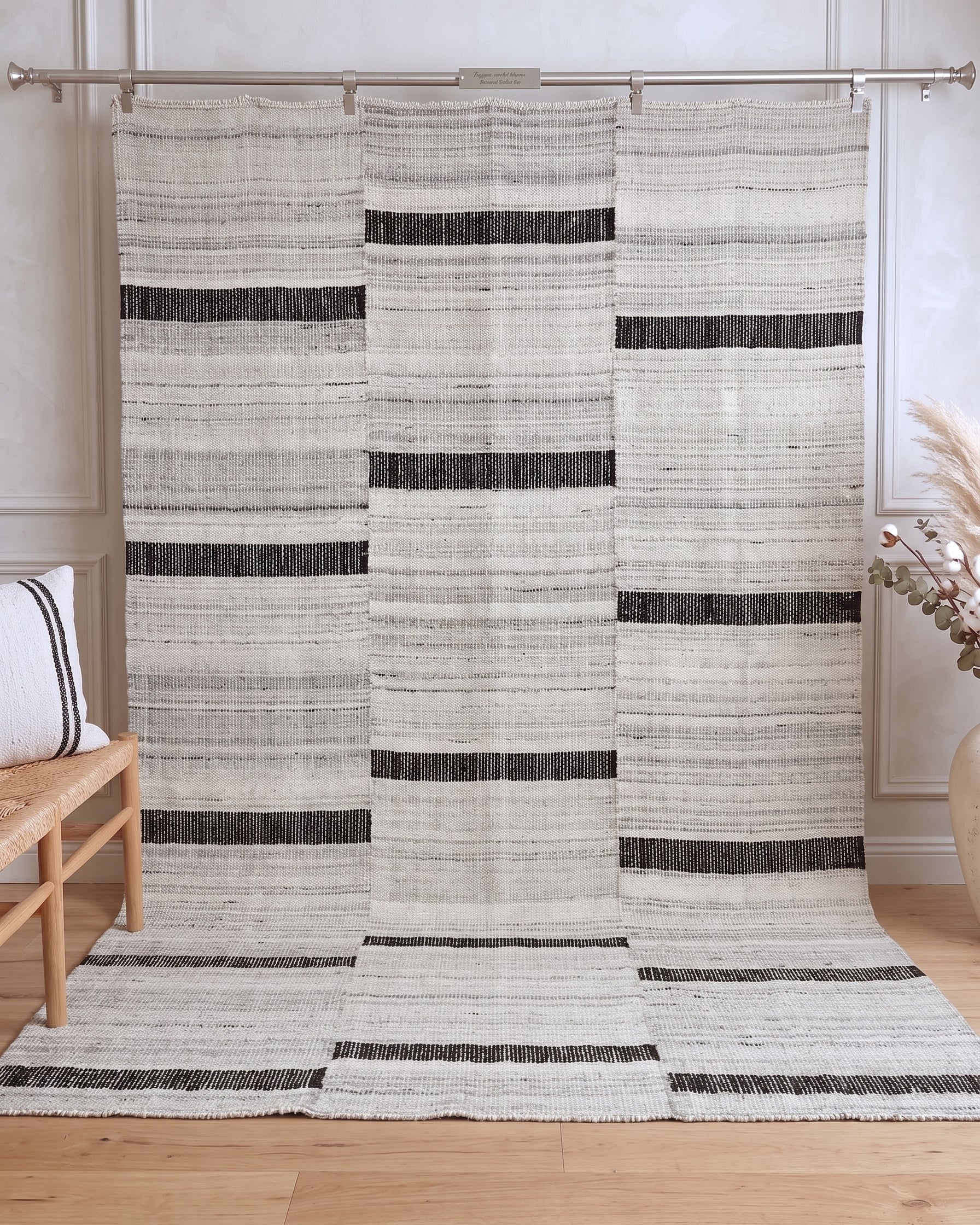
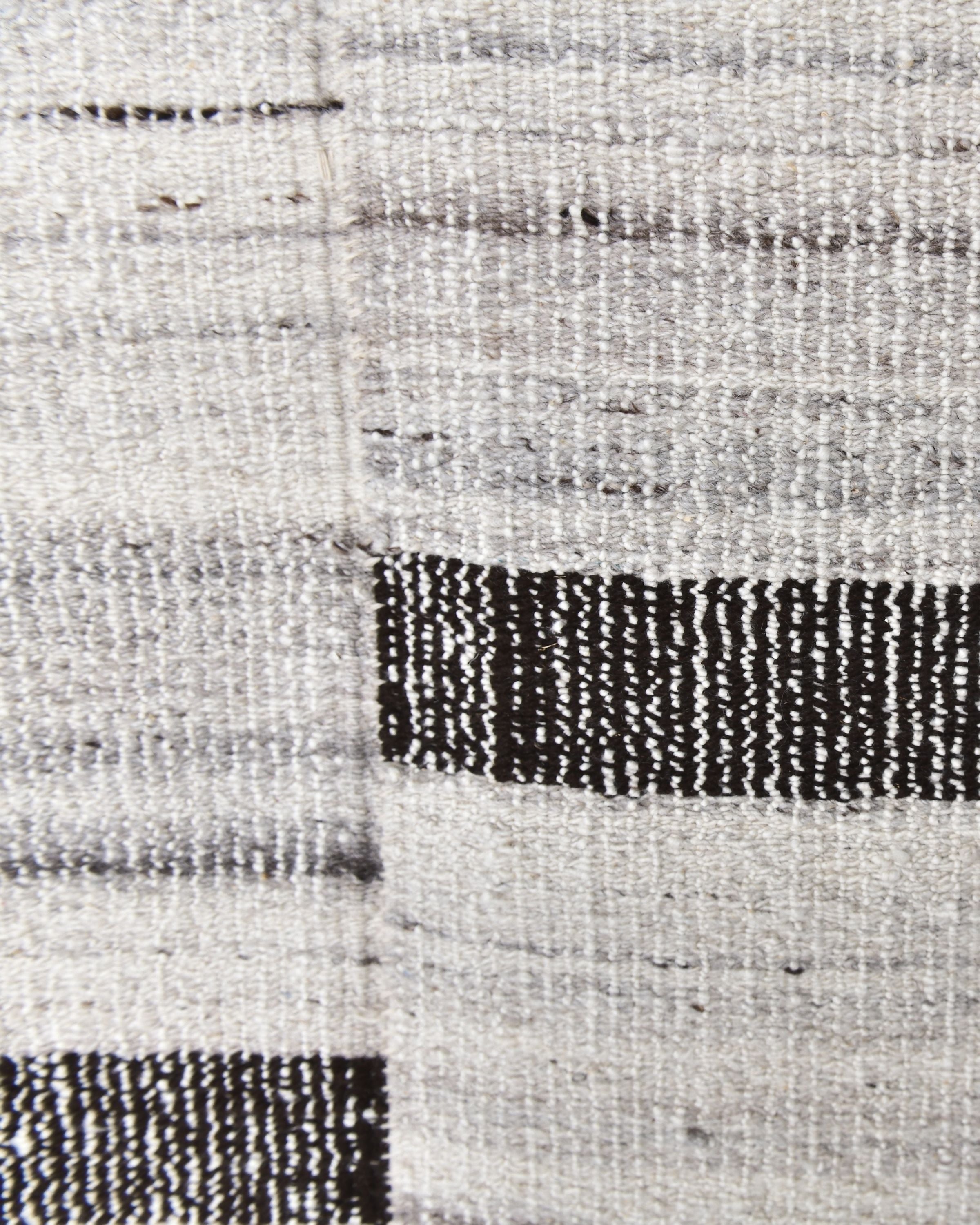
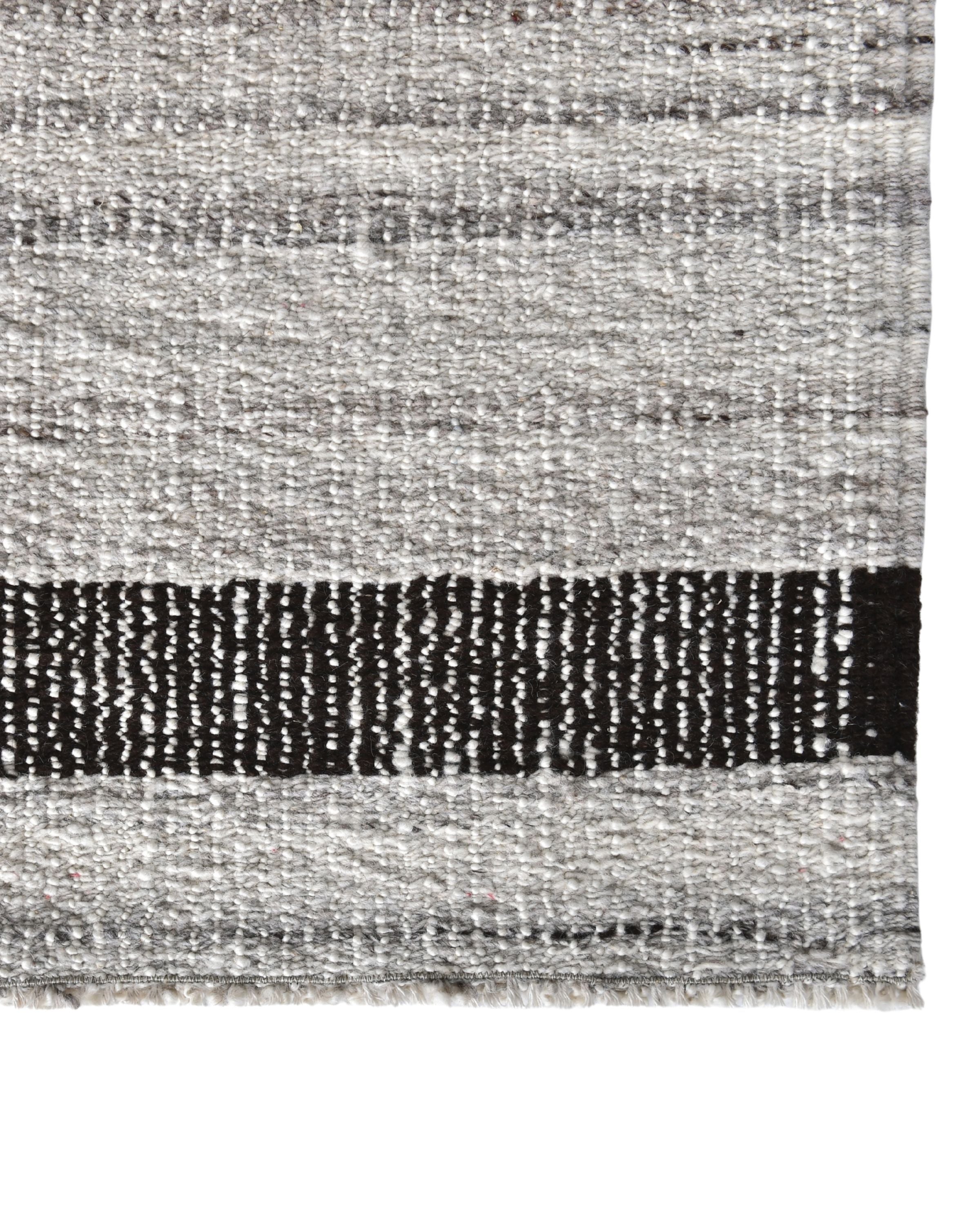
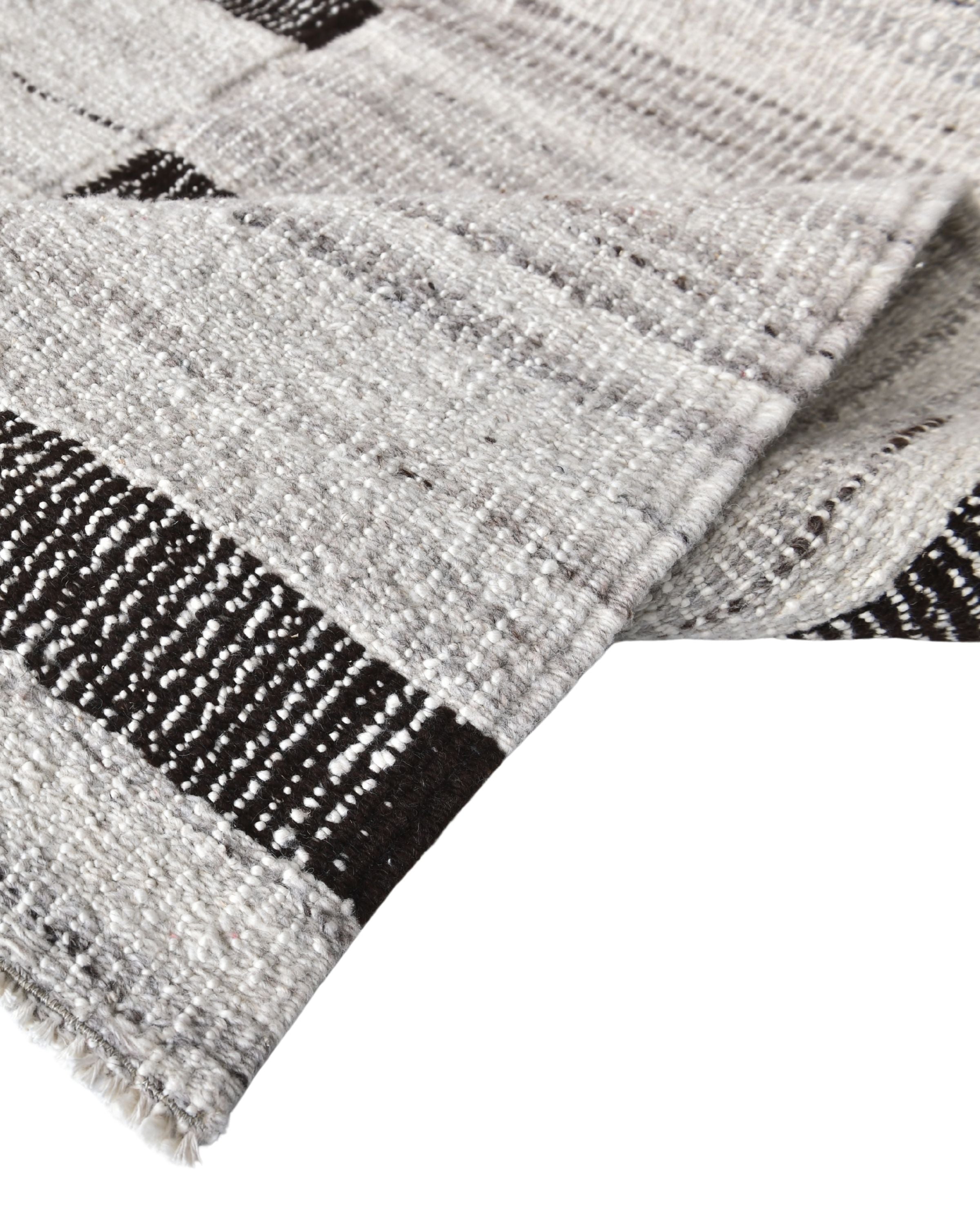
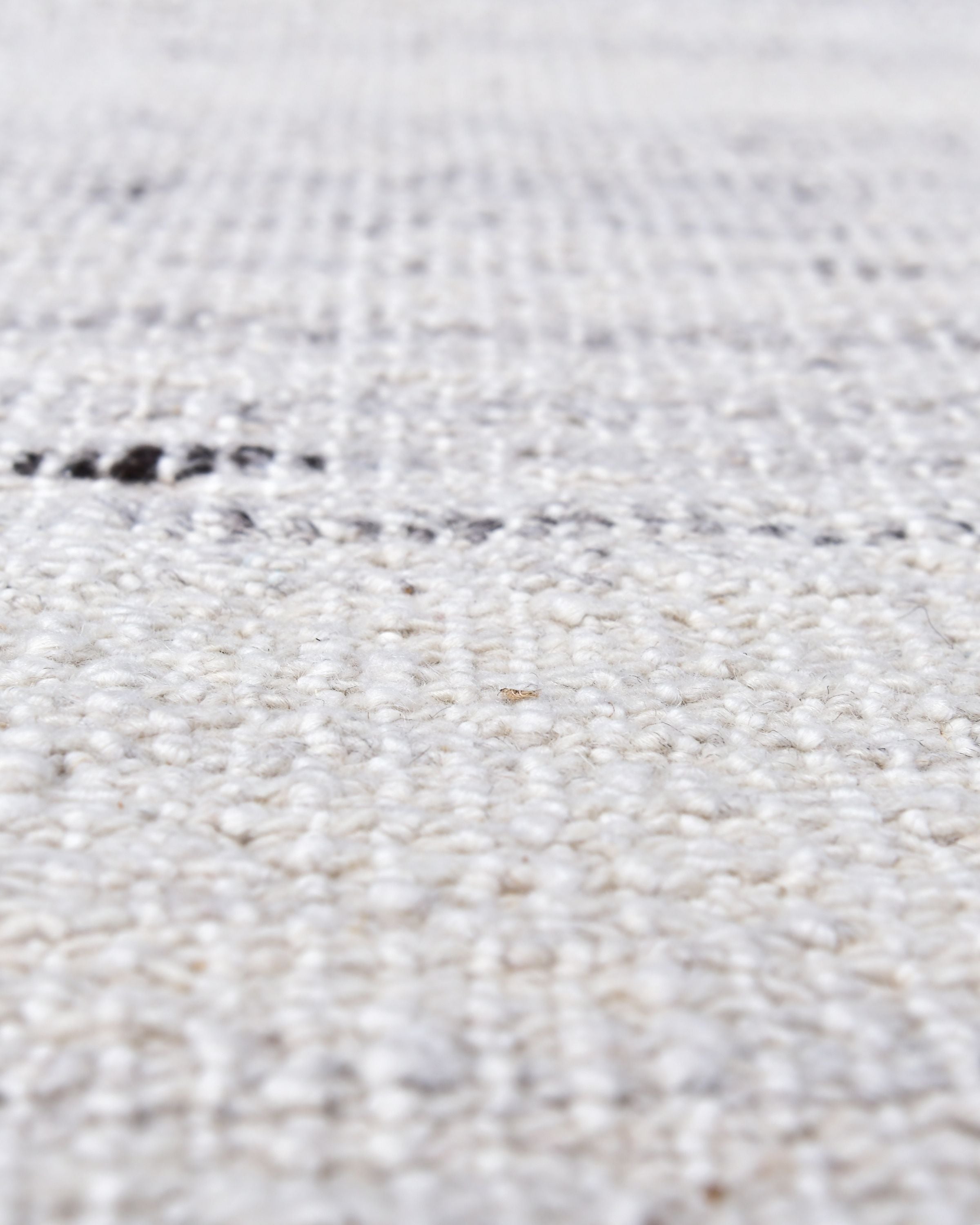
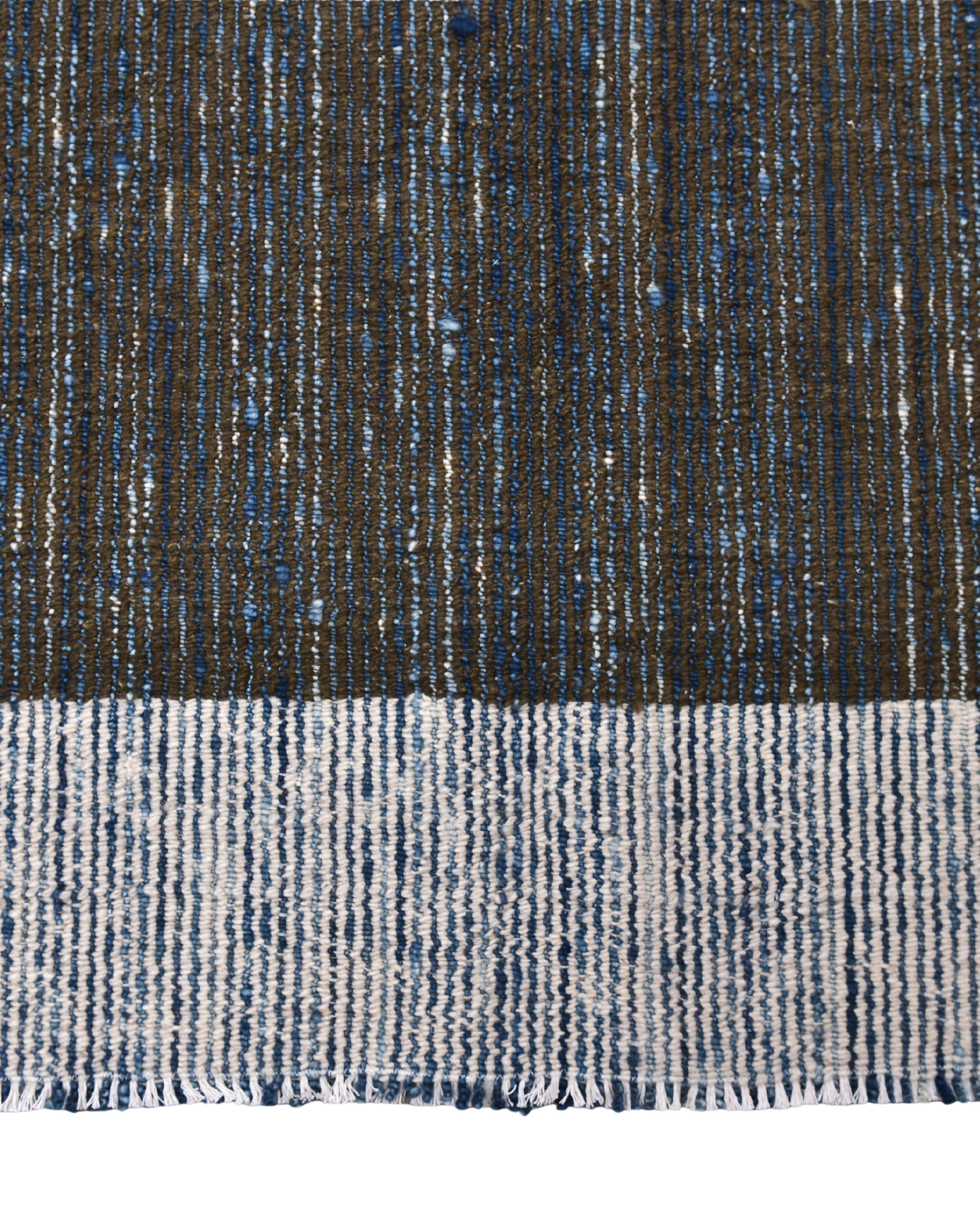
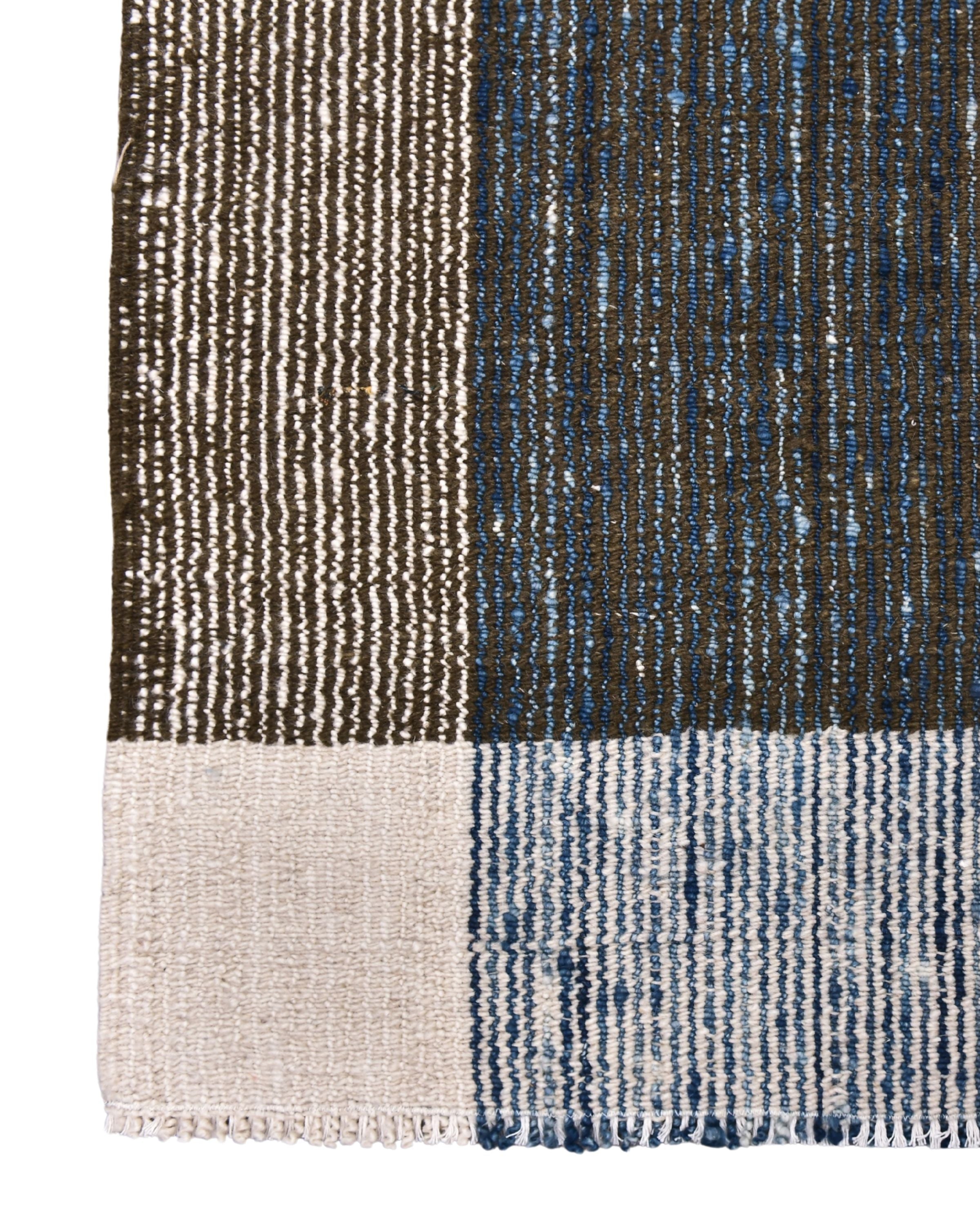
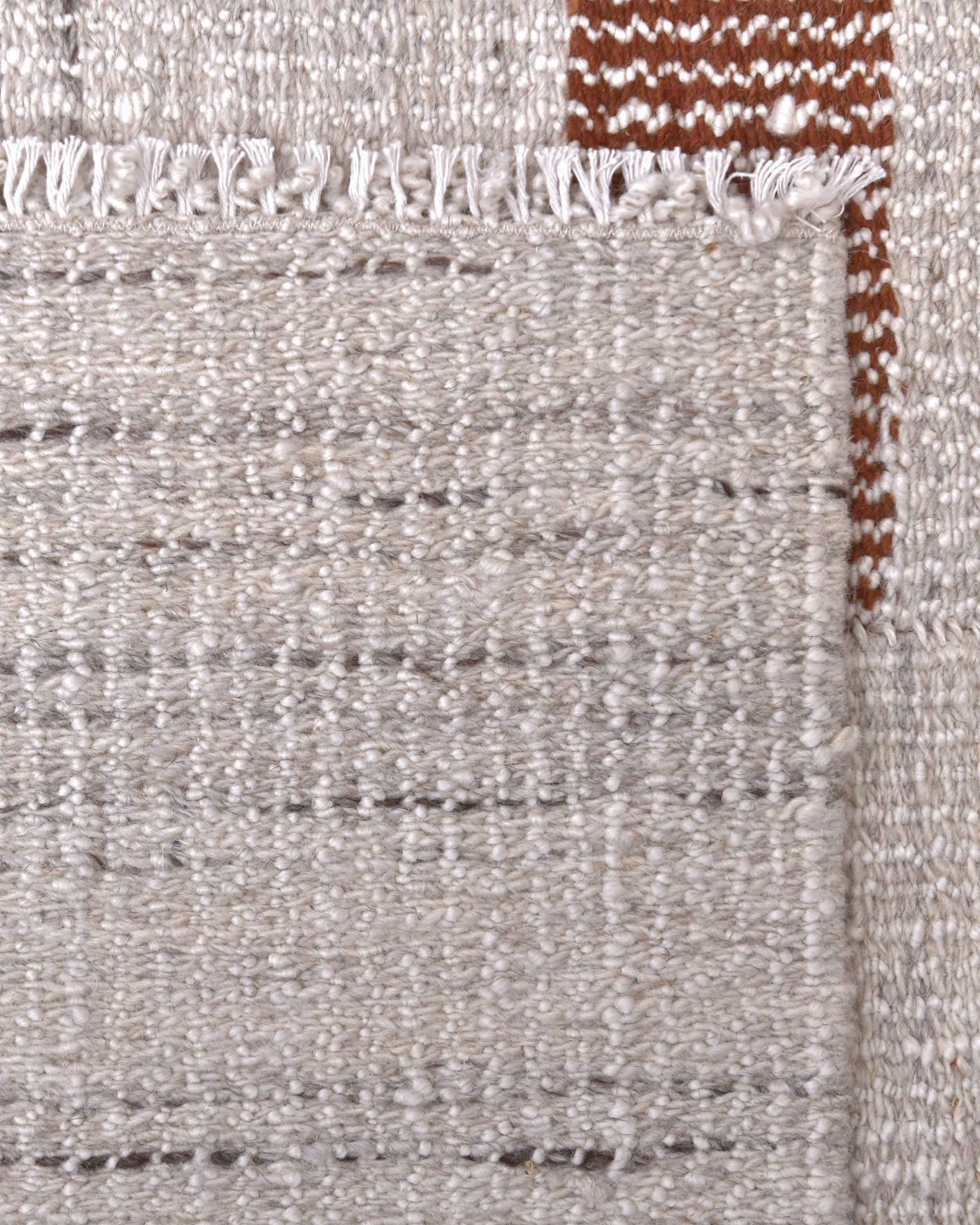
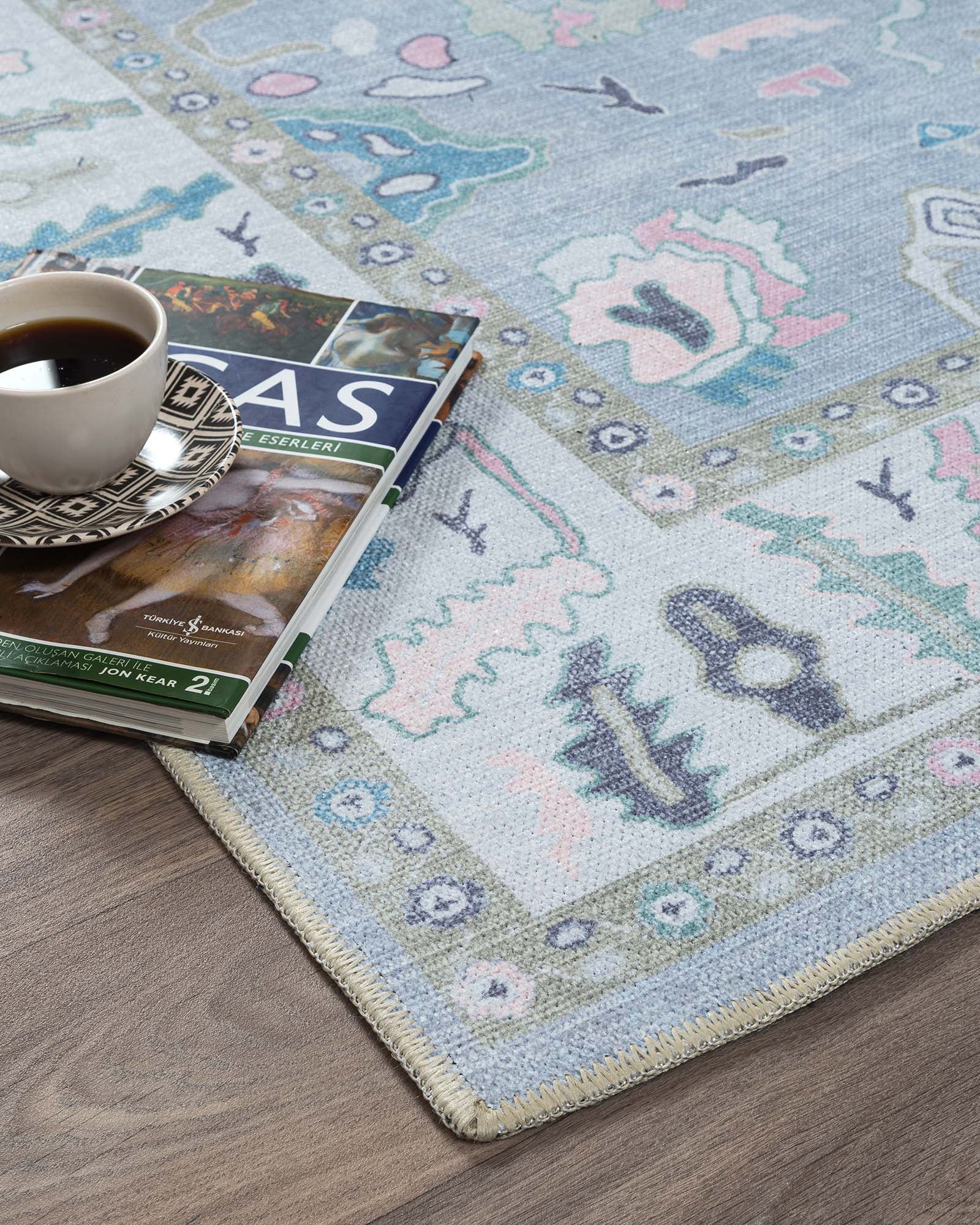
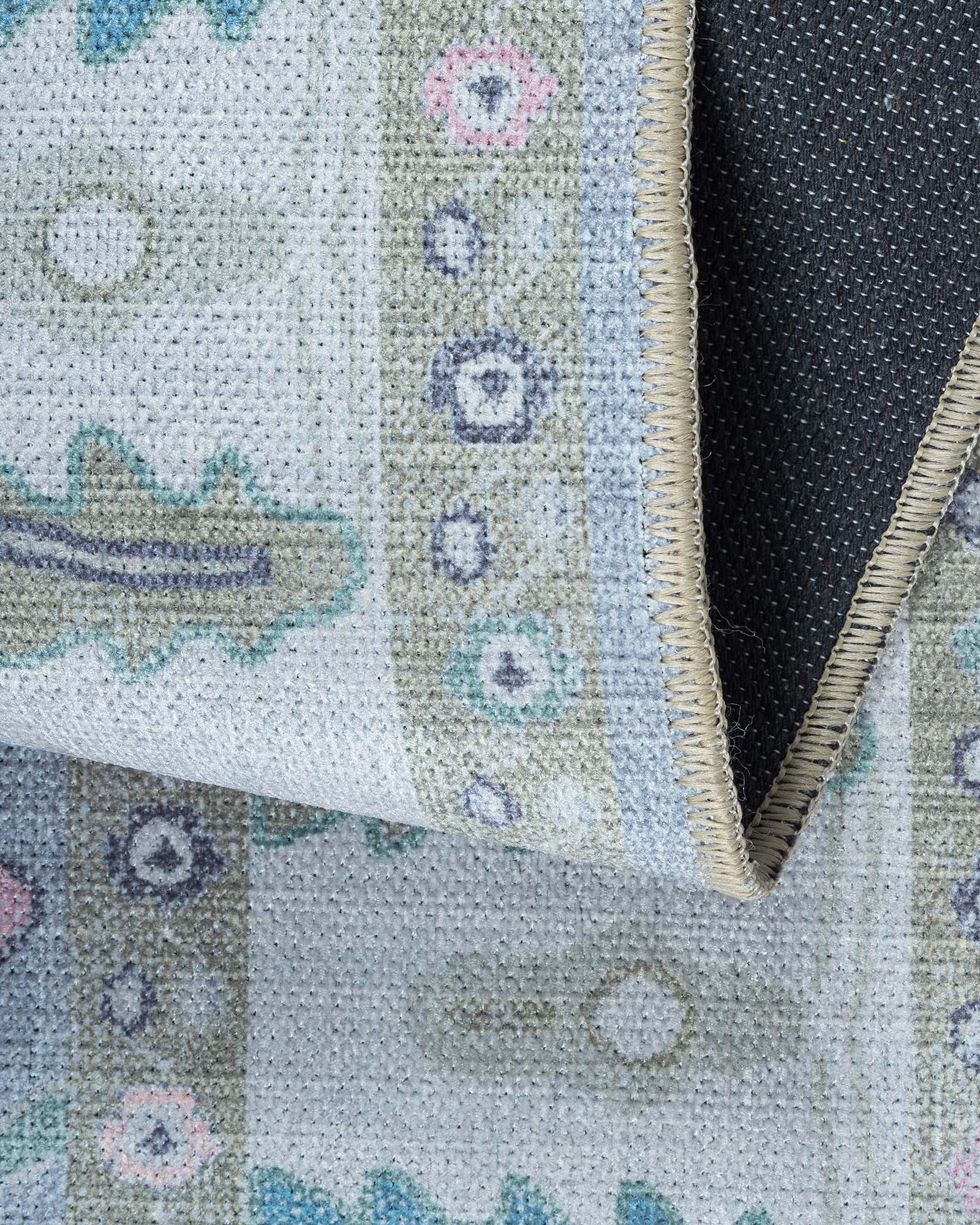
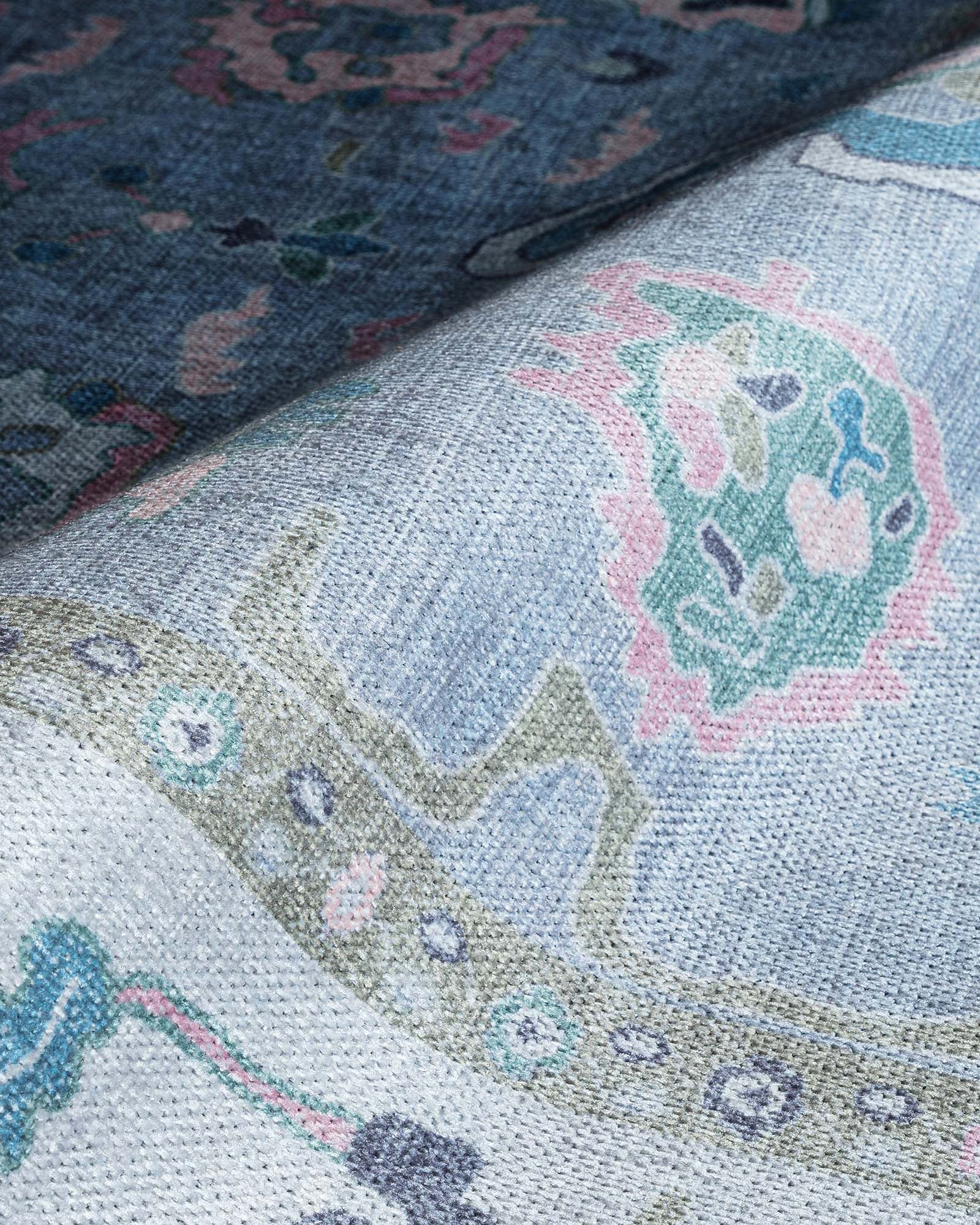
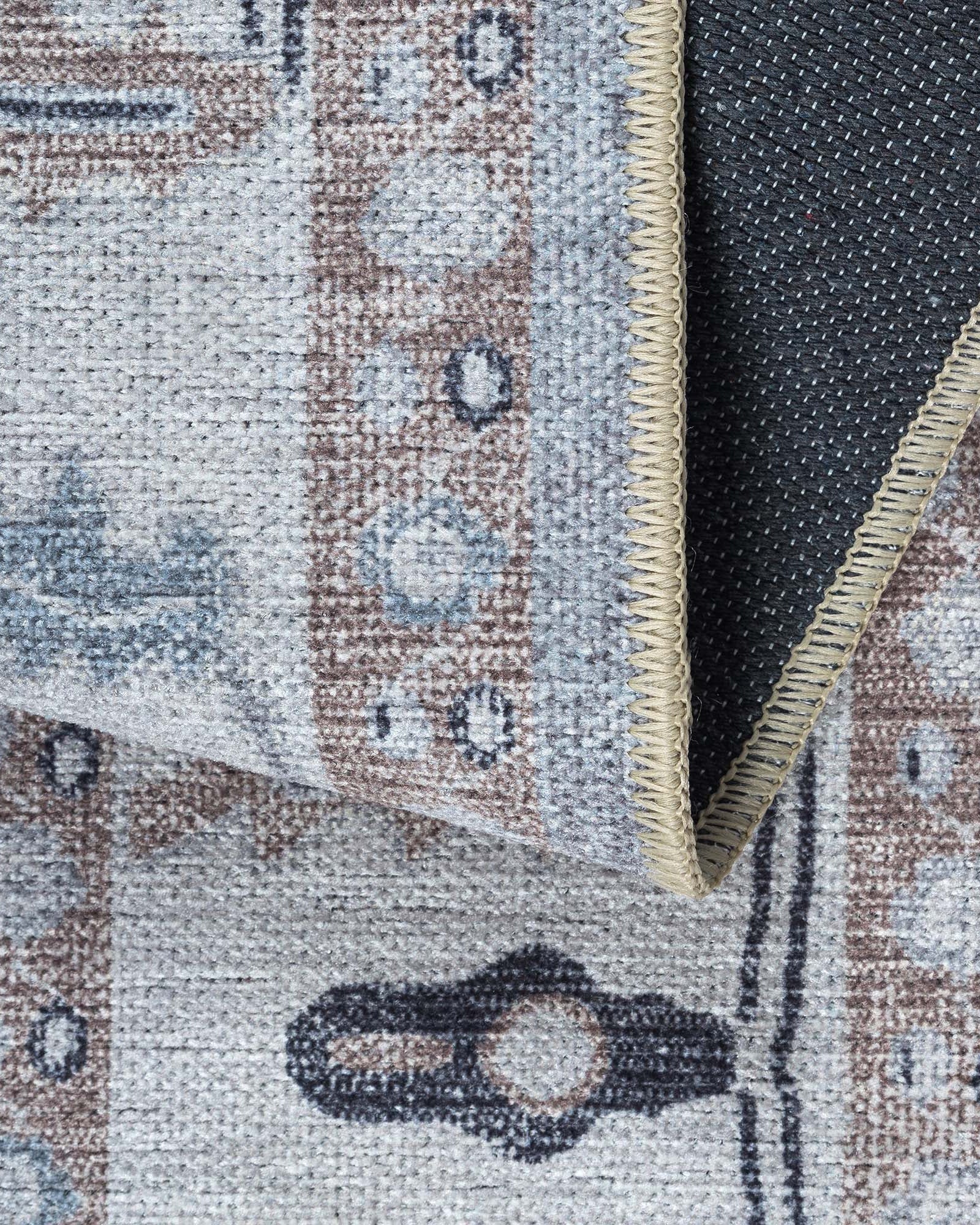
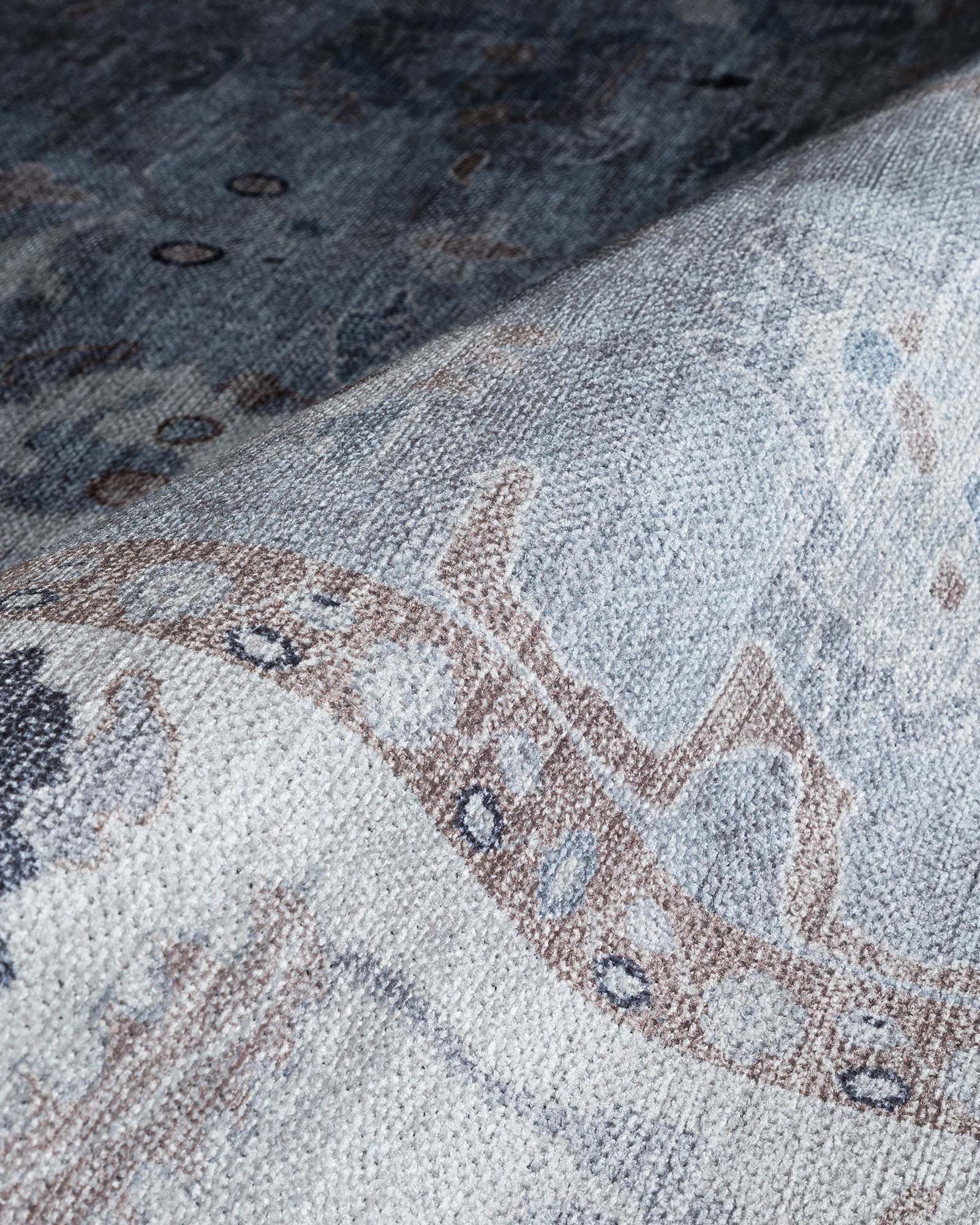
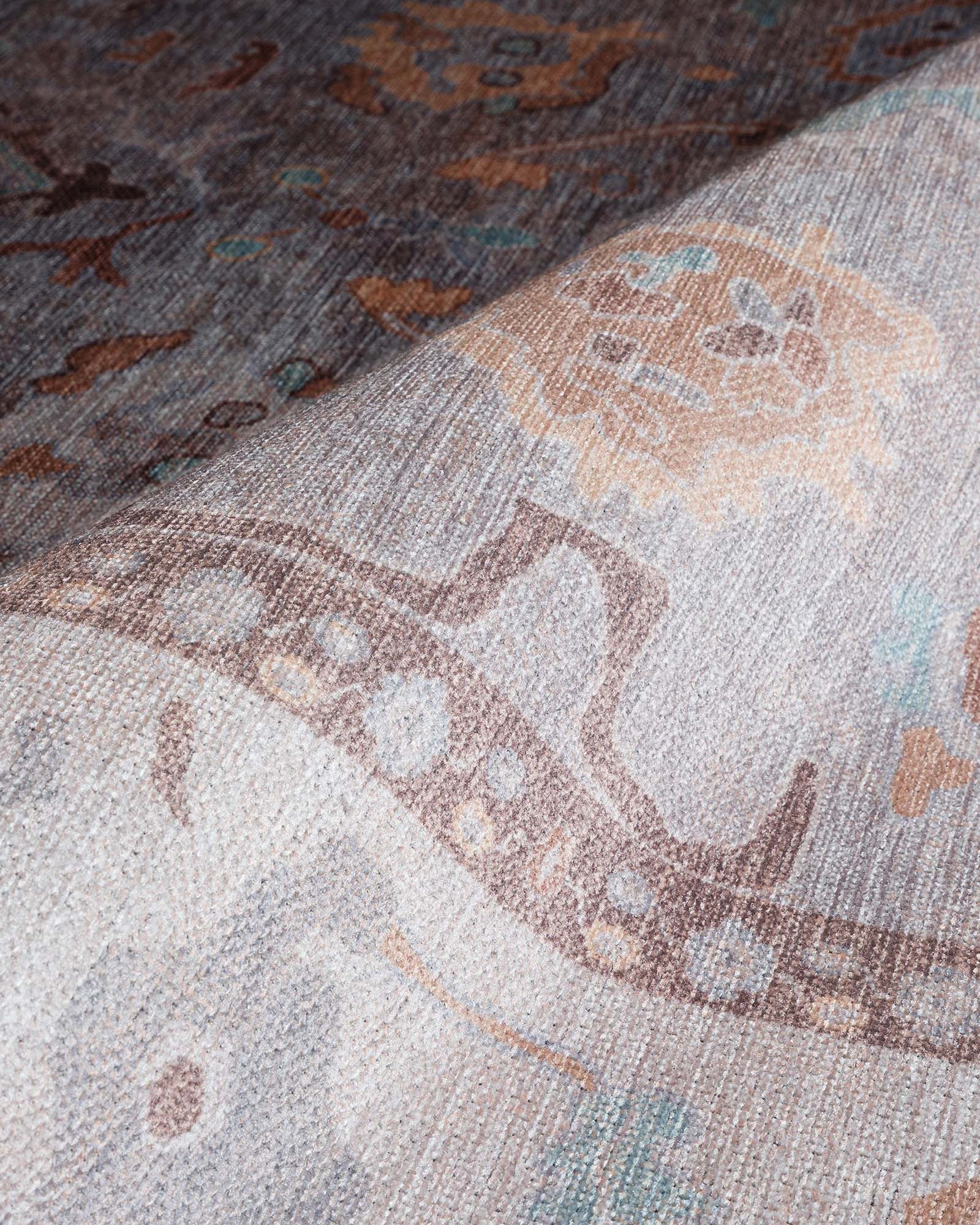
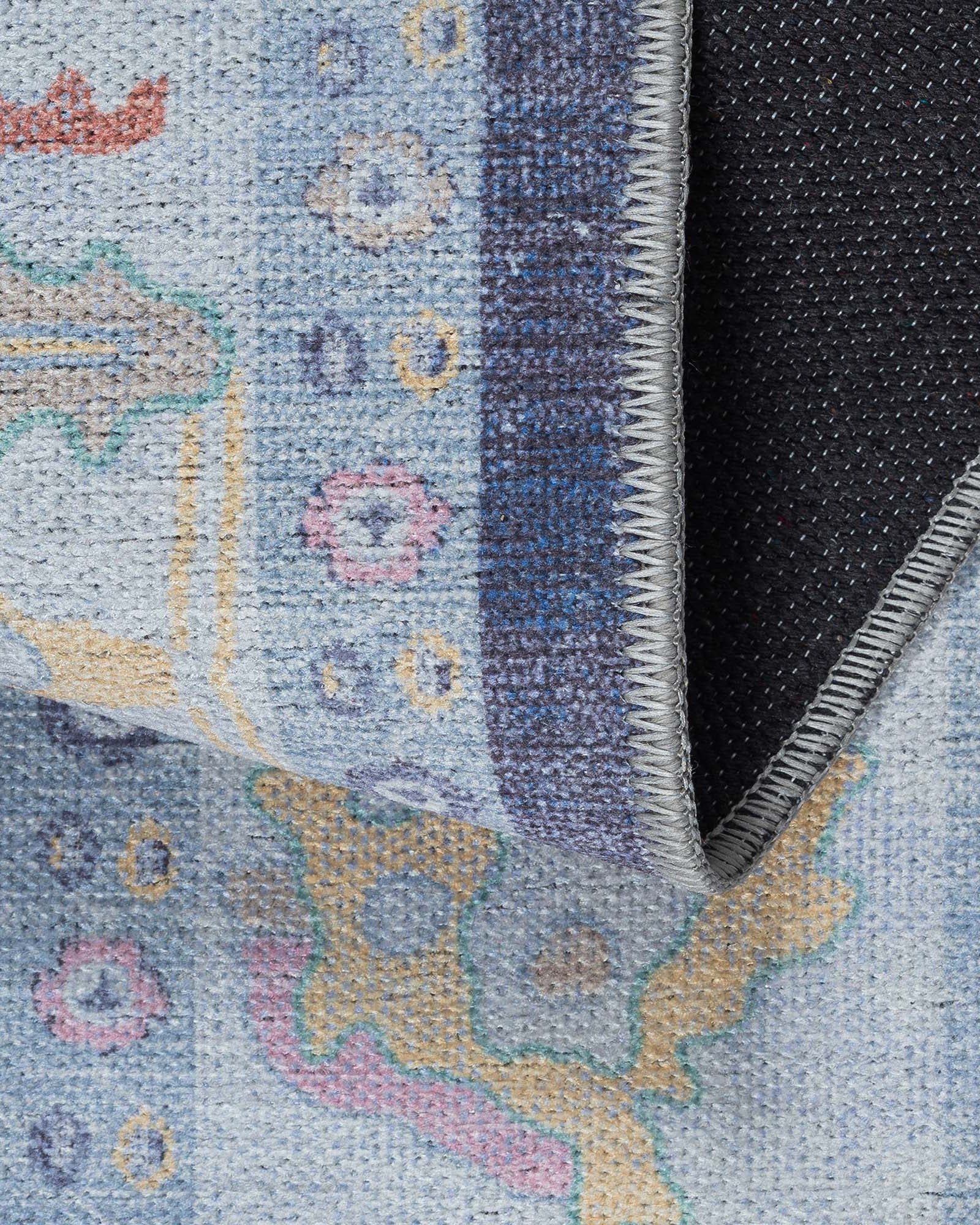
Simple slit-weave construction, without any wrapped-weft technique like soumak added on top, uses the least material of any handwoven rug — just weft threads passed through warp with nothing knotted or wrapped in. That's what these pieces are built from. If you want more texture and durability and are willing to trade some of that lightness, Soumak Rugs is the step up; if lightness is the priority, stay with a plain flatweave.
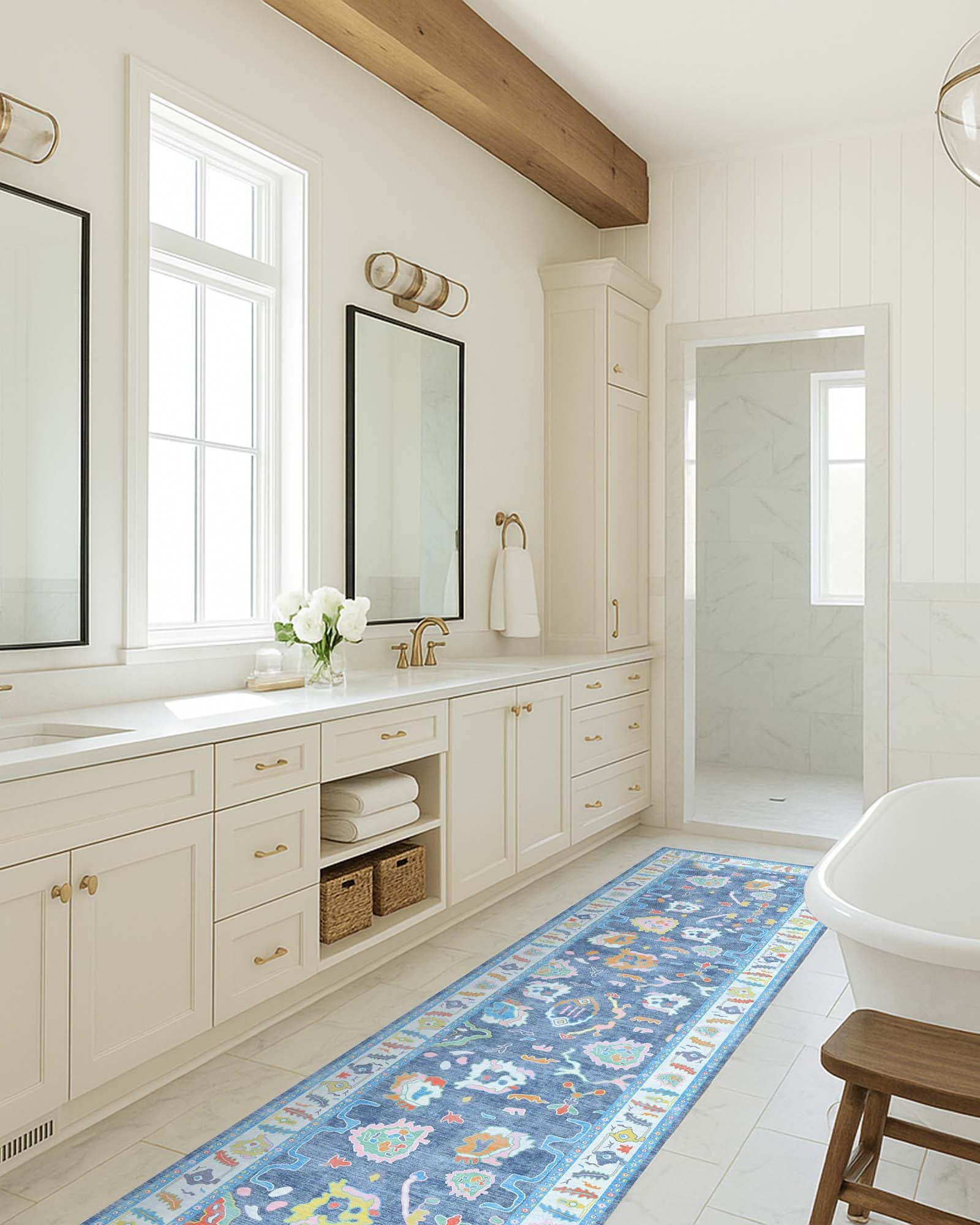
Runner Sizing for a Hallway
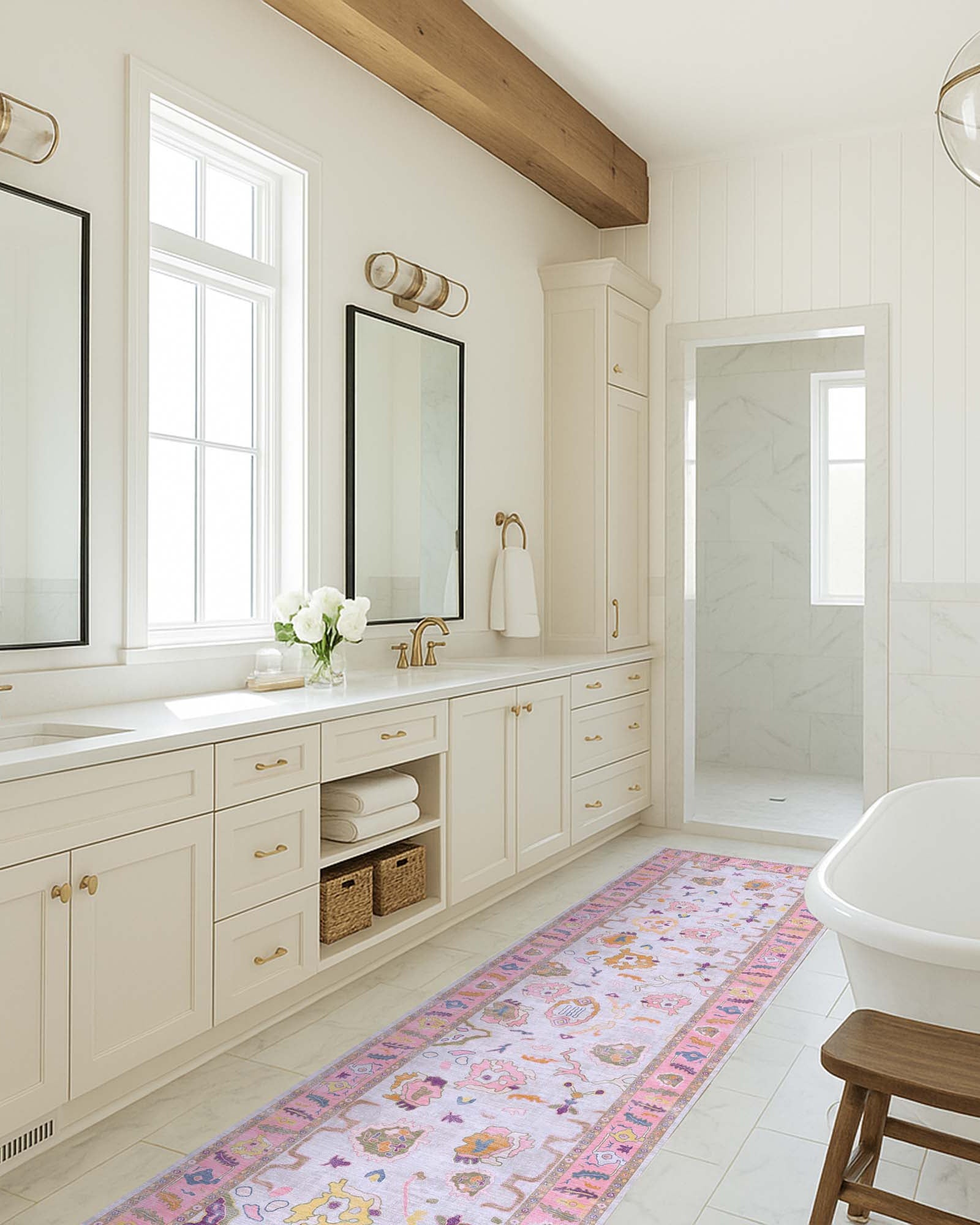
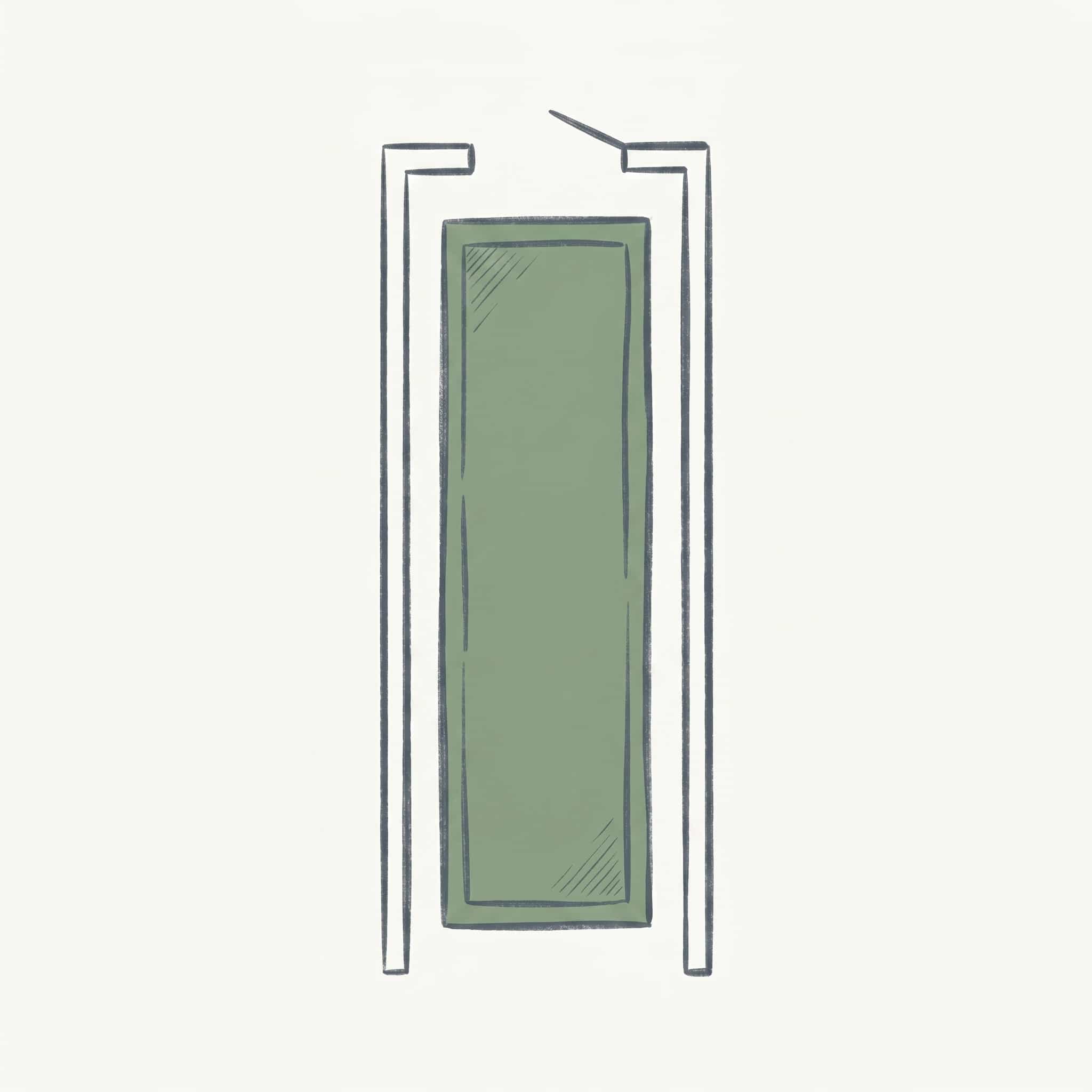
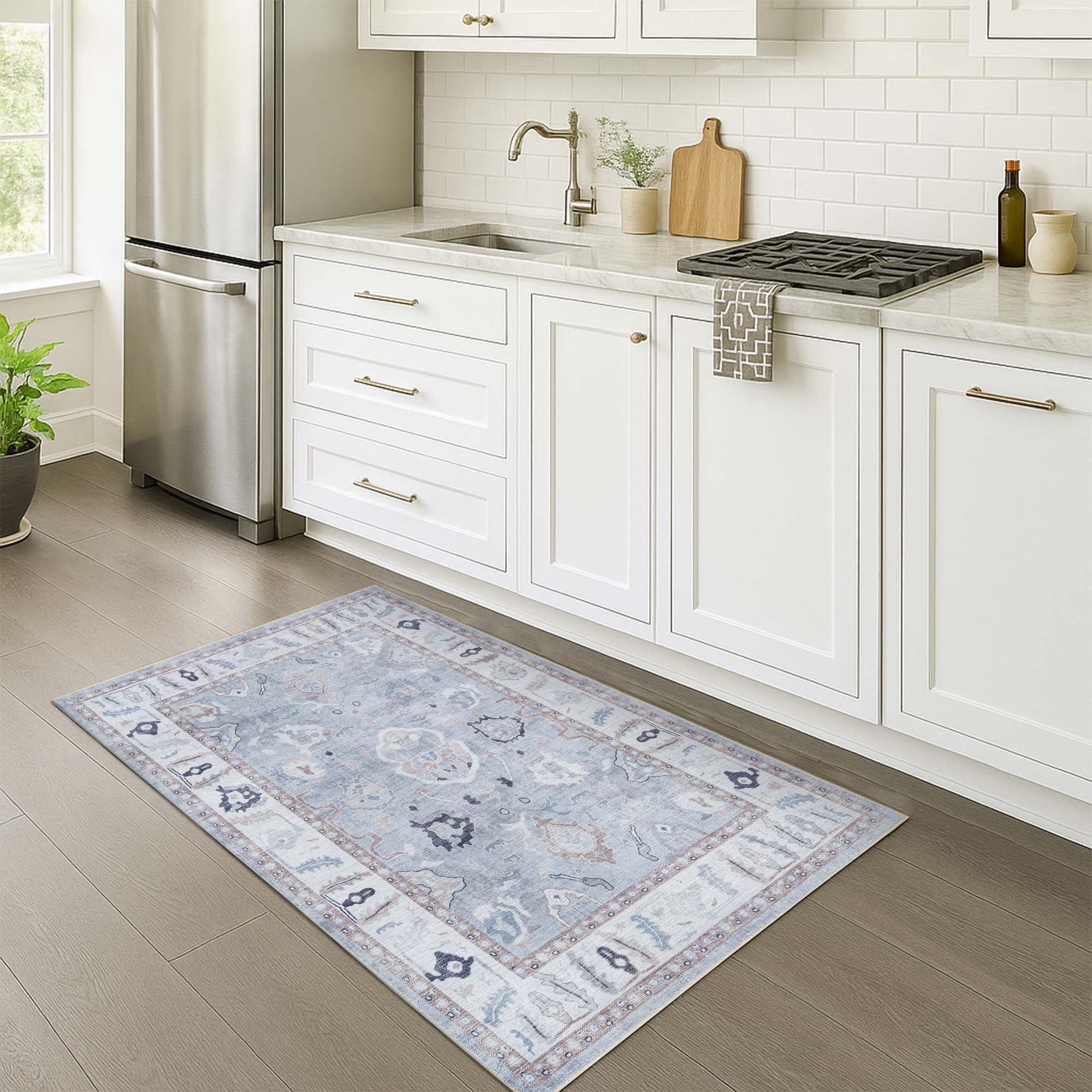
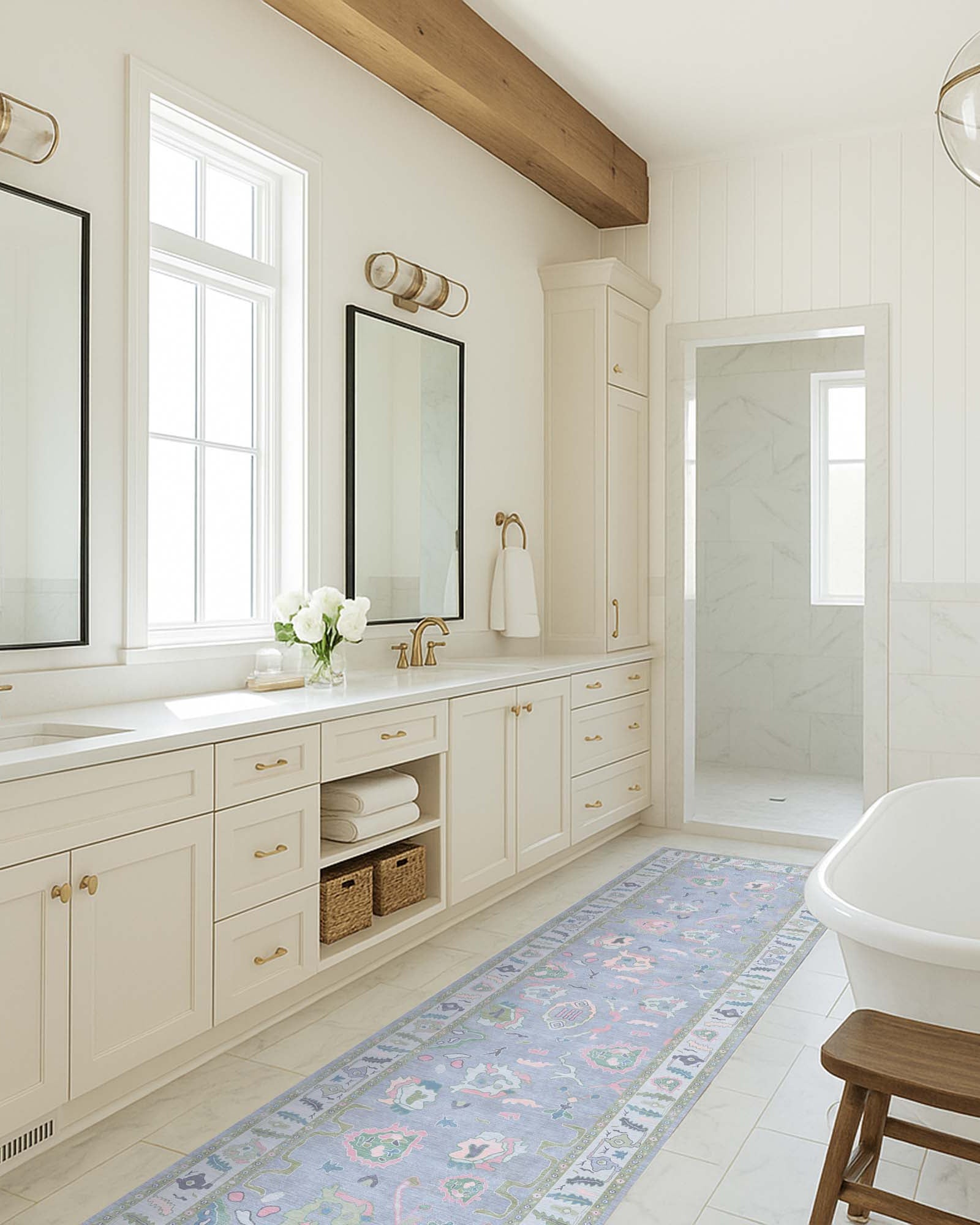
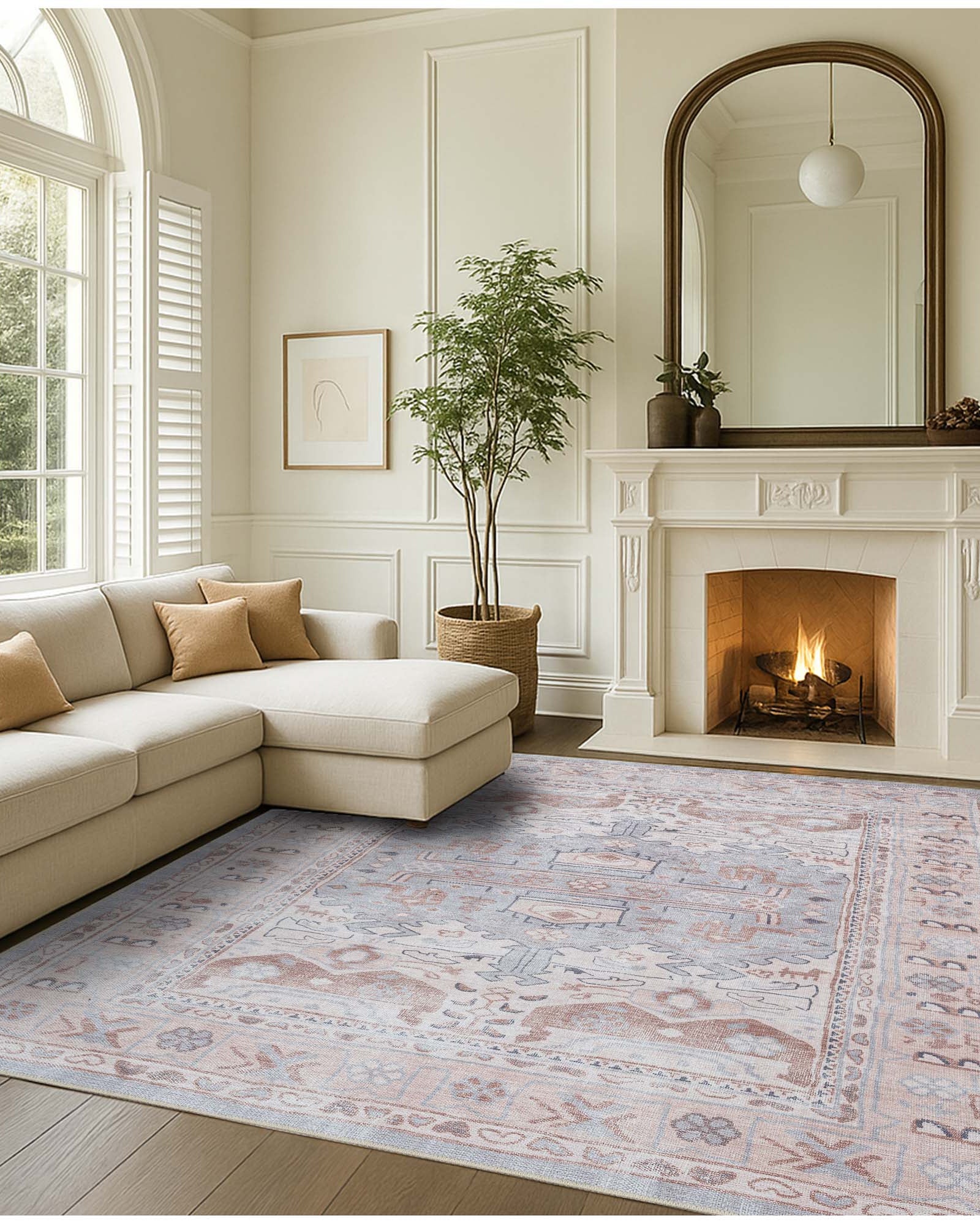
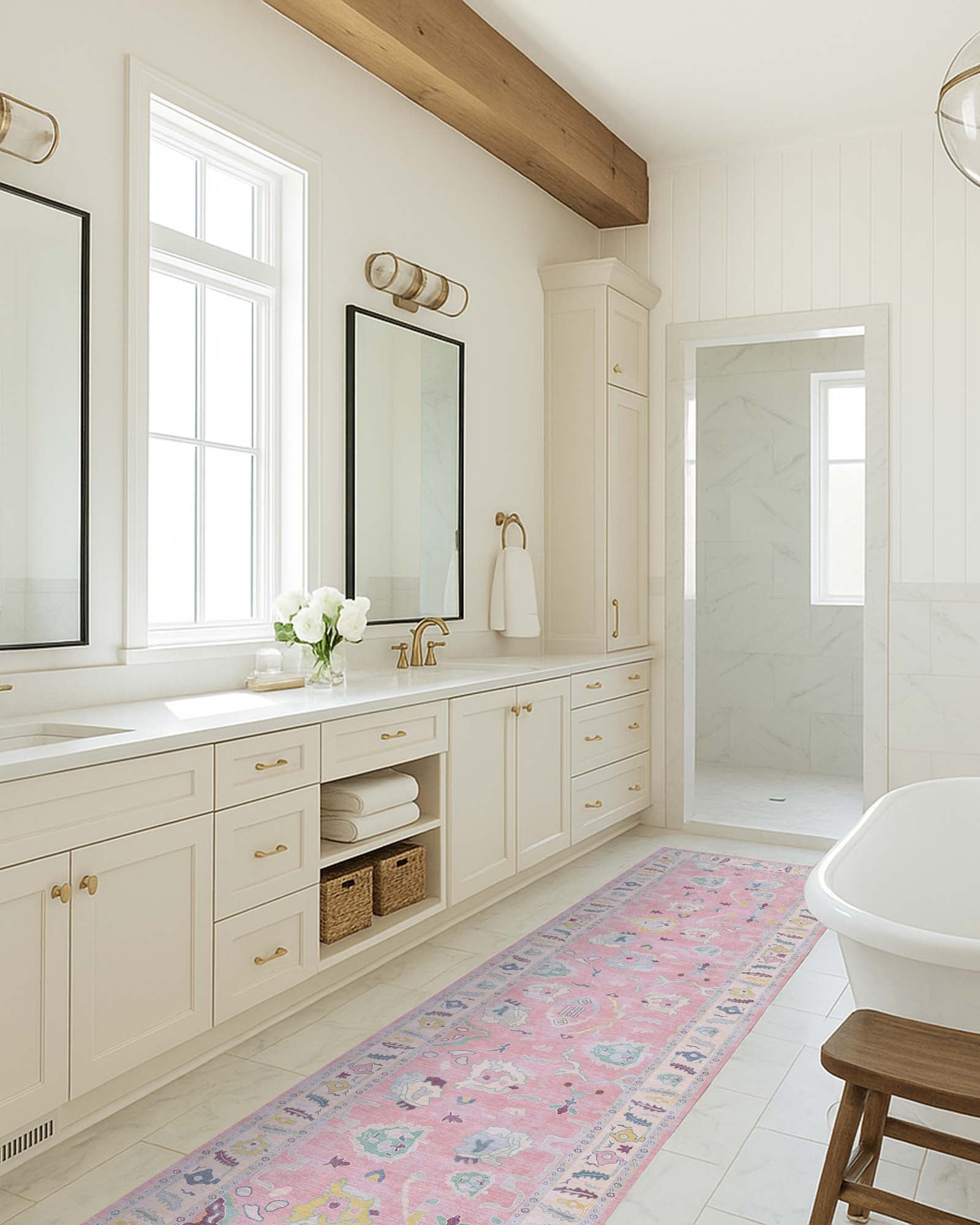
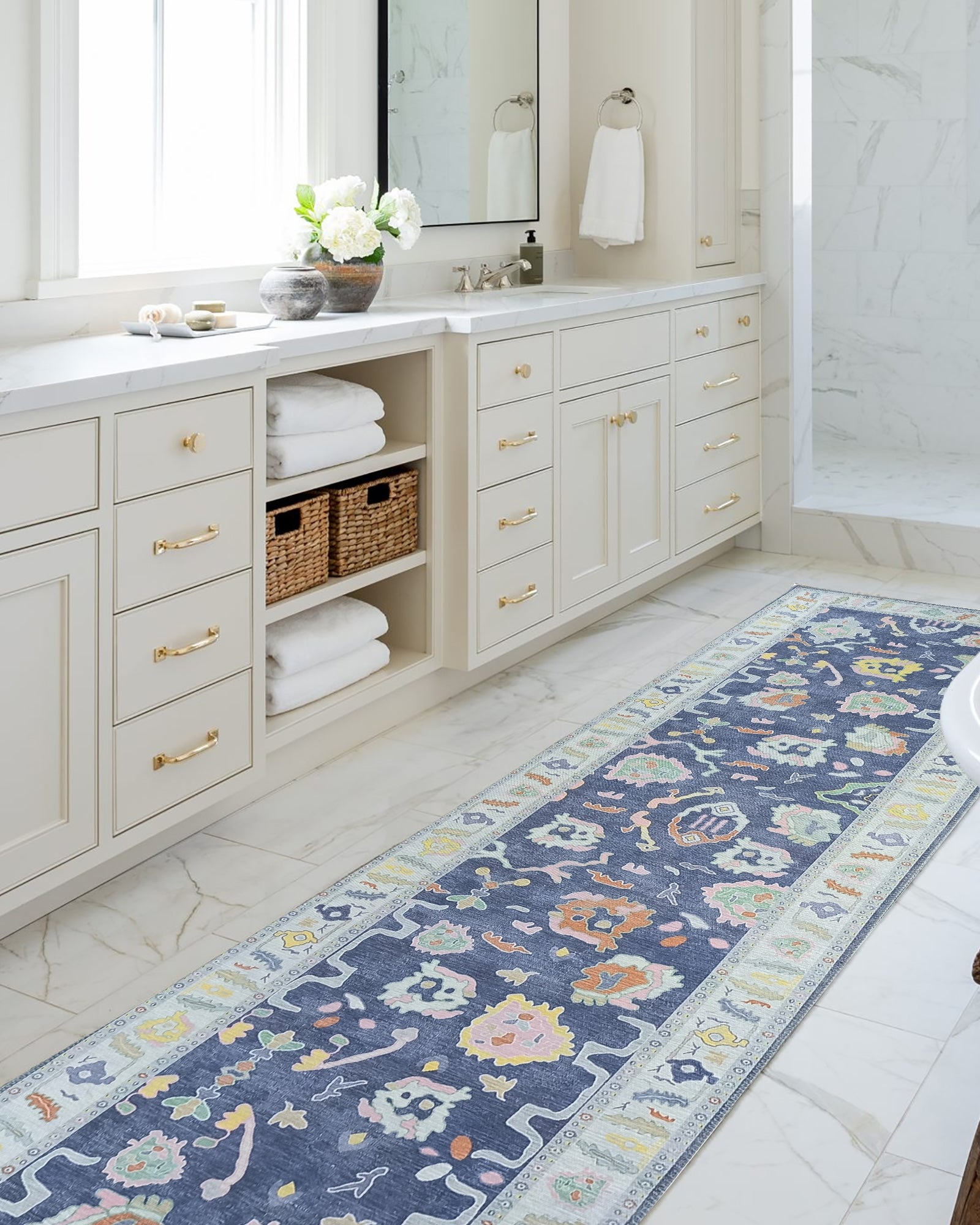
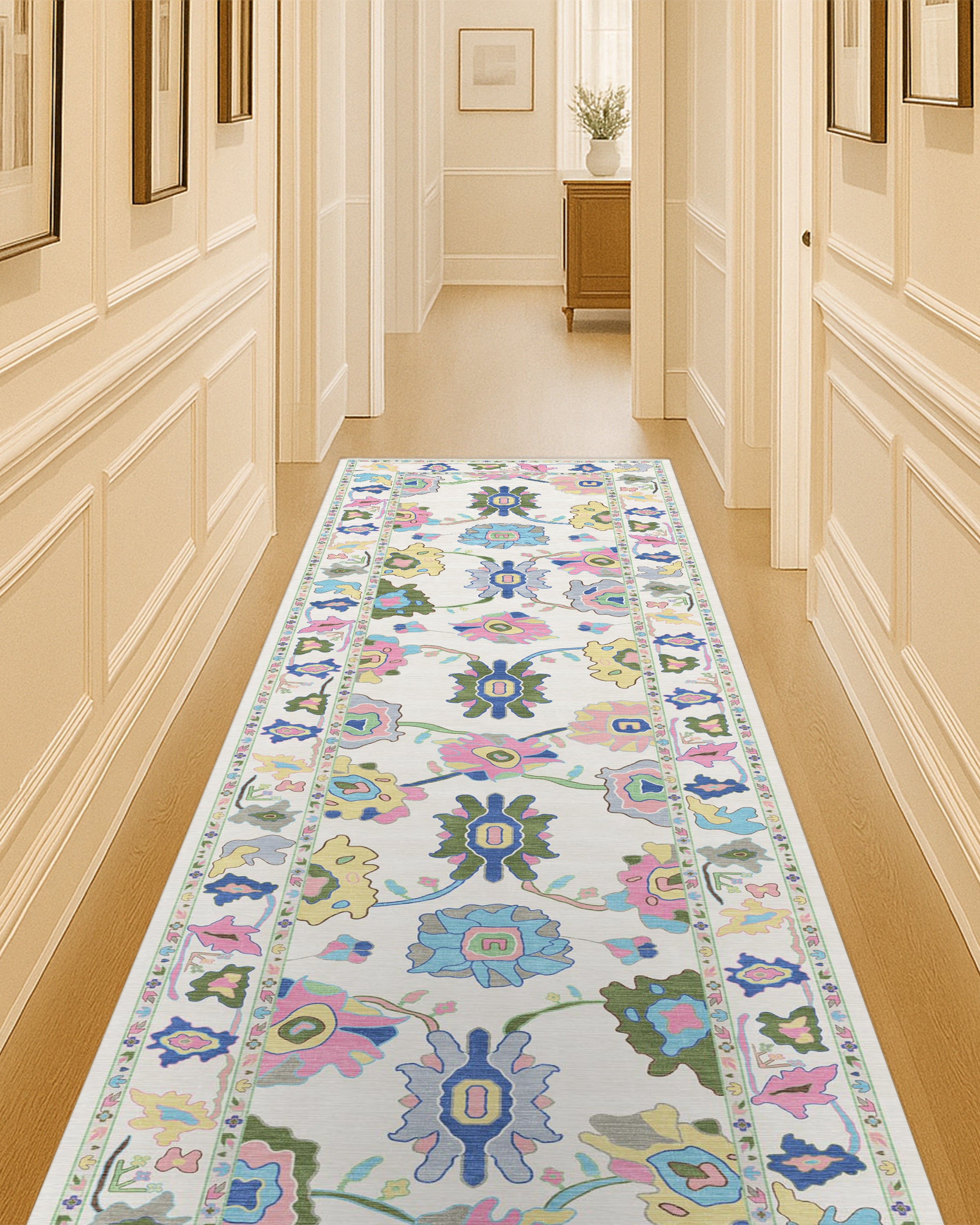
Leave 4 to 6 inches of visible floor on each side of the runner, and stop 6 to 12 inches short of the wall or doorway at each end rather than running it flush to the edges. Because vintage runners were made on looms rather than cut to standard sizes, work from the exact measurements on each product page — width in particular varies more than people expect between pieces.
A Longer Hallway, Two Shorter Runners
Extra-long runners are genuinely scarce, since they required a long, uninterrupted warp on the loom. If your hallway runs longer than any single piece available, placing two shorter lightweight runners end to end with a small gap between them is a practical, common solution — and keeps both pieces light enough to lift individually rather than searching for one long, heavier alternative.
Where to Look Next
For the full range of flatweave construction and pattern, browse Flatweave Rugs. For hallway-specific airflow and breathability, see Breathable Flatweave Hallway Rugs. For runner sizing across both flatweave and knotted construction, Vintage Runner Rugs is worth a look.
Frequently Asked Questions
Why does a lightweight rug matter specifically for a hallway?
Hallway rugs get lifted and shaken out far more often than rugs in other rooms, since they take the most concentrated daily foot traffic. A genuinely light flatweave makes that routine care quick and manageable rather than a chore.
What construction makes a flatweave the lightest option?
Simple slit-weave, with nothing knotted or wrapped on top. Techniques like soumak add weight and texture, so the lightest pieces are plain kilims woven as openly as possible.
How should I size a runner for my hallway?
Leave 4 to 6 inches of bare floor on each side and stop 6 to 12 inches short of the wall or doorway at each end. Vintage runners aren't cut to standard sizes, so check the exact measurements on each product page.
What if my hallway is longer than any single runner?
Place two shorter lightweight runners end to end with a small gap between them. It's a practical, common solution and keeps each piece light enough to lift and clean individually.
Is a lightweight flatweave durable enough for daily hallway traffic?
Reasonably, though a heavier soumak weave will outlast a very light kilim under constant heavy use. For a busy household hallway, weigh the ease of lifting against the added durability of a denser weave.