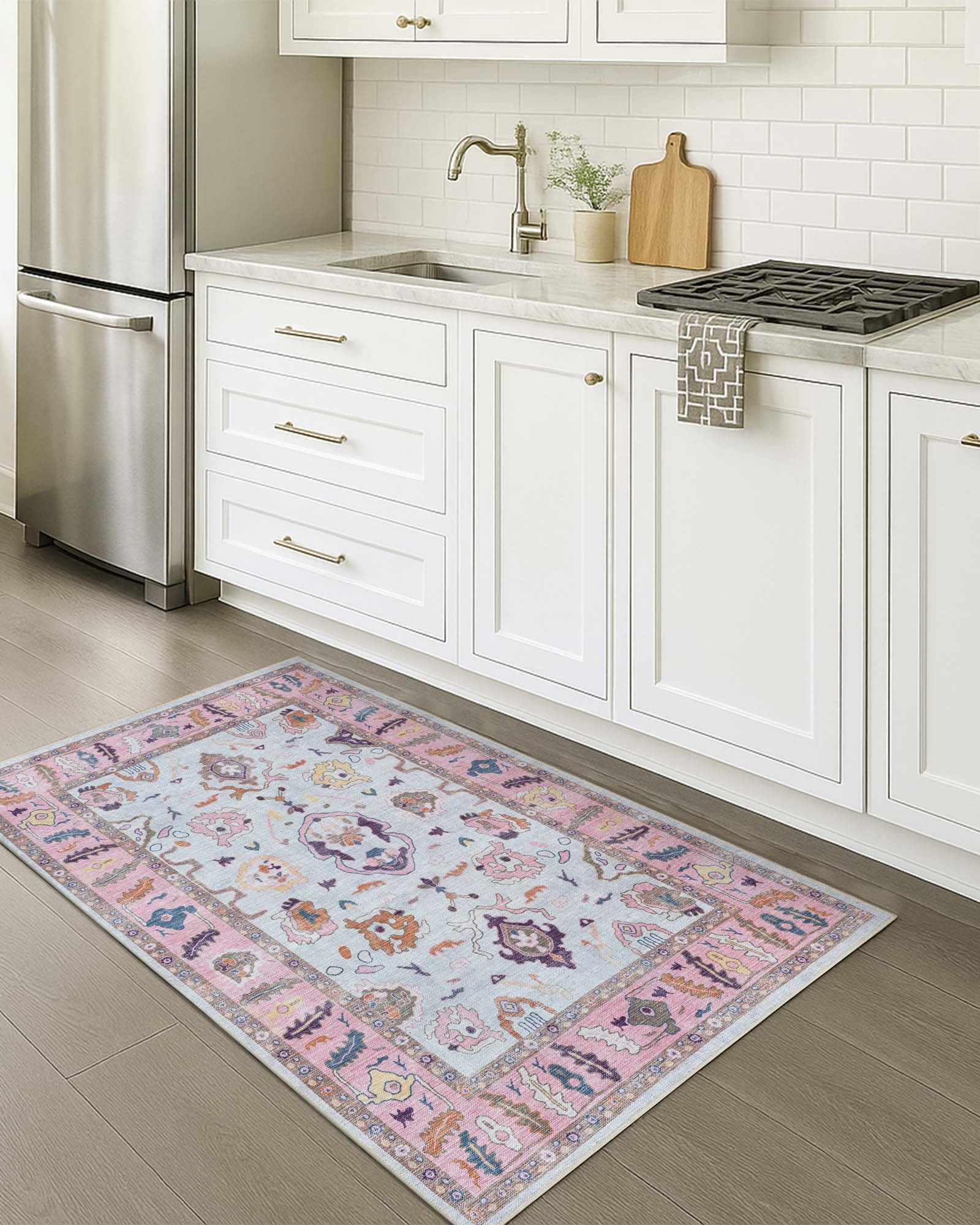
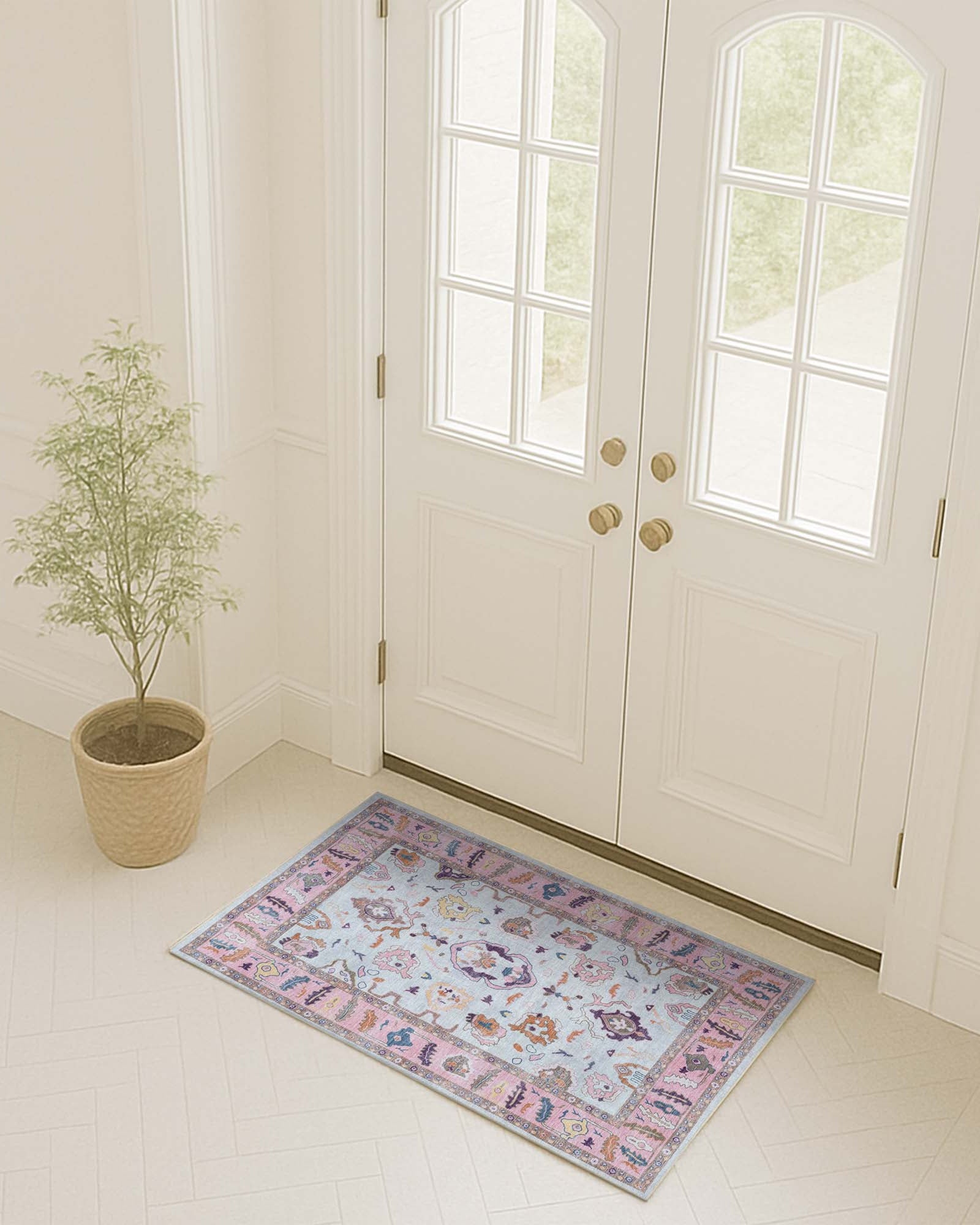
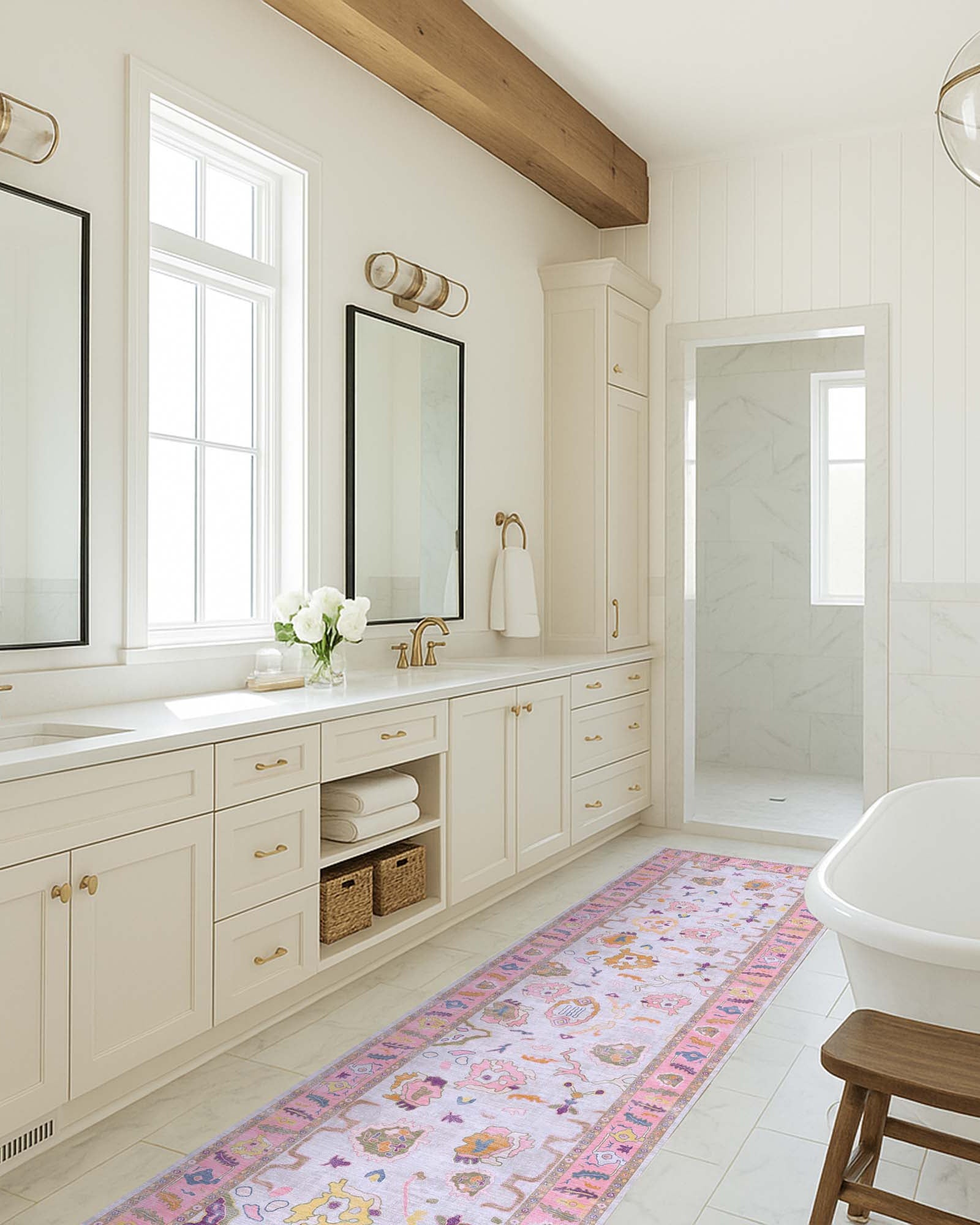
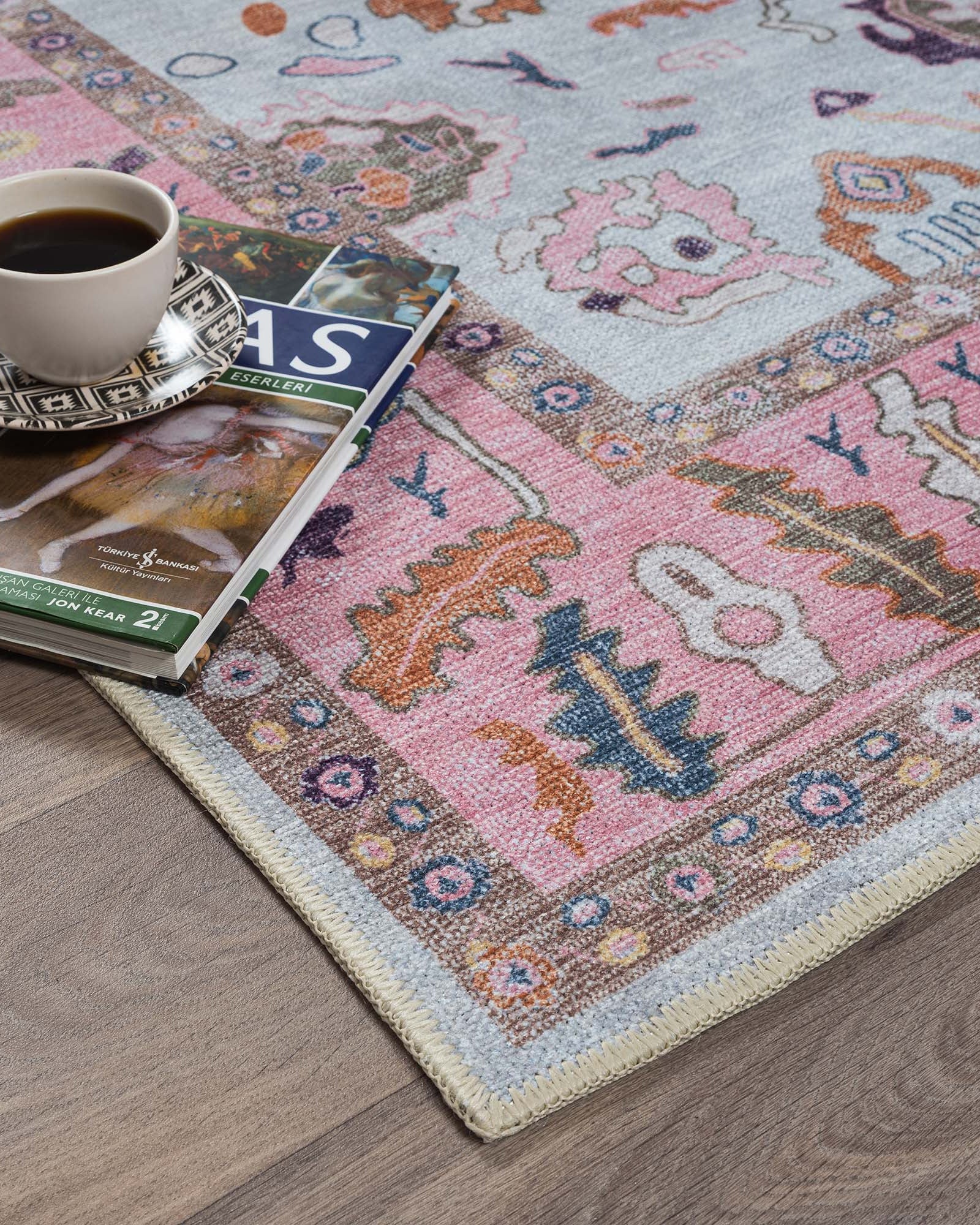
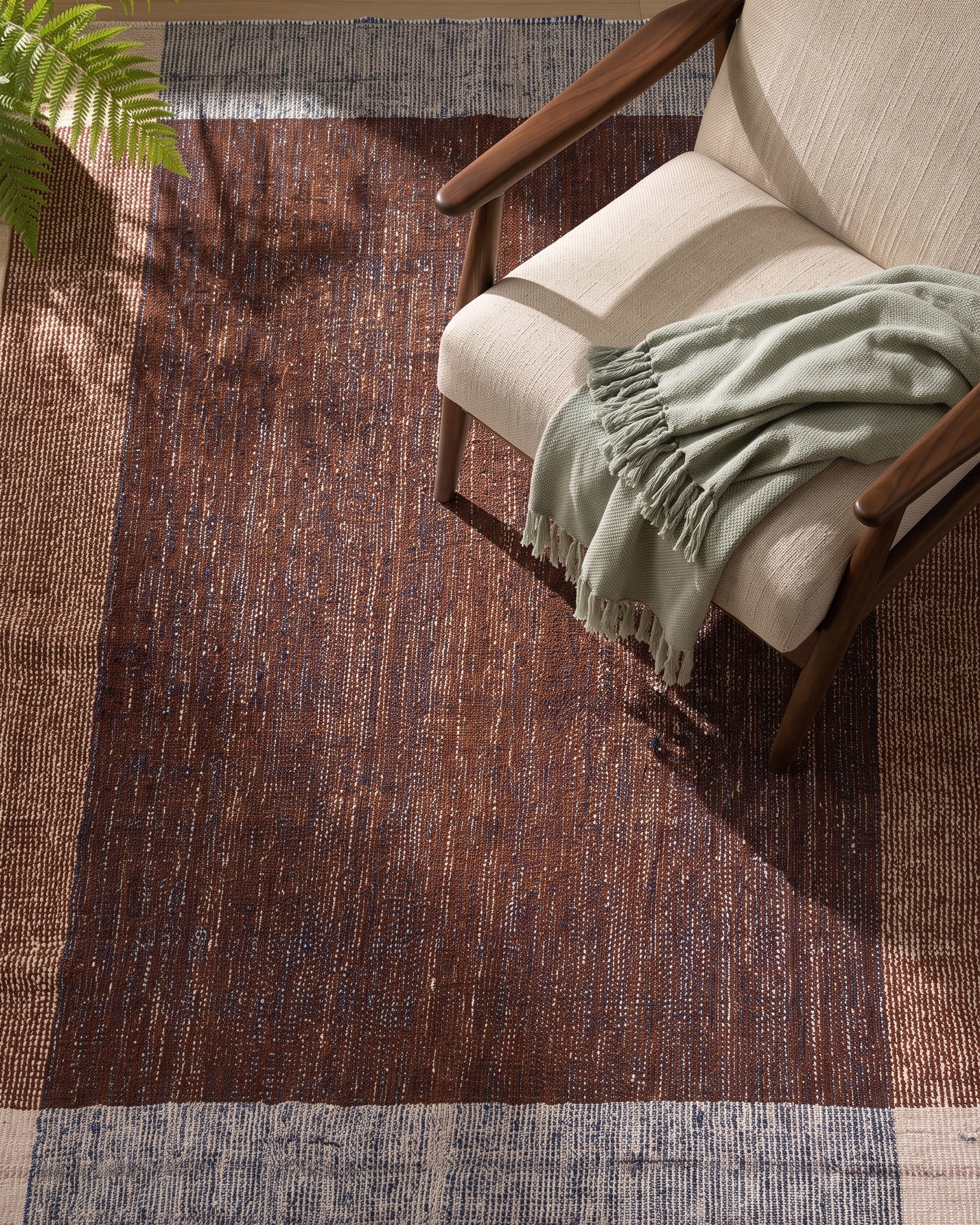
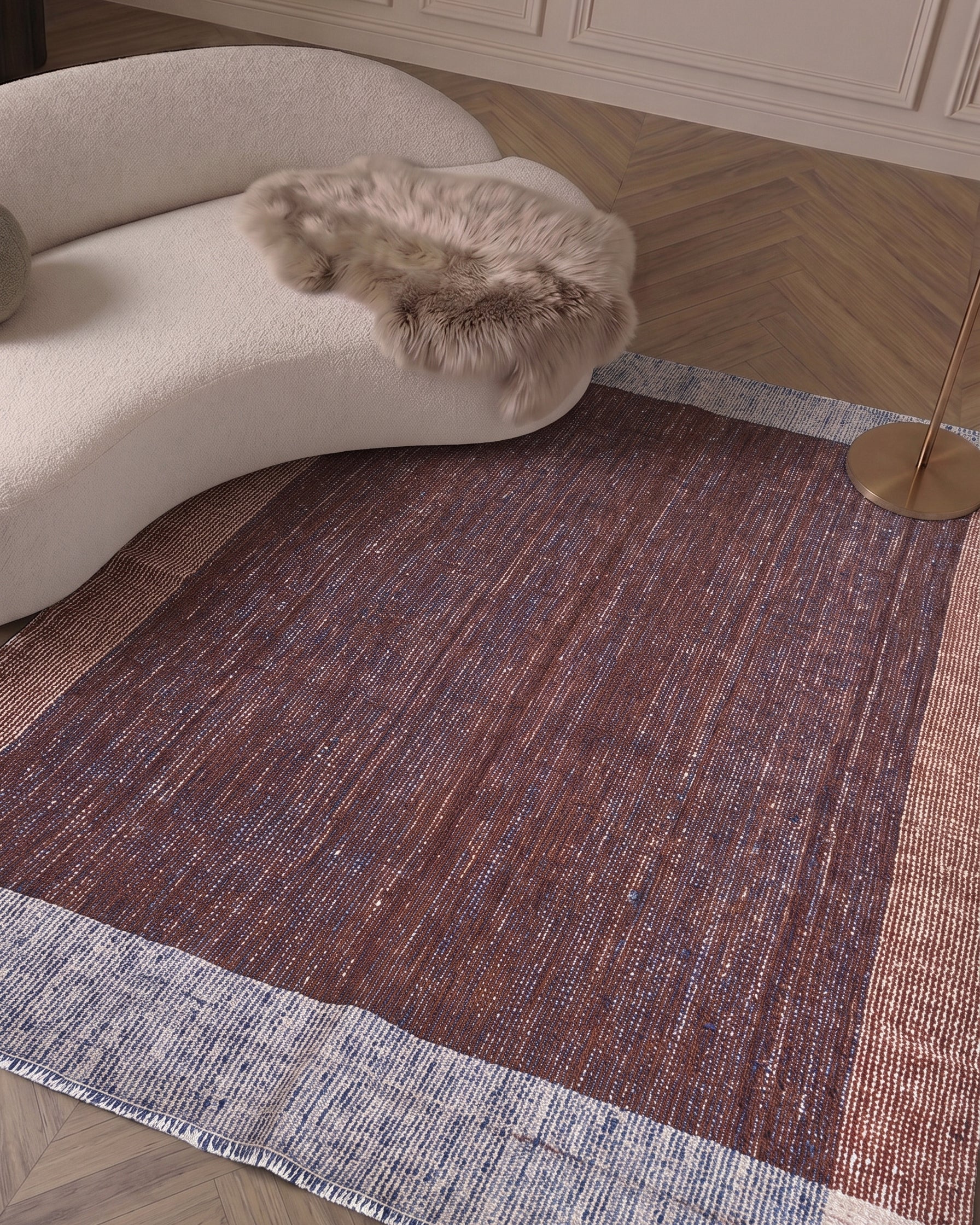
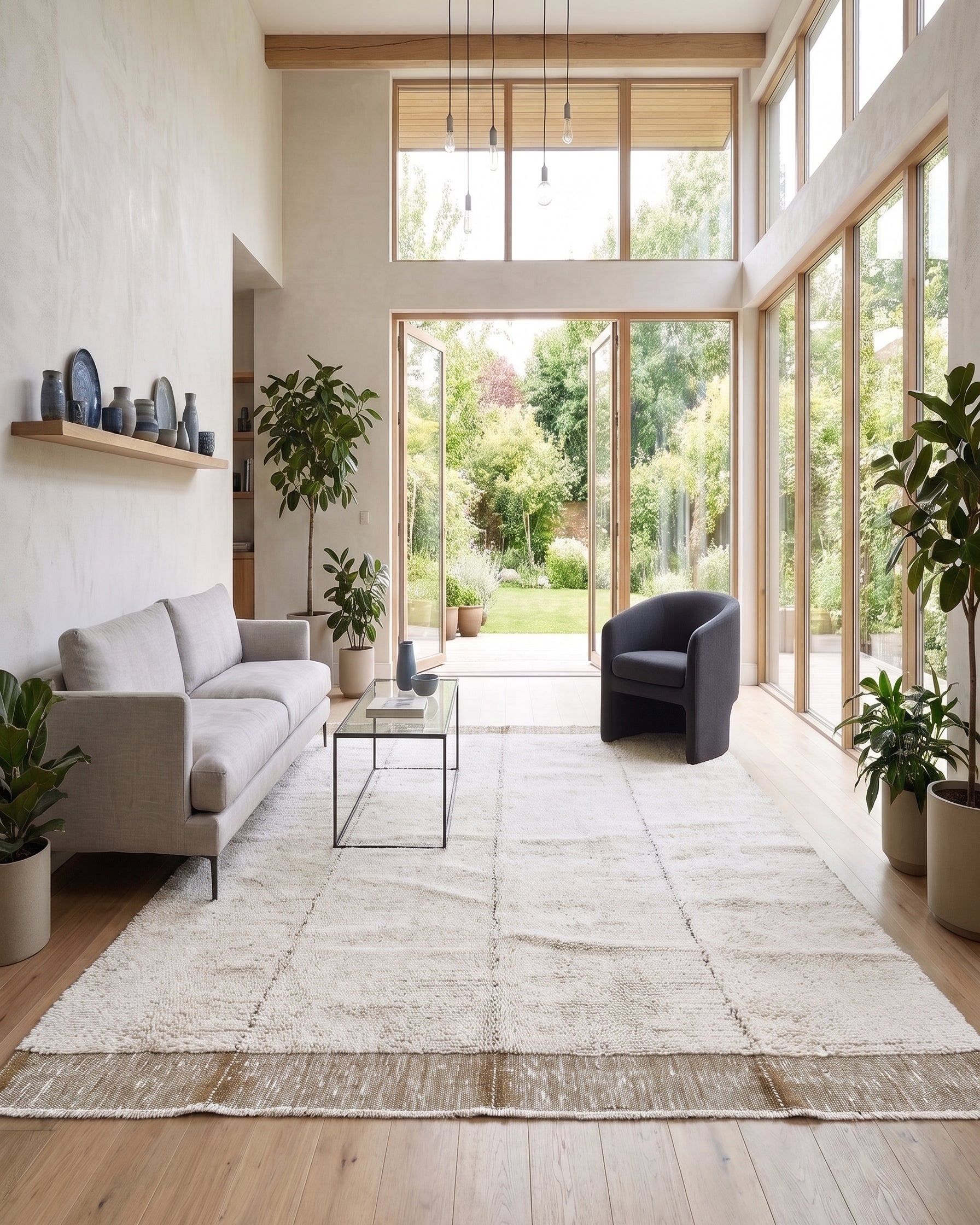
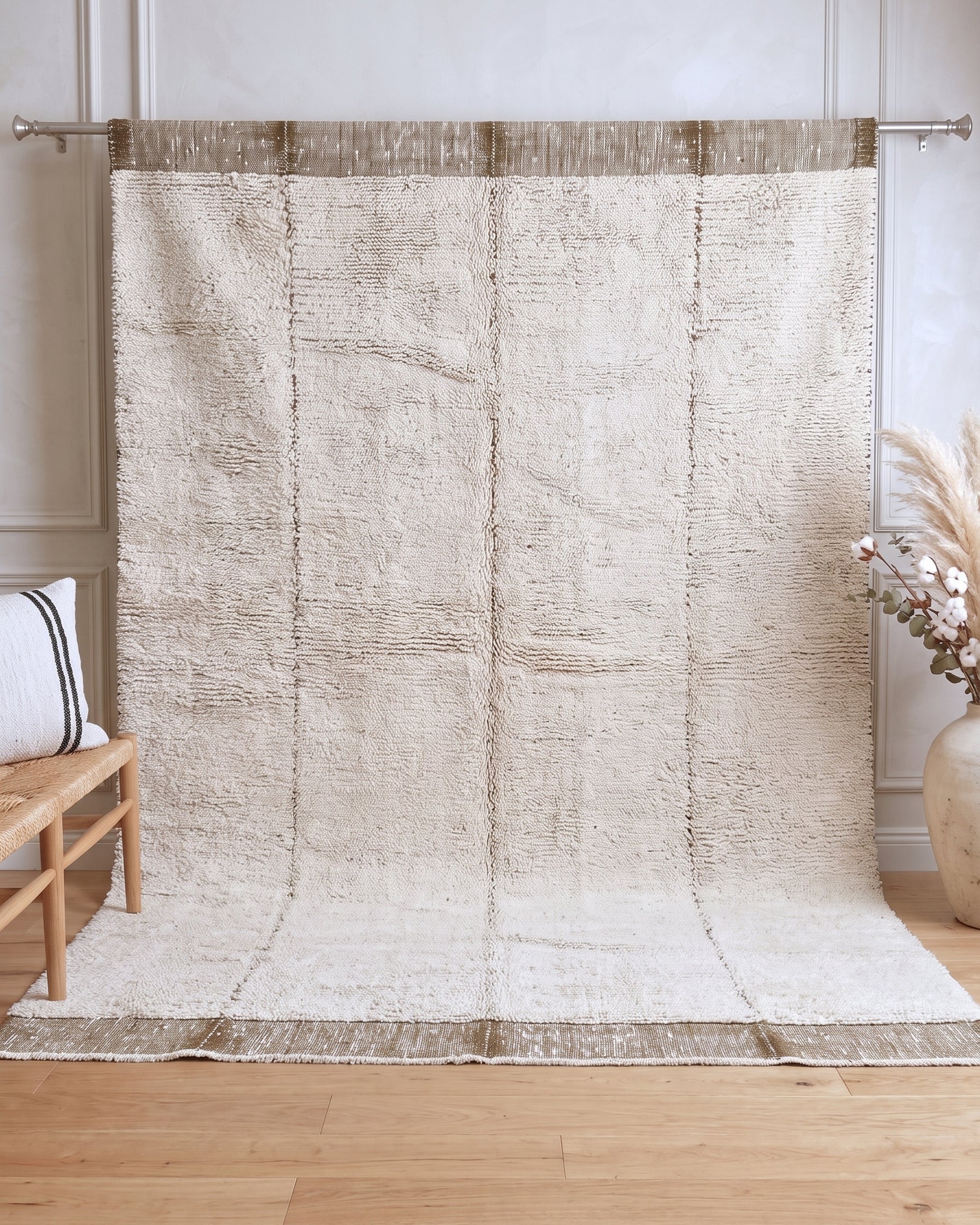
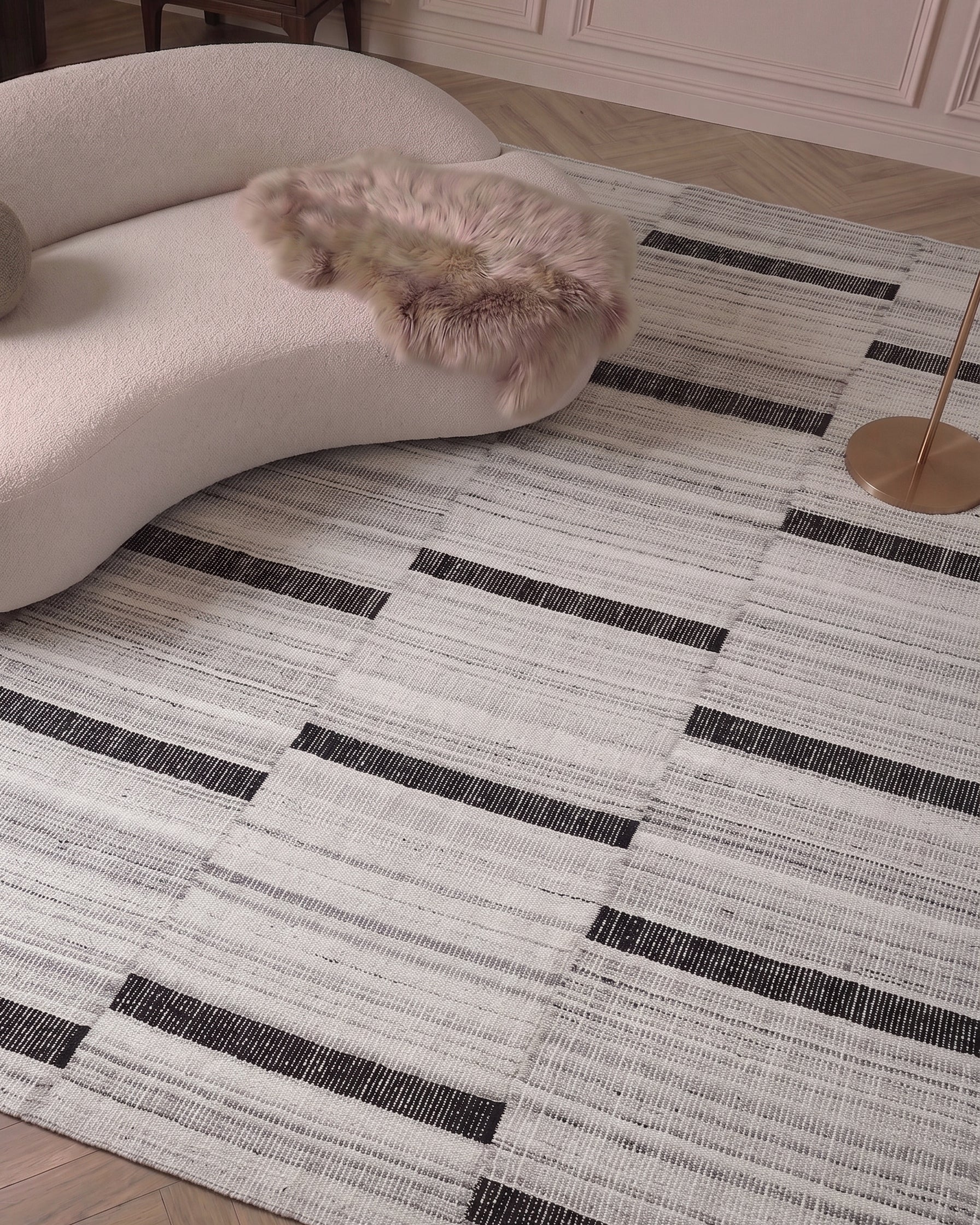
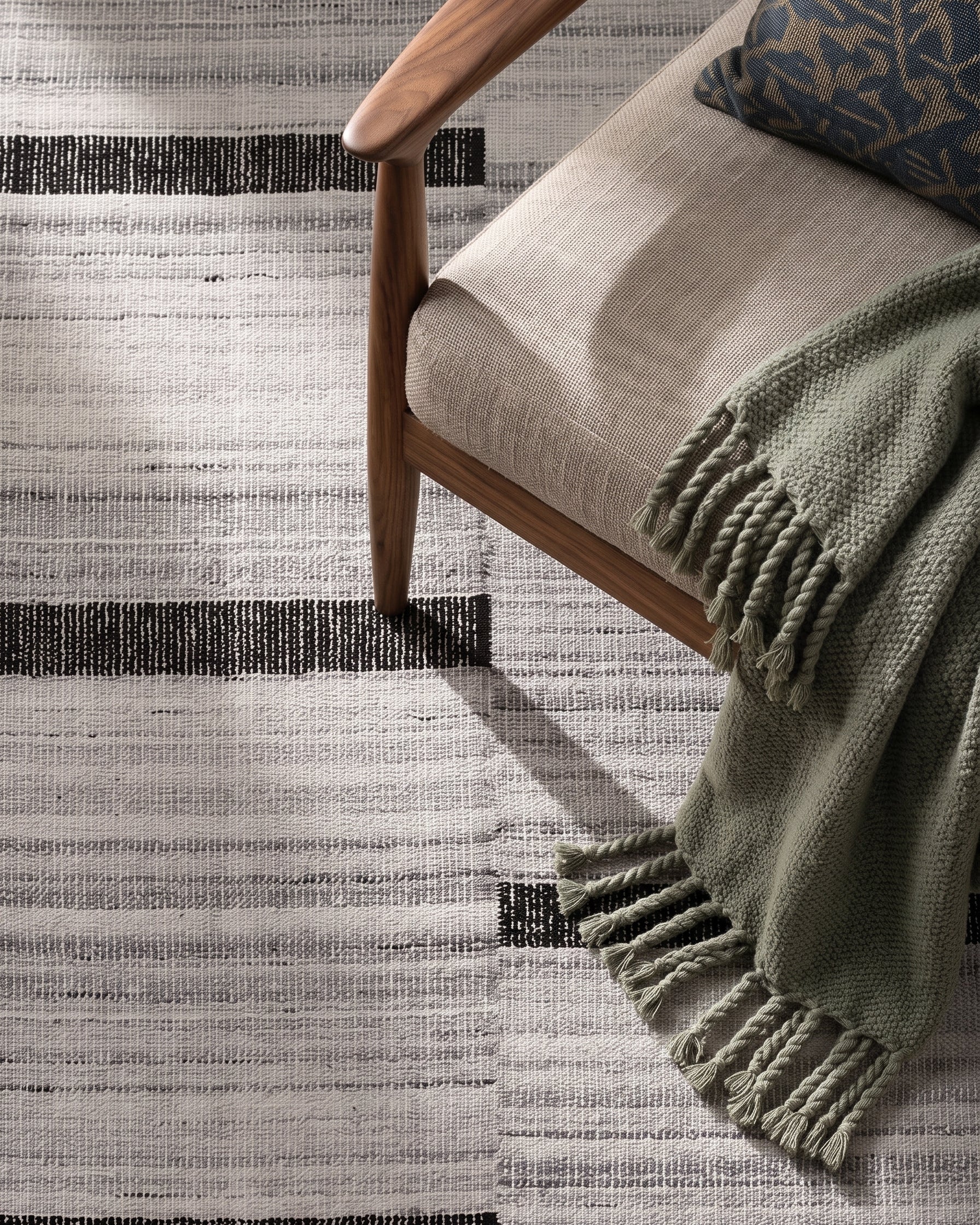
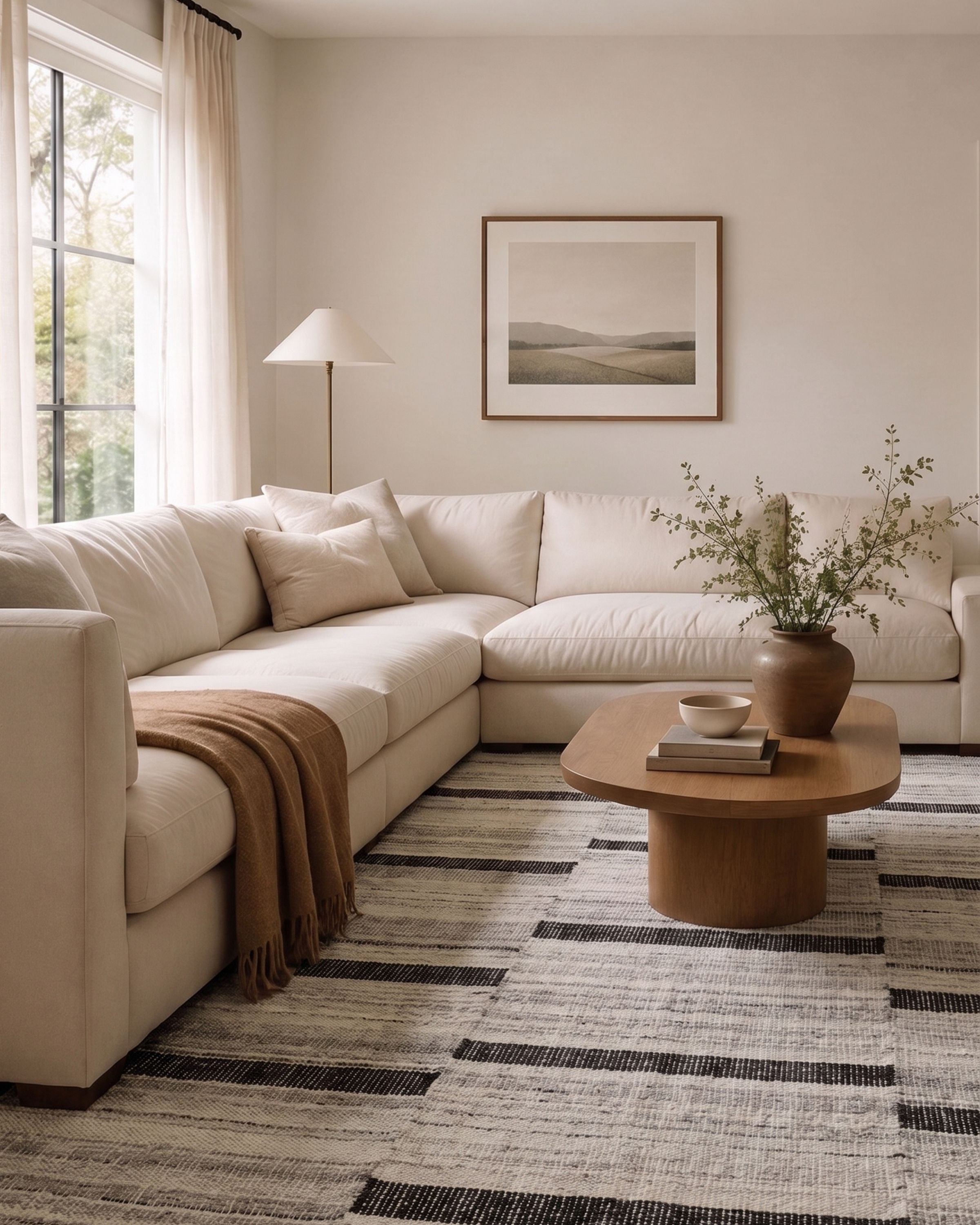
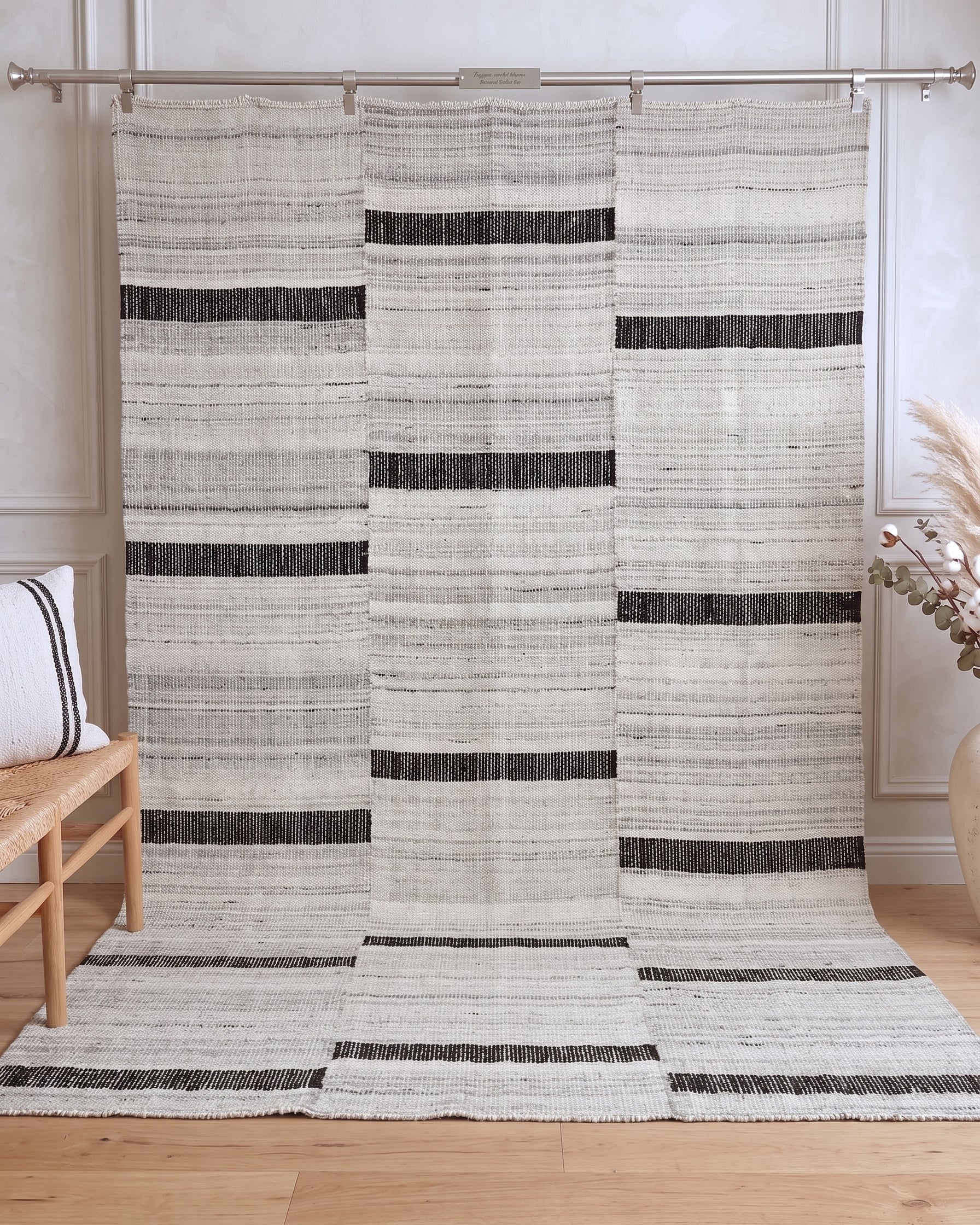
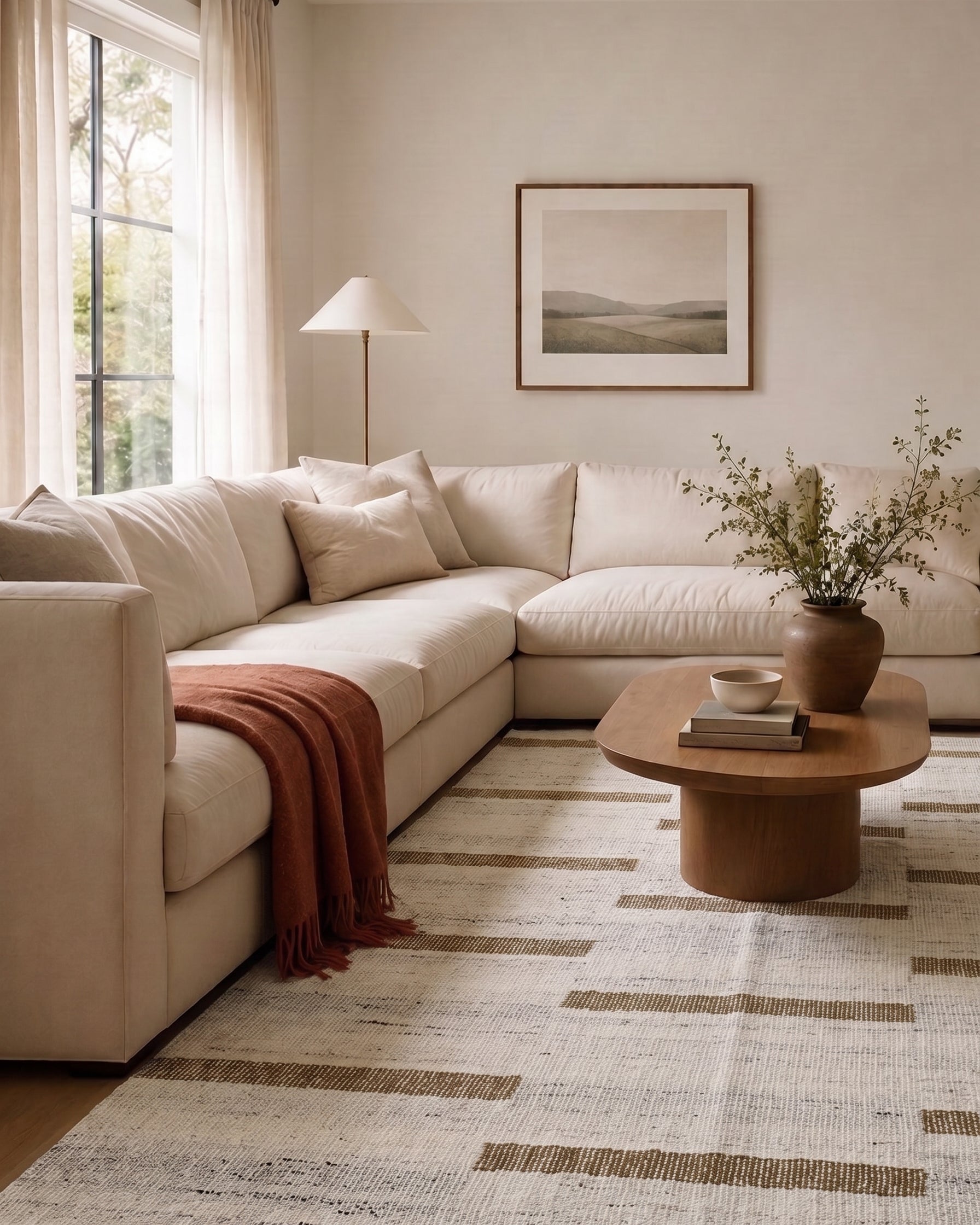
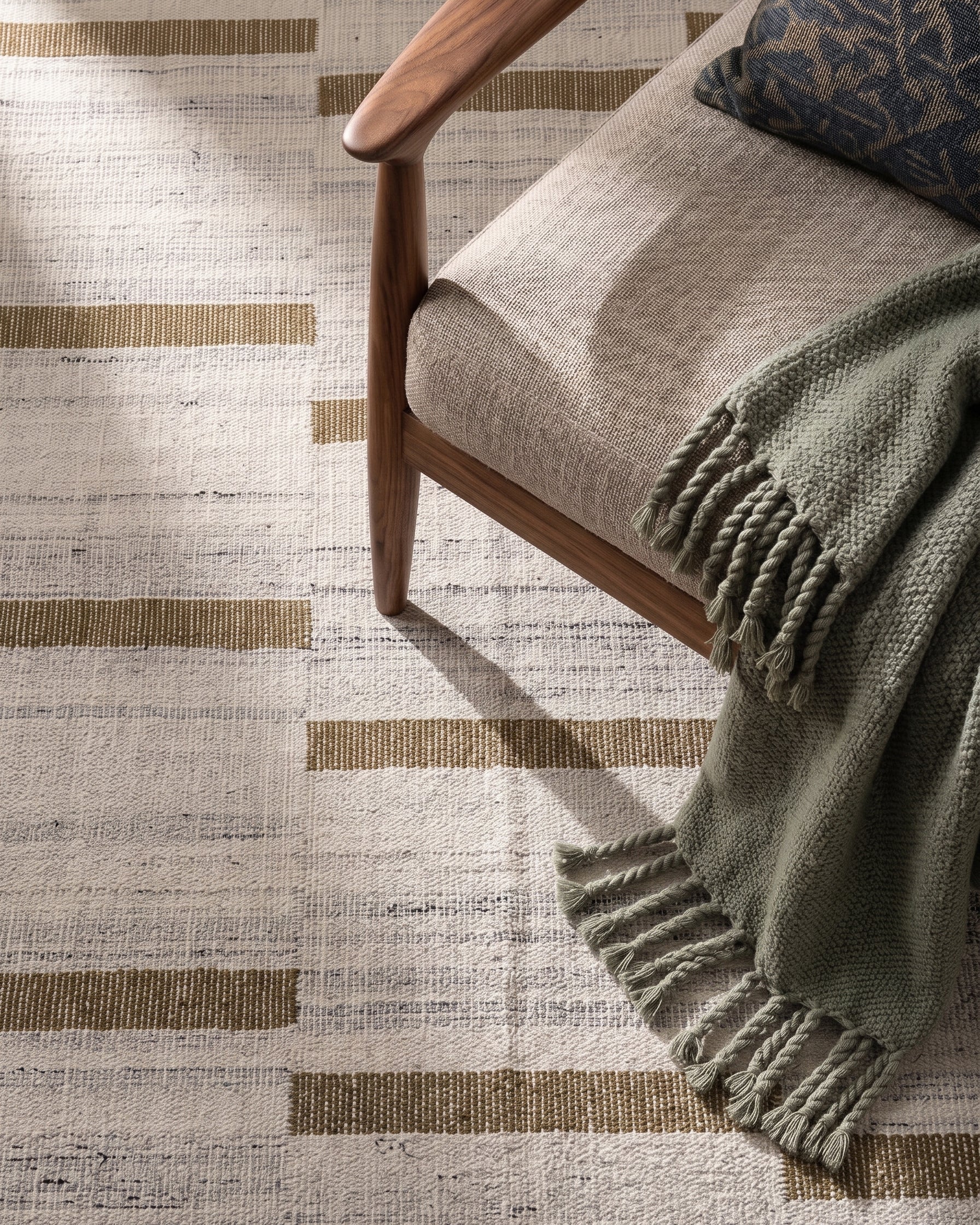
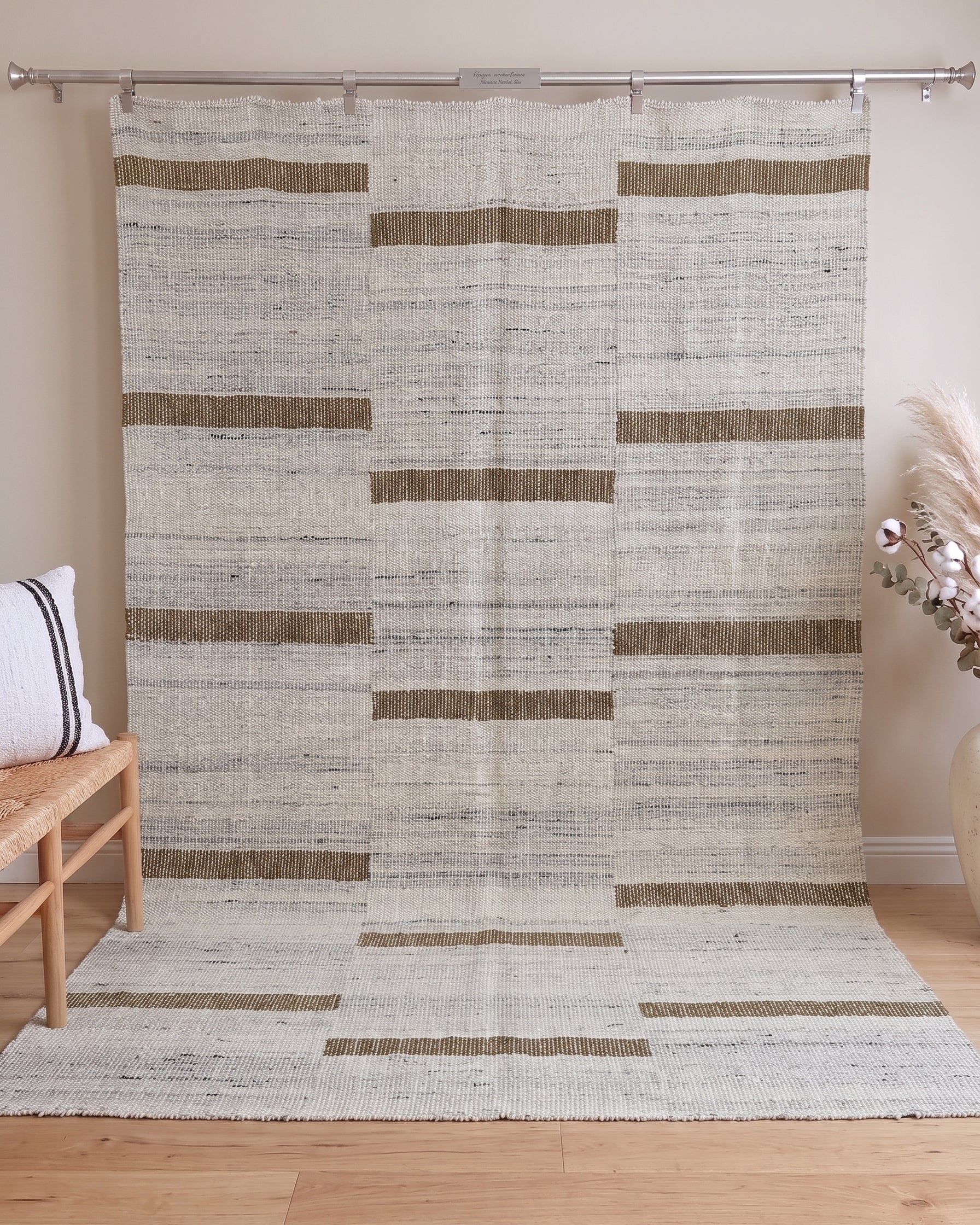
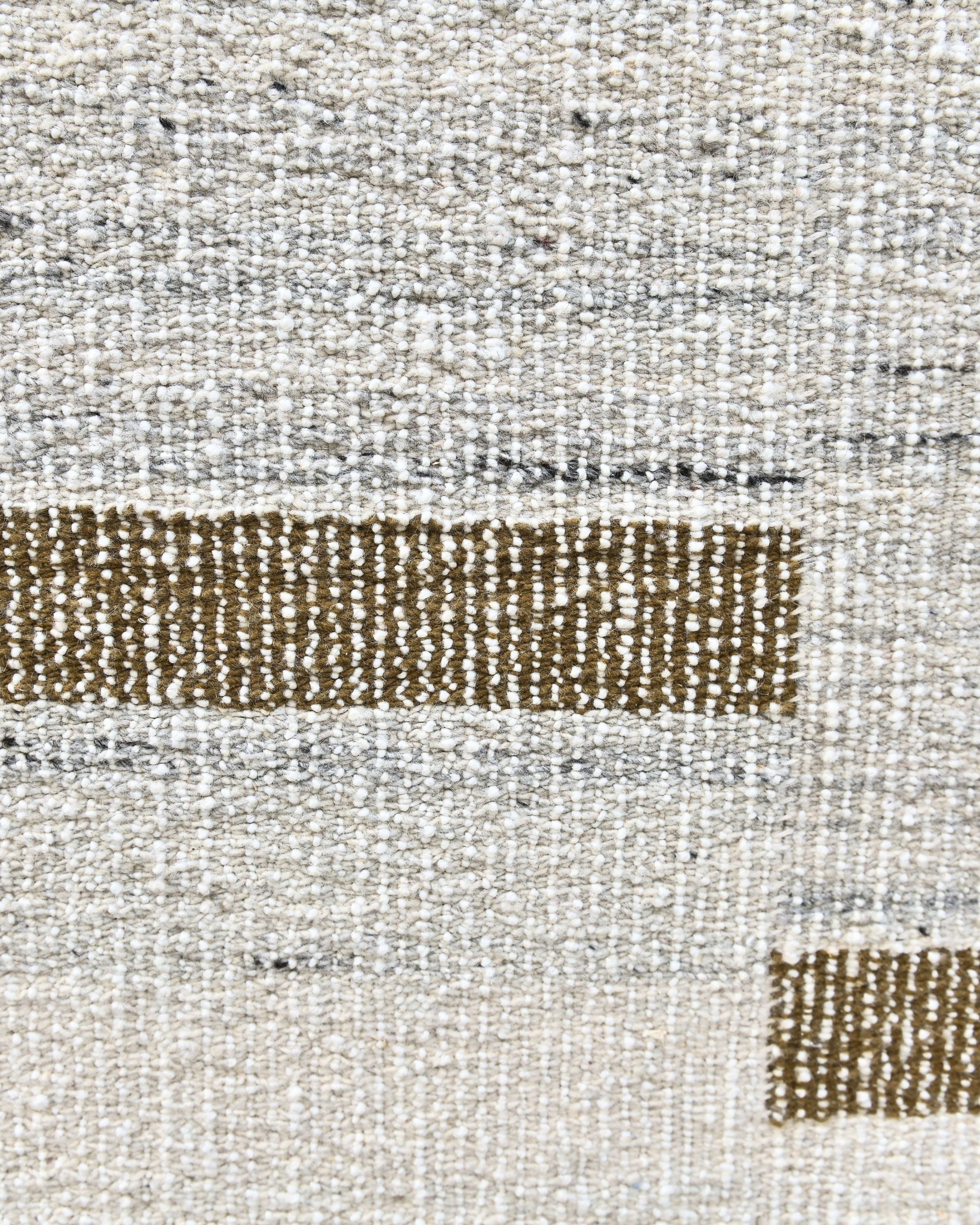
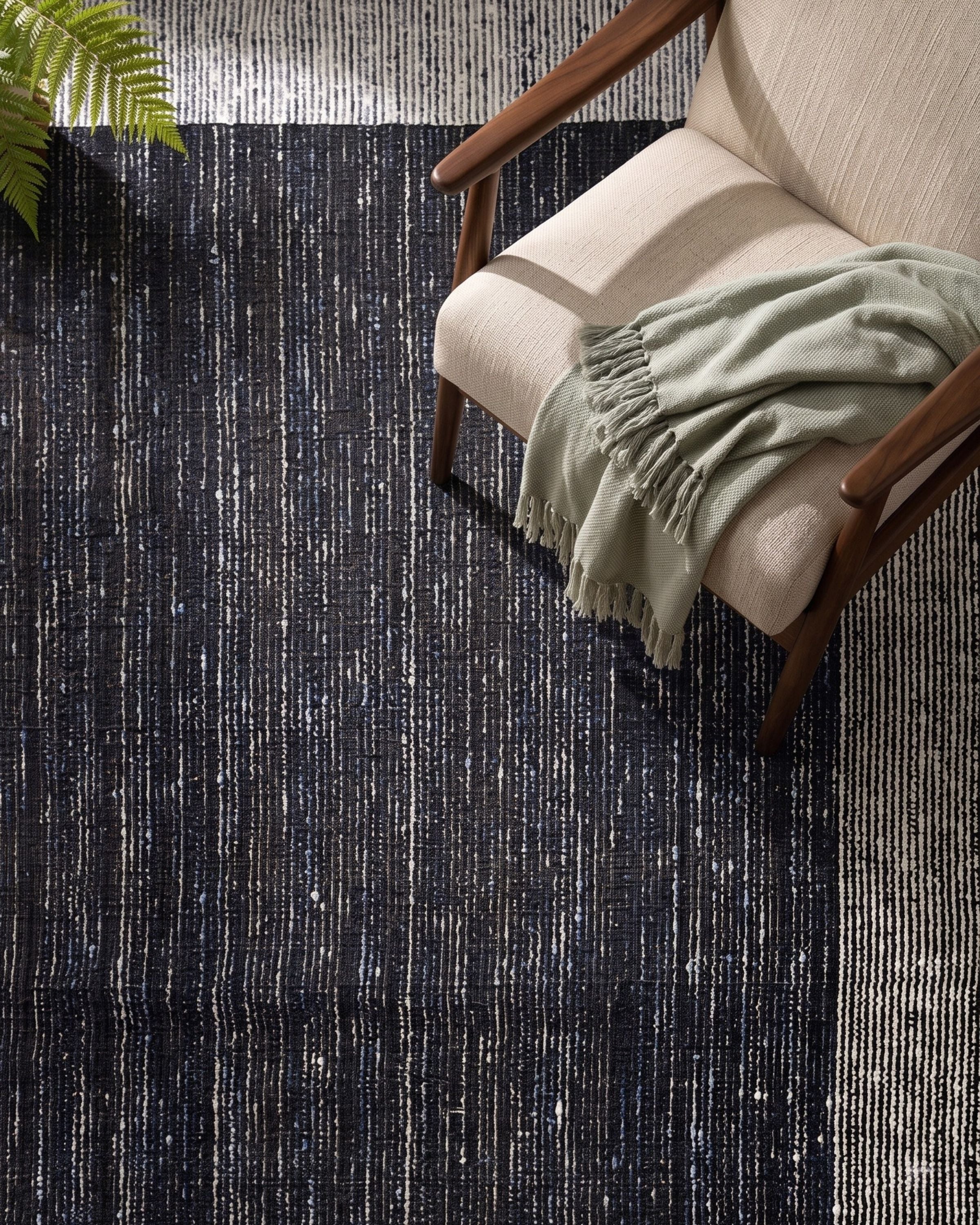
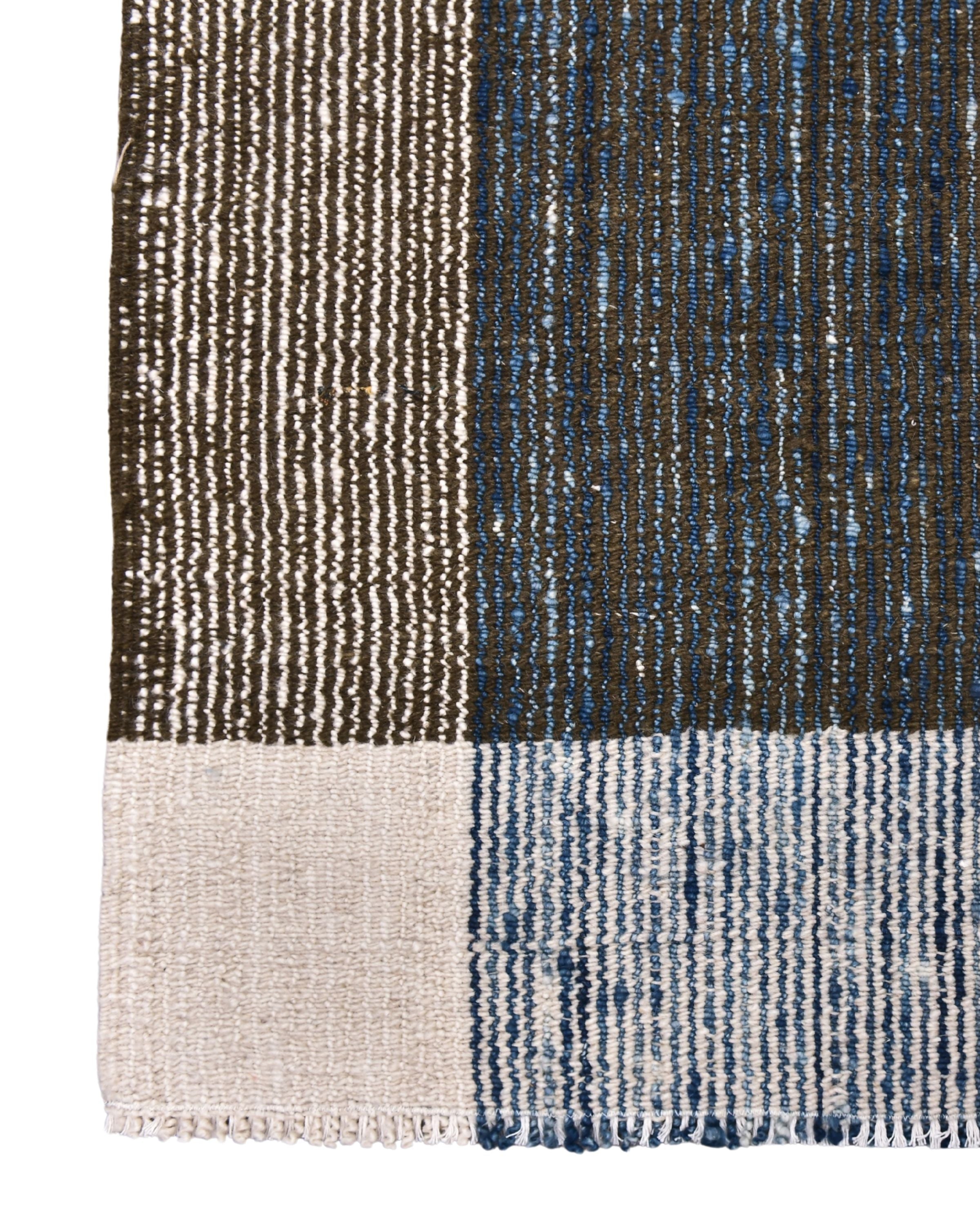
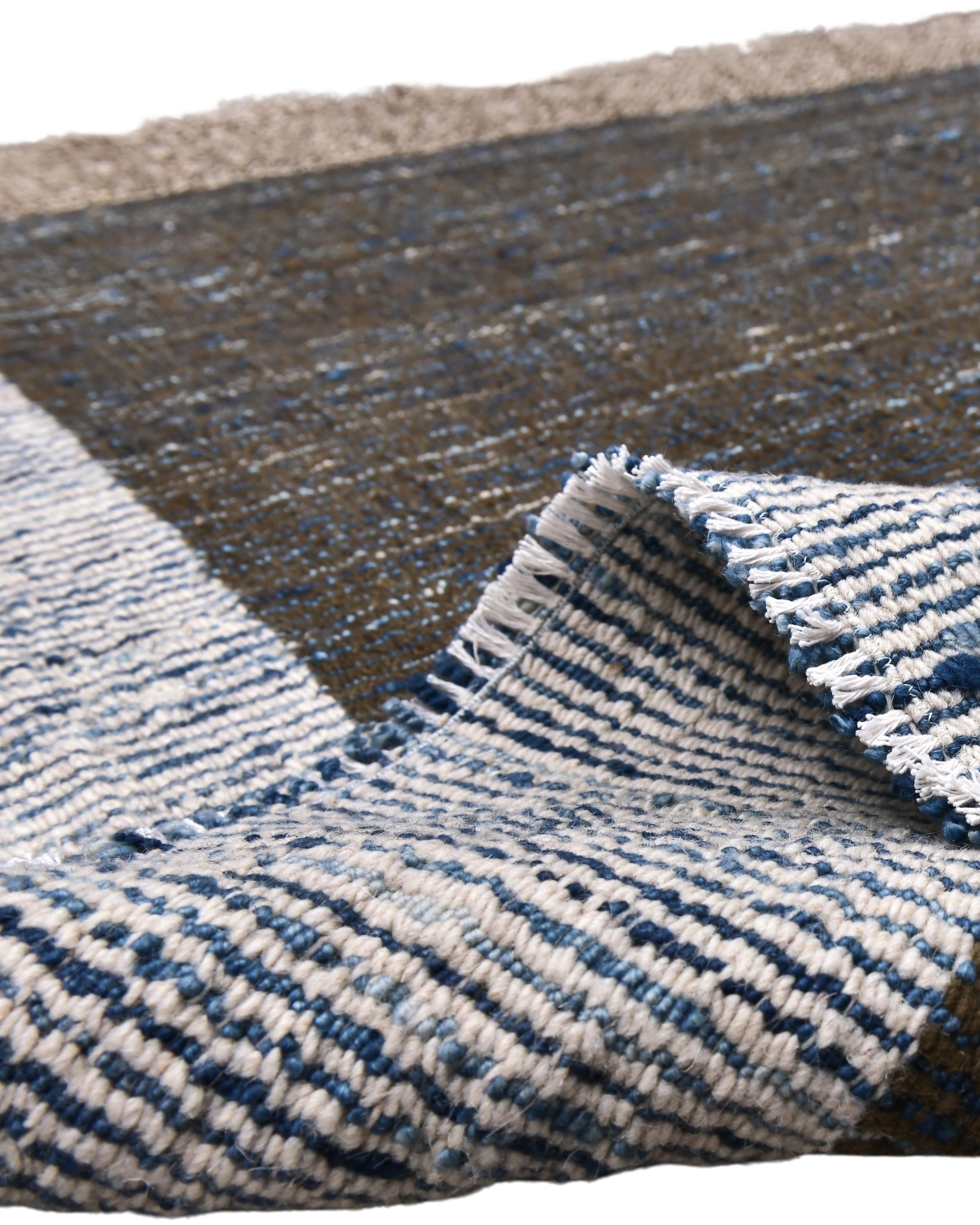
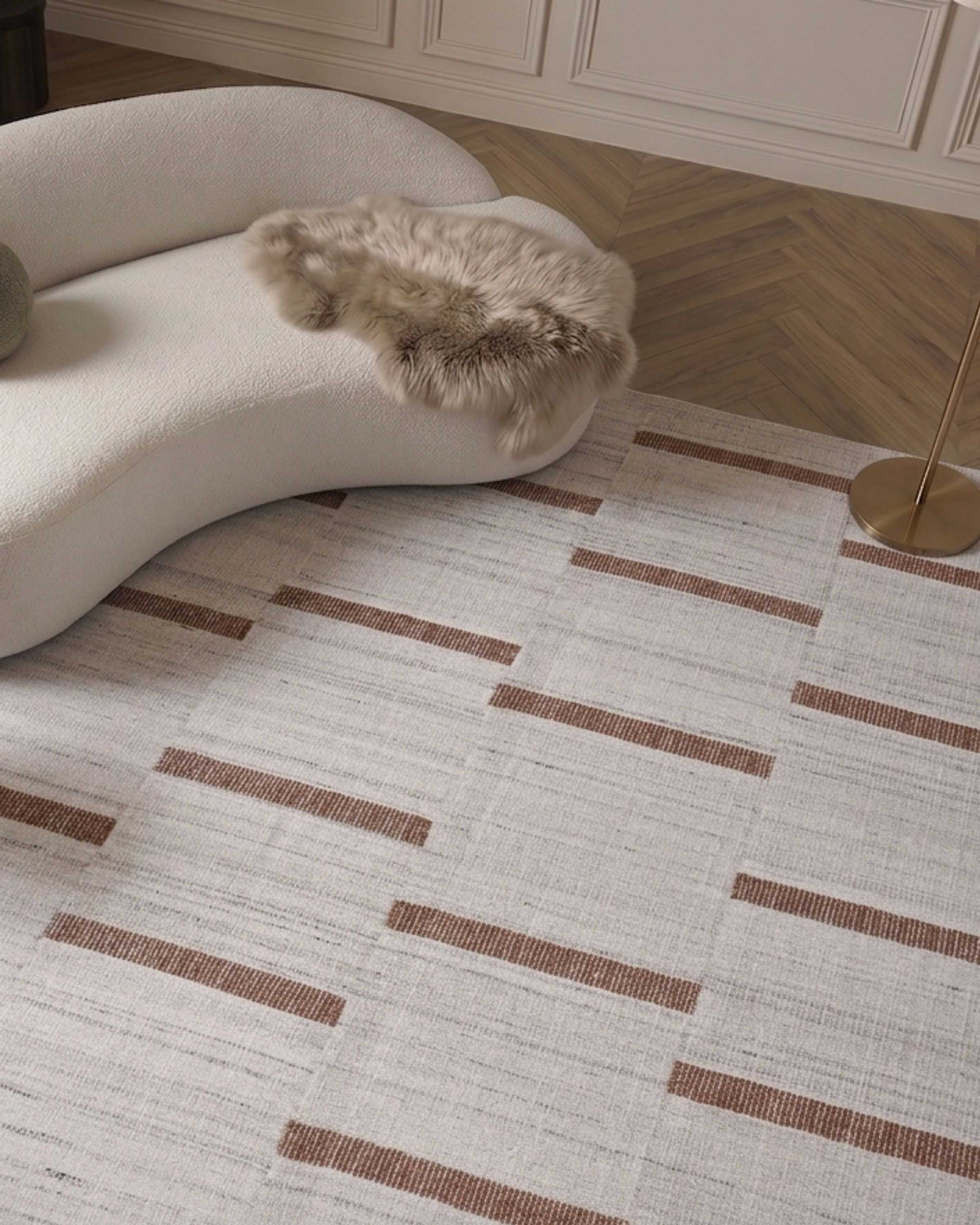
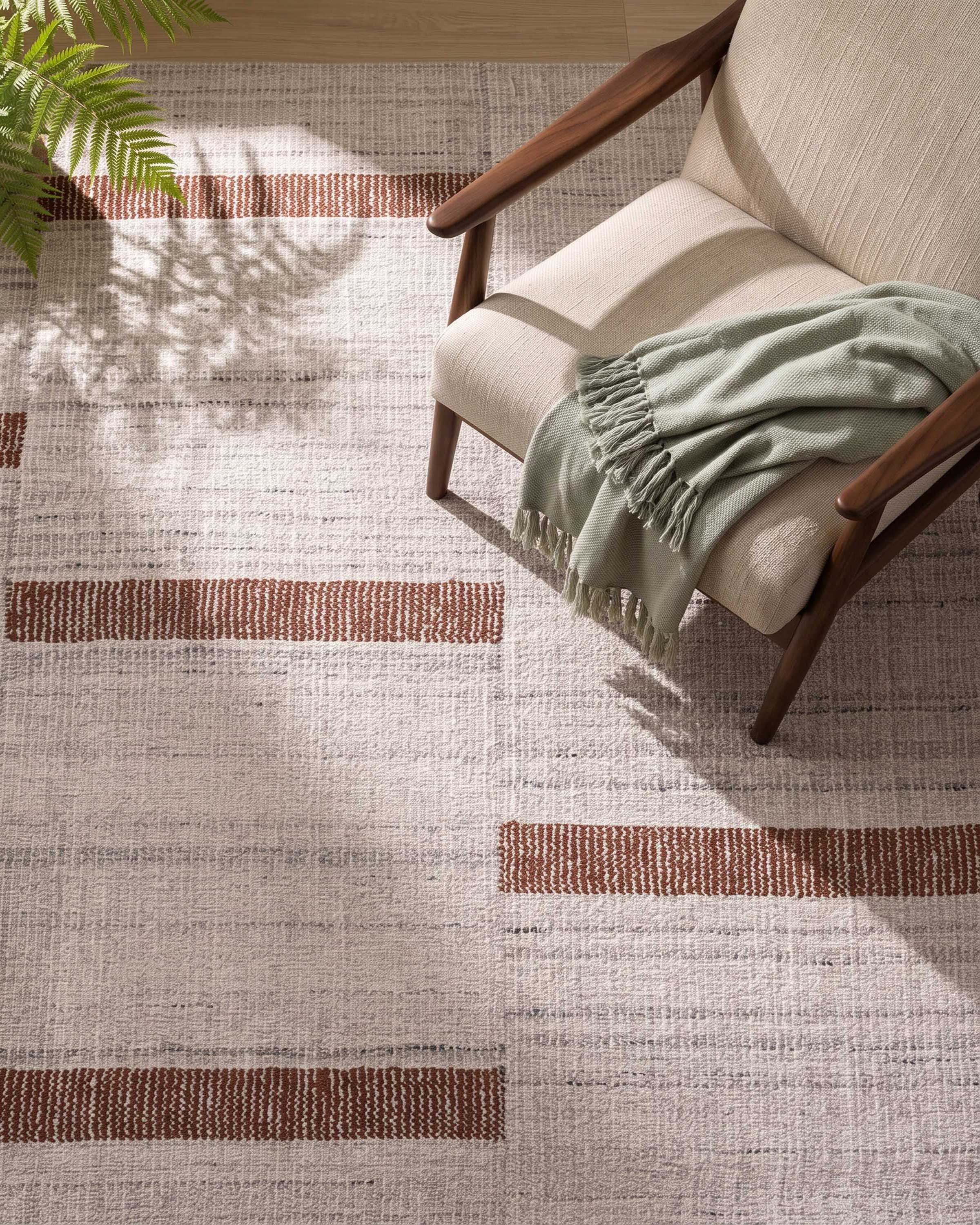
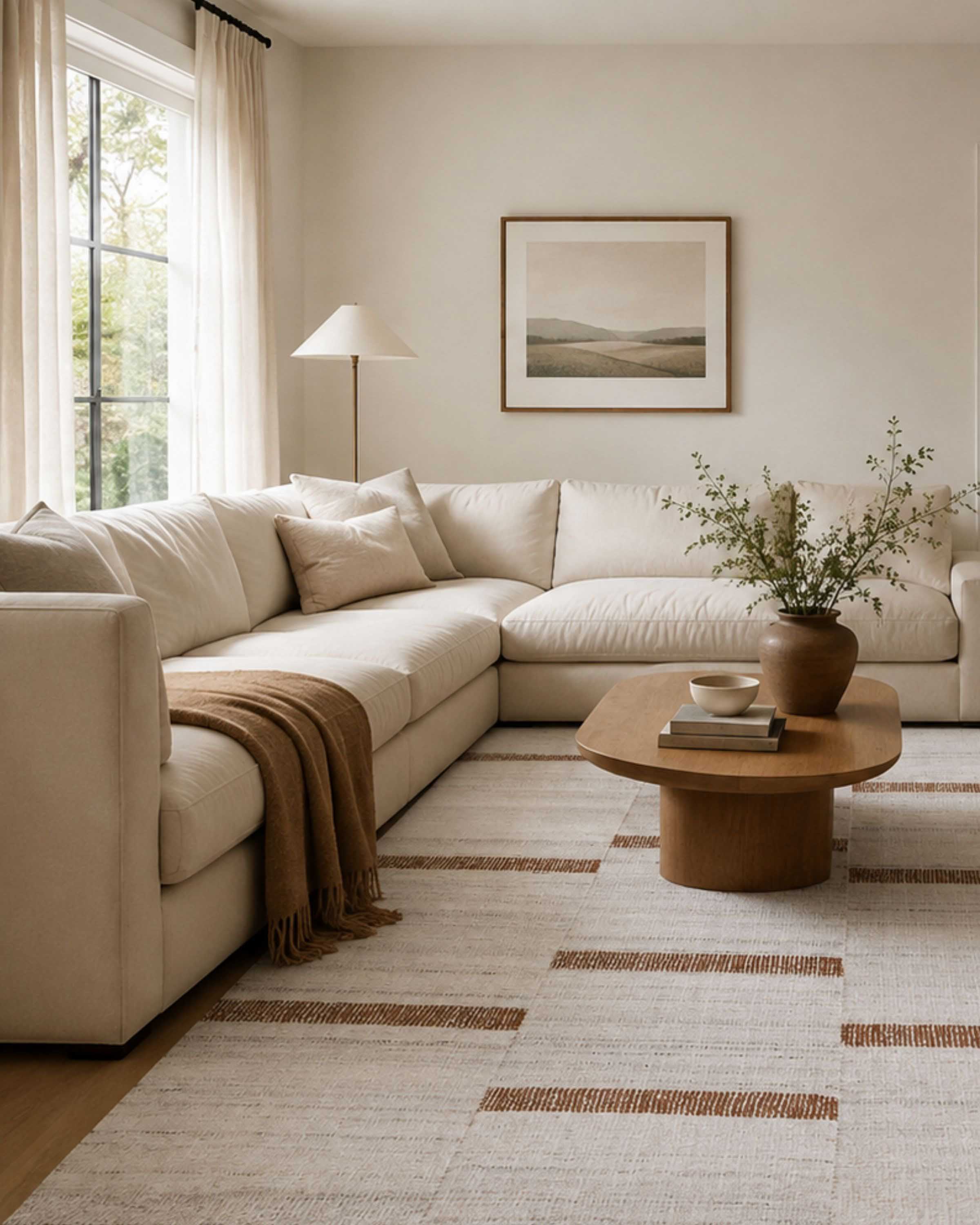
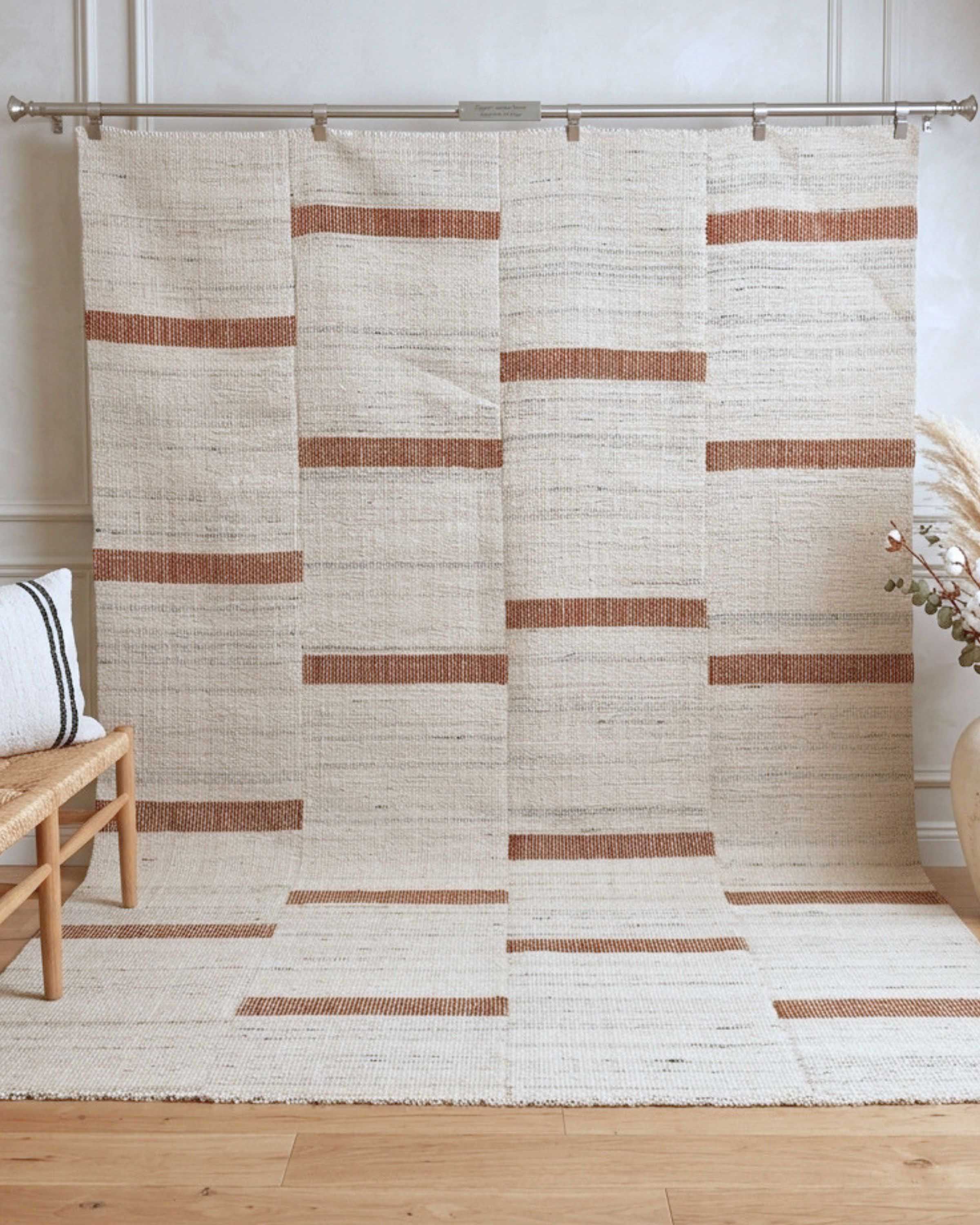
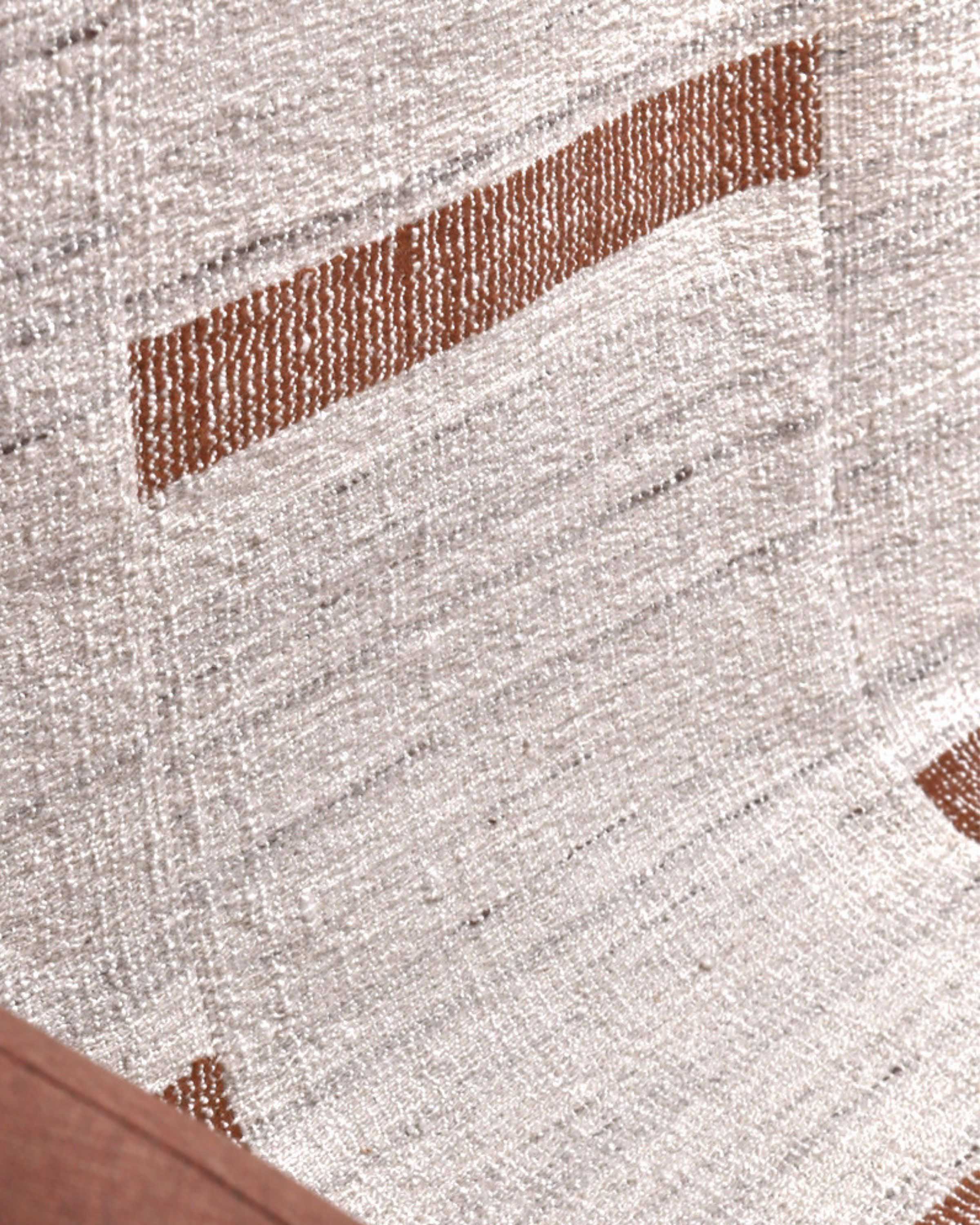
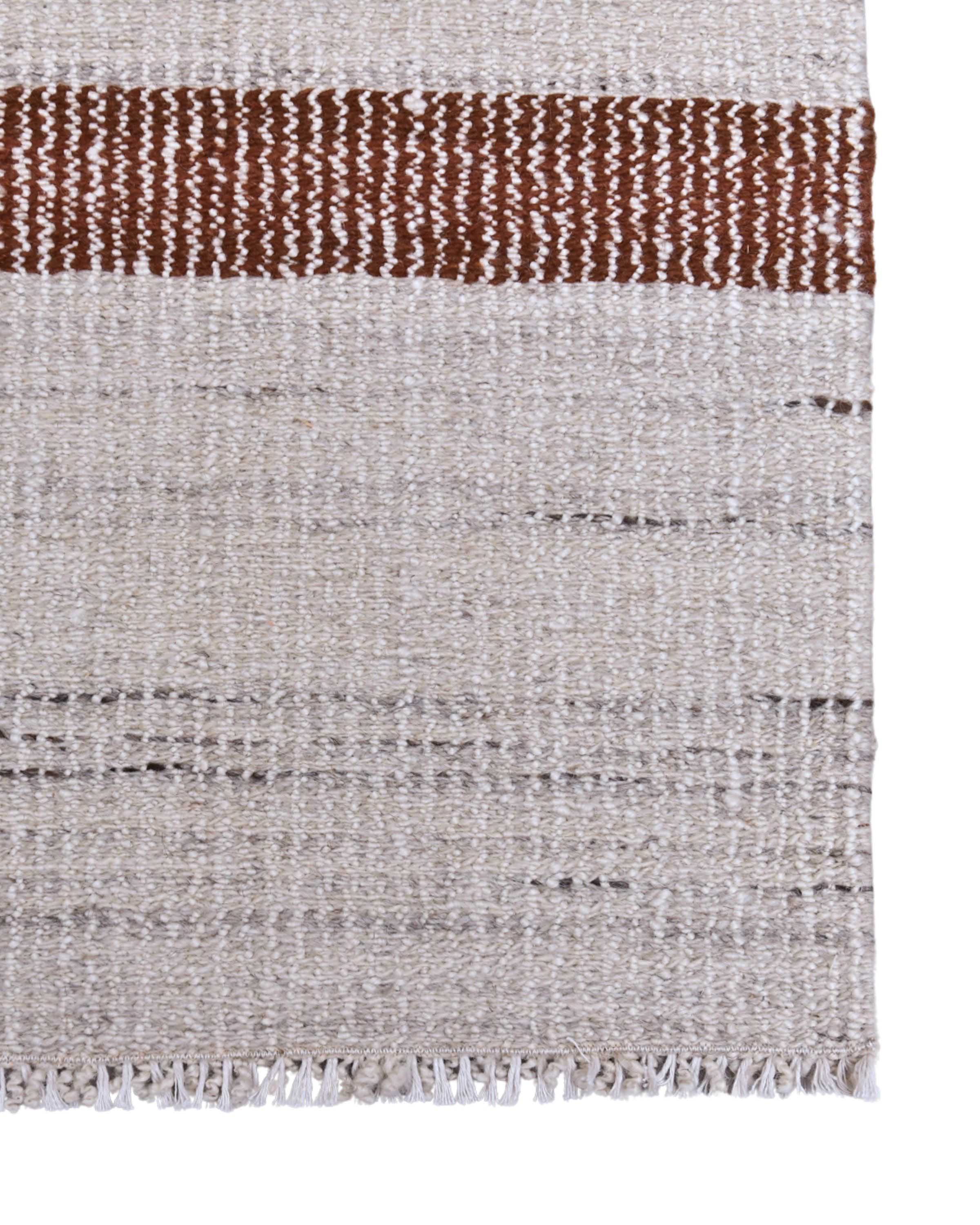
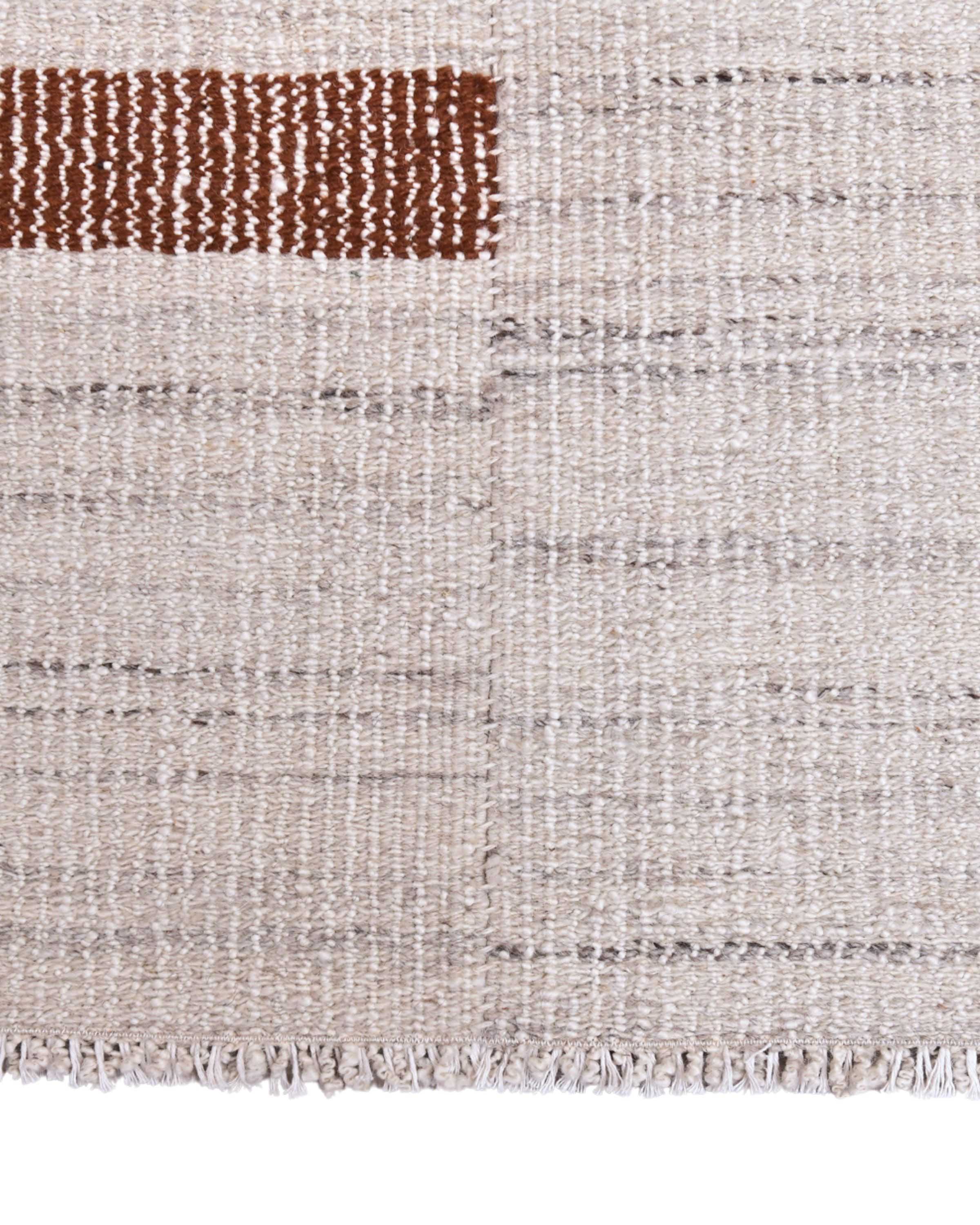
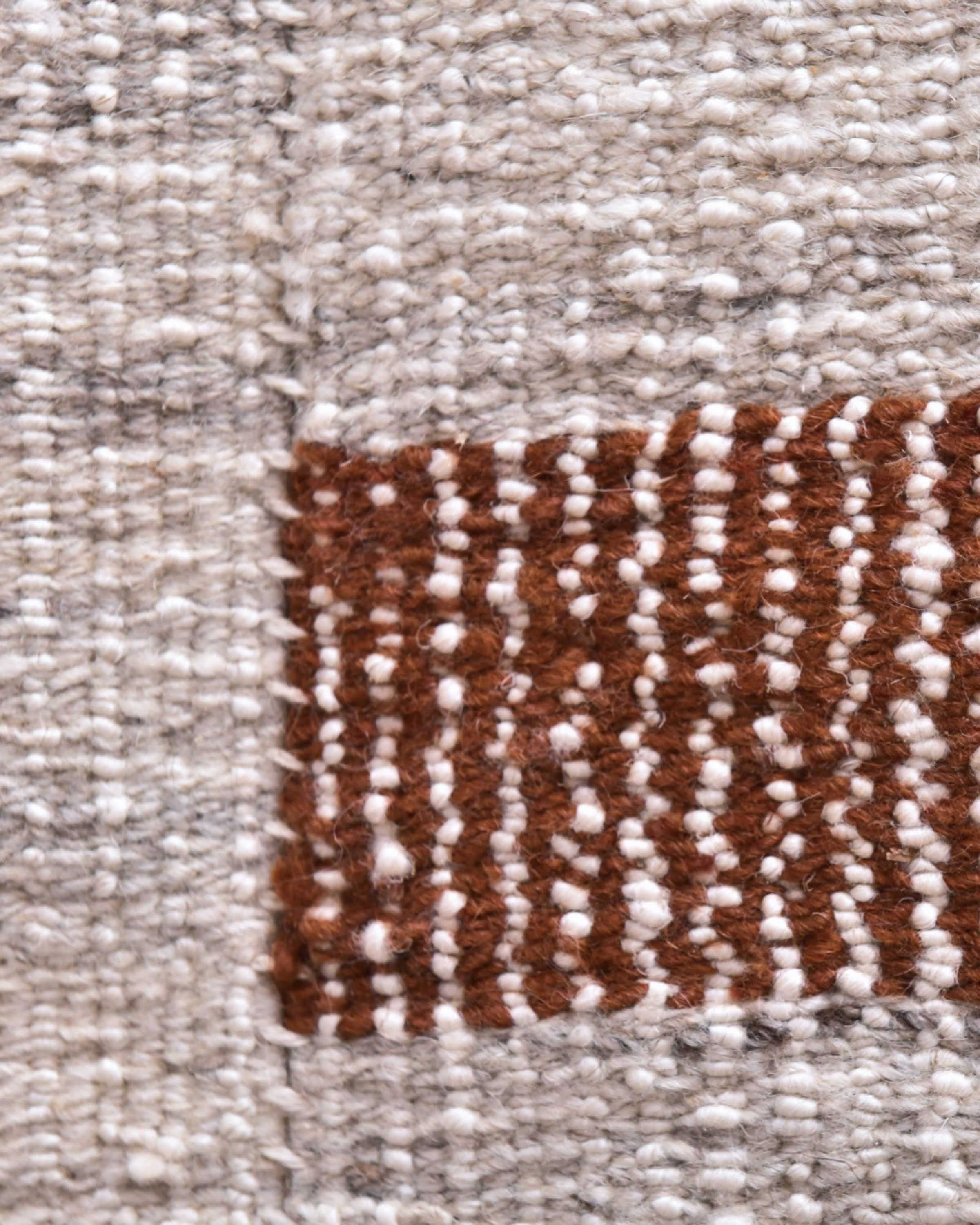
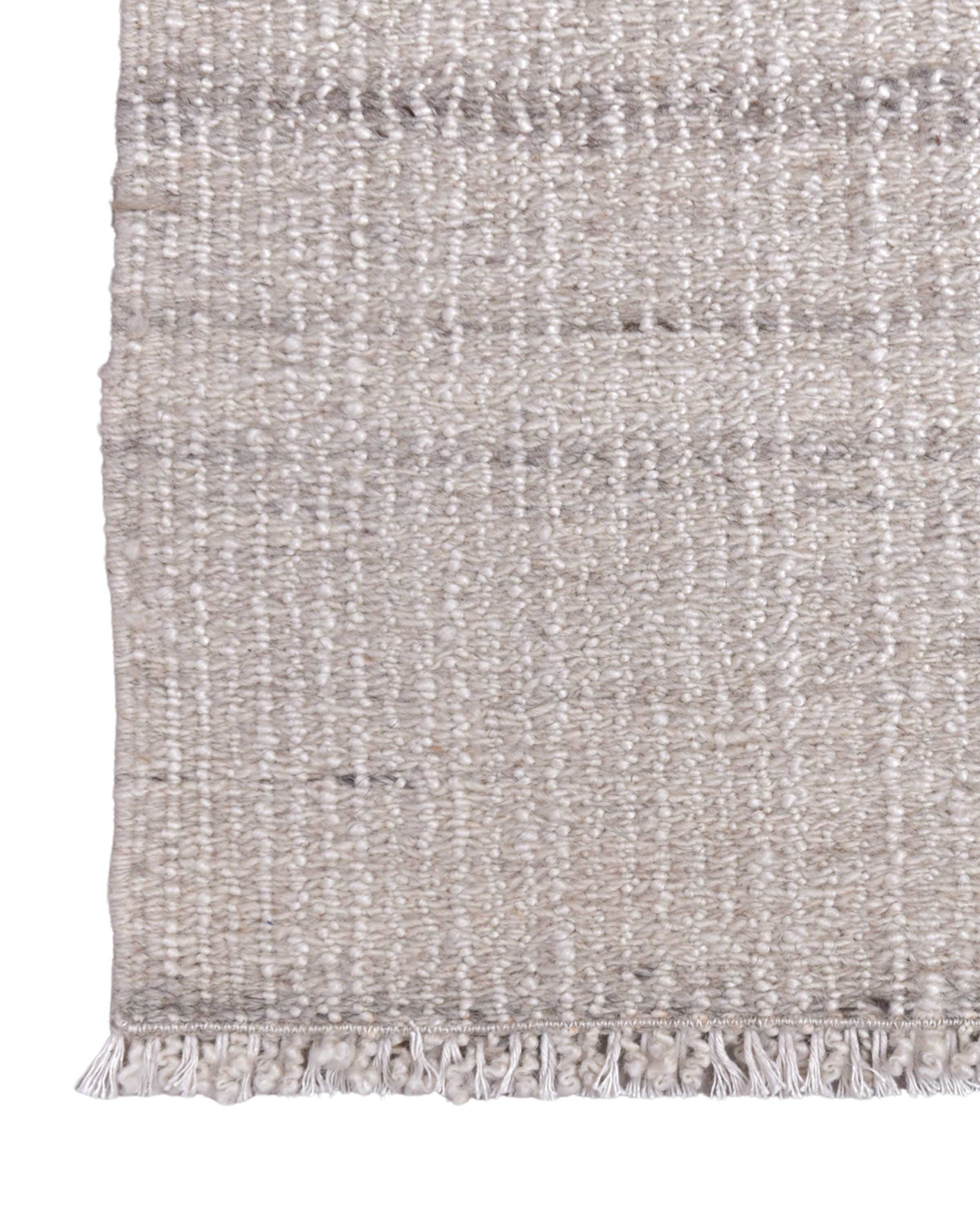
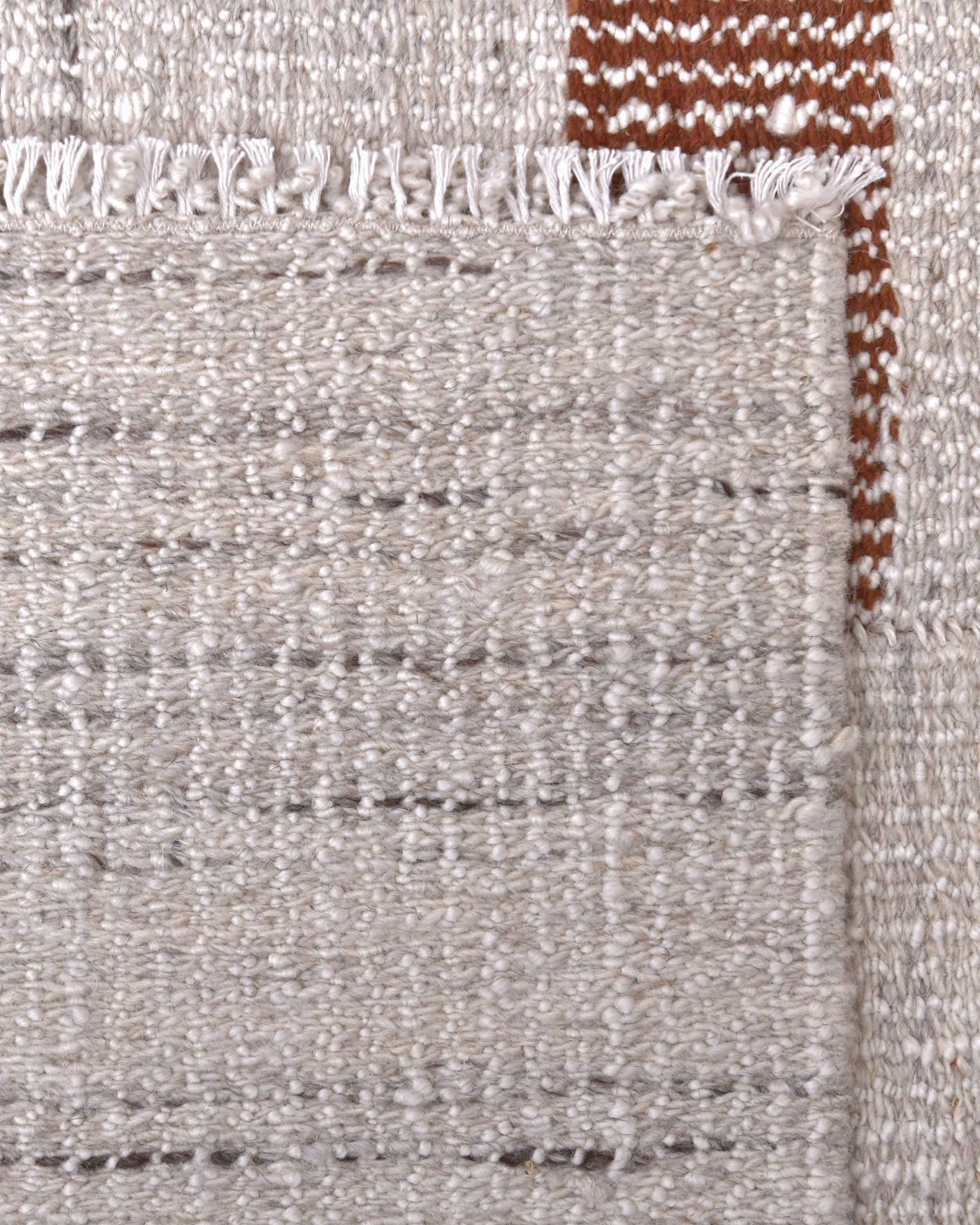
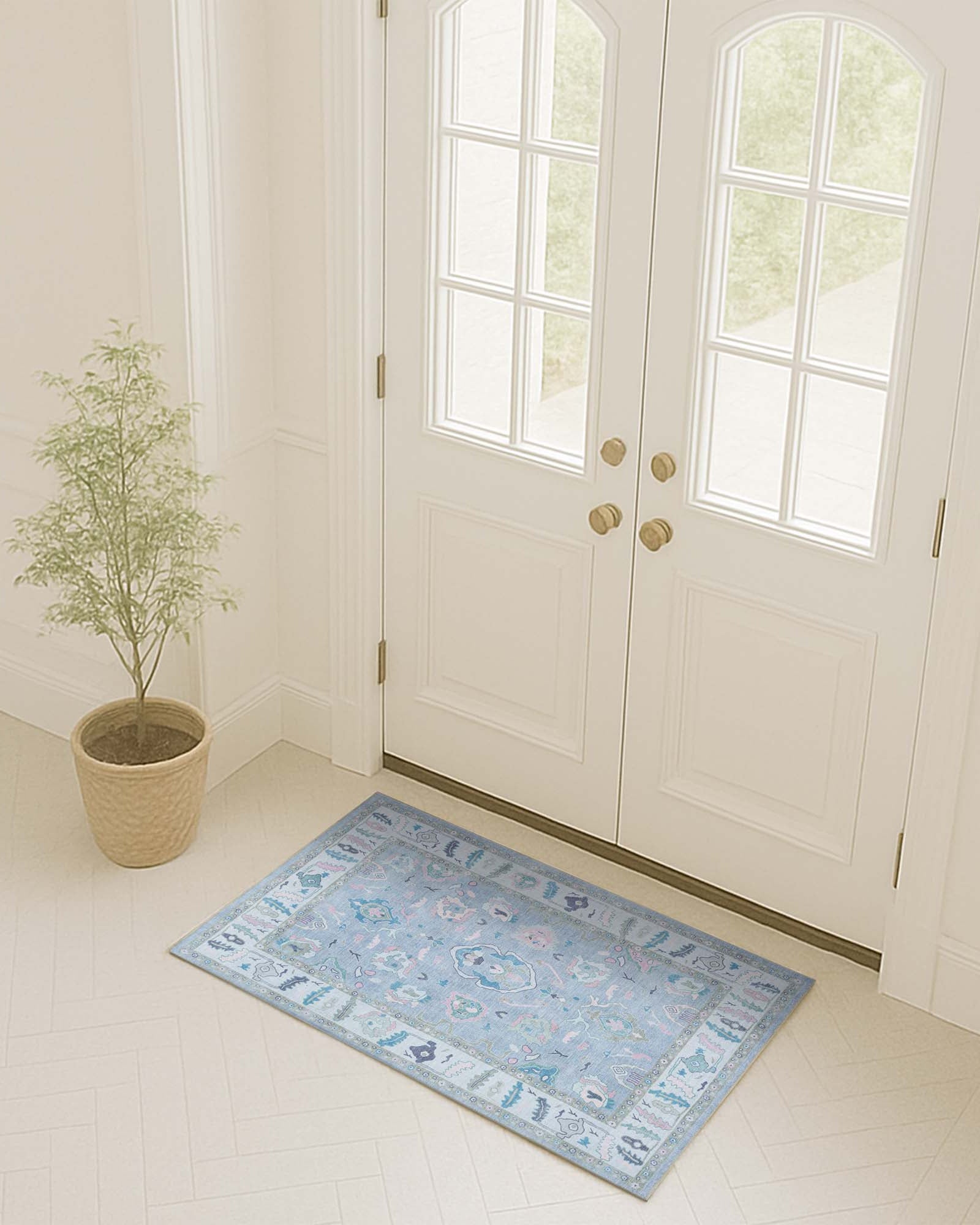
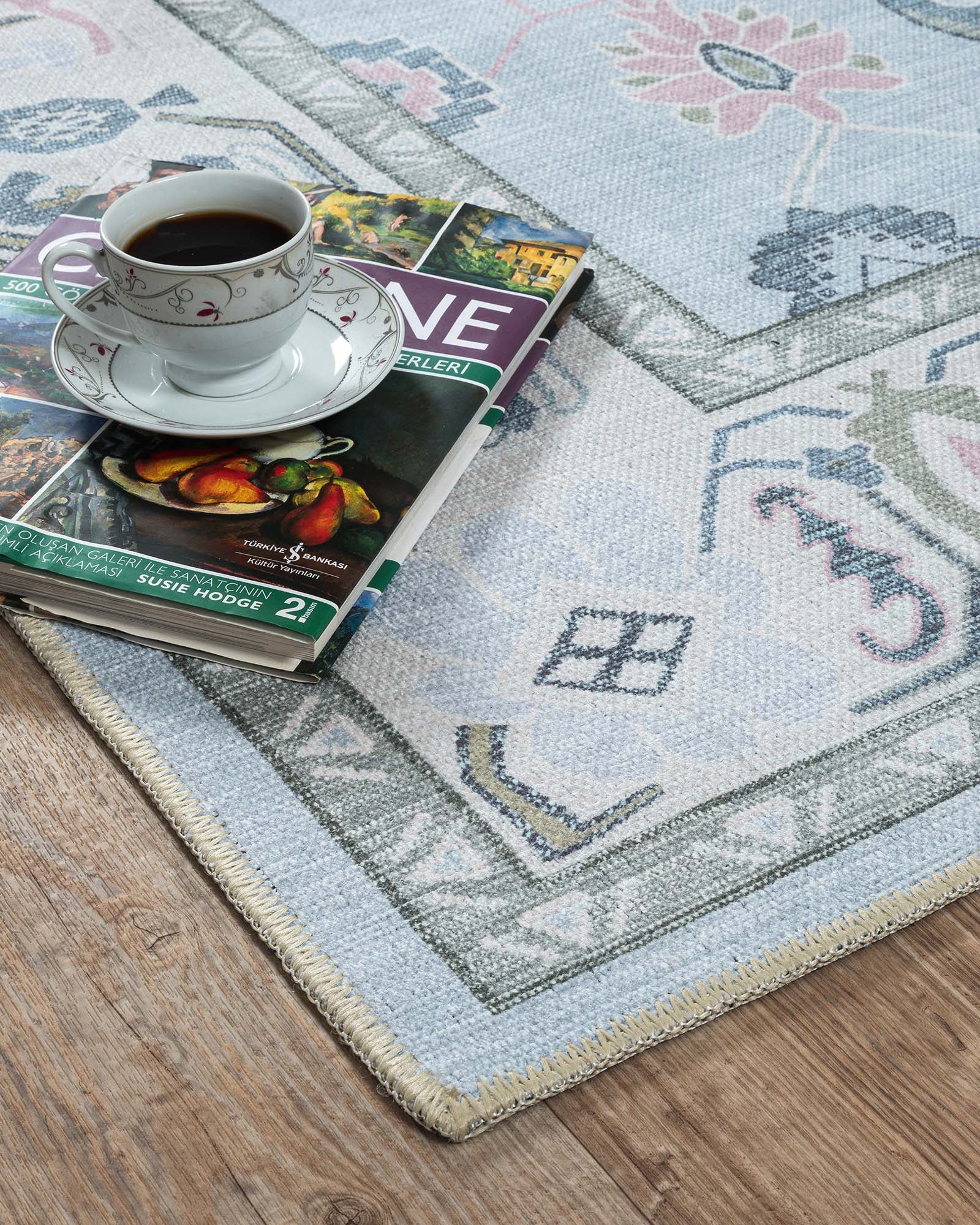
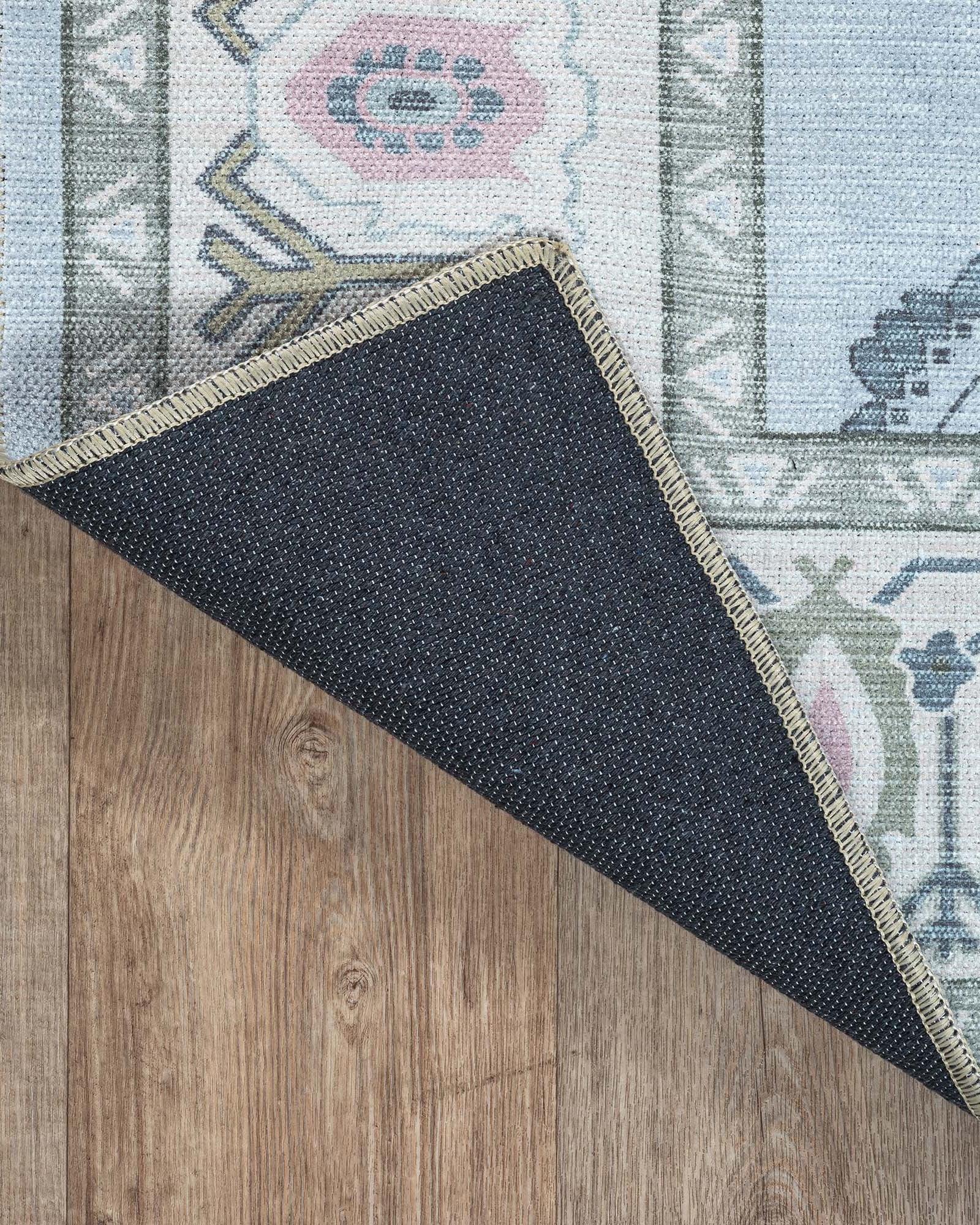
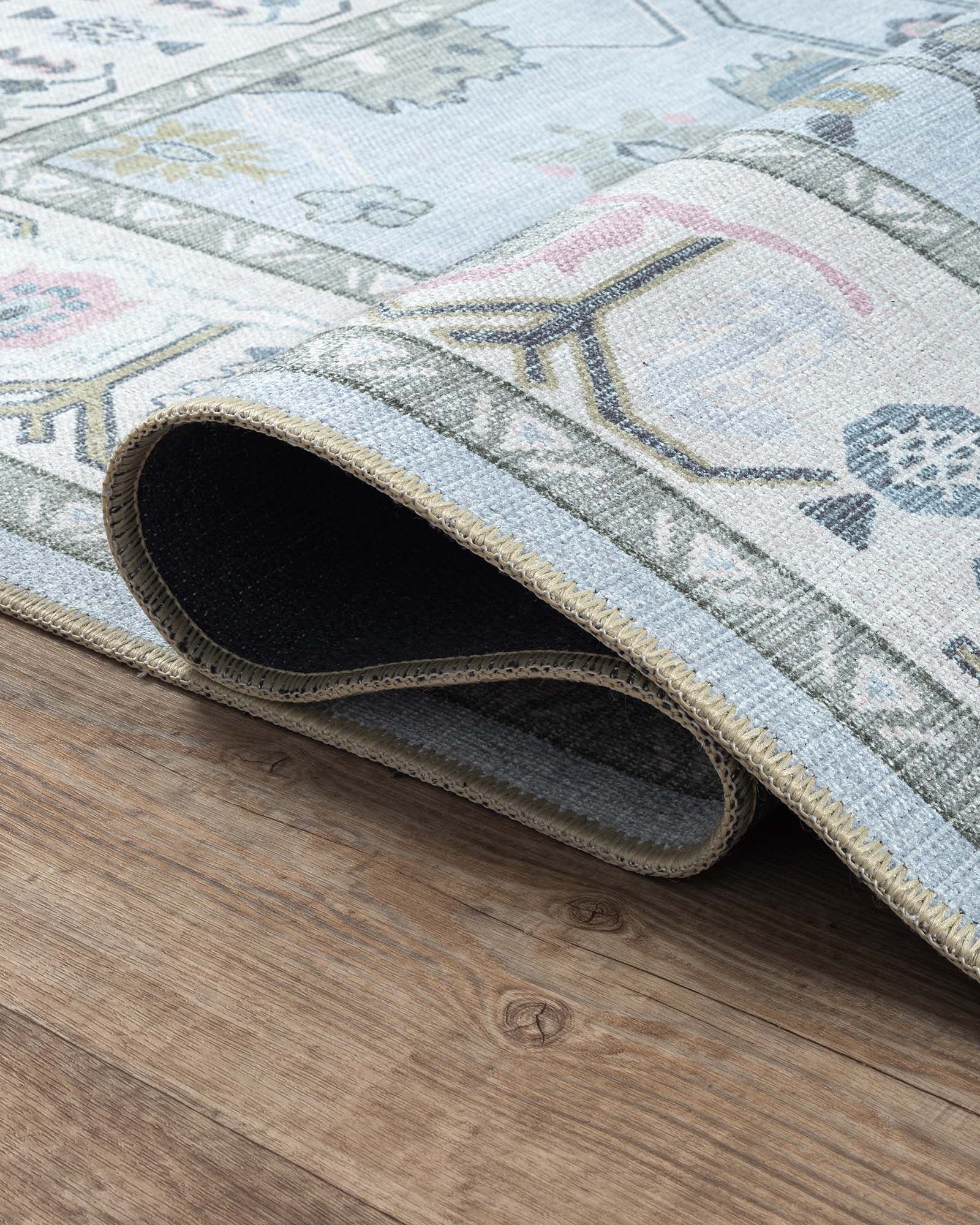
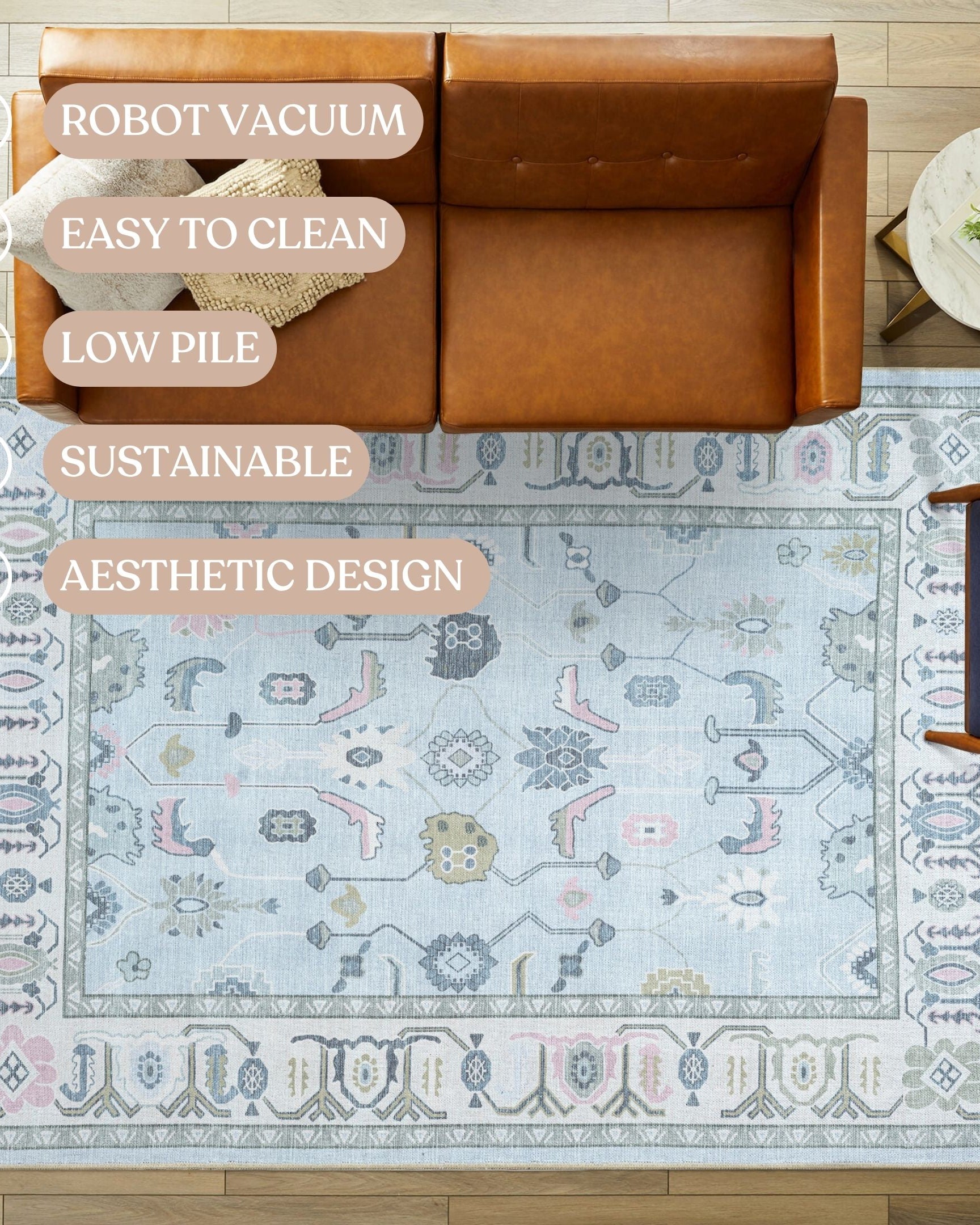
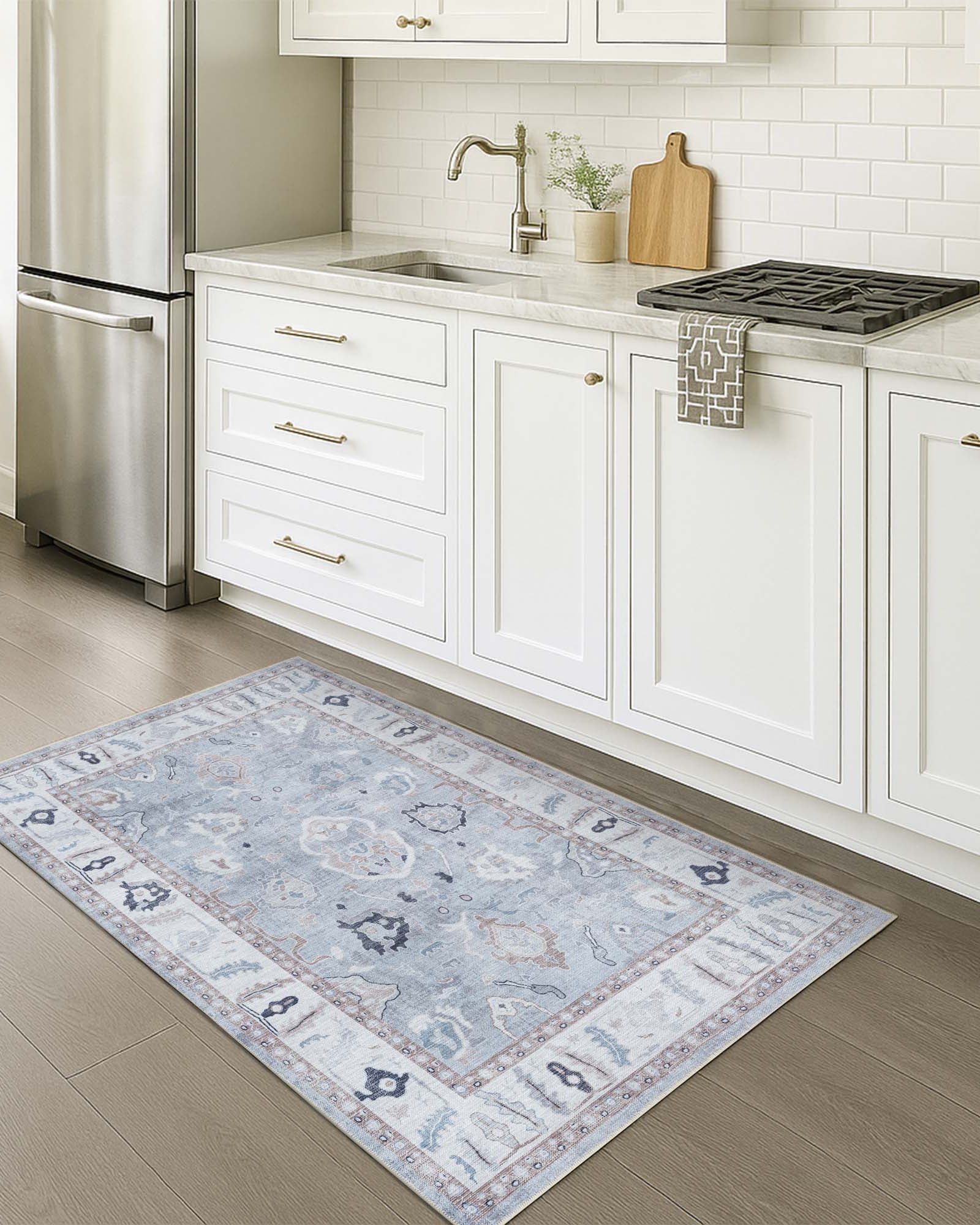
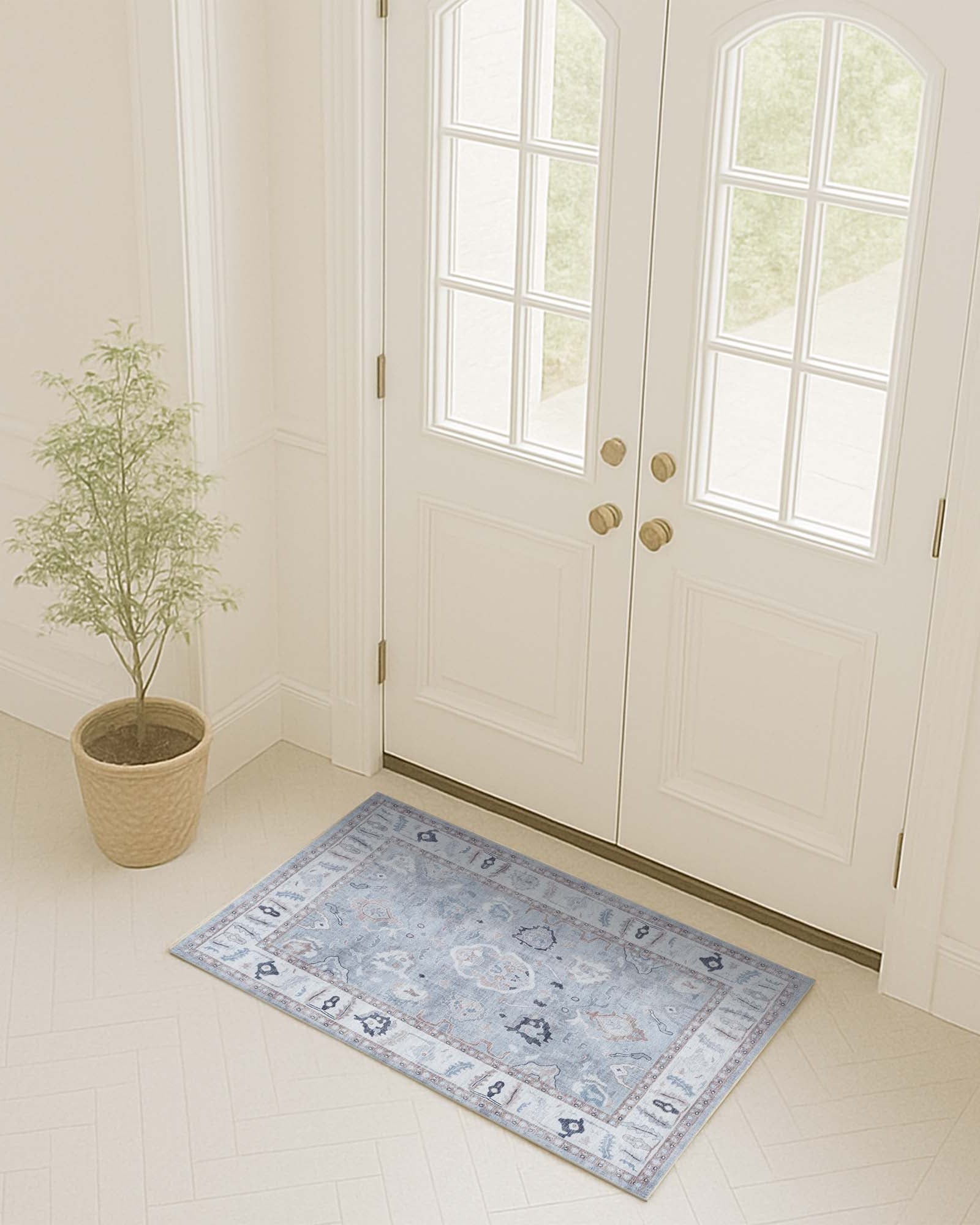
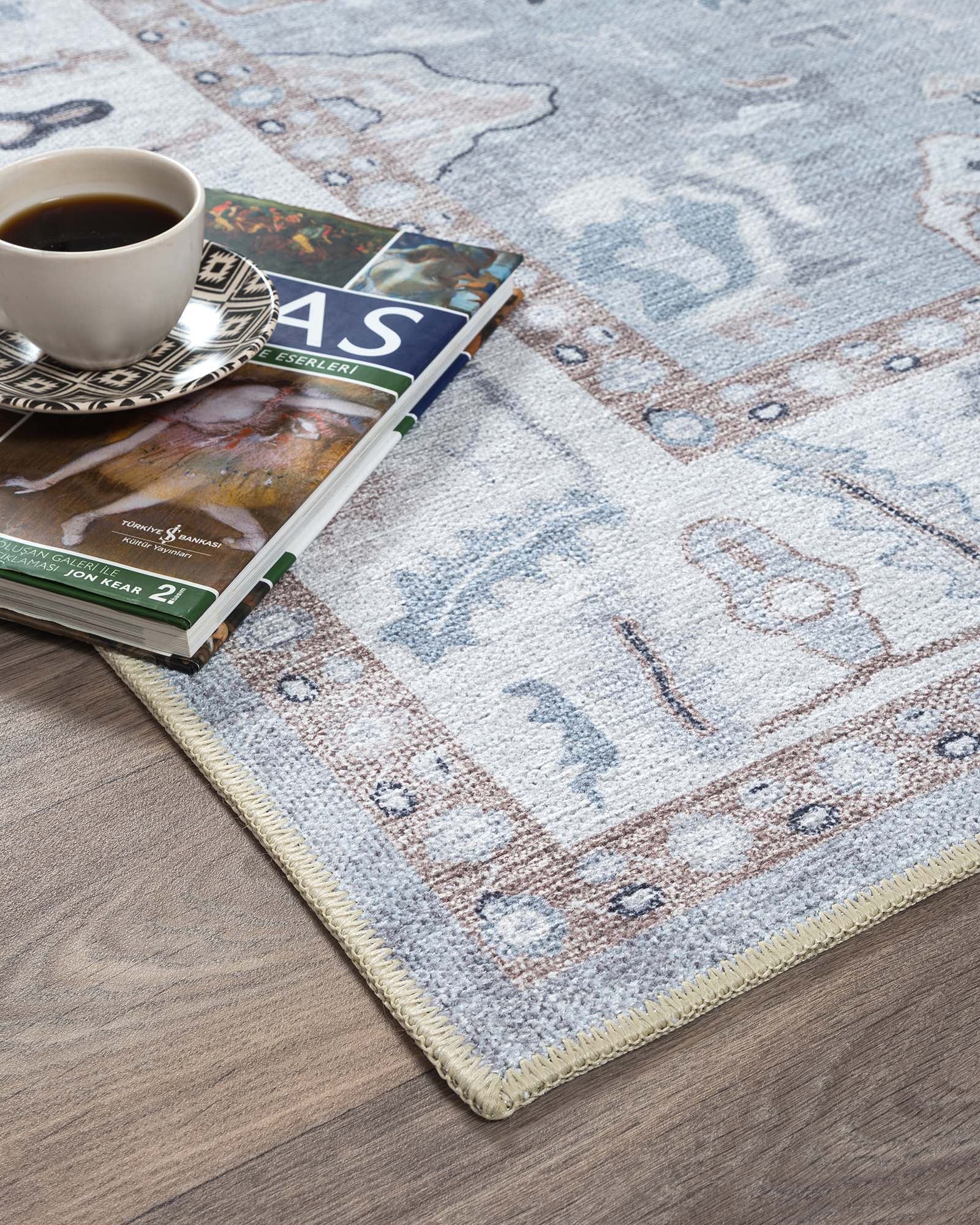
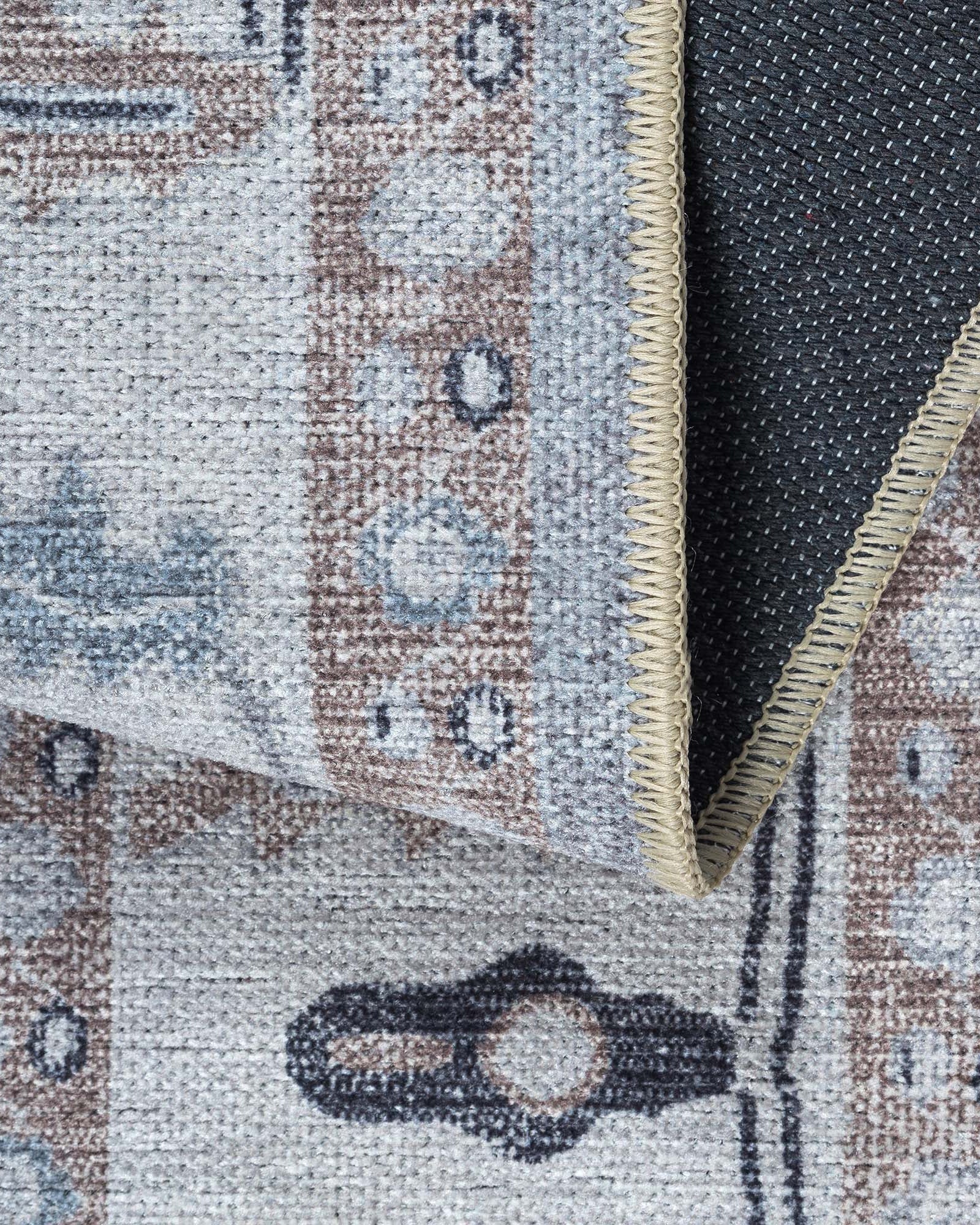
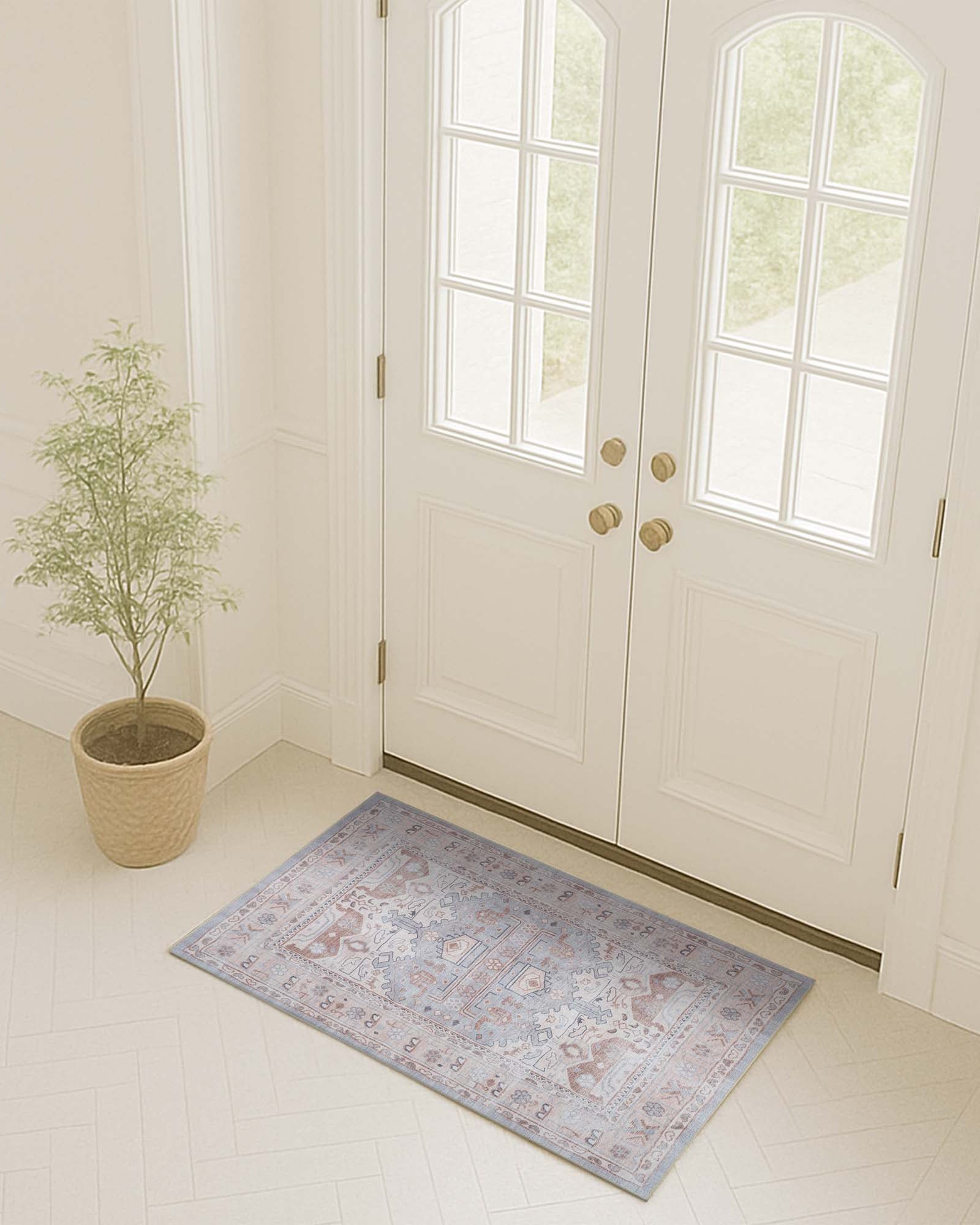
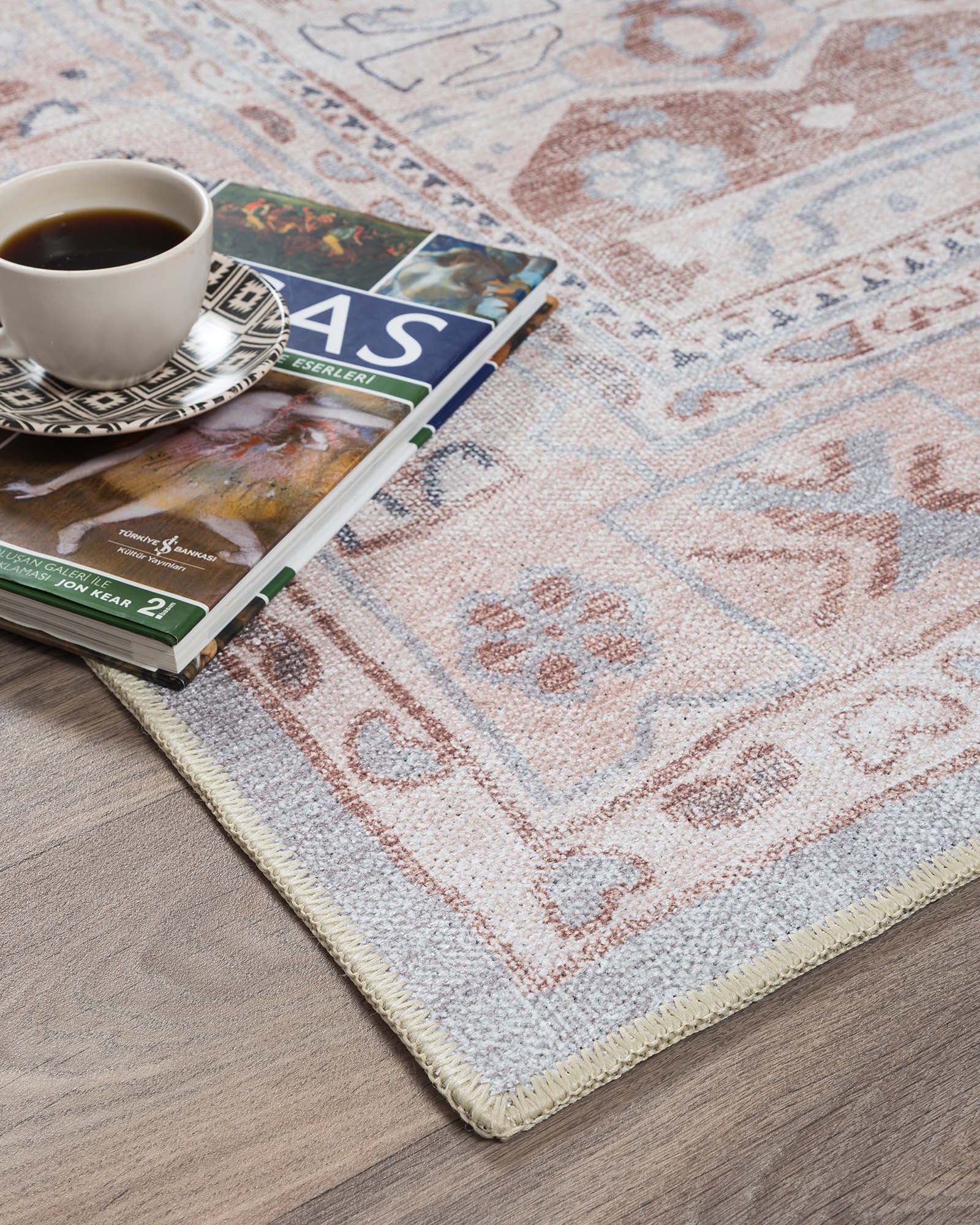
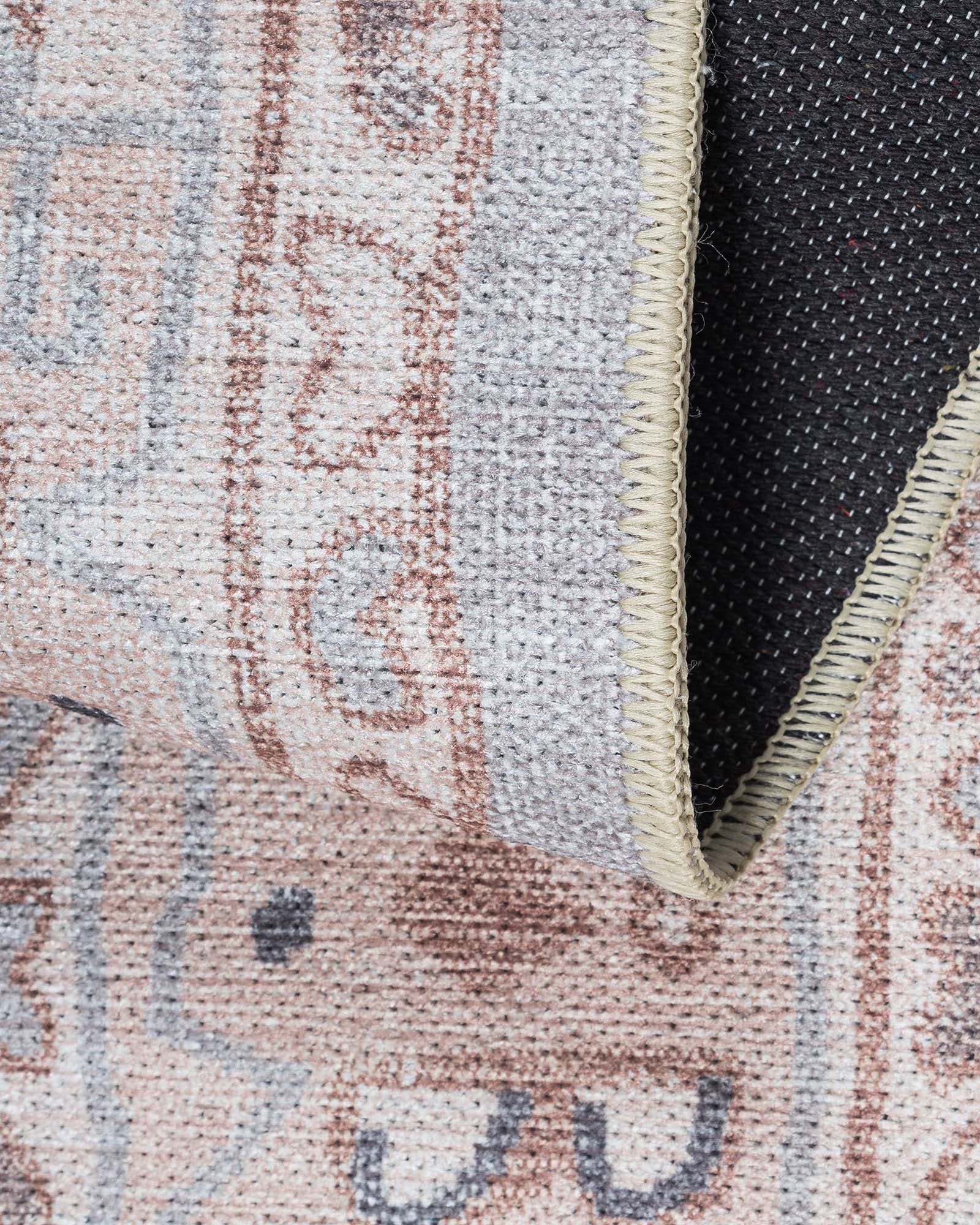
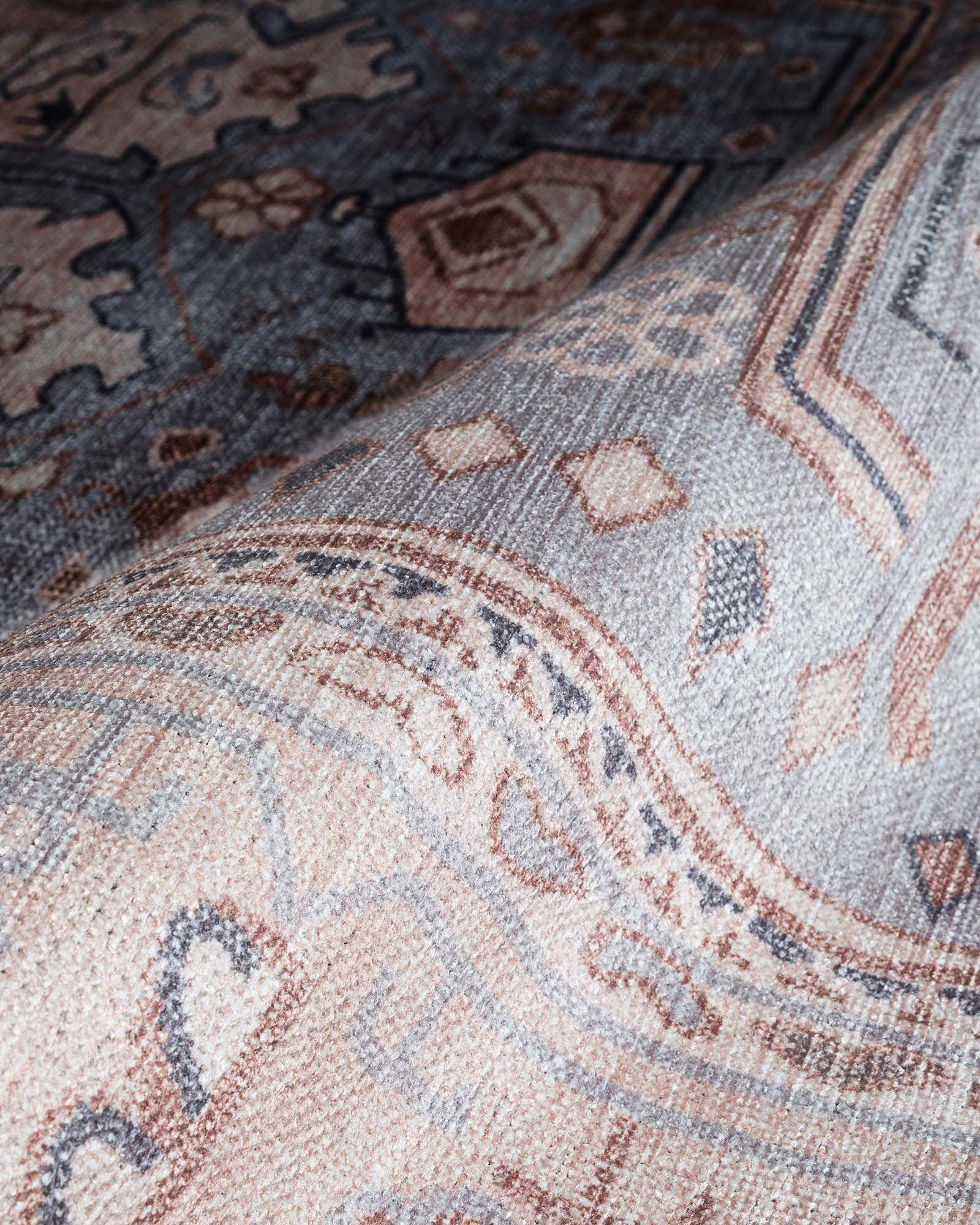
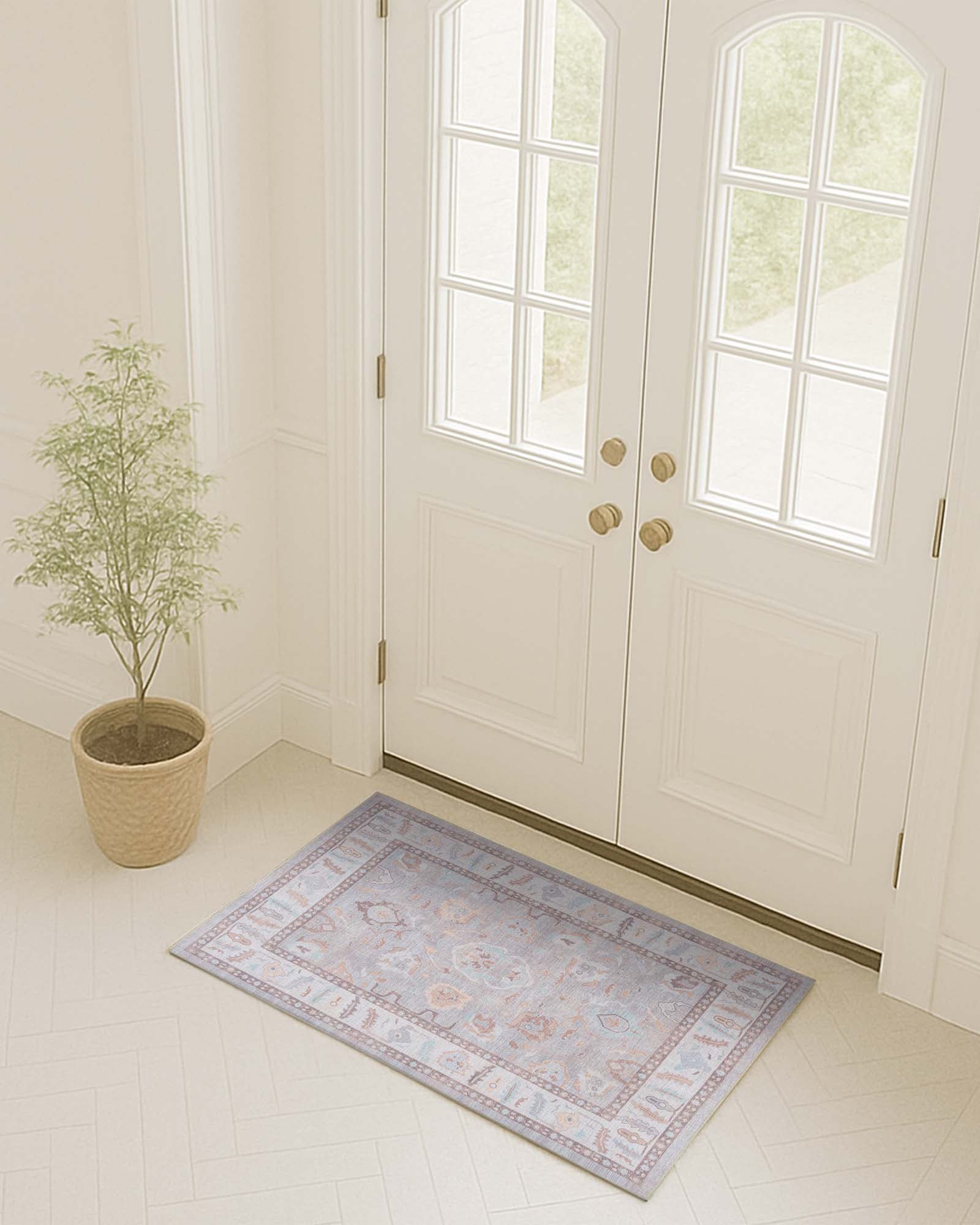
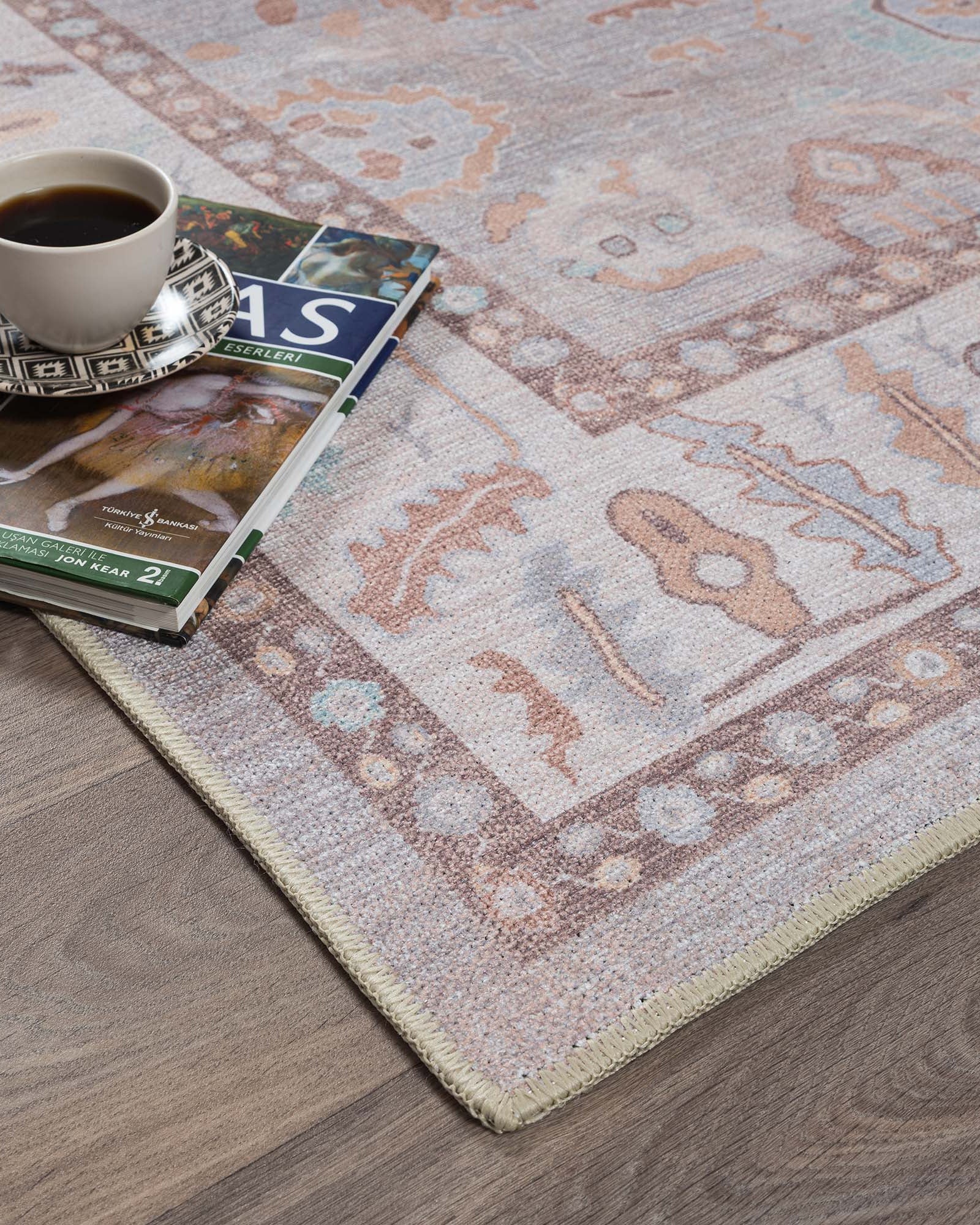
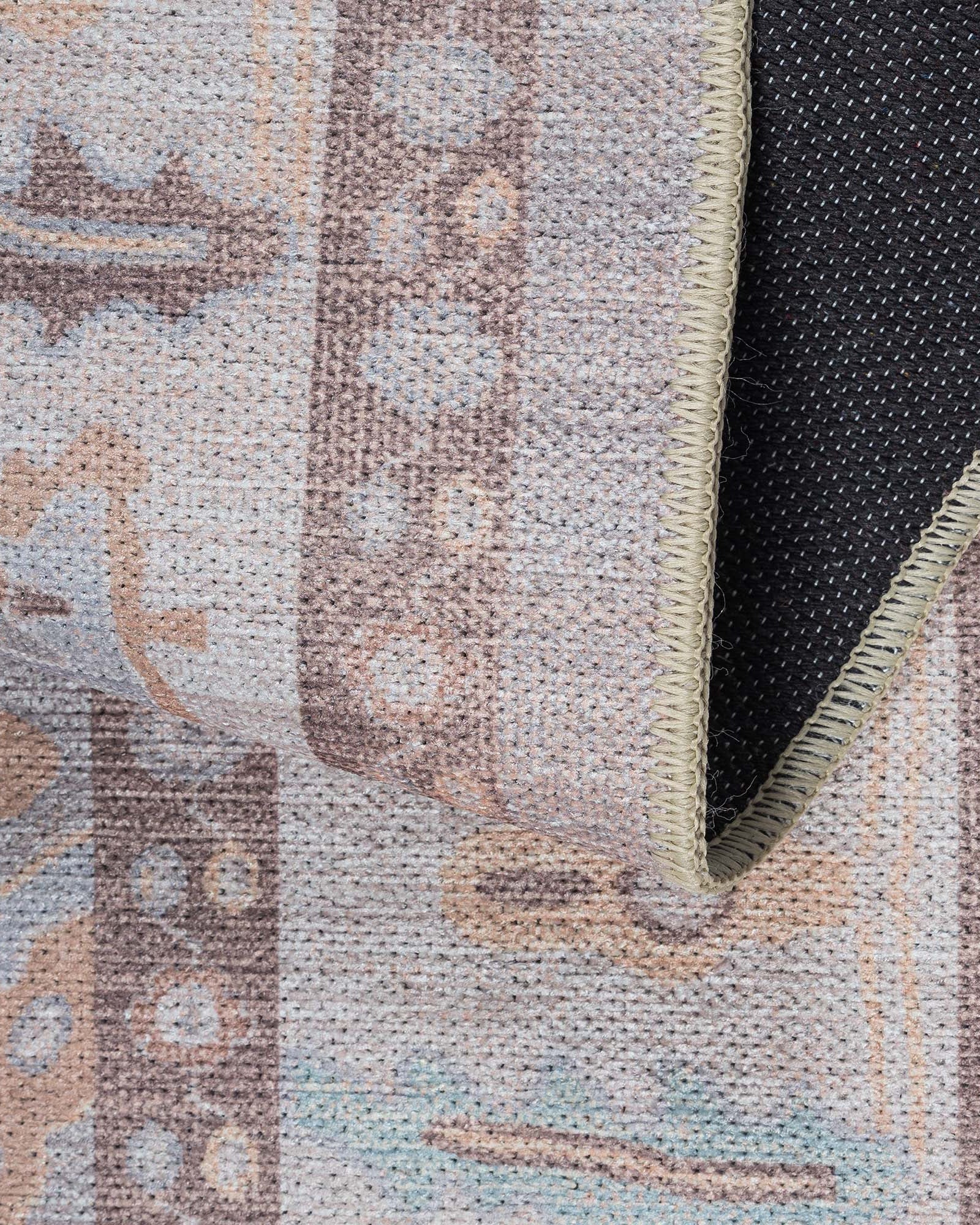
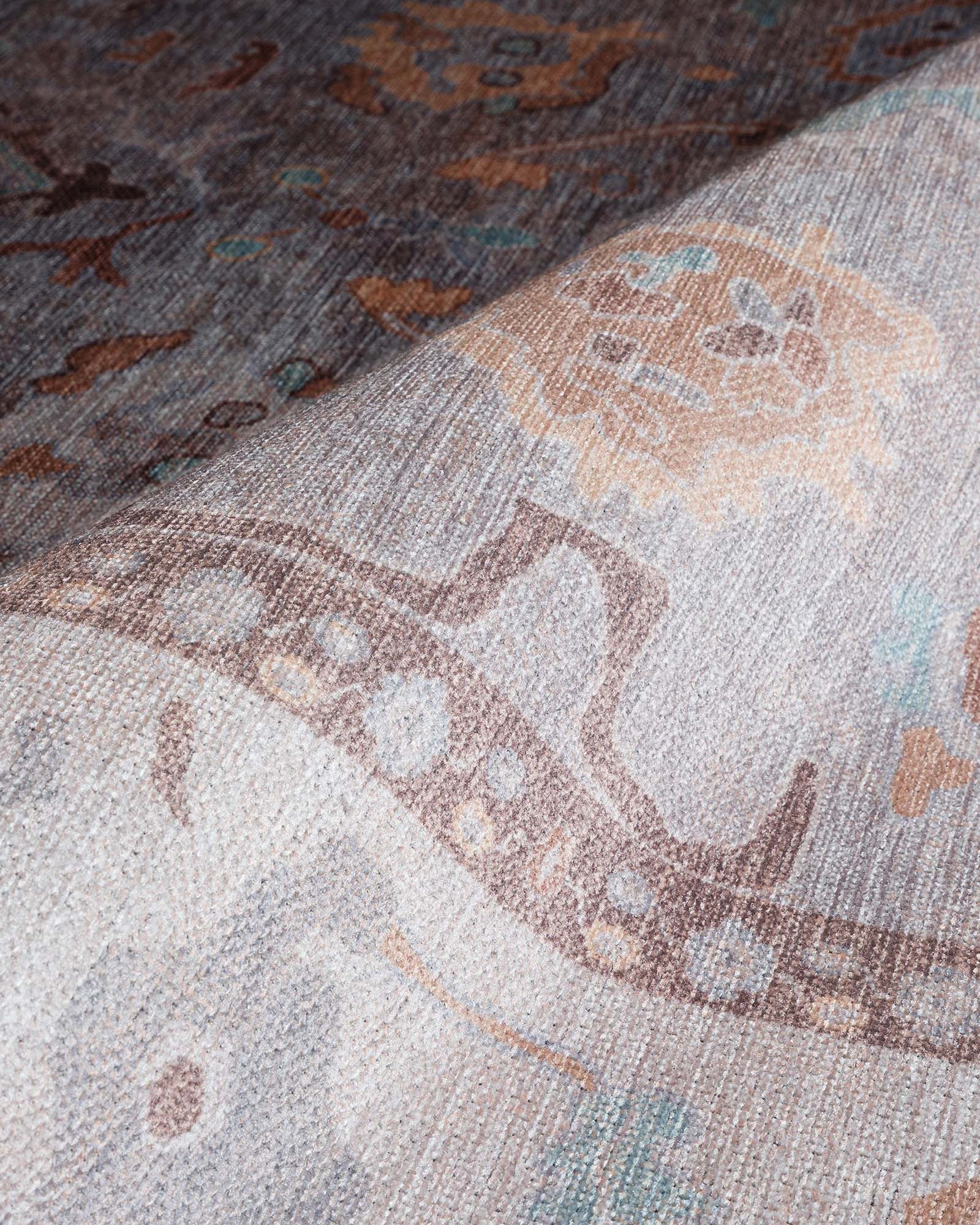
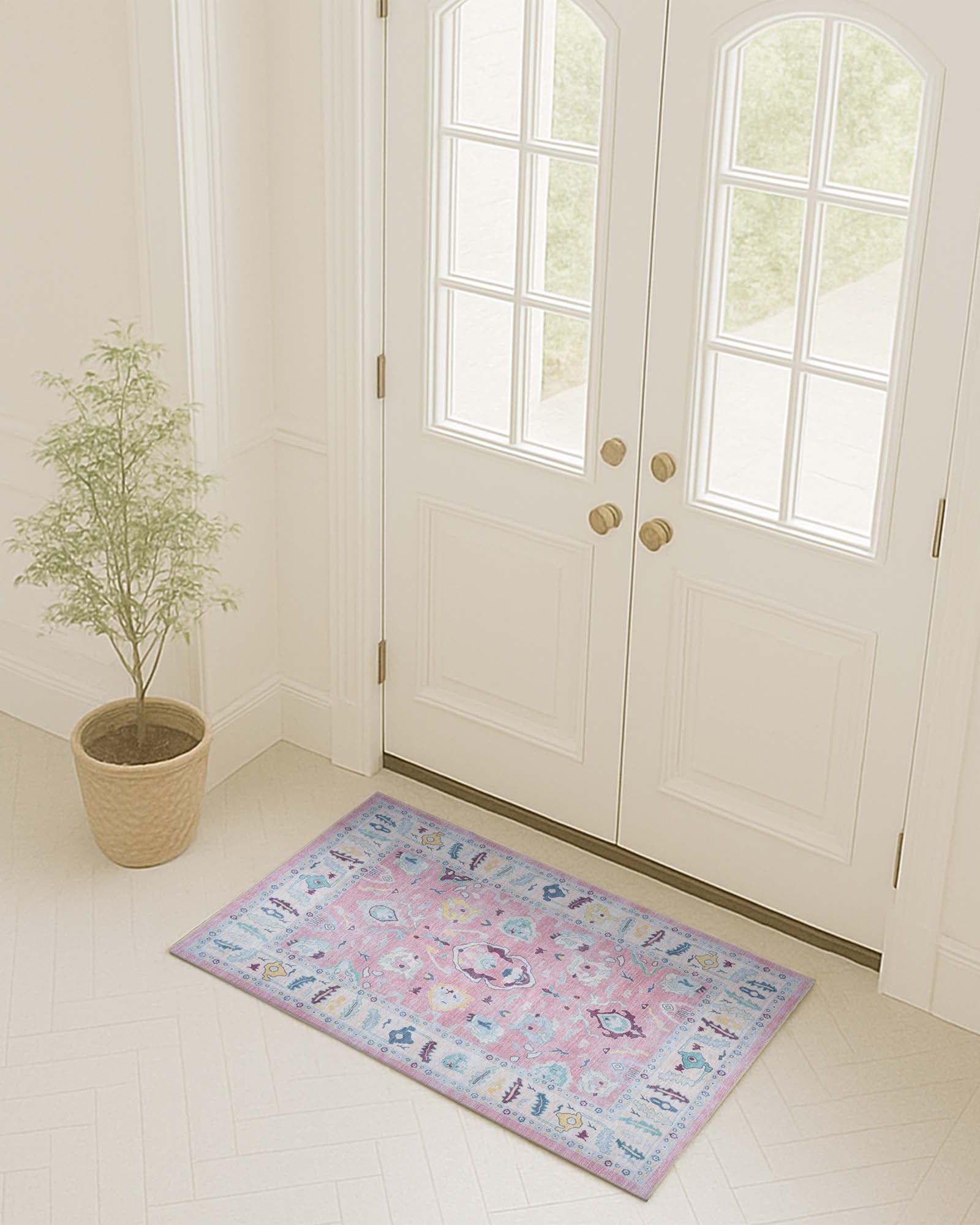
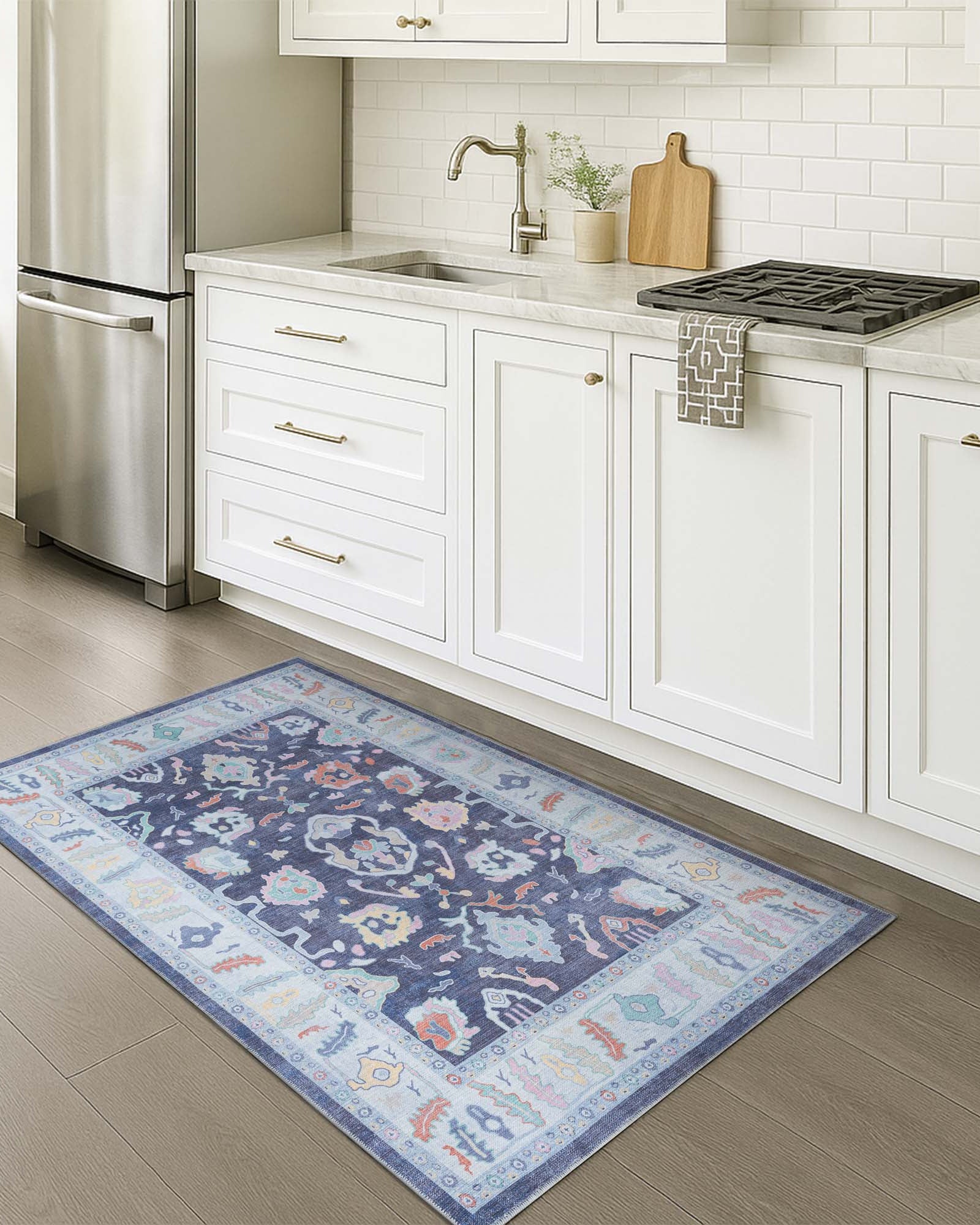
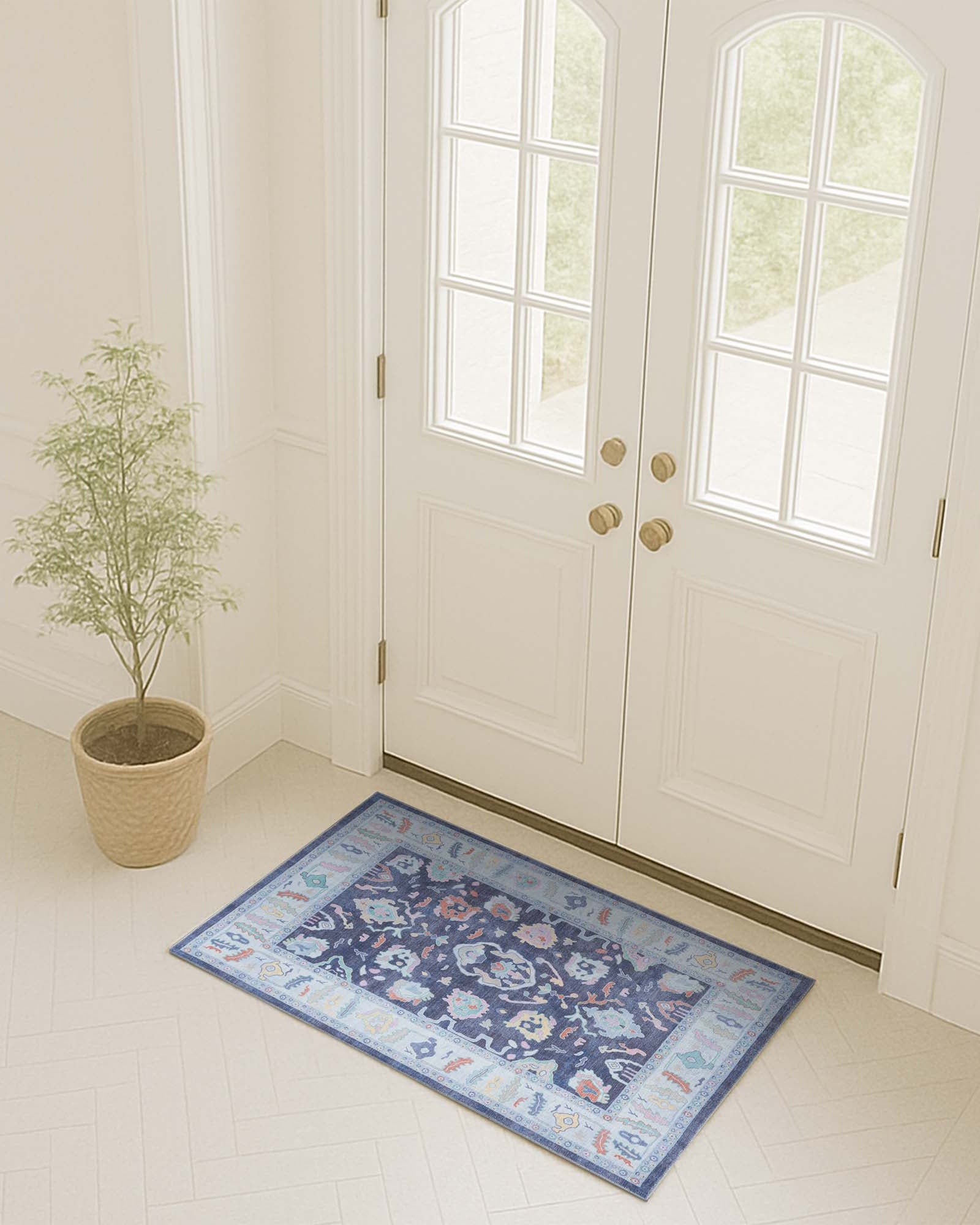
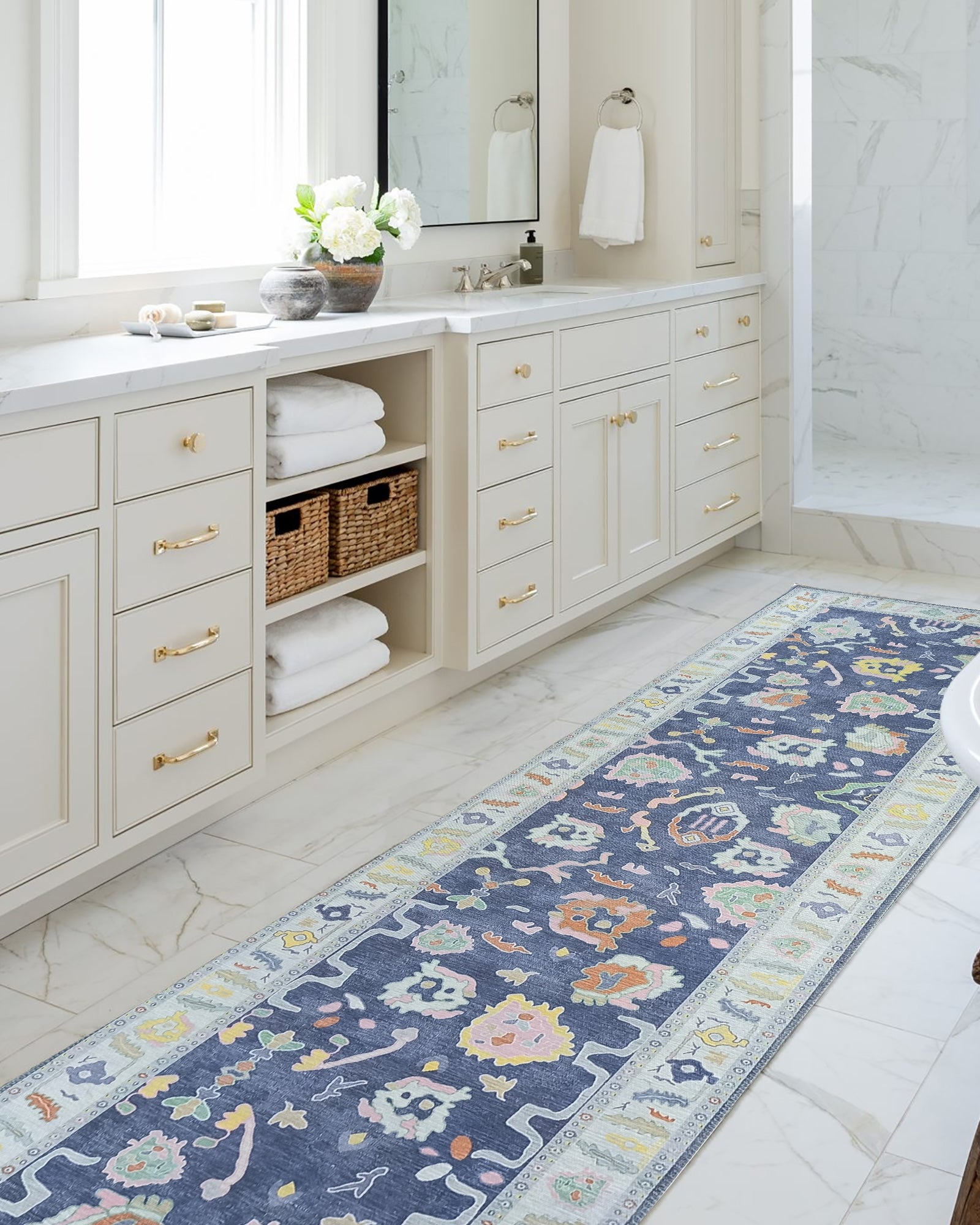
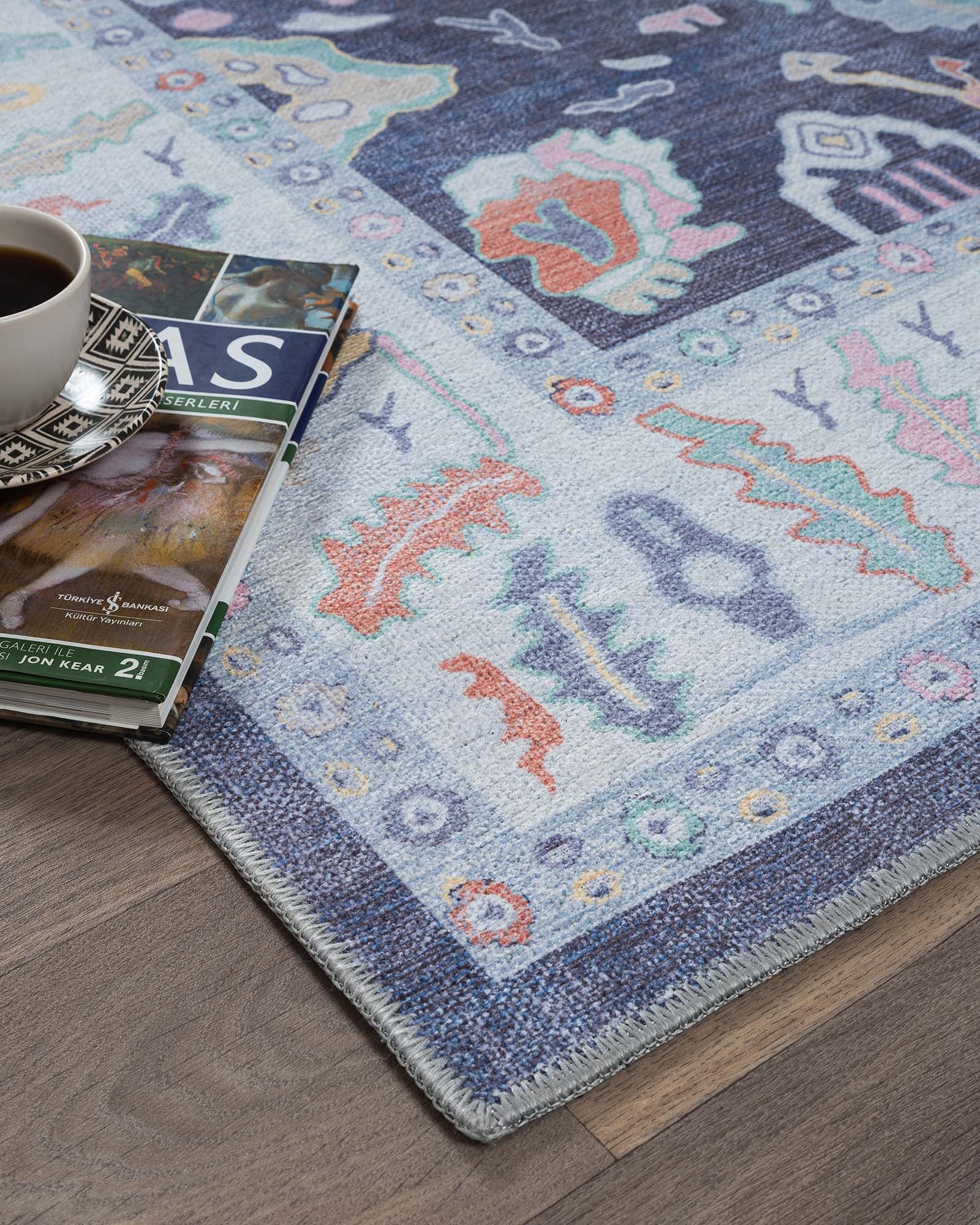
An entryway is the first thing anyone sees walking into your home, and not every entryway wants to make a loud statement there. This page gathers restrained pieces specifically — plain or nearly plain fields, muted natural tone, minimal pattern — for a first impression that's quiet and considered rather than bold.
What Makes an Entryway Rug Read as Minimal
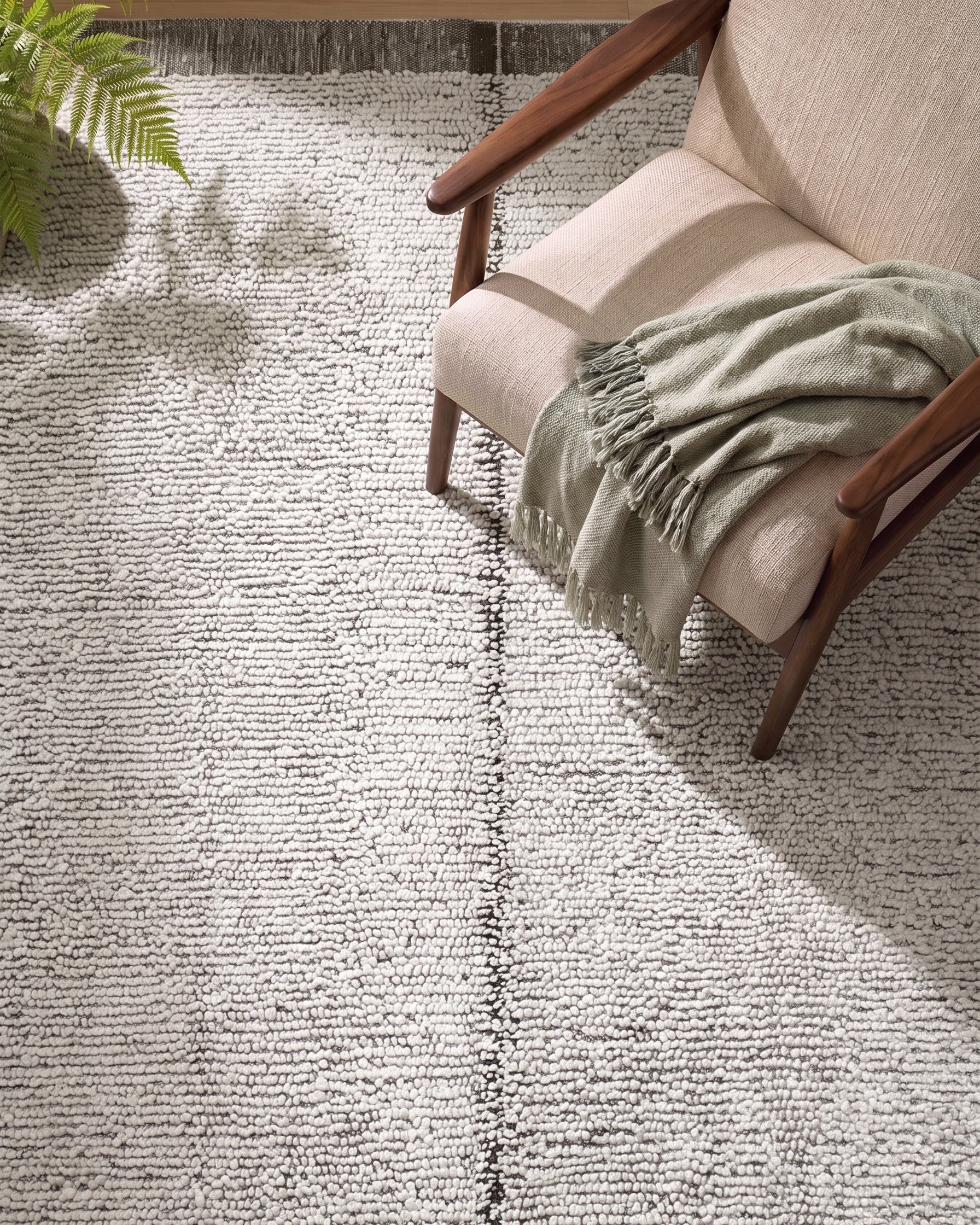
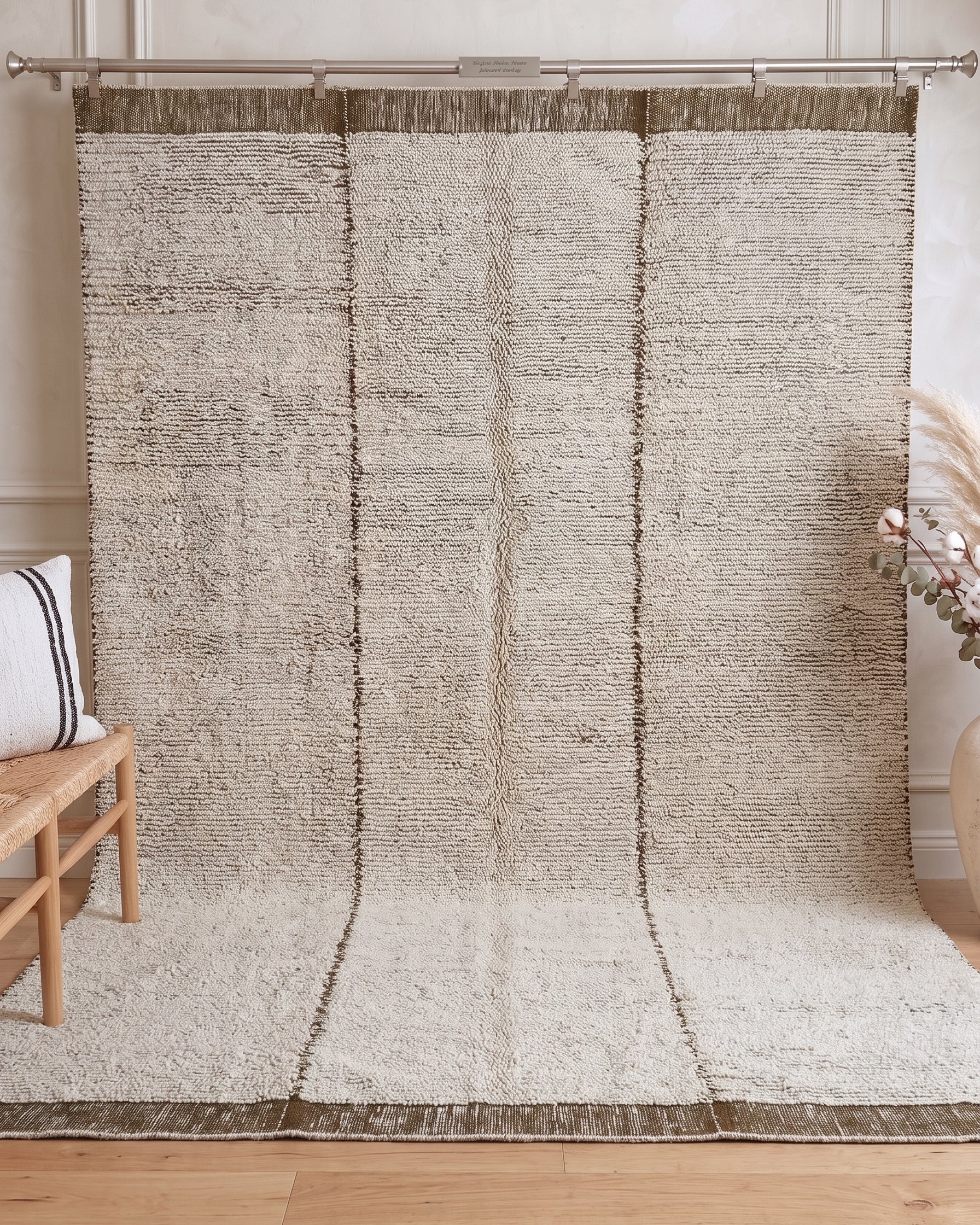
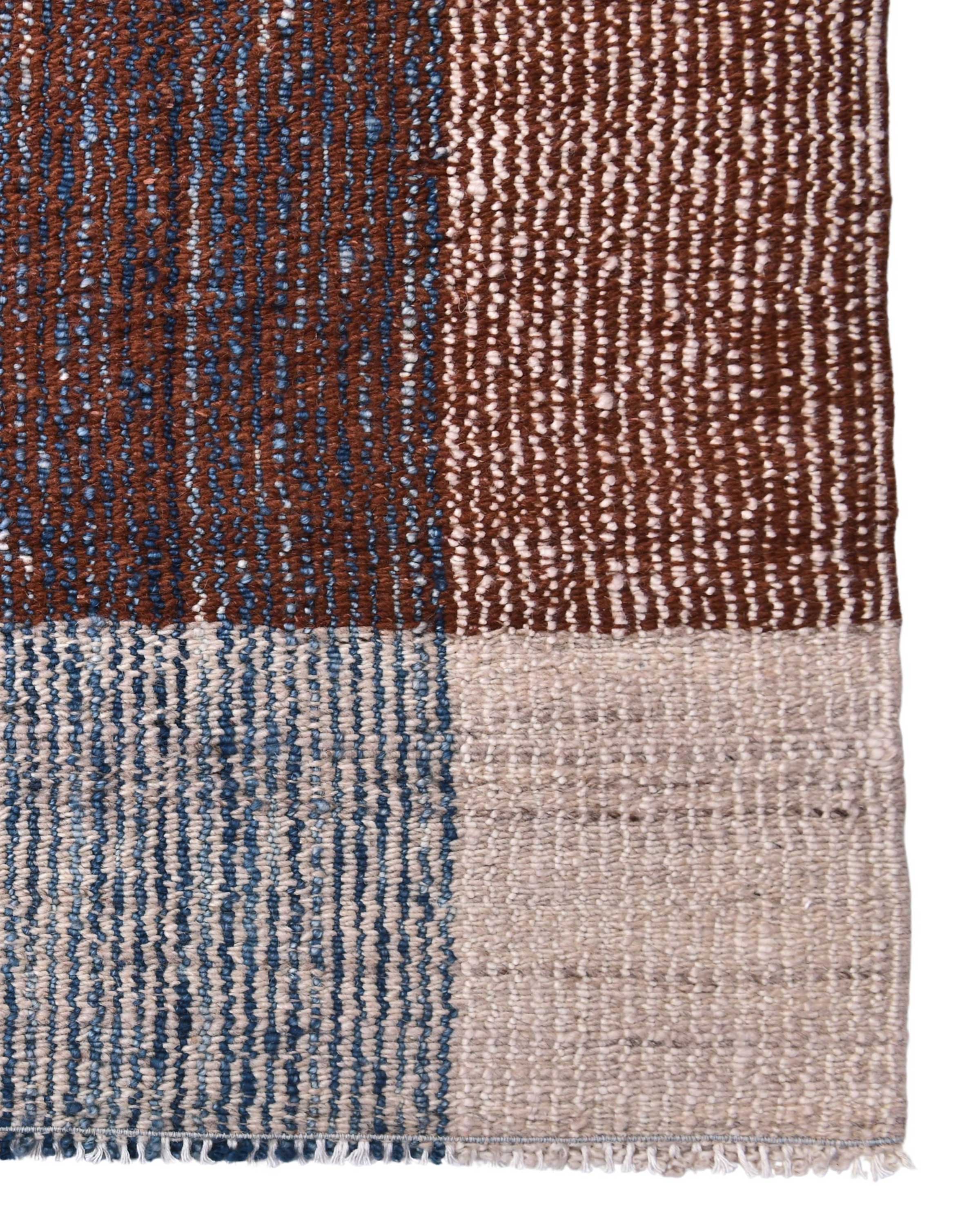
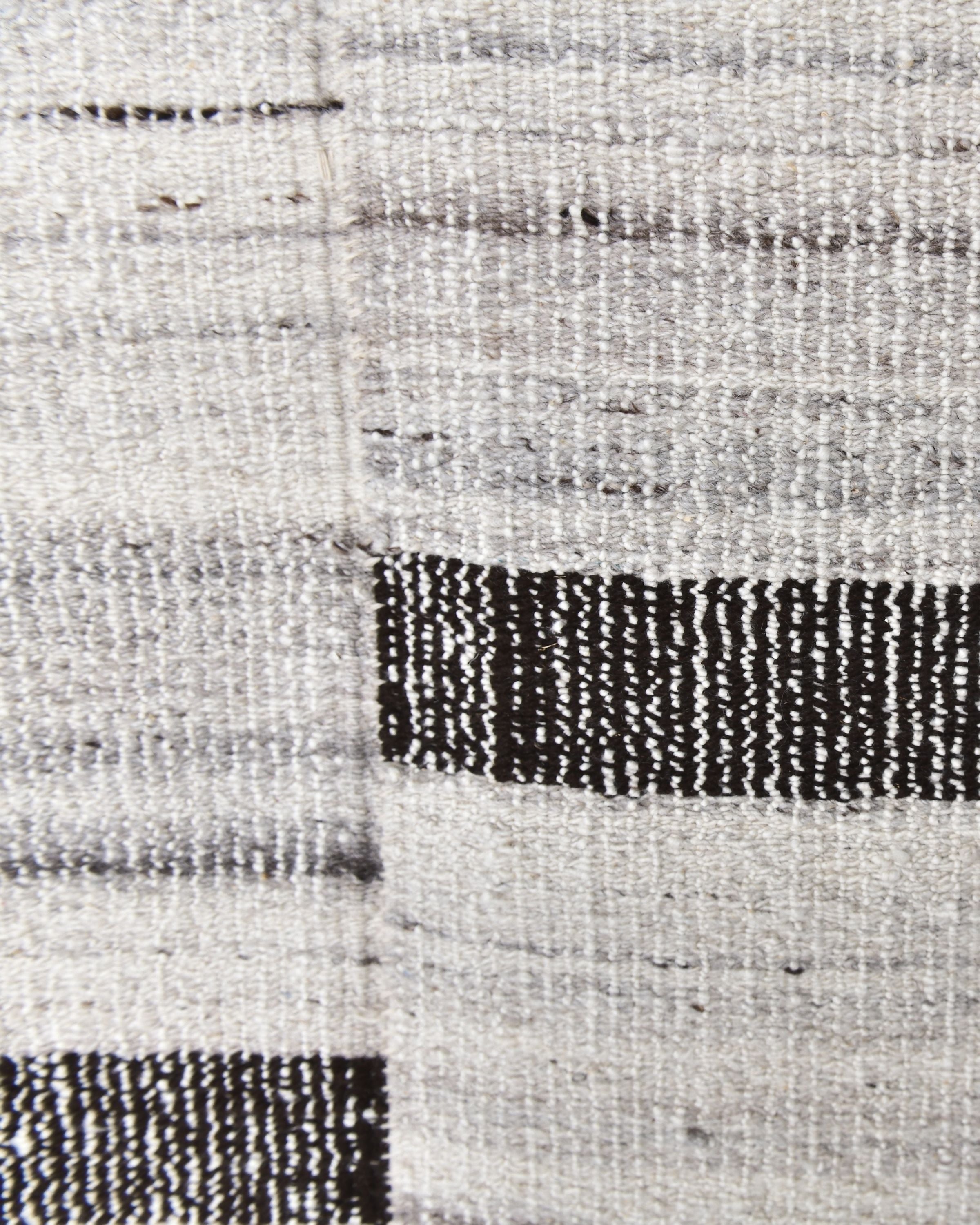
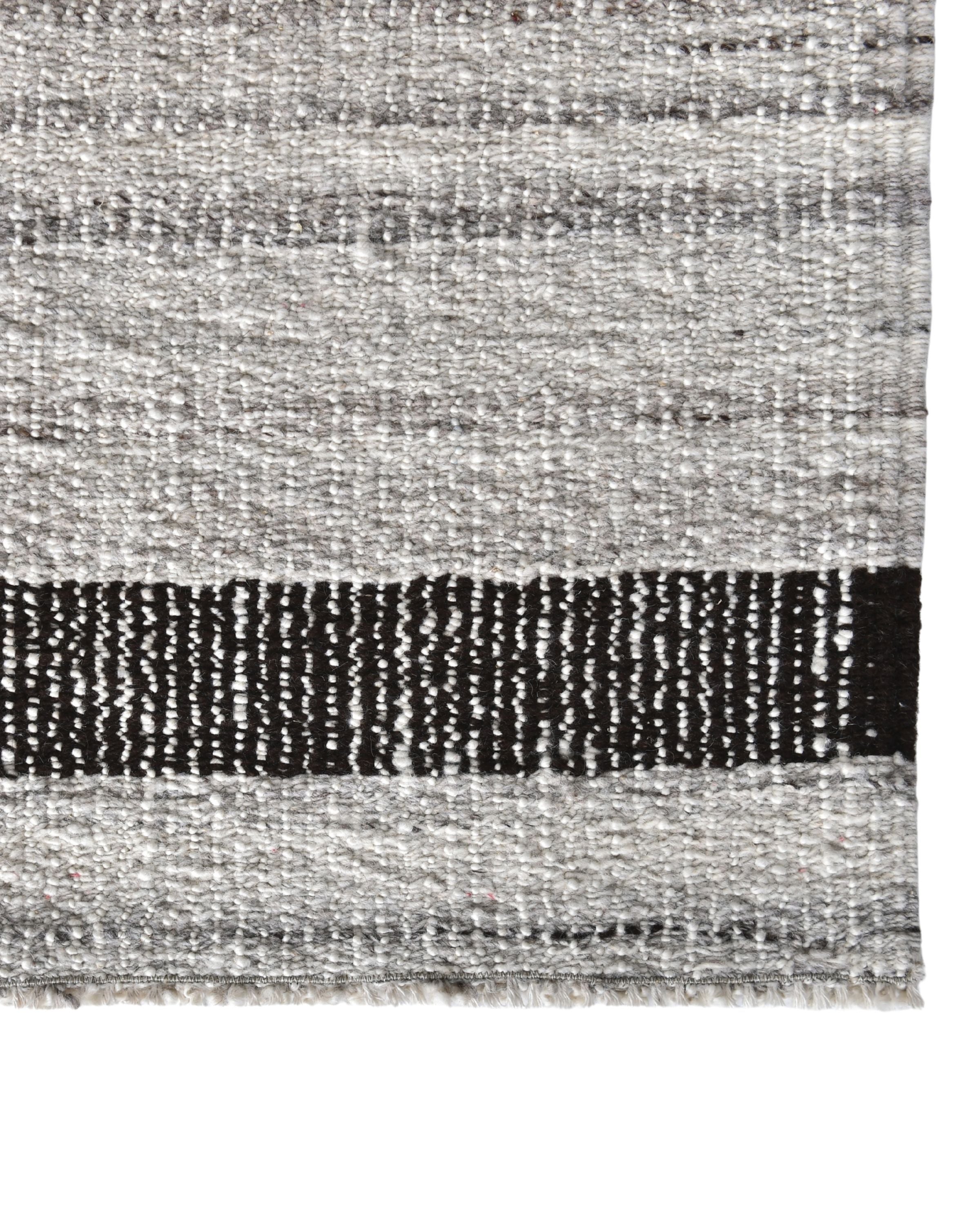
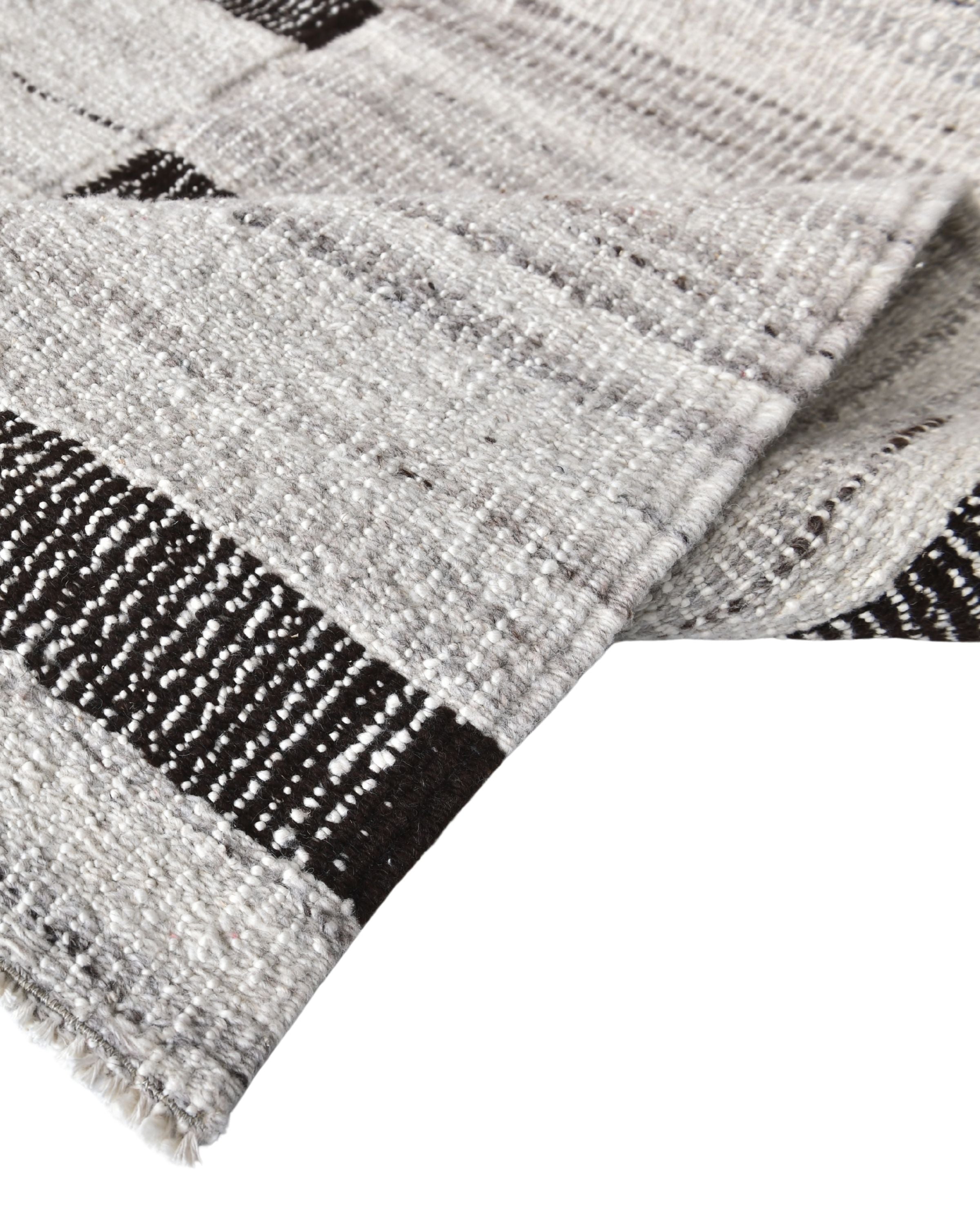
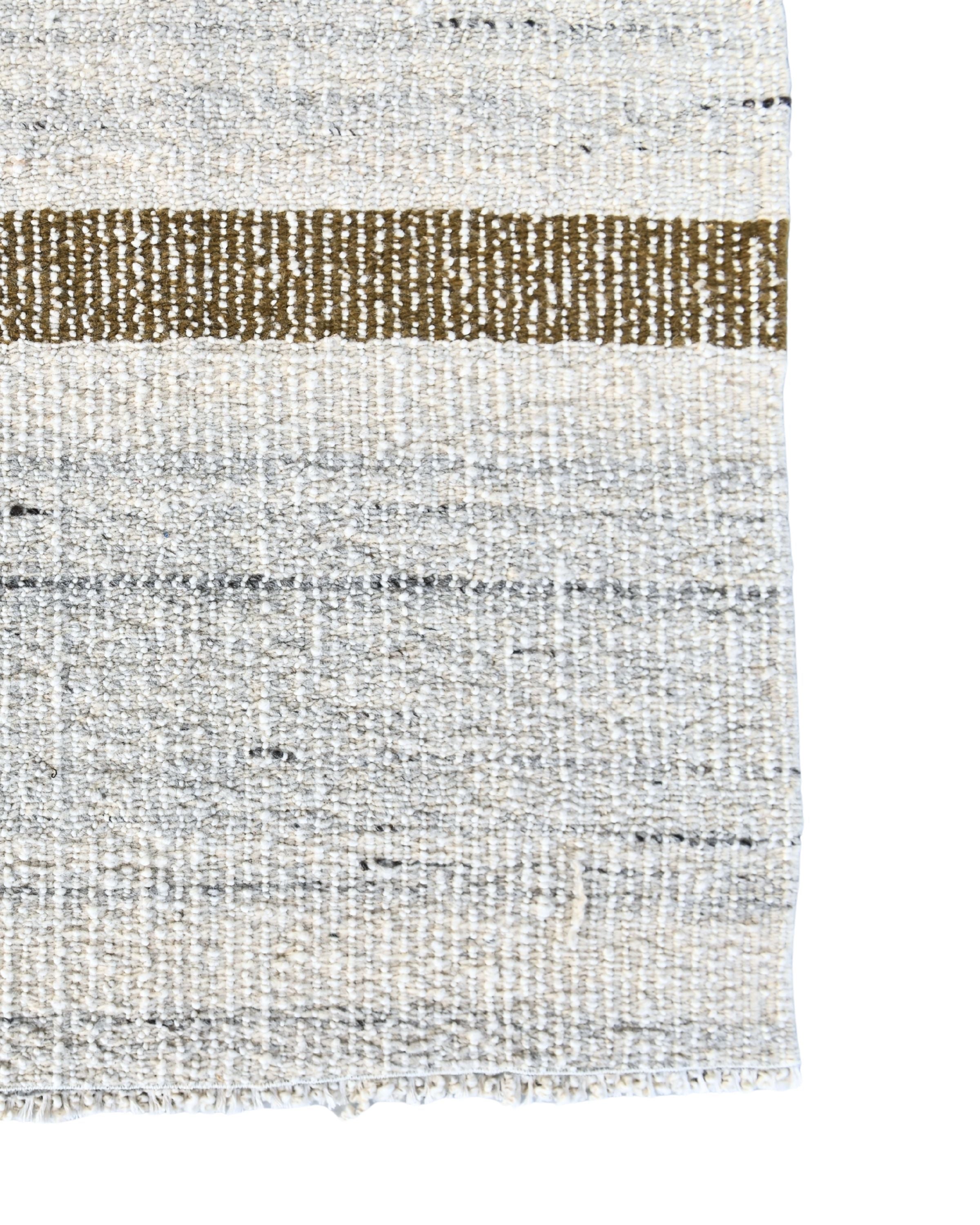
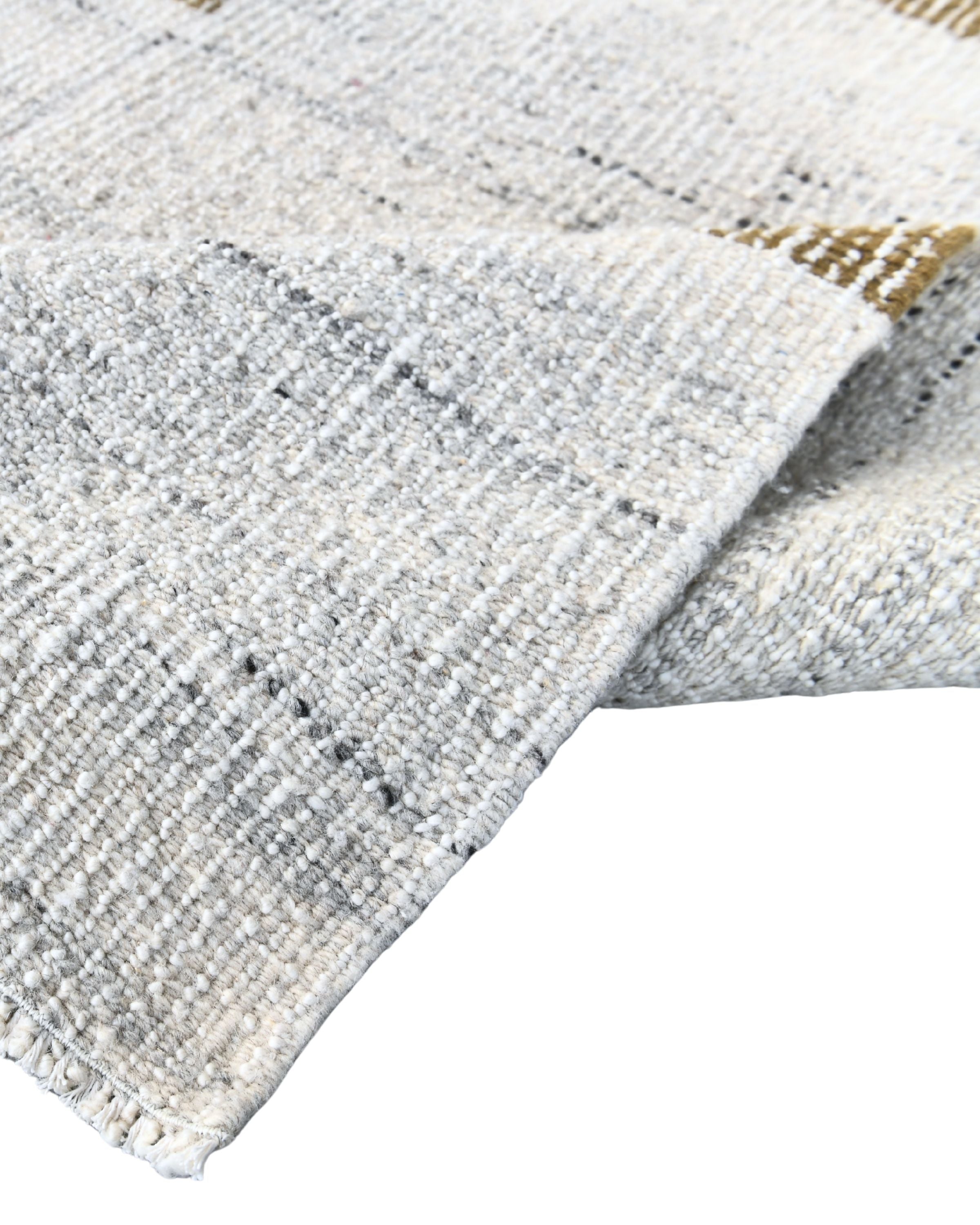
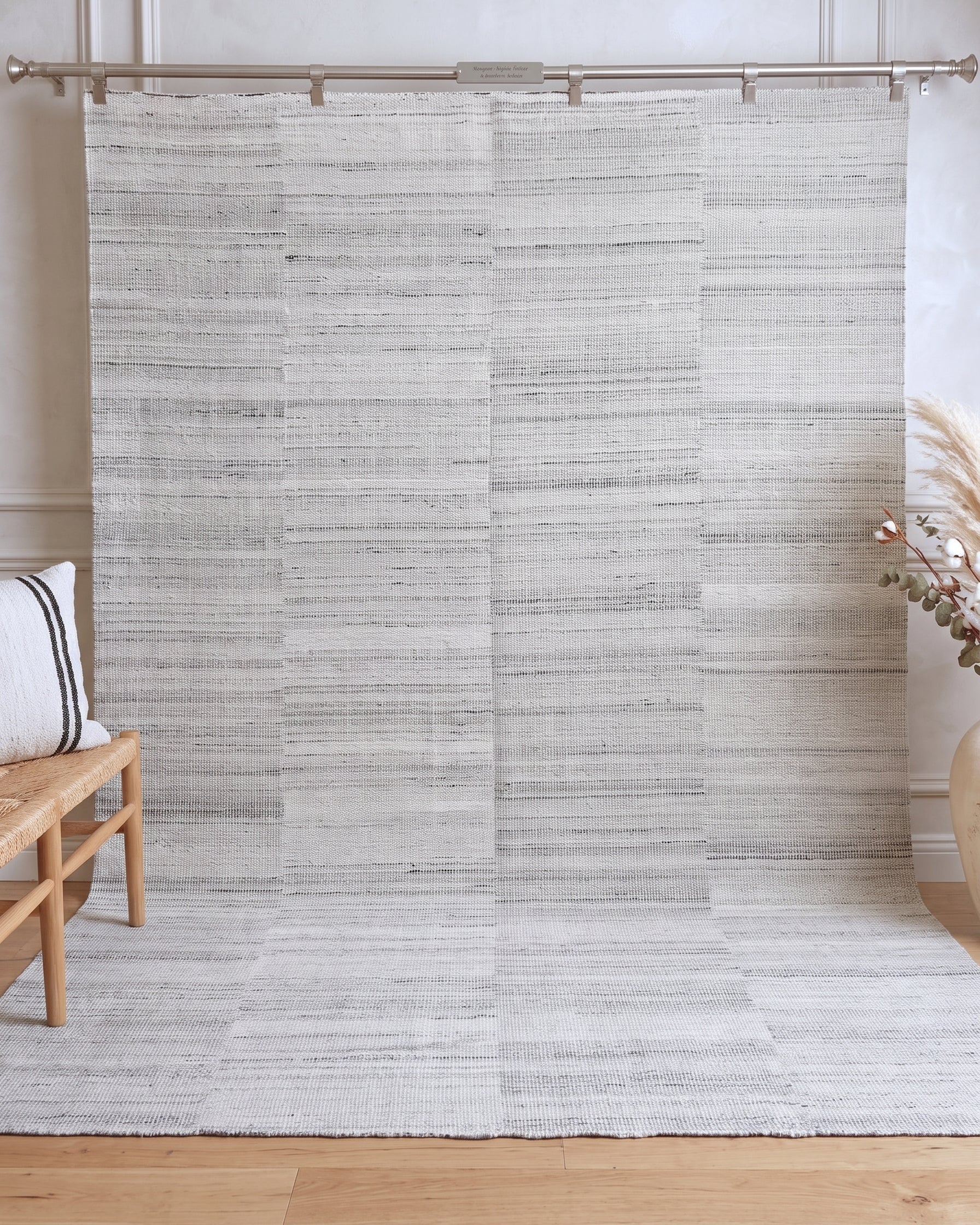
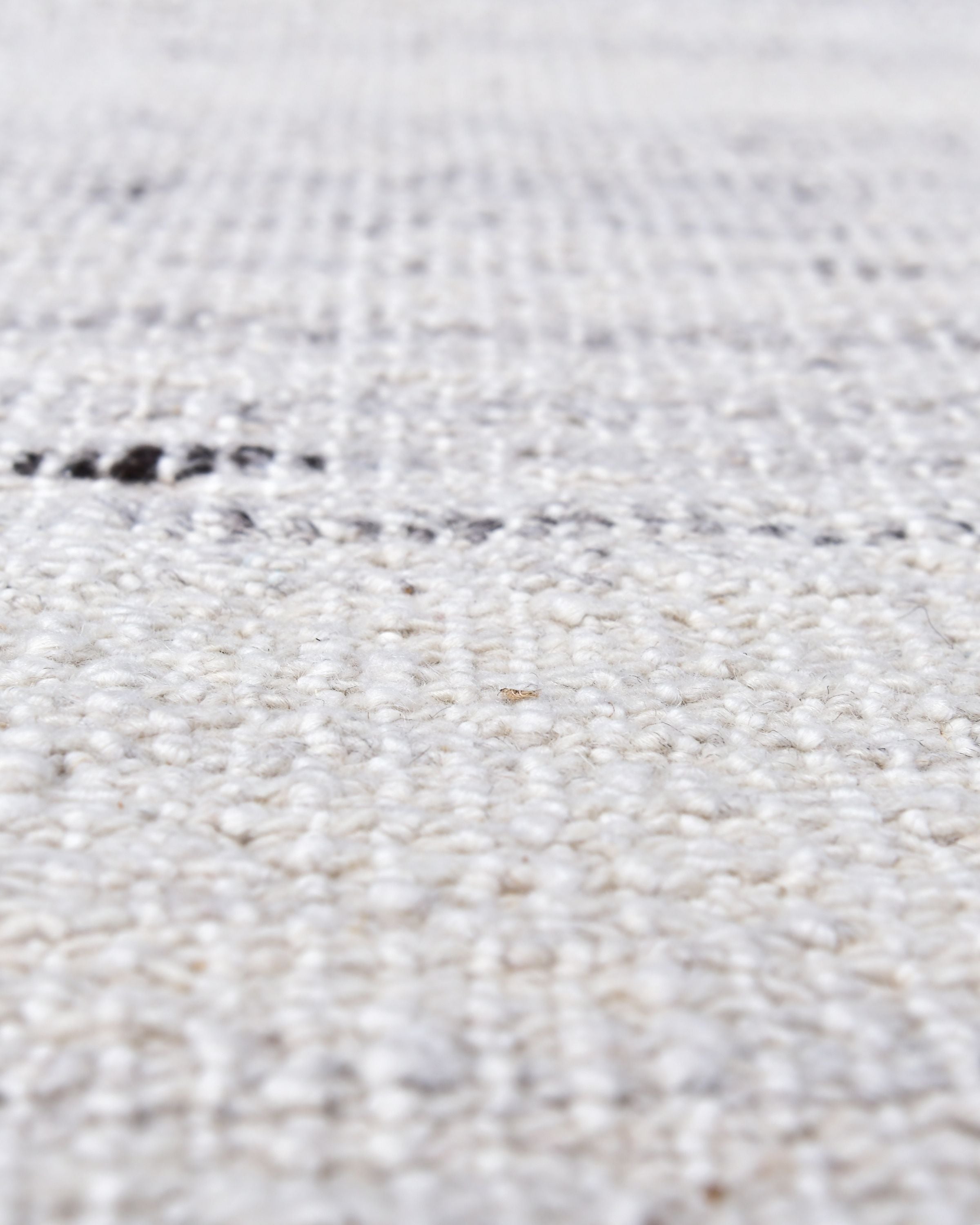
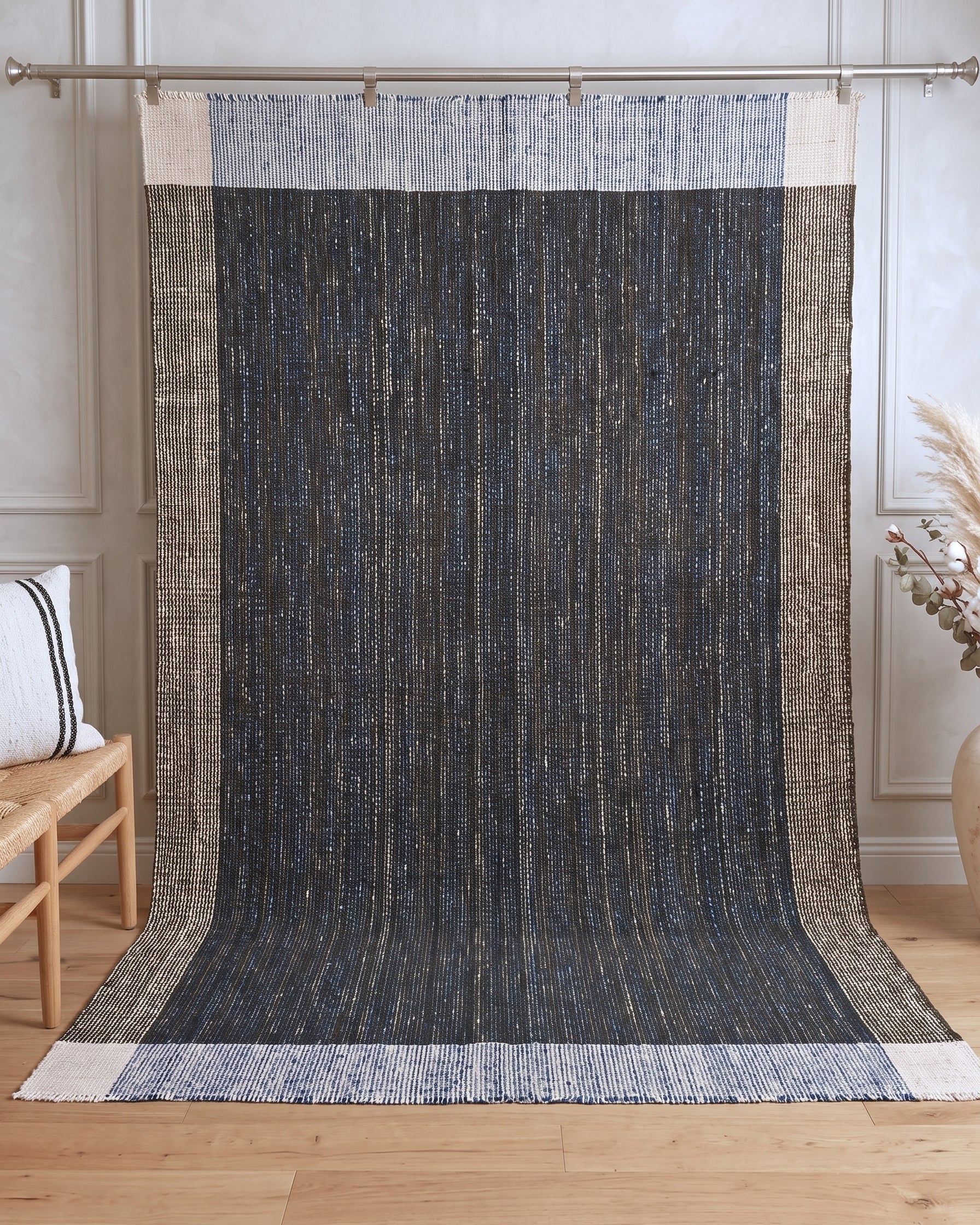
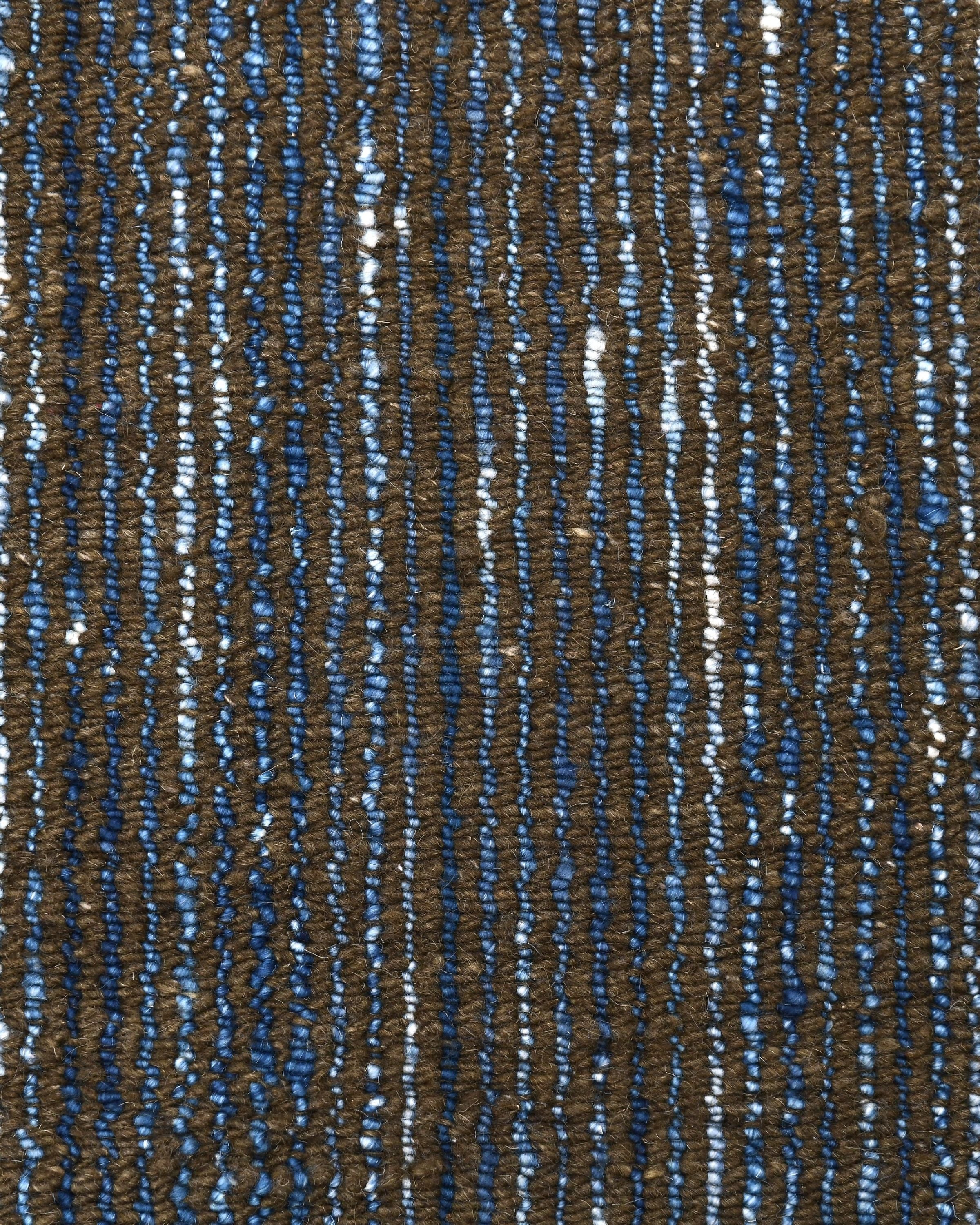
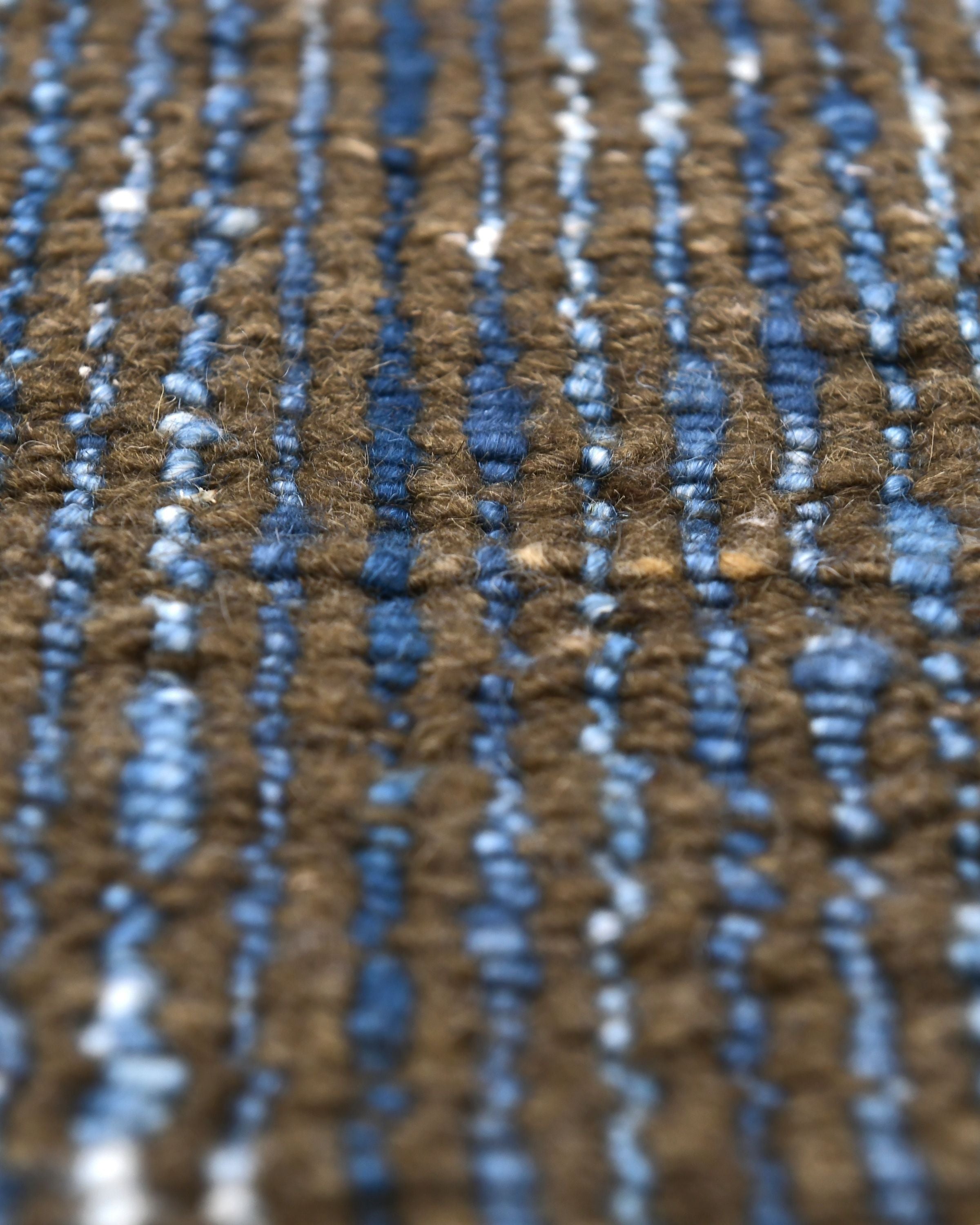
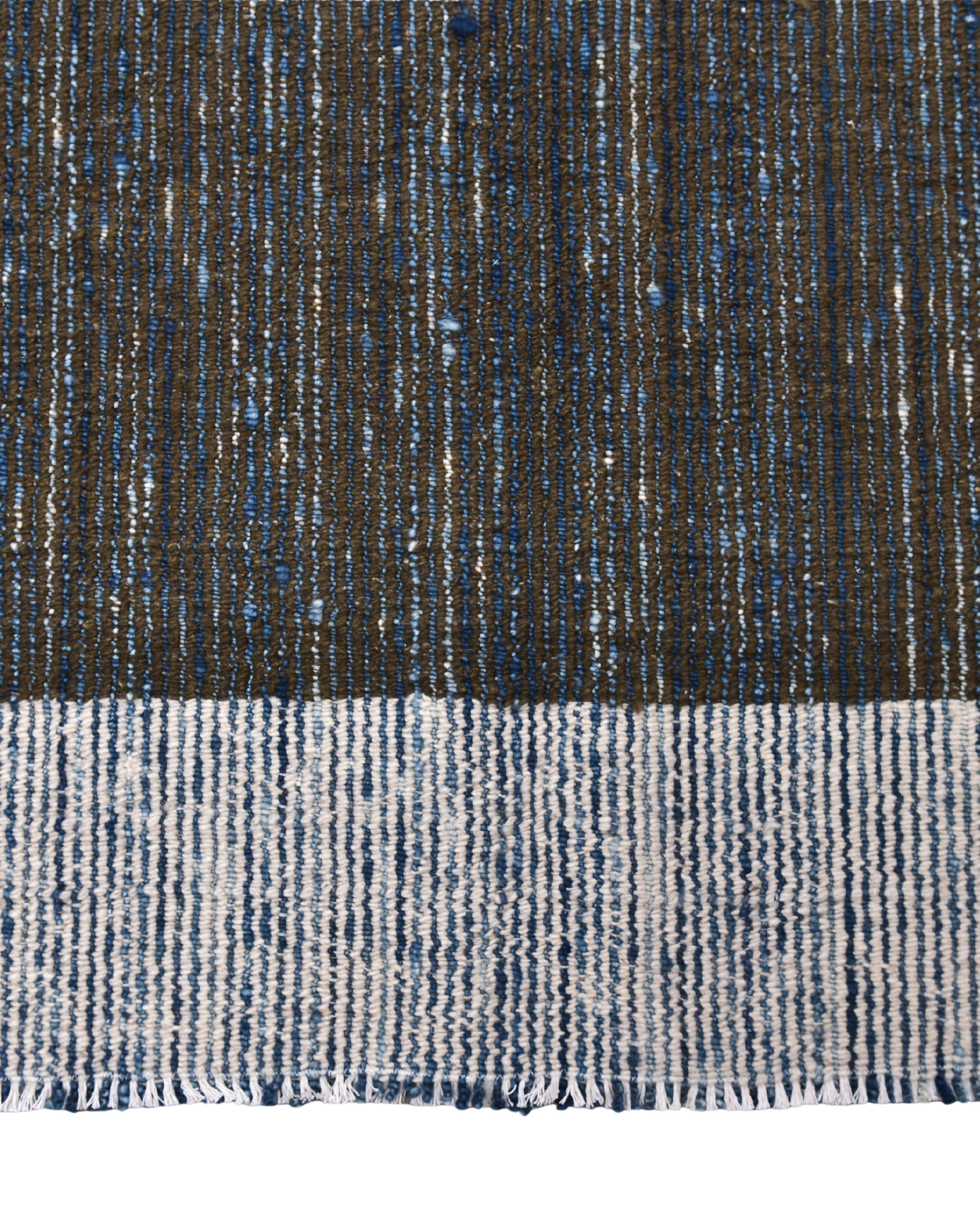
Restraint here comes from a few consistent qualities: a mostly solid or lightly textured field, natural or softened color rather than high contrast, and pattern reduced to a single quiet gesture if it appears at all. Undyed wool pieces, colored only in natural fleece tones, are the most restrained option and read almost like a textured neutral rather than a patterned rug. Naturally faded pieces offer a middle ground — enough residual pattern to feel handmade, muted enough to stay quiet.
Practical Considerations Specific to an Entryway
A quiet, pale rug shows everyday marks more readily than a busy patterned one, which is worth knowing before committing to this look in the highest-traffic spot in the house. If you love the minimal aesthetic but worry about upkeep, lean toward warmer mid-tones — camel, sand, soft grey — rather than the palest ivory or cream, since darker minimal tones hide soil nearly as well as a patterned rug while keeping the restrained look.
Hand-Knotted or Flatweave
Both constructions work for a minimal entryway, and the choice comes down to what else the rug needs to do. A flatweave clears door swings and lifts easily for shaking out, which matters in a high-traffic spot — see Flatweave Entryway Rugs for that construction specifically. A low-pile hand-knotted piece offers a touch more cushioning while staying thin enough for most doors — our Low Pile Rugs collection covers that middle ground.
Styling a Restrained Entrance
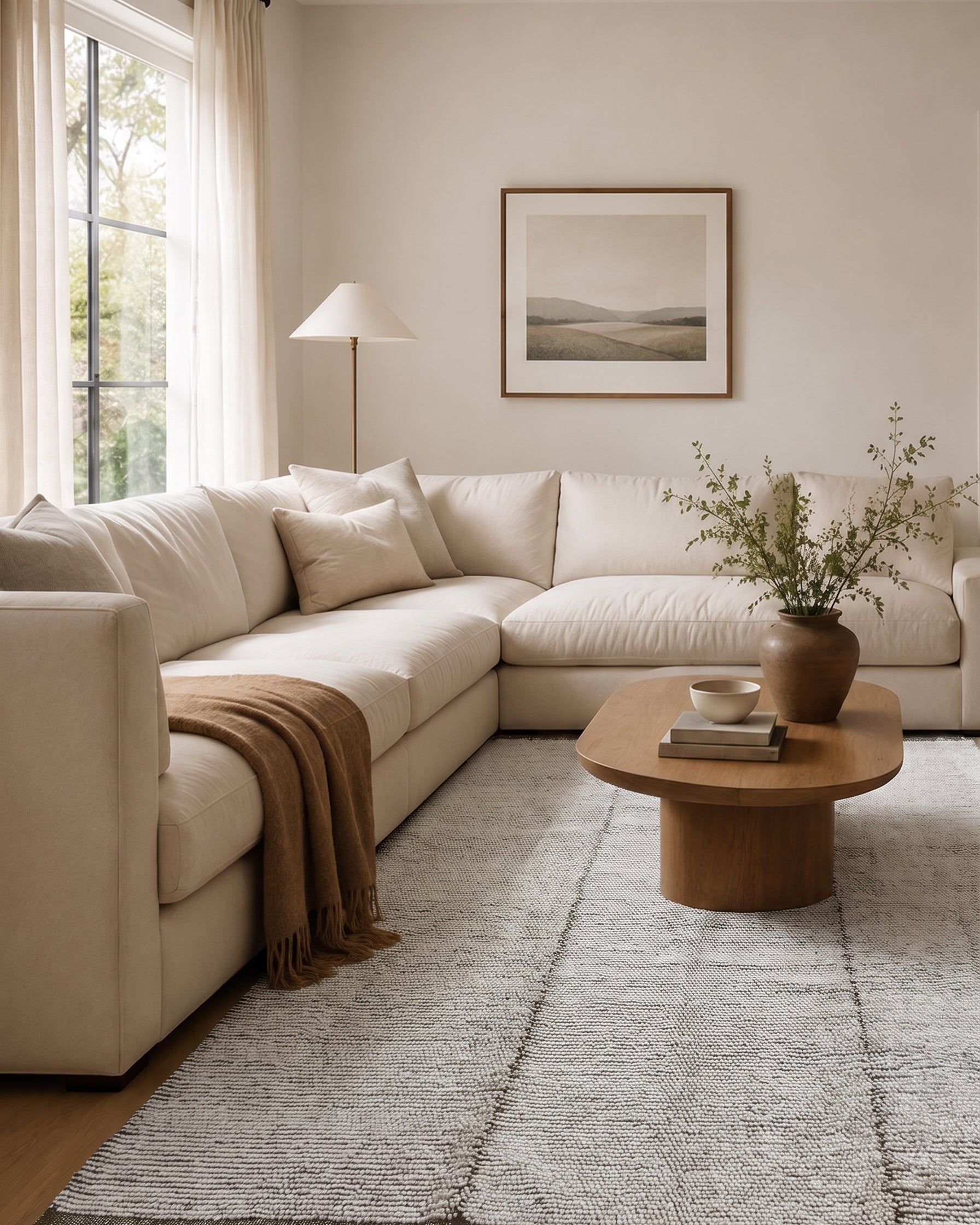
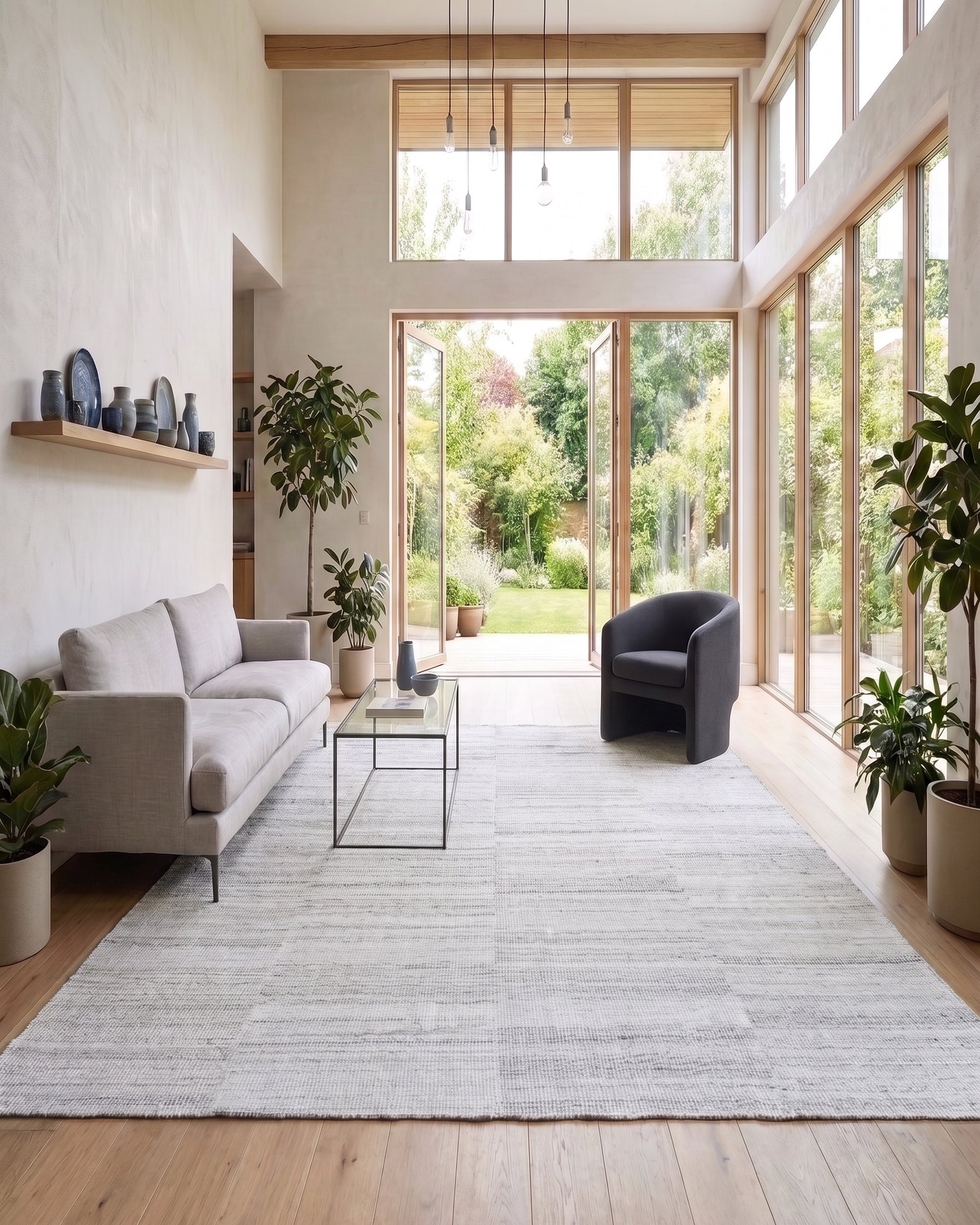
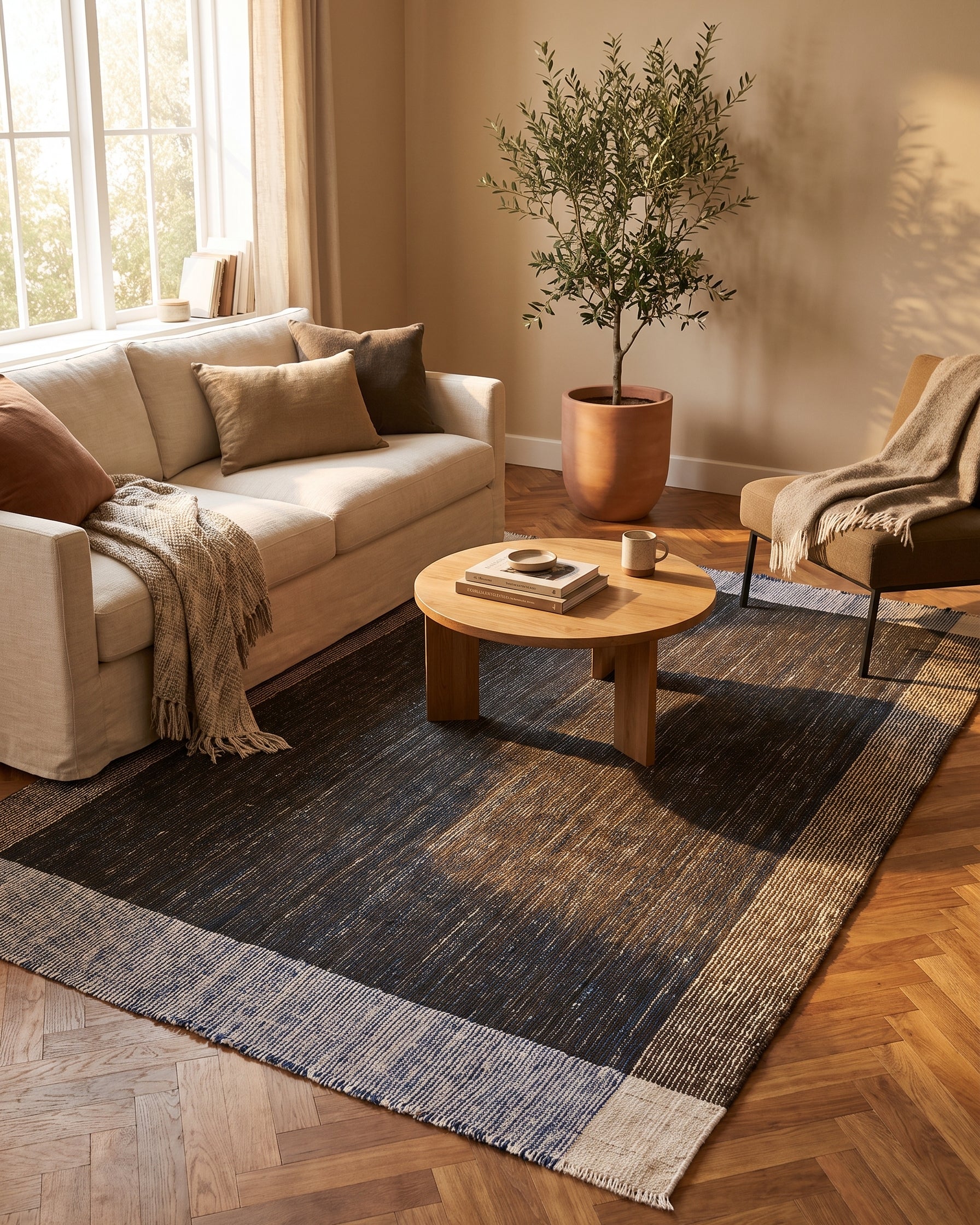
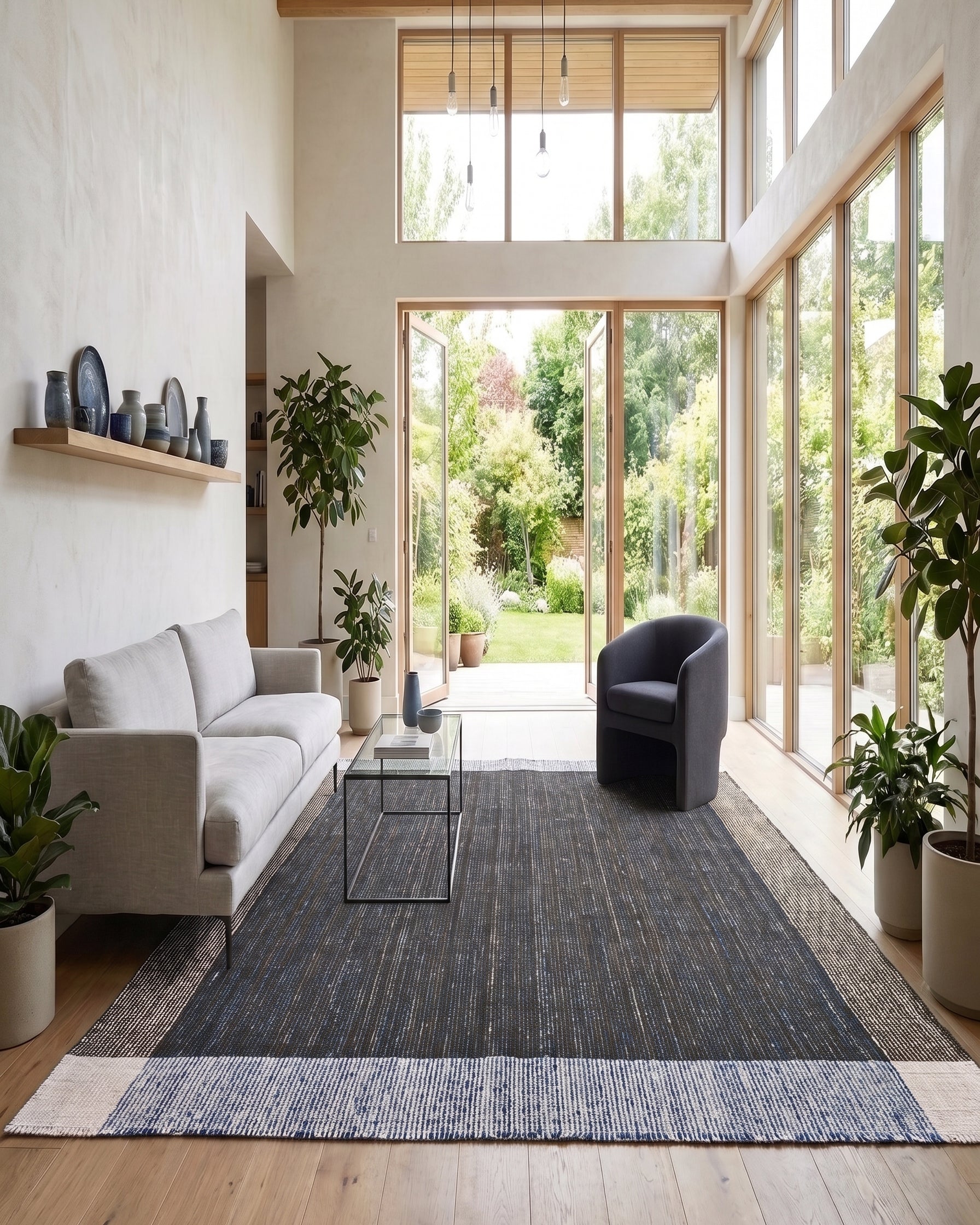
A minimal entryway rug works best when the rest of the space follows the same restraint — simple hooks or a bench rather than a cluttered console, quiet wall color, minimal art. The rug's texture becomes the visual interest in an otherwise pared-back space, which is a different effect than using a bold pattern to set the tone. Keep a small margin of bare floor around the rug's edges rather than running it wall to wall, so it reads as a deliberate placement.
Where to Look Next
For genuinely undyed pieces specifically, browse Undyed Wool Rugs. For a broader quiet, faded palette across any construction, see Vintage Neutral Rugs. For the full entryway range regardless of pattern intensity, Flatweave Entryway Rugs is worth comparing.
Frequently Asked Questions
What makes a rug "minimalist" for an entryway?
A mostly plain or lightly textured field, muted natural color, and pattern reduced to a single quiet element or left out entirely — often undyed wool or a naturally faded piece rather than a bold, high-contrast rug.
Will a minimalist entryway rug show dirt more than a patterned one?
Generally yes, especially in pale tones. Warmer mid-tones like camel or soft grey hide everyday soil nearly as well as a patterned rug while keeping the restrained look, if upkeep is a concern.
Should I choose hand-knotted or flatweave for a minimal entryway?
Either works. A flatweave clears door swings and lifts easily for cleaning, while a low-pile hand-knotted piece adds a bit more cushioning while staying thin enough for most doorways.
How do I style a room around a minimalist entryway rug?
Keep the rest of the space equally restrained — simple storage, quiet wall color, minimal art — so the rug's texture provides the visual interest rather than competing with a busy surrounding space.
Are undyed wool rugs the most minimal option?
Yes, generally. Undyed pieces are colored only in natural fleece tones with no dye at all, making them the most restrained choice, while naturally faded rugs offer a middle ground with a bit more visible pattern.