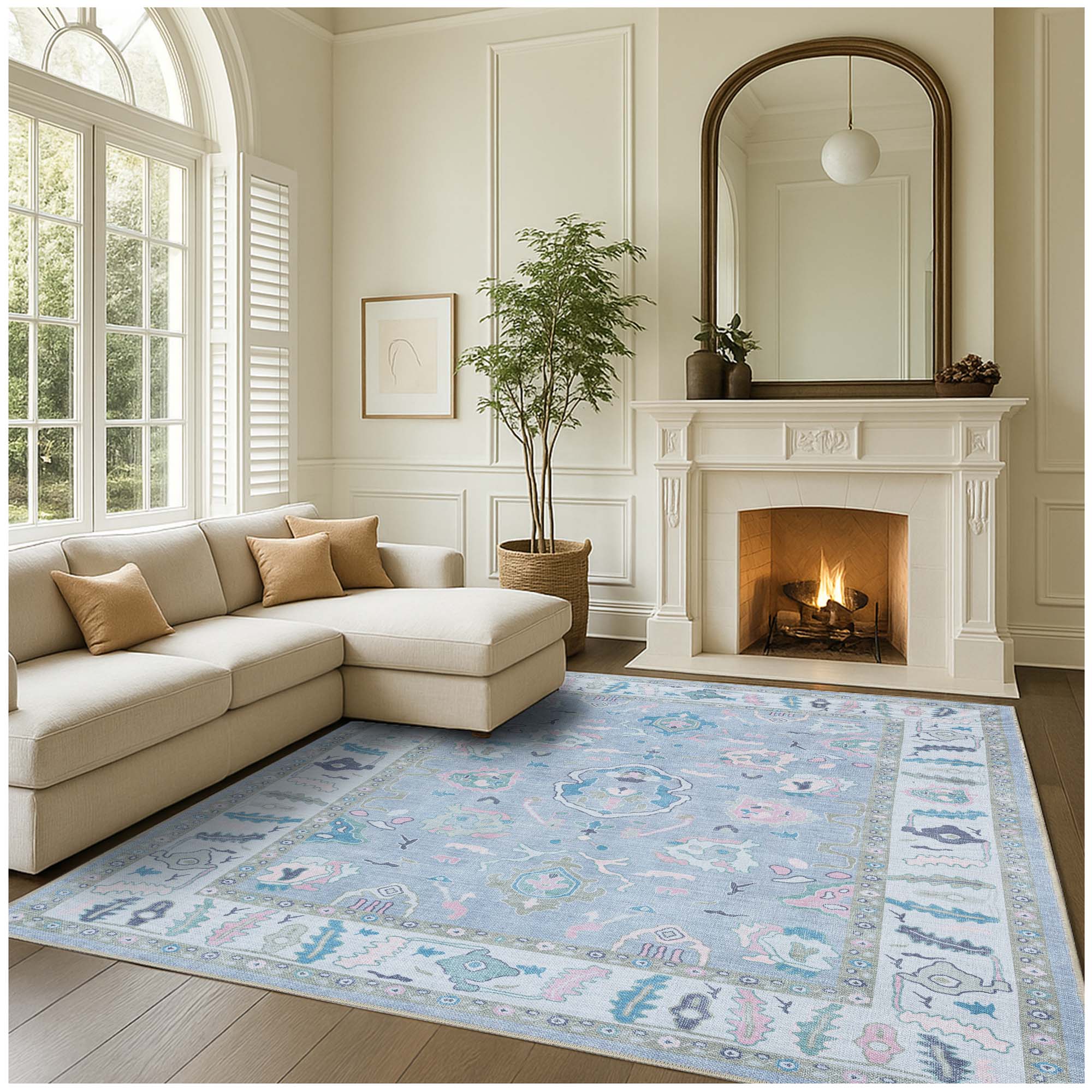
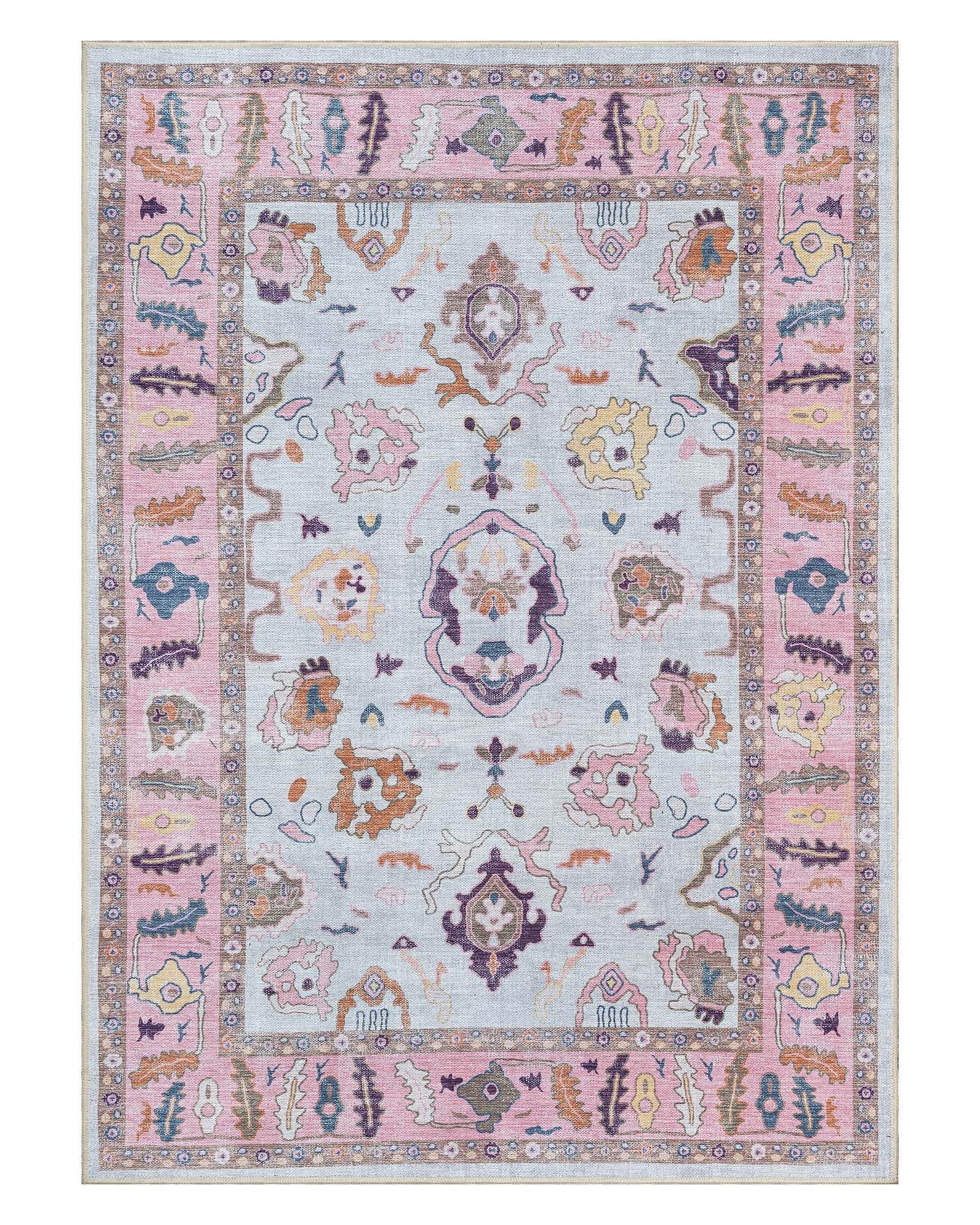
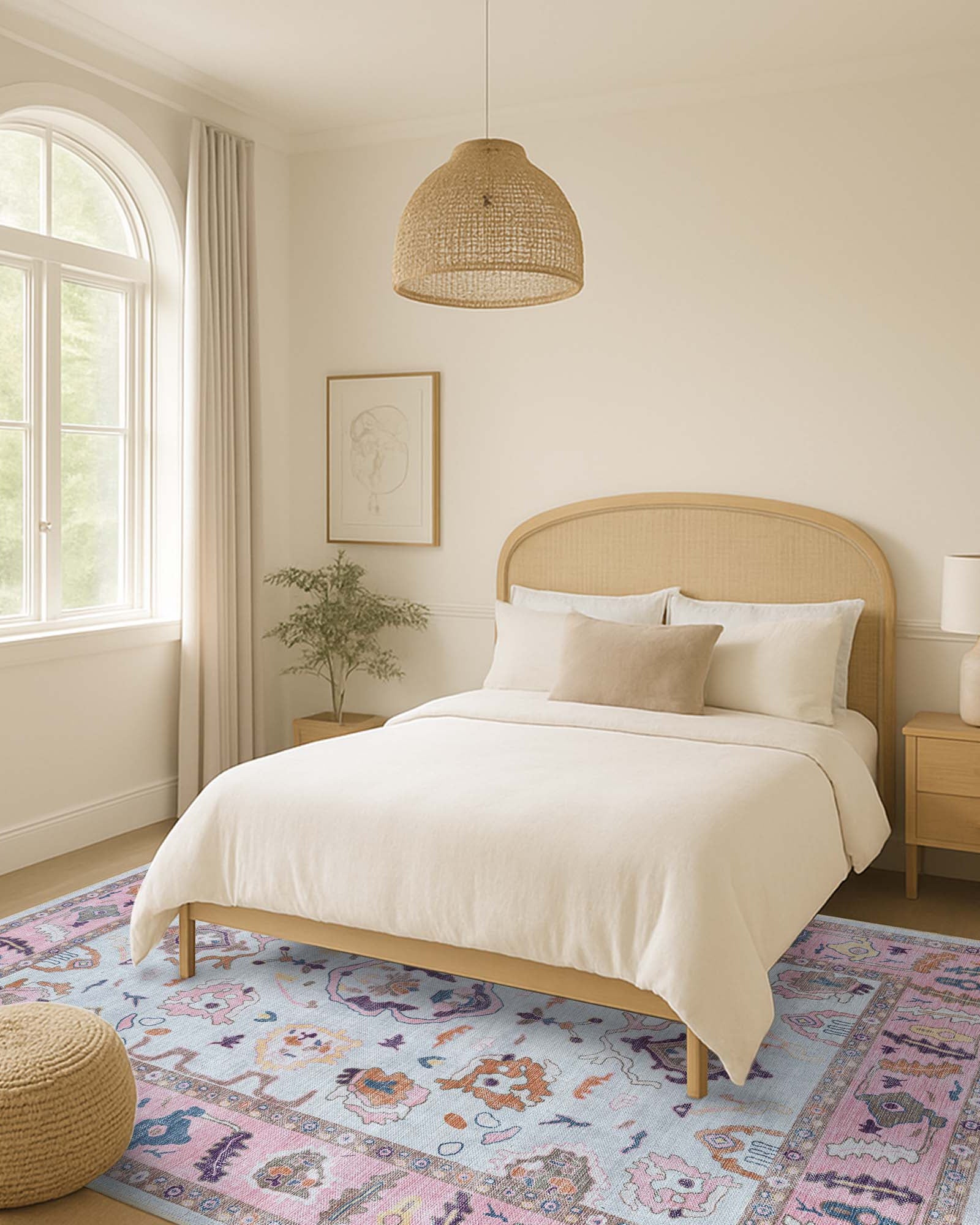
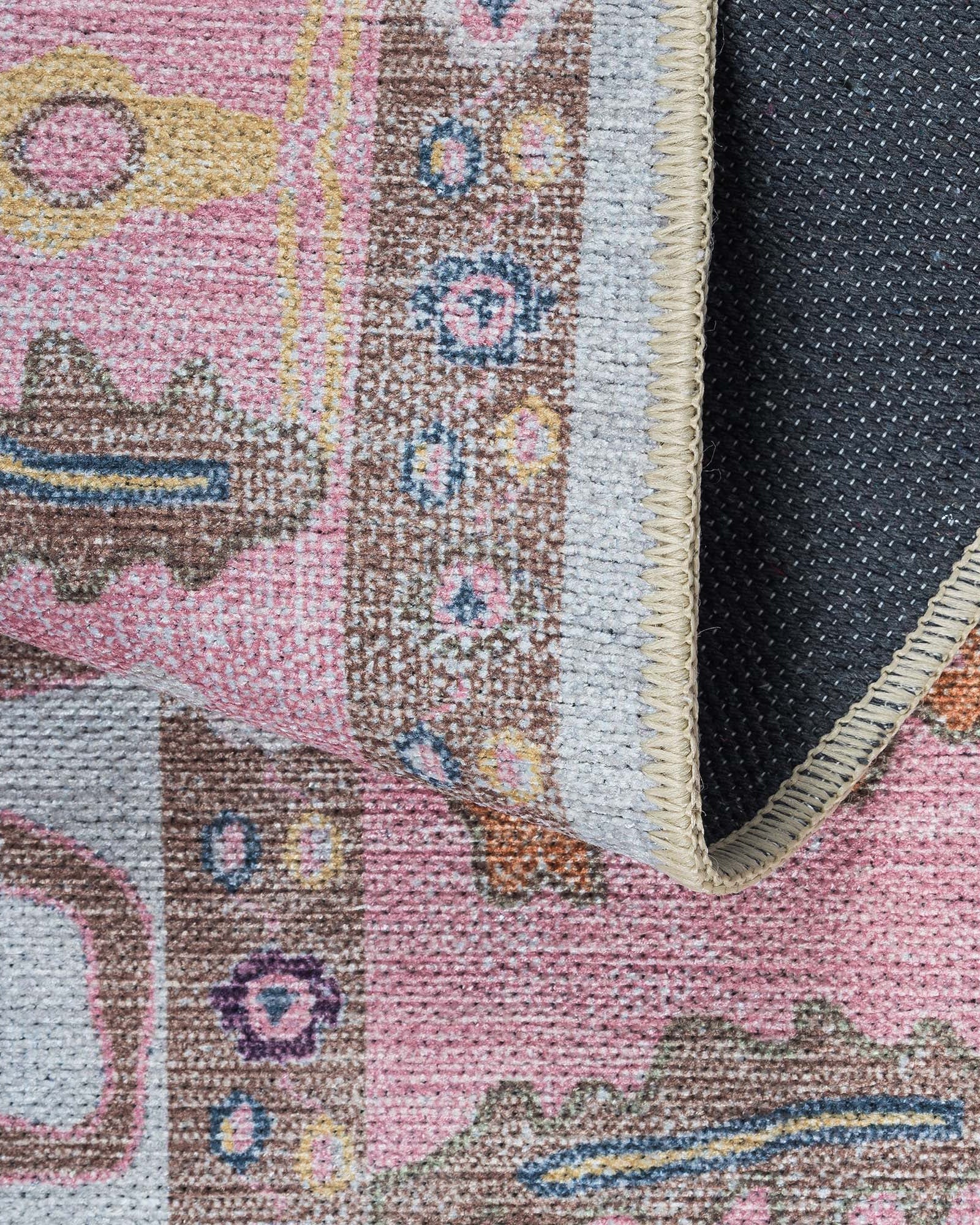
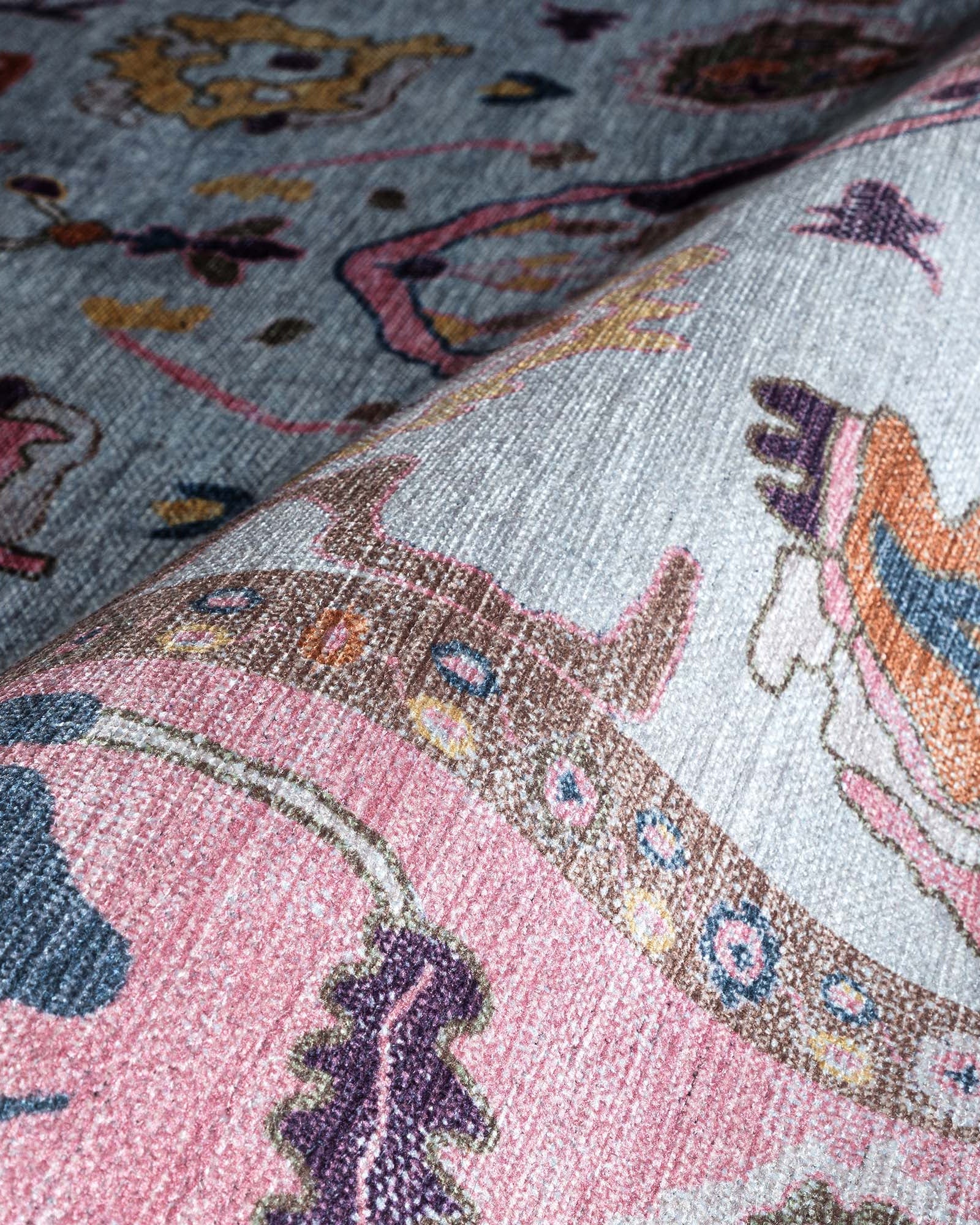
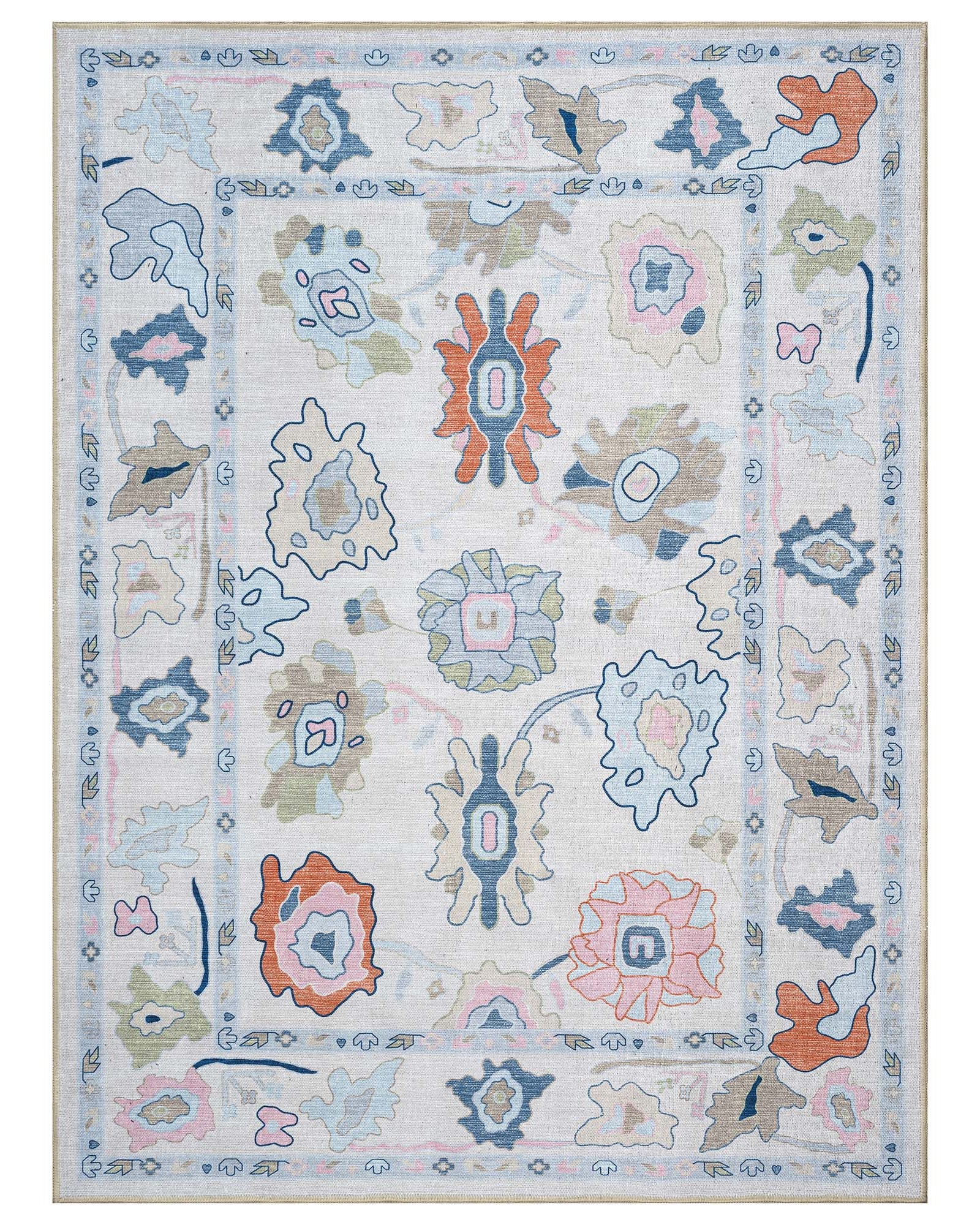
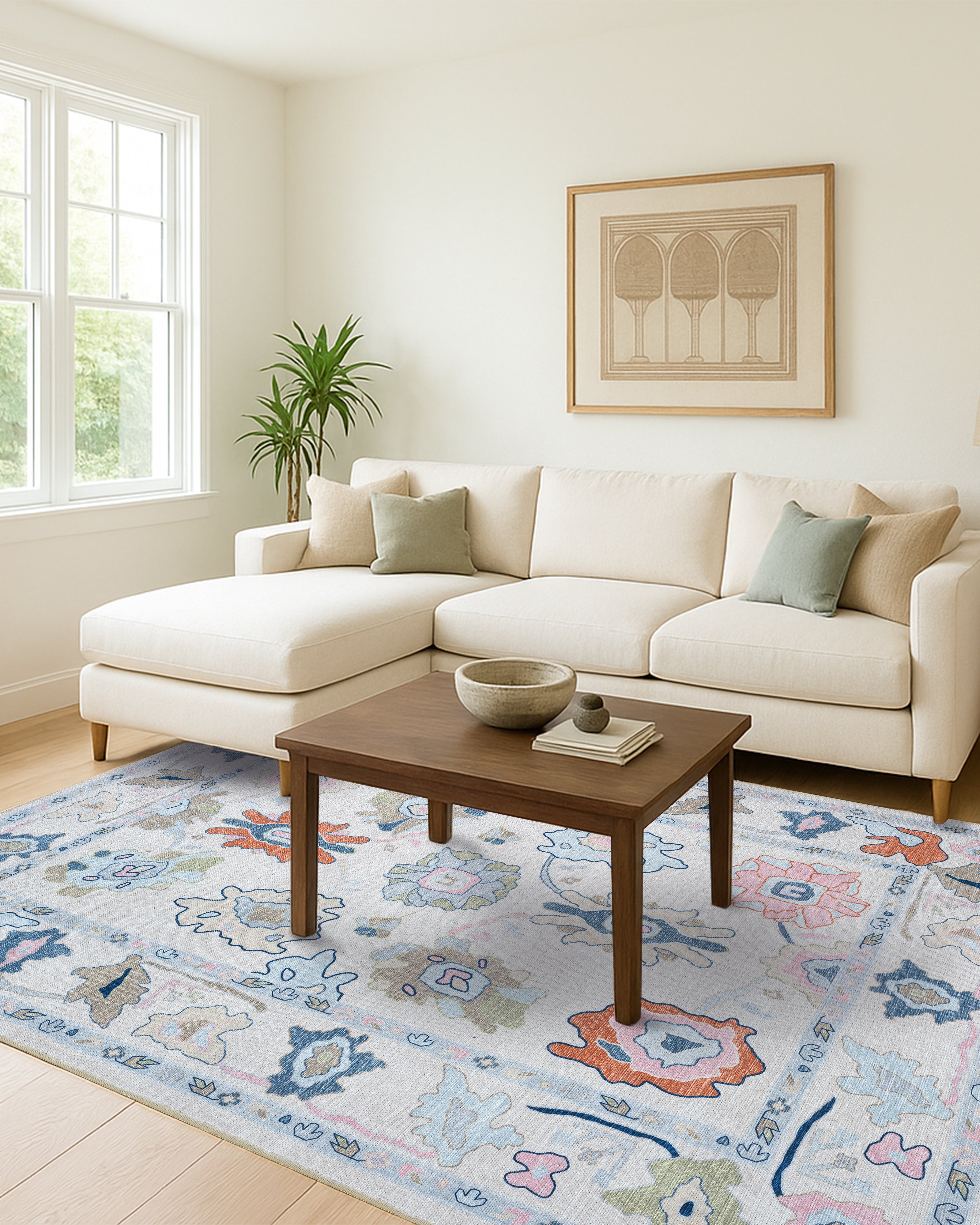
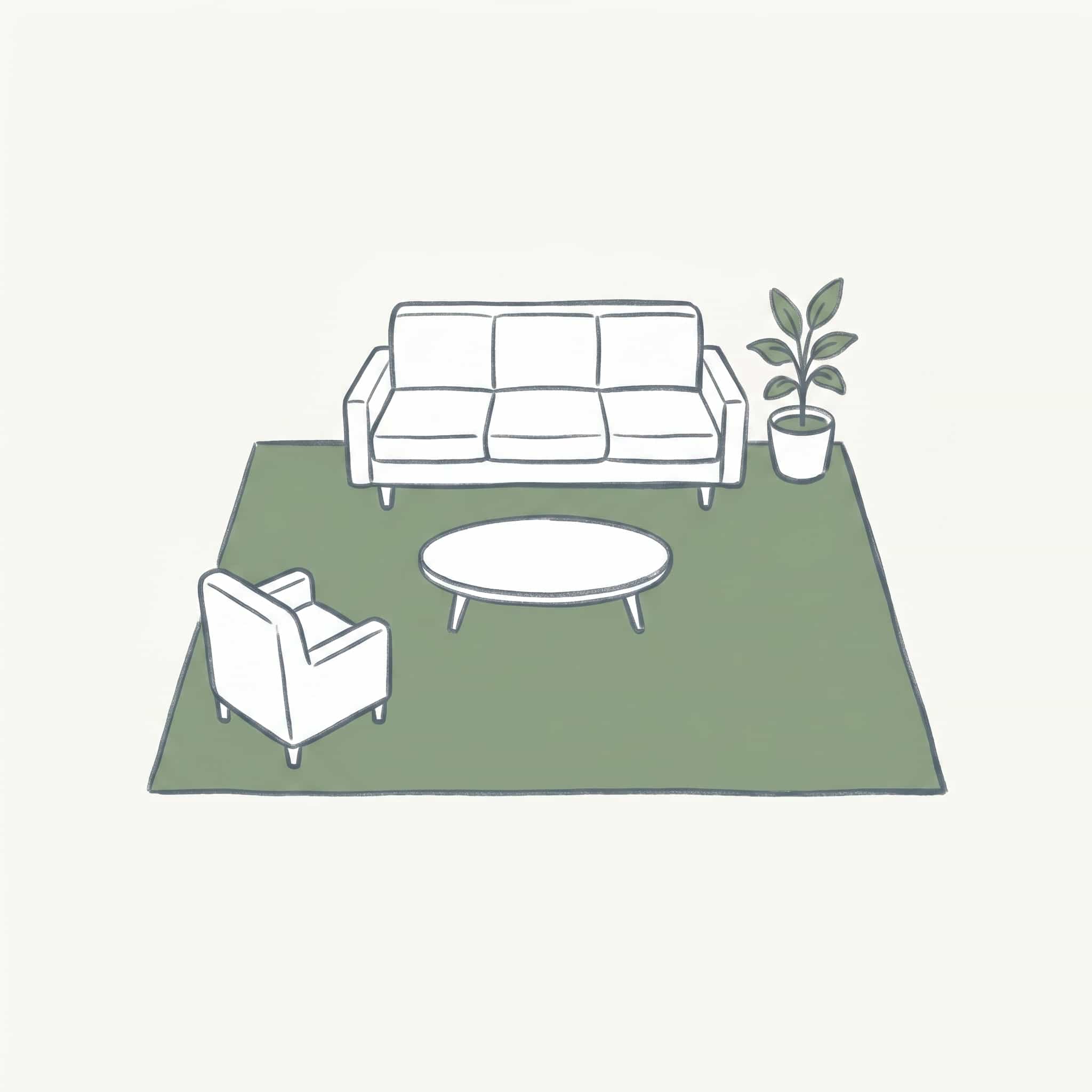
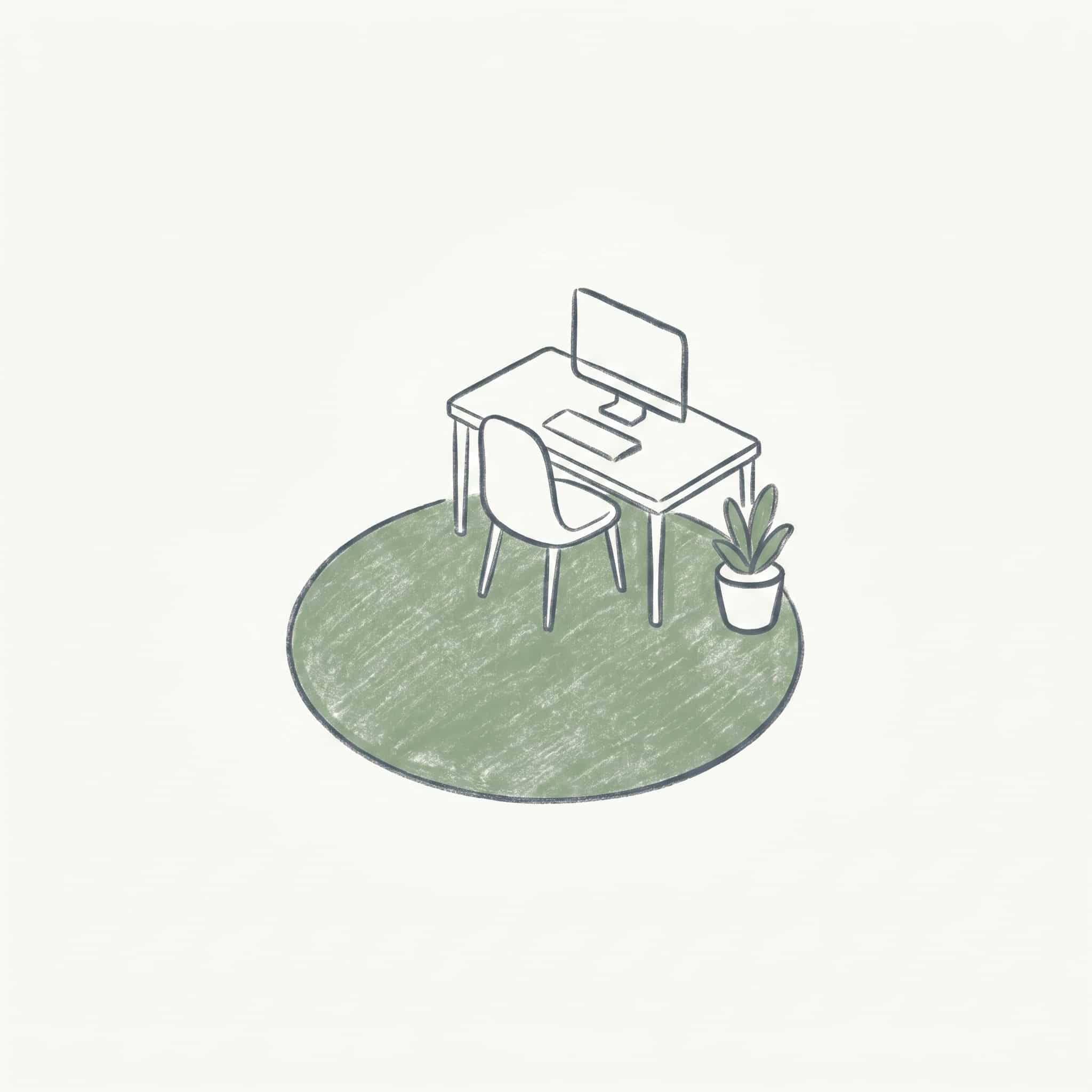
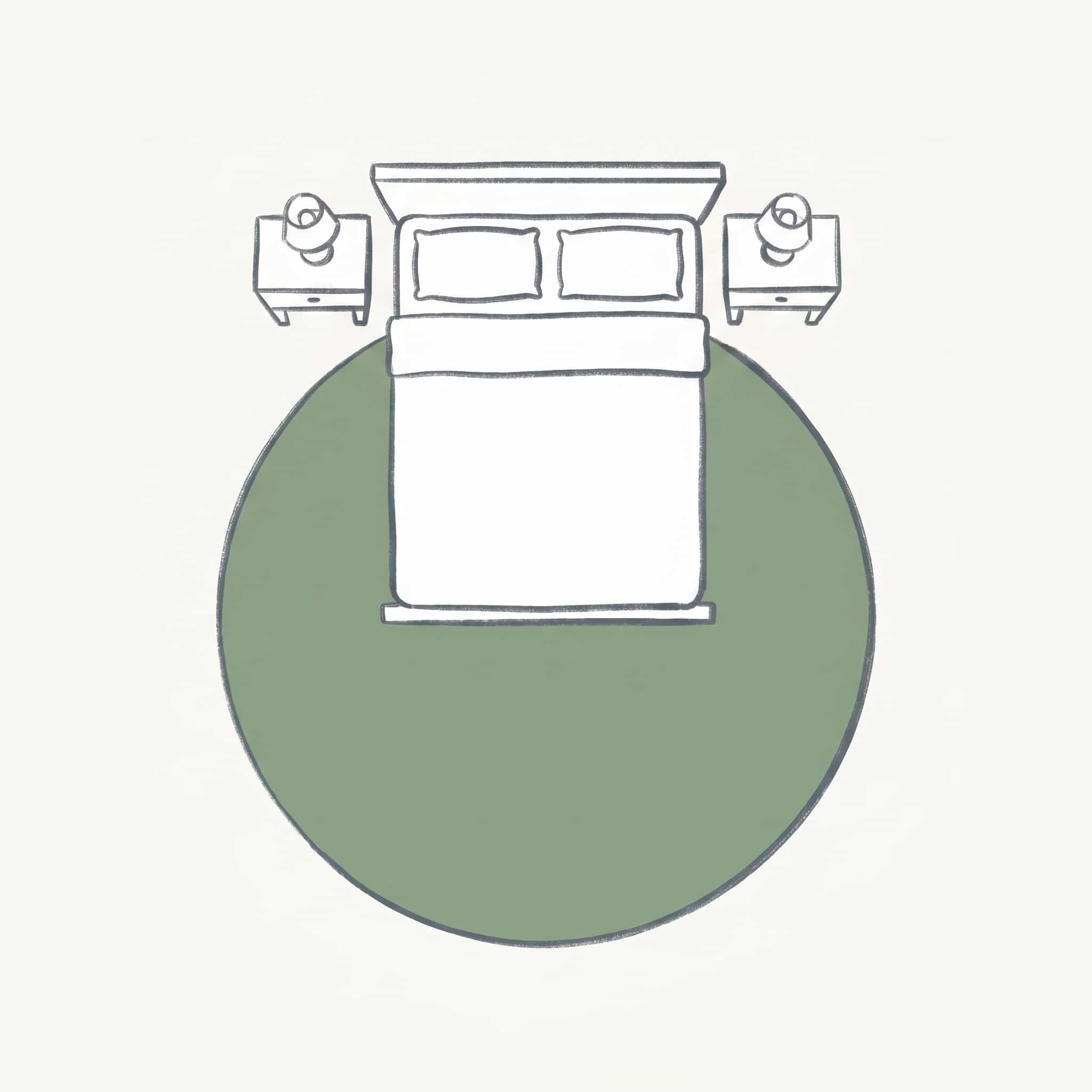
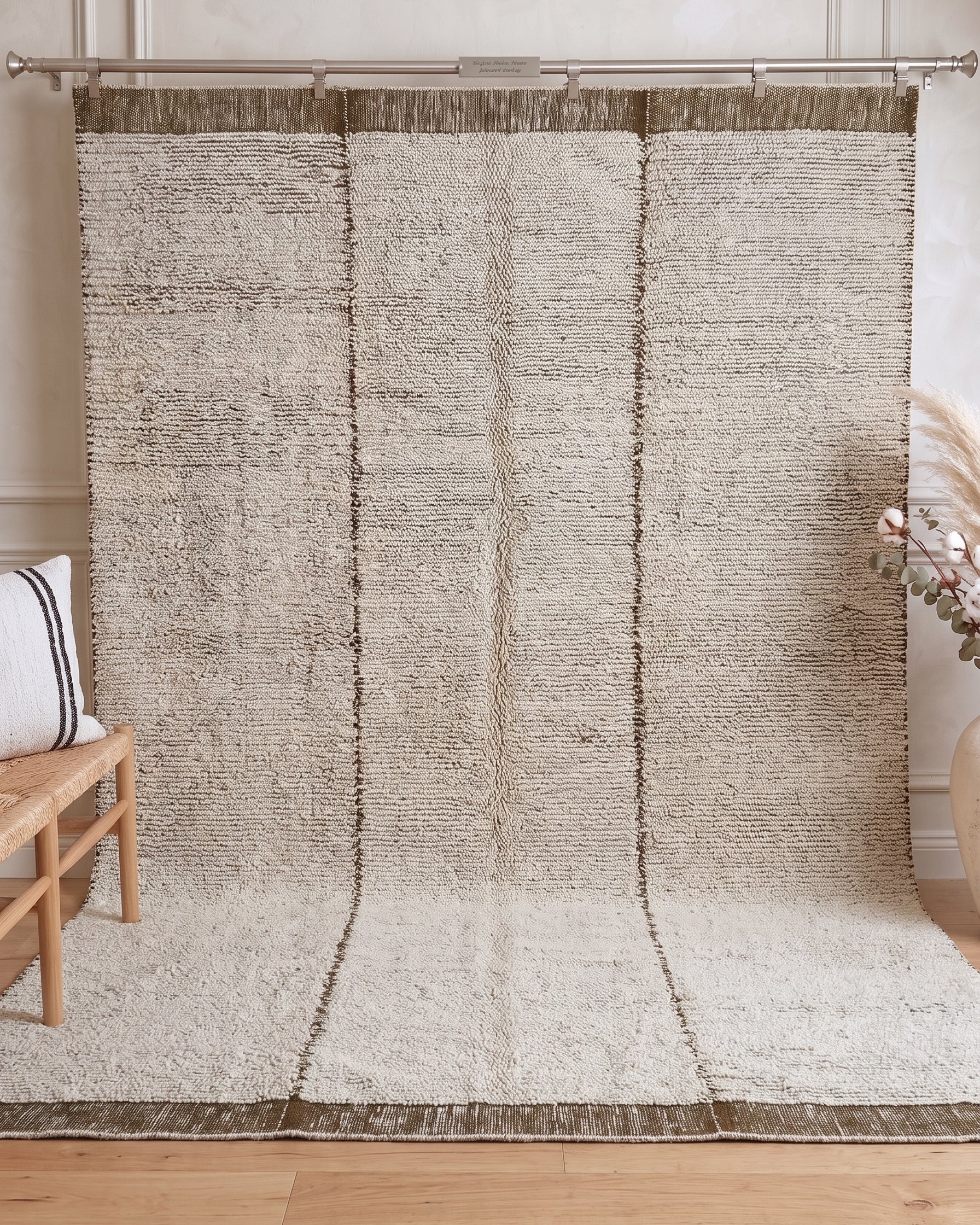
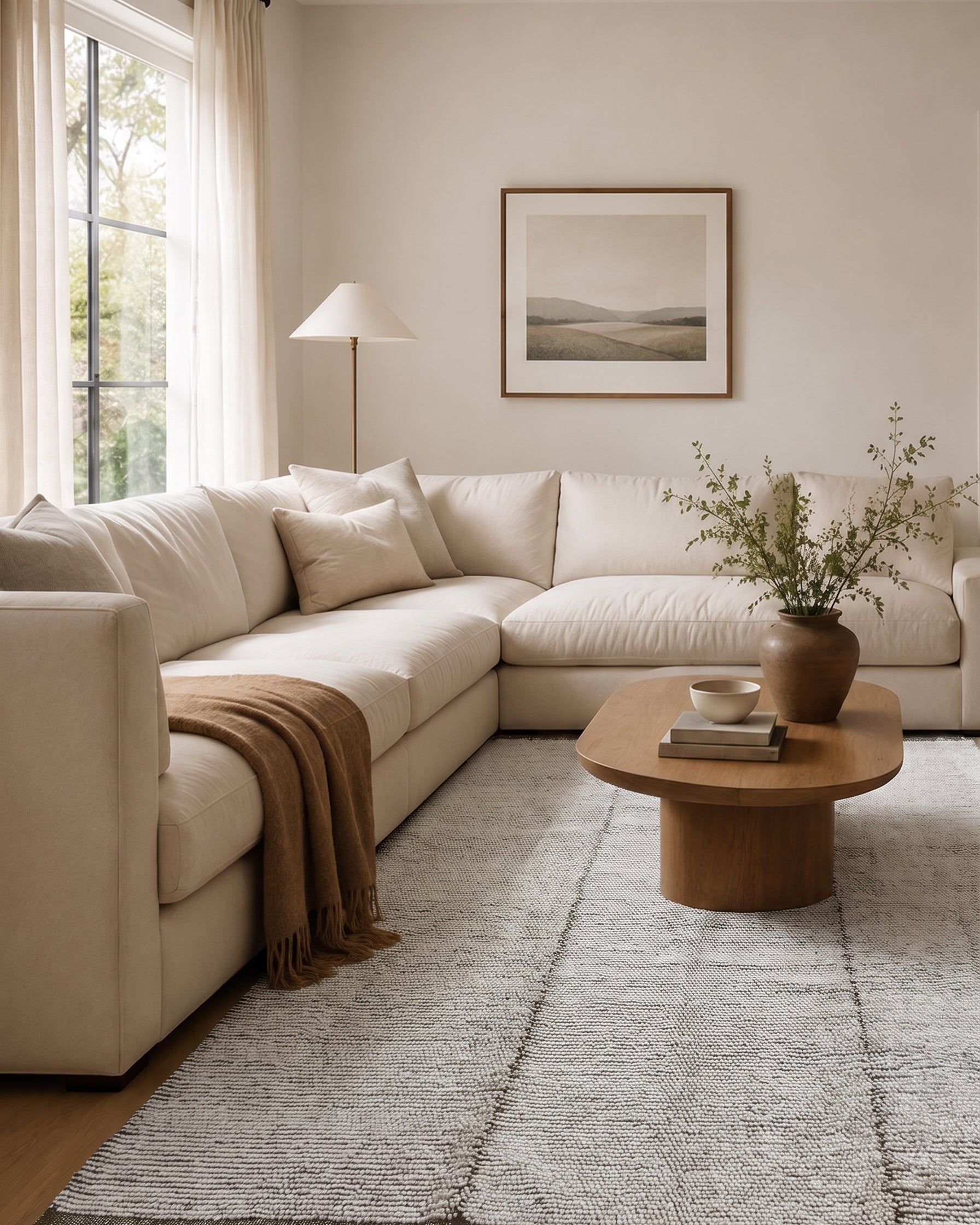
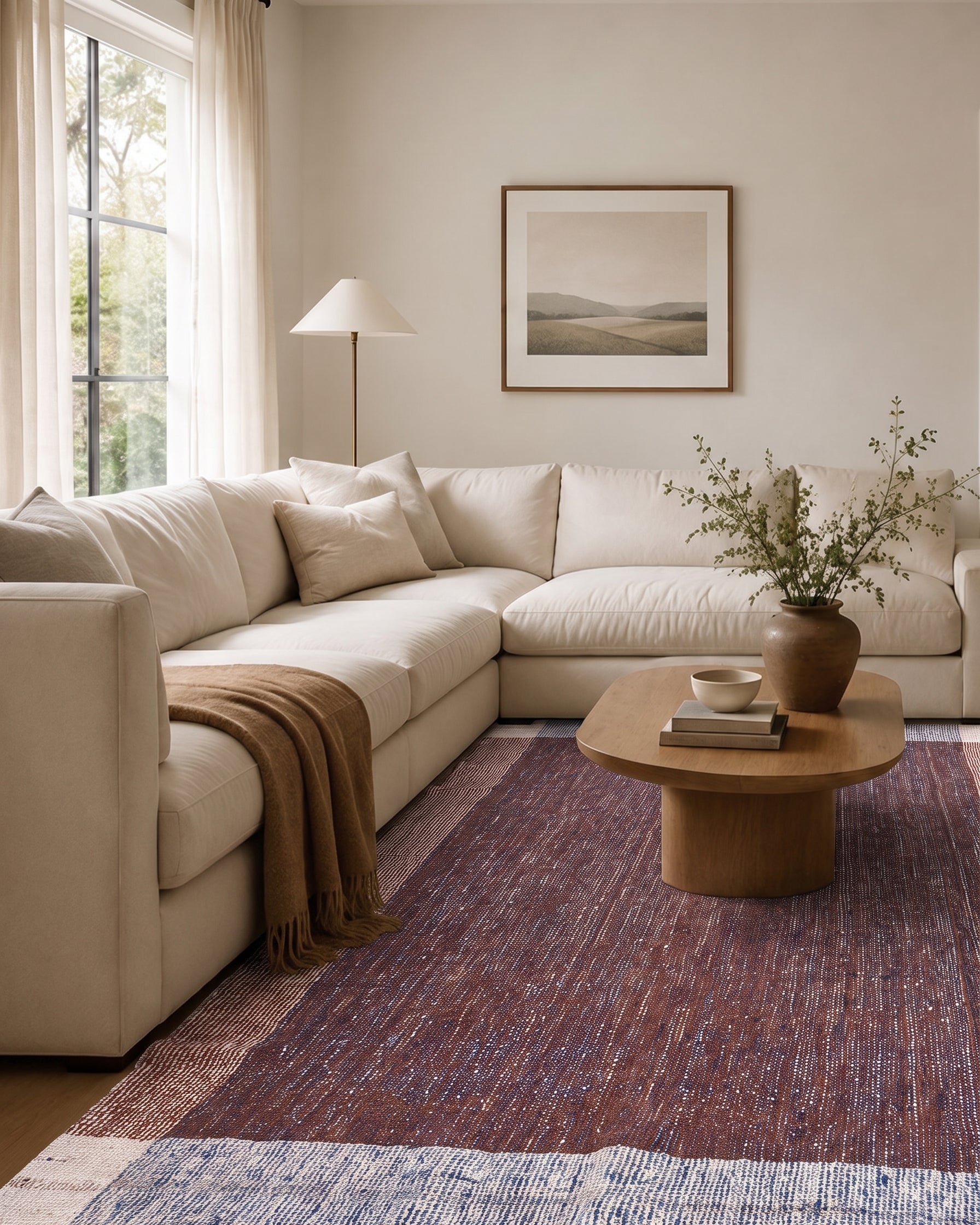
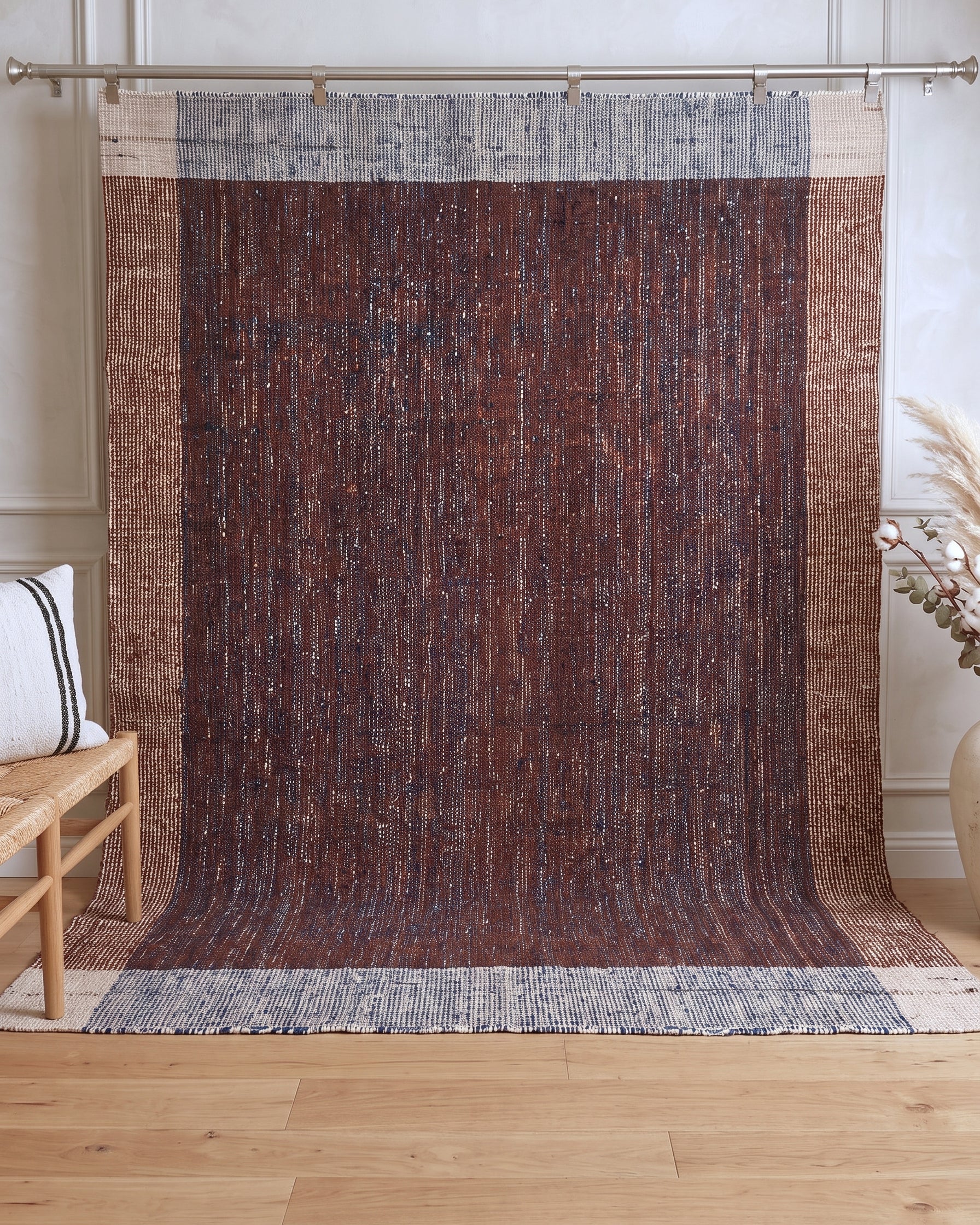
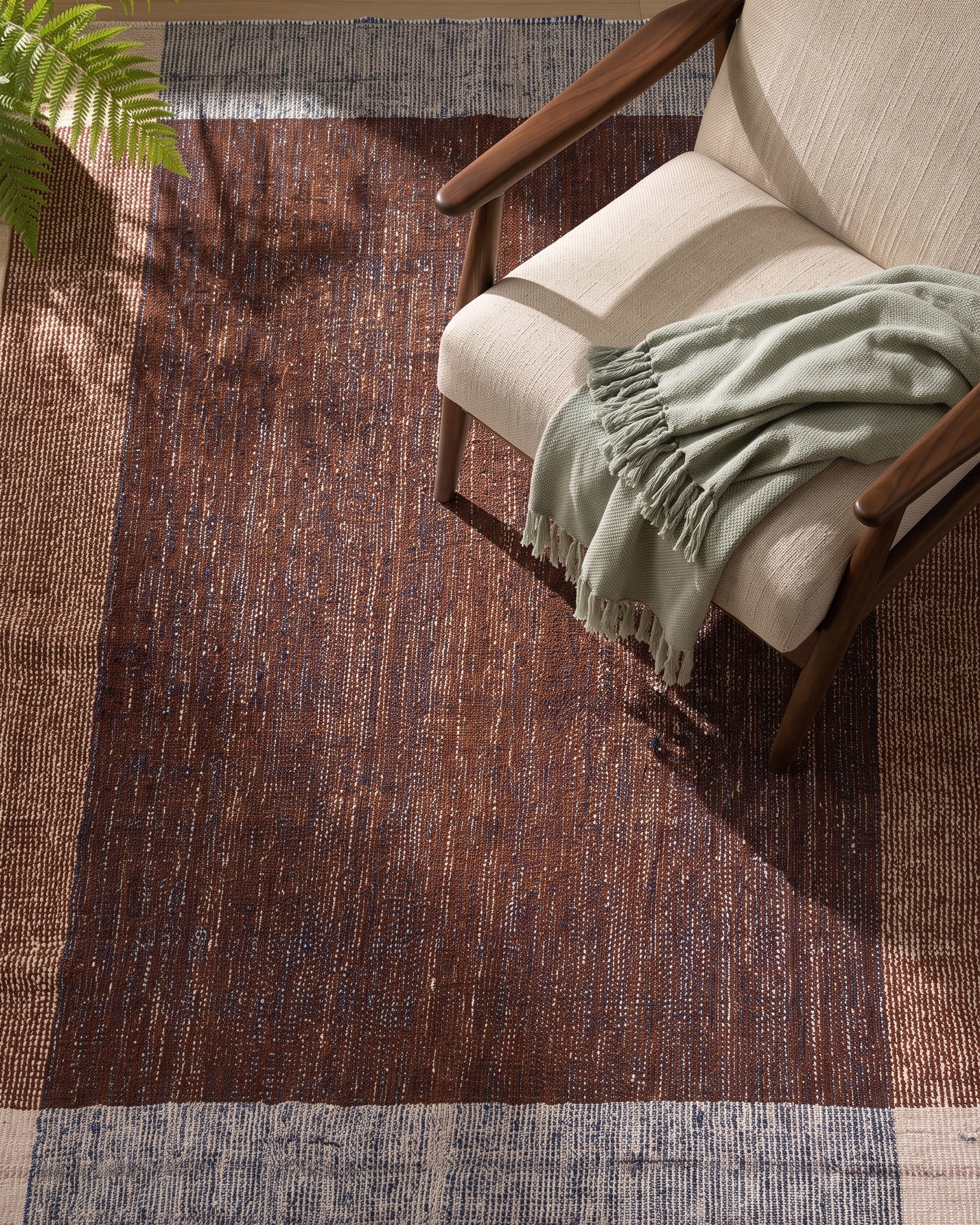
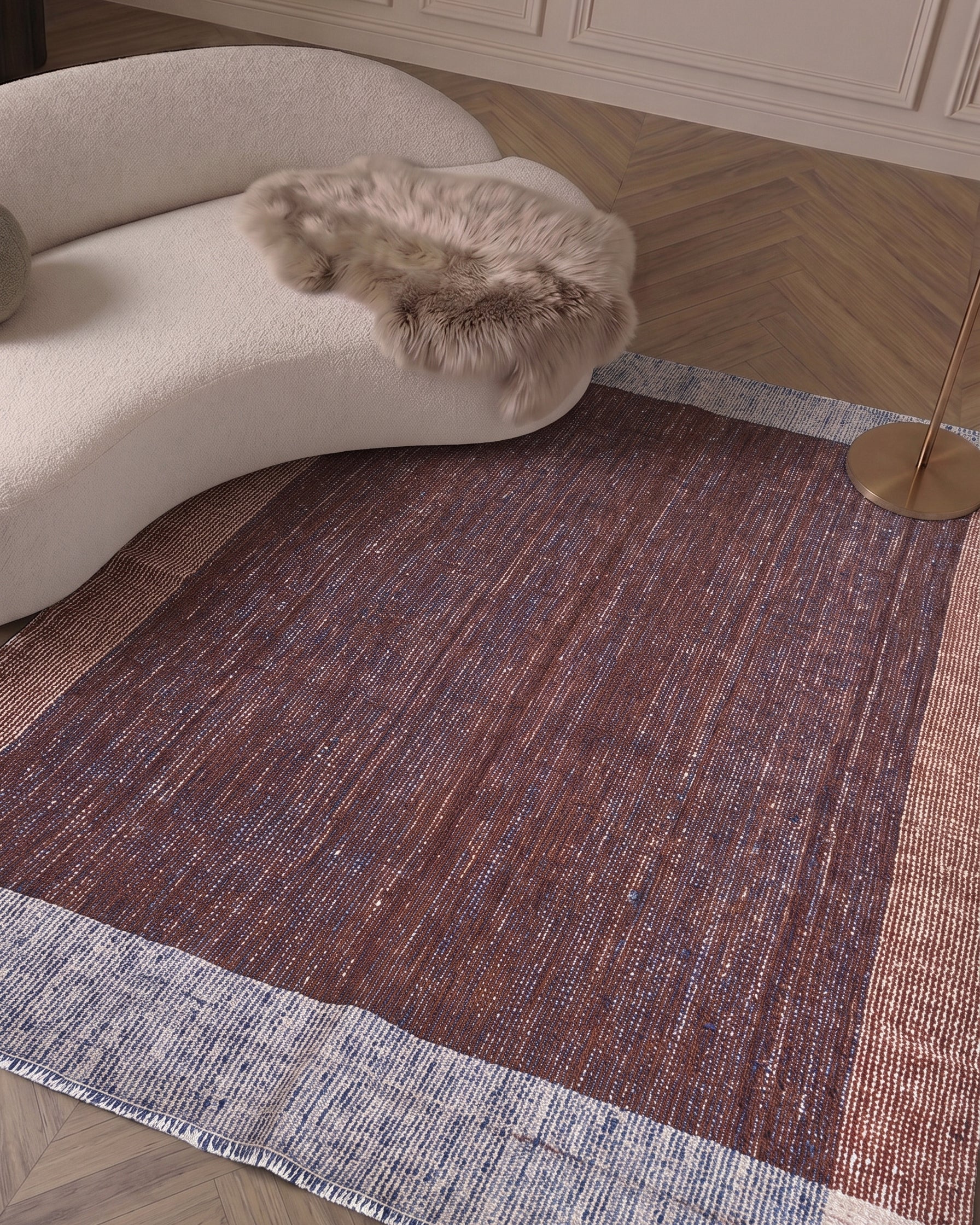
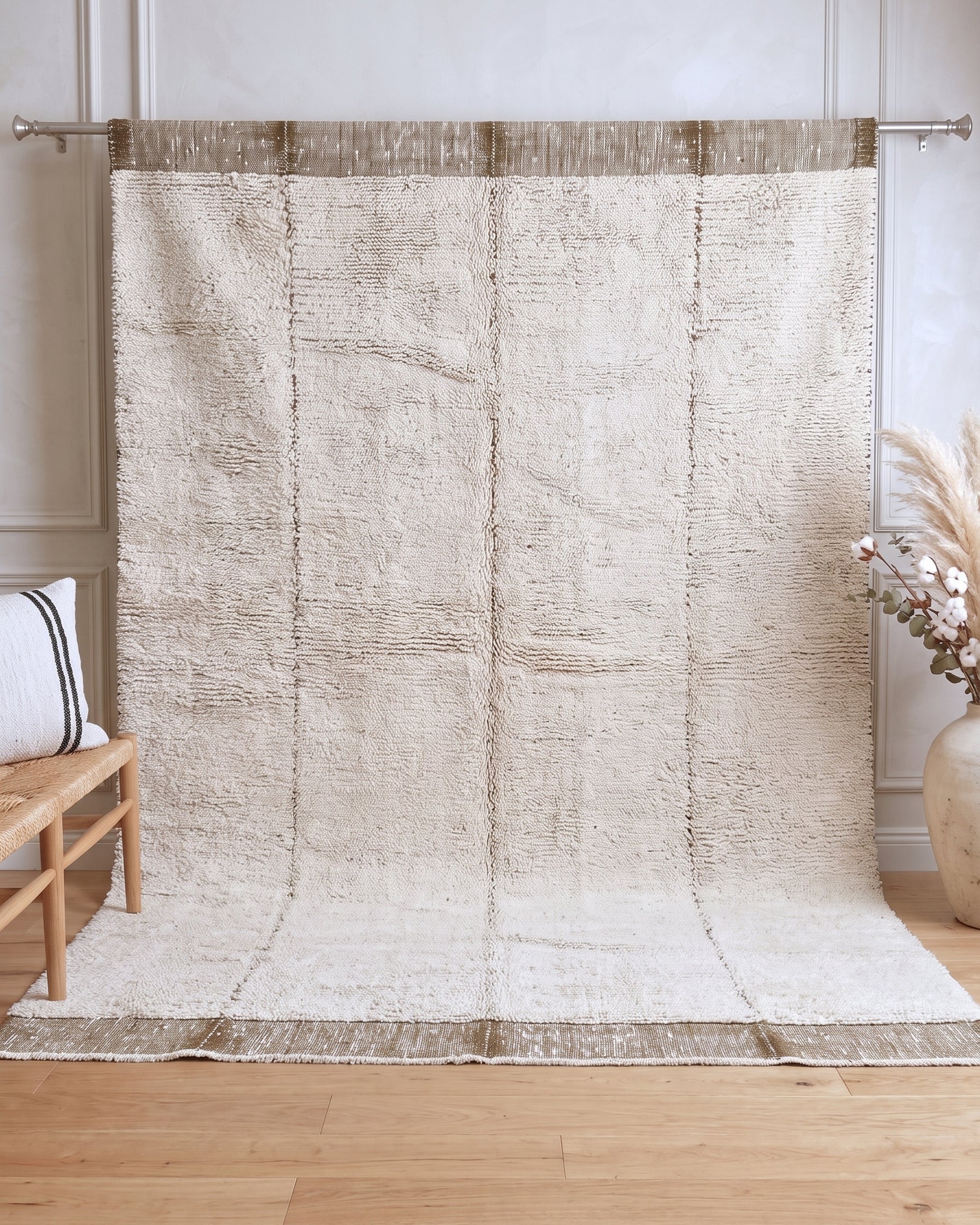
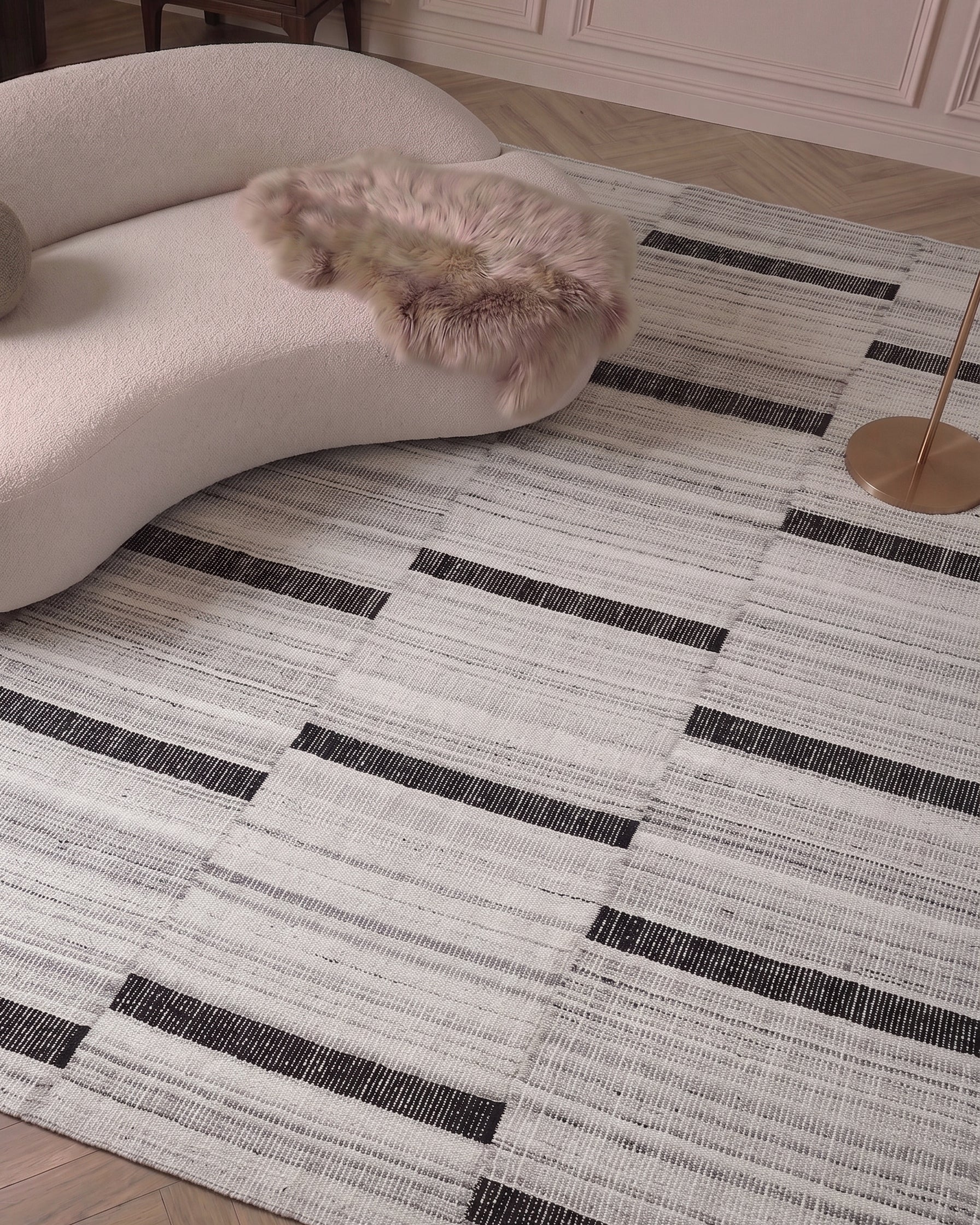
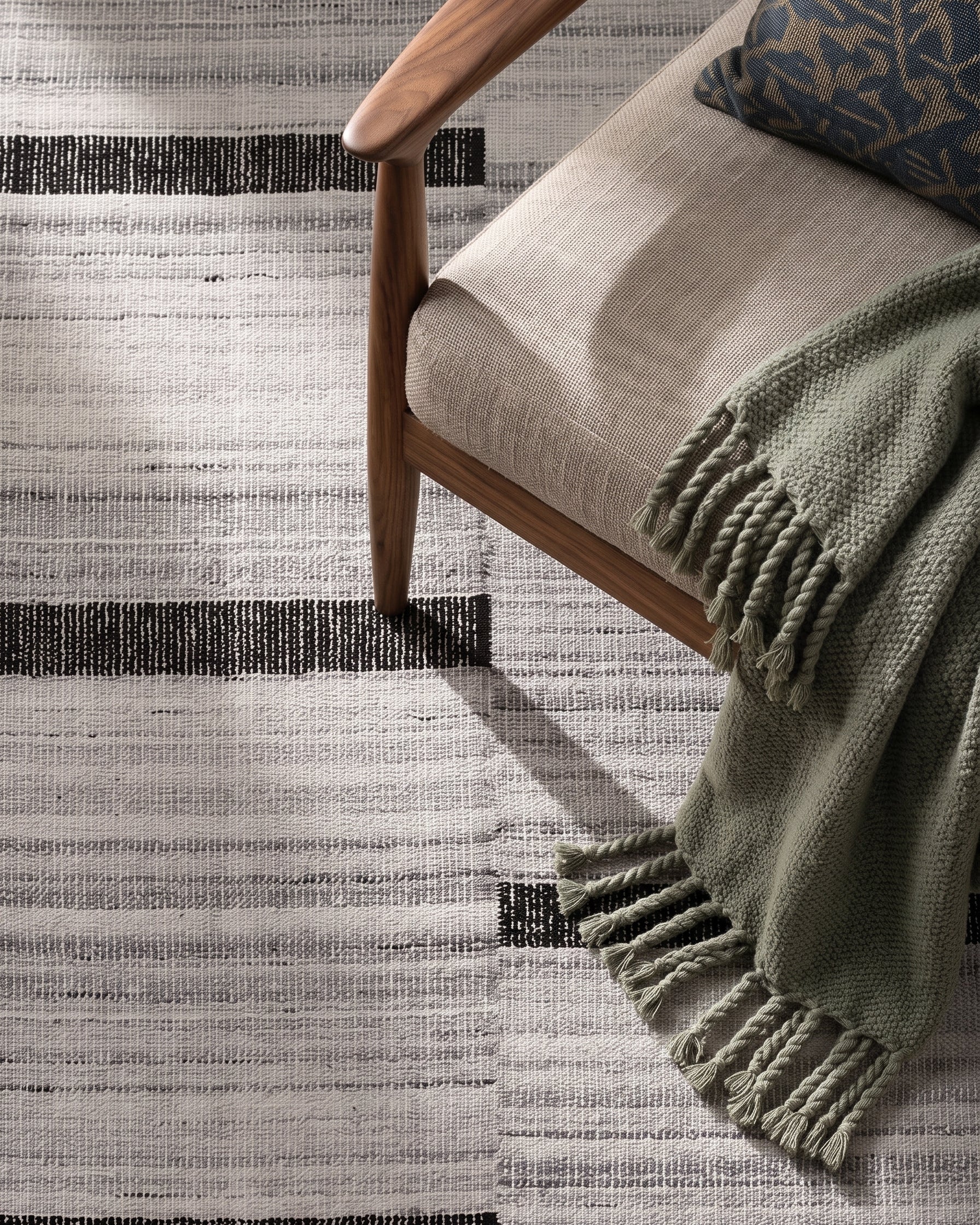
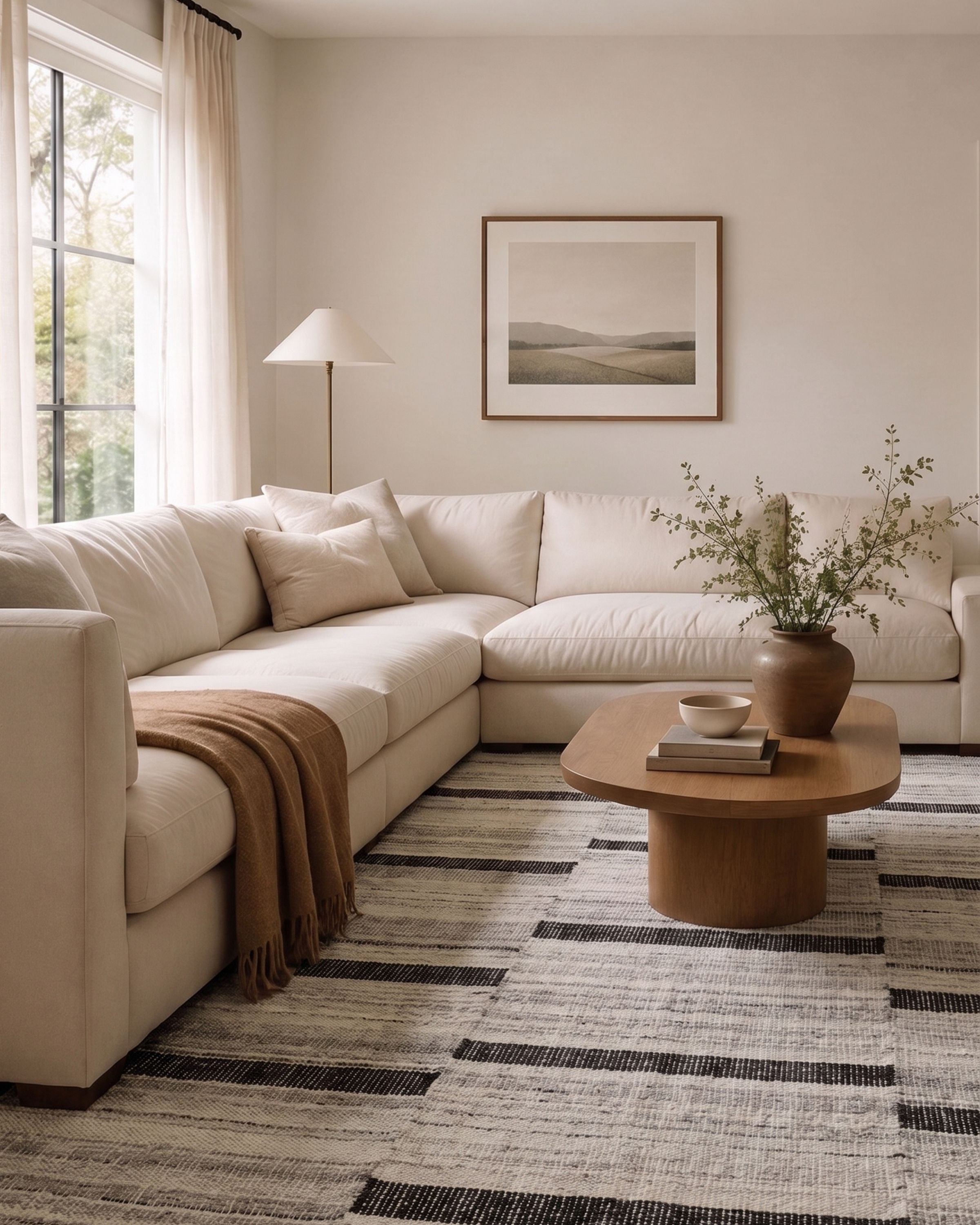
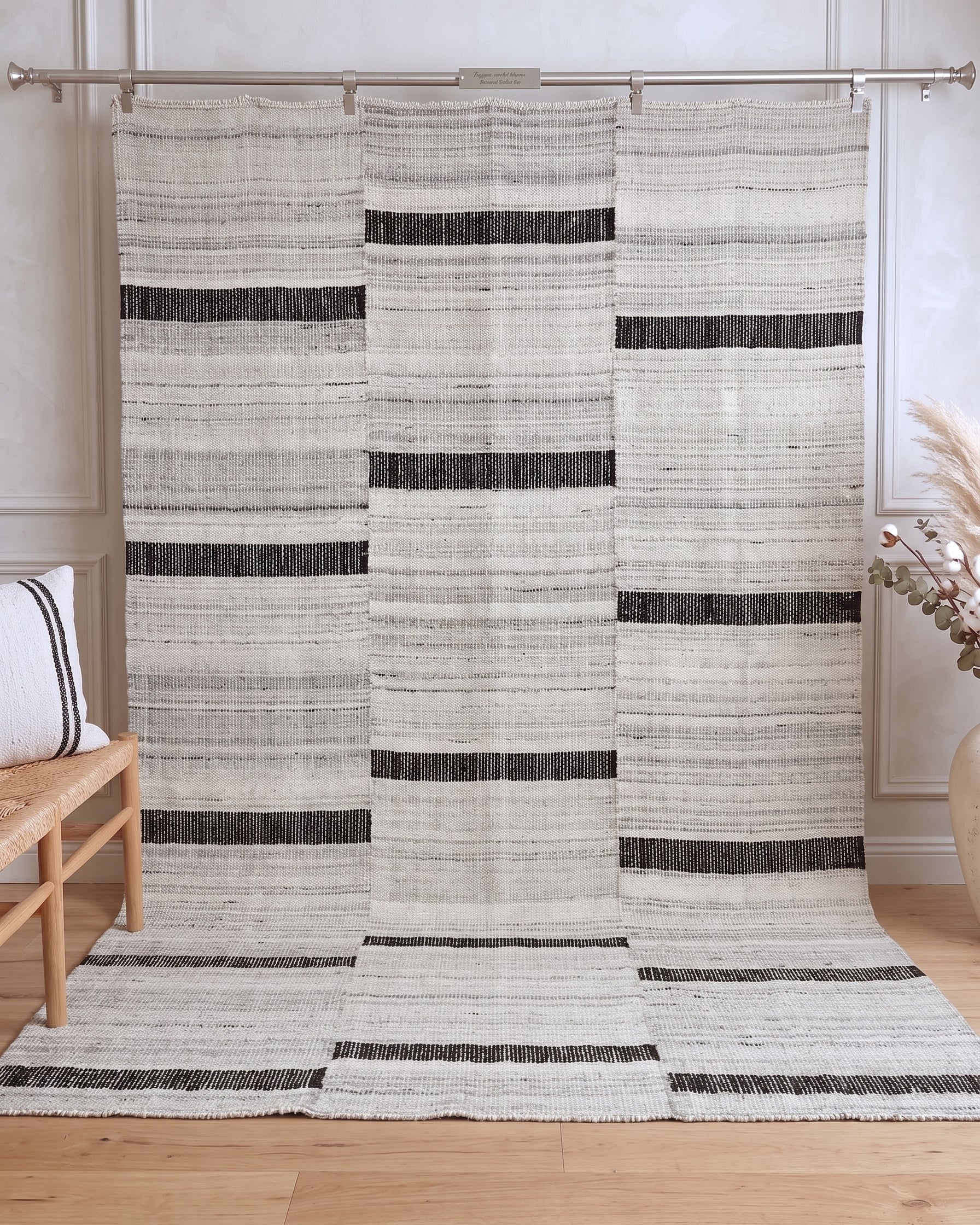
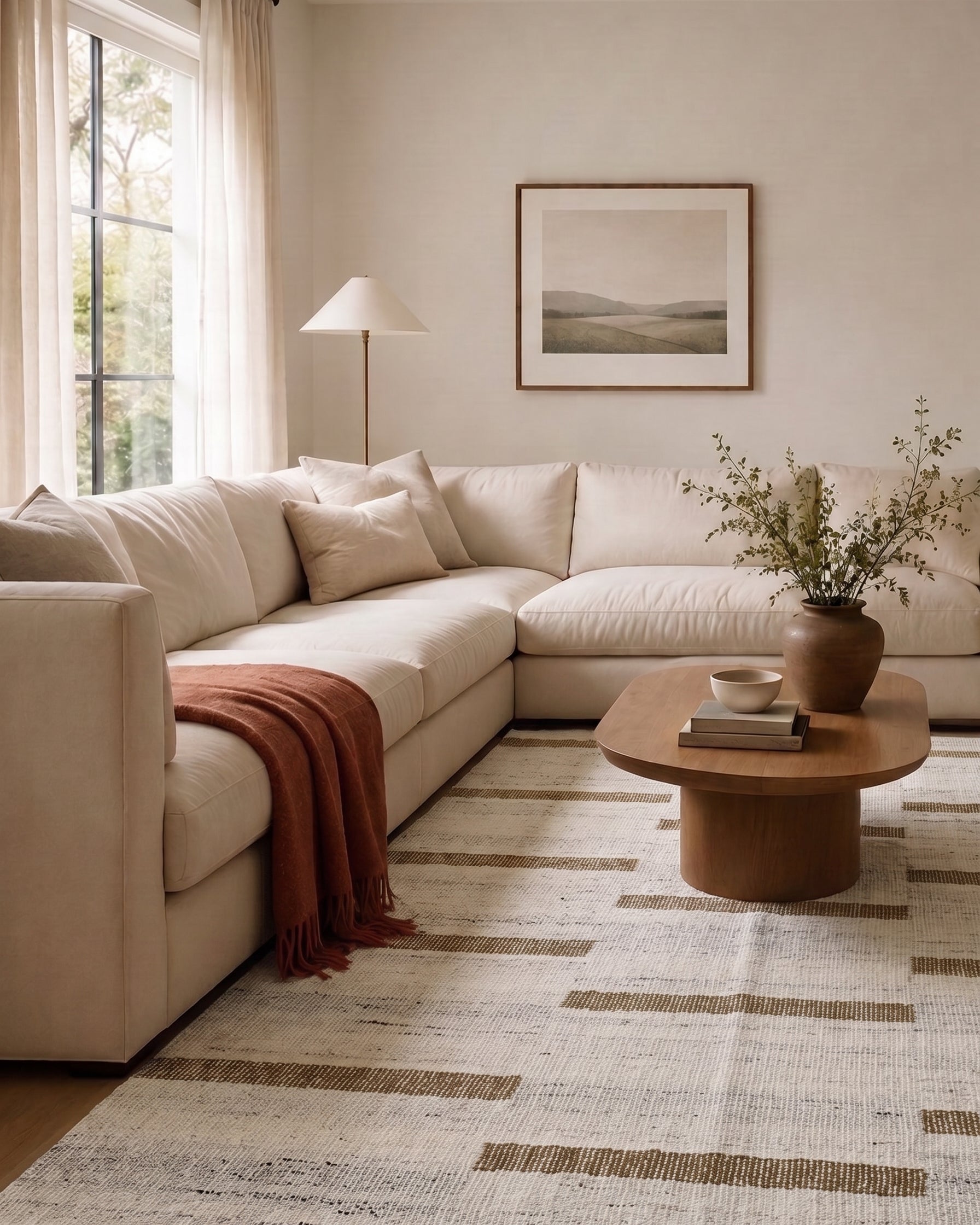
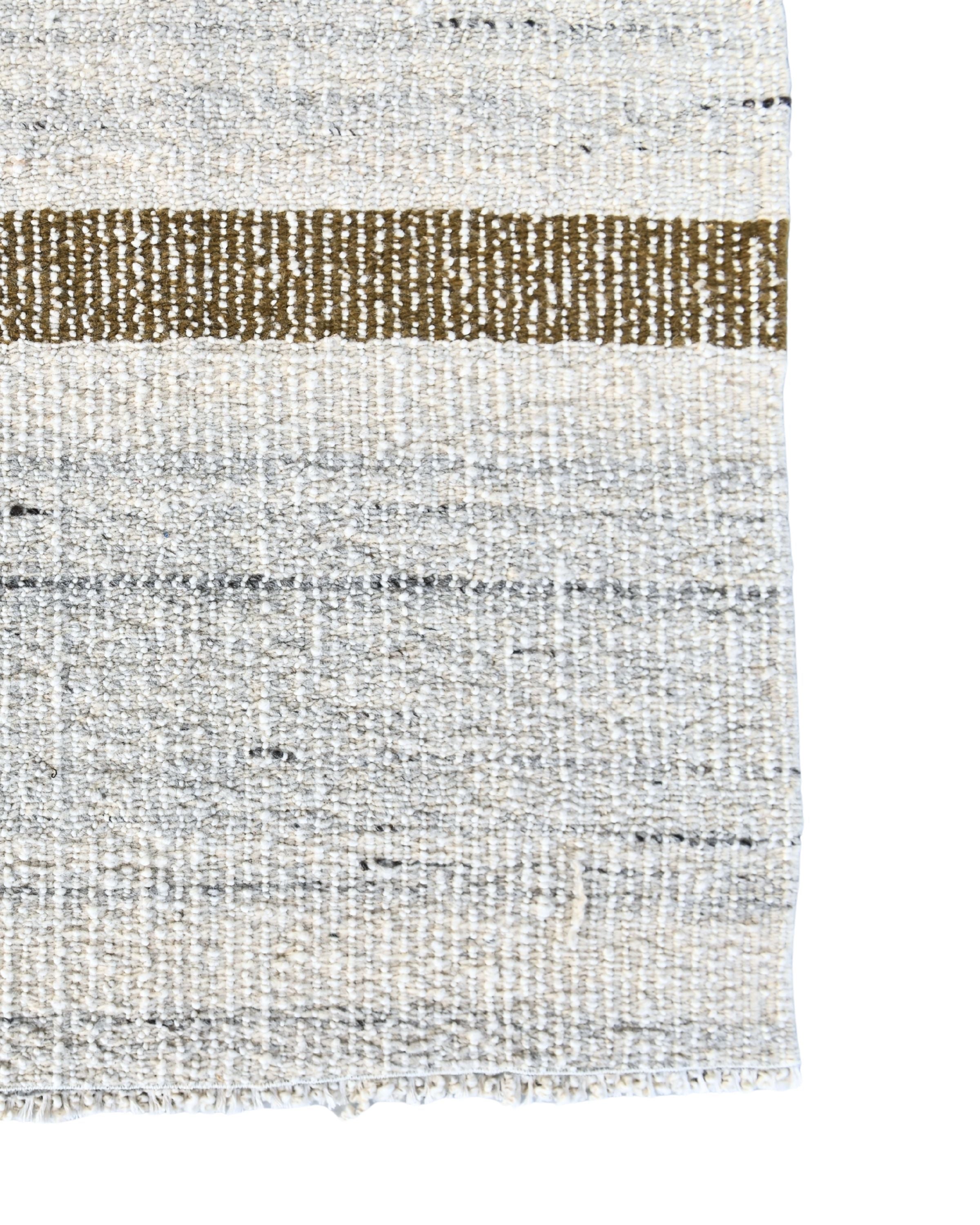
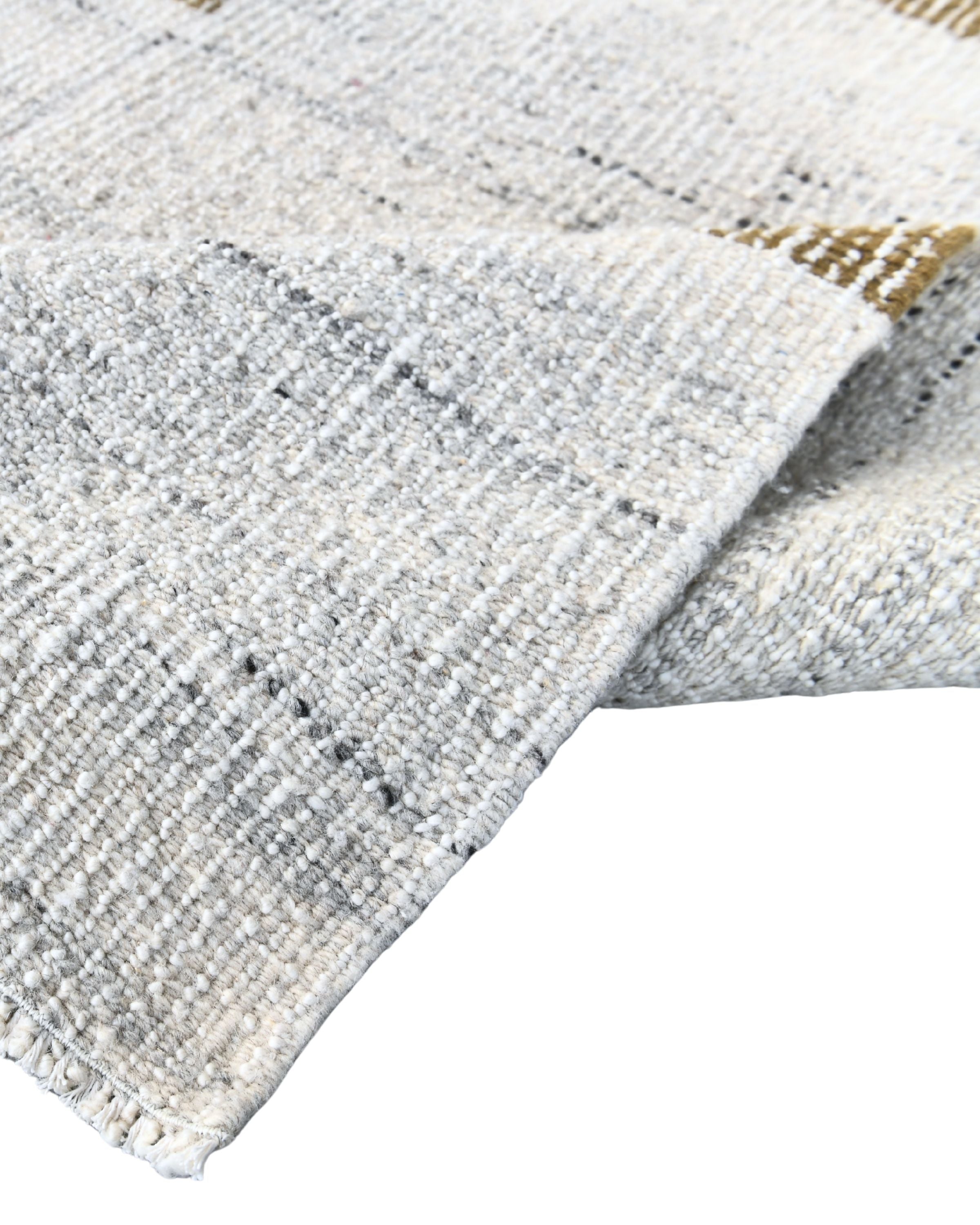
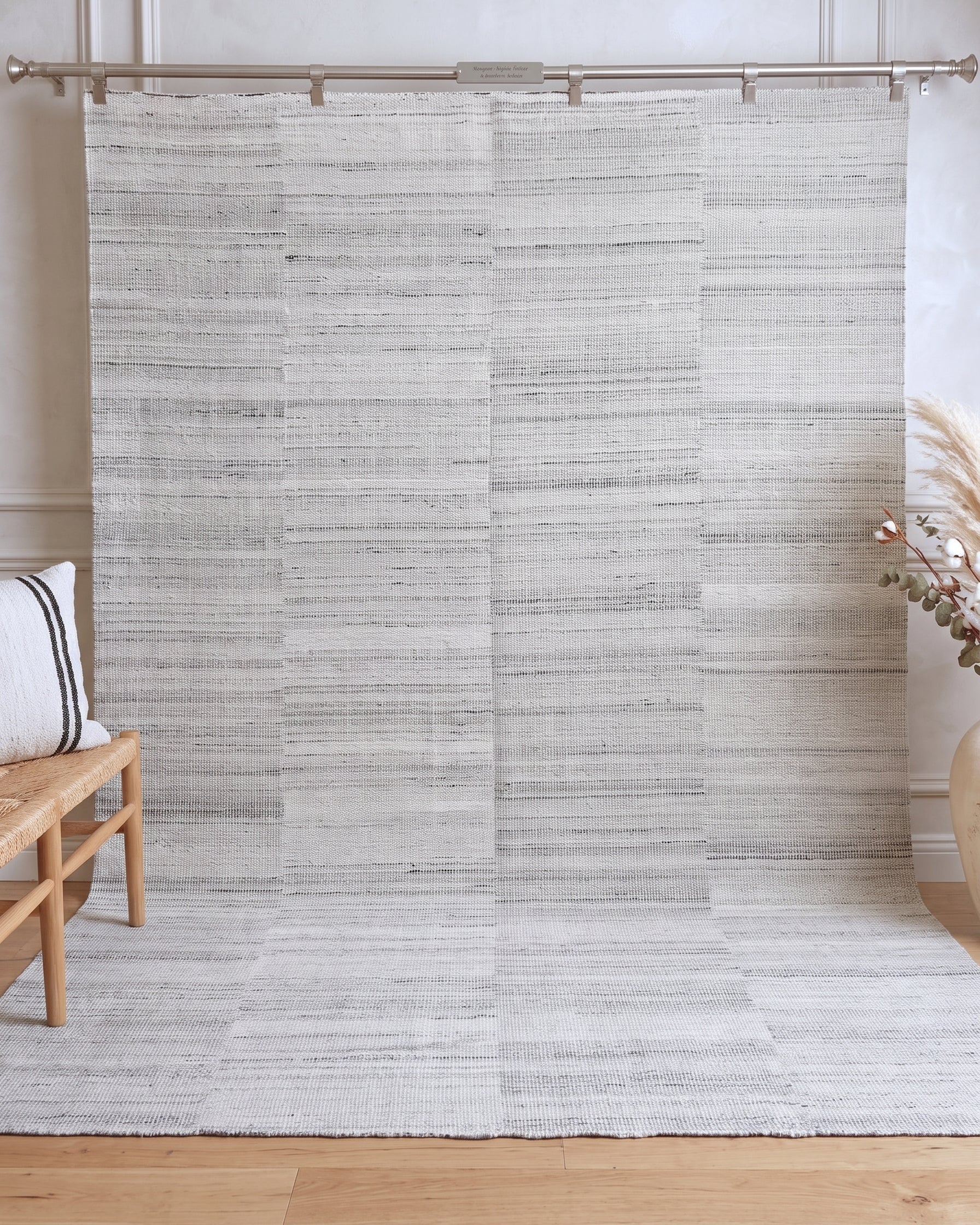
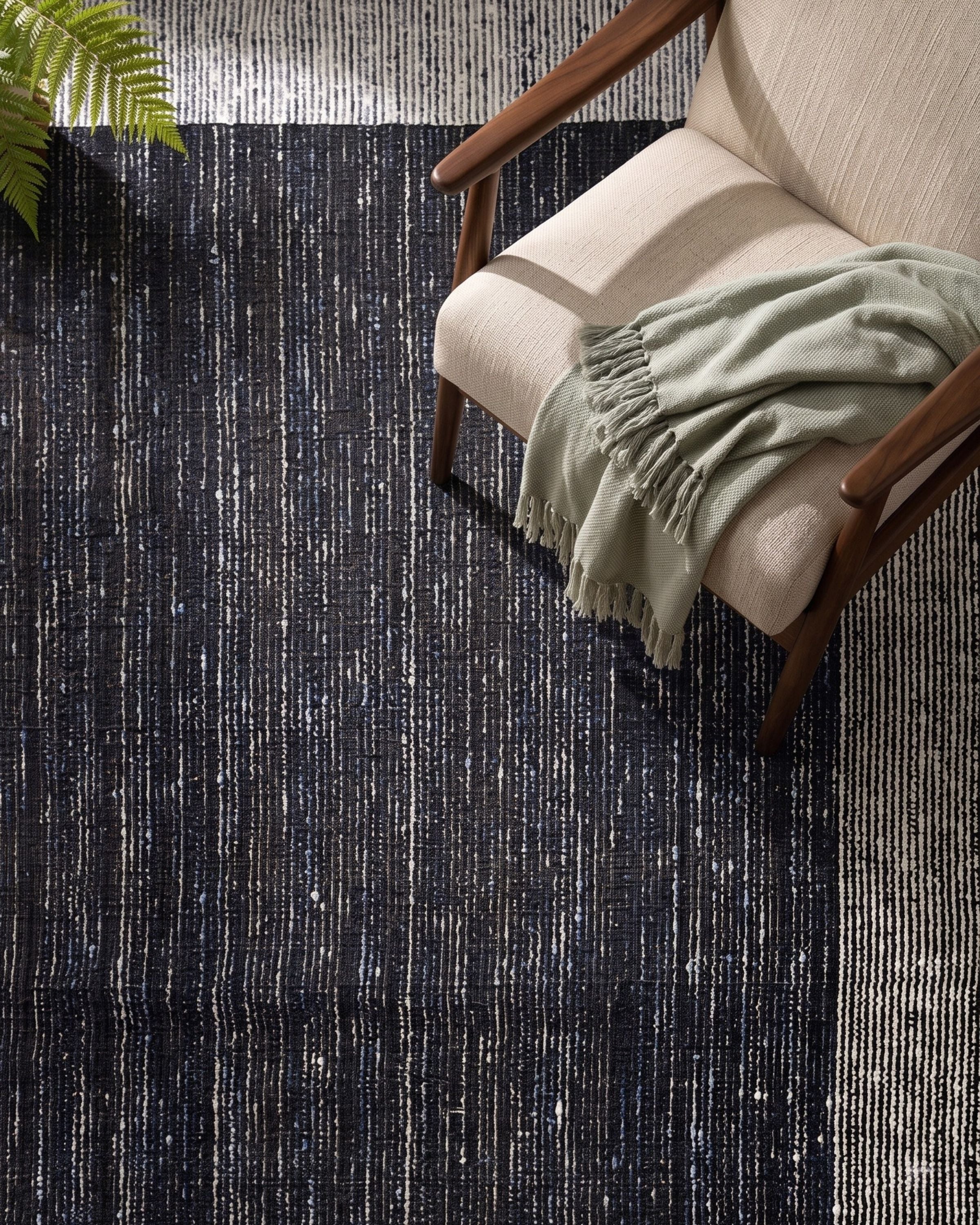
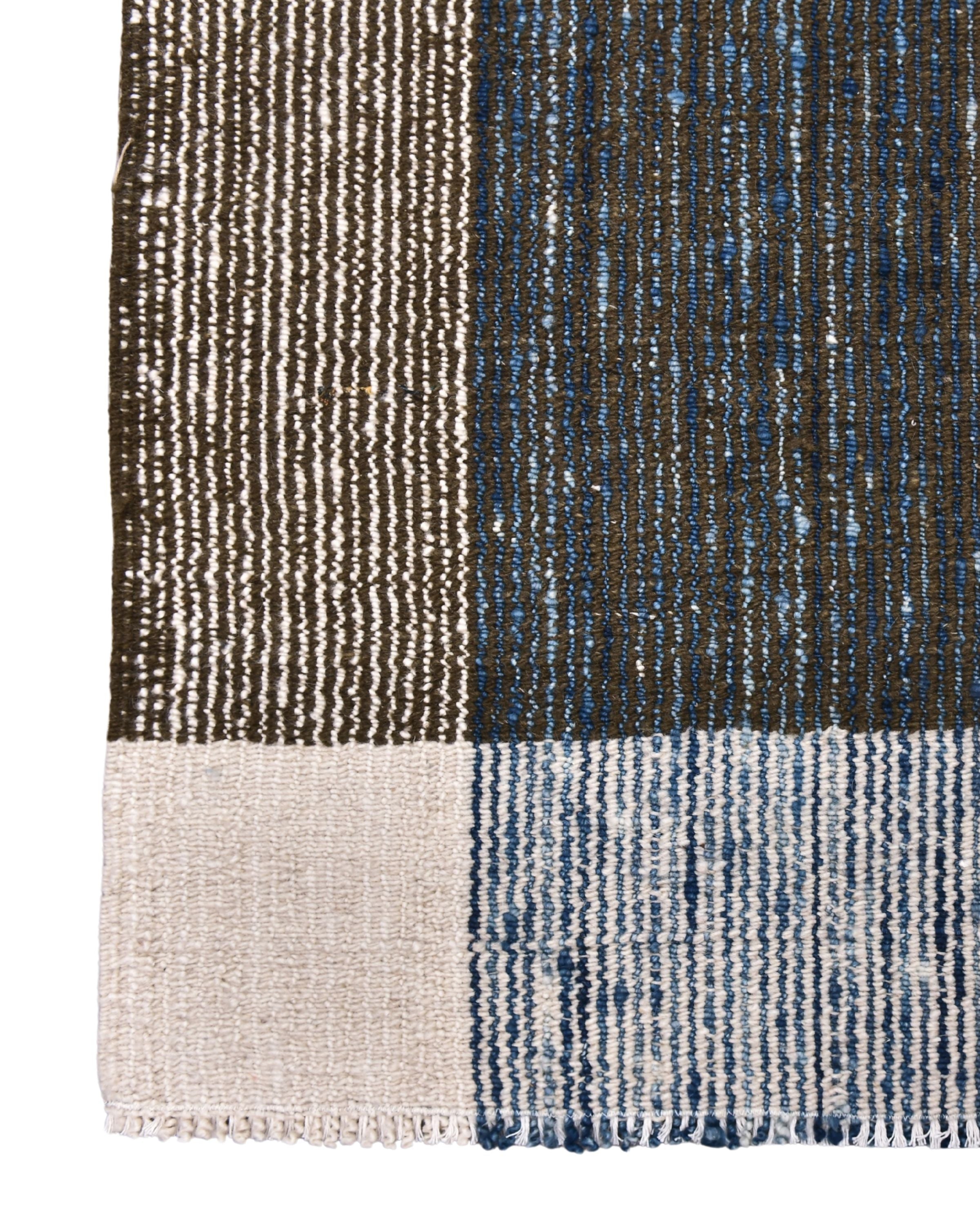
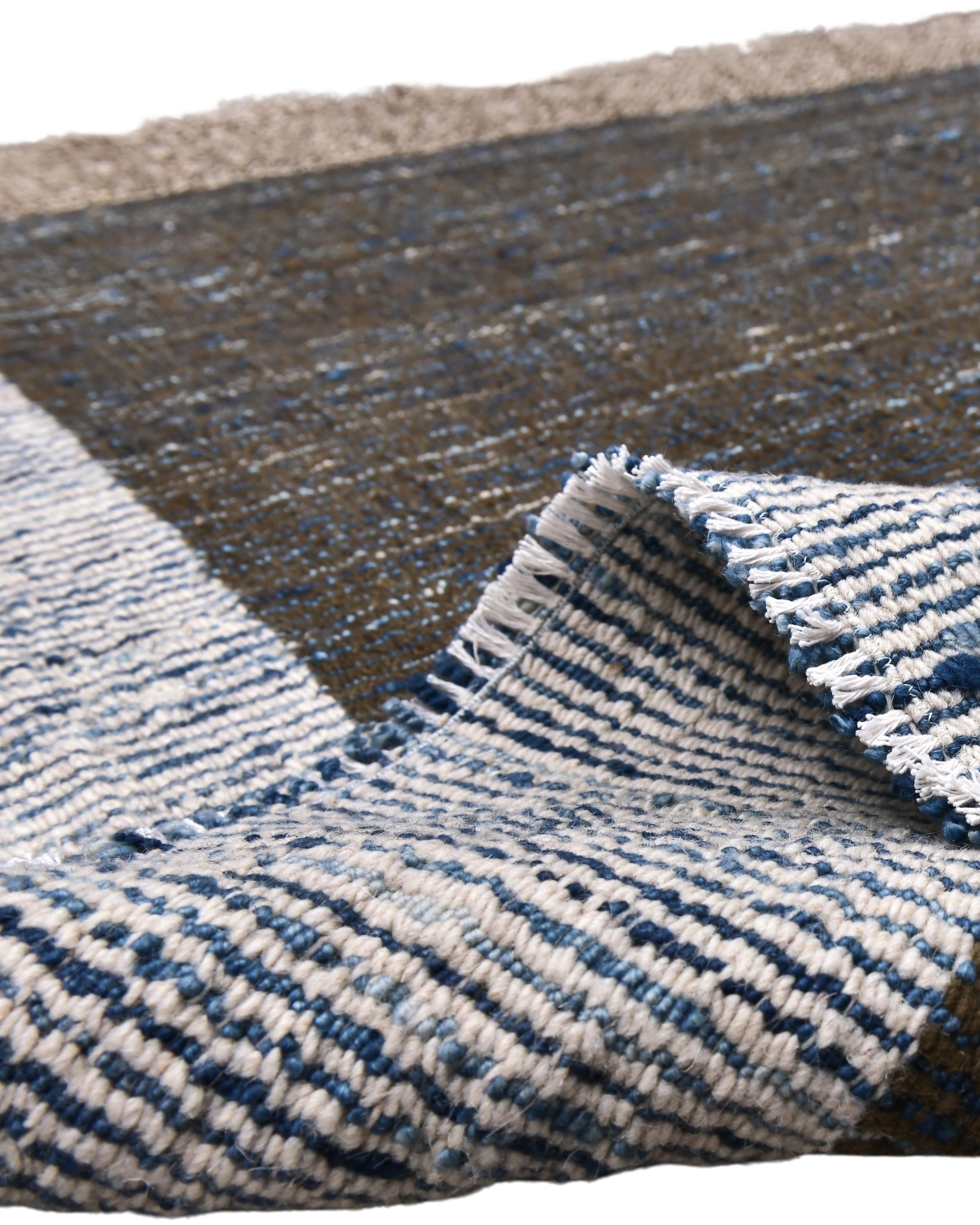
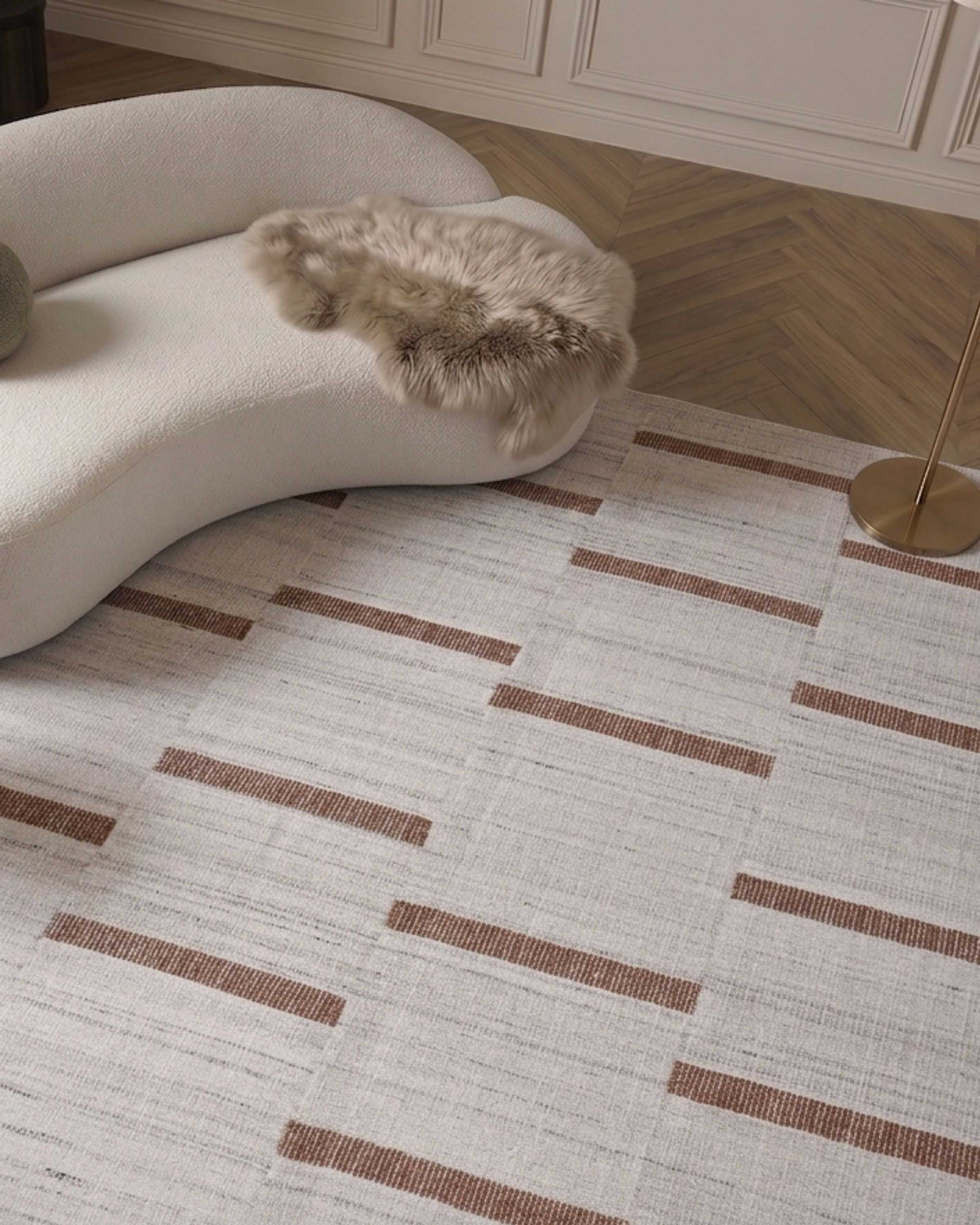
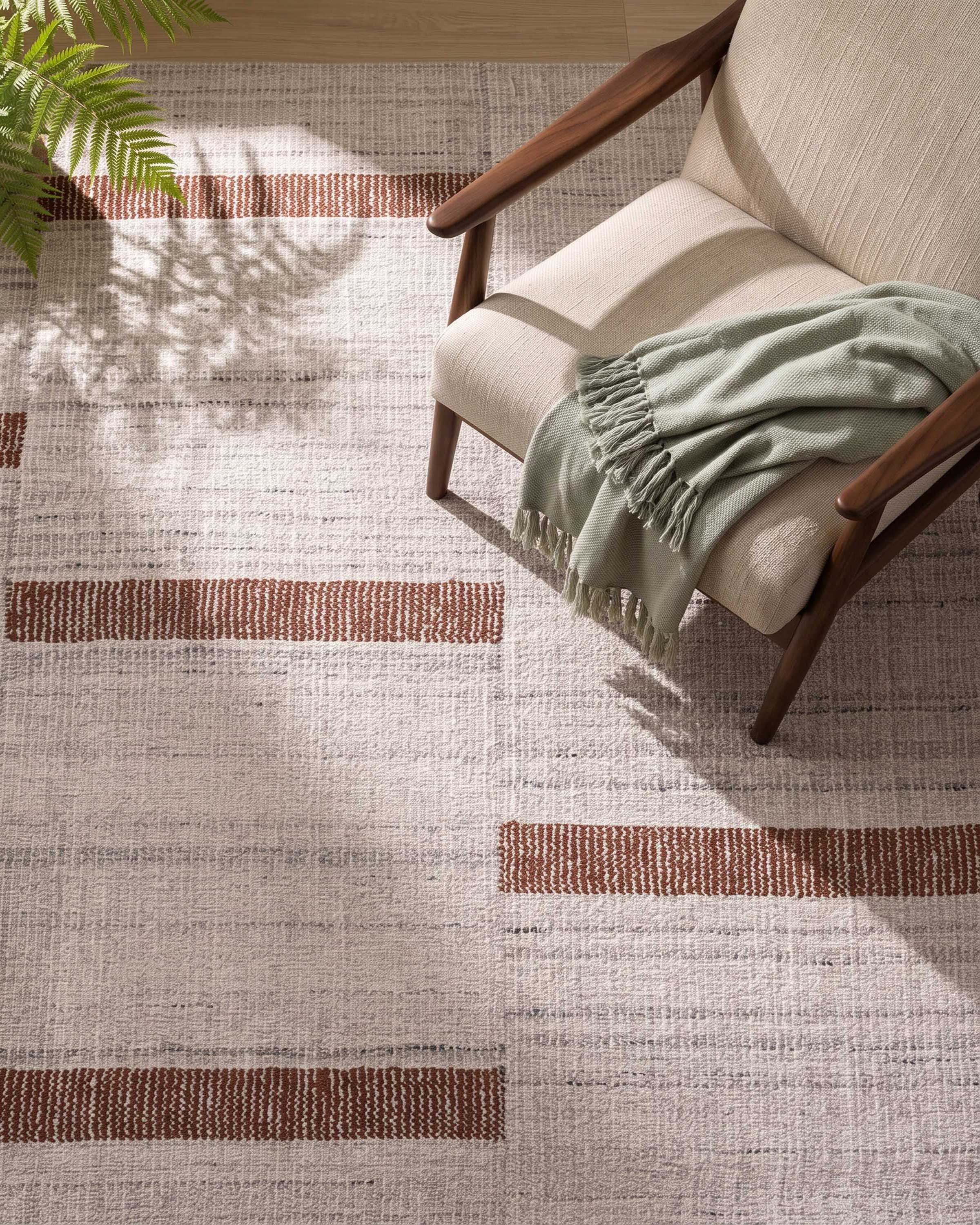
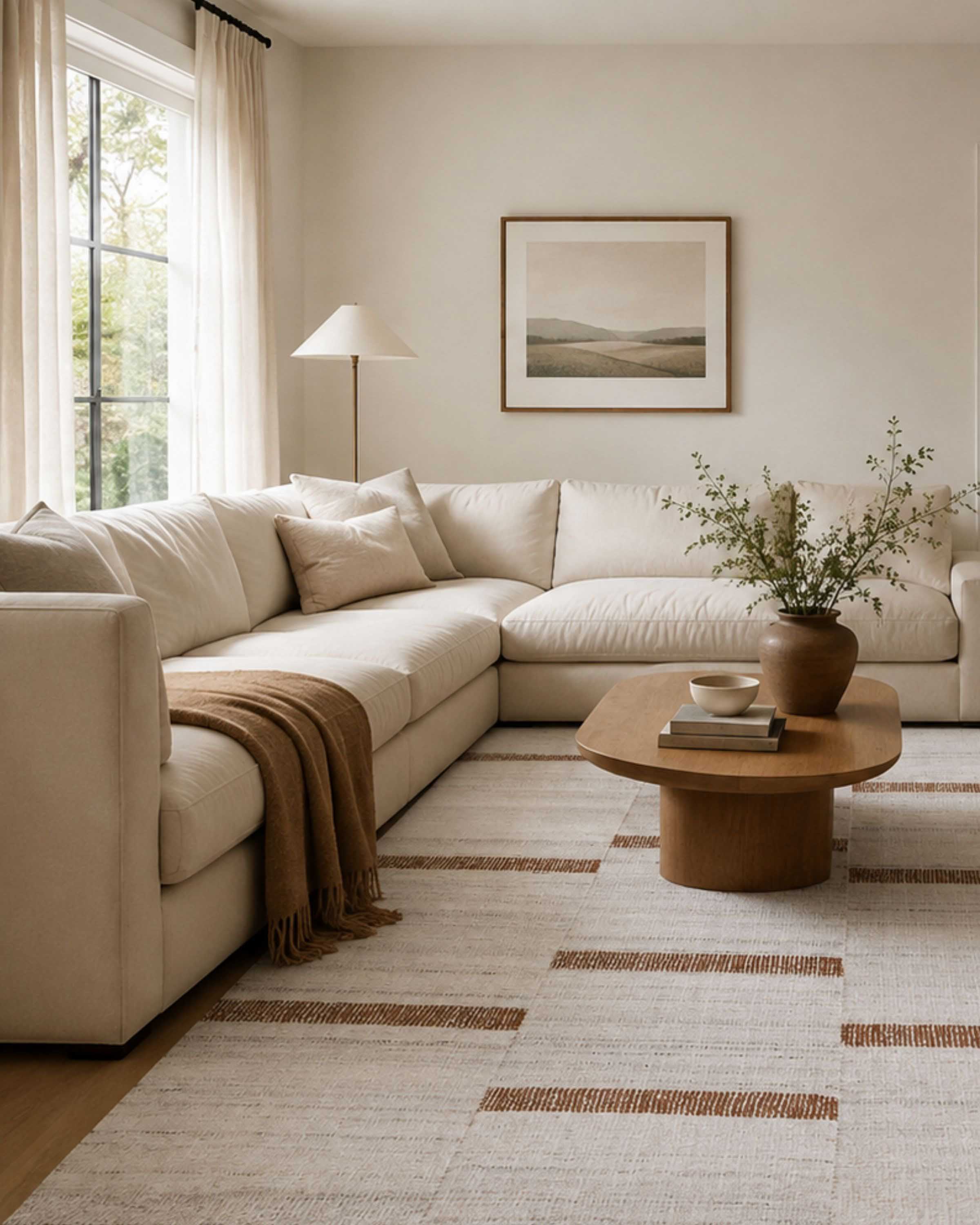
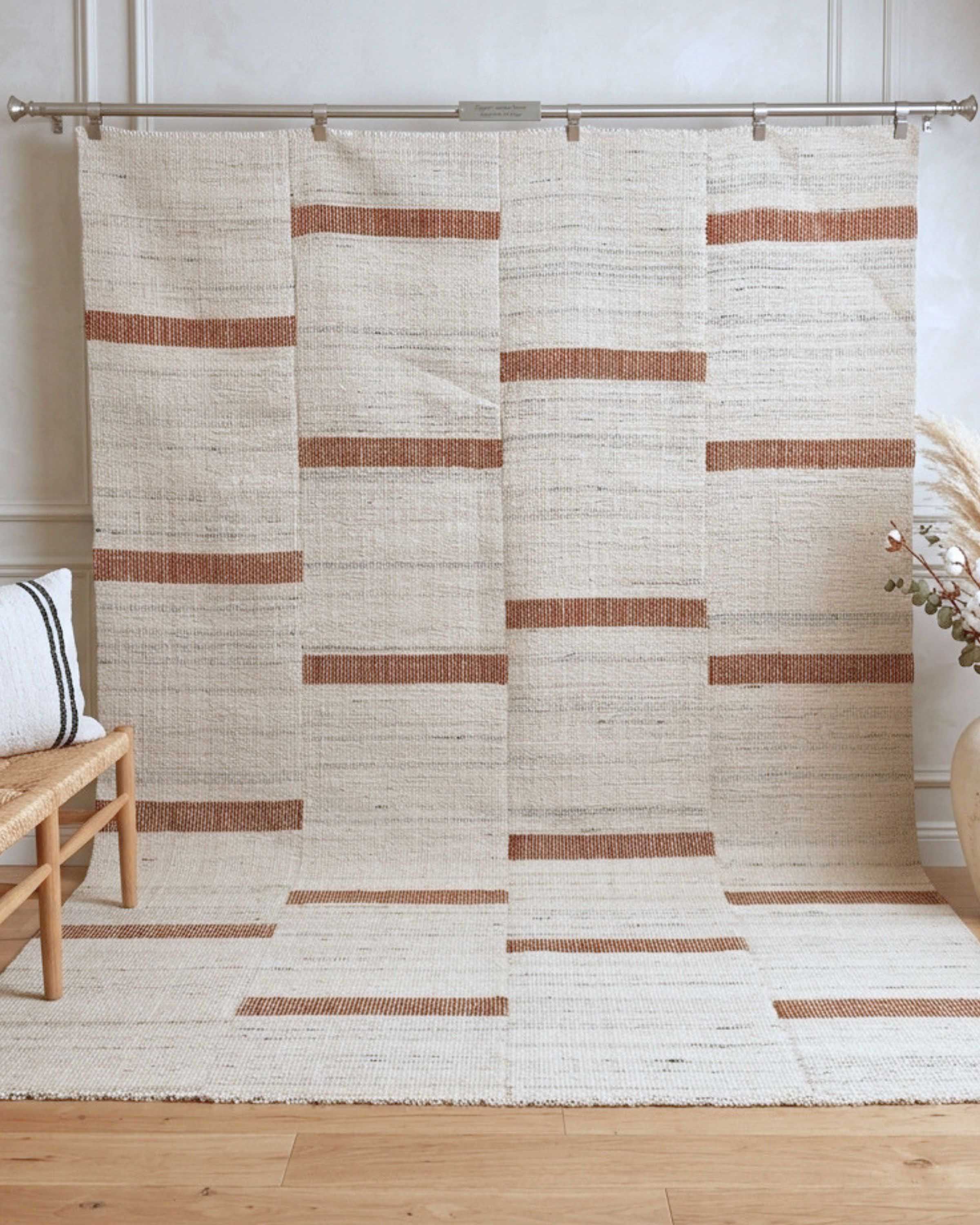
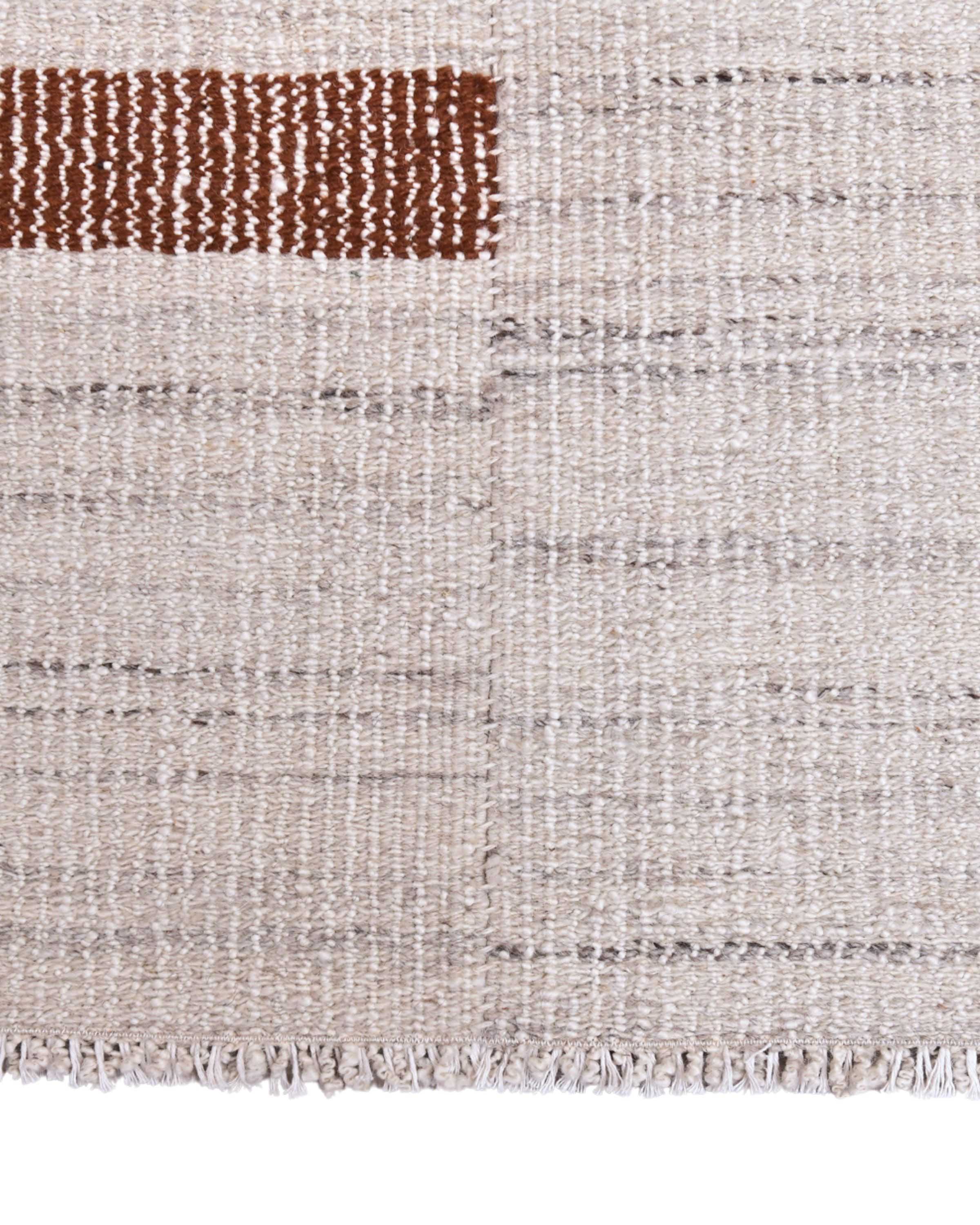
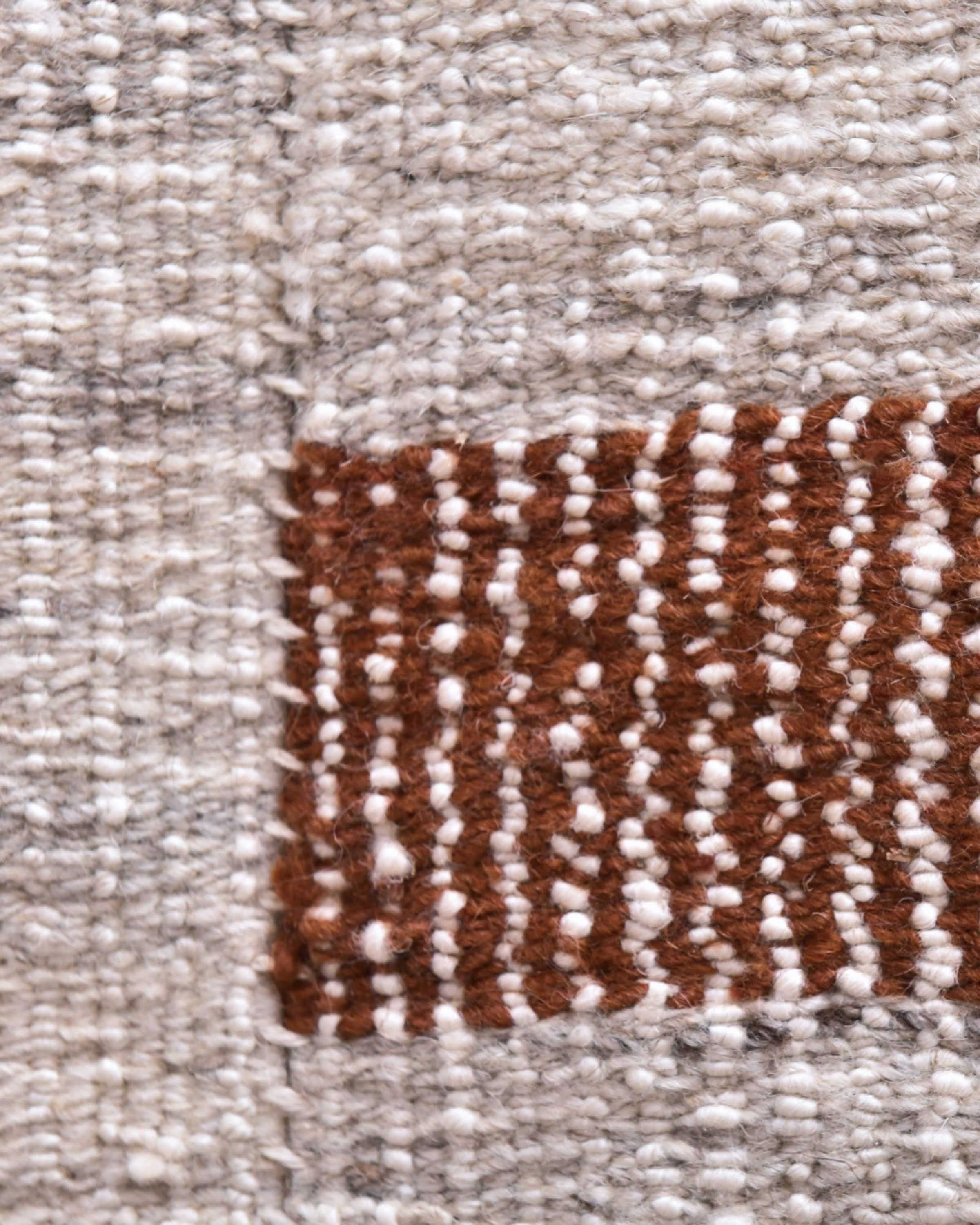
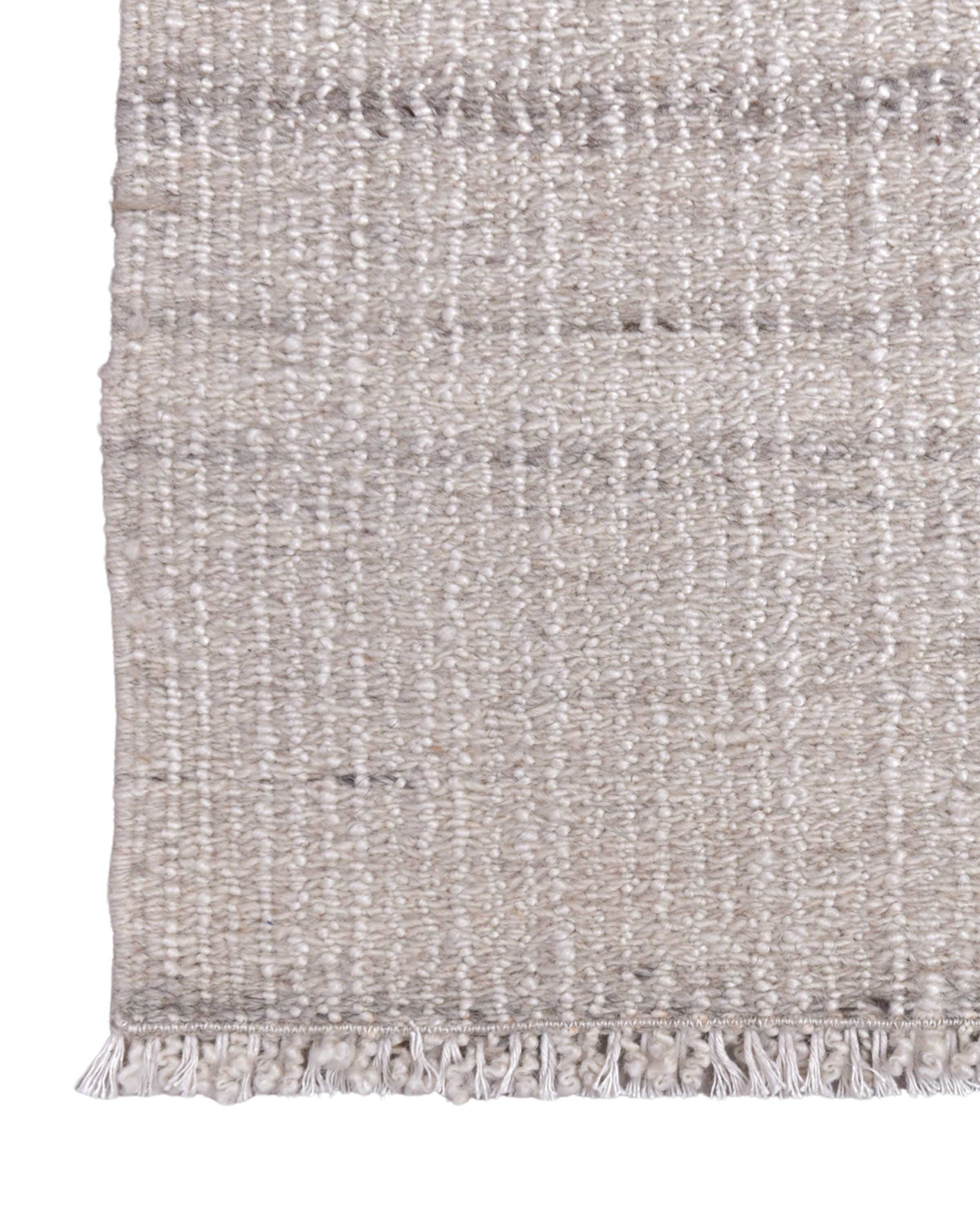
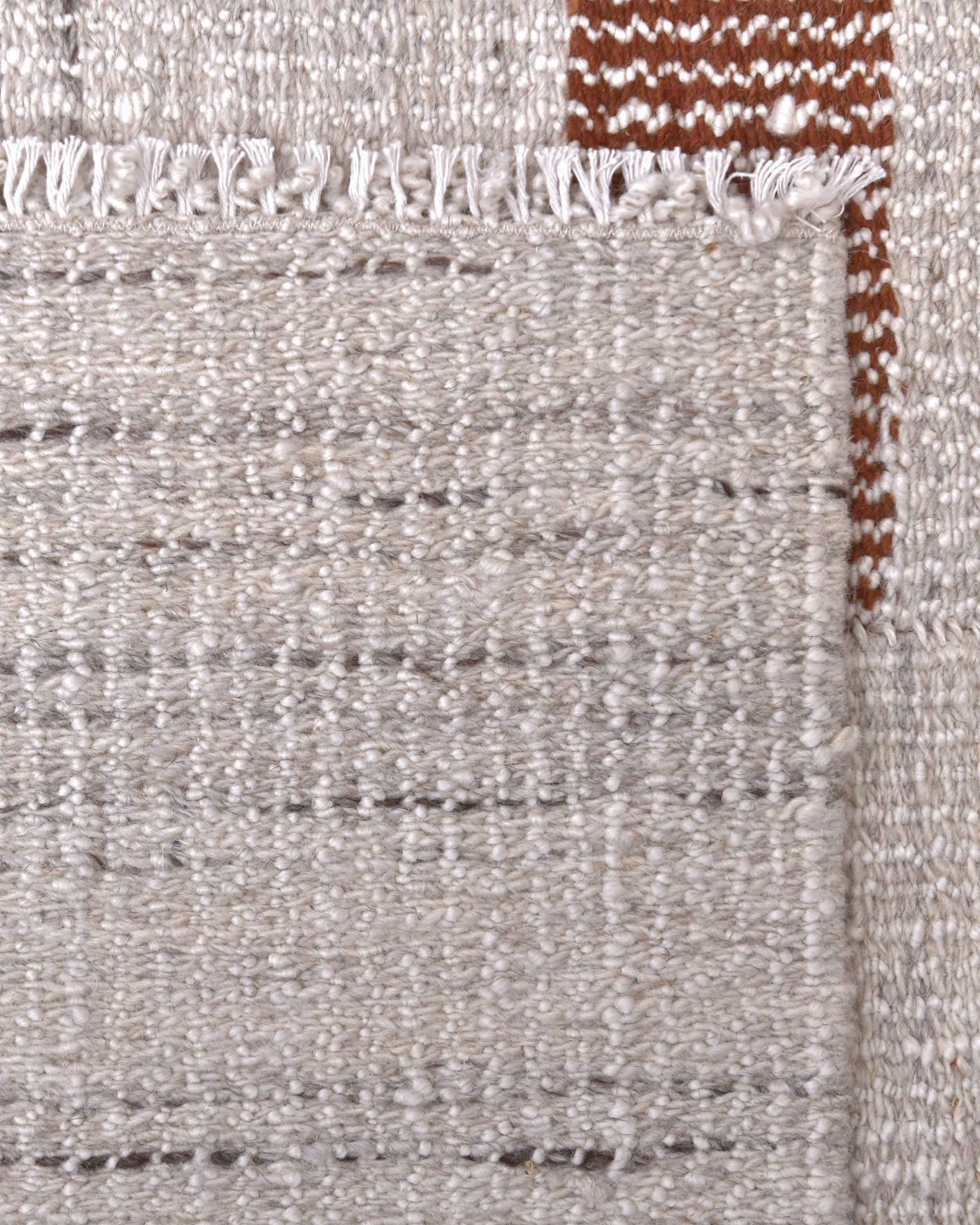
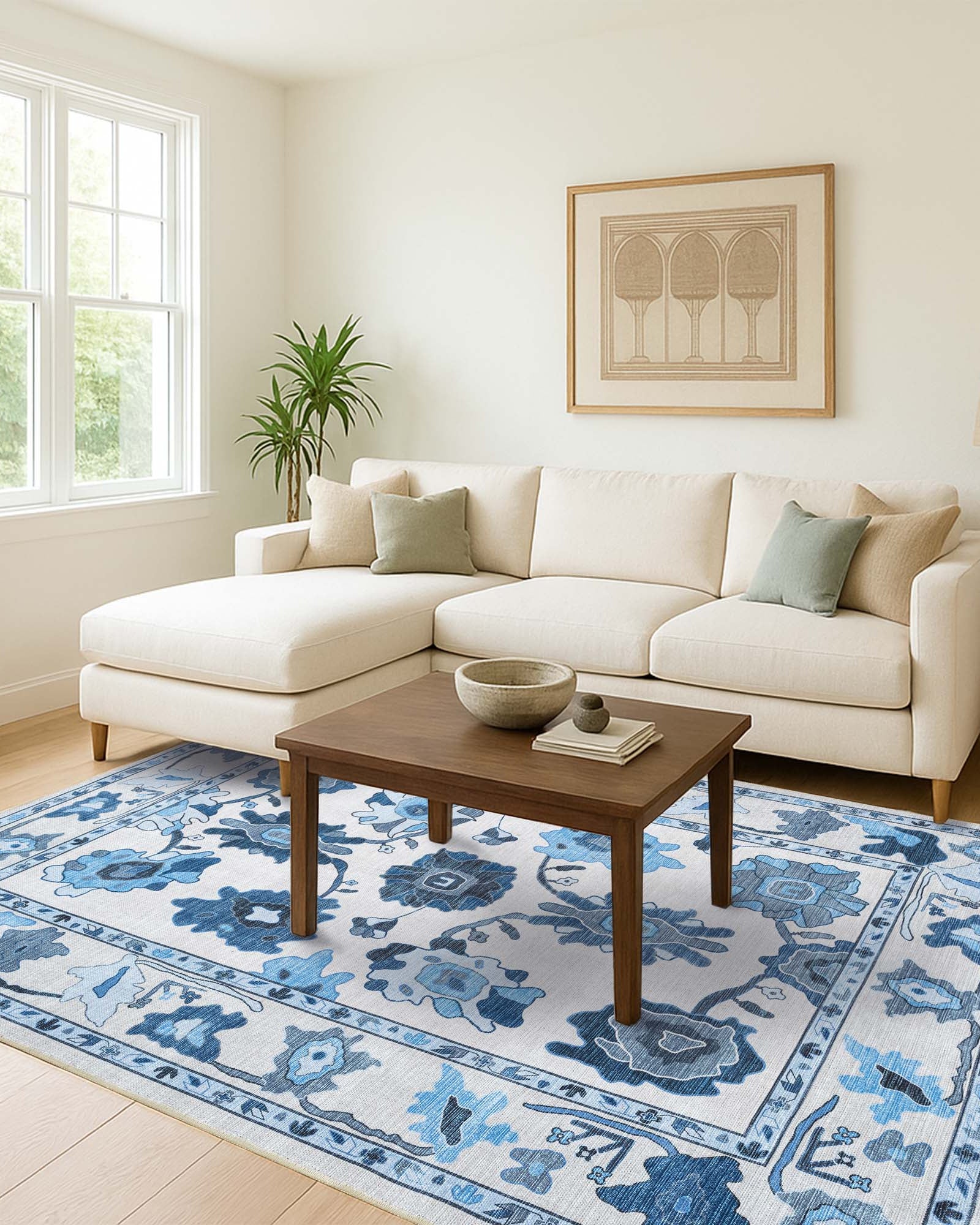
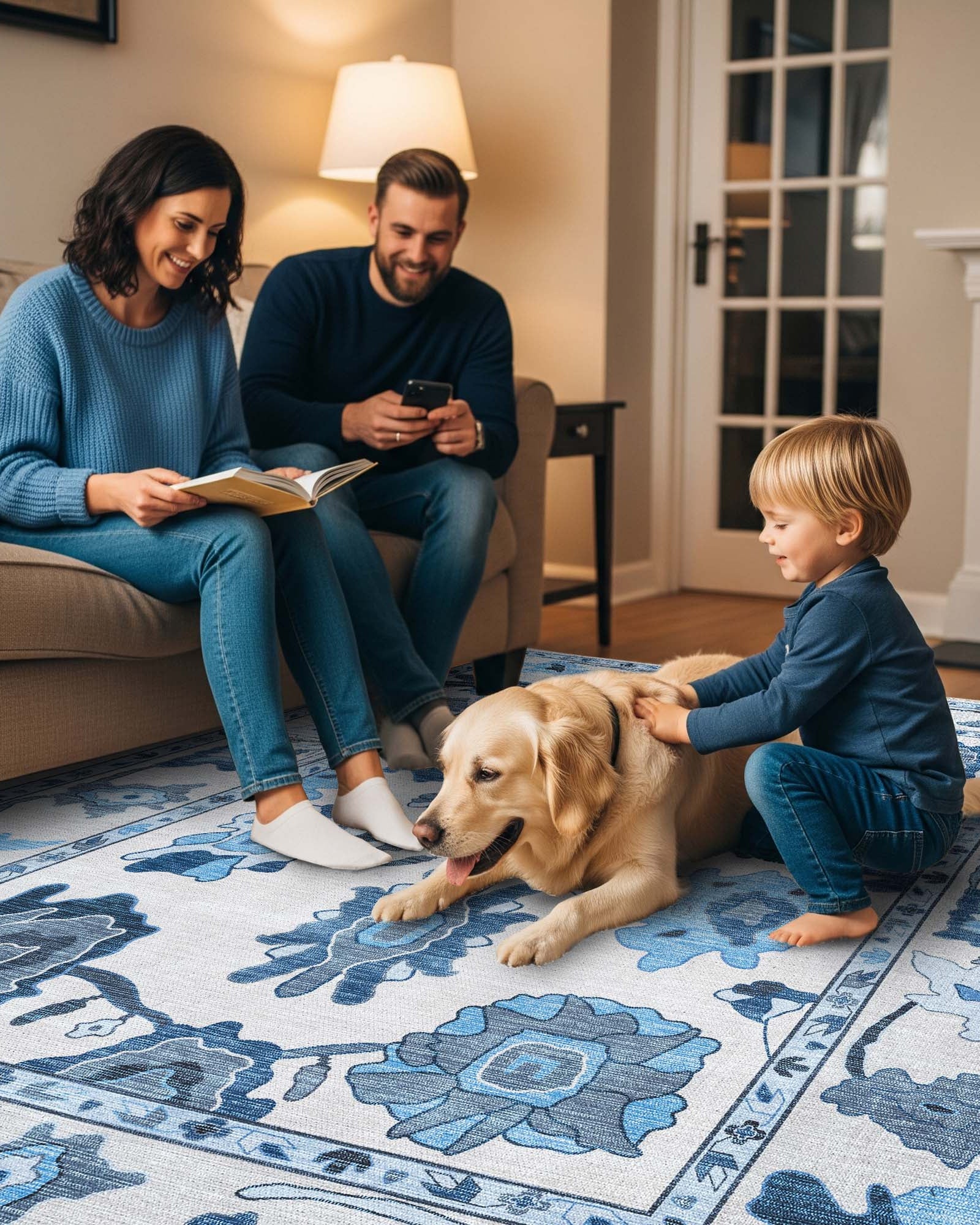
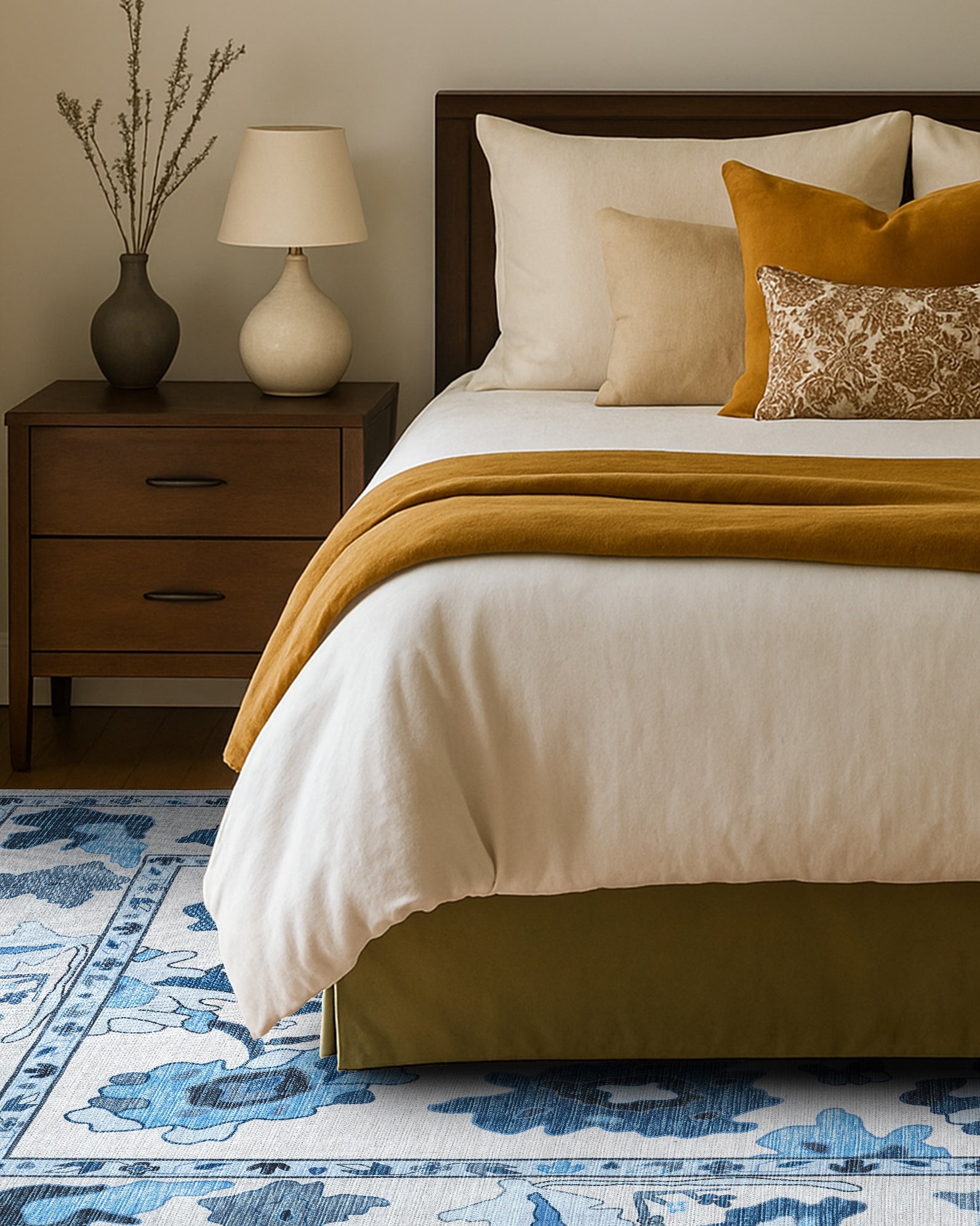
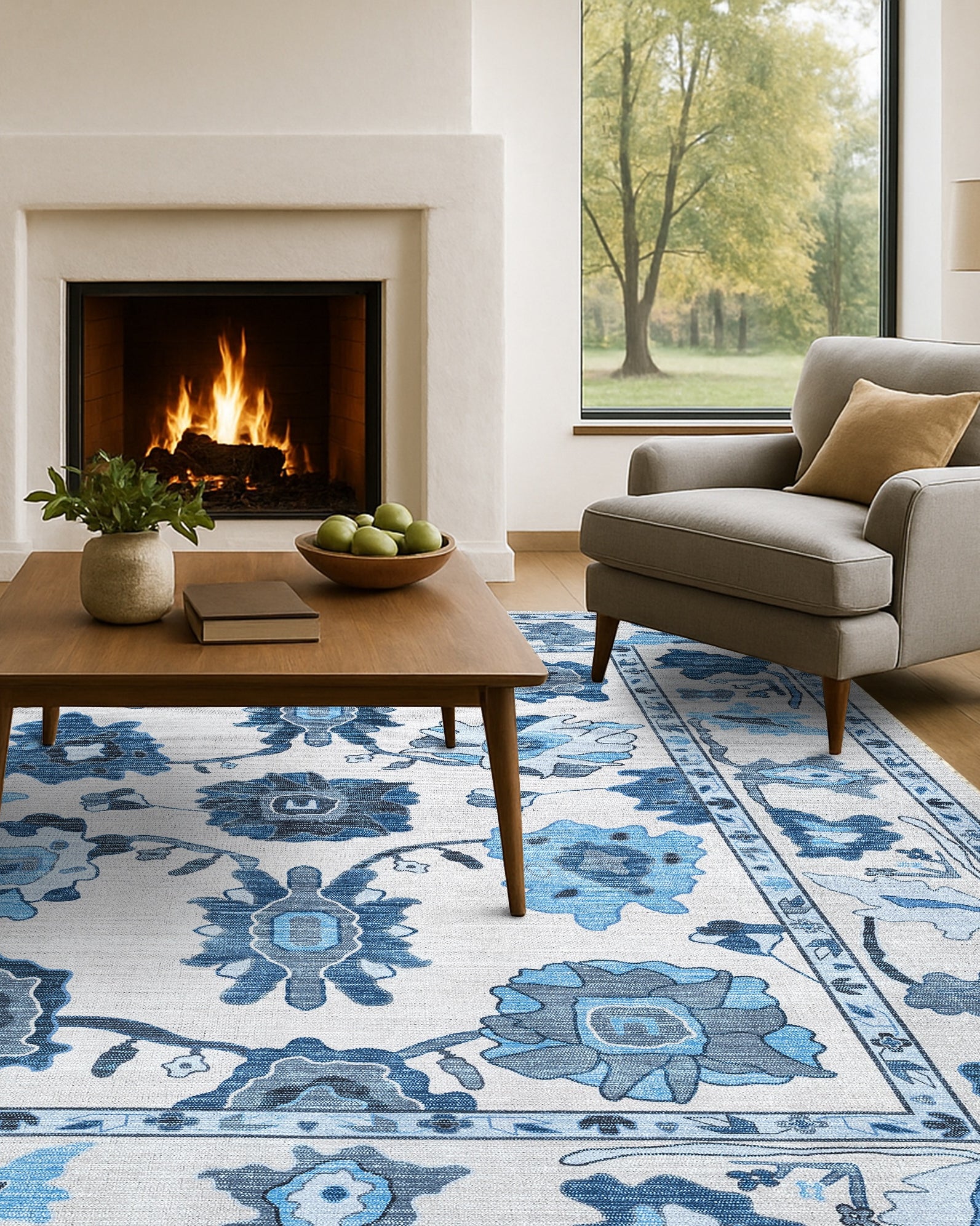
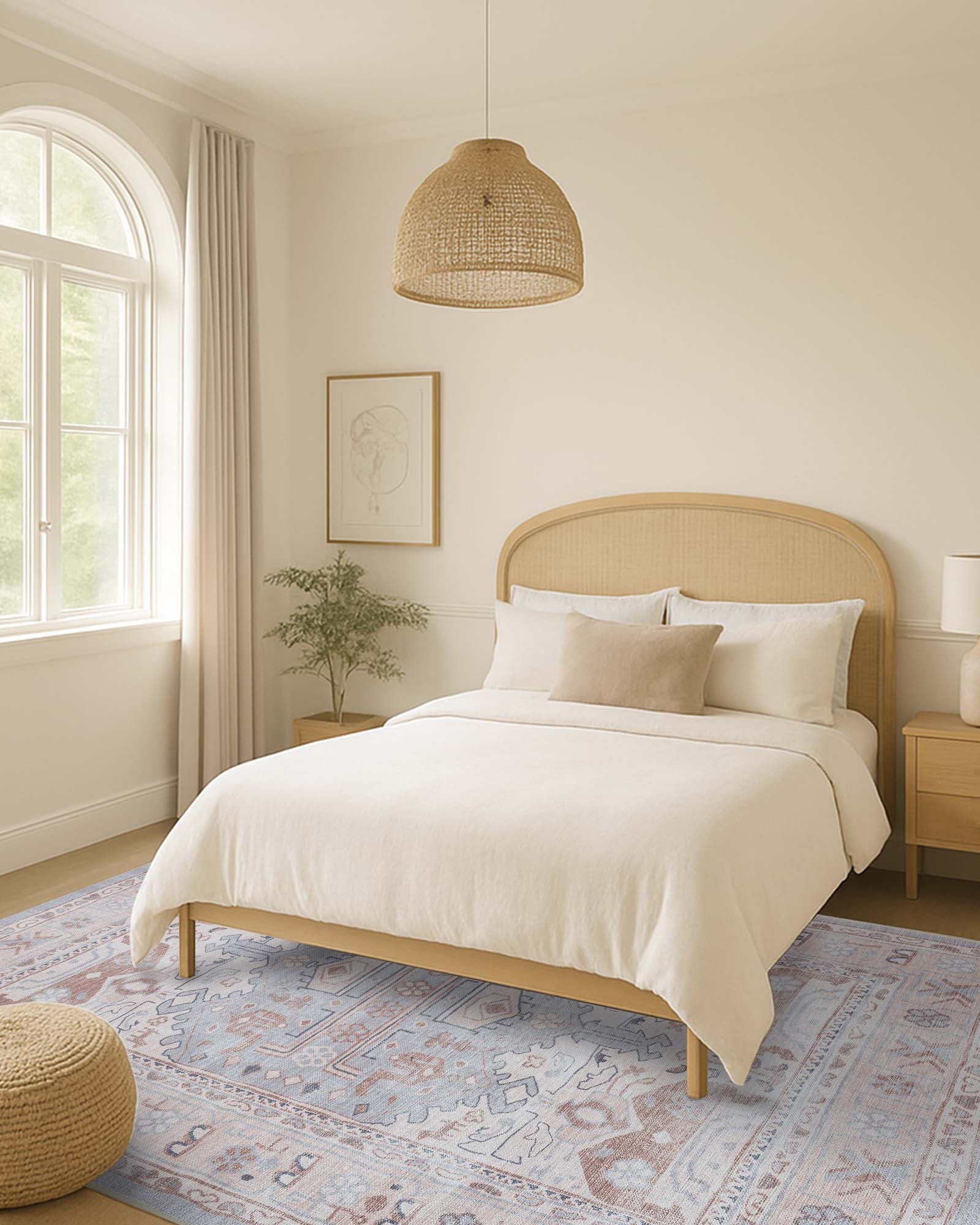
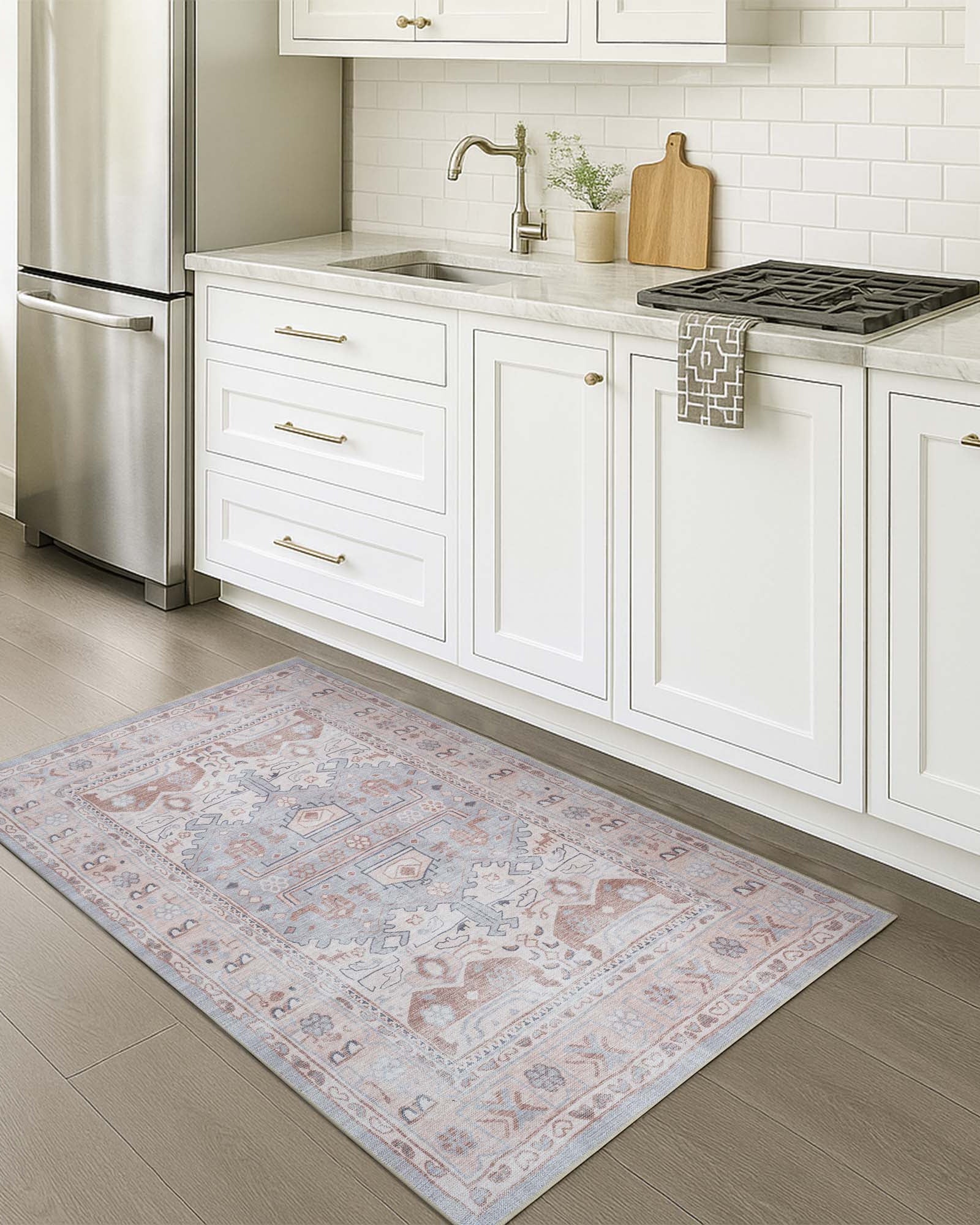
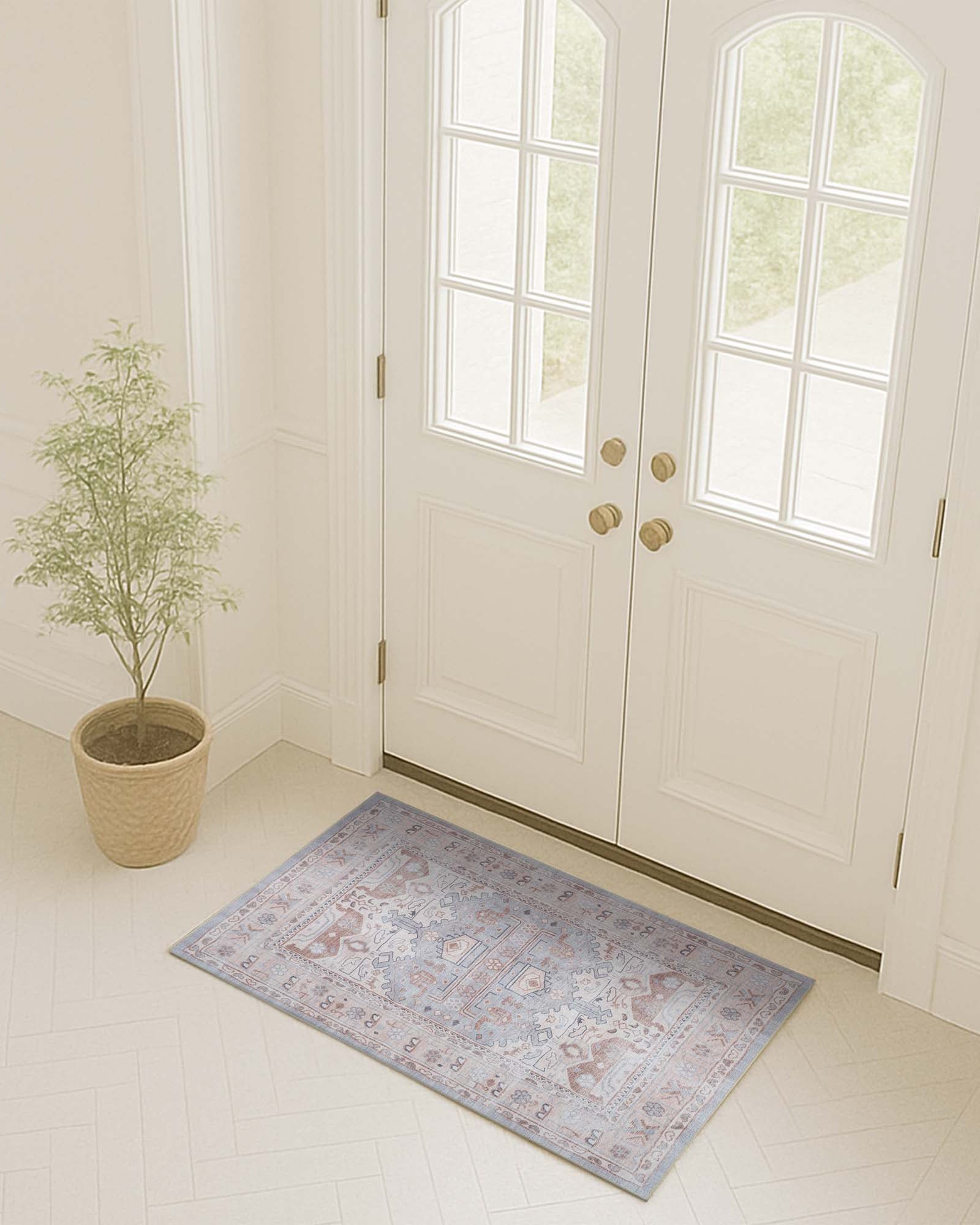
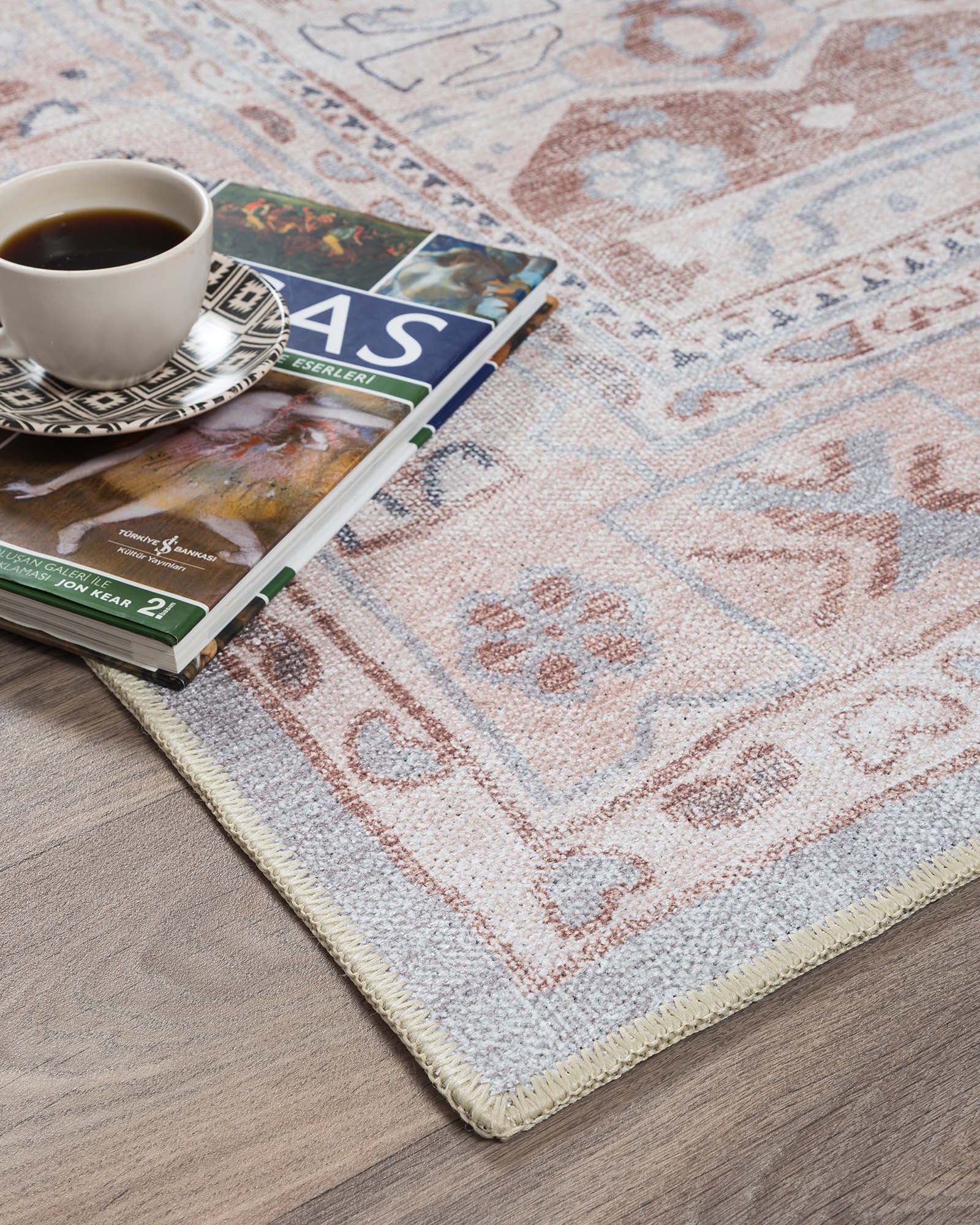
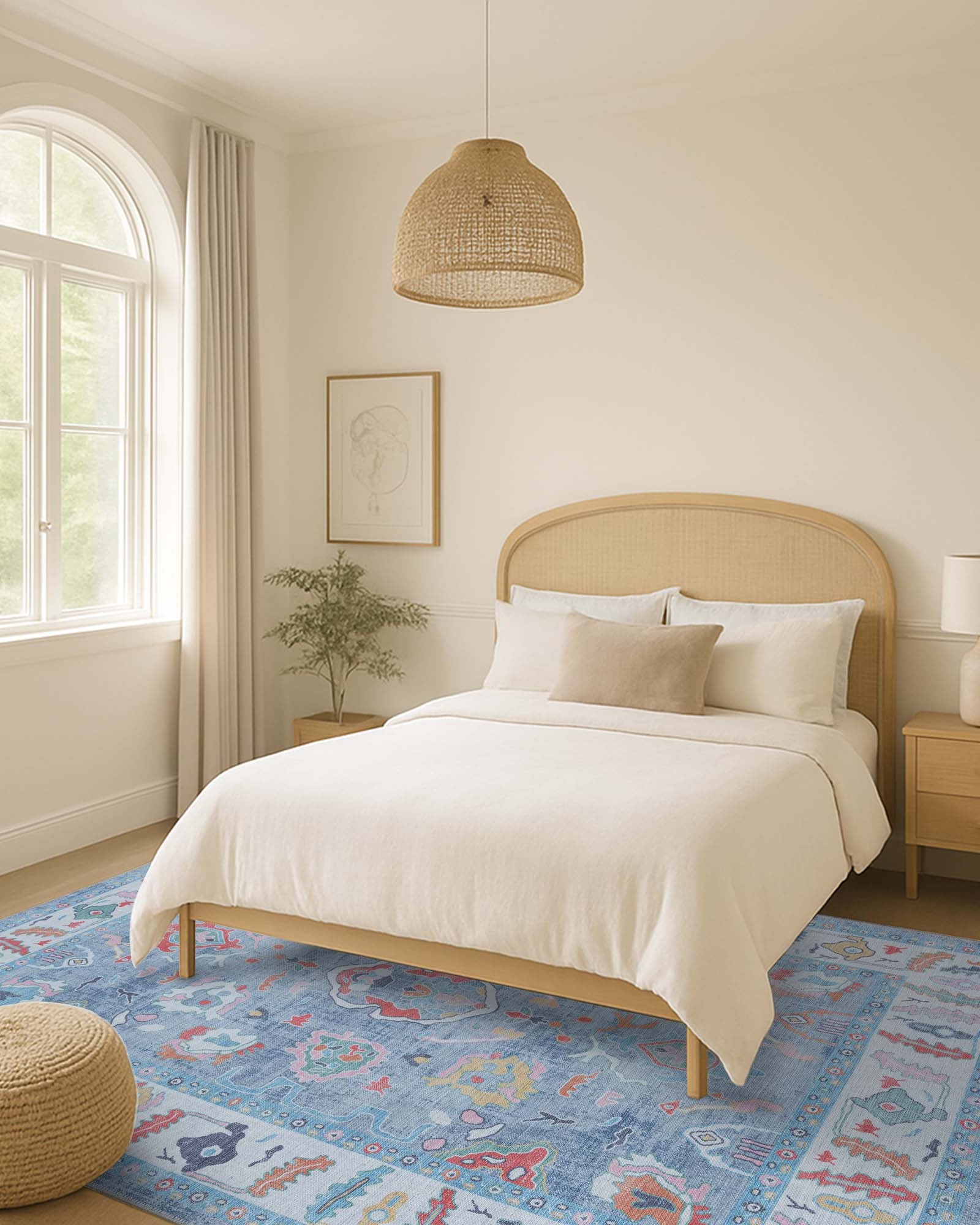
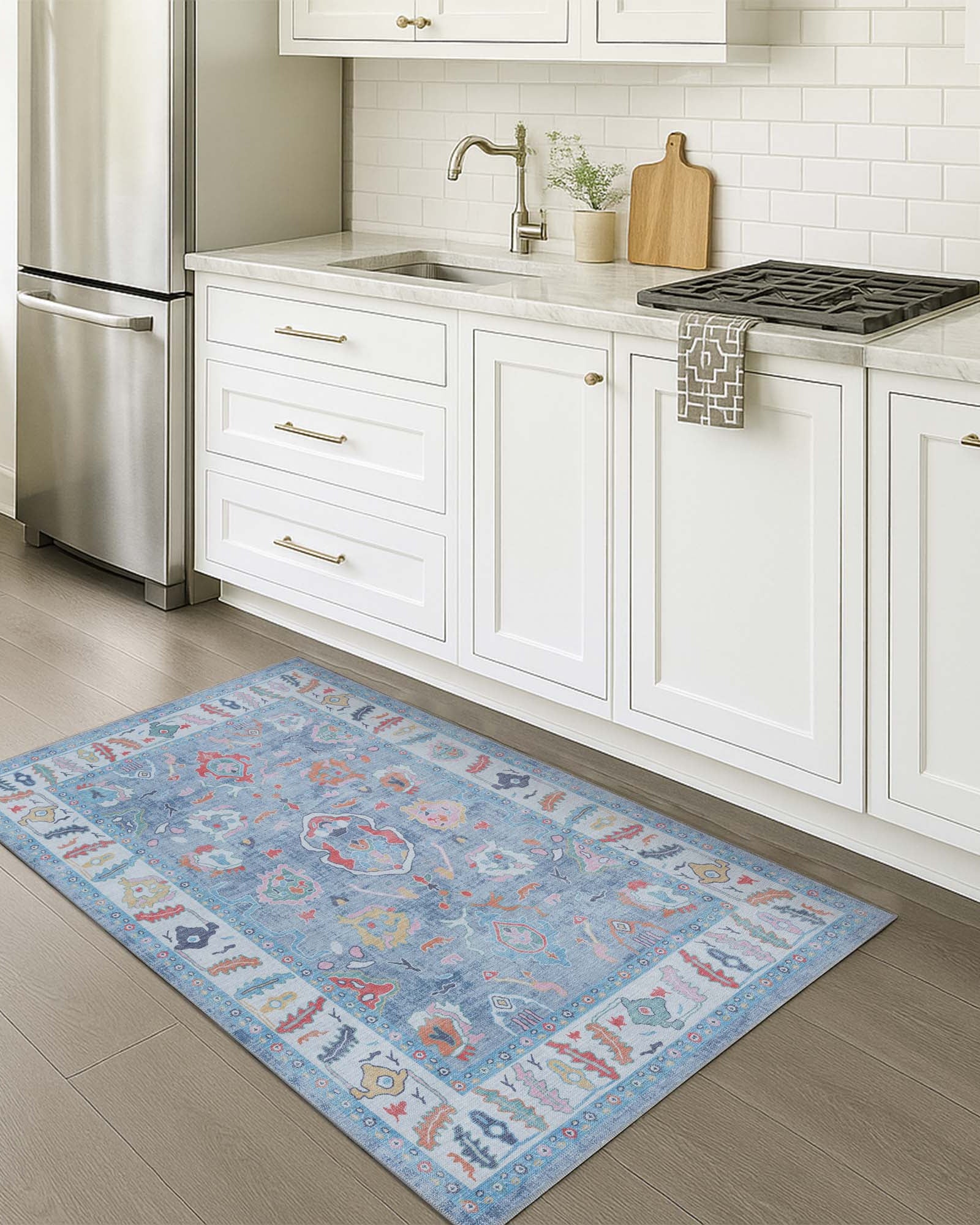
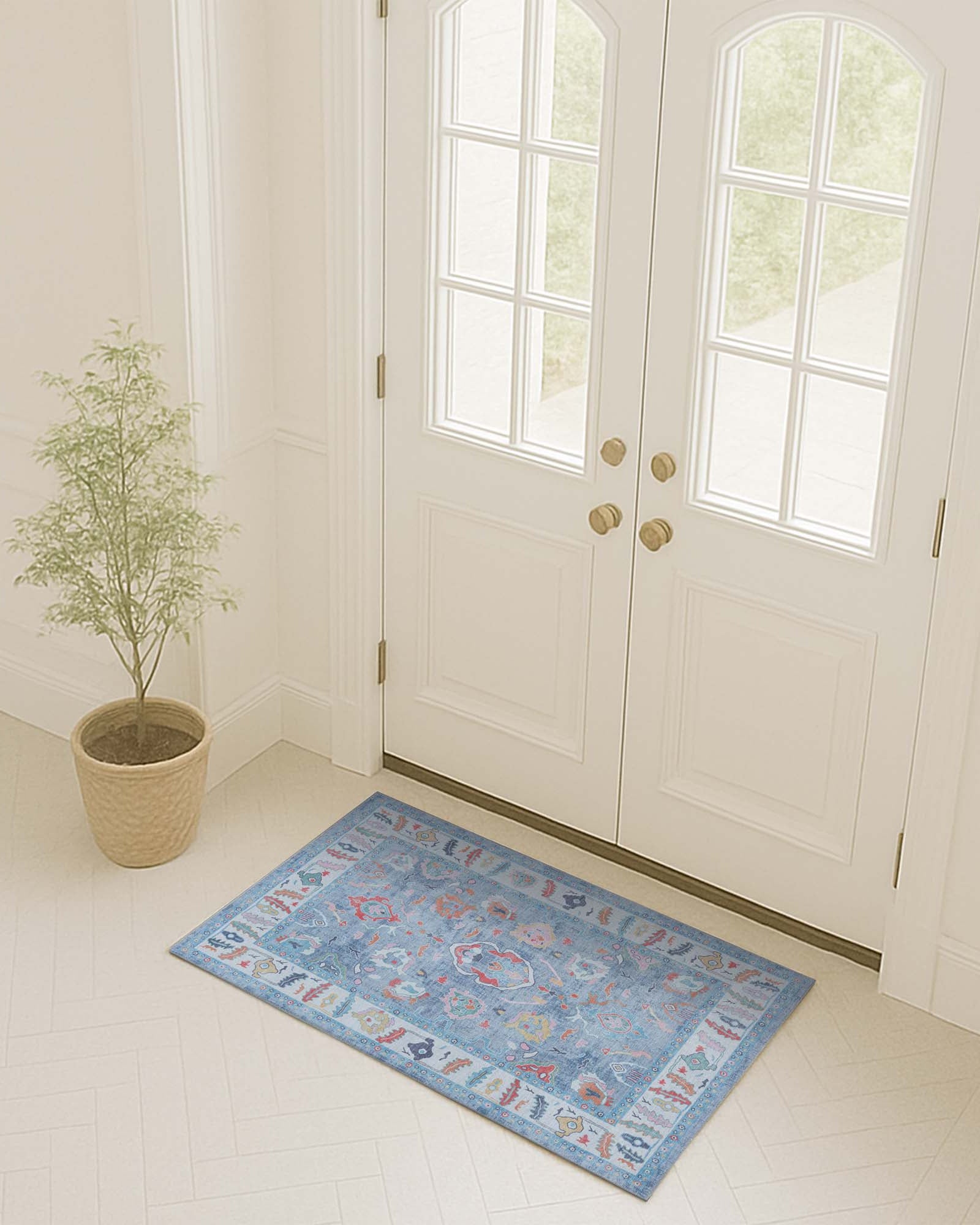
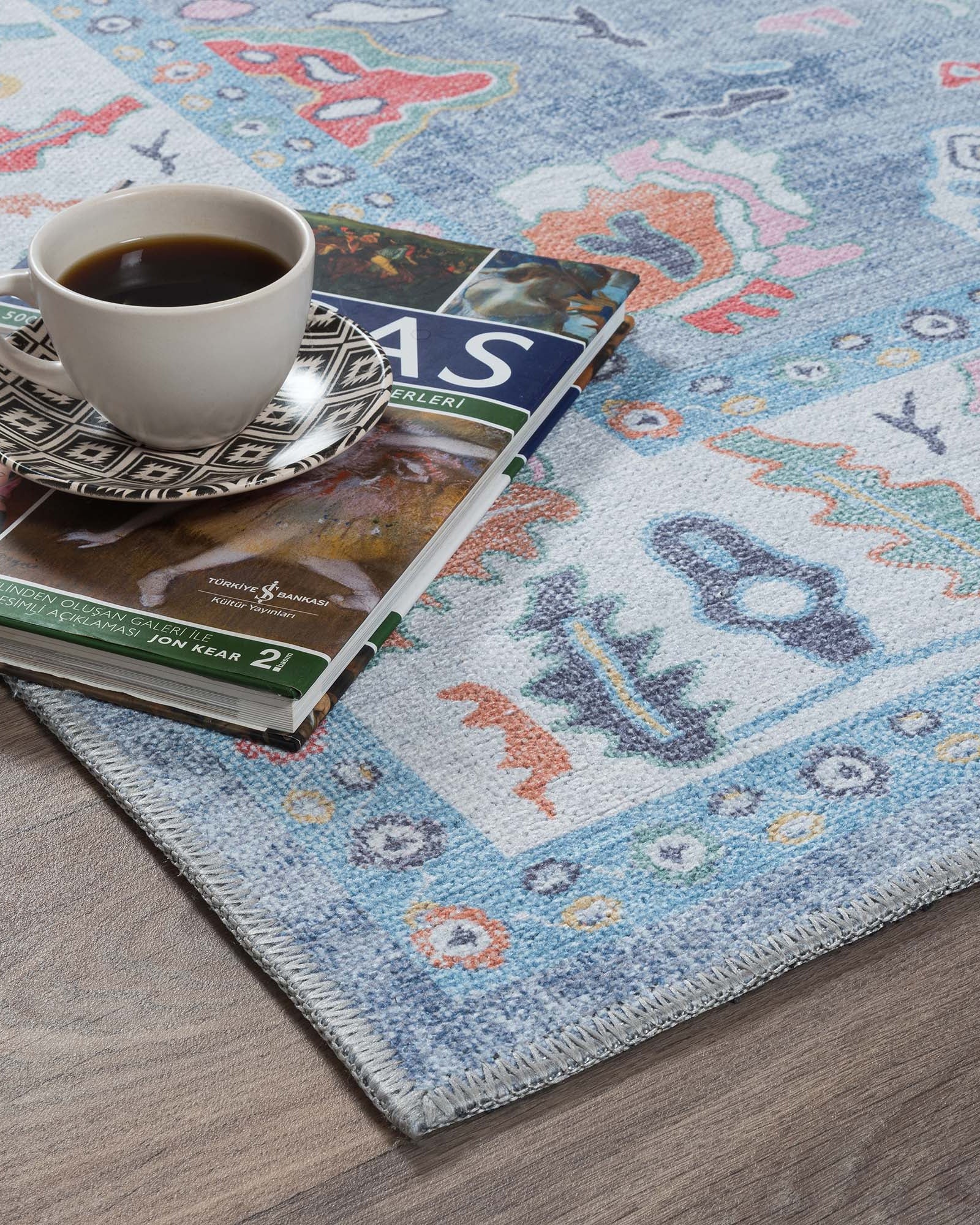
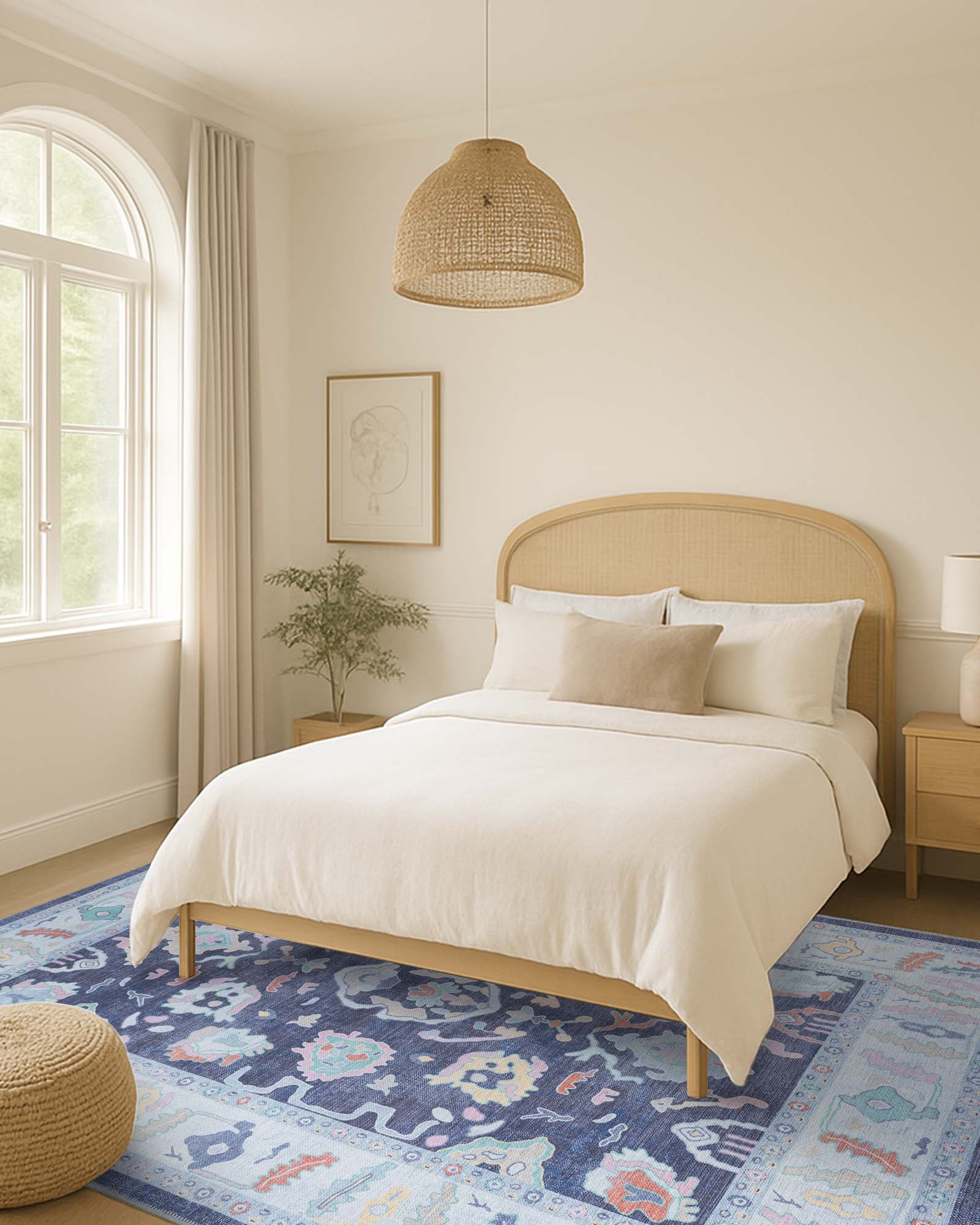
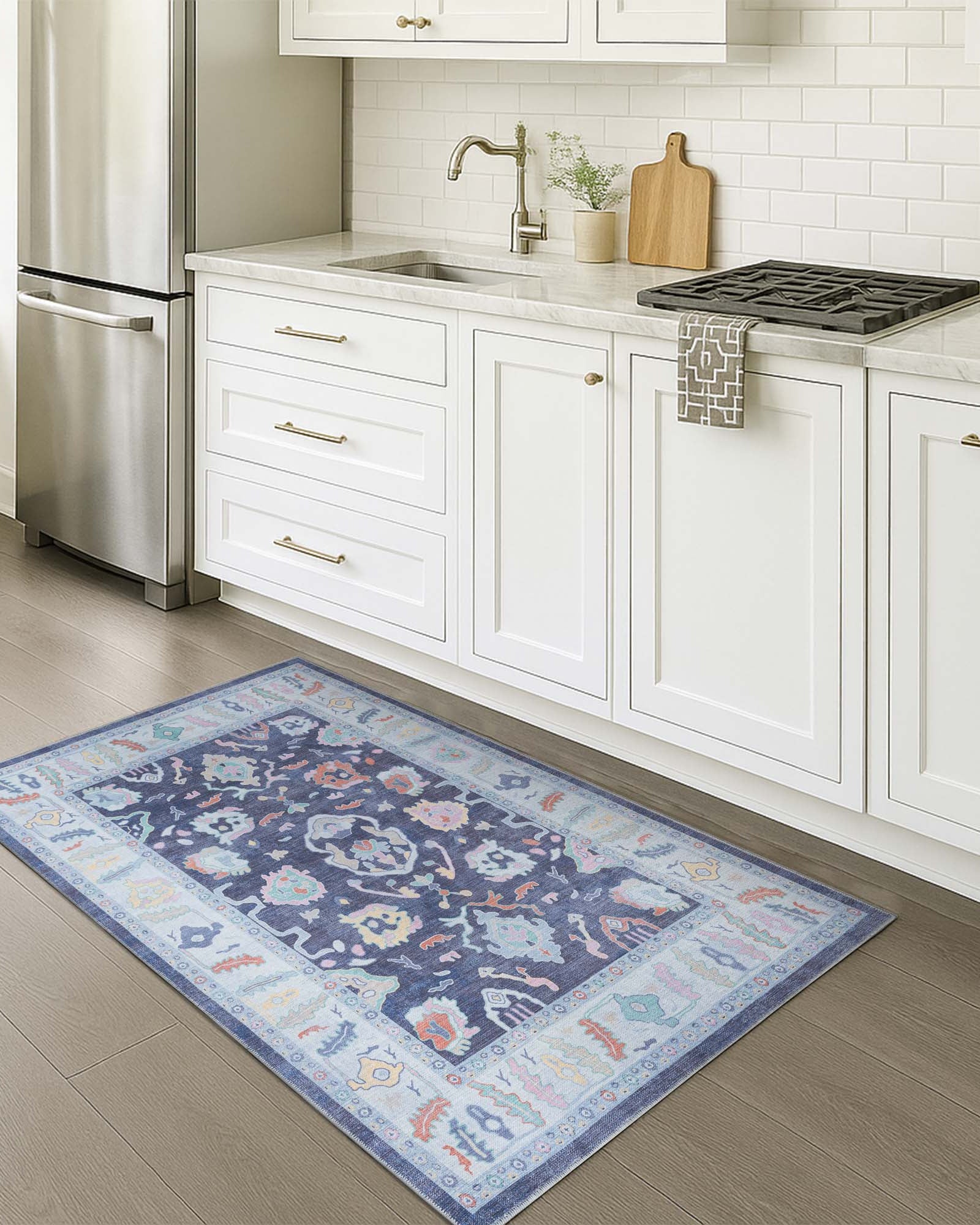
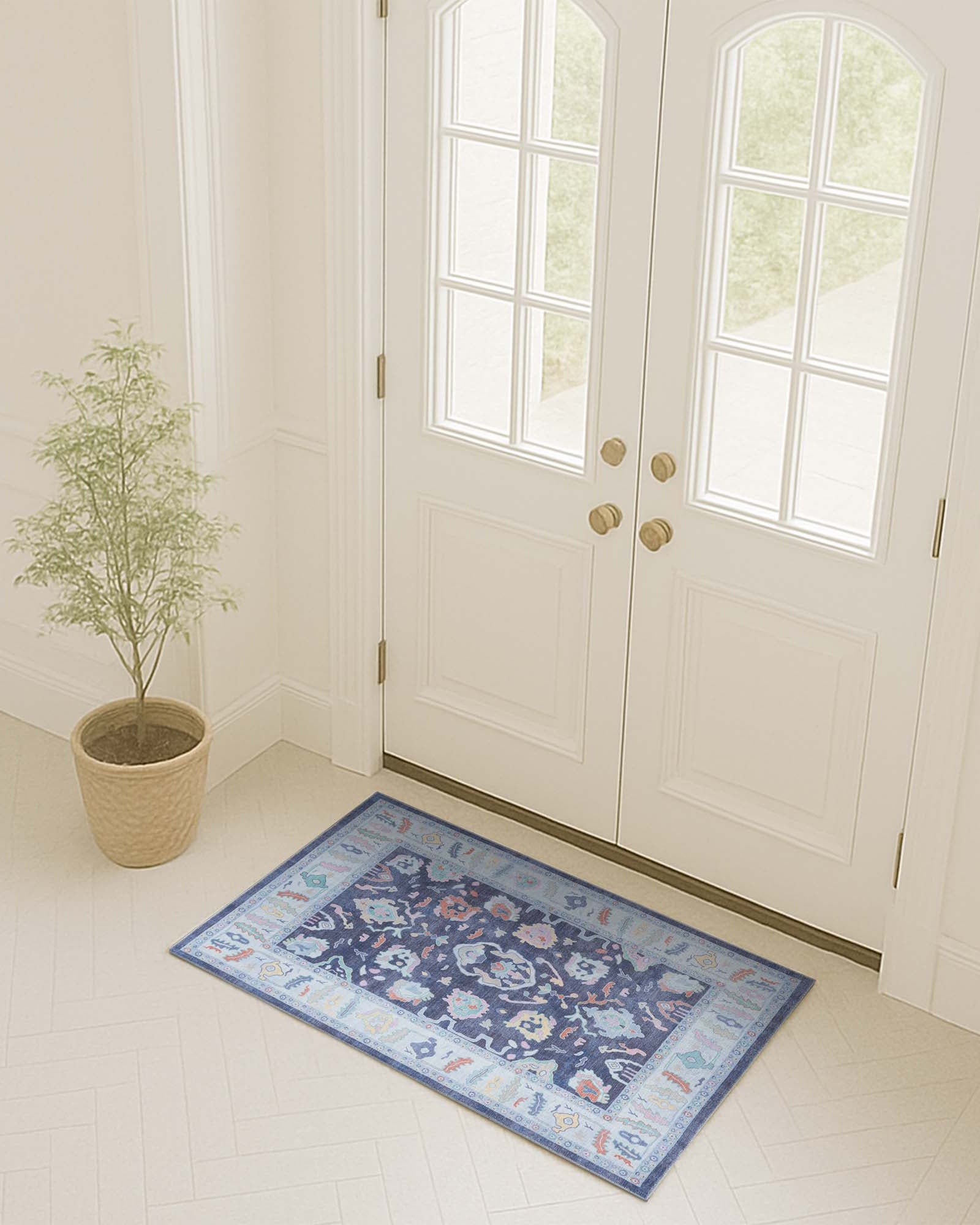
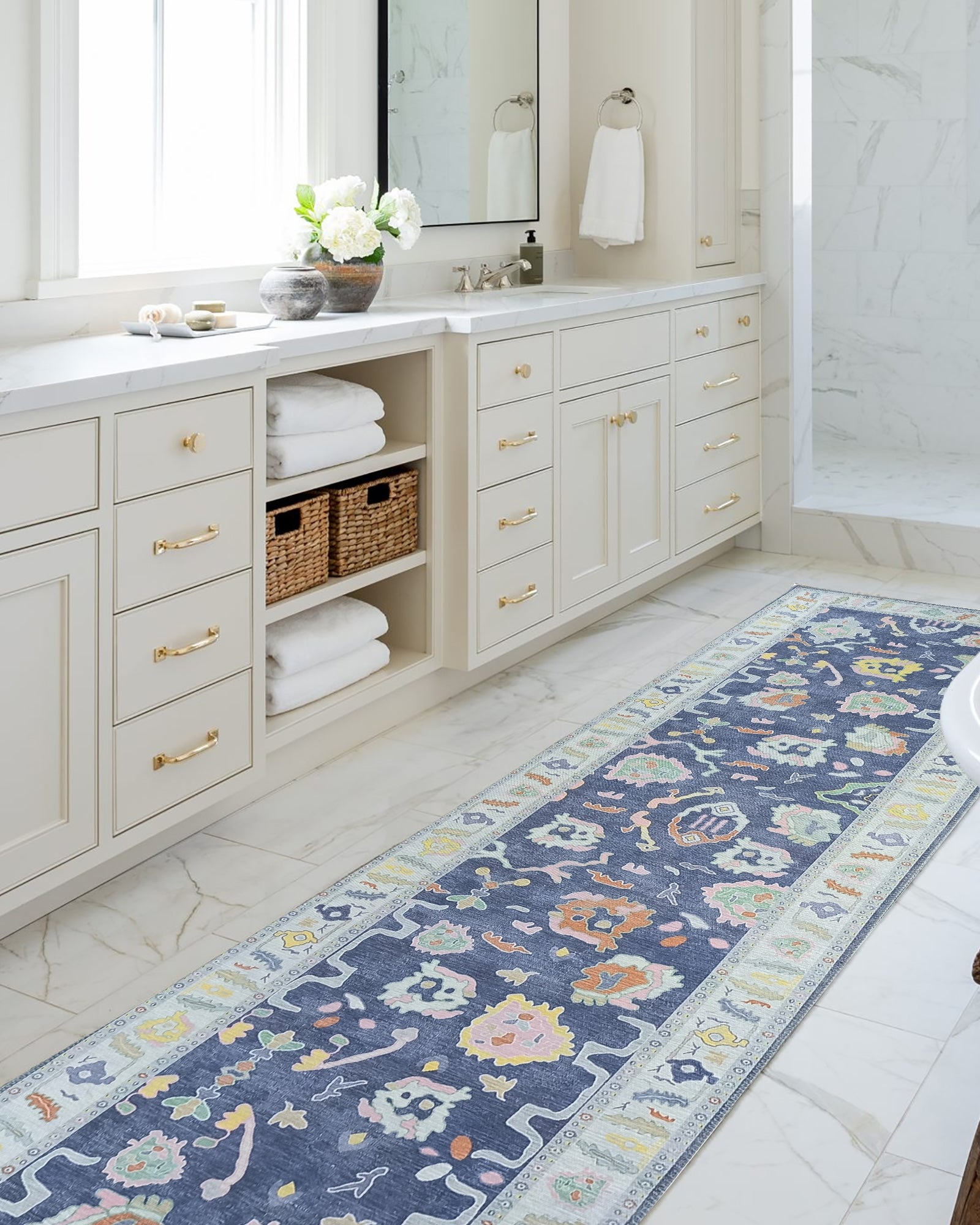
Most flatweave tradition leans toward pattern — repeating motifs, symbolic borders, a field packed with meaning built up over generations of weaving. This page goes the other direction, gathering pieces where restraint is the whole design: a plain or nearly plain field, minimal color, and pattern reduced to a single gesture rather than a dense repeat. These are genuinely traditional handwoven rugs that happen to suit a pared-back room without any styling required.
Where Minimal Flatweaves Come From
Simplicity in an old flatweave usually has a practical origin rather than a stylistic one. Plain-field kilims were often woven for utility — storage sacks, floor coverings for a working space, bedding — where elaborate pattern wasn't the point. Undyed wool pieces, built from natural fleece tones rather than dye, are minimal by necessity as much as by choice, since the weaver worked with a limited natural palette. What reads as a deliberate, restrained aesthetic today was frequently a practical decision generations ago.
Why Restraint Reads as Contemporary
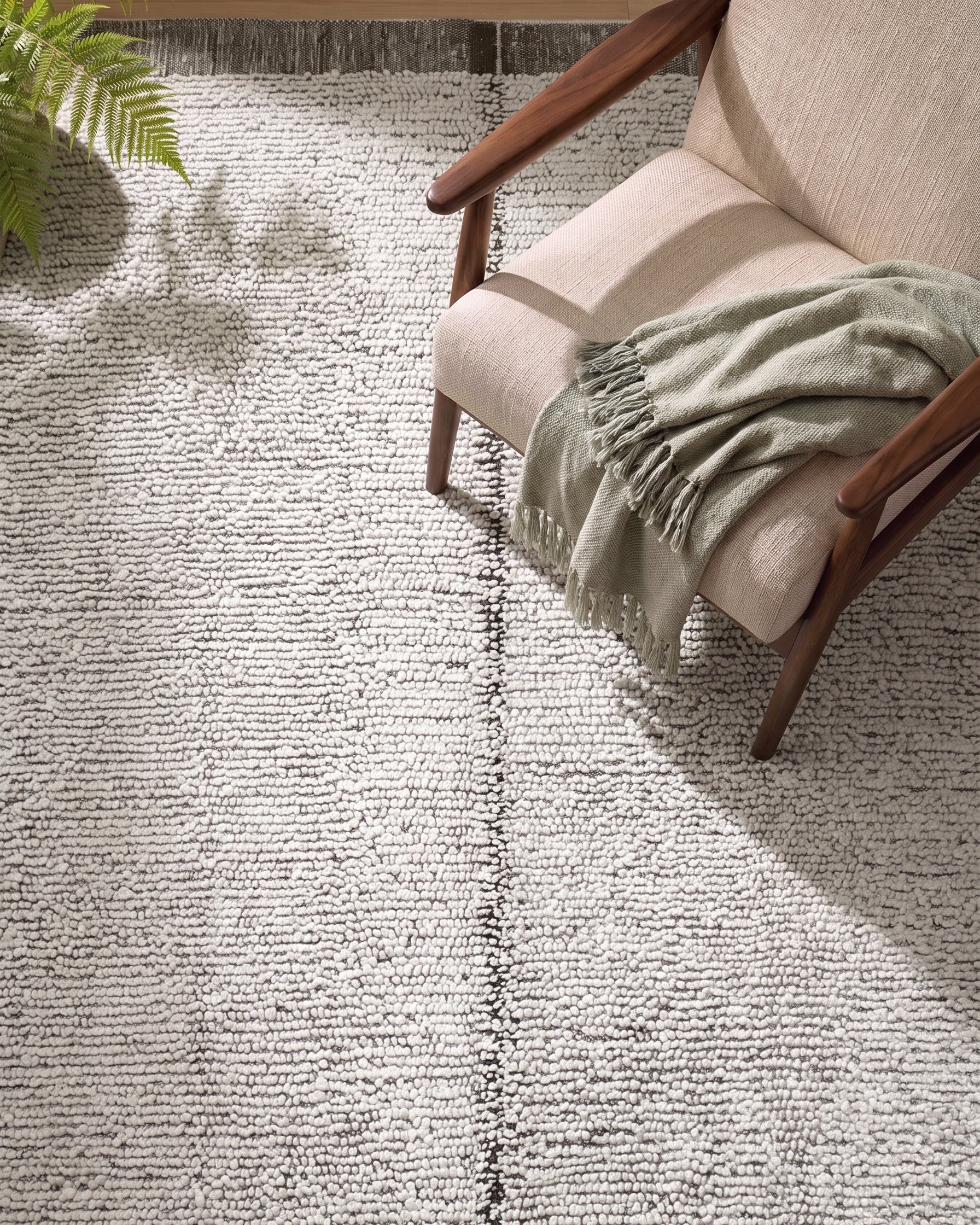
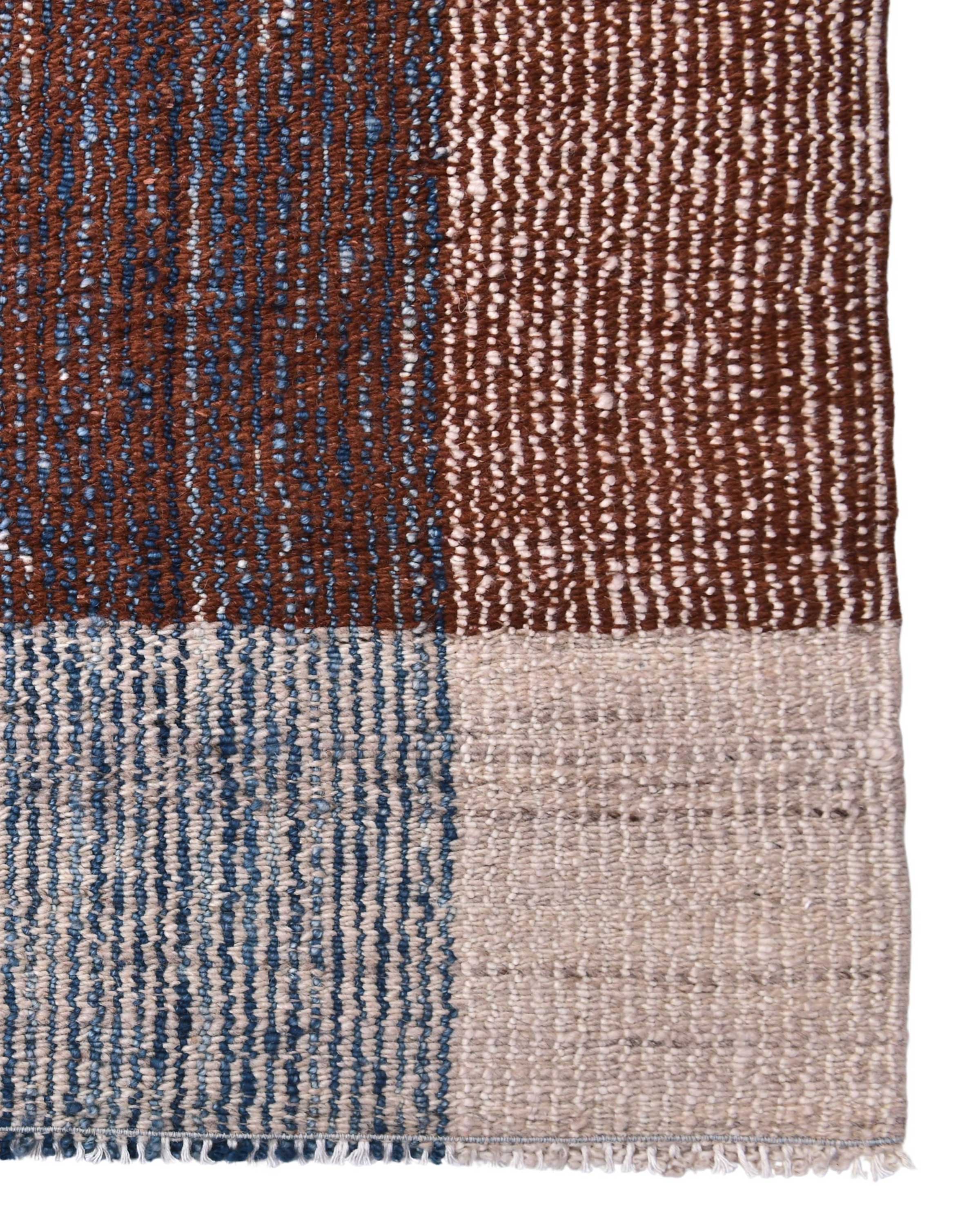
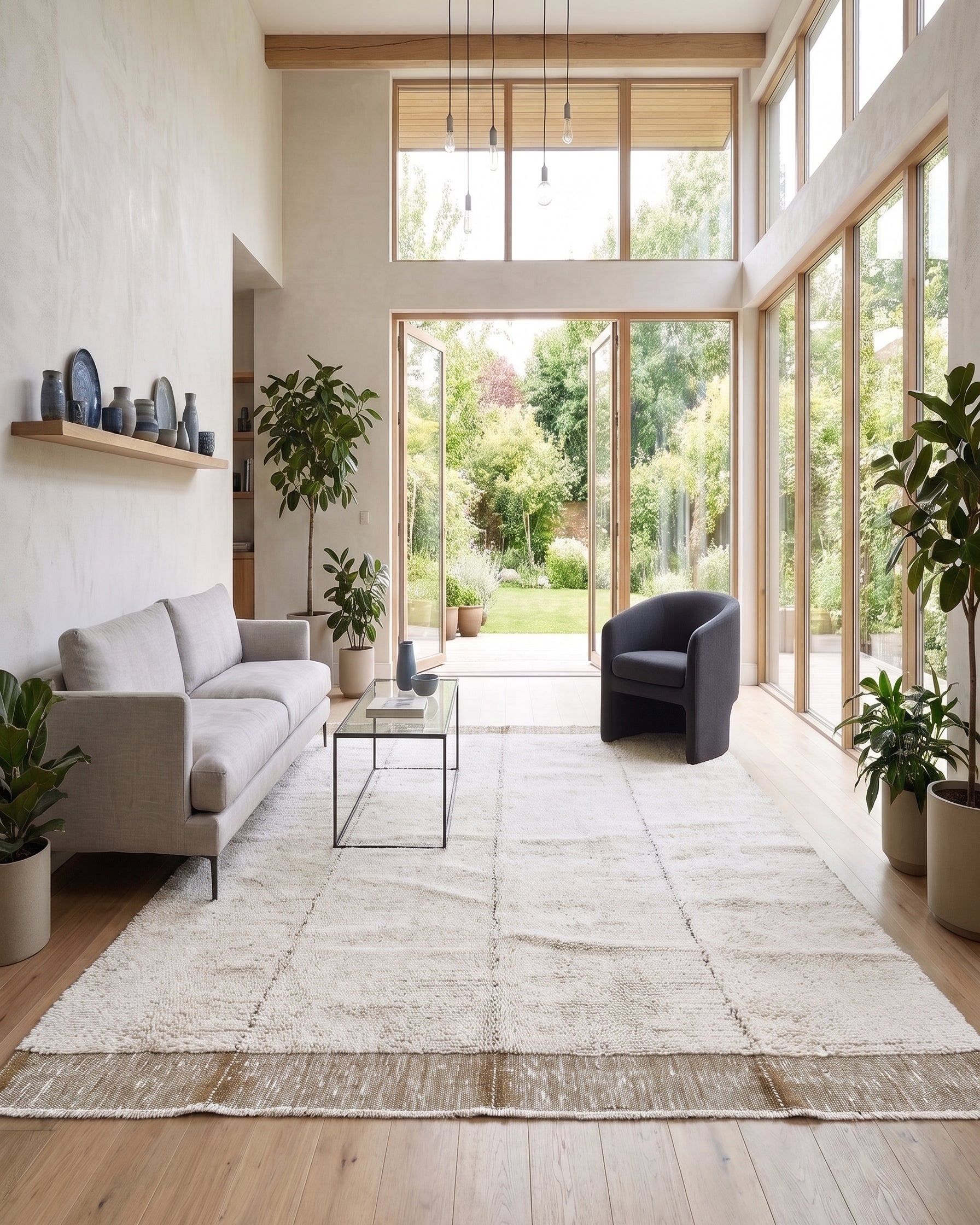
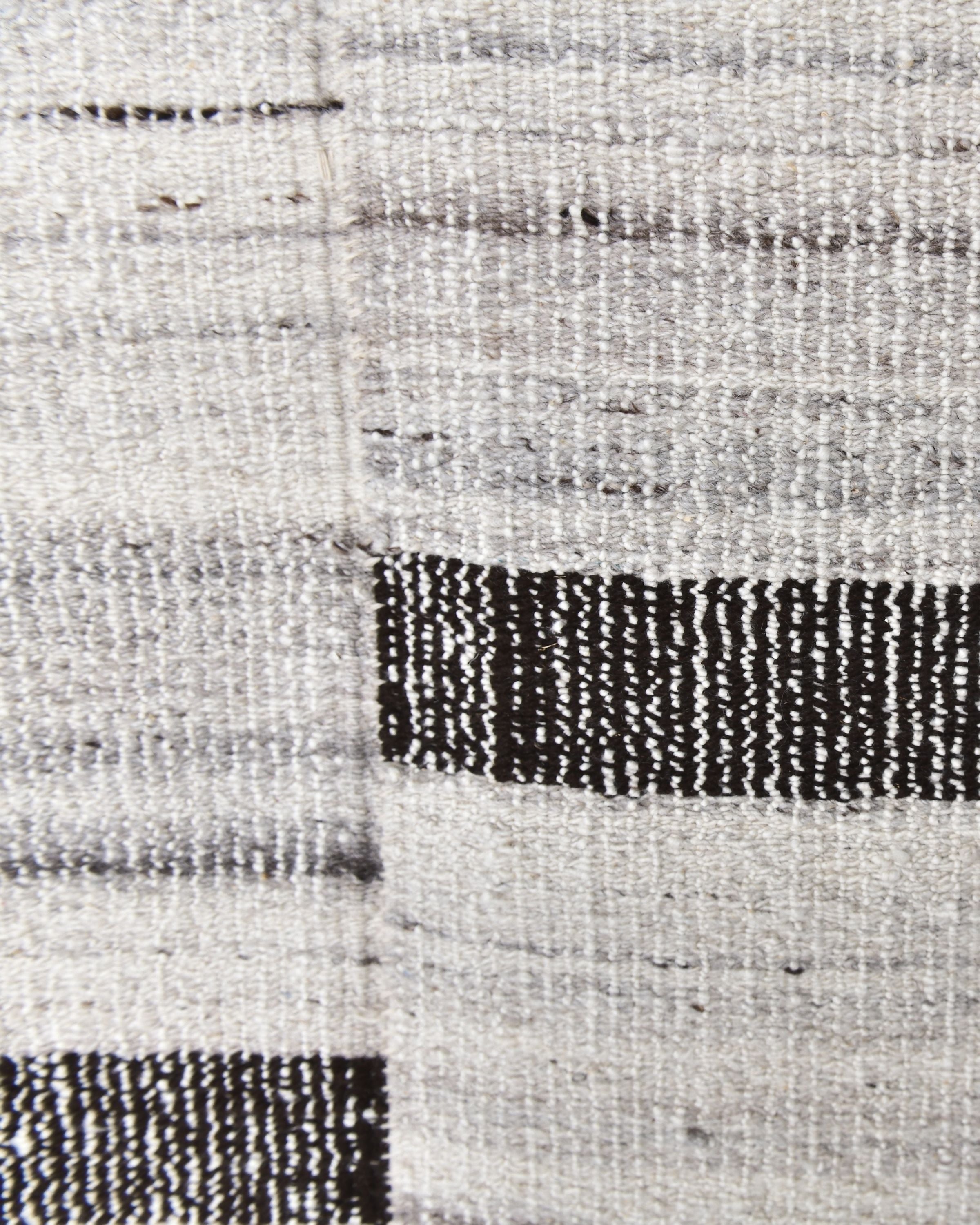
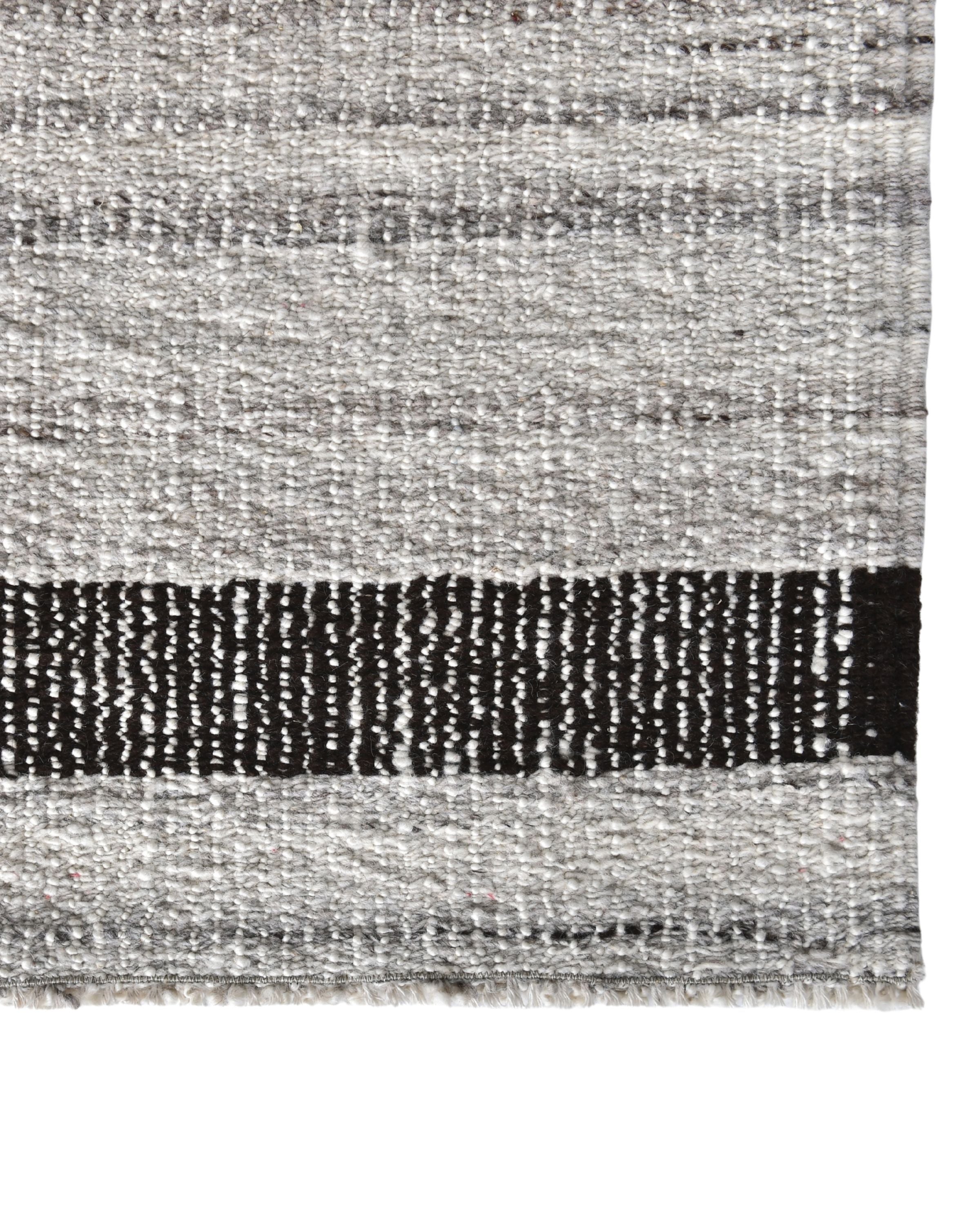
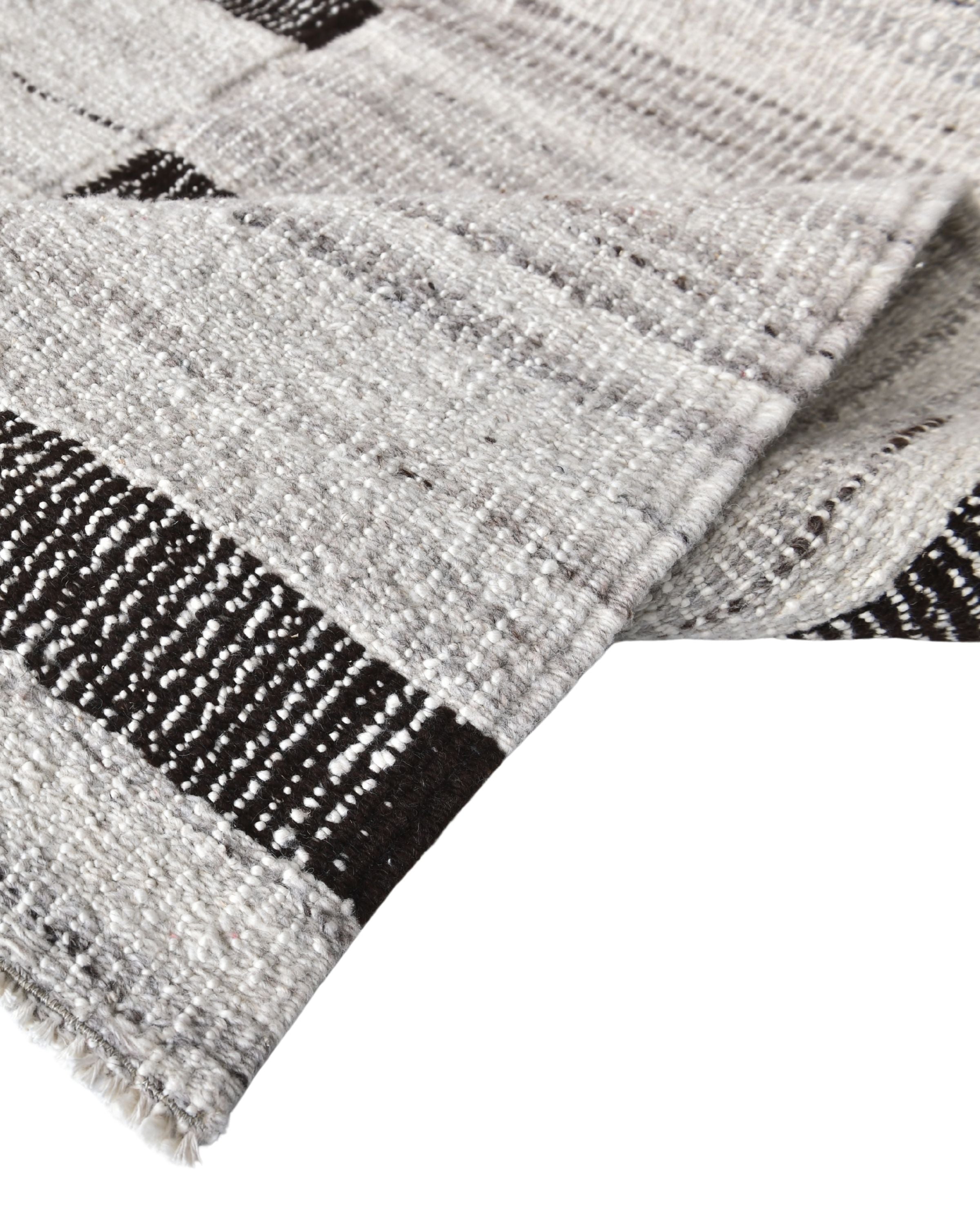
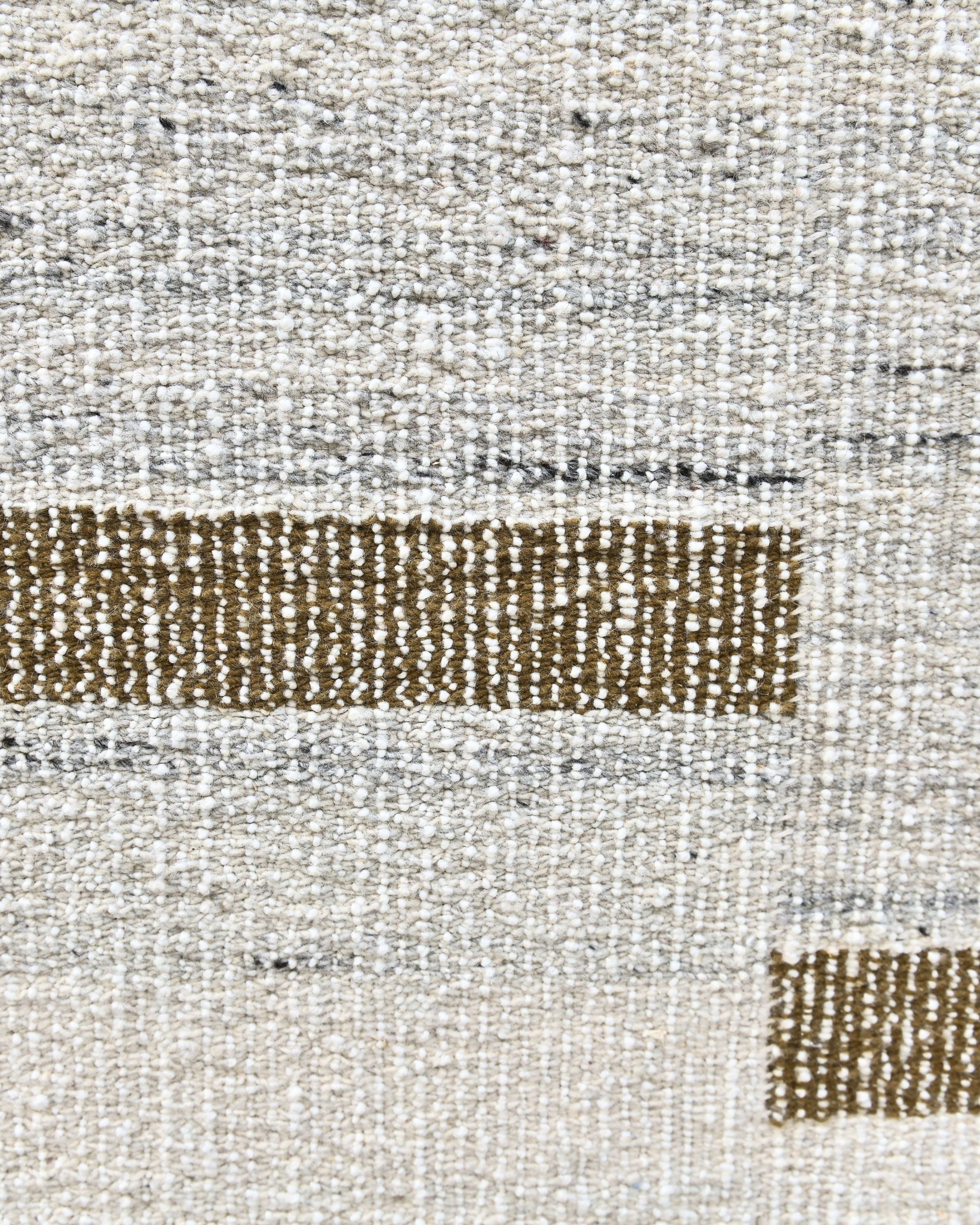
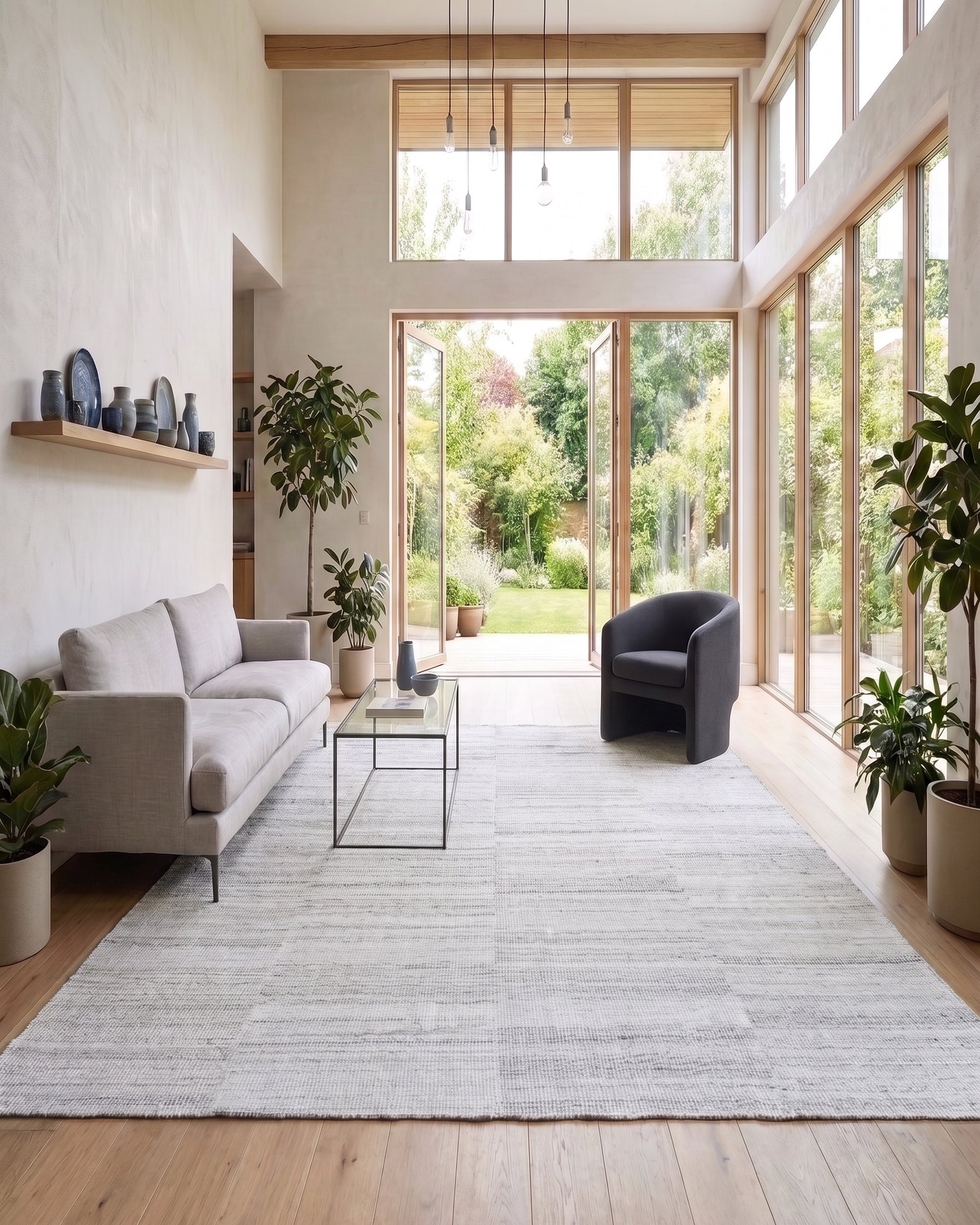
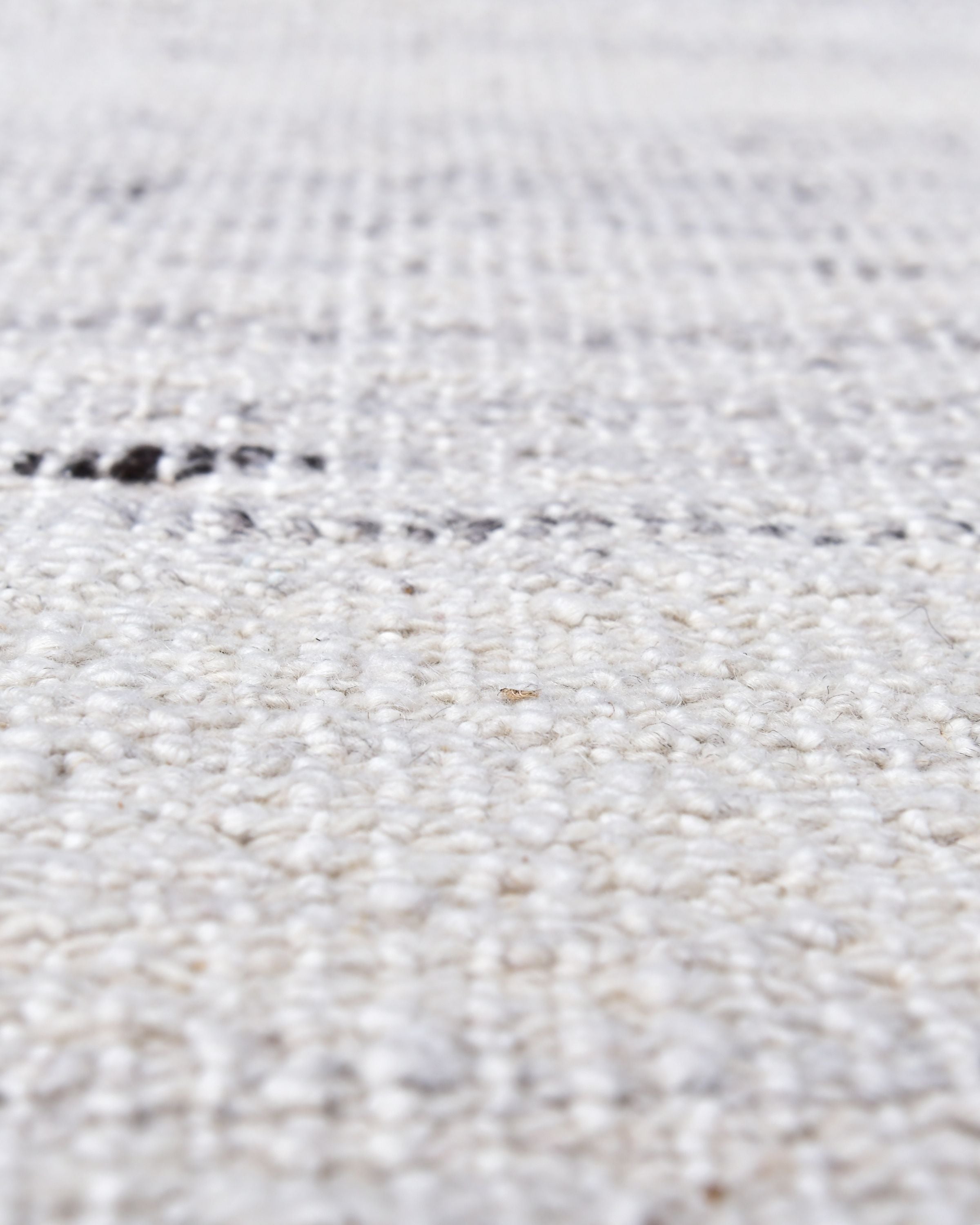
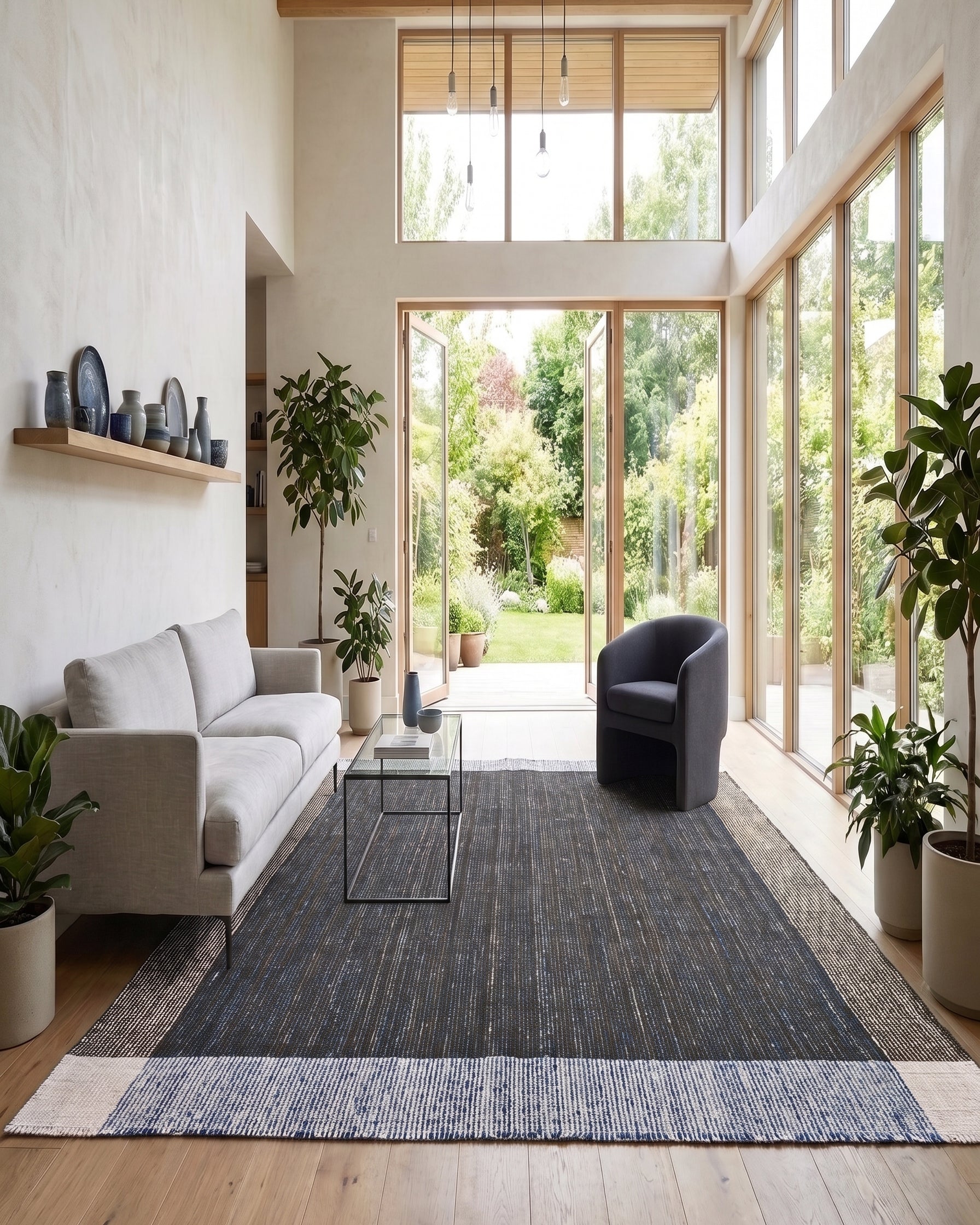
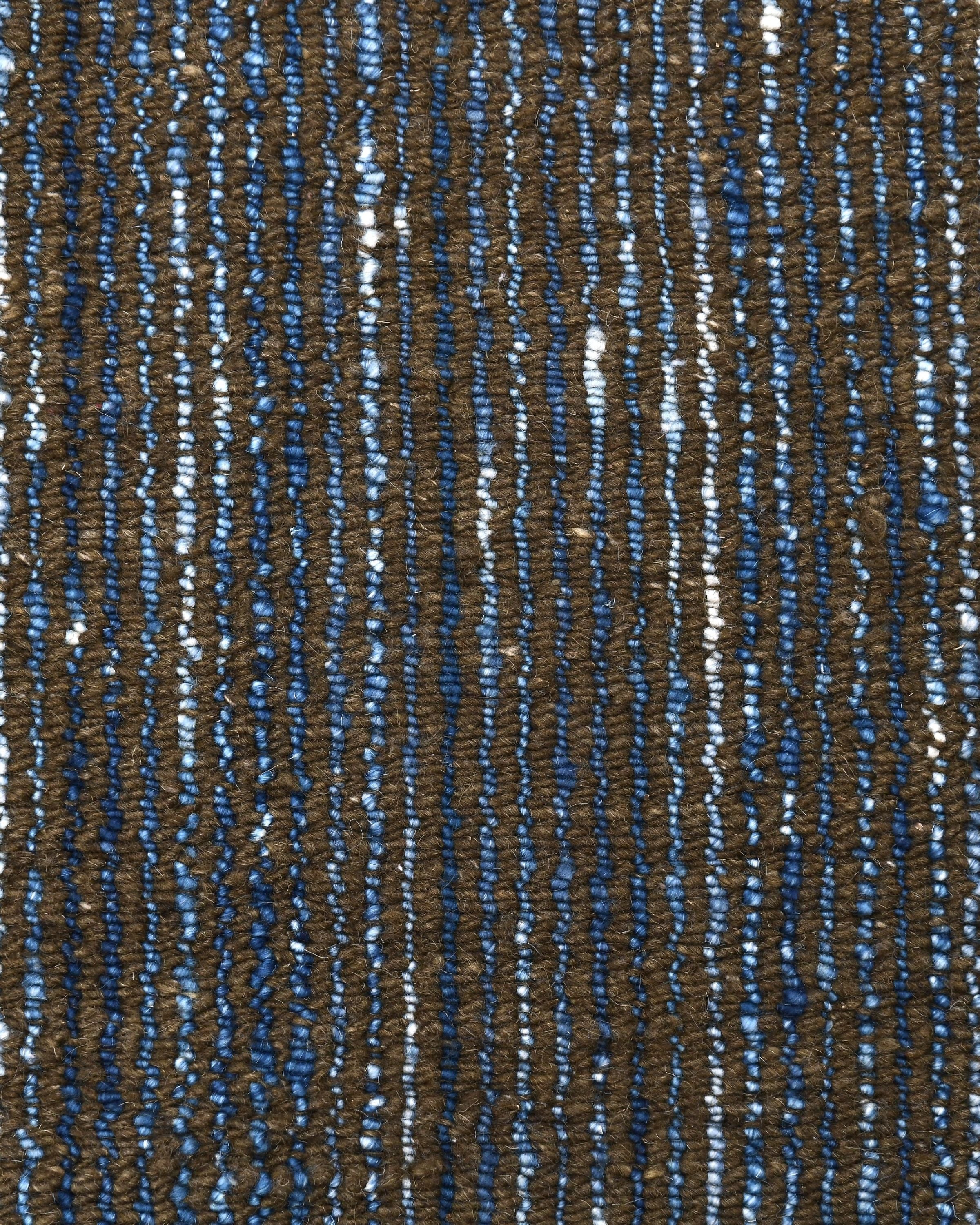
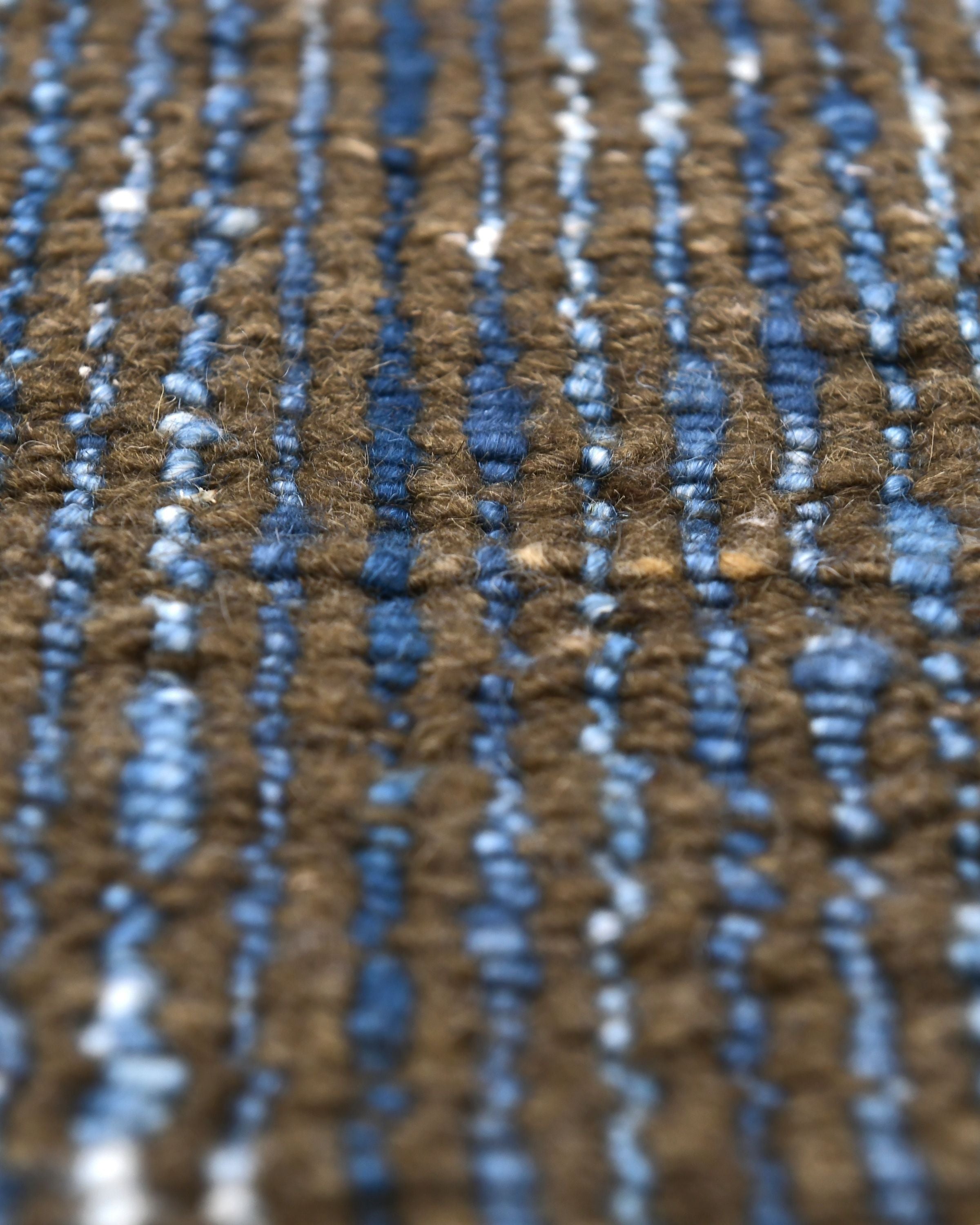
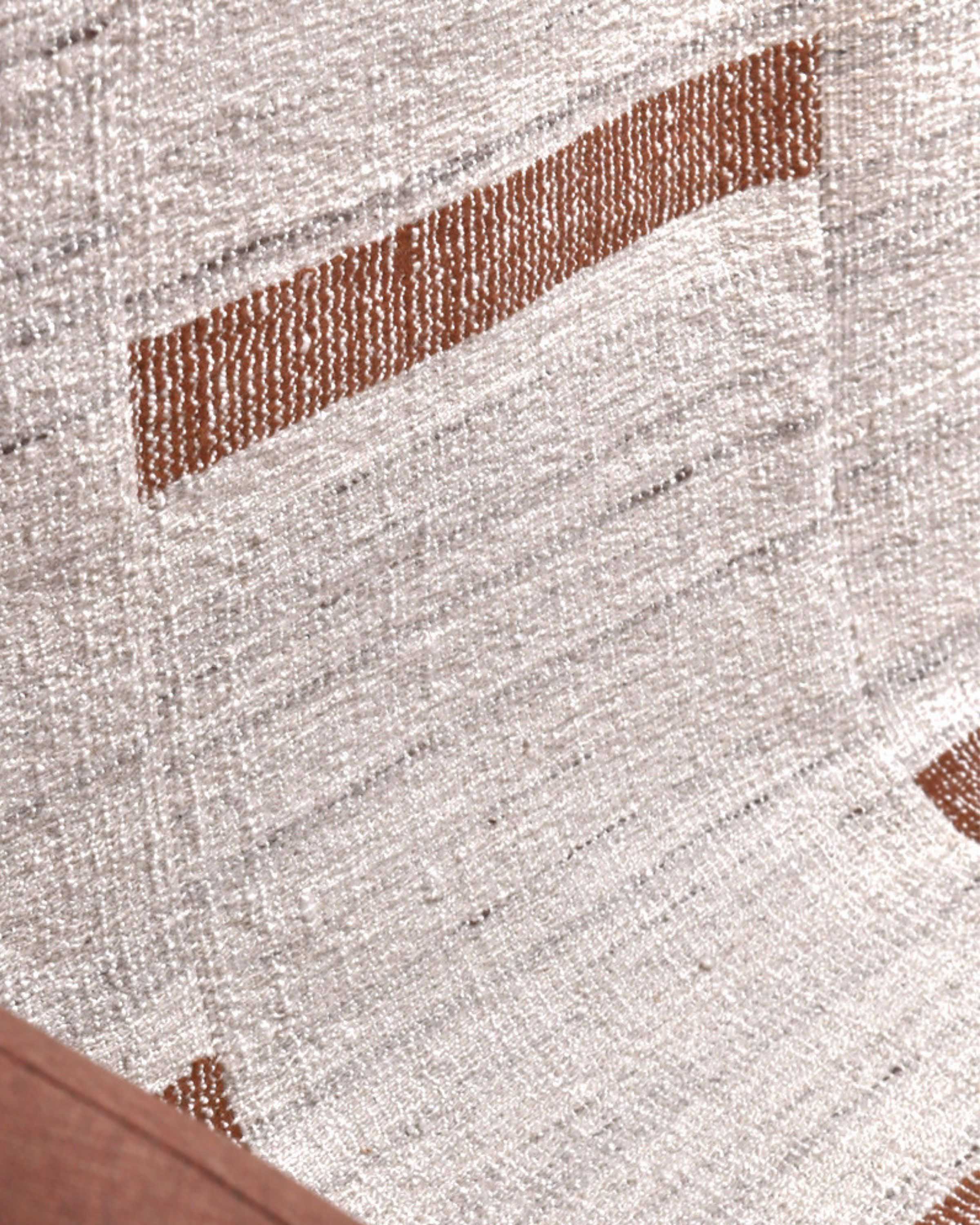
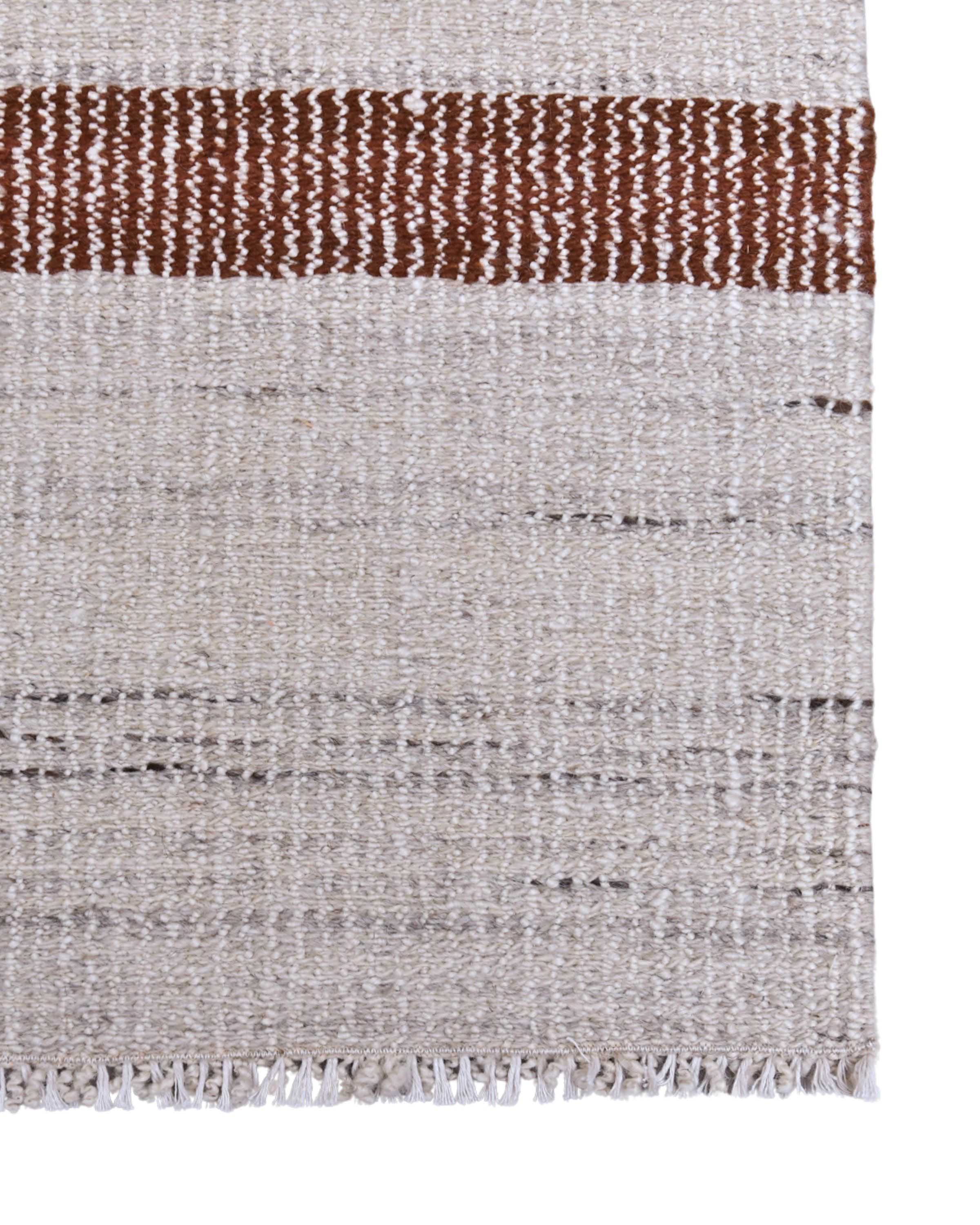
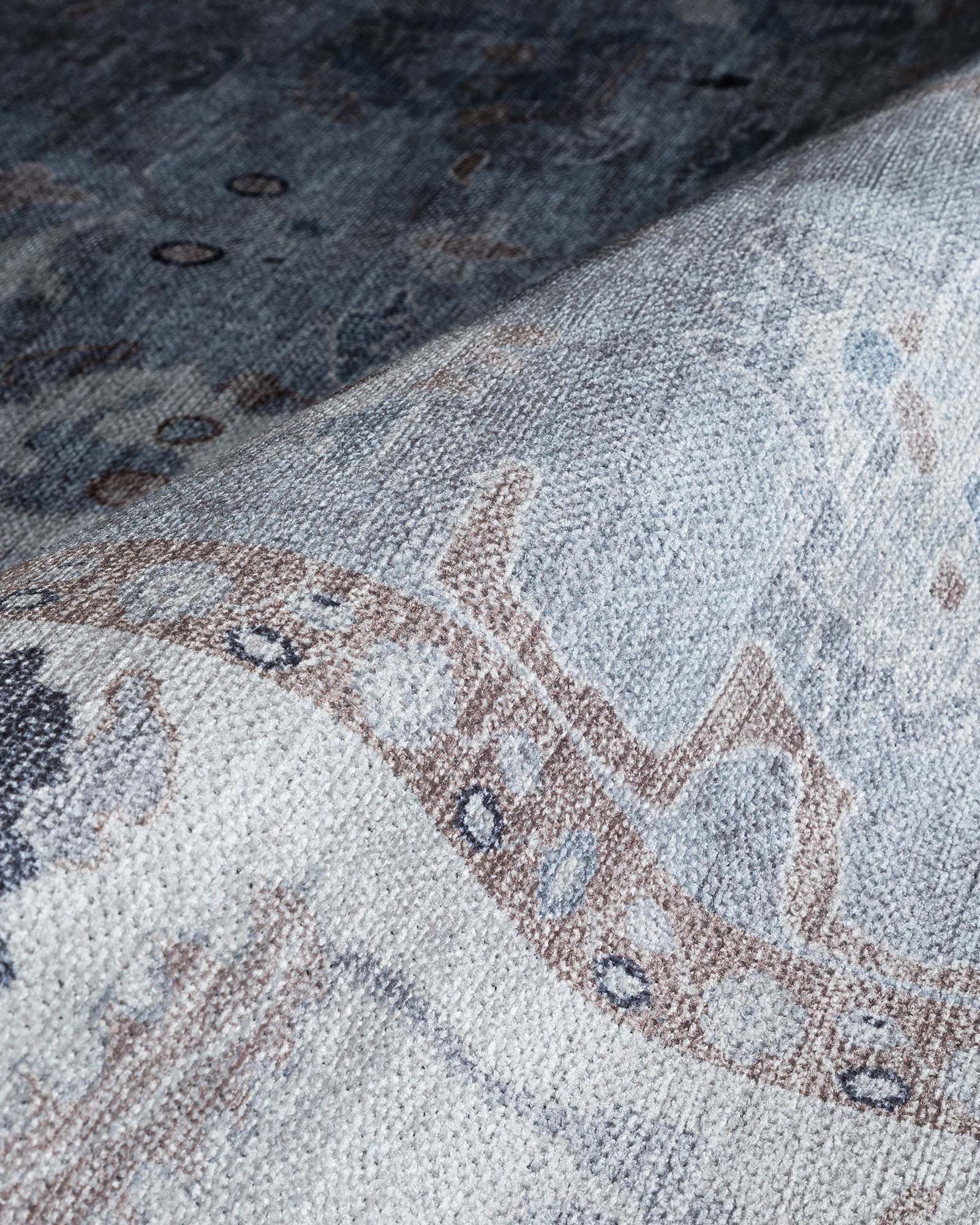
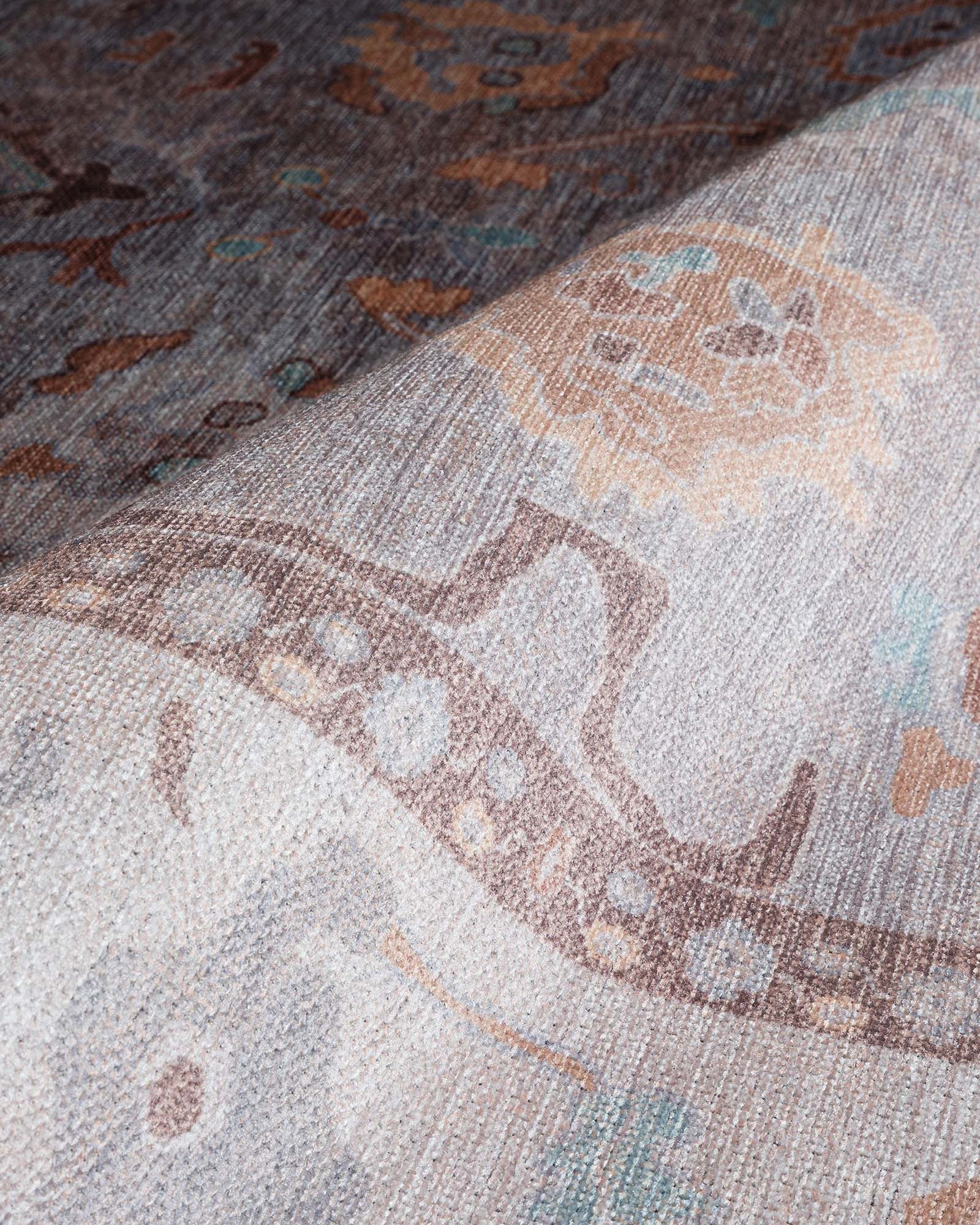
A large, unbroken field of color or texture behaves visually like a solid, which is exactly what a minimalist interior wants from its floor covering — something that grounds the room without adding visual noise. Where a densely patterned rug competes with clean furniture lines and bare walls, a plain or near-plain flatweave recedes into the room the way a piece of quiet architecture does. The texture of handweaving still reads up close, which is what keeps these pieces from feeling as flat as a solid-color synthetic rug would.
What to Look For
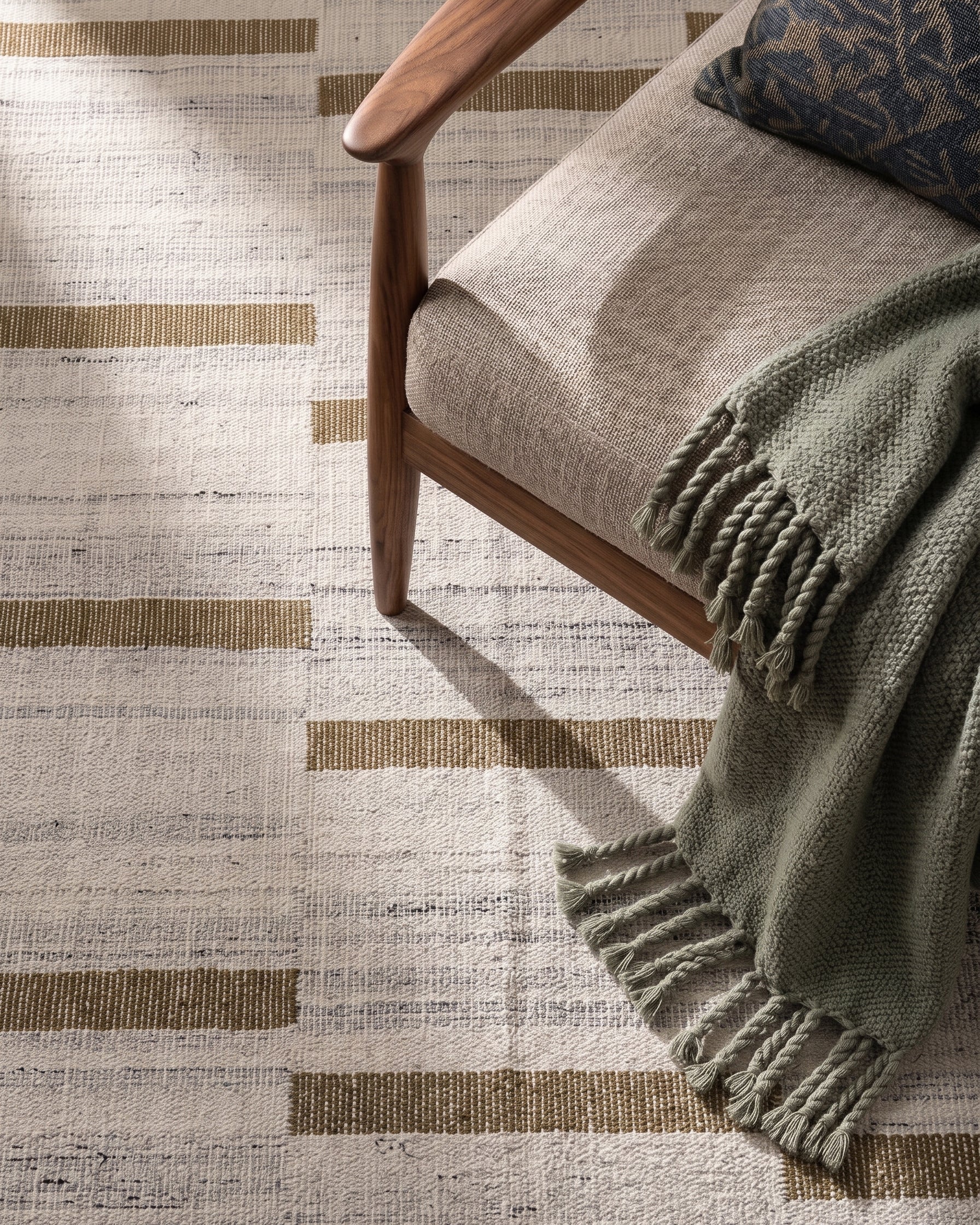
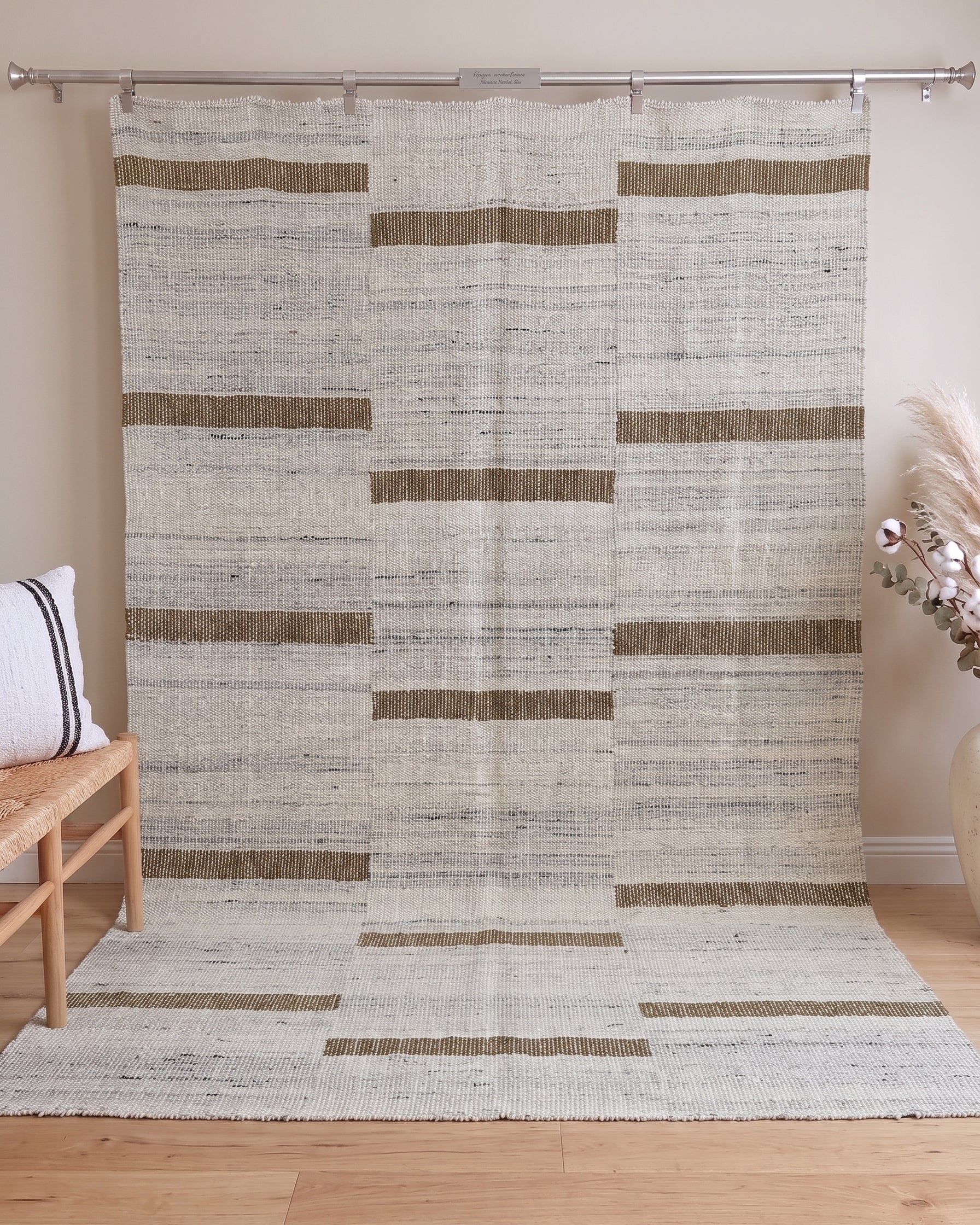
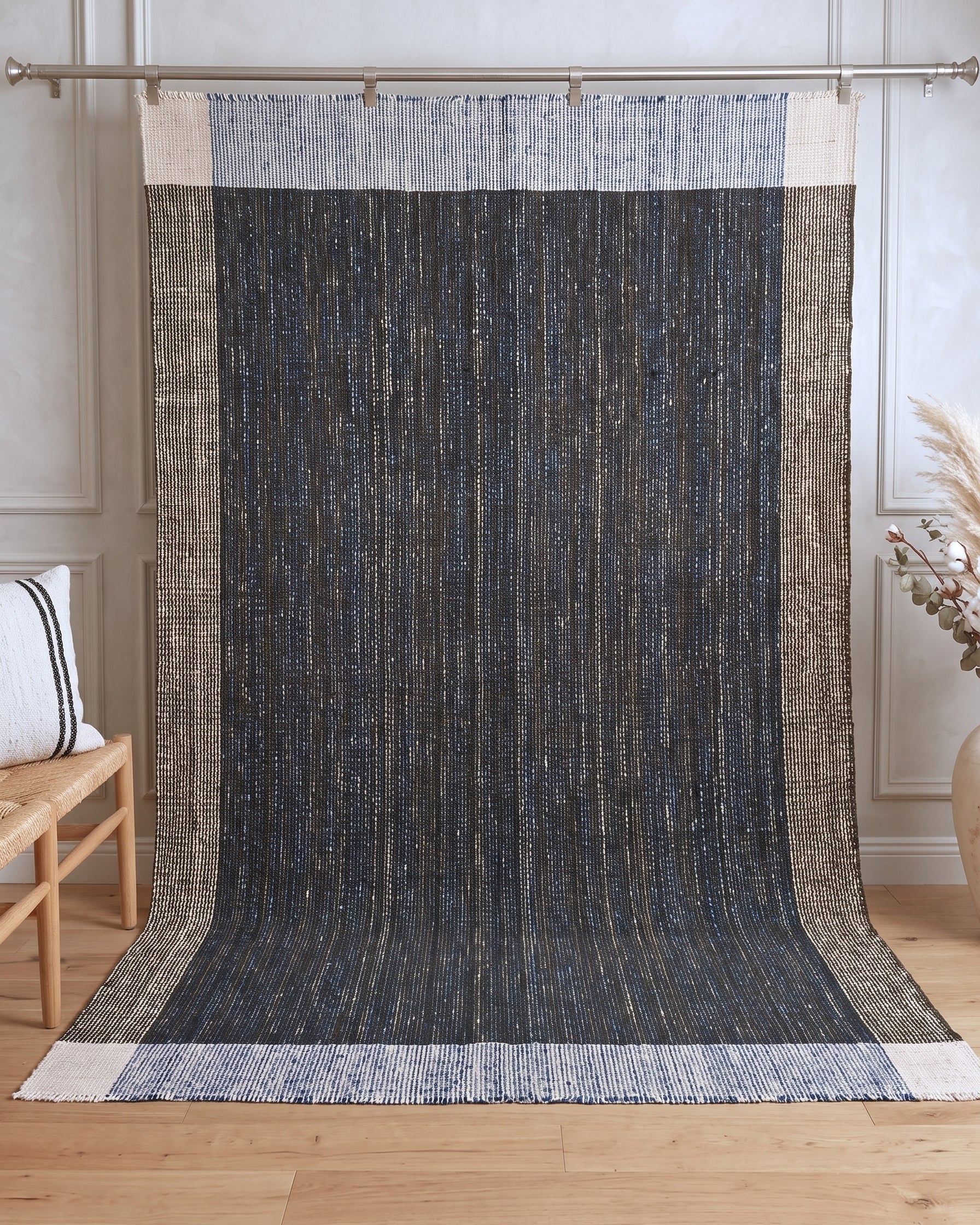
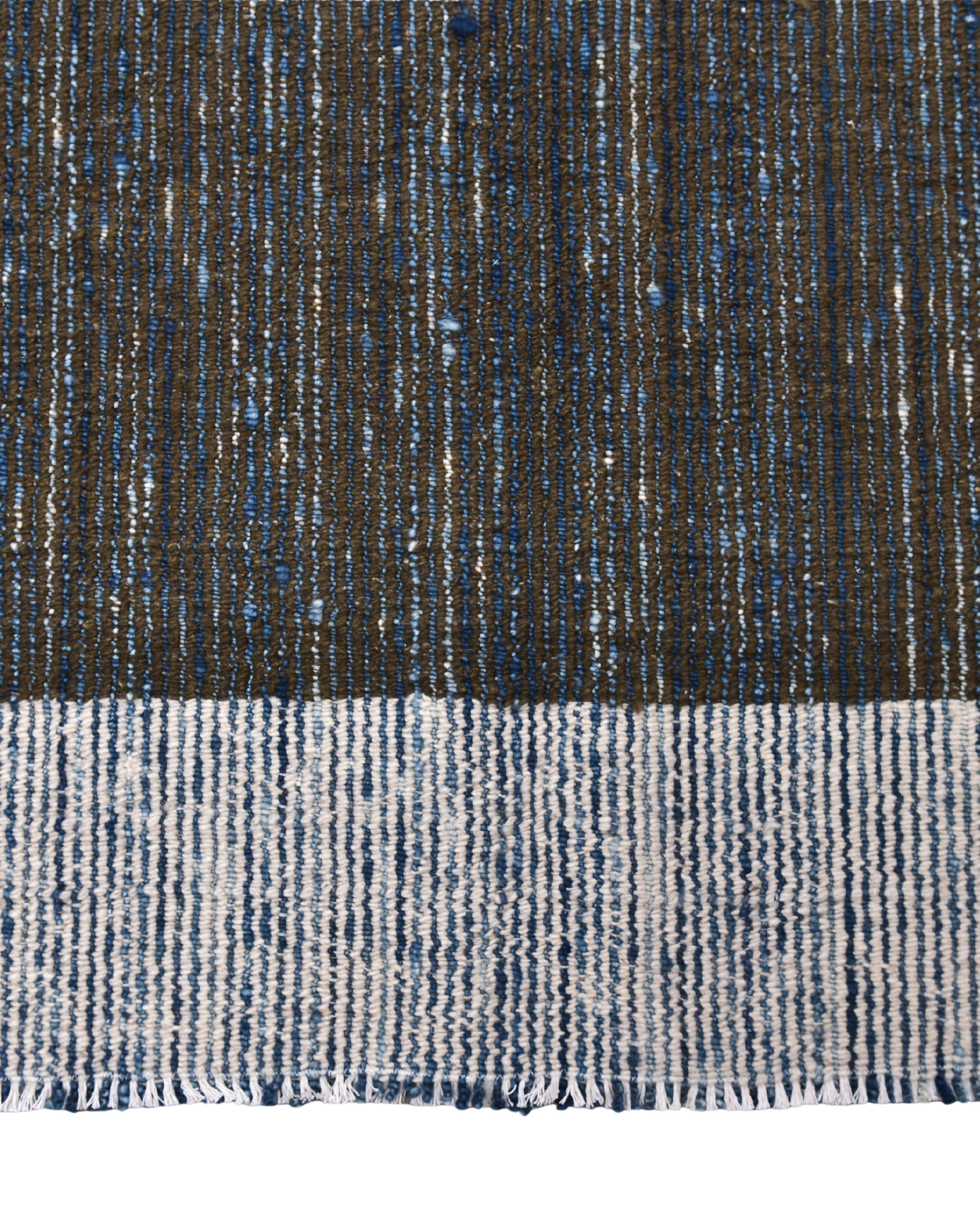
Even within "minimal," there's a range worth understanding. Fully plain fields, usually in undyed or single-dye wool, are the most restrained option and read almost like a textured neutral. Pieces with a single simple motif — a border line, a modest central stripe — carry slightly more visual interest while staying quiet overall. Striped kilims, common across several weaving traditions, offer rhythm without complexity and work well in a room that wants some movement without full pattern.
Styling a Minimalist Flatweave
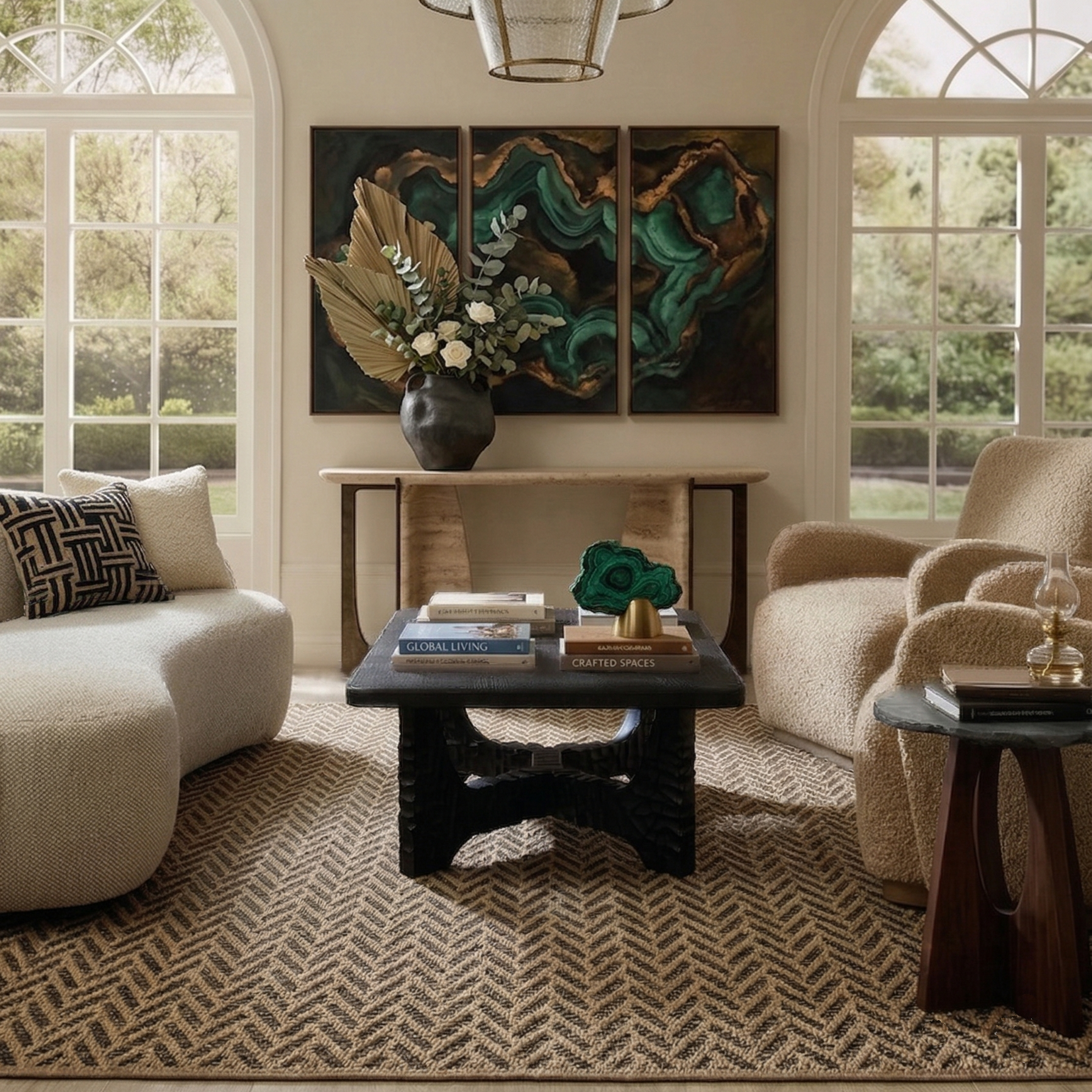
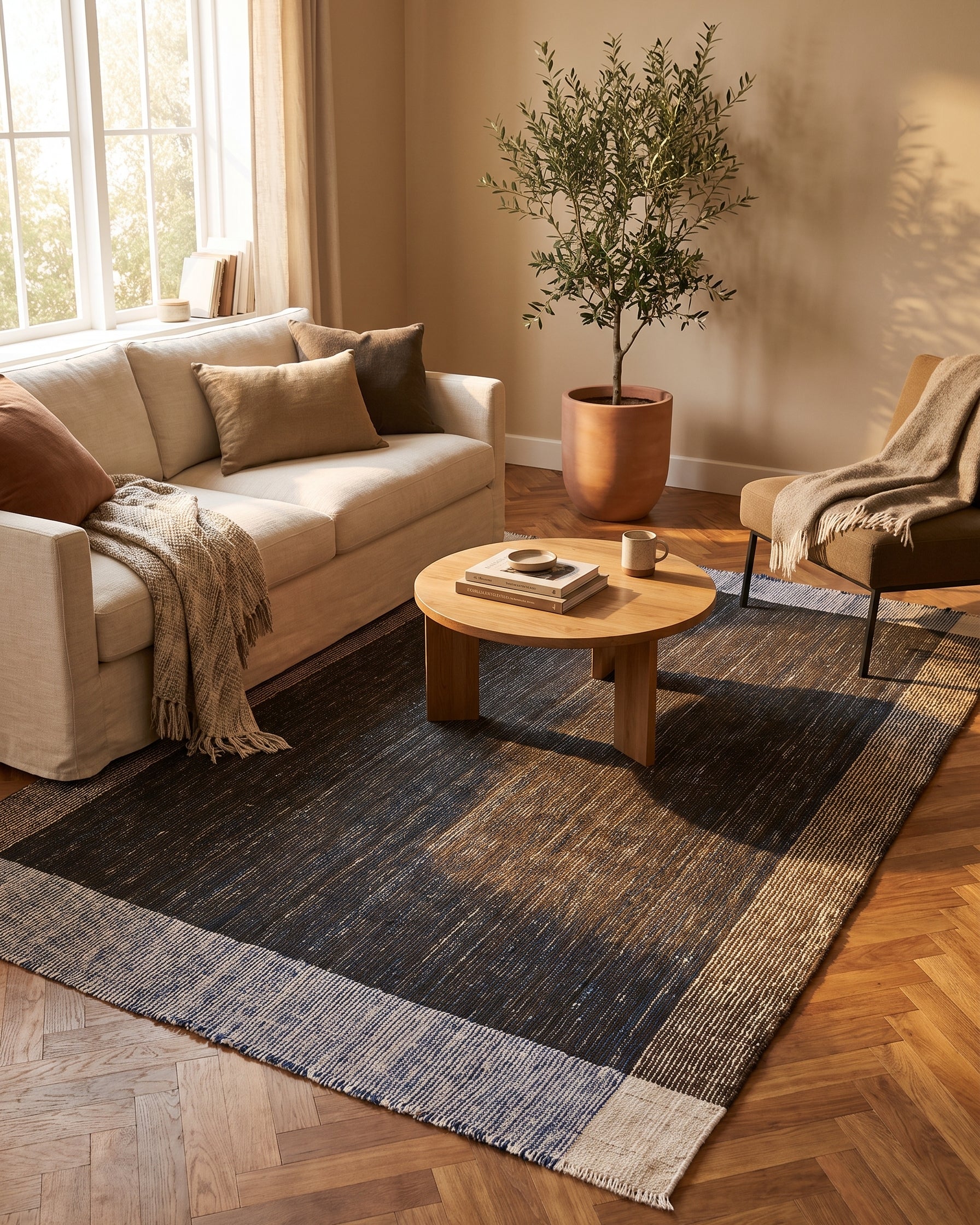
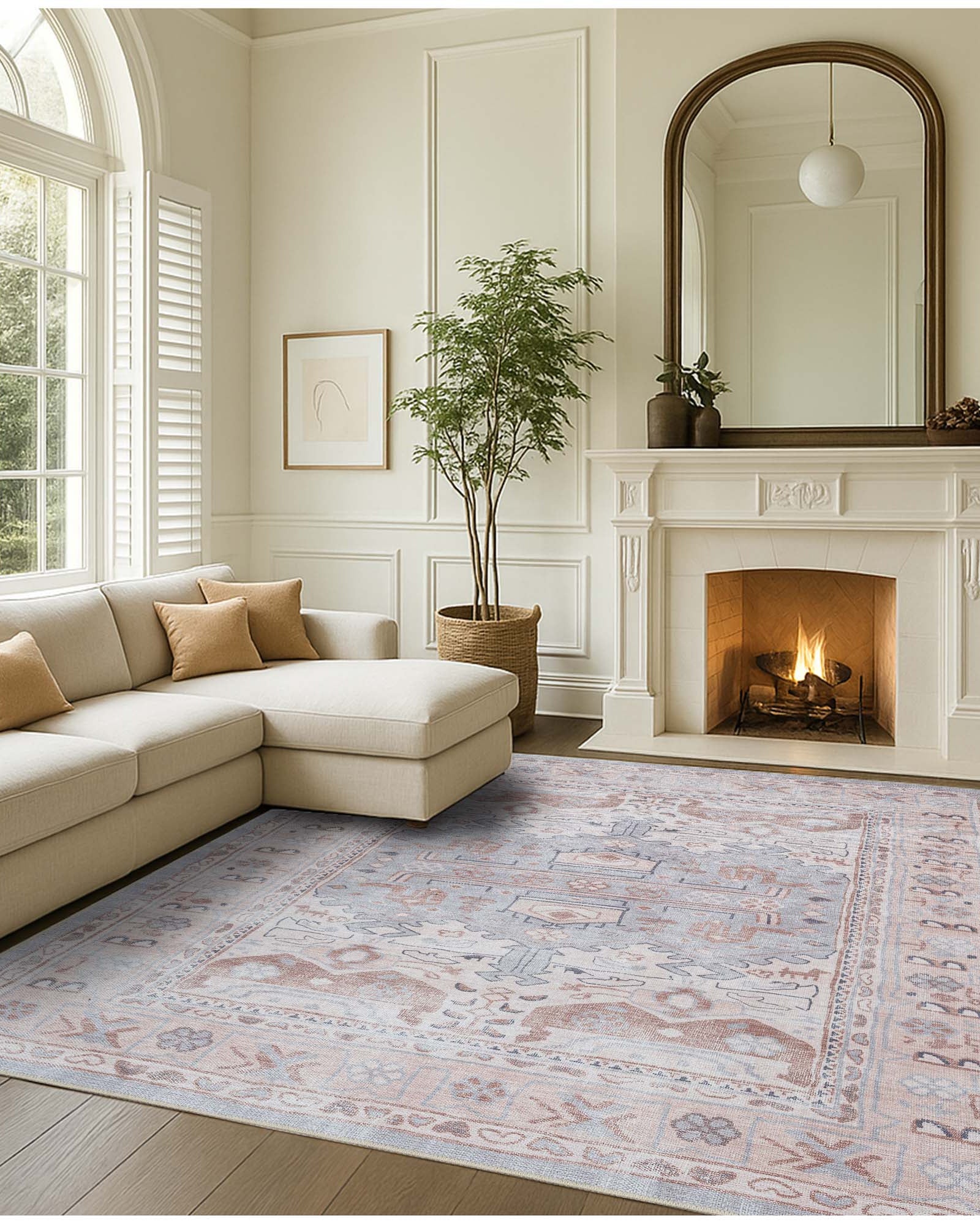
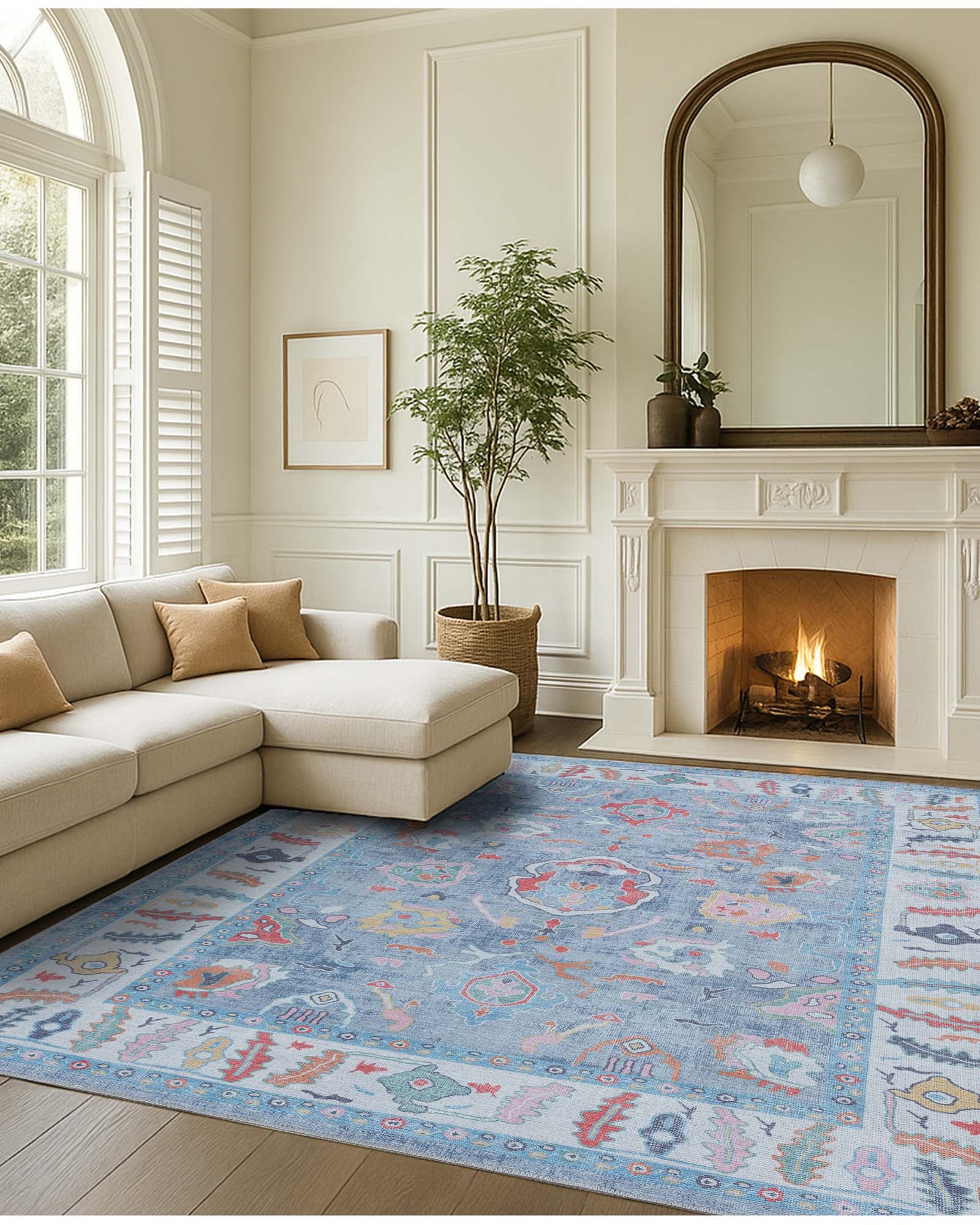
These pieces are built to disappear a little, which means they're the right choice when you want the floor to support the room rather than lead it. They work especially well alongside natural materials — pale wood, linen, unlacquered brass — where the shared quietness reads as coherent rather than sparse. Layer one over a larger jute or sisal base if the room needs more coverage than a single small piece provides, since the low visual weight of both layers keeps the combination from feeling busy.
Where to Look Next
For the full range of flatweave pattern and origin, browse Flatweave Rugs. For genuinely undyed pieces specifically, see Undyed Wool Rugs. For a quiet, softened palette across any construction, Vintage Neutral Rugs is worth a look.
Frequently Asked Questions
What makes a flatweave rug "minimalist"?
A plain or nearly plain field, restrained color, and pattern reduced to a single simple gesture rather than a dense repeat — often the result of a rug originally woven for utility rather than display.
Are minimalist flatweaves less traditional than patterned ones?
No. Plain and undyed pieces are a genuine part of flatweave tradition, often woven for practical household use where elaborate pattern wasn't the priority. The restrained look is authentic, not a modern reinterpretation.
Do minimalist rugs work in a room with other pattern or texture?
Yes, often better than a busy rug would. A quiet, plain-field flatweave grounds a room without competing with other design elements, which makes it easier to layer with patterned furniture or art than a heavily patterned rug.
What's the difference between minimalist and undyed rugs?
Undyed rugs are specifically colored only in natural fleece tones with no dye at all. Minimalist flatweaves include undyed pieces but also cover dyed rugs with restrained pattern and limited color, so the category is broader.
What's the difference between this page and the main Flatweave Rugs collection?
This page highlights pattern restraint and simplicity specifically. The full collection includes the entire range of flatweave pattern, from dense tribal geometry to the quiet, plain fields featured here.