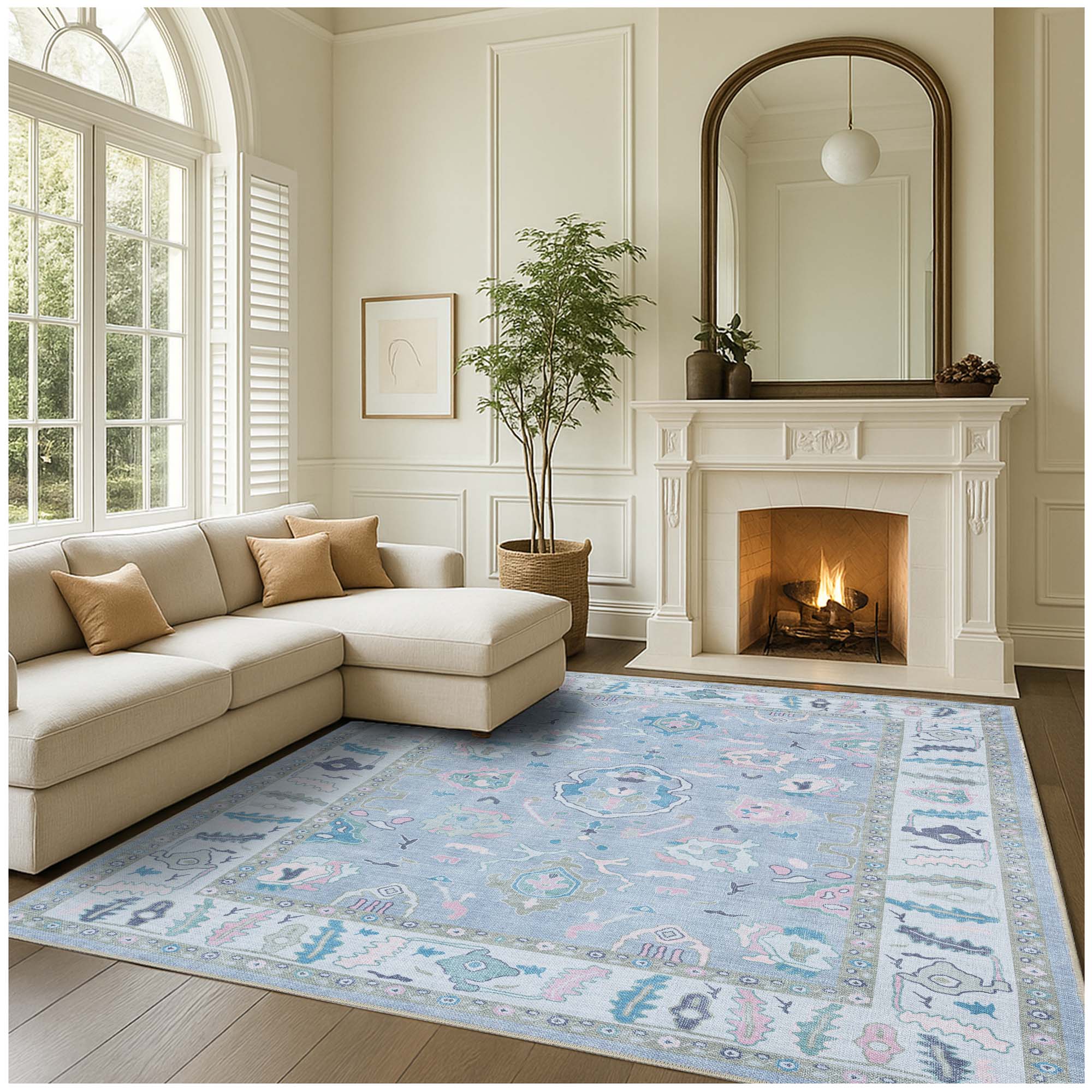
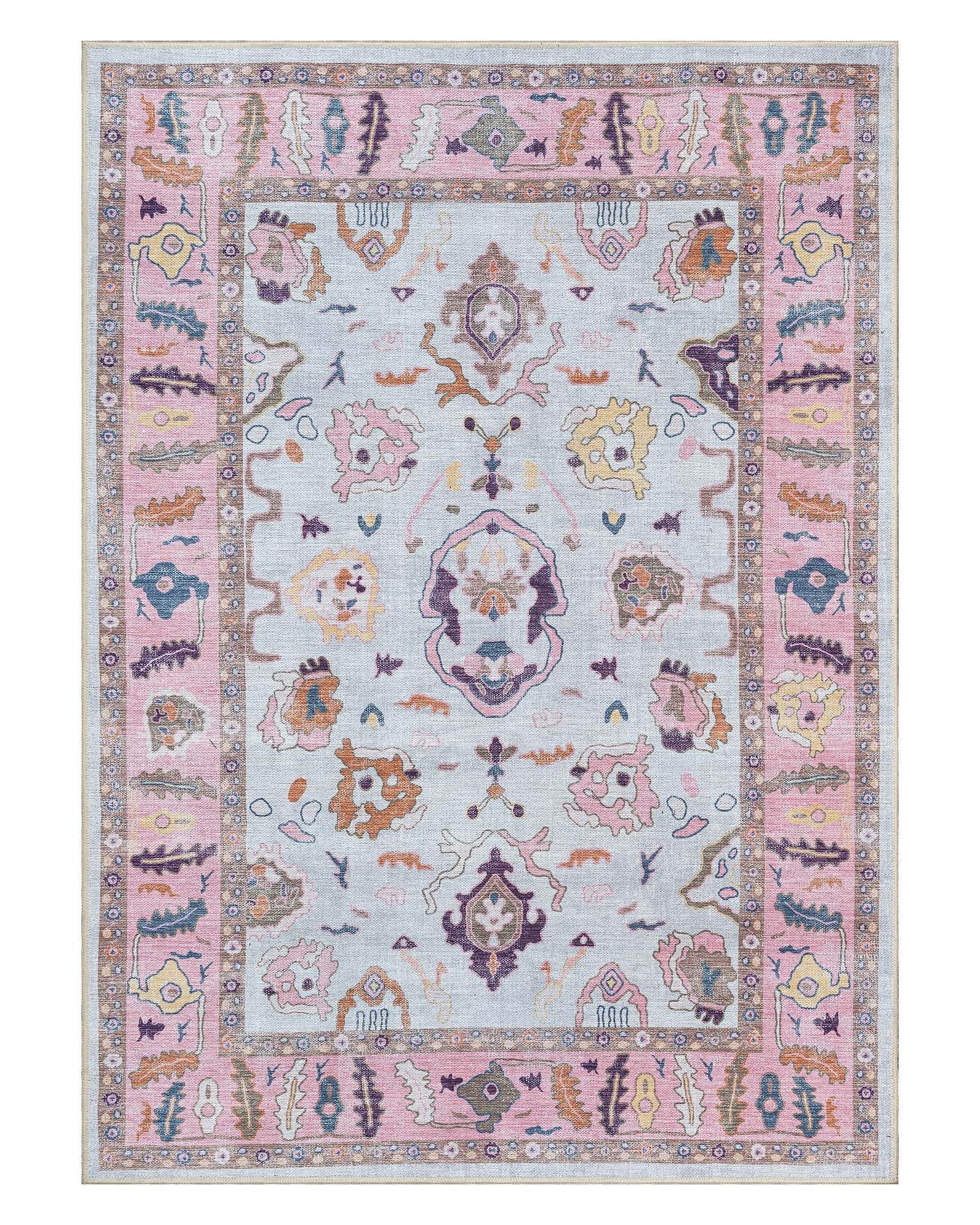
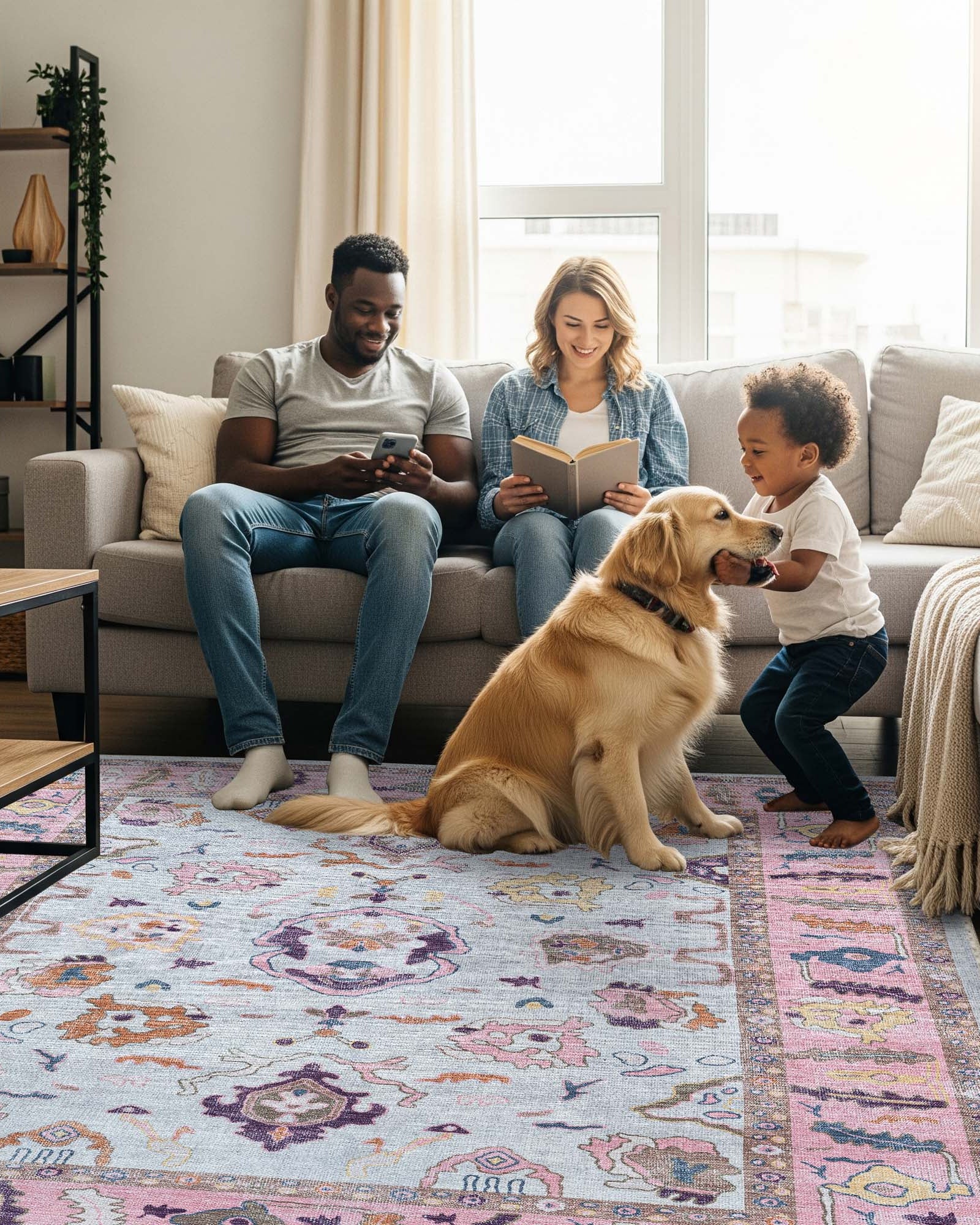
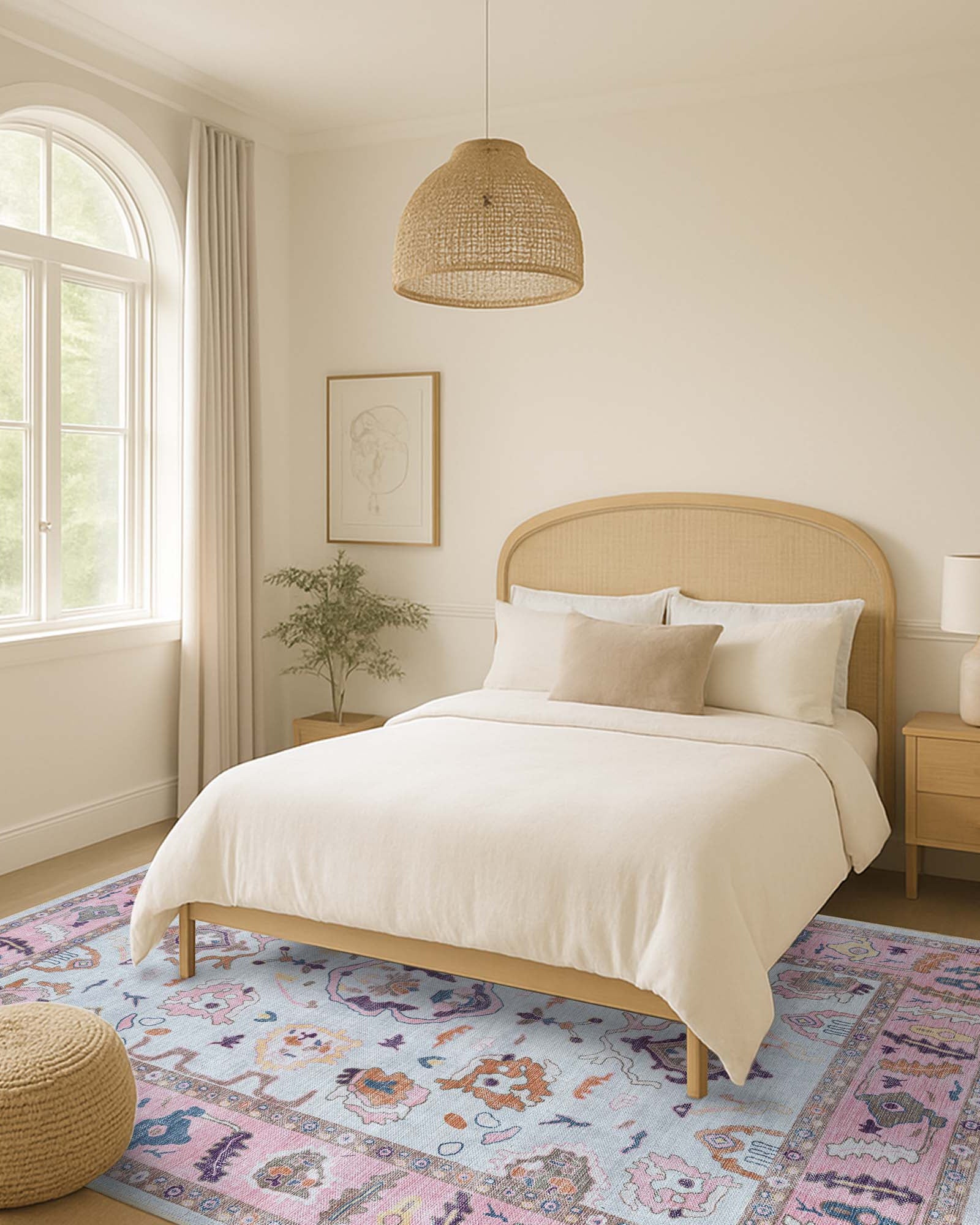
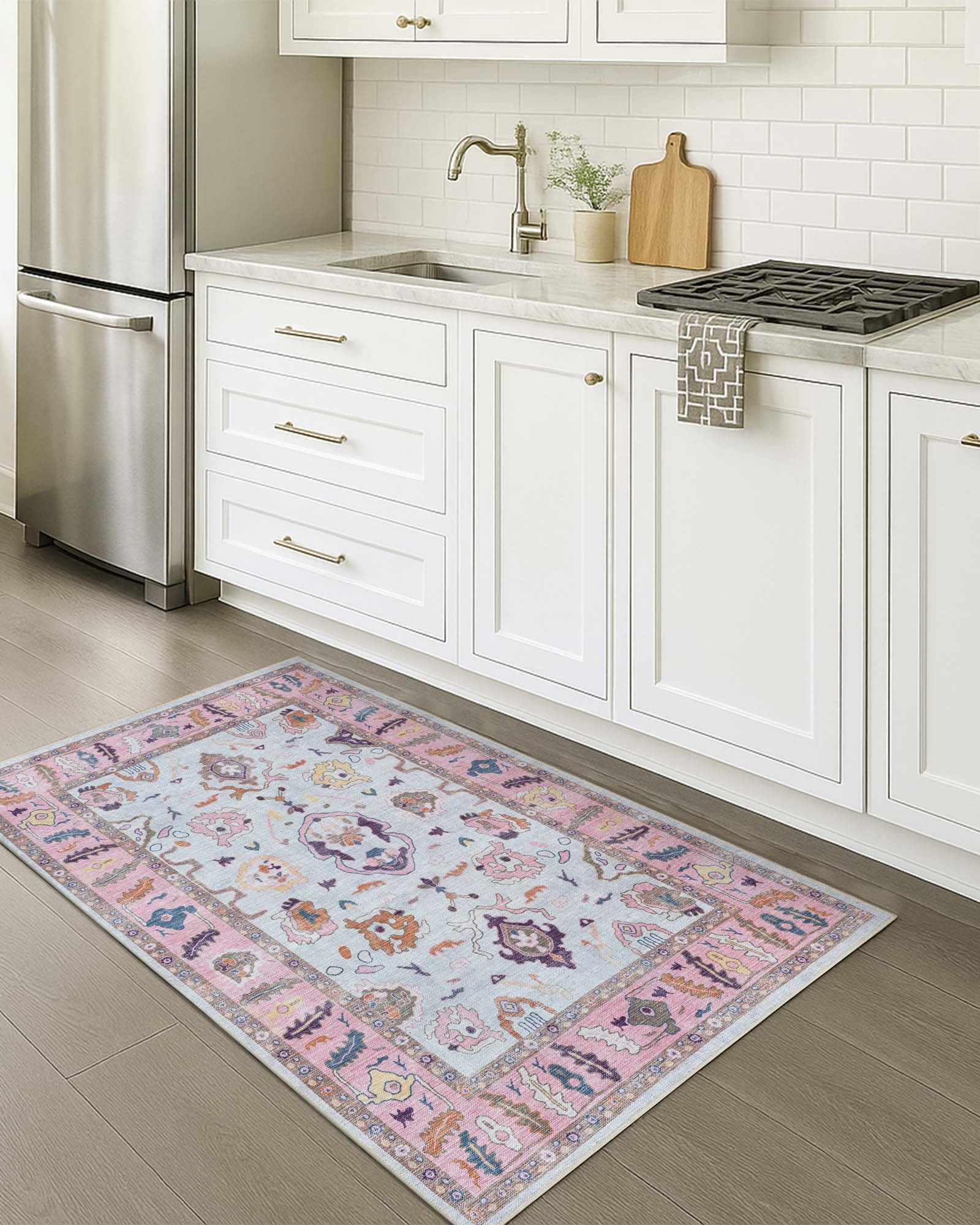
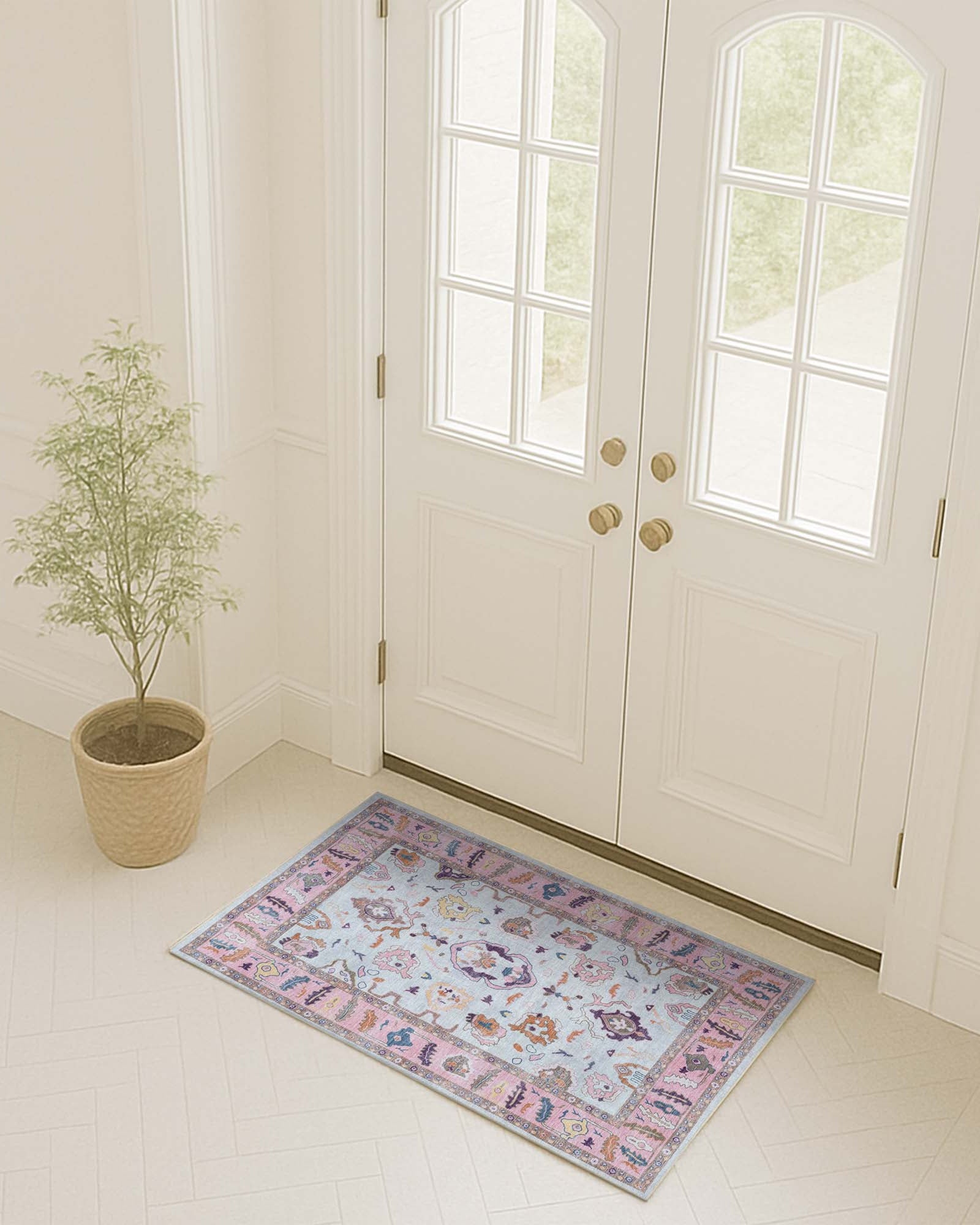
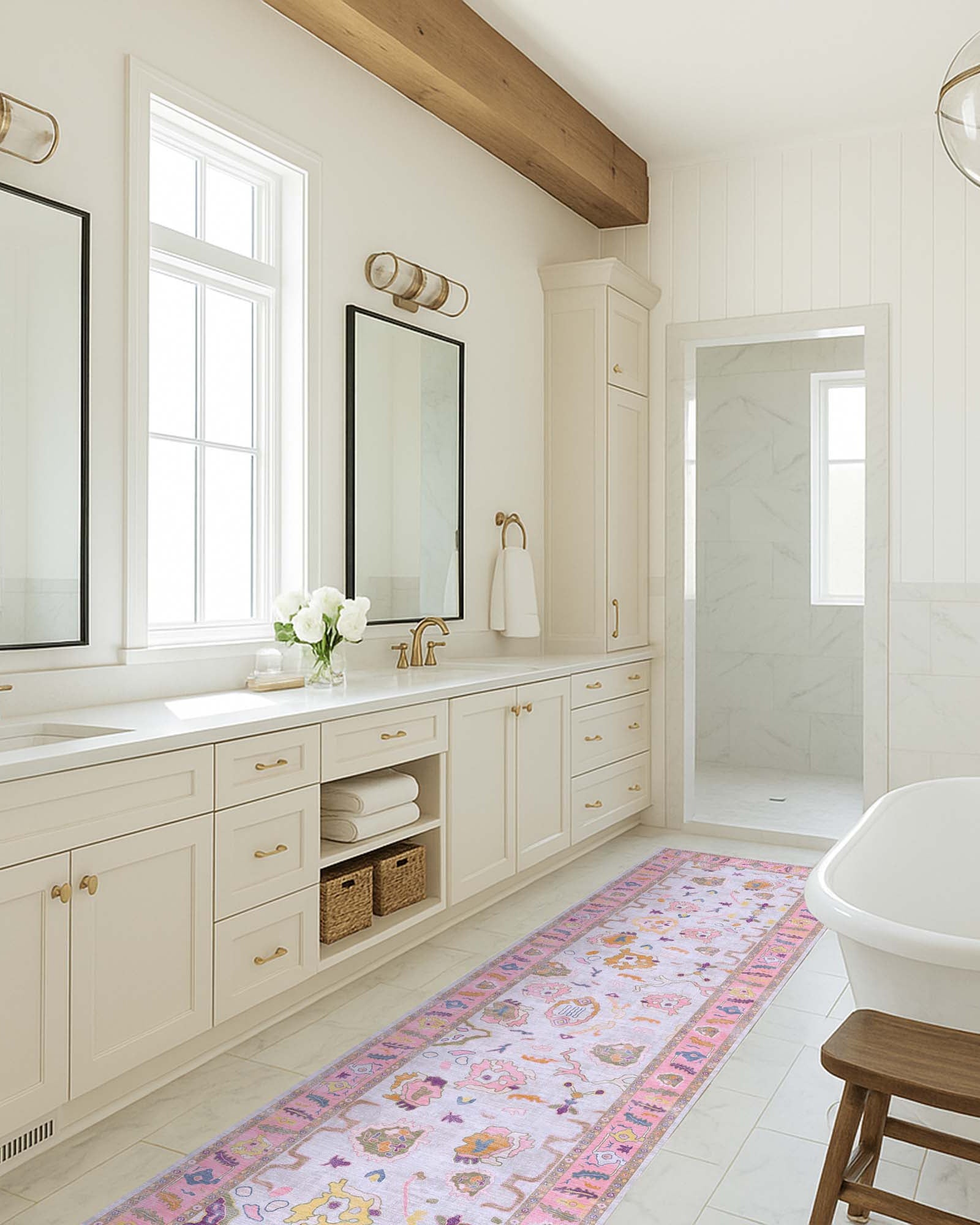
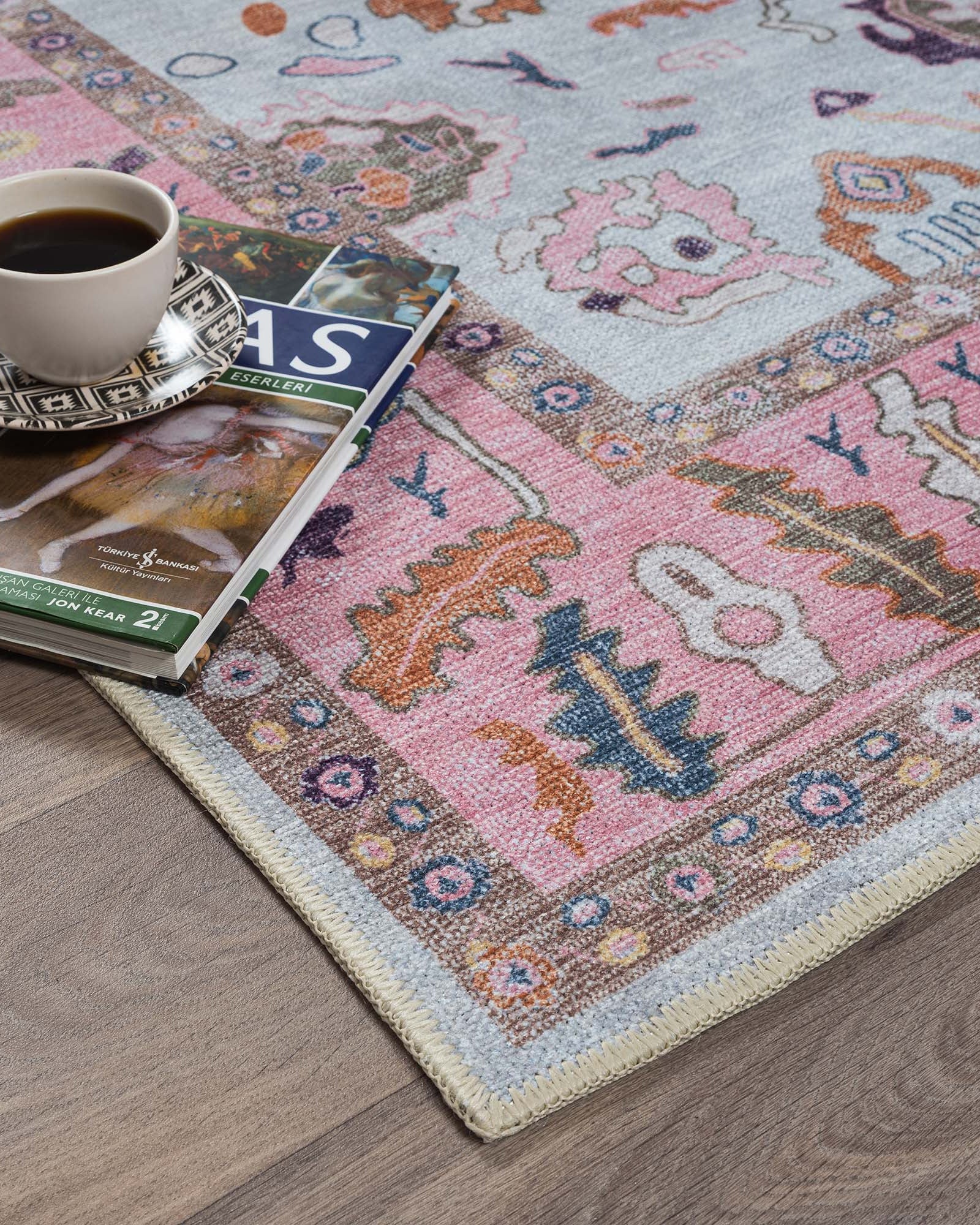
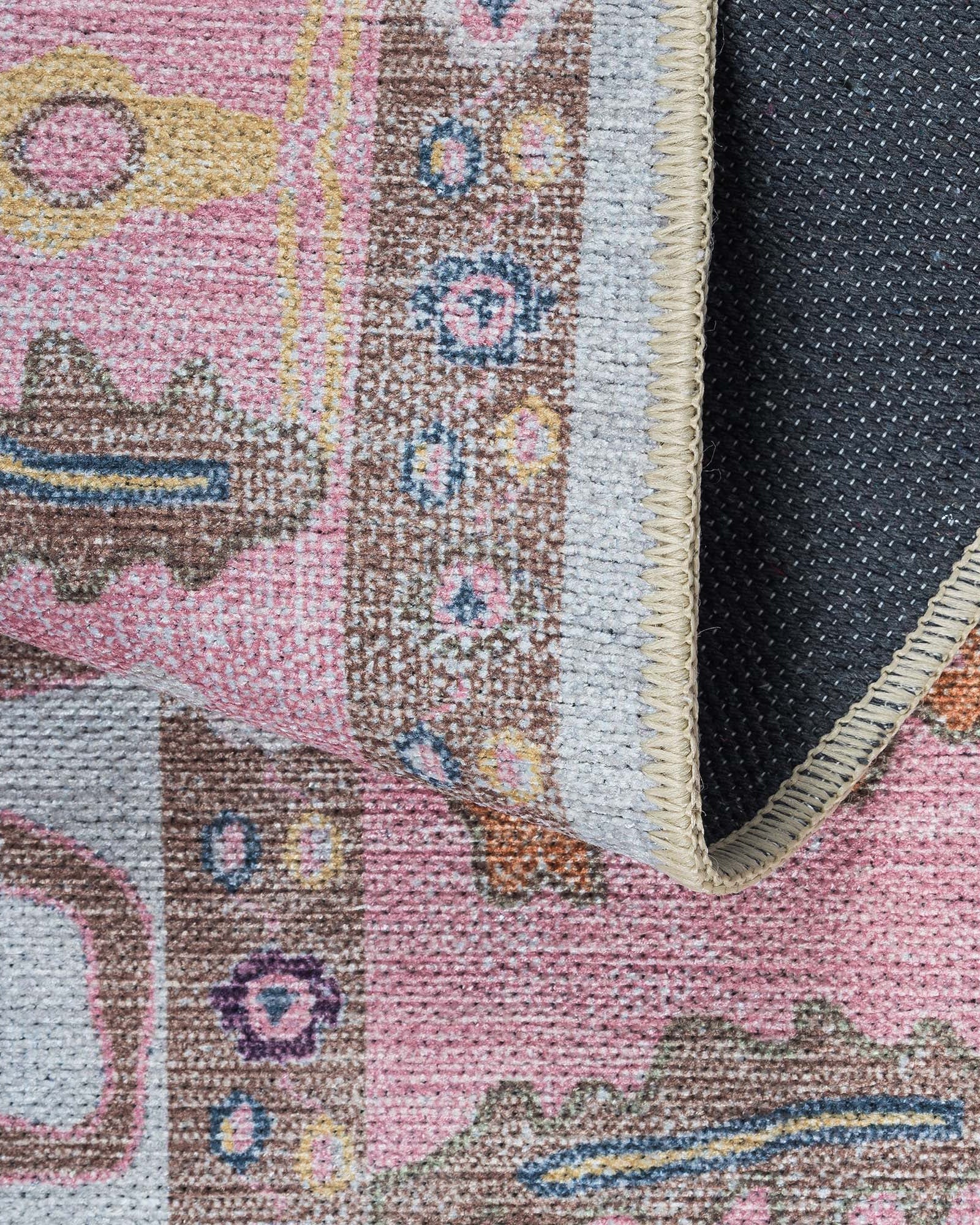
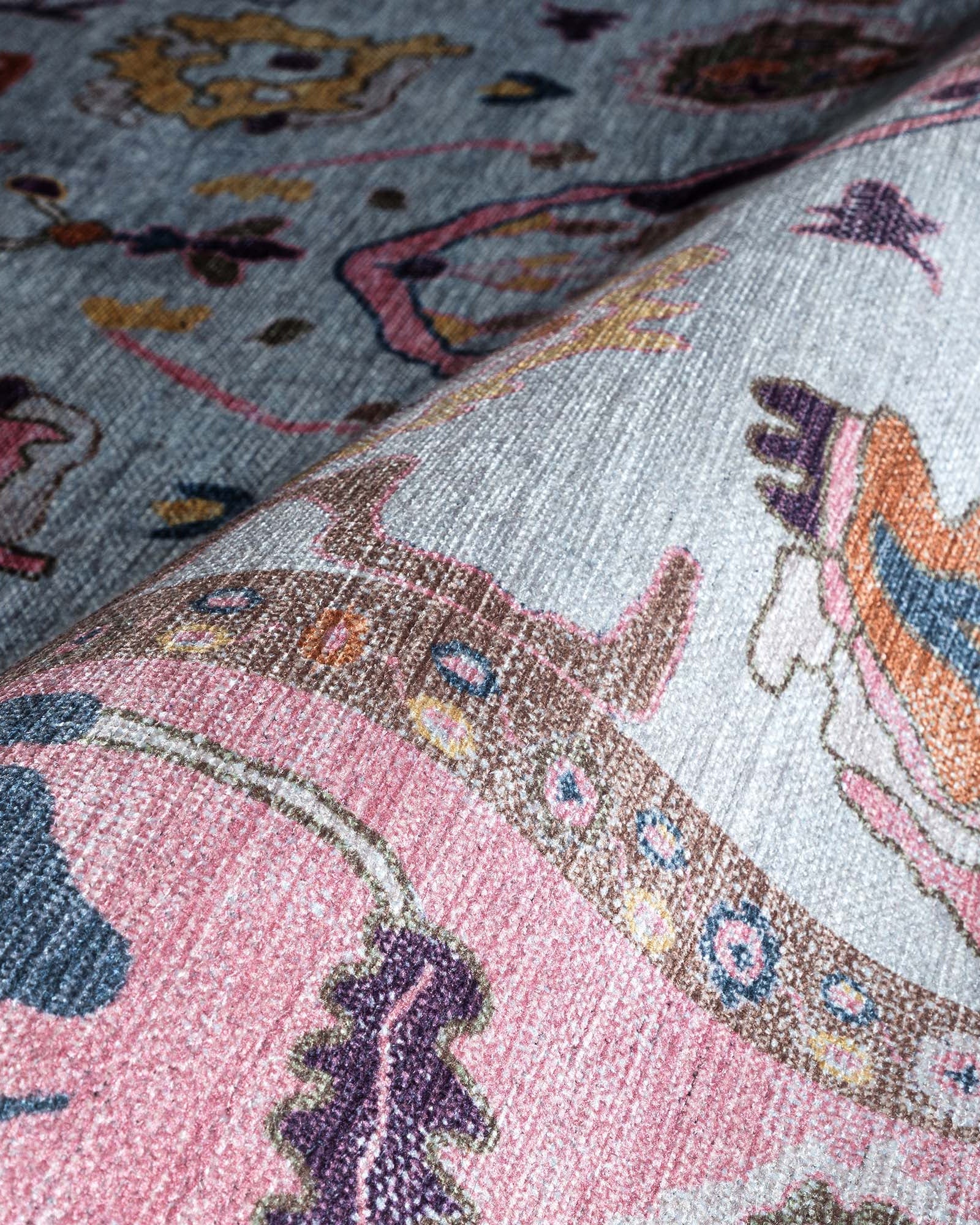
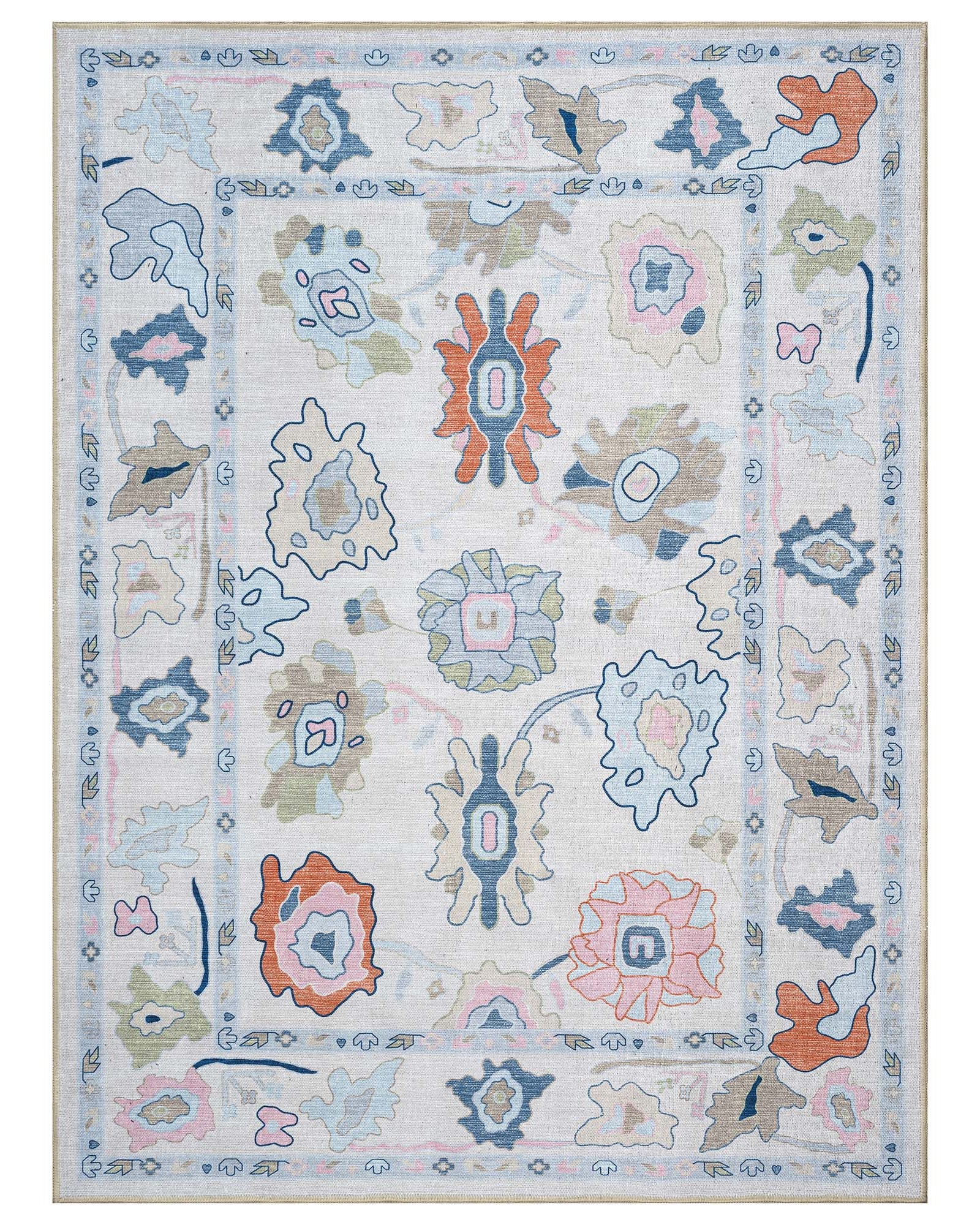
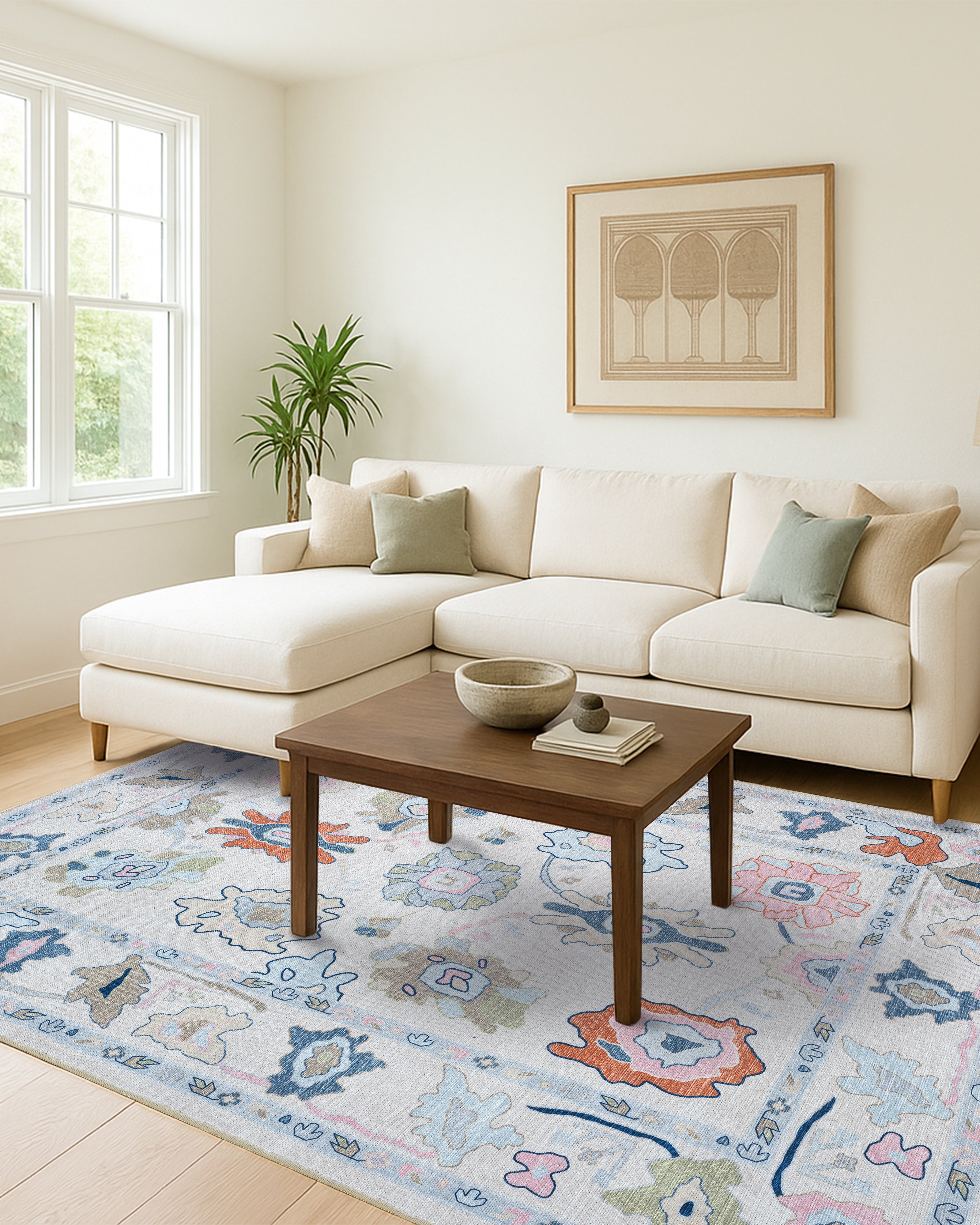
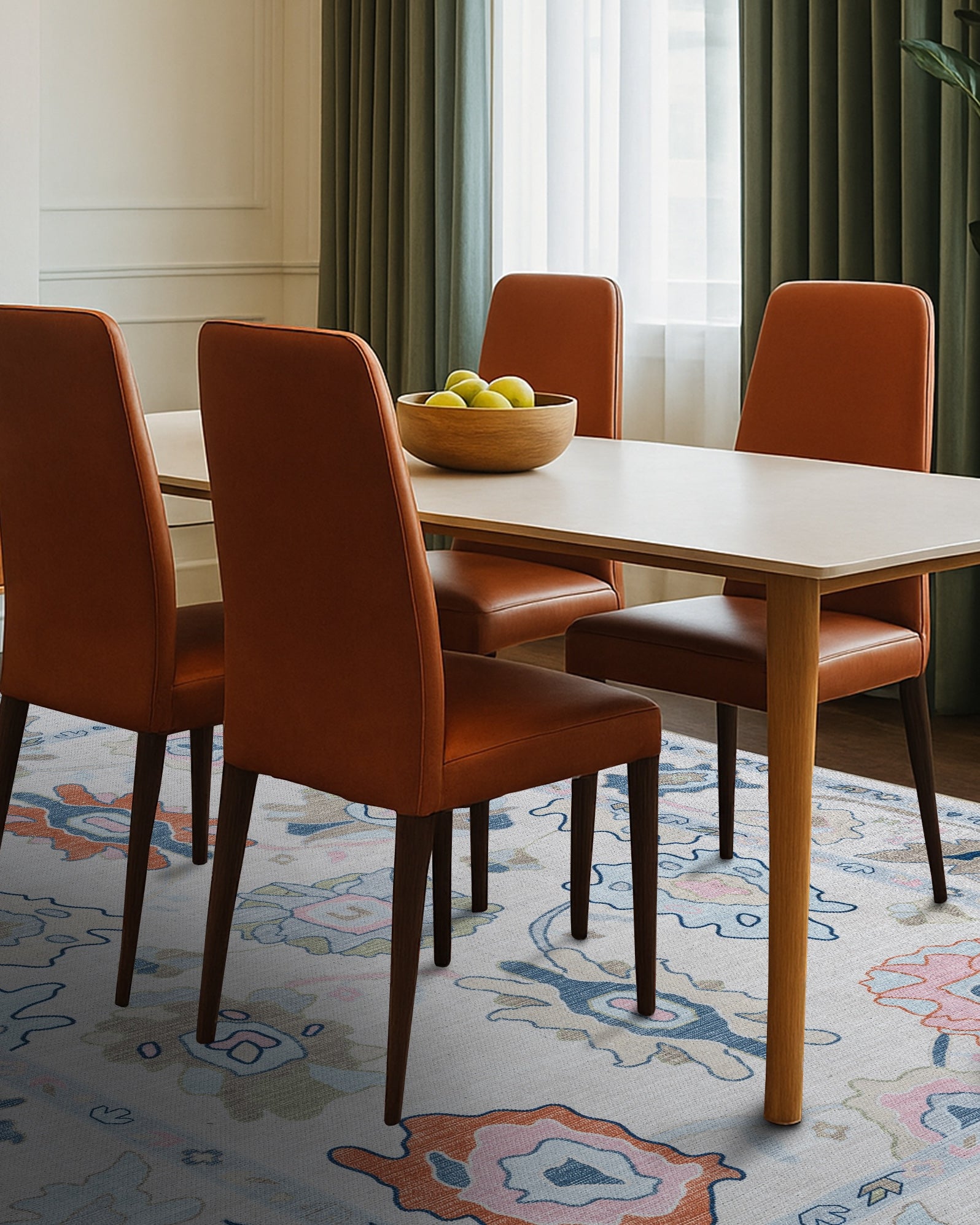
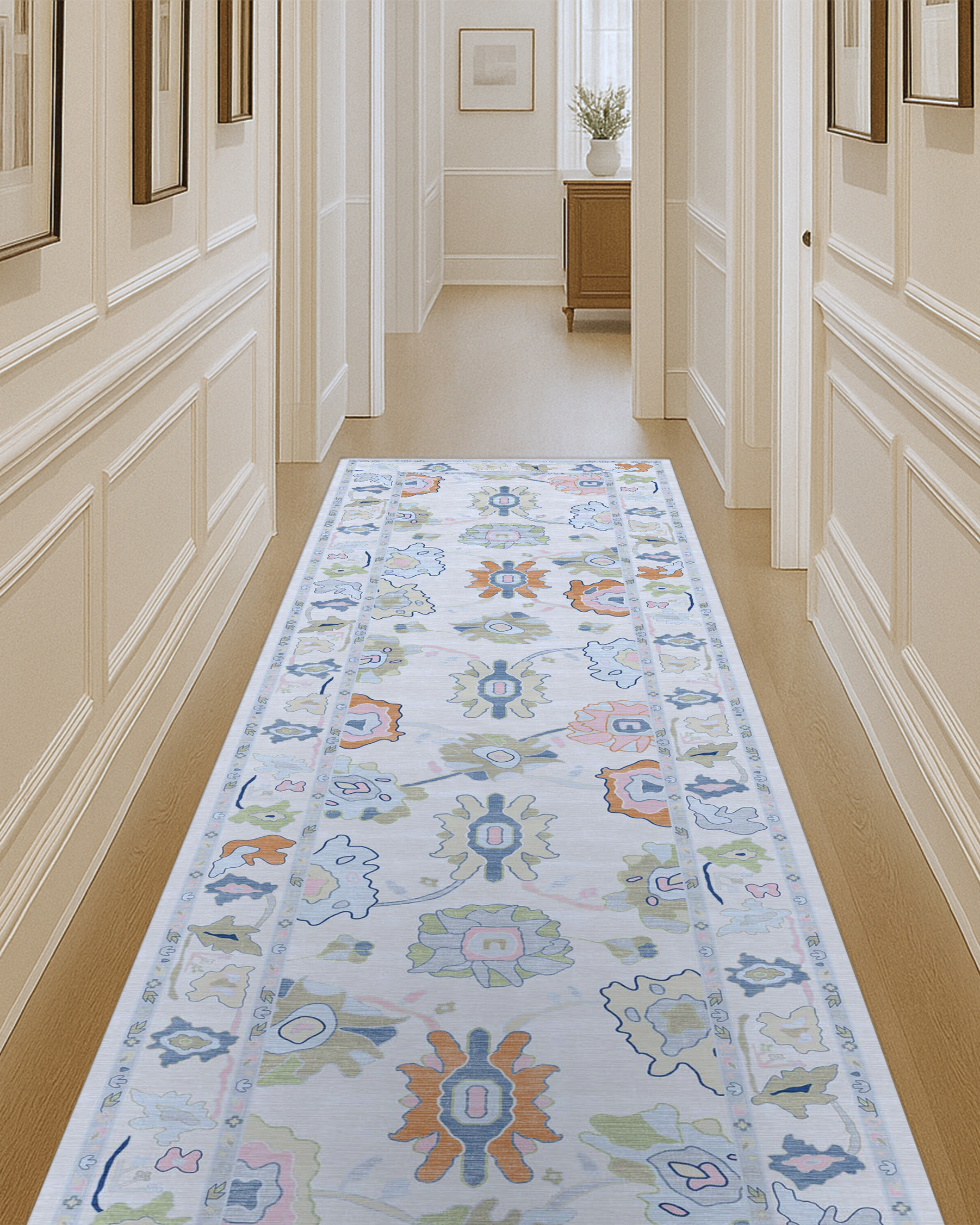
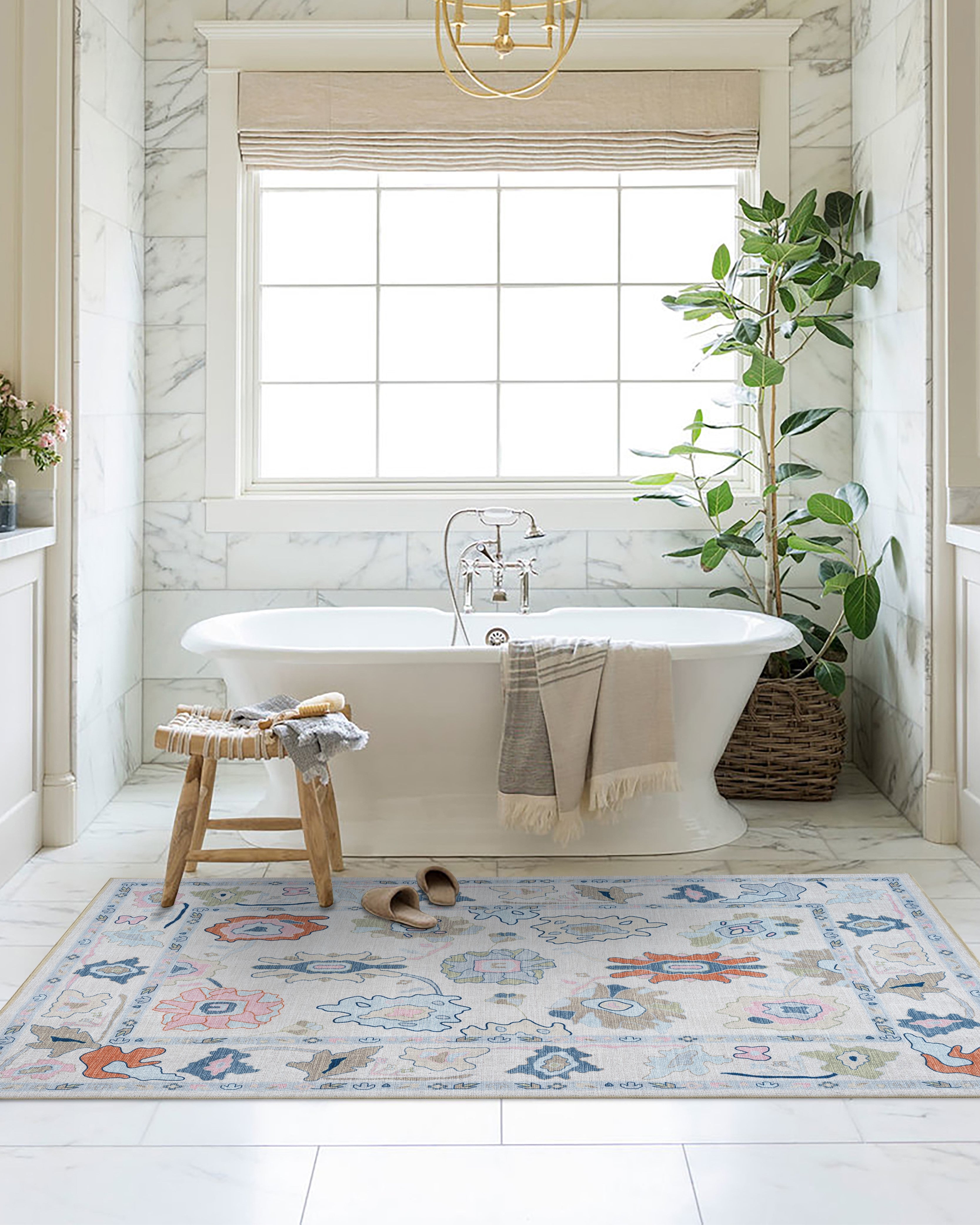
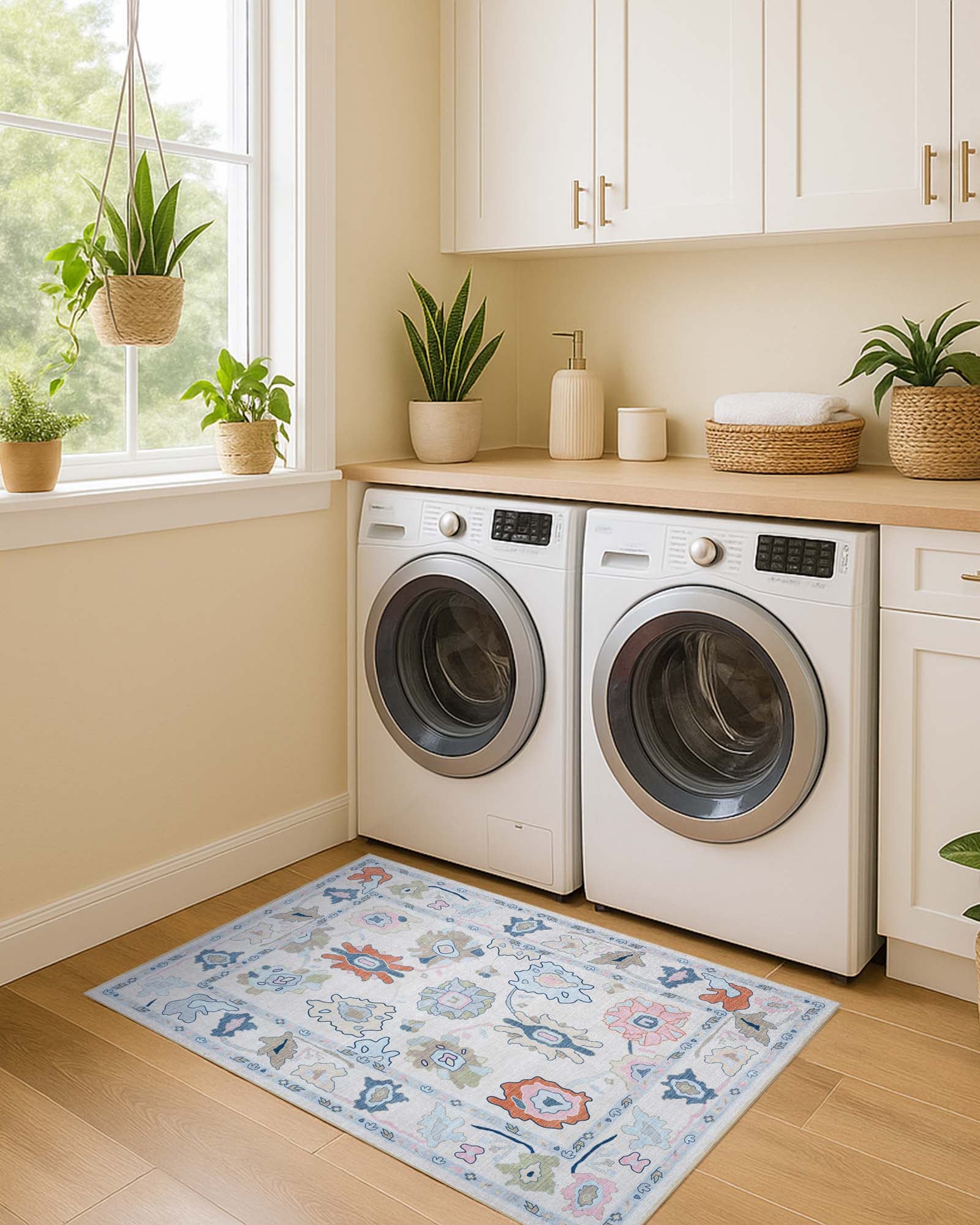
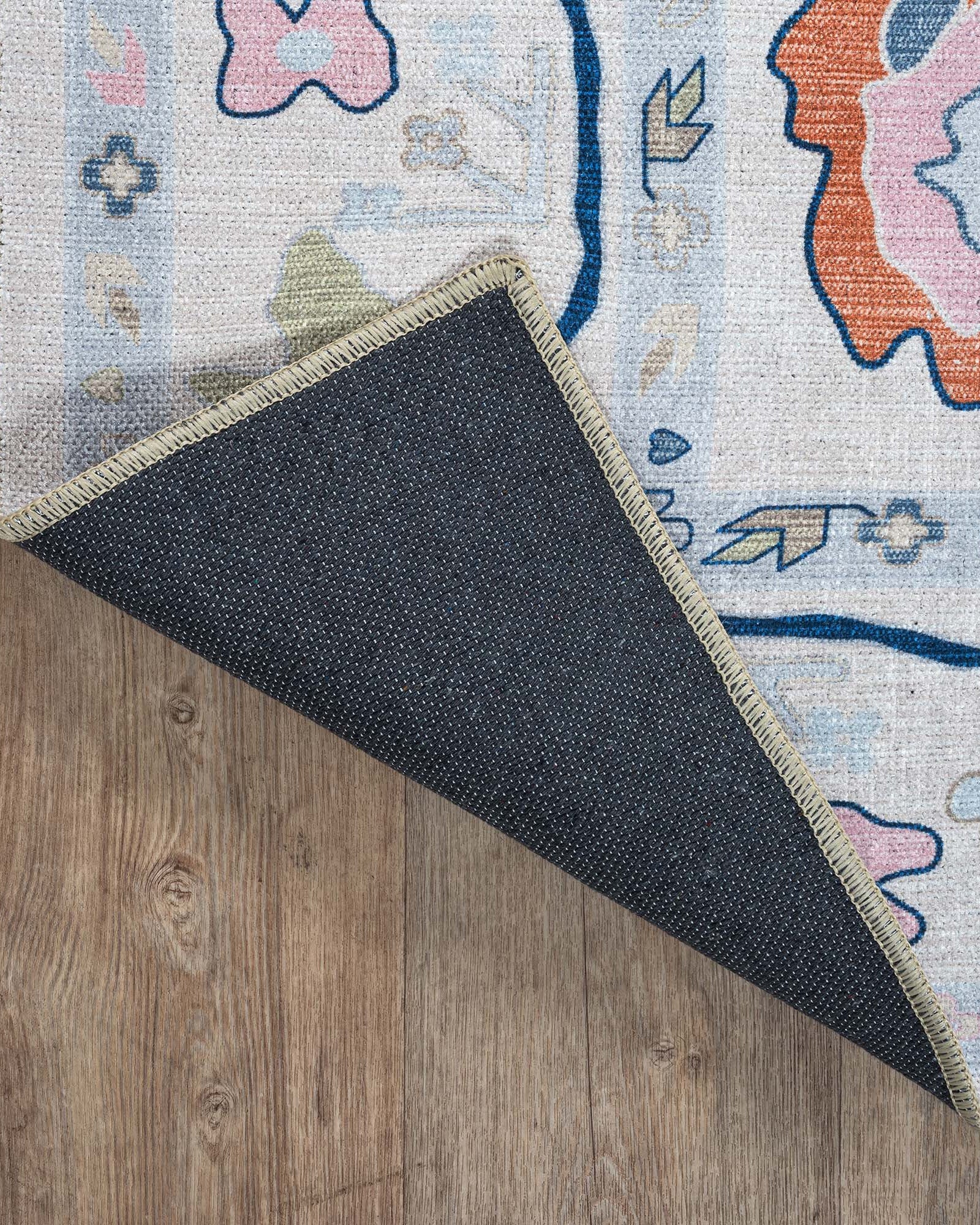
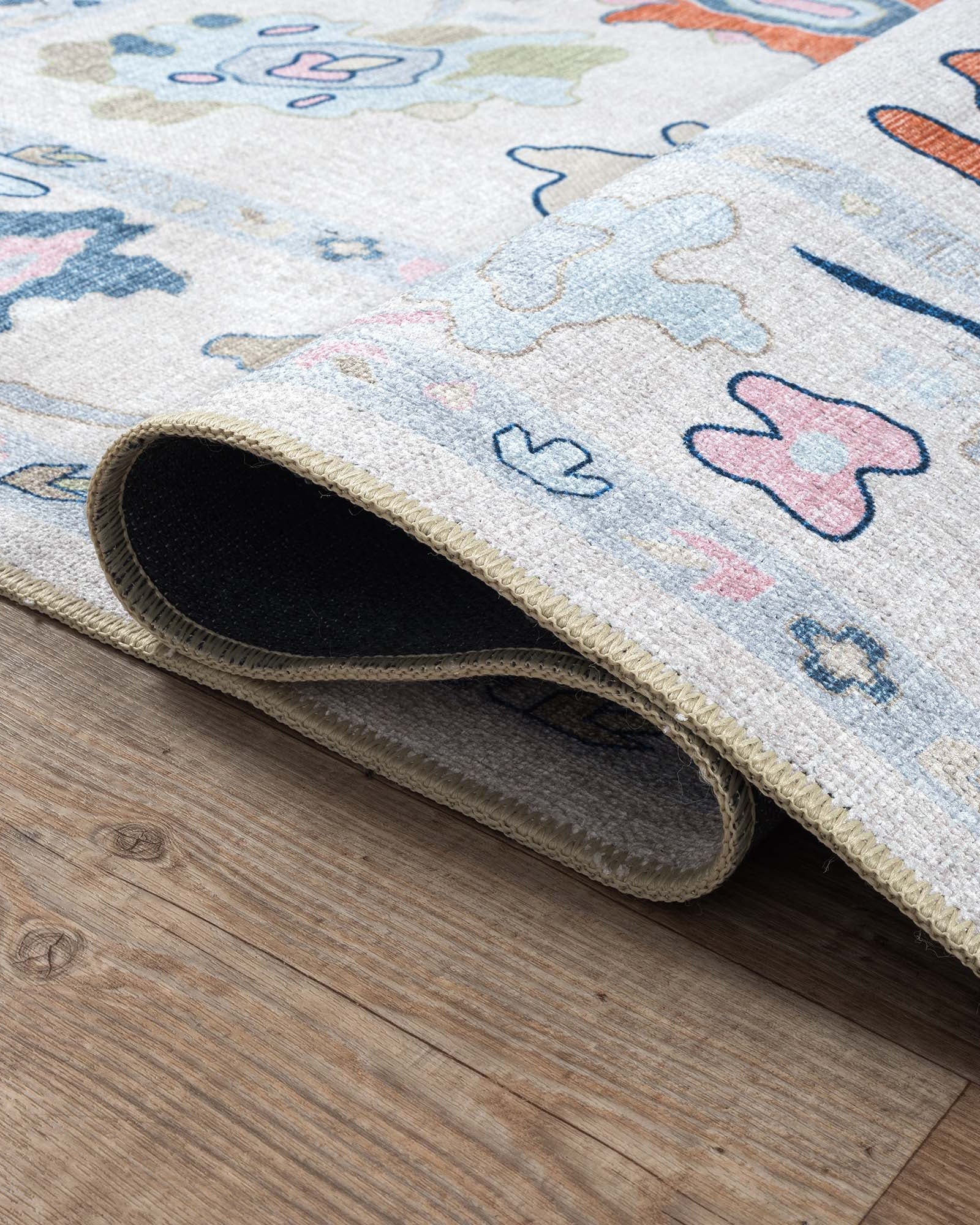
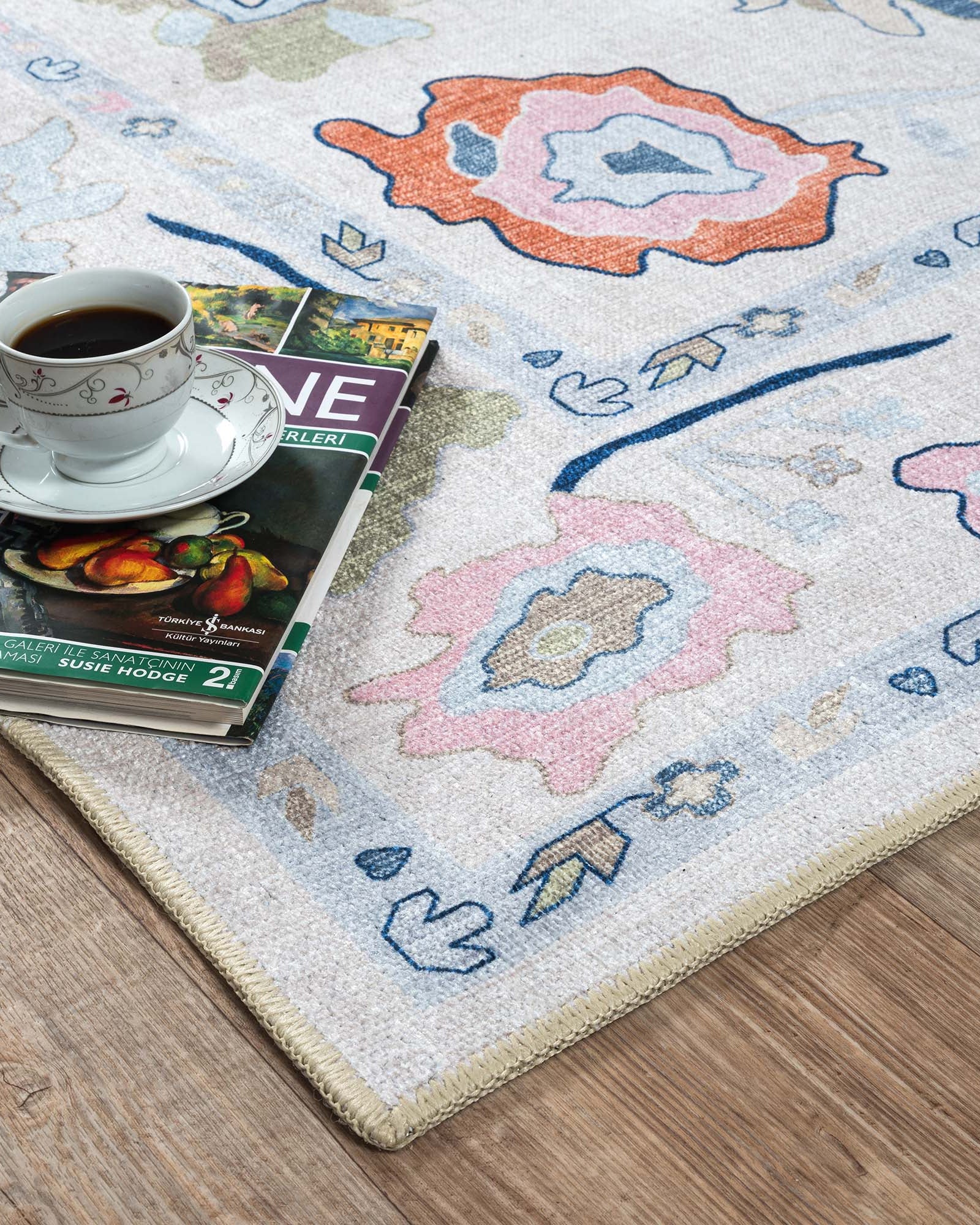
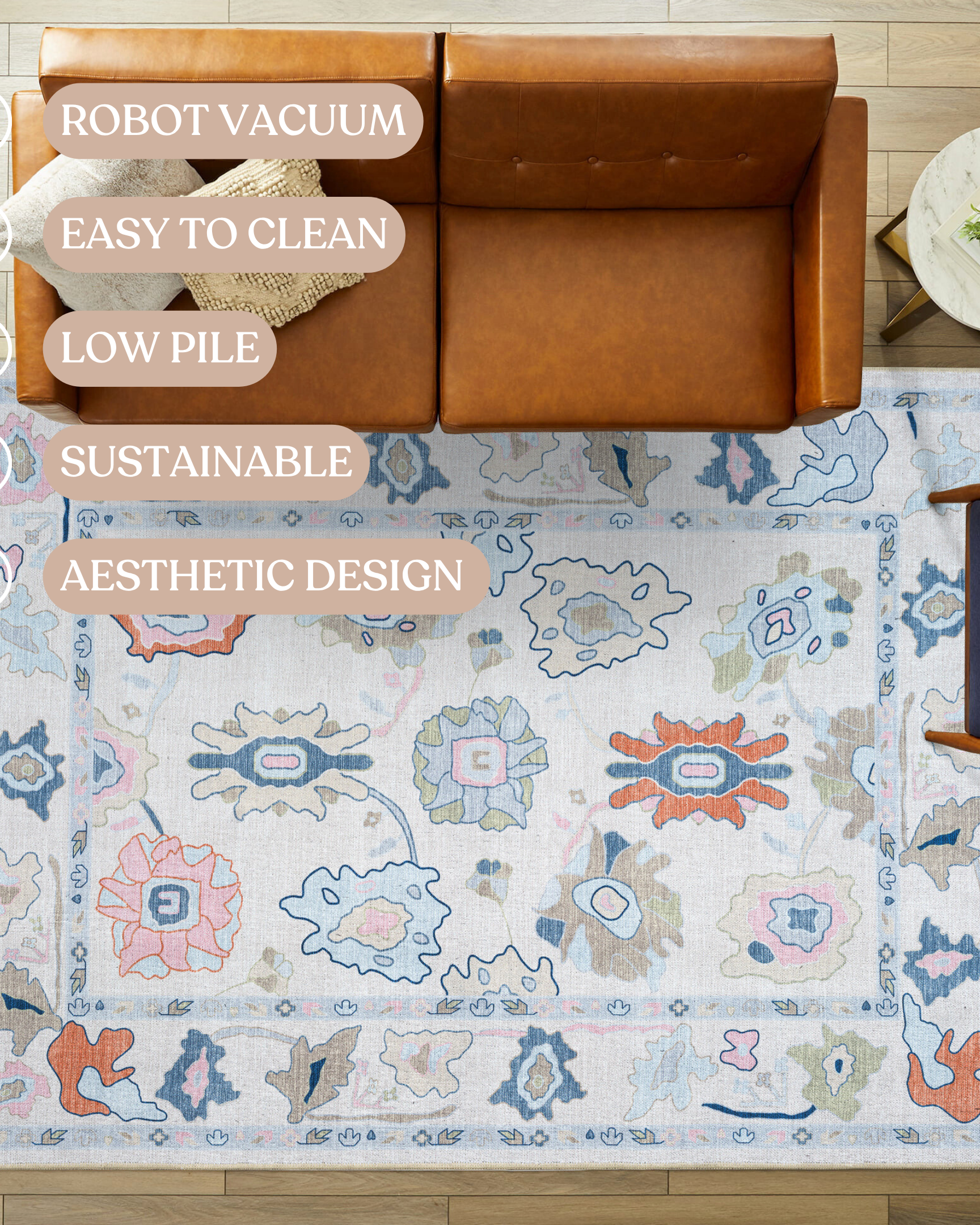
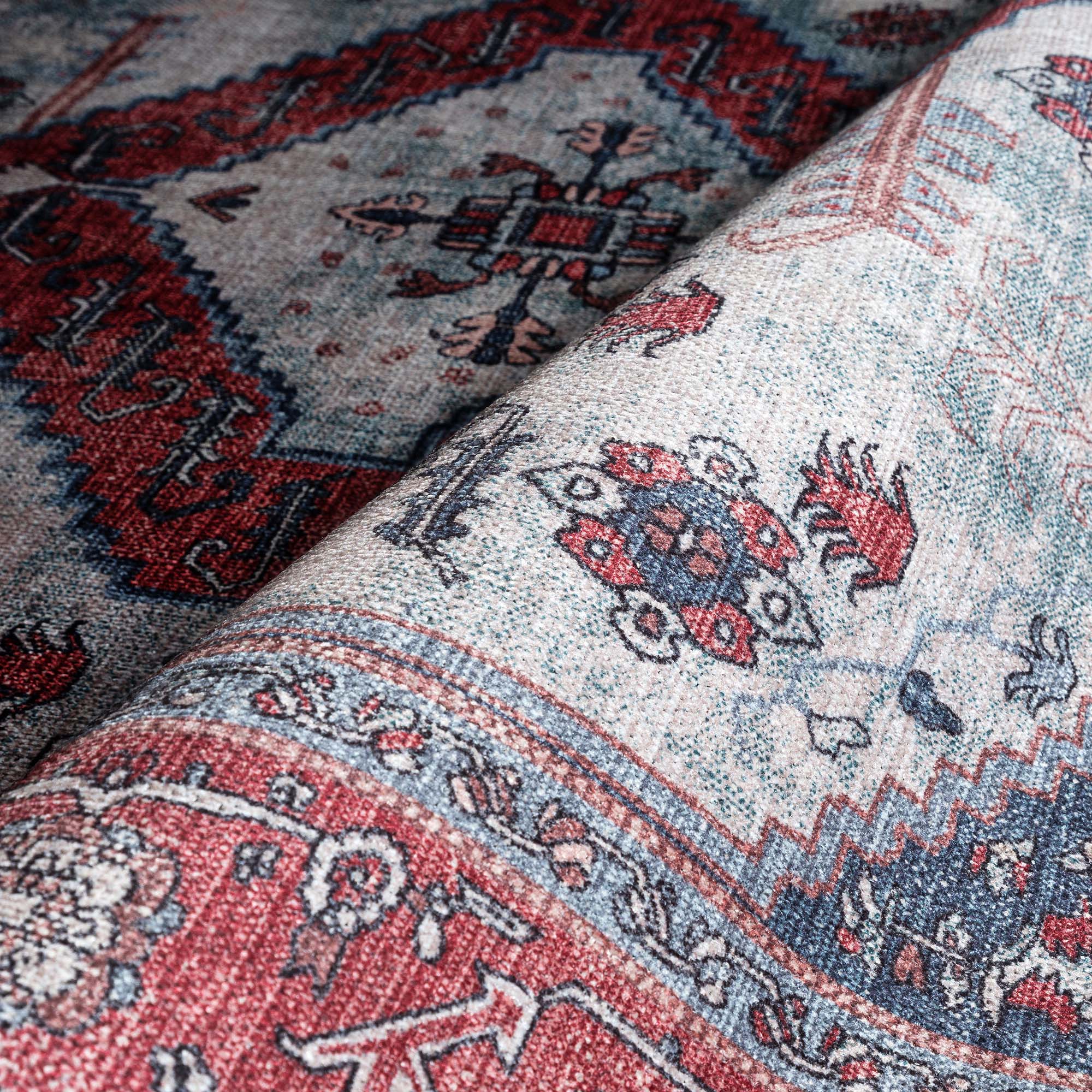
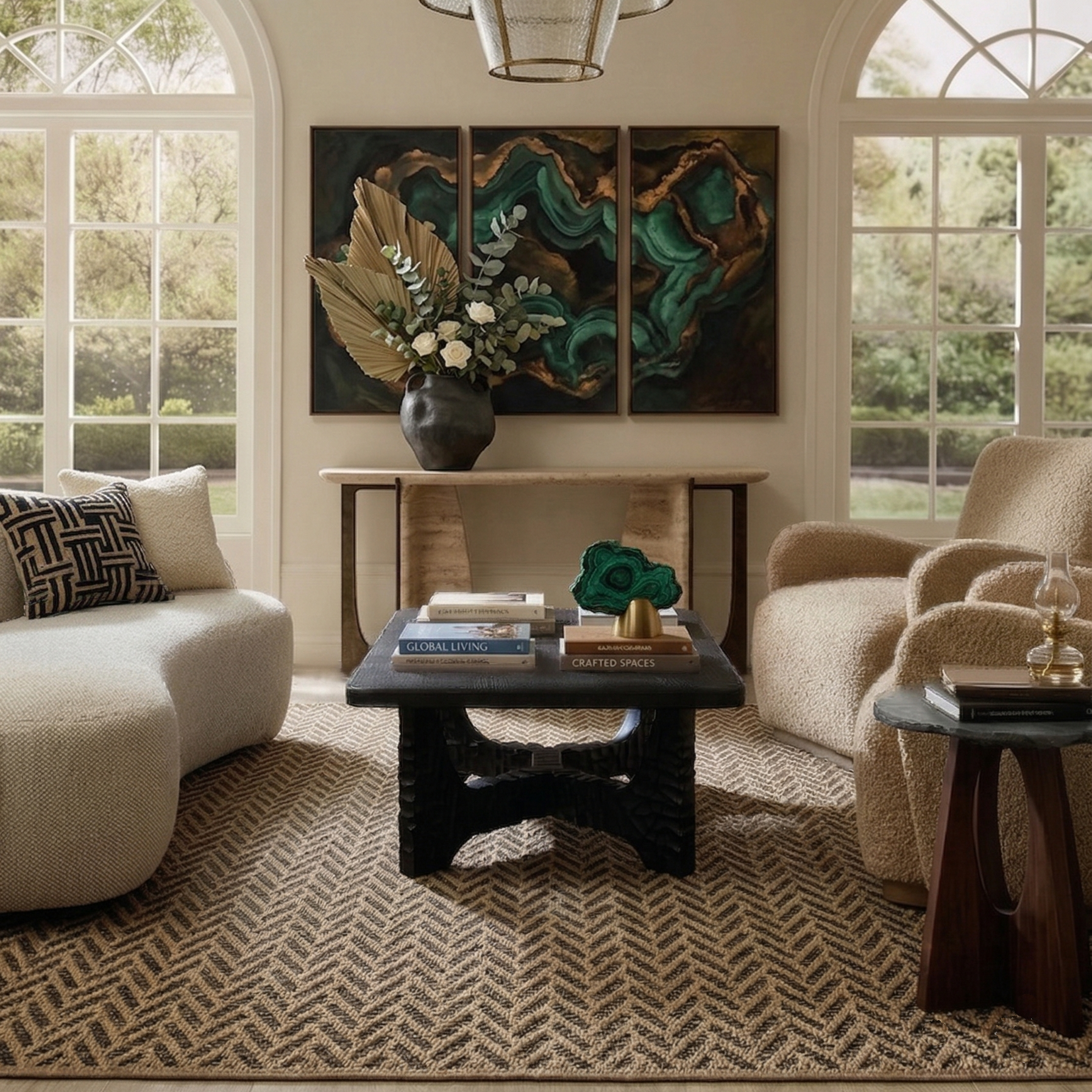
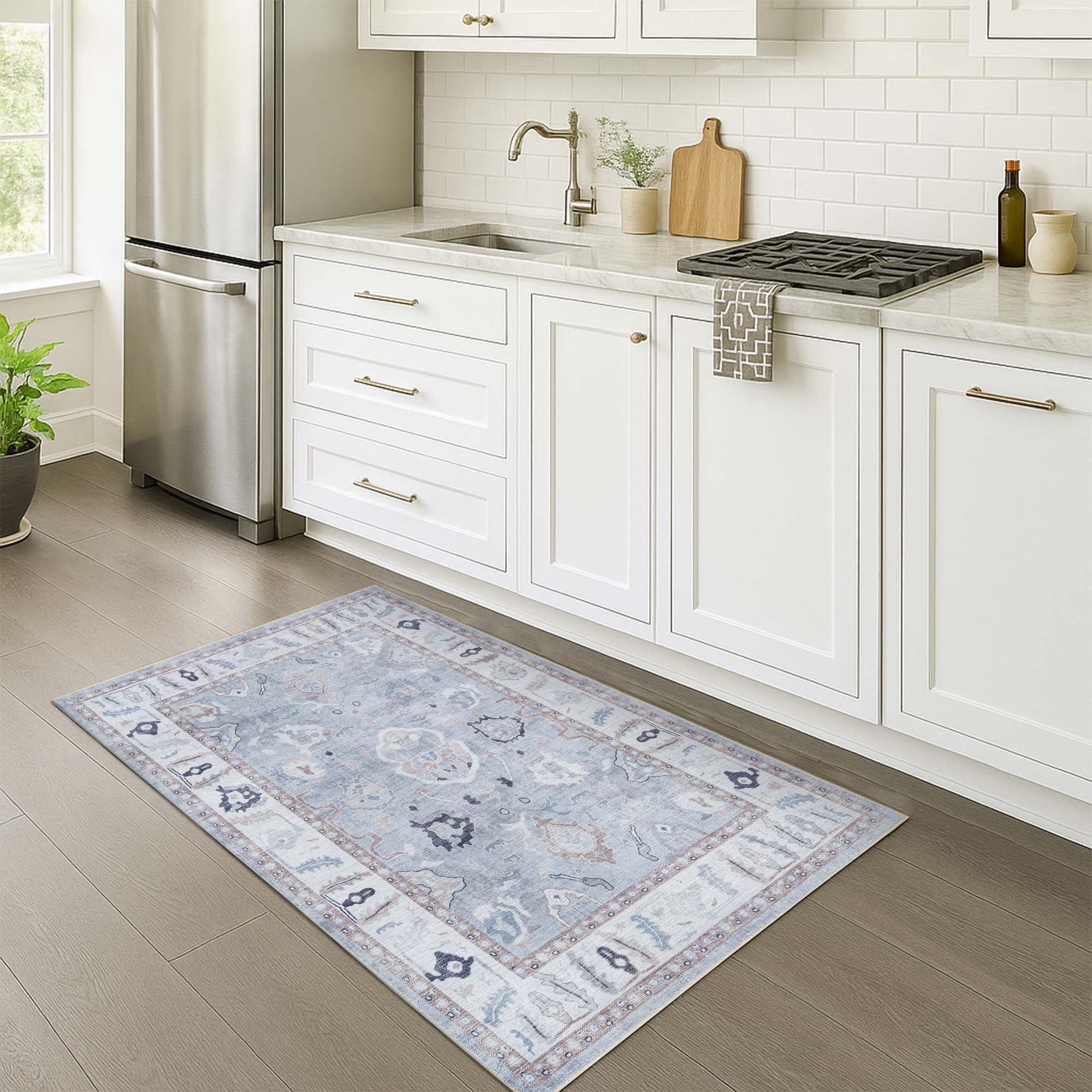
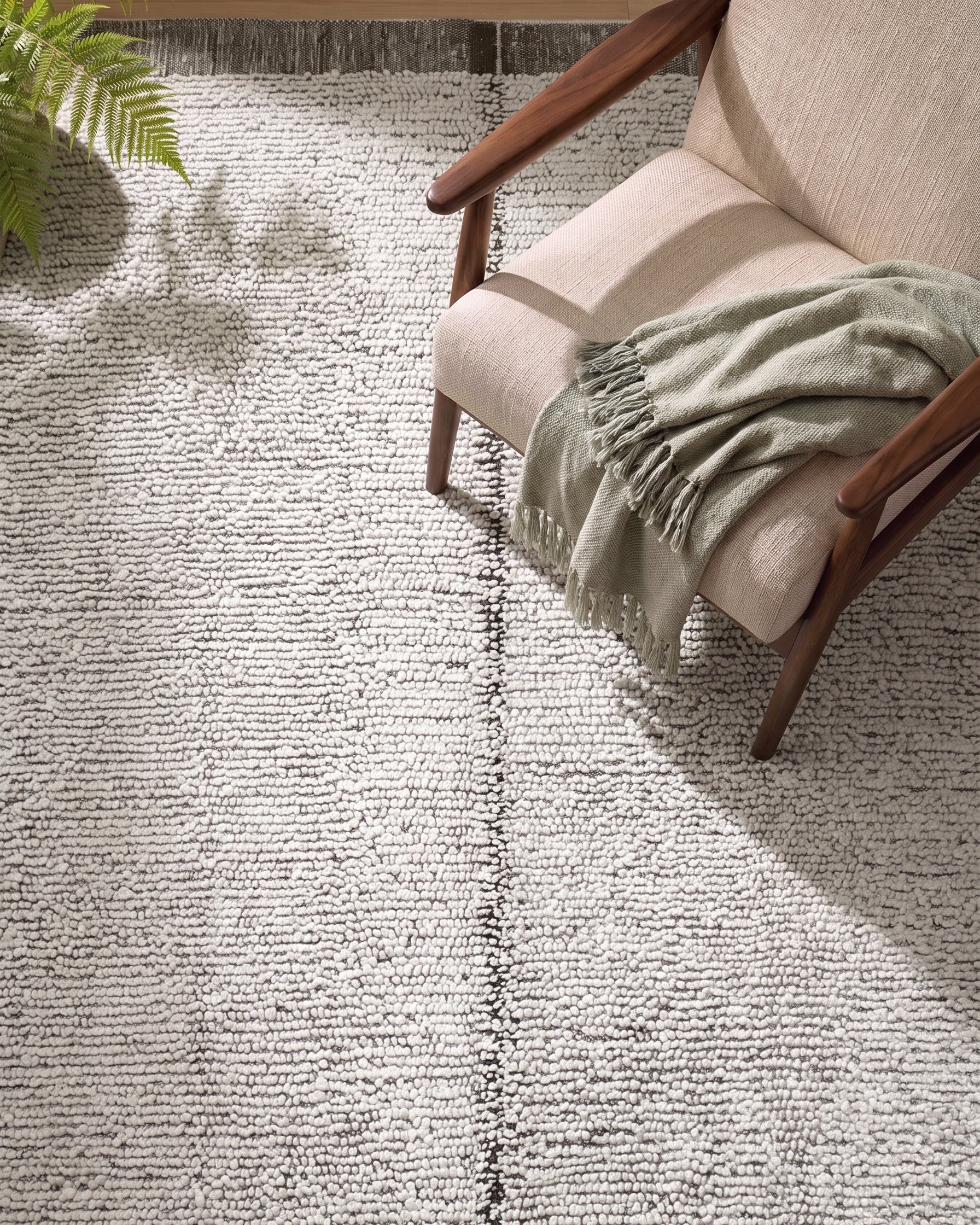
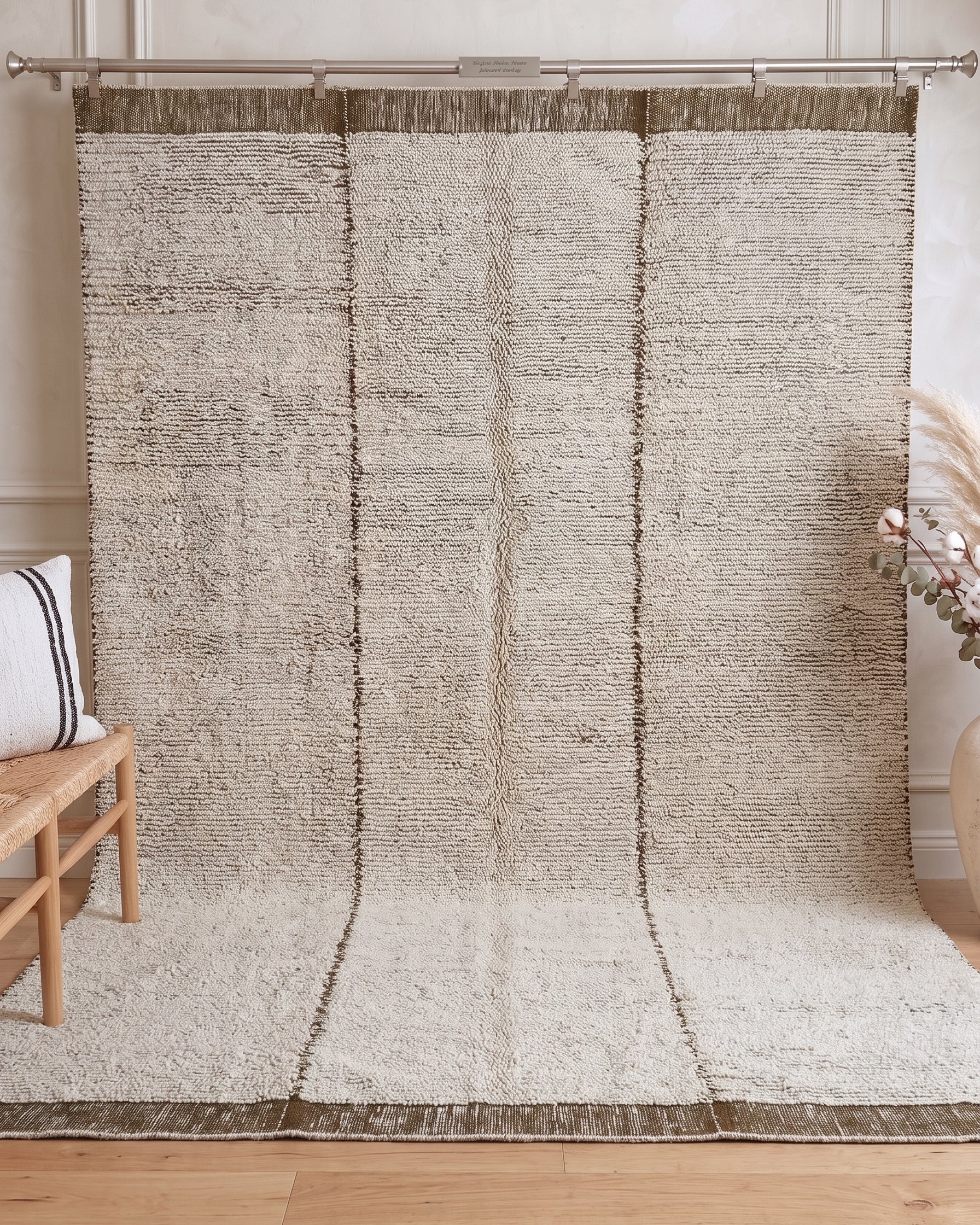
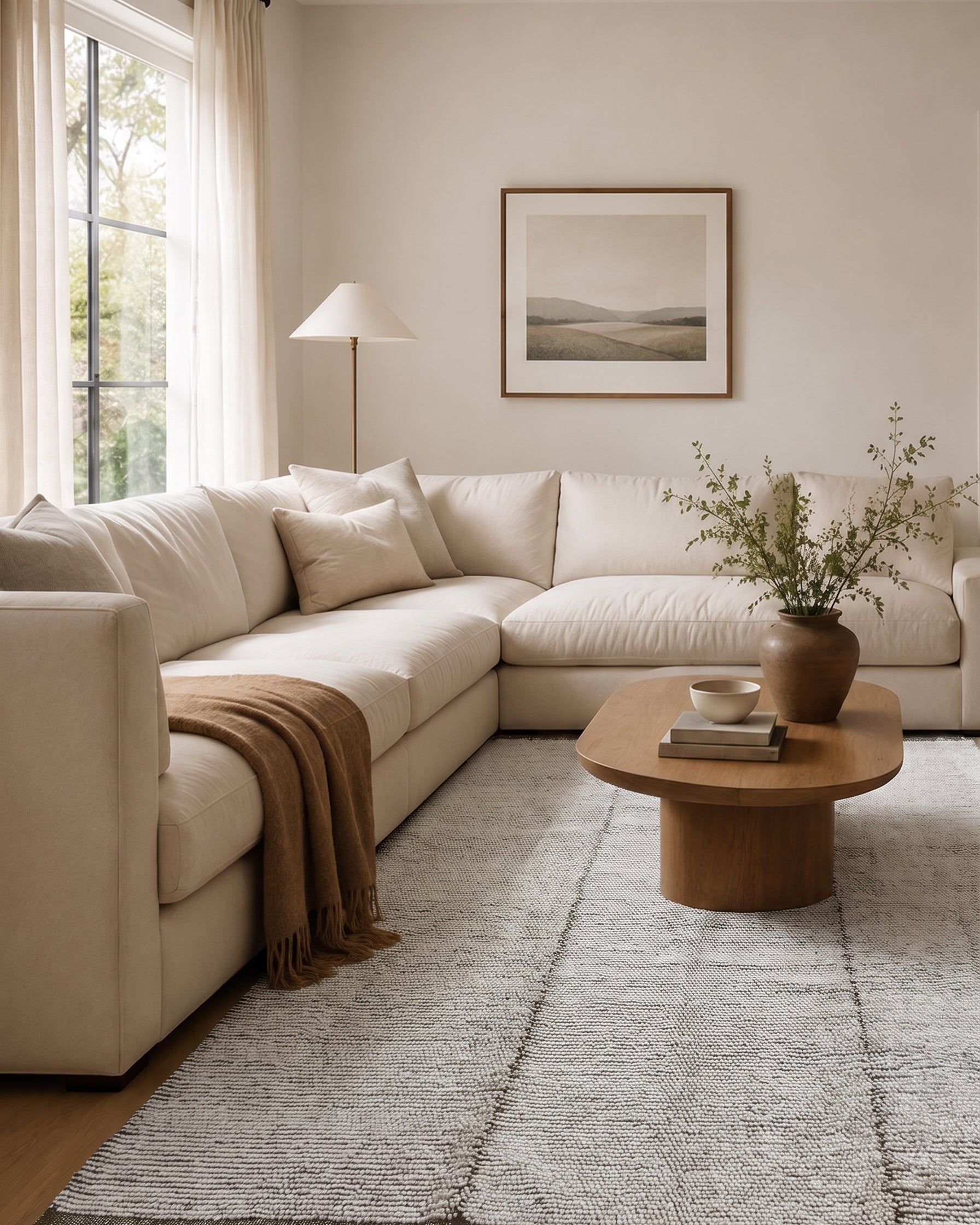
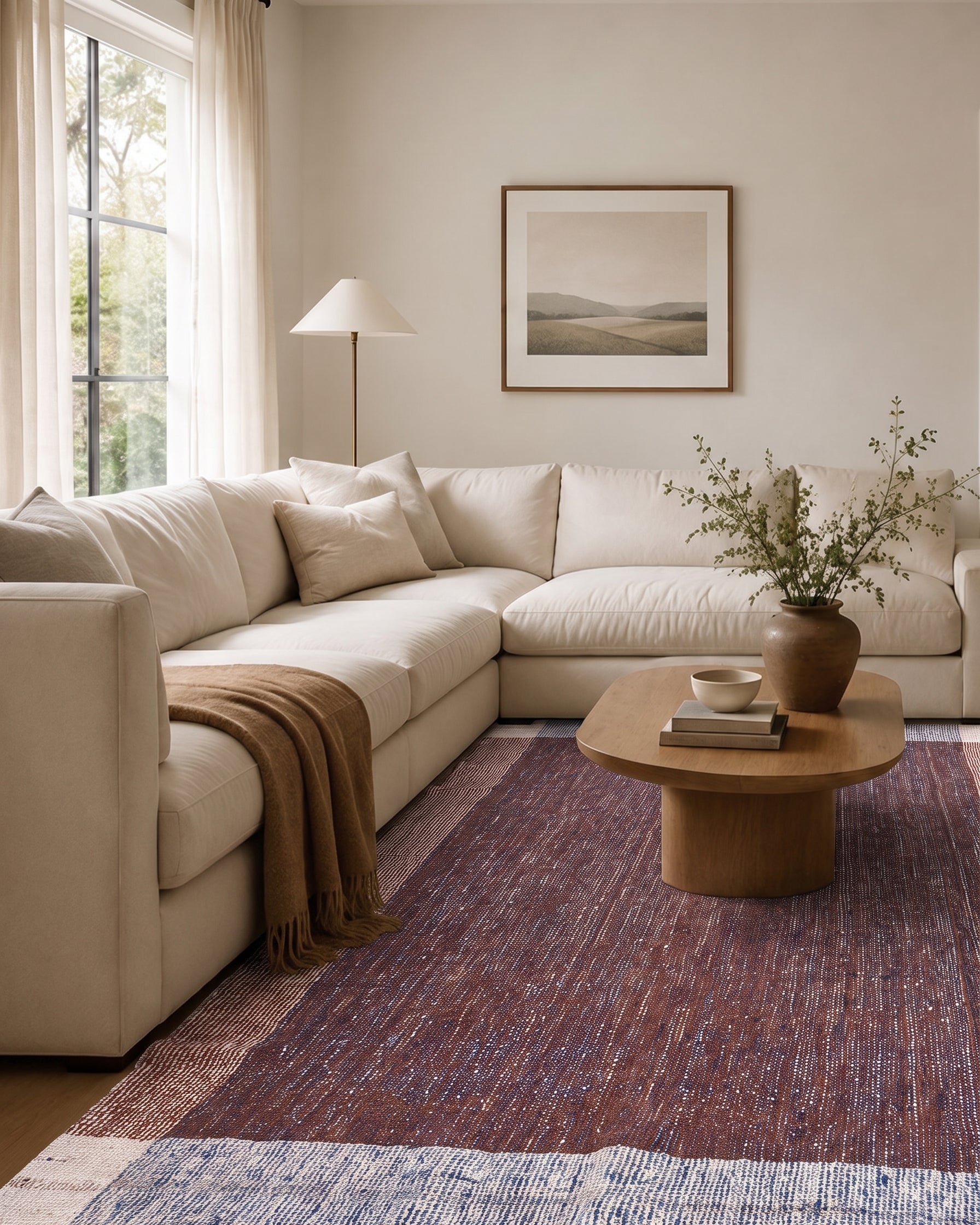
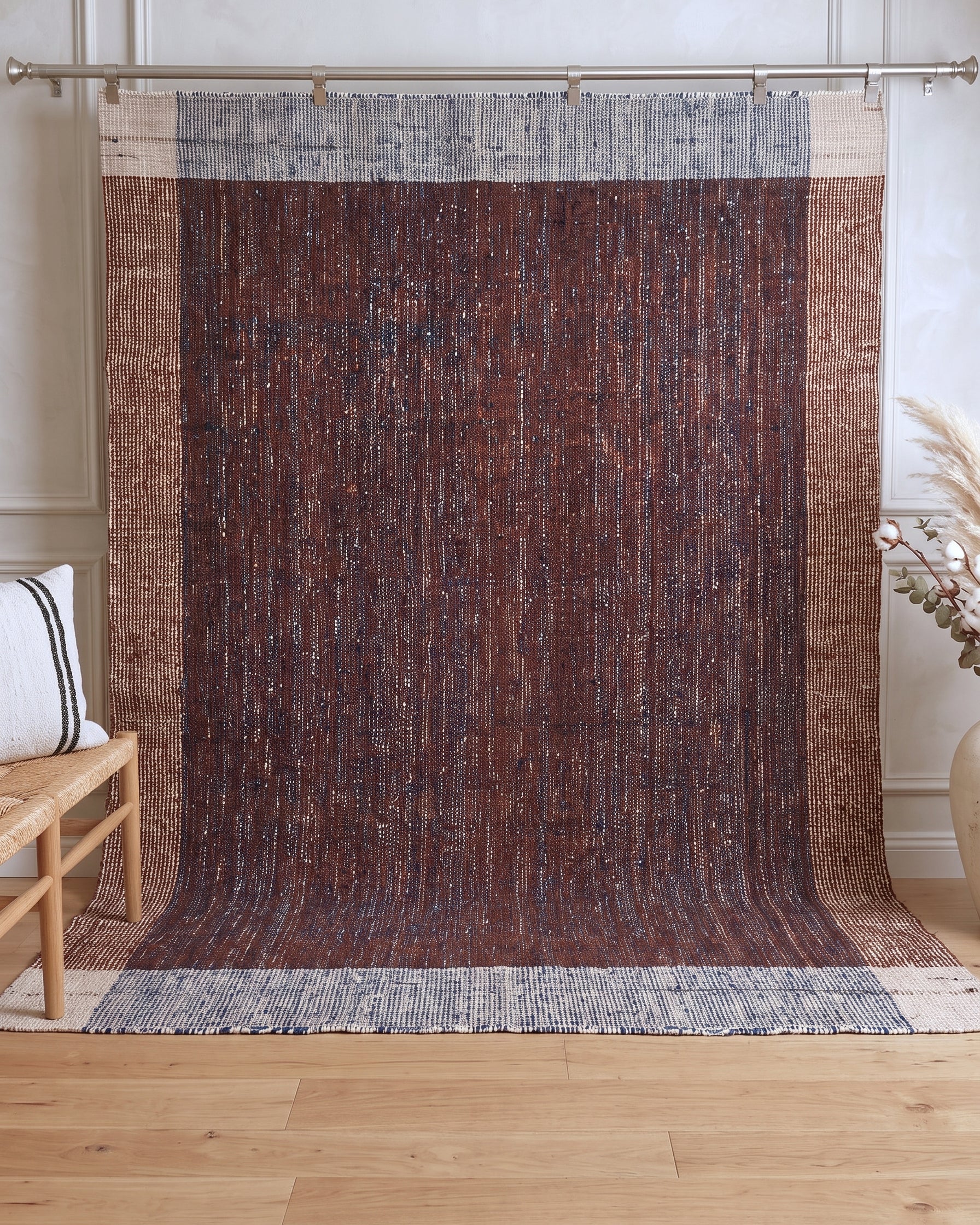
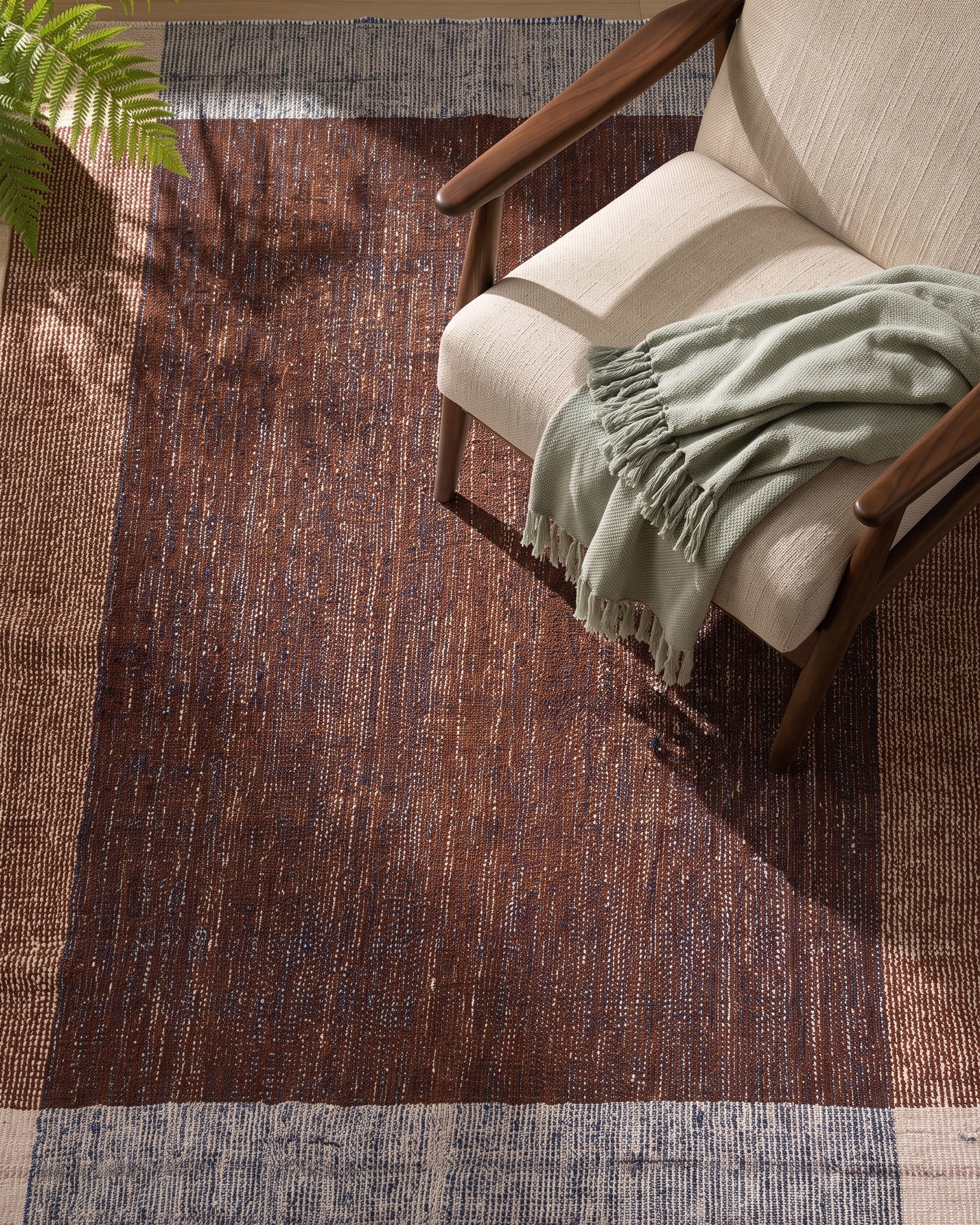
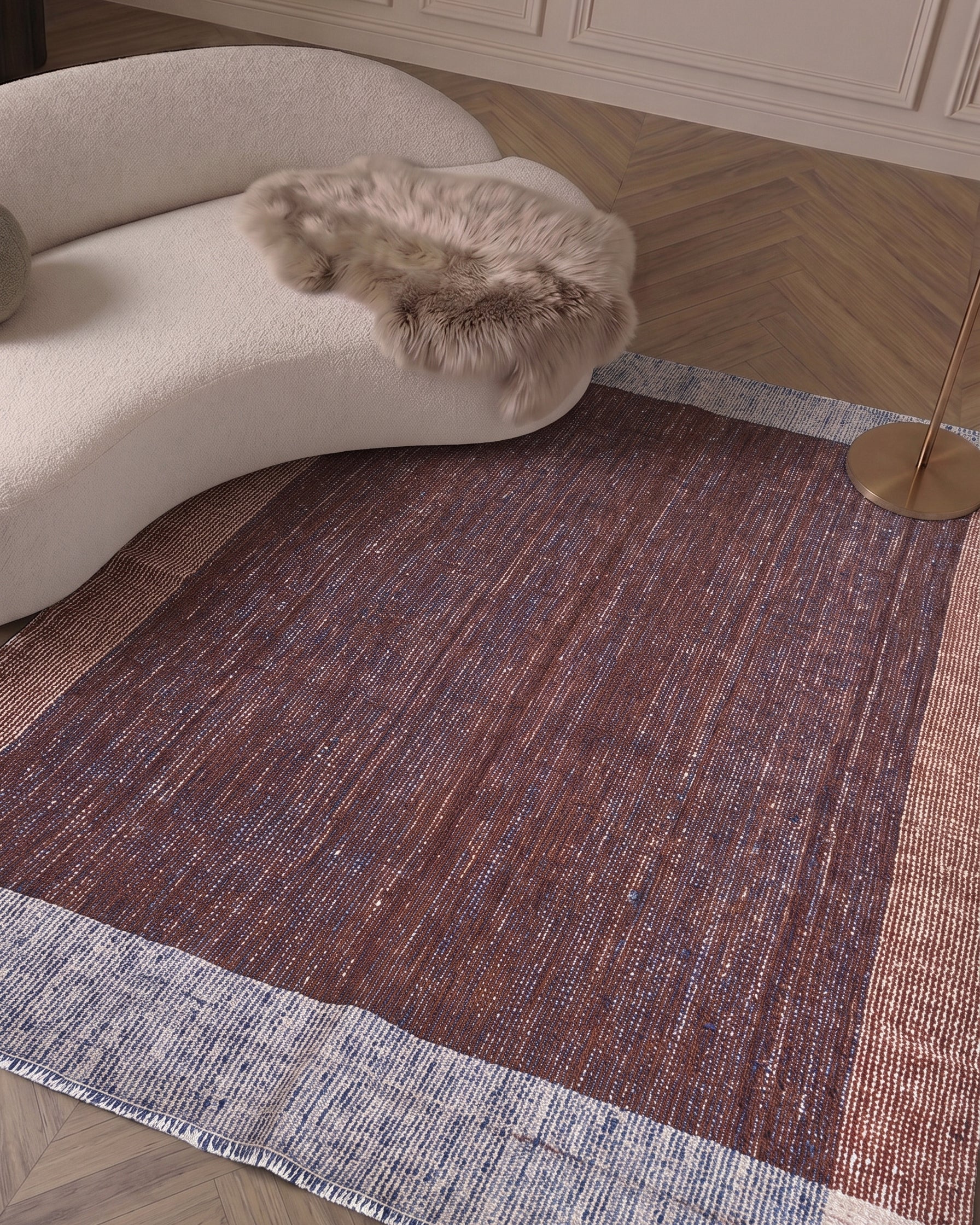
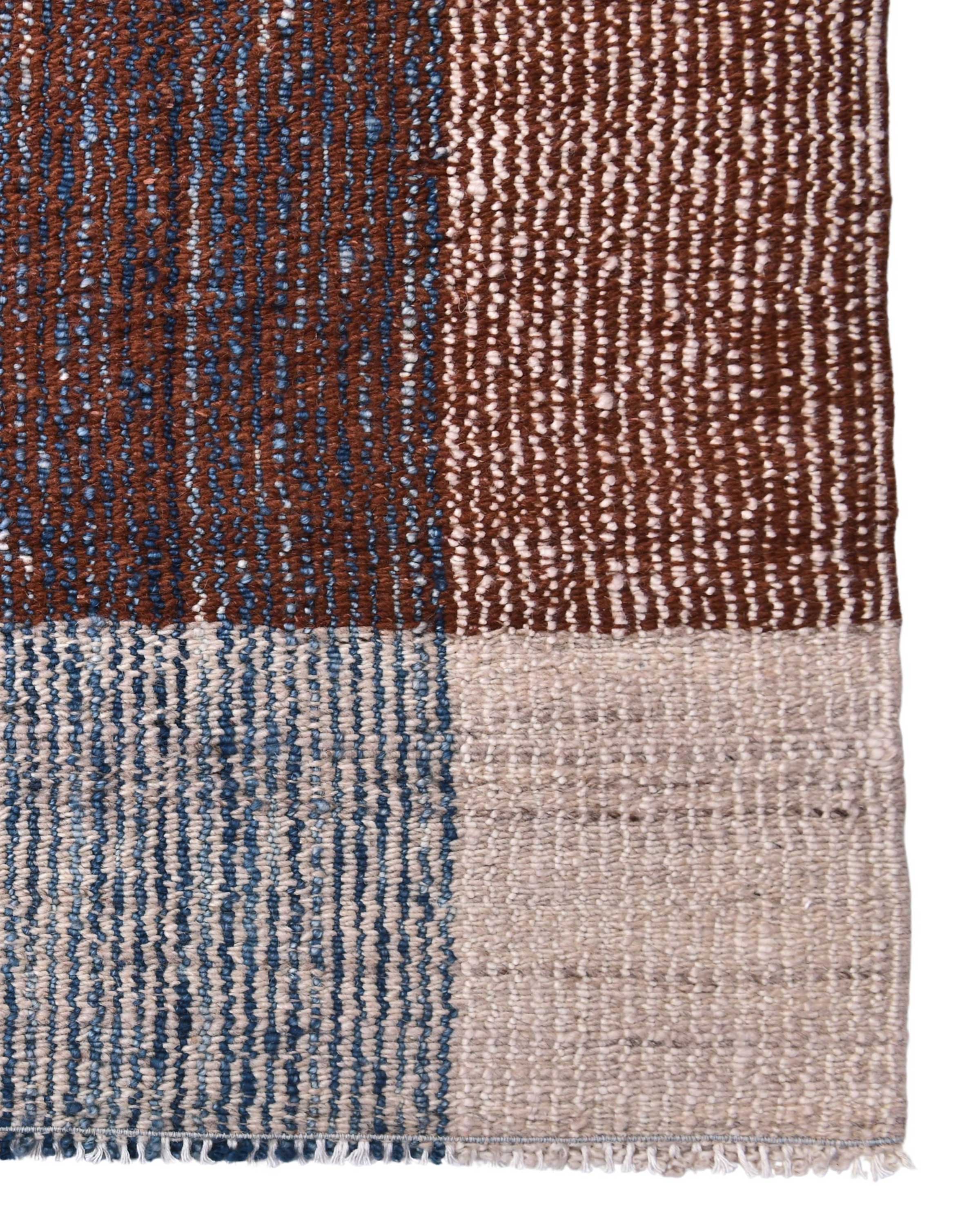
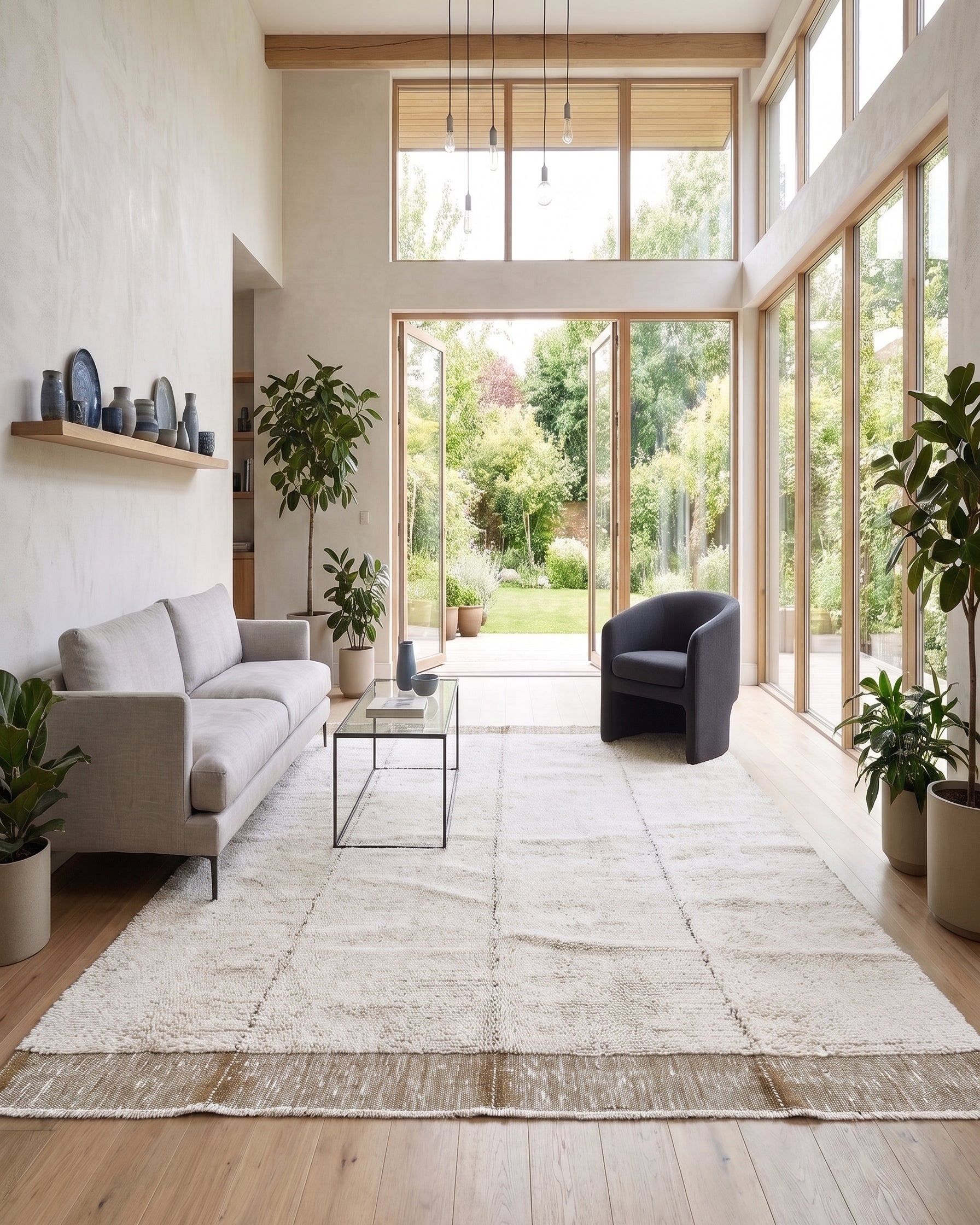
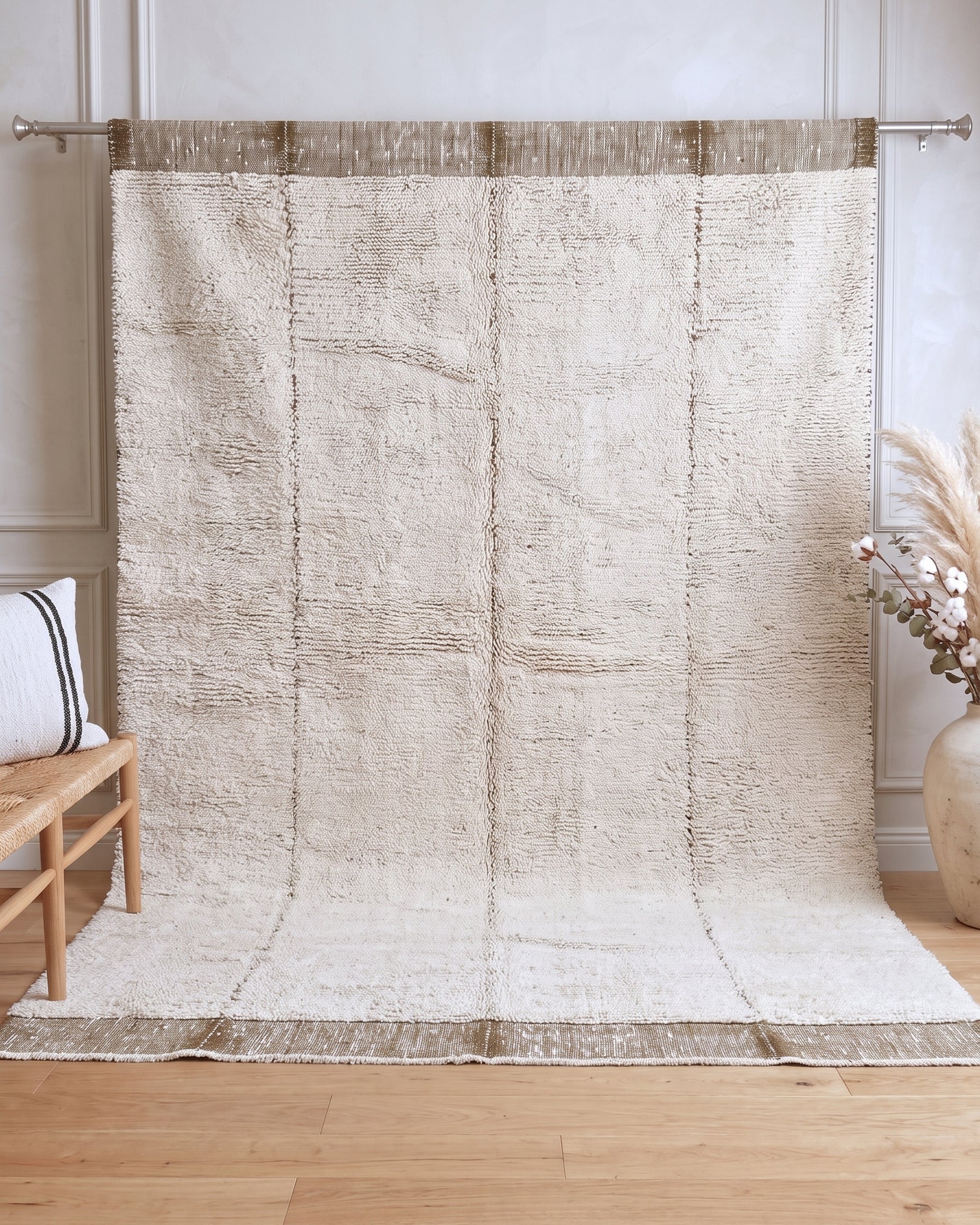
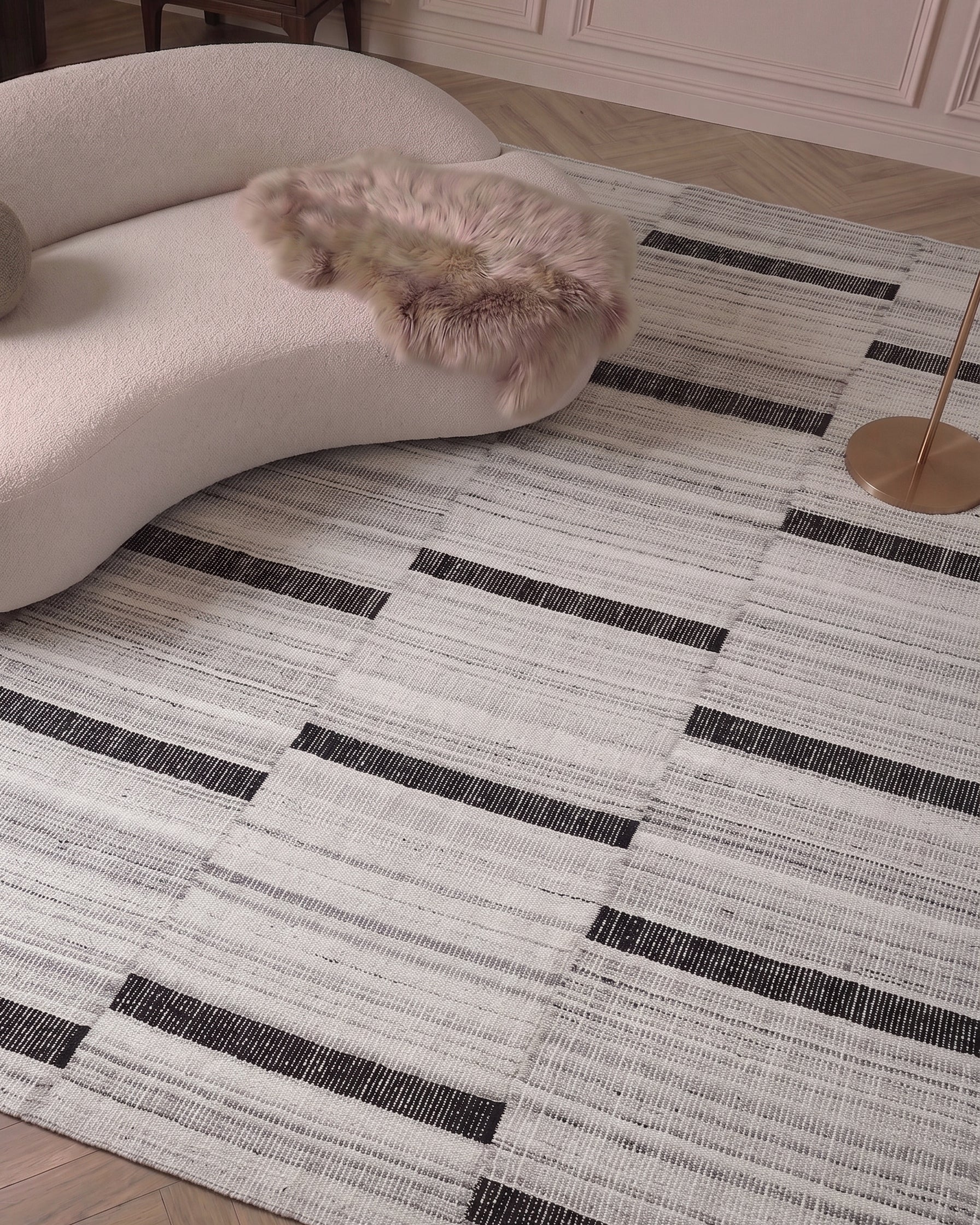
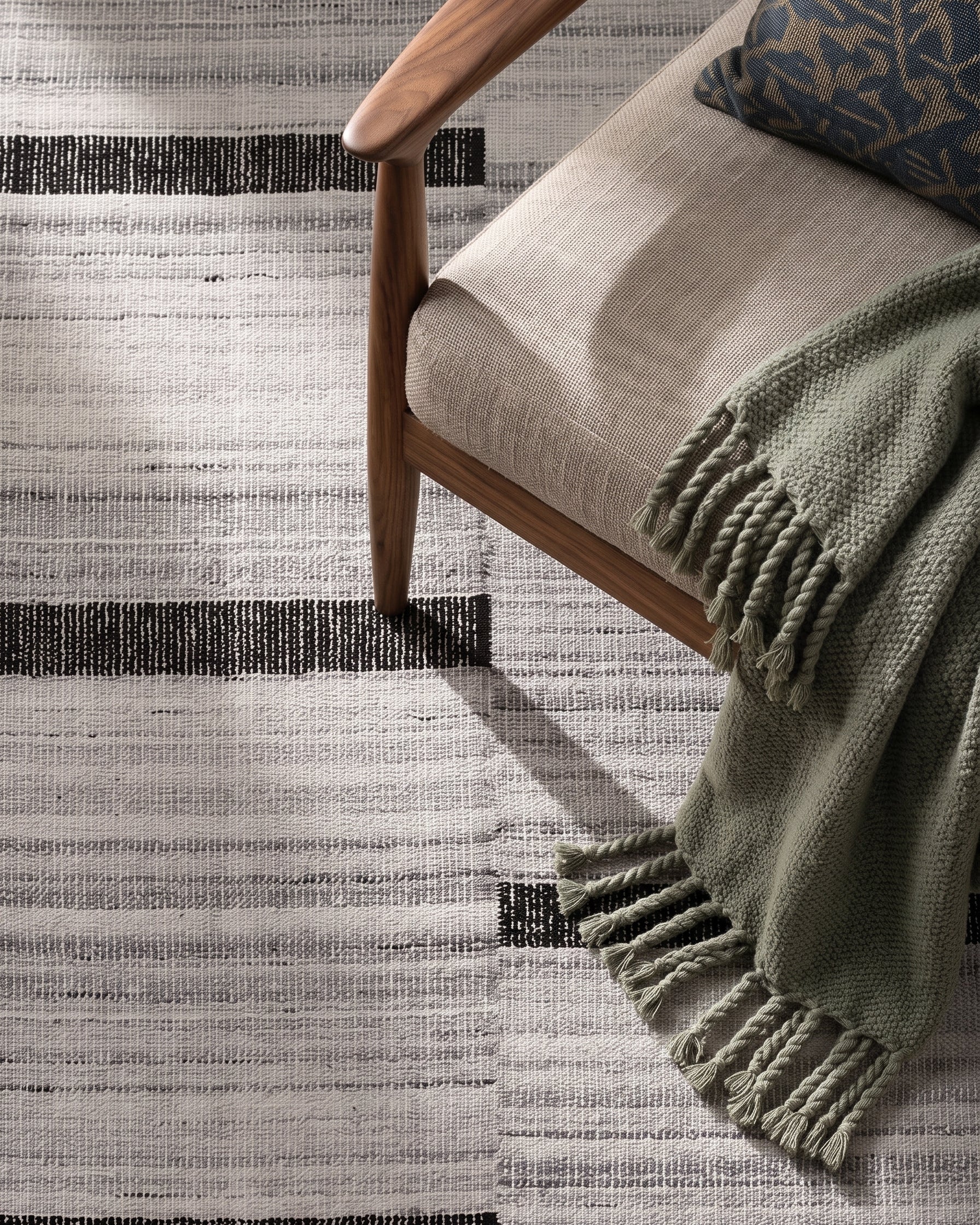
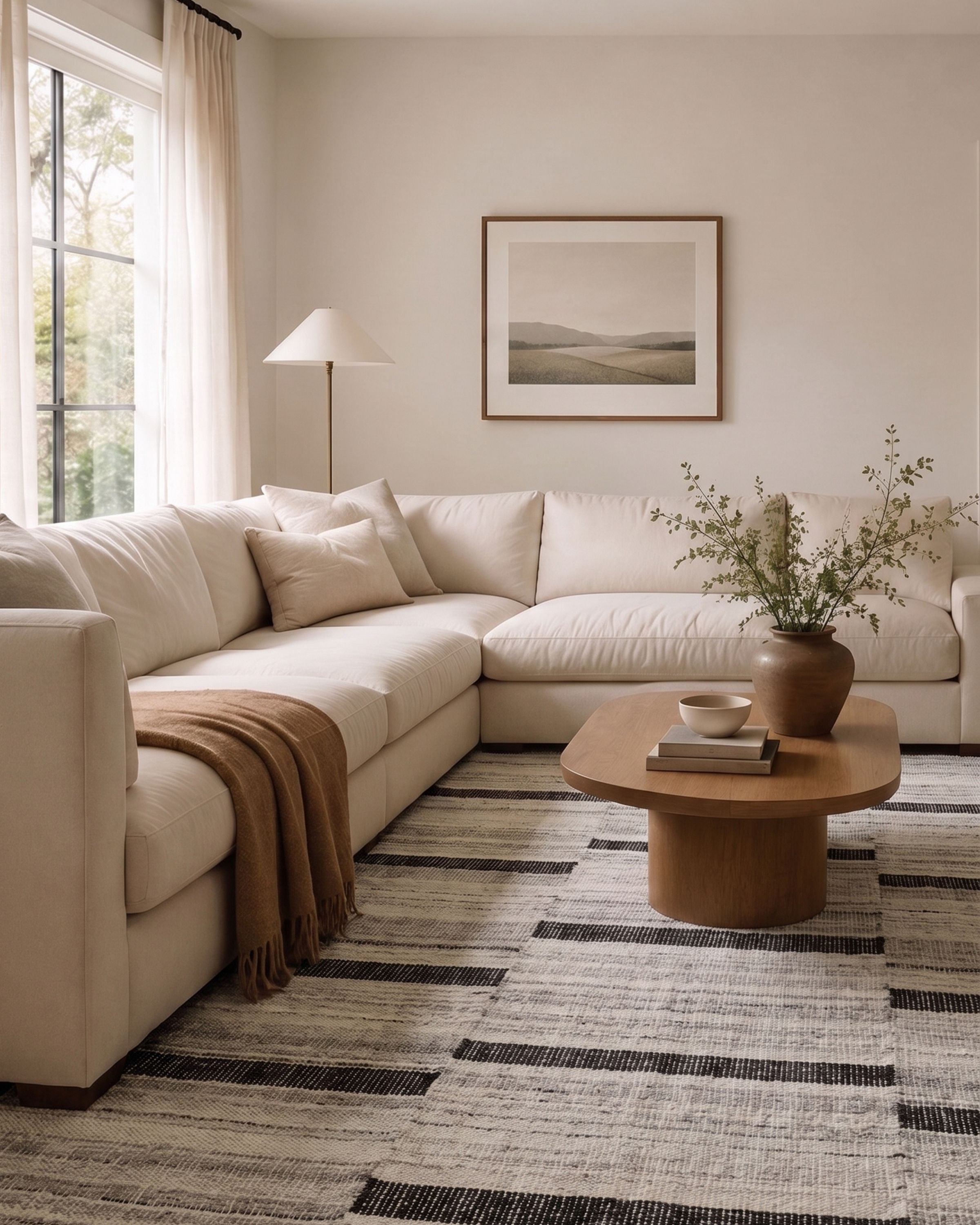
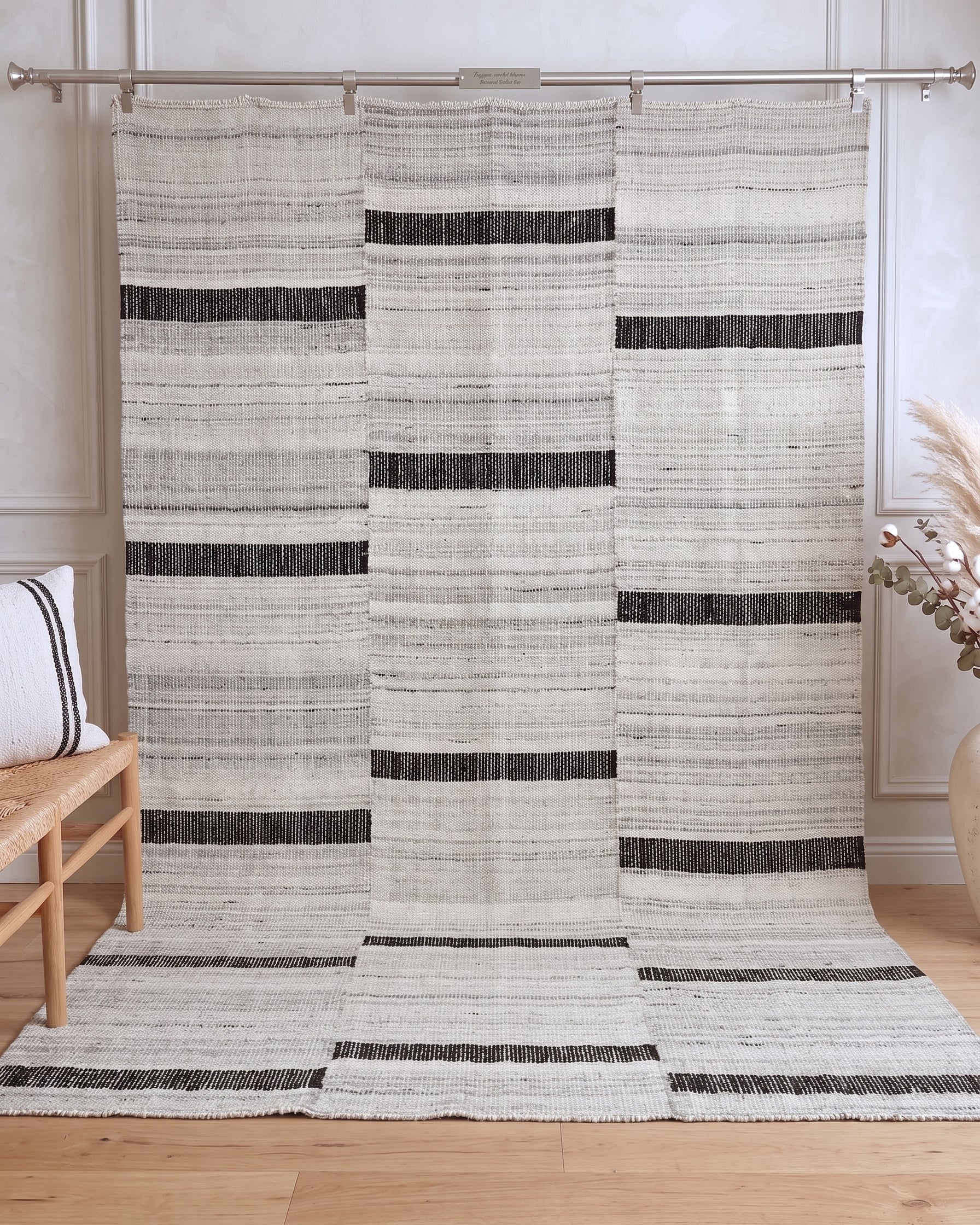
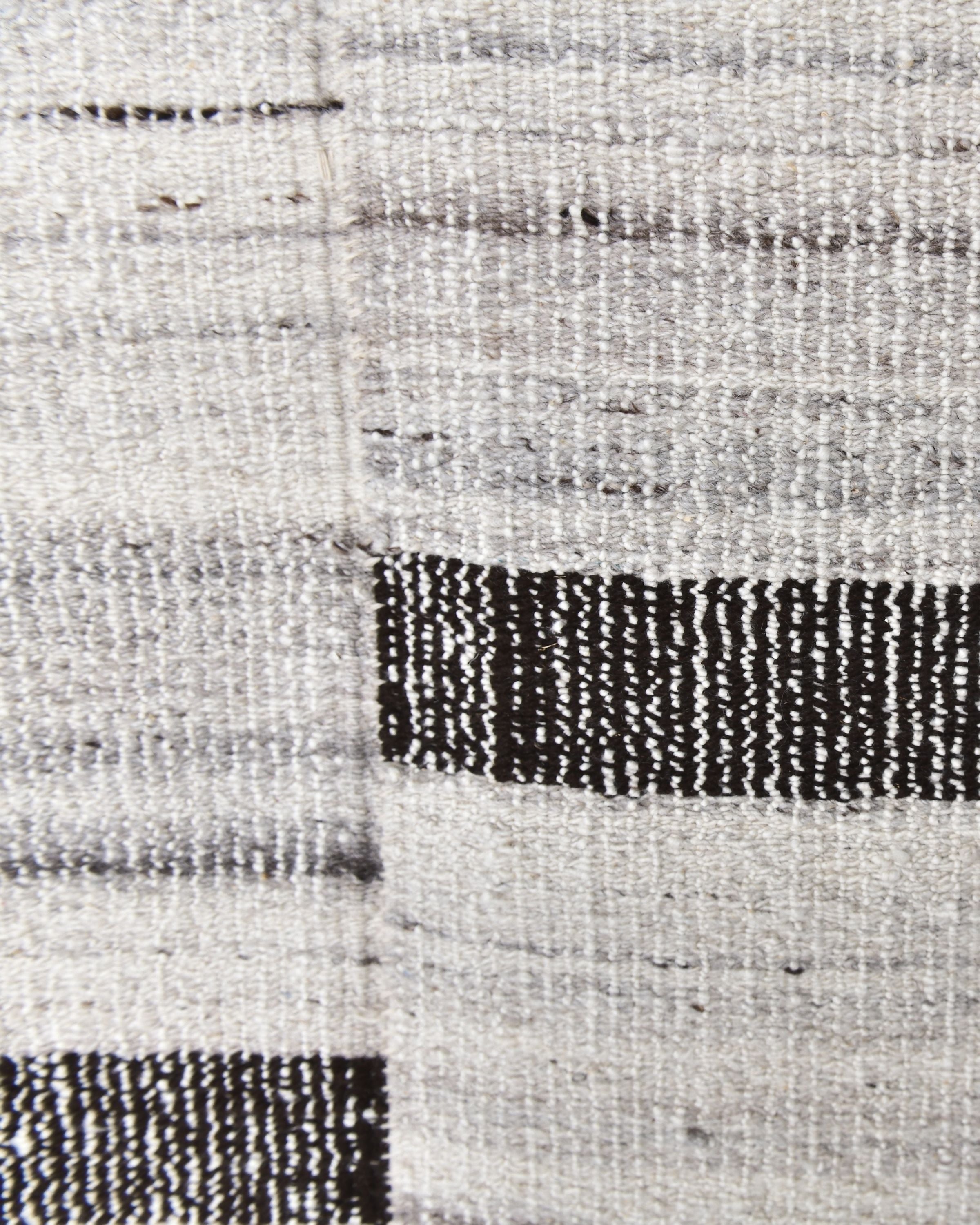
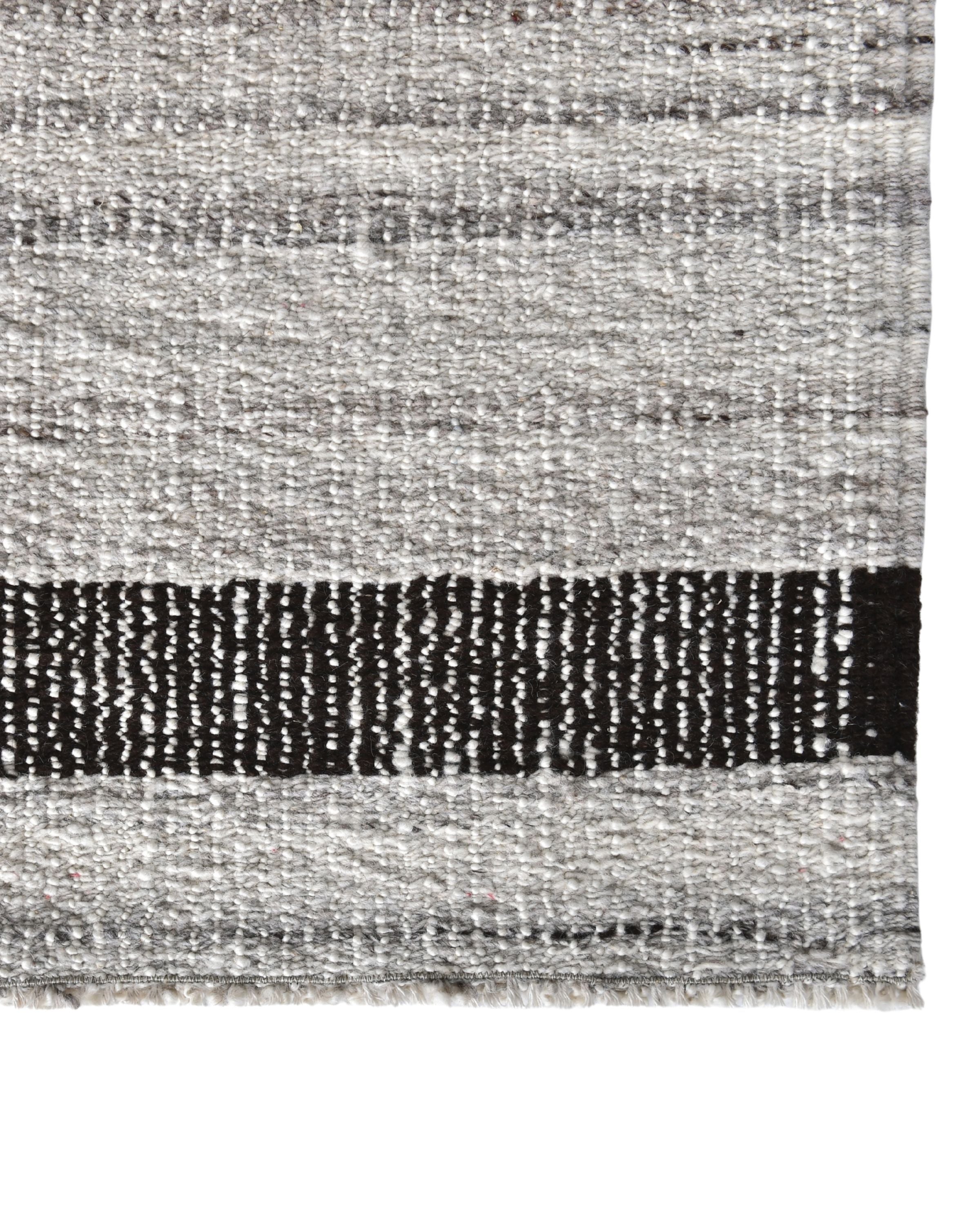
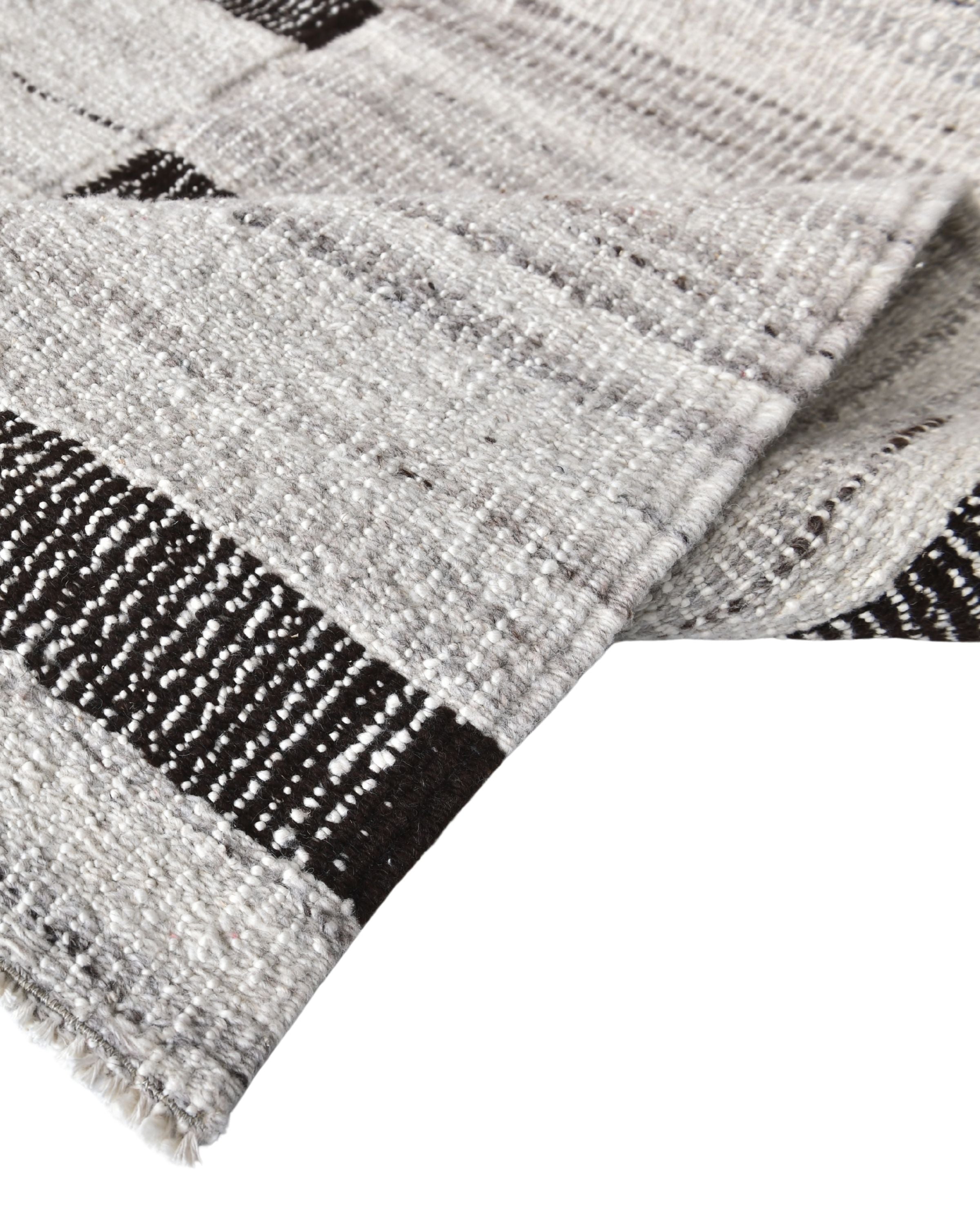
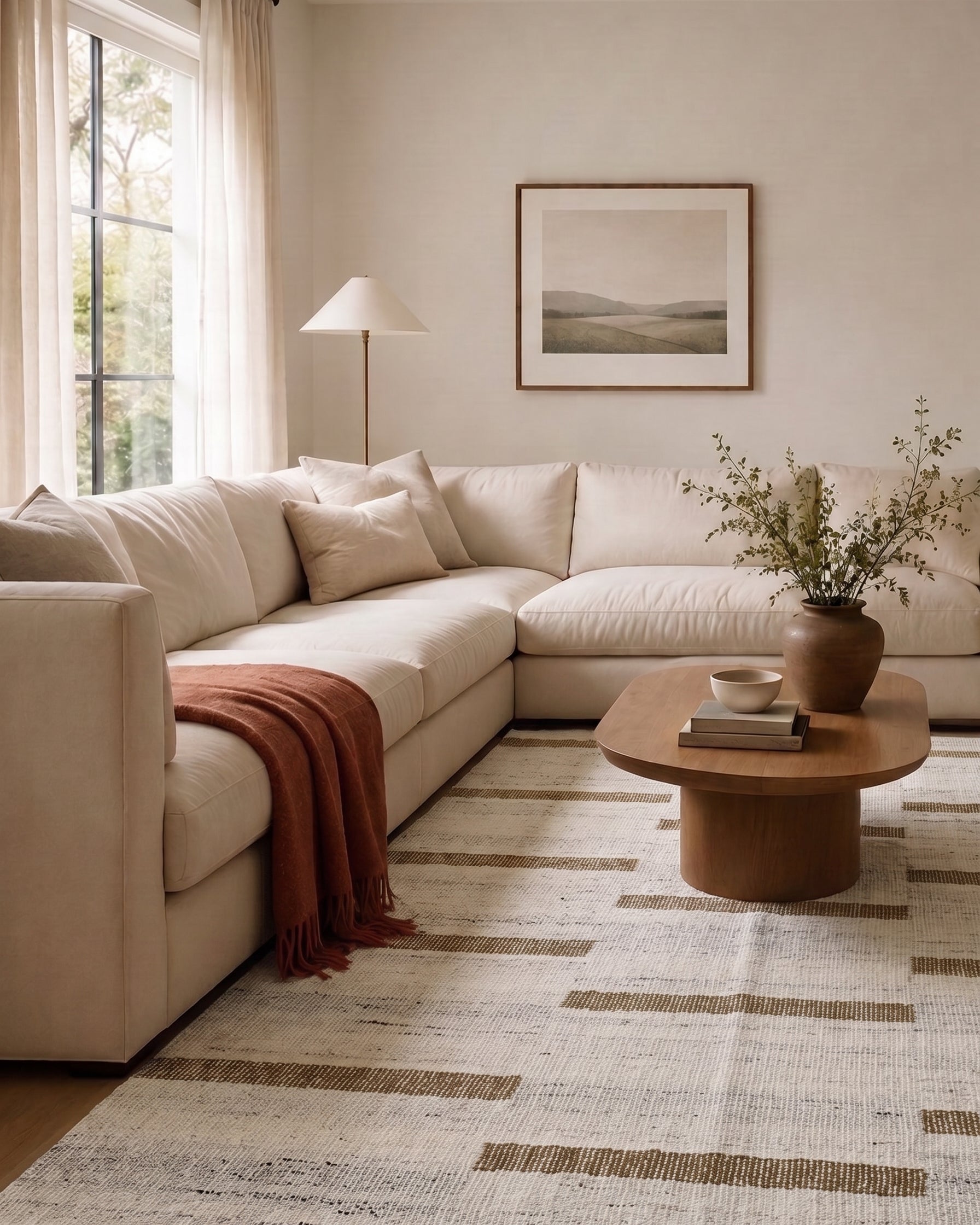
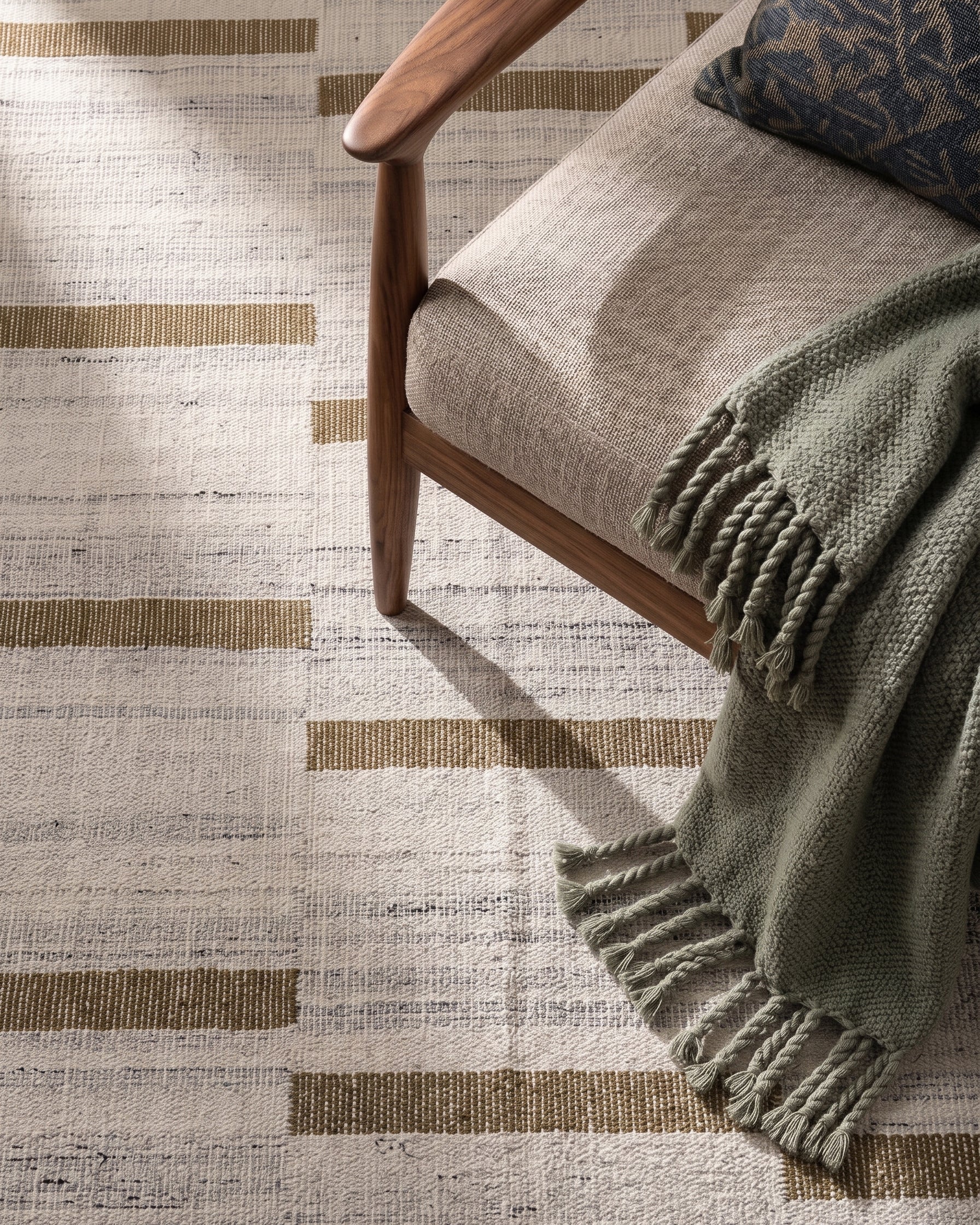
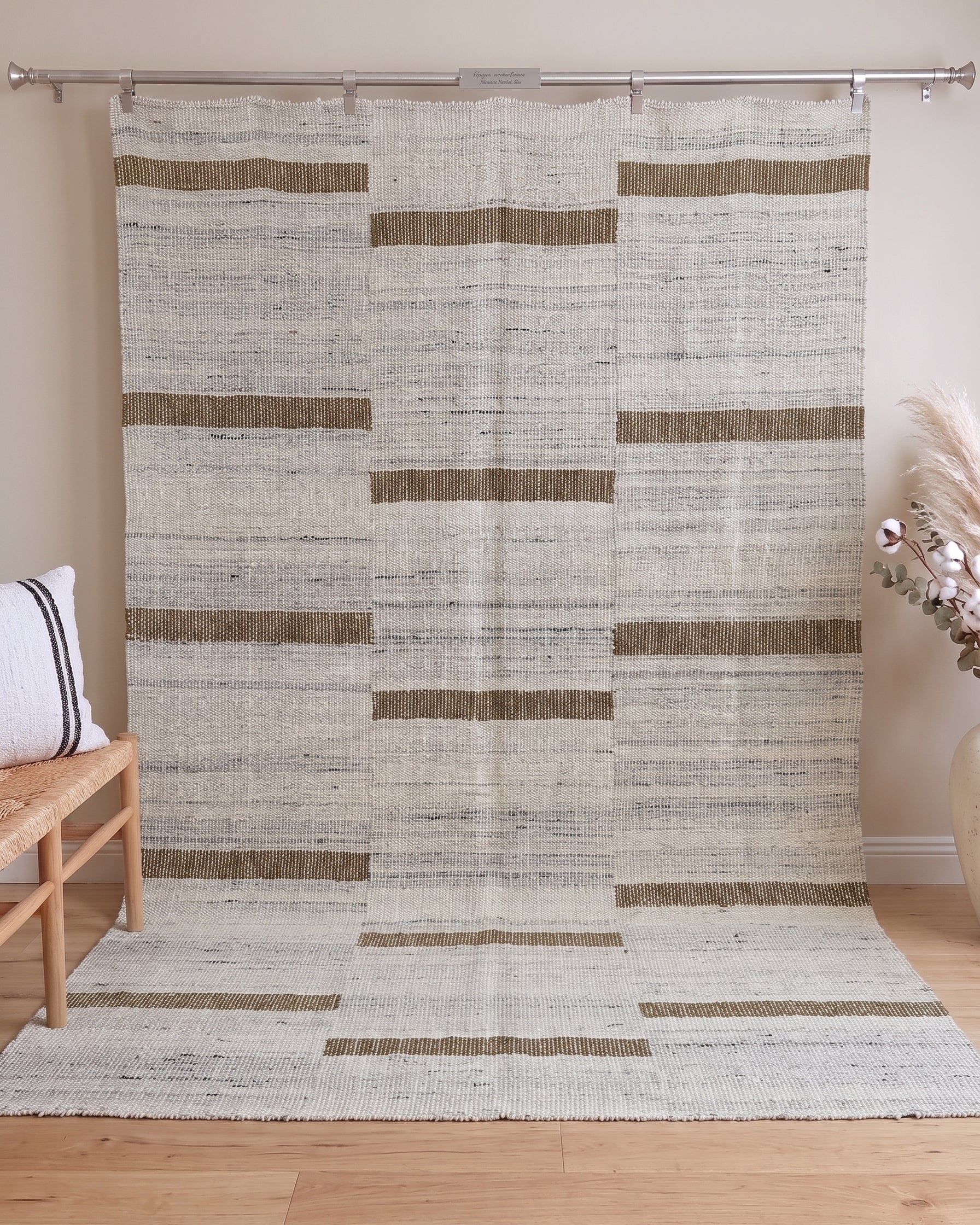
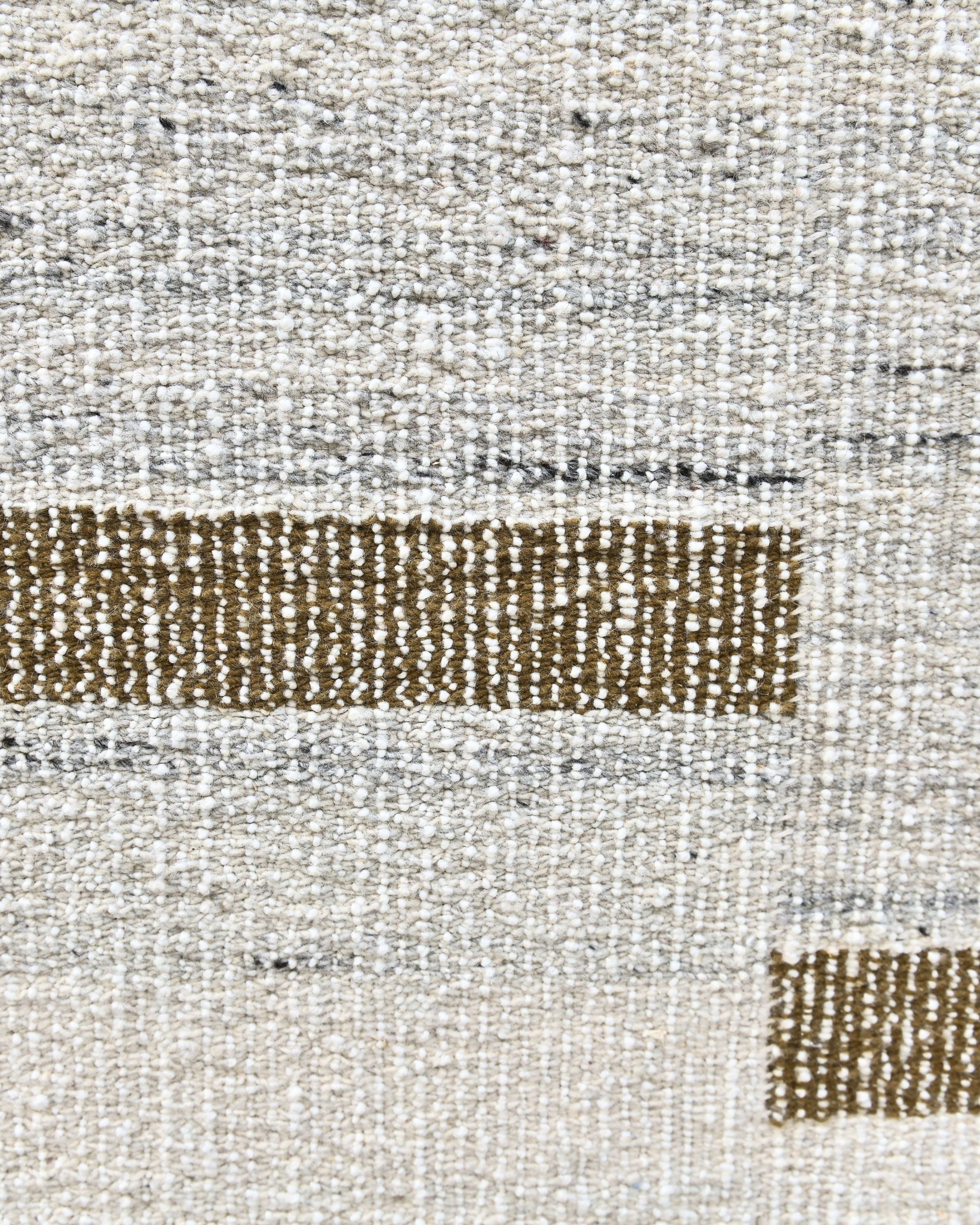
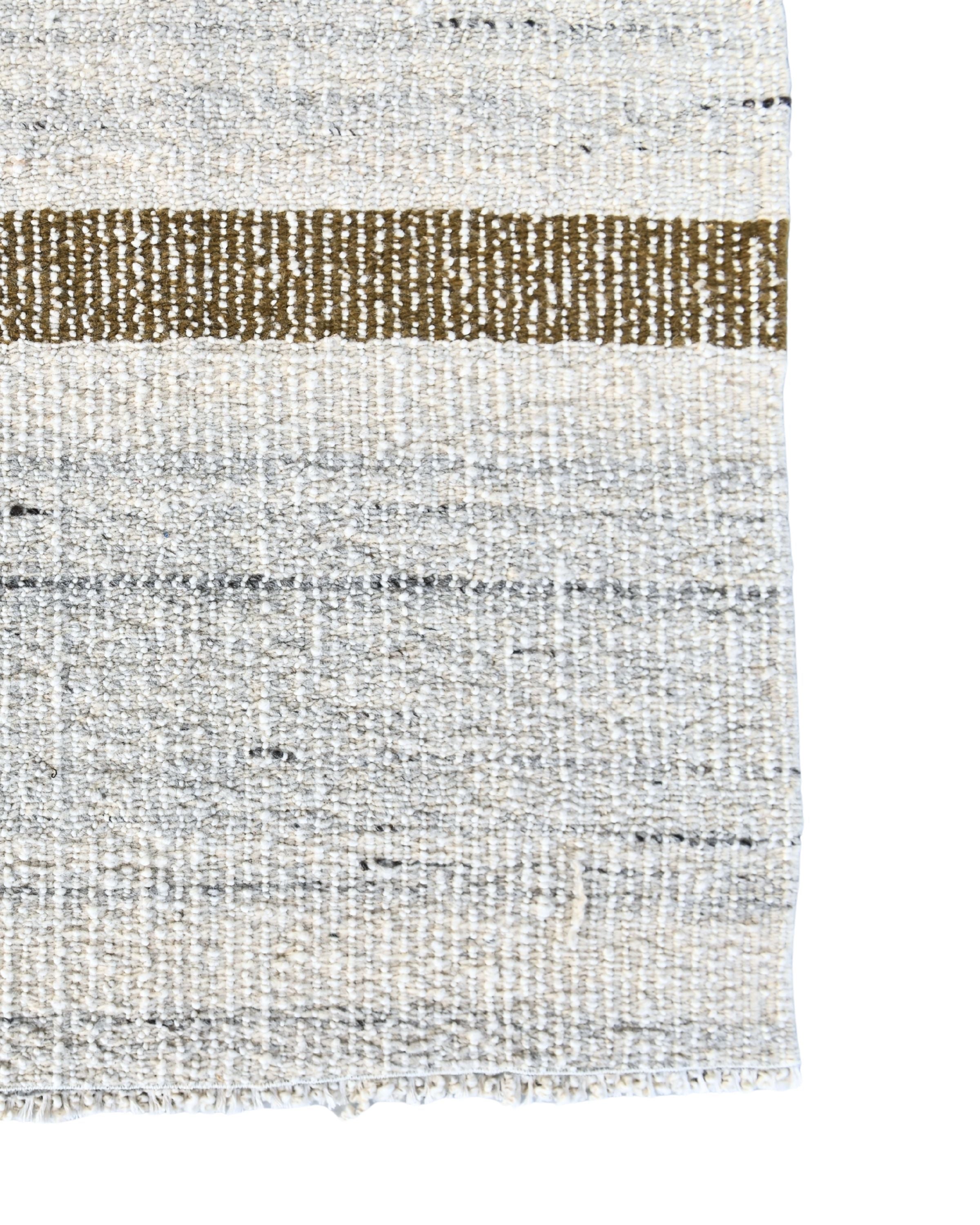
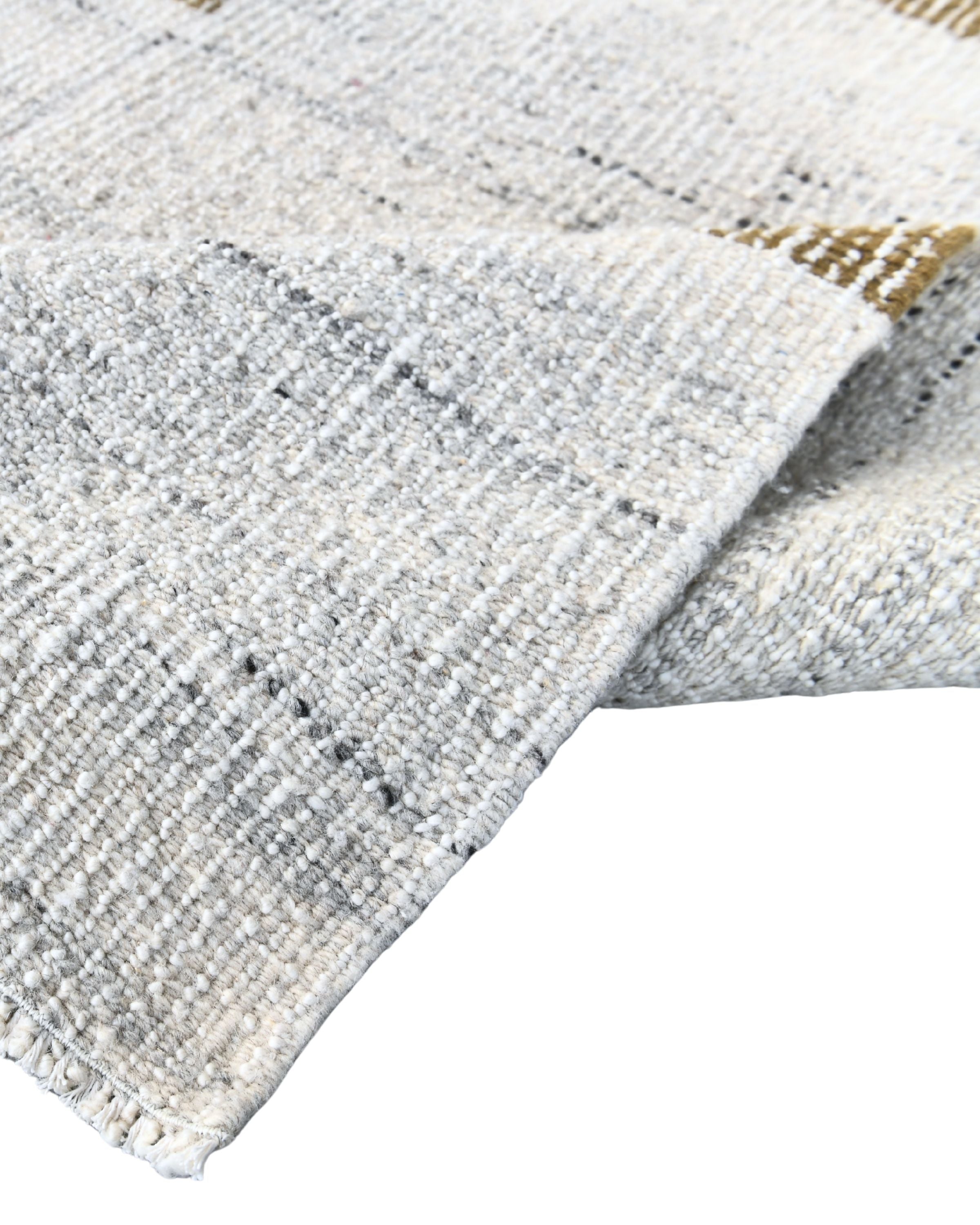
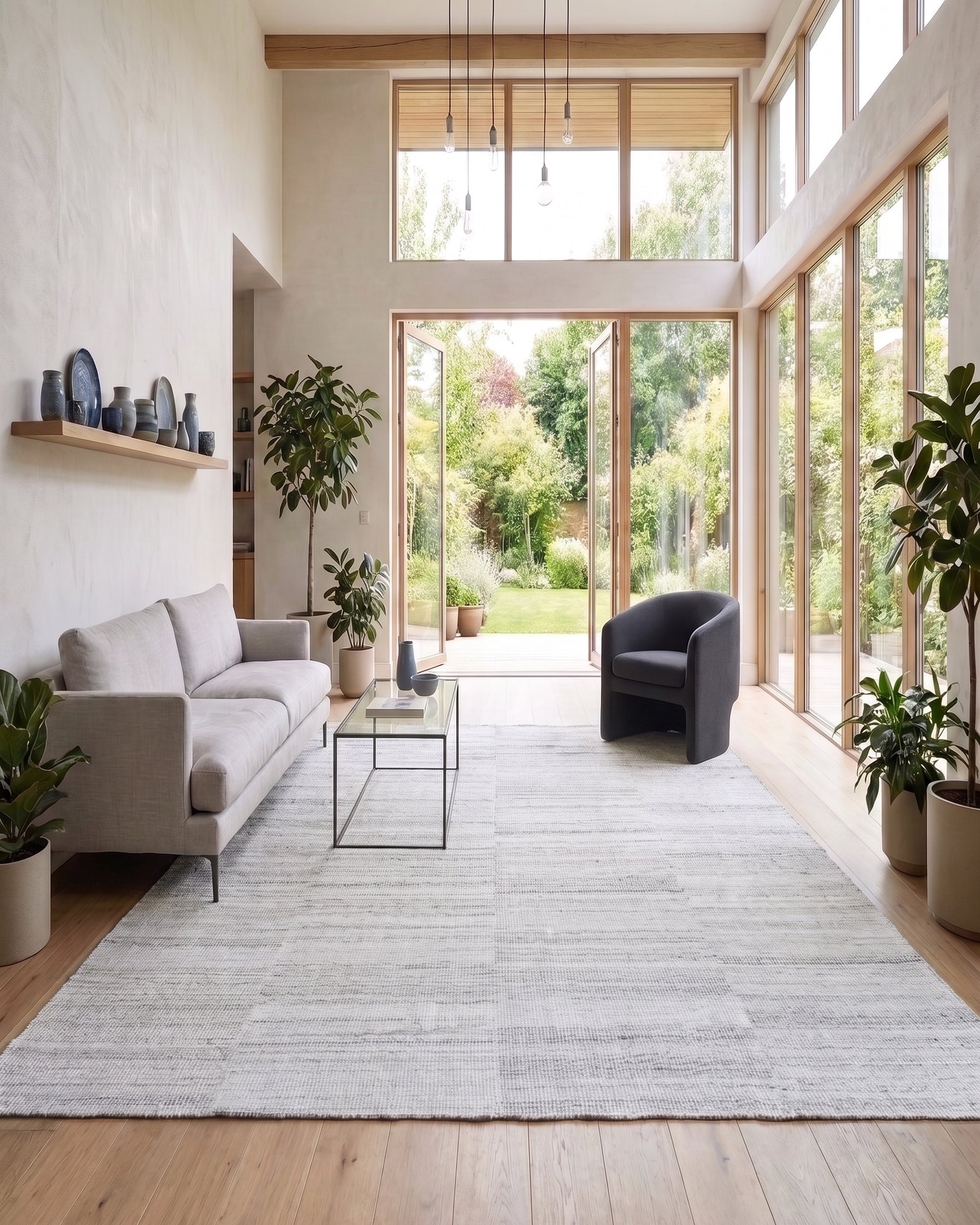
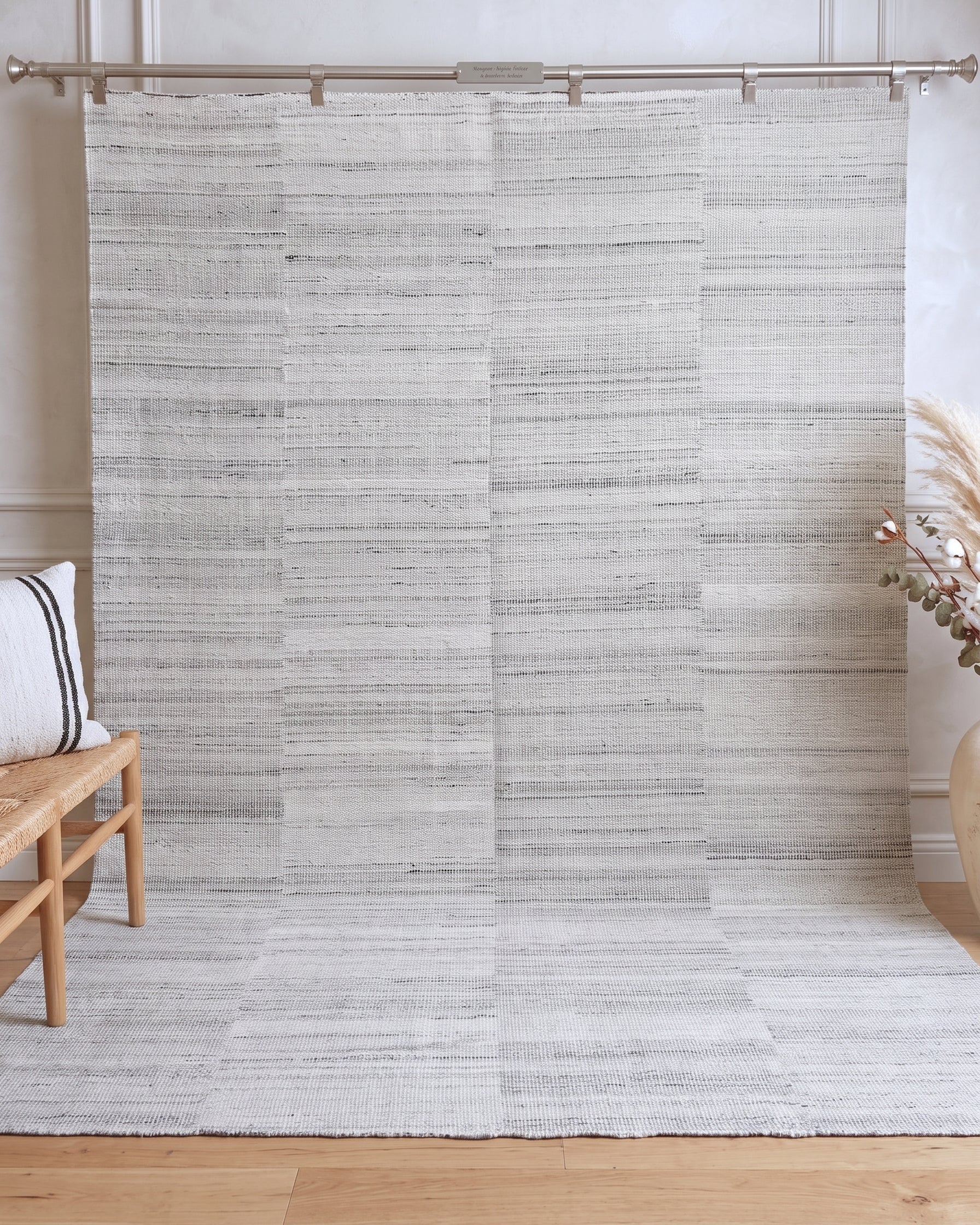
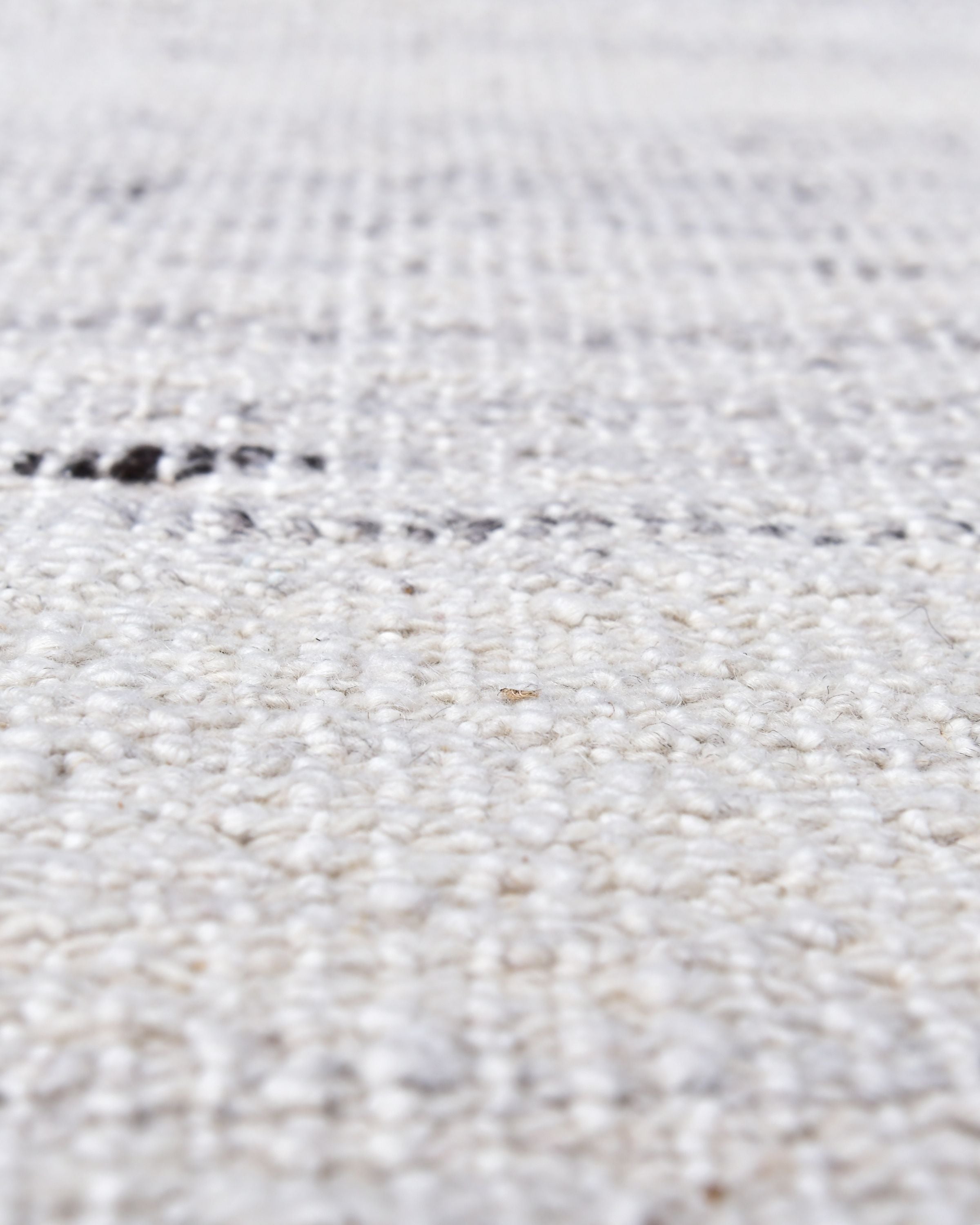
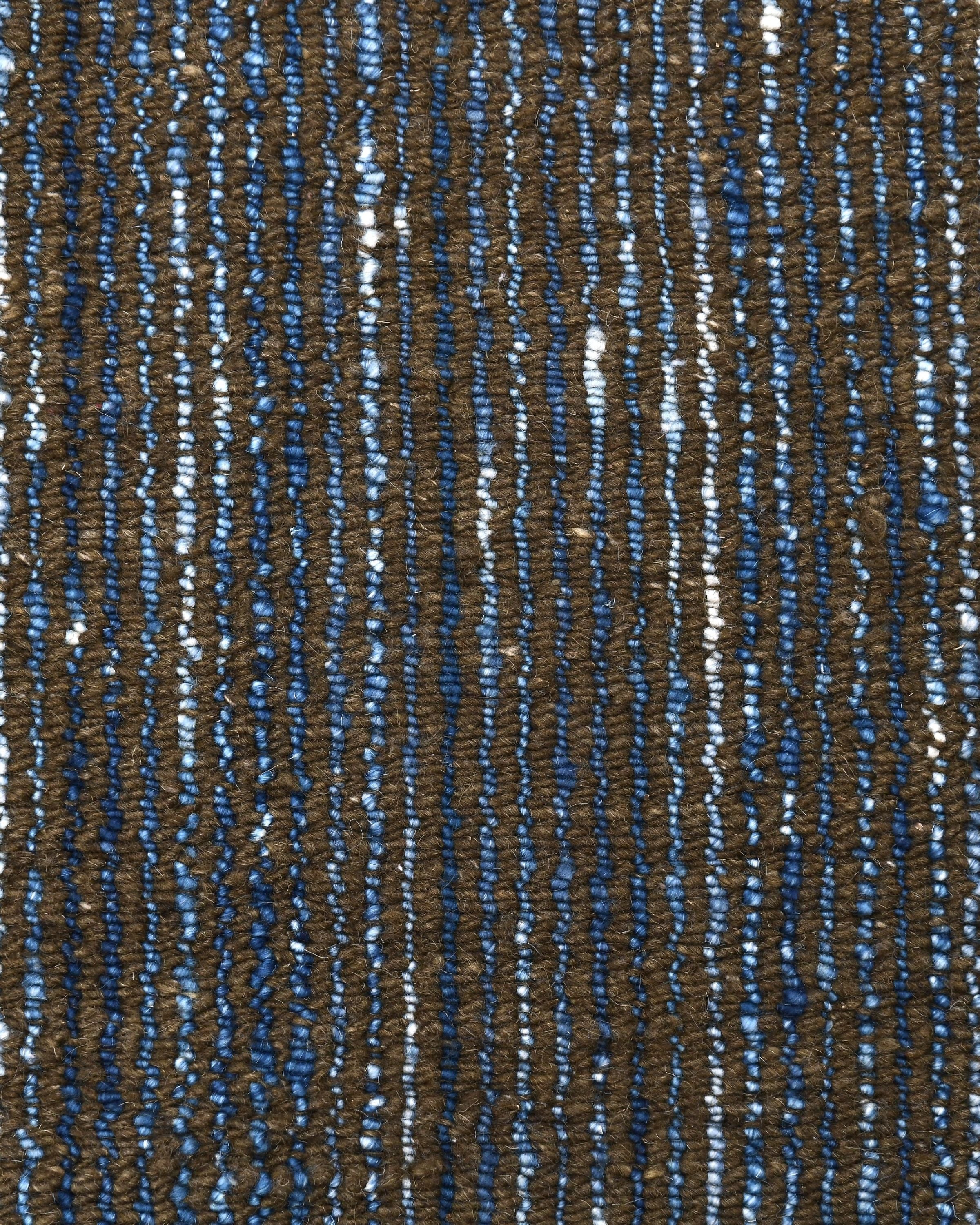
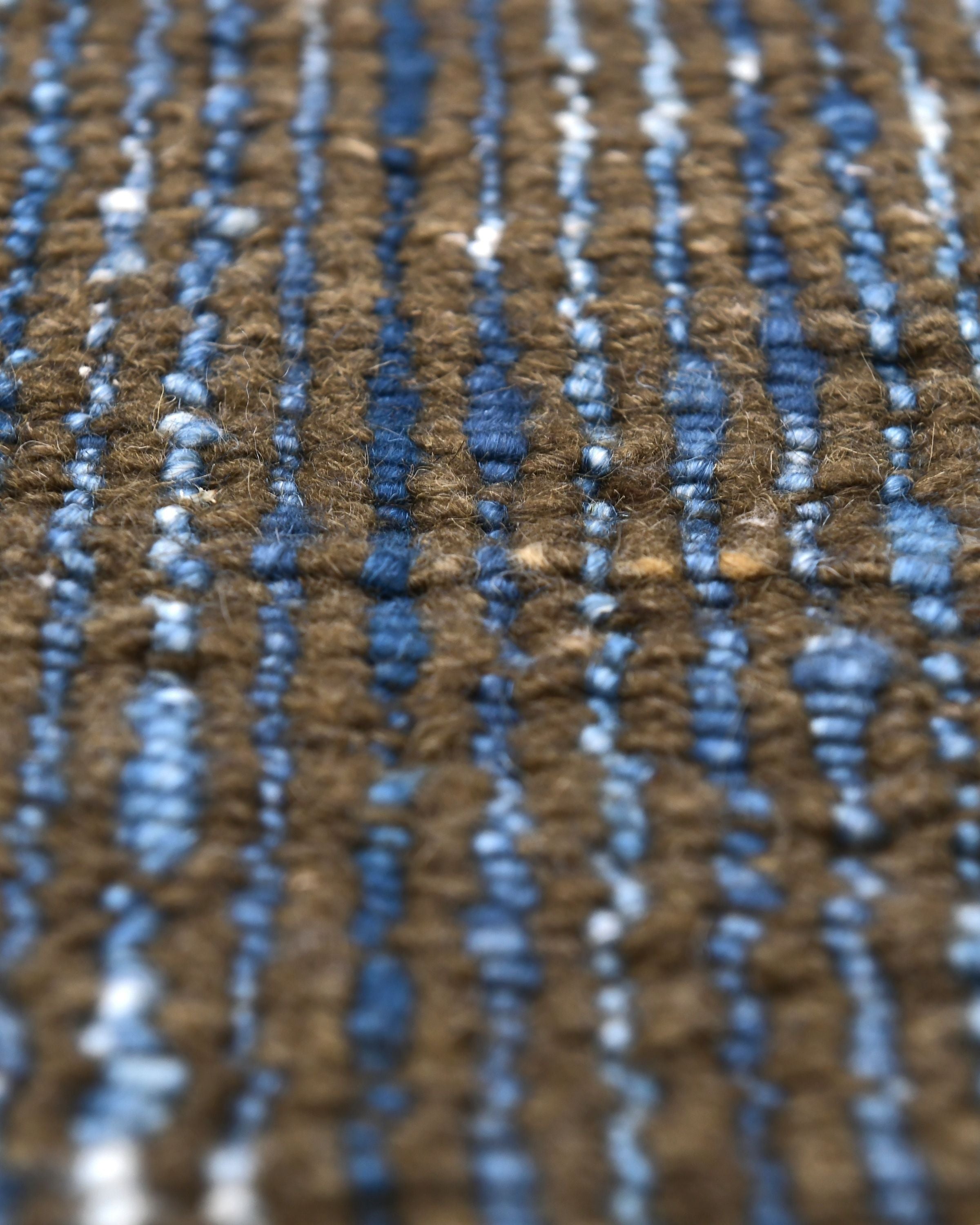
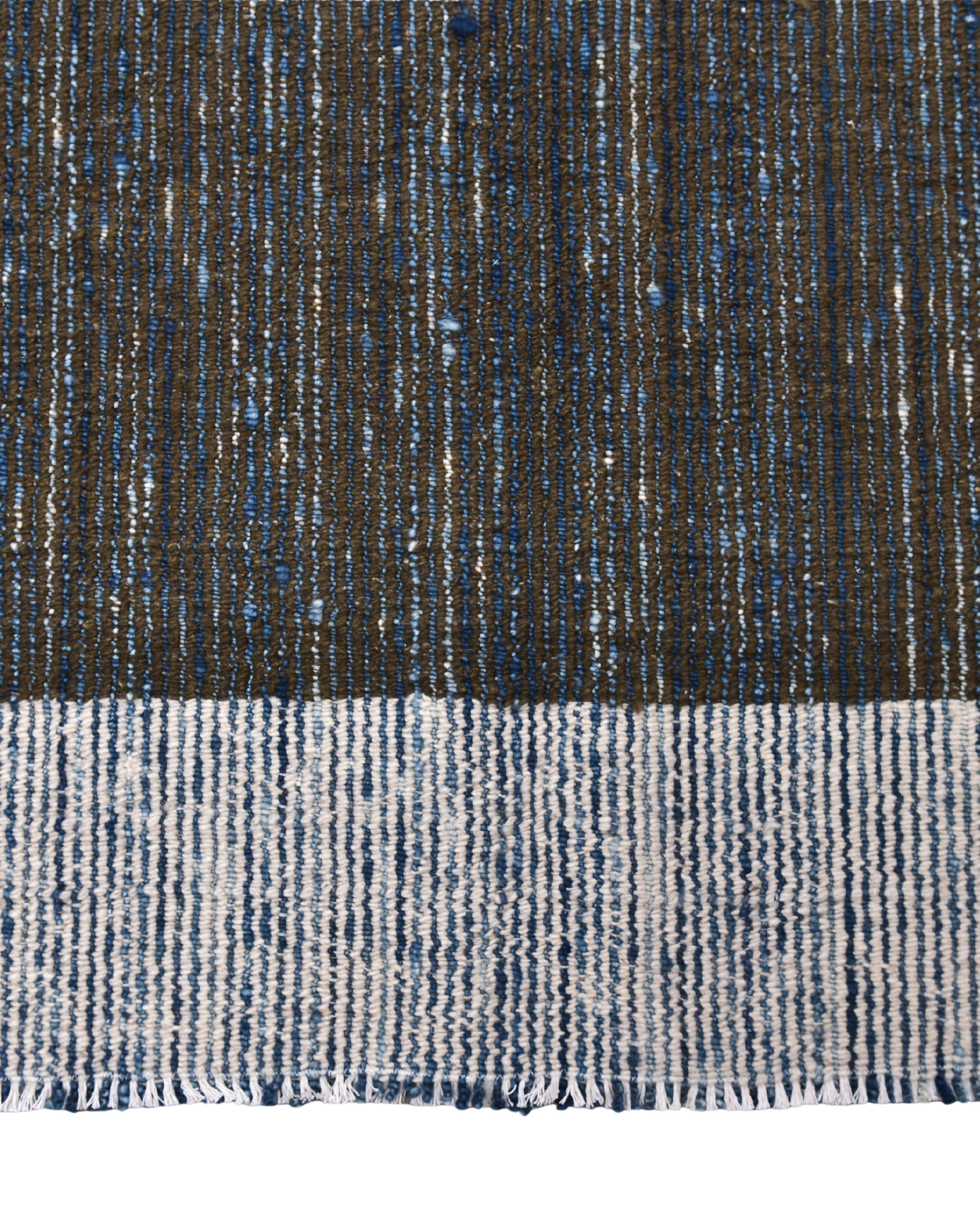
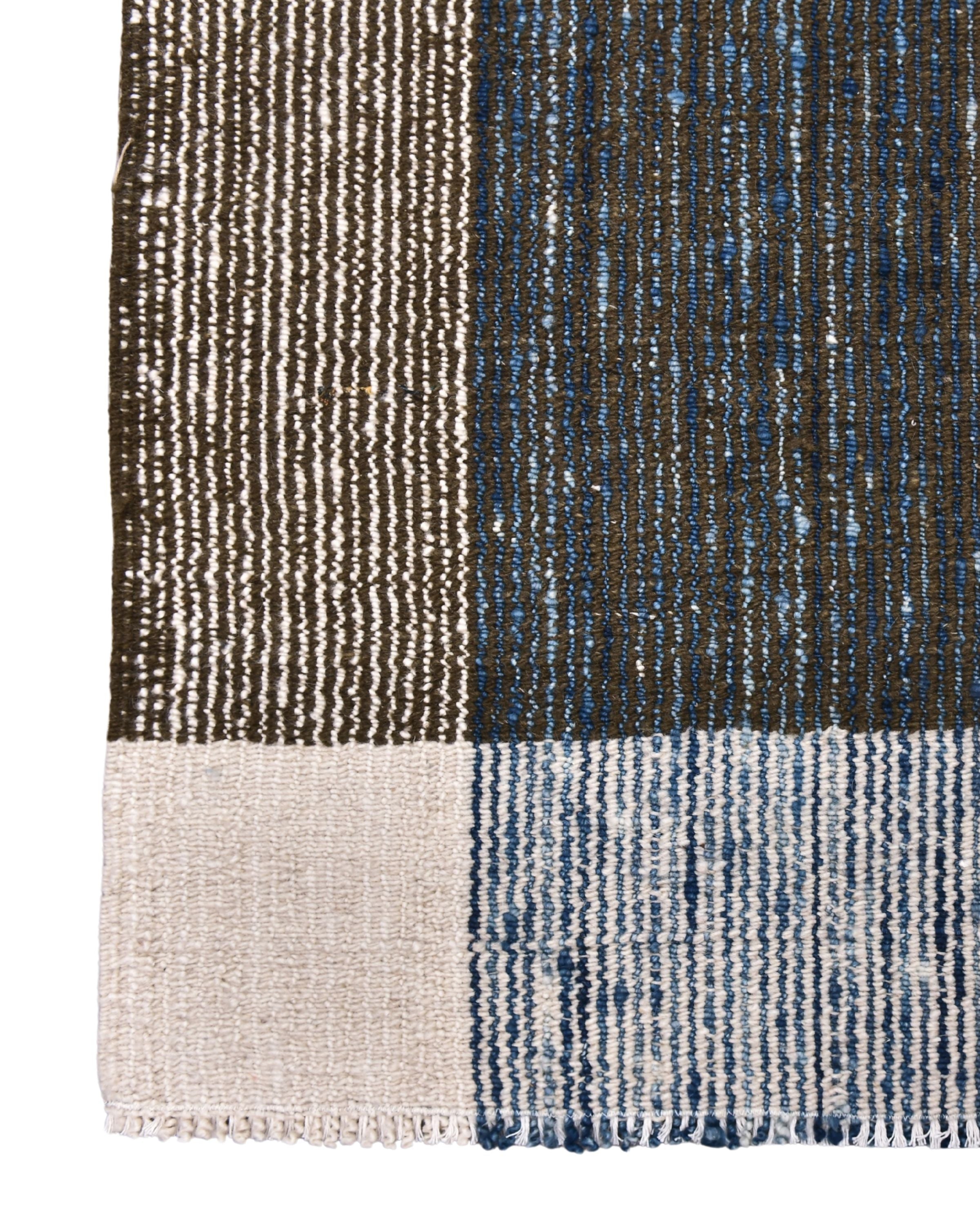
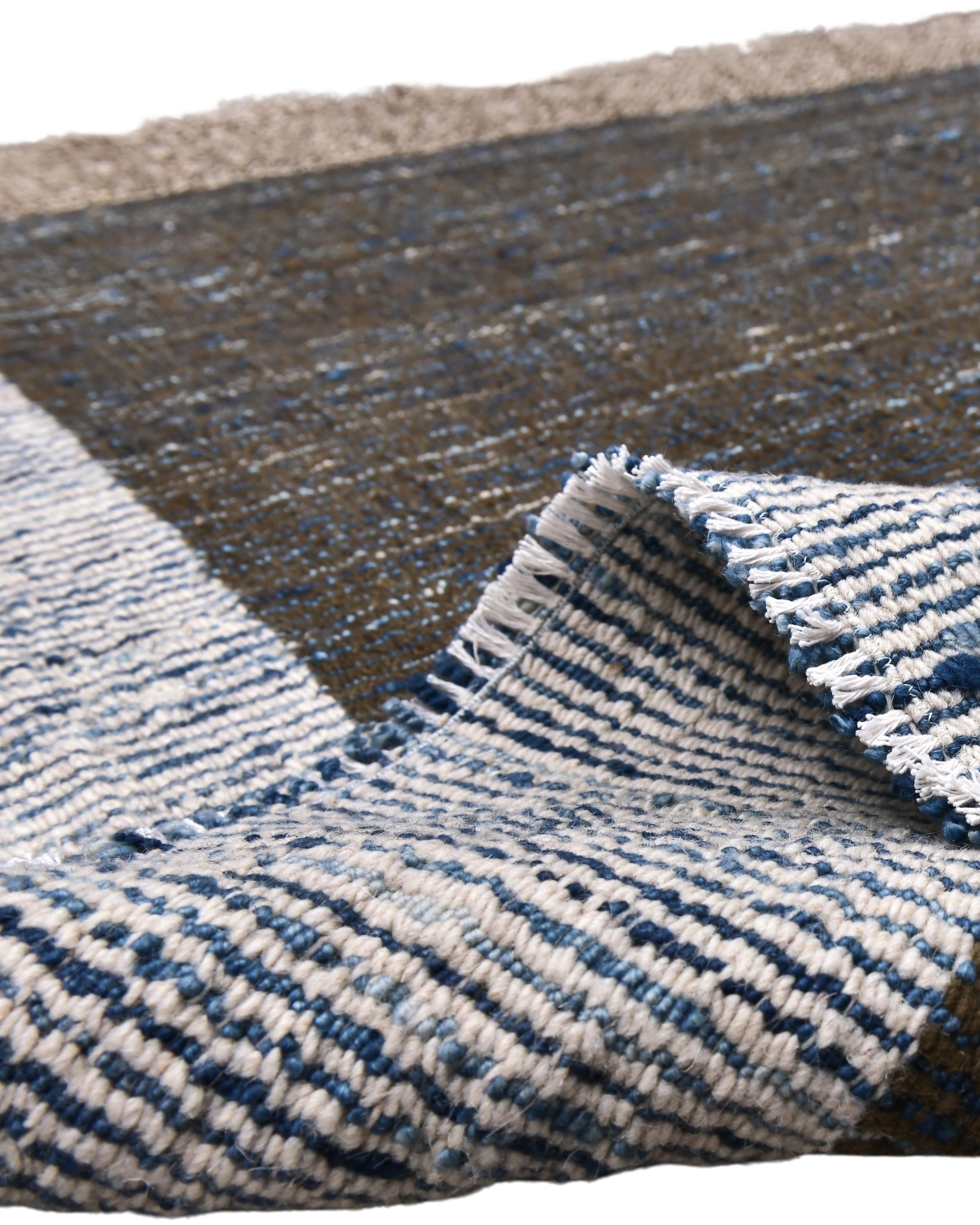
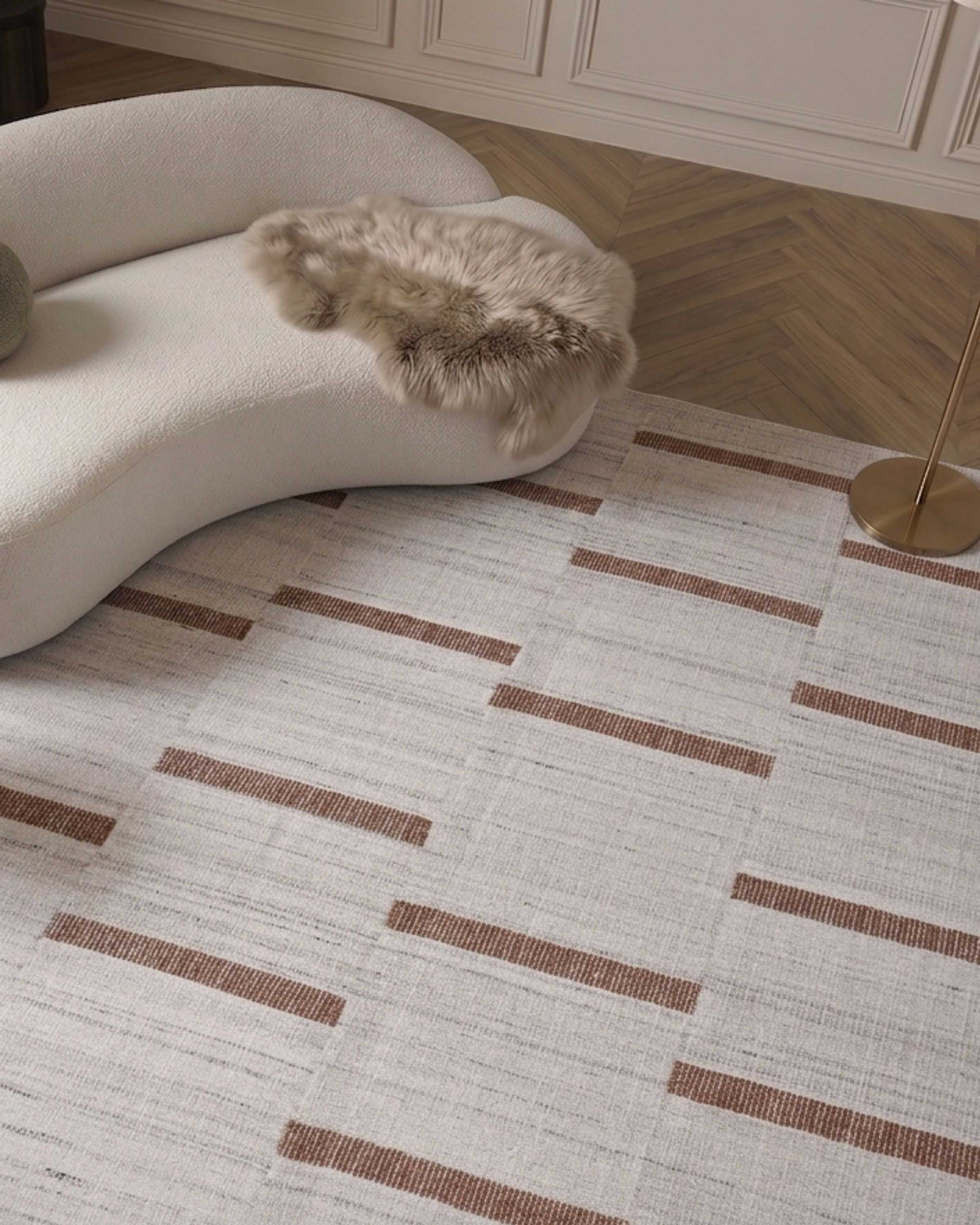
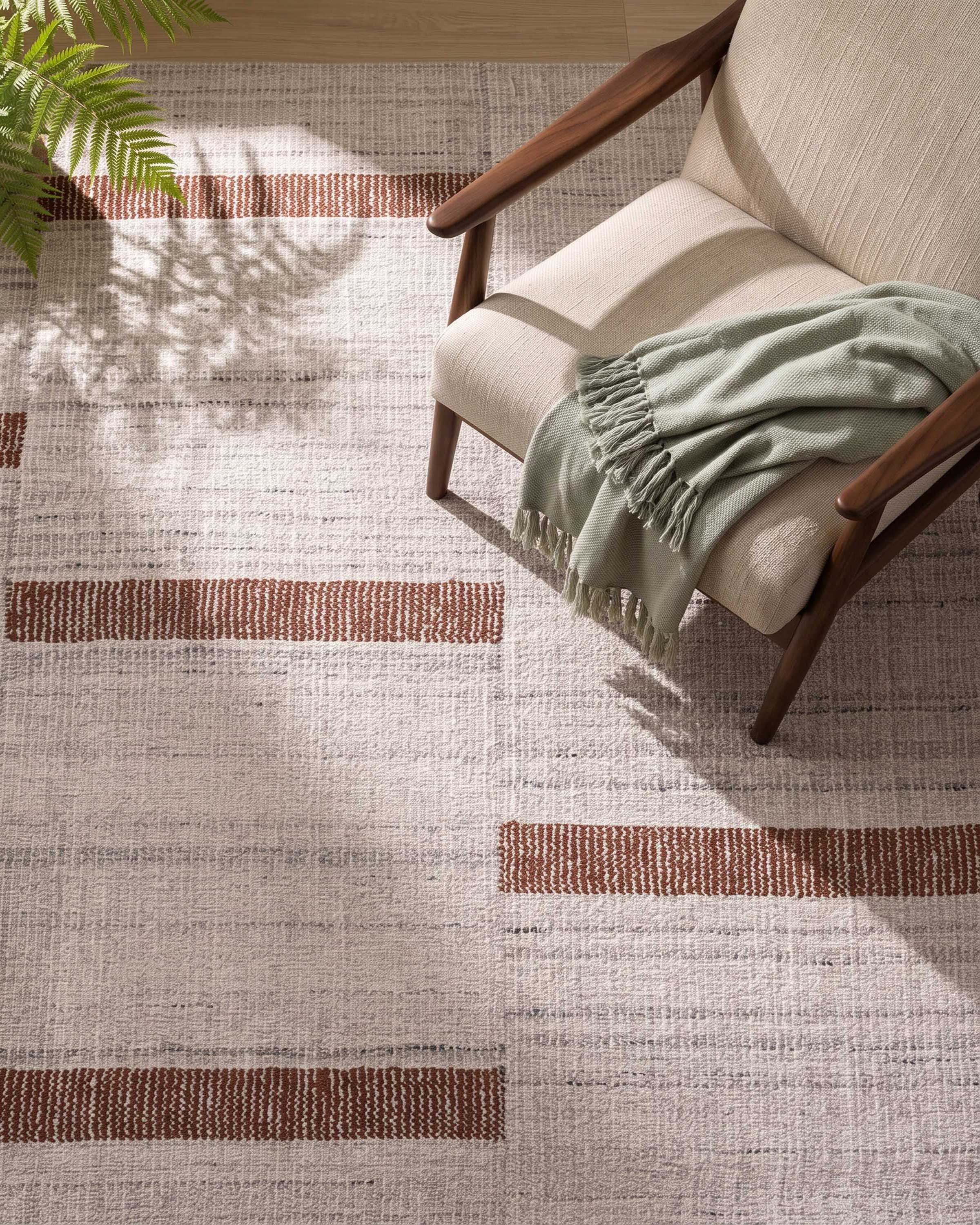
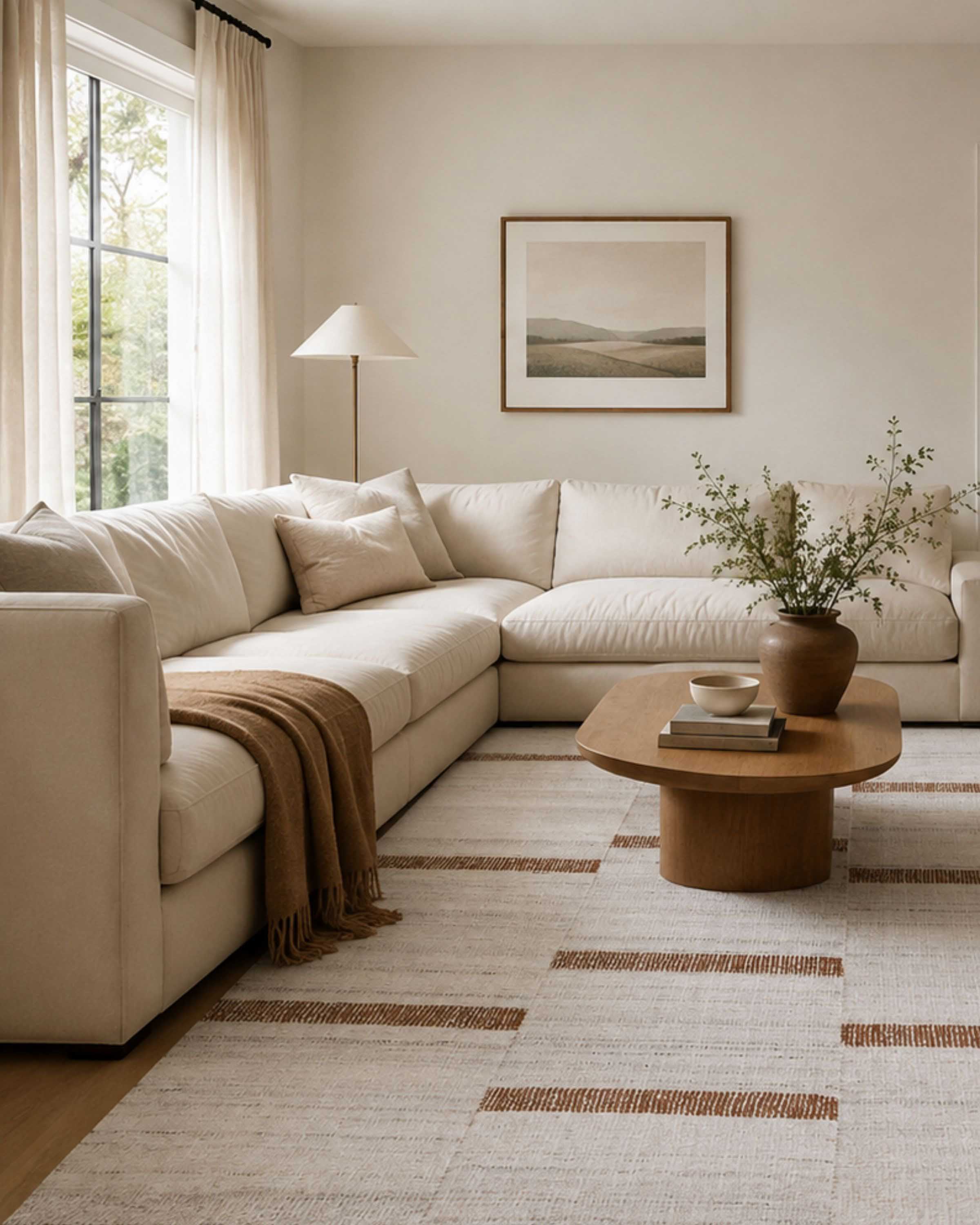
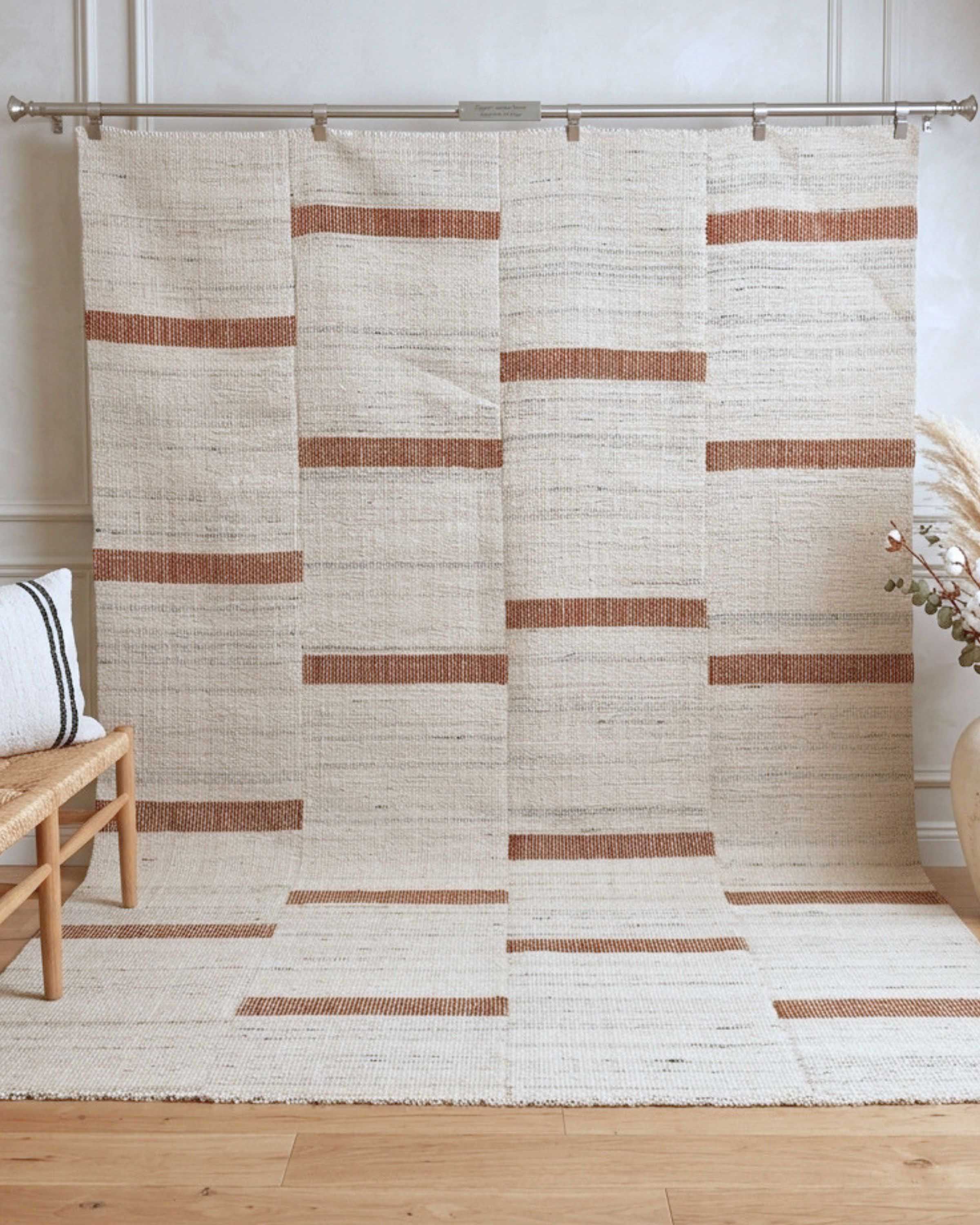
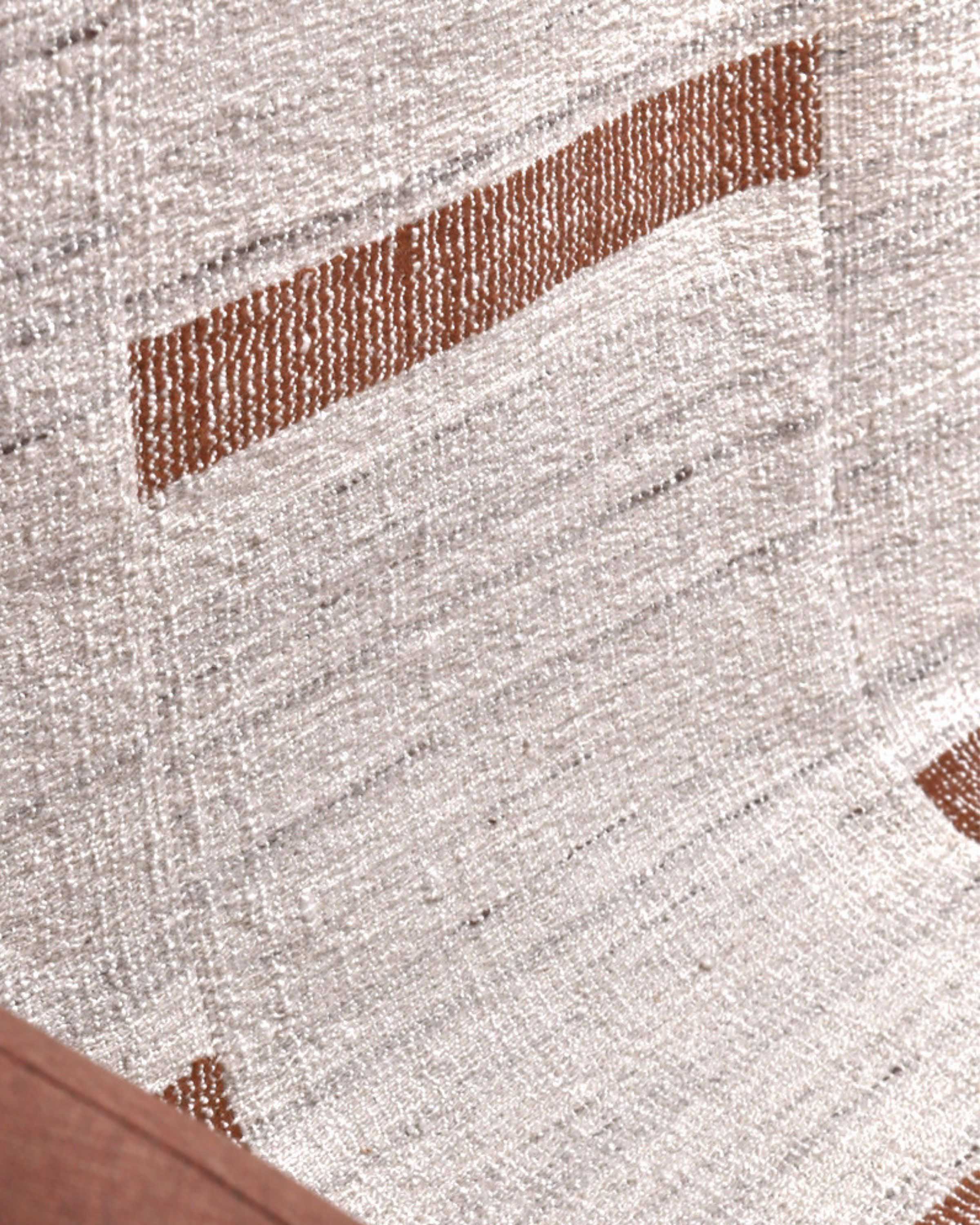
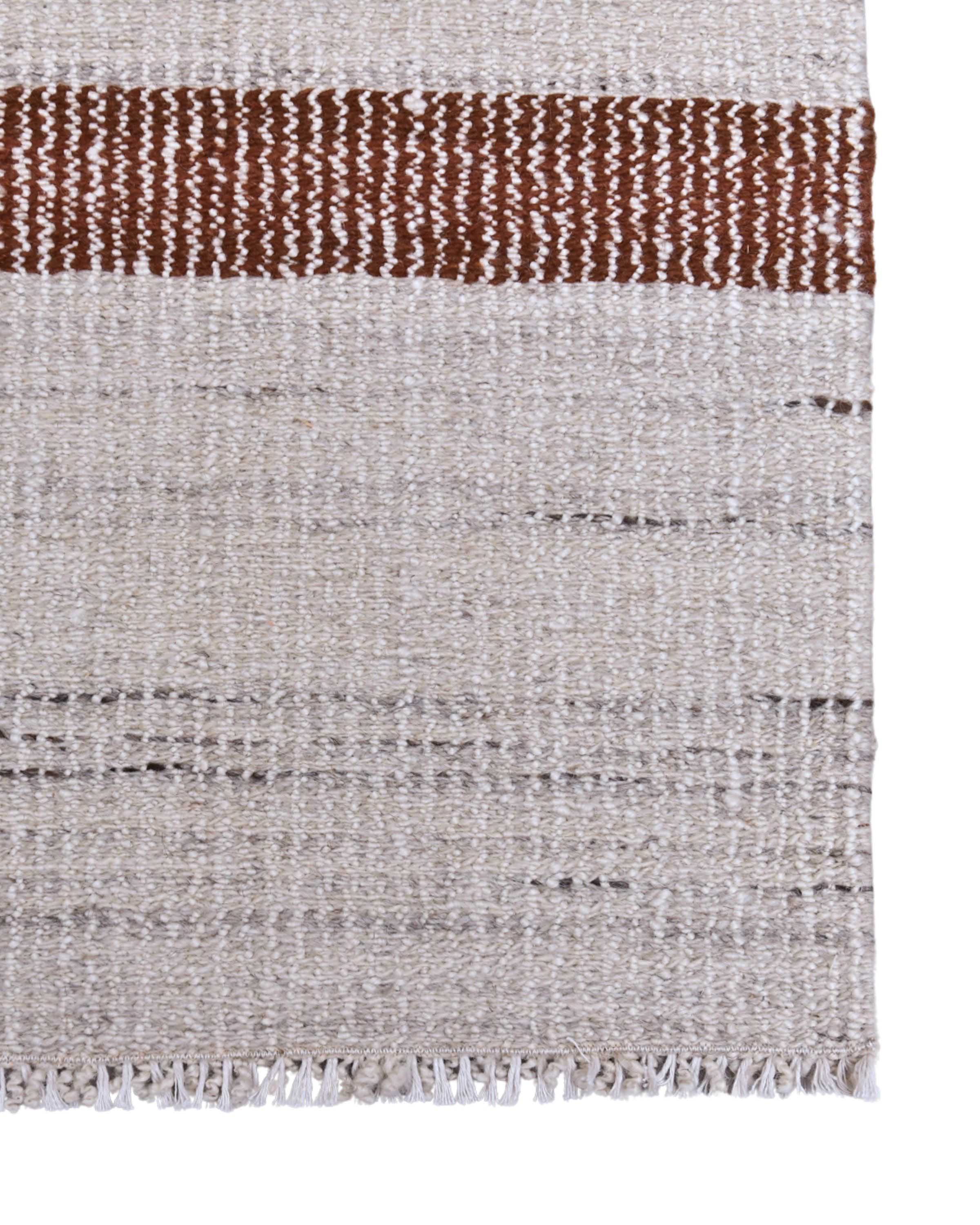
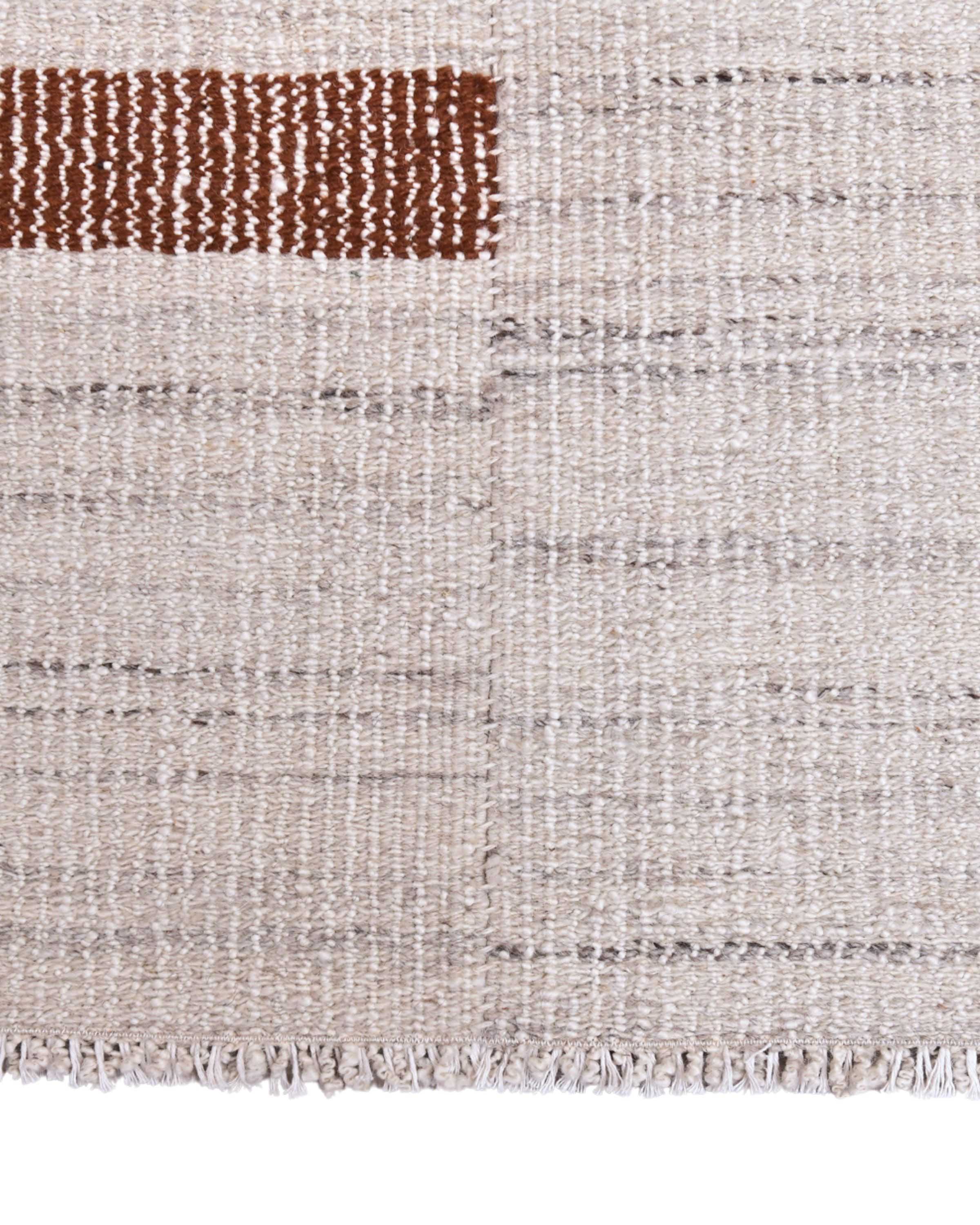
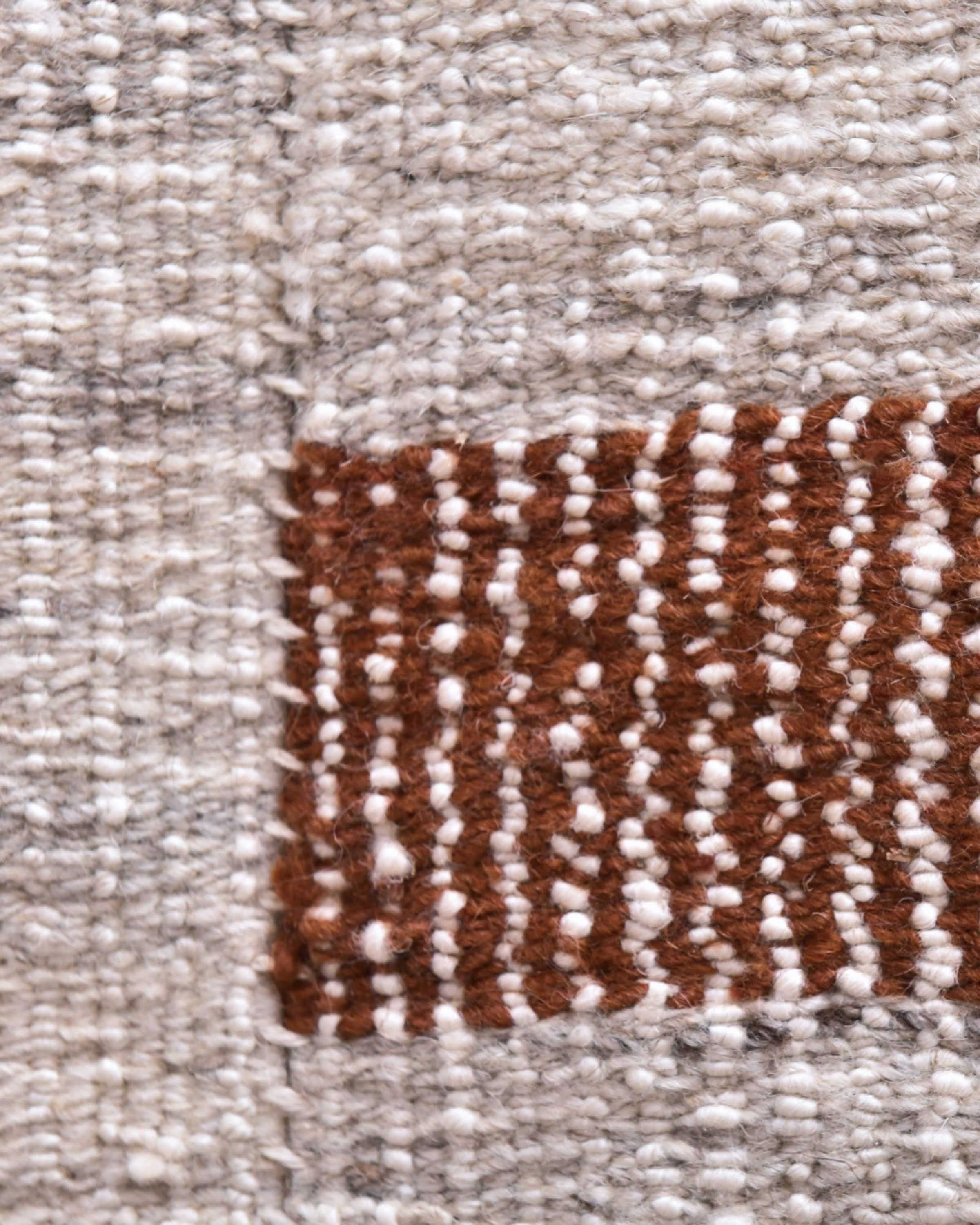
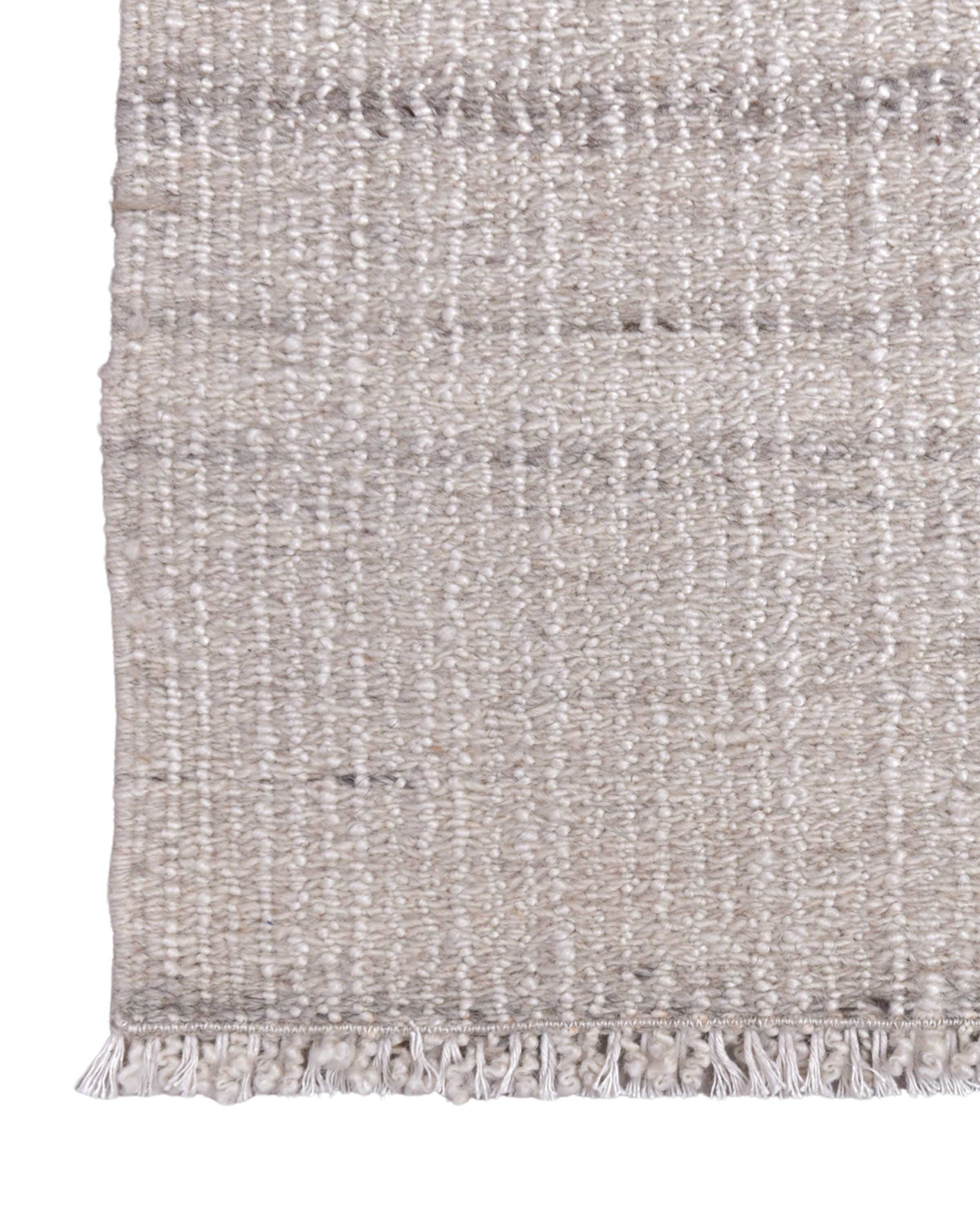
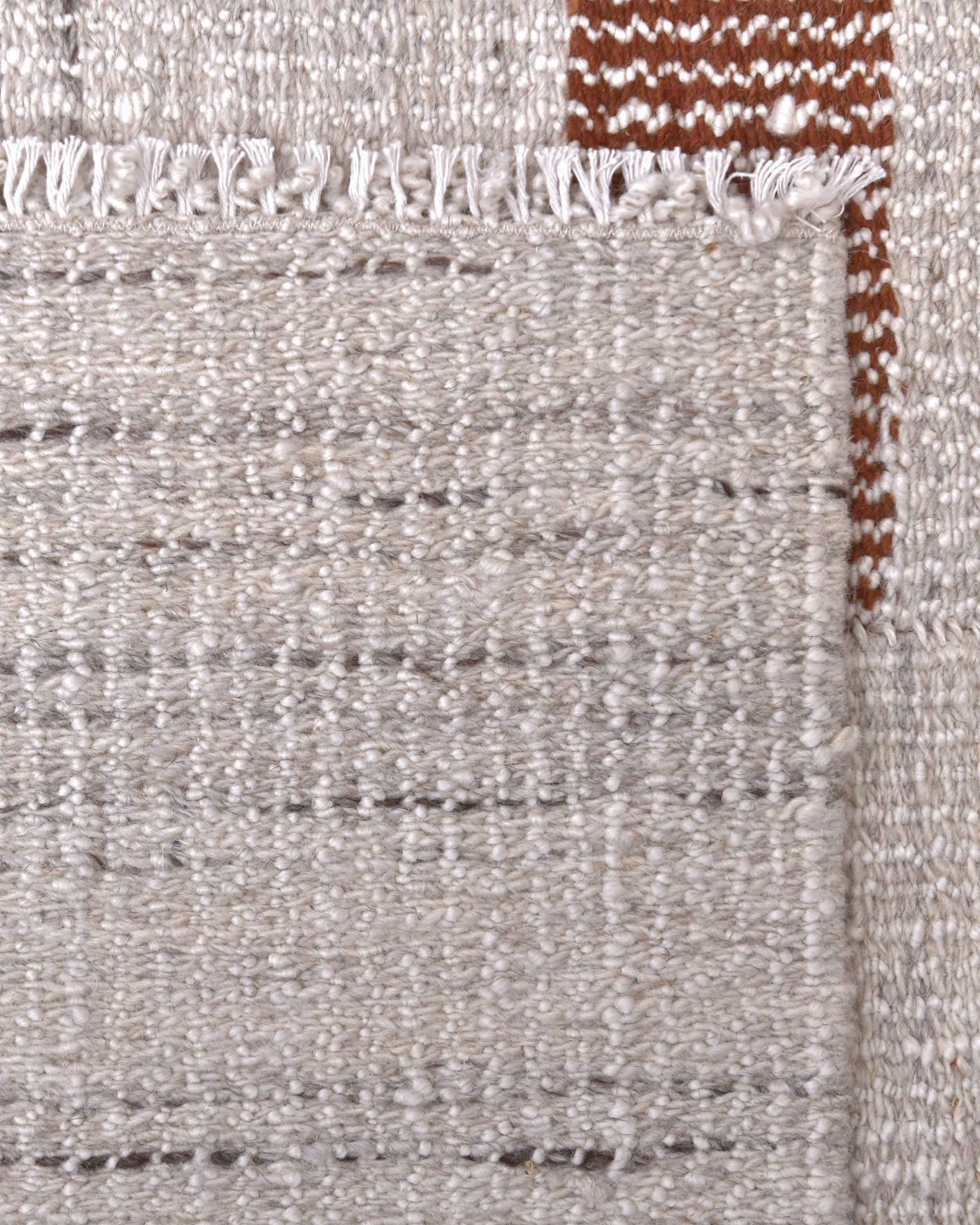
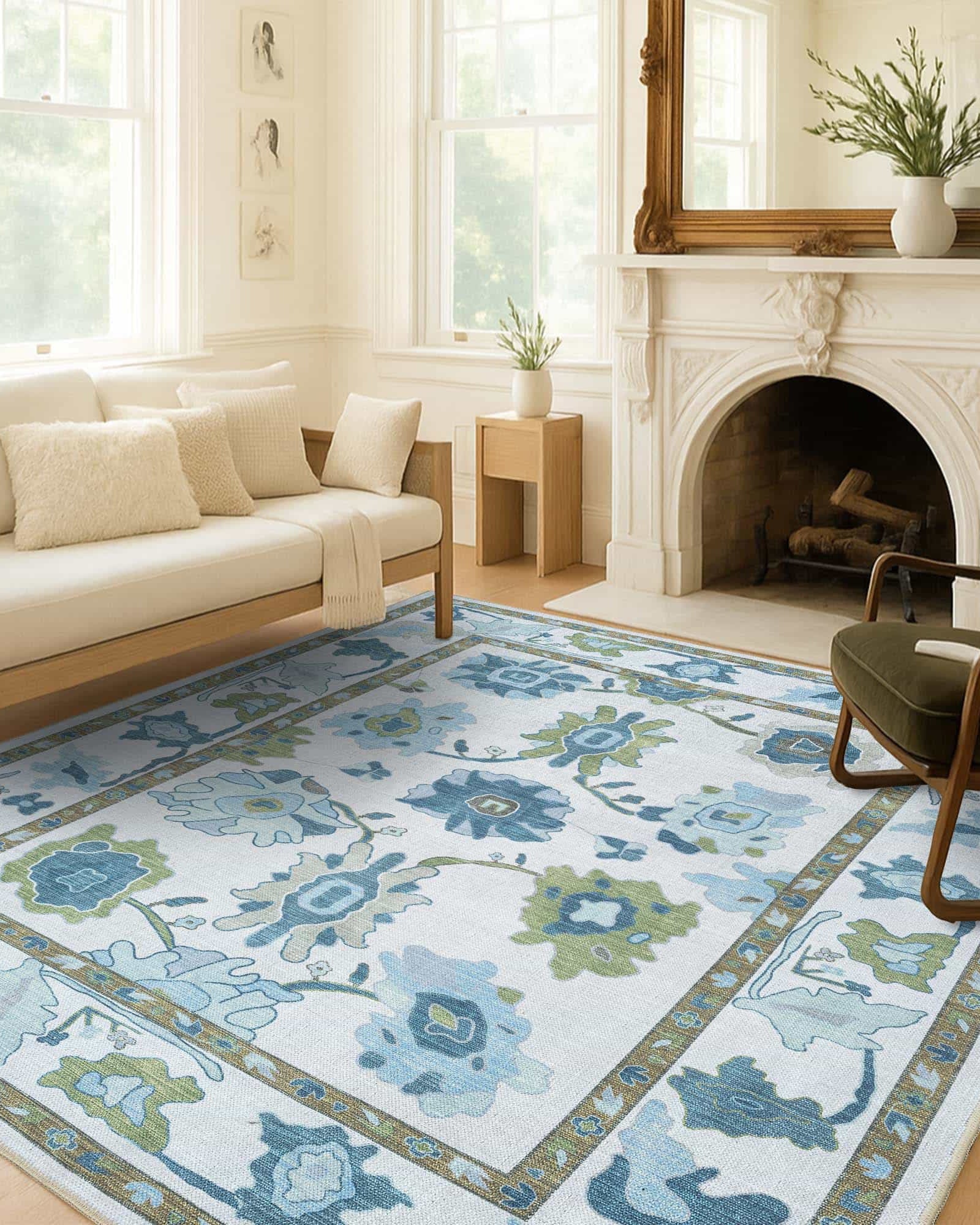
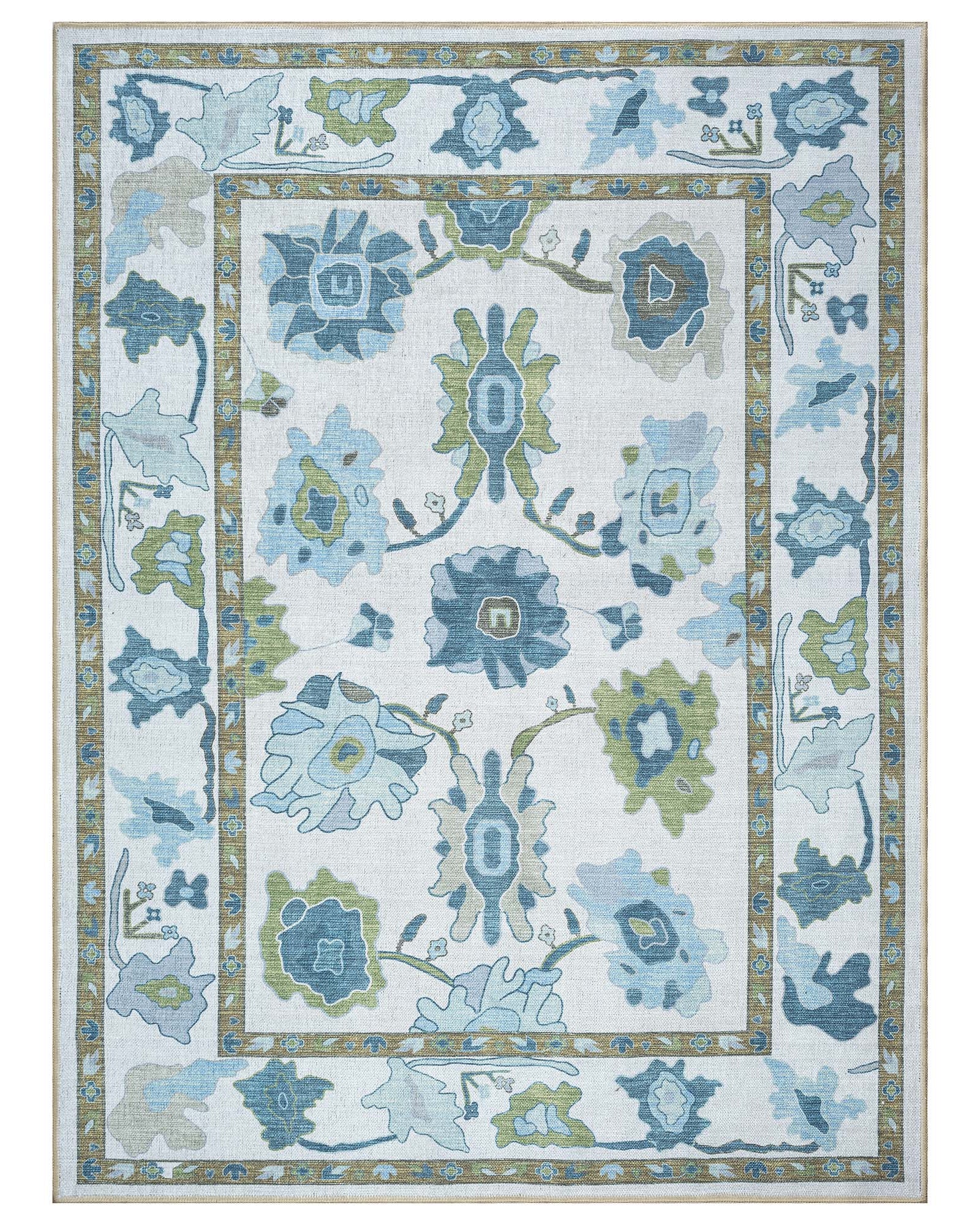
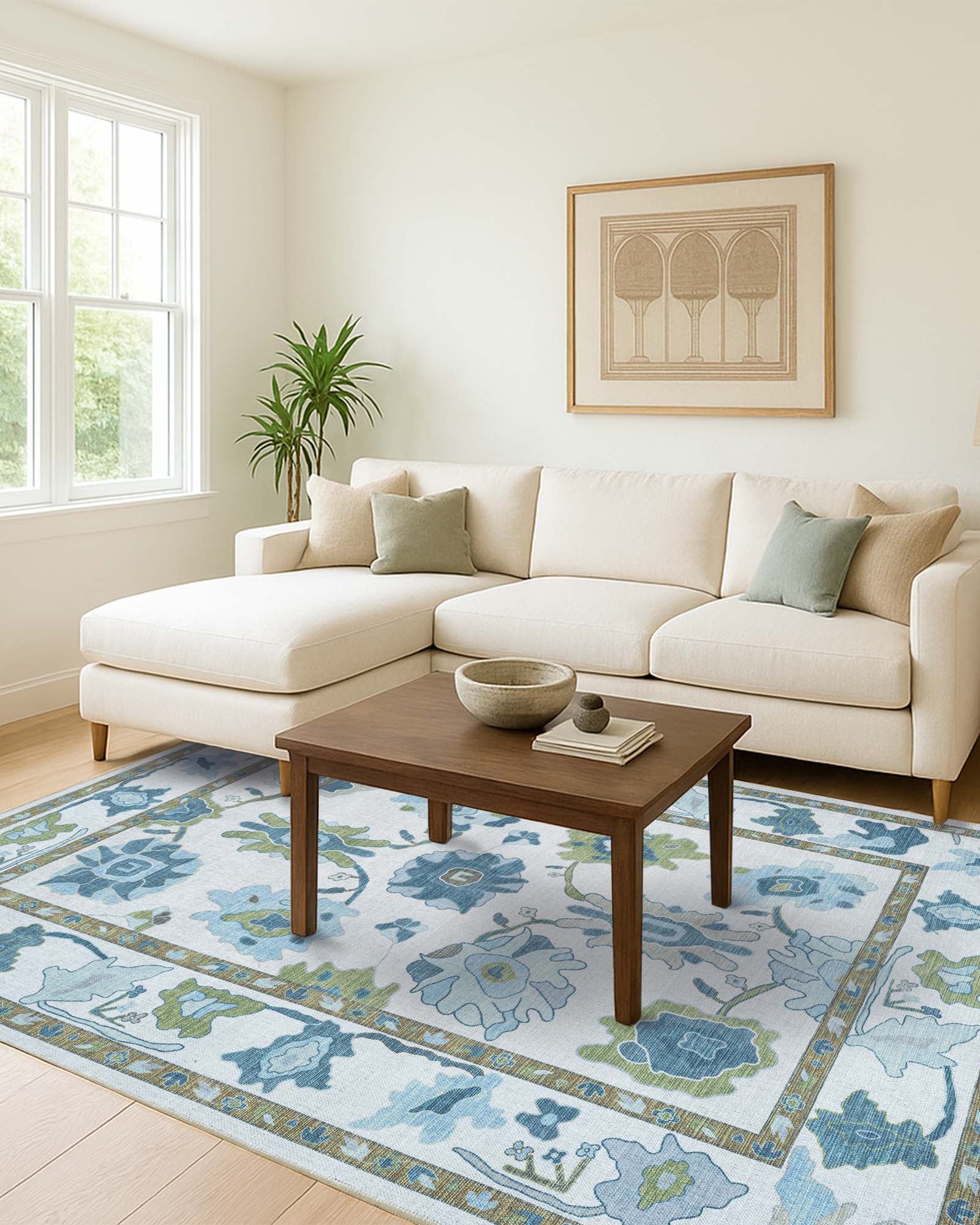
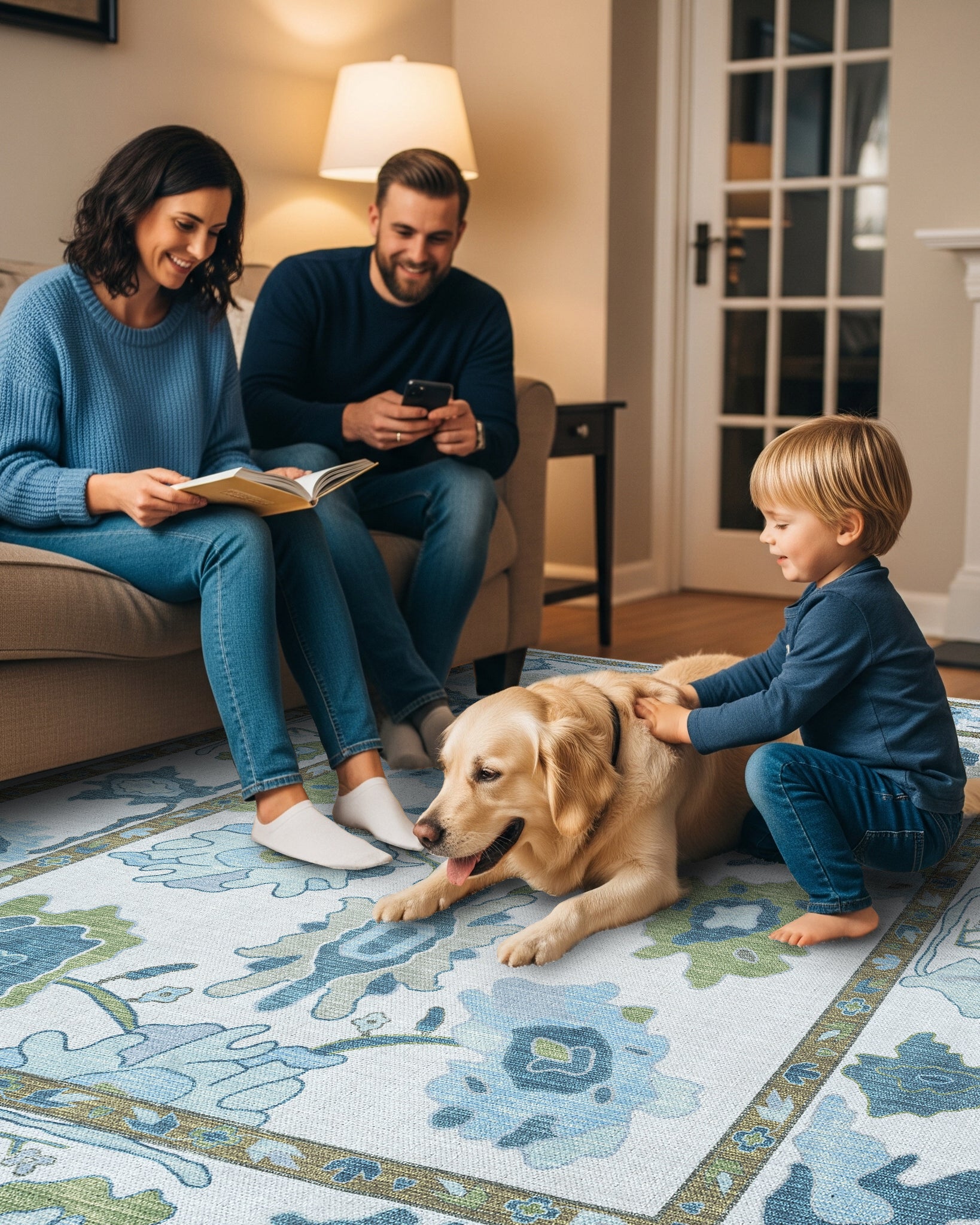
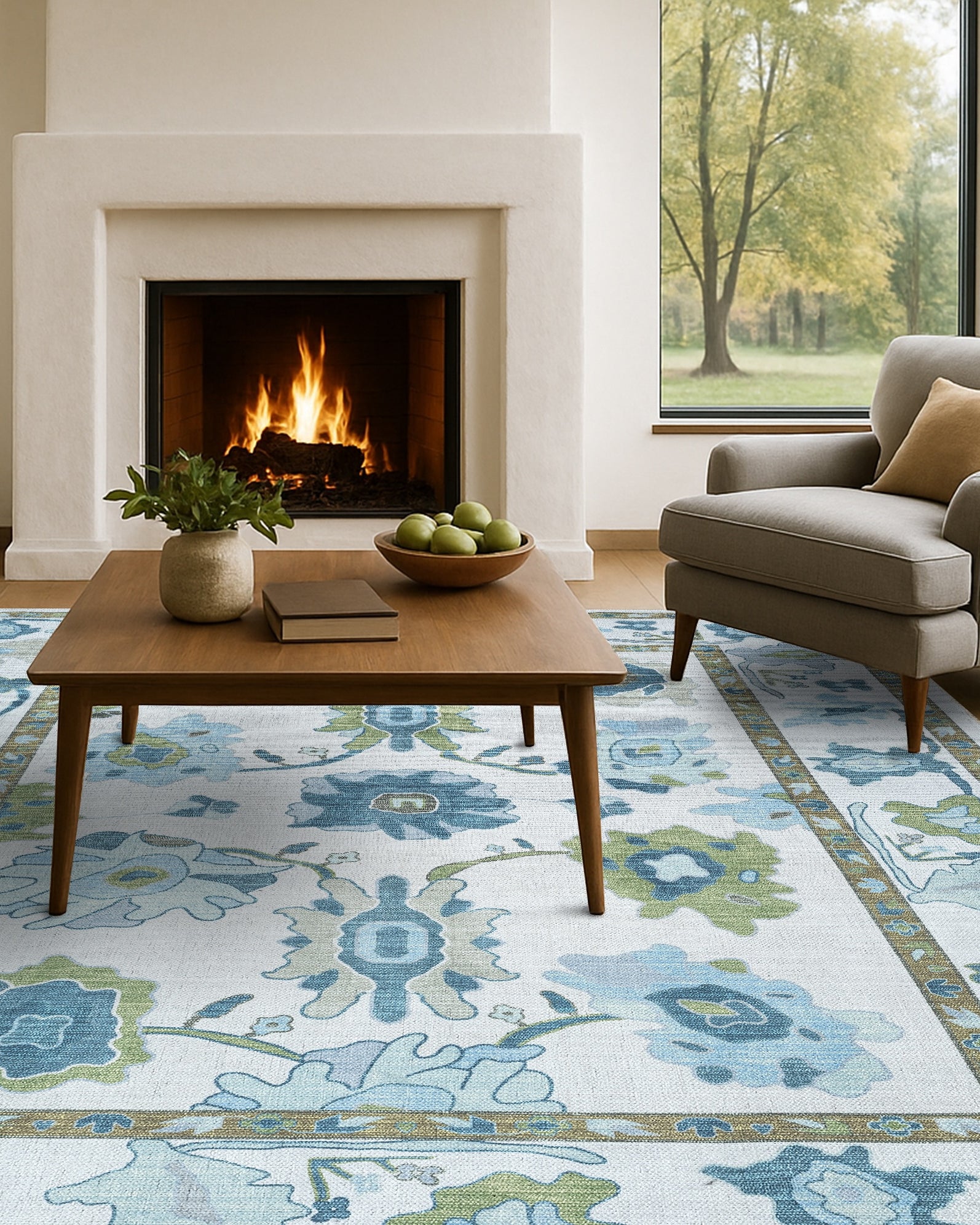
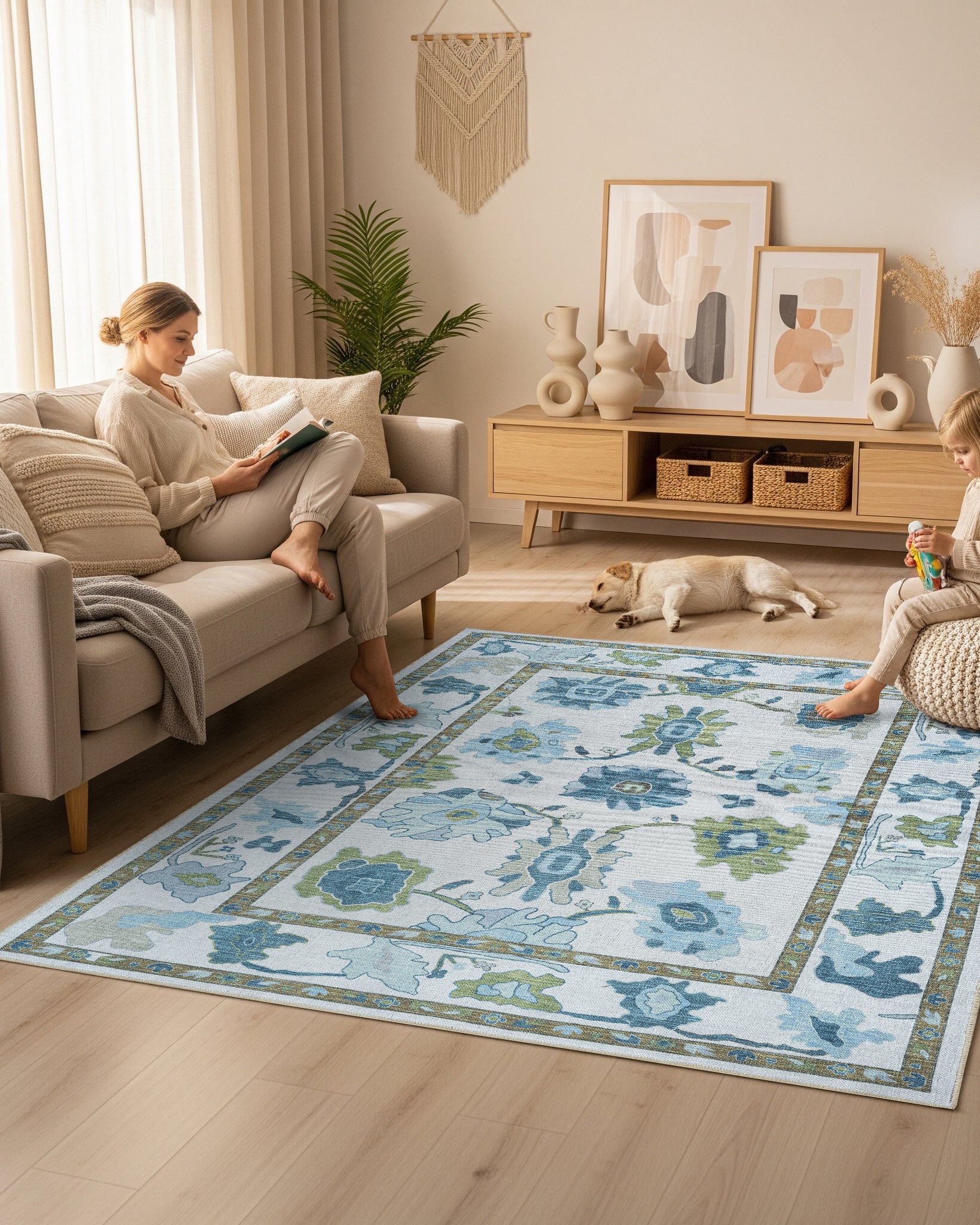
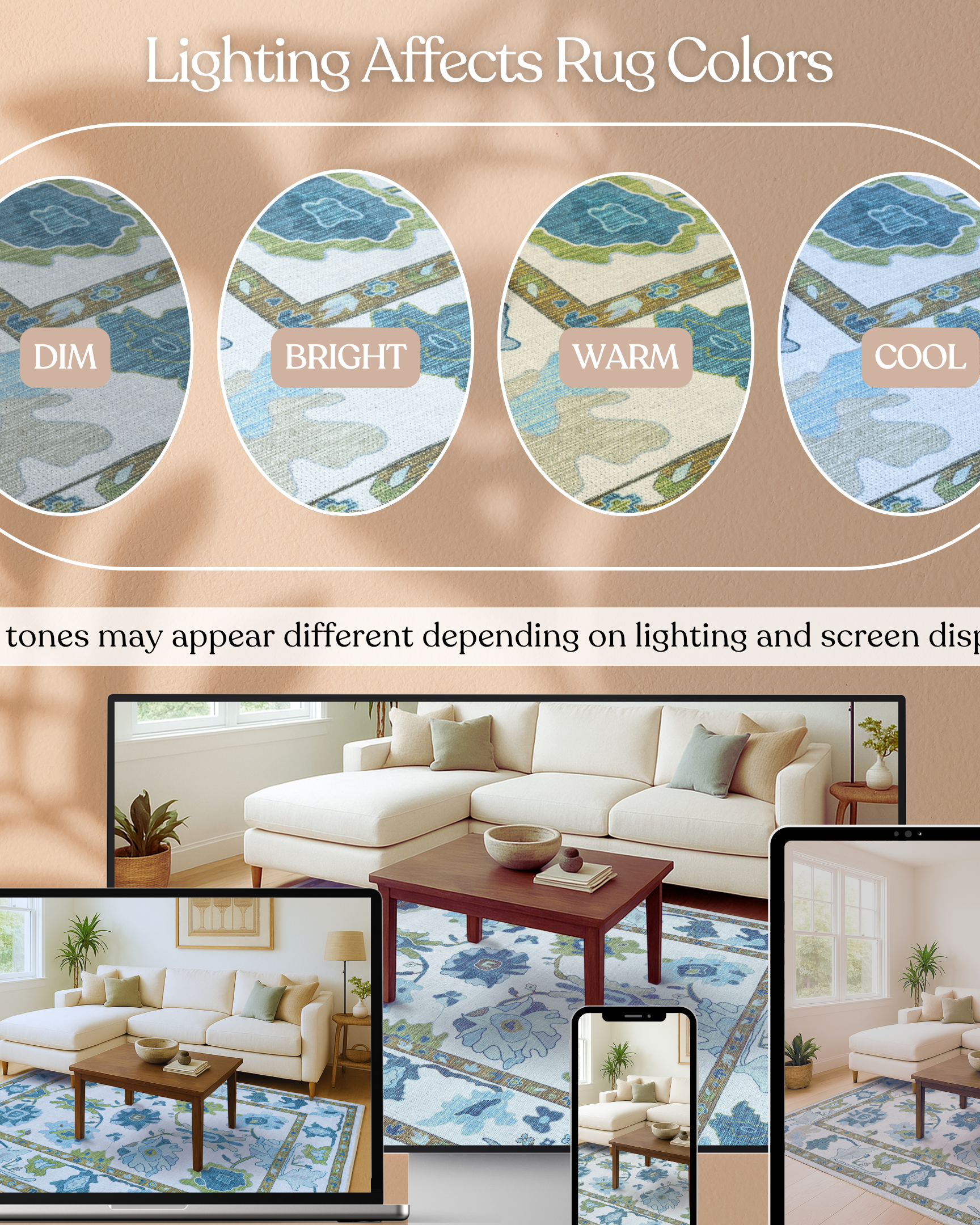
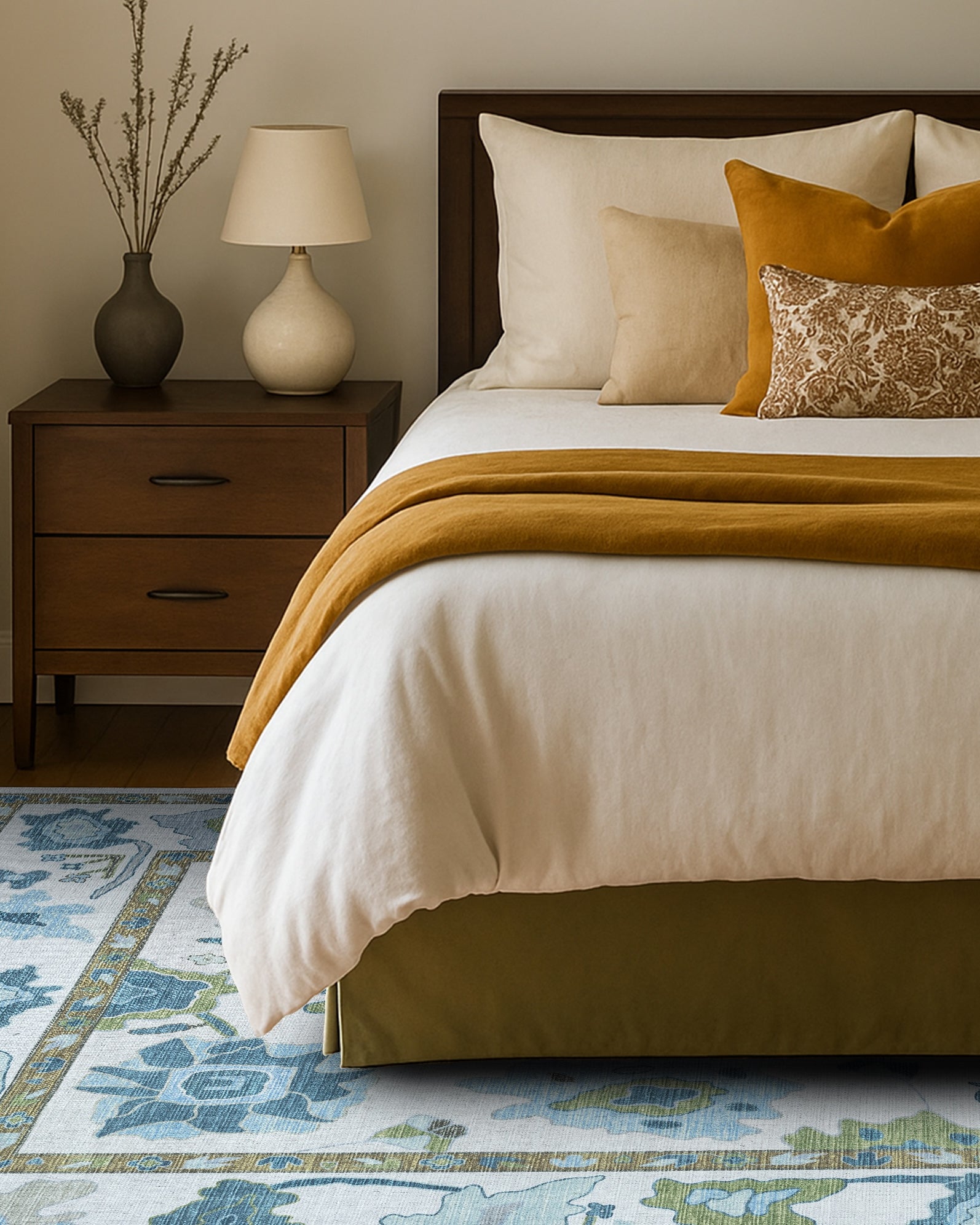
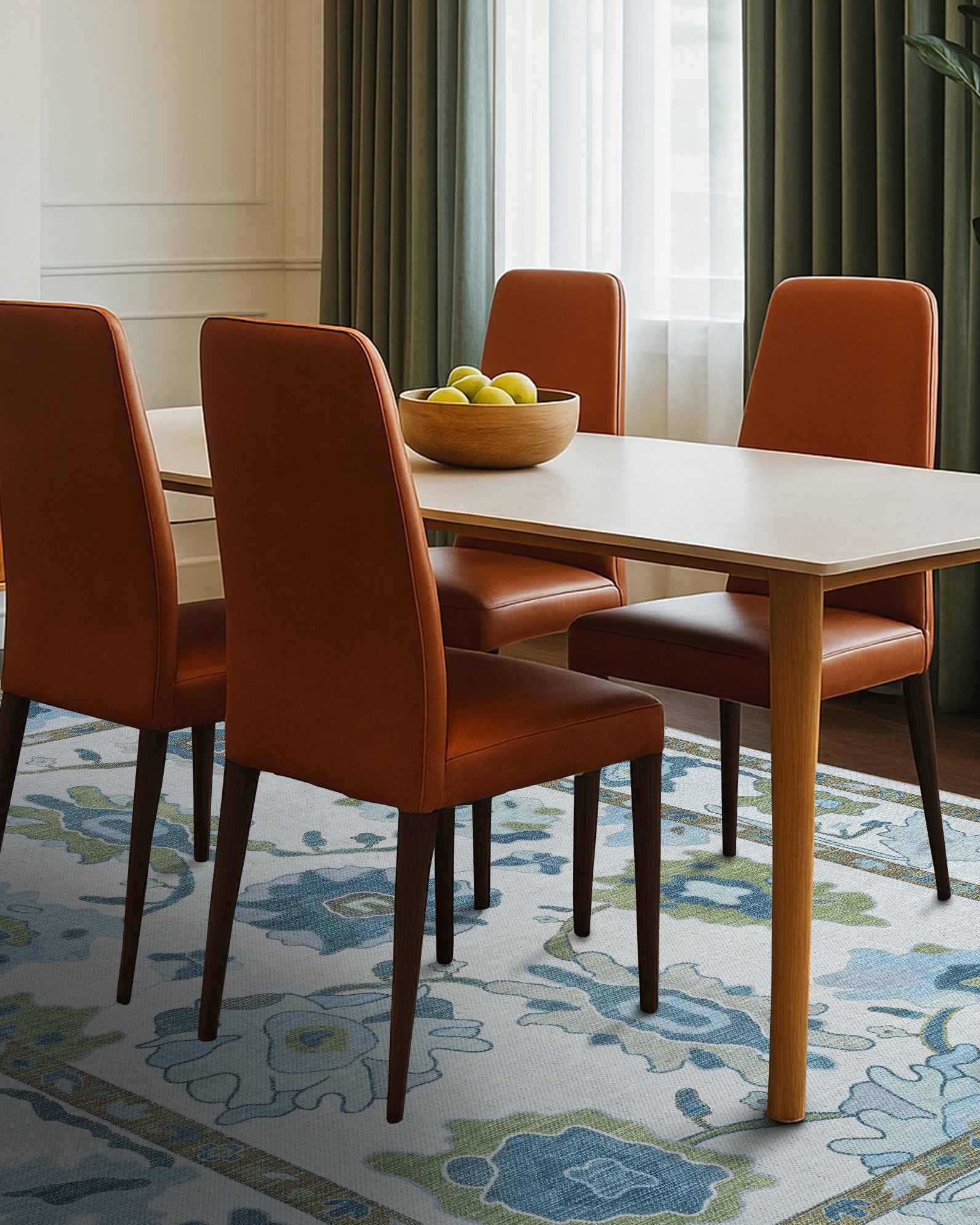
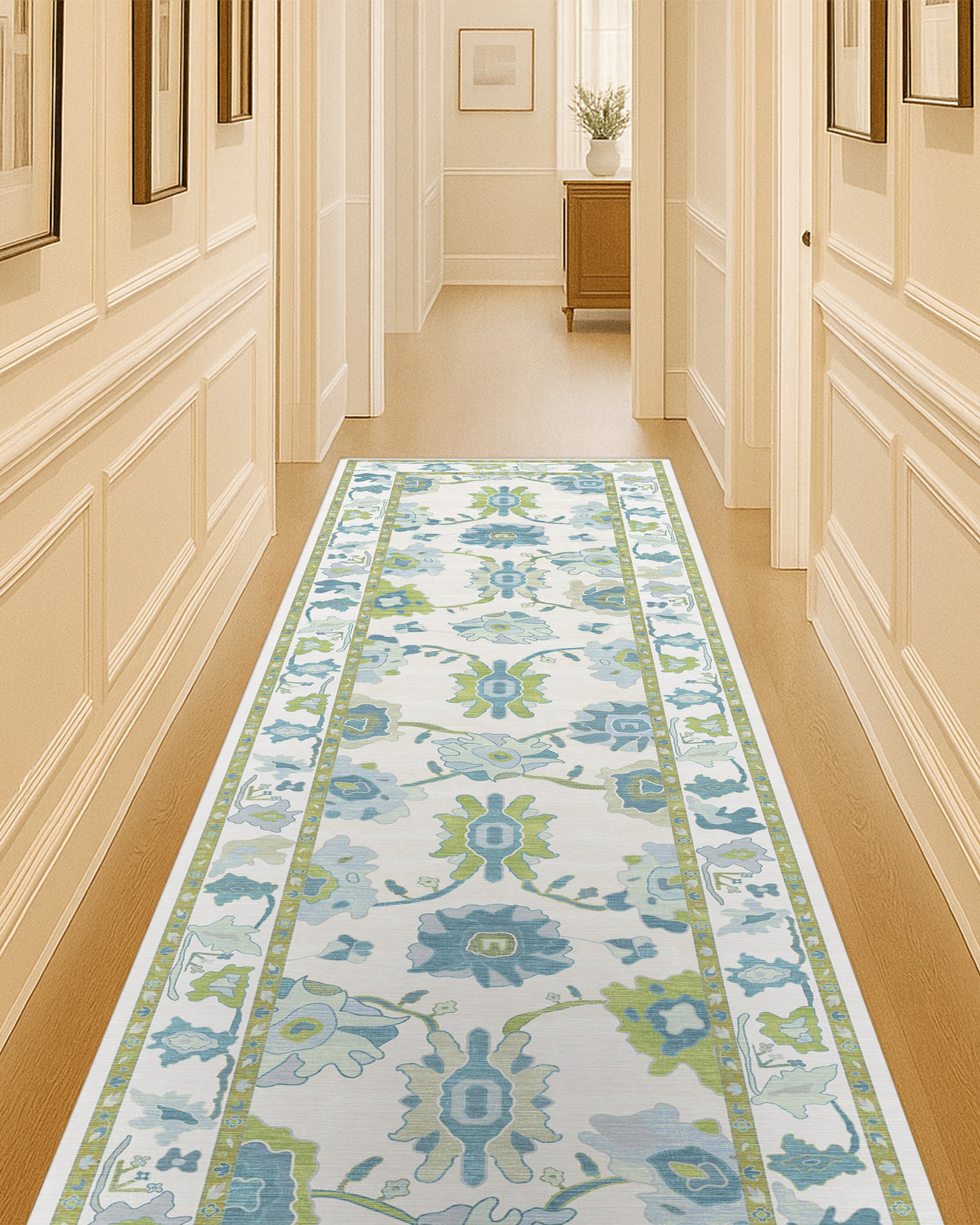
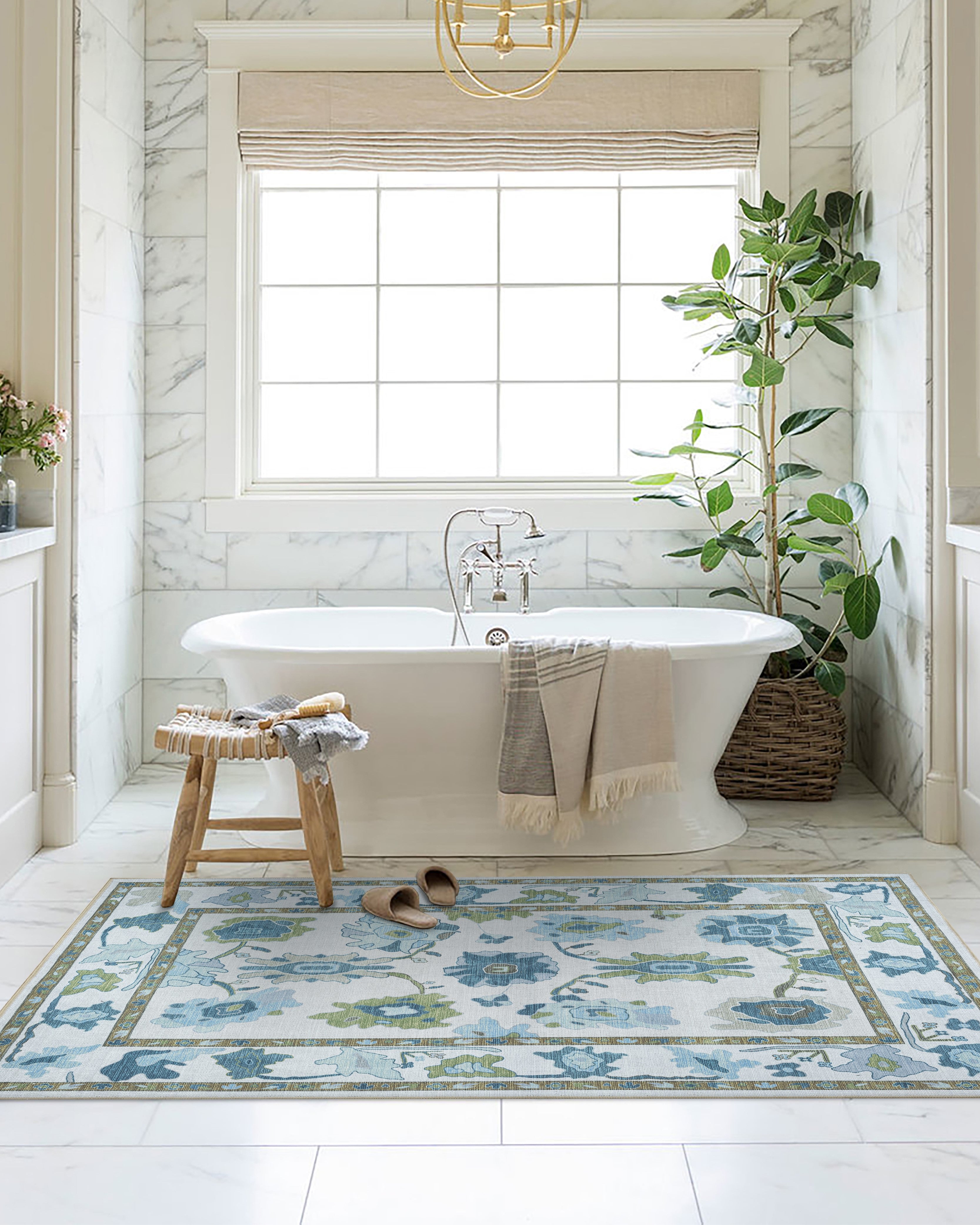
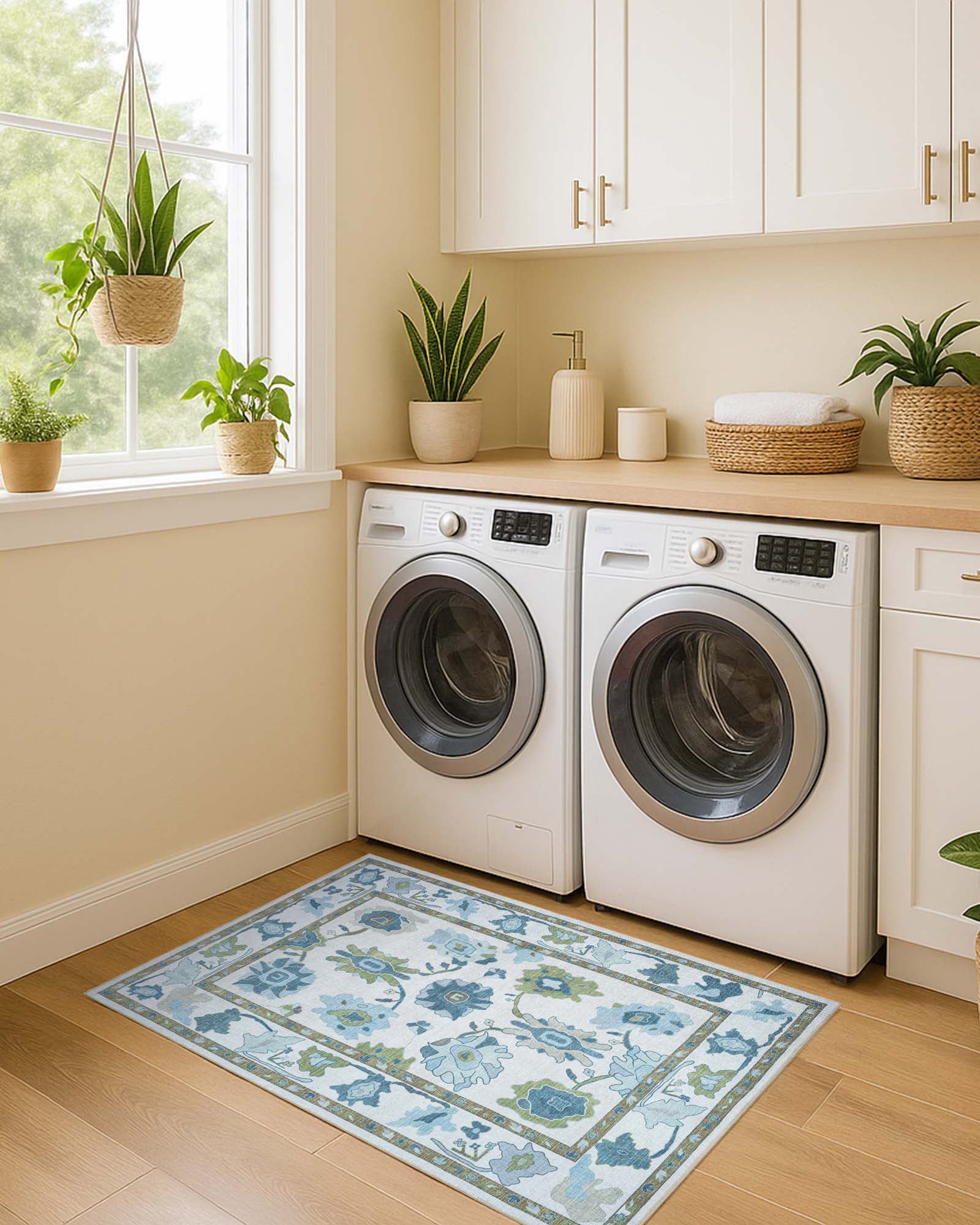
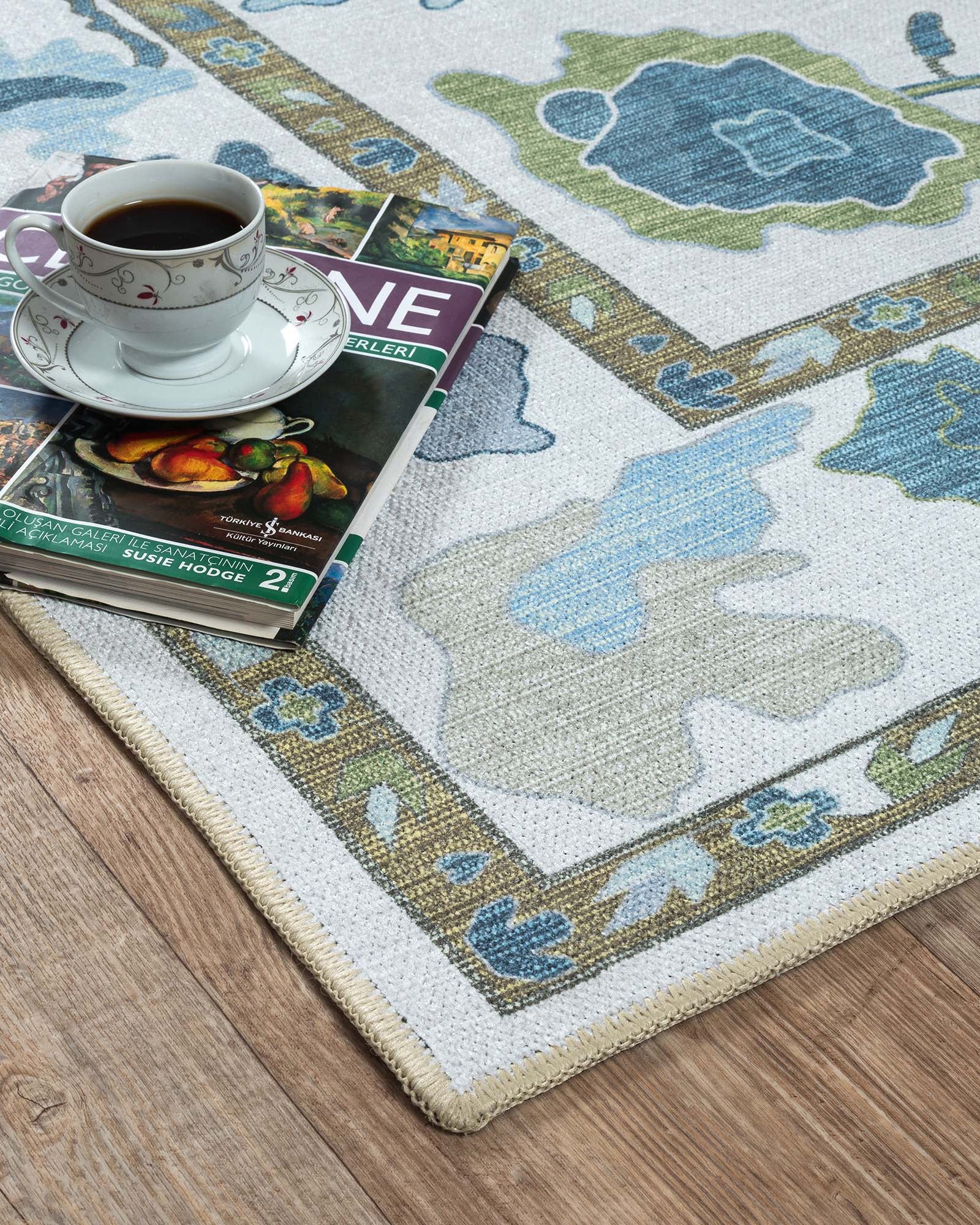
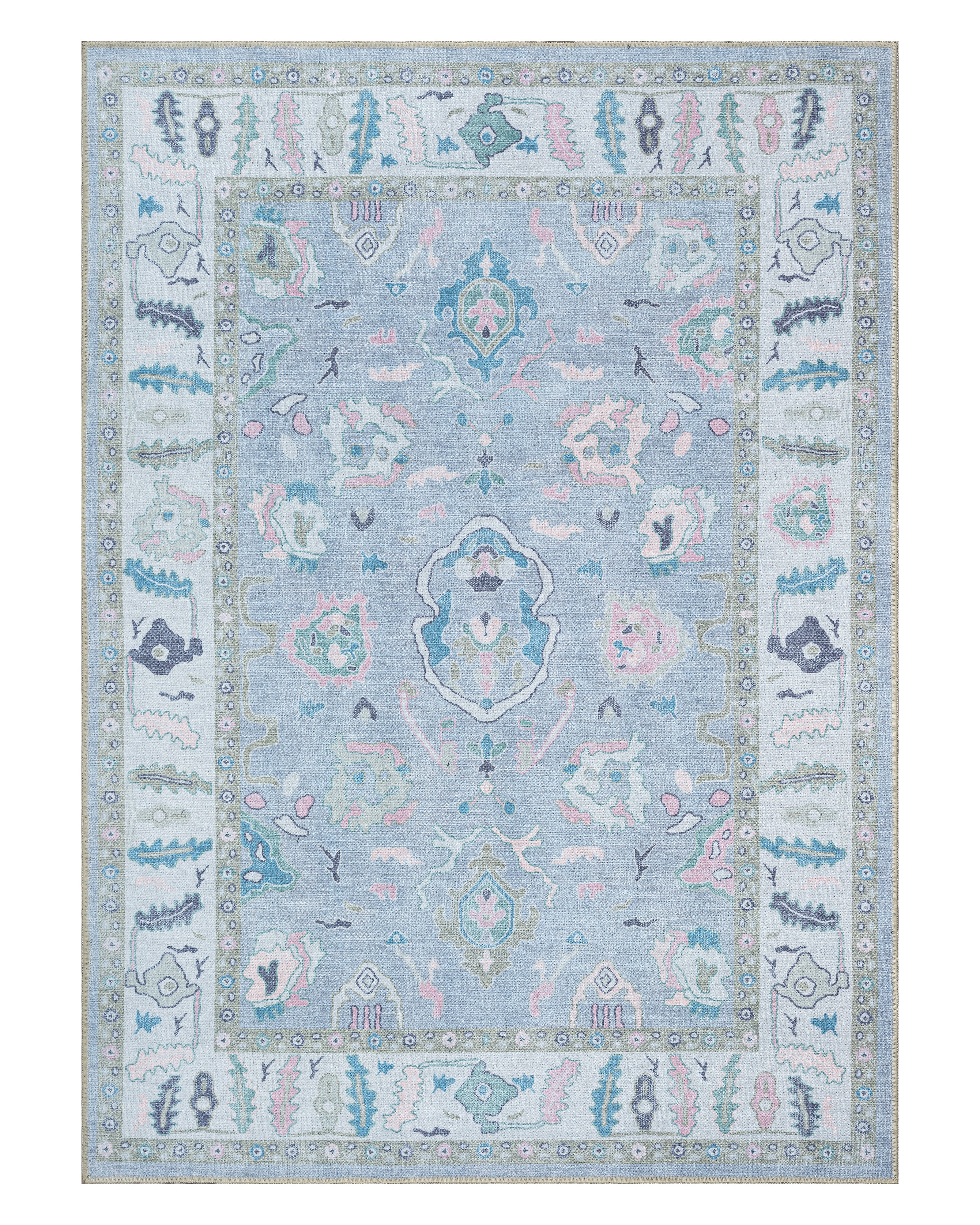
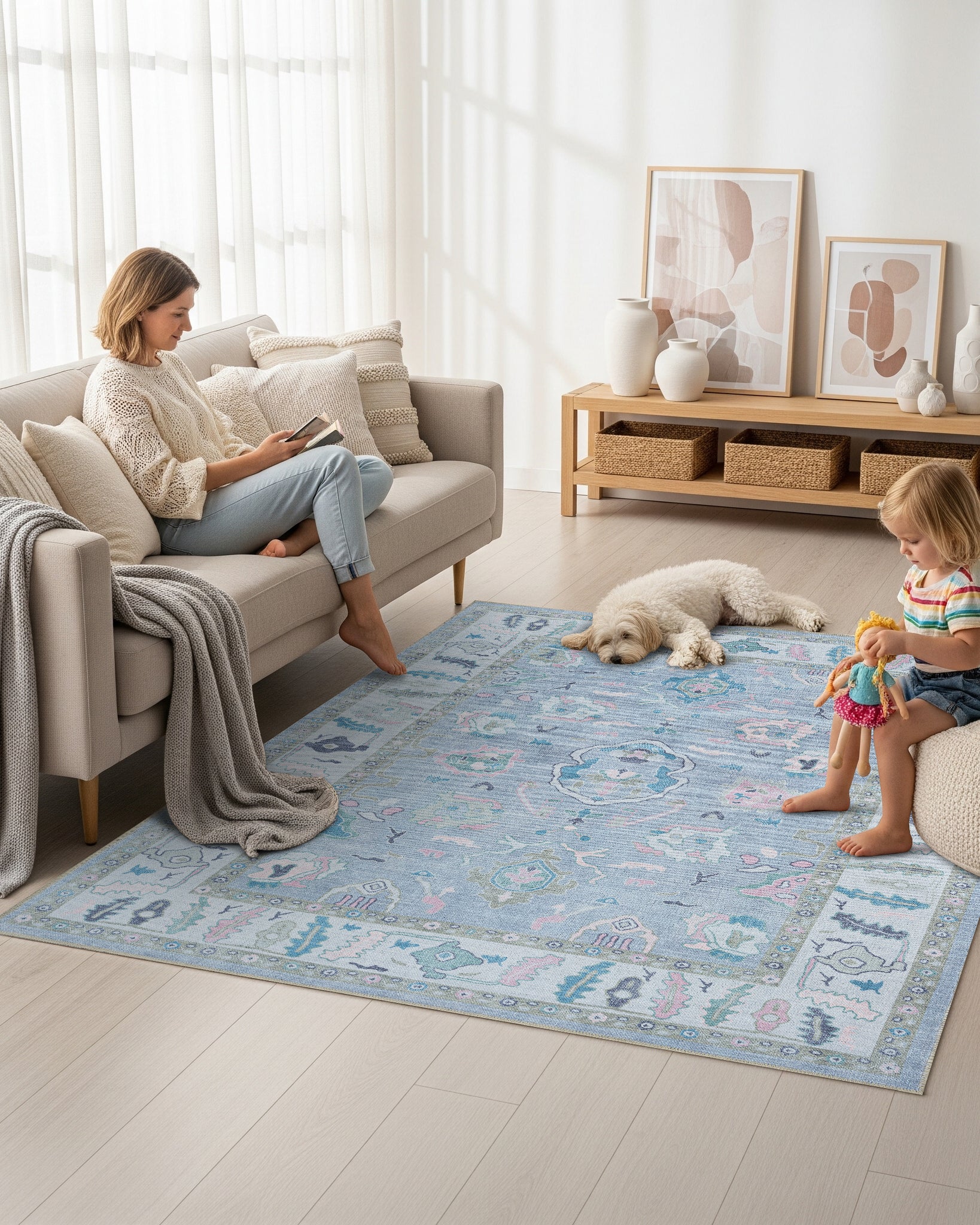
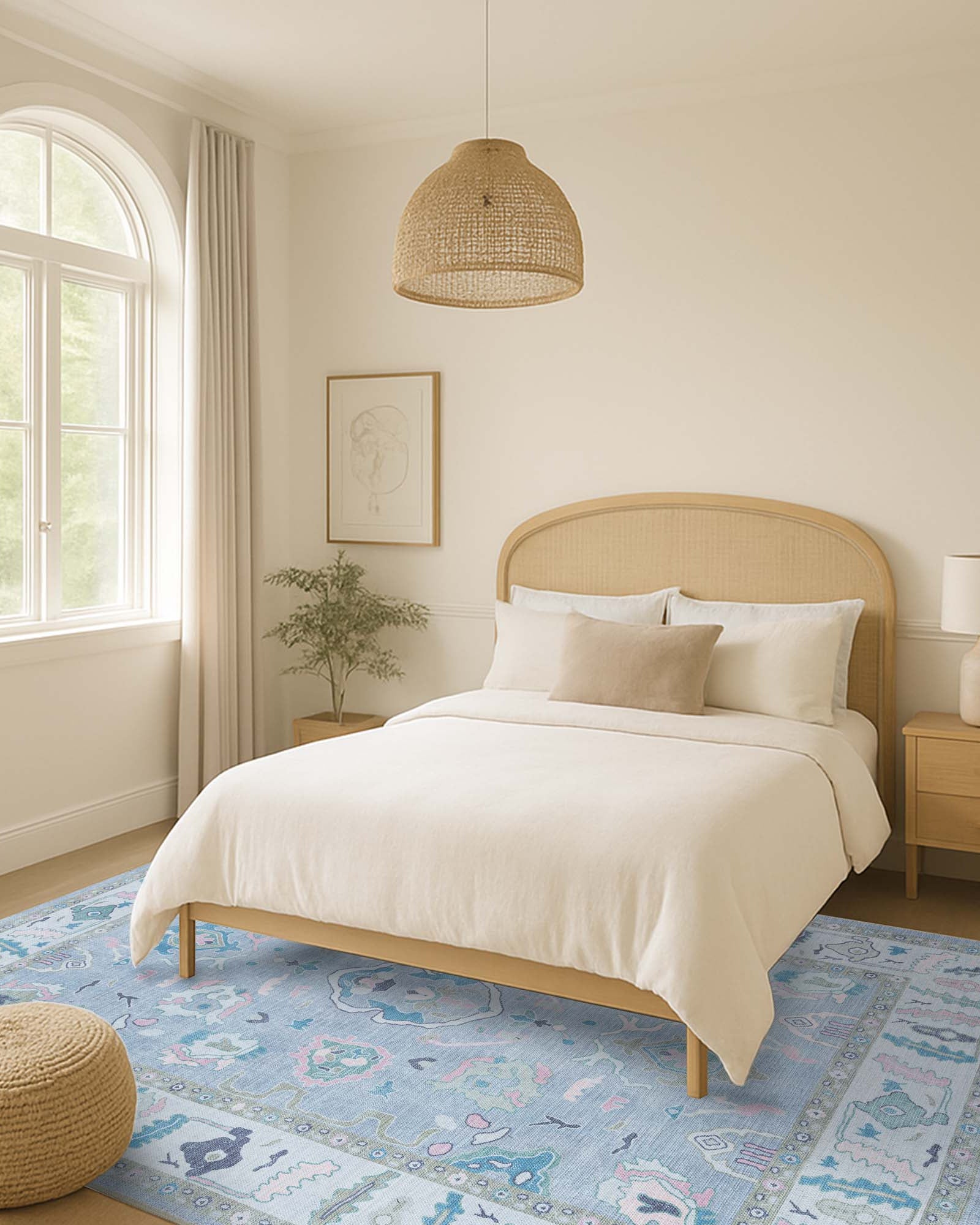
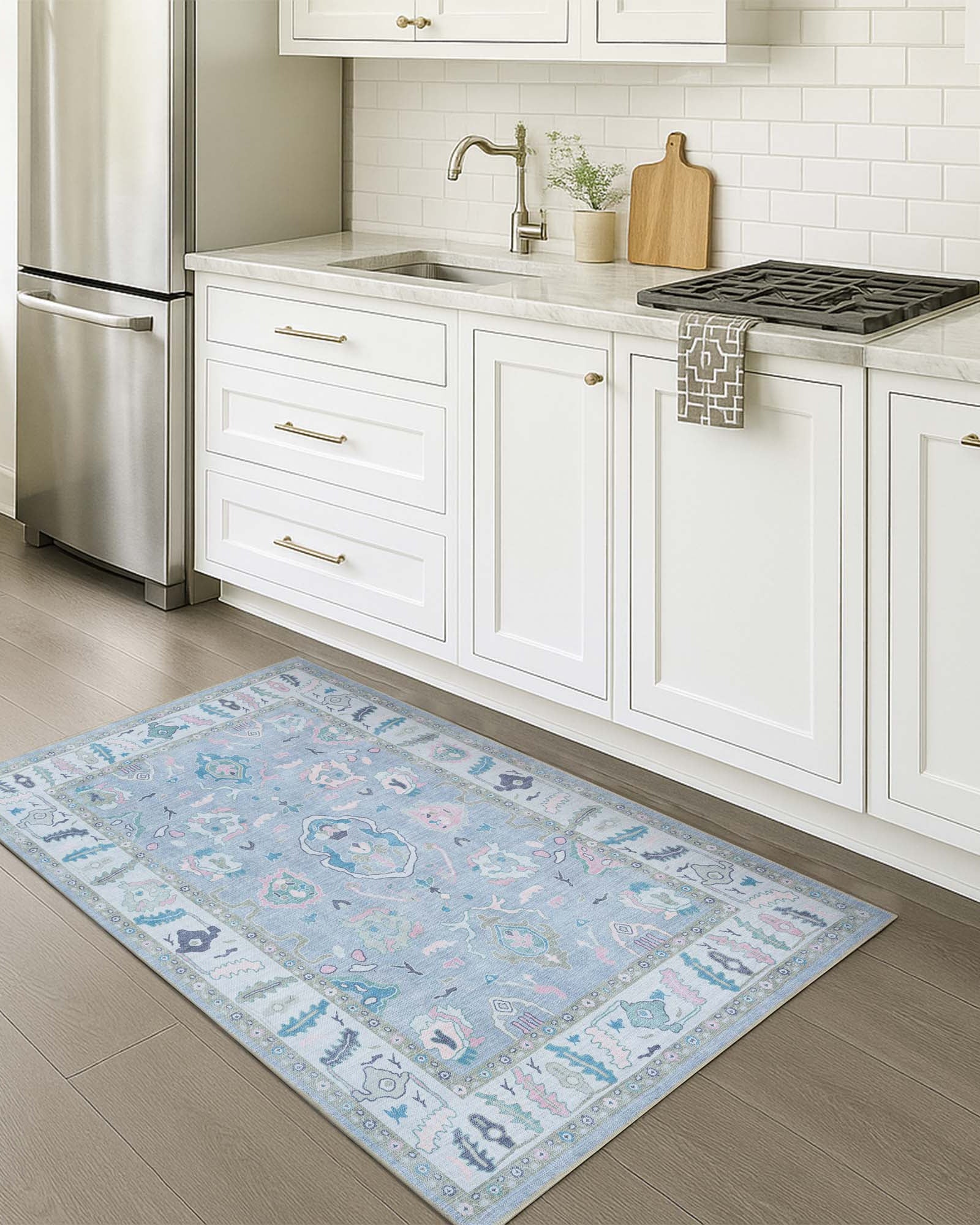
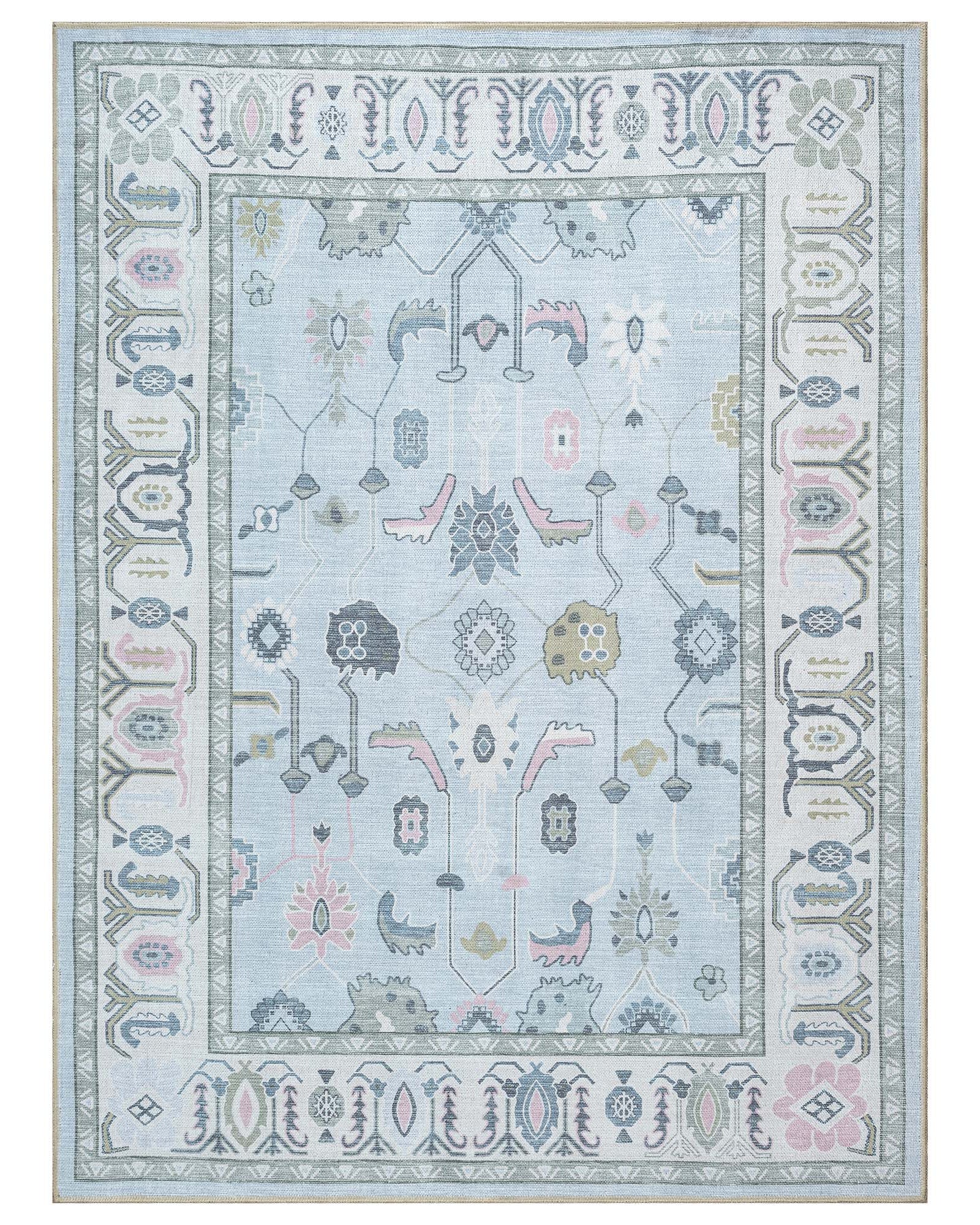
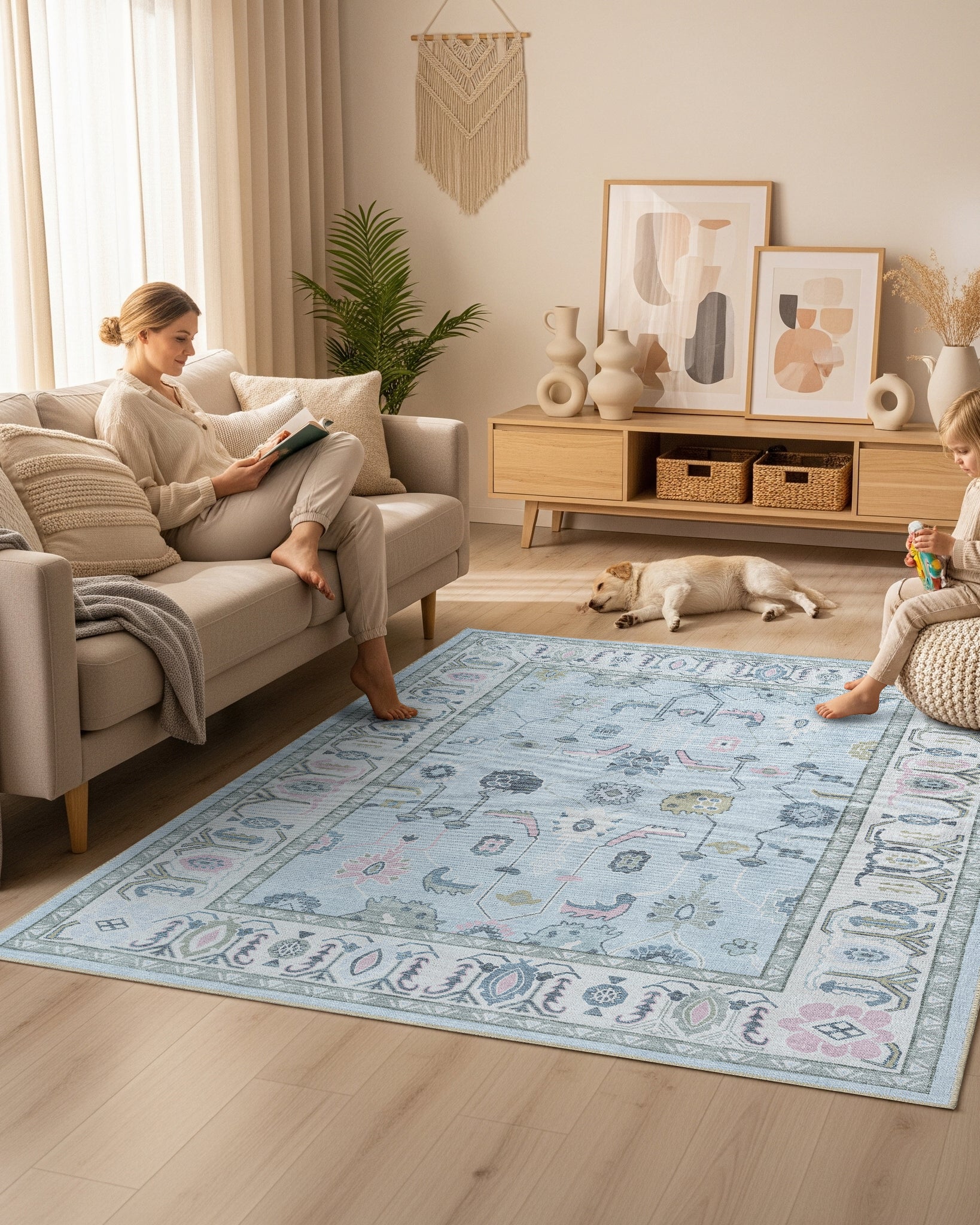
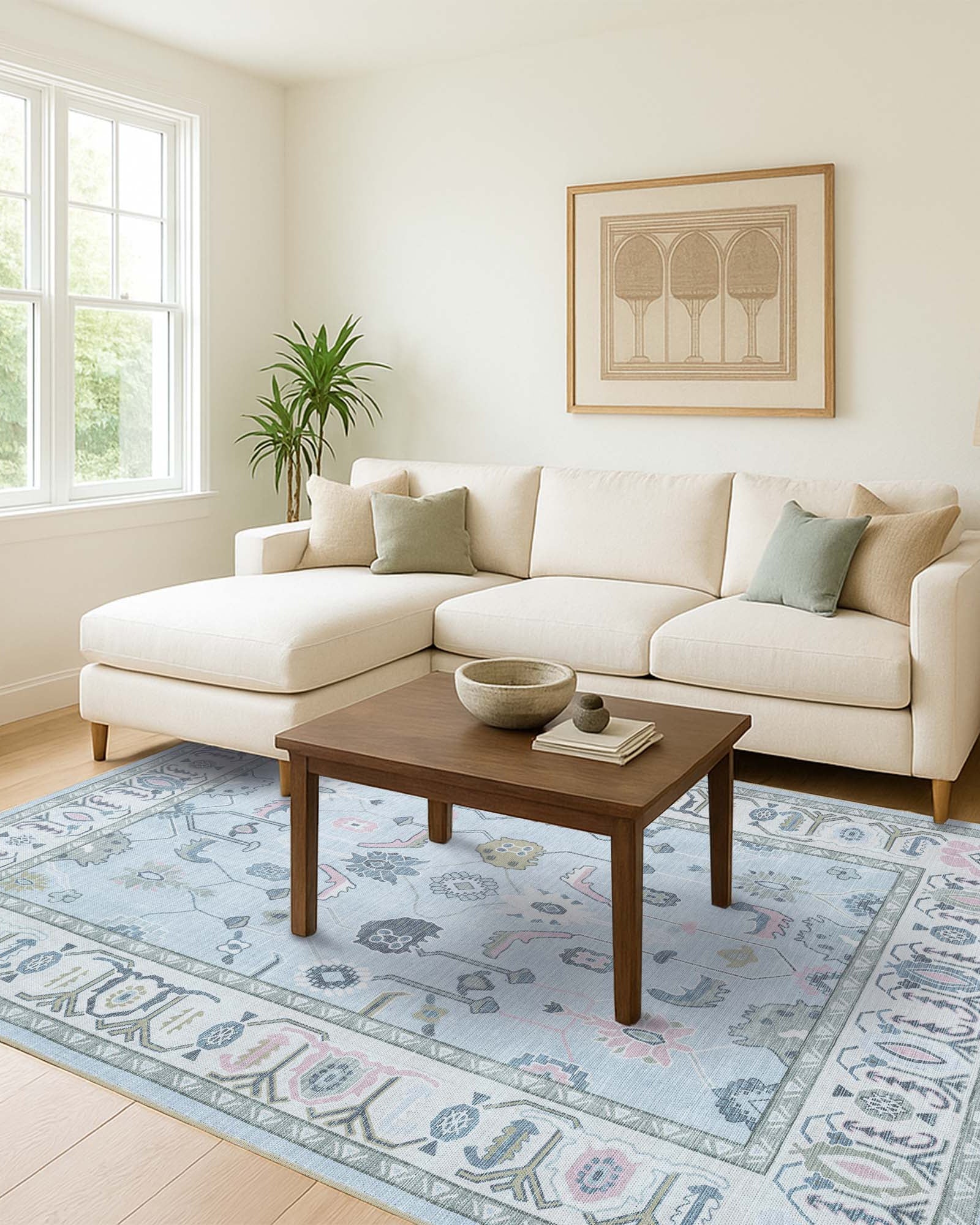
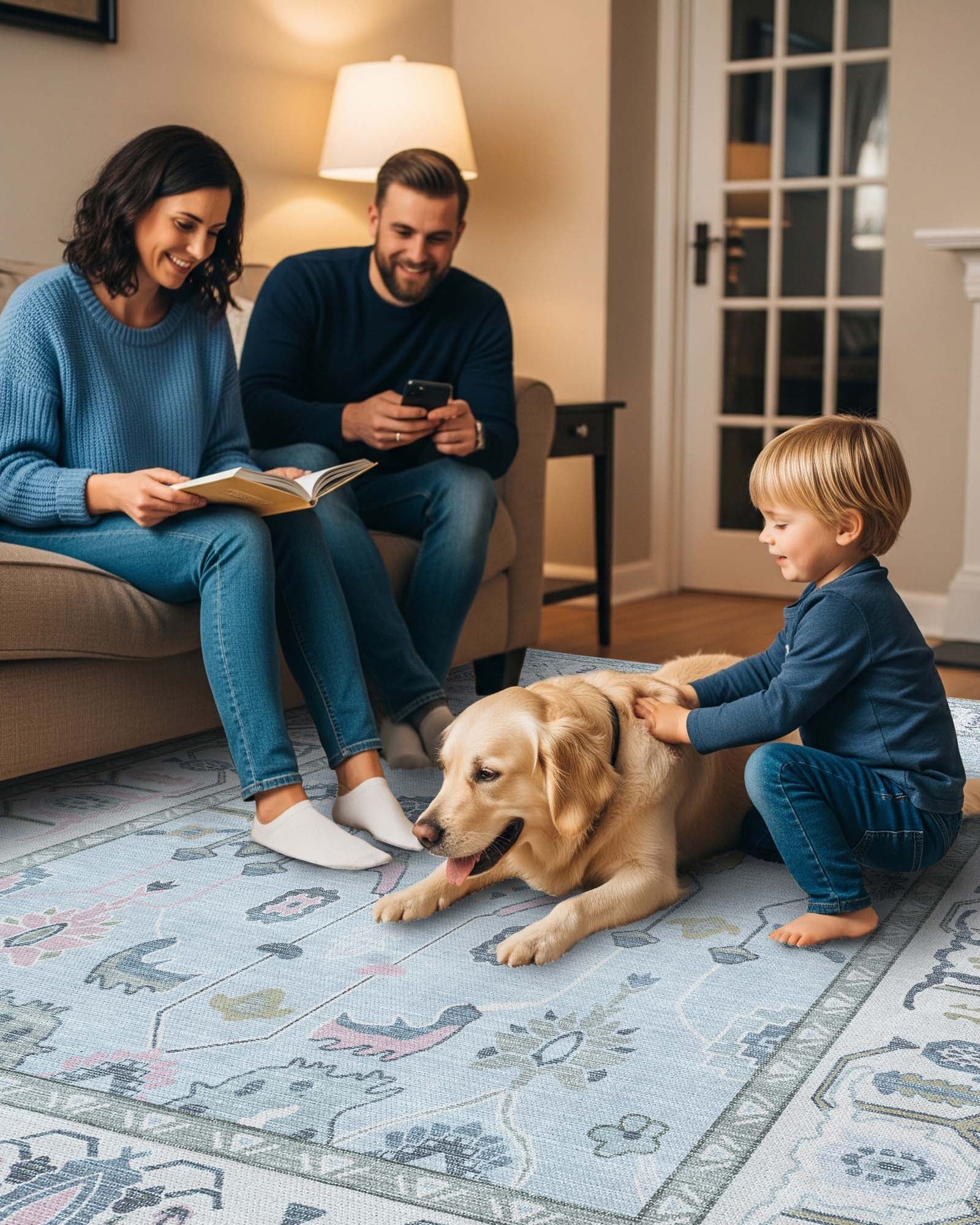
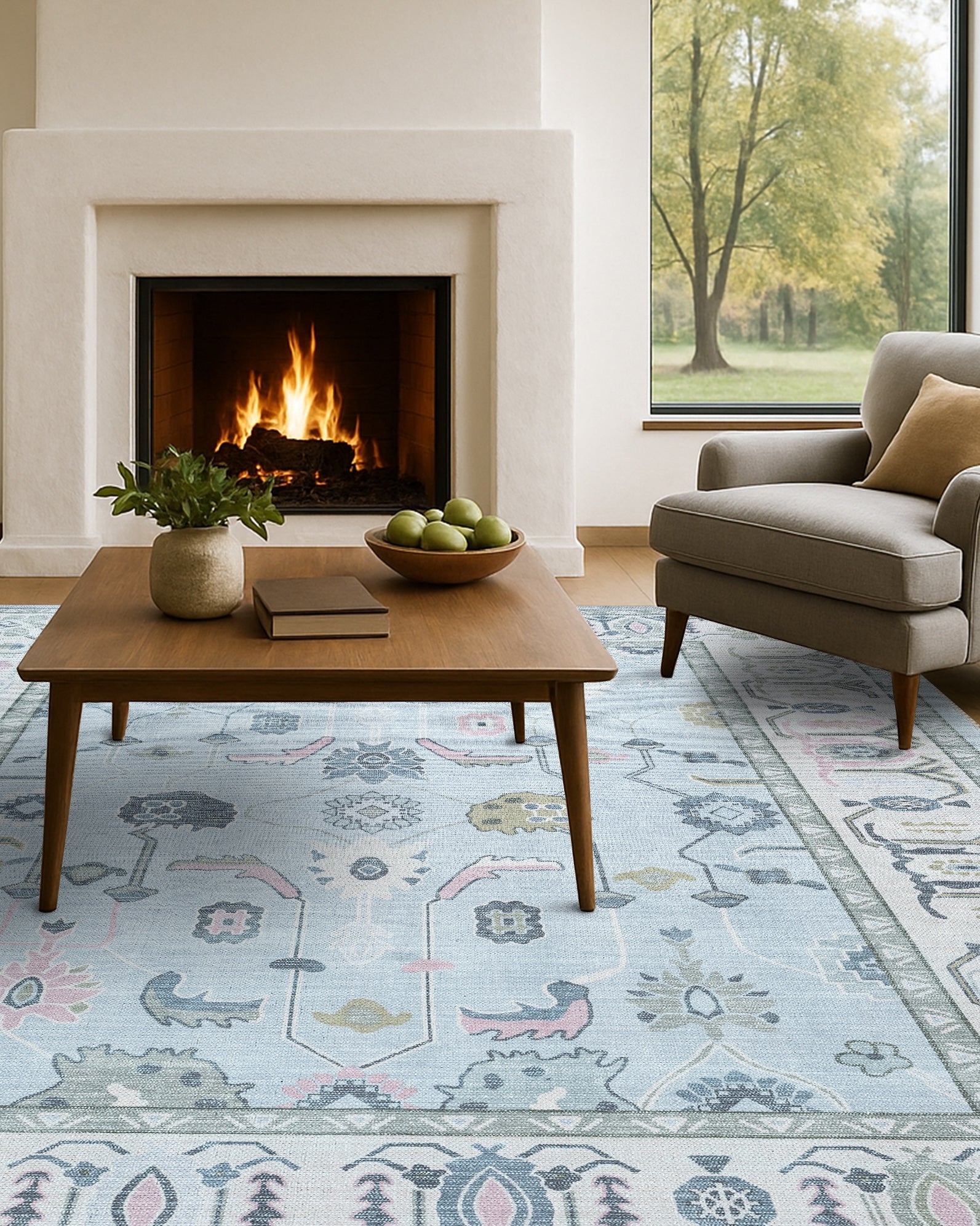
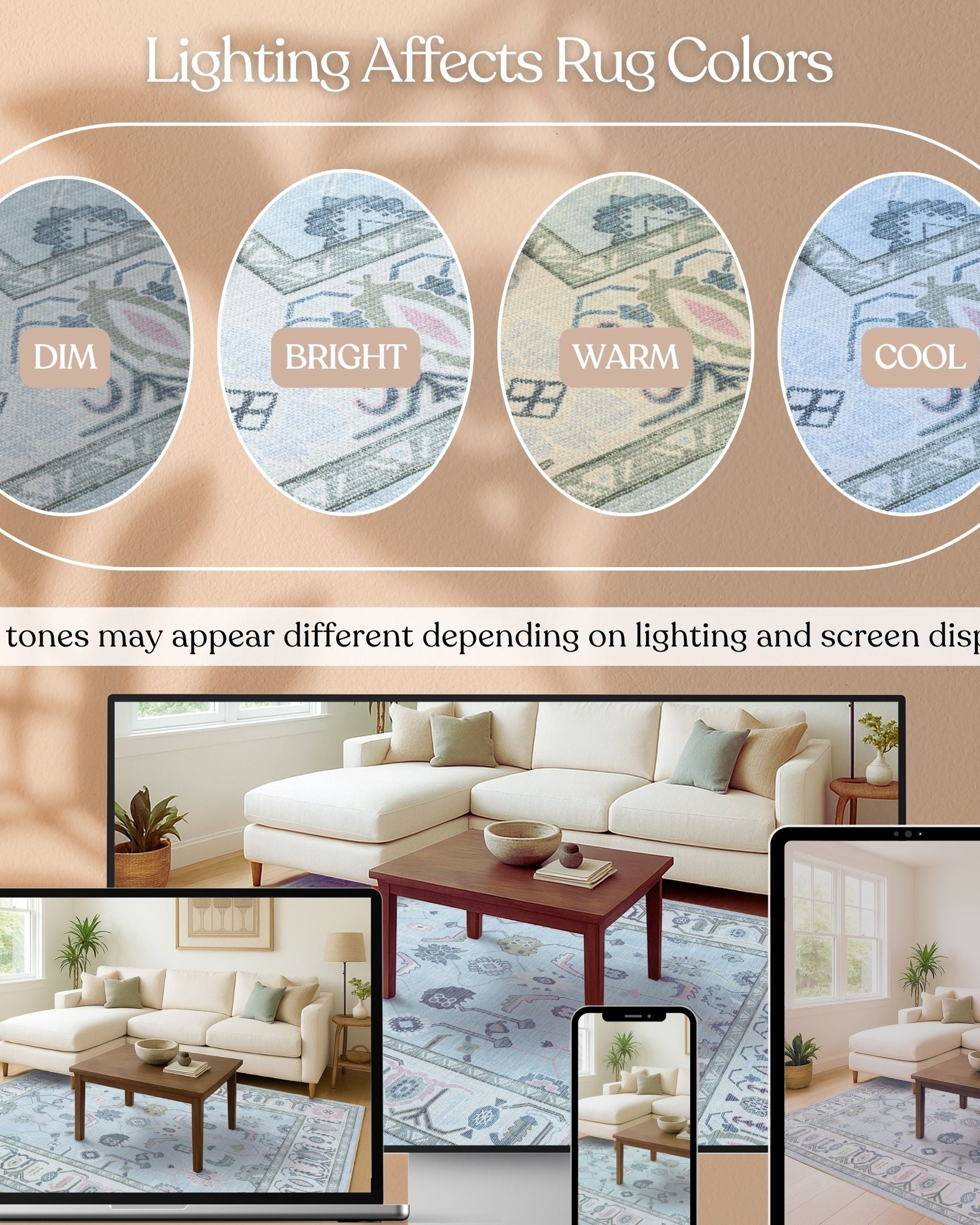
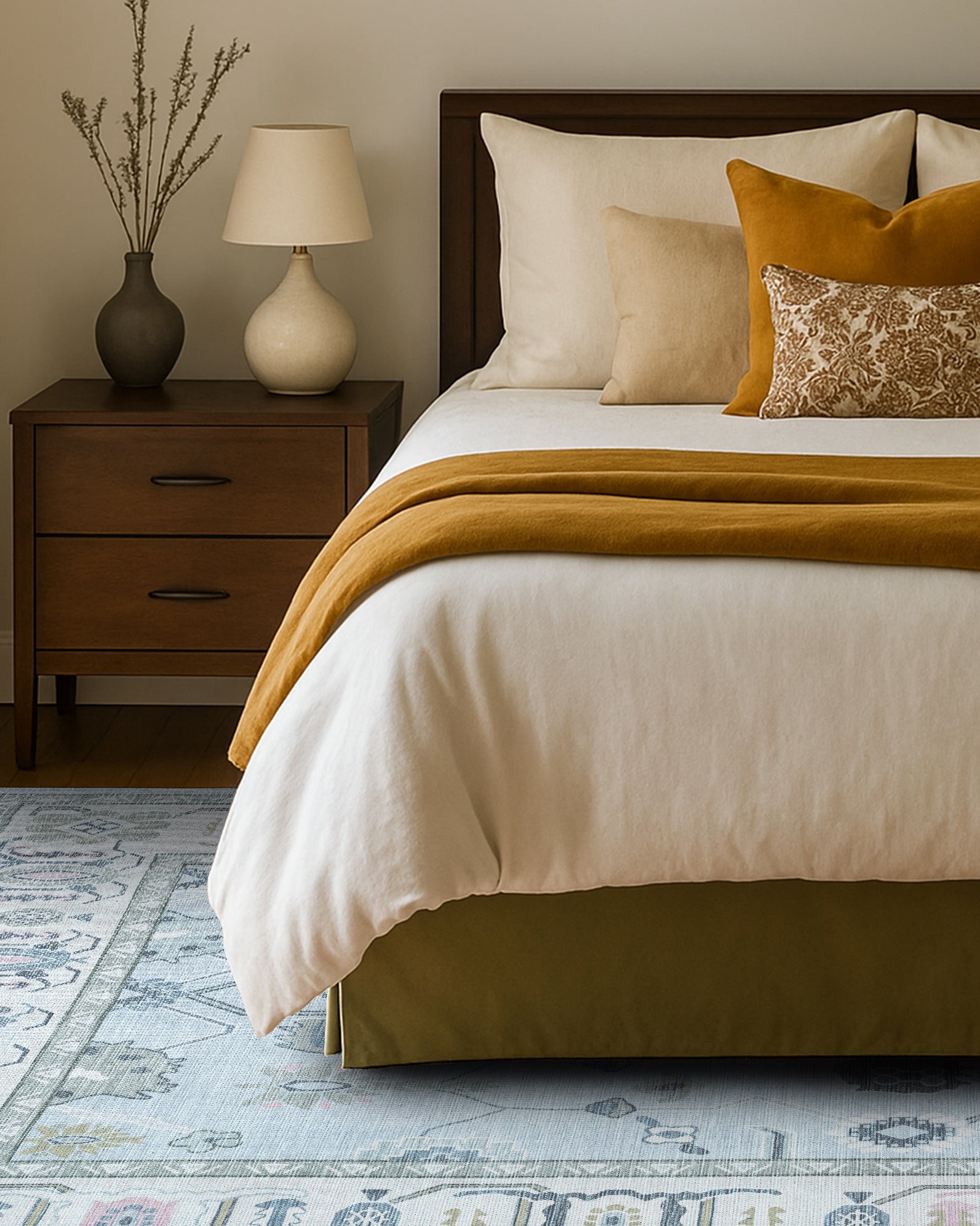
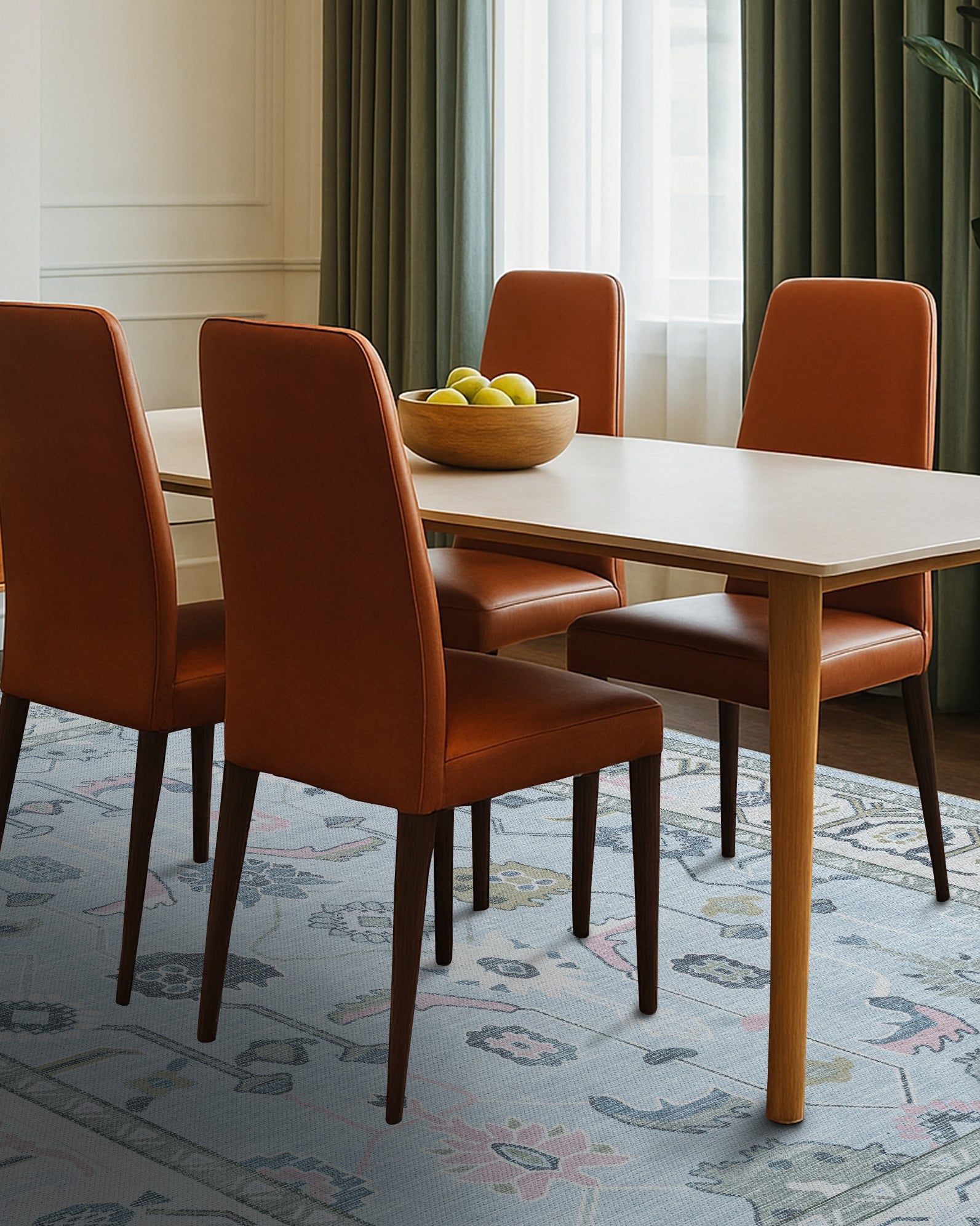
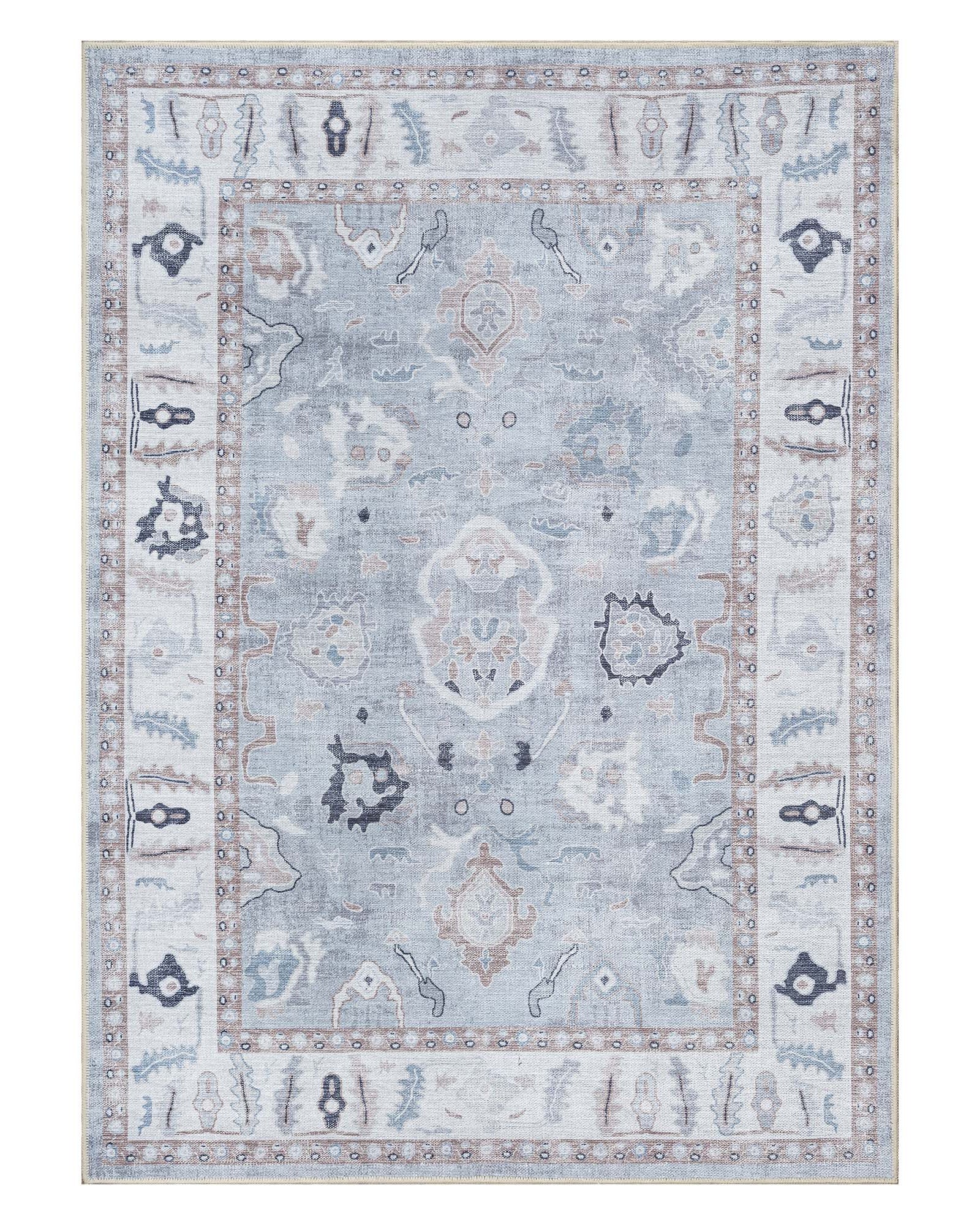
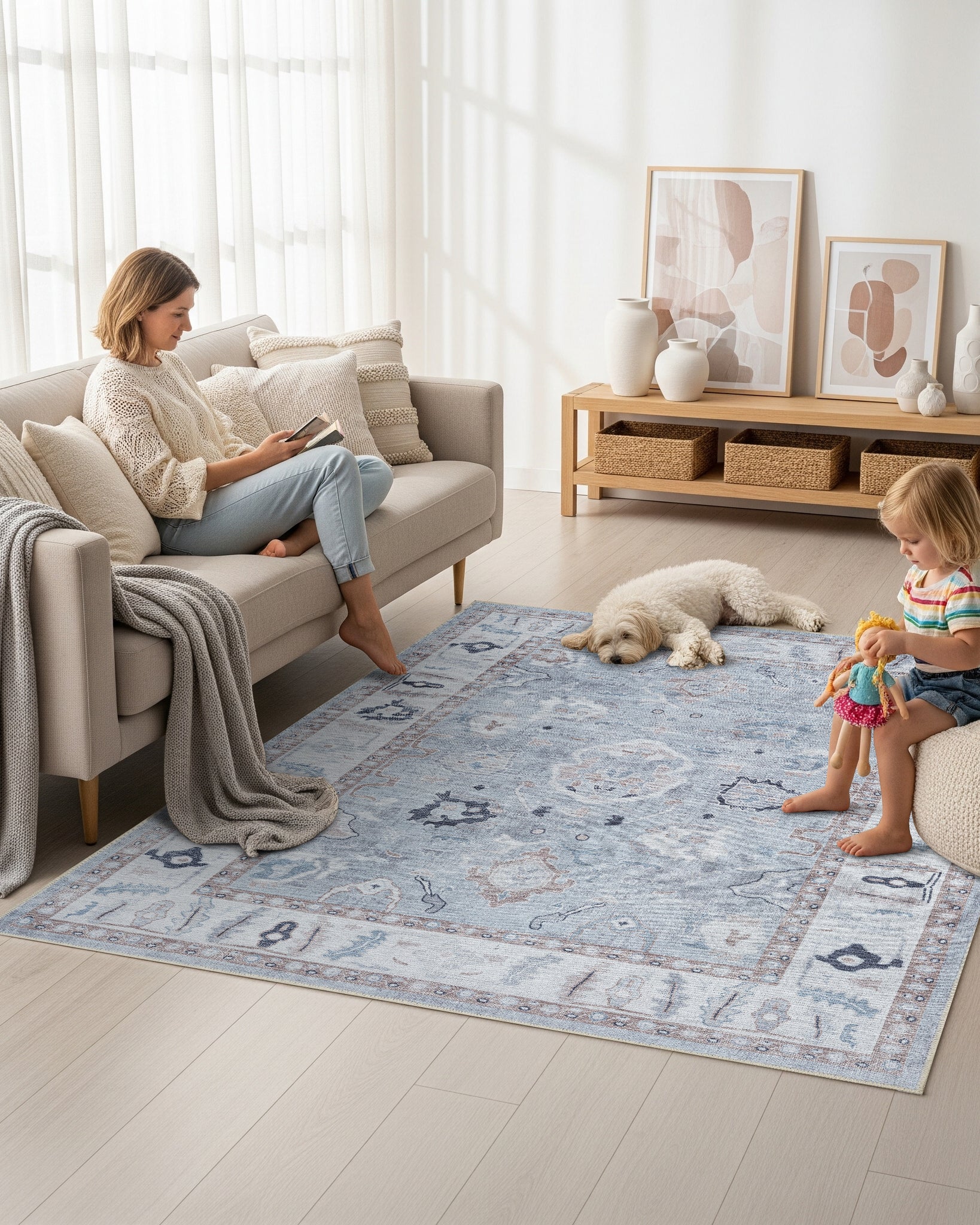
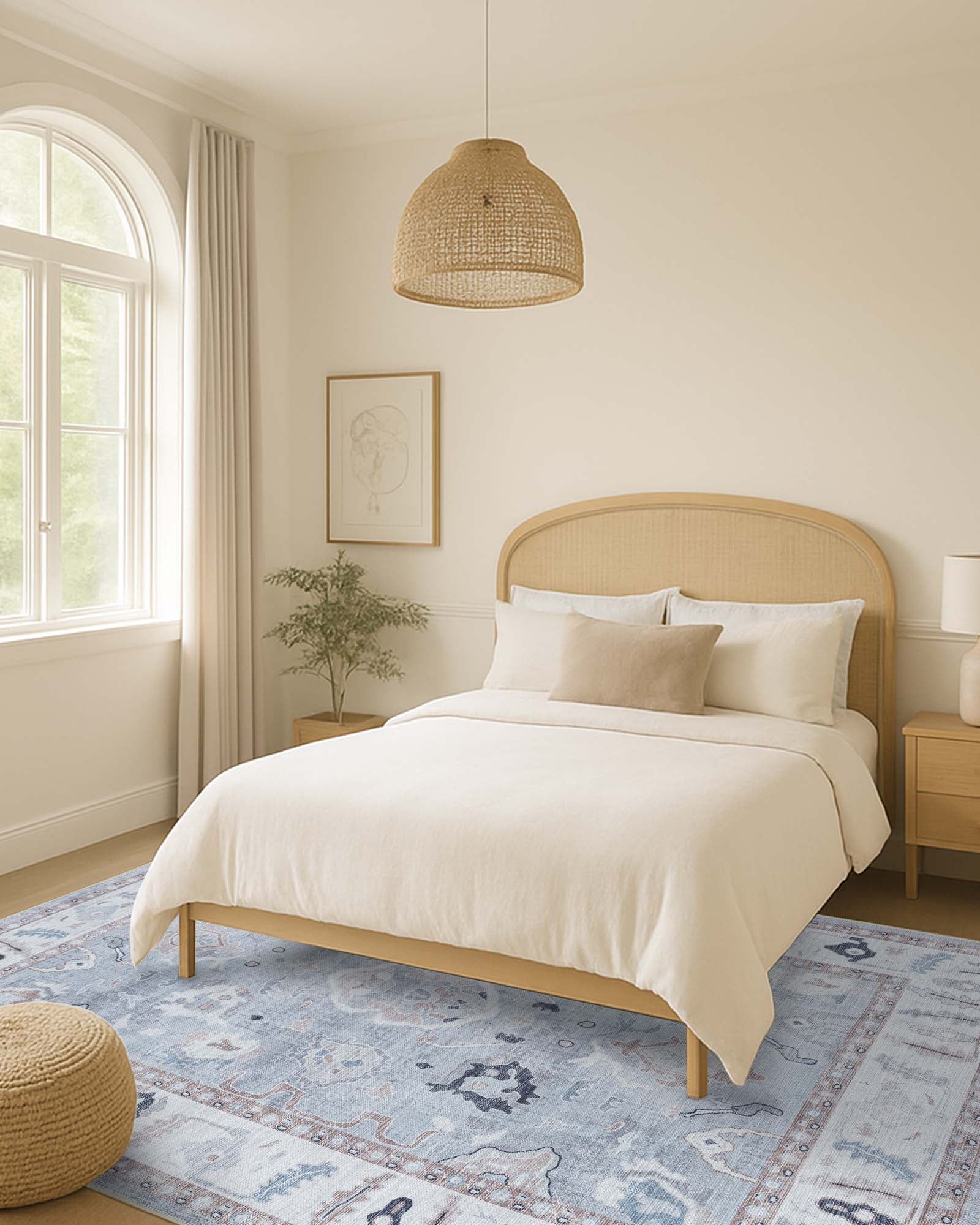
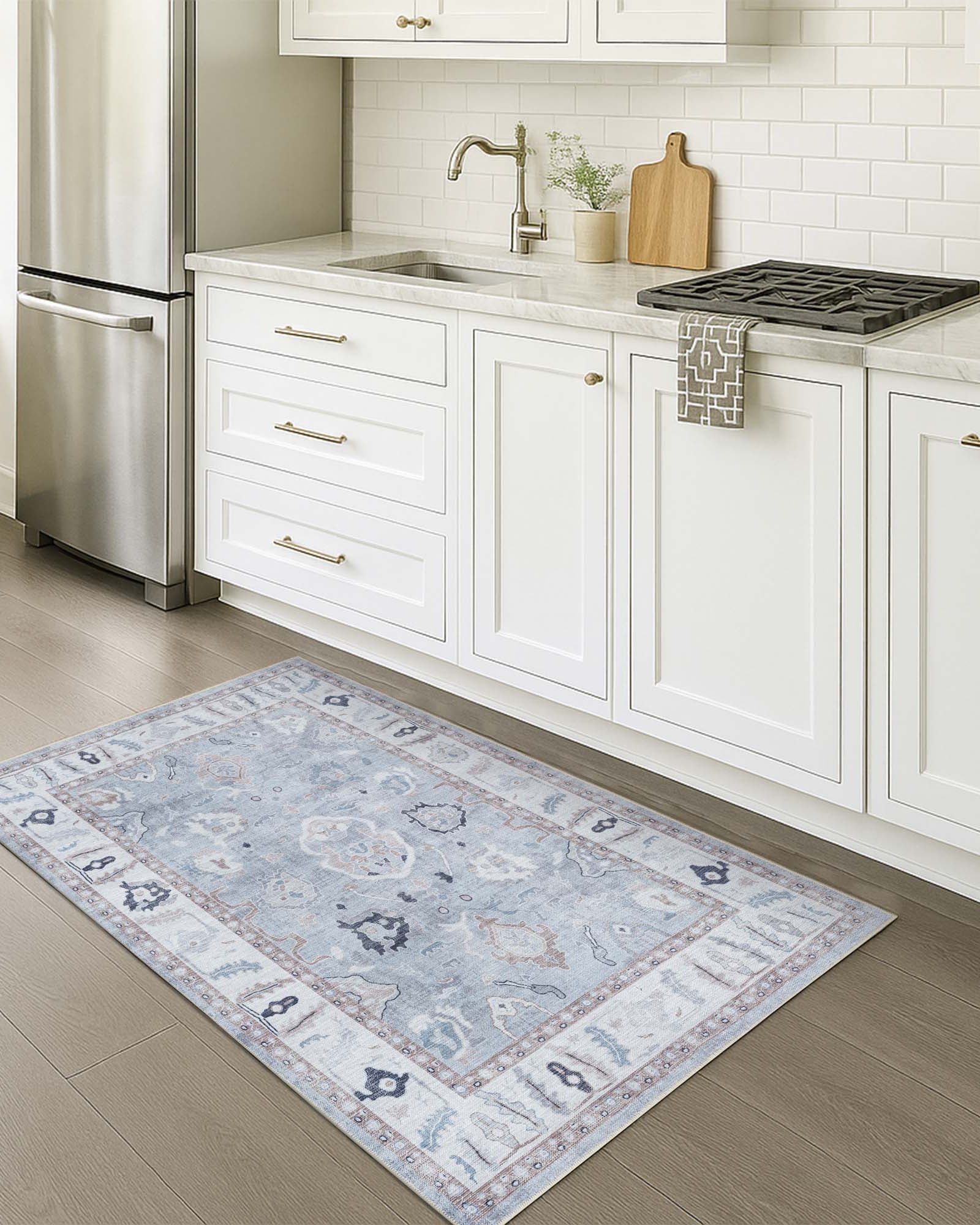
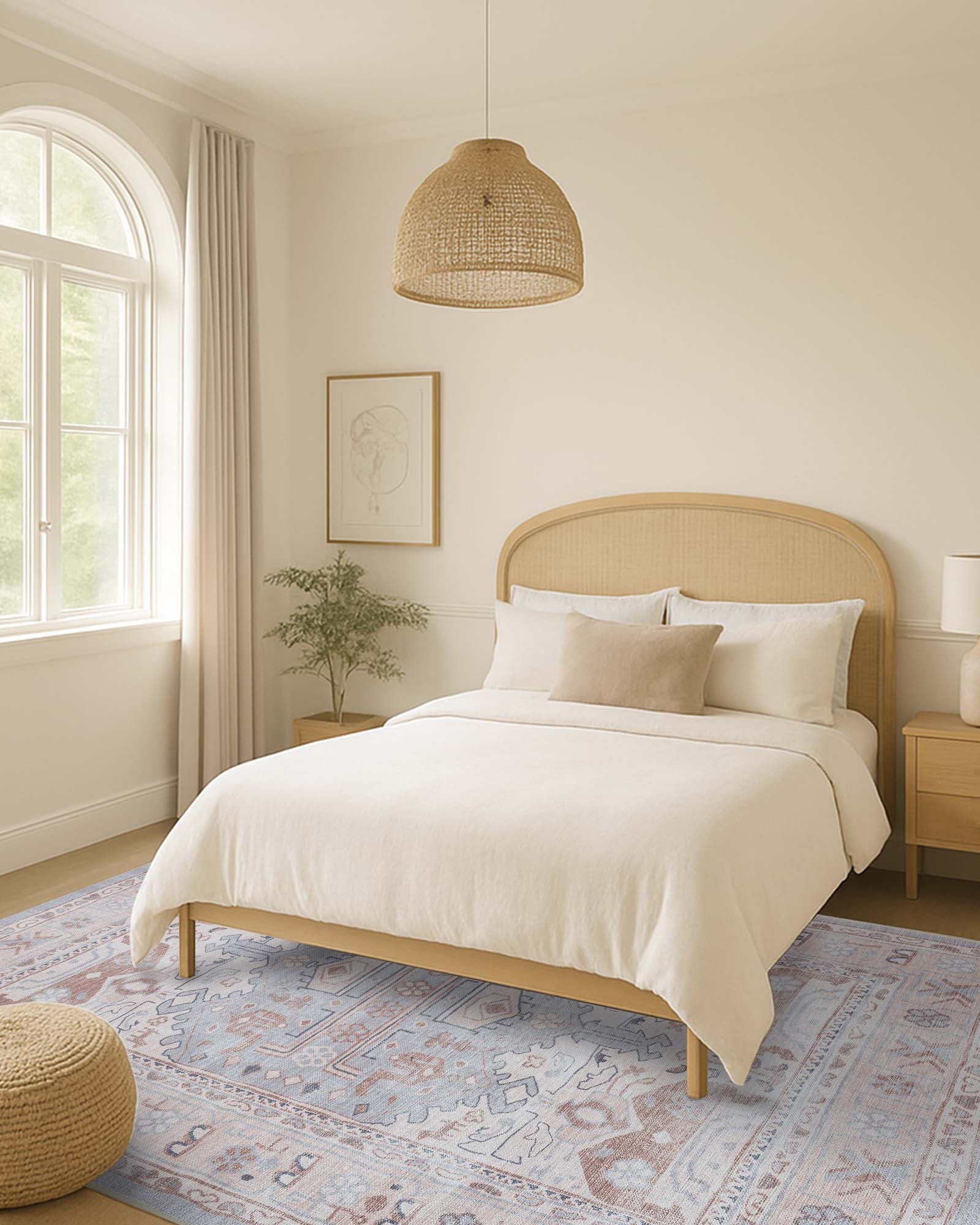
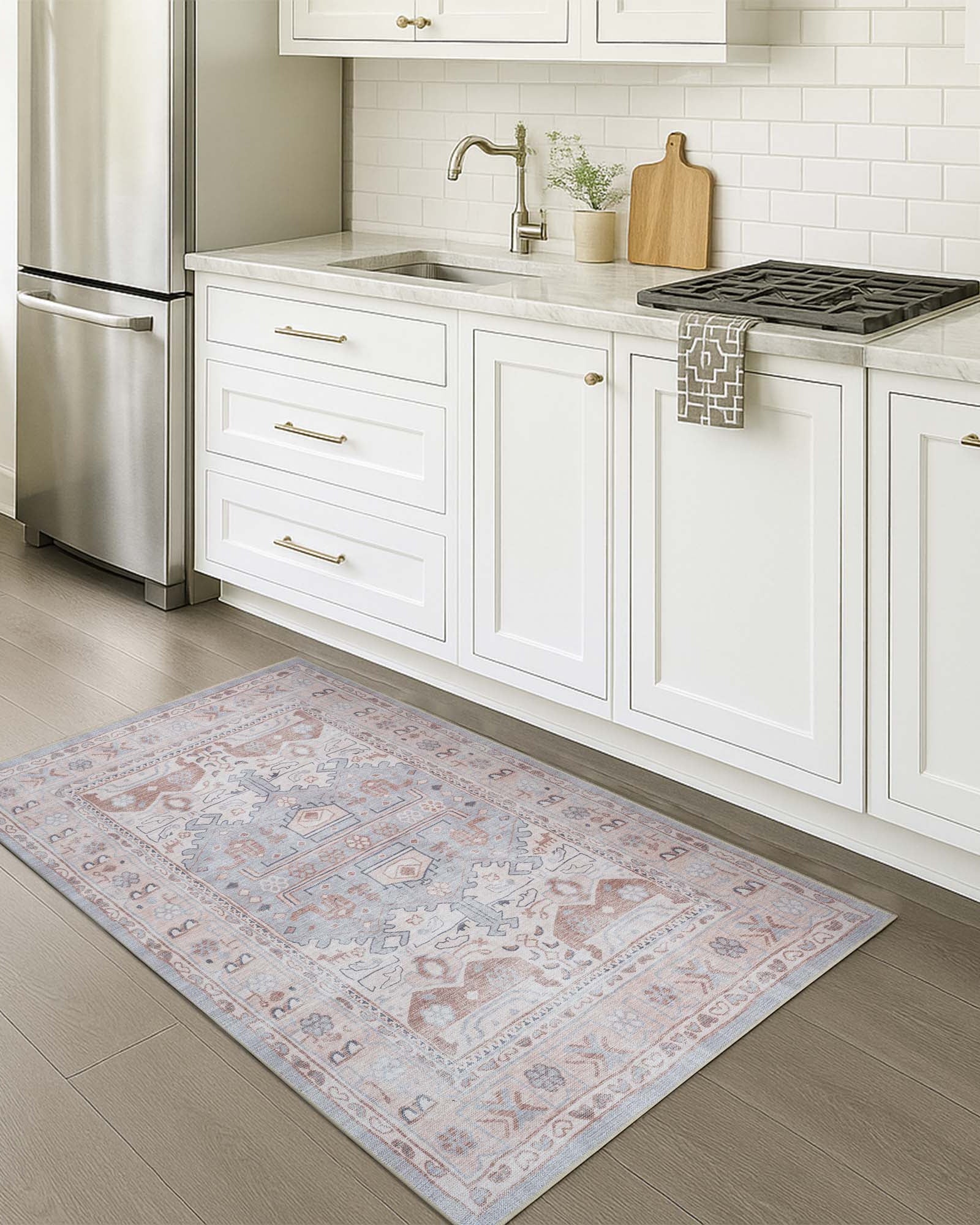
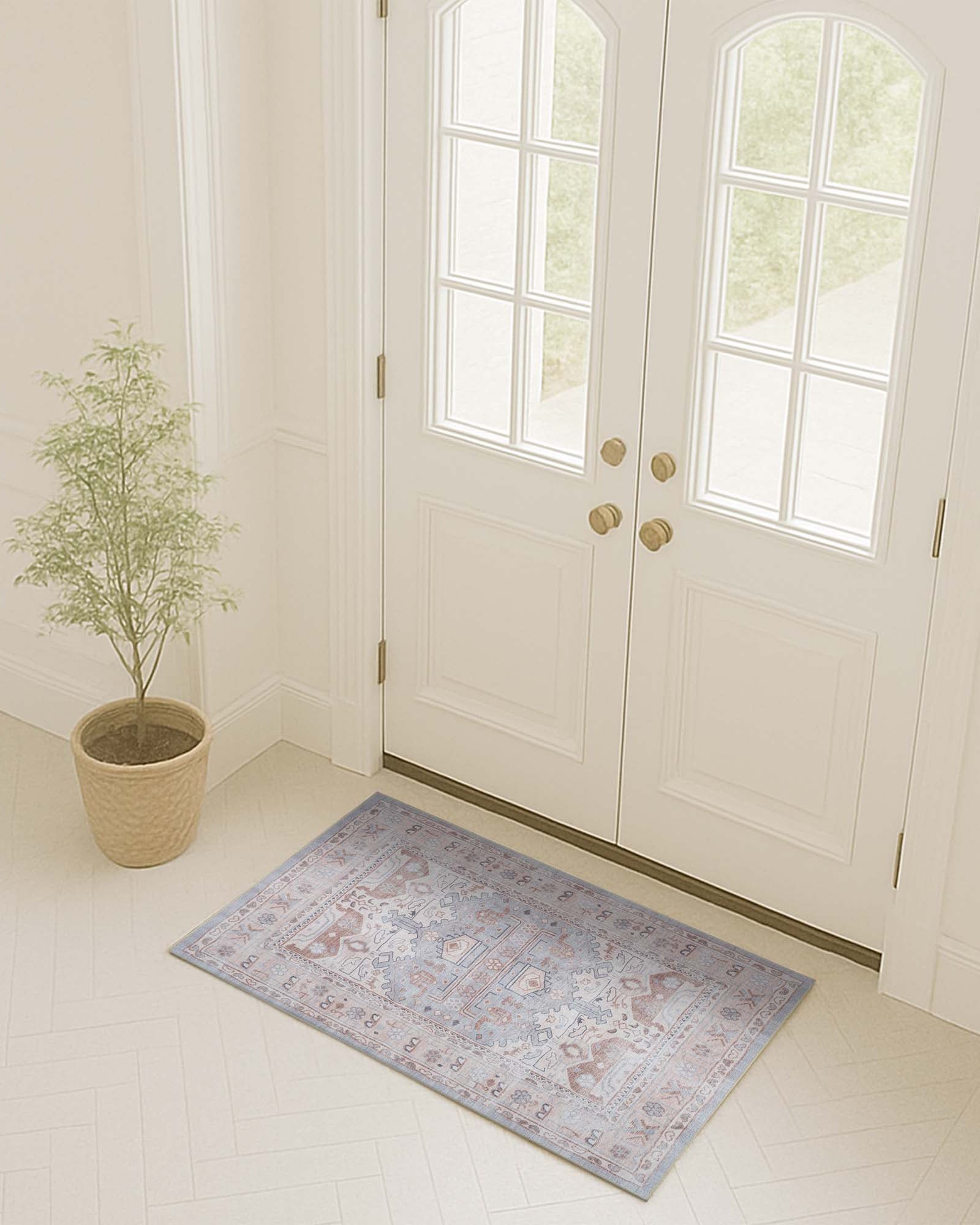
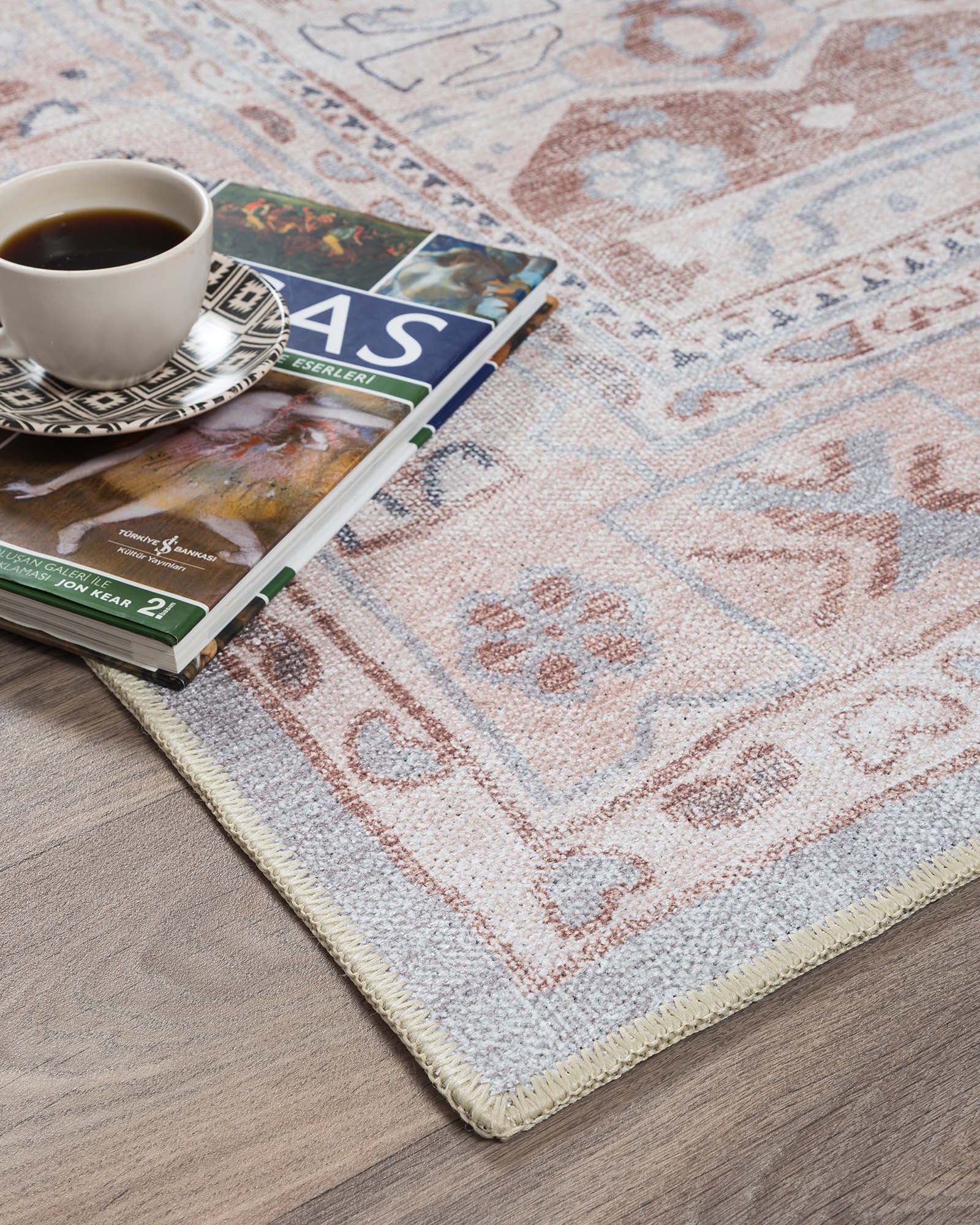
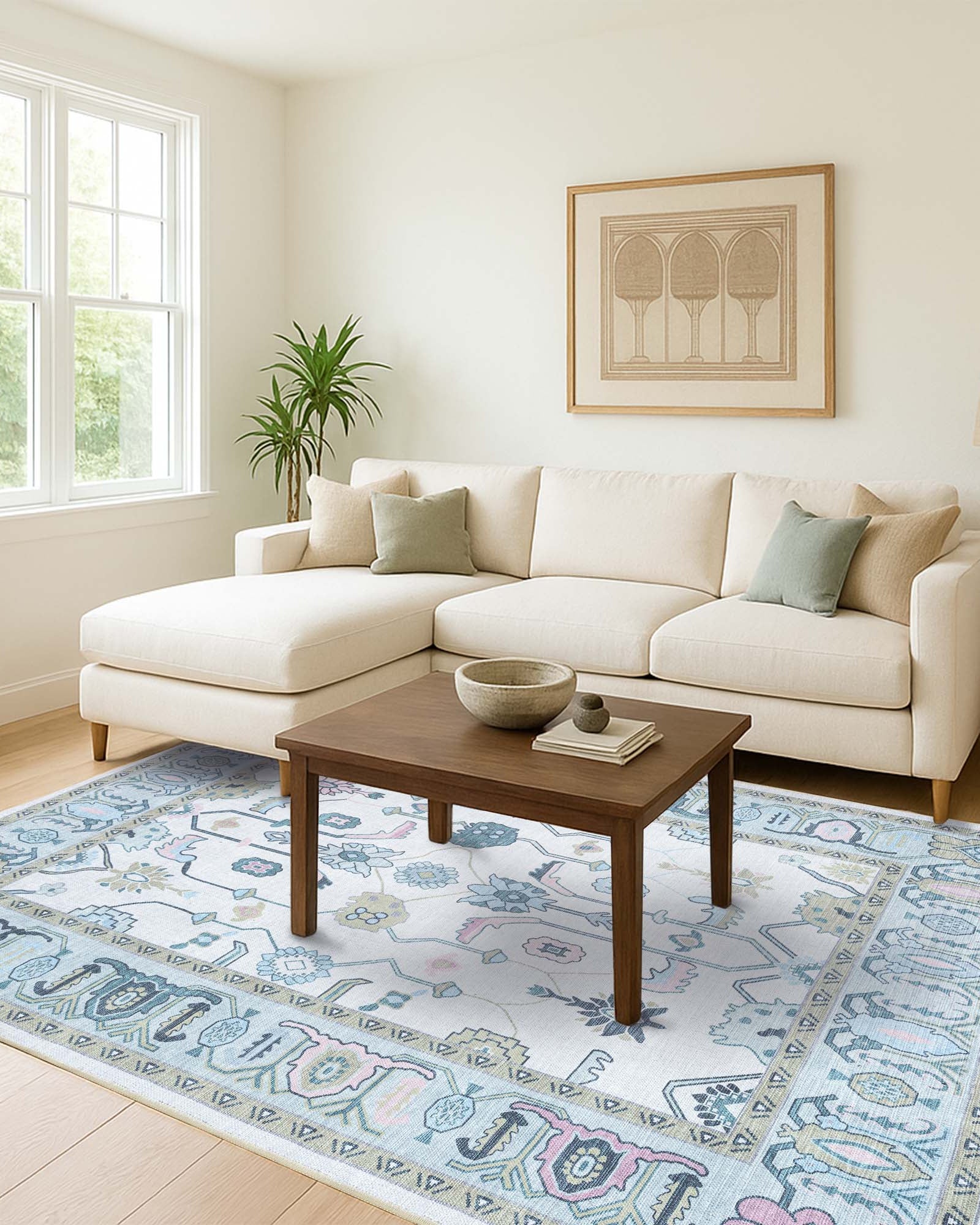
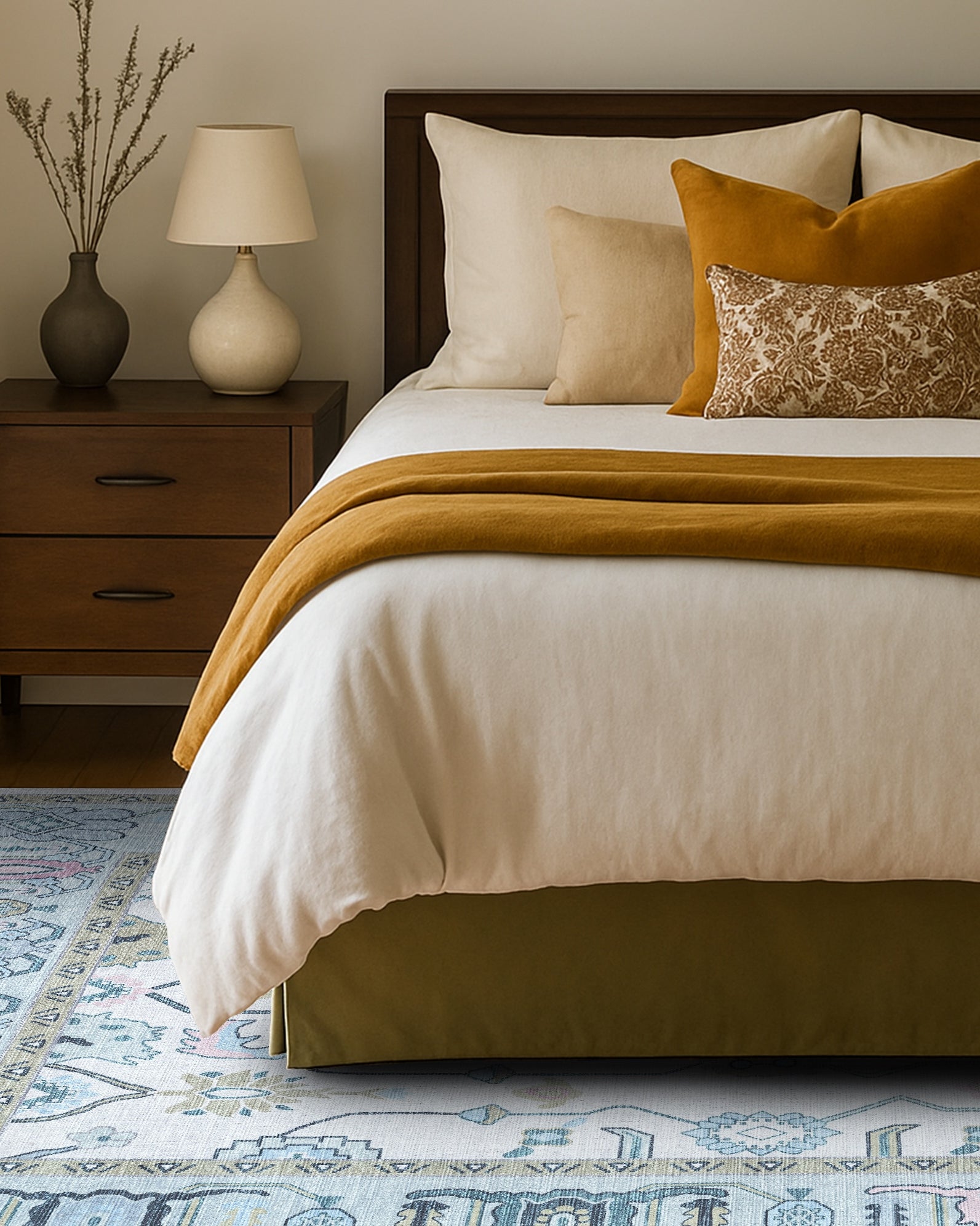
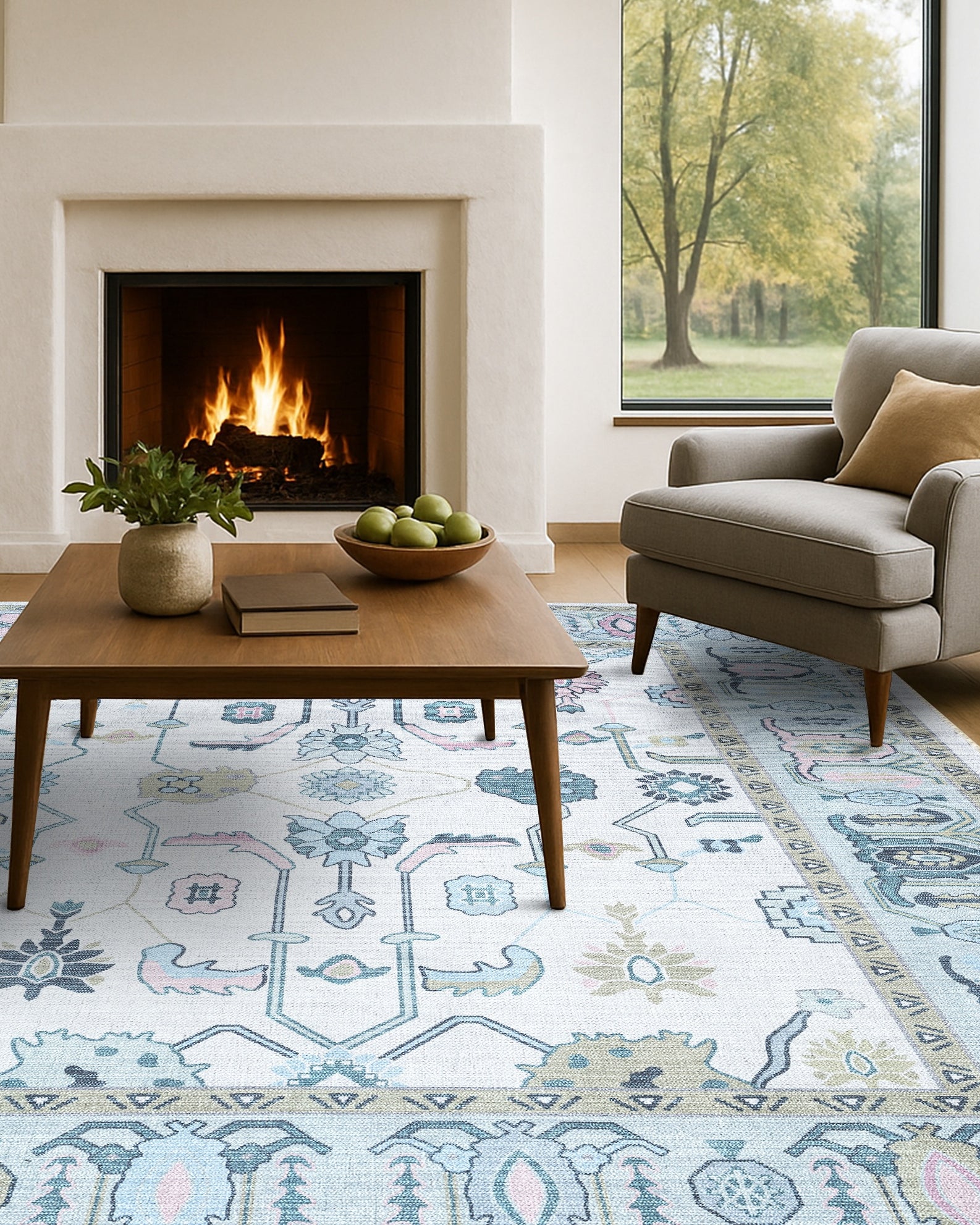
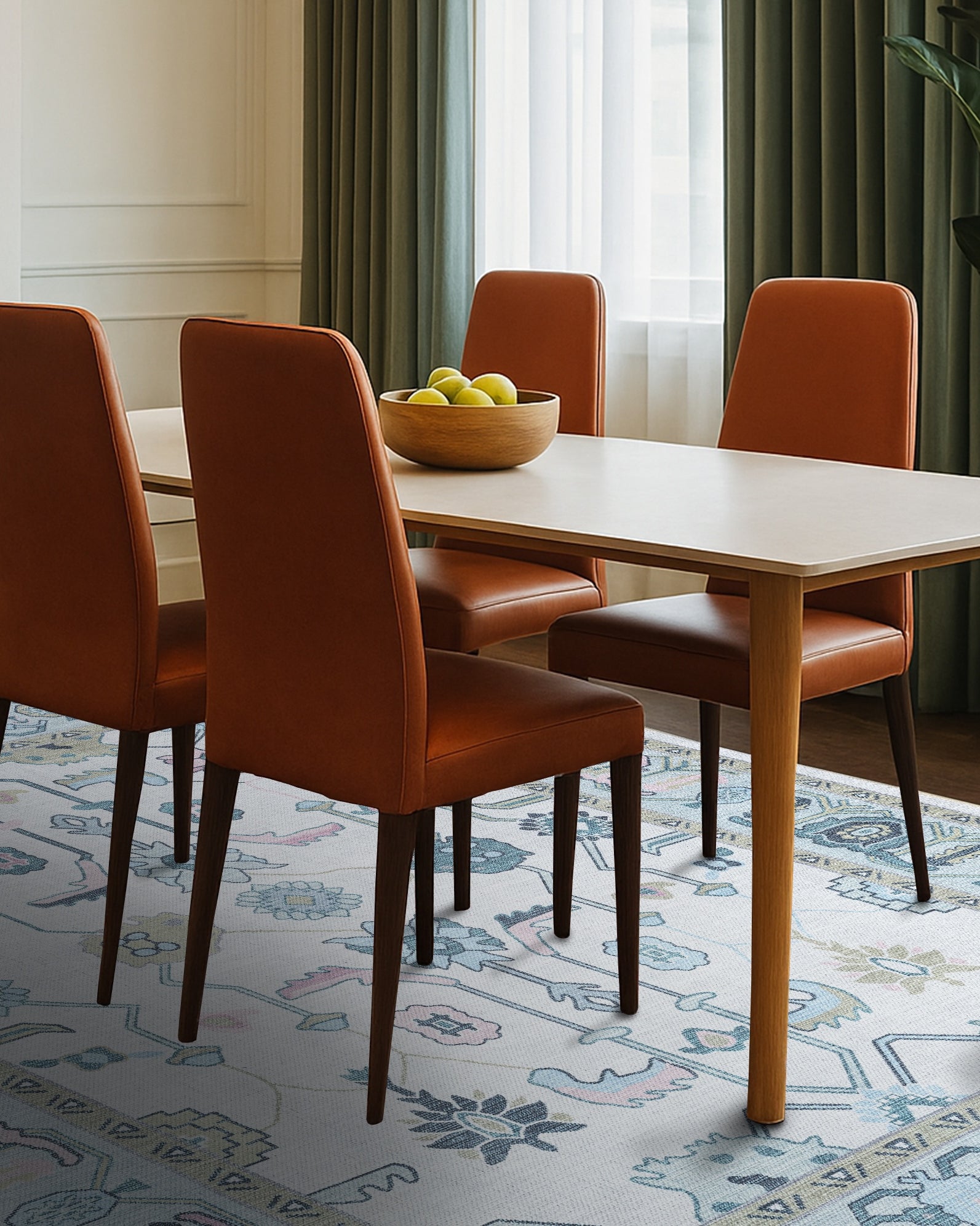
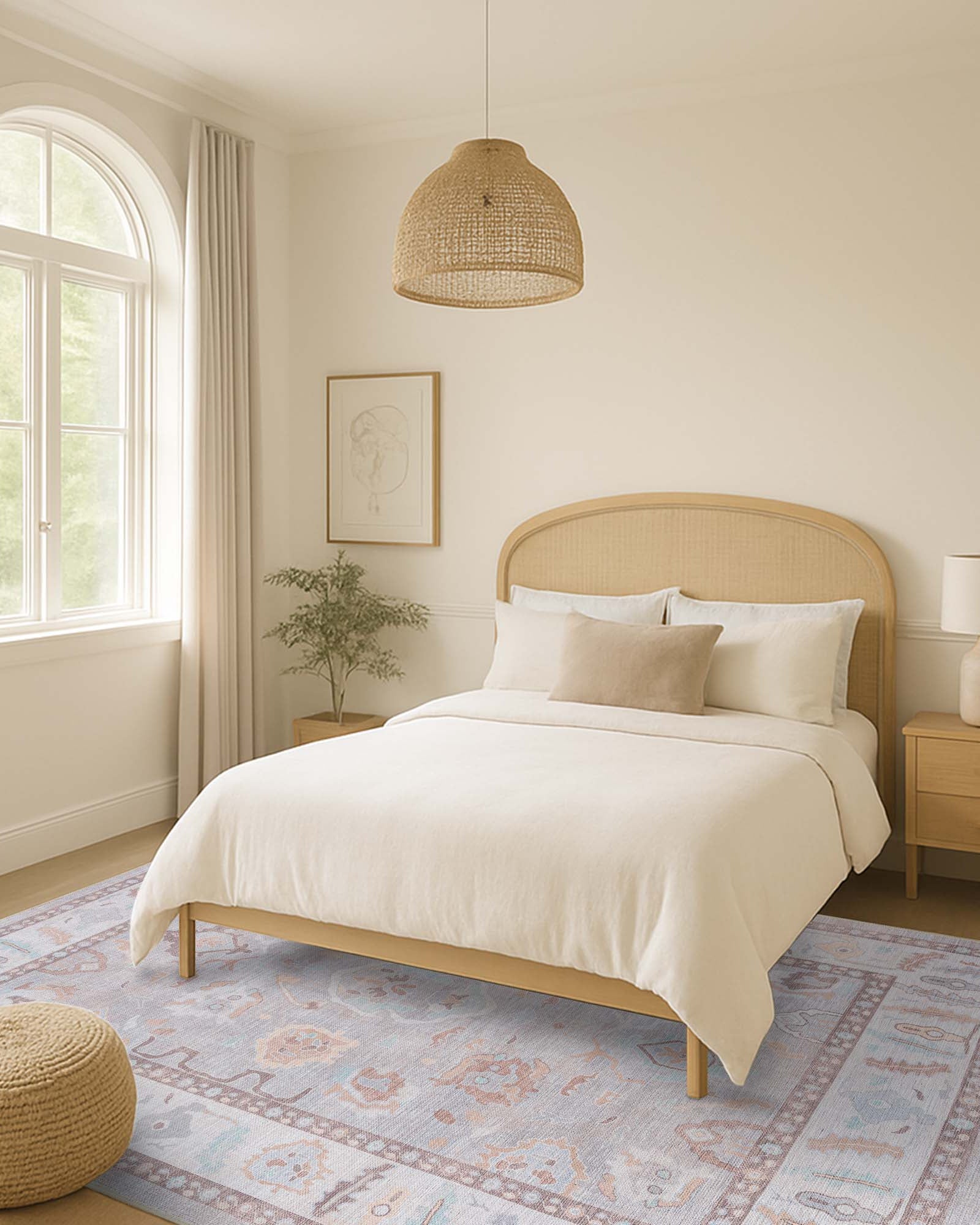
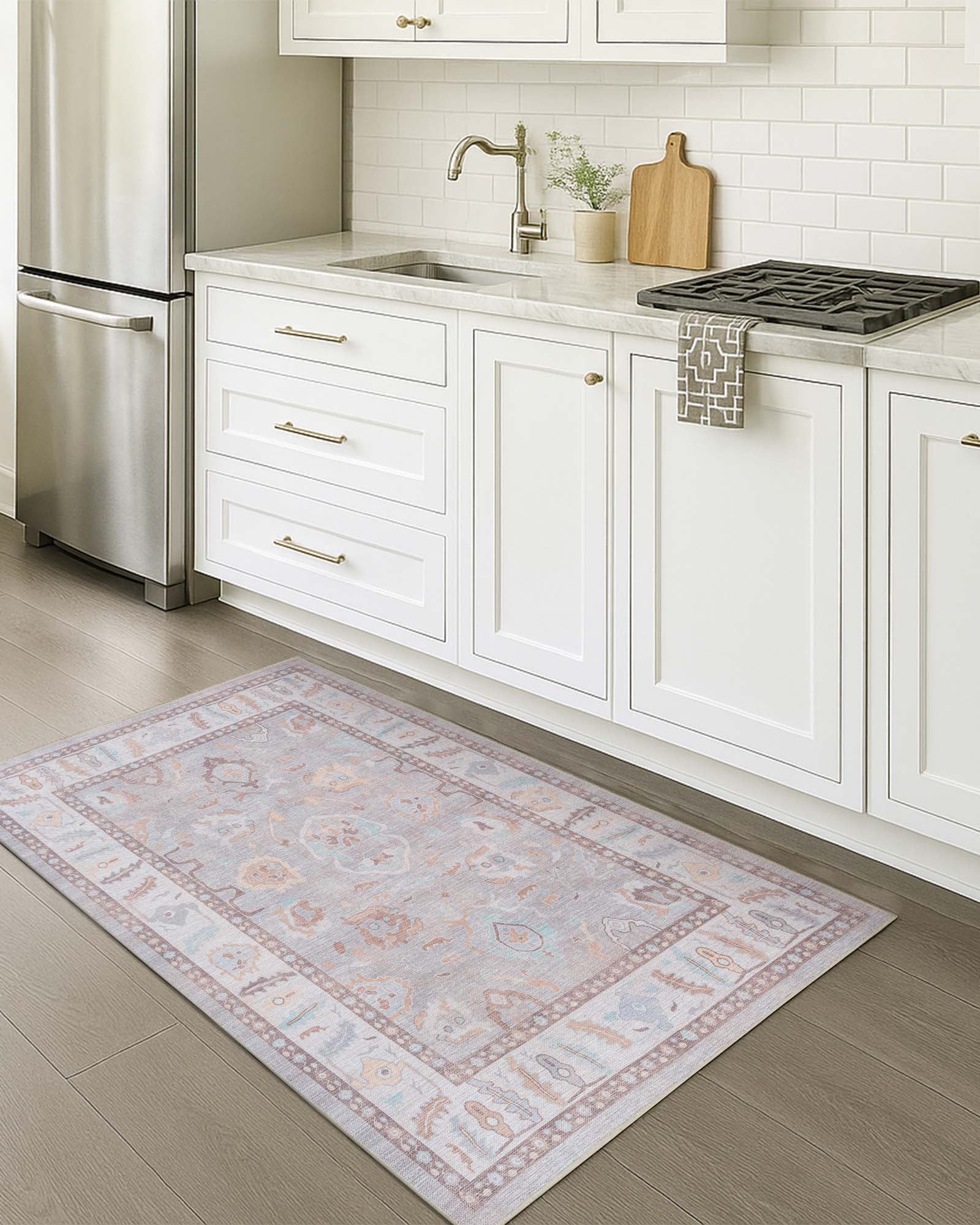
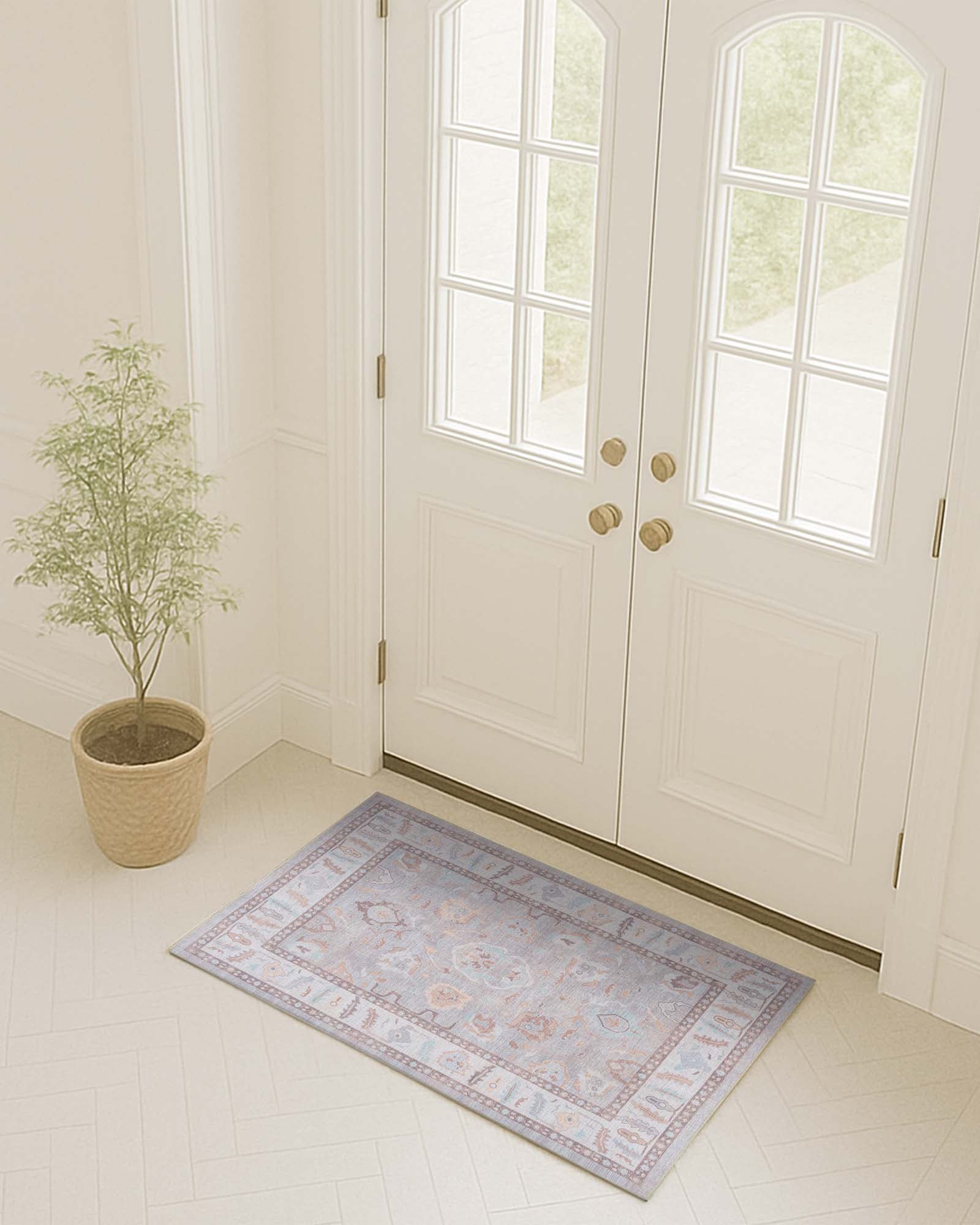
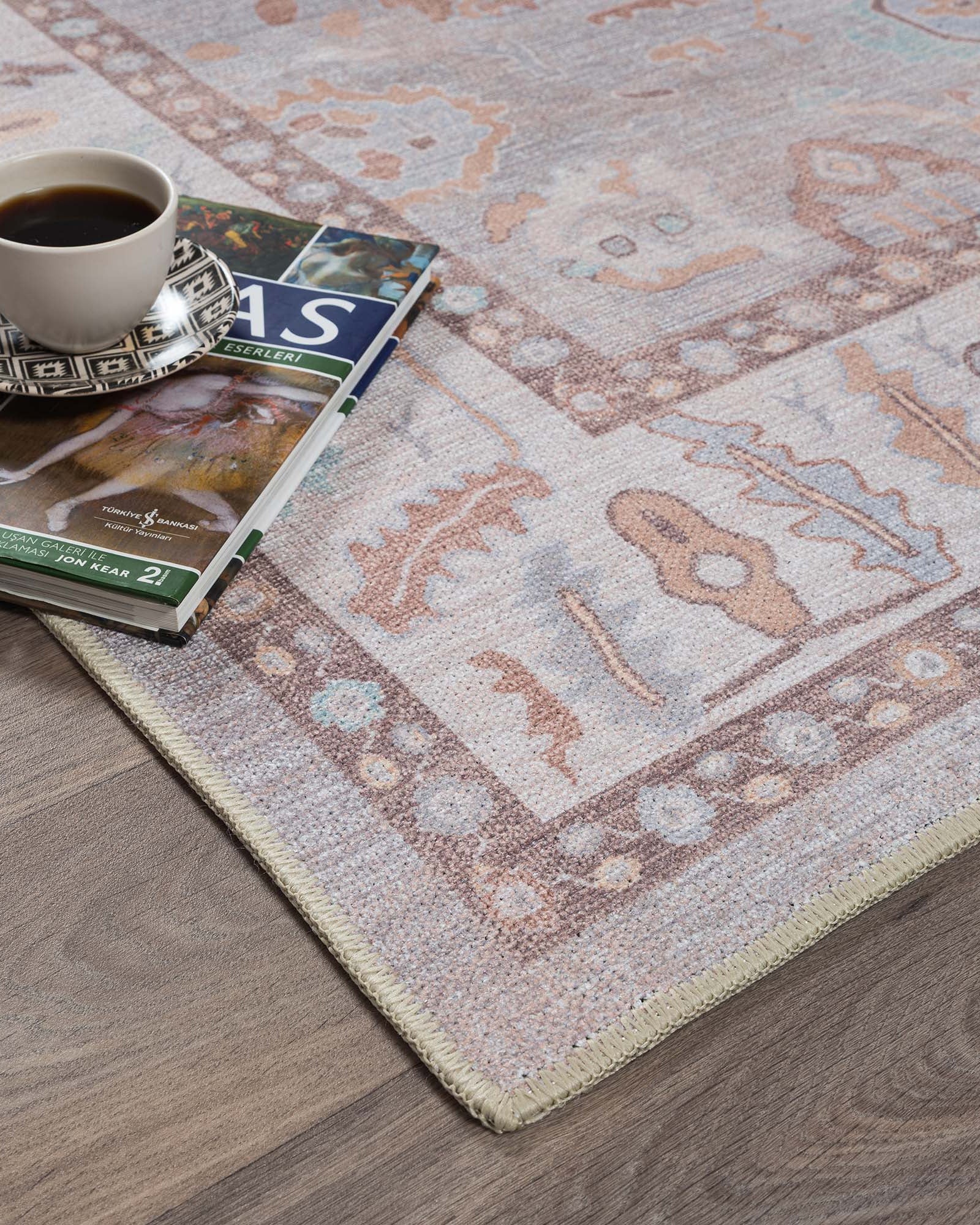
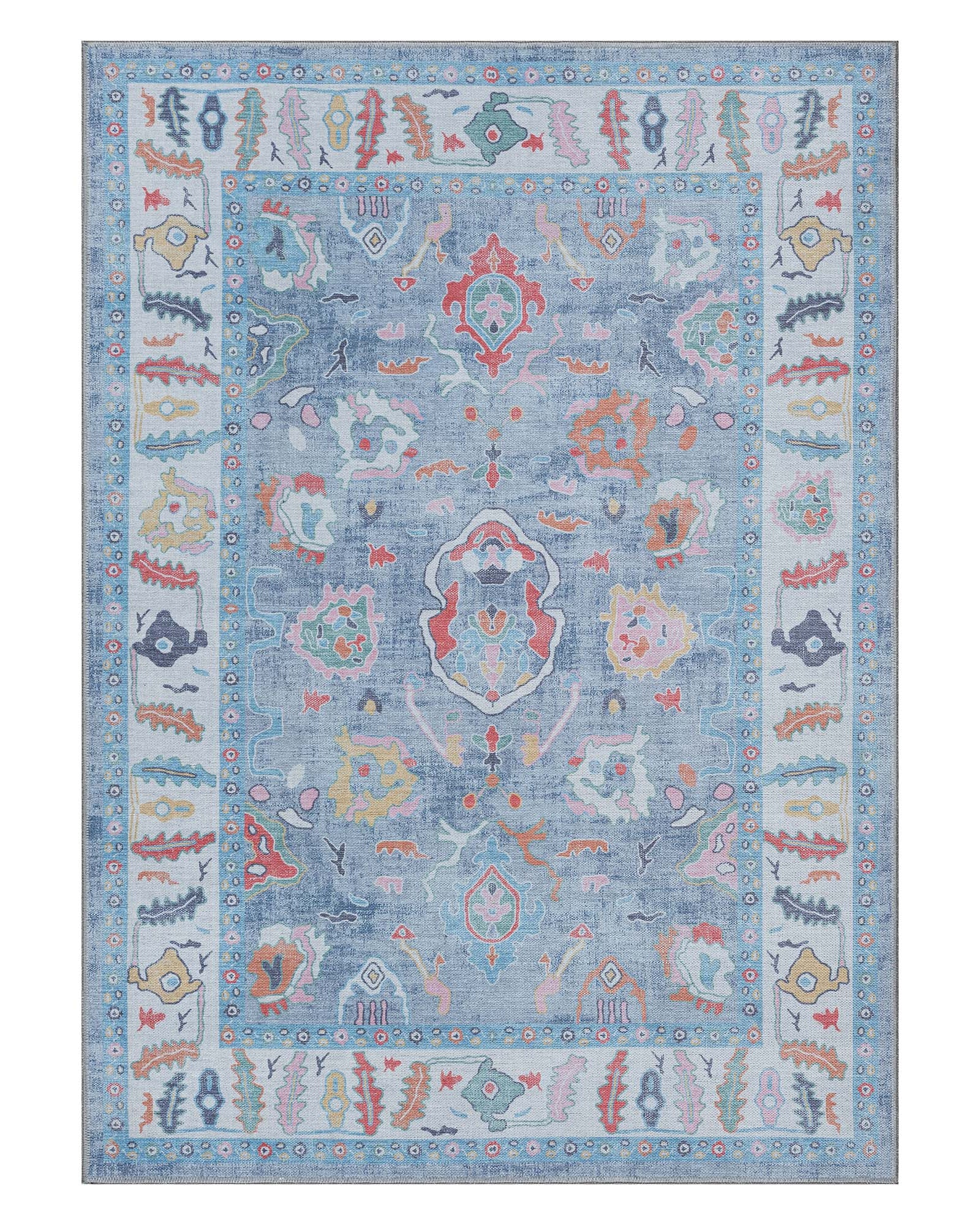
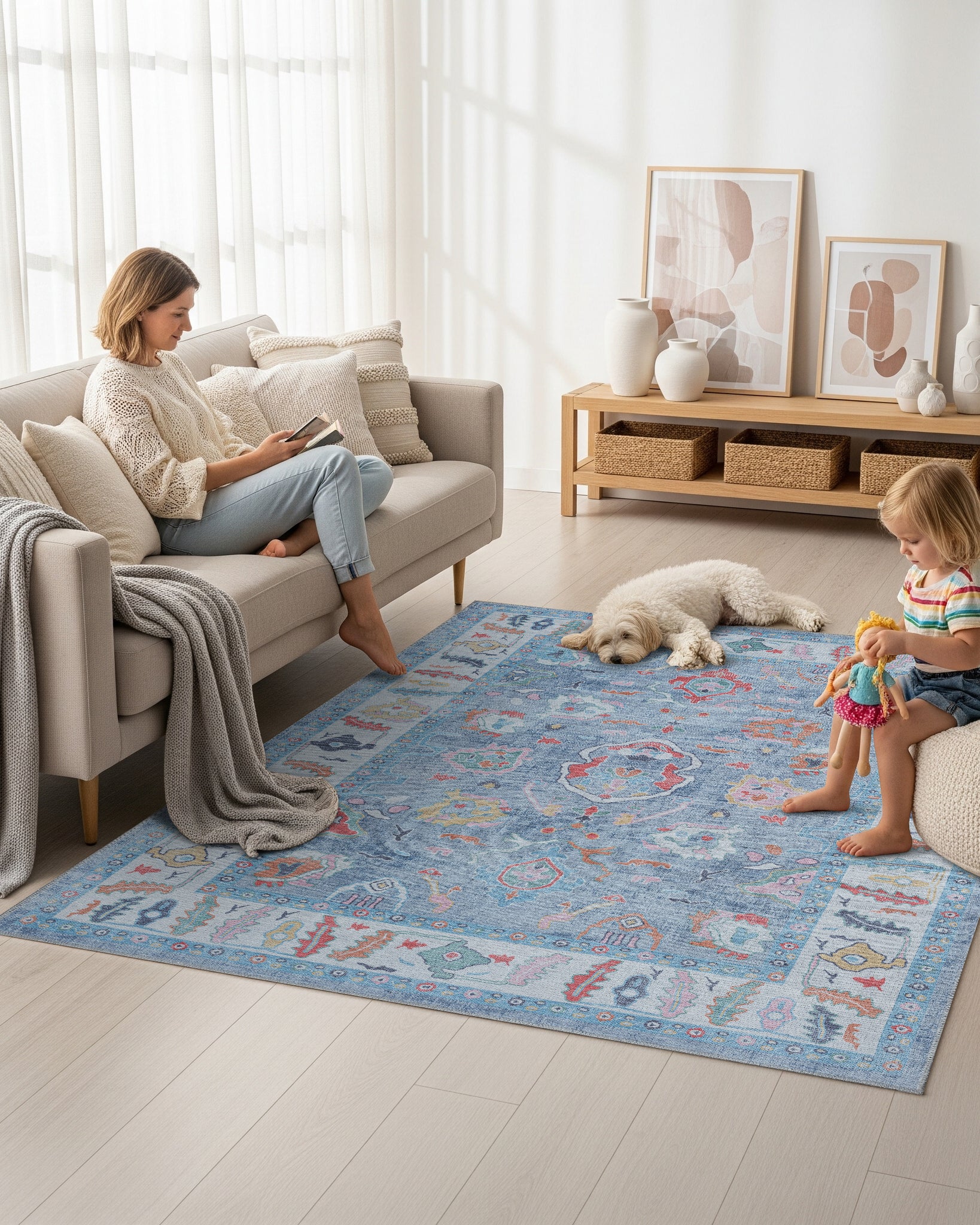
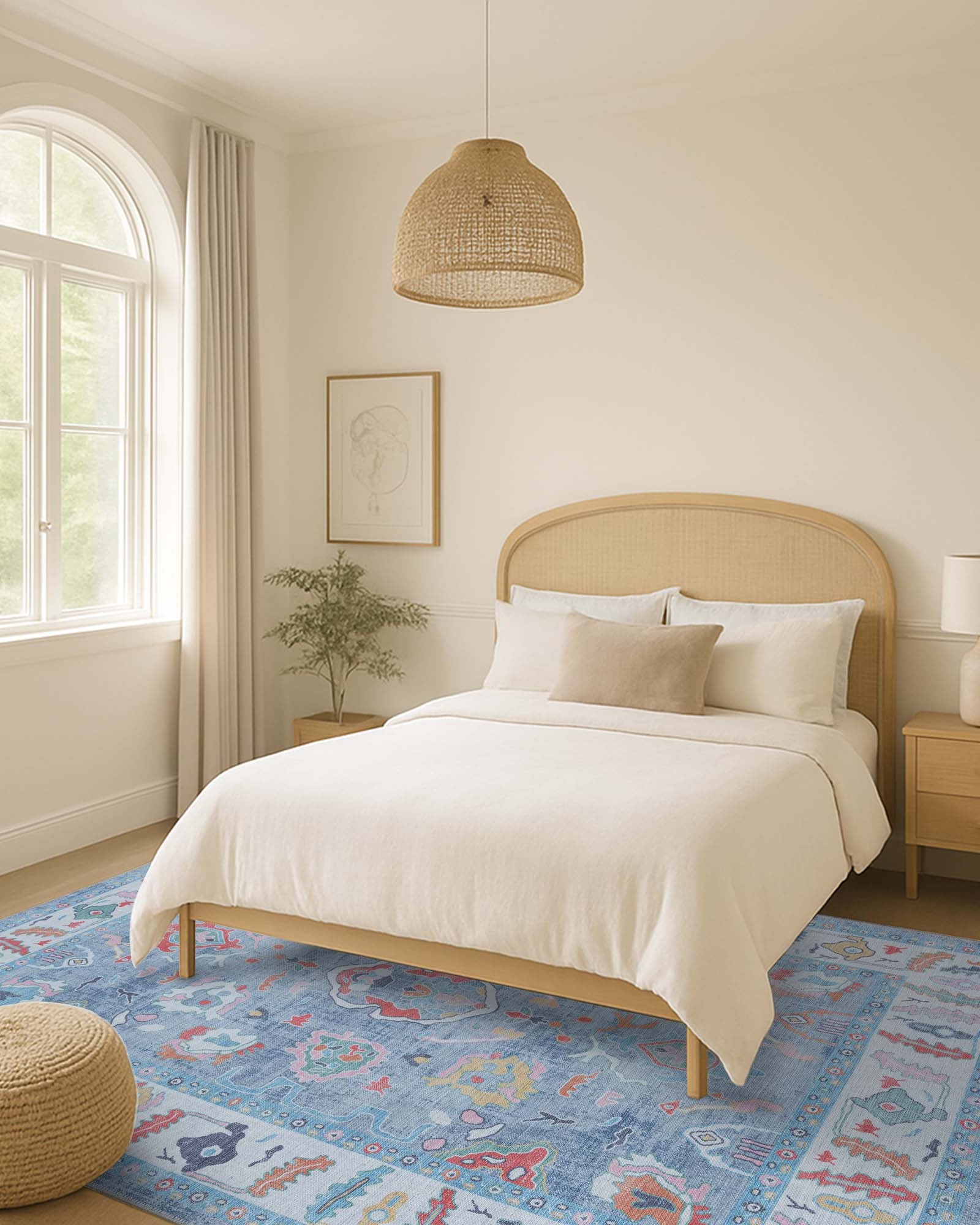
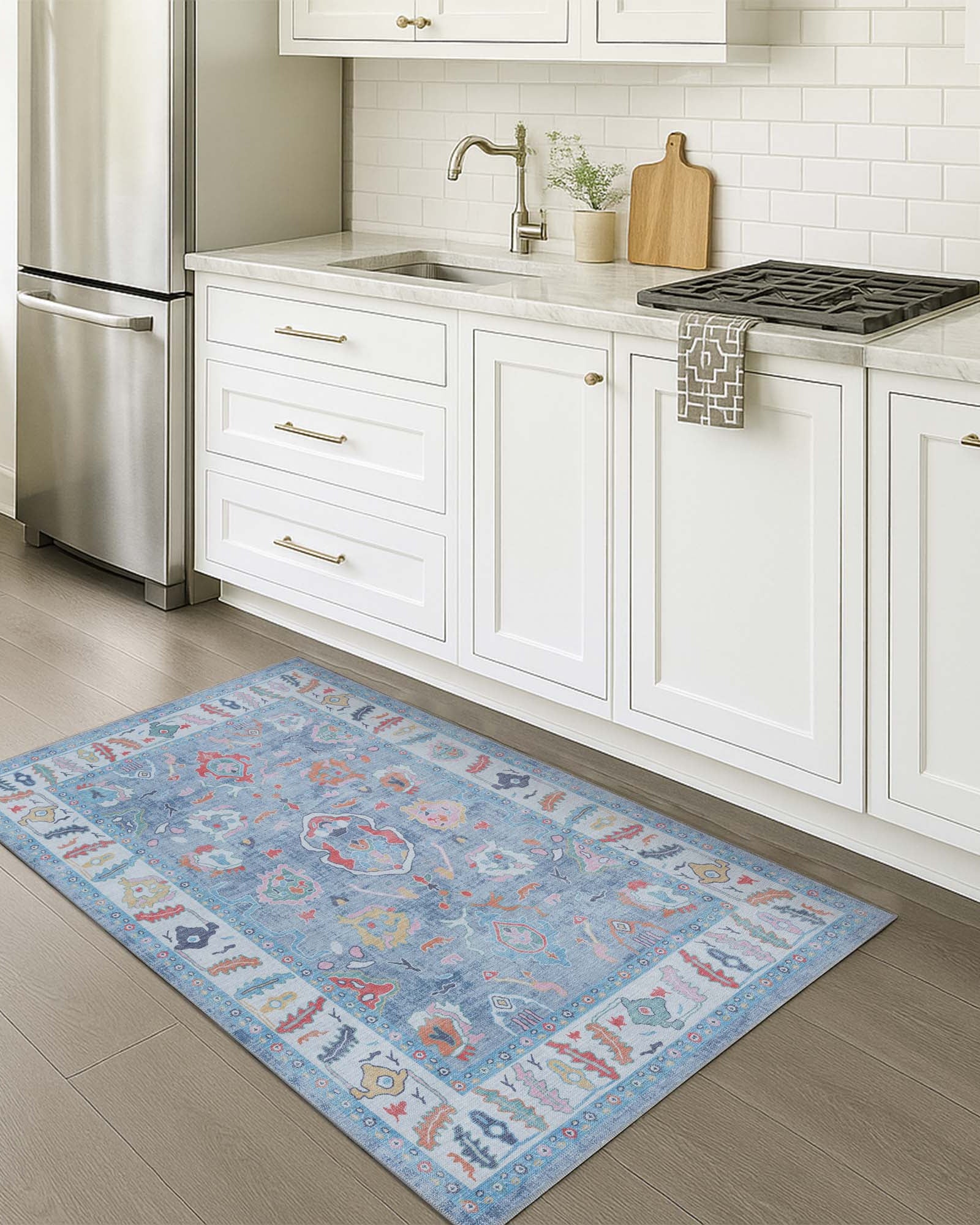
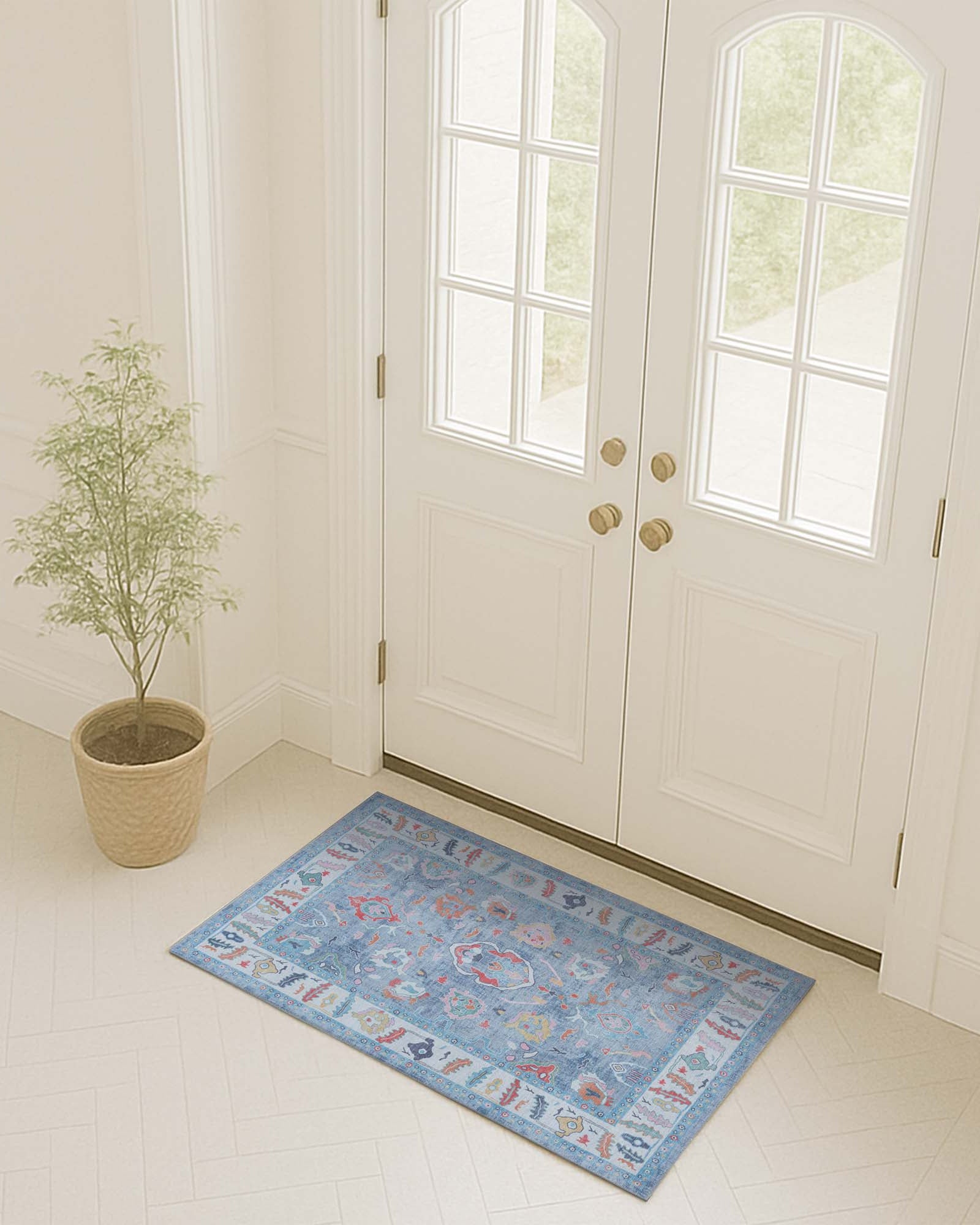
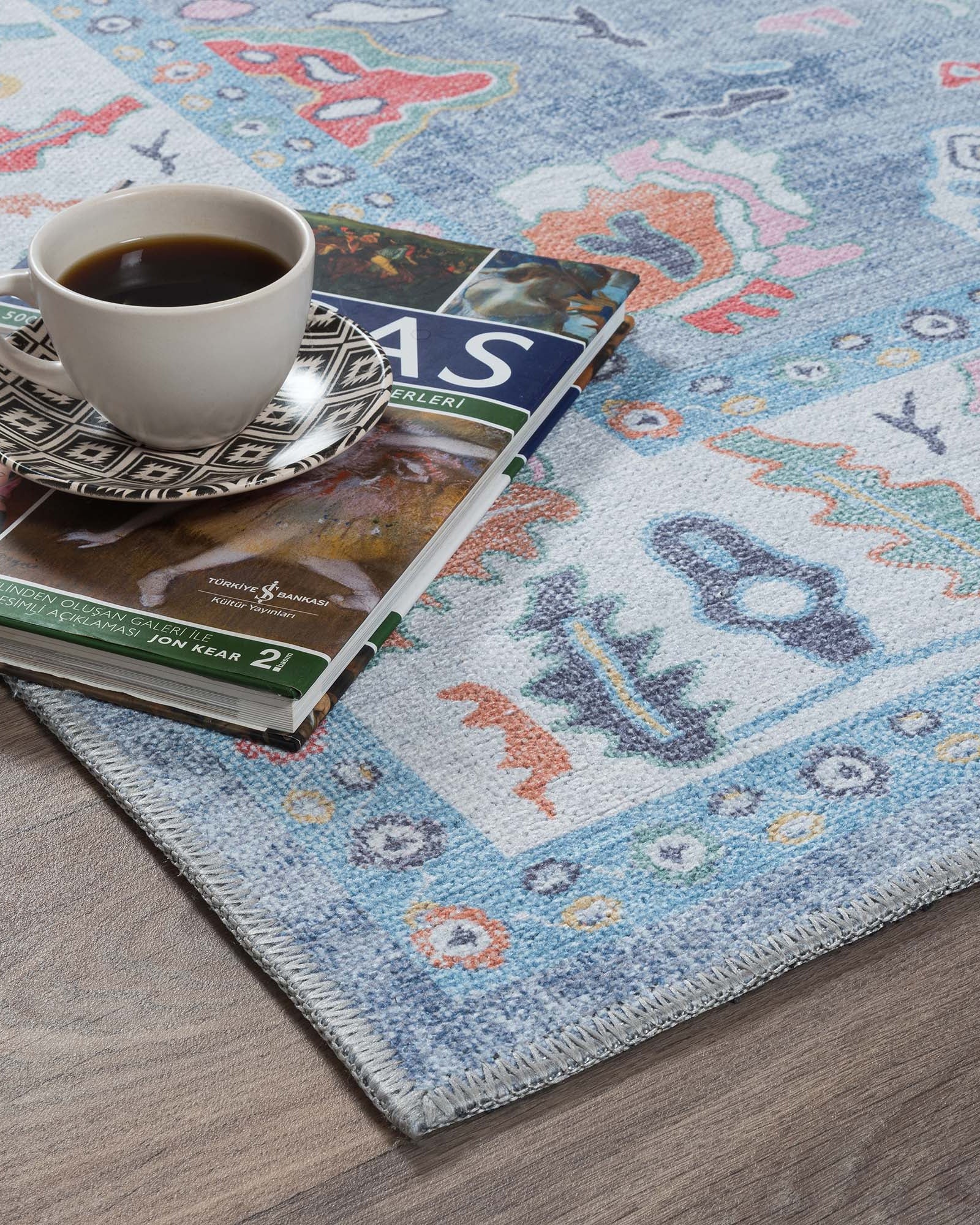
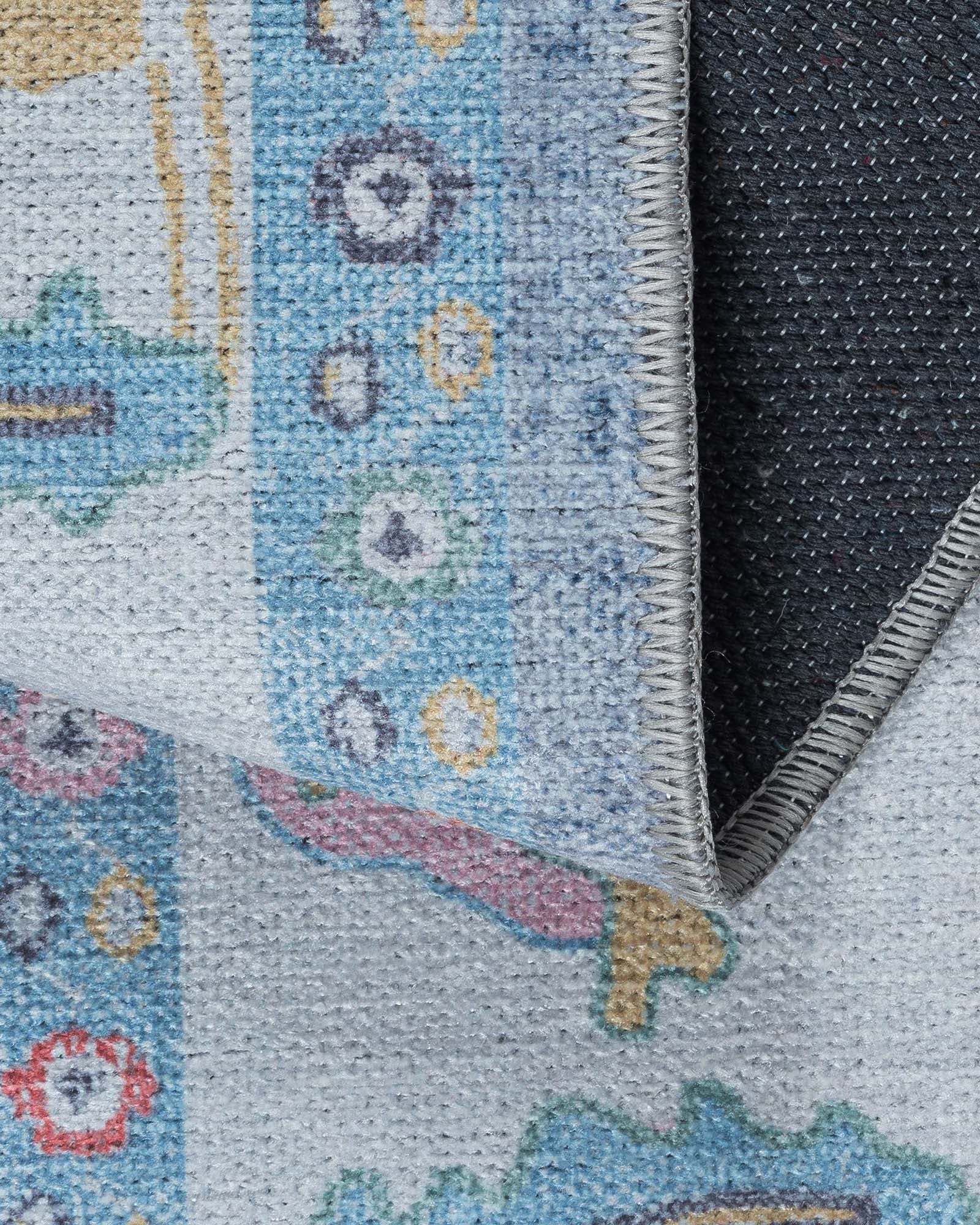
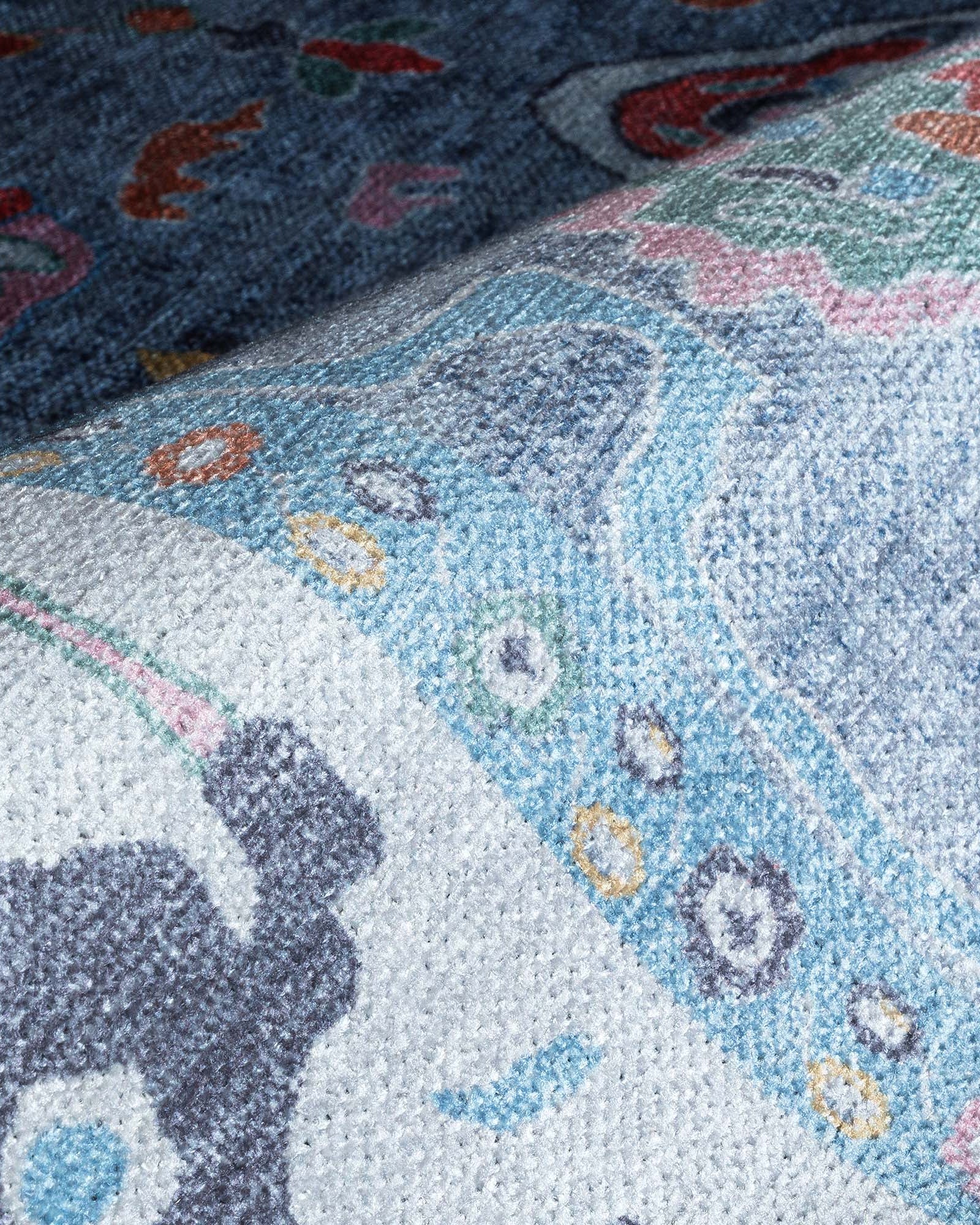
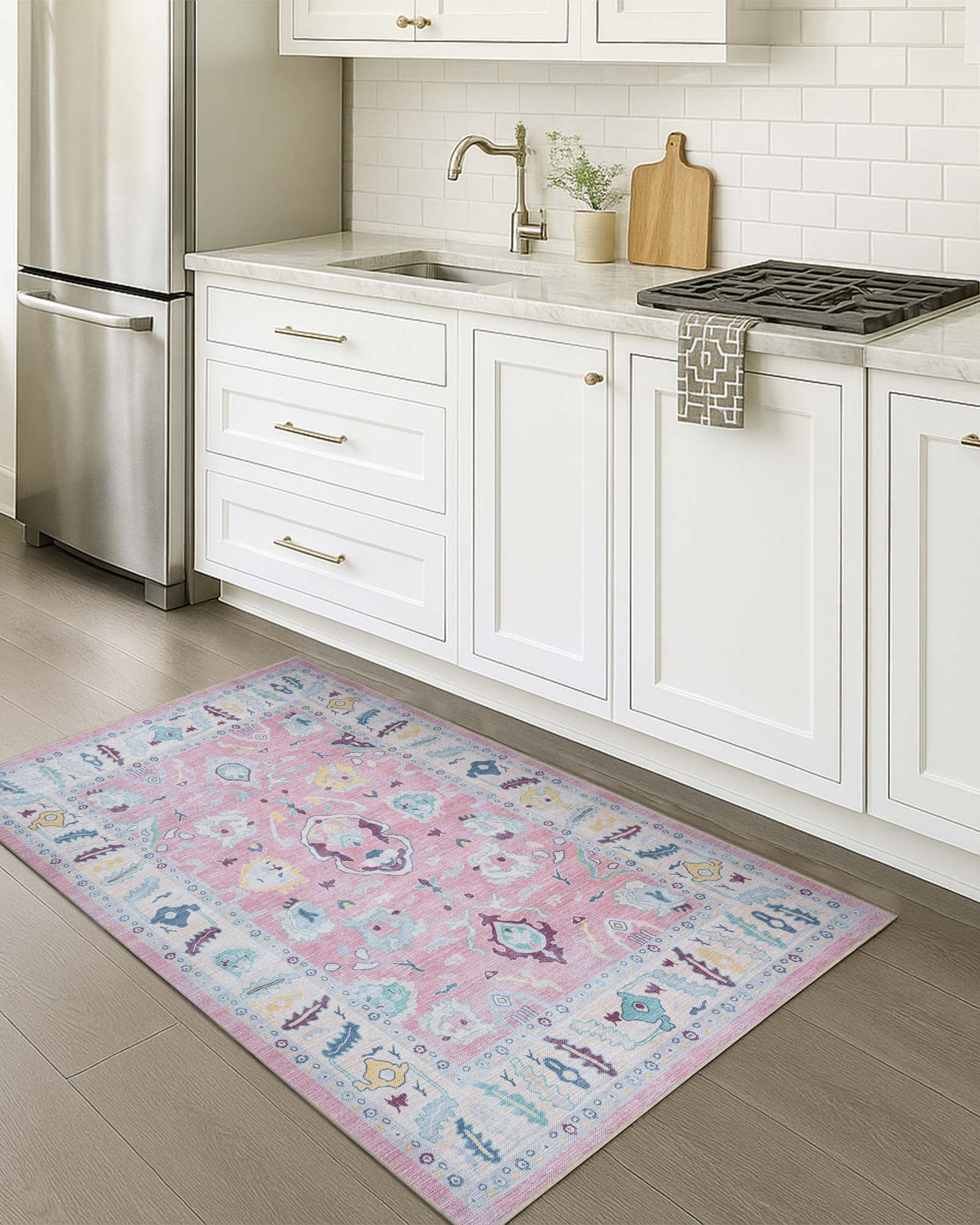
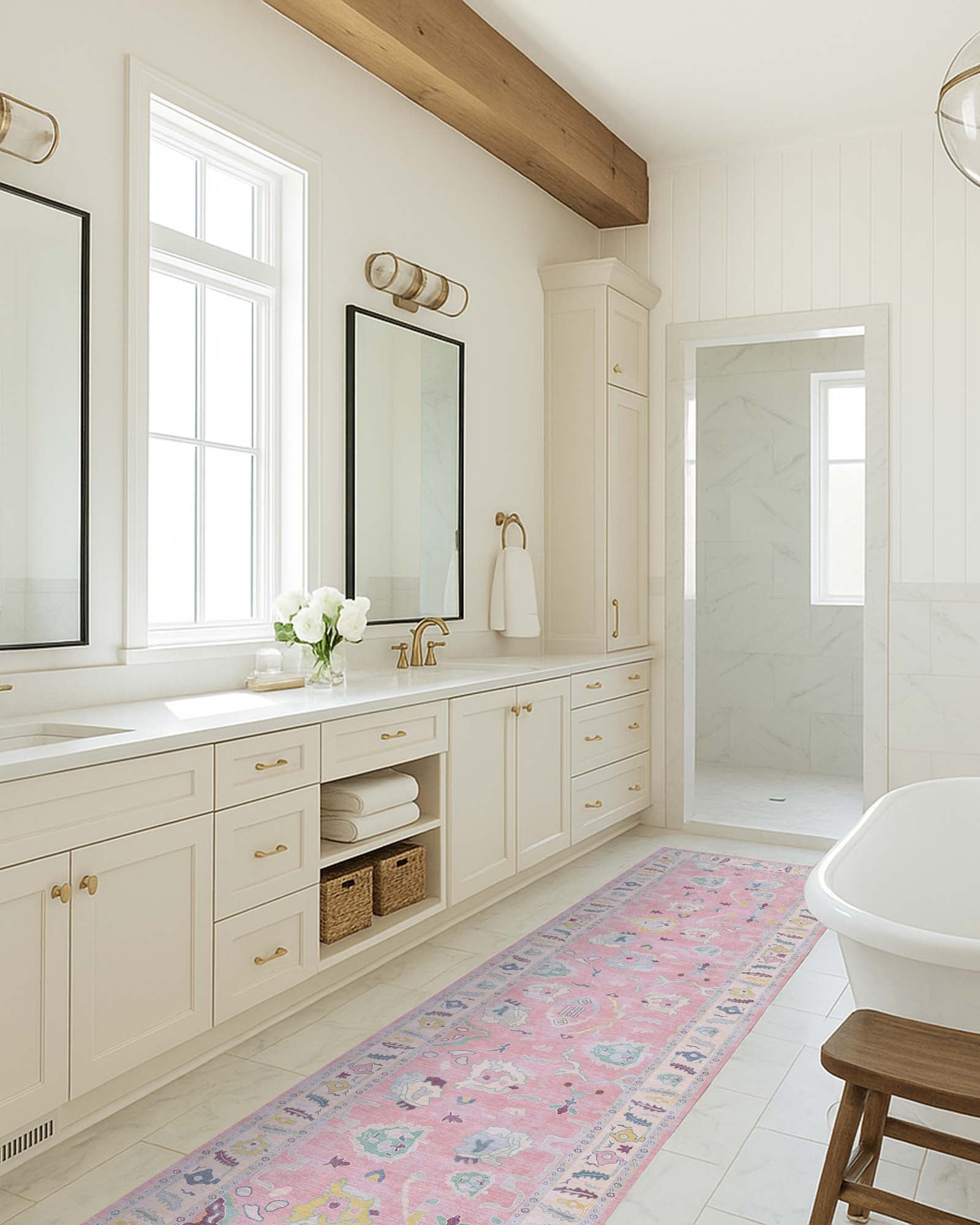
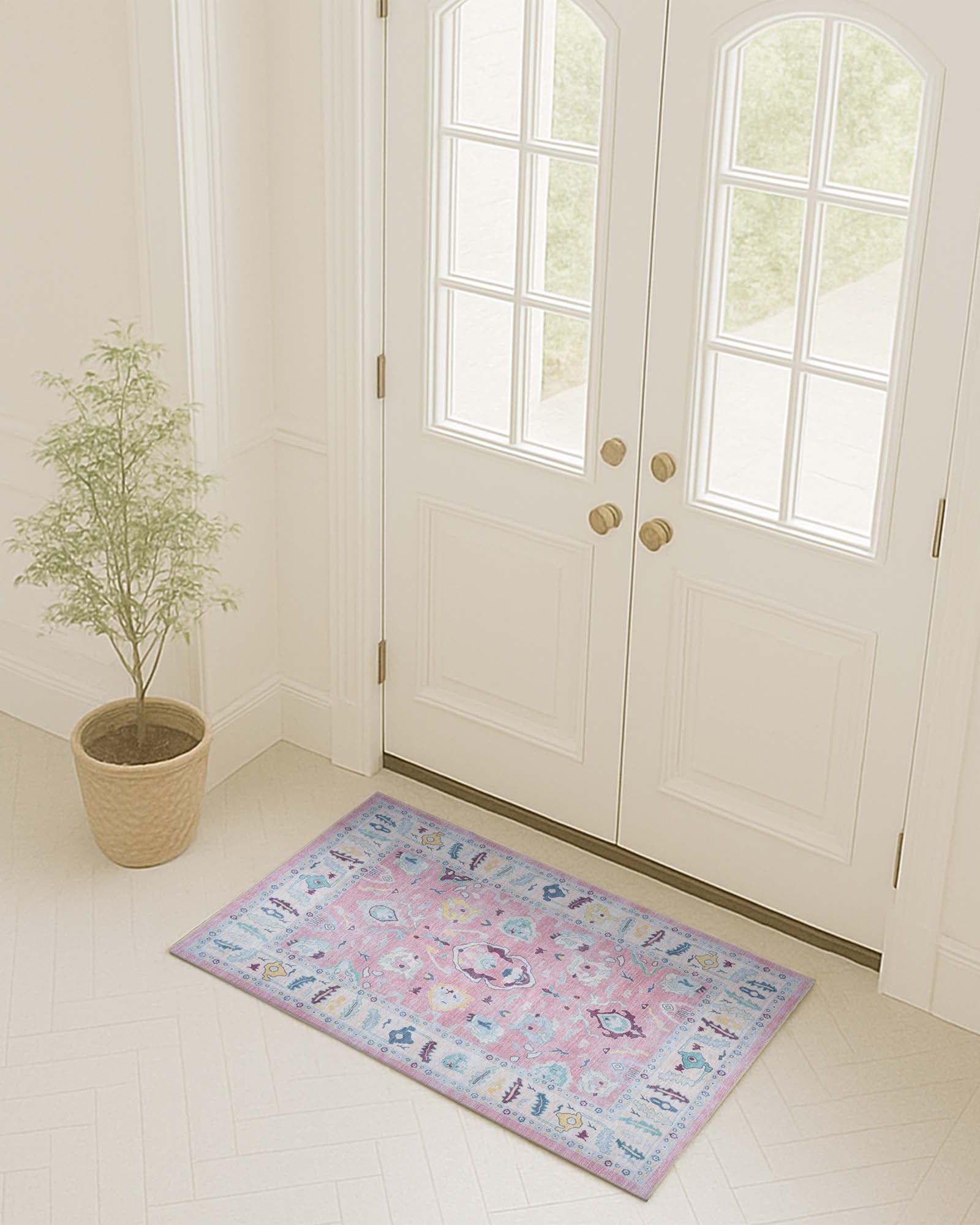
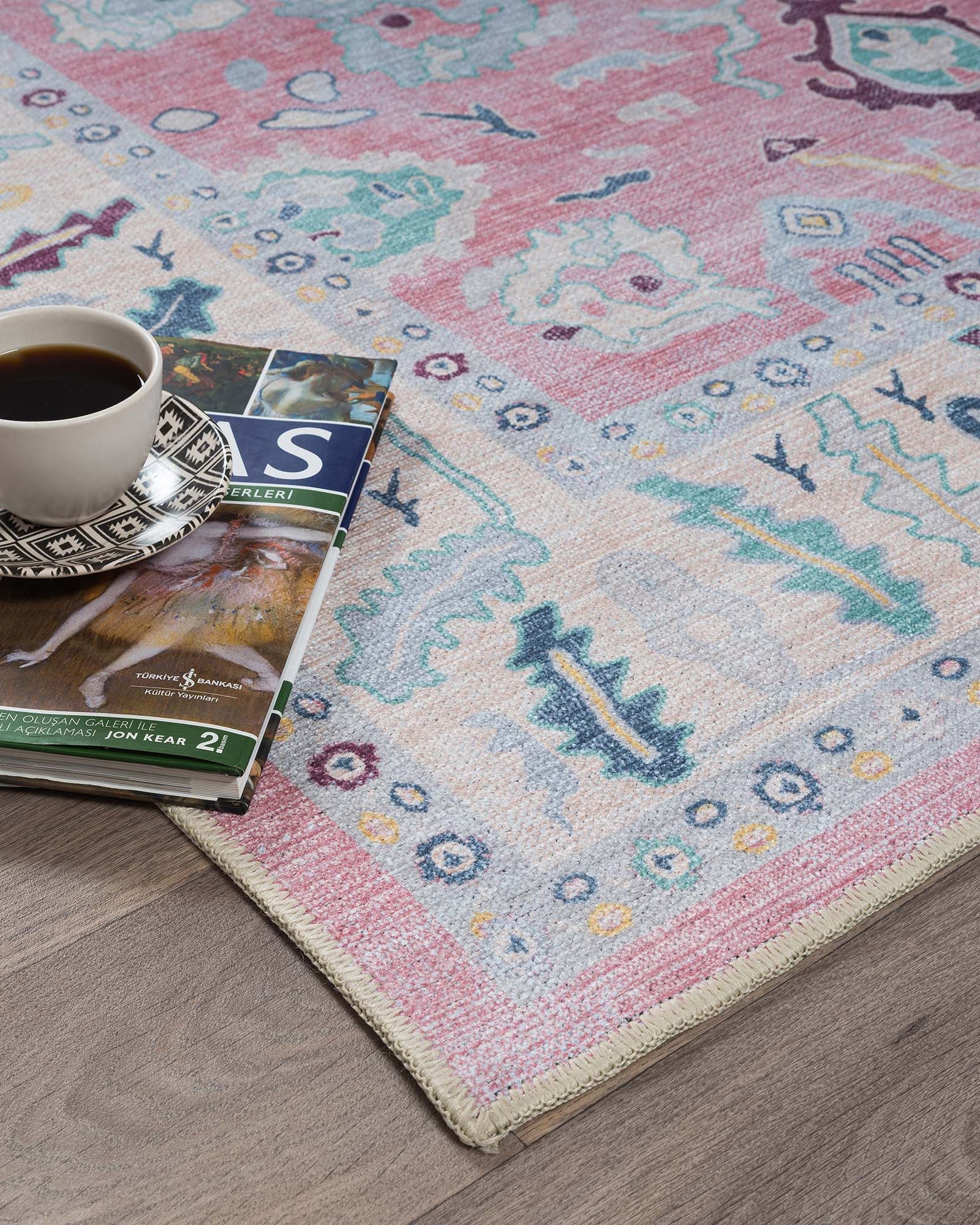
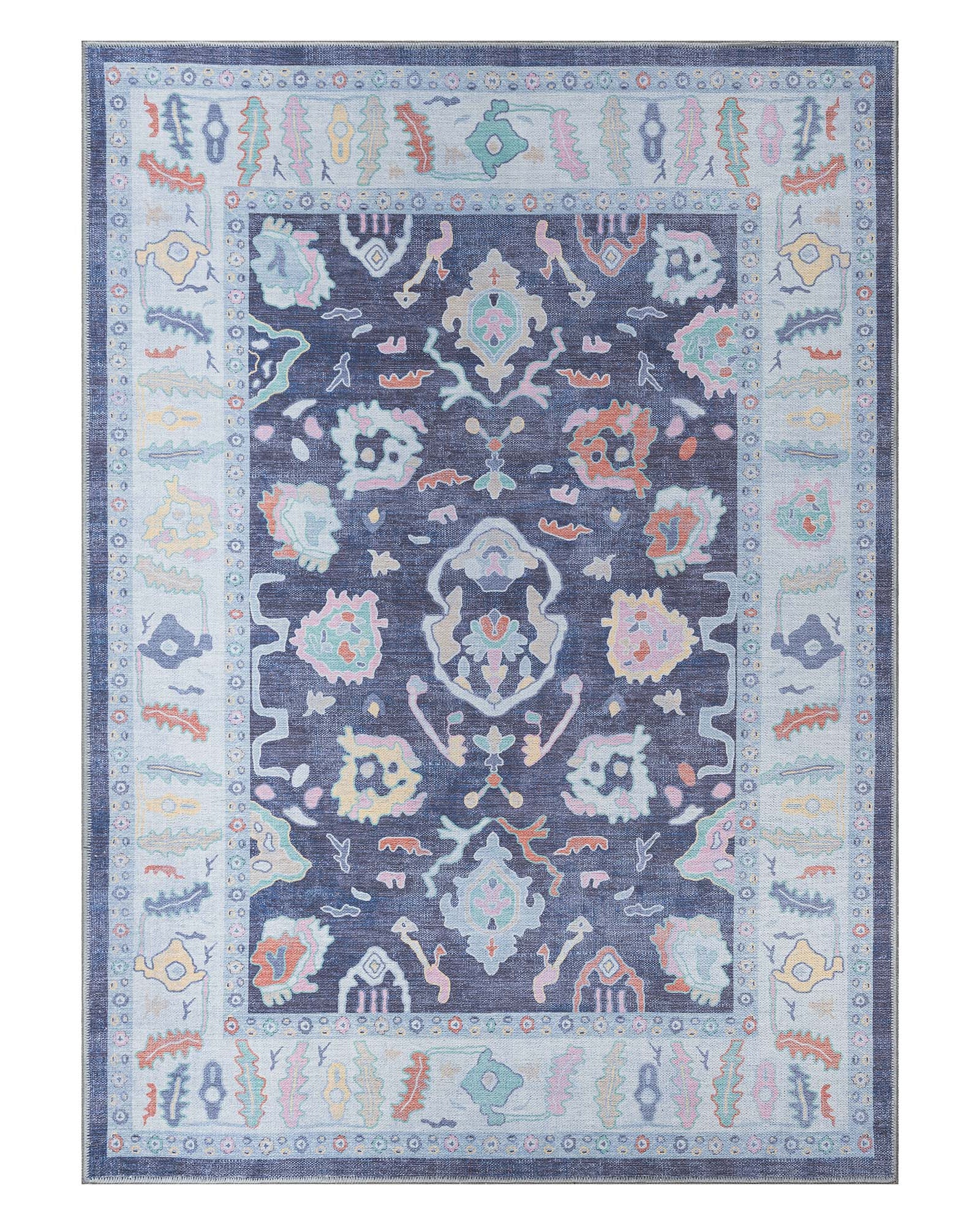
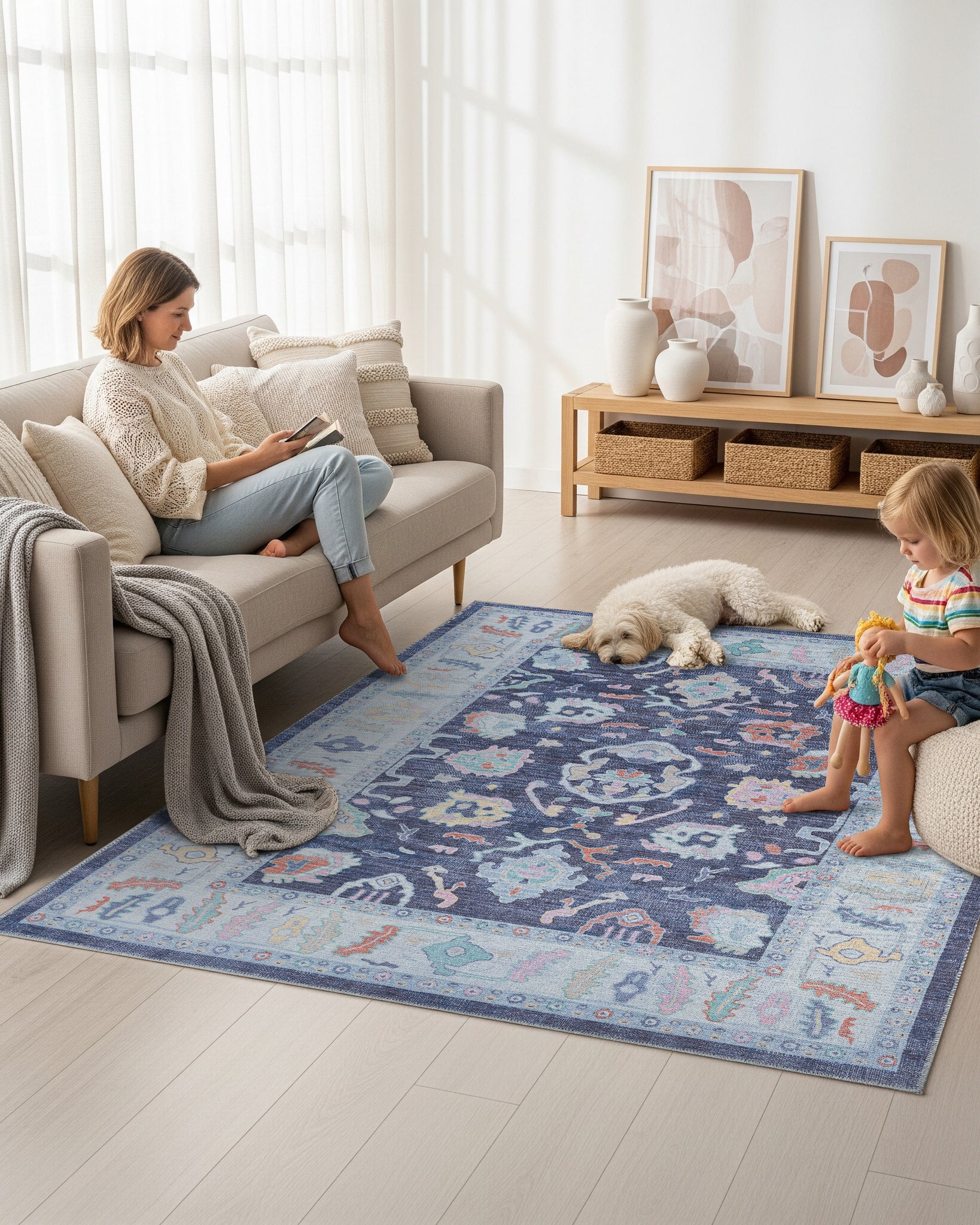
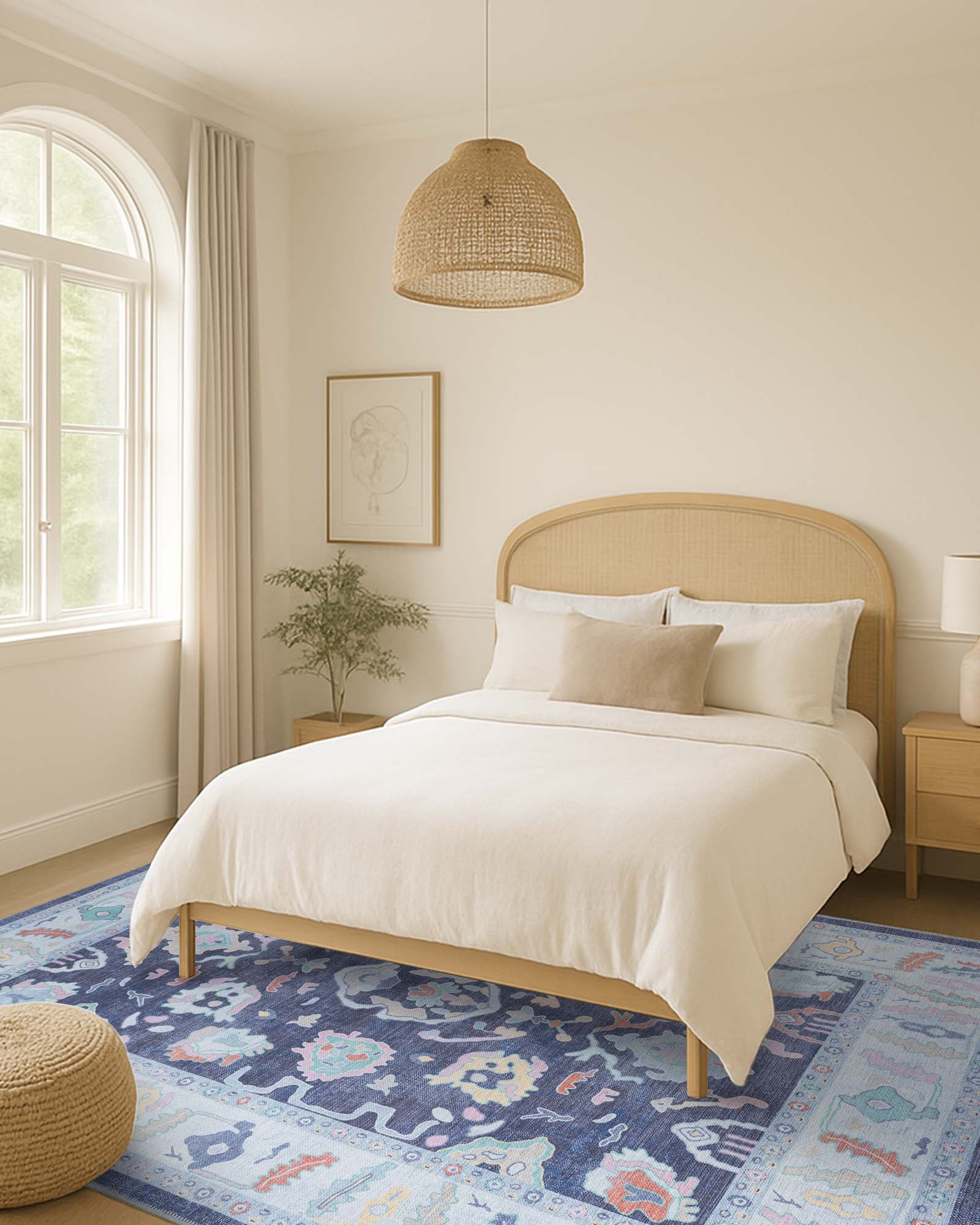
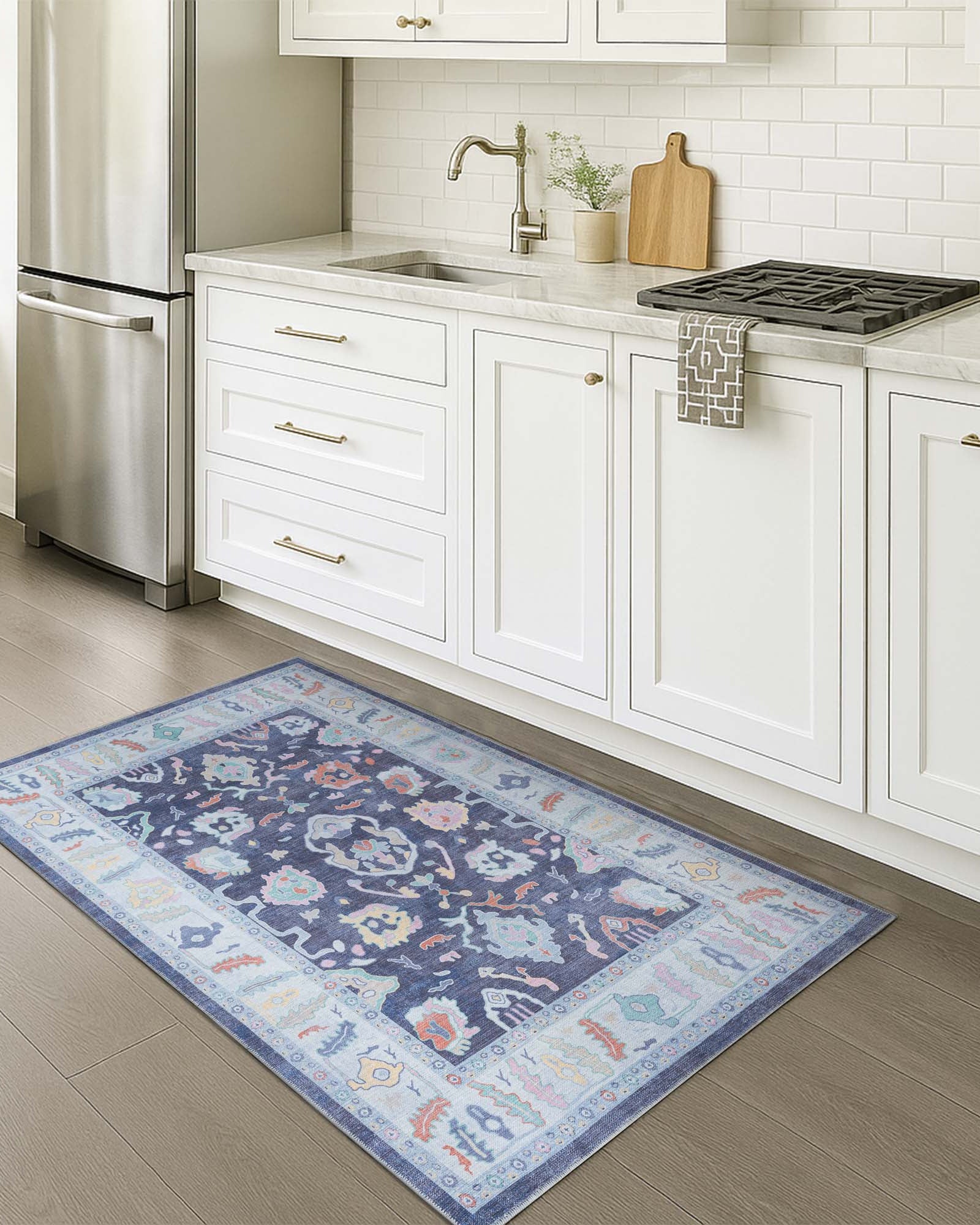
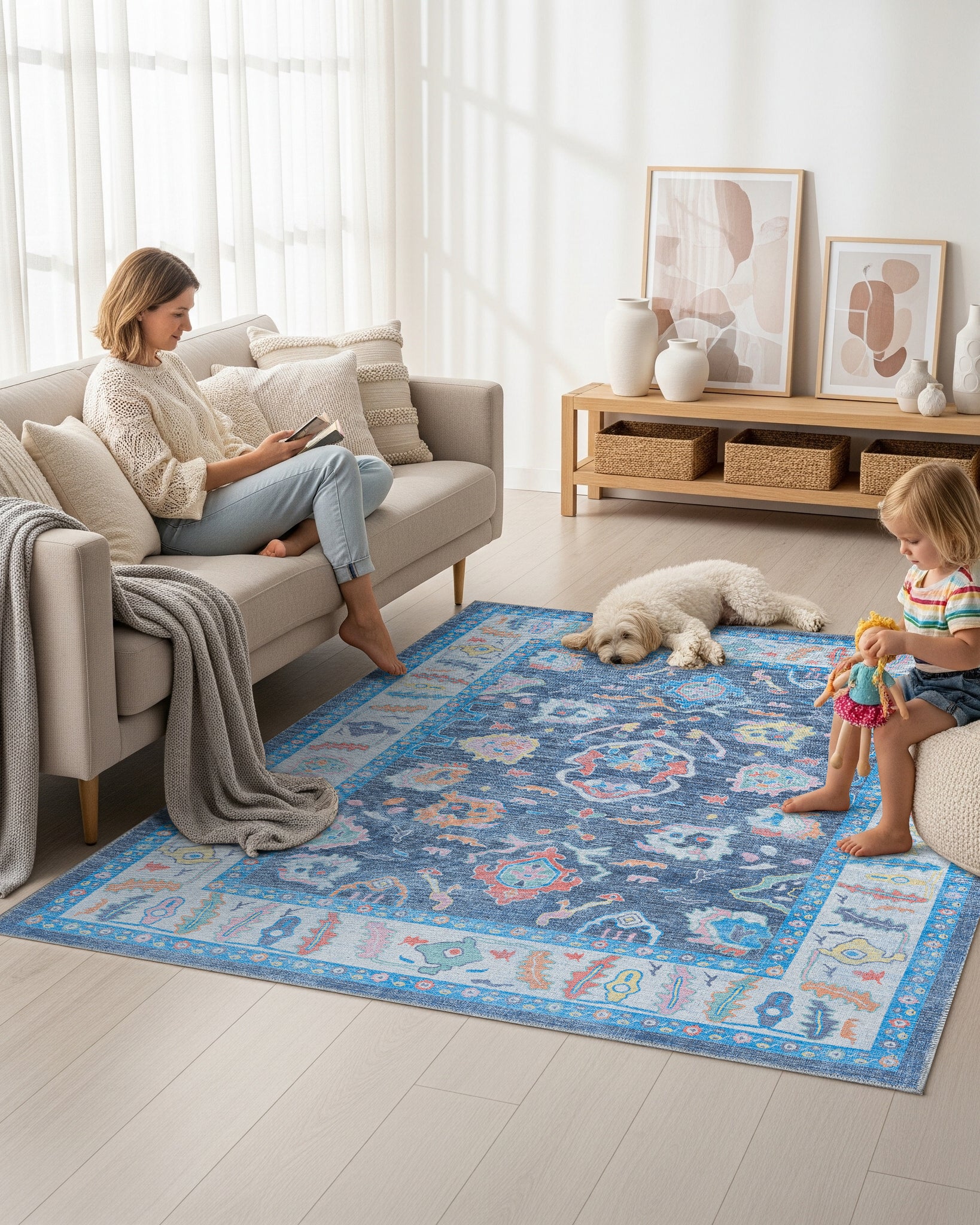
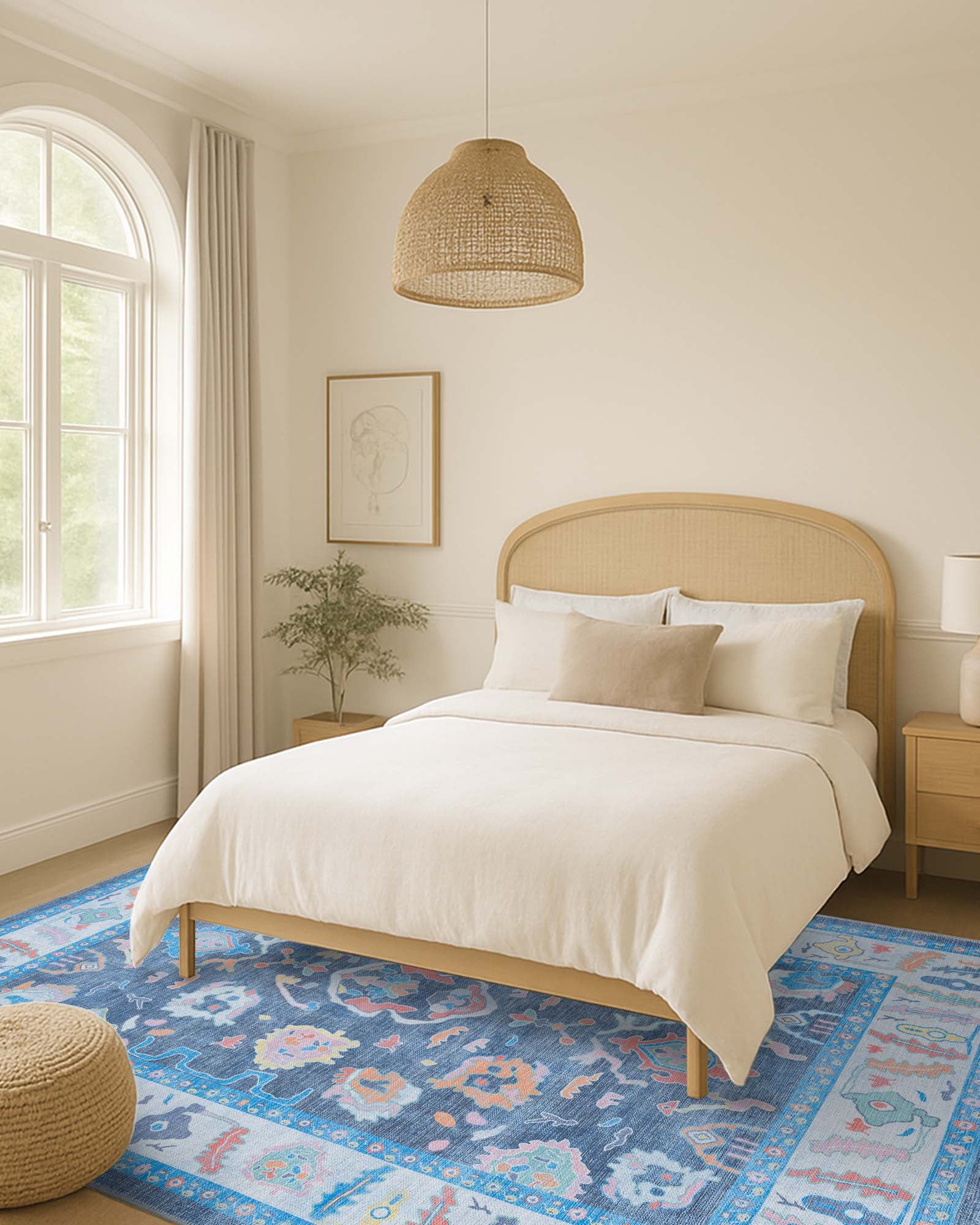
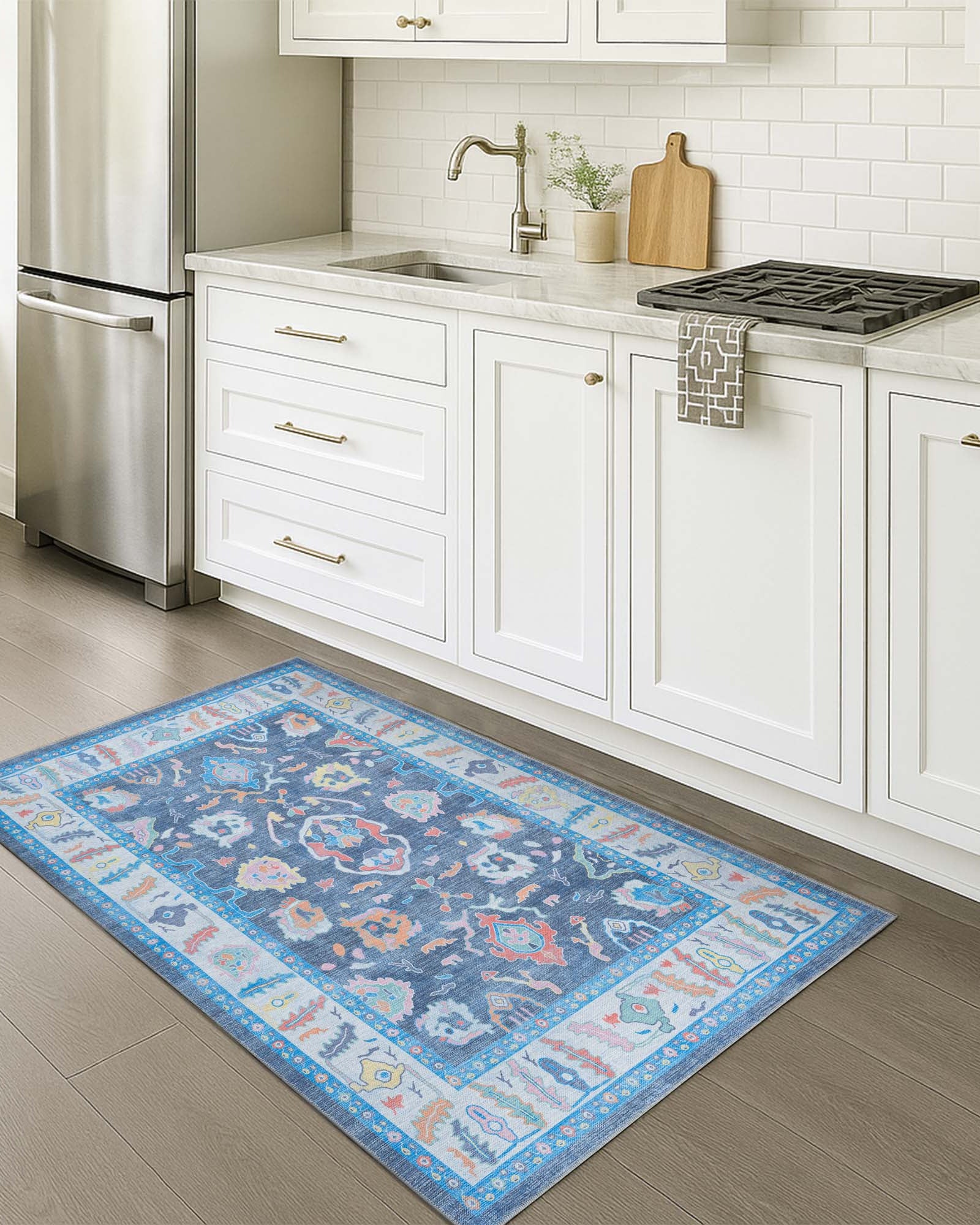
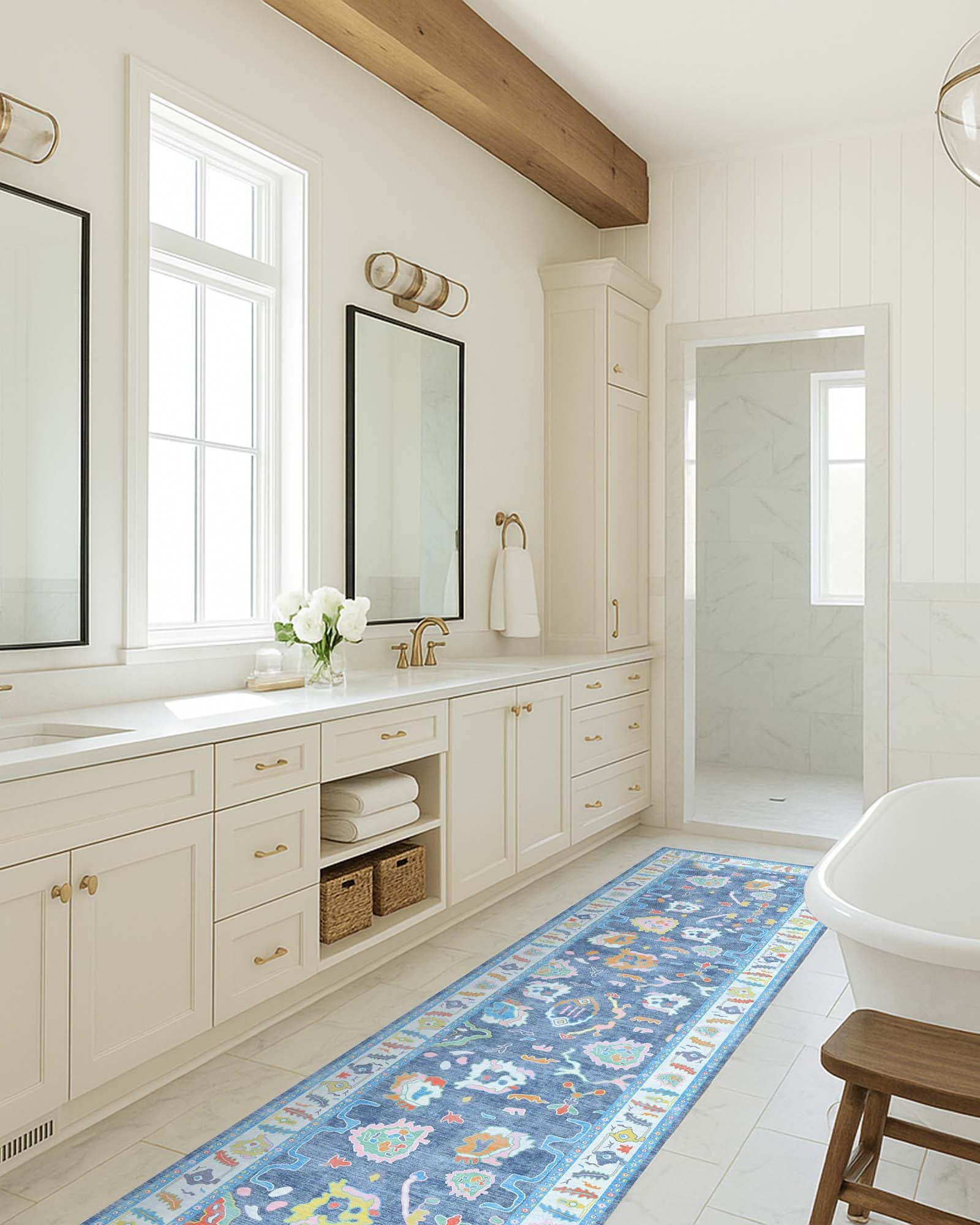
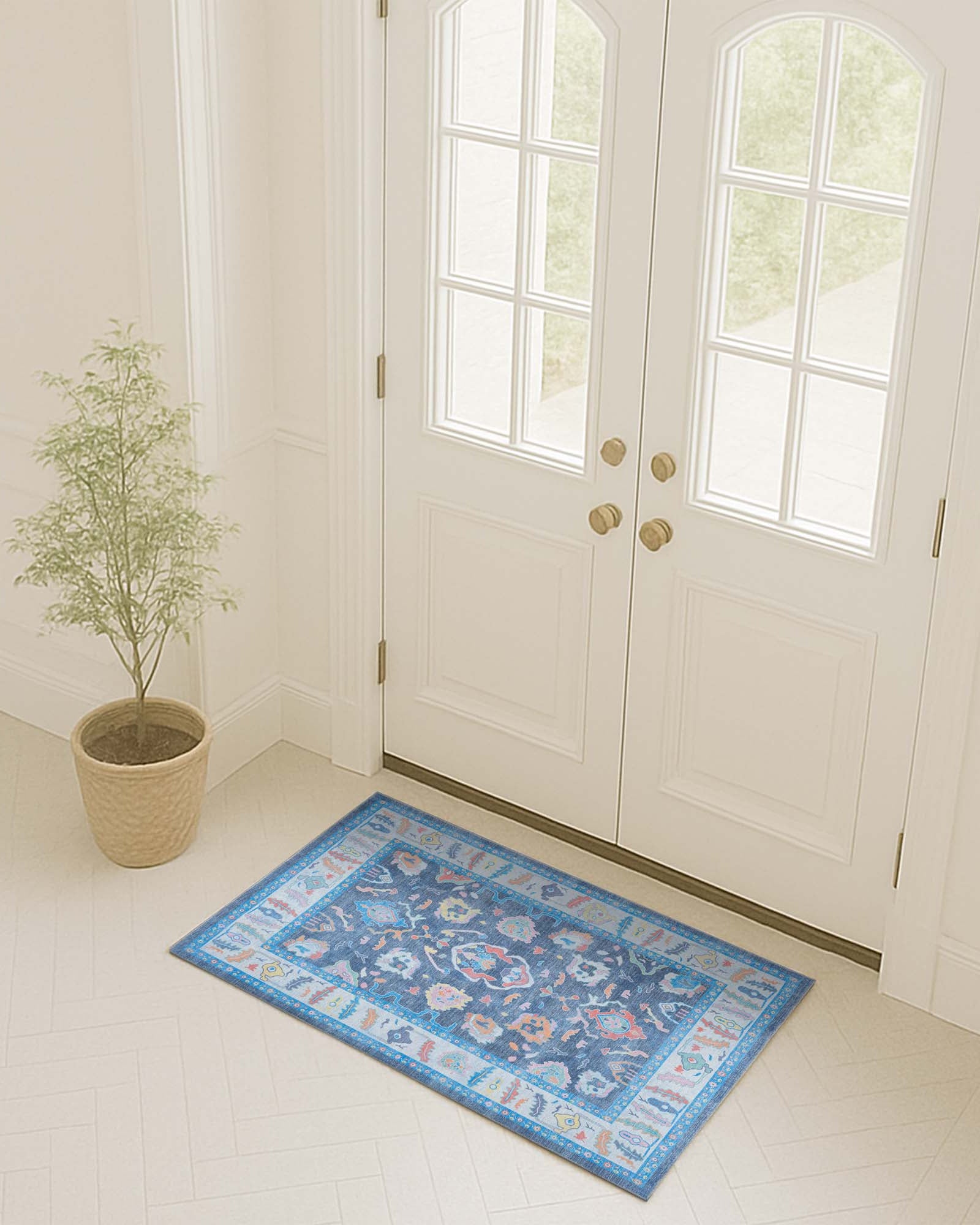
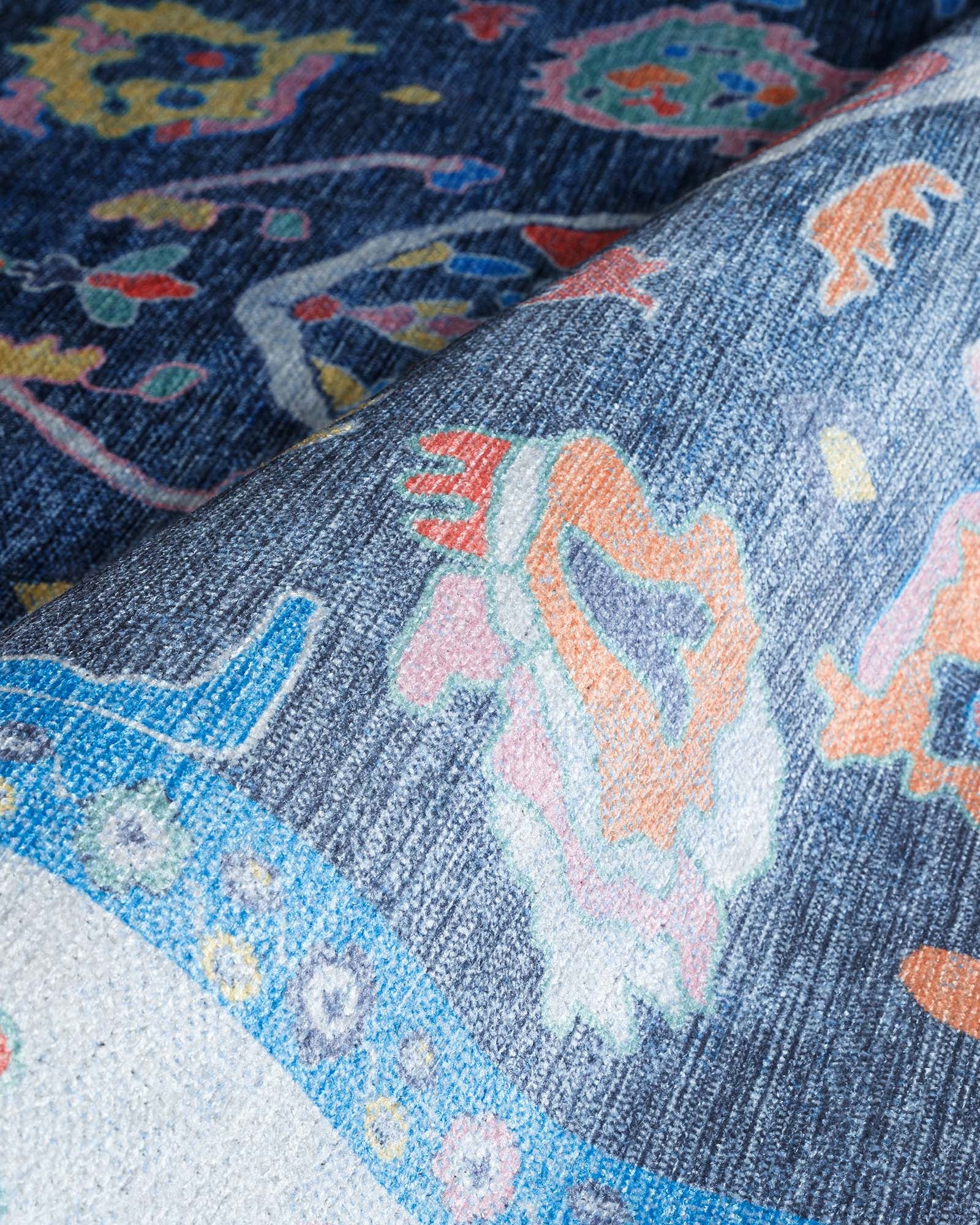
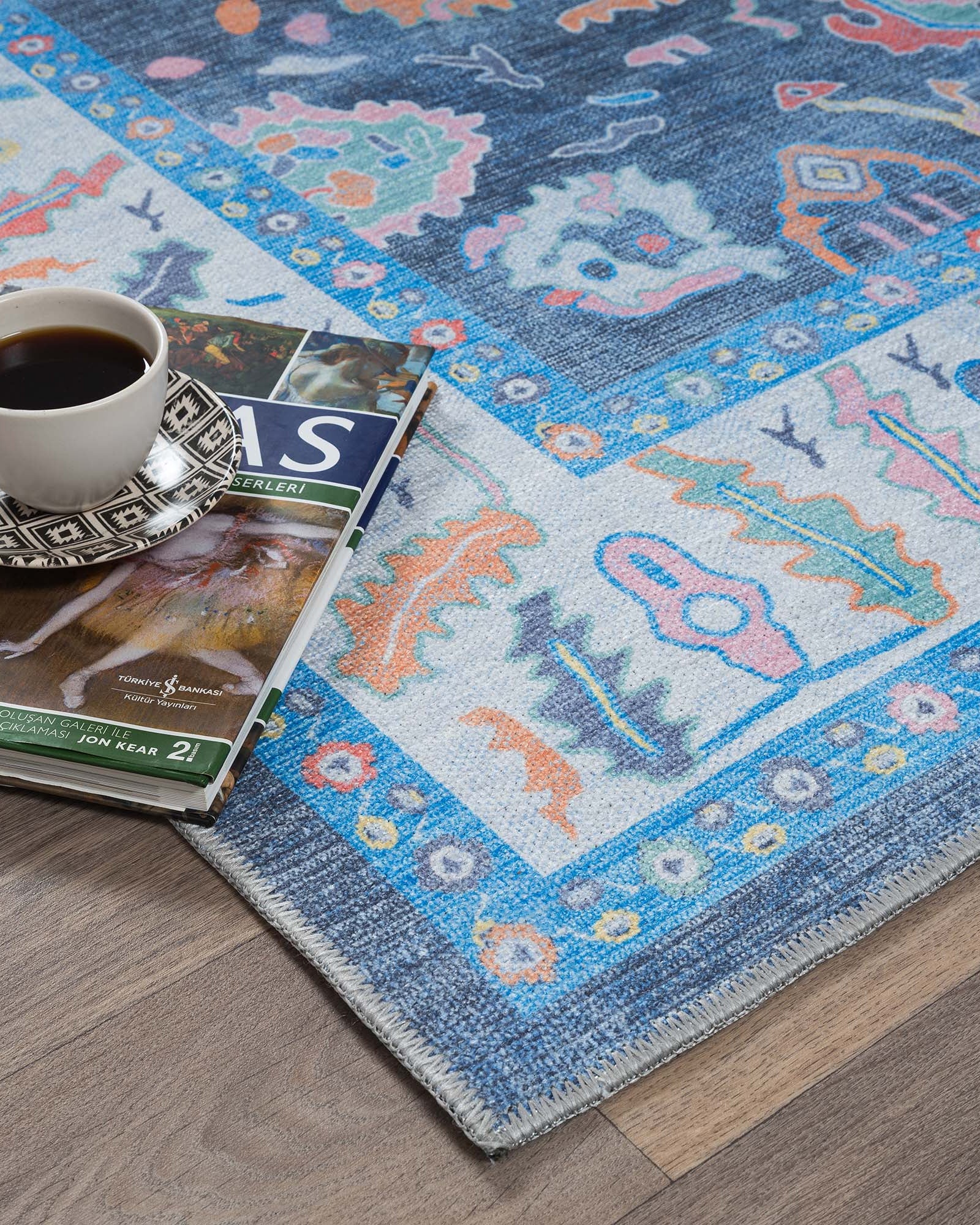
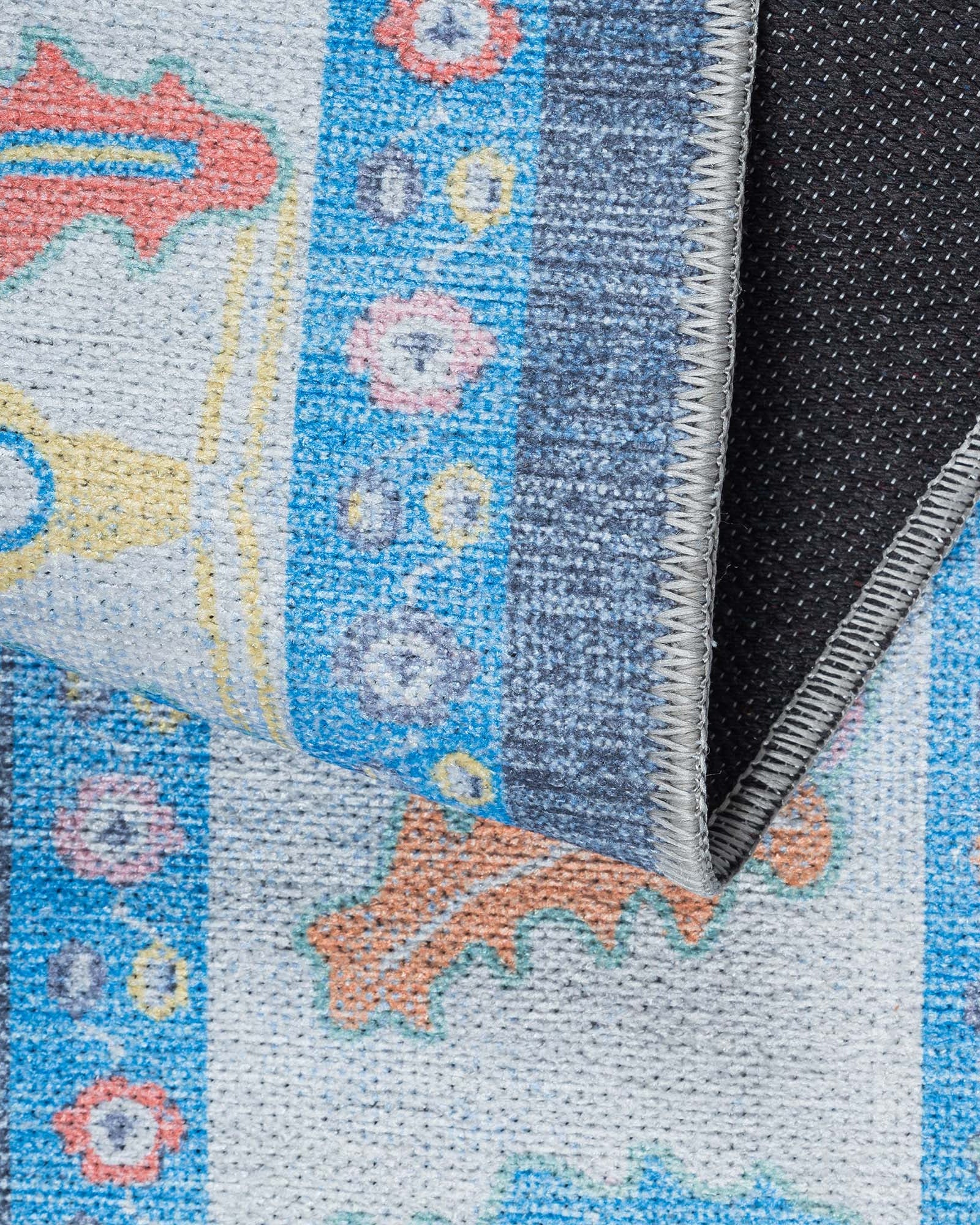
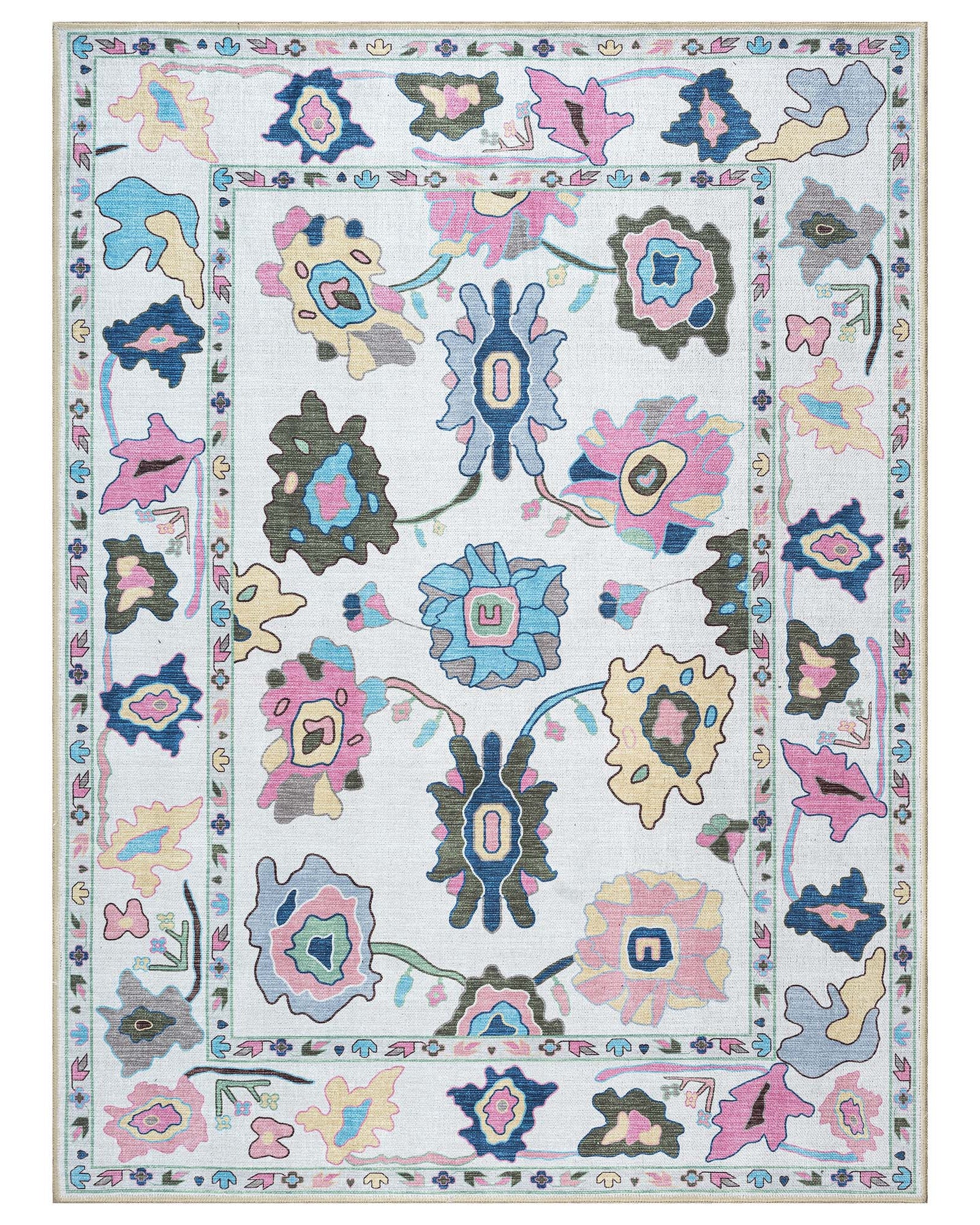
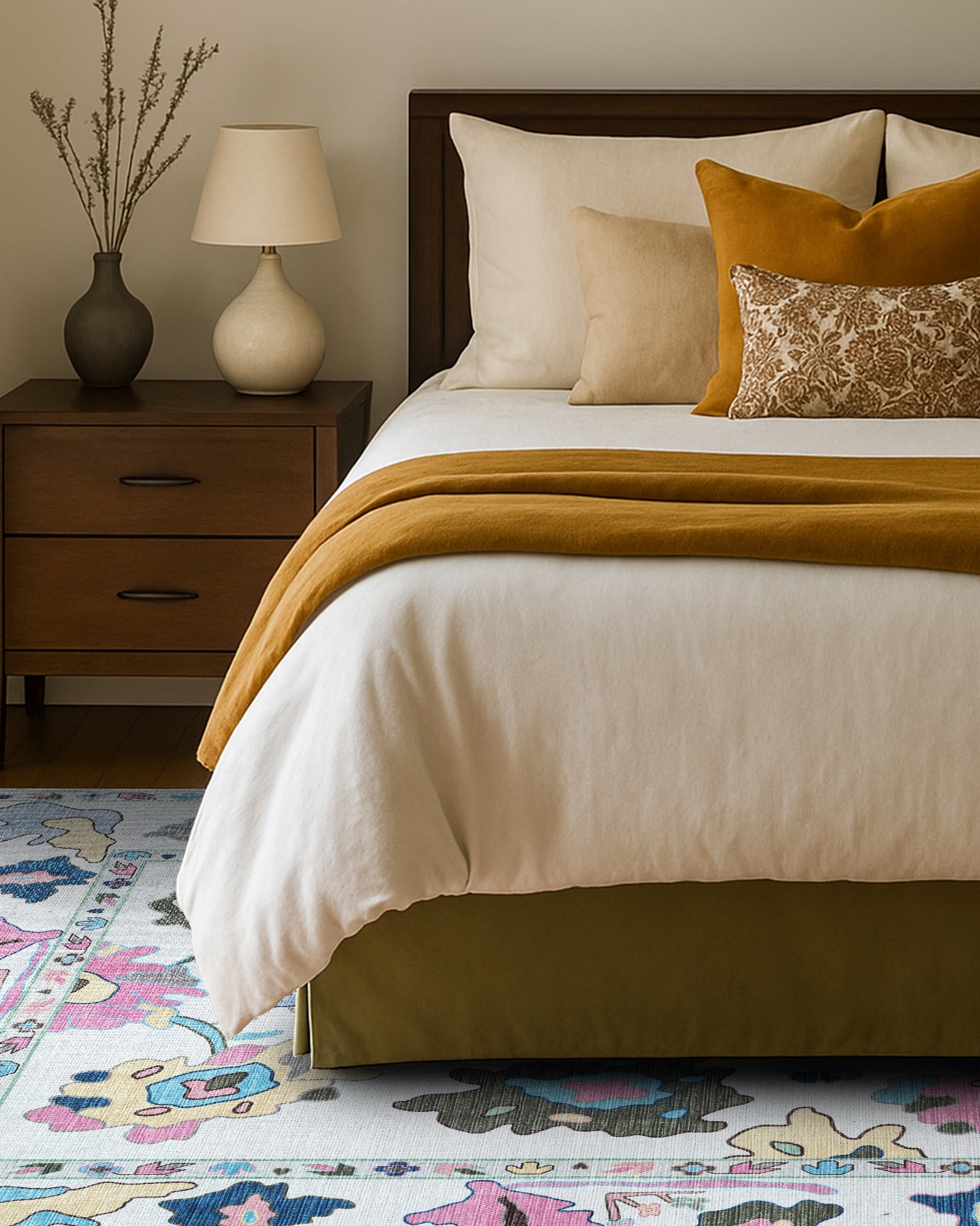
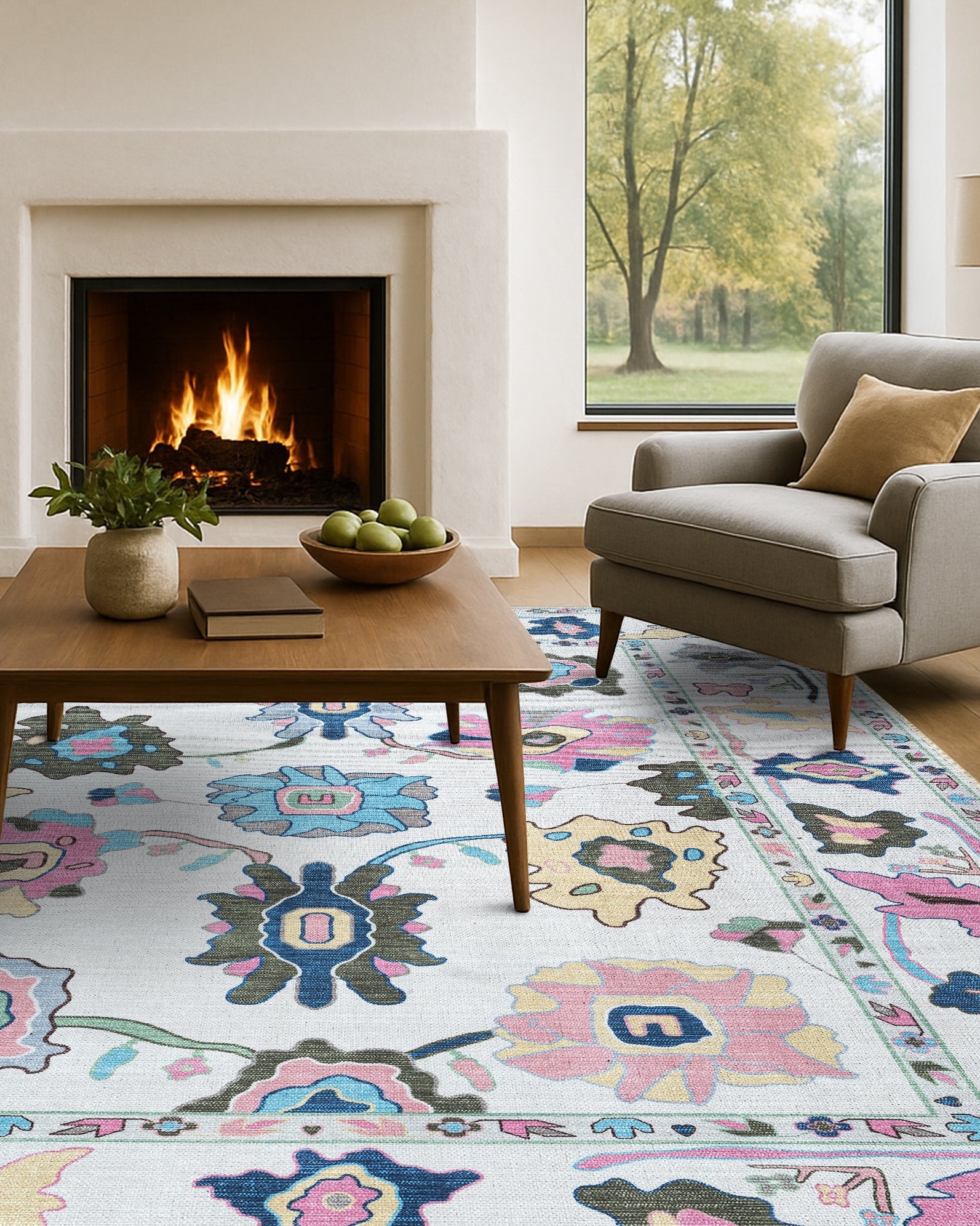
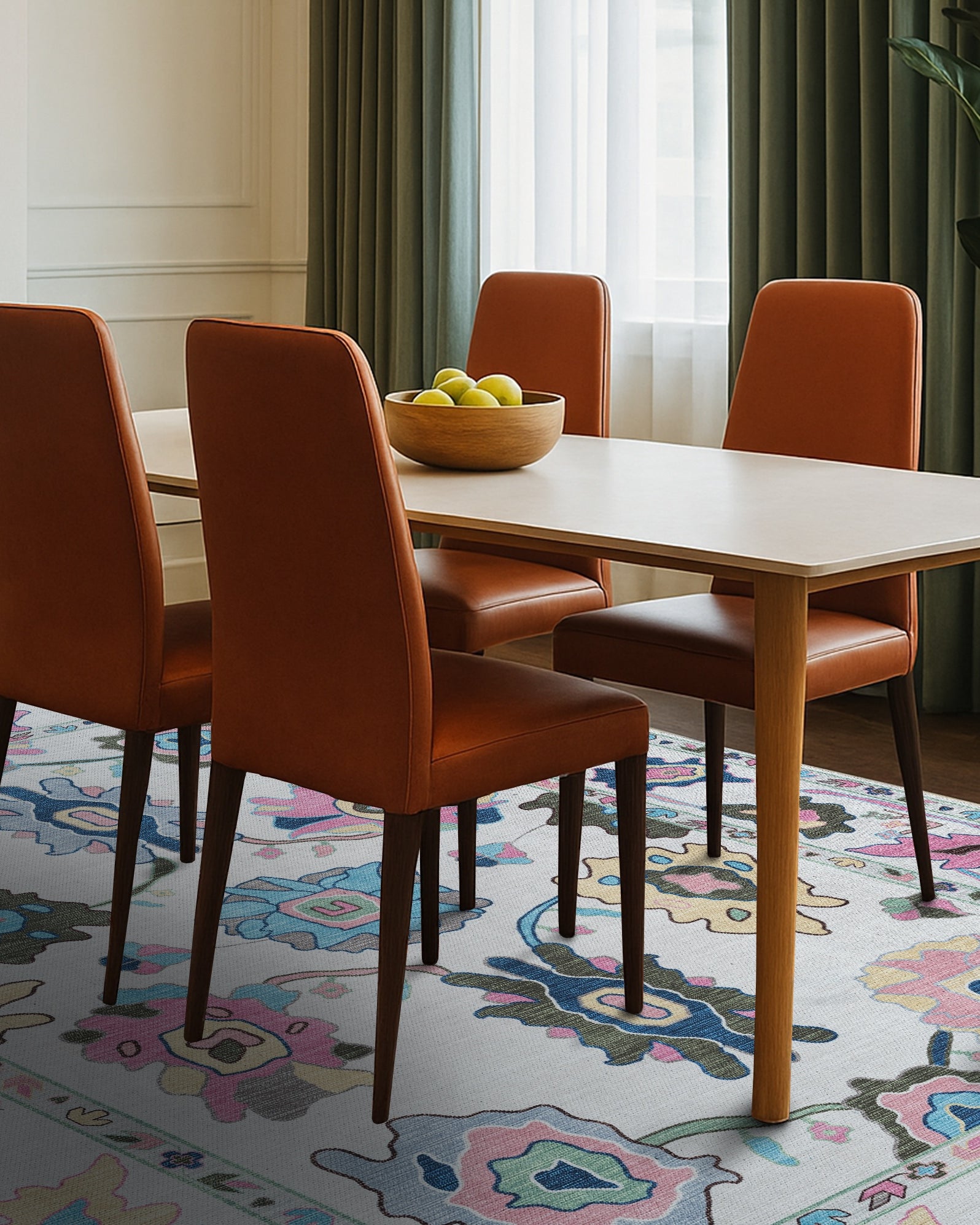
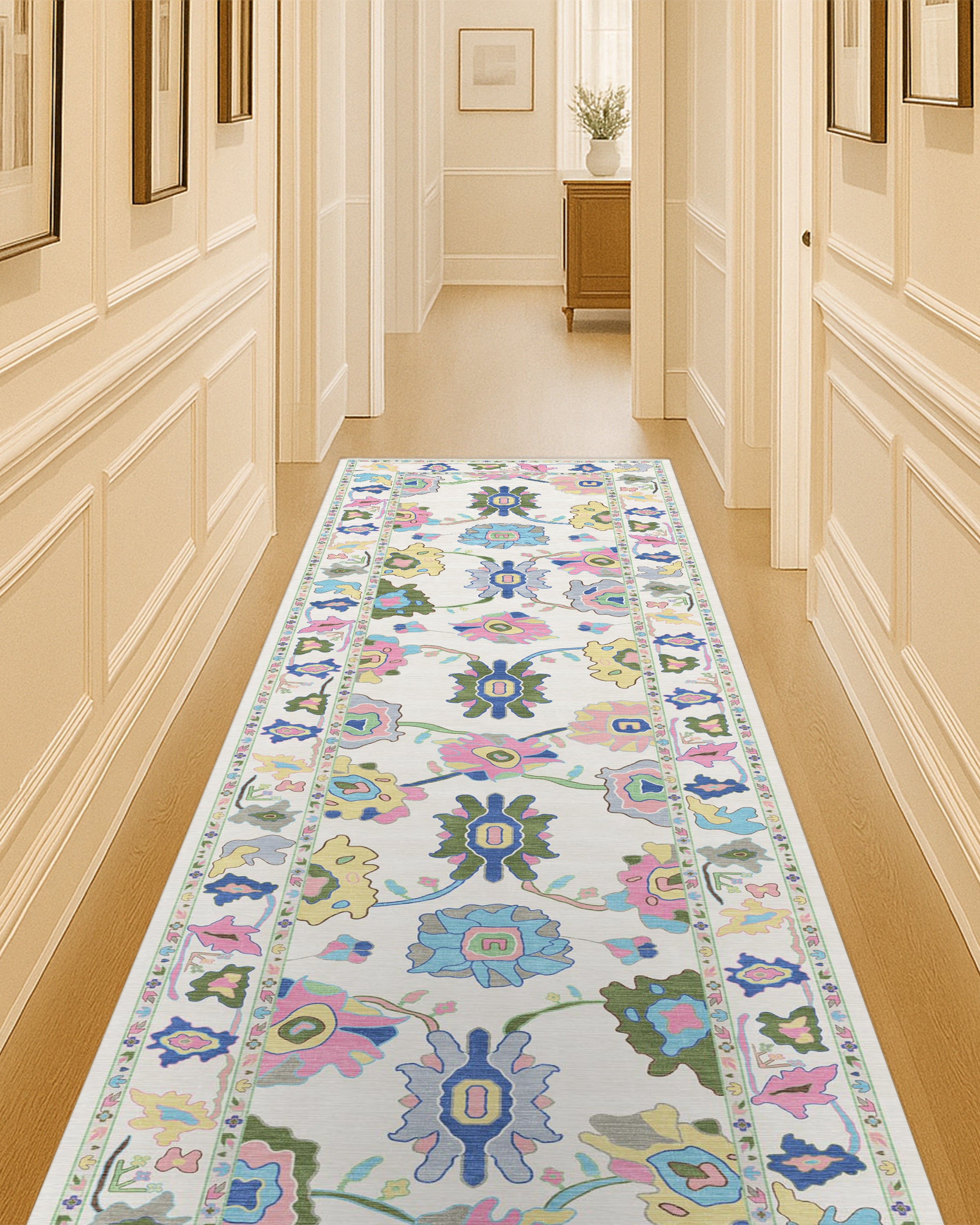
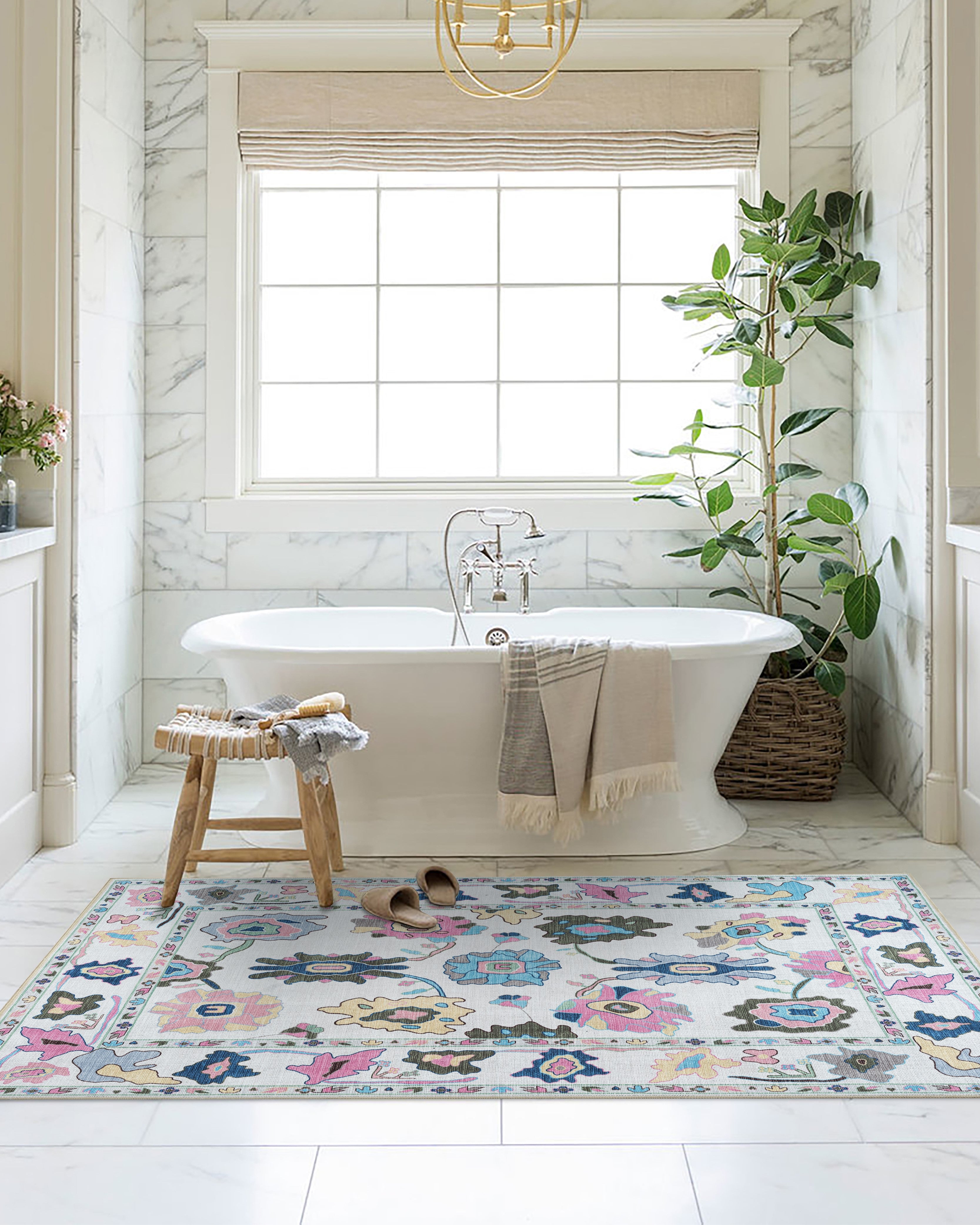
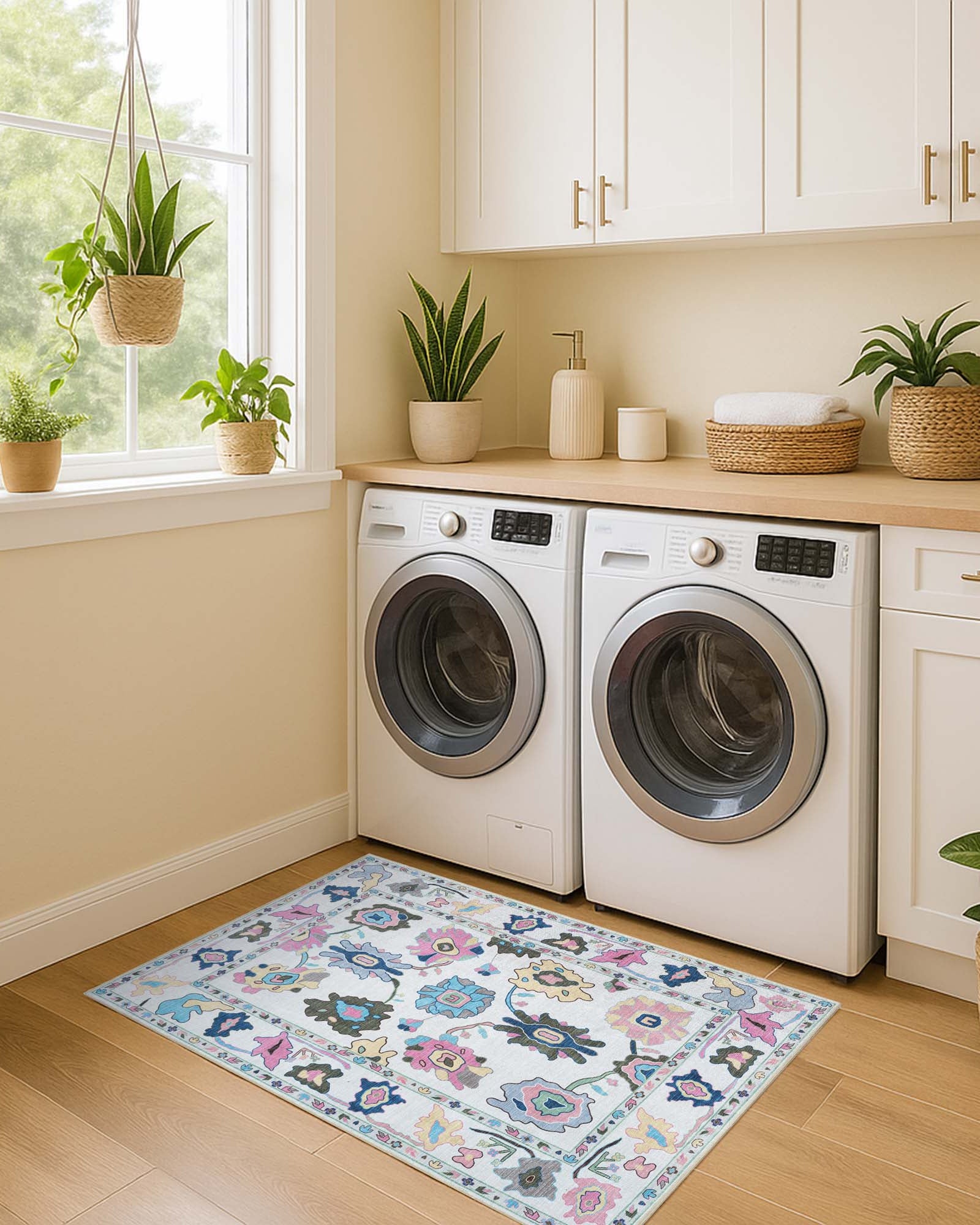
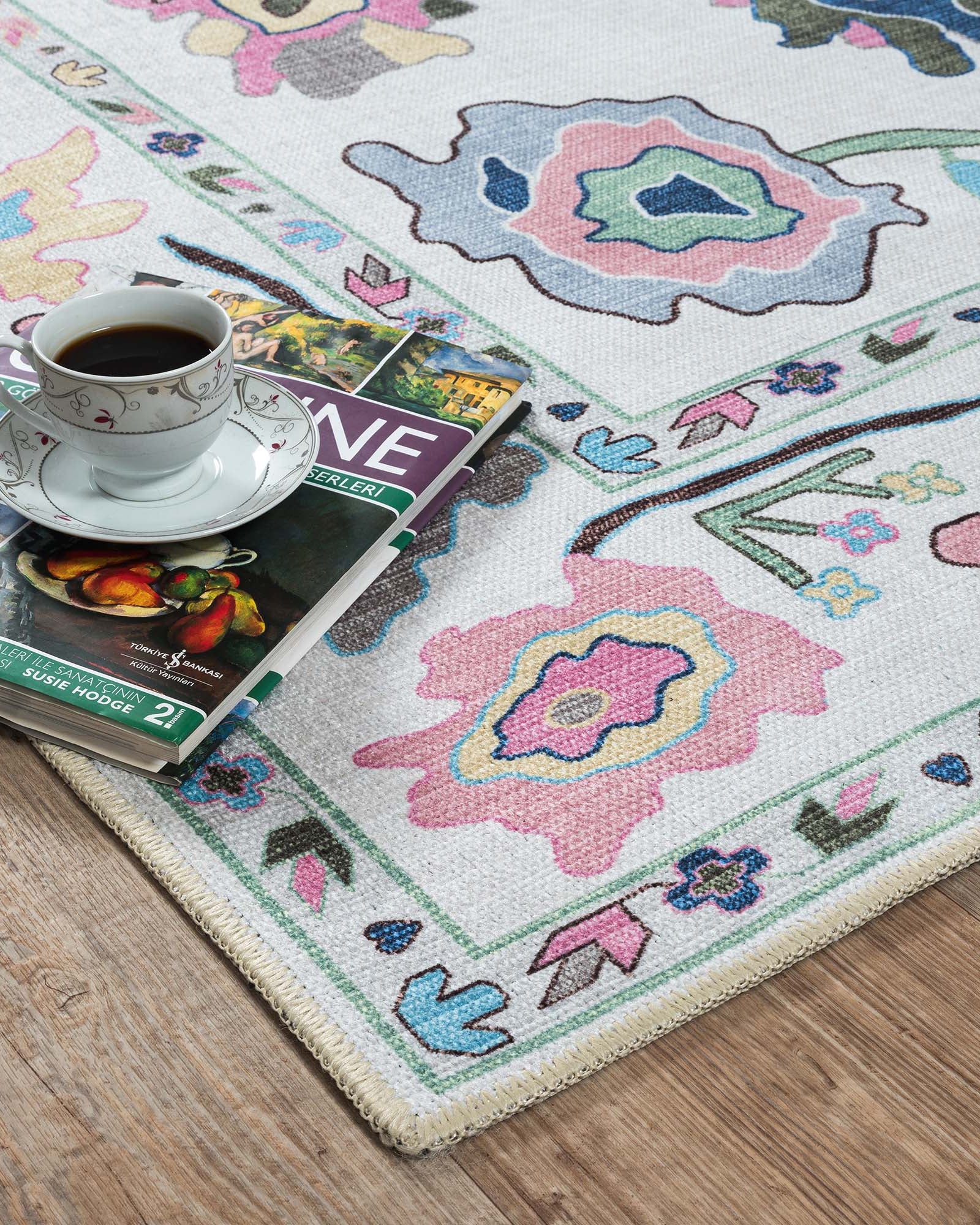
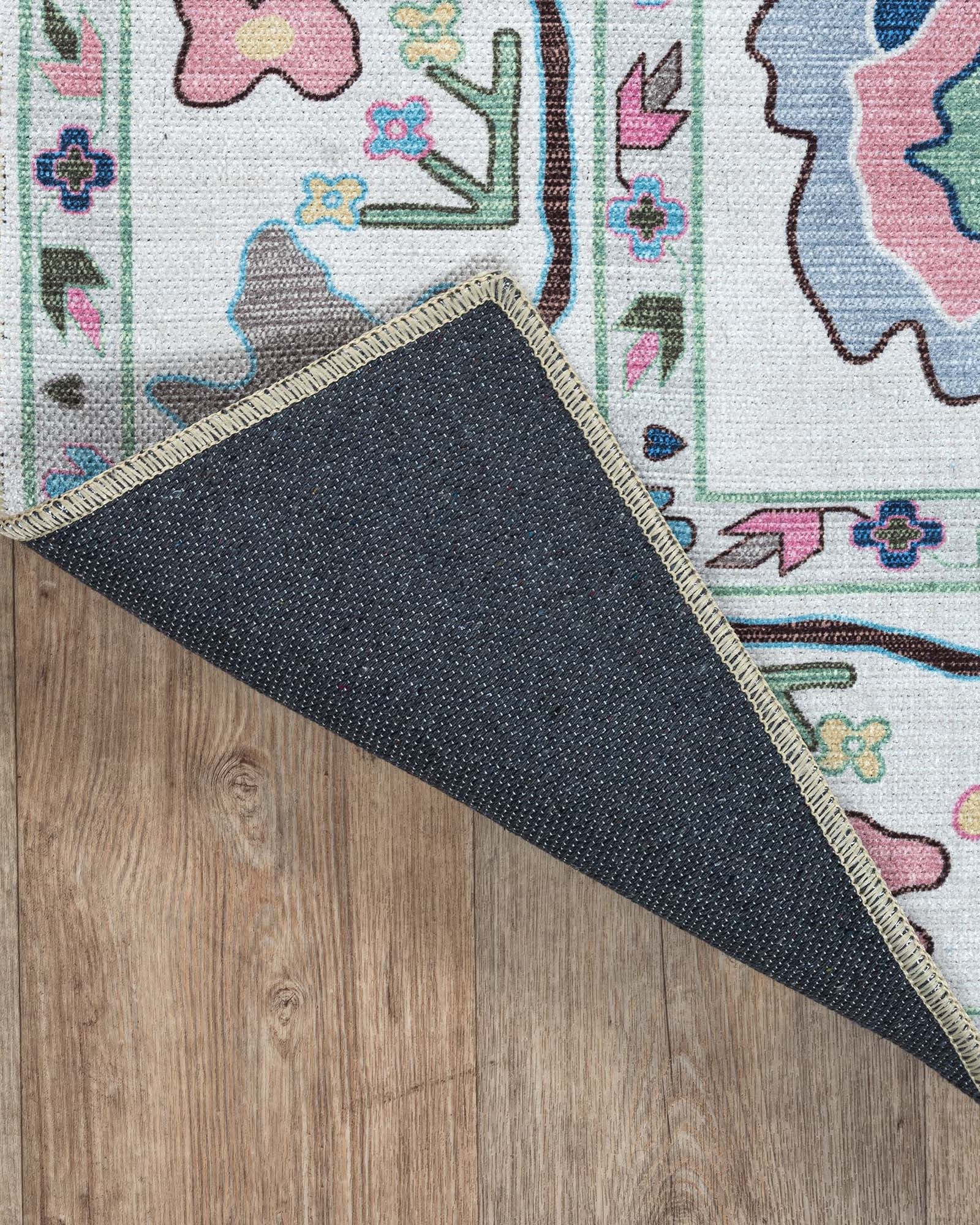
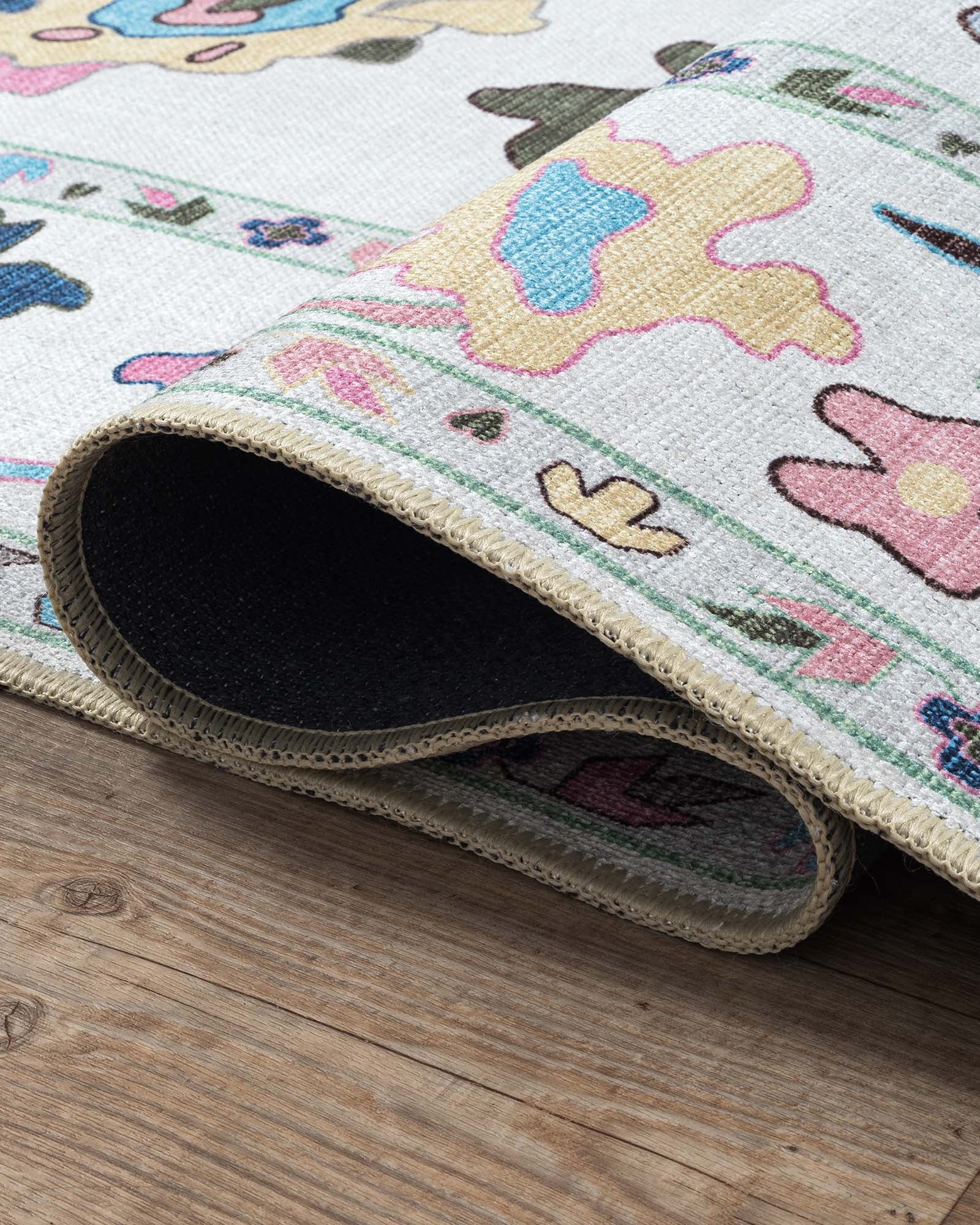
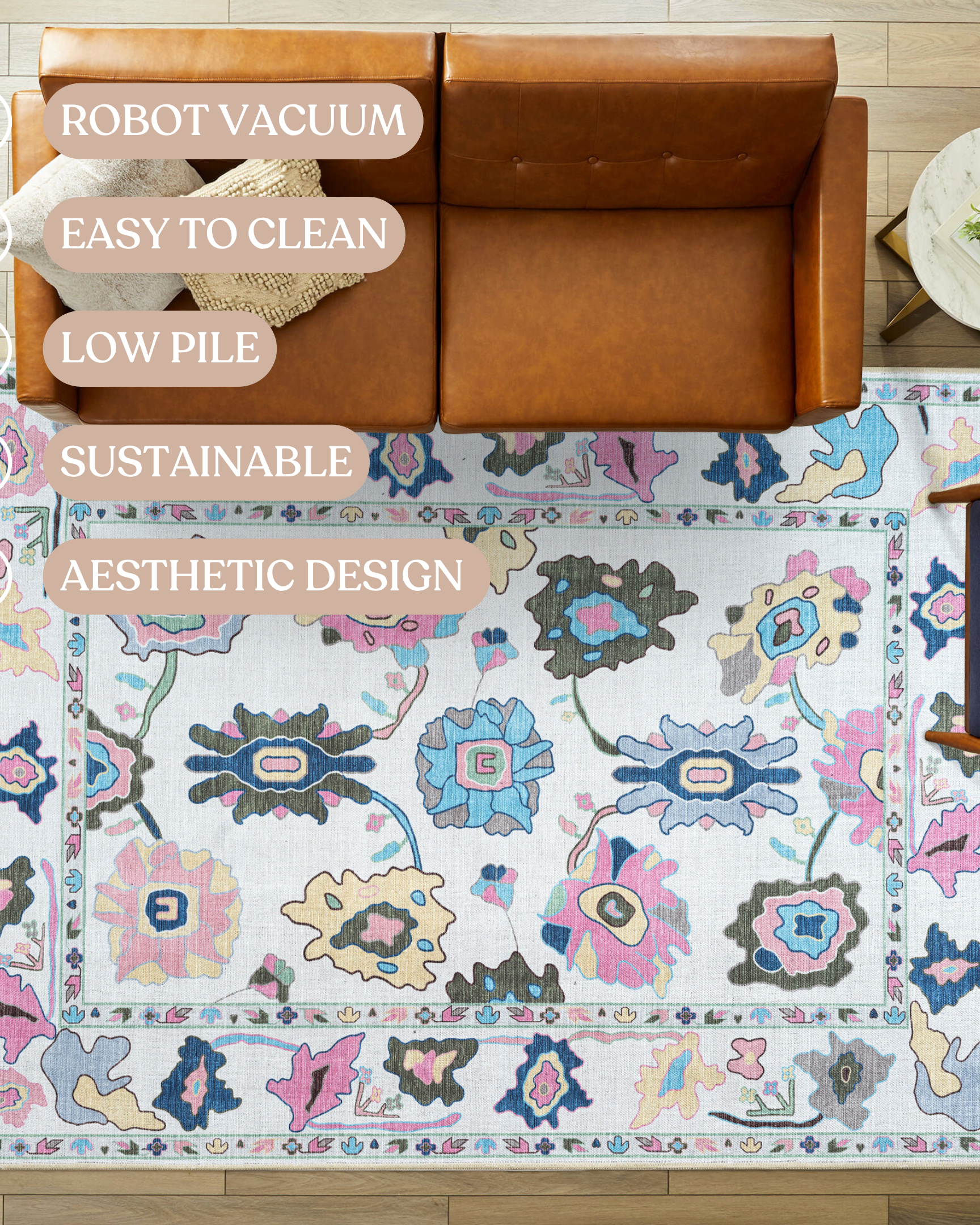
Every rug on this site is technically one-of-a-kind, but some are more singular than others. This page gathers flatweaves that stand apart even within that context — pieces with an unusual color combination, an asymmetric or irregular layout, a small-production origin, or a pattern that doesn't map neatly onto the familiar categories of kilim design. These are the rugs people point to and ask "what is this?"
What Makes a Flatweave Genuinely Unusual
Most flatweaves follow recognizable regional conventions — a Kazak kilim looks like other Kazak kilims, a Senneh like other Senneh pieces. The rugs here deviate from that in some specific way. Sometimes it's a weaver working outside the typical motif vocabulary for their region. Sometimes it's an unusual color choice that doesn't match the expected regional palette. Sometimes it's simply a small, obscure production — a village or family workshop that made very few pieces before the tradition stopped, leaving almost nothing comparable in the wider market.
Nomadic and Small-Batch Weaving
Nomadic and semi-nomadic weavers, working without a formal design plan and often for their own household rather than trade, produced some of the most genuinely unrepeatable flatweaves in existence. Without a market pattern to follow, a weaver's individual choices show through more clearly — unexpected color pairings, asymmetric borders, motifs adapted or invented on the loom rather than copied precisely. These pieces carry a level of personal authorship that larger, more standardized production rarely allows.
Reading Irregularity as a Feature
A rug woven from a village pattern followed exactly is beautiful in a different way than one where the weaver clearly improvised. Borders that don't fully match at the corners, a motif that appears once and never repeats, a sudden color shift partway through the field — in a standardized piece these might read as inconsistency, but in a genuinely unique flatweave they're evidence that no template was being followed at all. The product page for each piece notes what specifically makes it unusual, rather than leaving you to guess.
Why These Are Harder to Find
By definition, pieces that don't fit a recognizable pattern or regional convention are harder to source in volume, since dealers and collectors naturally gravitate toward rugs that are easier to categorize and compare. What ends up here are the pieces that got noticed anyway — set aside specifically because nothing else looked quite like them, not because they were the easiest rugs to find and list.
Where to Look Next
For the full range of flatweave construction and technique, browse Flatweave Rugs. If finely executed weaving matters more to you than rarity of pattern, see Elevated Flatweave Rugs. For the broader tribal and nomadic weaving tradition these pieces often come from, Vintage Turkish Rugs is a good place to continue.
Frequently Asked Questions
What makes a flatweave rug "unique" beyond the usual one-of-a-kind claim?
These pieces deviate from recognizable regional conventions in some specific way — an unusual color combination, an asymmetric layout, or a small, obscure production origin with very few comparable pieces in the wider market.
Why do some flatweaves look irregular or asymmetric?
Many were woven by nomadic or village weavers without a formal design plan, working from memory and personal choice rather than copying a fixed pattern exactly. That improvisation is what gives them their distinctive, unrepeatable character.
Are irregular or asymmetric rugs a lower quality than symmetrical ones?
No — irregularity here reflects a different weaving approach, not lower skill. A weaver working without a template is making real-time design decisions, which produces genuine individuality rather than a flaw to be corrected.
Why are unique flatweaves harder to find than standard kilims?
Rugs that don't fit a recognizable pattern or regional convention are naturally harder to source in volume, since most collecting and dealing favors pieces that are easier to categorize and compare against similar examples.
What's the difference between this page and Elevated Flatweave Rugs?
Elevated Flatweave Rugs highlights fineness of weaving and refined color work. This page highlights rarity and distinctiveness of pattern instead — a piece can be simply woven but still genuinely unlike anything else in the collection.