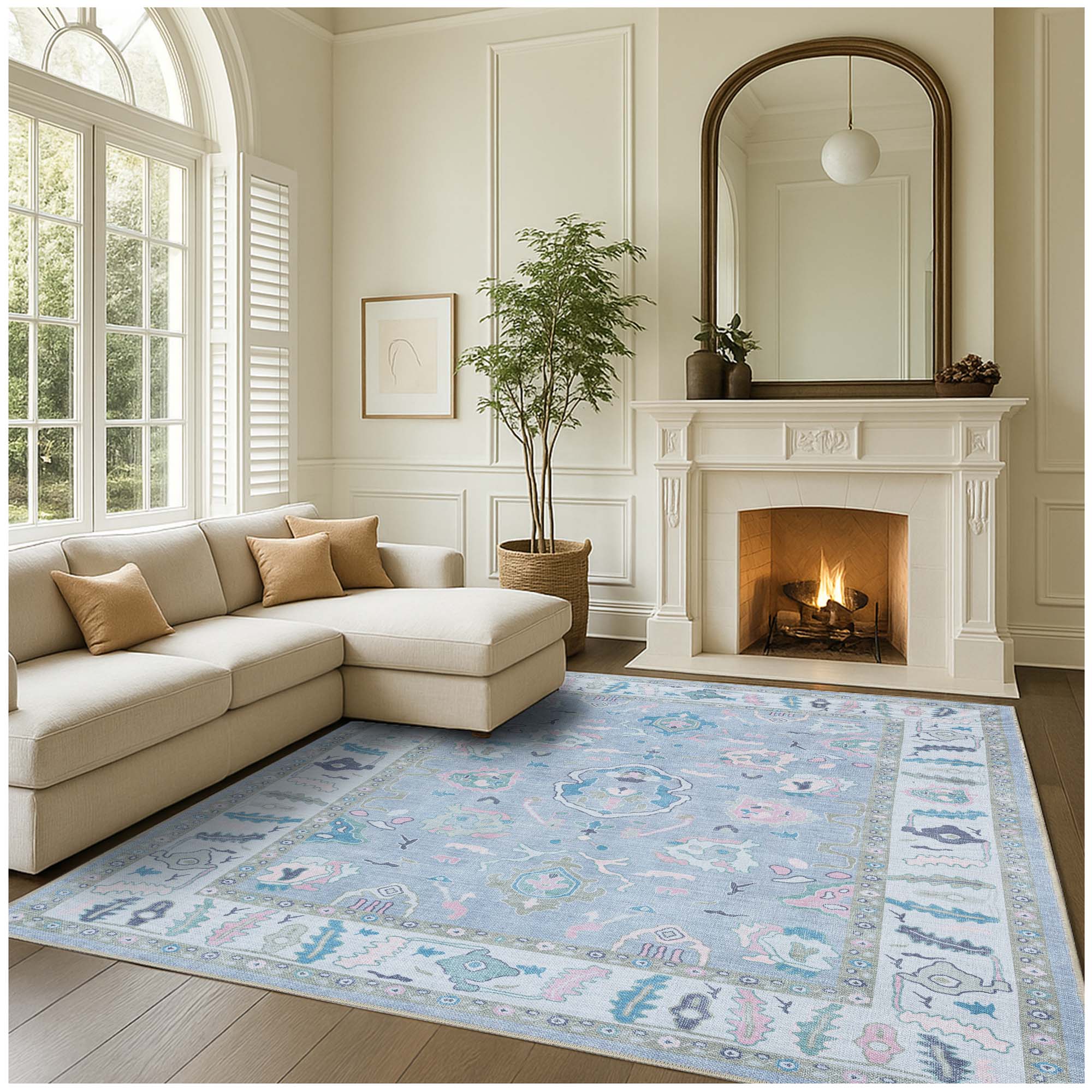
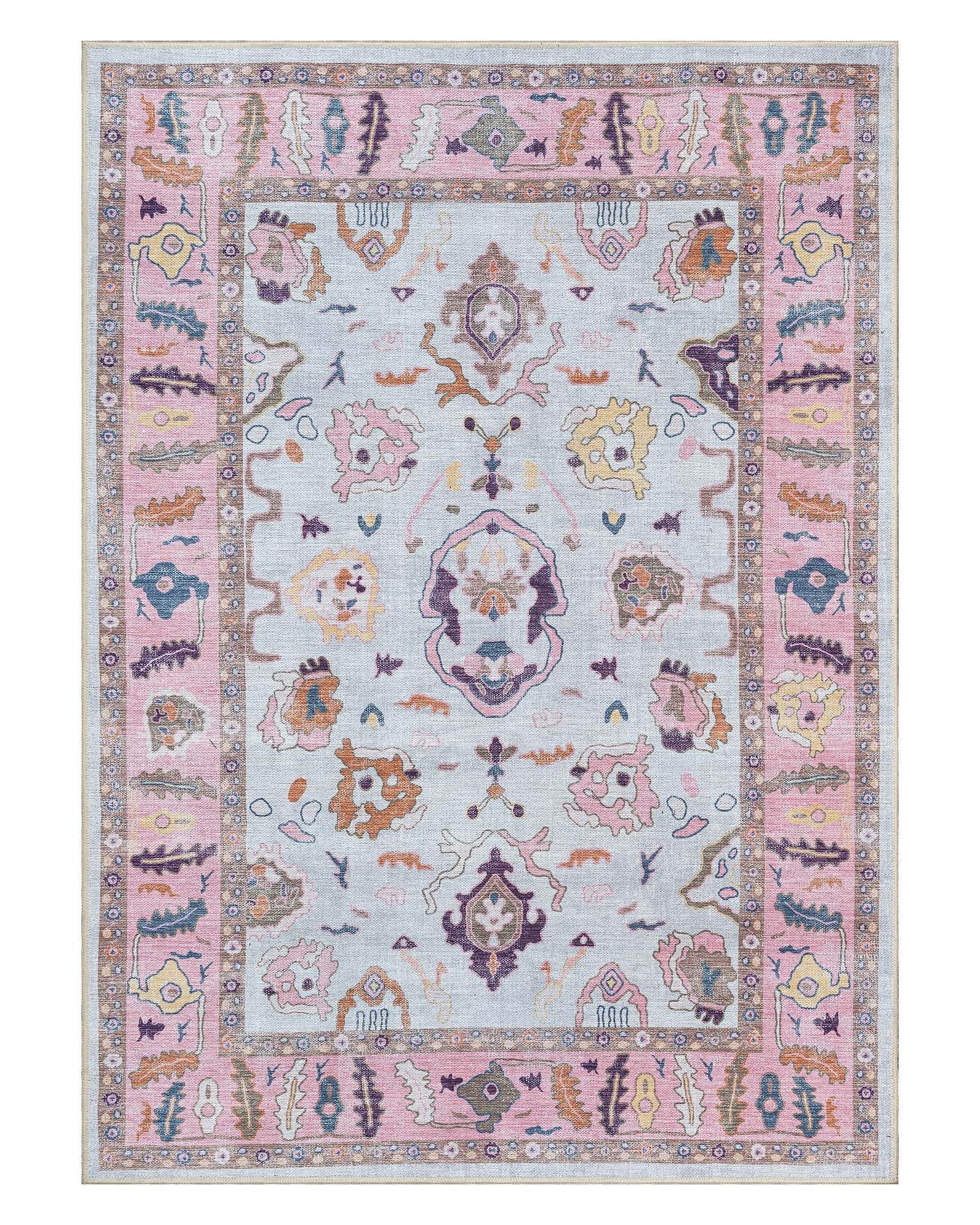
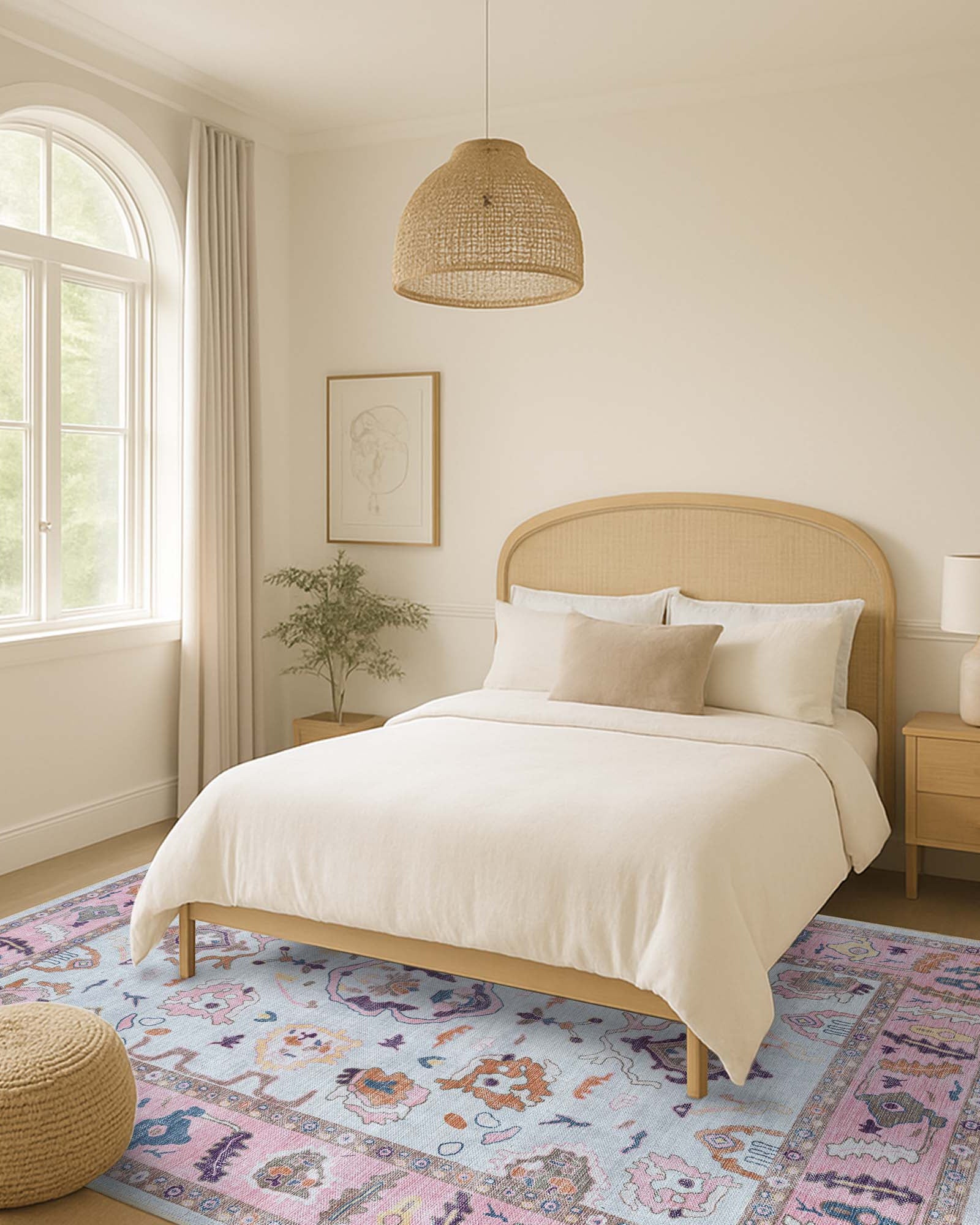
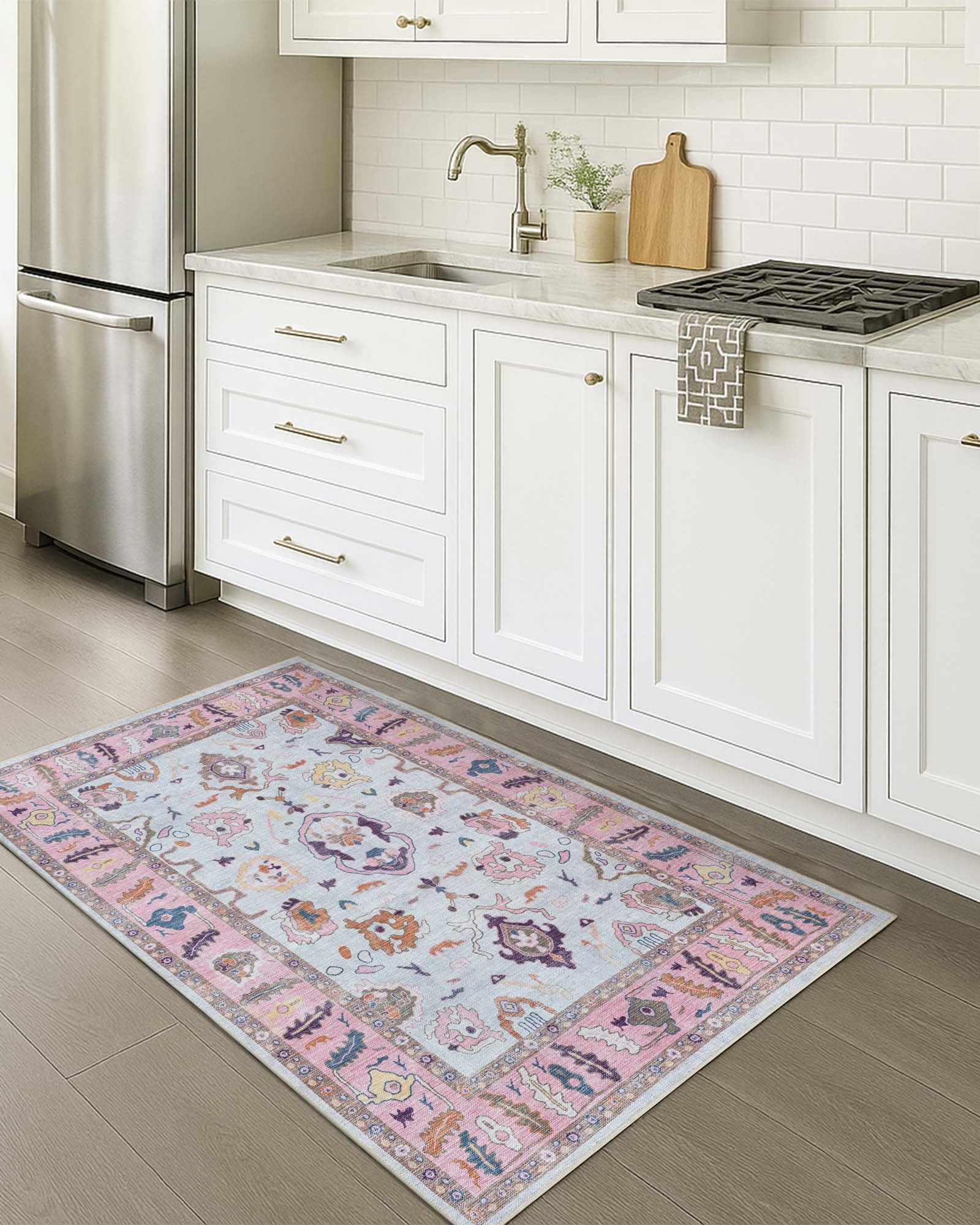
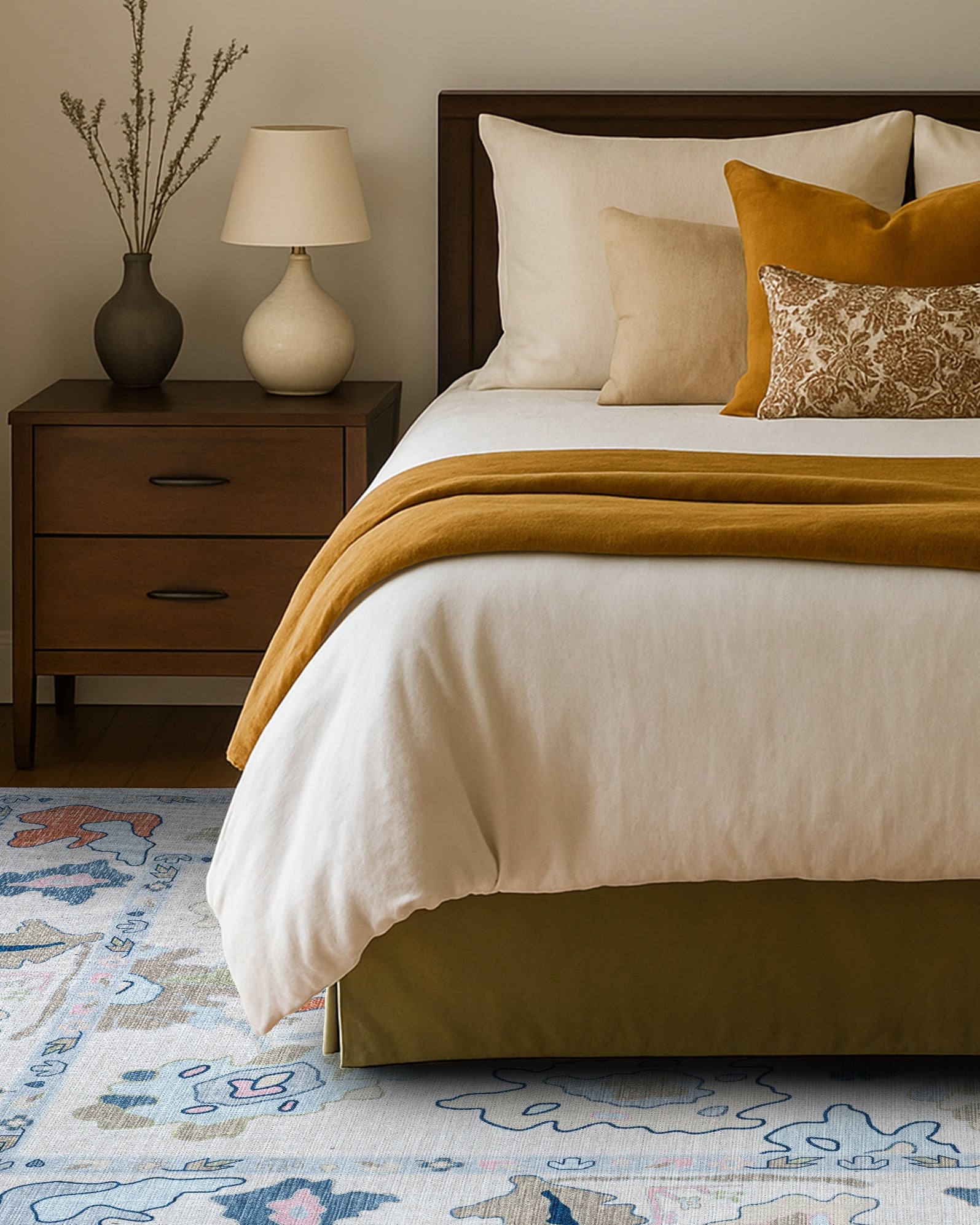
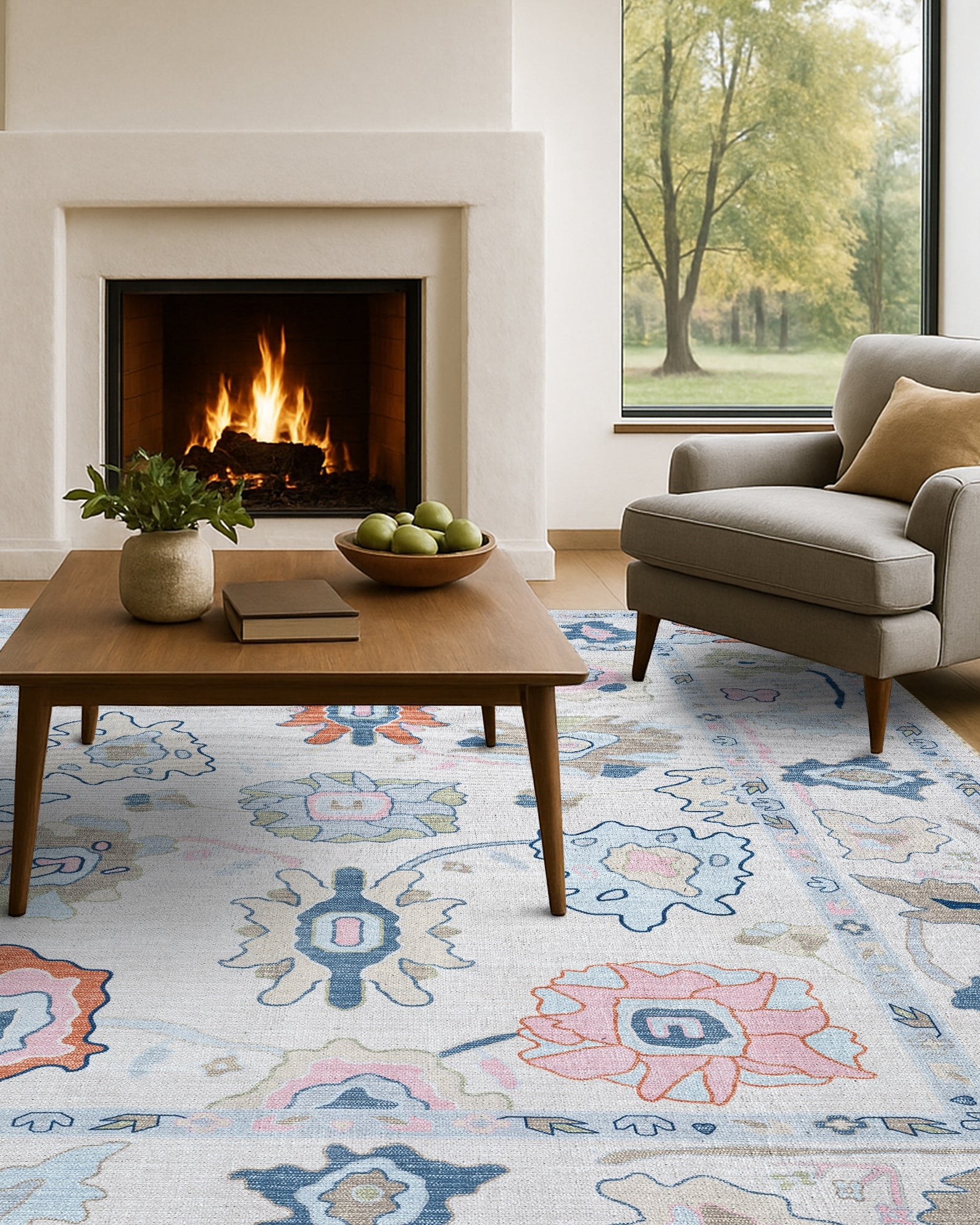
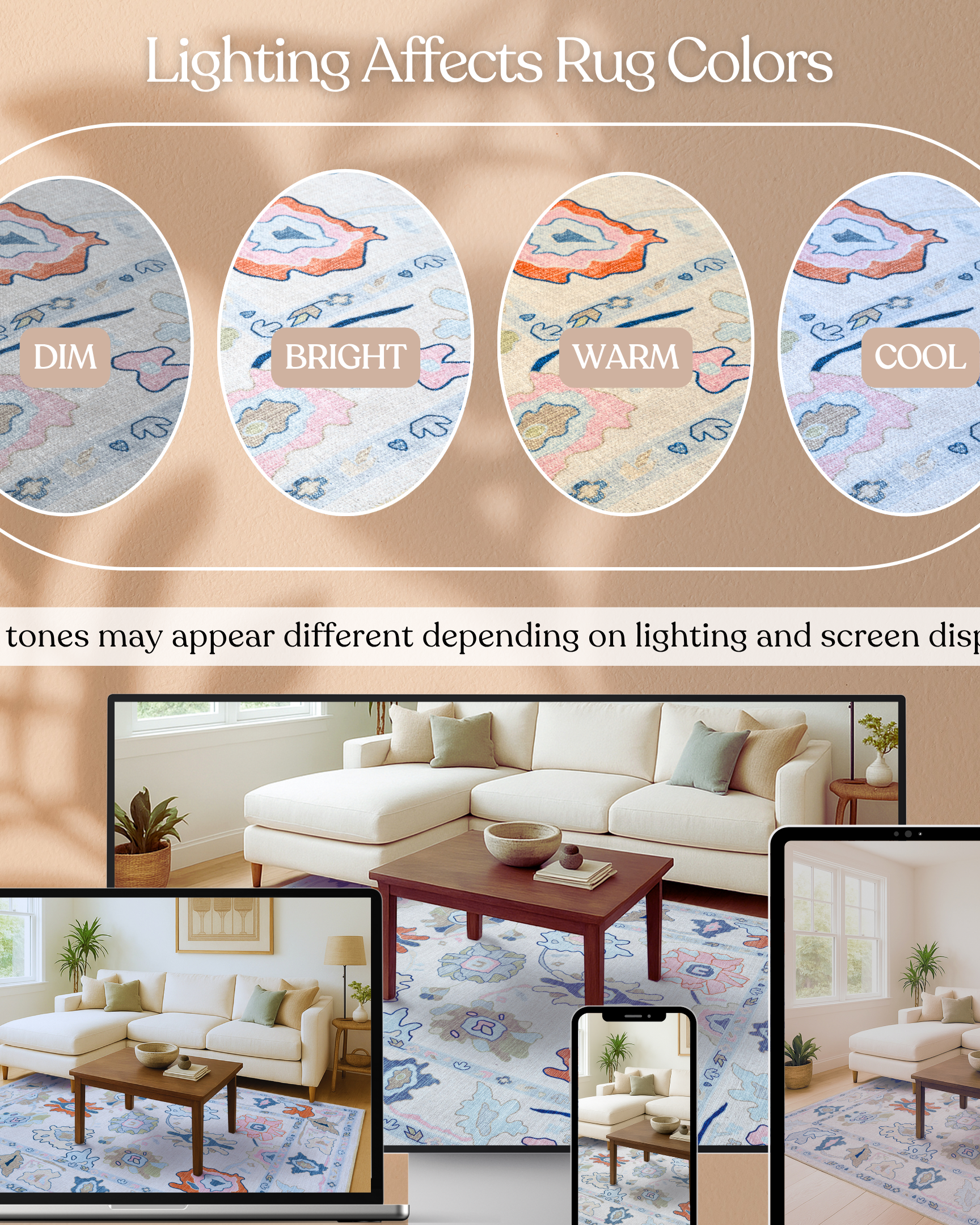
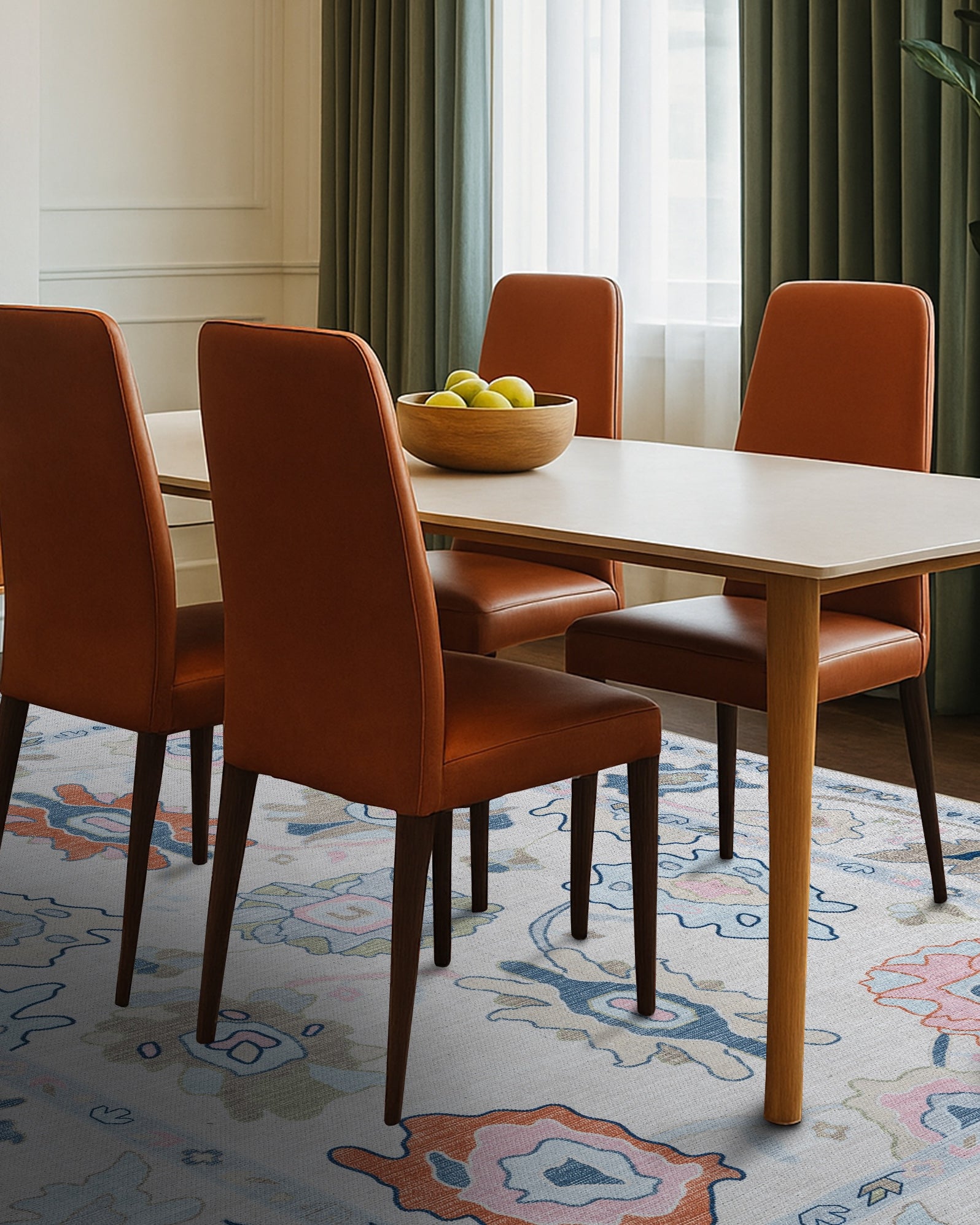
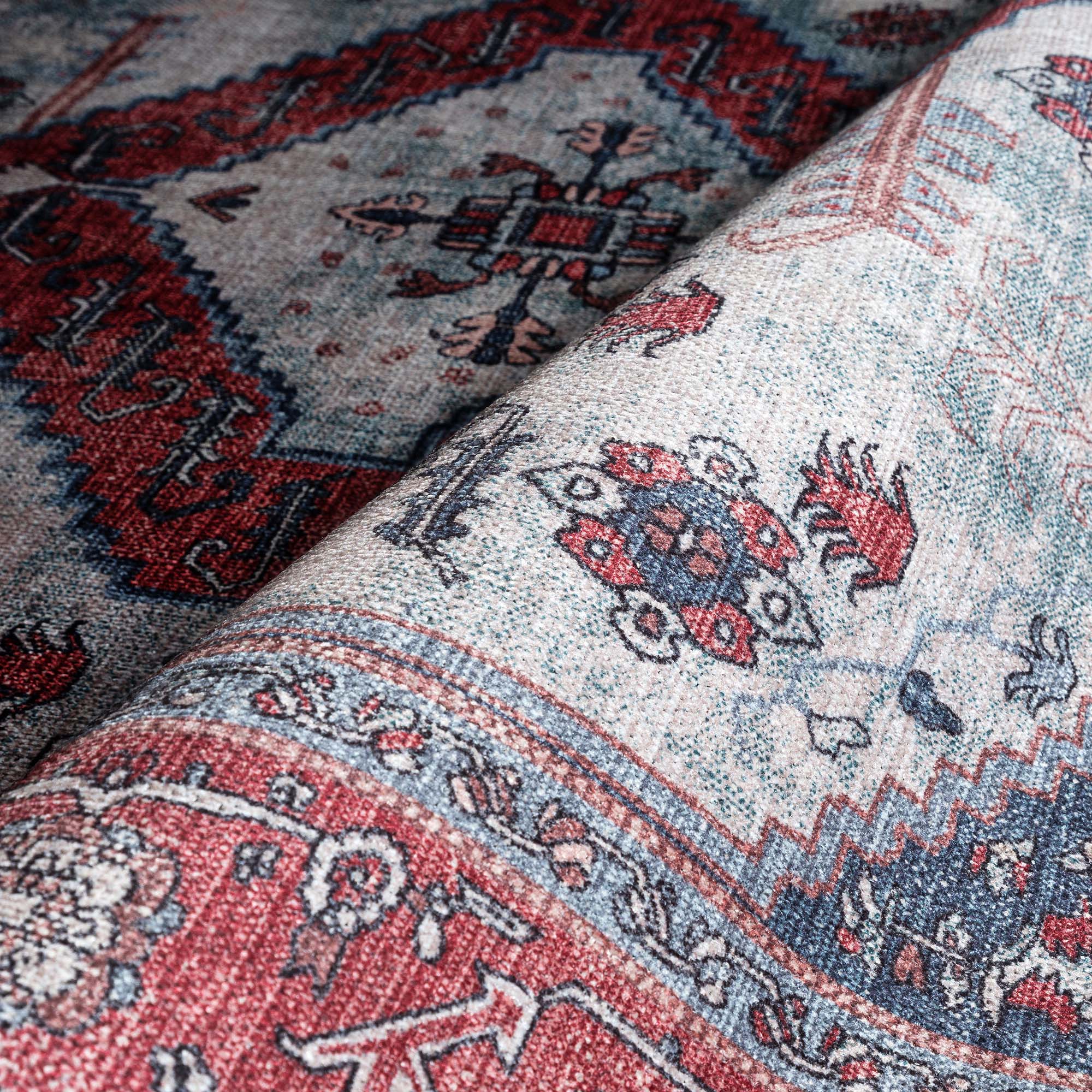
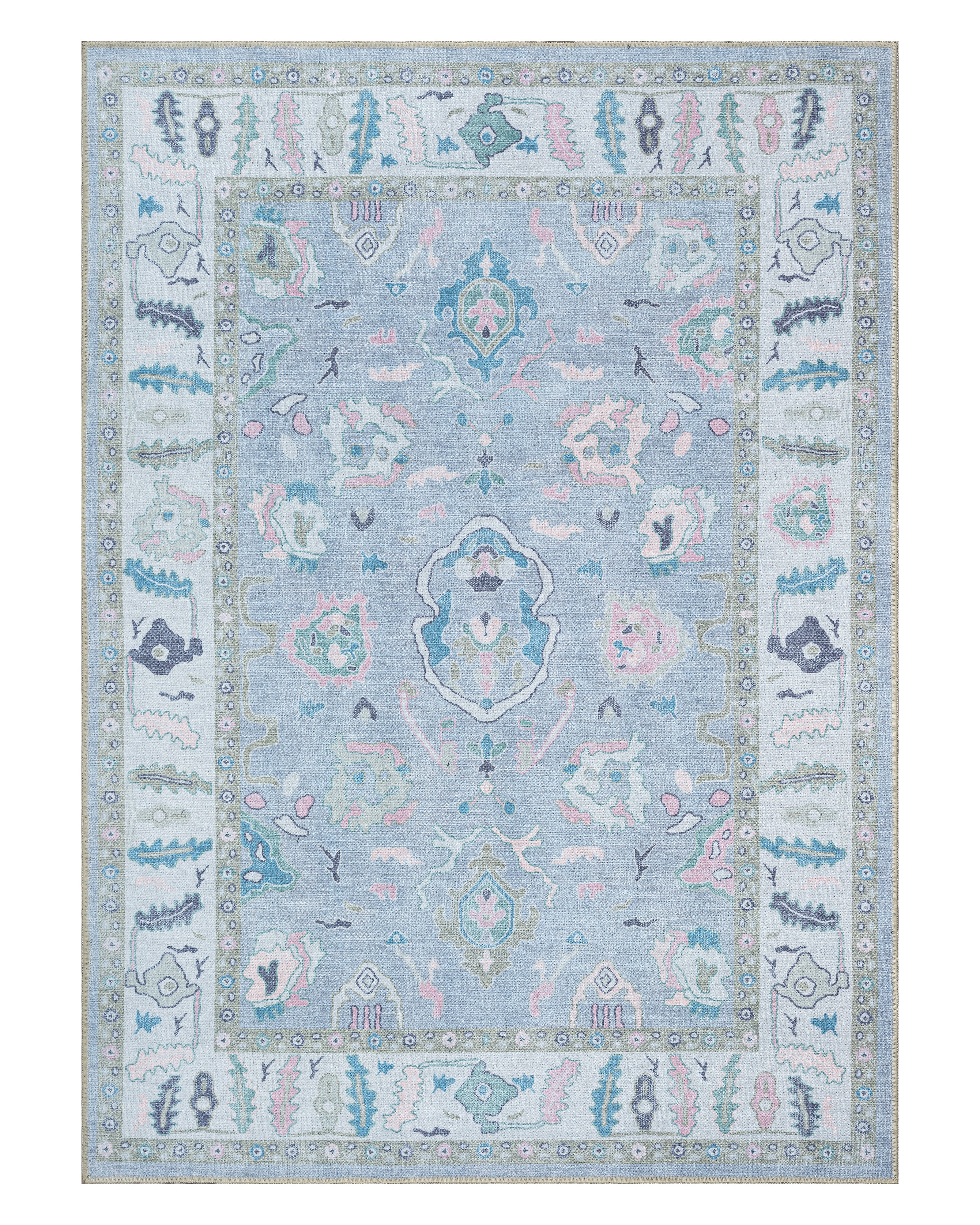
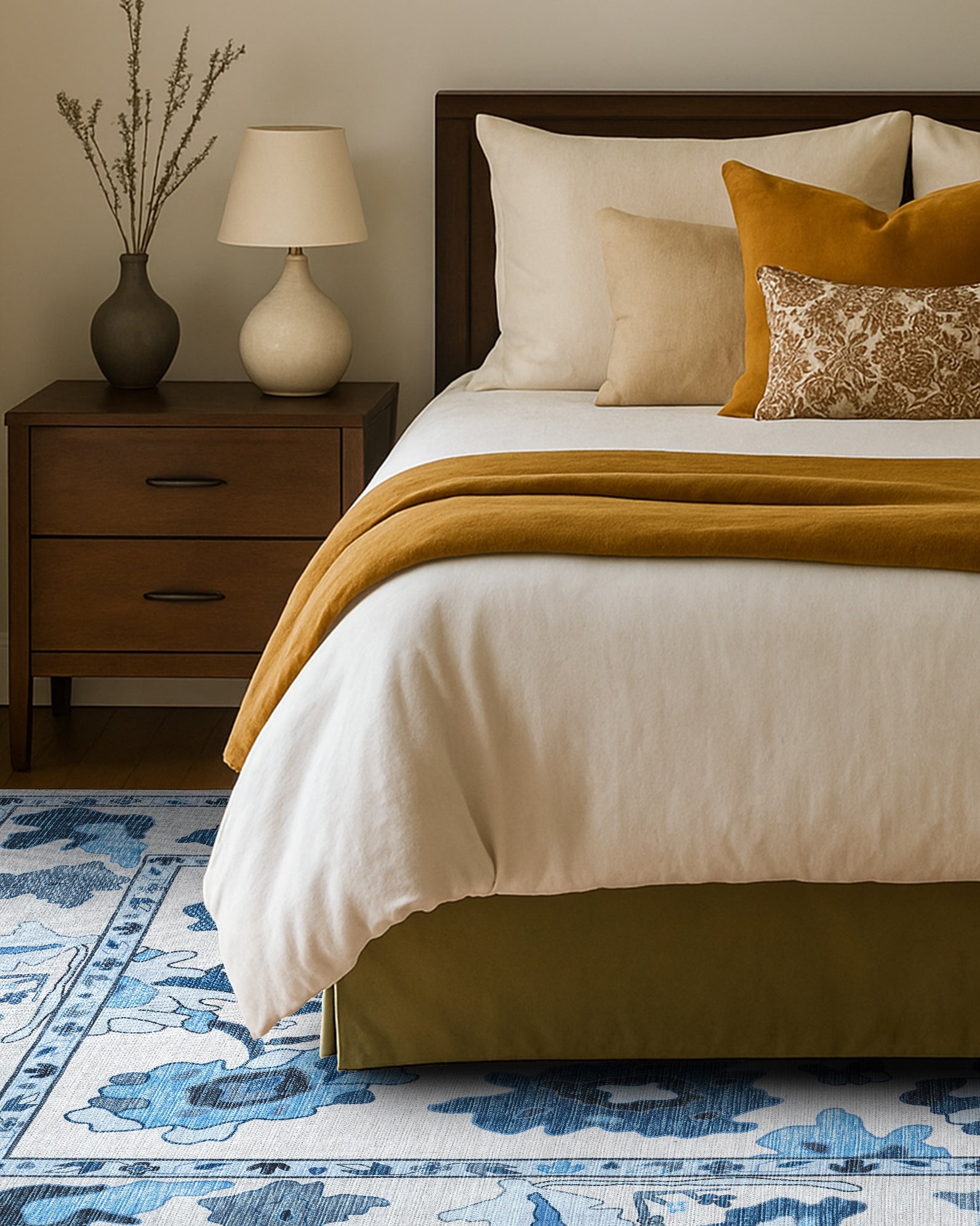
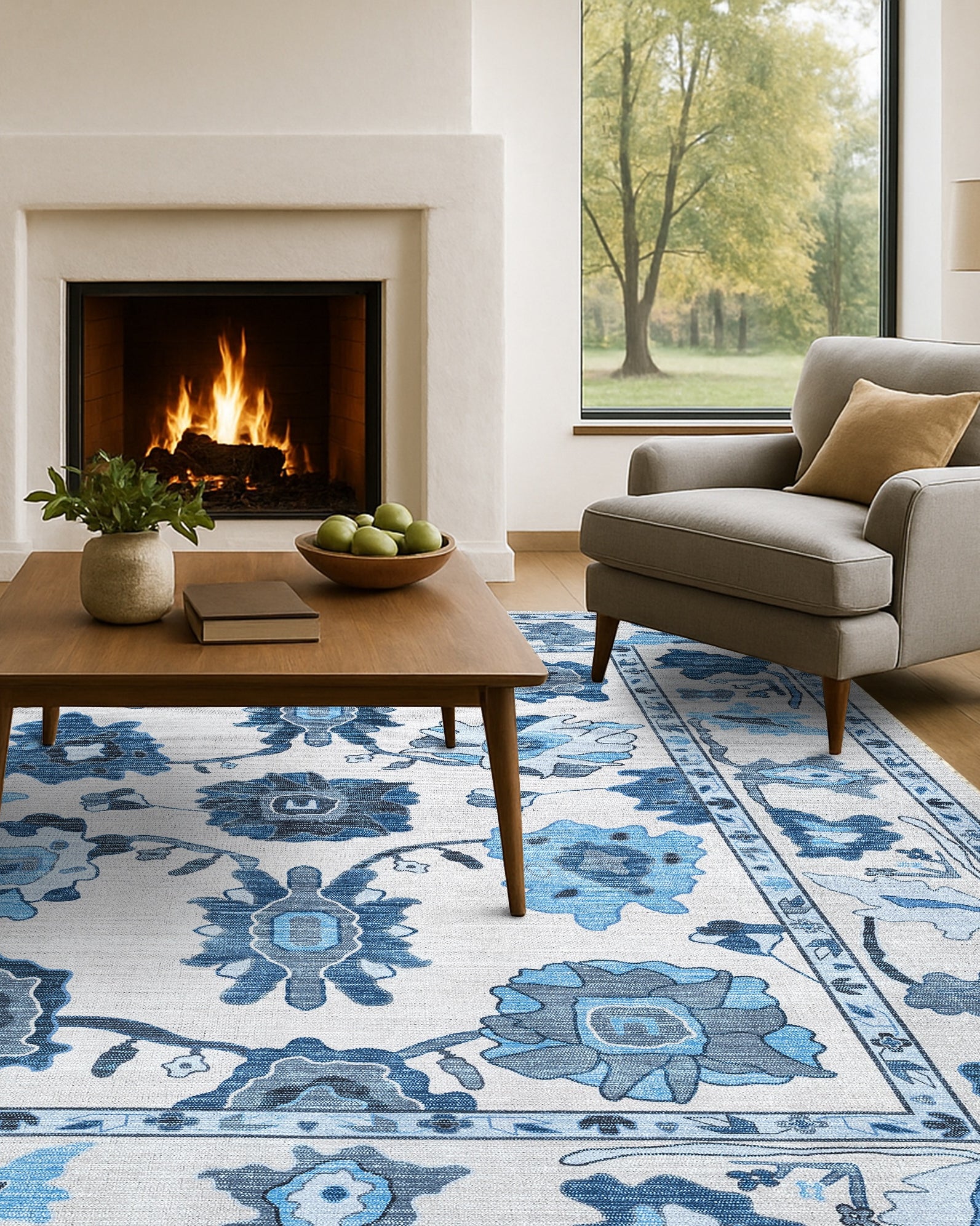
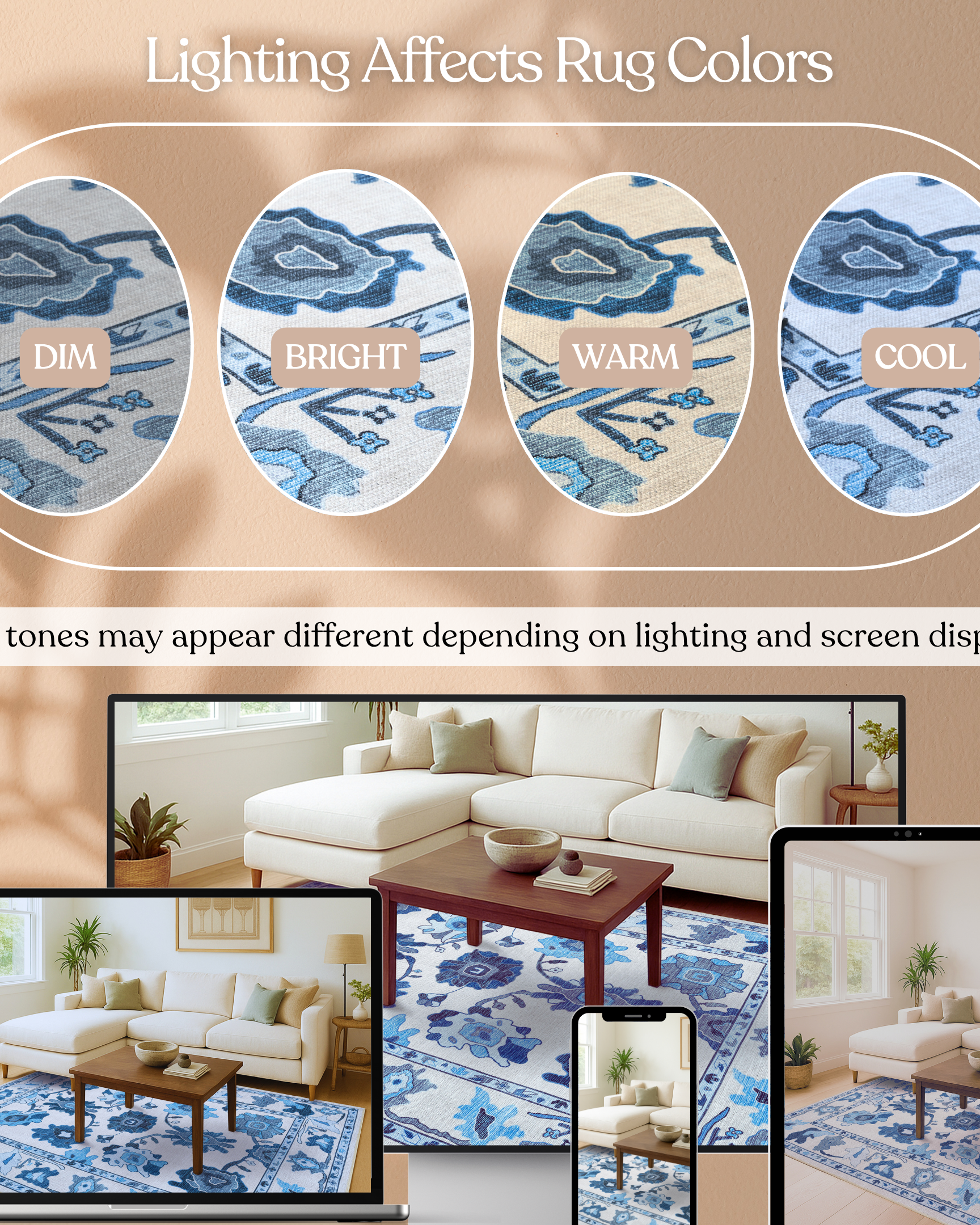
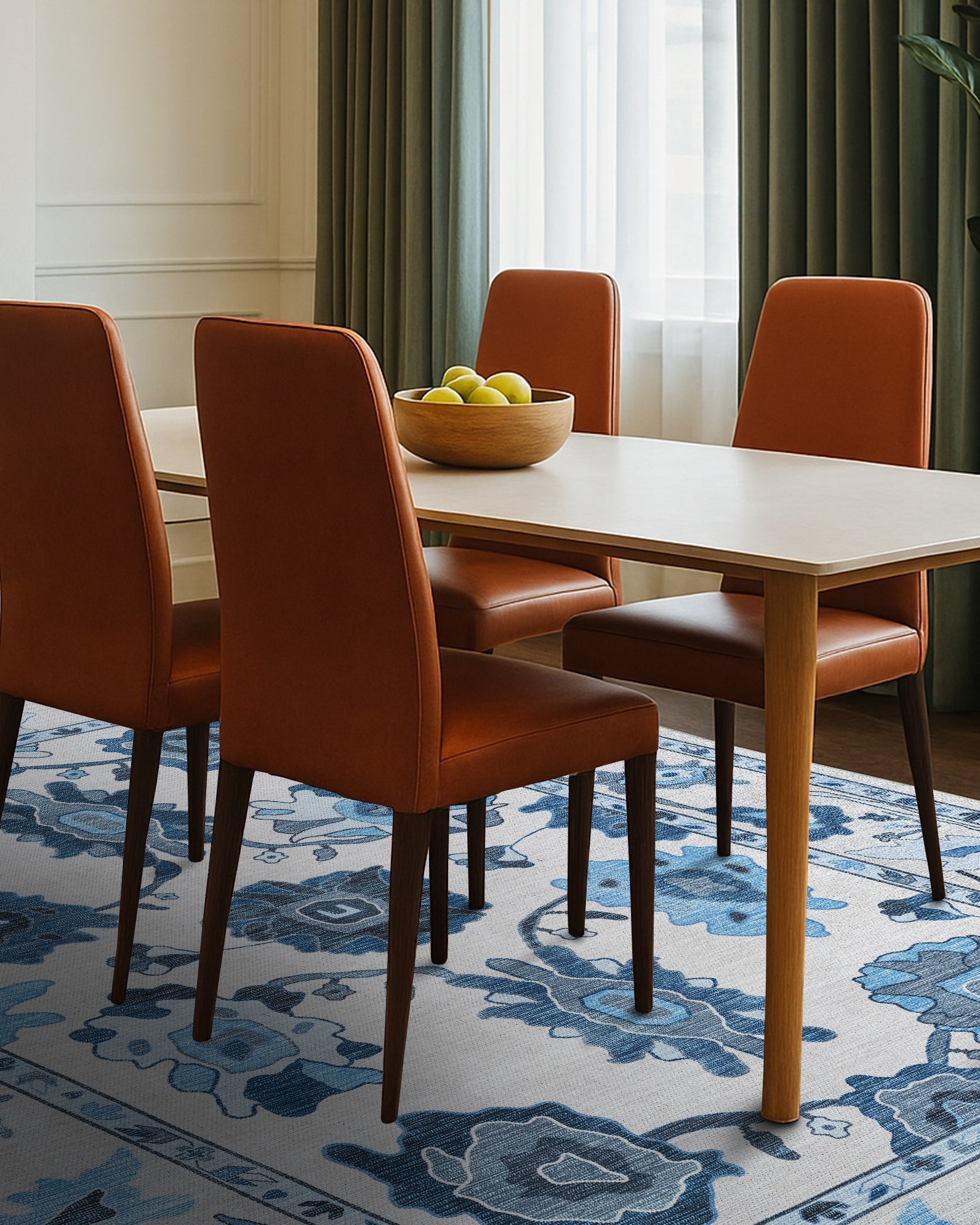
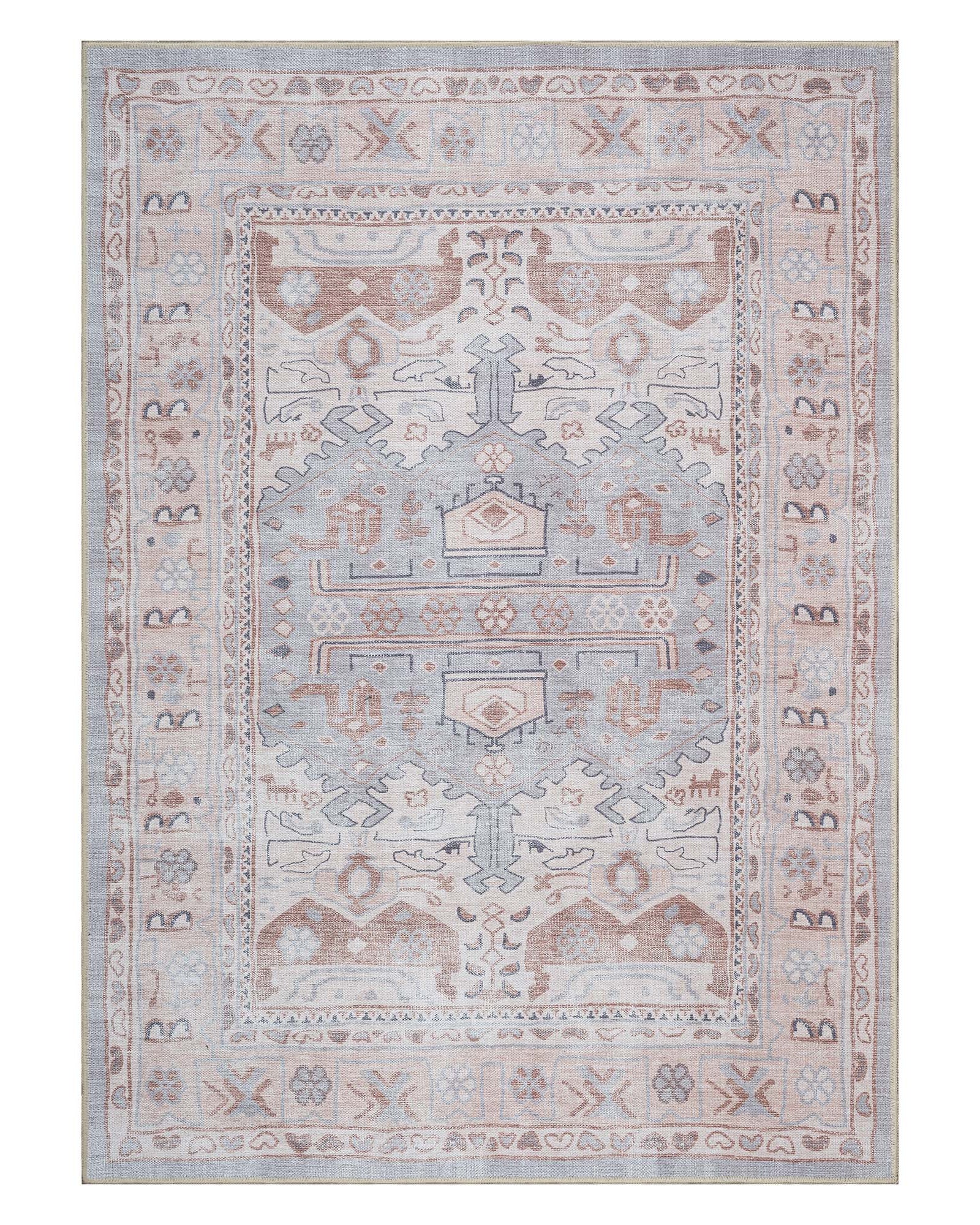
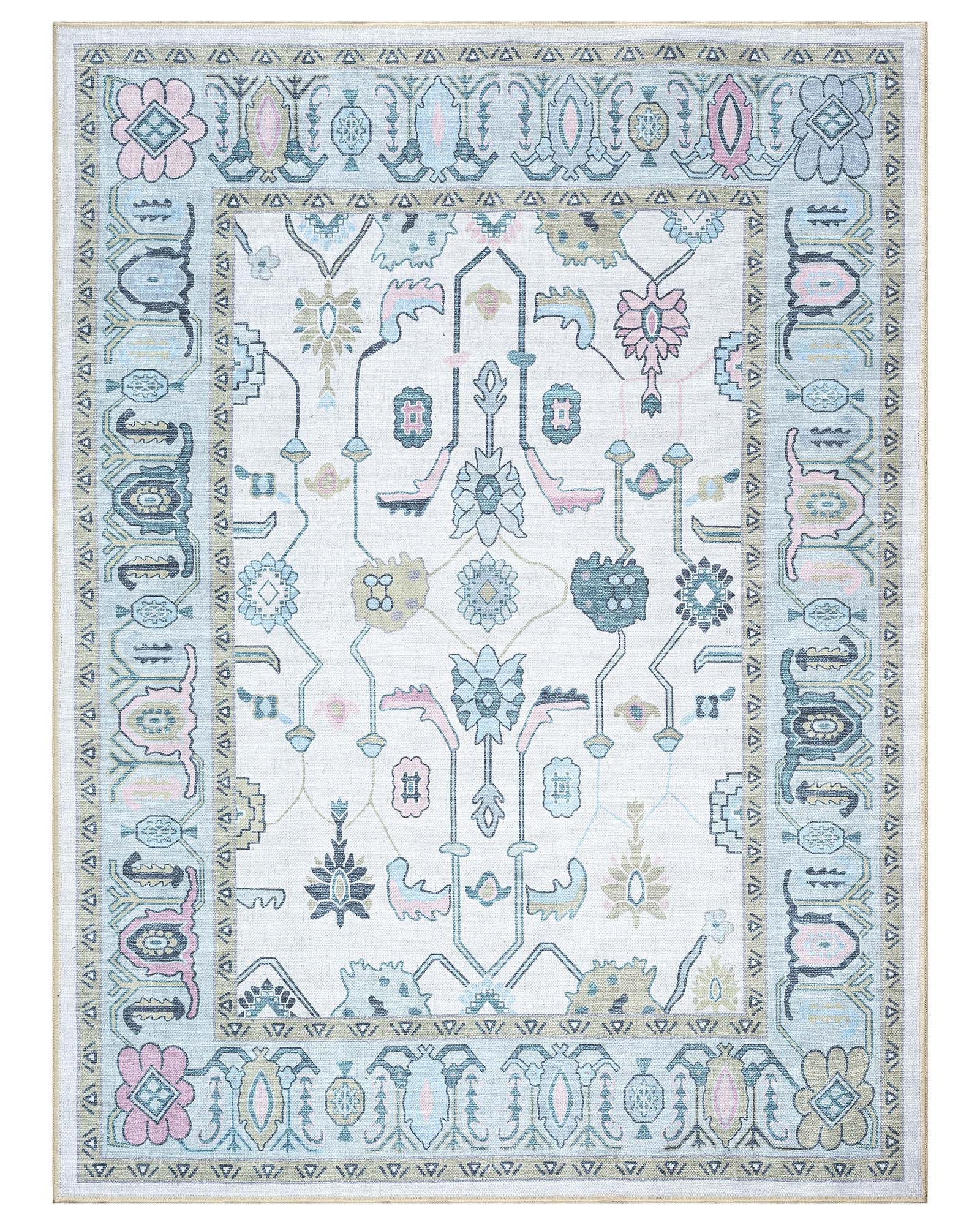
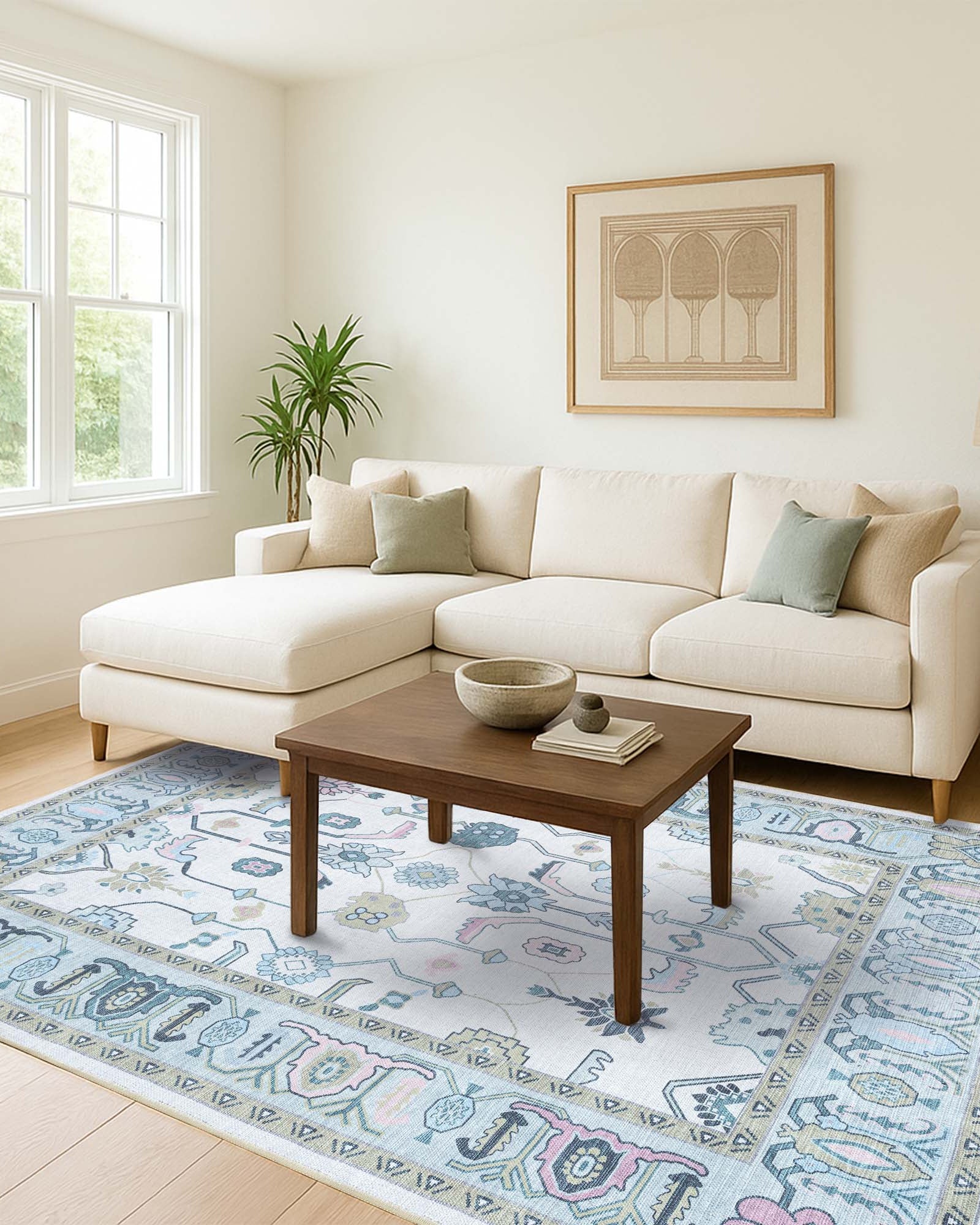
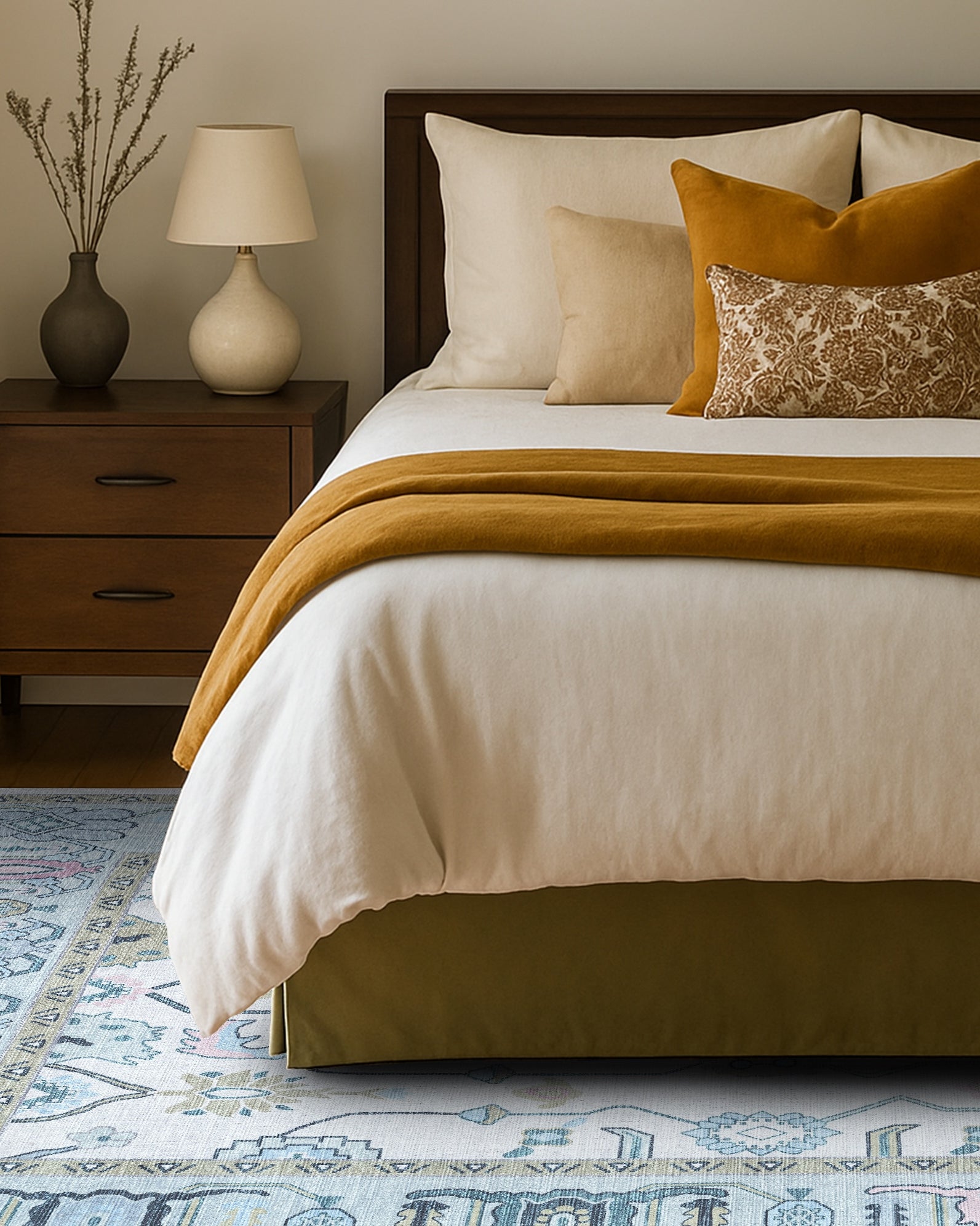
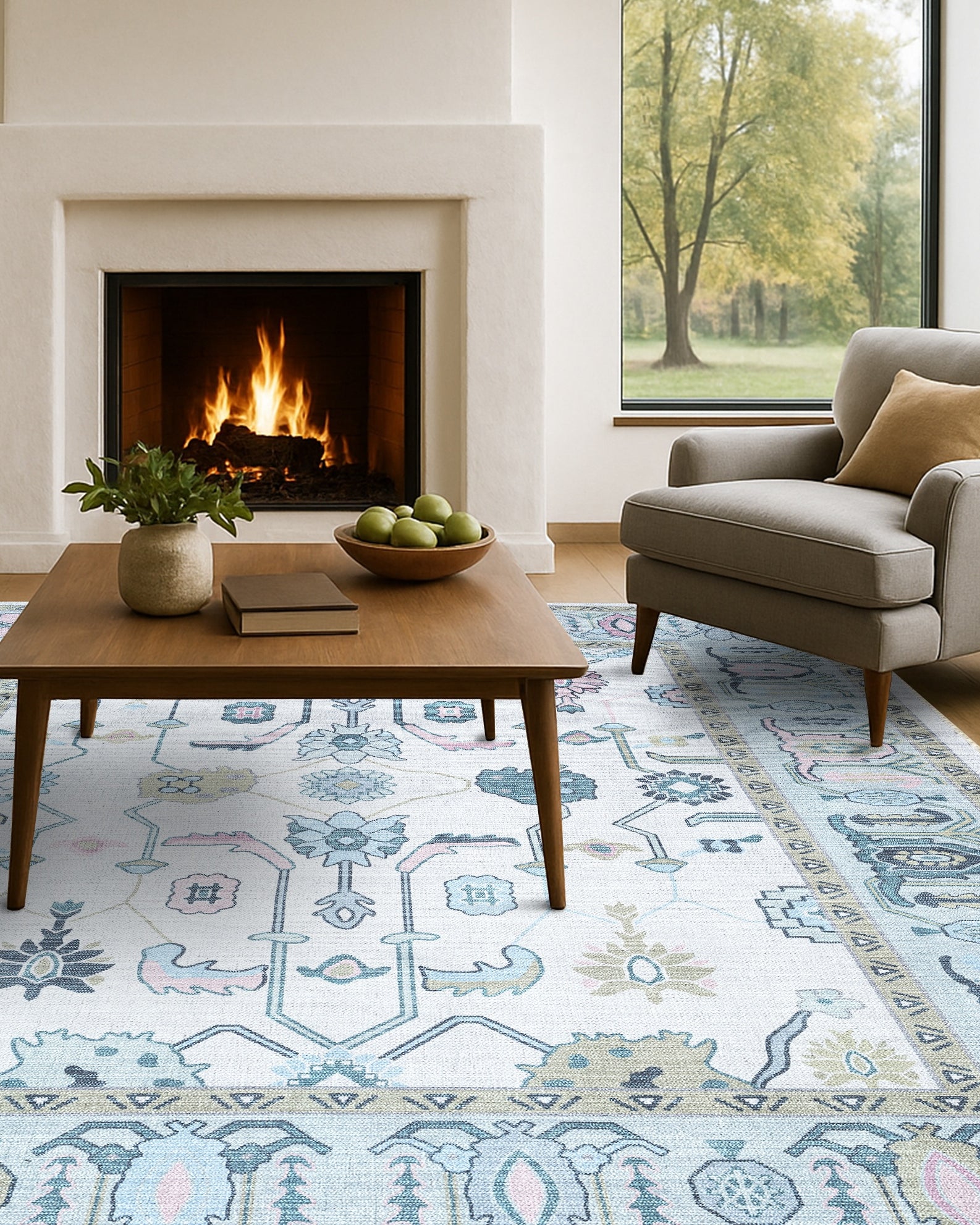
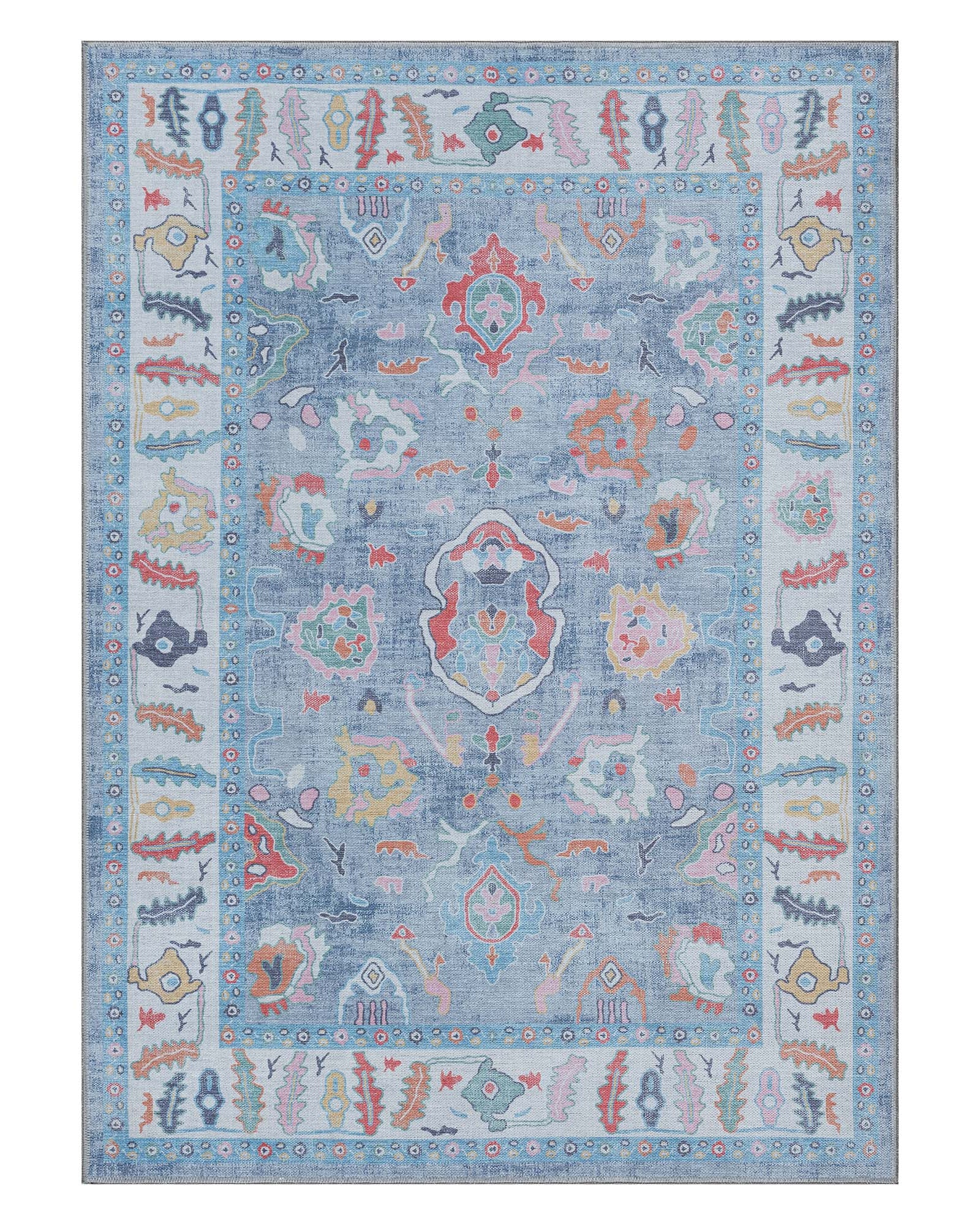
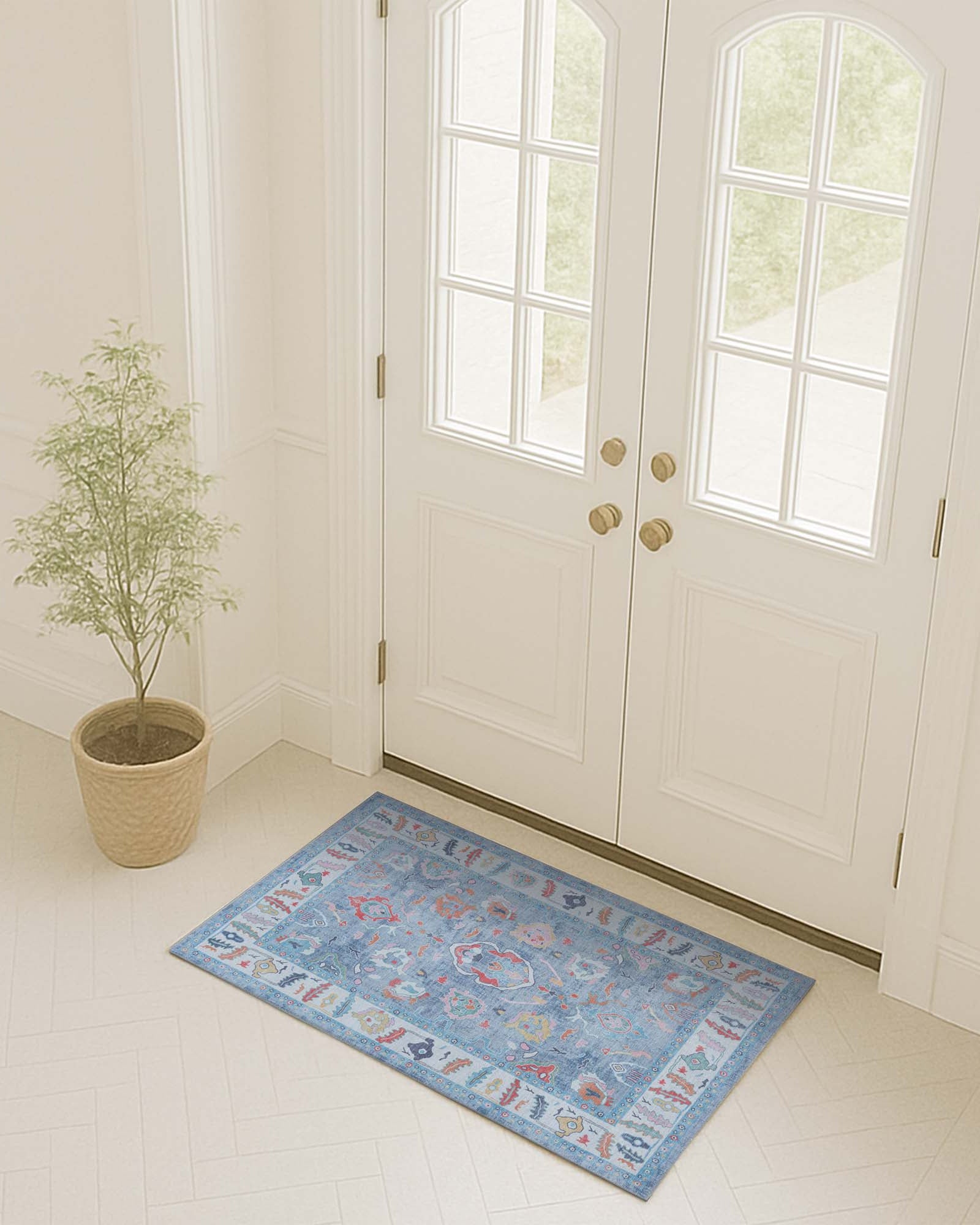
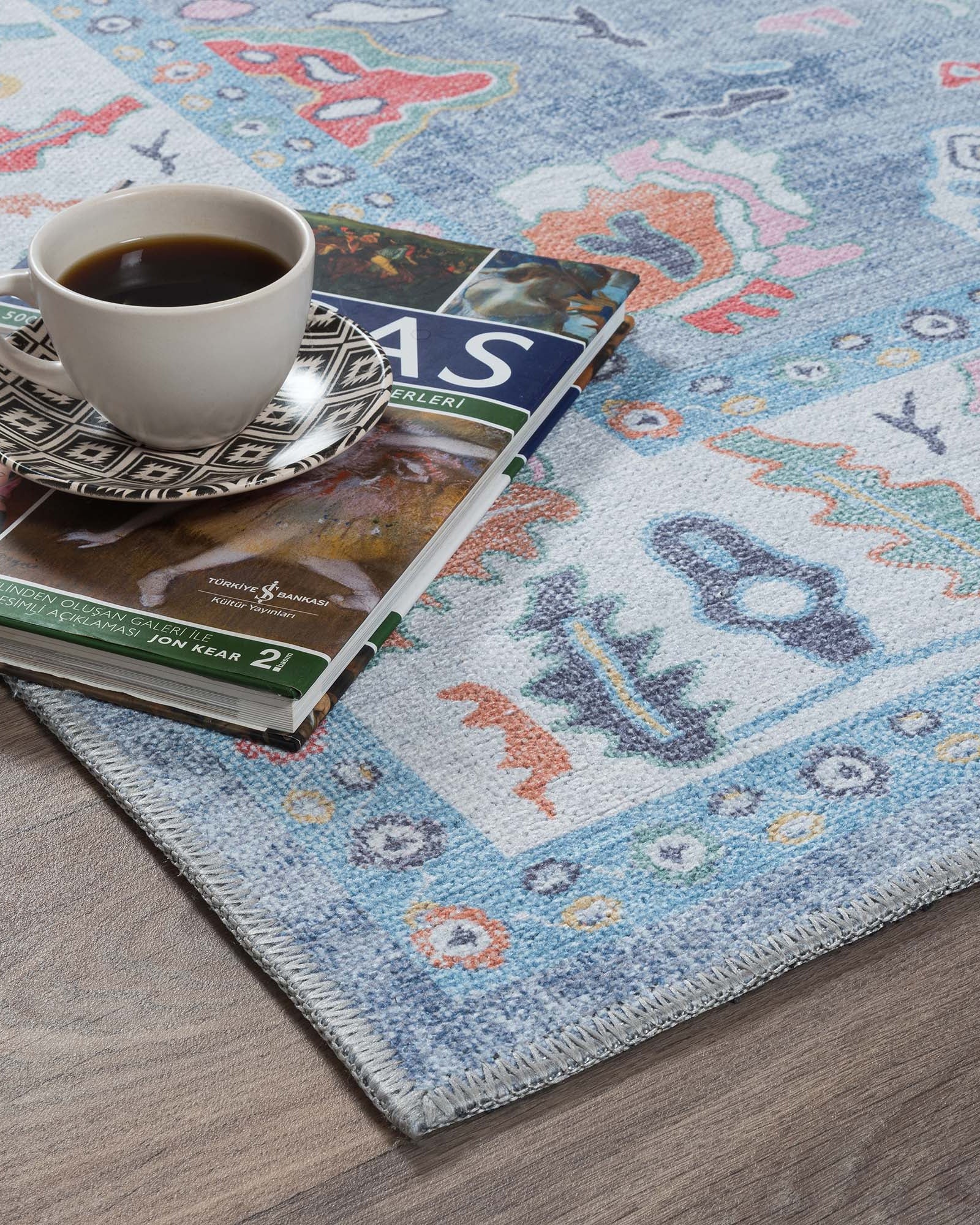
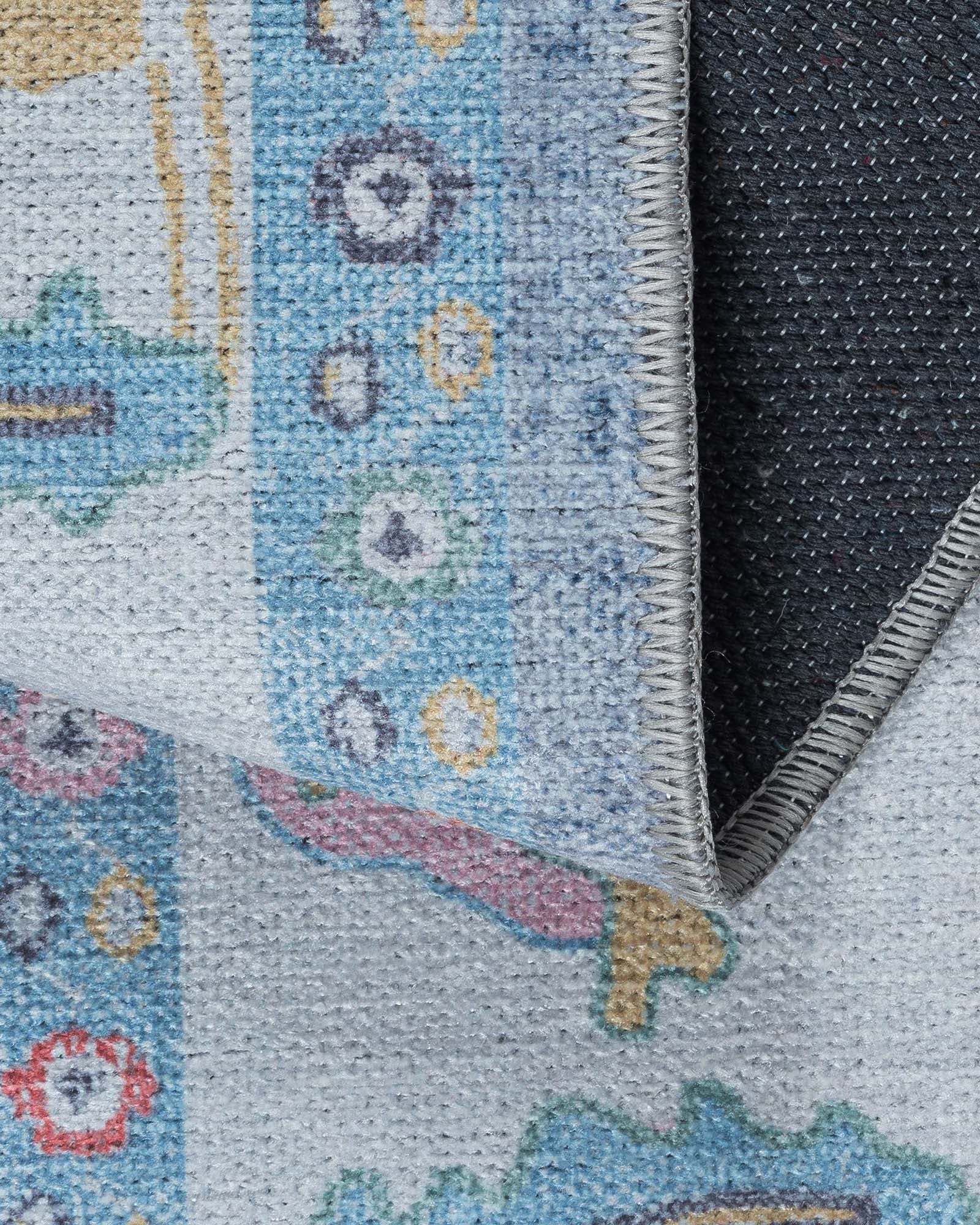
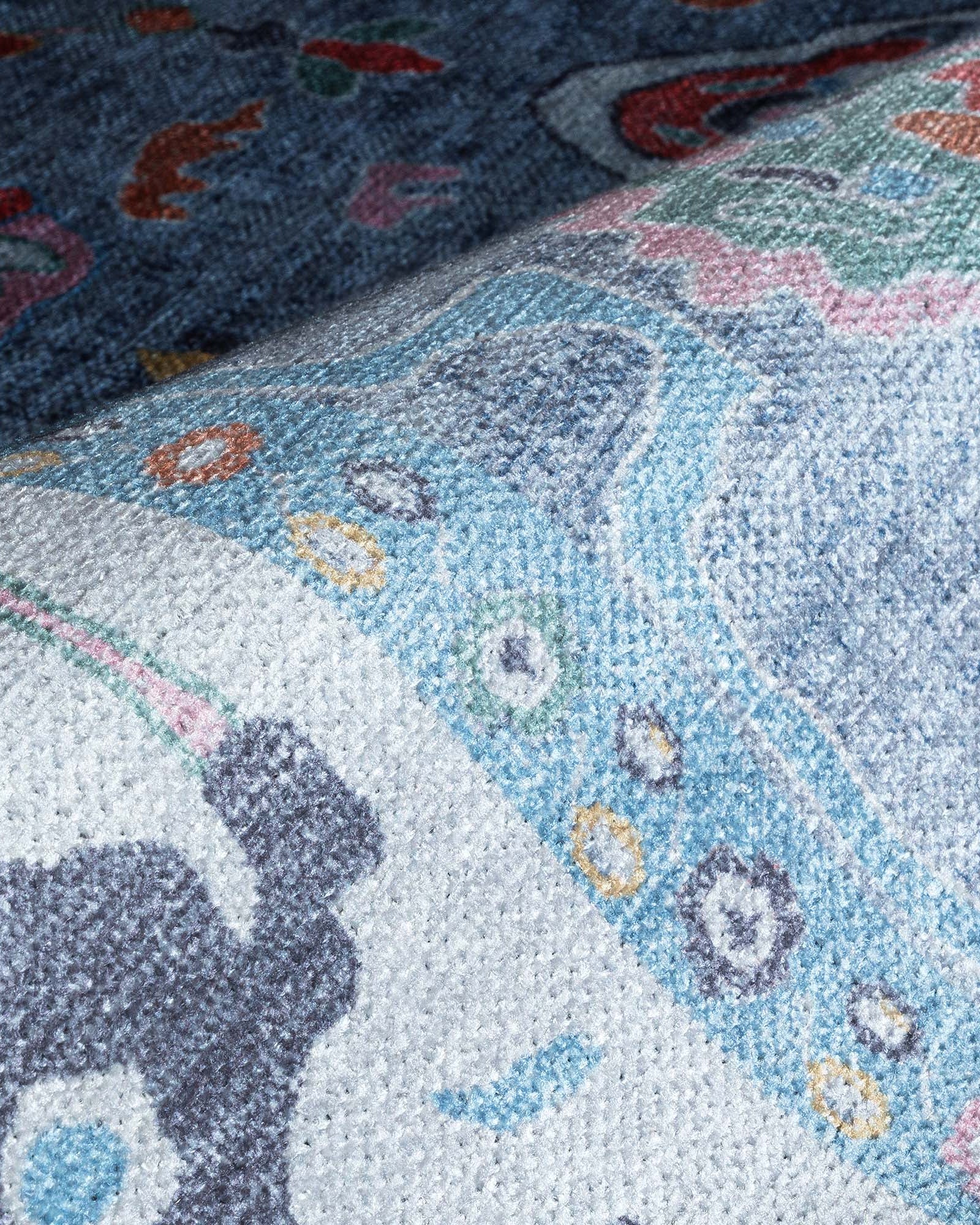
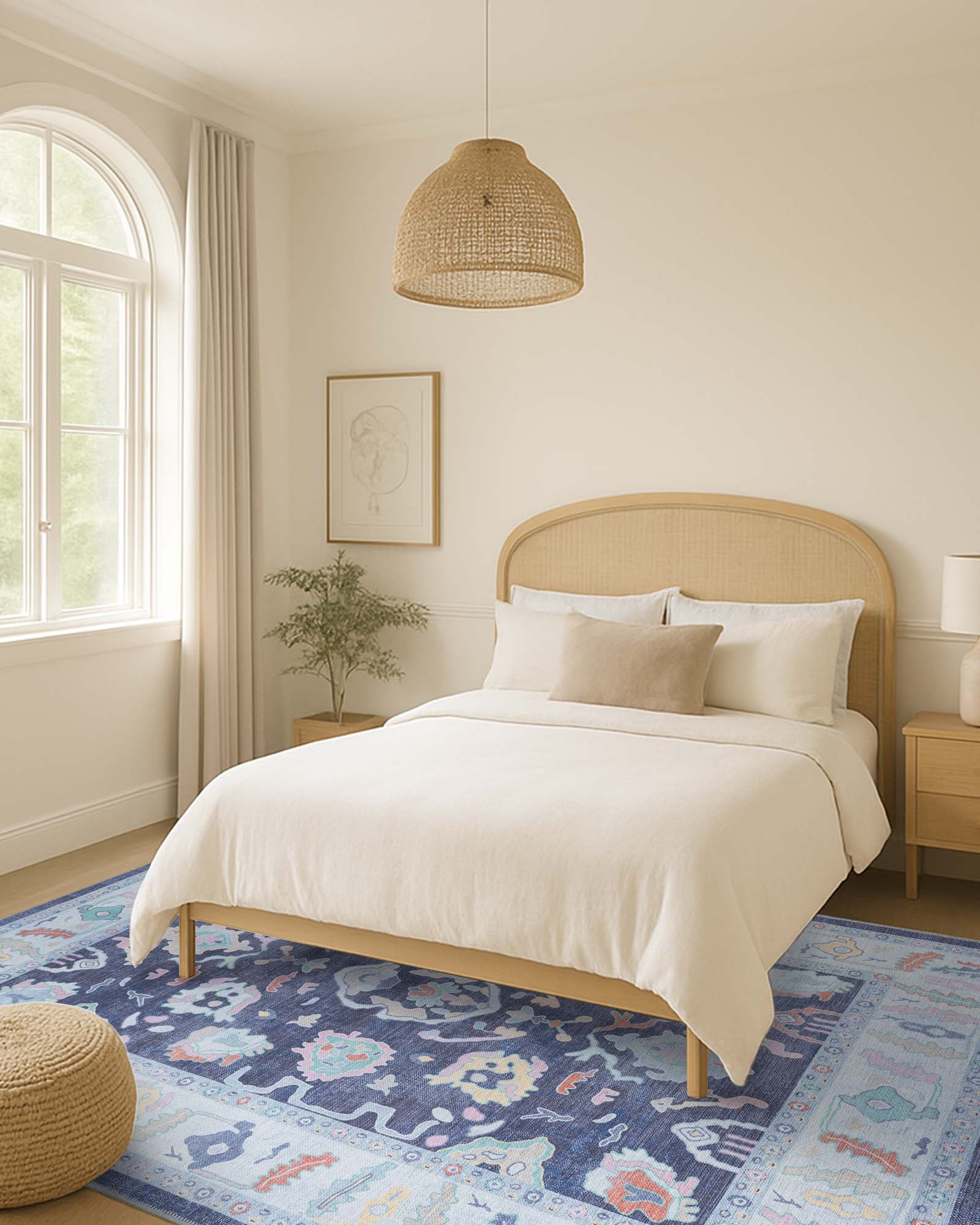
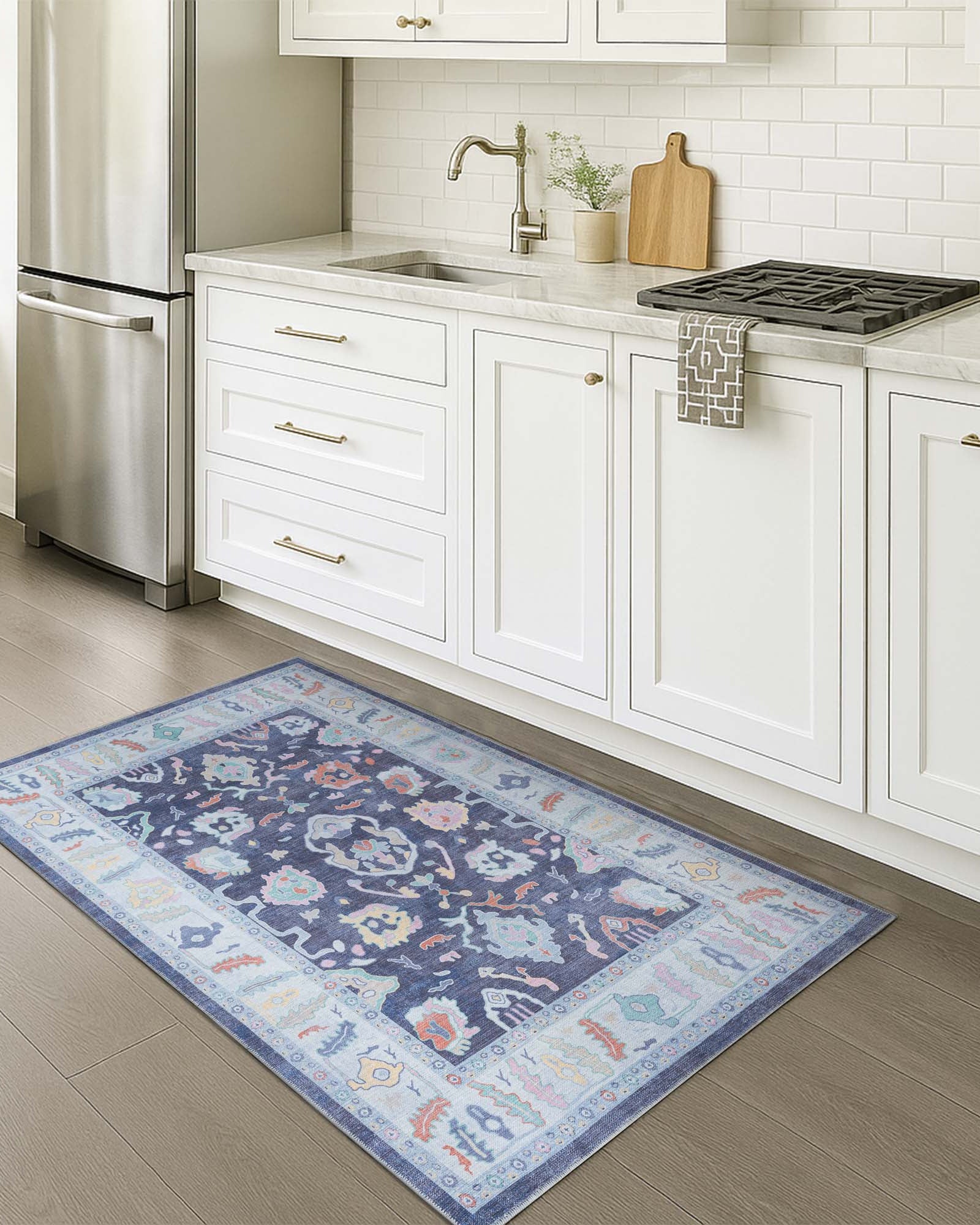
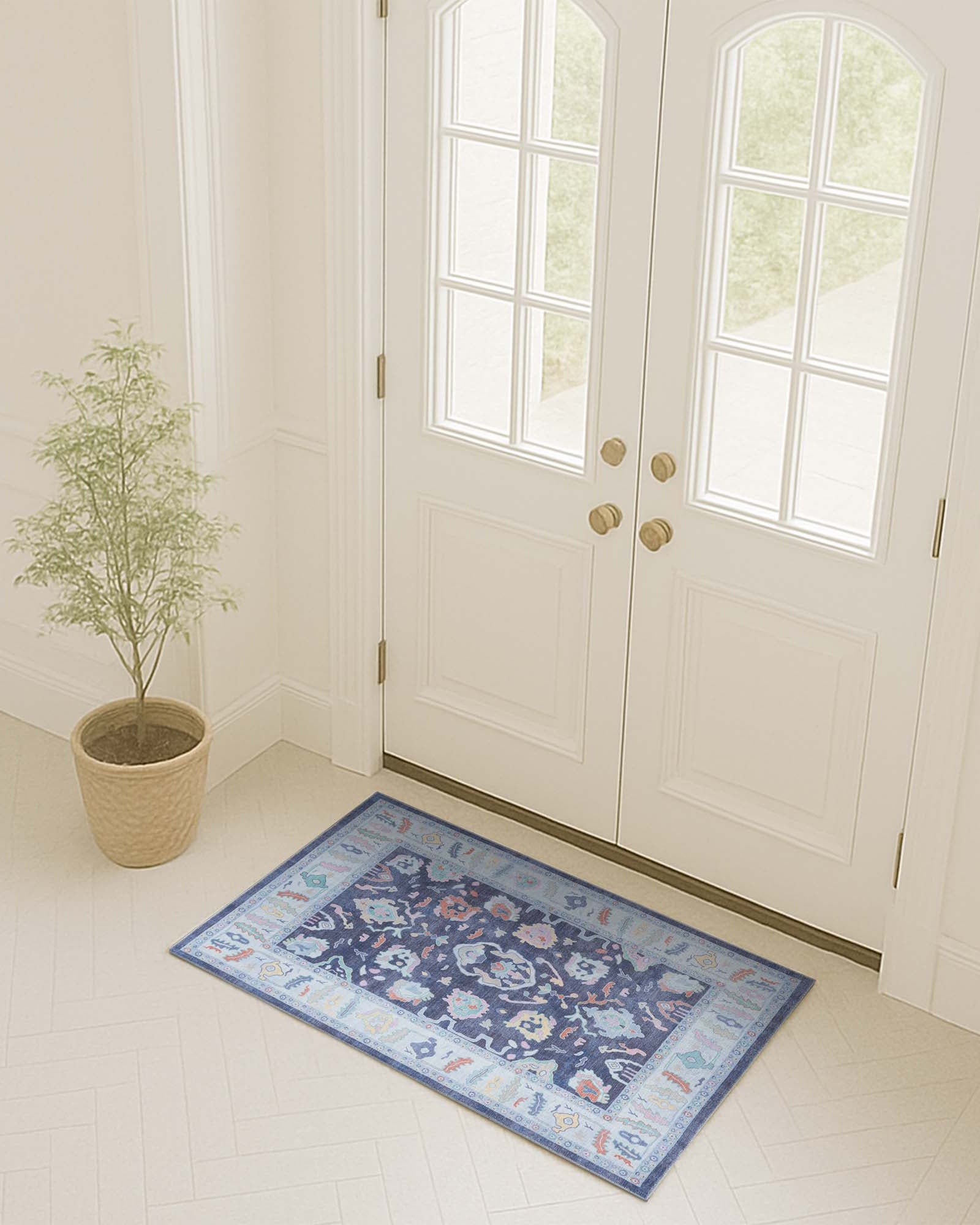
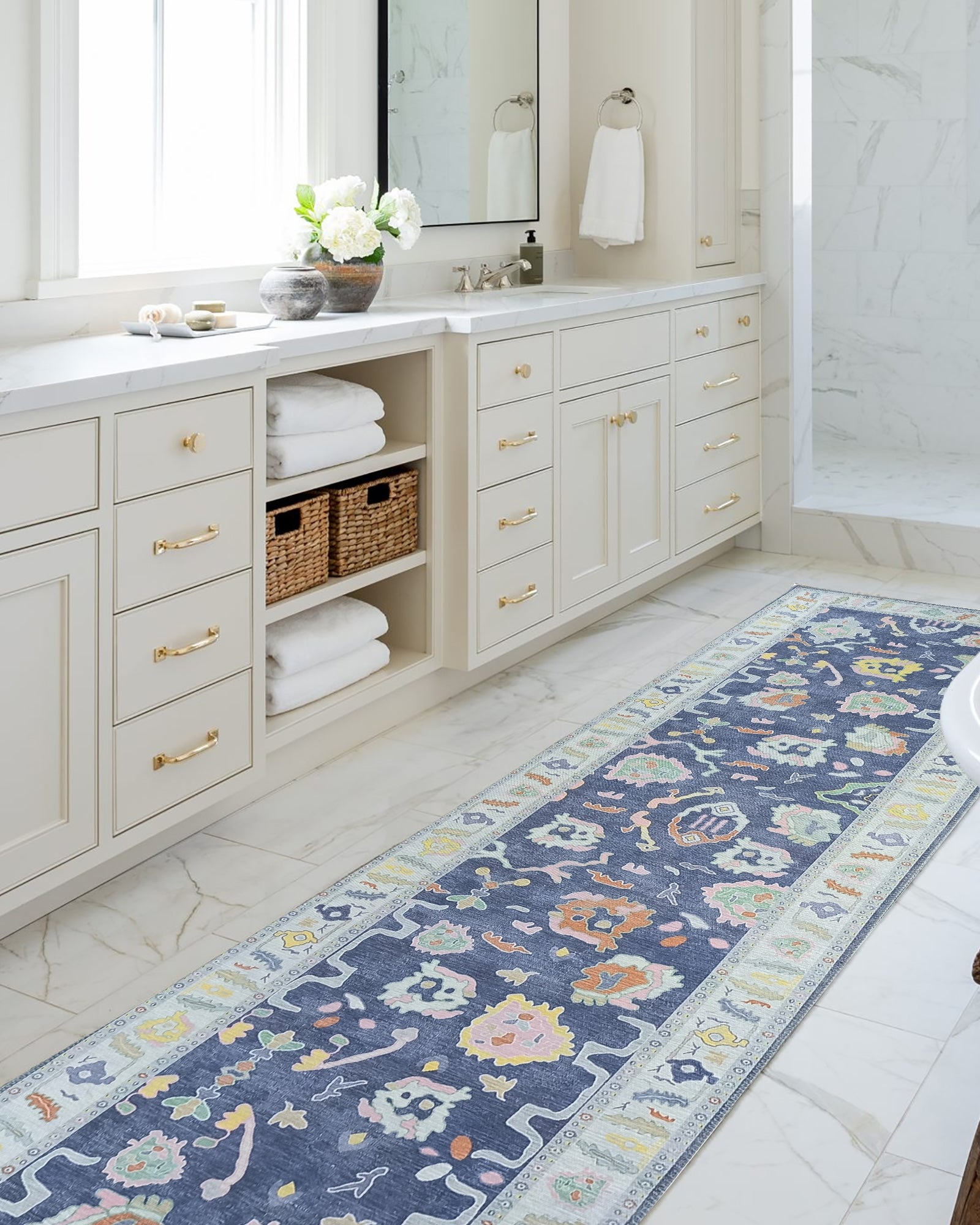
This collection is defined by age rather than by origin. Every rug here is estimated at over eighty years old, which places its weaving before roughly the mid-1940s. The pieces come from across the weaving world — Anatolia, Persia, the Caucasus, Central Asia — but what they share is a set of characteristics that stopped being universal once commercial production scaled up: hand-spun wool, natural dyes, no design blueprint, and eight decades or more of use written into the surface.
What Eighty Years Actually Changes
Age is not a marketing adjective on a rug. It changes the object materially, and in ways you can see and feel.
Colour
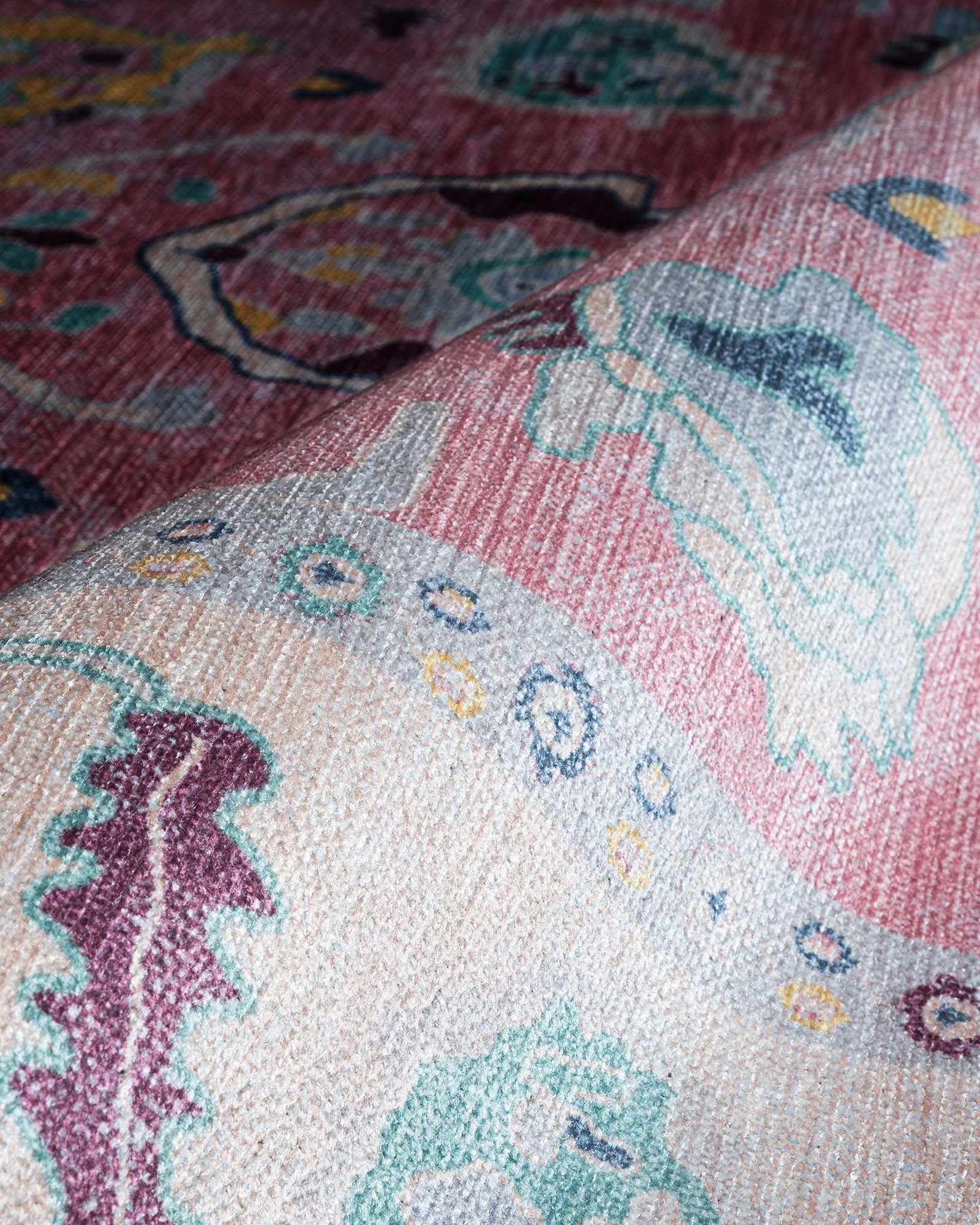
Natural dyes derived from madder root, indigo, walnut husk, larkspur and pomegranate rind oxidise slowly and unevenly. Over decades they lose intensity but keep their hue, which is why an antique reads mellow and warm rather than grey or washed out. Synthetic dyes introduced later behave differently, often fading toward a flat, cooler tone. This is one of the most reliable indicators of genuine age.
Wool
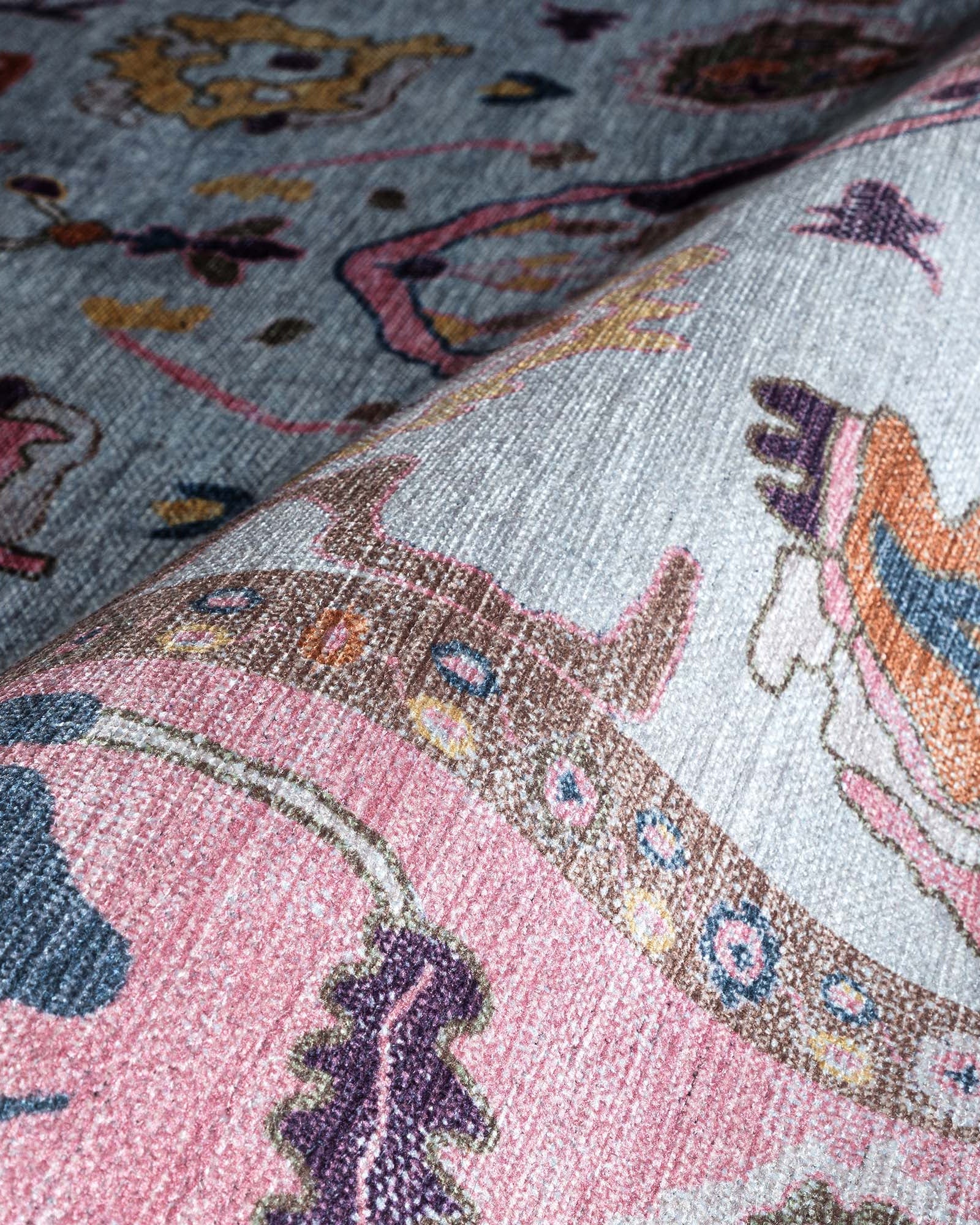
Hand-spun wool has irregular thickness along its length, and that irregularity takes dye at slightly different rates — which is part of why old rugs have depth that even wool machine-made rugs cannot replicate. Wool from older flocks was also higher in lanolin, and eight decades of foot traffic burnishes that lanolin-rich fibre into a soft sheen. Antique wool feels different underhand: smoother, denser, almost waxy.
Structure
The foundation settles. An antique rug lies flatter, drapes more, and has lost the stiffness a newly finished rug carries. Selvages soften, ends round off, and the whole textile becomes more flexible. This is desirable up to a point — beyond it, the foundation becomes fragile, which is why the condition note matters more here than in any other collection.
How Age Is Estimated
There is no certificate of birth for a handwoven rug. Age is estimated by reading the object: dye chemistry and how colours have shifted, the character of the spinning, foundation materials, knot structure, motif conventions that belonged to particular decades, and the pattern of wear itself. Where a piece can be placed more precisely, the product page names a decade. Where it cannot, it gives a range. We would rather give you an honest range than a false specific.
Antique, Vintage, Semi-Vintage
Across this store, antique means over eighty years, vintage means roughly forty to eighty, and semi-vintage means younger with light wear. These bands are used consistently on every product page so you can compare pieces without guessing what the label means.
Condition Is the Whole Conversation
An eighty-year-old rug that has never been walked on does not exist in any meaningful quantity. Expect low pile in traffic lanes, worn areas down to the foundation in places, old selvage rewrapping, reduced or replaced ends, trimmed or missing fringe, historical repairs and reweaves, and small holes. Every one of these is photographed rather than edited out, and described in plain language on the product page.
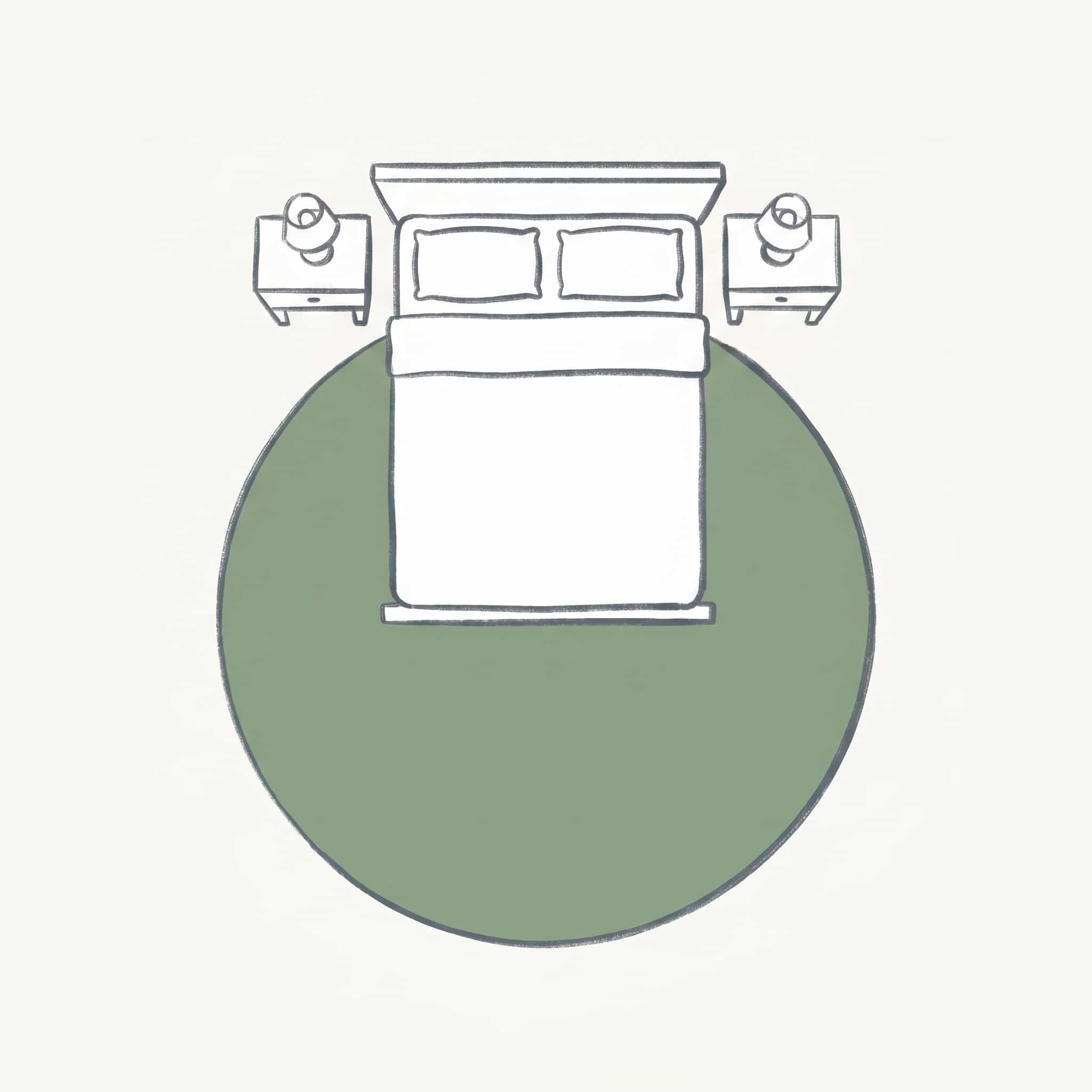
Some of this is character and some of it is a limitation. A rug with even, overall low pile is stable and can be used normally. A rug with localised holes or a brittle foundation needs to go somewhere protected — under a bed, in a low-traffic room, layered over a larger rug, or on a wall. The condition note tells you which you are looking at.
Repairs Are Not Defects
A rug that has been repaired is a rug someone thought was worth keeping. Old reweaves, patched corners and rebuilt selvages are part of the object's history and are noted, not hidden. What matters is whether the repair is stable, and that is what the condition description addresses.
Buying an Antique Rug Sensibly
Buy for the room you will actually put it in. Heavier, coarser antiques with even wear handle living rooms and hallways. Finely knotted pieces and anything with fragile areas belong in bedrooms, studies, under furniture, or layered. Wall-mounting is a legitimate option for pieces too delicate for the floor, and the right approach is a fabric sleeve sewn to the back with a wooden batten through it — never nails, clips or adhesive.
Sizes are never standard and are further from standard here than in newer collections, because antiques were woven for specific rooms and many have been shortened or reduced over their life. Opposite edges frequently differ by several inches. Order against the exact measured dimensions on the product page, not the rounded size label.
Care
Always use a rug pad on hard floors — on an antique this is protective, not optional, because it stops the foundation grinding against the floor. Vacuum with the beater bar off, at reduced suction, and stay off the fringe entirely; on fragile pieces, use a vacuum with a screen or a soft brush attachment instead. Keep antiques out of direct sun, or rotate them twice a year so exposure evens out. Blot spills immediately with a white cloth and plain water. Never use a home carpet-cleaning machine, a steam cleaner or any commercial spot treatment — natural dyes bleed and old cotton foundations rot when saturated. For deep cleaning or any structural issue, use a professional rug conservator who works with antique hand-knotted pieces.