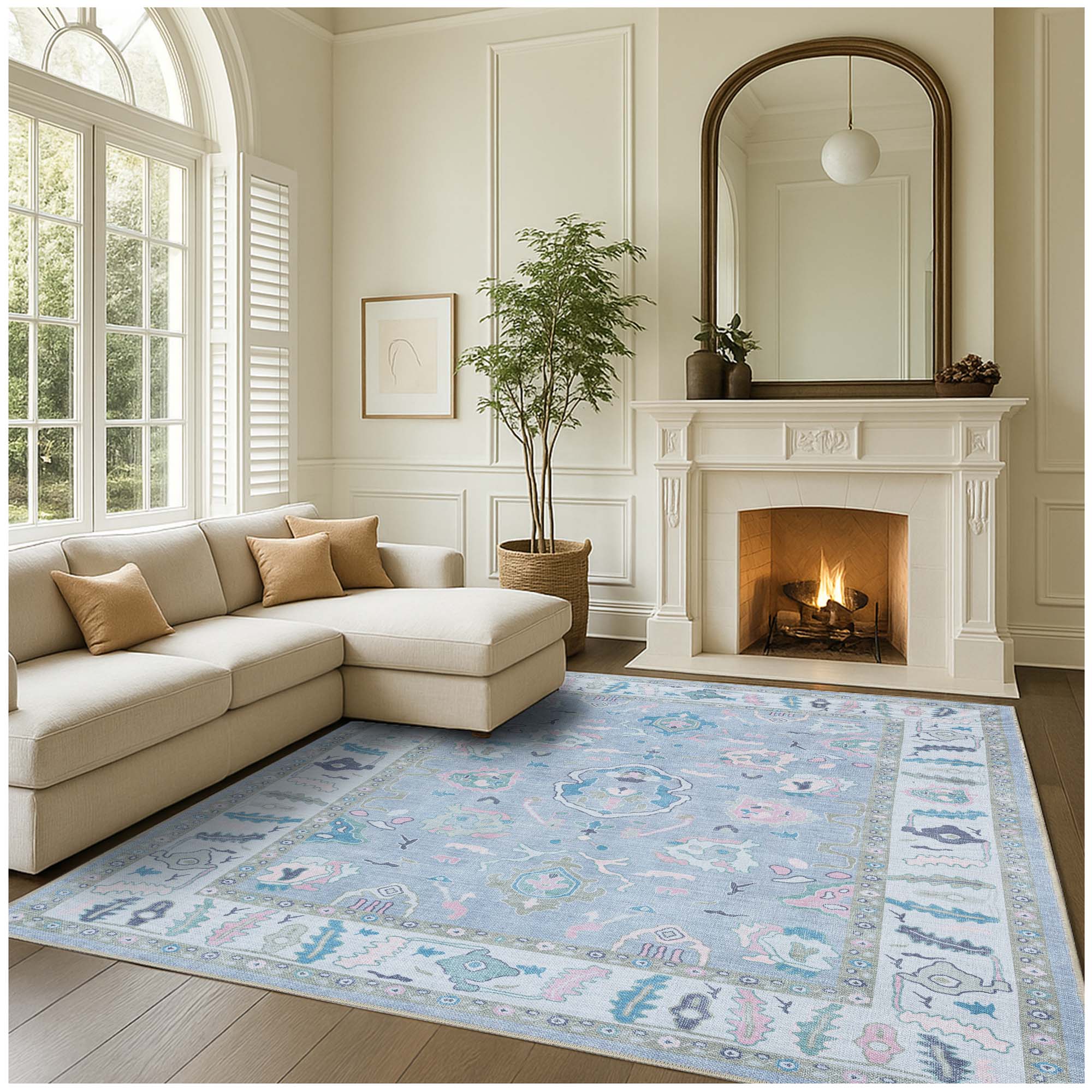
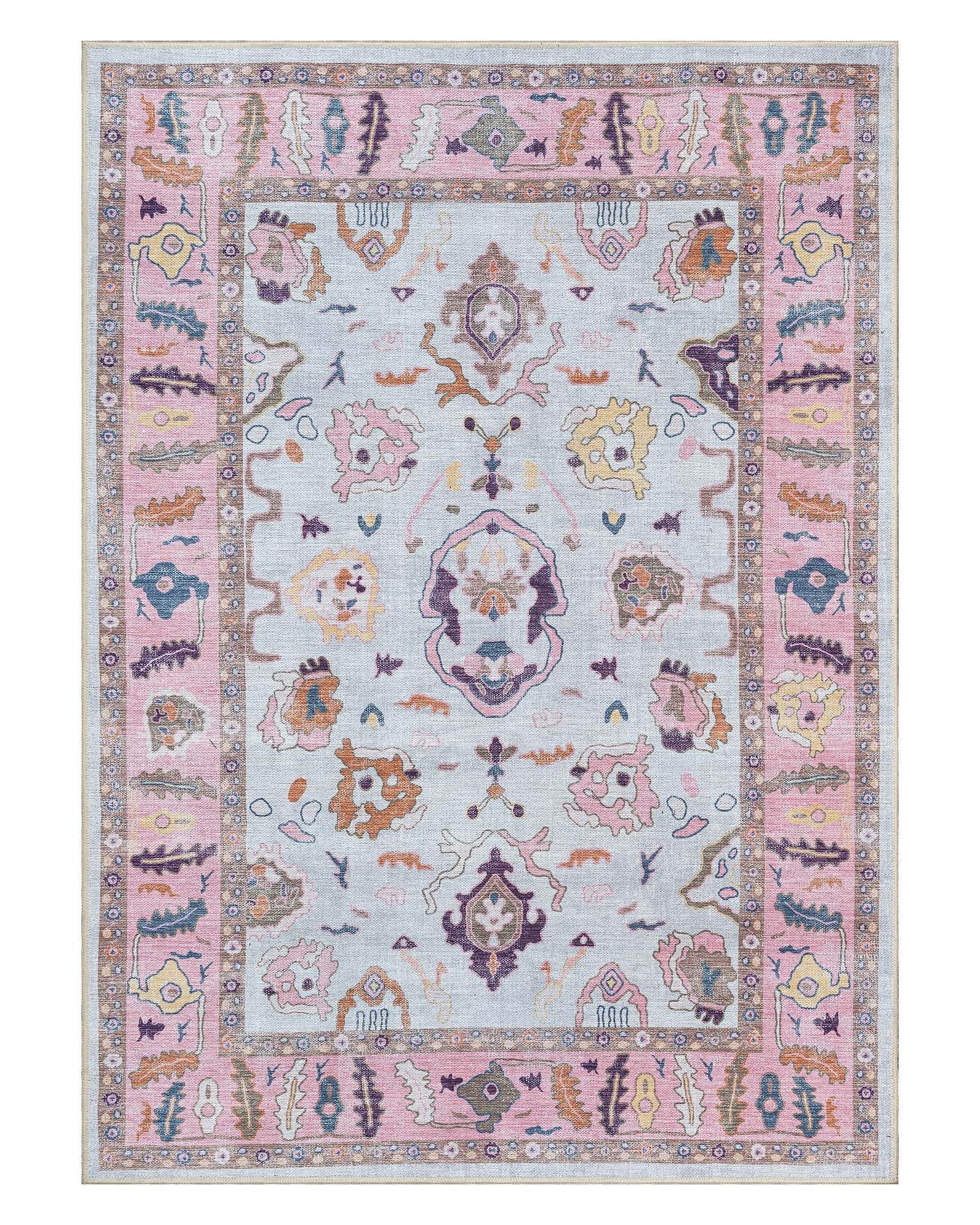
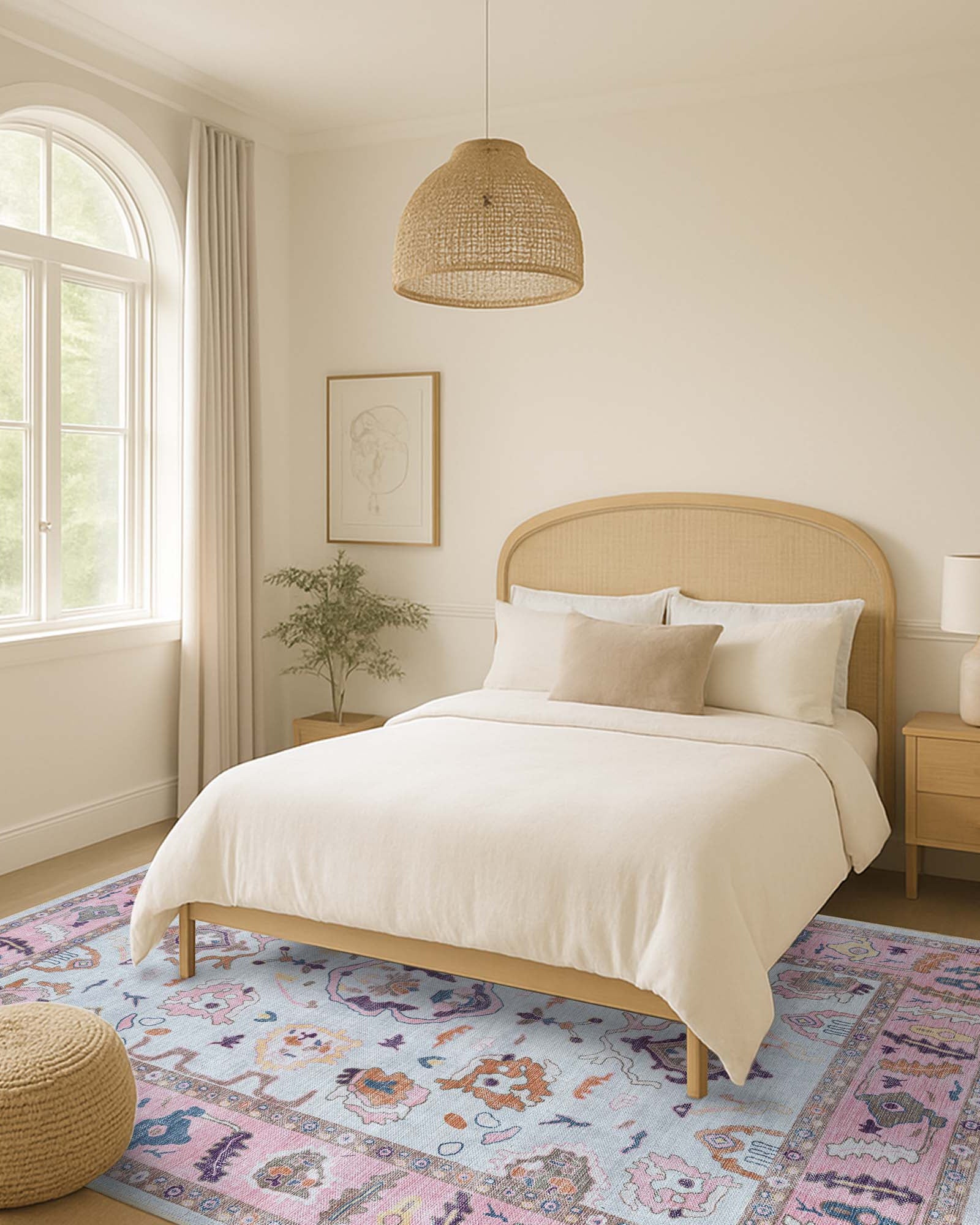
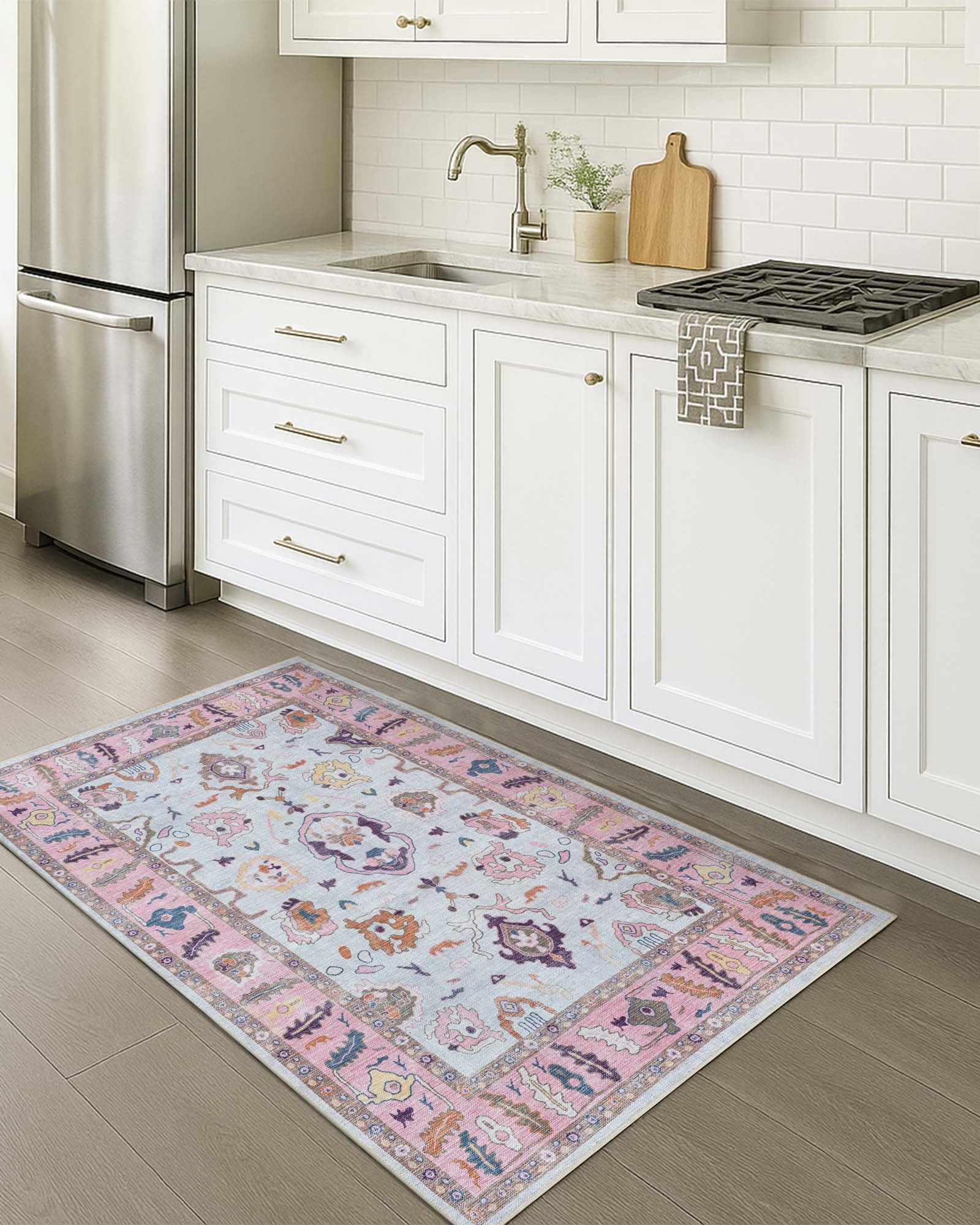
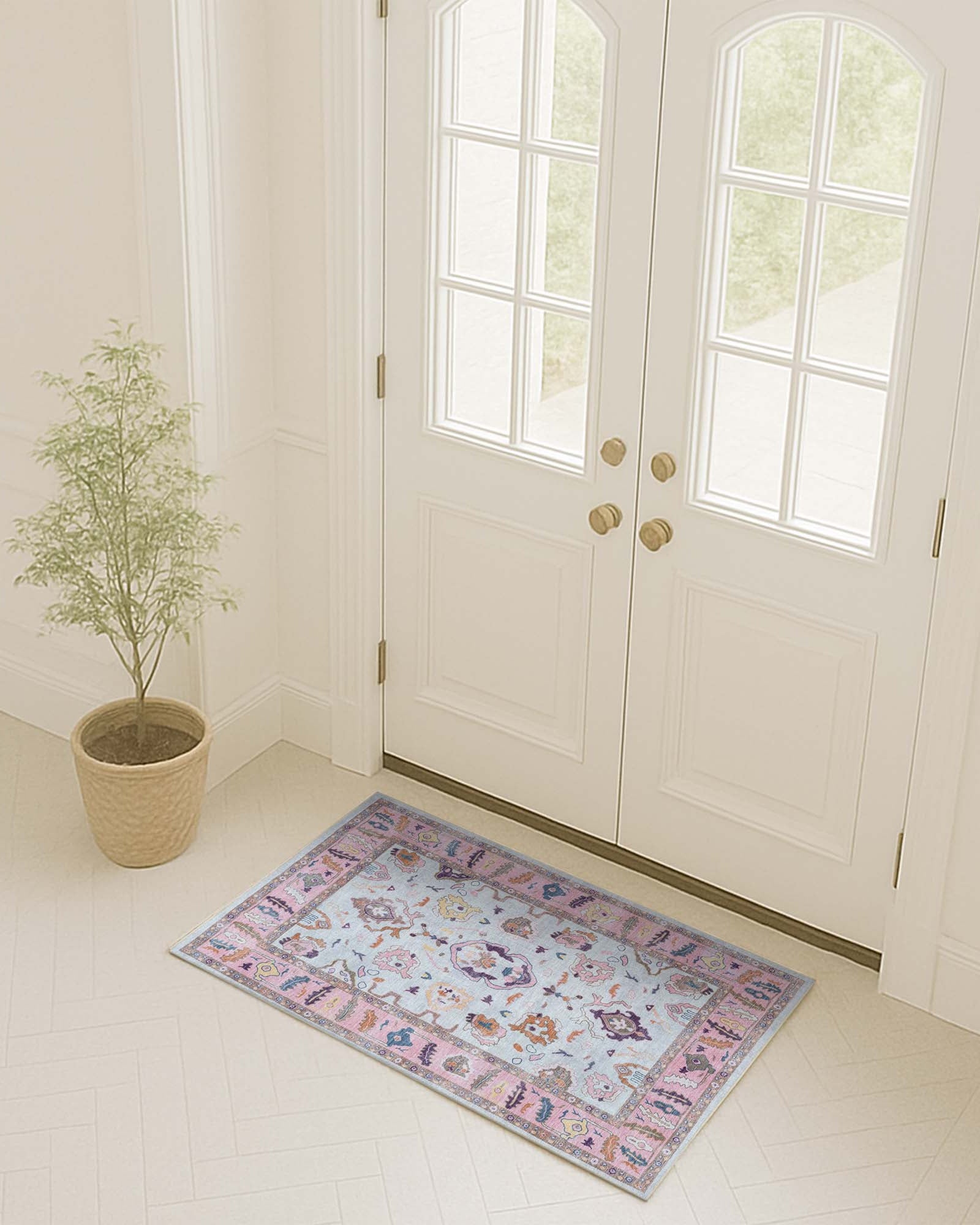
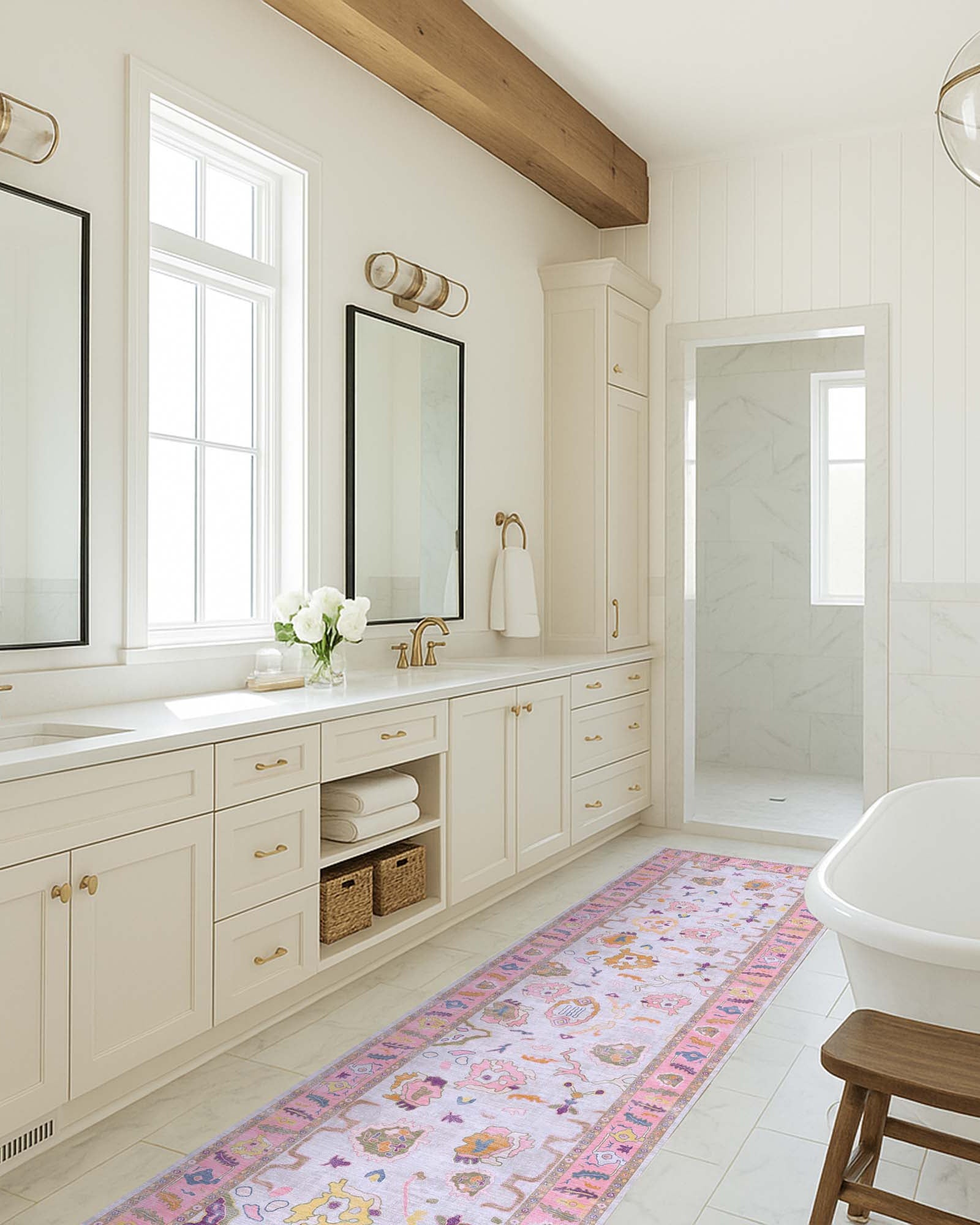
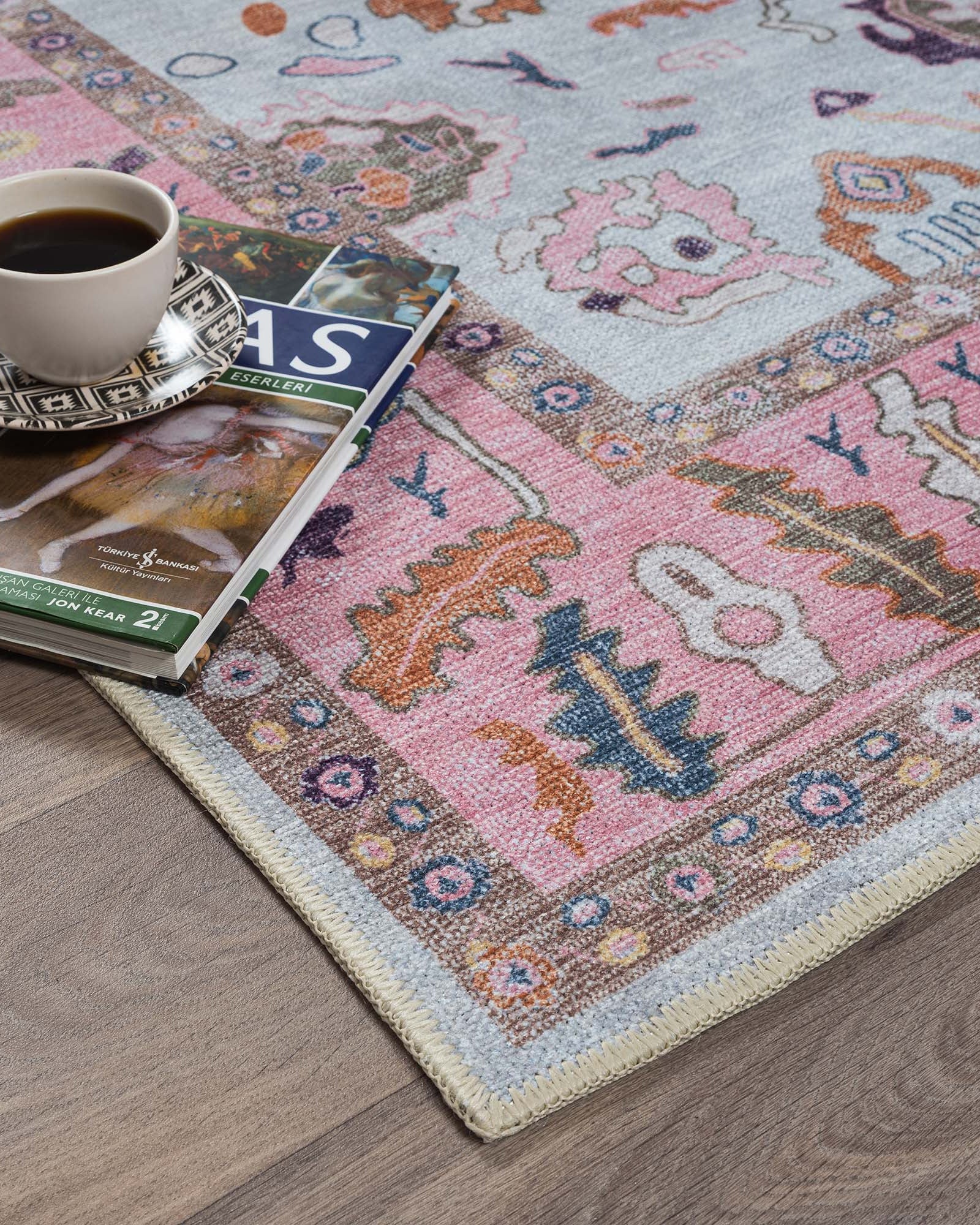
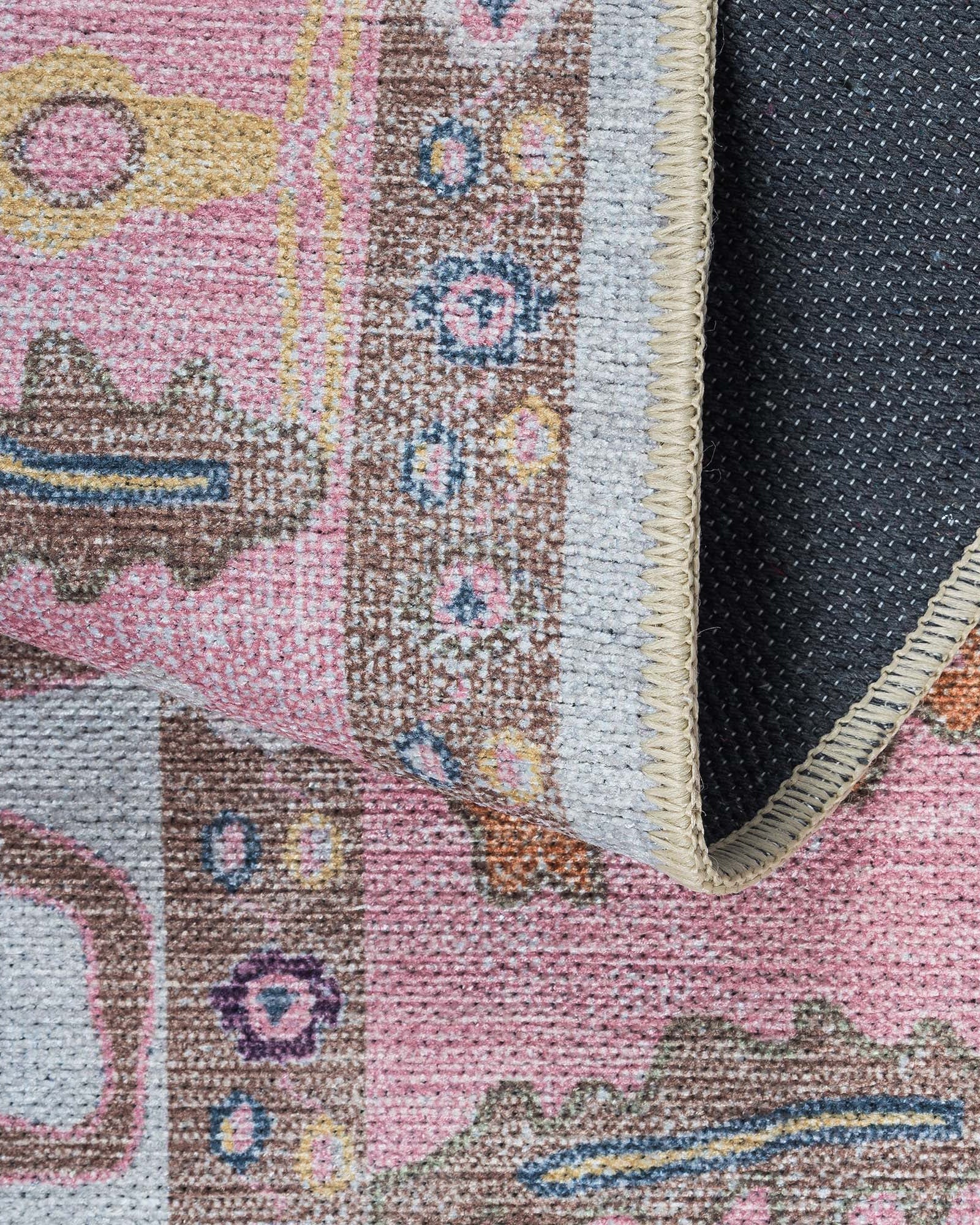
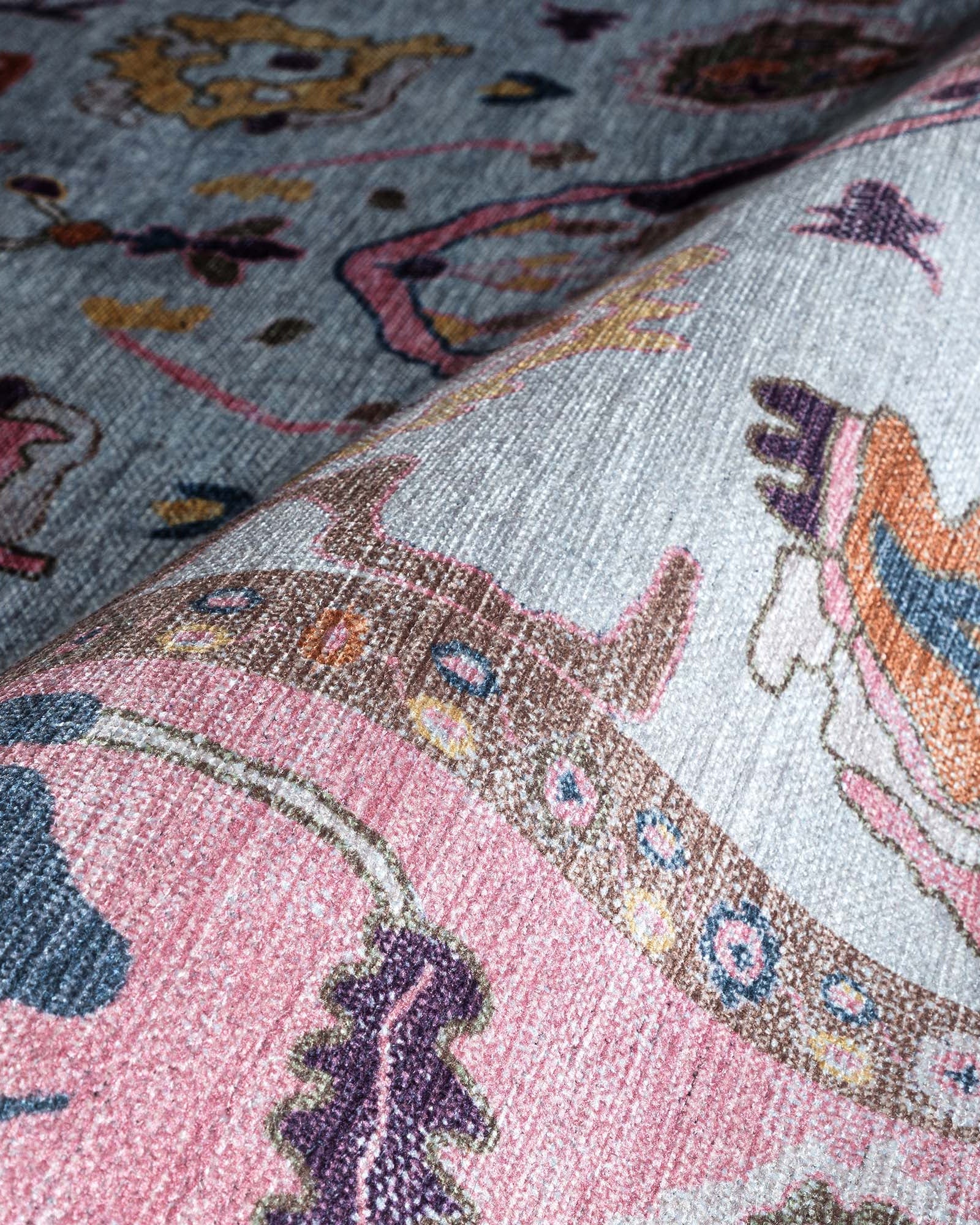
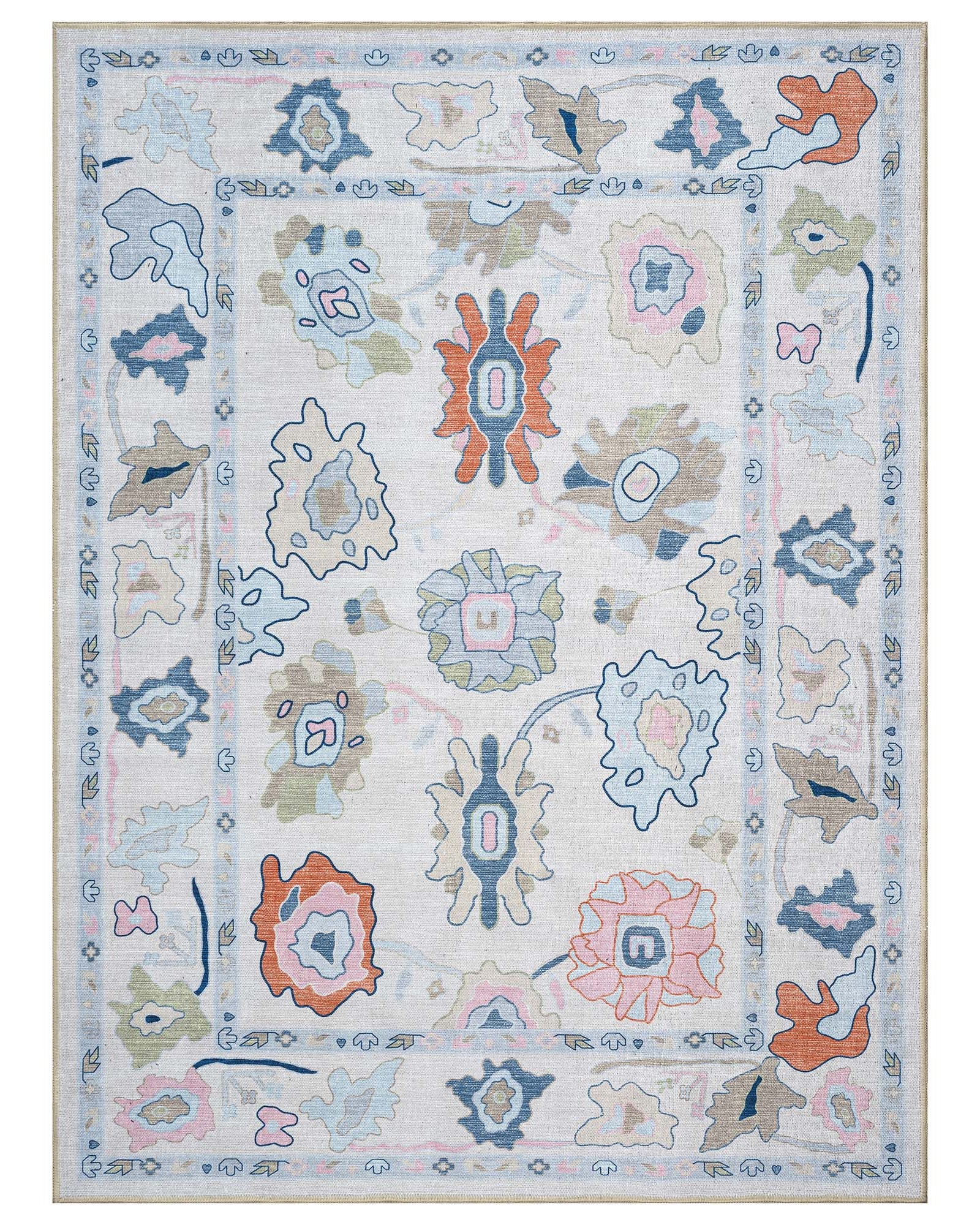
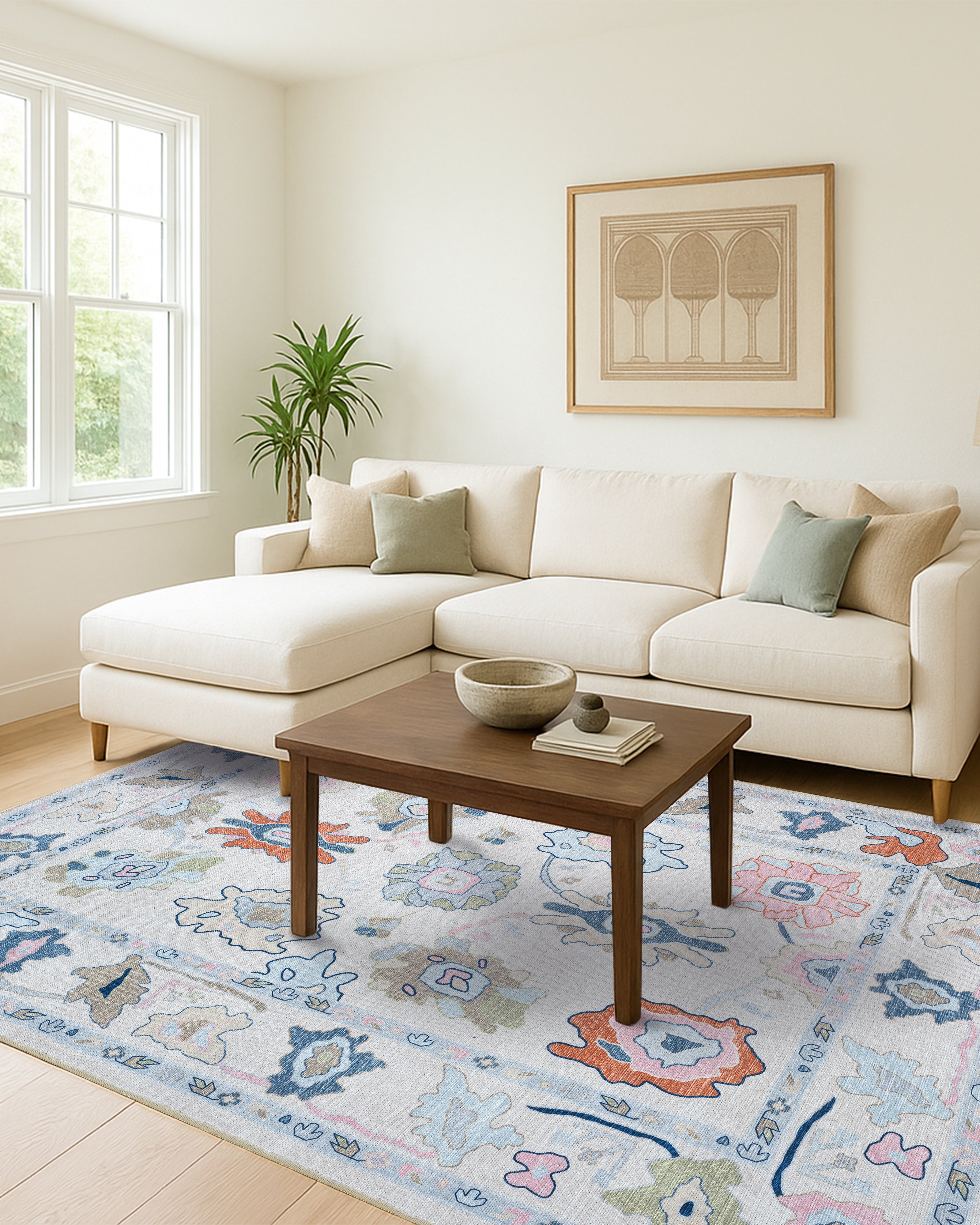
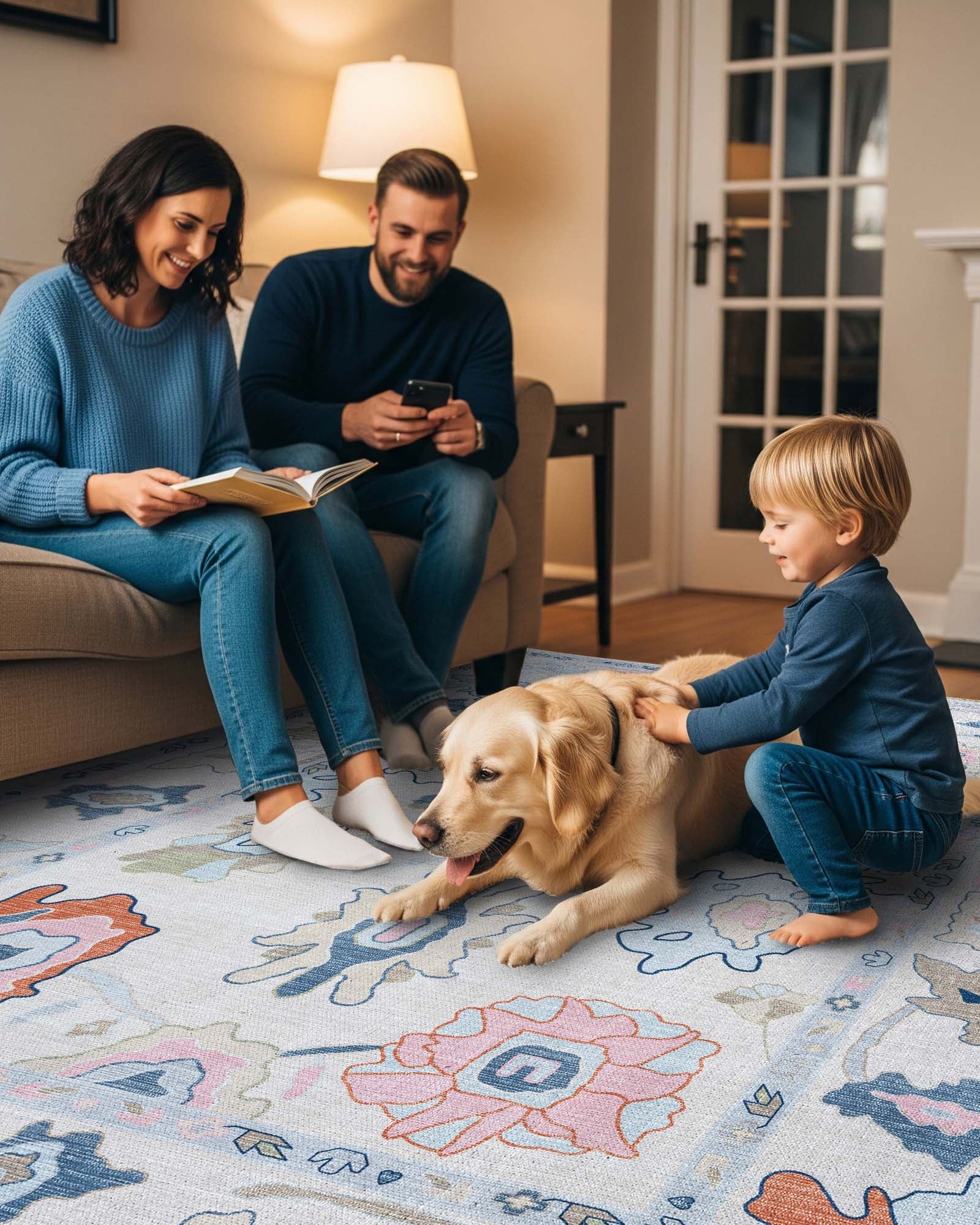
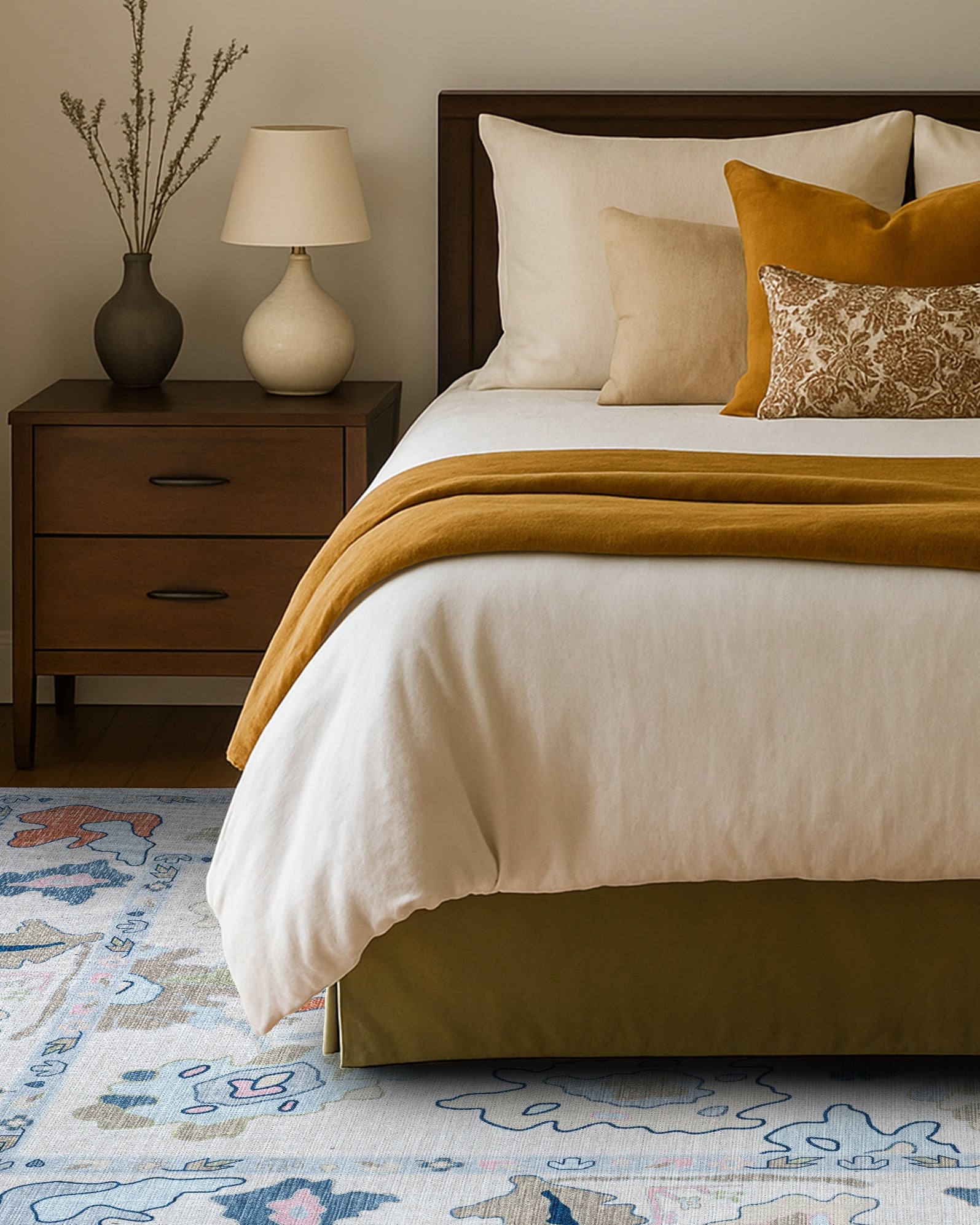
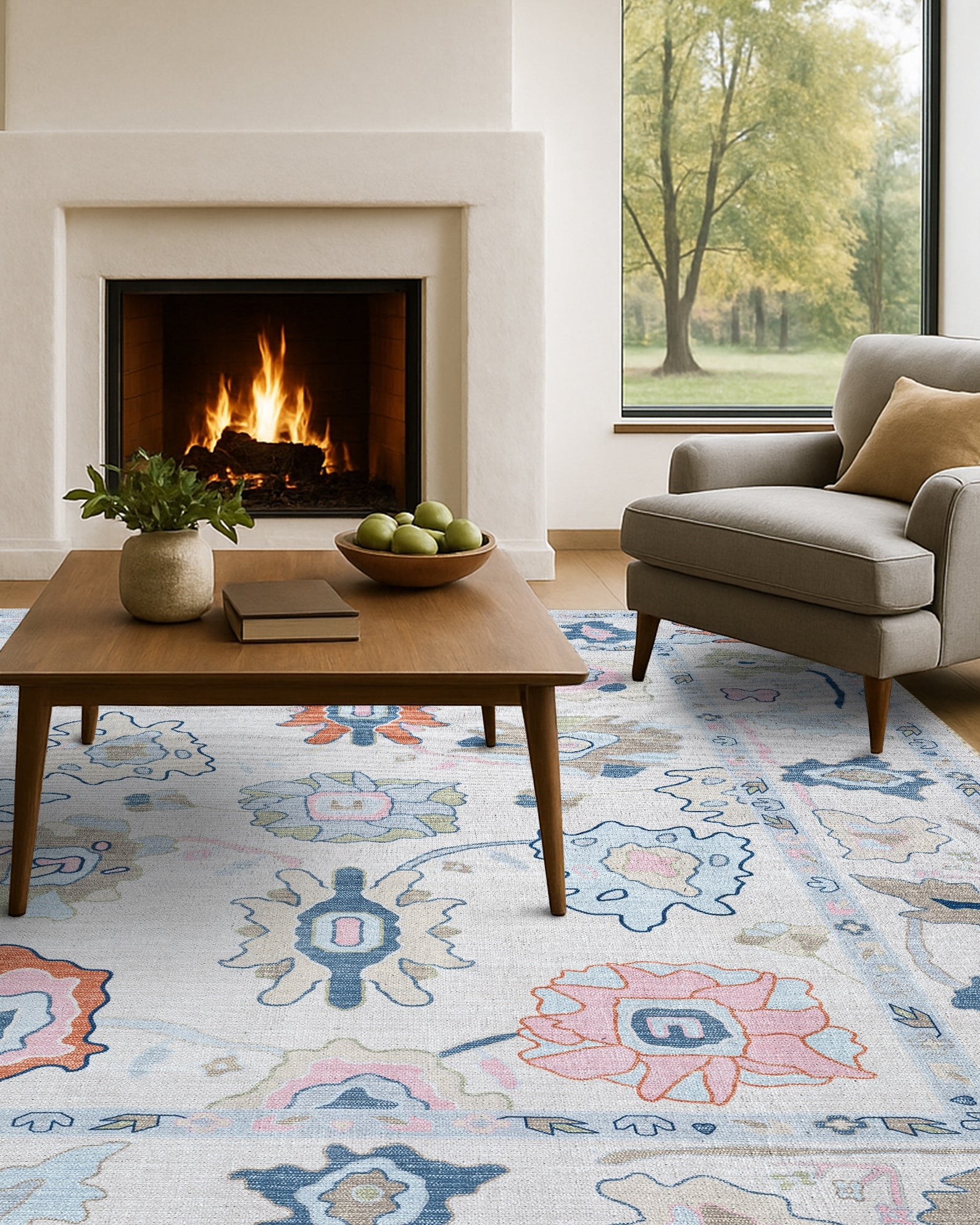
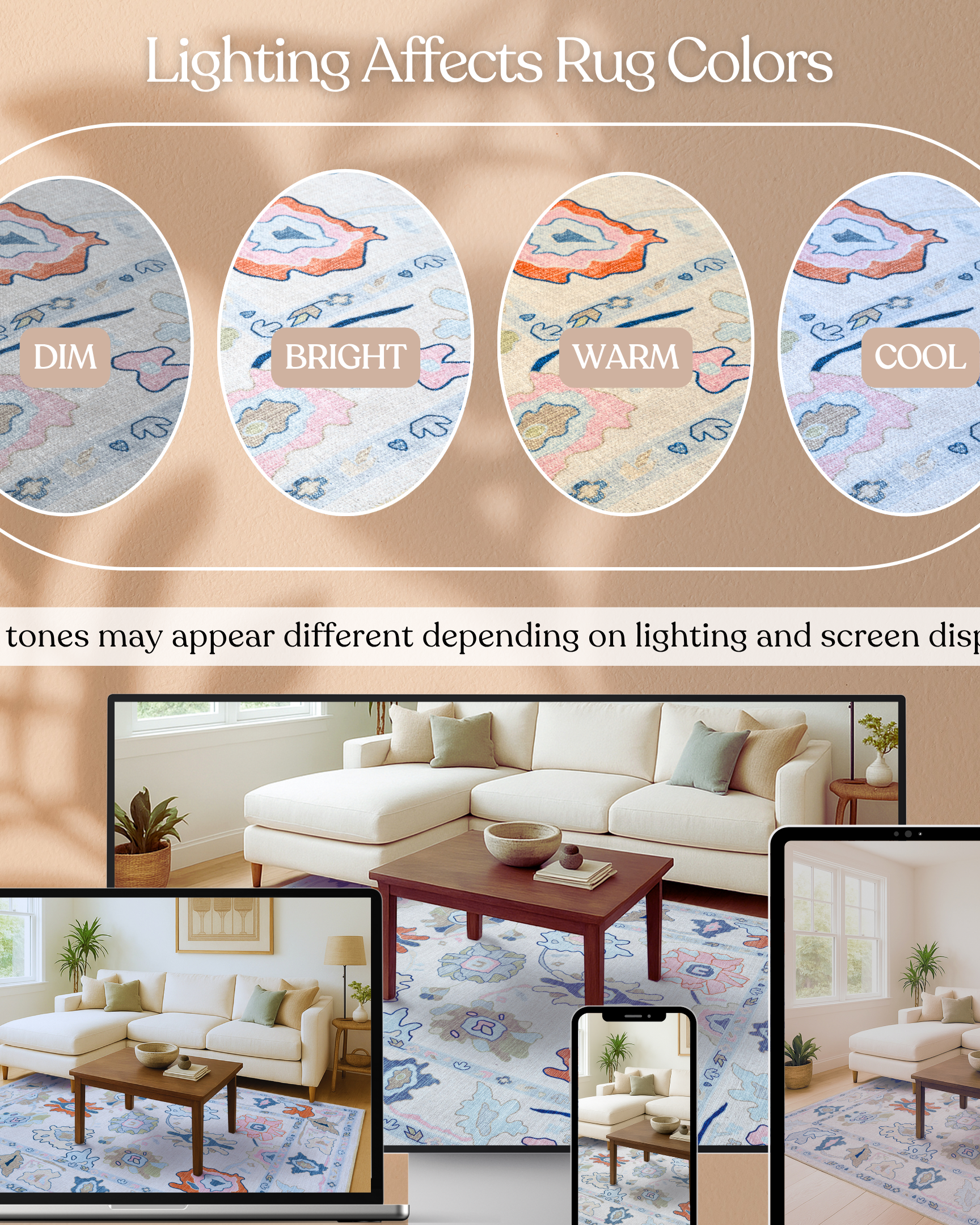
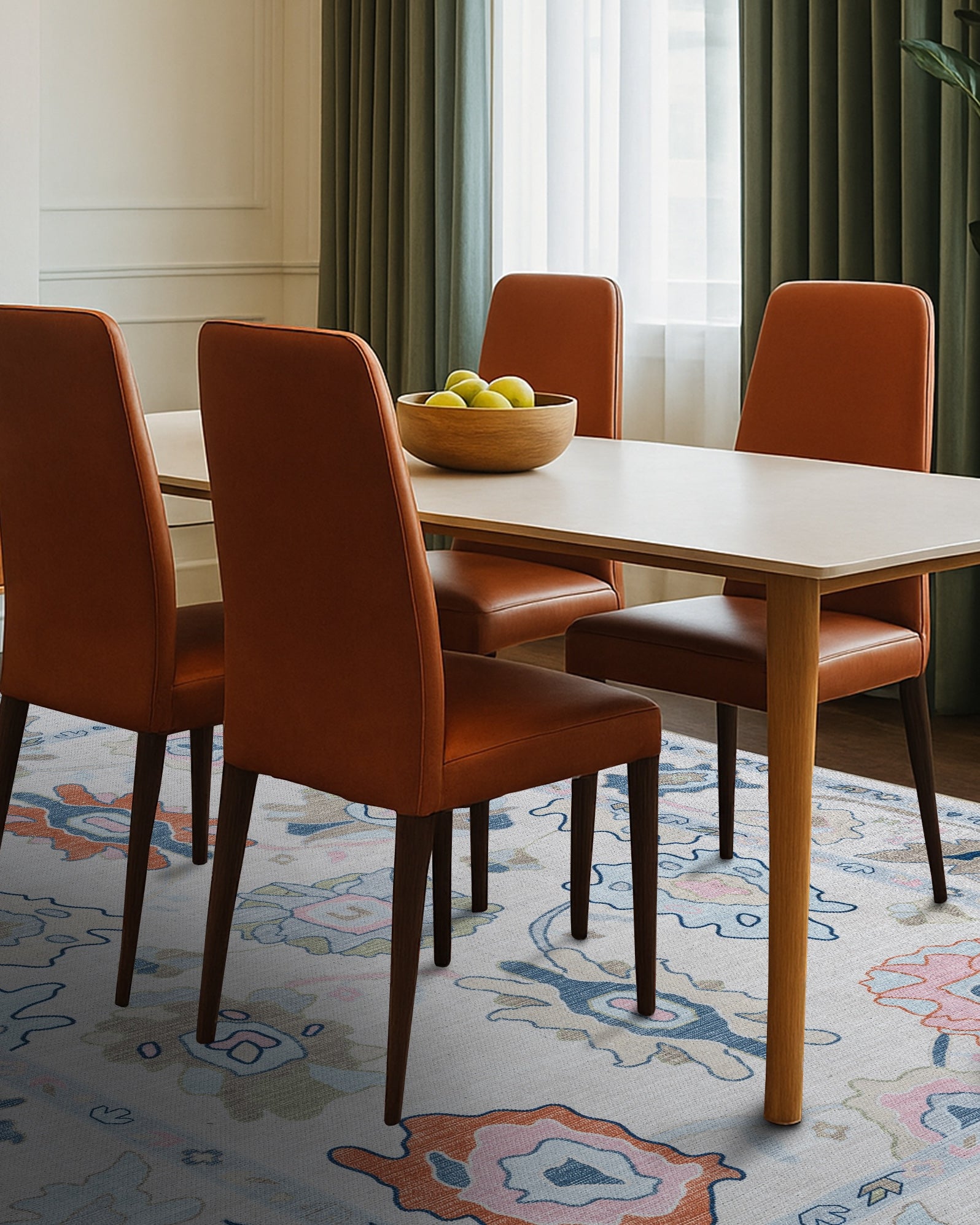
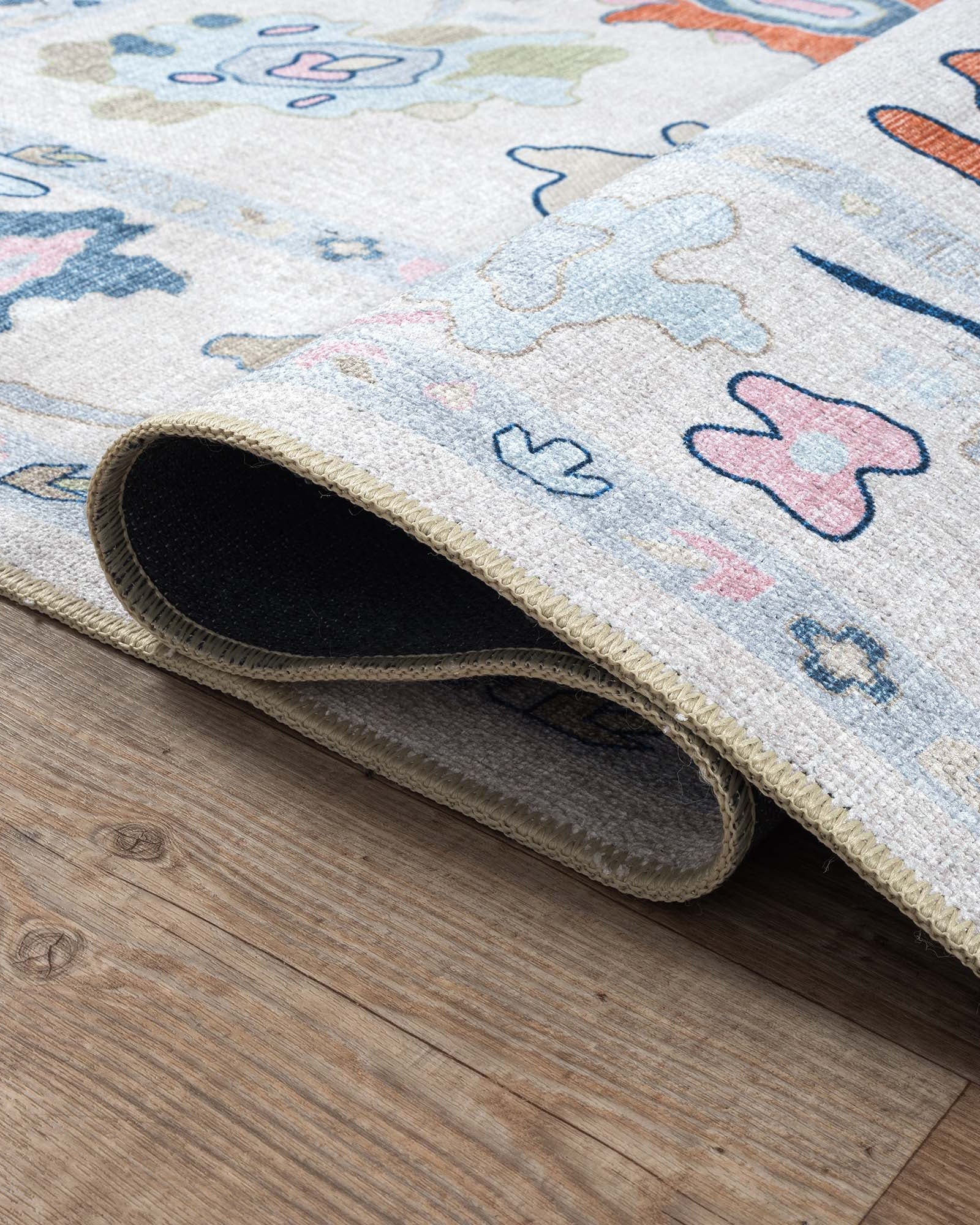
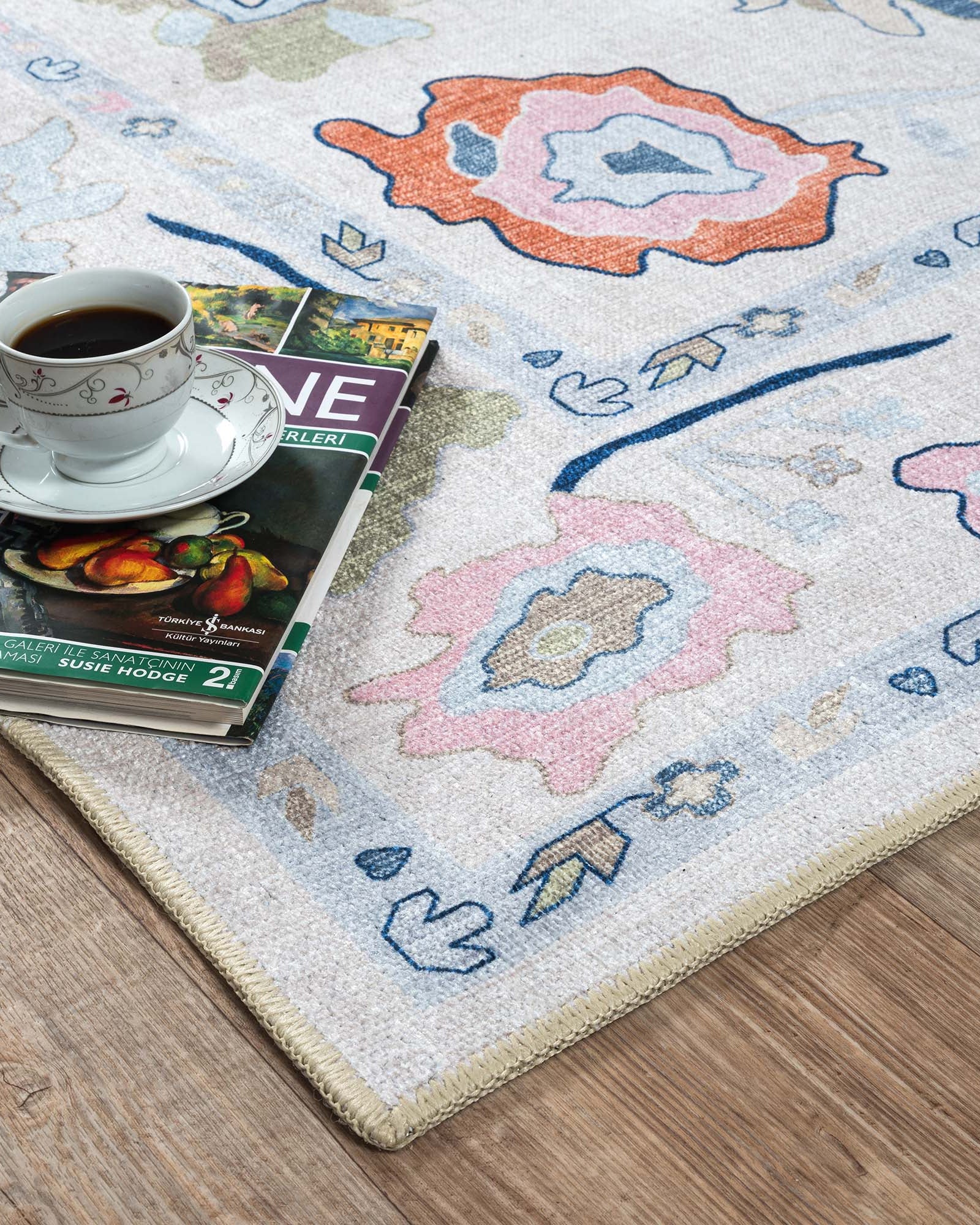
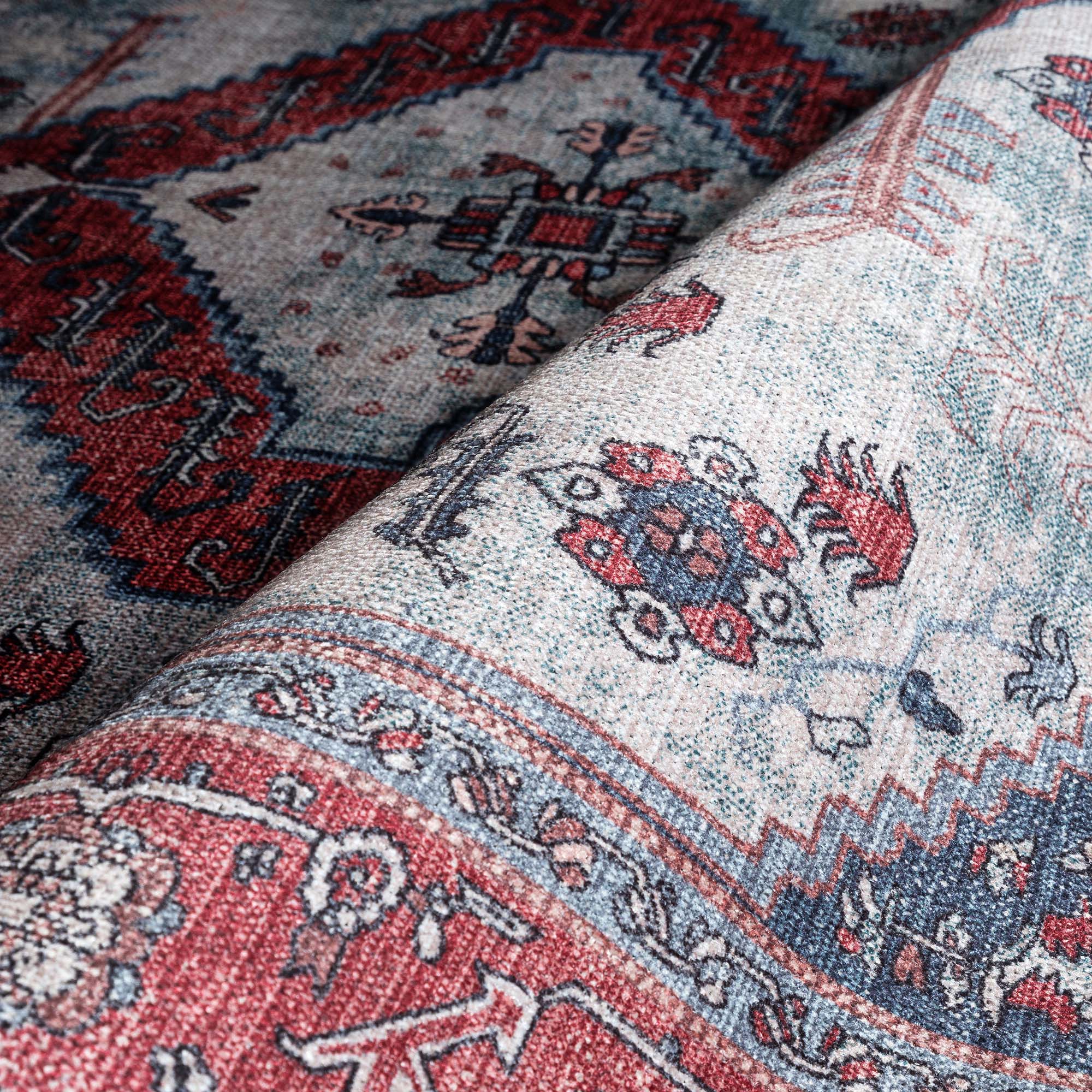
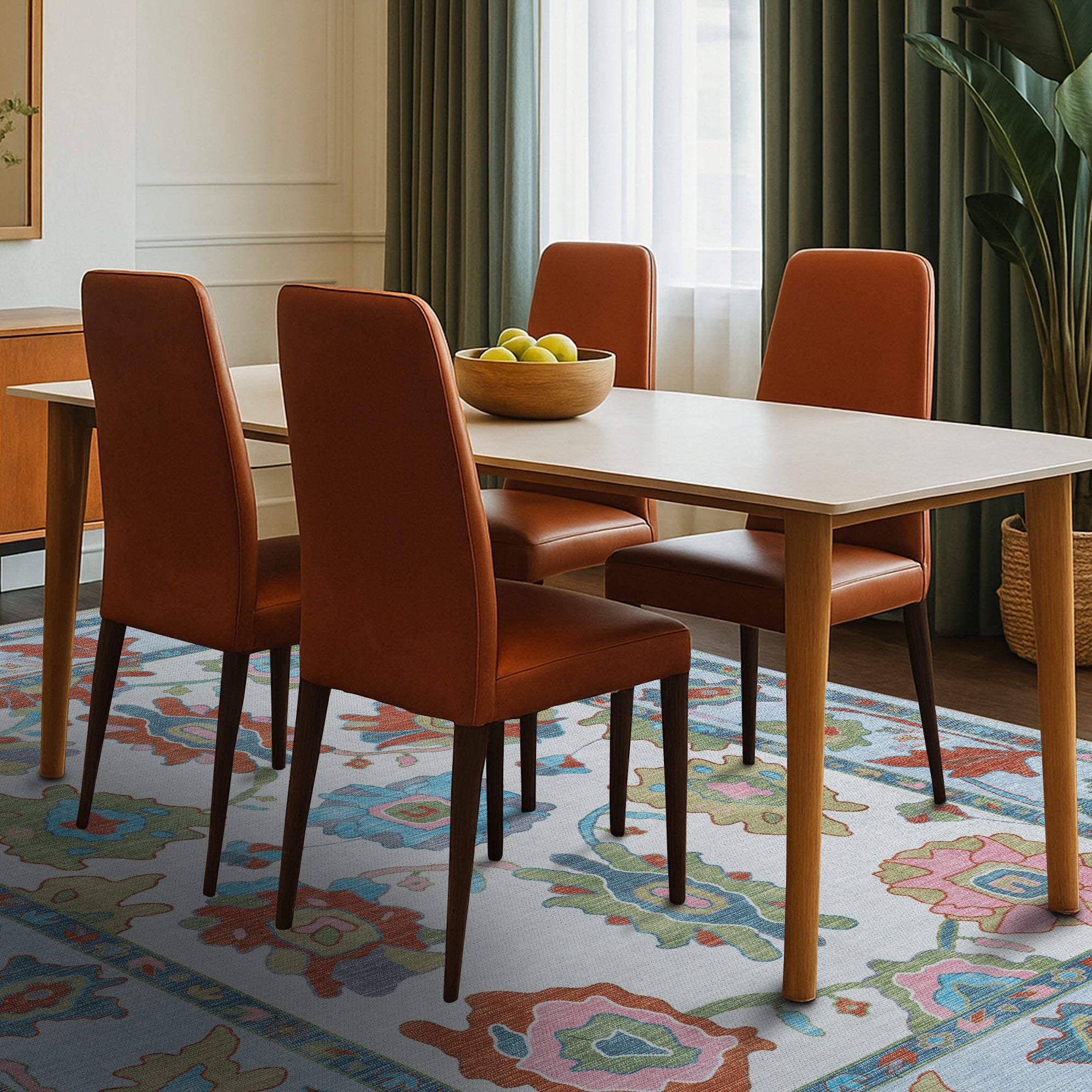
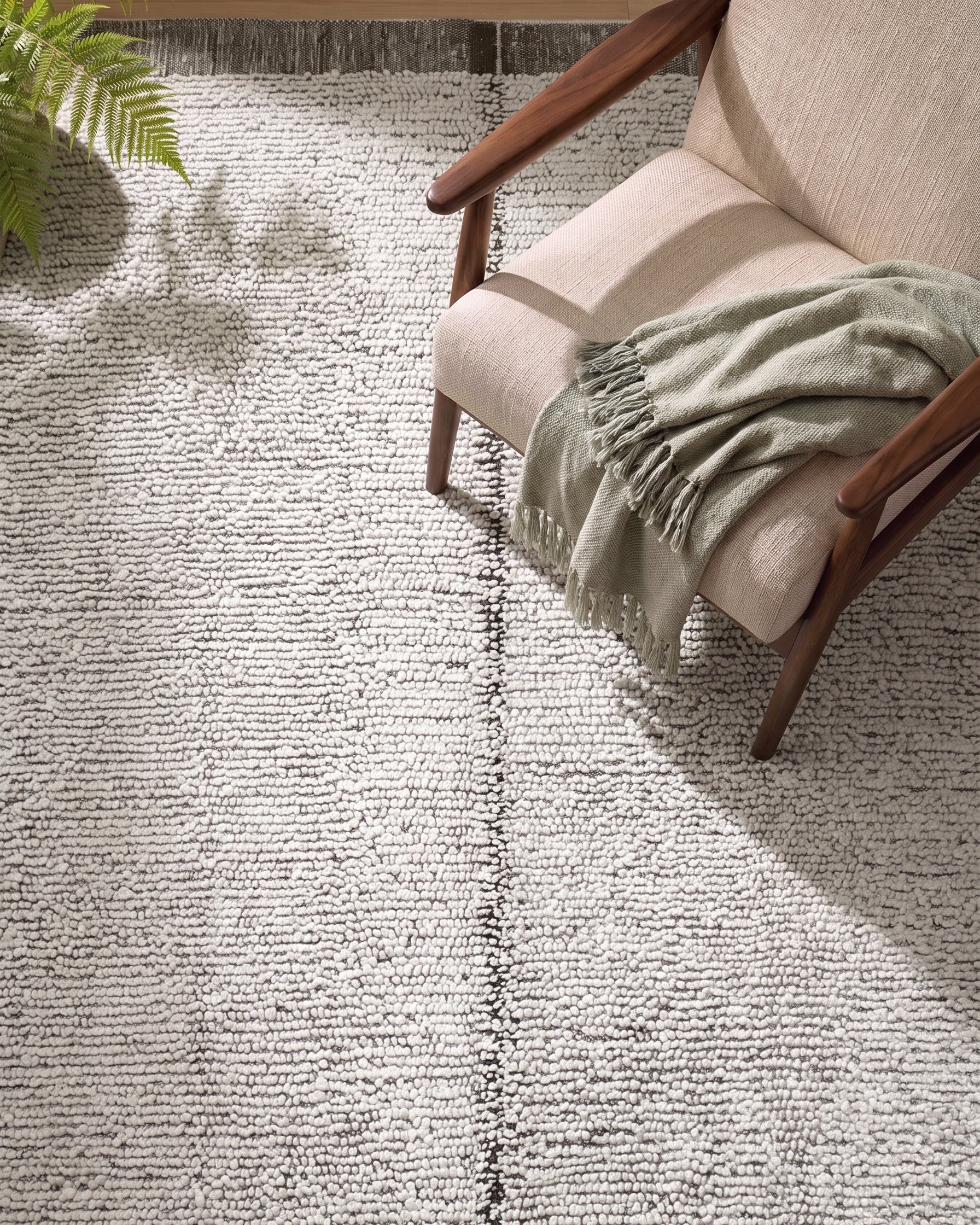
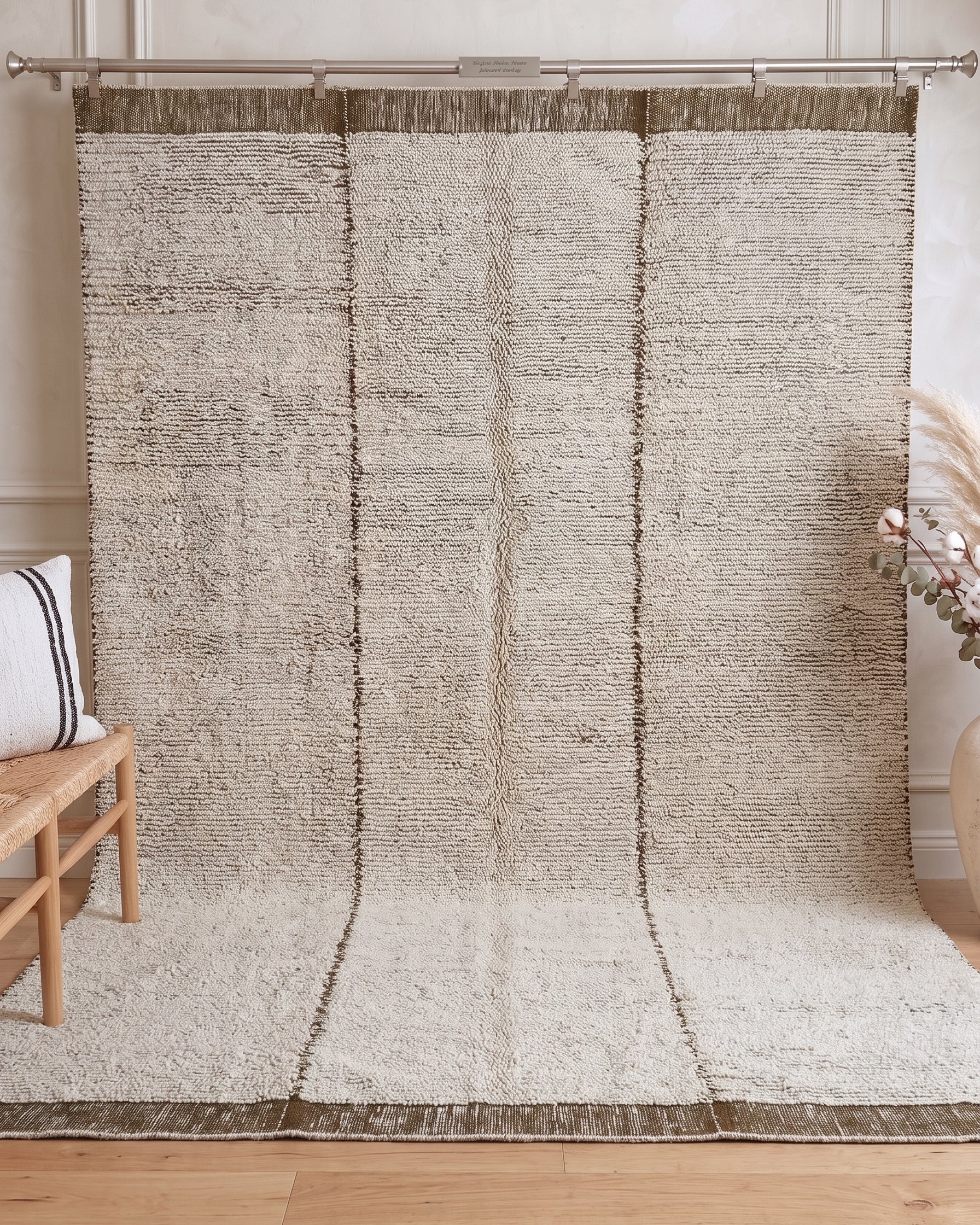
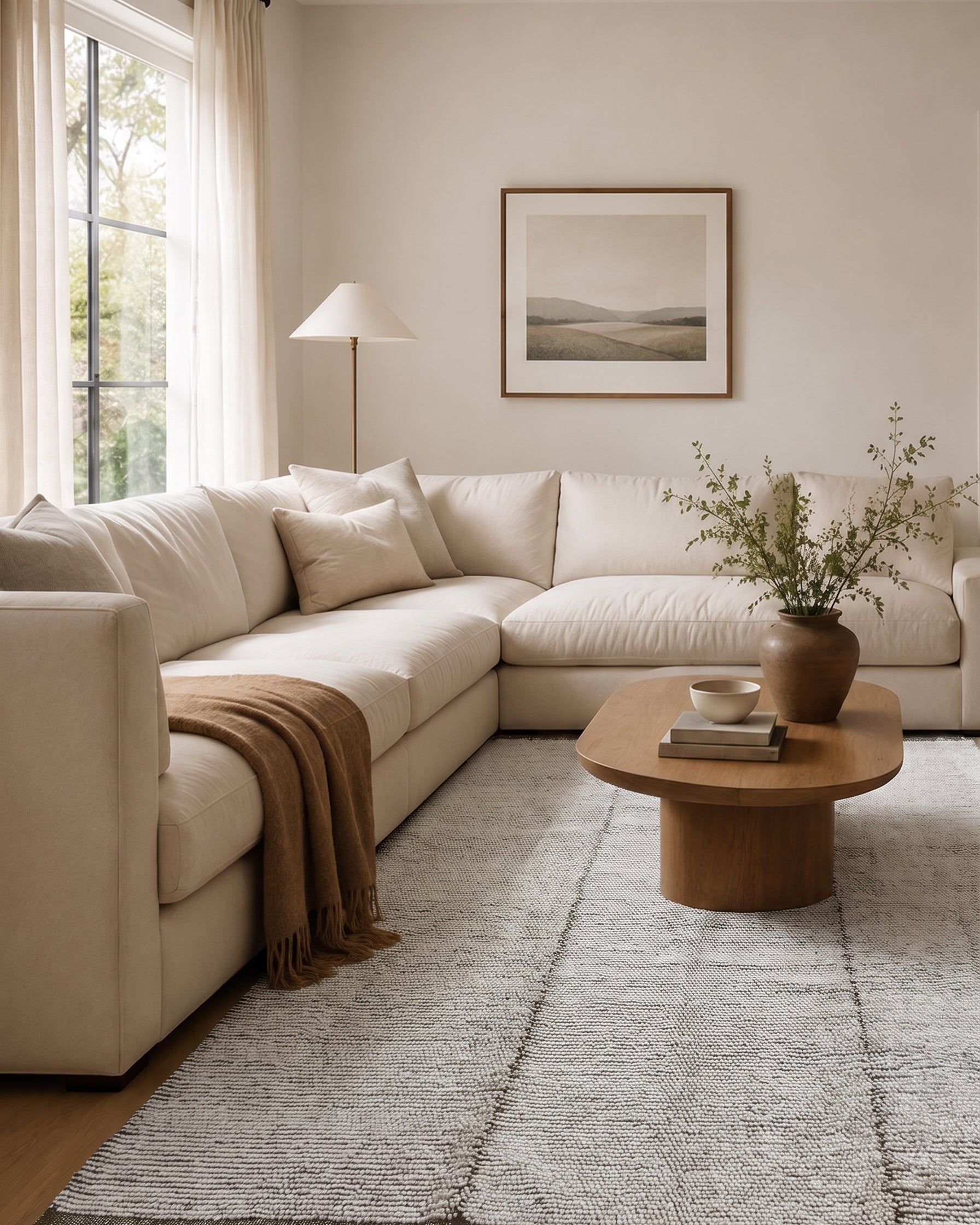
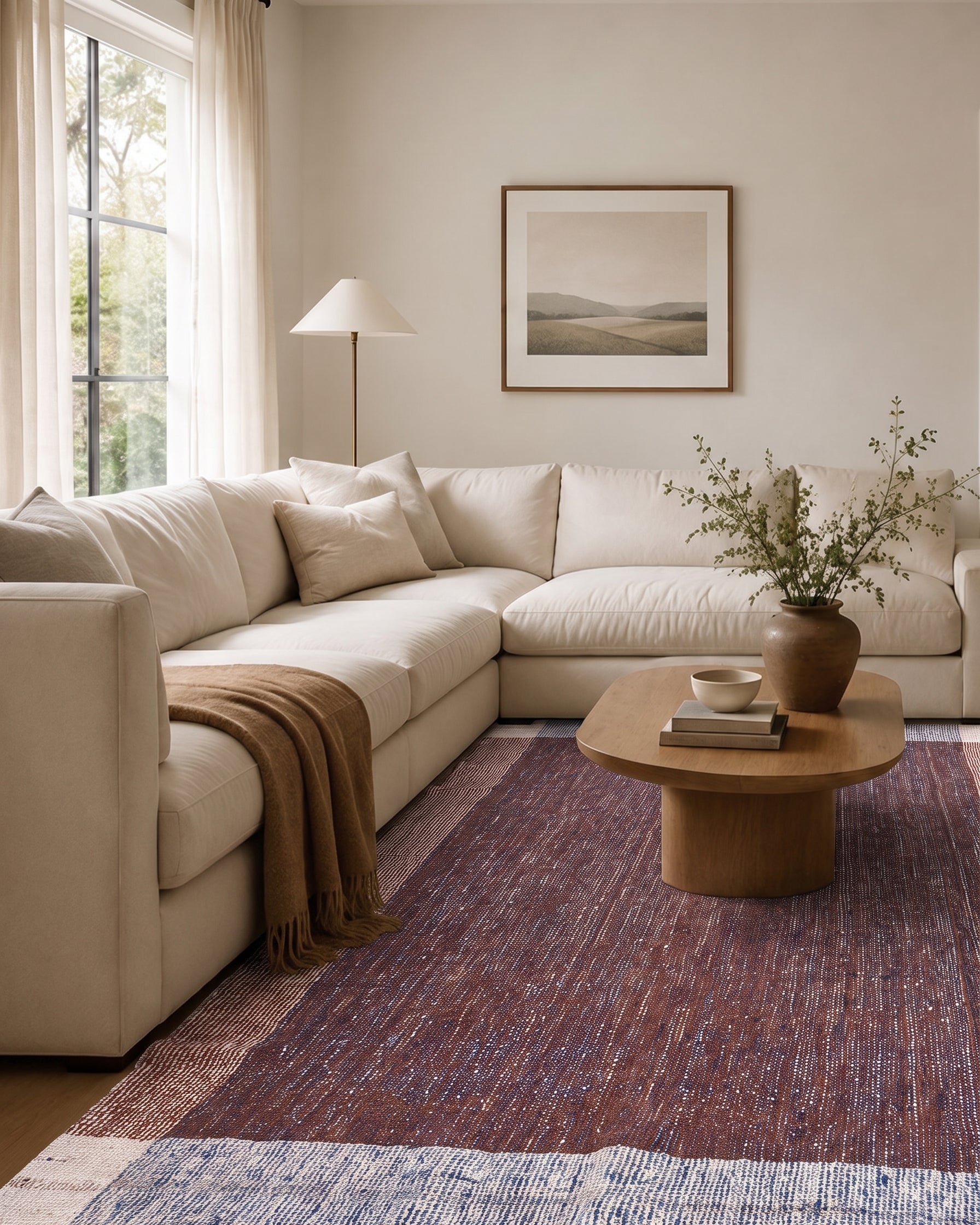
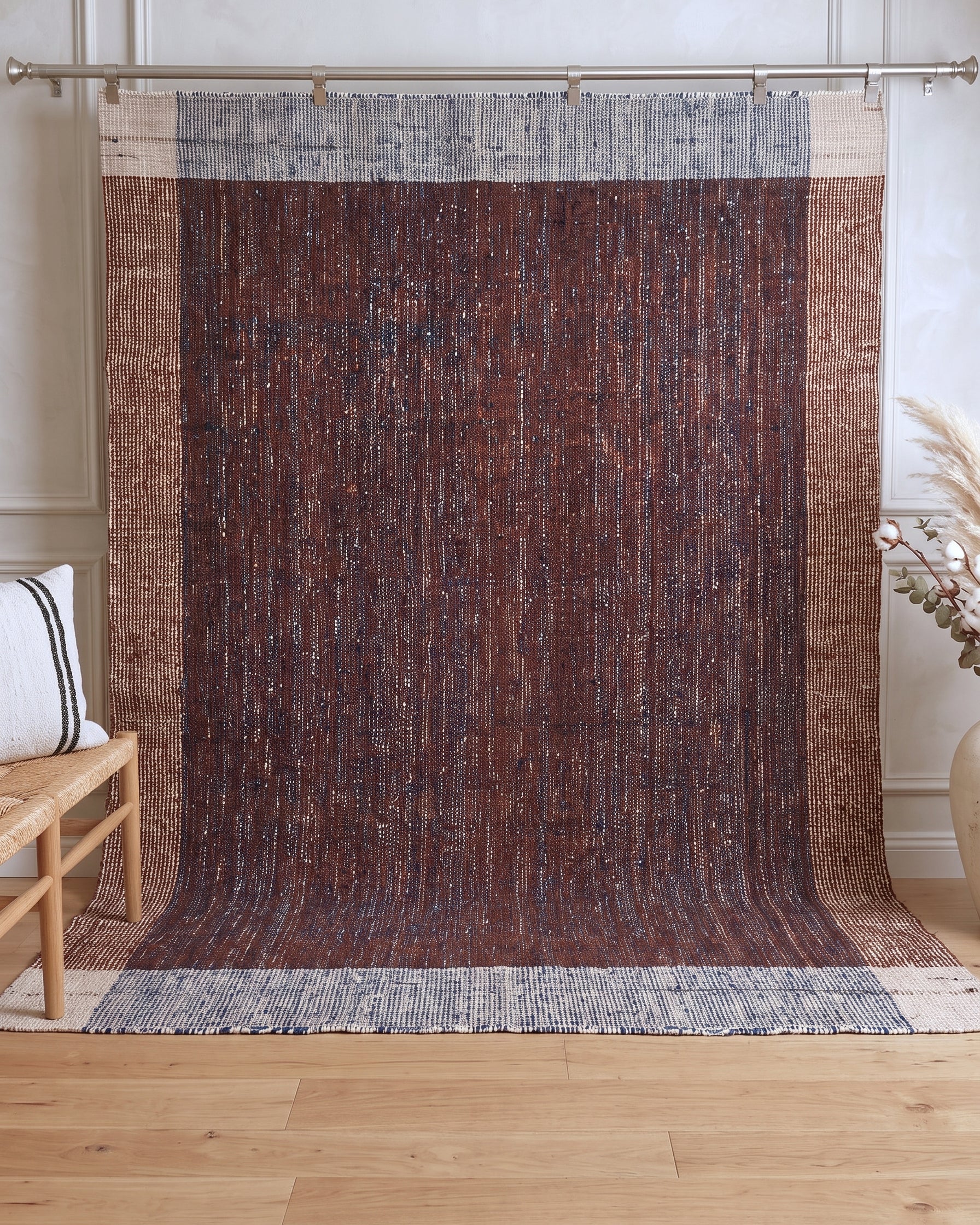
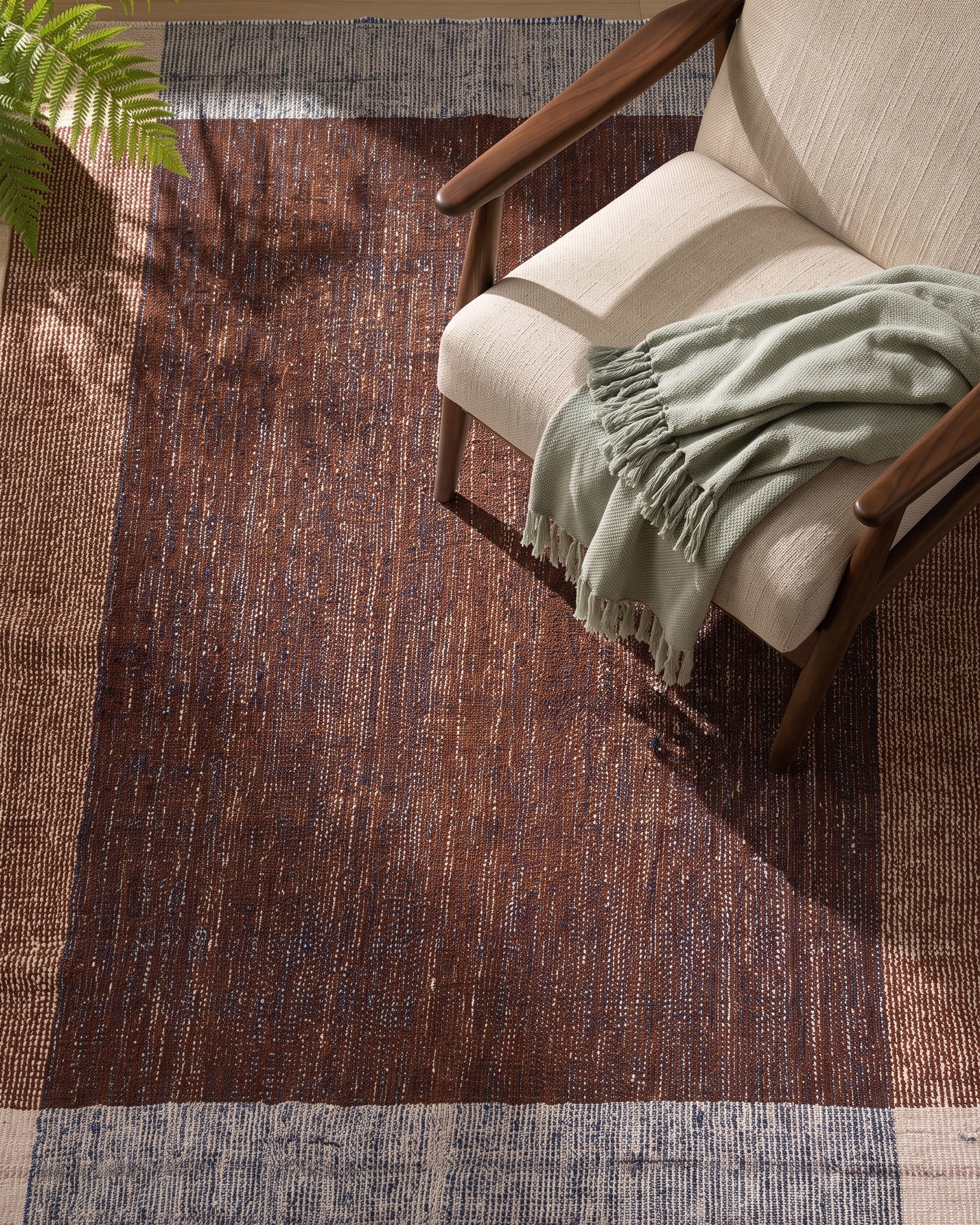
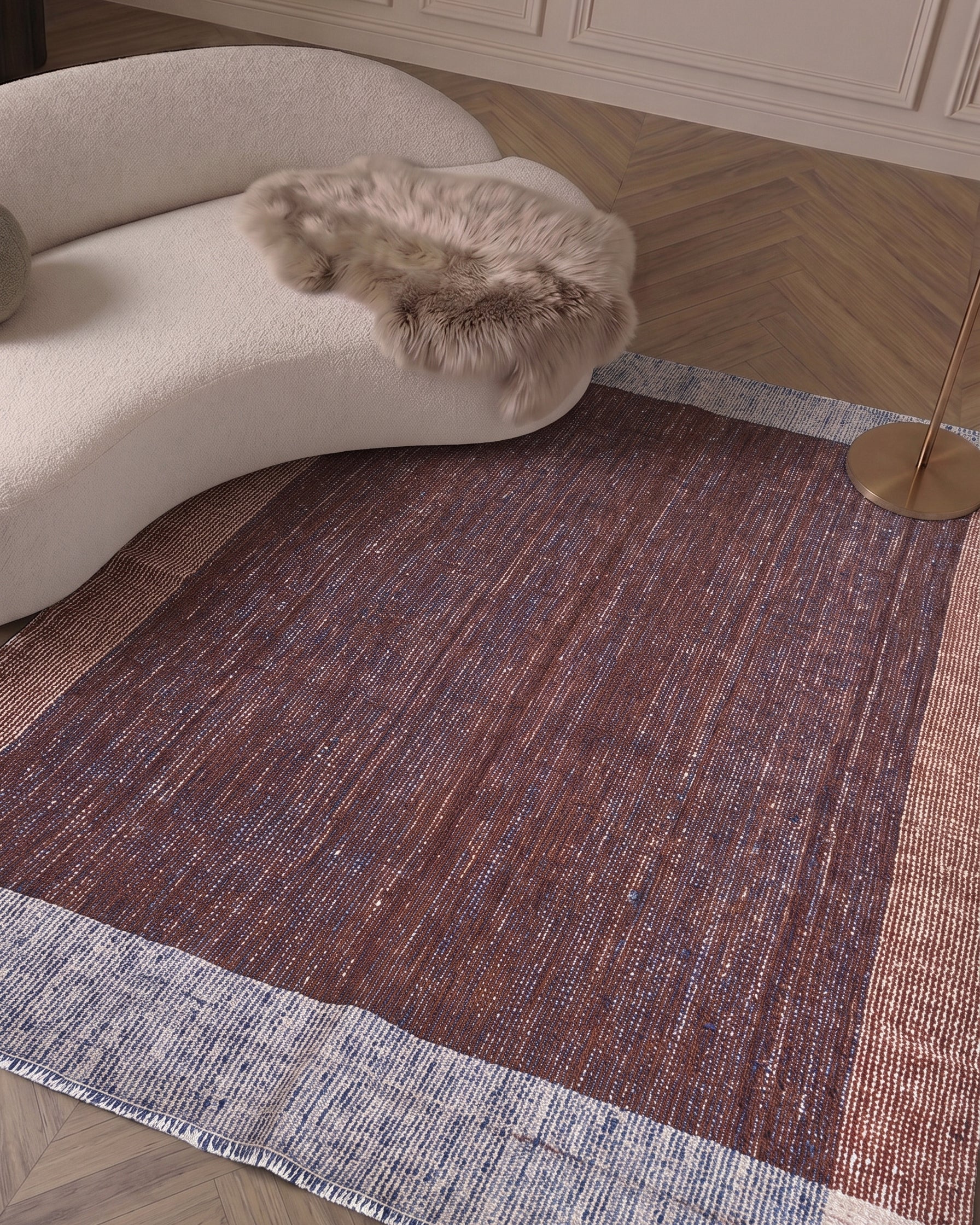
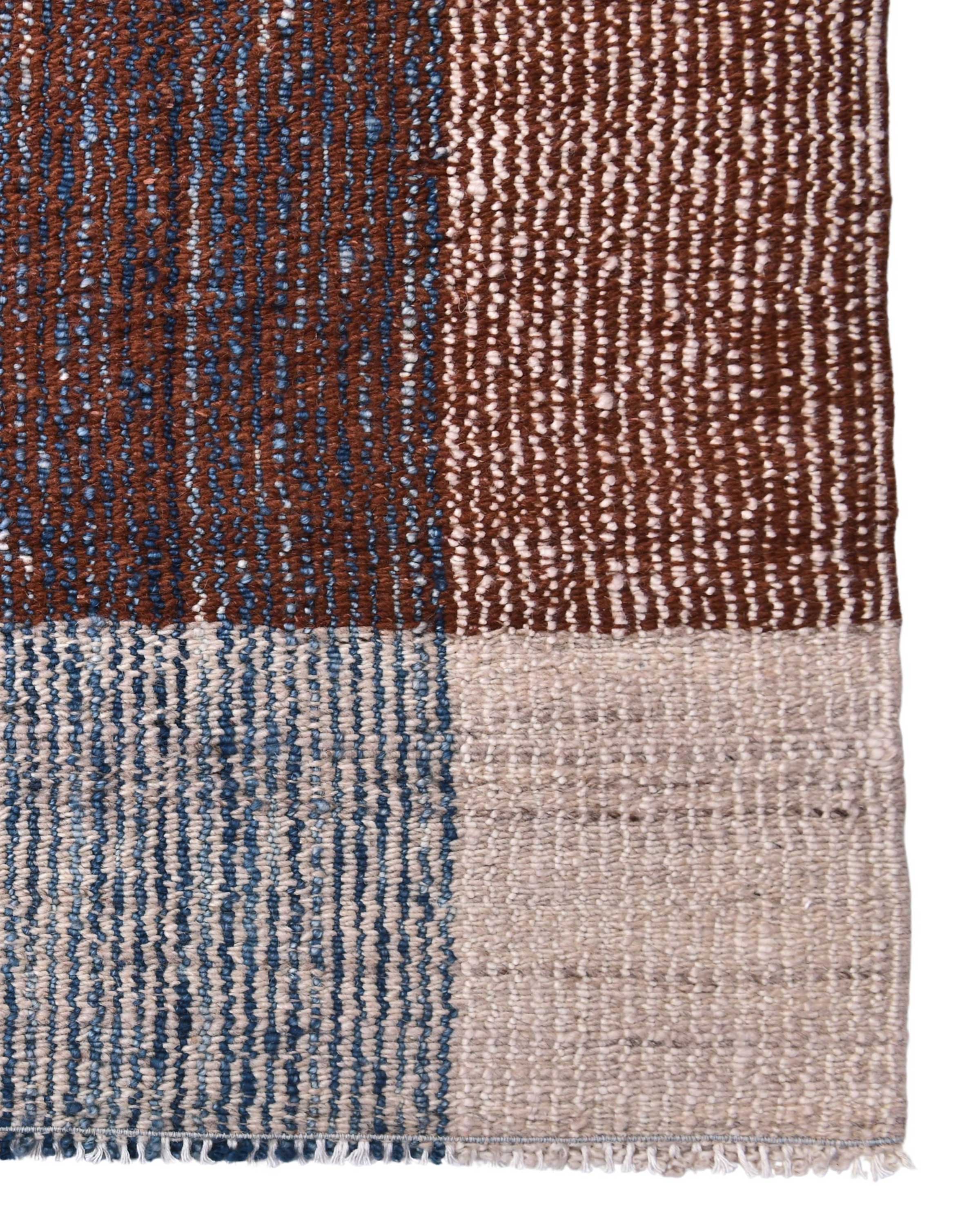
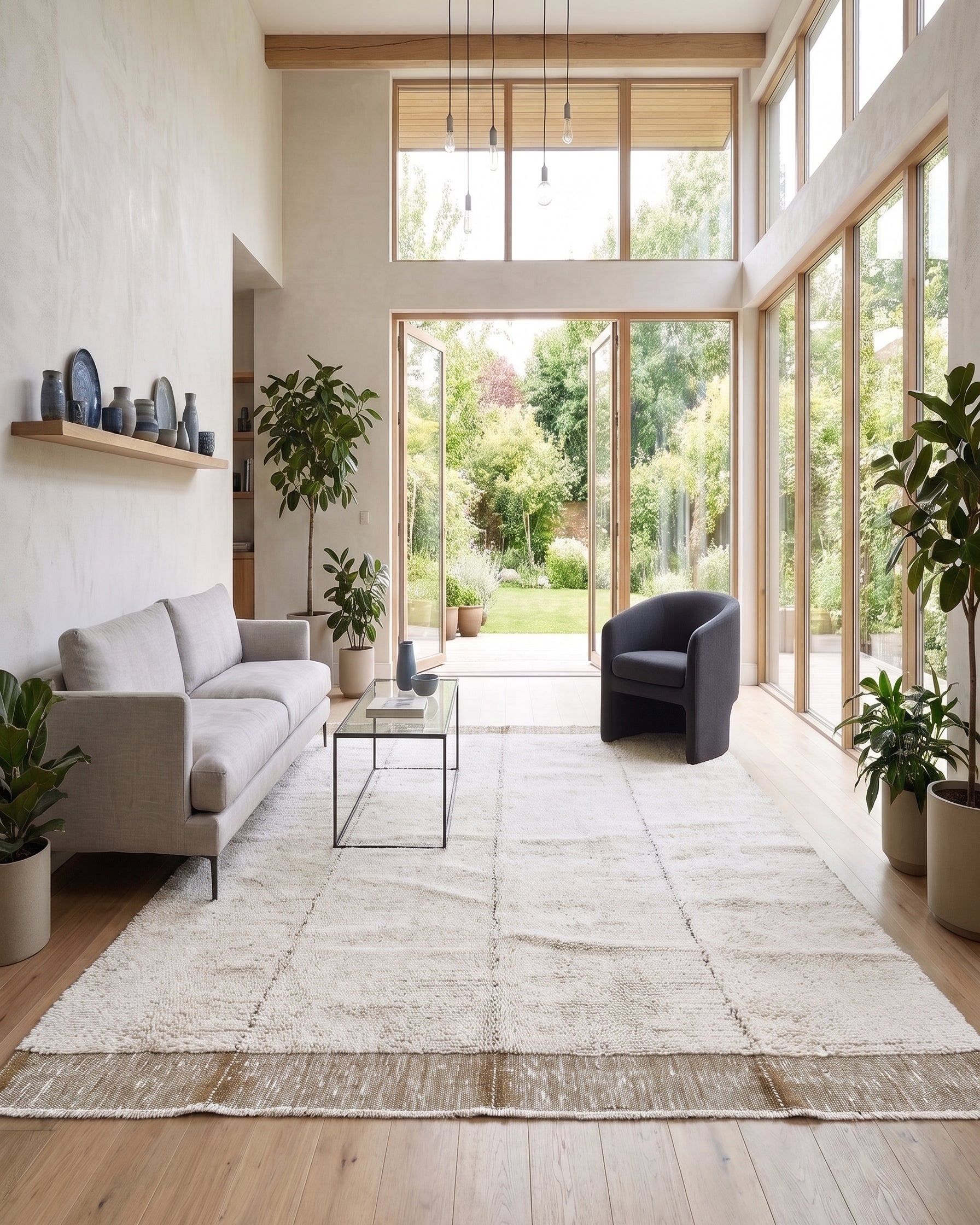
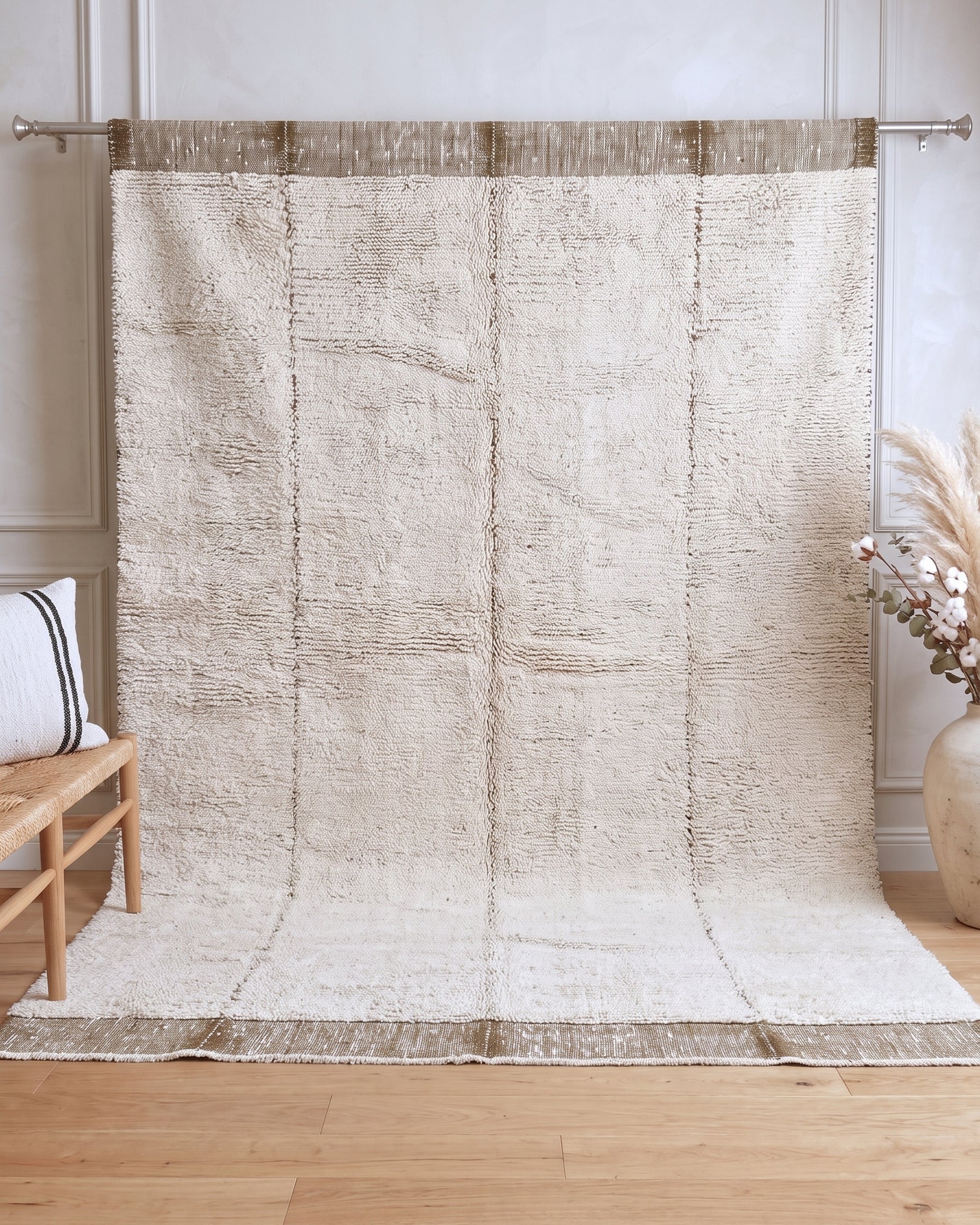
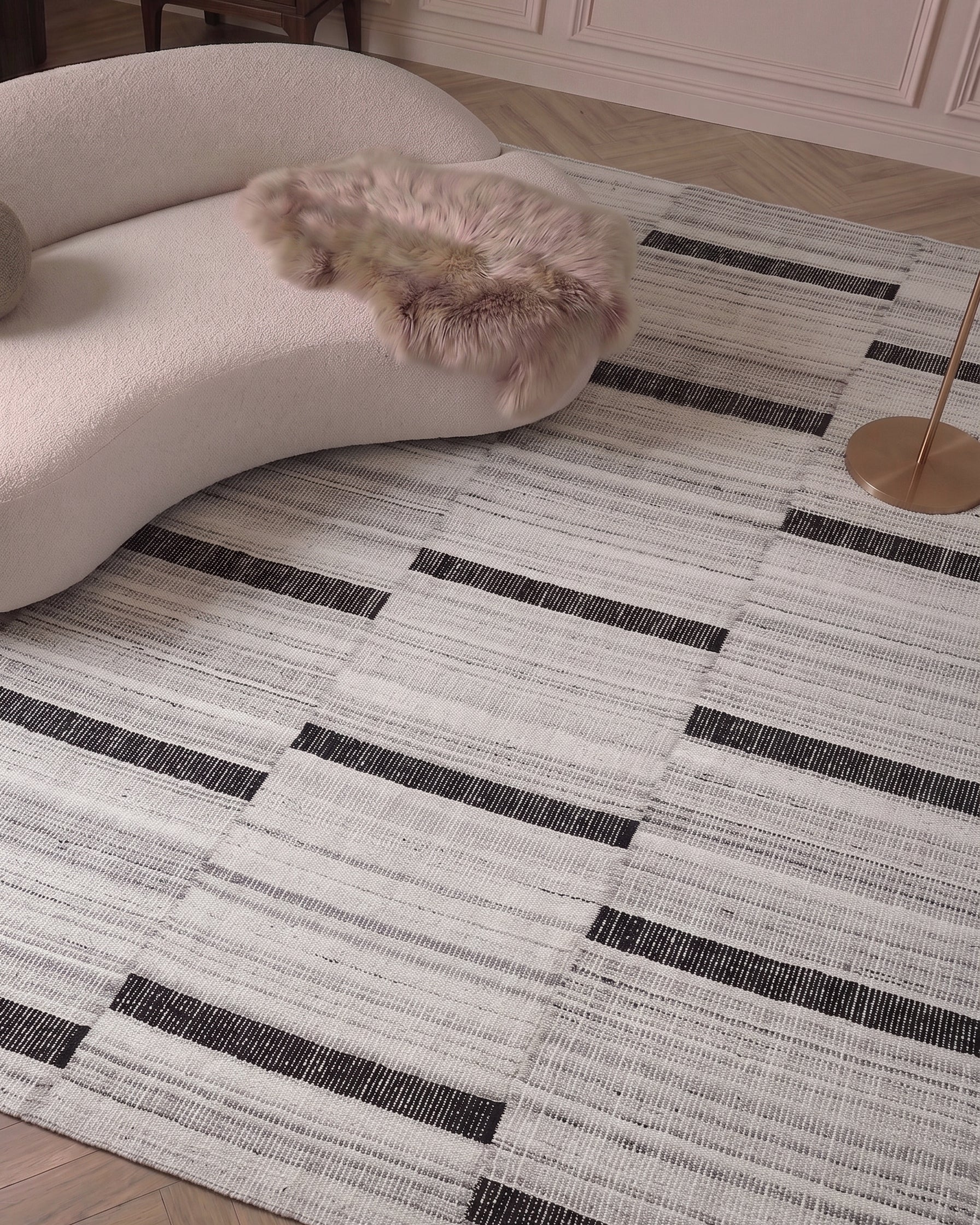
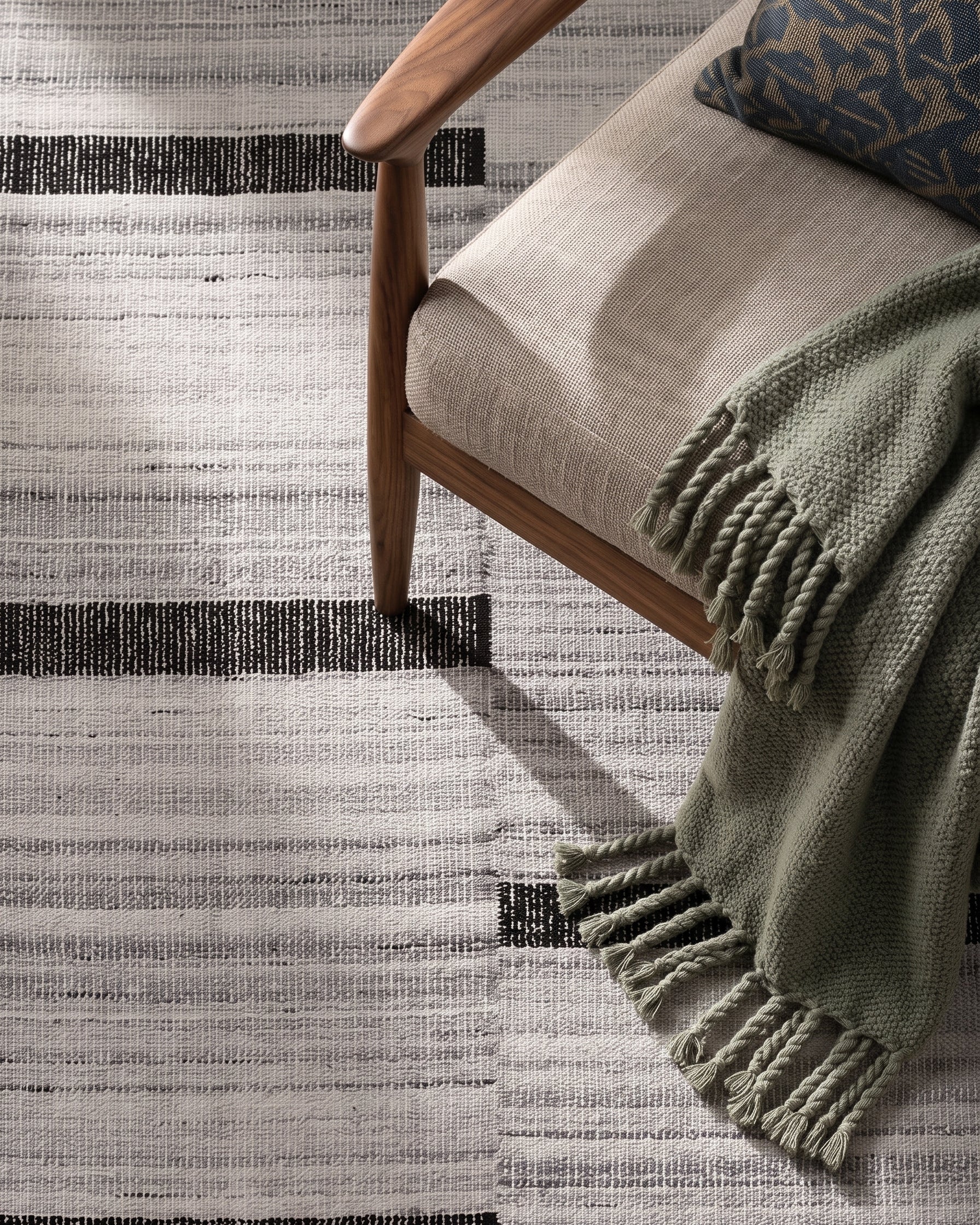
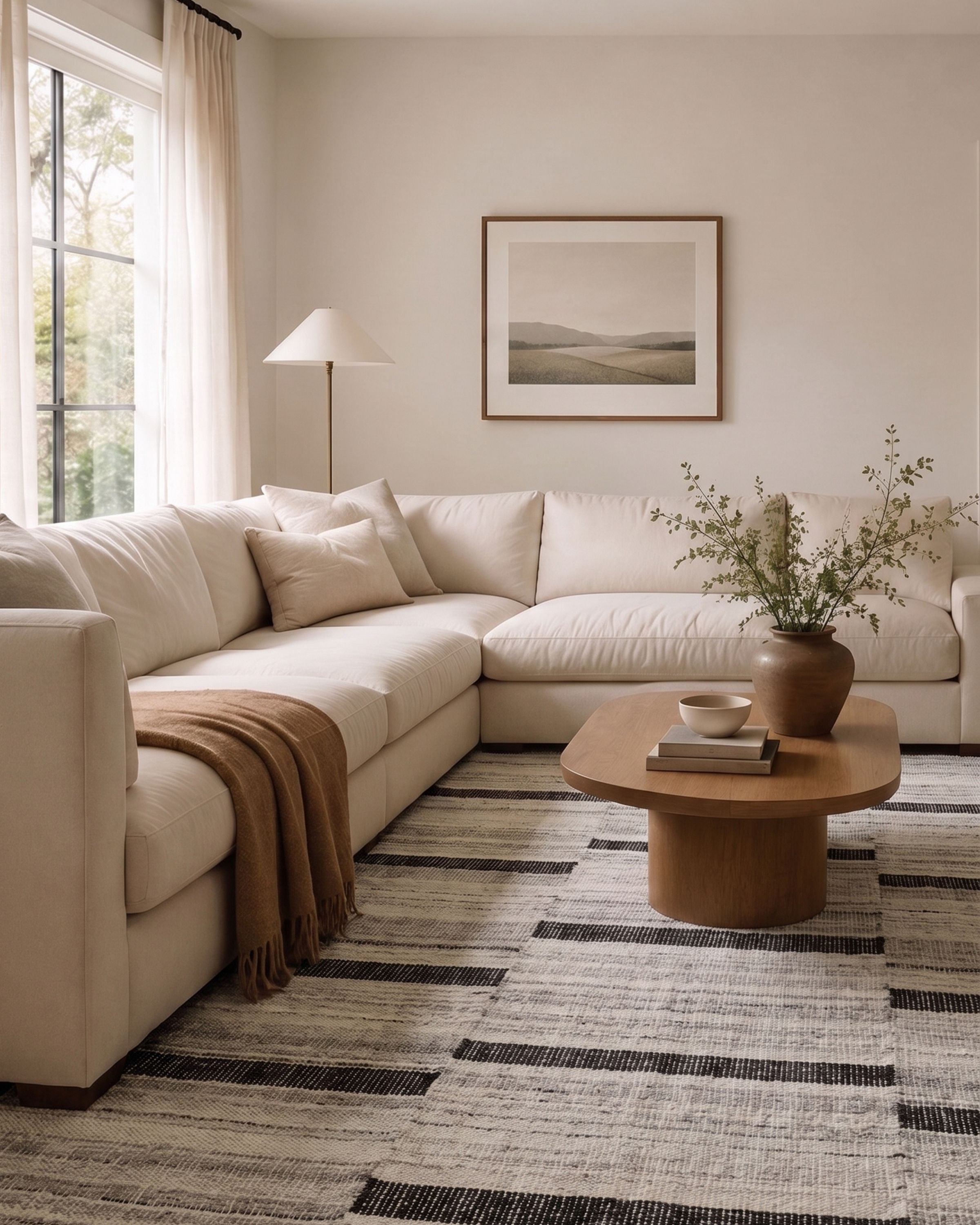
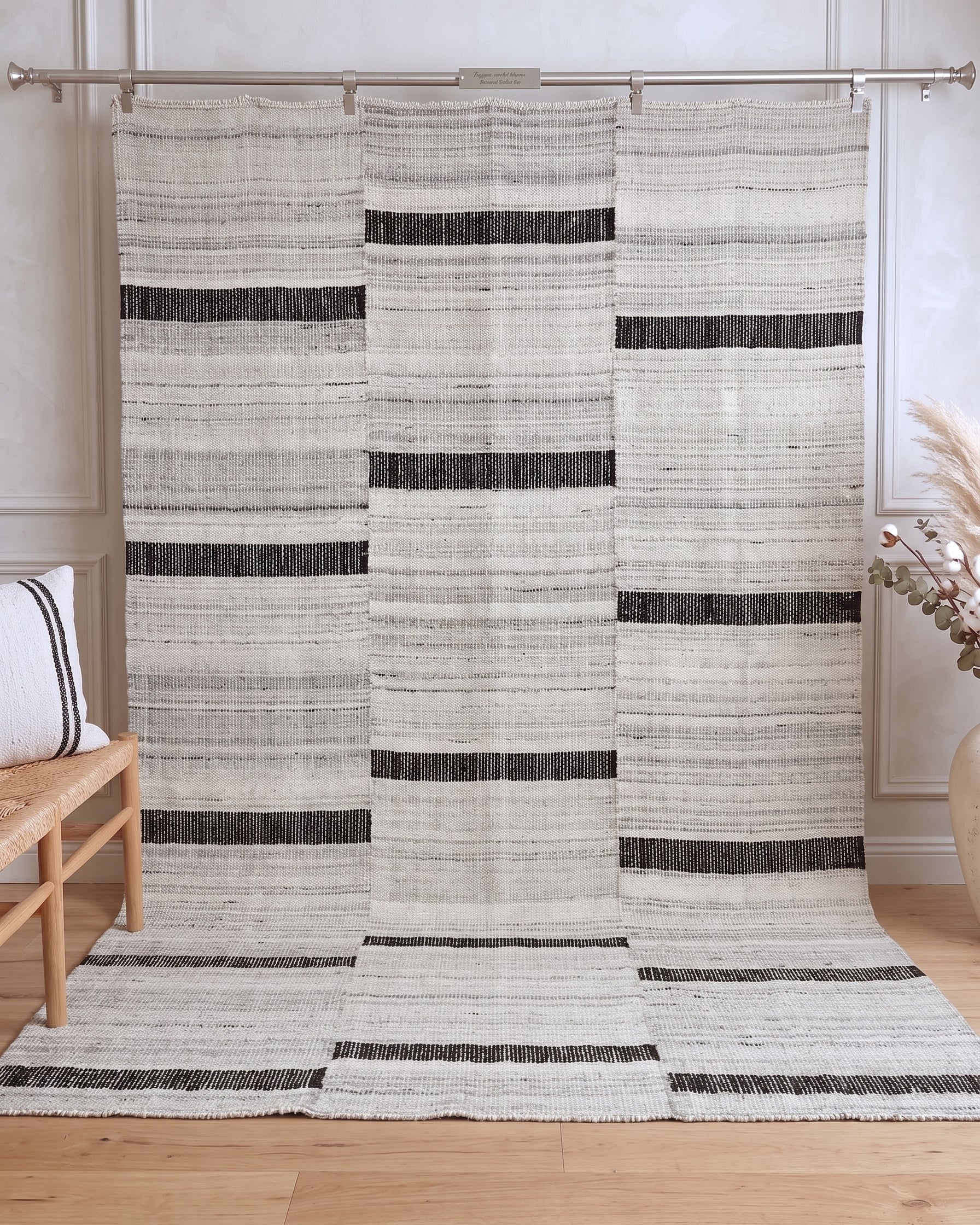
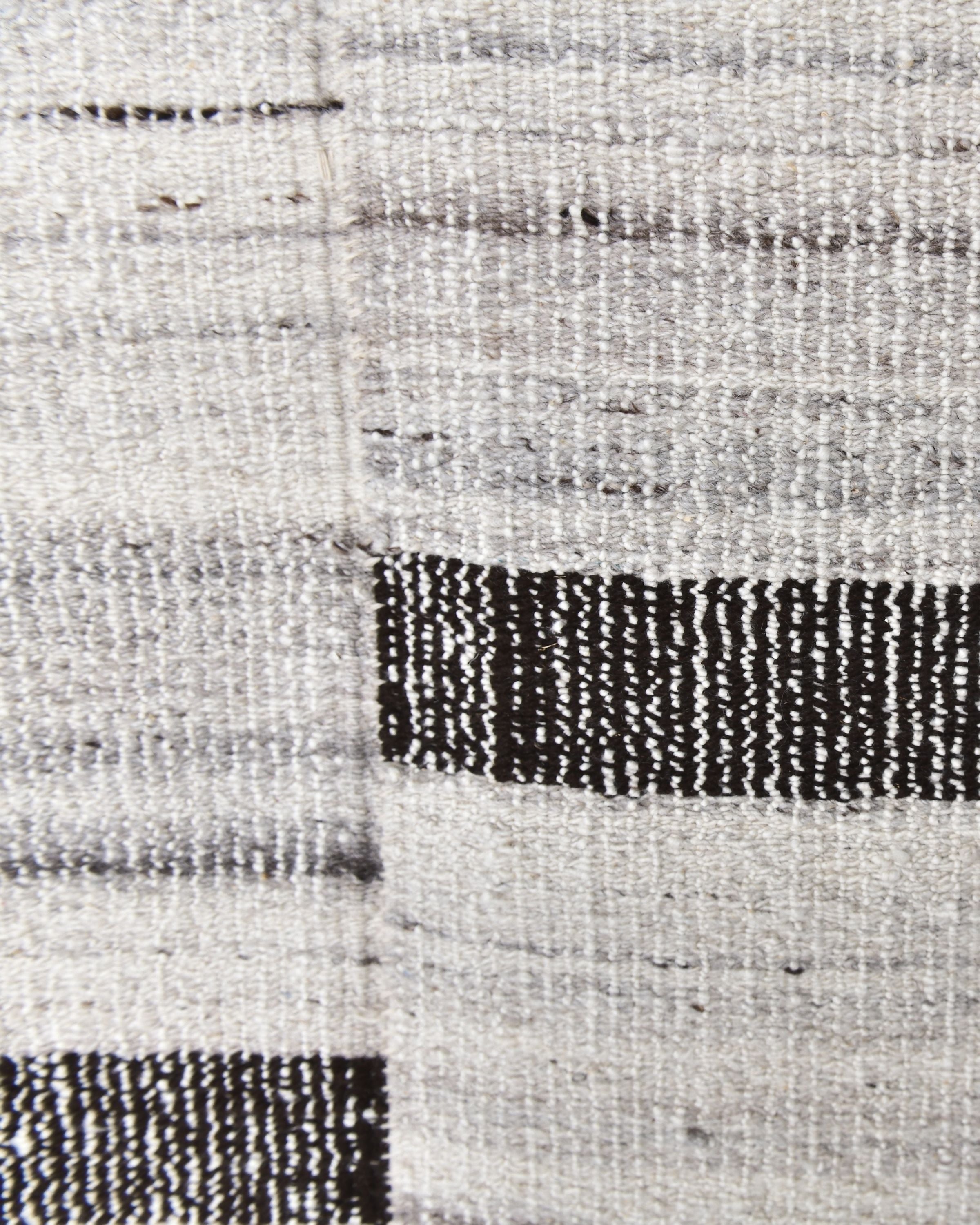
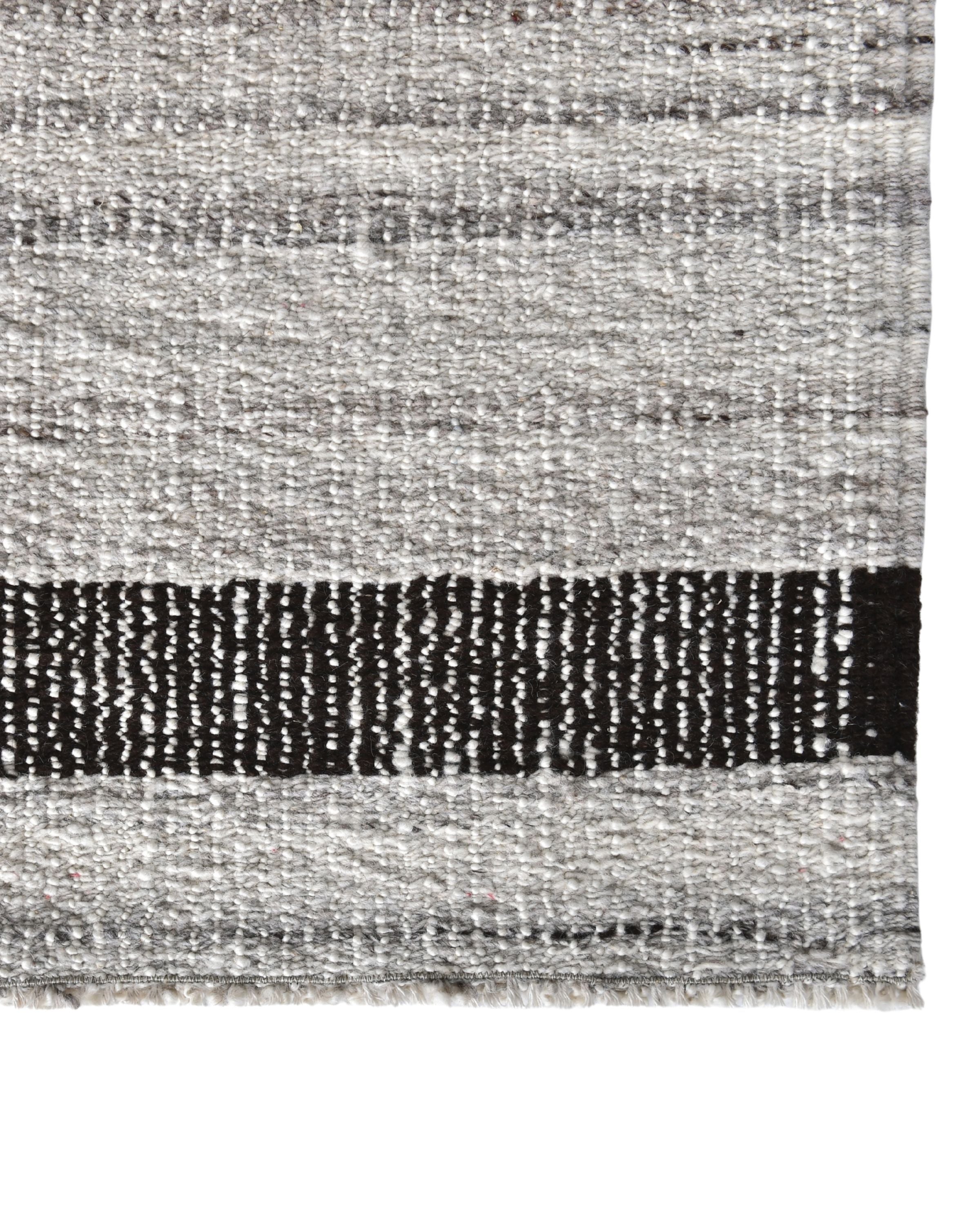
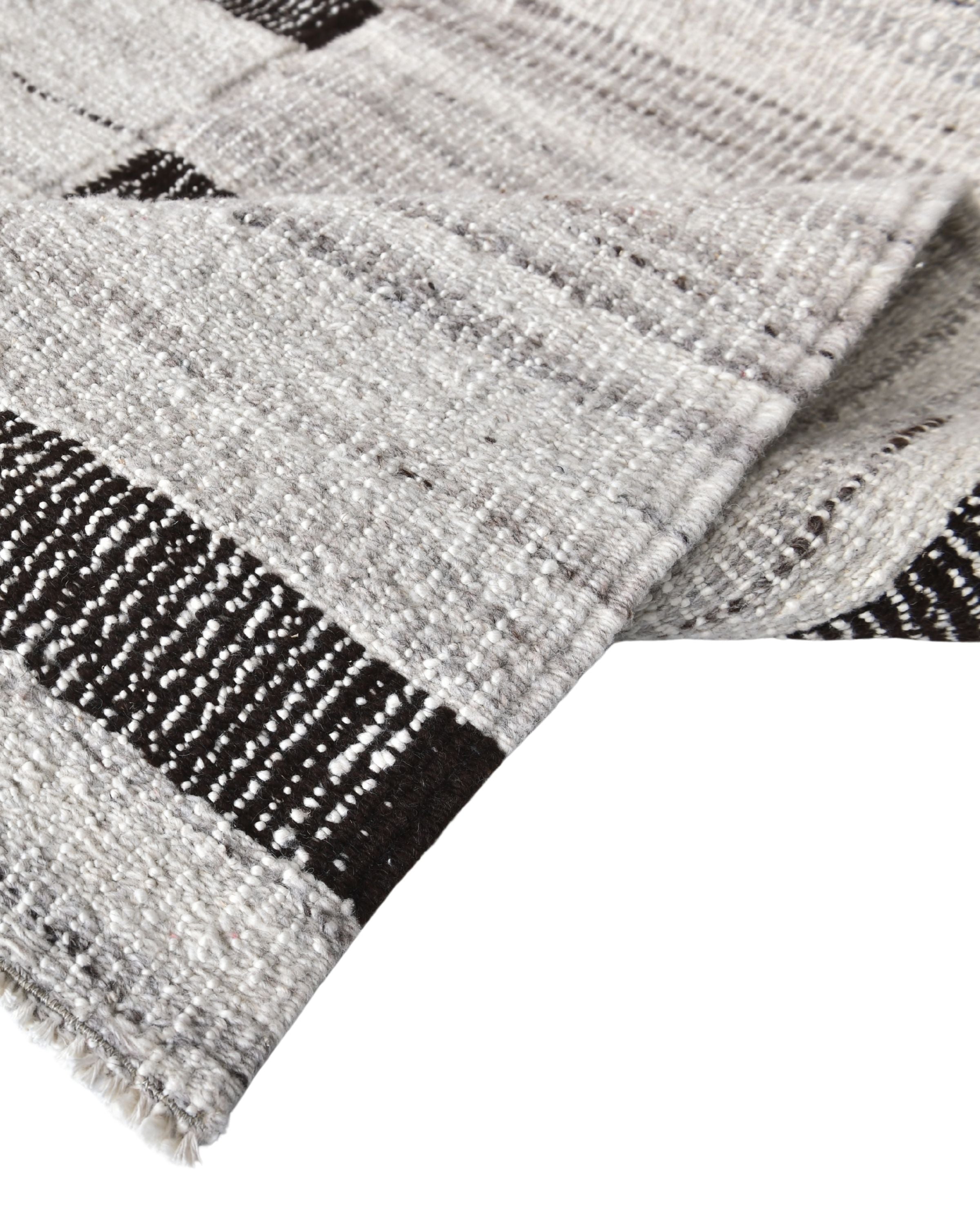
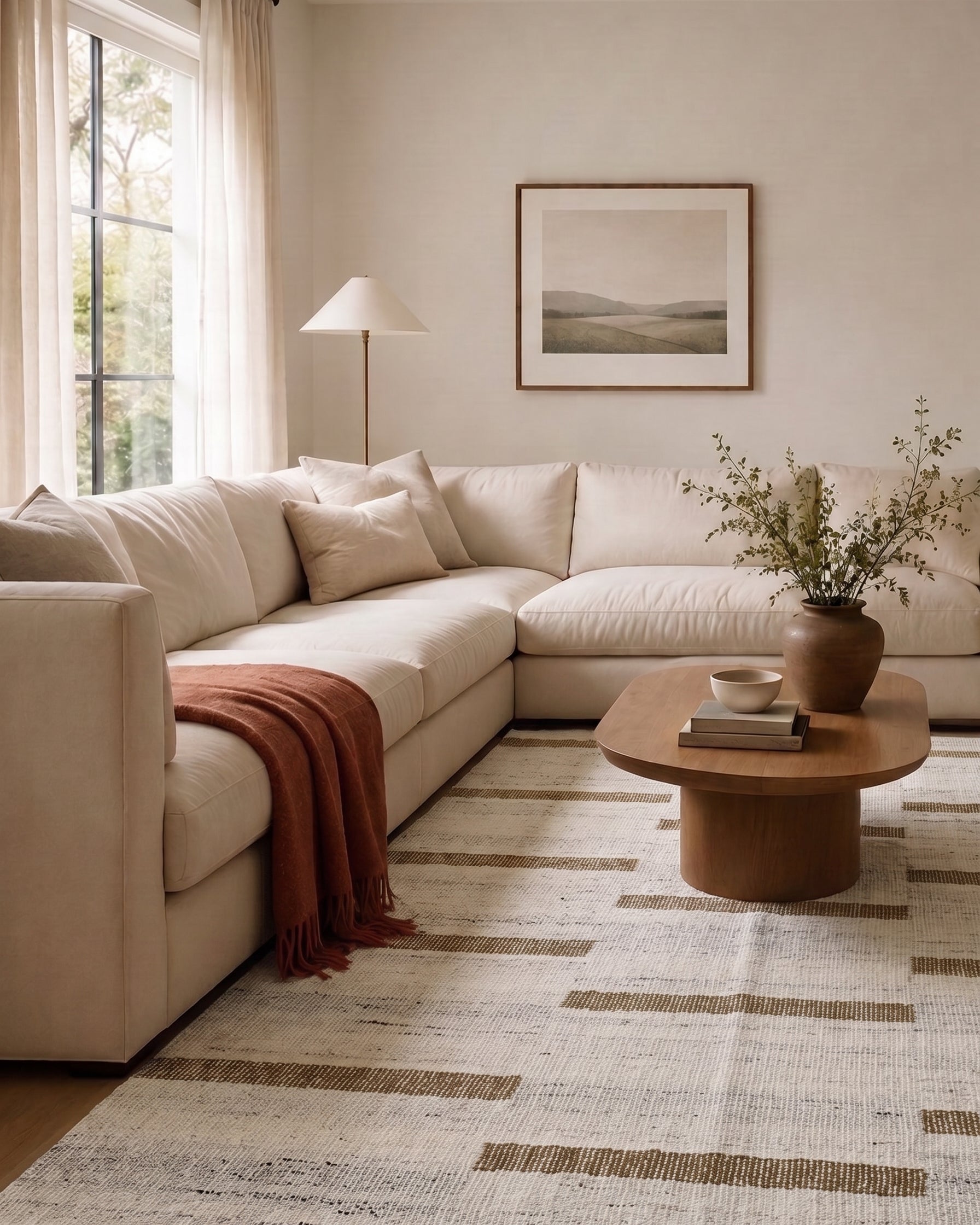
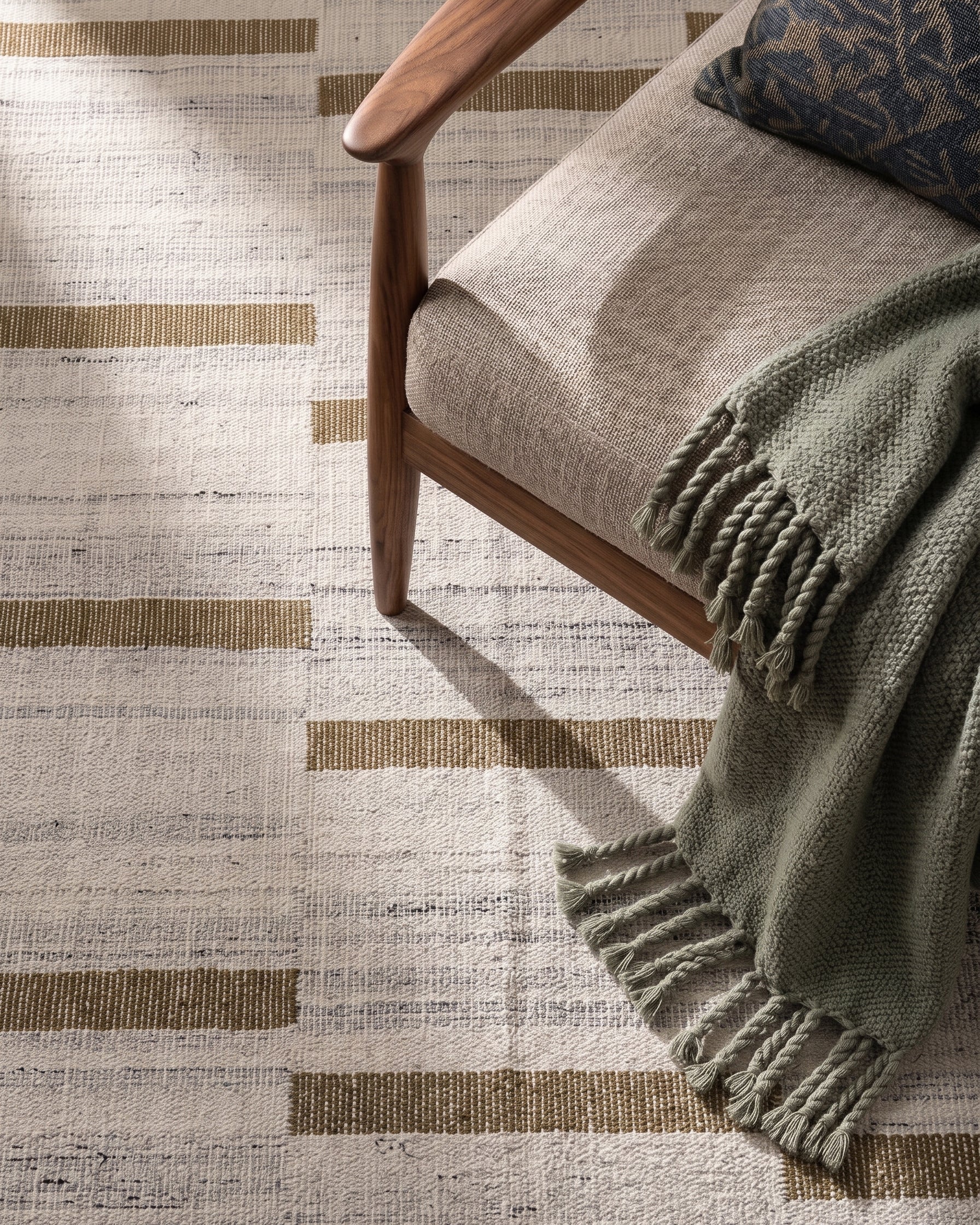
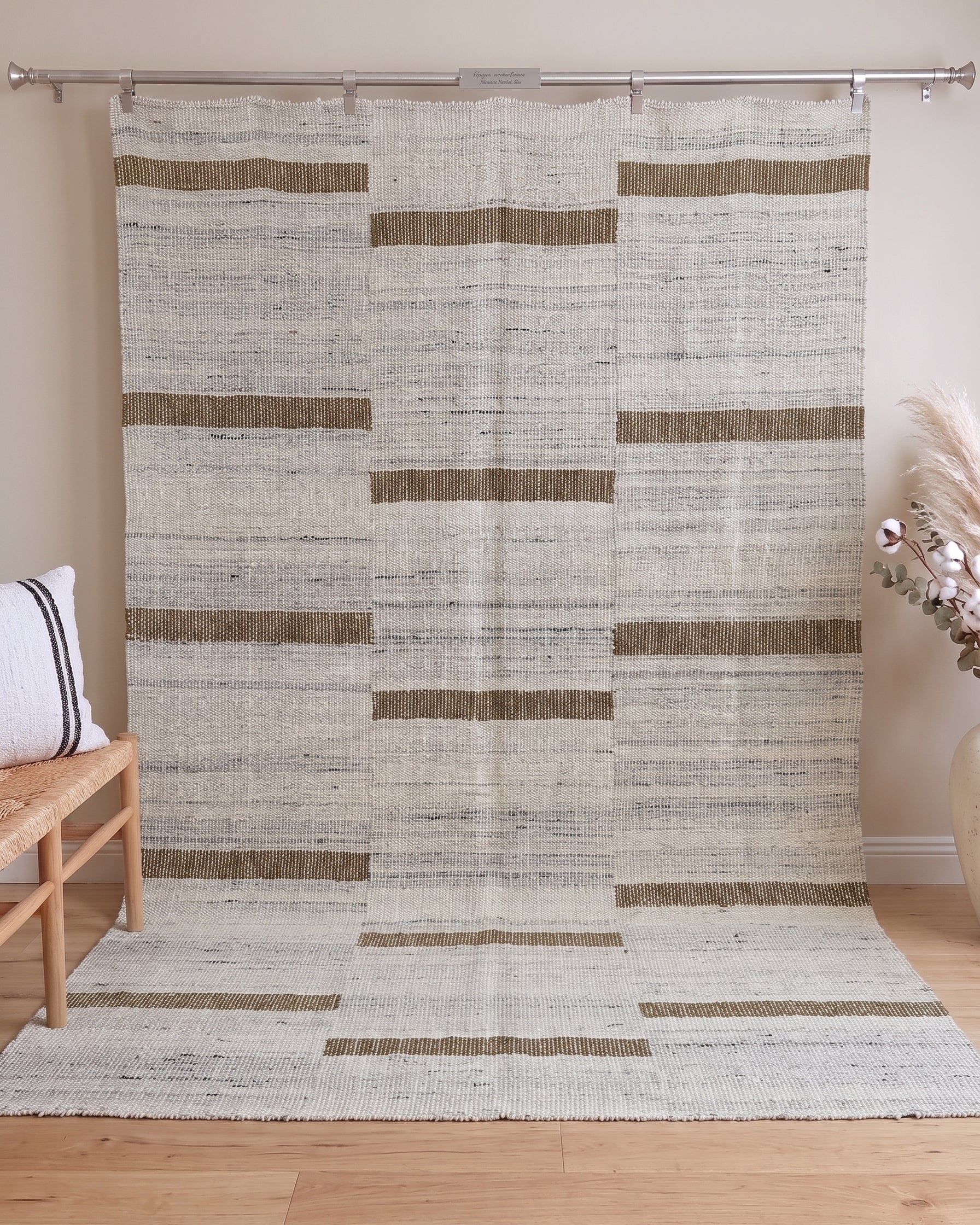
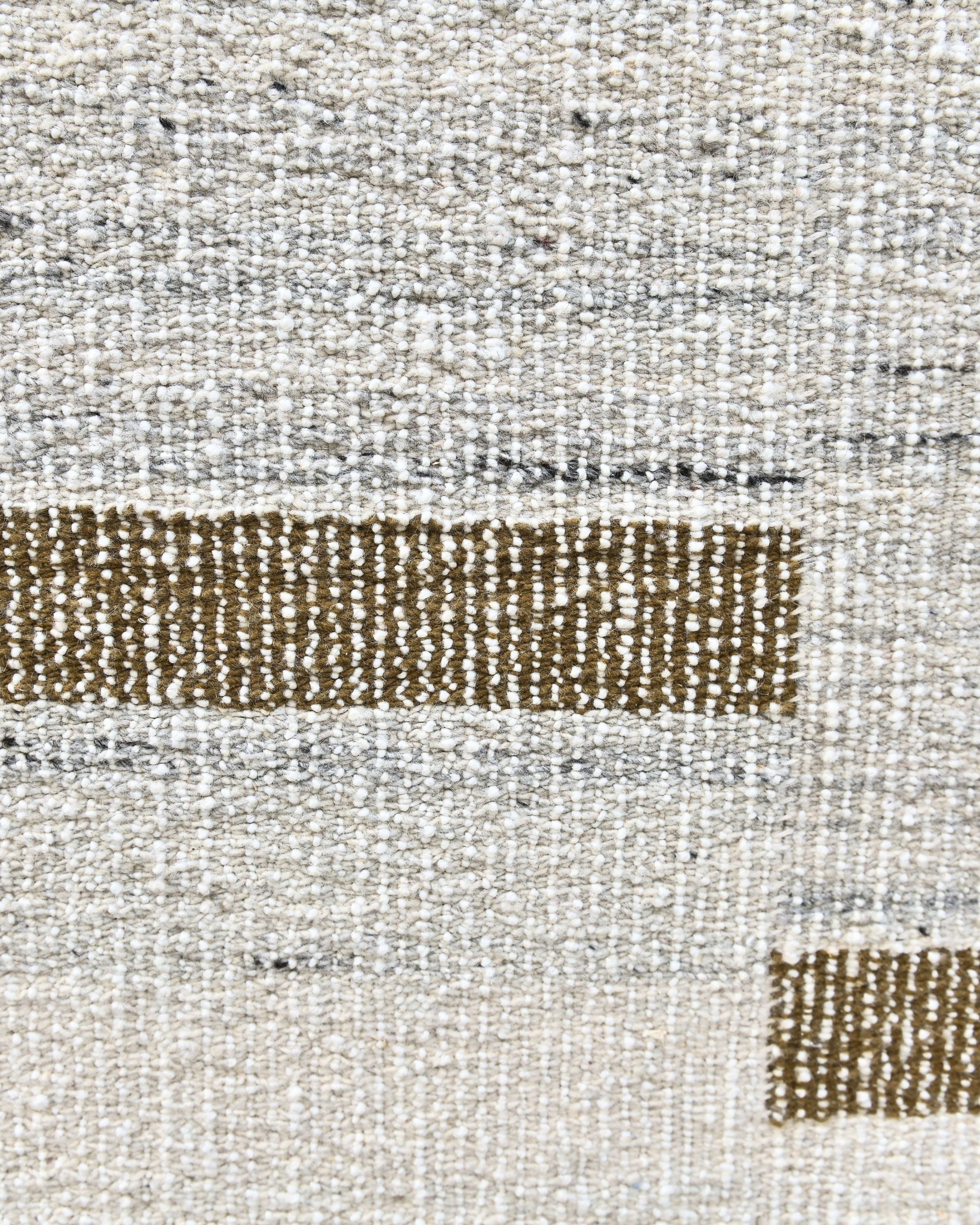
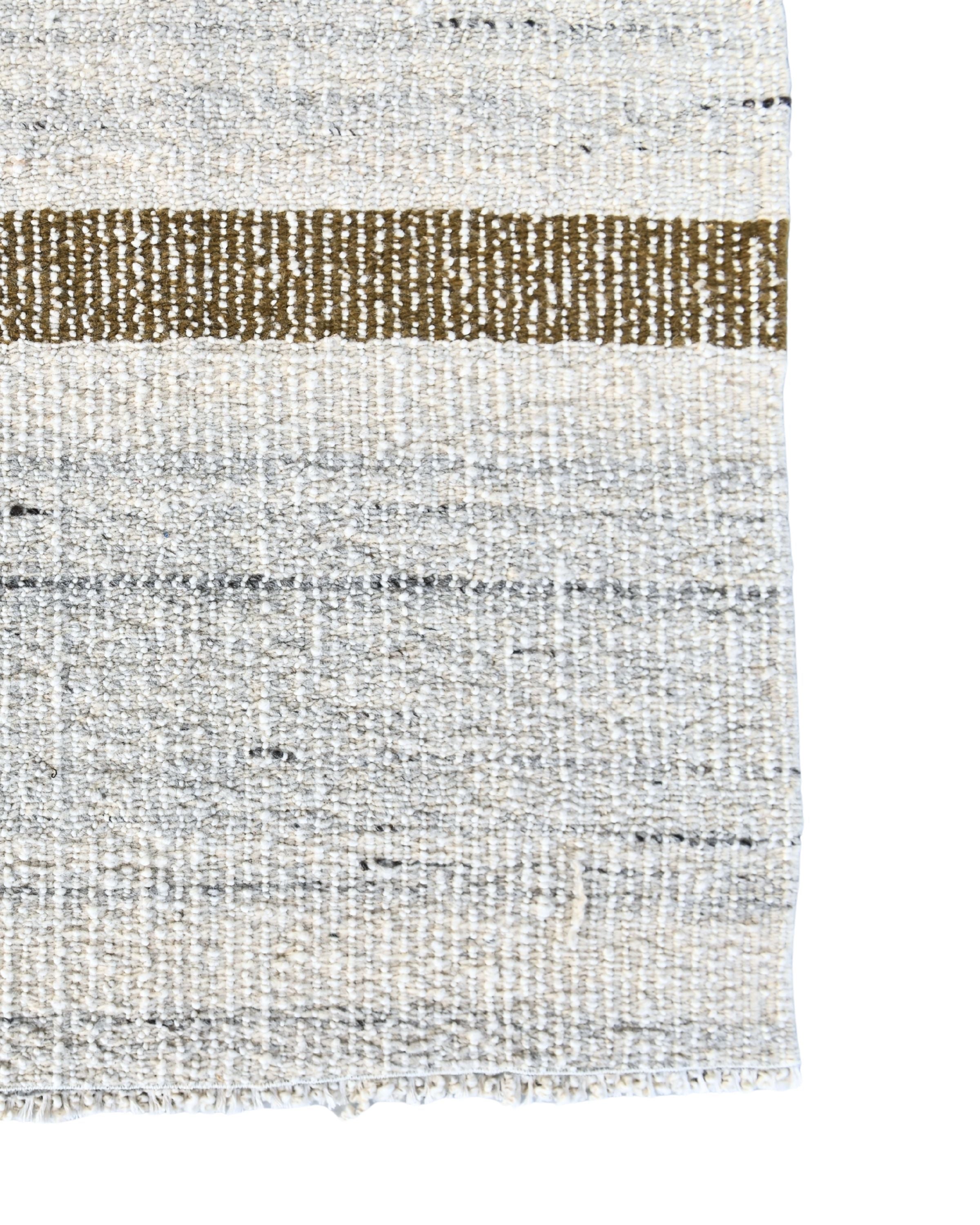
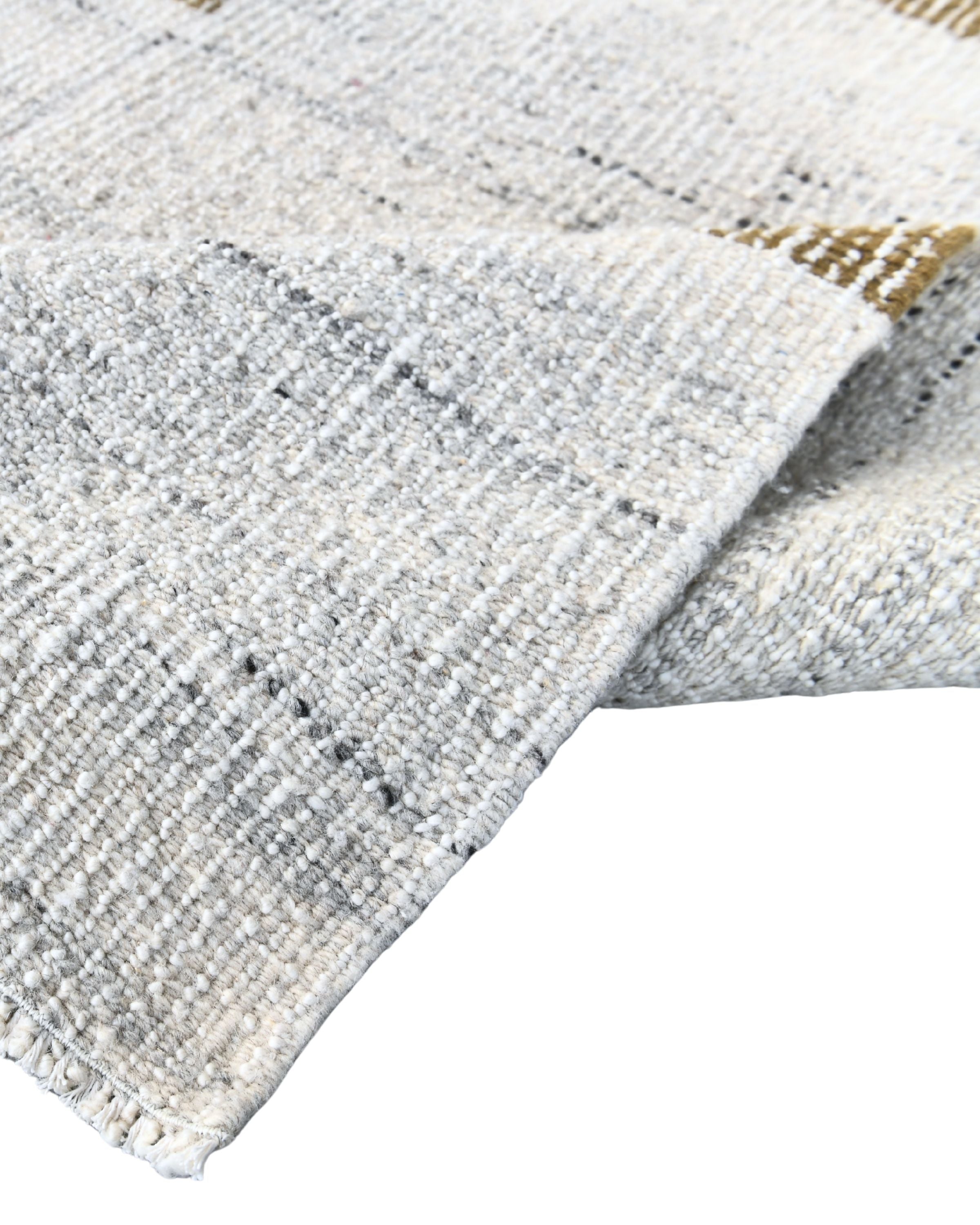
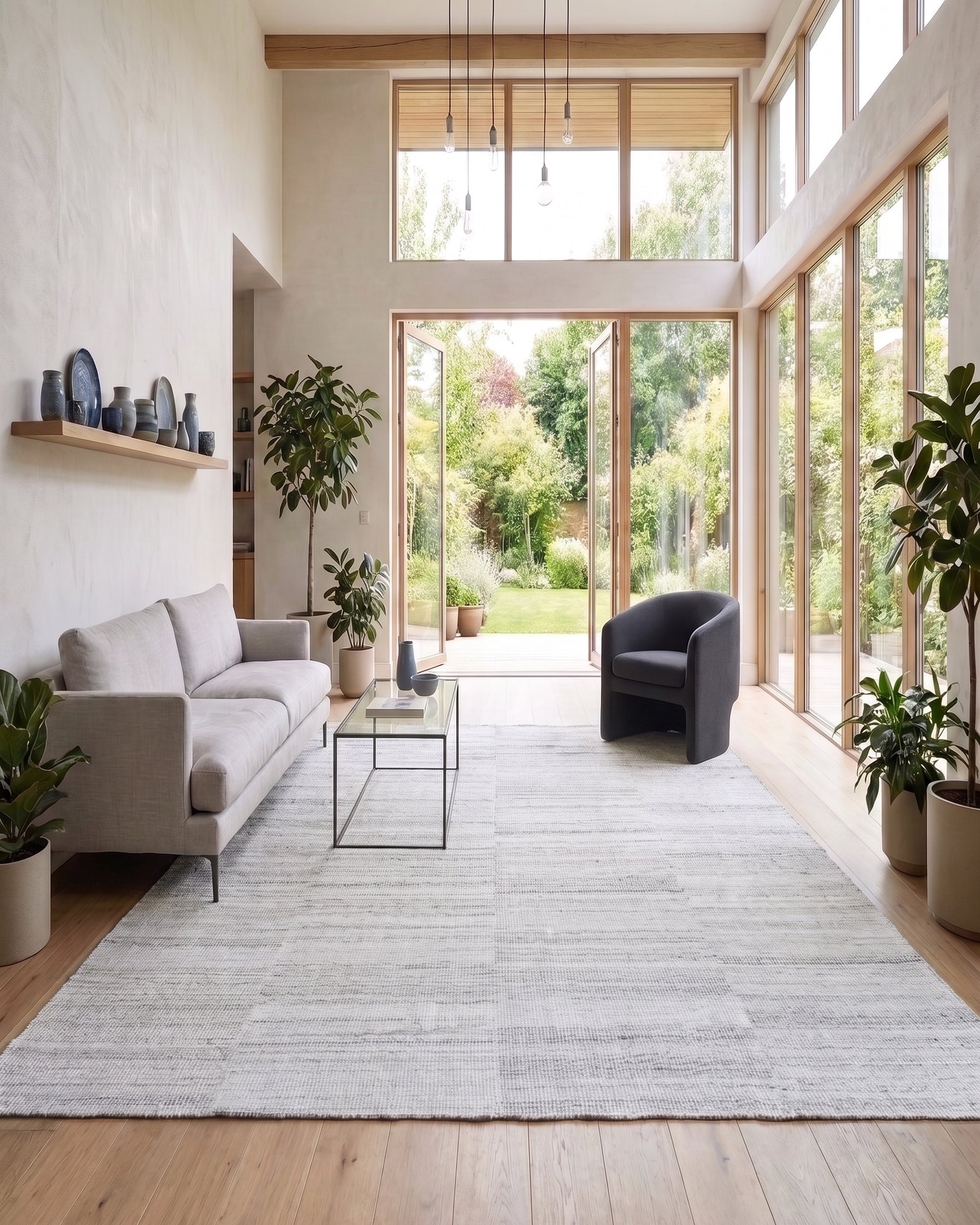
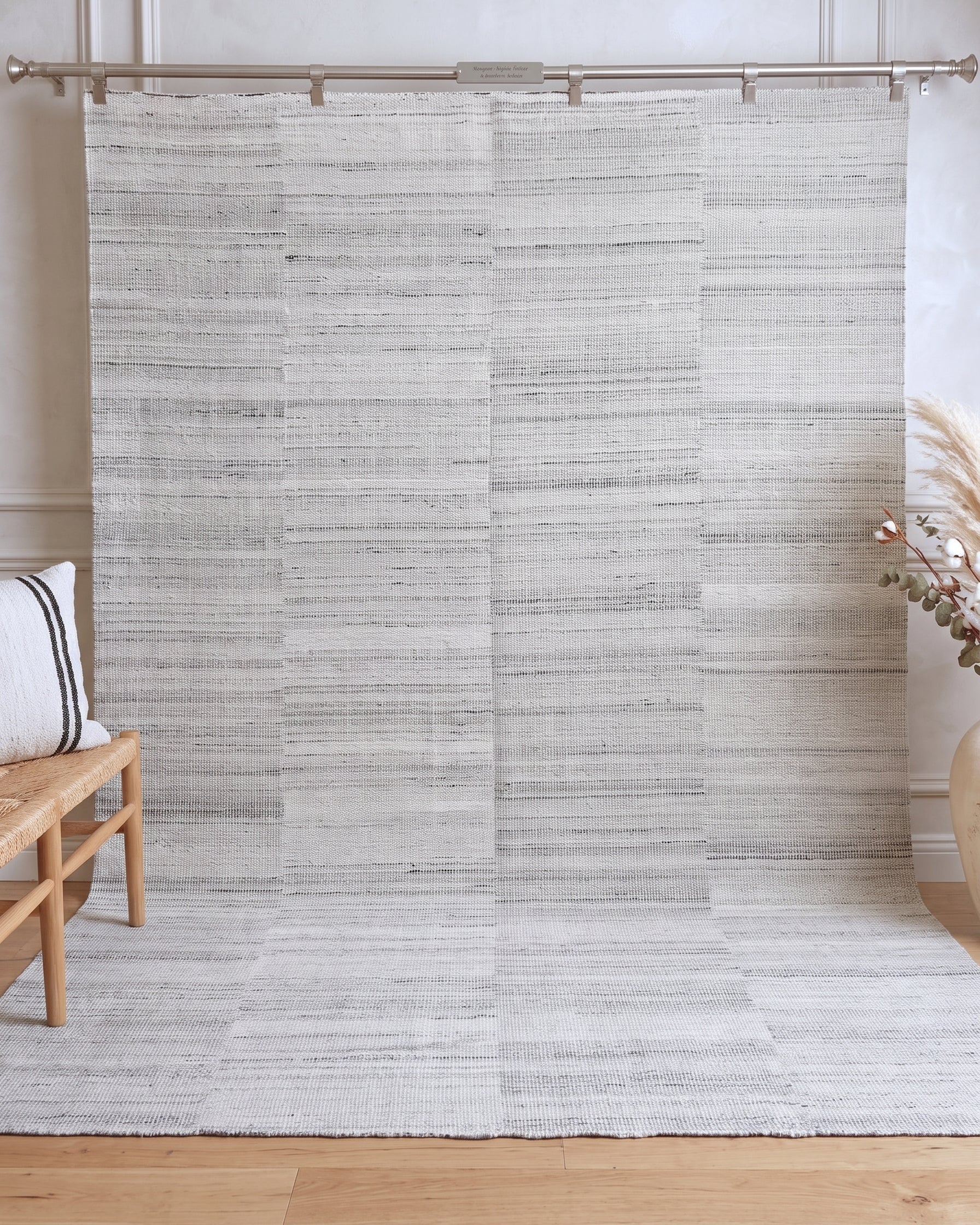
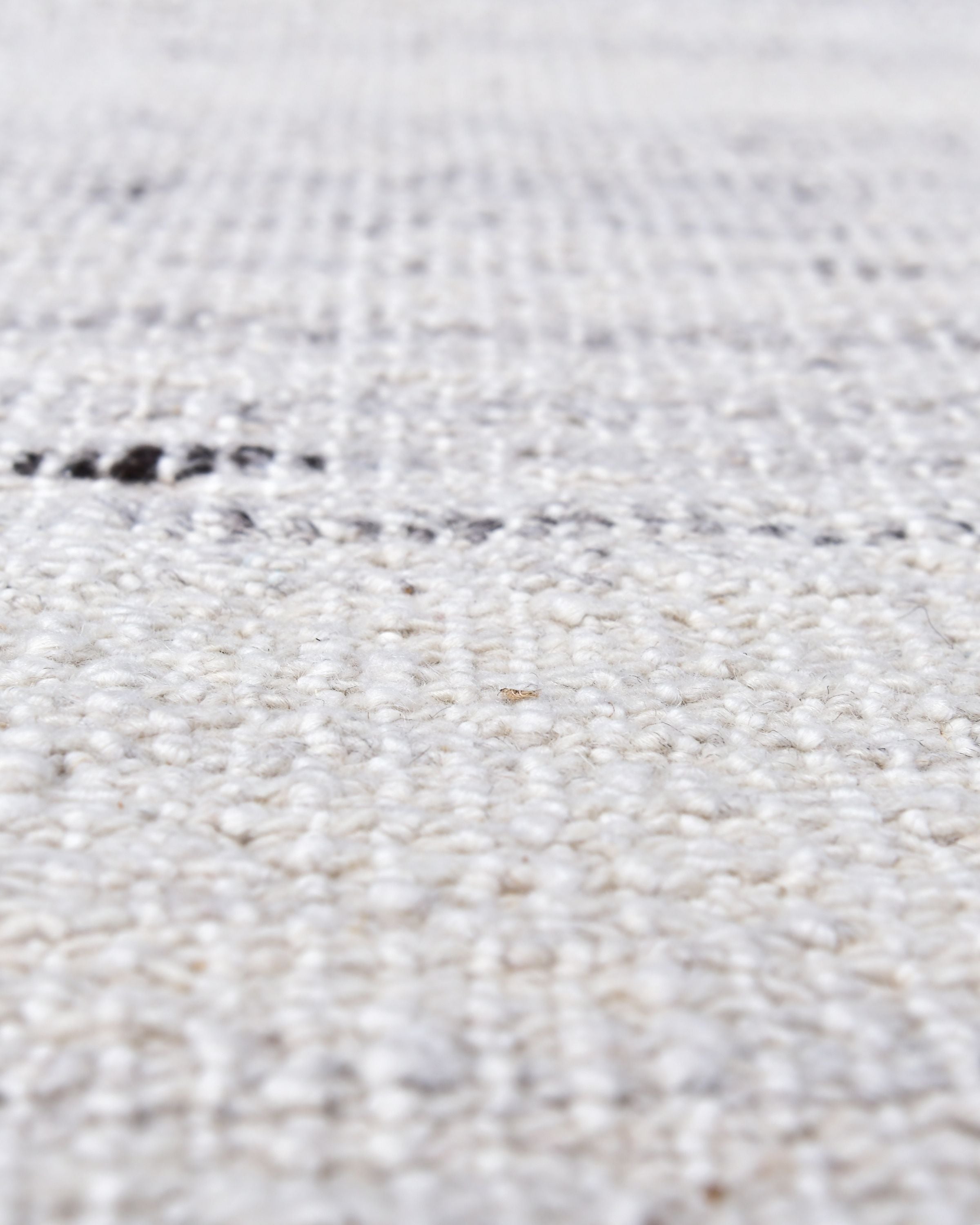
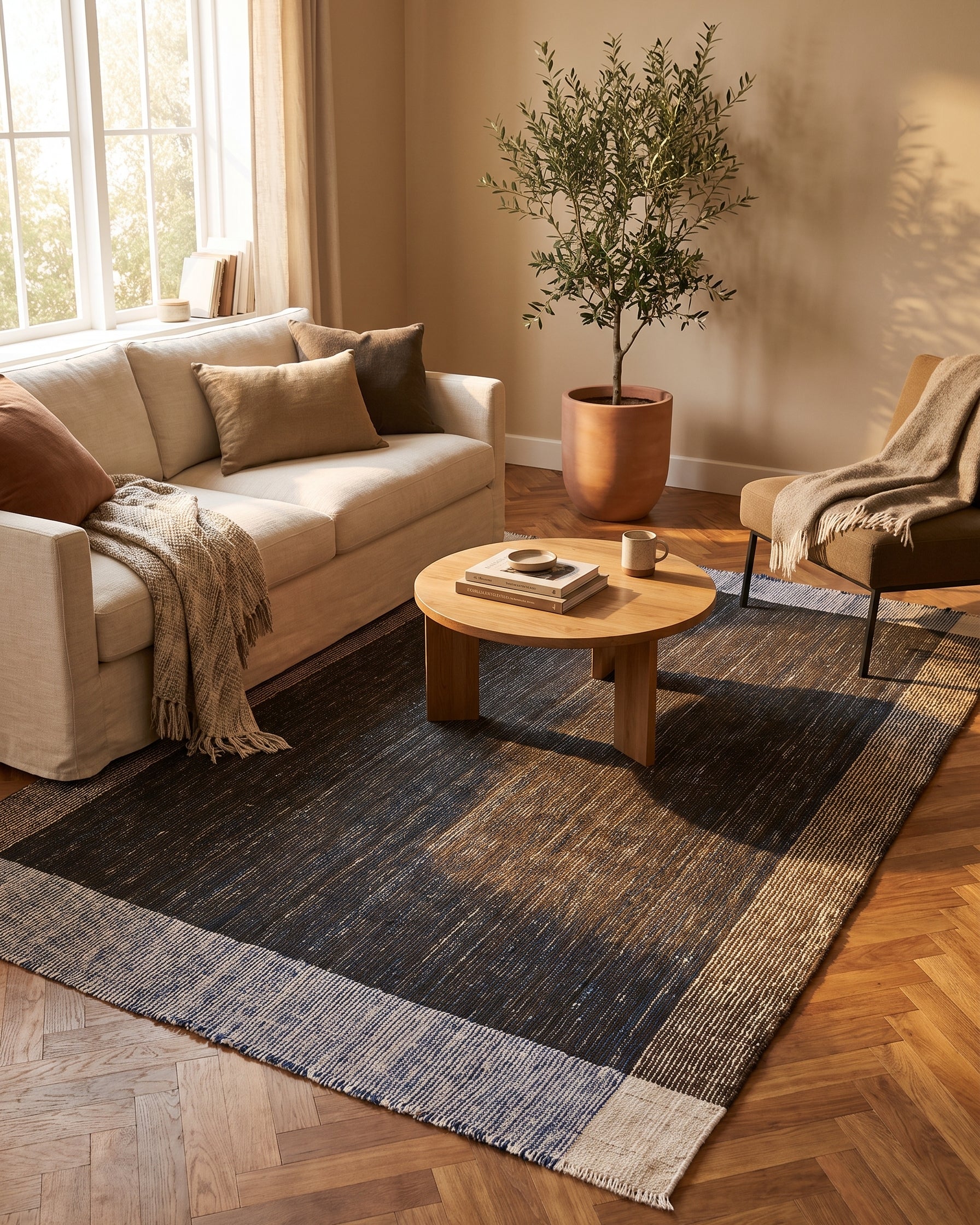
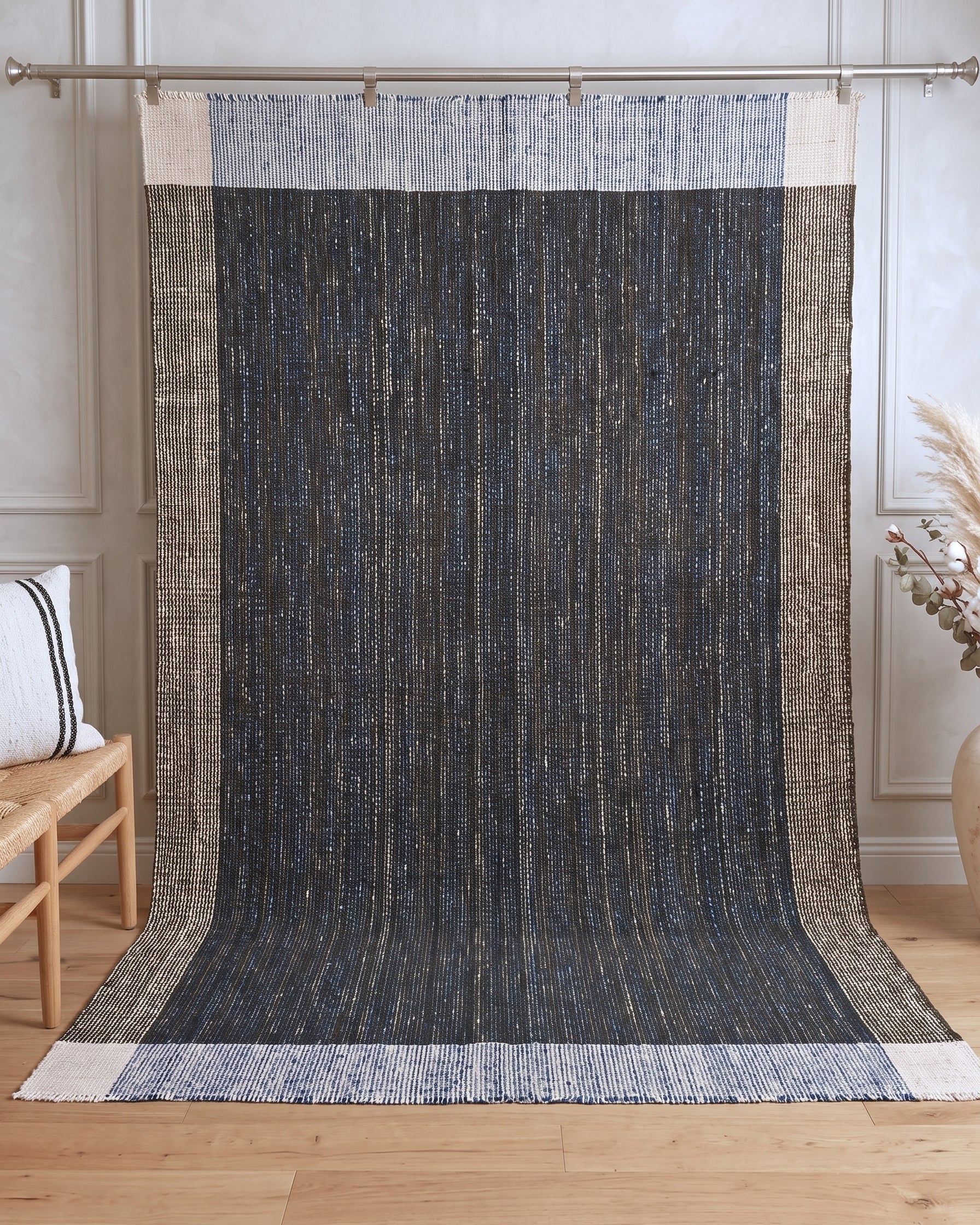
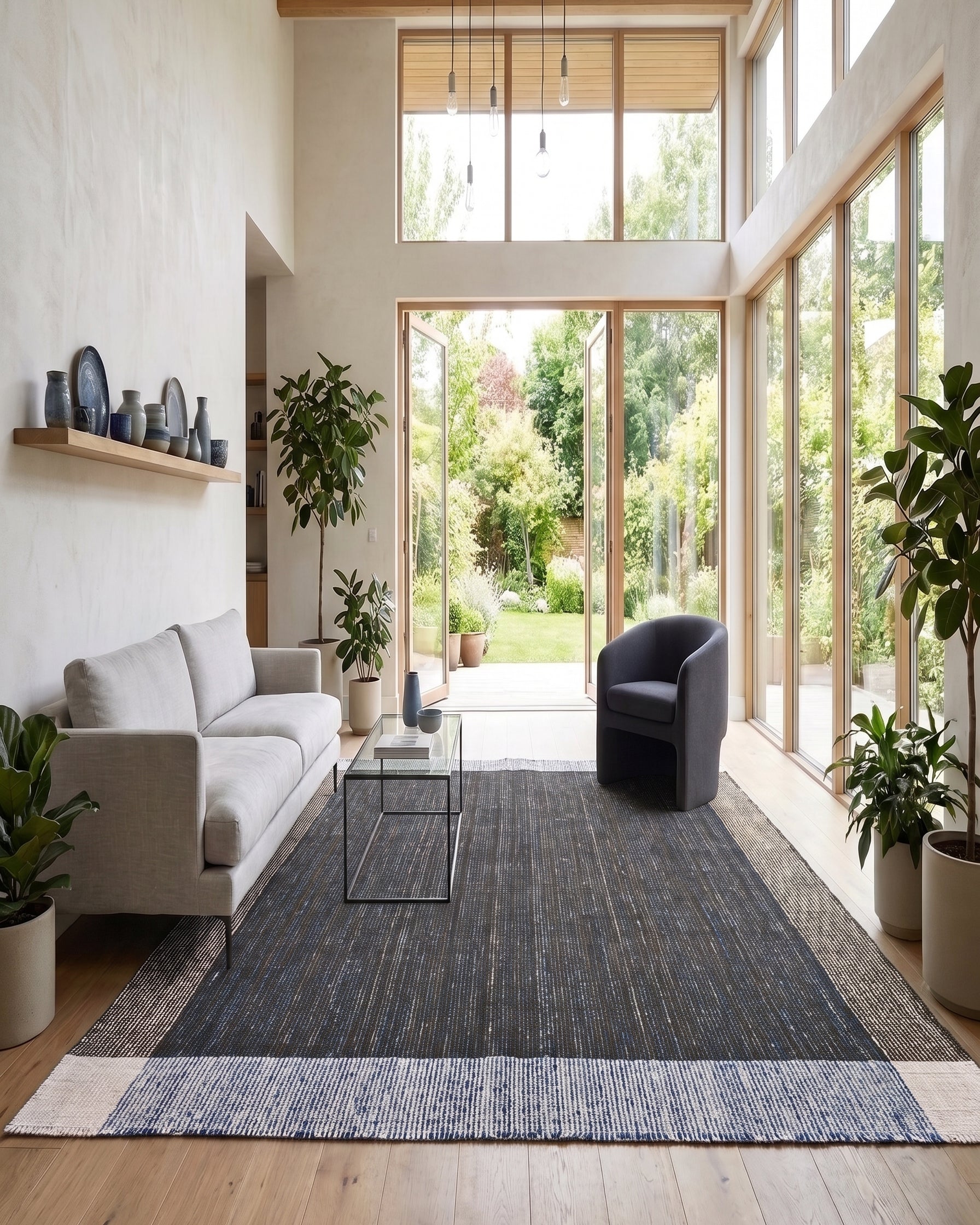
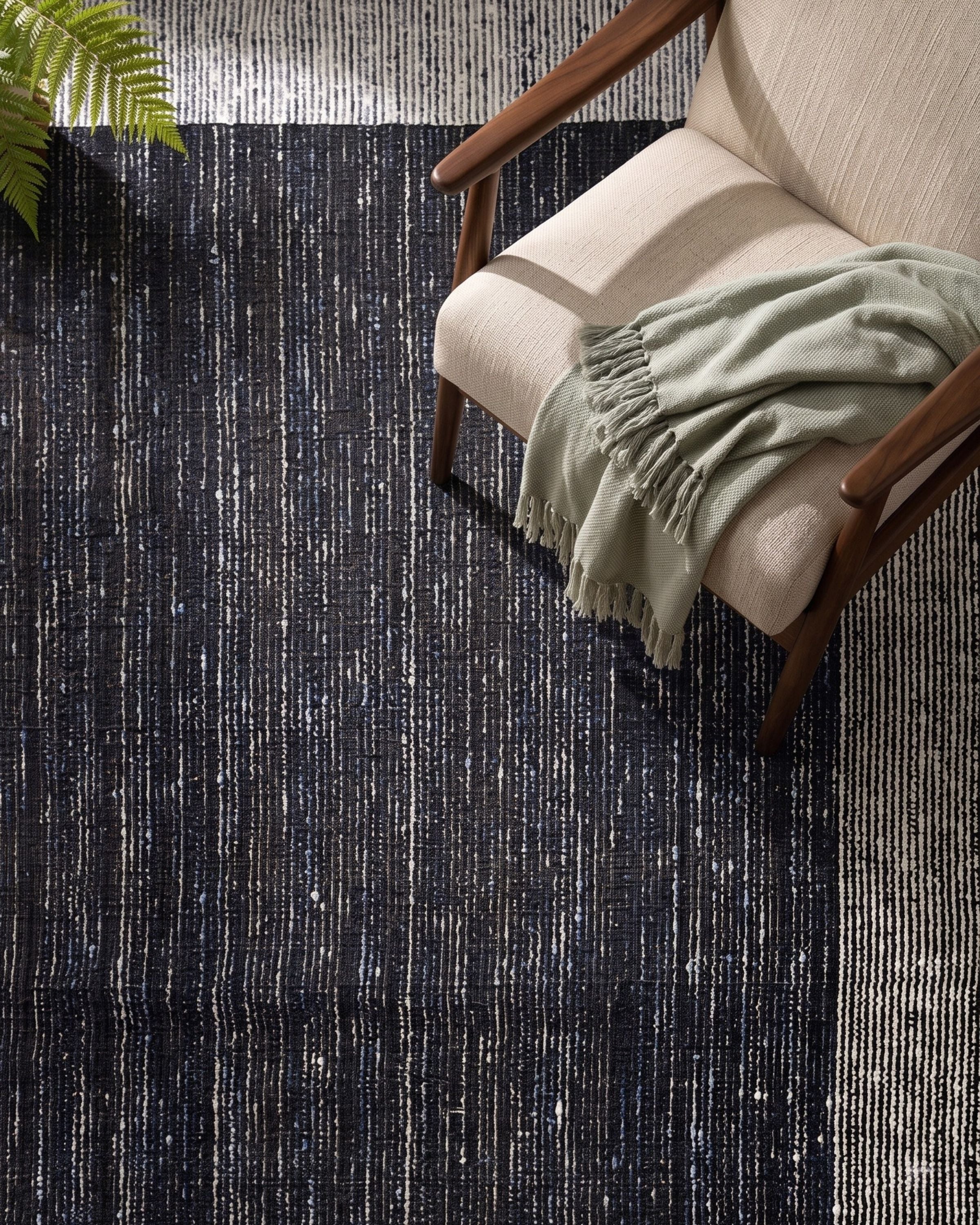
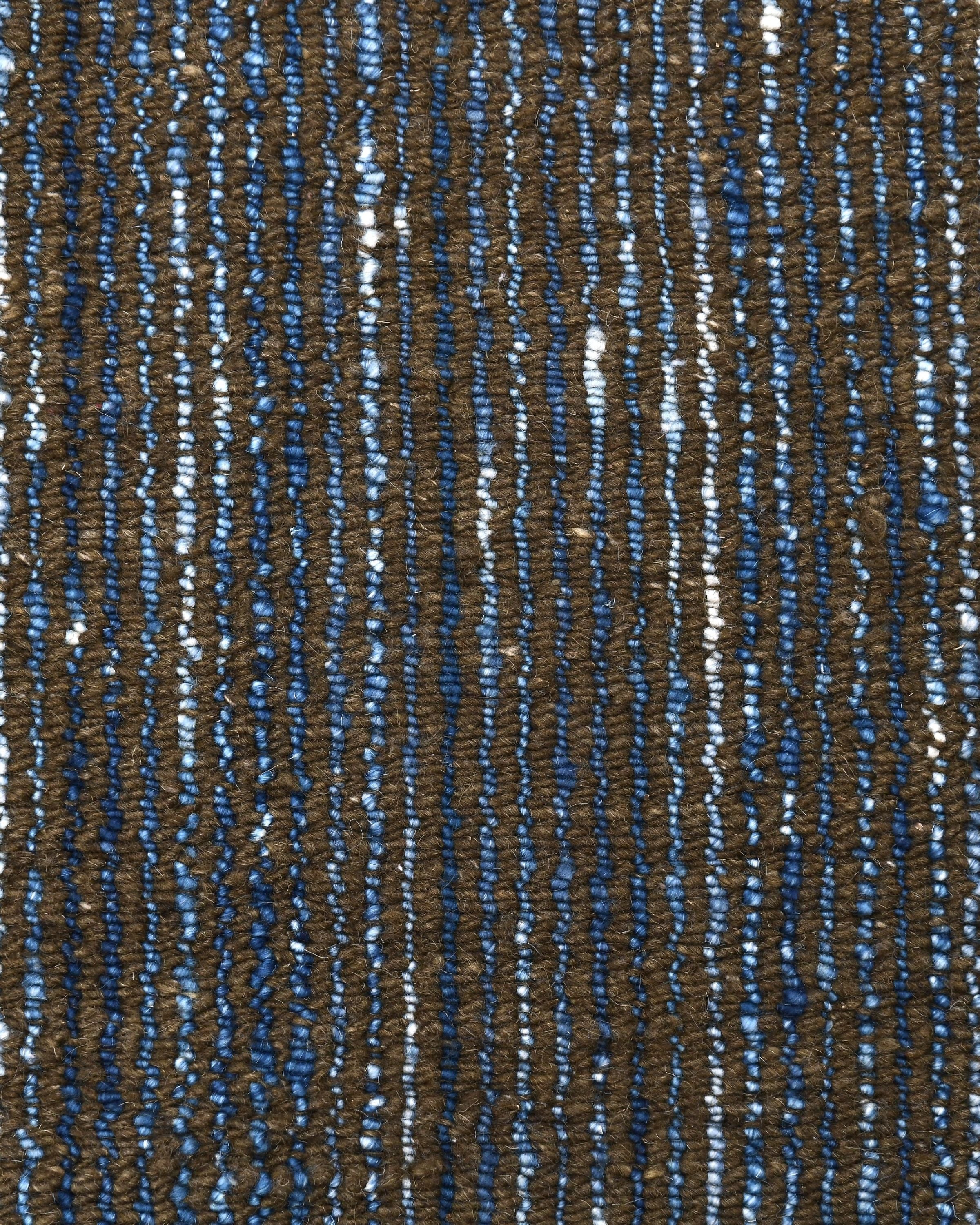
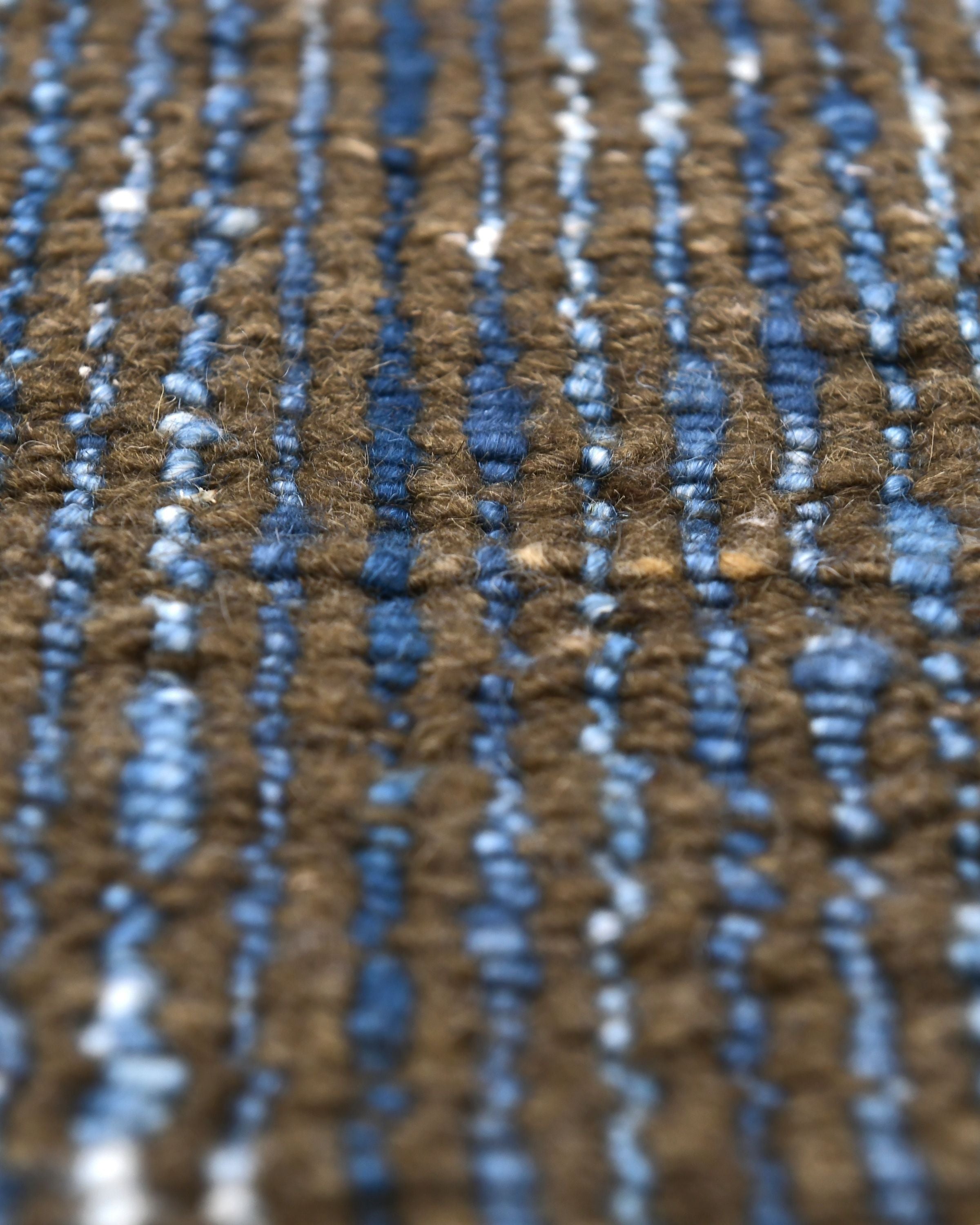
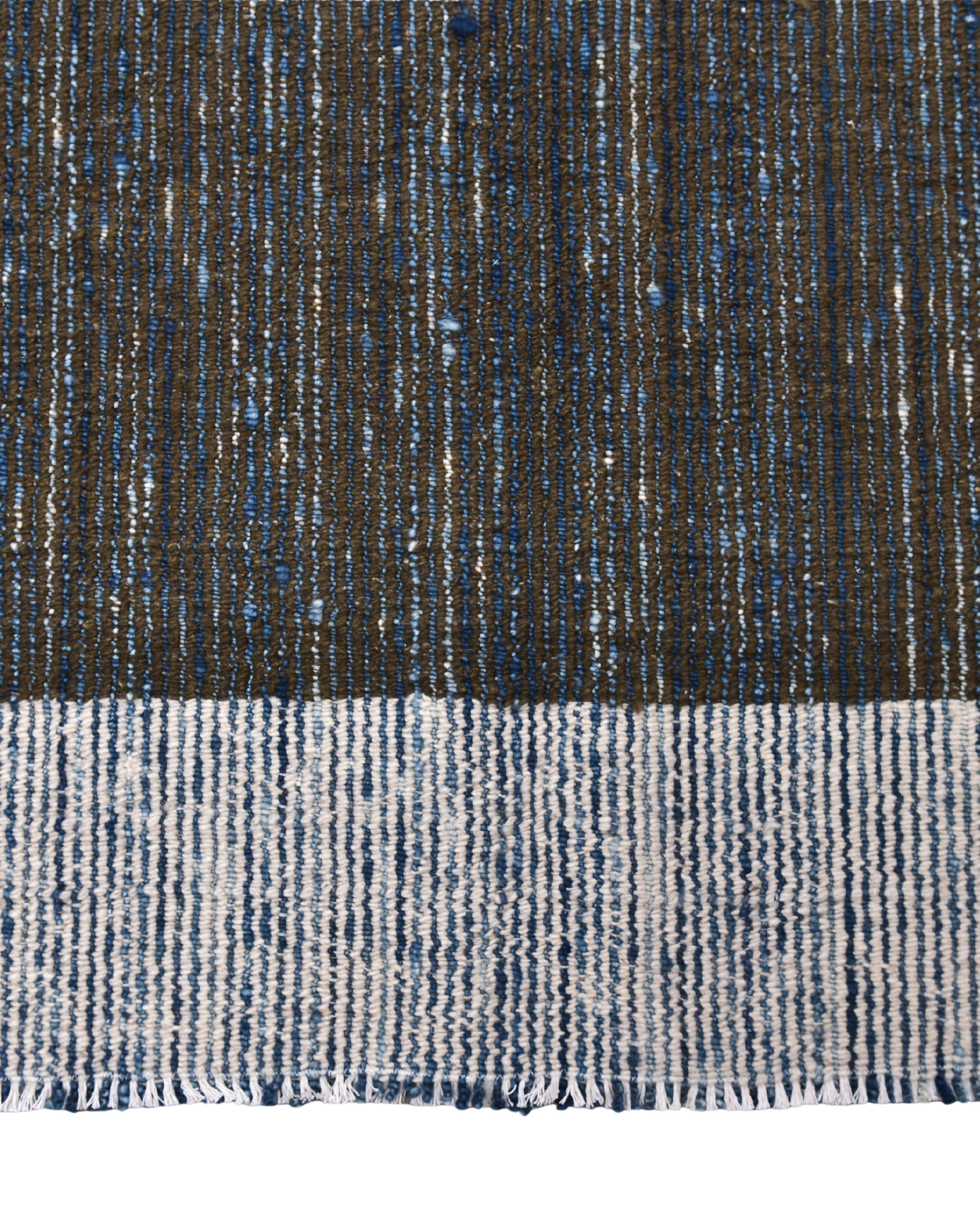
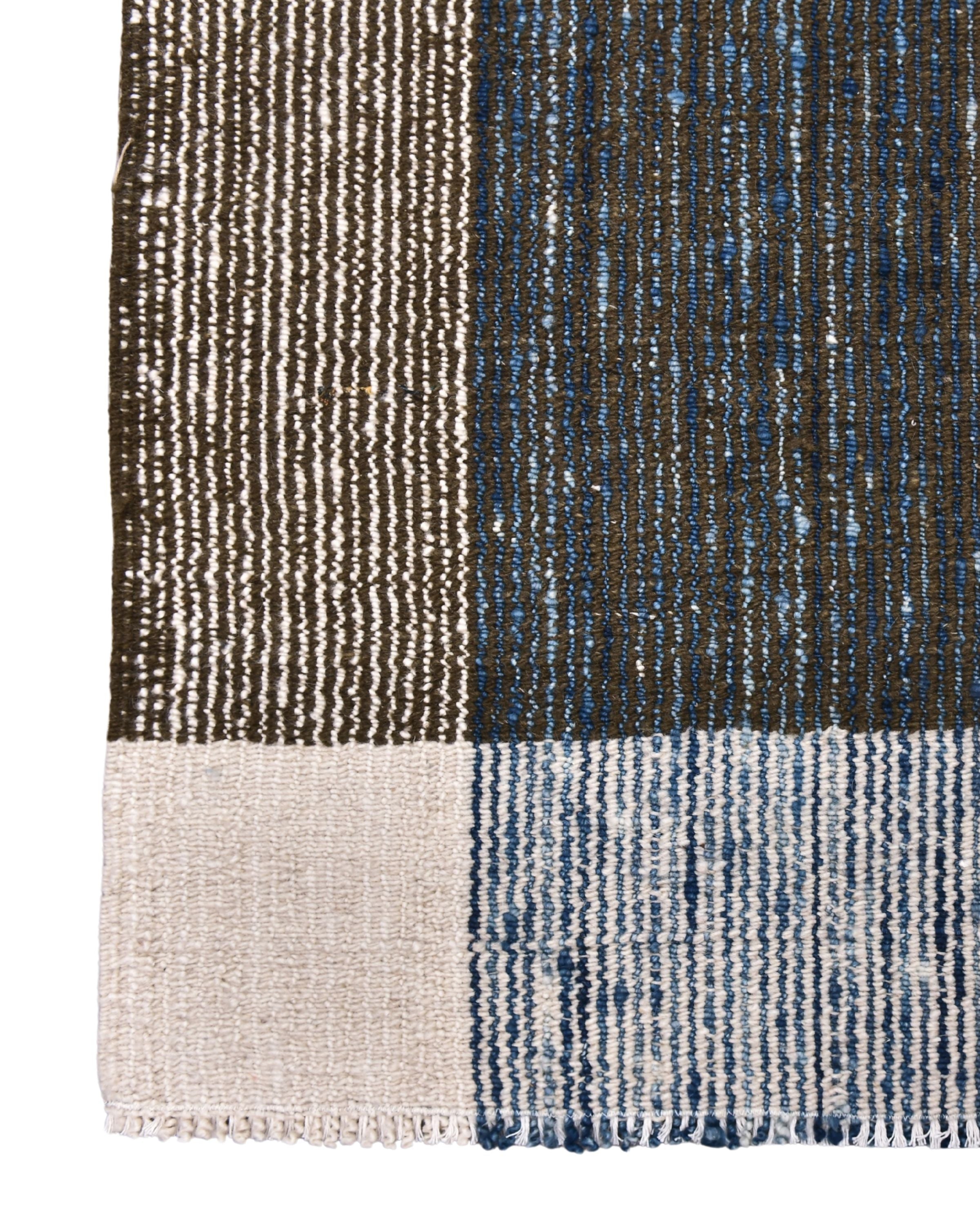
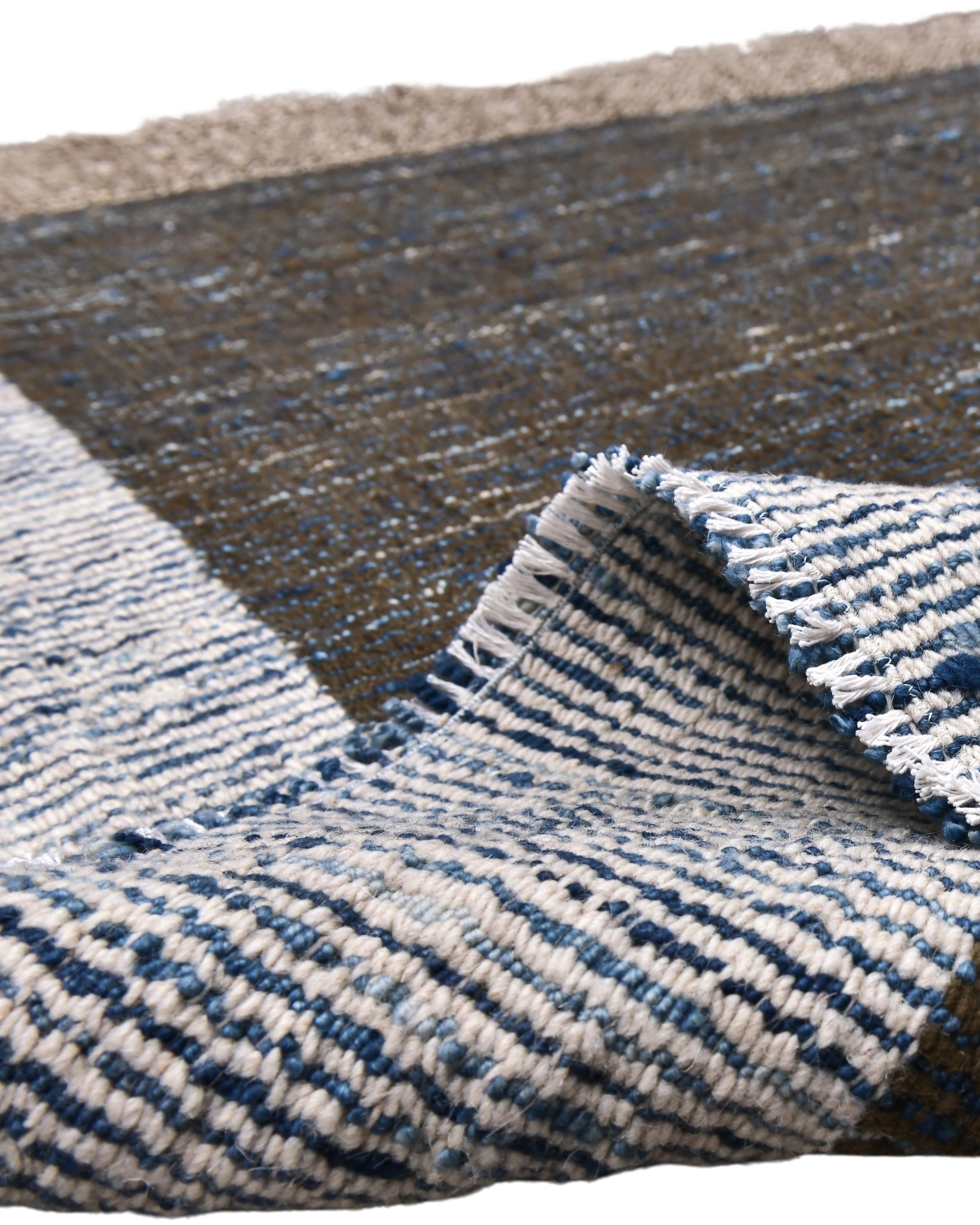
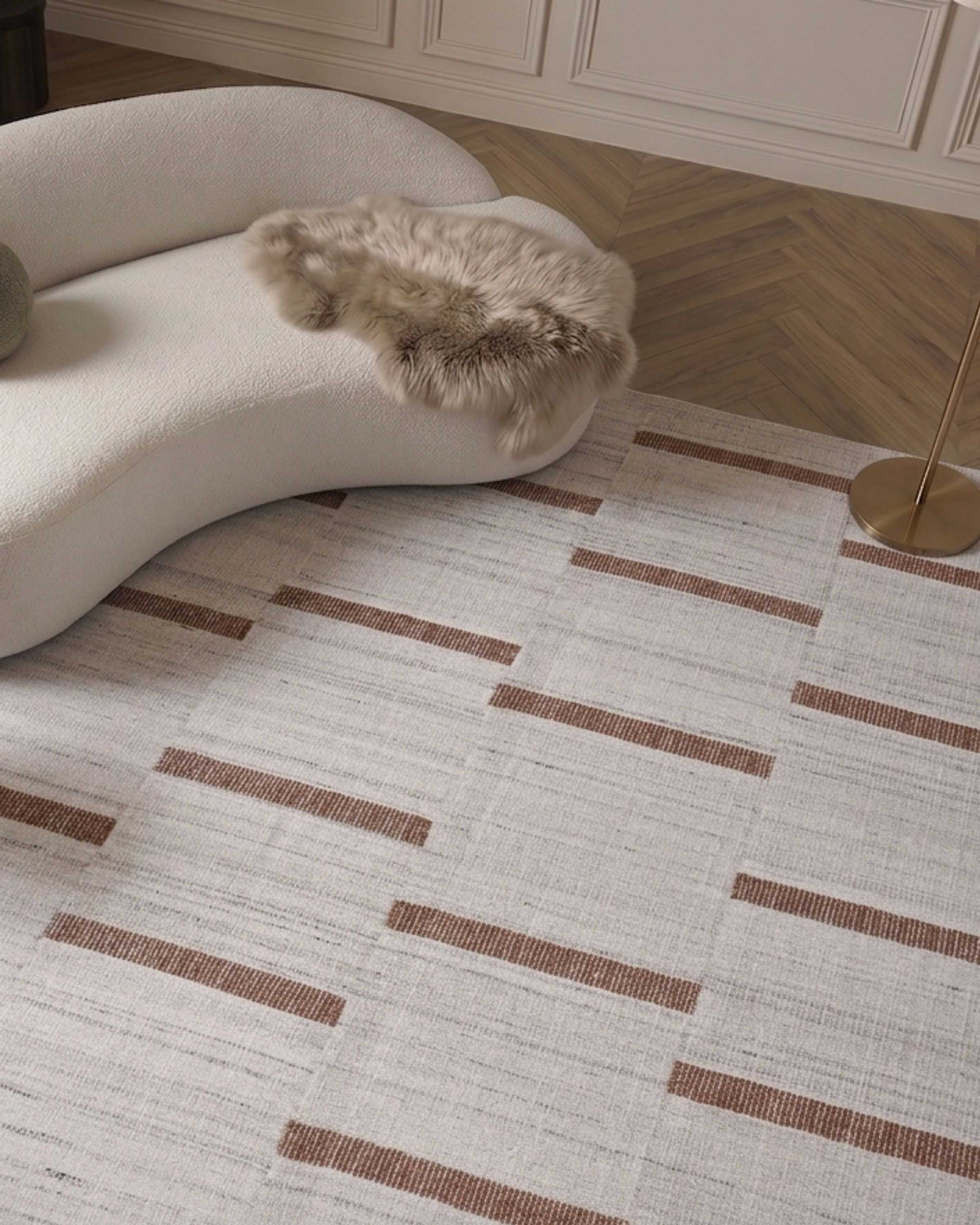
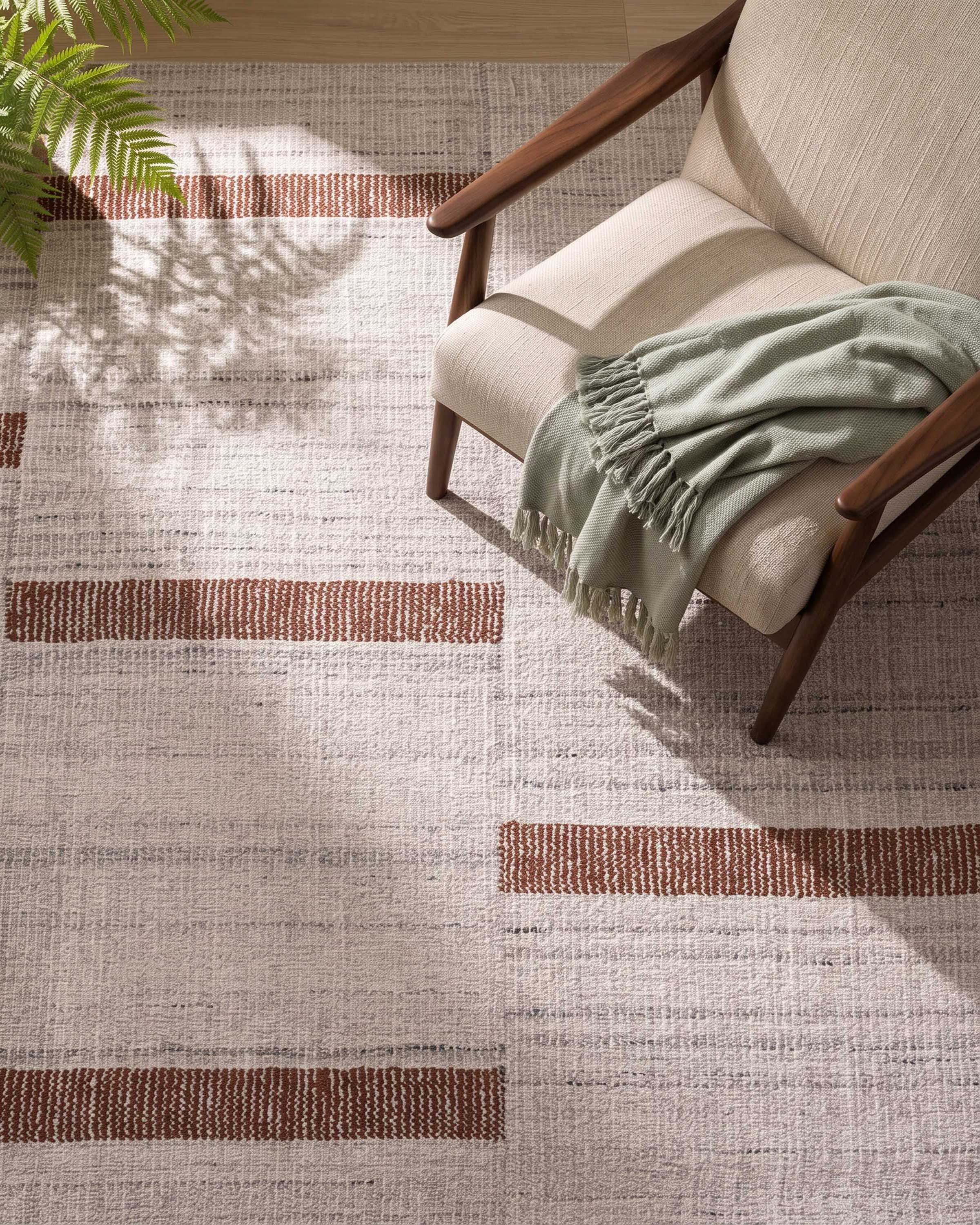
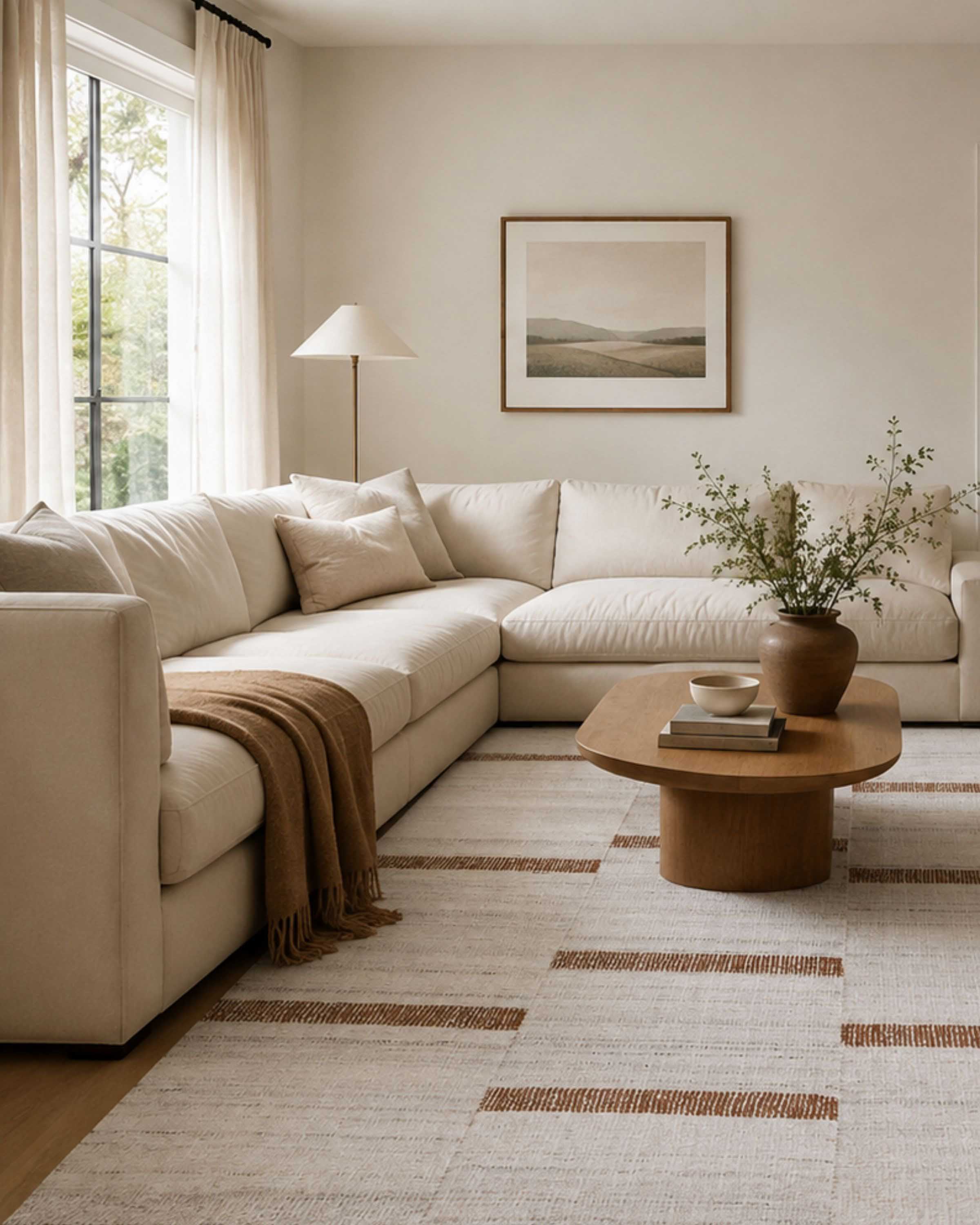
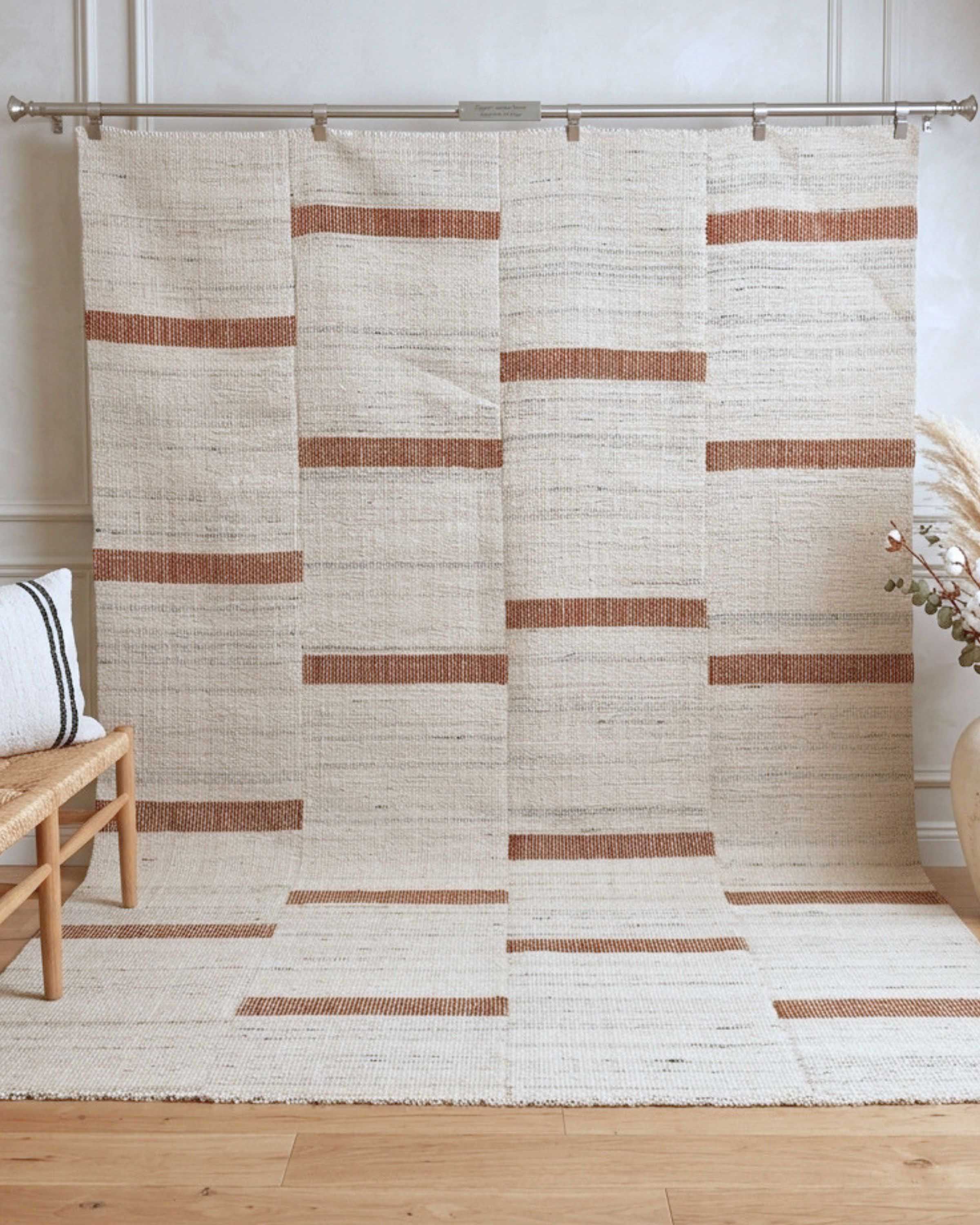
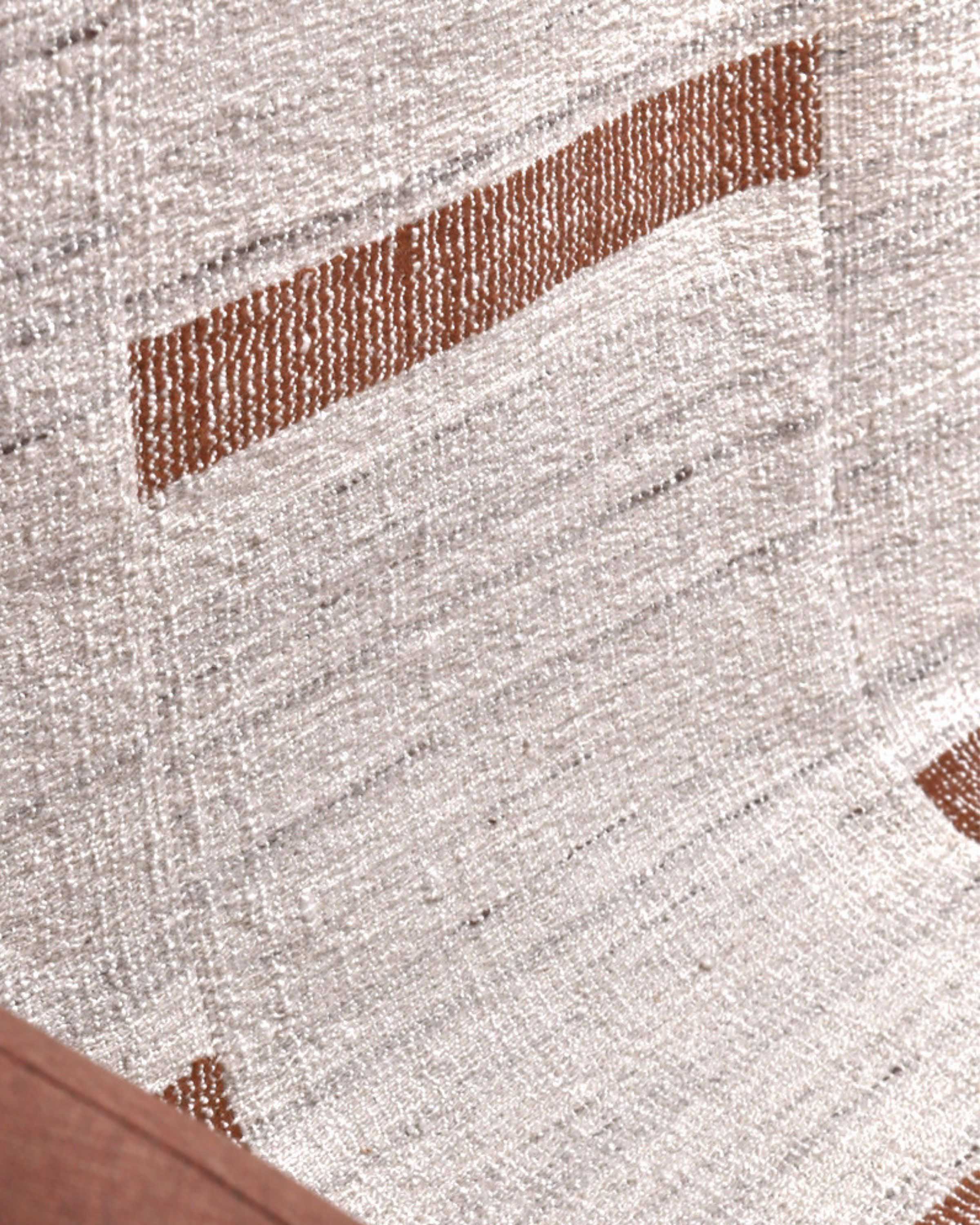
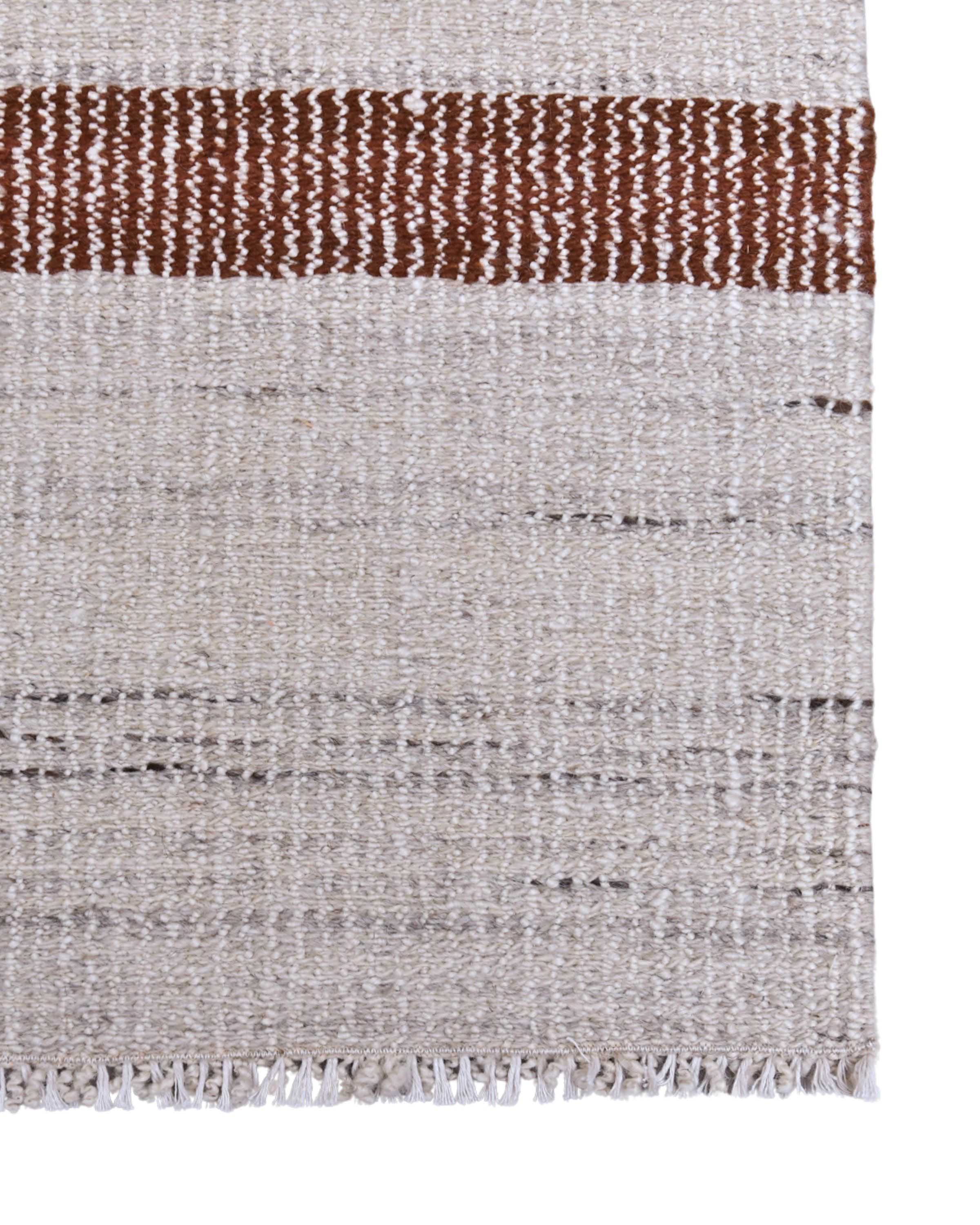
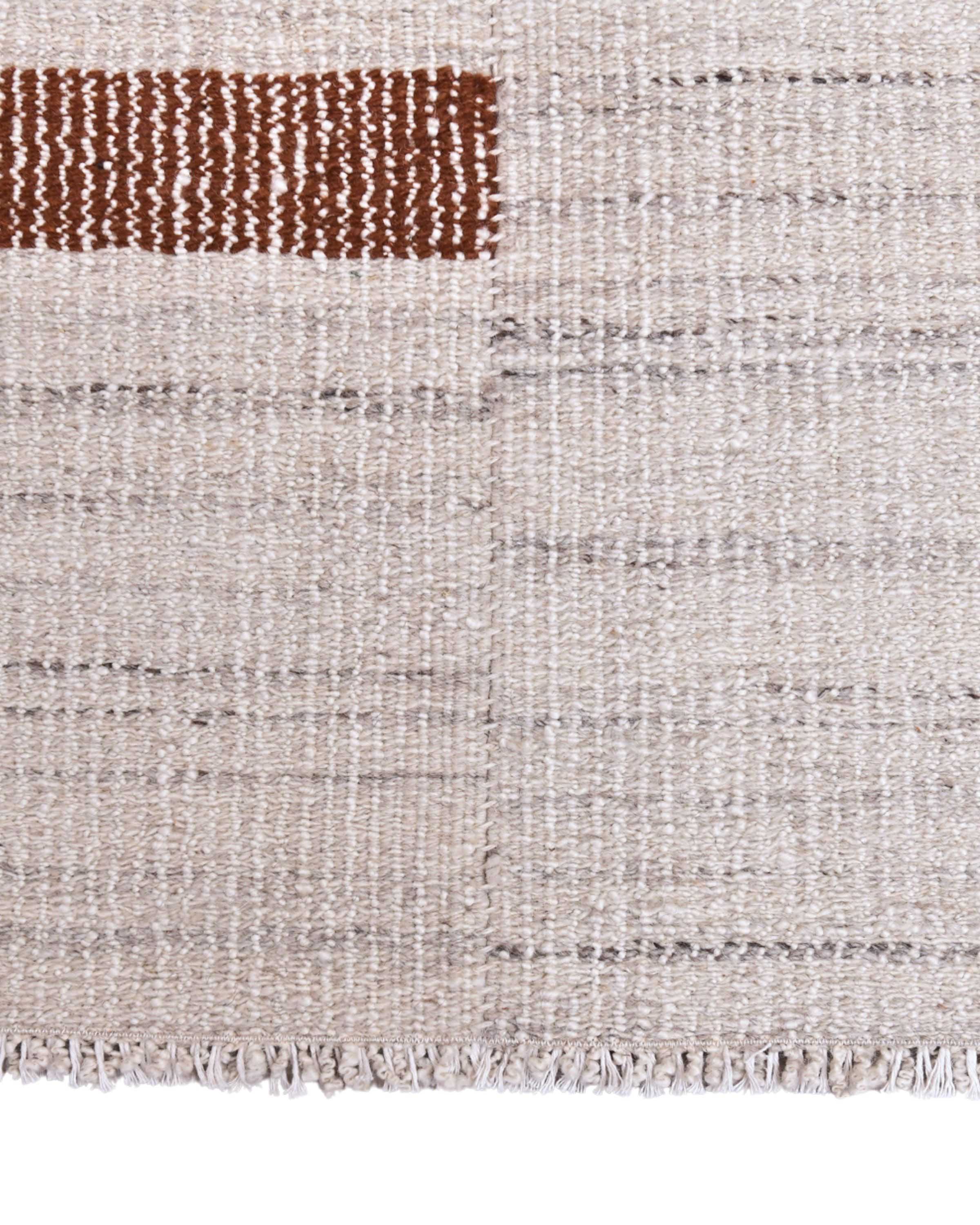
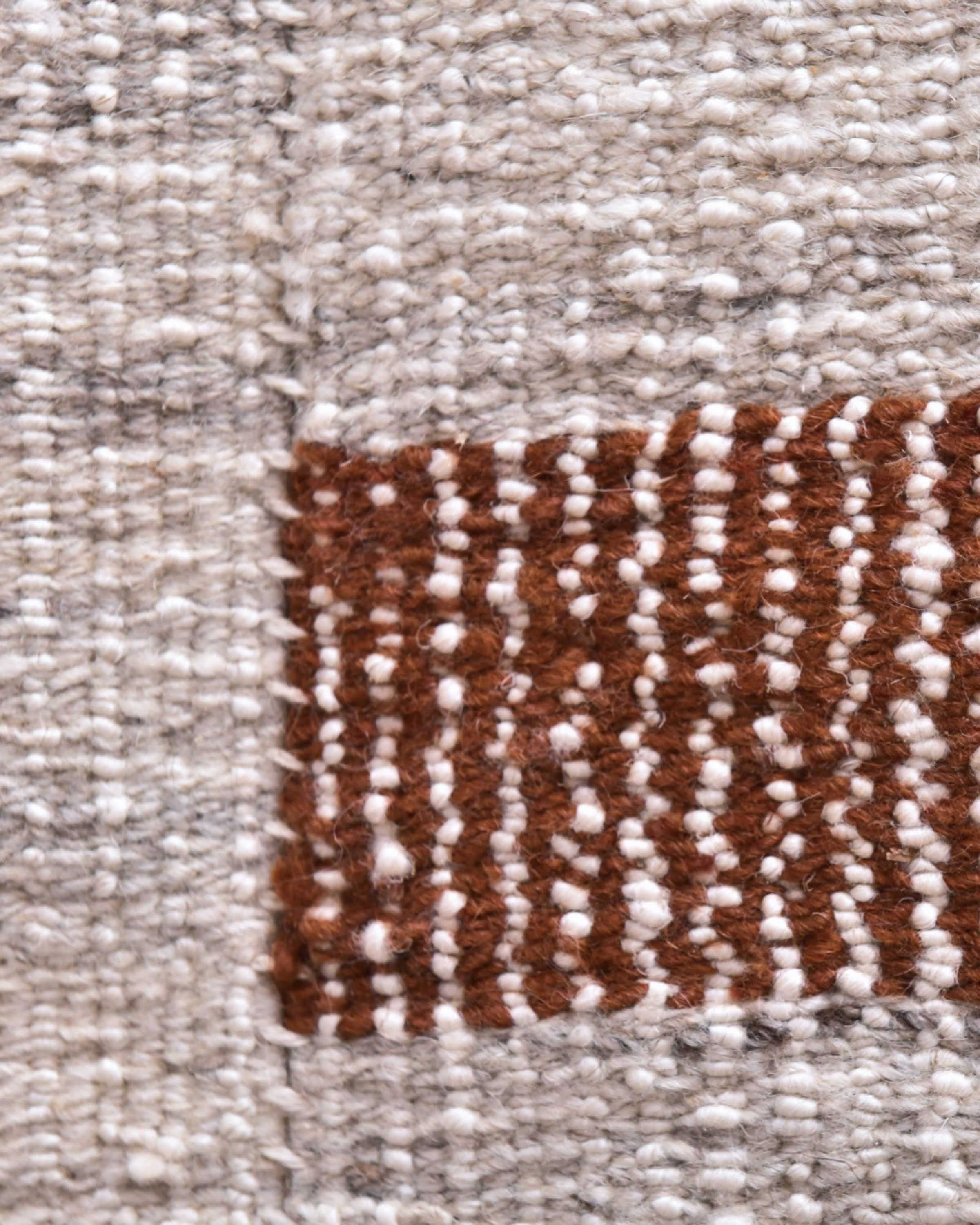
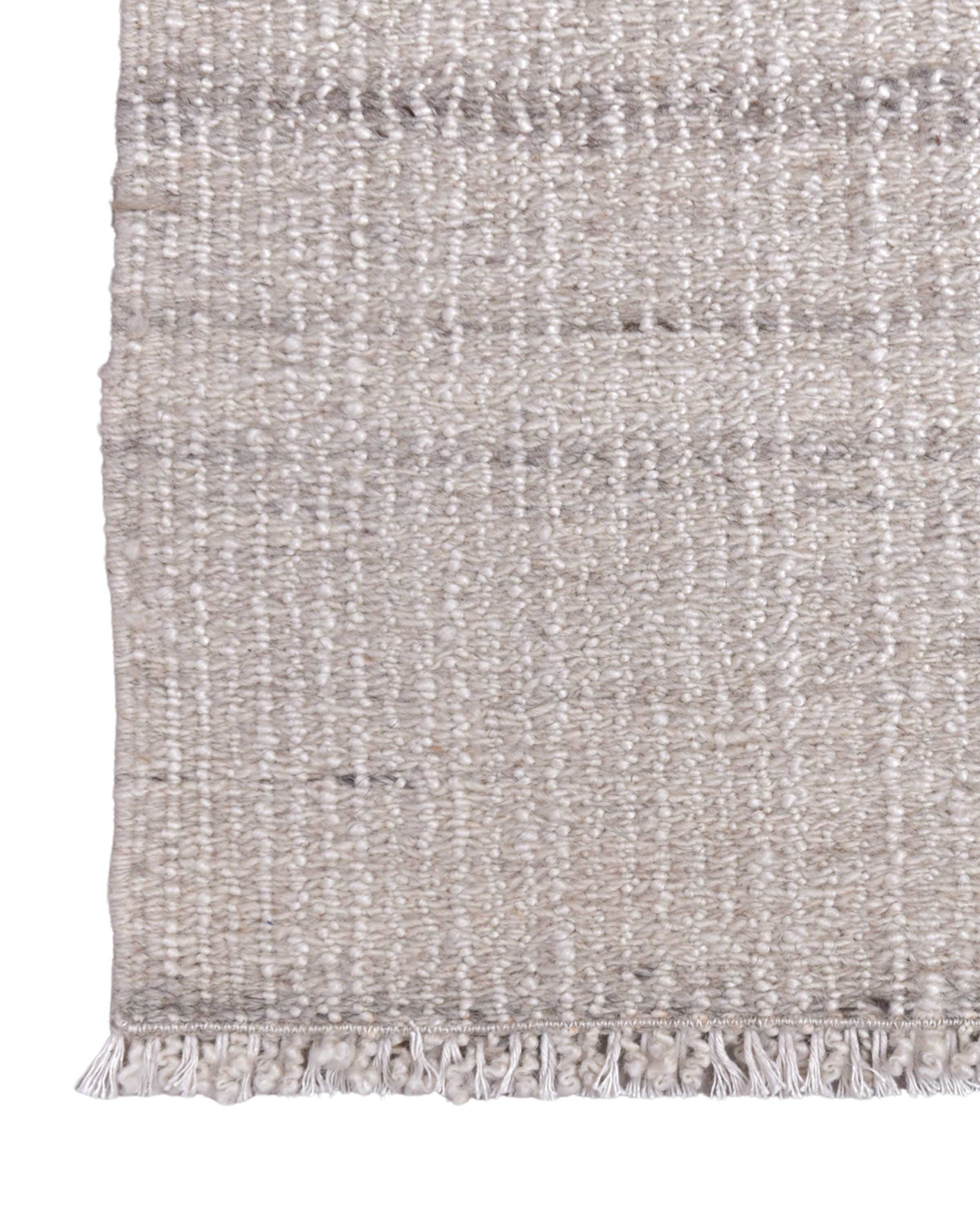
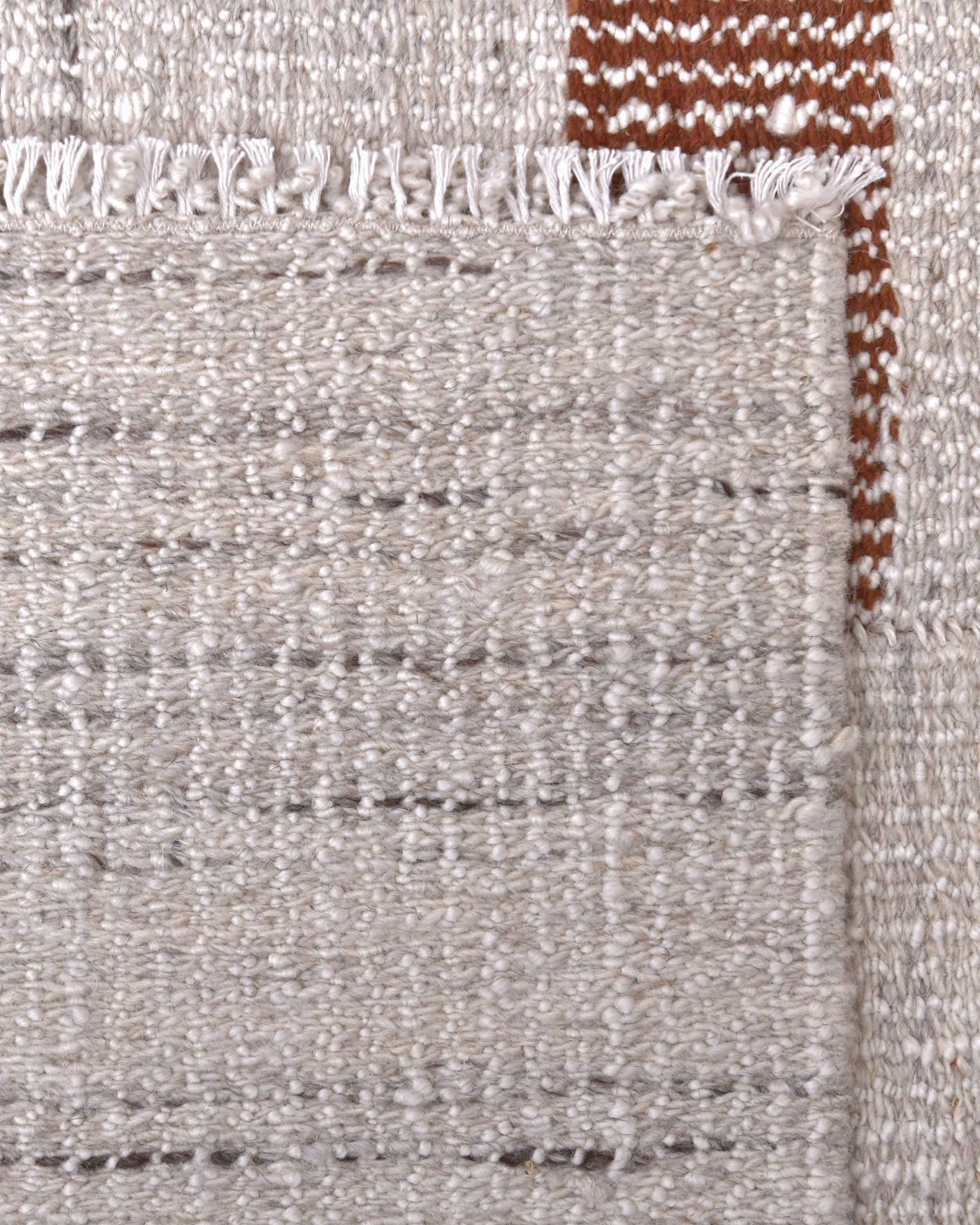
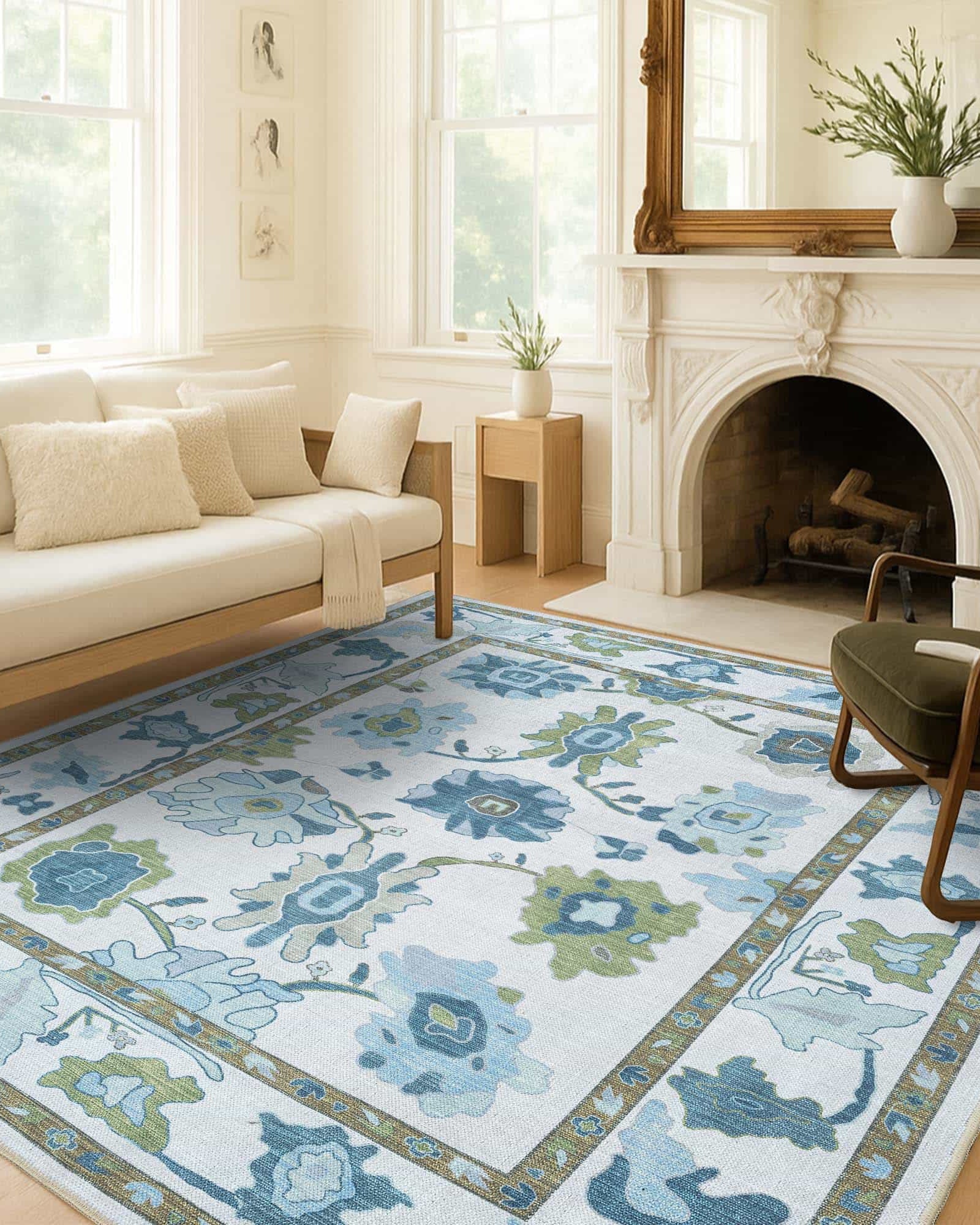
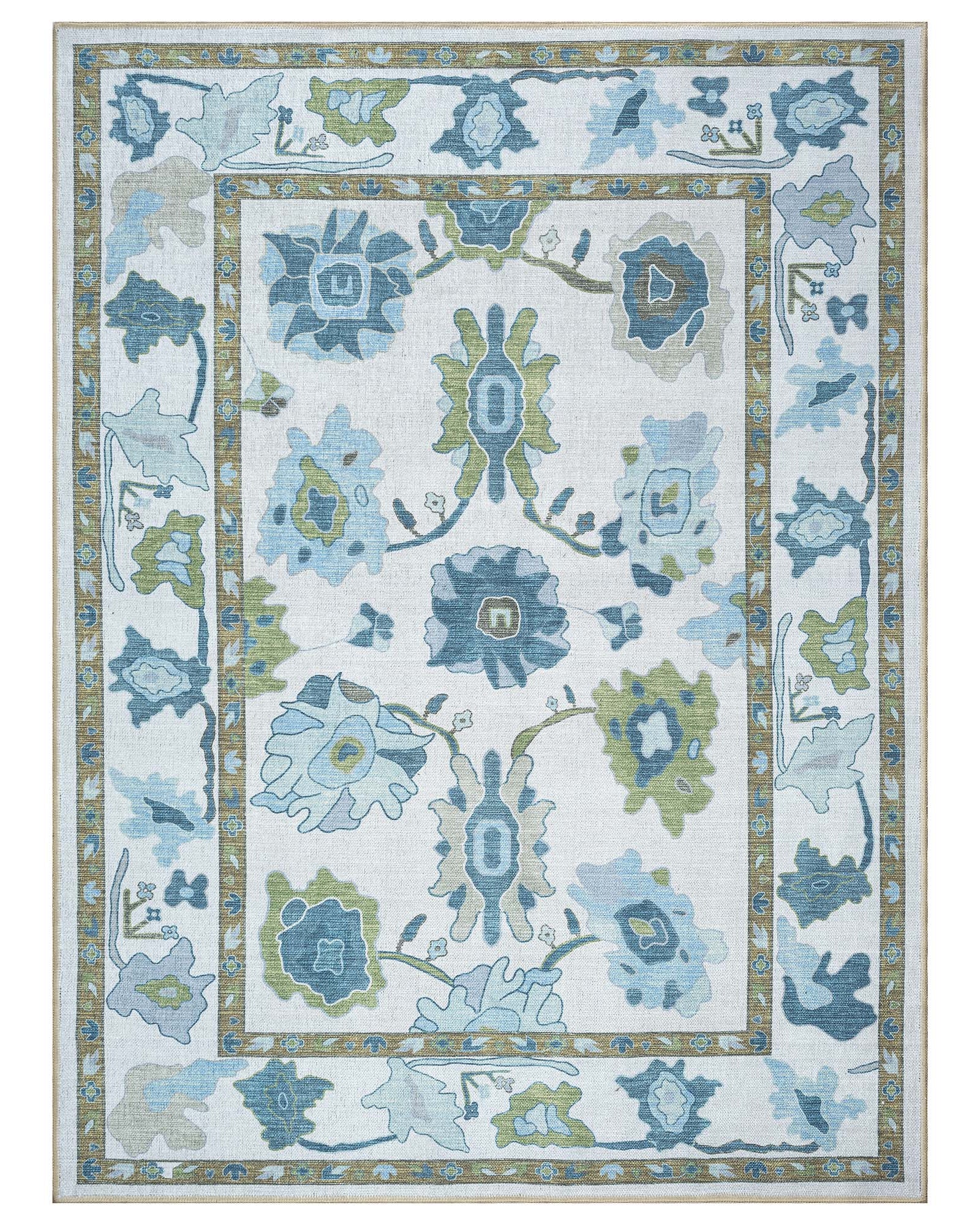
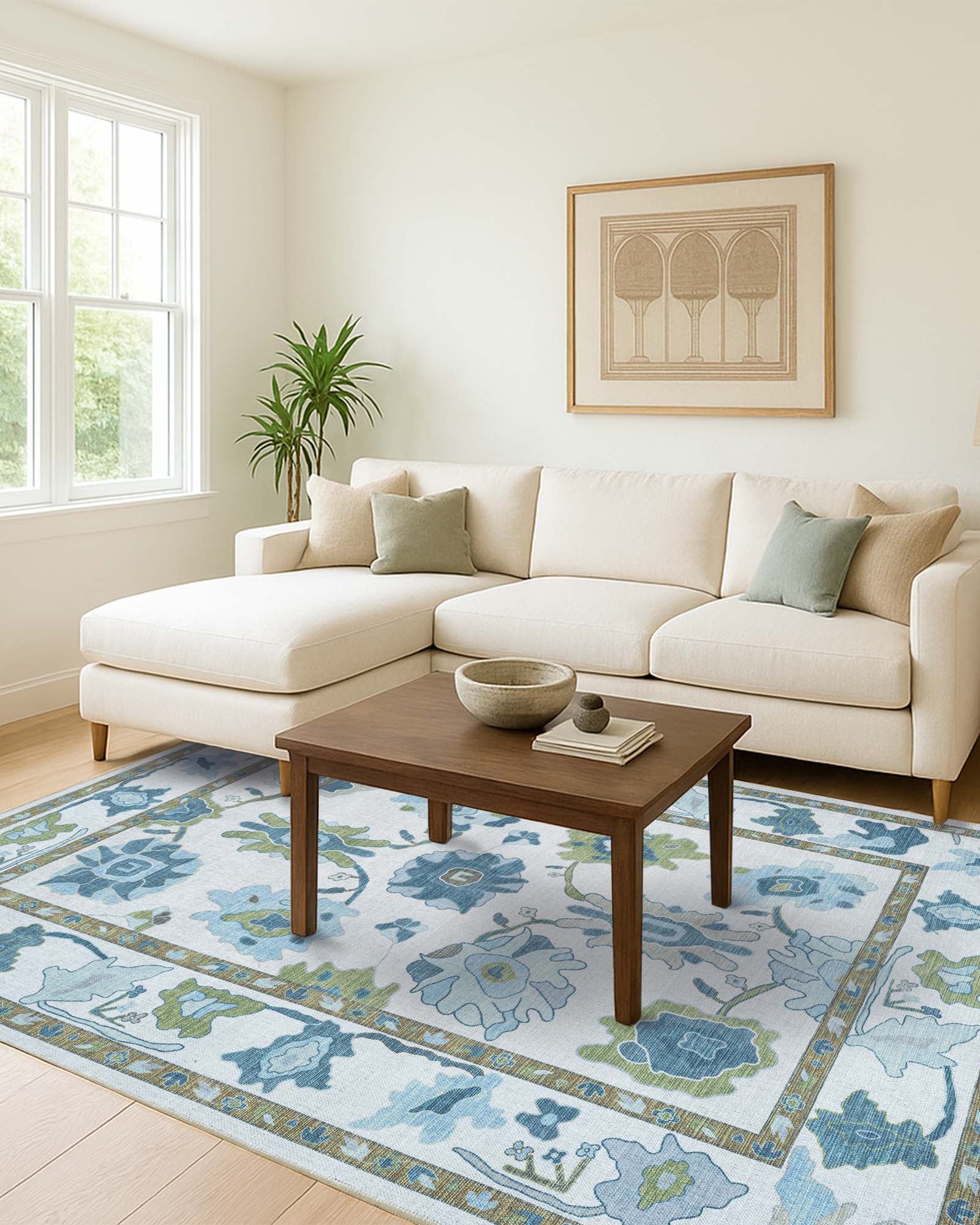
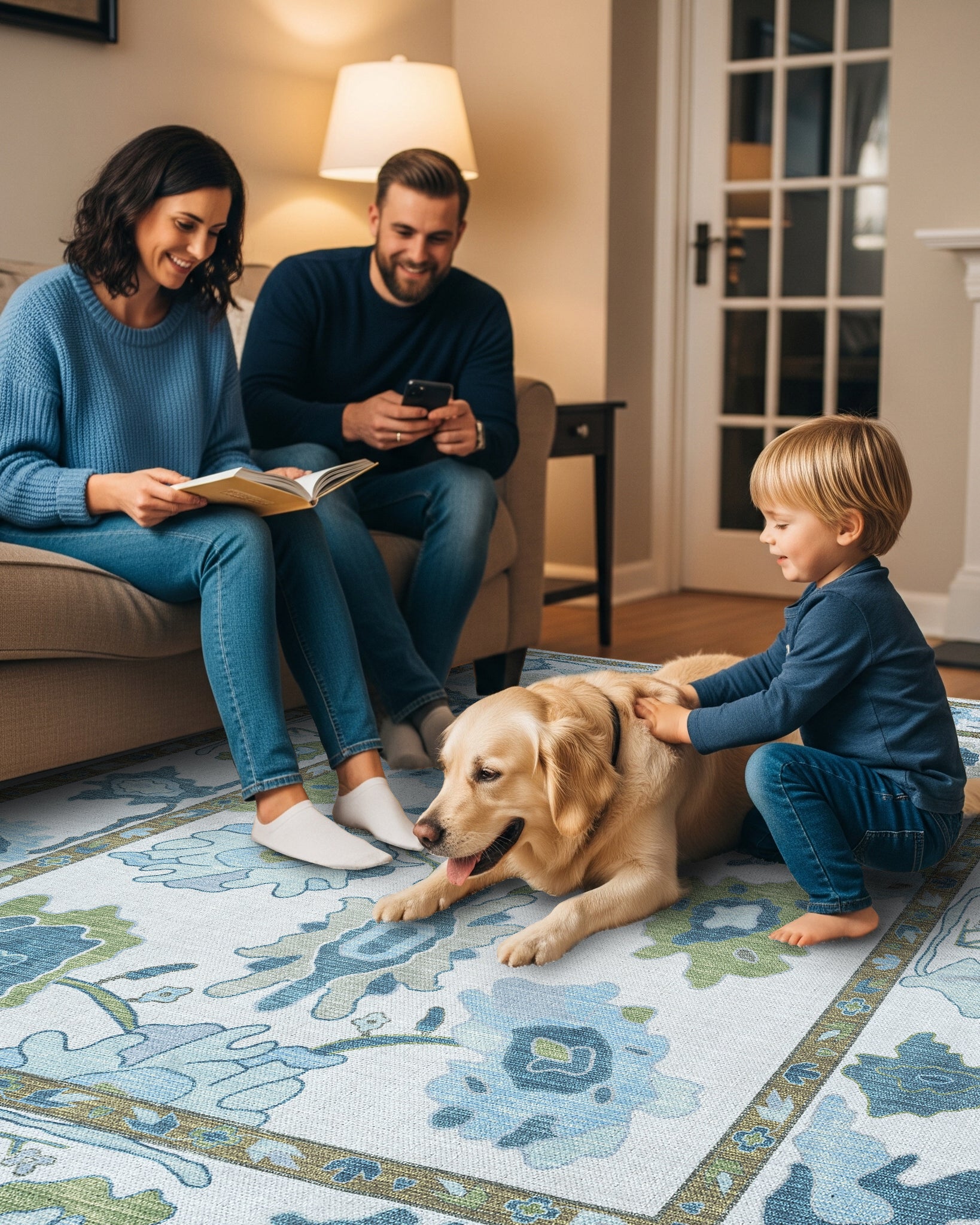
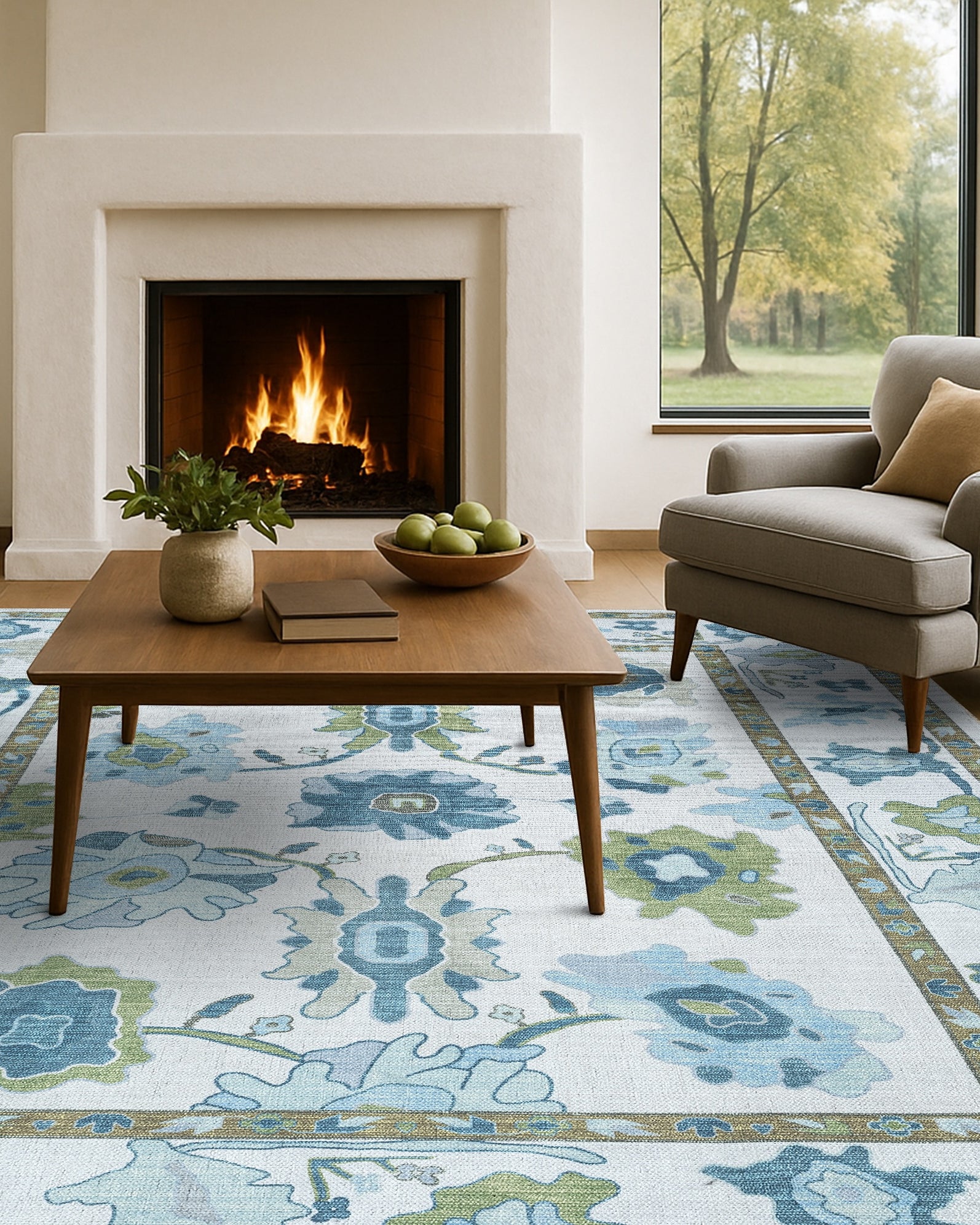
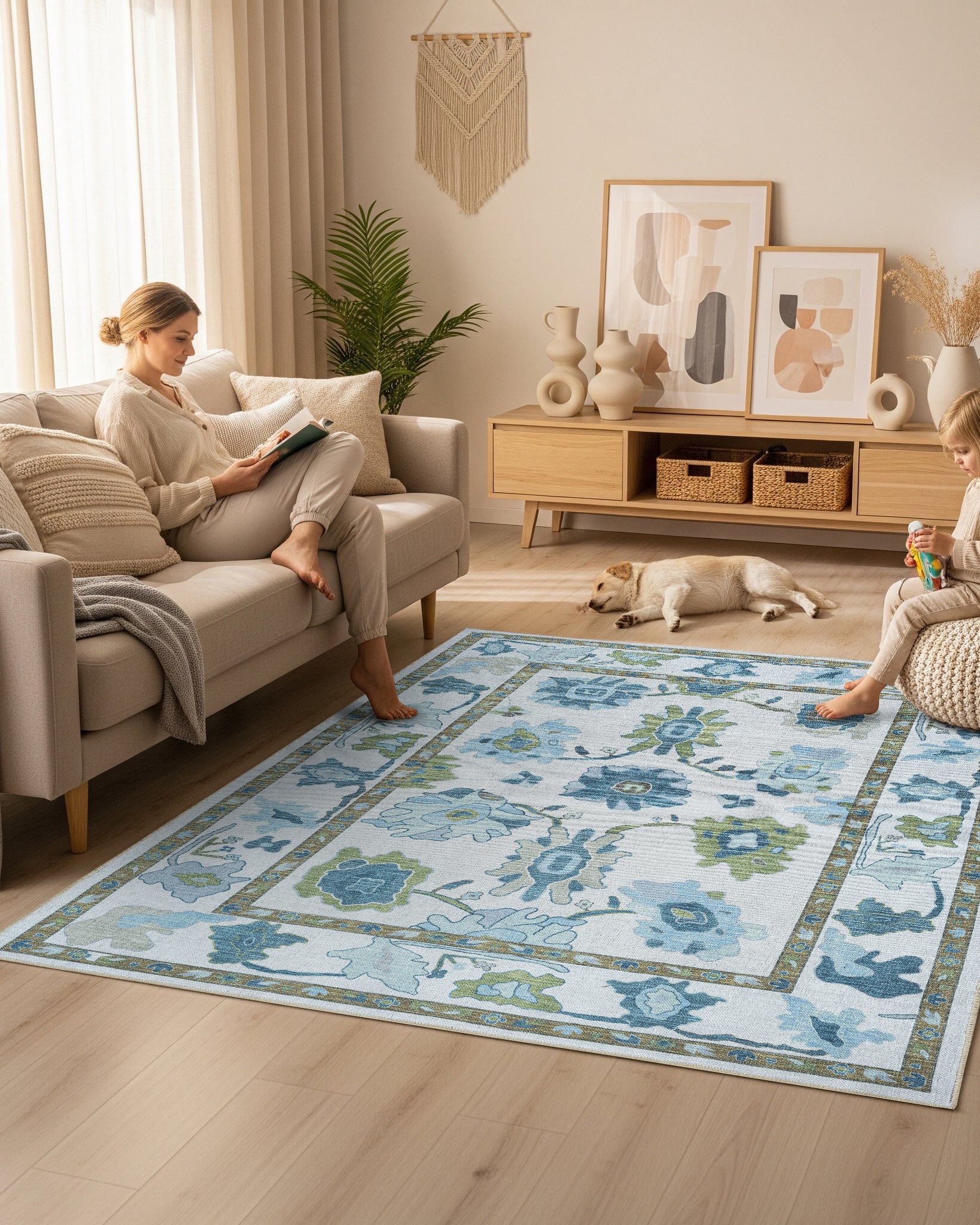
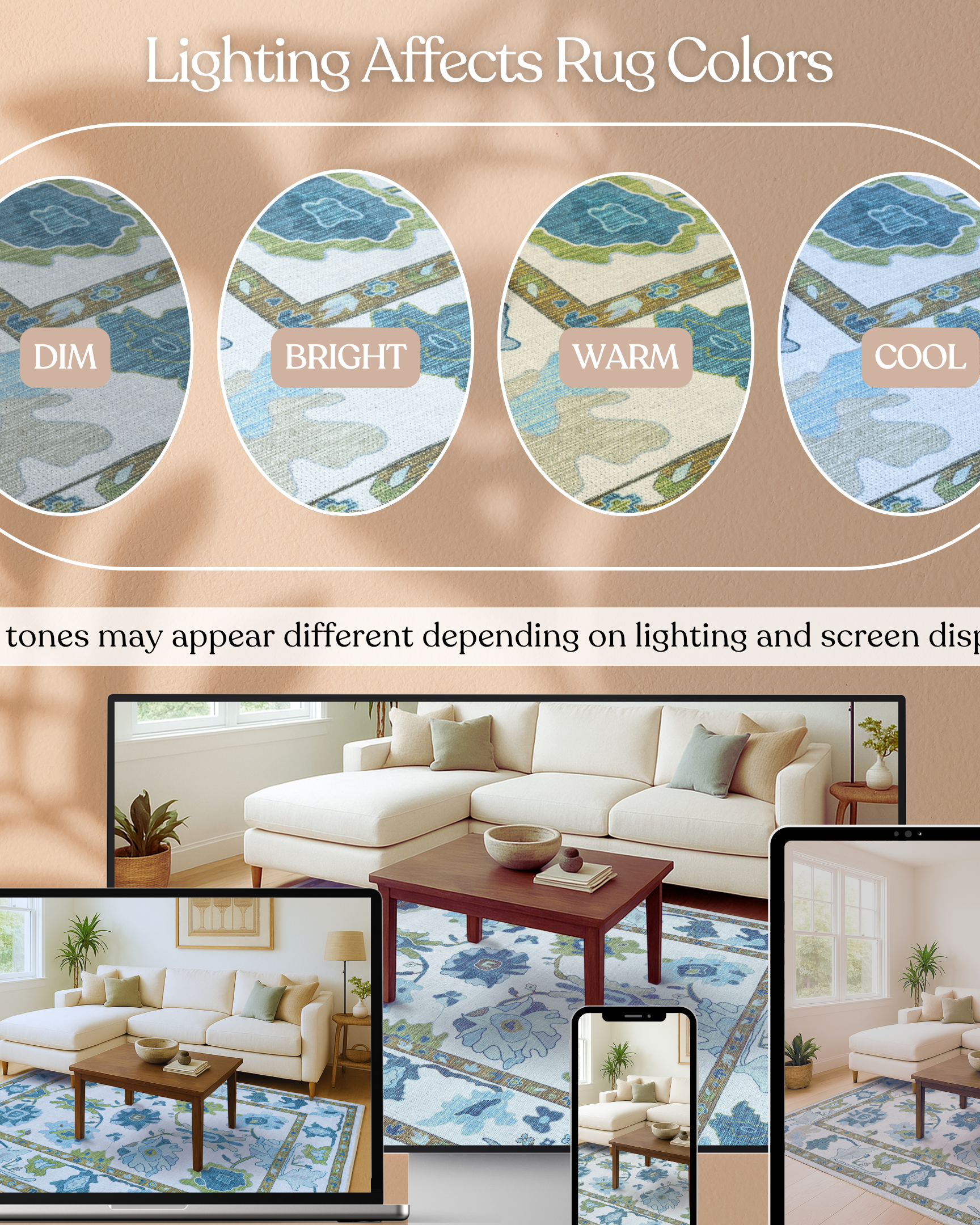
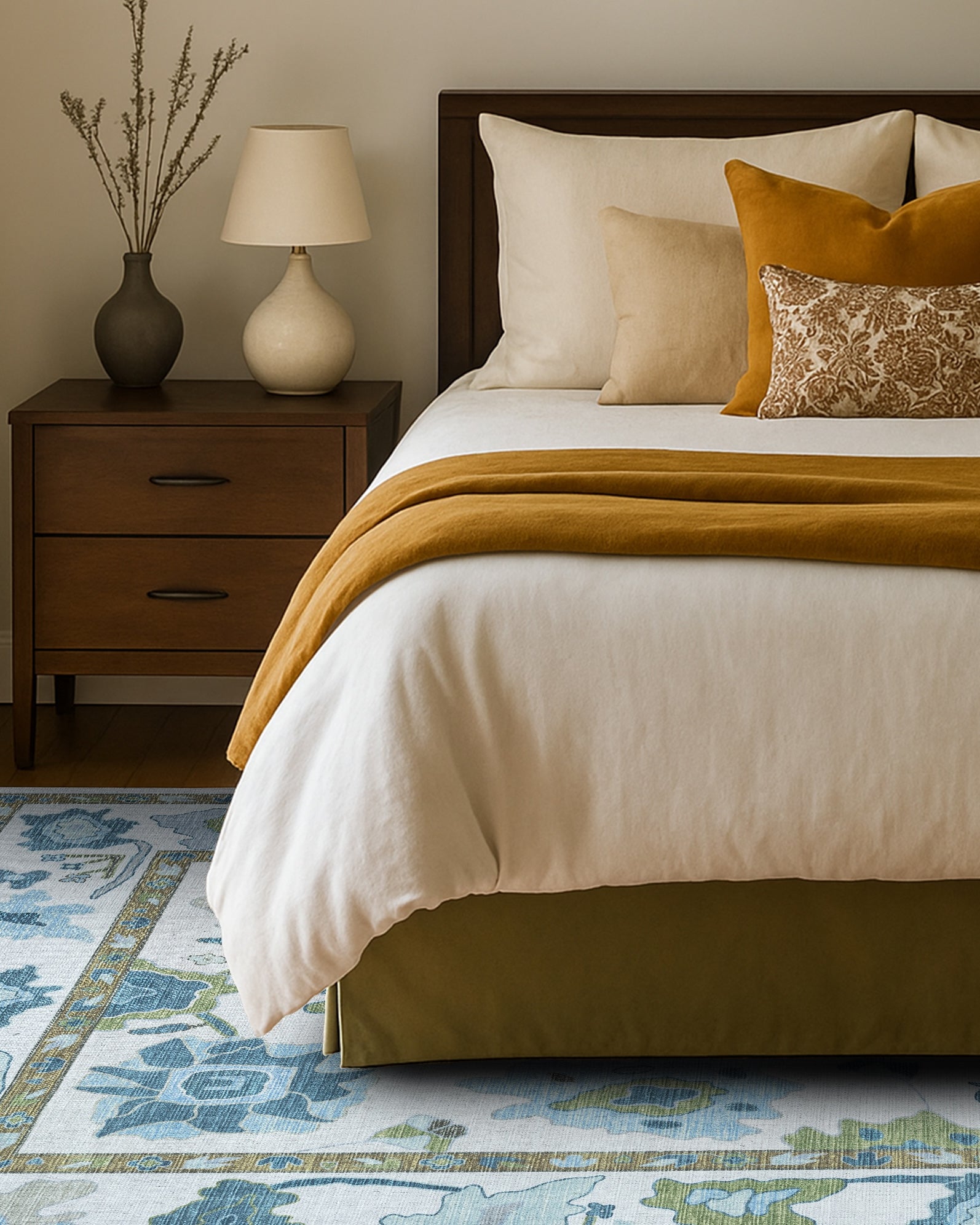
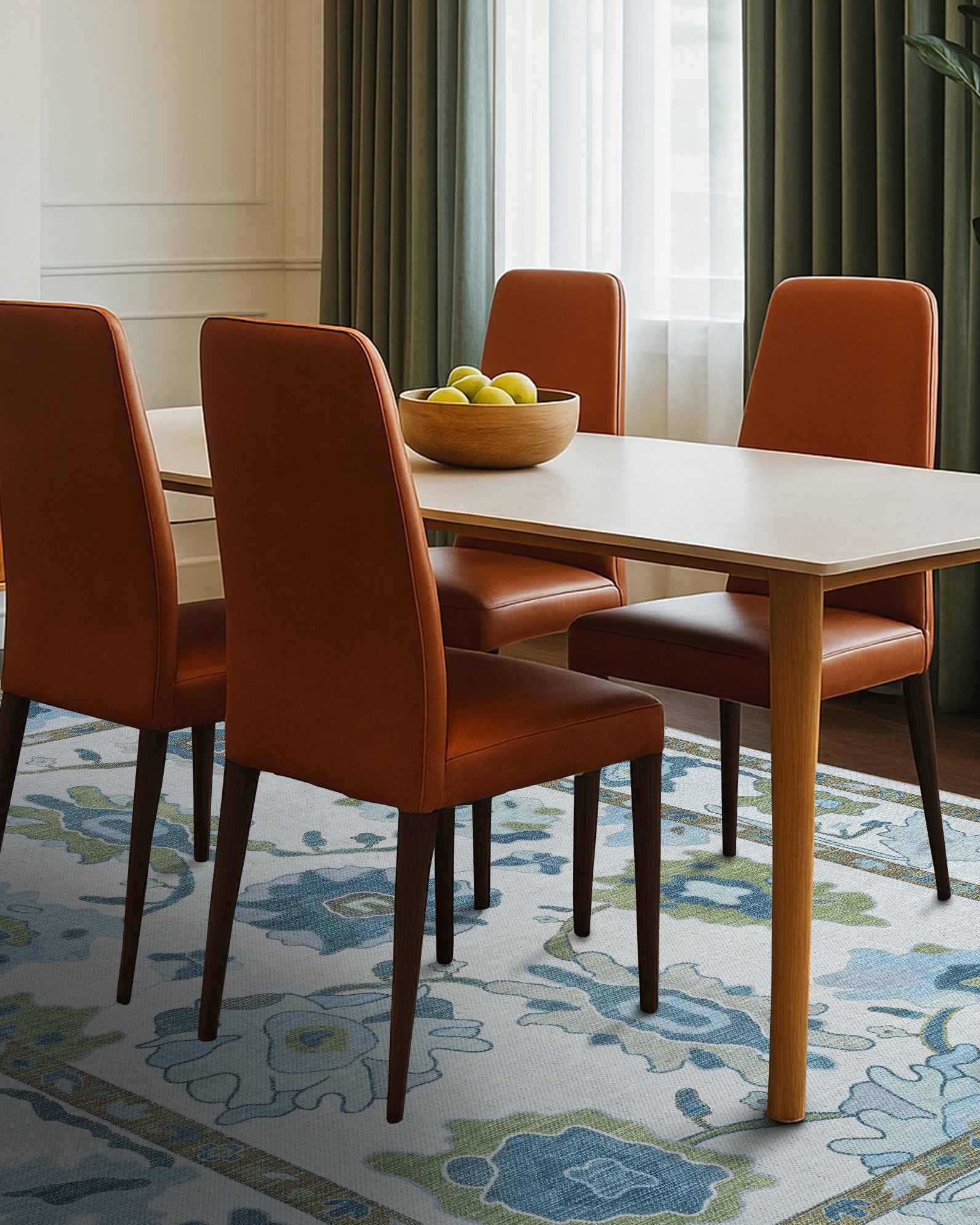
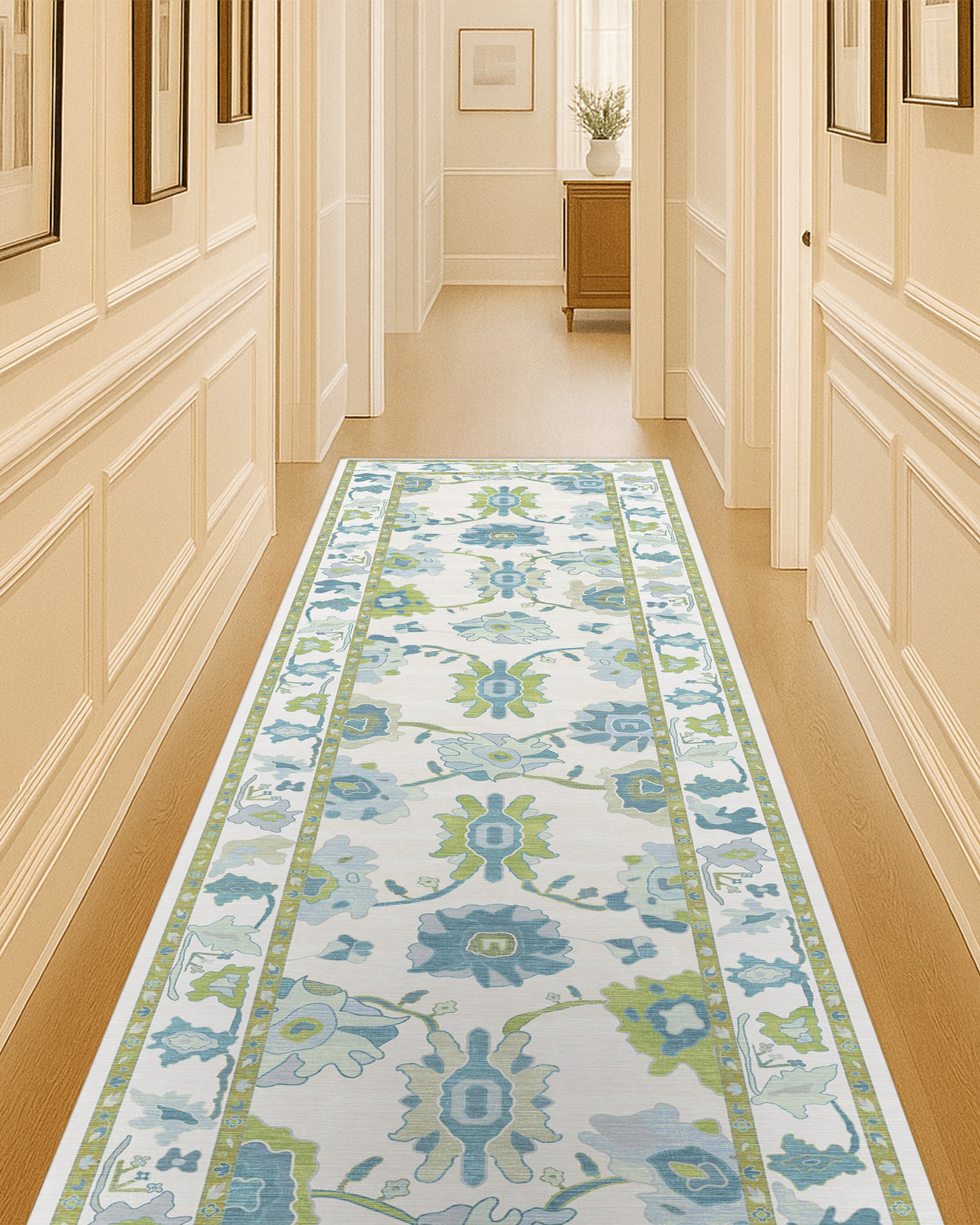
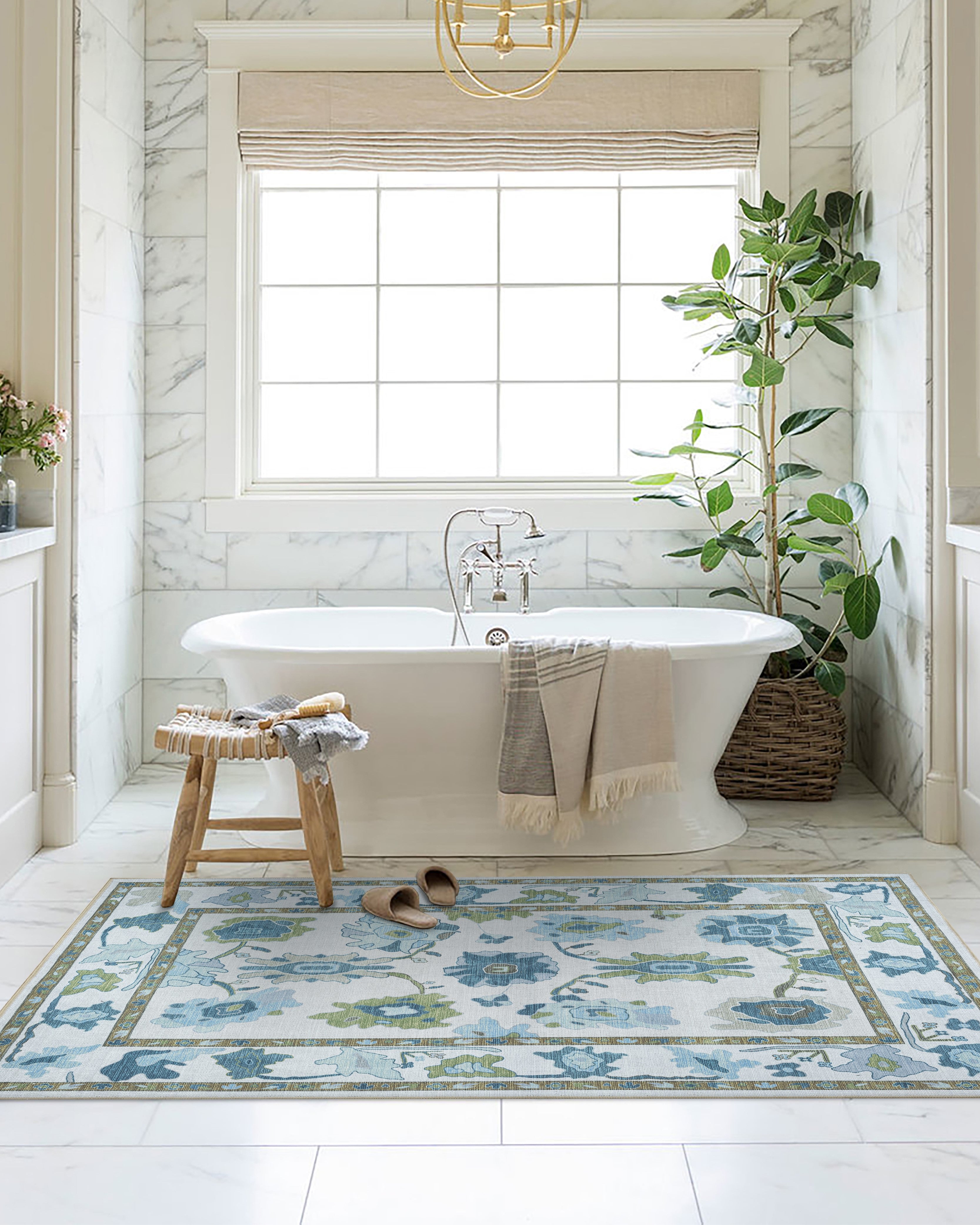
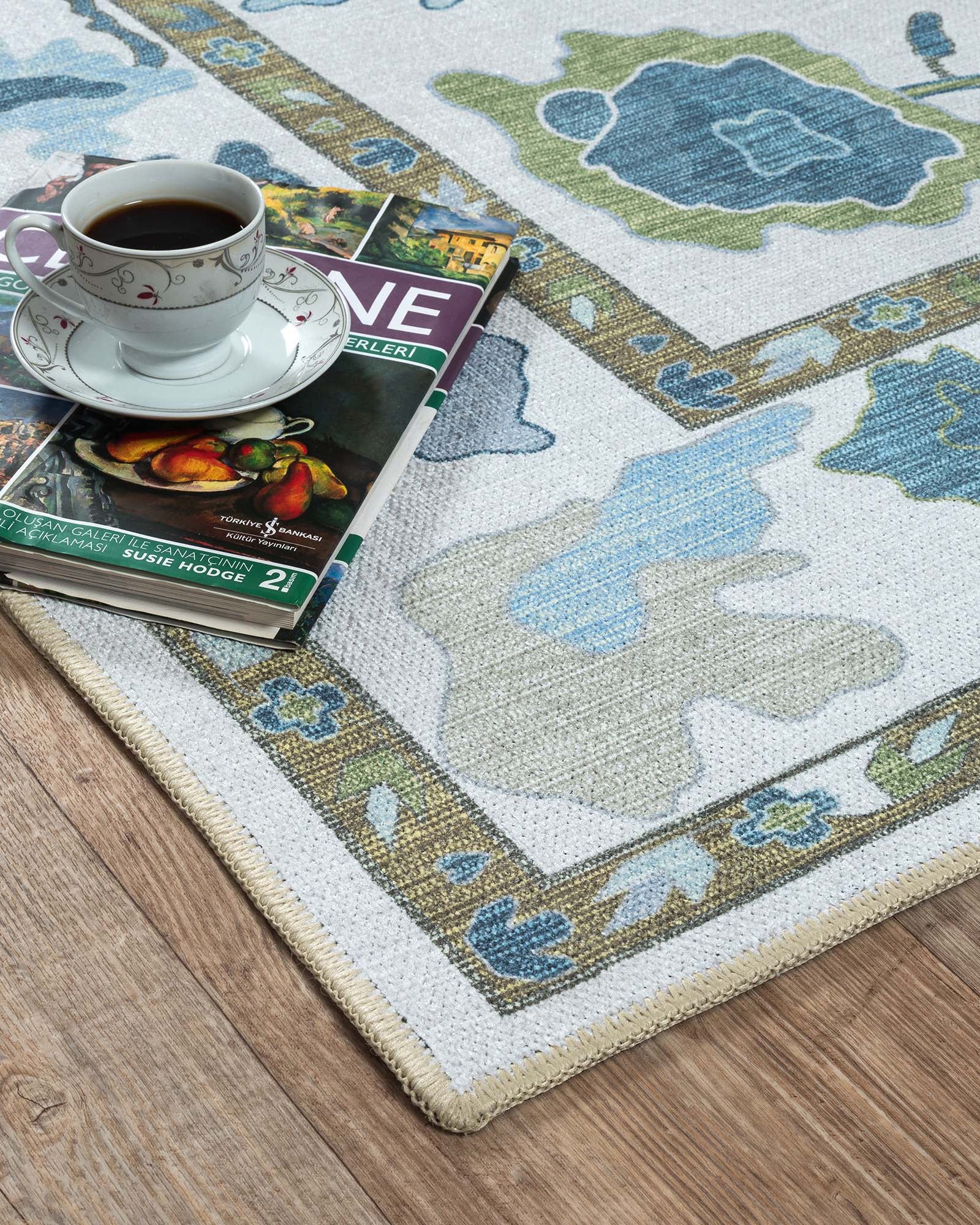
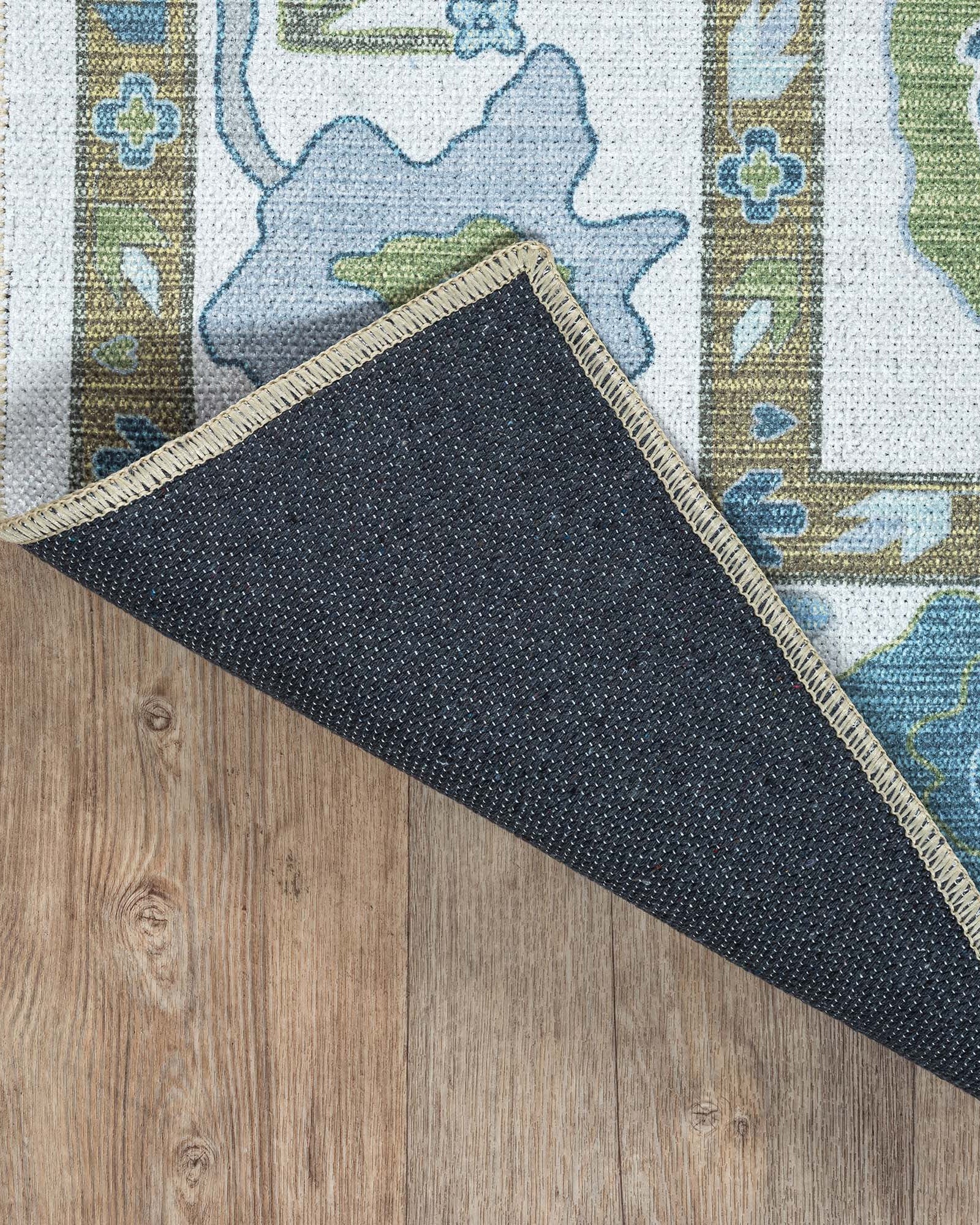
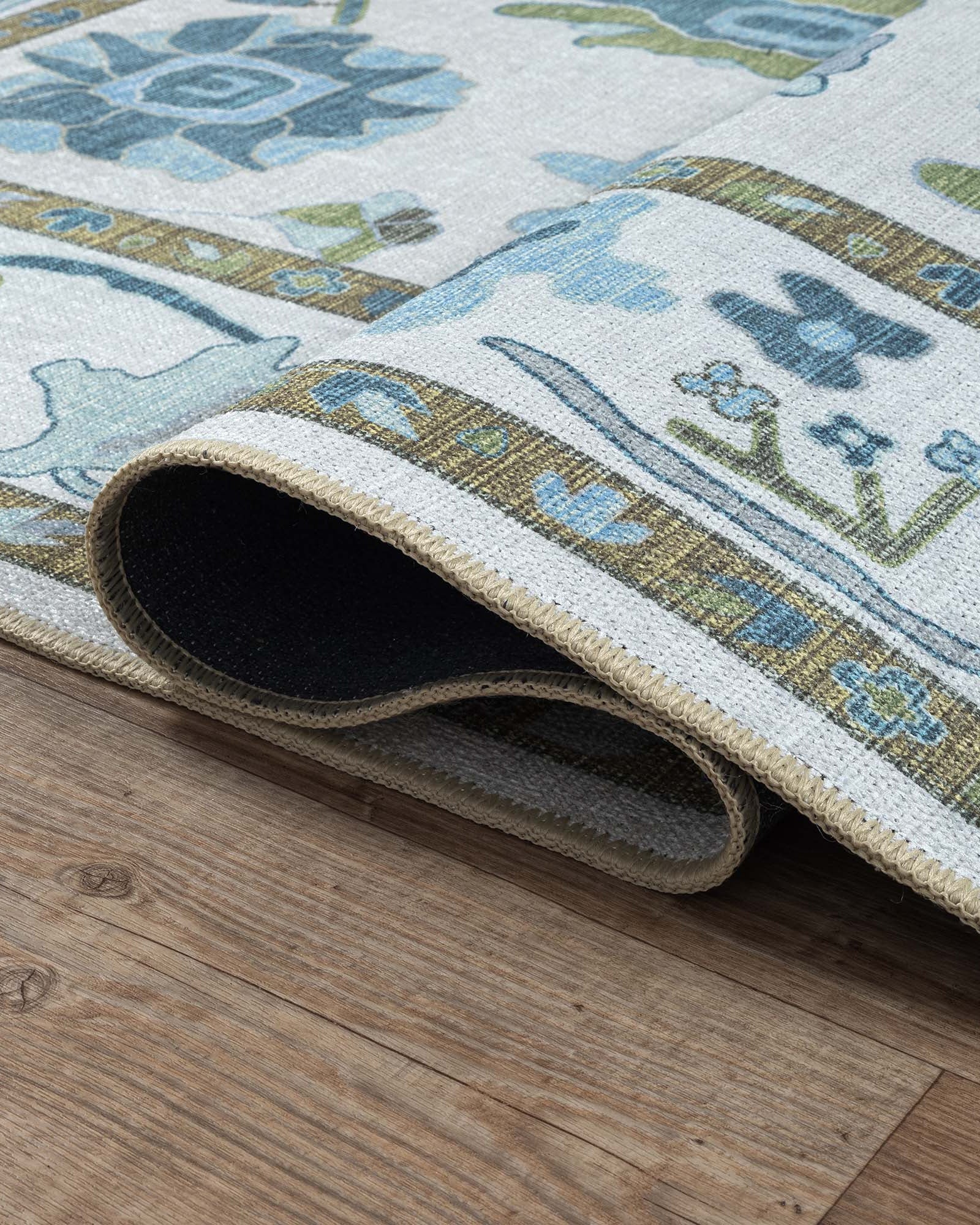
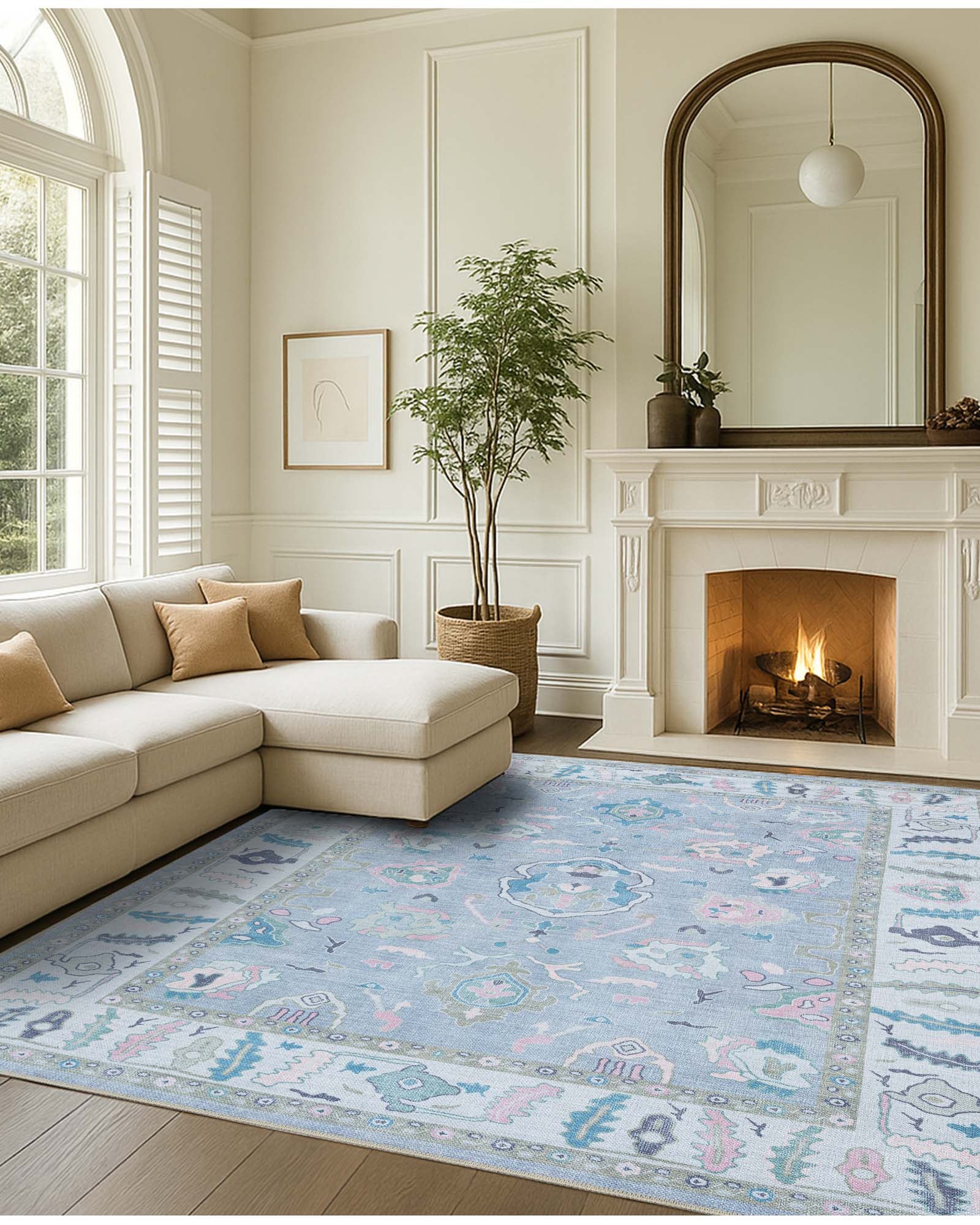
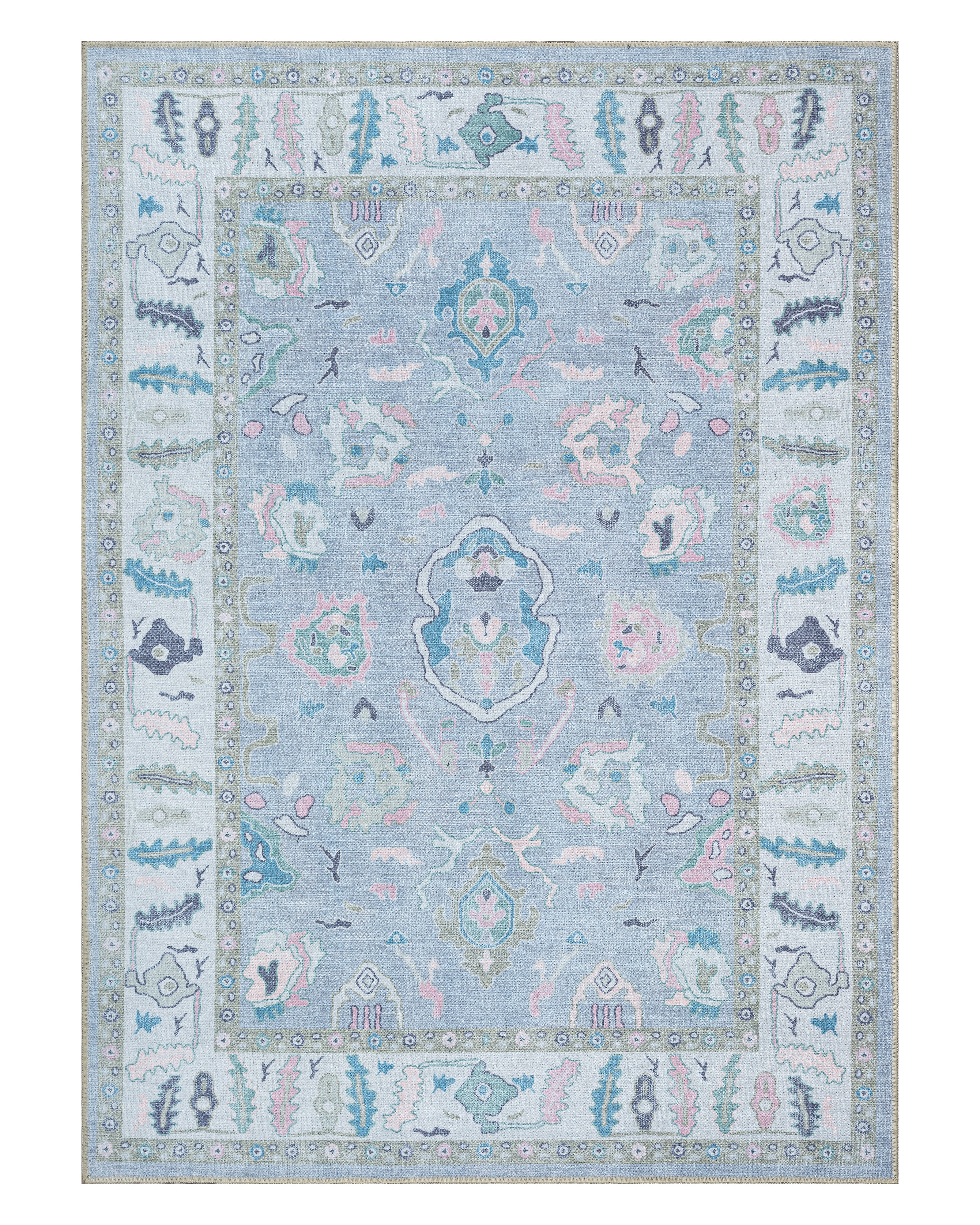
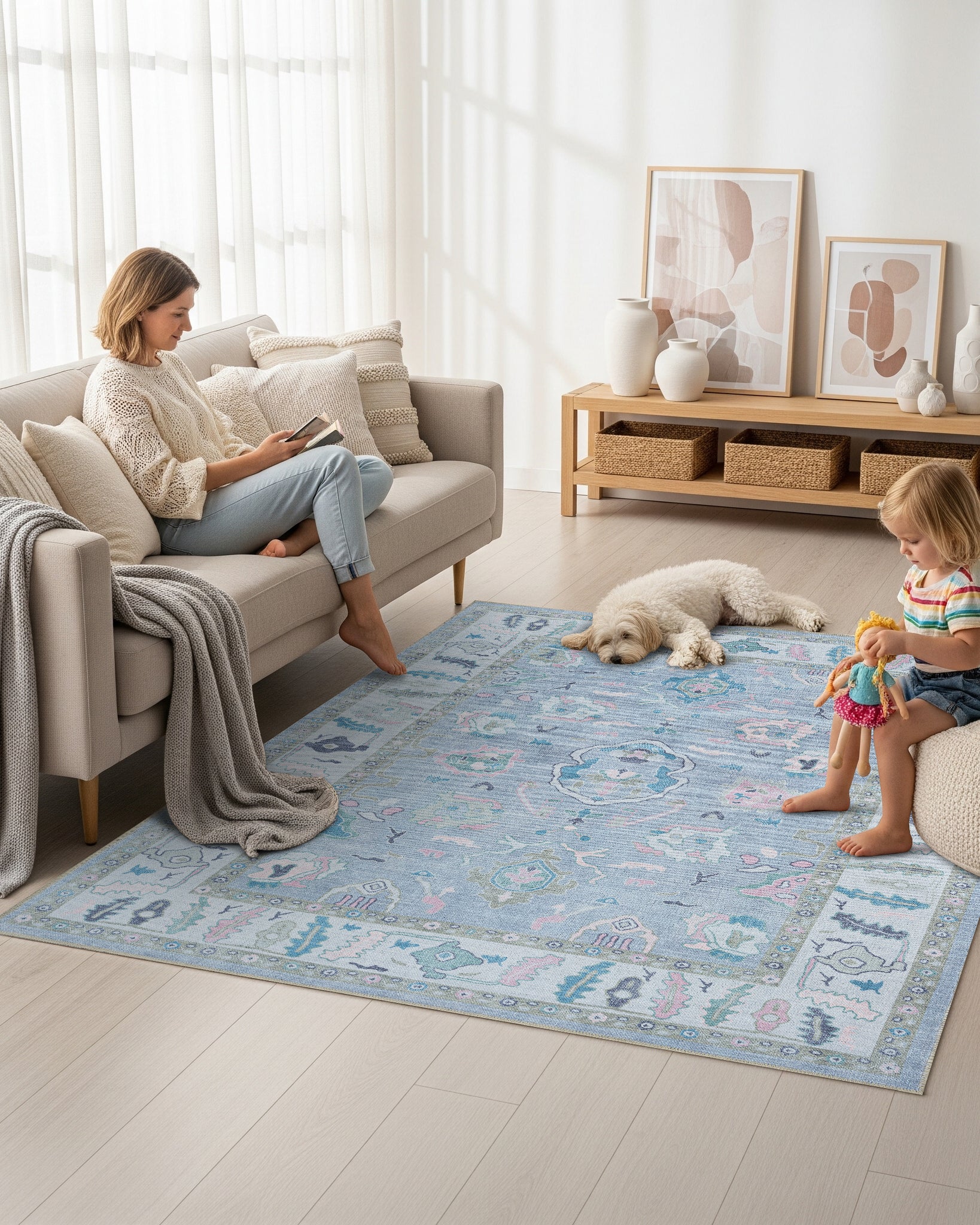
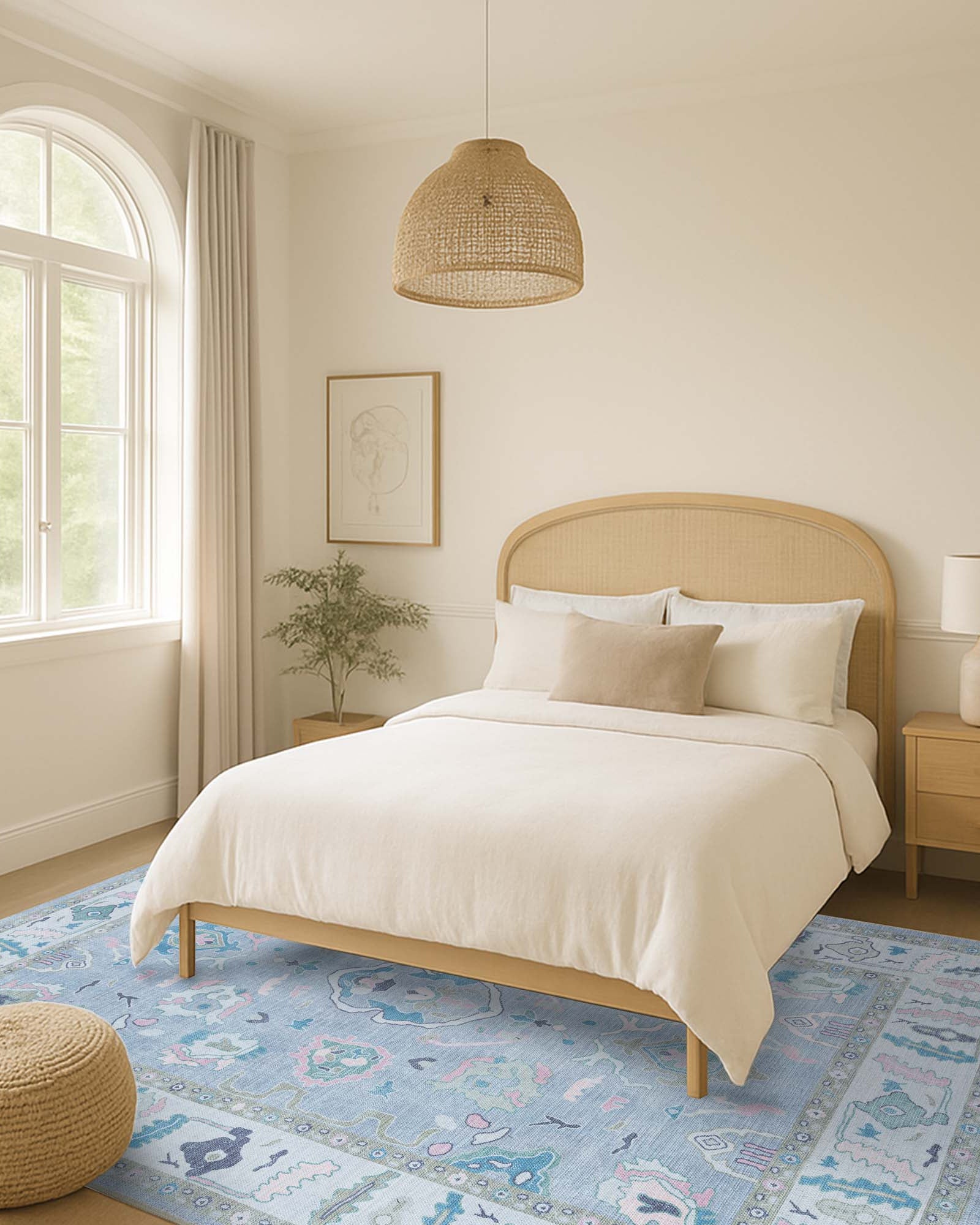
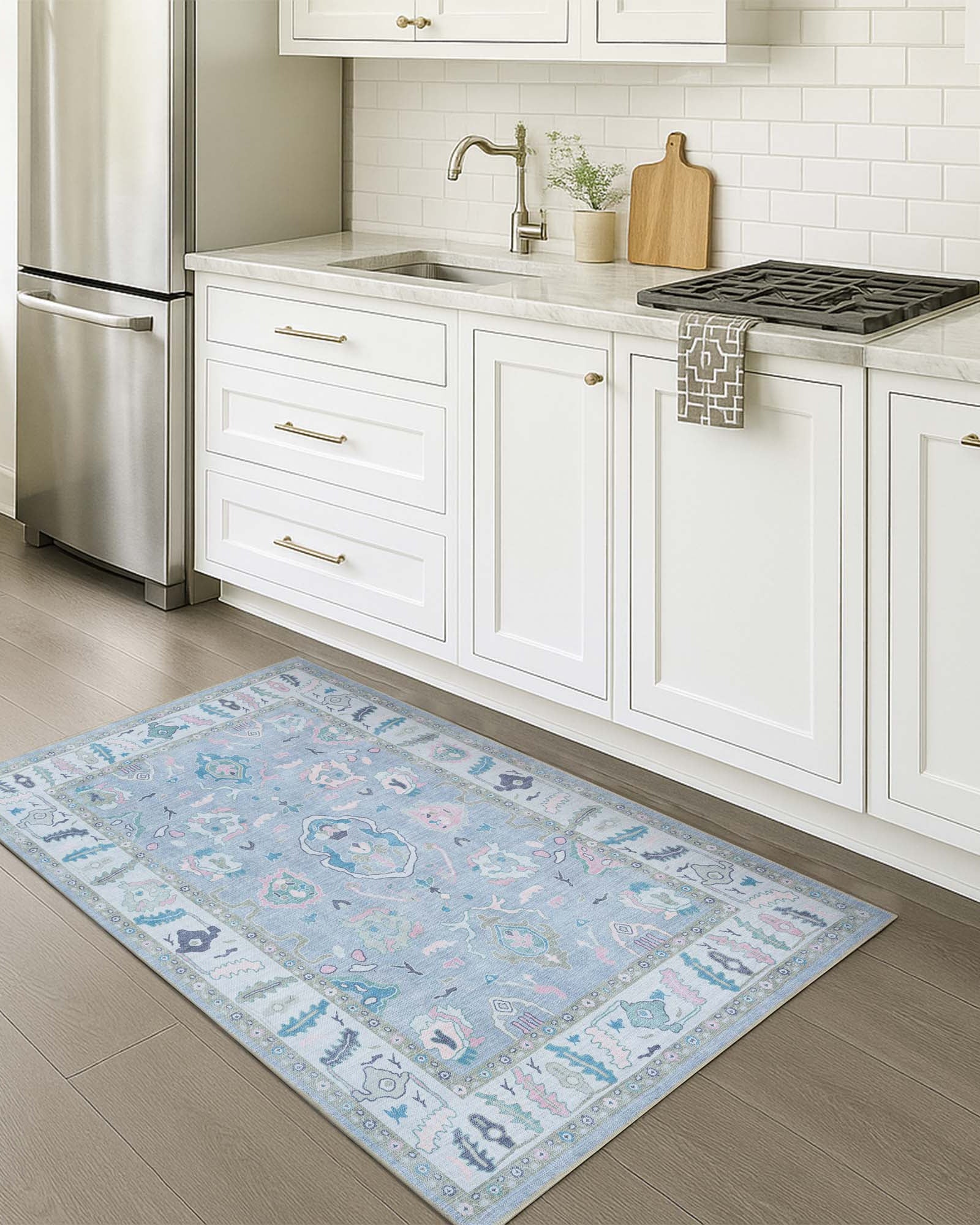
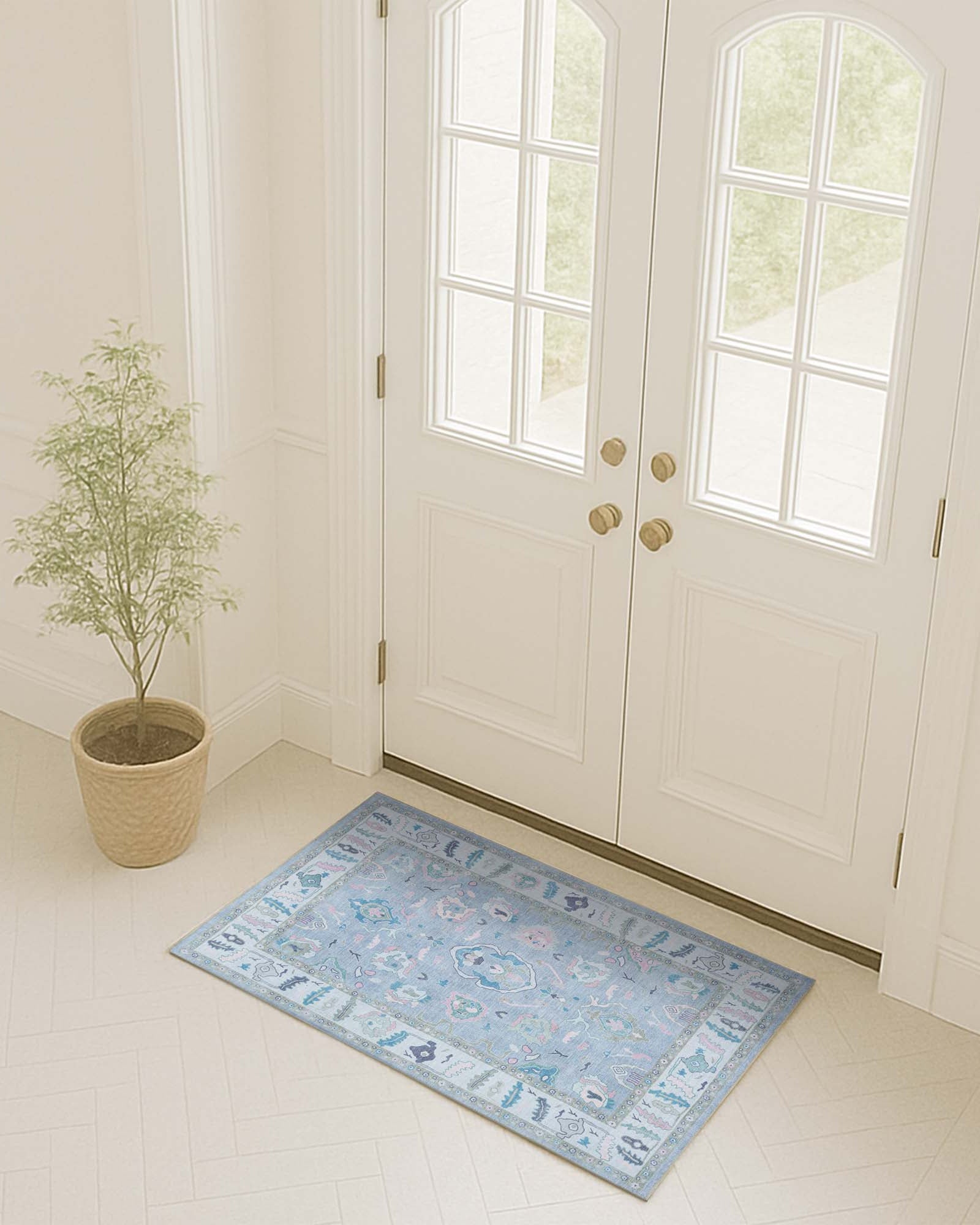
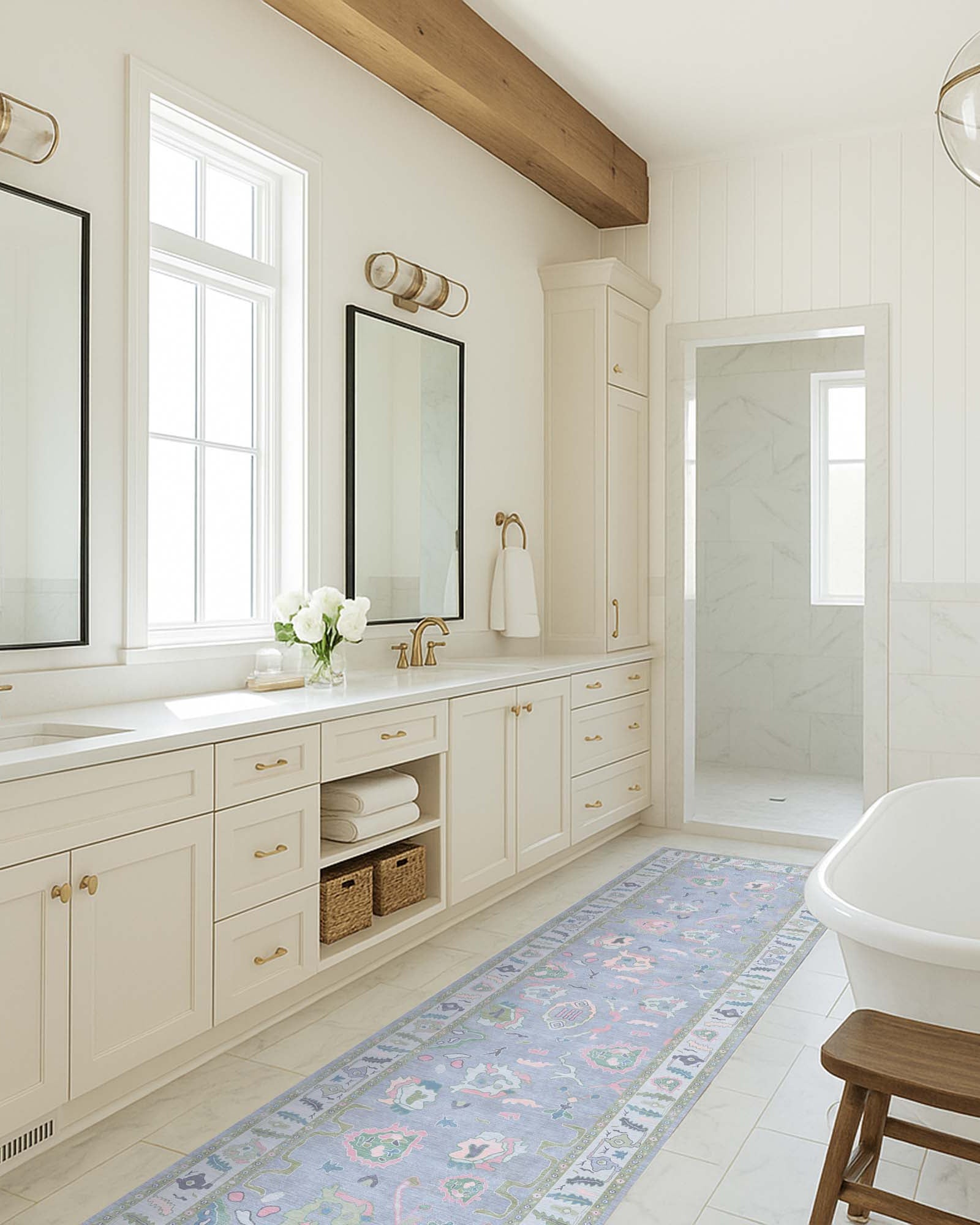
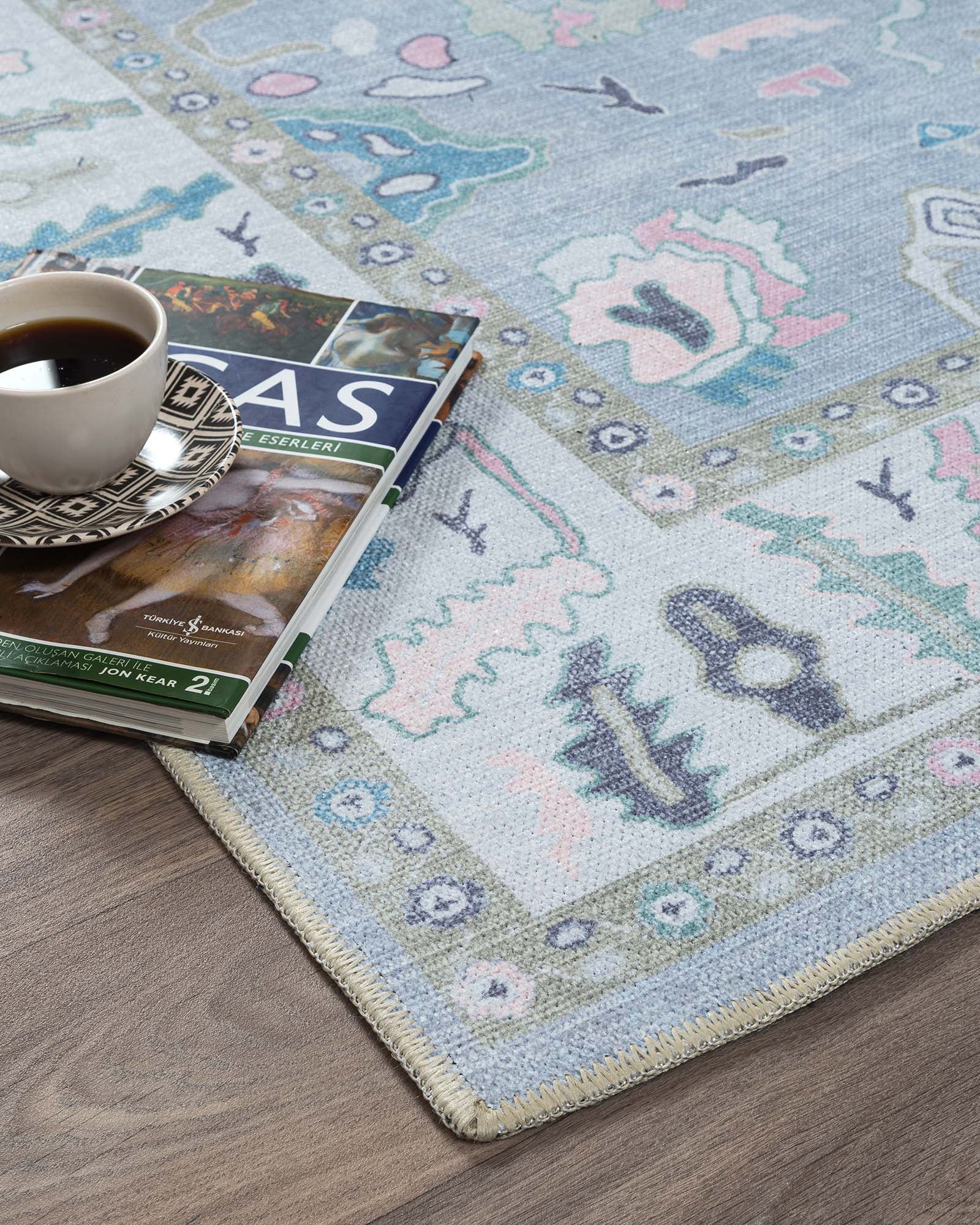
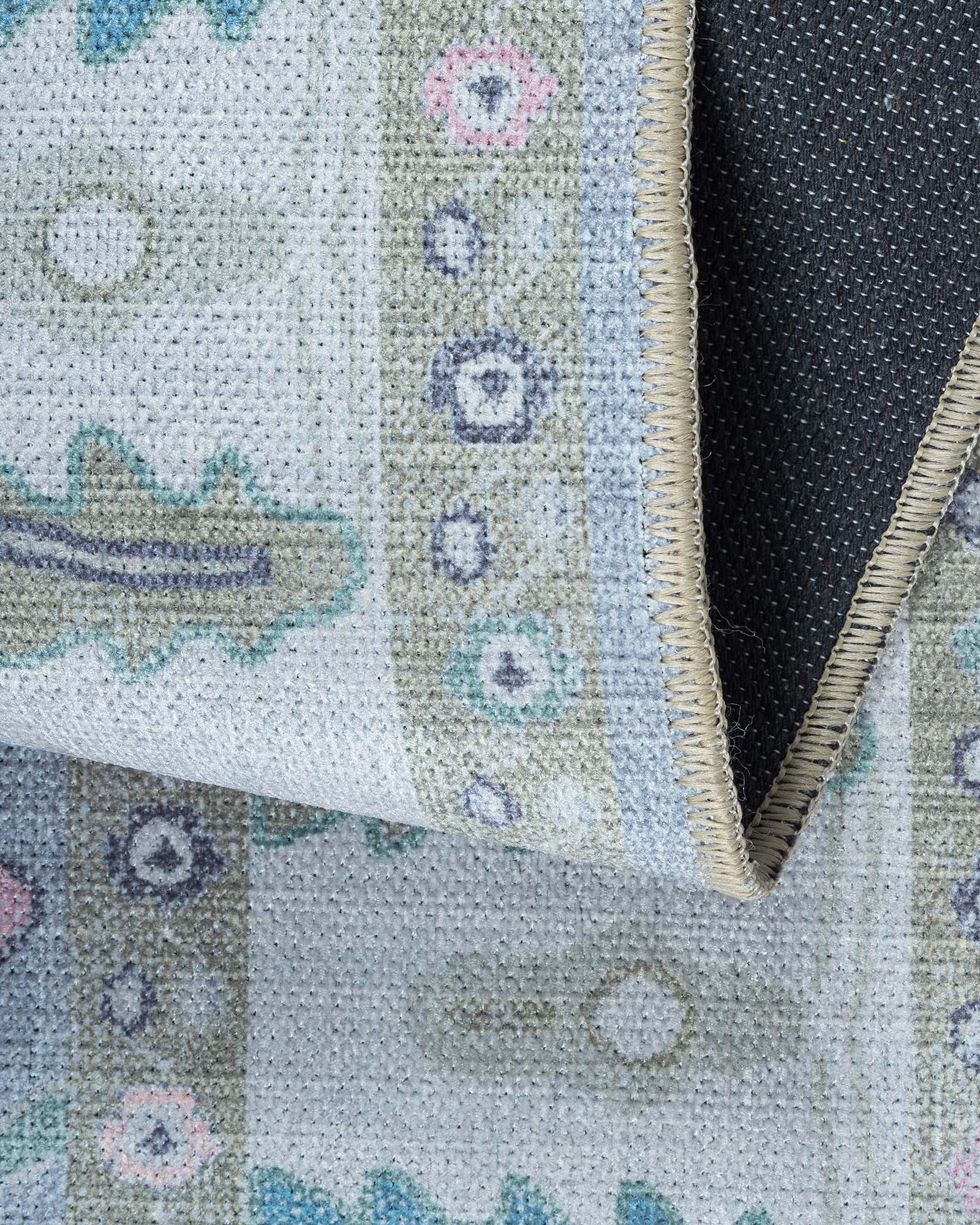
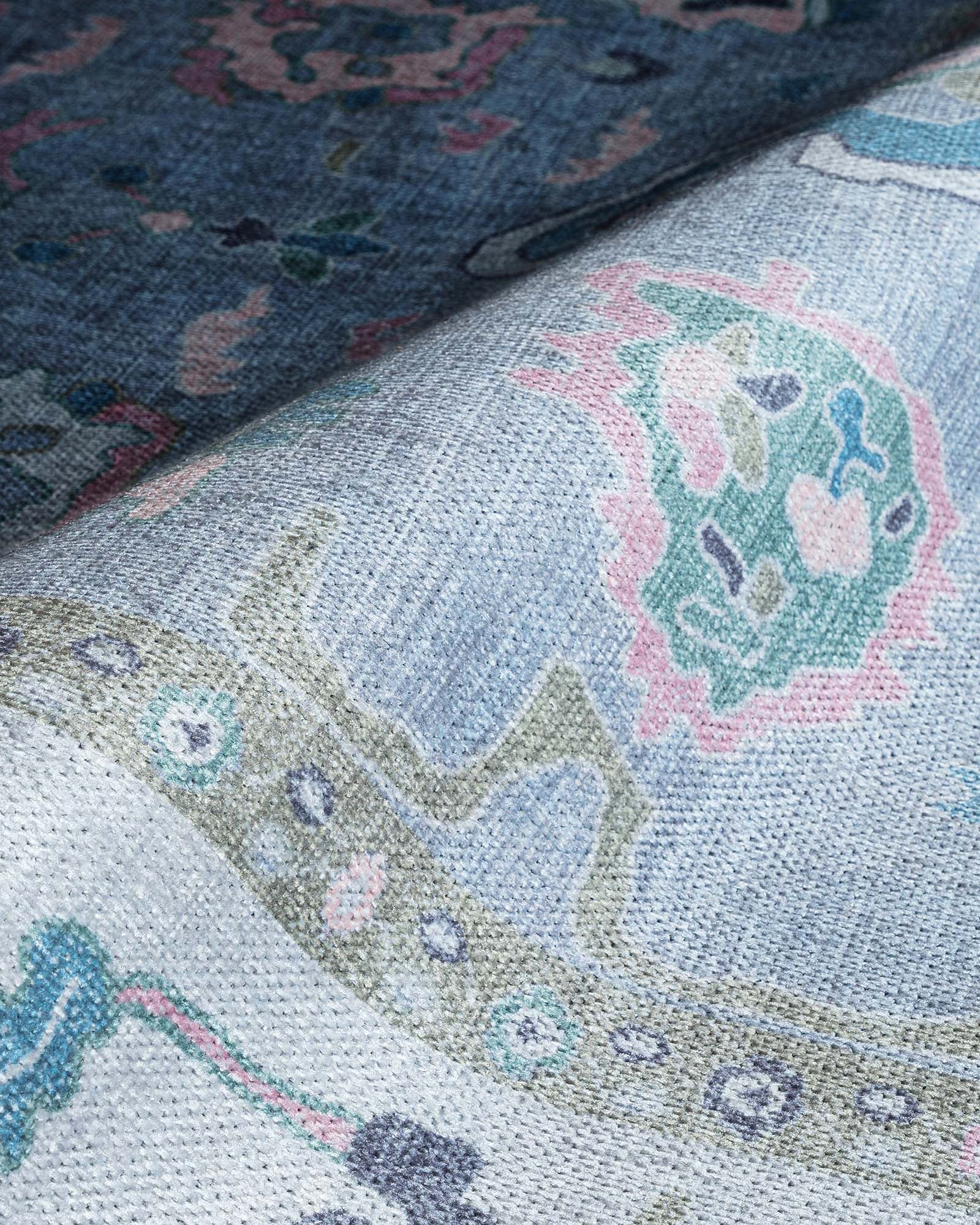
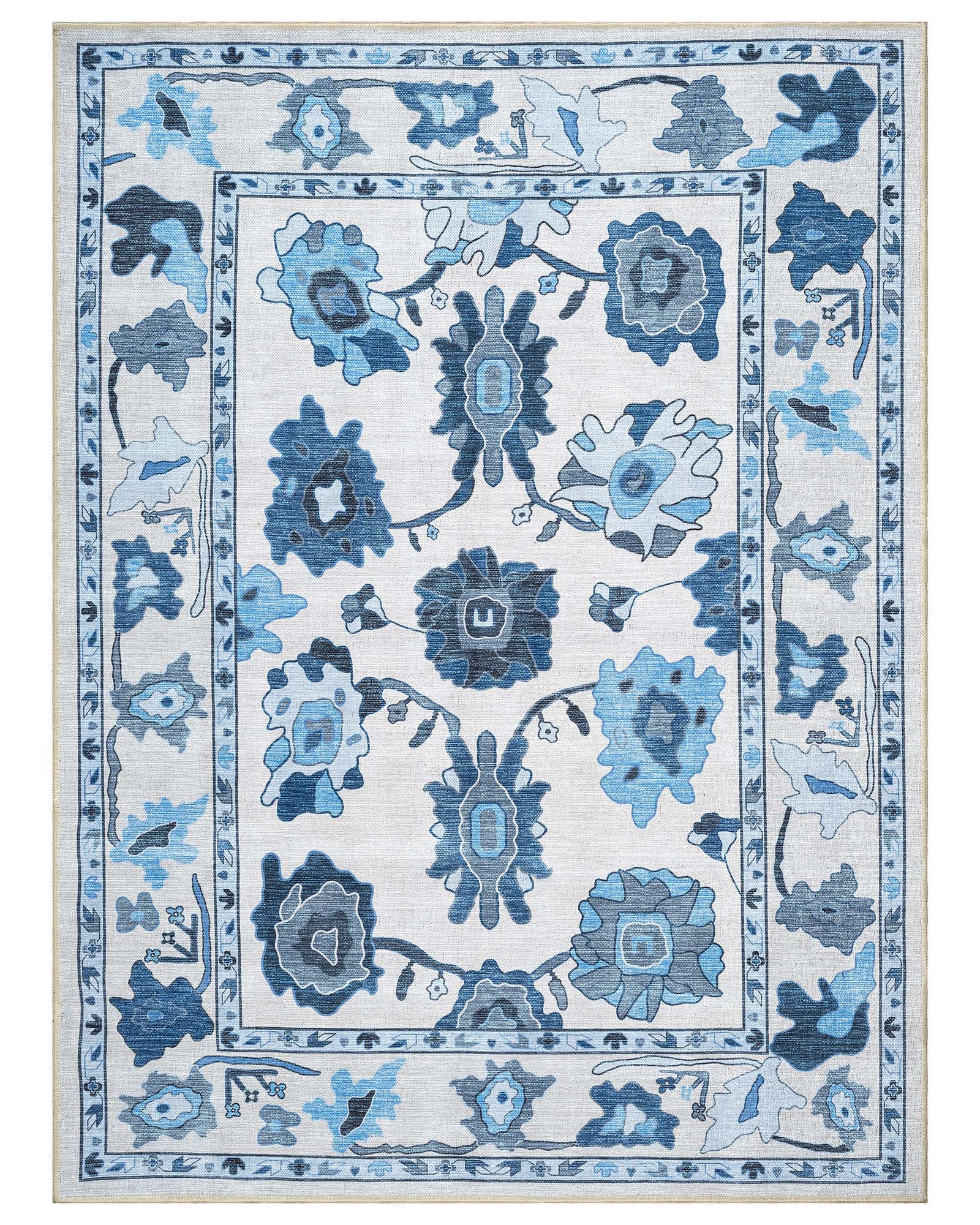
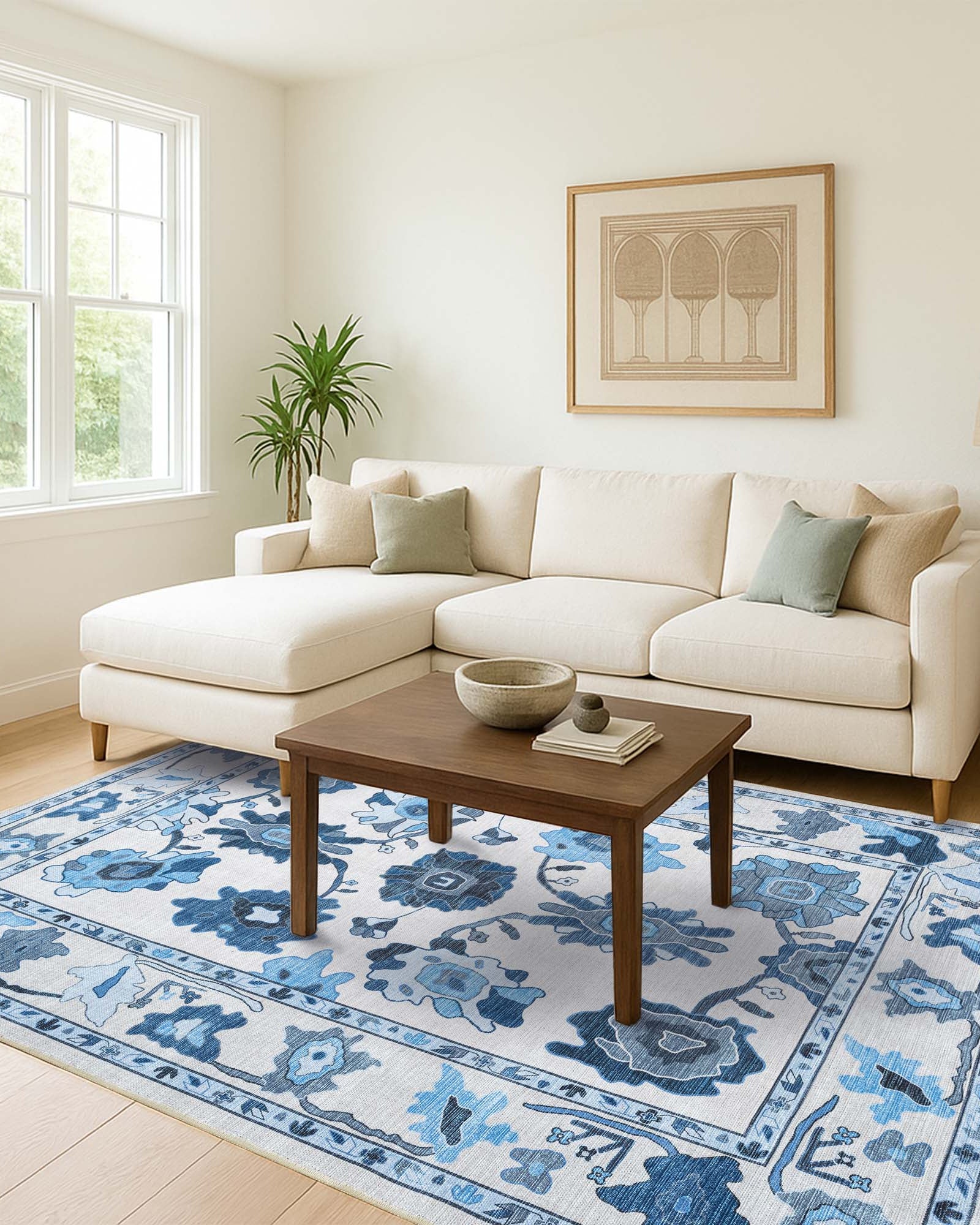
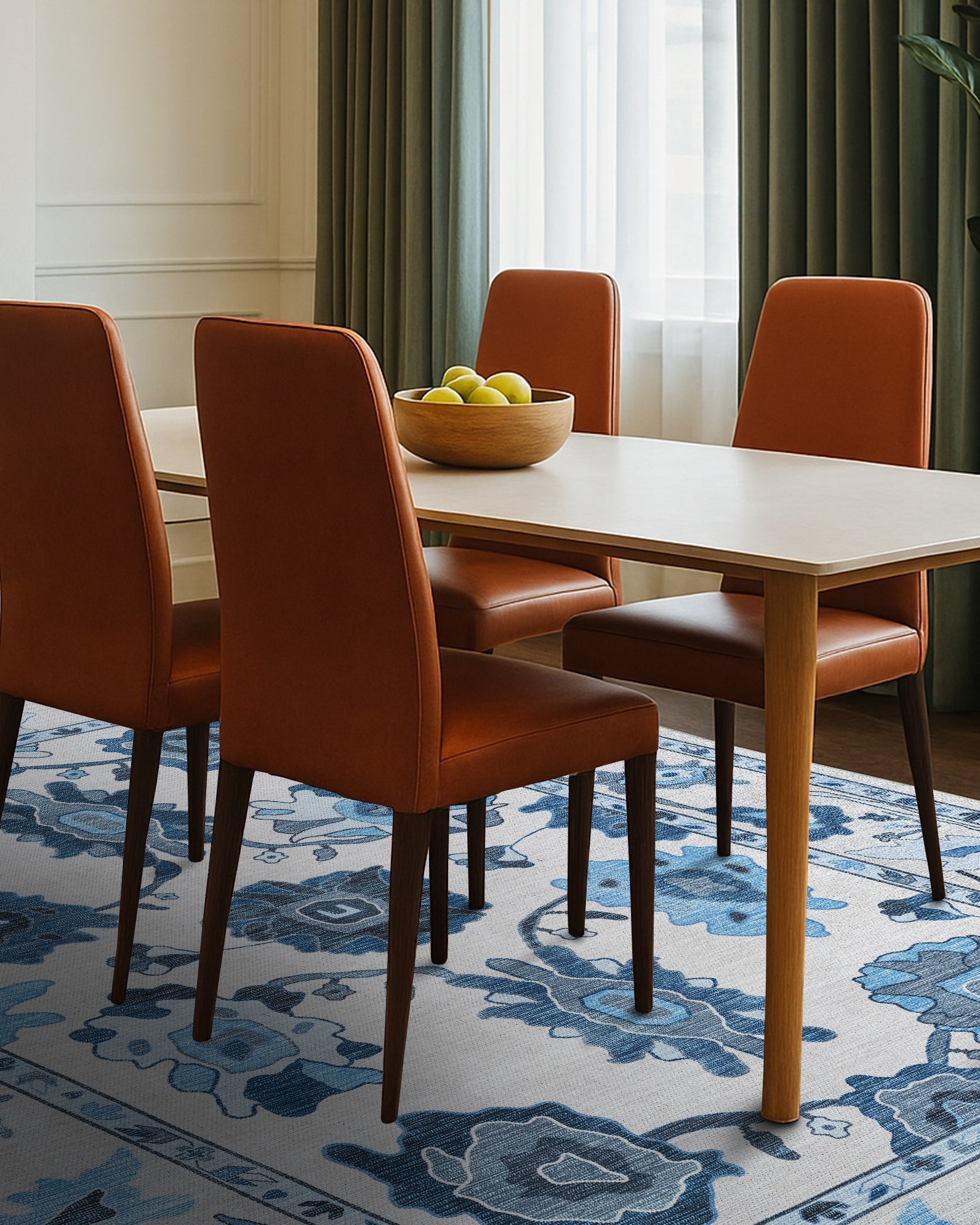
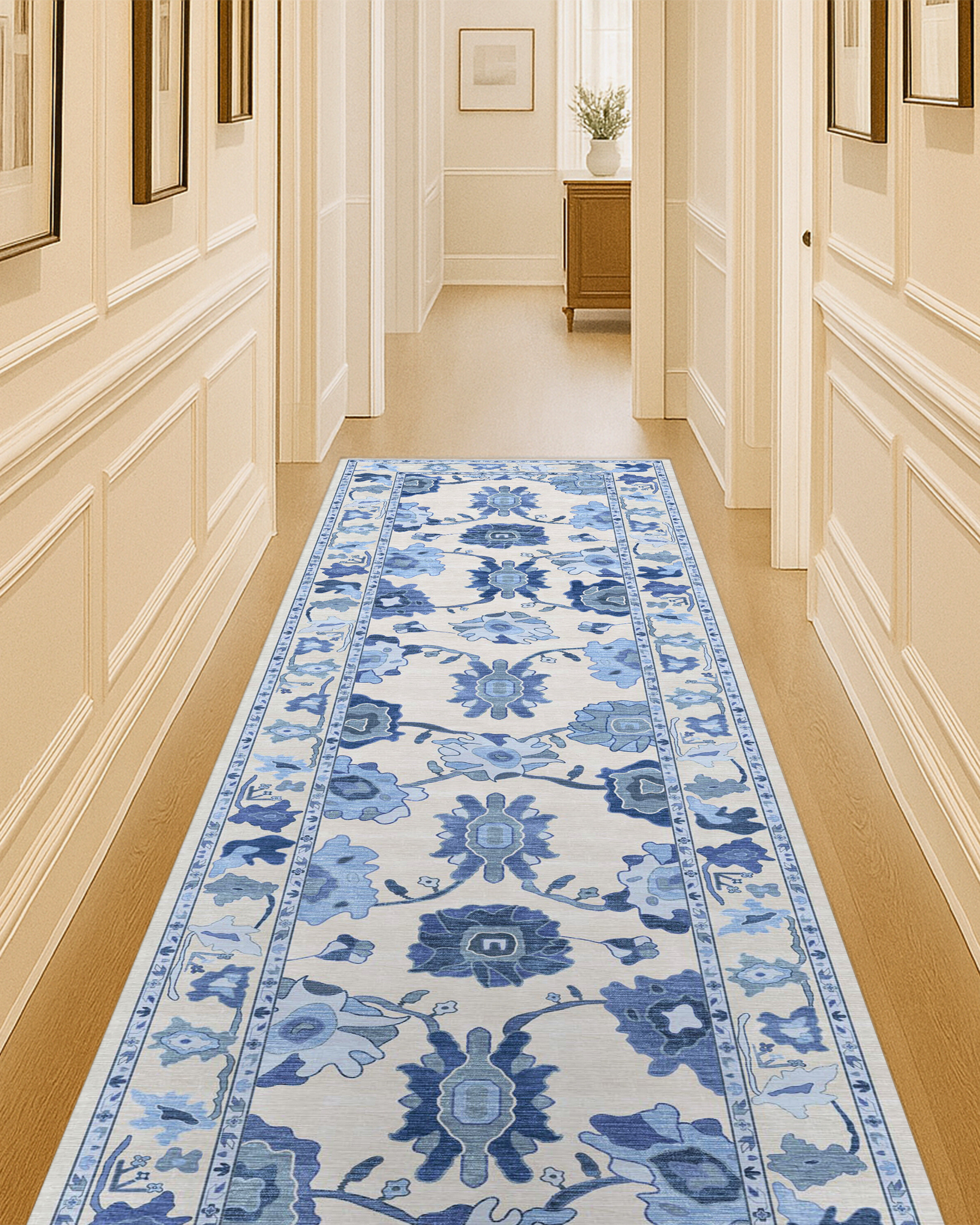
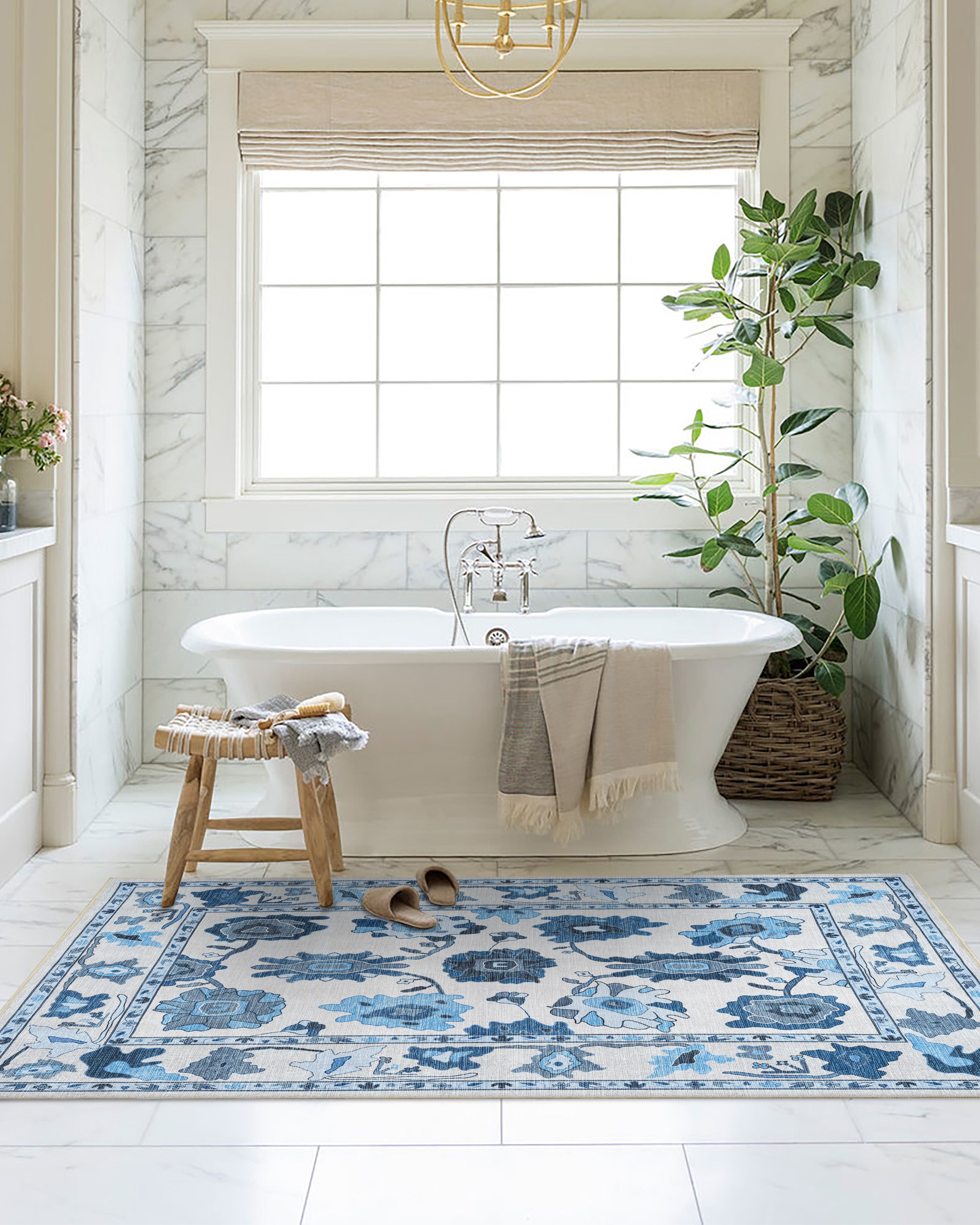
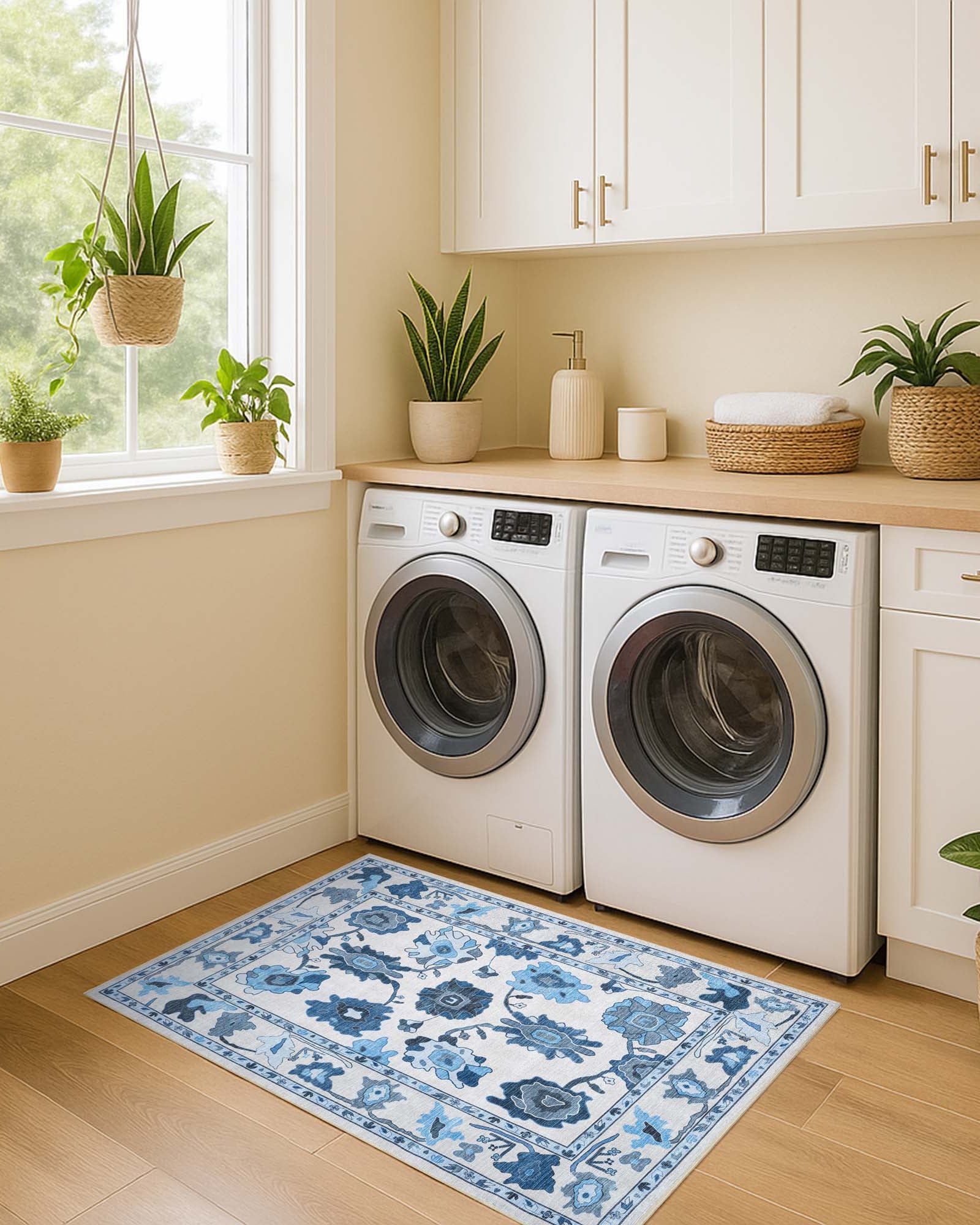
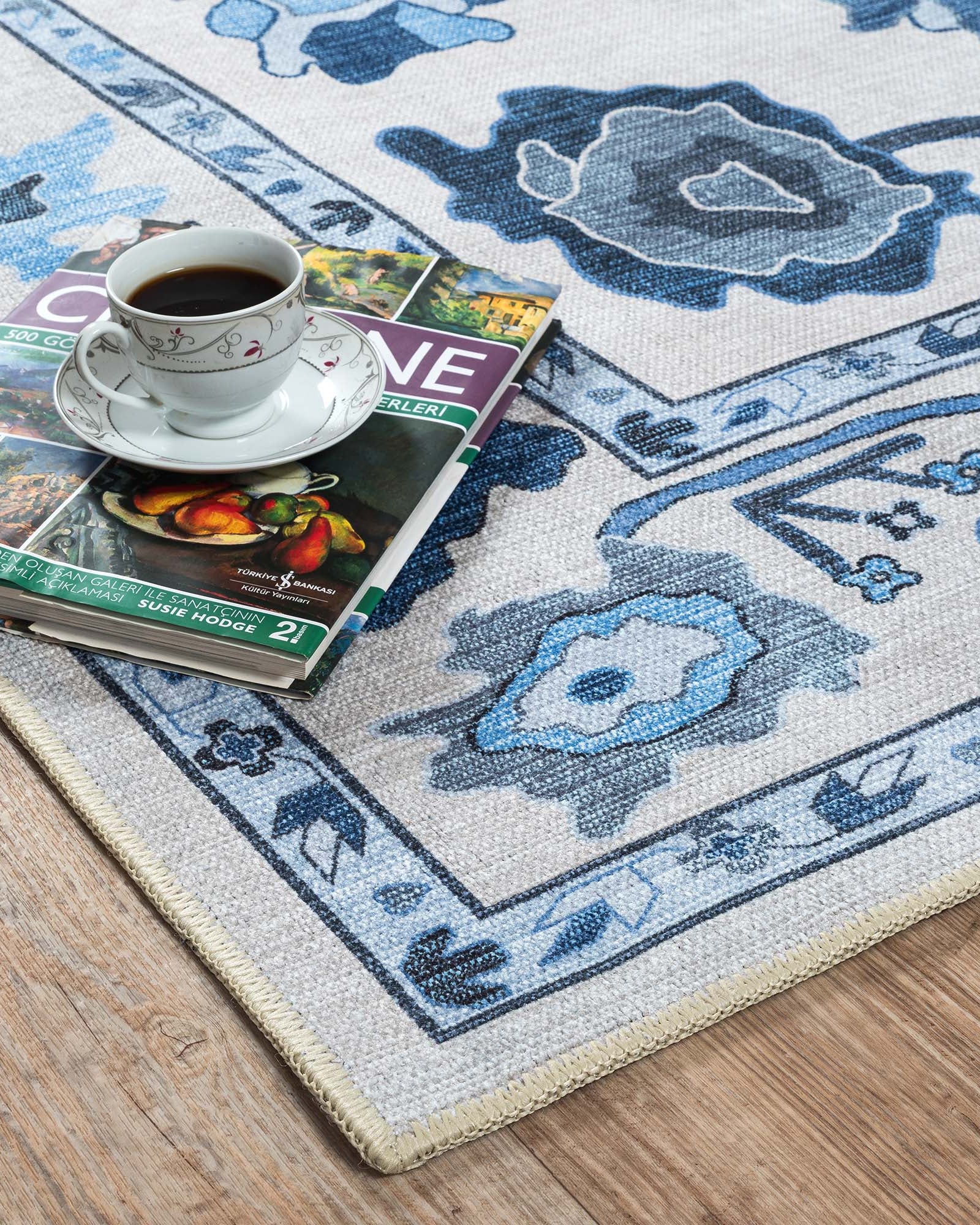
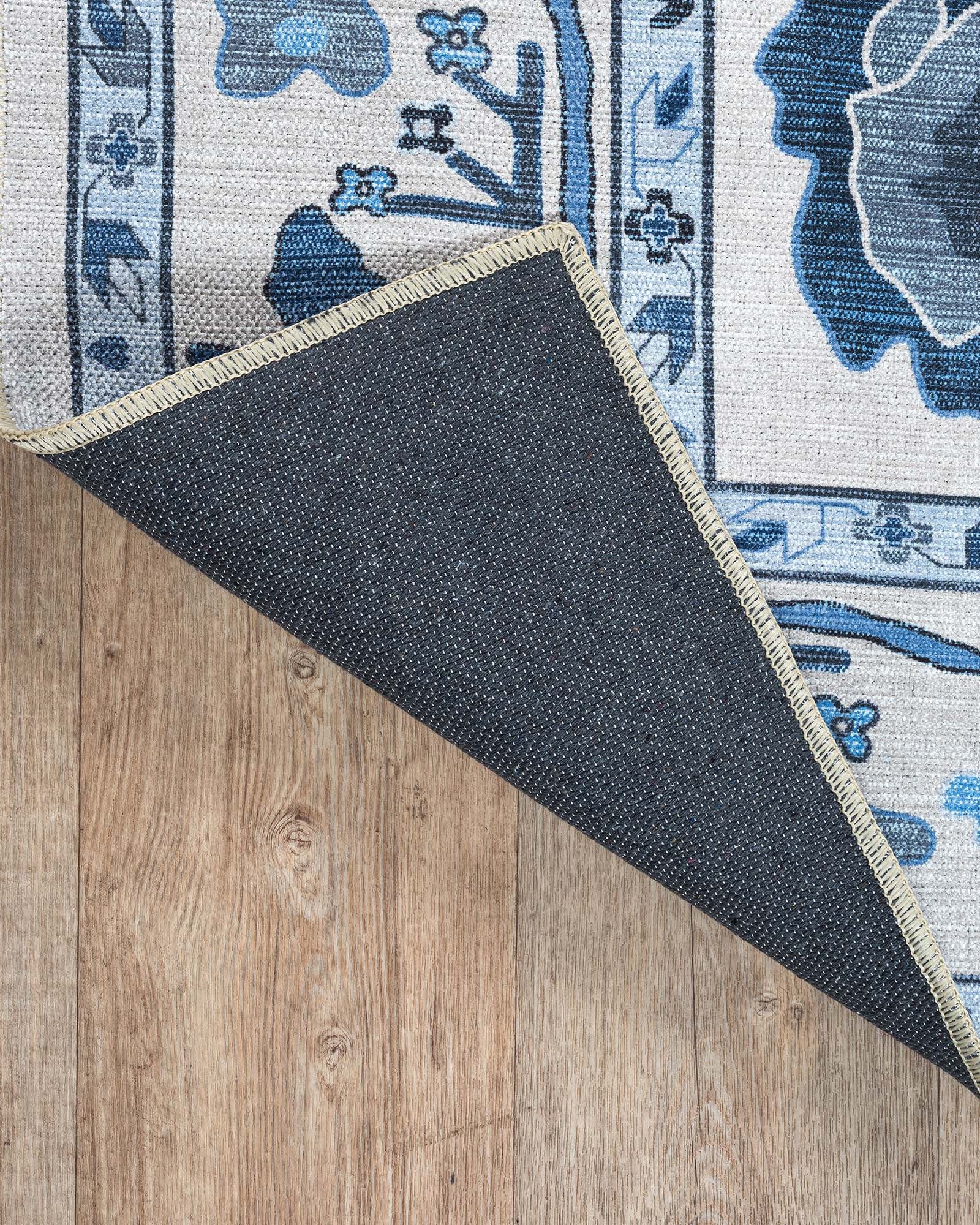
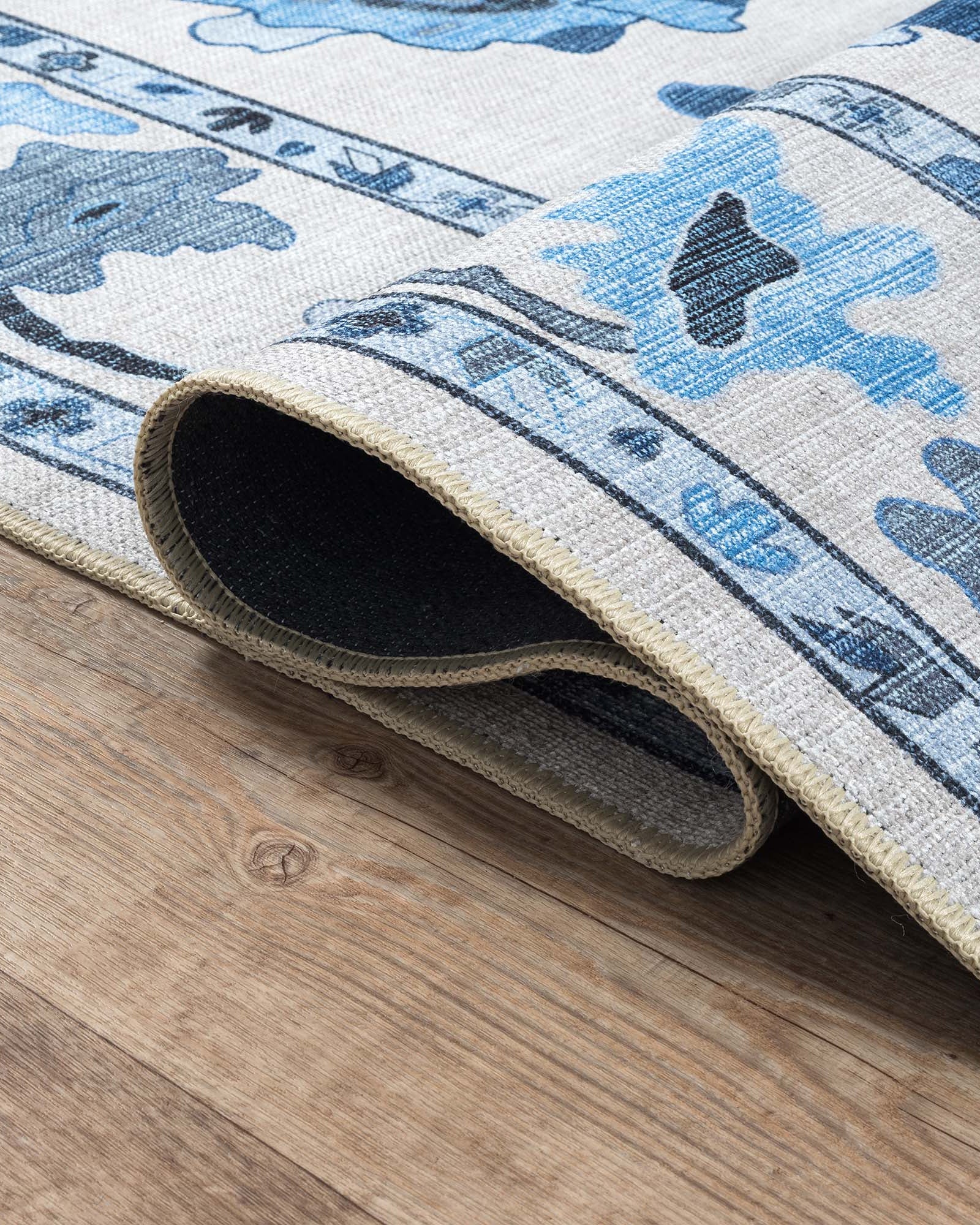
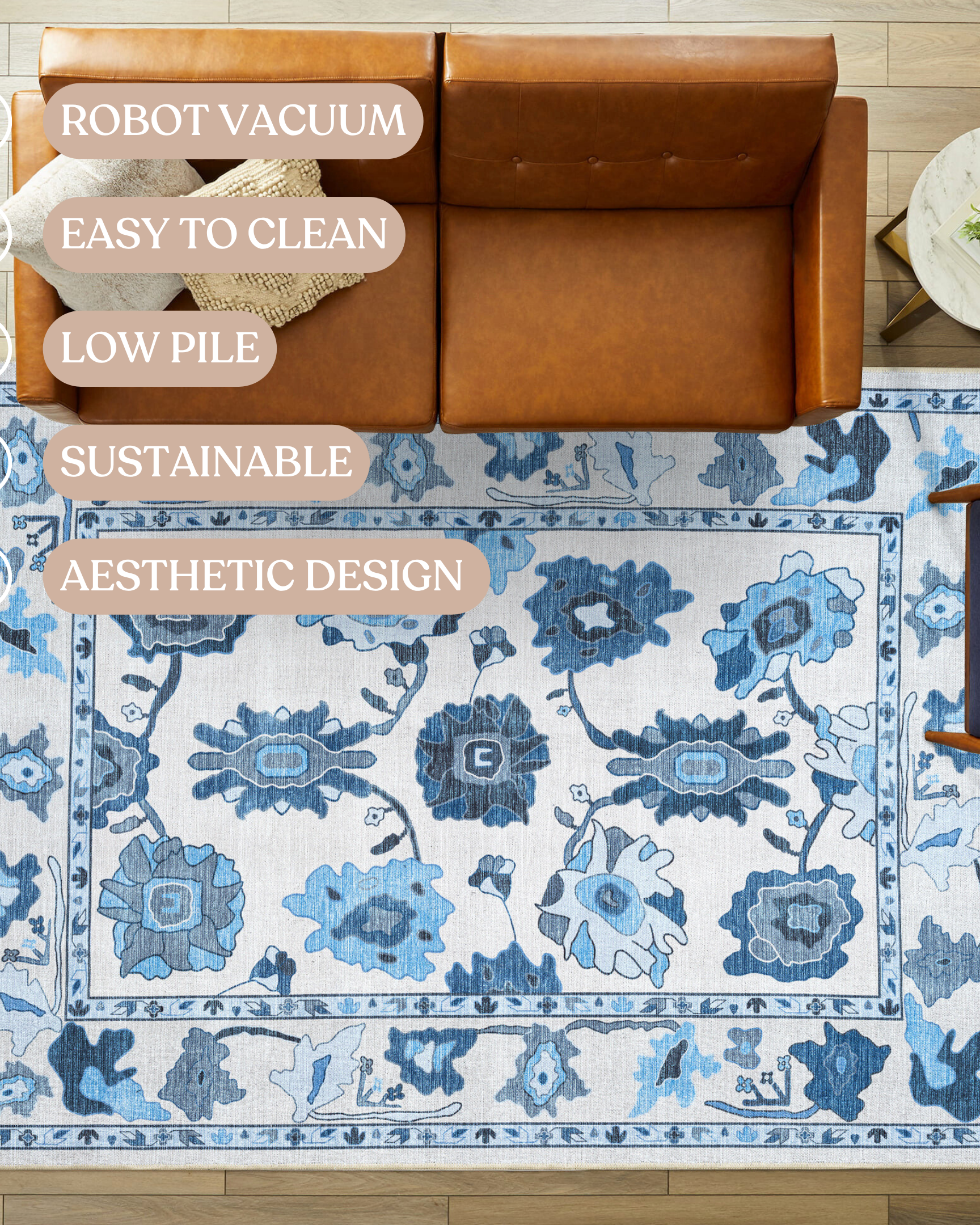
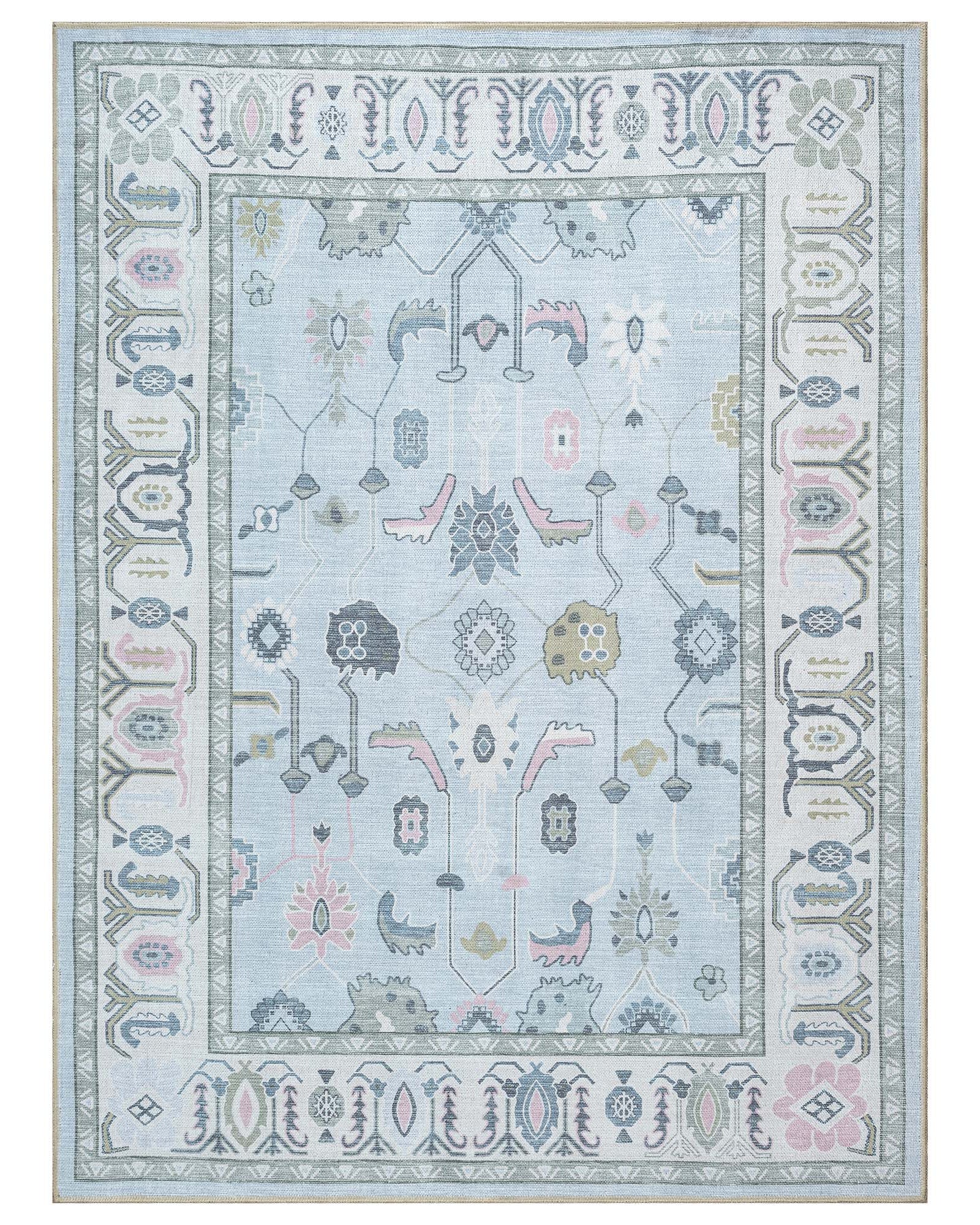
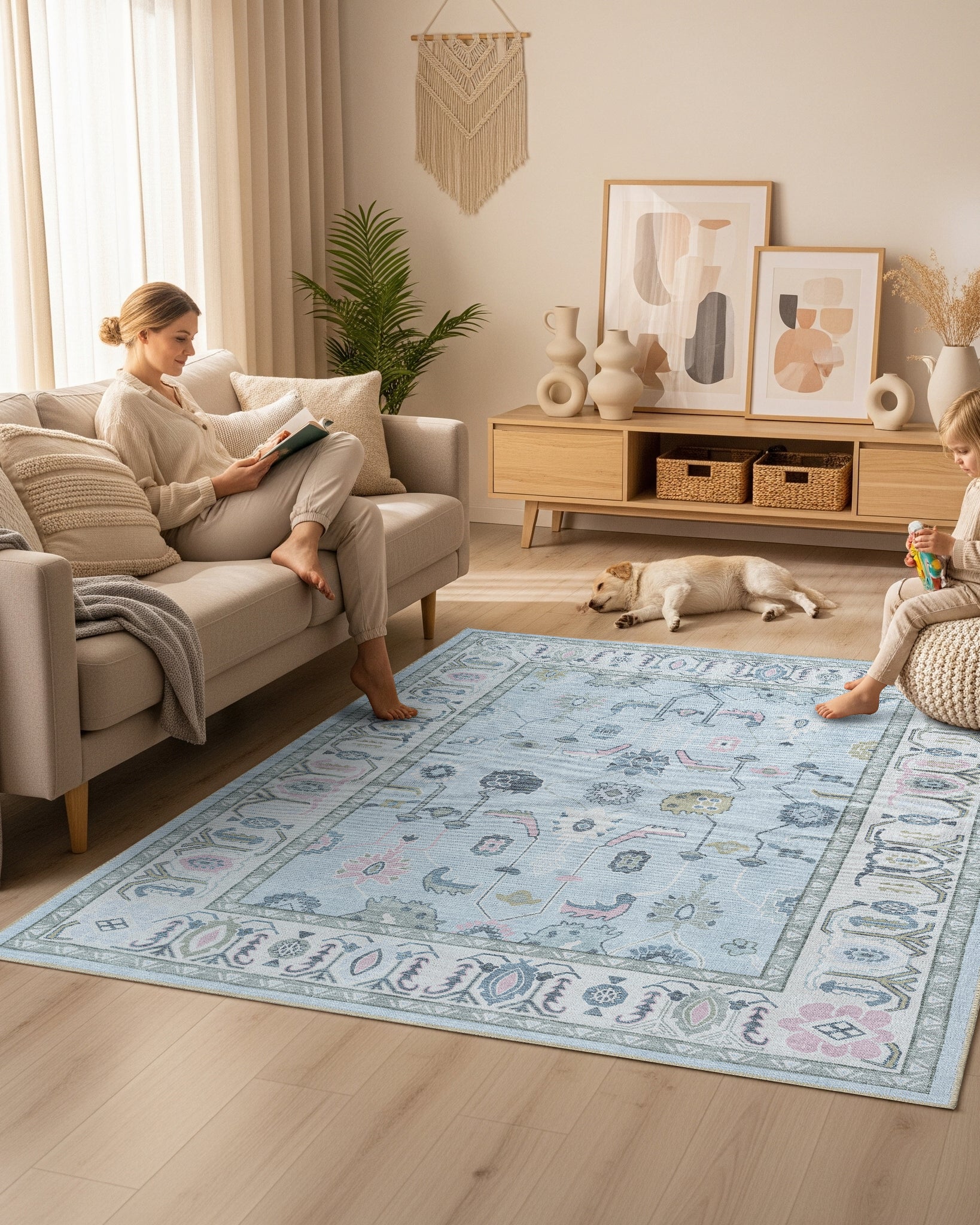
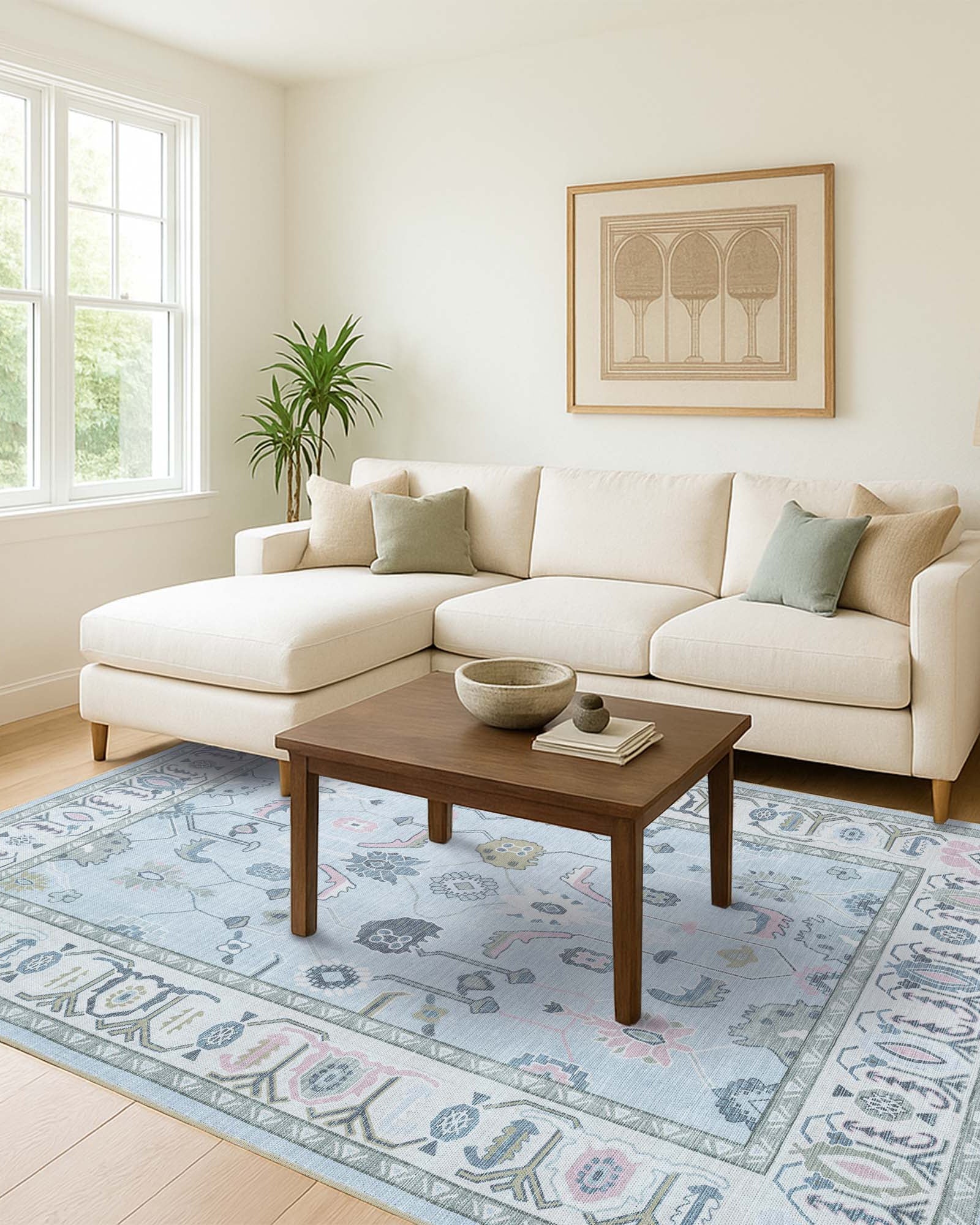
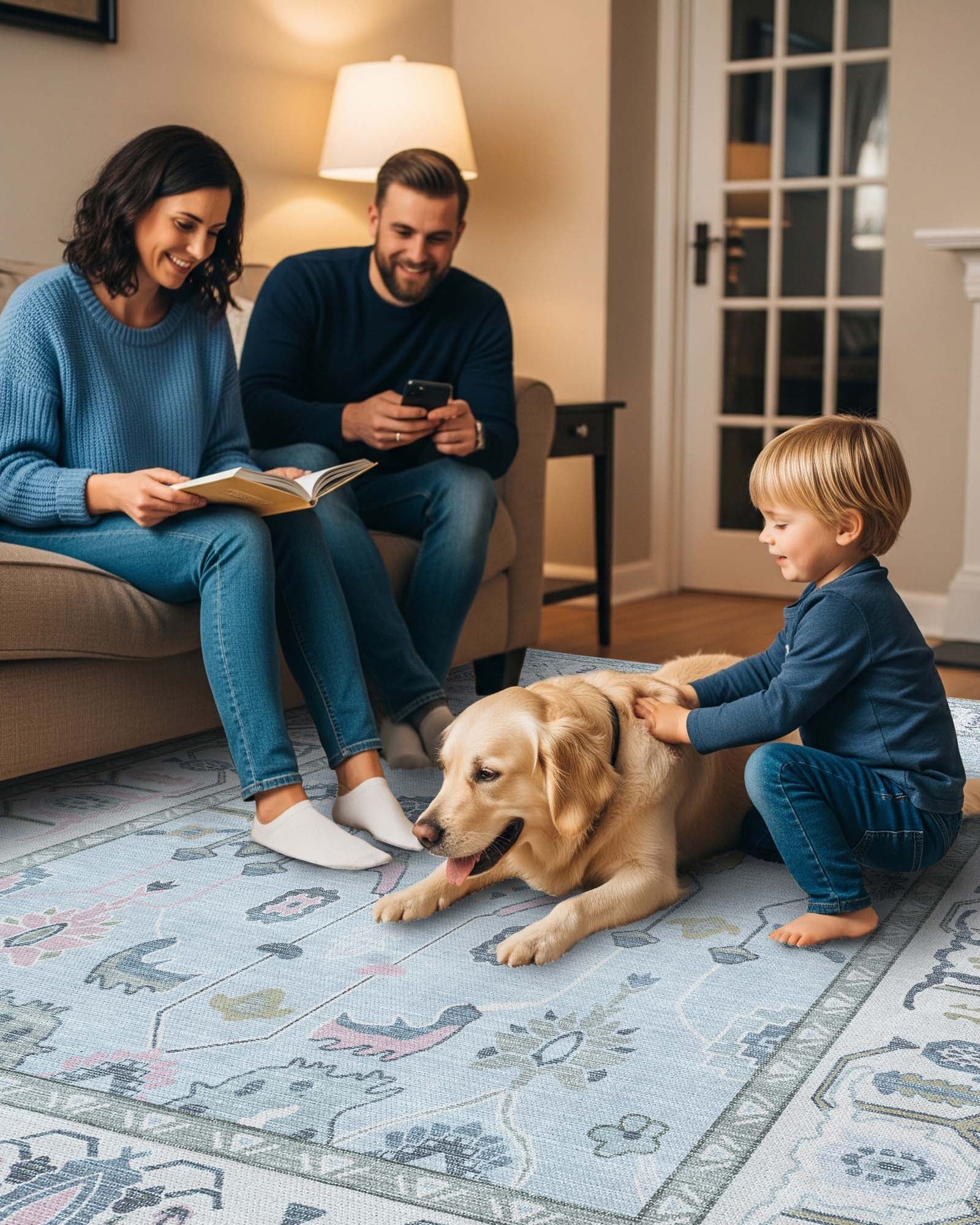
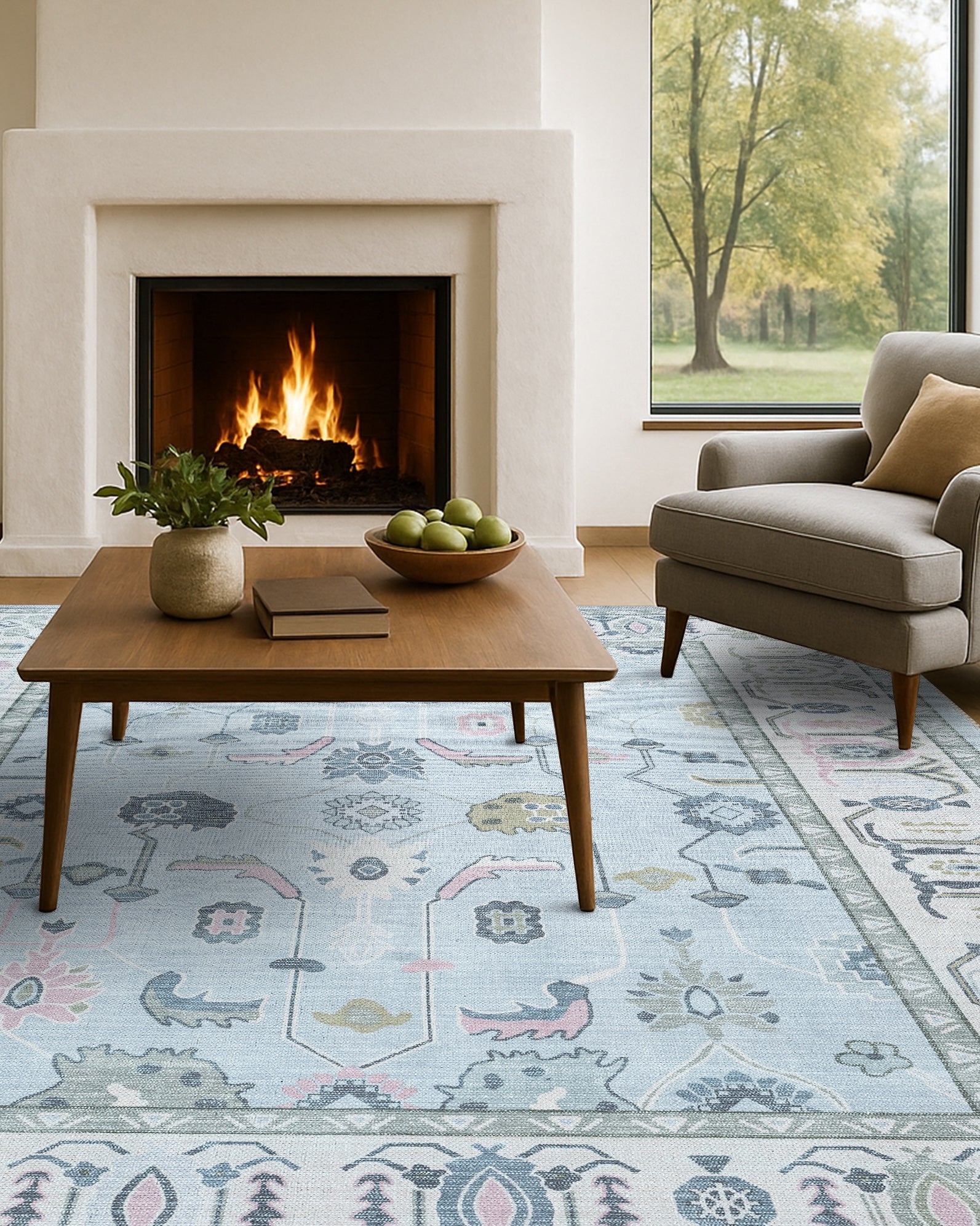
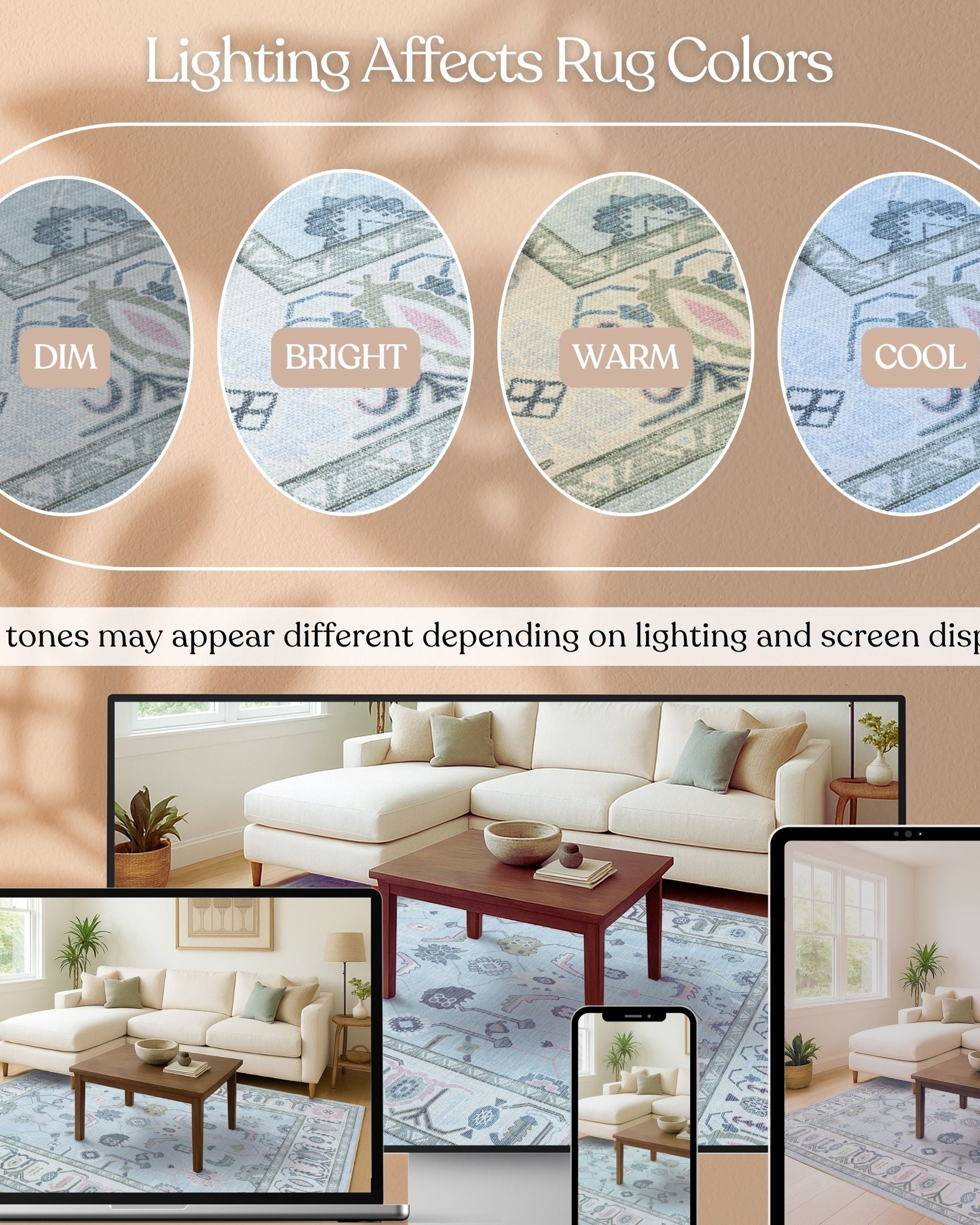
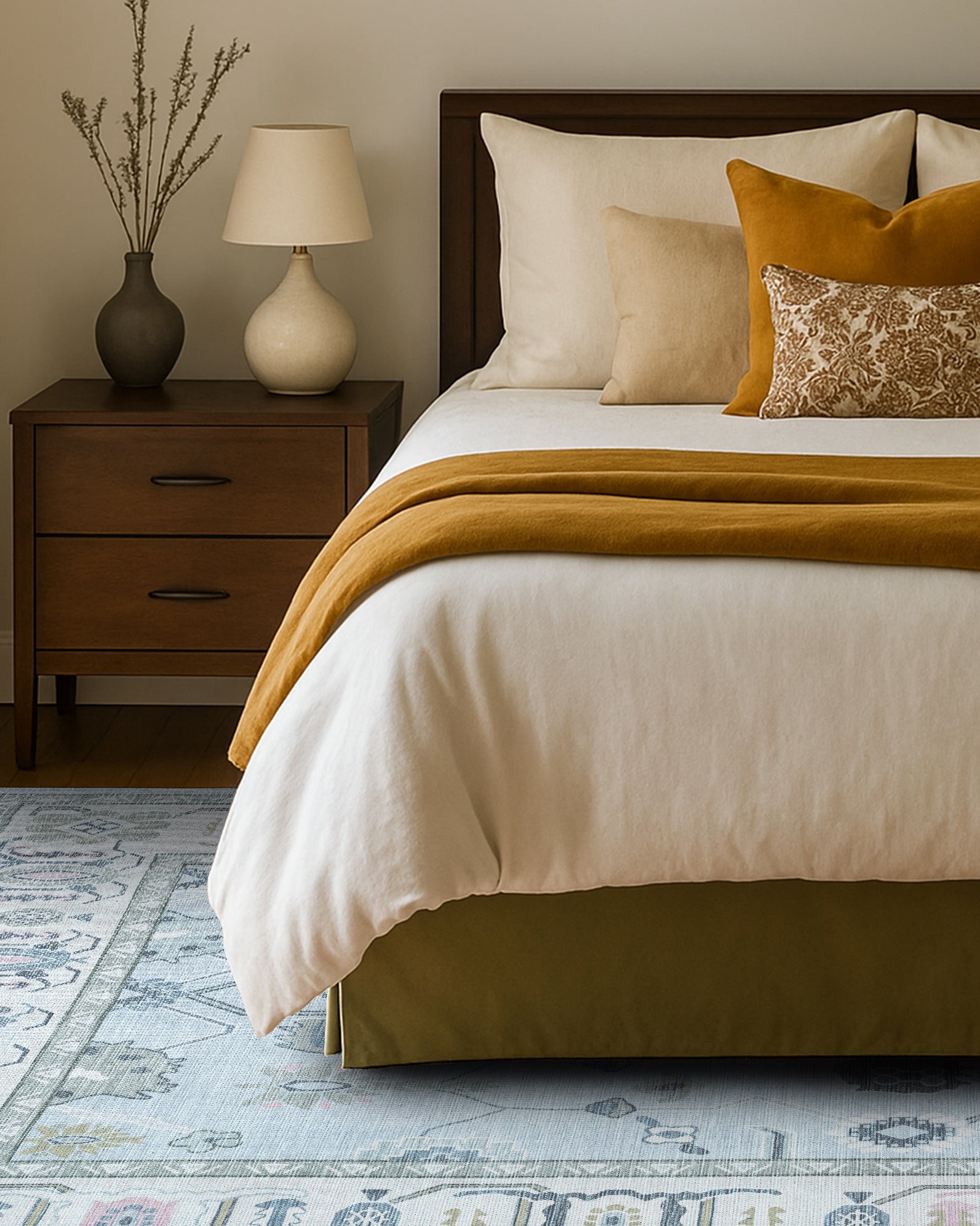
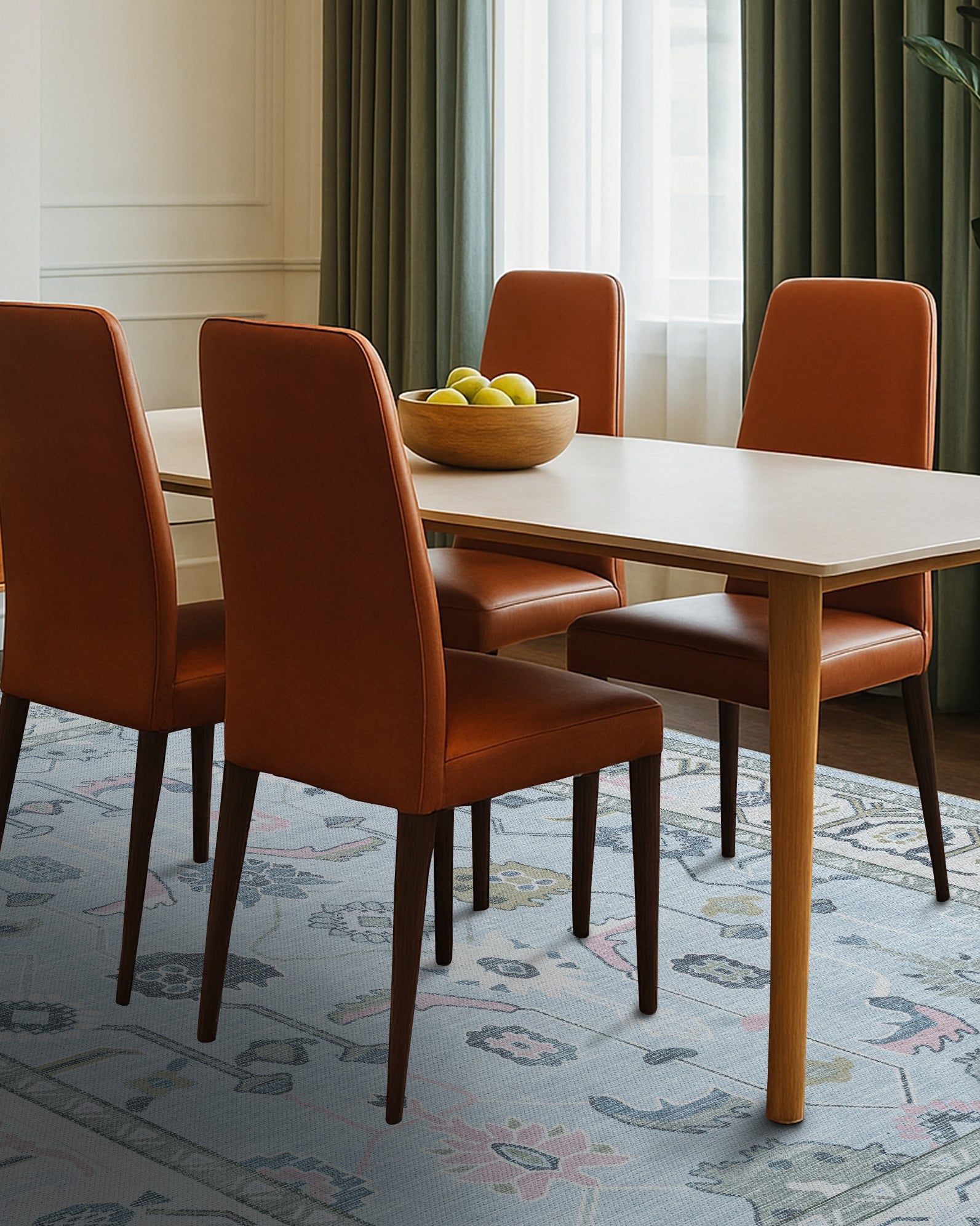
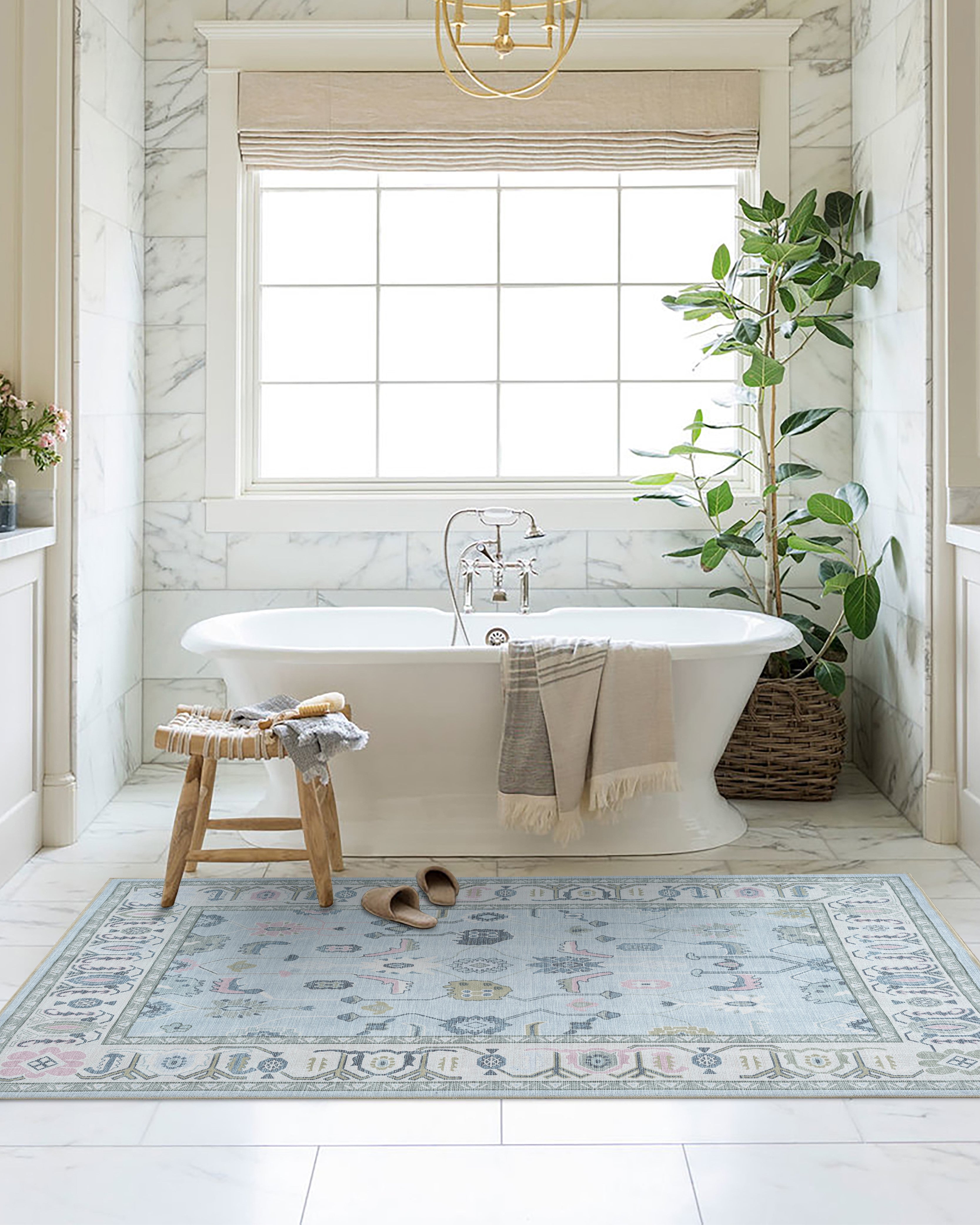
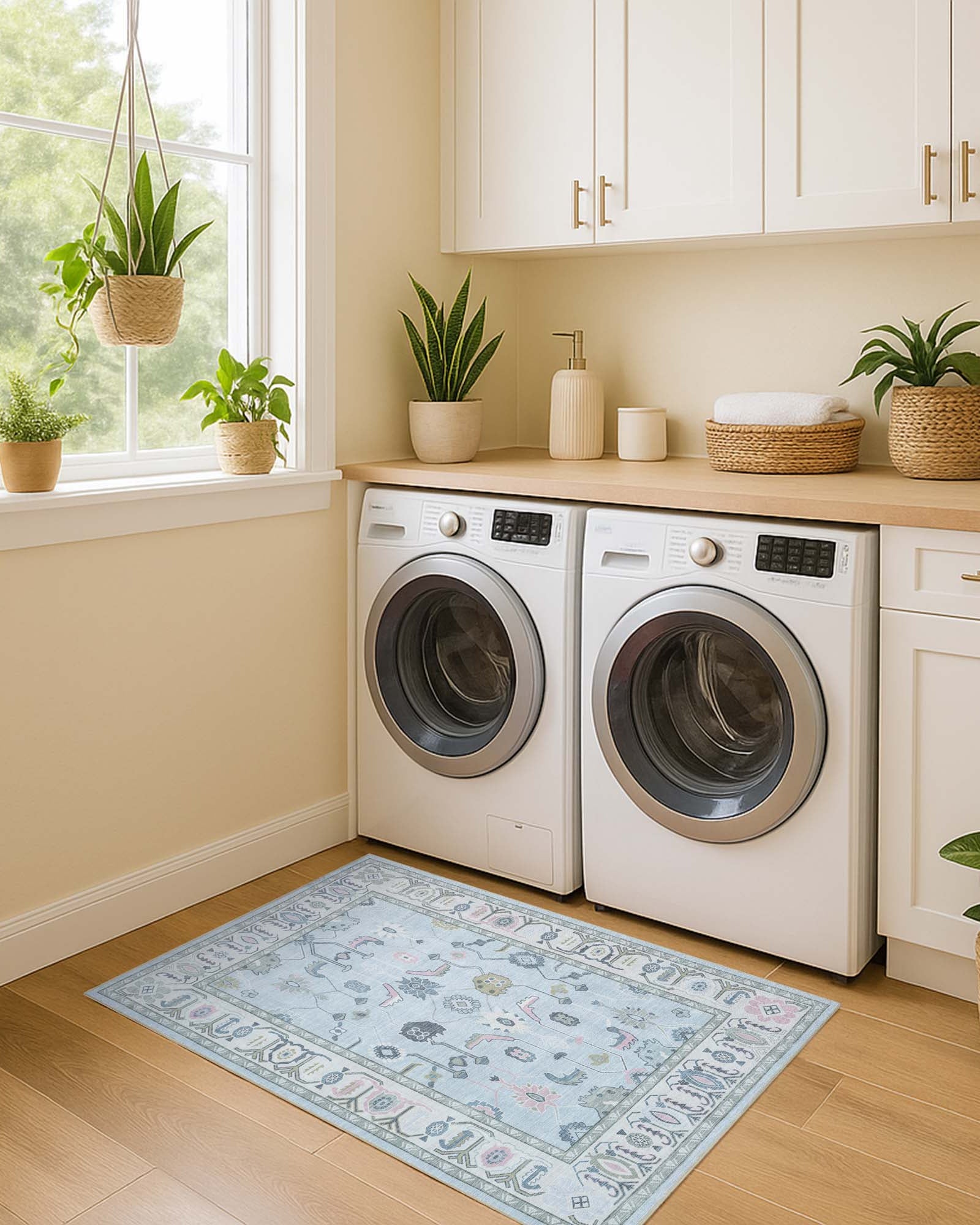
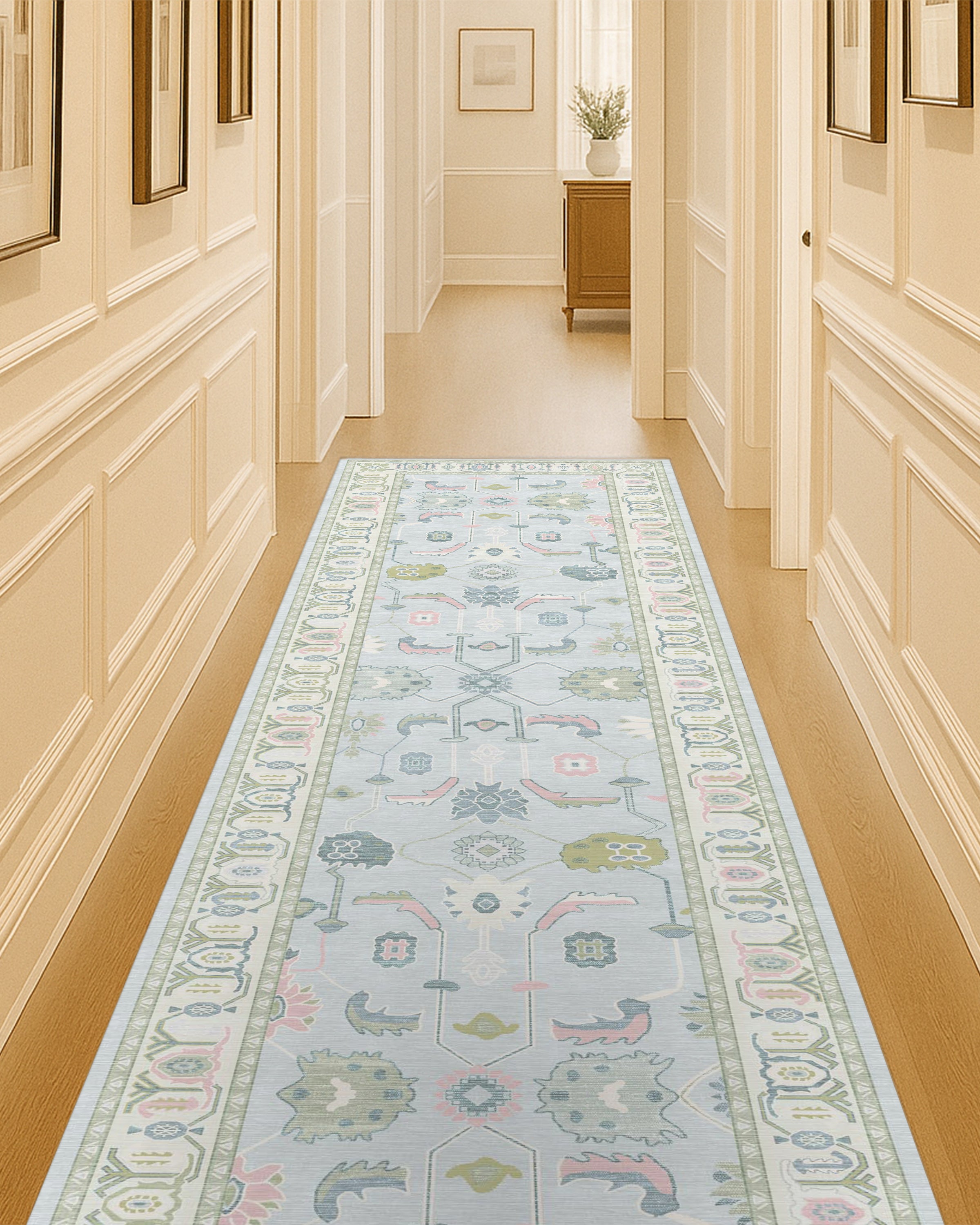
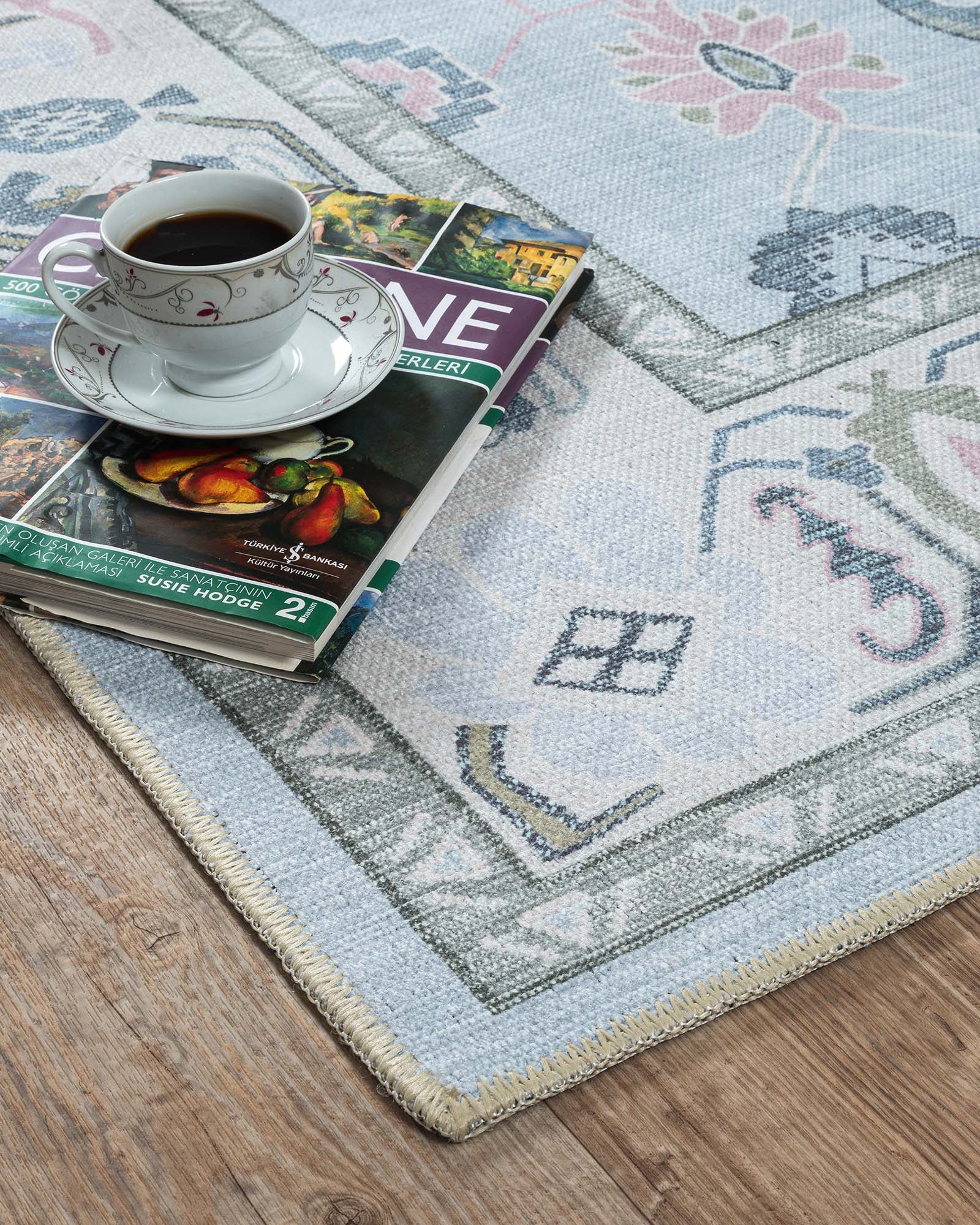
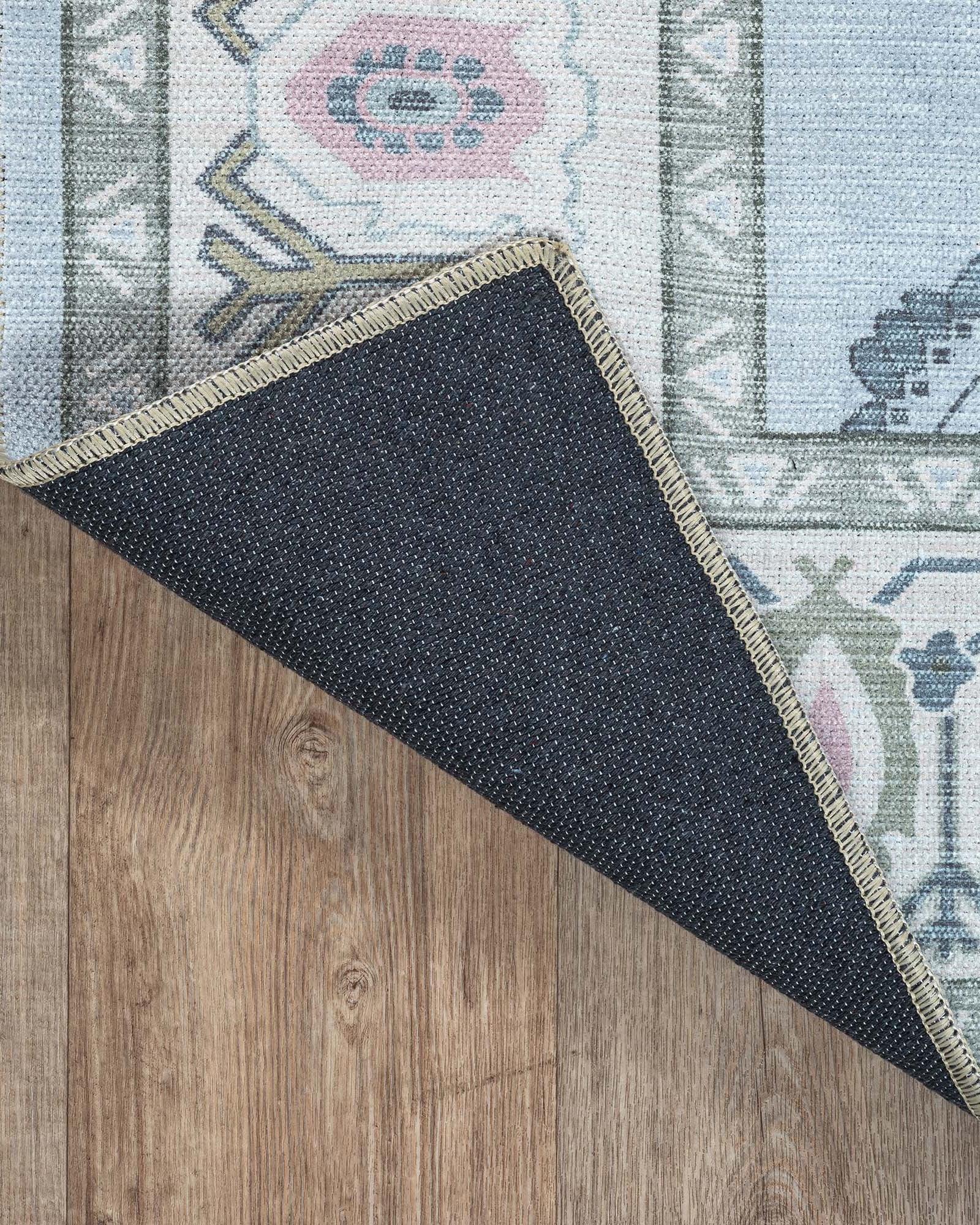
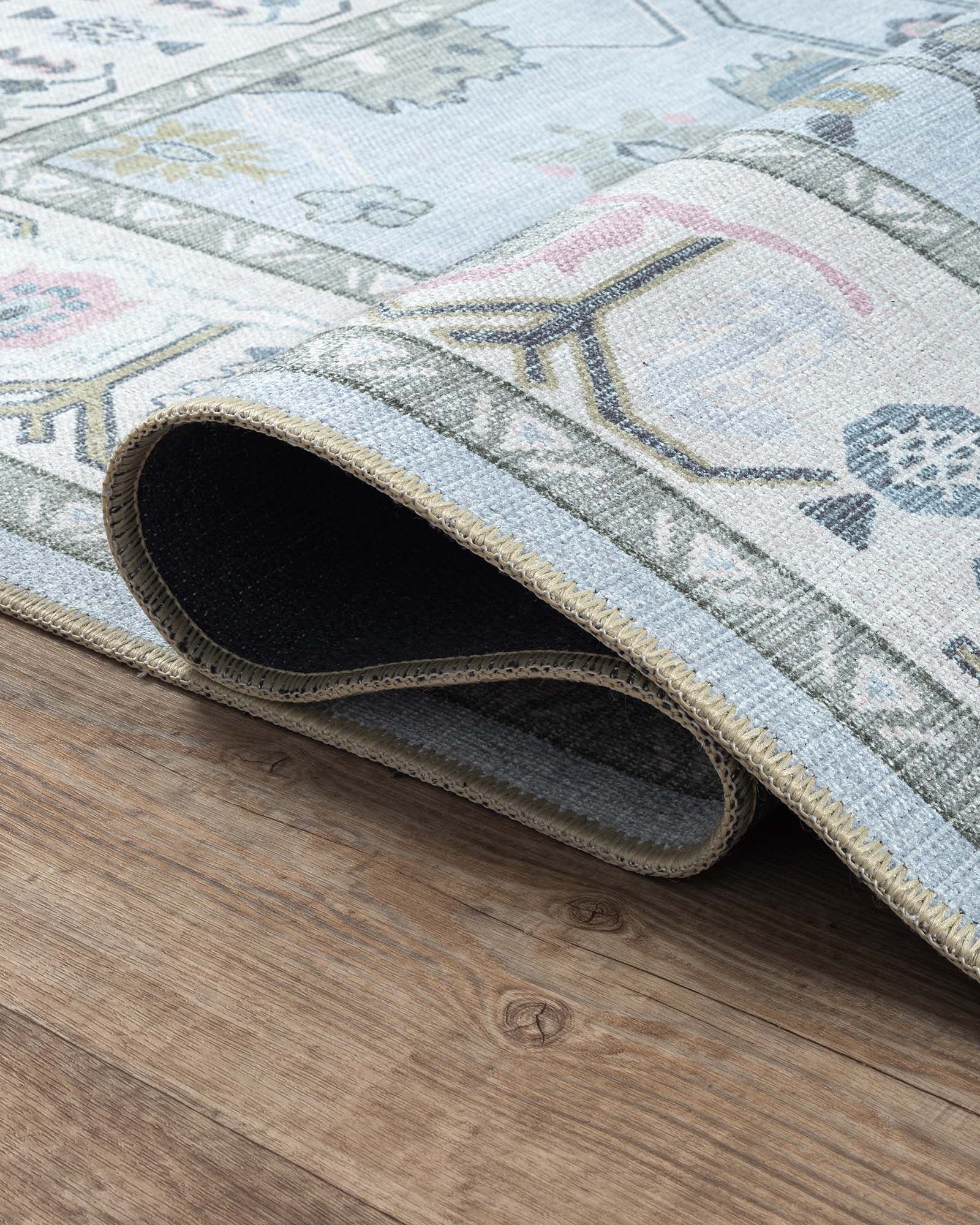
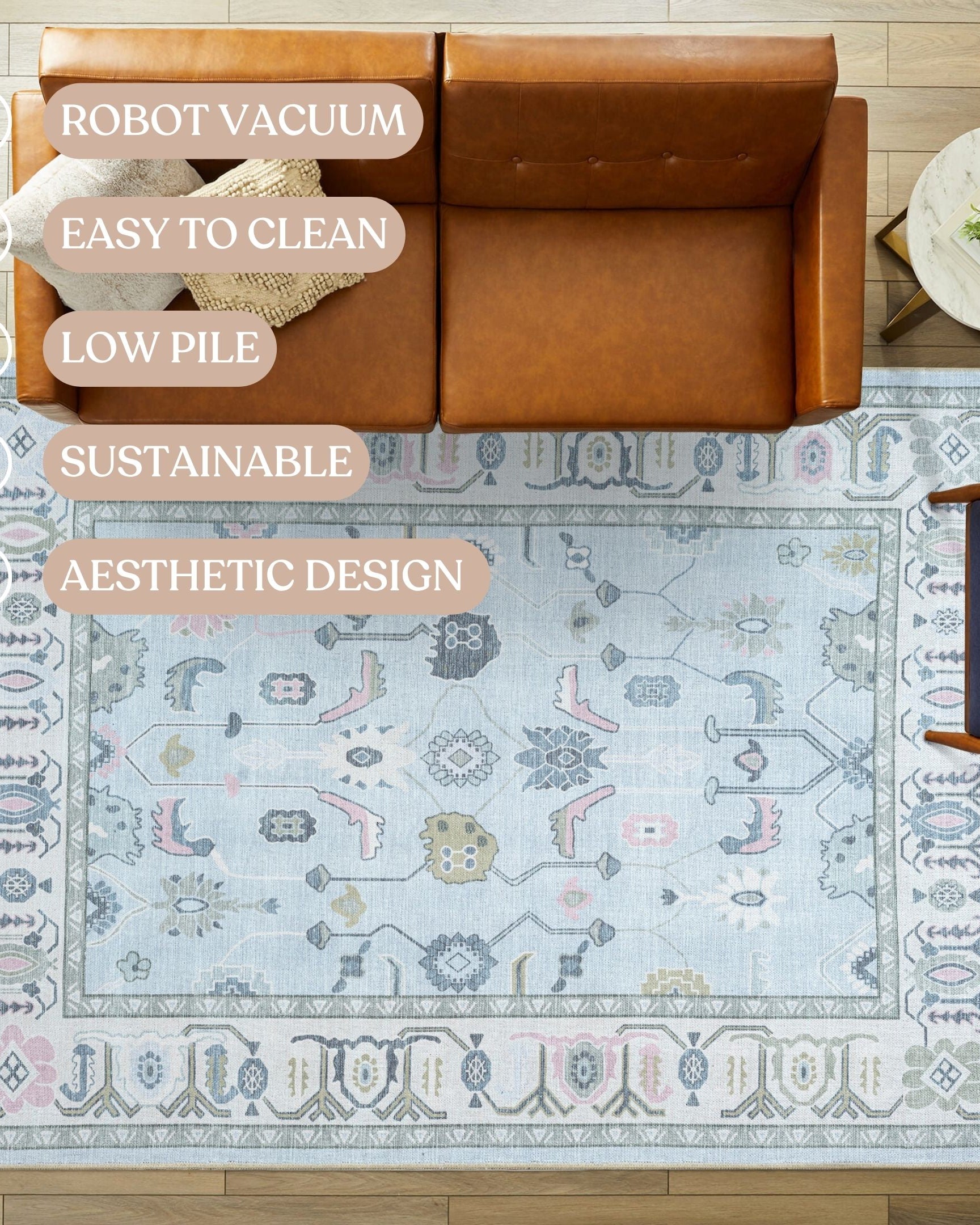
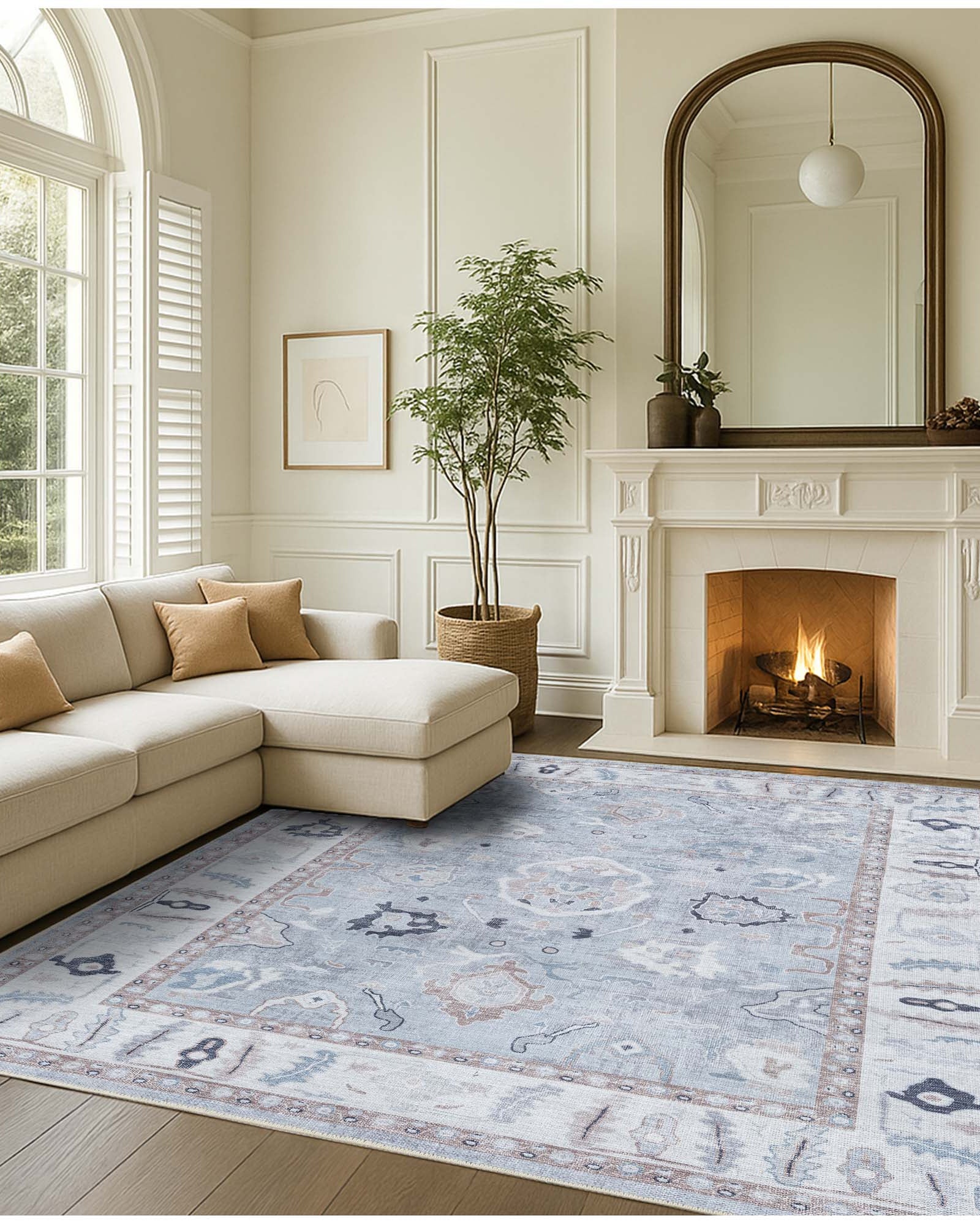
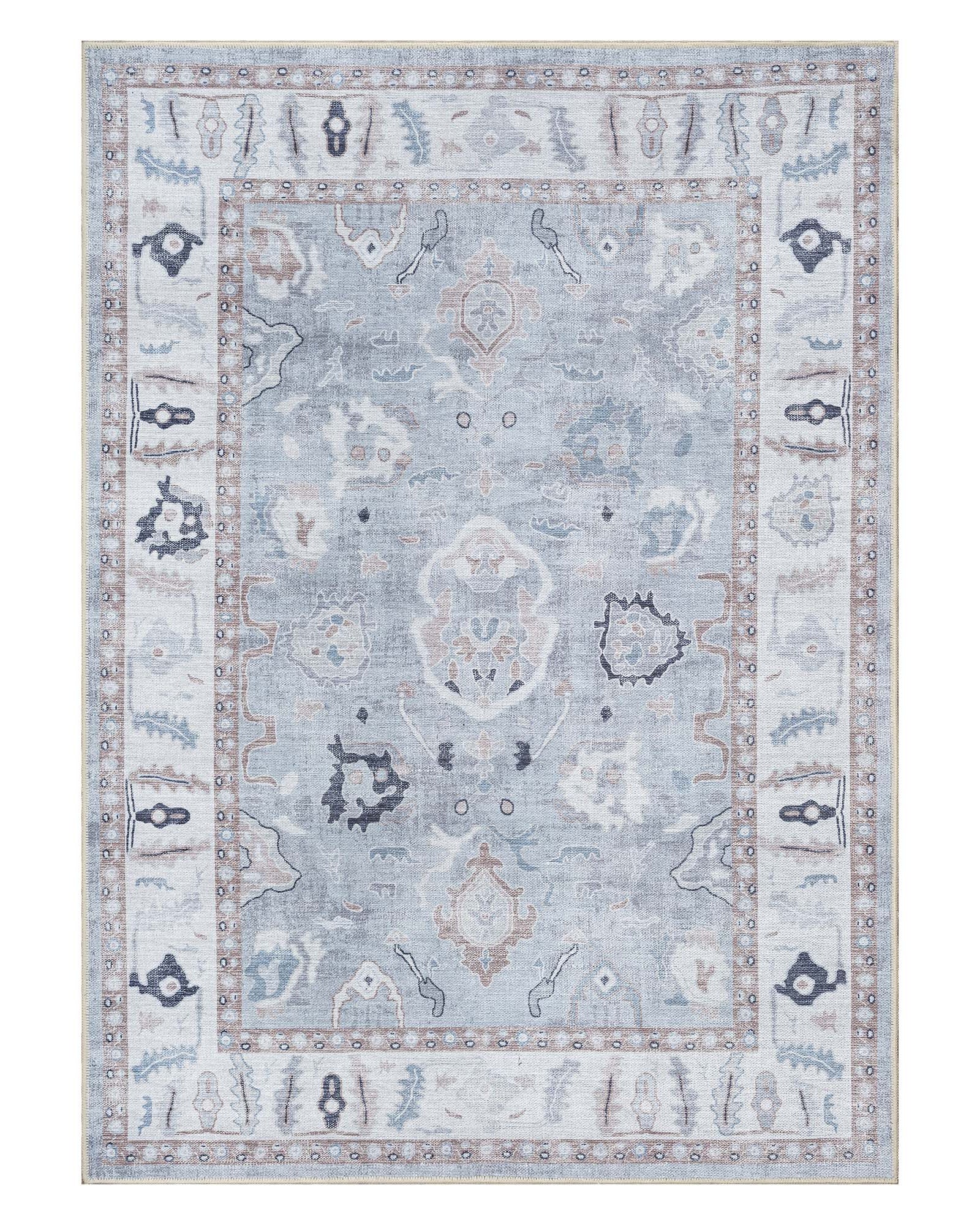
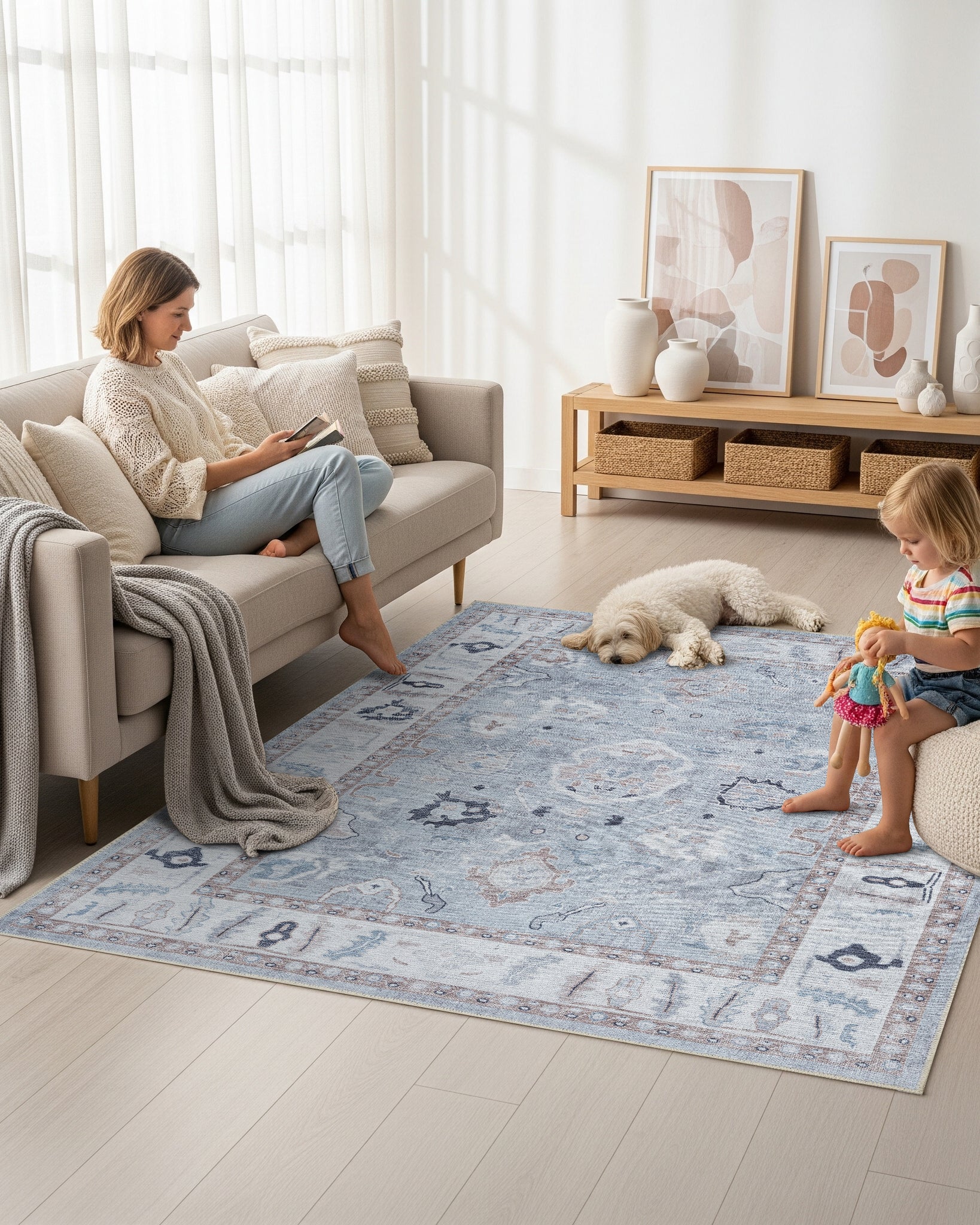
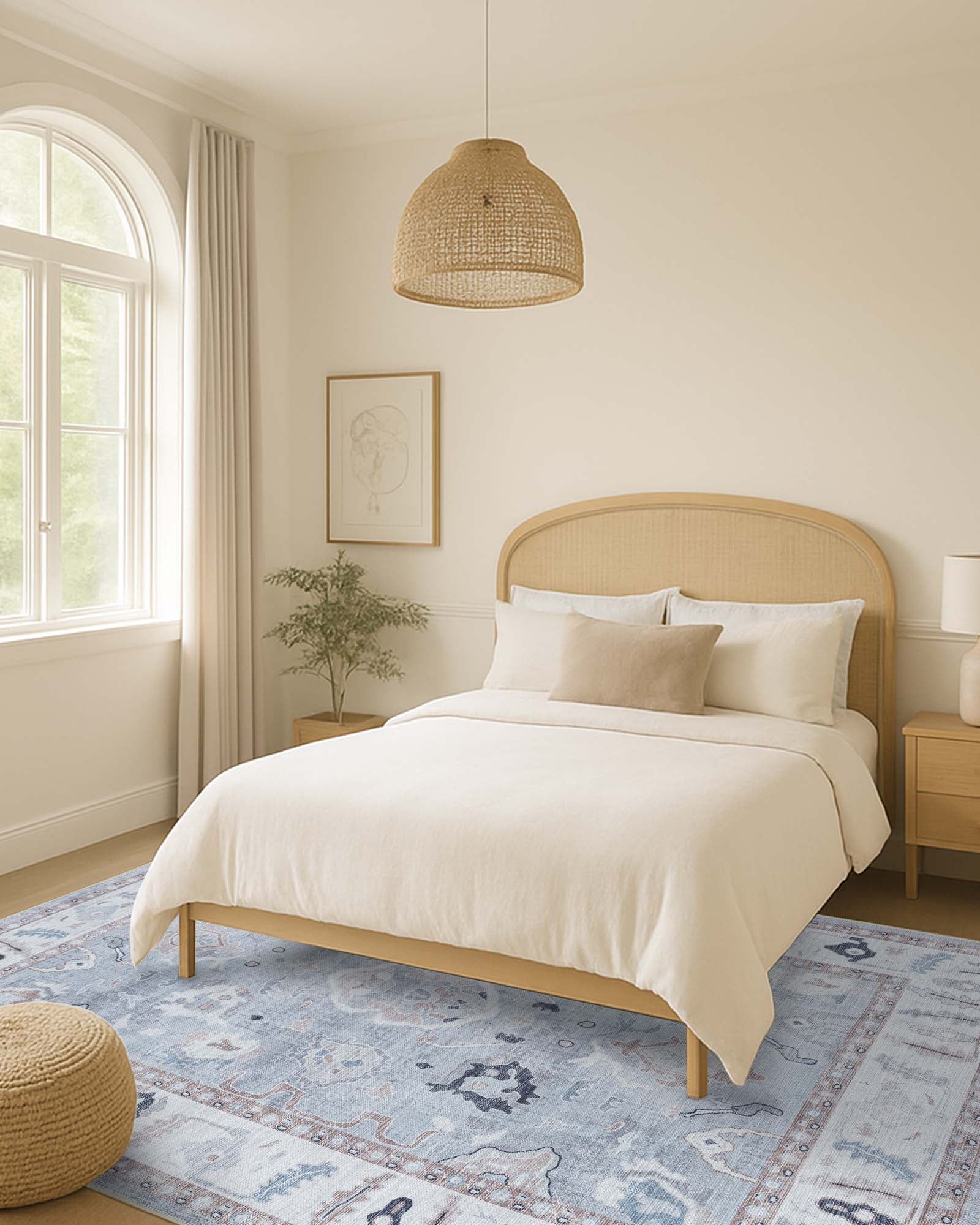
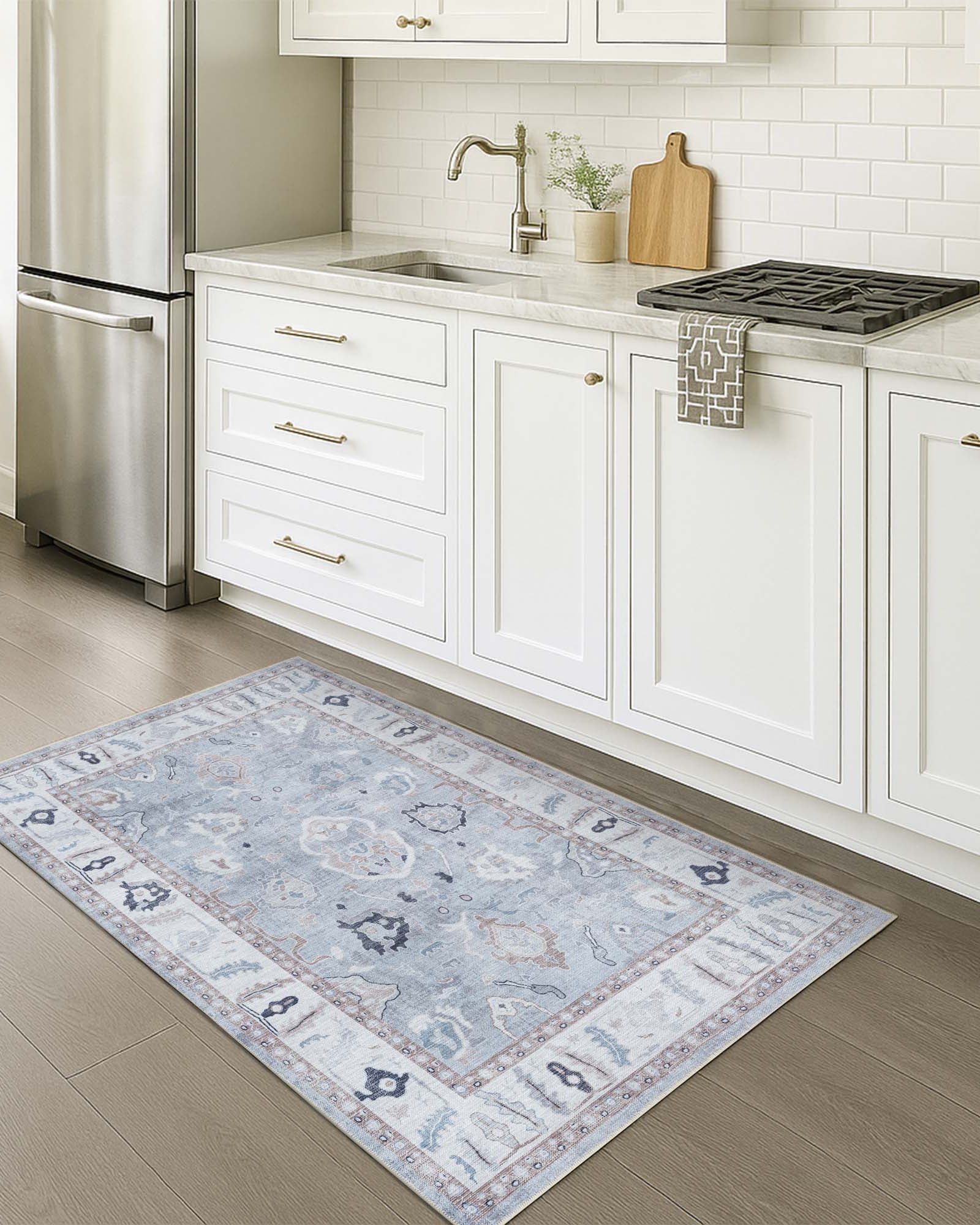
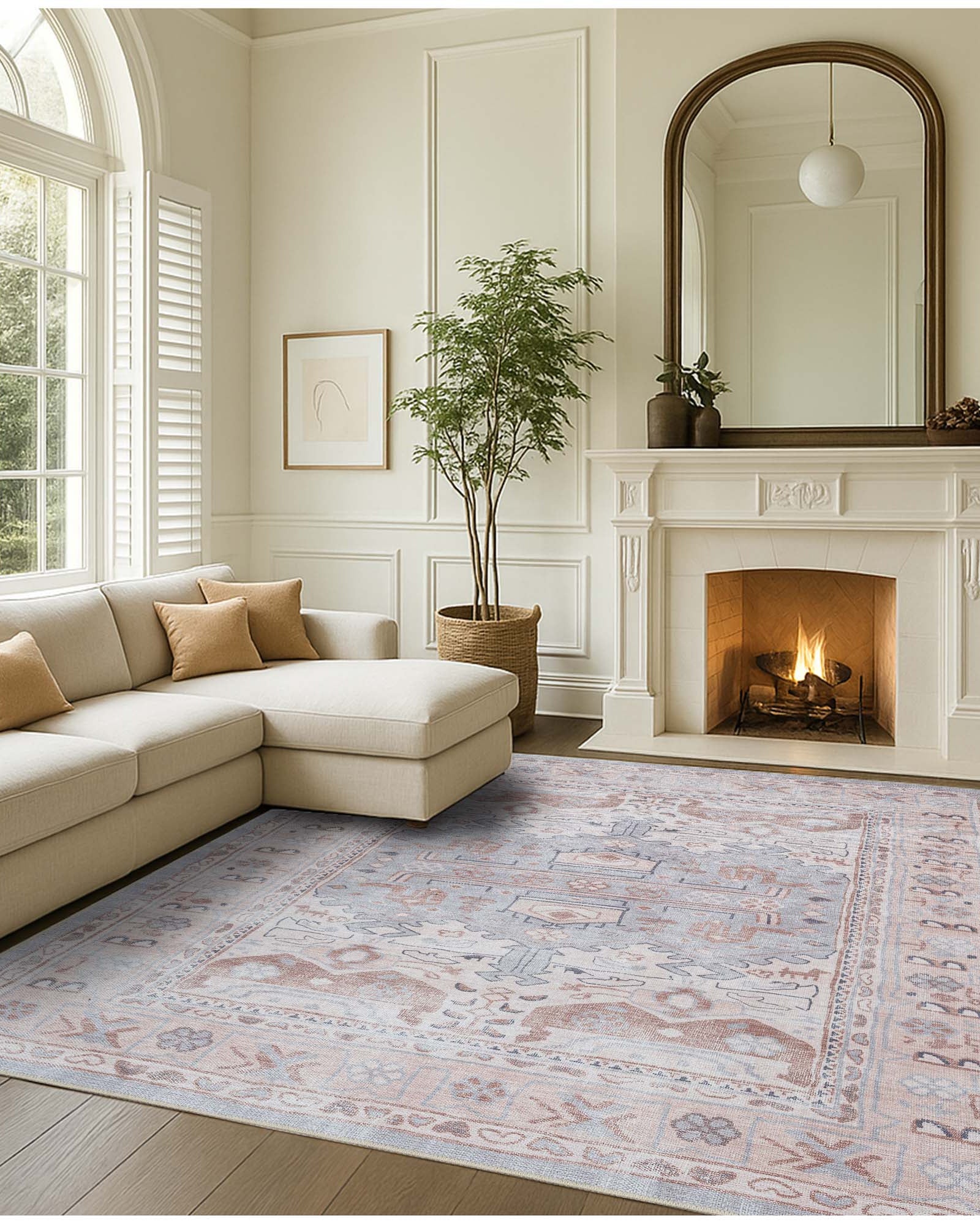
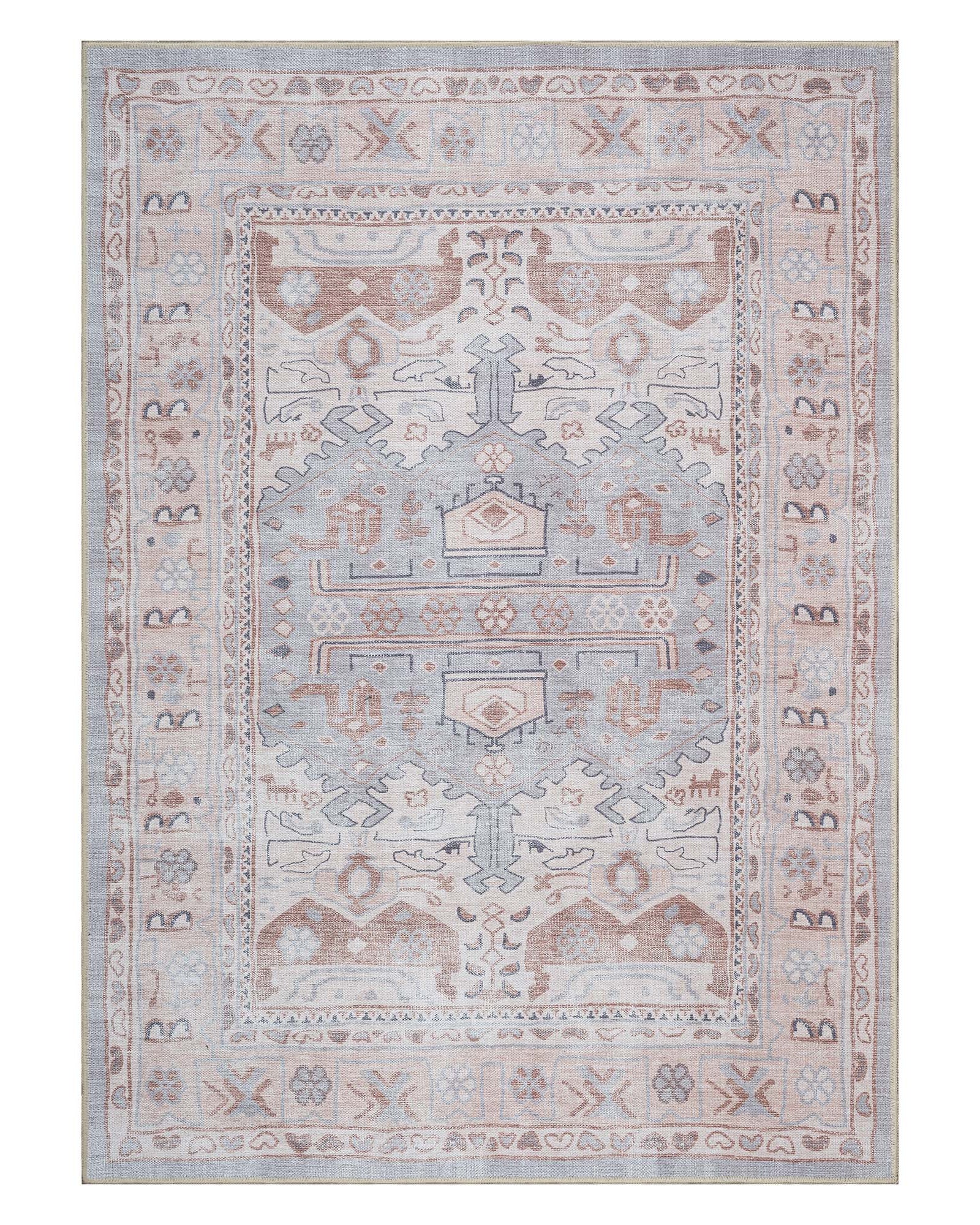
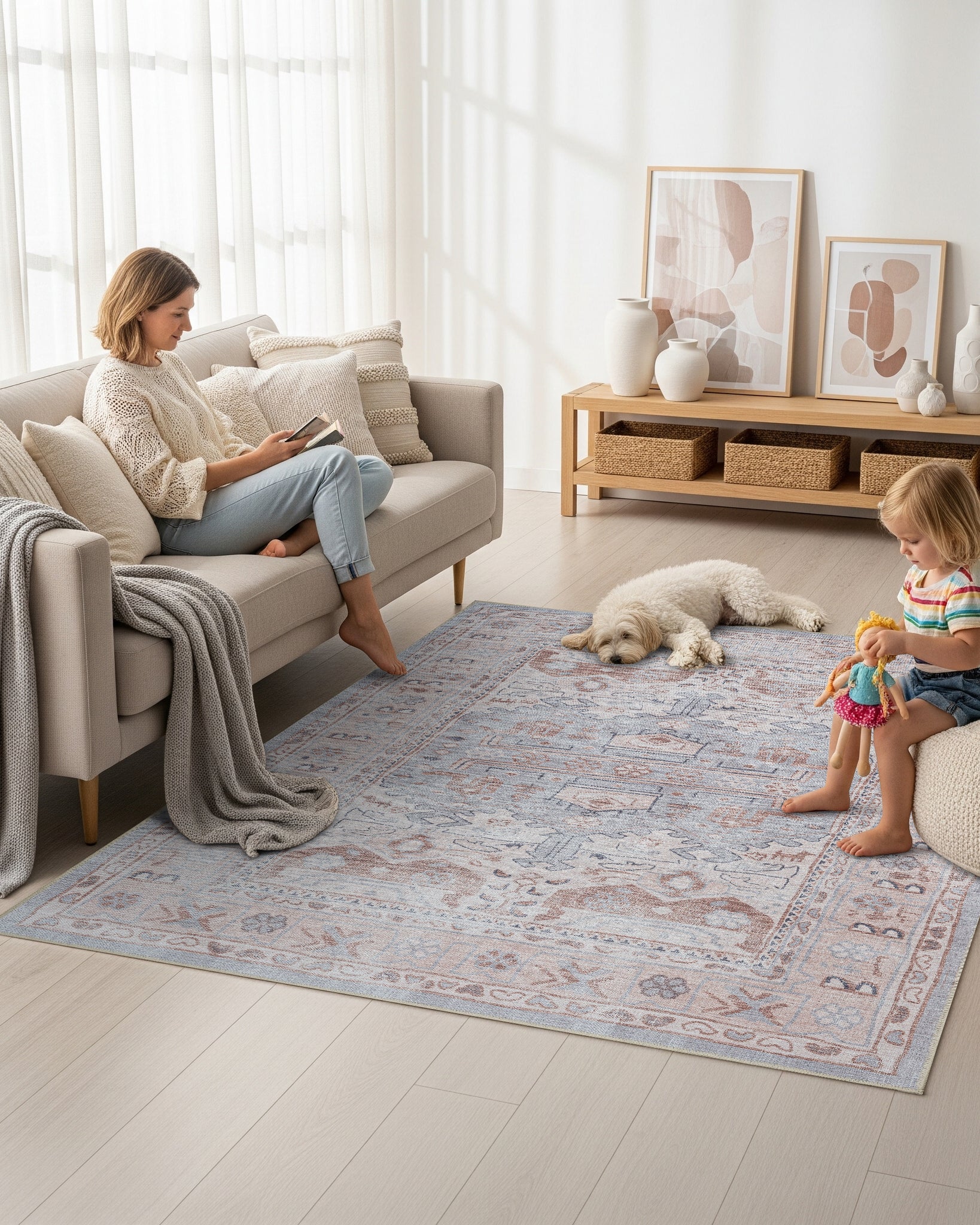
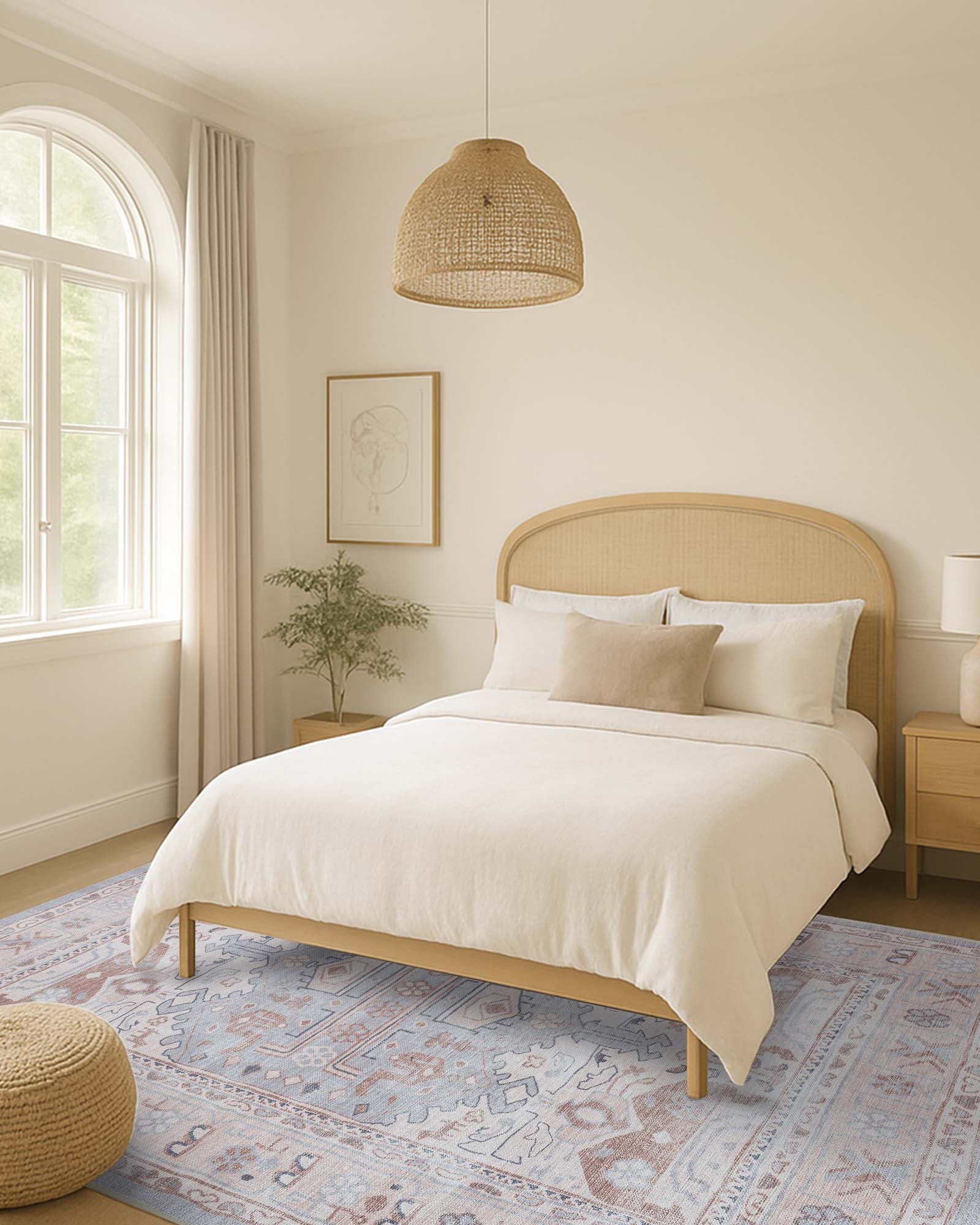
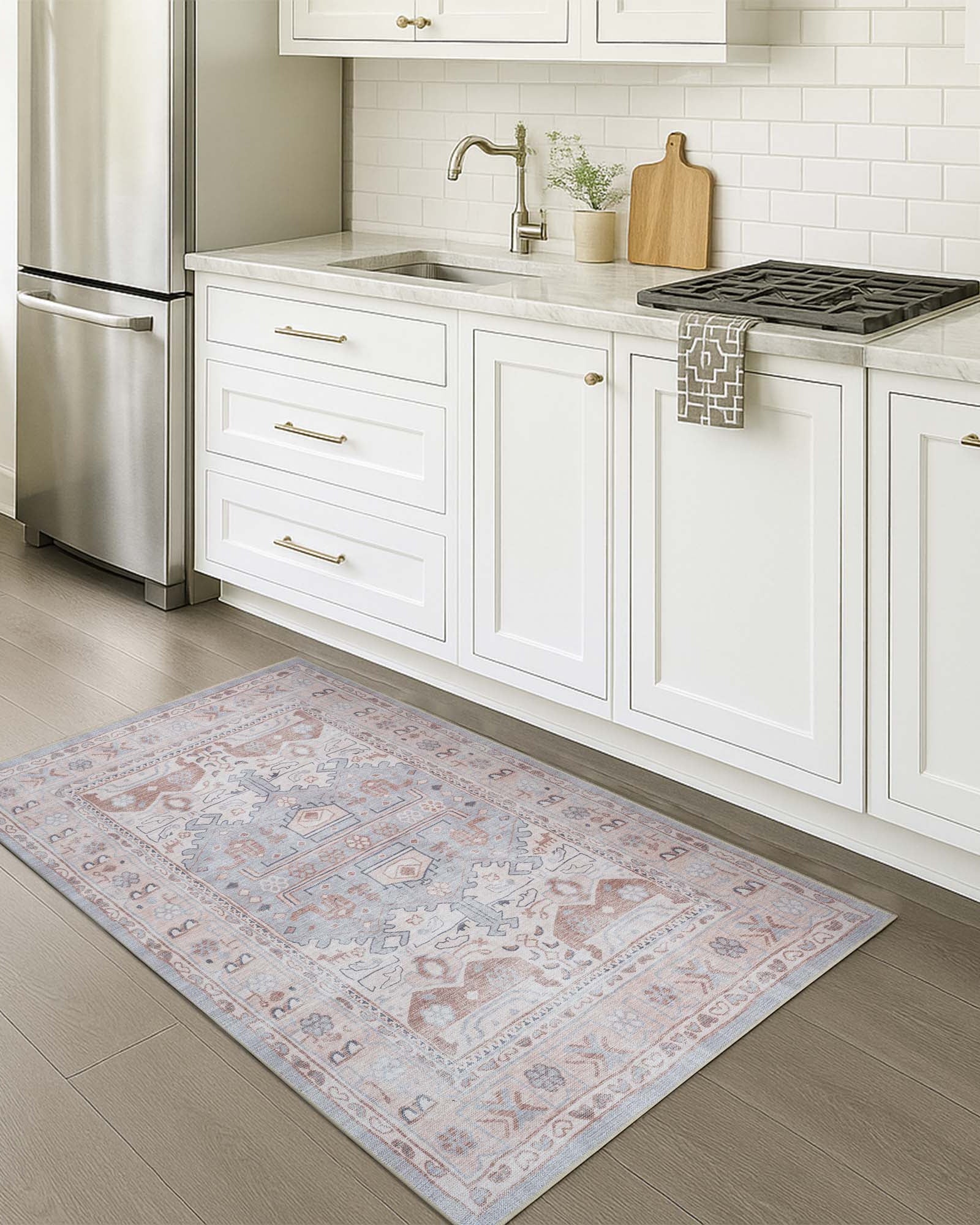
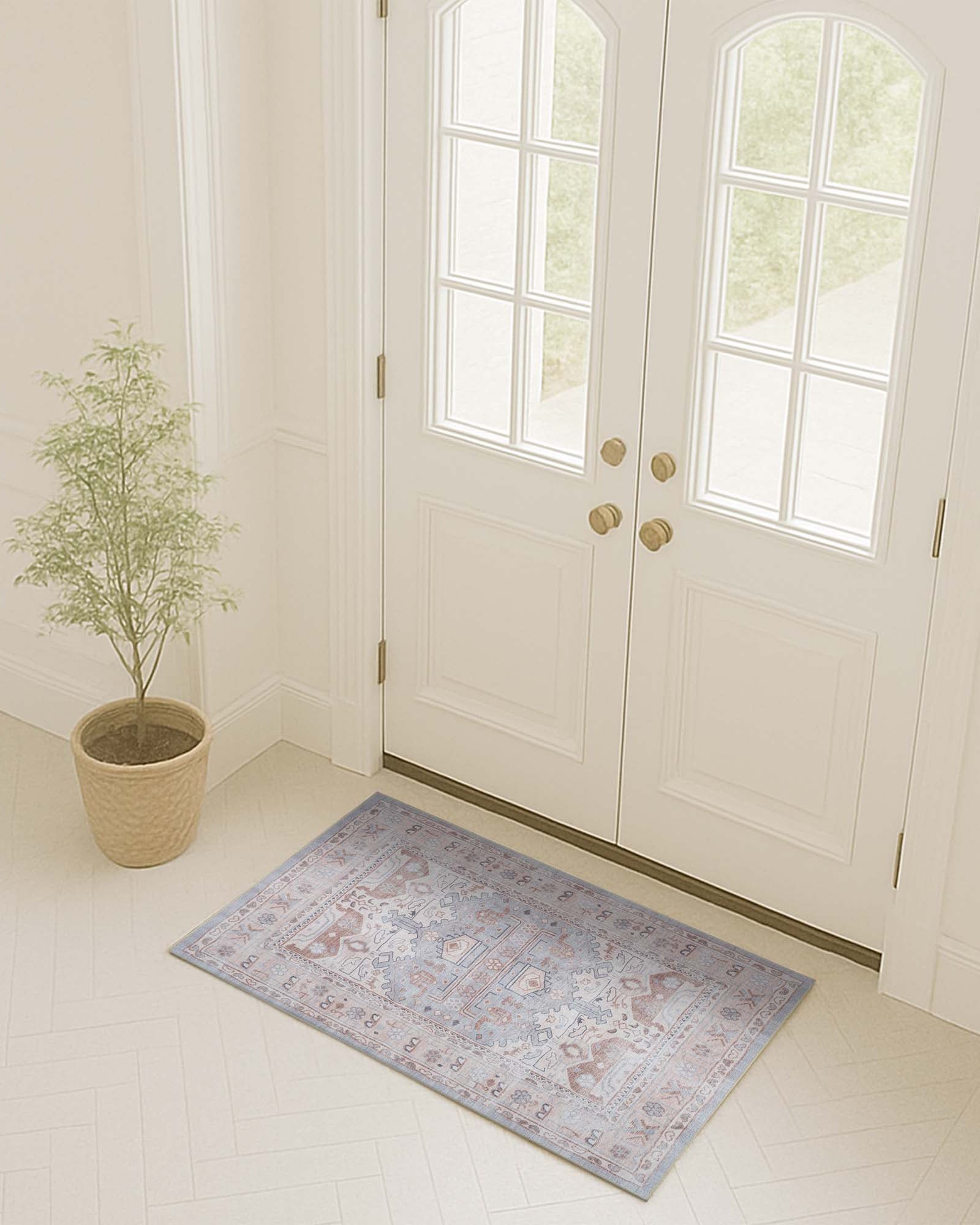
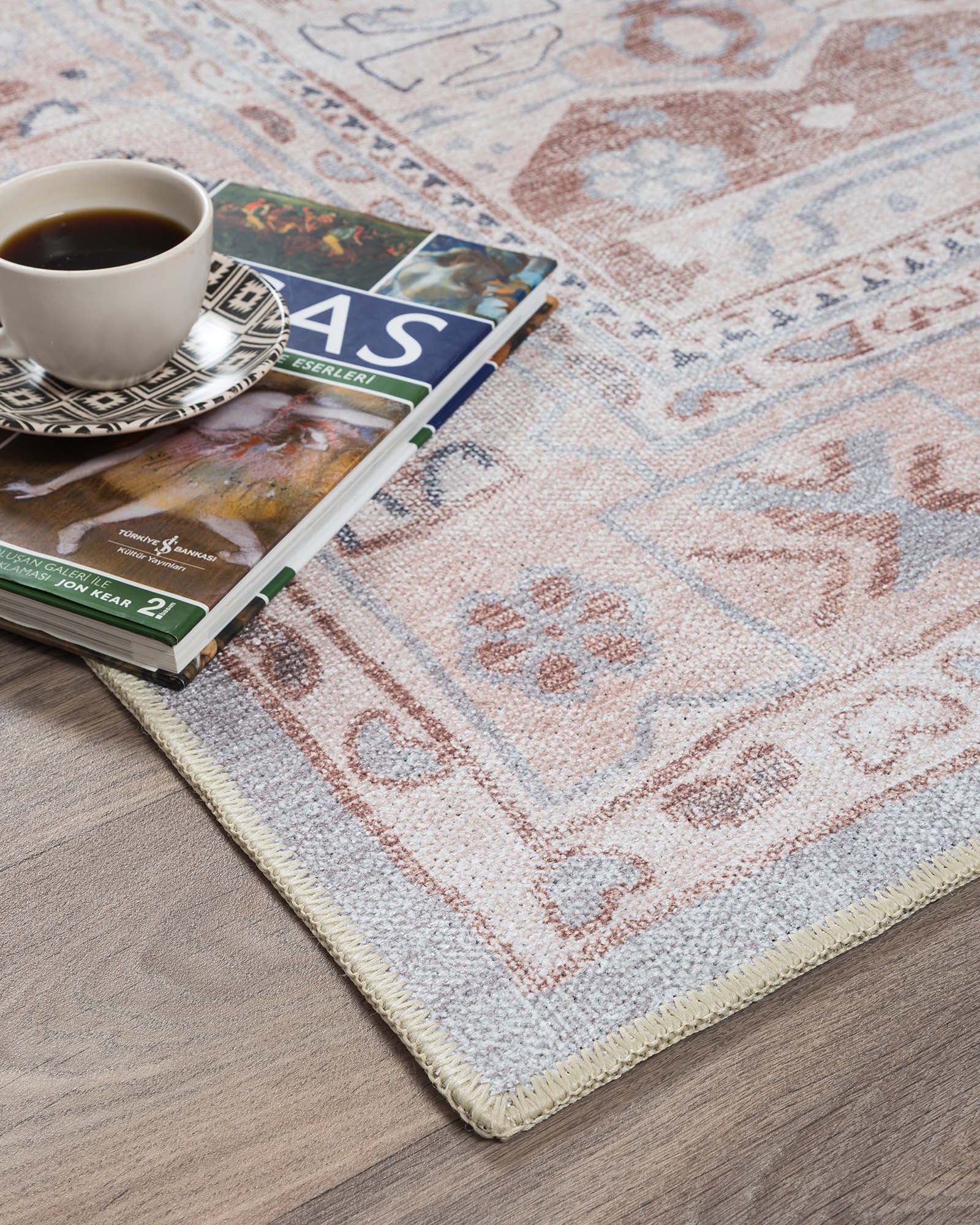
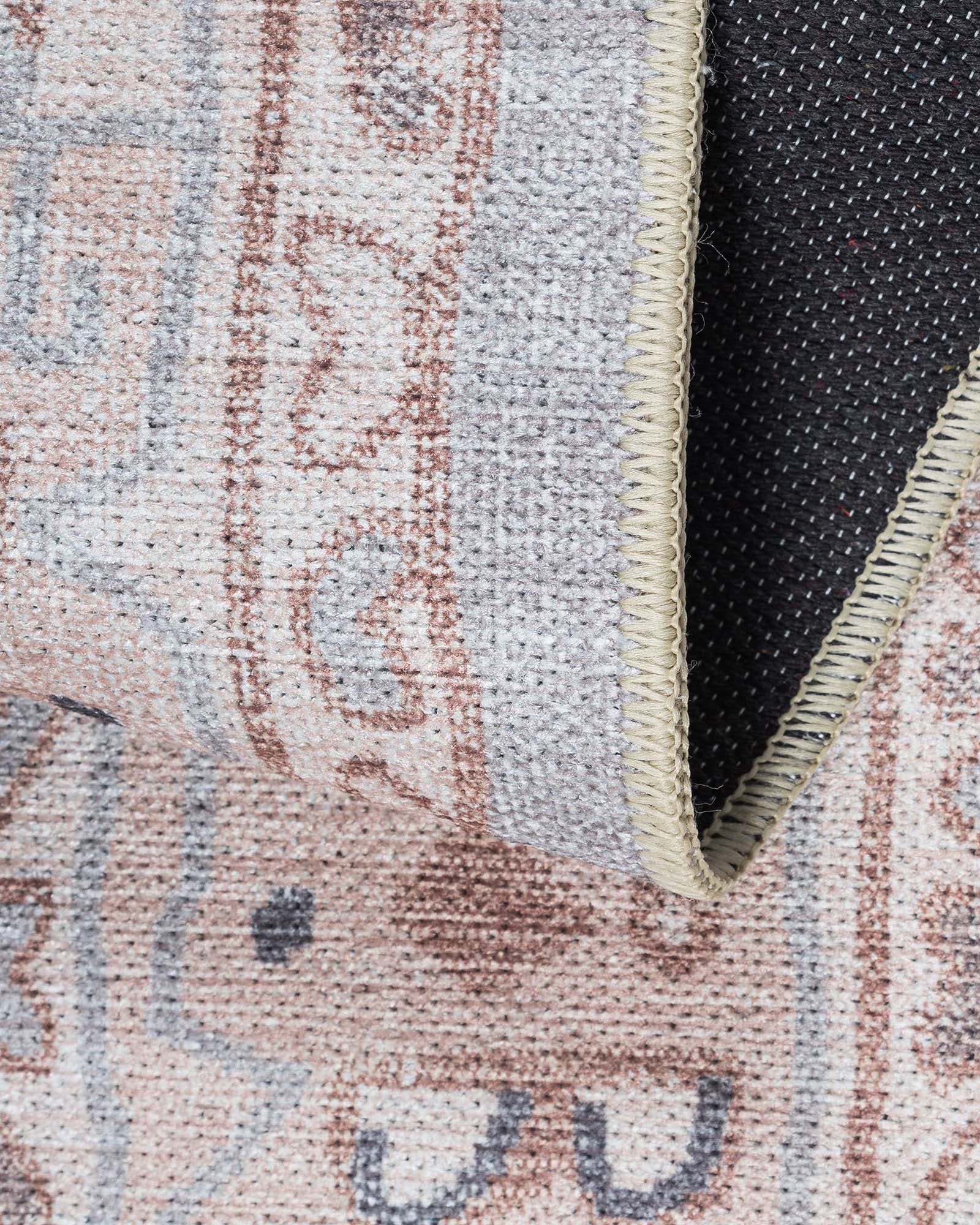
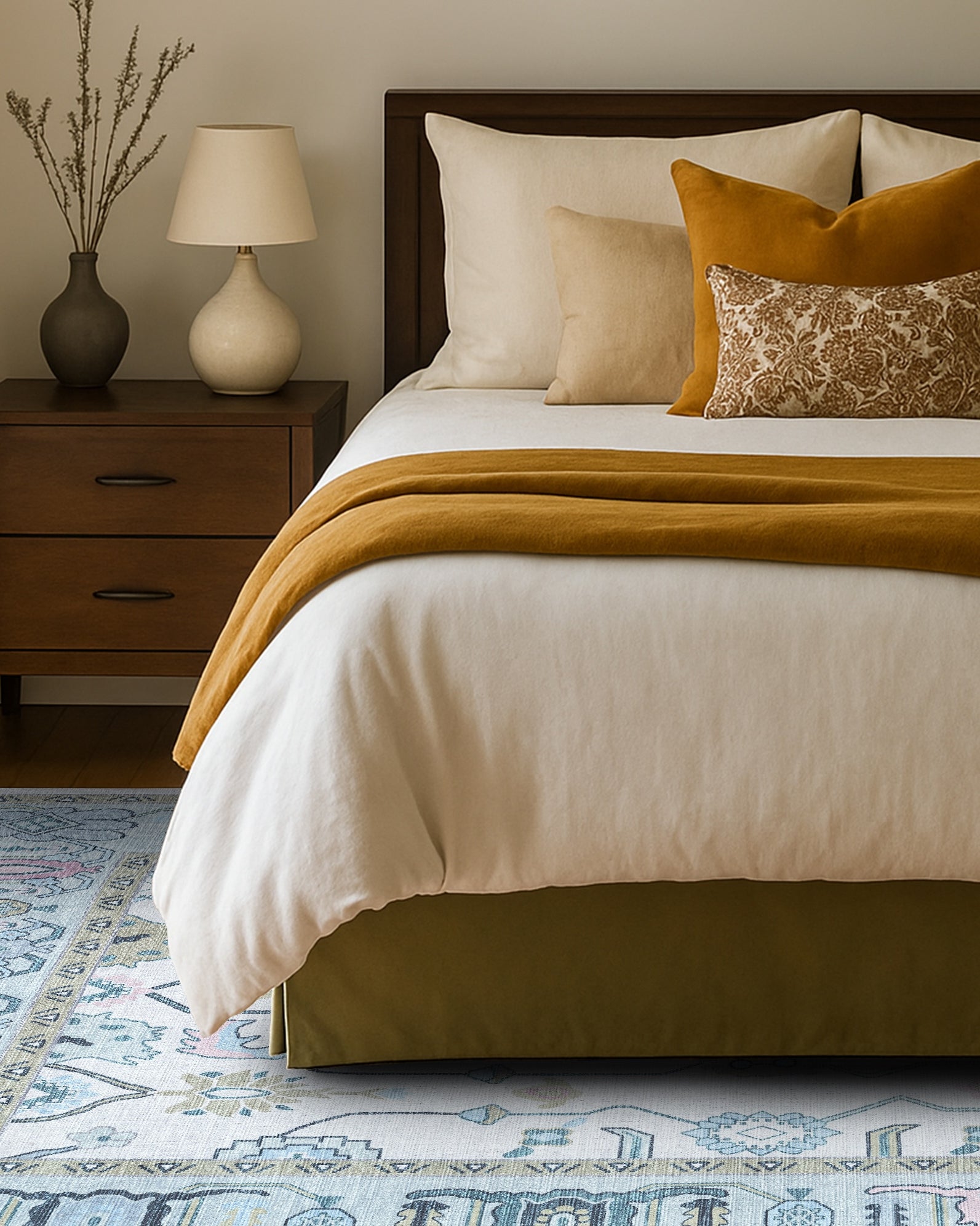
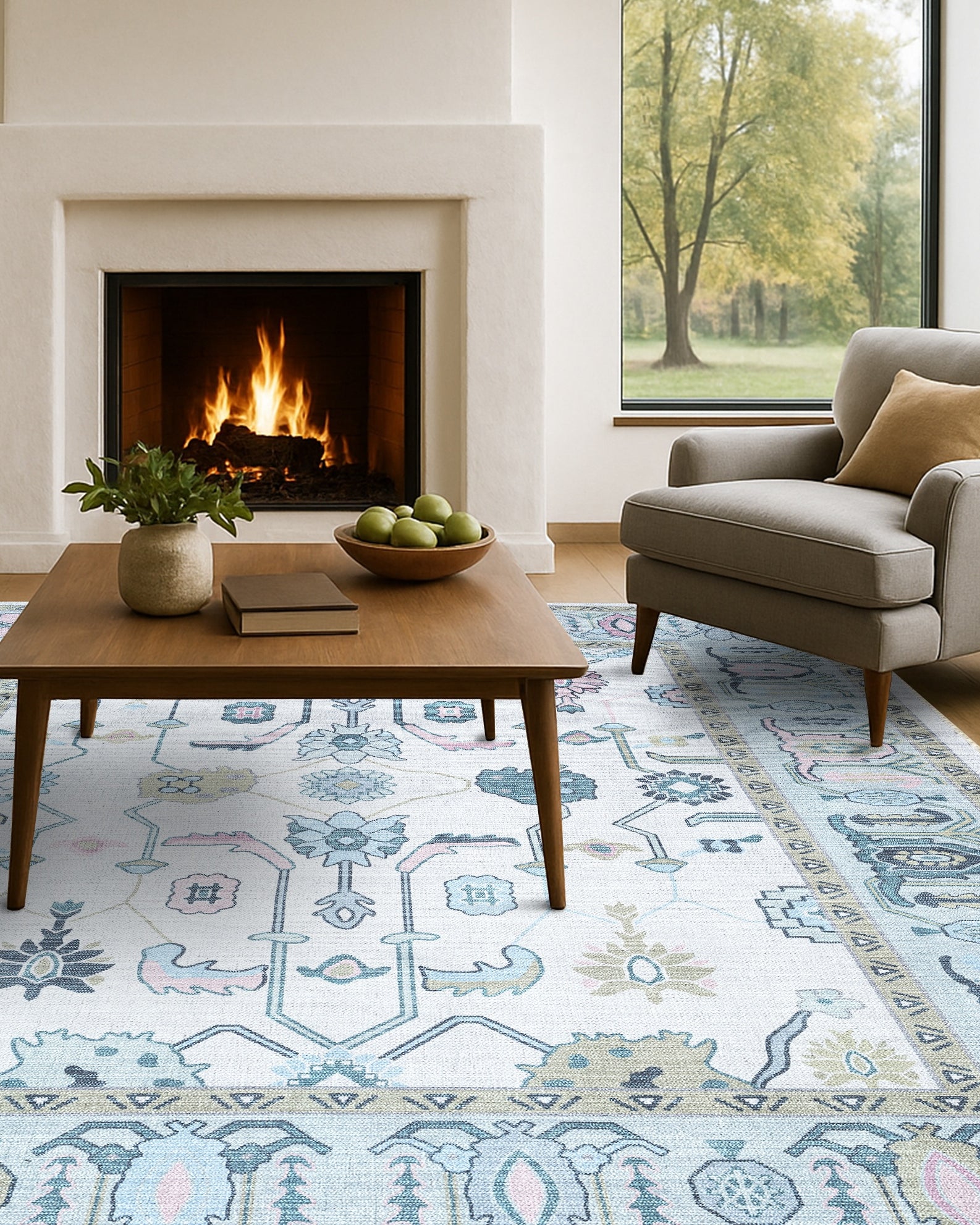
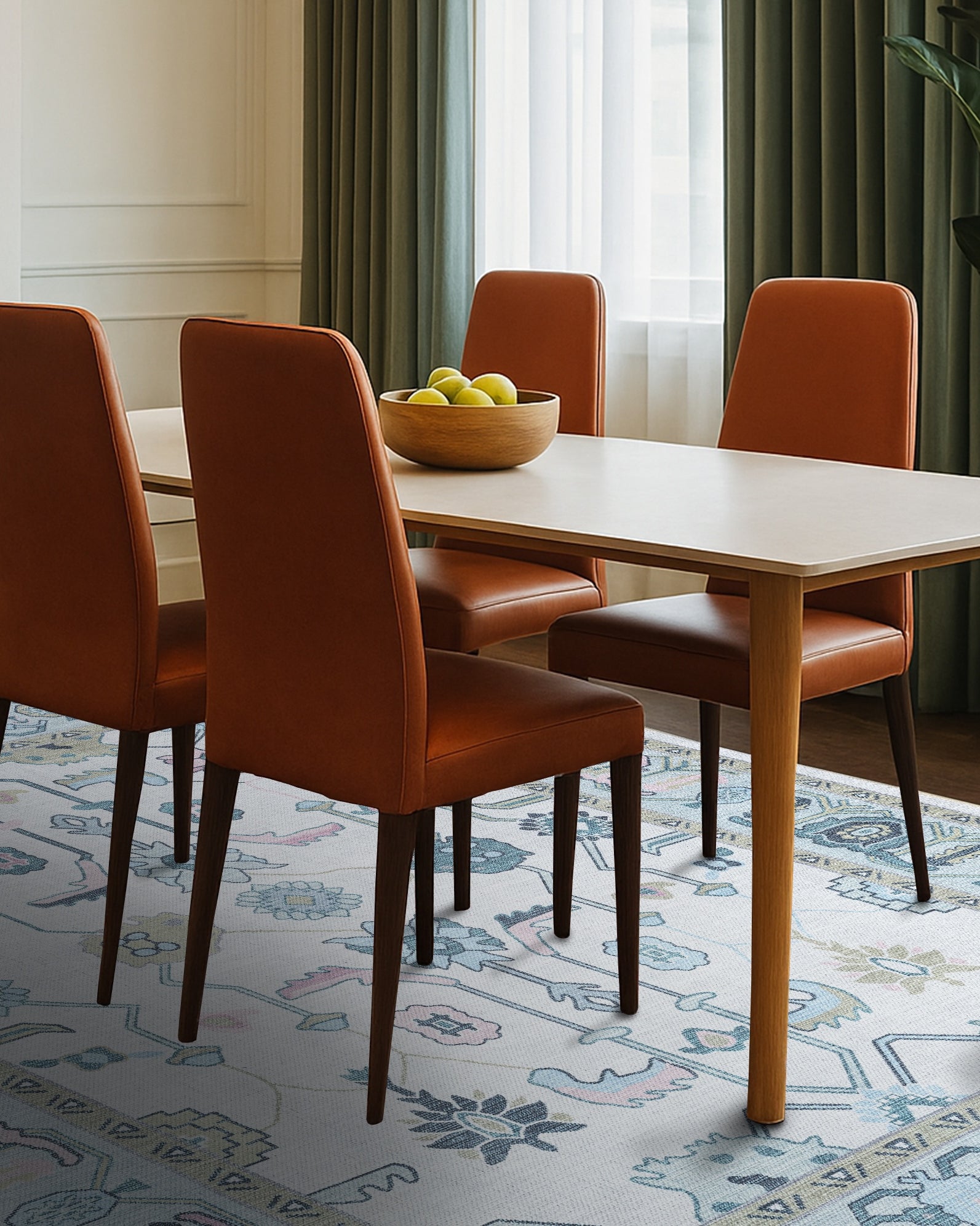
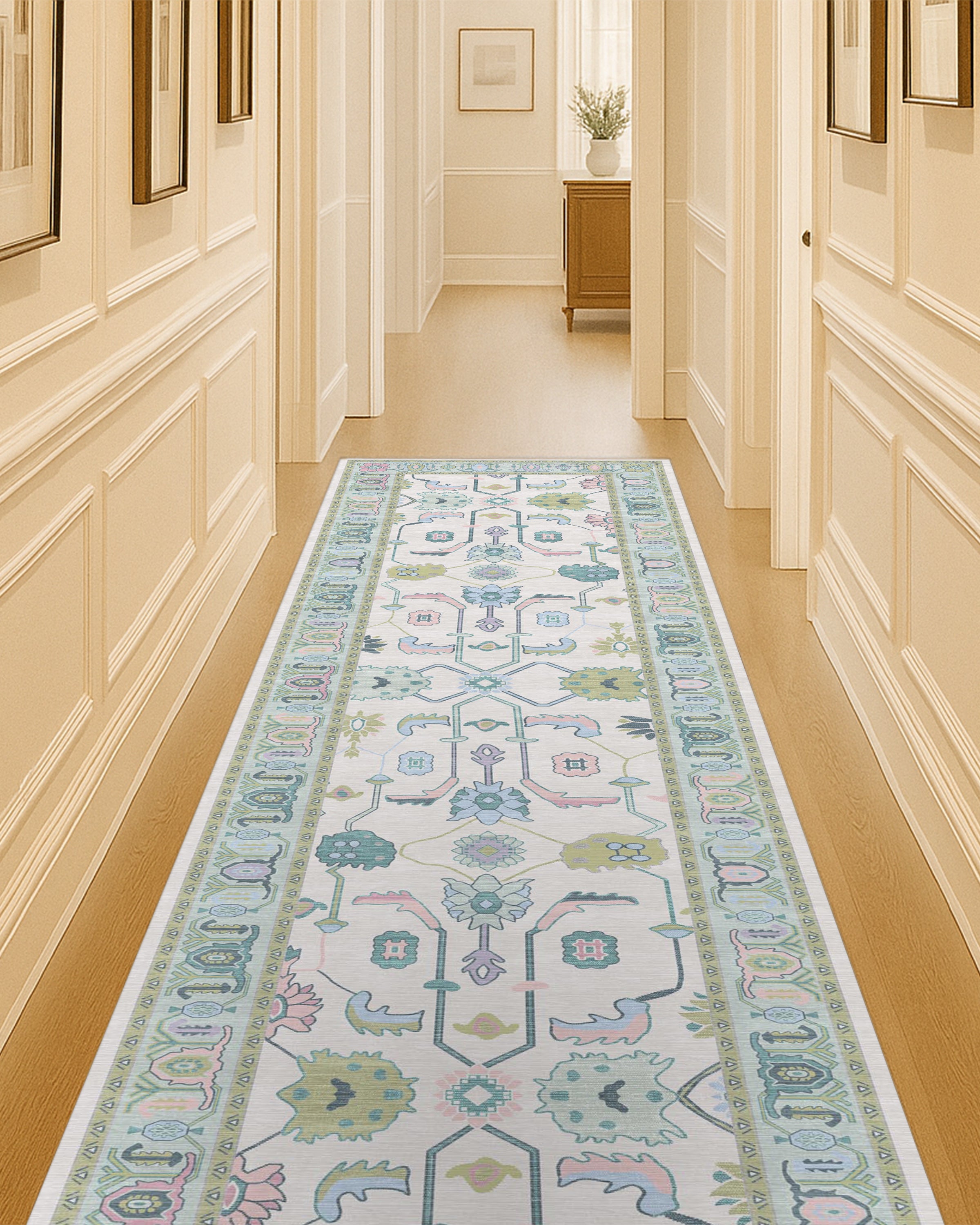
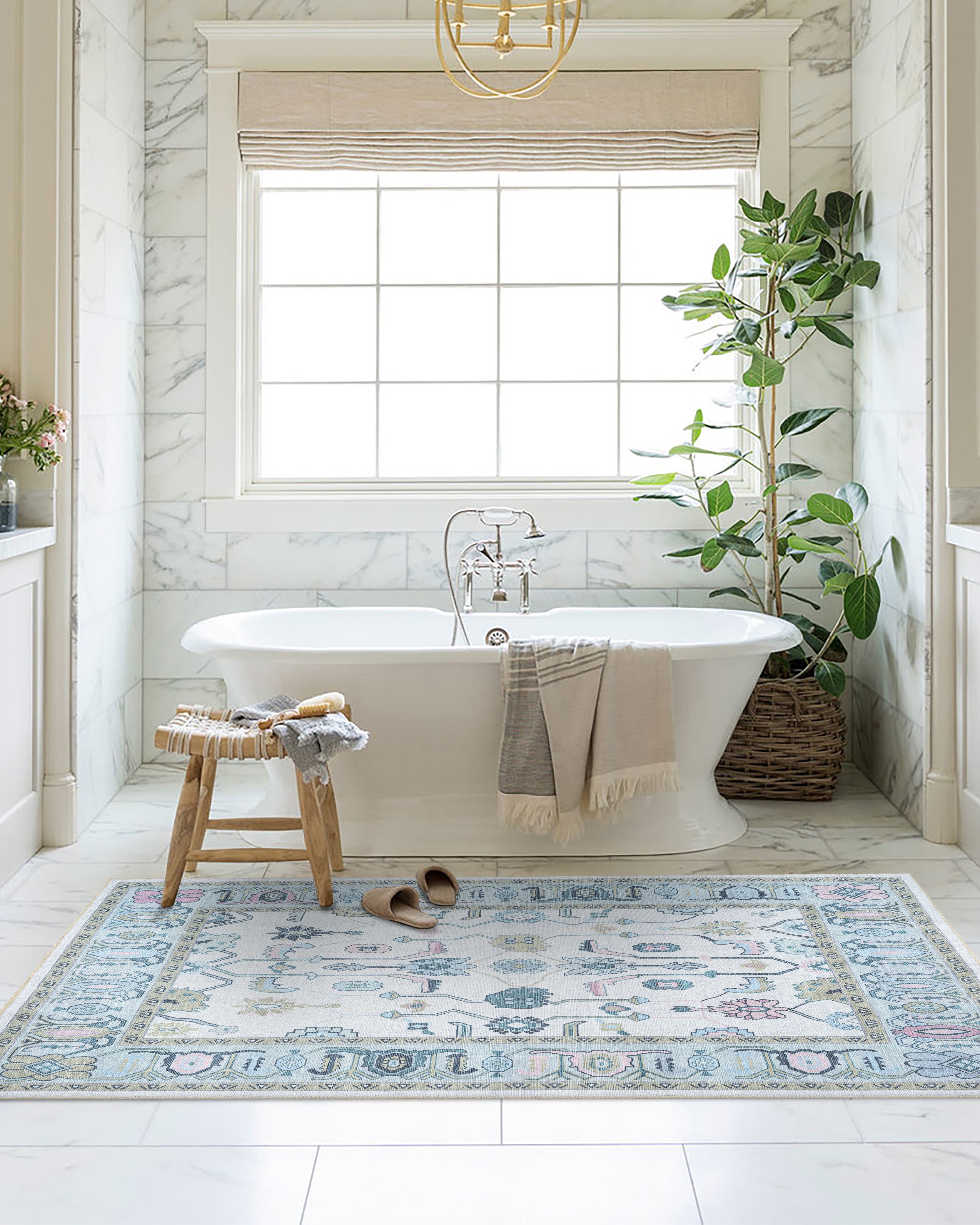
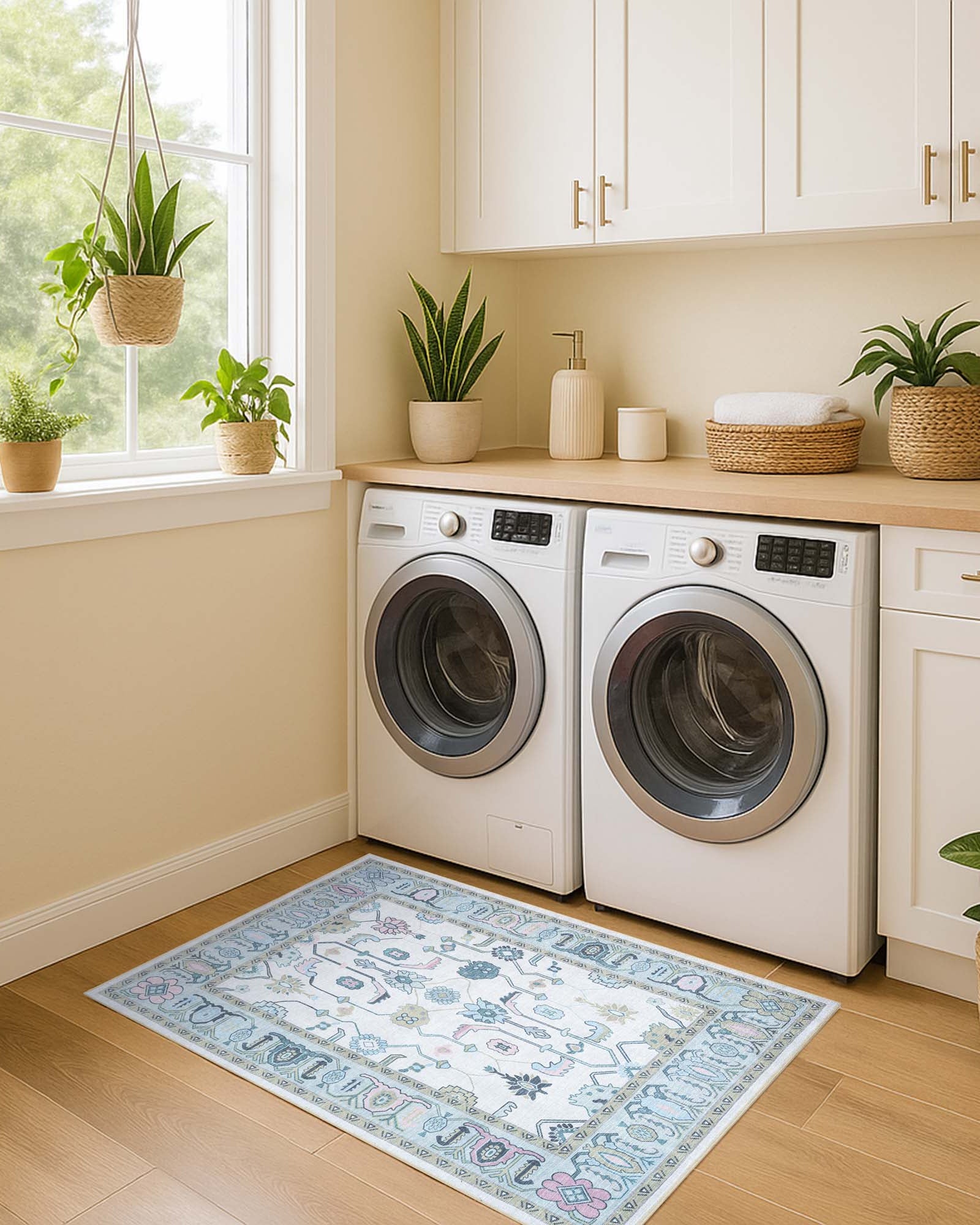
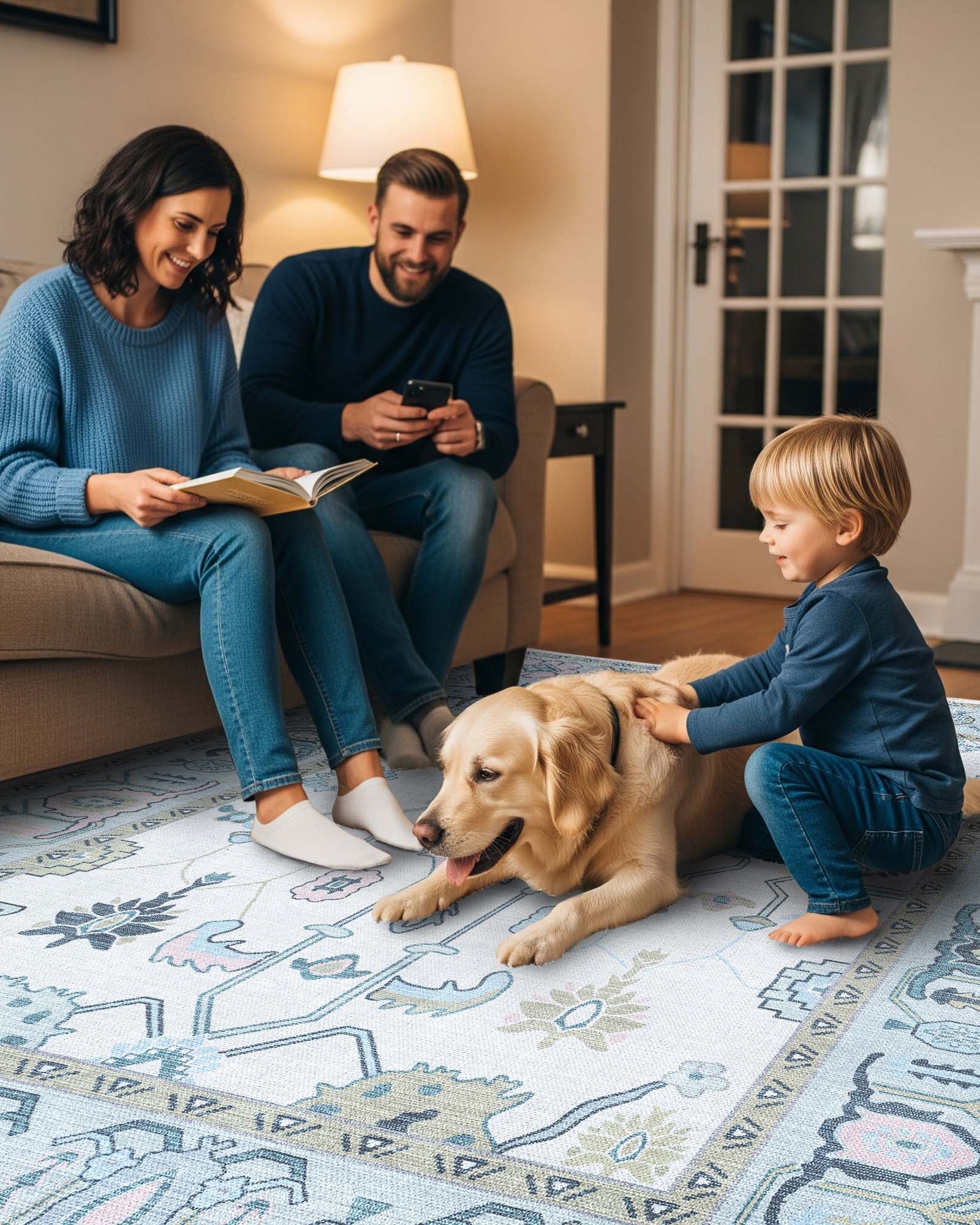
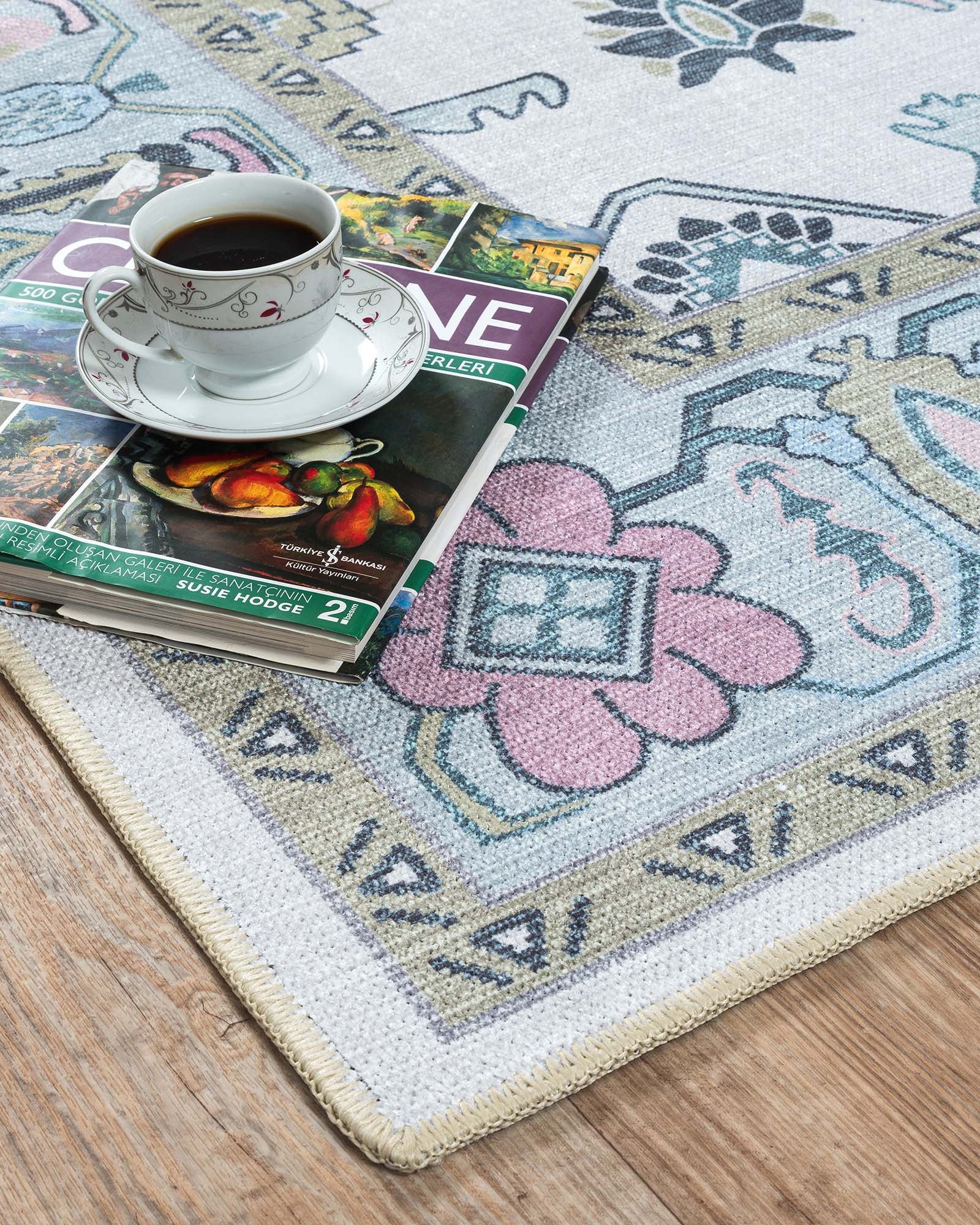
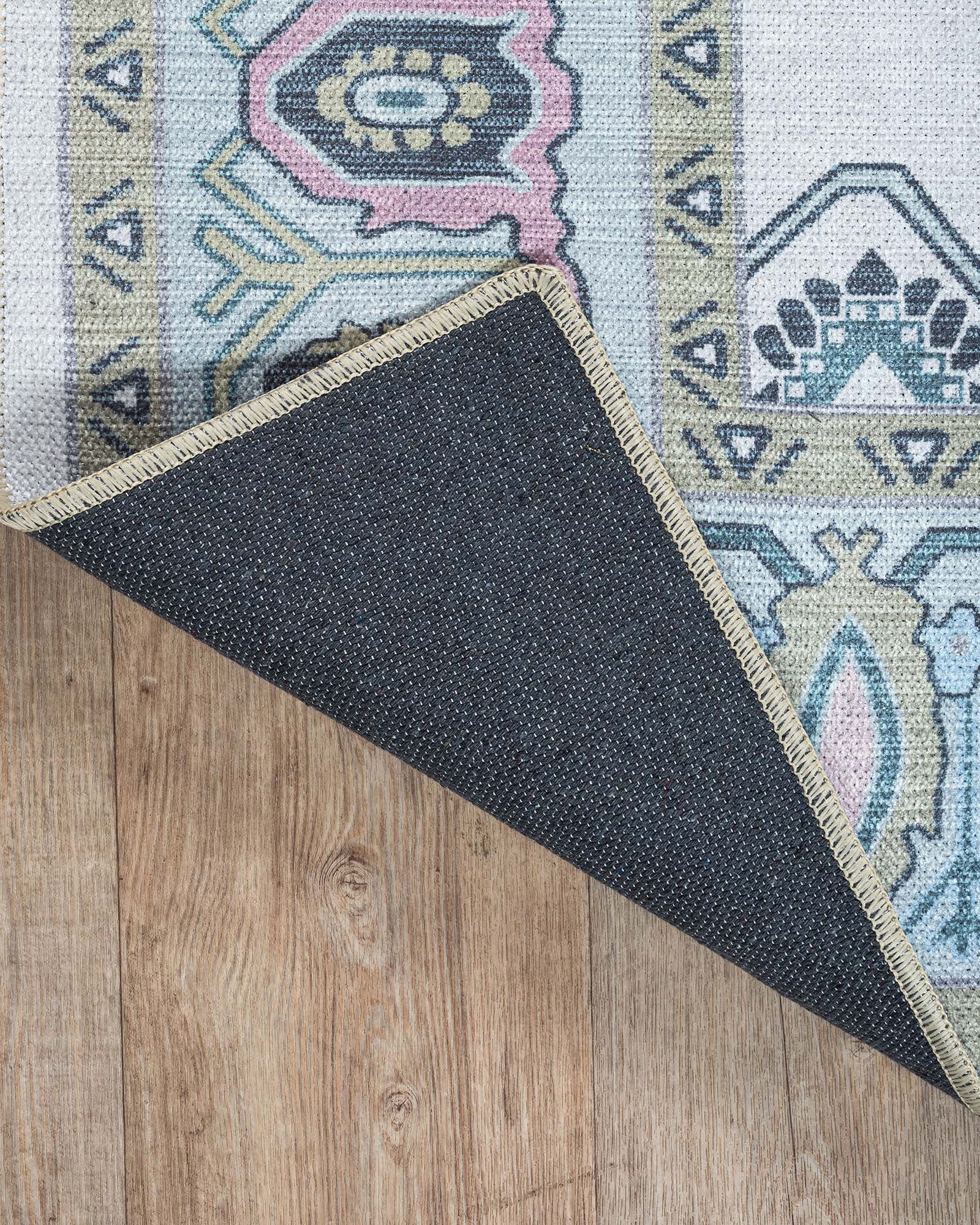
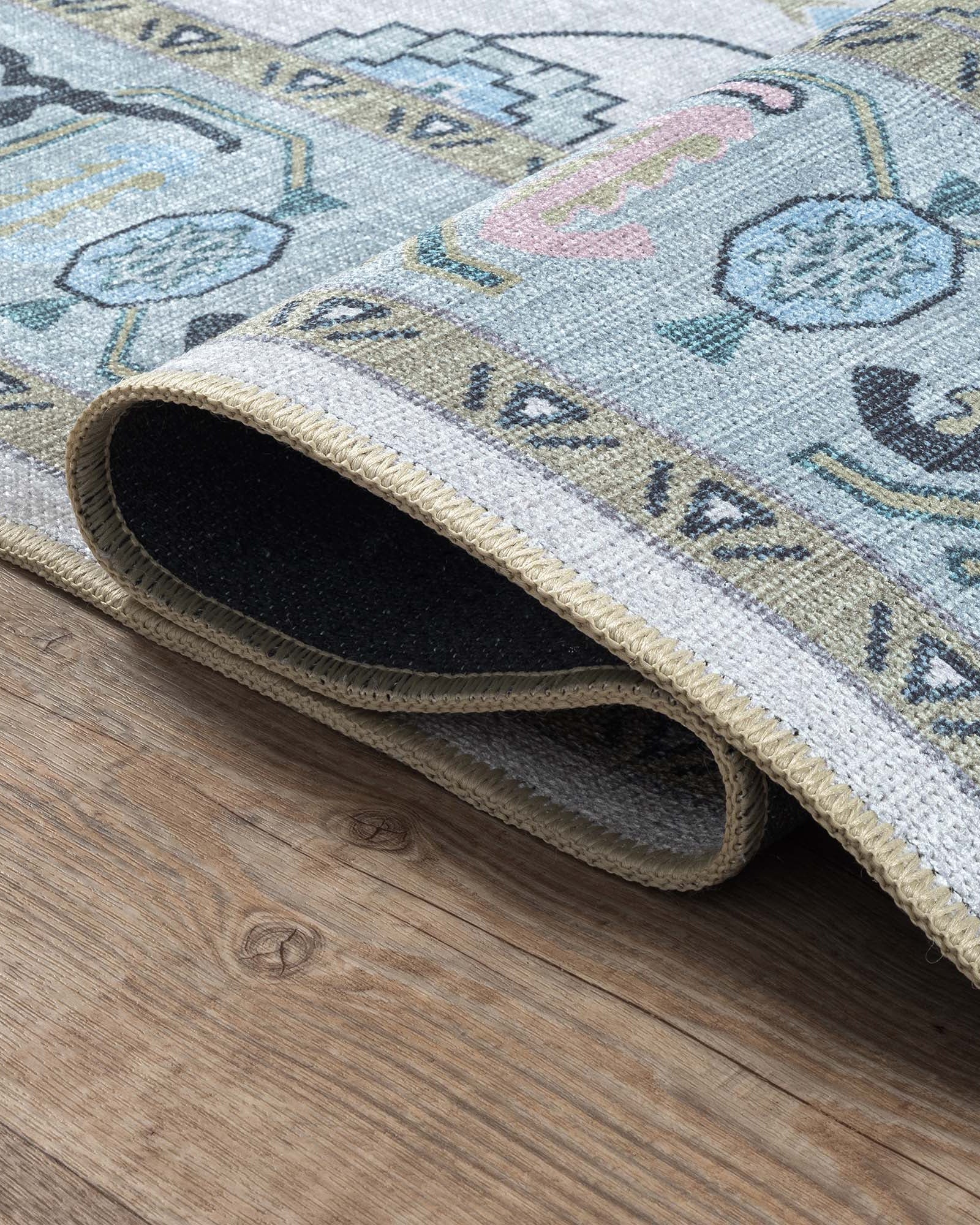
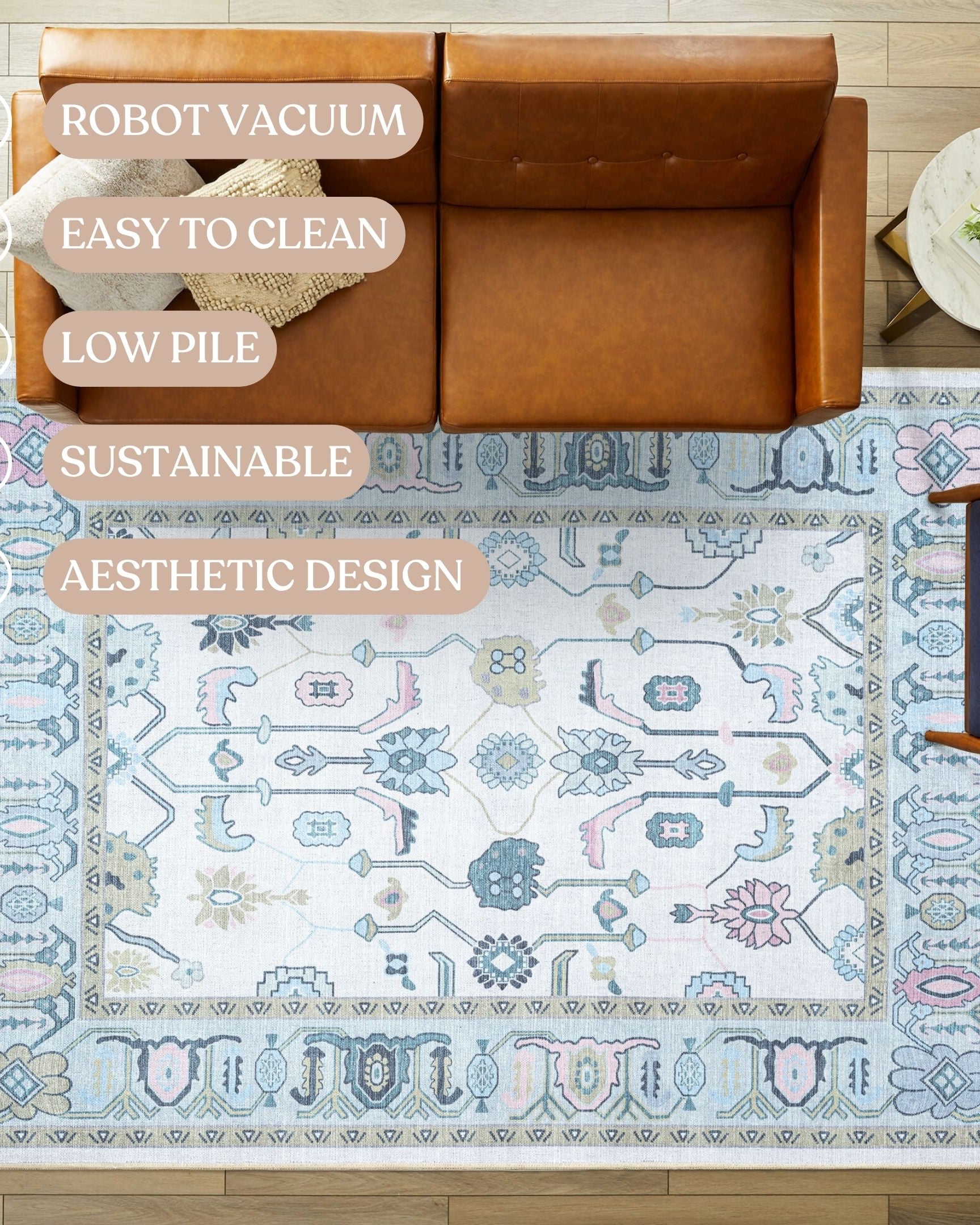
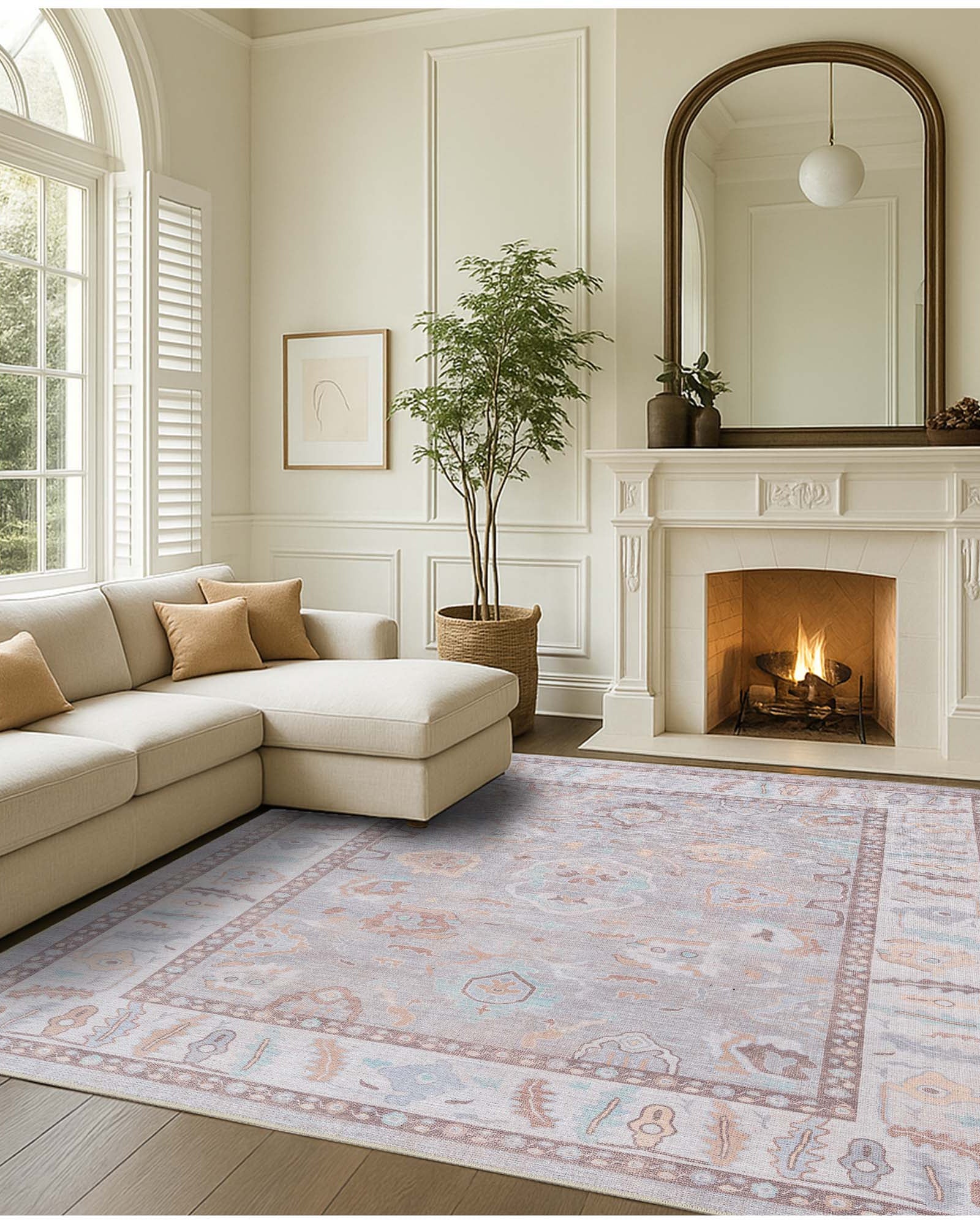
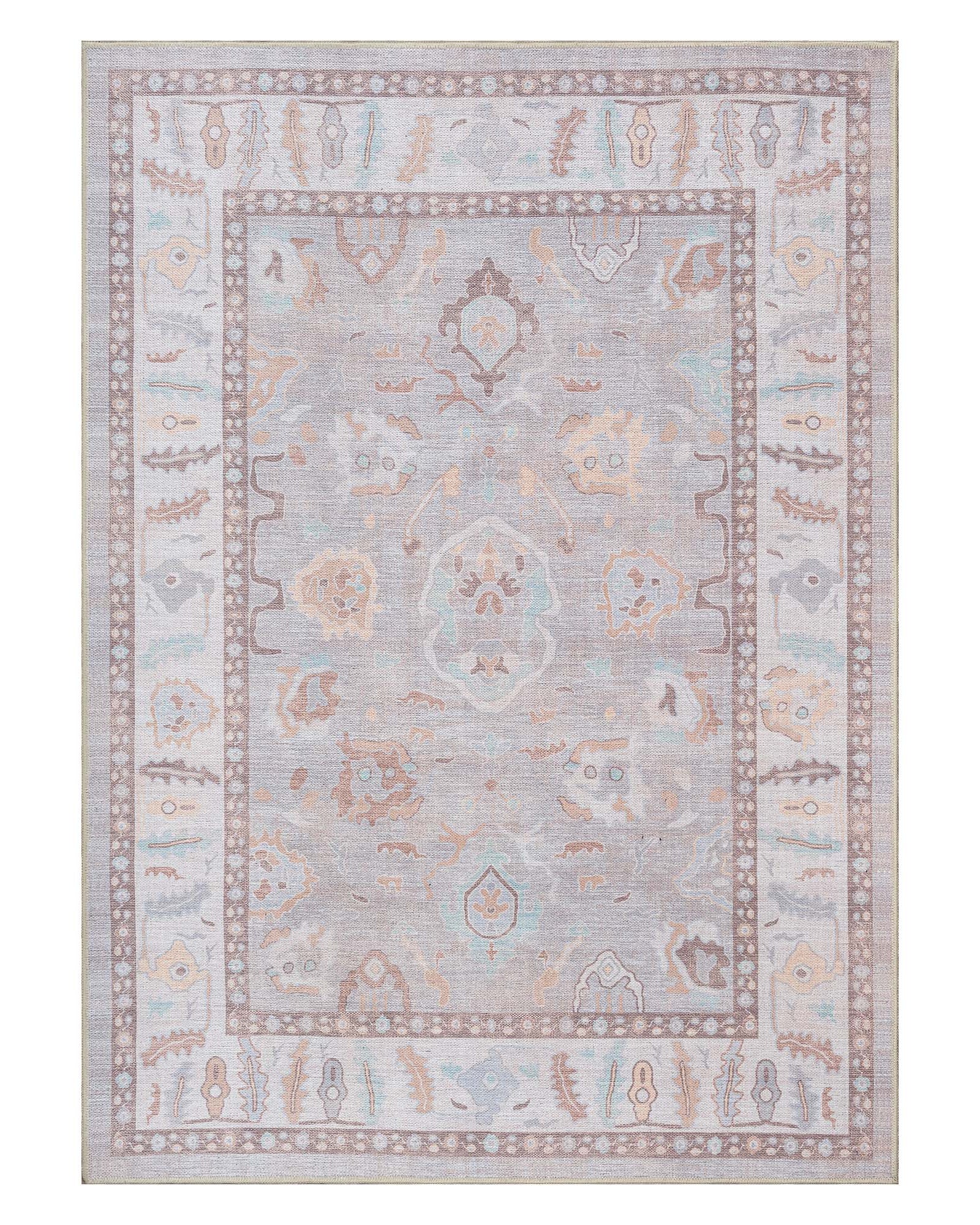
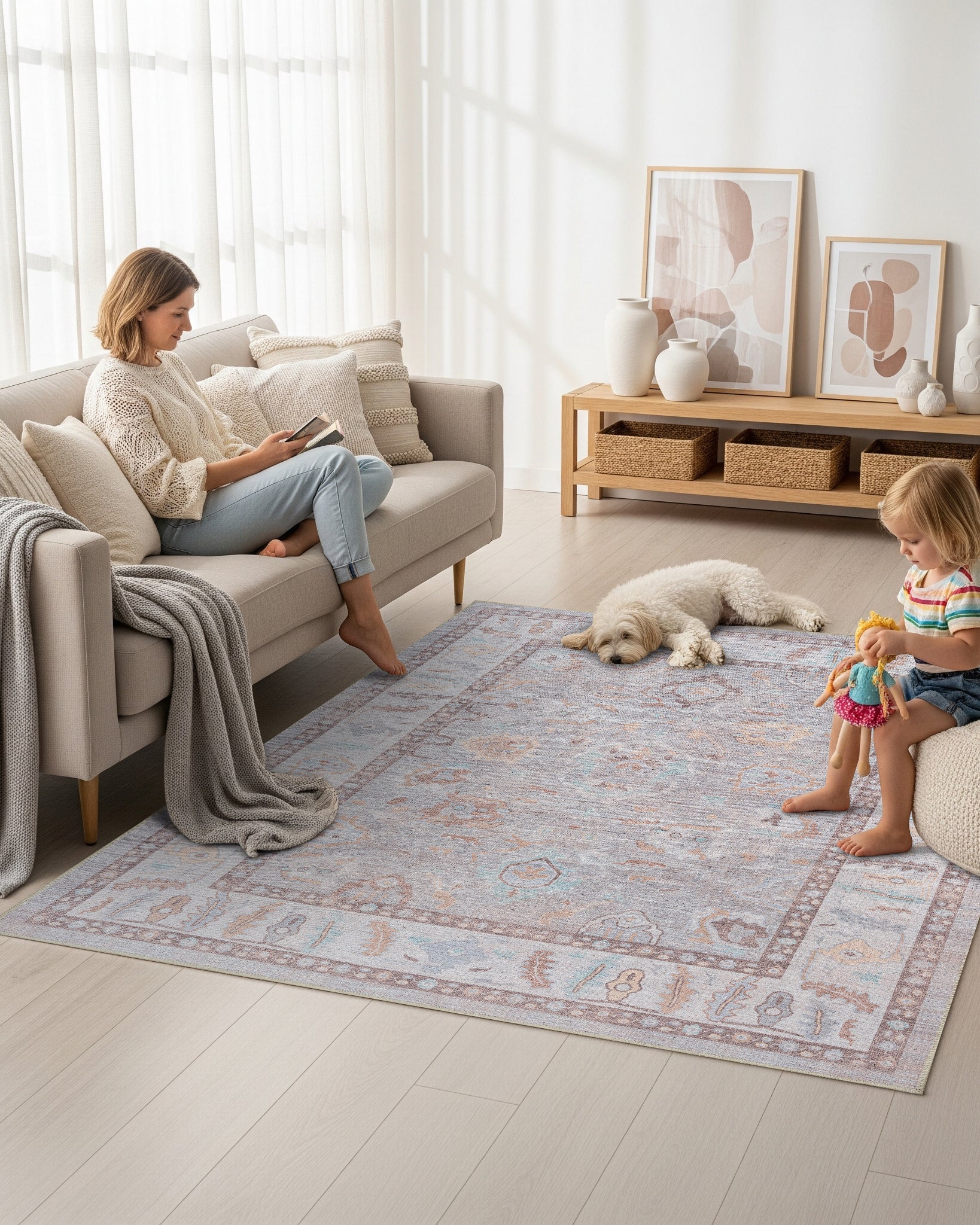
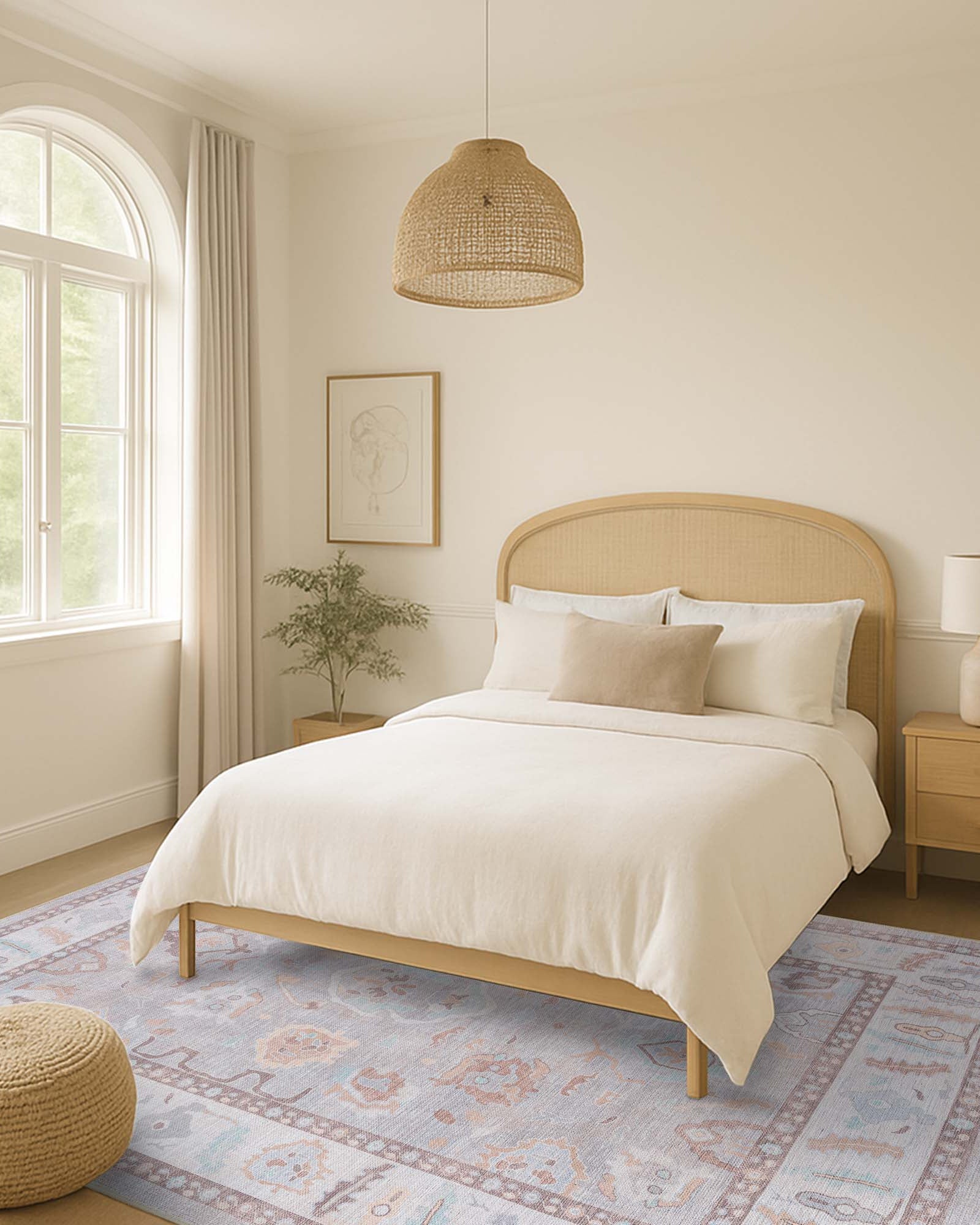
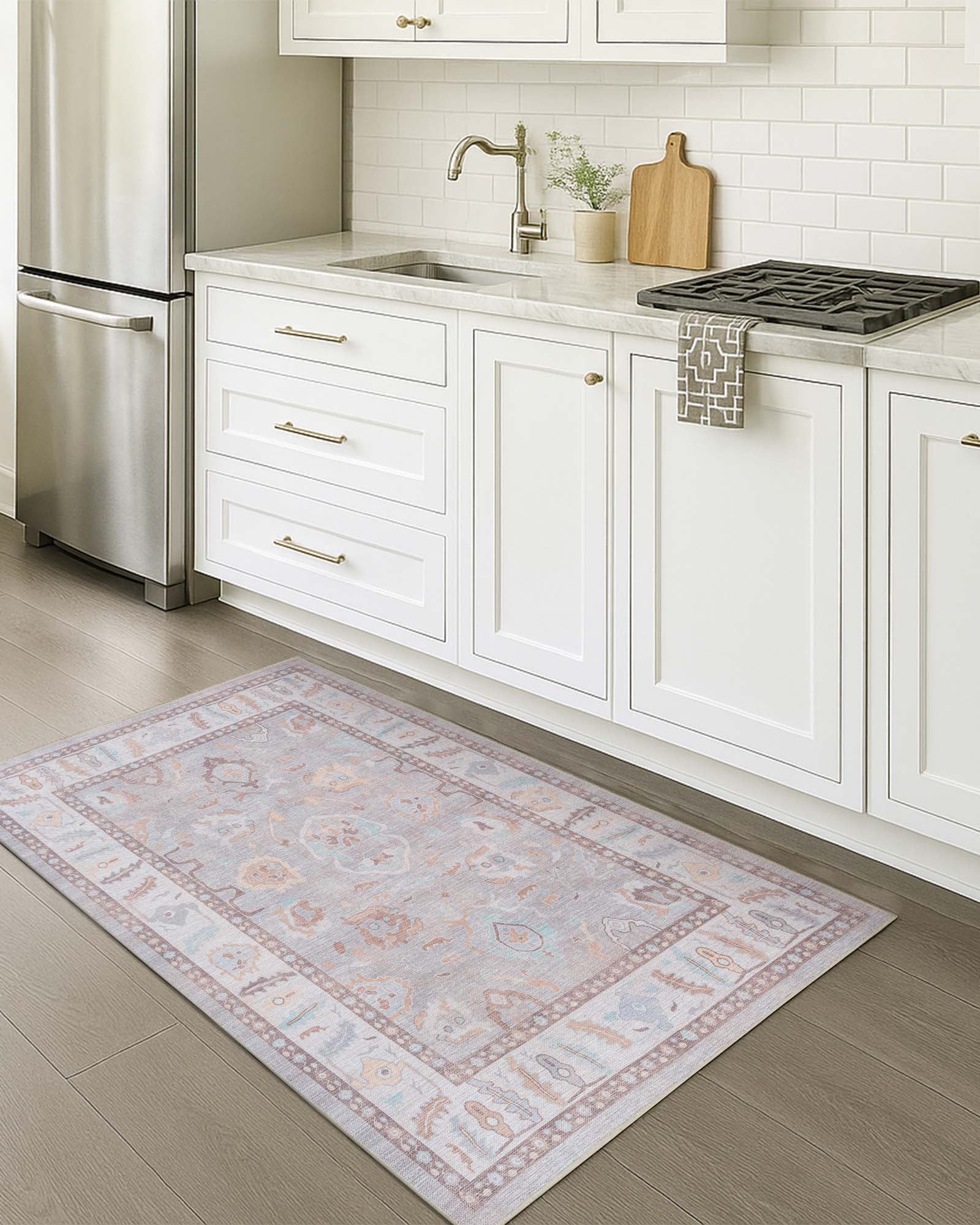
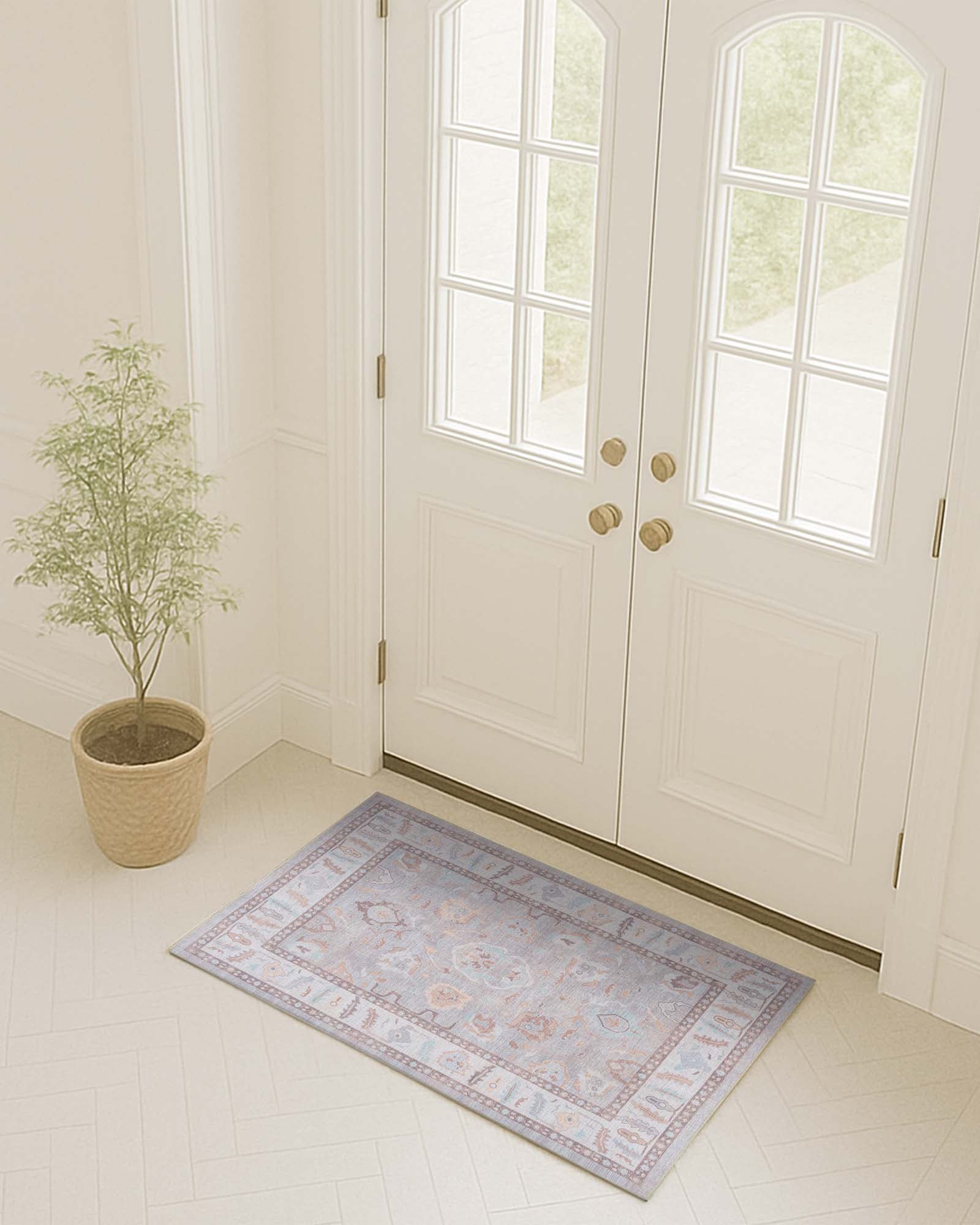
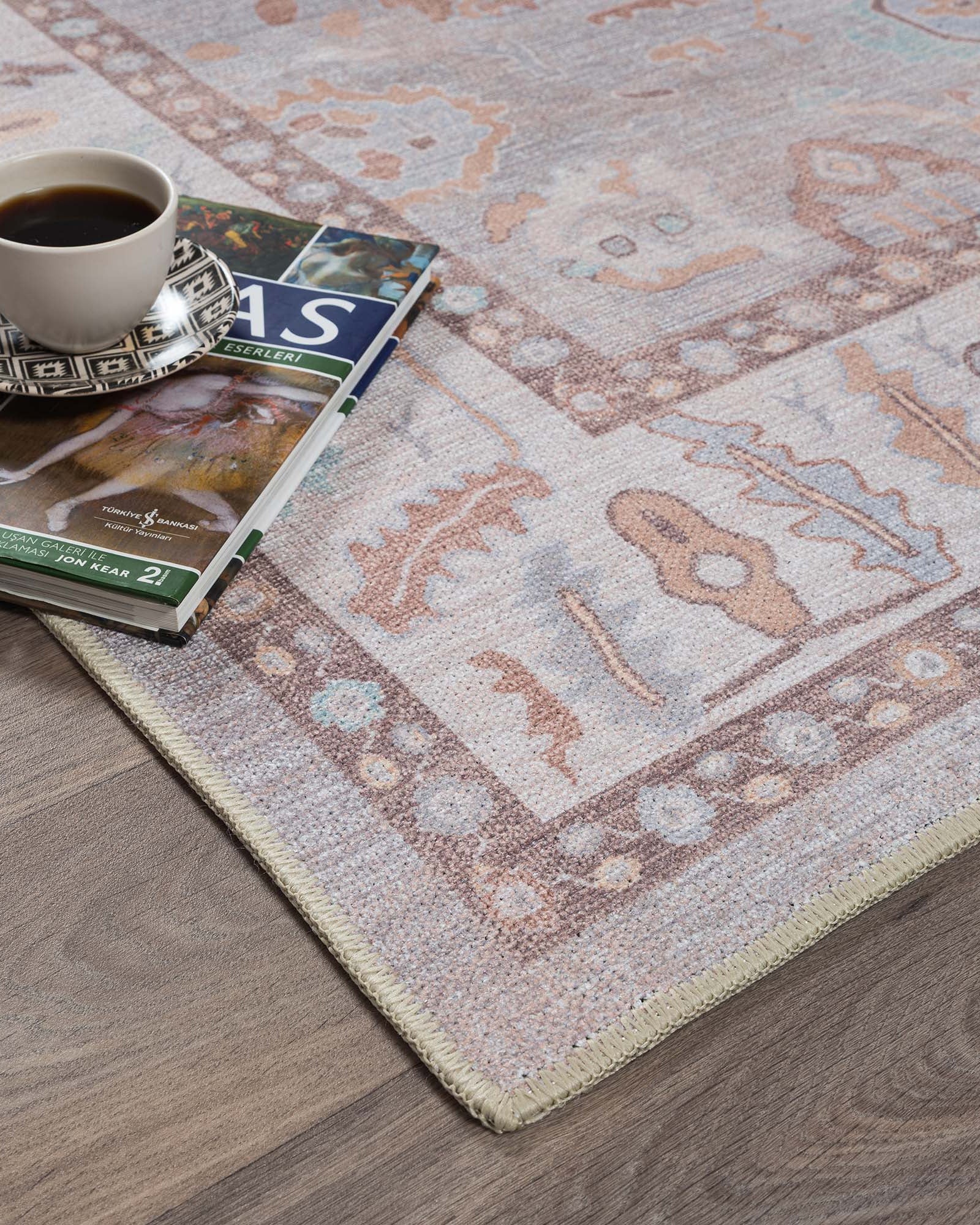
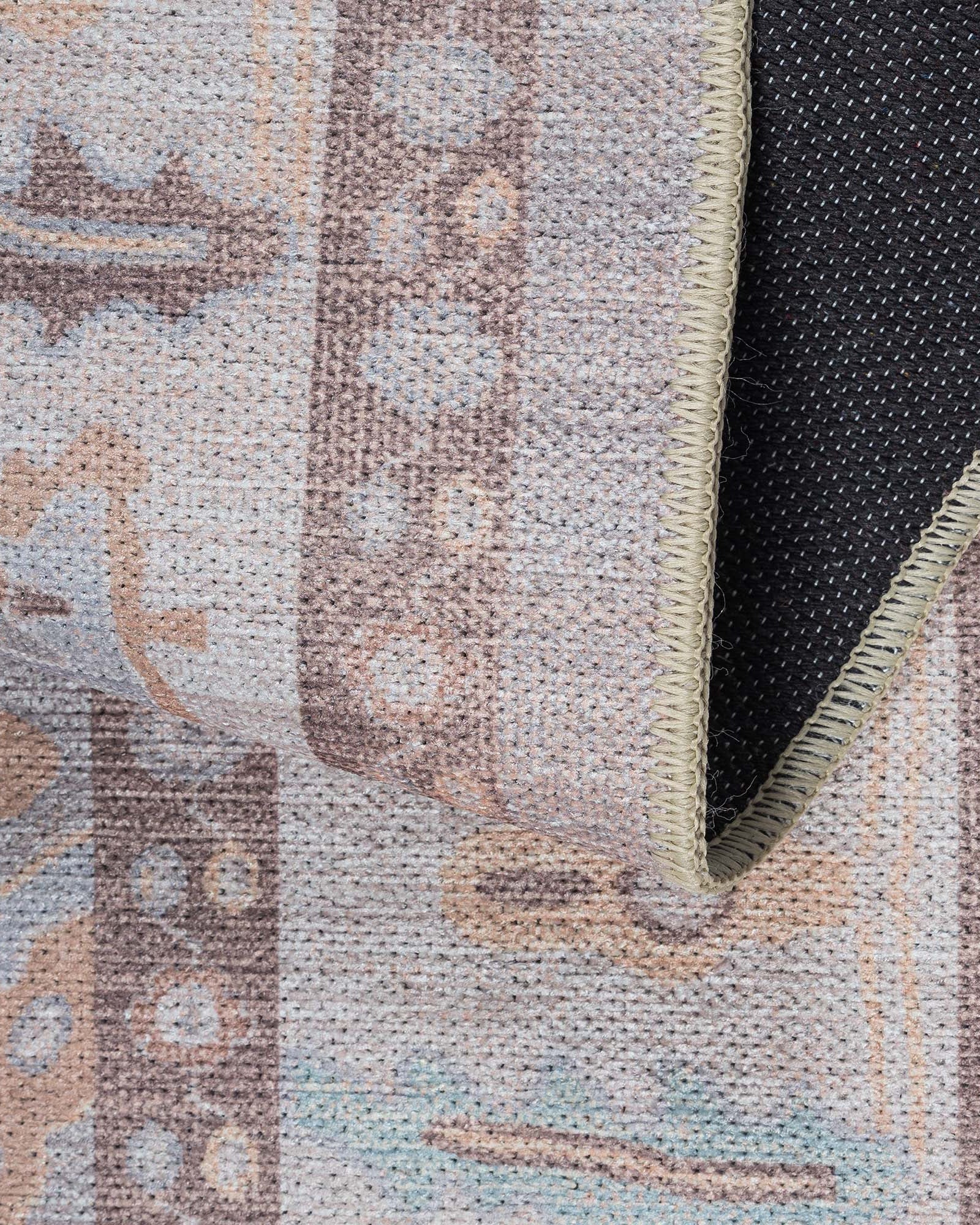
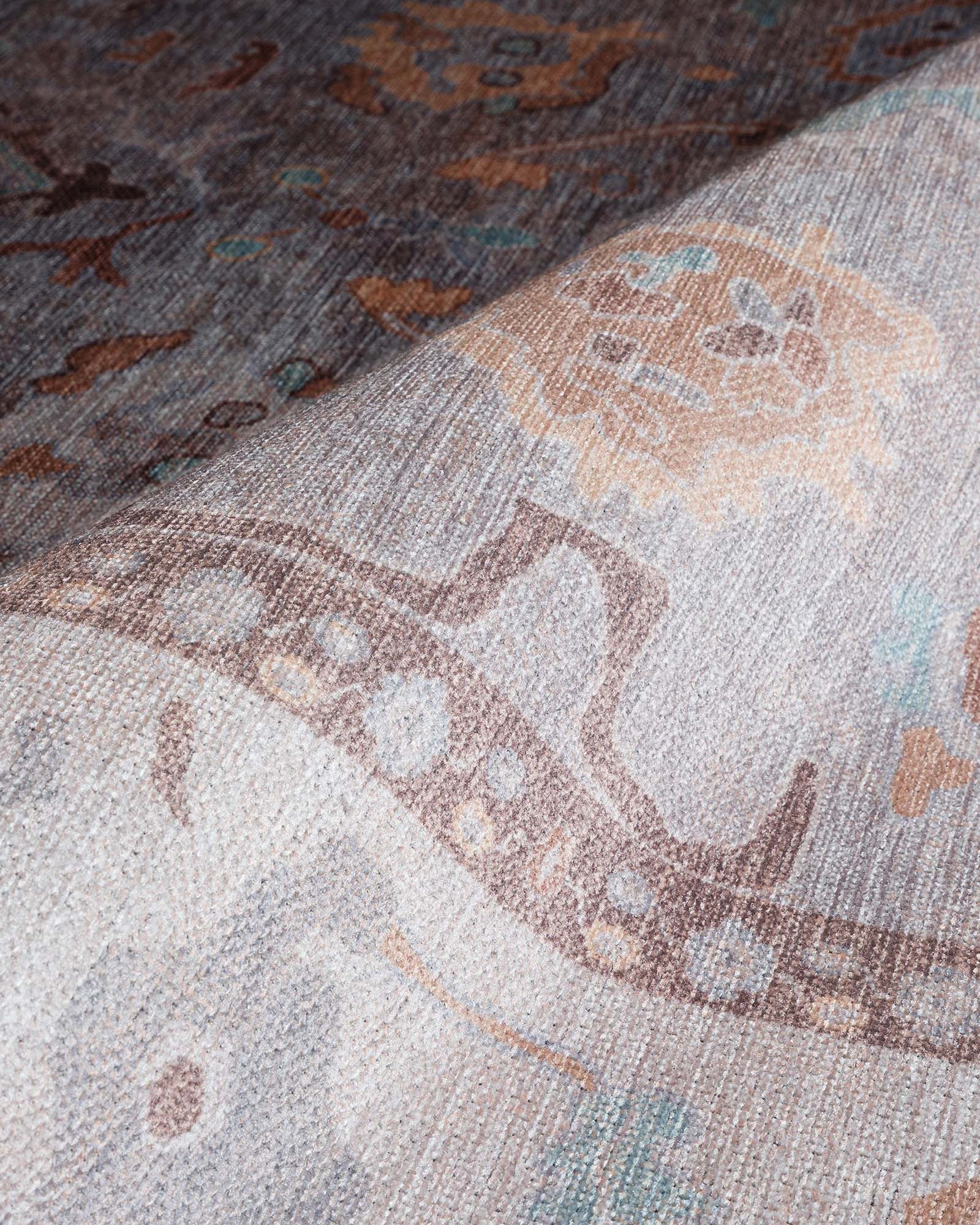
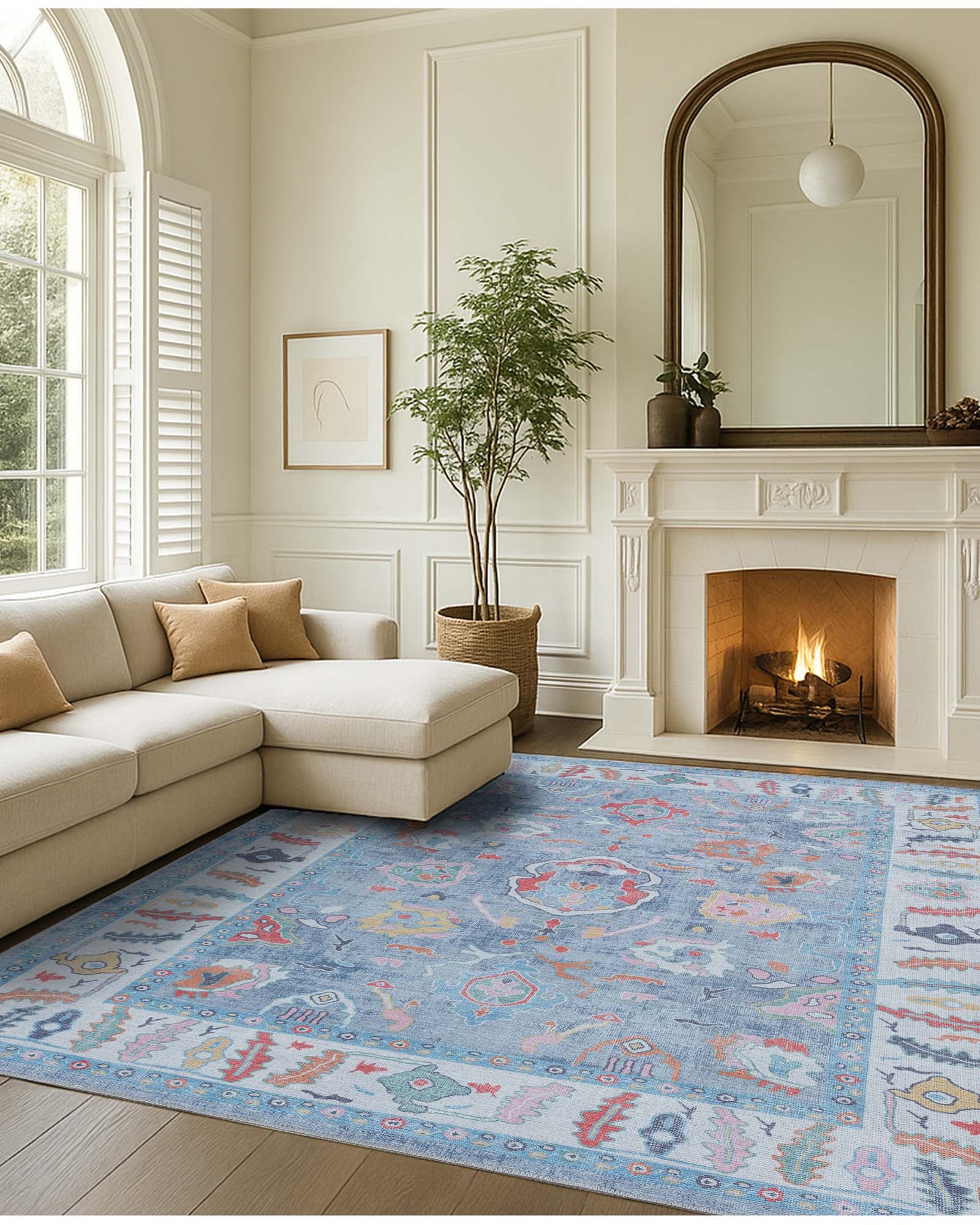
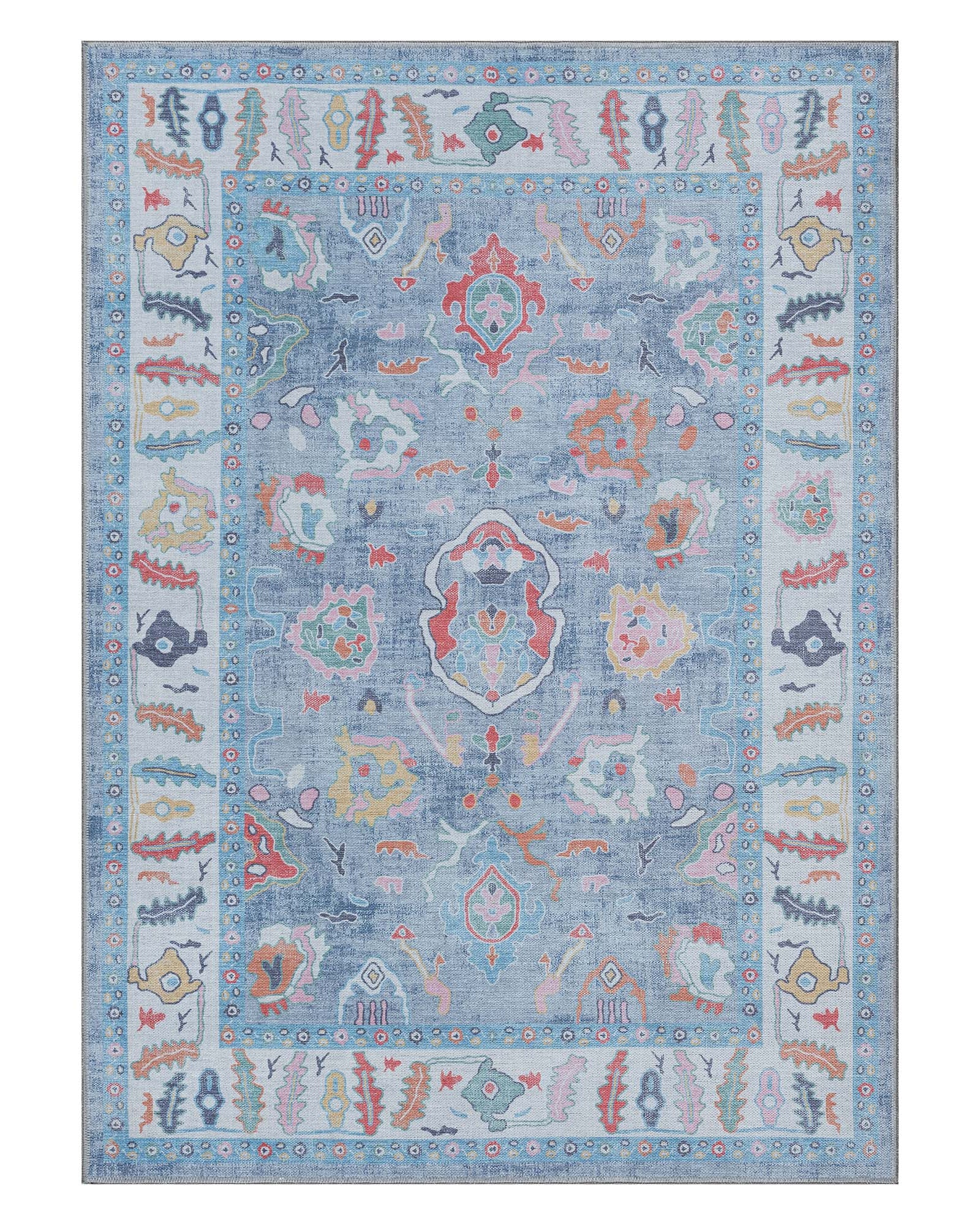
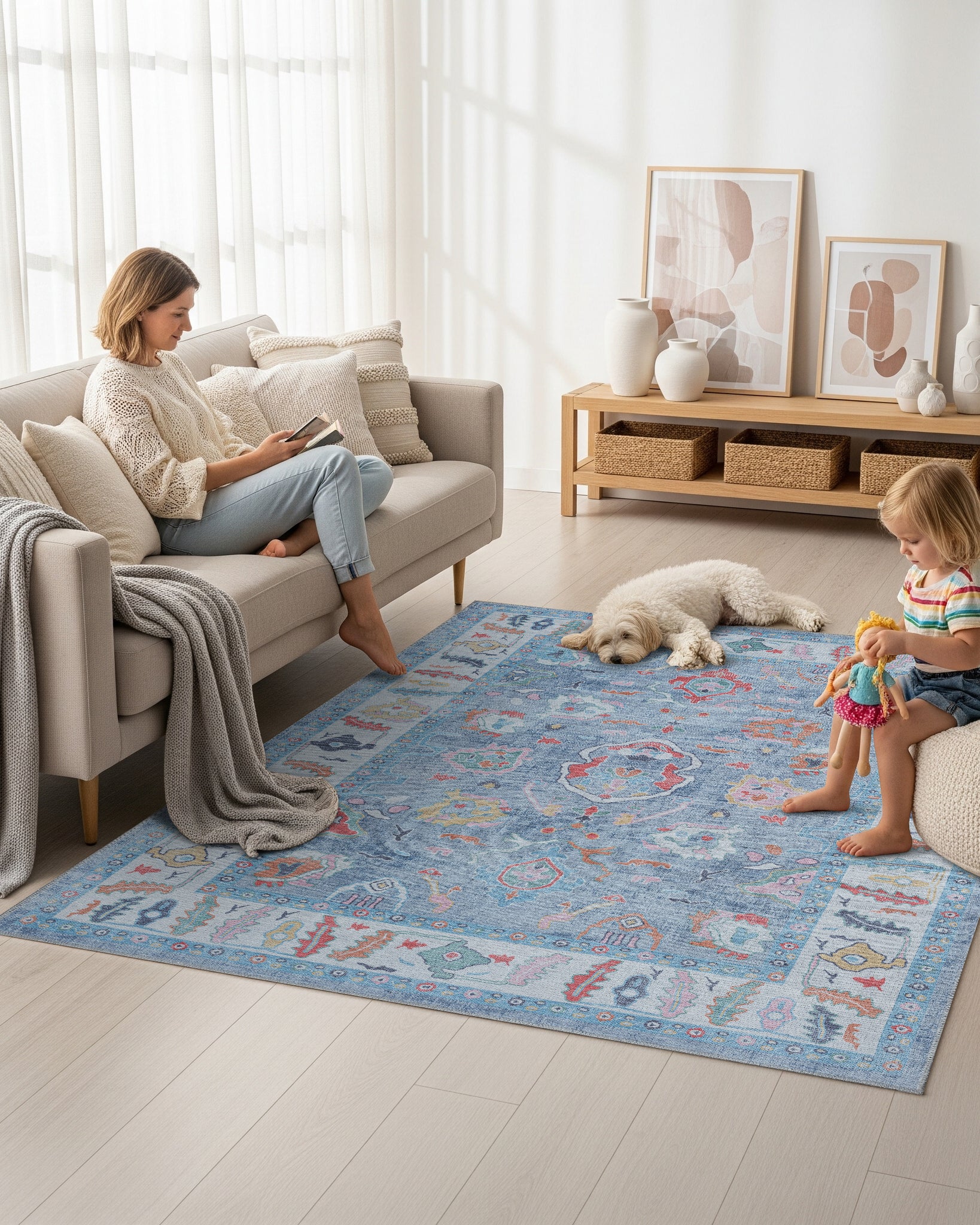
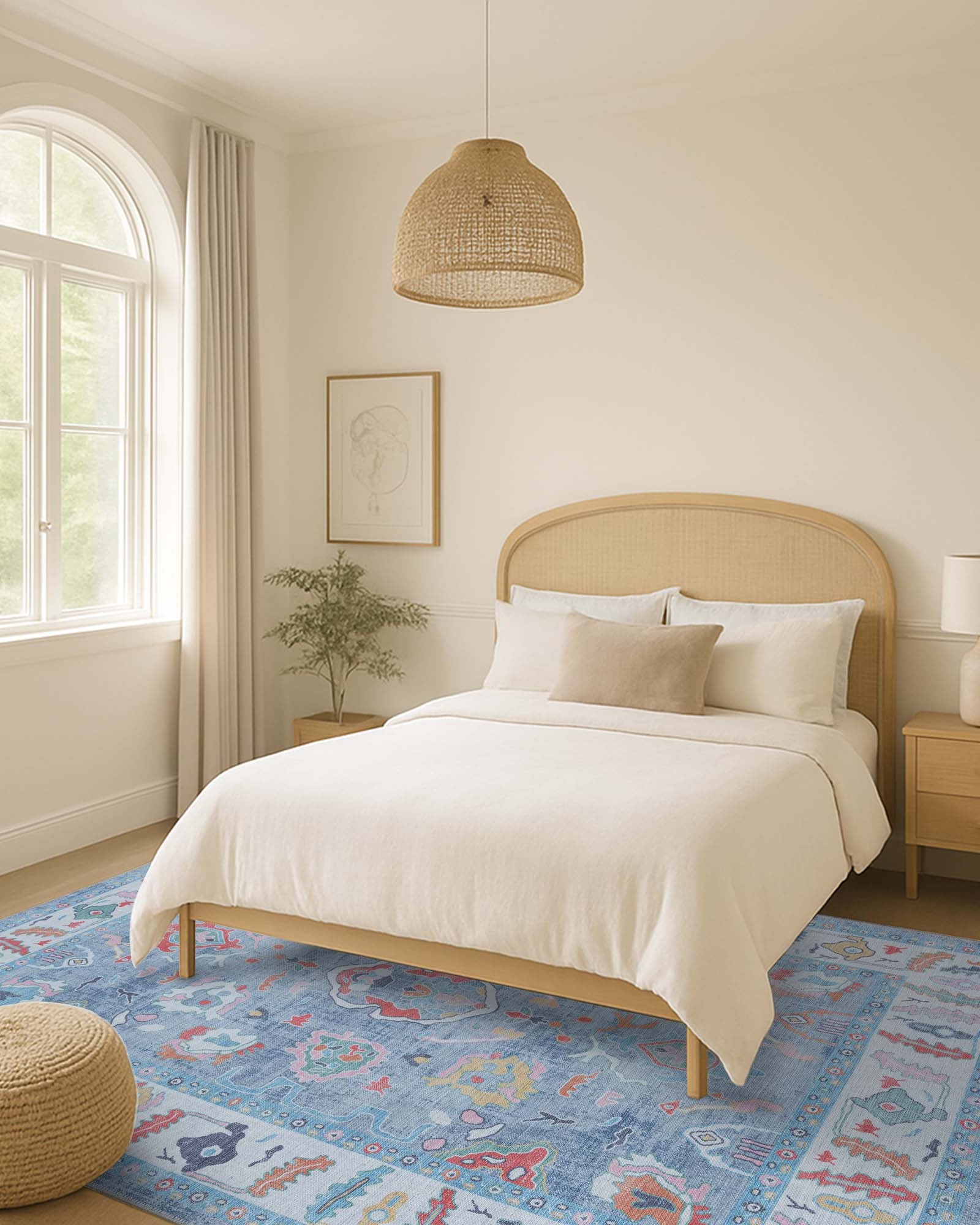
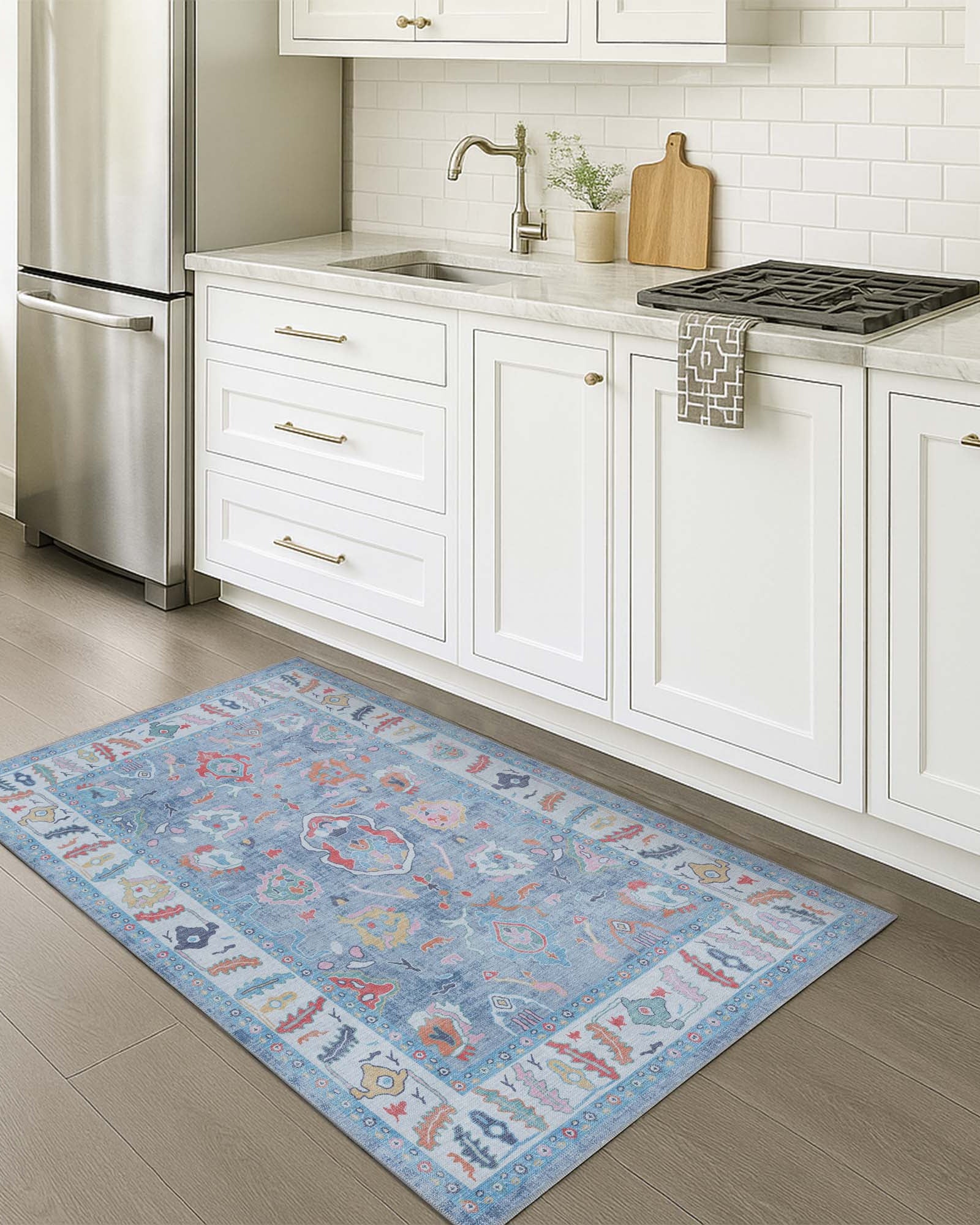
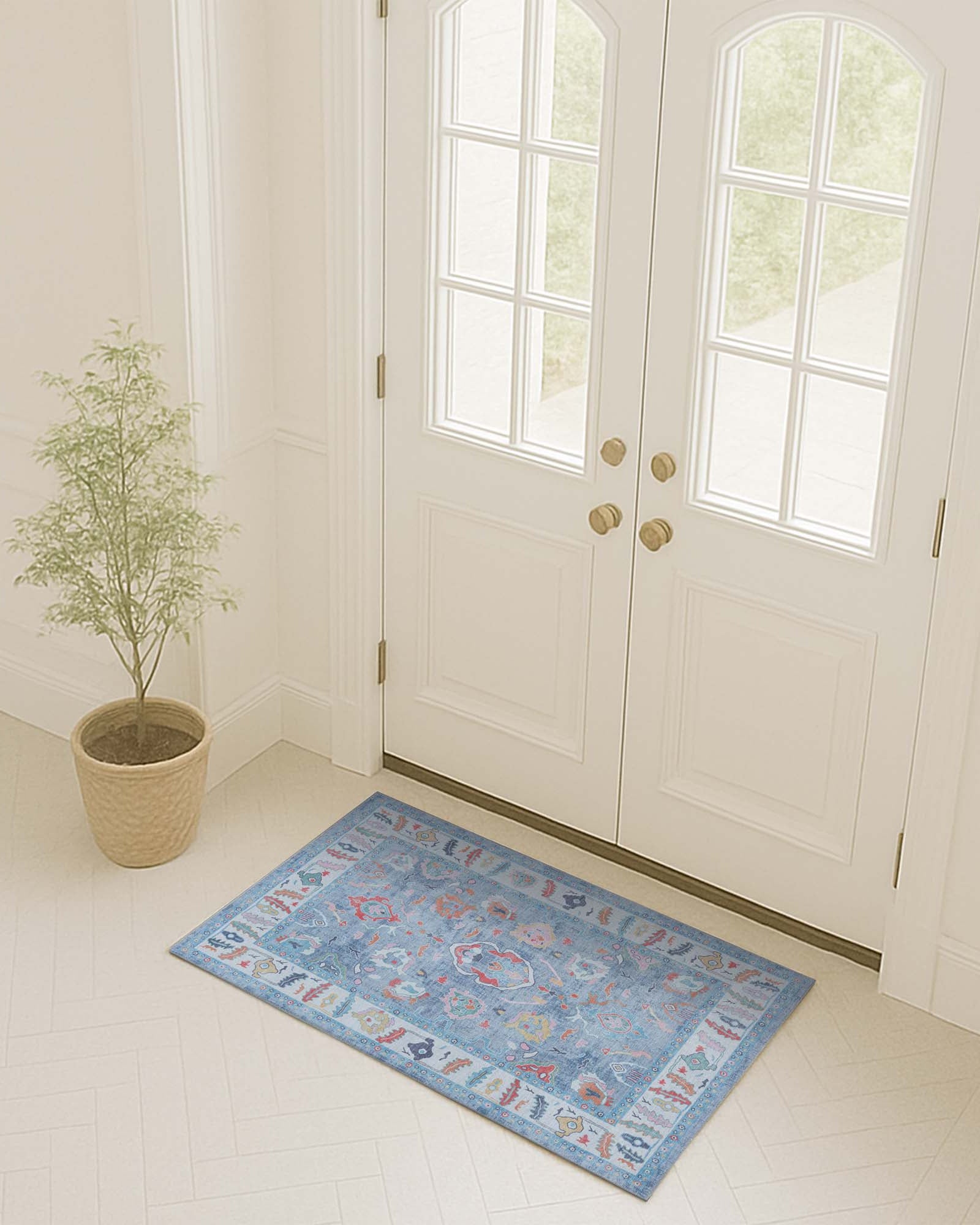
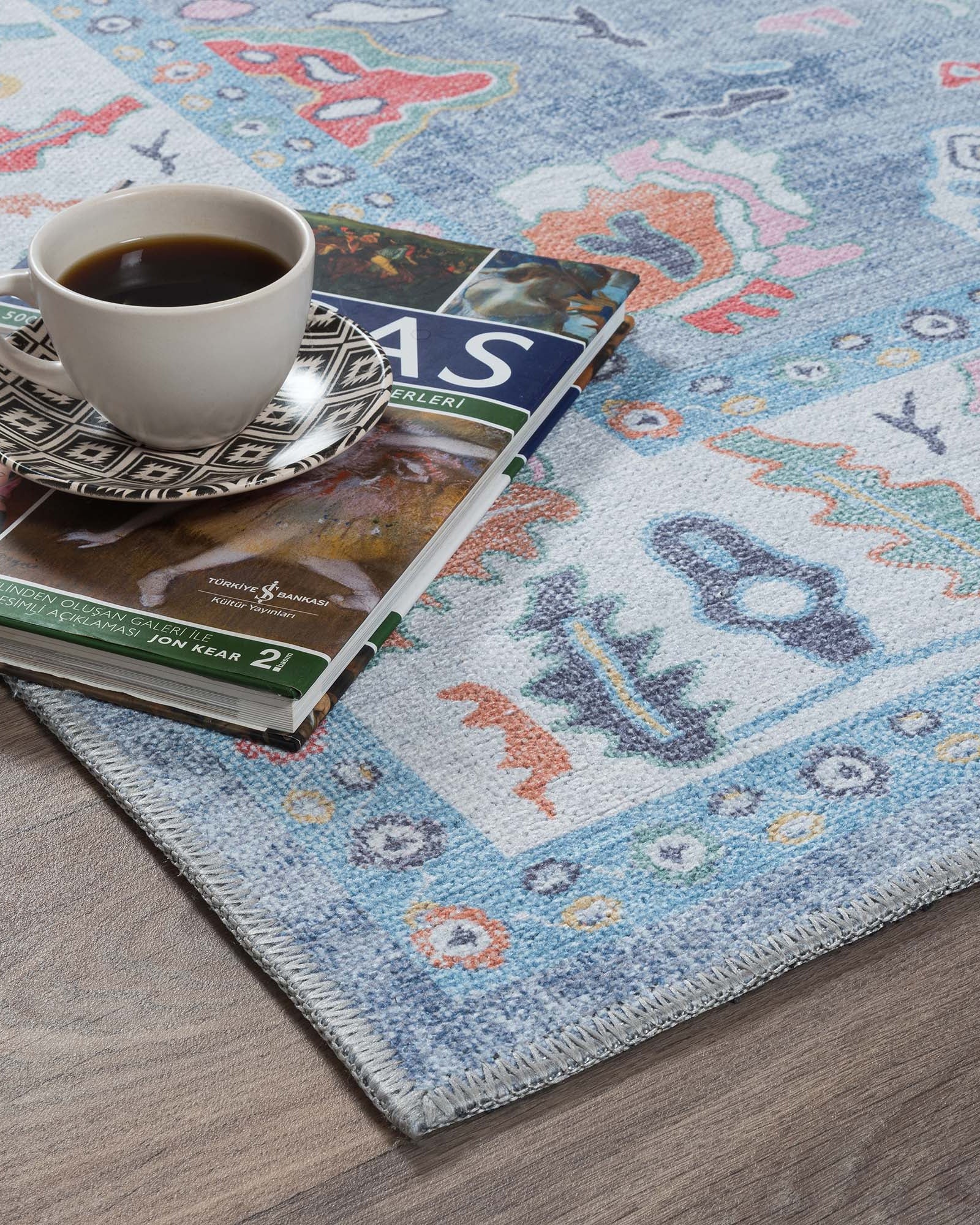
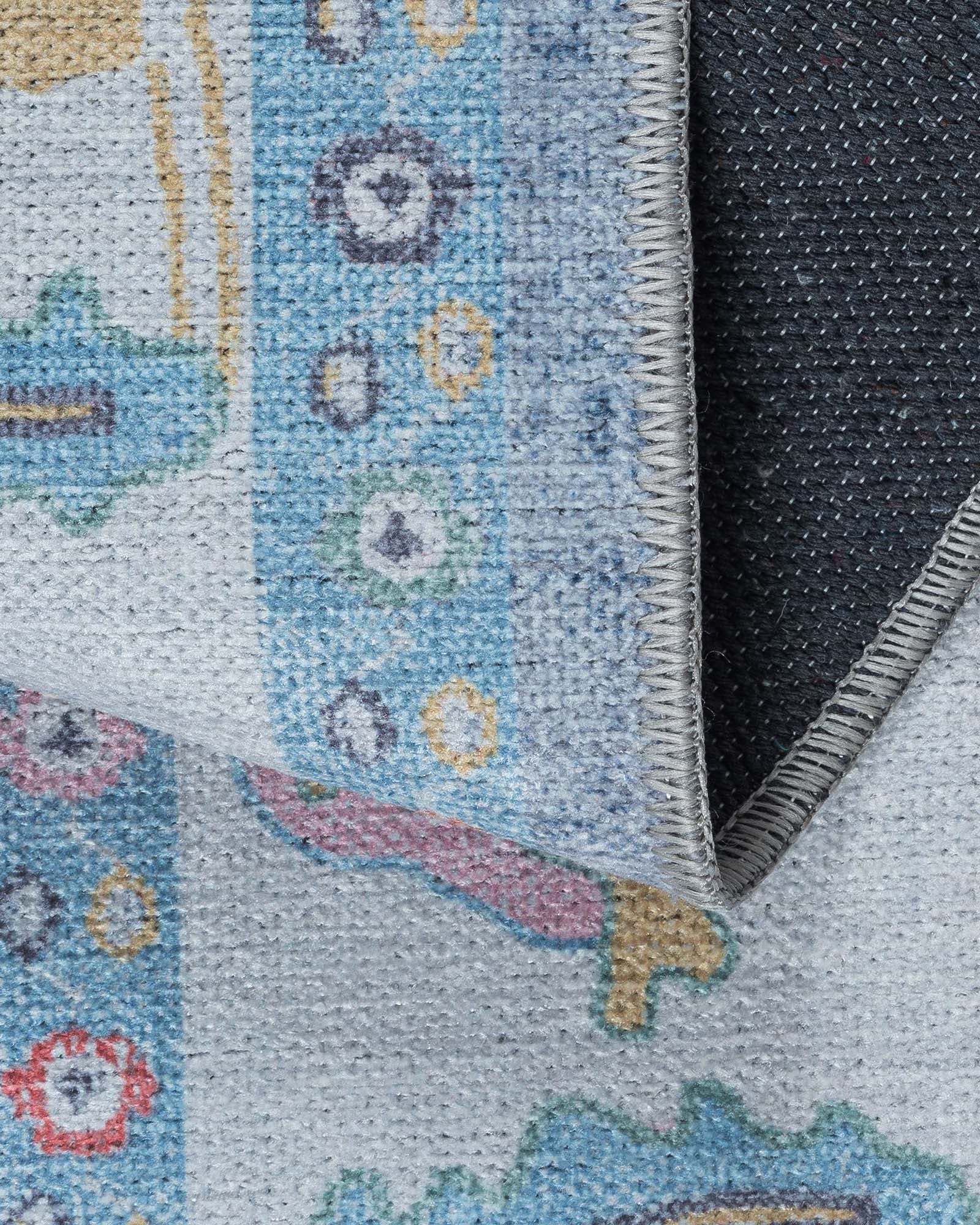
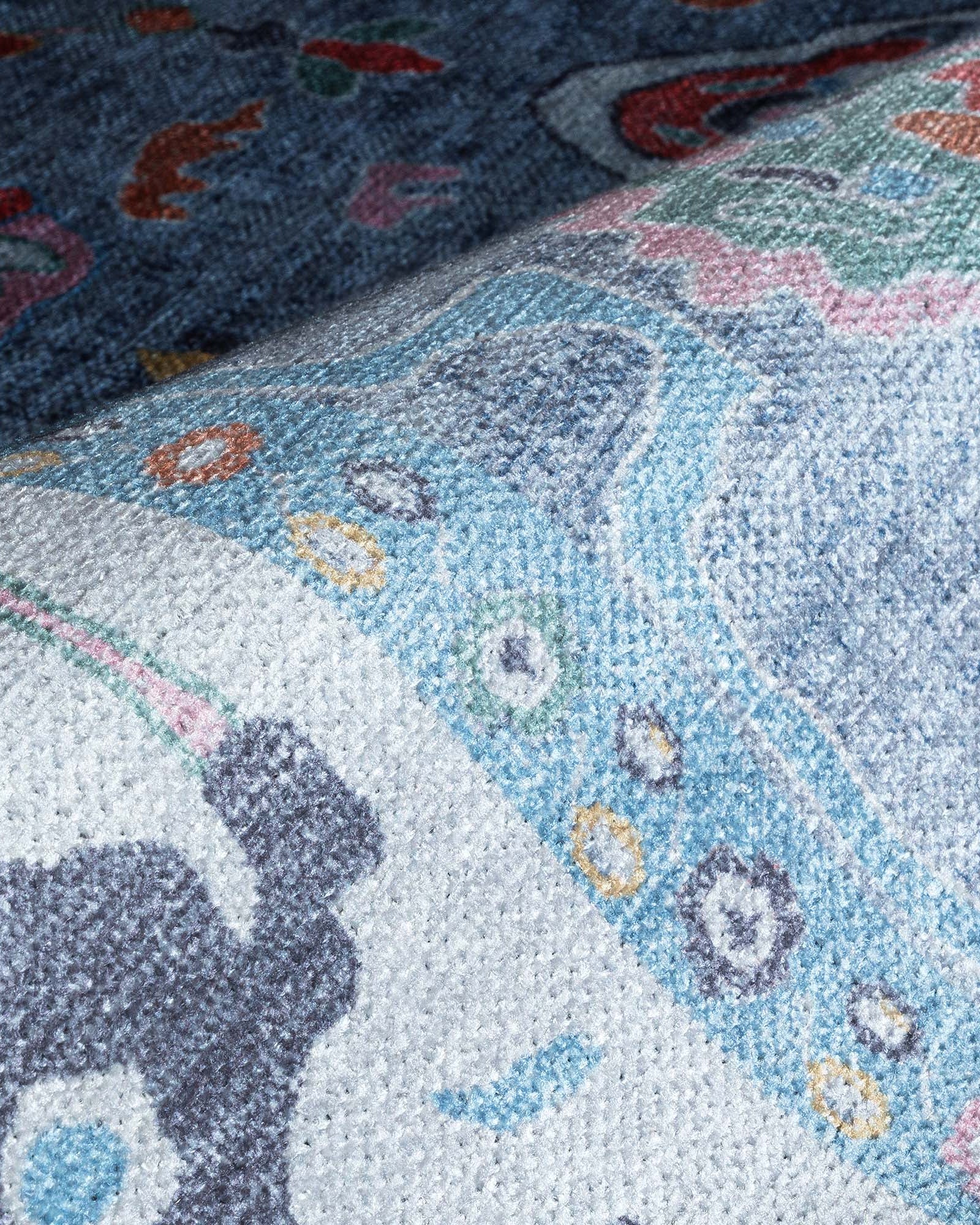
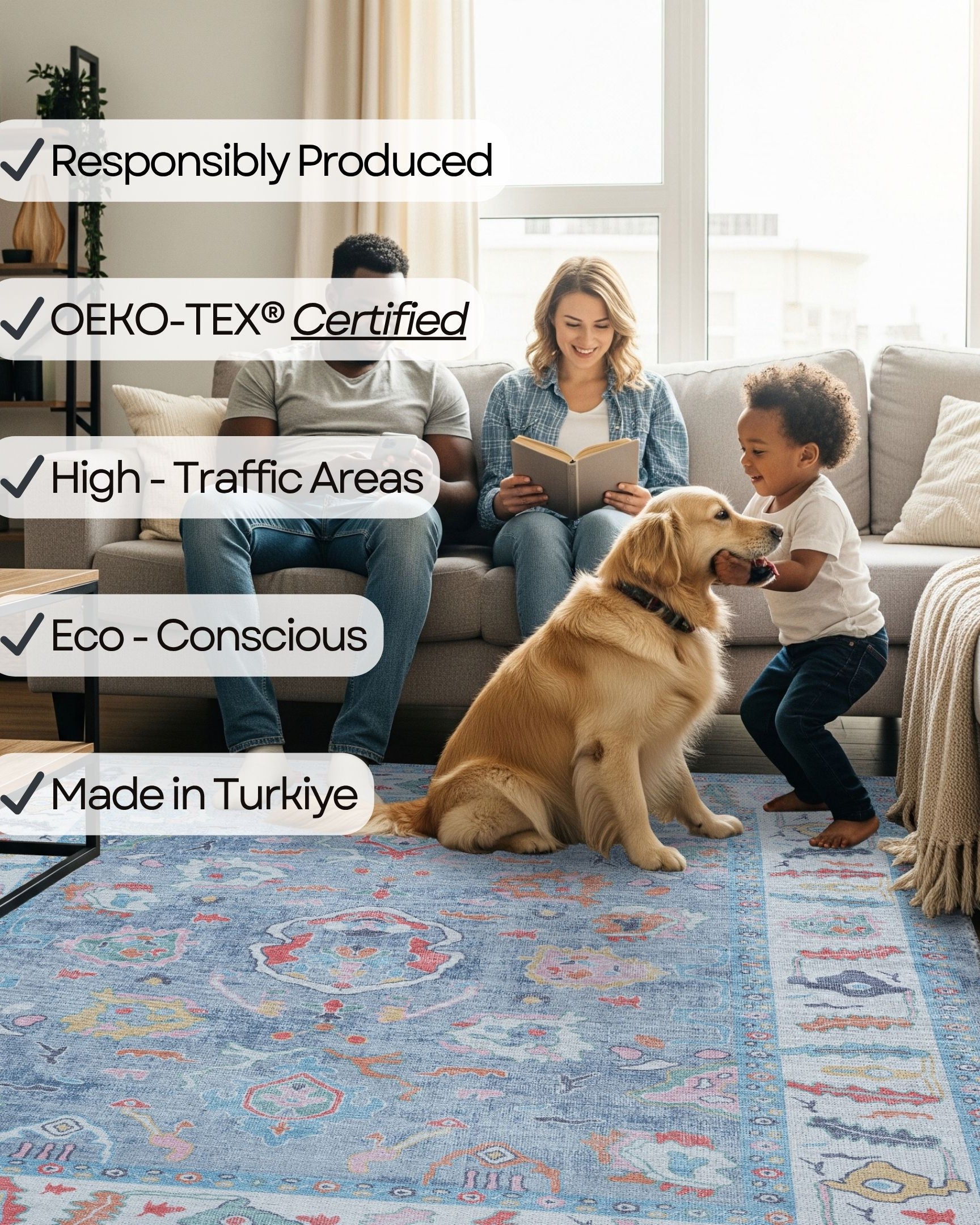
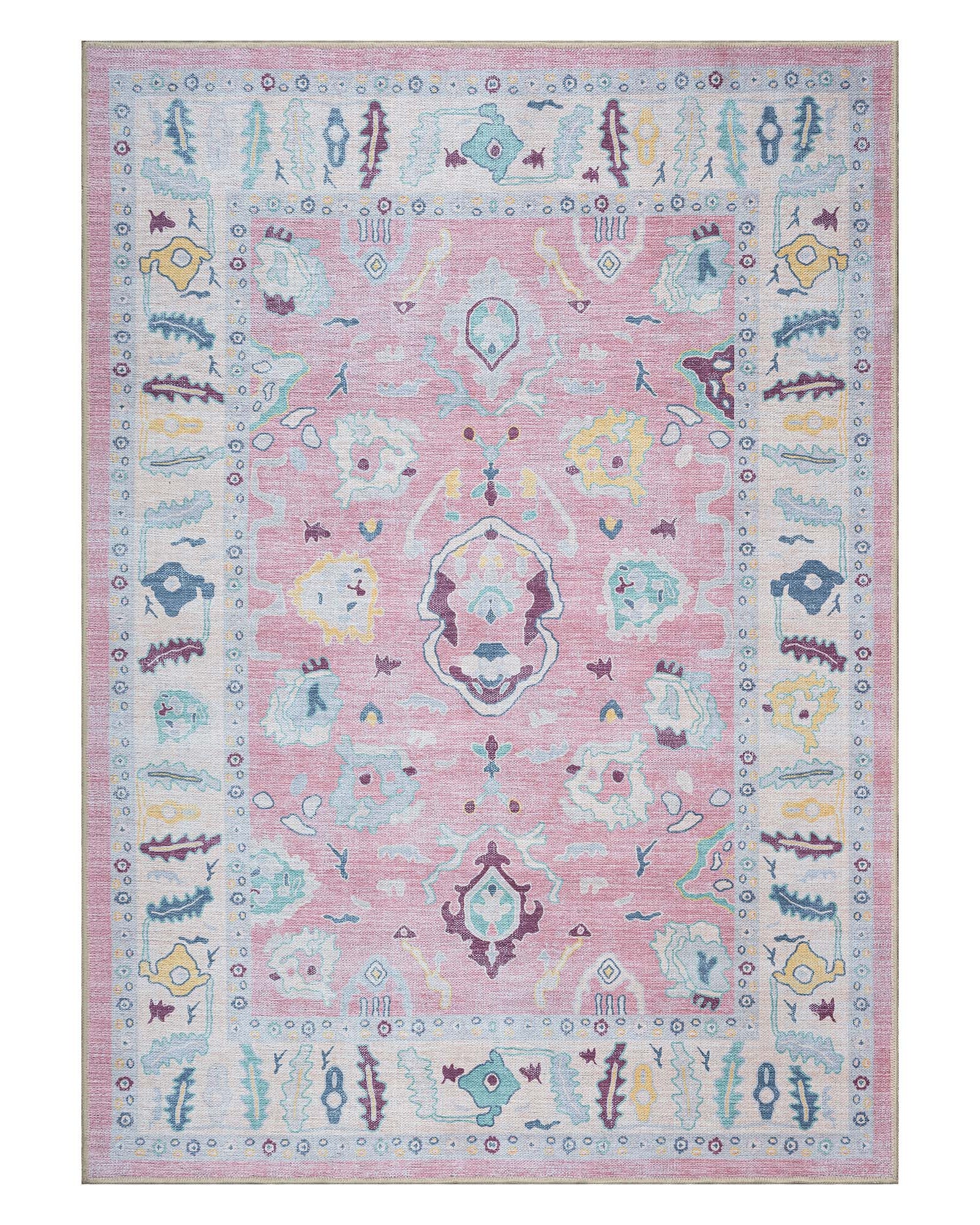
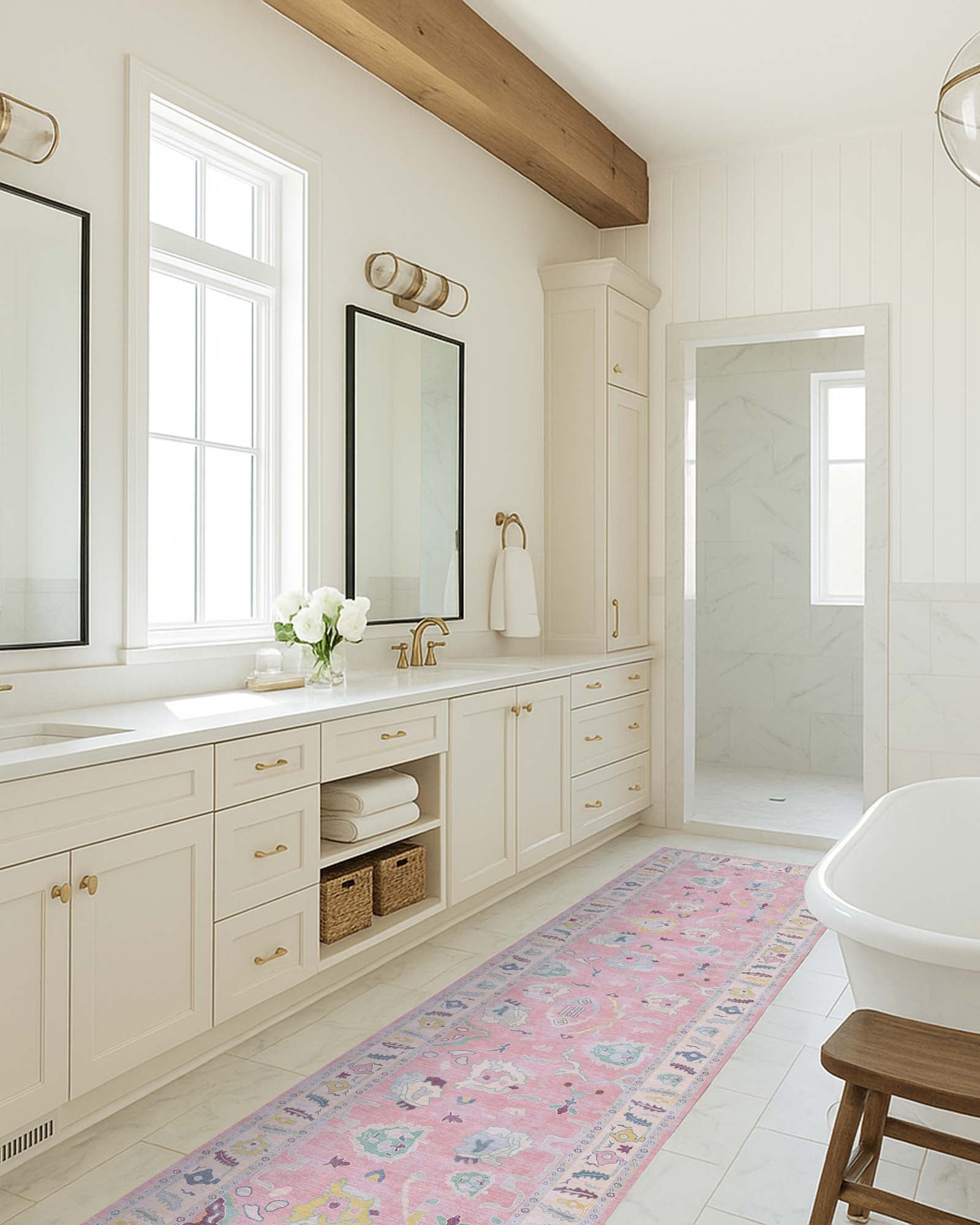
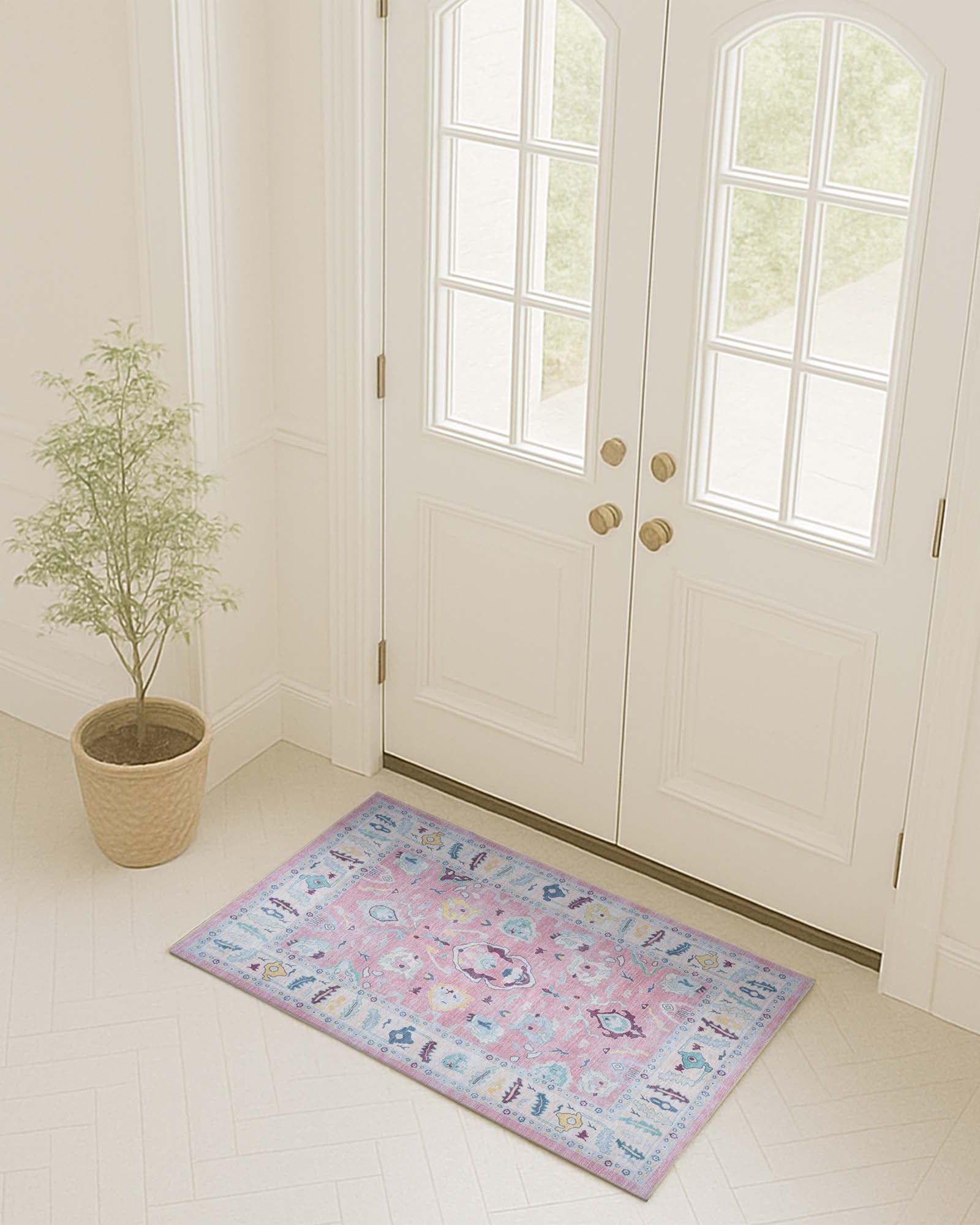
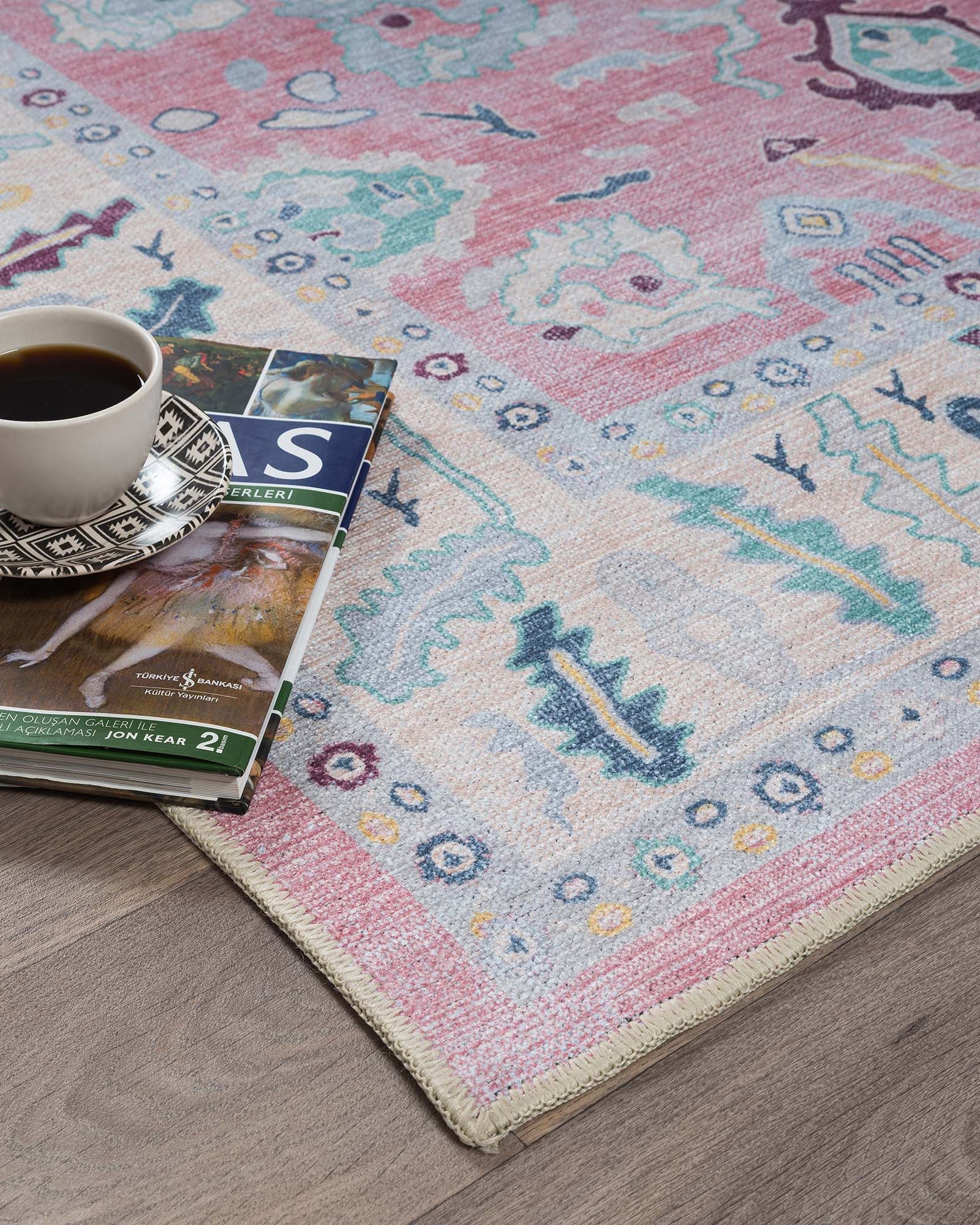
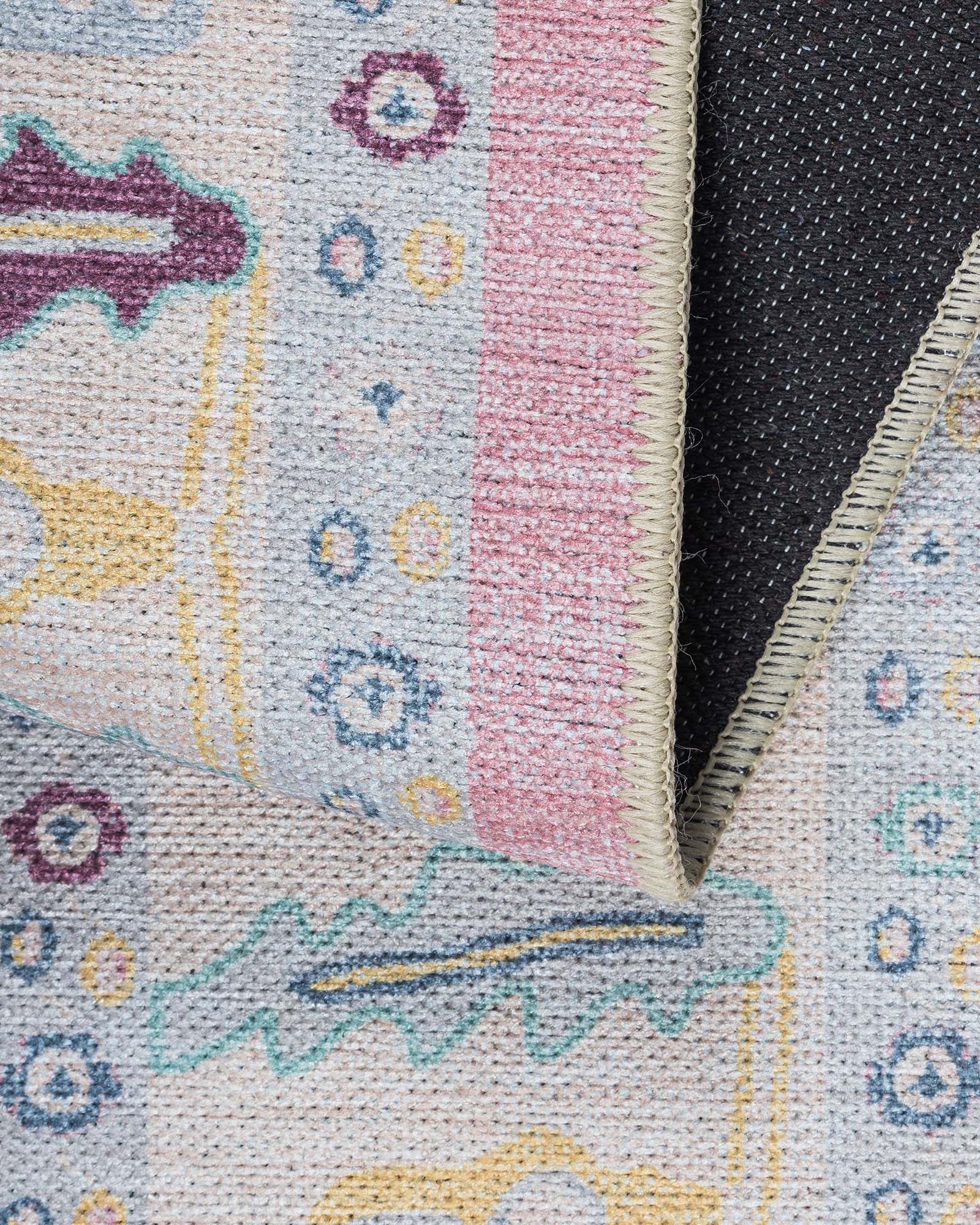
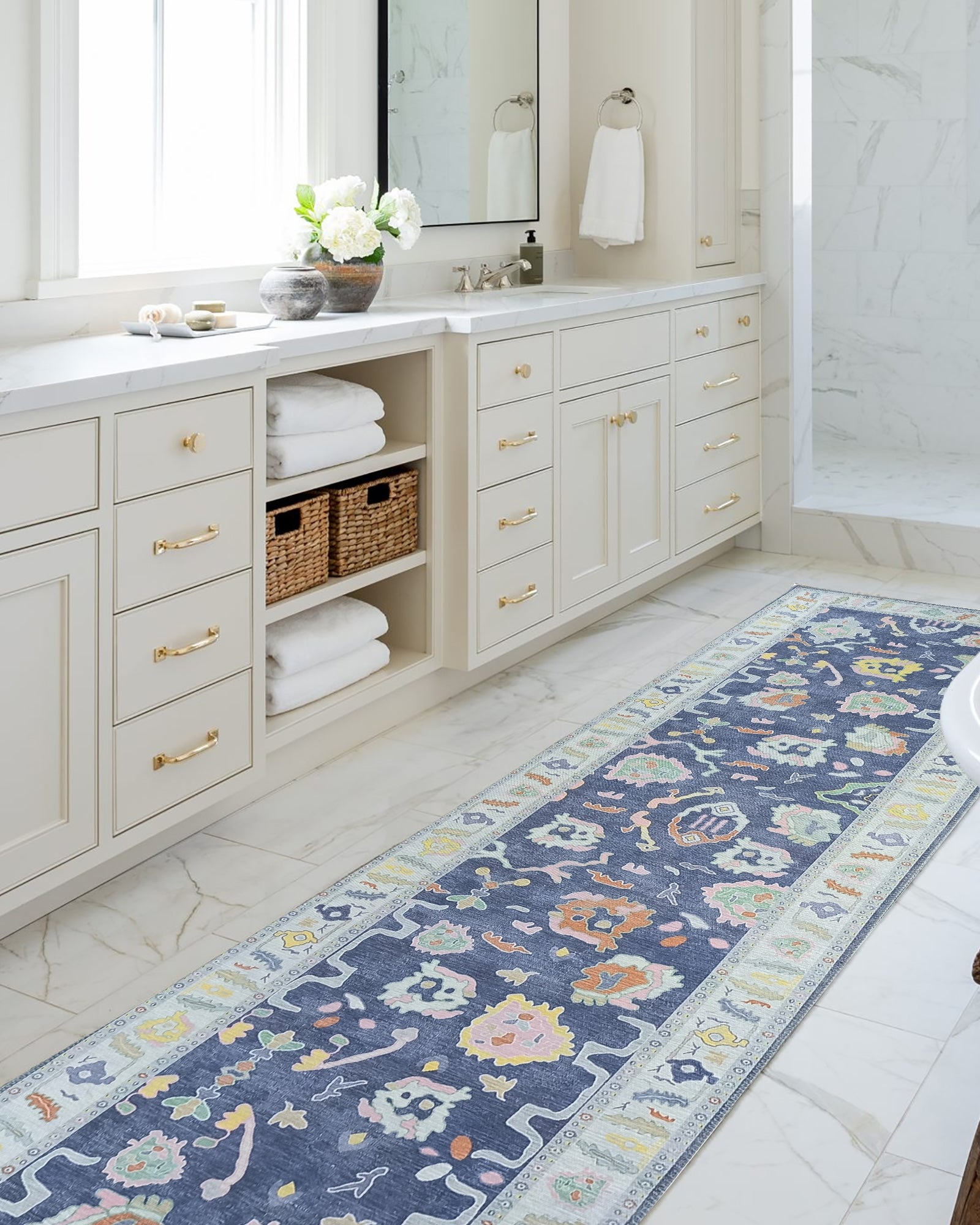
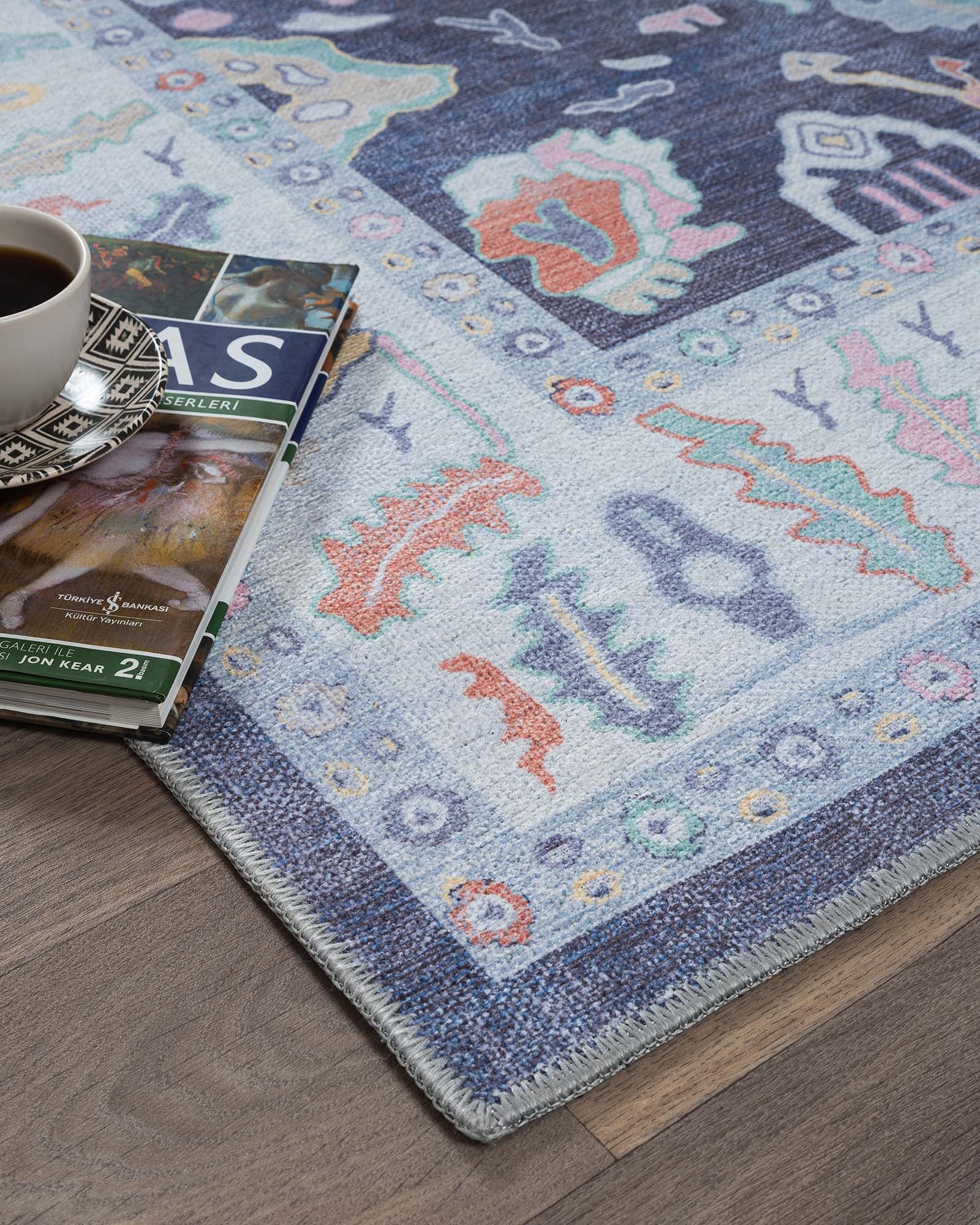
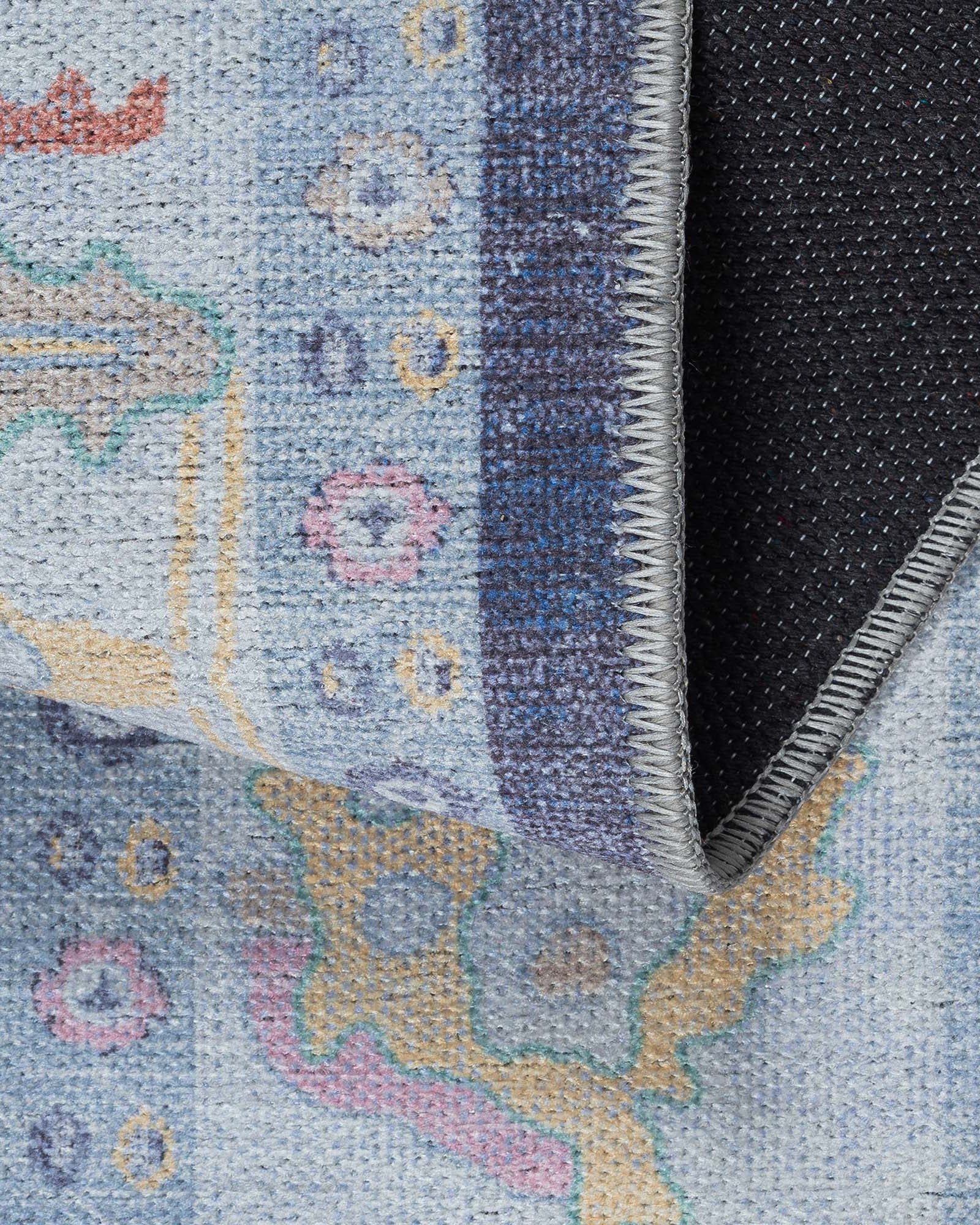
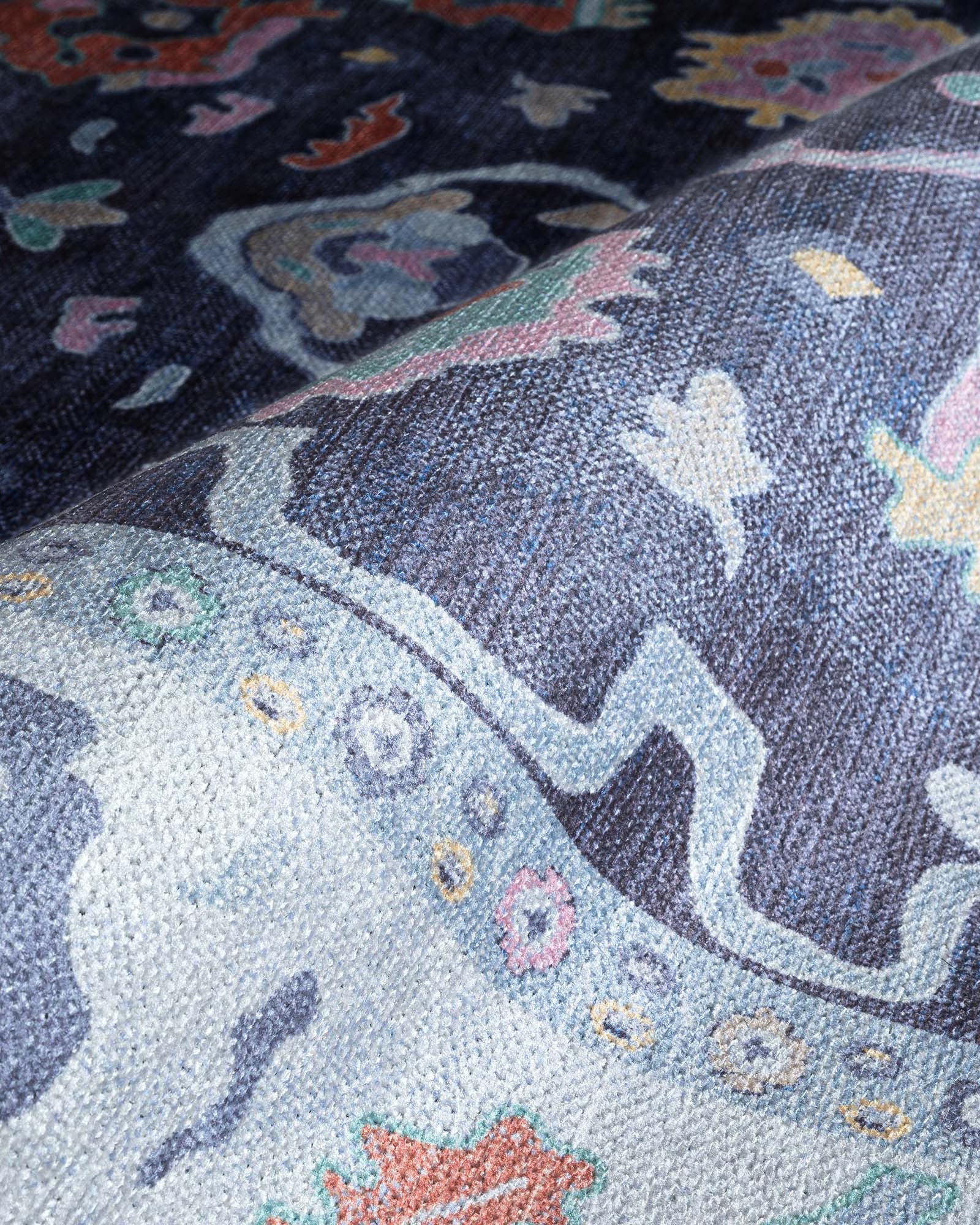
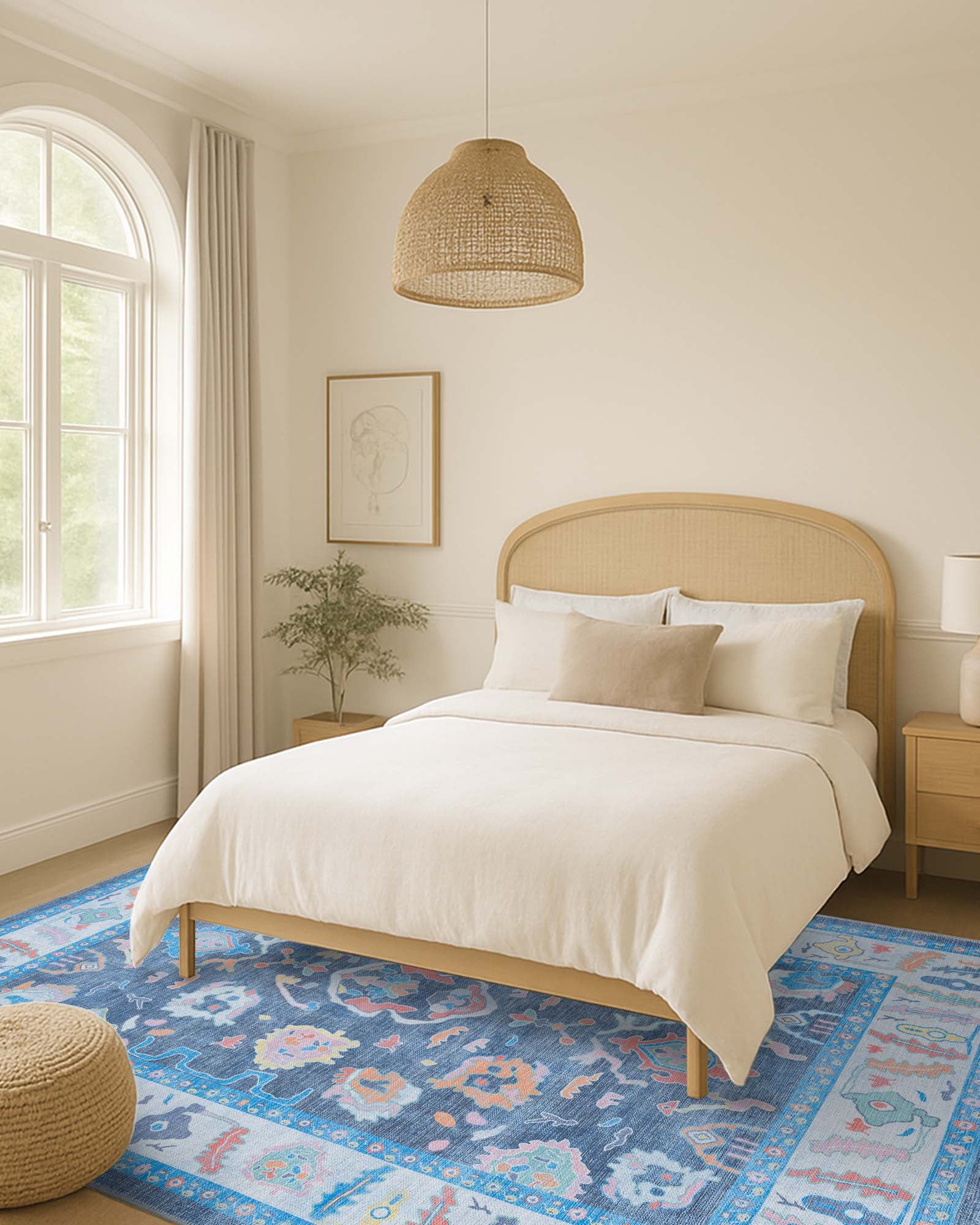
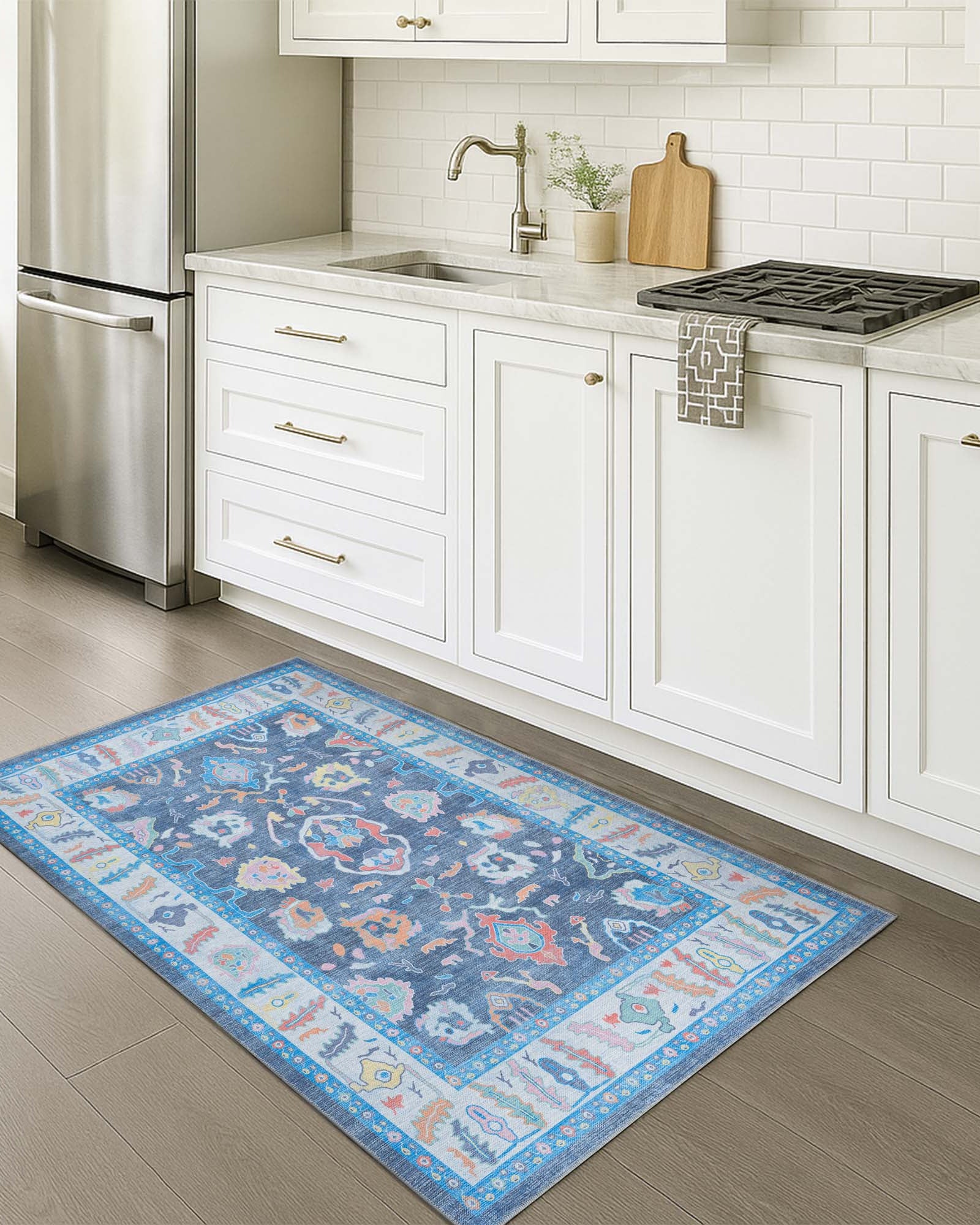
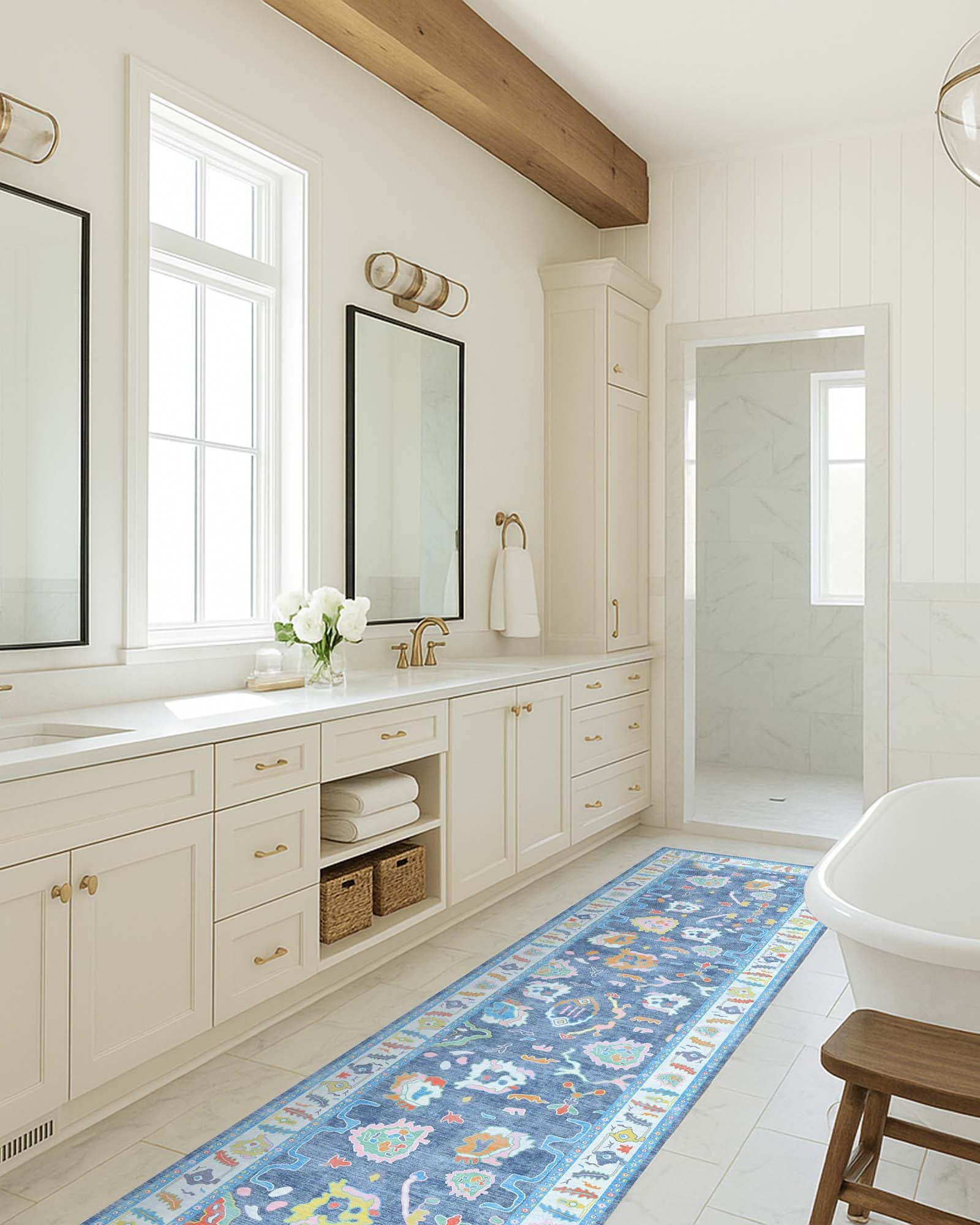
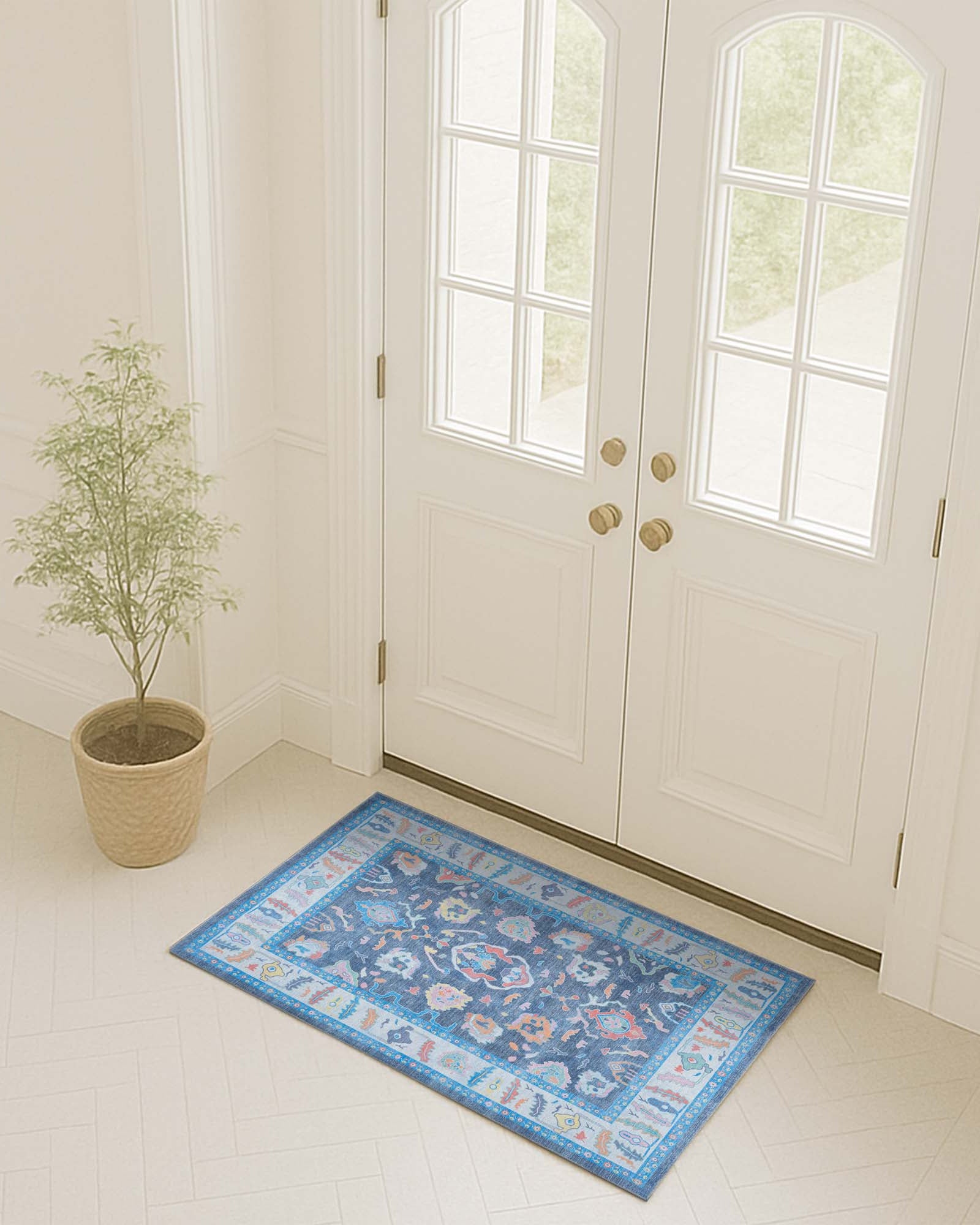
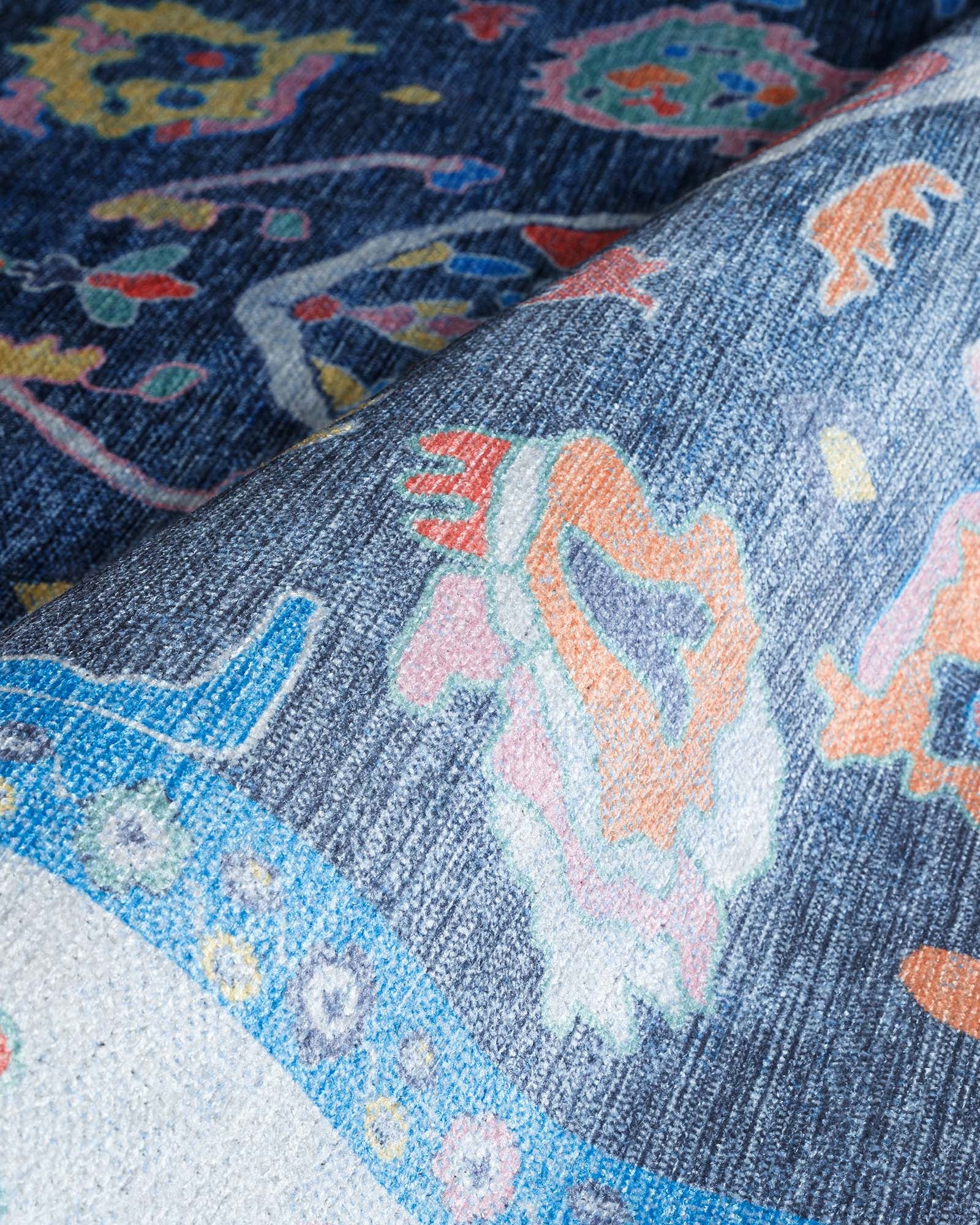
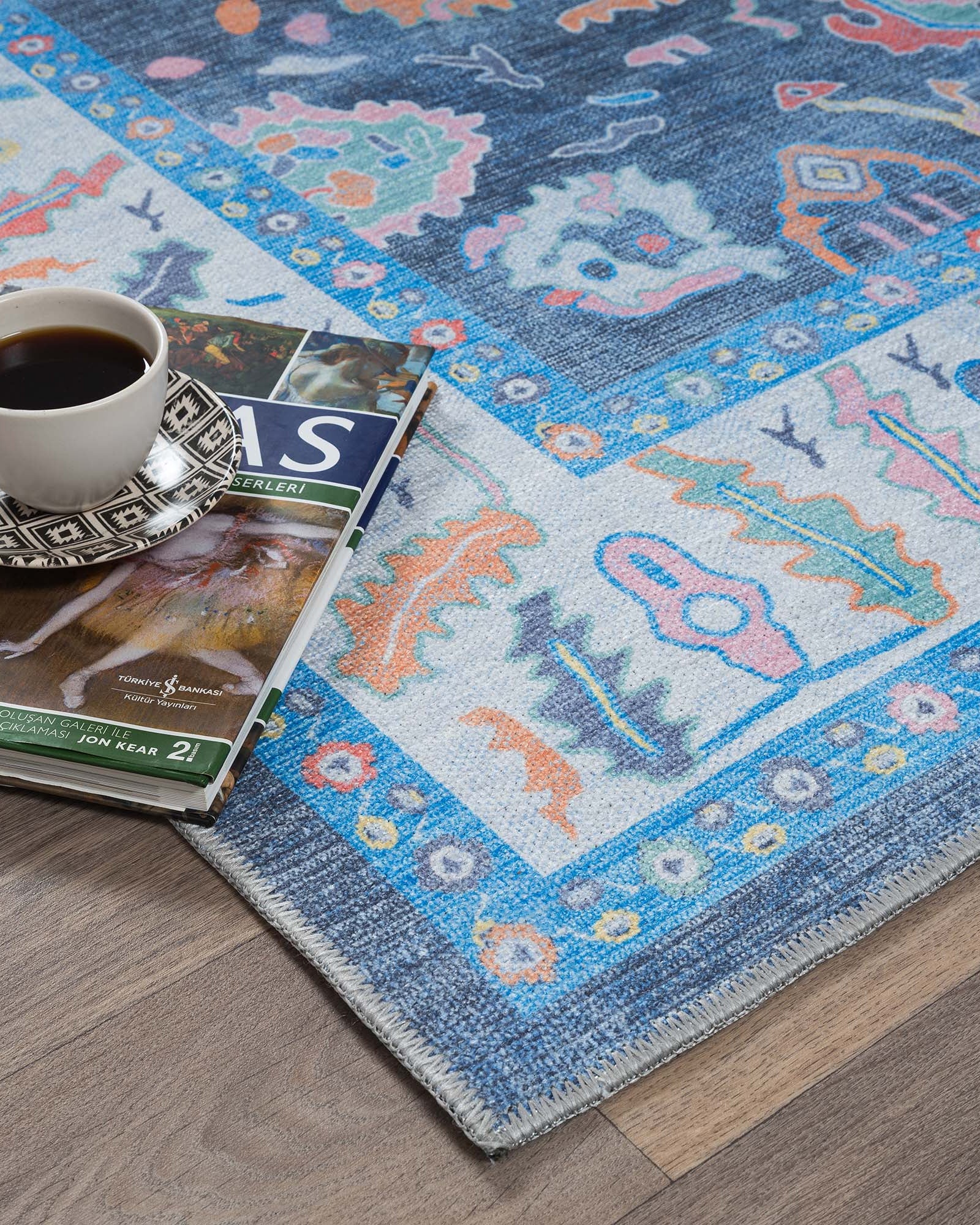
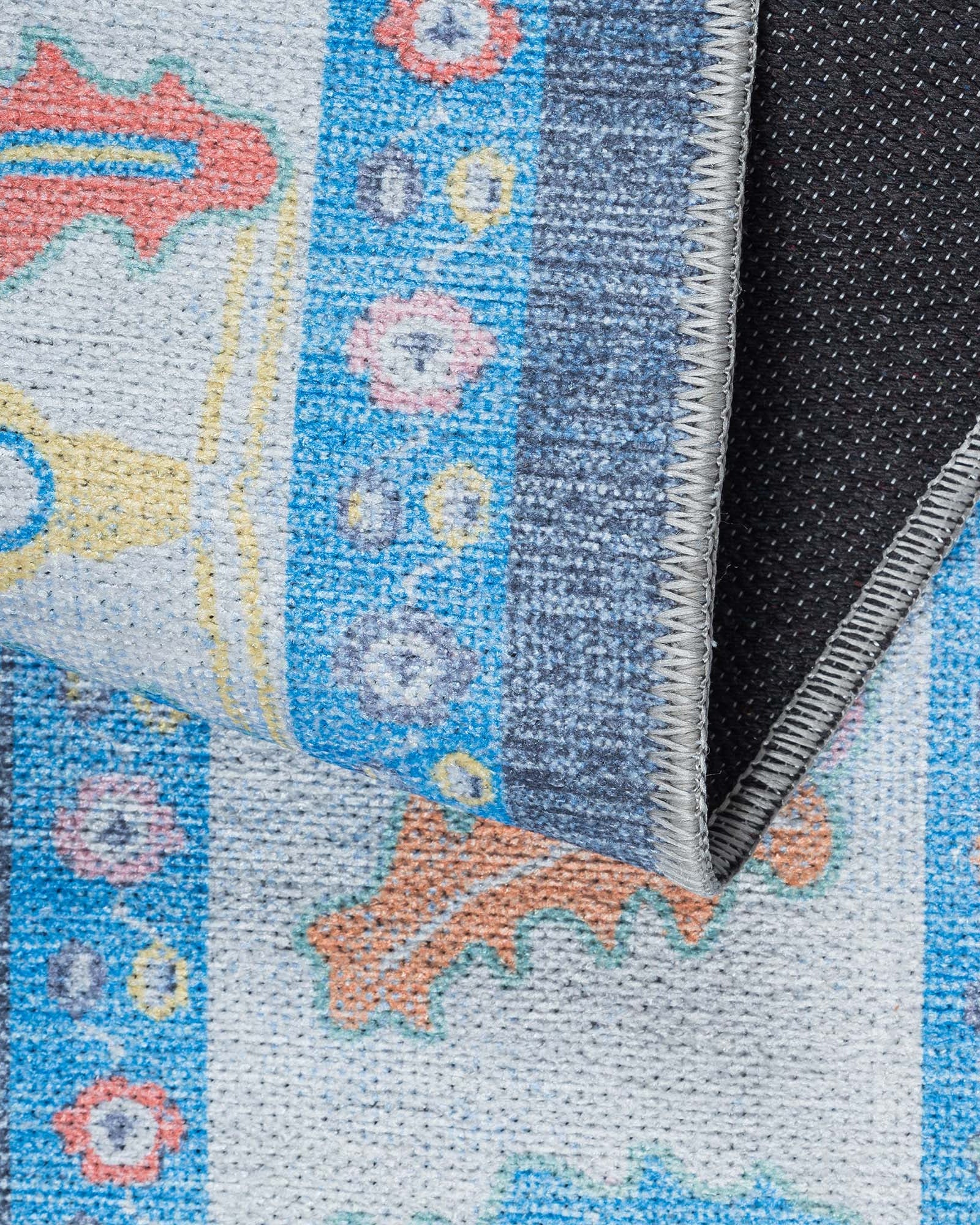
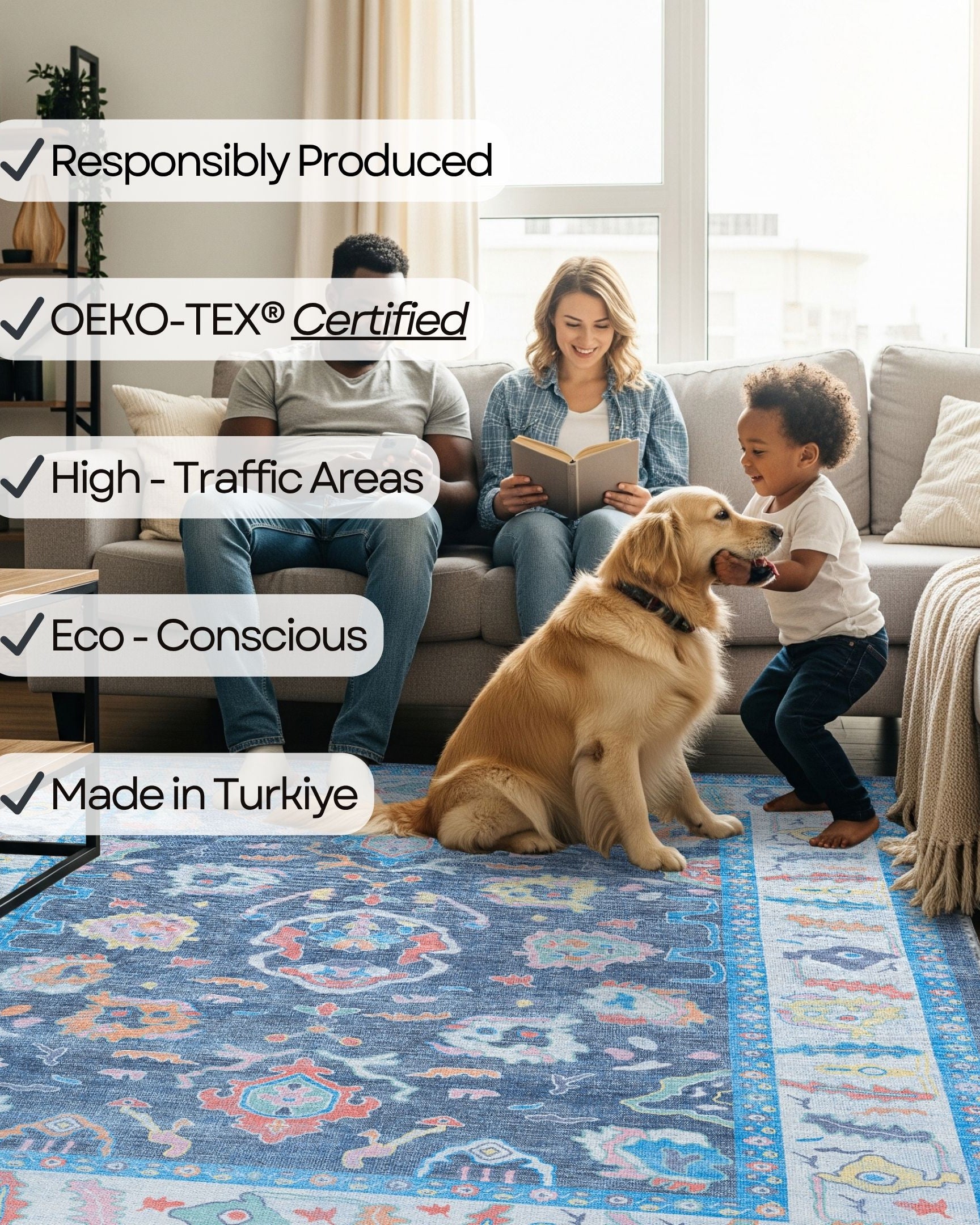
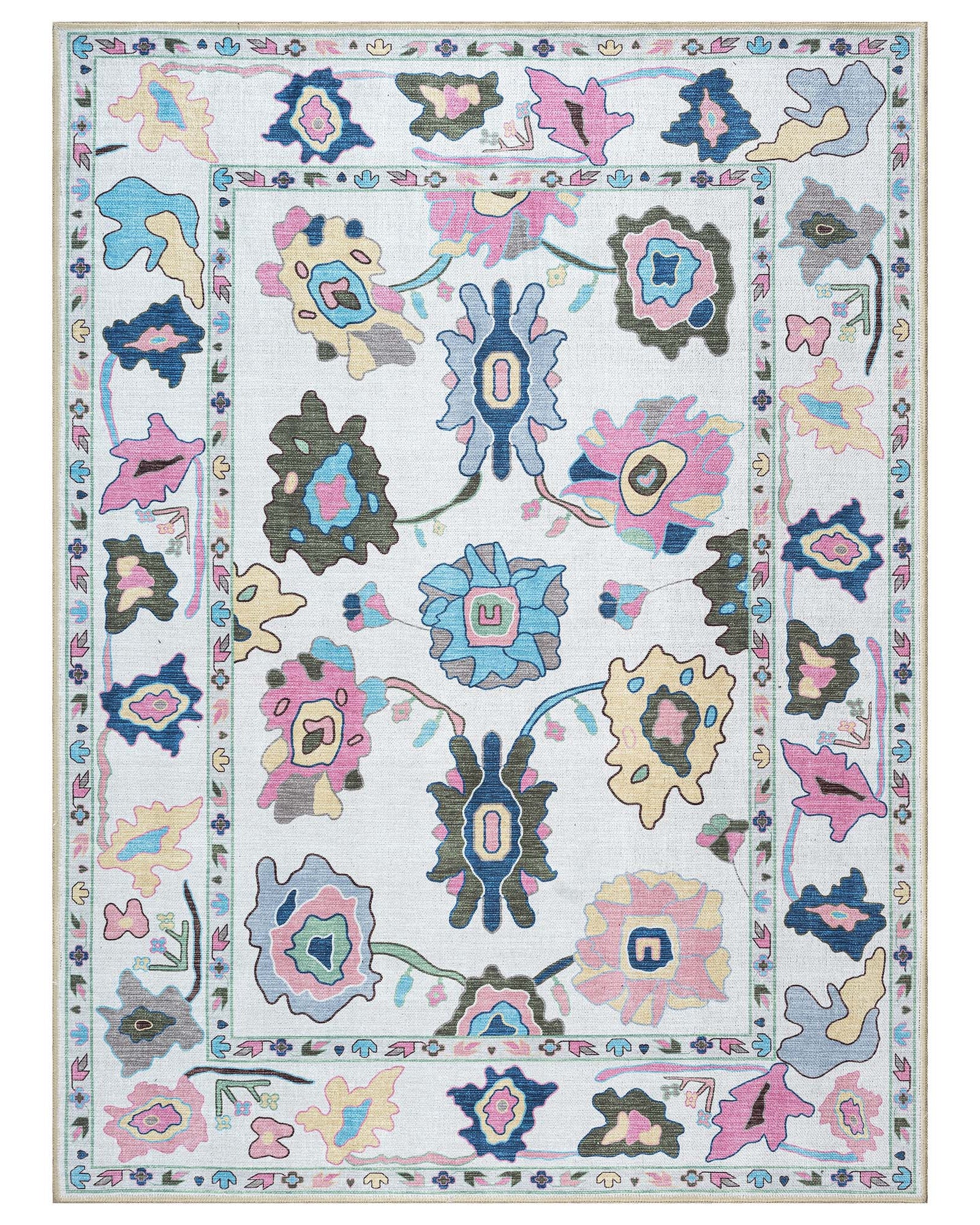
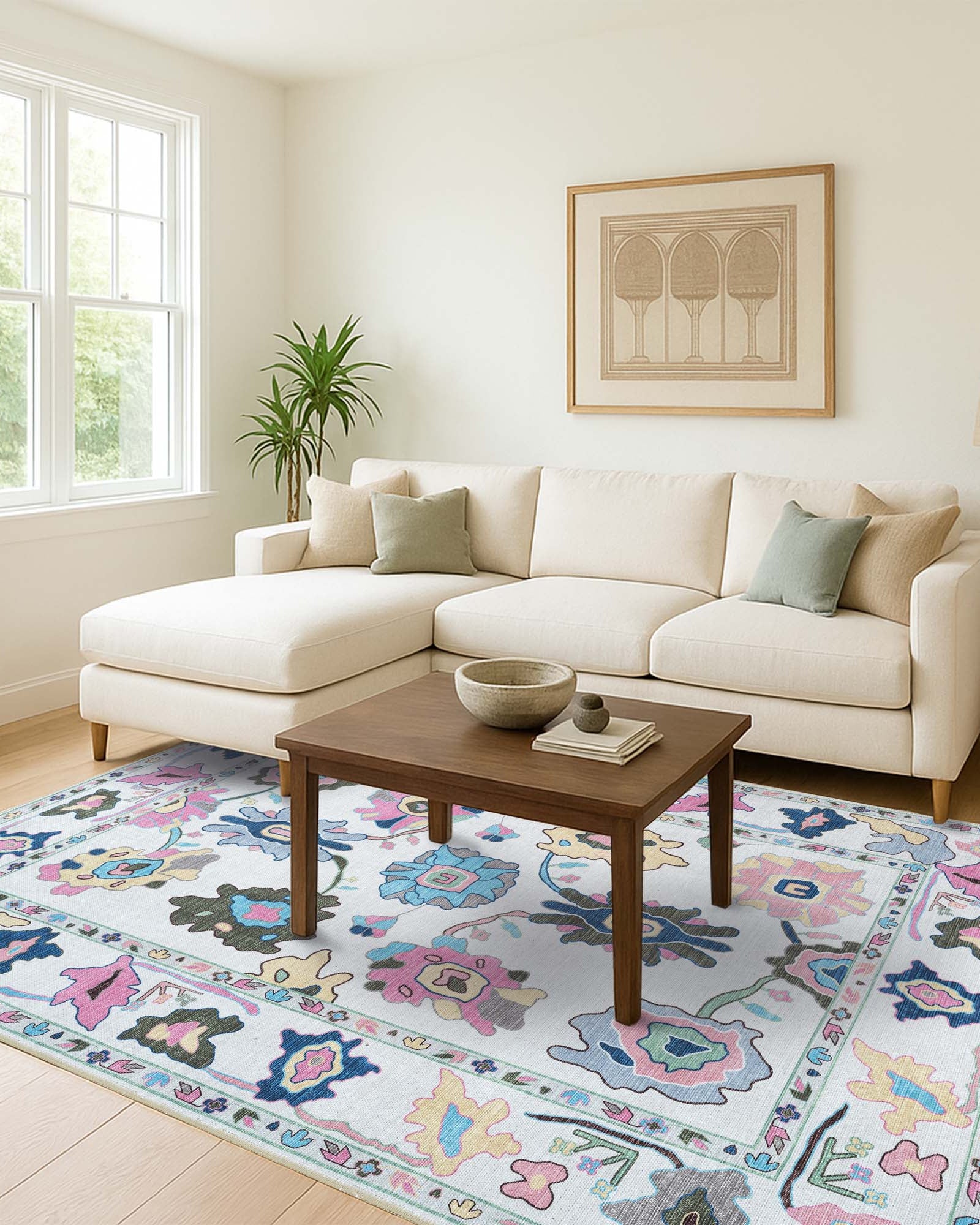
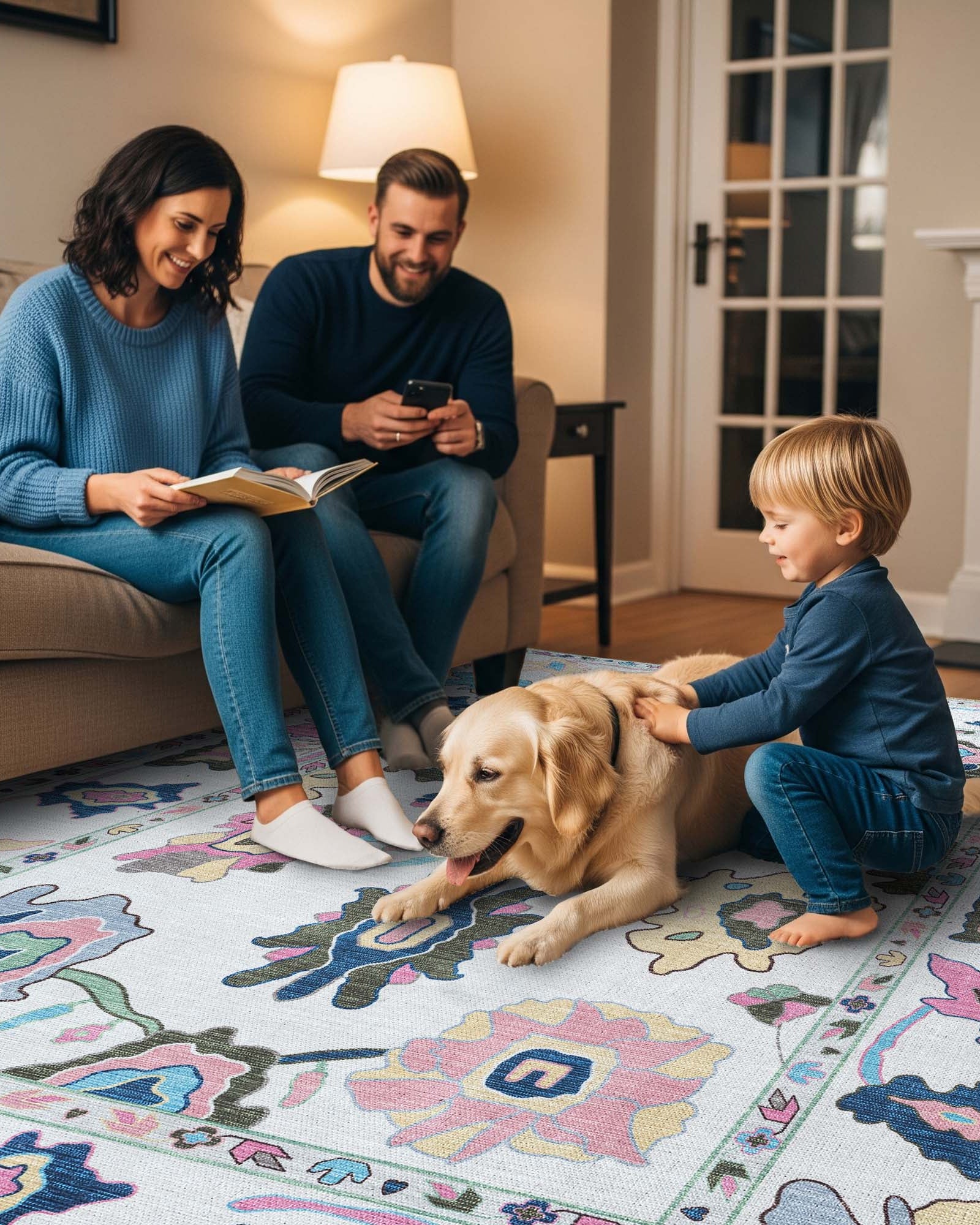
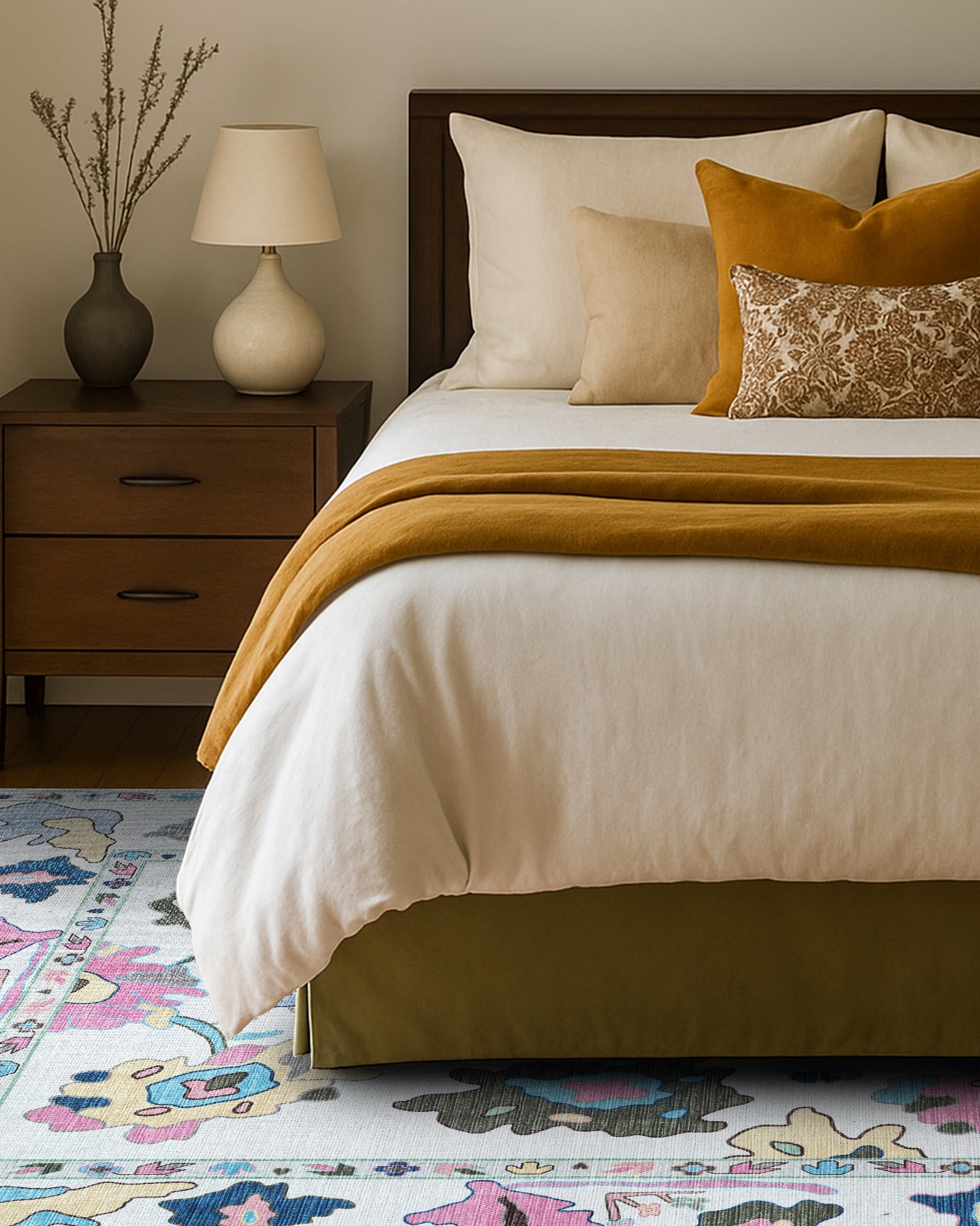
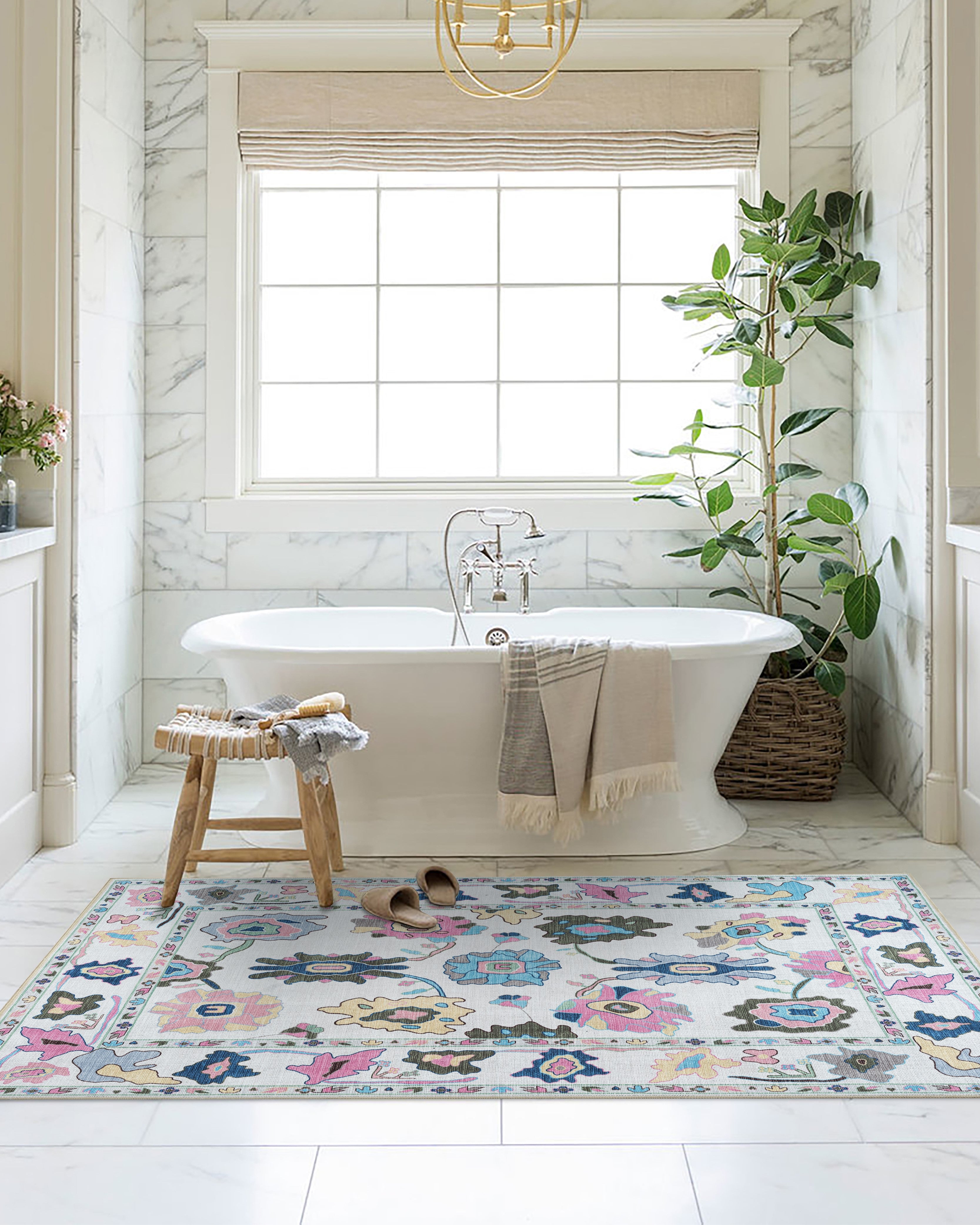
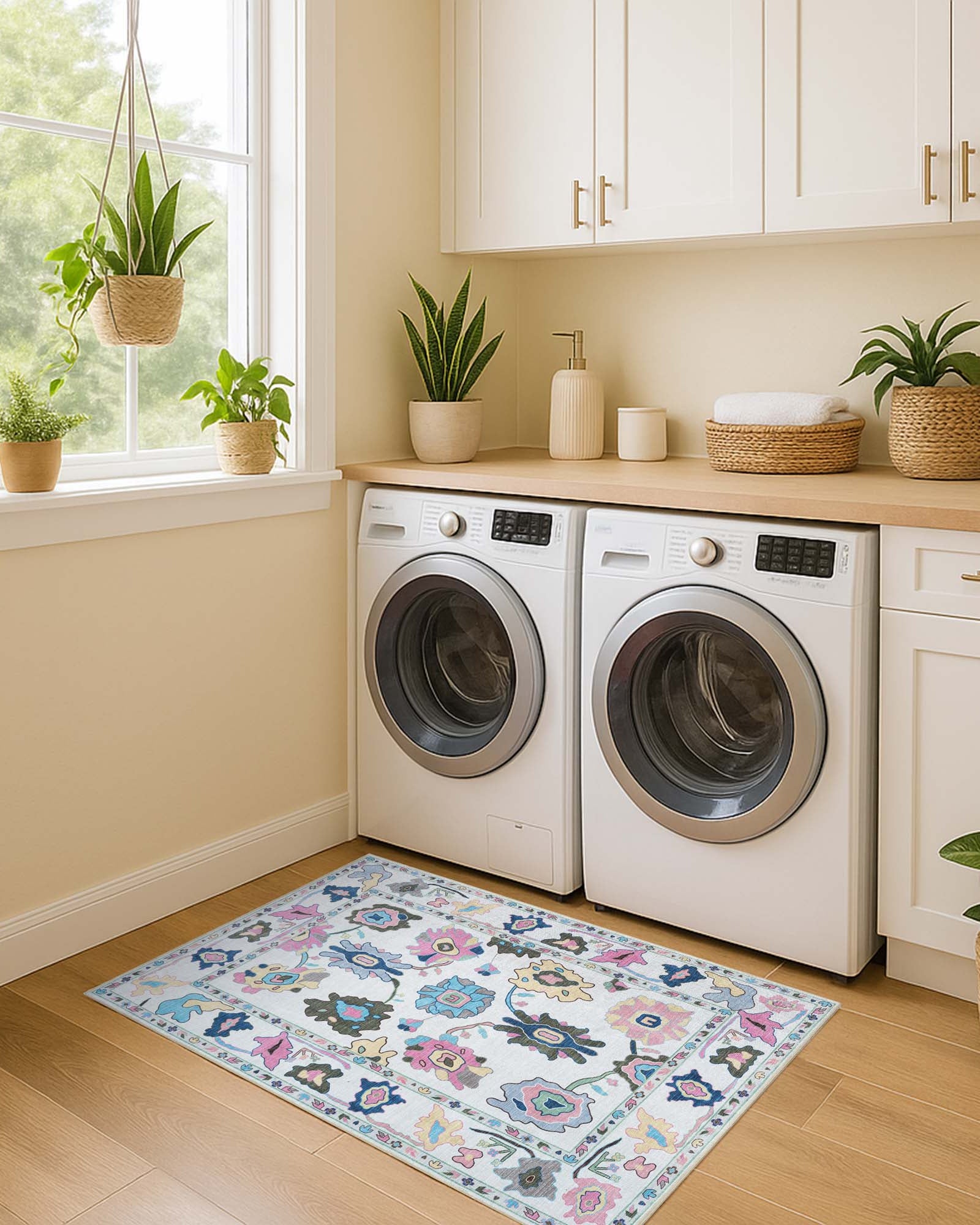
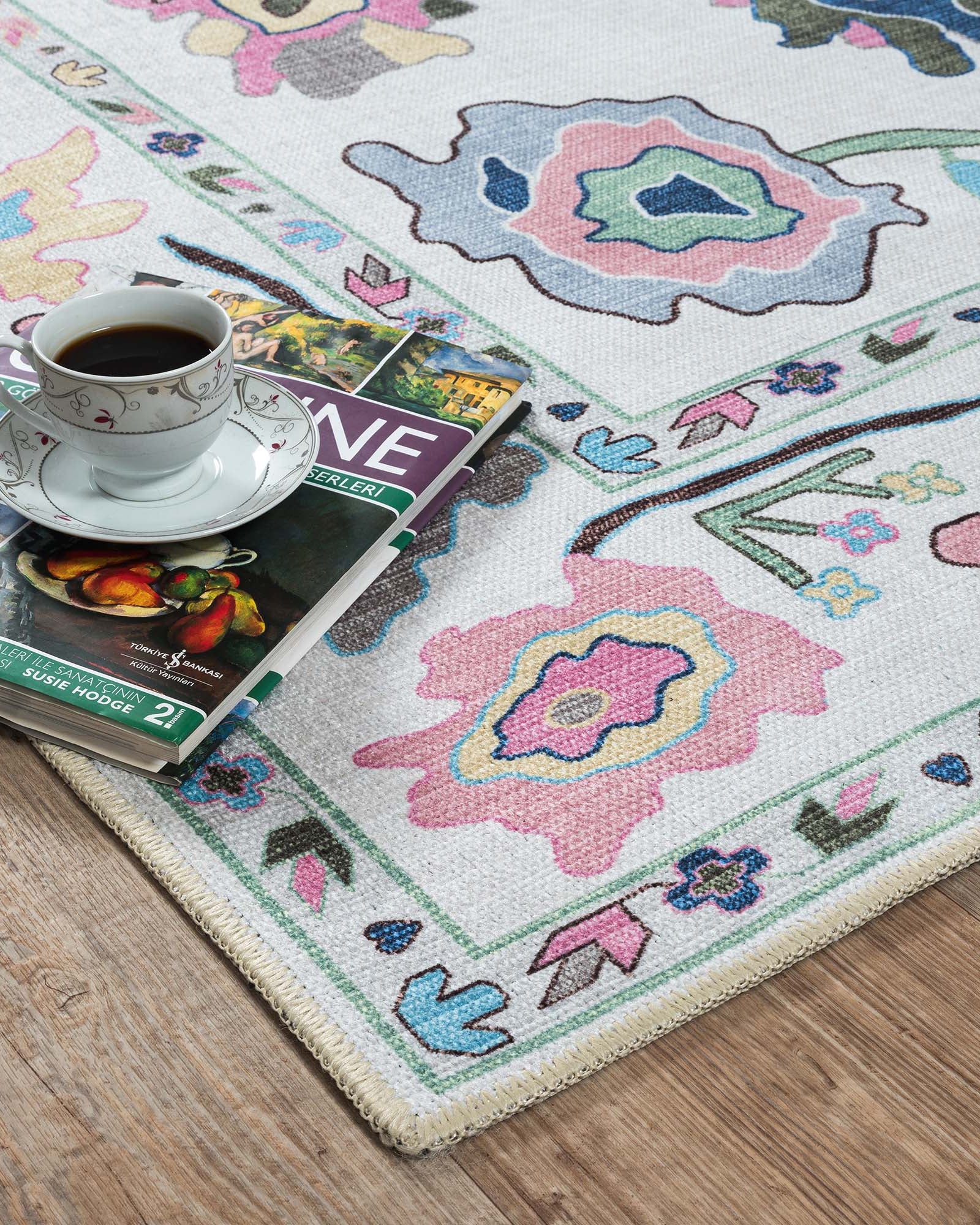
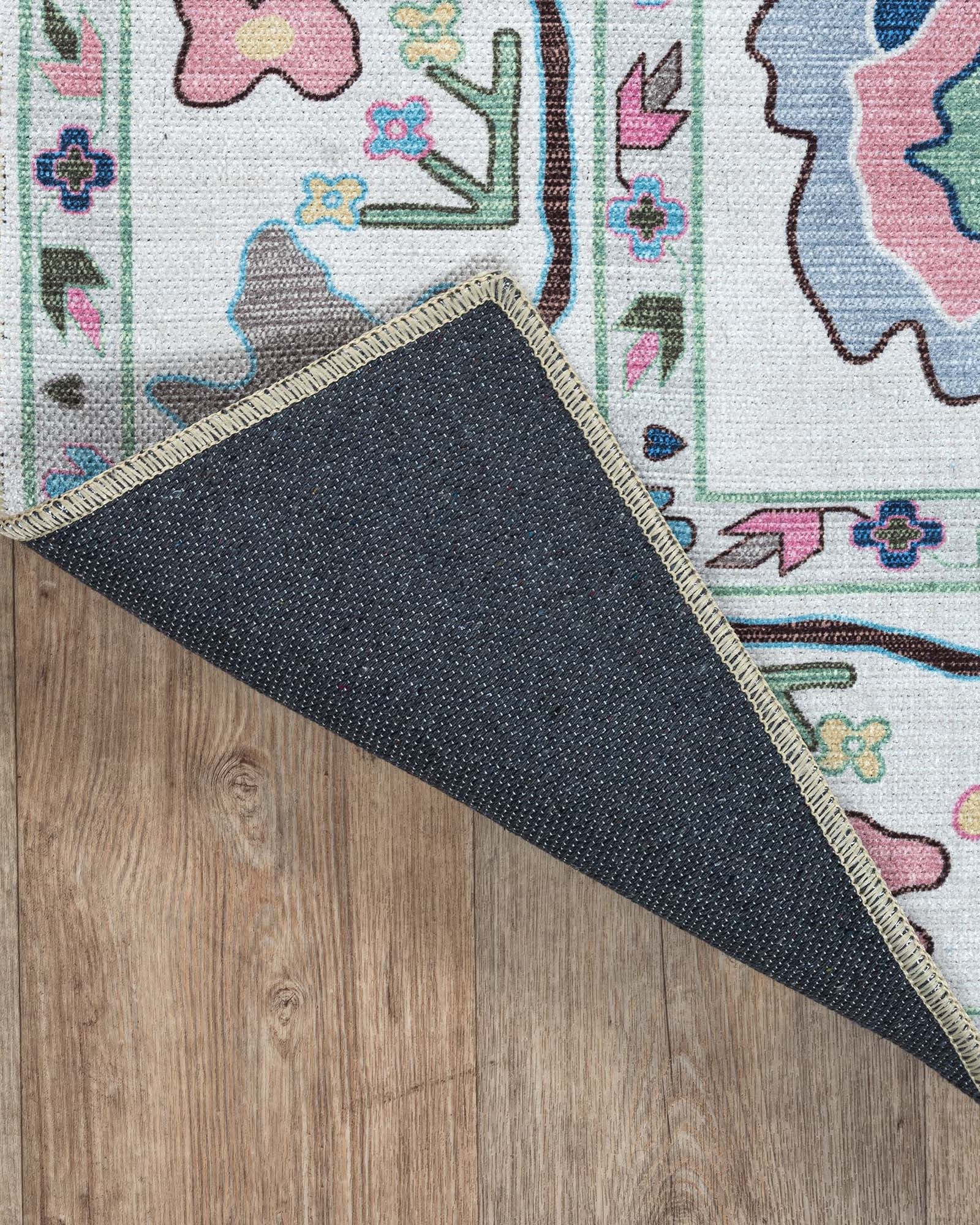
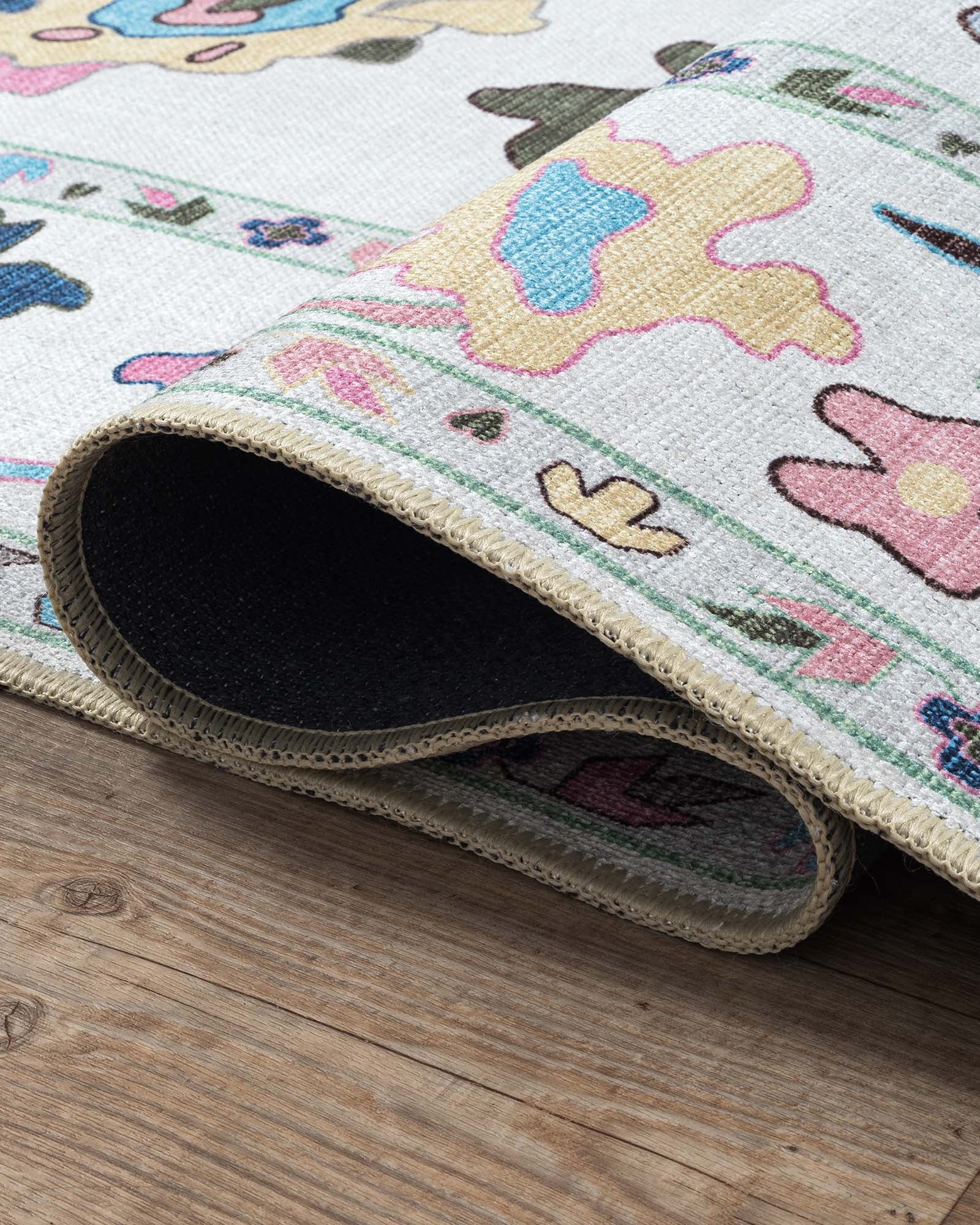
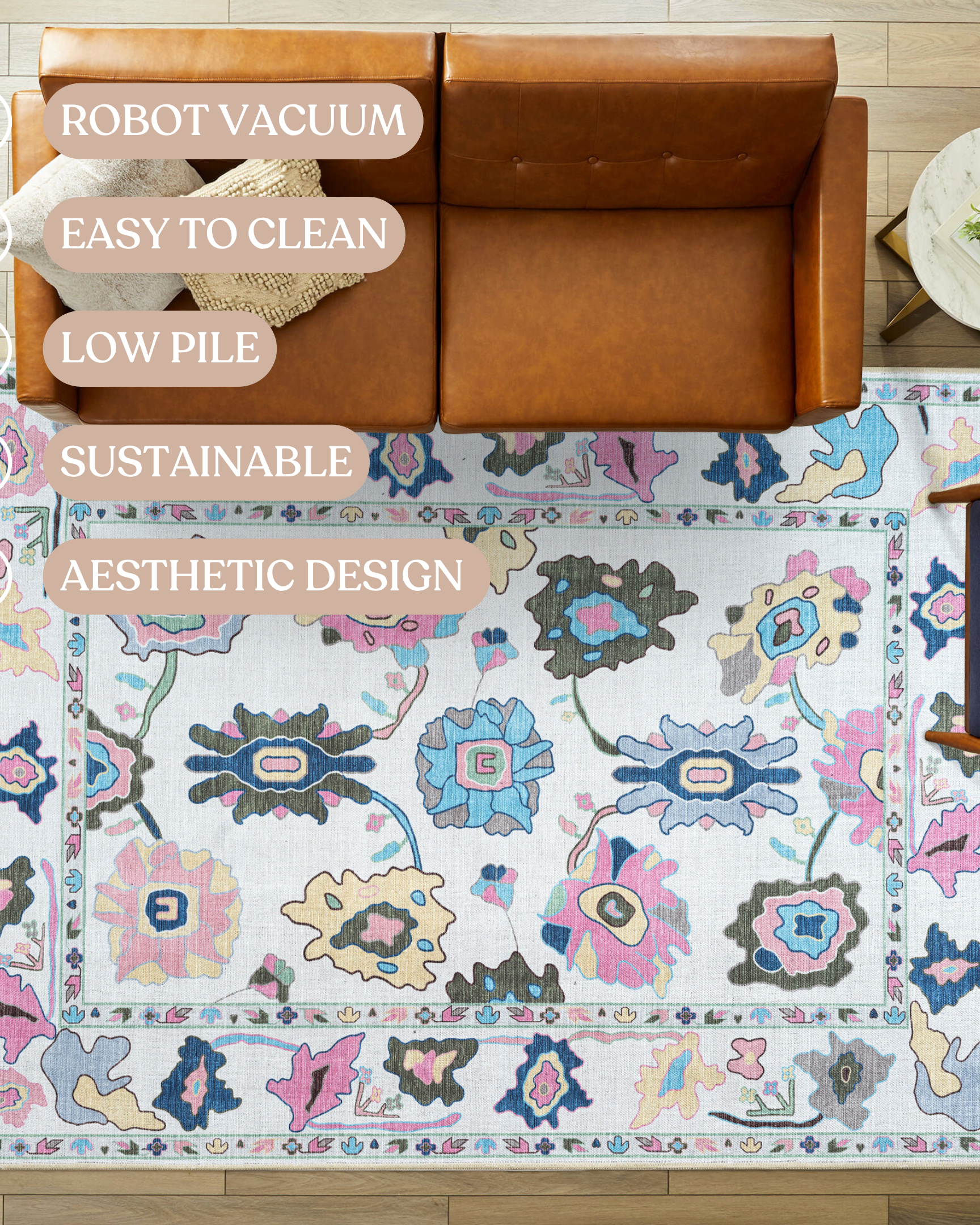
Wool is why these rugs still exist. Every piece in this collection—from intricately detailed handknotted masterpieces to durable flatwoven rugs and authentic handwoven kilims—was crafted from wool that was sheared, washed, spun, and dyed by hand. These handmade rugs are built to be walked on for forty, sixty, or a hundred years without falling apart. As a 100% organic, non-toxic fibre, natural wool naturally purifies indoor air and is hypoallergenic, offering significant health benefits for your home. The material does things no synthetic fibre replicates—it resists soil on its own, springs back from compression, holds dye for generations, and gains lustre rather than losing it. Each rug here is an original handmade piece sold as a single item.
What Makes Rug Wool Different
Not all wool belongs on a floor. The wool that made these rugs comes from mountain sheep in Anatolia, the Persian highlands, the Caucasus, and high-altitude pastures in New Zealand. These origins yield ultra-durable, resilient fibres with properties that fine apparel wool does not possess.
- Lanolin & Soil Resistance: Highland and organic sheep produce wool heavy in lanolin, the natural grease that waterproofs fleece. Traditional processing washes the fibre without stripping that lanolin, leaving your handmade rug with a built-in protective barrier. Liquids bead on the surface momentarily, and dry soil sits on top of the pile or flatweave rather than bonding to it.
- Long Staple Length: Fibre length determines how much a rug sheds. Premium long-staple wool, such as high-grade New Zealand and highland wool, holds together in the twist of the yarn instead of working loose, ensuring minimal shedding even after decades of use.
Hand-Spinning
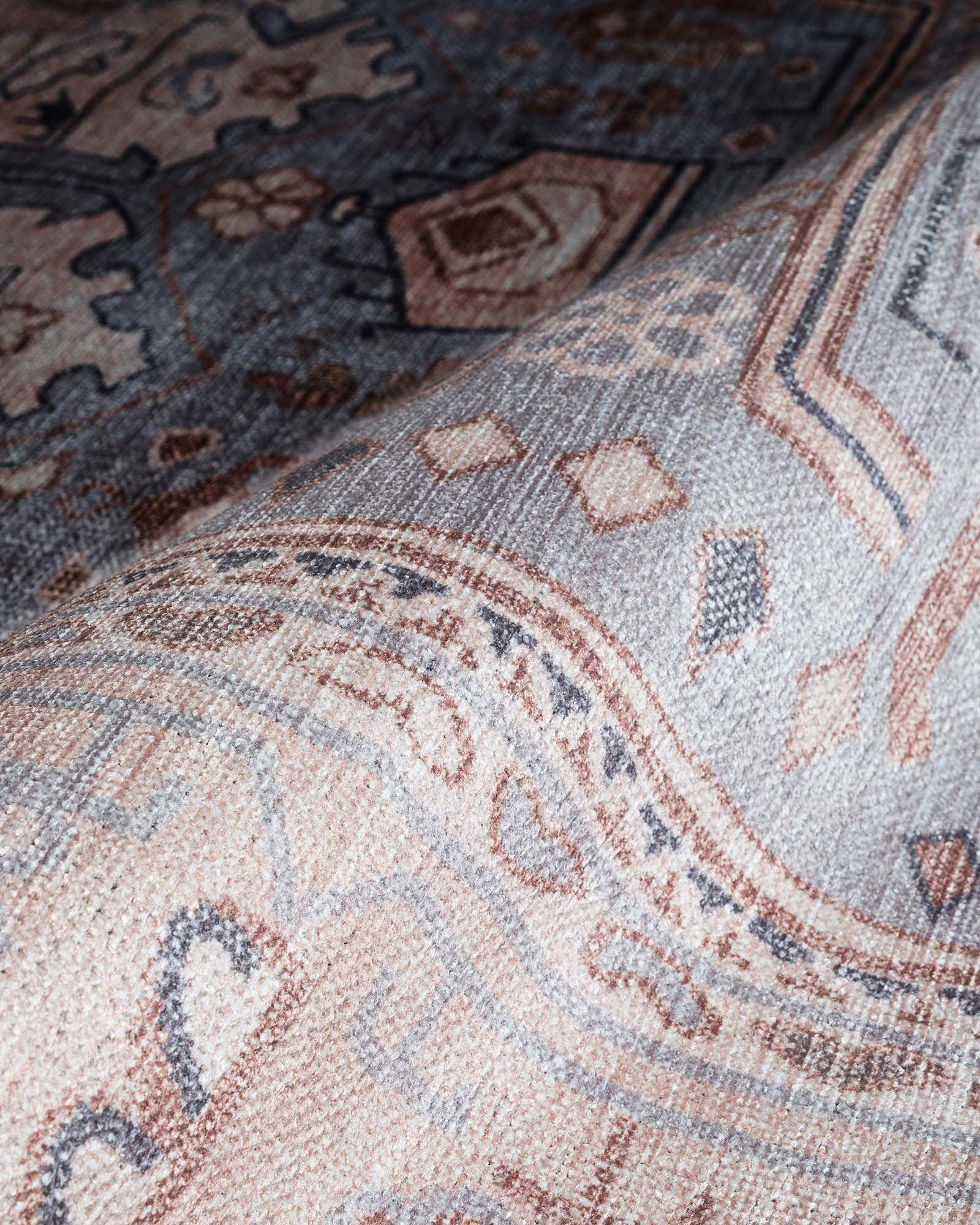
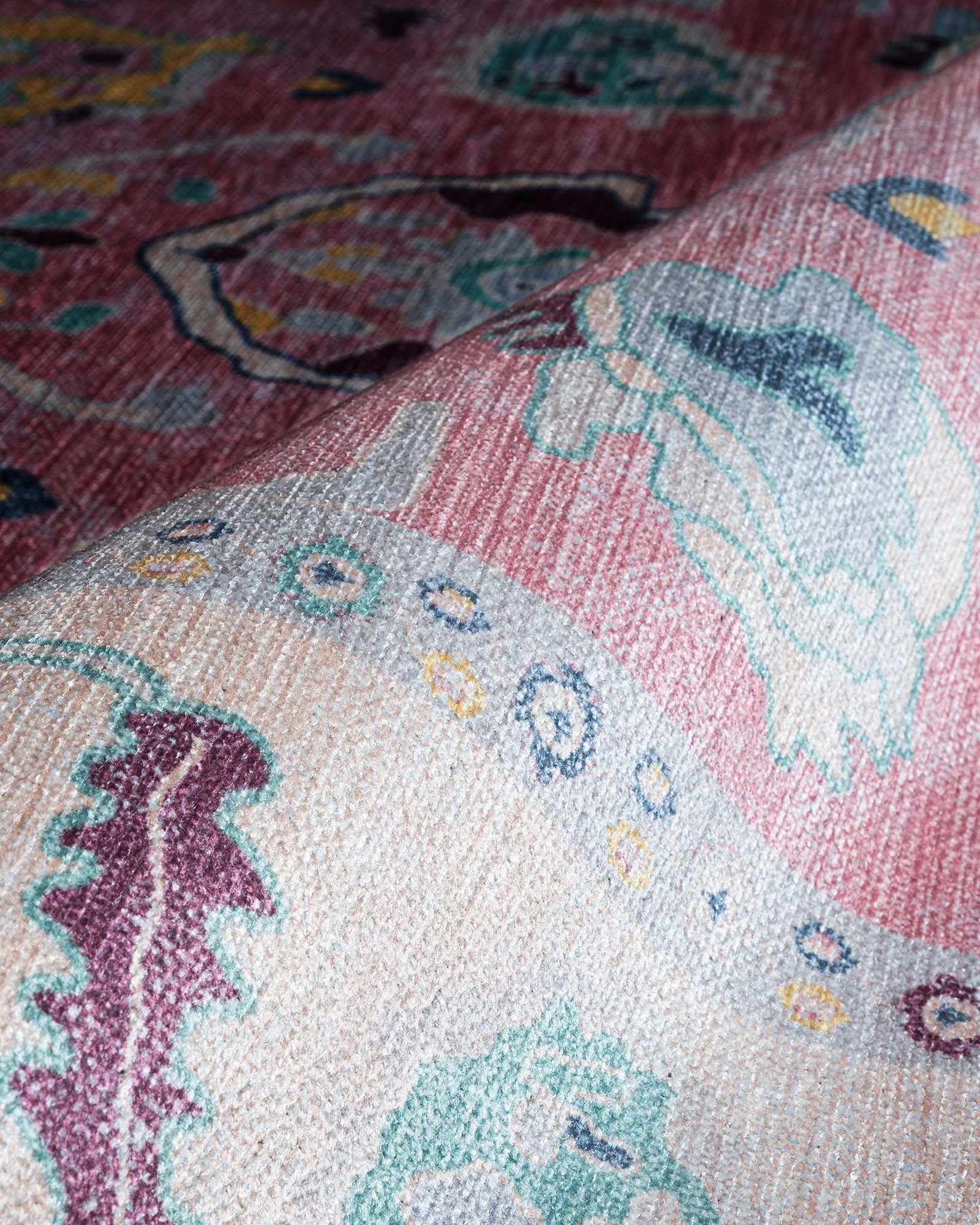
Hand-spun yarn varies in thickness along its length. That irregularity takes dye at slightly different rates, which is where the colour depth in an old rug comes from — the field is never one flat tone, but hundreds of micro-variations catching light differently. Machine-spun yarn is uniform, and uniformly dyed, which is why it reads flatter even at the same knot count.
Performance & Health Benefits
Each wool fibre has a natural crimp that behaves like a spring. Compressed under furniture or heavy footfall, it recovers over hours or days rather than staying flattened. Wool is naturally flame-resistant—it self-extinguishes without melting—and acts as a natural climate regulator, absorbing excess moisture from damp air and releasing it when the room dries out. Because organic wool is free from synthetic off-gassing and VOCs, it improves indoor air quality while remaining naturally anti-microbial.
Sound and Warmth
The same crimp that gives wool its resilience makes it an effective acoustic absorber. In a room with hard floors, high ceilings or minimal upholstery, a wool rug does more to soften echo than anything else you can put down. It also insulates: wool traps air, so the floor under it stays measurably warmer than bare tile or stone.
Wool Foundations and Wool-on-Wool
The pile is wool in every rug here, but the foundation underneath varies. Workshop rugs generally use a cotton warp and weft, which is stable, holds a rug square and supports fine knotting. Village and tribal pieces are often wool on wool — wool foundation as well as wool pile — which gives a softer, more flexible rug that drapes rather than lying rigid, and is lighter to move. Wool-on-wool pieces also tend to develop gentle undulation over time rather than staying perfectly flat. The product page states the foundation for each rug.
What Wool Does Not Do
Wool is soil-resistant, not stain-proof. Strongly pigmented or acidic liquids (red wine, coffee, pet accidents) can bond to the fibre if left untreated, as the lanolin barrier only delays absorption for a few minutes. Additionally, undisturbed wool is vulnerable to moth larvae. Regular foot traffic and vacuuming naturally prevent moths, but rugs stored in dark spaces should be cleaned, rolled, and checked periodically.
Condition, Age and Measurement
Pieces are grouped as antique at over eighty years, vintage at roughly forty to eighty, and semi-vintage below that. Each product page carries the estimated decade, origin where identifiable, the foundation type, exact measured dimensions and a plain condition note. Expect the marks of long use in wool: burnished sheen where footfall has polished the pile, lower pile in traffic lanes, occasional old repairs and softened selvages. Sizes are never standard, and wool-on-wool pieces in particular can vary by an inch or more between opposite edges.
Care
Vacuum regularly with the beater bar off or raised — removing dry grit before it works into the foundation is the most useful thing you can do for a wool rug, because loose sand acts like sandpaper at the base of the knots. Keep the vacuum off the fringe. Use a rug pad on hard floors and rotate the rug twice a year. Blot spills immediately with a white cloth and plain water, pressing rather than rubbing so you do not felt the surface. Do not use a home carpet-cleaning machine or a steam cleaner: heat and saturation felt wool fibres together permanently and can bleed aged natural dyes. Avoid alkaline and enzyme cleaners, which break down protein fibre. For deep cleaning, use a professional rug washer who hand-washes hand-knotted or handwoven wool.