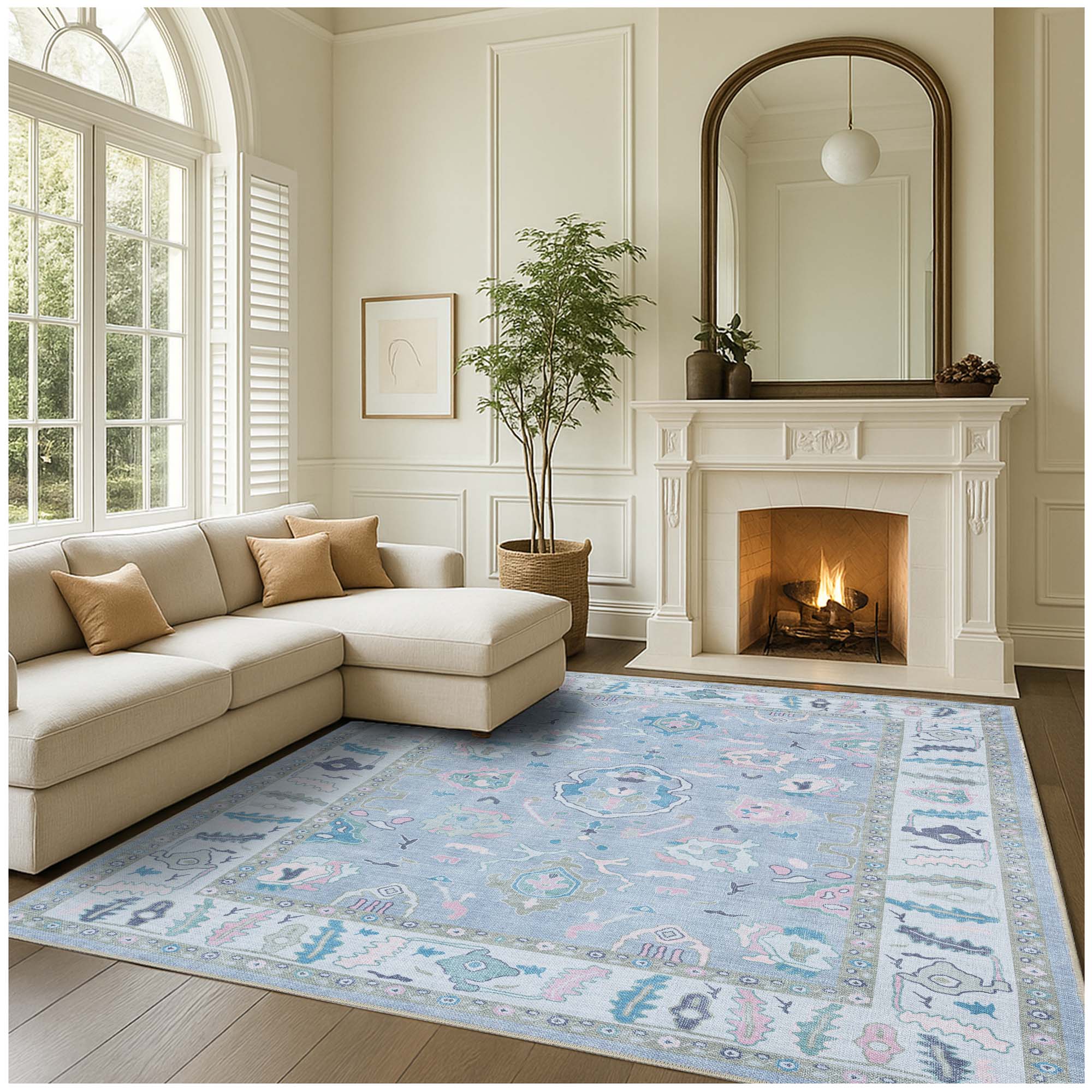
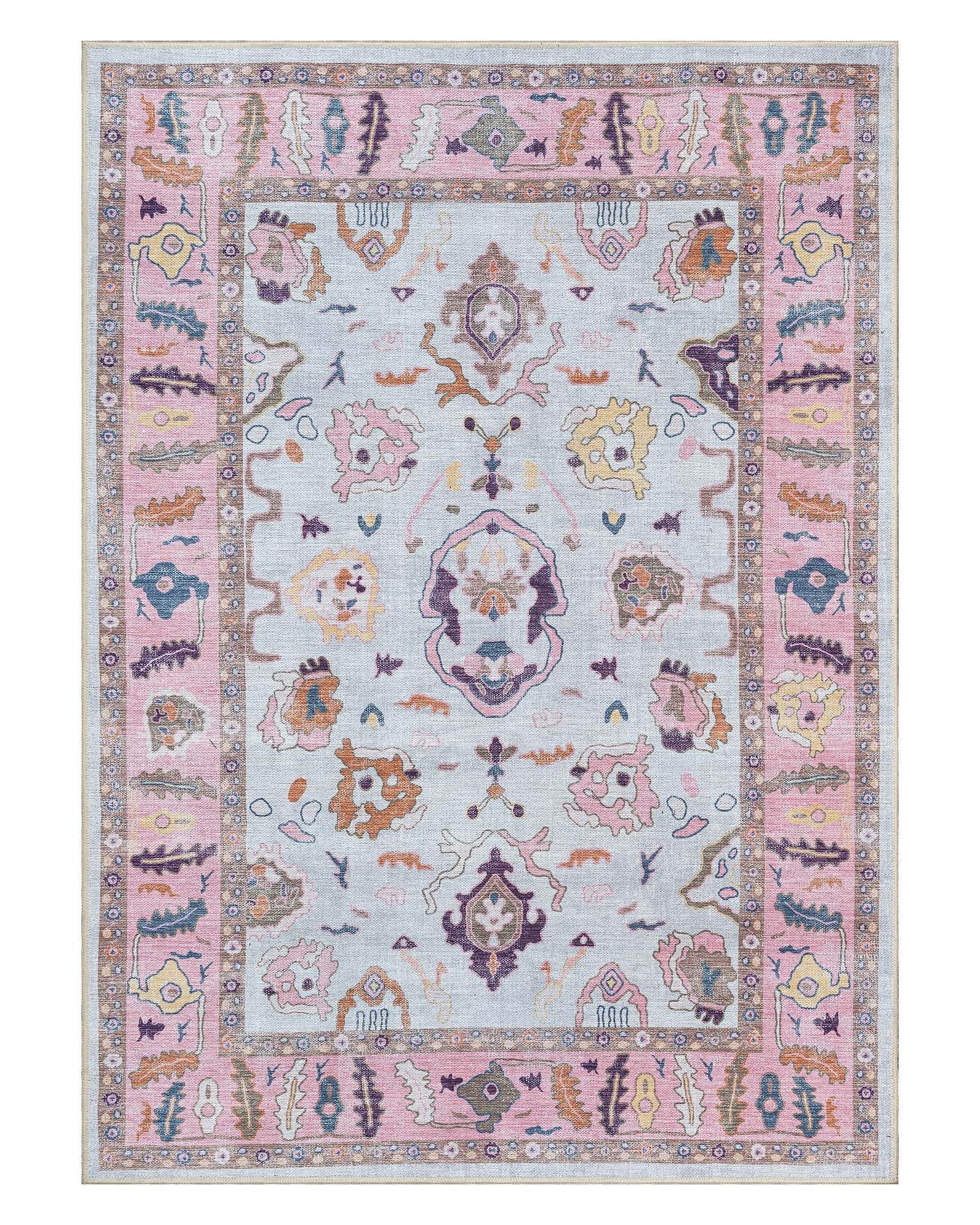
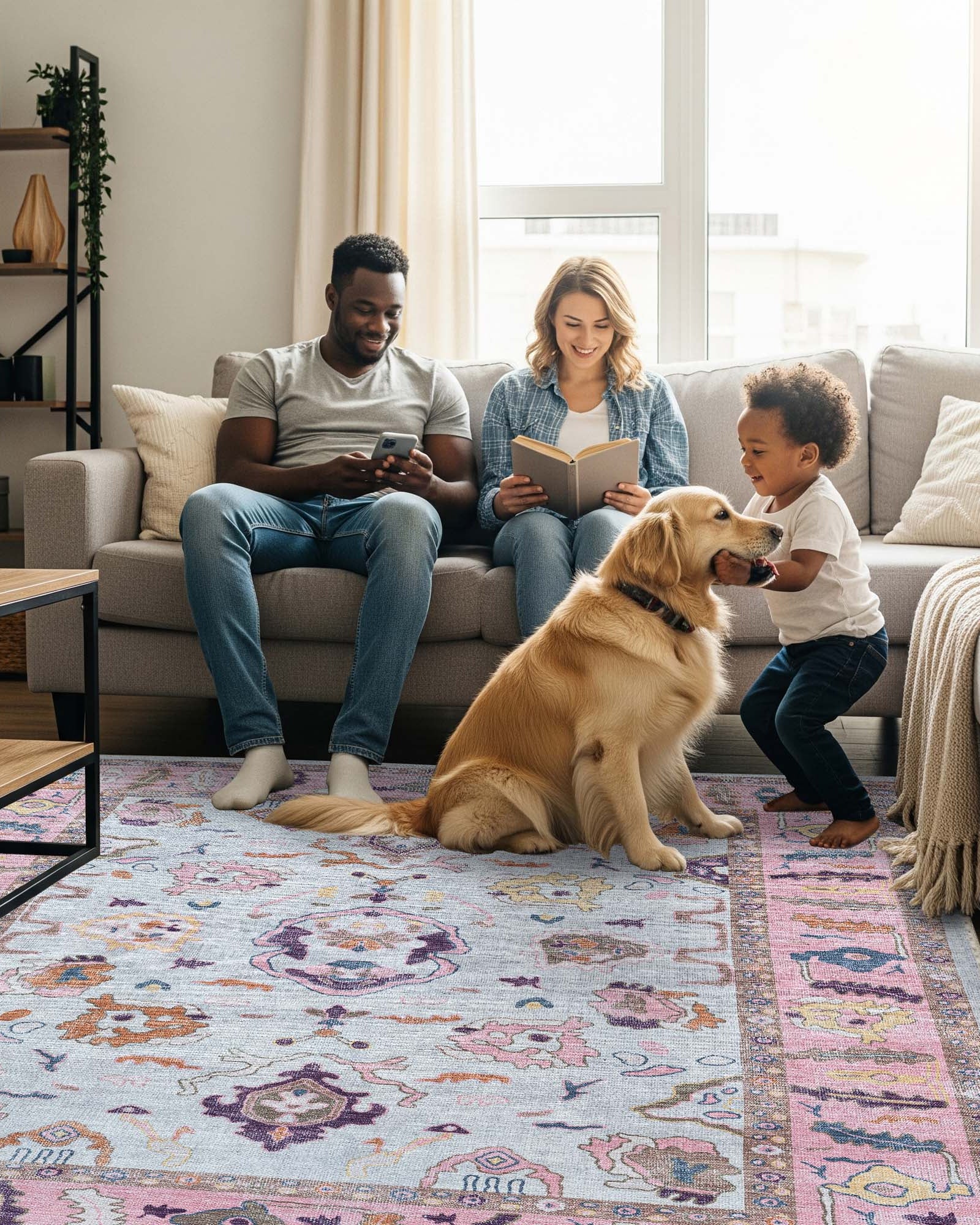
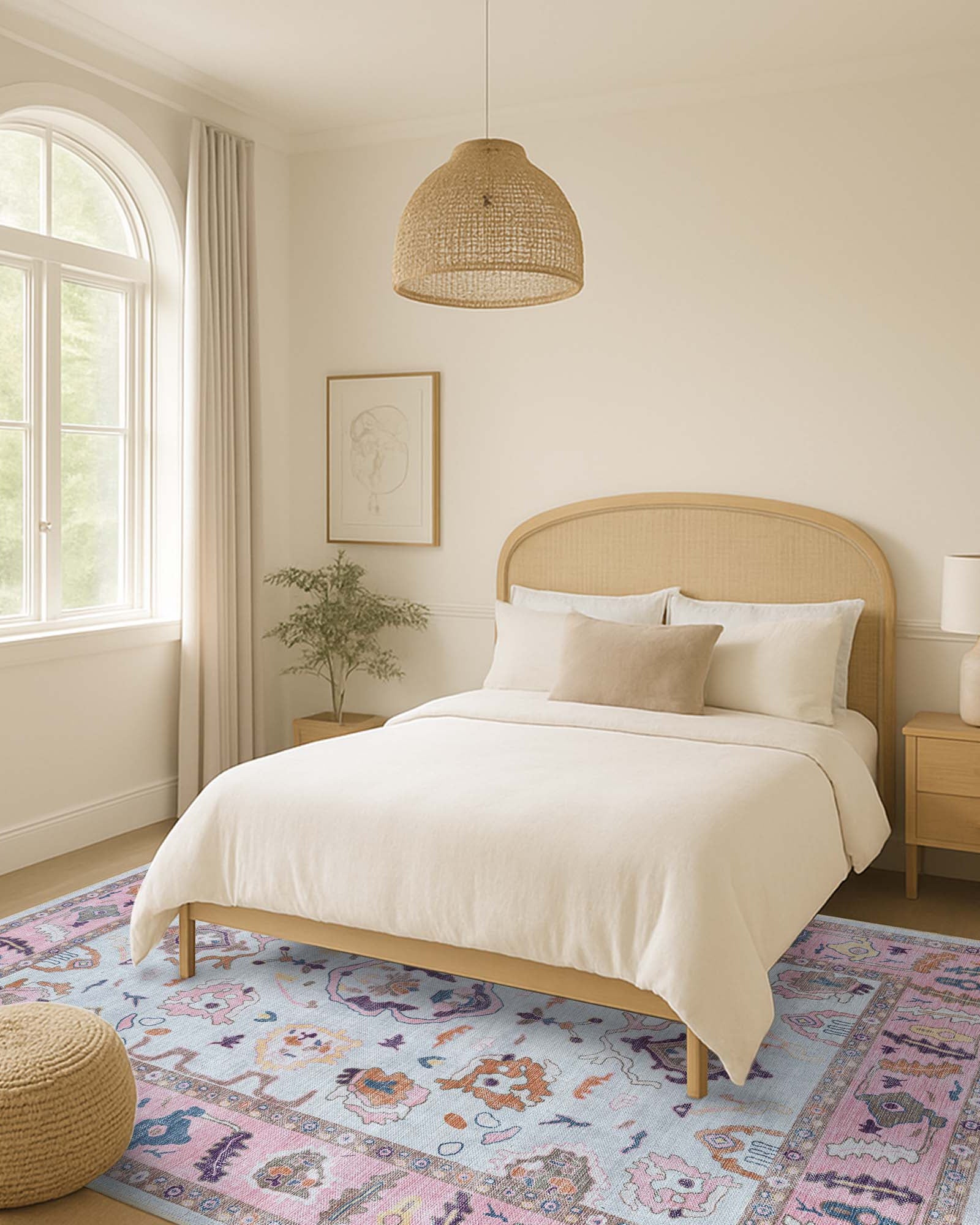
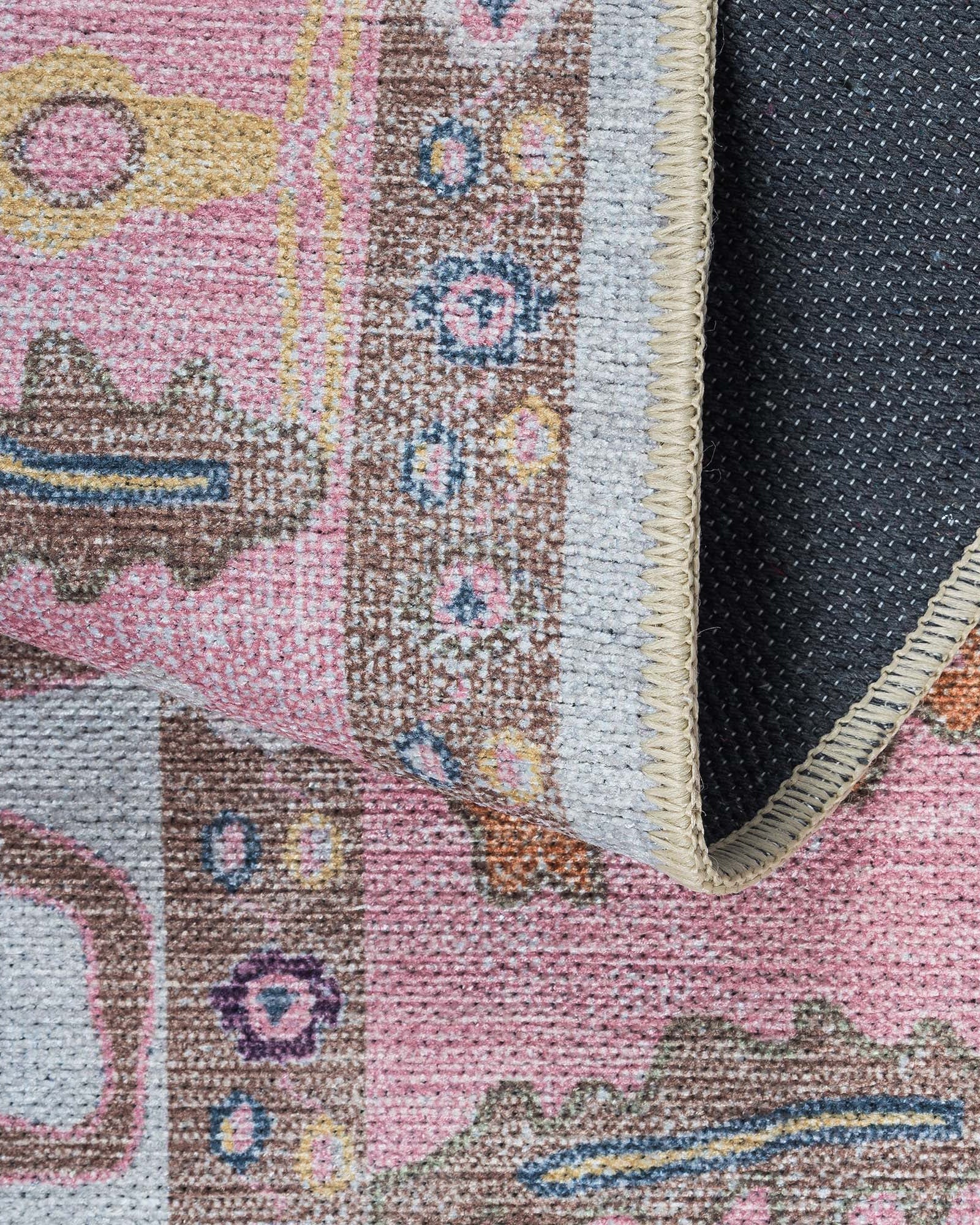
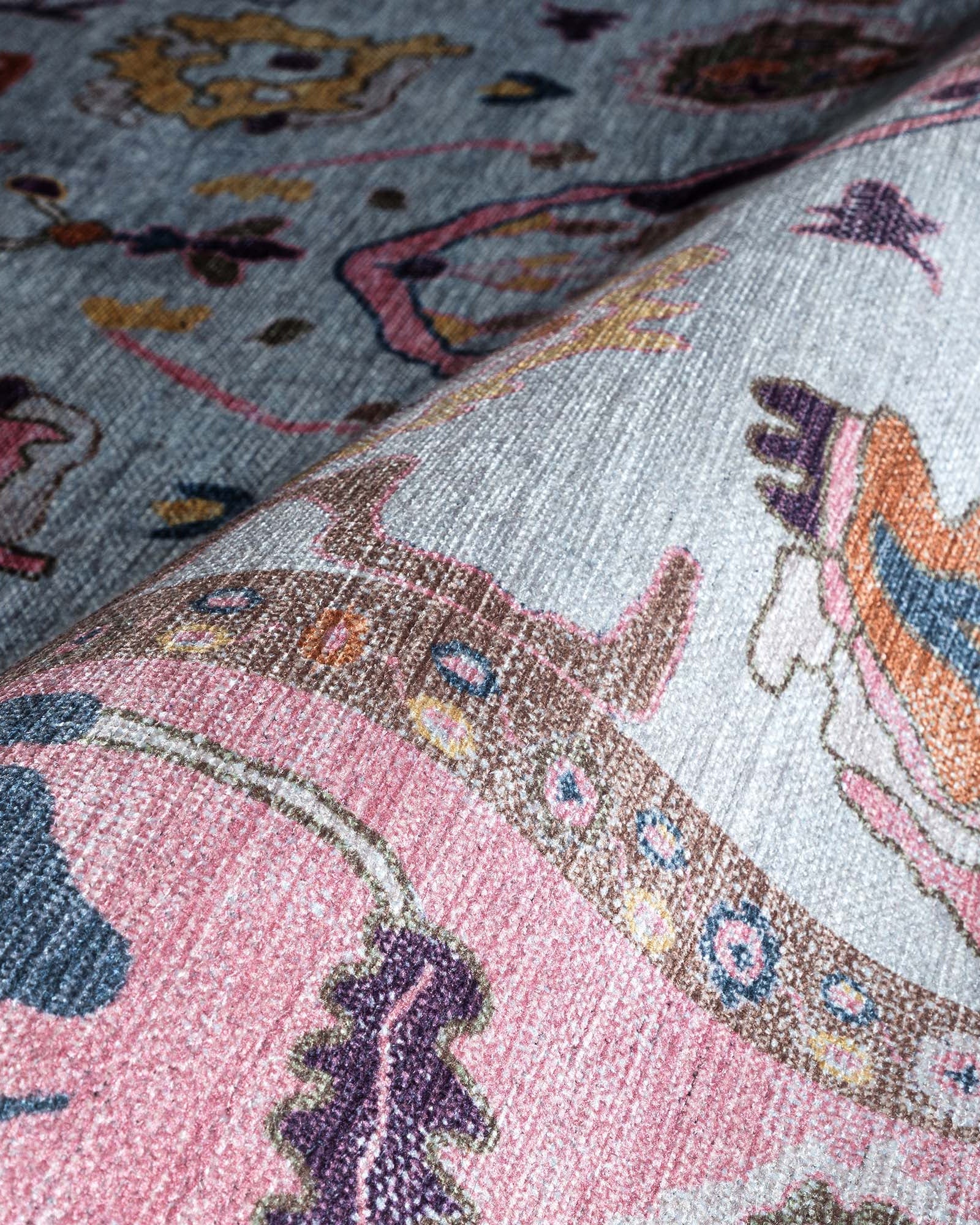
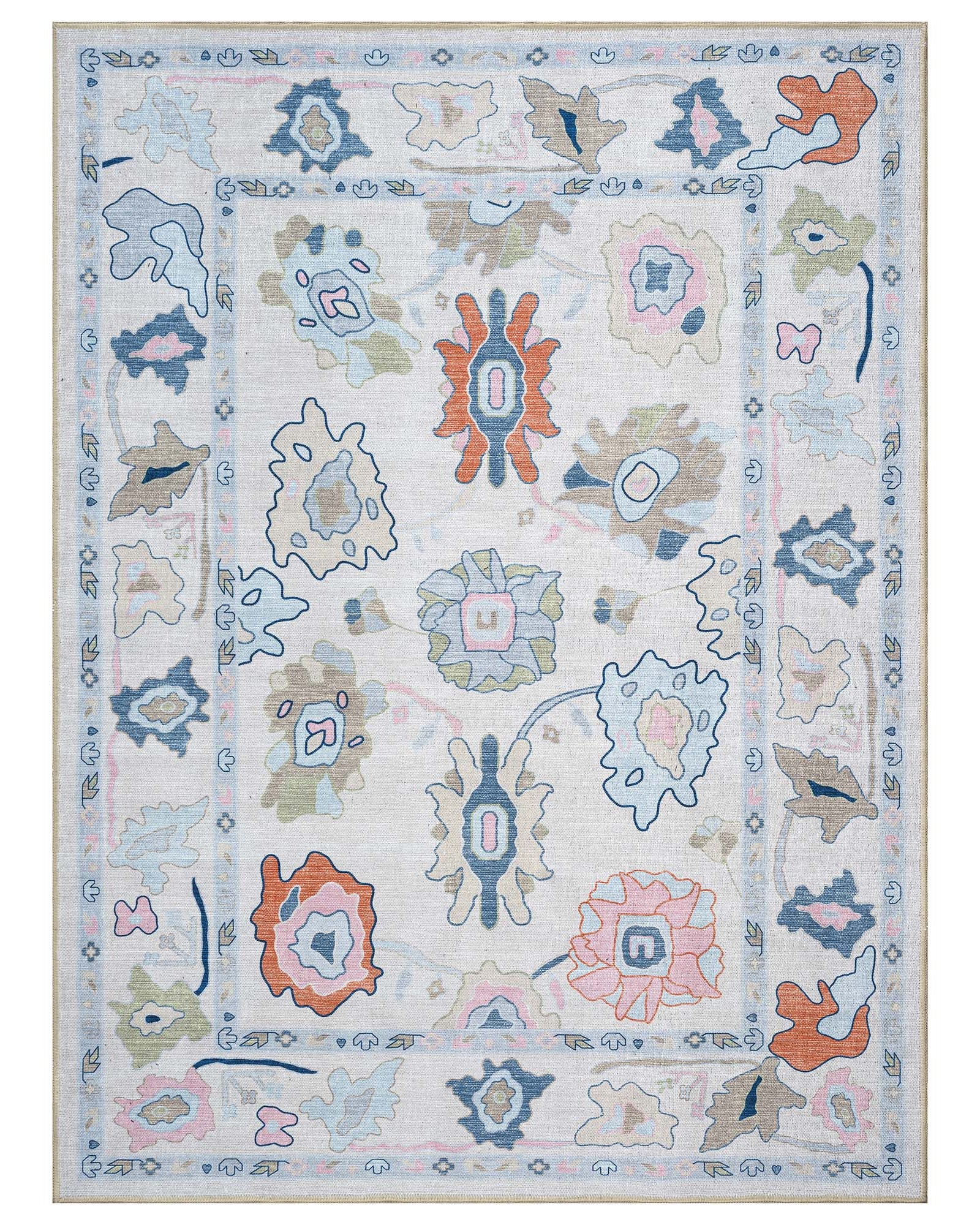
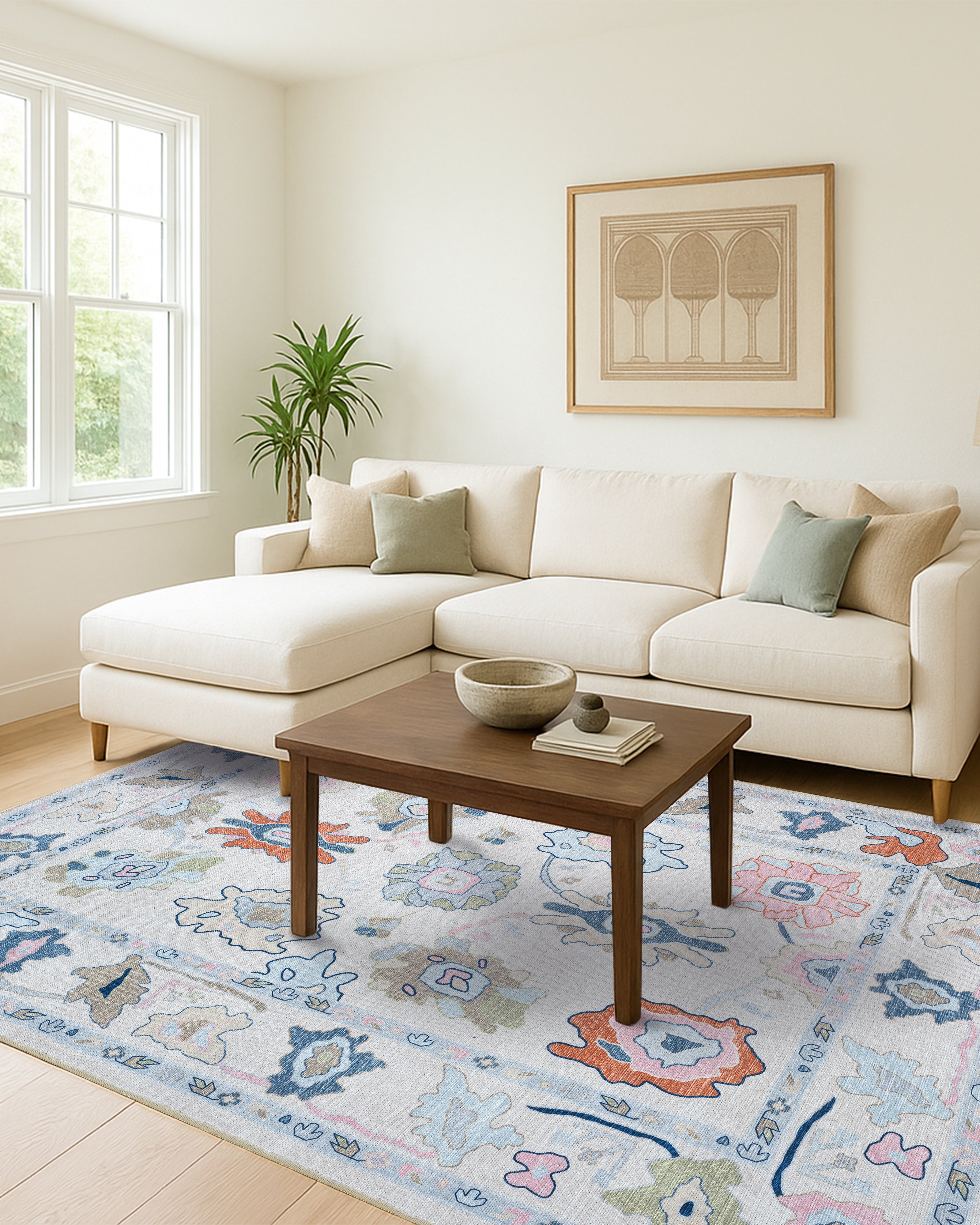
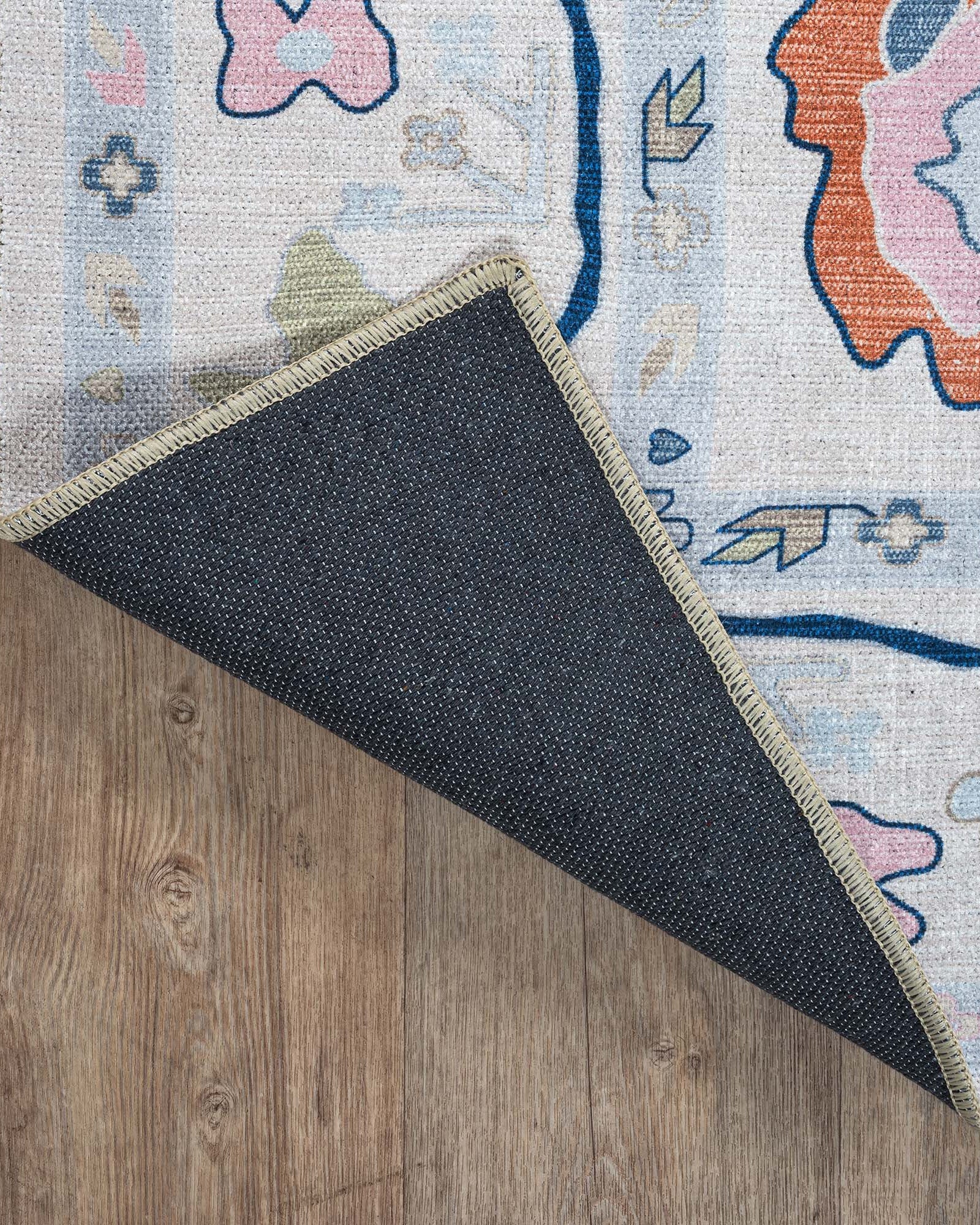
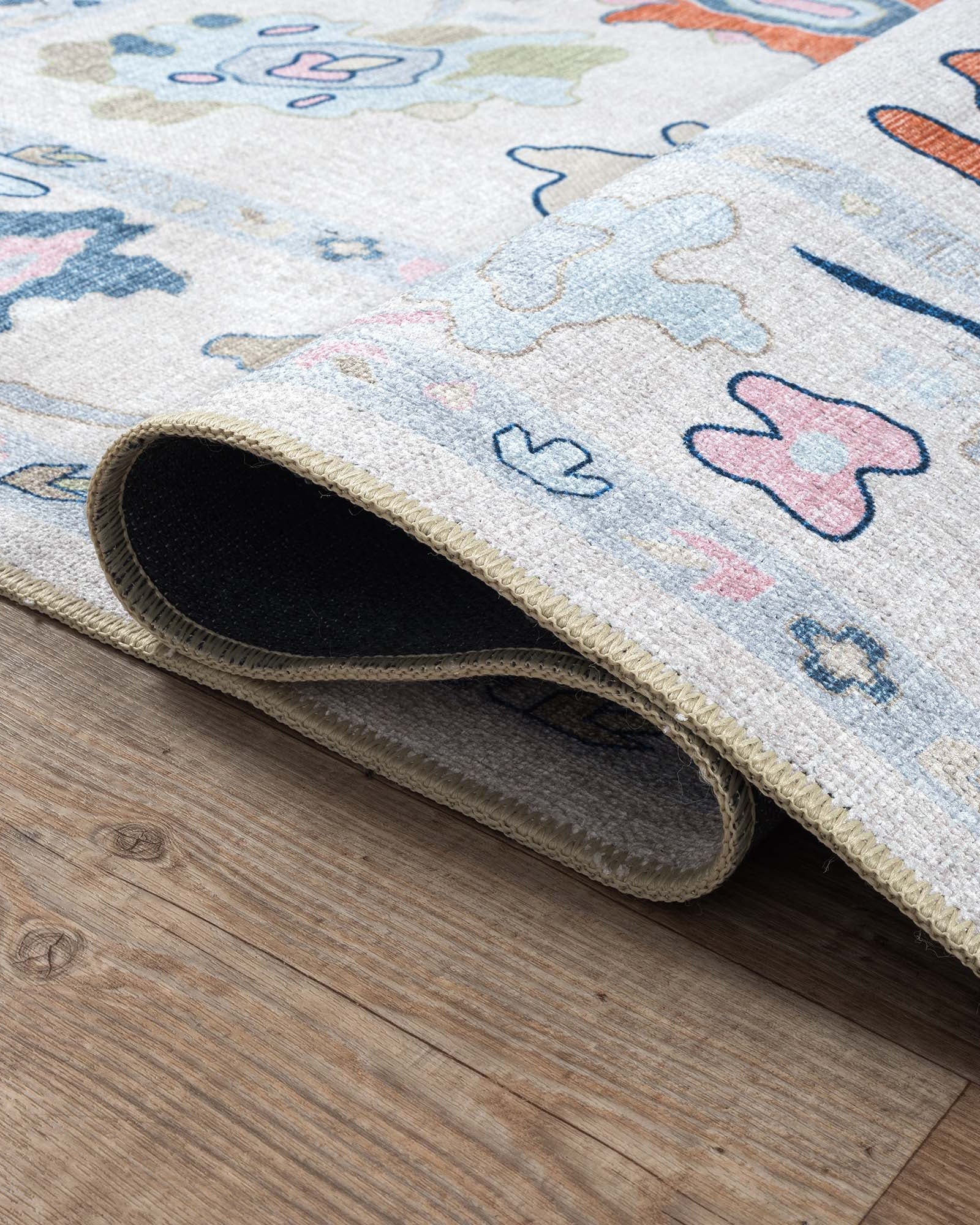
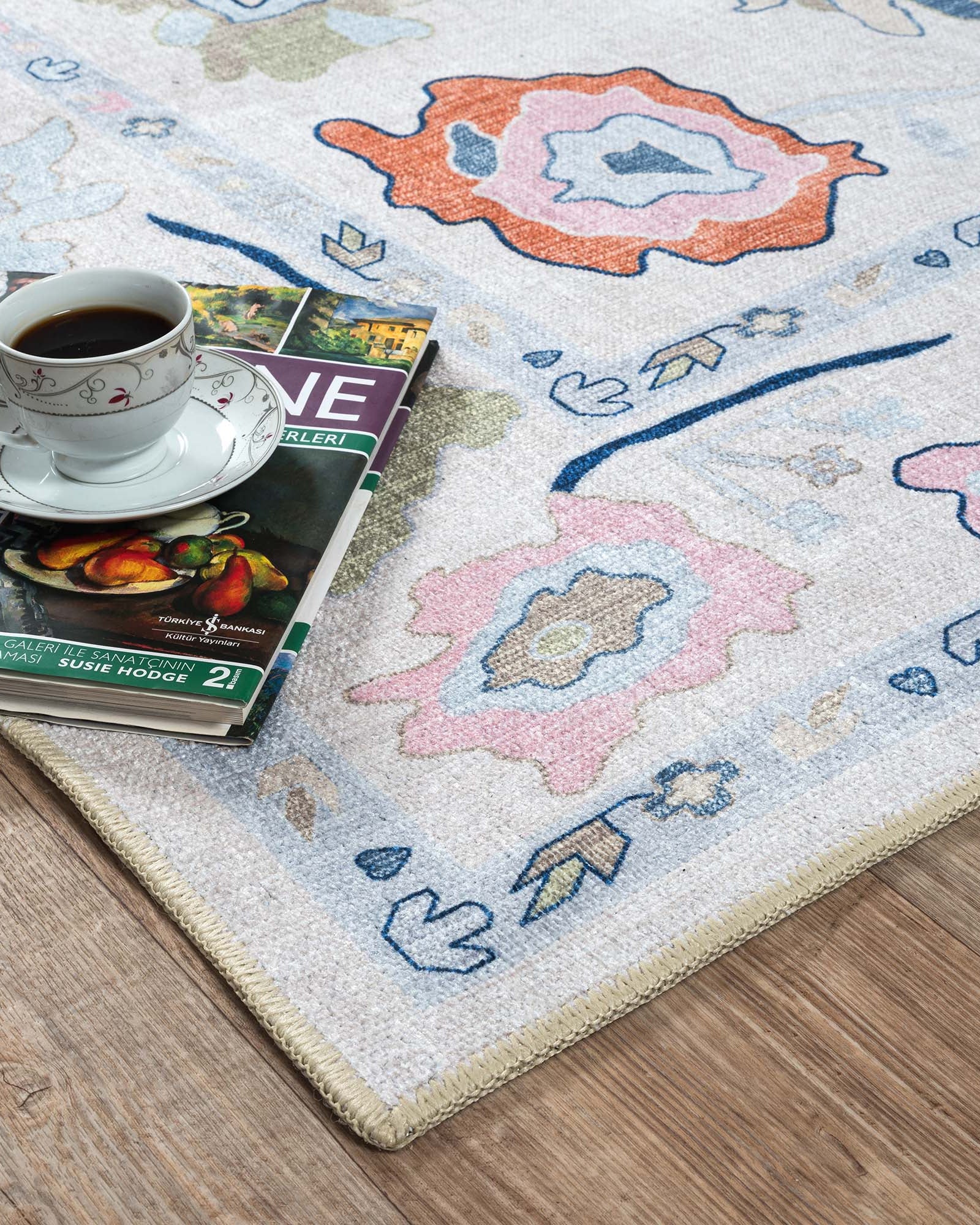
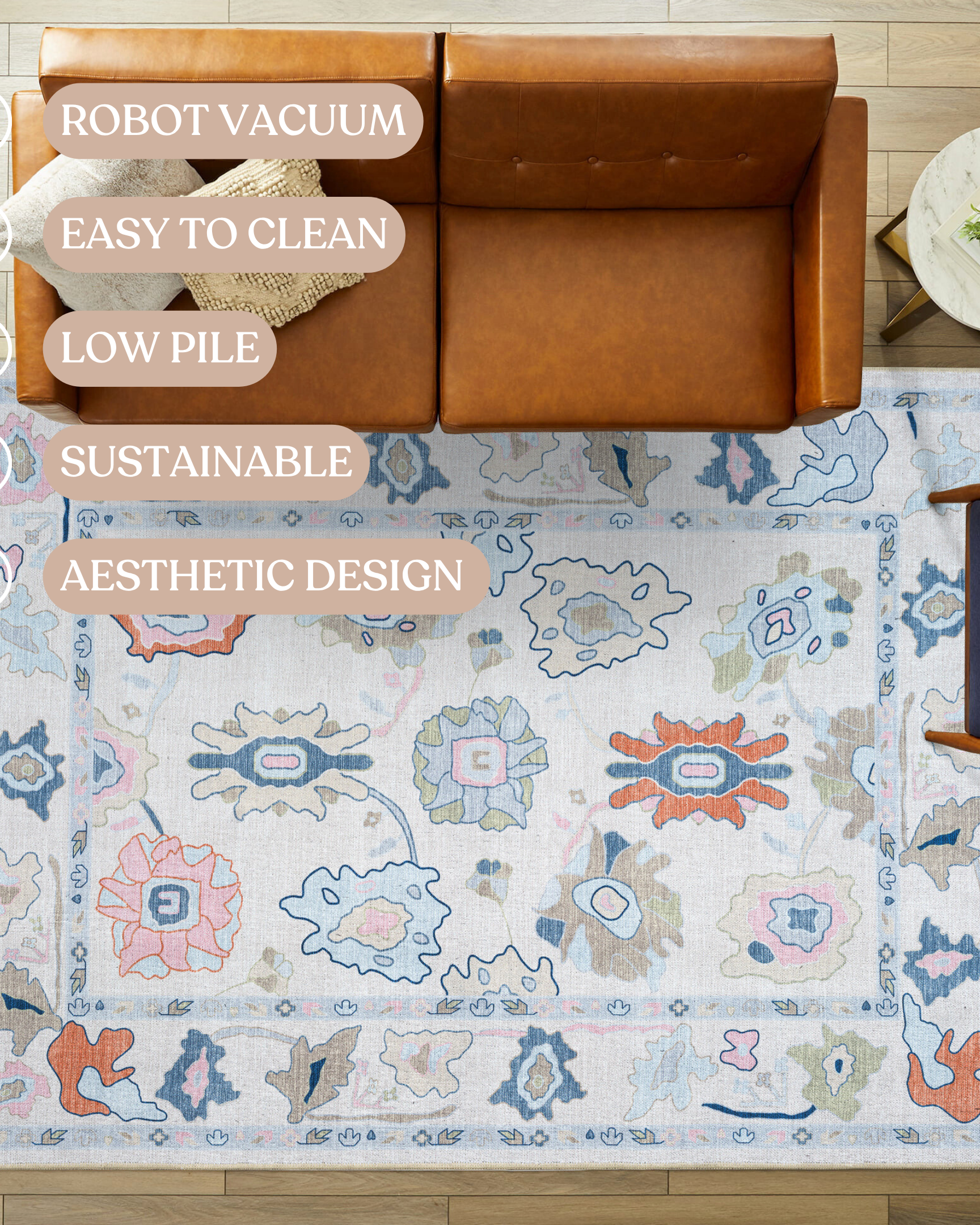
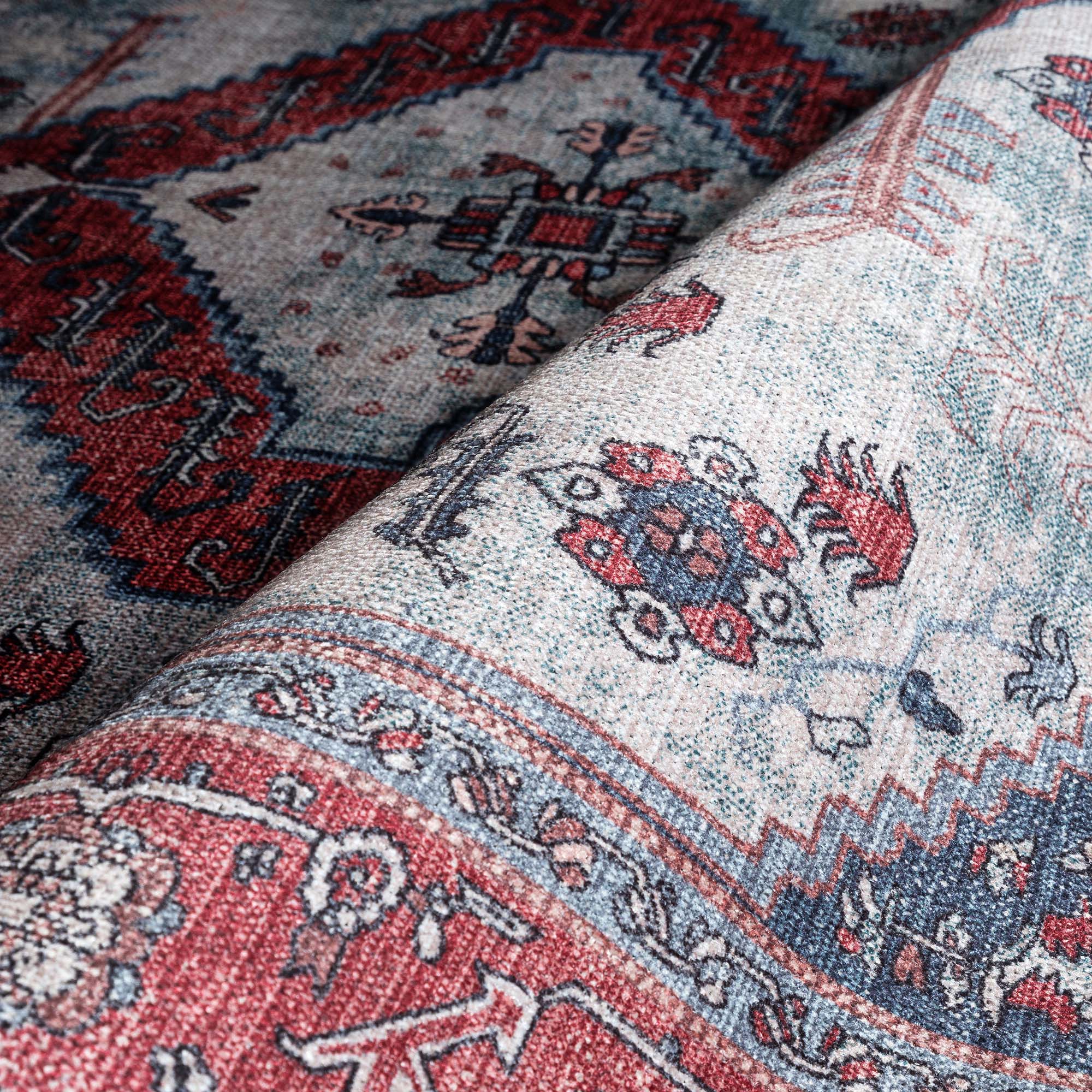
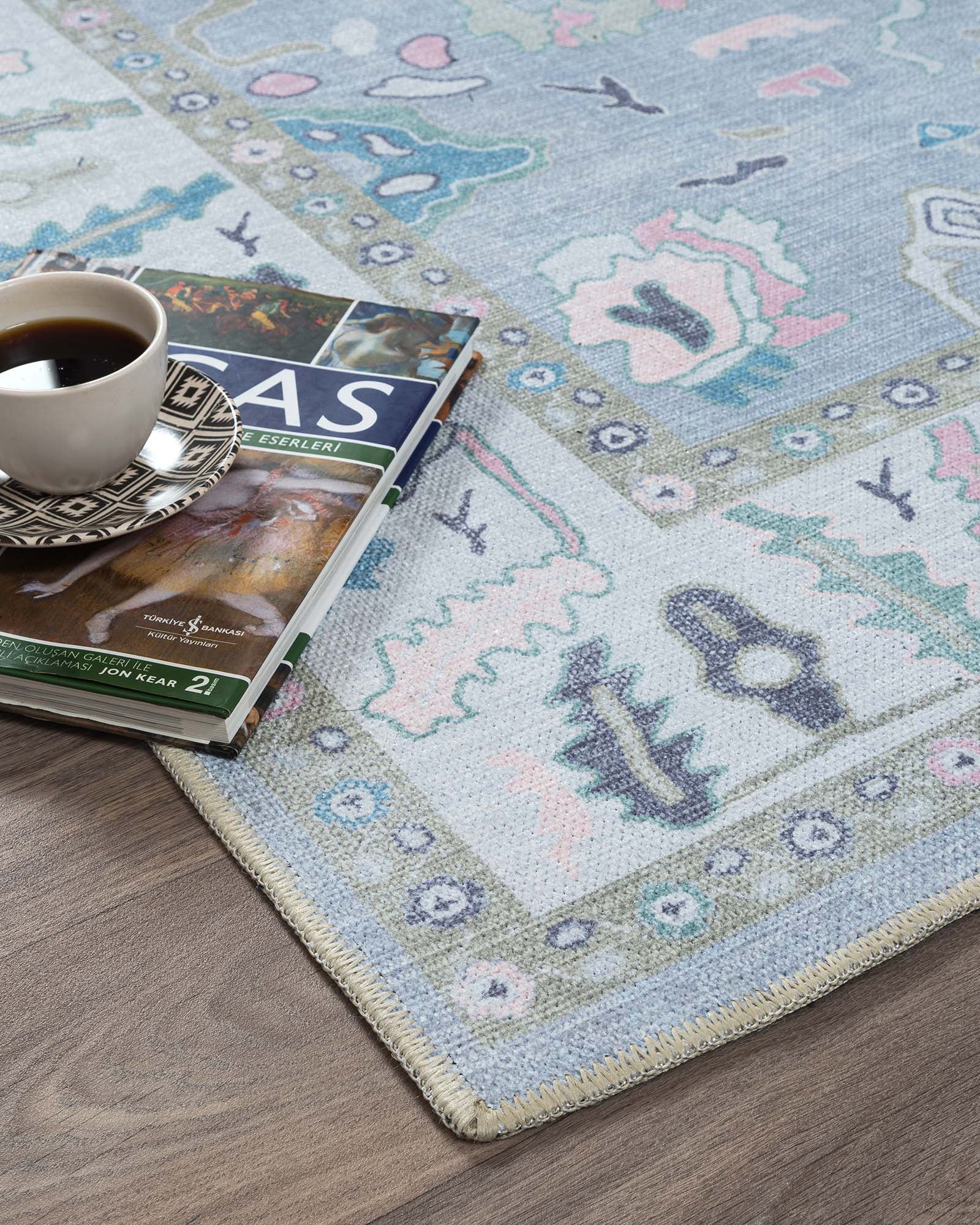
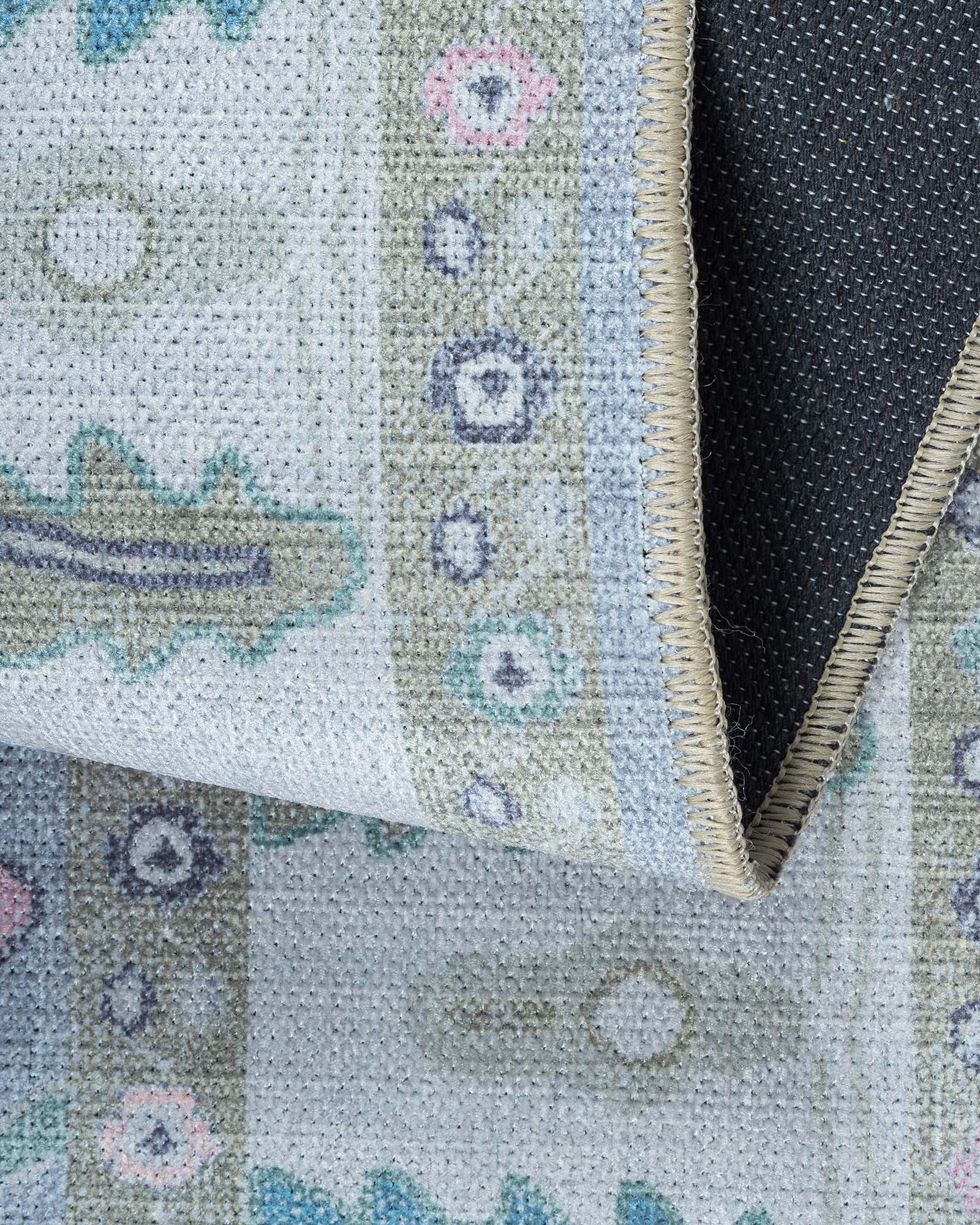
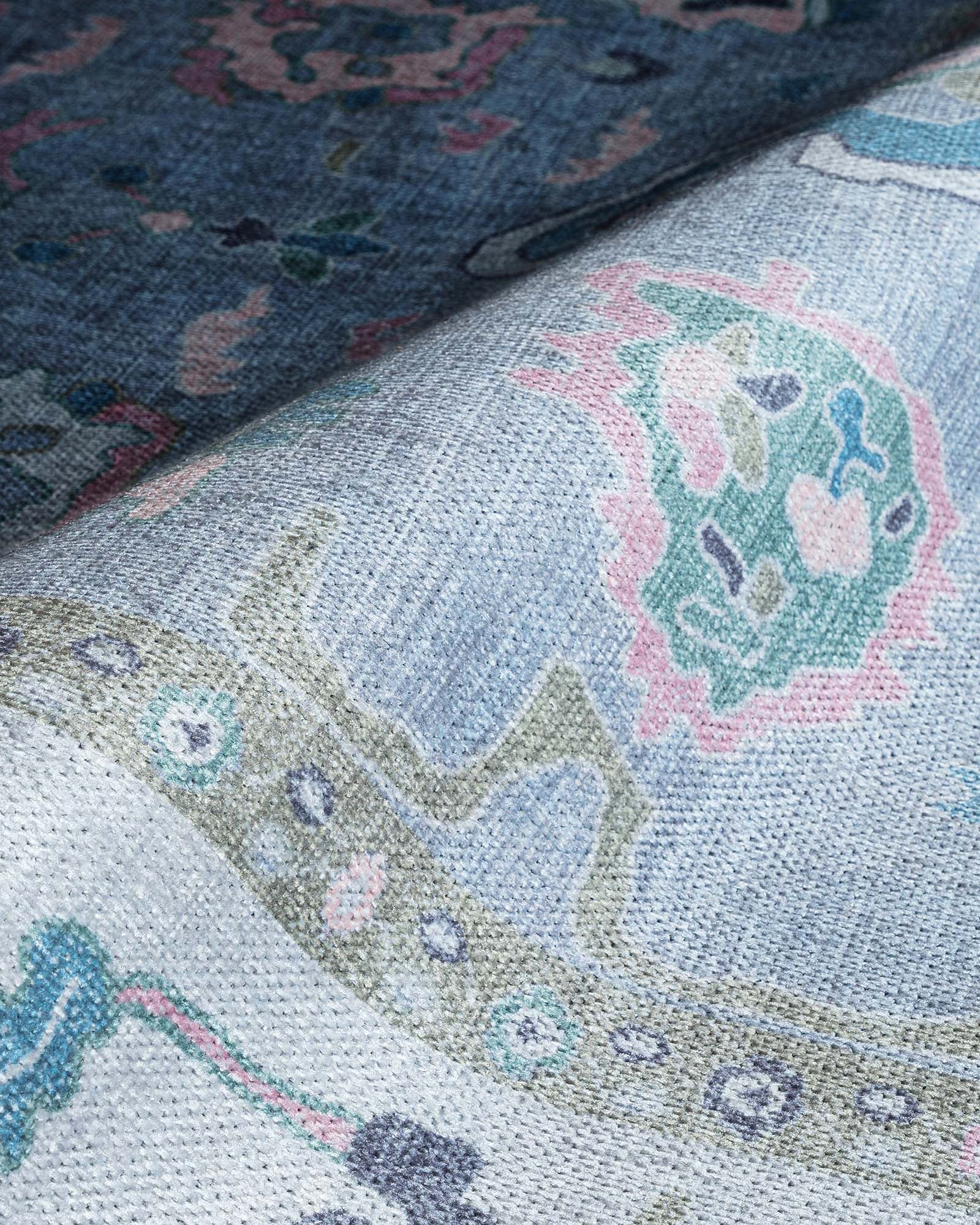
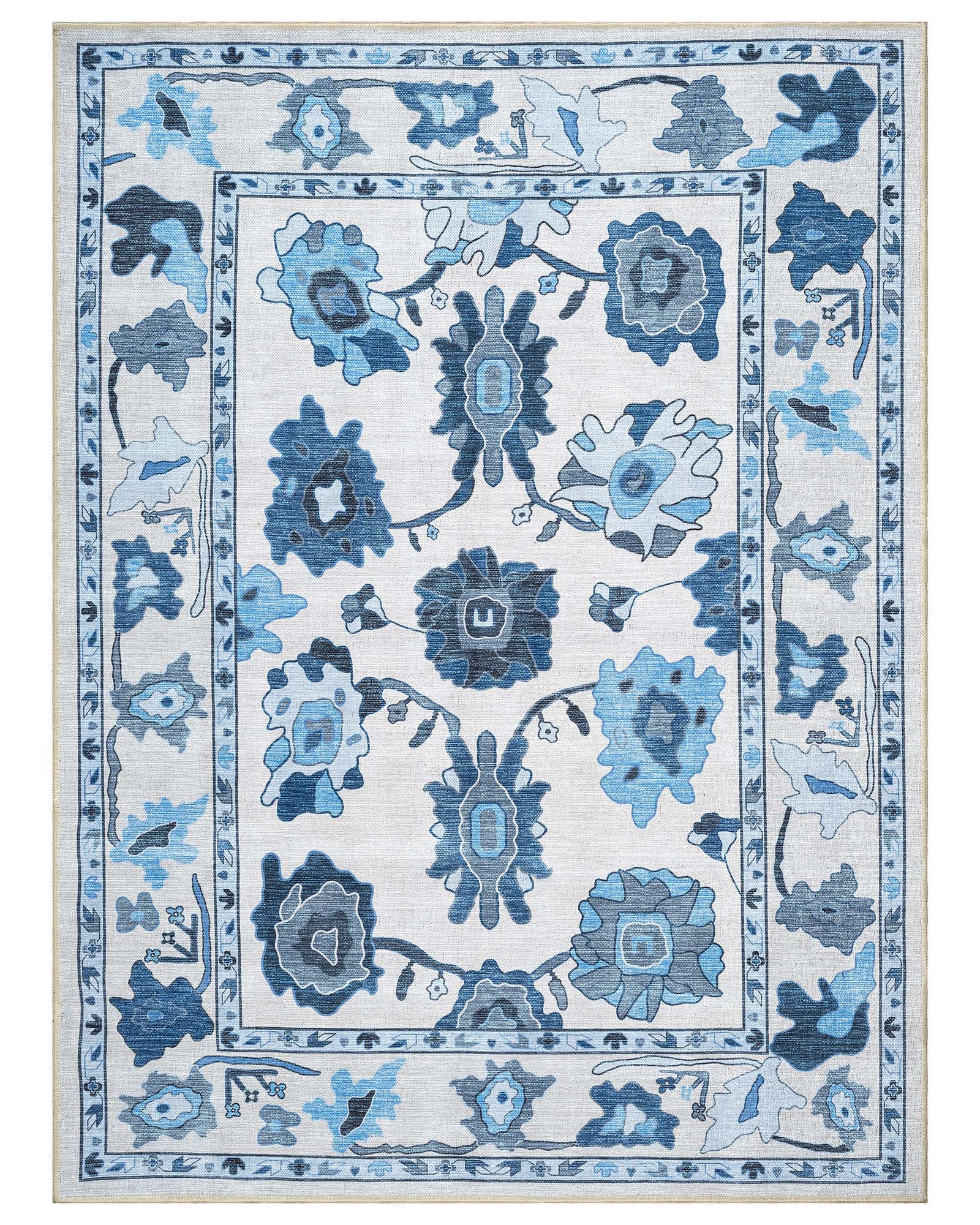
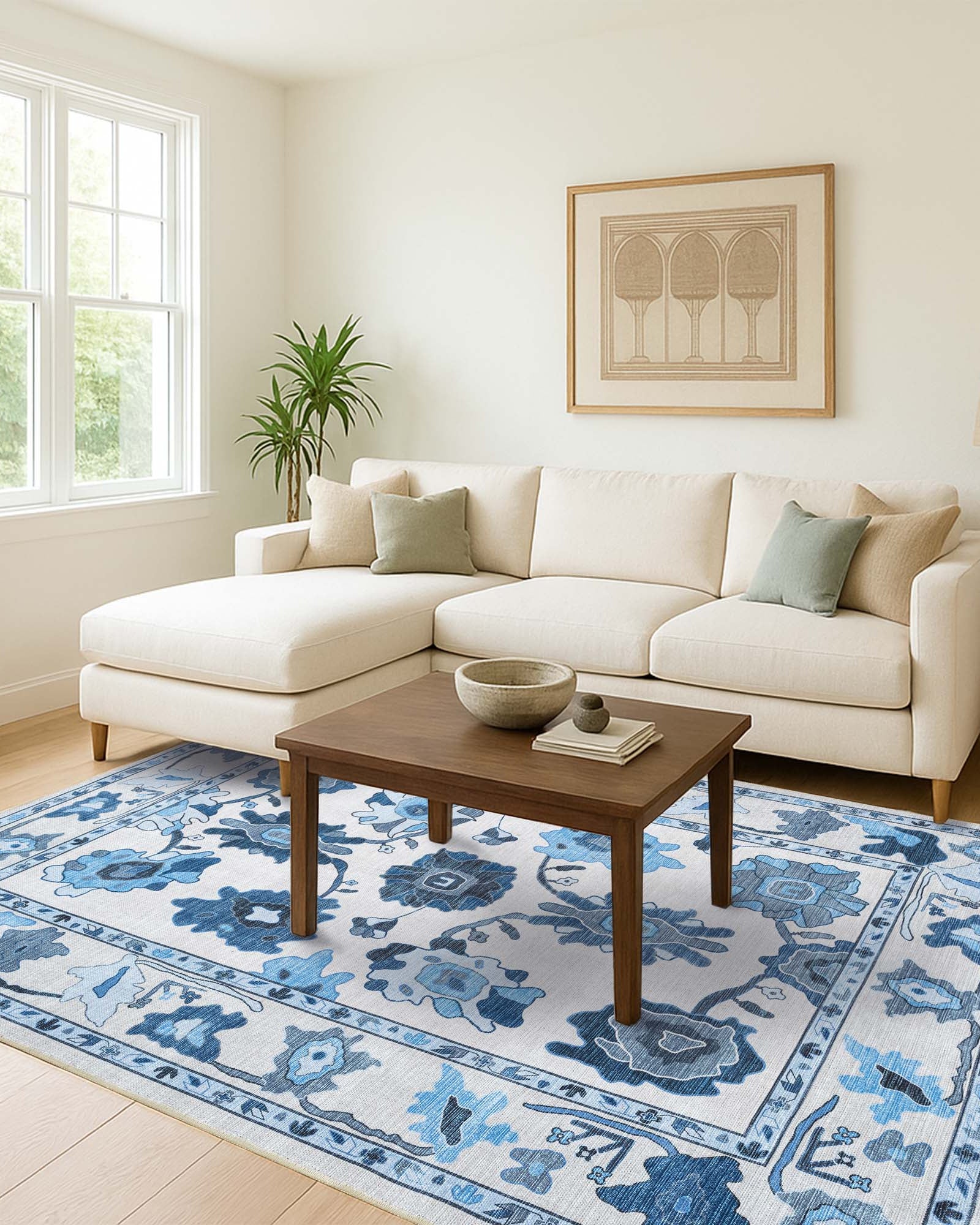
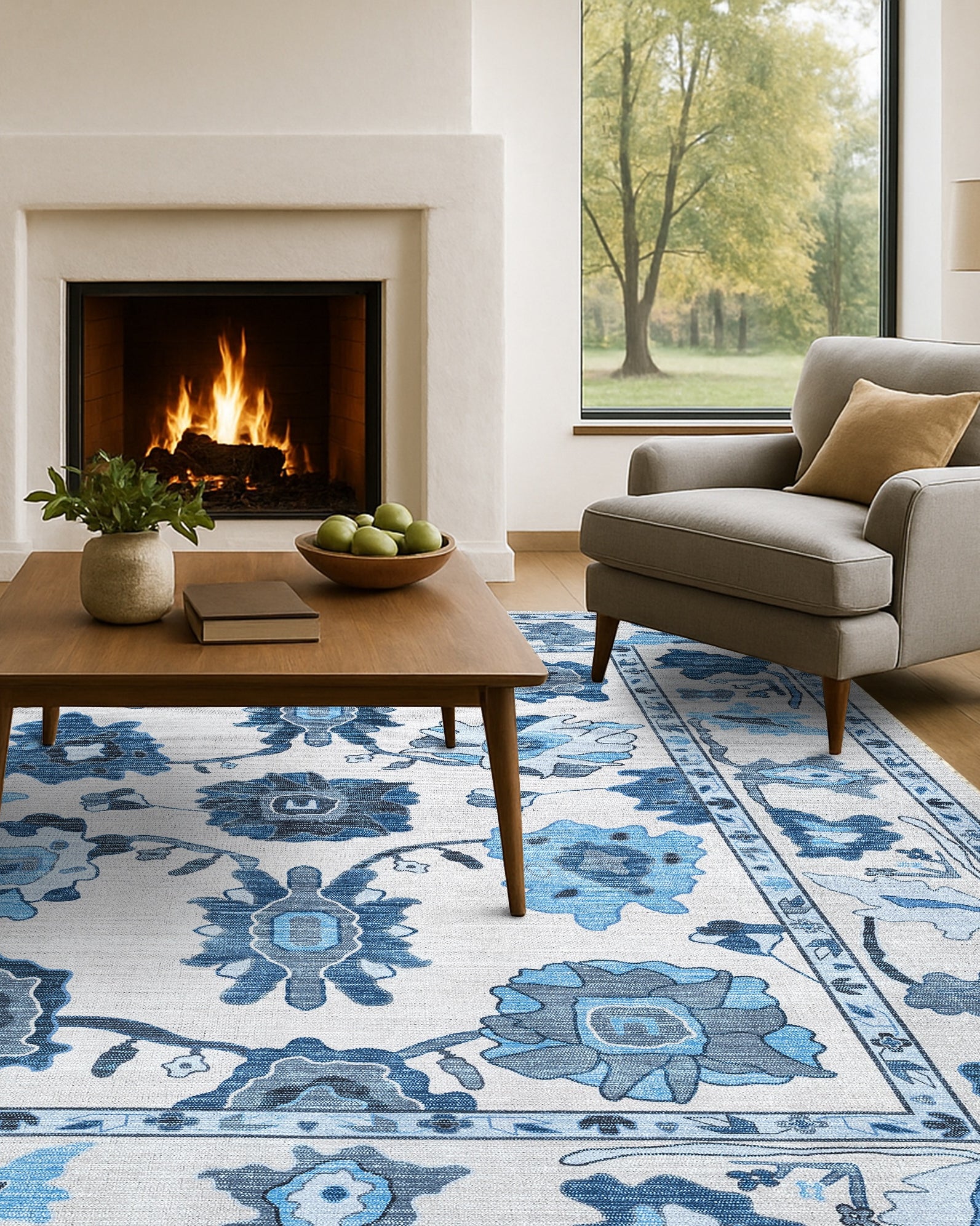
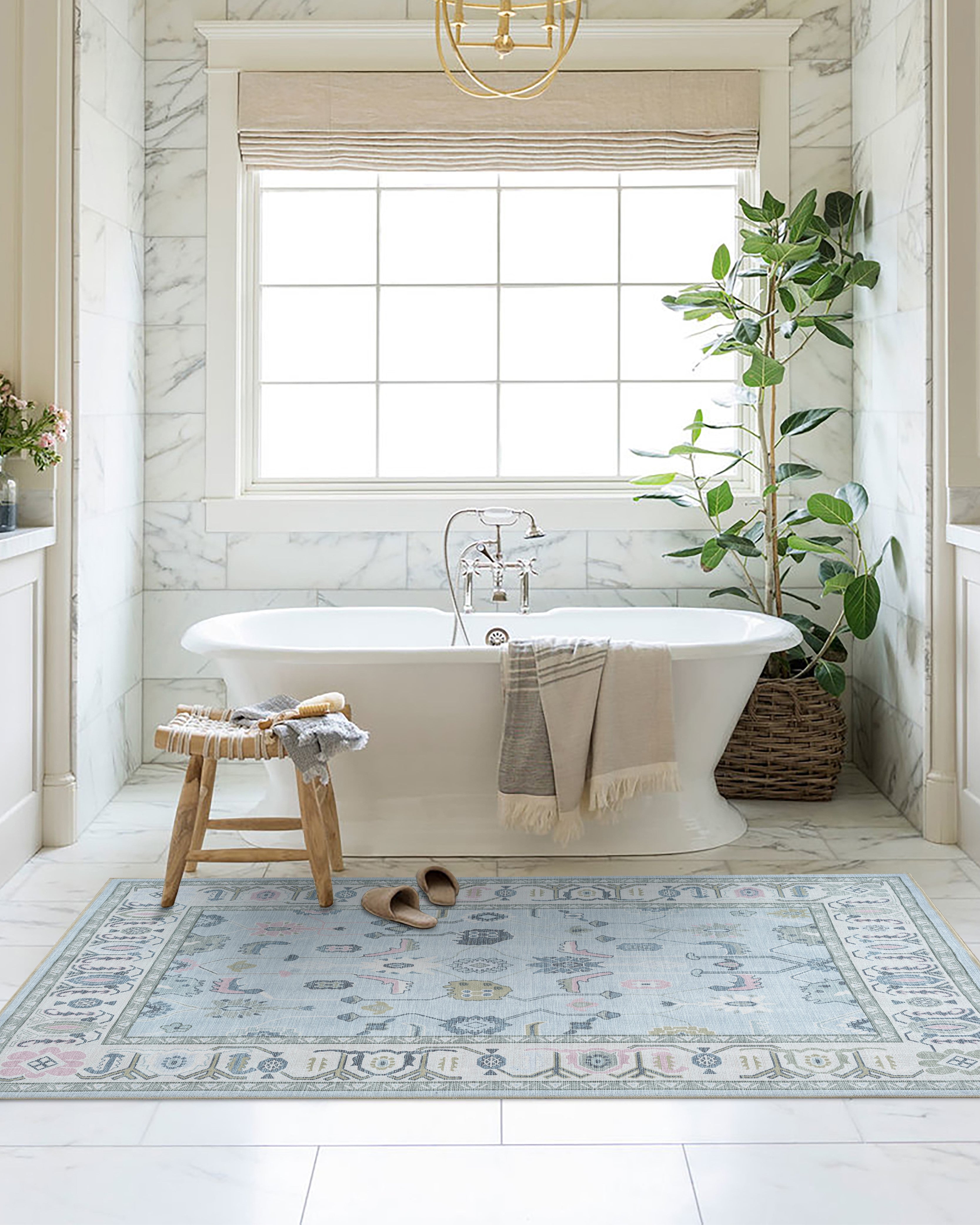
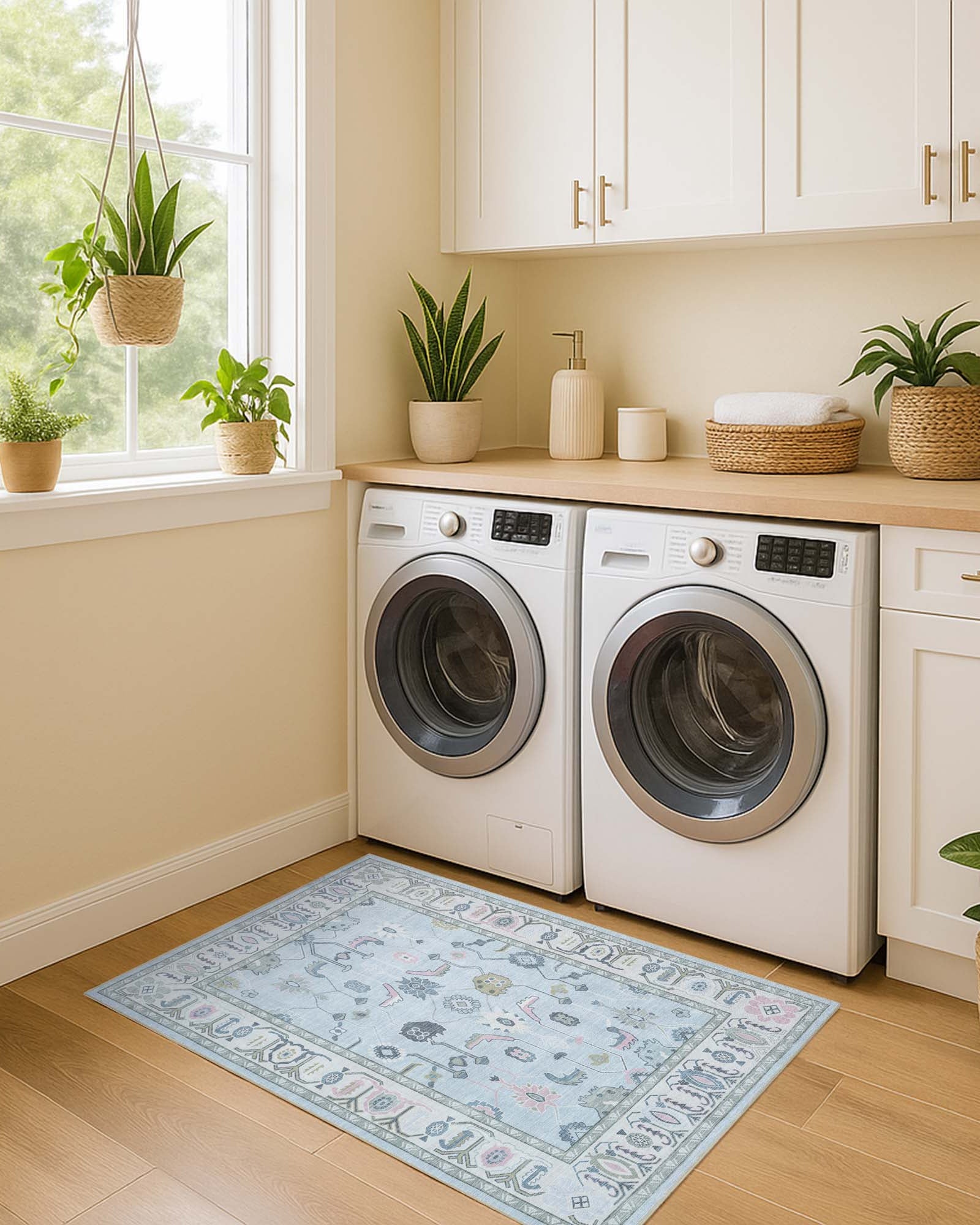
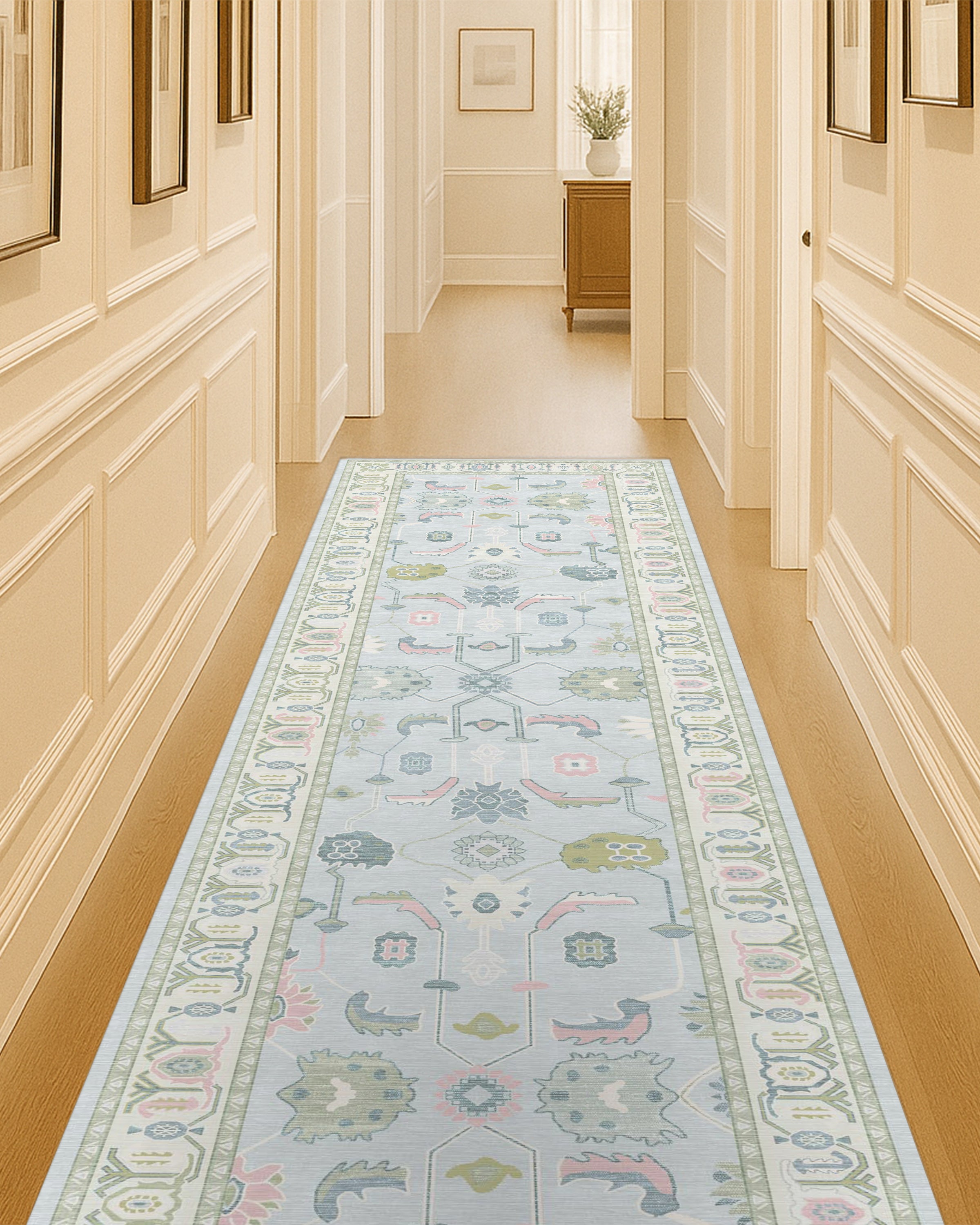
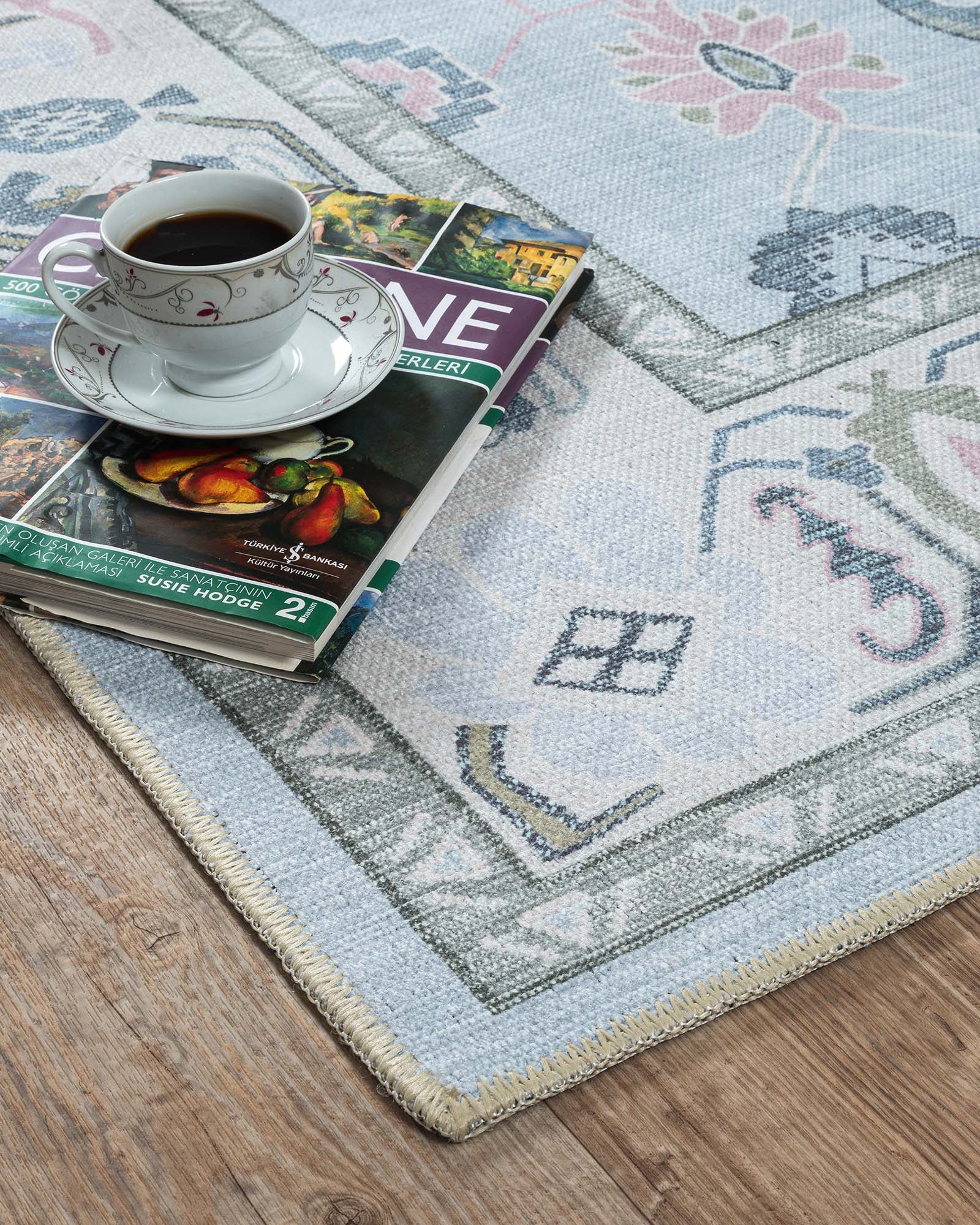
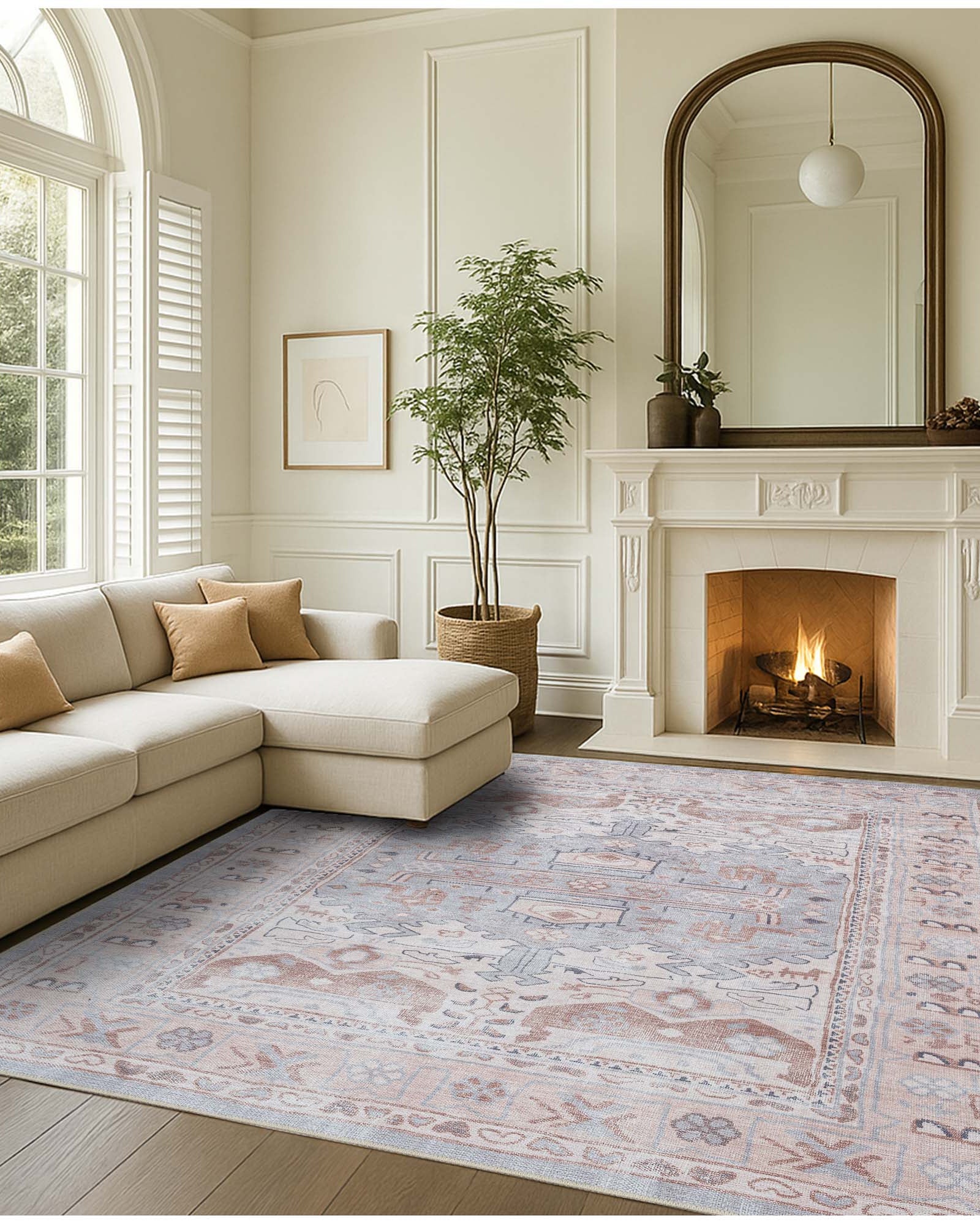
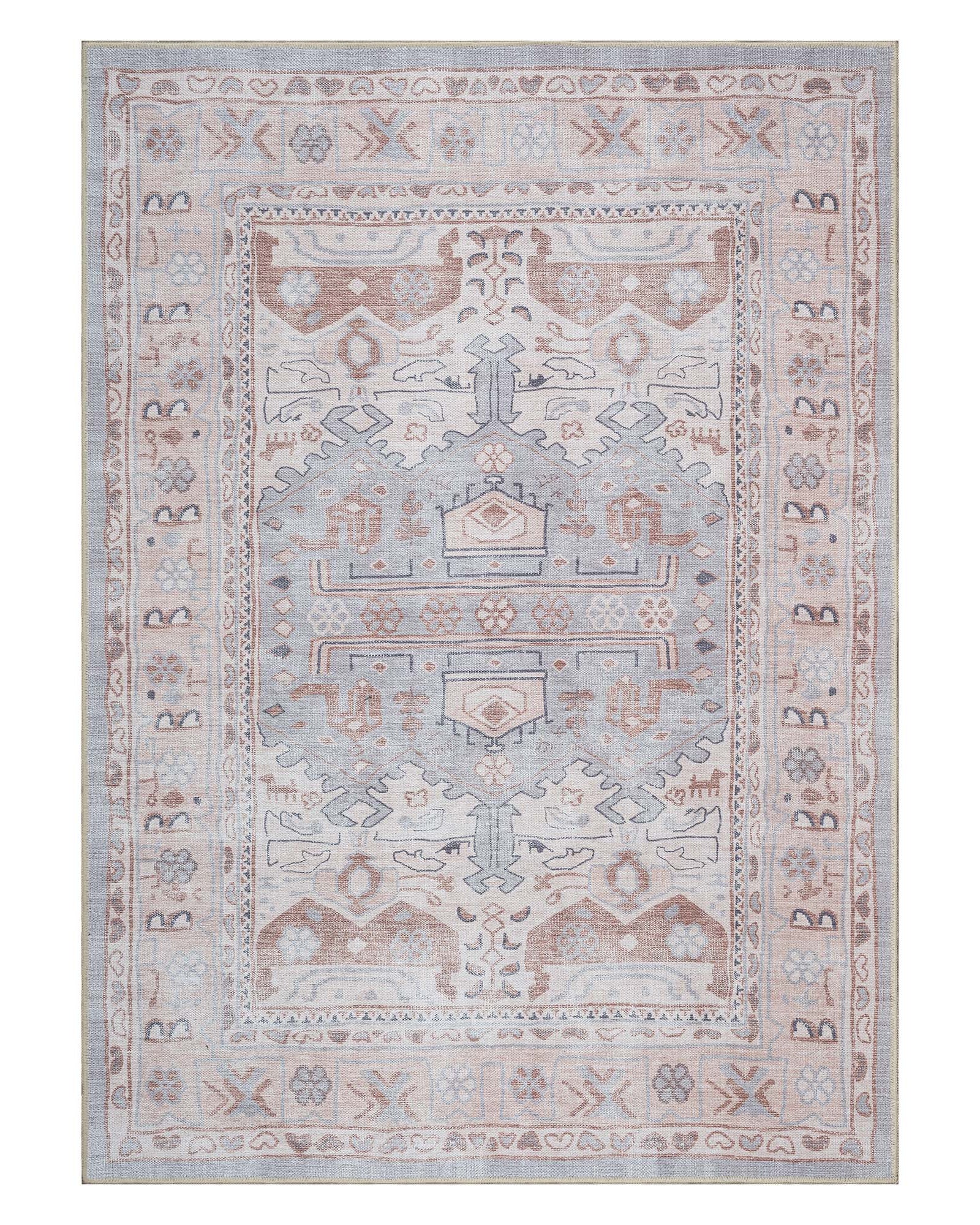
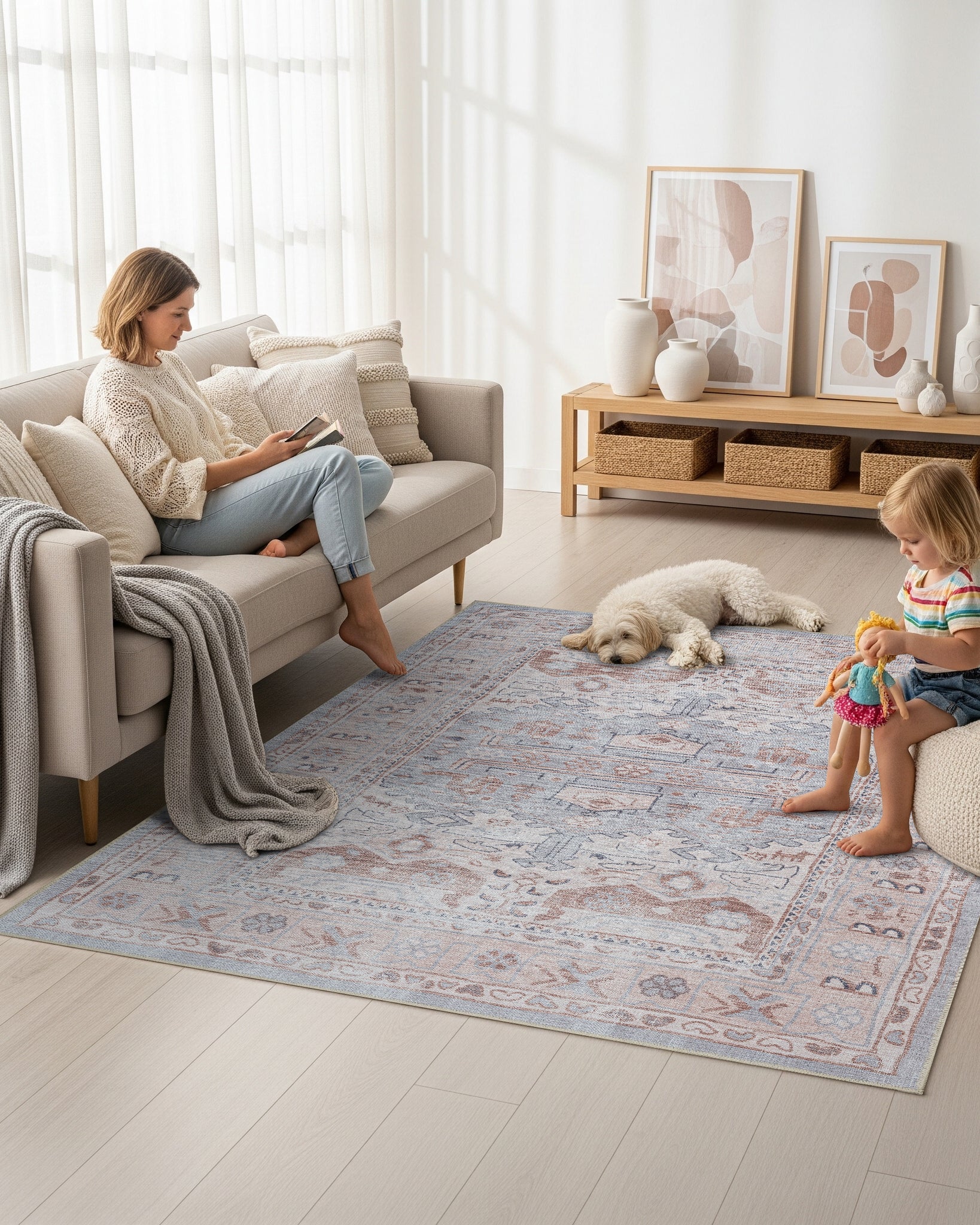
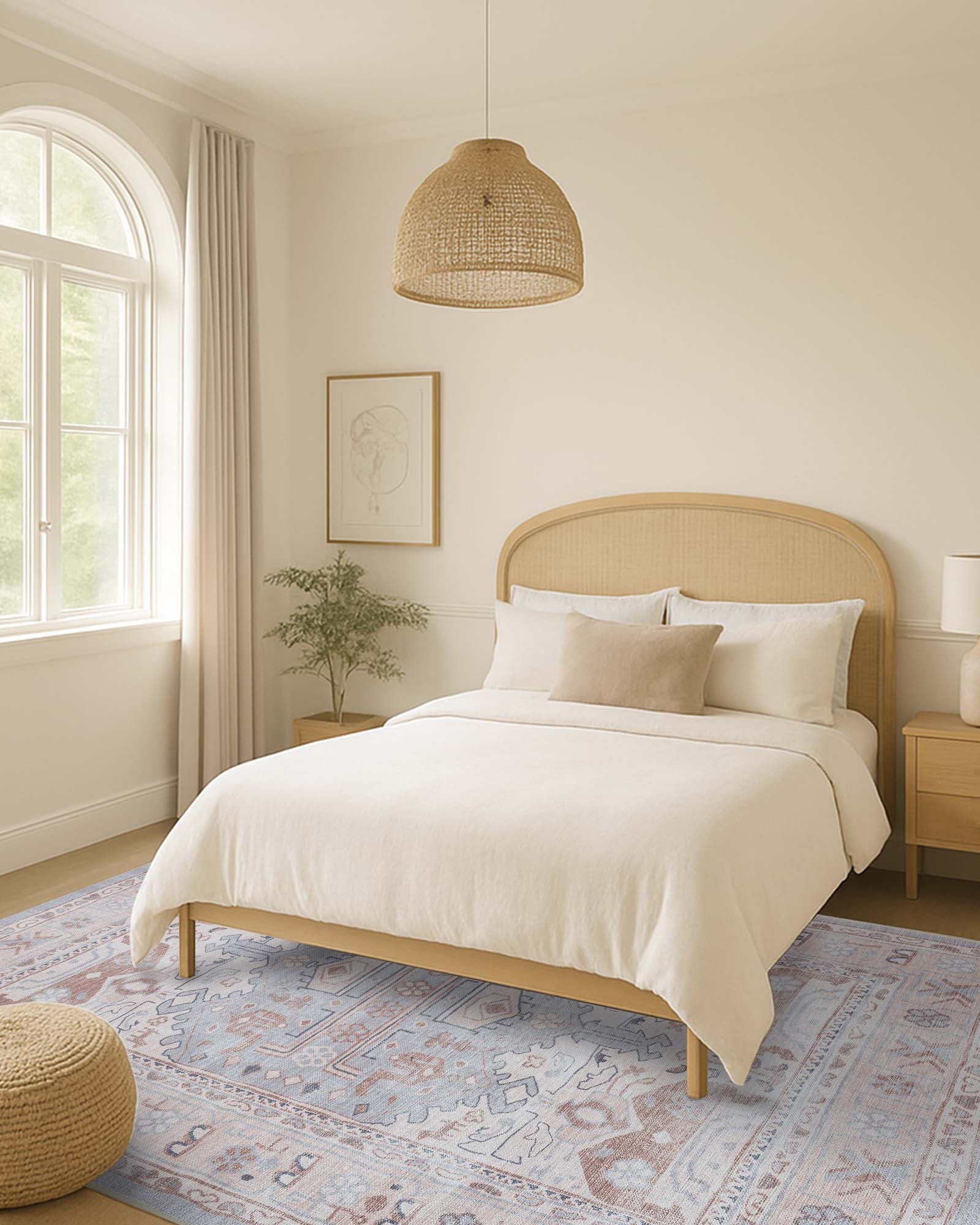
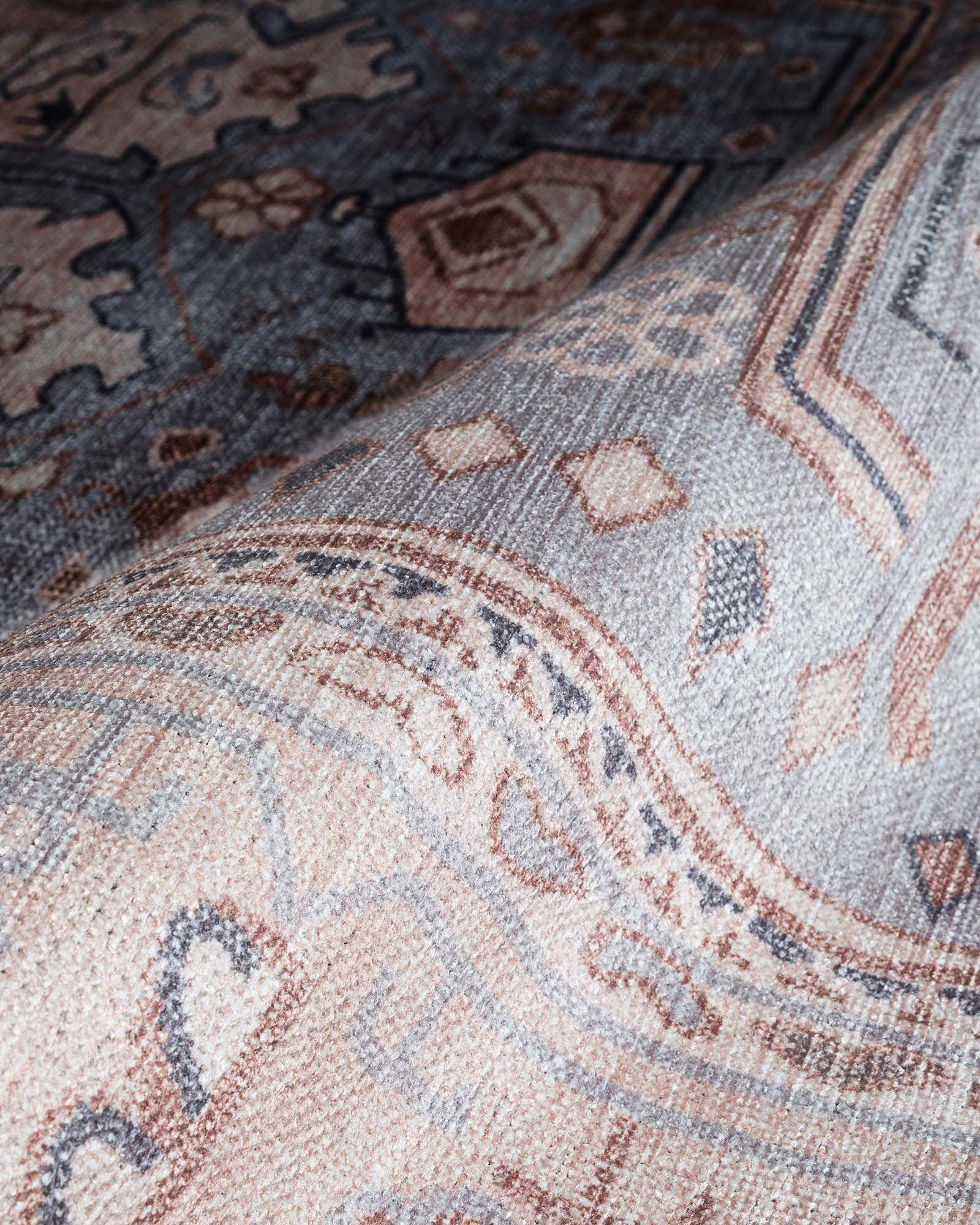
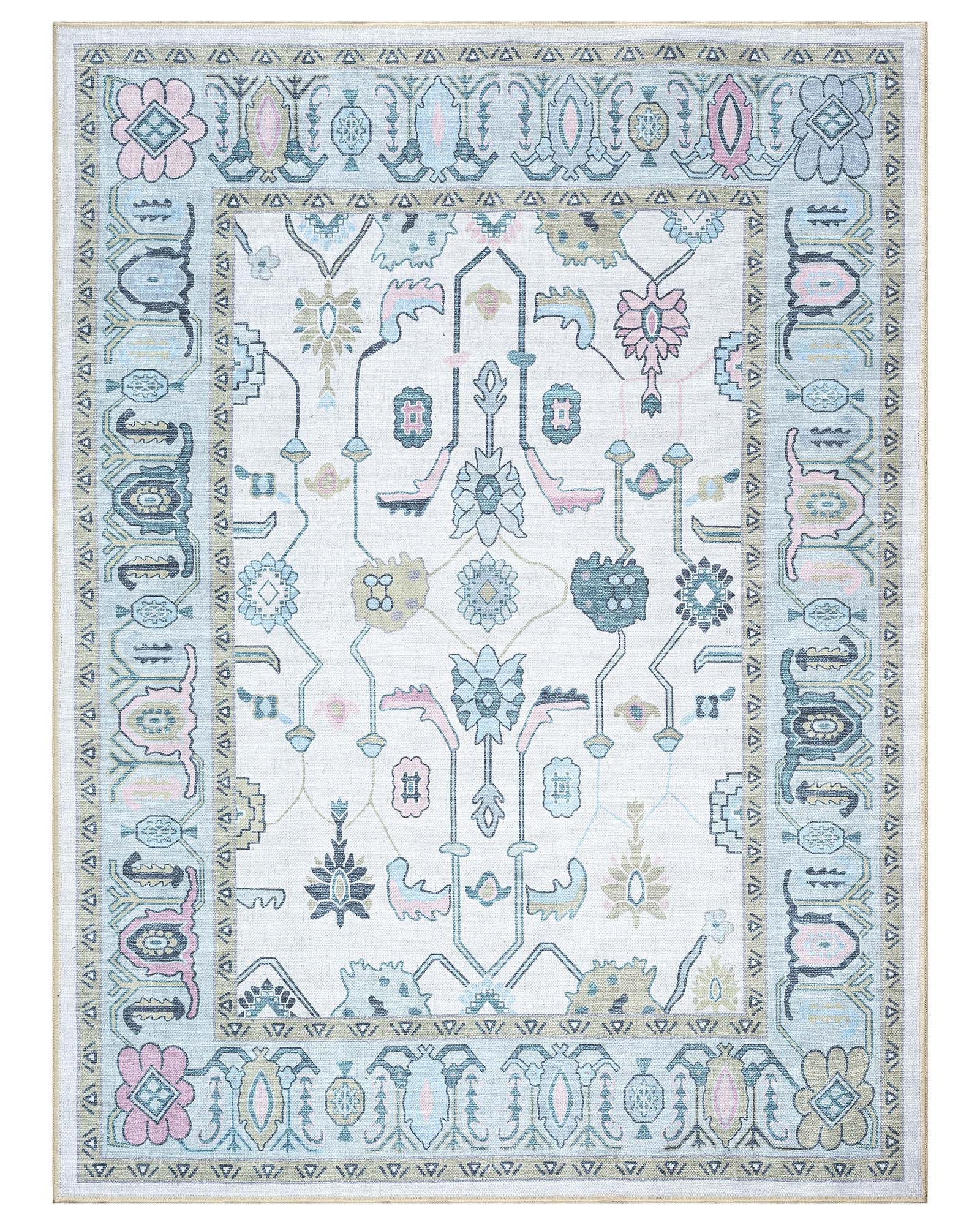
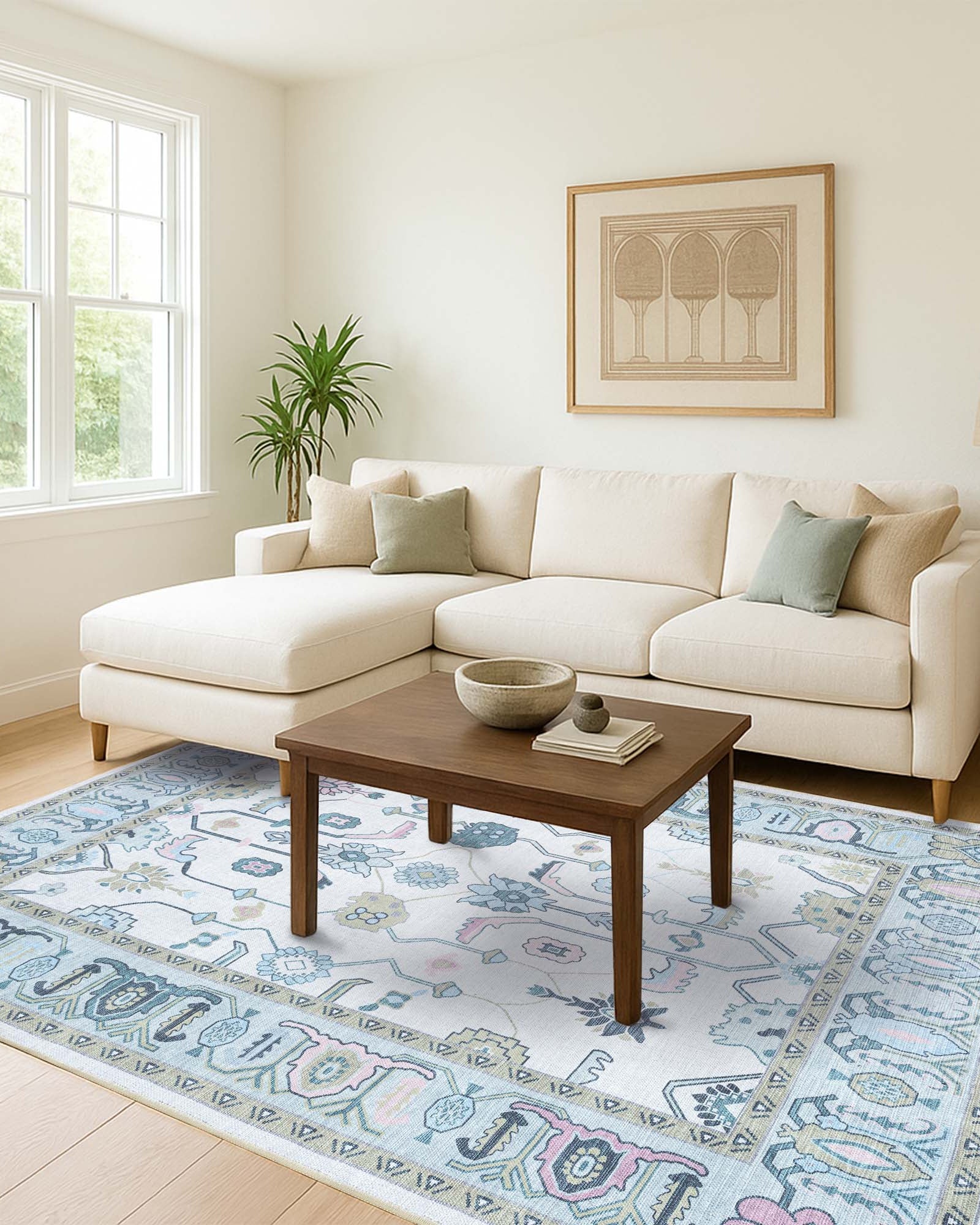
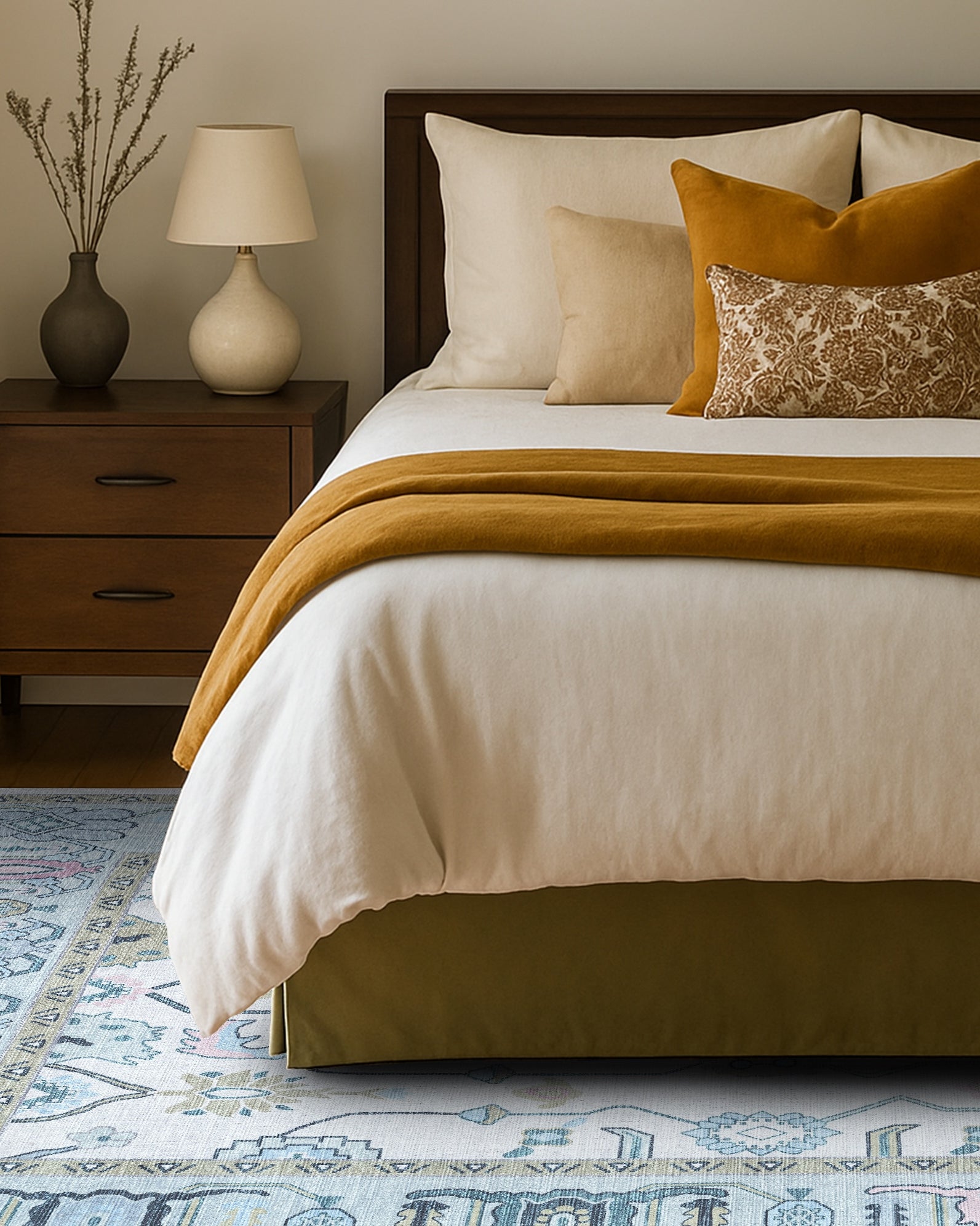
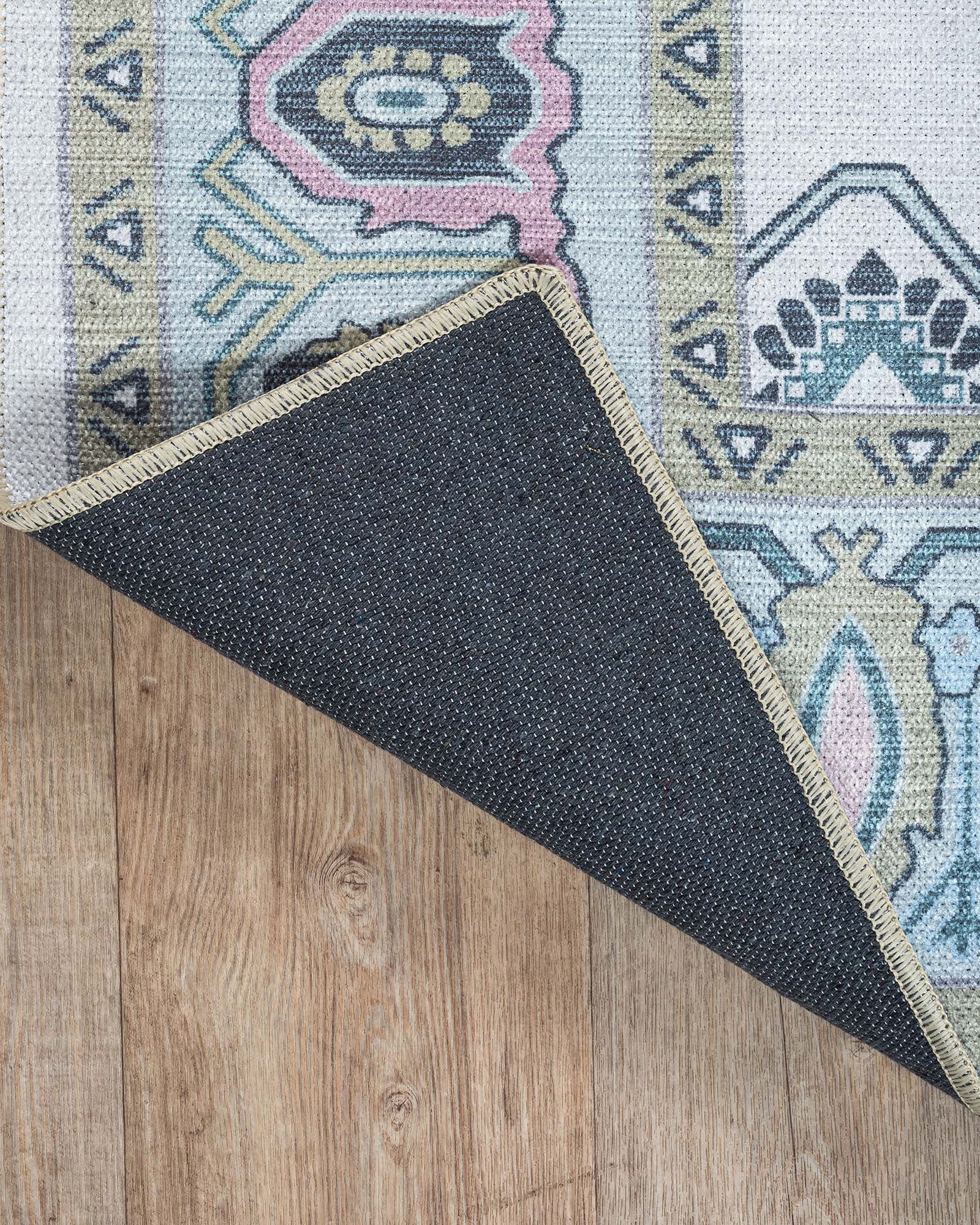
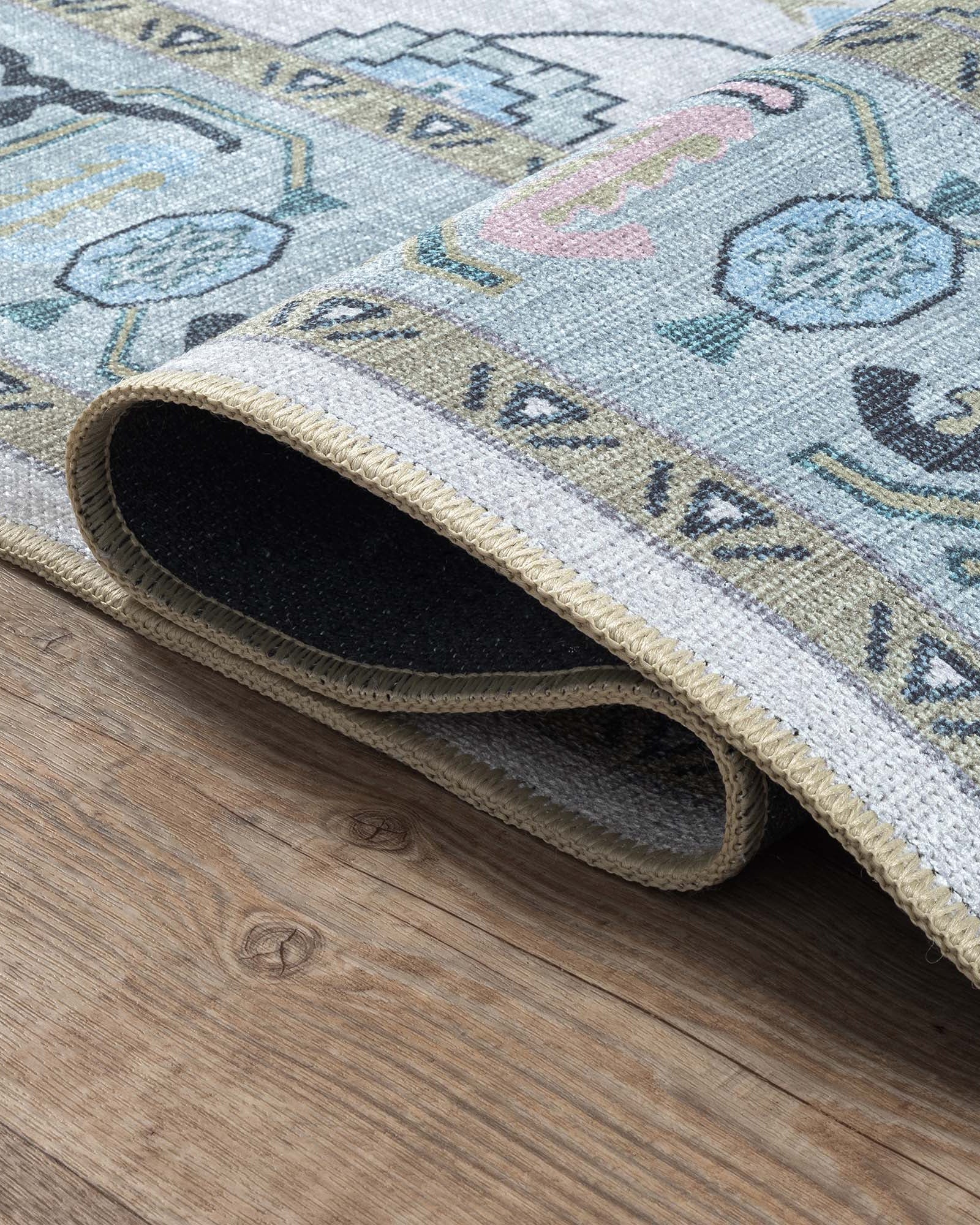
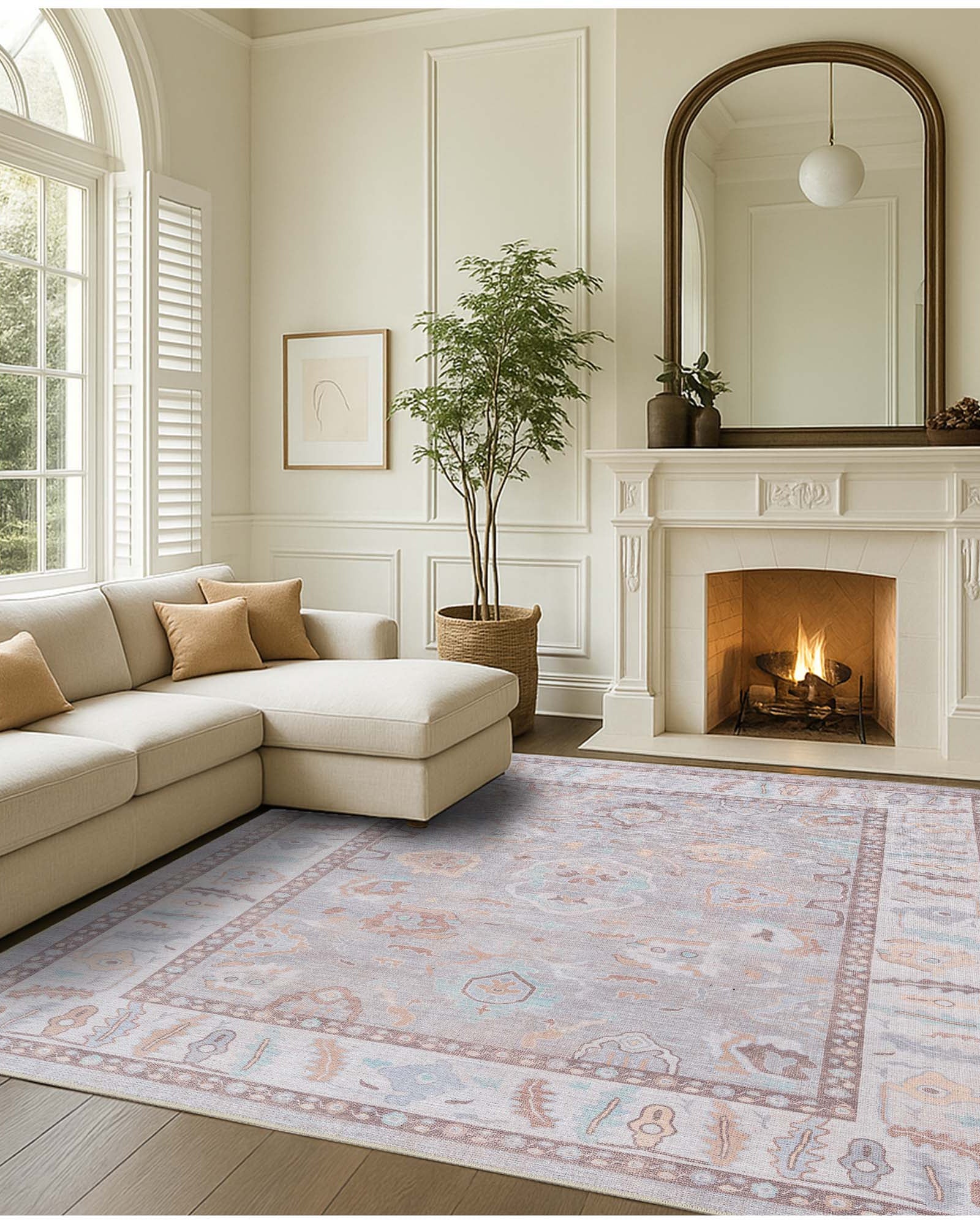
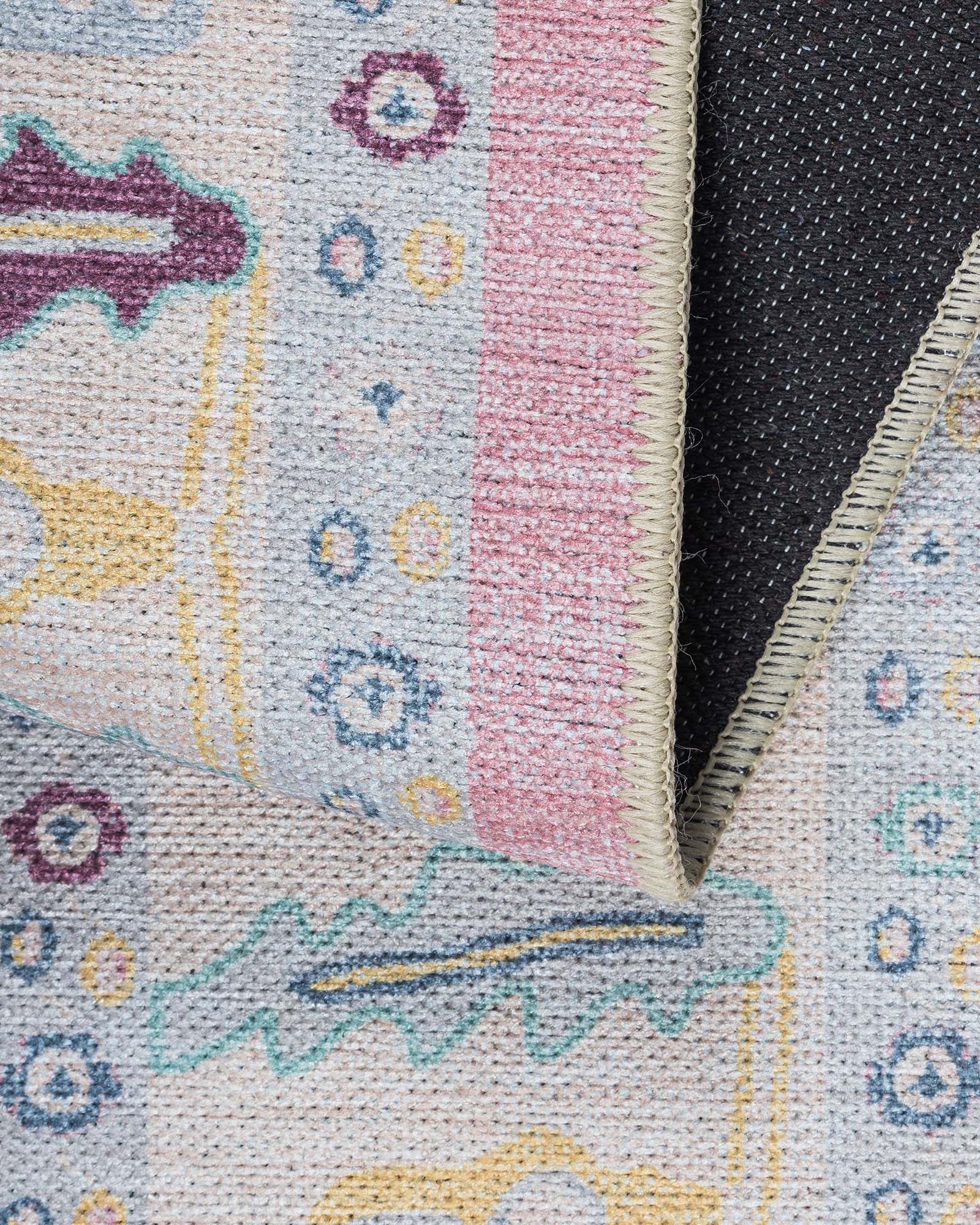
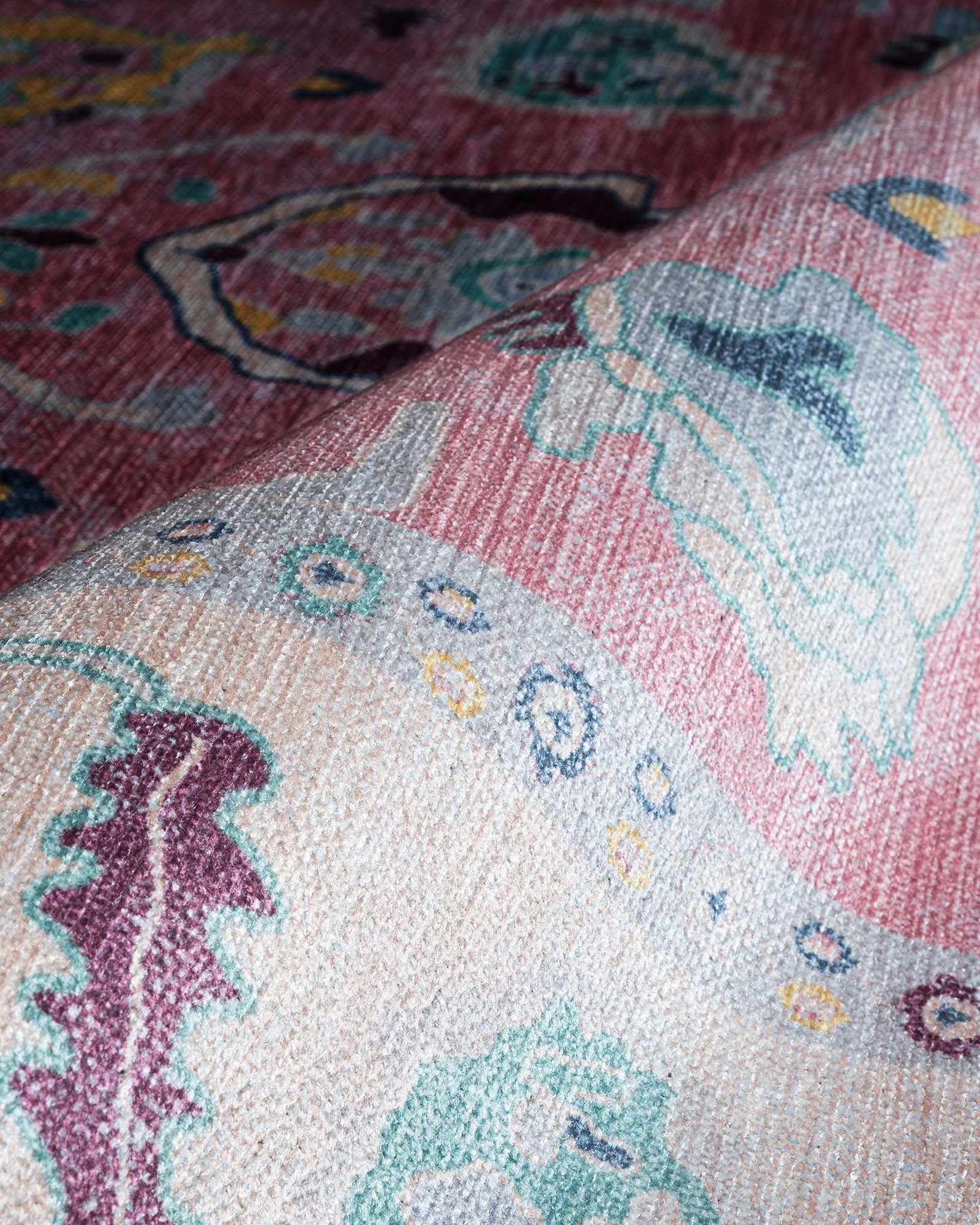
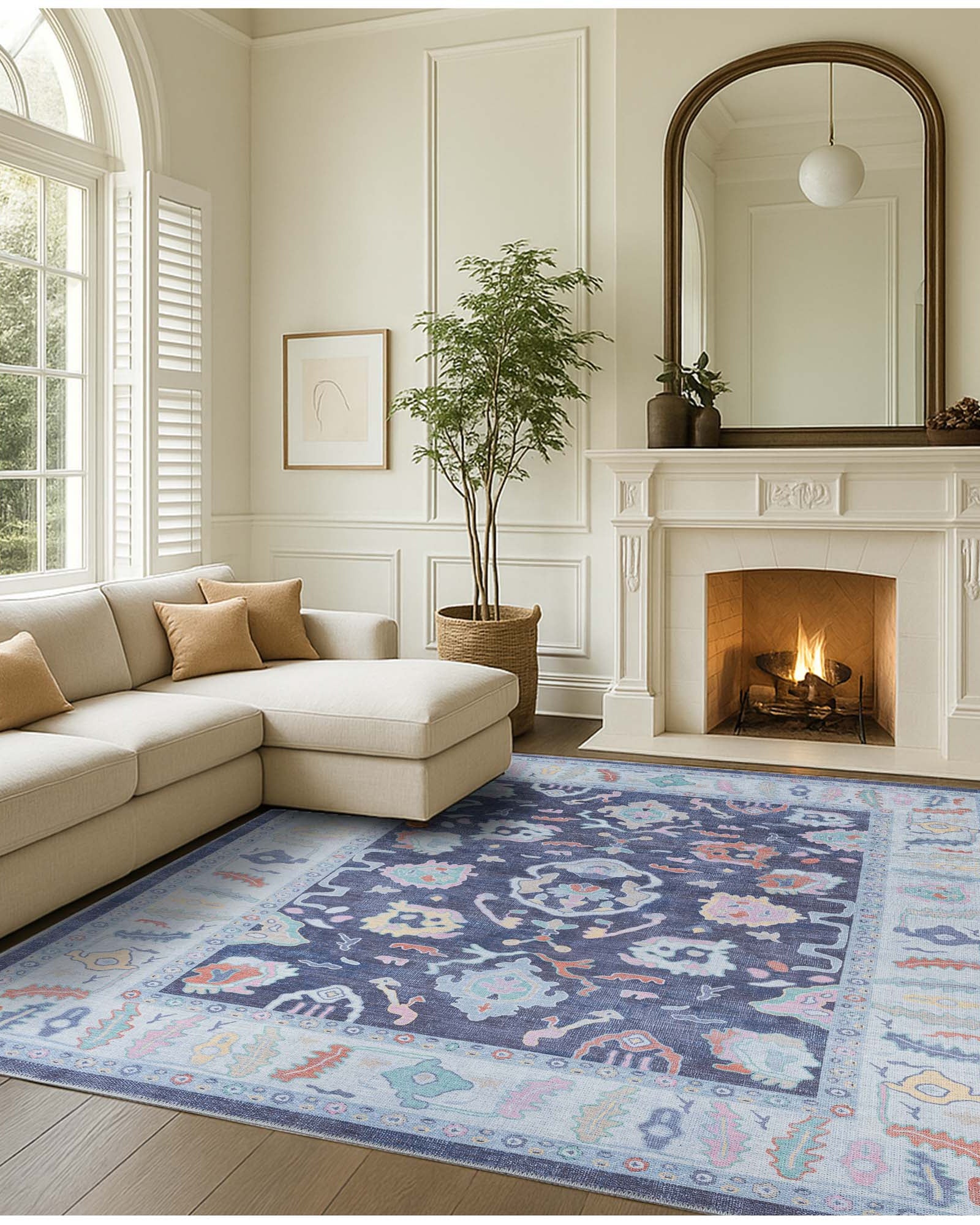
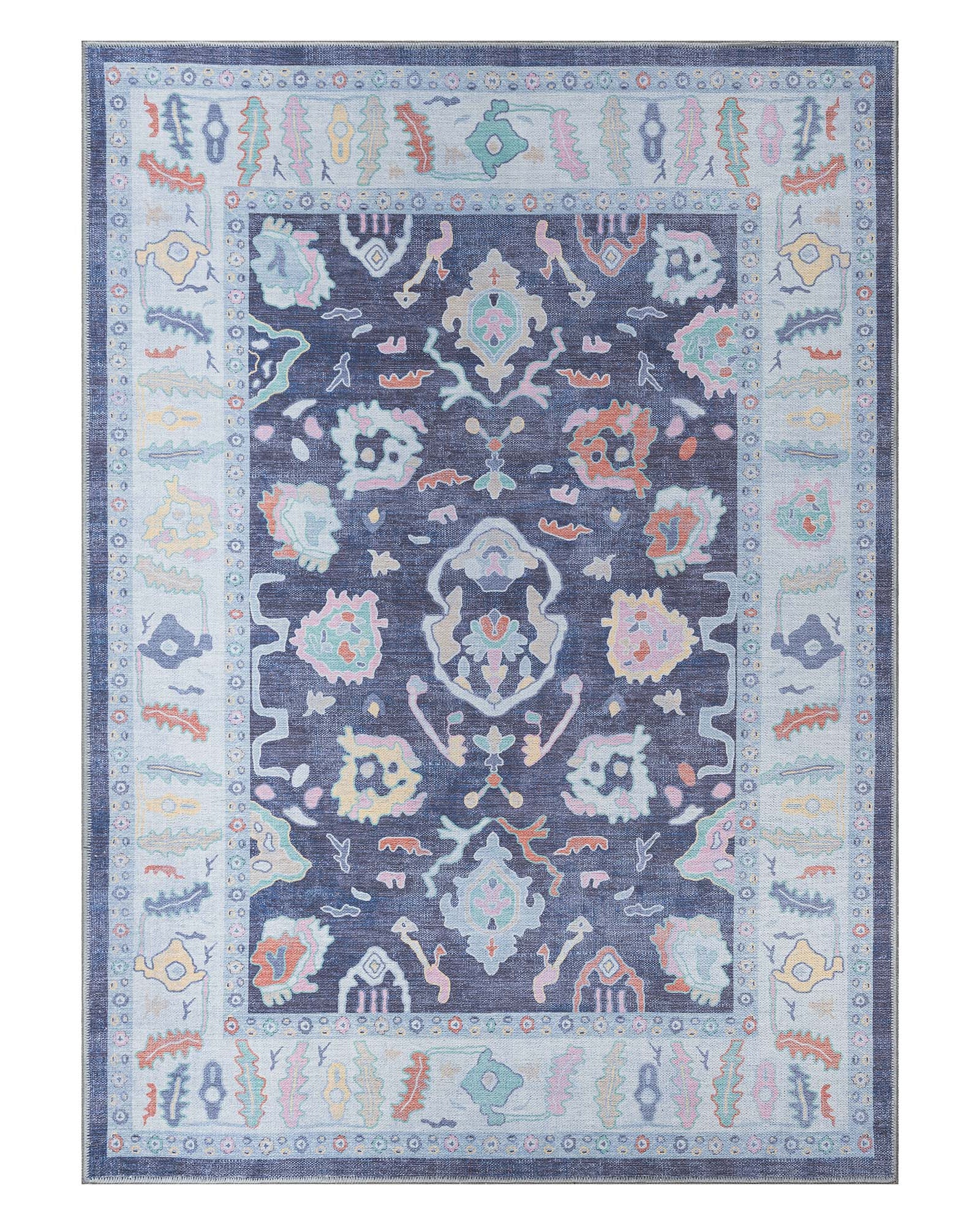
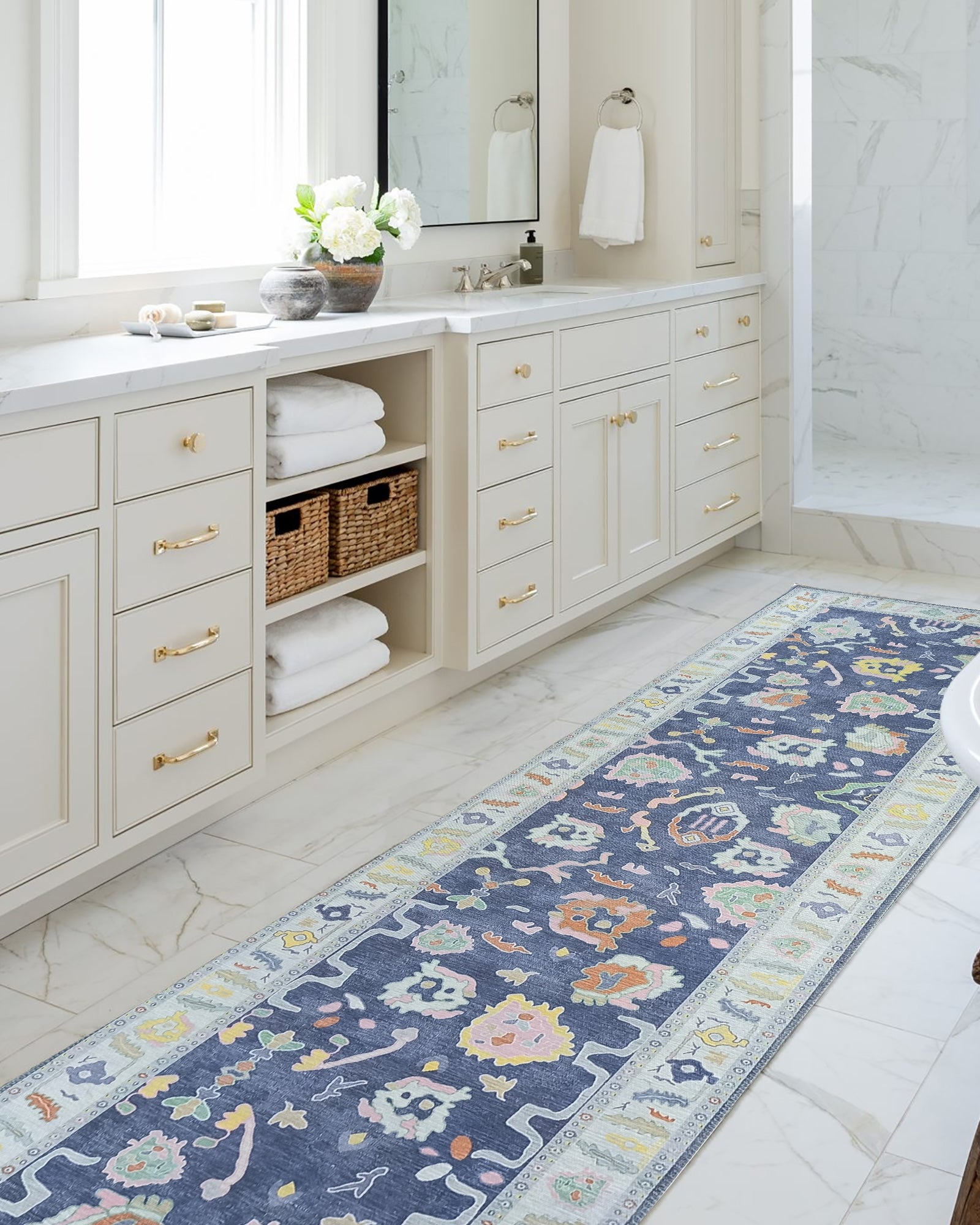
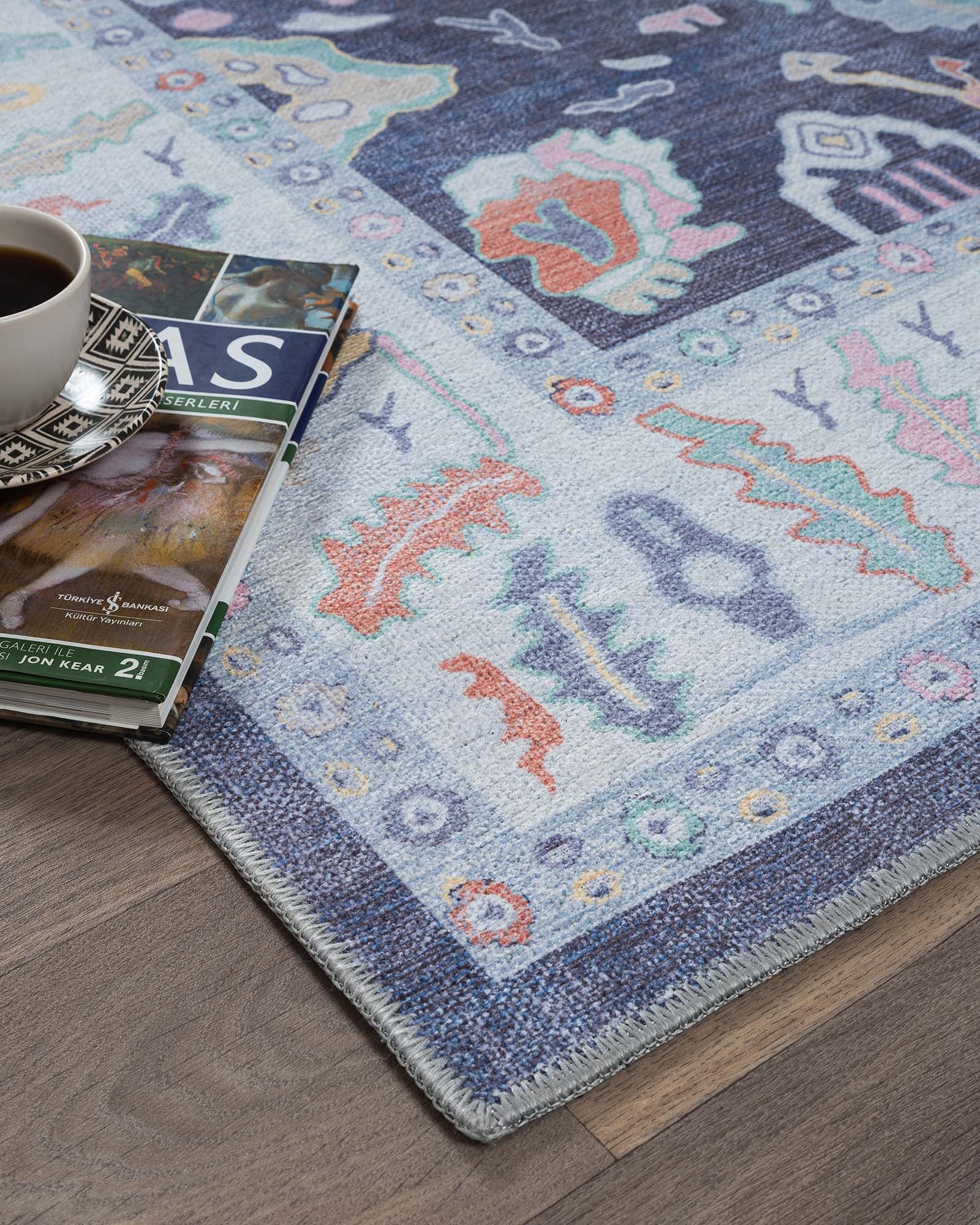
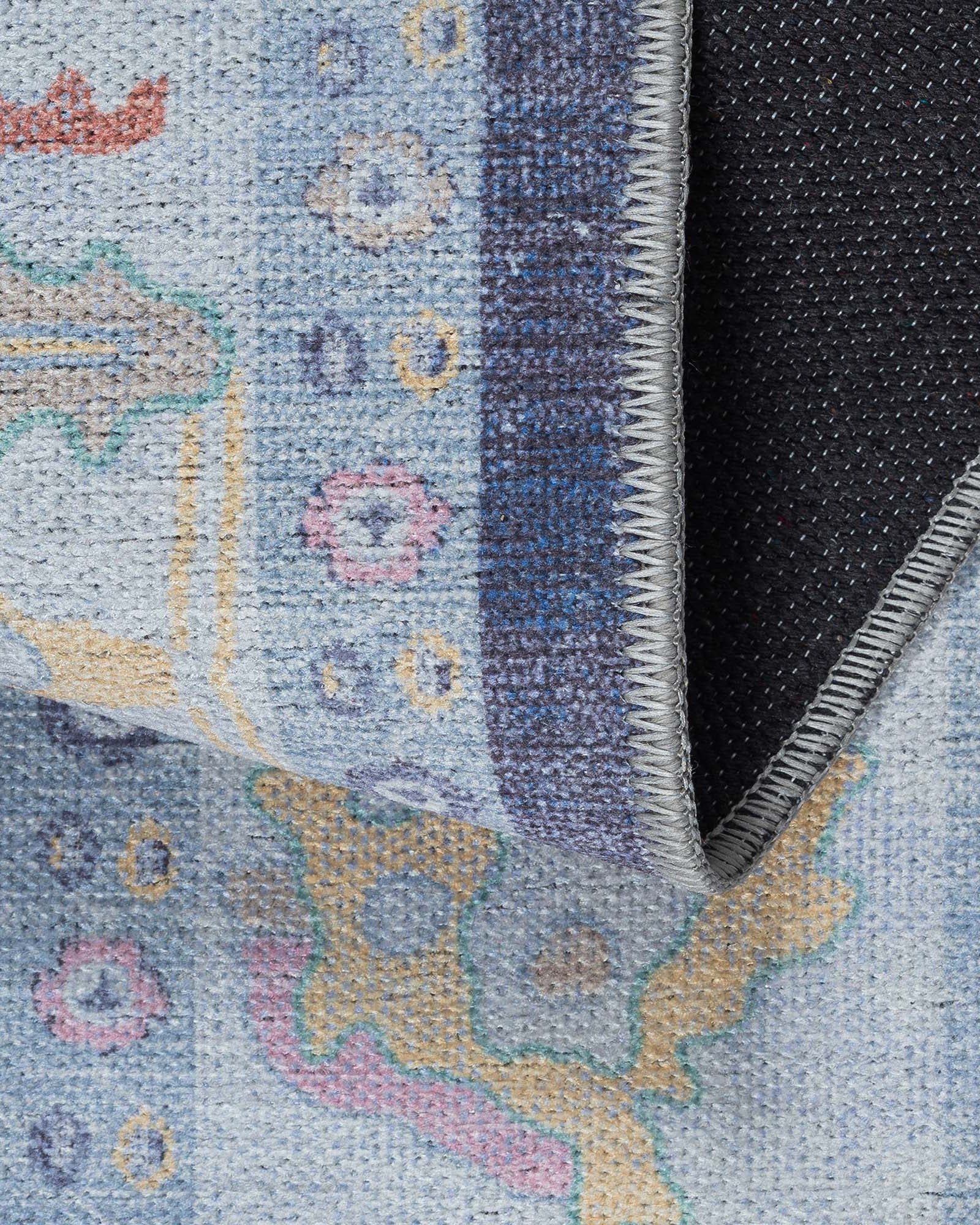
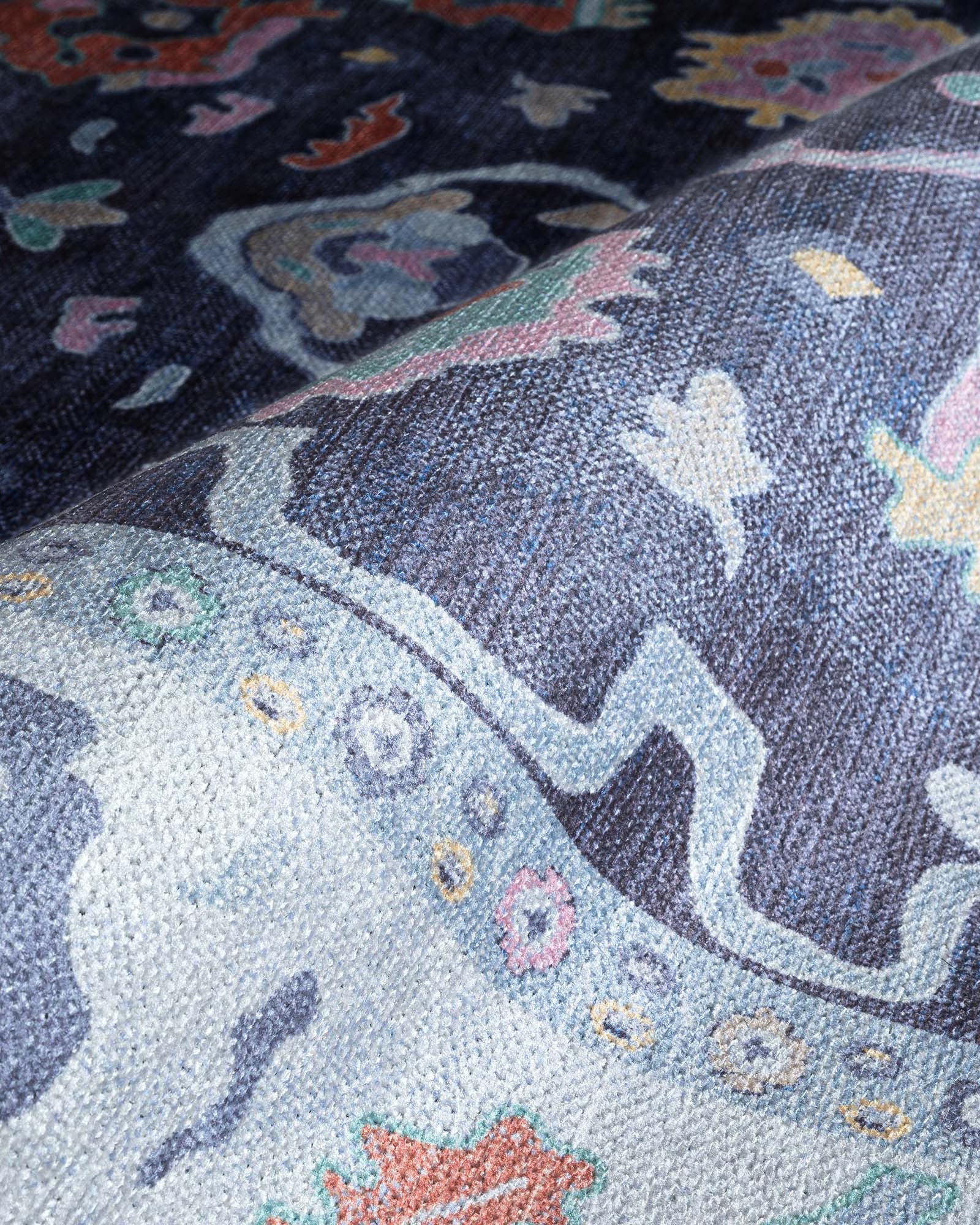
A kilim has no pile. Instead of knotting wool onto a foundation, the weaver passes coloured weft threads back and forth between the warps and packs them down until the structure itself becomes the pattern. The result is a flat, thin, lightweight textile that is the same on both sides, patterned entirely in geometry, and completely different to live with than a knotted rug. Every piece in this collection is an original handwoven flatweave with genuine age, sold as a single item.
How a Flatweave Is Built
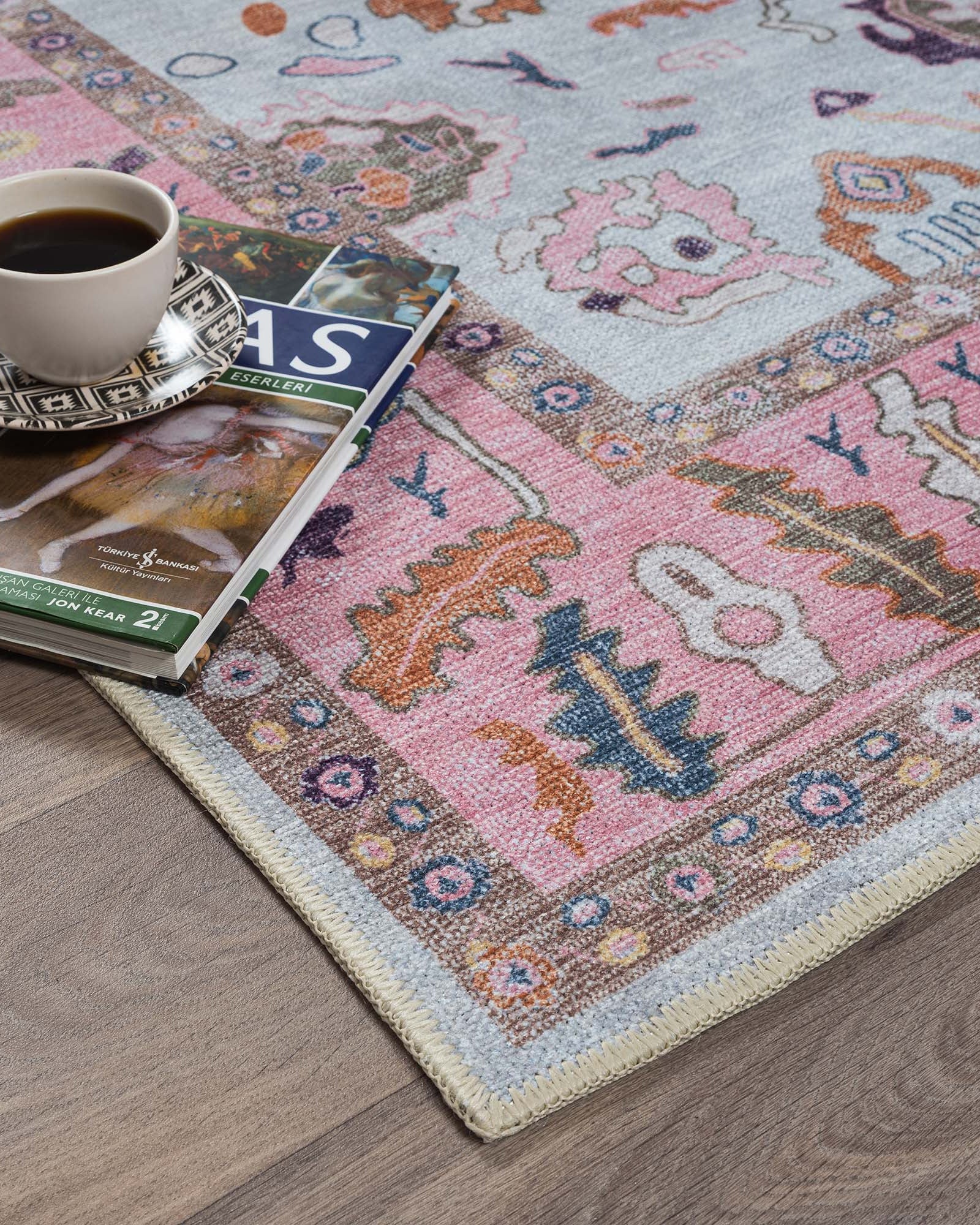
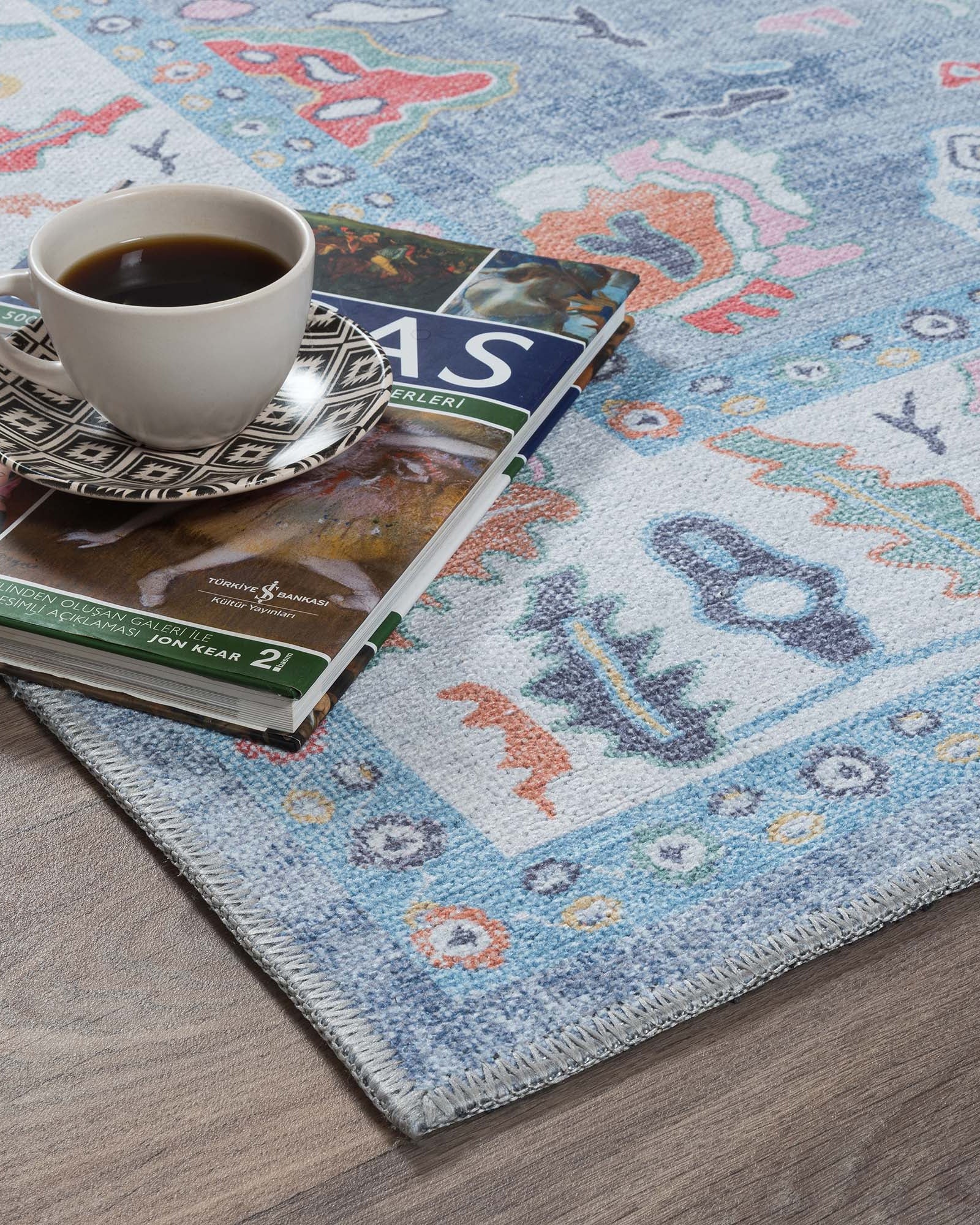
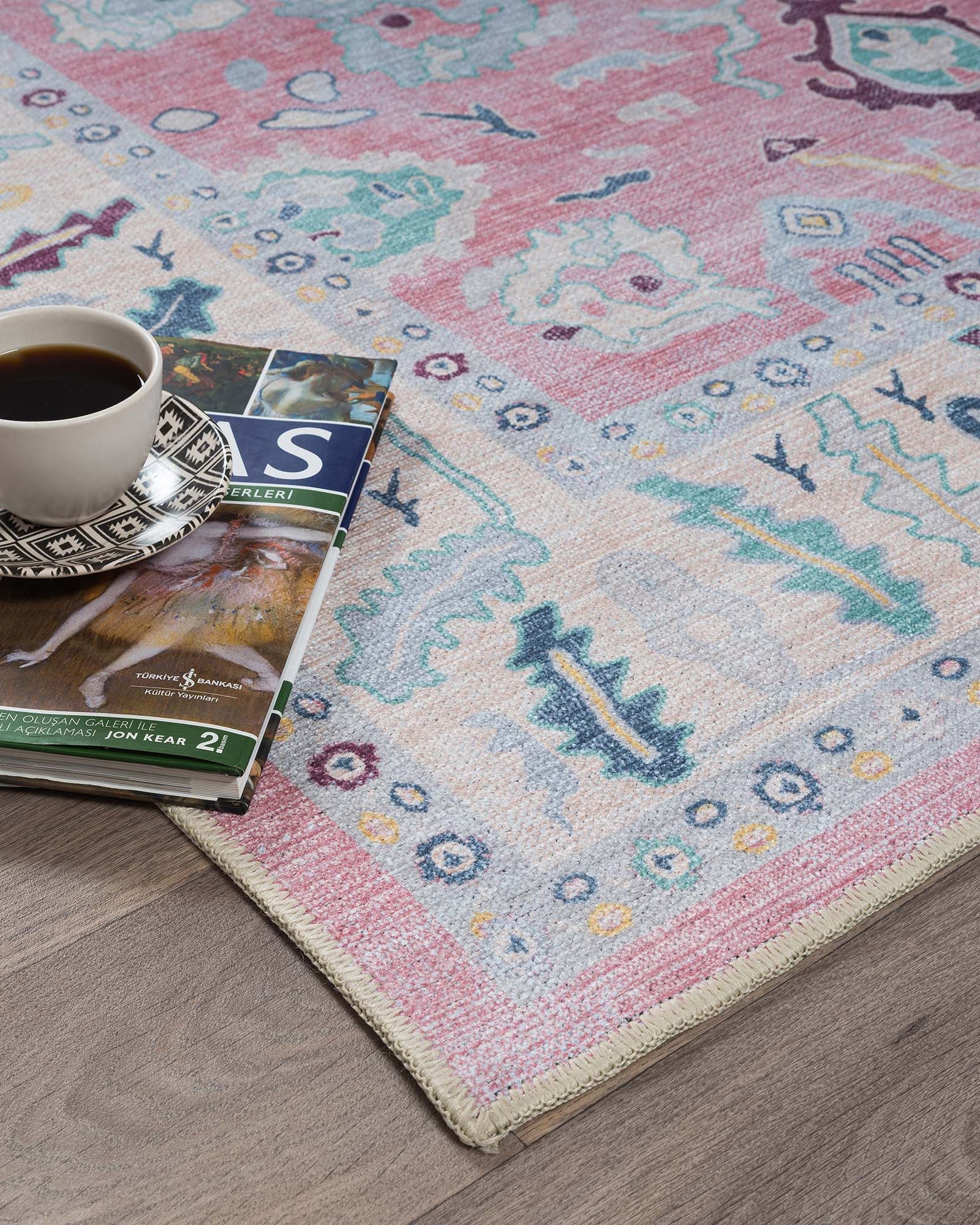
The defining technique is slit weave. Where two colours meet along a vertical line, the wefts turn back on their own colour rather than interlocking, leaving a small open slit in the fabric. Hold a kilim up to a window and you can see light through those slits — it is the quickest way to confirm you are looking at genuine flatweaving rather than a printed or bonded imitation. Because slits weaken the structure if they run too long, weavers keep vertical lines short and step them diagonally. That constraint is the reason kilim design is angular: the geometry comes from the technique, not from taste.
Related Flatweave Techniques
Not every pileless rug is a slit-weave kilim. Soumak is worked by wrapping wefts around the warps, producing a heavier, denser textile with a braided surface and a distinctly ridged texture. Cicim and zili add supplementary threads over a plain flatwoven ground, giving raised, almost embroidered motifs. Jajim is a lighter narrow-loom weave, often striped, traditionally sewn together from multiple panels. Where a piece uses one of these techniques, the product page says so.
Where They Come From
Anatolian kilims are the largest group here — bold, high-contrast geometry in madder red, indigo, ivory and apricot, from regions including Konya, Malatya, Aydın and Kars. Many were woven in two narrow panels on a portable loom and sewn together down the centre; a faint seam running the length of the rug is normal and original, not damage. Persian and Kurdish flatweaves, including Senneh and Bijar kilims, tend toward finer weaving and more intricate small-scale motifs. Nomadic pieces are the most idiosyncratic, with unpredictable colour shifts and asymmetric layouts because they were woven from memory without a plan.
Reading the Motifs
Flatweave patterning draws on the same symbolic vocabulary as Anatolian pile weaving. The elibelinde hands-on-hips figure signified fertility; the koçboynuzu ram's horn meant strength; hooked forms and the eye motif were protective. Repeating diamonds and stepped lozenges often filled the field of a dowry piece. Because these were woven for the household rather than for sale, the motif placement frequently records something specific about the weaver's family.
Living With a Kilim
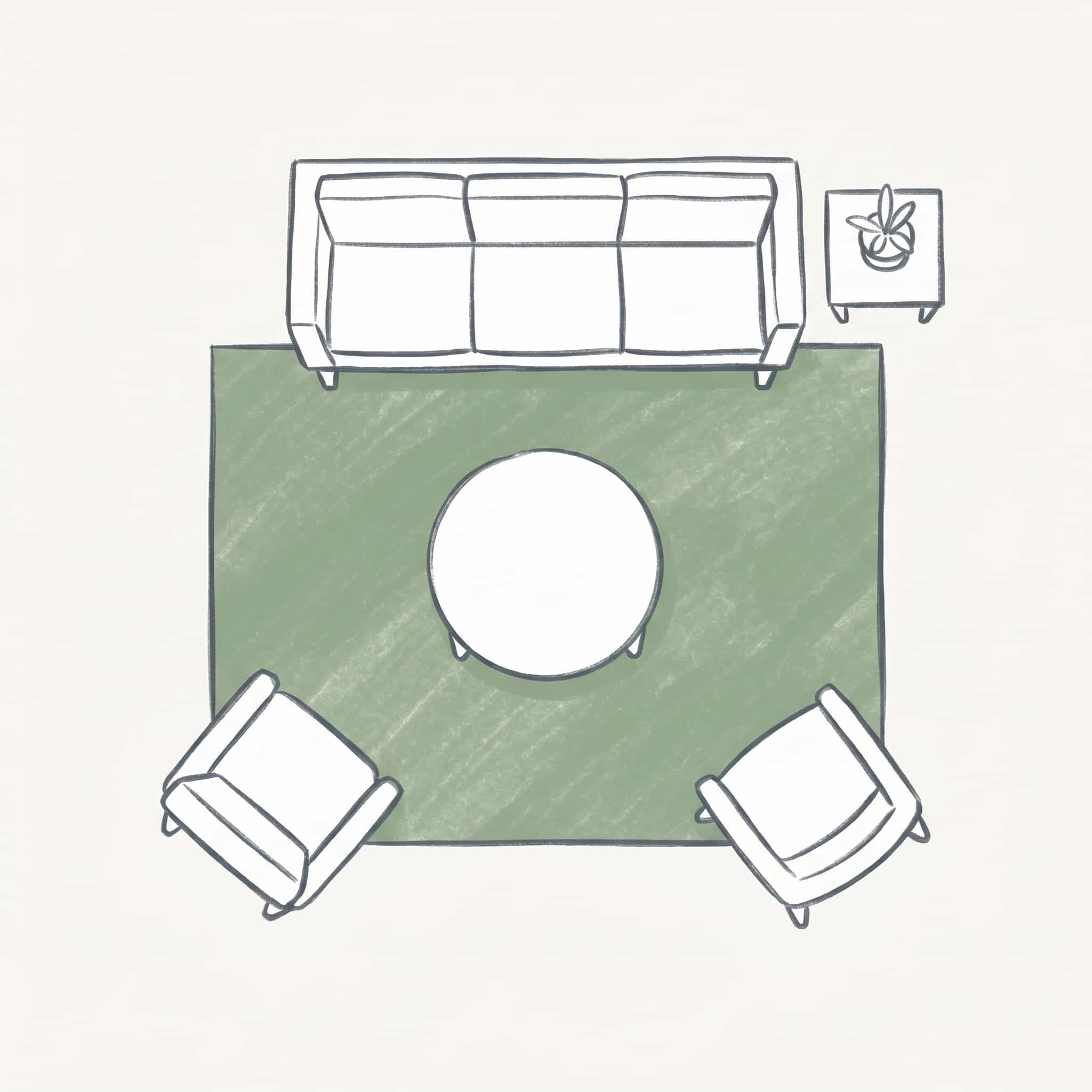
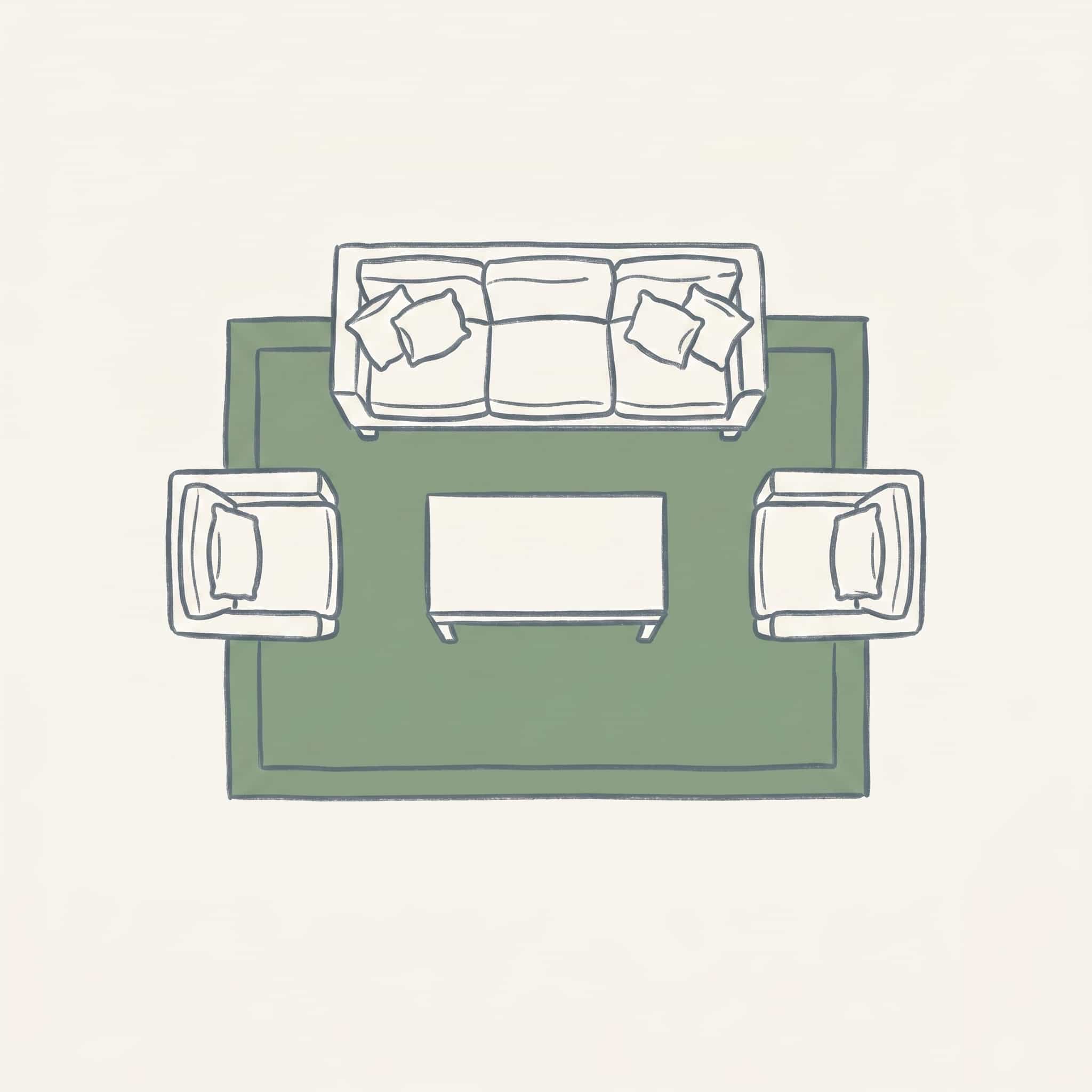
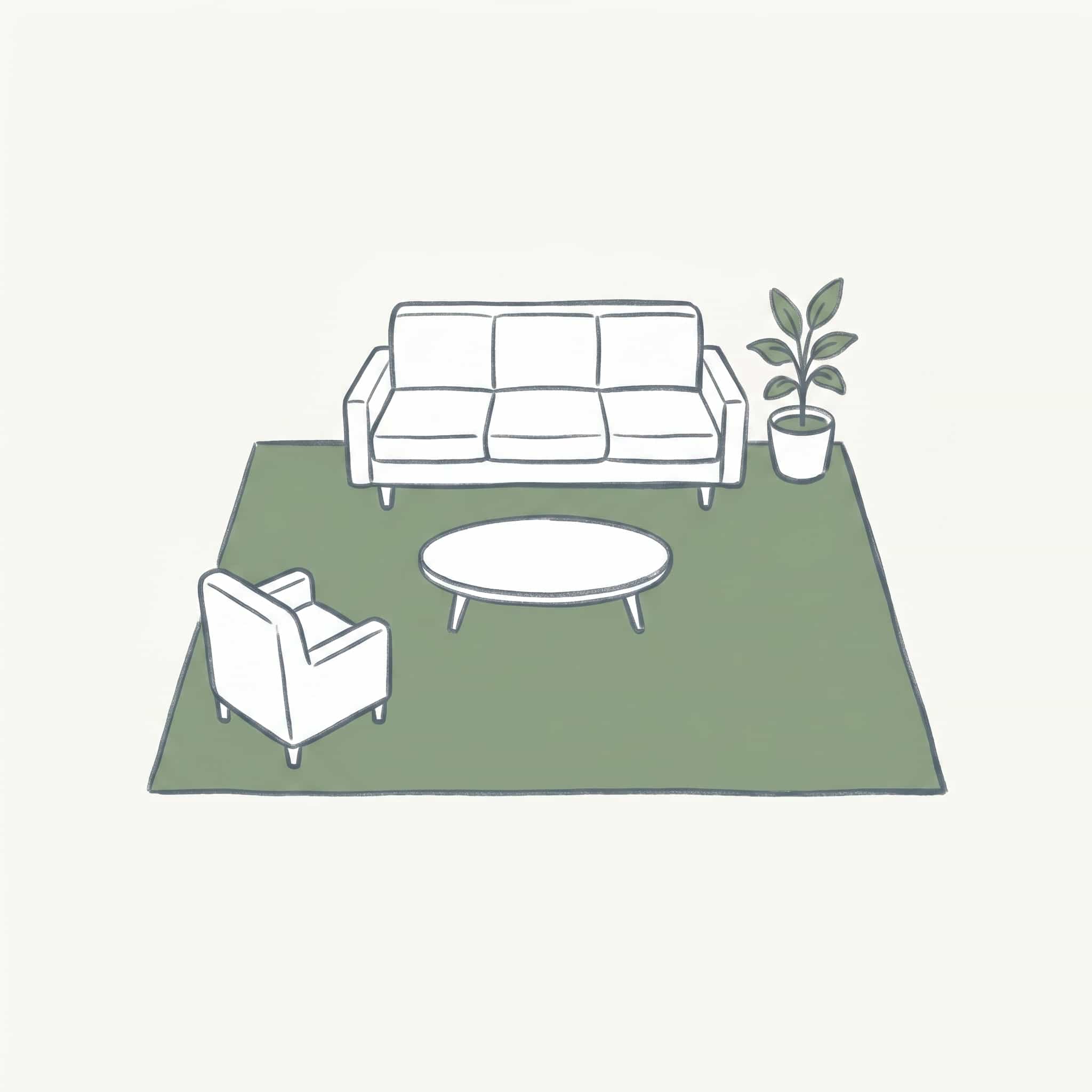
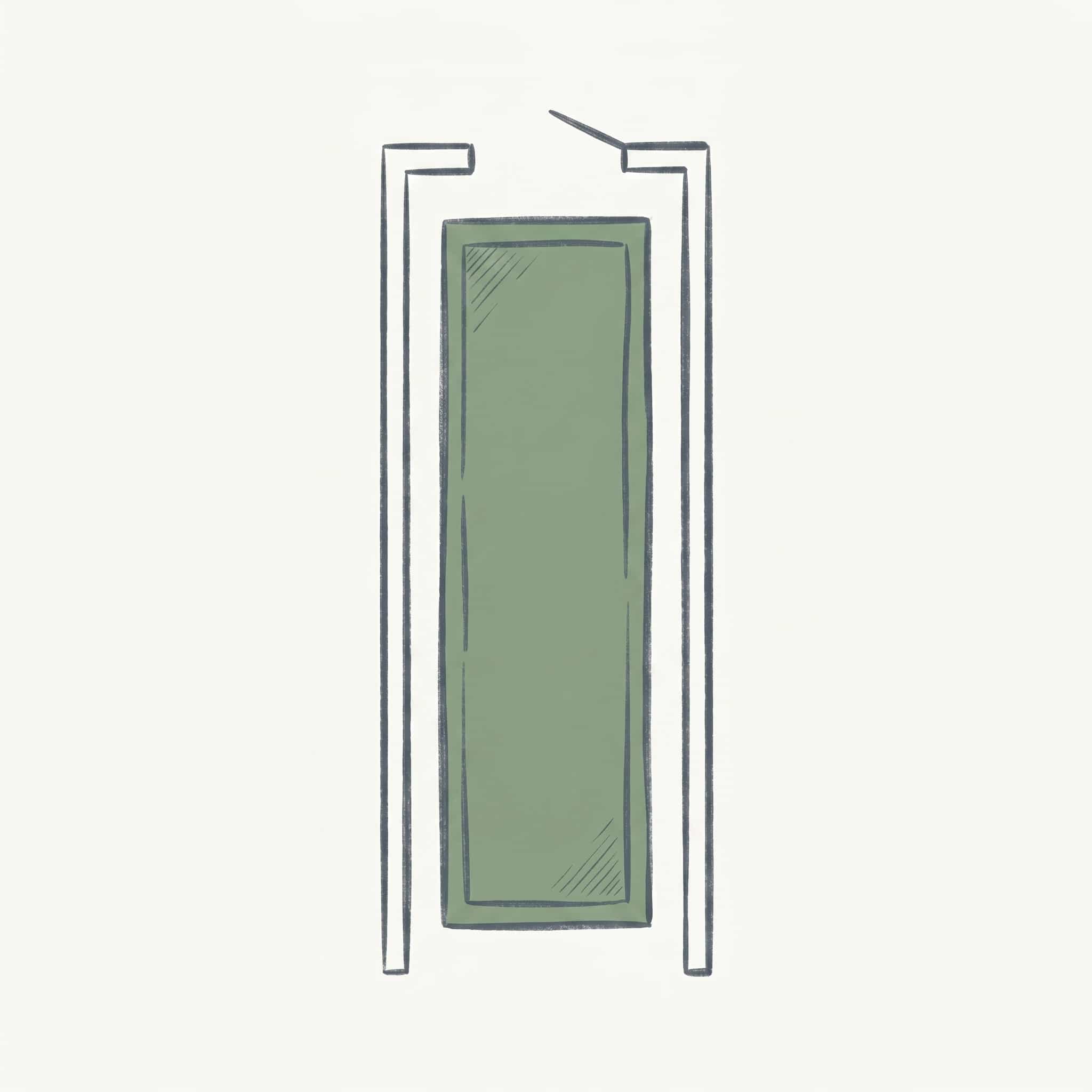
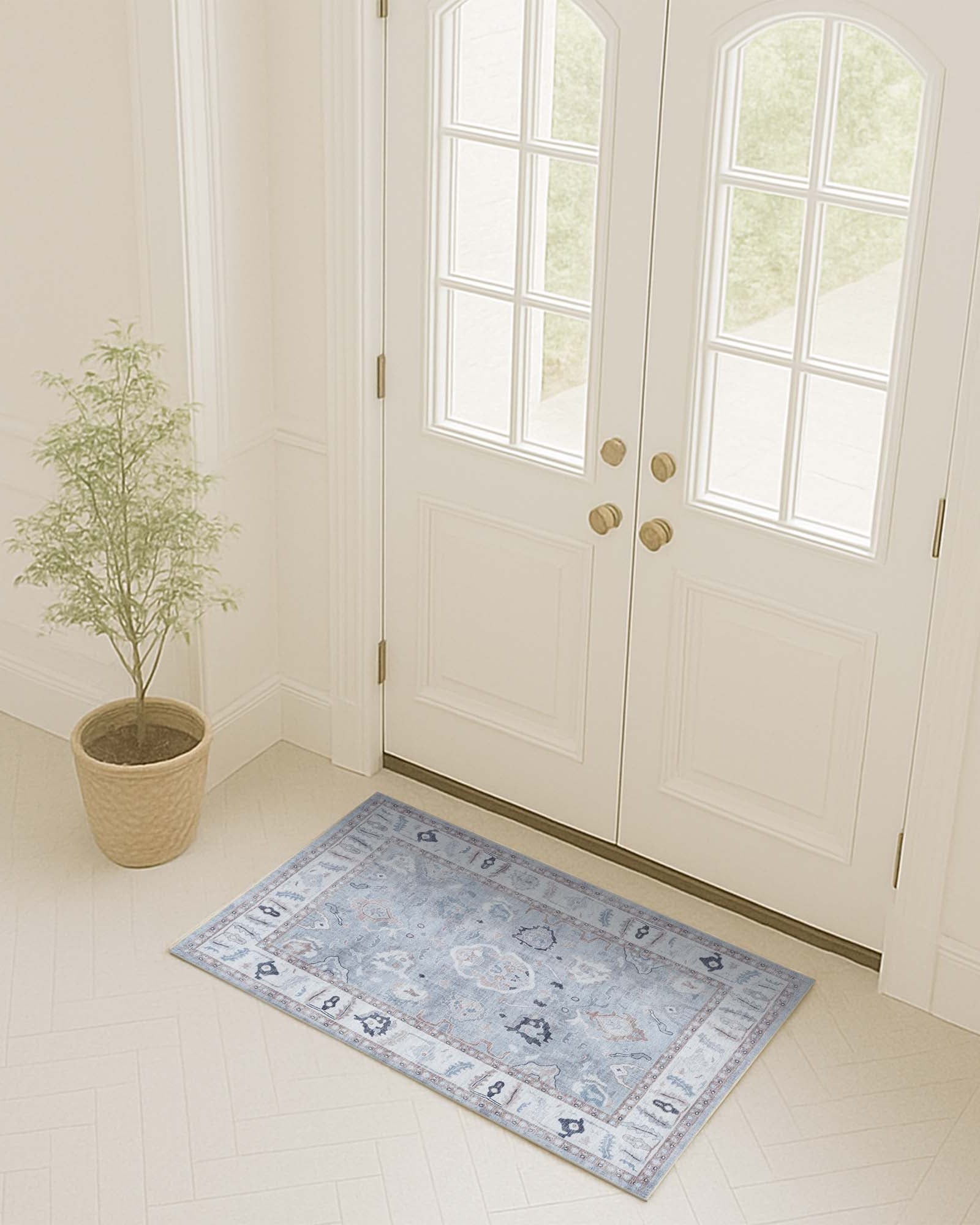
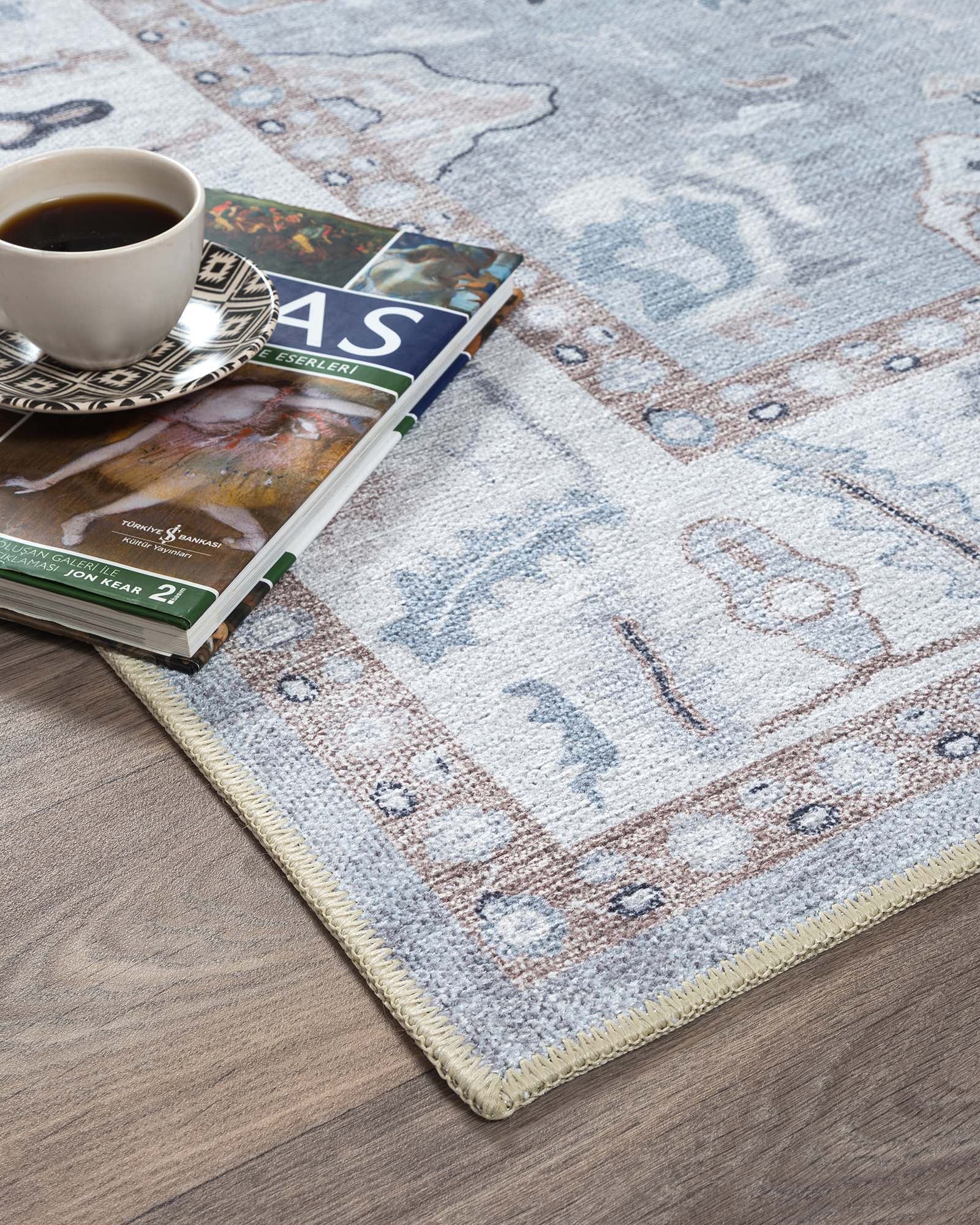
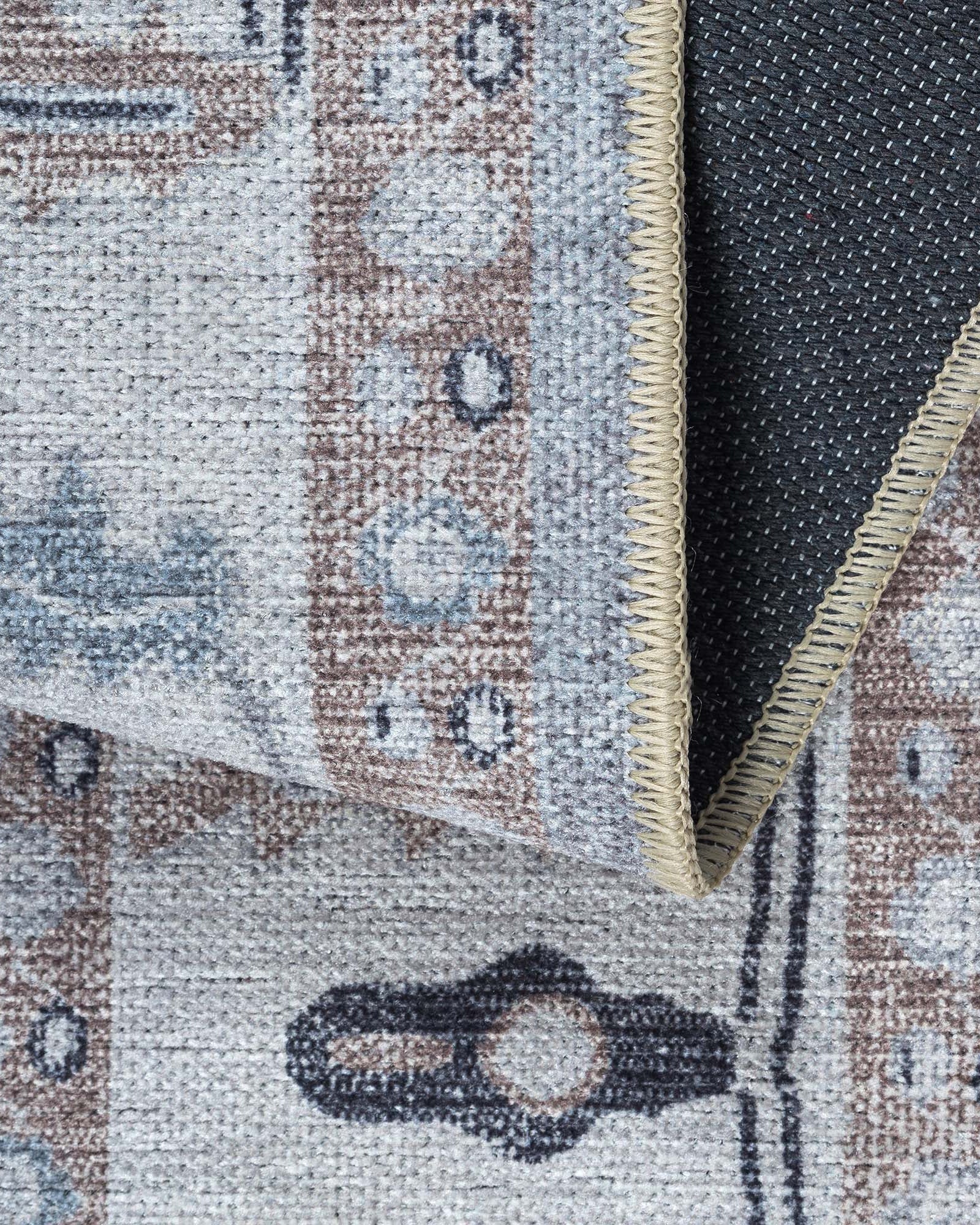
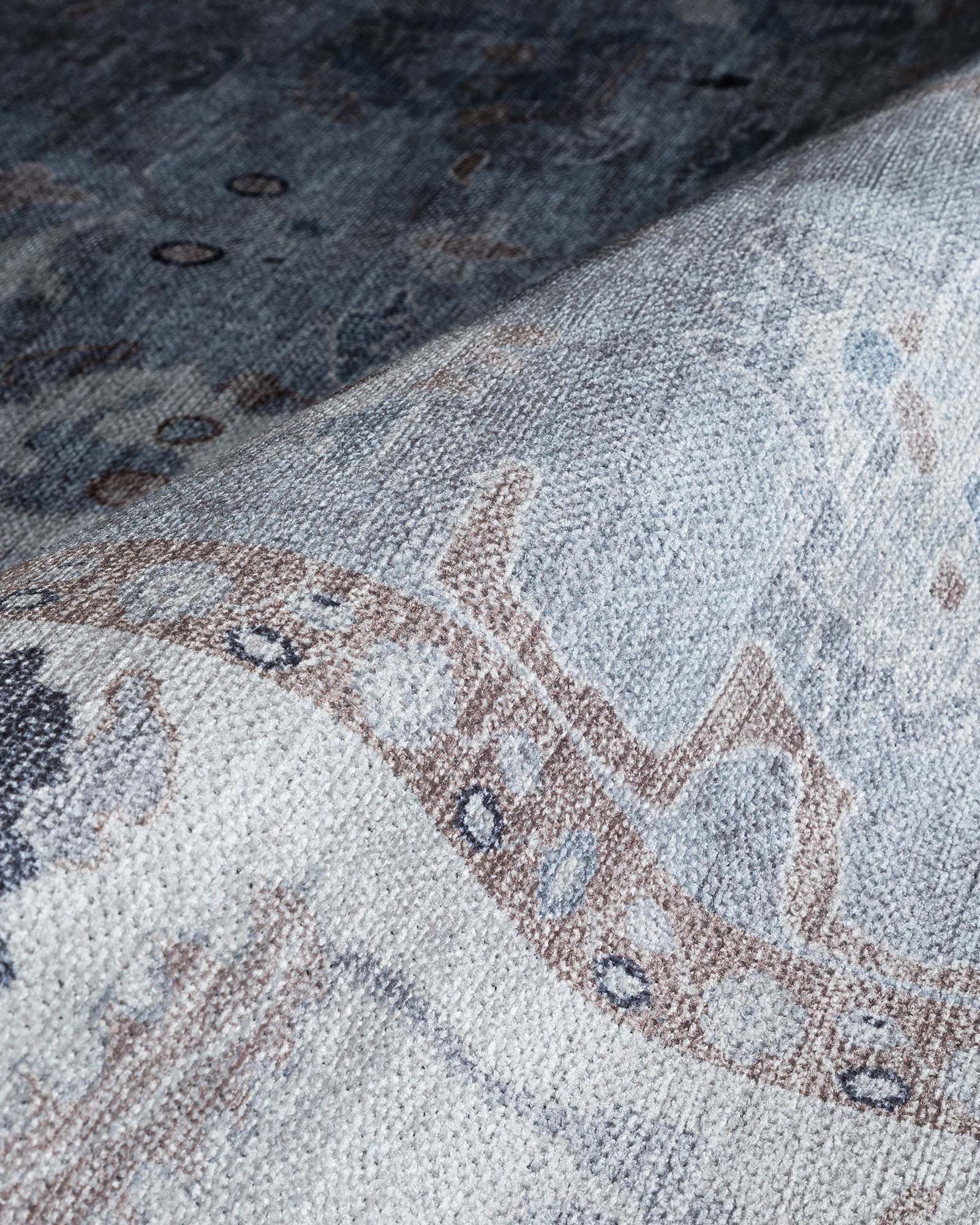
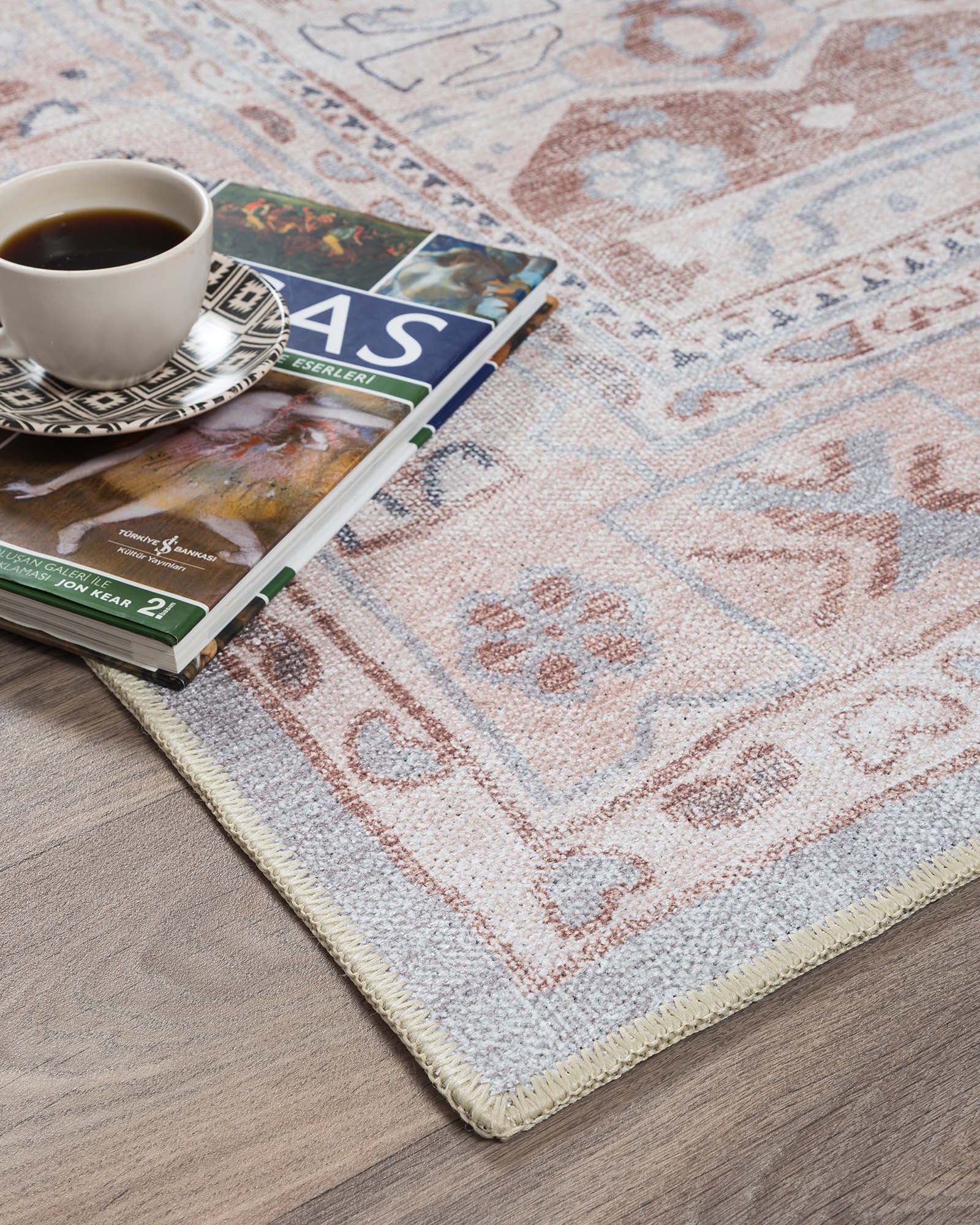
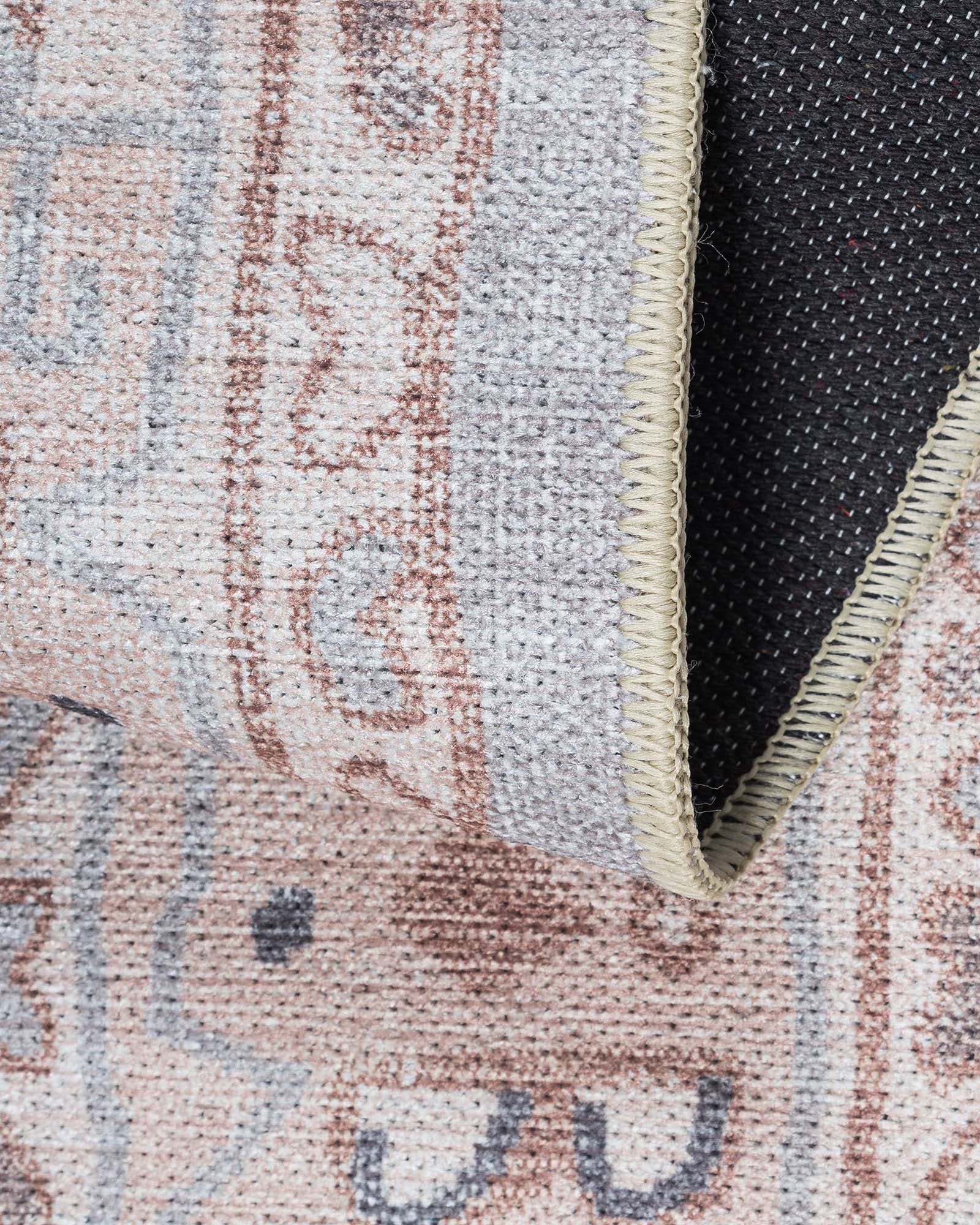
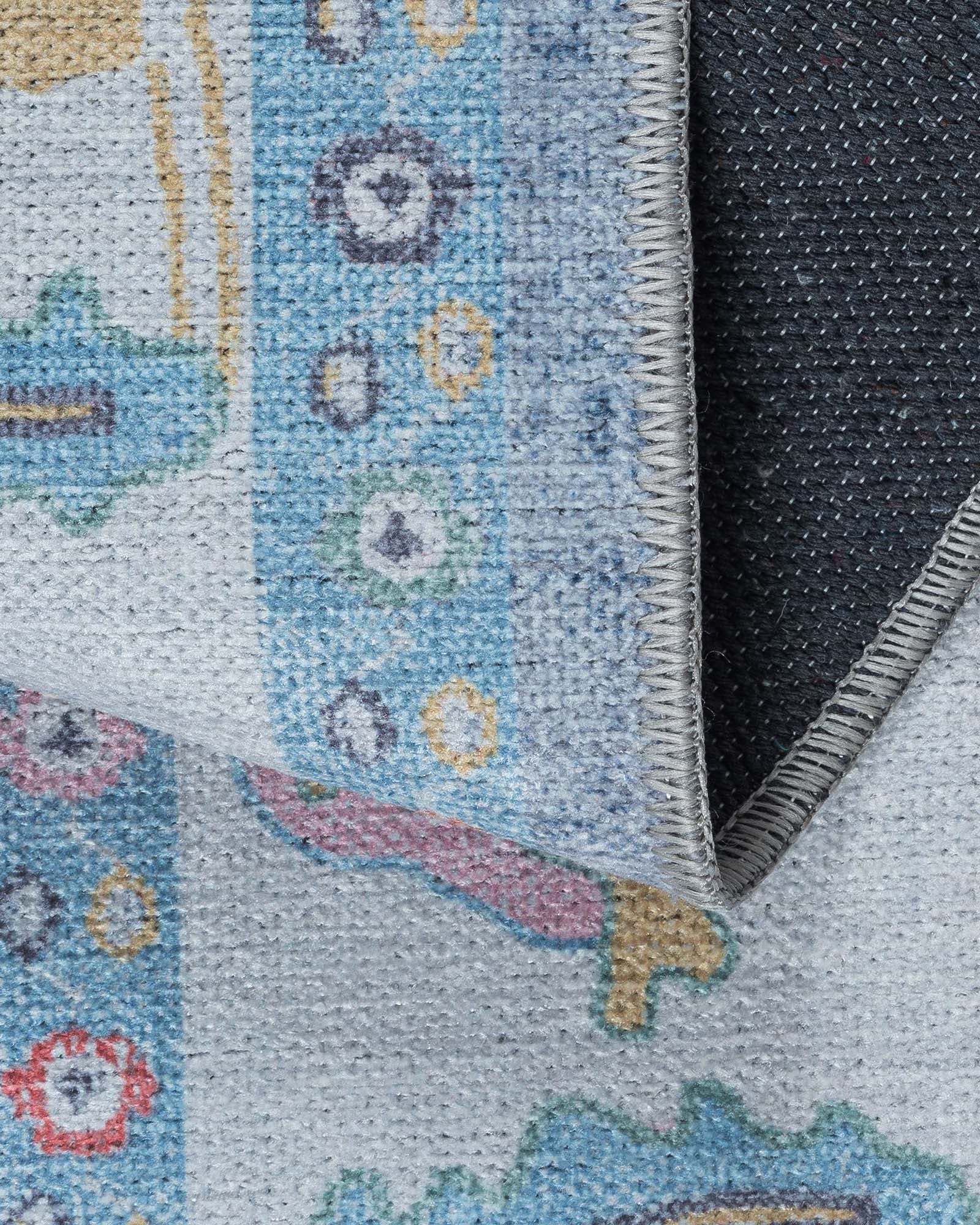
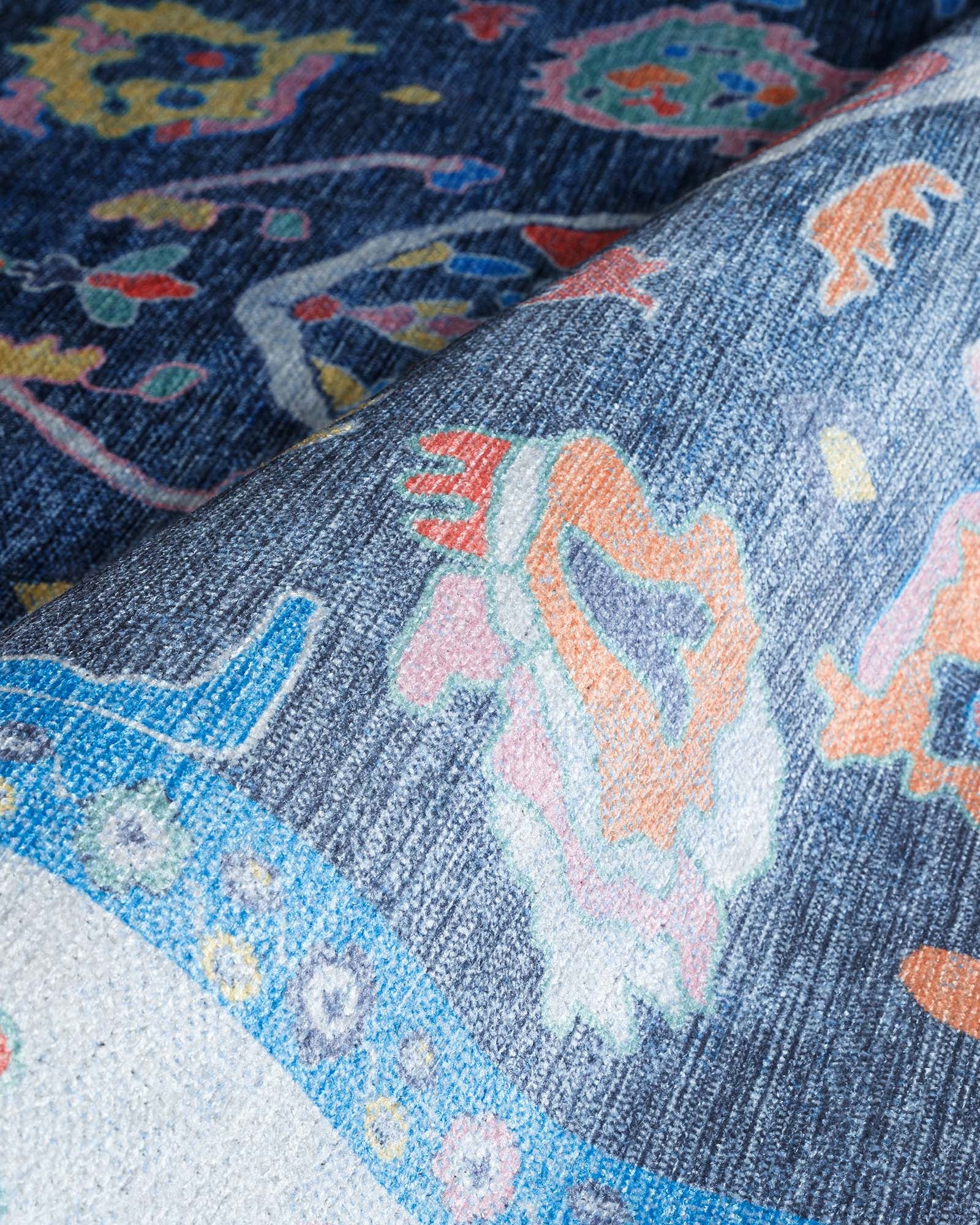
Flatweaves behave differently from knotted rugs, and knowing how changes where you put them. They are thin — usually under a quarter inch — so they sit flush under doors, don't crowd a low-clearance entryway and work in tight spaces where a pile rug would bunch. They are light, which makes them easy to lift, shake out and move between rooms seasonally. They are fully reversible, so if one side takes sun damage or heavy wear you can simply flip it. And they layer better than anything else: a kilim over a large jute or sisal rug is the single most reliable way to use a small vintage piece in a big room.
Where They Work
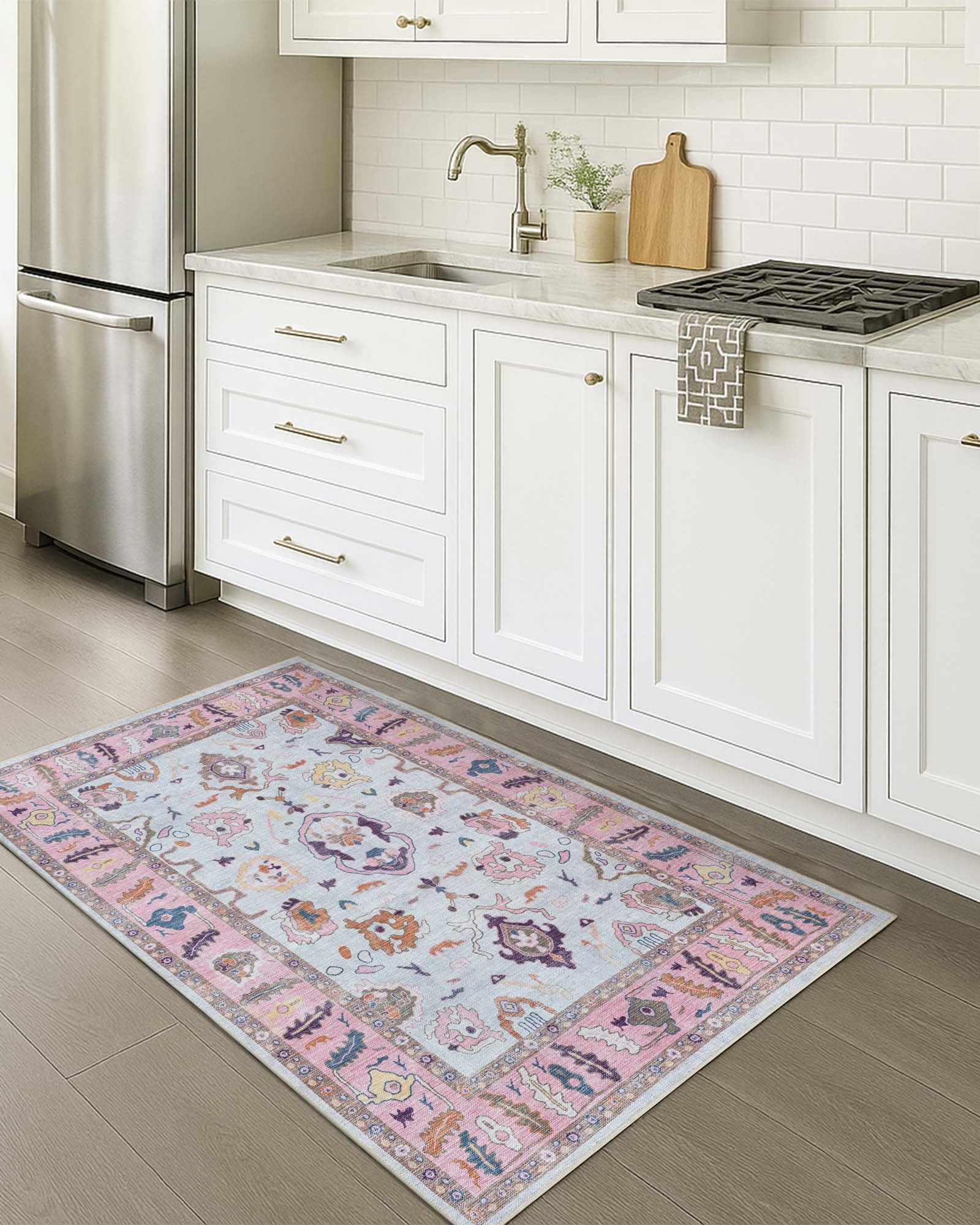
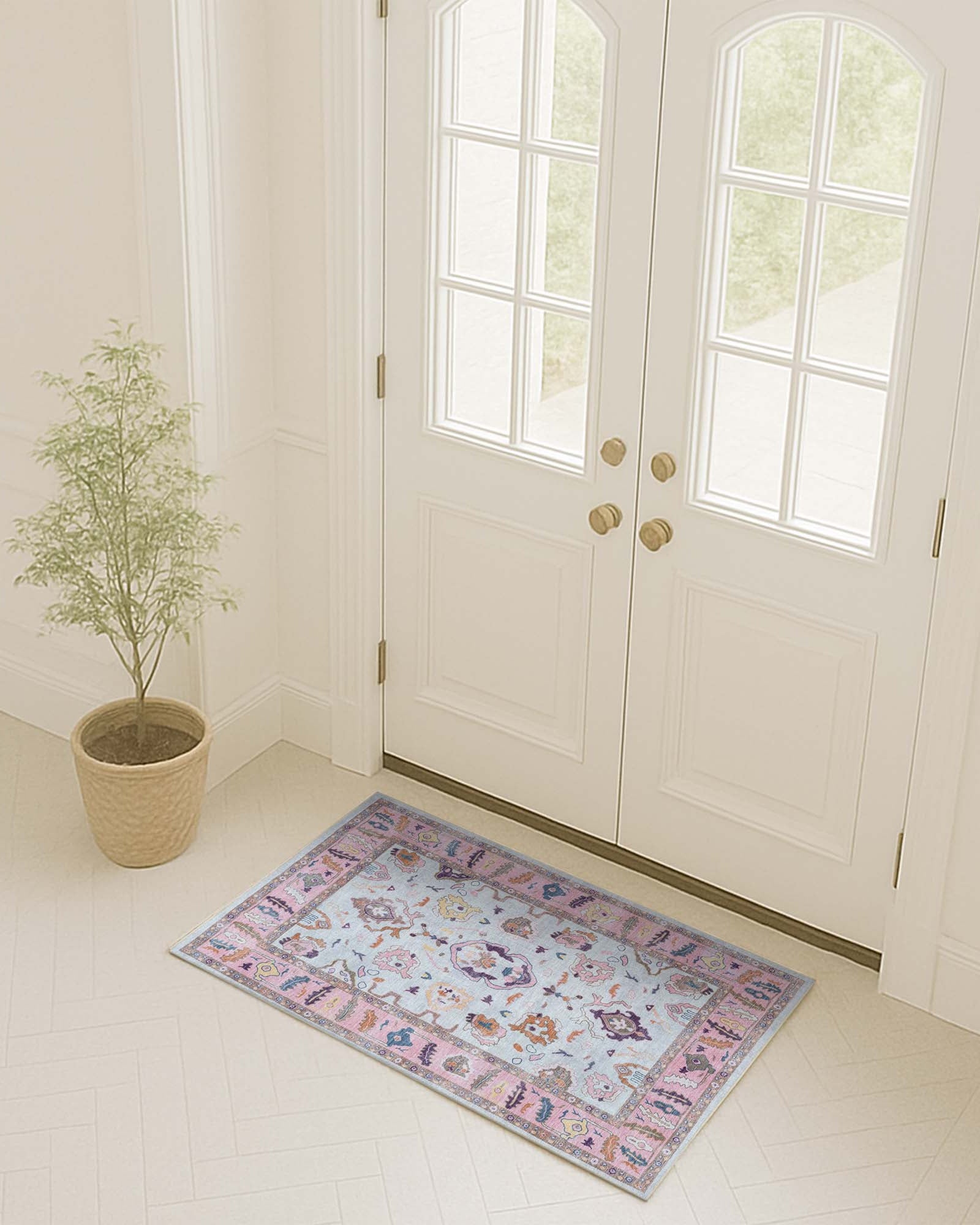
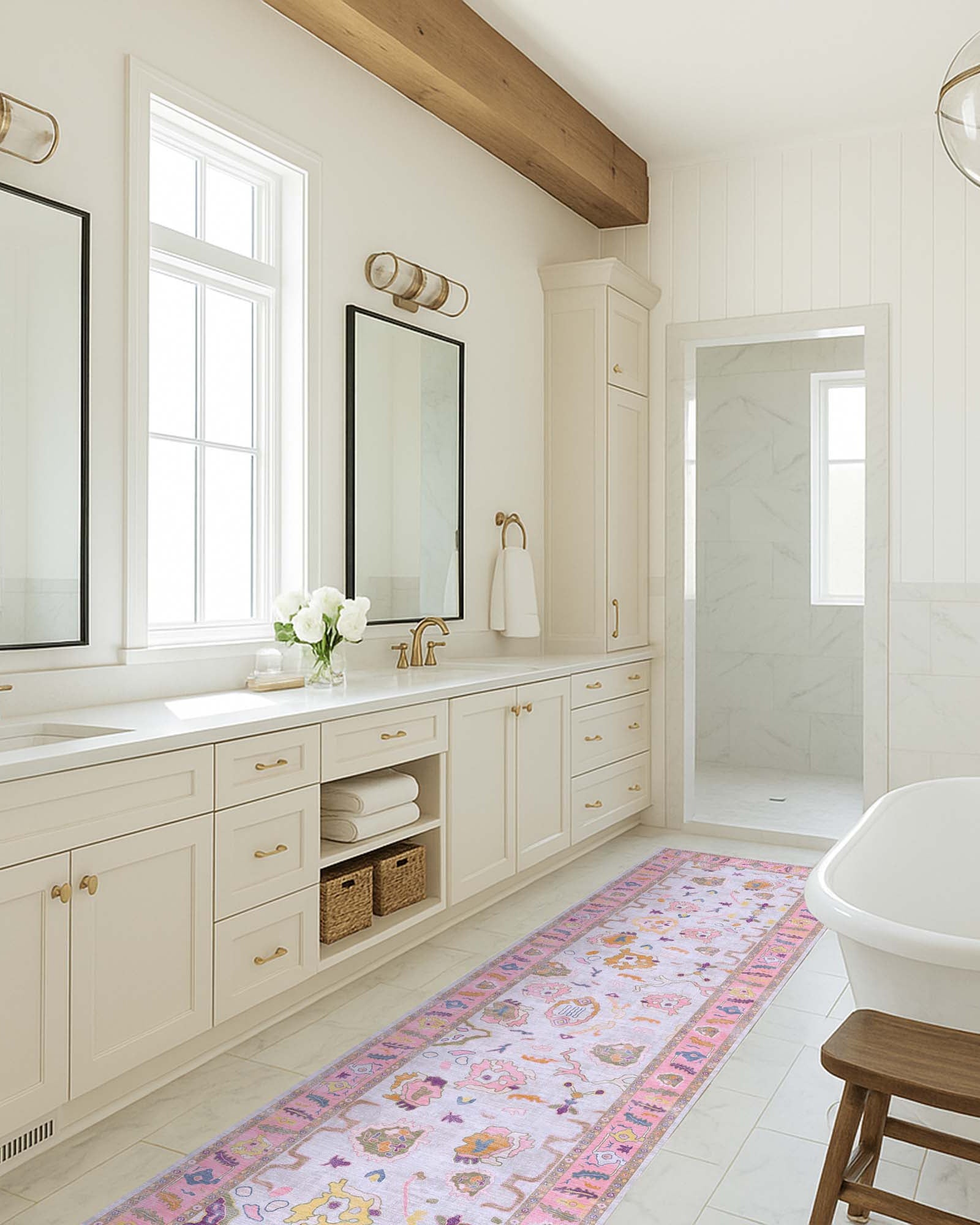
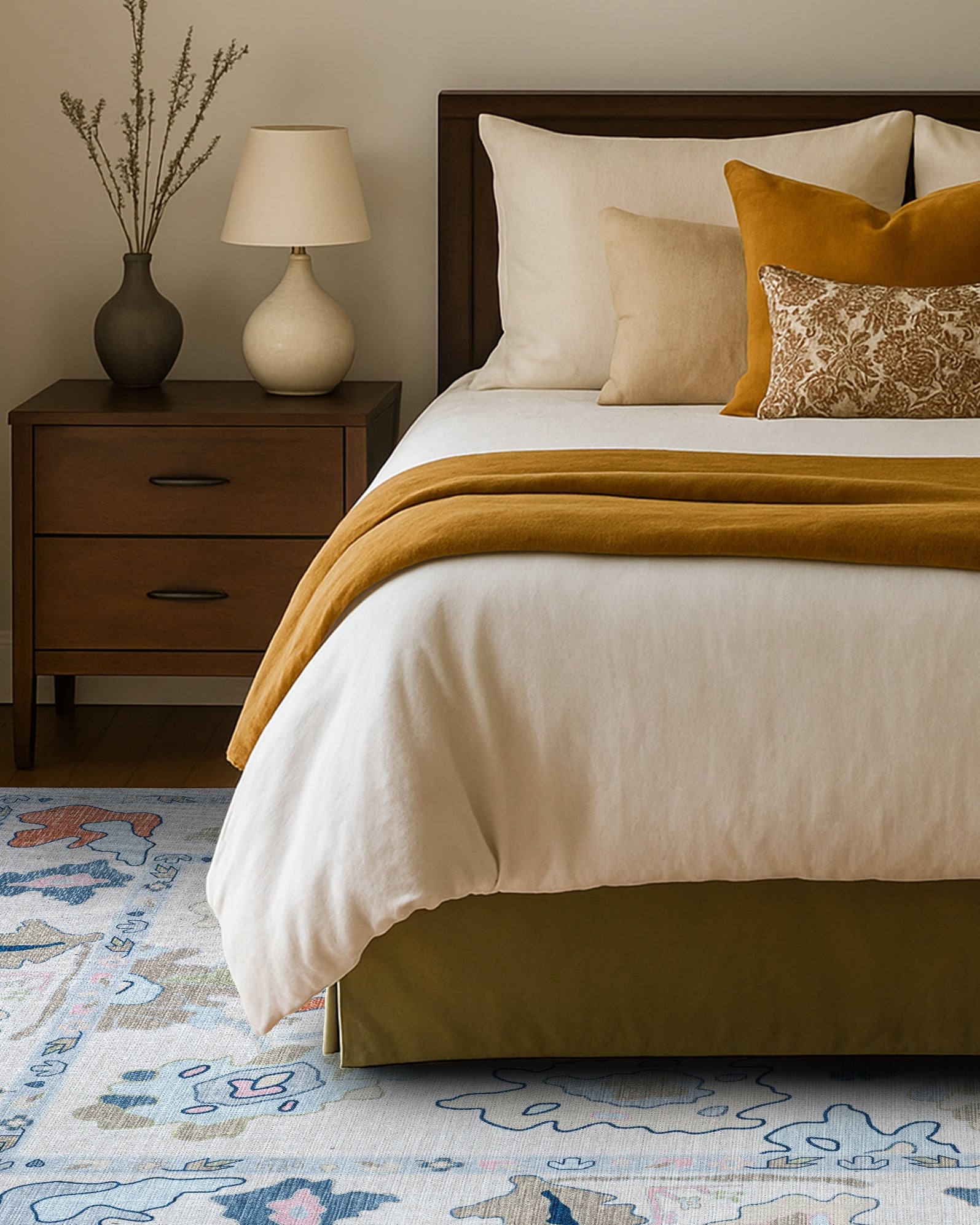
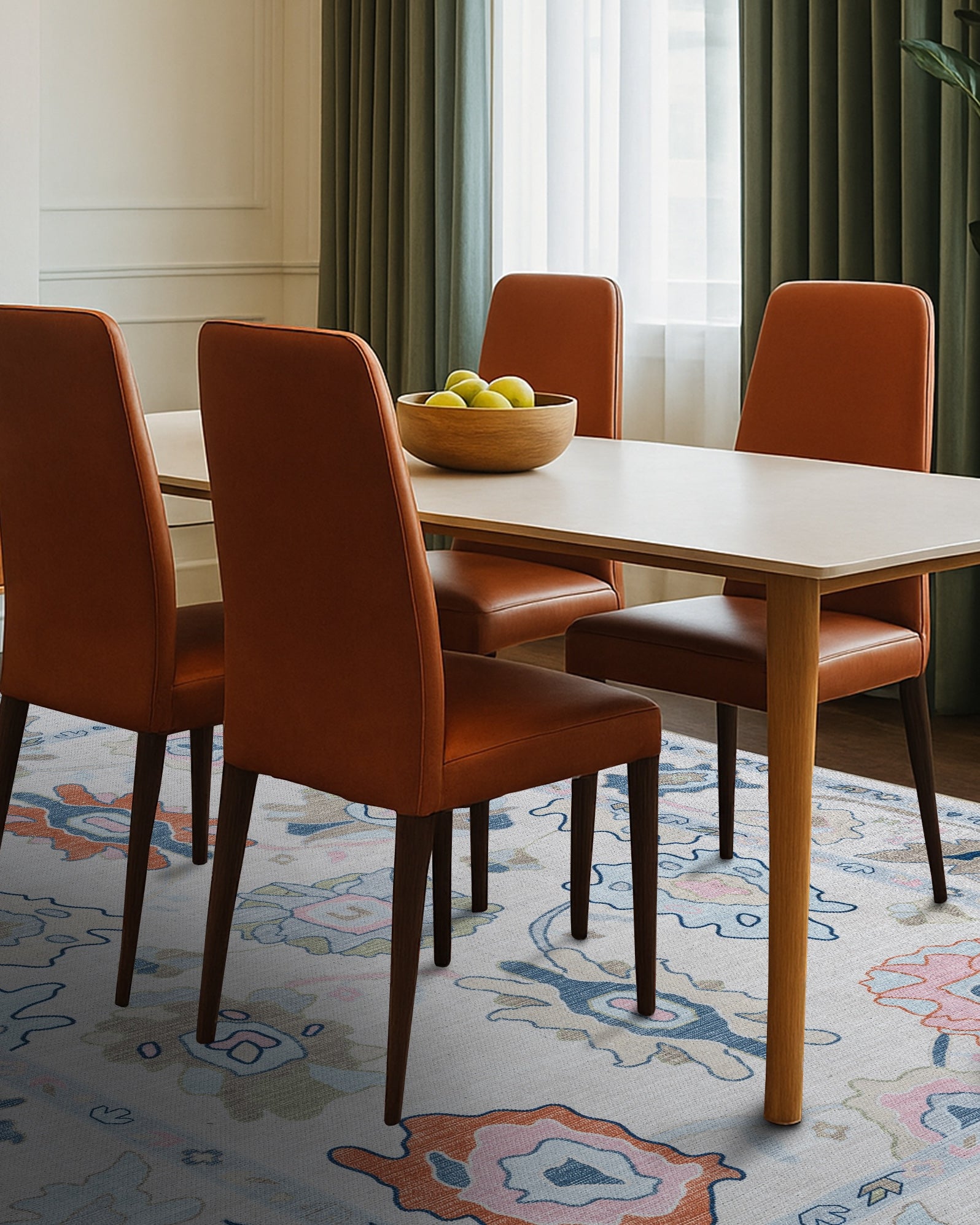
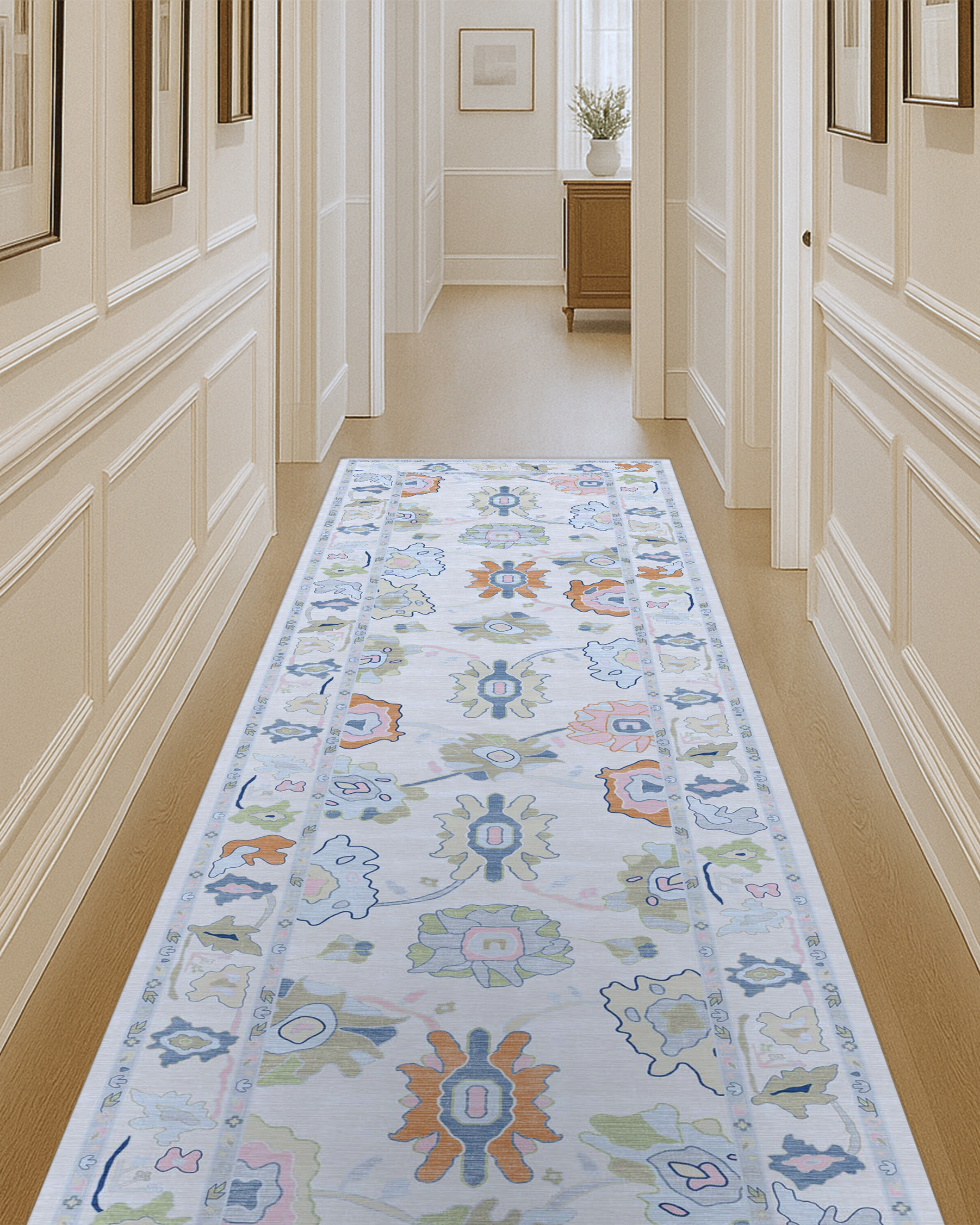
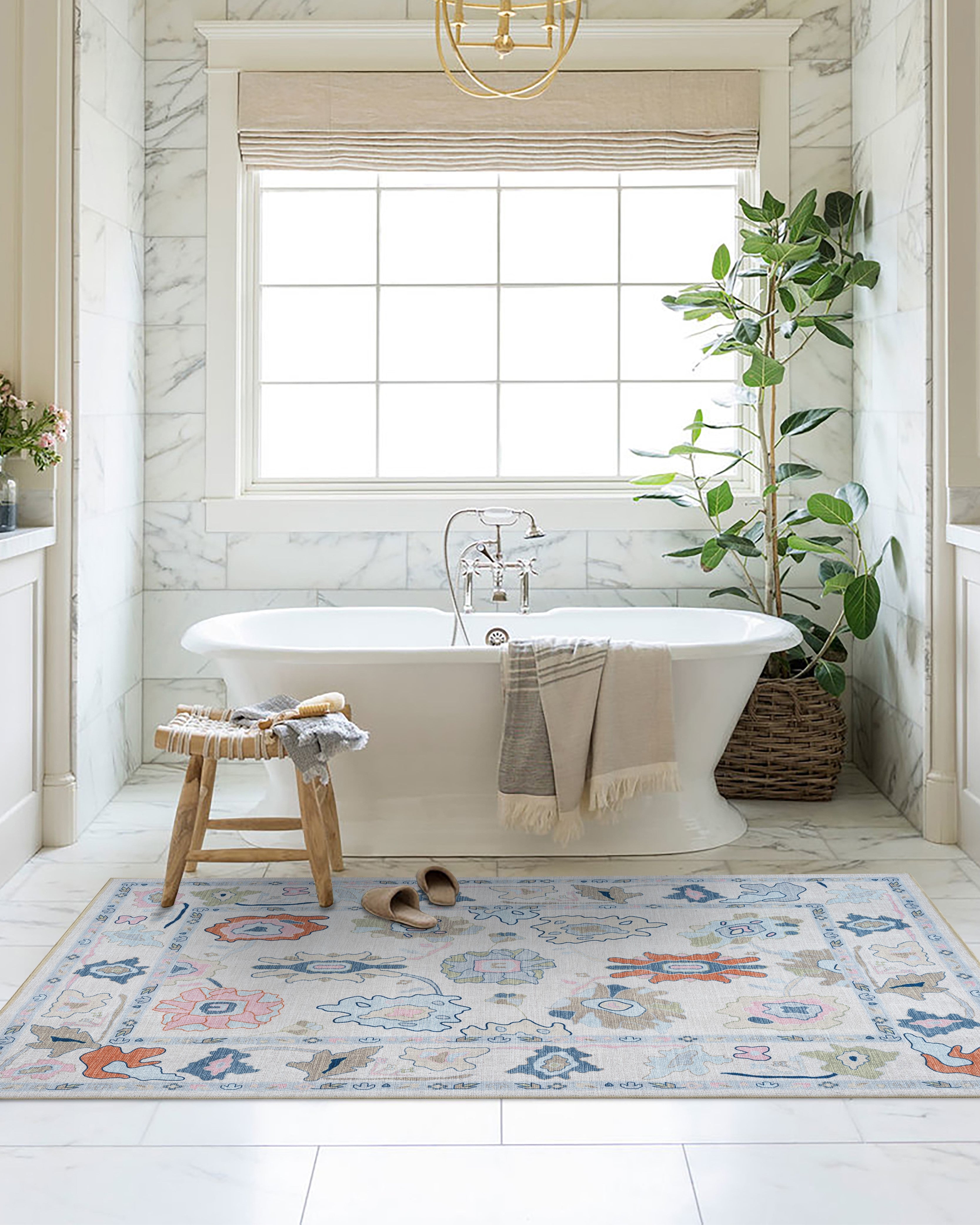
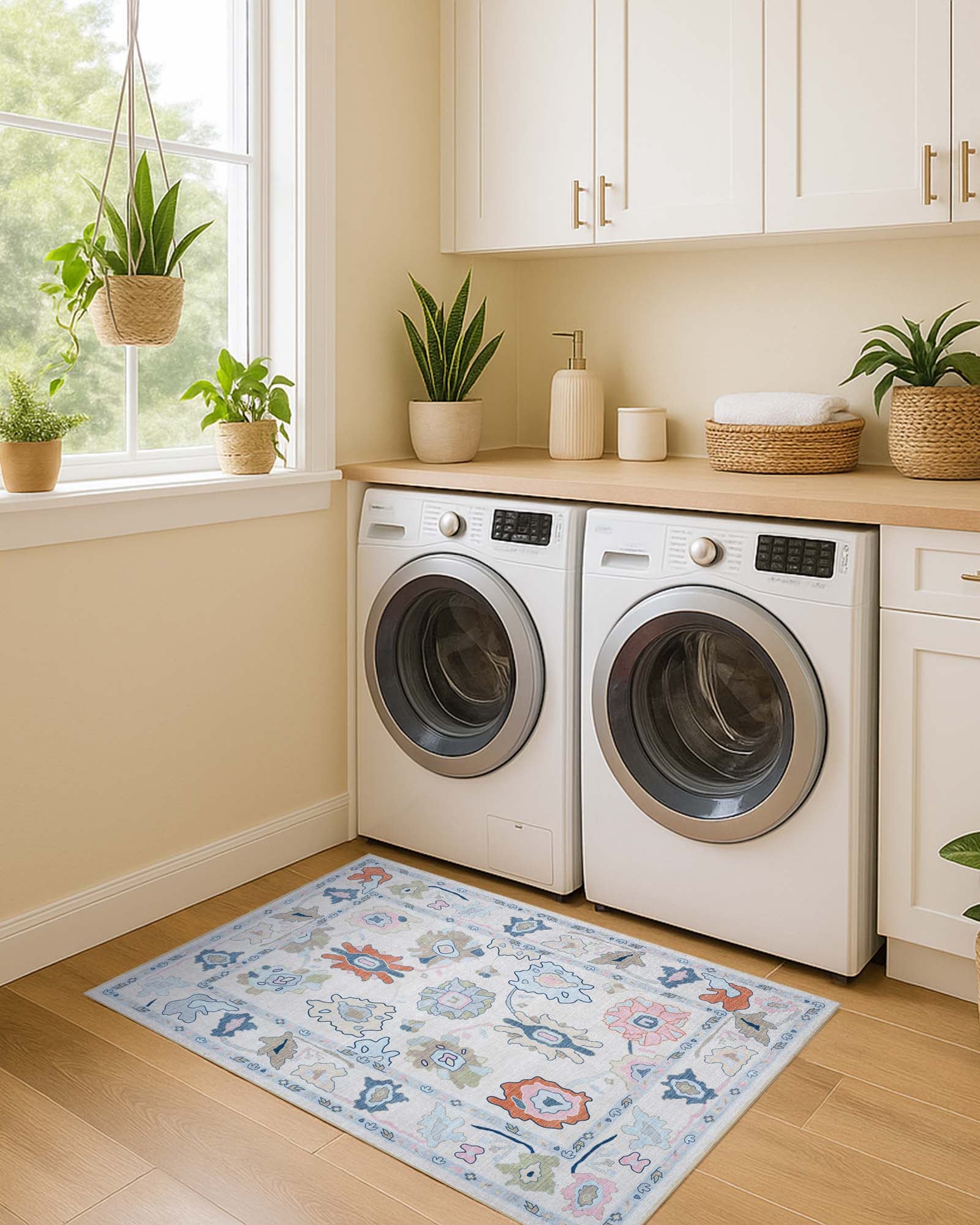
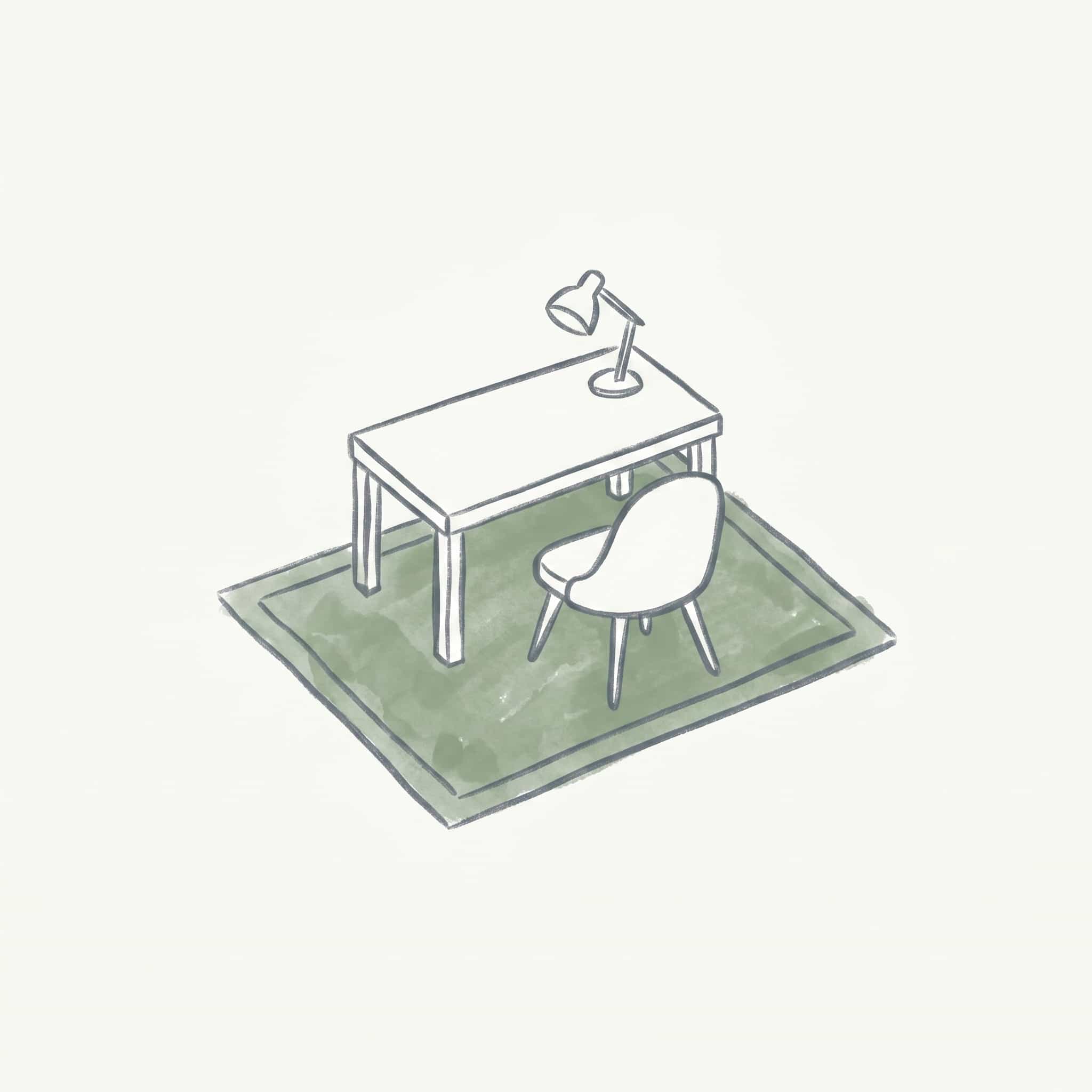
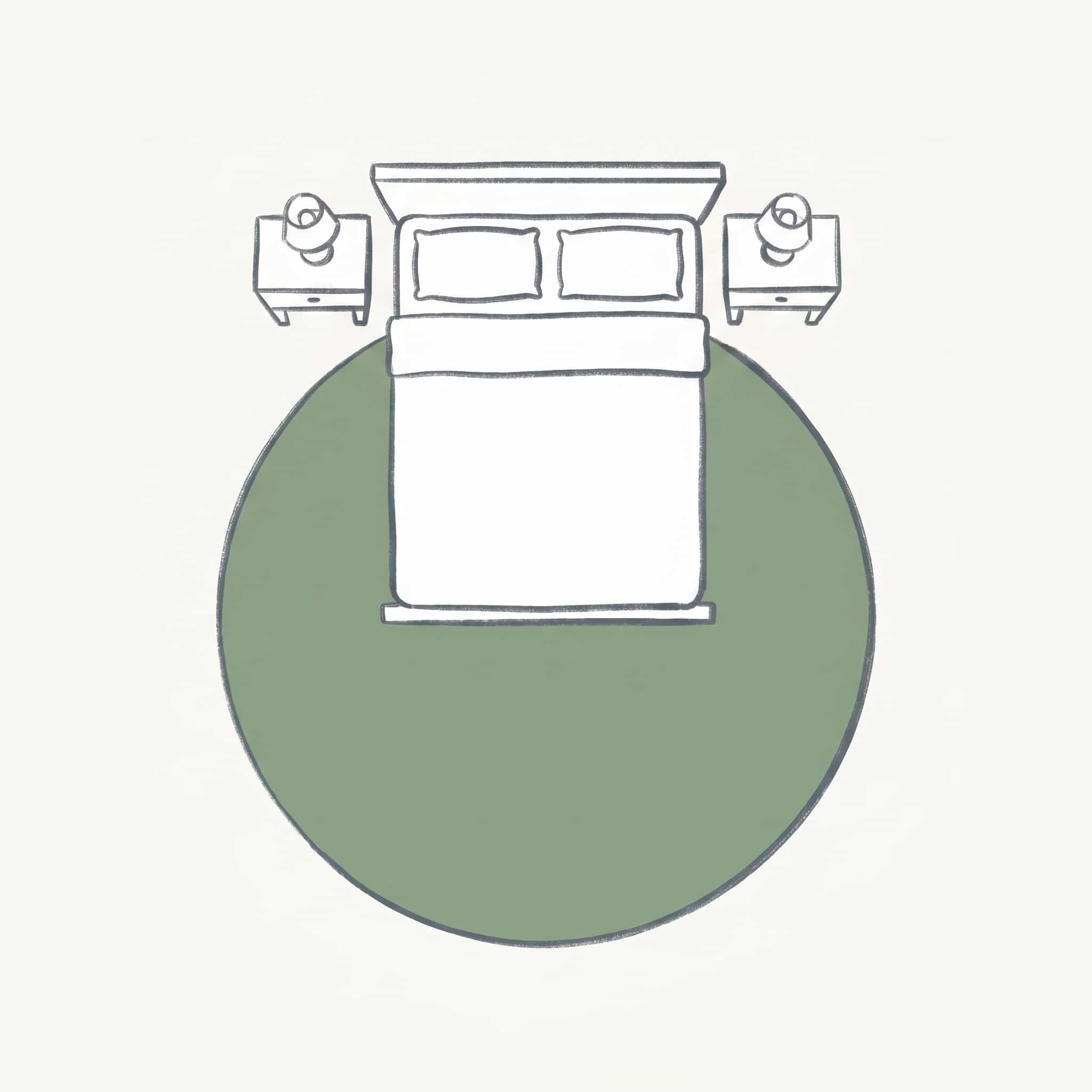
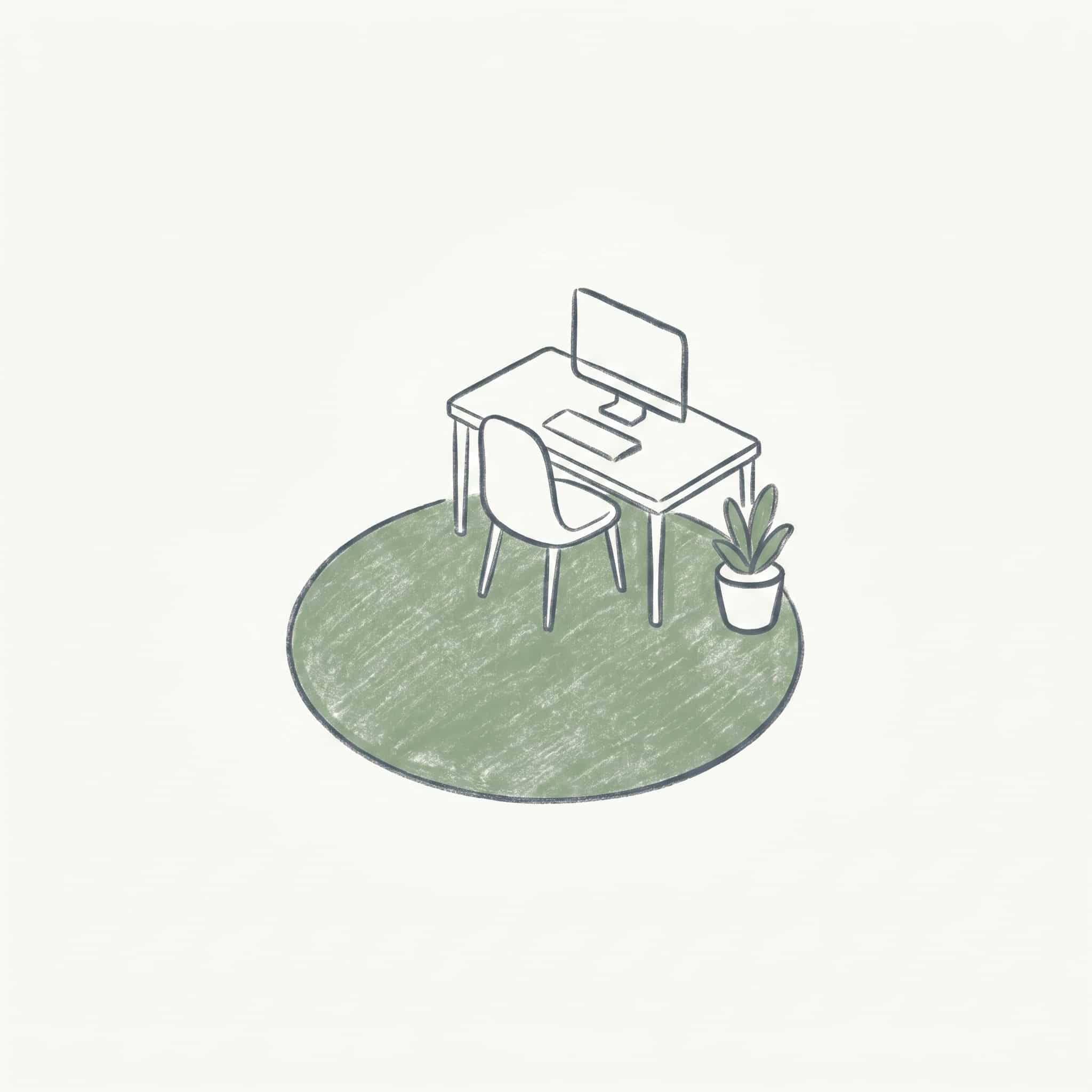
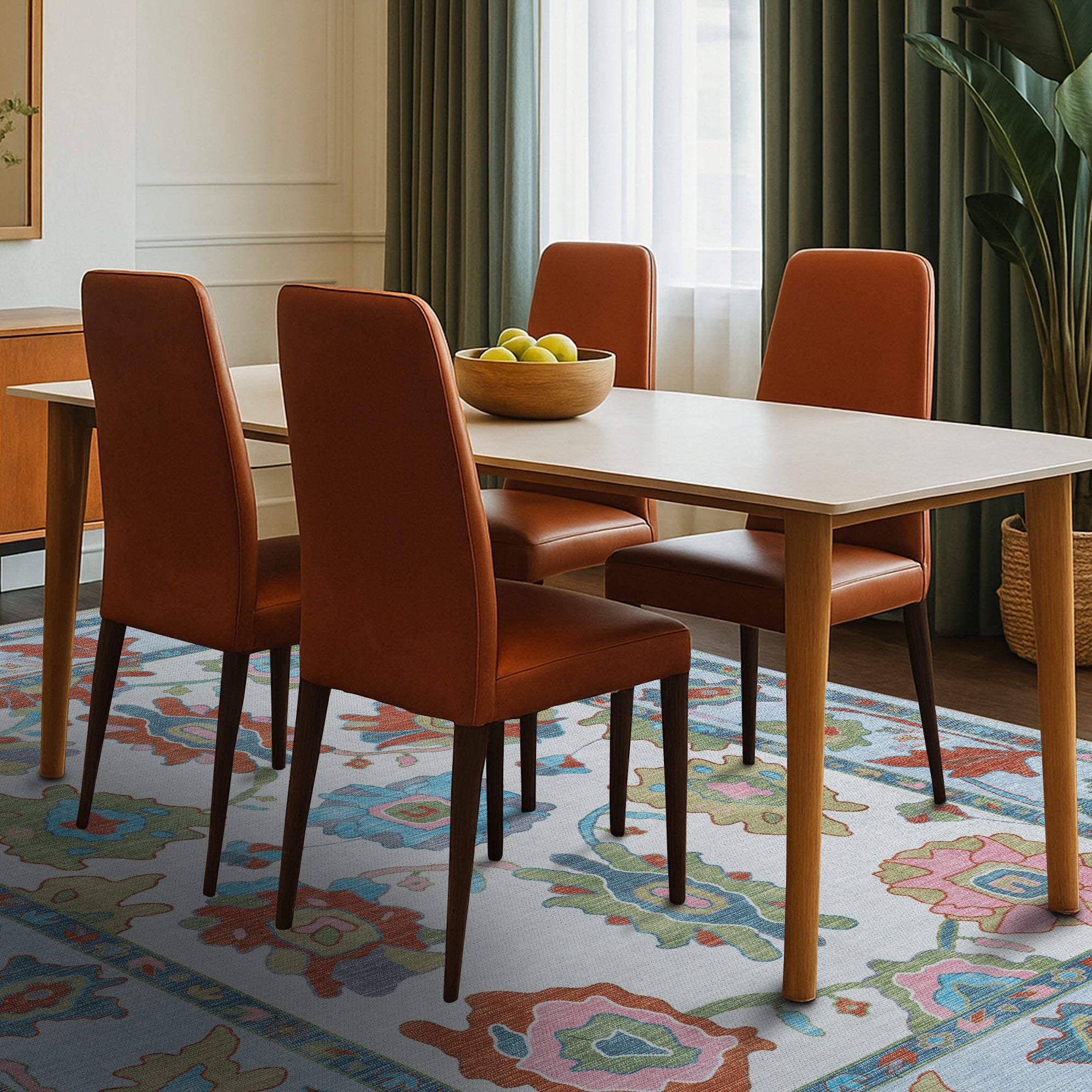
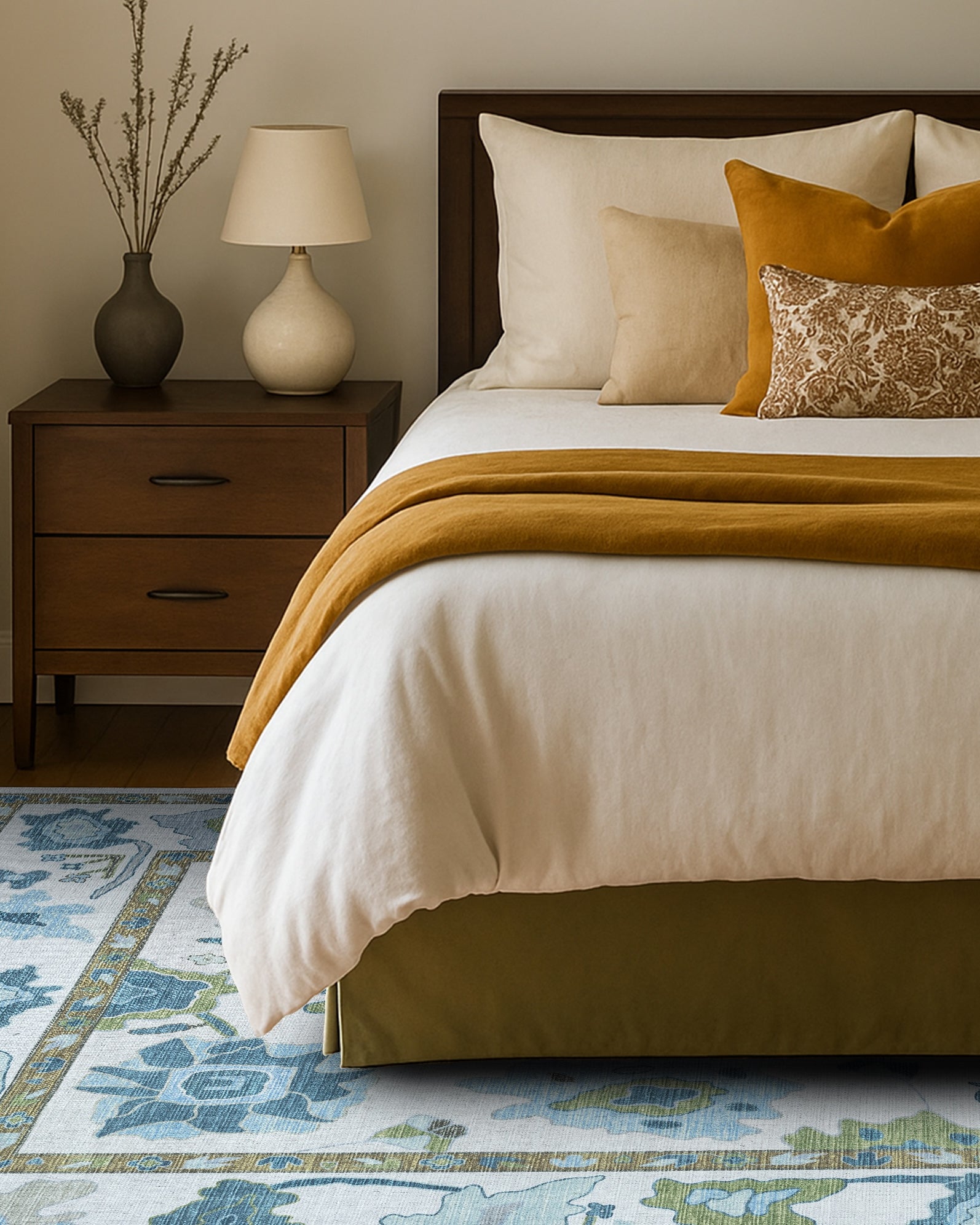
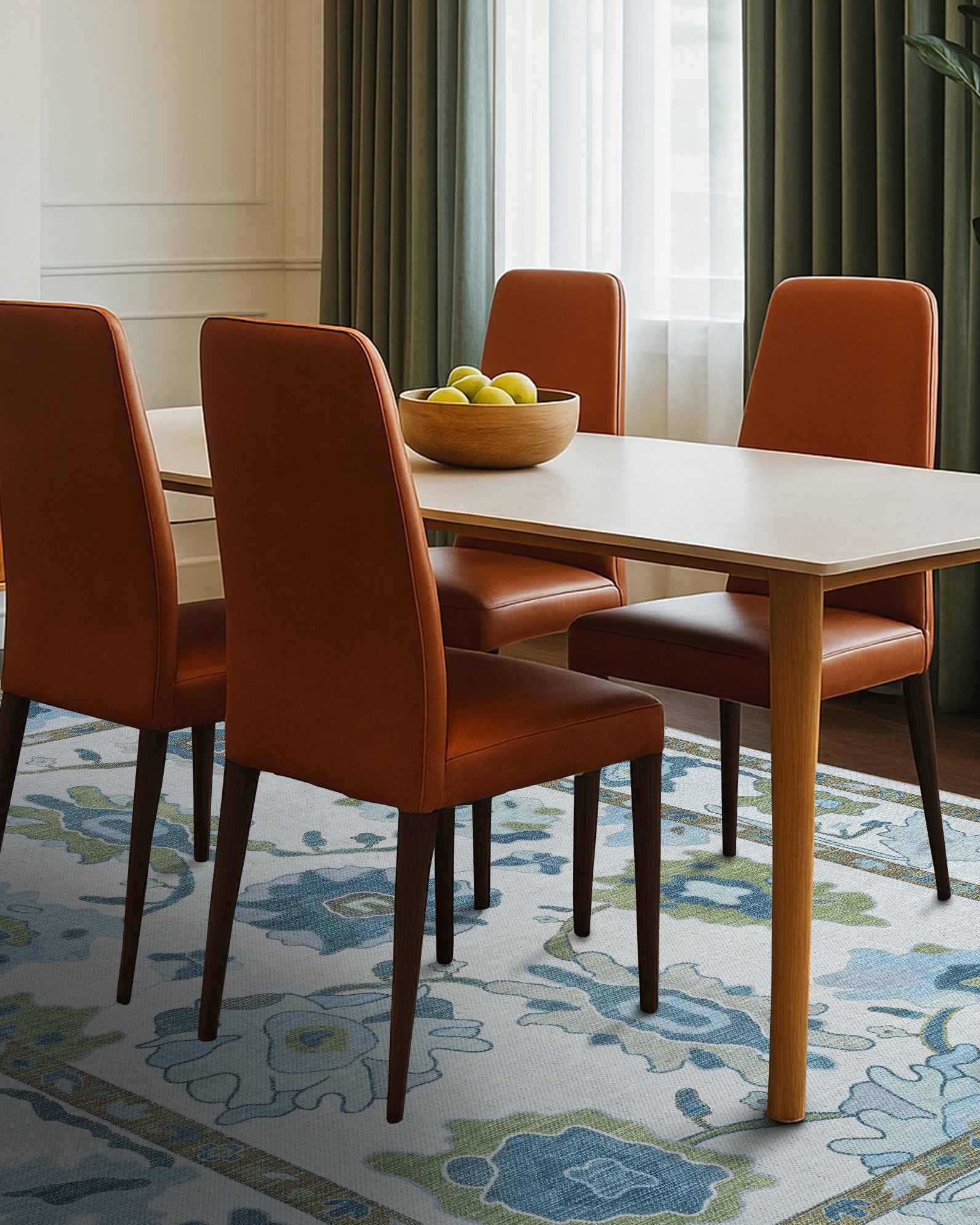
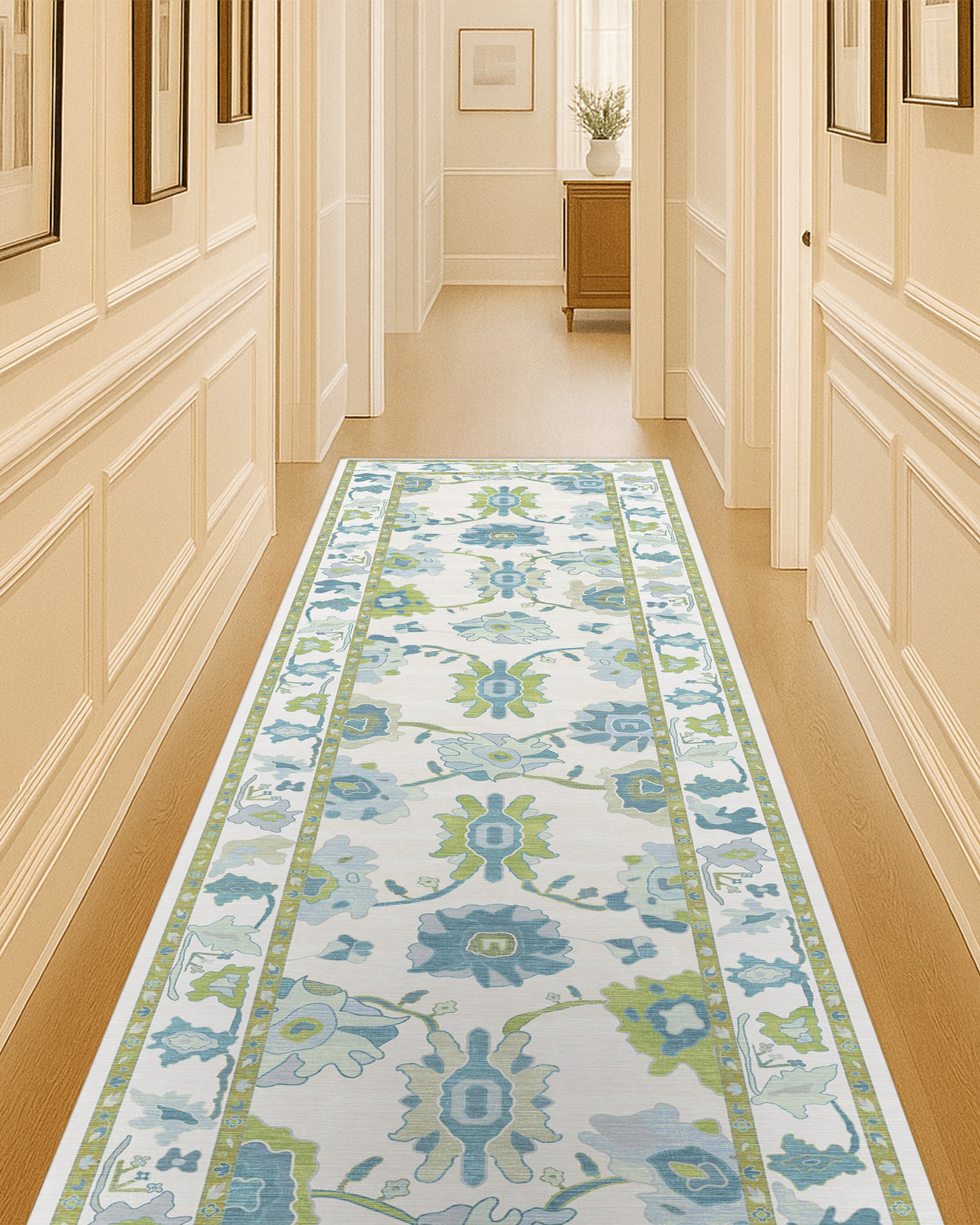
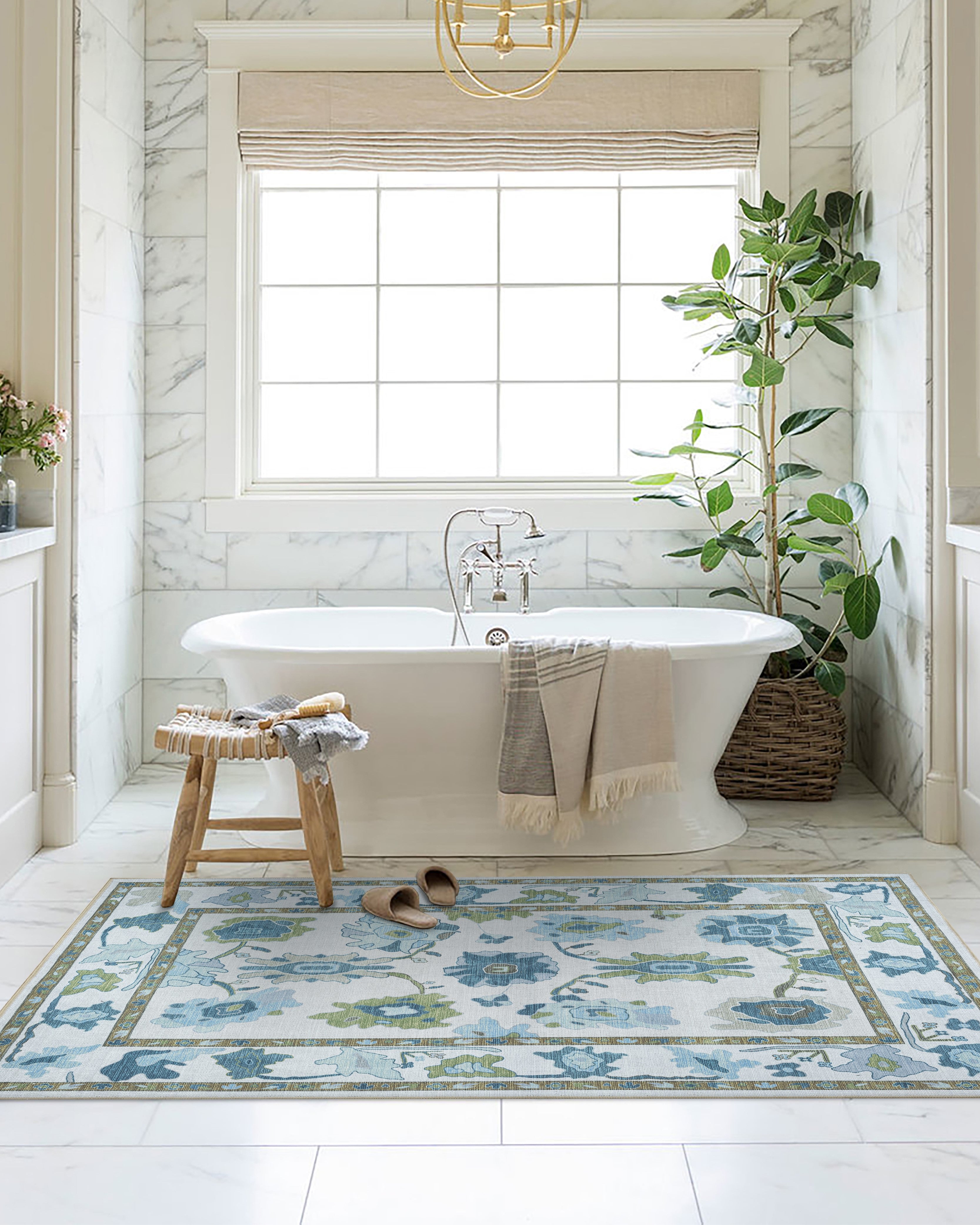
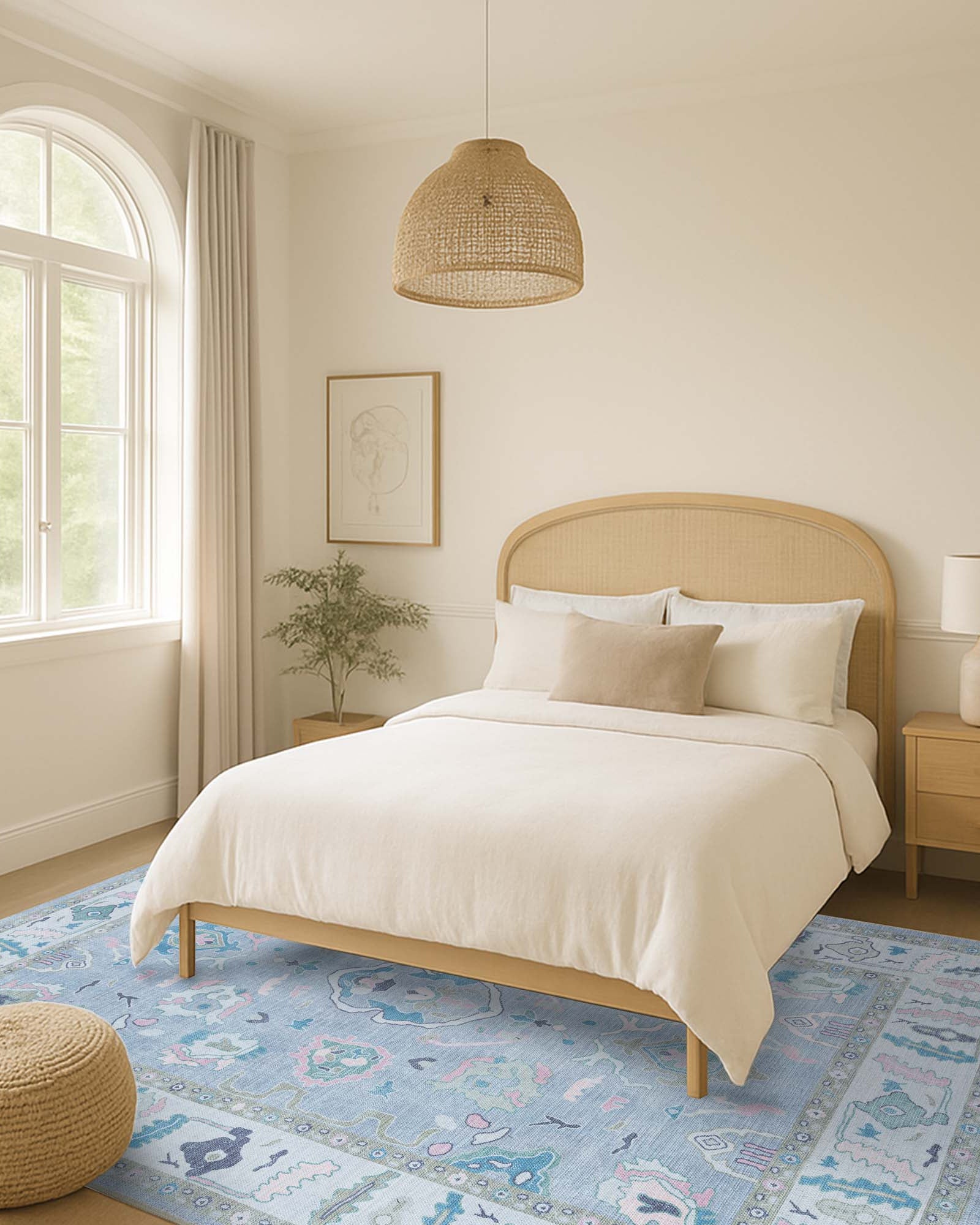
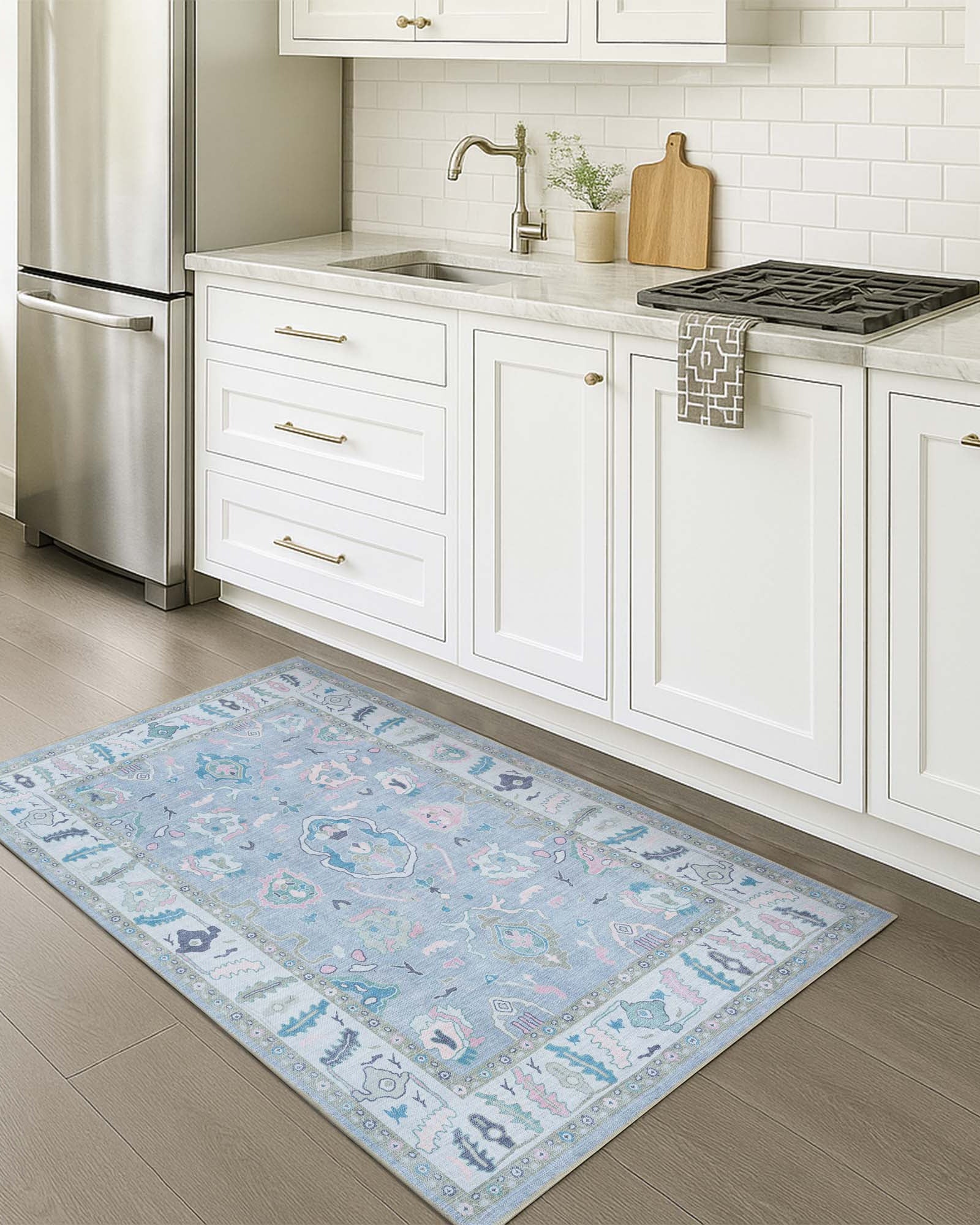
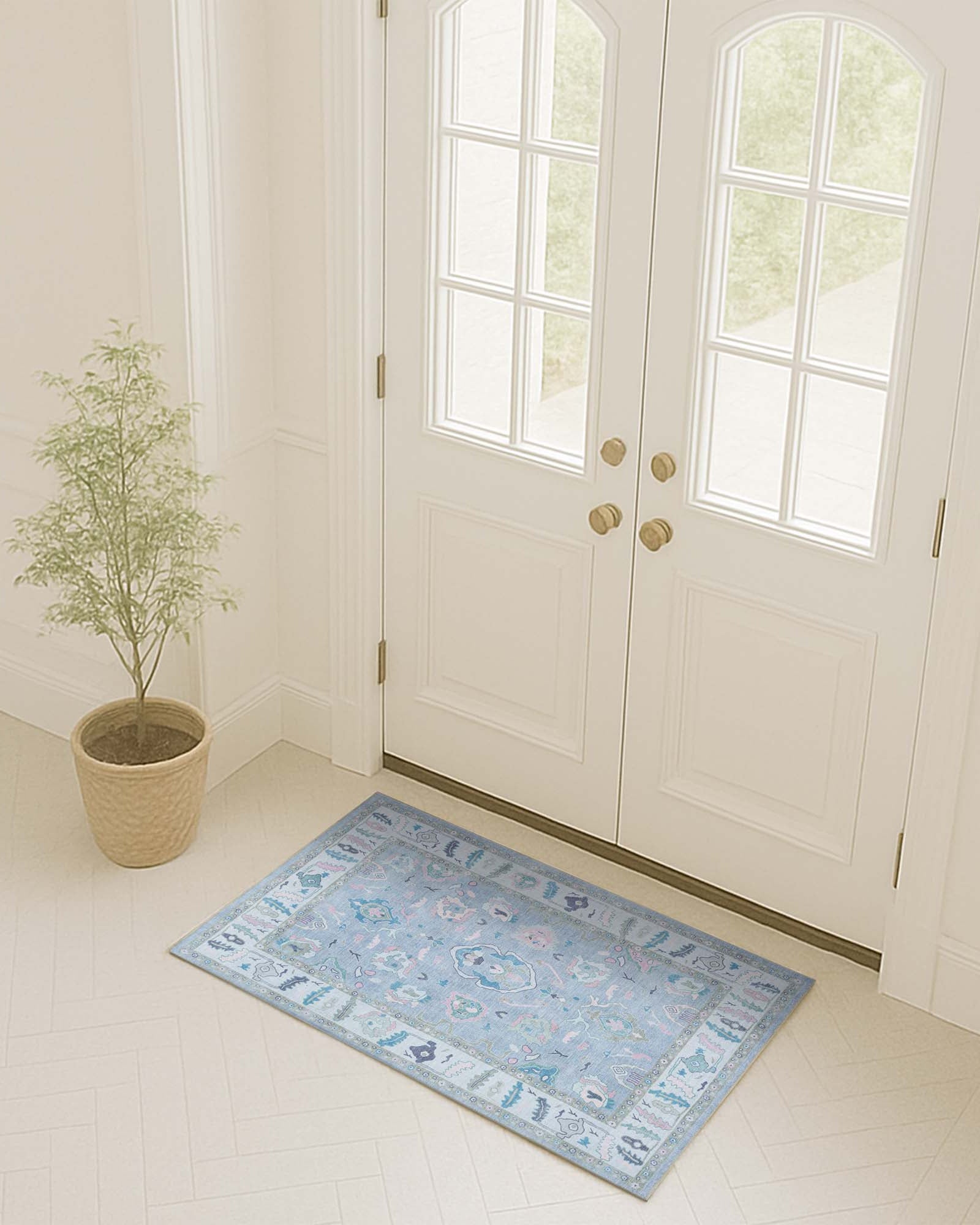
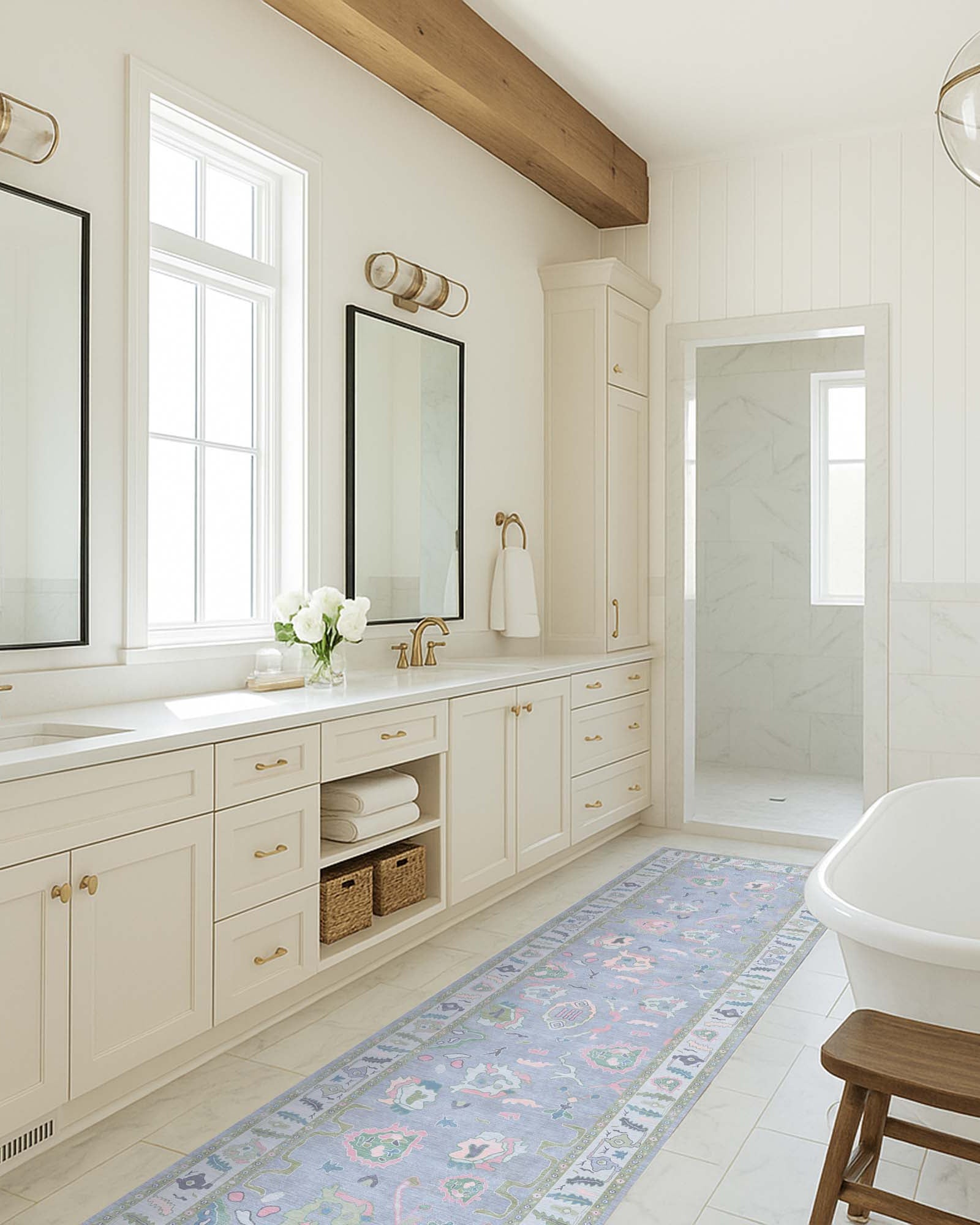
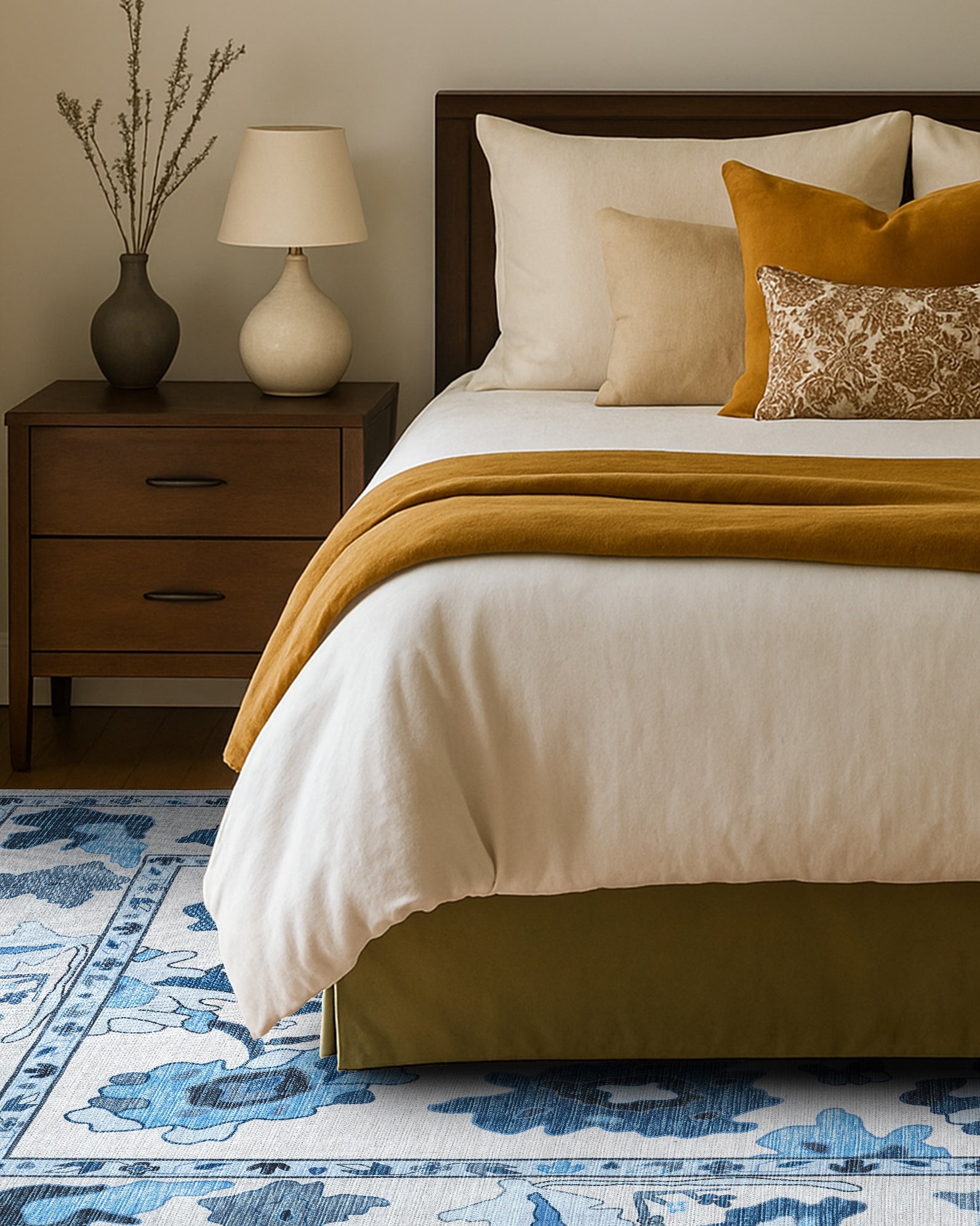
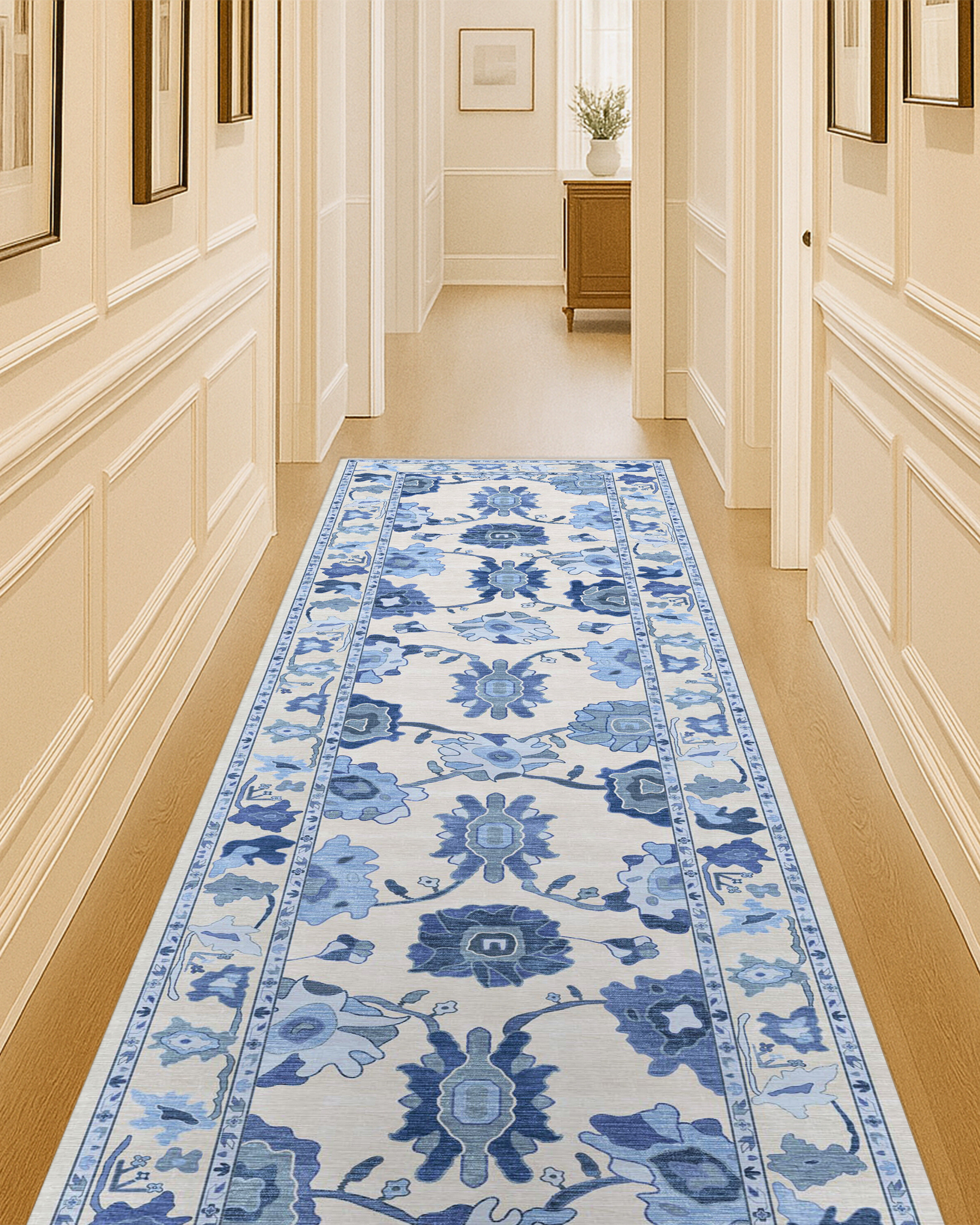
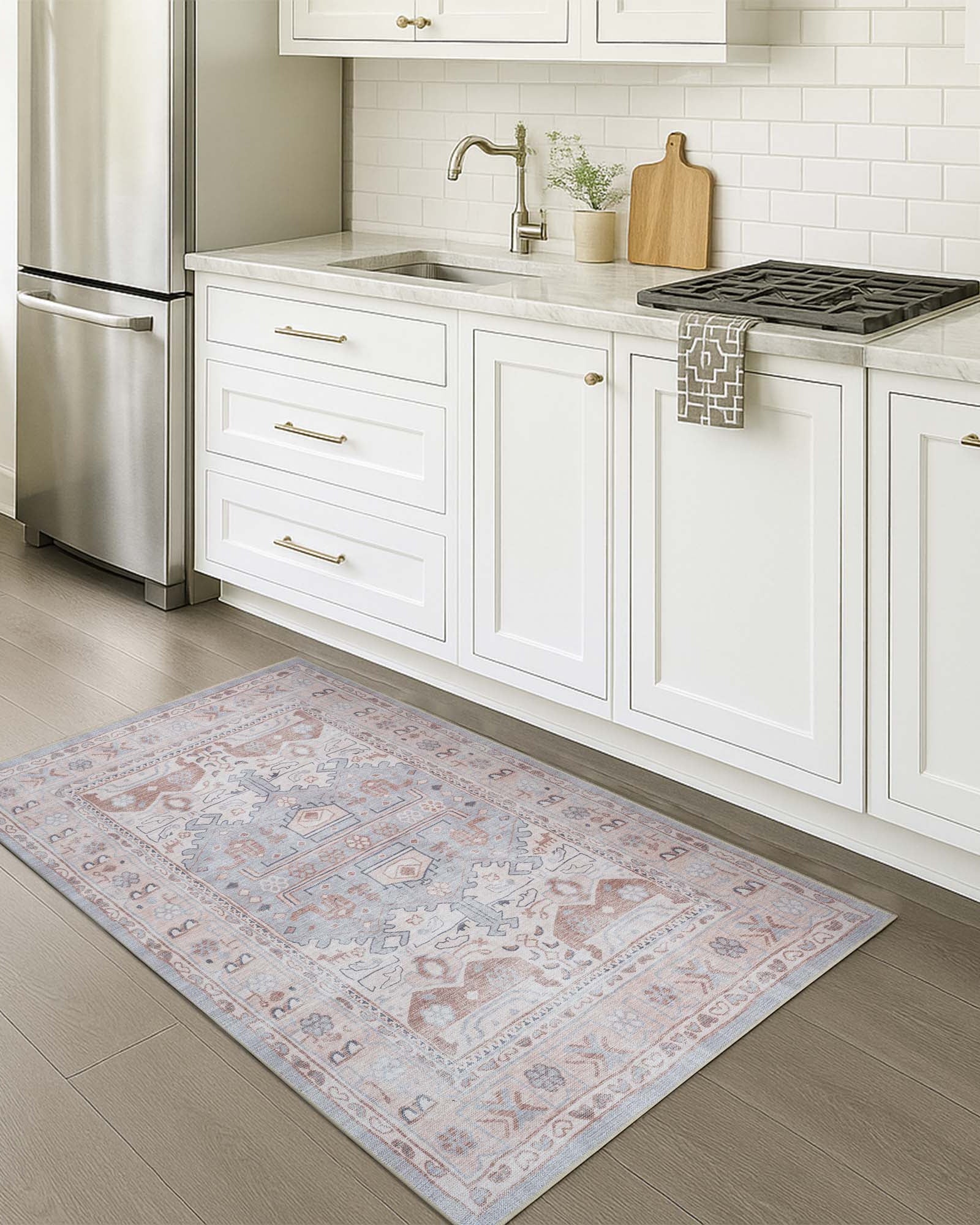
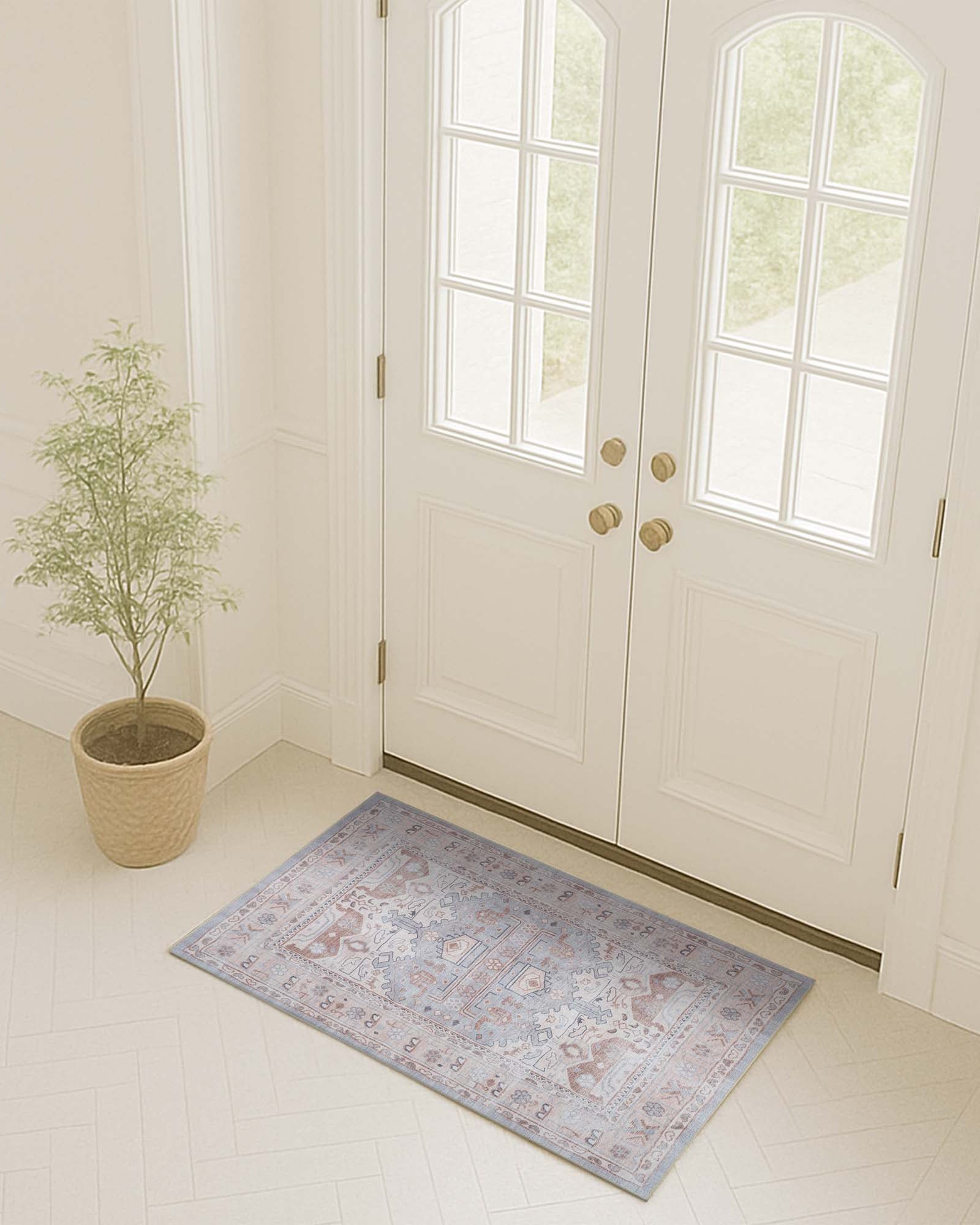
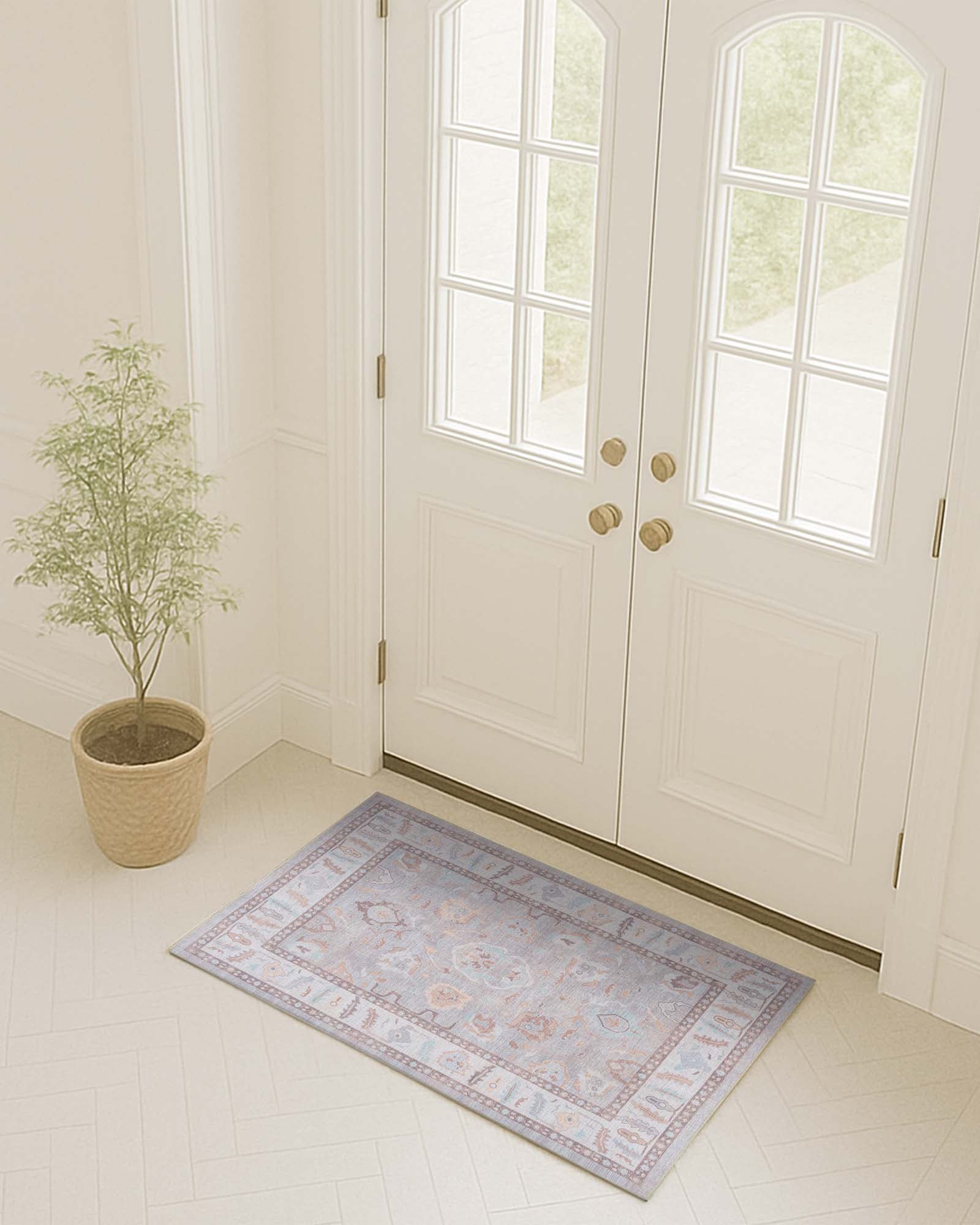
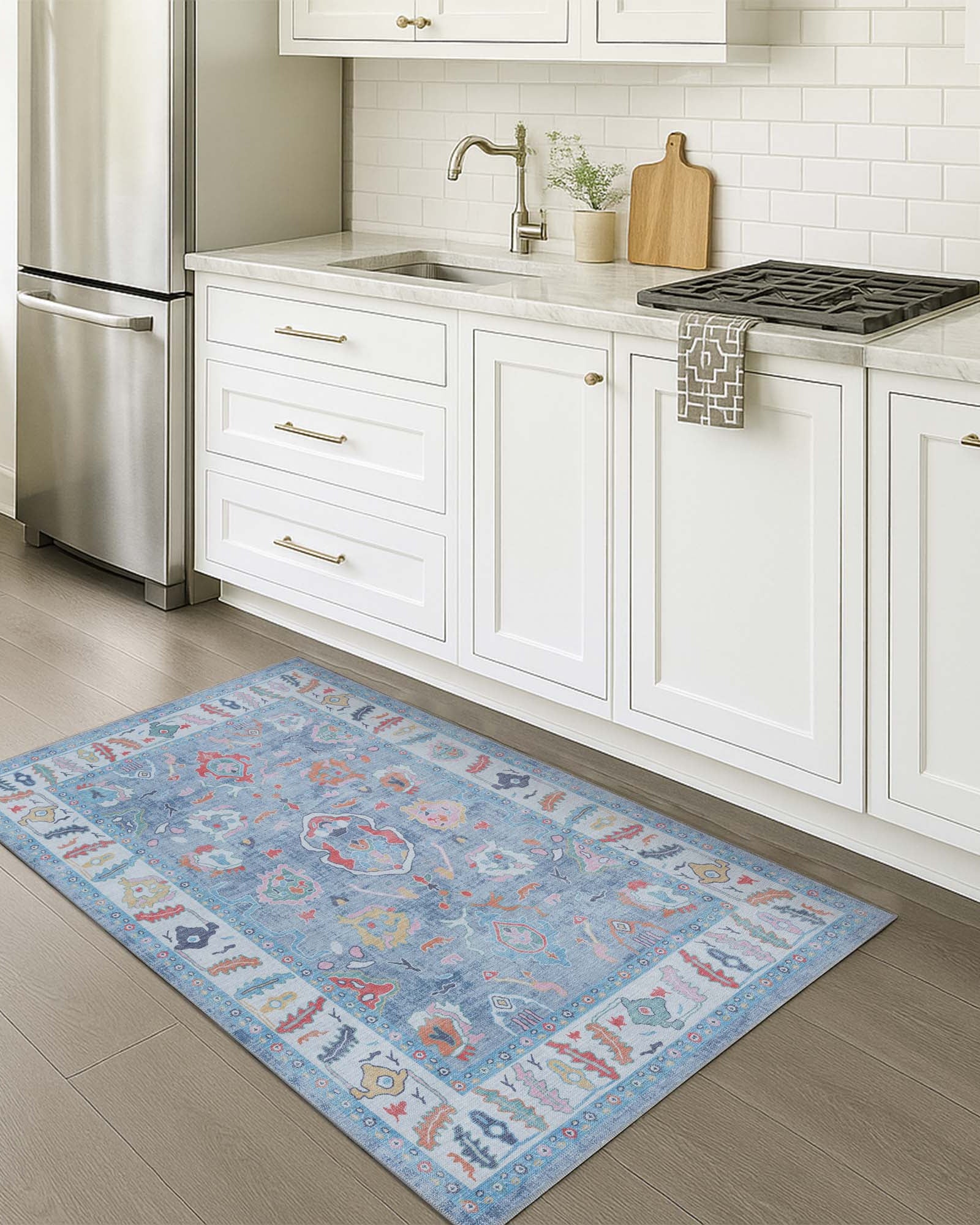
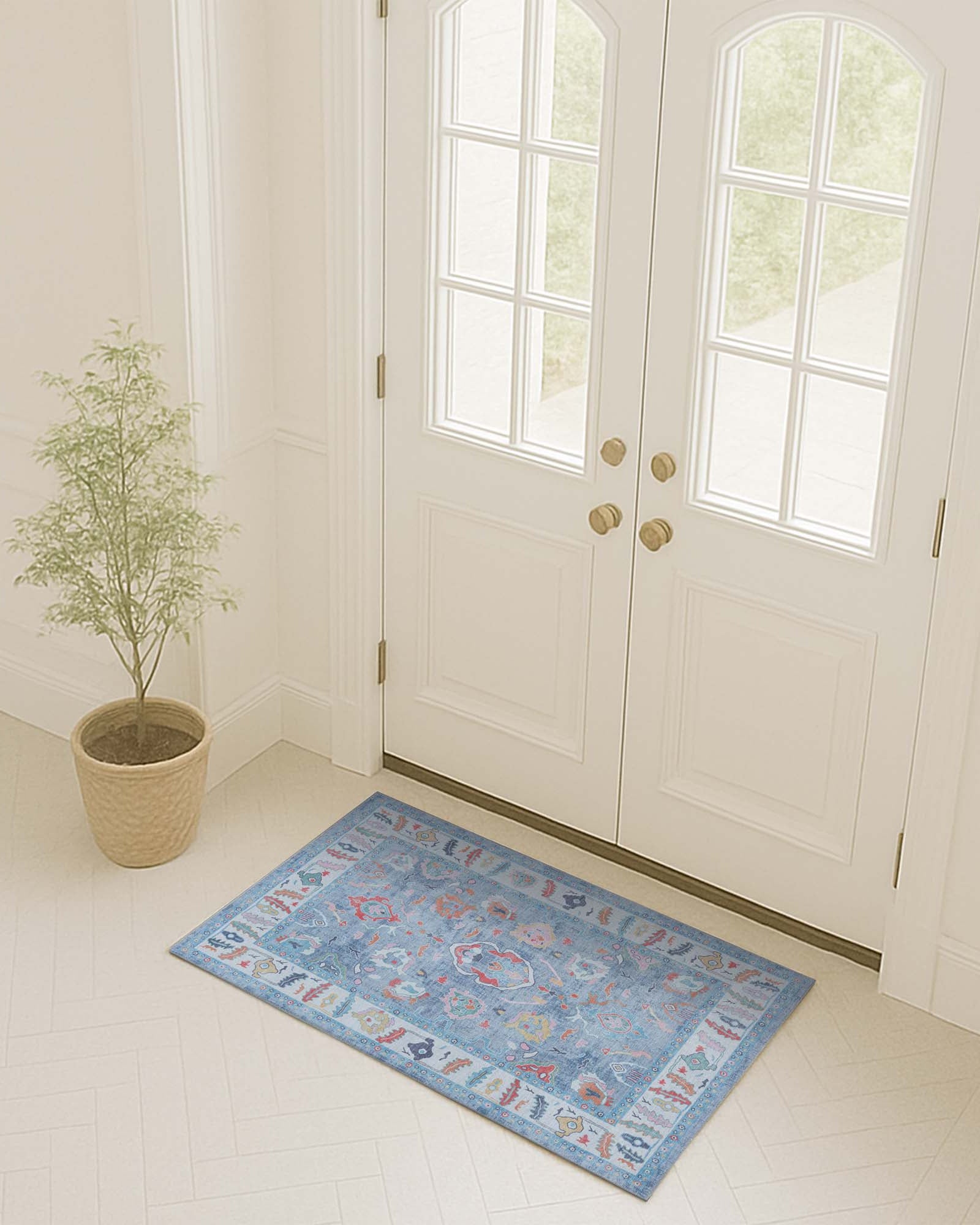
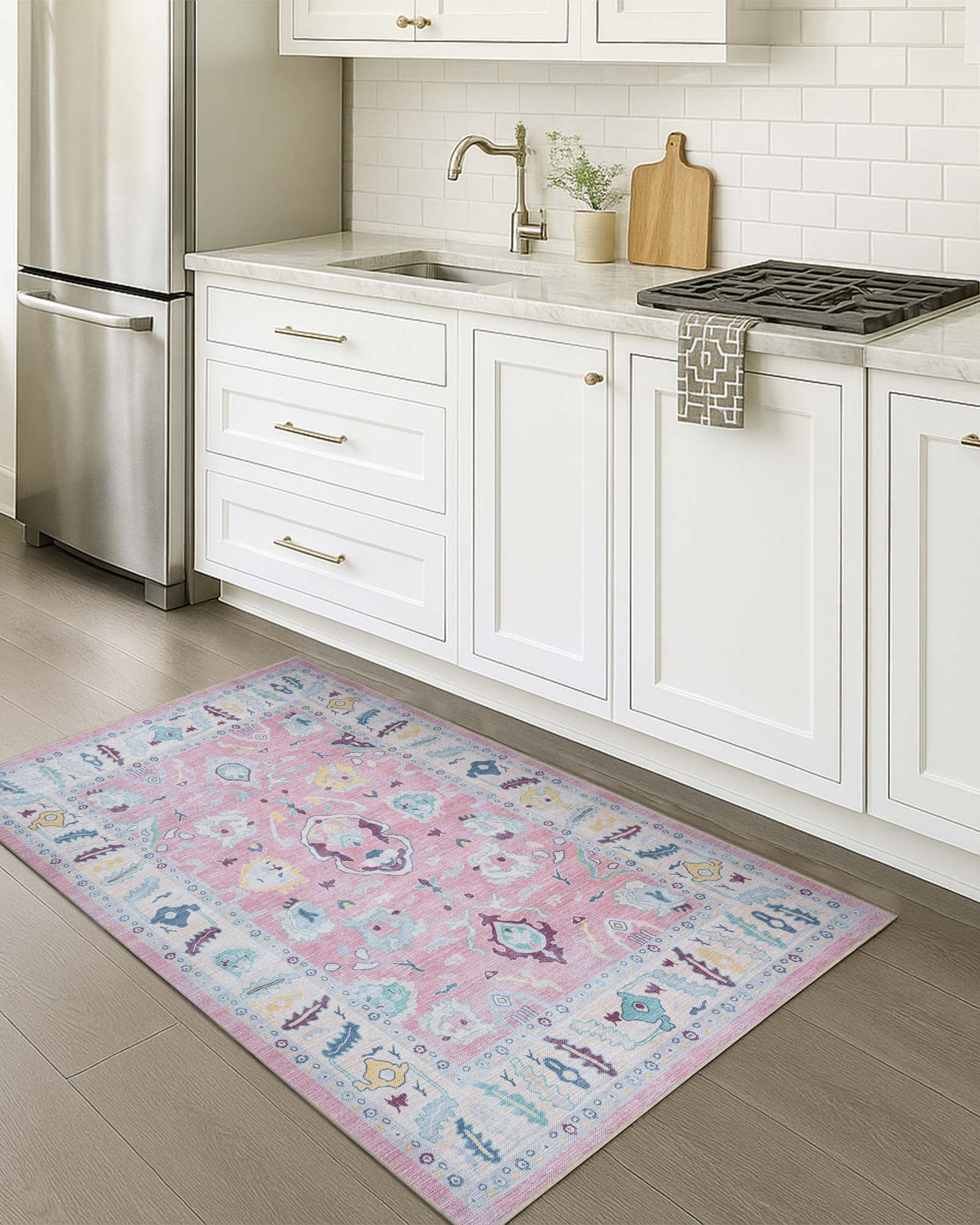
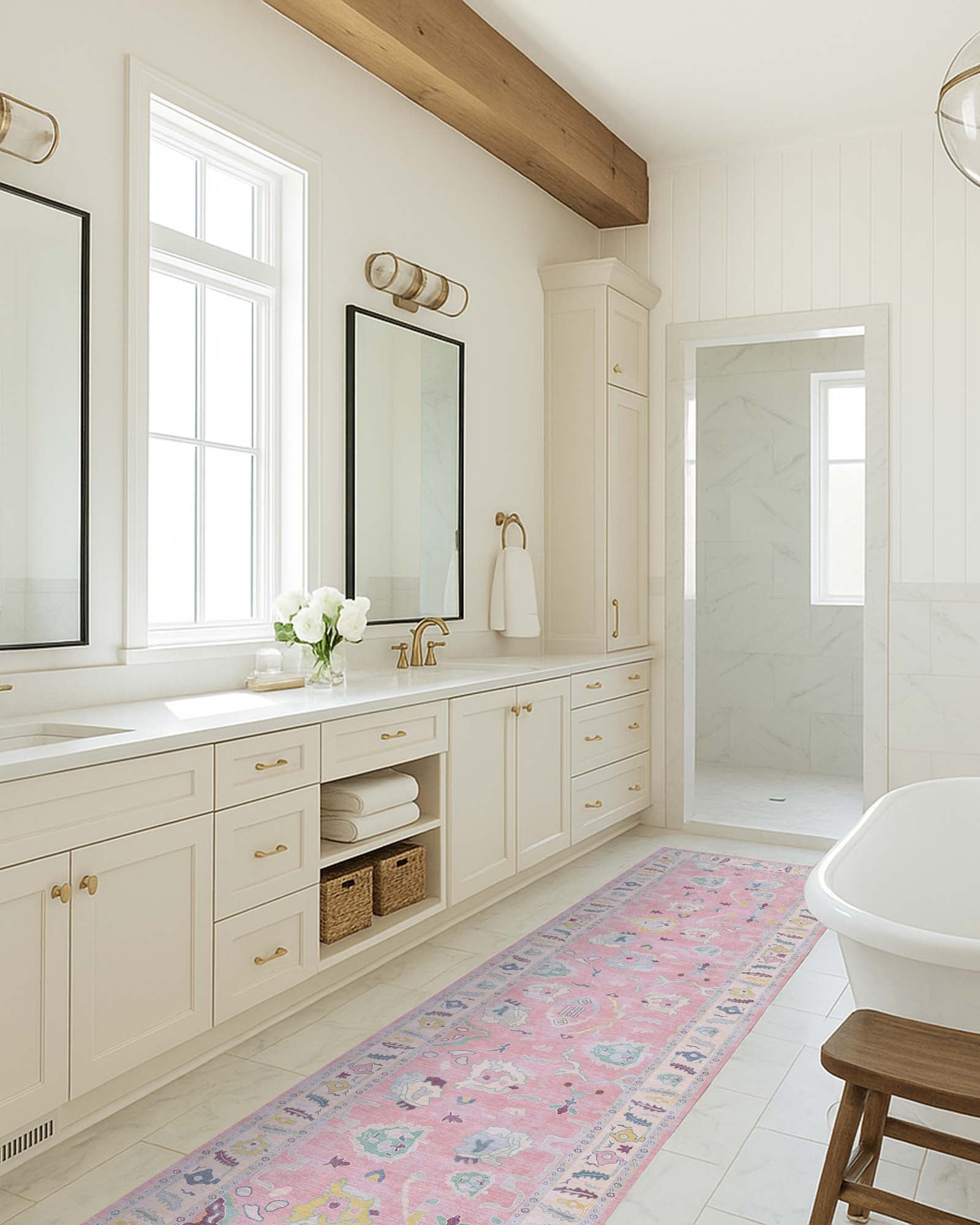
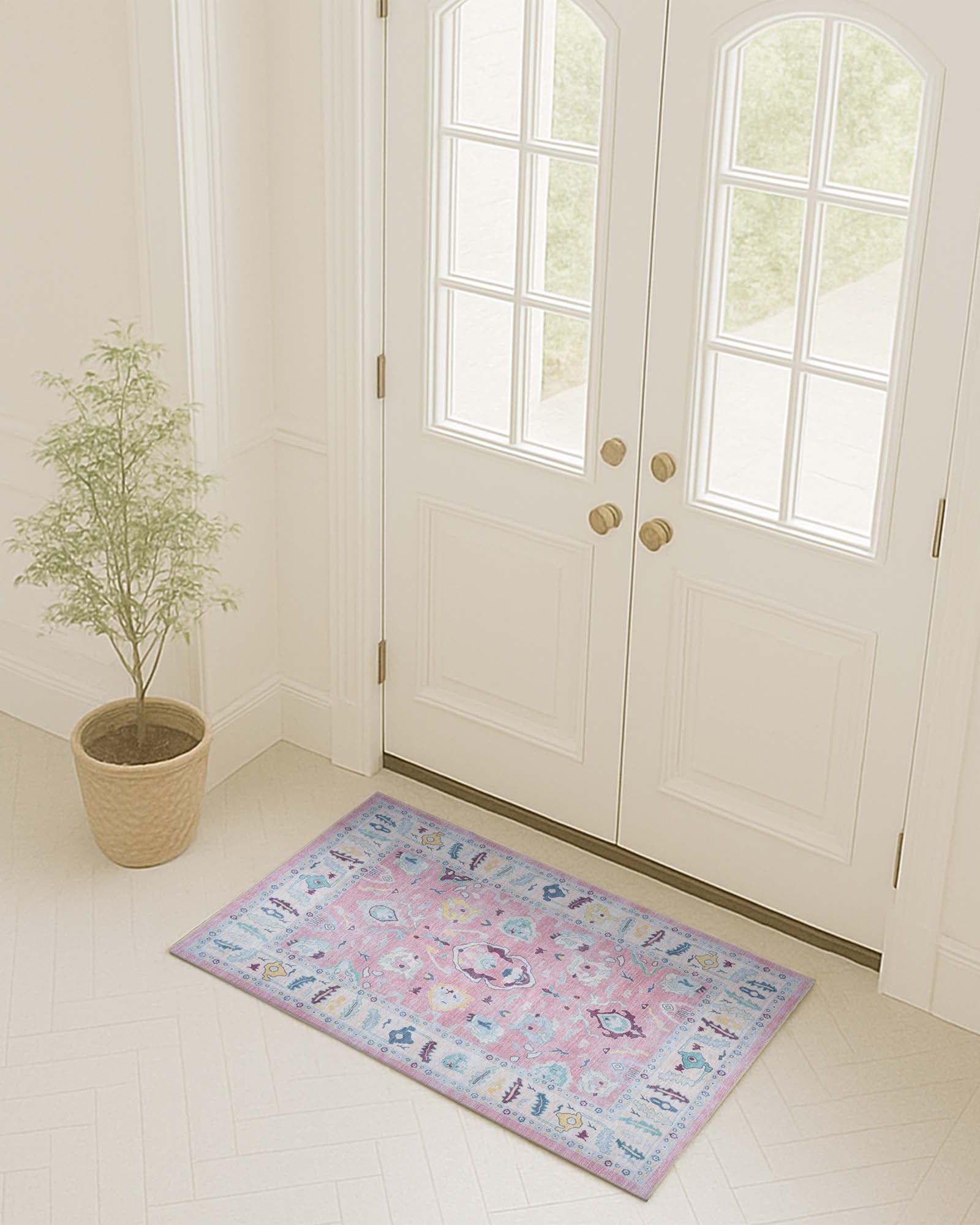
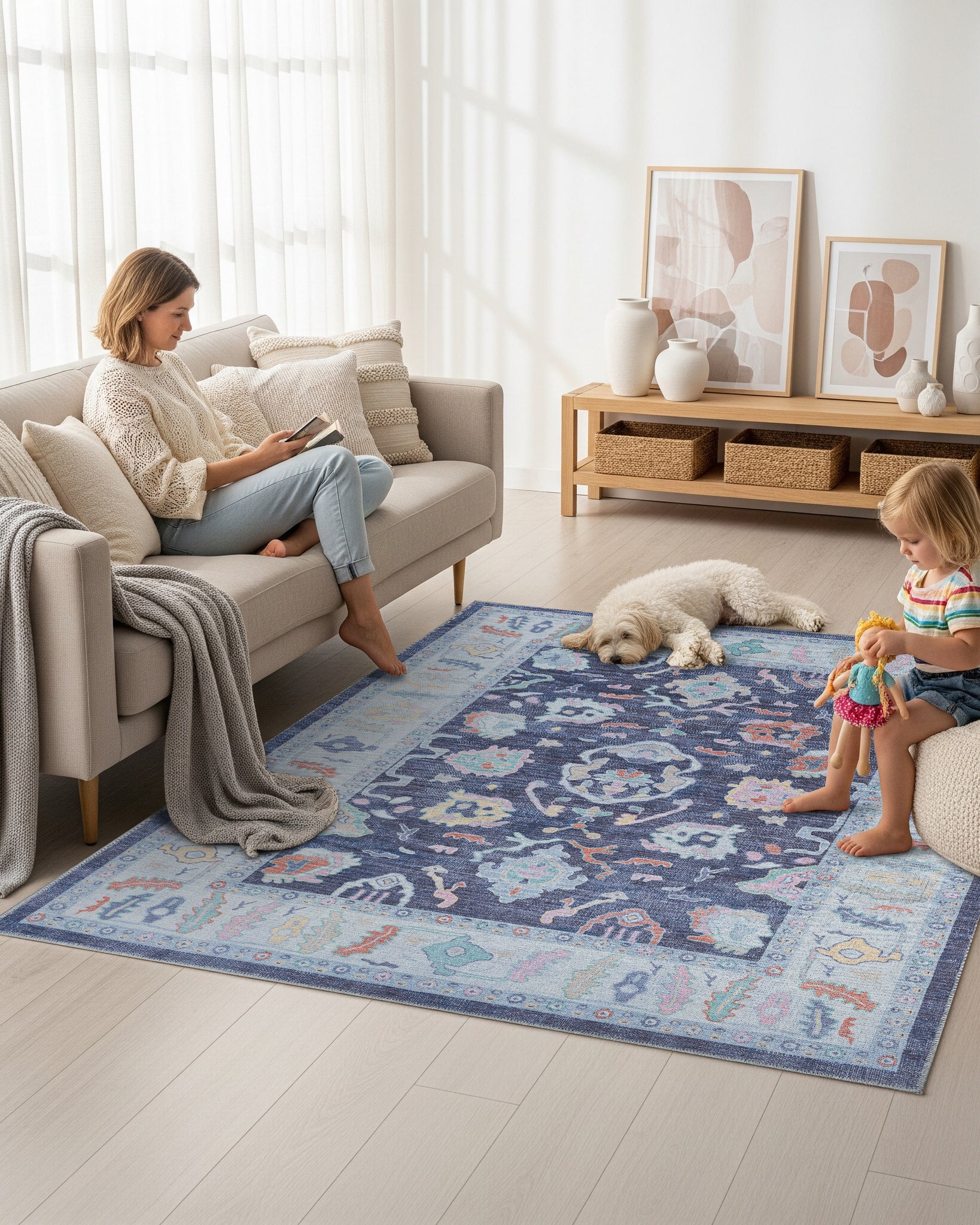
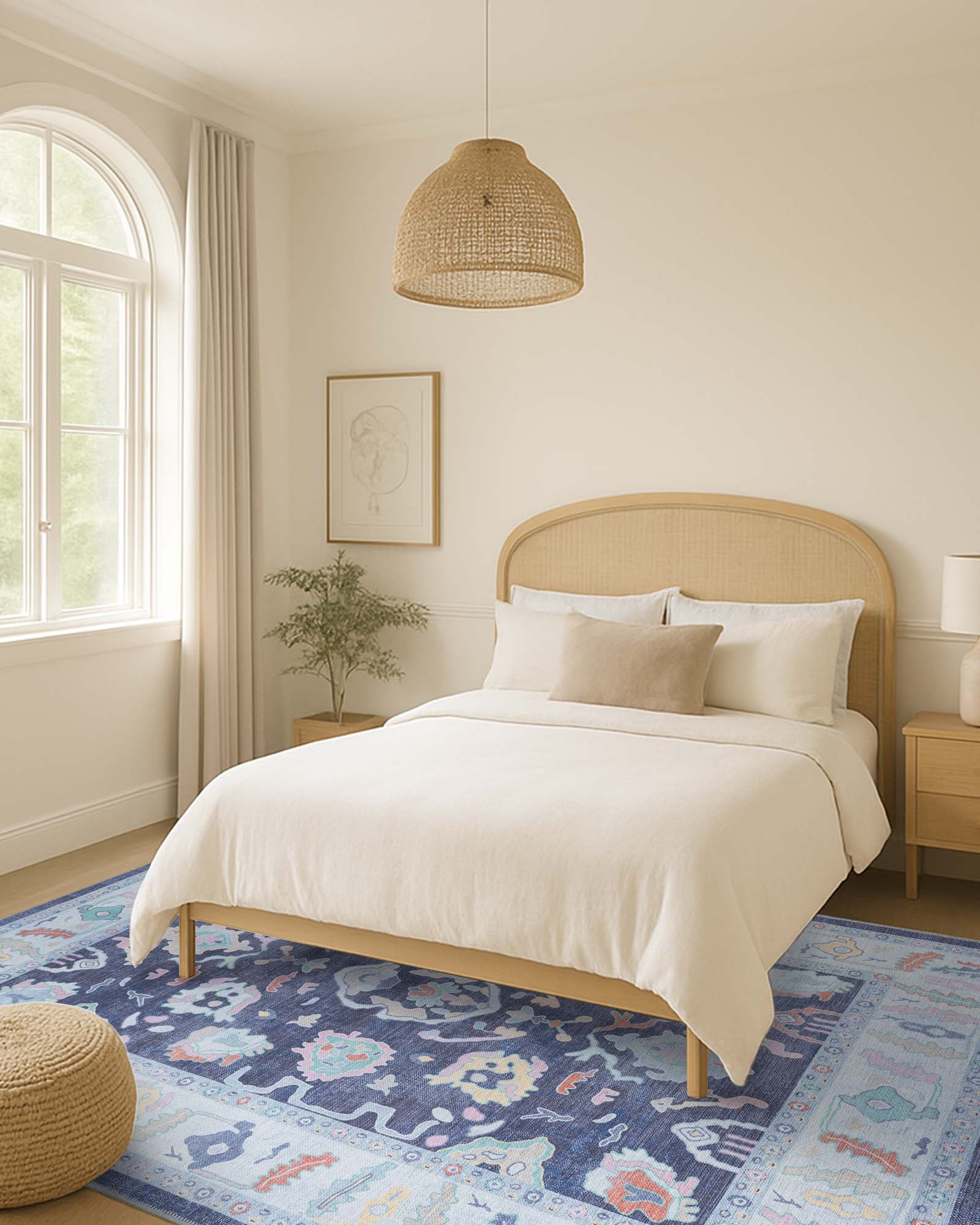
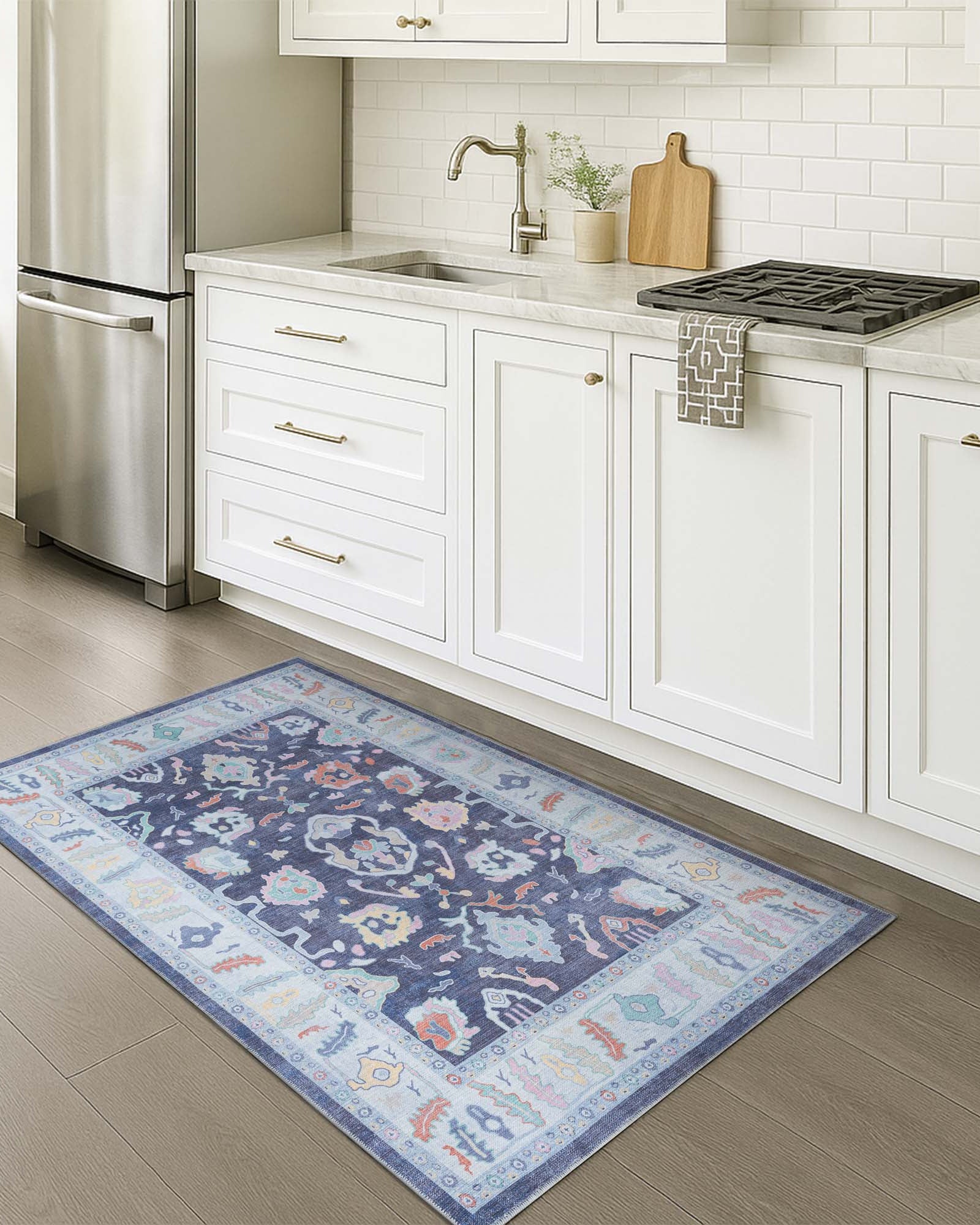
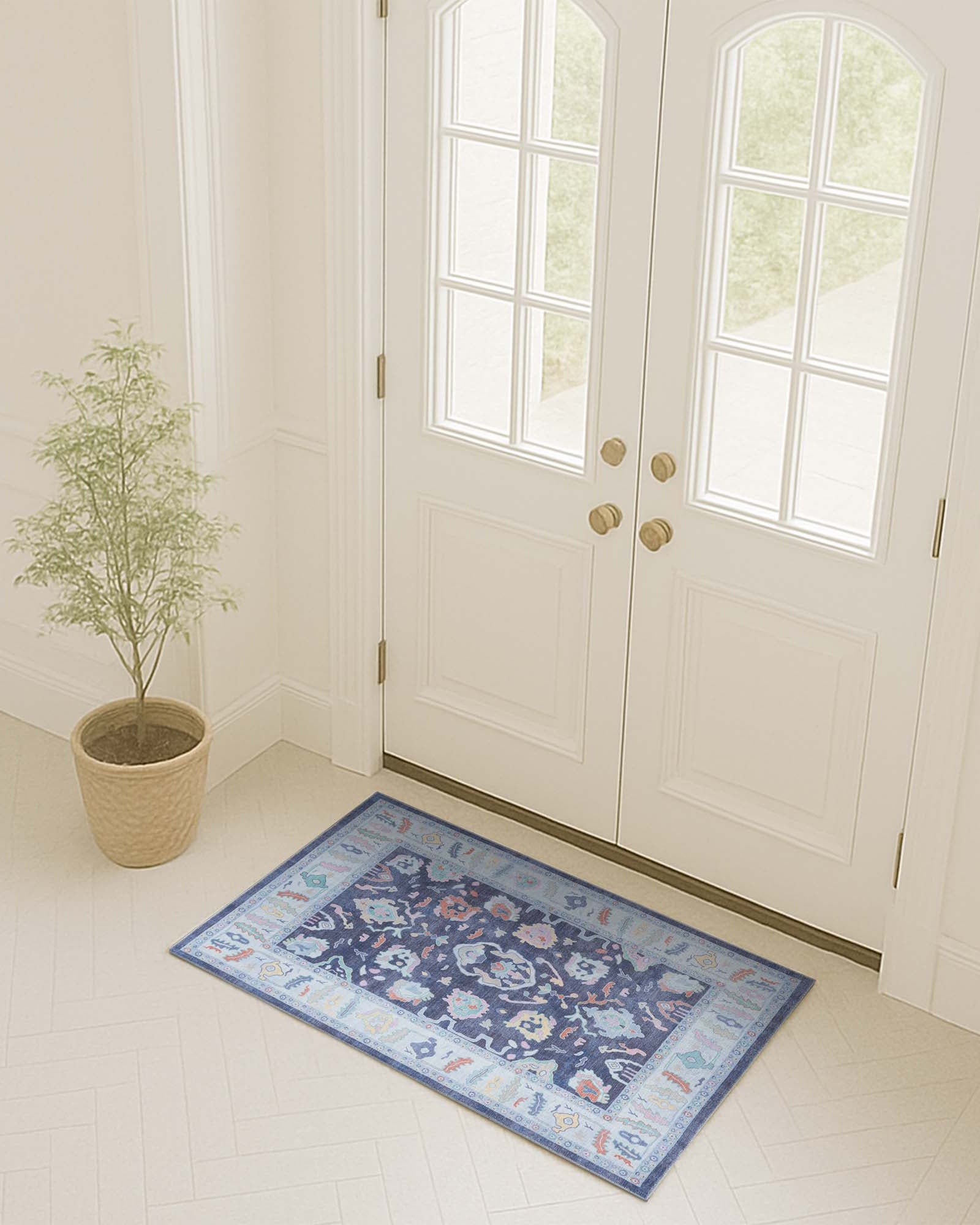
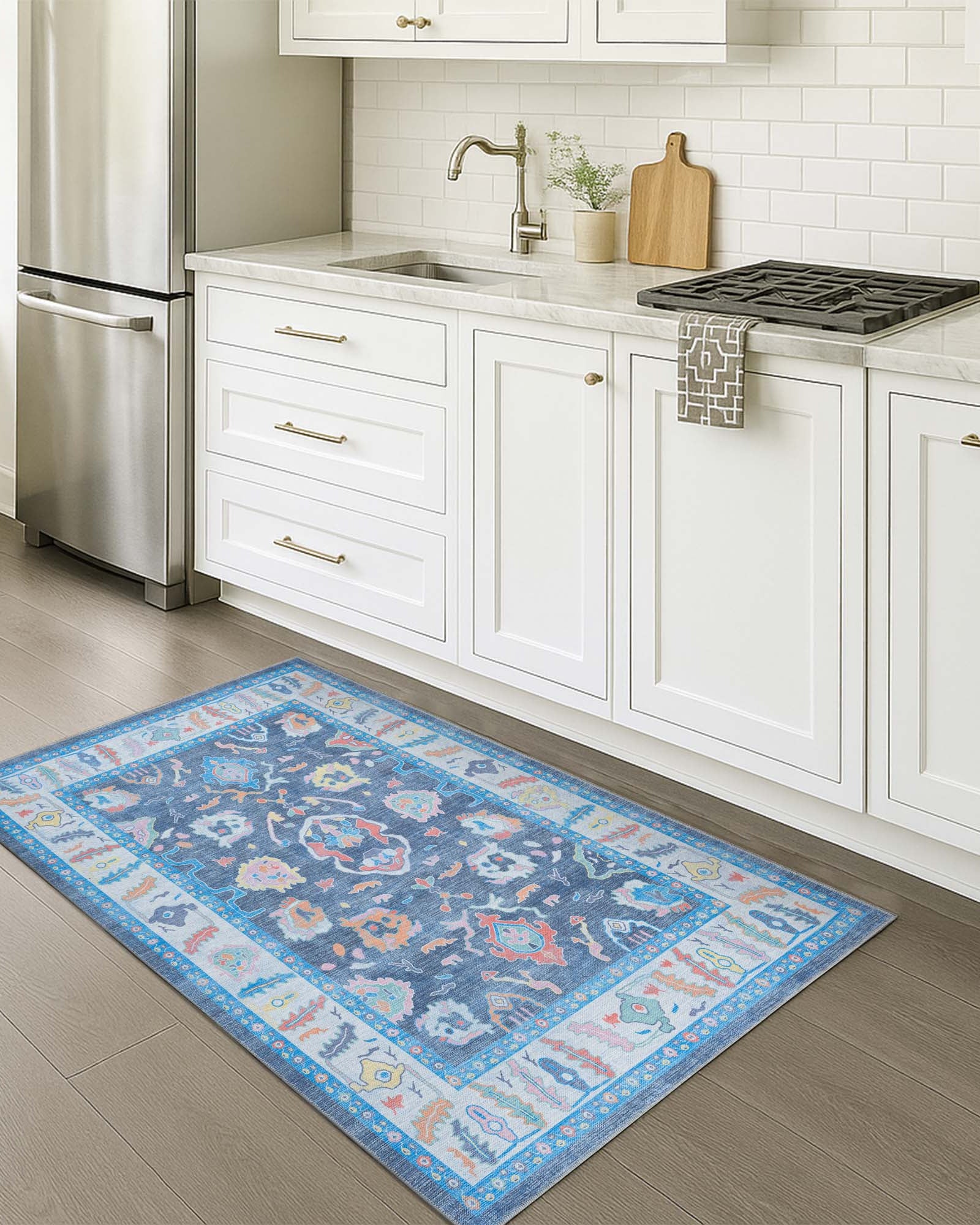
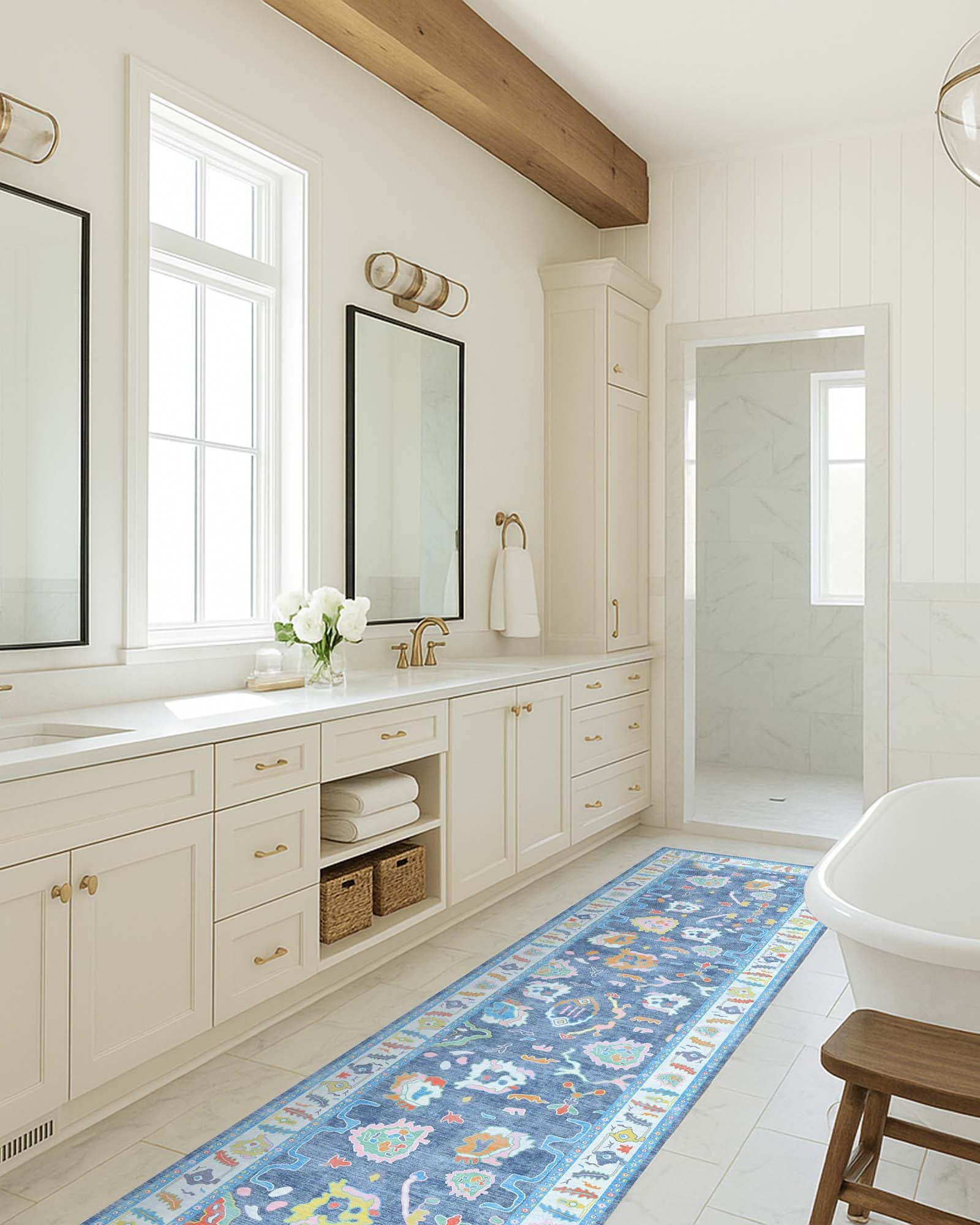
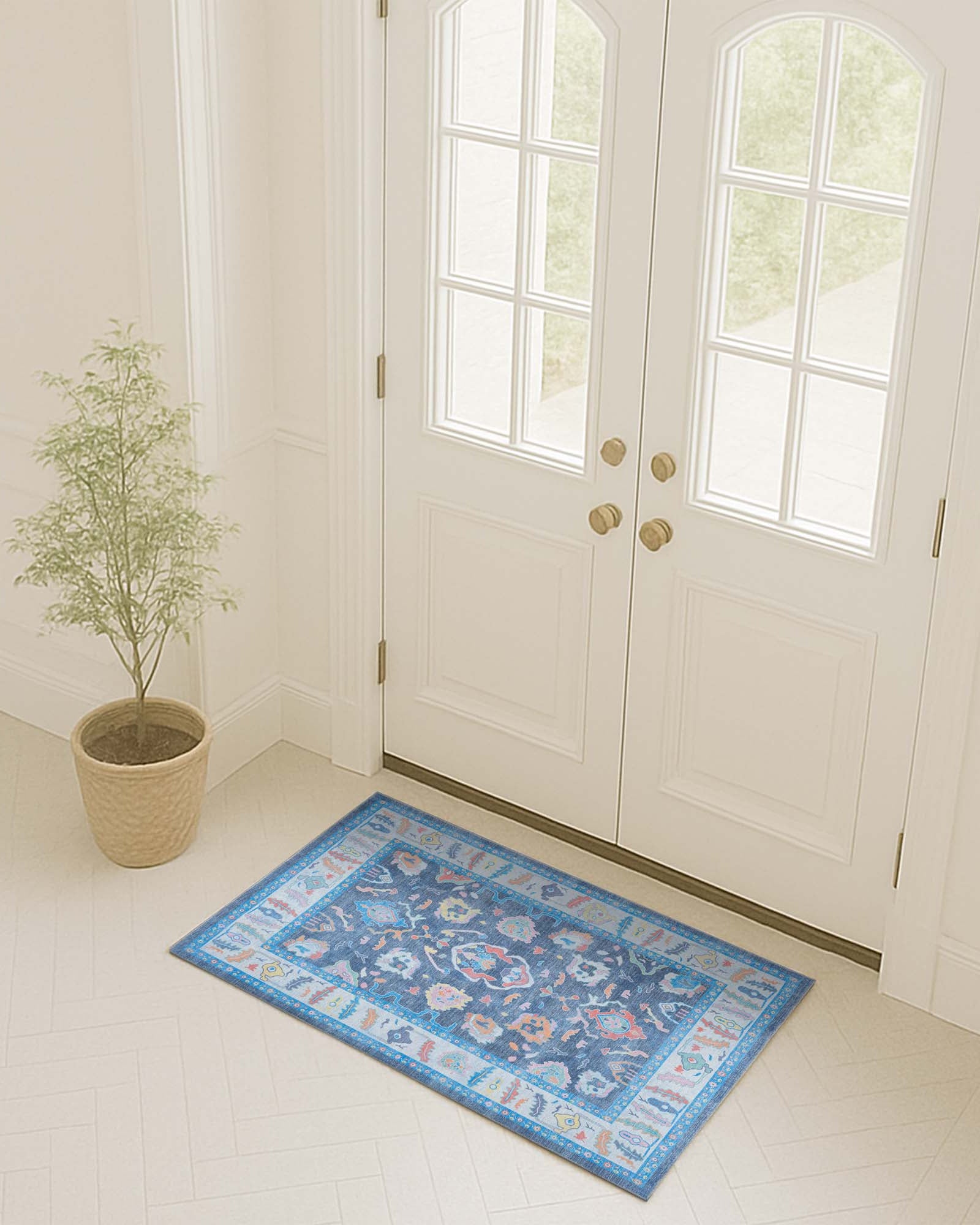
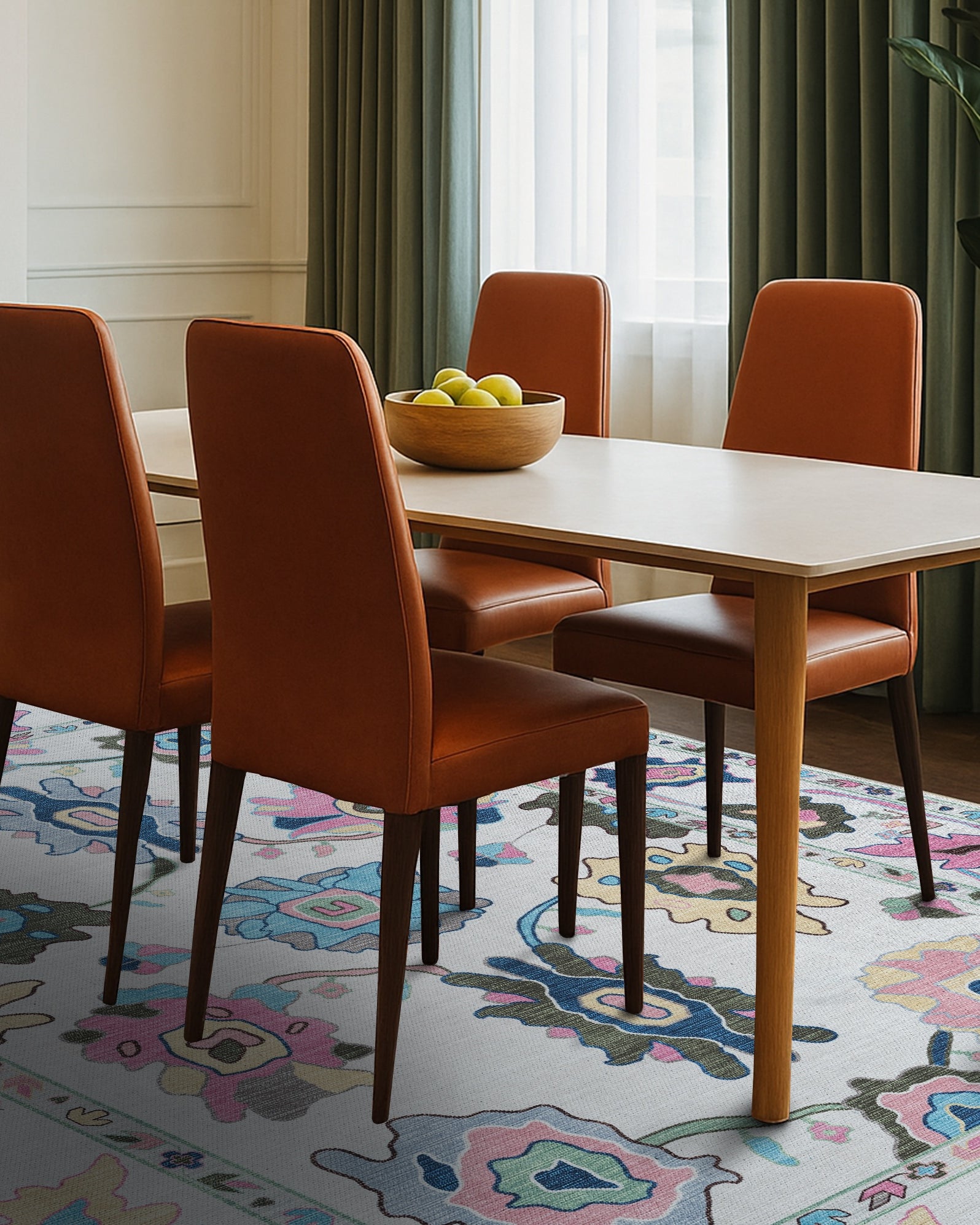
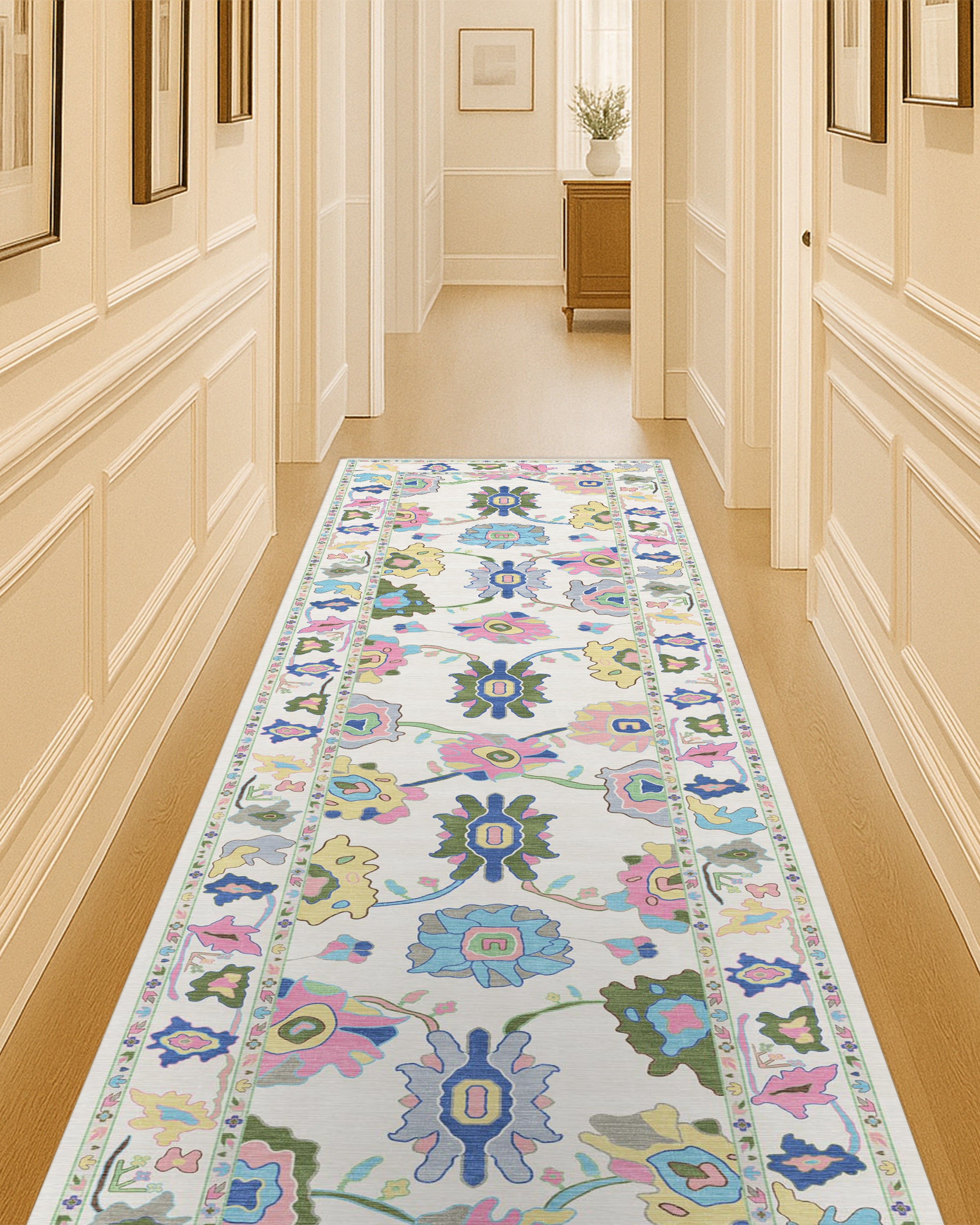
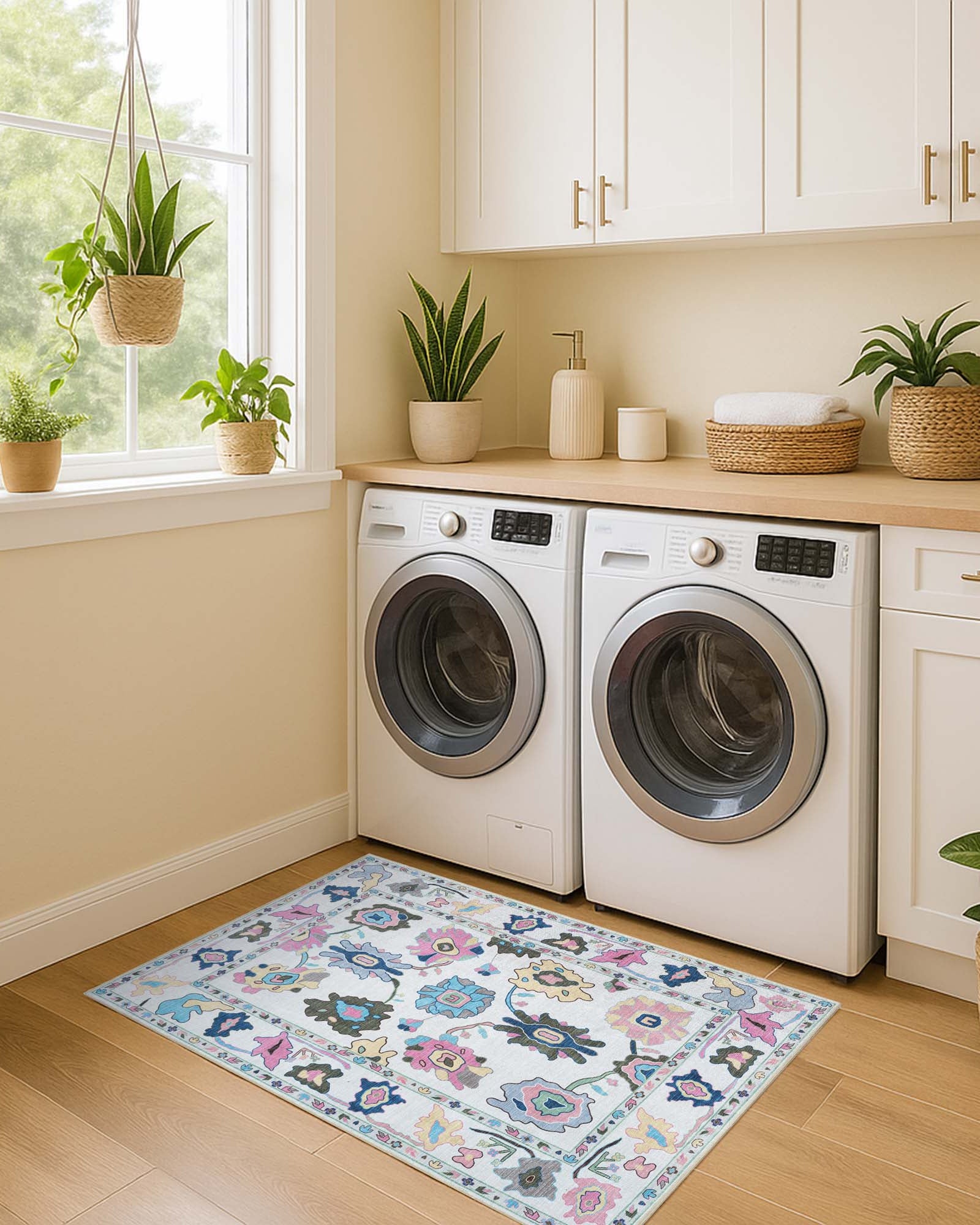
Kitchens, entryways, hallways, under a desk, at the foot of a bed, layered in a living room, or hung on a wall. Because there is no pile to crush, a kilim in a busy walkway wears far more slowly than a low-density knotted rug in the same spot. The trade-off is comfort — there is no cushioning underfoot at all, which is why they are a poor choice for a bedroom floor you walk on barefoot every morning, or under a dining table where chair legs catch a thin textile.
Slipping and Padding
A kilim on a hard floor will slide, and a thin flatweave with no pad underneath abrades from below. Use a felt-and-rubber rug pad cut slightly smaller than the rug on every hard surface. When layering over a larger rug, a thin non-slip pad between the two keeps the kilim from creeping.
Age, Condition and Measurement
Pieces are grouped as antique at over eighty years, vintage at roughly forty to eighty, and semi-vintage below that. Every product page lists the estimated decade, the origin, exact measured dimensions and a plain condition note. On flatweaves specifically, expect original centre seams on two-panel pieces, small open slits at colour changes, occasional old restitching, softened or shortened end finishes and areas of thinning where the weave has worn. Dimensions are never standard — narrow-loom construction means many kilims run long and thin, and opposite edges routinely differ by an inch or more.
Care
Vacuum with suction only — no beater bar, ever, on a pileless weave. Shake or beat smaller pieces outdoors instead of vacuuming when you can. Rotate twice a year and flip the rug annually so both faces wear evenly. Blot spills immediately with a white cloth and plain water, working inward. Because kilims are thin and often naturally dyed, they bleed more readily than pile rugs, so never use a home carpet-cleaning machine or a steam cleaner. Send anything set-in to a professional rug washer familiar with flatweaves.