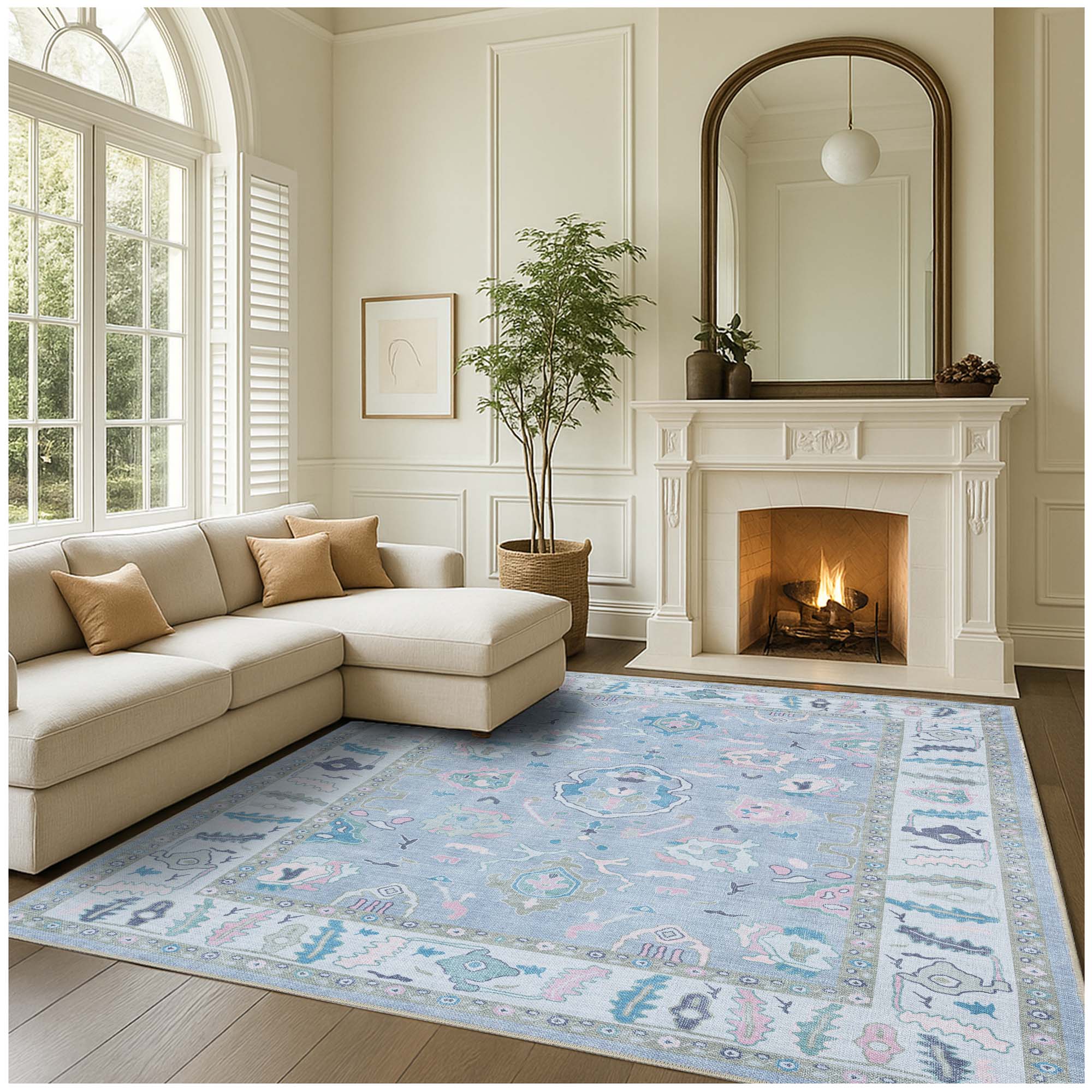
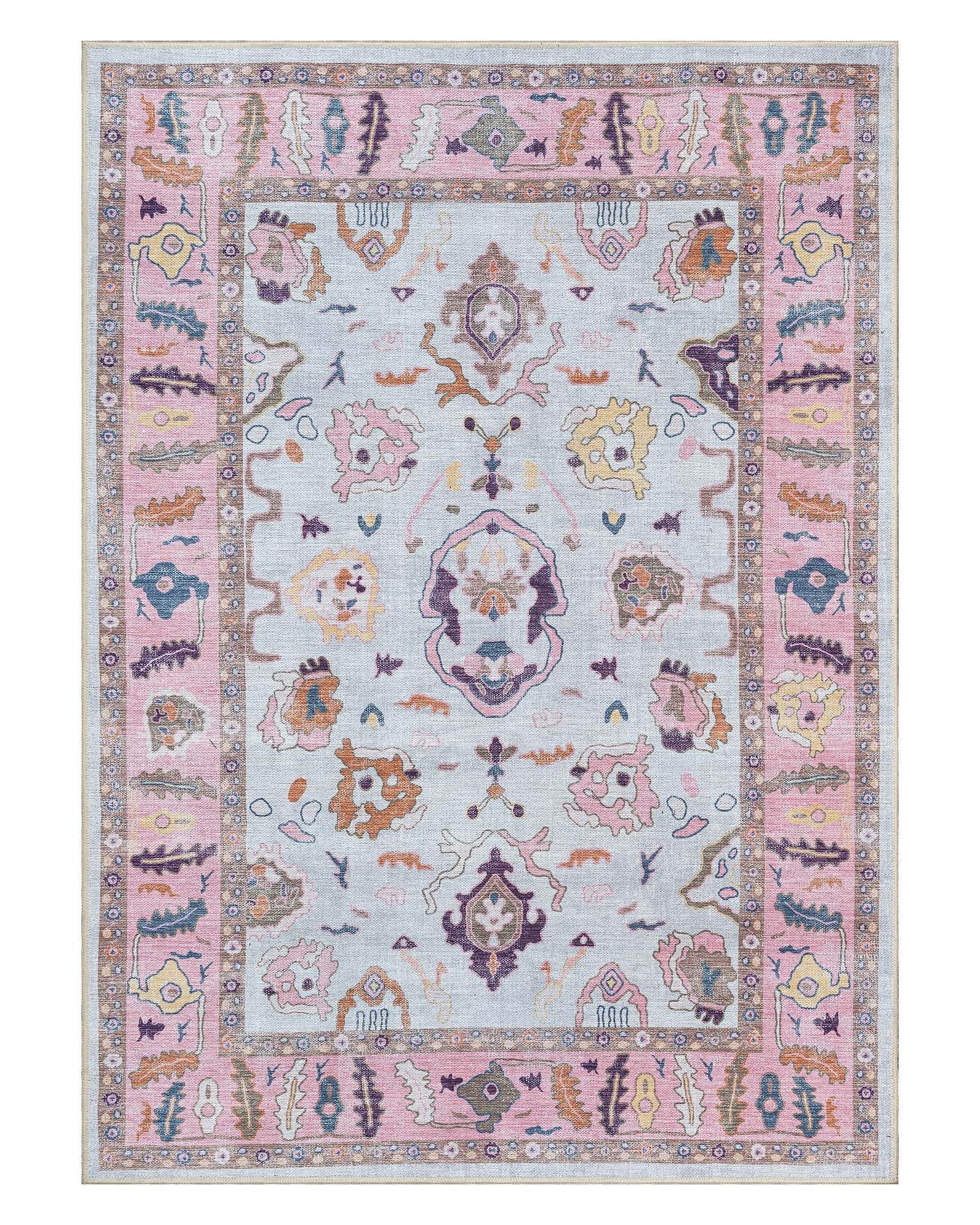
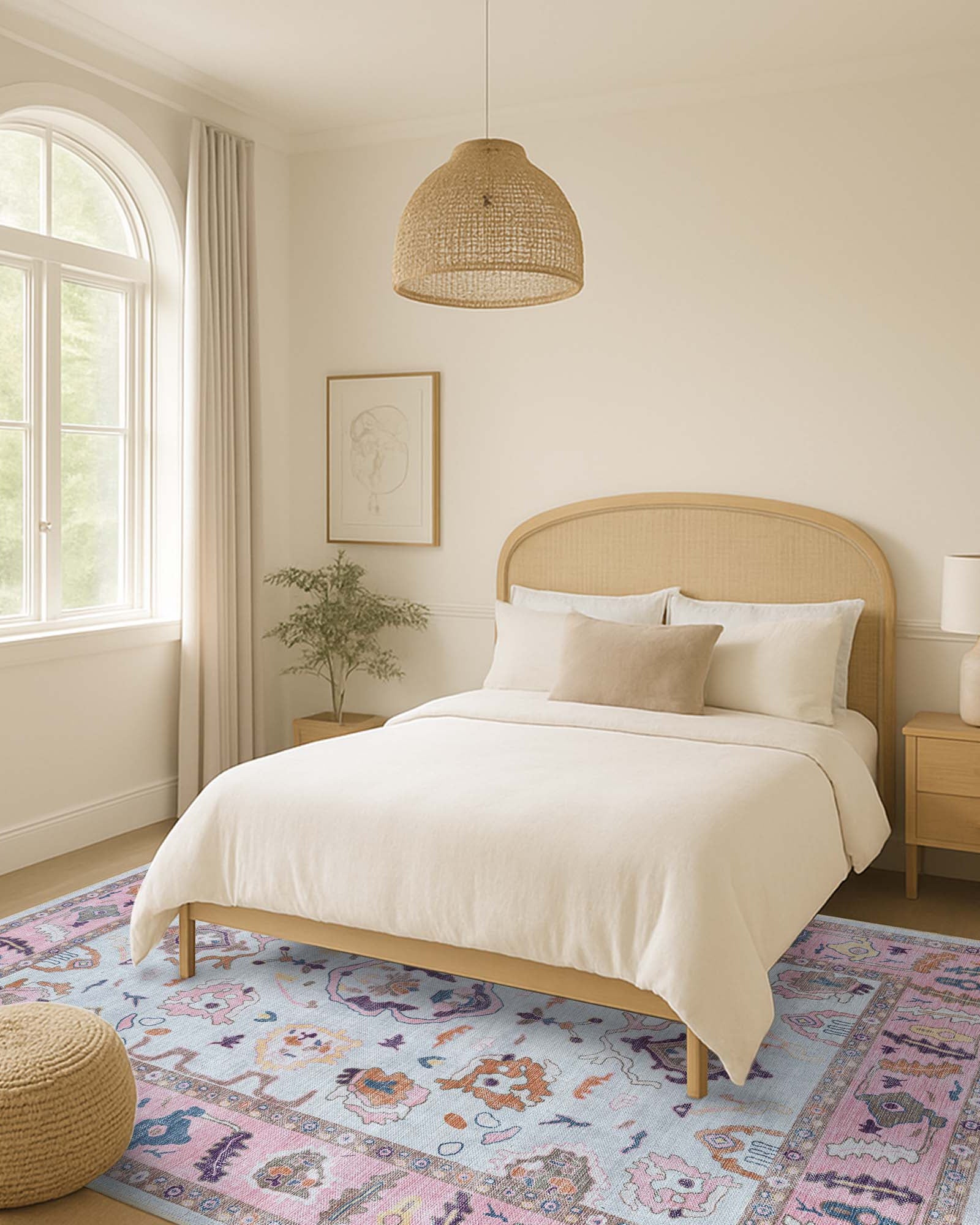
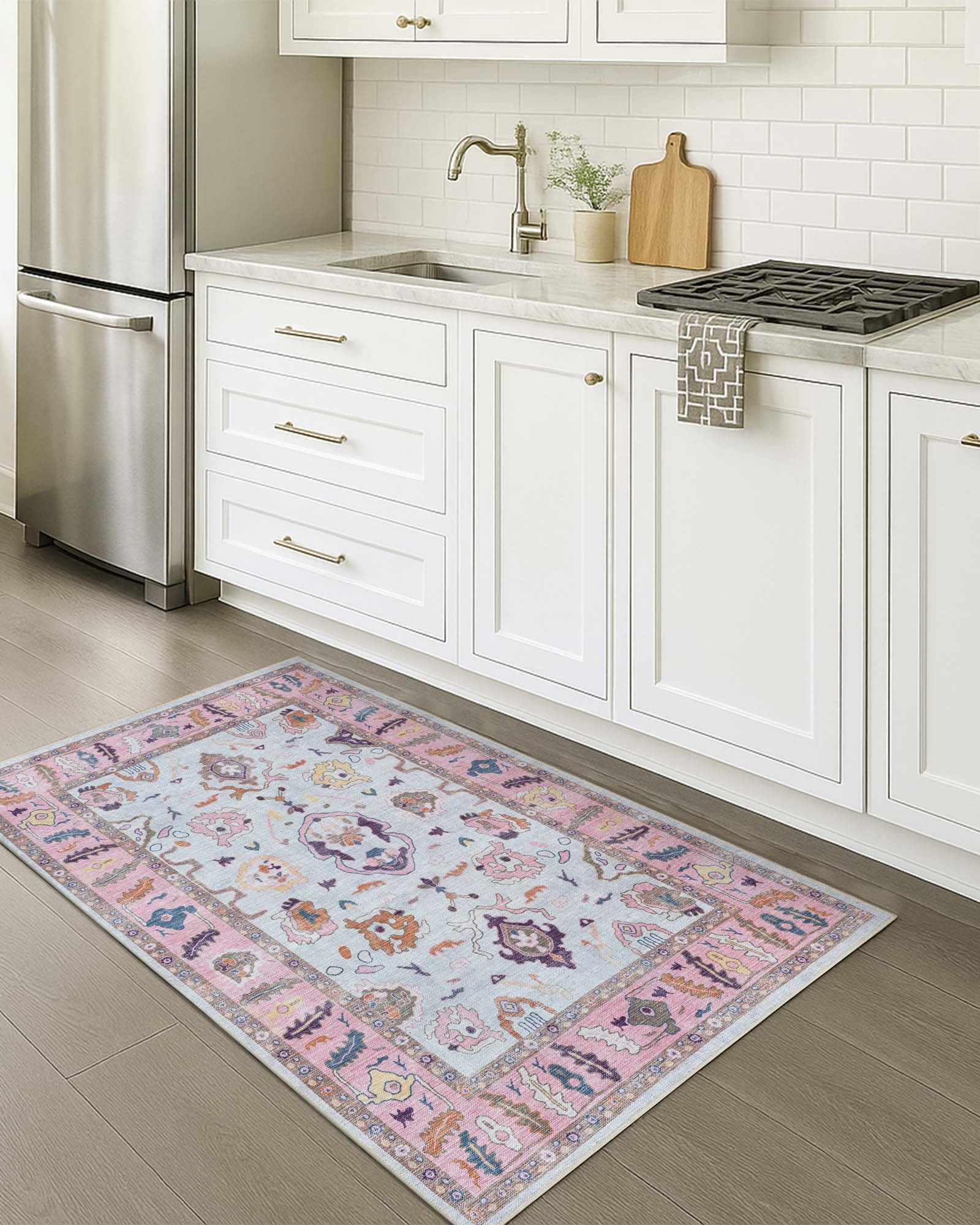
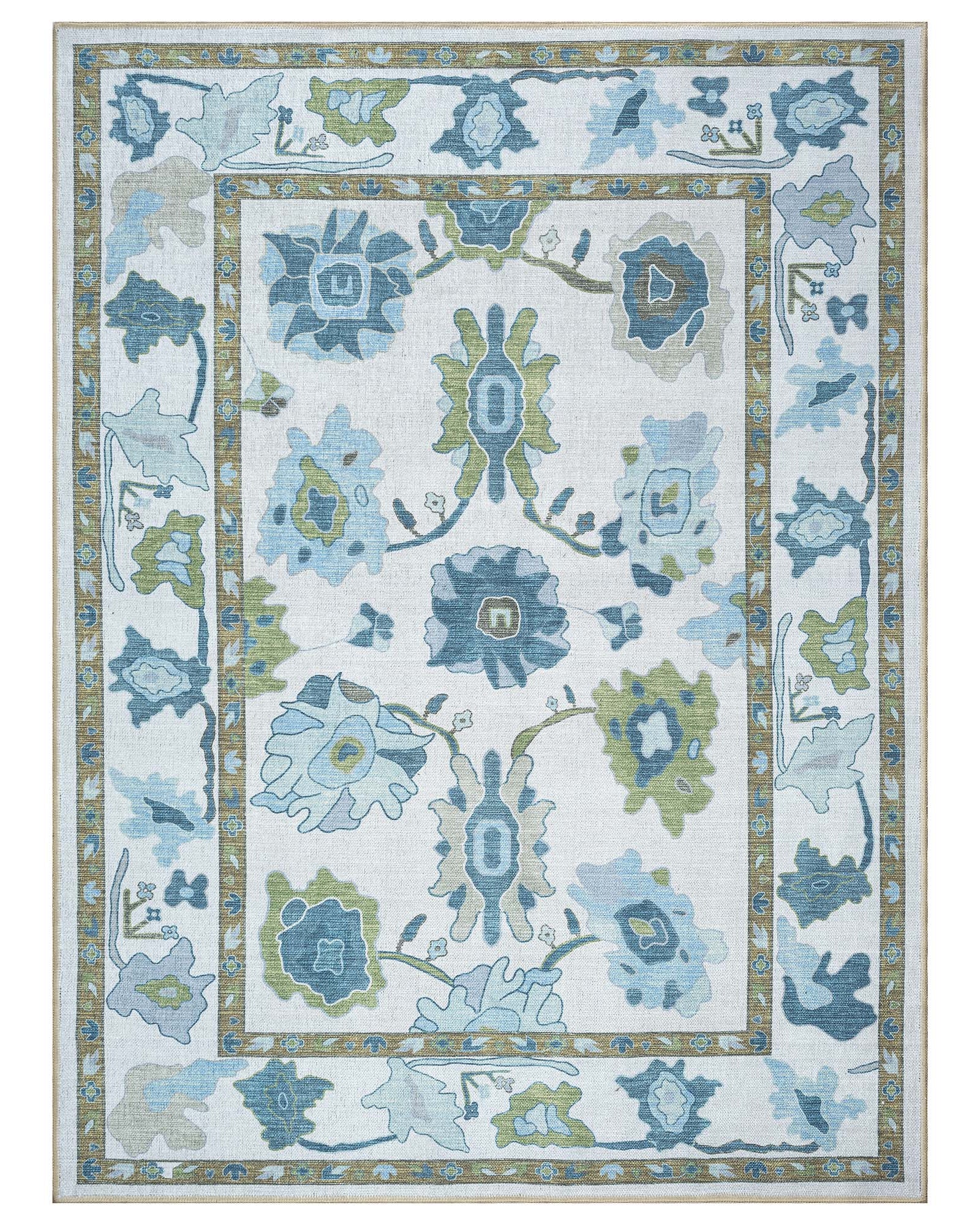
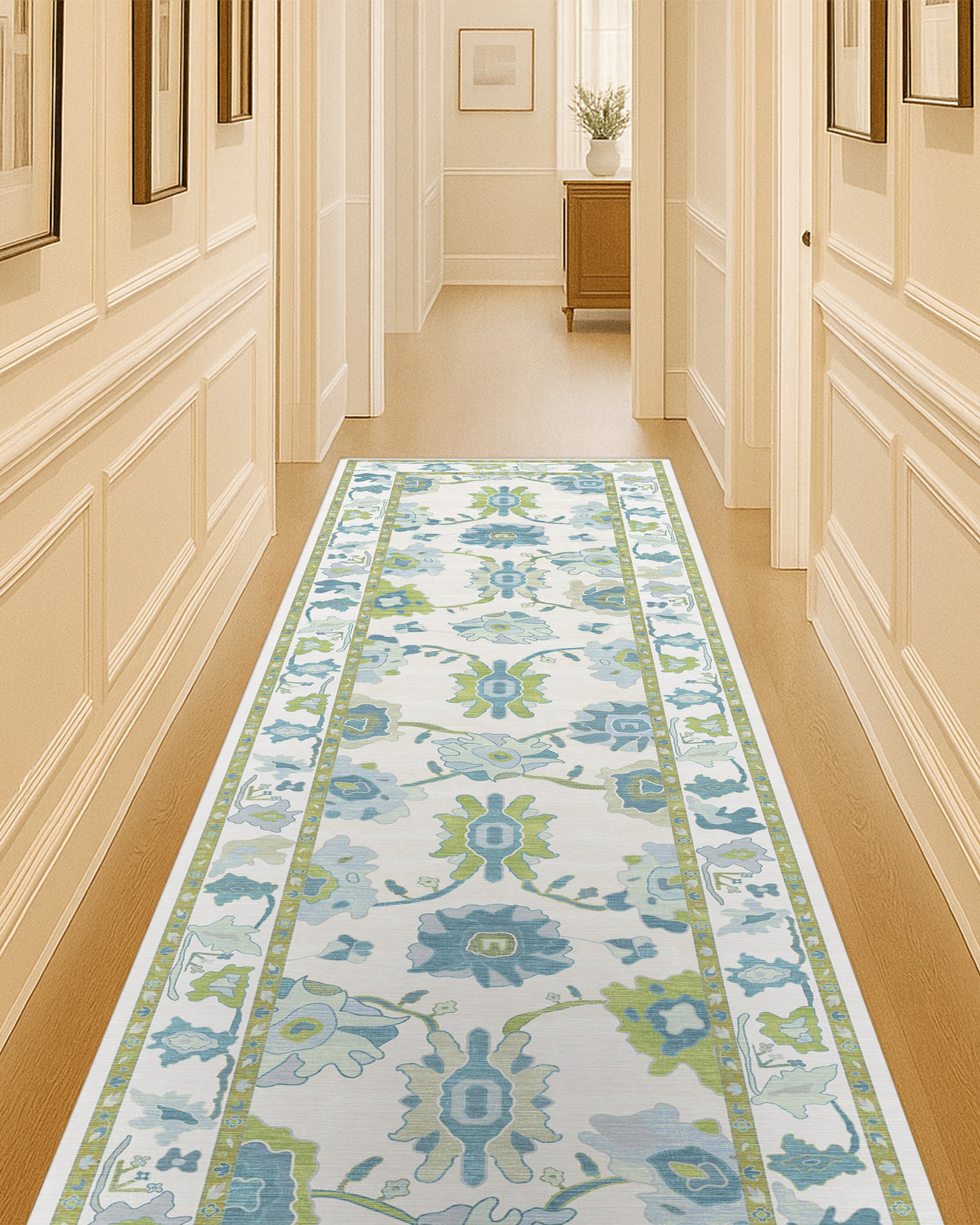
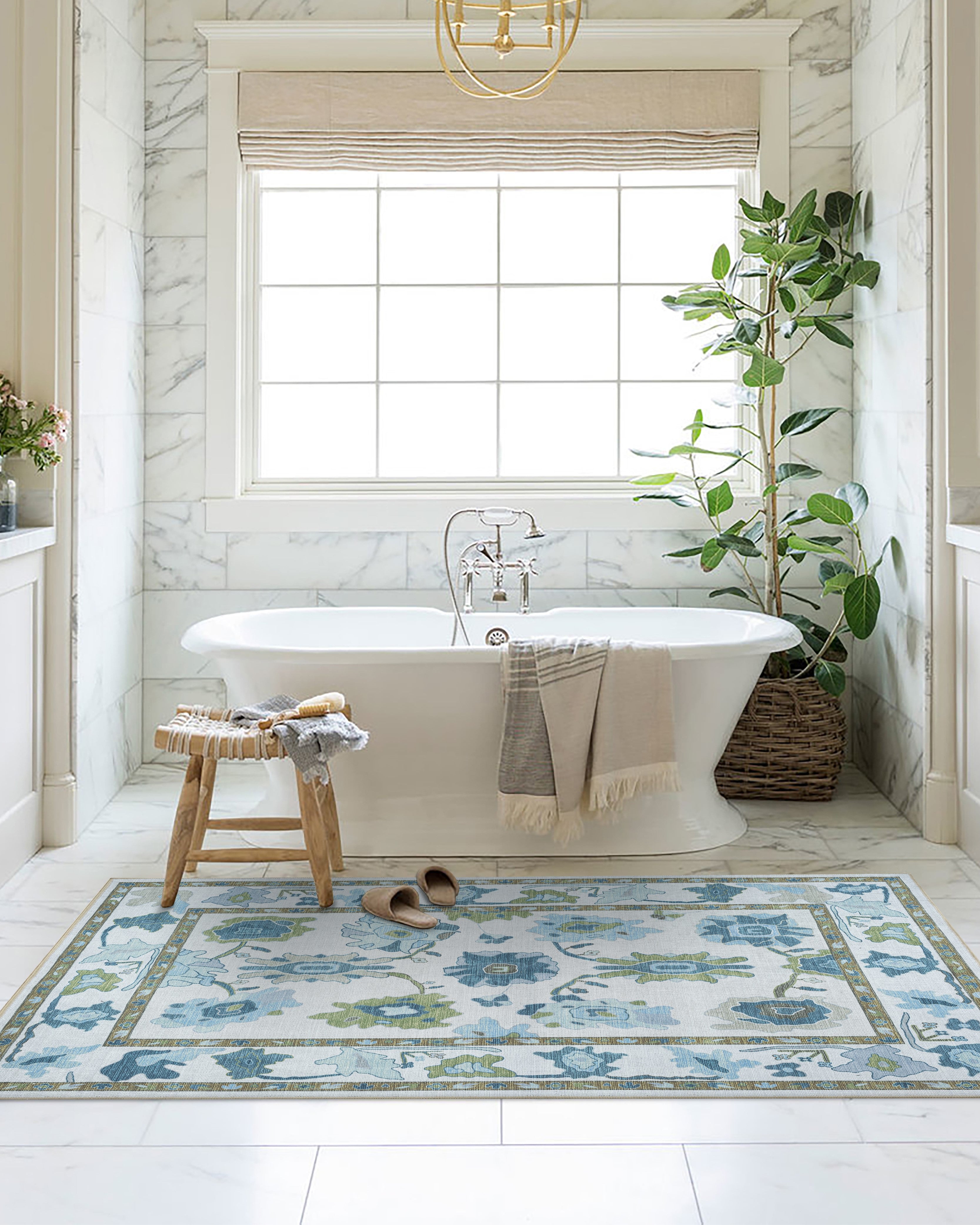
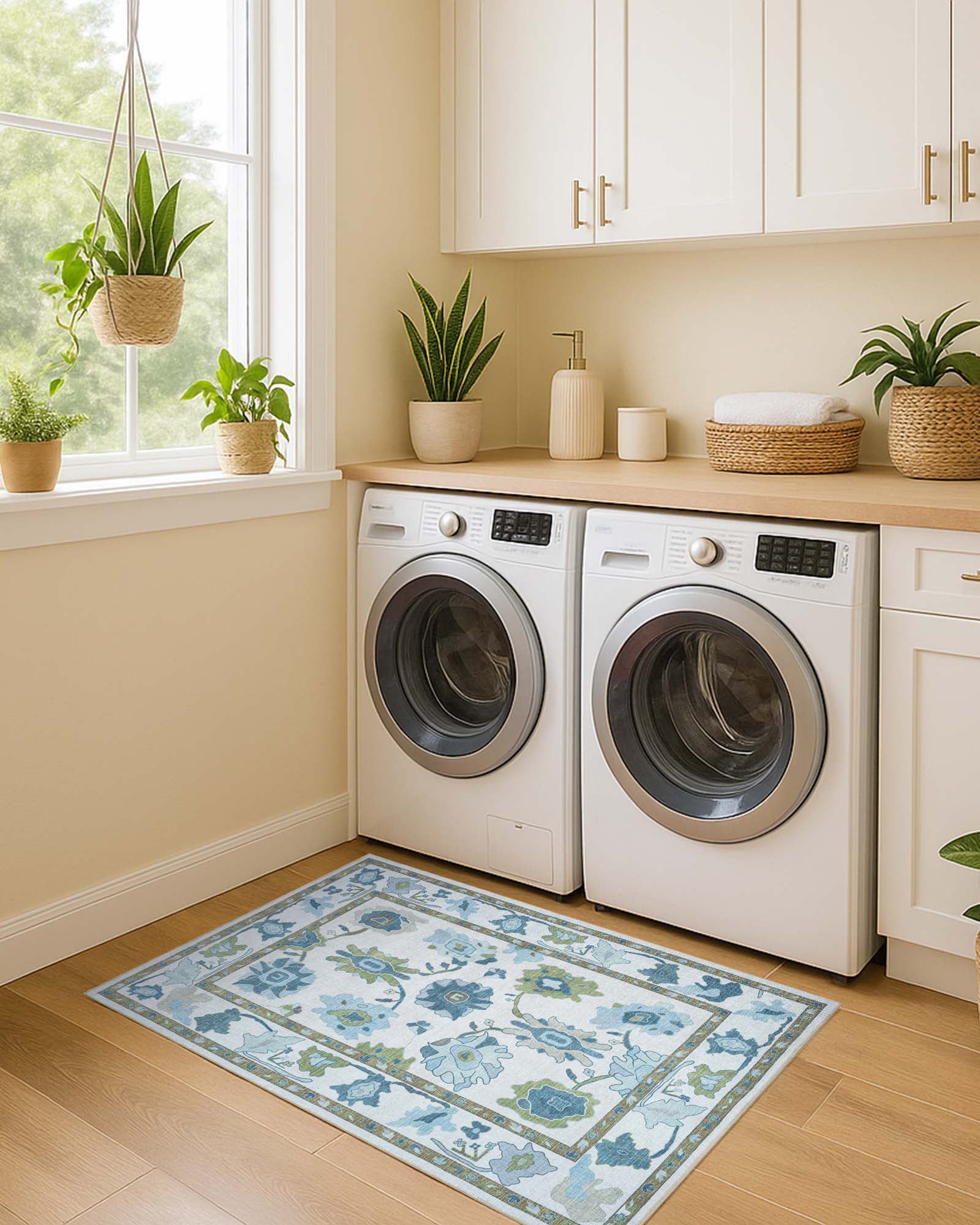
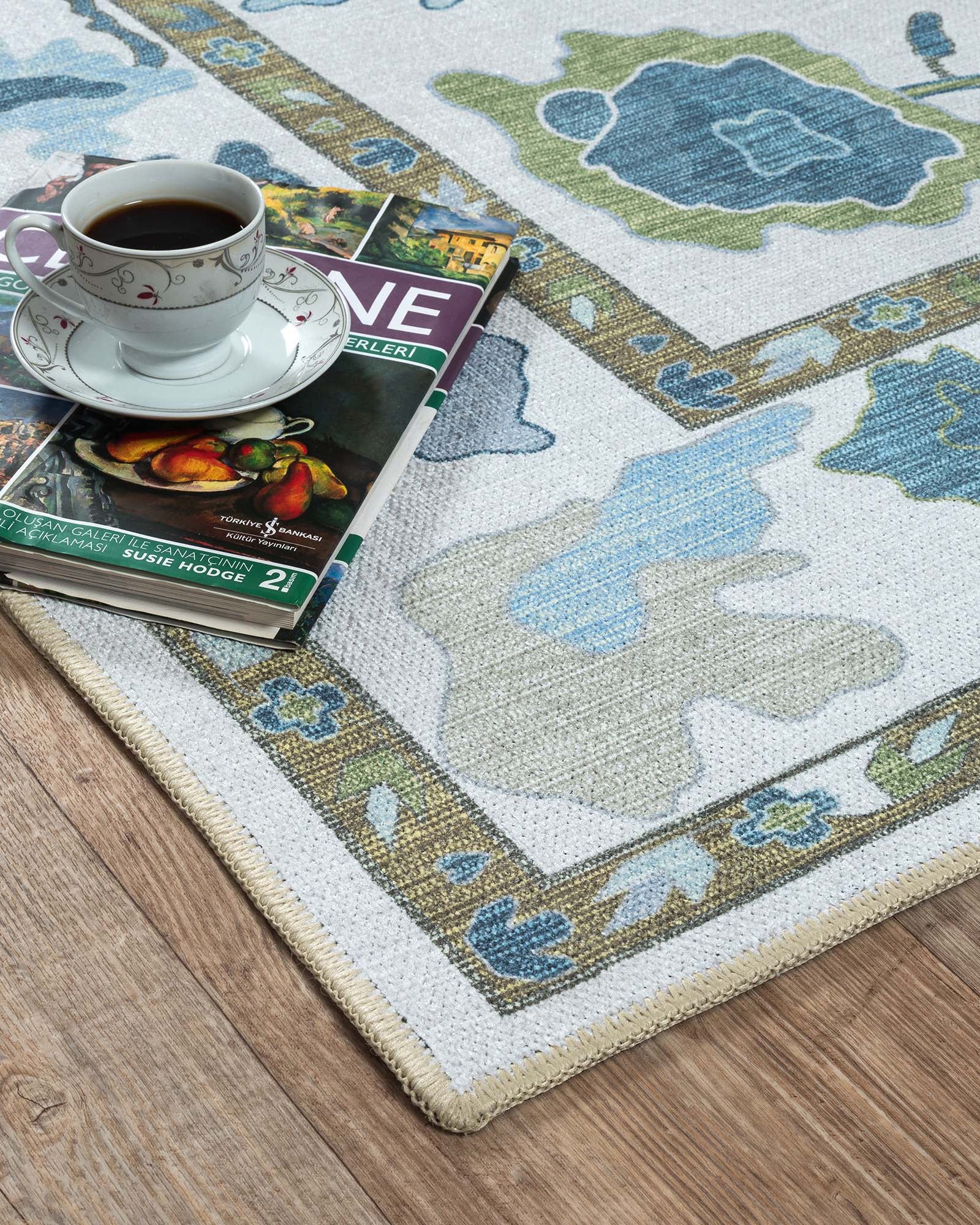
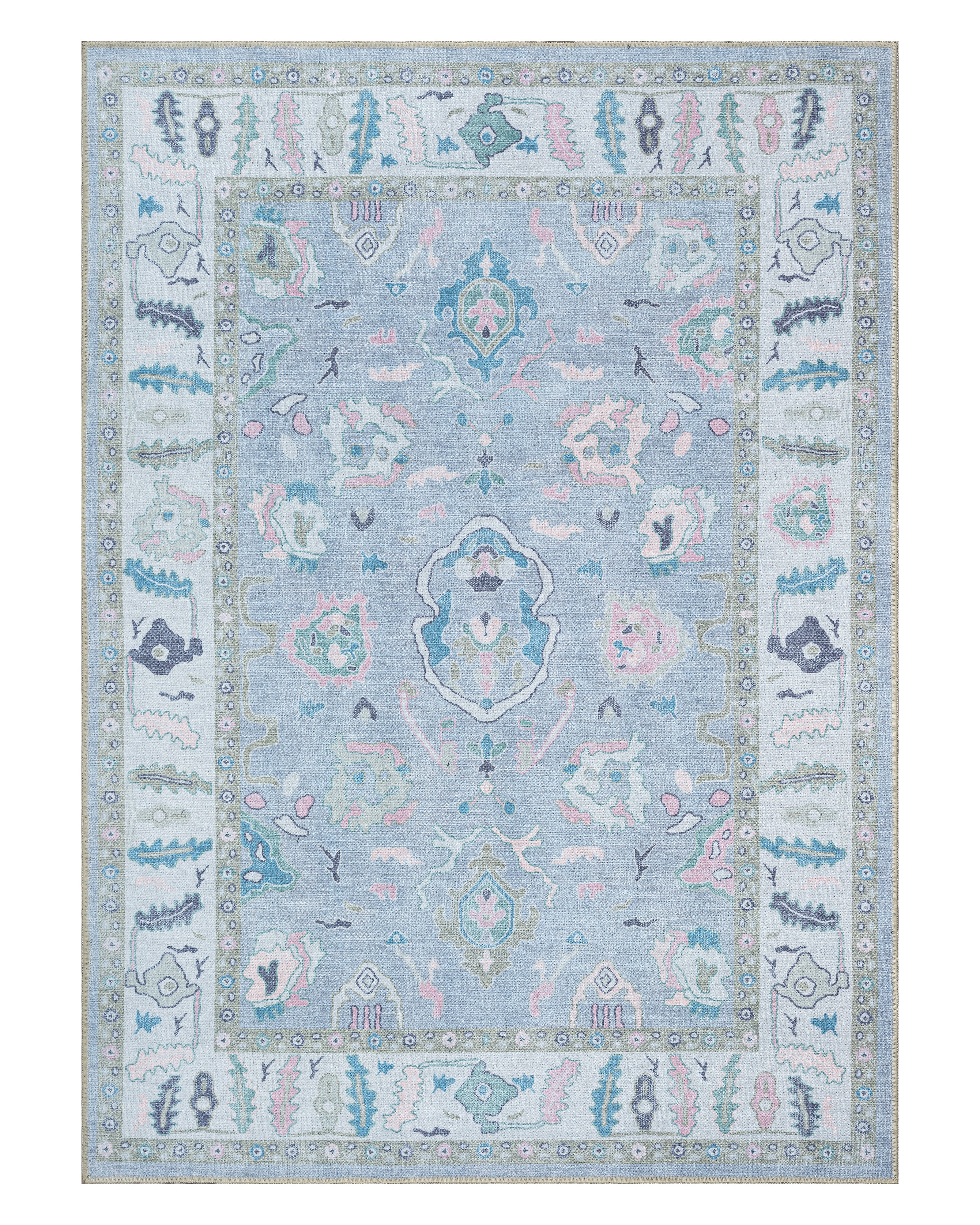
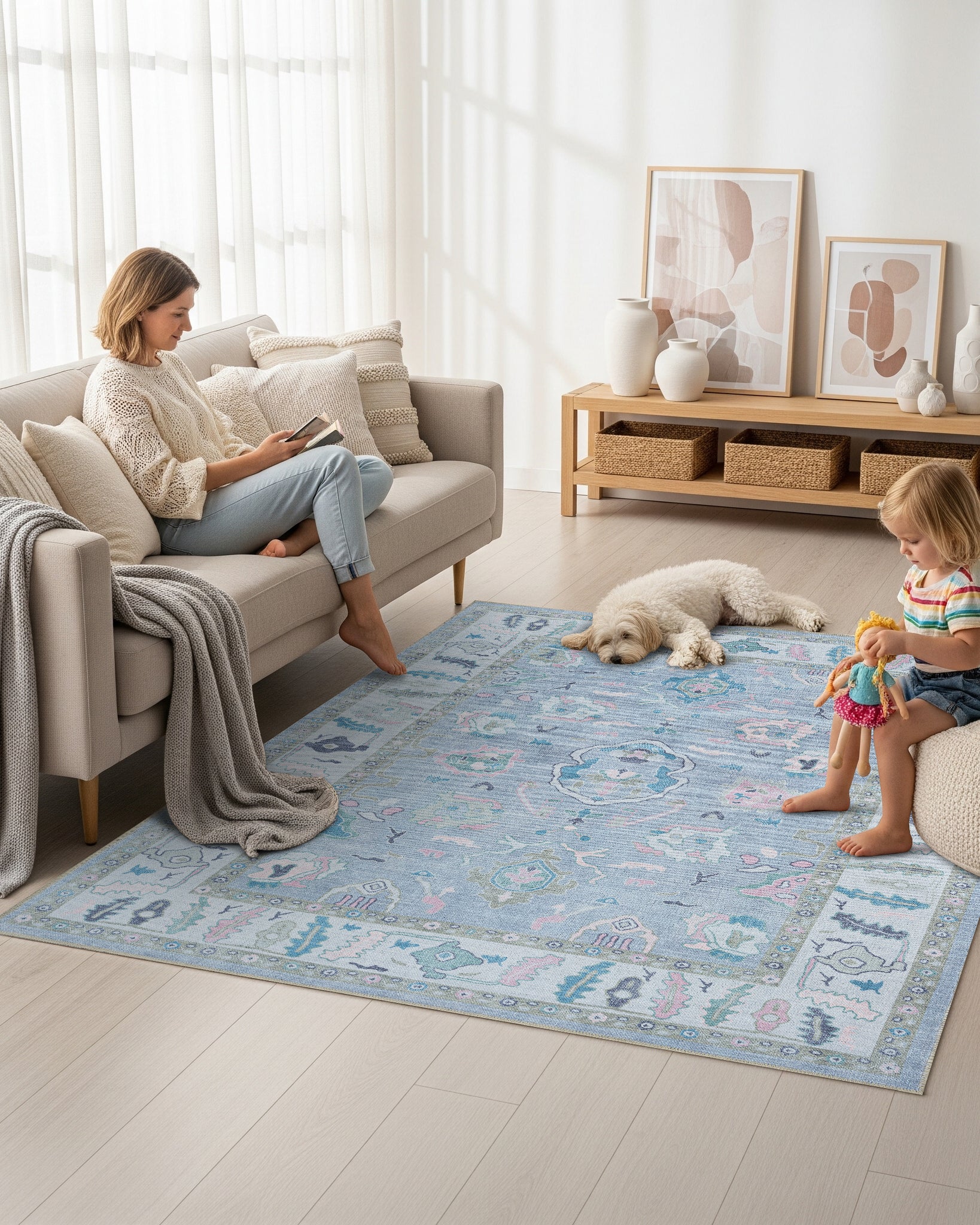
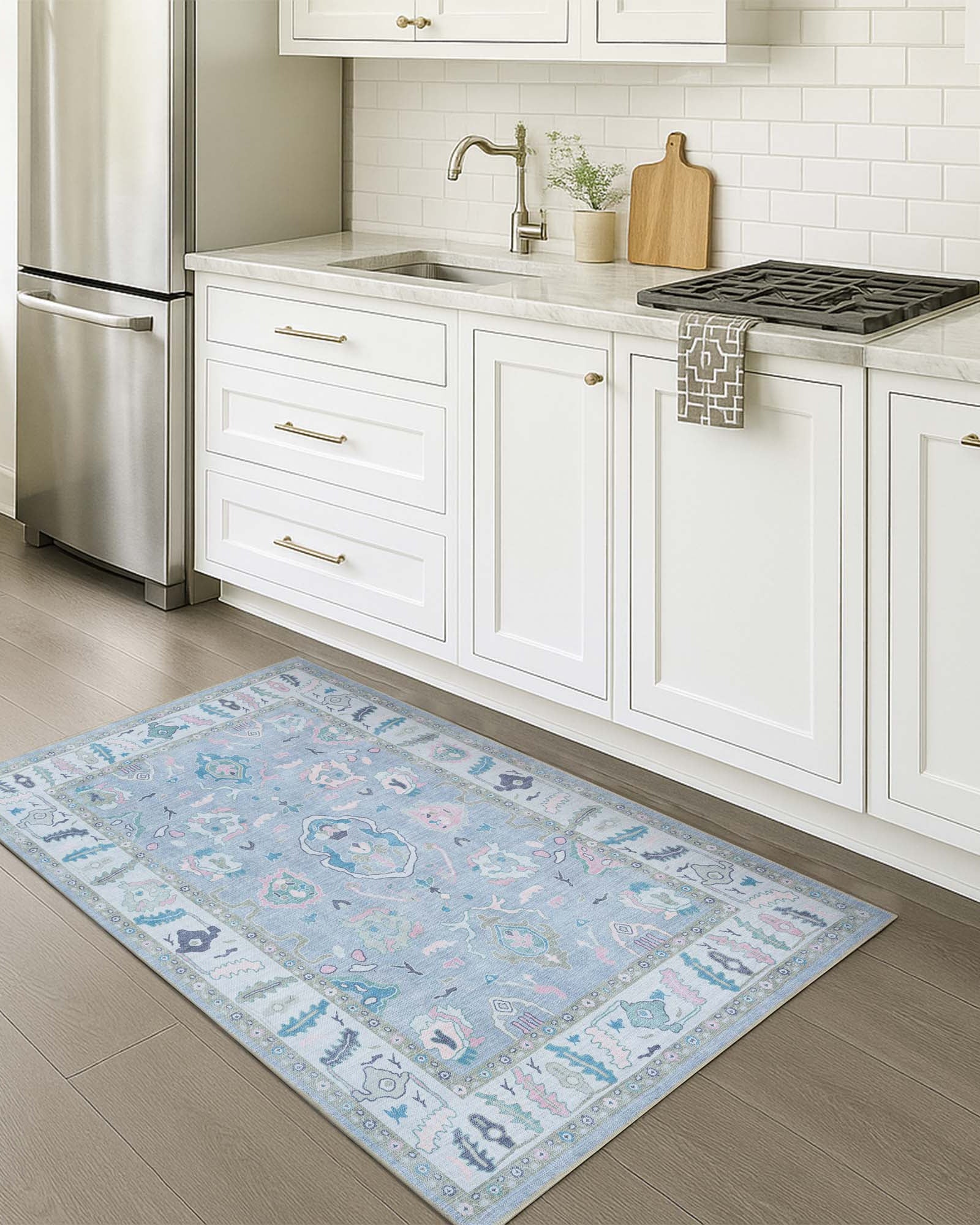
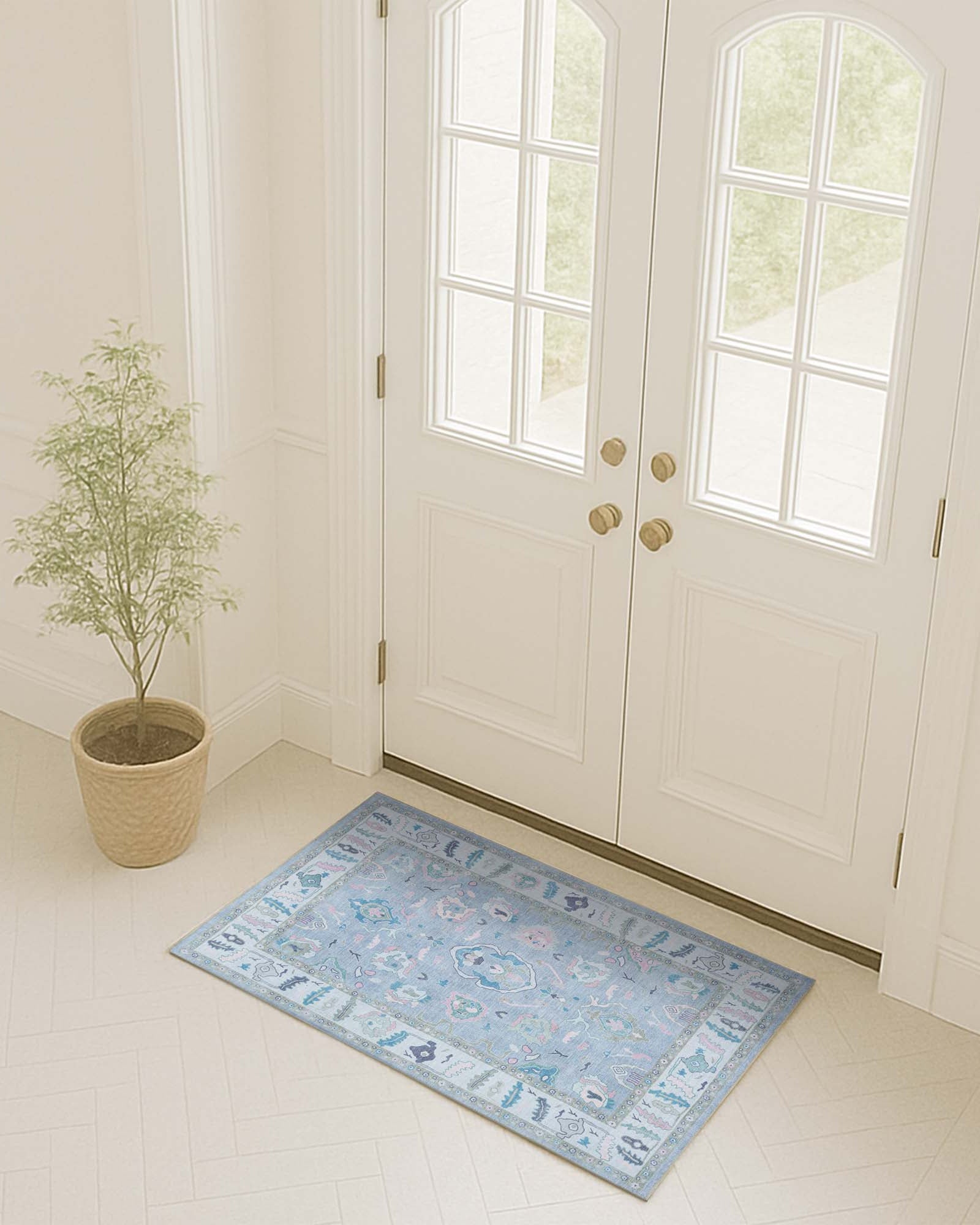
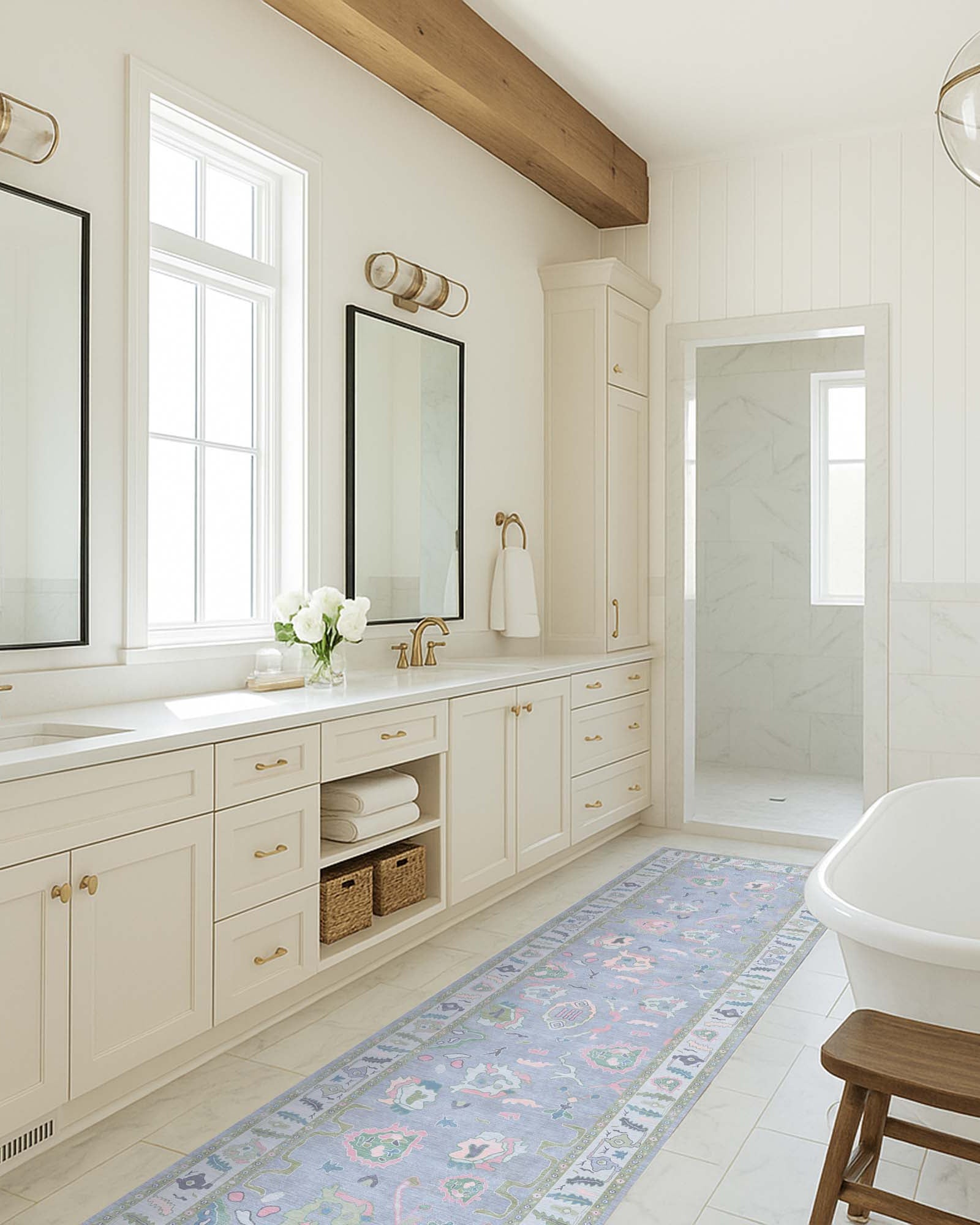
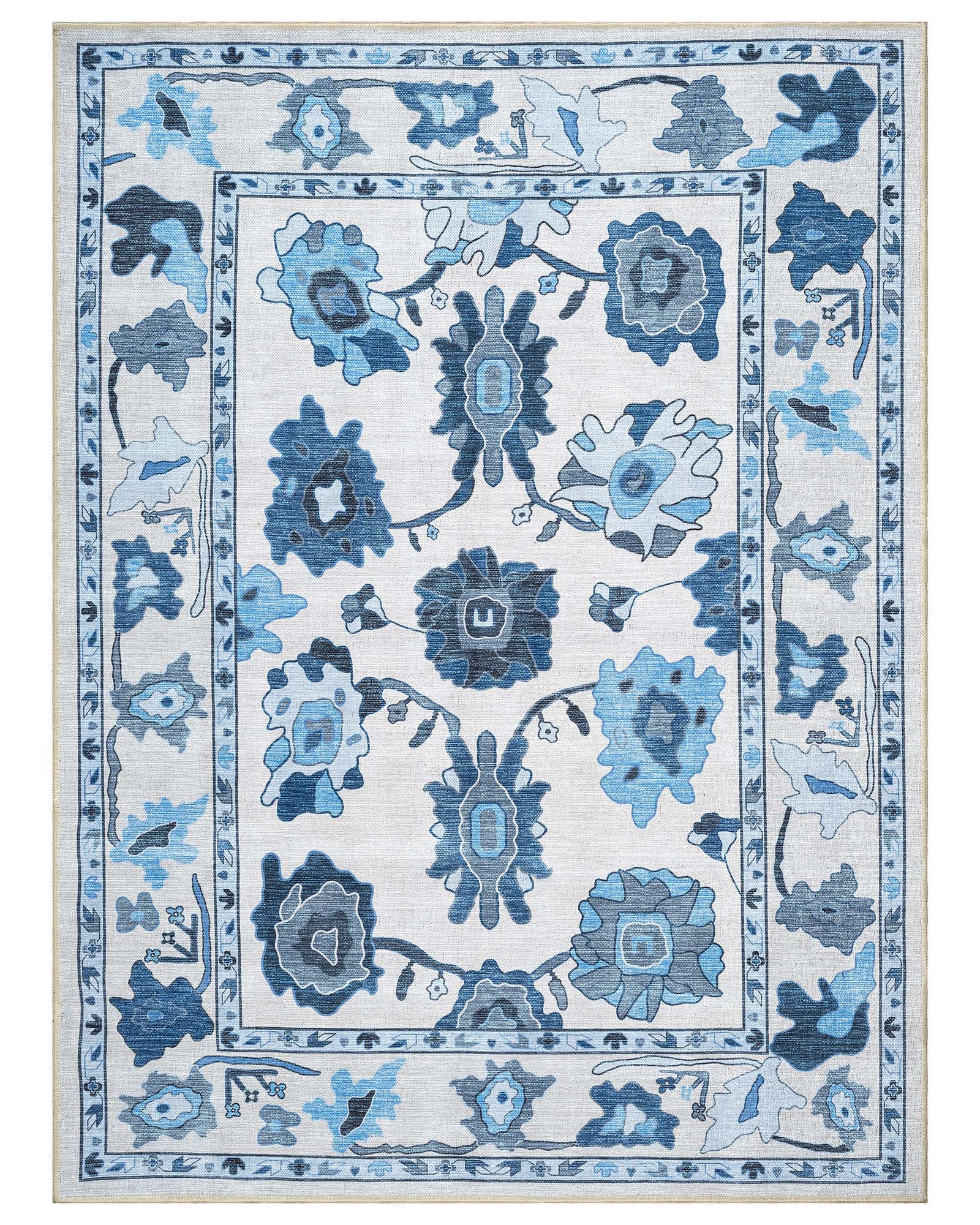
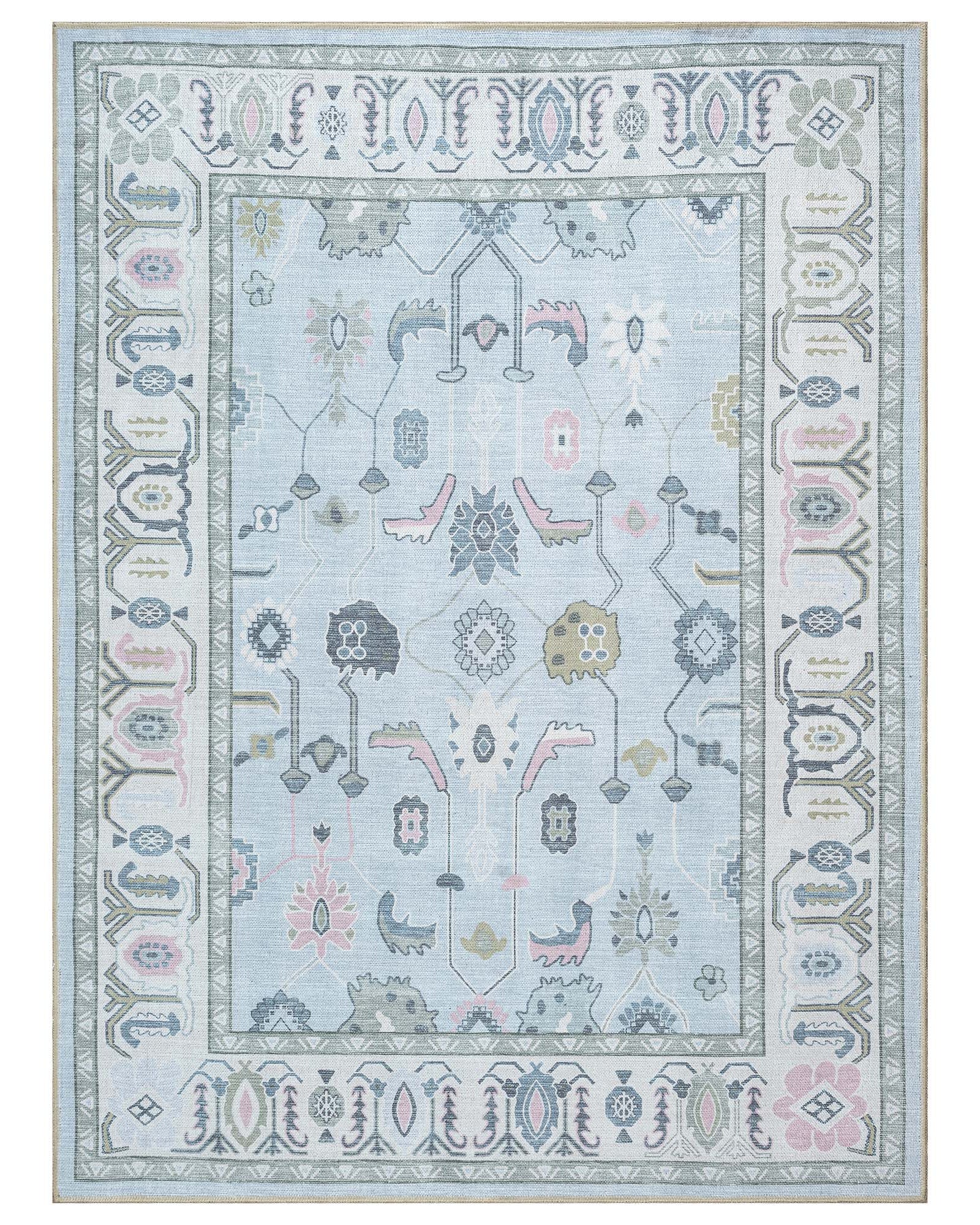
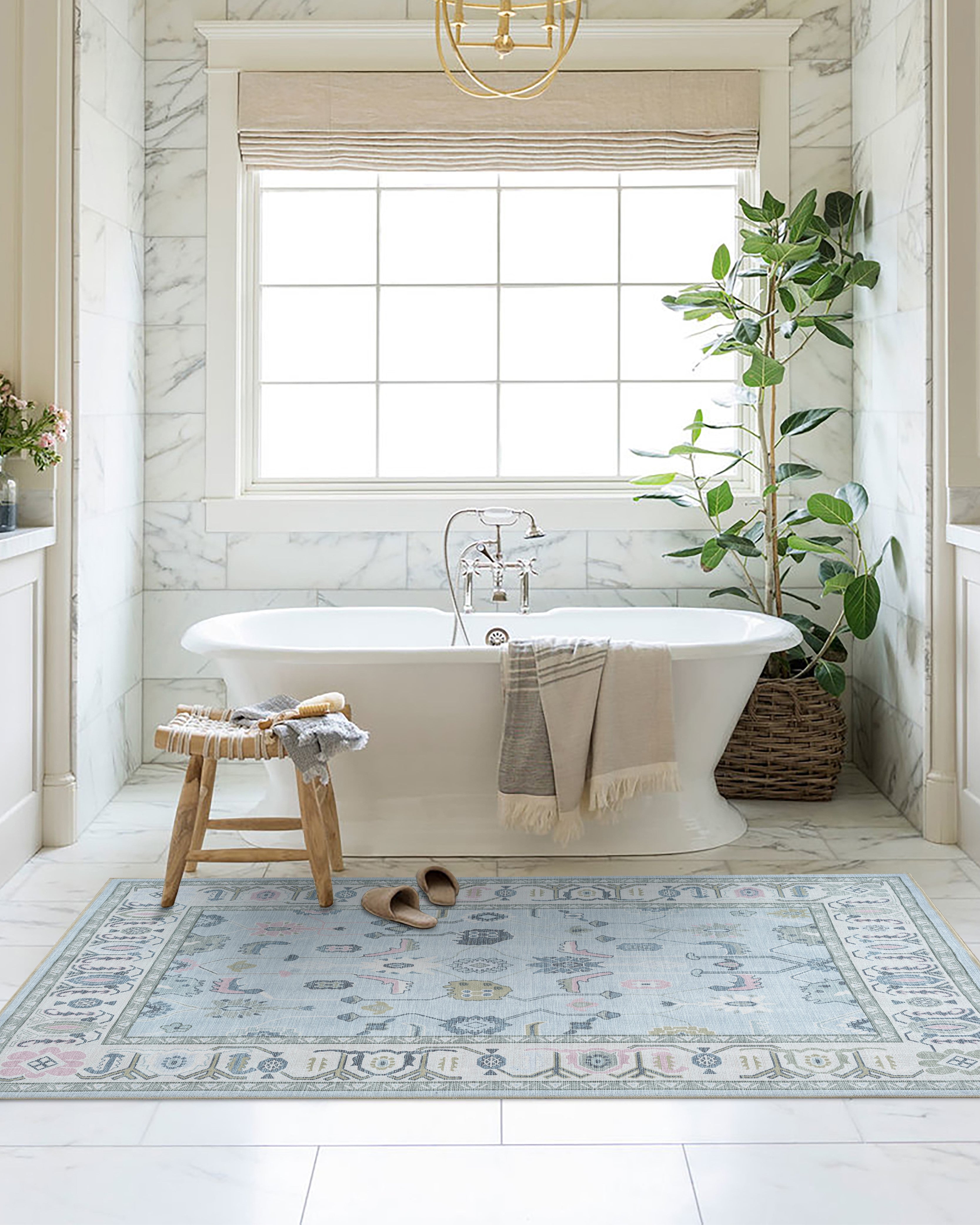
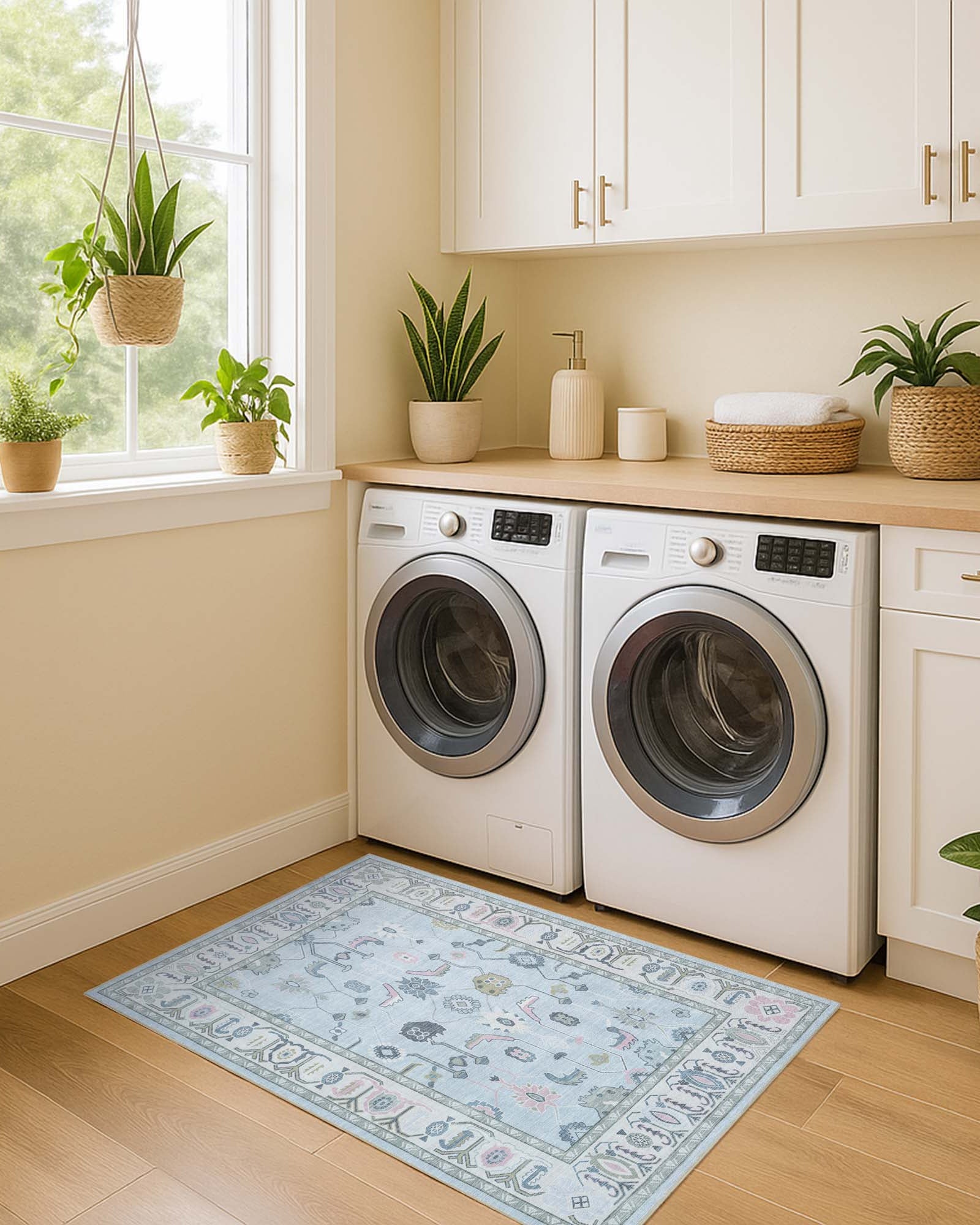
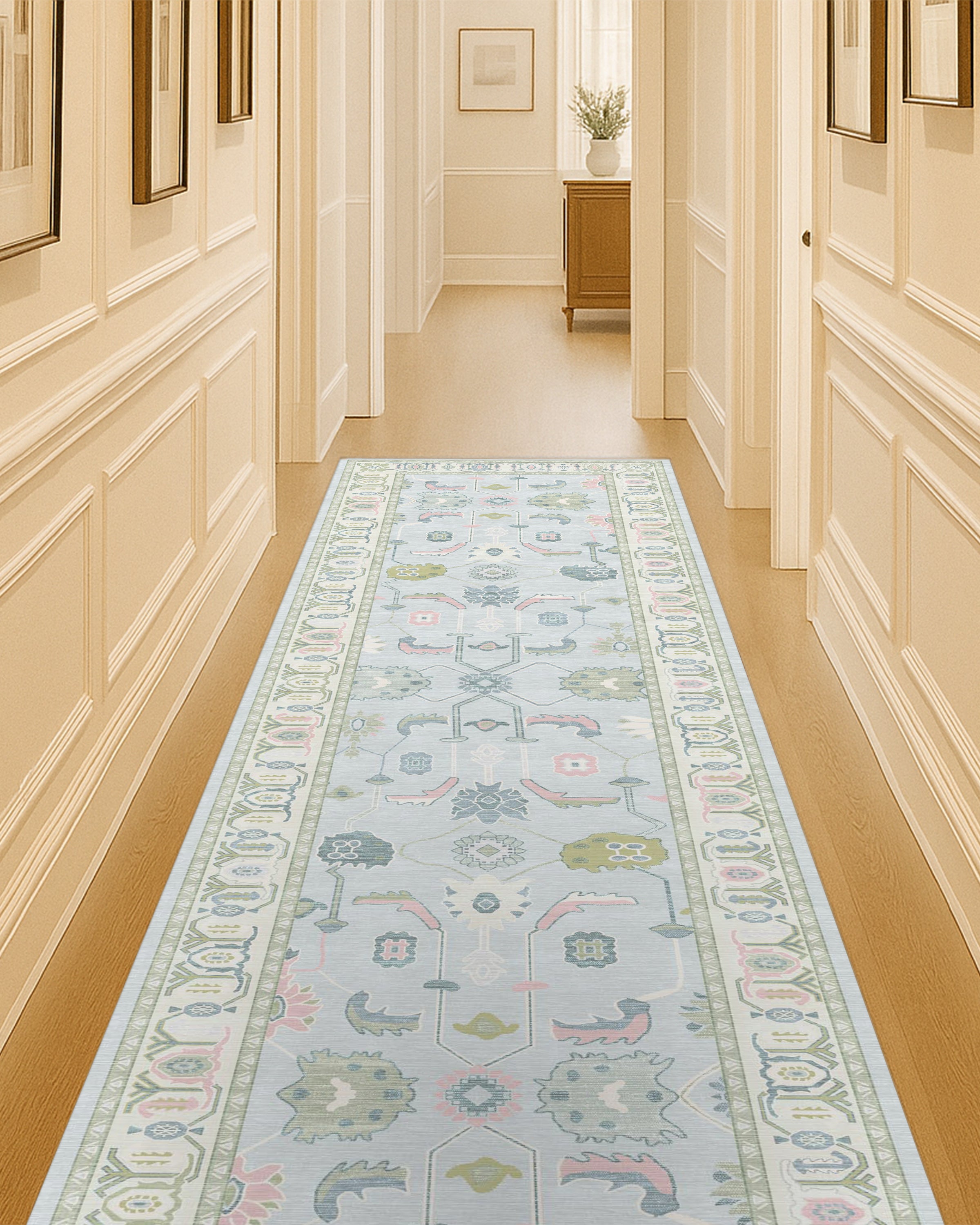
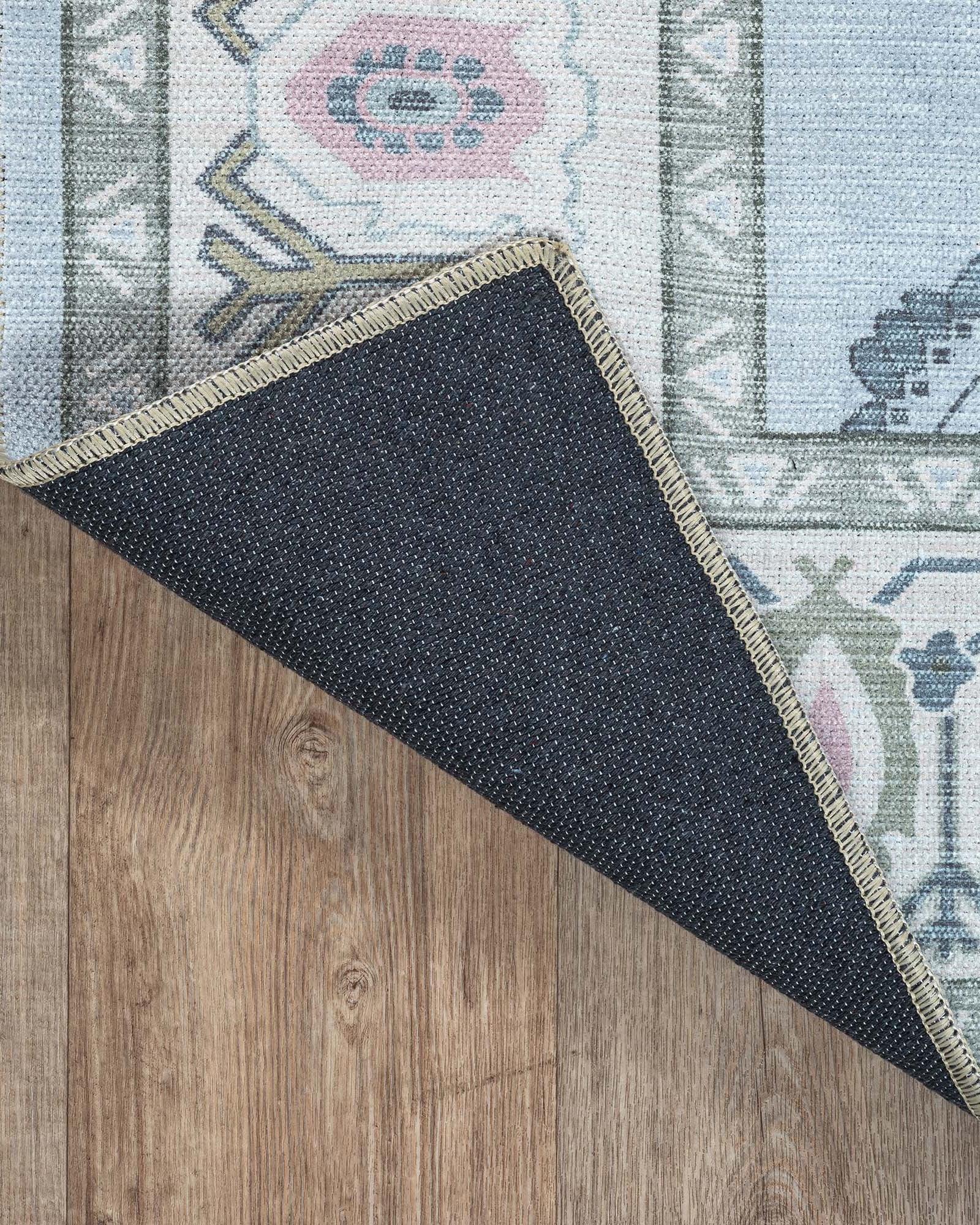
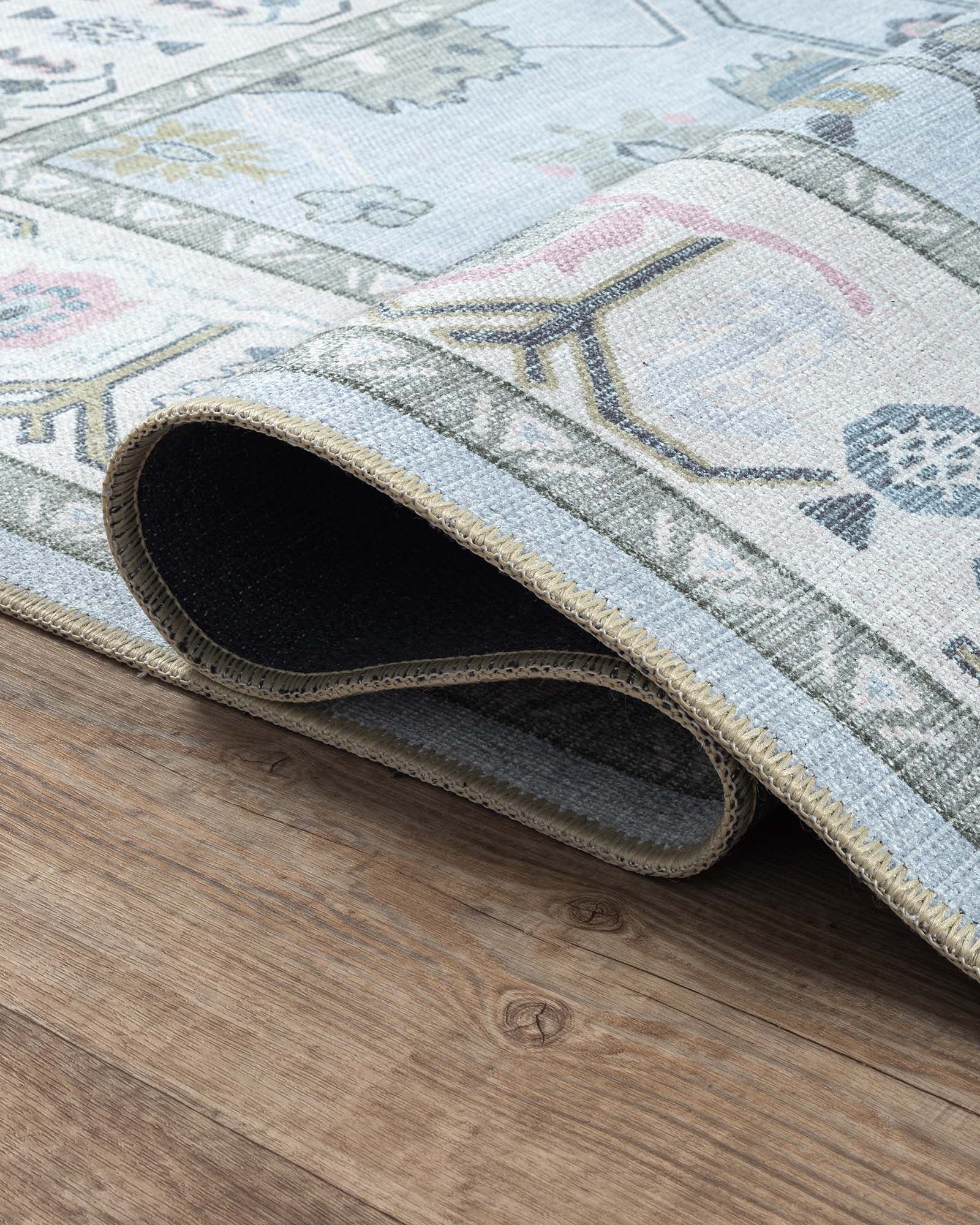
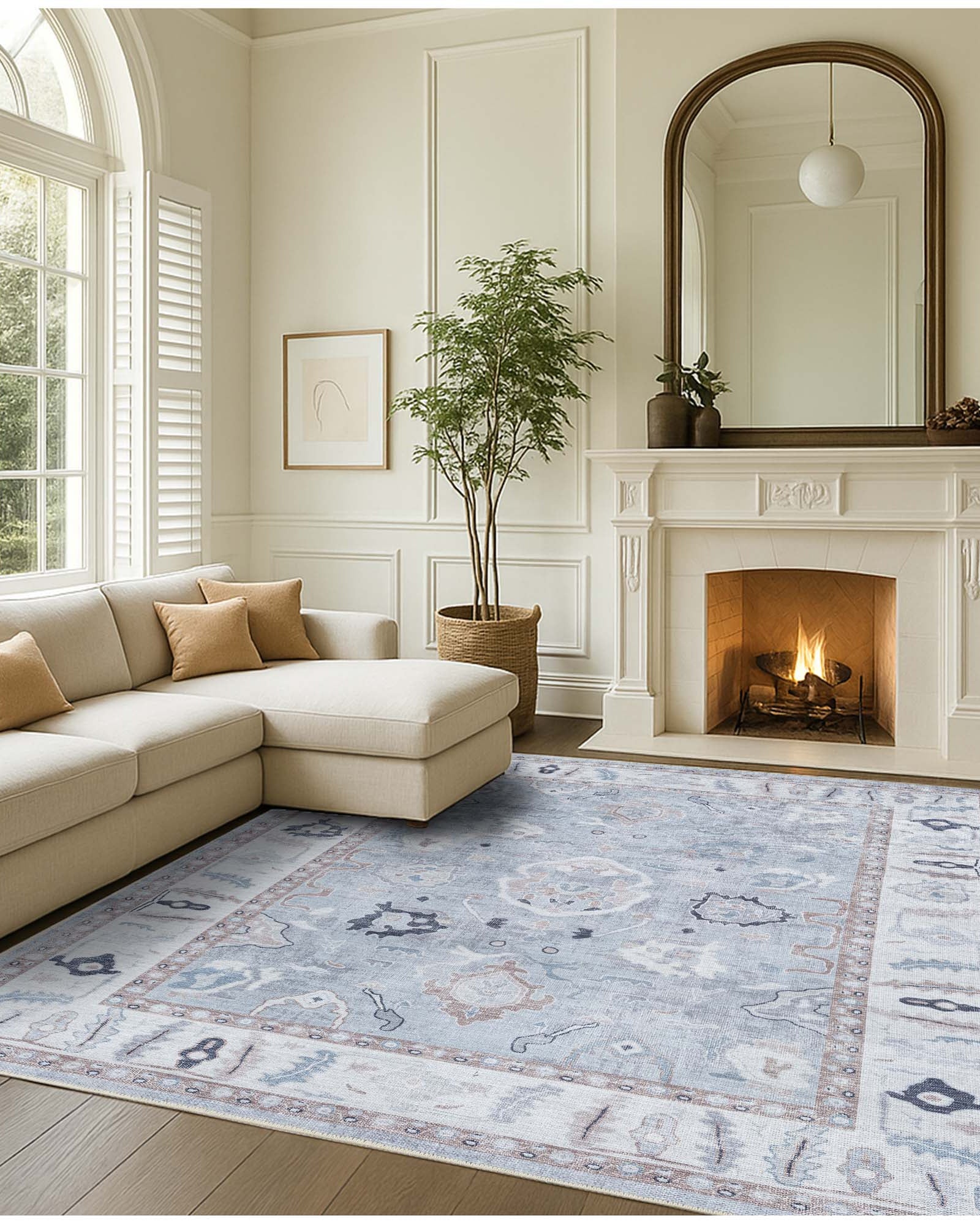
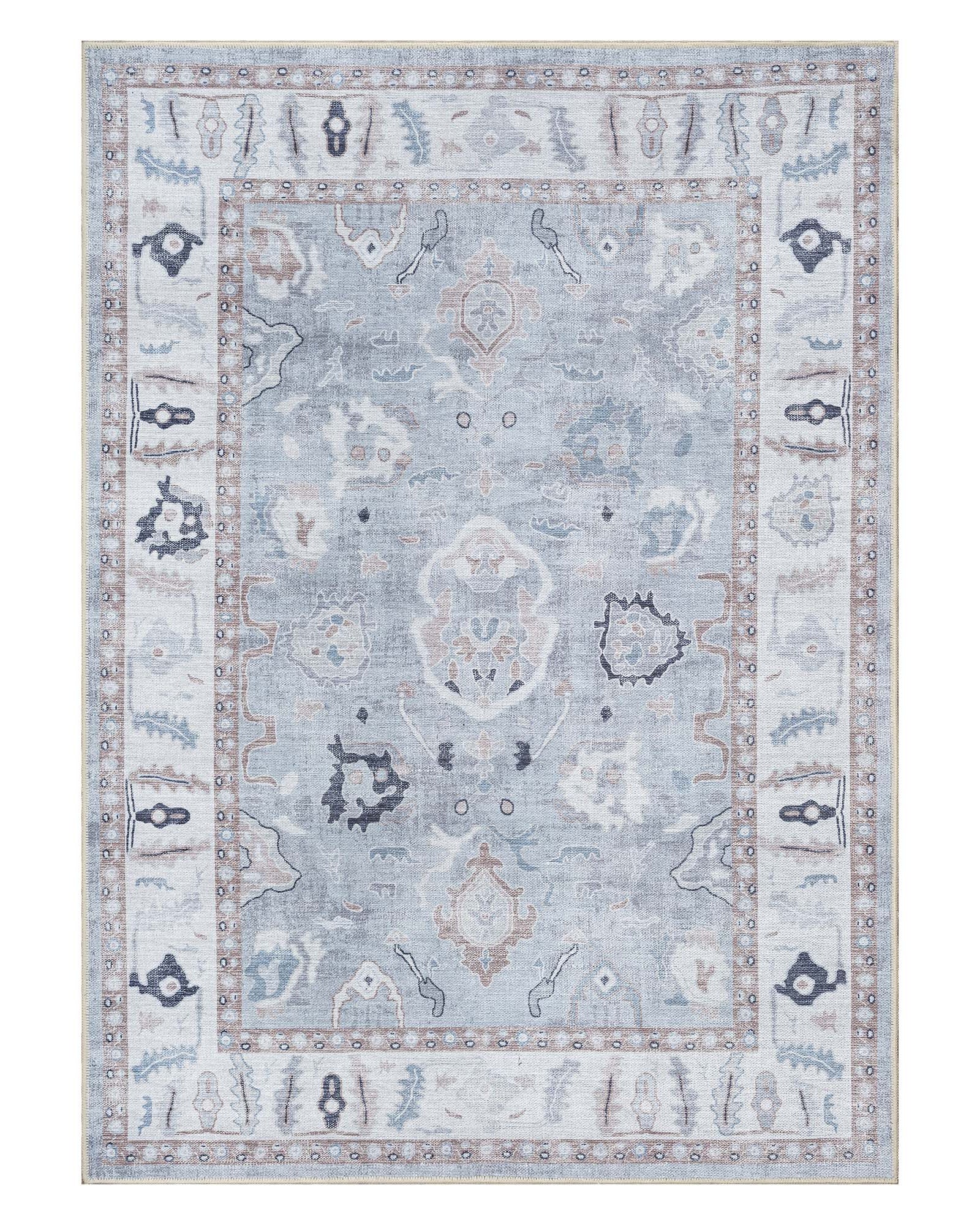
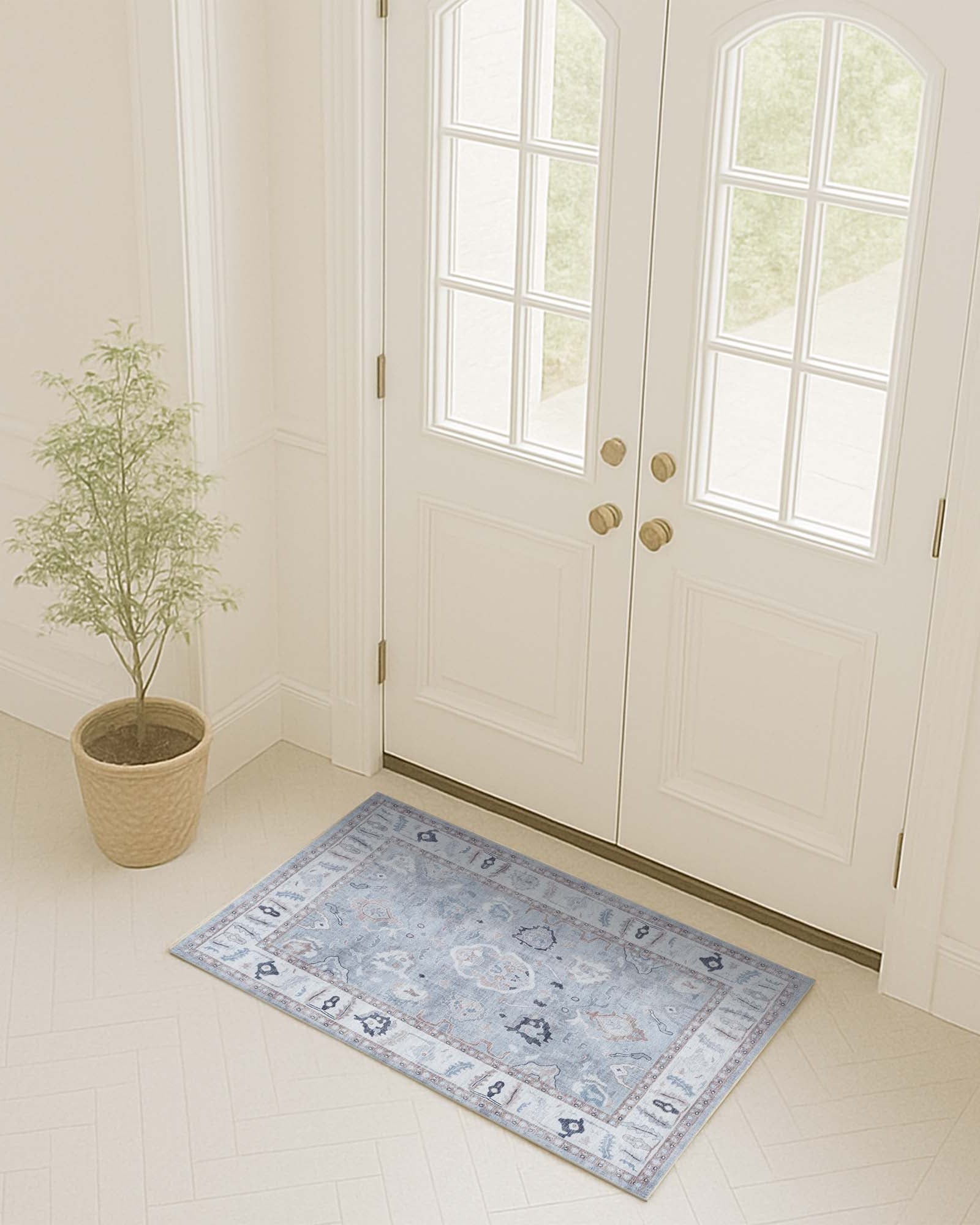
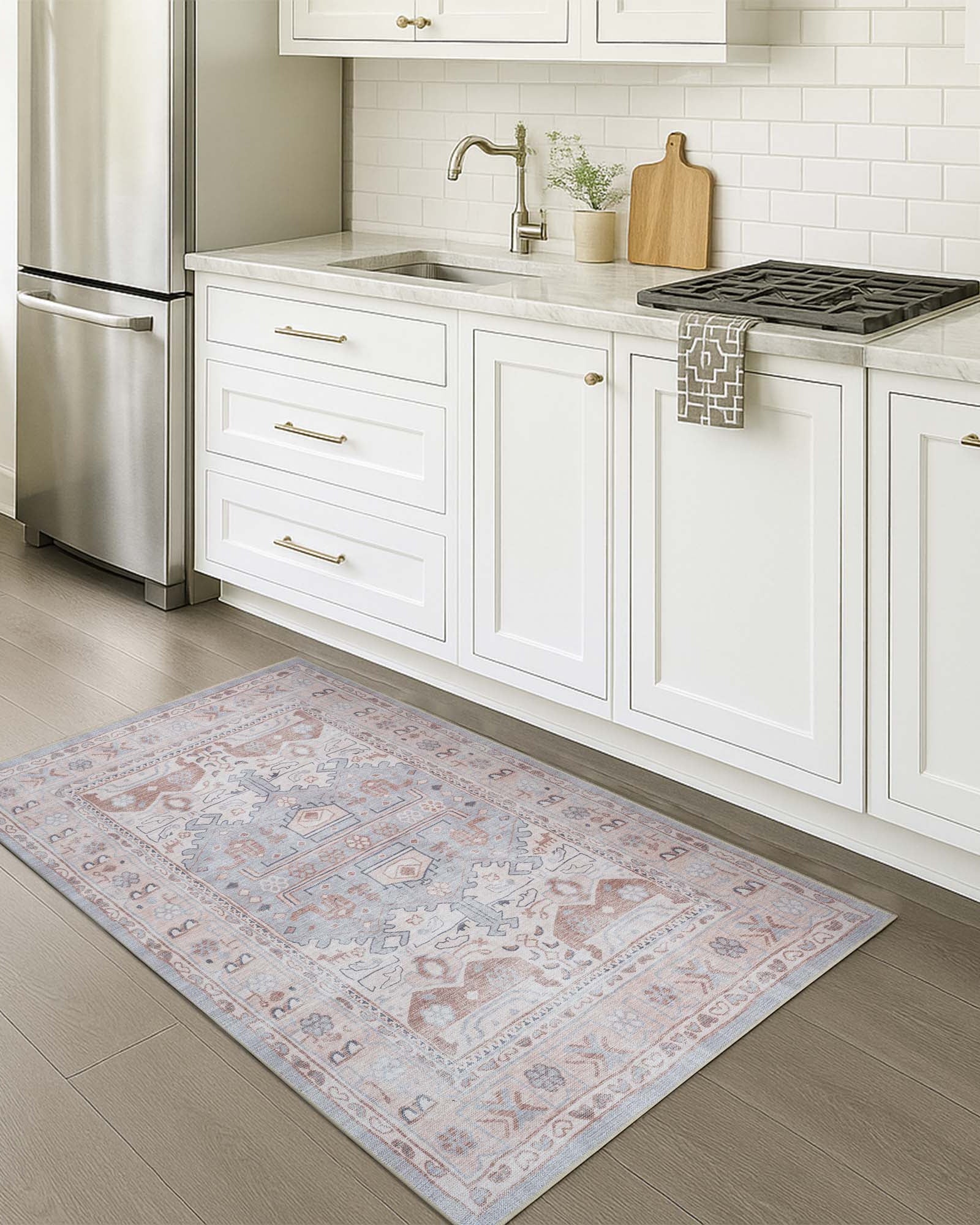
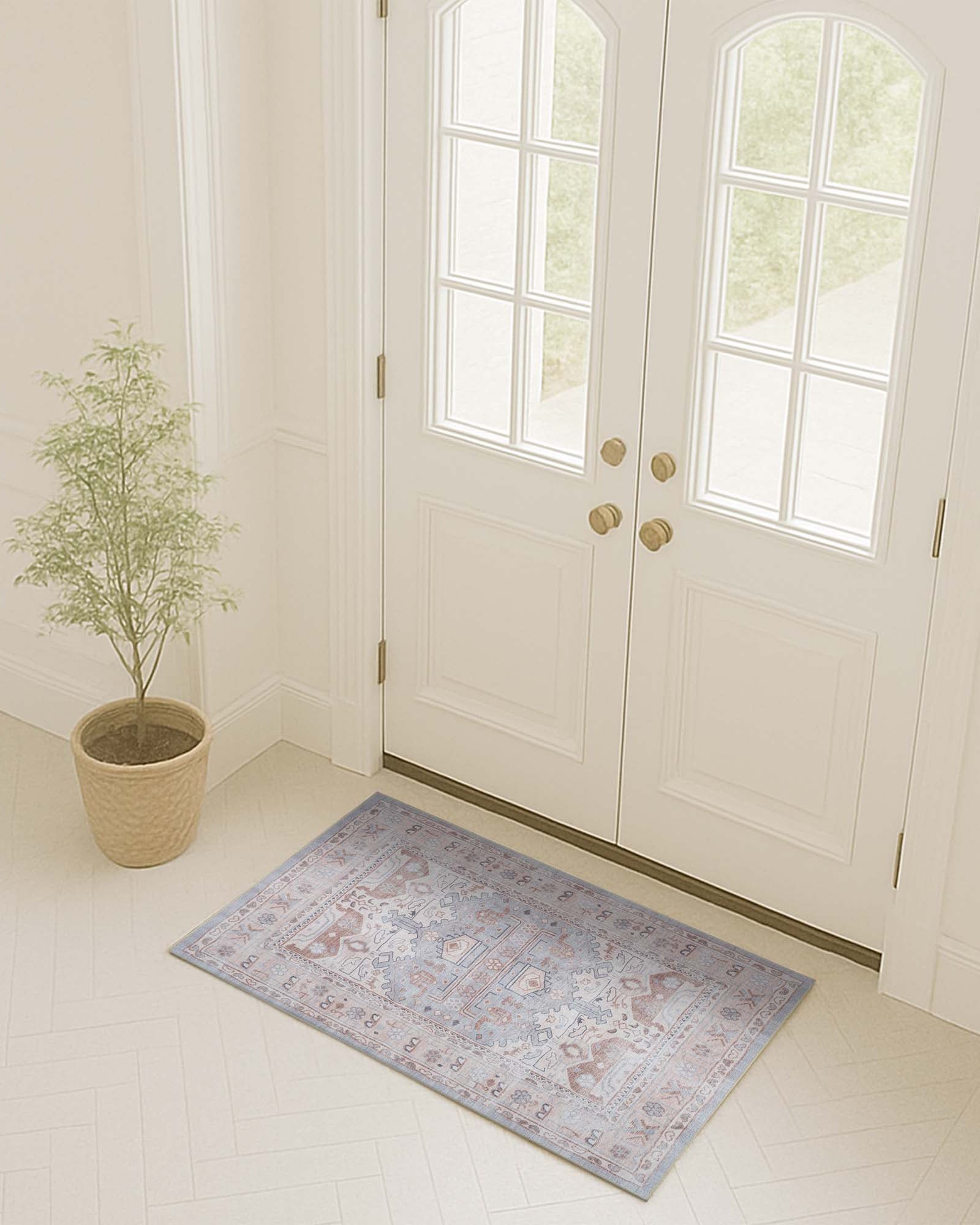
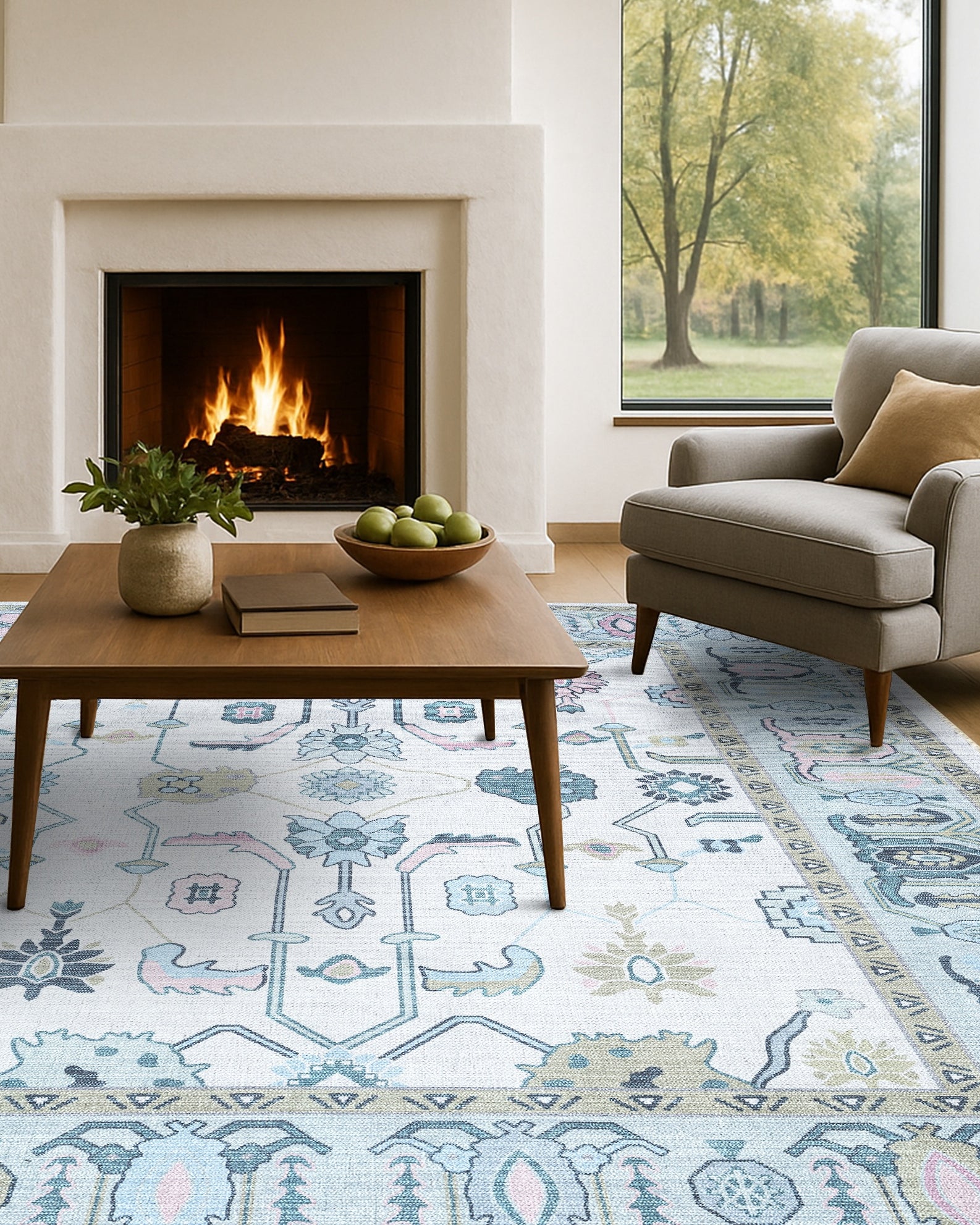
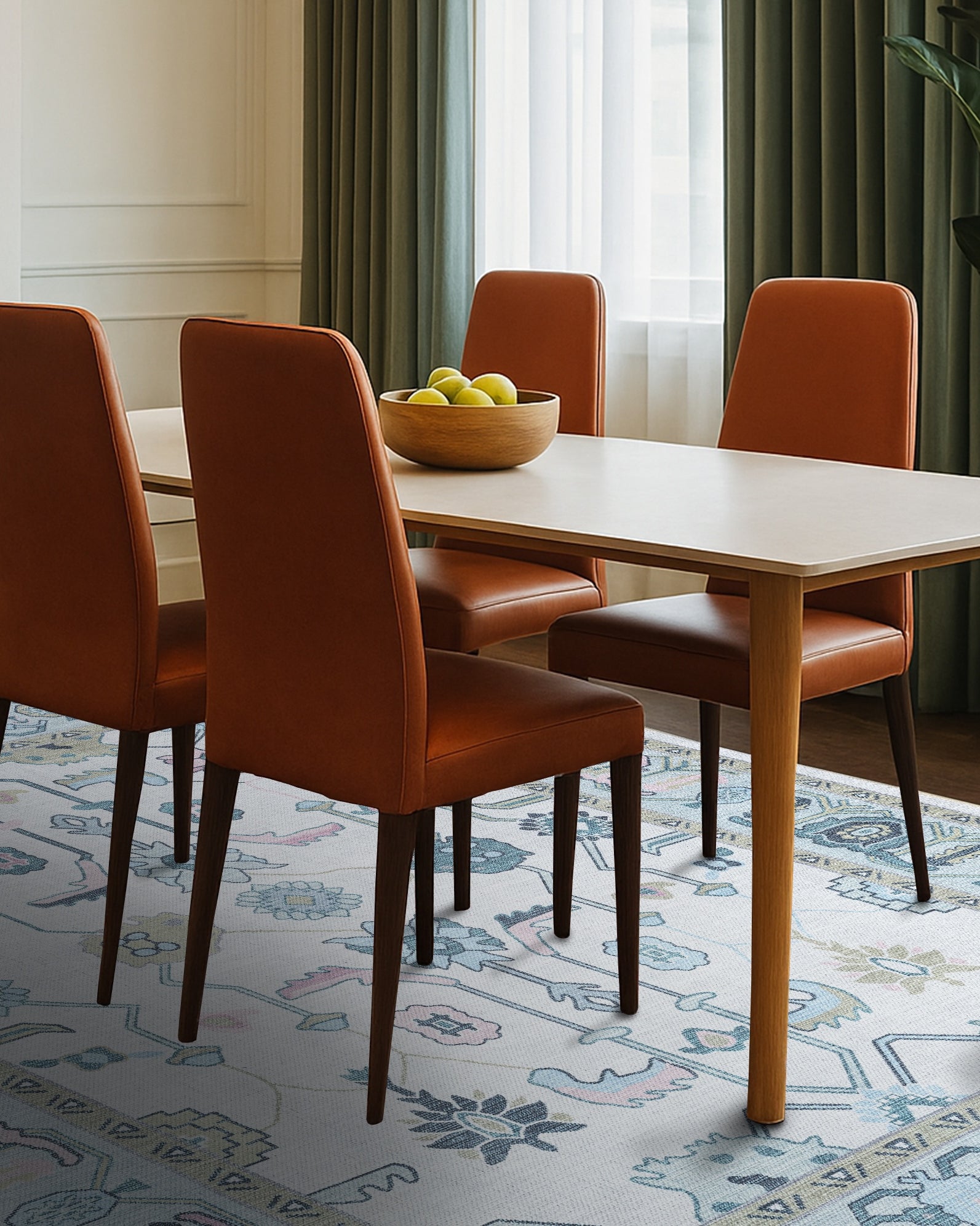
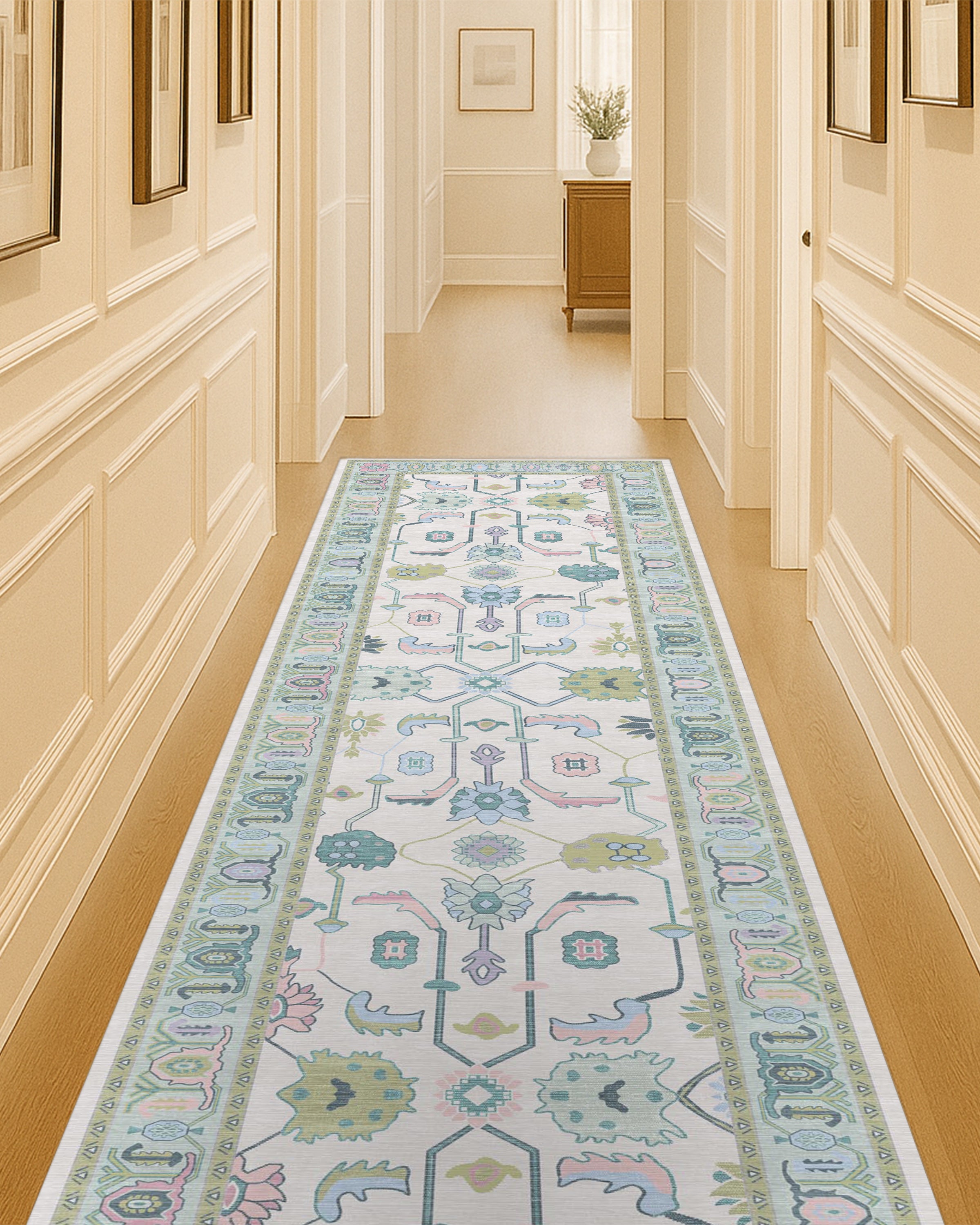
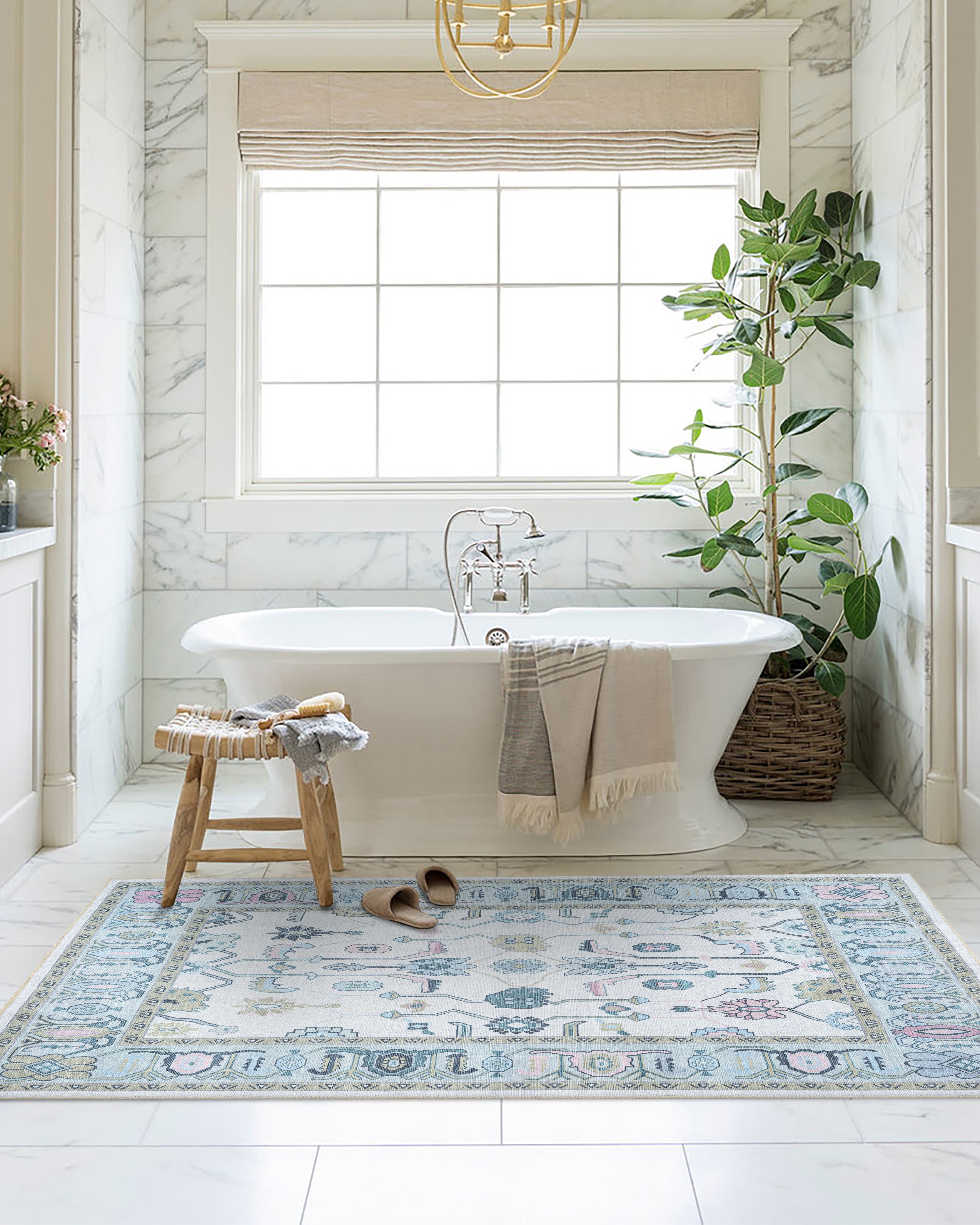
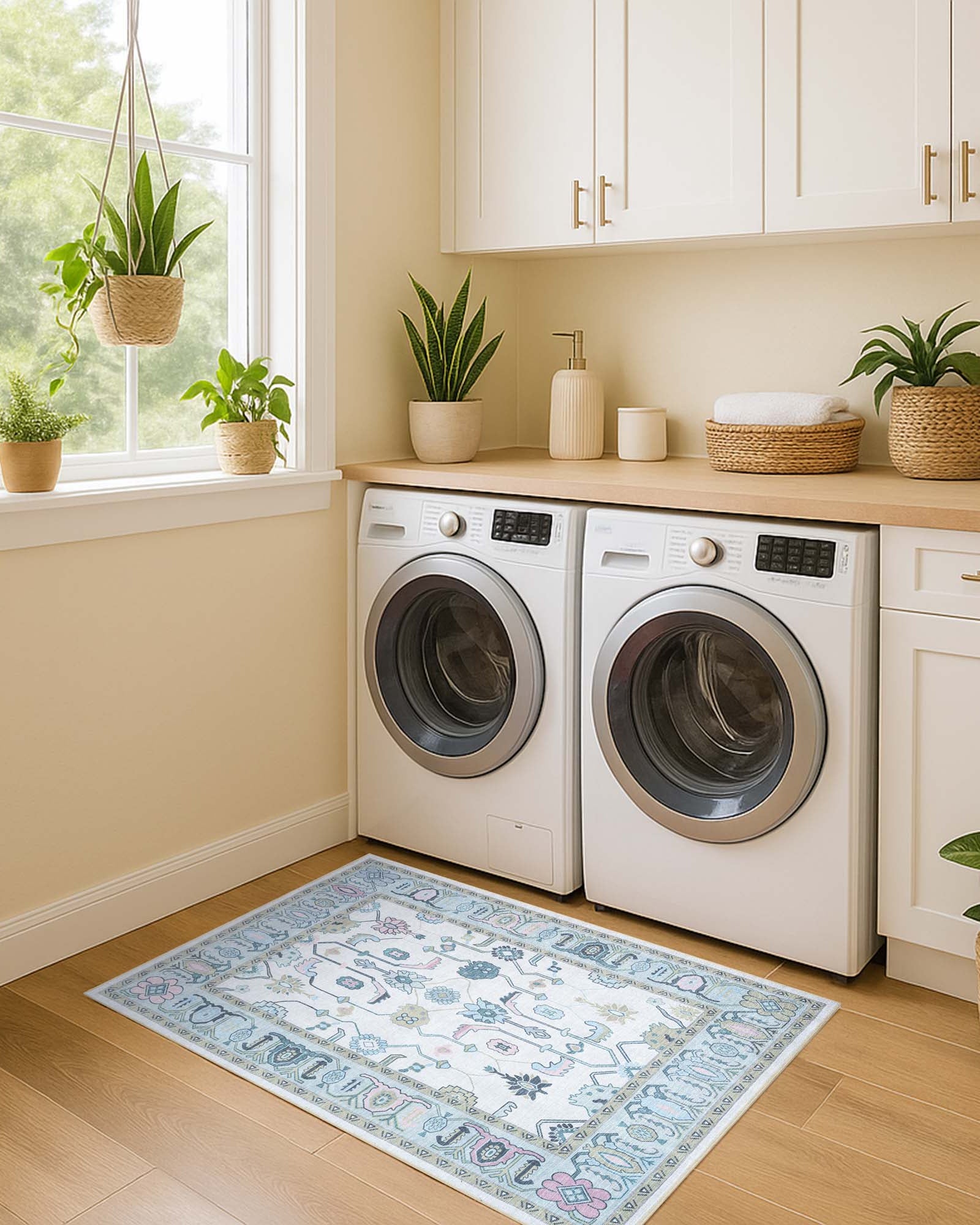
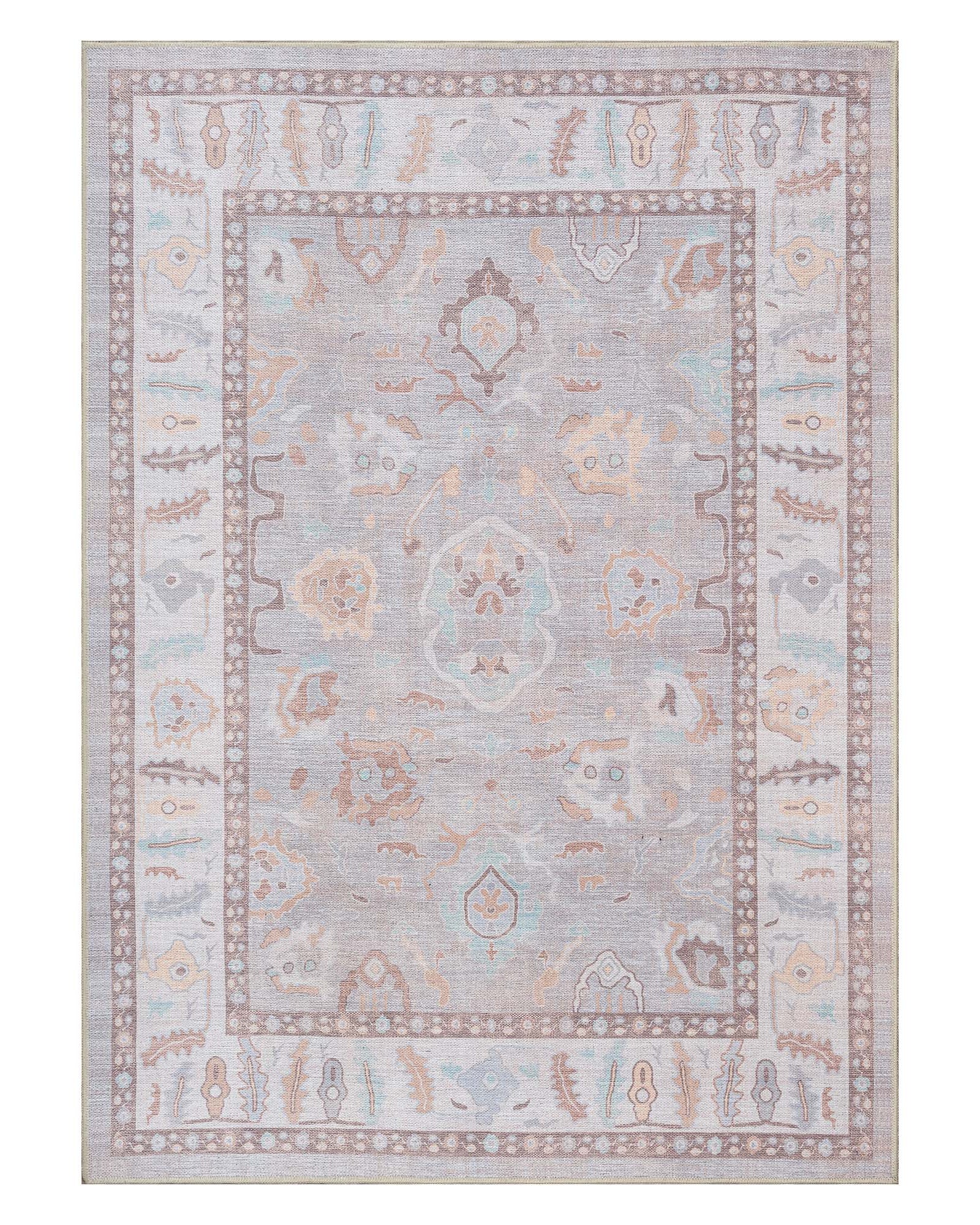
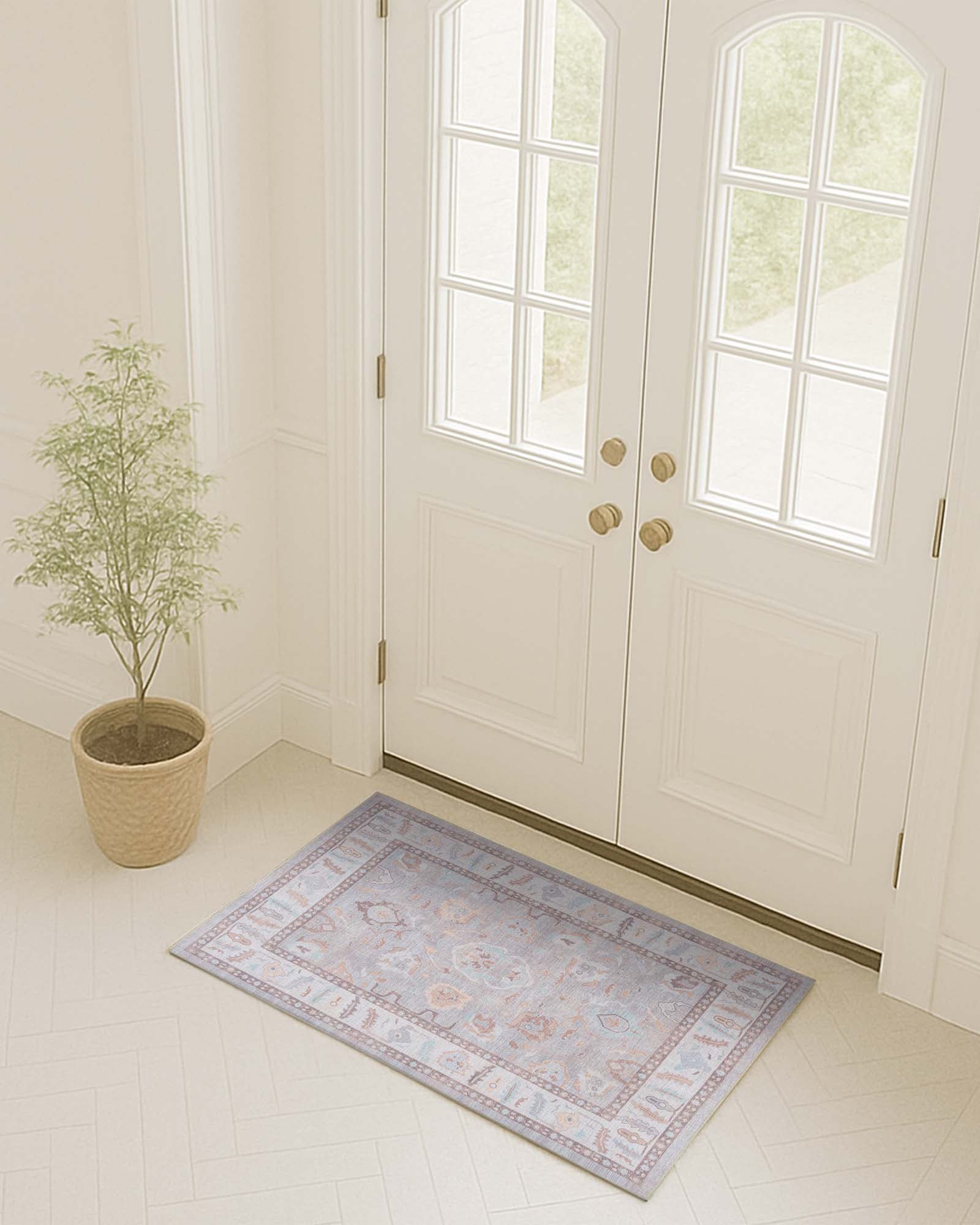
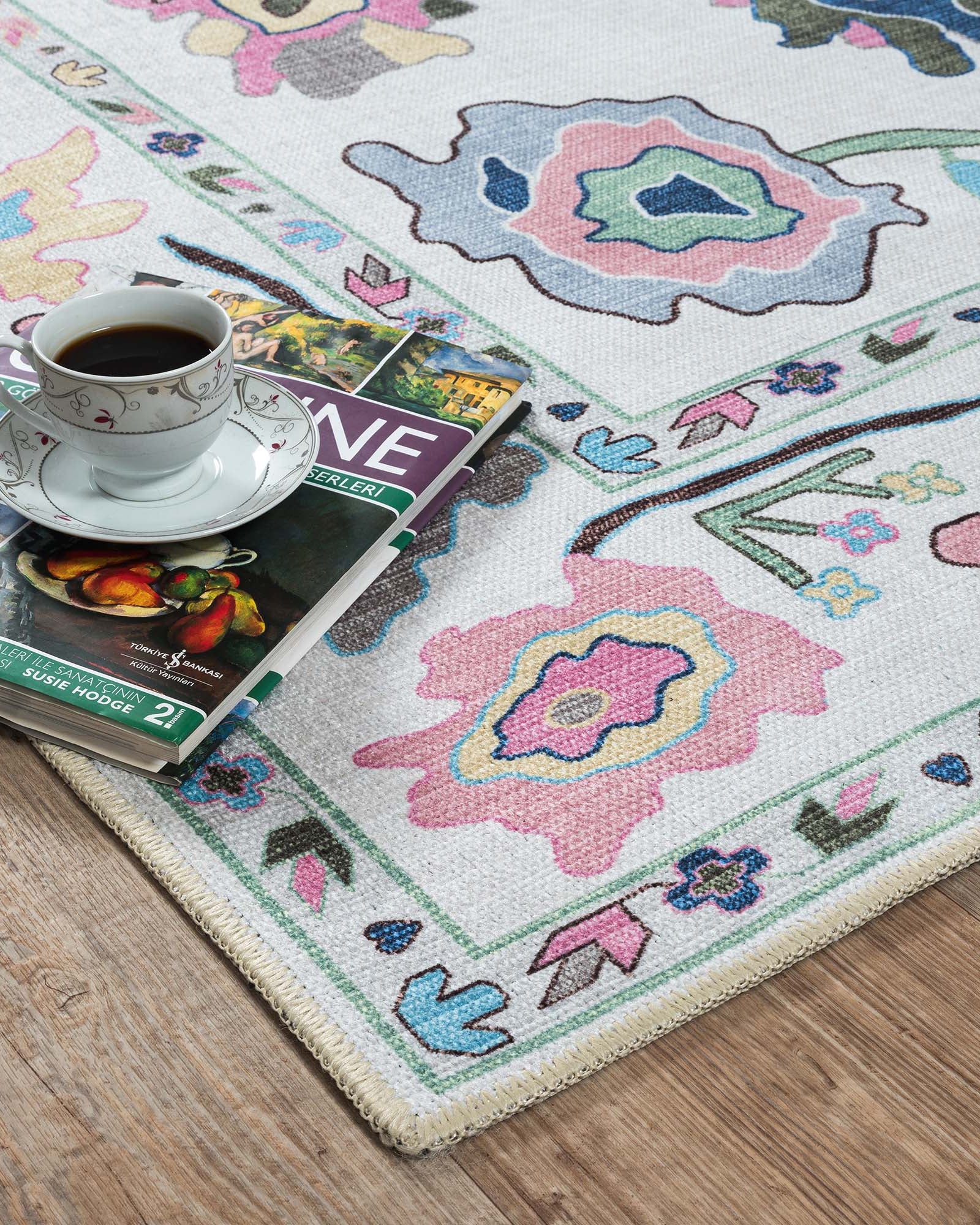
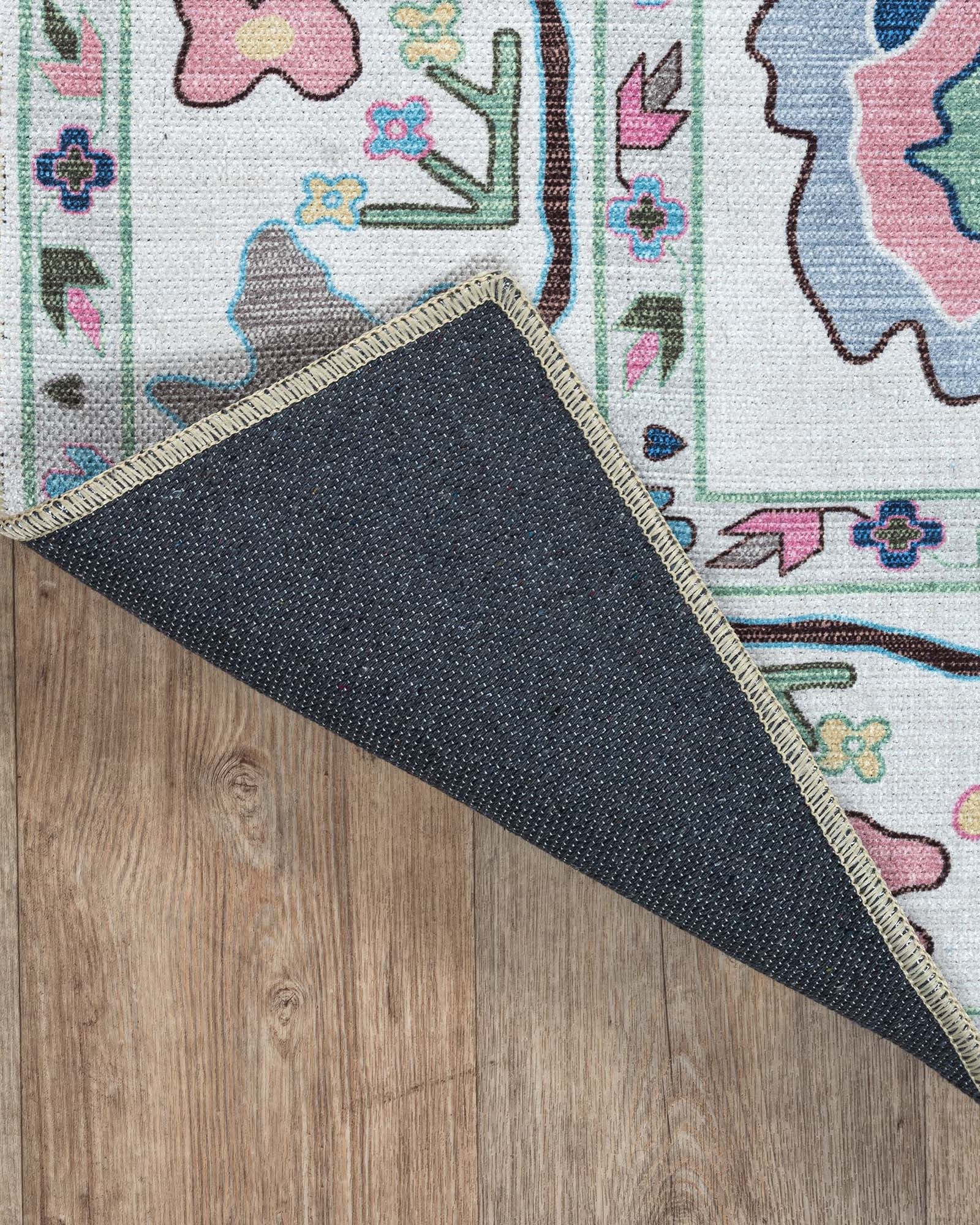
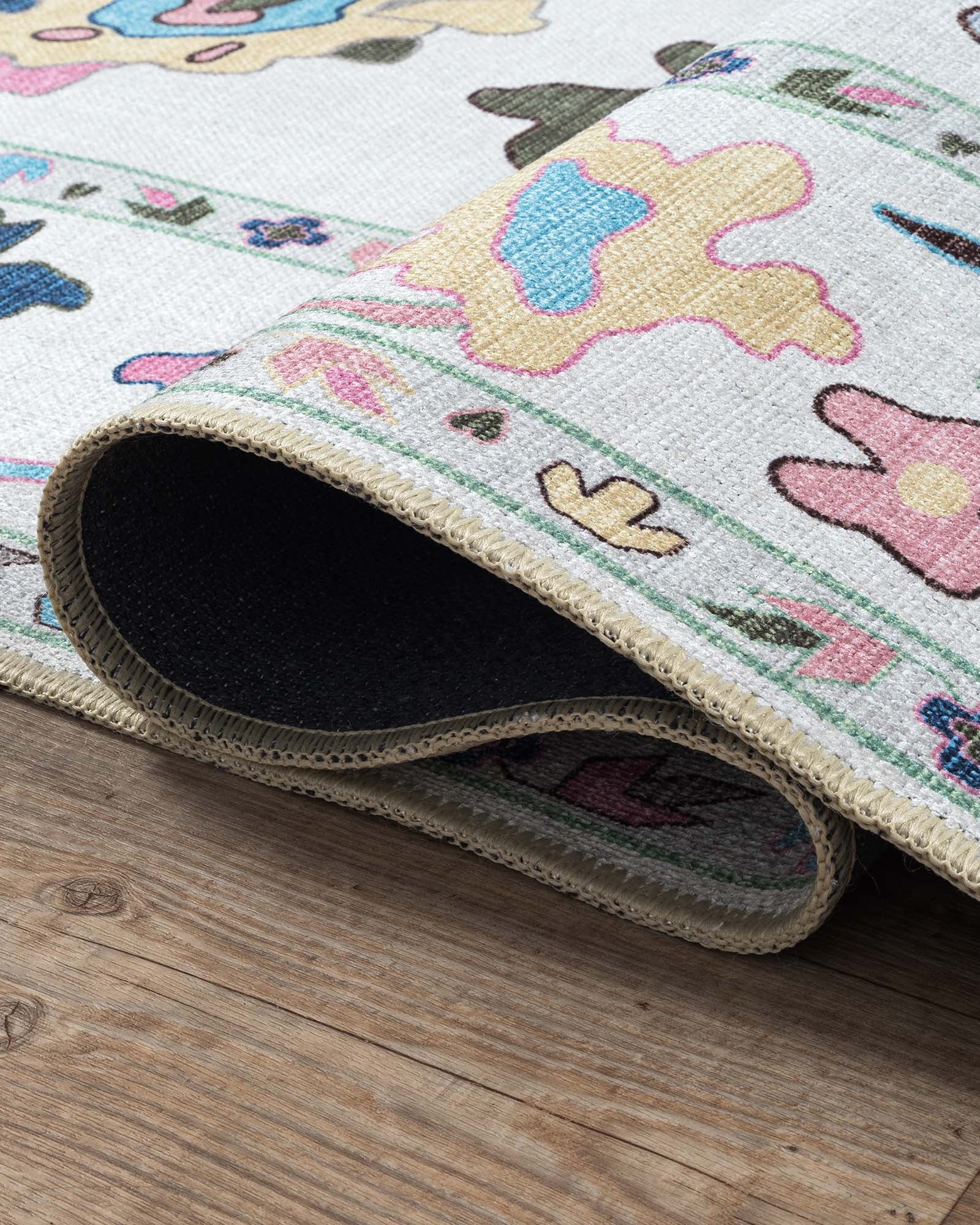
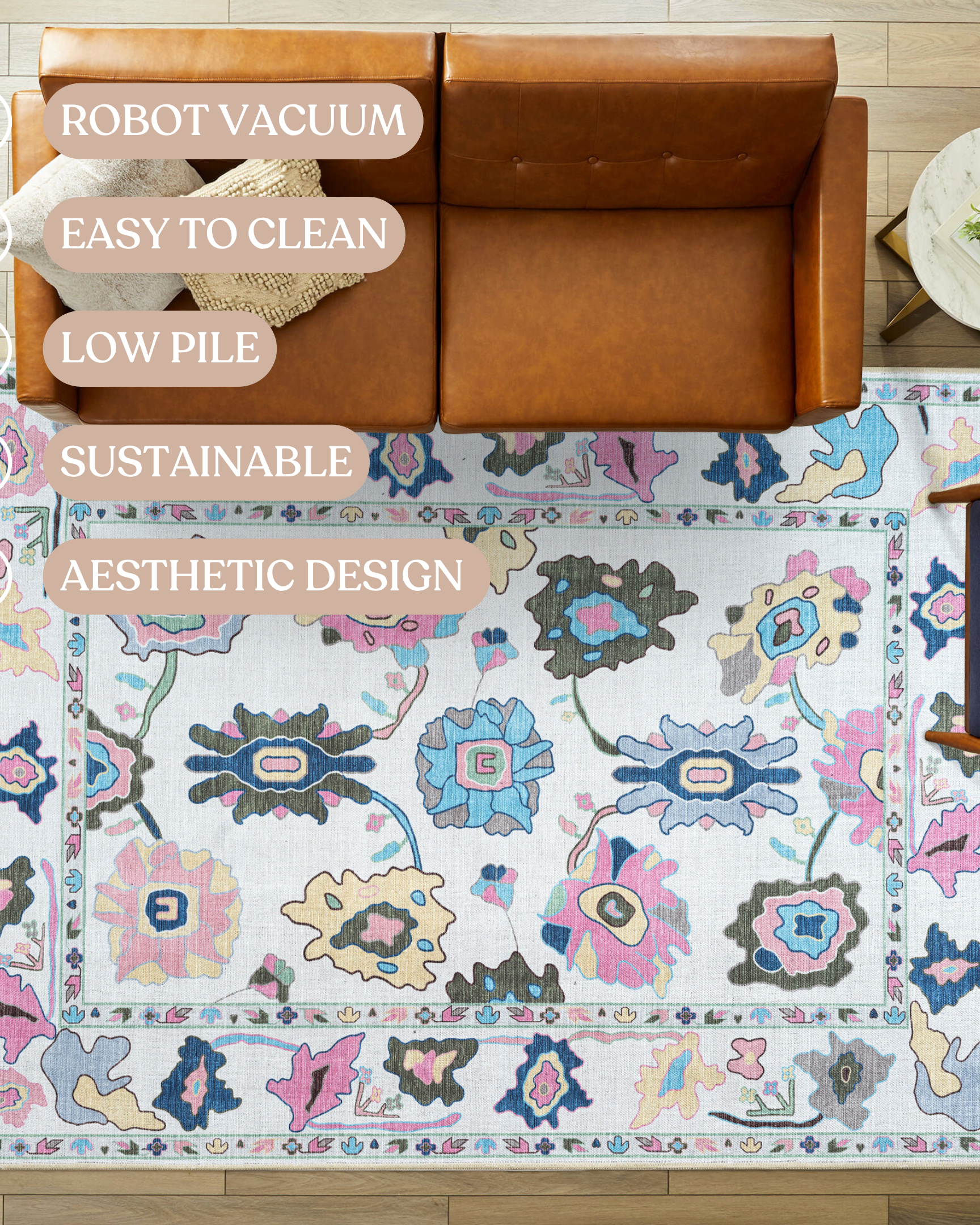
Neutral is the hardest palette to find in genuine vintage rugs, because most weaving traditions were built on saturated natural dye. The quiet pieces exist for two reasons: some were woven largely in undyed wool, and others arrived here through decades of sun and washing that pulled a once-strong palette back to sand and rose-grey. Both are represented in this collection, and every piece is an original hand-knotted rug sold as a single item.
Where Neutral Colour Comes From
Understanding the two routes to a neutral rug tells you what you are actually buying and how it will behave.
Undyed Wool
The cleanest neutrals were never dyed at all. Sheep produce wool in cream, oatmeal, camel, grey-brown and near-black, and weavers across Anatolia and Central Asia built entire rugs from those natural shades — most famously the long-pile tülü weavings of central Turkey and the plain-field pieces from the Konya plain. These have a depth that dyed wool cannot match, because the colour sits inside the fibre rather than on it. They also age exceptionally well: there is nothing to fade.
Faded Down to Neutral
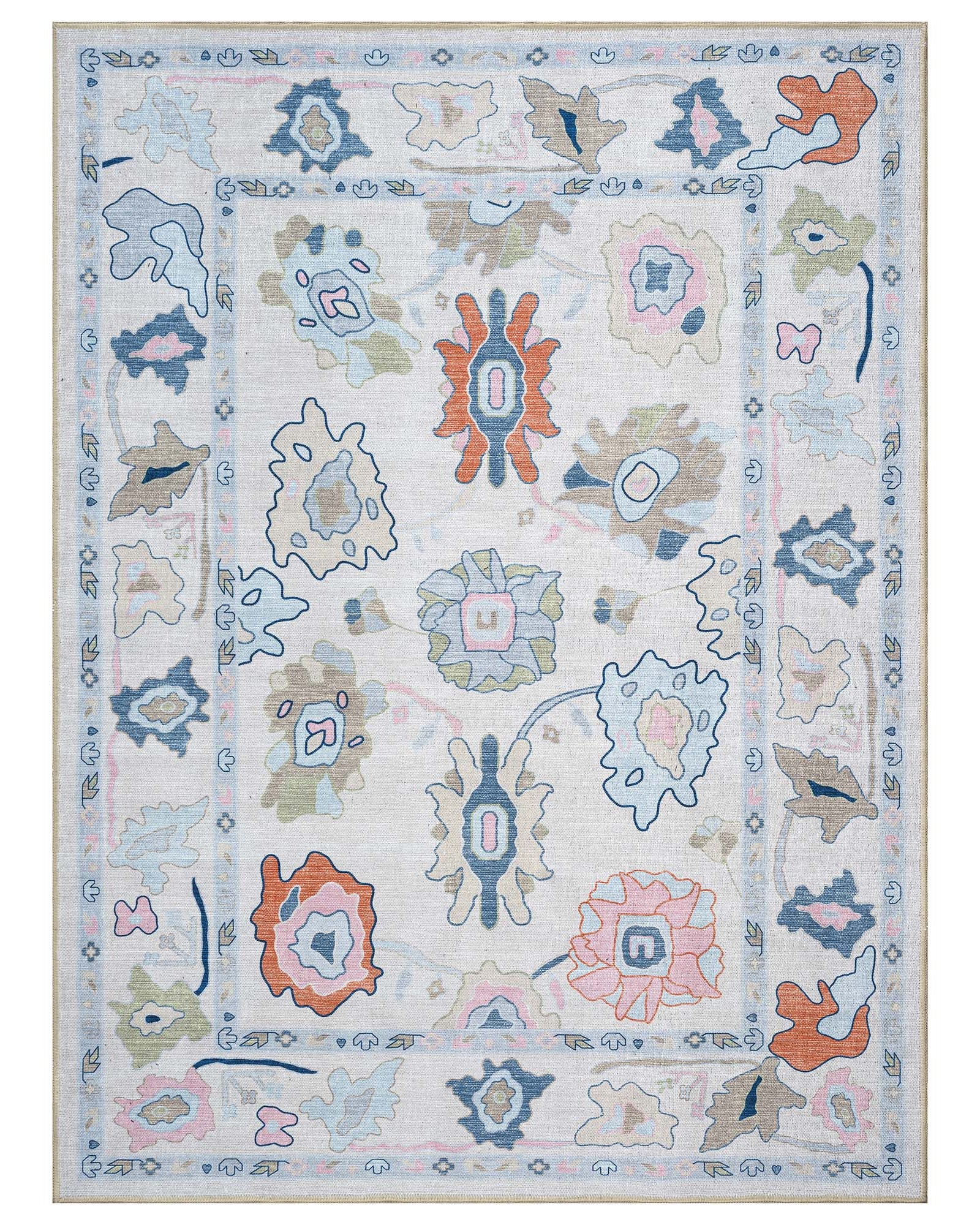
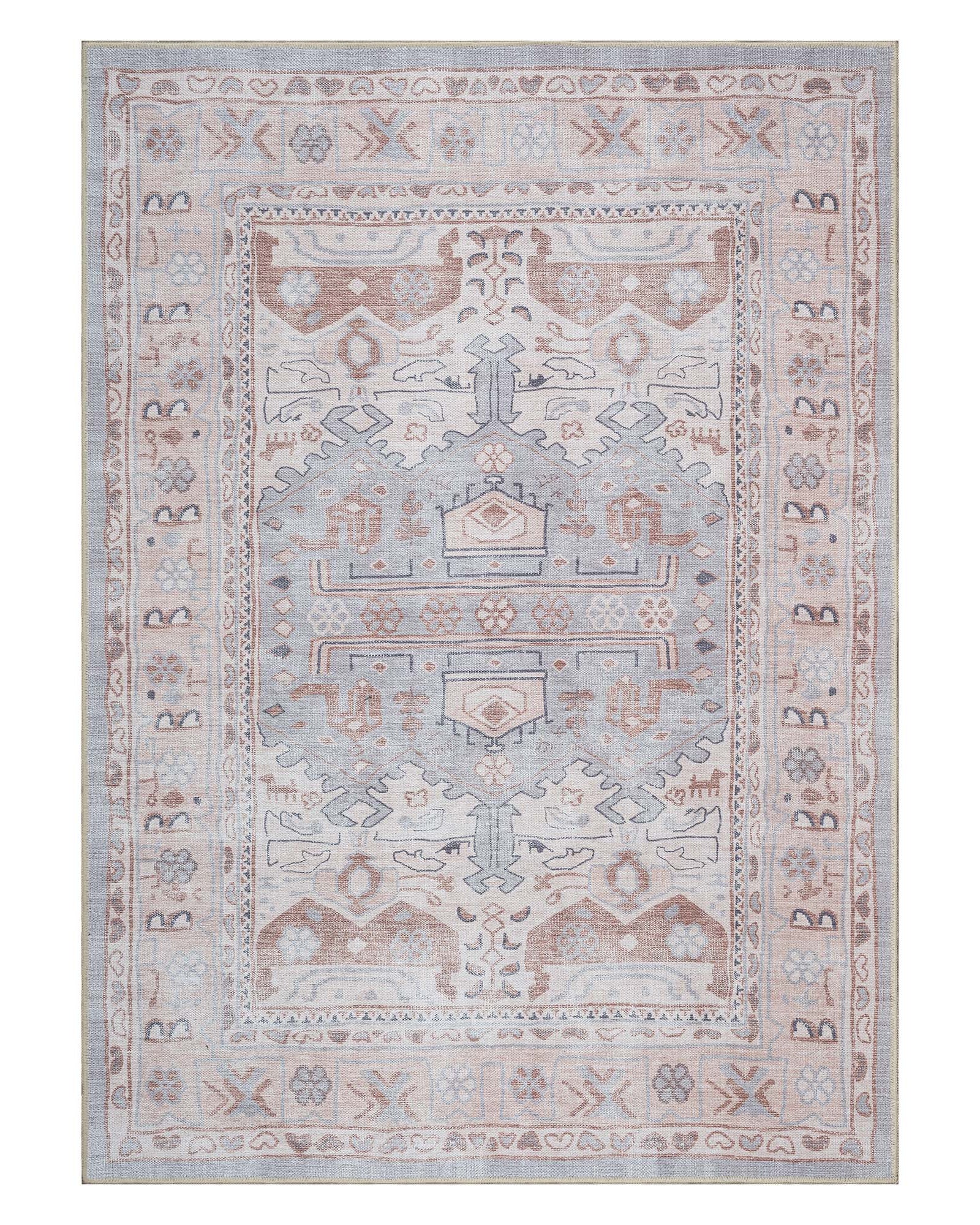
The larger group started life coloured. Madder red softens to rose and terracotta, indigo drifts to dusty grey-blue, yellows retreat almost entirely, and after fifty or sixty years the whole field reads as warm sand with the pattern showing as a faint tonal ghost. These pieces keep more visual interest than an undyed rug because the original design is still legible, just quiet. The product page states which route a rug took.
The Range Within "Neutral"
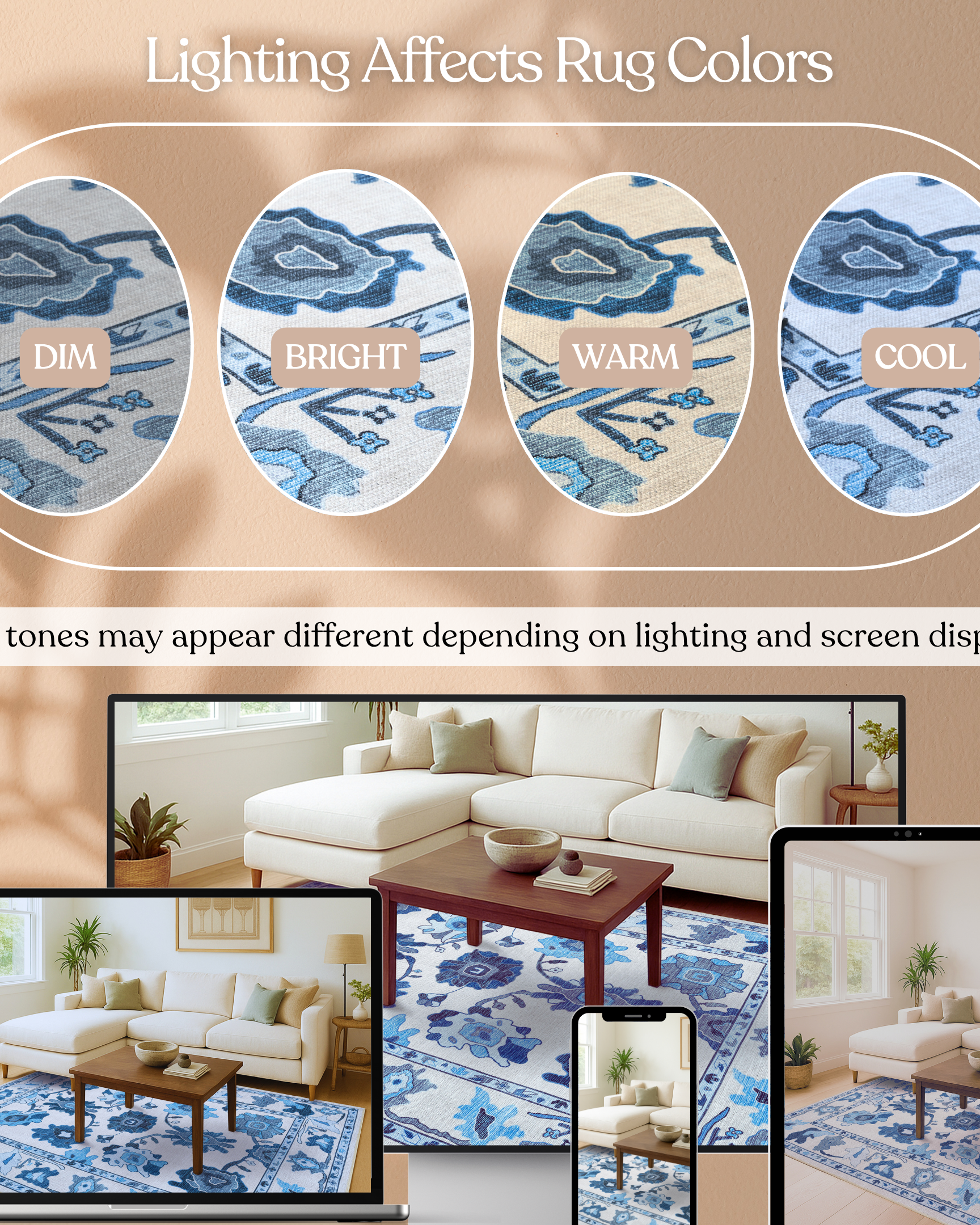
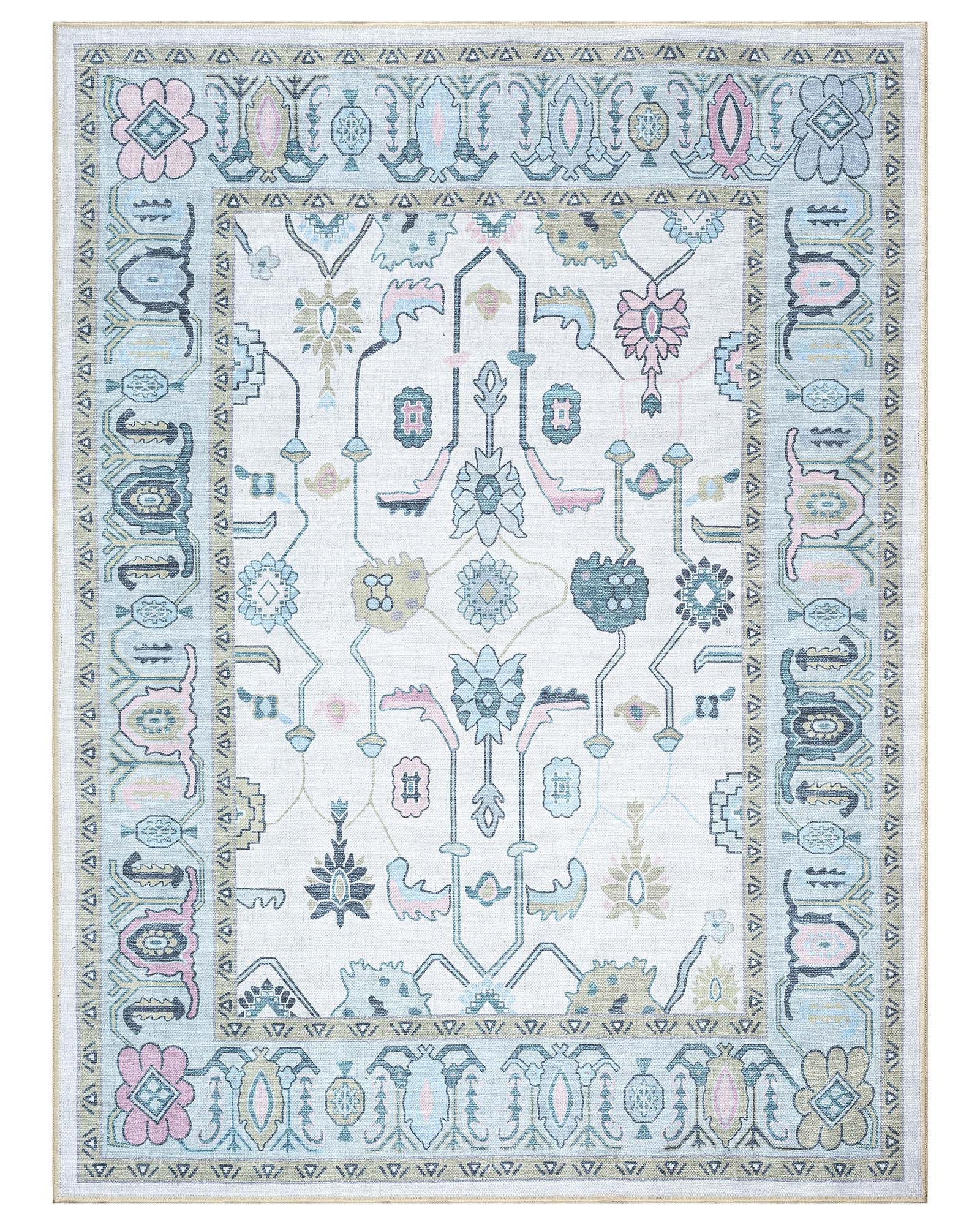
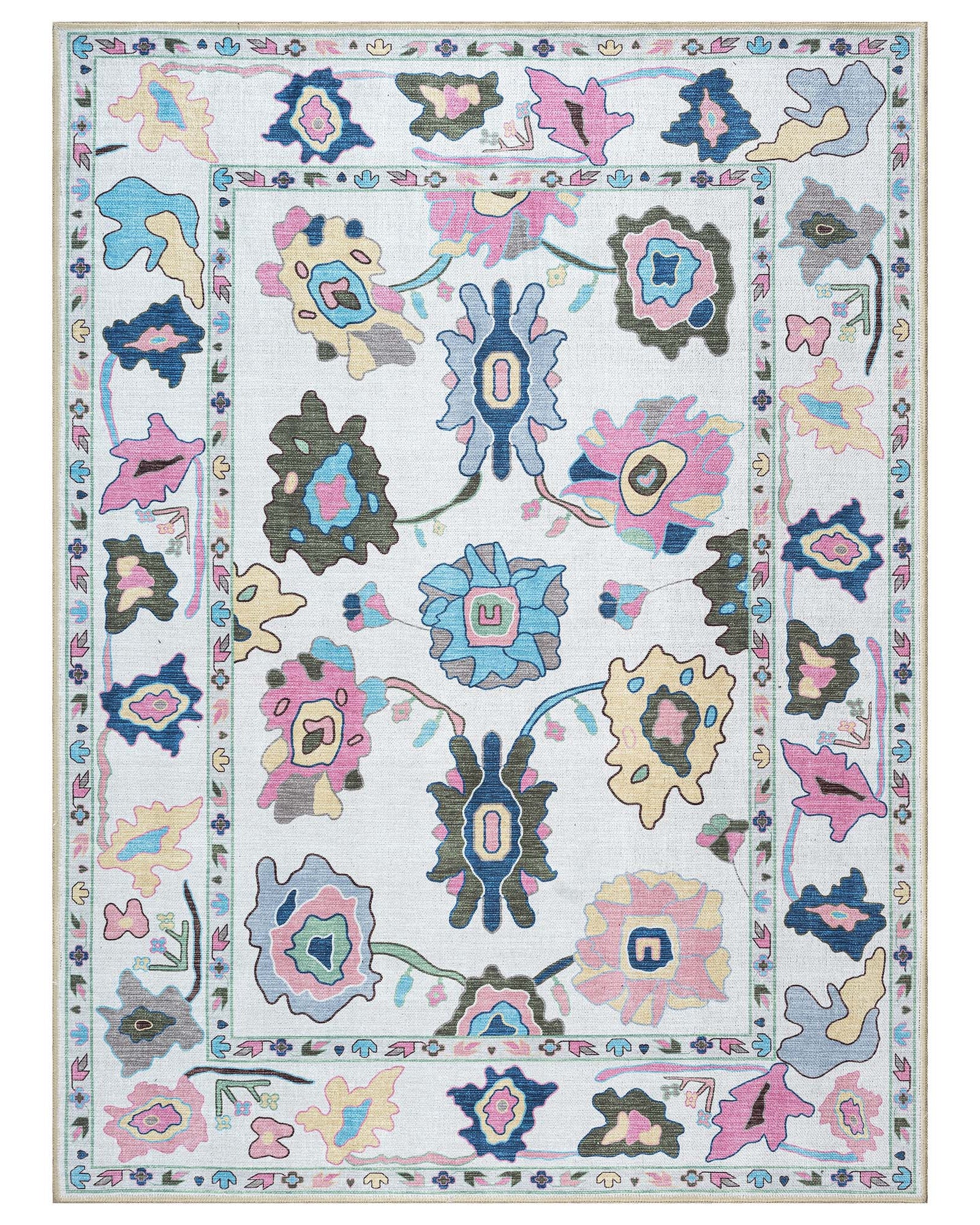
Neutral is not one colour, and getting the undertone right is the difference between a rug that settles into a room and one that fights it. Cream and ivory read cool and clean, and sit well with white walls and grey upholstery. Sand, oatmeal and wheat are warm and forgiving, and work with wood tones and linen. Camel and tobacco are the deepest end, warm enough to anchor a room on their own. Grey-taupe and stone lean cool and modern, and are the most likely to have arrived through fading rather than undyed wool. Each product page names the dominant tone so you can match it to what is already in the room.
Why Texture Matters More Here
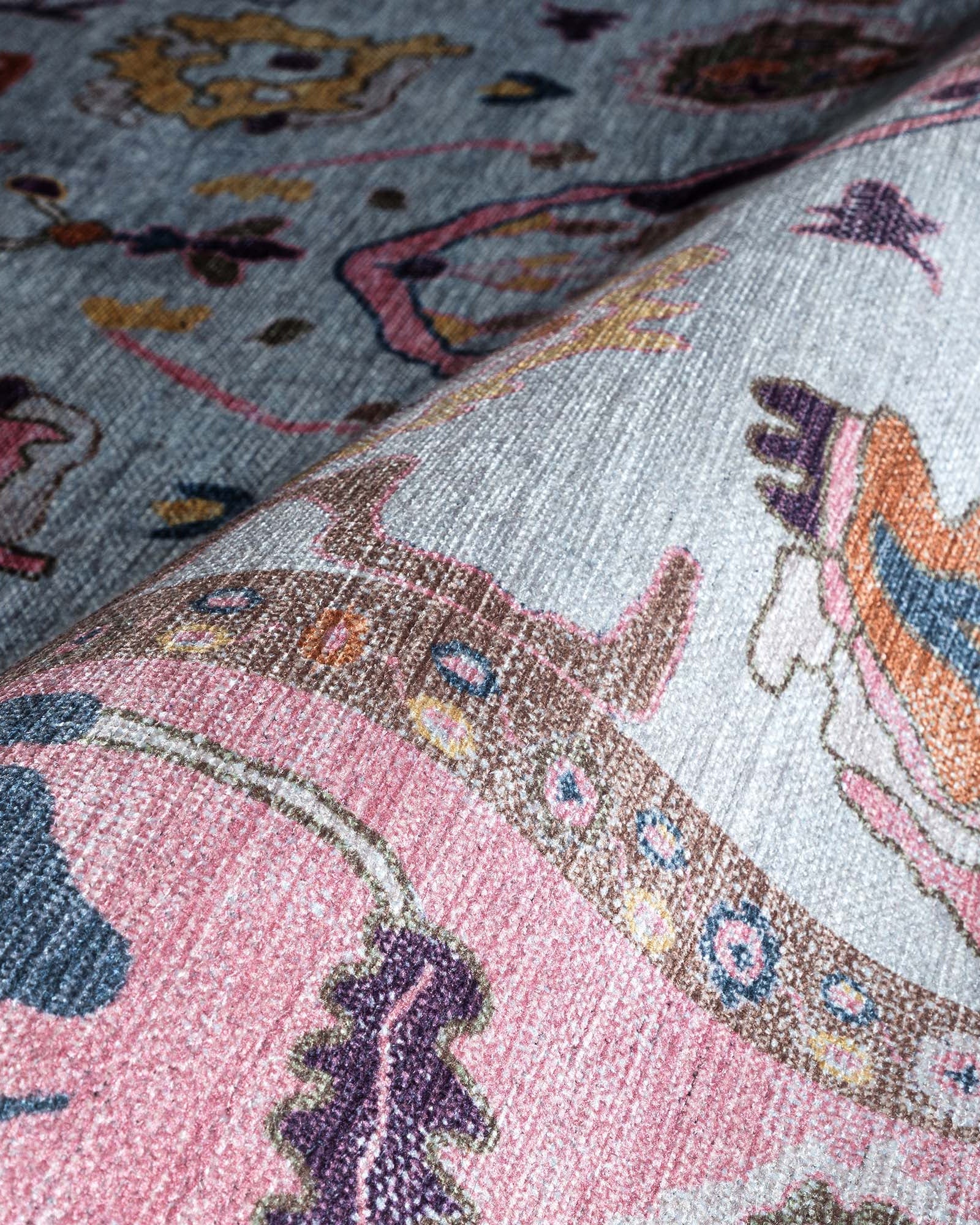
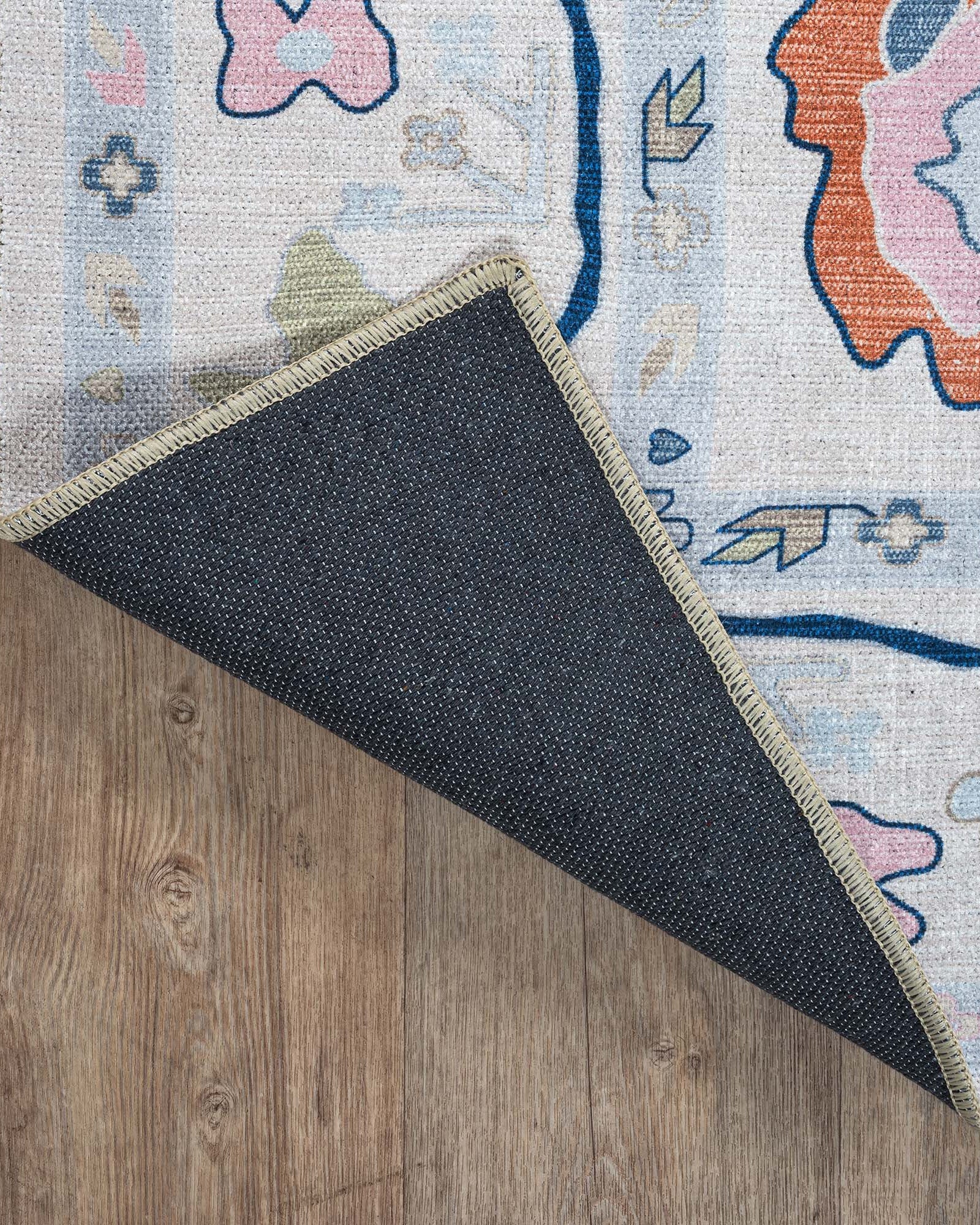
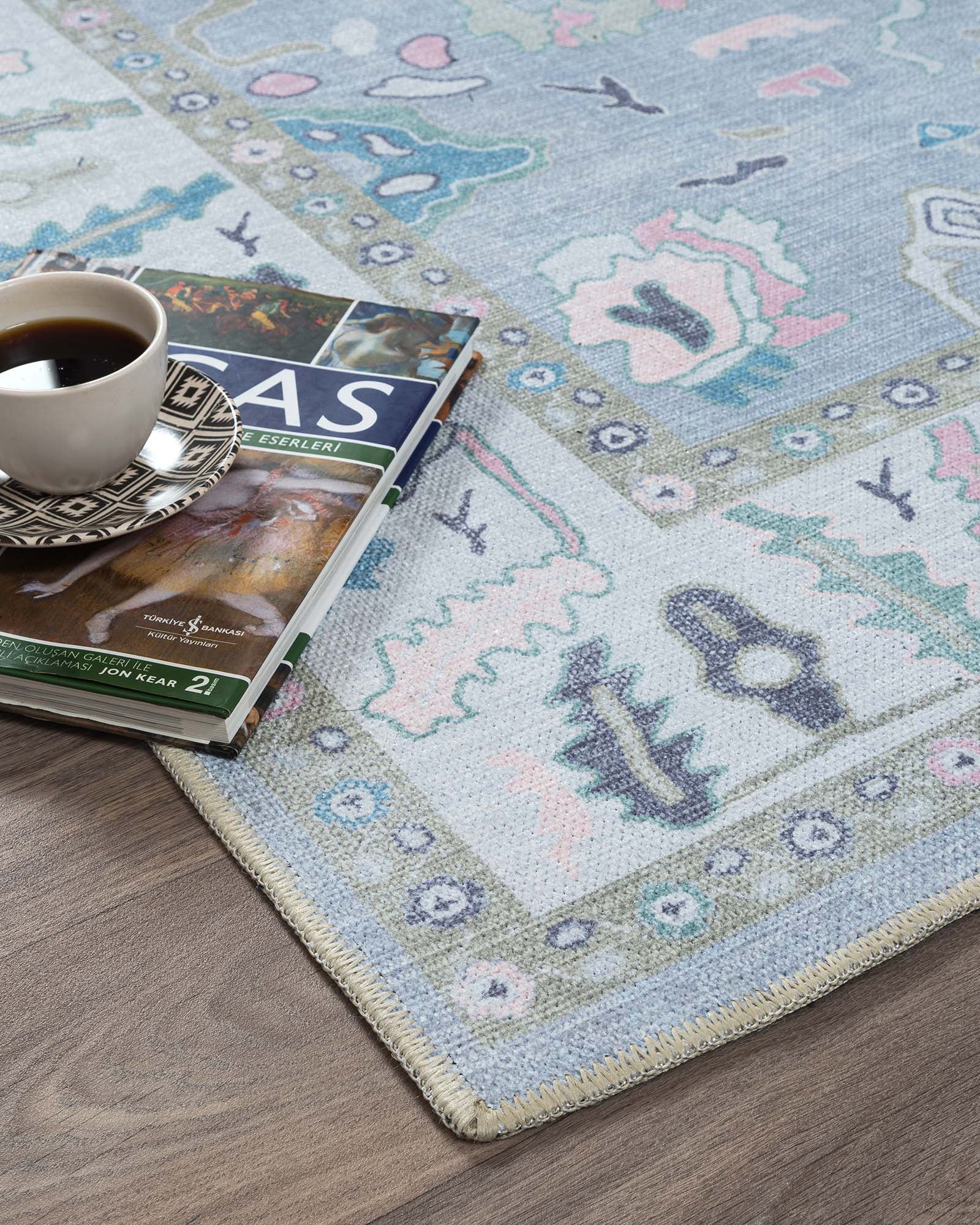
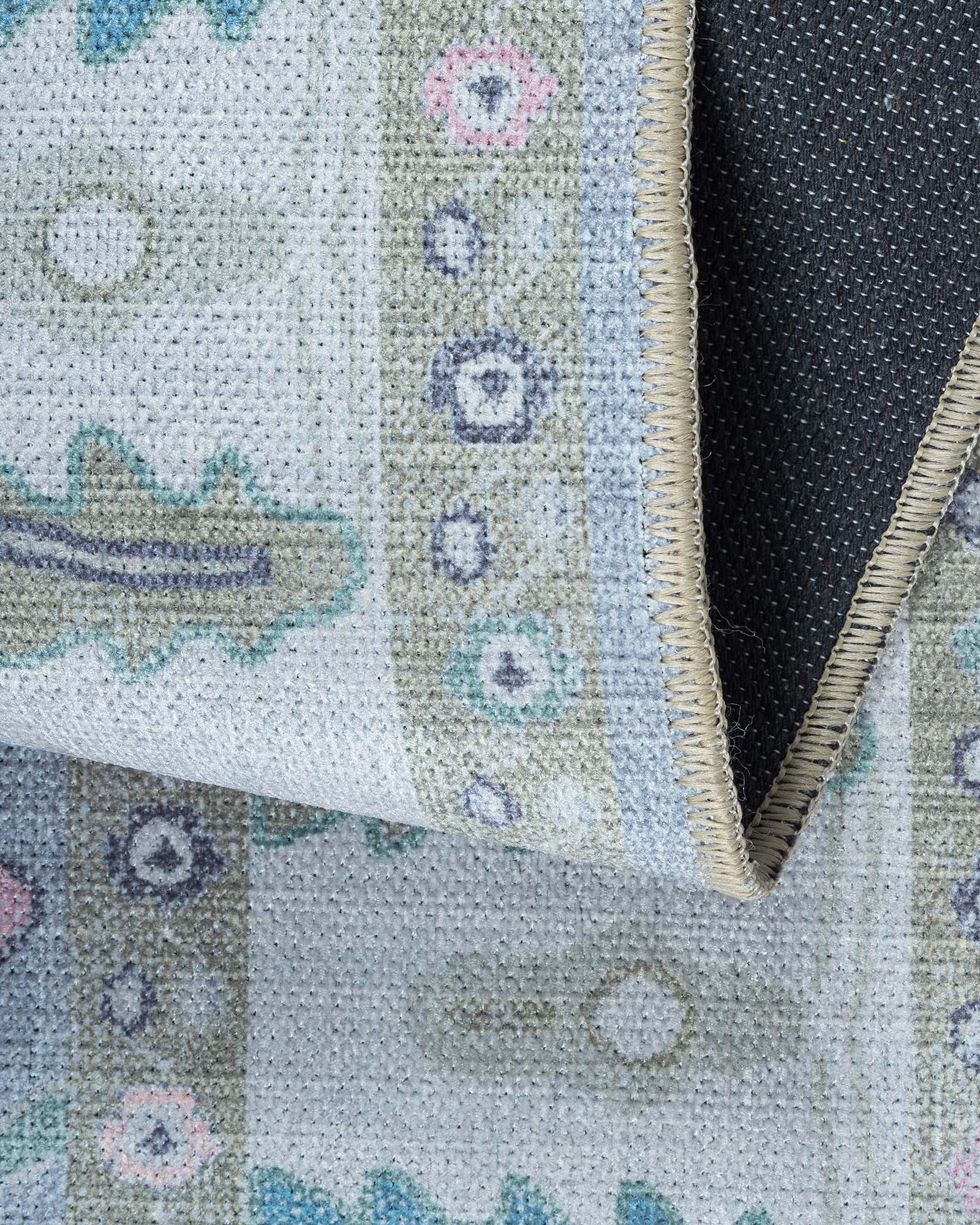
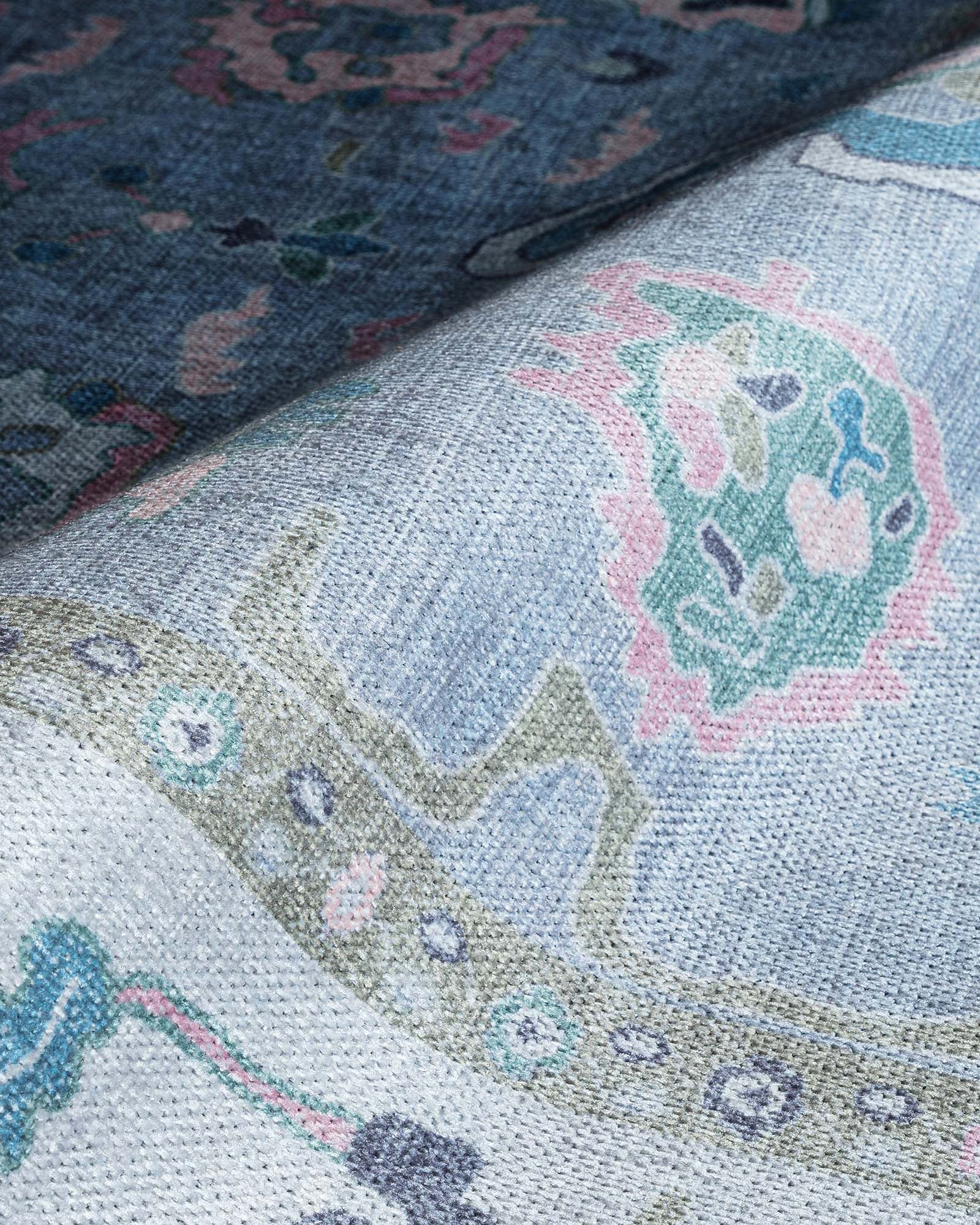
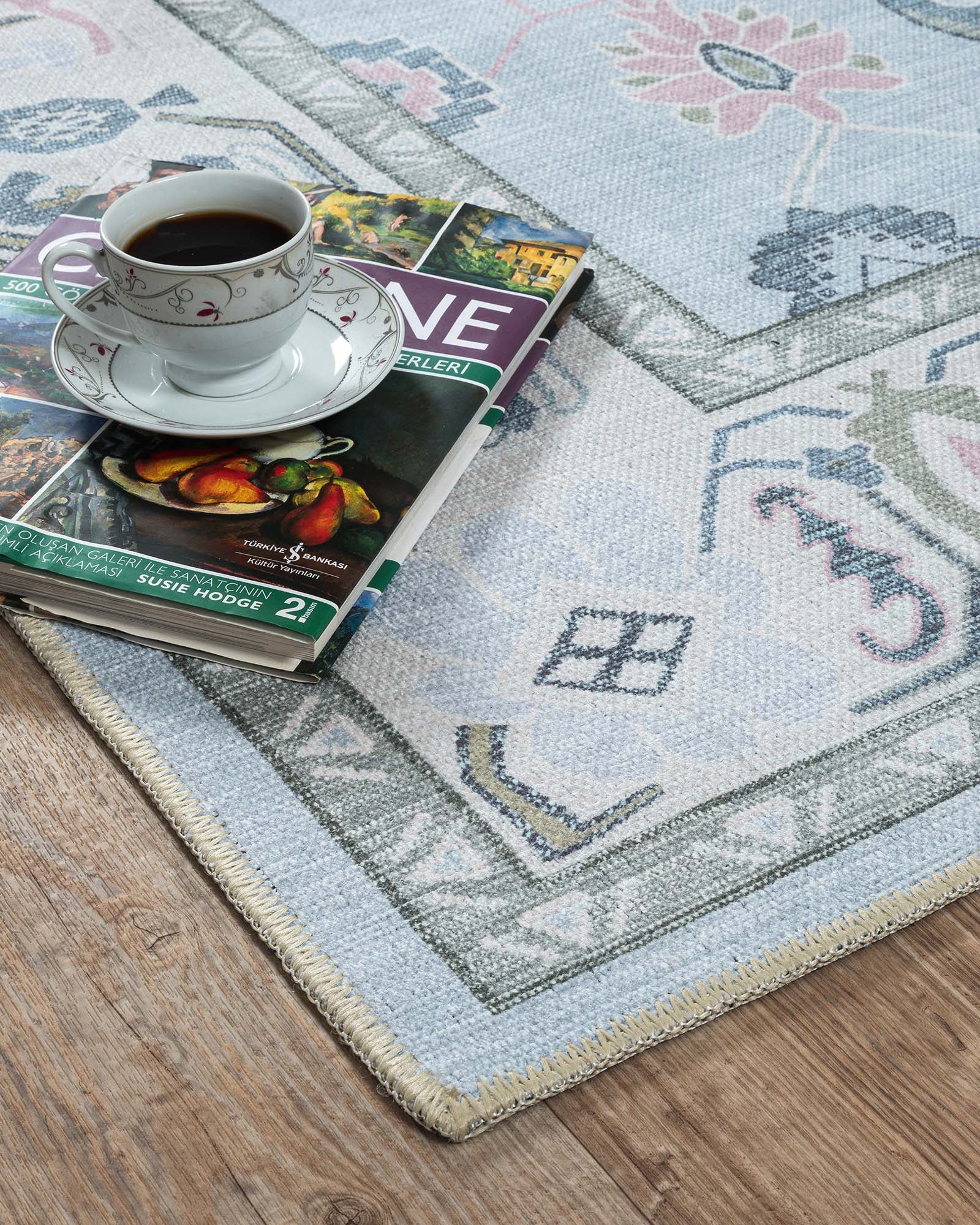
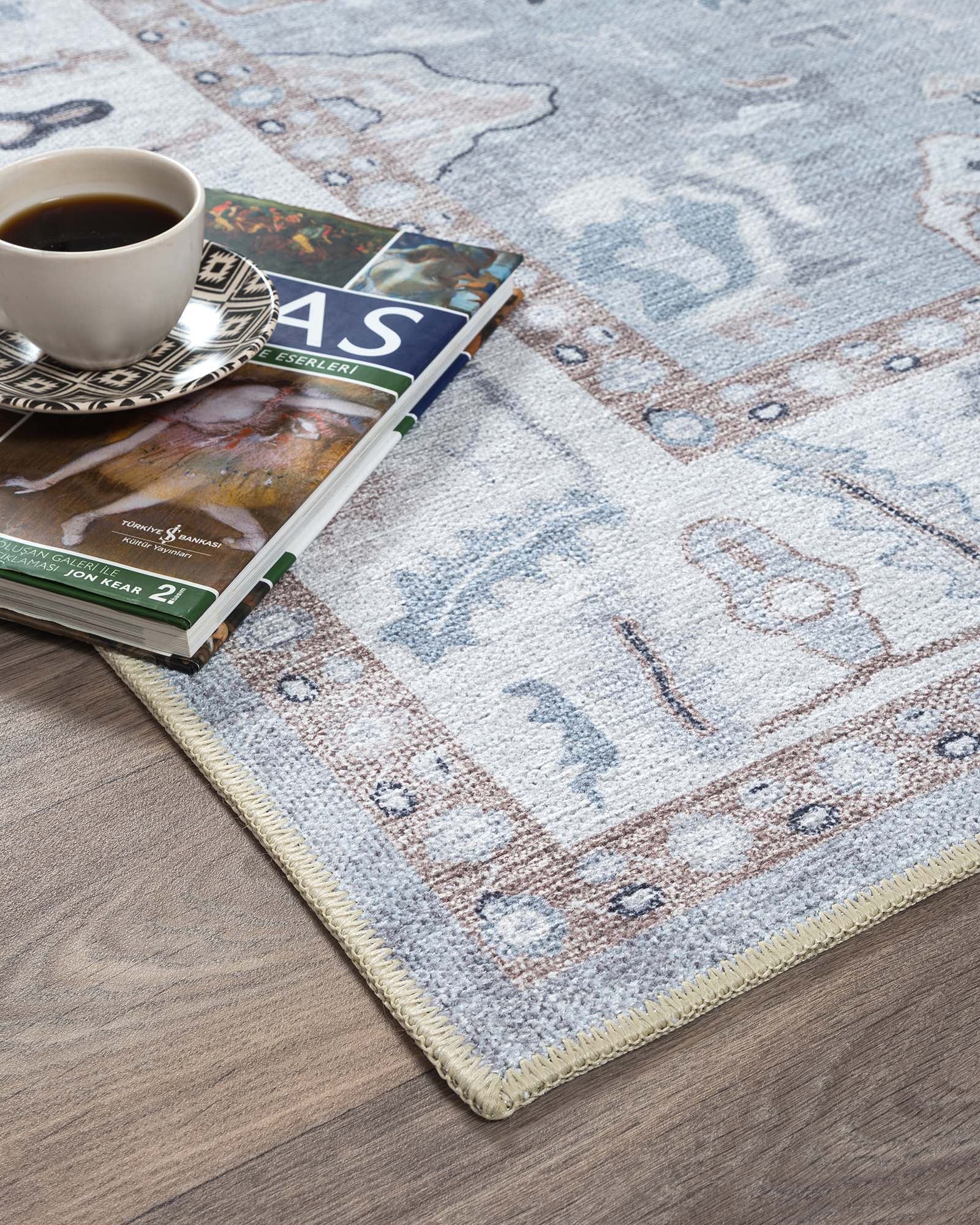
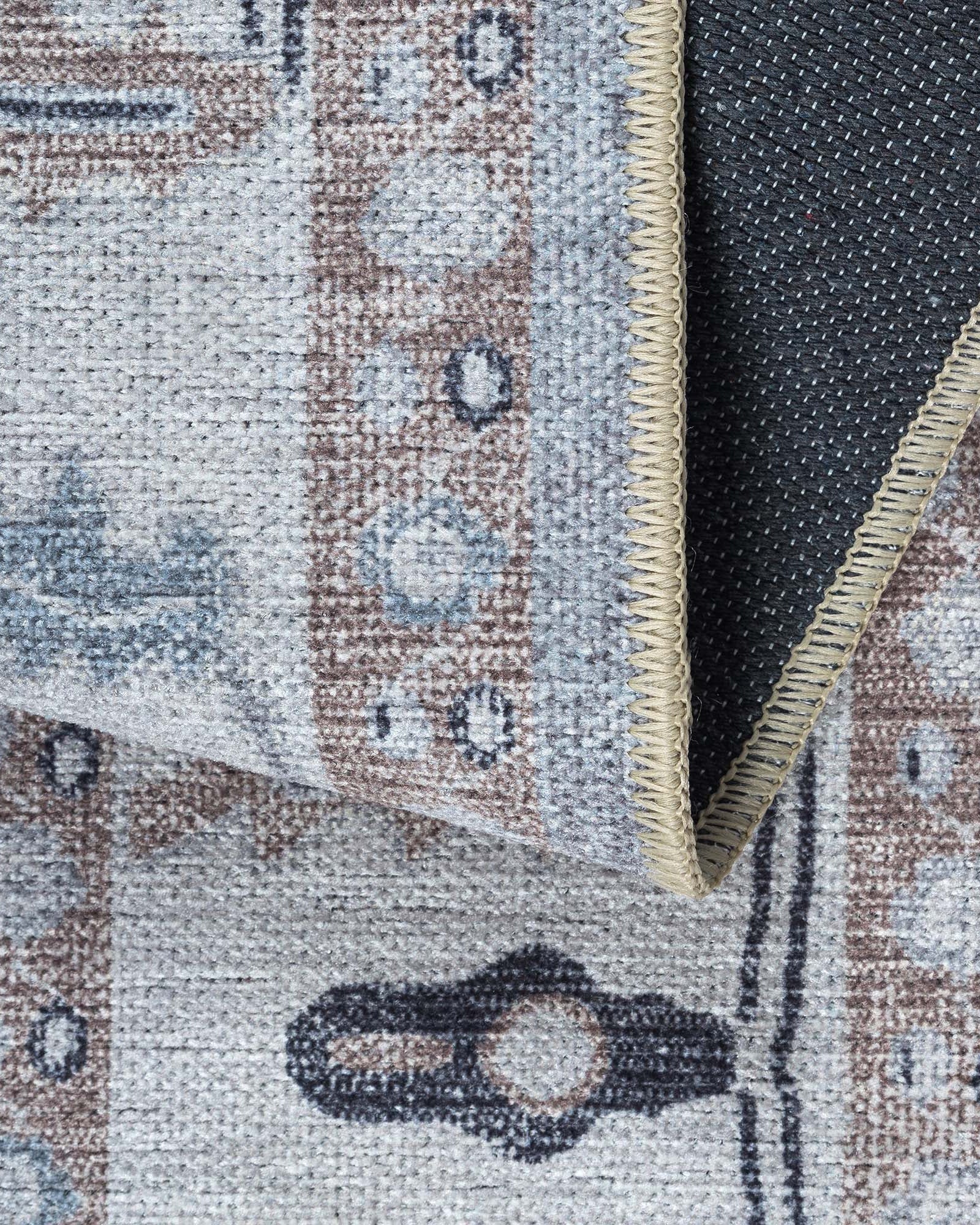
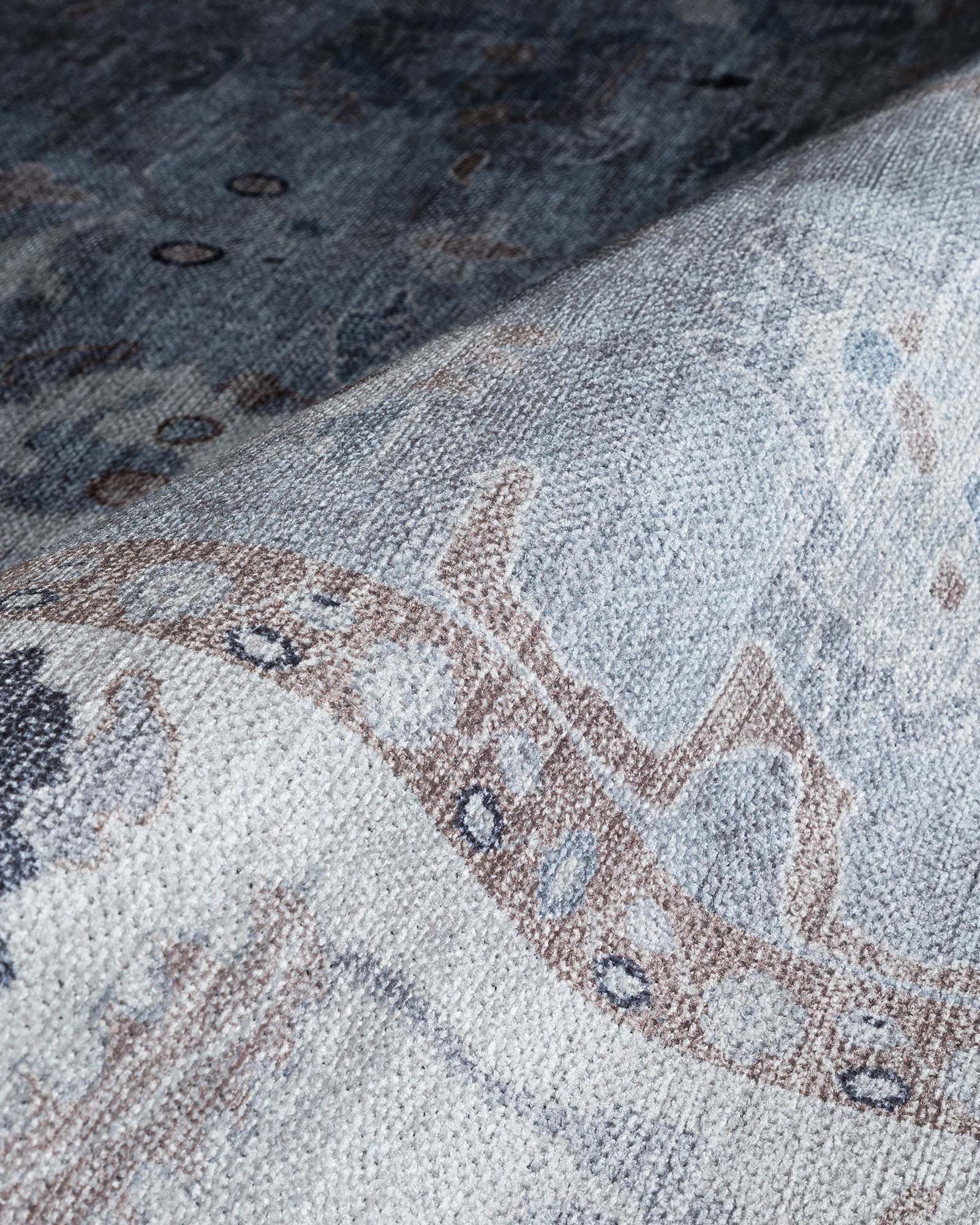
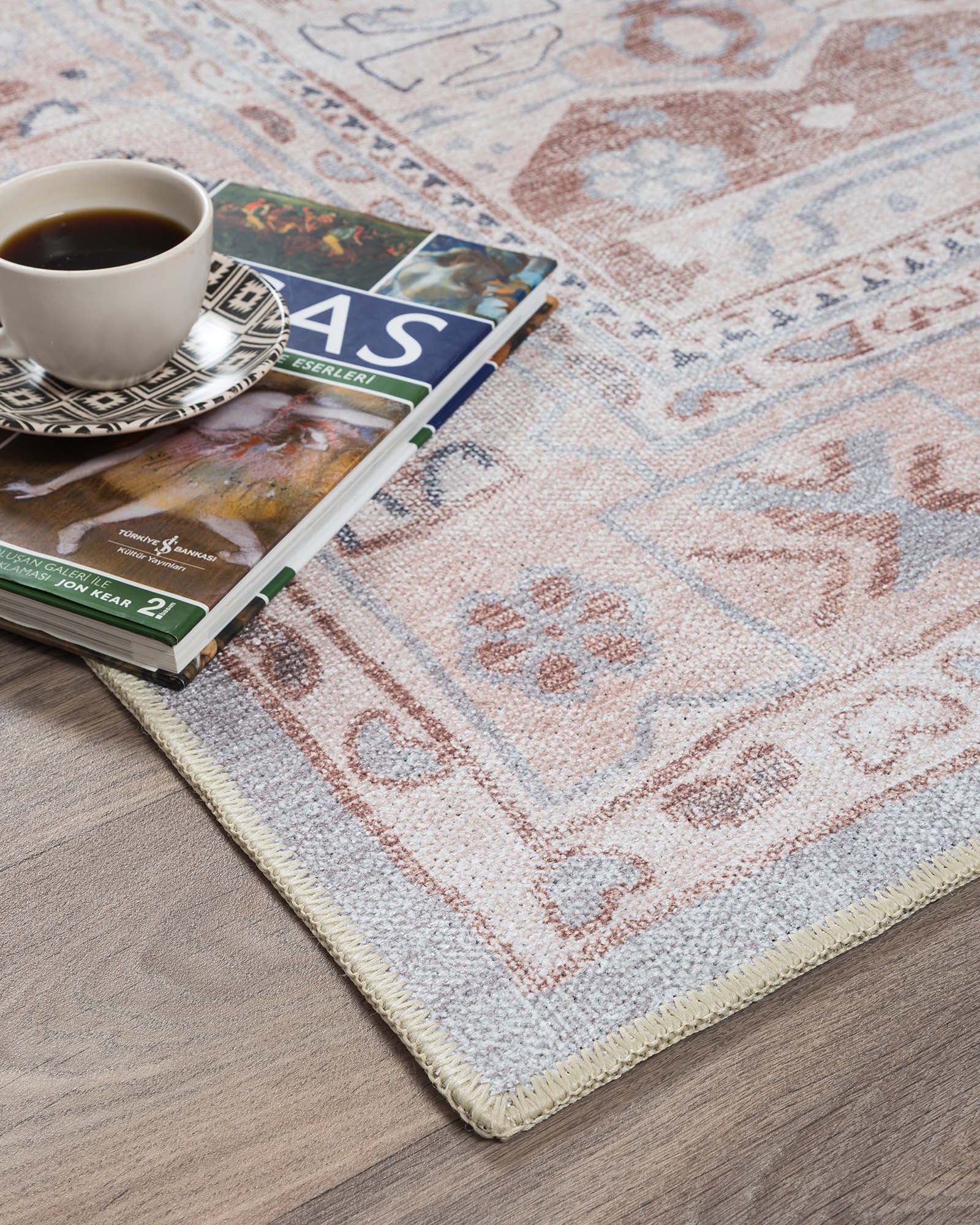
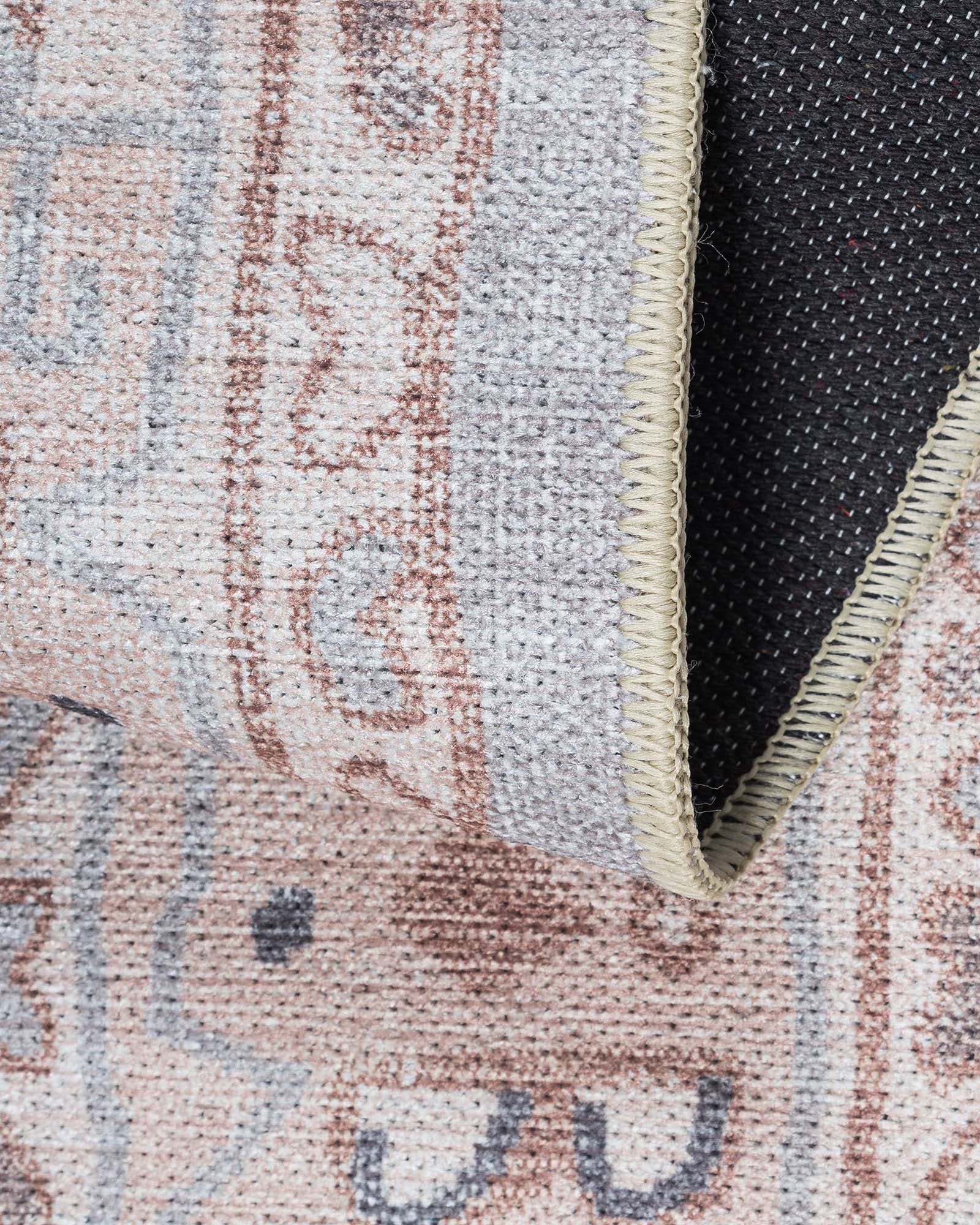
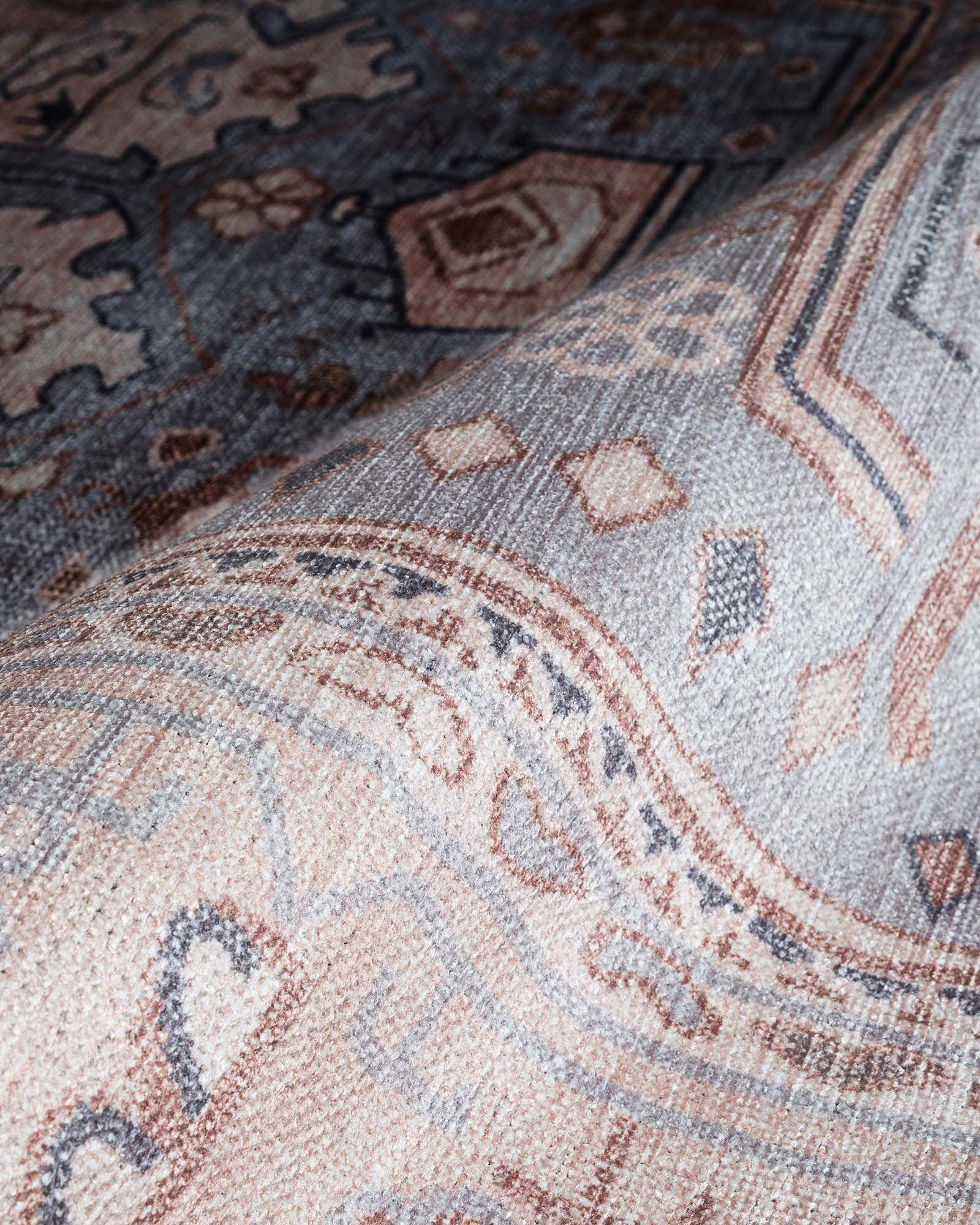
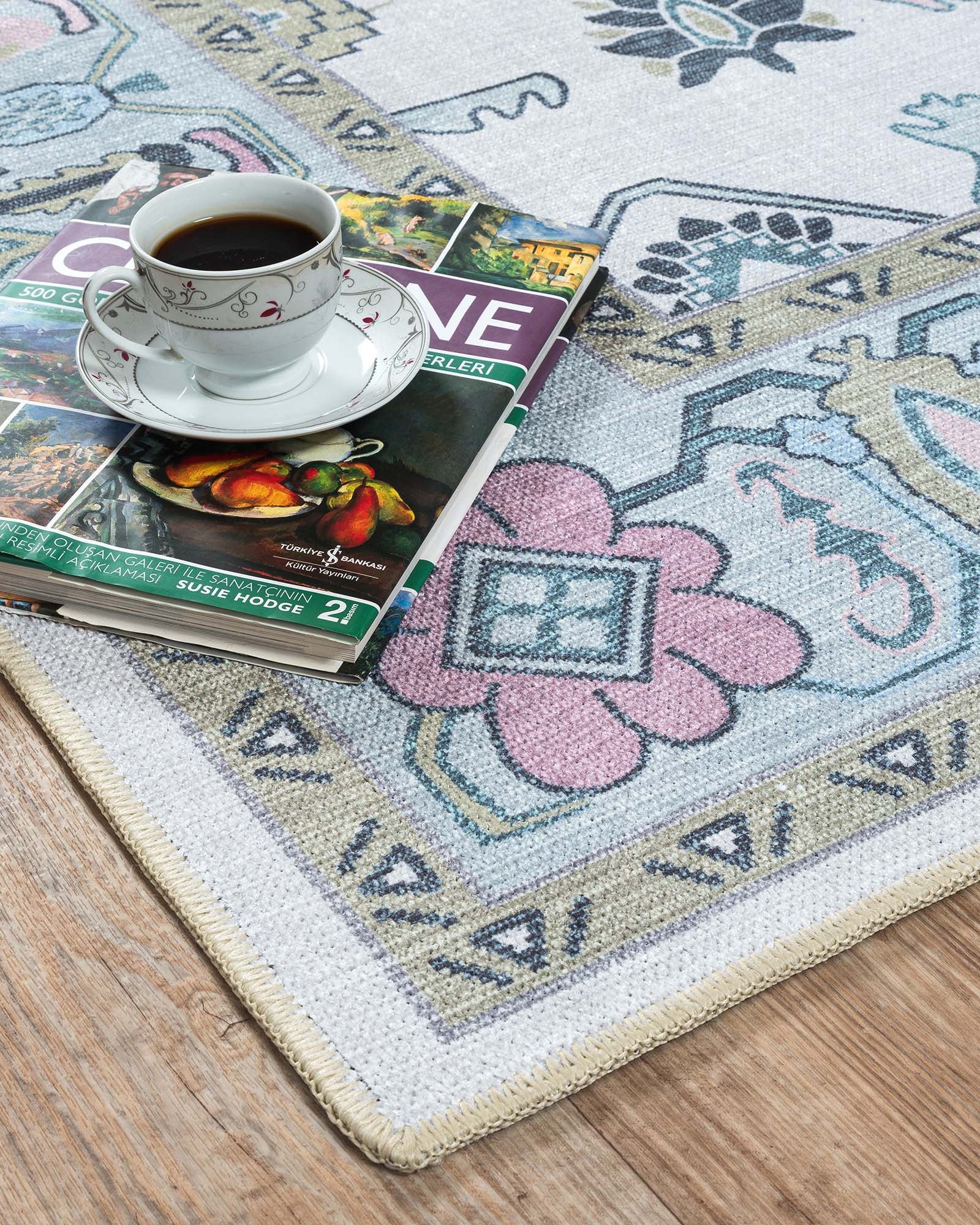
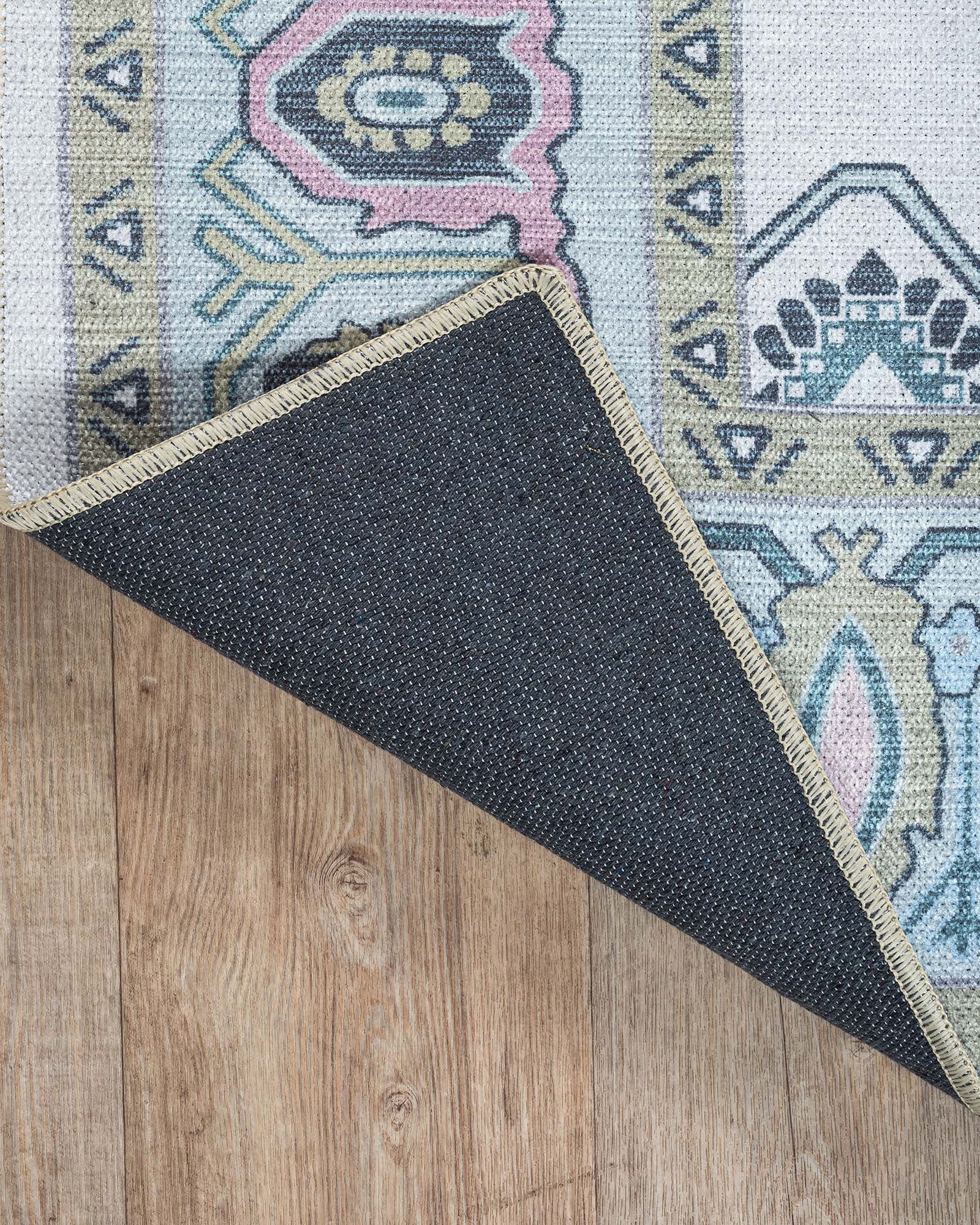
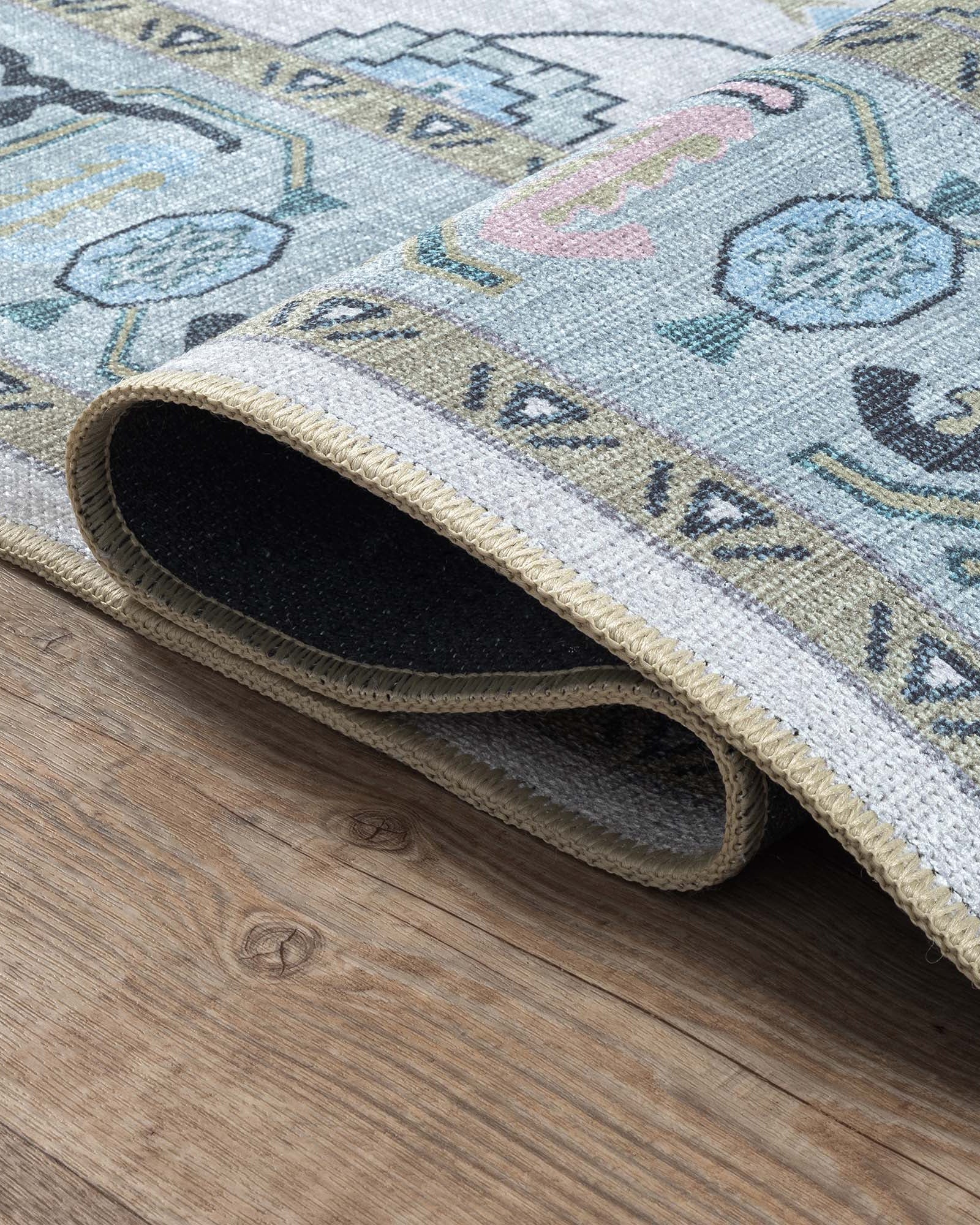
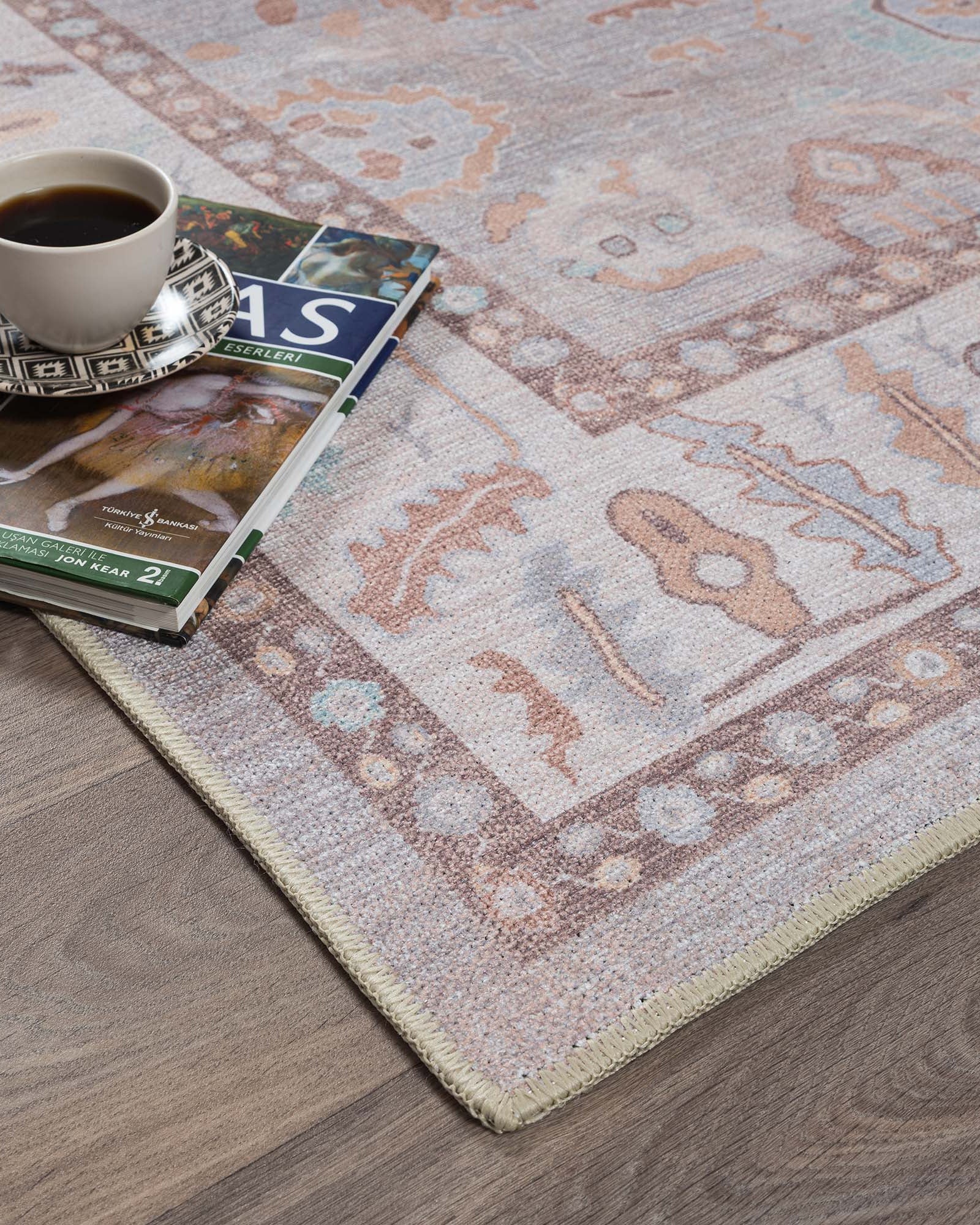
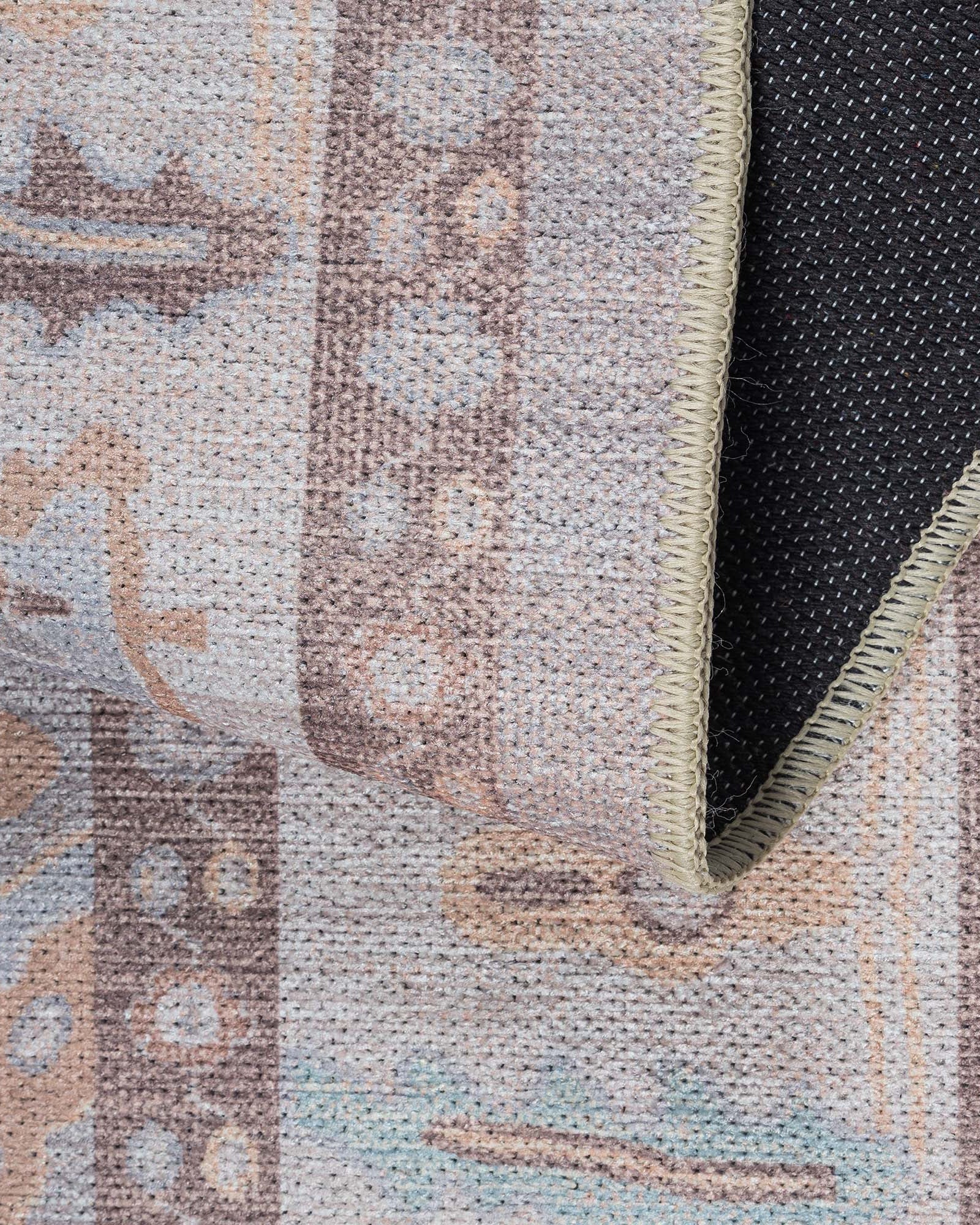
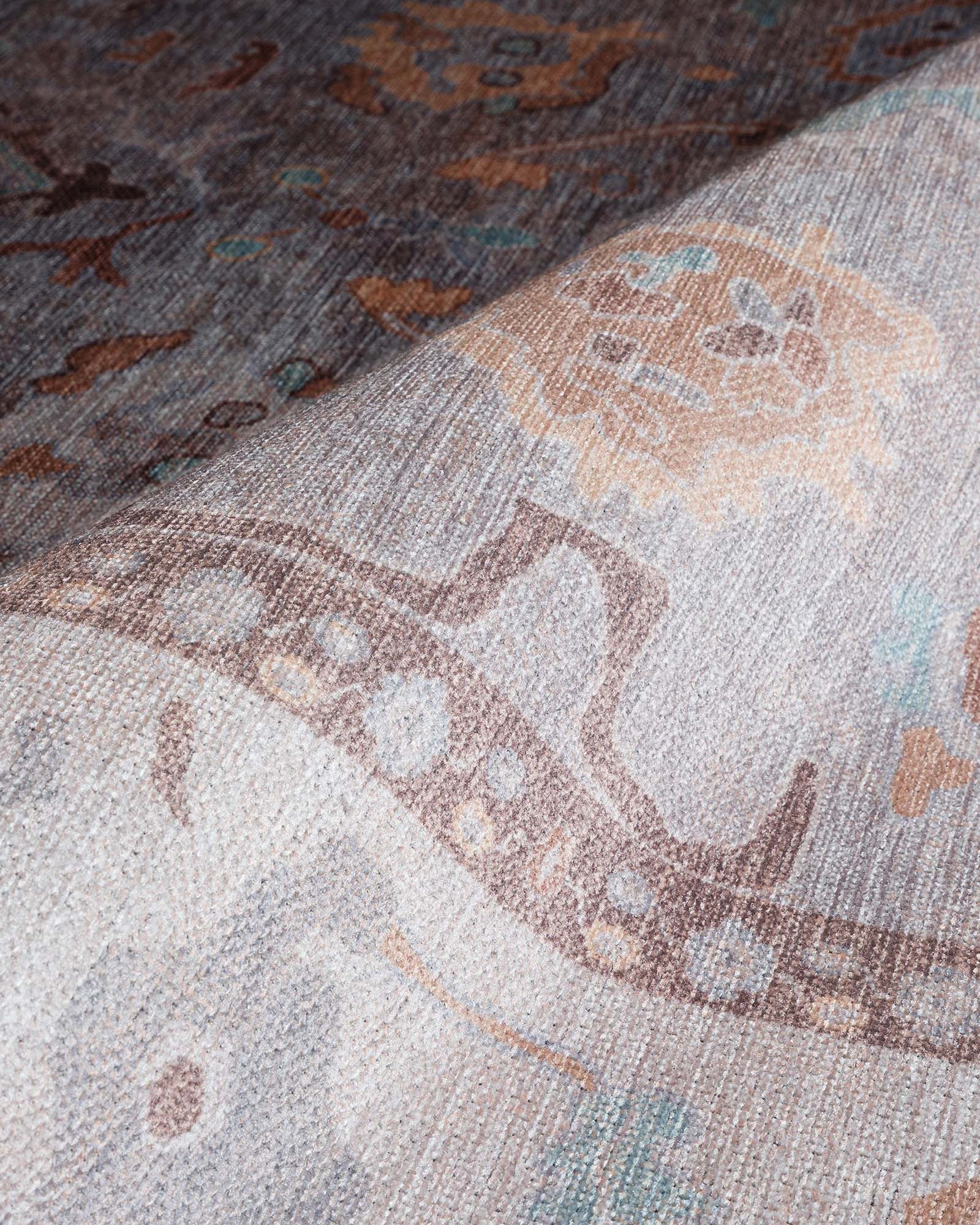
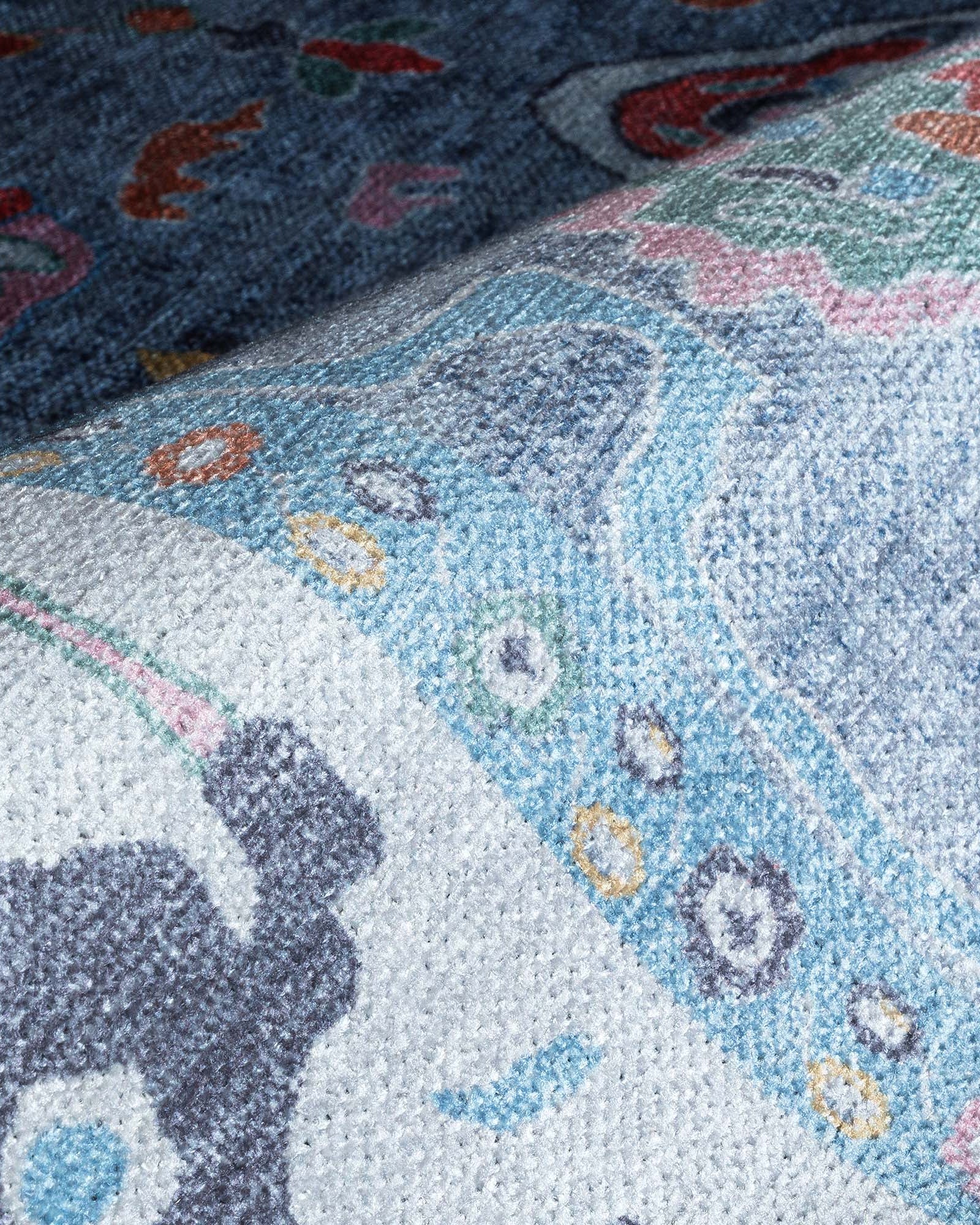
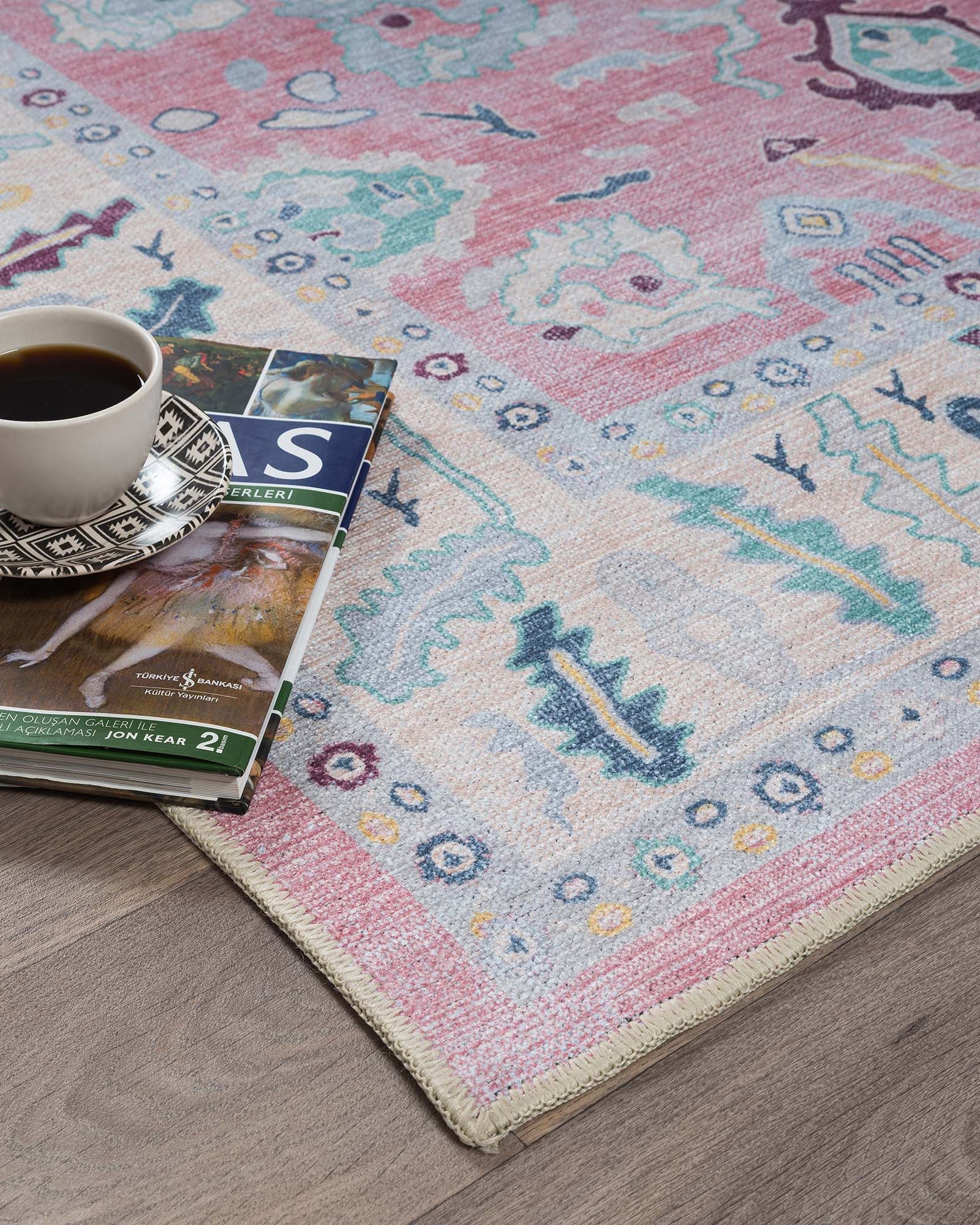
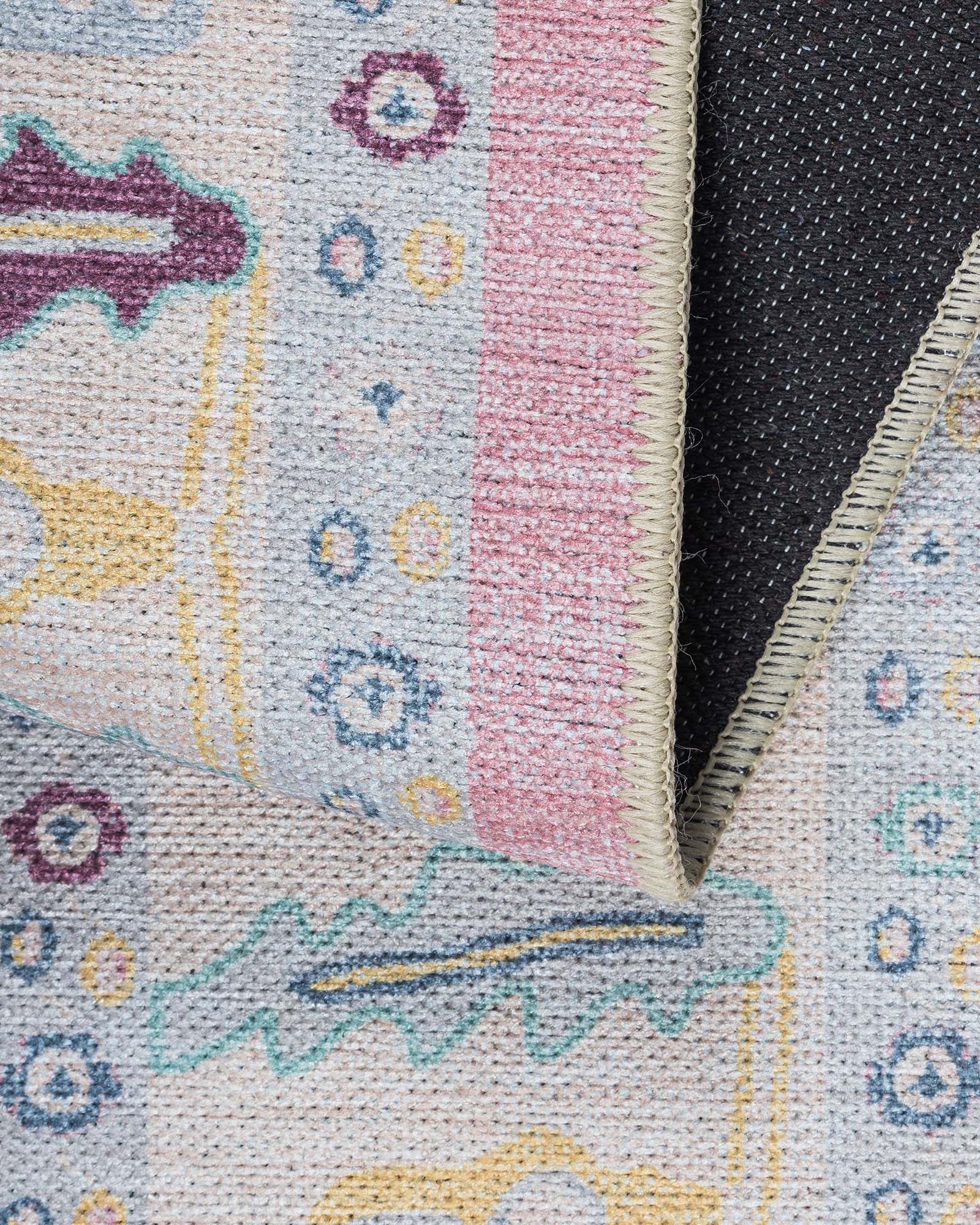
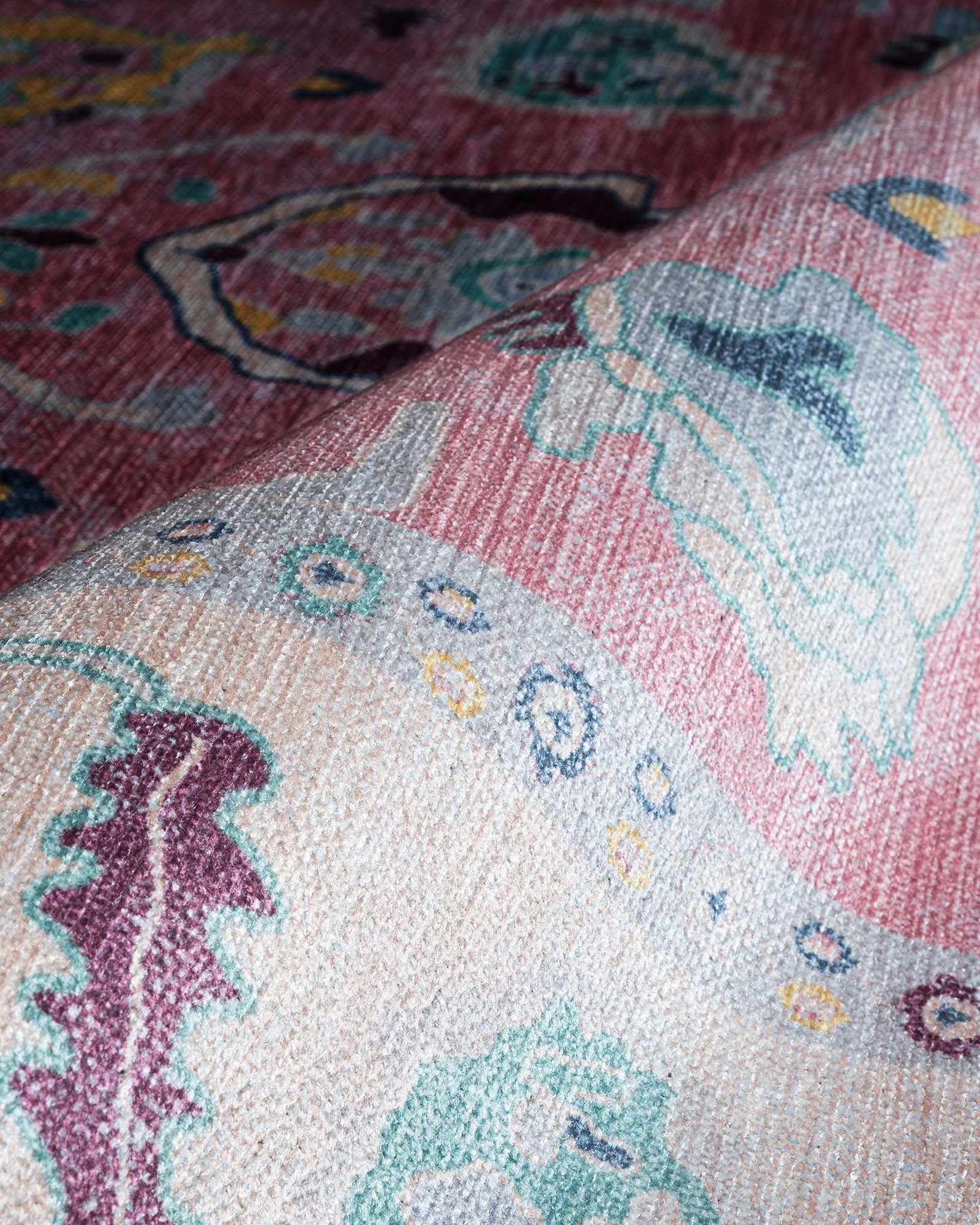
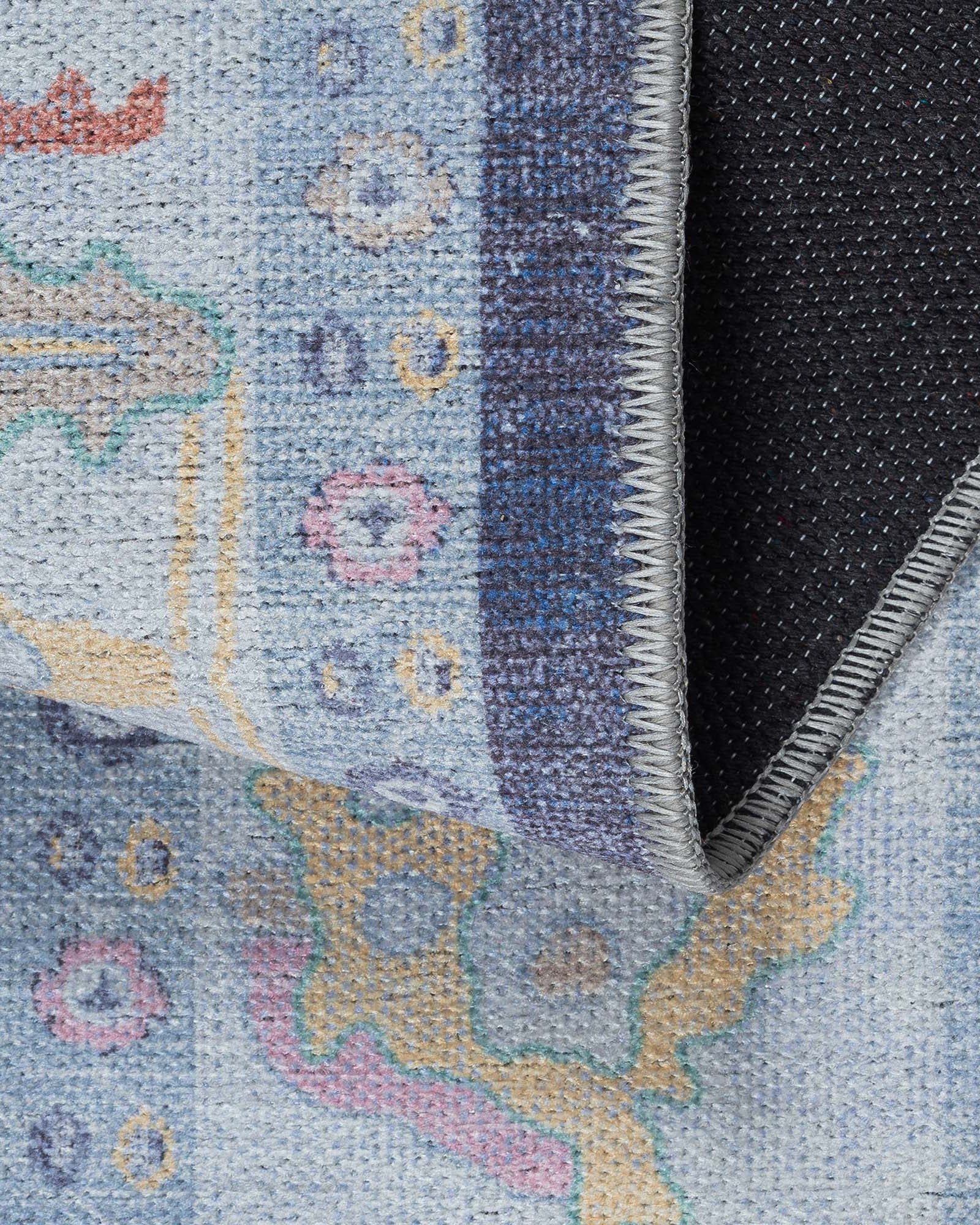
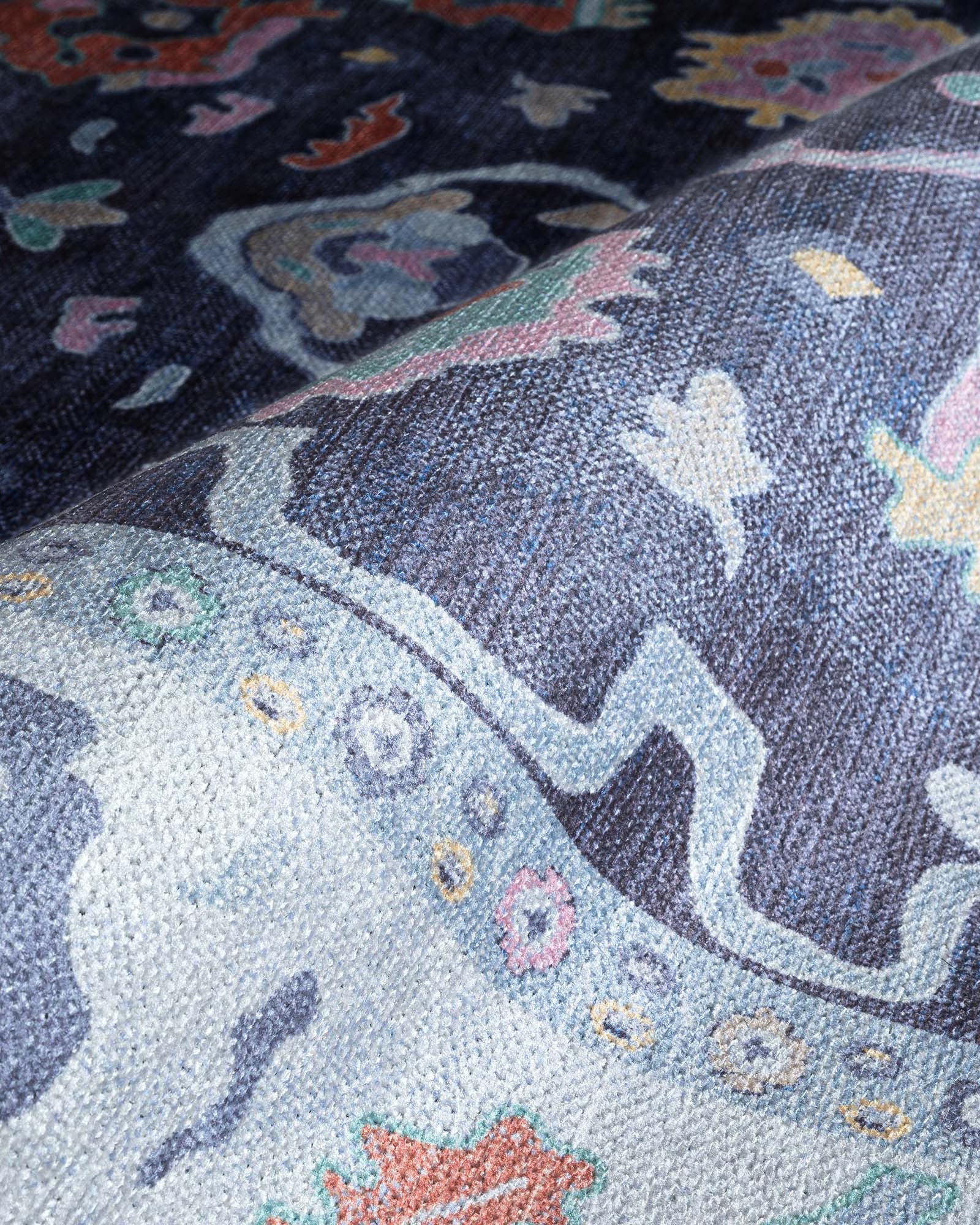
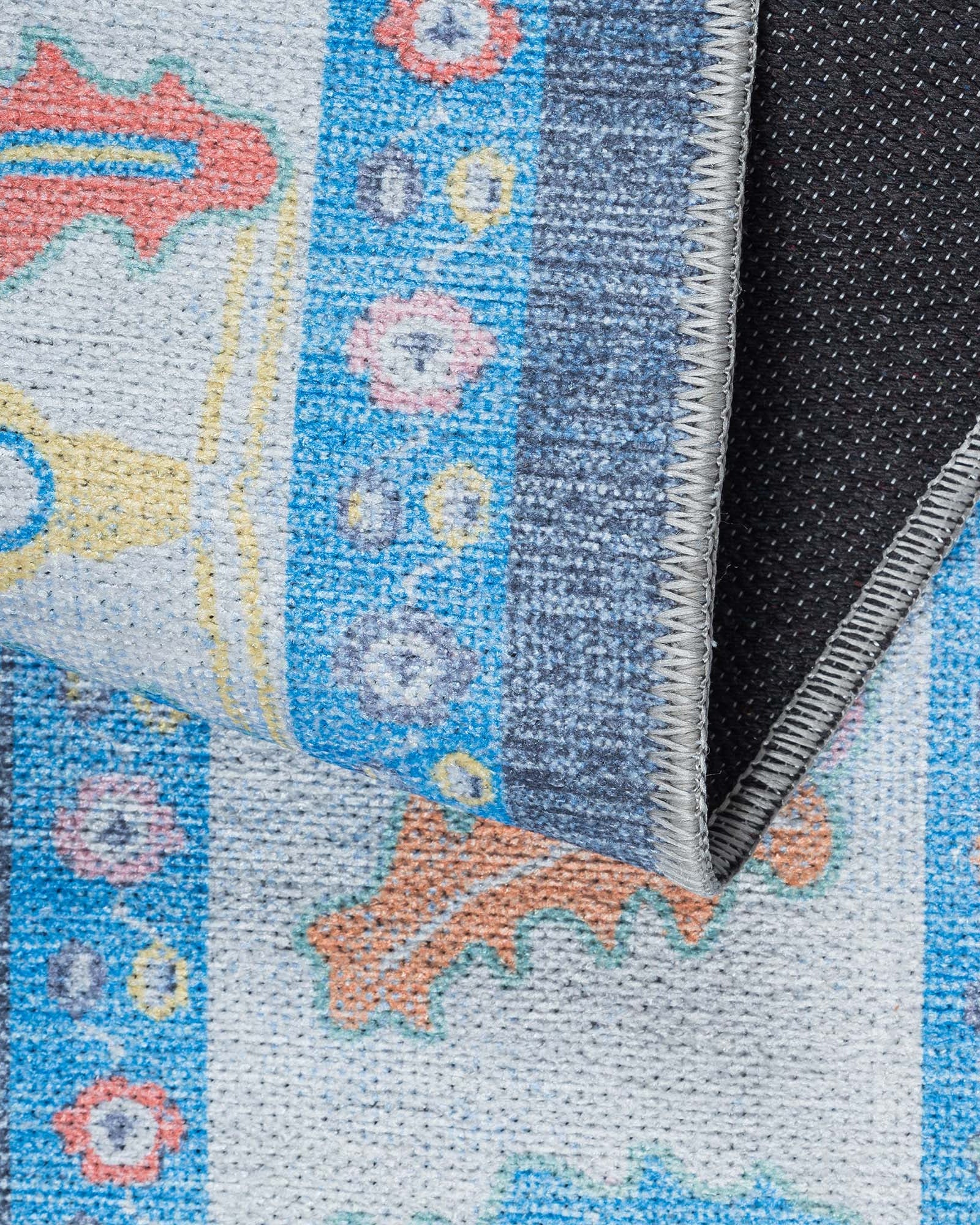
Take colour out of a rug and everything else has to carry it. In a neutral piece the things you would barely notice in a red Heriz become the whole point: the sheen of hand-spun highland wool, variation in pile height, the ridge of a repaired selvage, abrash banding where the weaver changed wool batches, the difference between a long-pile tülü and a flat, worn village weave.
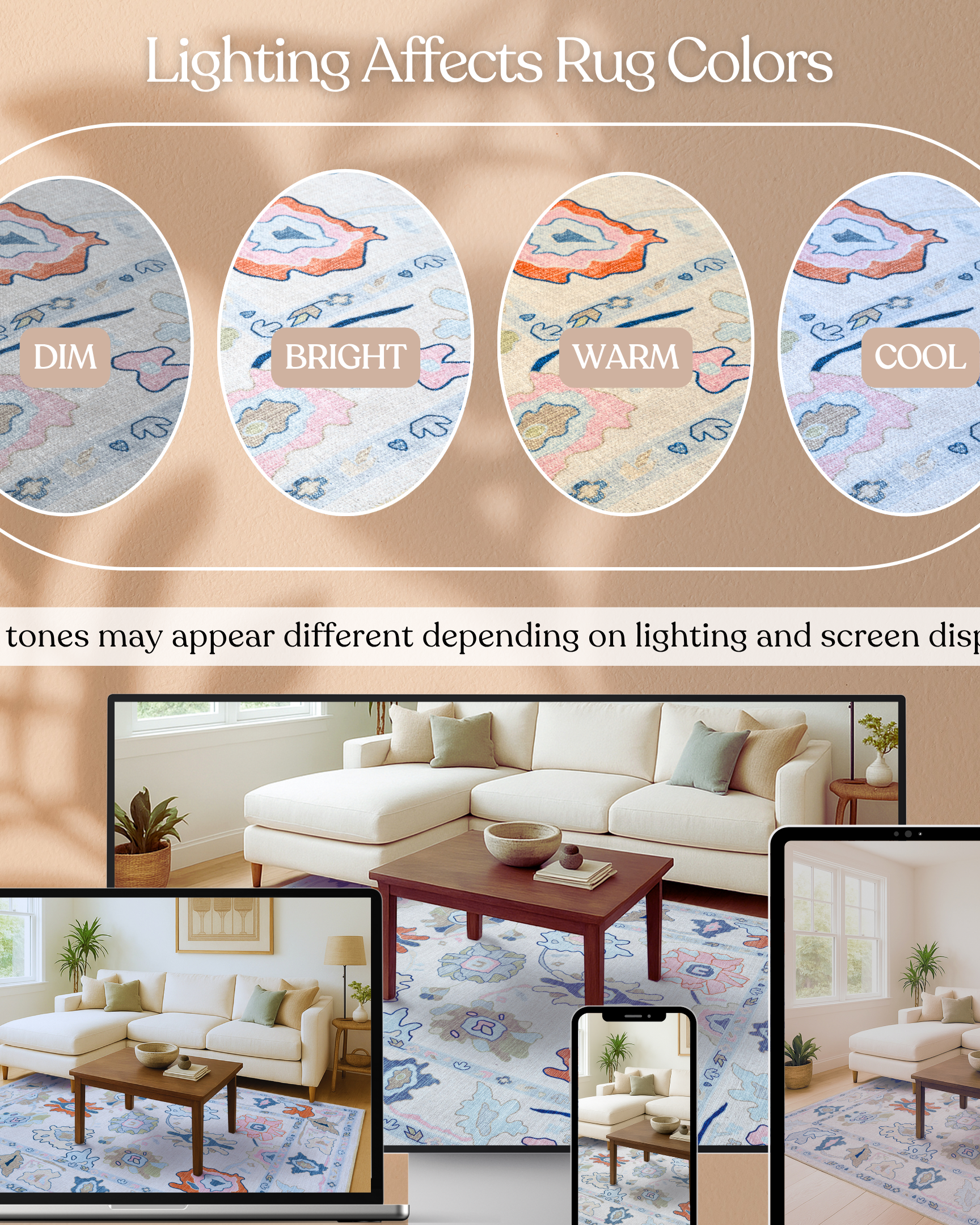
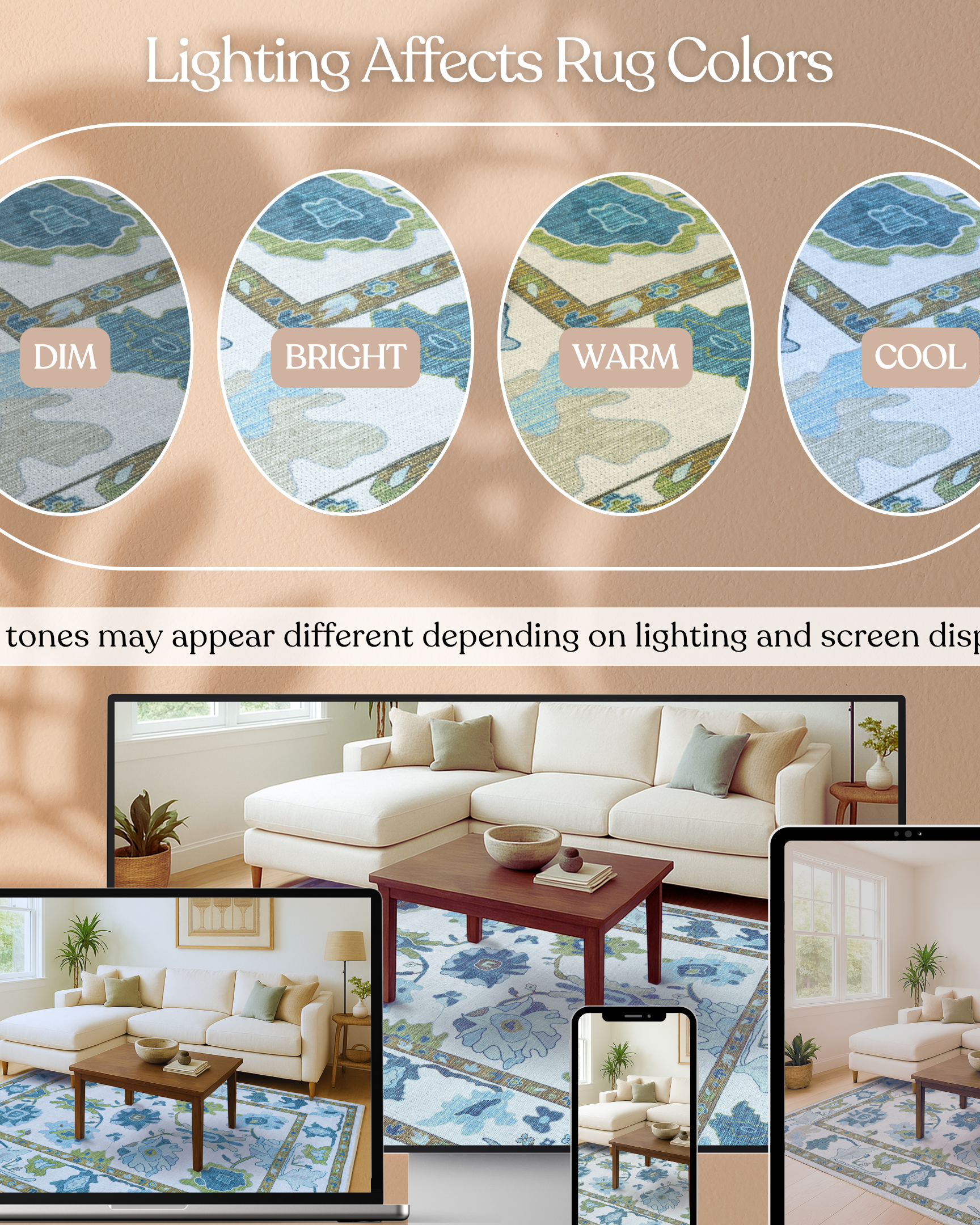
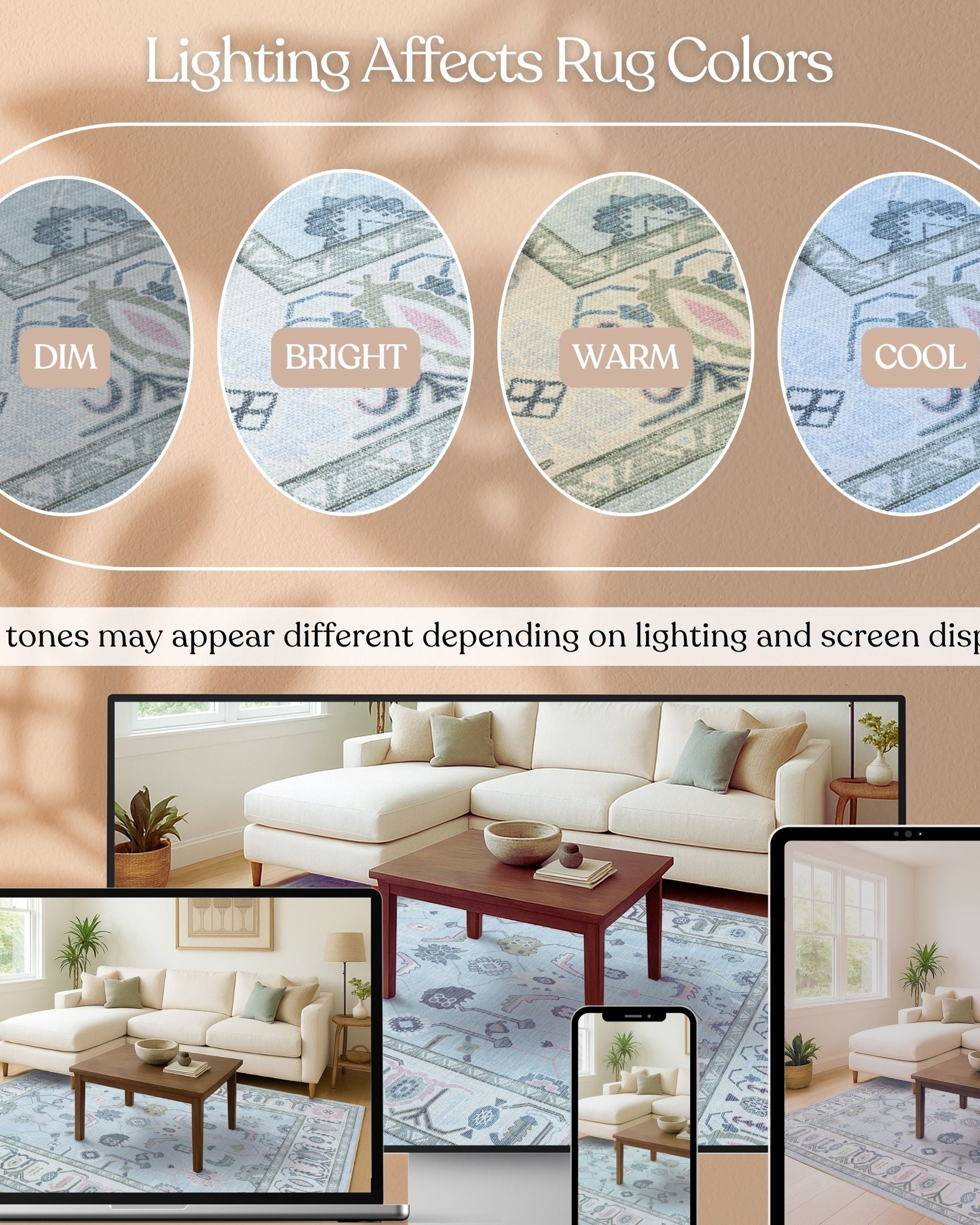
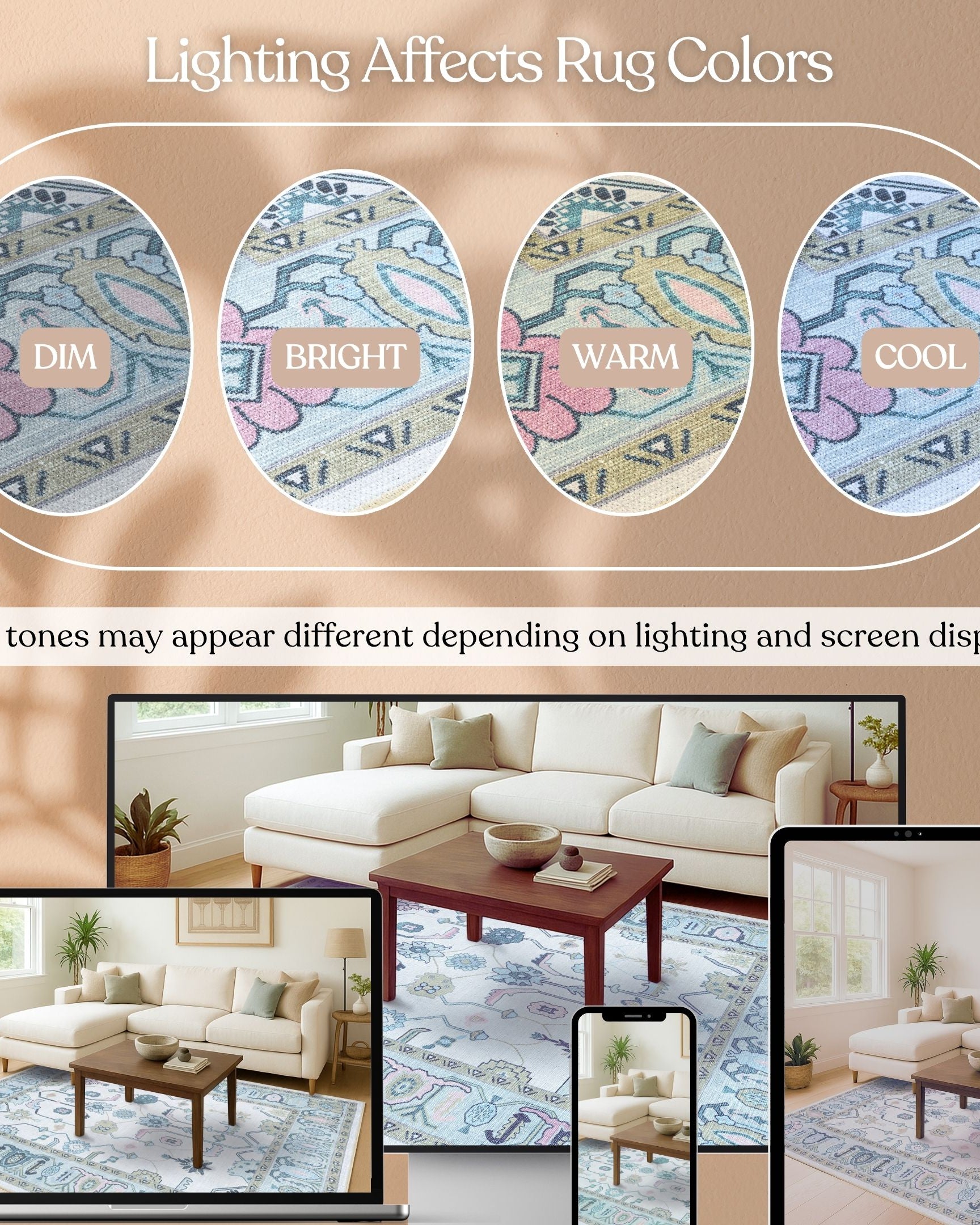
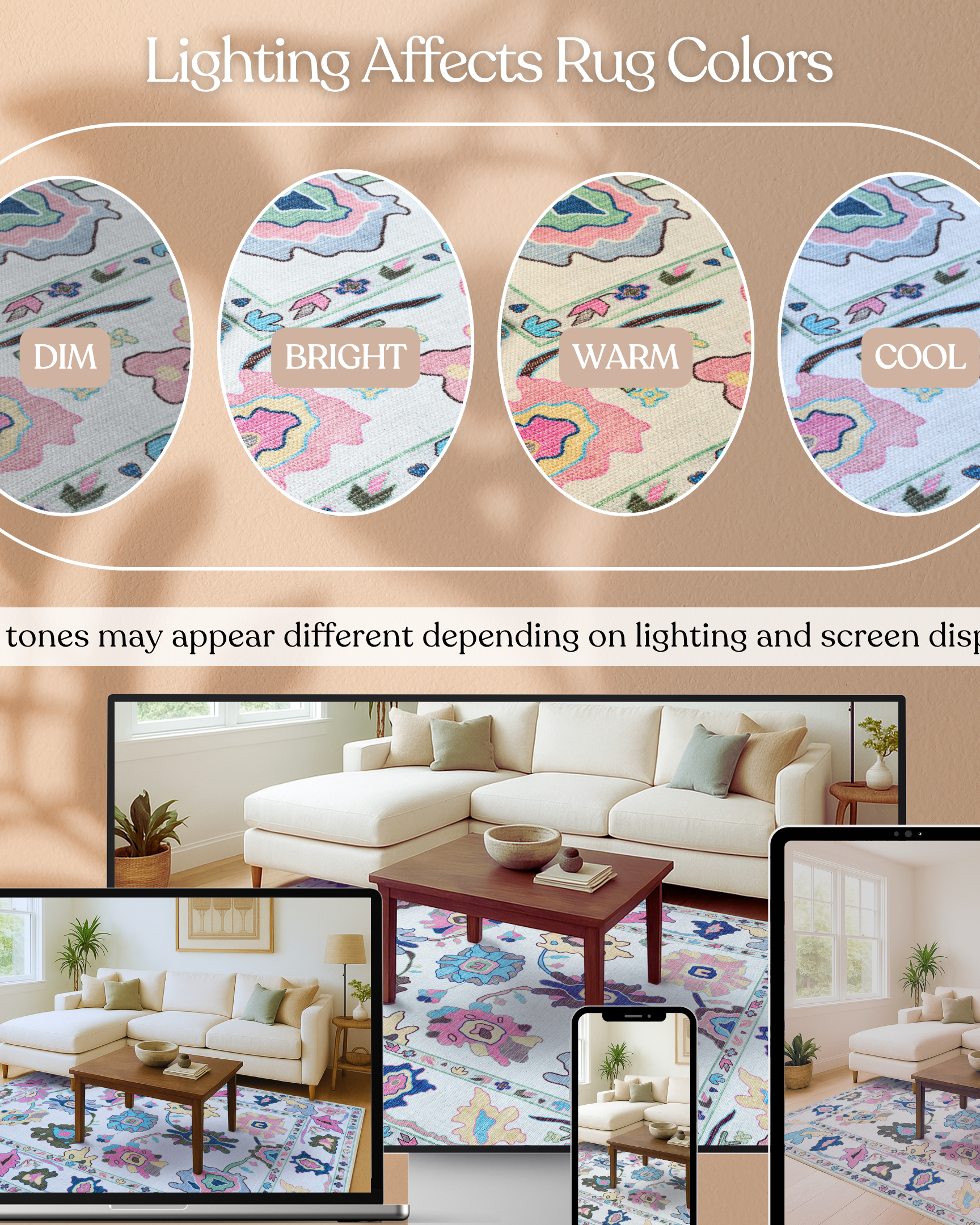
This is also why neutral machine-made rugs and neutral vintage rugs feel so different in a room even at a glance. A hand-knotted neutral has irregularity built into every square inch. Photographs flatten it — expect the piece in person to have more surface movement than the images suggest.
Using Neutral Rugs in a Room
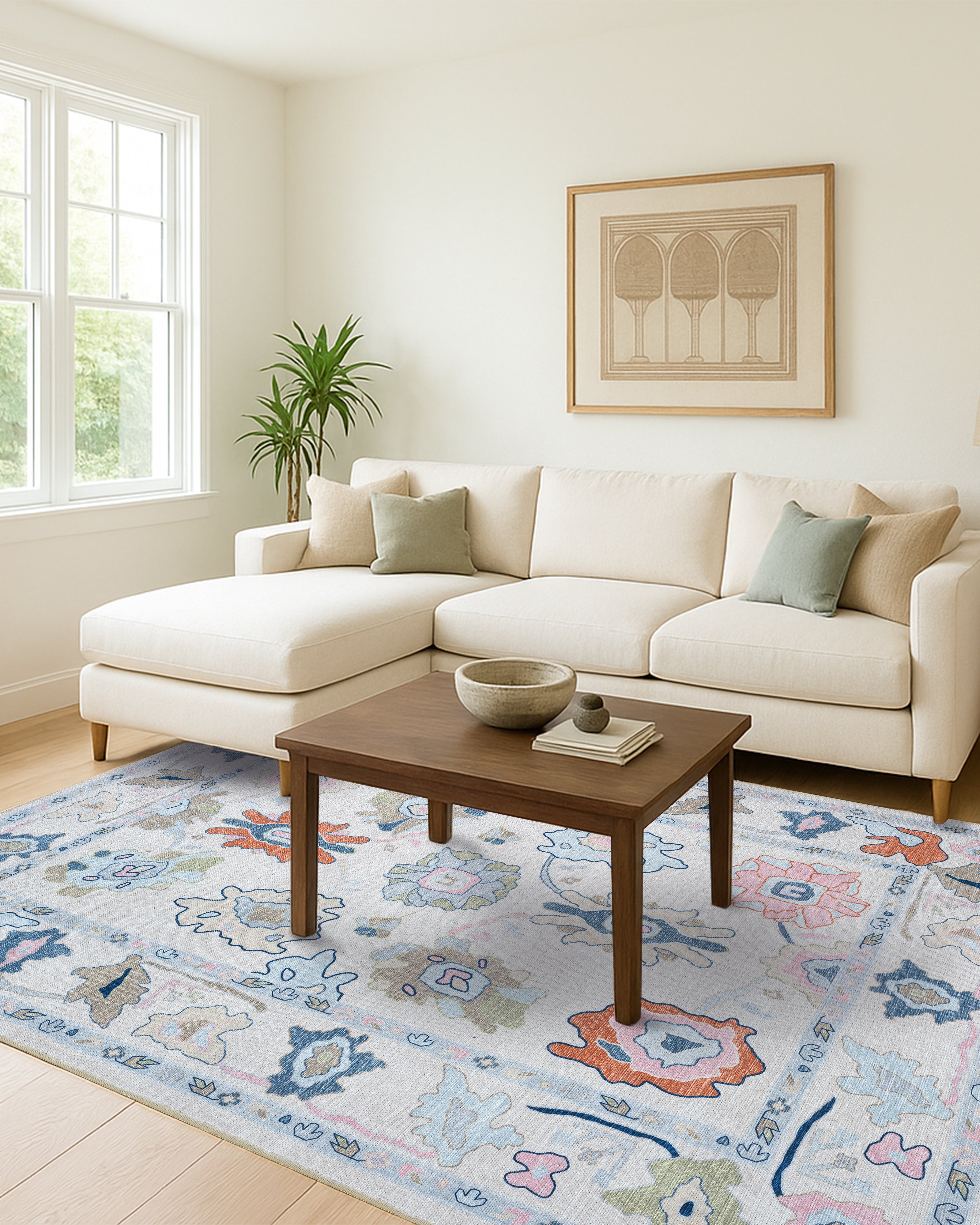
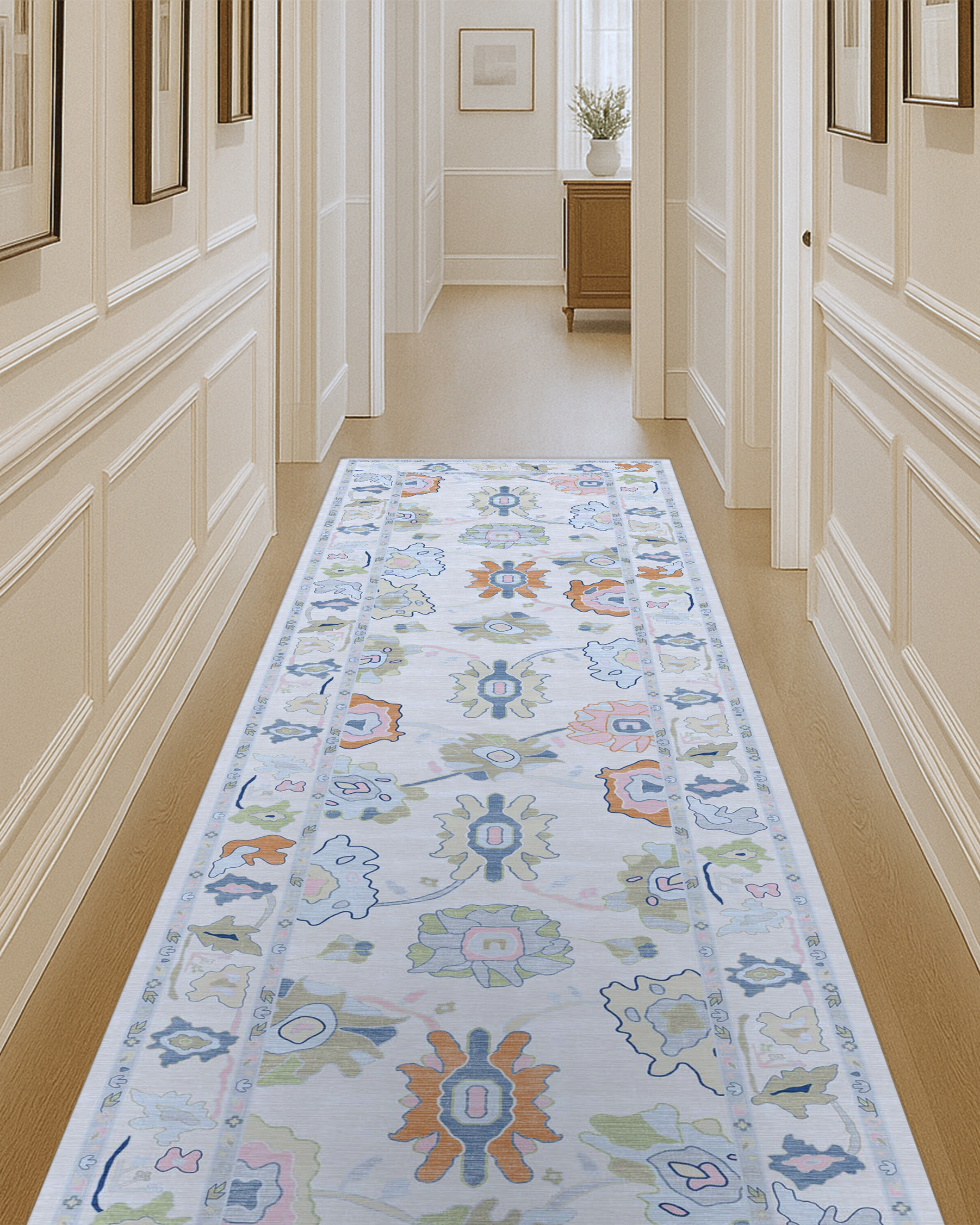
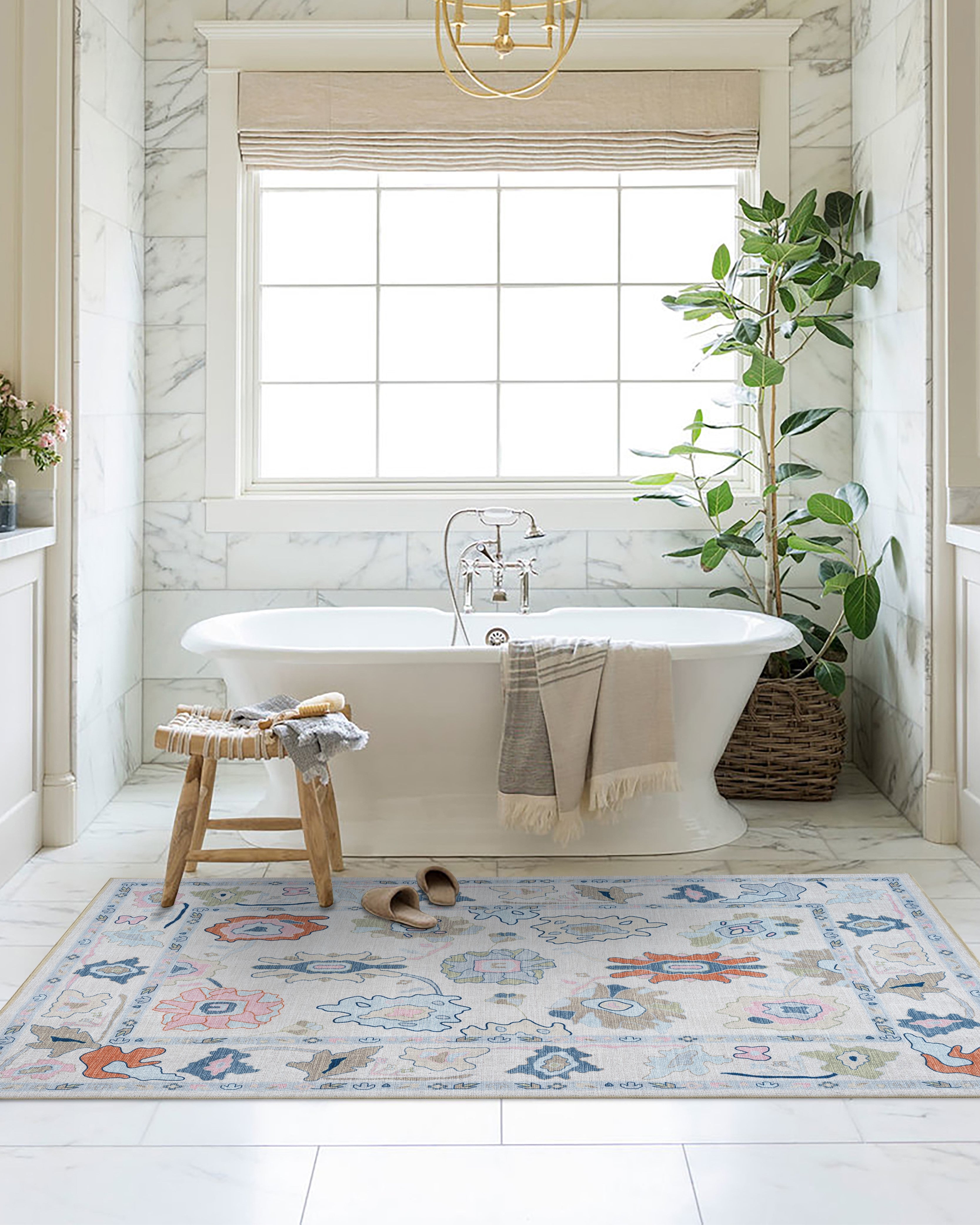
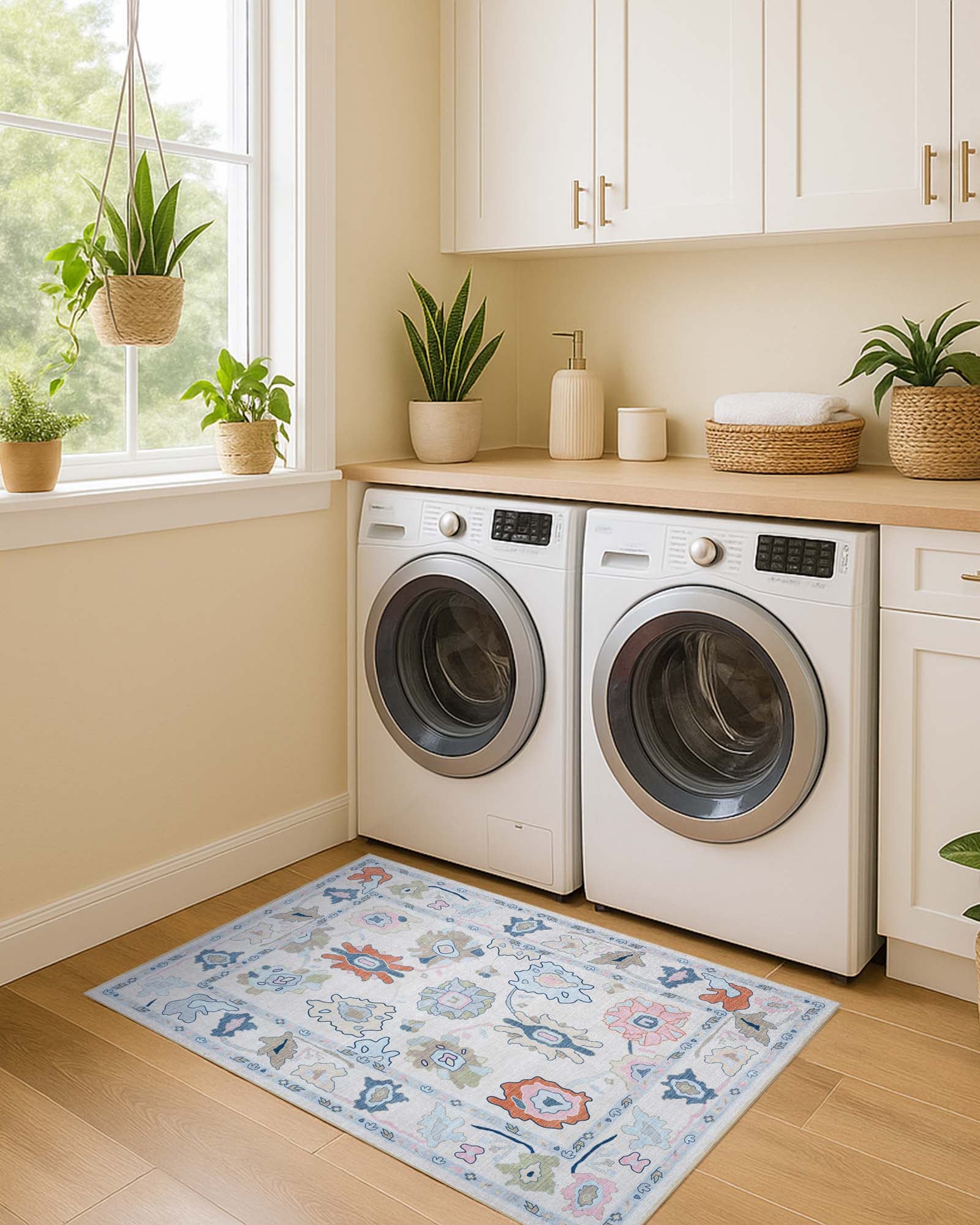
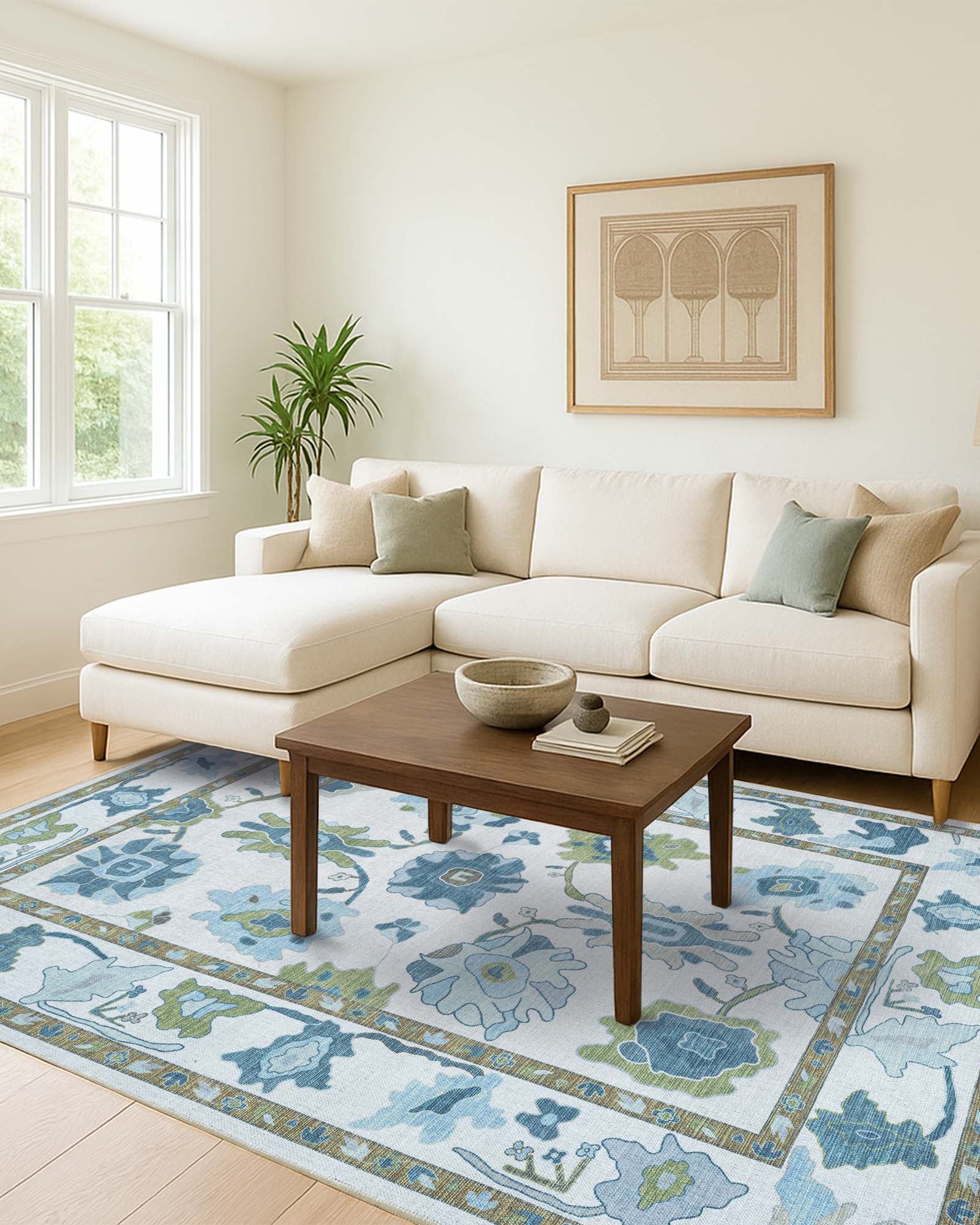
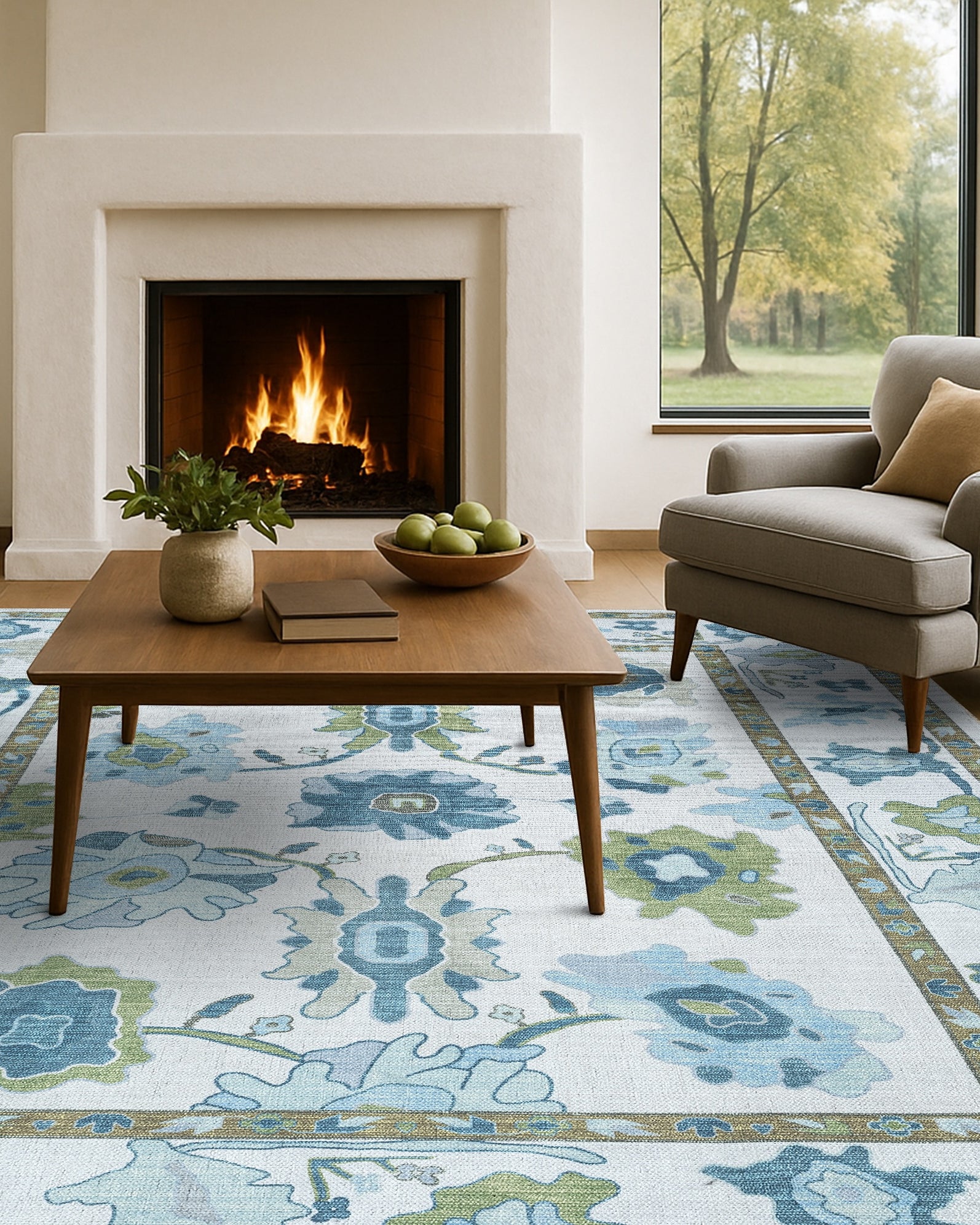
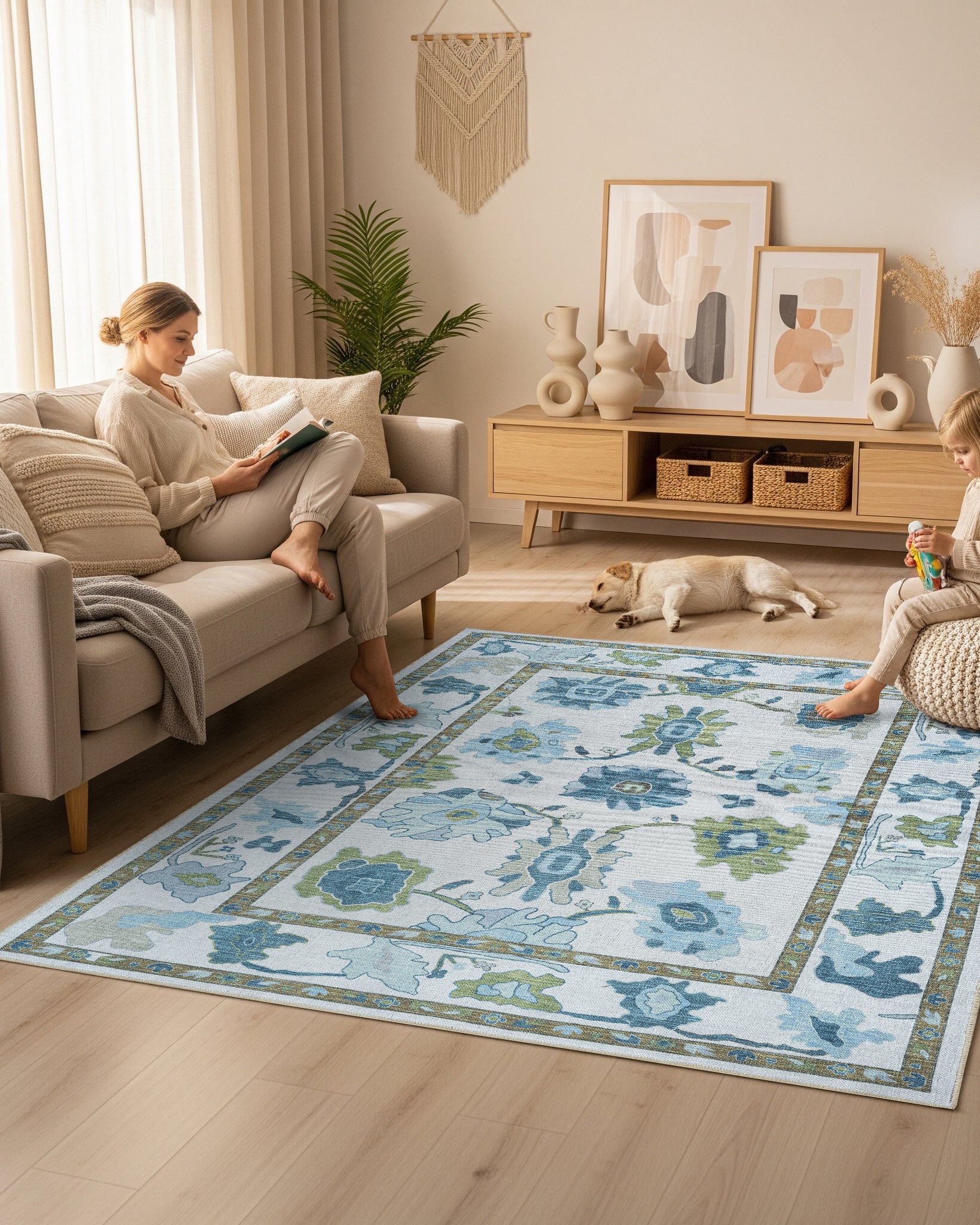
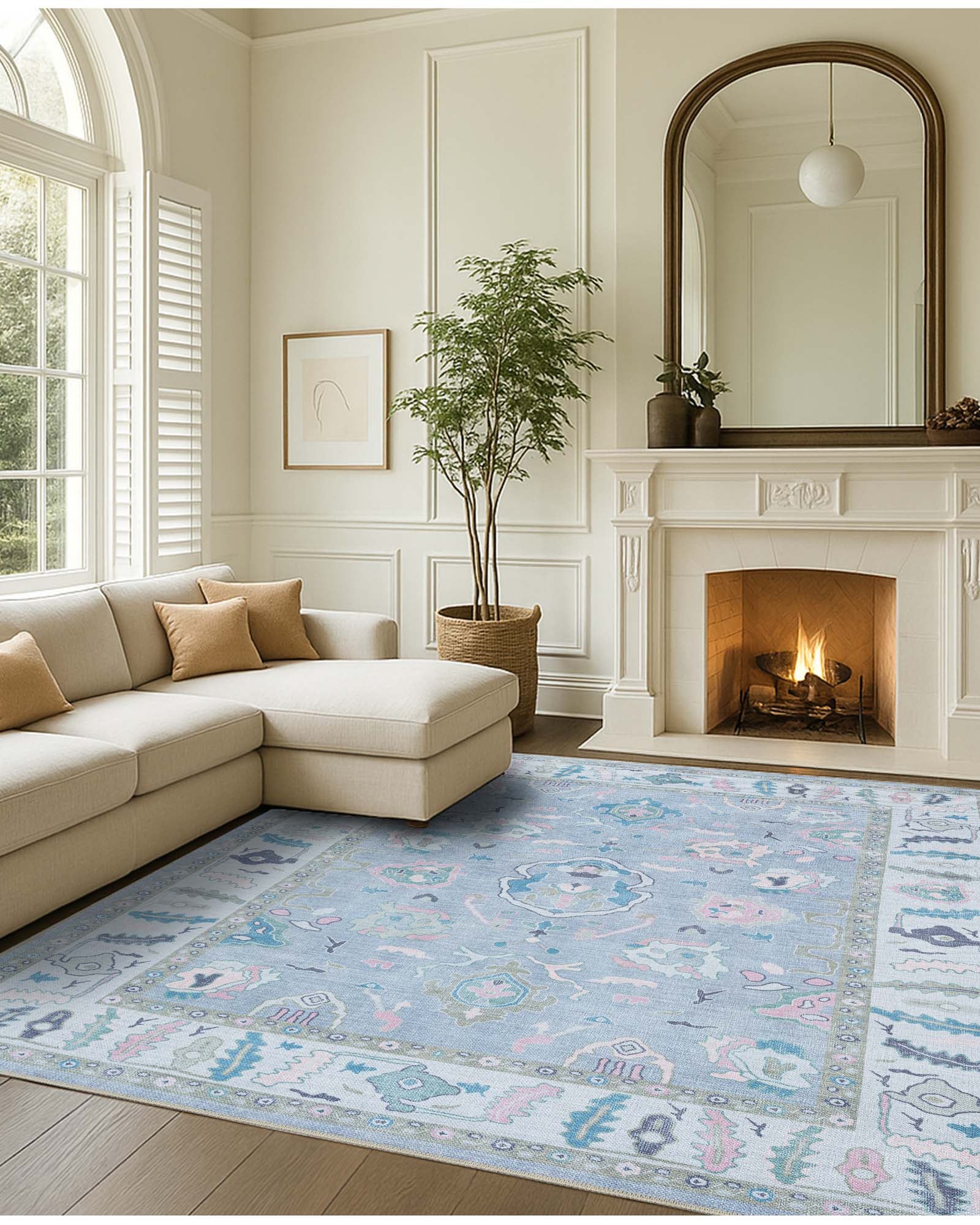
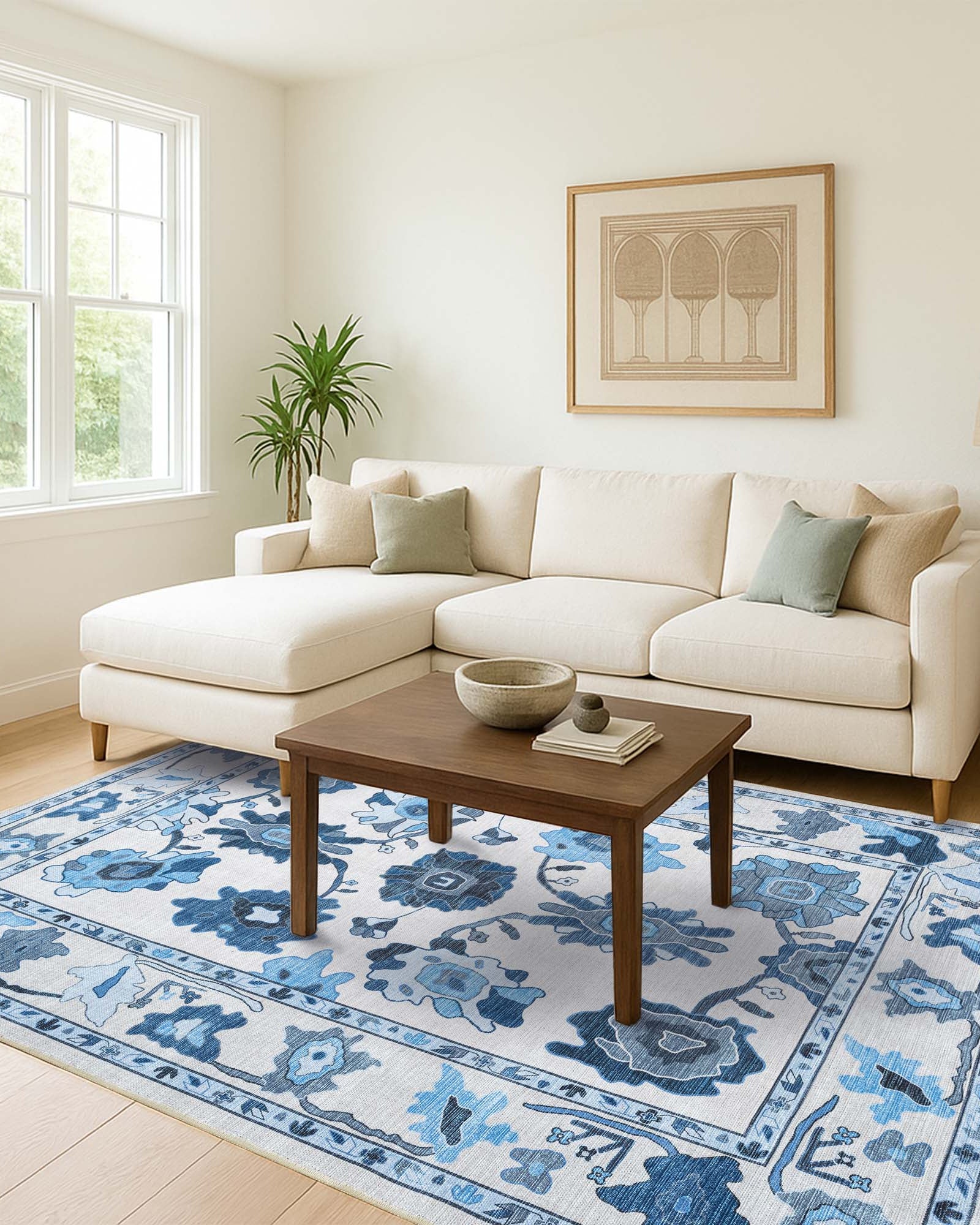
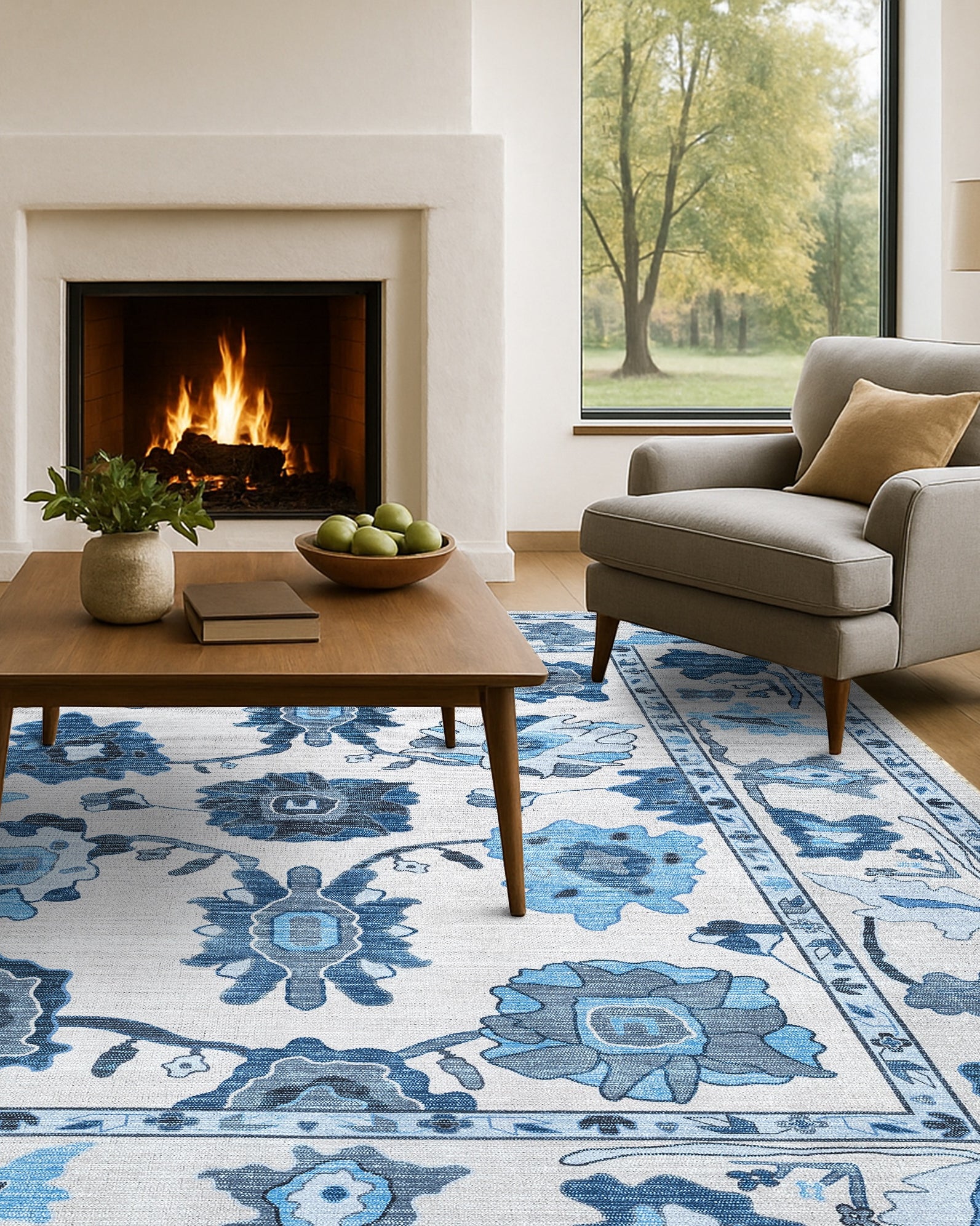
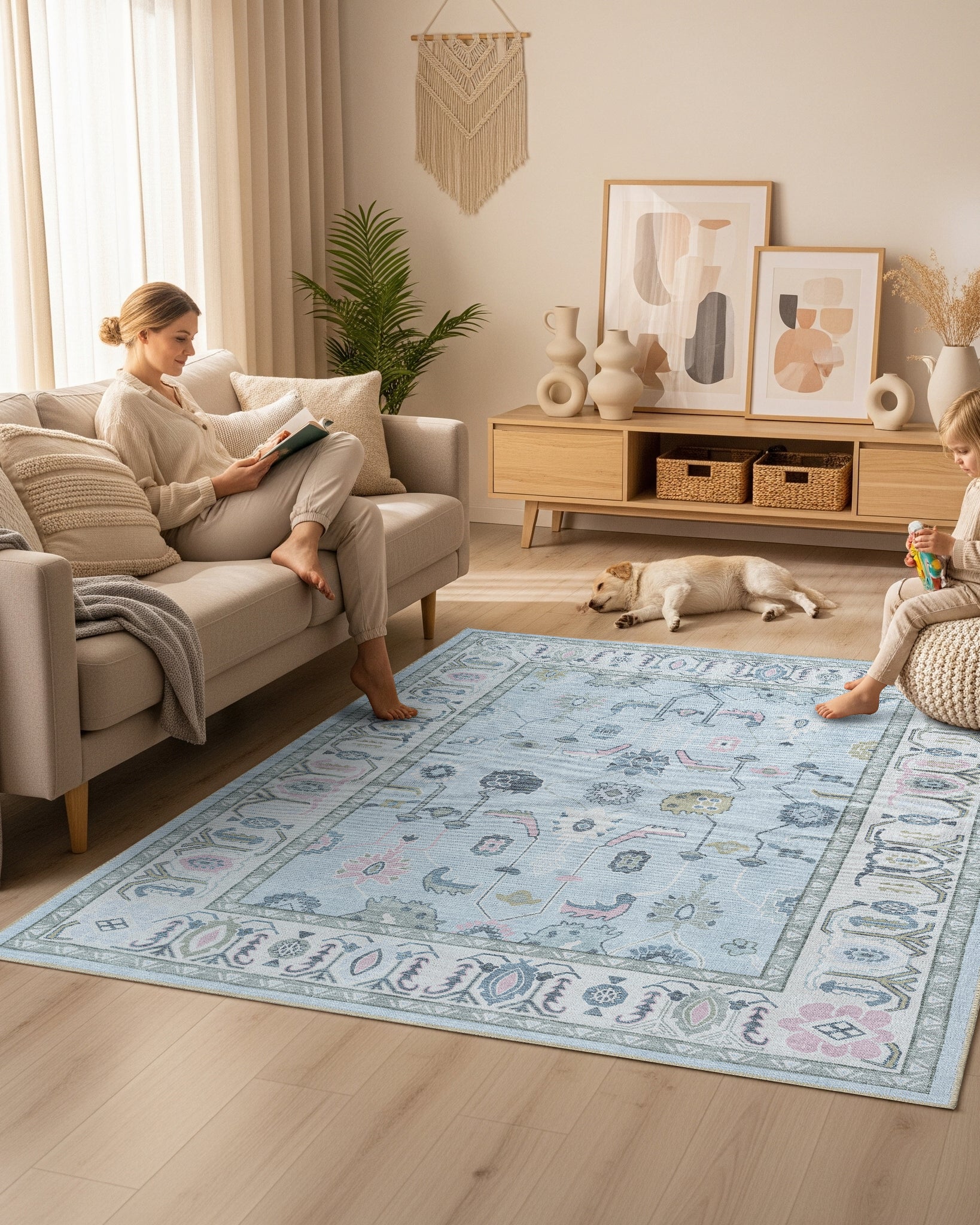
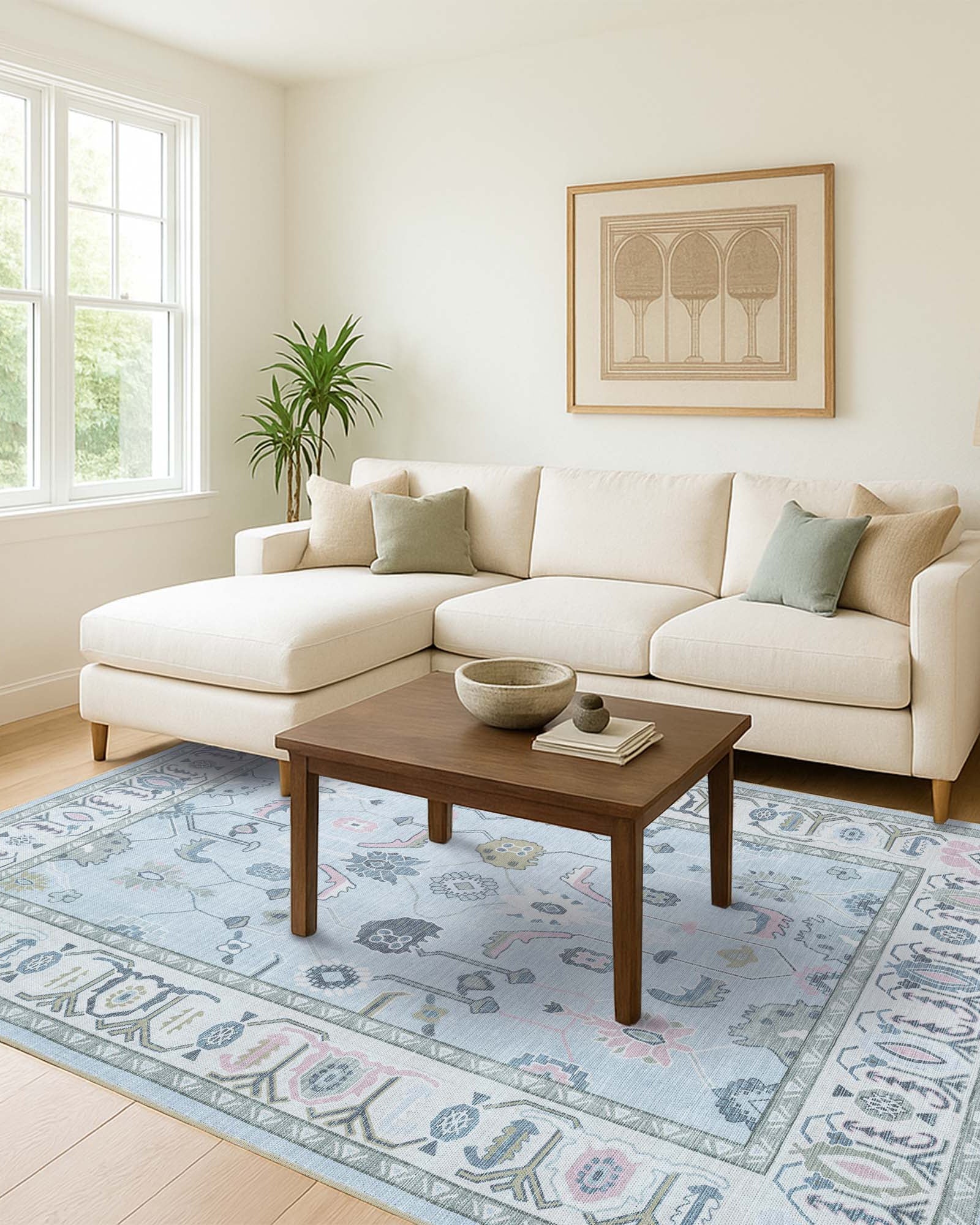
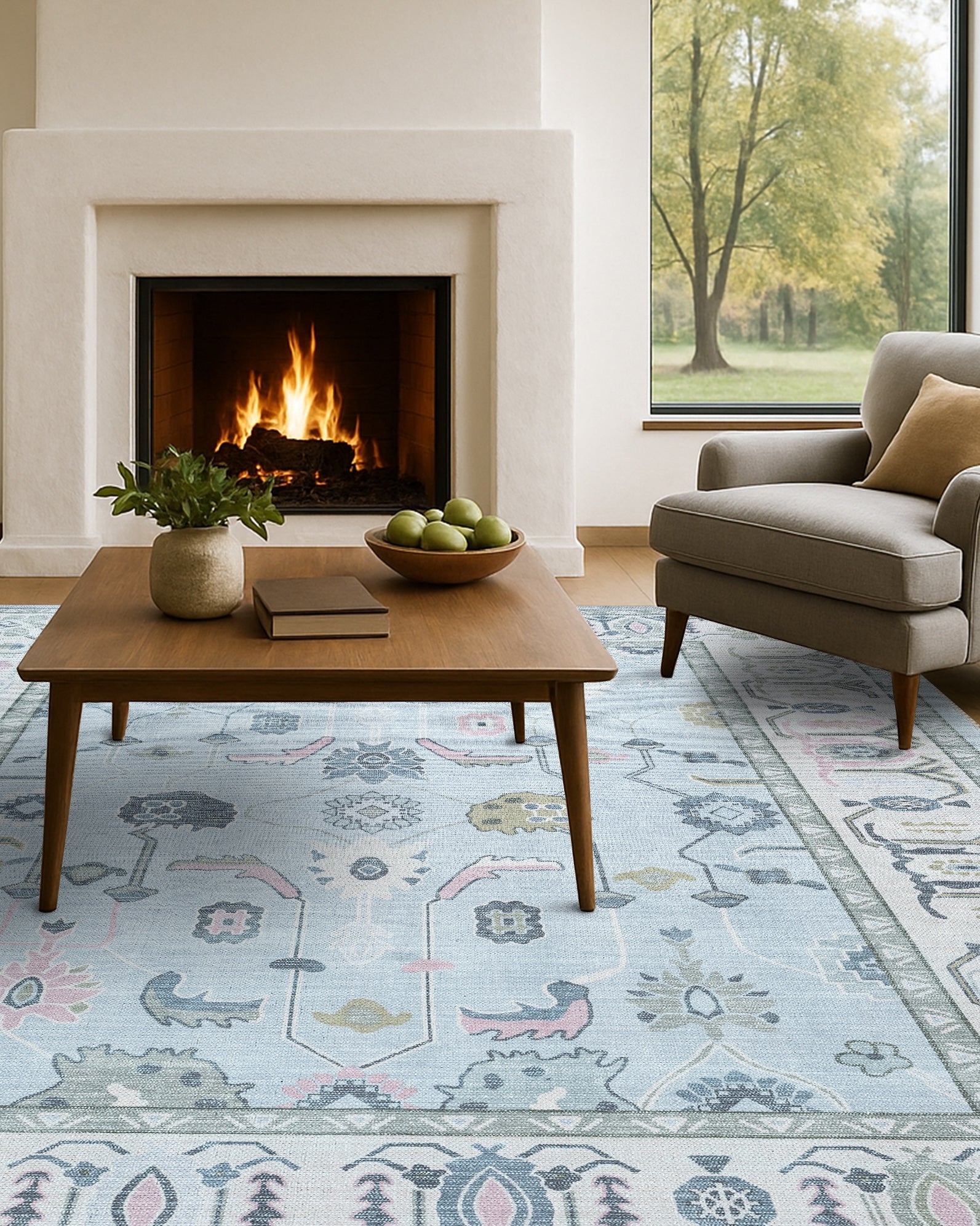
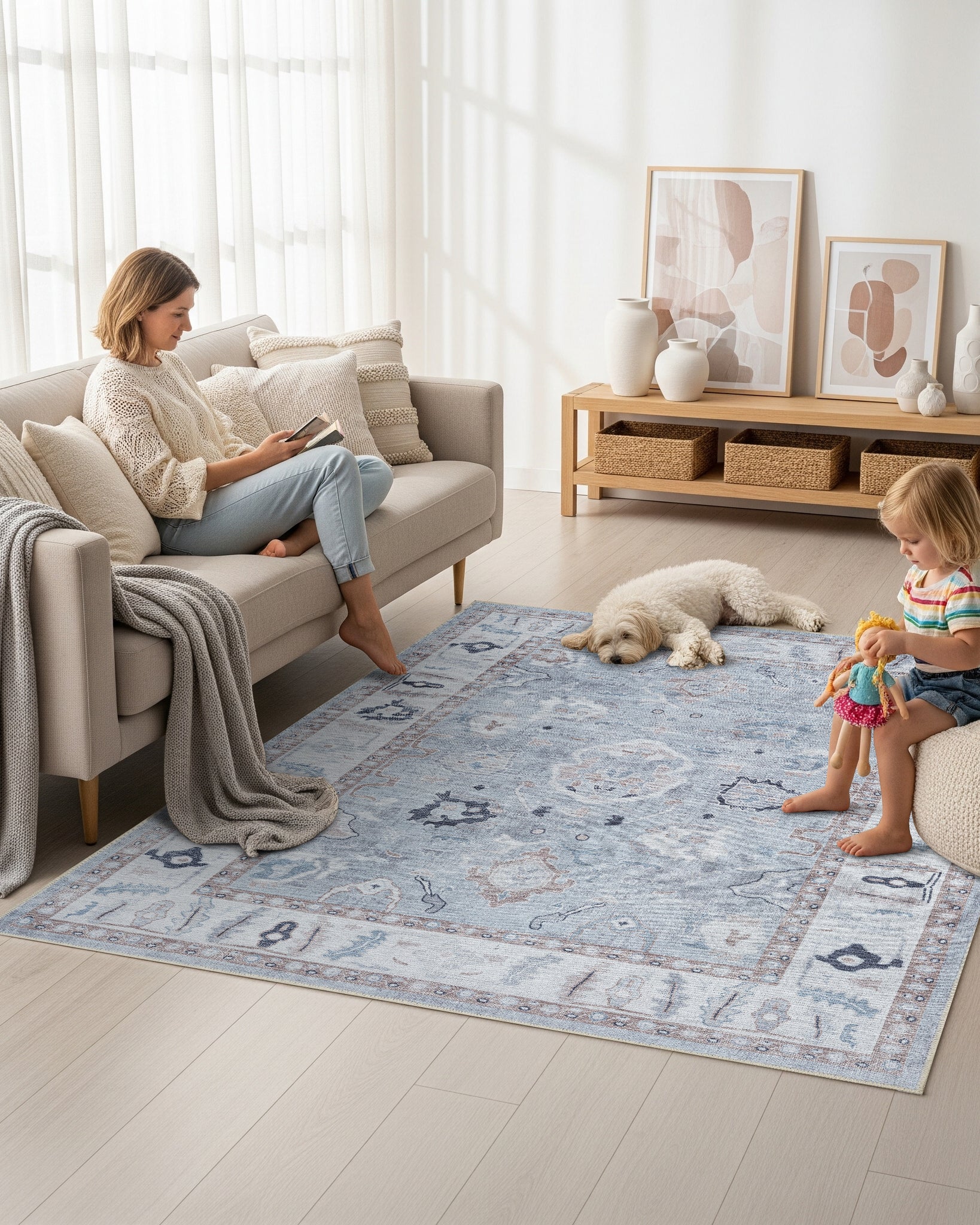
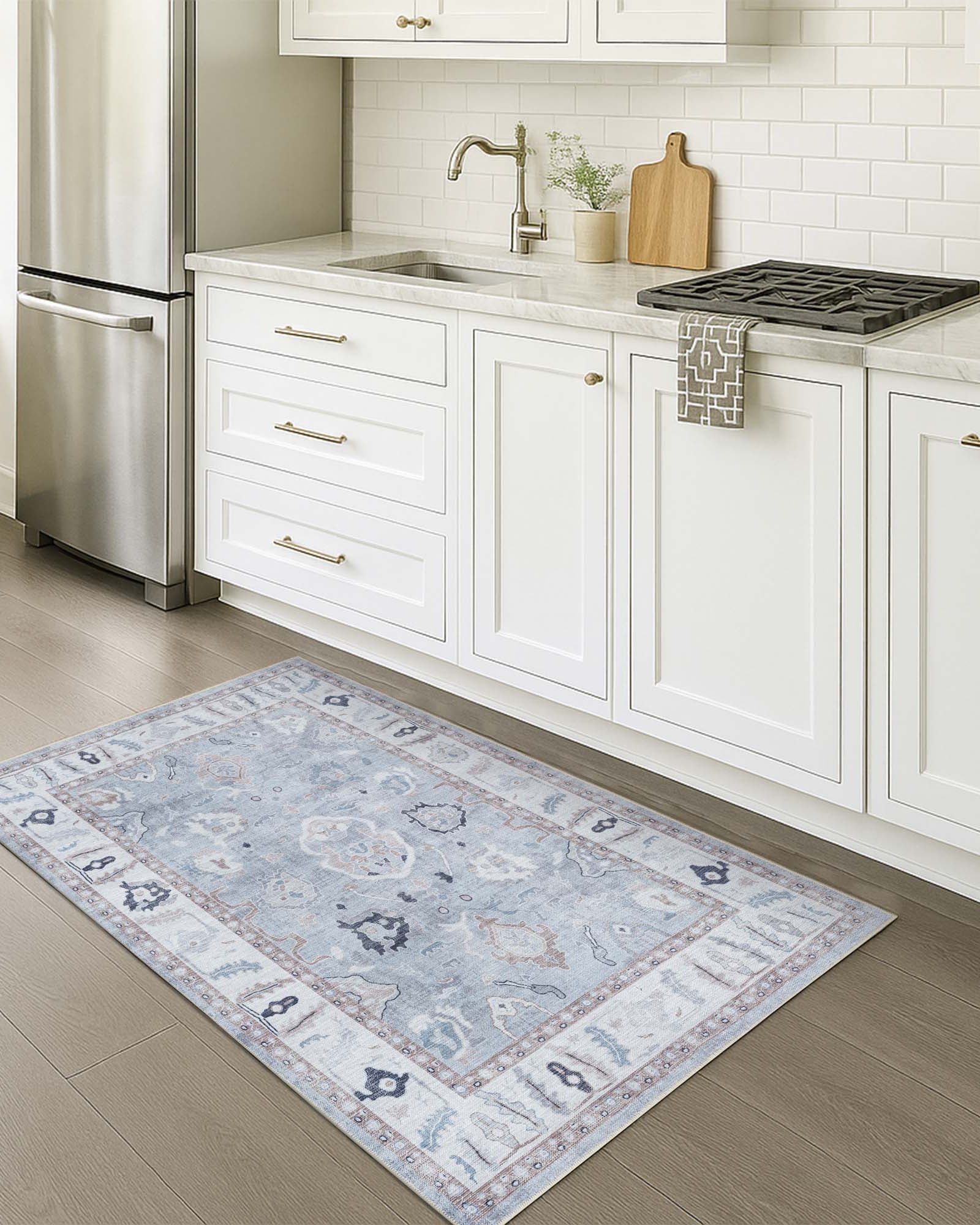
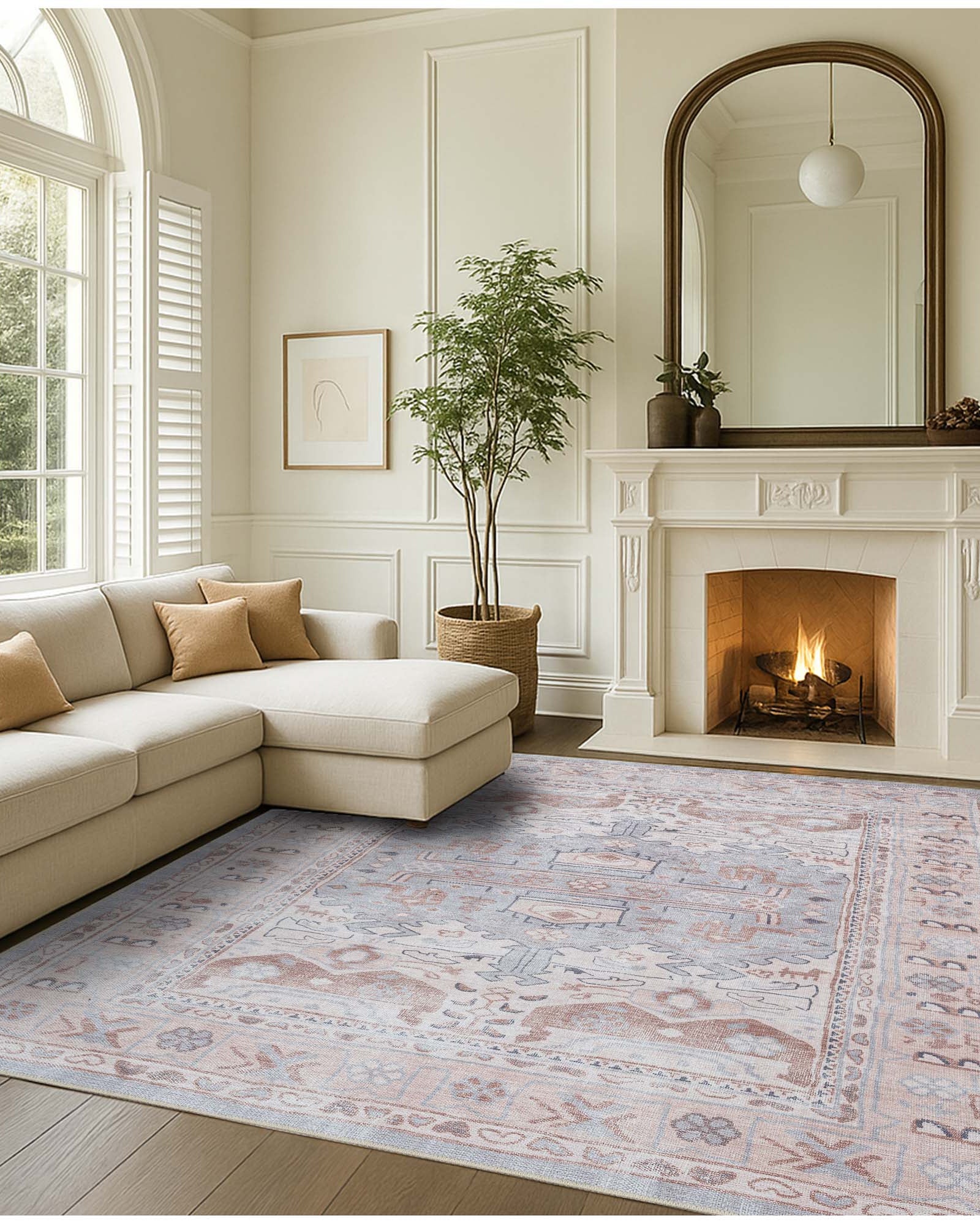
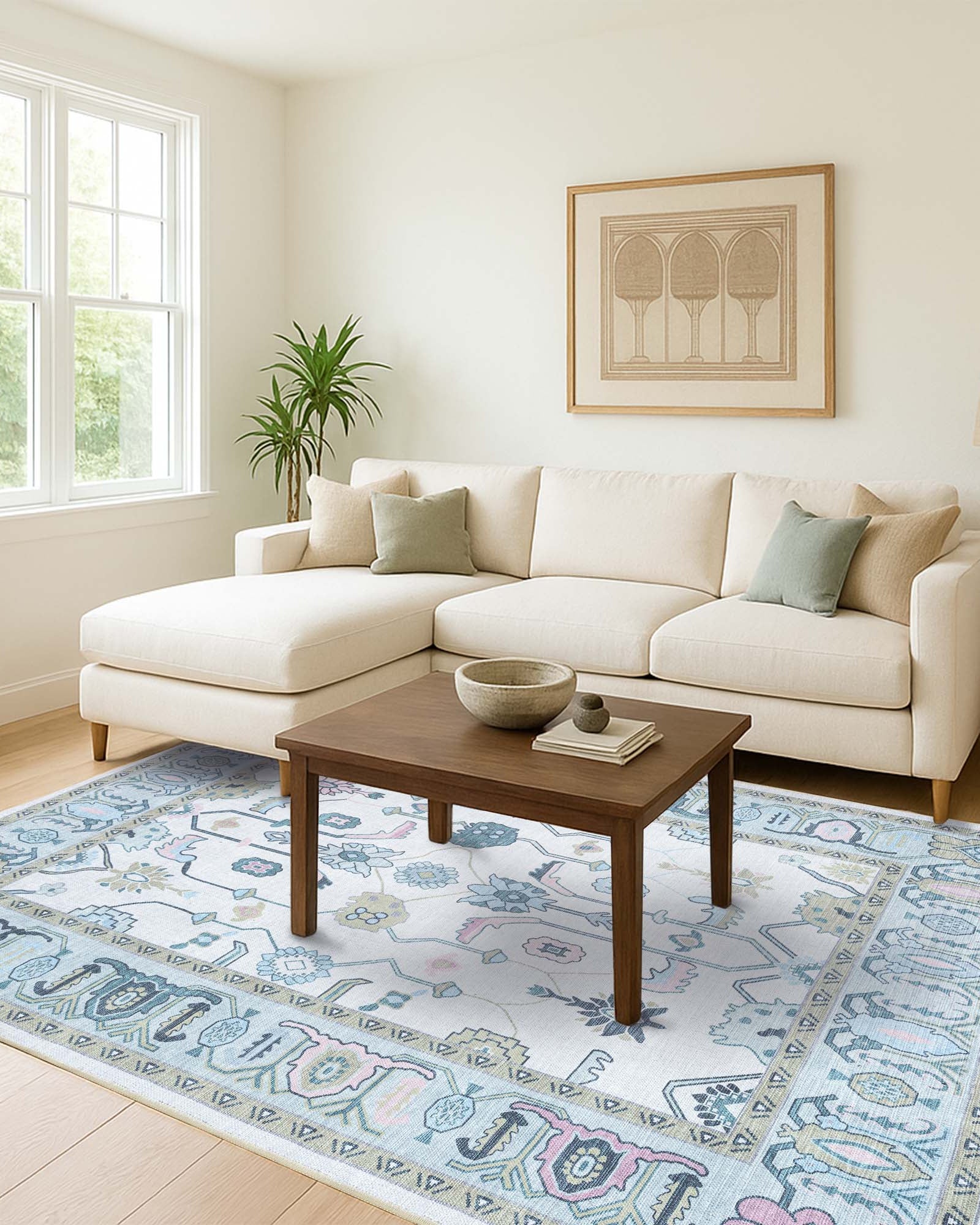
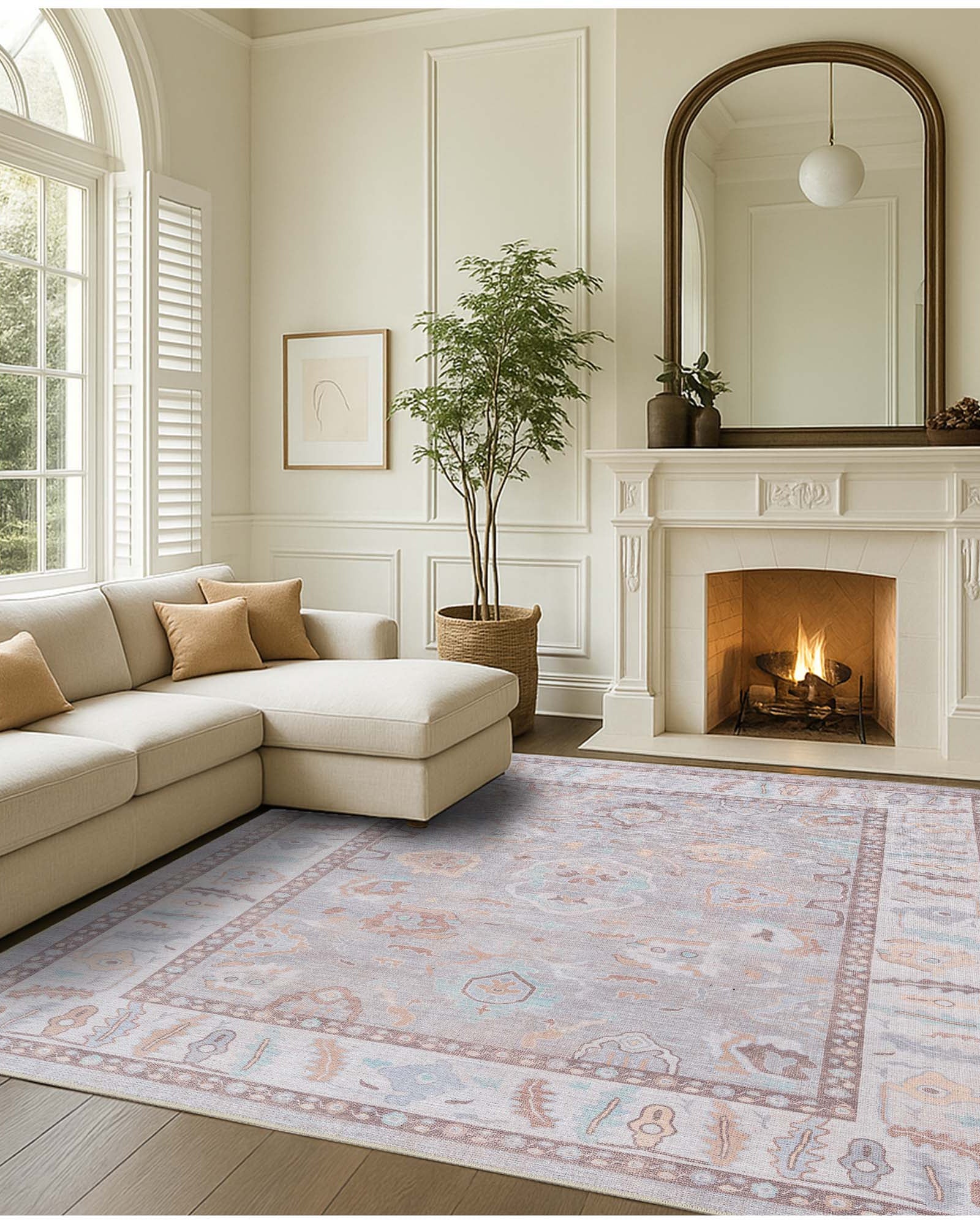
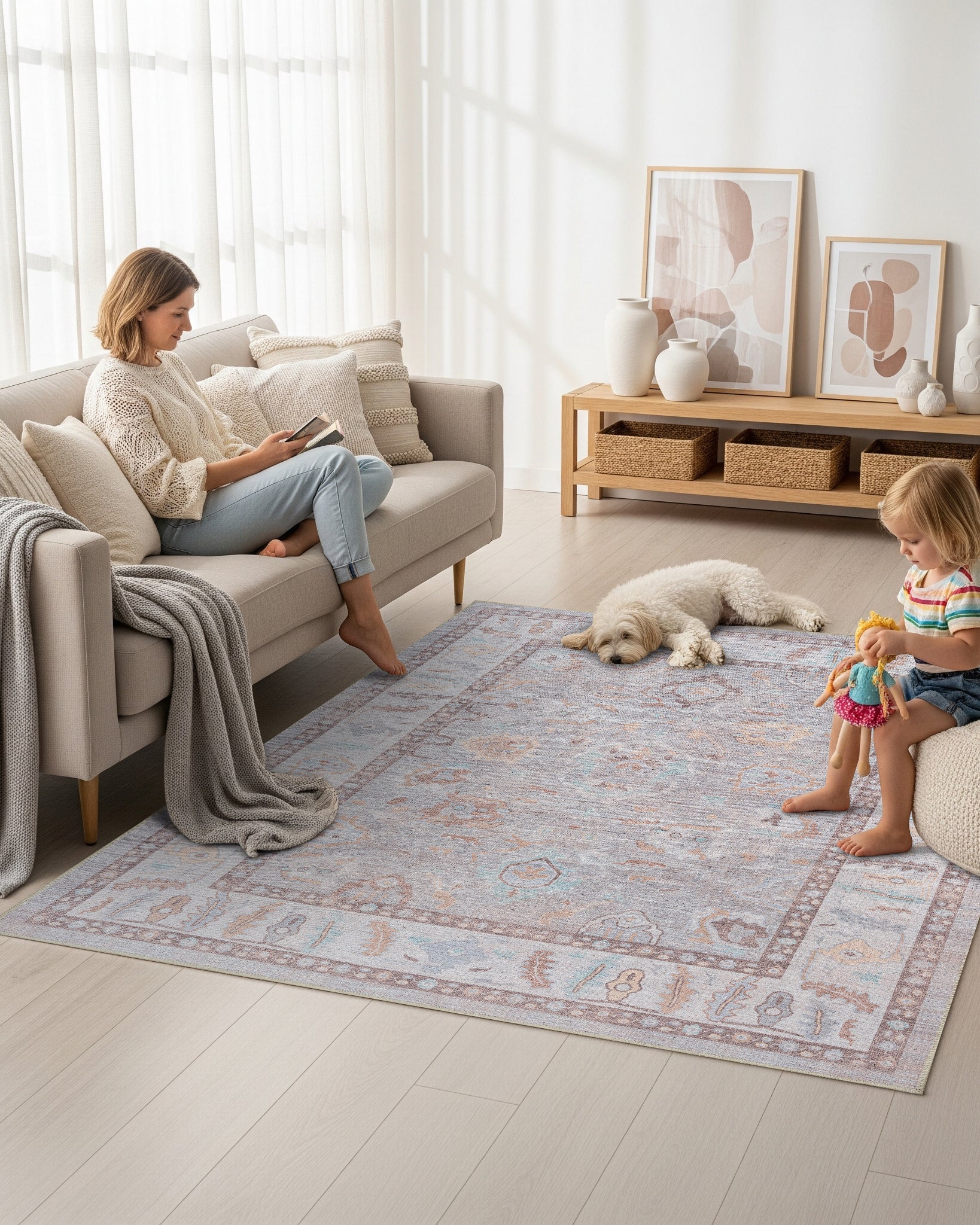
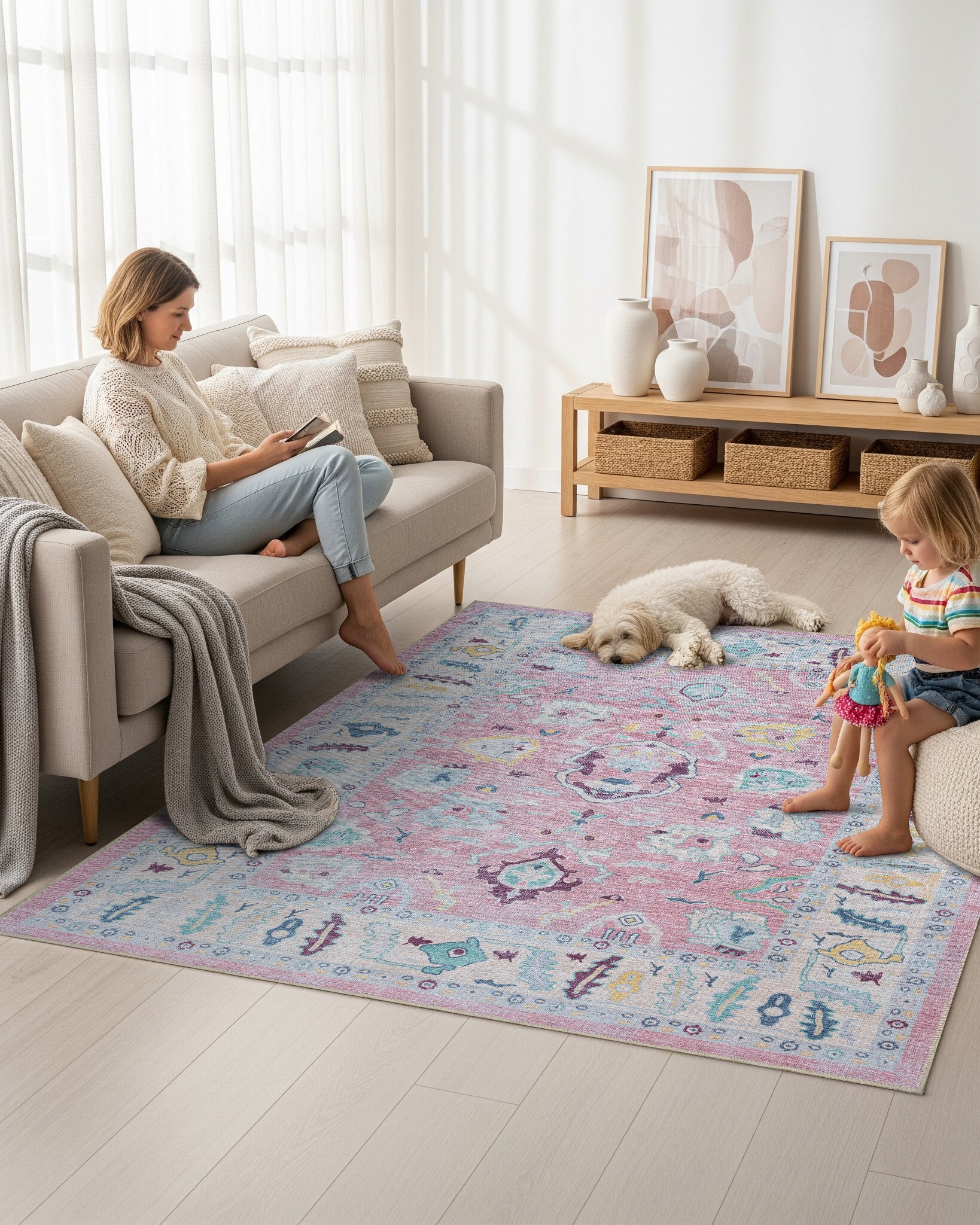
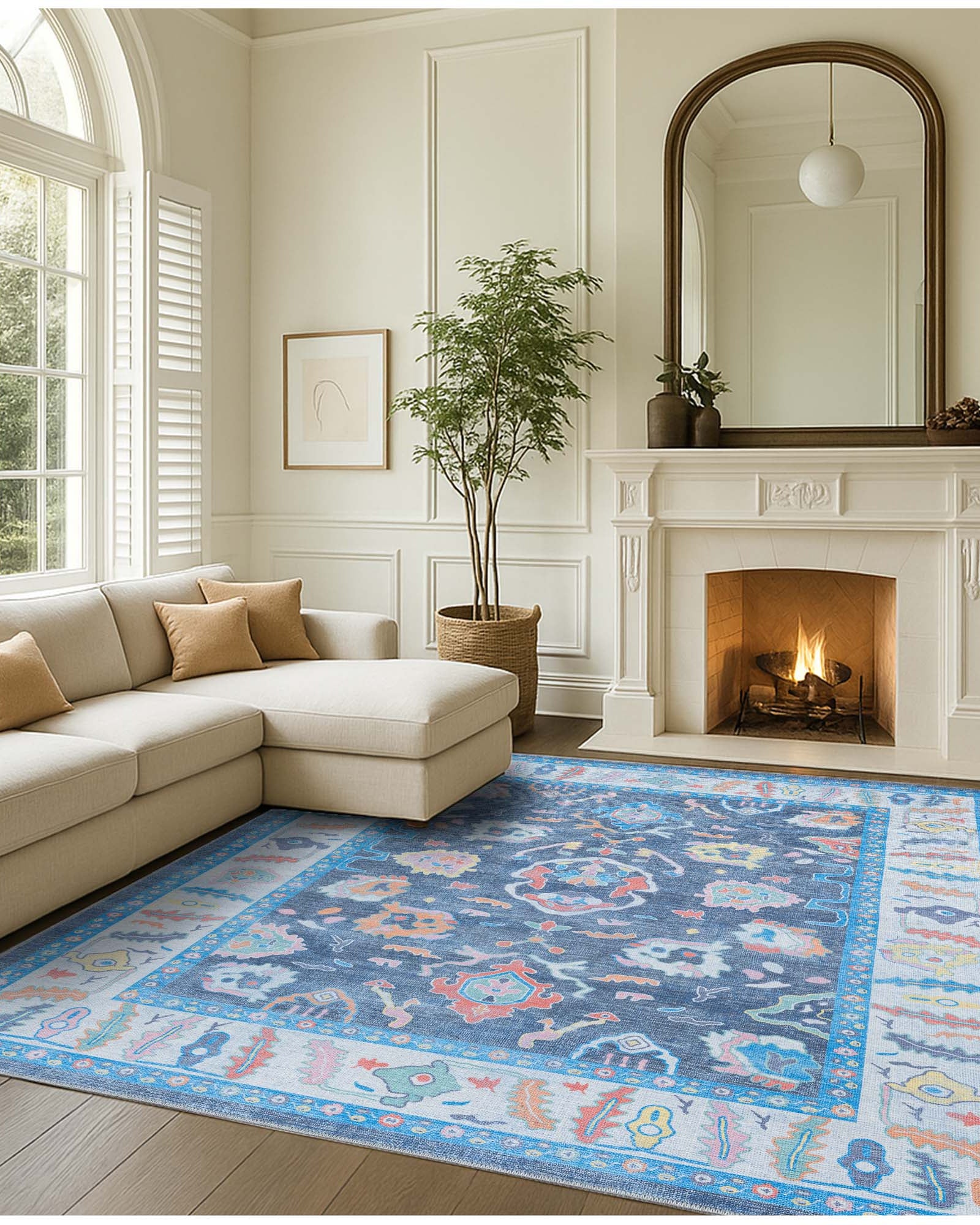
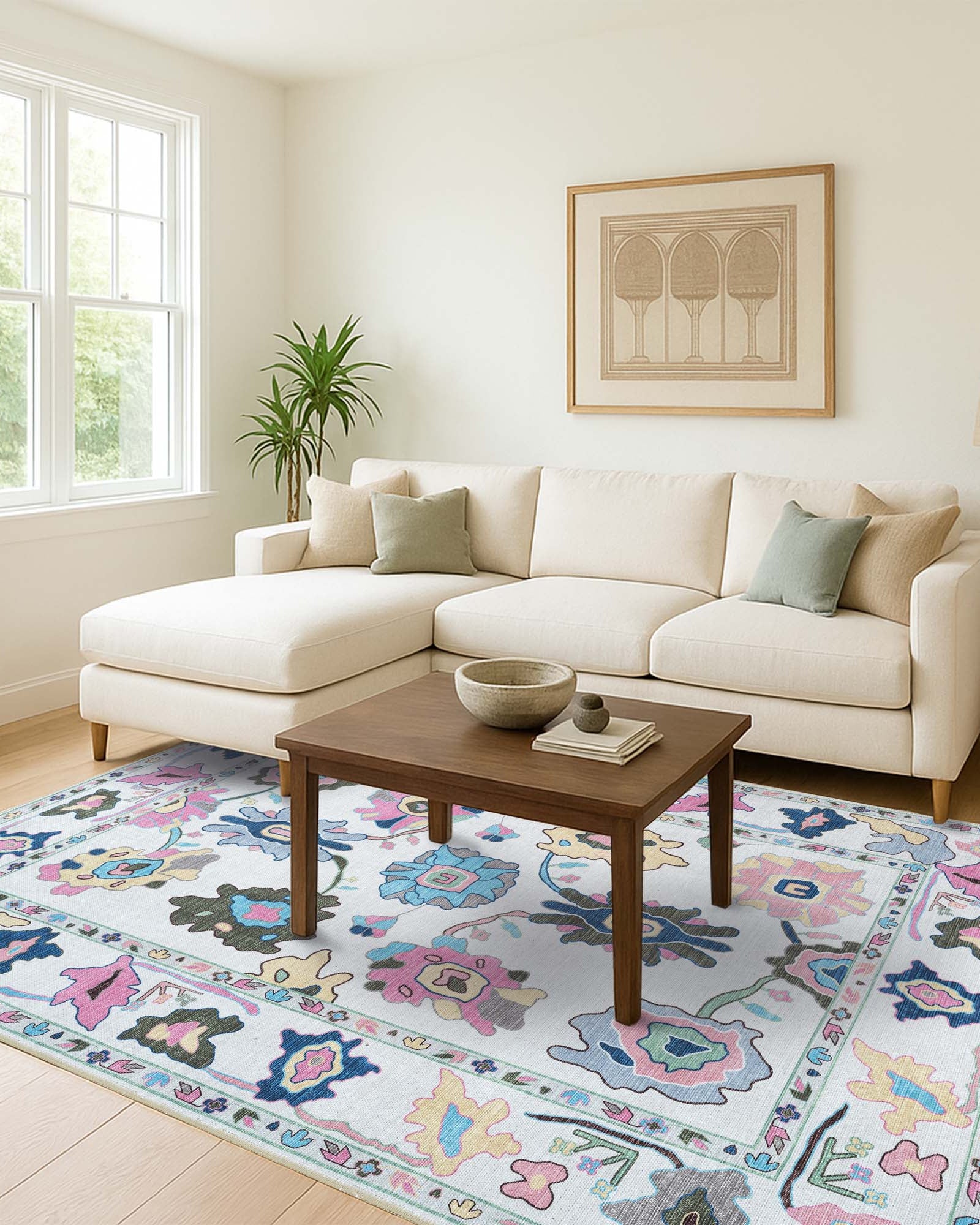
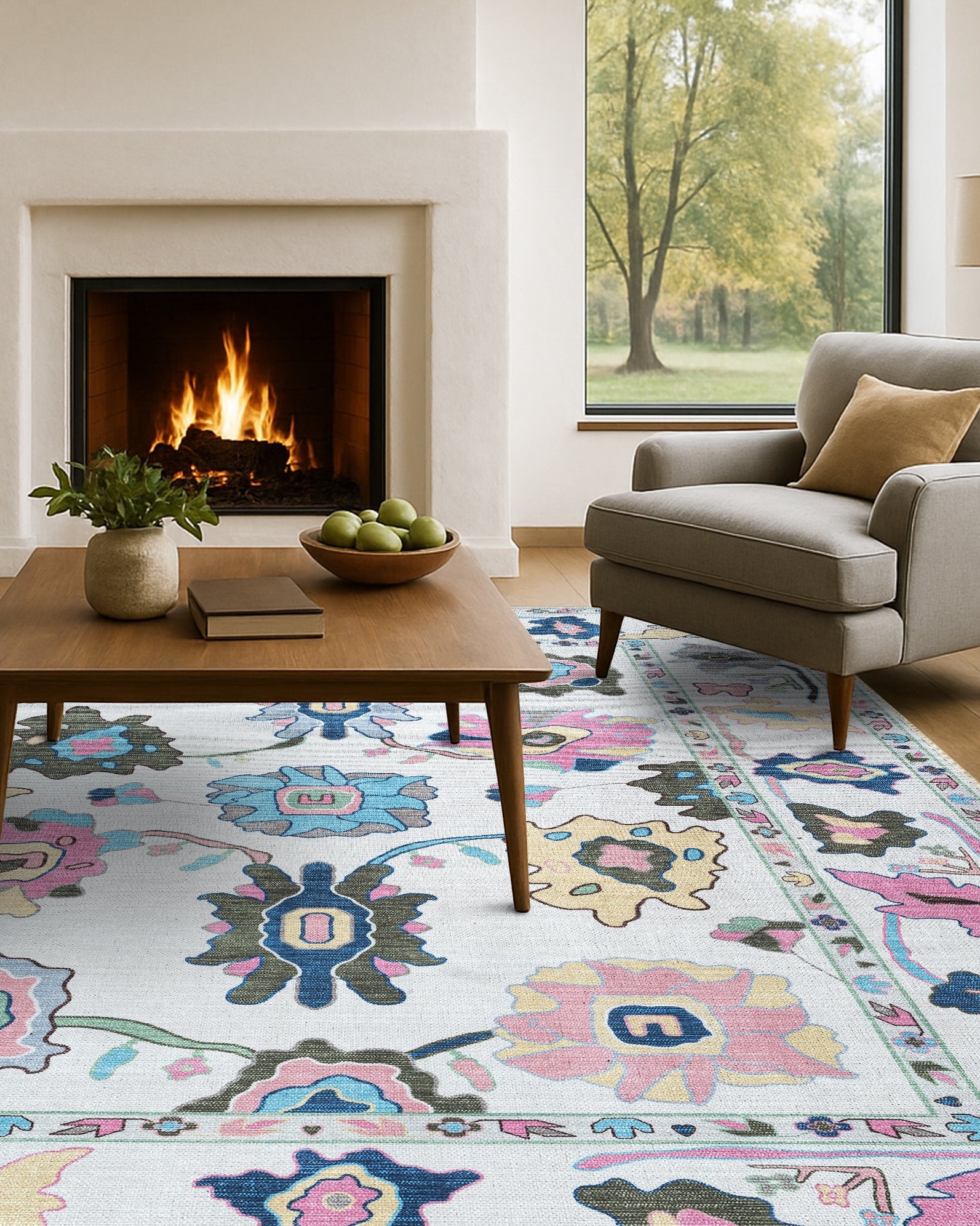
These are the pieces to reach for when the room already has something to say: patterned upholstery, strong art, a busy bookcase, or an open-plan space where a saturated rug would compete with everything in sight. A neutral rug gives you the texture and history of a vintage piece without committing the room to a colour scheme.
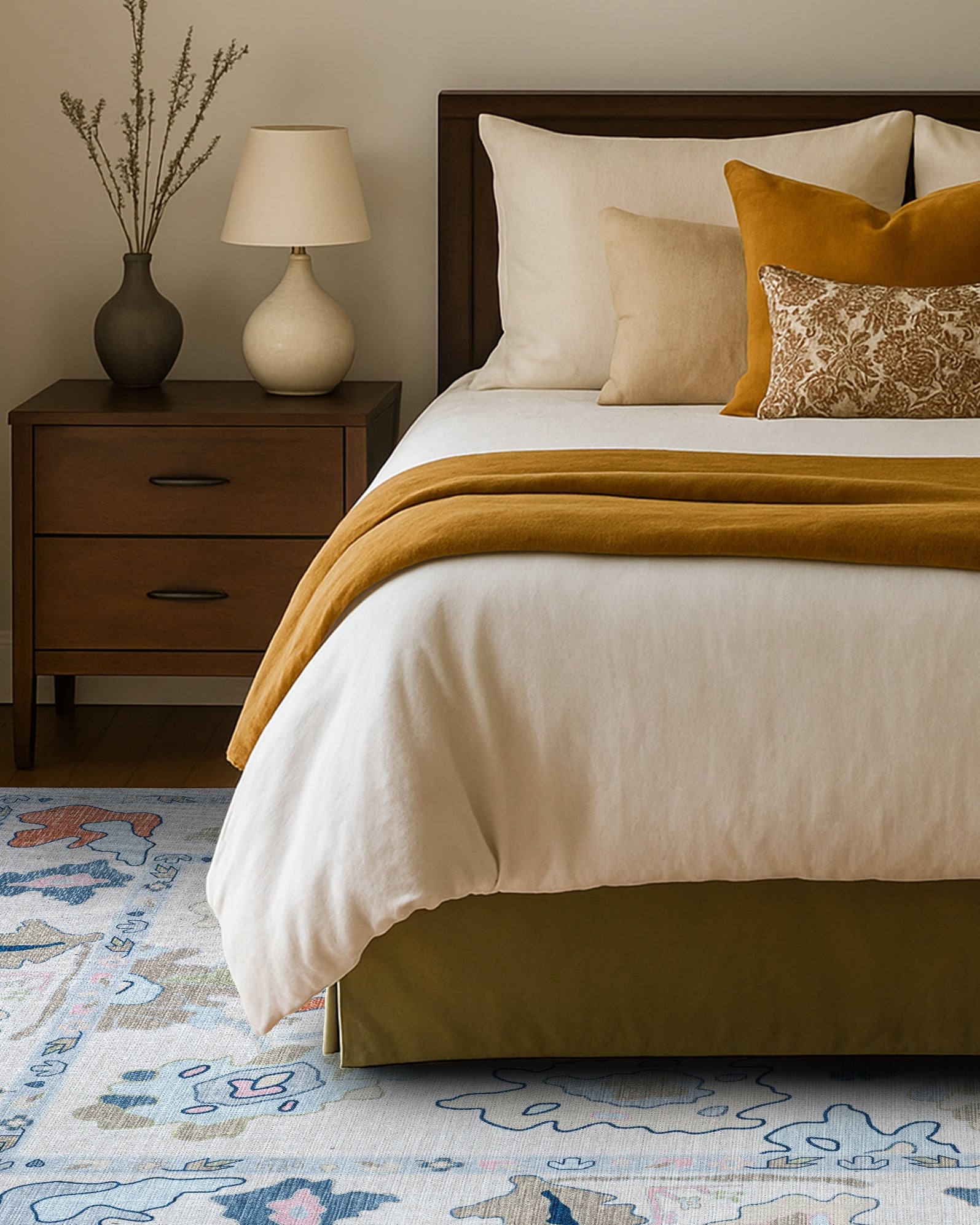
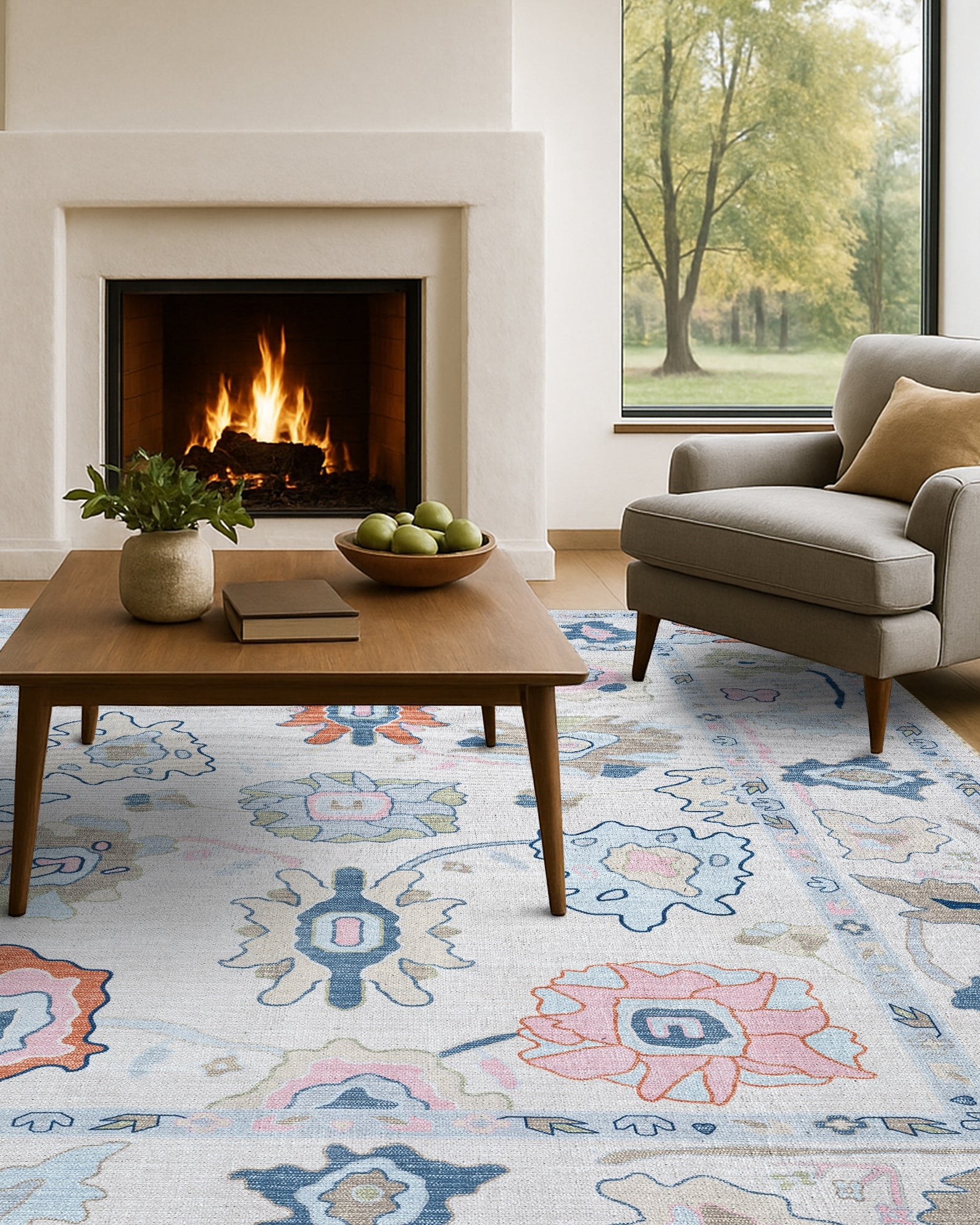
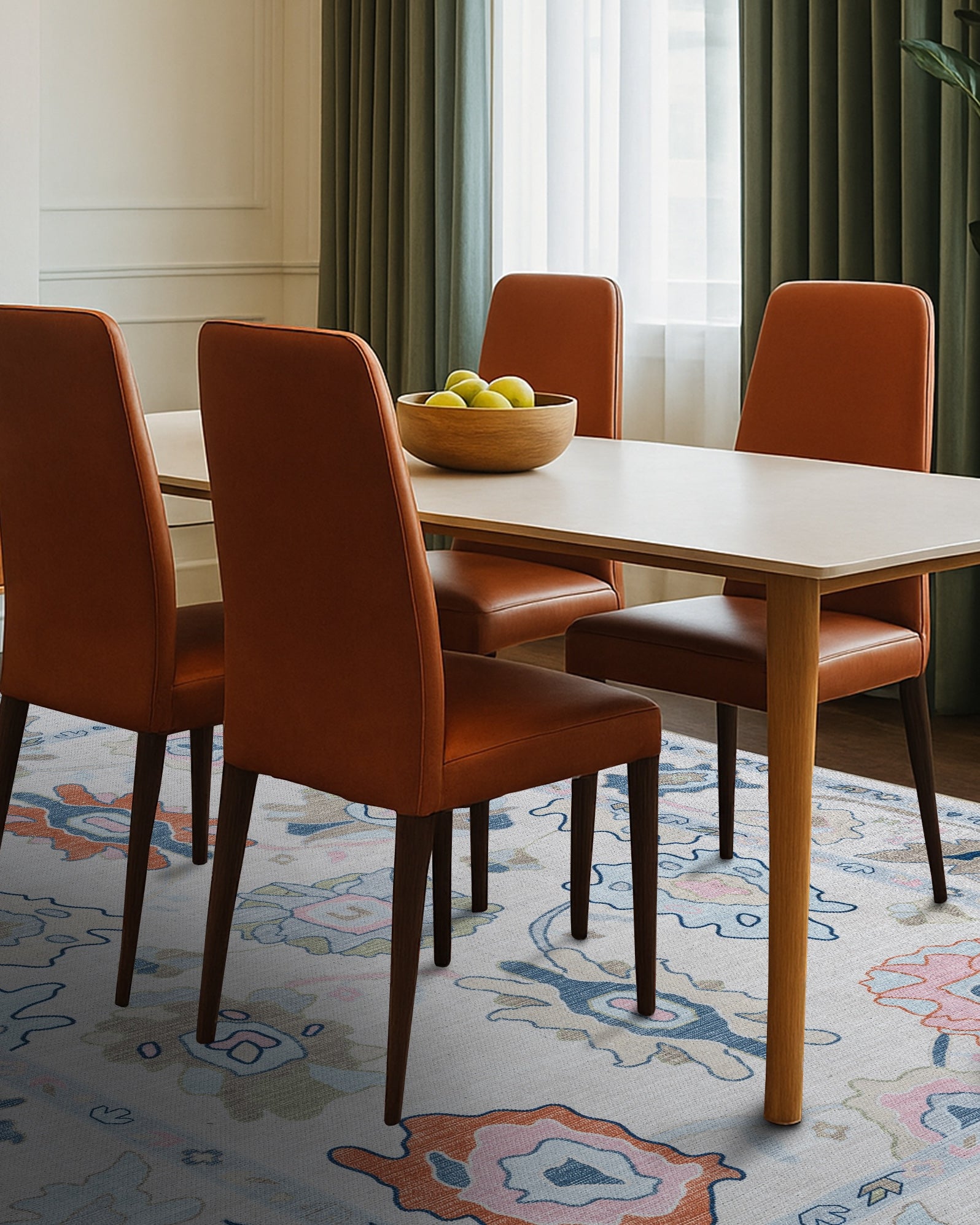
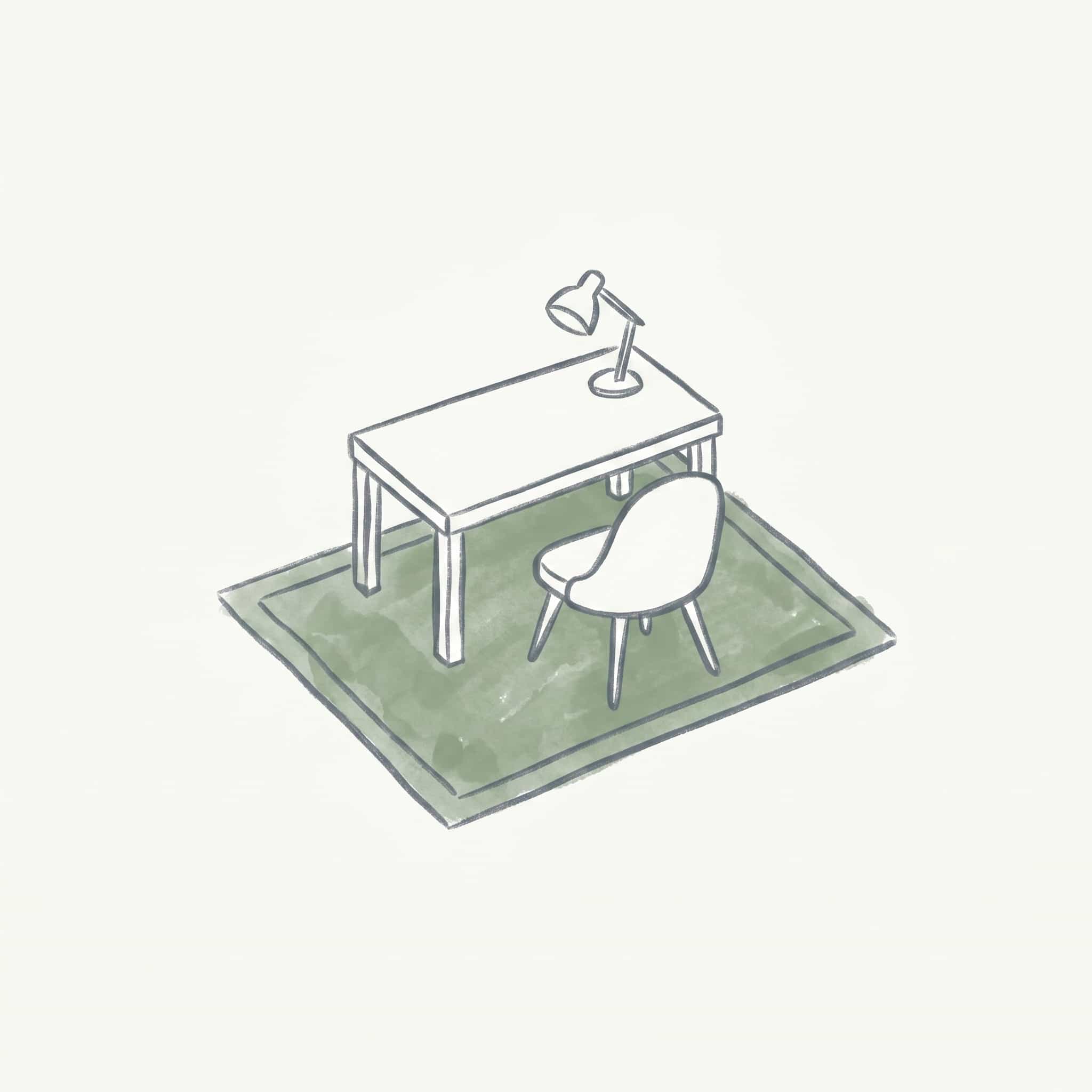
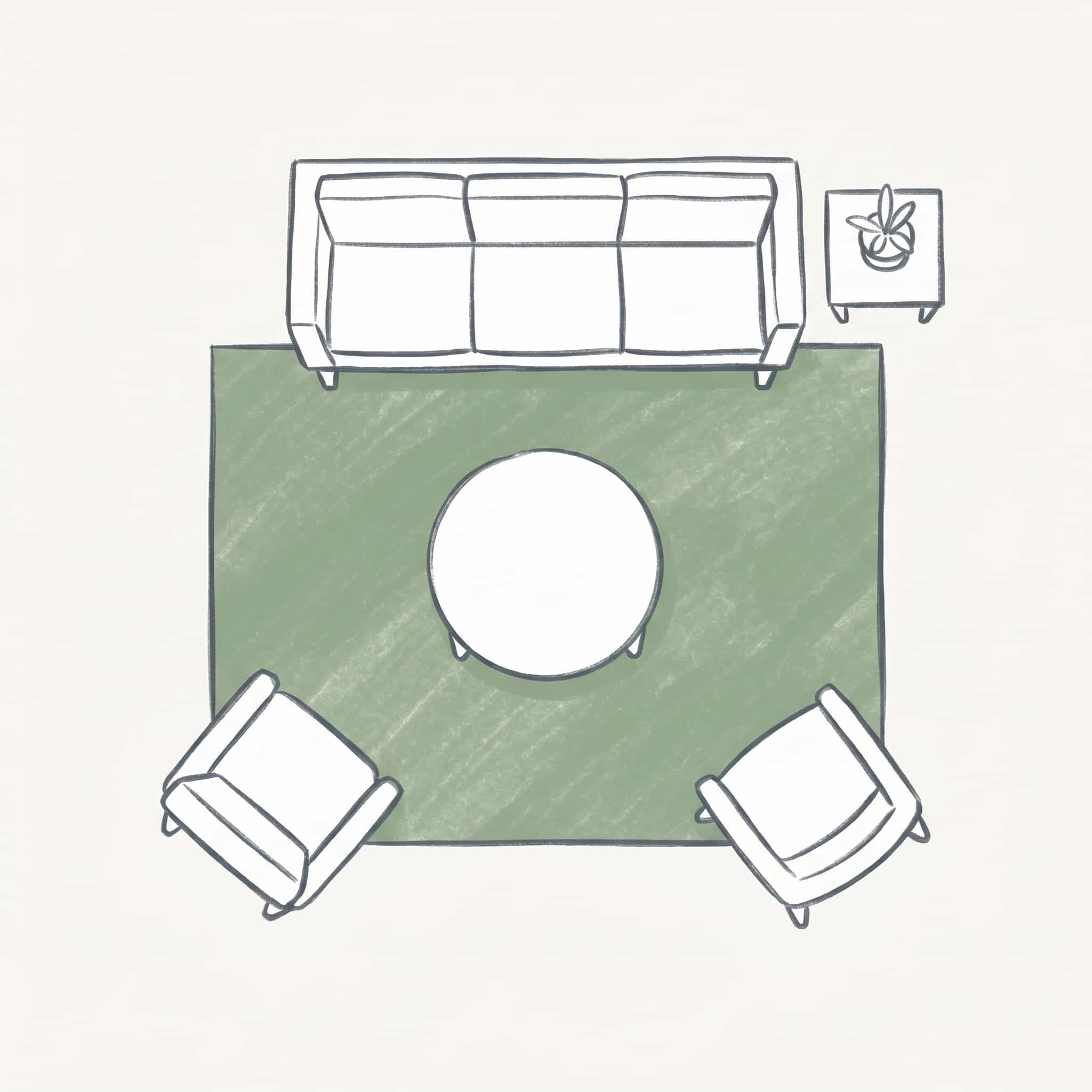
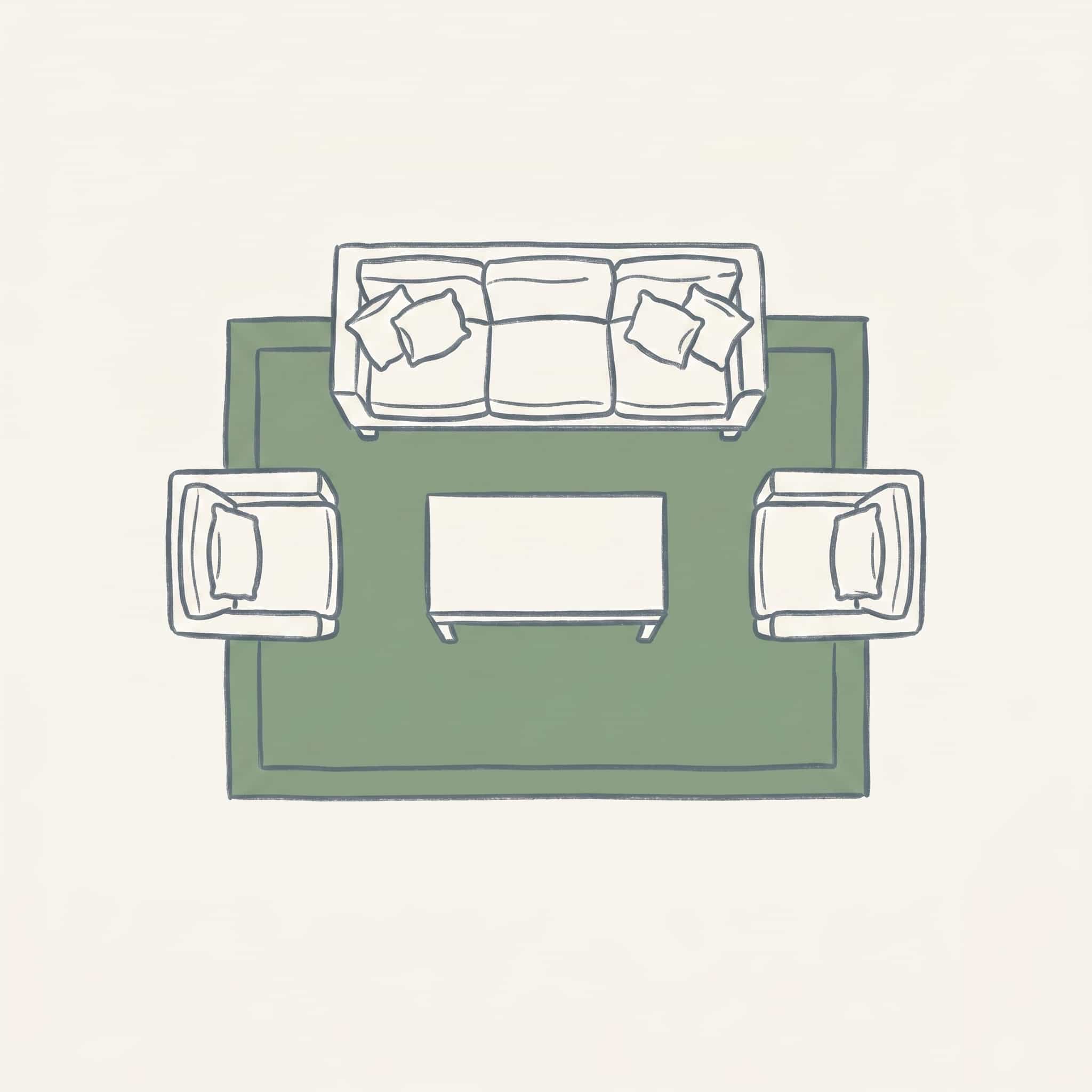
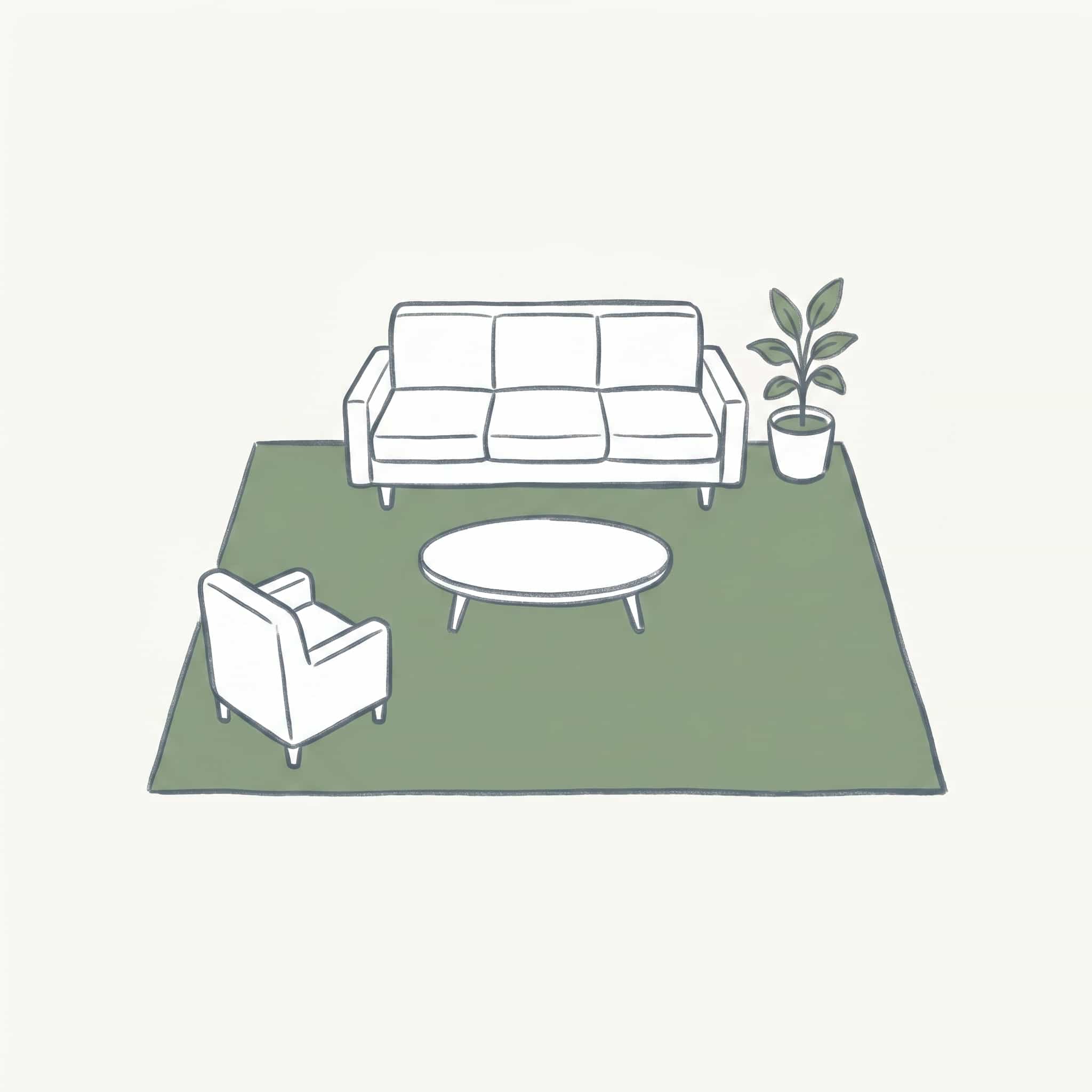
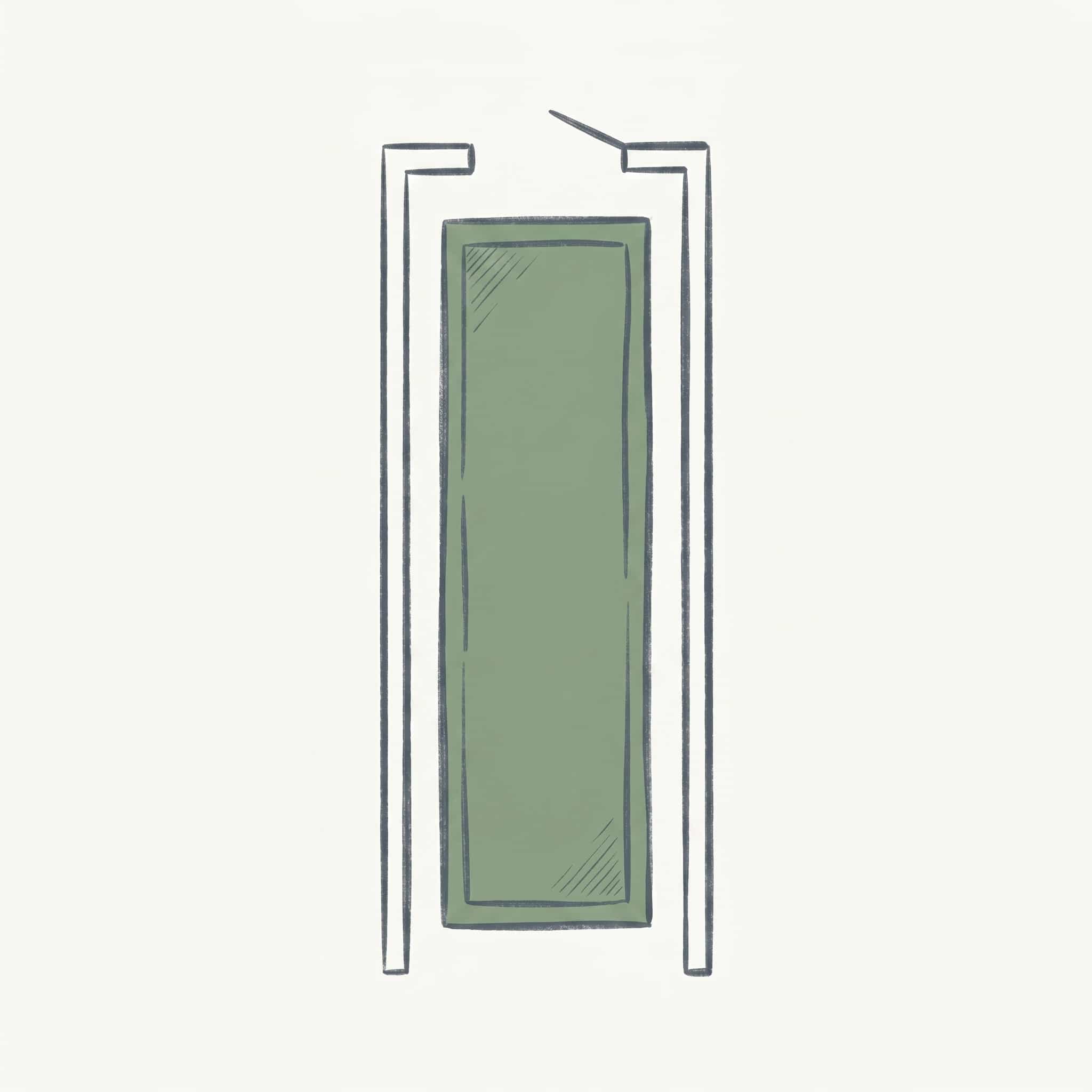
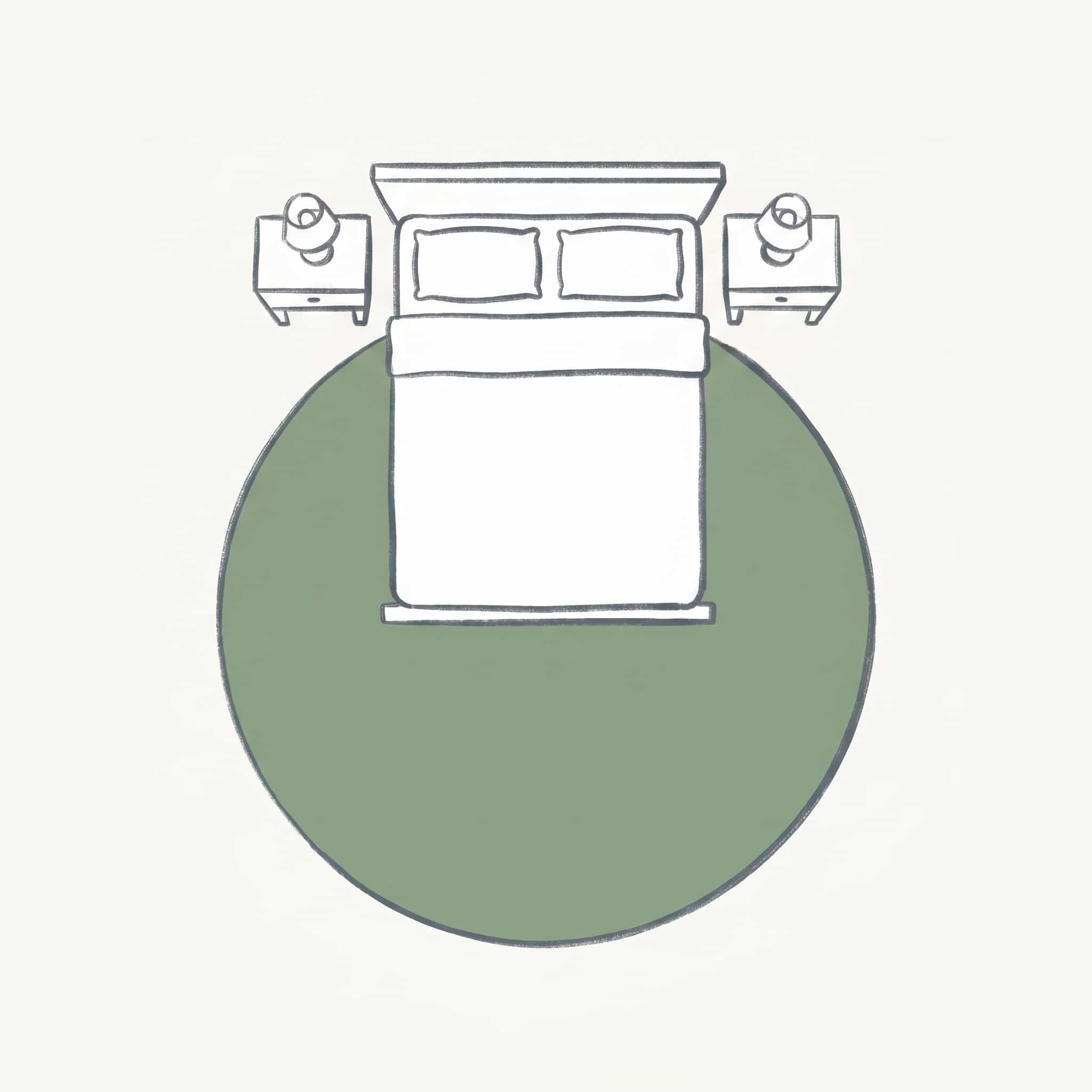
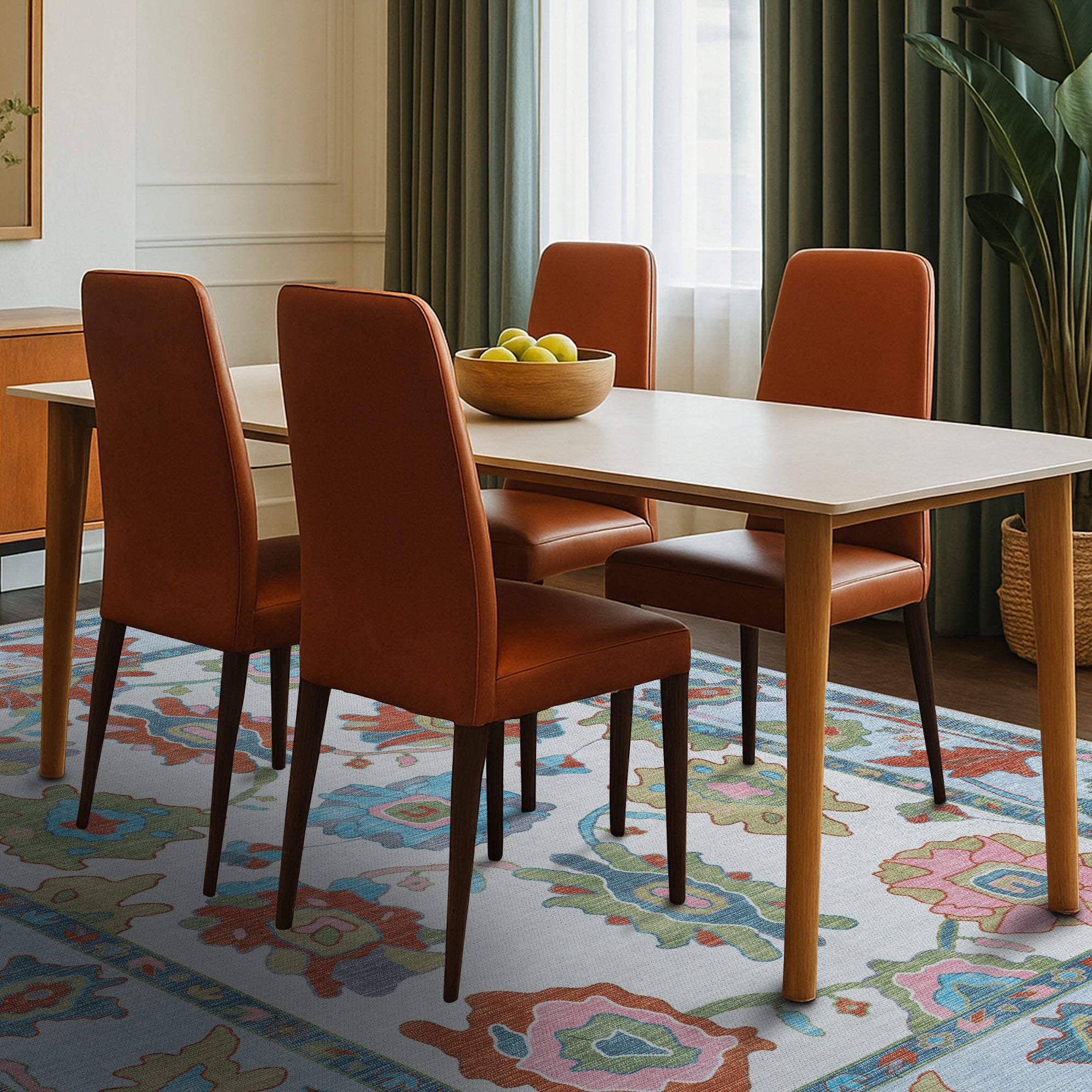
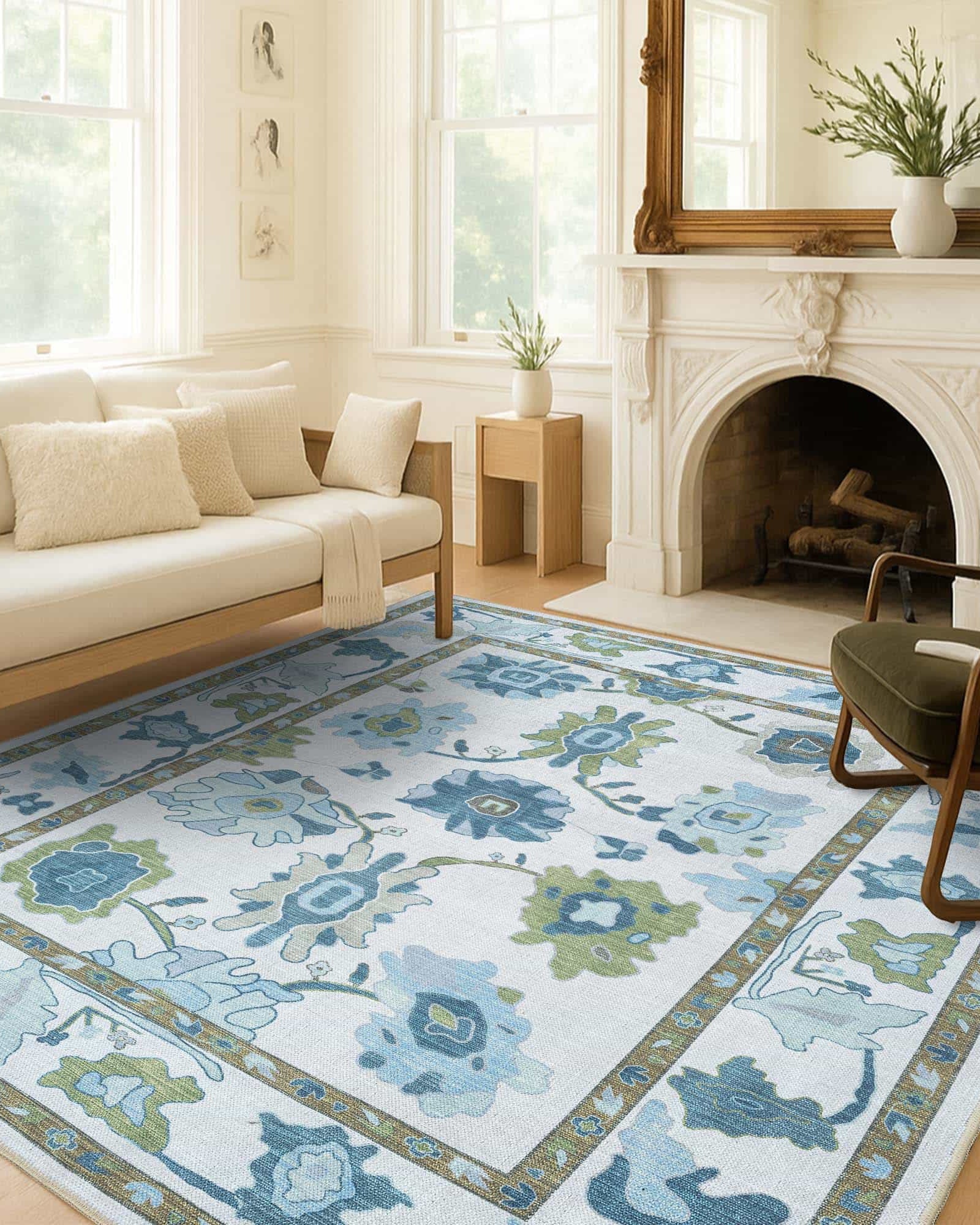
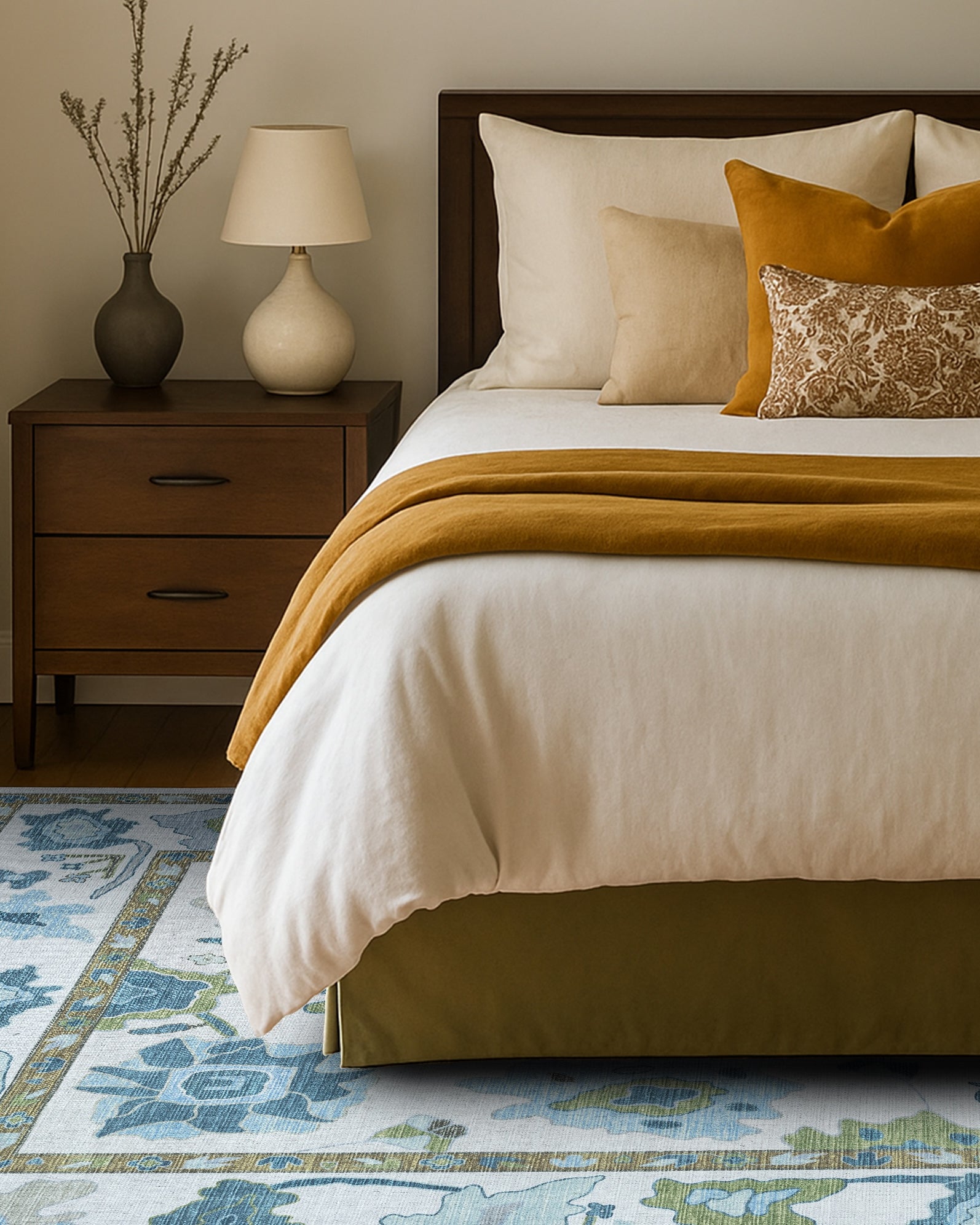
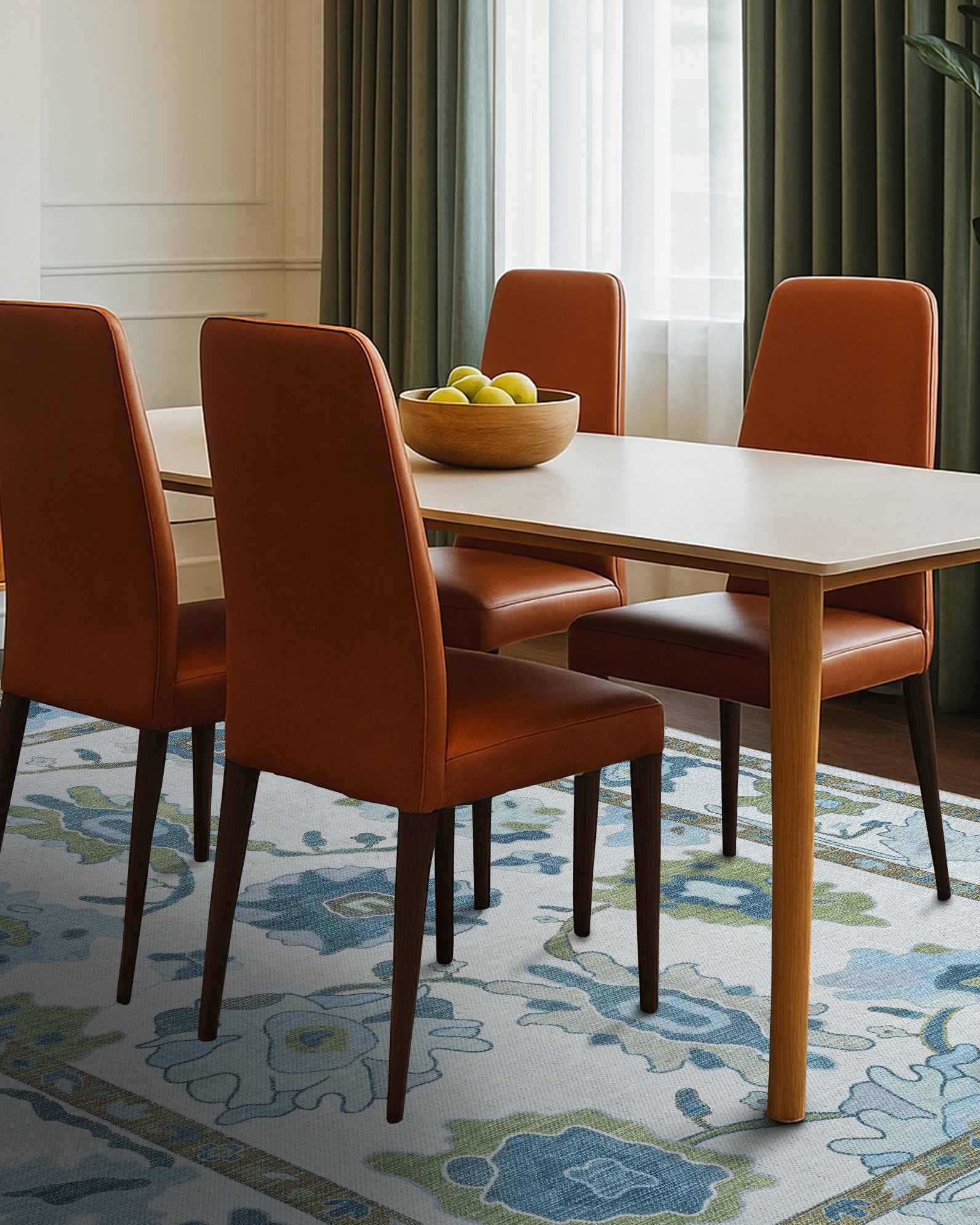
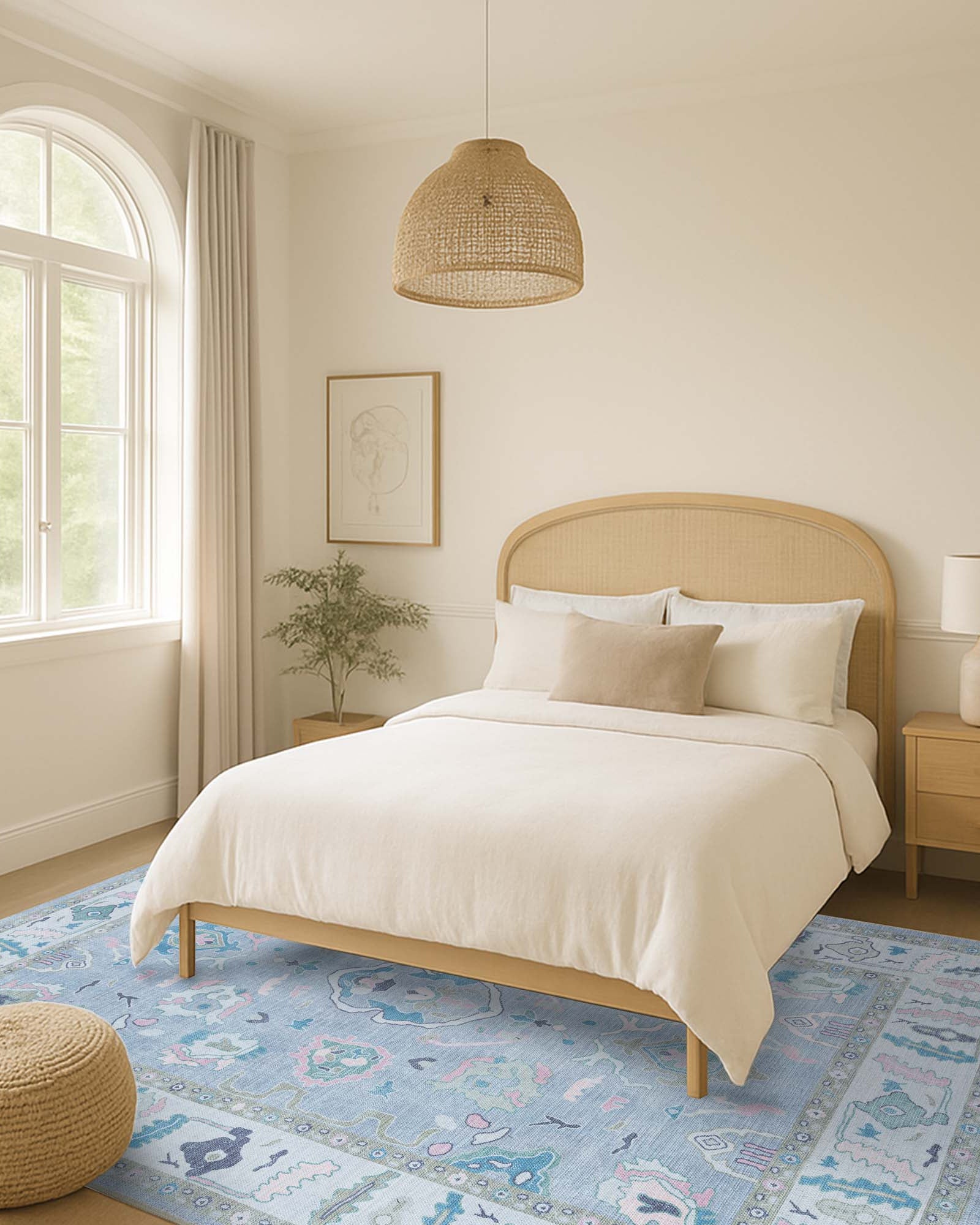
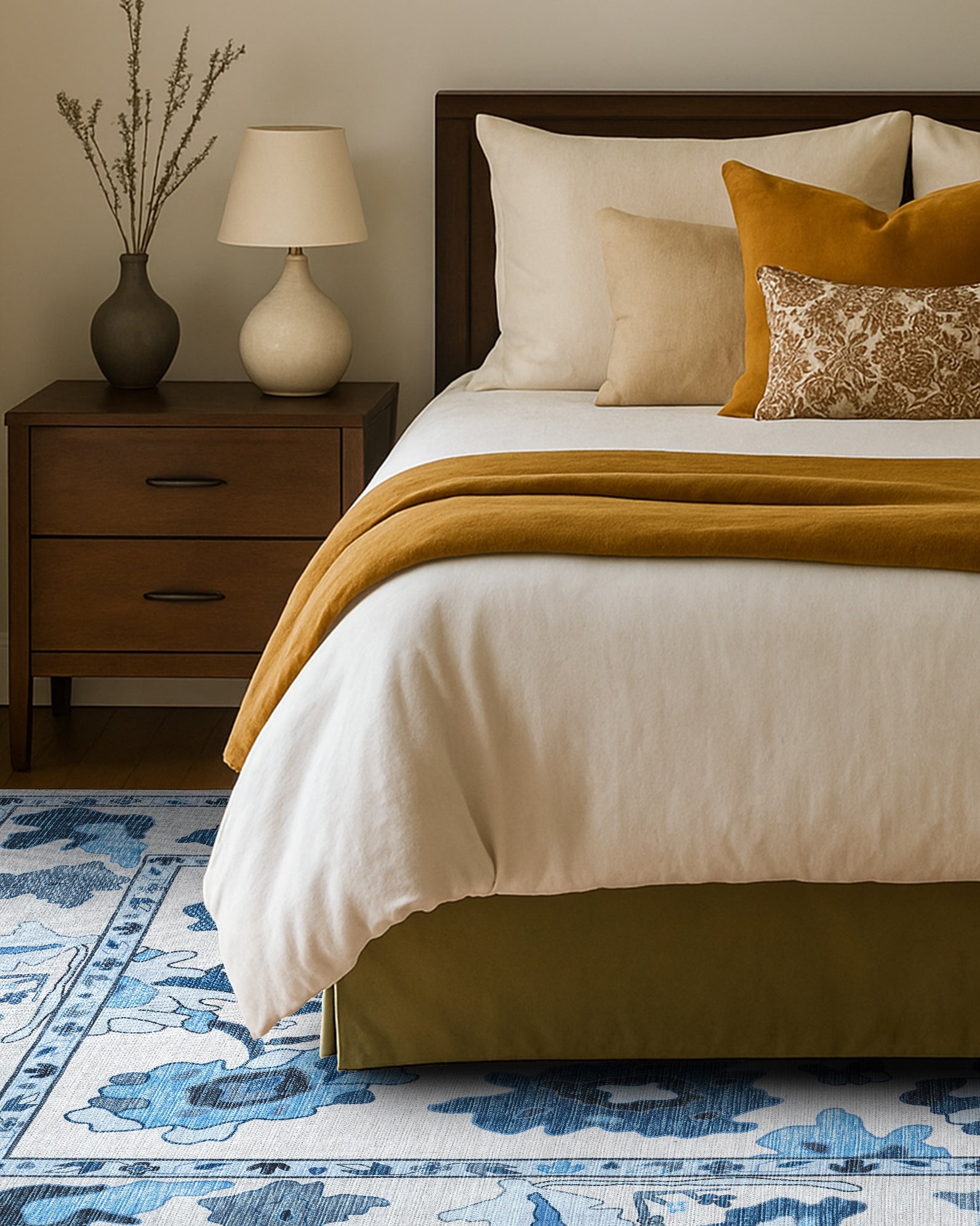
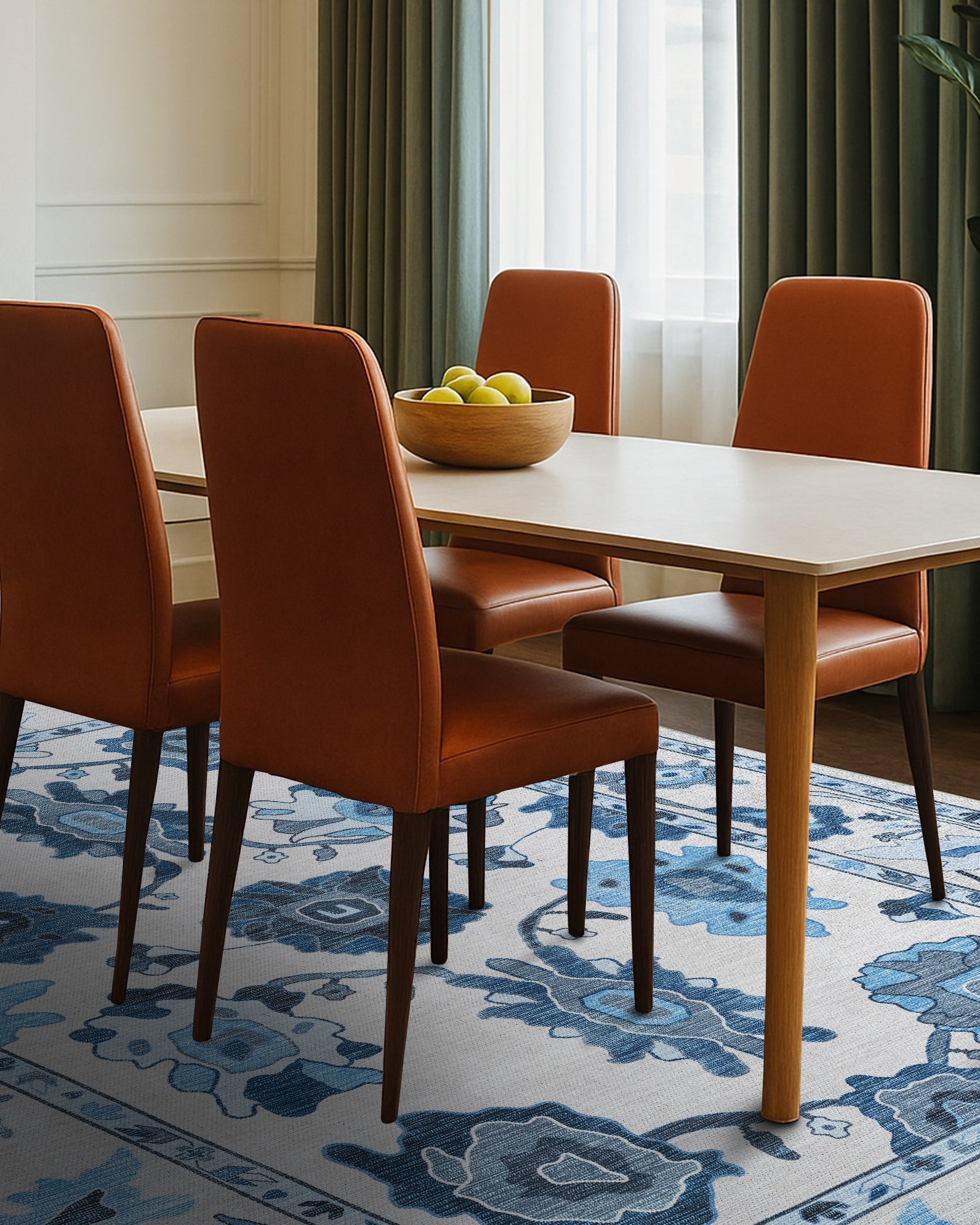
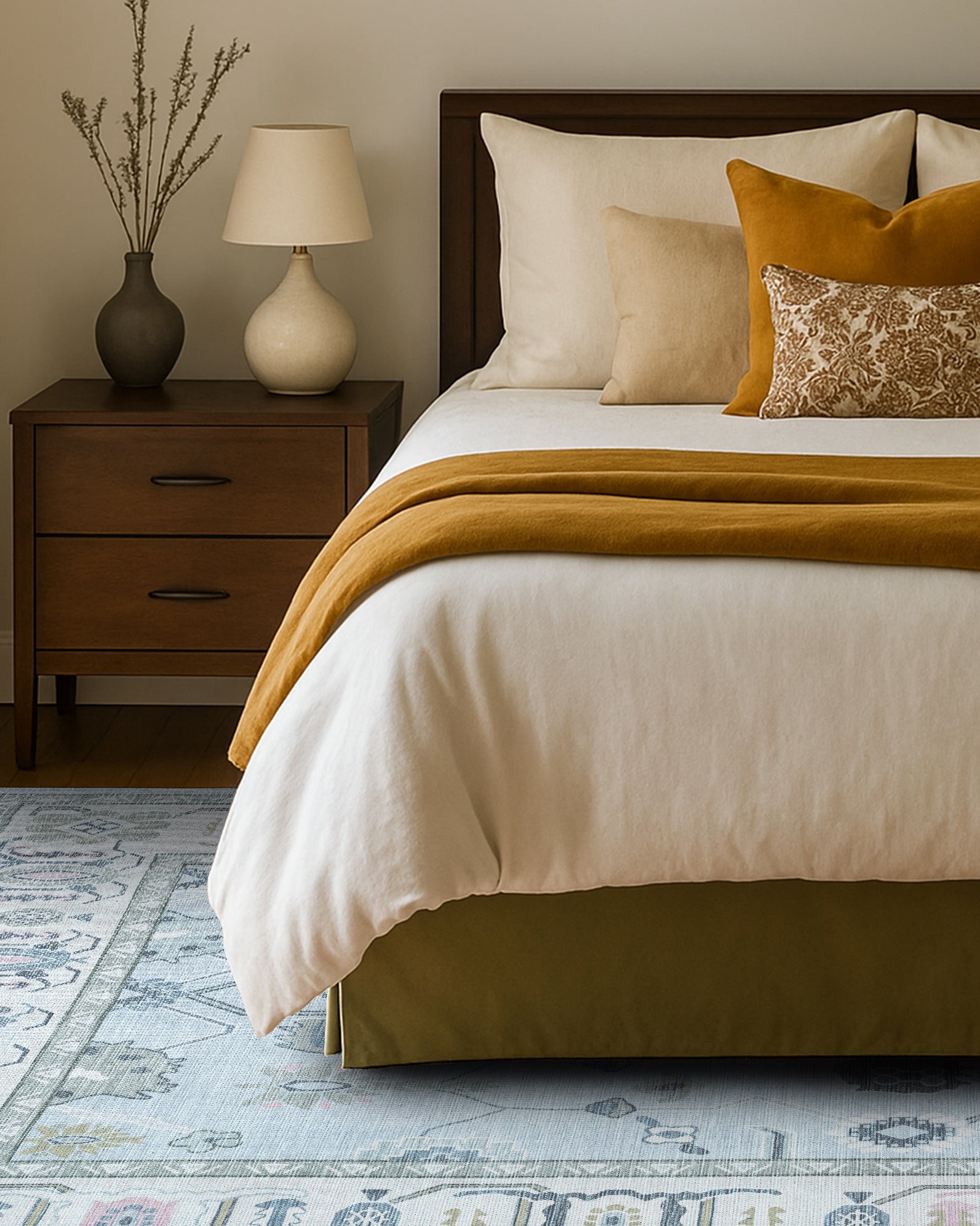
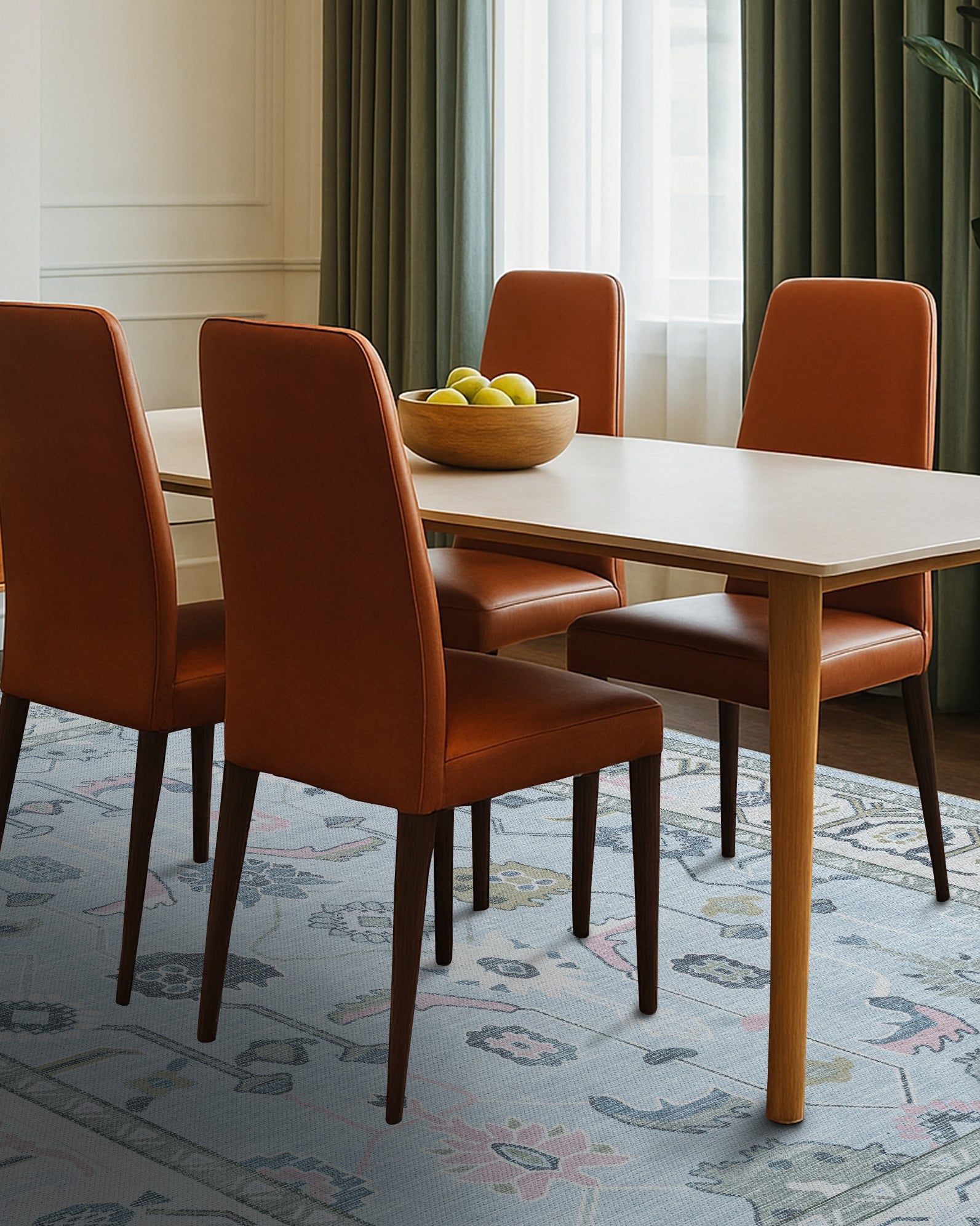
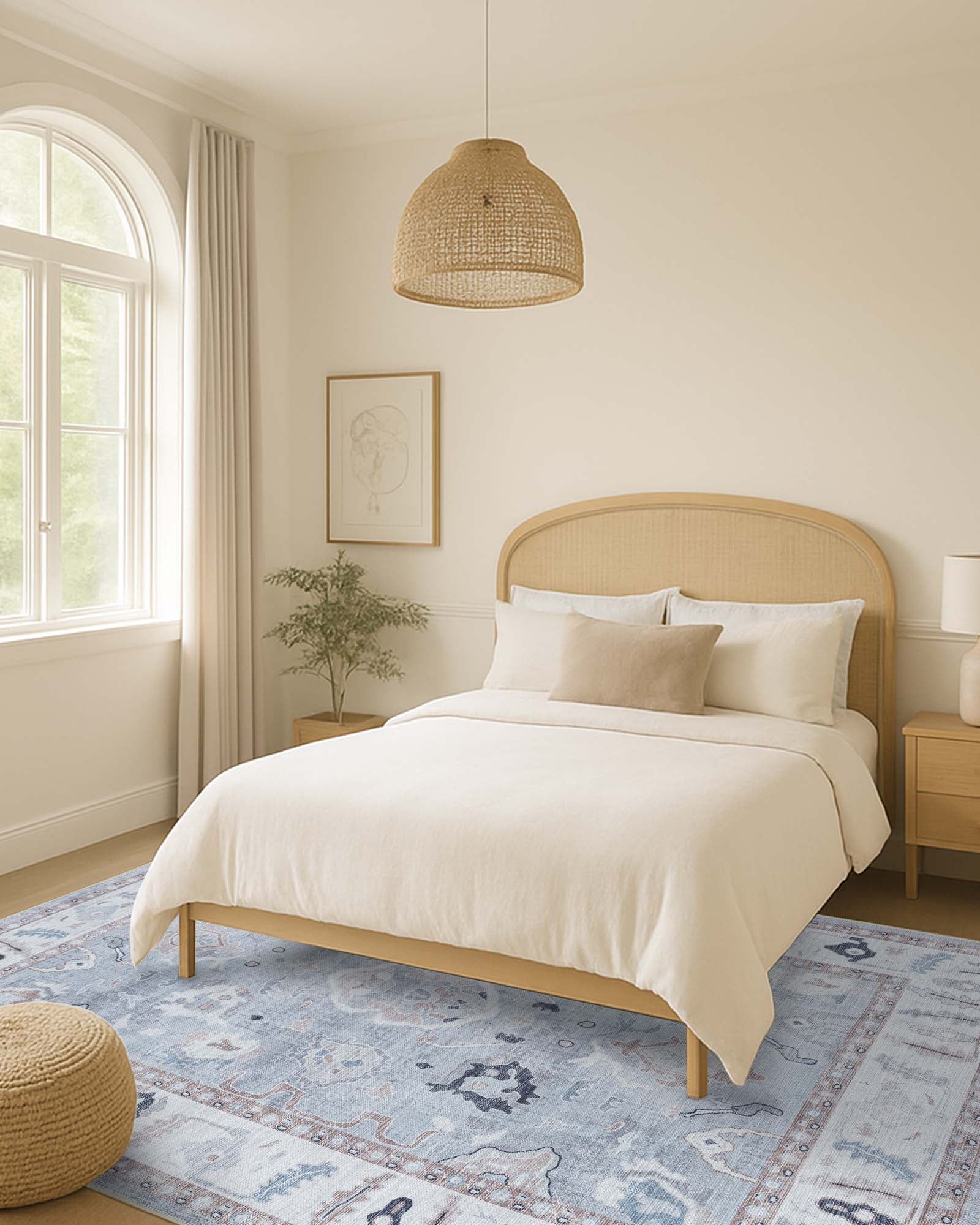
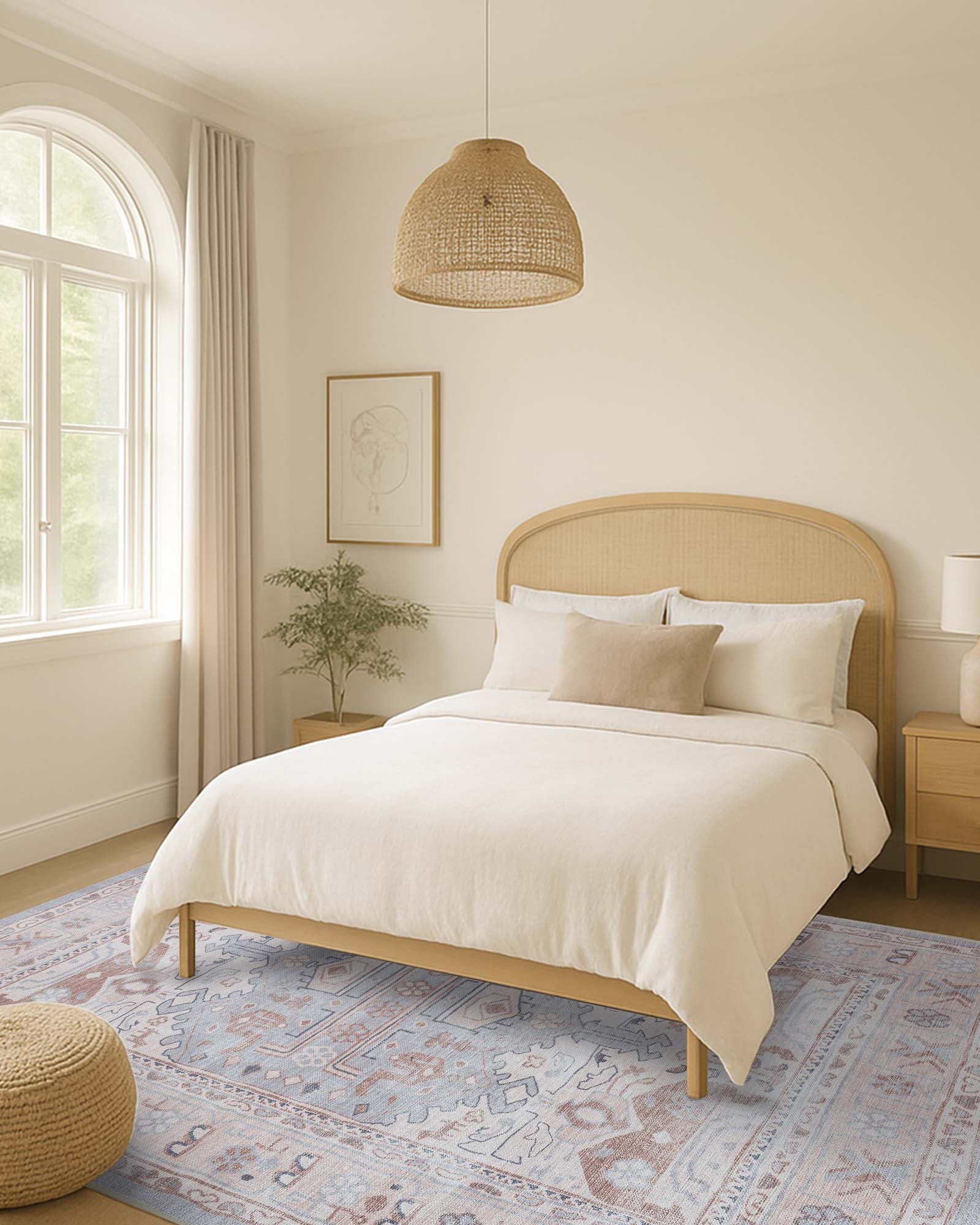
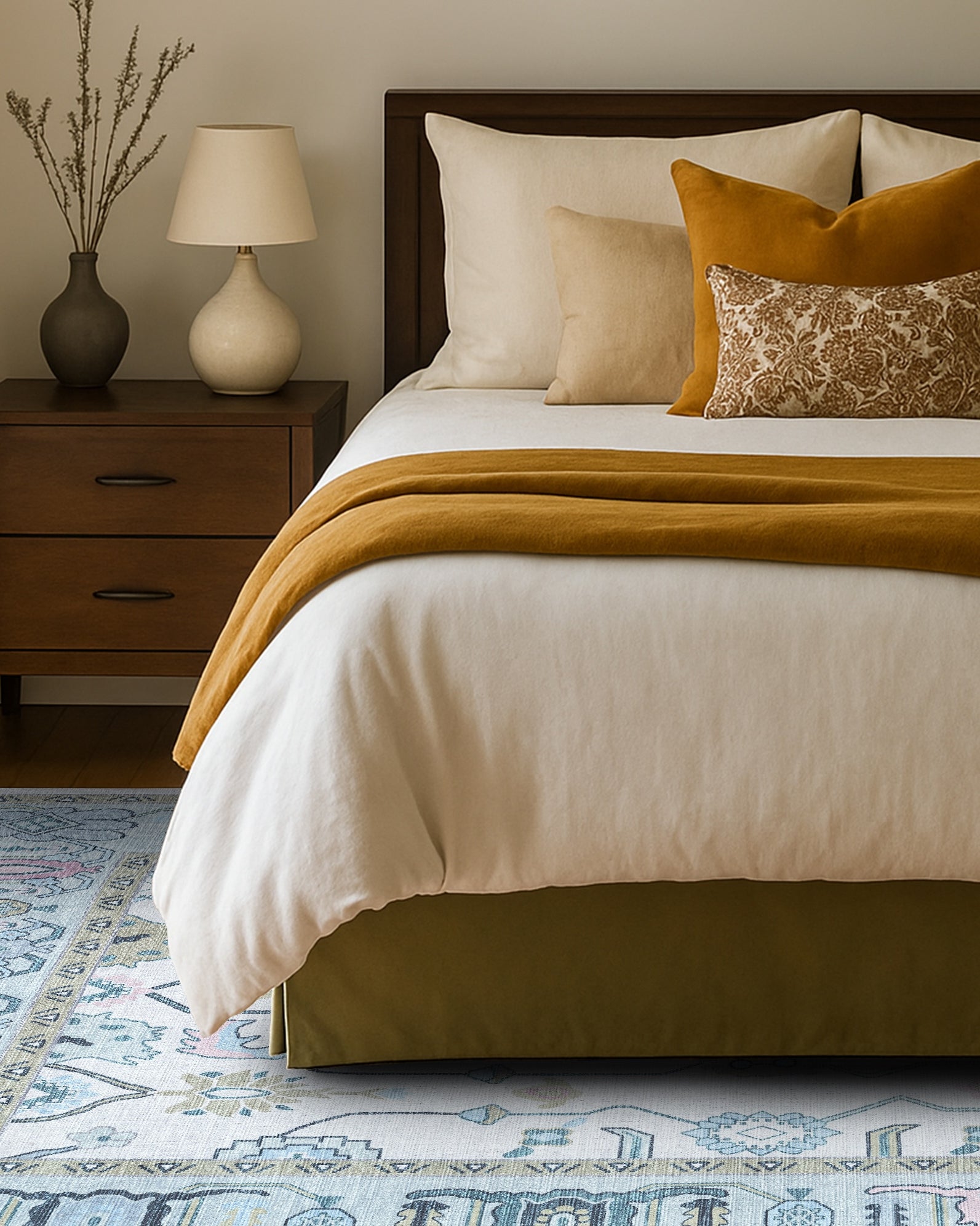
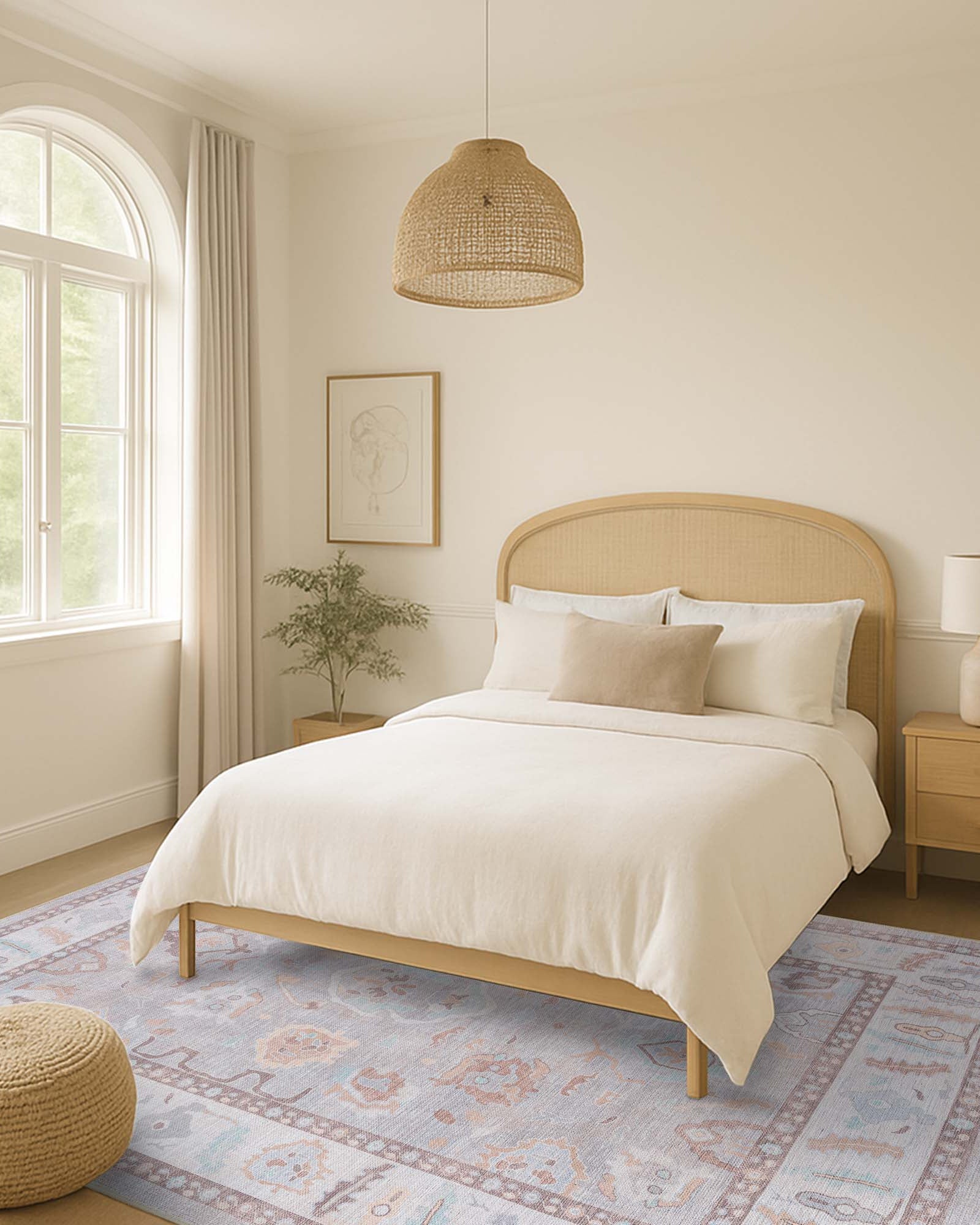
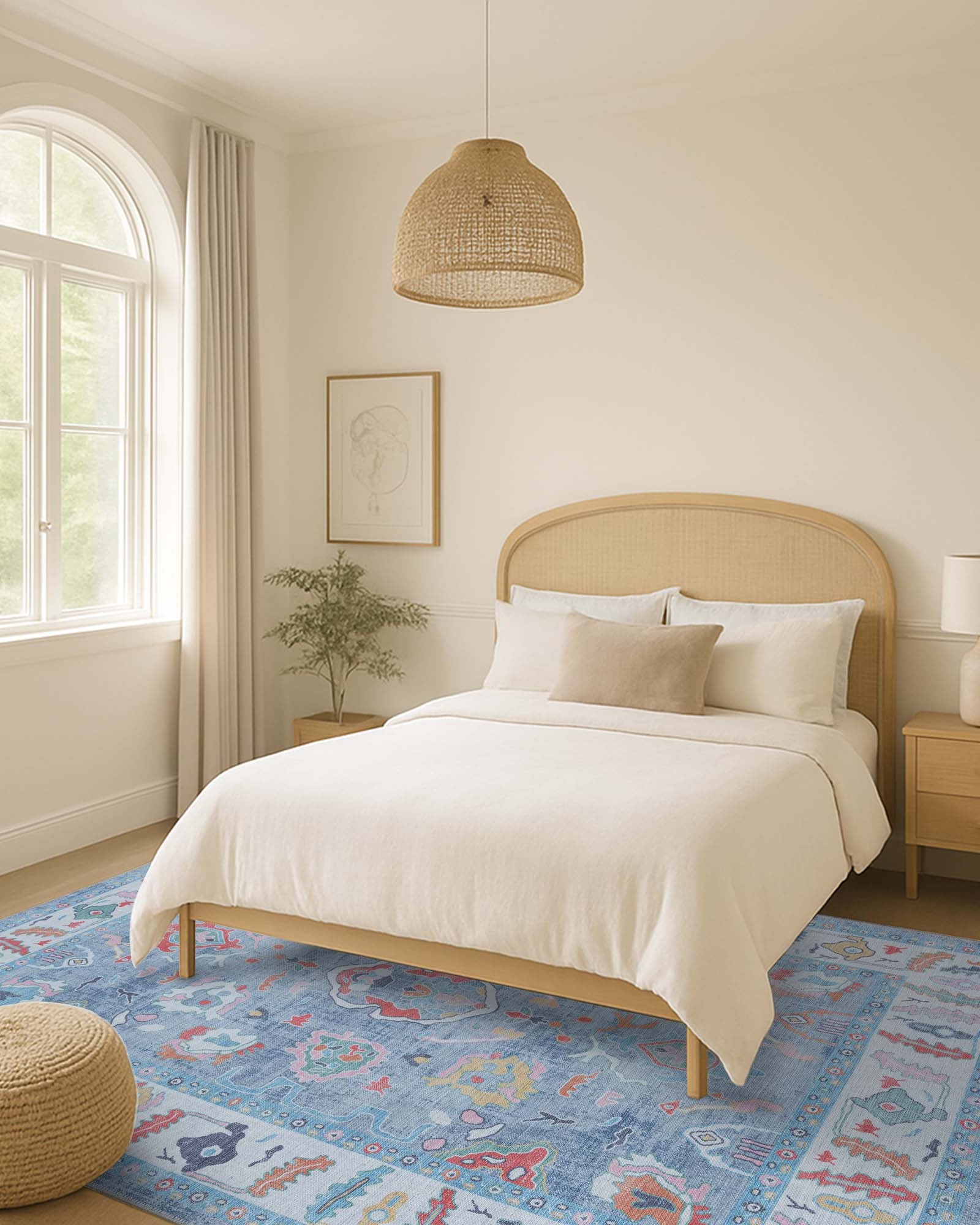
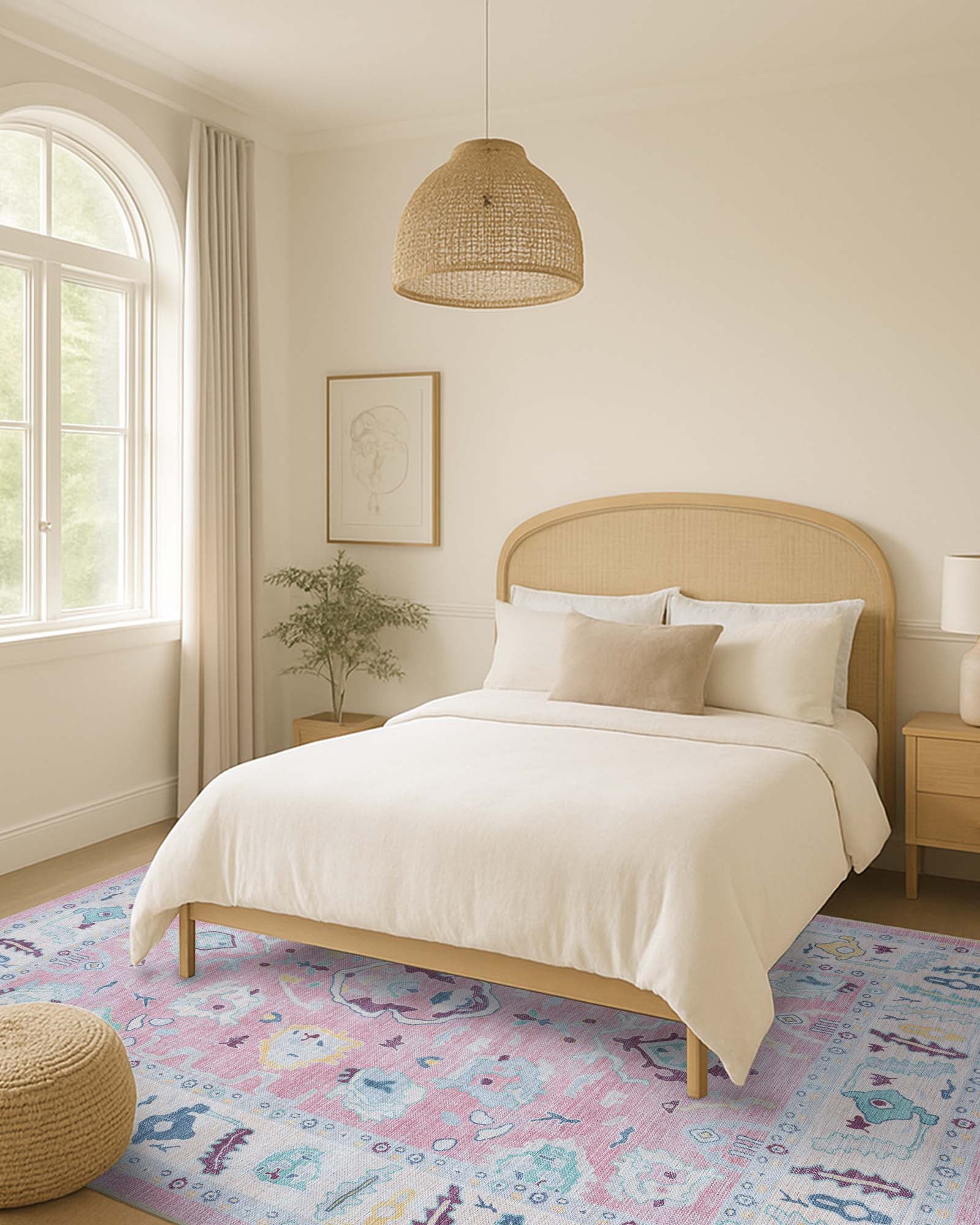
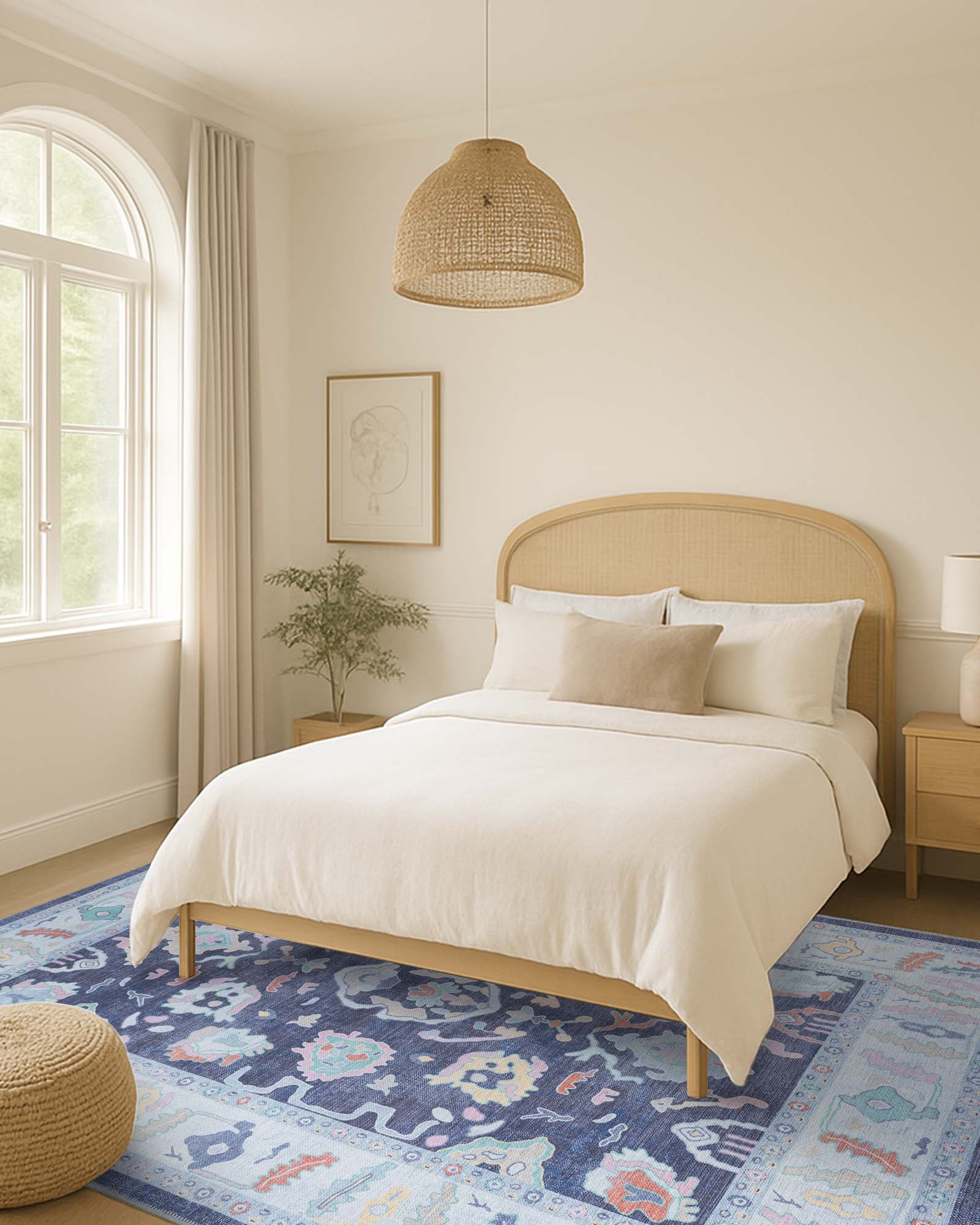
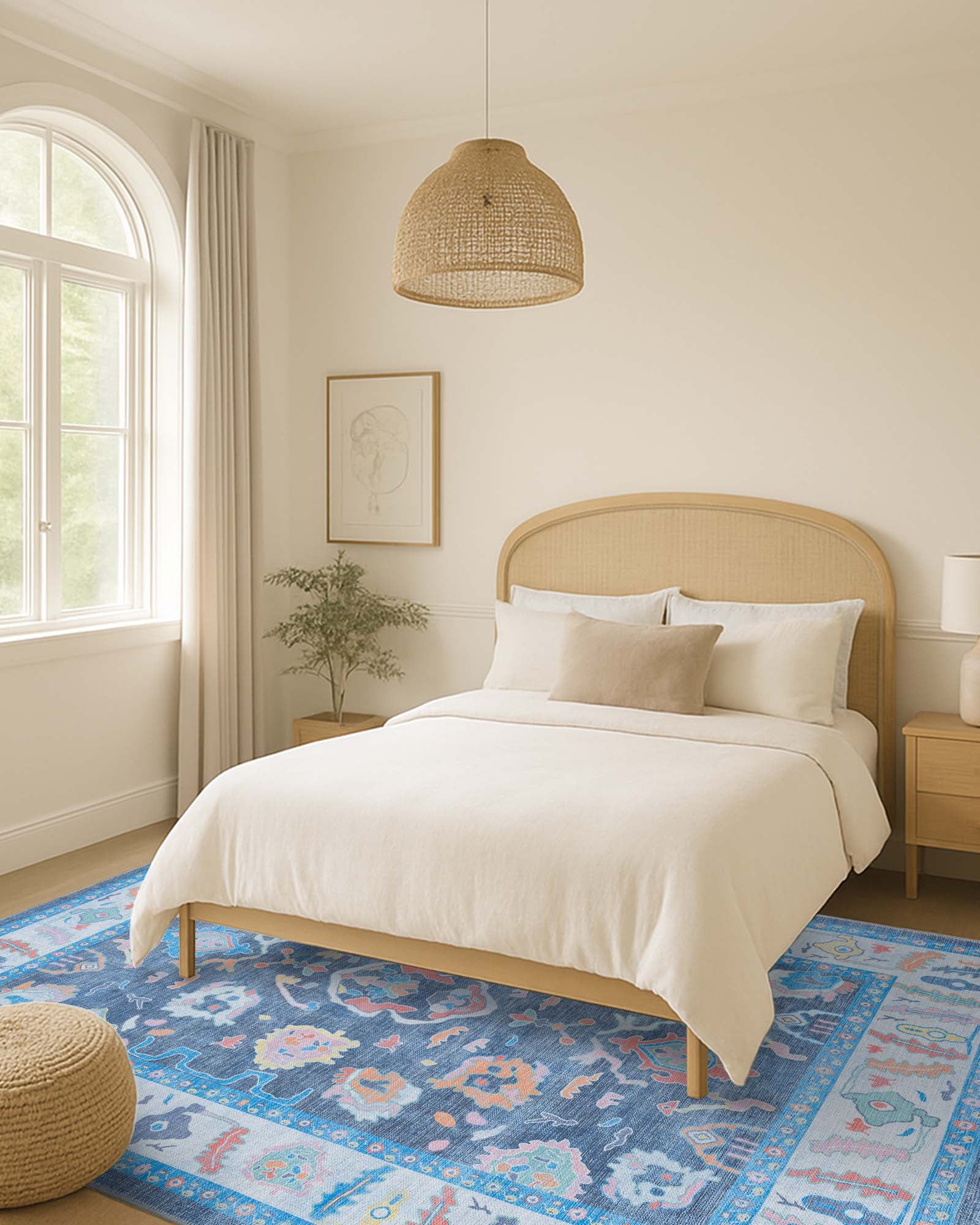
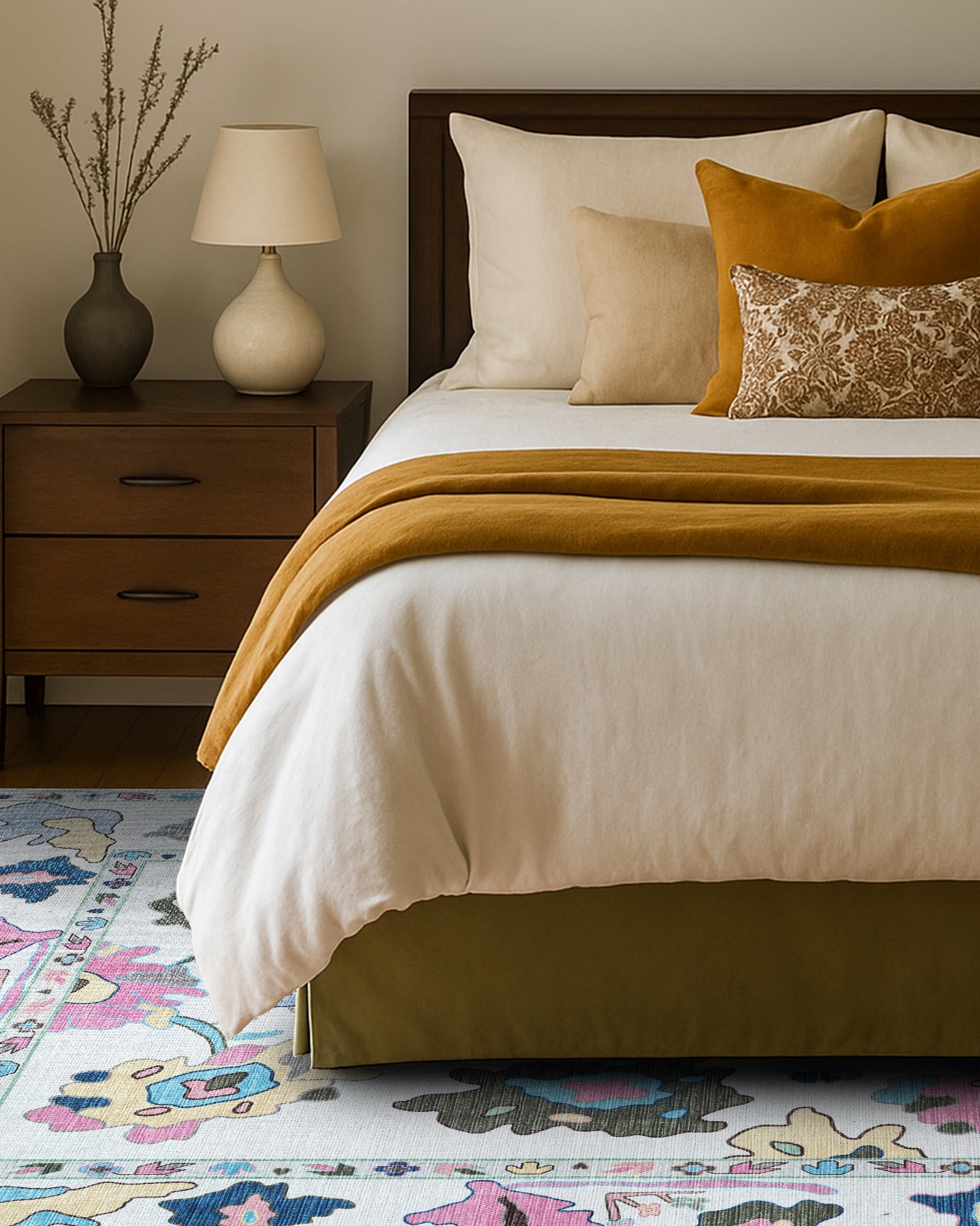
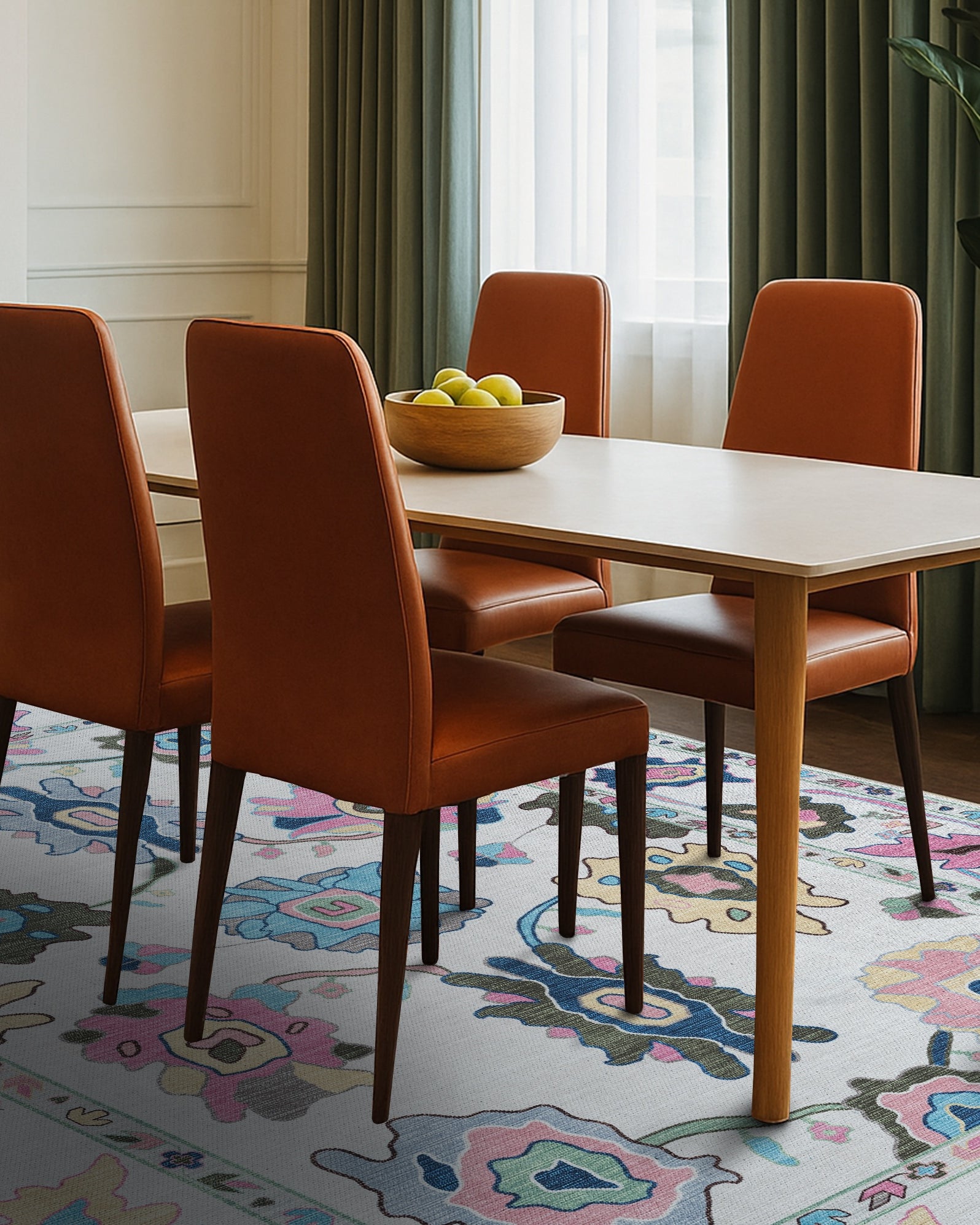
They are also the easiest vintage rugs to layer over jute or sisal, and the most forgiving if you move house or change furniture. In a living room, keep at least the front legs of every seating piece on the rug. In a dining room, allow 24 inches past the table on all sides. In a bedroom, run the rug 18 to 24 inches past each side of the bed.
The Practical Trade-Off
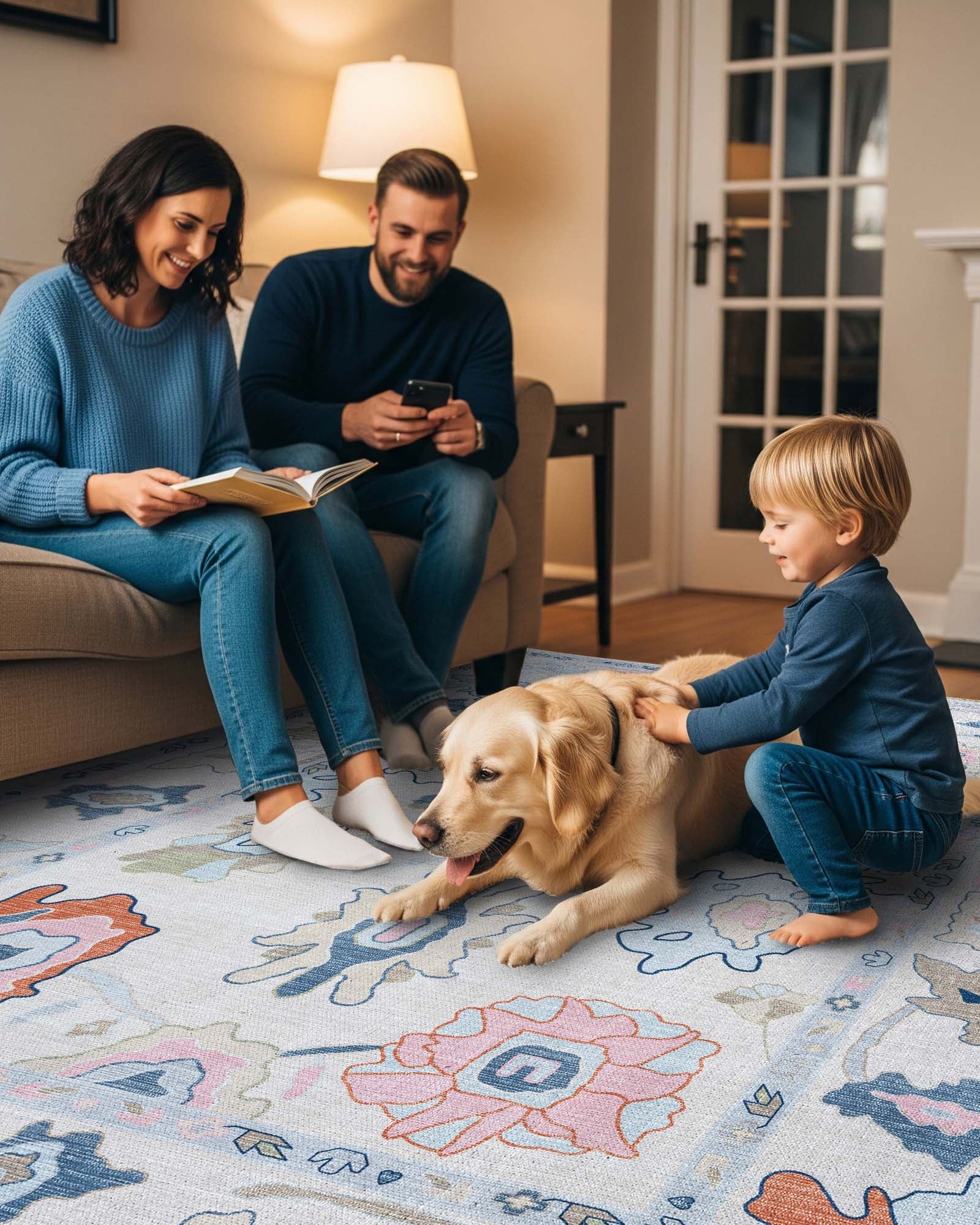
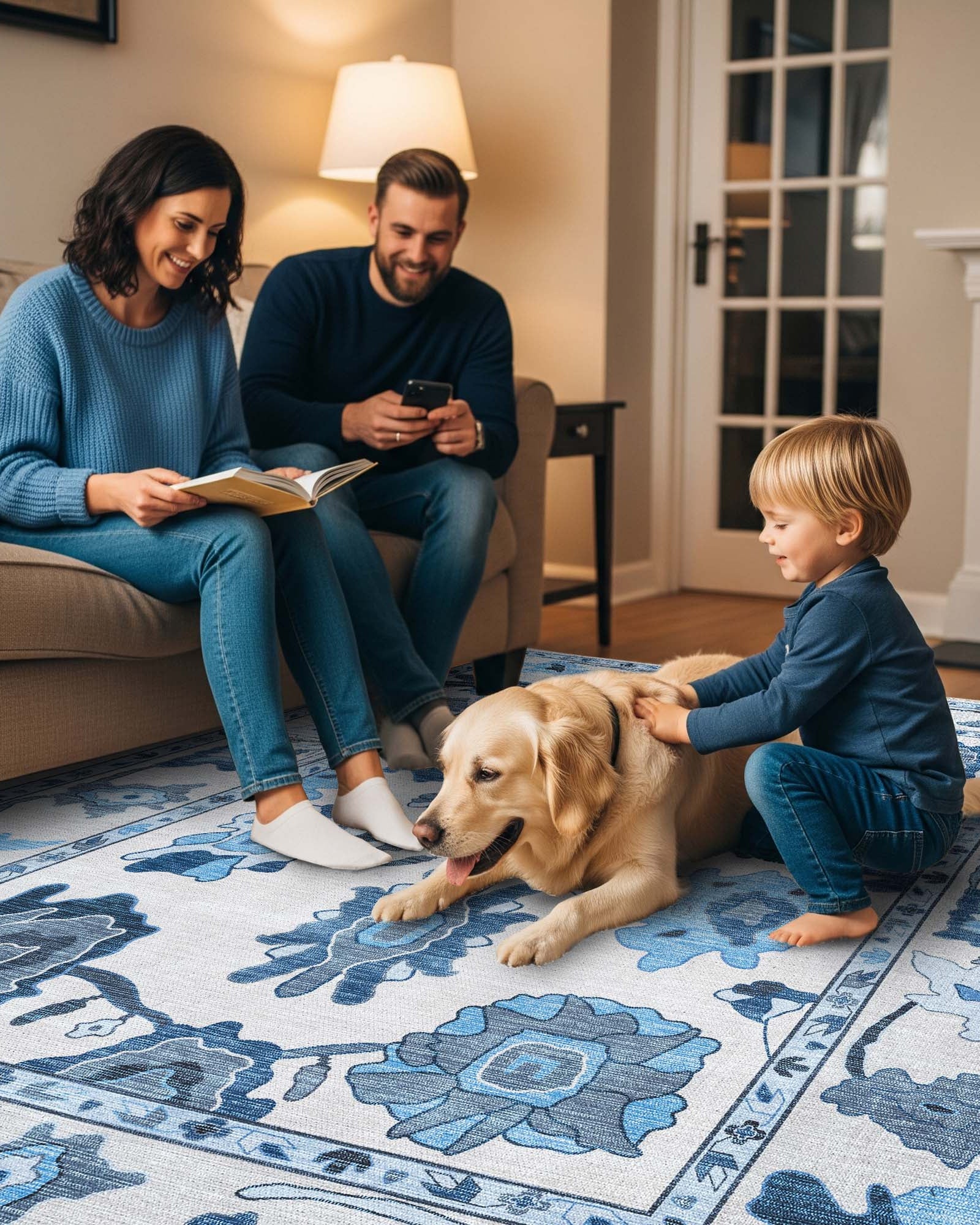
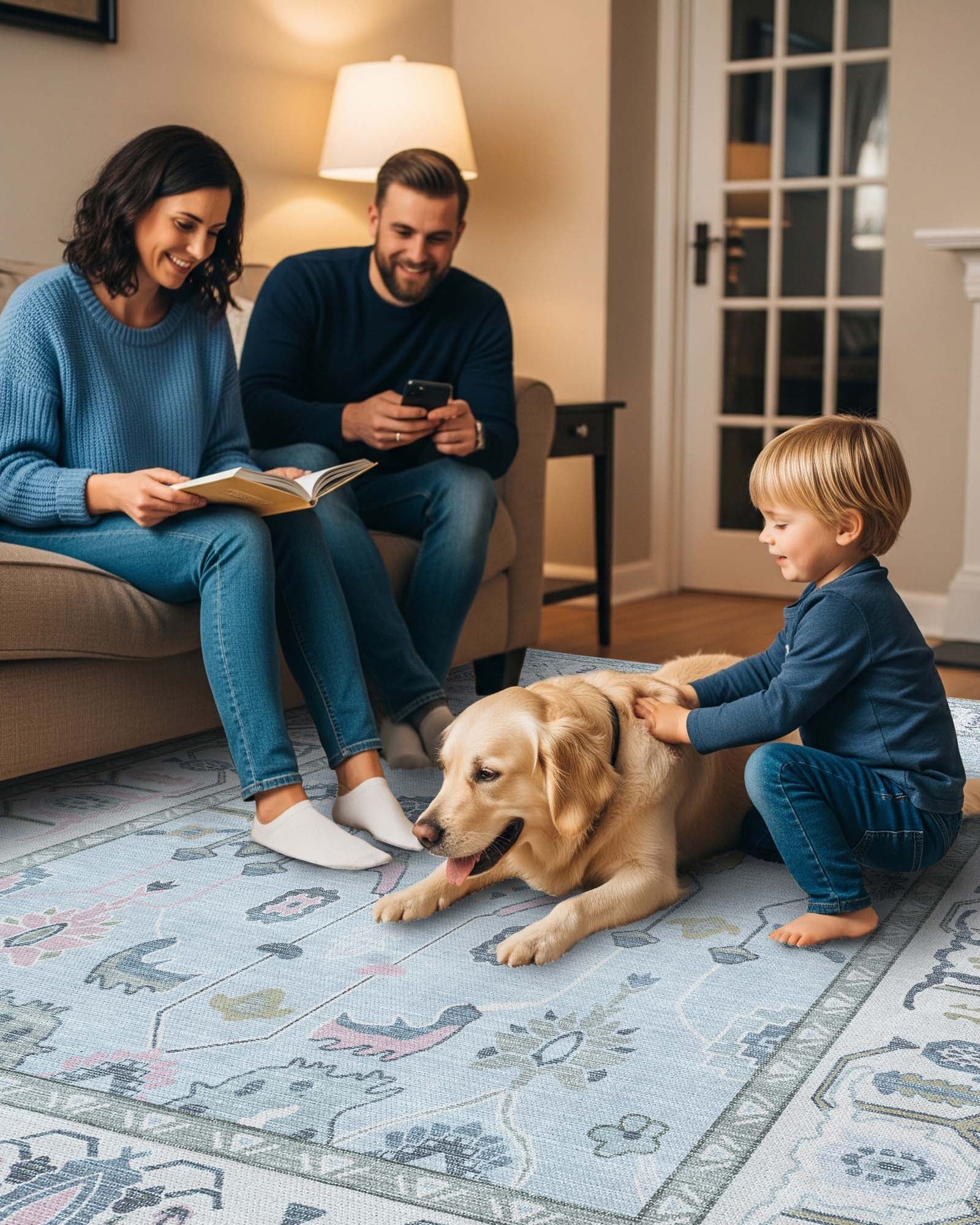
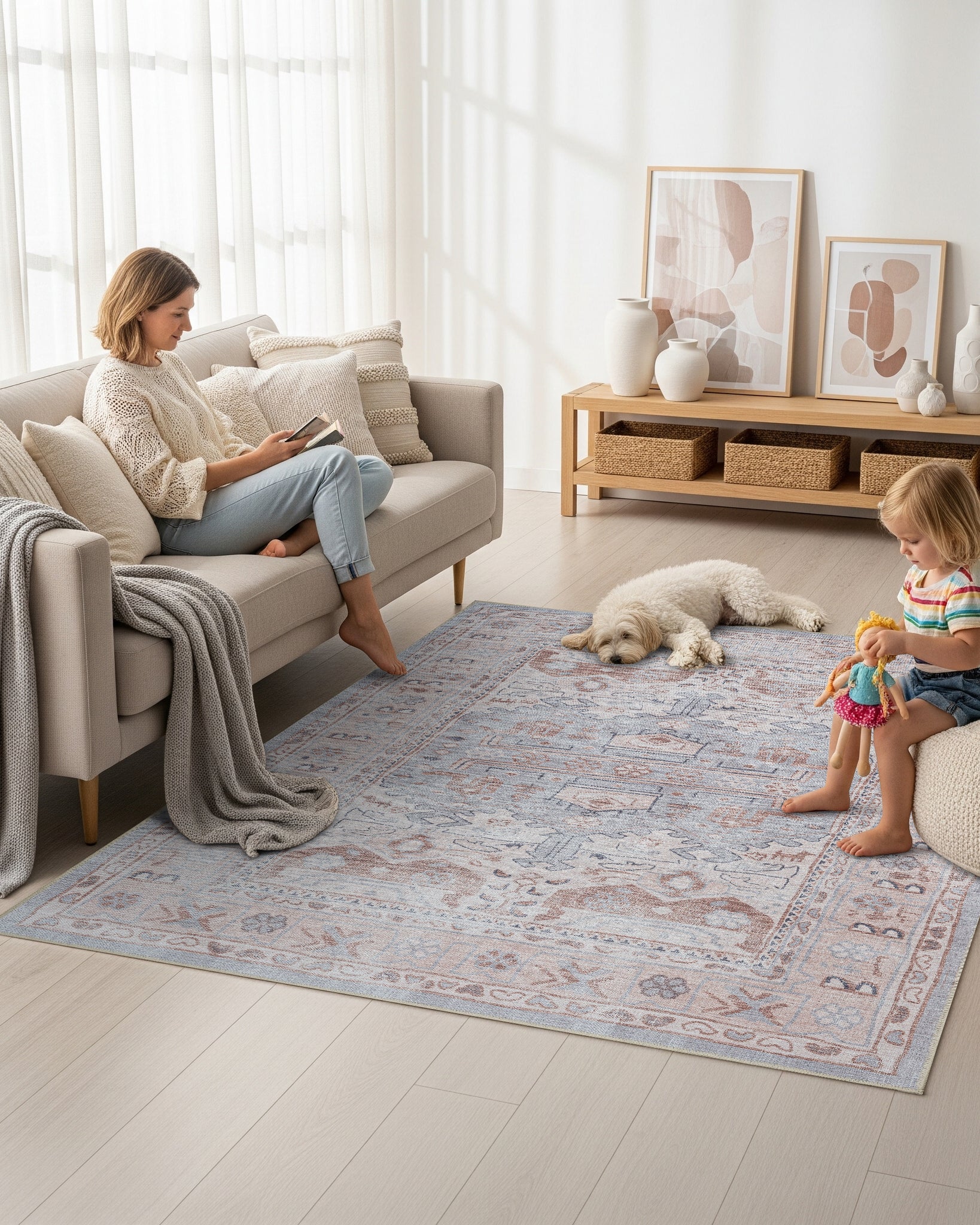
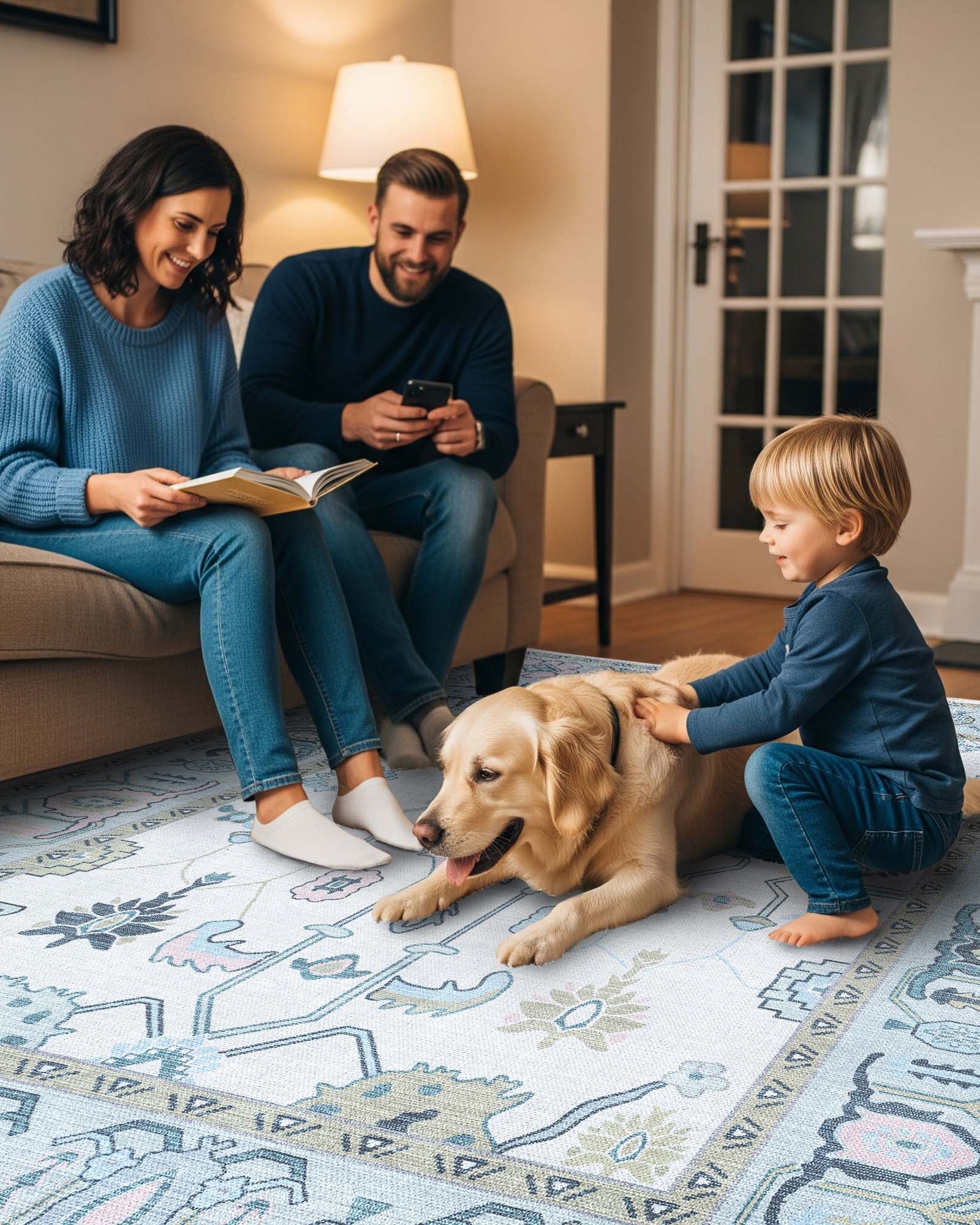
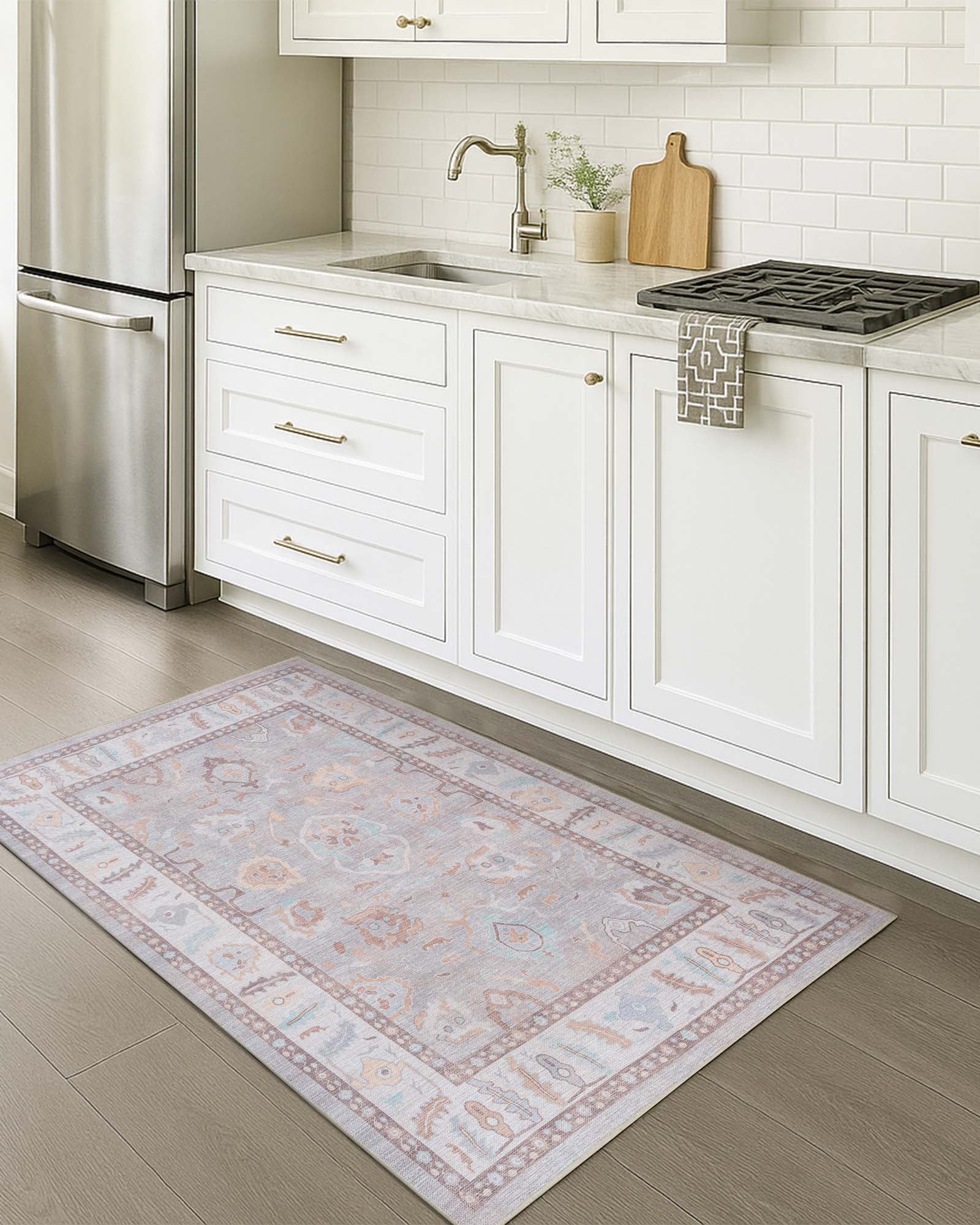
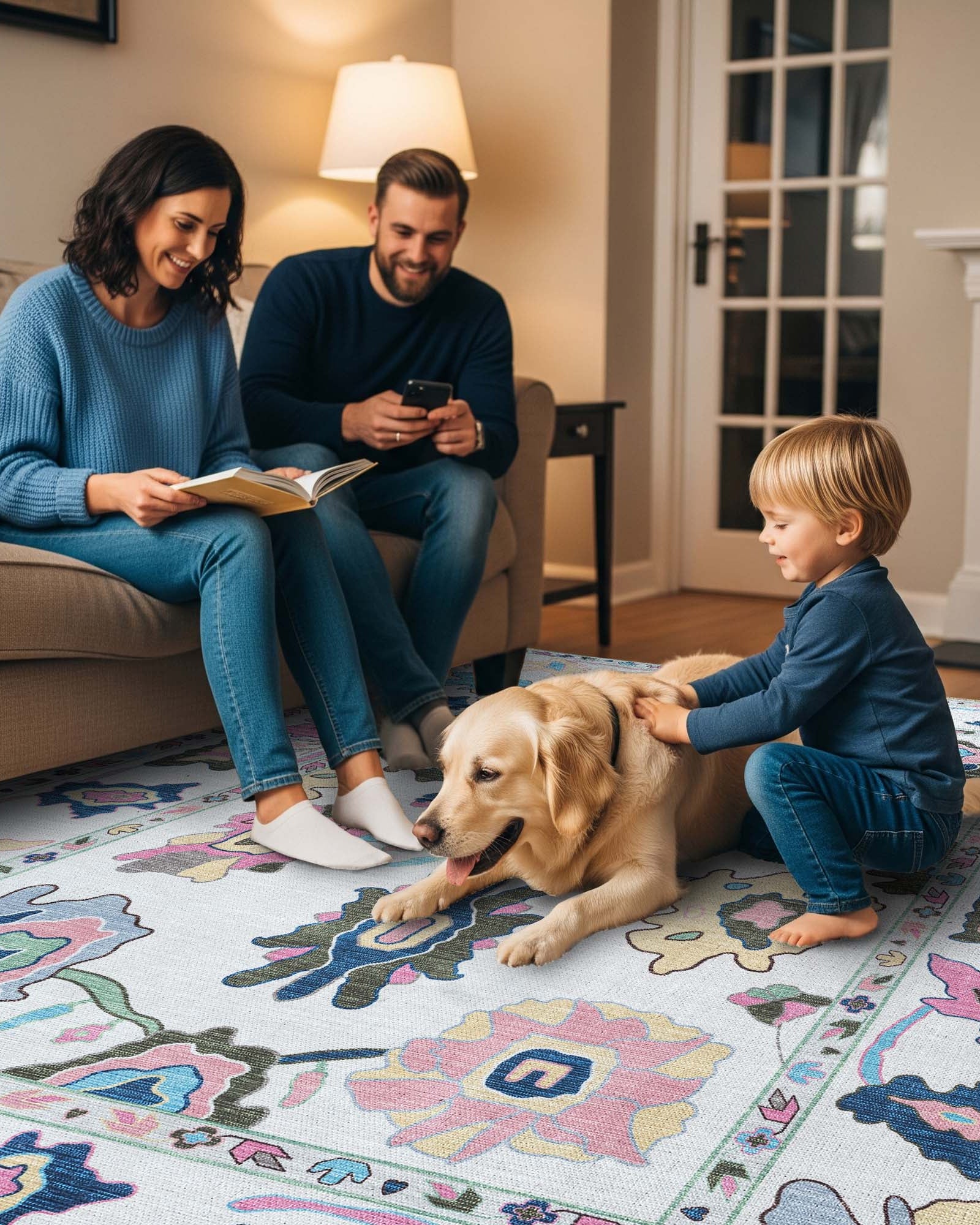
Pale rugs show more. A cream or ivory piece in an entryway, under a dining table or in a house with dogs will need more attention than a mid-tone patterned rug that hides everything. Sand, camel and grey-taupe are the sensible middle ground: quiet enough to read as neutral, dark enough to live with. If a pale rug is what you want in a busy spot, plan on a good pad and prompt spill response rather than hoping for the best.
Condition, Age and Measurement
Pieces are grouped as antique at over eighty years, vintage at roughly forty to eighty, and semi-vintage below that. Each product page carries the estimated decade, the origin where identifiable, exact measured dimensions and a plain condition note. On pale rugs, note that old stains and discolouration are more visible than on dark pieces — anything present is photographed and described rather than lit out. Sizes are never standard and opposite edges often differ by an inch or more.
Care
Use a rug pad on every hard floor. Vacuum with the beater bar off or raised and keep it off the fringe. Rotate twice a year so sun exposure and footfall distribute evenly — on an already pale rug, uneven further fading is more noticeable than on a dark one. Blot spills immediately with a white cloth and plain water, working inward from the outside; speed matters more on light wool than on anything else. Avoid home carpet-cleaning machines, steam cleaners and commercial spot removers, all of which can leave a ring on pale wool and bleed aged natural dyes. Send anything