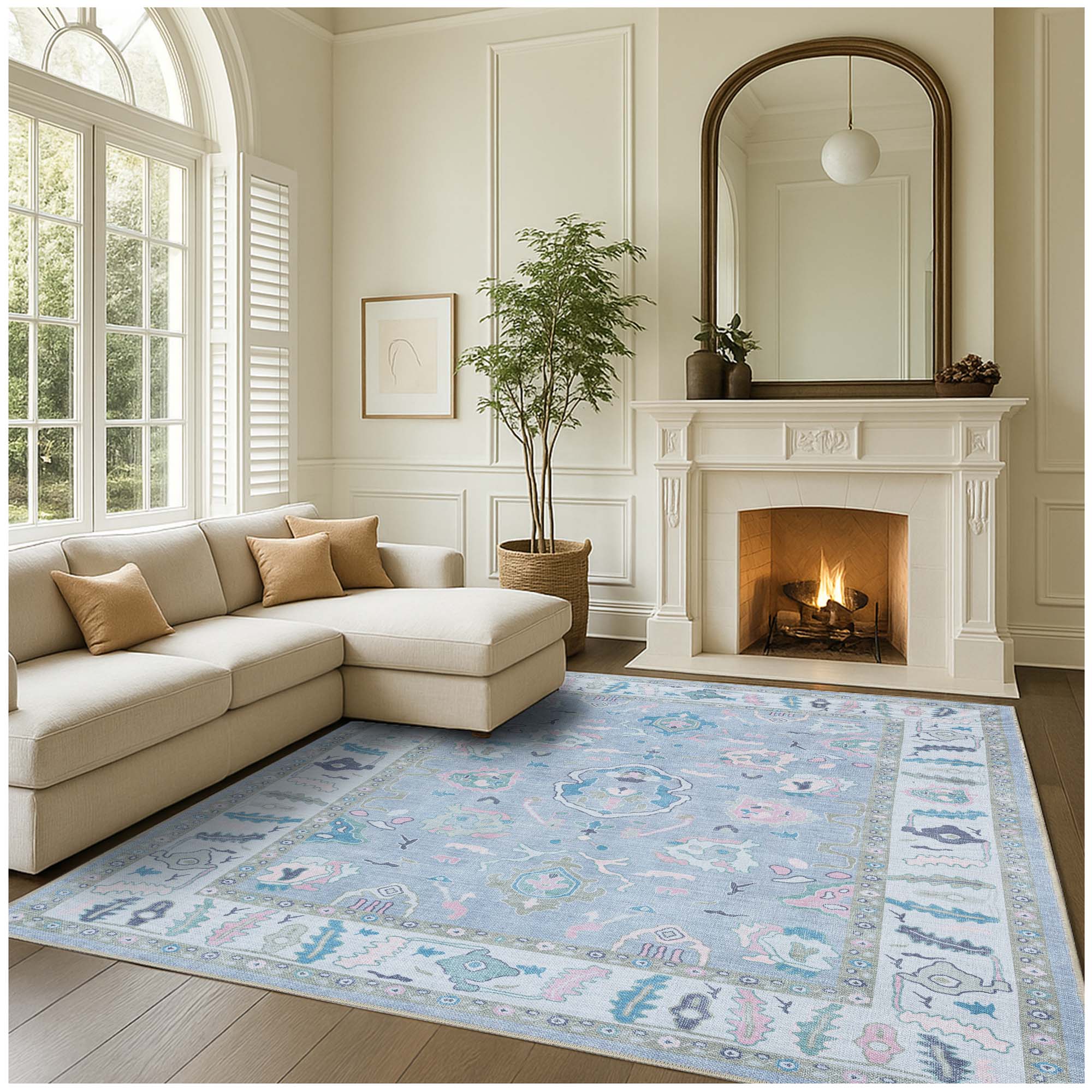
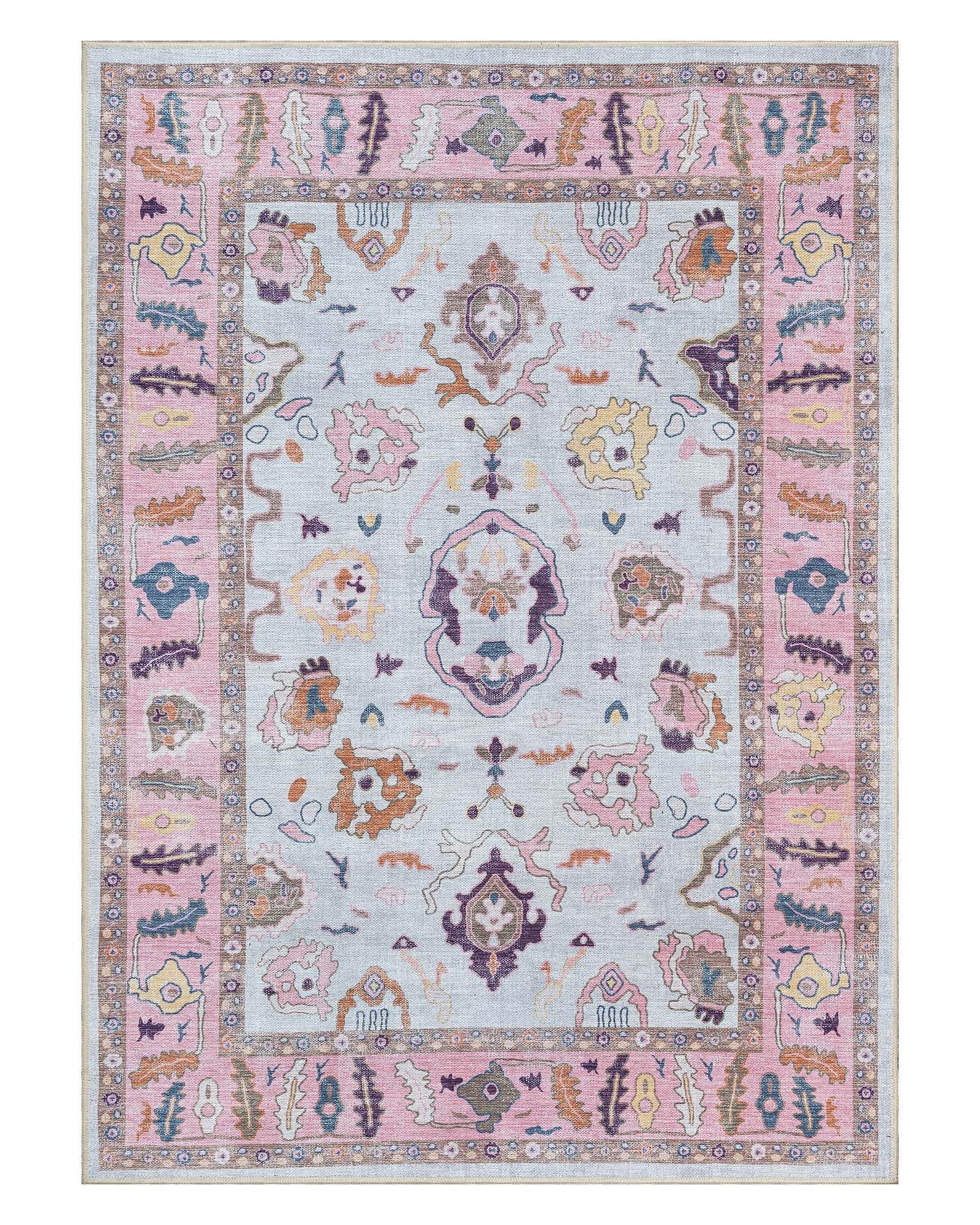
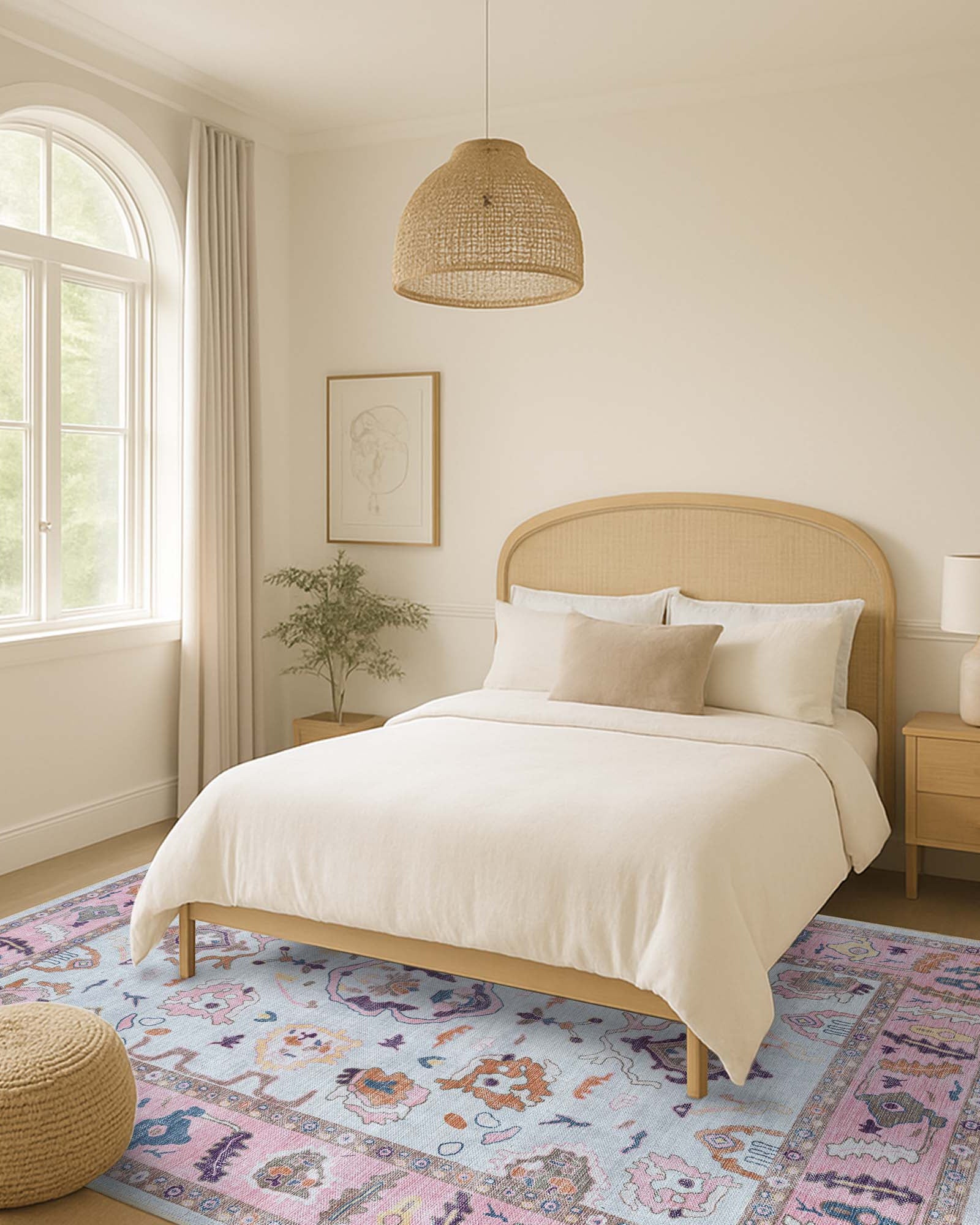
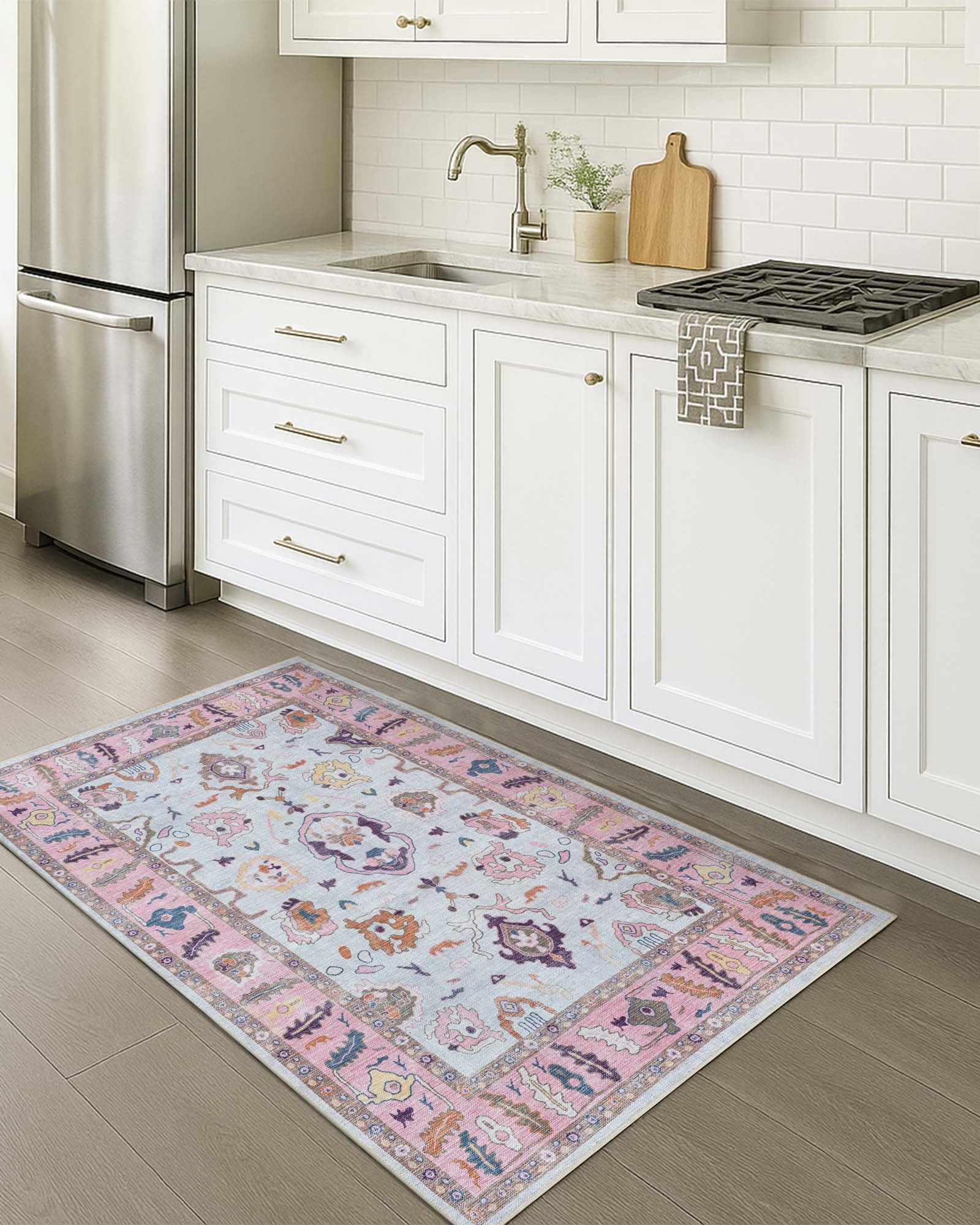
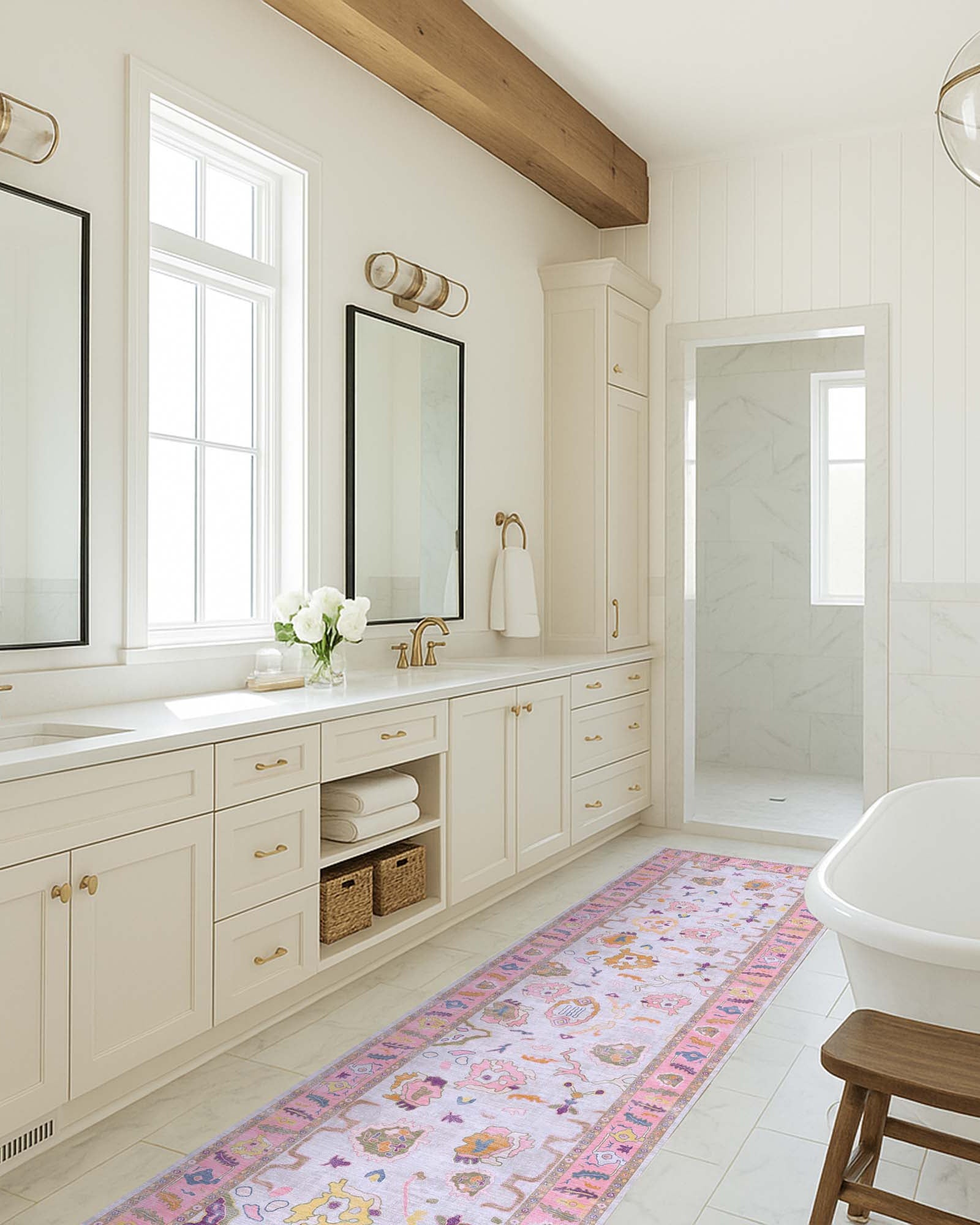
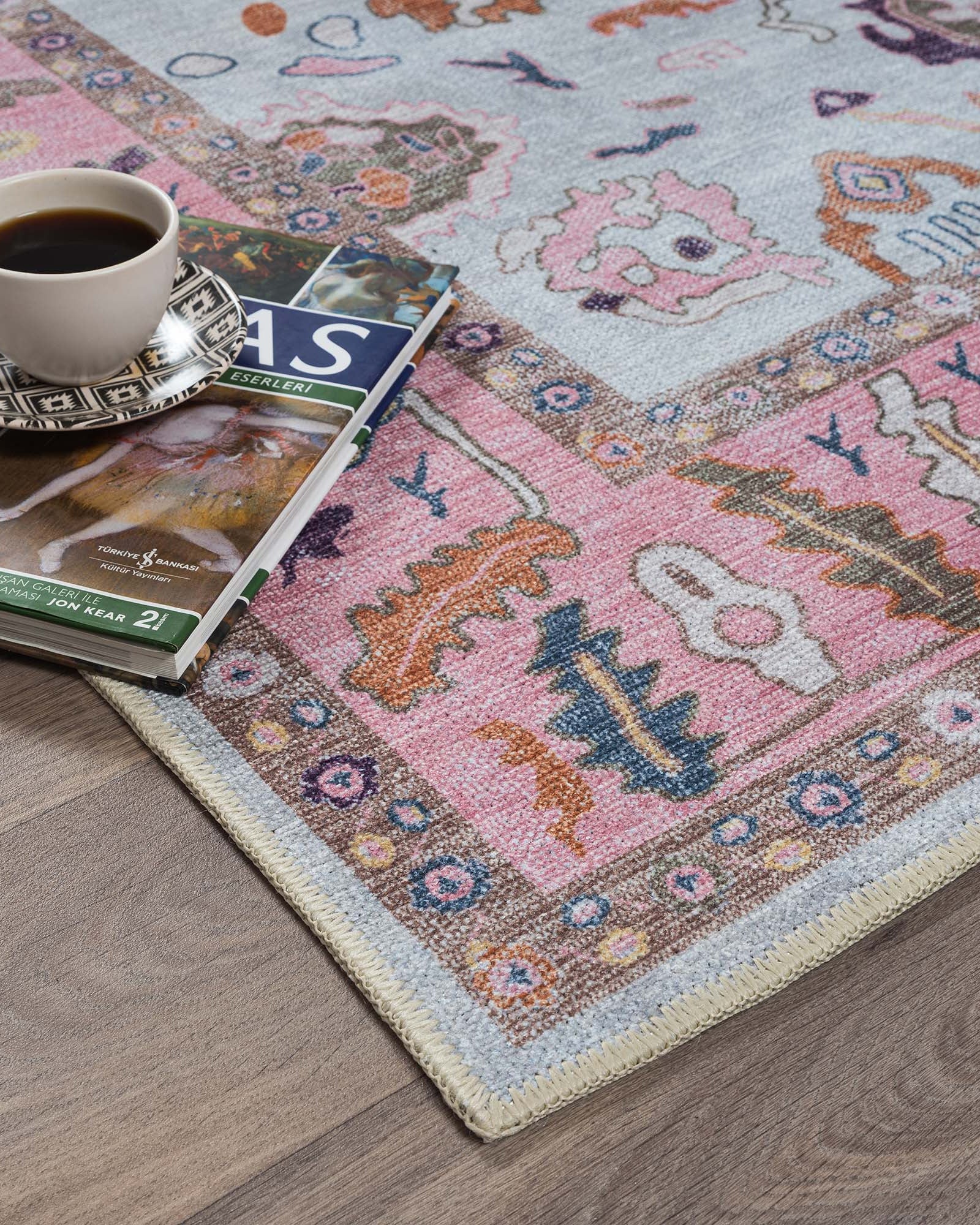
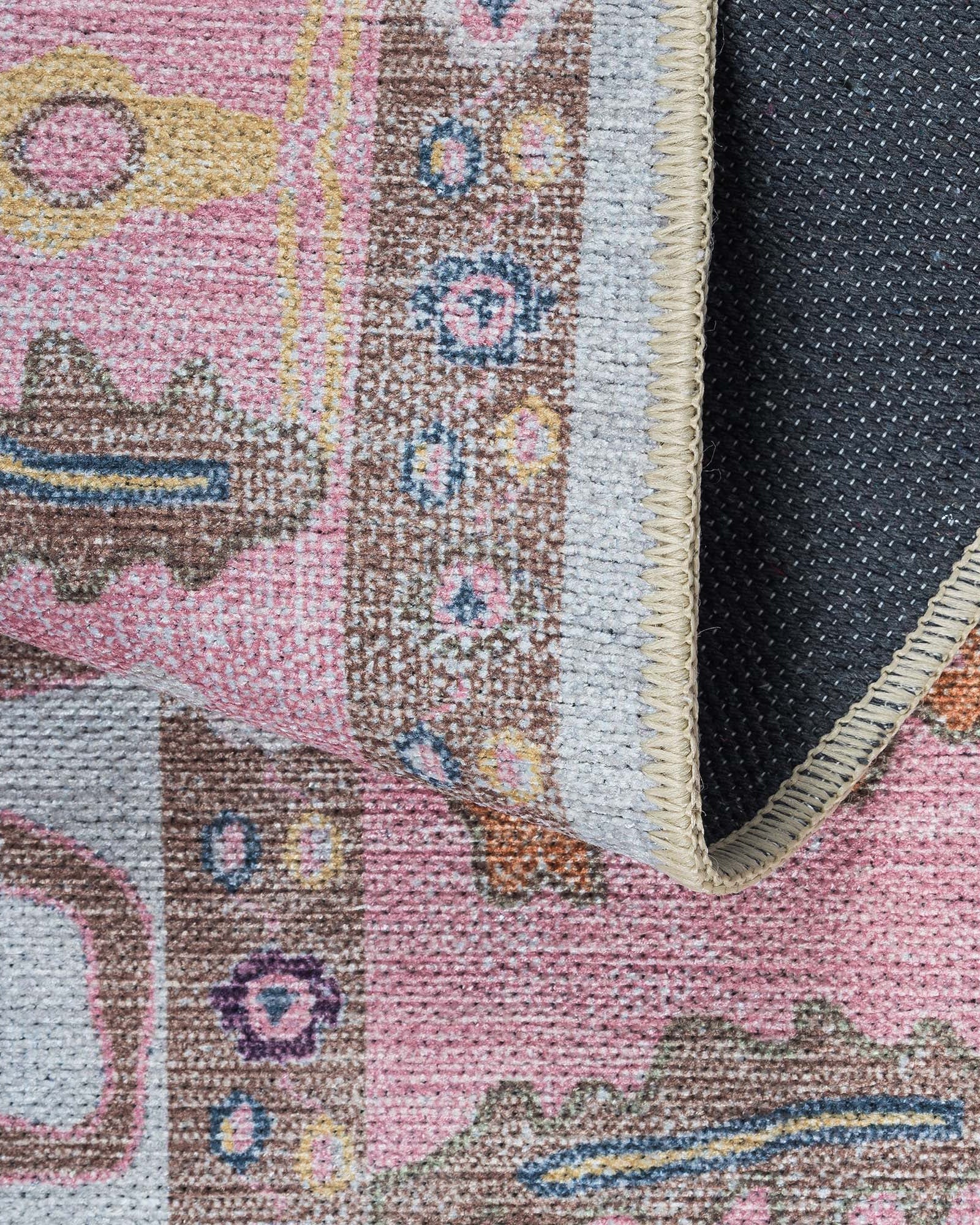
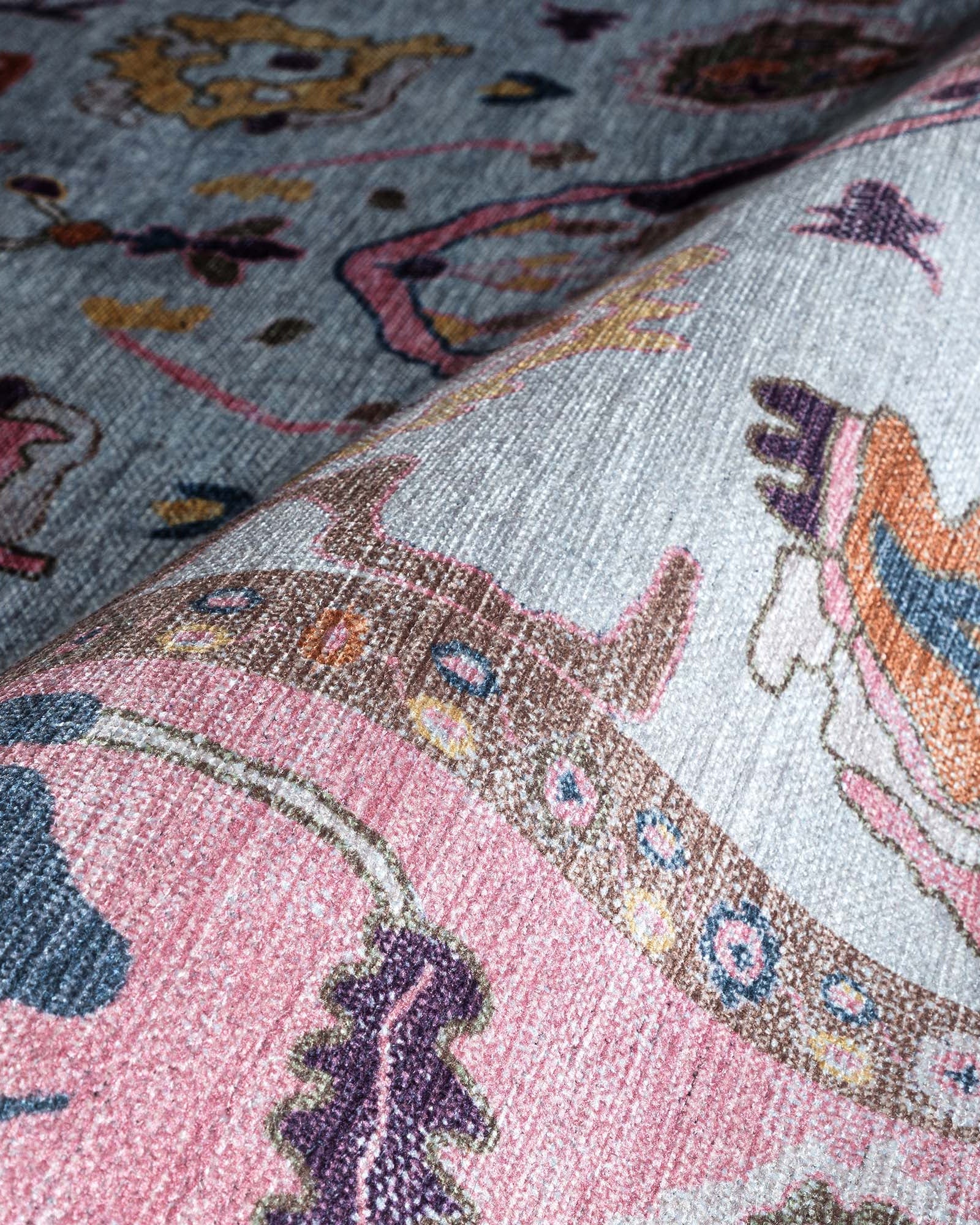
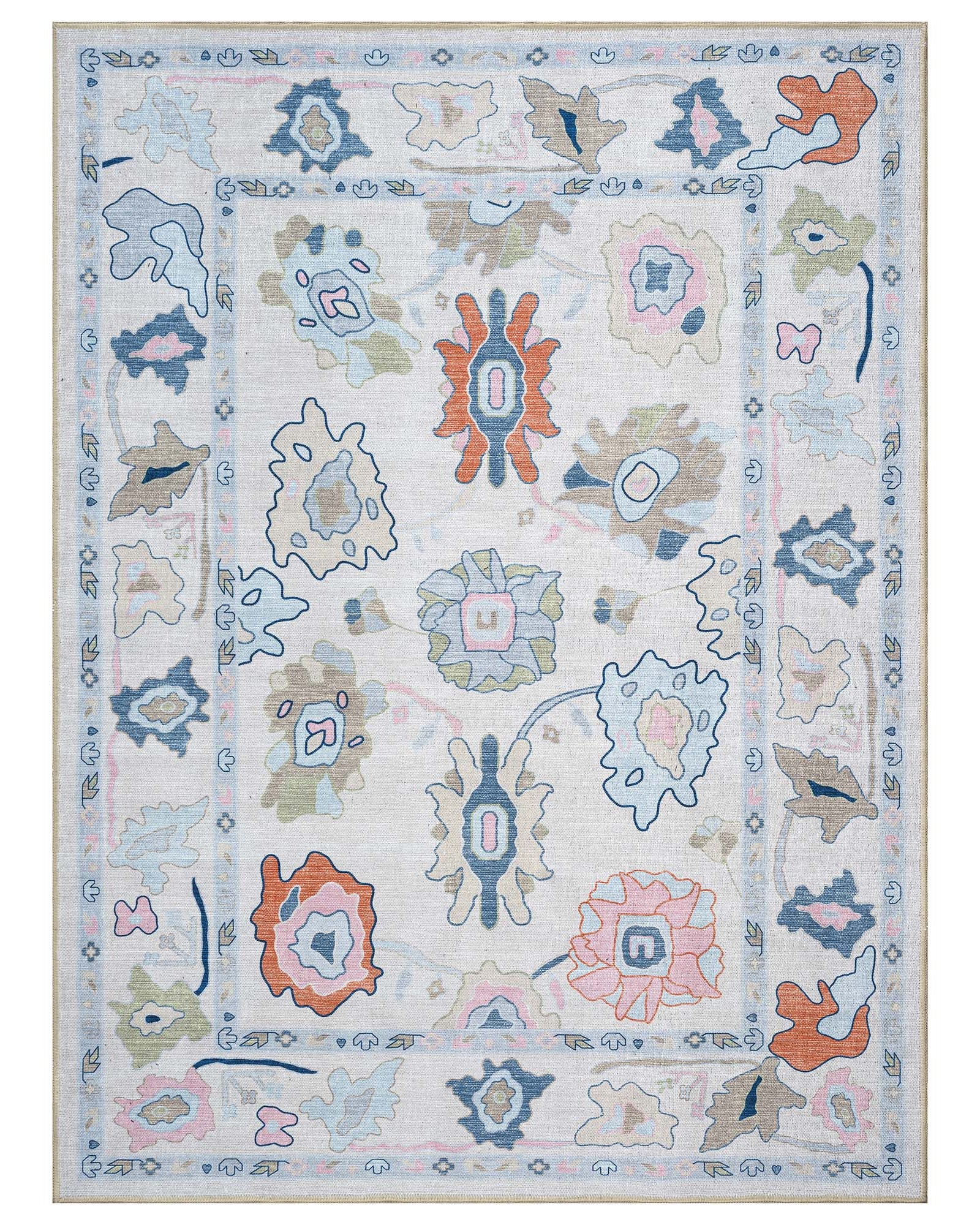
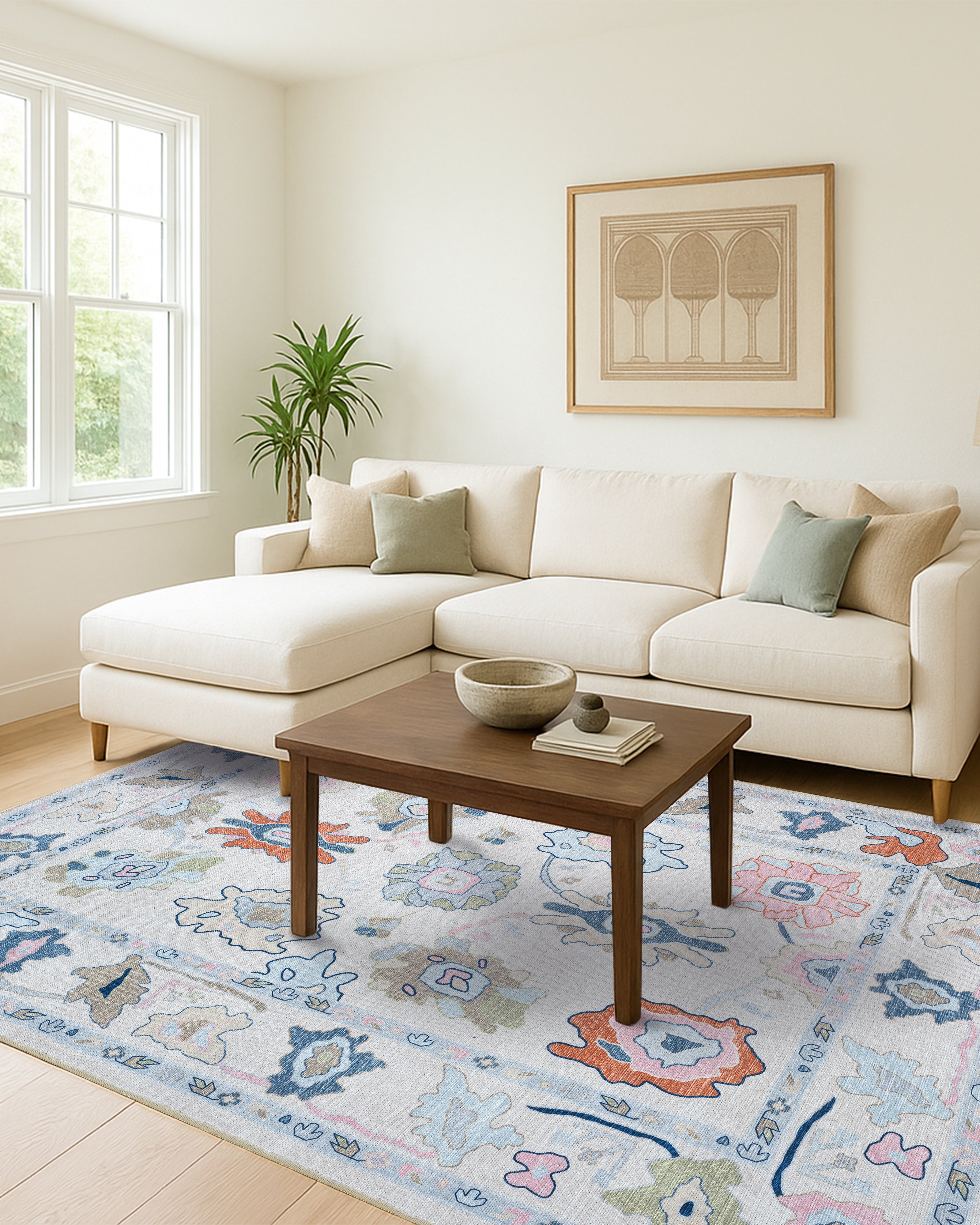
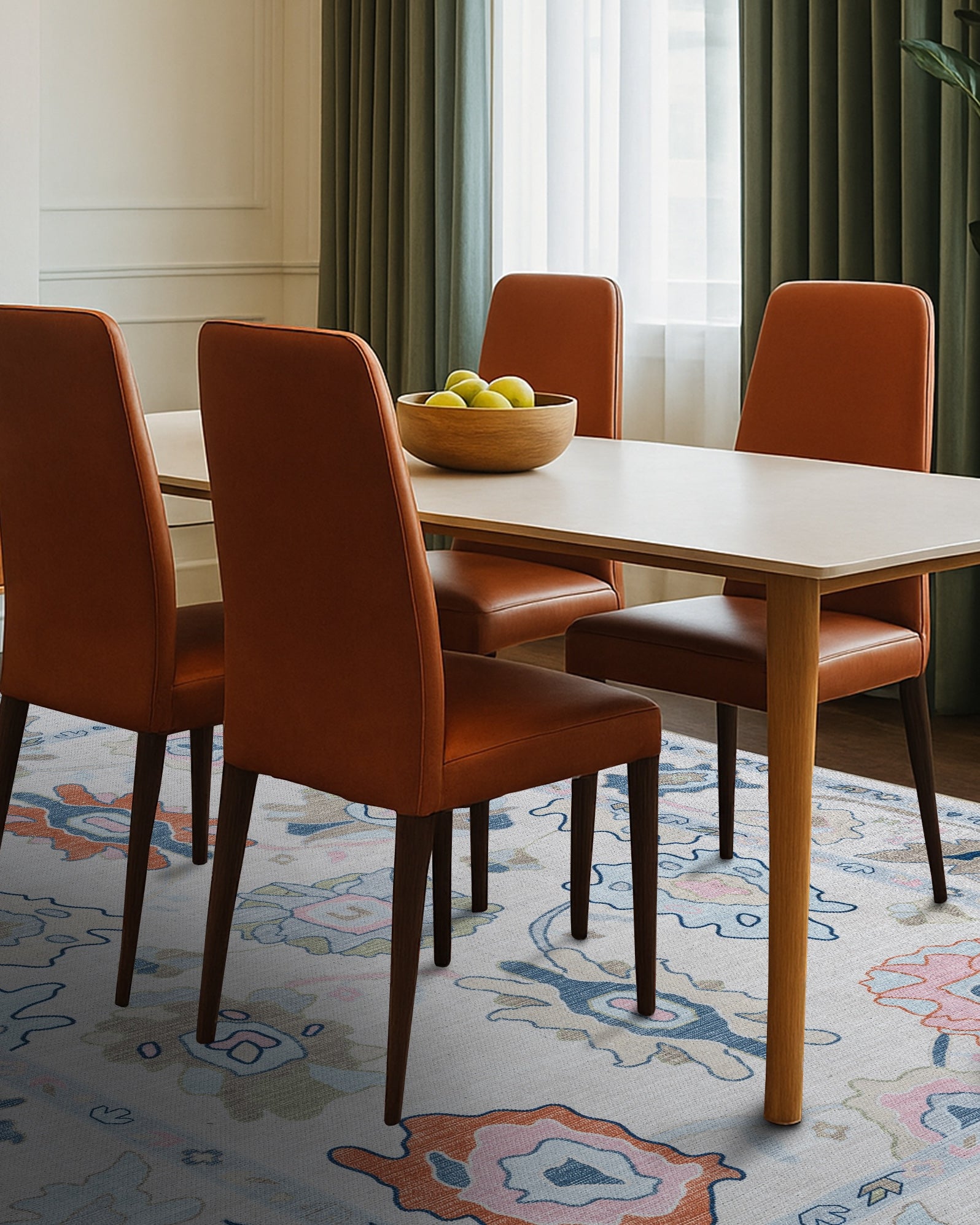
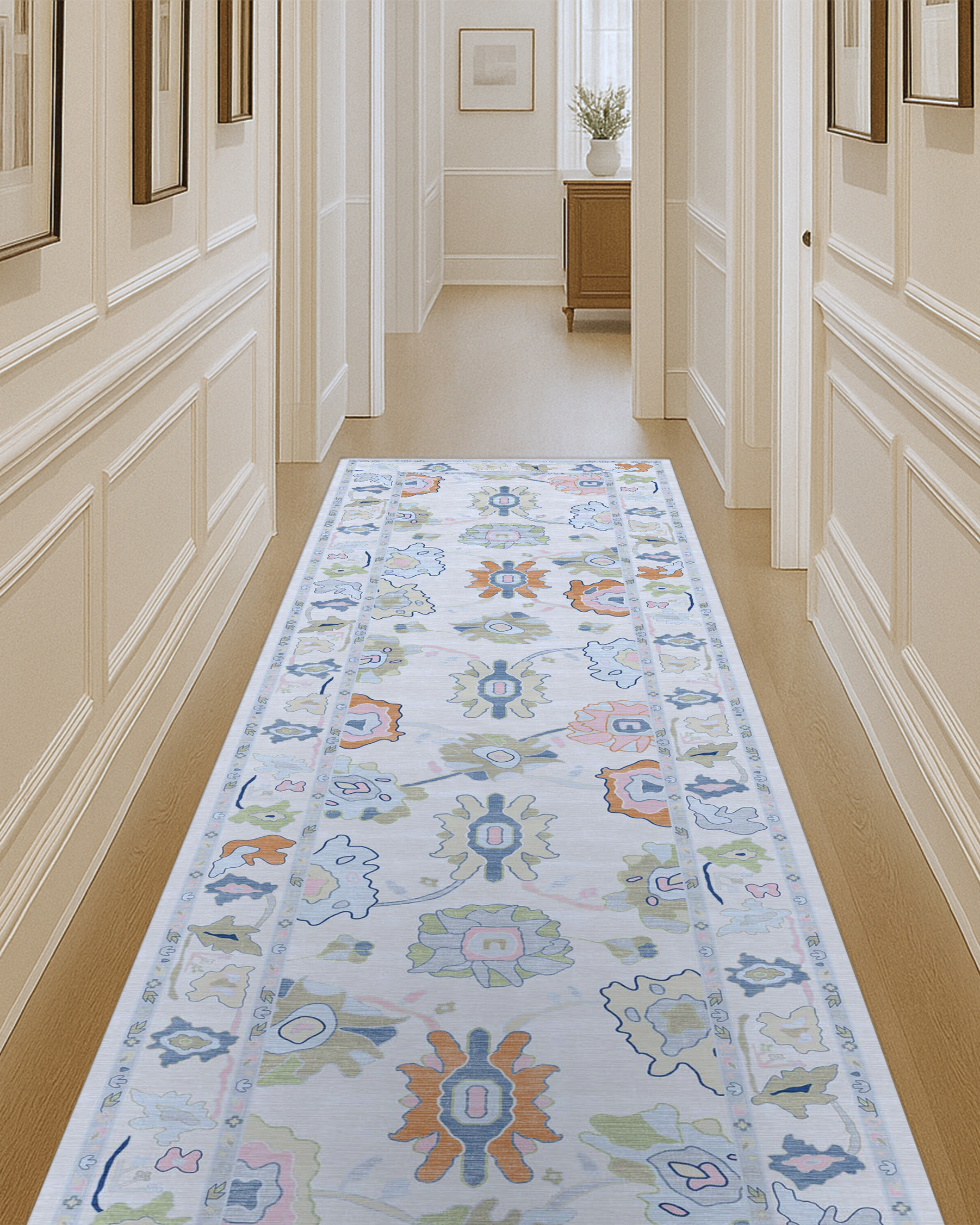
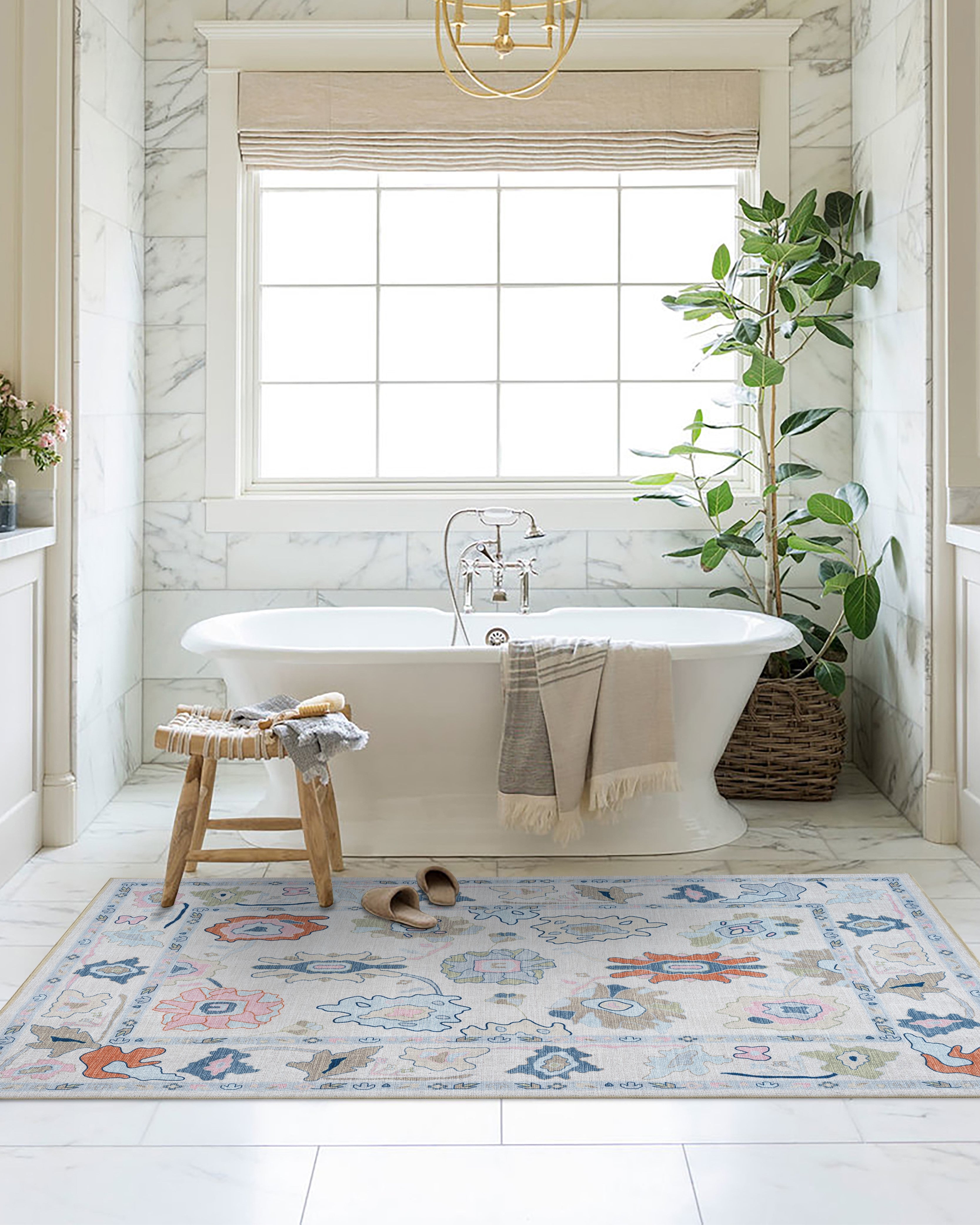
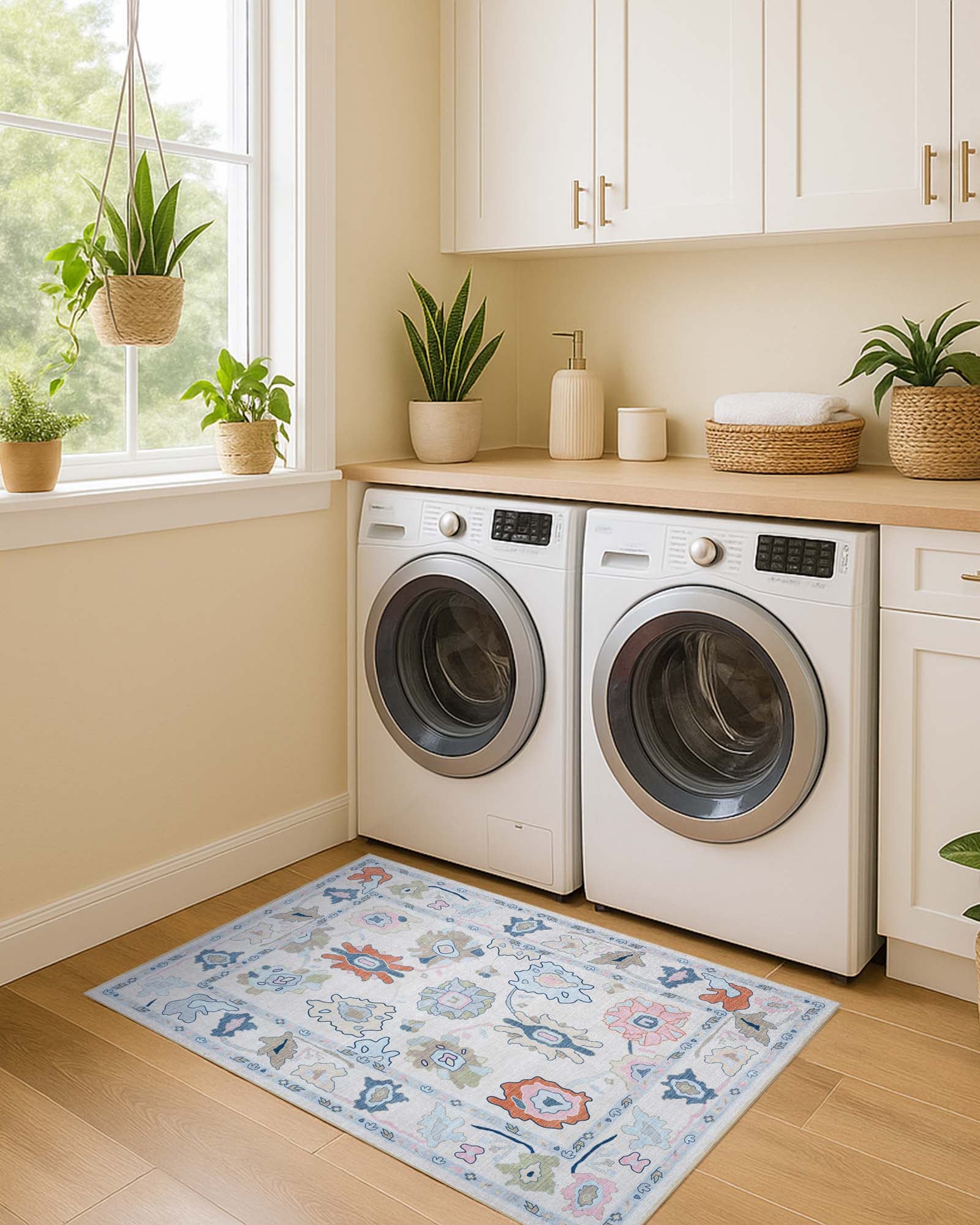
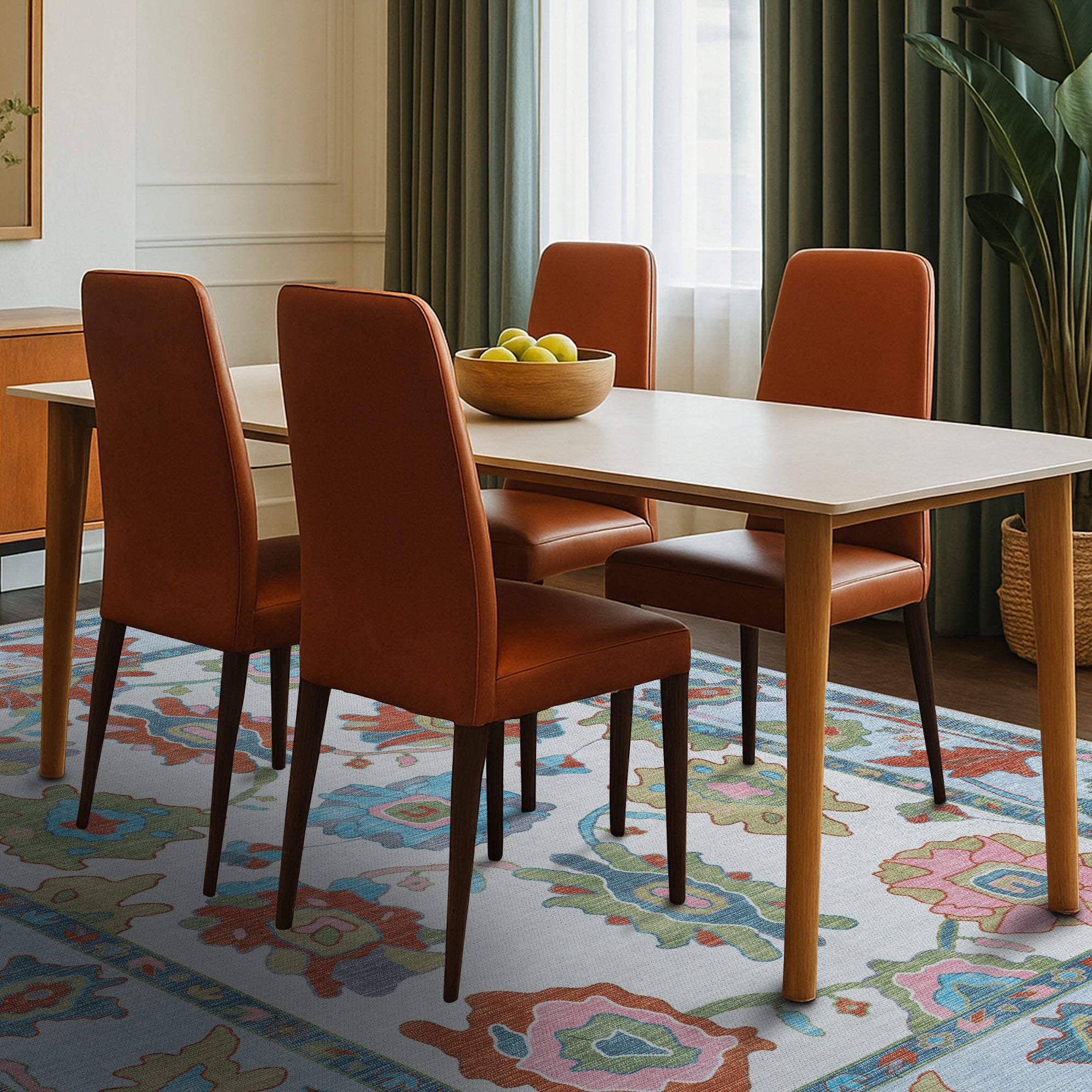
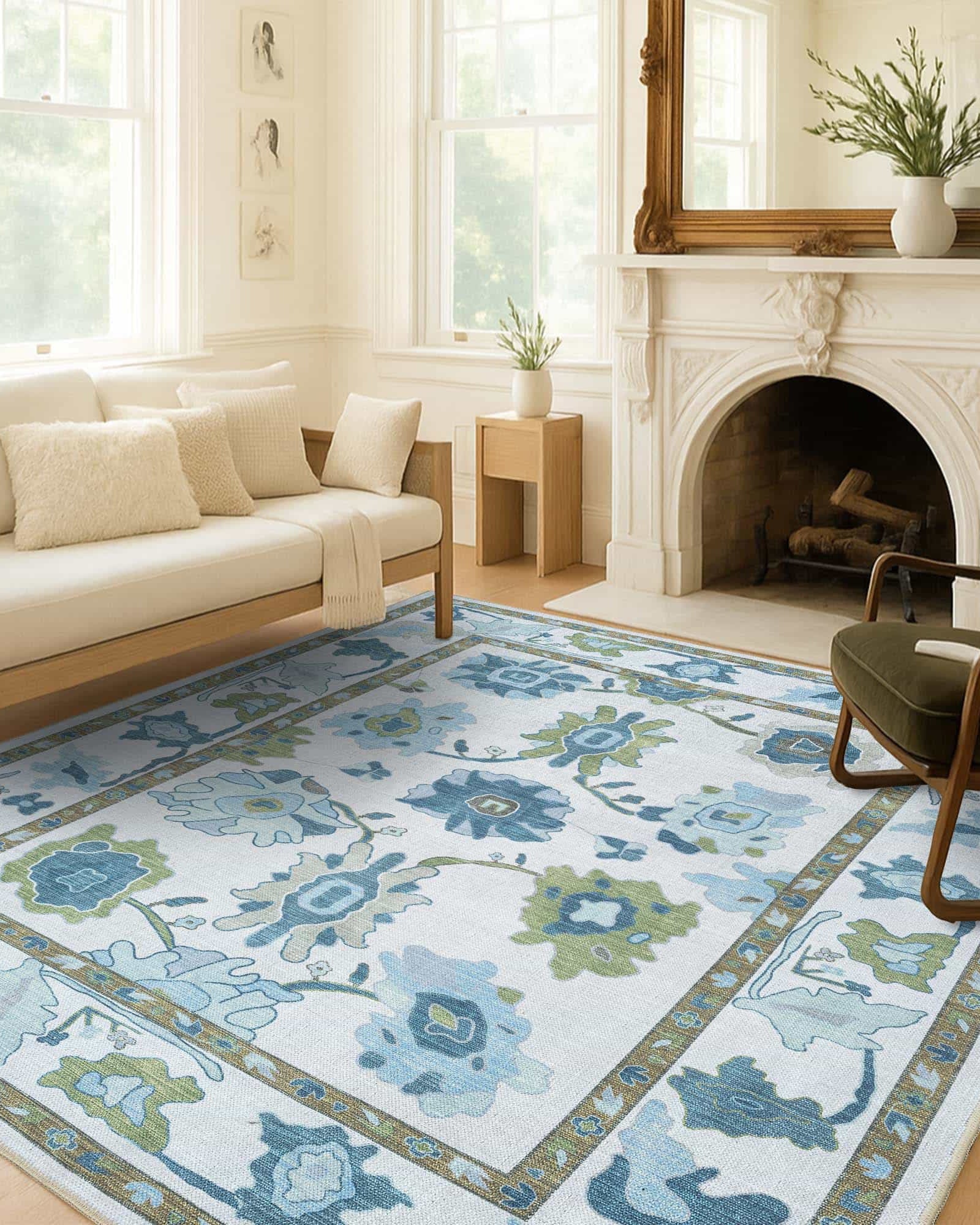
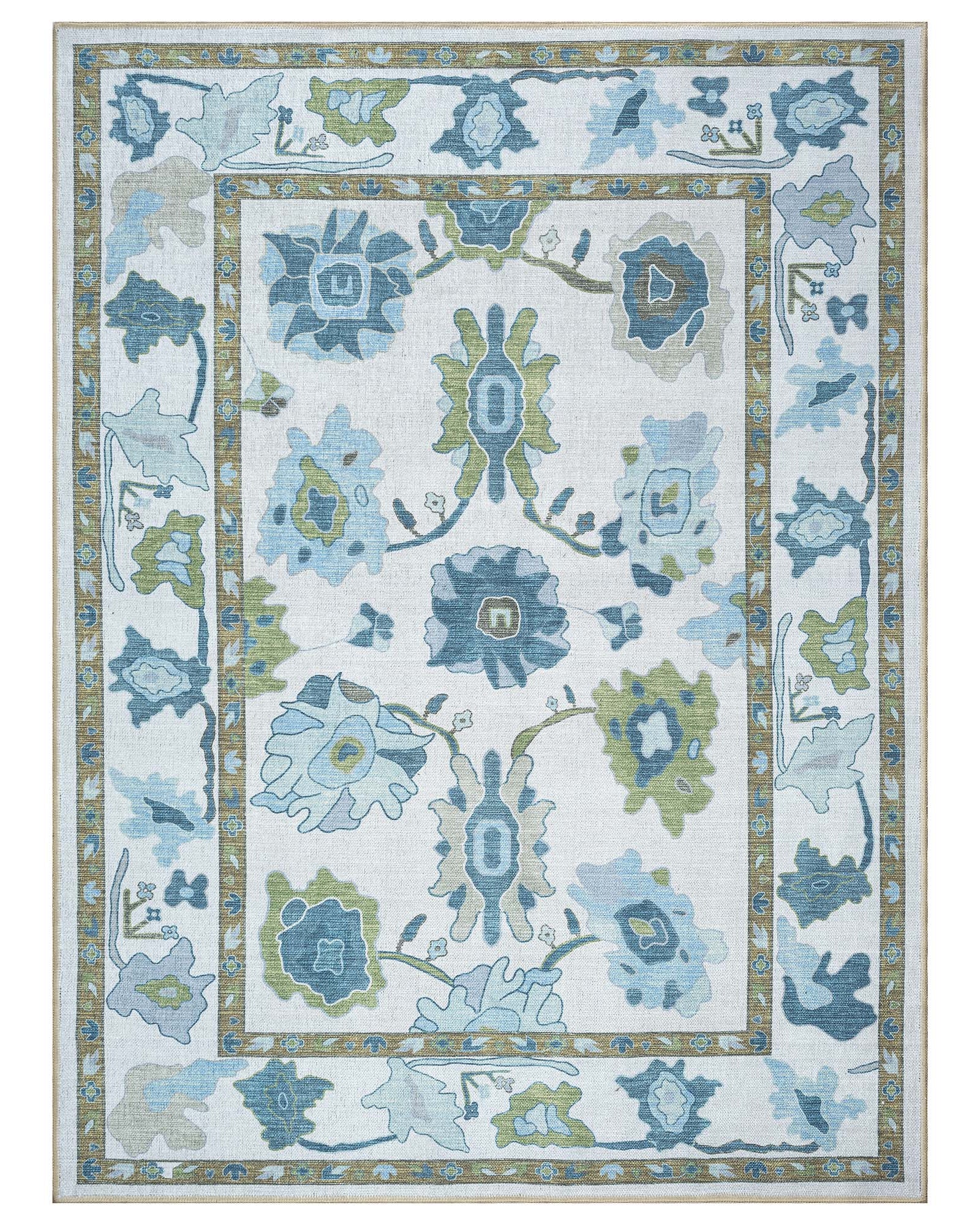
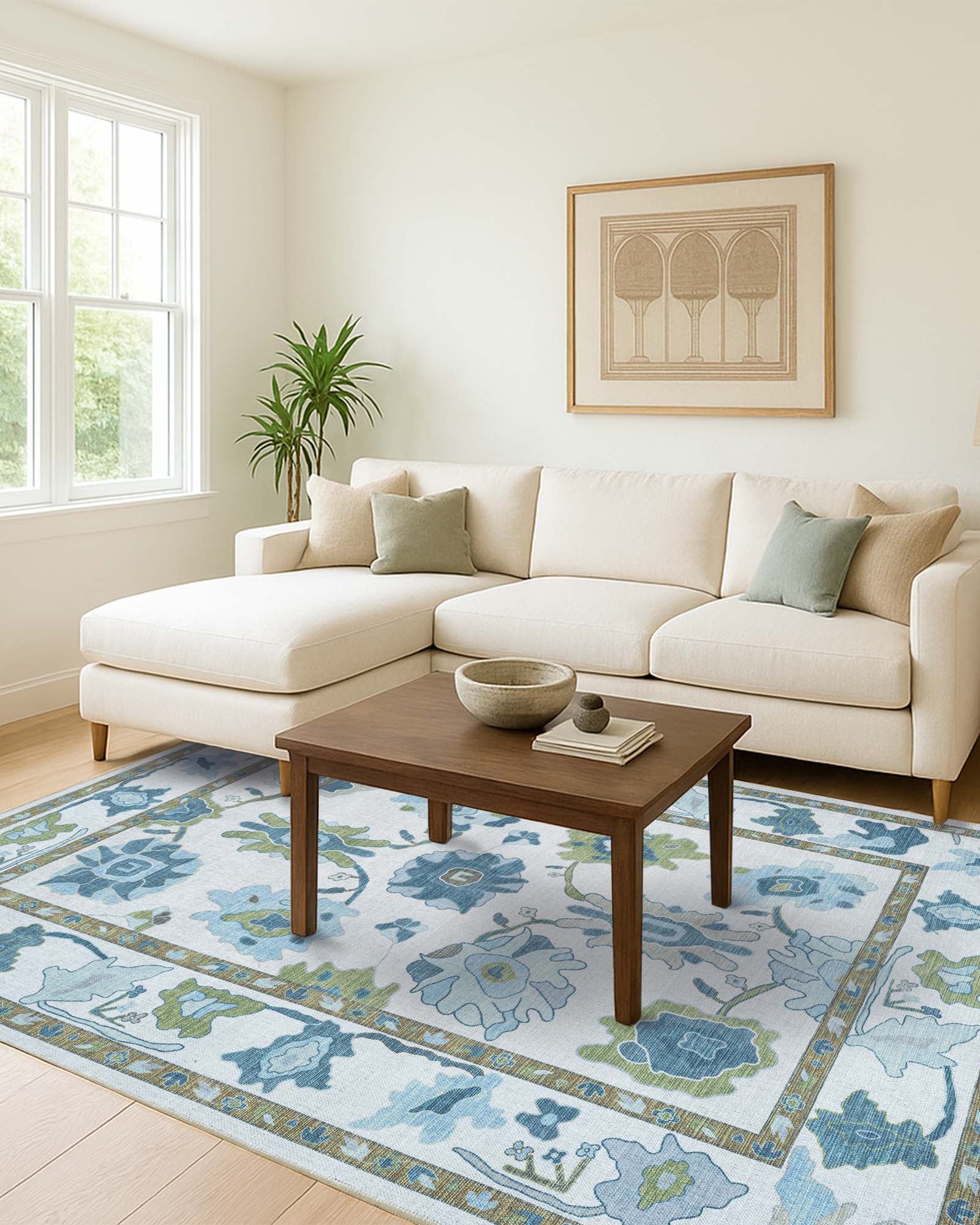
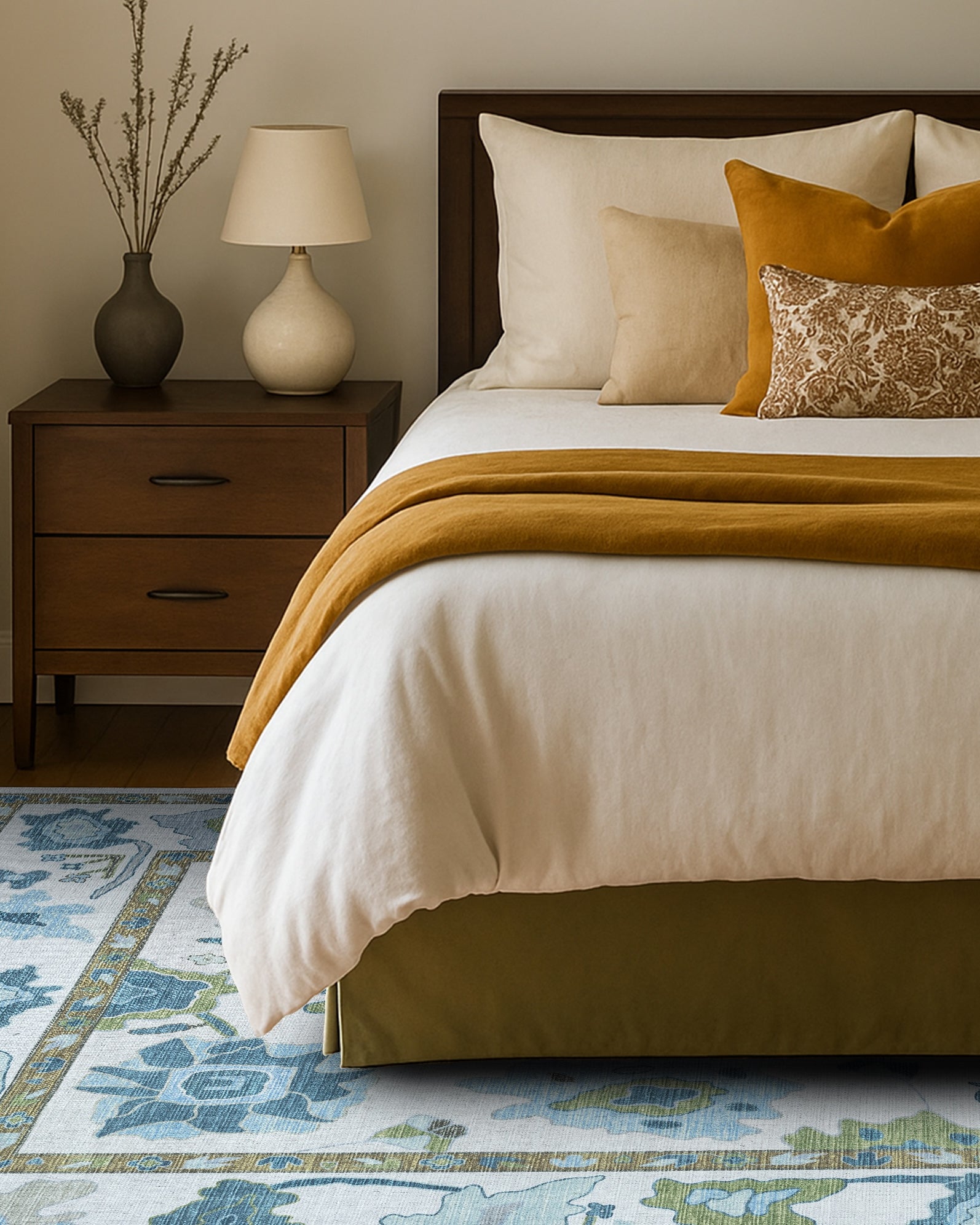
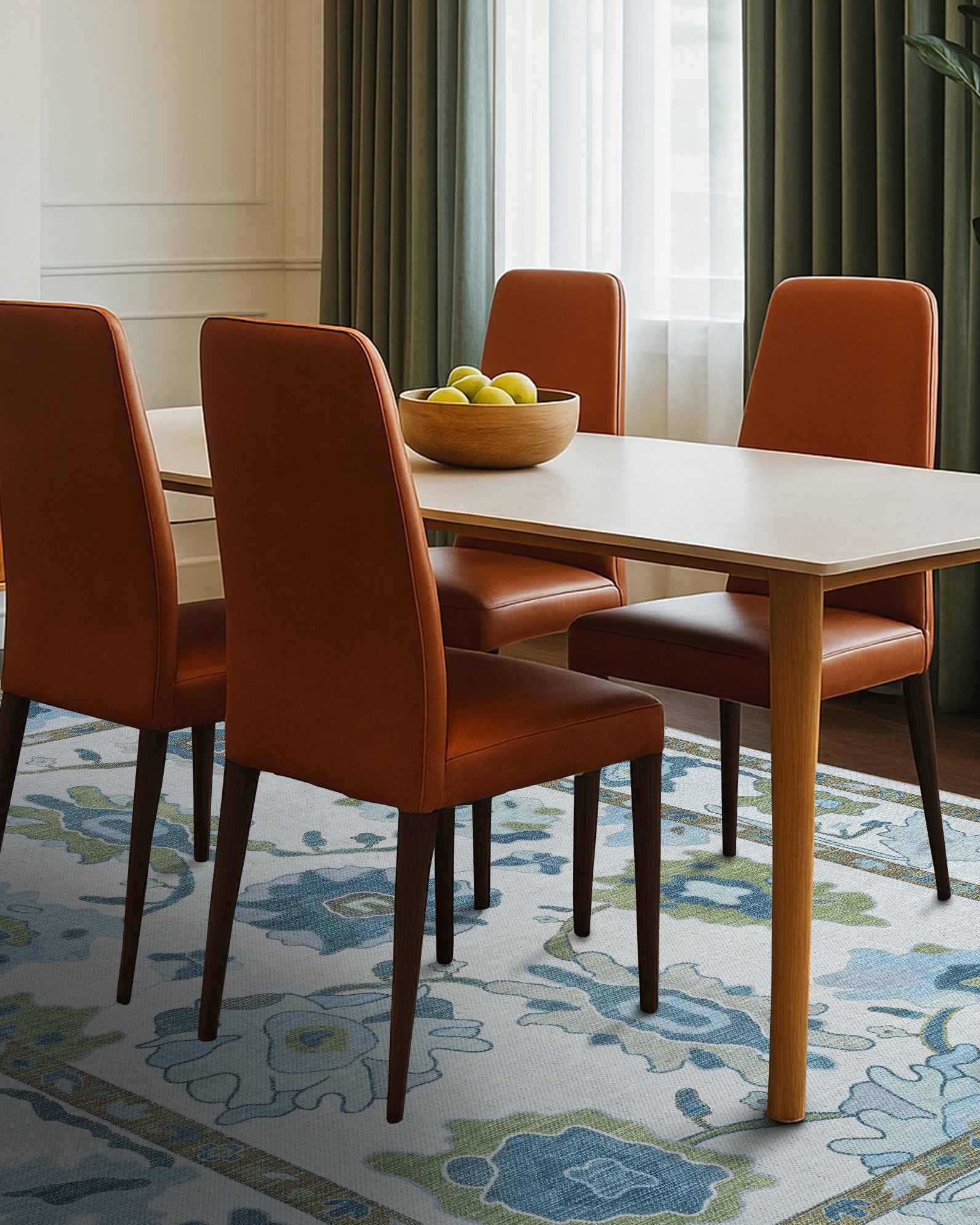
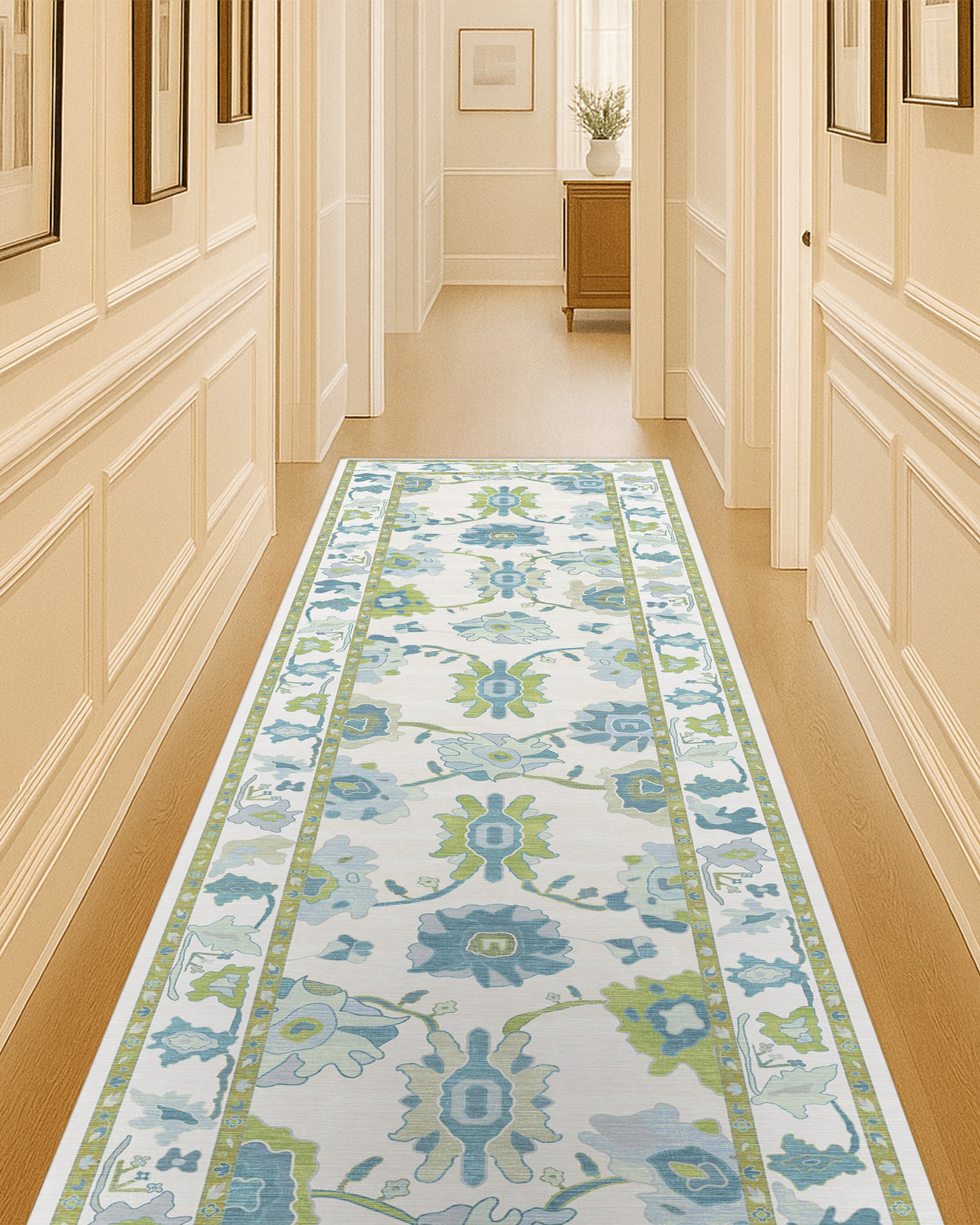
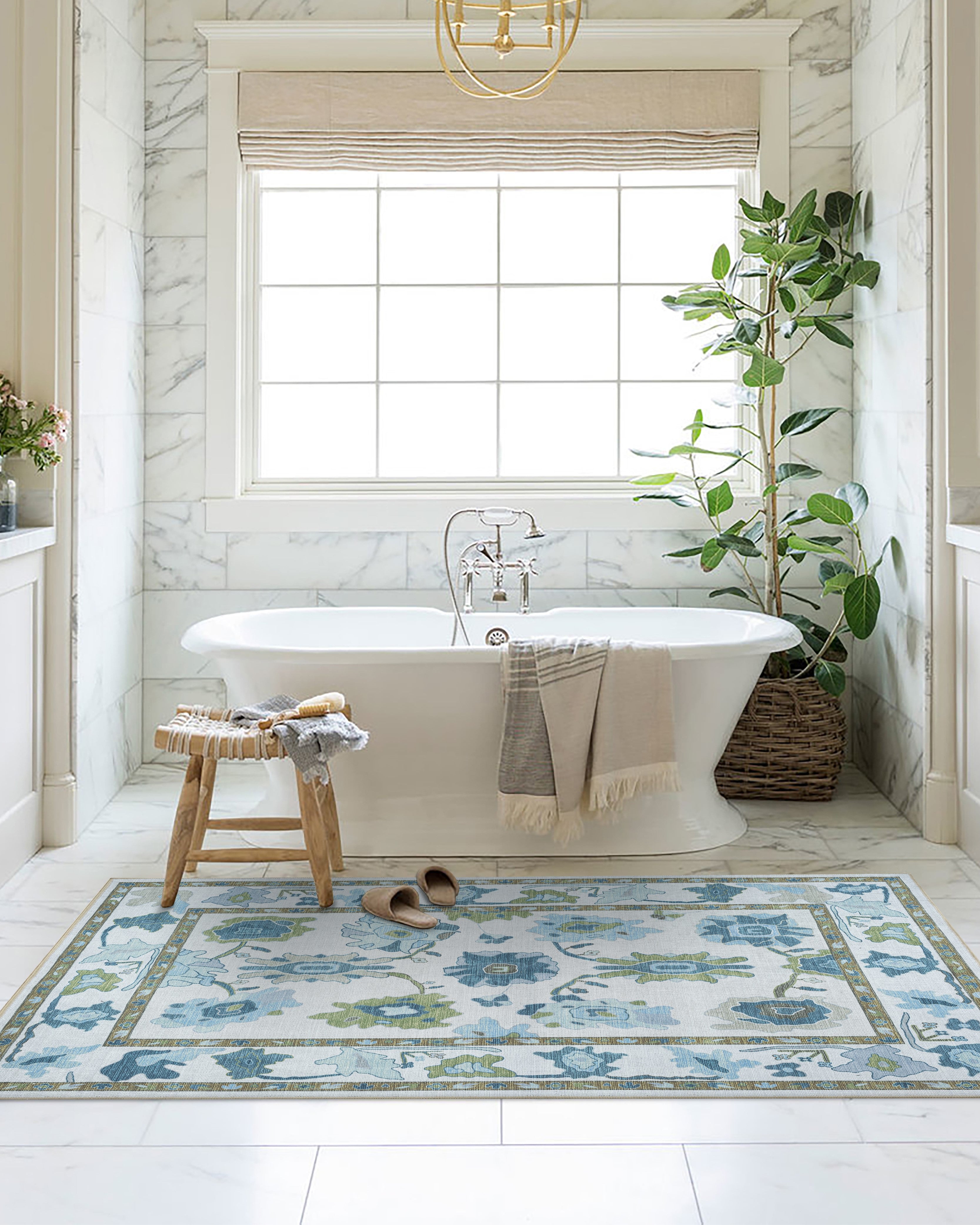
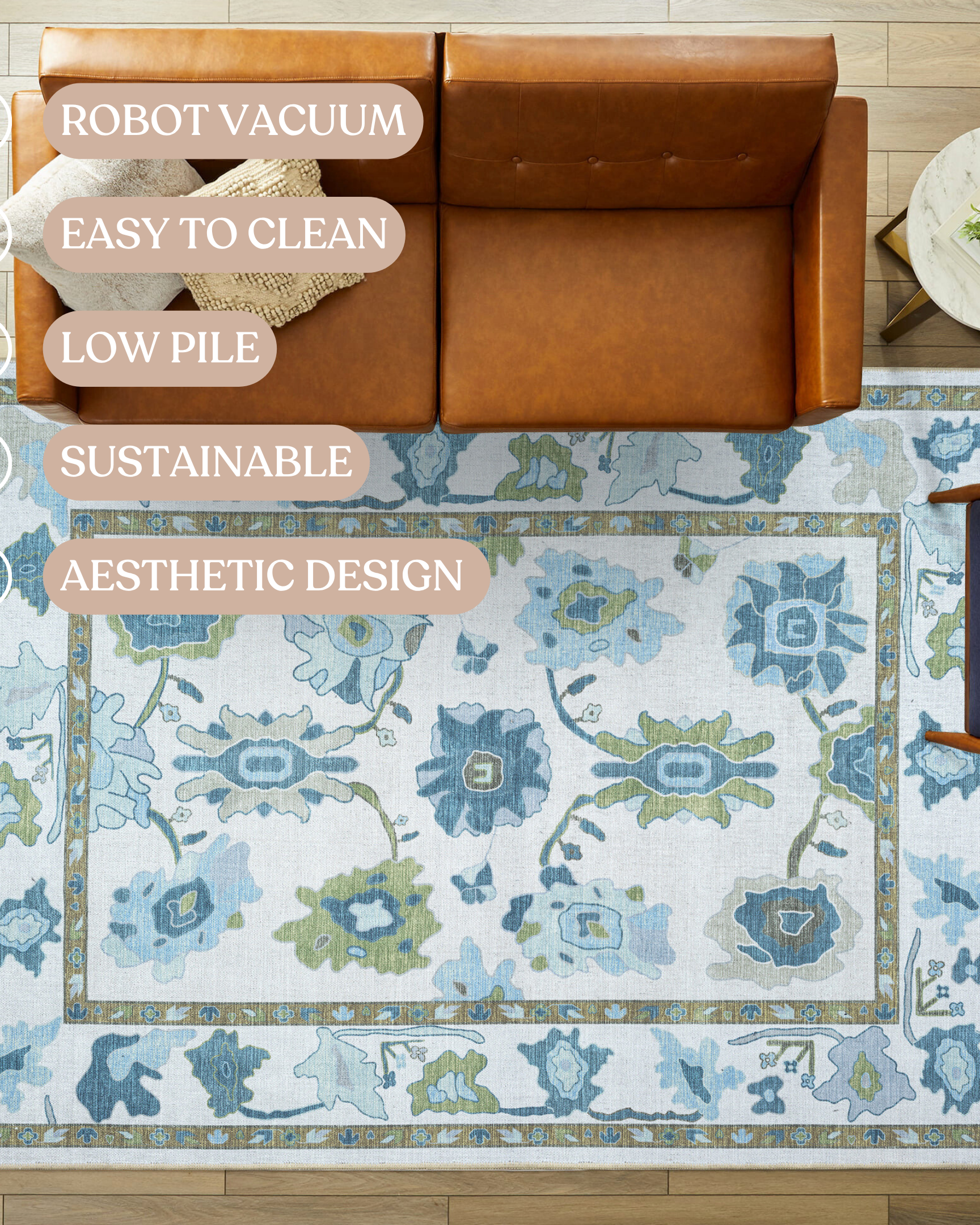
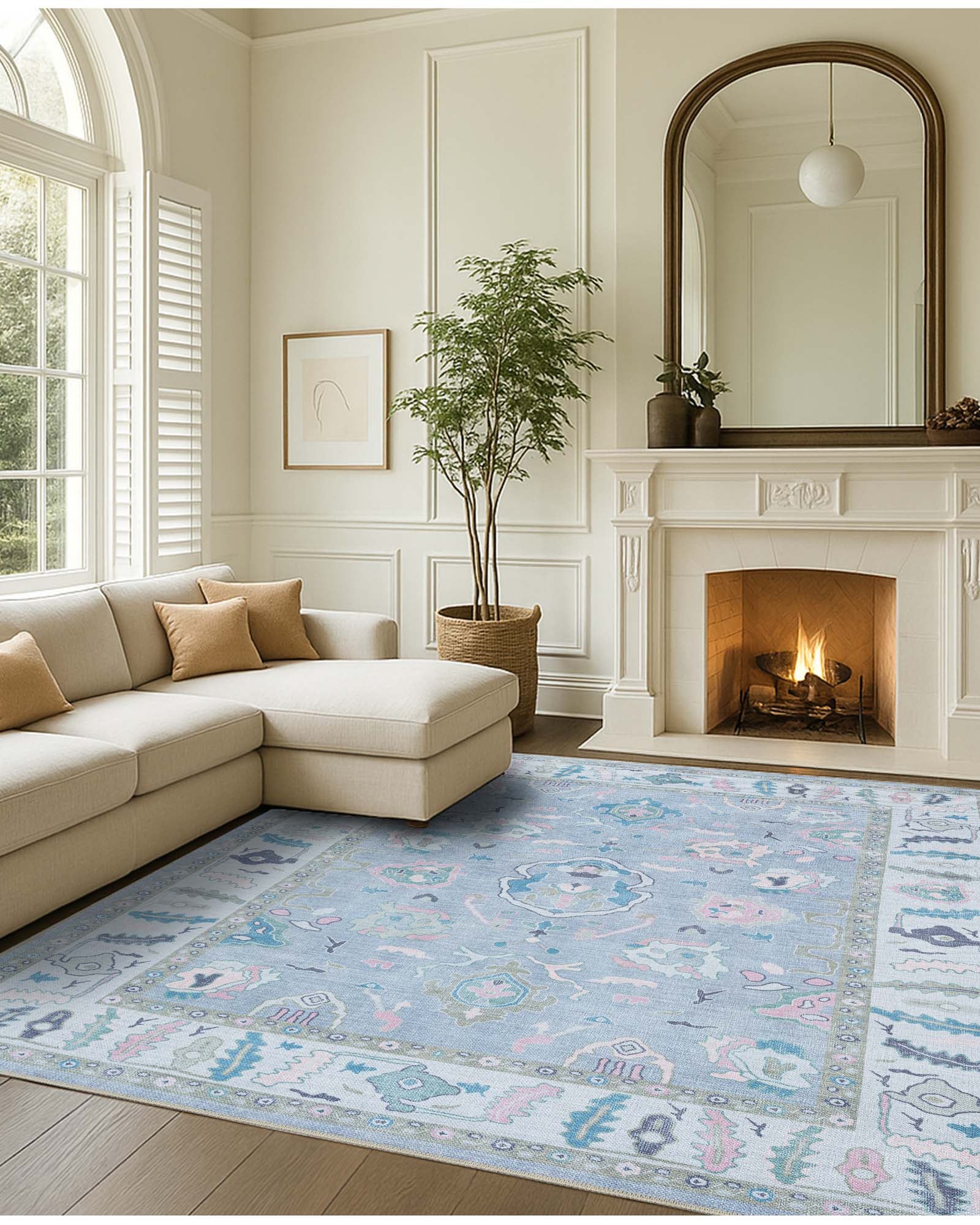
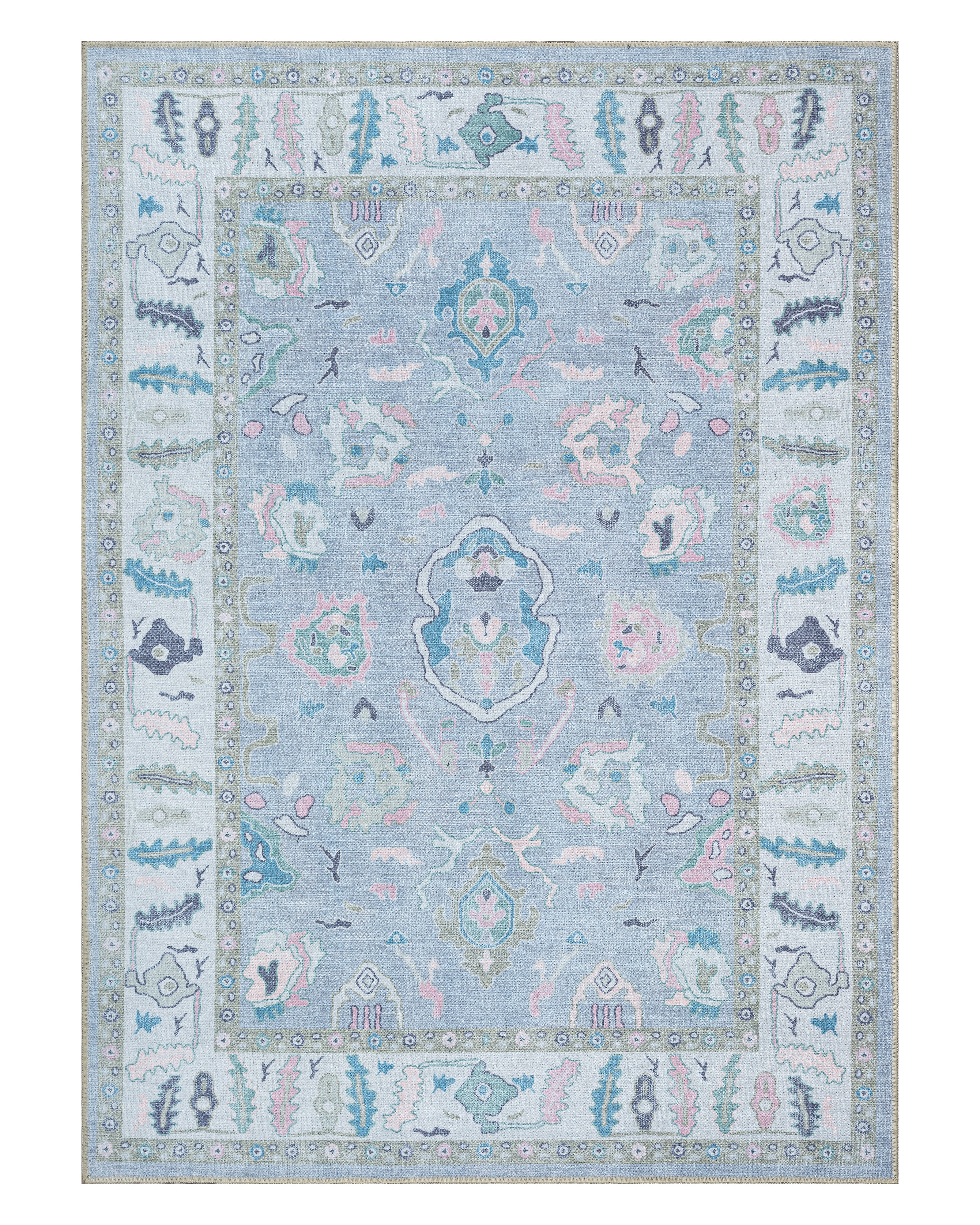
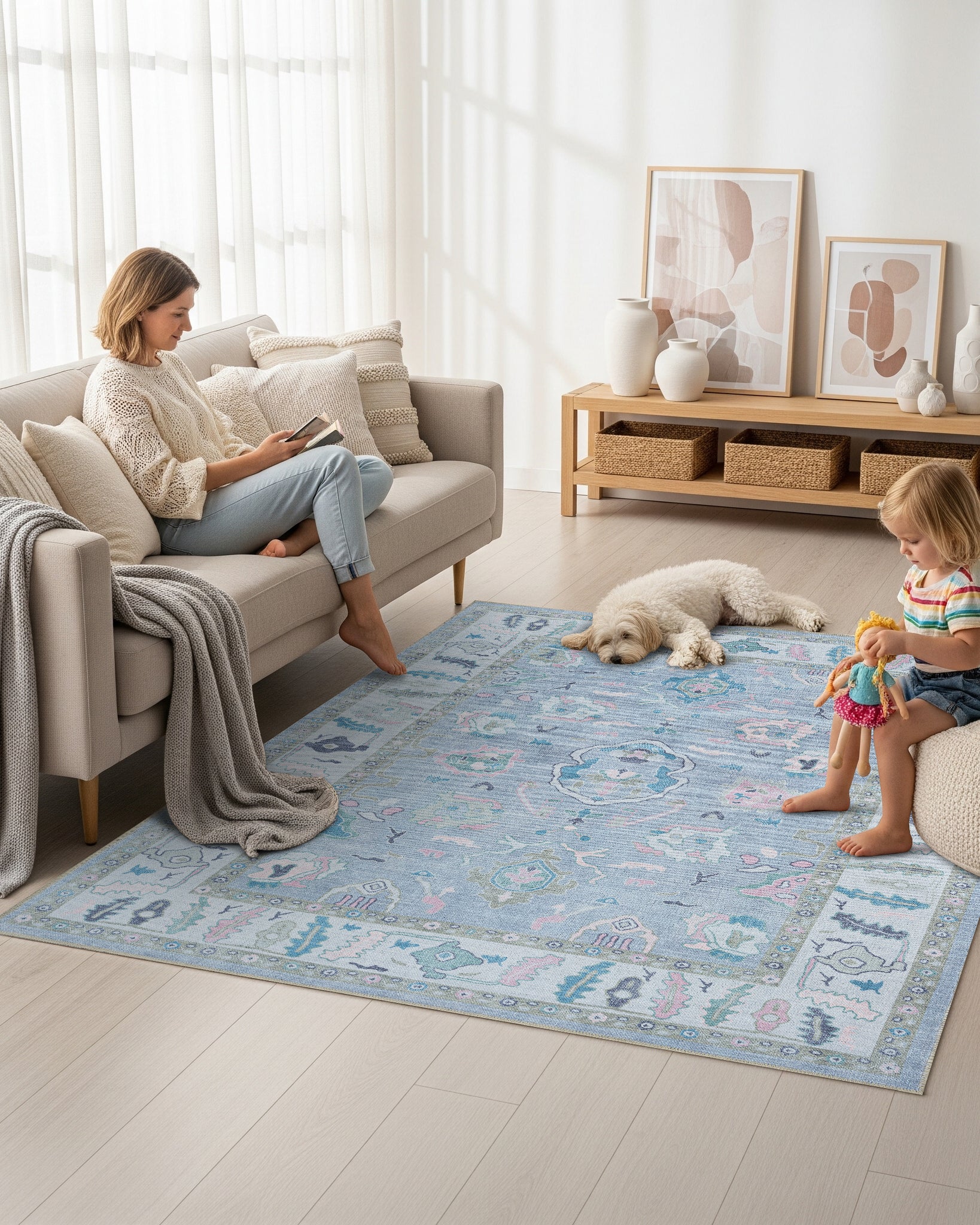
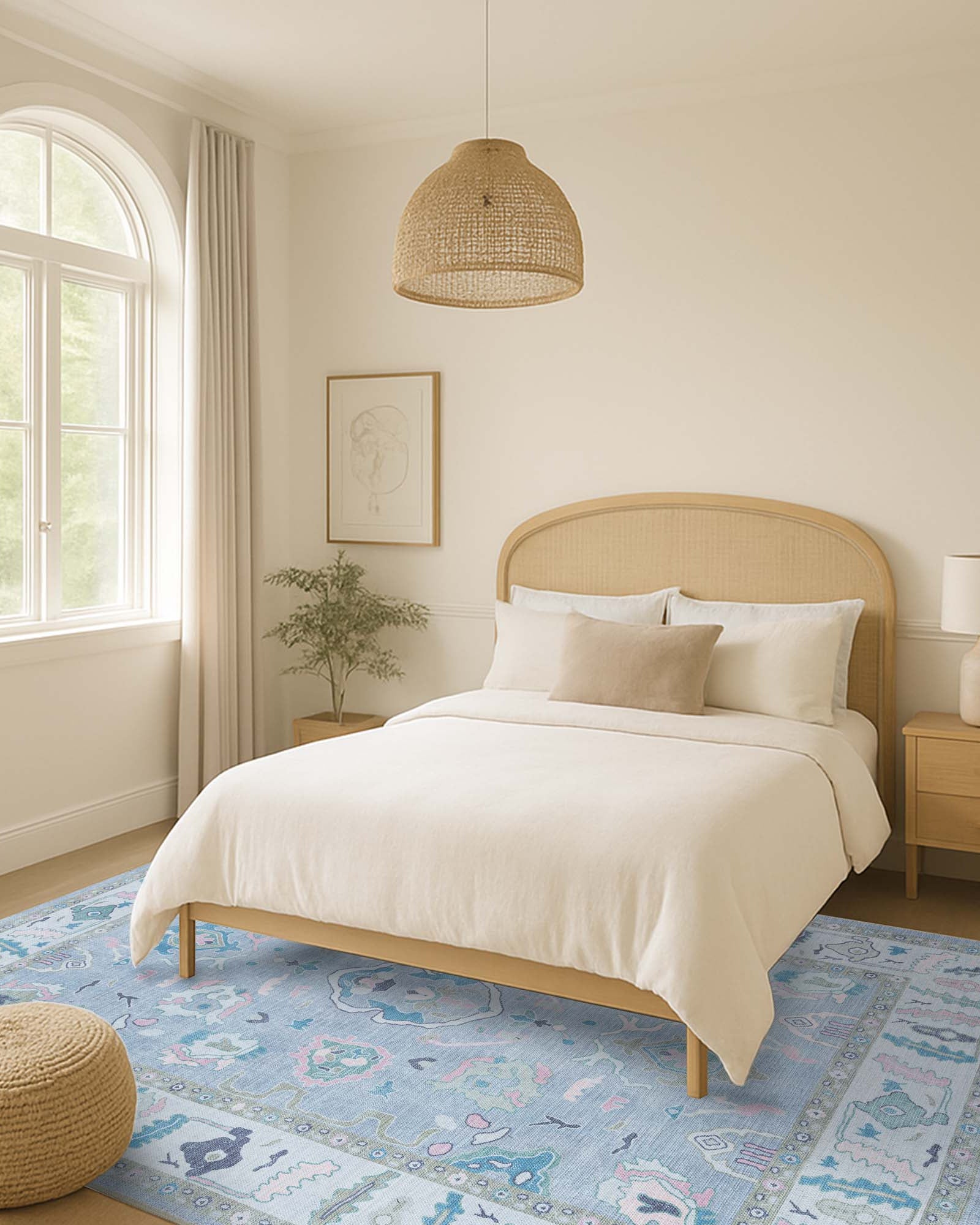
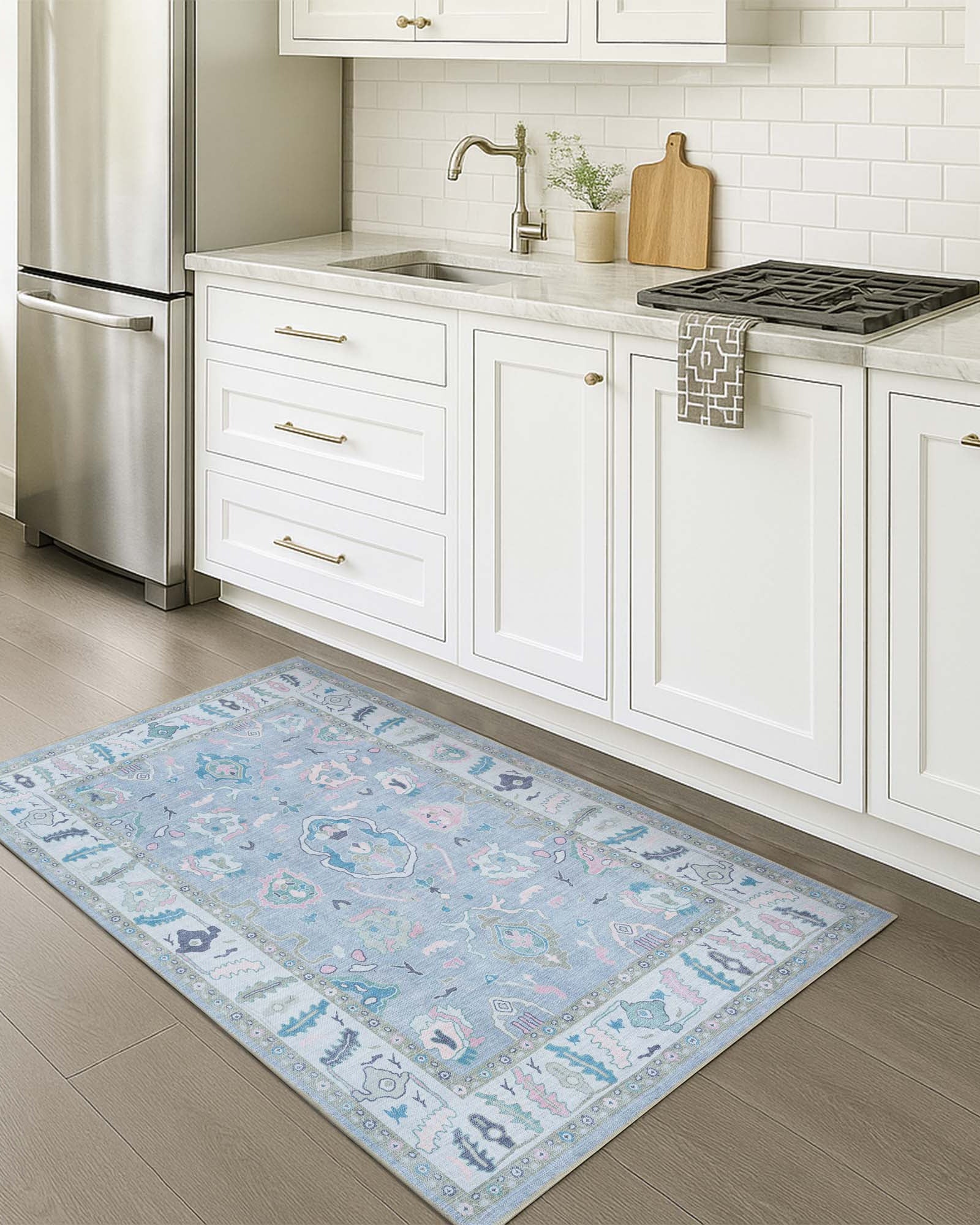
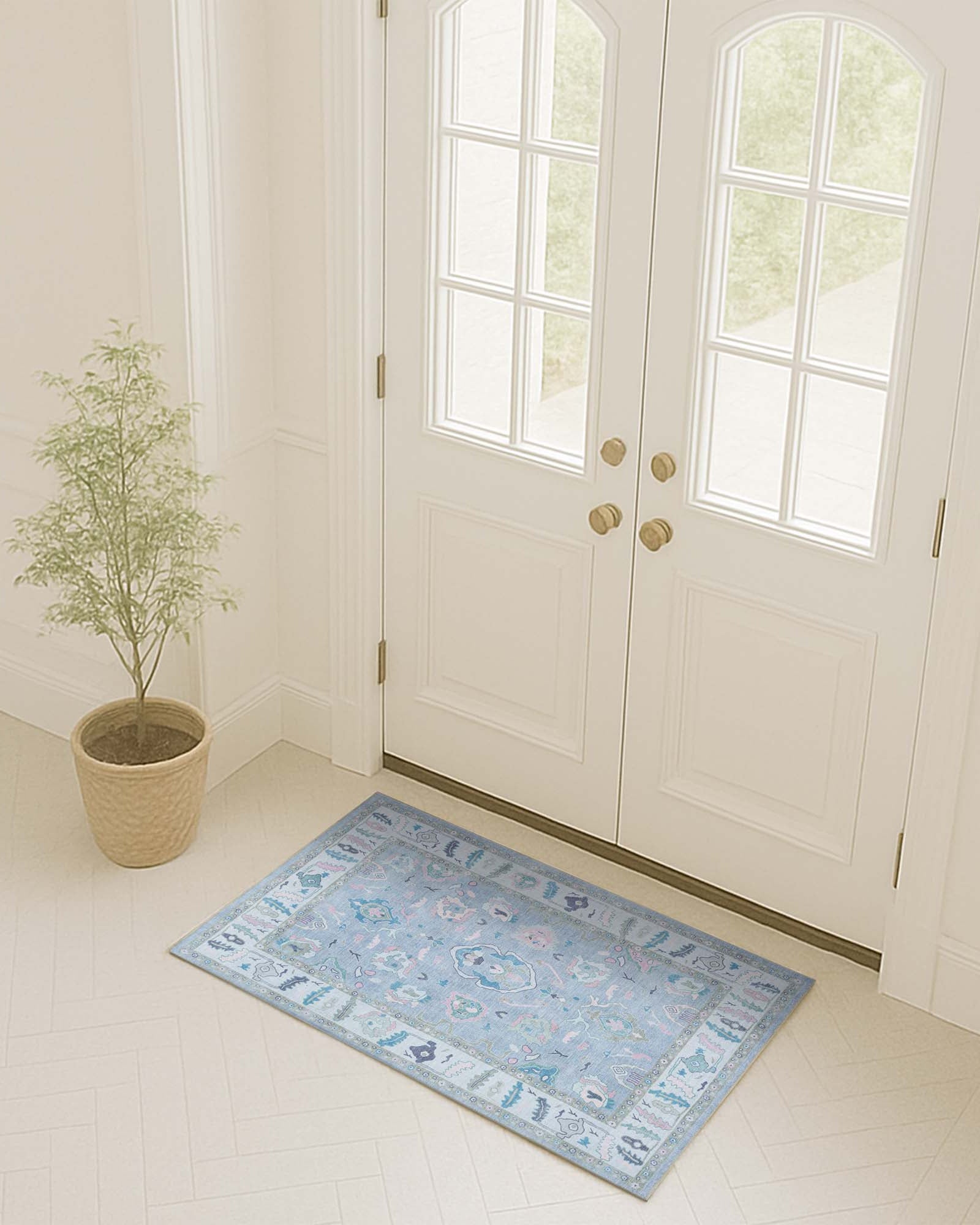
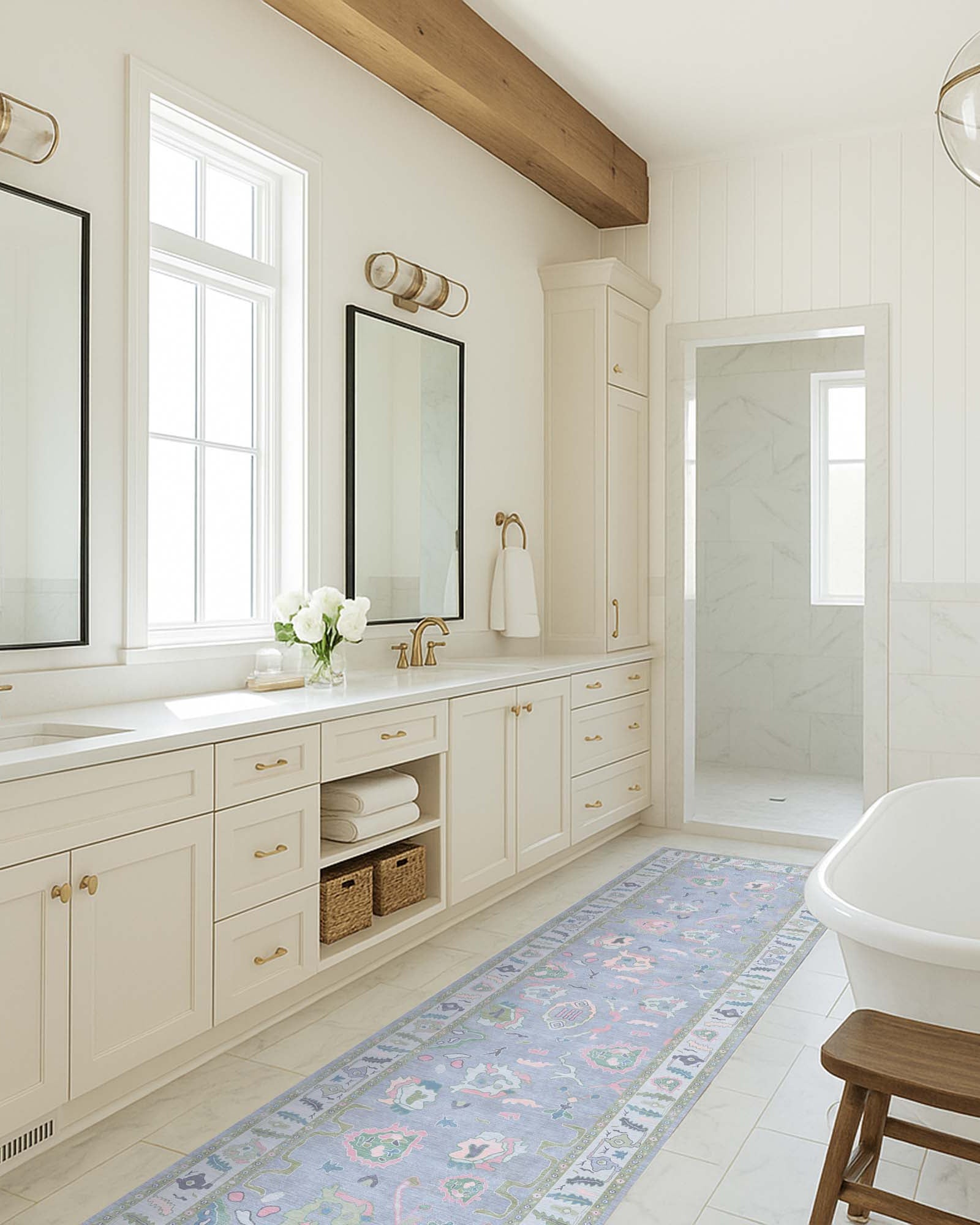
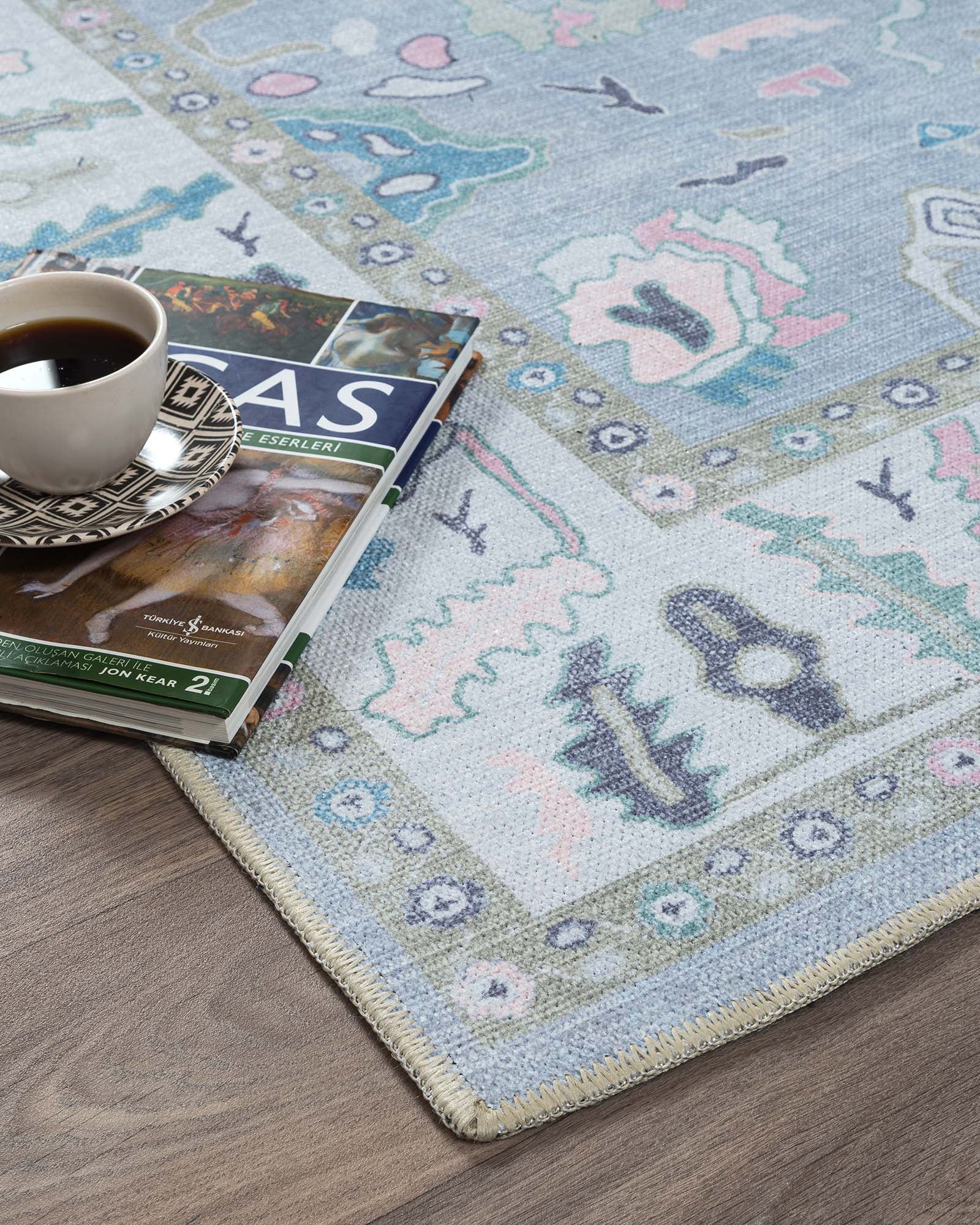
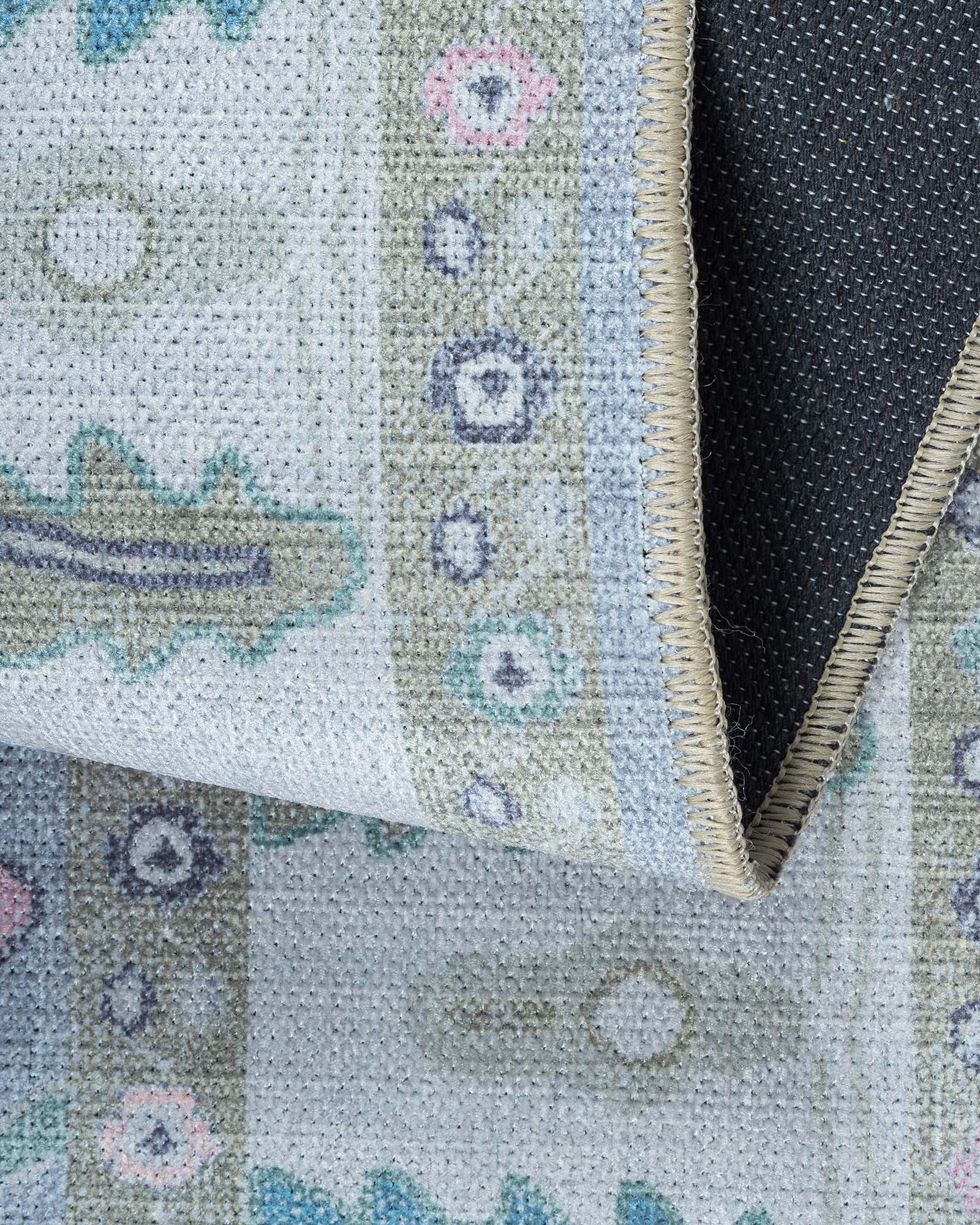
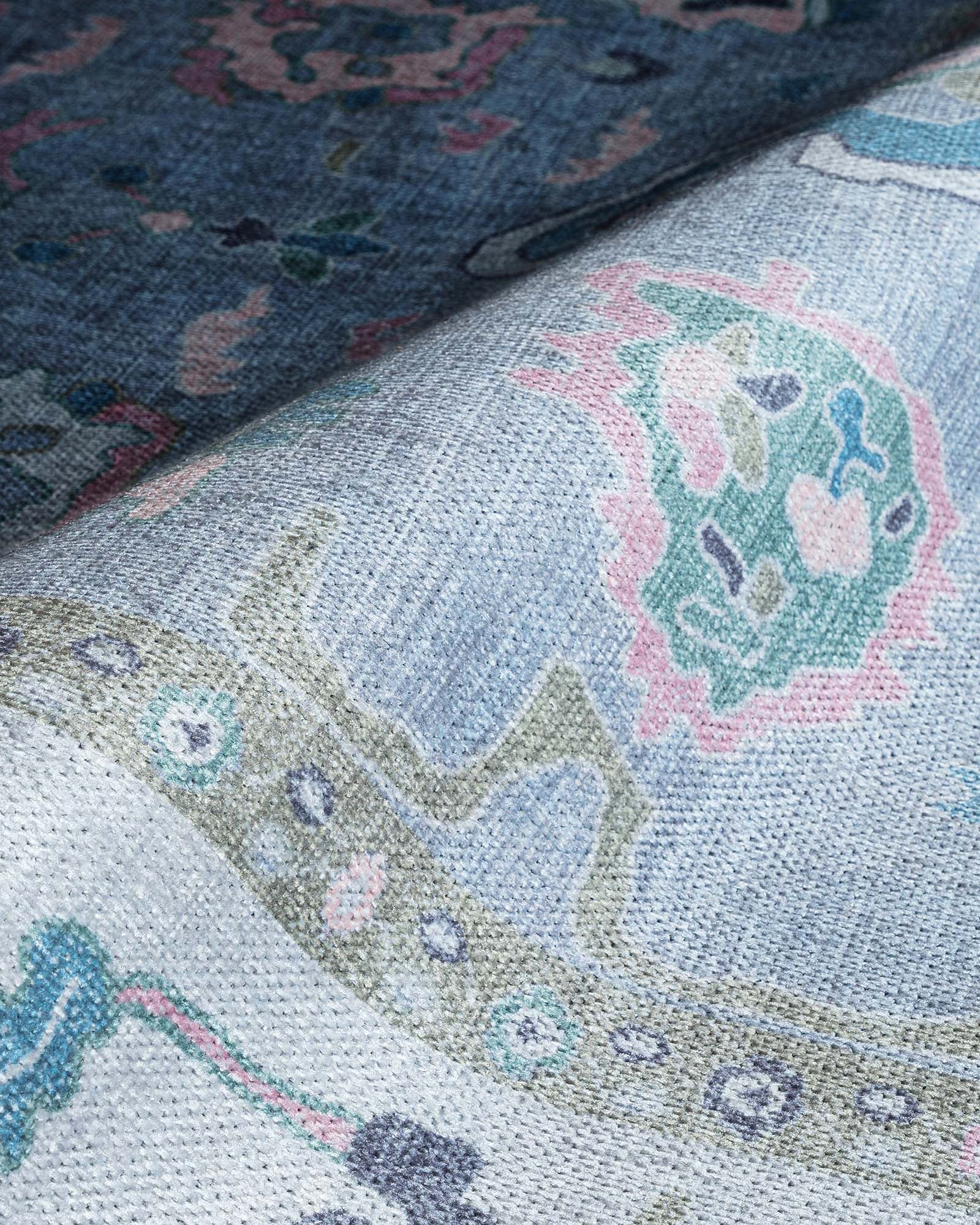
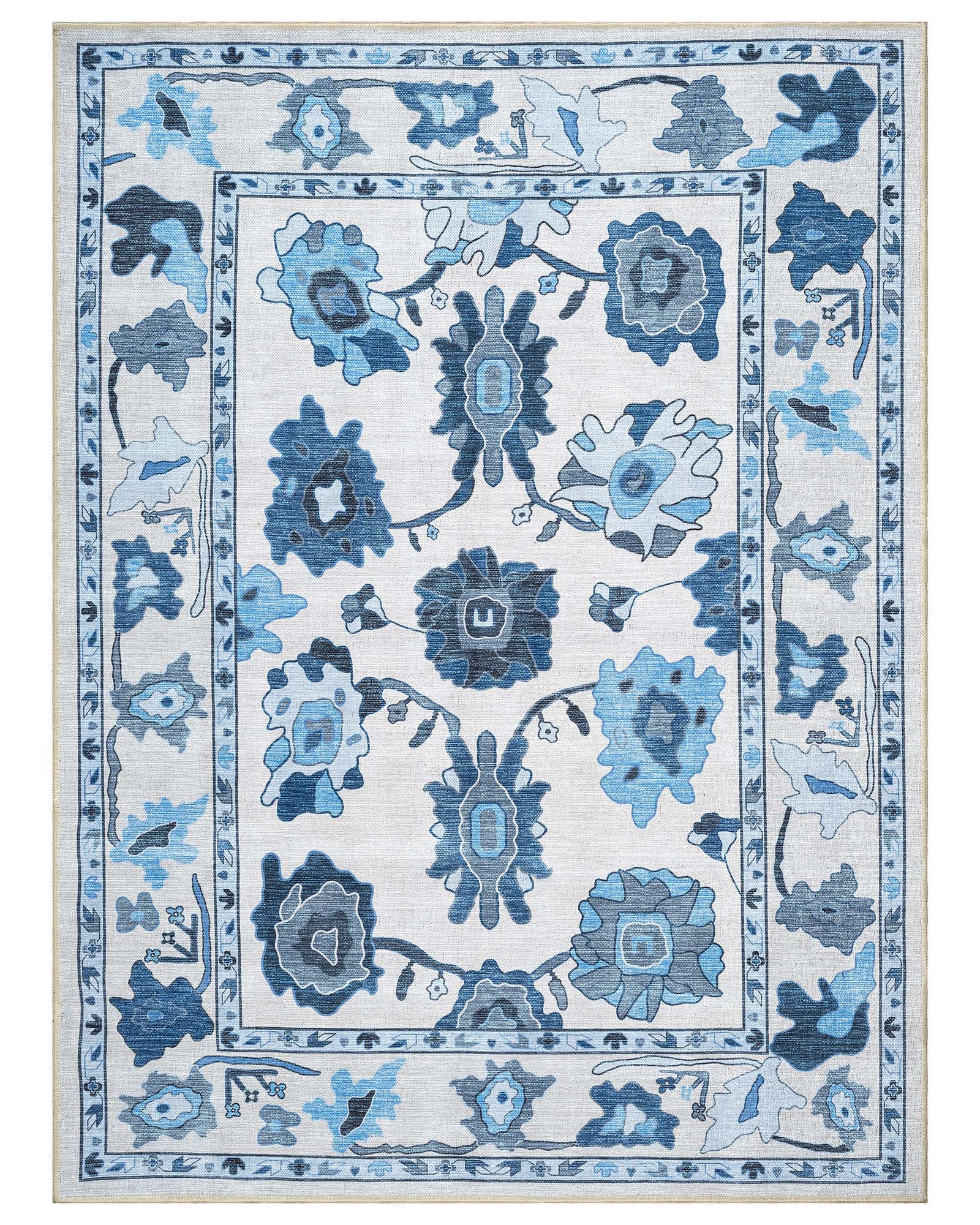
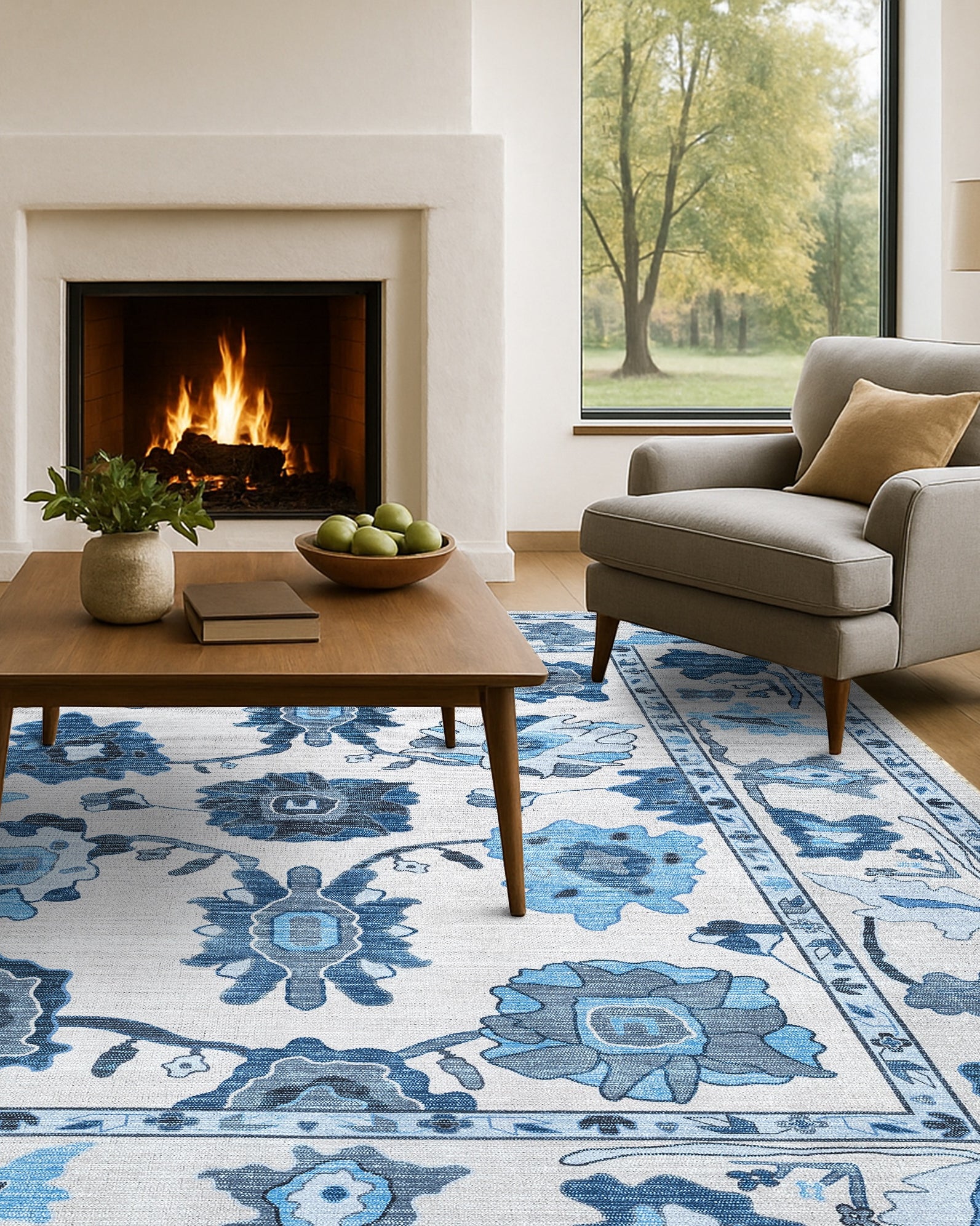
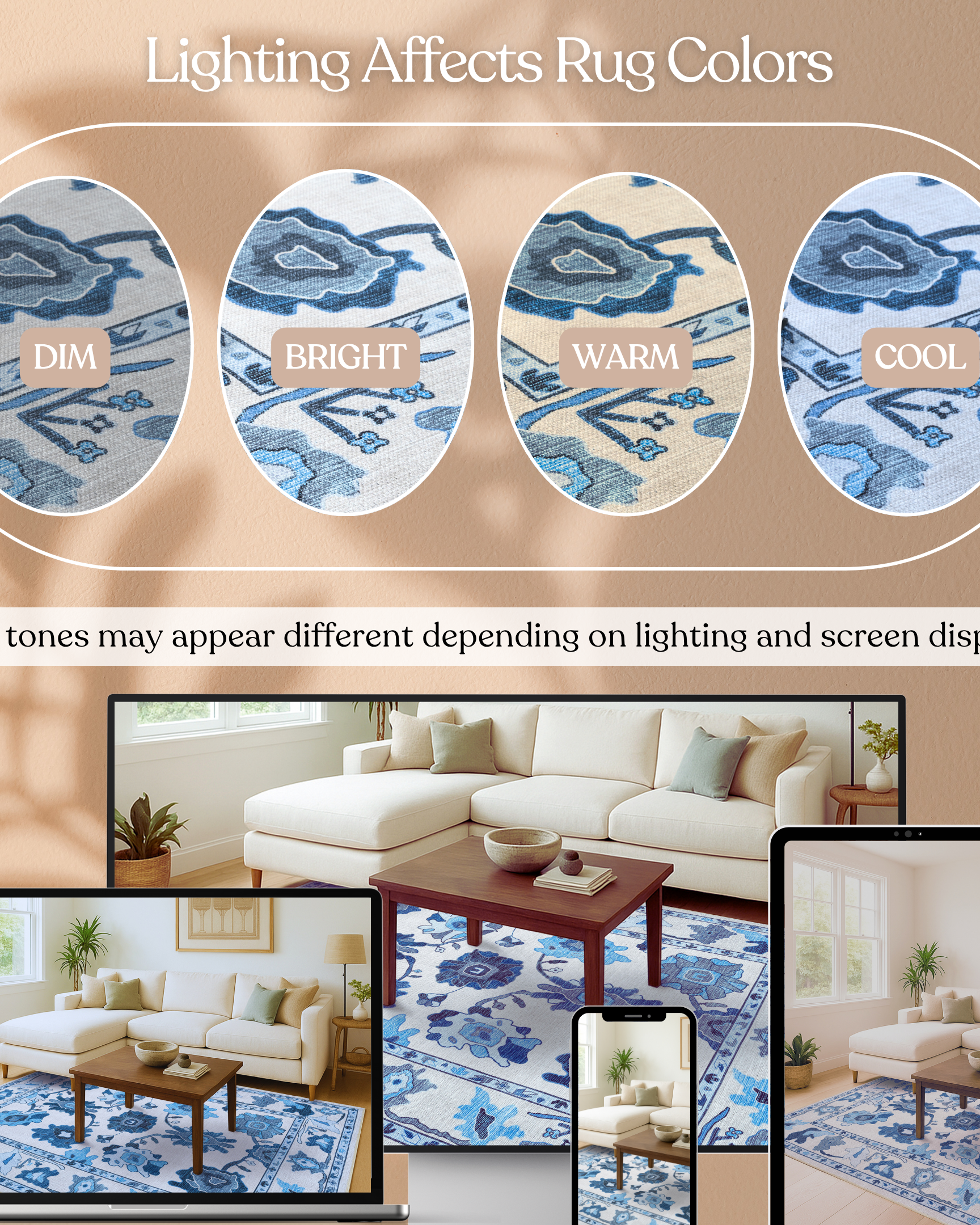
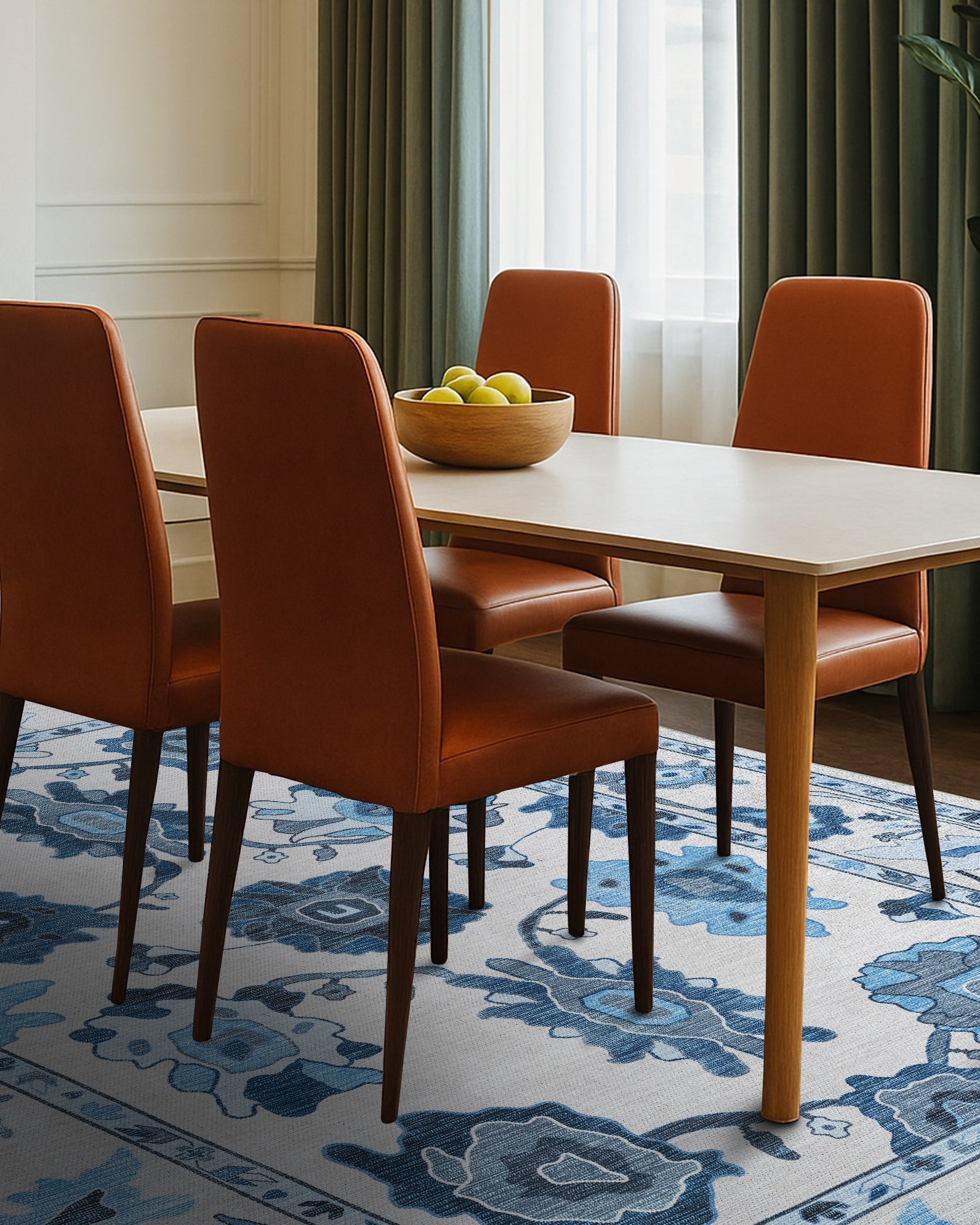
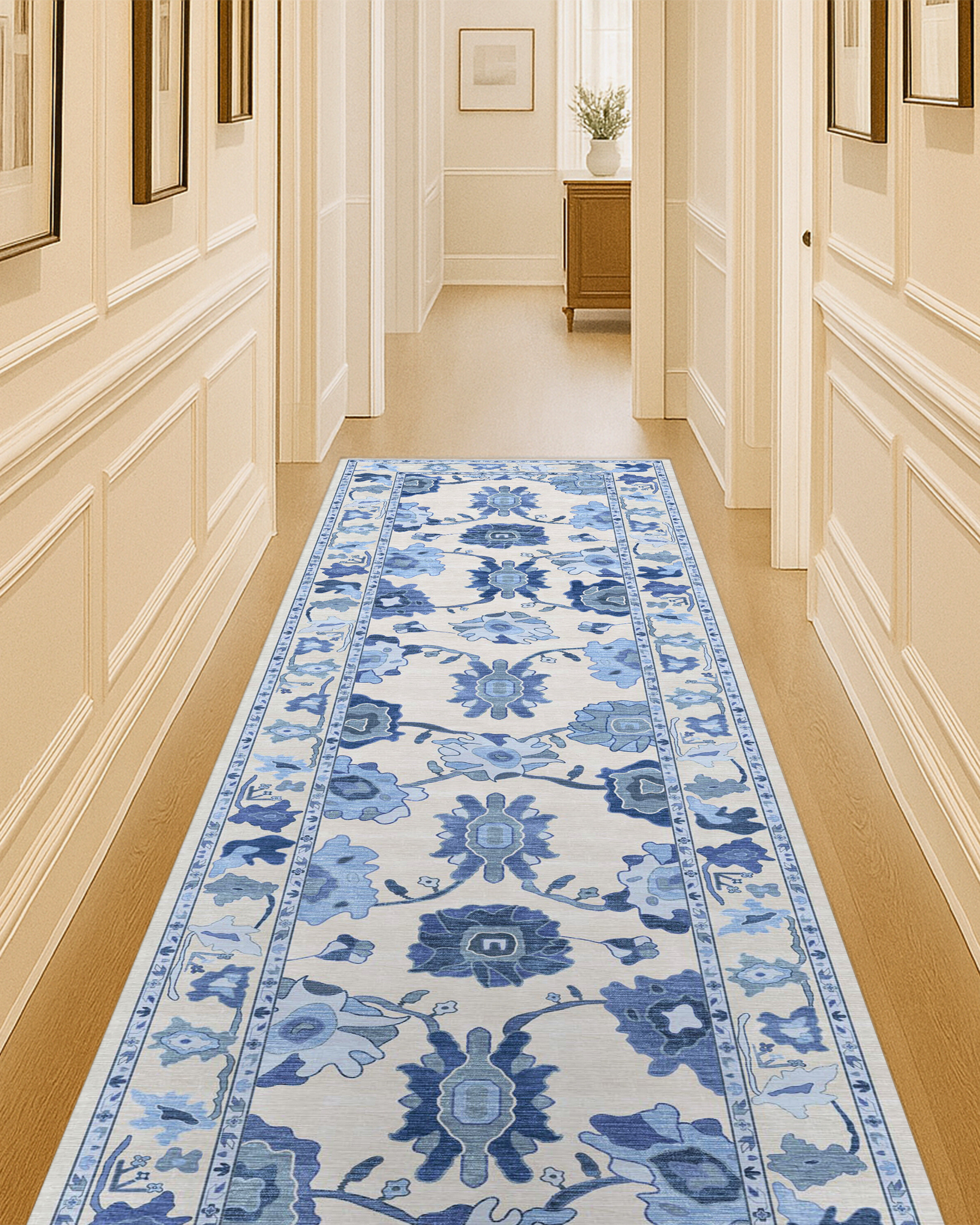
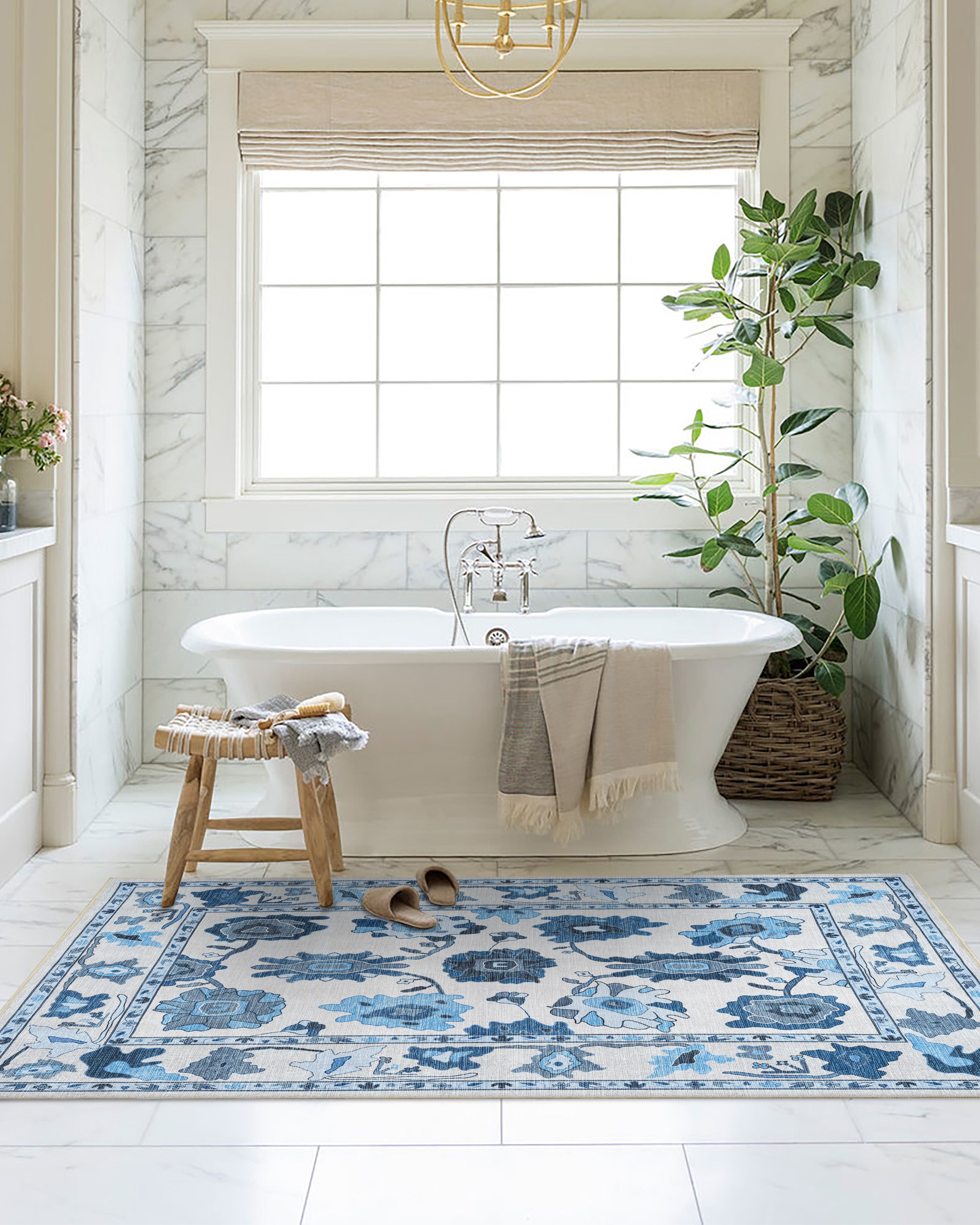
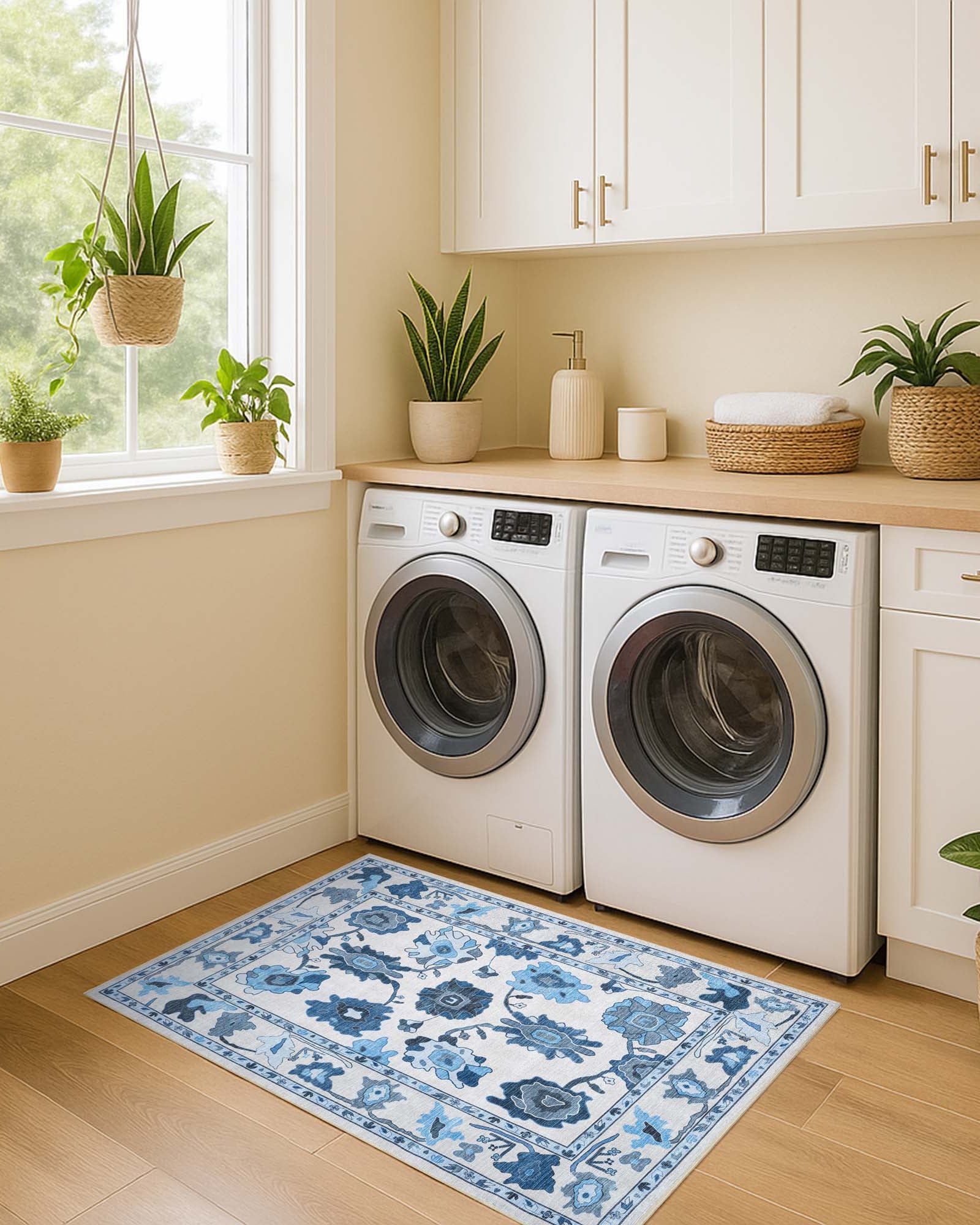
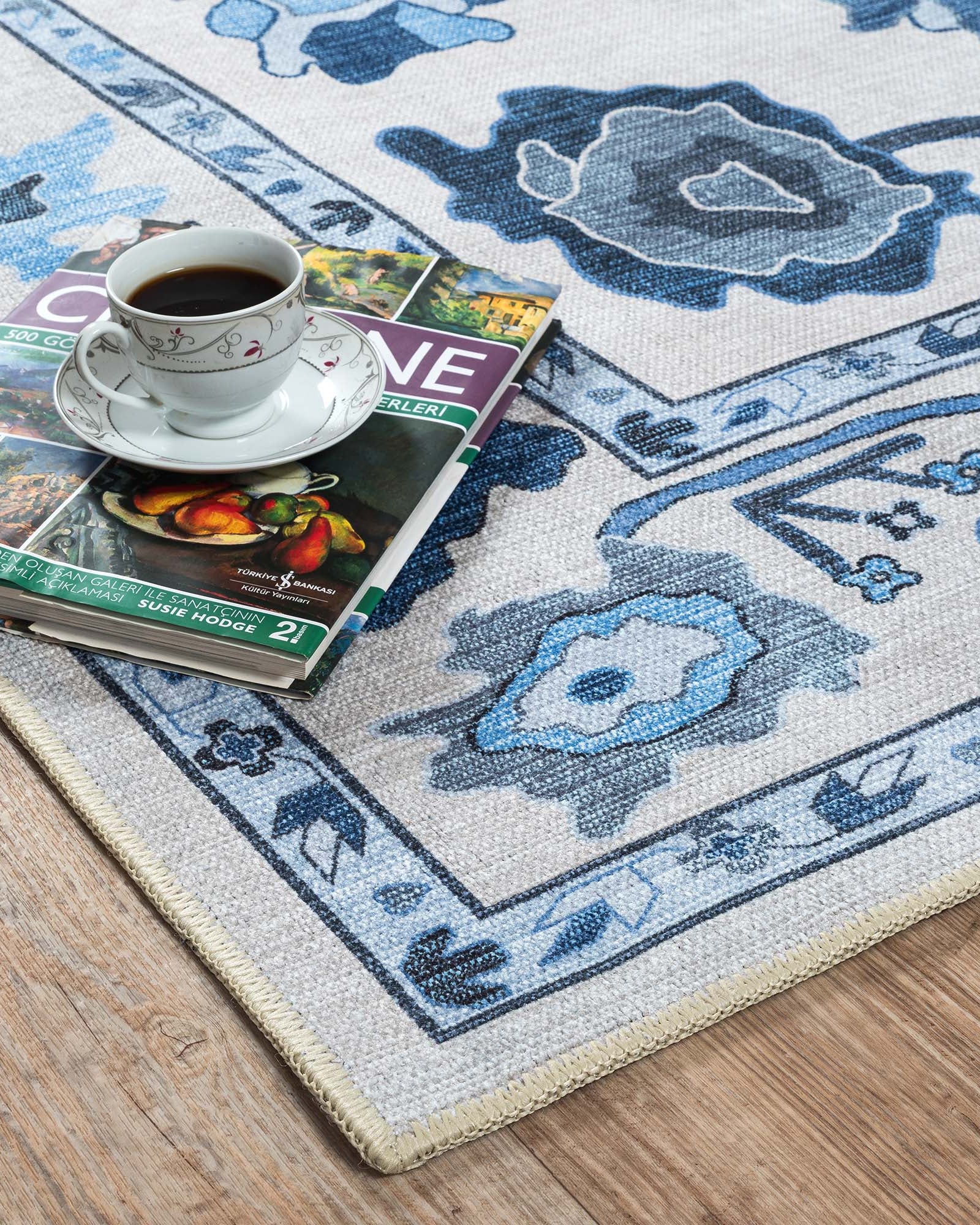
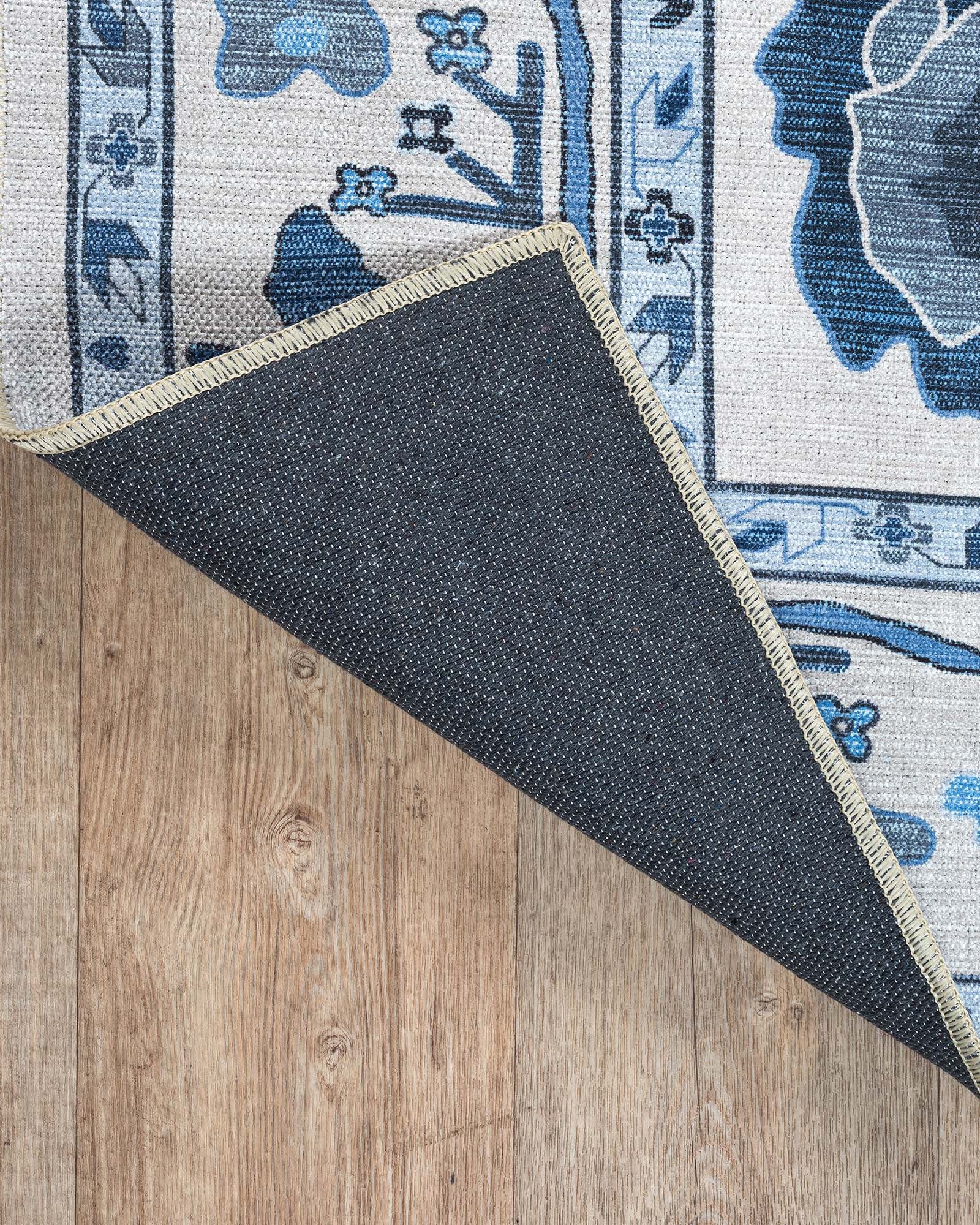
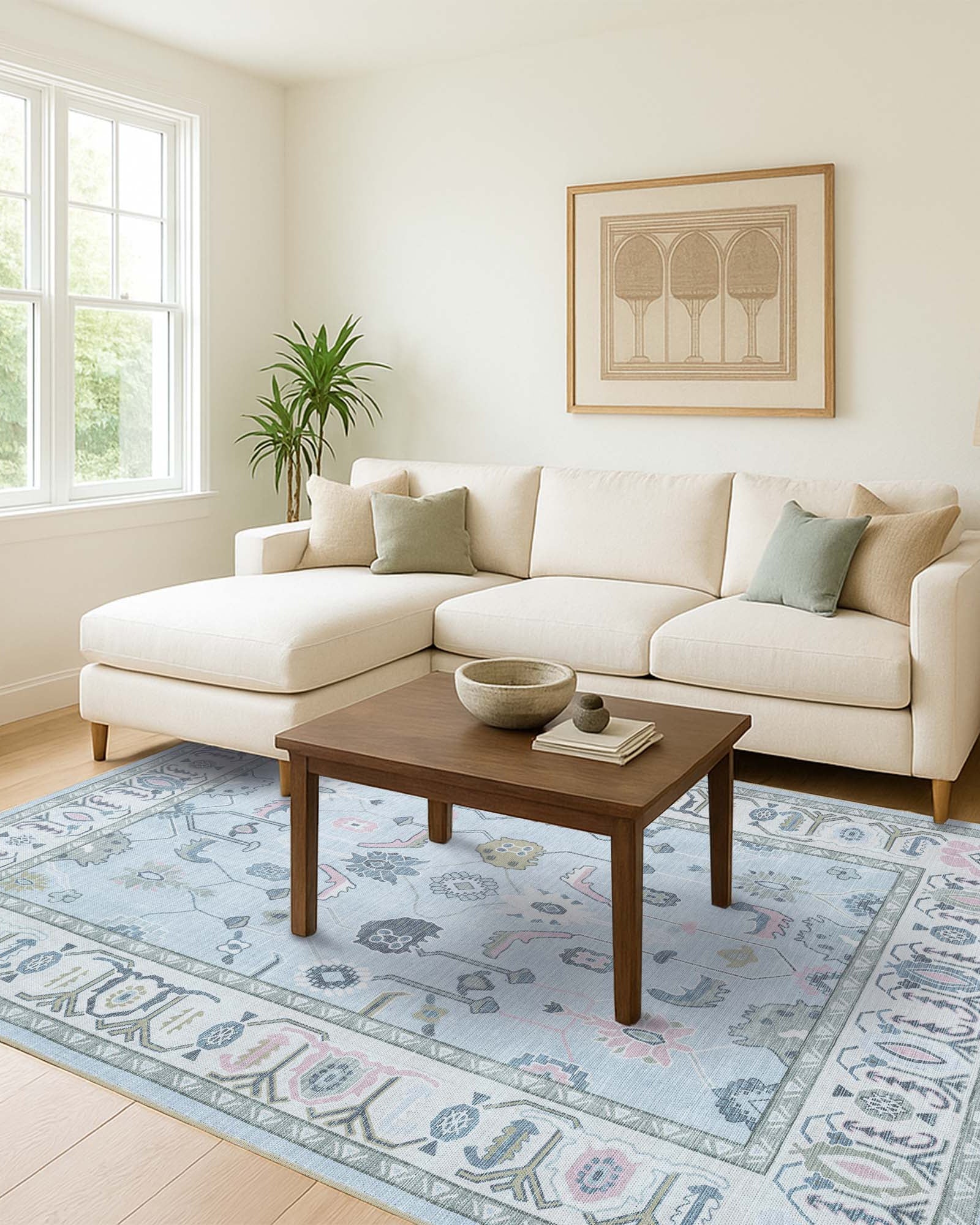
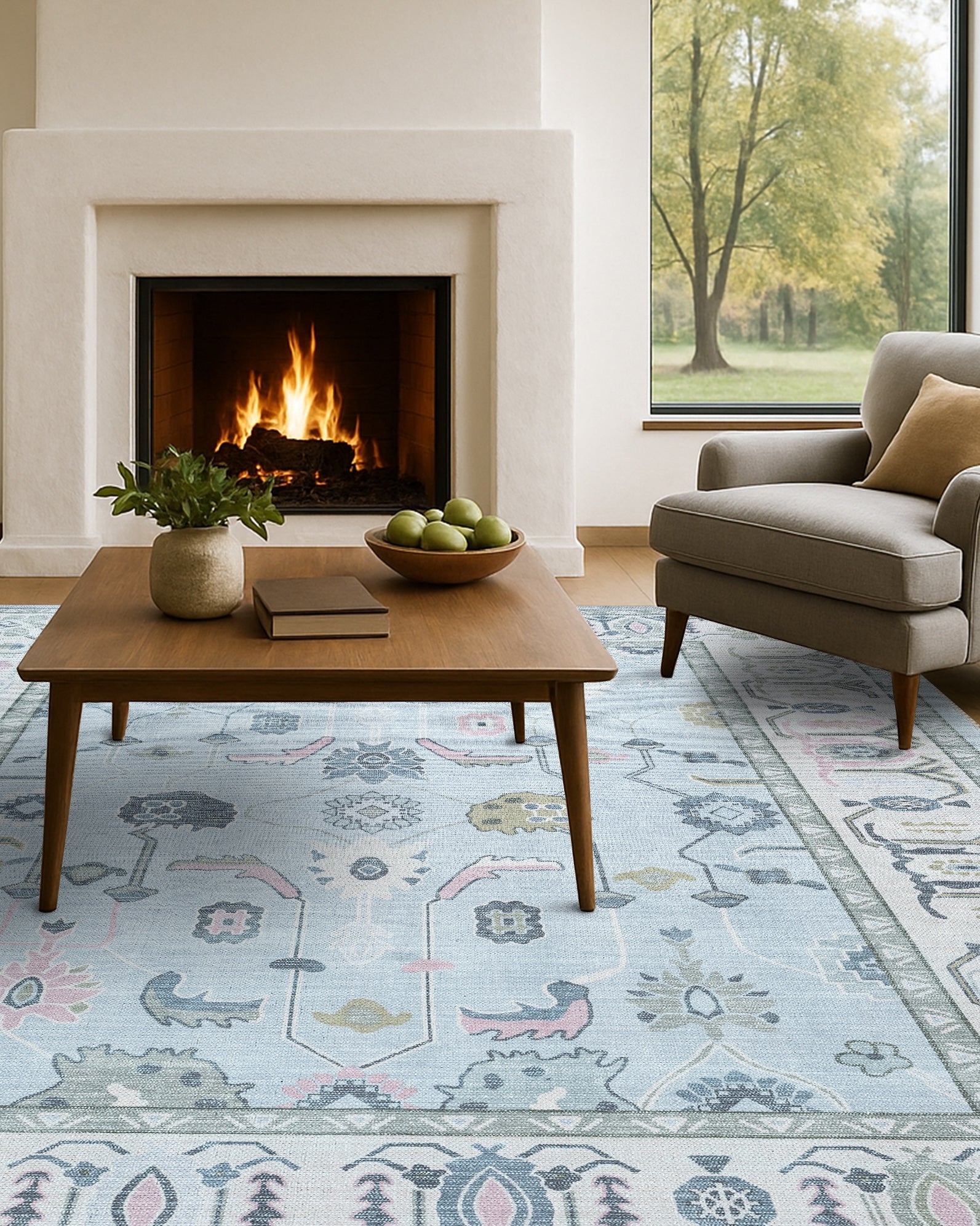
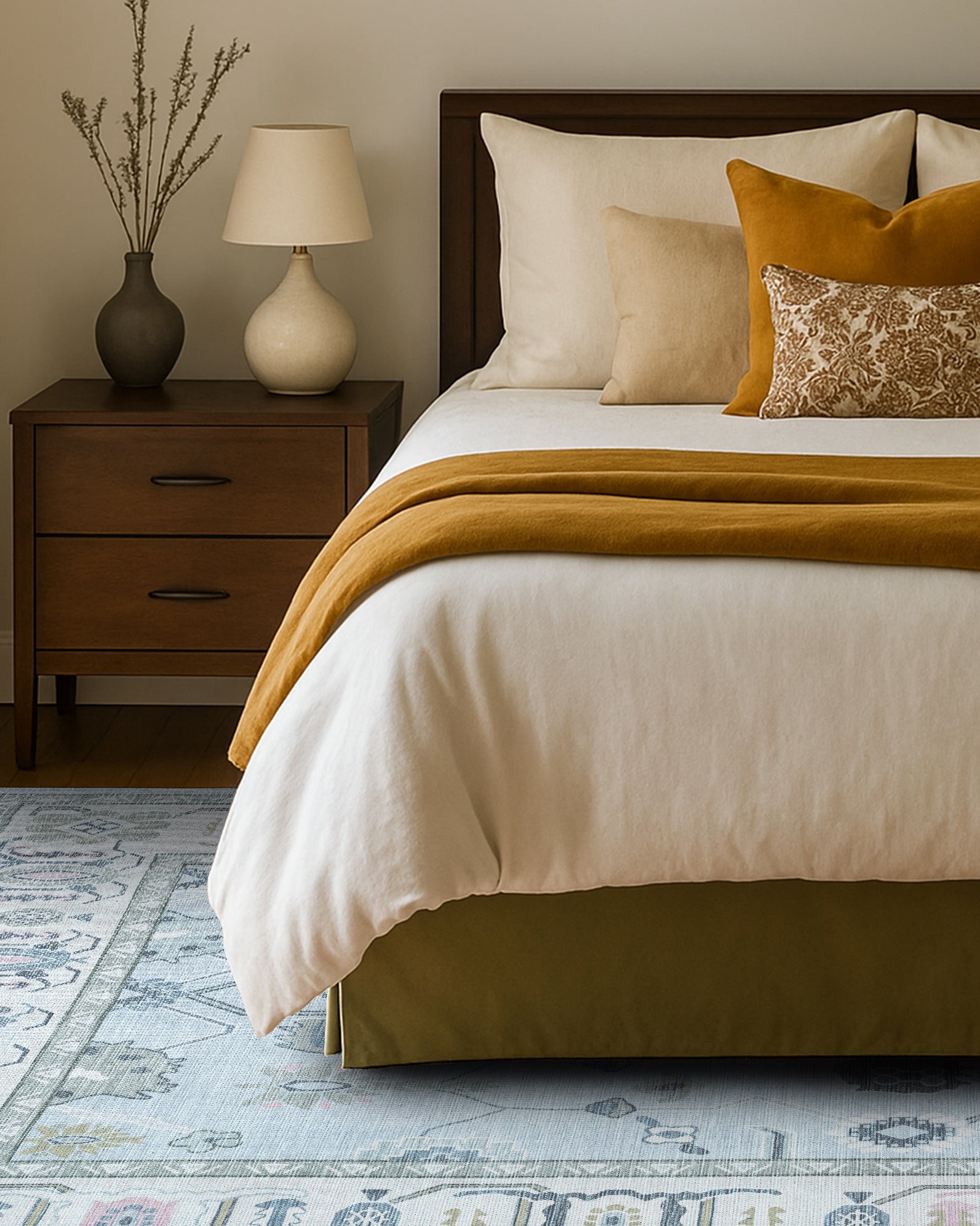
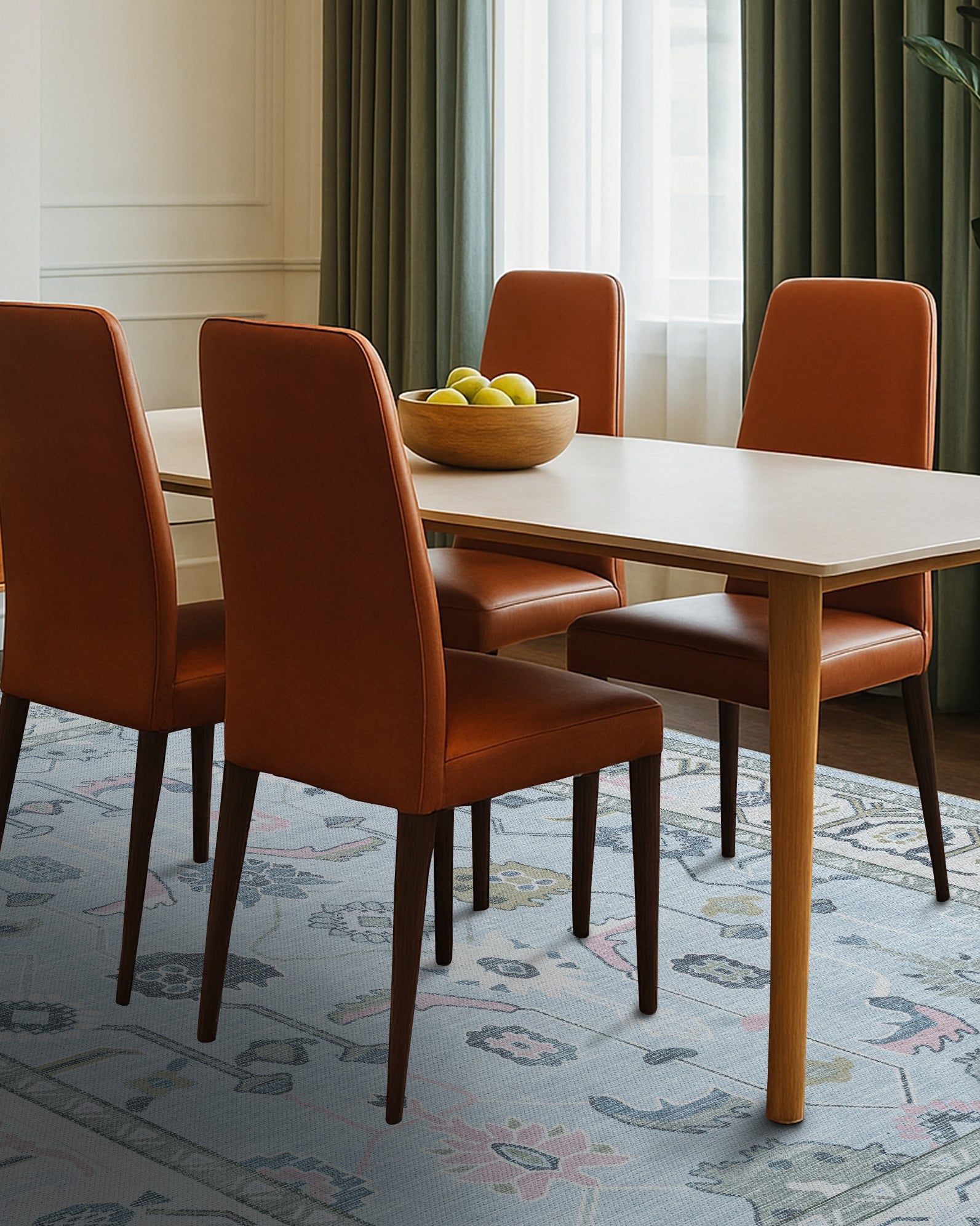
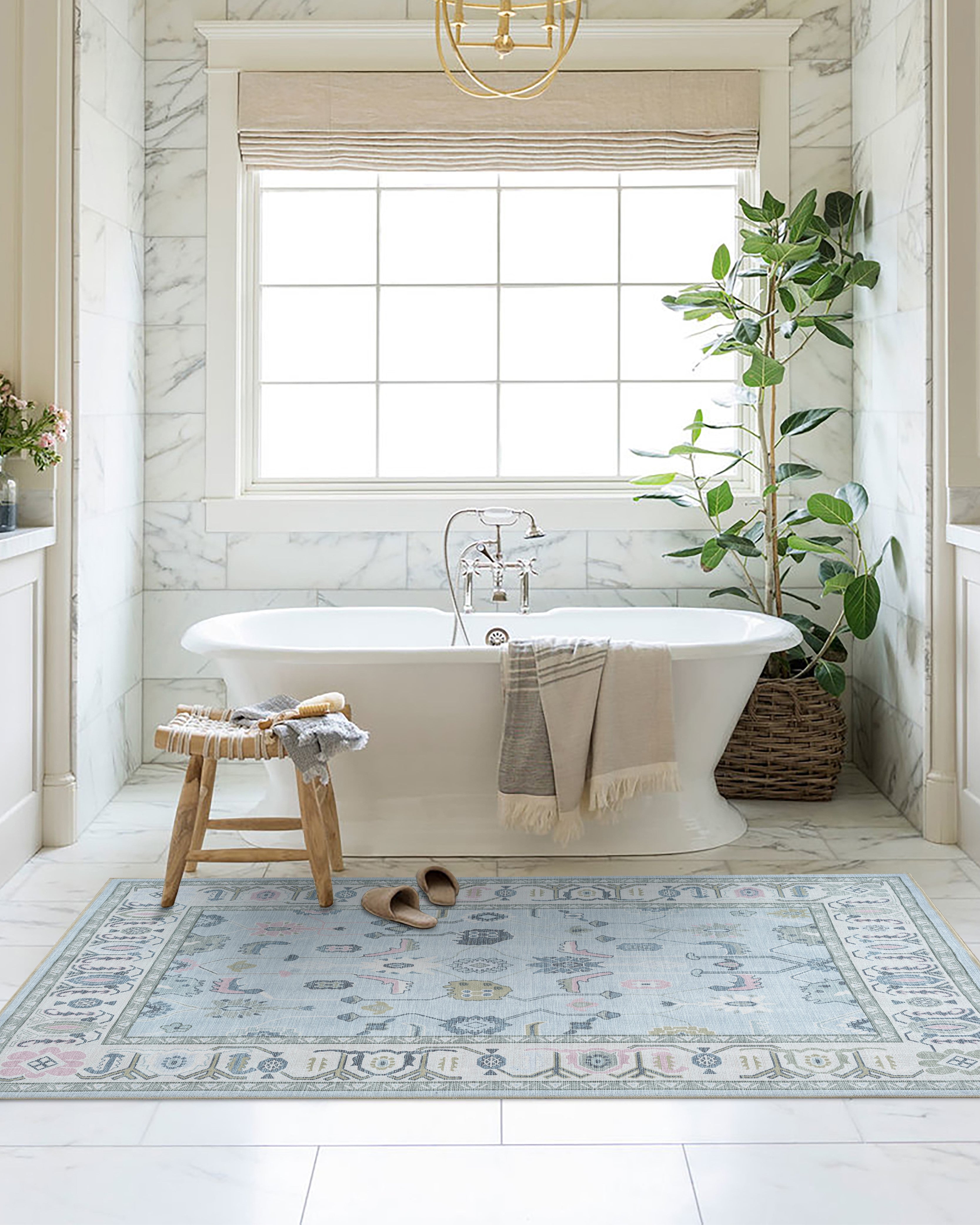
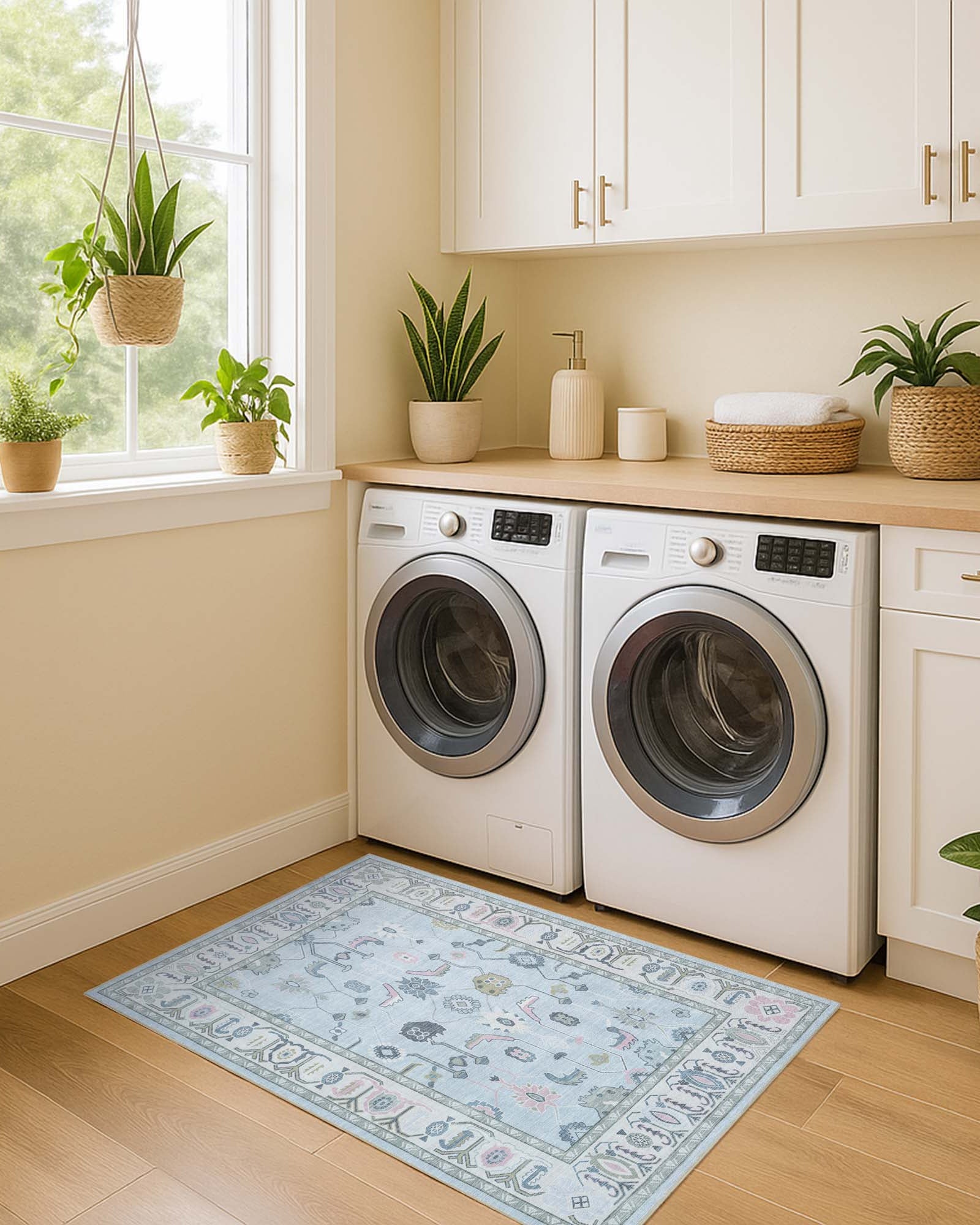
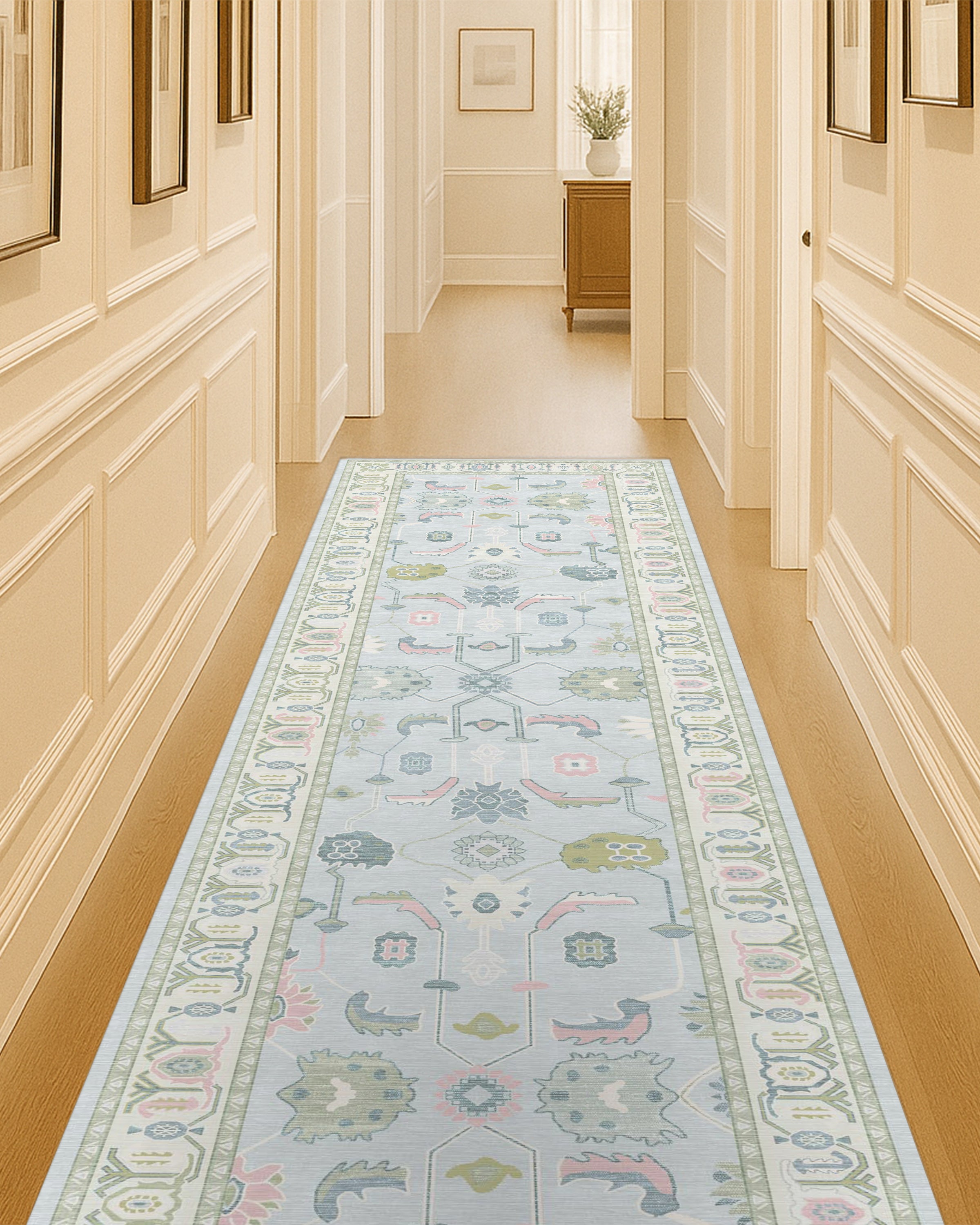
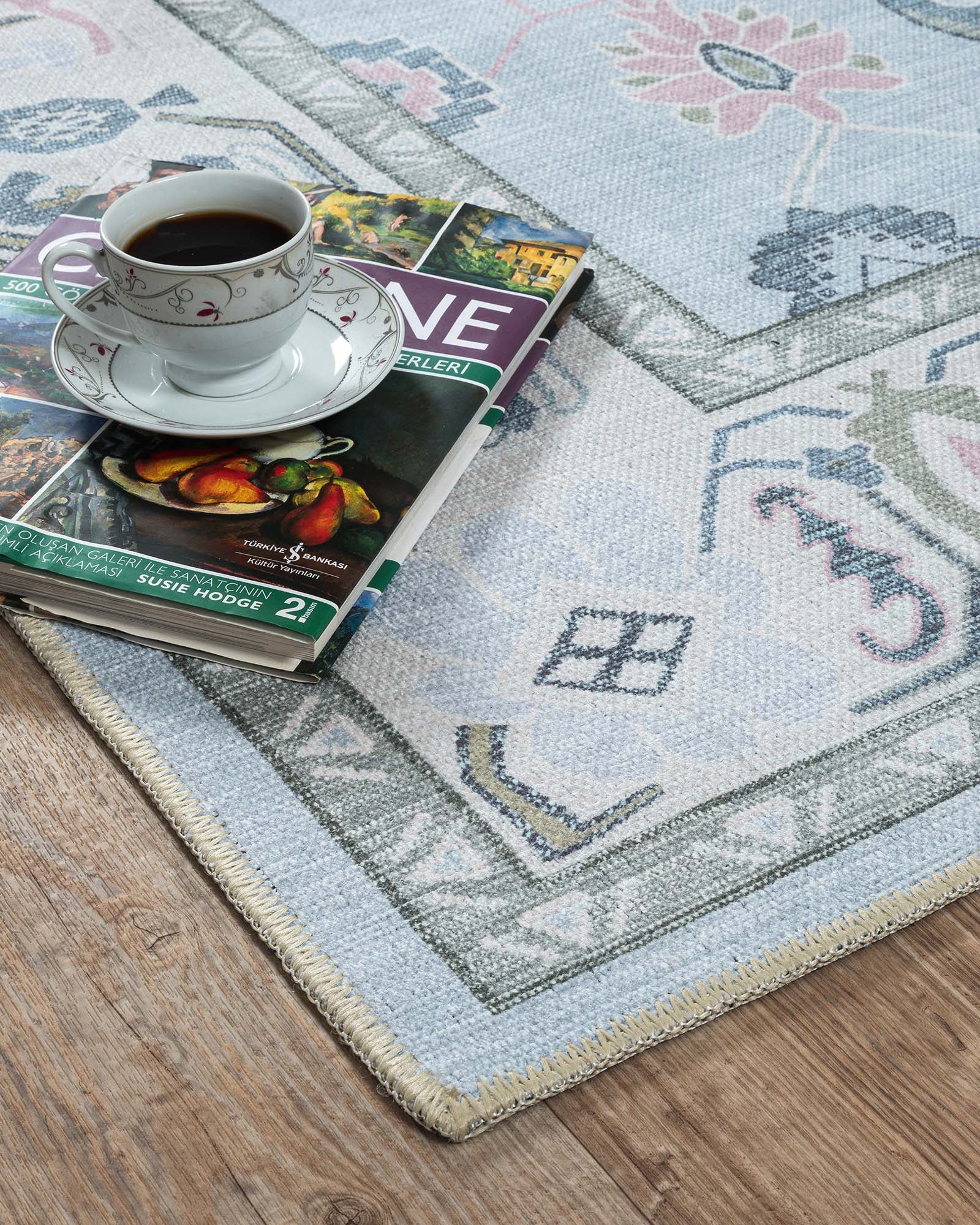
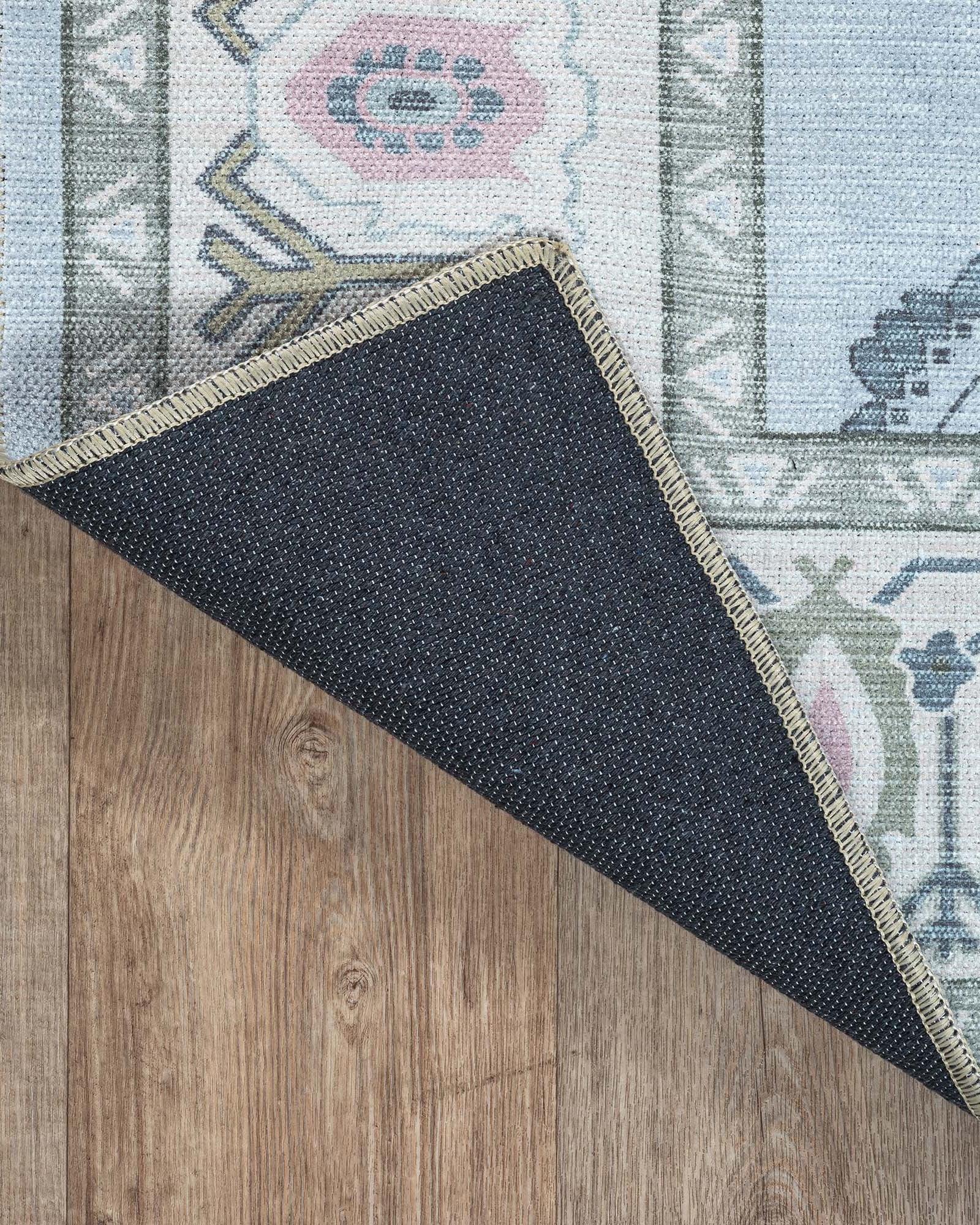
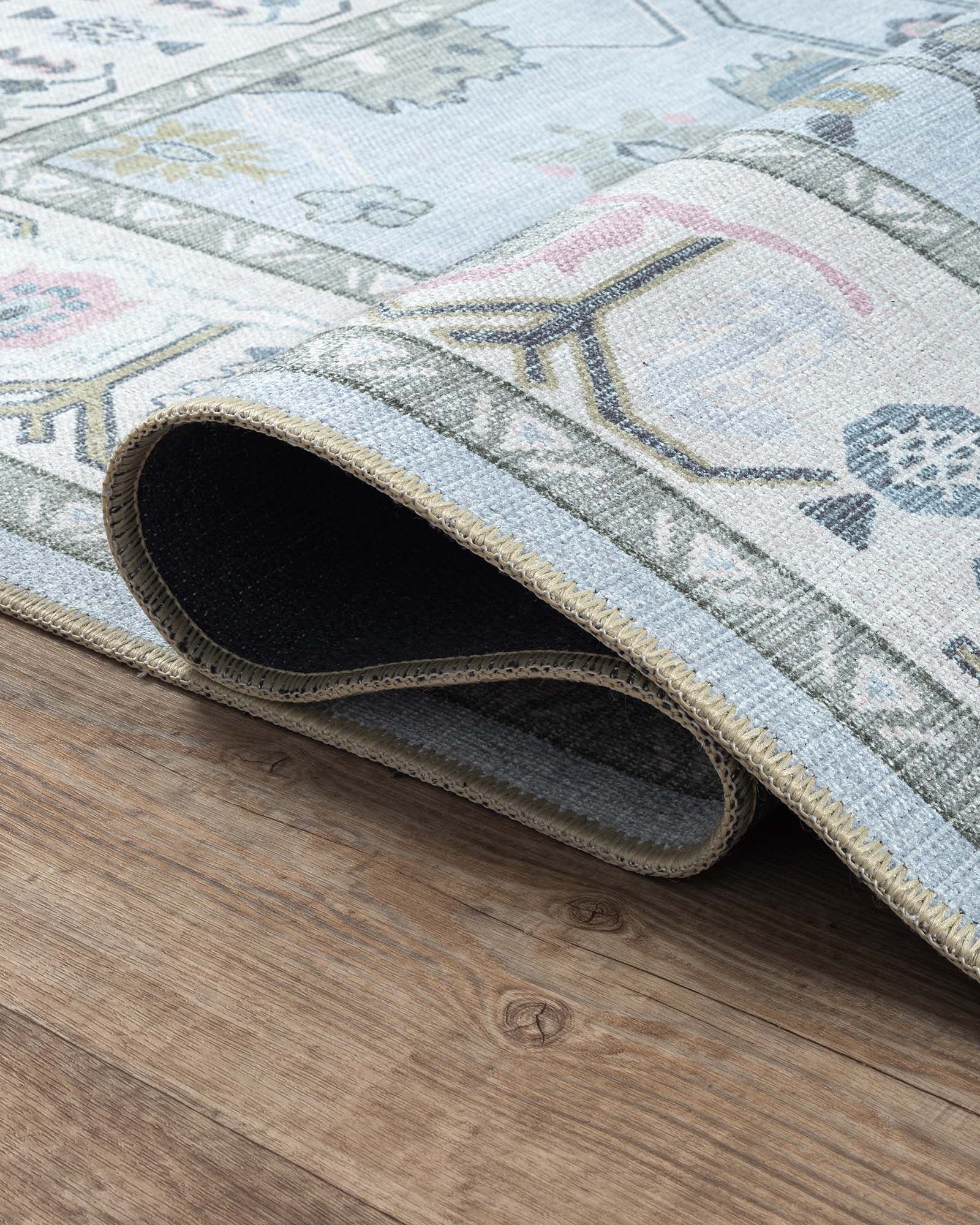
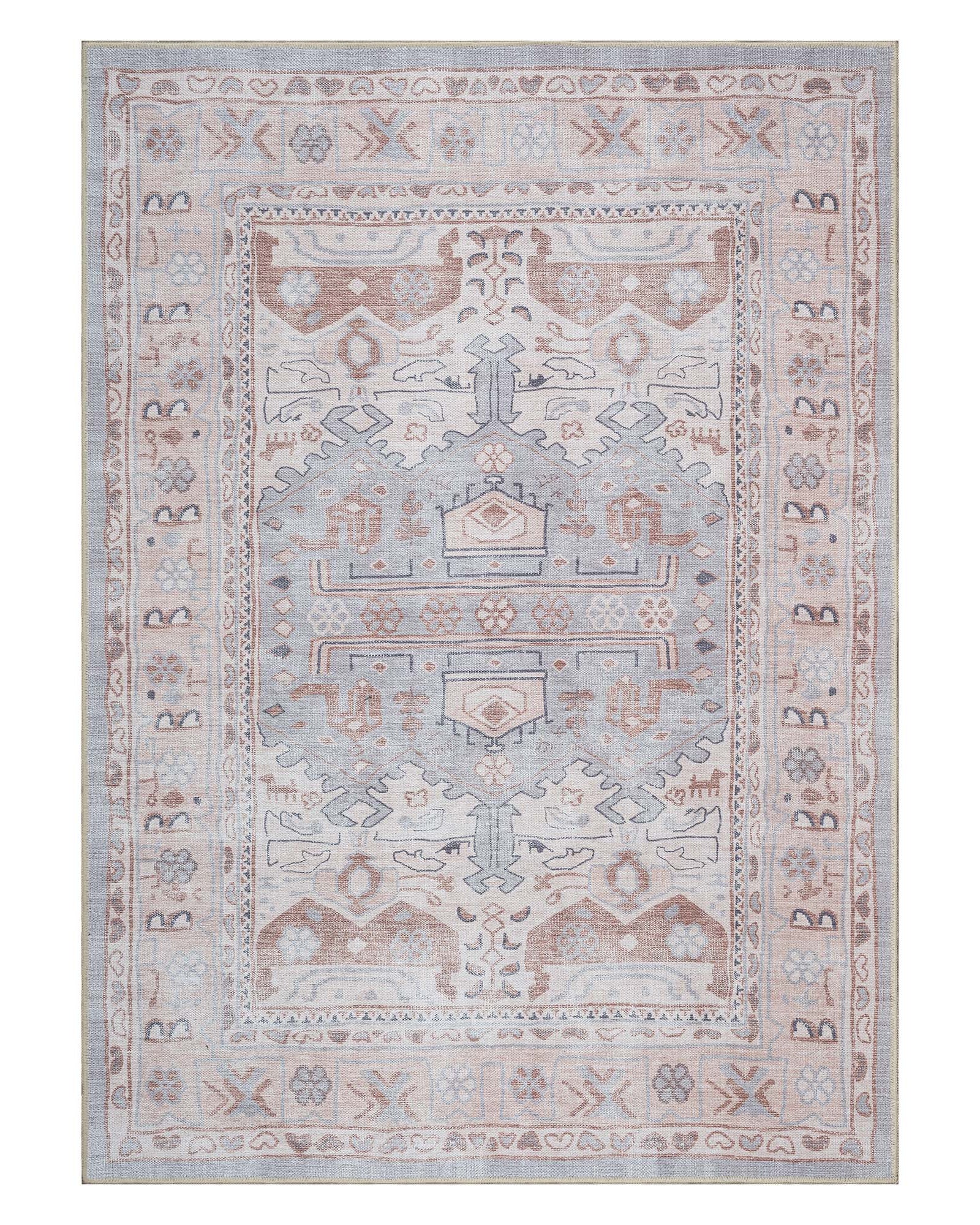
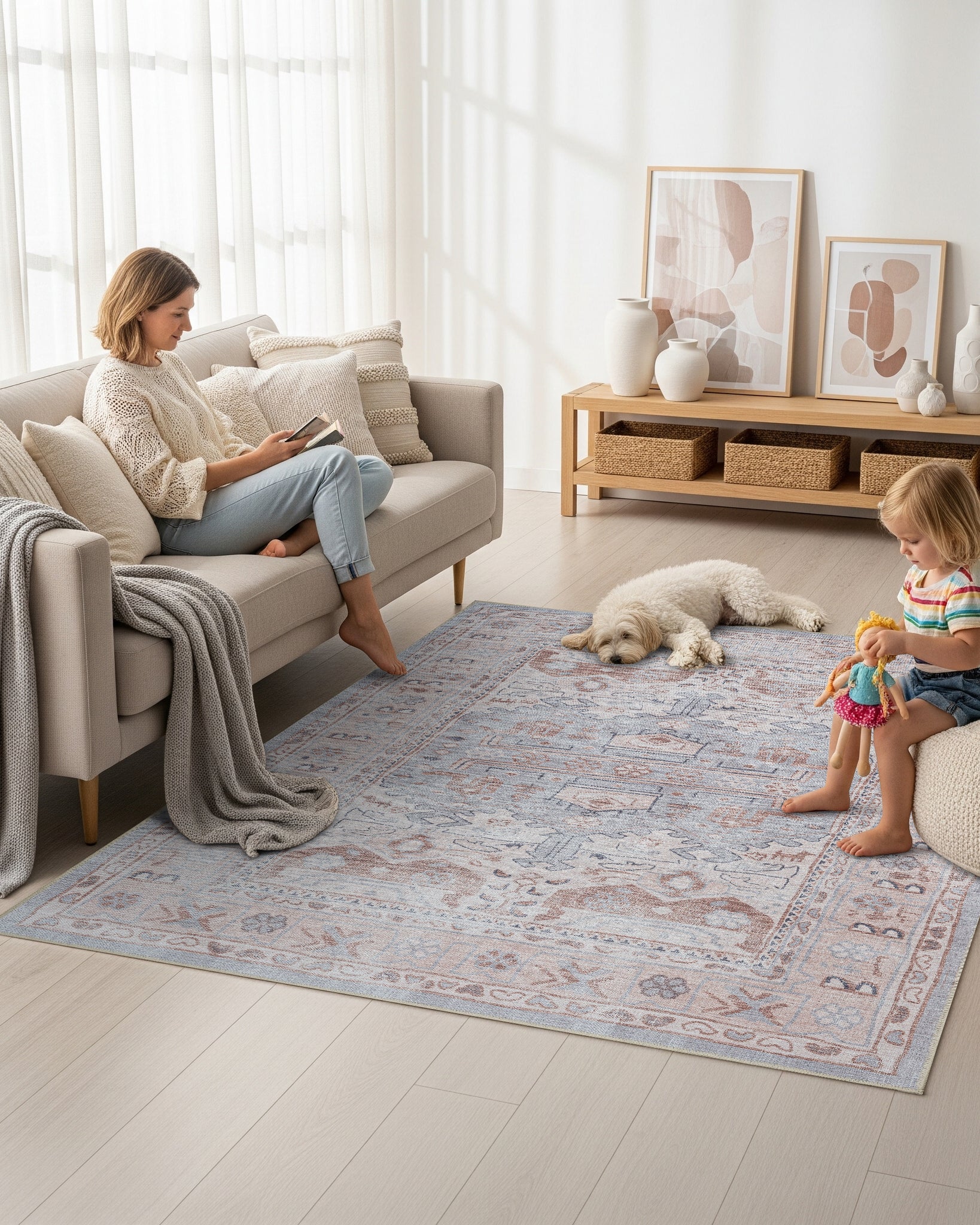
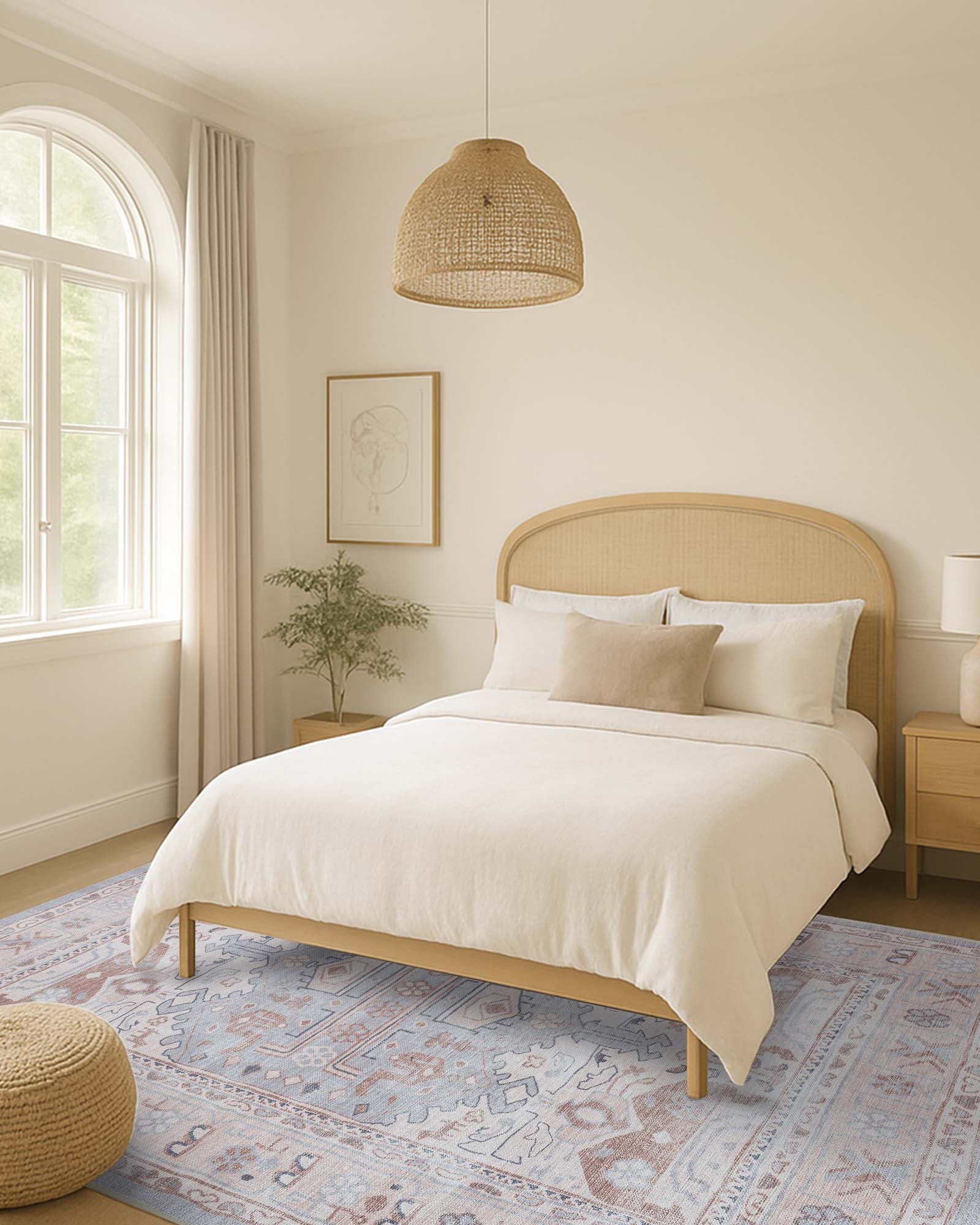
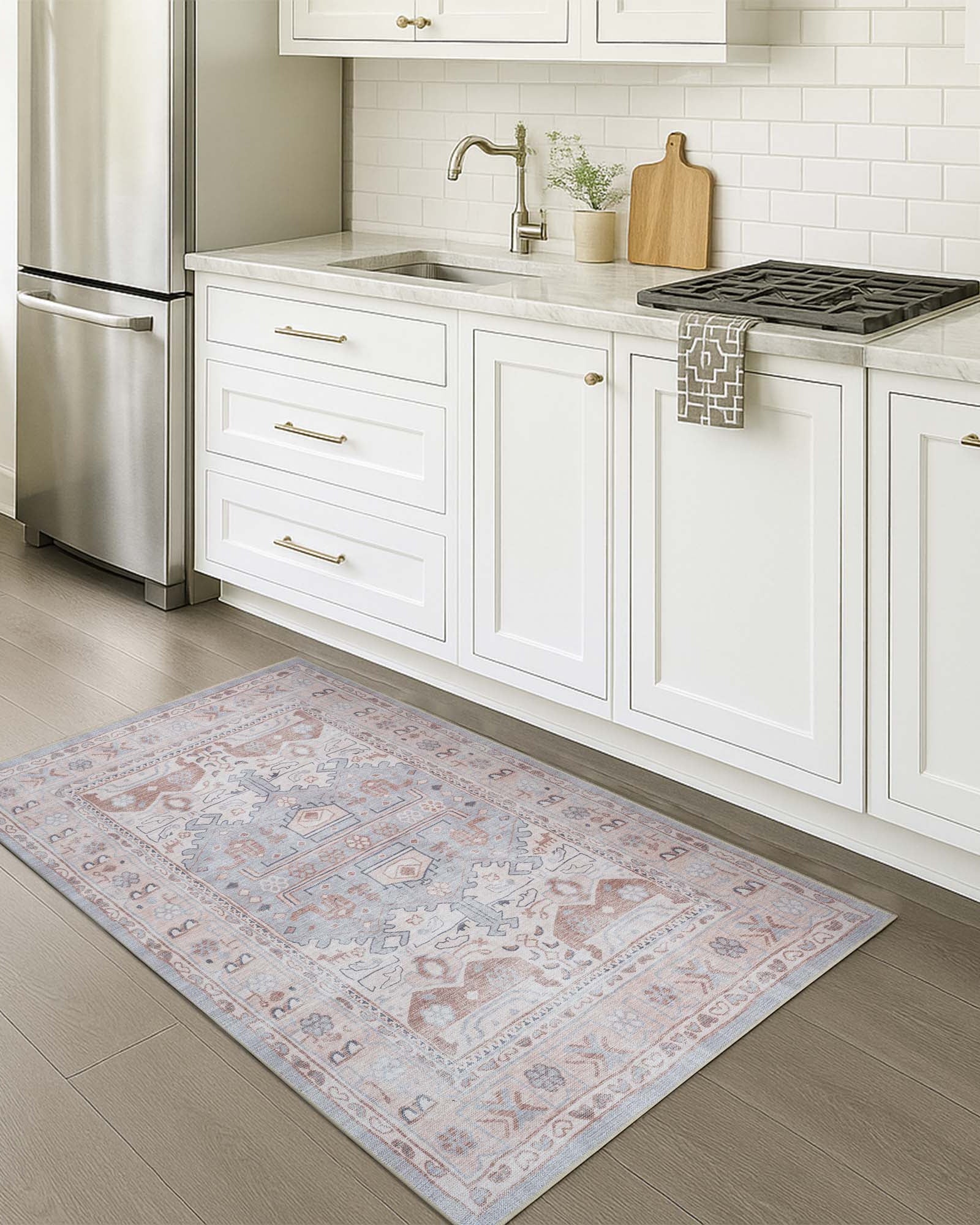
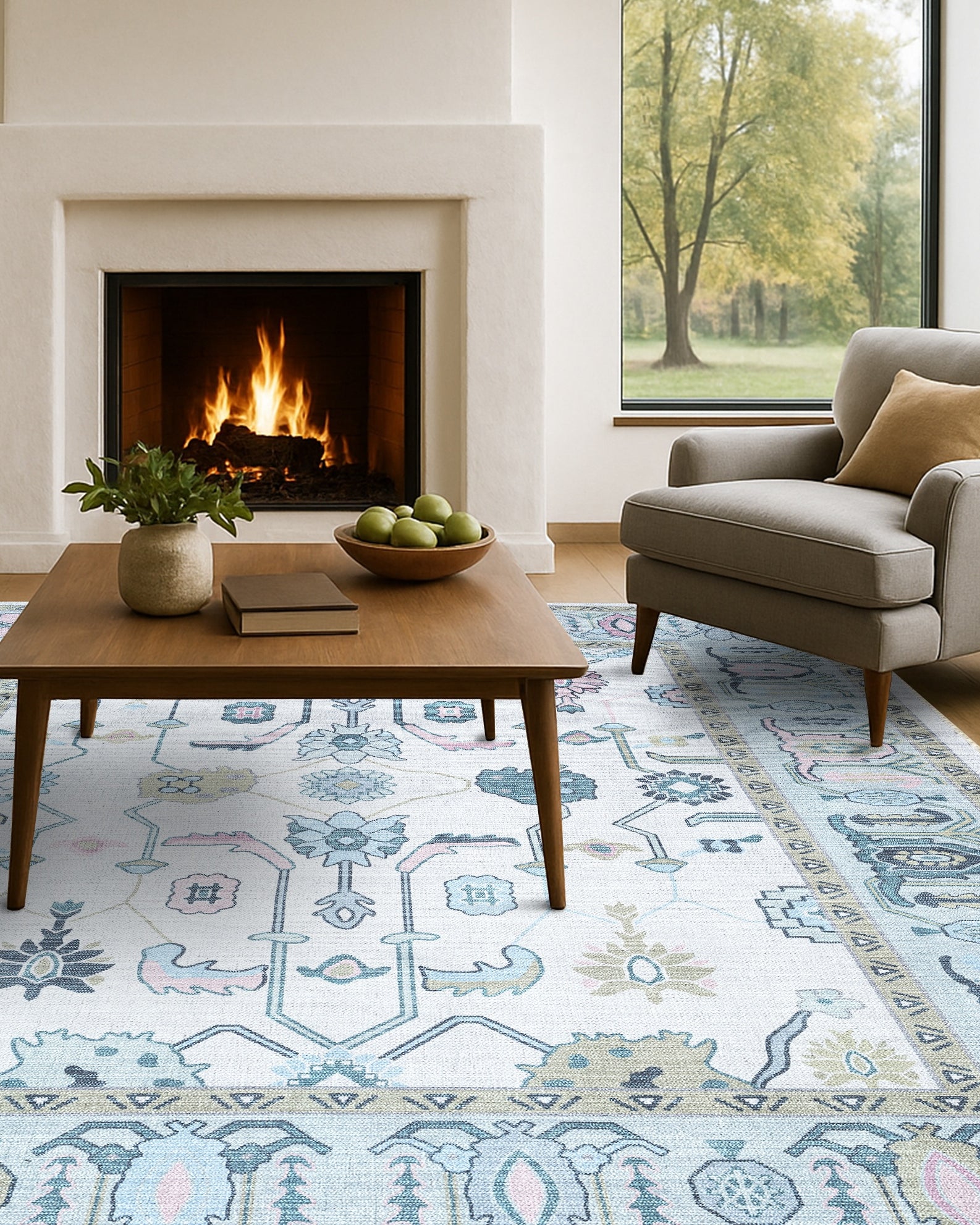
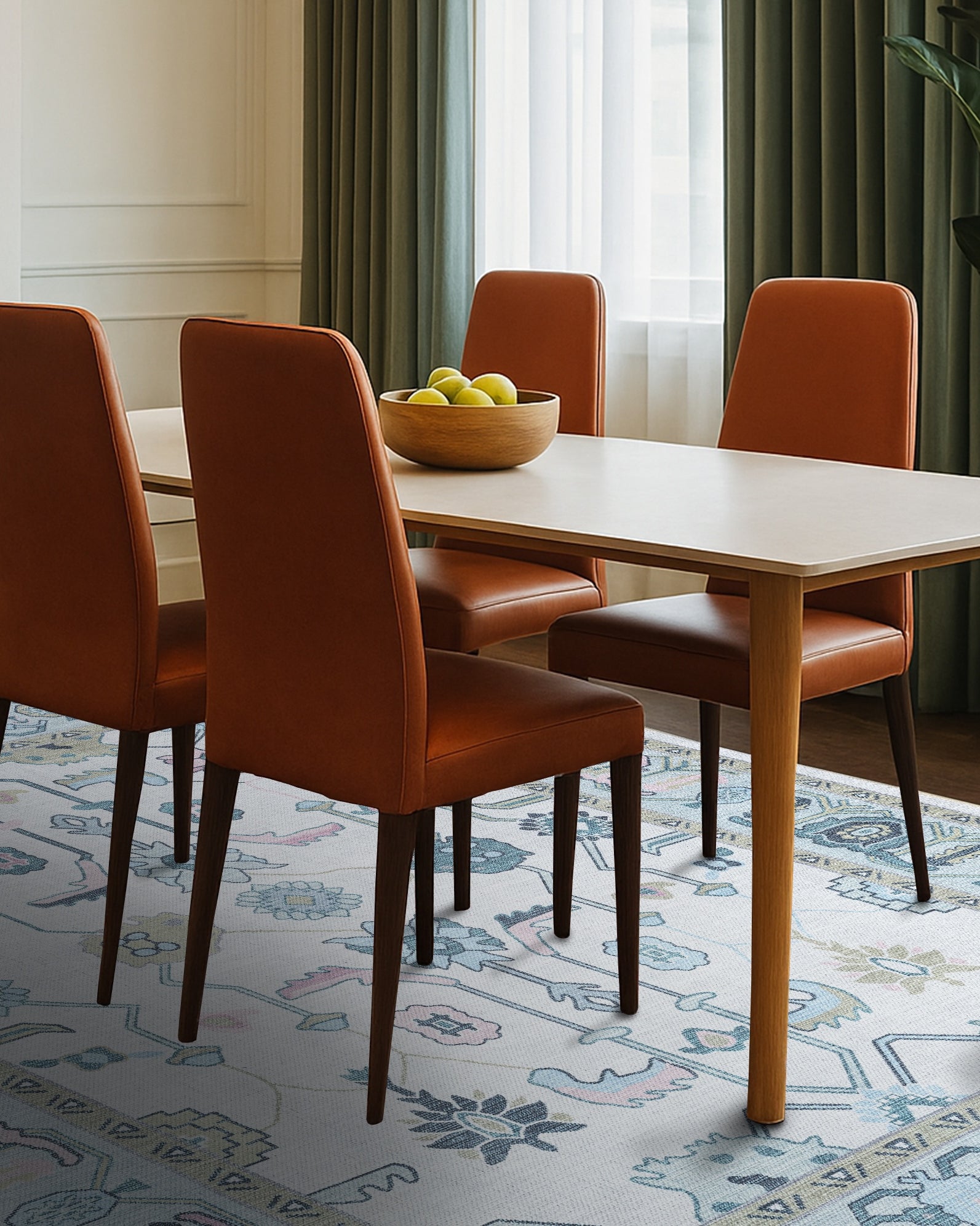
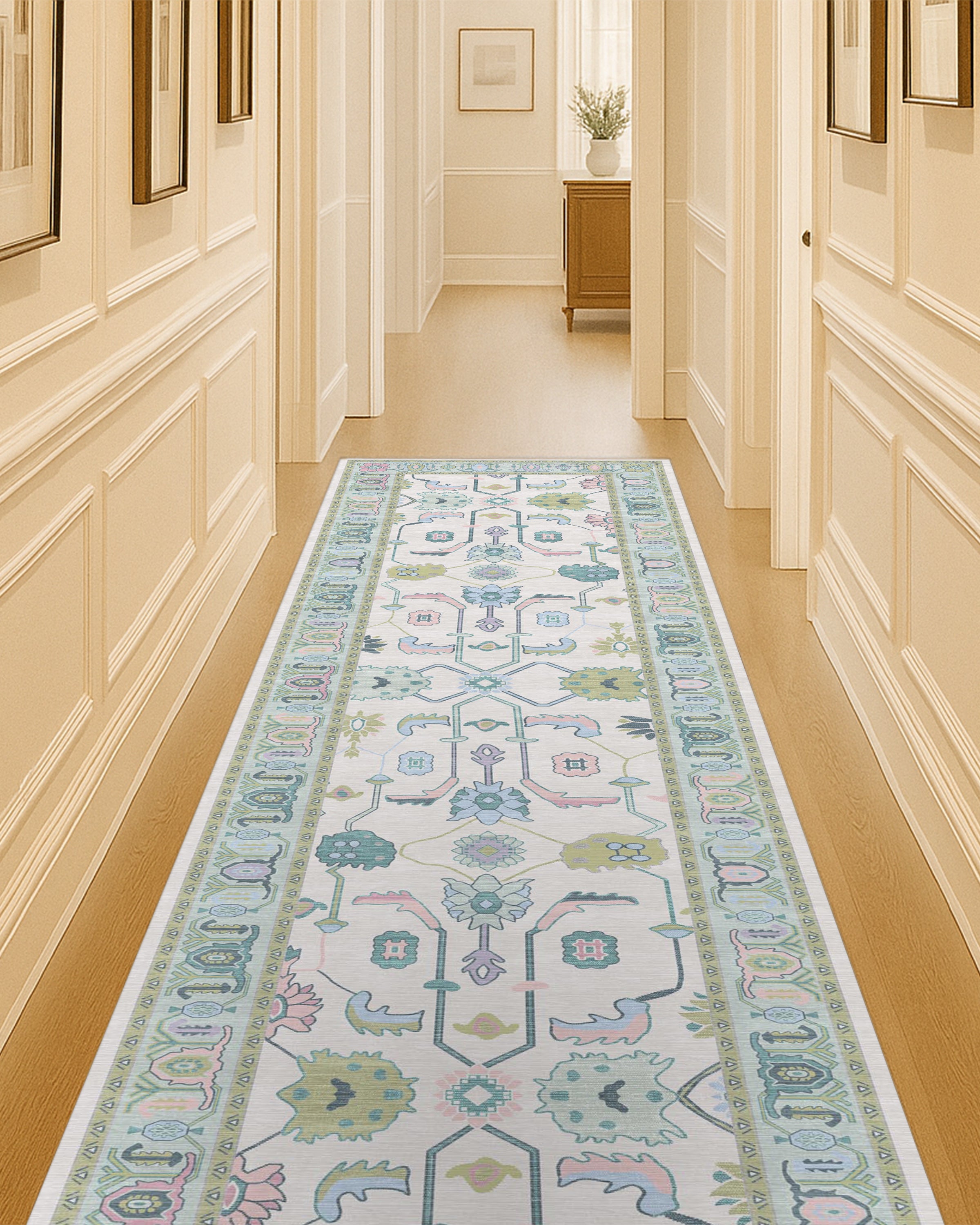
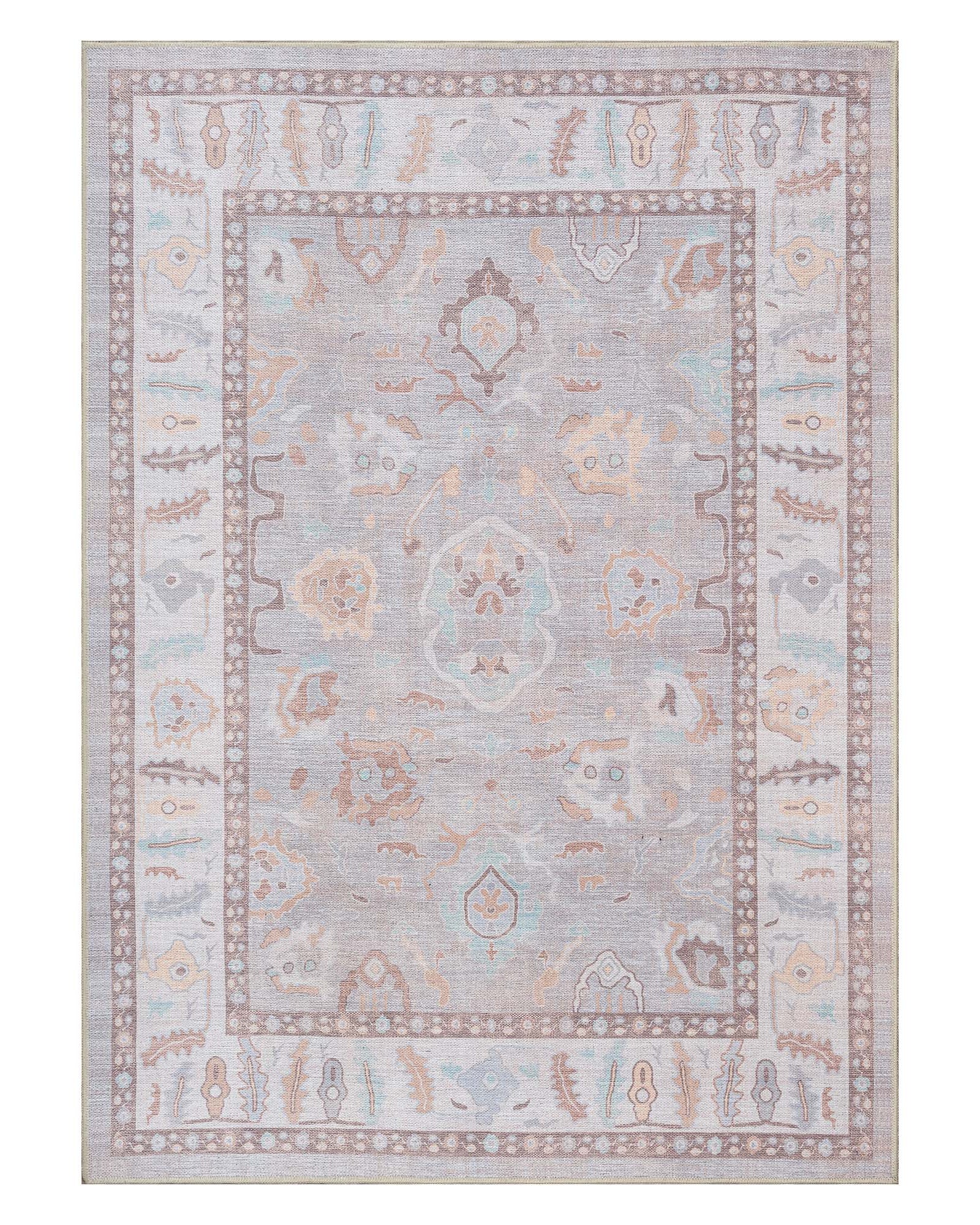
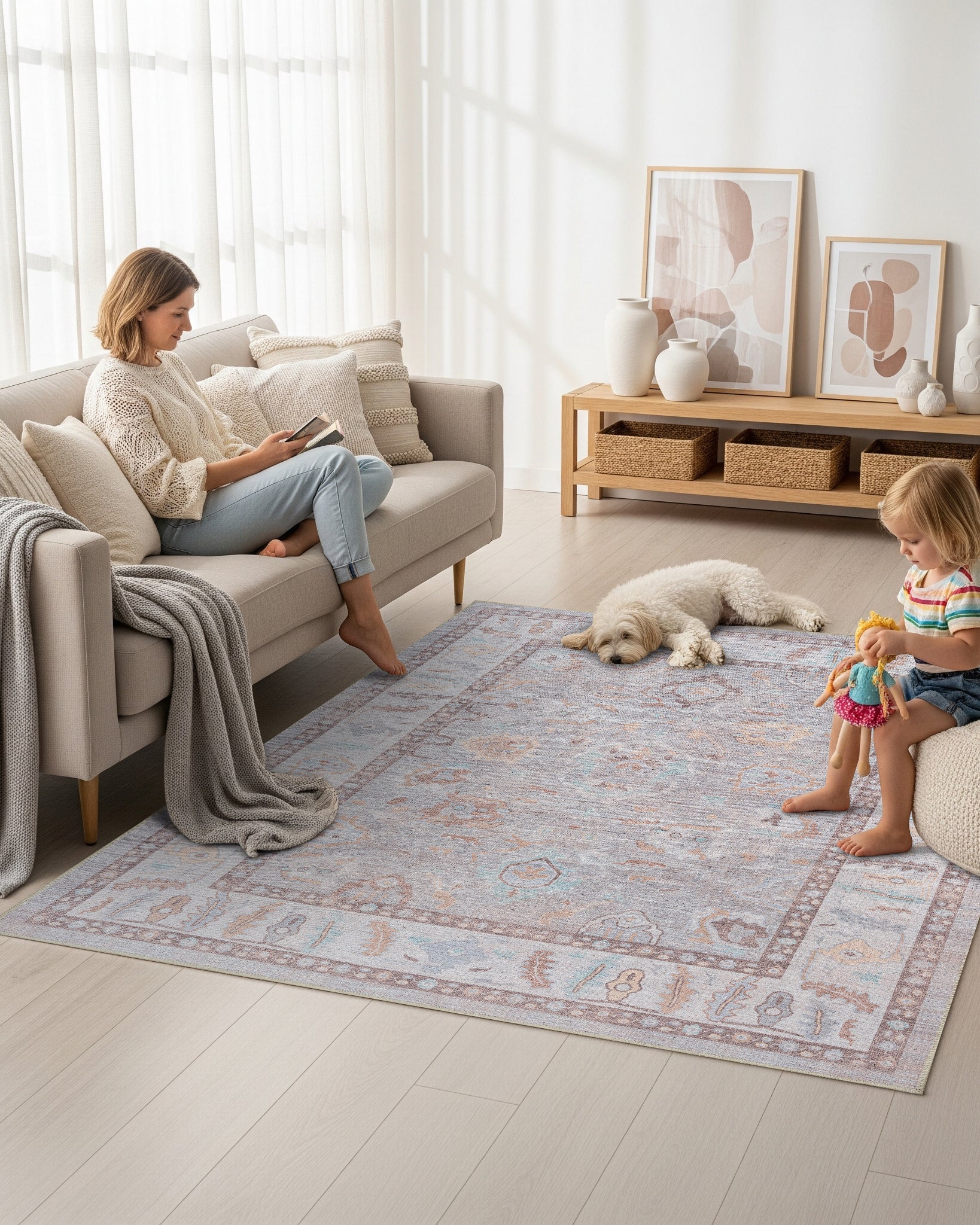
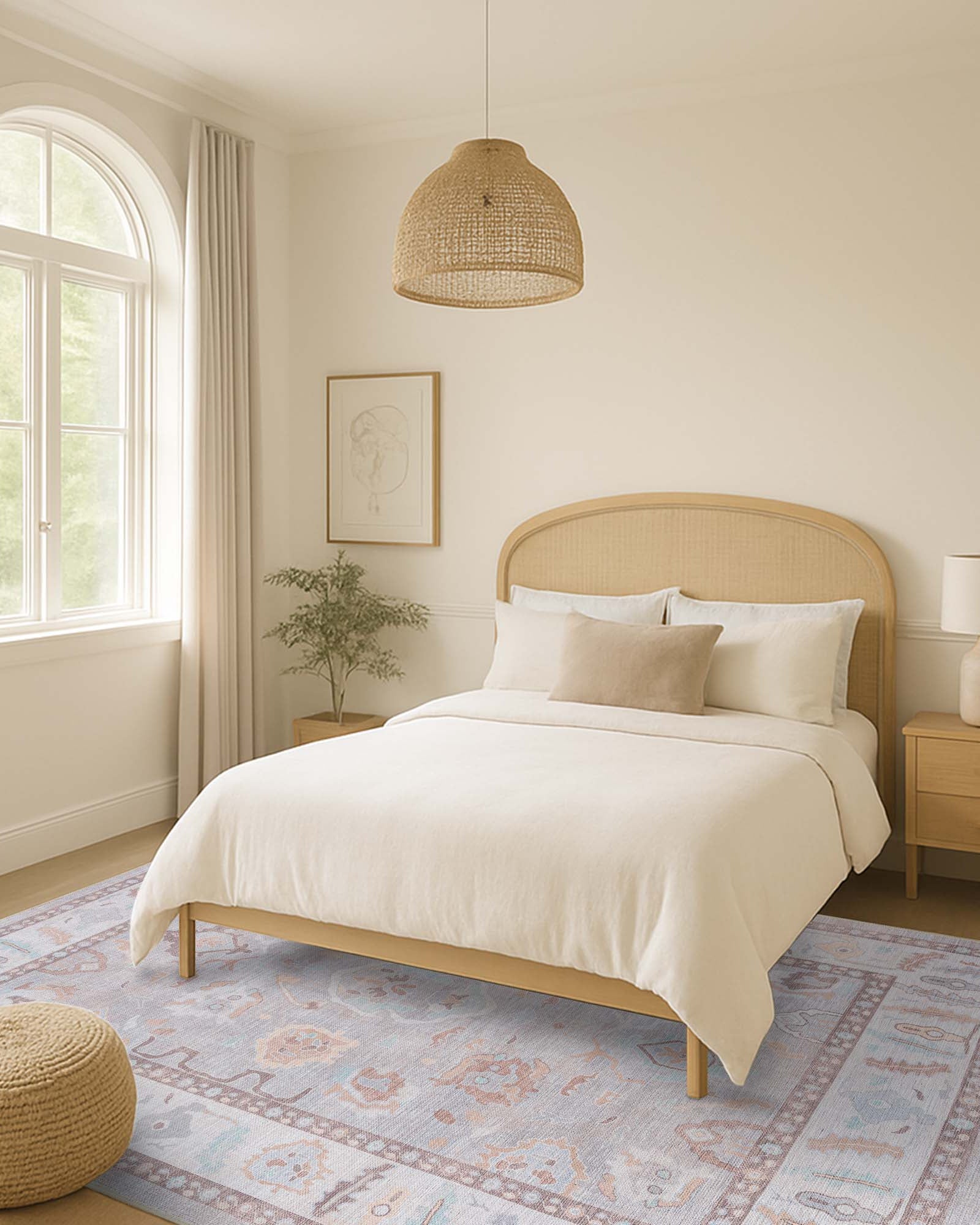
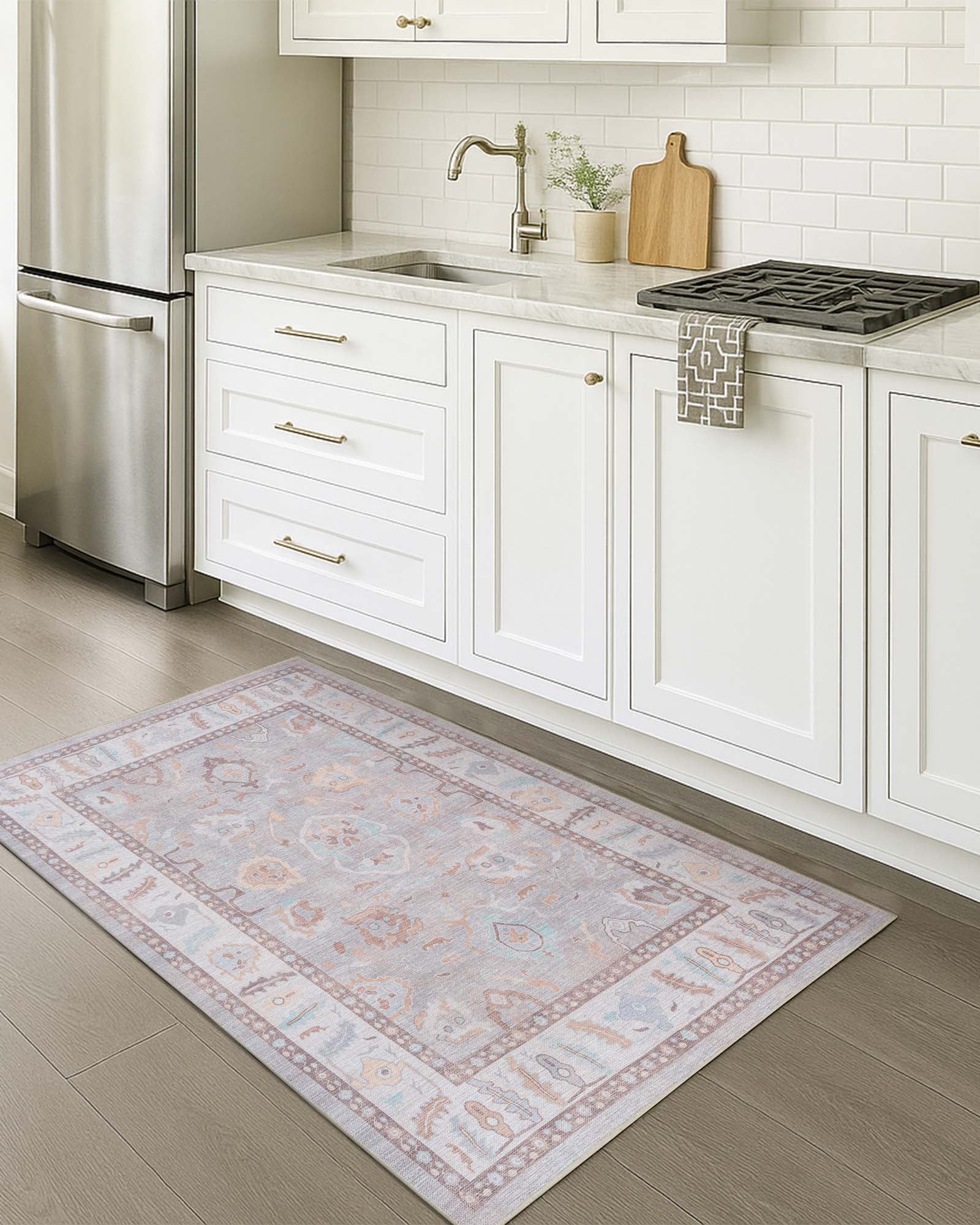
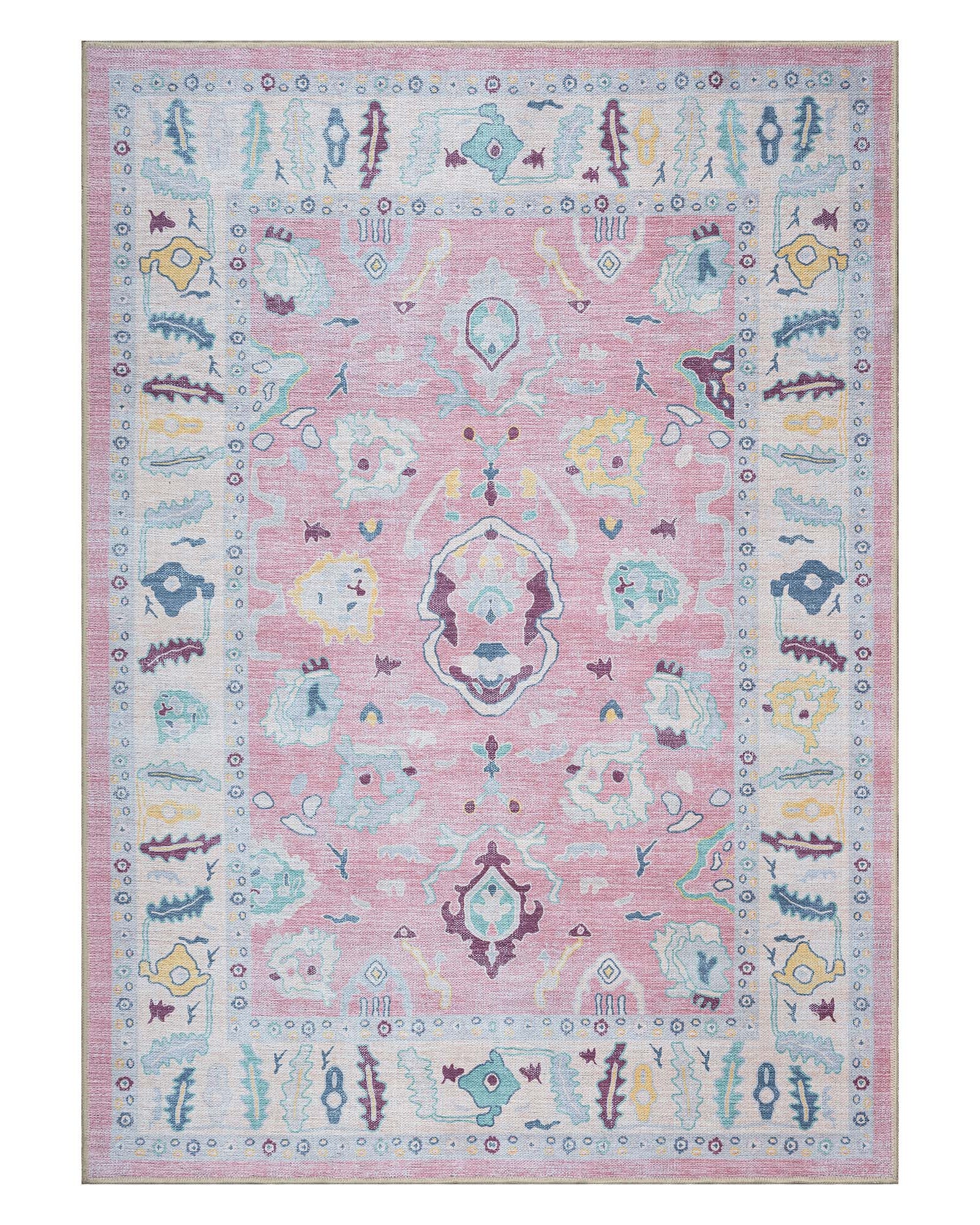
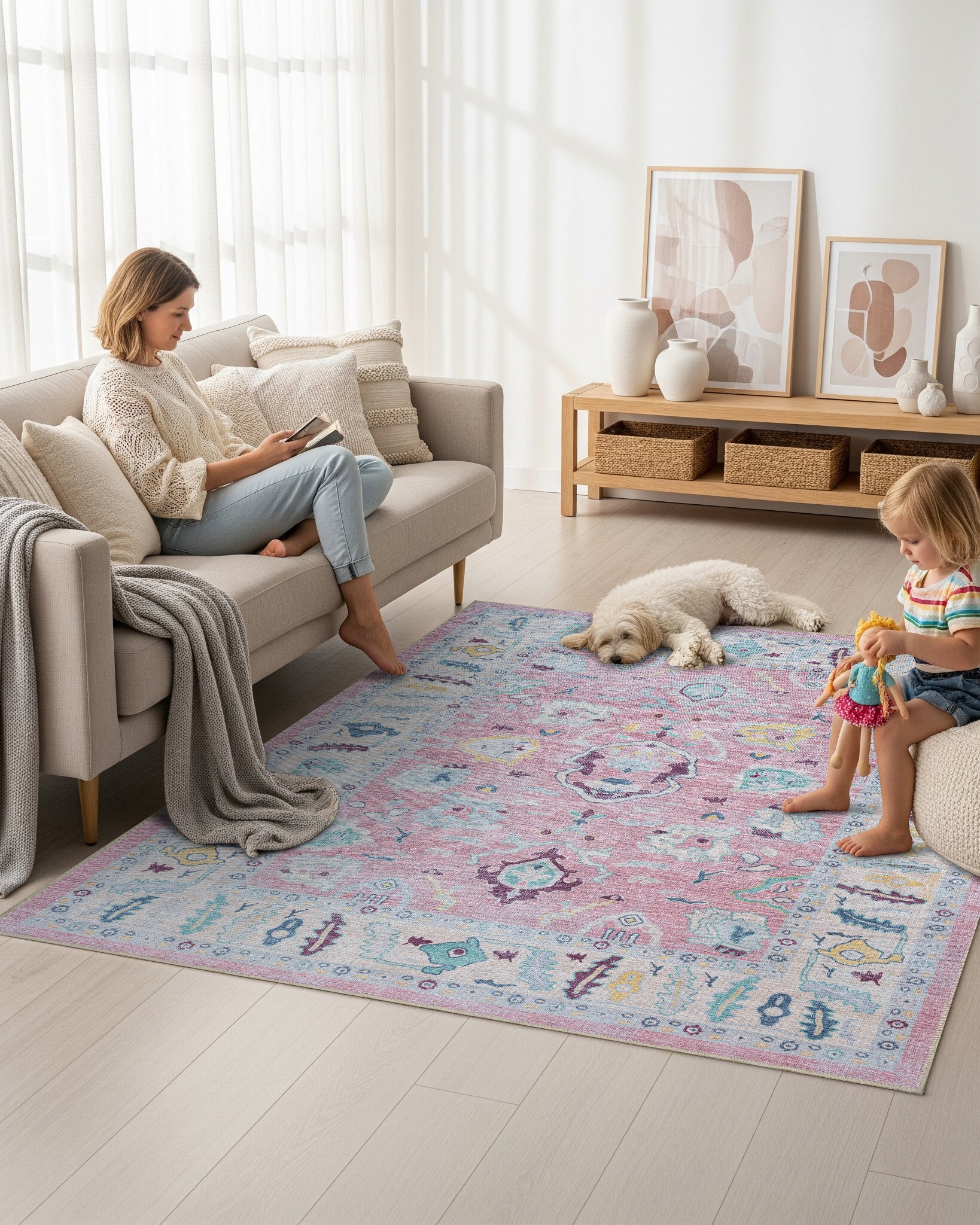
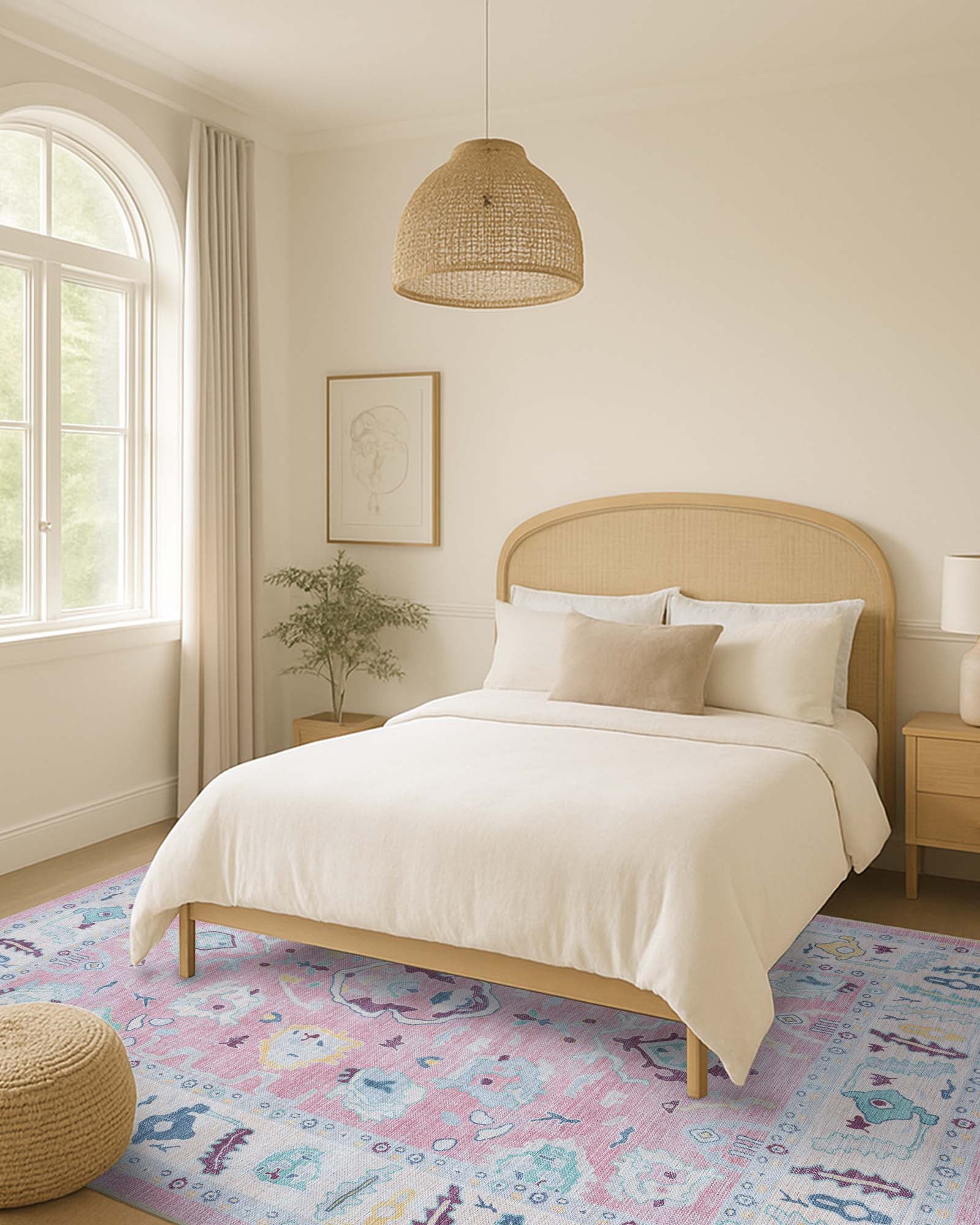
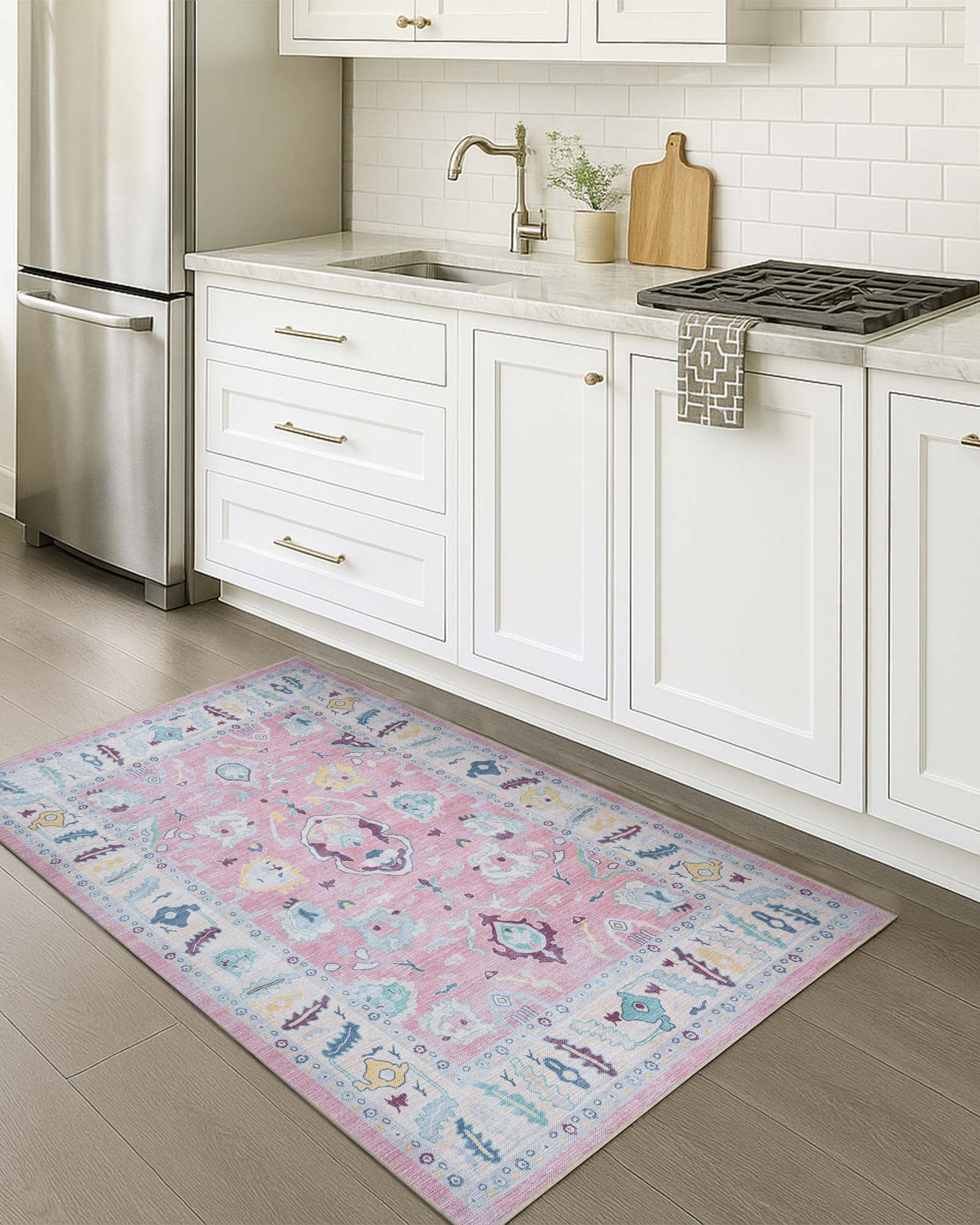
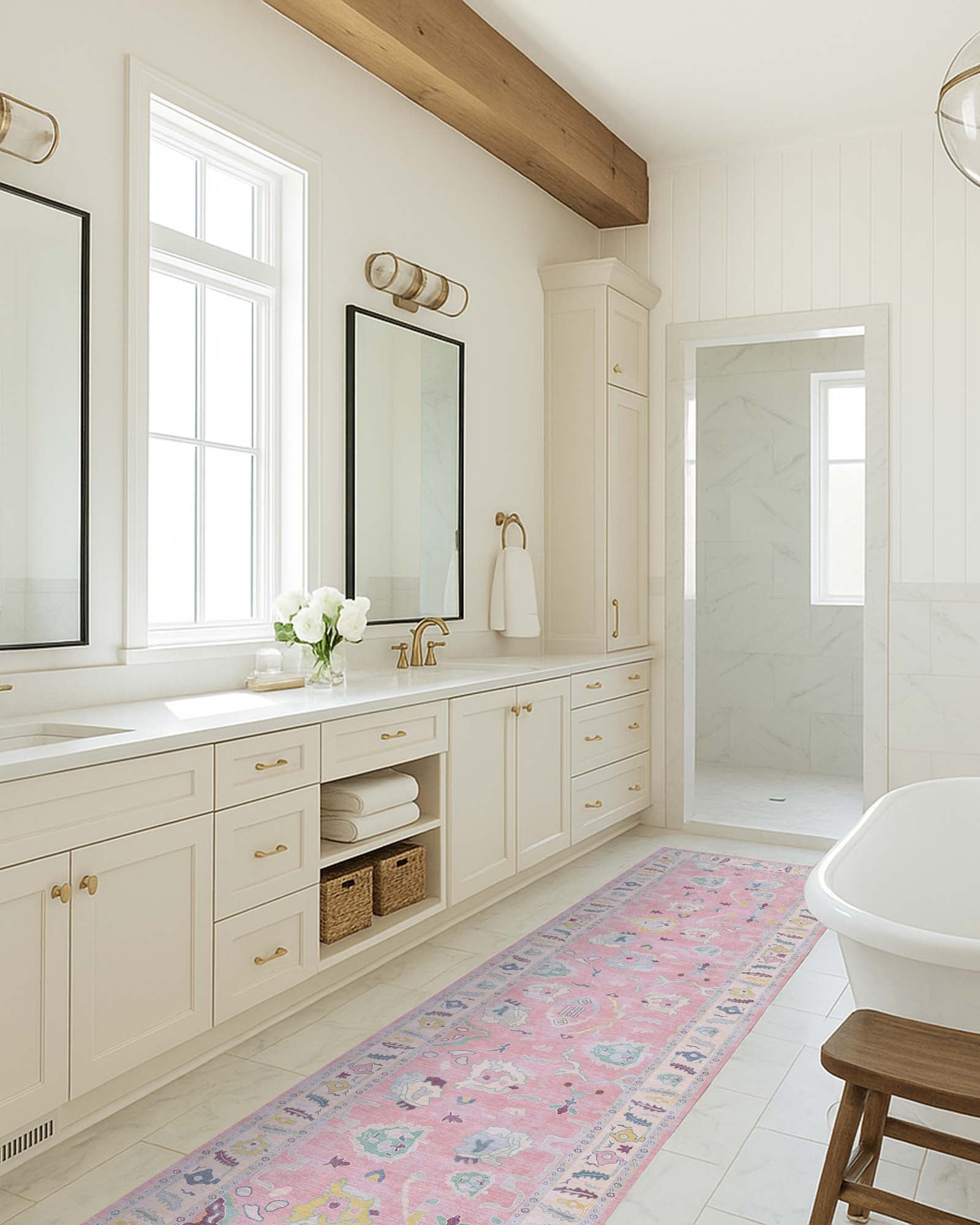
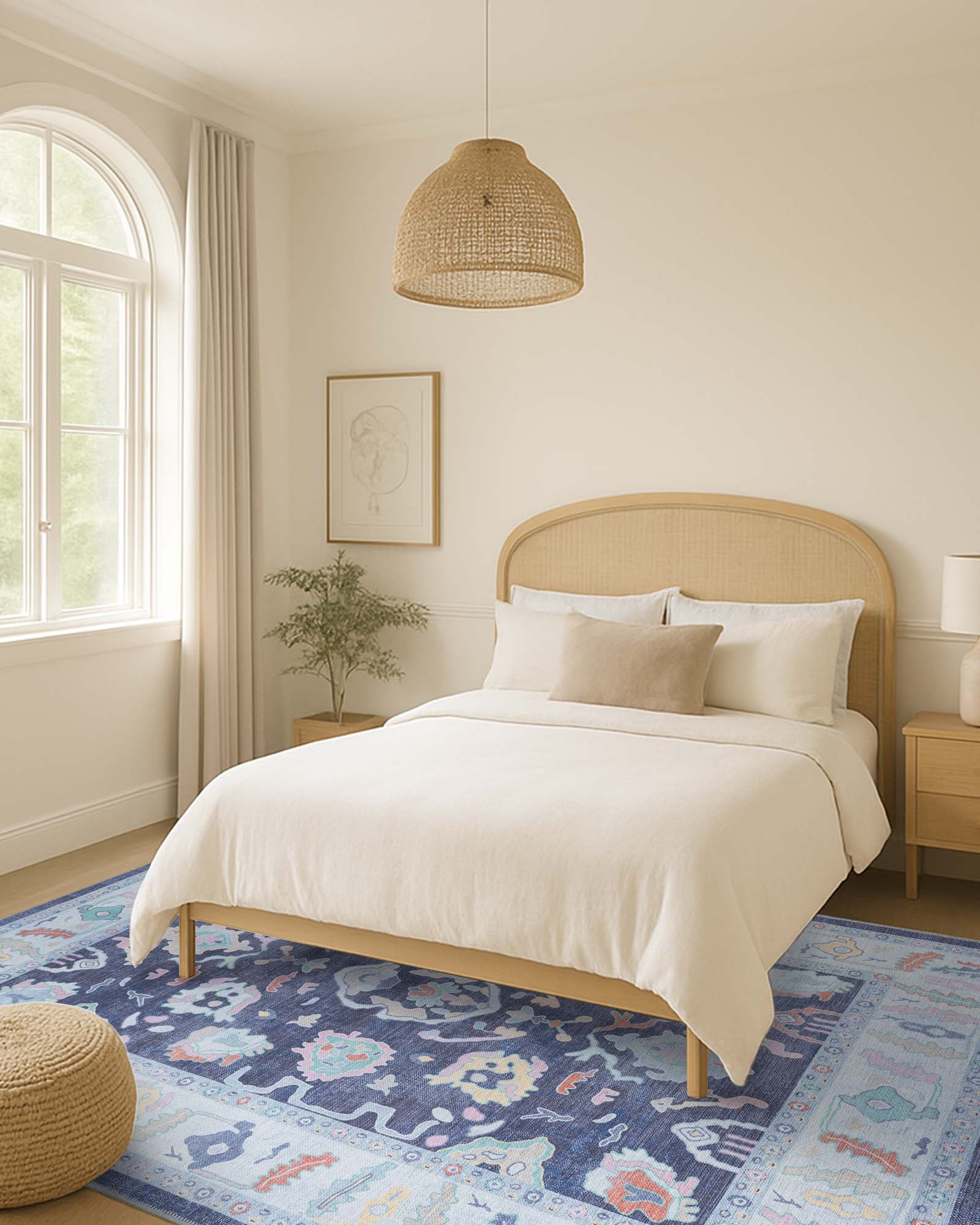
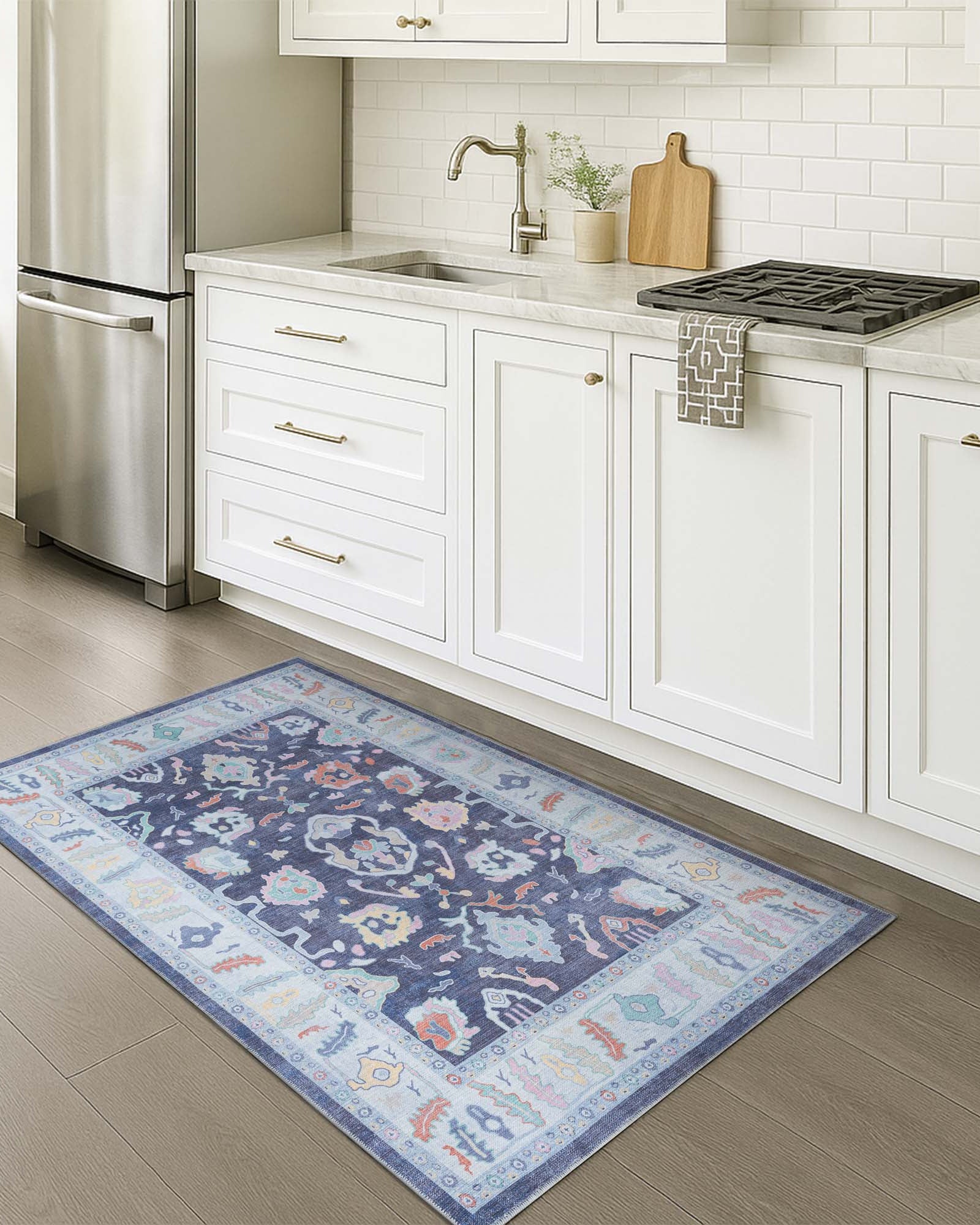
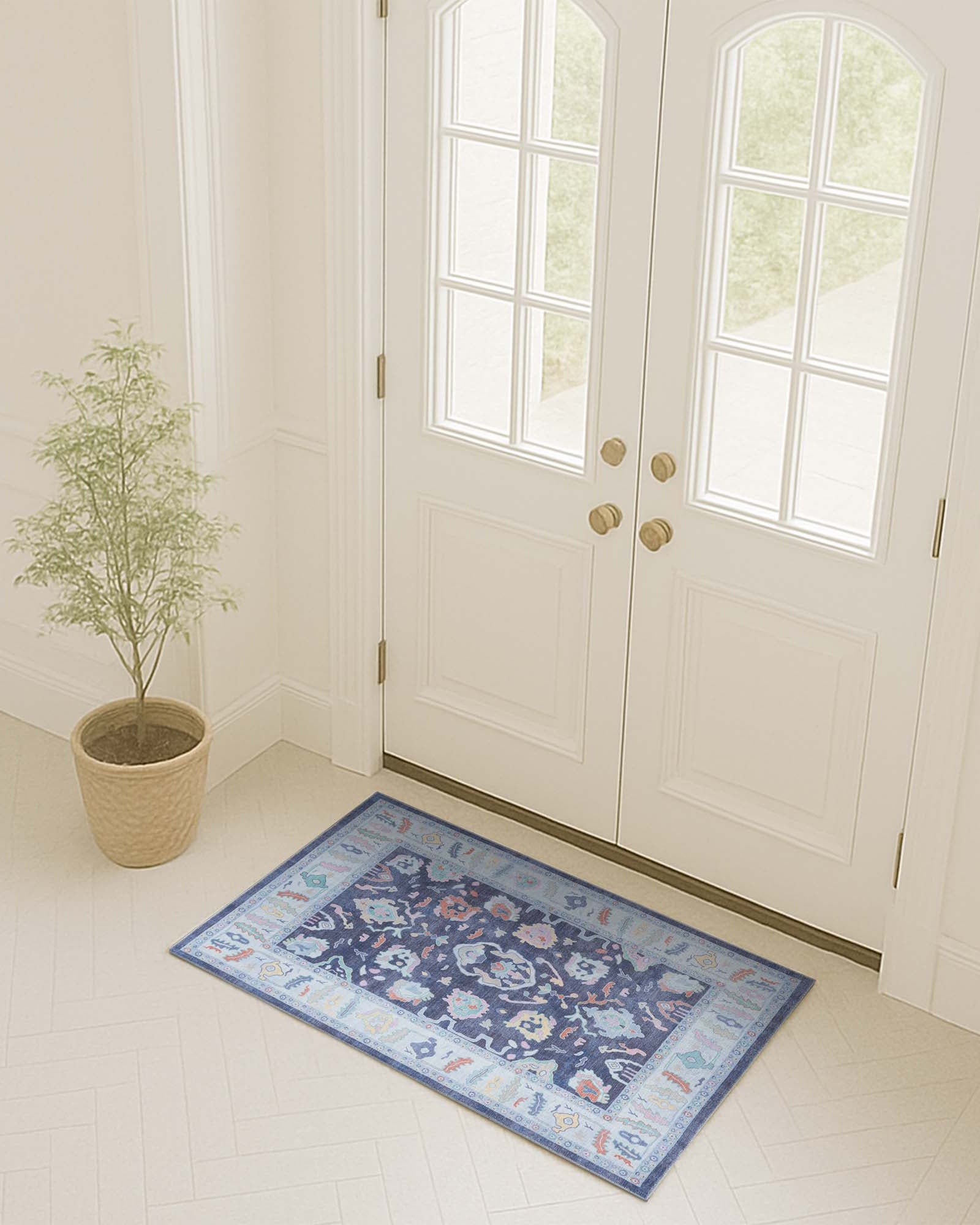
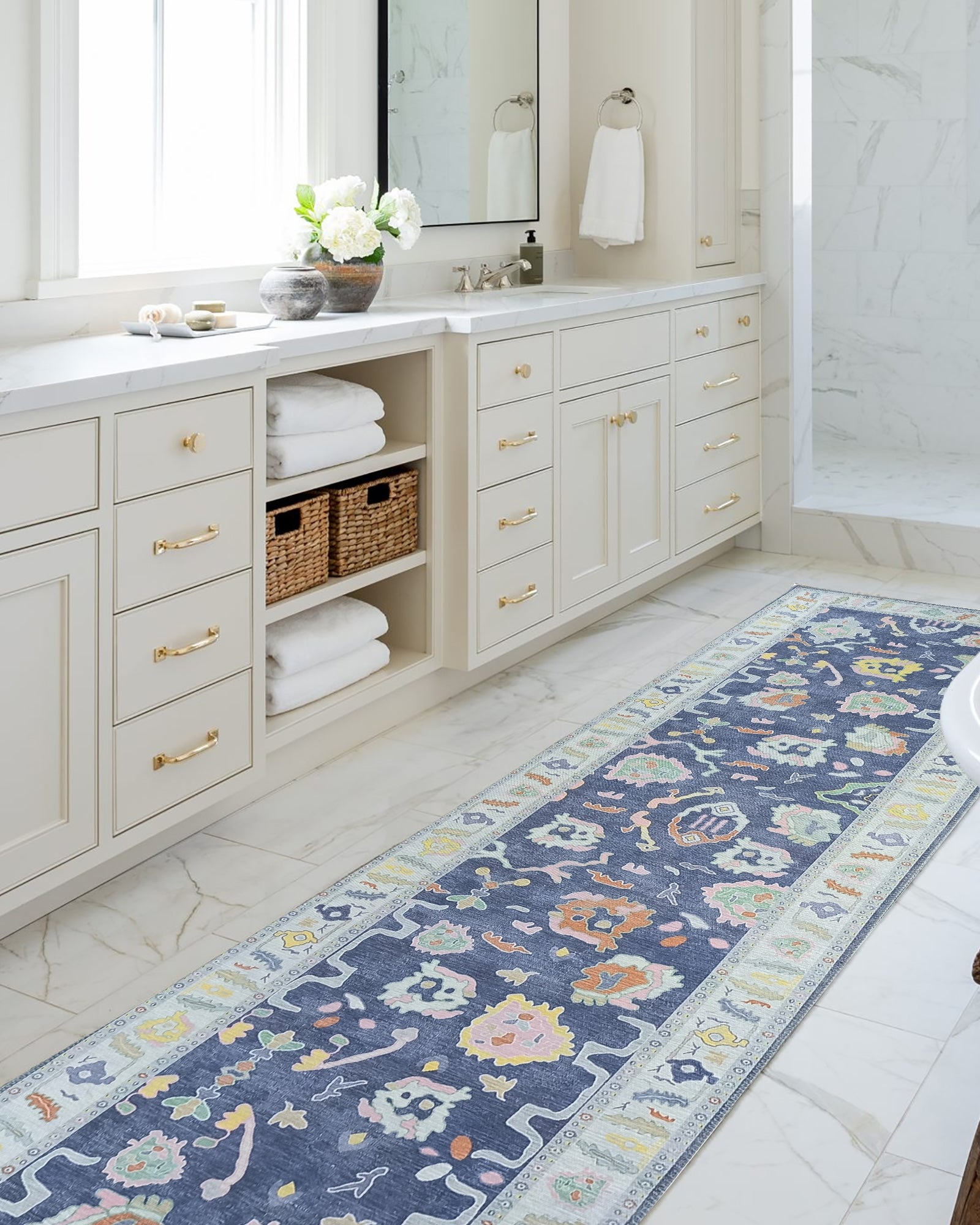
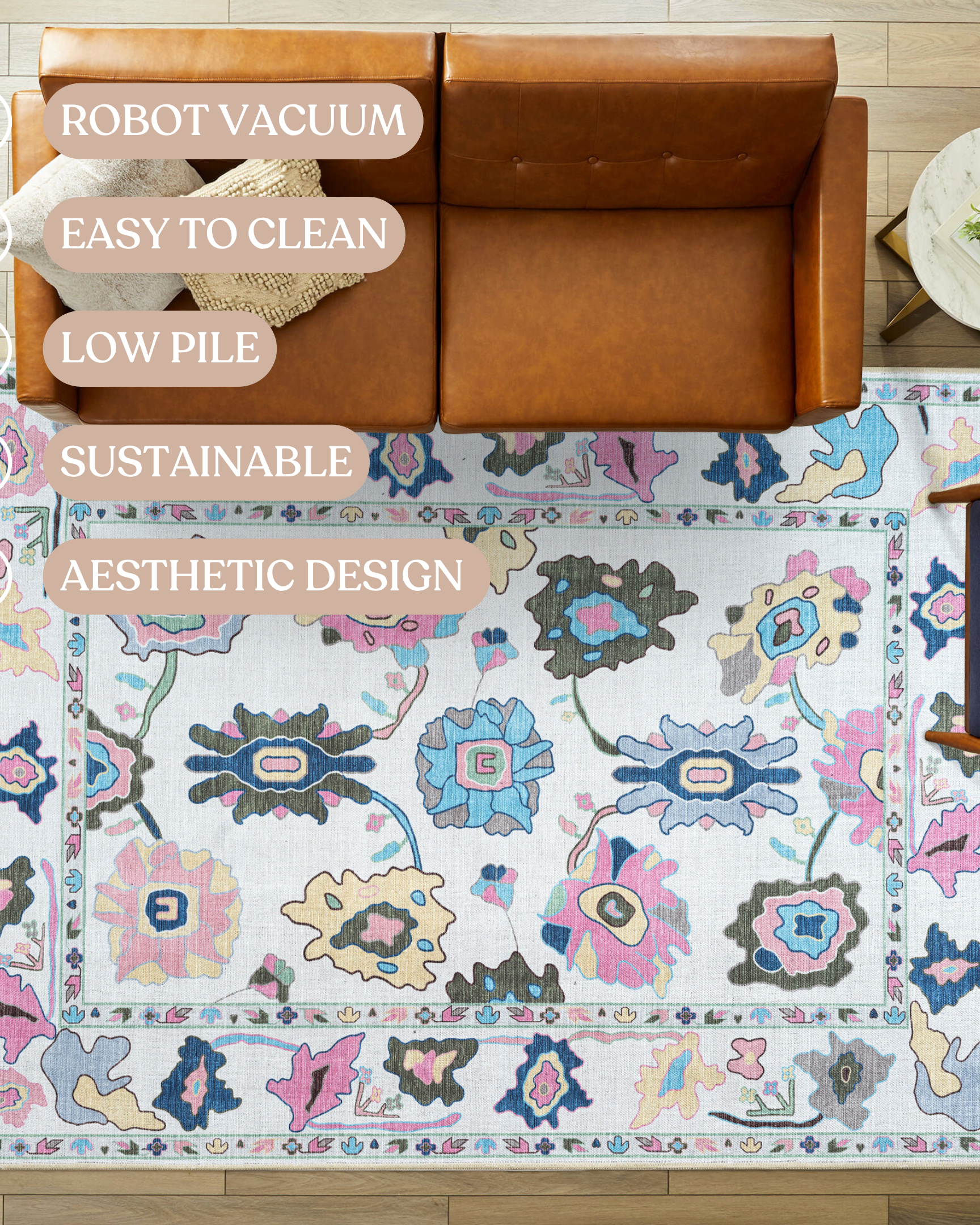
Persian weaving is the reference point the rest of the rug world is measured against. The asymmetrical knot used across Iran allows curves, fine floral drawing and detail that geometric traditions cannot reach, and the workshop system behind it produced rugs of remarkable consistency for centuries. Every piece in this collection is an original hand-knotted rug with genuine age, sold as a single item with its own dimensions, palette and wear. There is no second one of anything here.
The Major Weaving Centres
Persian rugs are named for where they were made, and origin tells you most of what you need to know about how a rug looks, how finely it is knotted and how it will wear.
Tabriz
From the northwest, Tabriz produced some of the most technically precise Persian rugs: dense knotting, a cotton foundation and formal layouts built around a central medallion with elaborate corner spandrels. Palettes run from deep madder and indigo to soft ivory and rose. Tabriz pieces suit formal rooms and hold up well because of their tight construction.
Heriz and Serapi
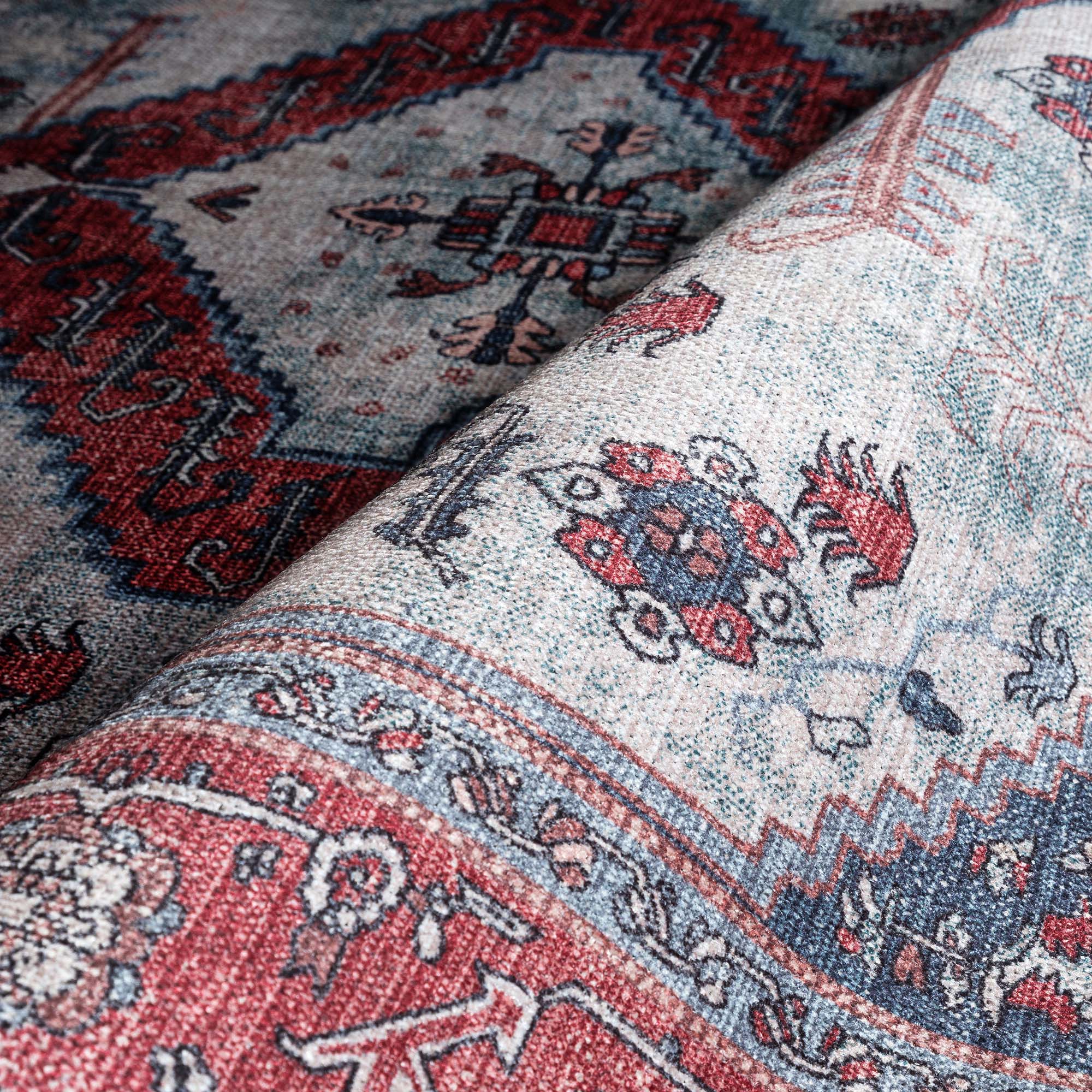
Also northwestern, Heriz rugs take the Persian floral vocabulary and render it in bold, angular, almost architectural form — a large geometric medallion on a rust or brick field with deep blue corners. The knotting is coarser than Tabriz and the wool is heavy, which makes Heriz among the most durable Persian rugs and a common choice for living rooms and dining rooms. Older, finer, more open examples are traditionally called Serapi.
Kerman and Kashan
Central and southern workshop centres known for refinement. Kerman pieces favour soft rose, ivory, celadon and pale blue with delicate all-over floral or open-field designs. Kashan is denser and more saturated, often deep red with an intricate medallion. Both are finely knotted and better suited to bedrooms, studies and lower-traffic rooms than to hallways.
Malayer, Sarouk and Hamadan
The western Persian villages produced the workhorse rugs — sturdy, single-wefted, frequently in runner and scatter sizes. Malayer pieces often carry small repeating boteh or Herati motifs across a densely worked field. Hamadan weaving is simpler and more robust. These are the practical entry point into vintage Persian rugs and the most common source of good vintage runners.
Tribal Weavings — Qashqai, Afshar, Baluch
Not all Persian rugs came from workshops. Nomadic and semi-nomadic groups in the south and east wove smaller, wool-foundation pieces with geometric drawing, unusual colour combinations and no formal design plan. These have the most individual personality in the collection and the strongest handmade character.
How Persian Rugs Are Built
The asymmetrical knot loops around one warp and passes behind the next, letting the weaver place knots more freely and draw curved lines. Combined with high knot density, this is what makes fine floral detail possible. Most workshop pieces use a cotton warp and weft for stability; tribal pieces are usually wool on wool, which gives them a softer, more flexible handle. Traditional dyes came from madder root, indigo, larkspur, walnut husk and pomegranate rind, and they age by softening rather than dulling — the reason a sixty-year-old Persian rug reads mellow instead of faded.
Recurring Motifs
The boteh, the teardrop form that became the paisley, appears across almost every region. The Herati pattern — a rosette framed by four curved leaves — is the most widespread all-over field design. The gul is a repeating octagonal medallion associated with tribal weaving. Formal workshop rugs are usually built on a single central medallion with matching quarter-medallions in the corners, a layout borrowed from Persian bookbinding.
Age, Condition and Measurement
Pieces here are grouped as antique at over eighty years, vintage at roughly forty to eighty, and semi-vintage below that. Every product page lists the estimated decade, the weaving region, exact measured dimensions and a plain condition note. Expect the marks of use: flattened pile in walkways, old selvage or end repairs, trimmed fringes,