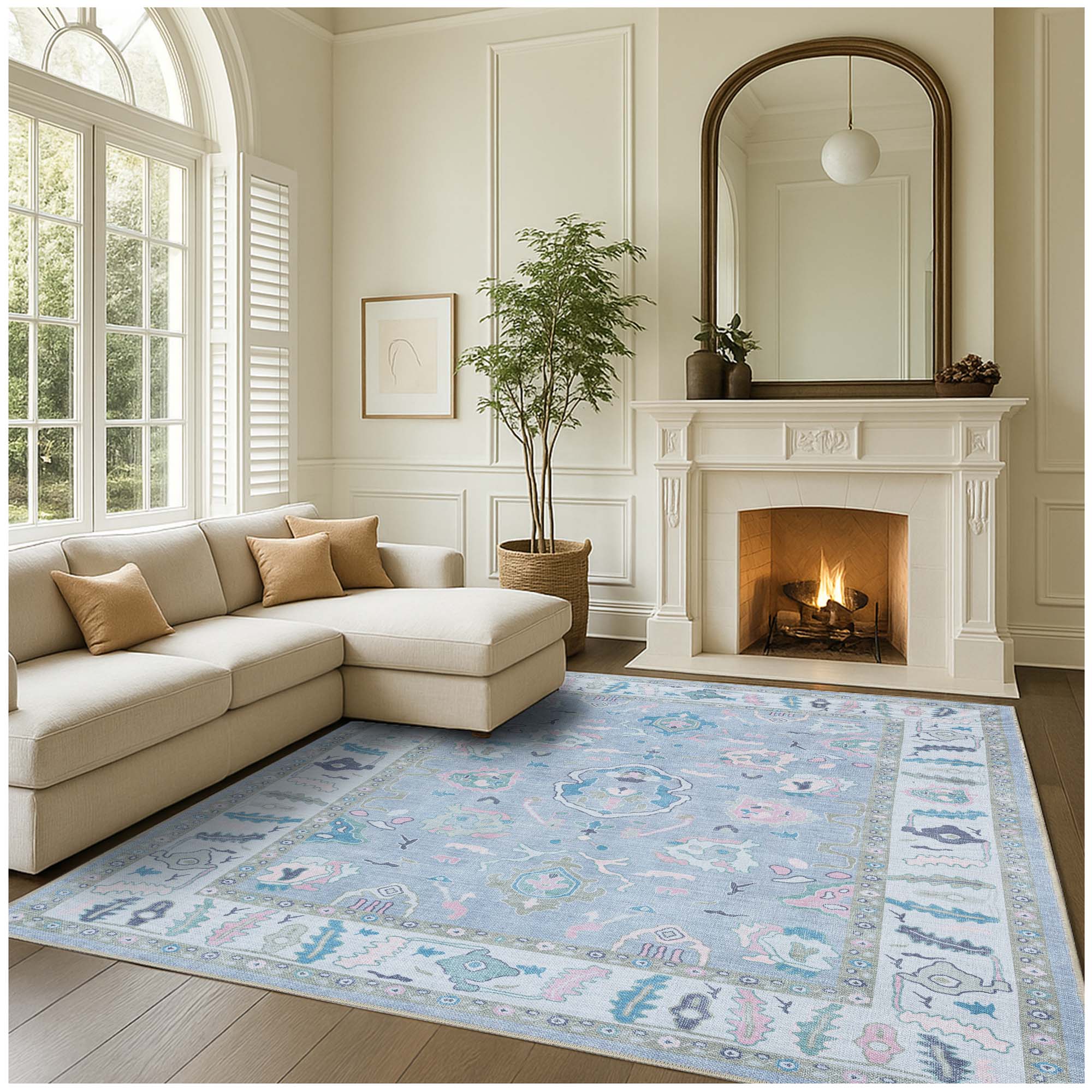
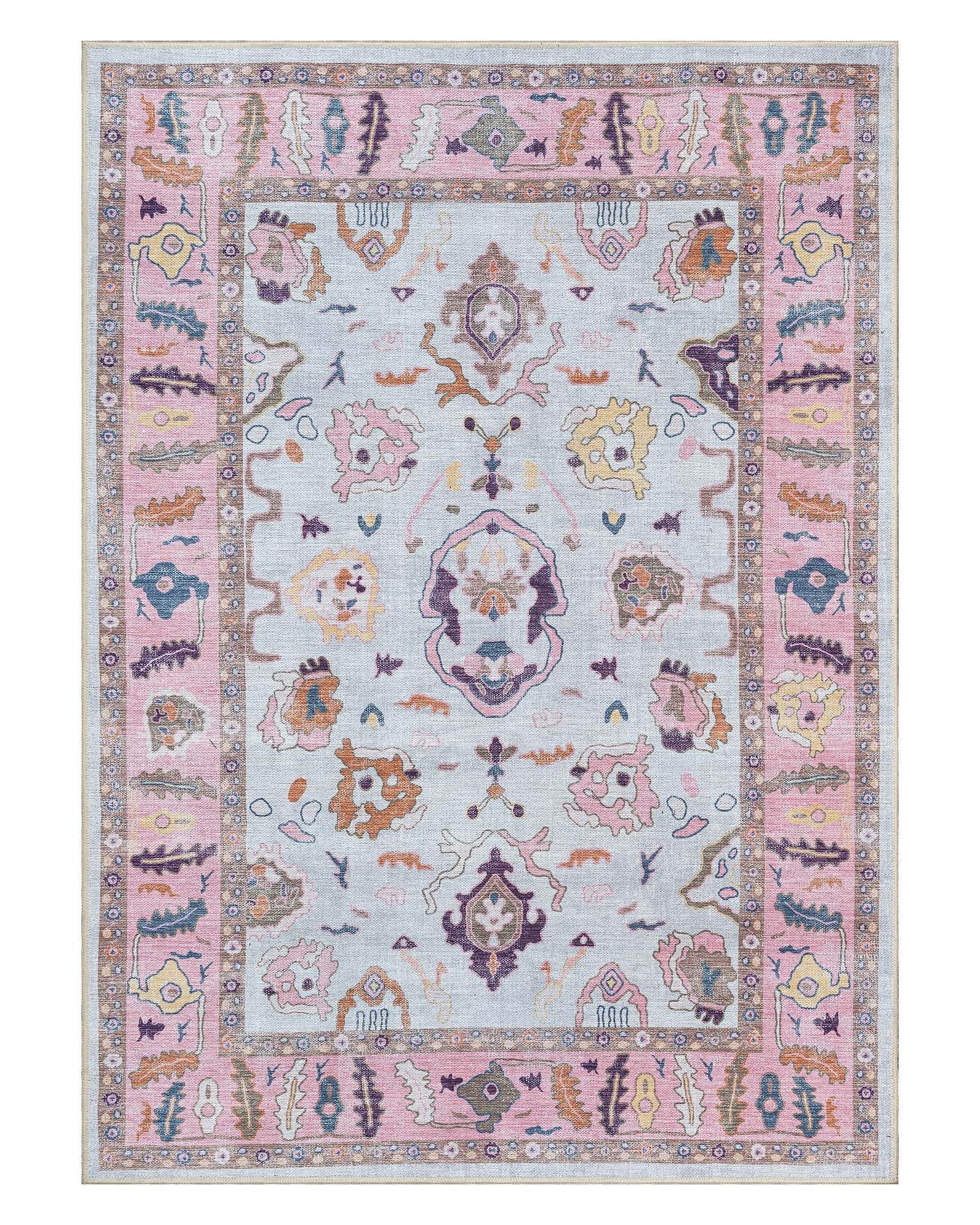
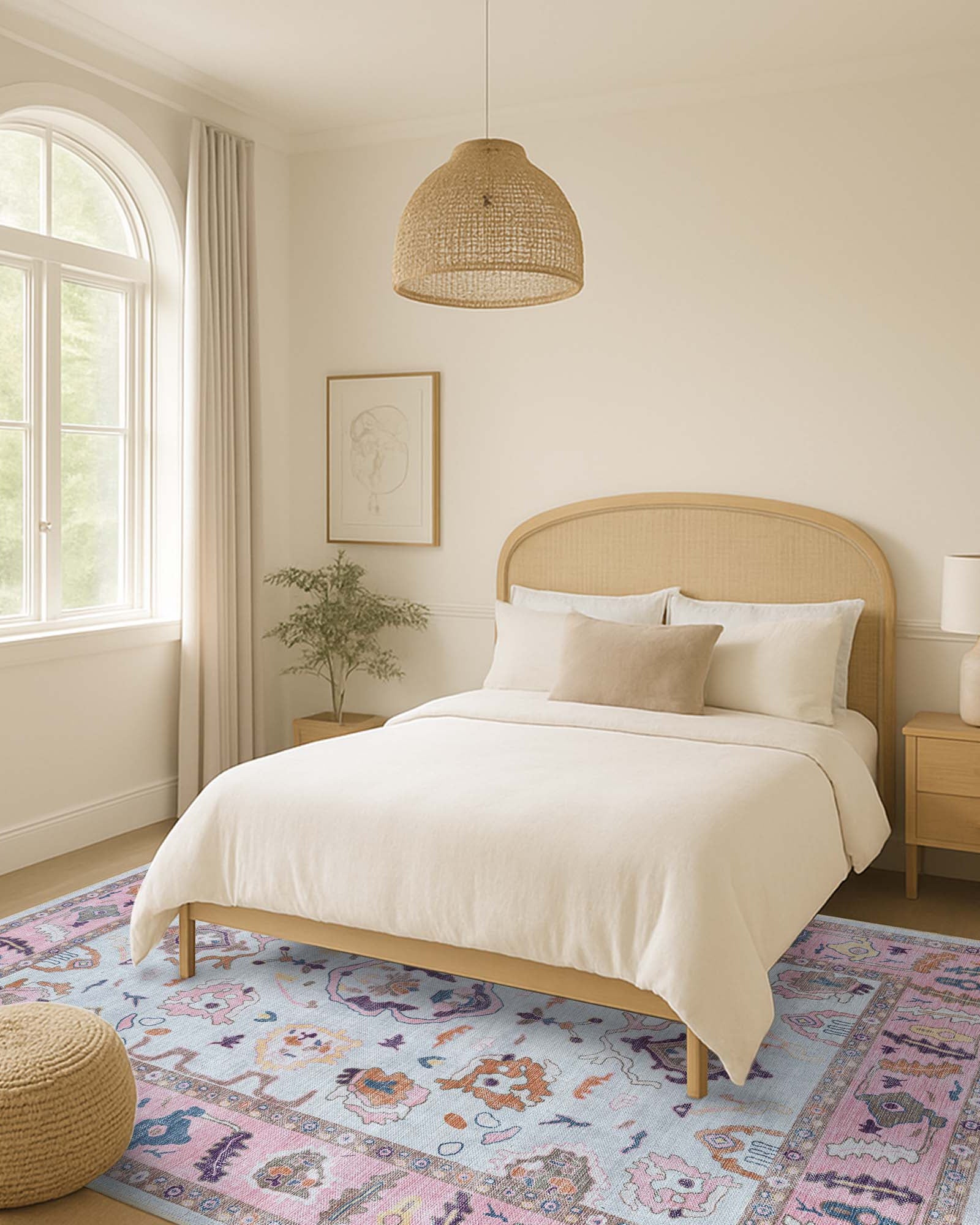
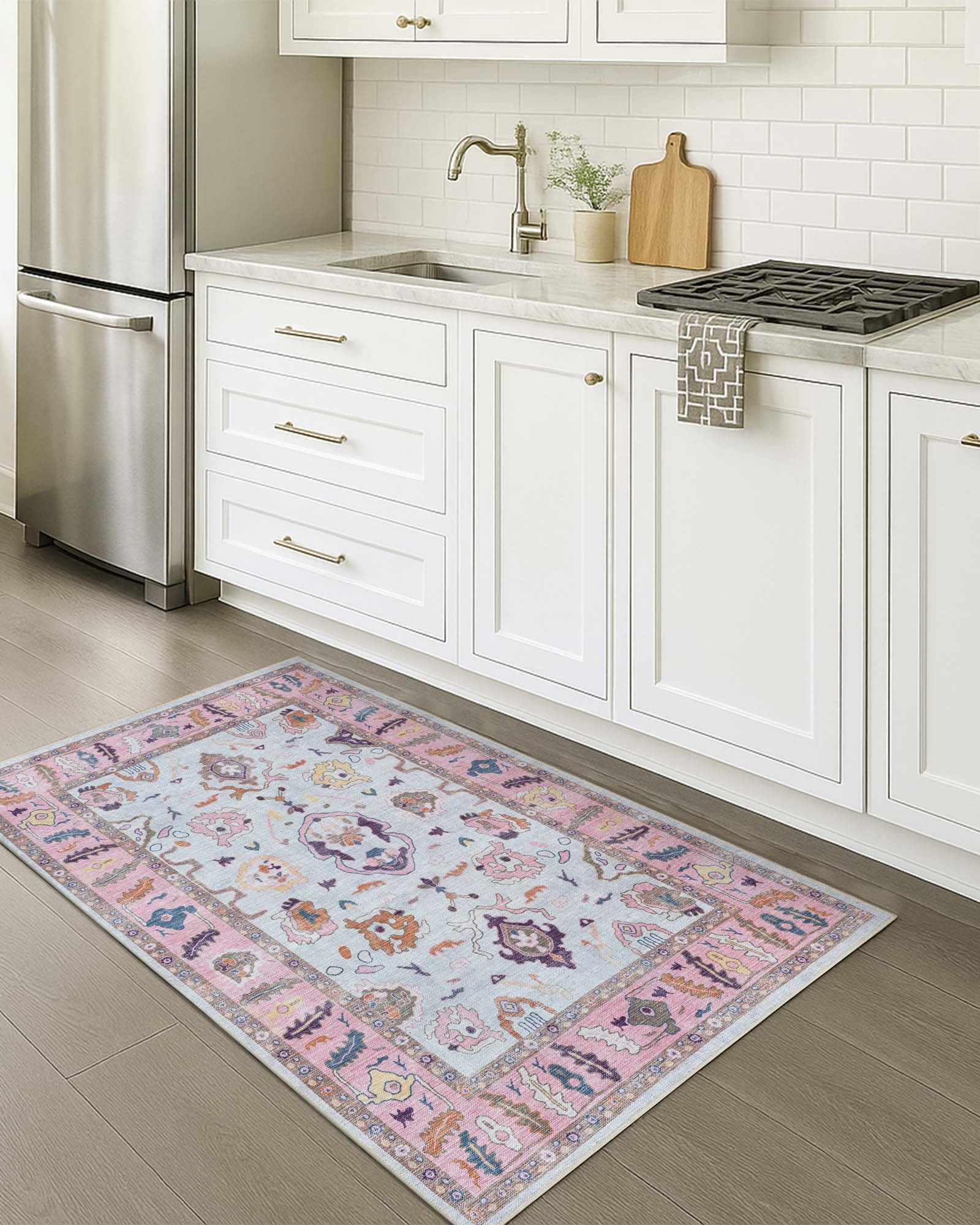
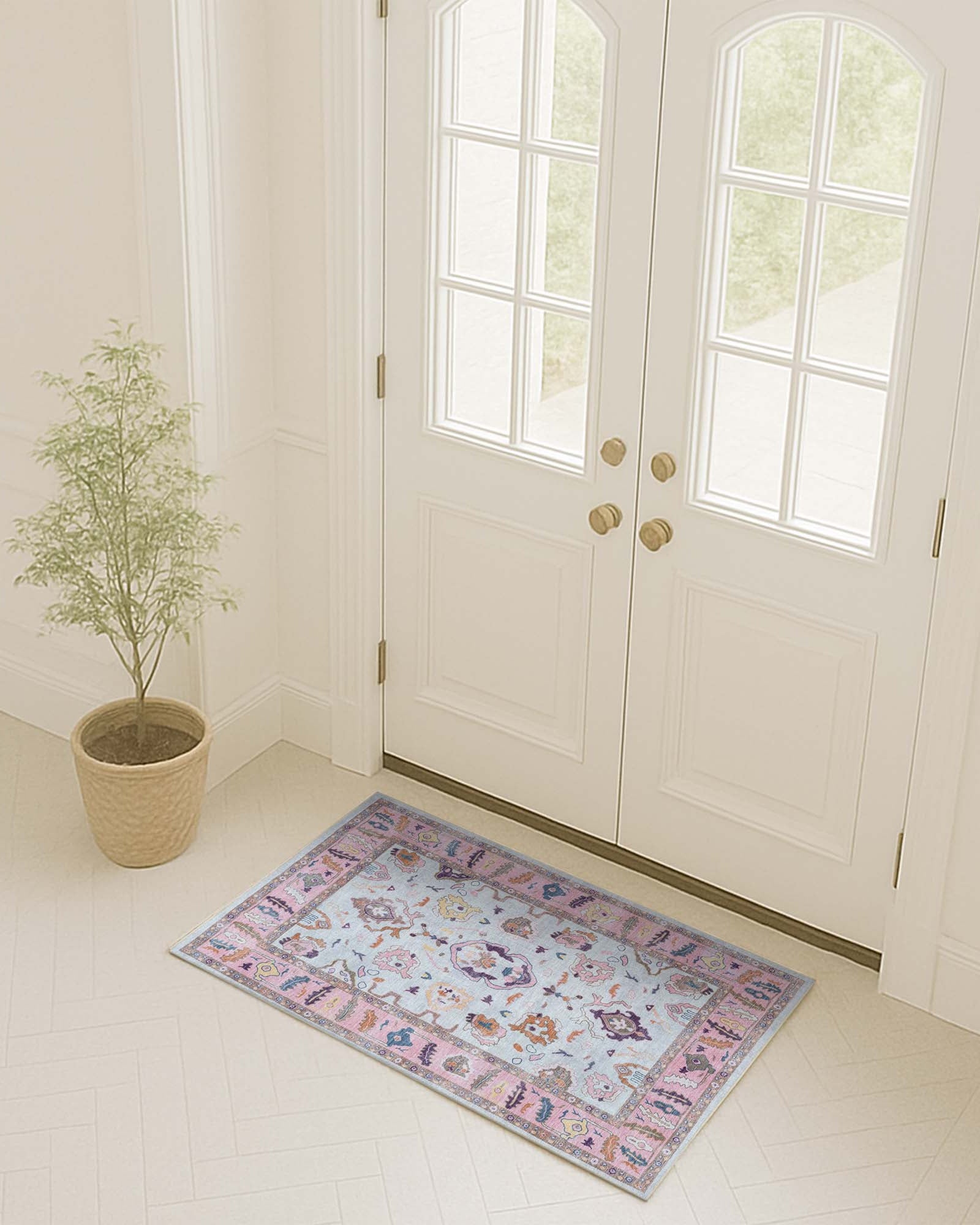
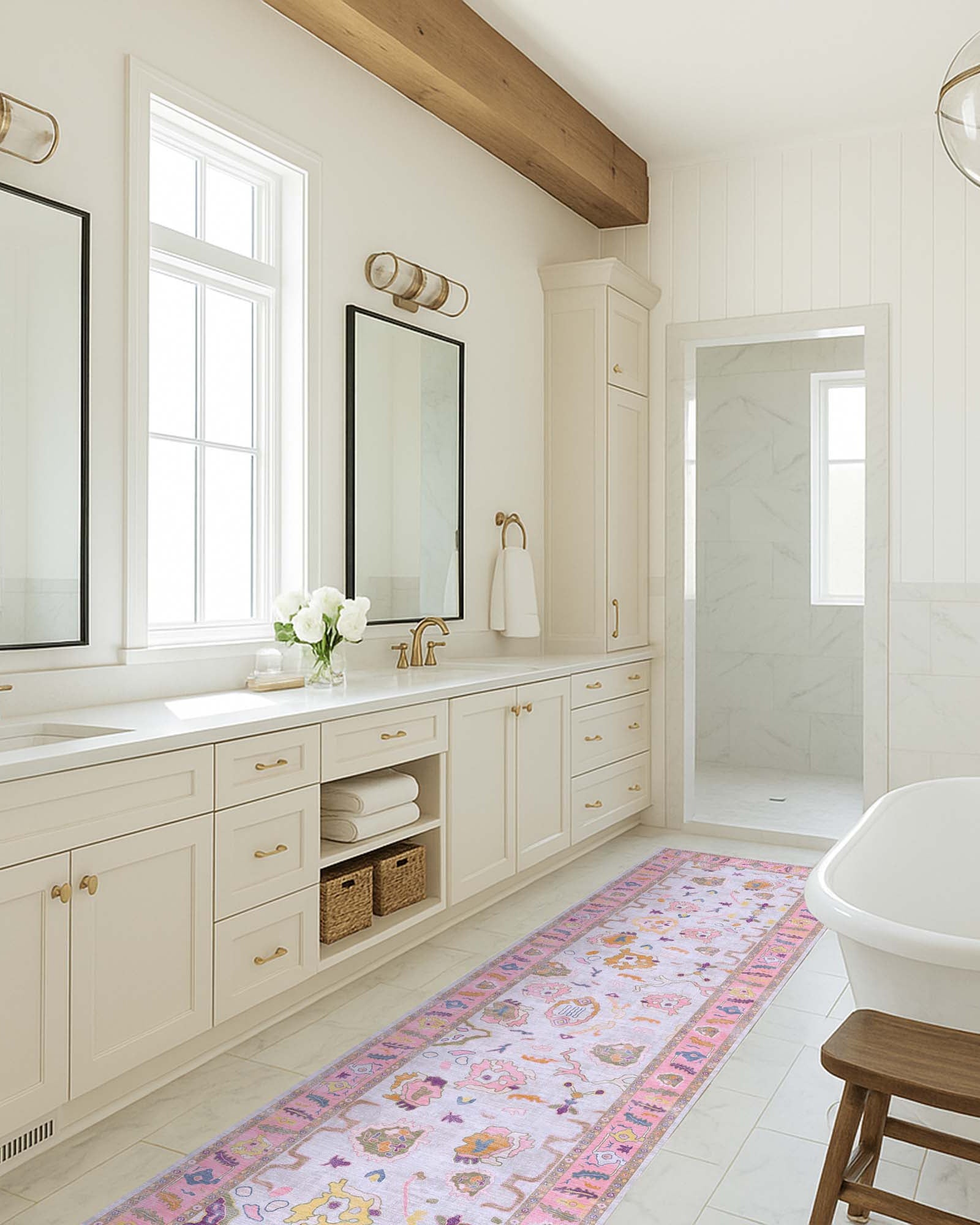
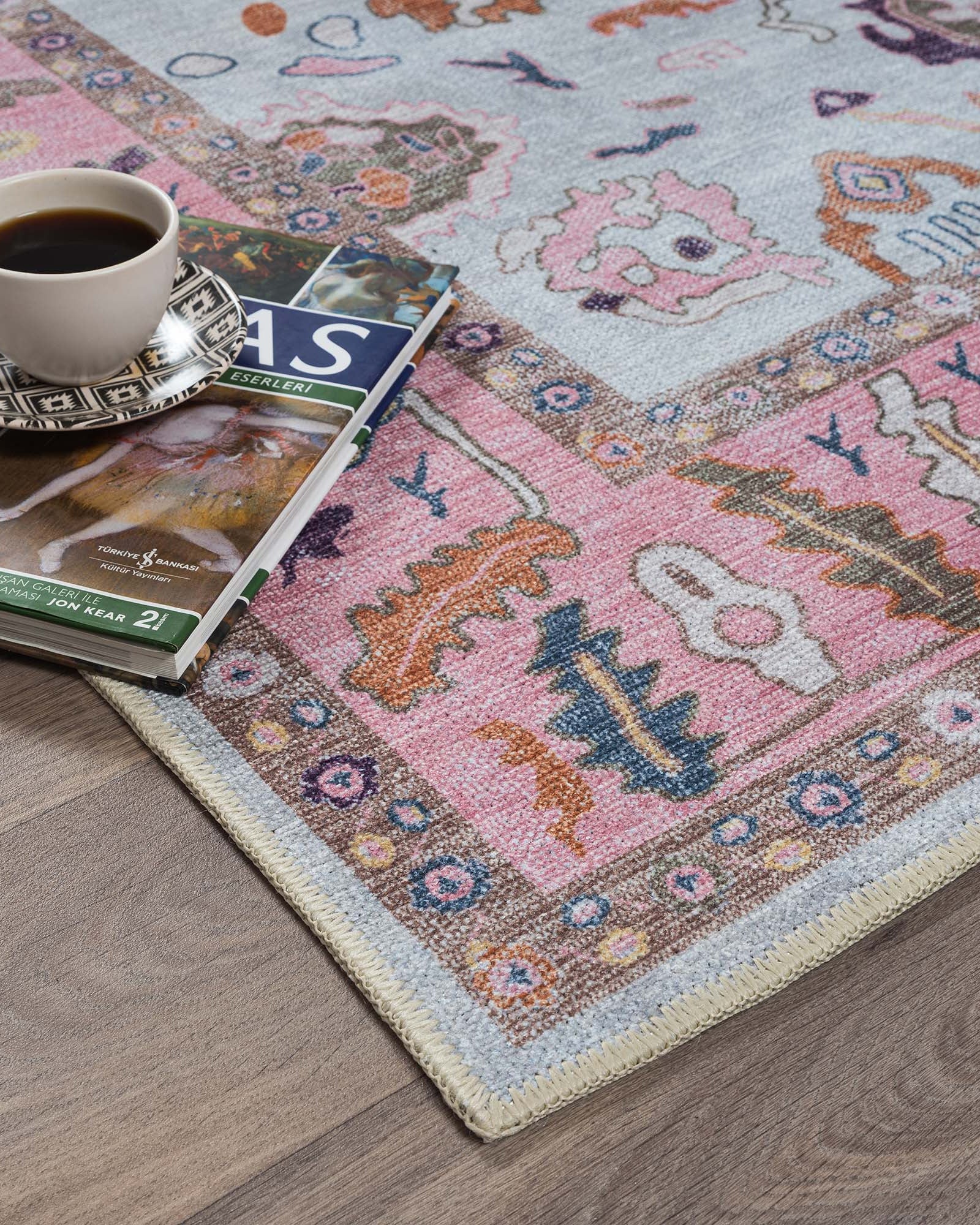
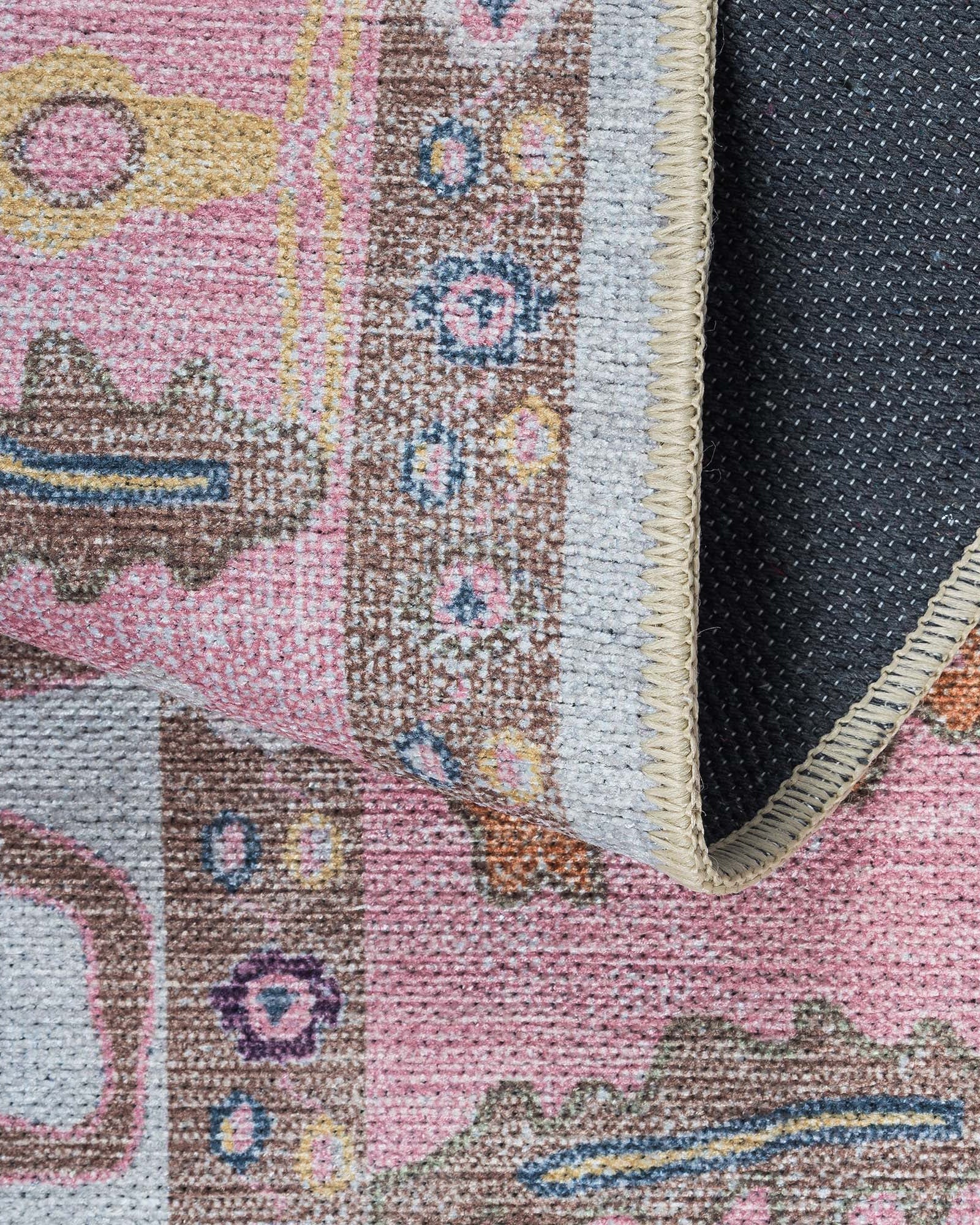
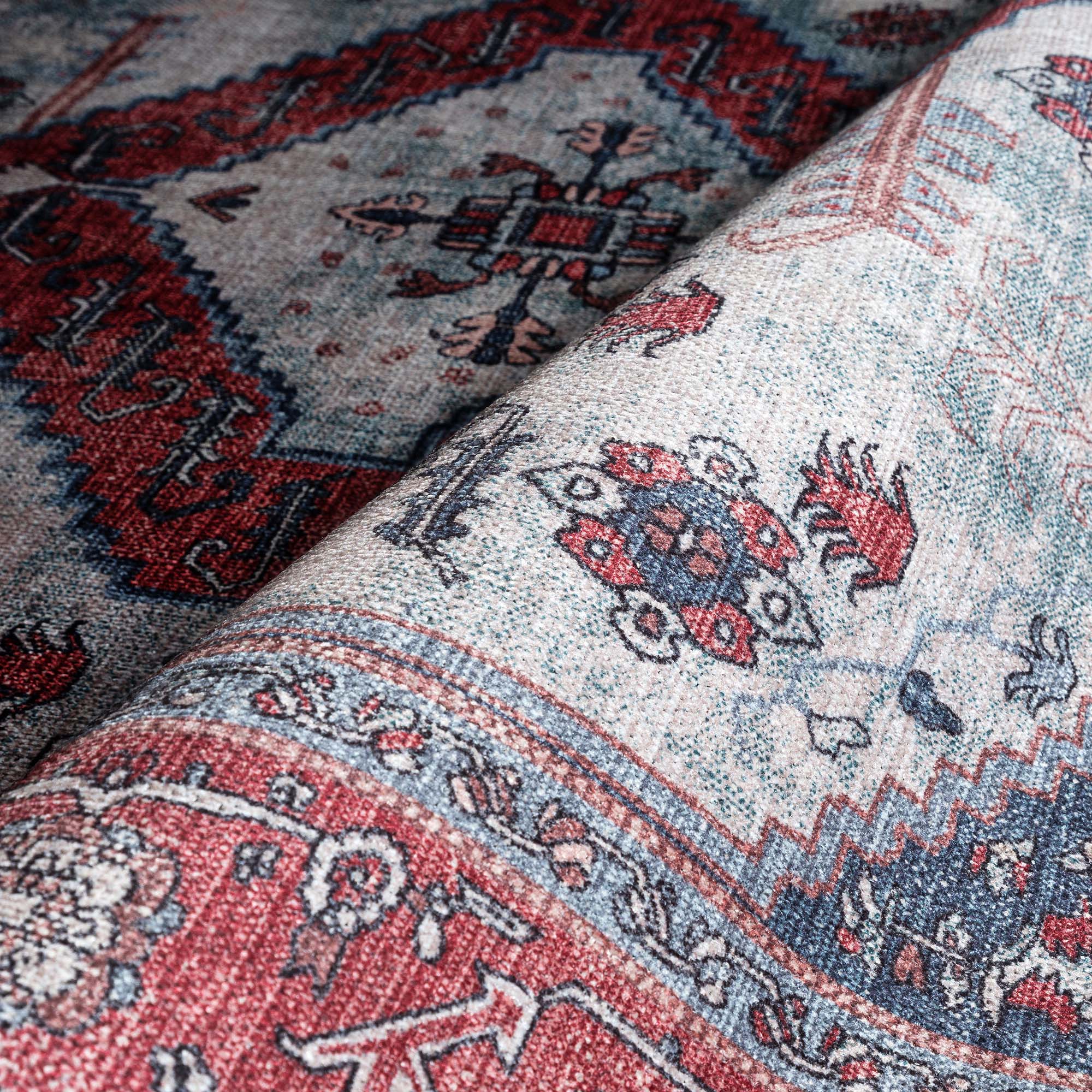
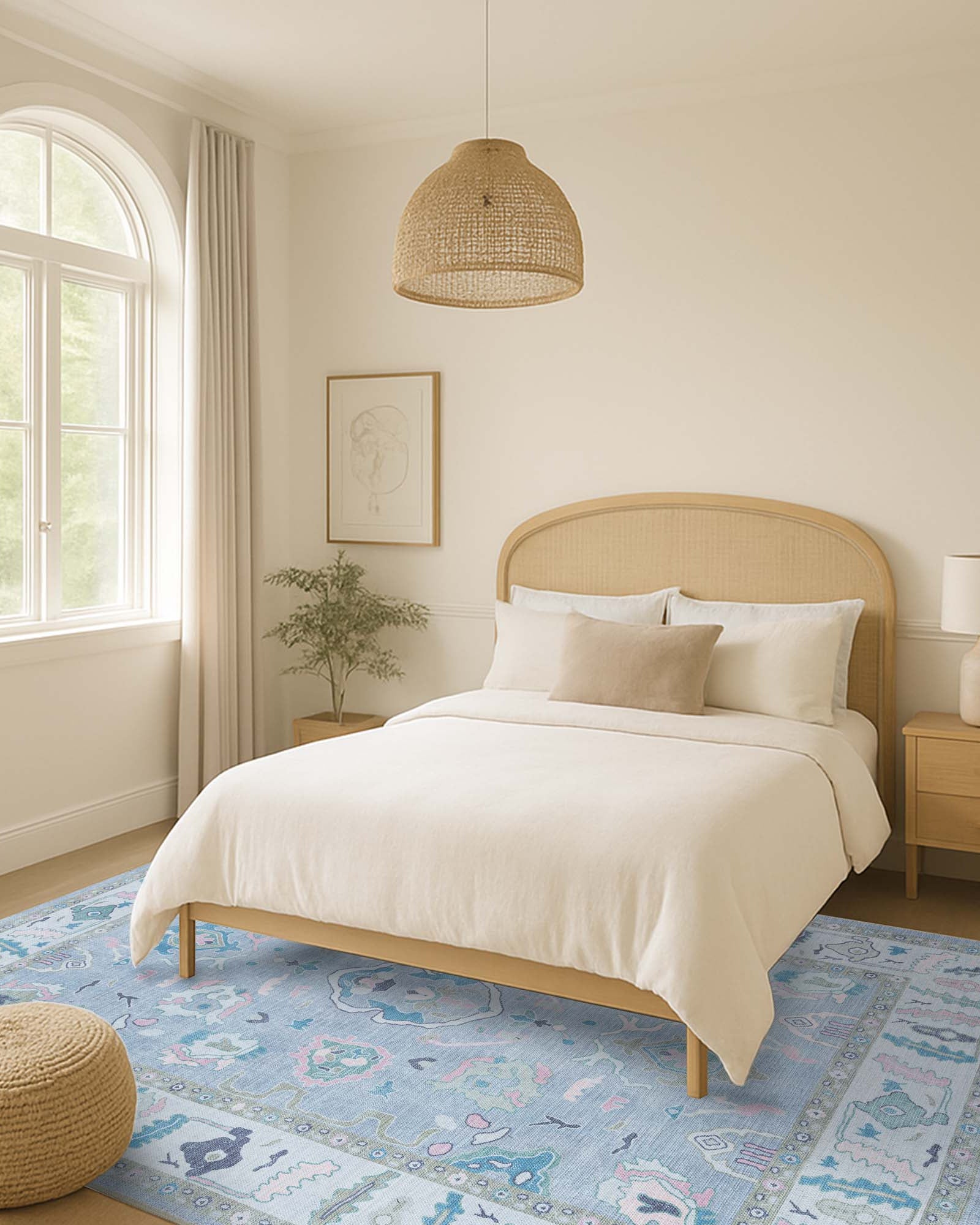
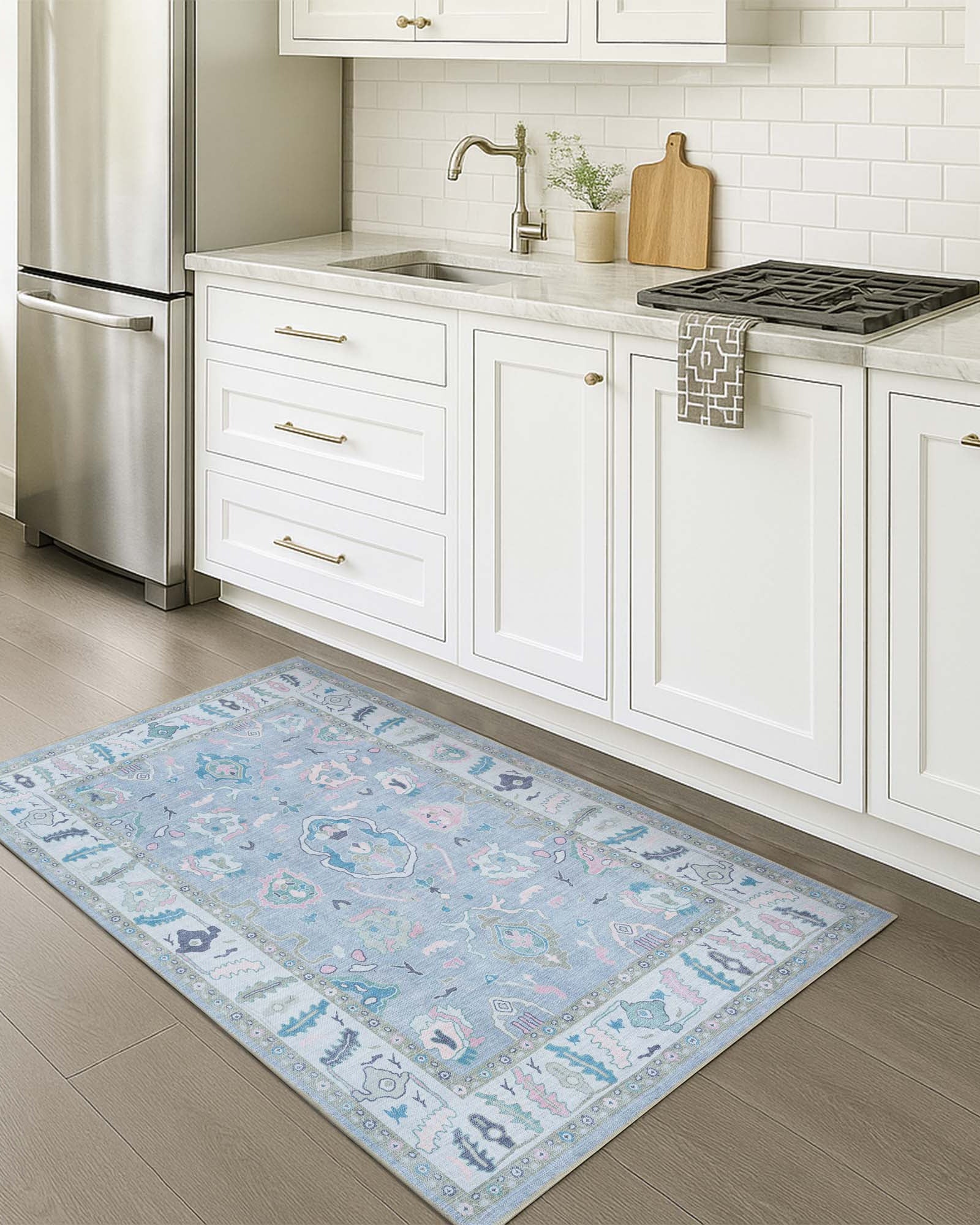
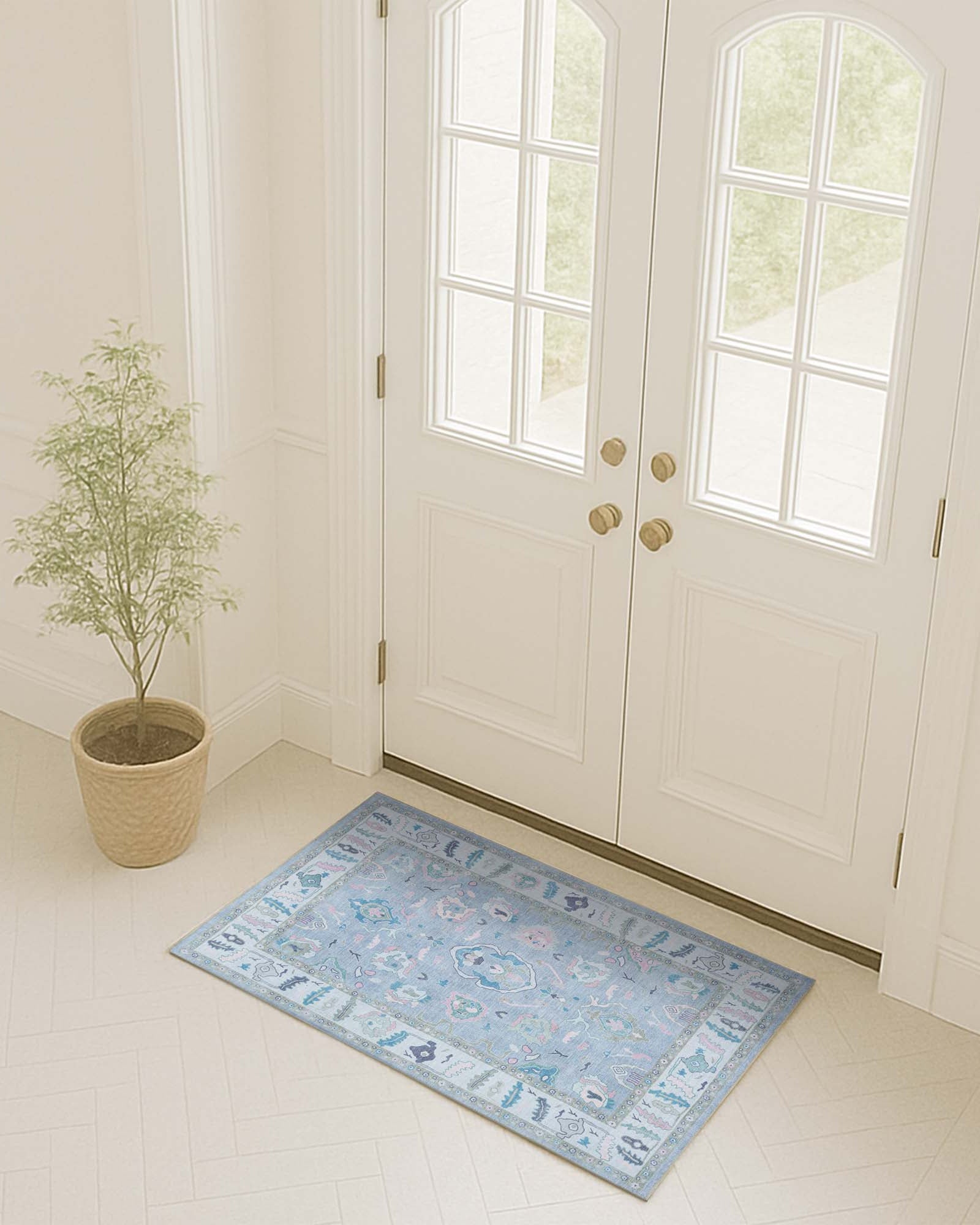
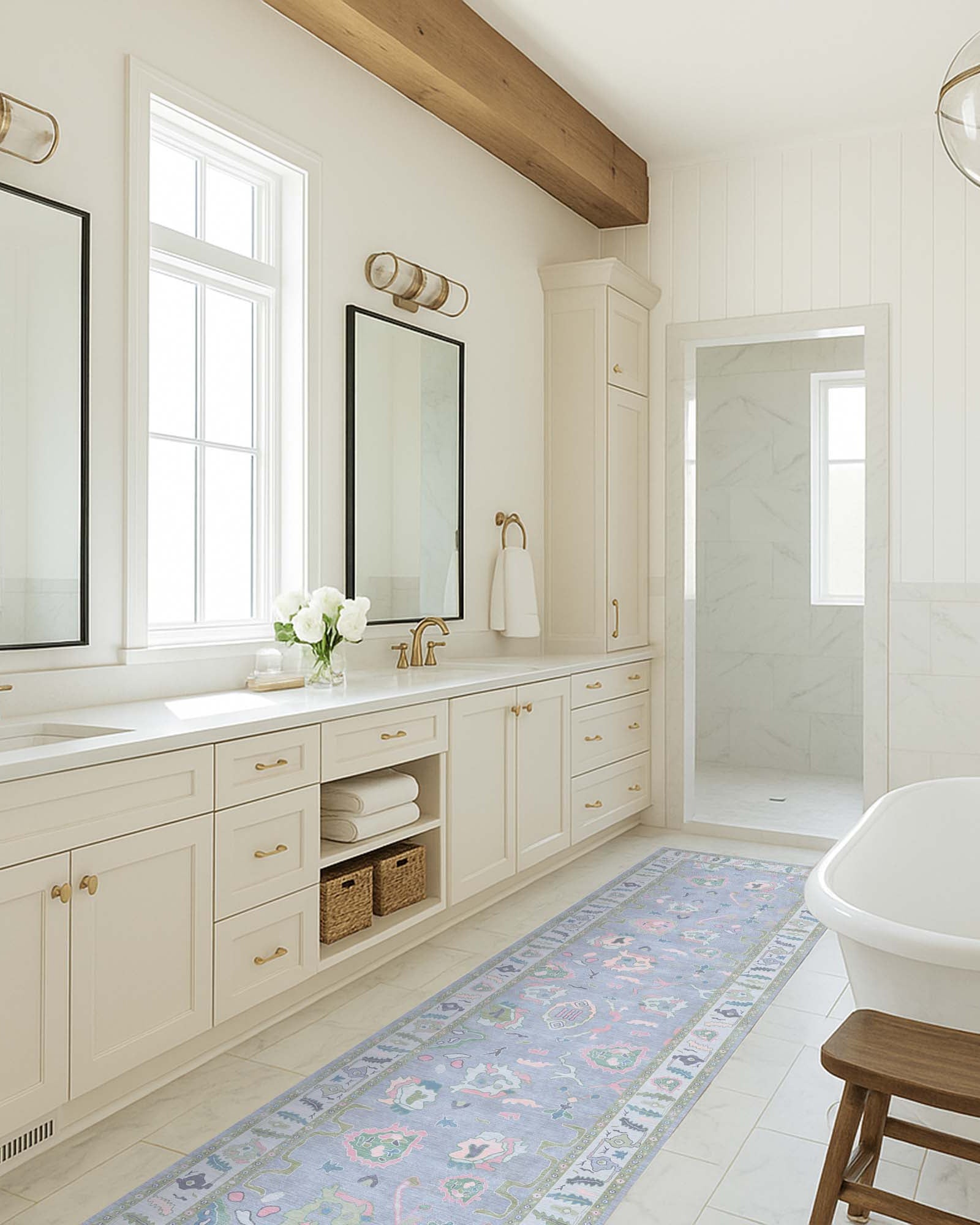
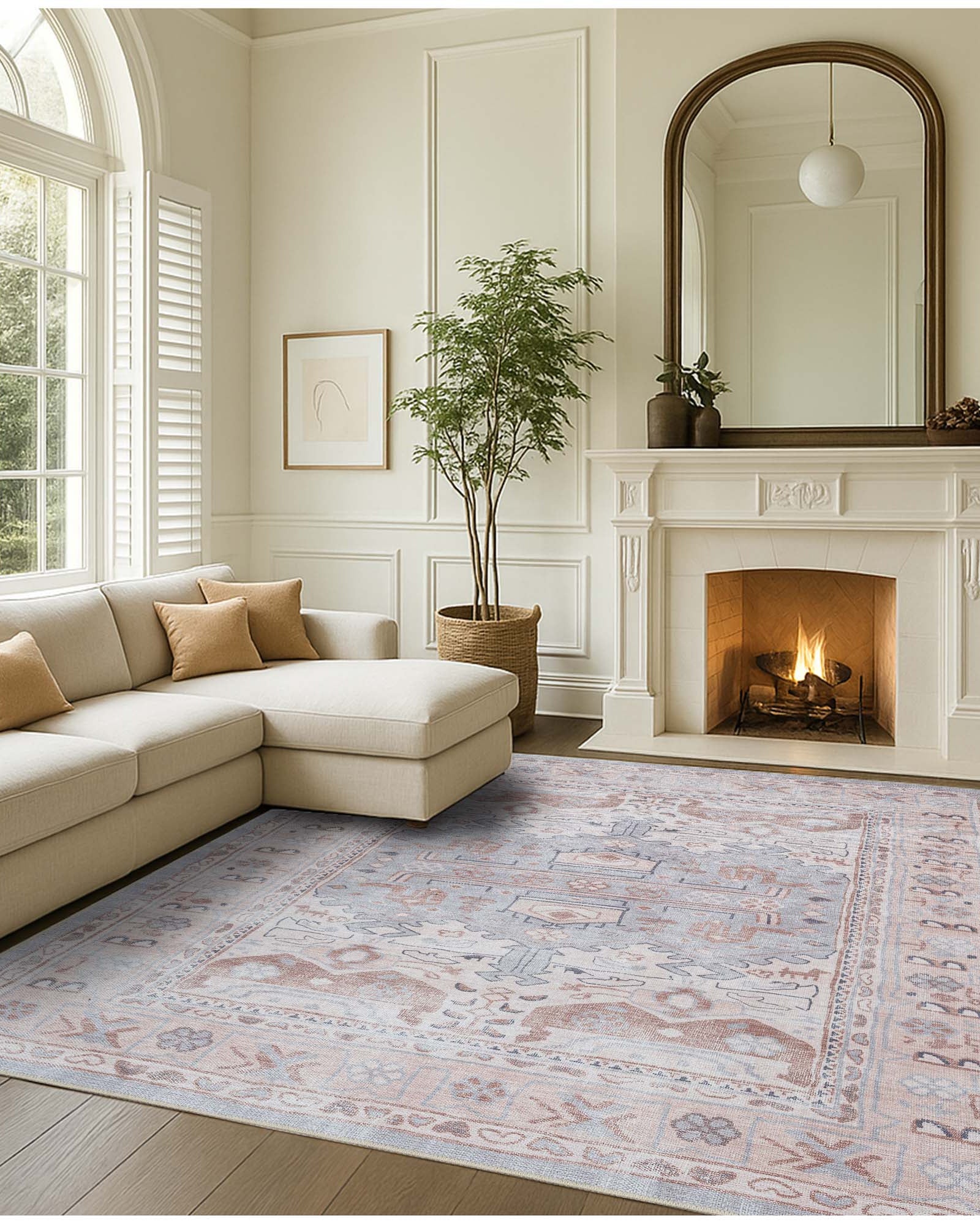
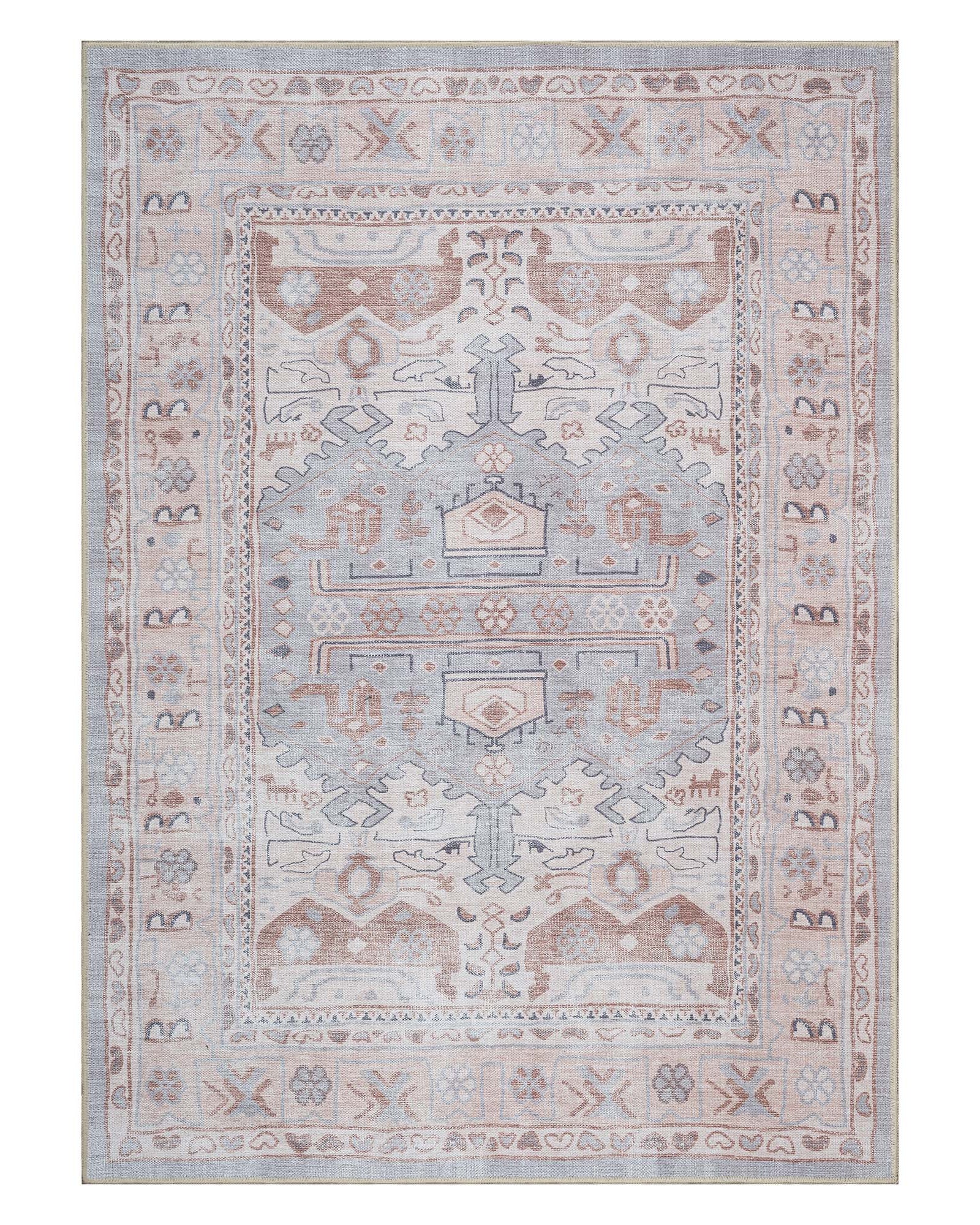
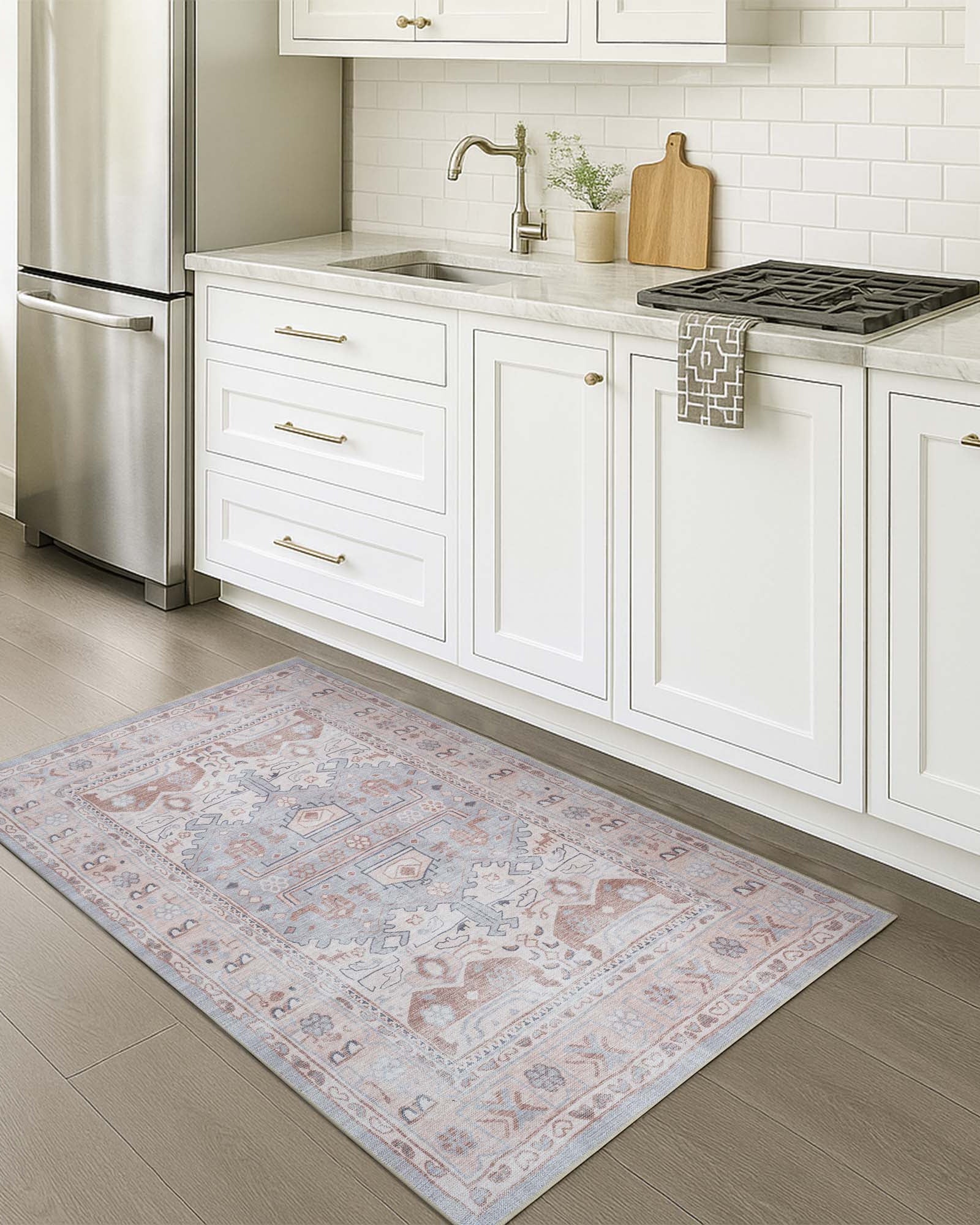
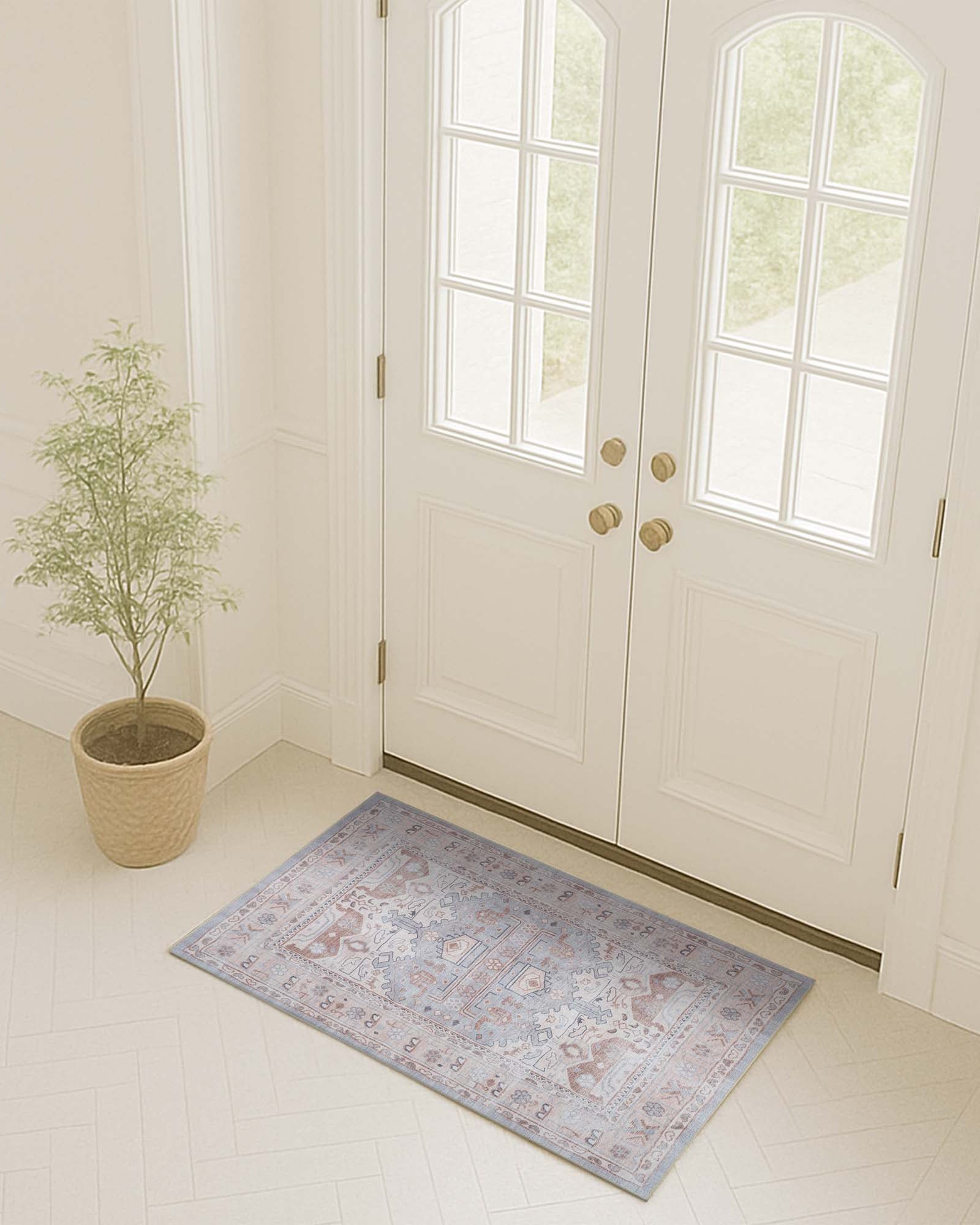
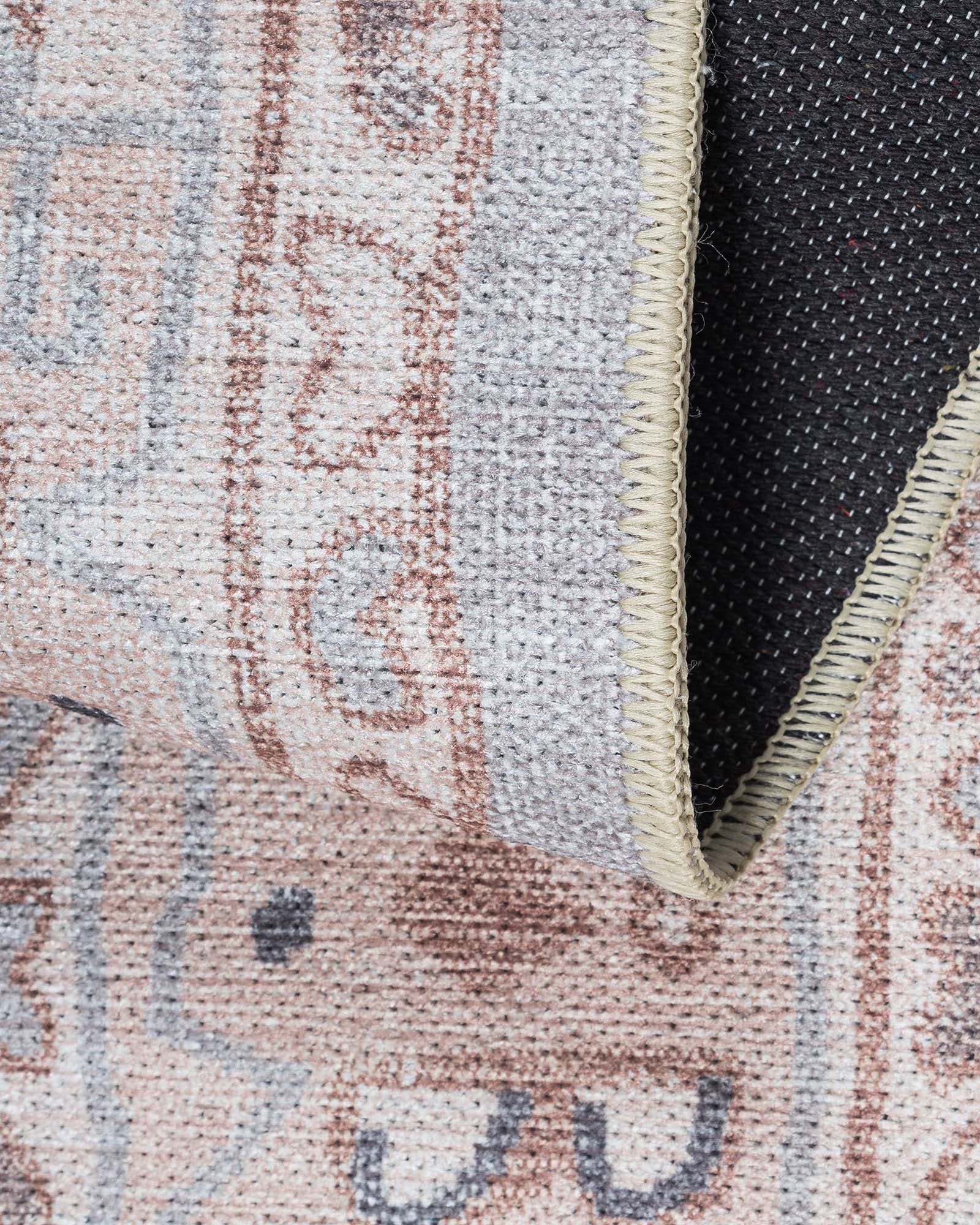
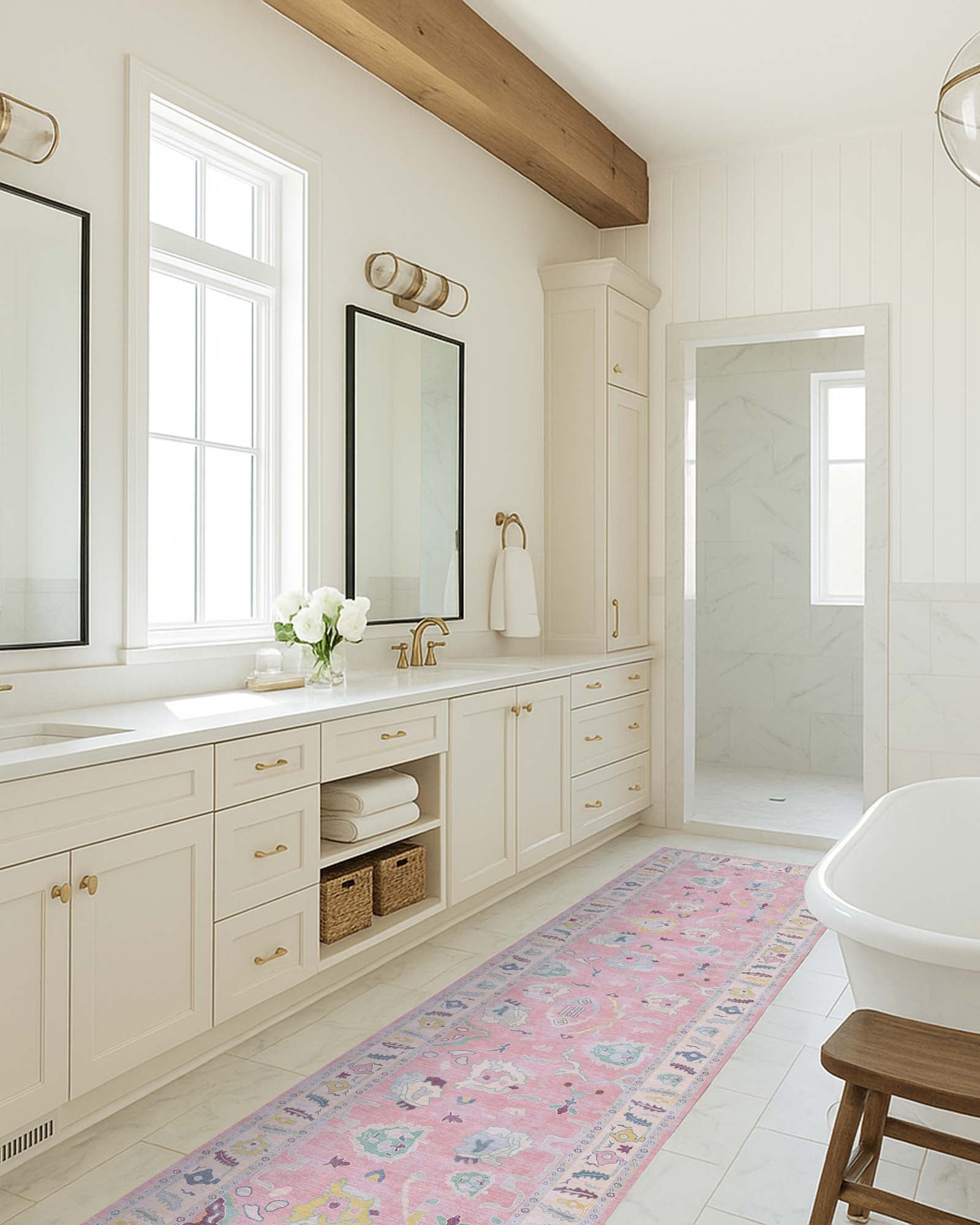
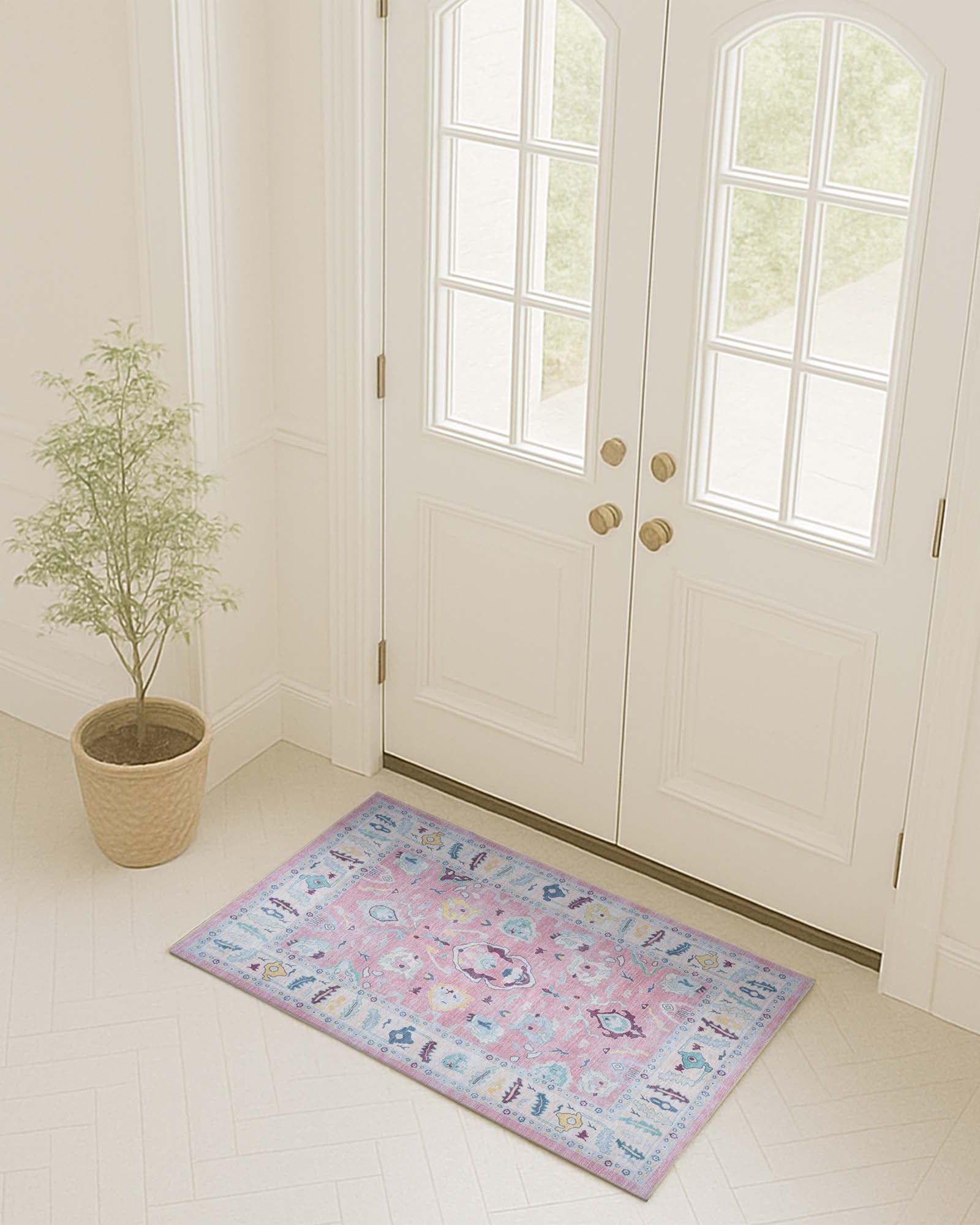
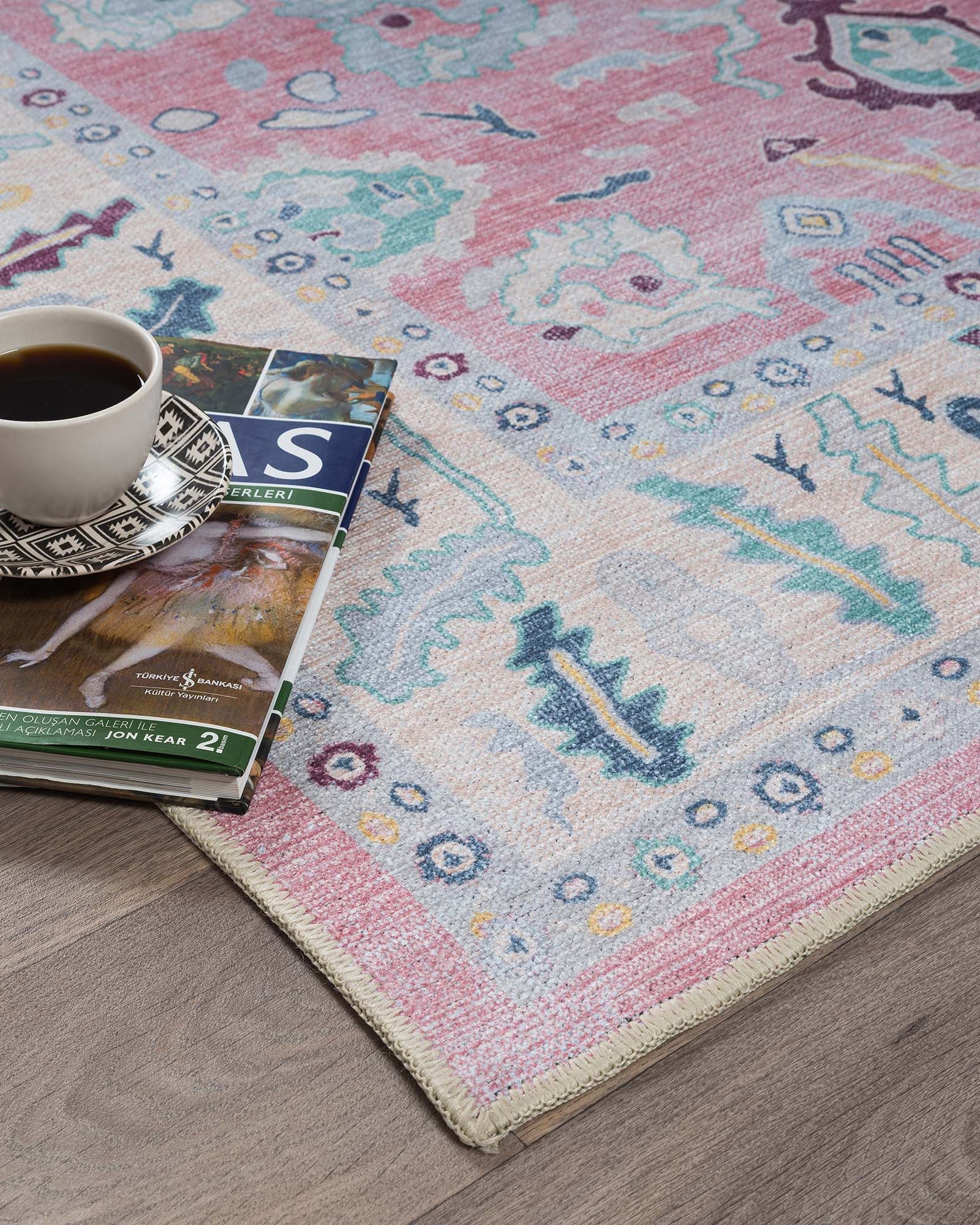
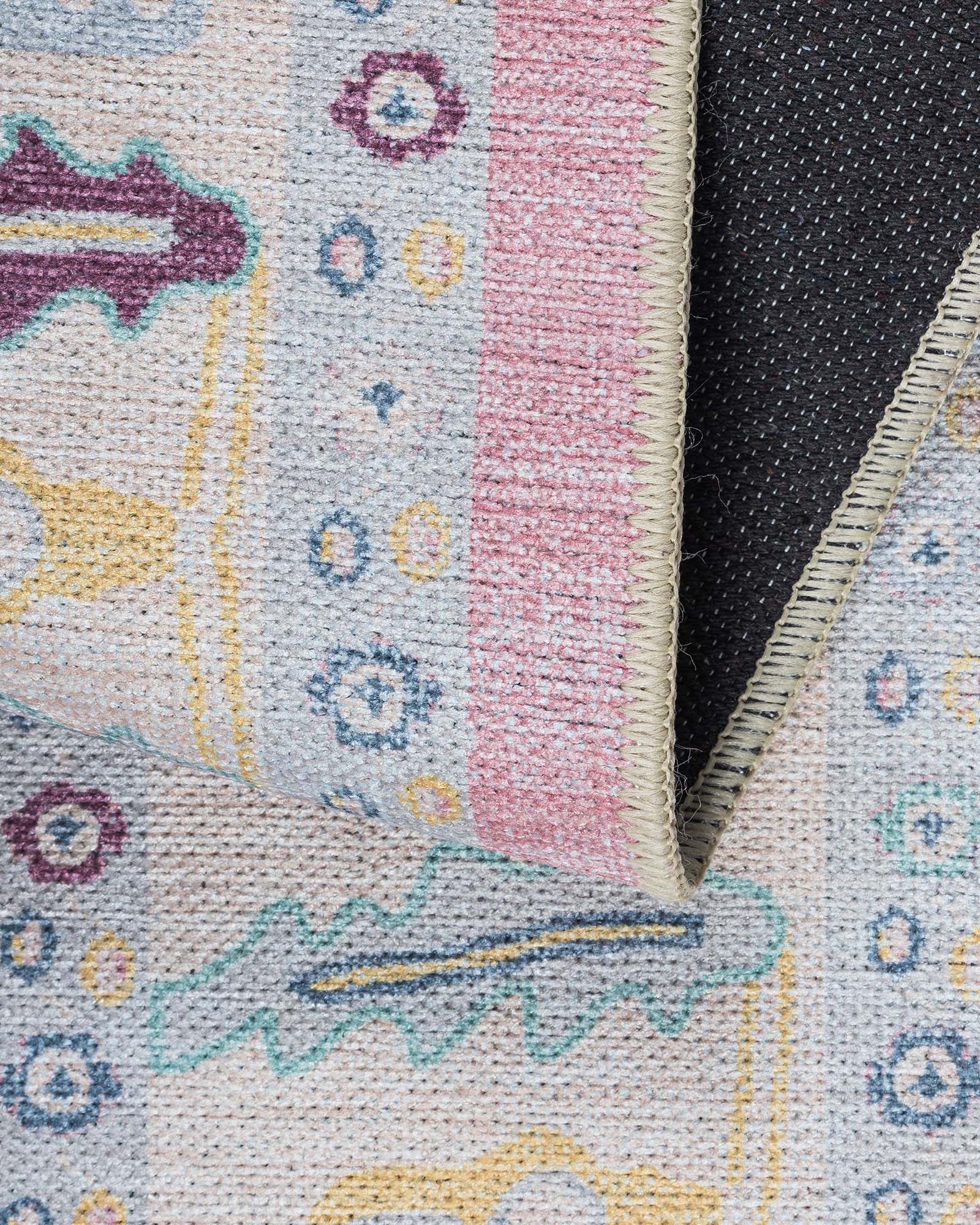
Red is the default colour of Eastern rug weaving. Across Anatolia, Persia and the Caucasus it was the ground colour more often than any other, and the reason is agricultural rather than aesthetic: madder root grew almost everywhere those rugs were made, produced a strong dye cheaply, and held its colour better than any other warm pigment available. The rugs in this collection run from pale terracotta through brick and rust to deep crimson, and every piece is an original hand-knotted rug sold as a single item.
Madder Root and the Colour It Makes
The dye comes from the root of Rubia tinctorum, harvested after two or three years of growth, dried and ground. What made it valuable to weavers is its range: the same root produces coral, salmon, brick, rust, garnet and near-brown depending on how long the wool sits in the bath, what mineral mordant fixes it and how hard the local water is. A single village could weave a whole palette from one plant.
How Madder Ages
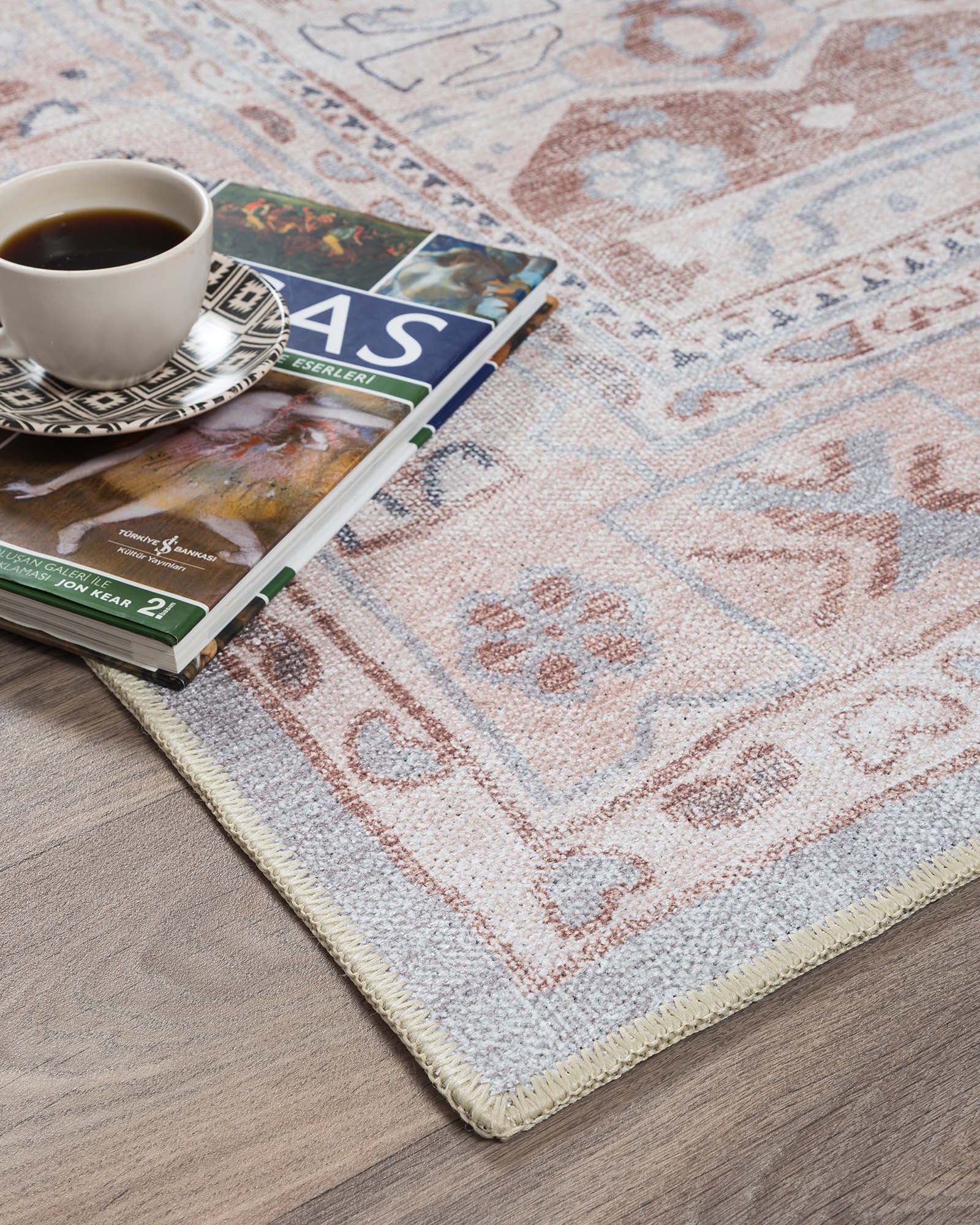
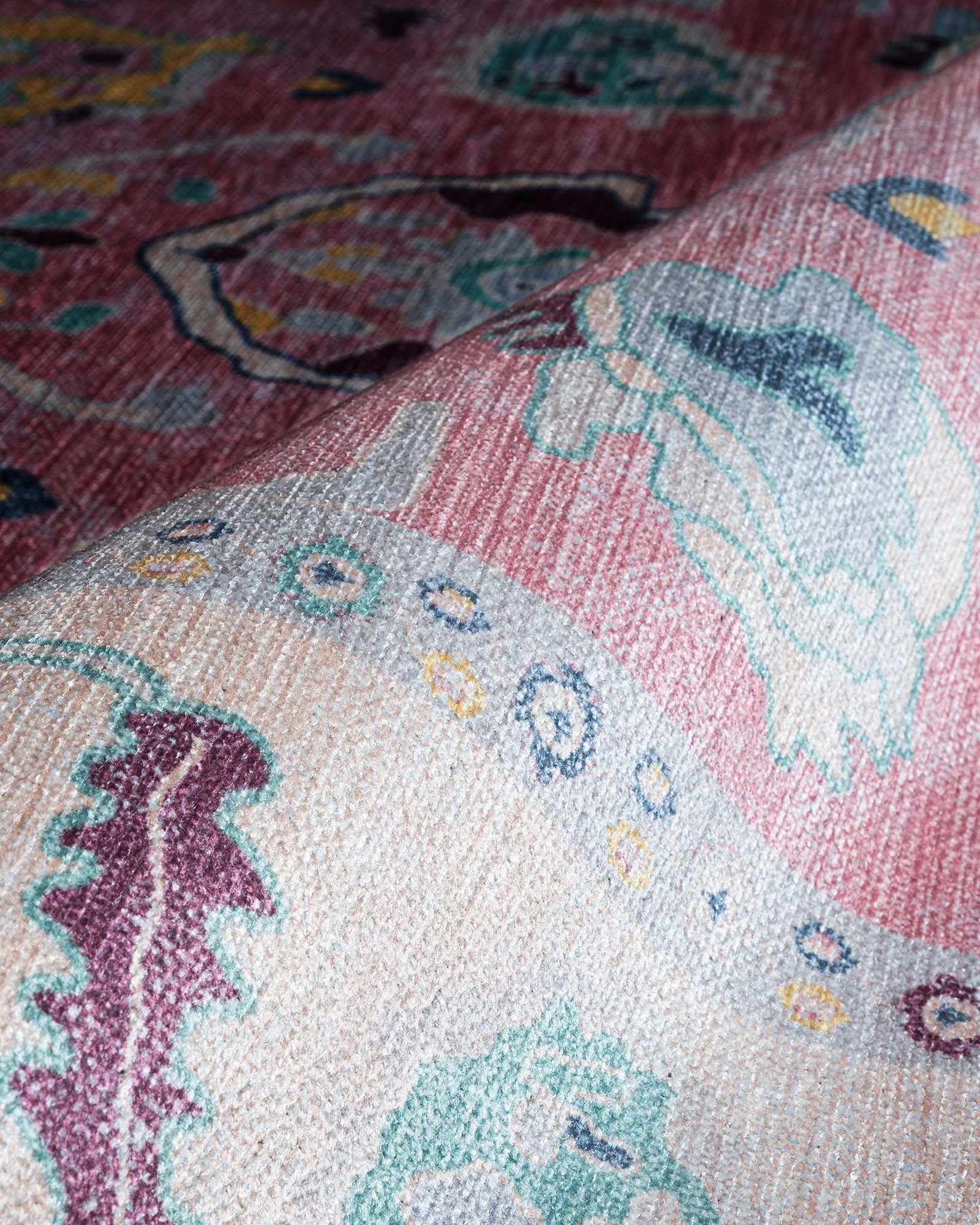
Madder fades by softening rather than dulling. Deep crimson moves toward garnet, then brick, then a warm rose-terracotta, but it stays recognisably warm at every stage — it never goes grey or muddy the way synthetic reds introduced in the late nineteenth century tend to. That behaviour is one of the most reliable indicators of a genuinely old, naturally dyed rug, and it is the reason faded red vintage pieces read as mellow rather than tired.
Turkey Red
The deepest, most permanent reds came from a laborious process known as Turkey red, which involved treating the wool with oil, alum and tannin over weeks before the madder bath. It produced a saturated, brilliant colour that resisted both light and washing far better than ordinary madder dyeing. Pieces showing an unusually rich, stable red after a century are often the product of this technique.
Where the Red Rugs Come From
Heriz and Serapi weavings from northwestern Persia are the best-known red rugs — a bold geometric medallion in ivory and indigo on a rust or brick field, coarsely knotted in heavy wool. Kashan and Sarouk from central Persia use a deeper, denser crimson under intricate floral drawing. Caucasian Kazak pieces set strong madder red against ivory and indigo in large, confident geometry. Anatolian village rugs from Konya, Bergama and Karapınar treat red as the default field colour, with pattern carried in ivory, apricot and blue. Each product page names the origin where it can be identified.
The Range Within Red
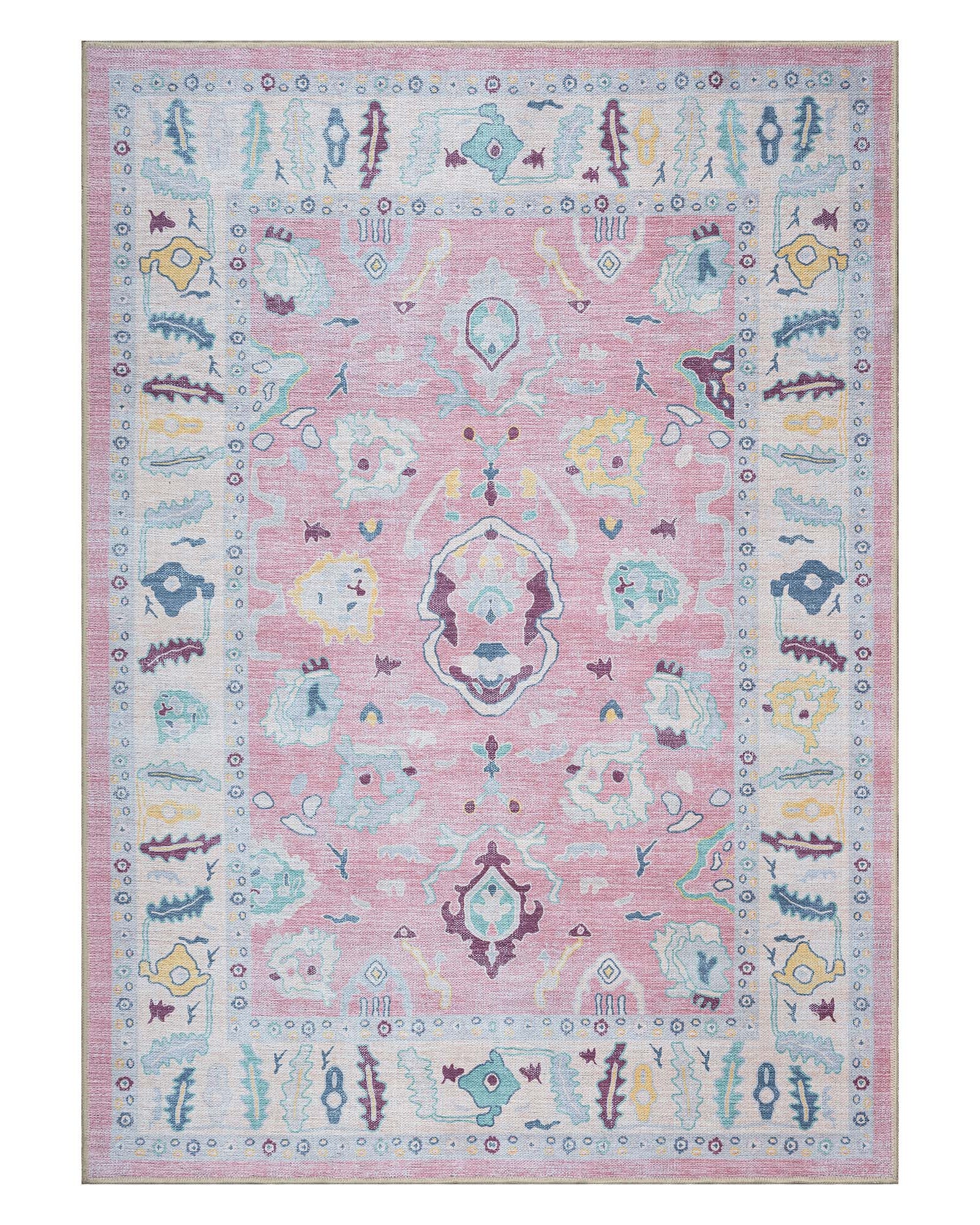
Terracotta and salmon are the softest end, warm and easy to place alongside cream, wood and linen without dominating. Rust and brick are the workhorse mid-tones, deep enough to anchor a room and neutral enough to sit under mixed furniture. Deep crimson and garnet are the most formal, and they carry weight — a large crimson rug decides the colour scheme of the room it goes in. Faded rose and dusty pink pieces are usually old madder that has come a long way down, and they read closer to neutral than to red. Every product page names the dominant tone.
Using Red Rugs in a Room
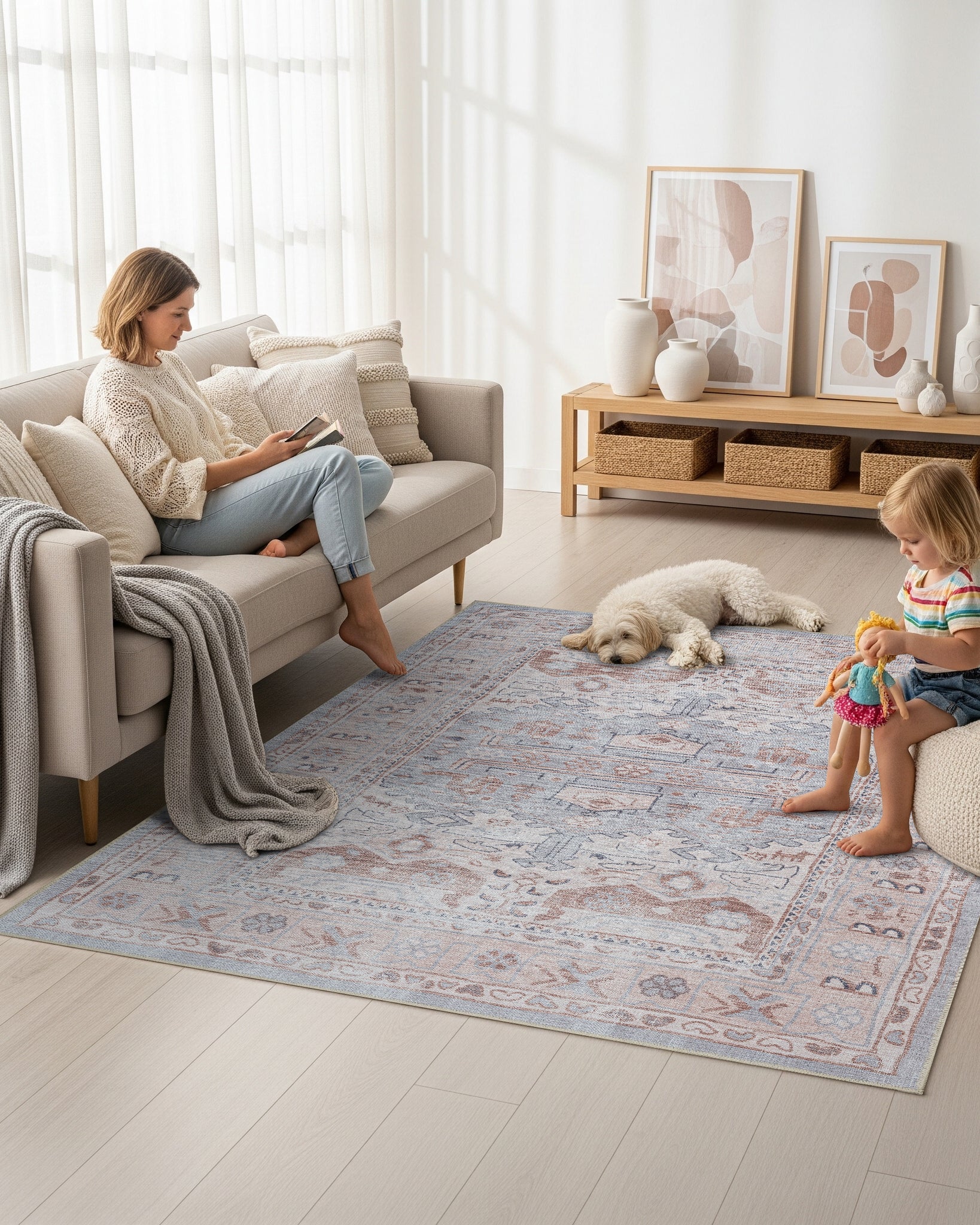
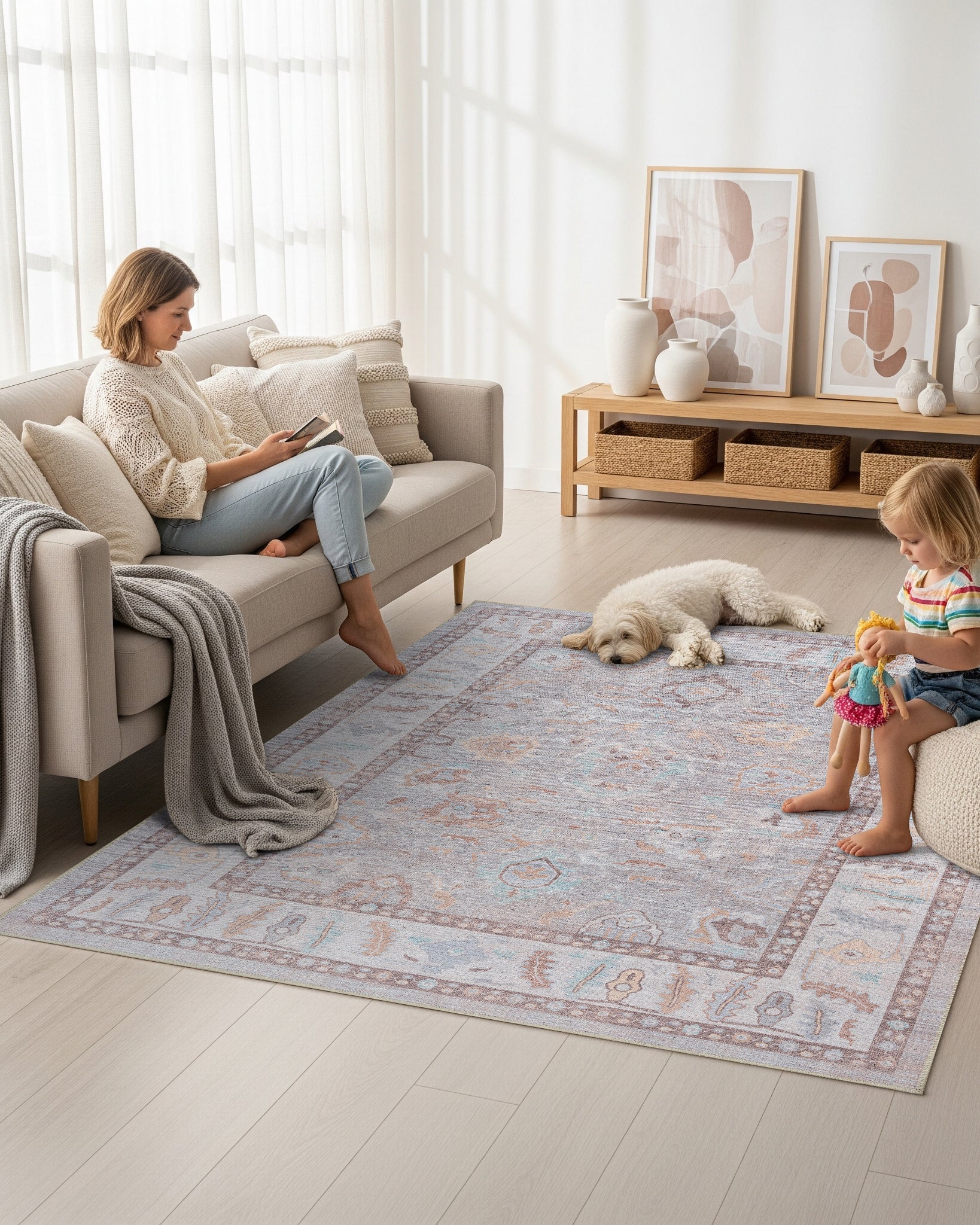
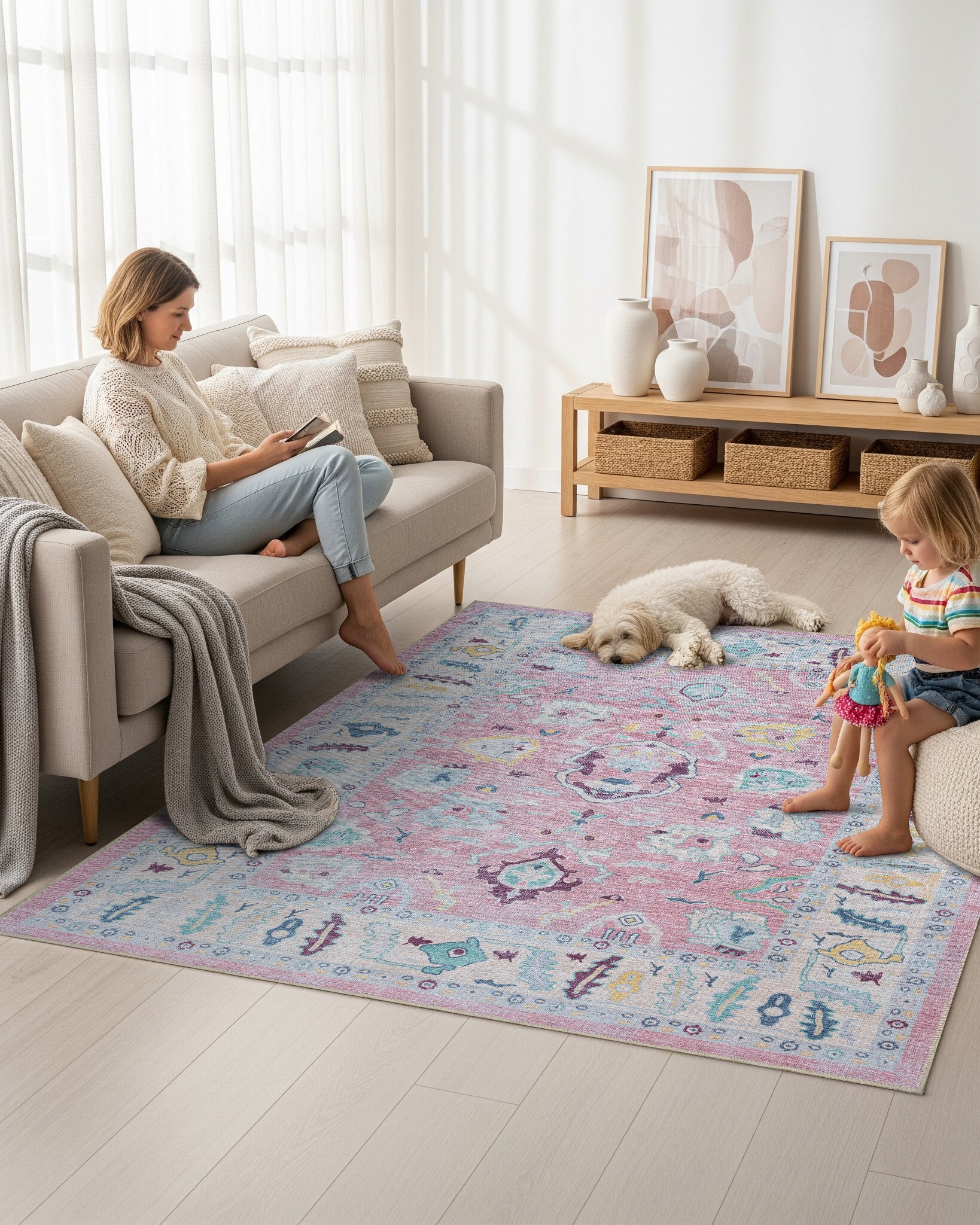
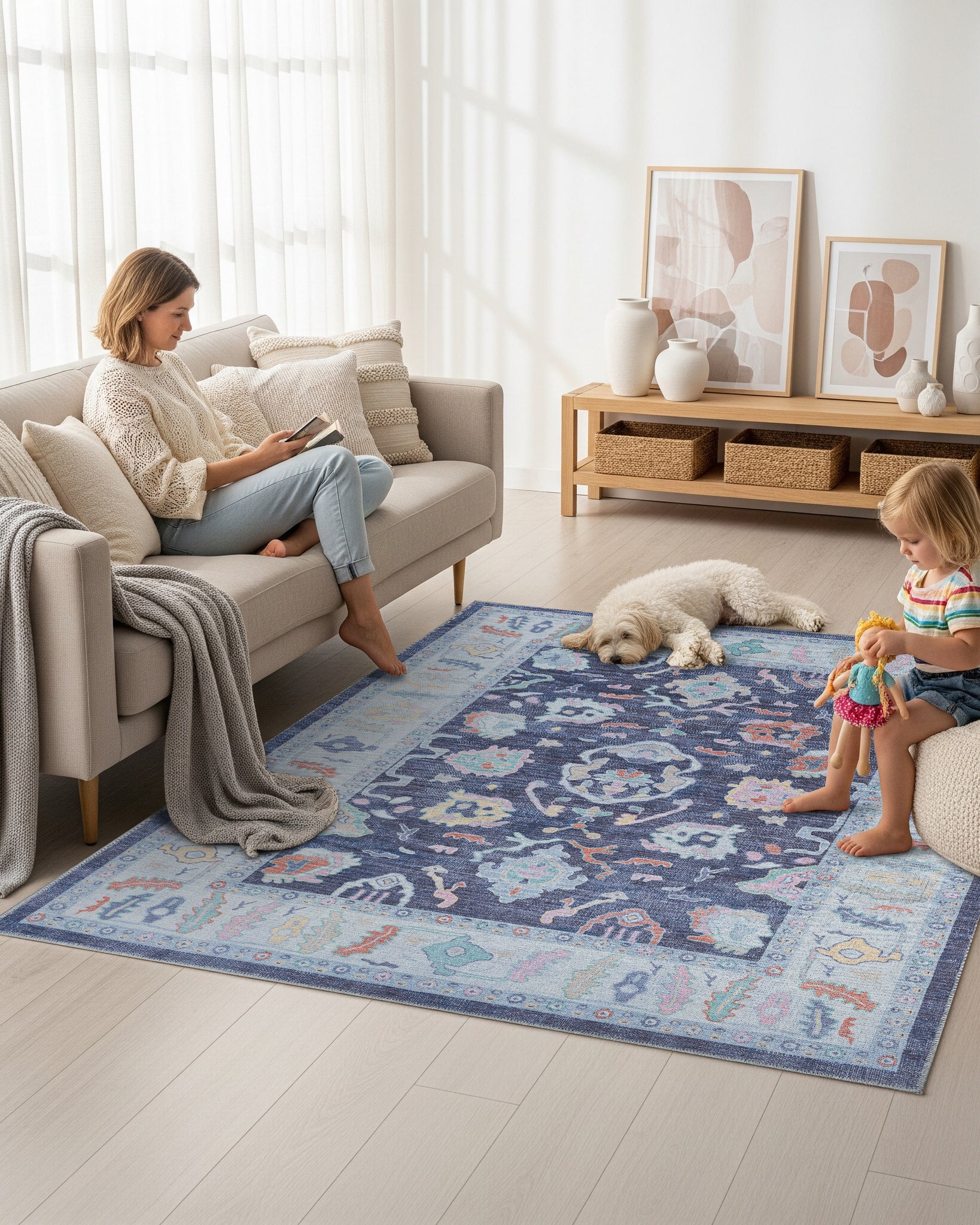
Red is the most forgiving colour in a busy household. A mid-tone red field with a repeating pattern hides everyday soil better than almost anything, which is why these pieces work in entryways, dining rooms, family rooms and hallways where a pale rug would need constant attention.
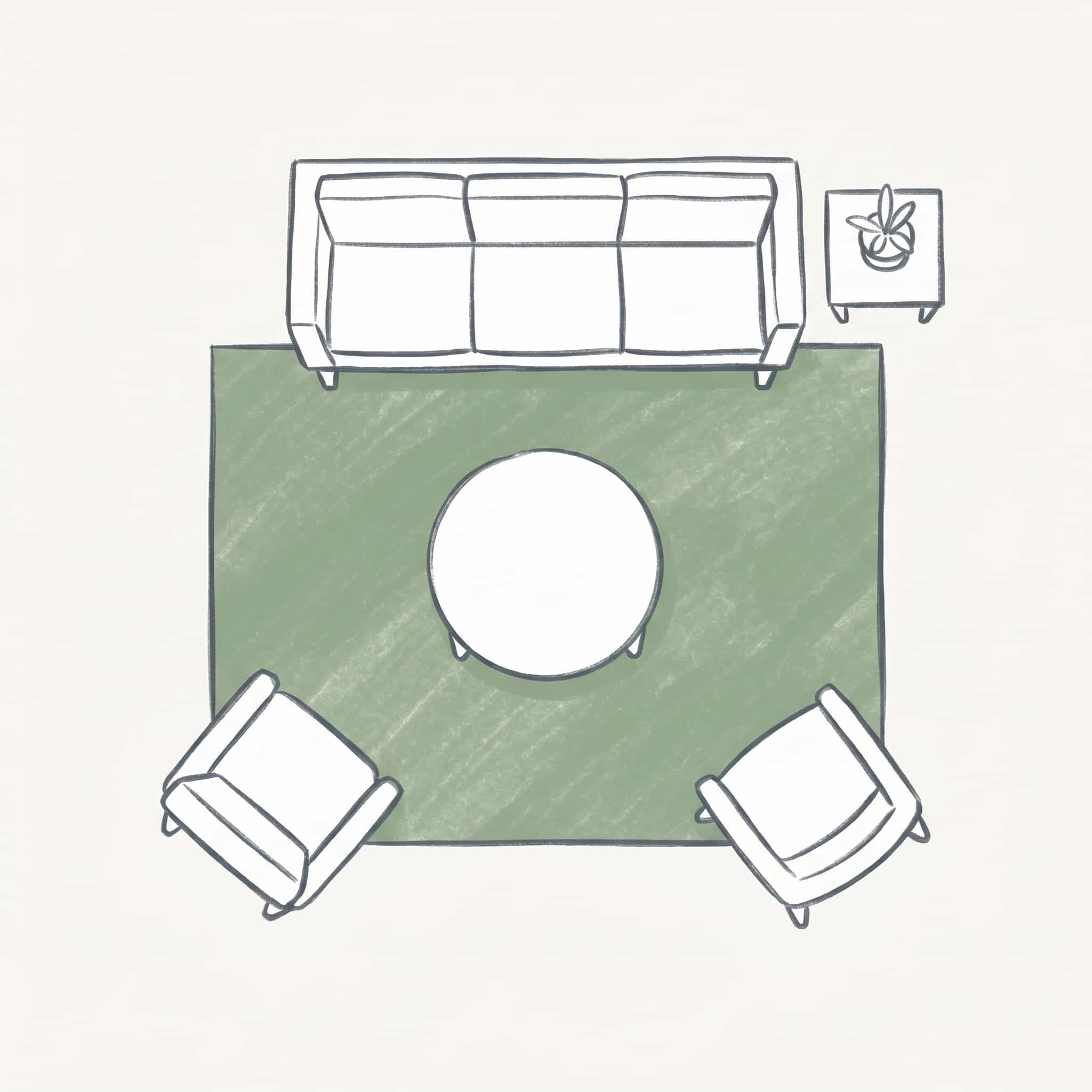
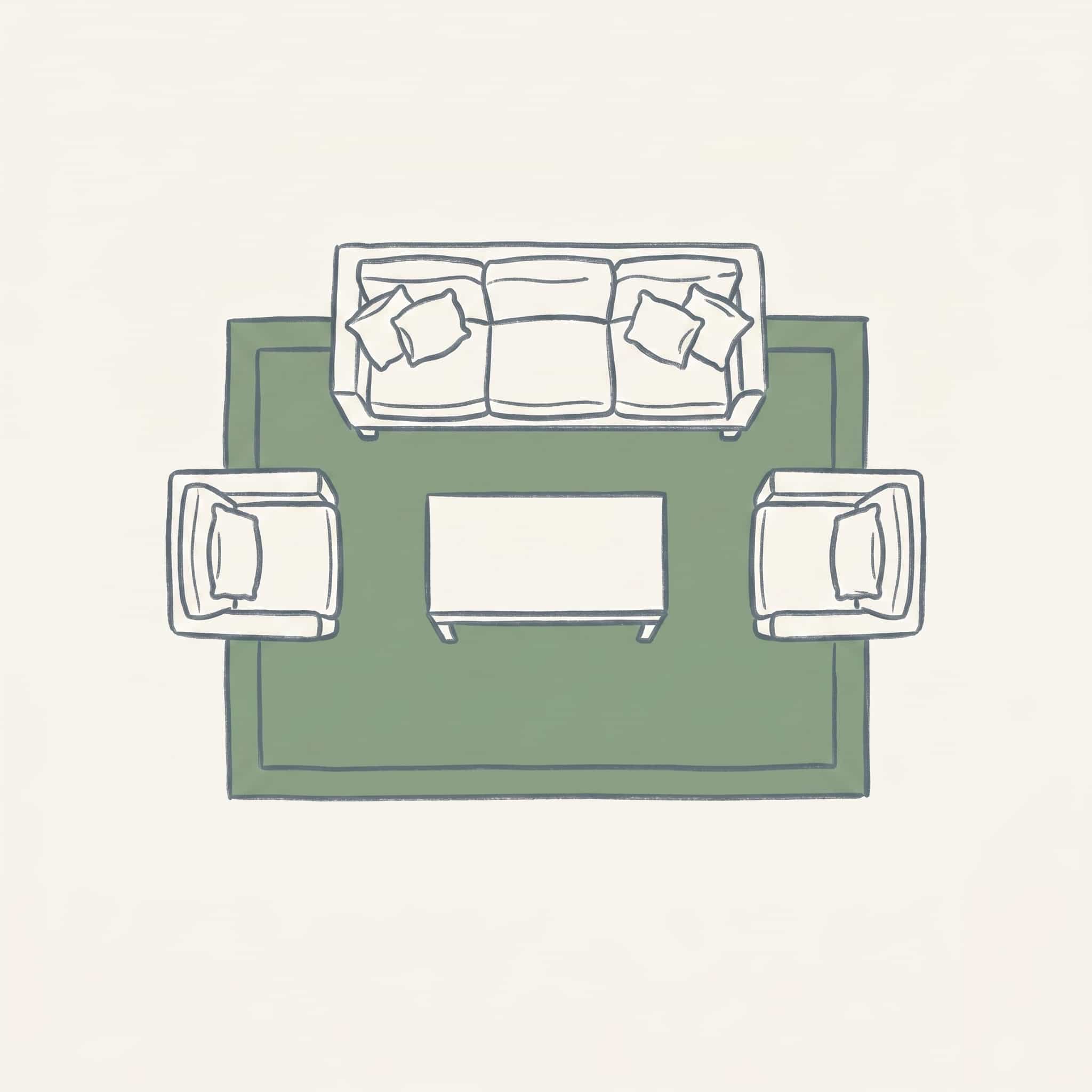
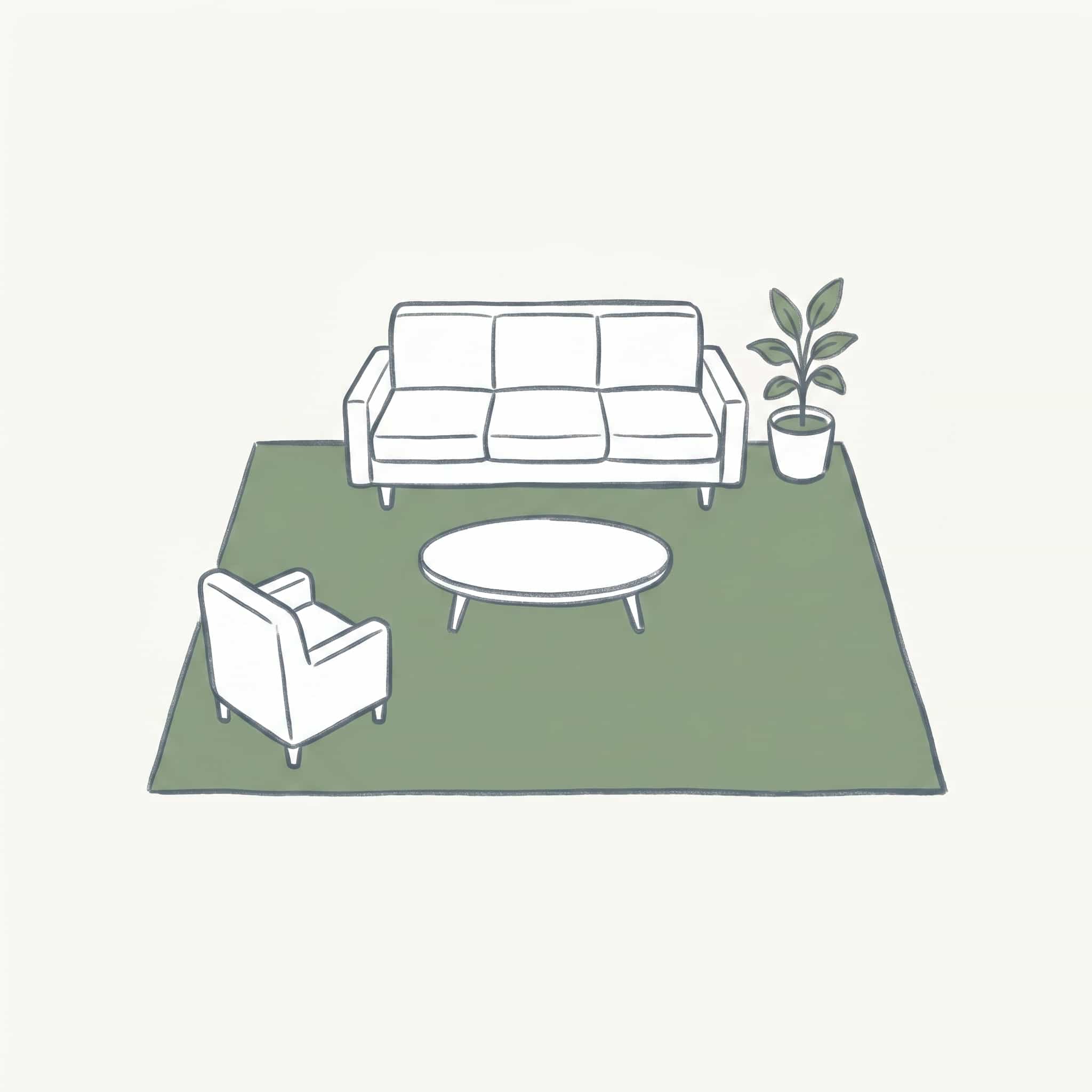
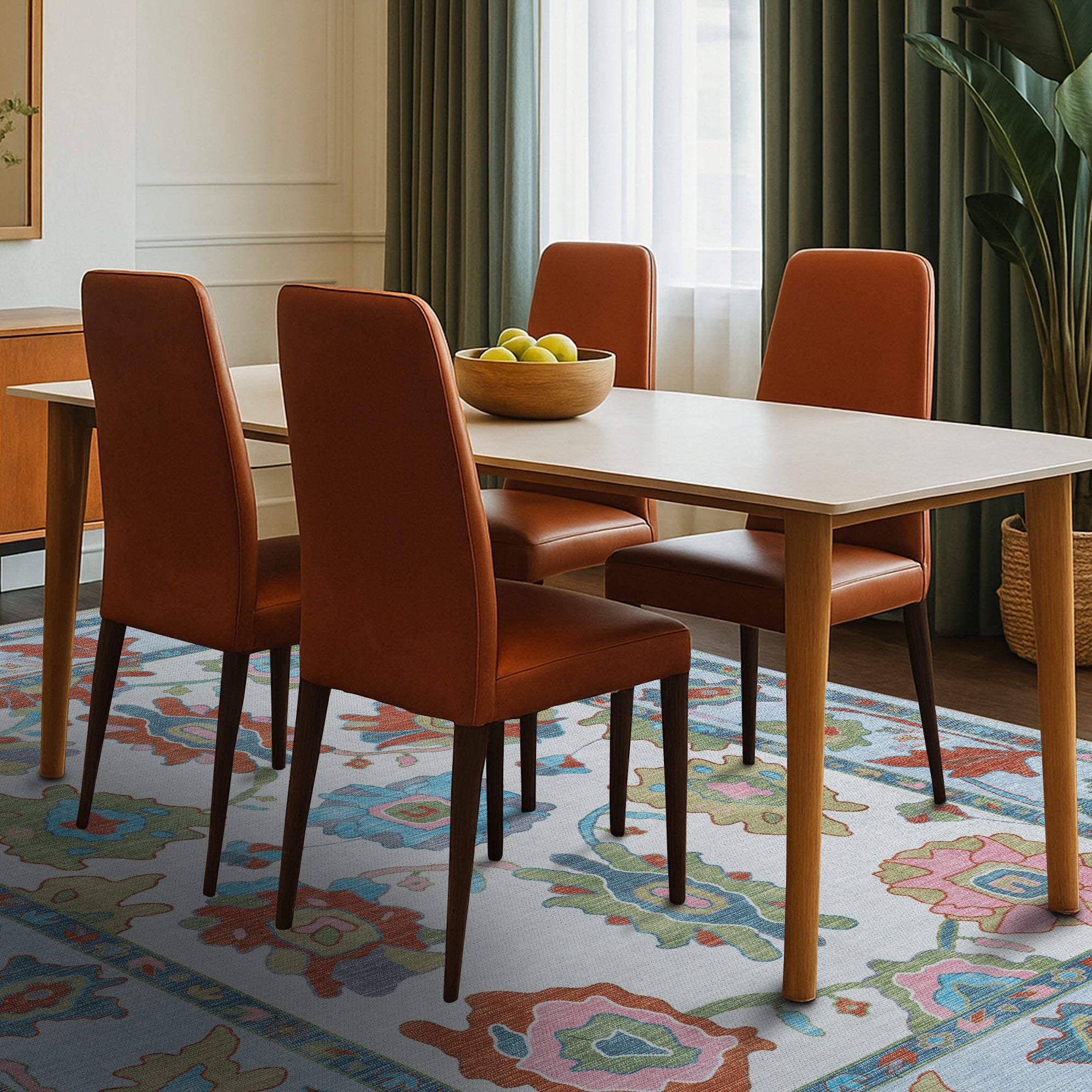
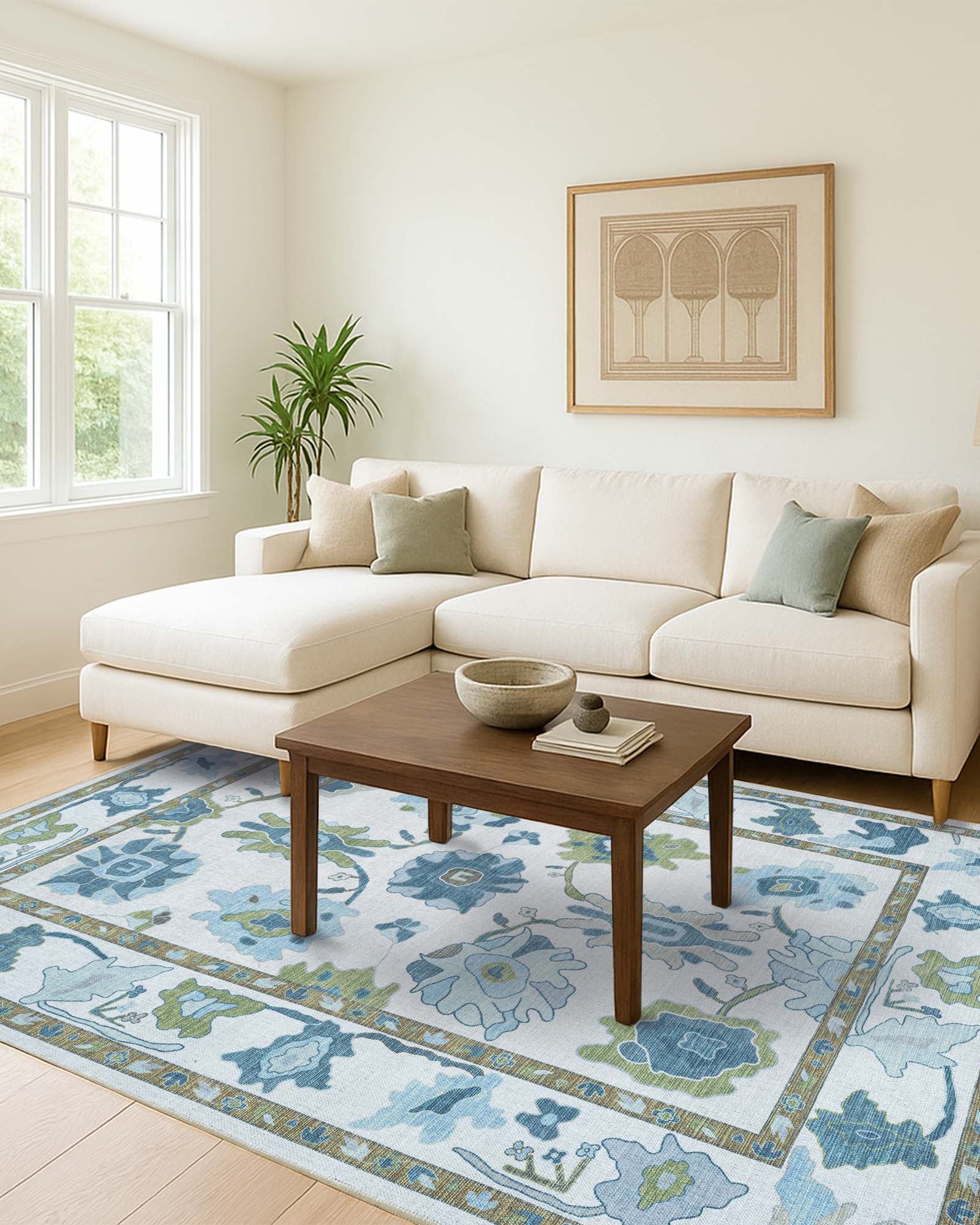
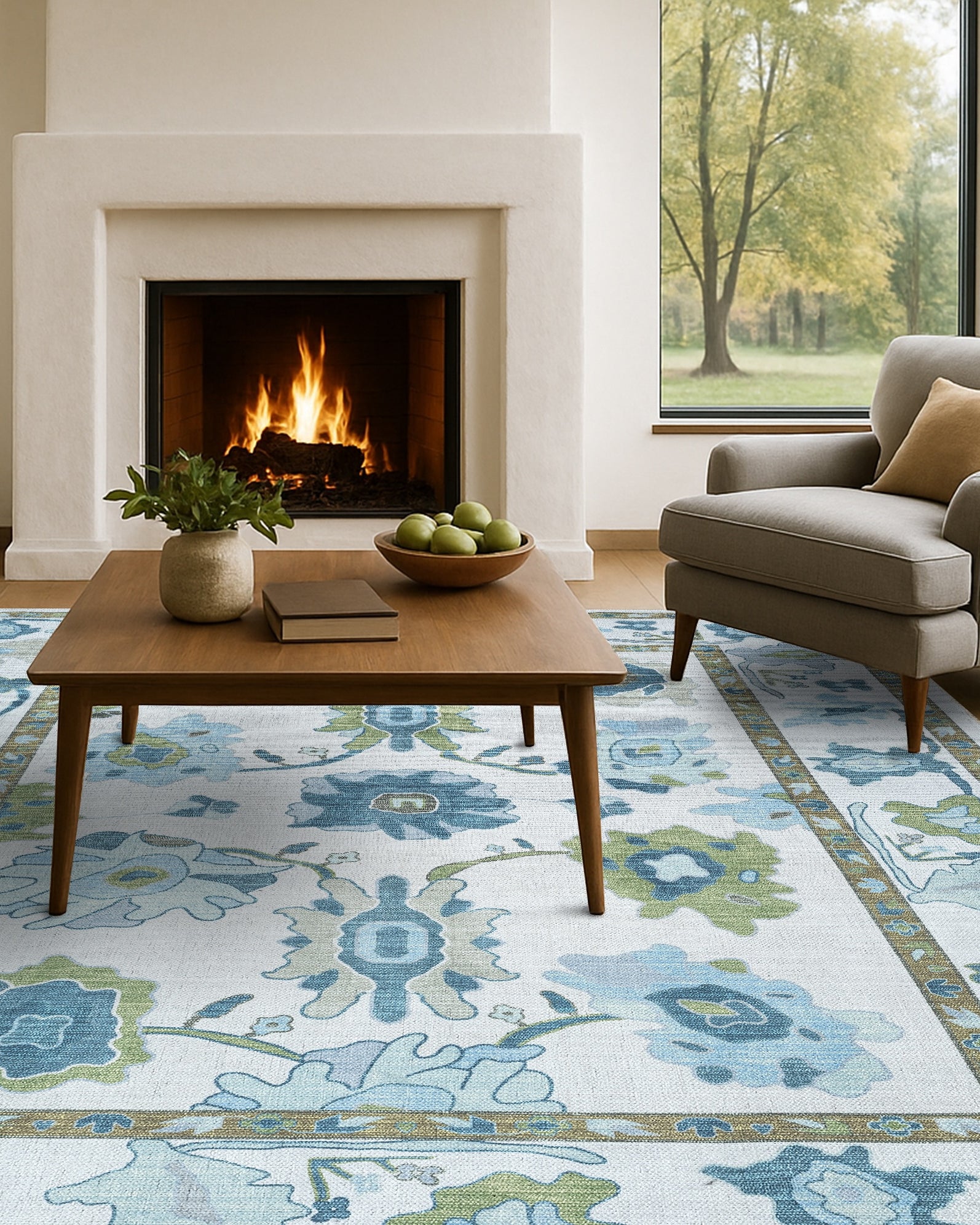
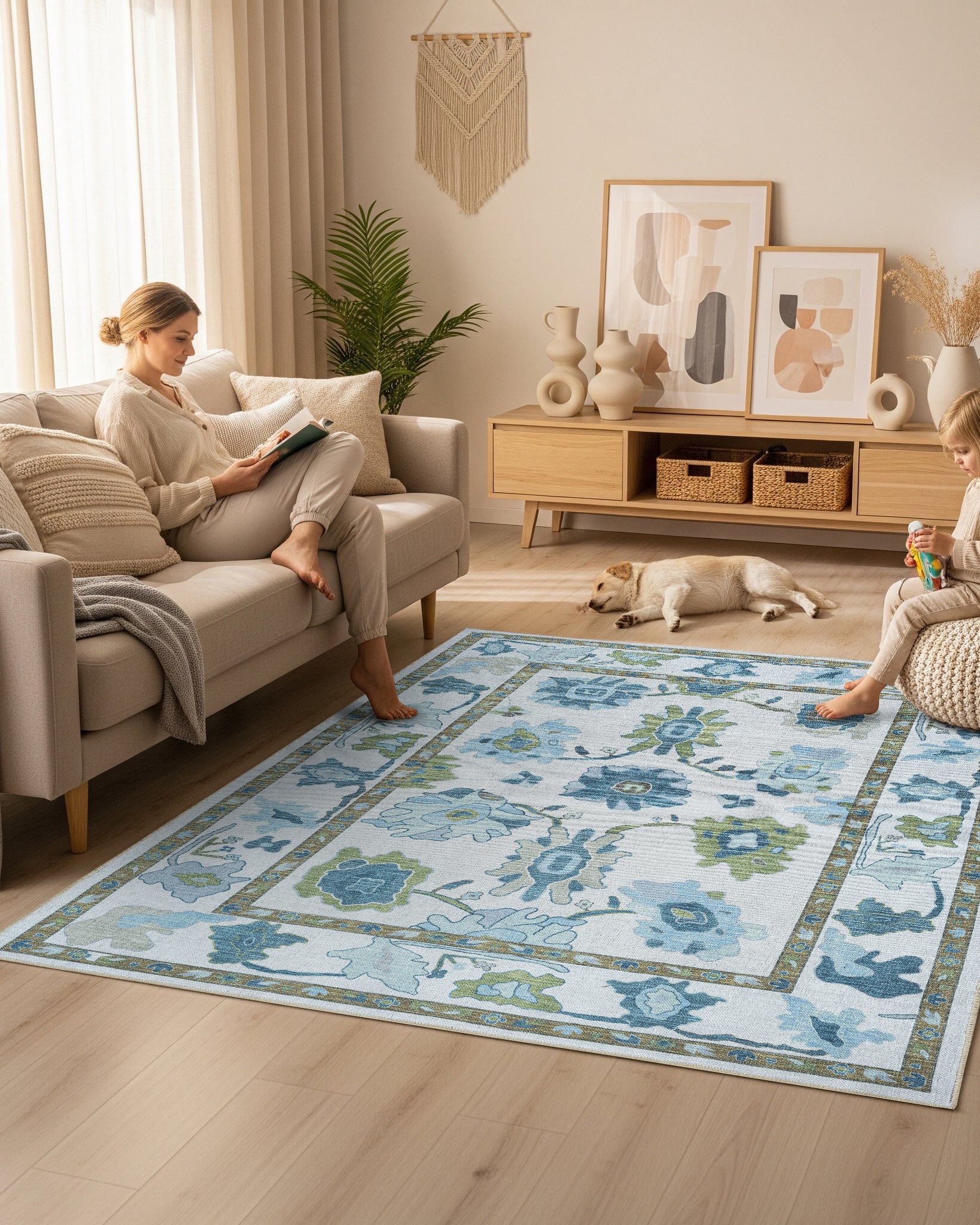
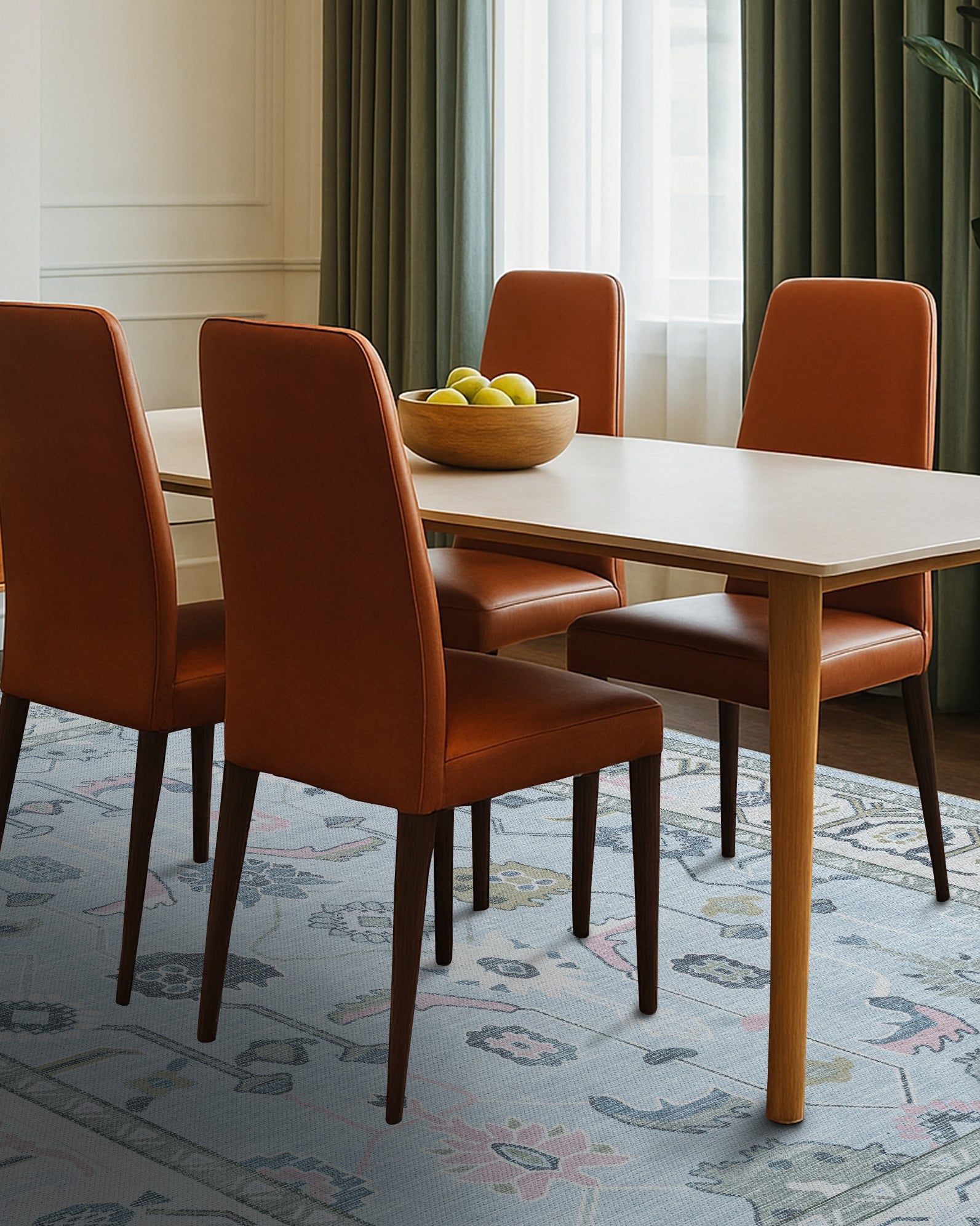
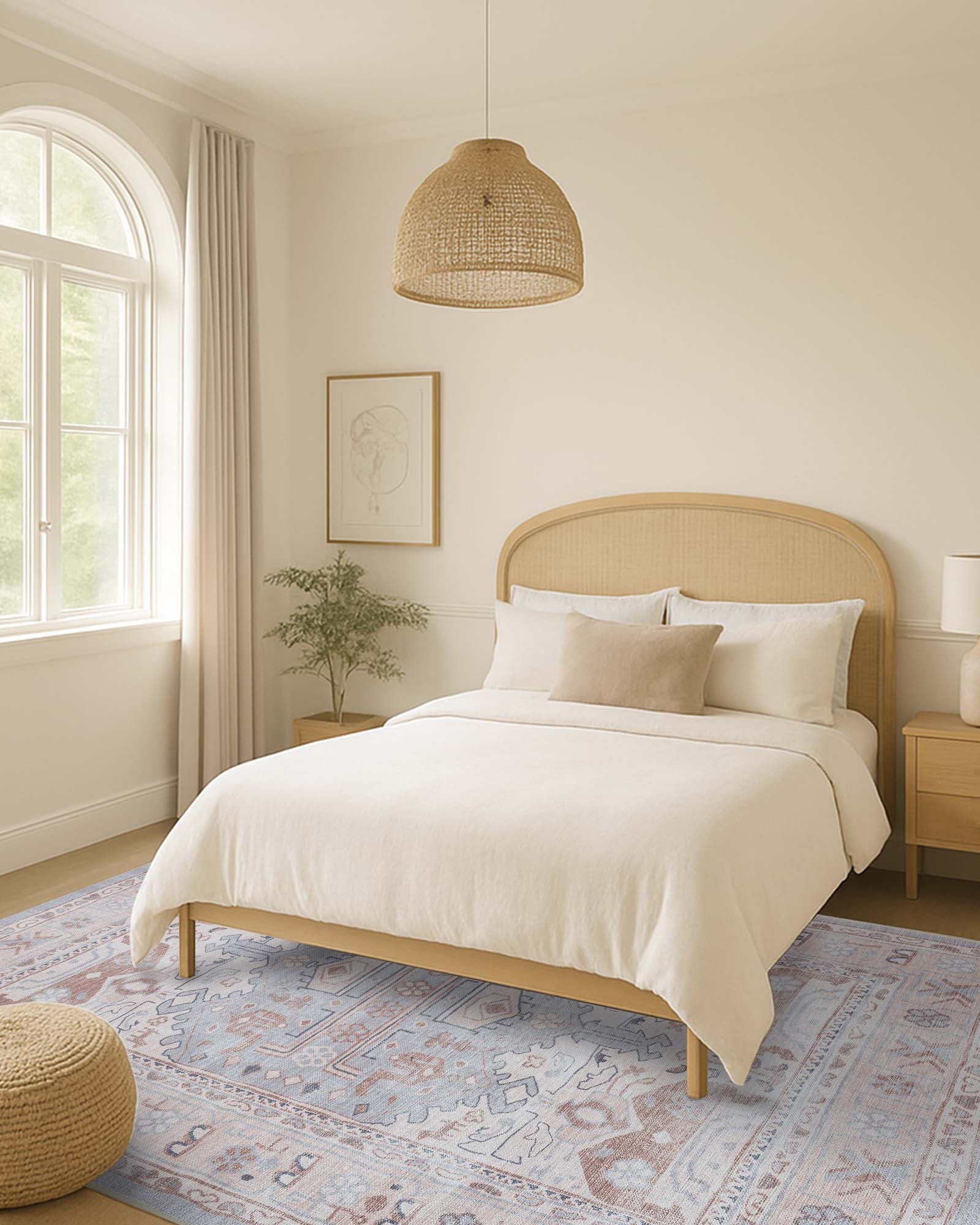
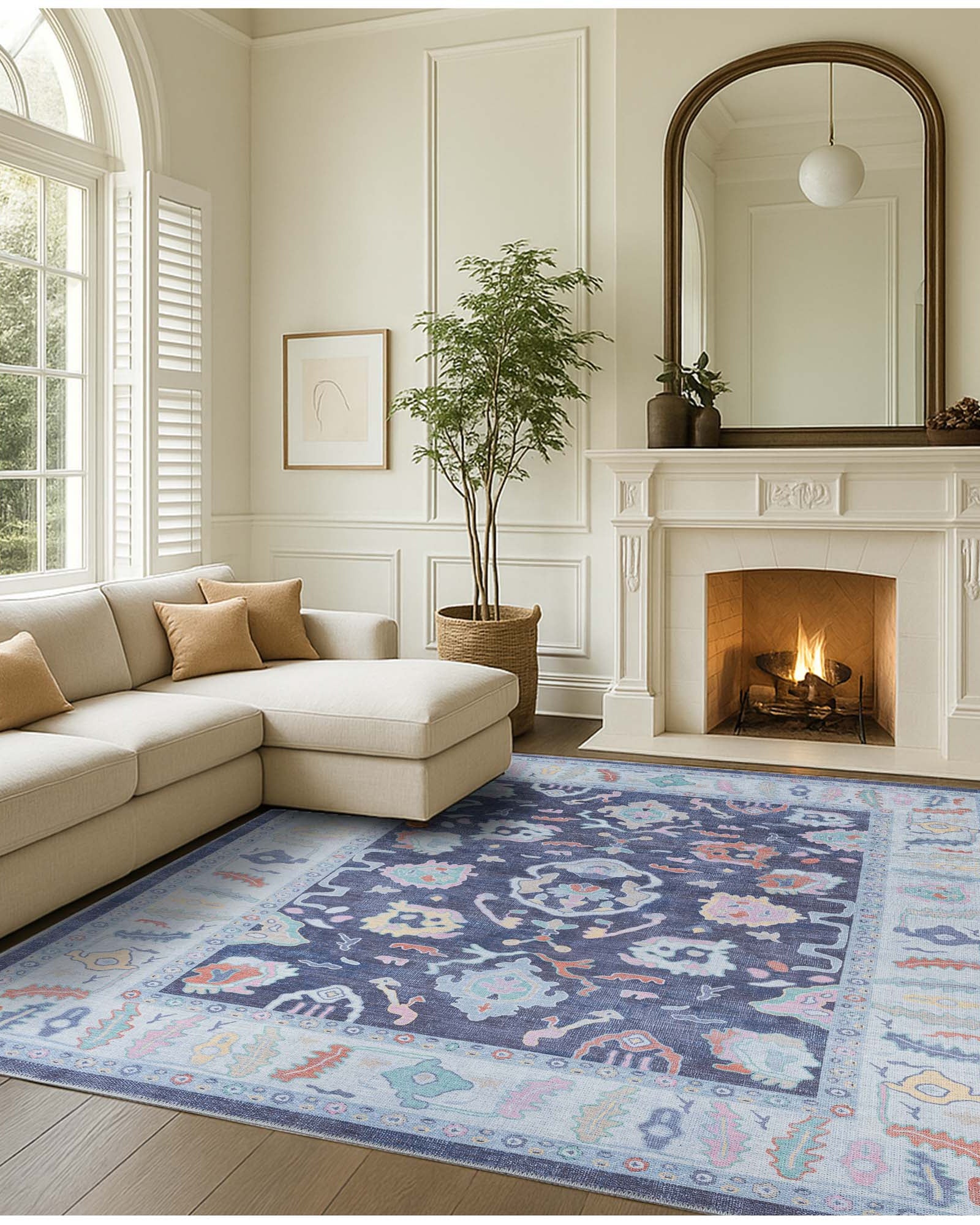
The design question is what you put around it. Red rugs sit naturally with warm wood, brass, leather and cream walls. Against cool greys and stark white they read louder and need something else warm in the room to balance them. If a full red field feels like too much commitment, look for pieces where ivory or indigo occupies most of the field and red is confined to the border and motifs — common in Anatolian and Caucasian weaving. In a living room, keep at least the front legs of every seating piece on the rug; in a dining room, allow 24 inches past the table on all sides.
Condition, Age and Measurement
Pieces are grouped as antique at over eighty years, vintage at roughly forty to eighty, and semi-vintage below that. Each product page carries the estimated decade, origin where identifiable, exact measured dimensions and a plain condition note. On red rugs expect visible abrash — horizontal tonal banding where the weaver moved between madder batches — and lighter, sun-softened areas where the rug faced a window. Both are original and characteristic. Sizes are never standard and opposite edges commonly differ by an inch or more.
Care
Madder is generally more stable in water than indigo, but aged red still bleeds into adjacent ivory areas if the rug gets saturated. Blot spills immediately with a white cloth and minimal plain water, pressing rather than rubbing, and work inward from the outside of the spill. Do not use a home carpet-cleaning machine, a steam cleaner or any commercial spot treatment — alkaline cleaners in particular will pull red out of the wool. Use a rug pad on hard floors, vacuum with the beater bar off or raised and stay off the fringe, and rotate the rug twice a year so sun softening stays even across the field. For anything set-in, use a professional hand-knotted rug washer.