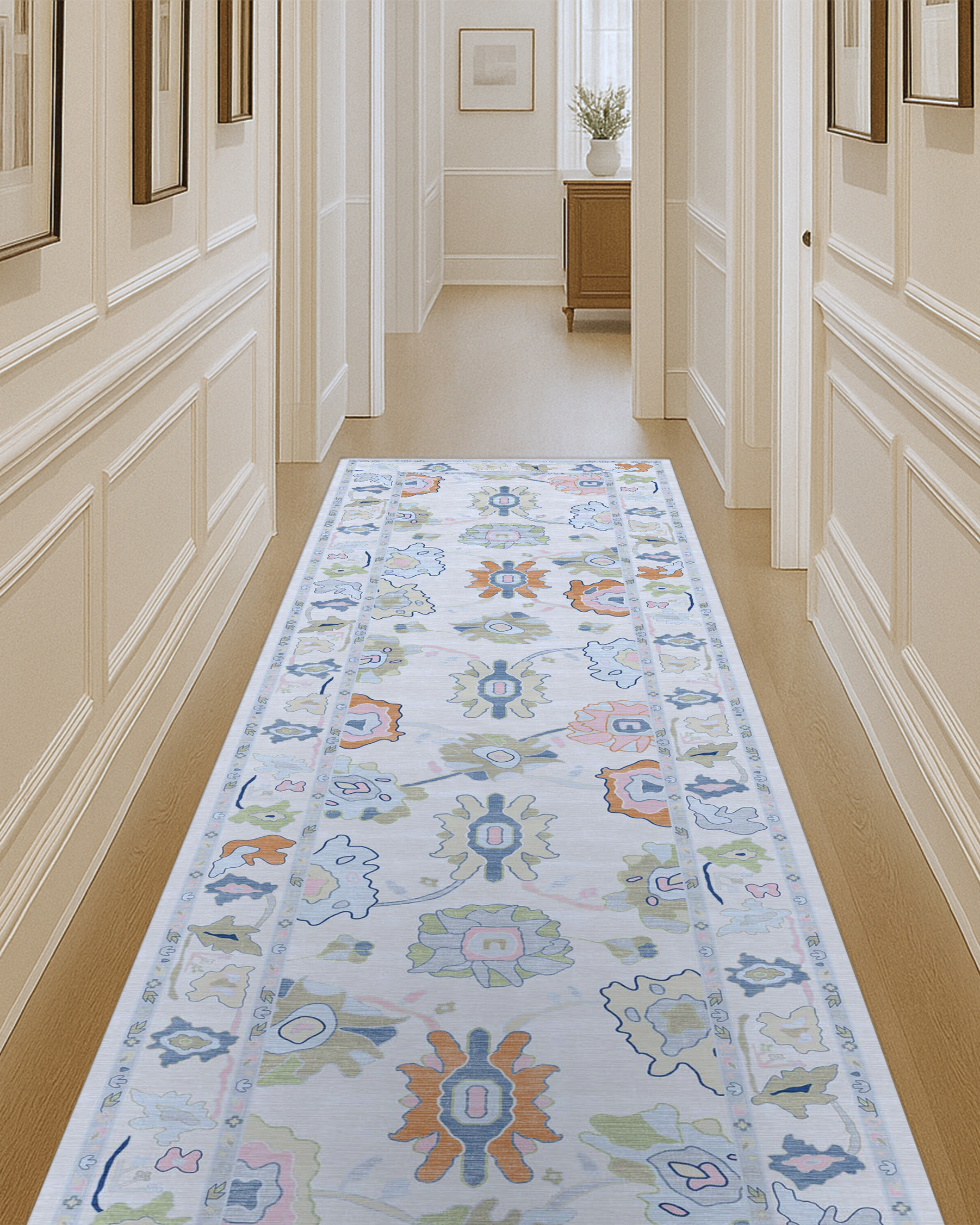
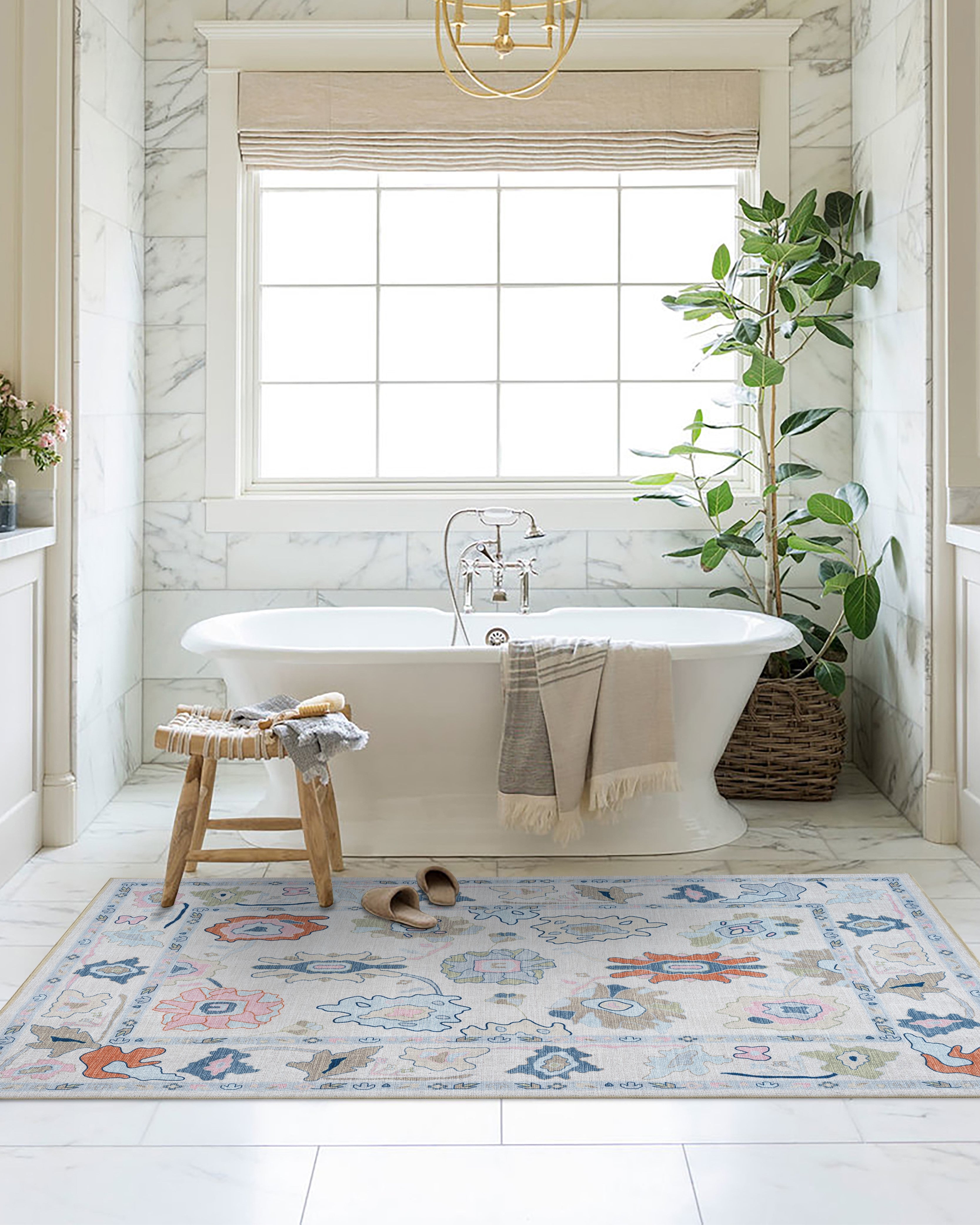
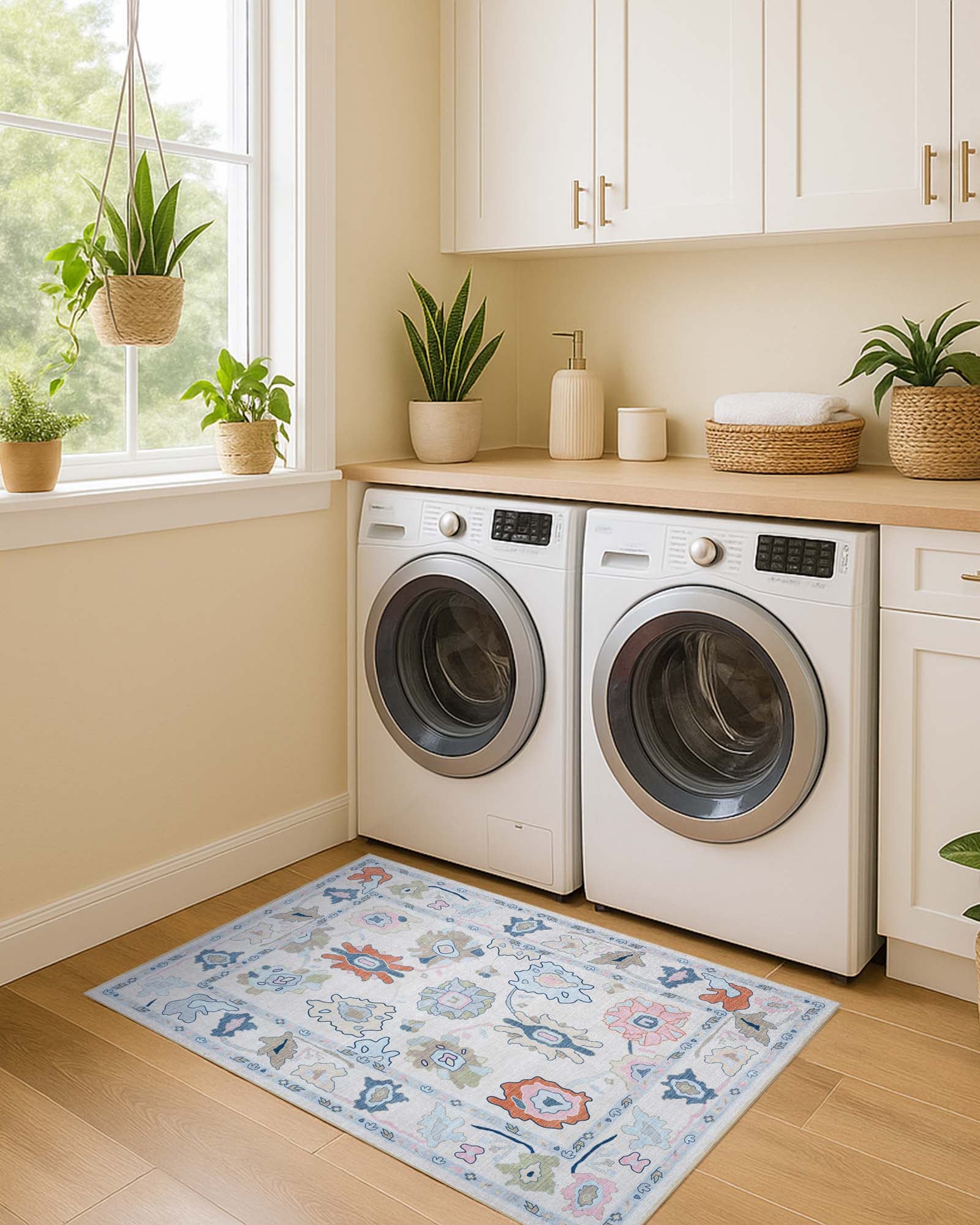
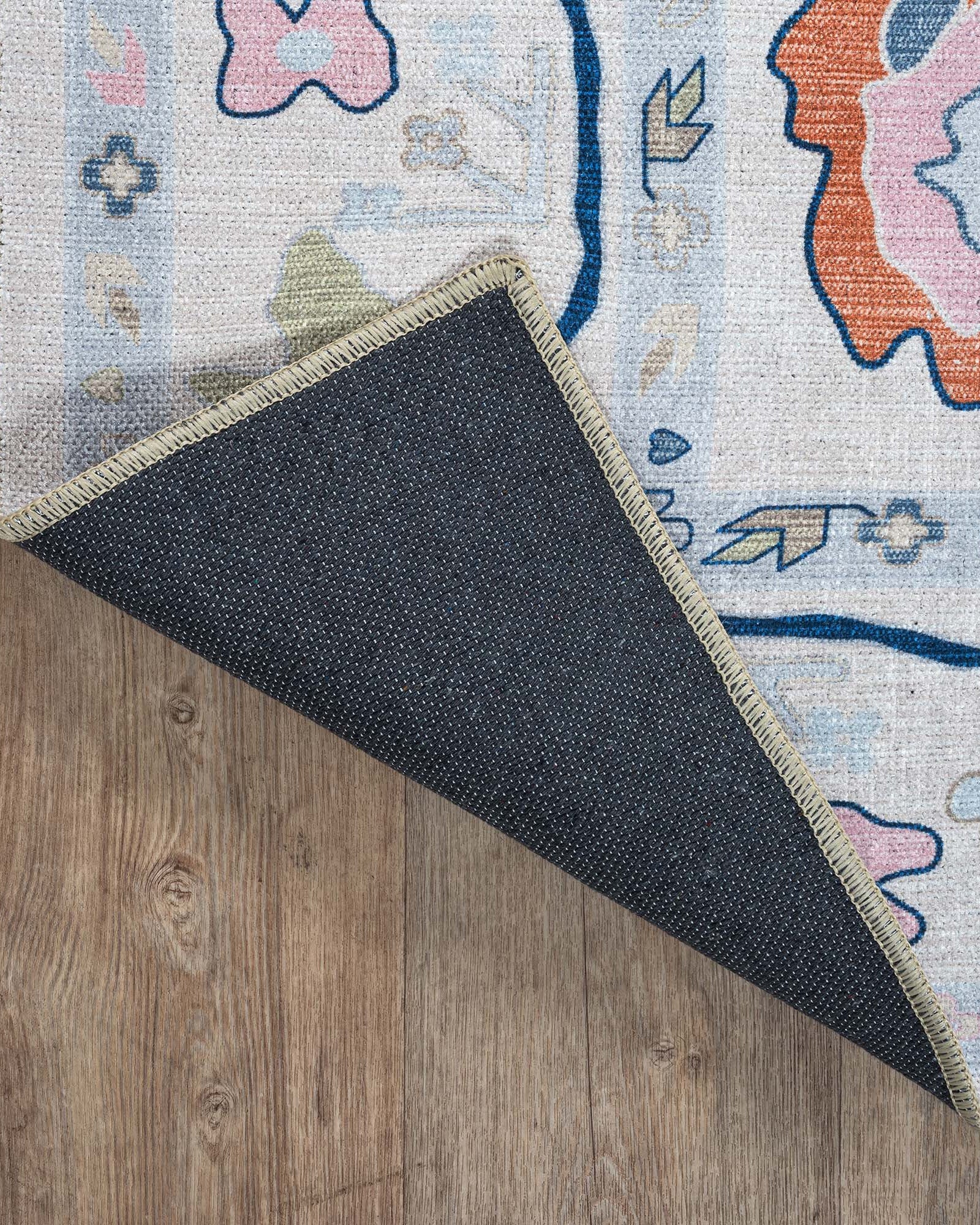
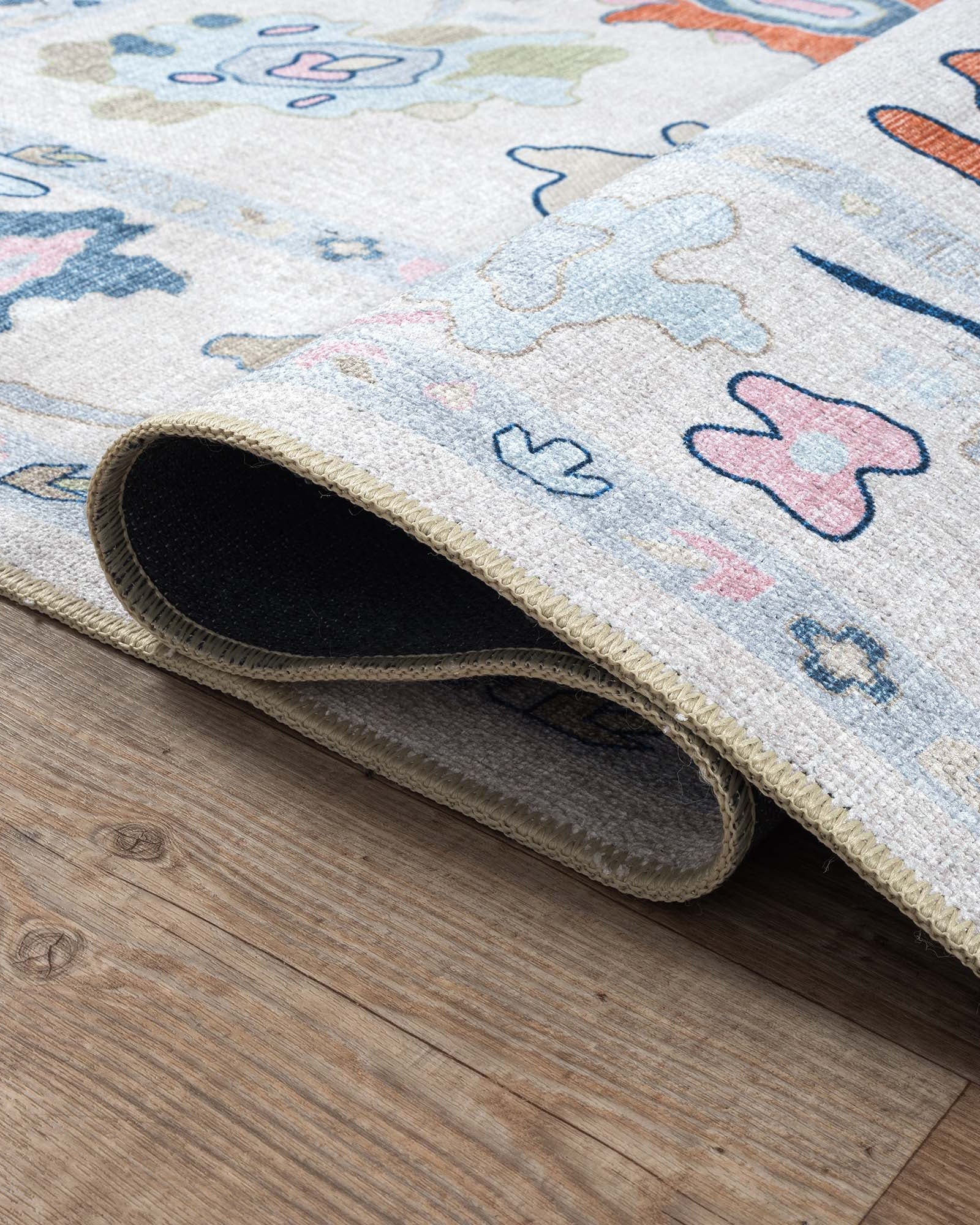
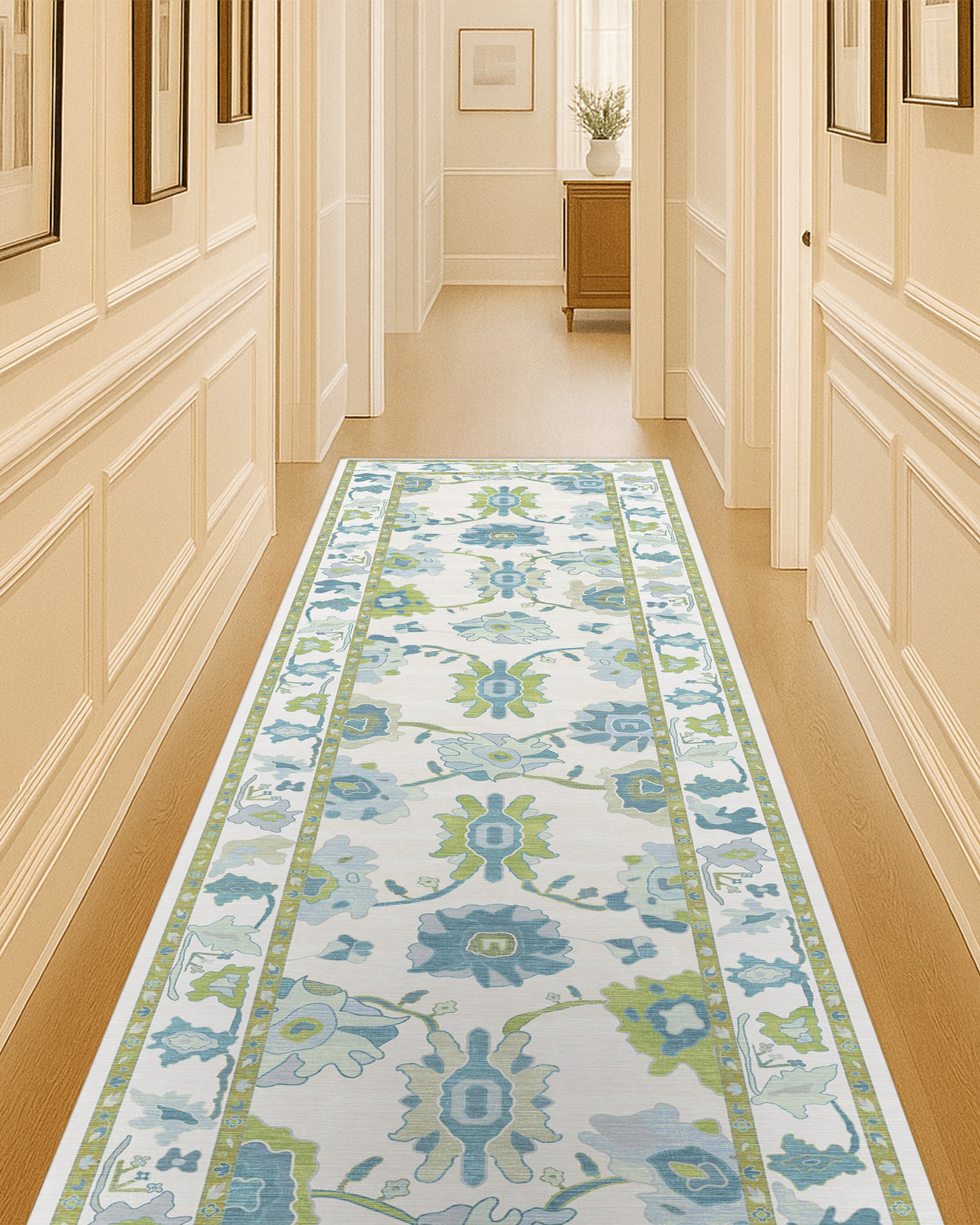
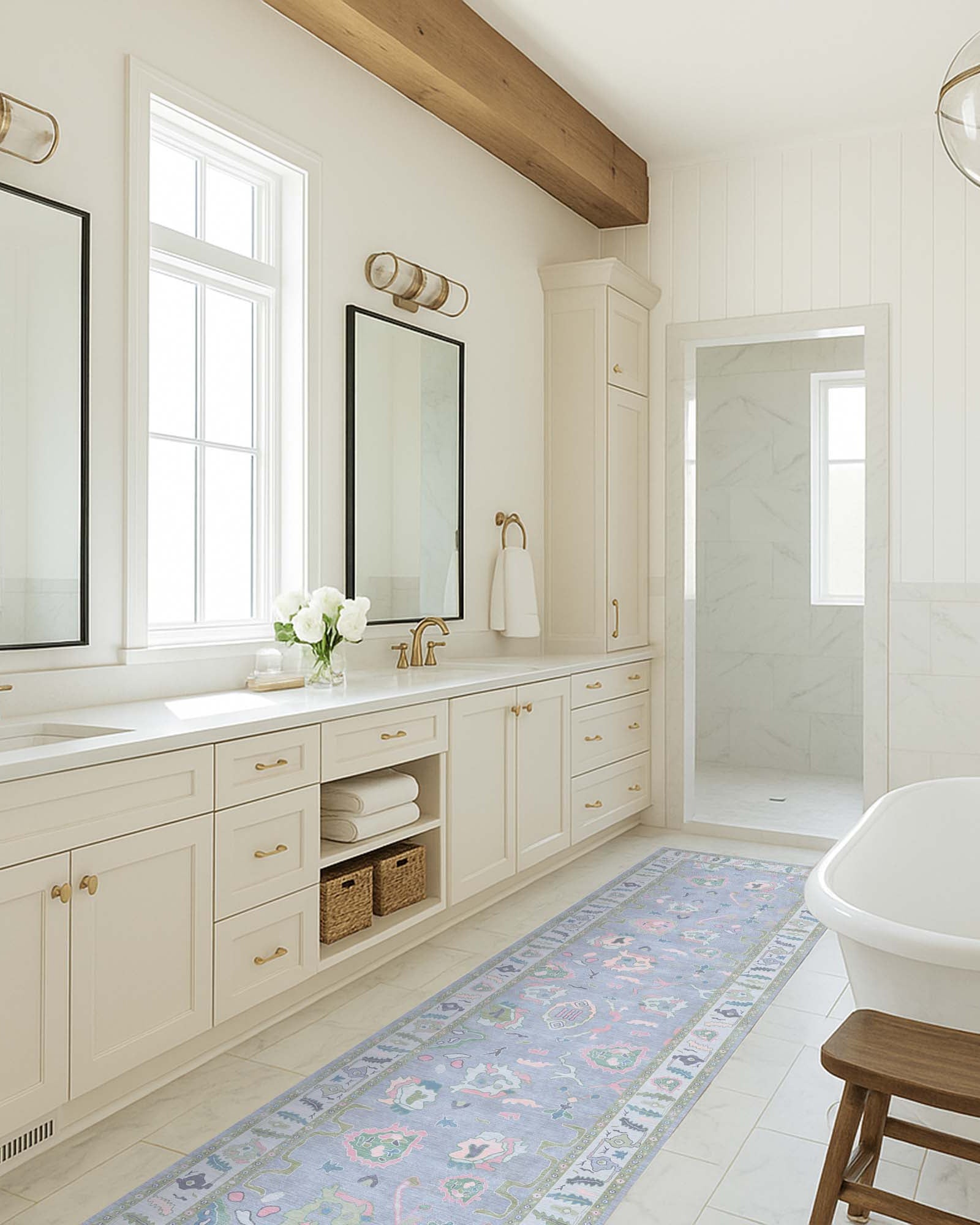
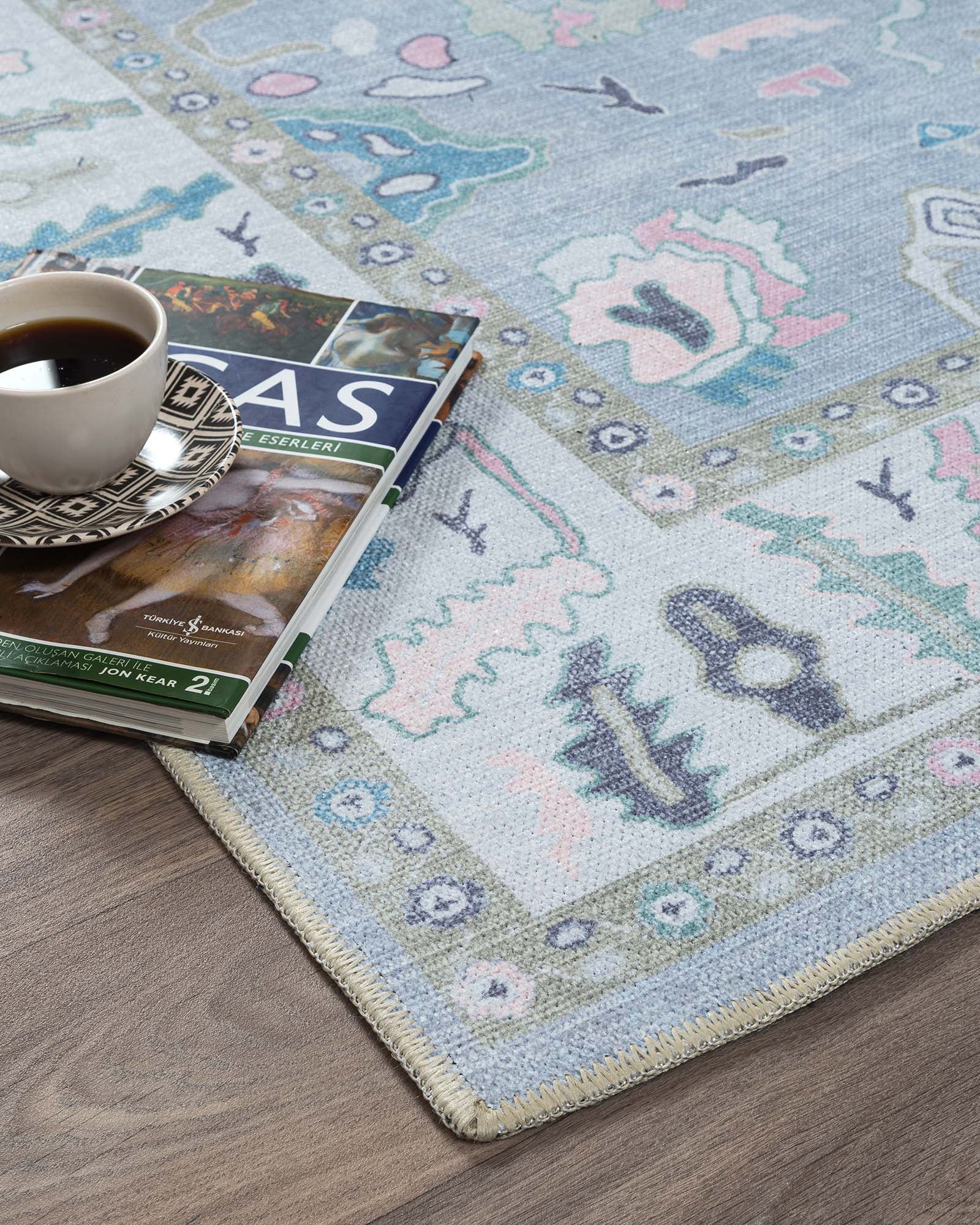
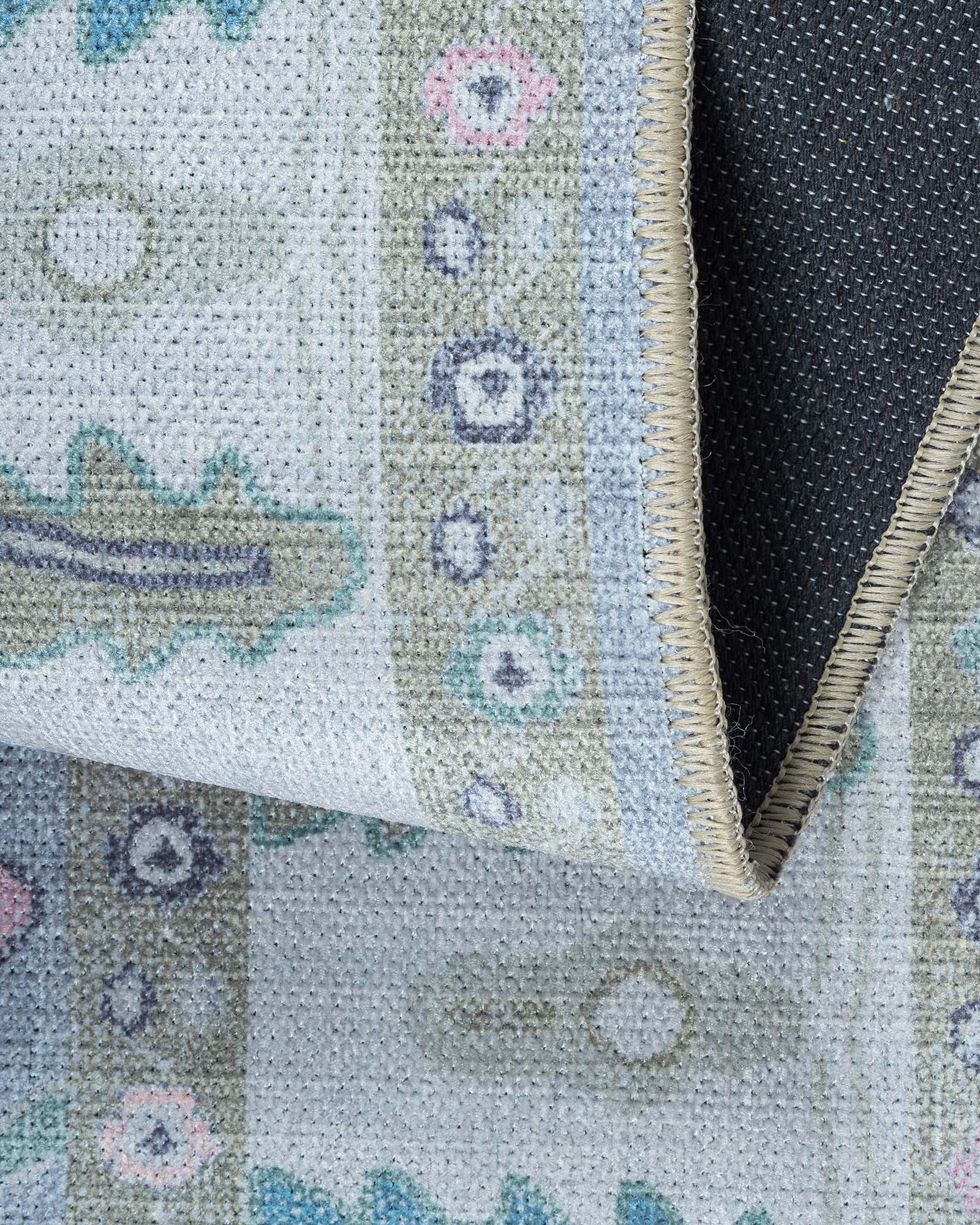
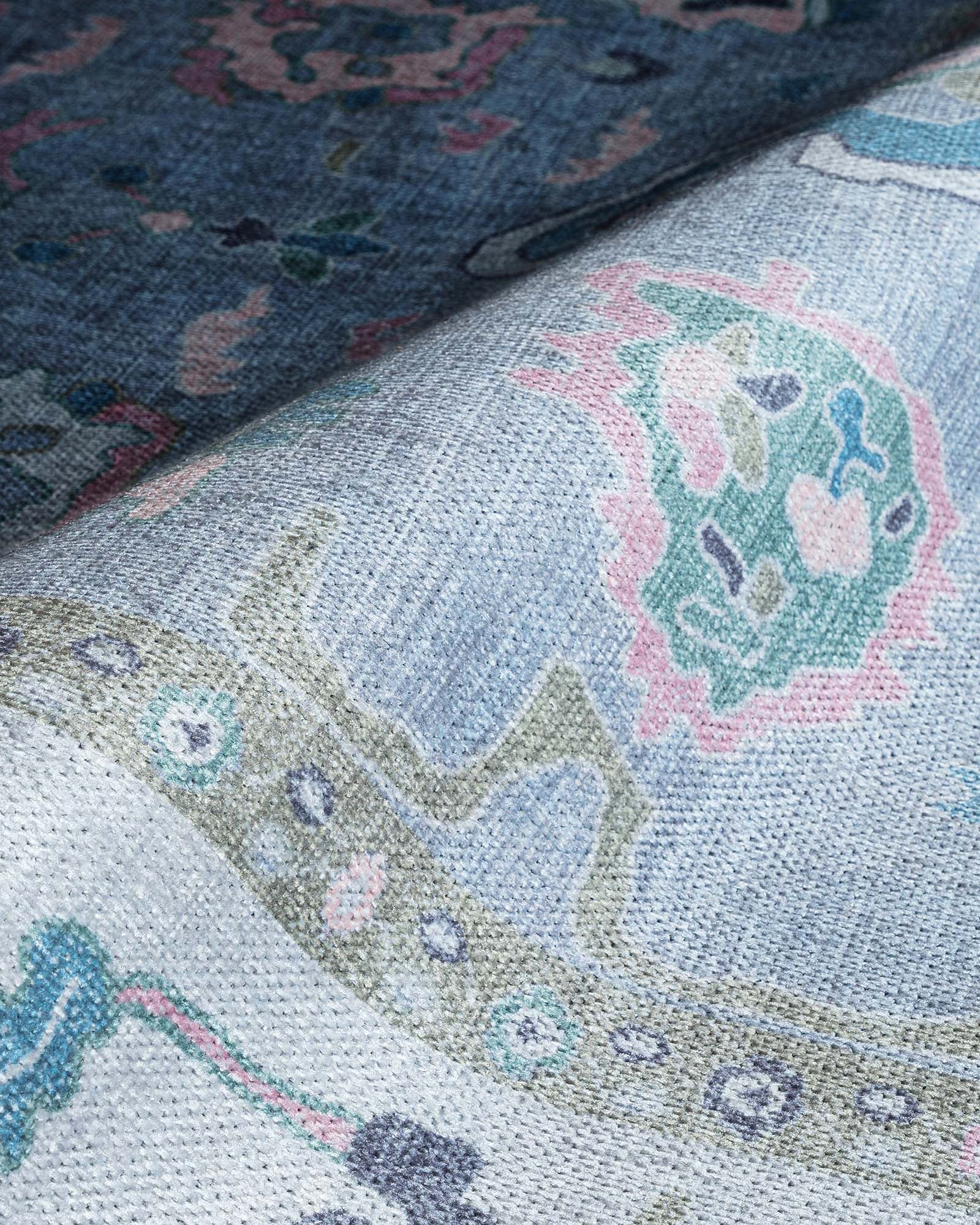
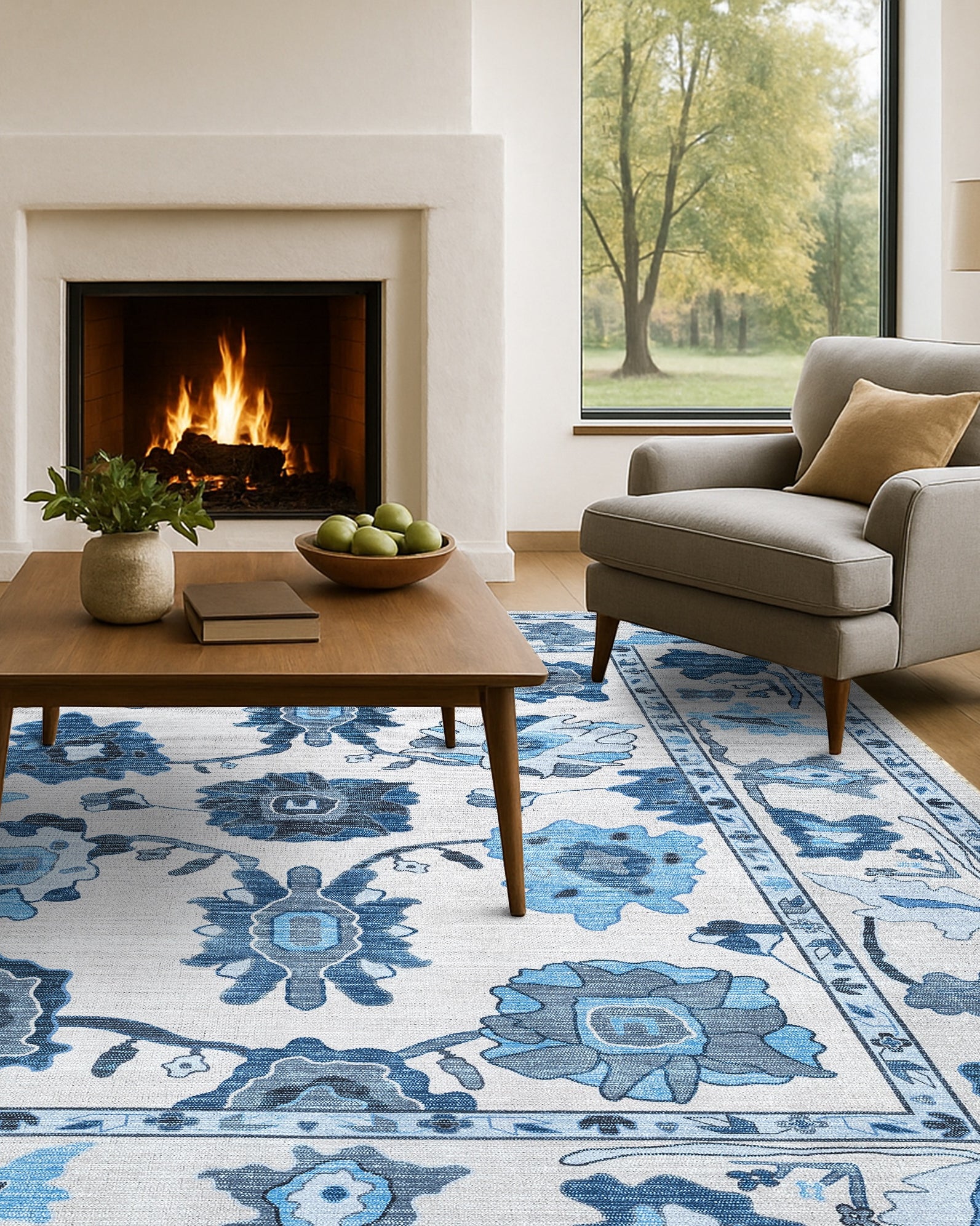
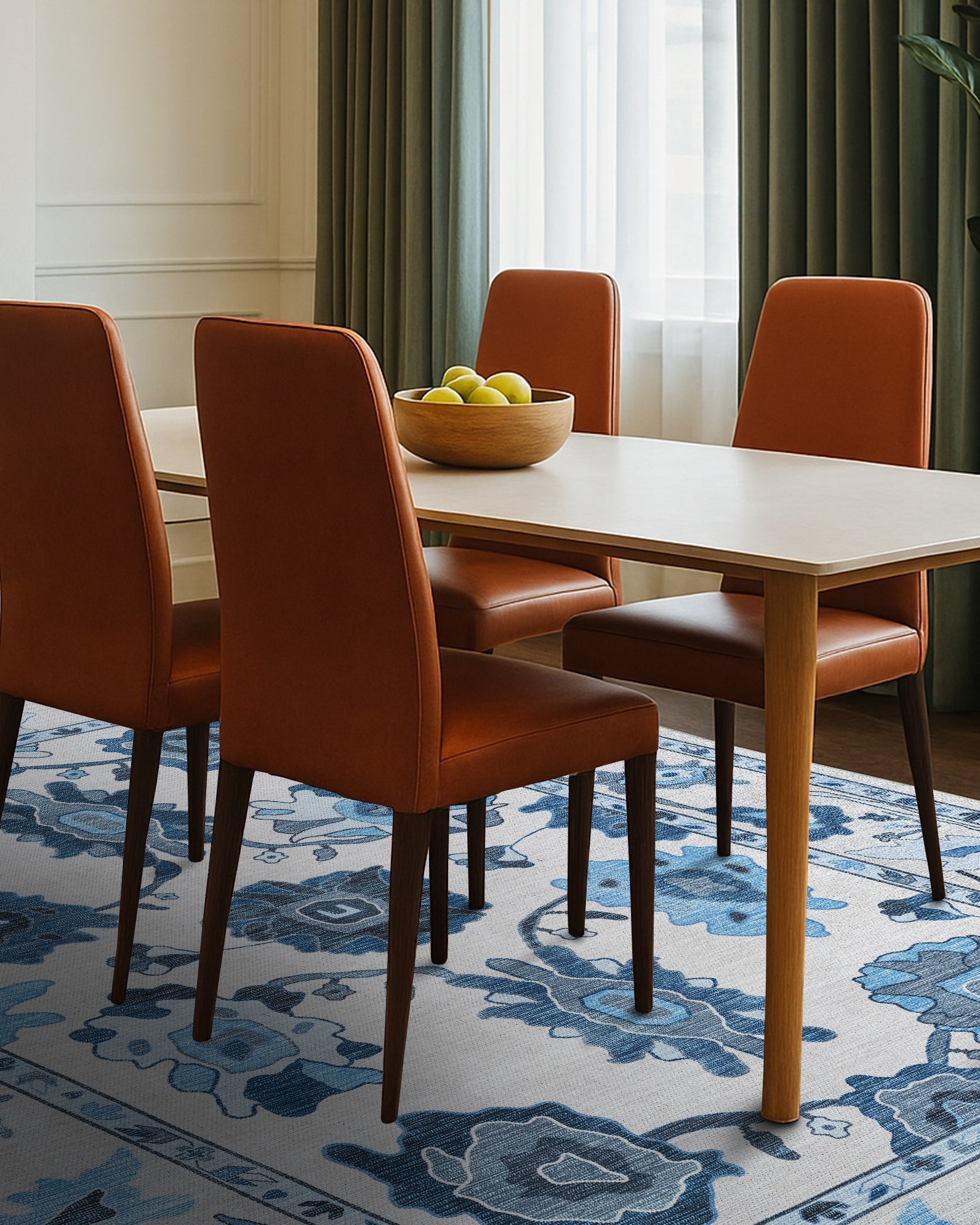
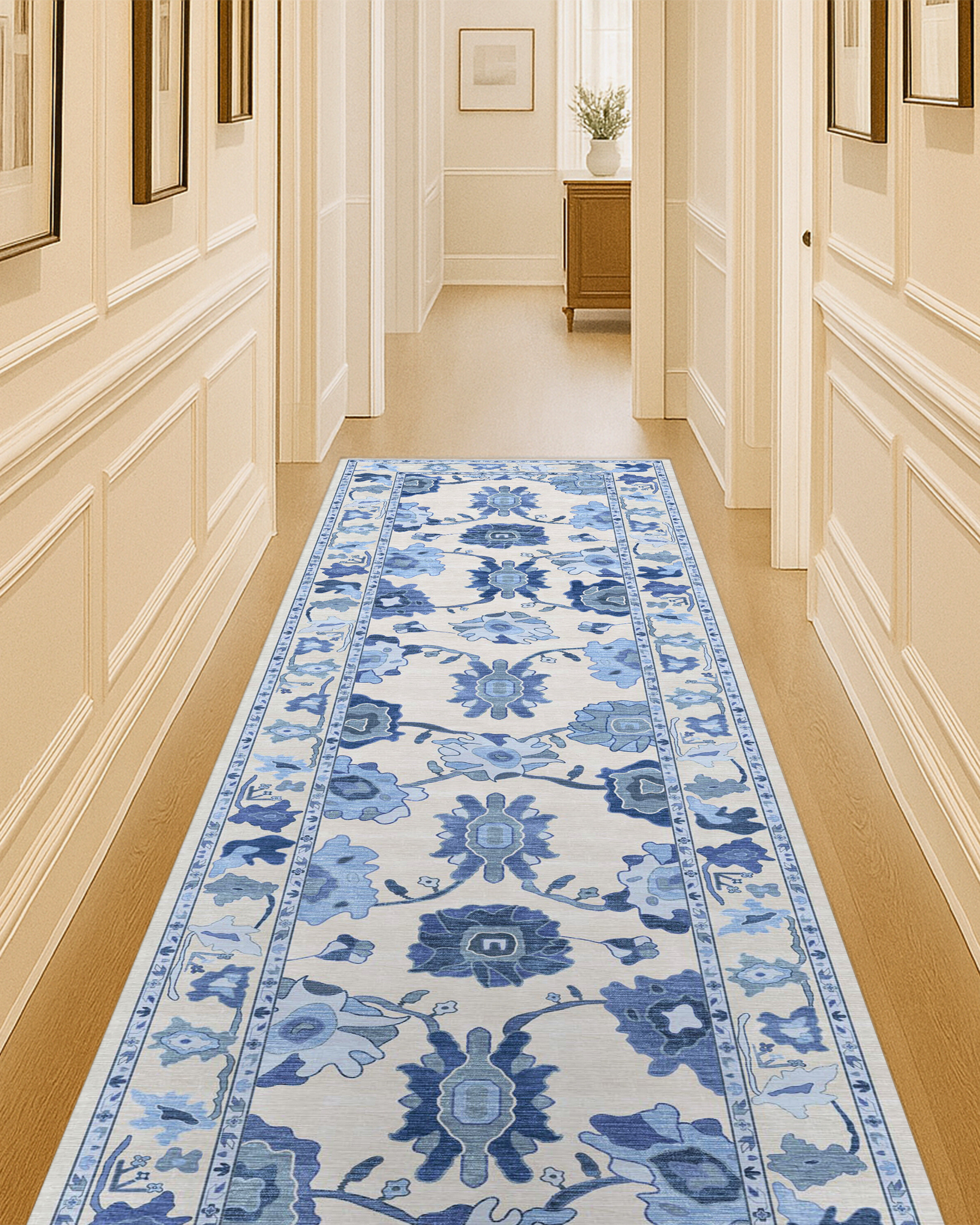
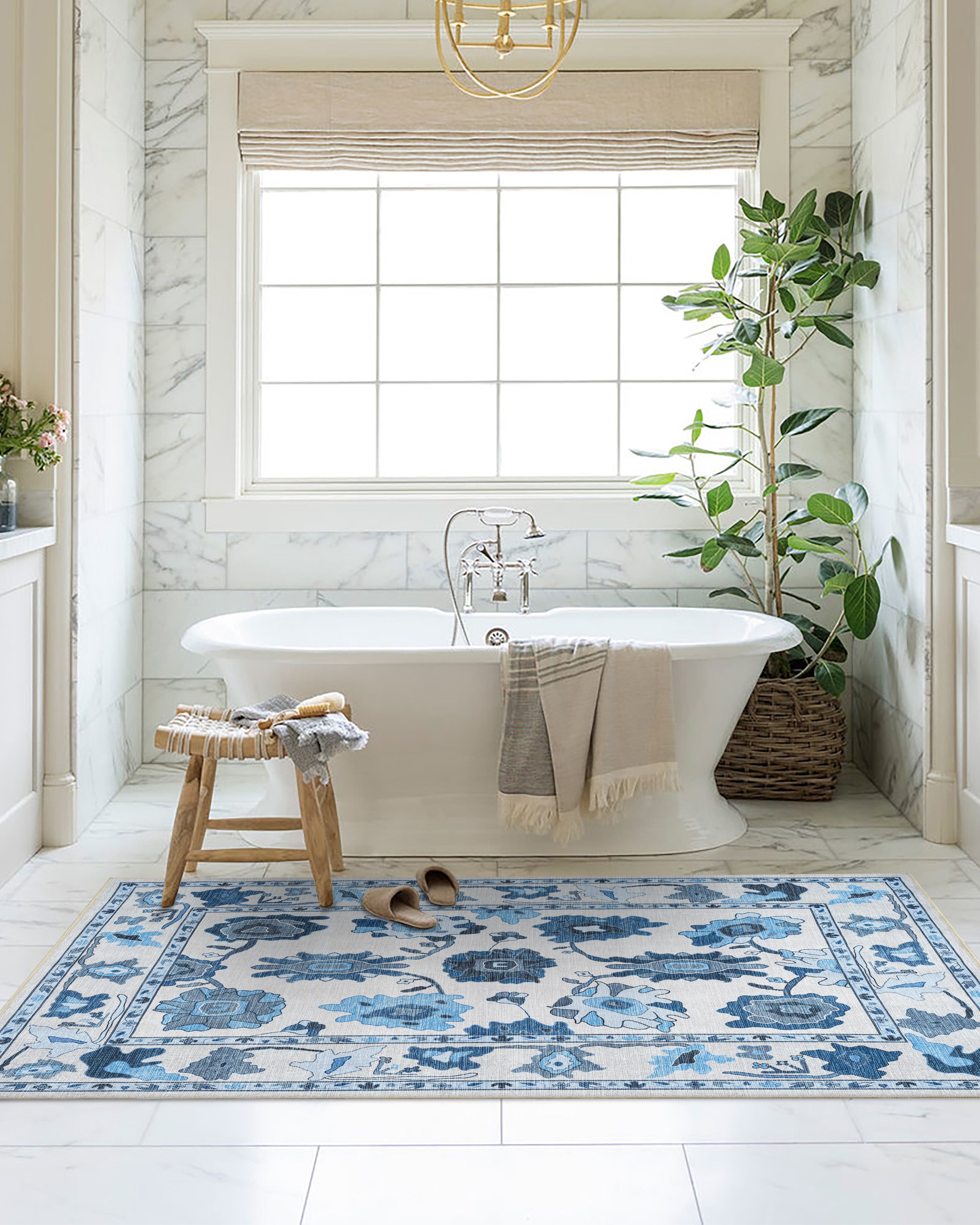
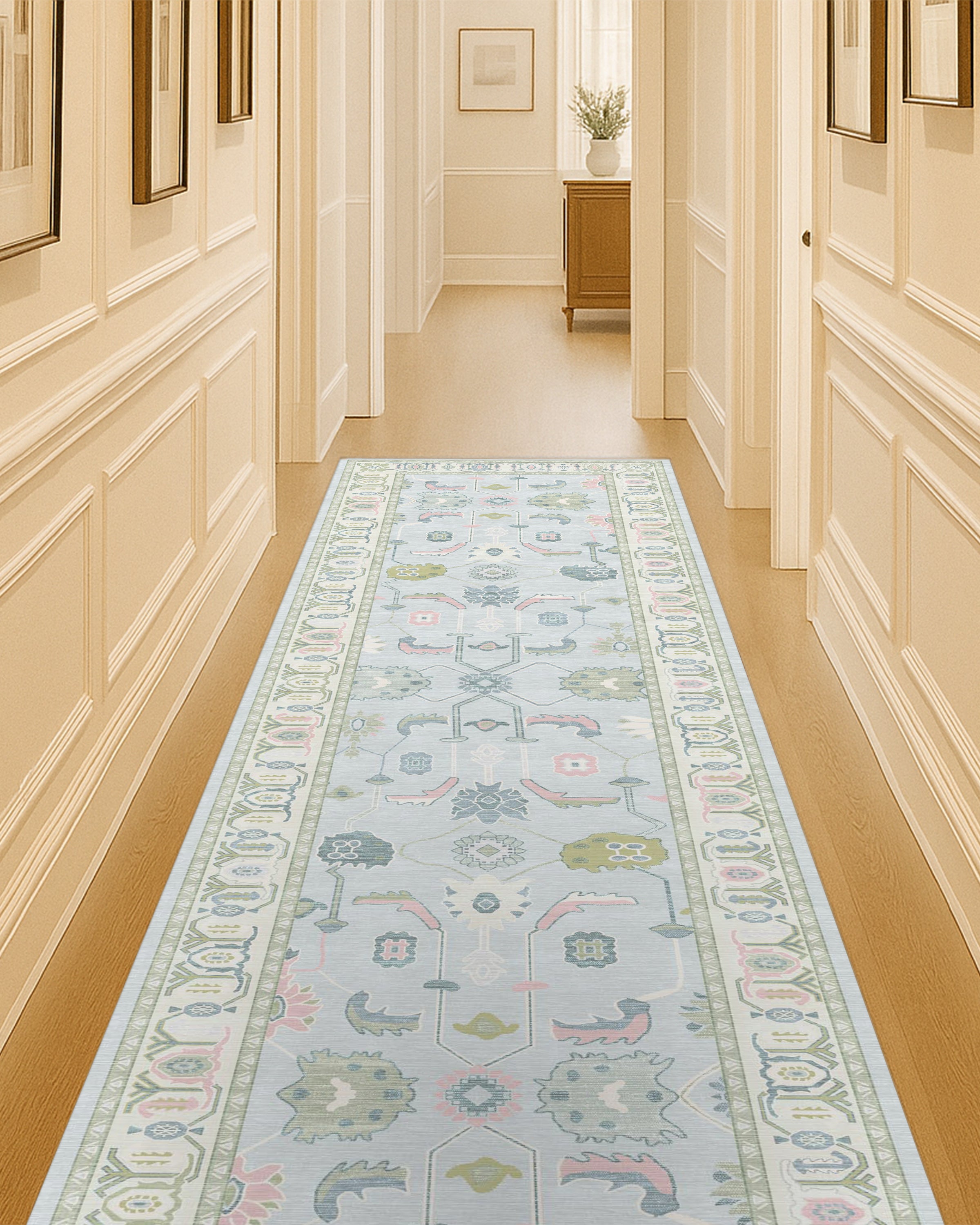
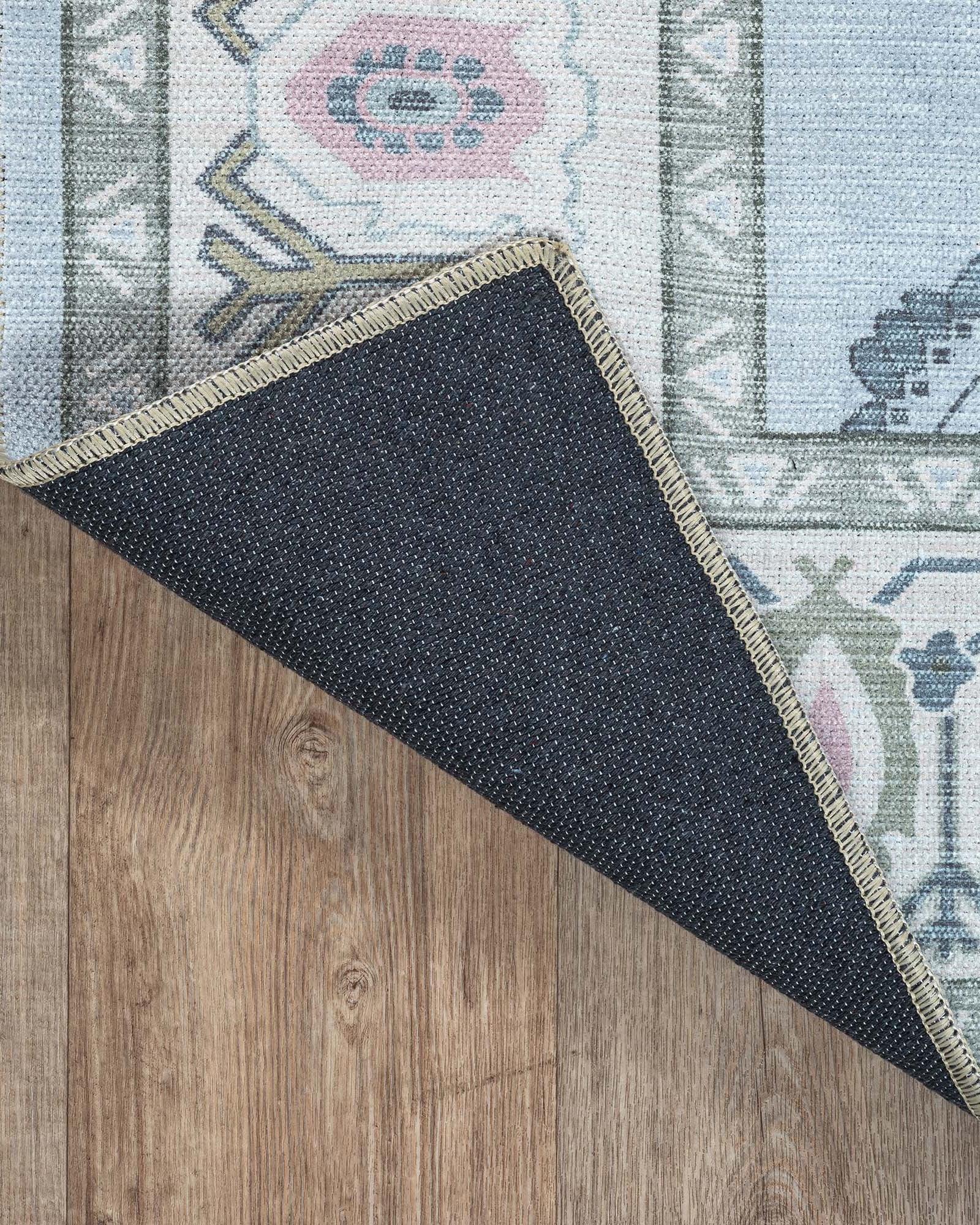
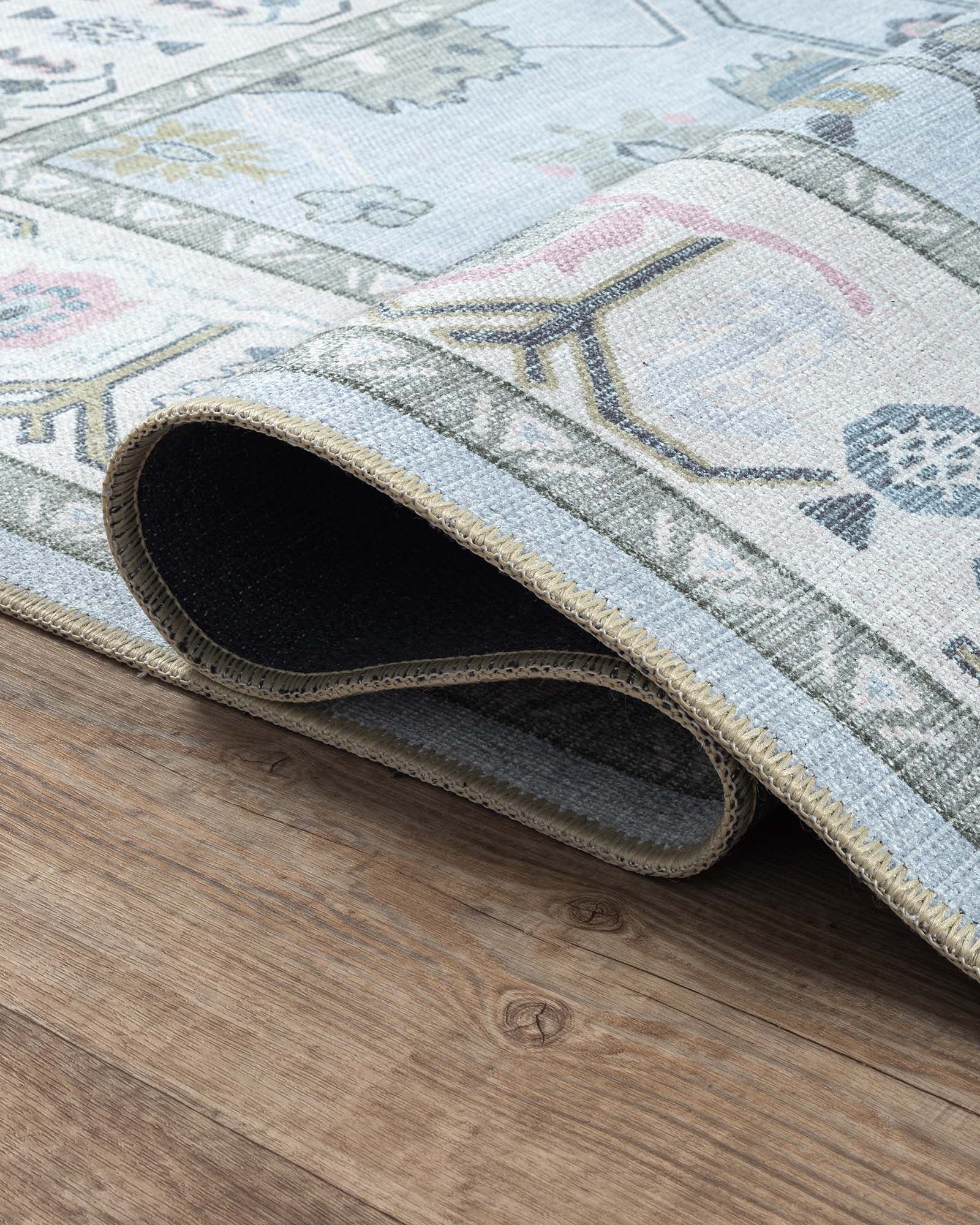
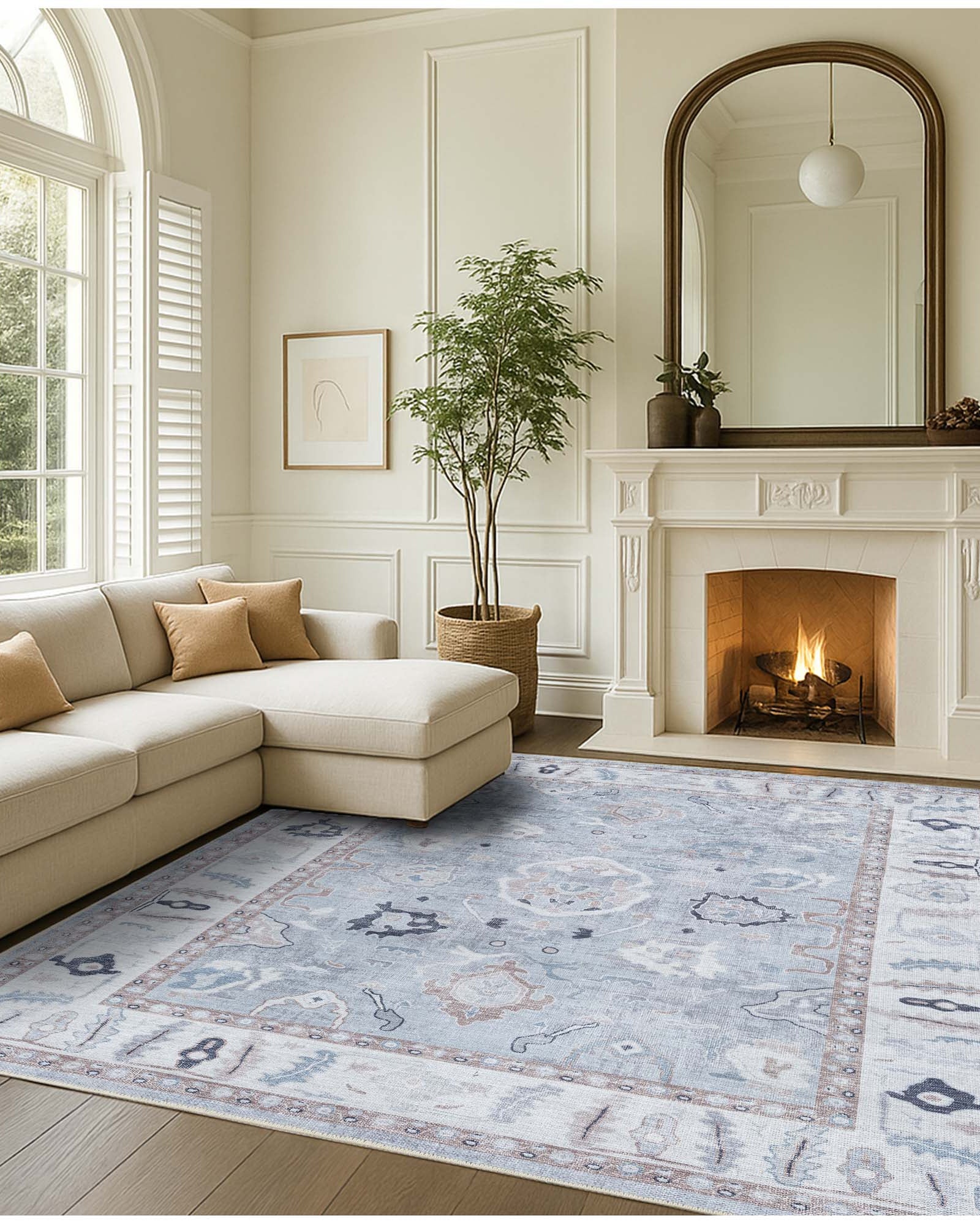
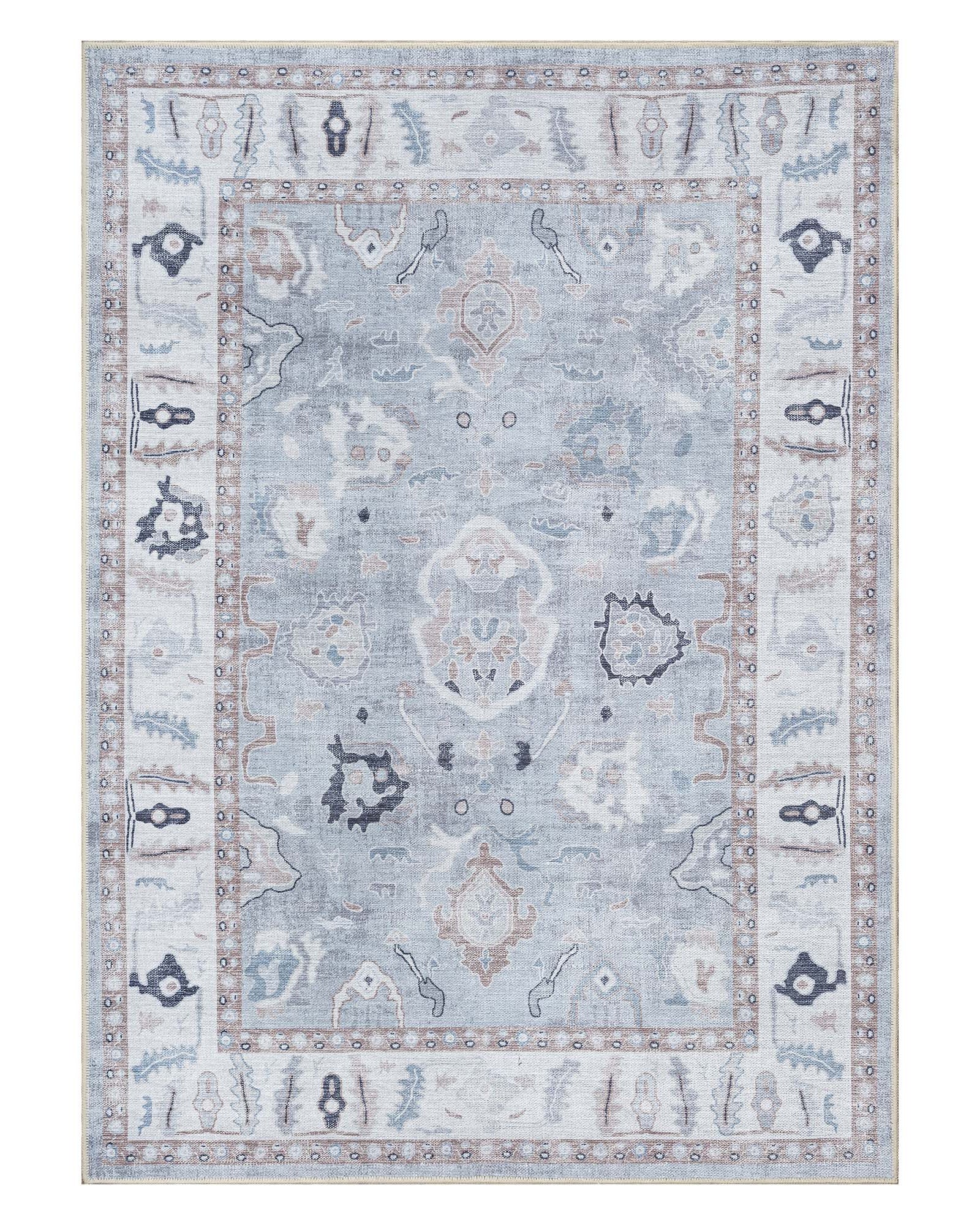
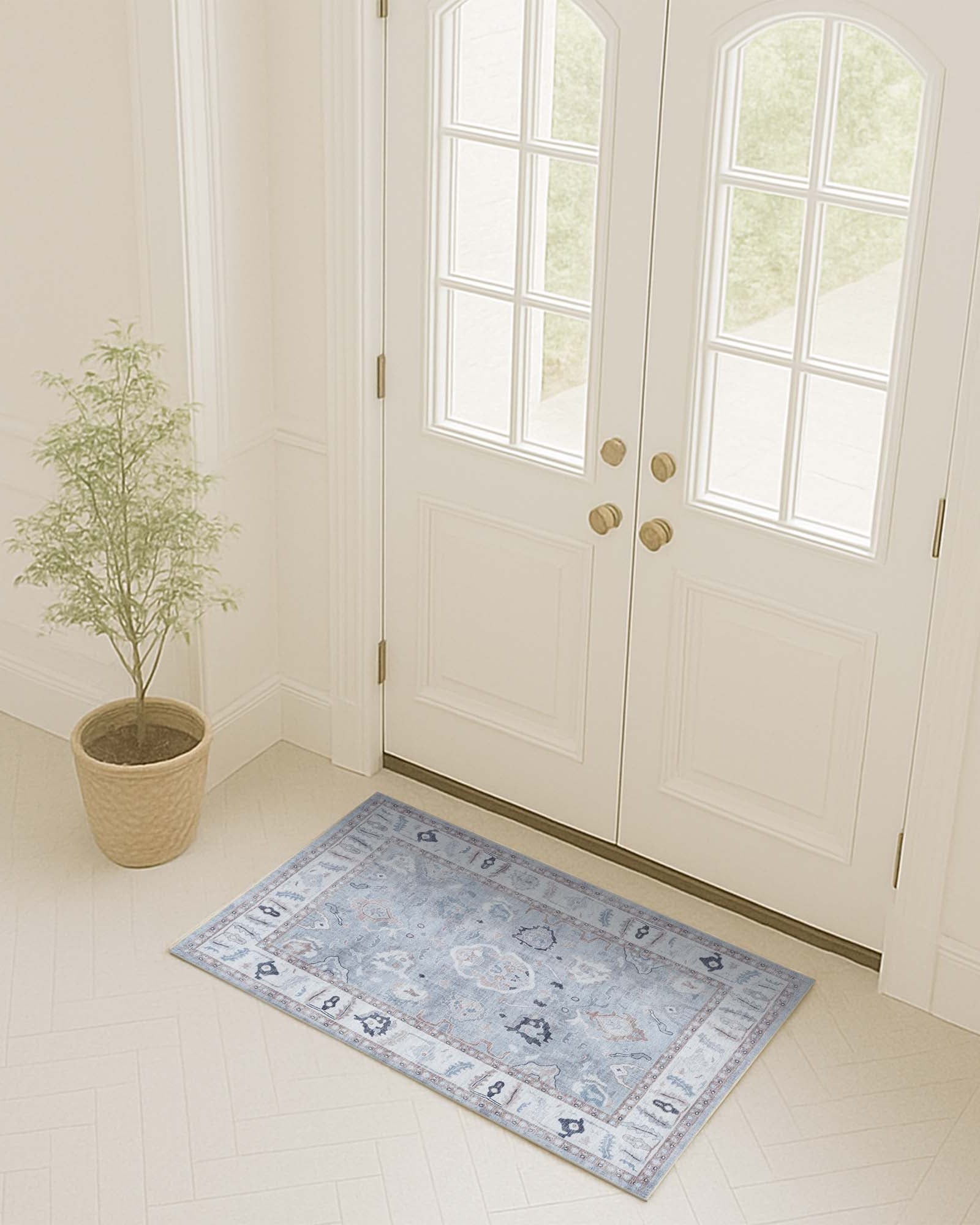
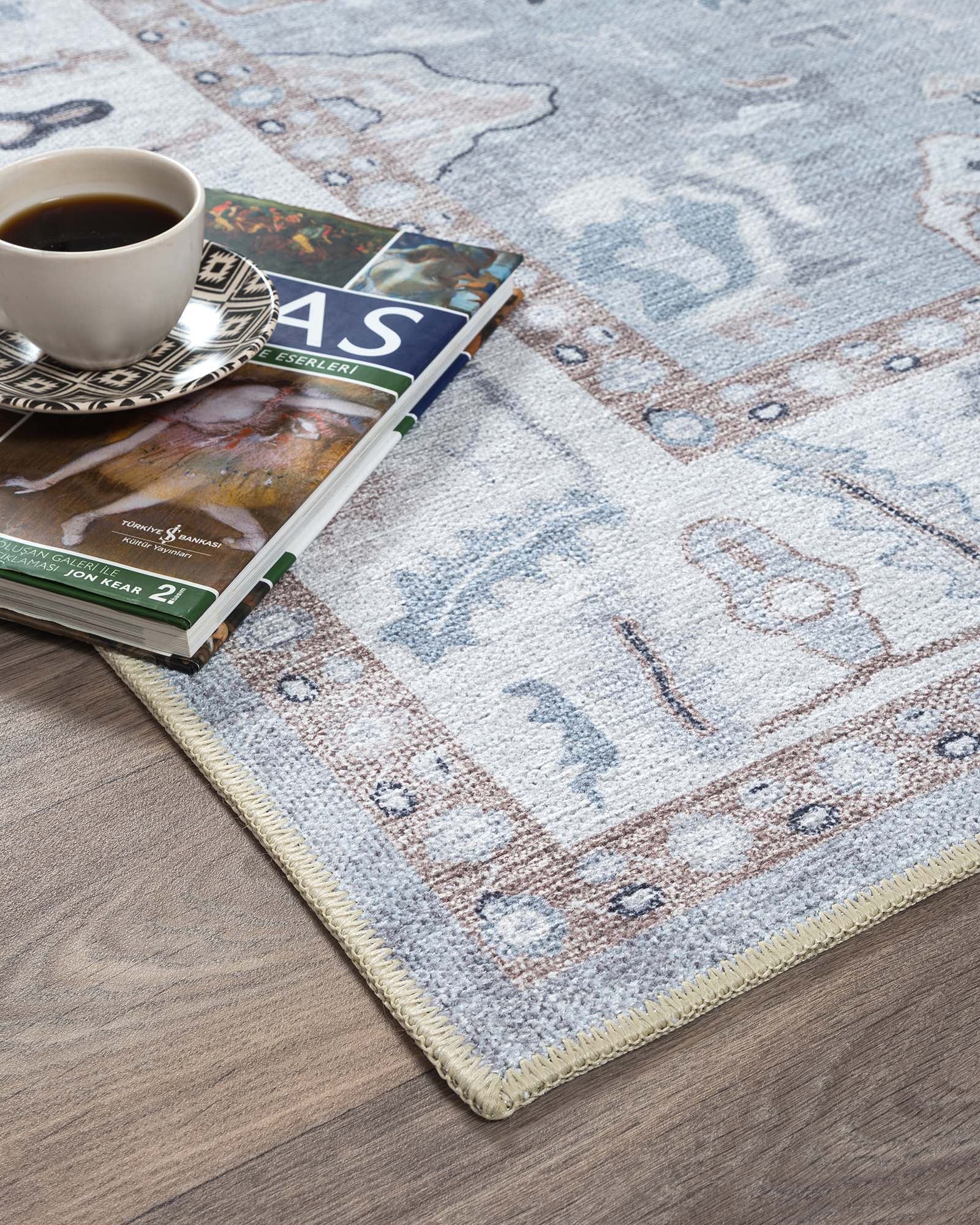
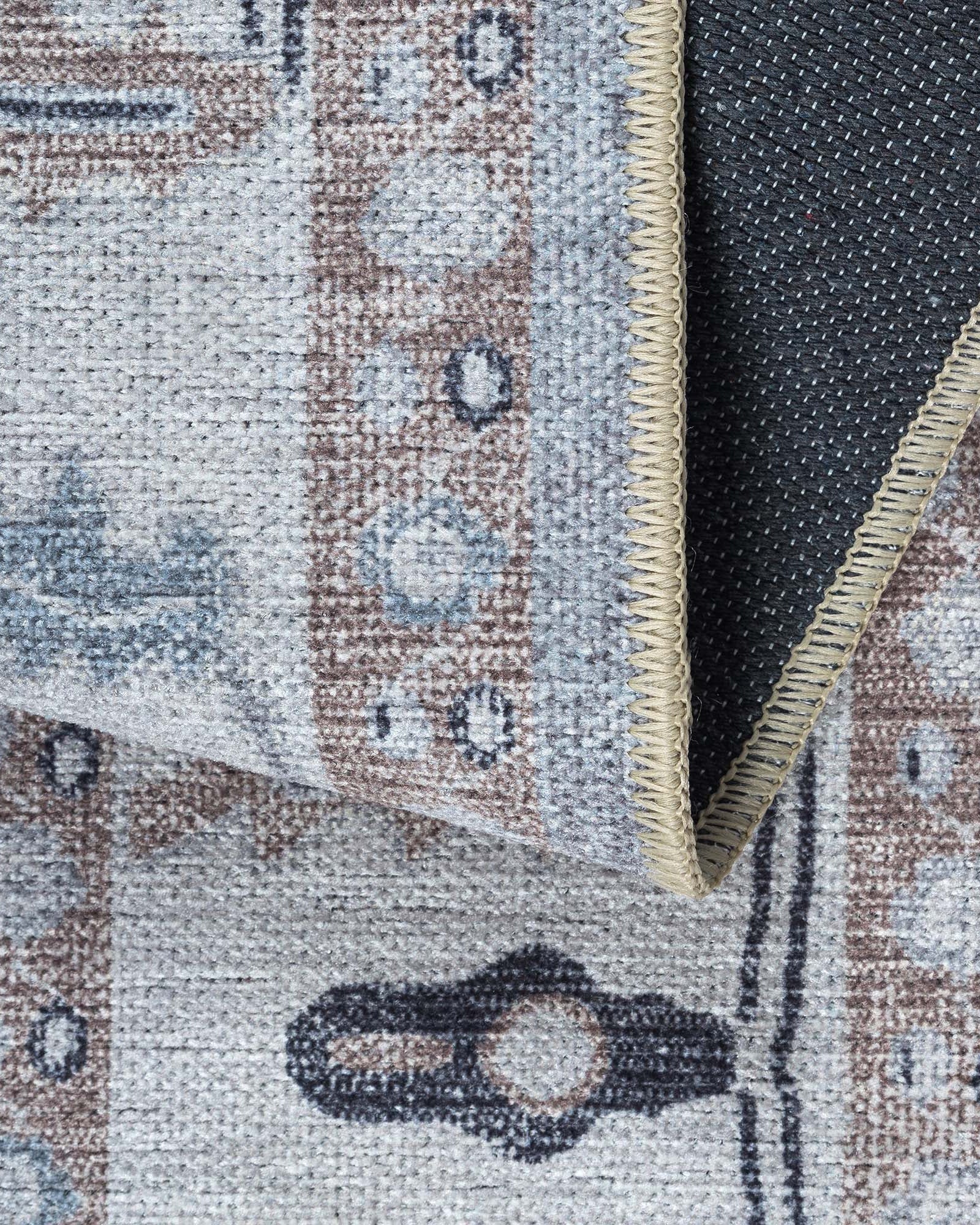
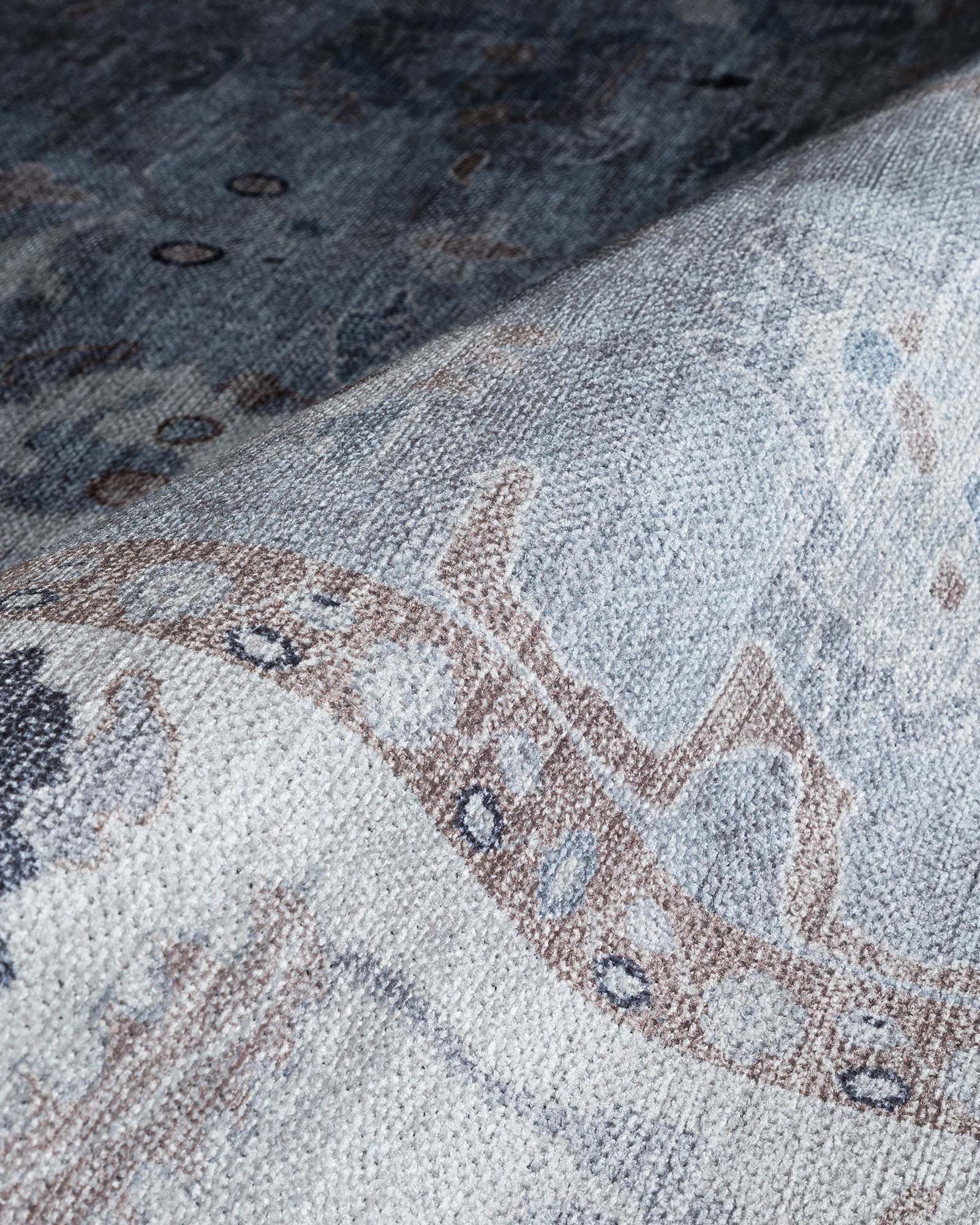
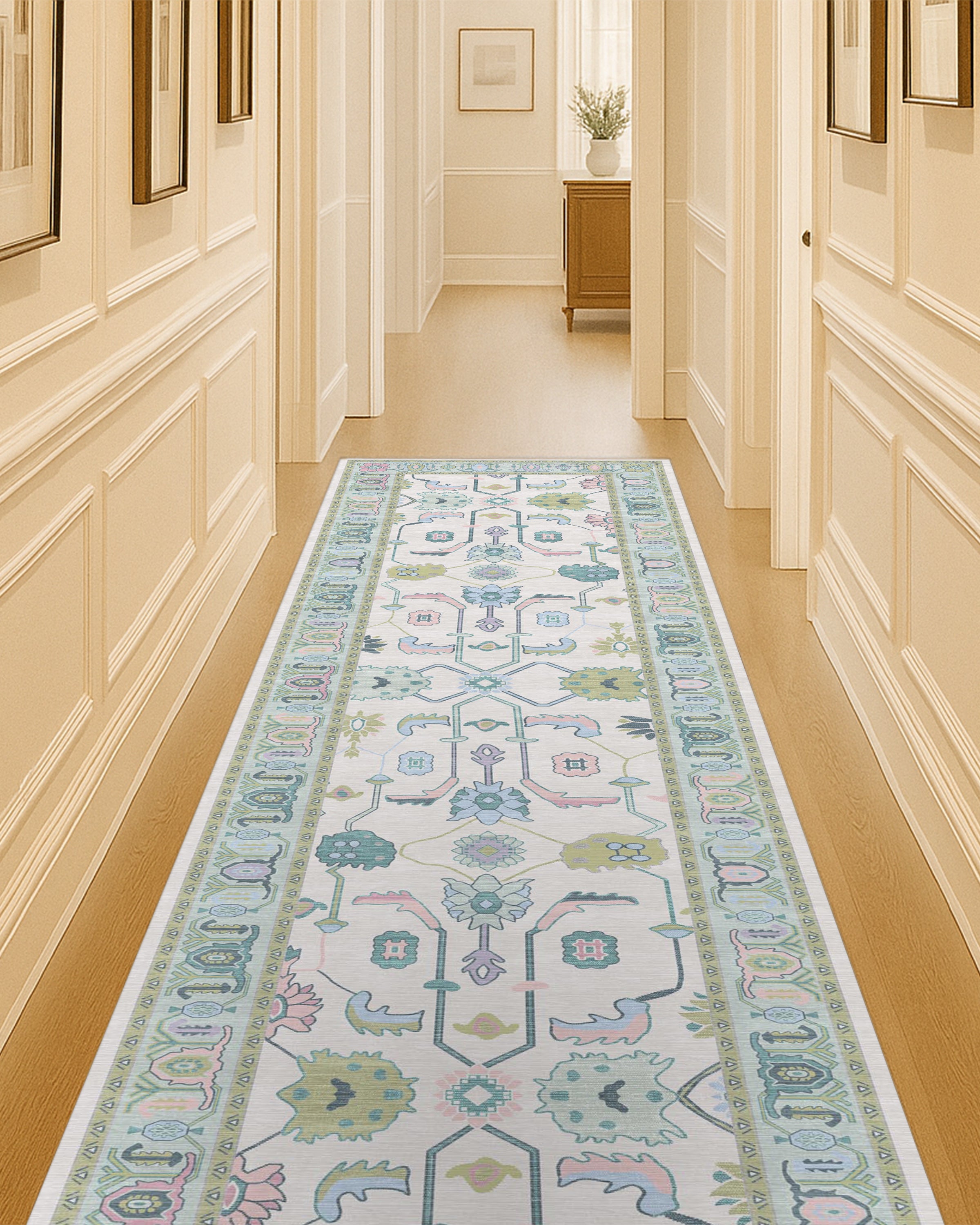
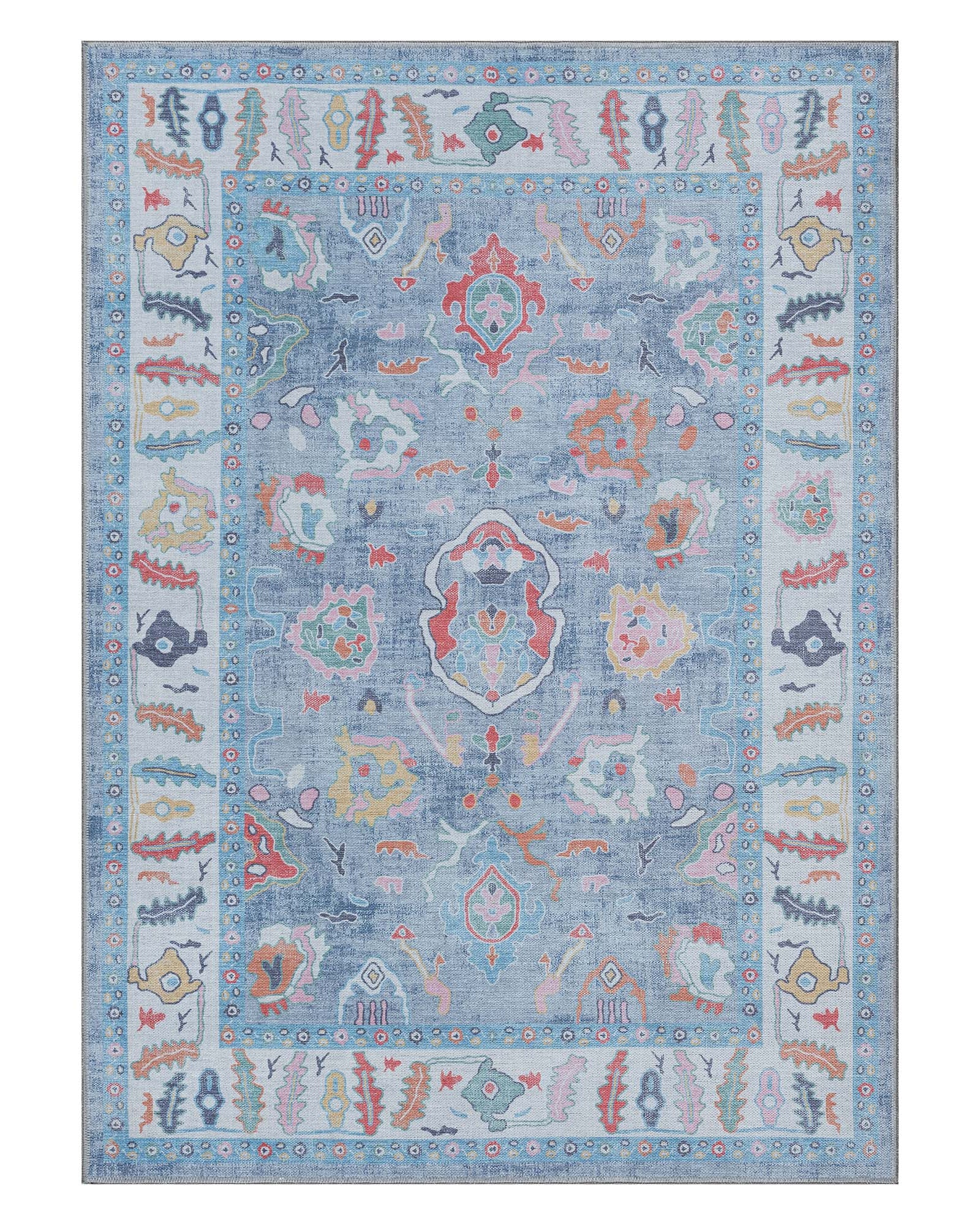
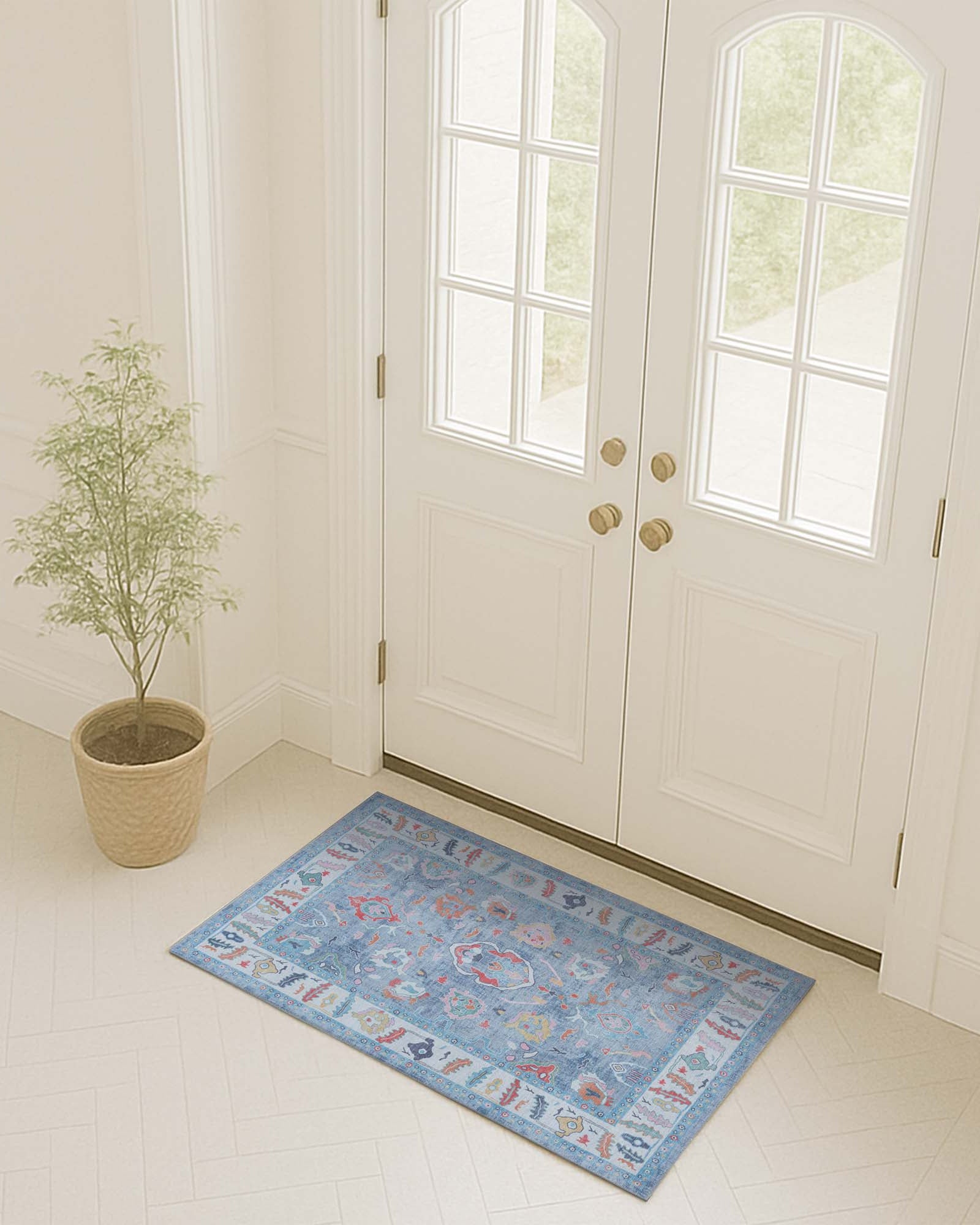
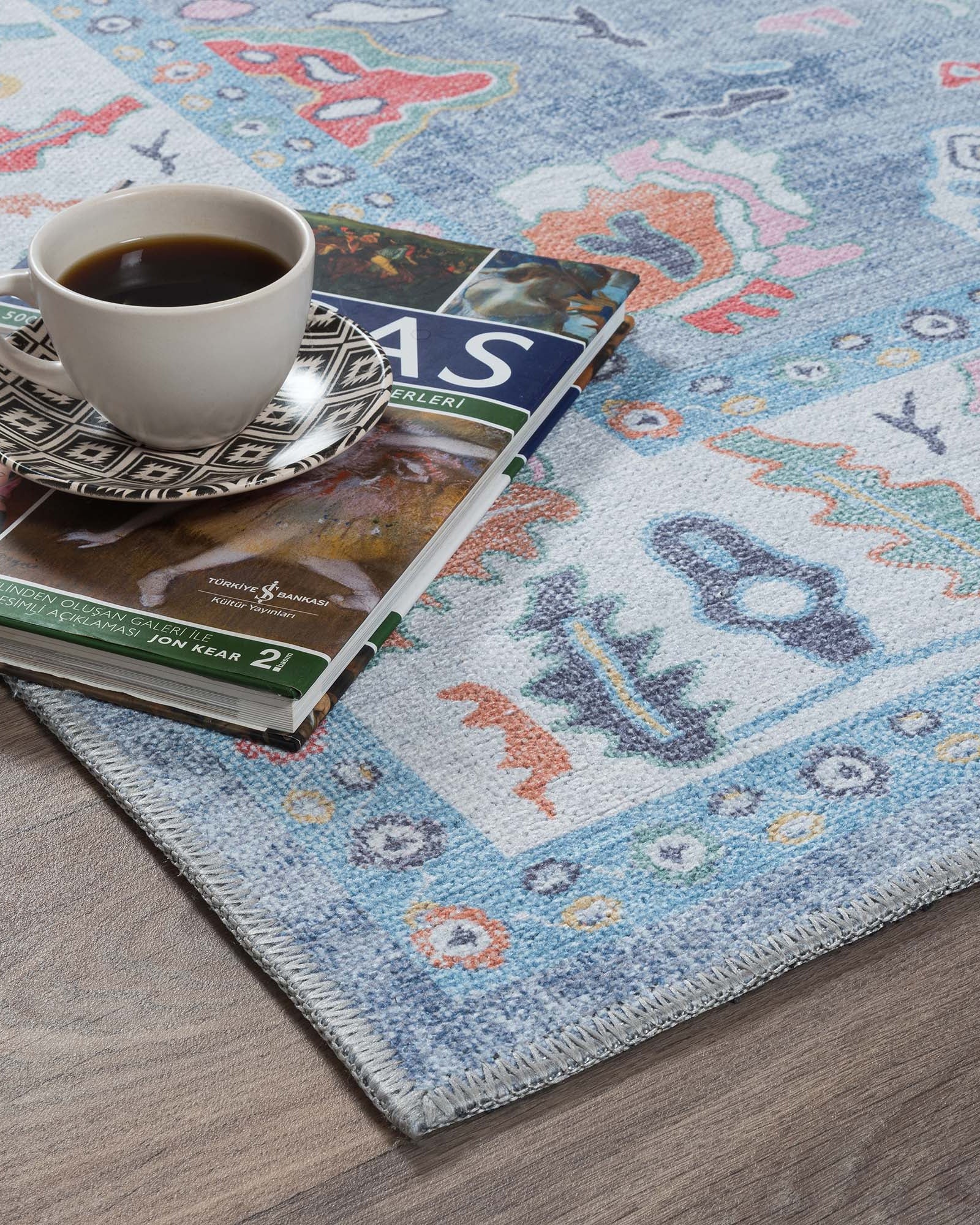
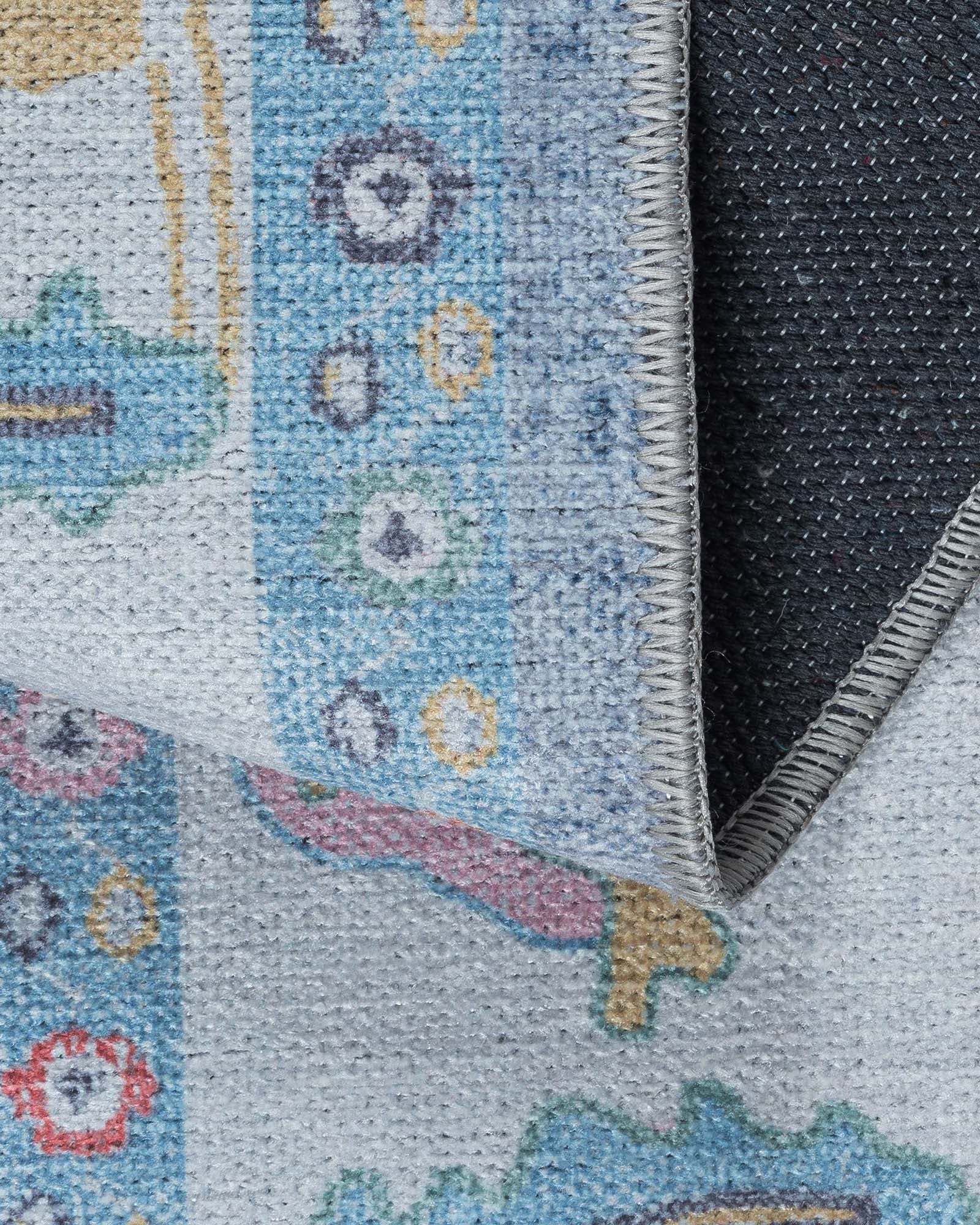
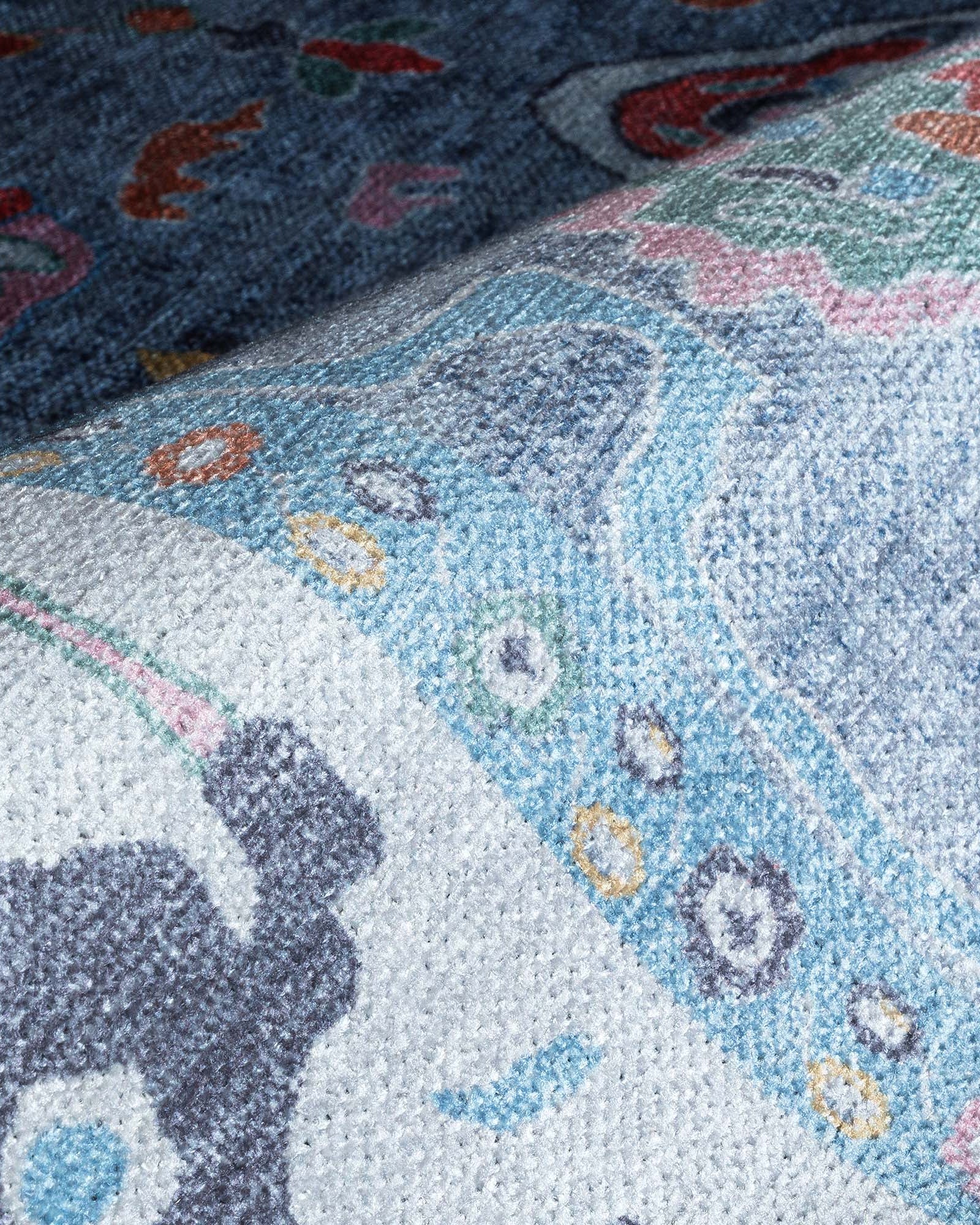
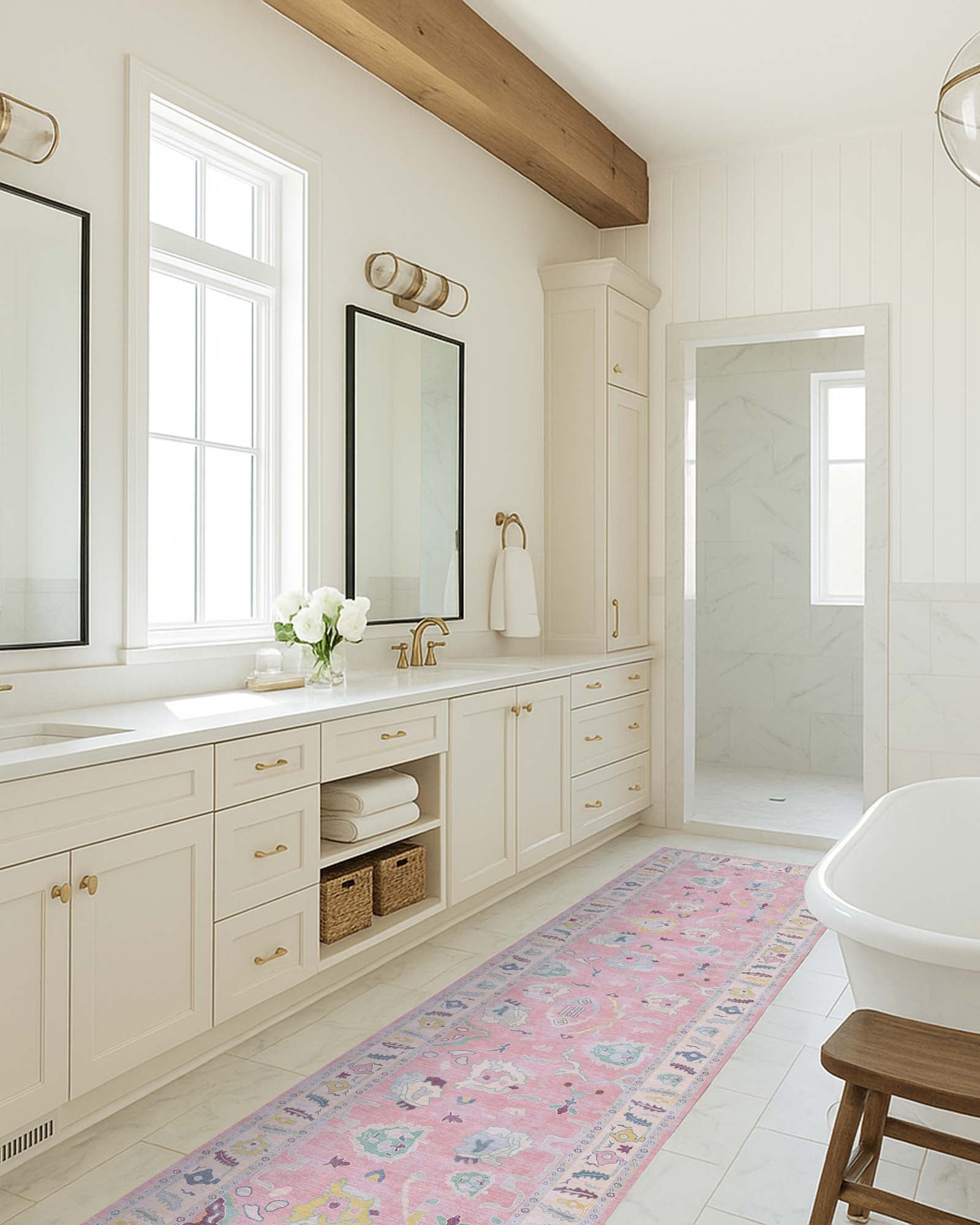
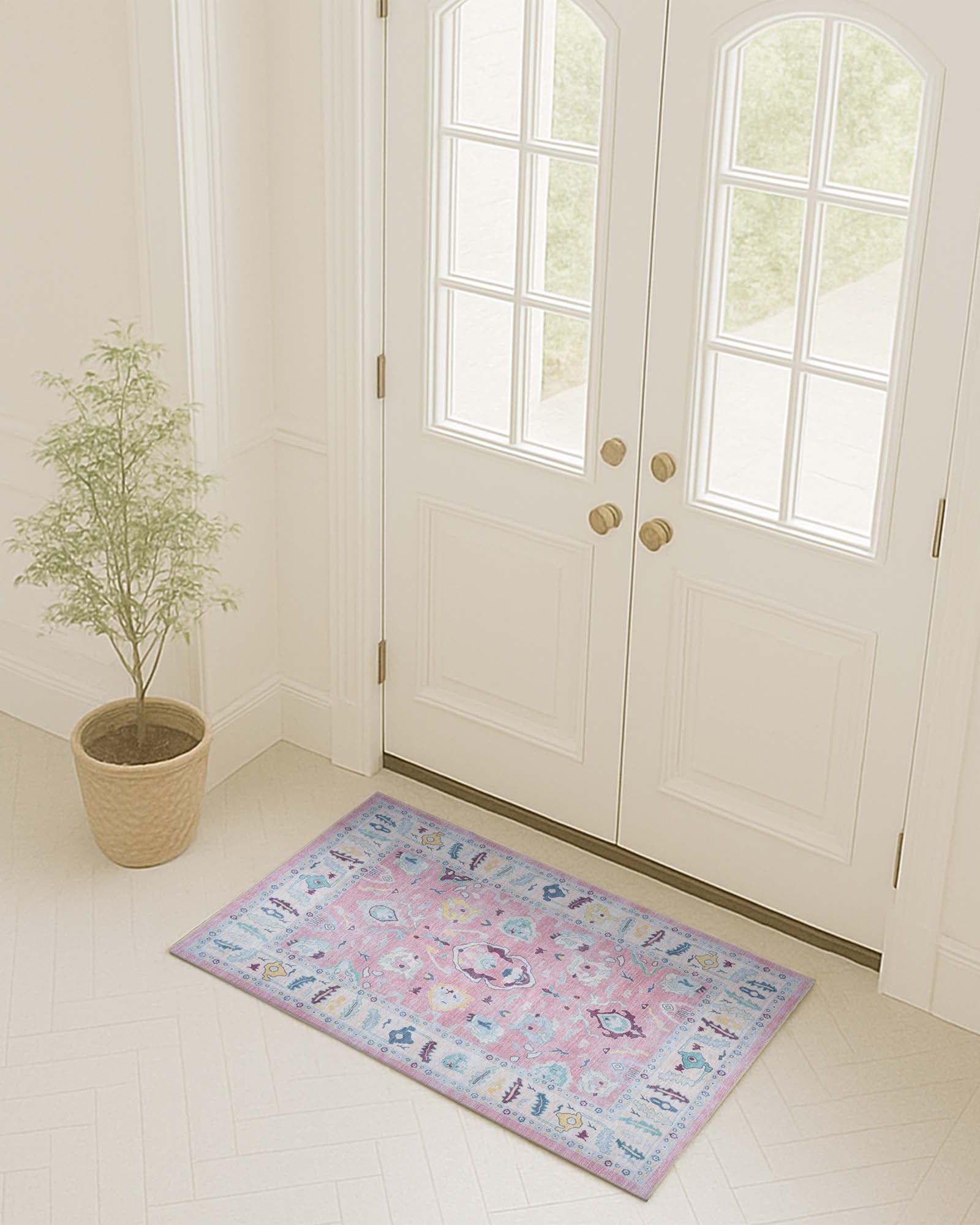
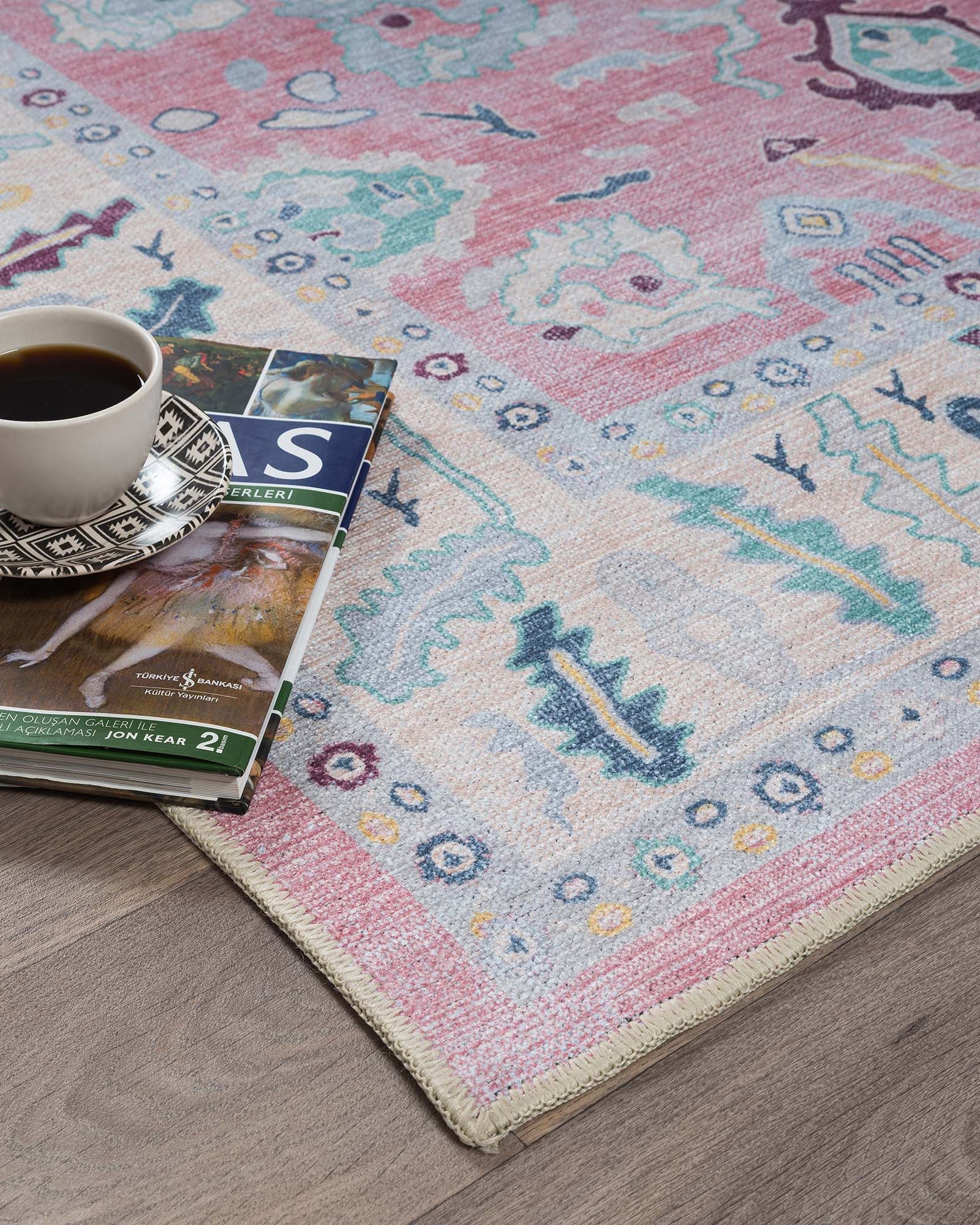
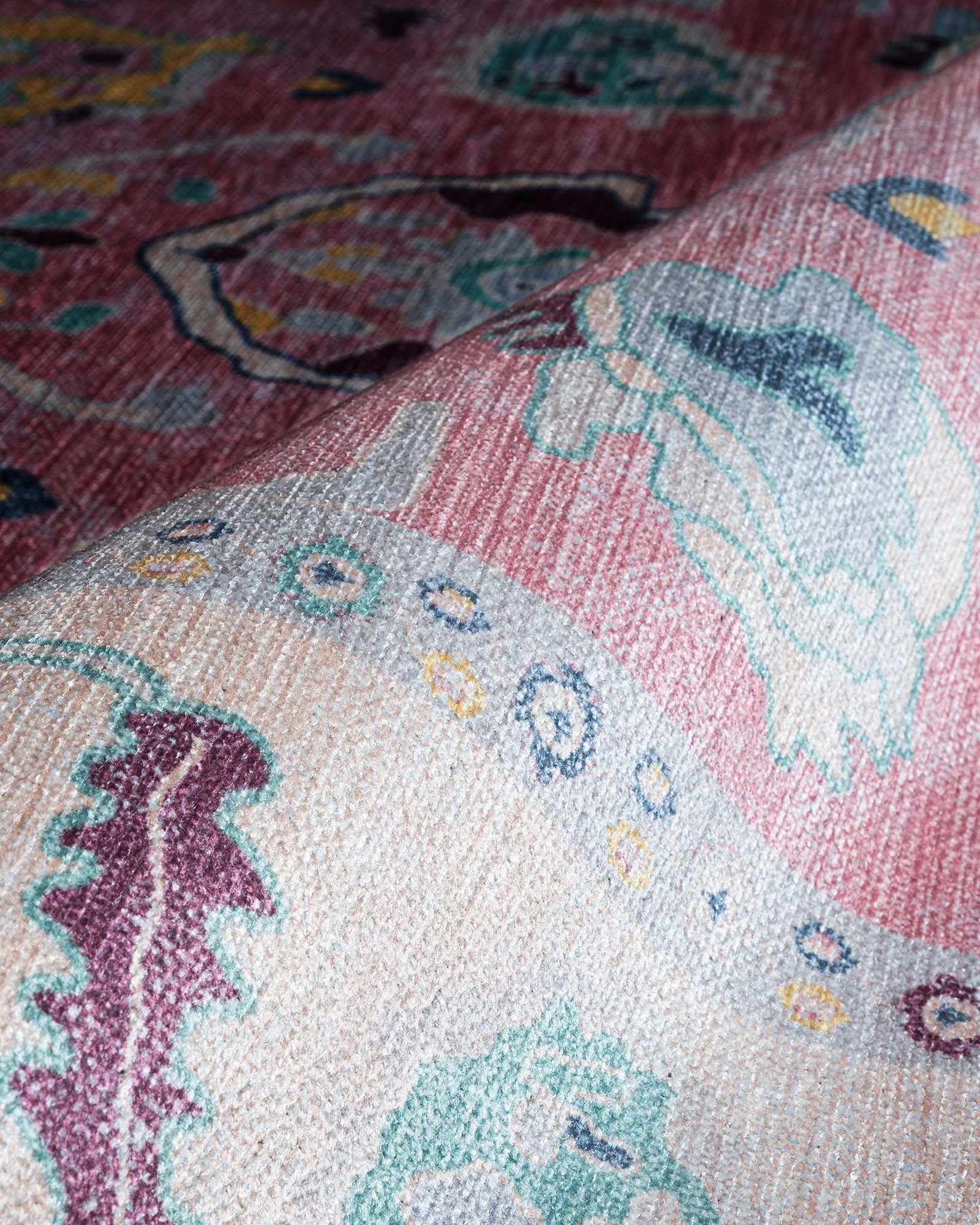
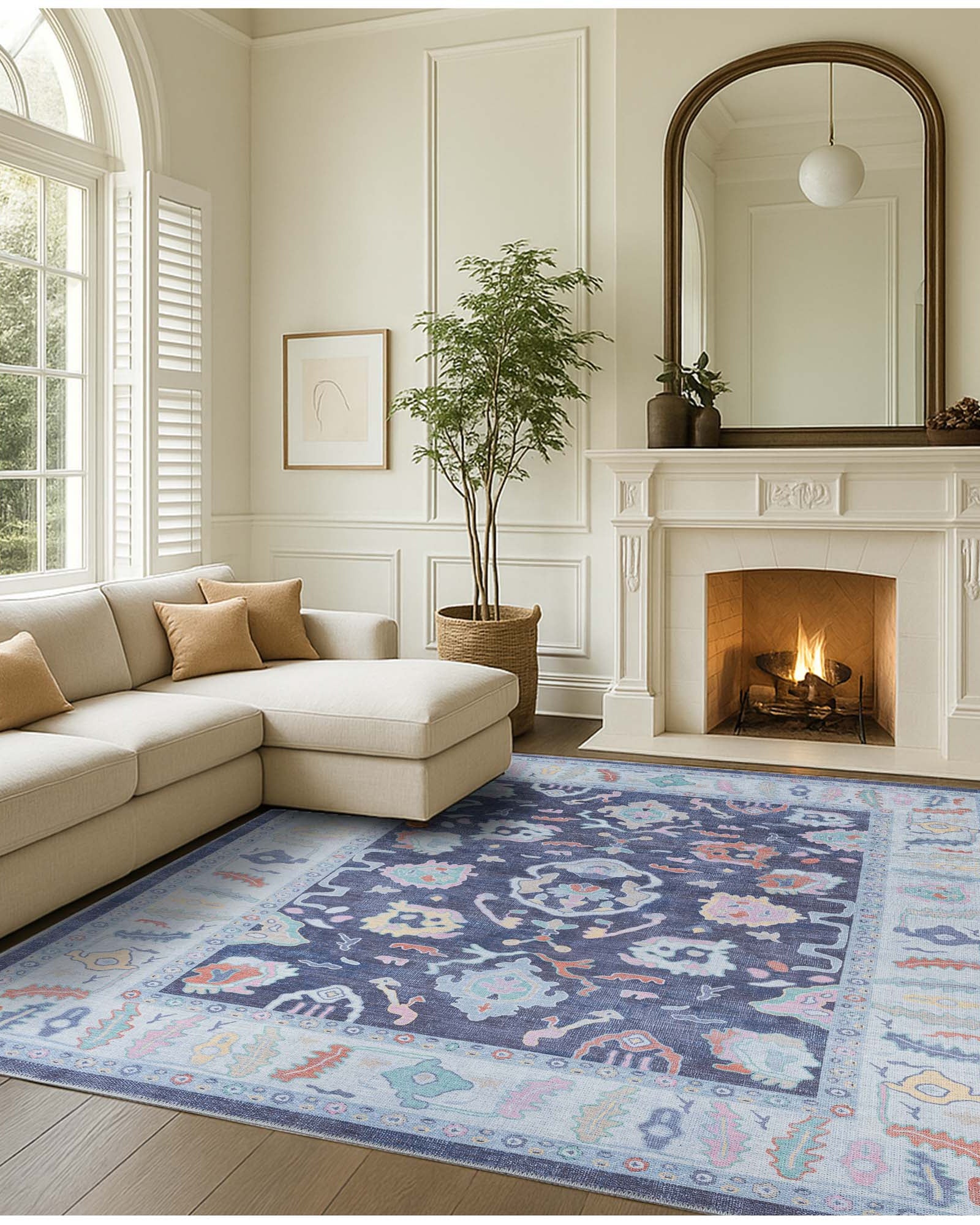
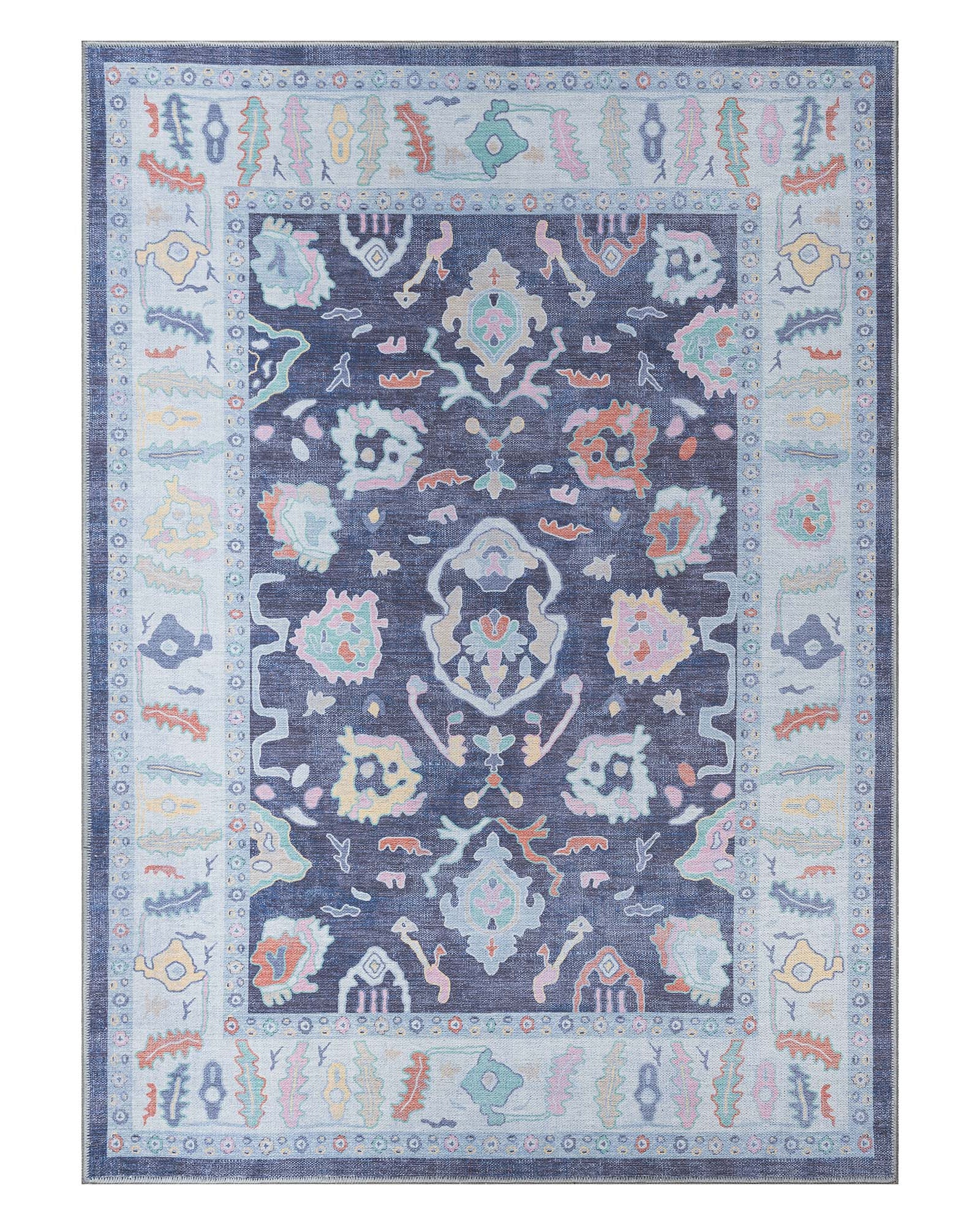
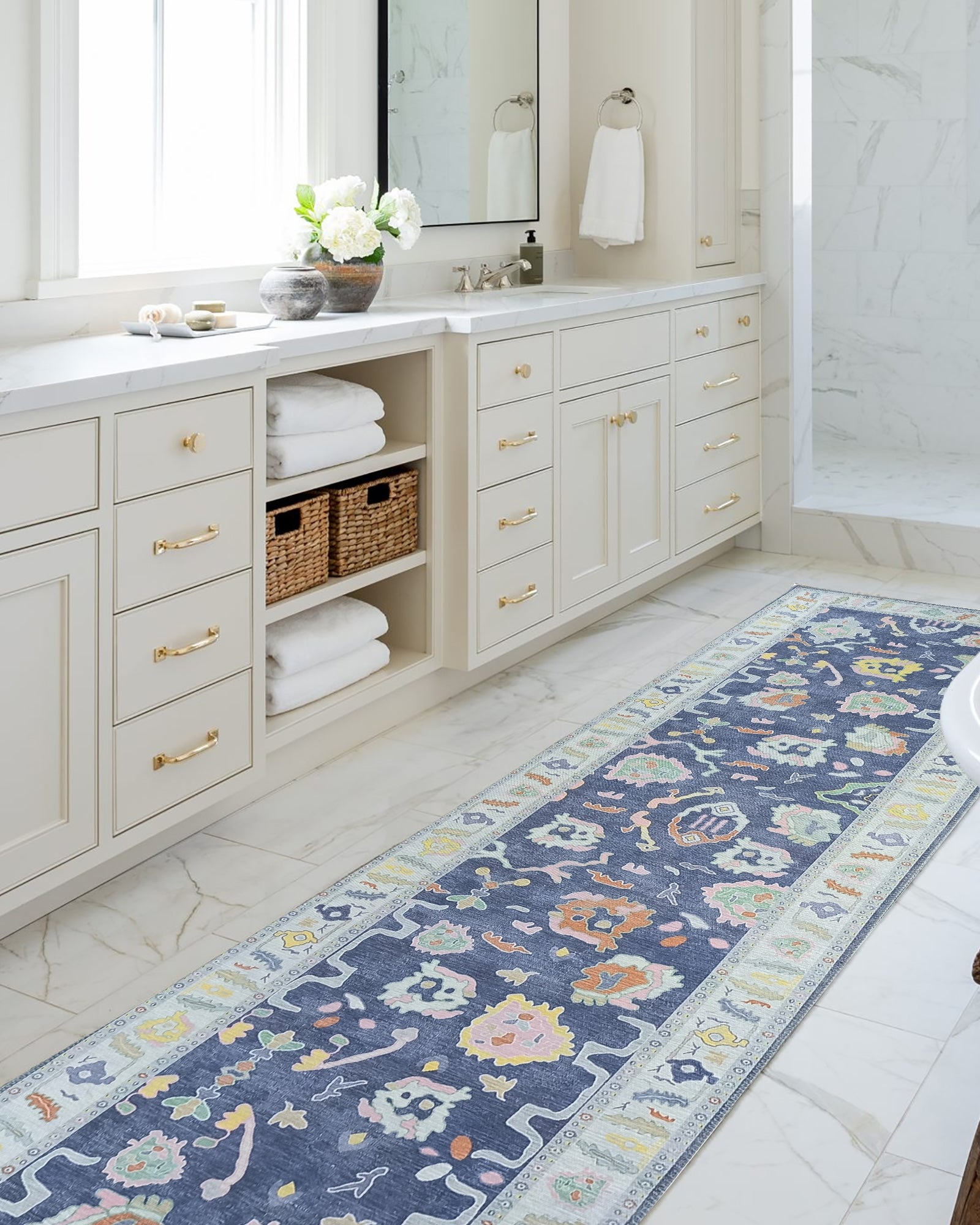
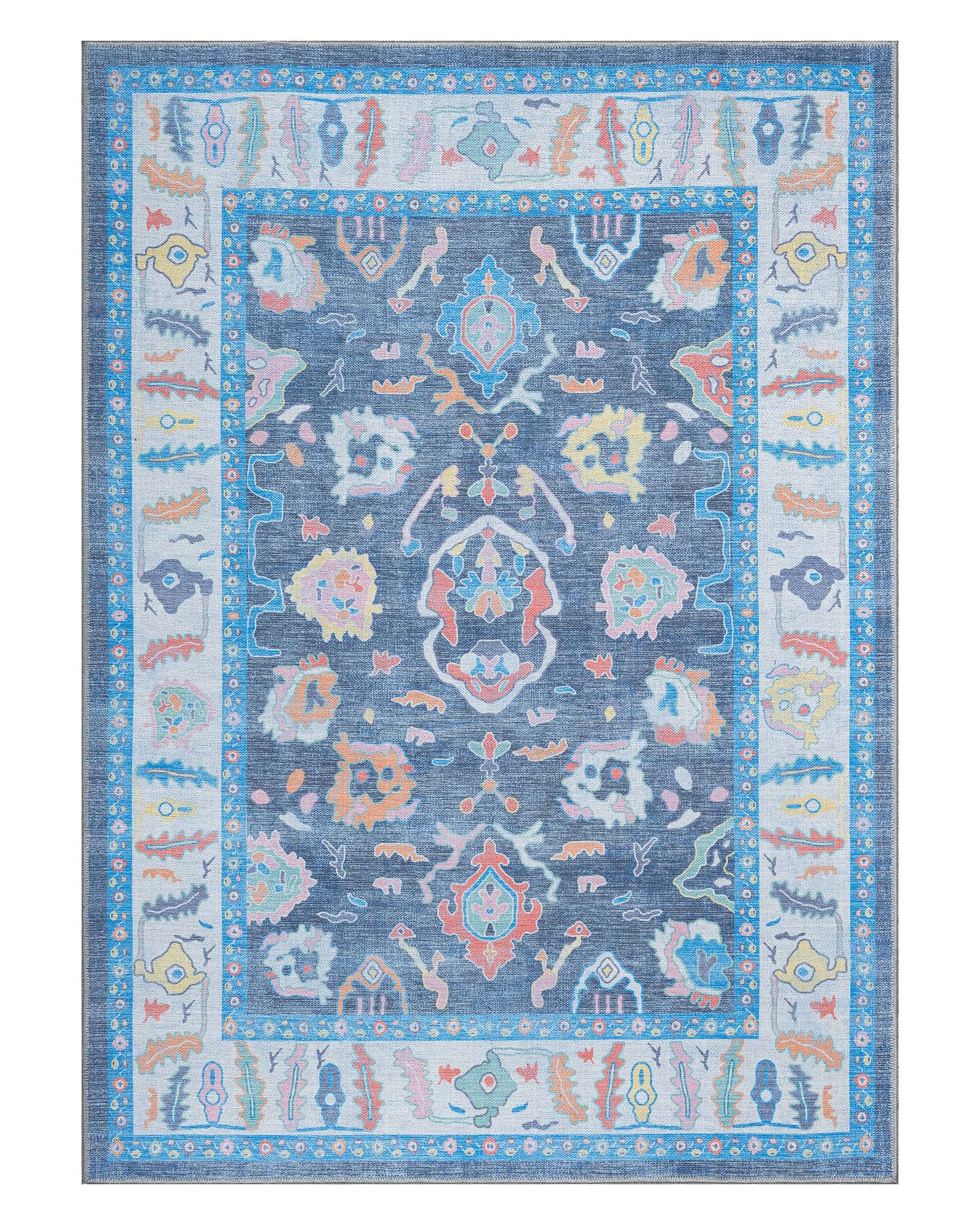
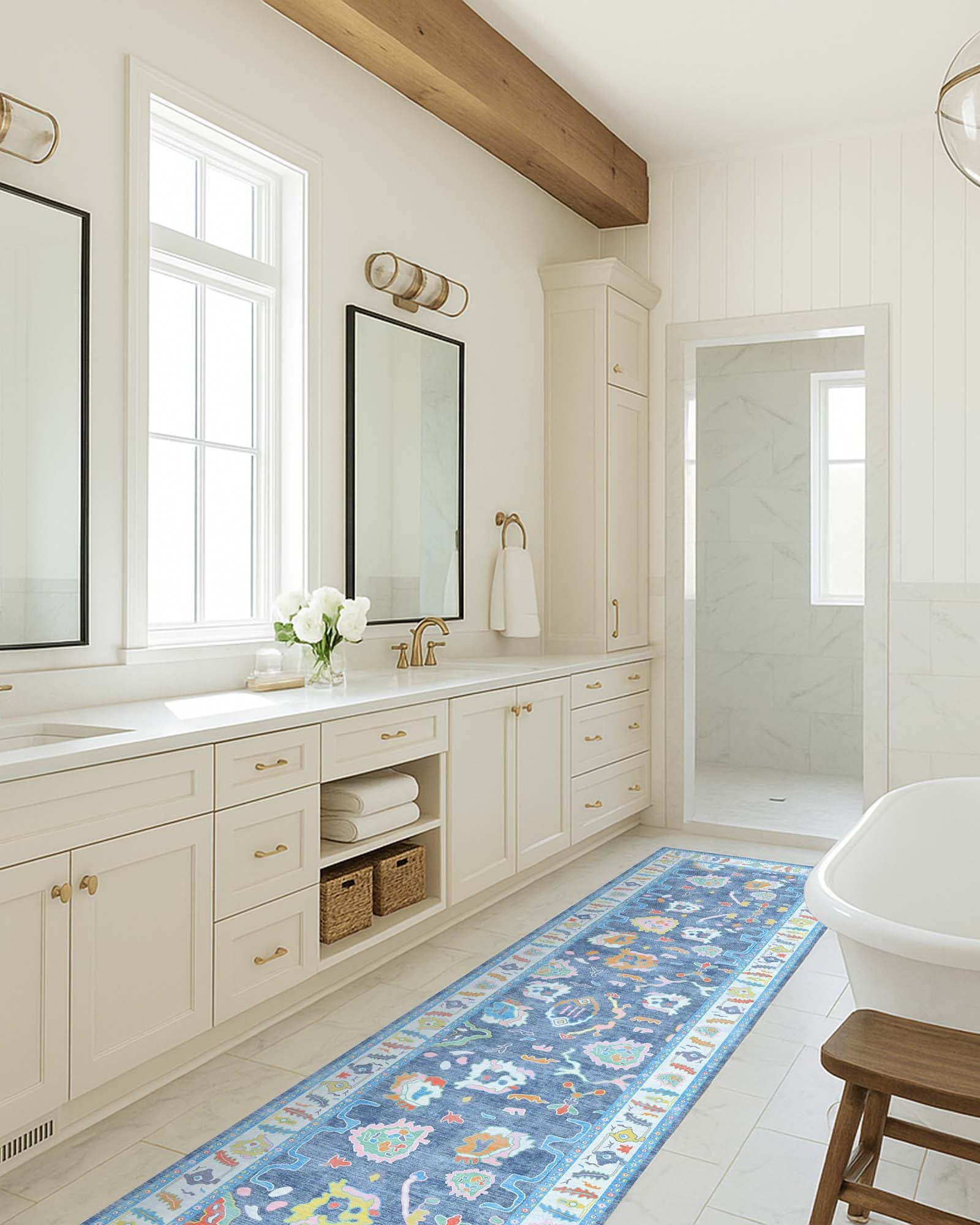
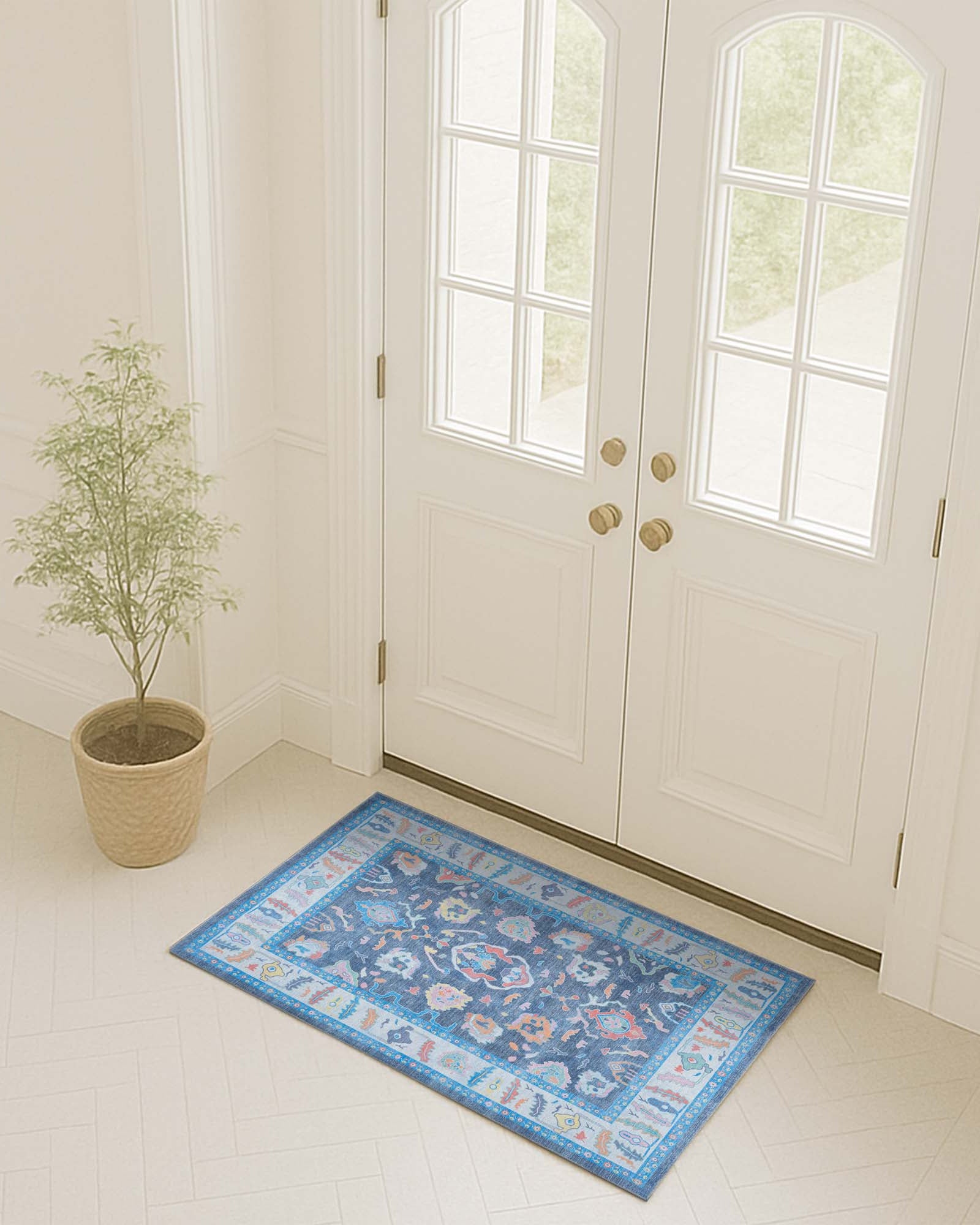
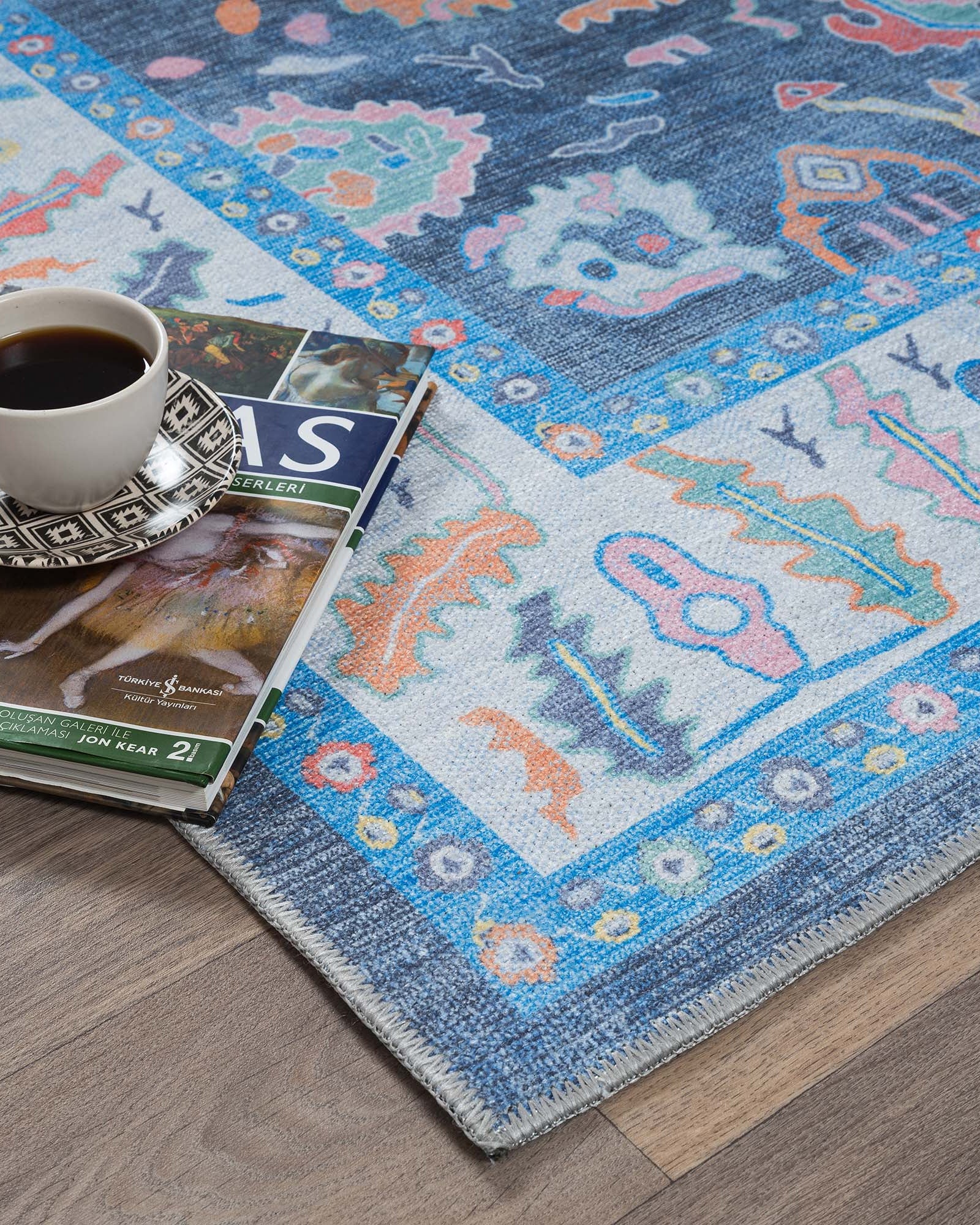
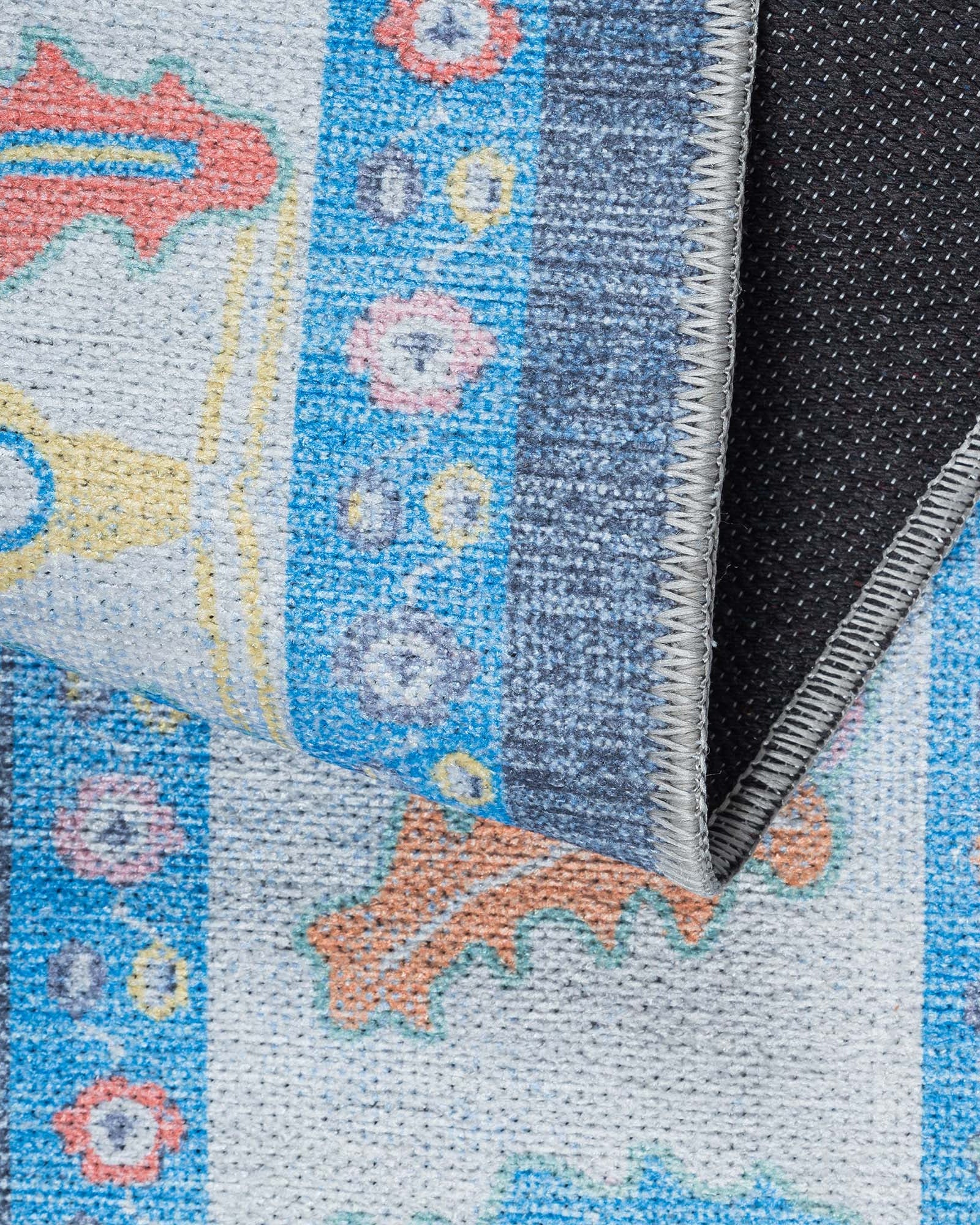
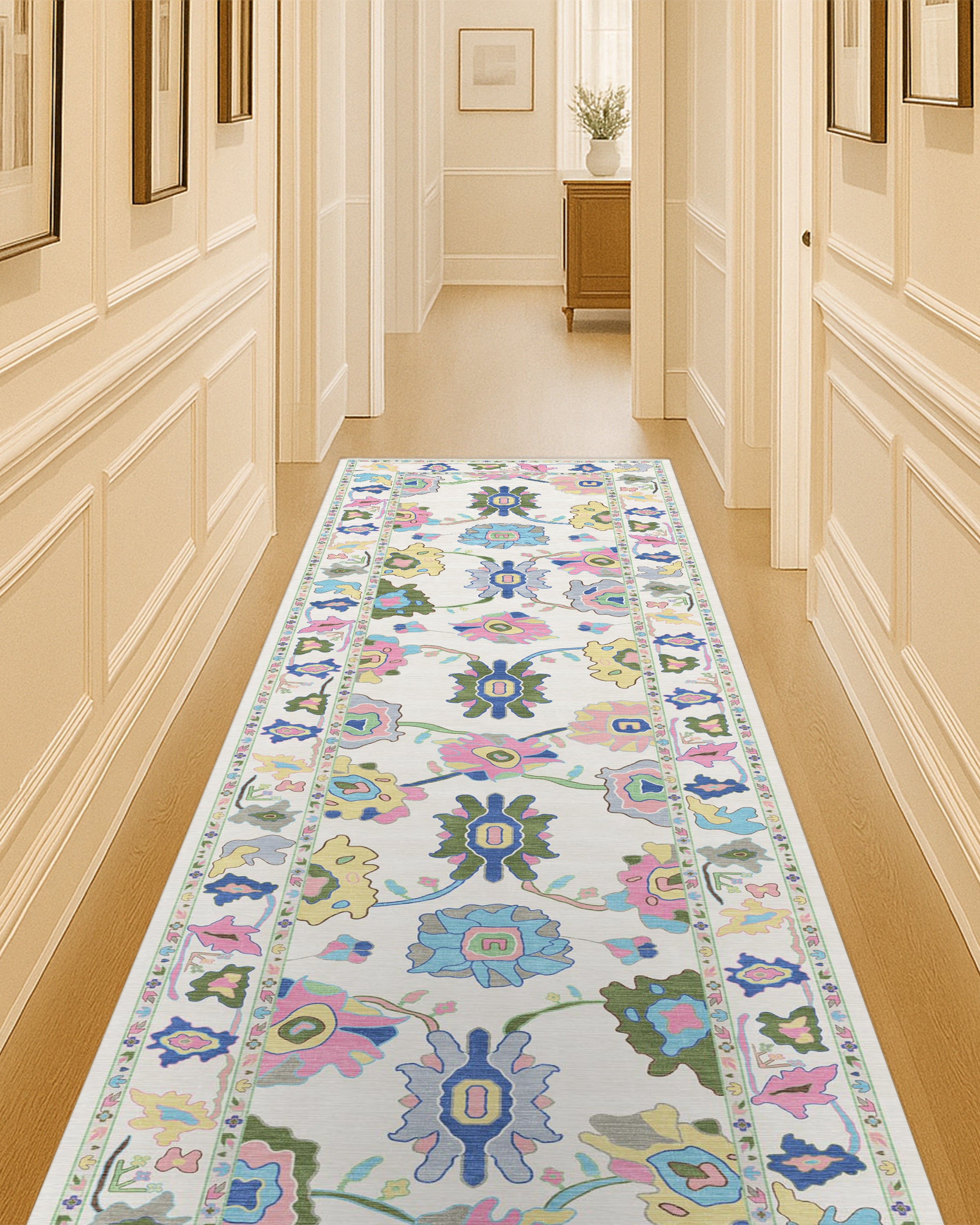
A runner is defined by proportion rather than by origin: long, narrow, and made for a corridor rather than a room. In the weaving regions of Anatolia, Persia and the Caucasus these were among the most-produced formats, because village houses were built around long passages and narrow looms were what most households had. The pieces here are original hand-knotted runners with genuine age, each sold as a single item with its true measured length.
Why Vintage Runners Are Sized the Way They Are
Modern runners come in tidy increments — 2'6" x 8', 2'6" x 10', 2'6" x 12'. Vintage runners do not. Loom width fixed the rug's width at whatever the weaver's frame allowed, usually somewhere between 2 and 3'6", and the length was decided by the corridor it was made for or by how much warp was on the loom. The result is a catalogue of odd, specific sizes: 2'8" x 9'4", 3'2" x 13'6", 2'4" x 7'9". Opposite edges commonly differ by an inch or more because loom tension shifted over months of weaving.
This is why measuring before you buy matters more in this collection than in any other. Measure your hallway length and width, then work from the exact figures on each product page rather than the rounded size label.
Extra-Long Runners
Pieces over 12 feet are genuinely scarce, because long runs required a long warp, an uninterrupted commitment on the loom and a buyer with a corridor that size. If you have a long hallway, the practical alternative is to run two shorter runners end to end with a small gap between them — a common and visually settled solution that also means you are not depending on one rare size appearing.
Where They Come From
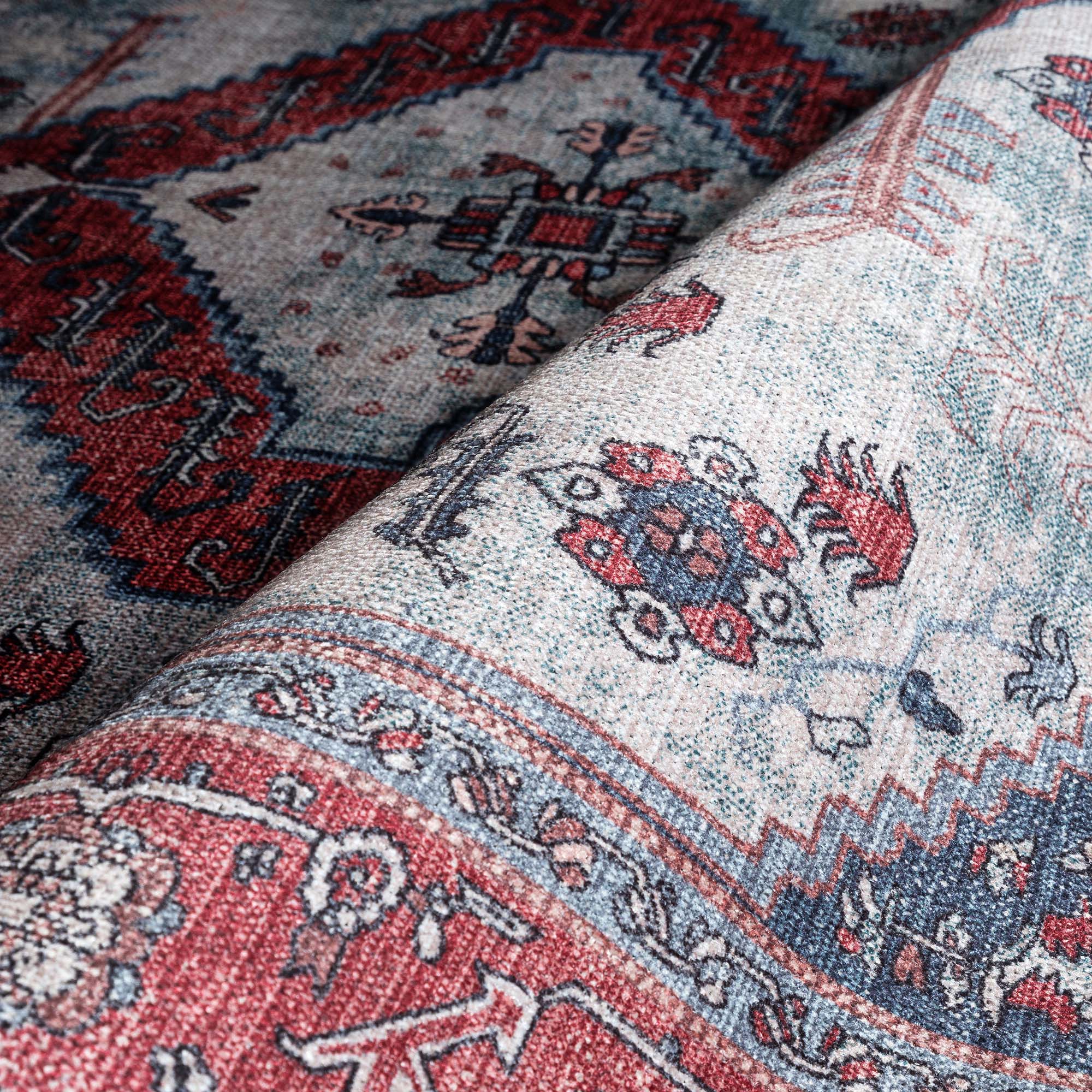
Western Persian villages — Malayer, Hamadan, Sarouk — produced the largest share of vintage runners, typically single-wefted, sturdy, and patterned with small repeating boteh or Herati motifs across the field. Anatolian runners lean geometric, with stacked medallions or repeating lozenges in madder red, indigo and ivory. Caucasian and Kurdish runners are the most boldly drawn, often built on a column of hooked medallions. Flatwoven kilim runners are thinner and fully reversible, and sit lower than any pile runner.
Fitting a Runner Properly
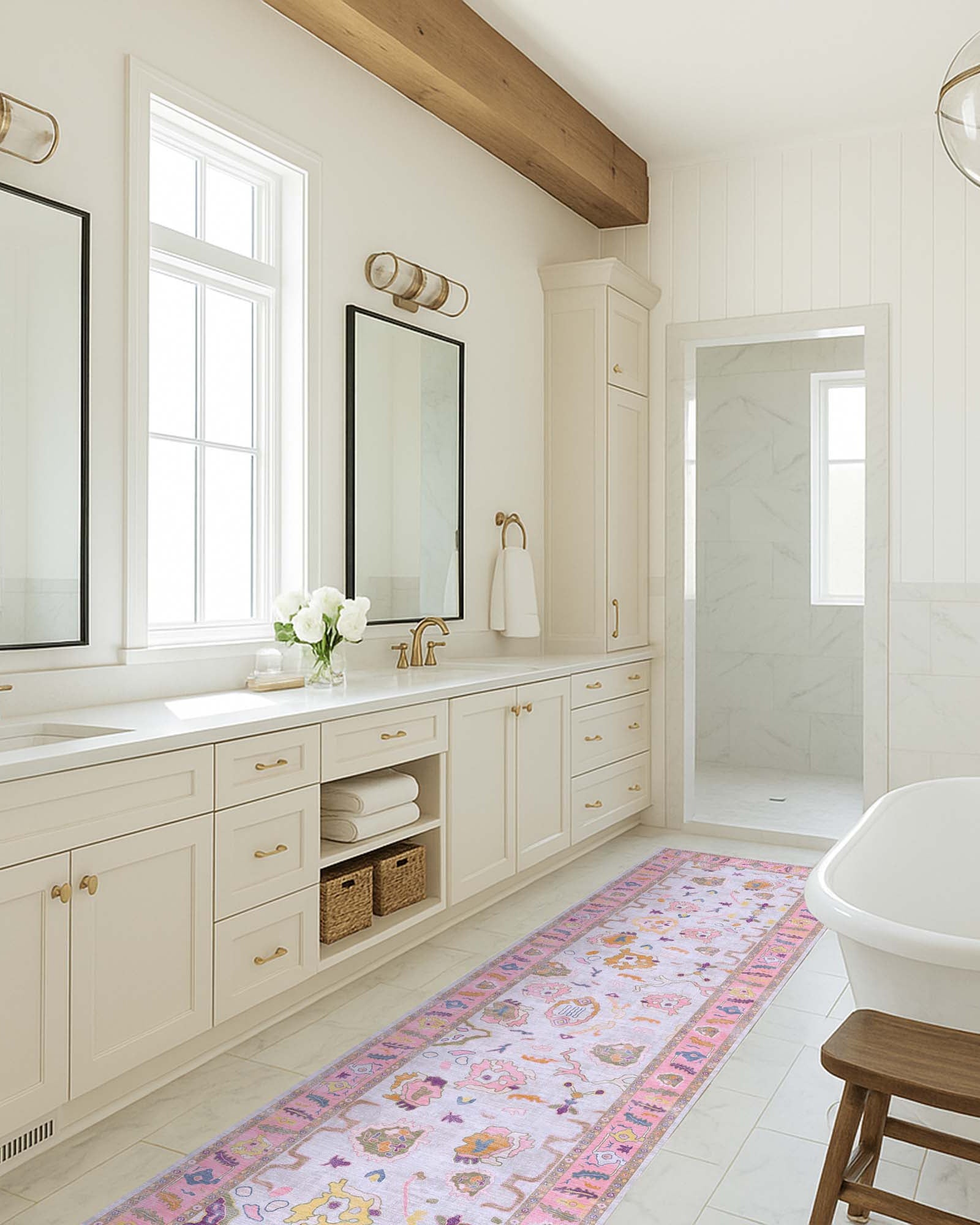
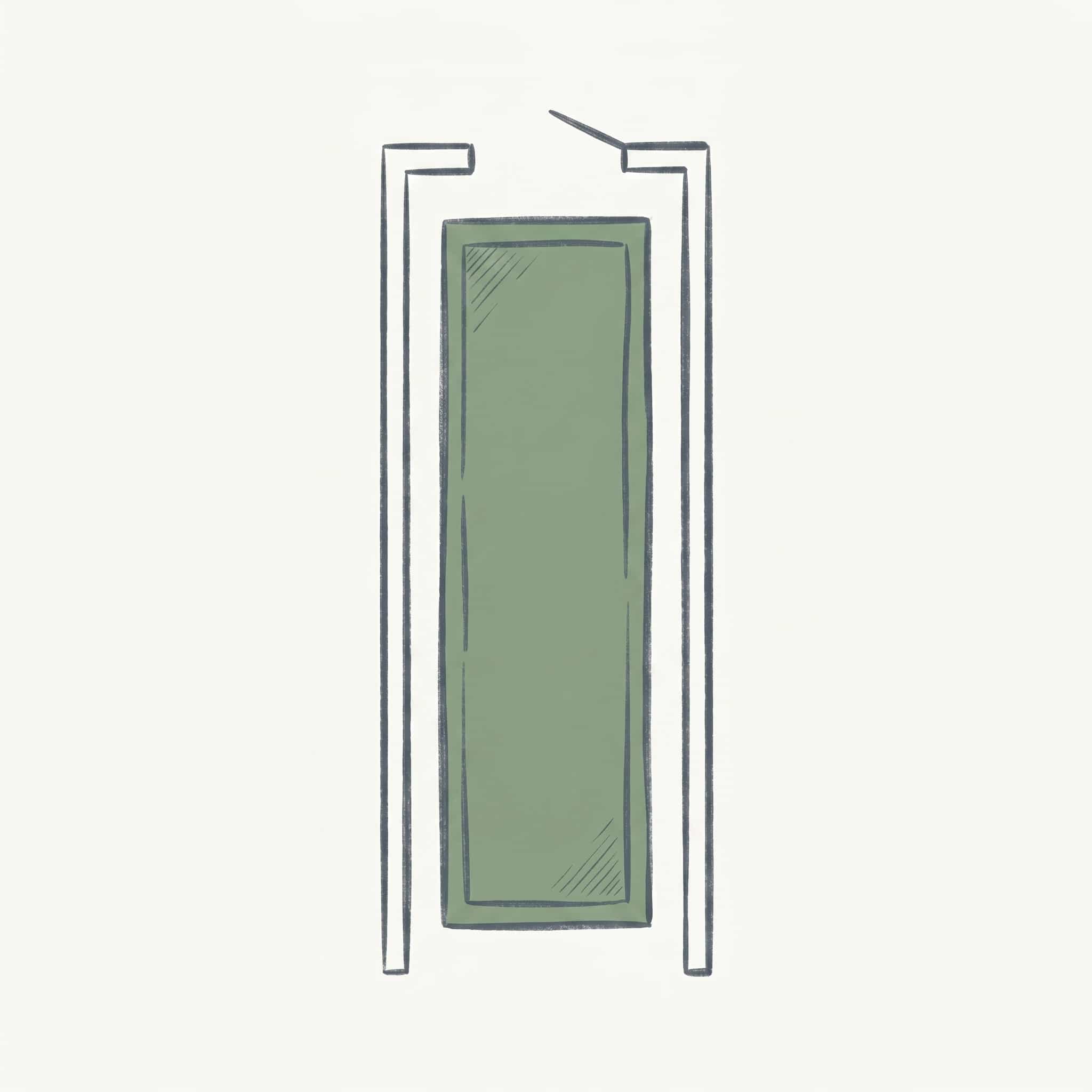
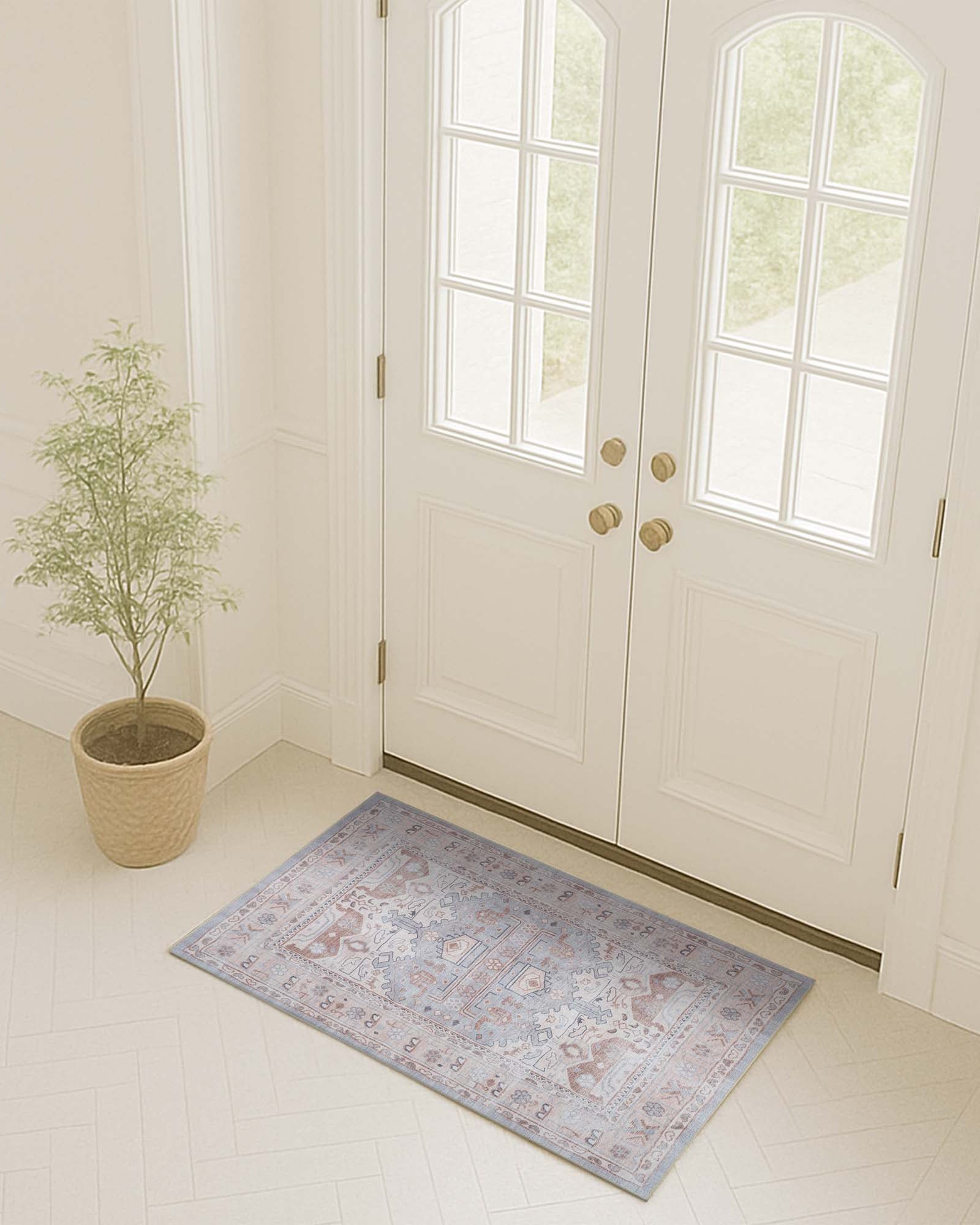
Leave 4 to 6 inches of visible floor on each side of the runner. Wall-to-wall in a corridor looks like broadloom carpet and makes the passage feel narrower; even margins do the opposite. At the ends, stop 6 to 12 inches short of the wall or doorway rather than pushing the rug tight against it.
Kitchens
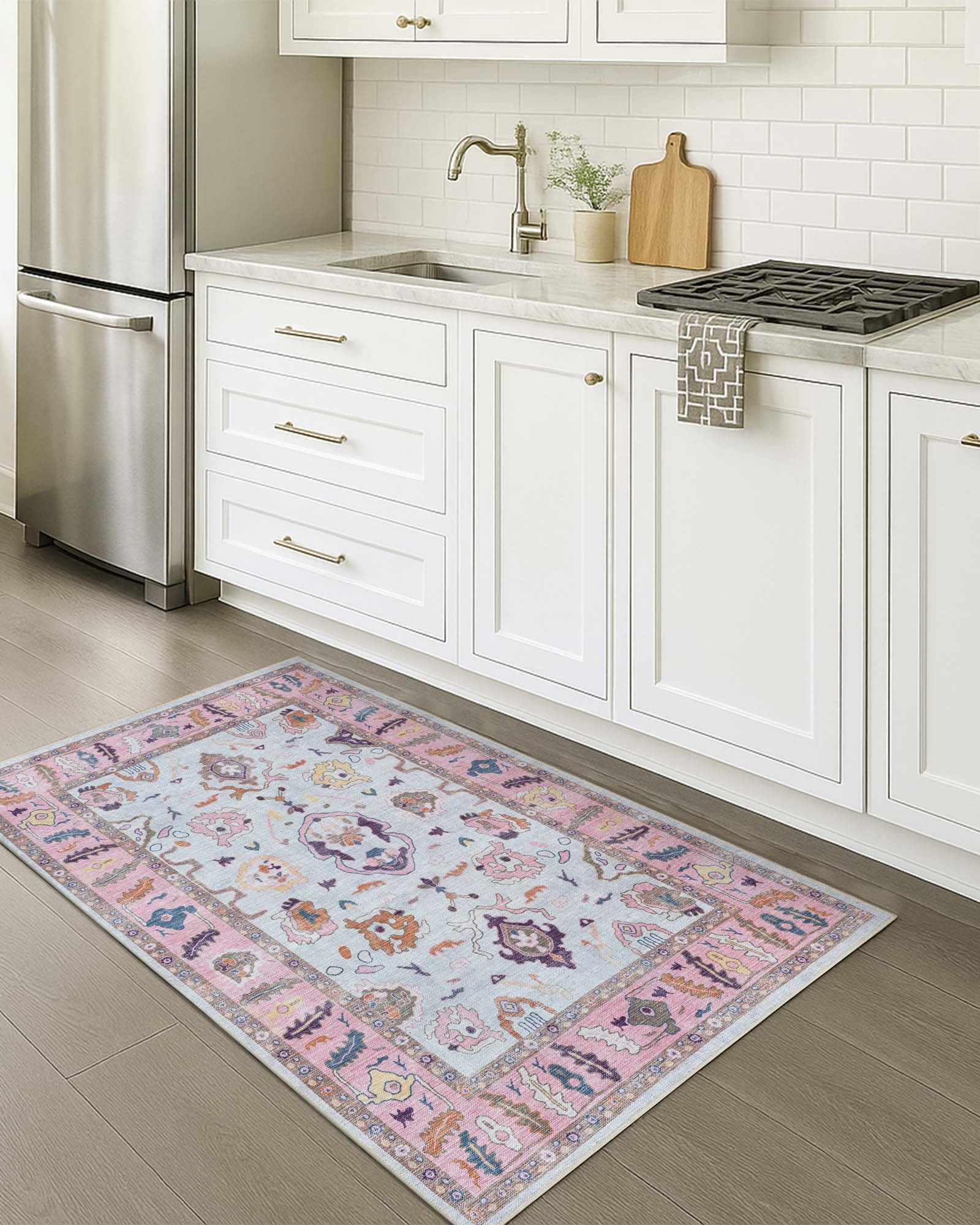
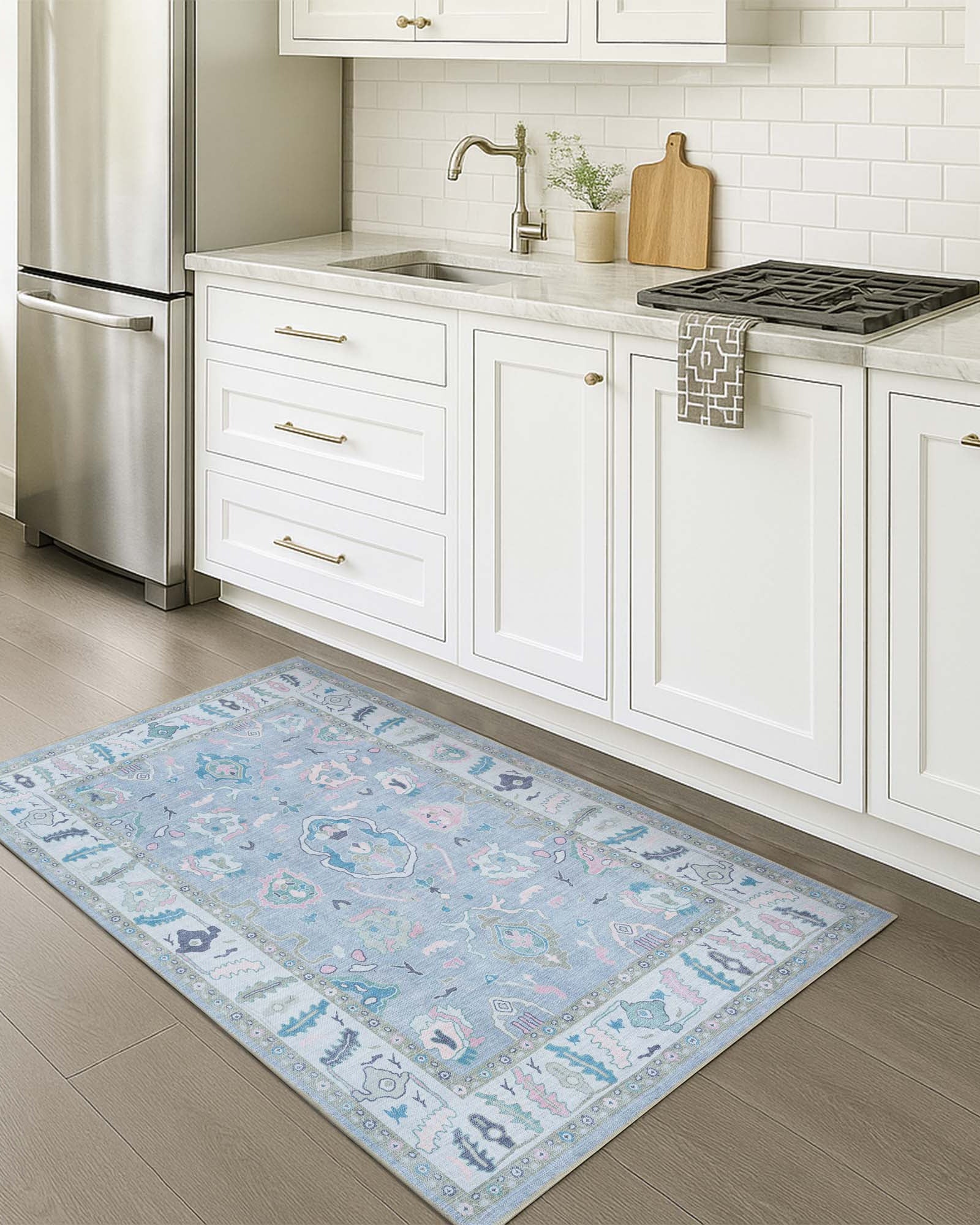
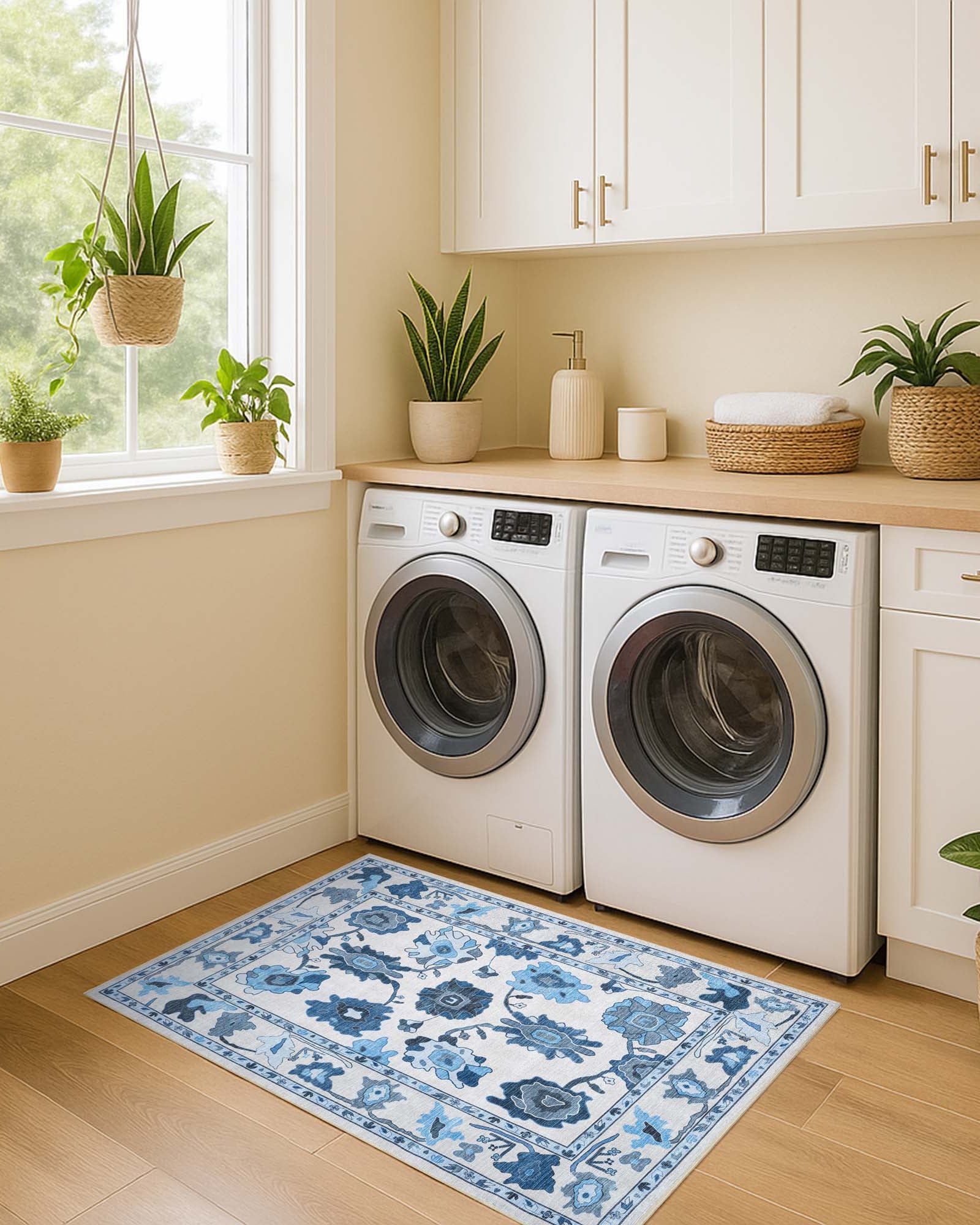
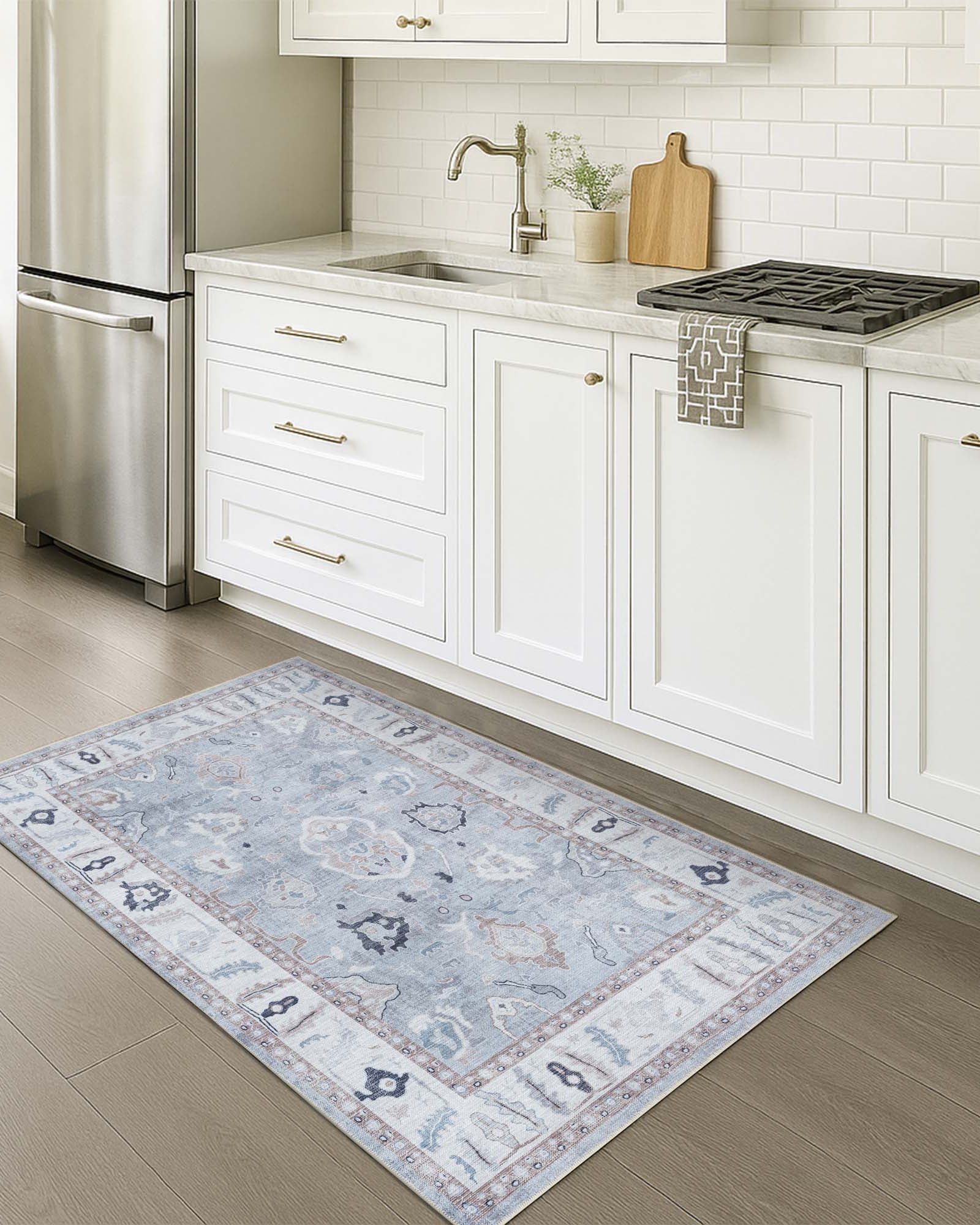
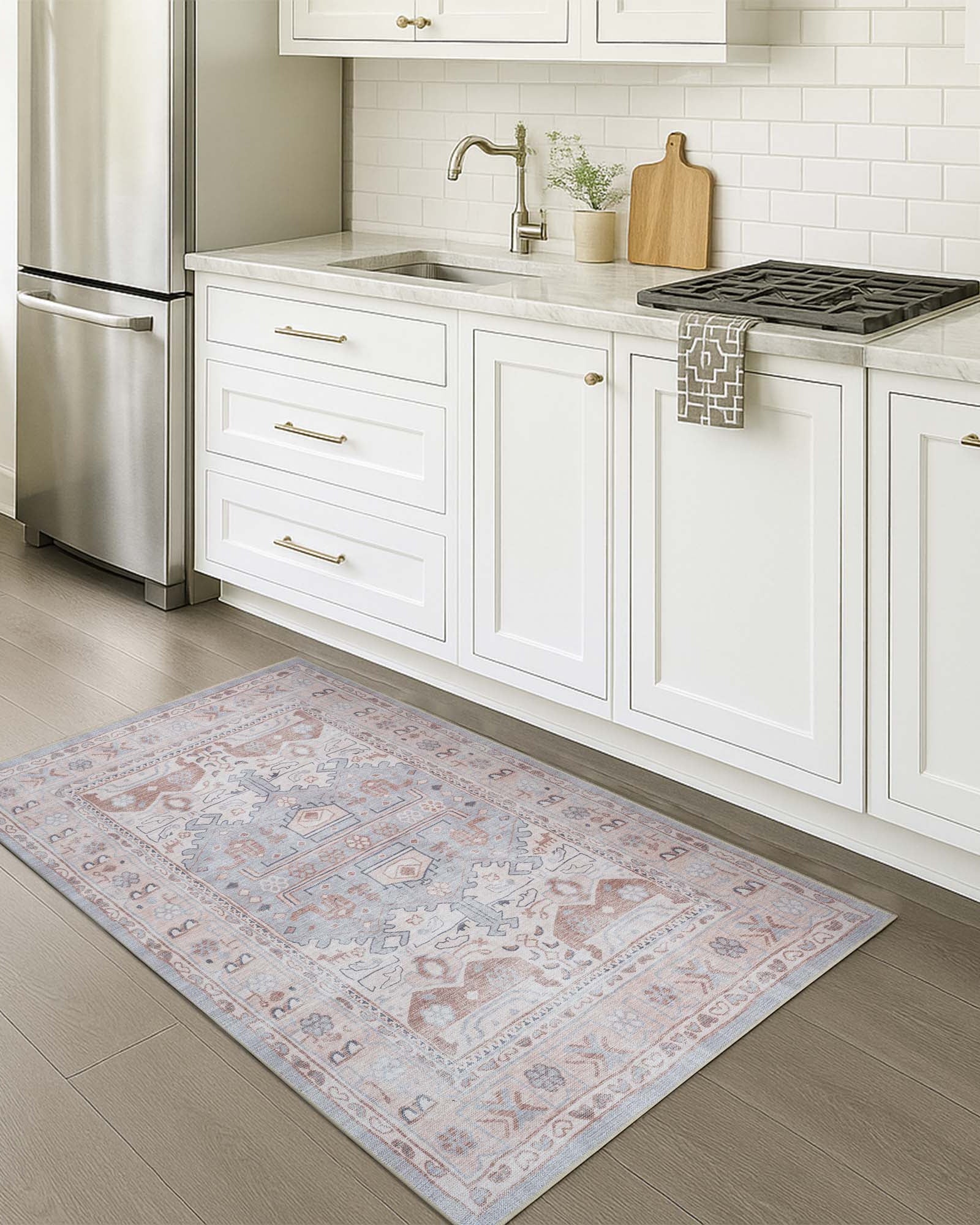
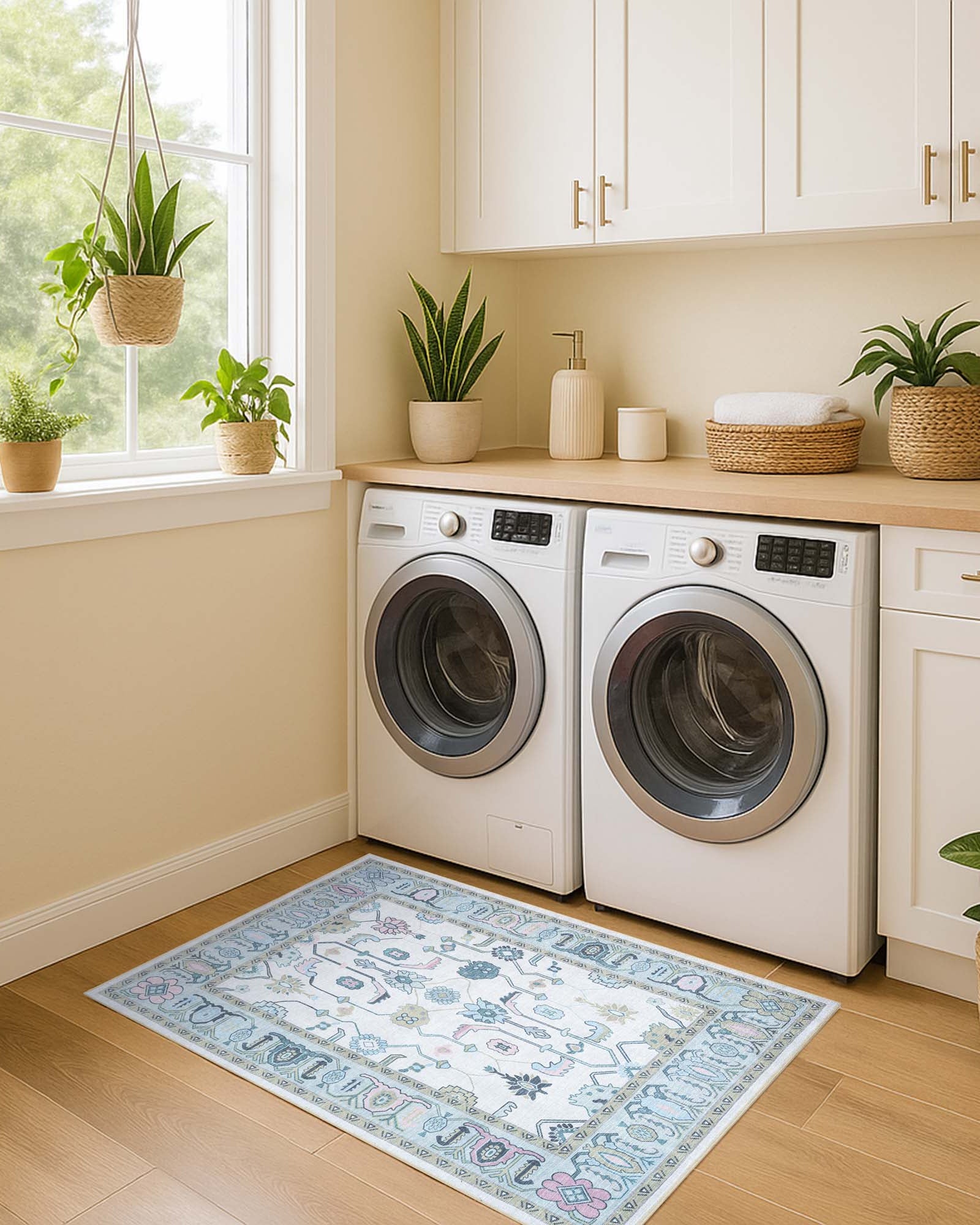
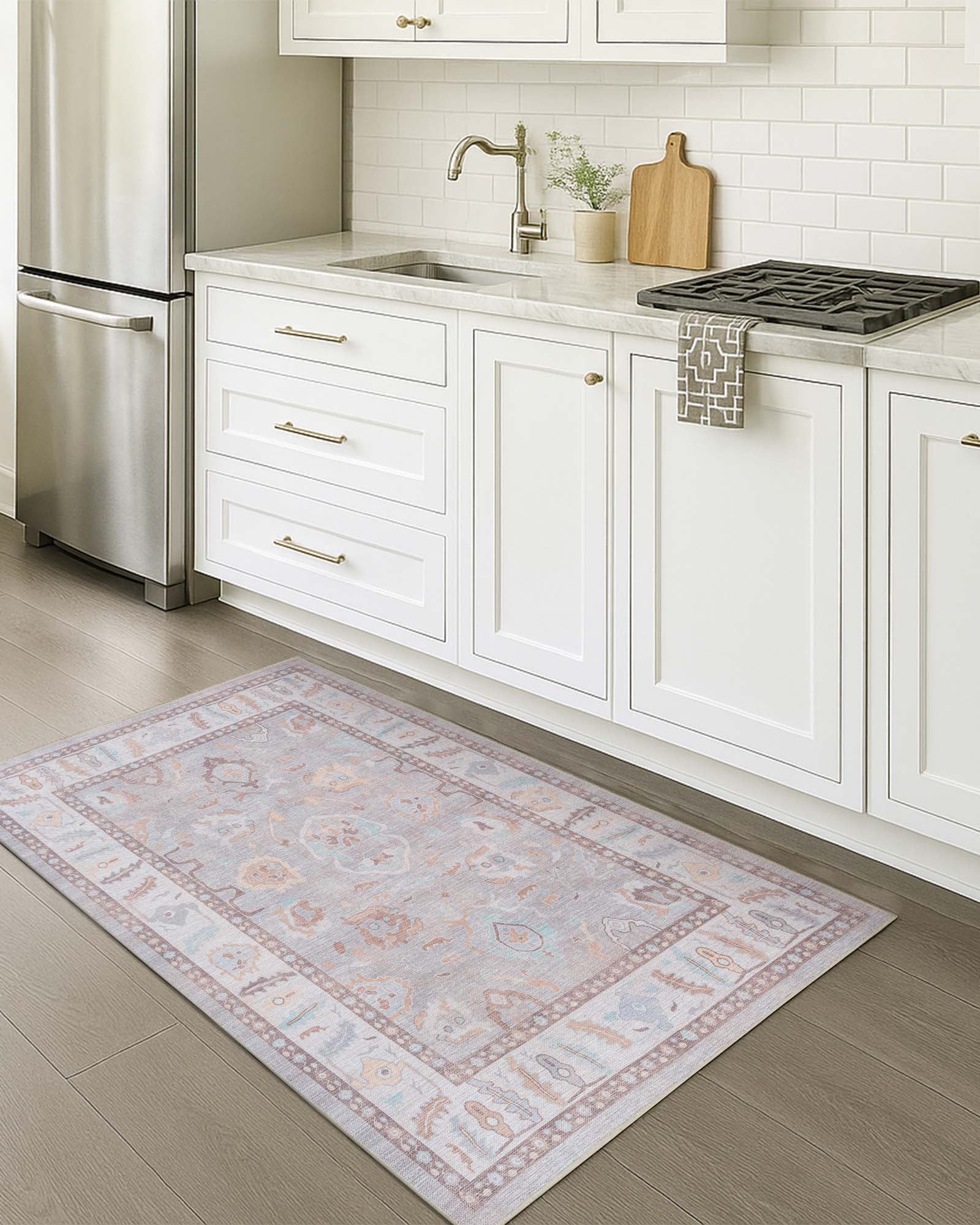
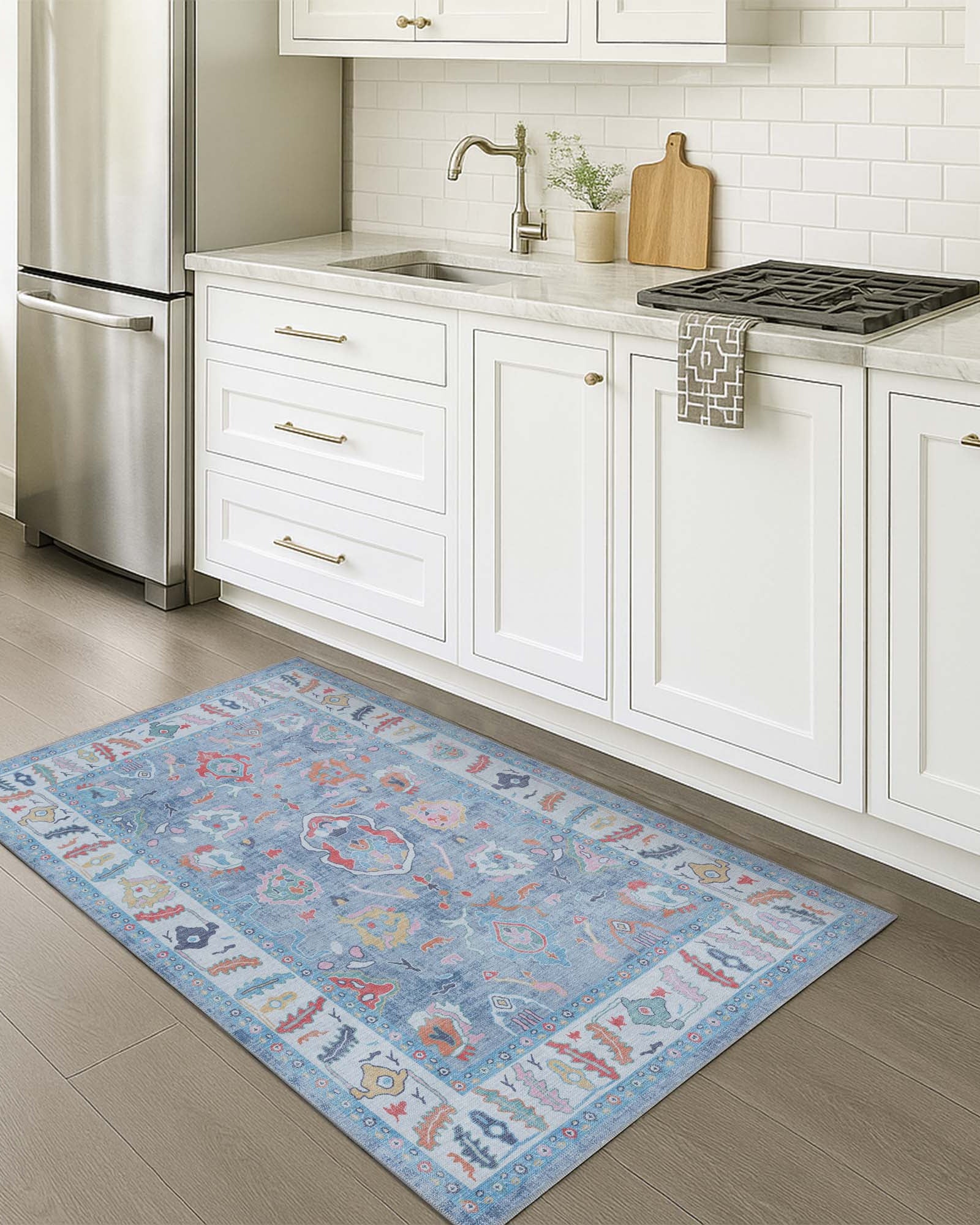
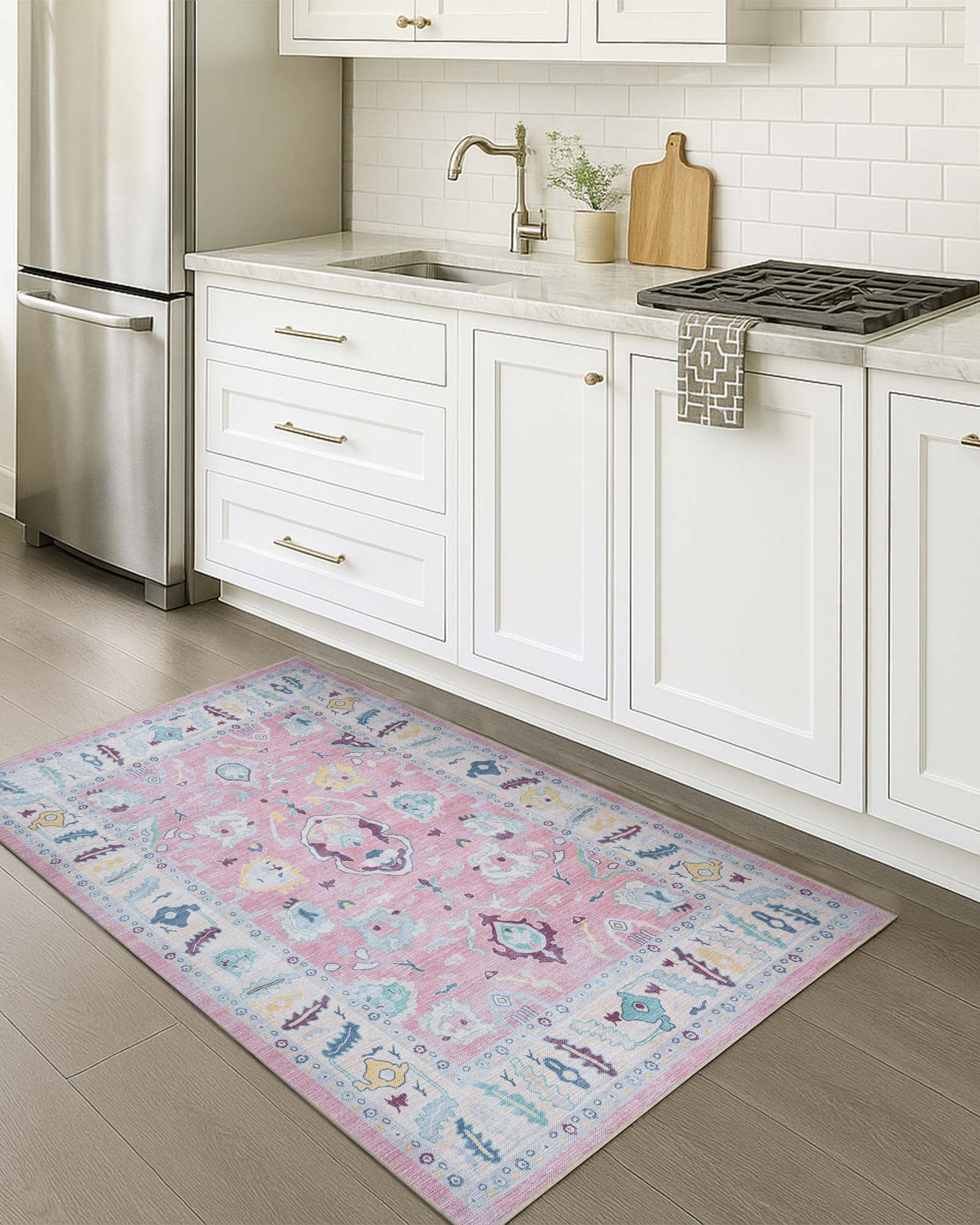
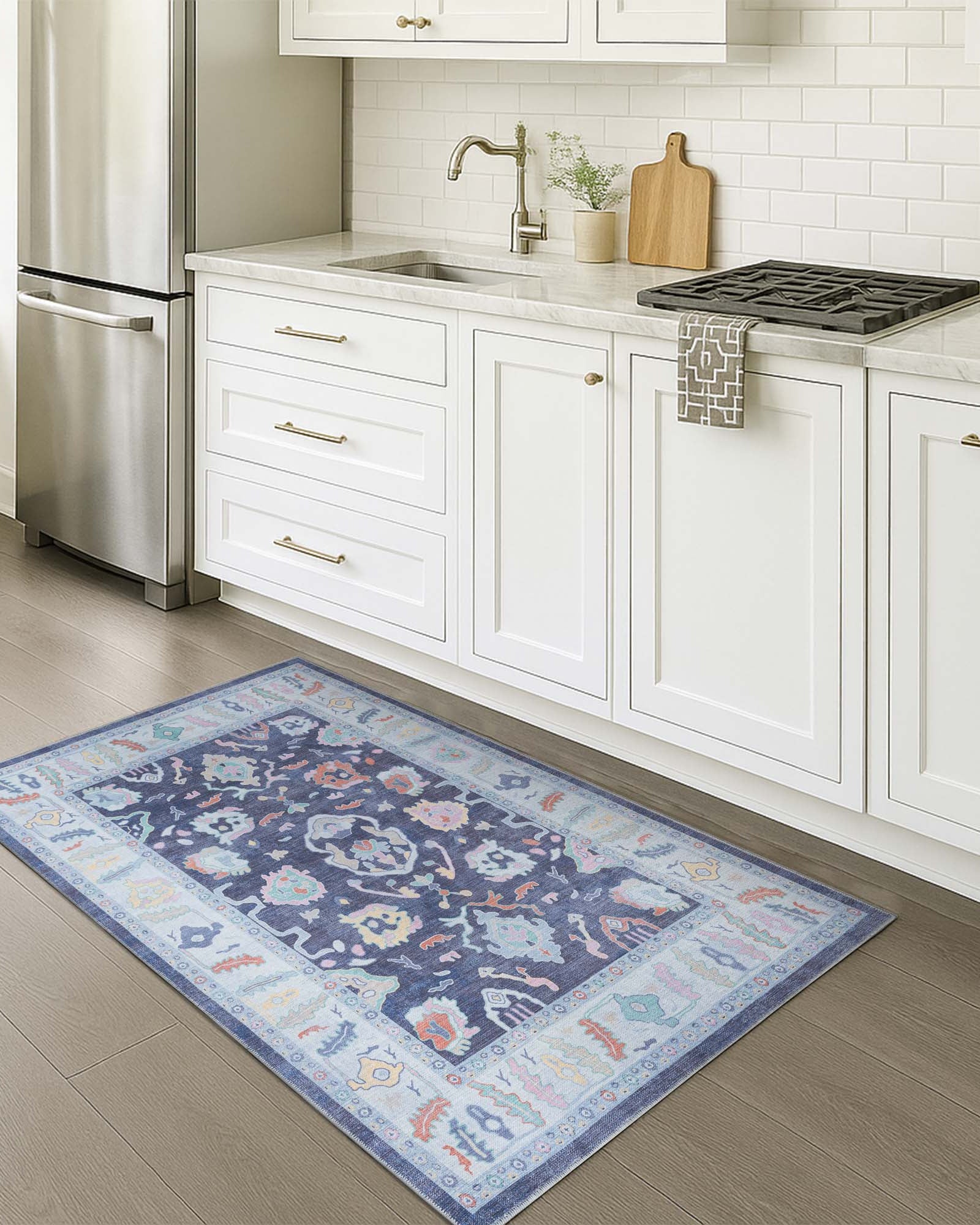
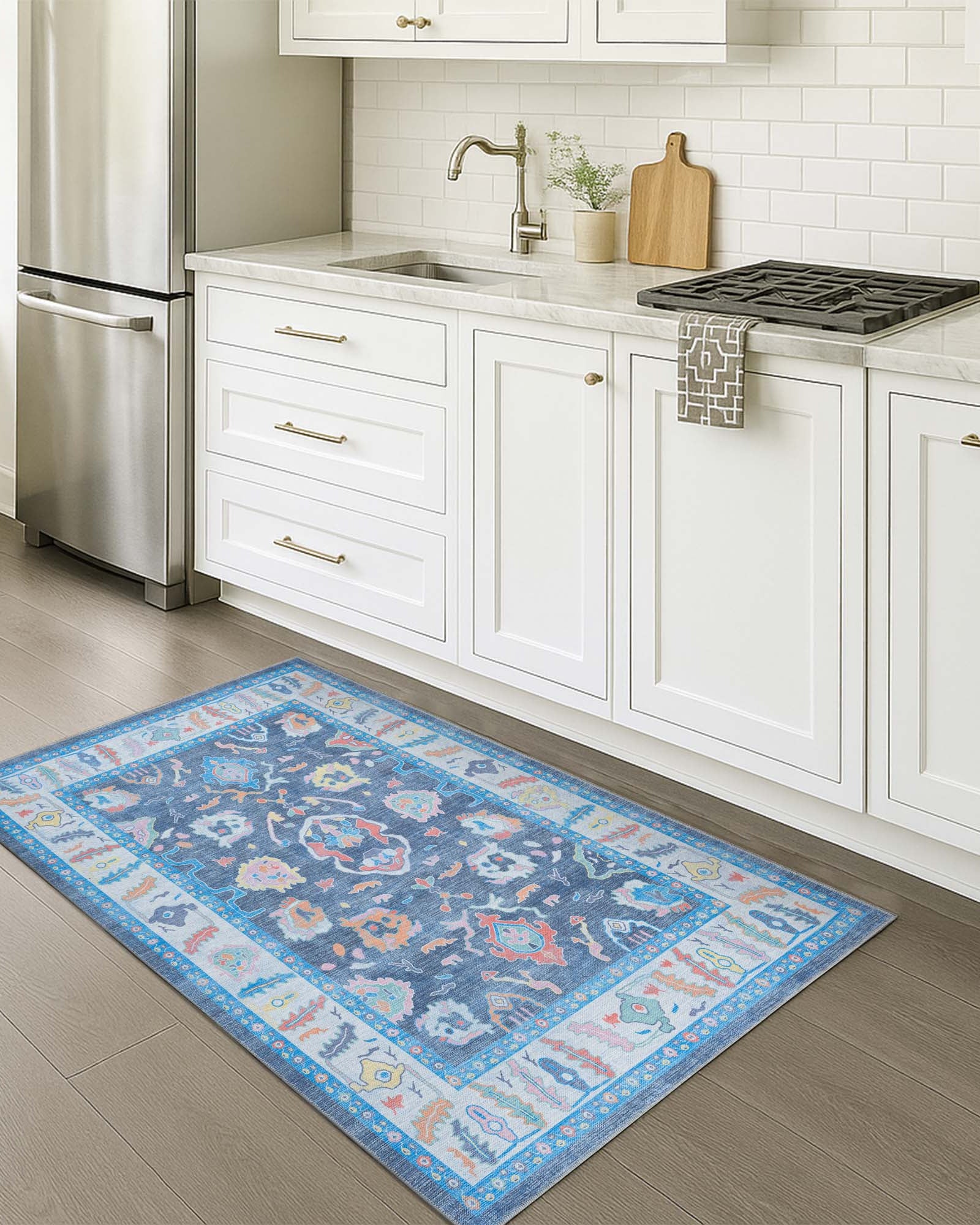
A runner in front of the sink and range is where a vintage piece earns its keep: it takes the standing wear, hides everyday marks in its pattern, and can be moved and shaken out. Choose a lower-pile piece so cabinet and appliance doors clear it, and check the door swing before committing to a thickness.
Stairs
Vintage runners can be used on stairs, but not straight off the roll. A single runner rarely matches a staircase's exact rise-and-run, and a loose rug on steps is a genuine hazard. Any stair installation needs a professional fitter, proper padding and either tackless strip or stair rods. Structurally sound pieces with even pile are suitable; anything with thin areas or a fragile foundation is not.
Layering and Doubling
Two runners side by side make a wide entryway feel deliberate. A runner along the working side of a kitchen island reads better than a small scatter rug. Beside a bed, a single runner on the side you get out of is a good use for a piece too narrow to work elsewhere.
Condition, Age and Measurement
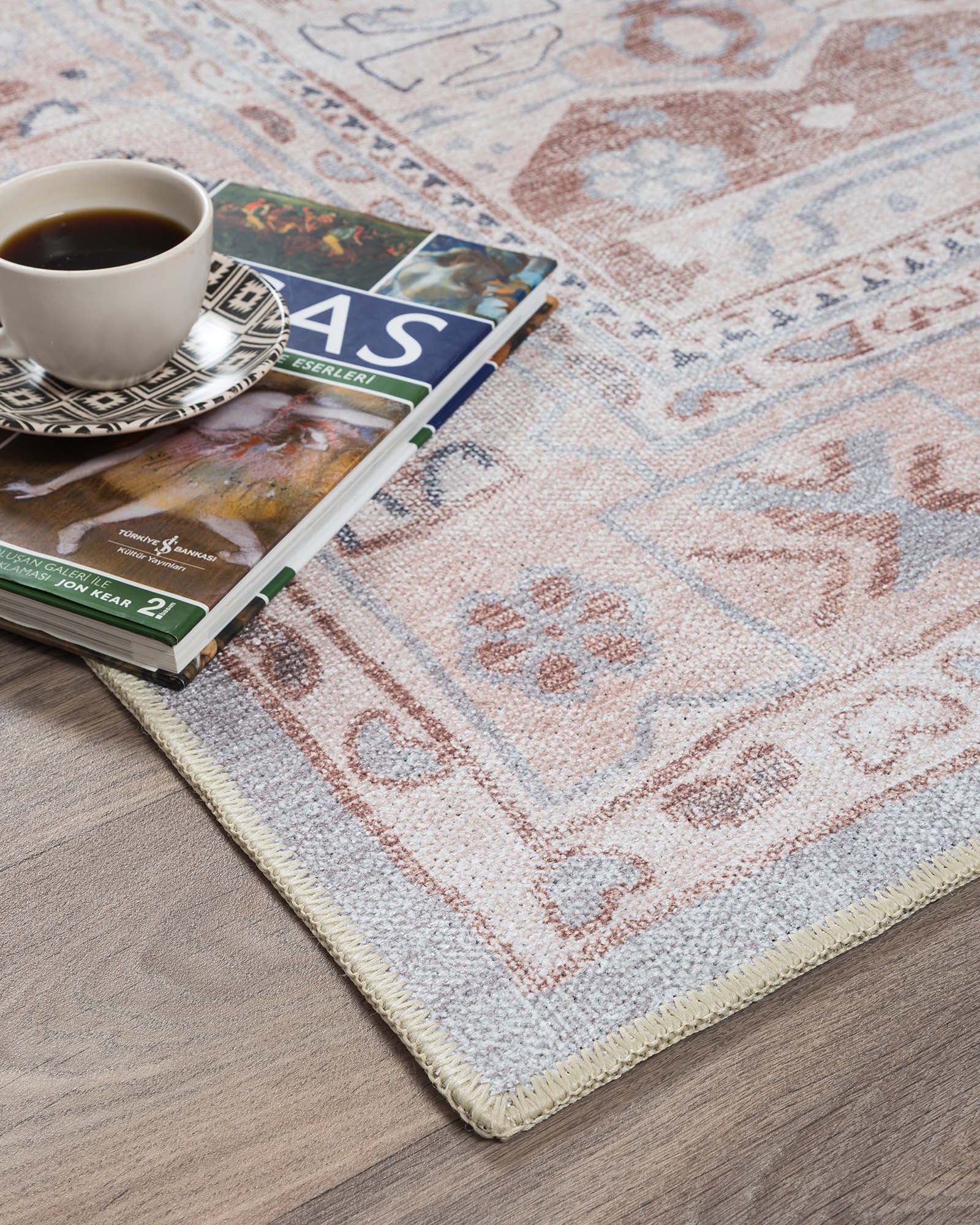
Pieces are grouped as antique at over eighty years, vintage at roughly forty to eighty, and semi-vintage below that. Each product page lists the estimated decade, origin where identifiable, exact measured dimensions and a plain condition note. Runners lived in the busiest part of the house, so expect a specific wear pattern: pile worn lowest along the centre line, better preserved at the edges, with softened selvages and shortened or missing fringe. Even, overall low pile is stable and fine for daily use; localised holes or a brittle foundation mean the piece is better placed somewhere quieter or layered.
Care
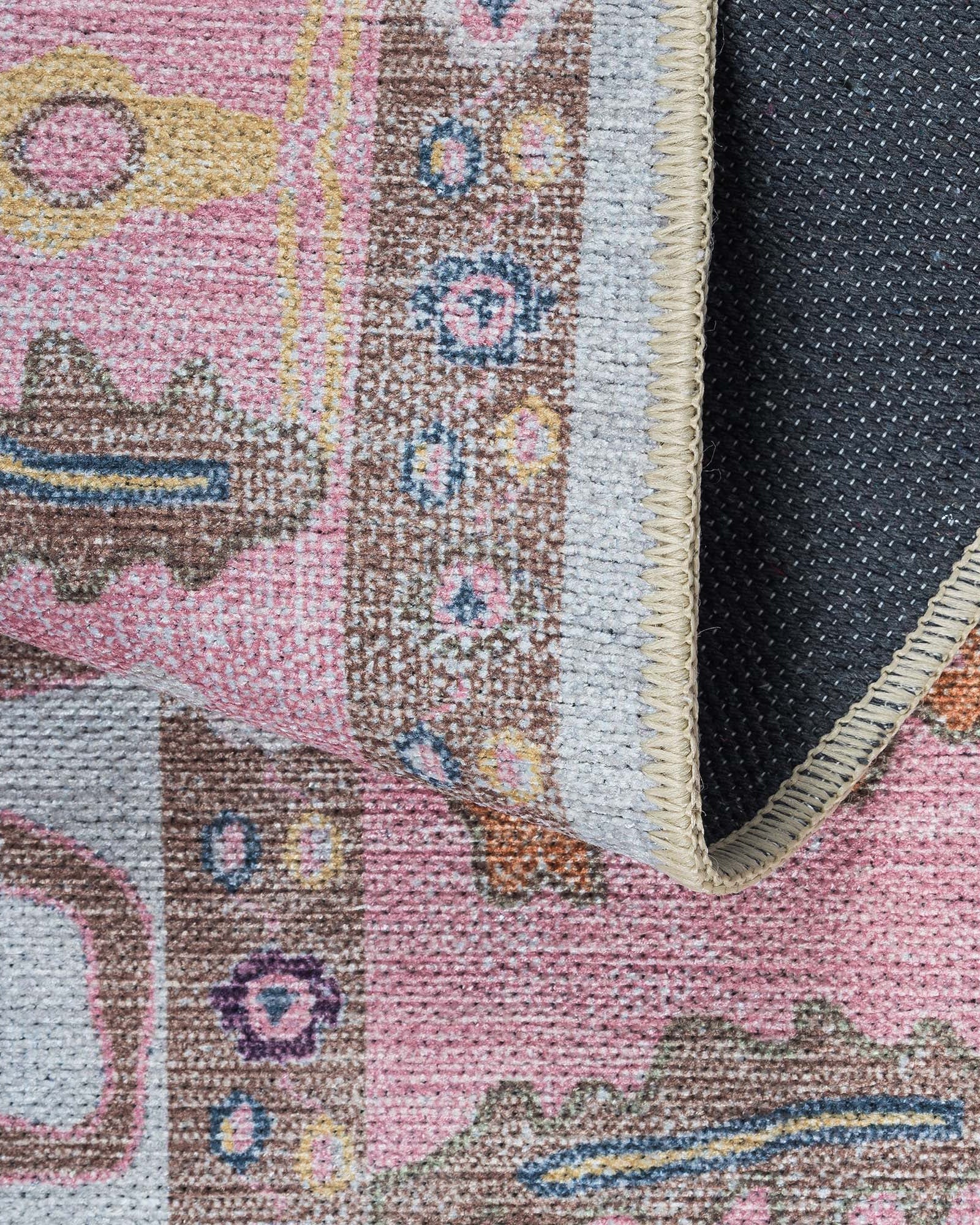
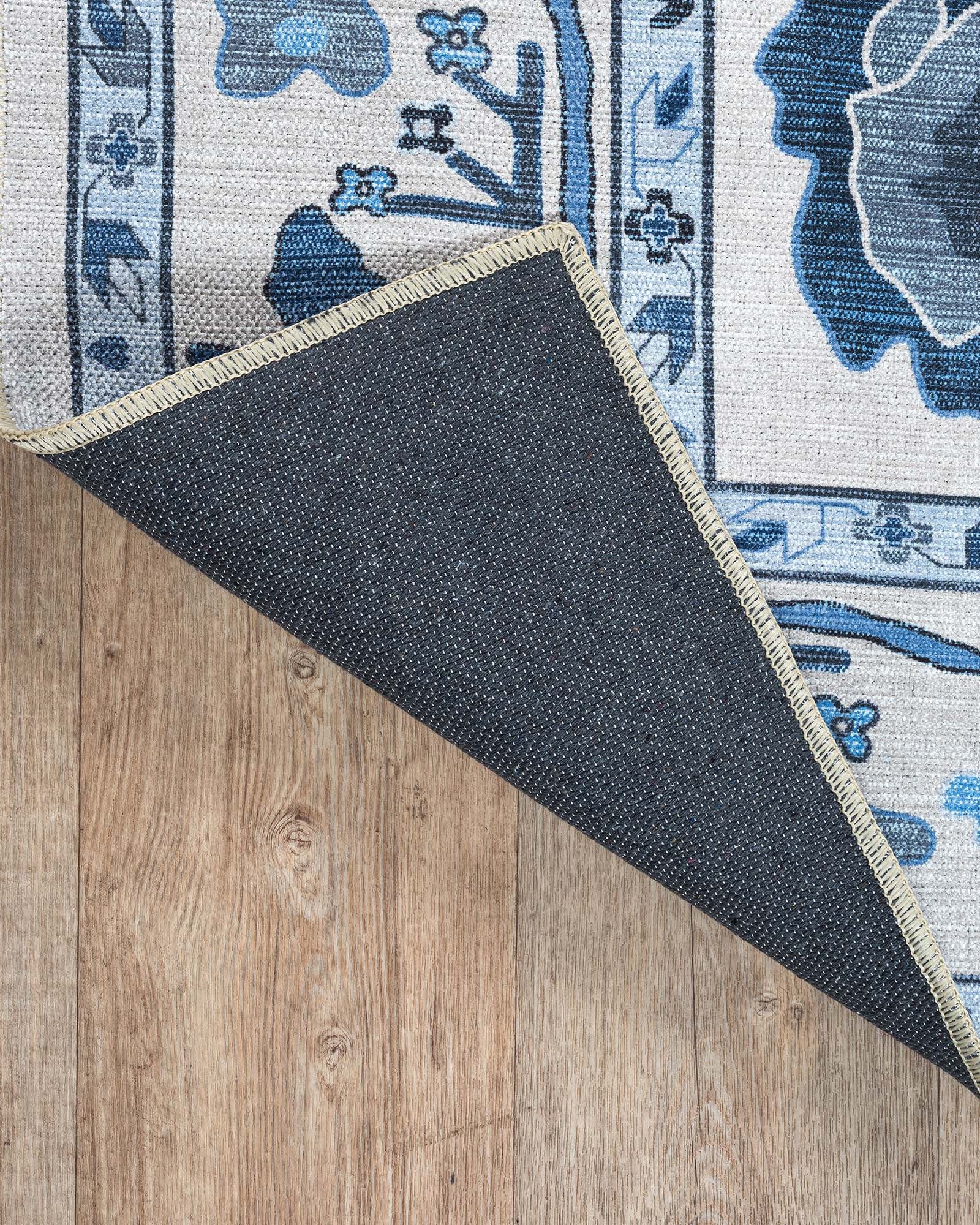
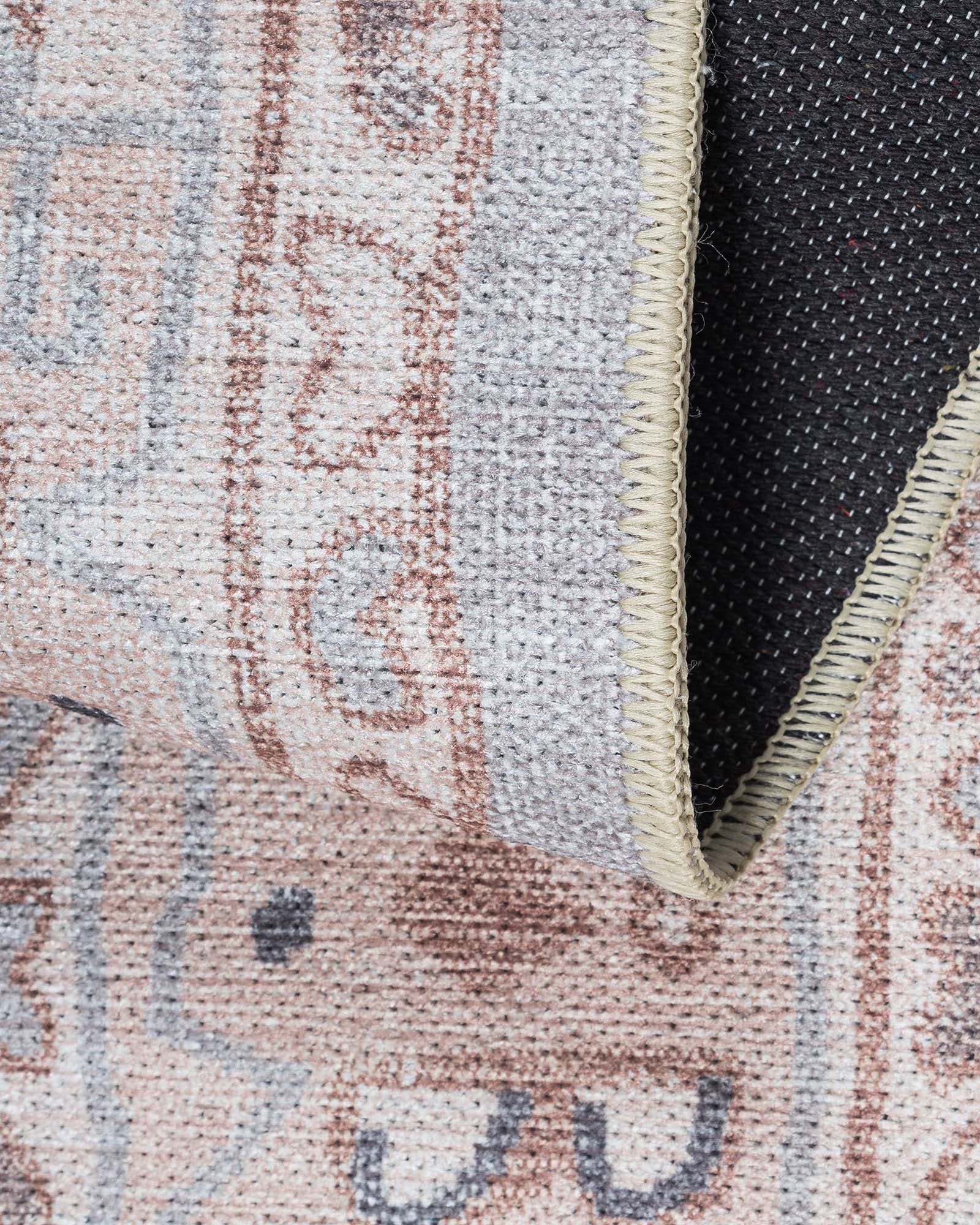
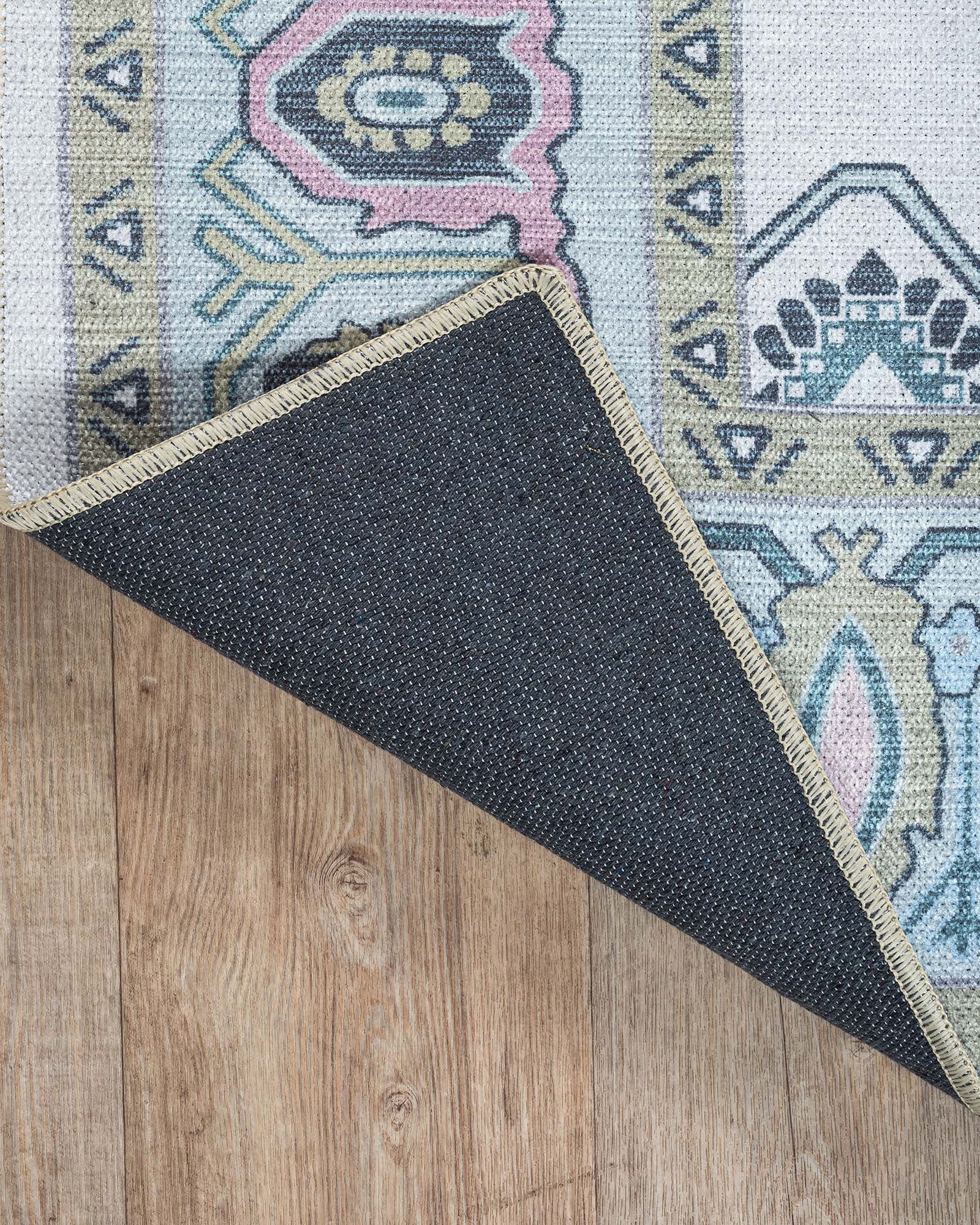
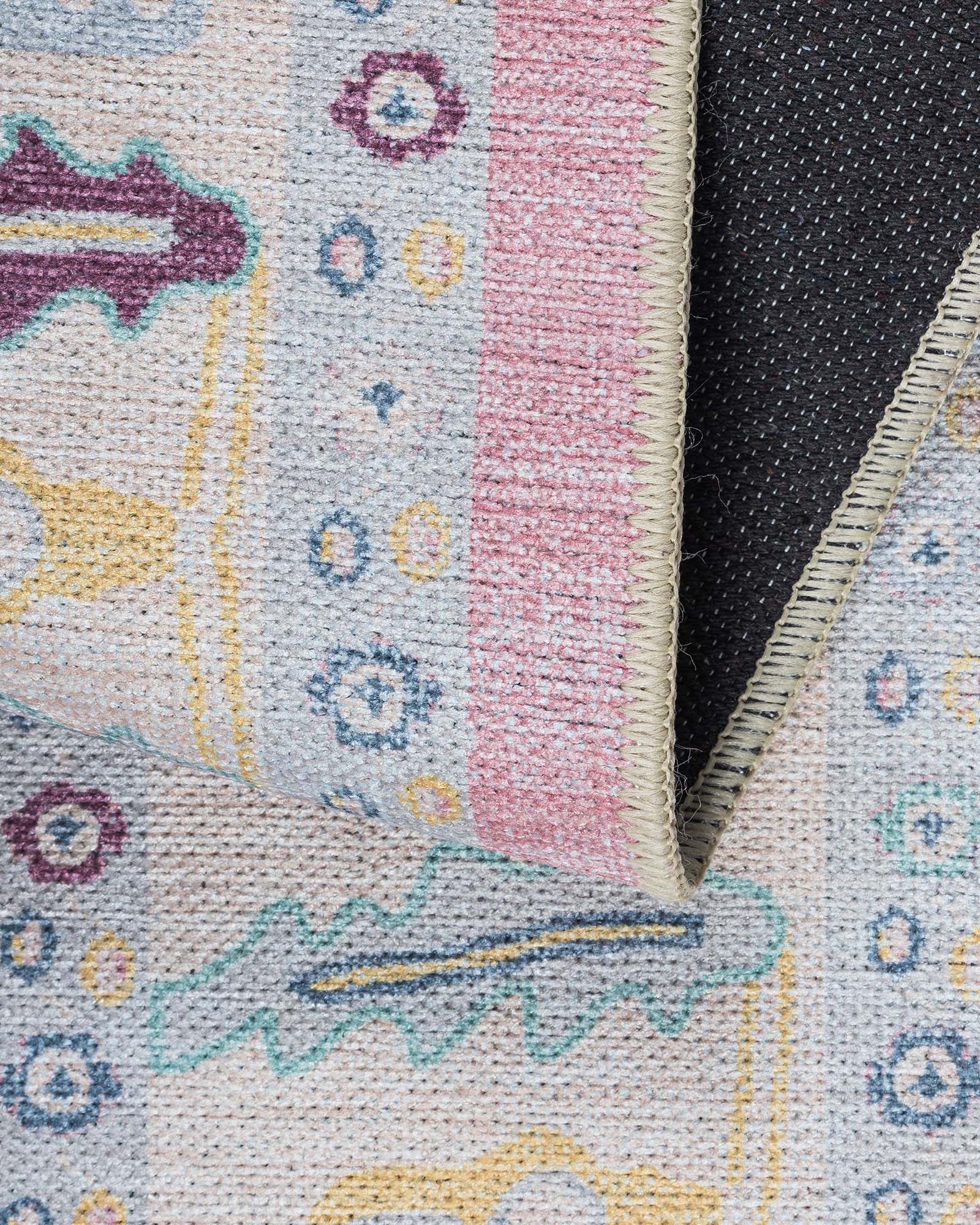
A pad is essential under a runner, more so than under a room-sized rug — a narrow rug on a hard floor slides underfoot, and that is both a wear problem and a safety one. Use a felt-and-rubber pad cut about an inch smaller than the rug on each side. Rotate the runner end to end twice a year so the entry-end wear does not concentrate. Vacuum with the beater bar off or raised and stay off the fringe. Blot spills immediately with a white cloth and plain water. Skip home carpet-cleaning machines, steam cleaners and commercial spot treatments; send anything set-in to a professional hand-knotted rug washer.