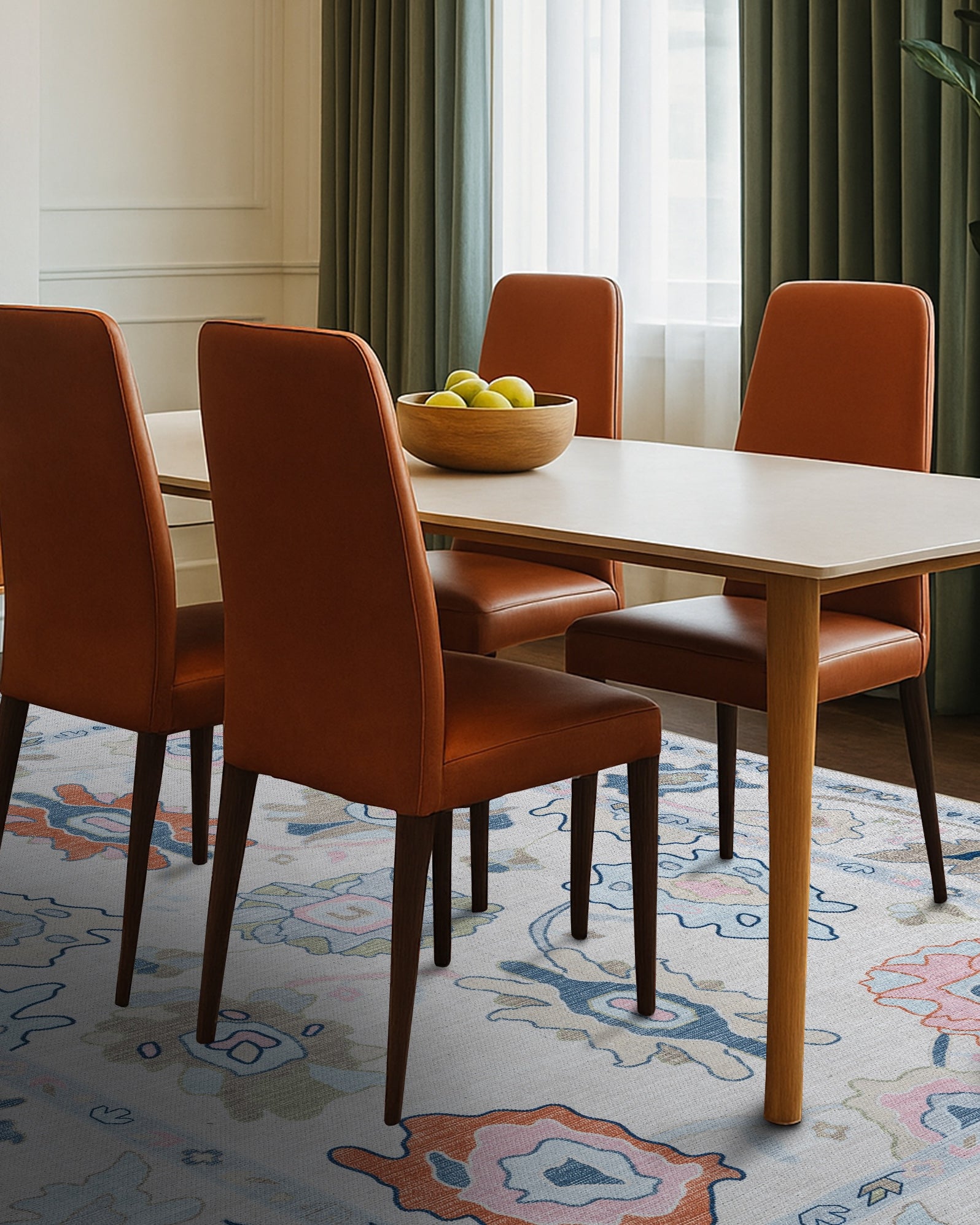
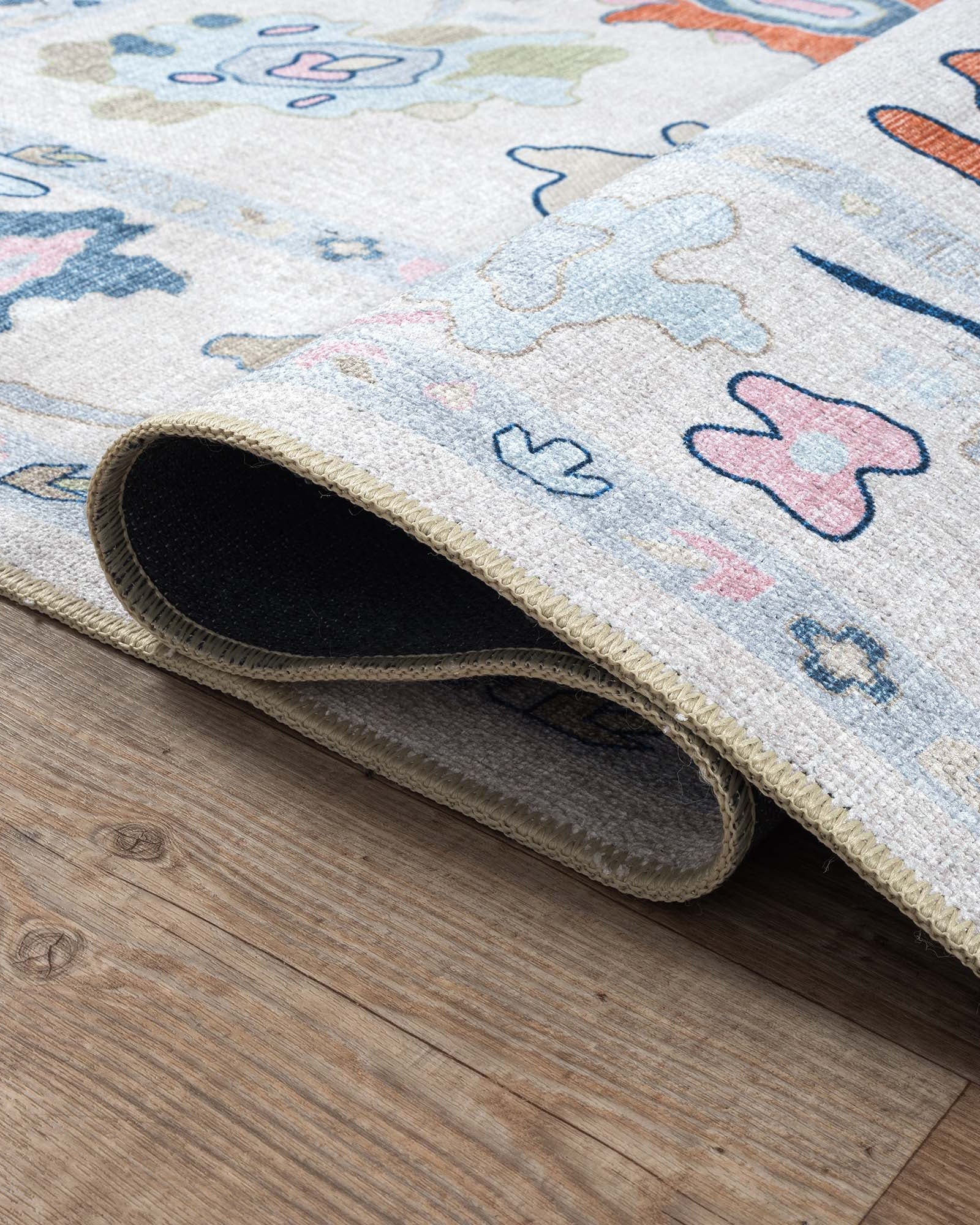
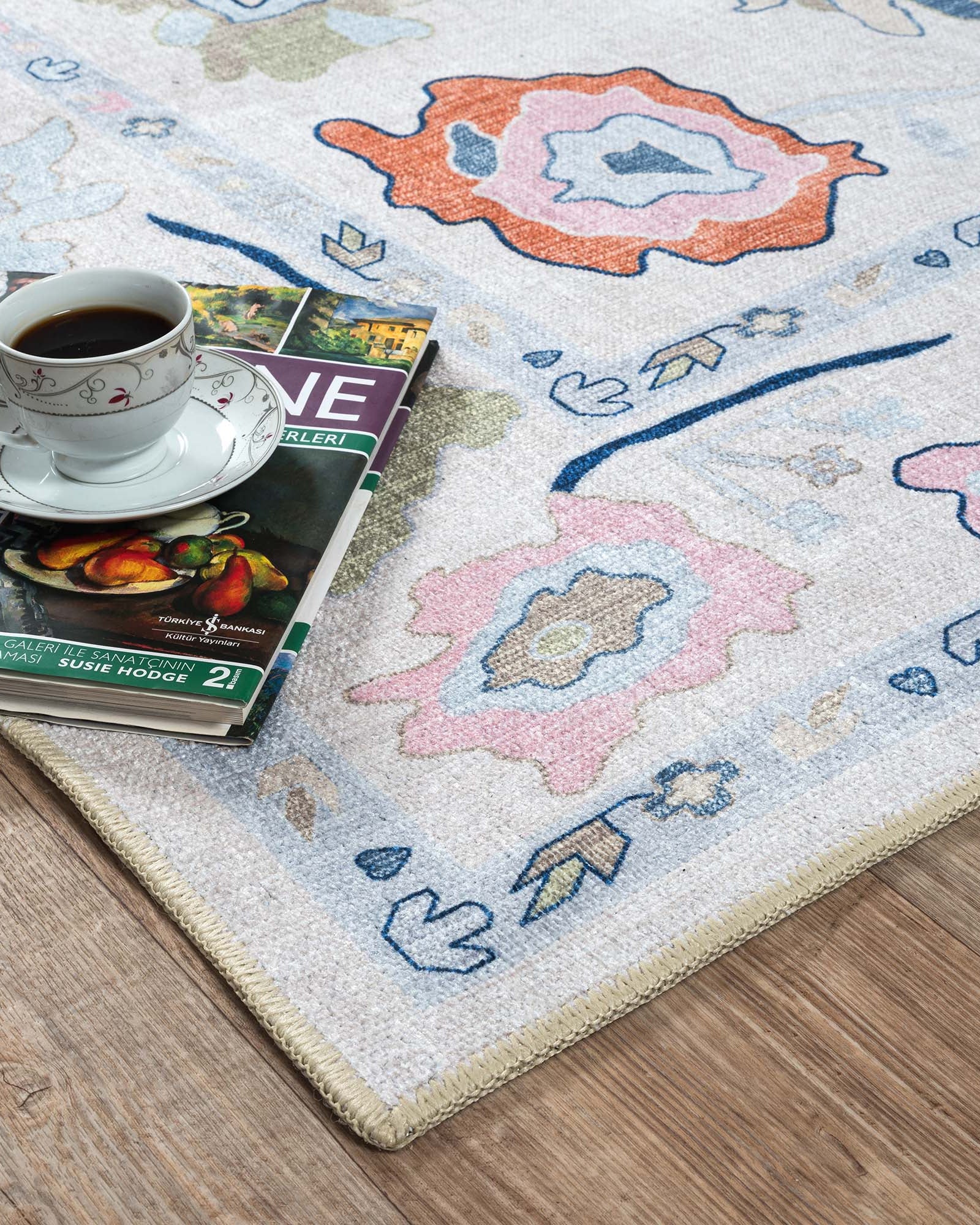
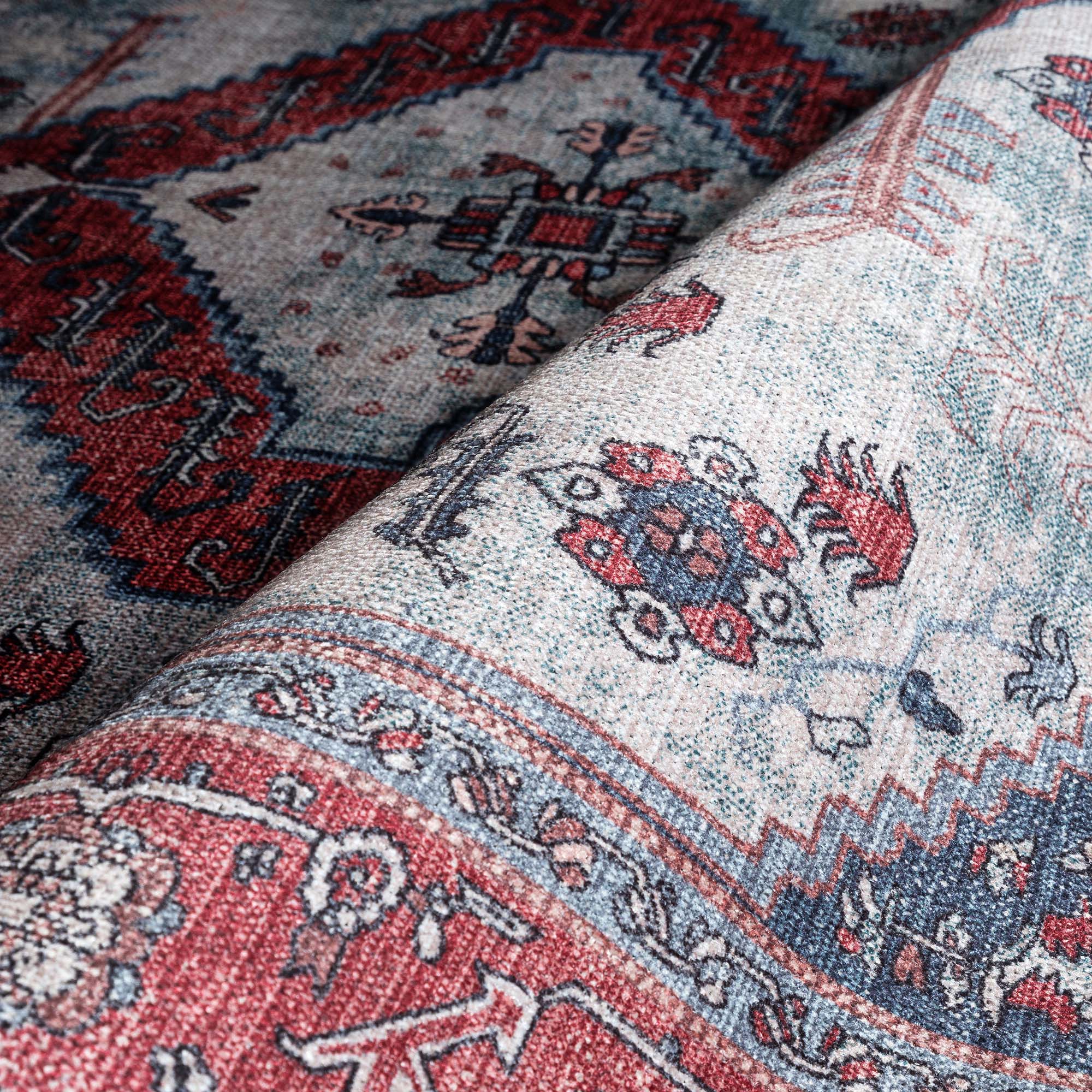
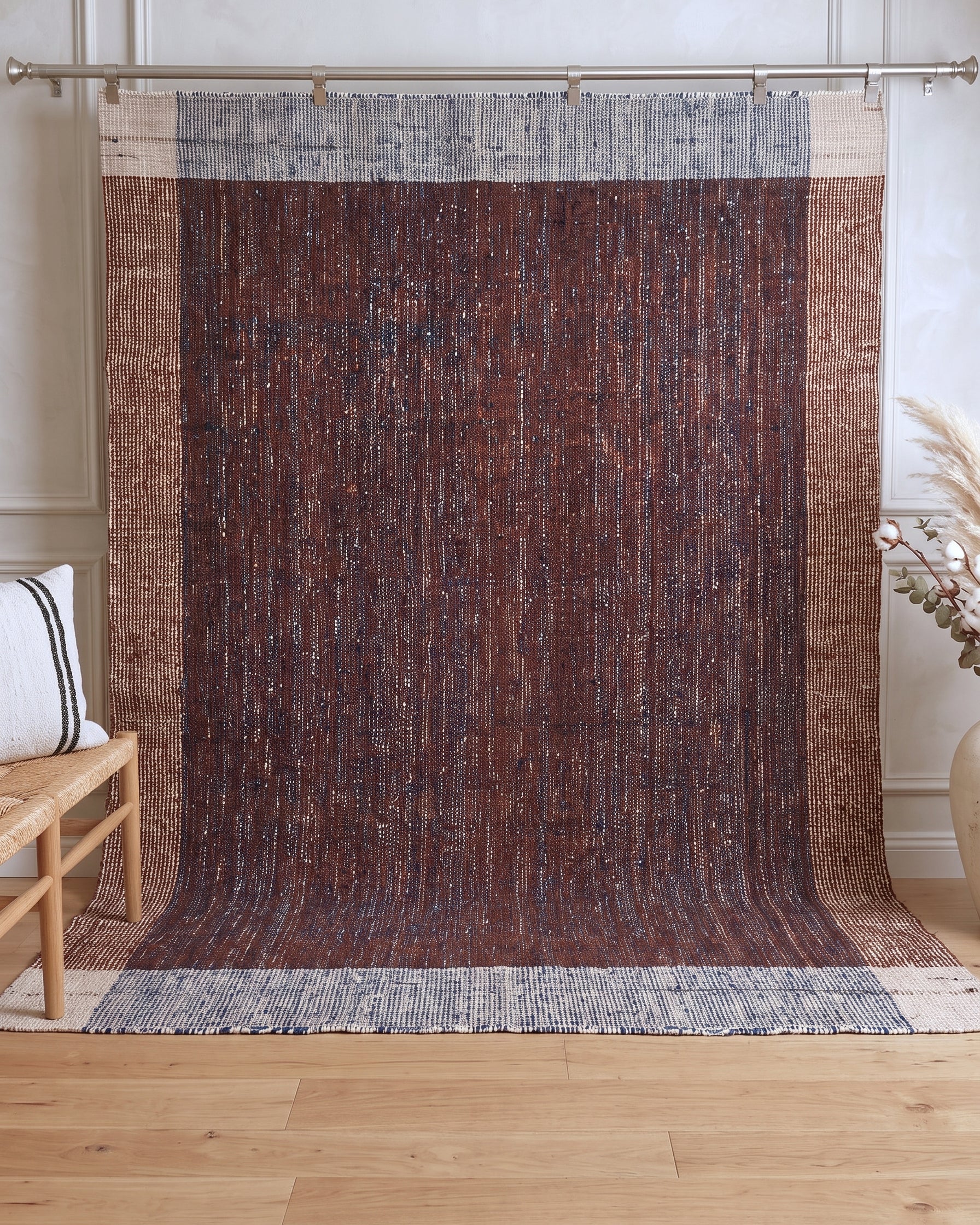
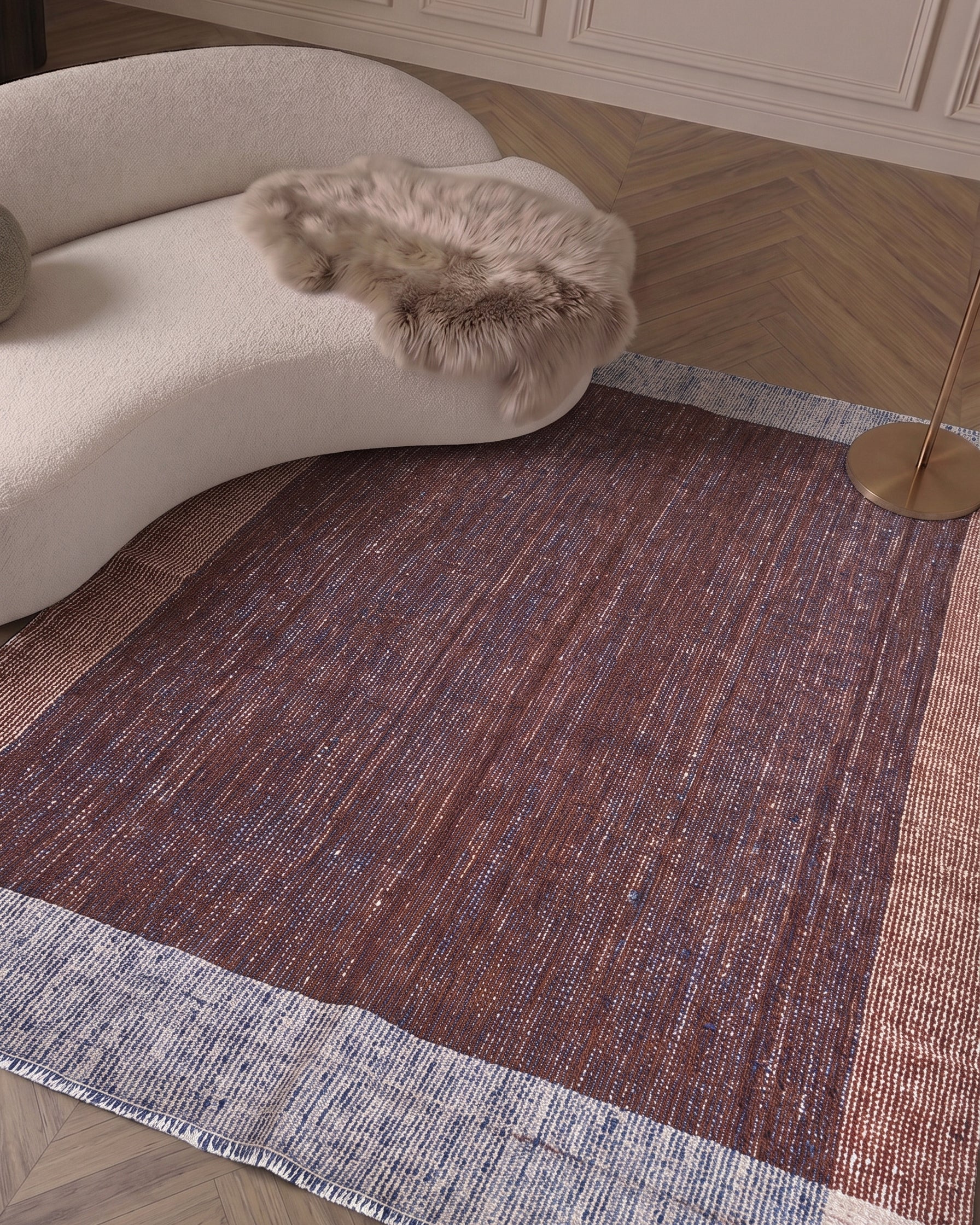
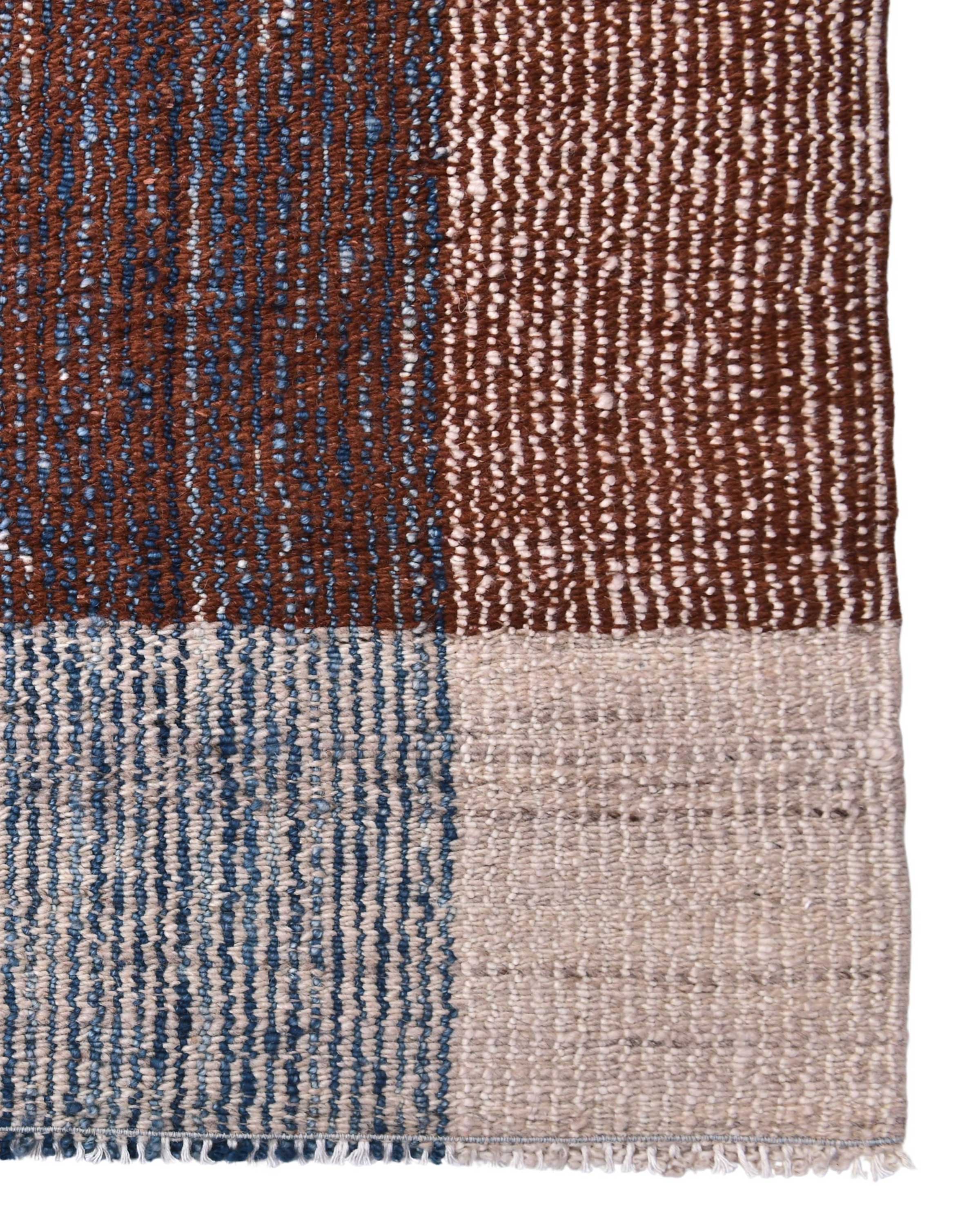
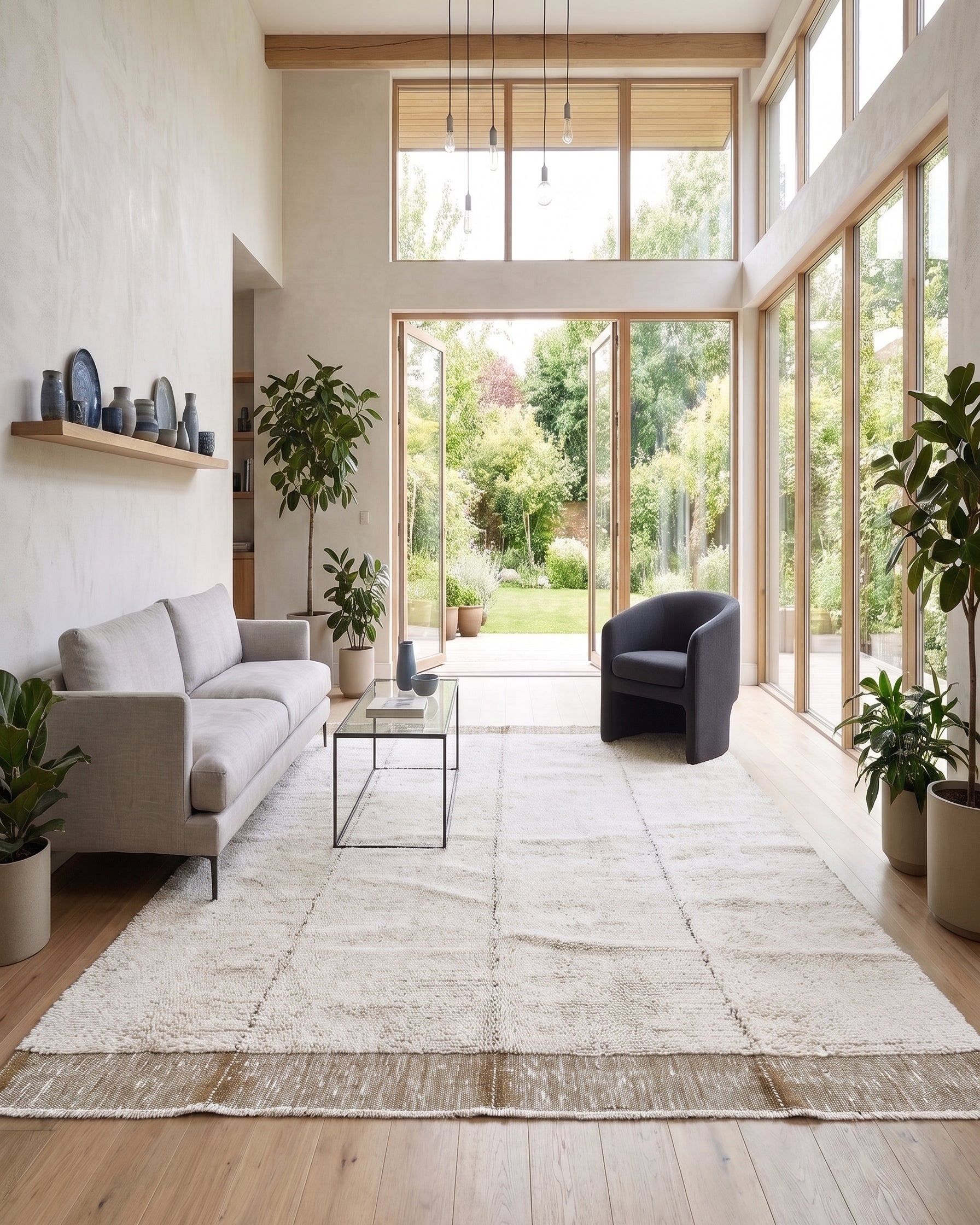
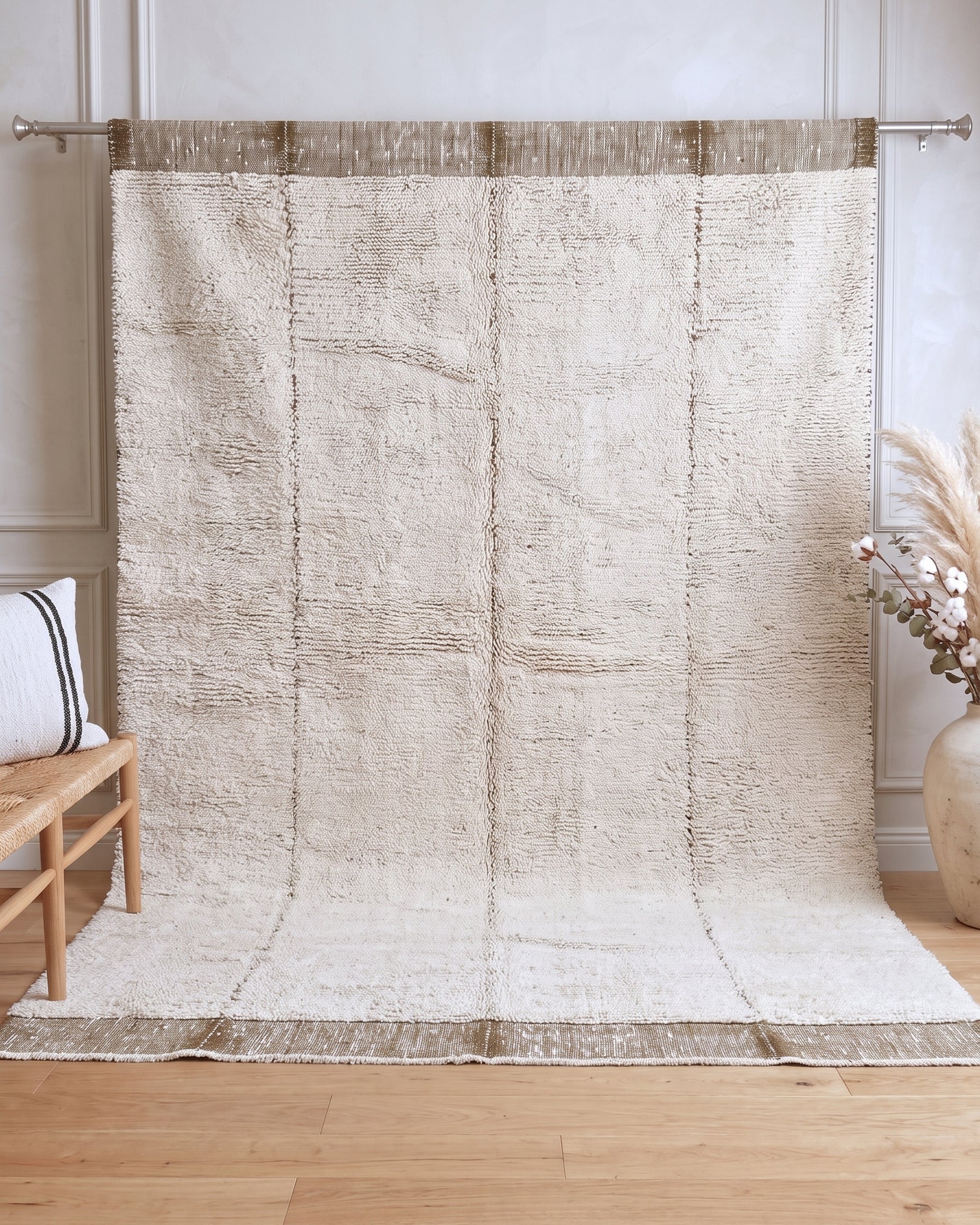
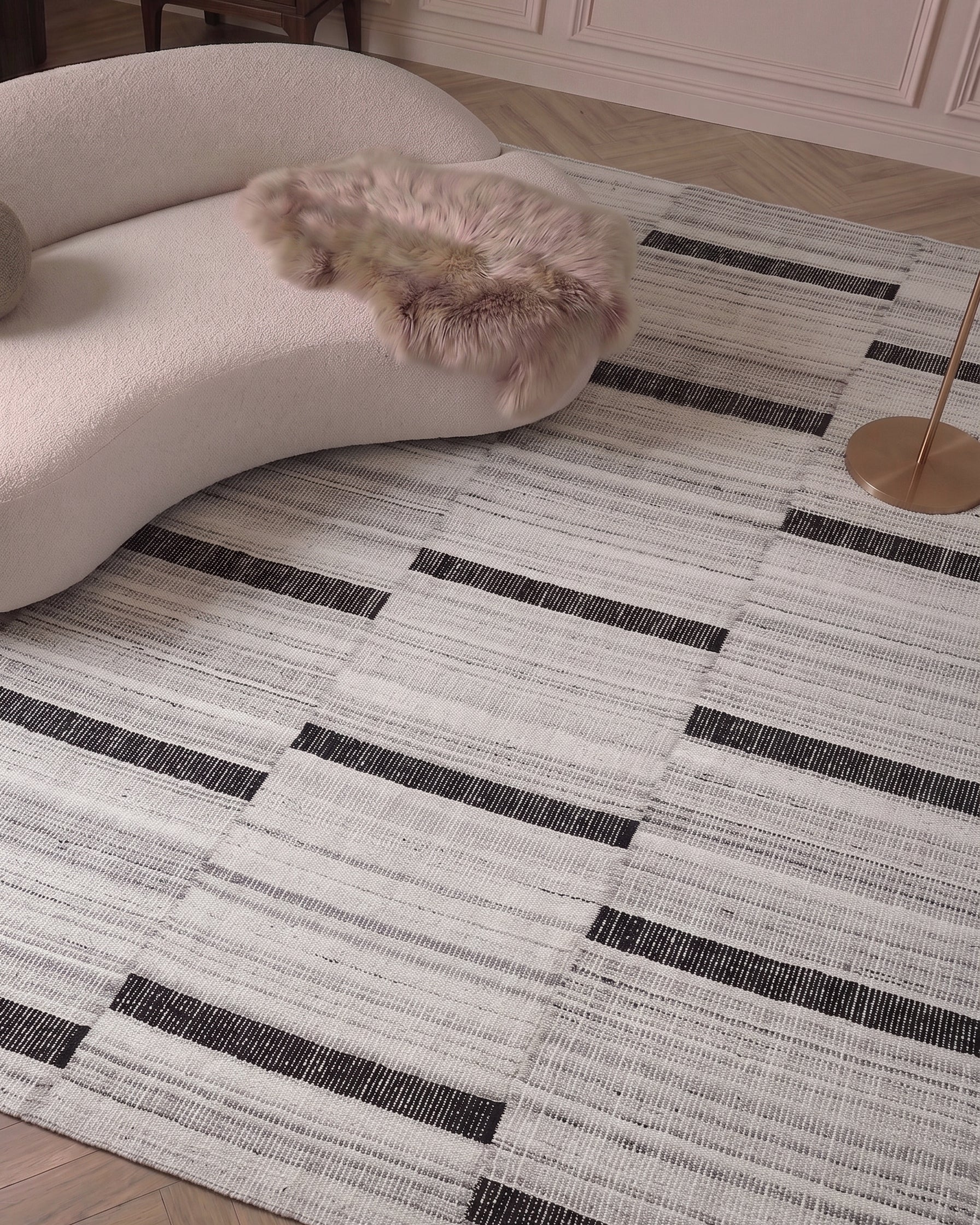
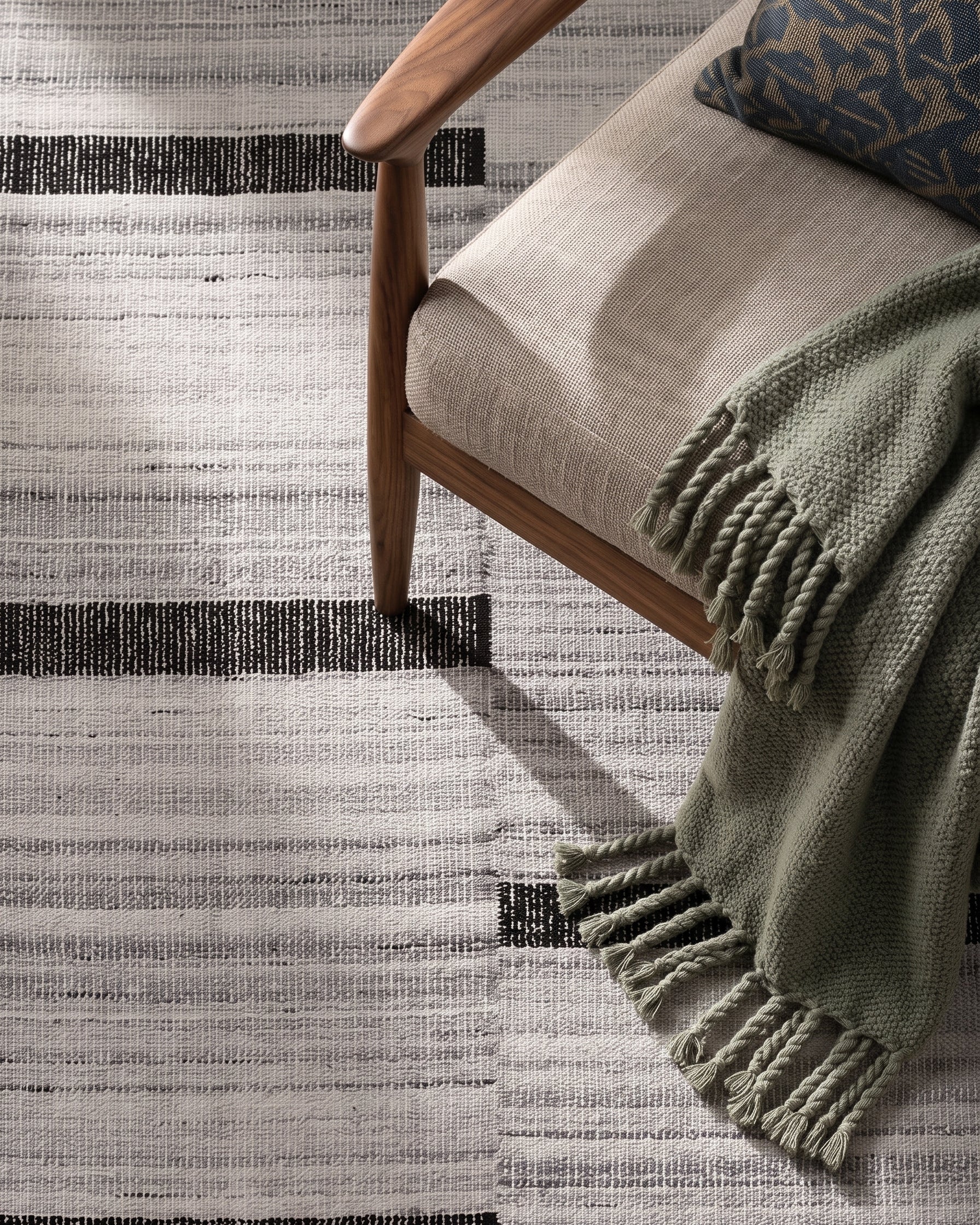
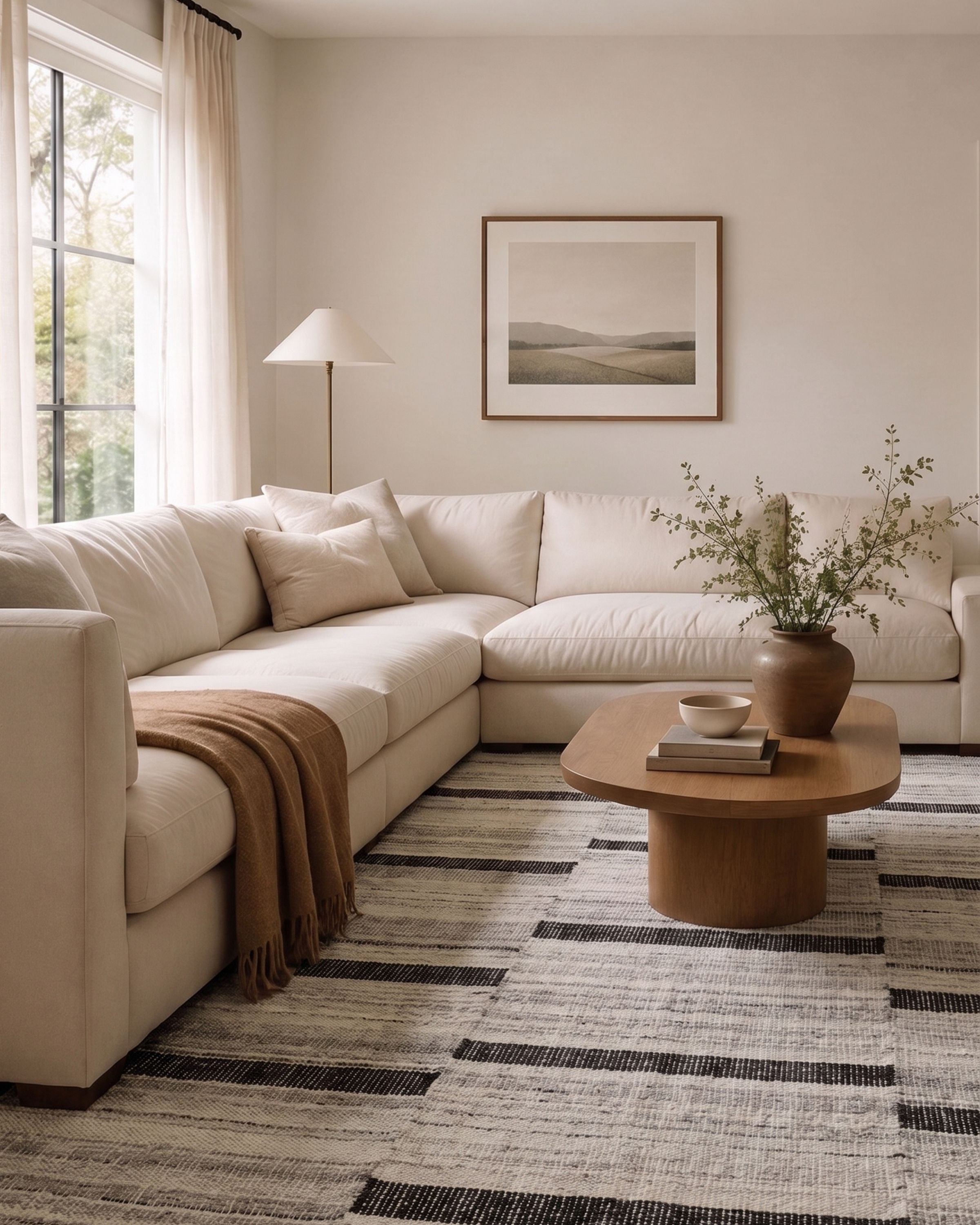
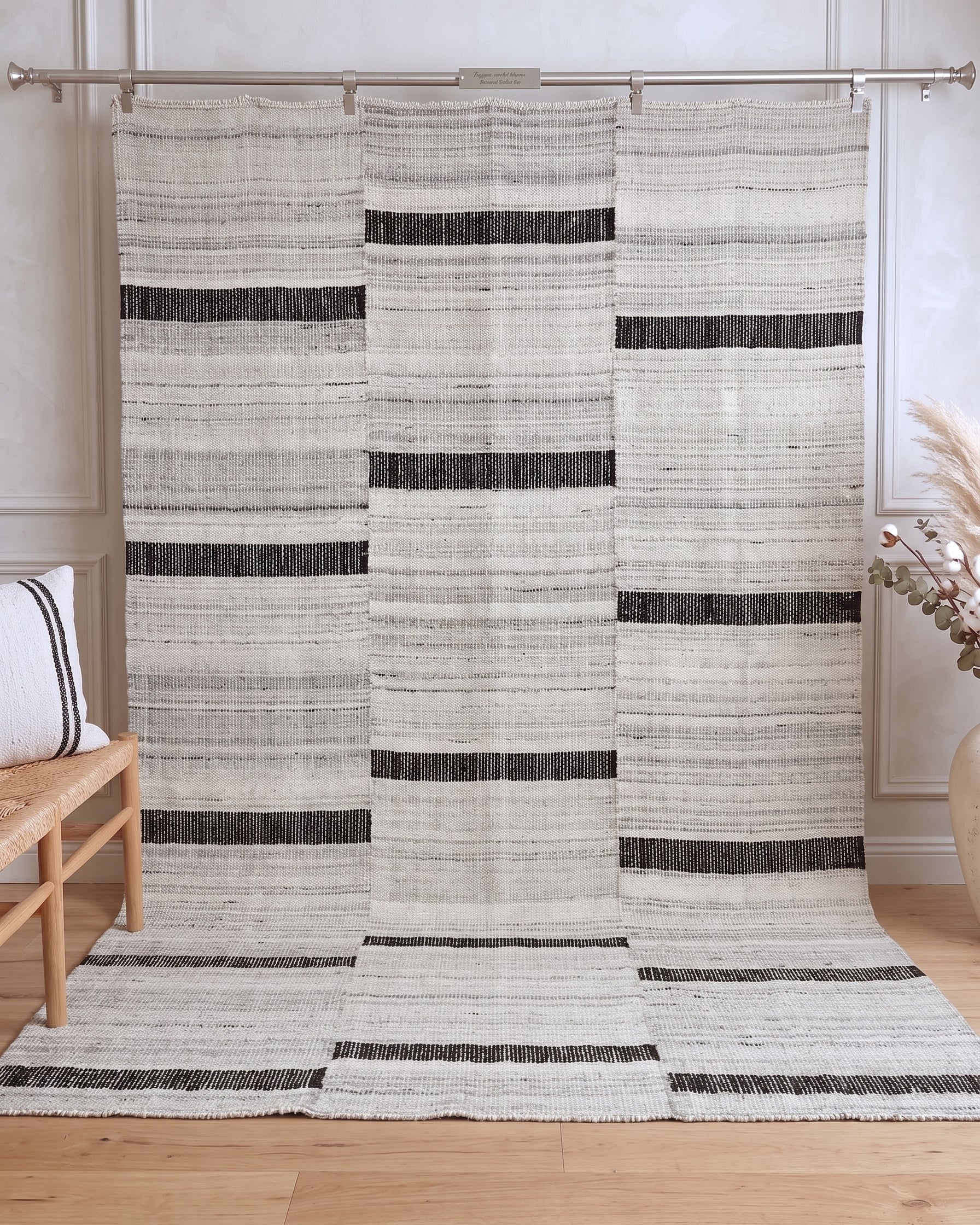
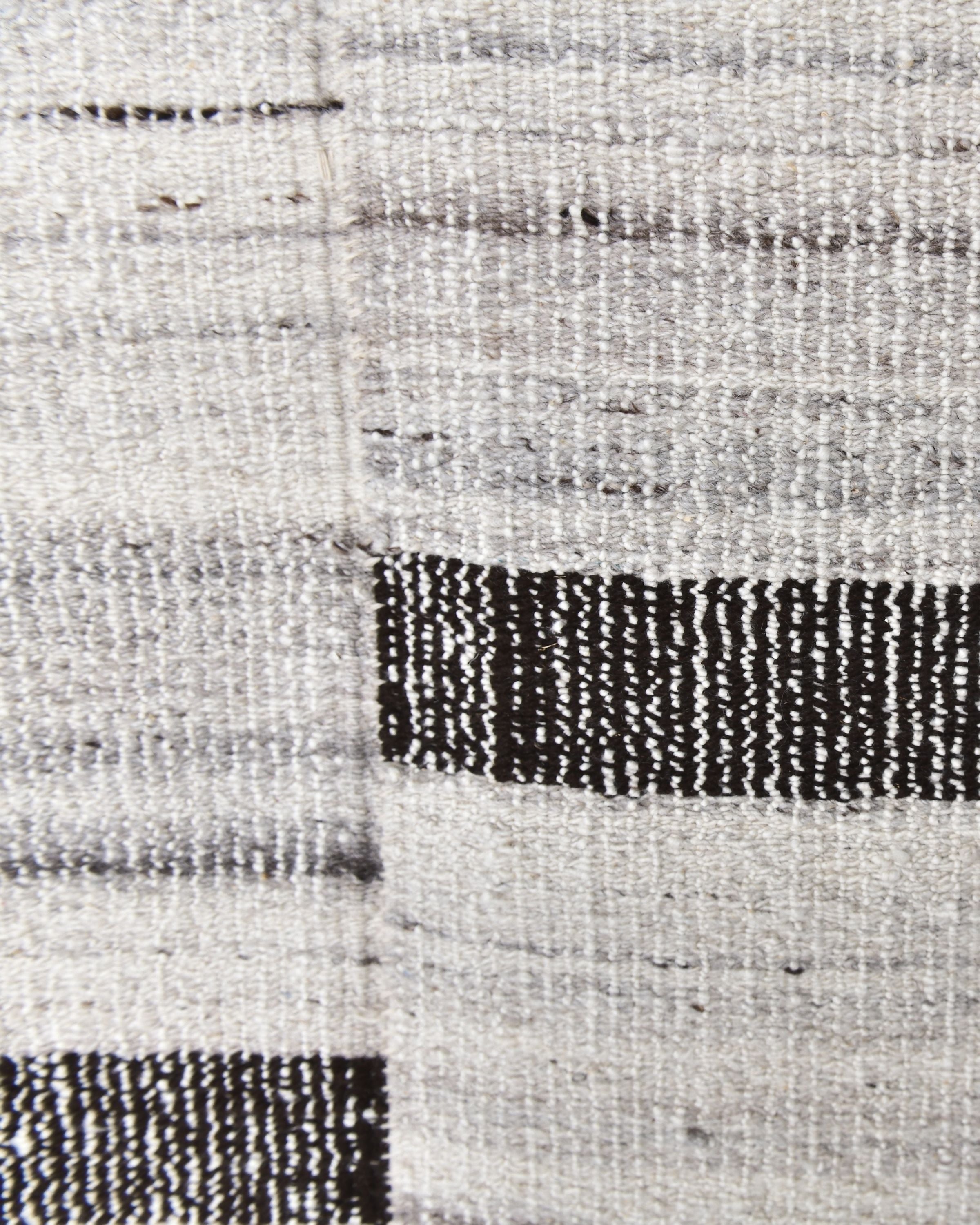
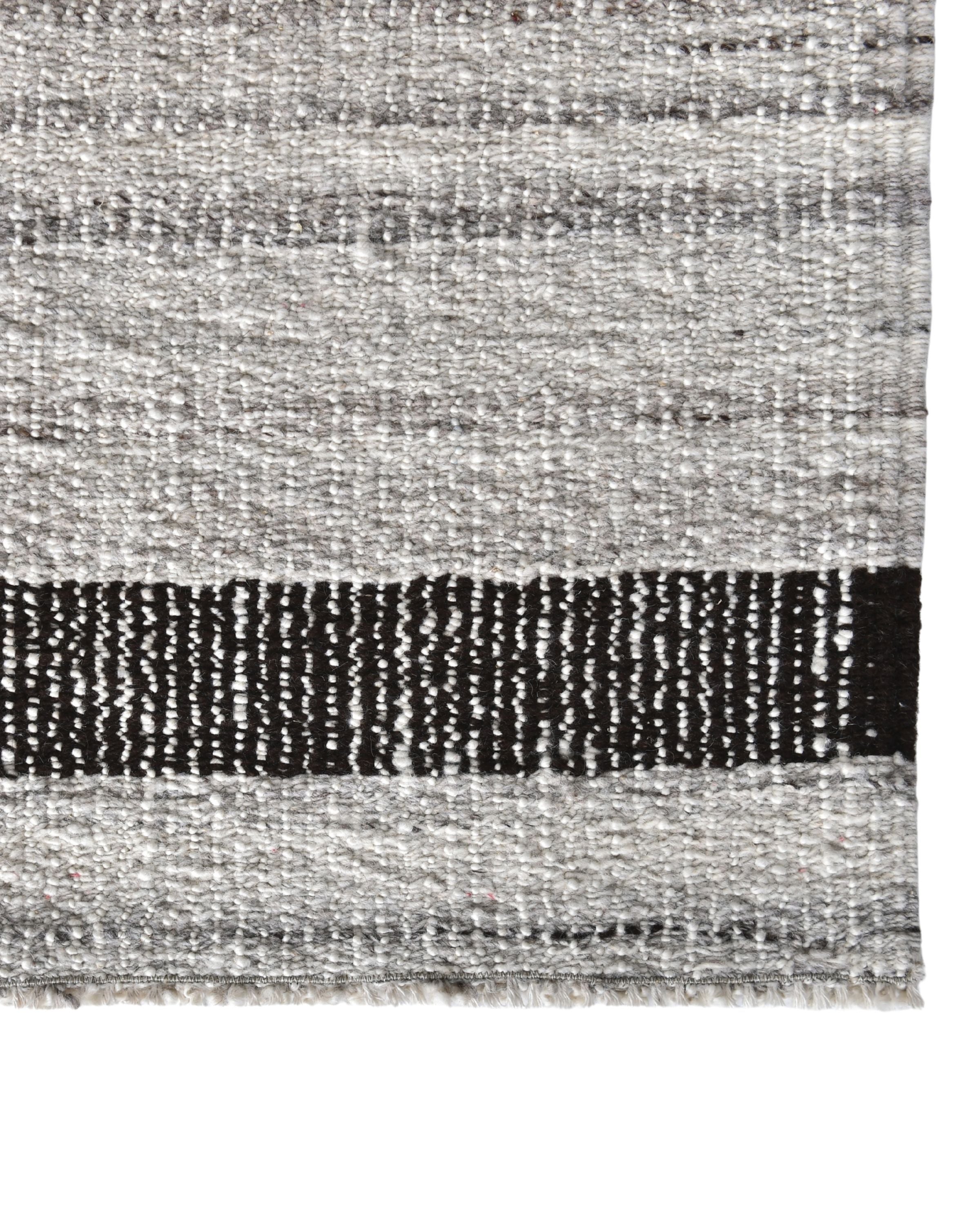
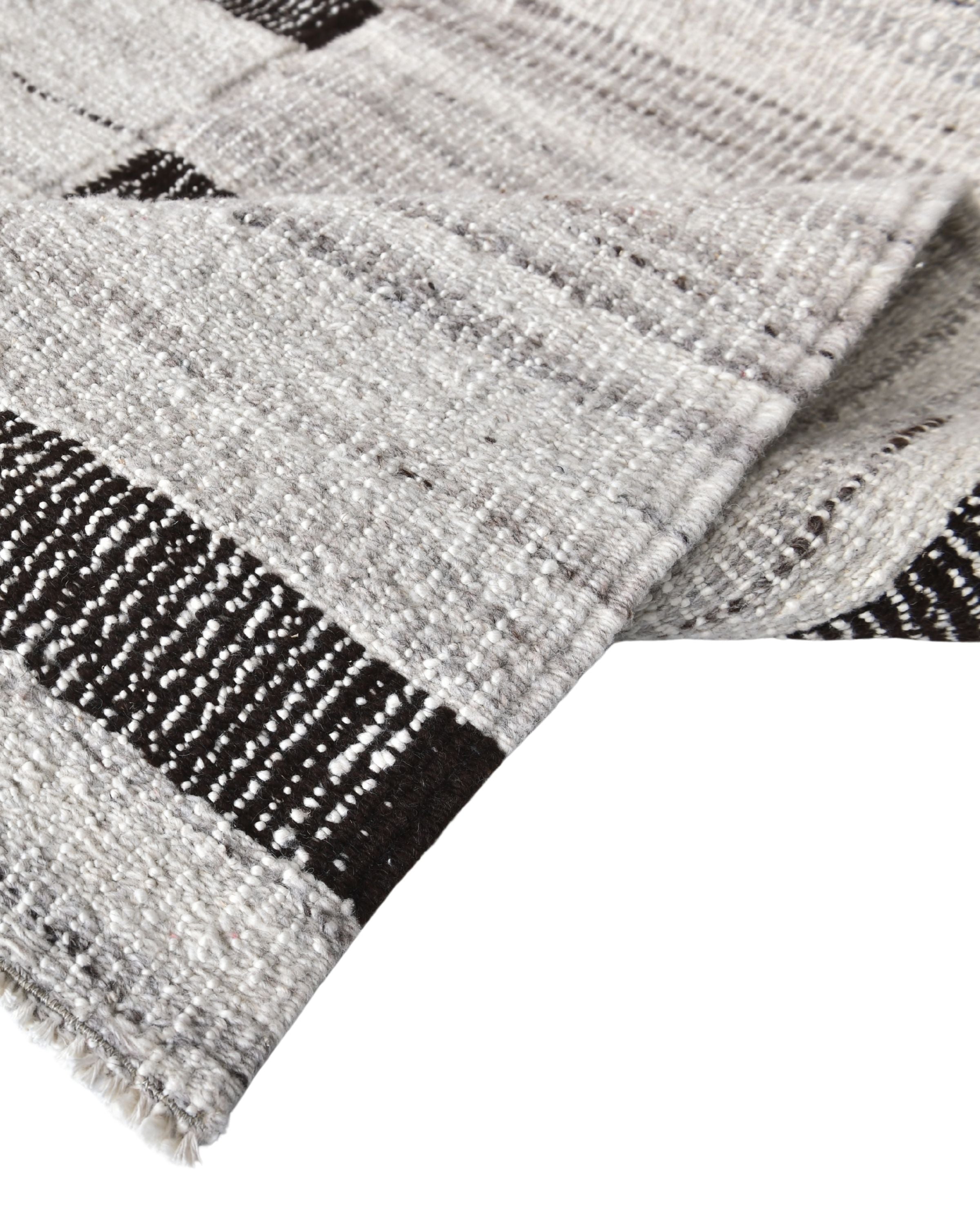
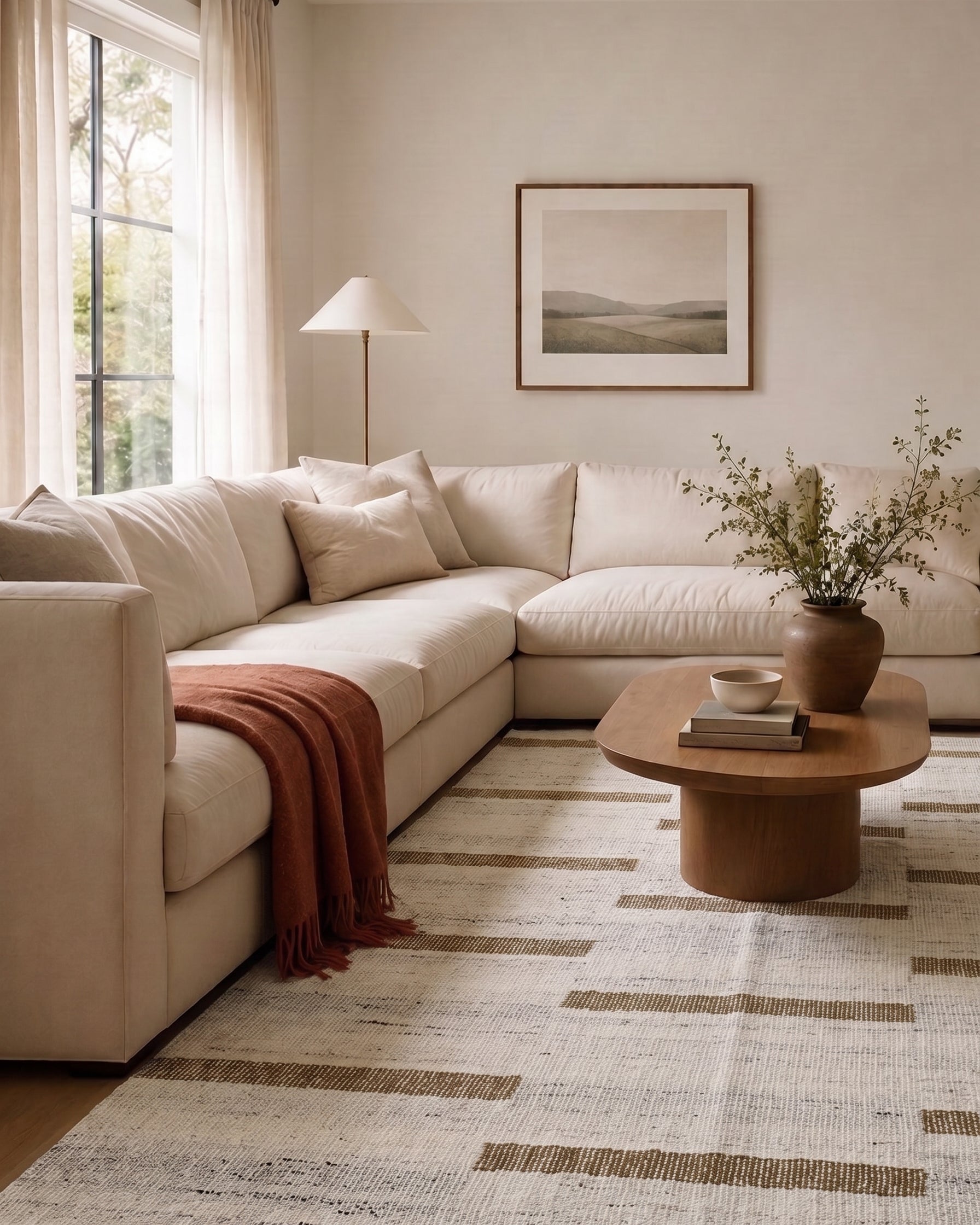
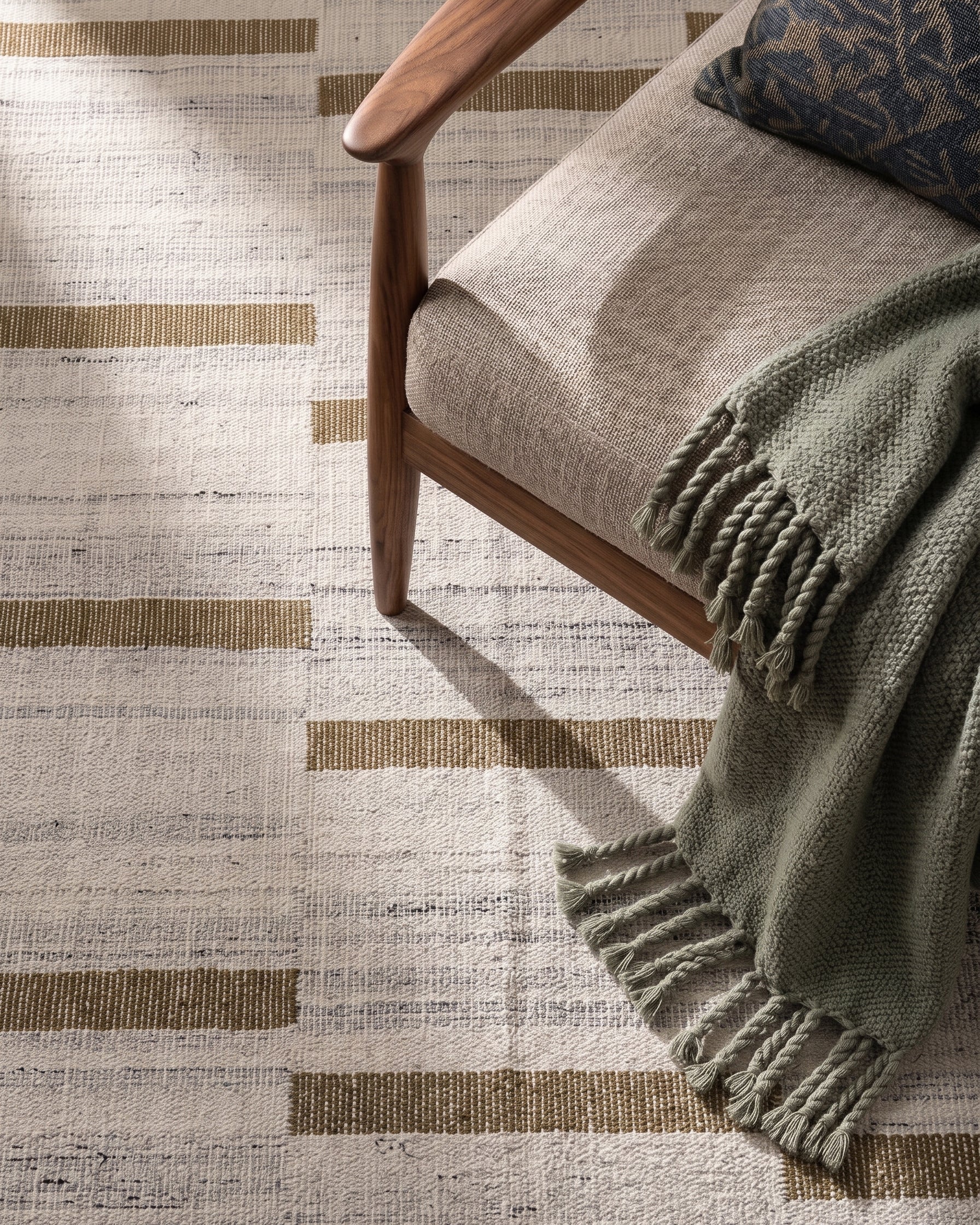
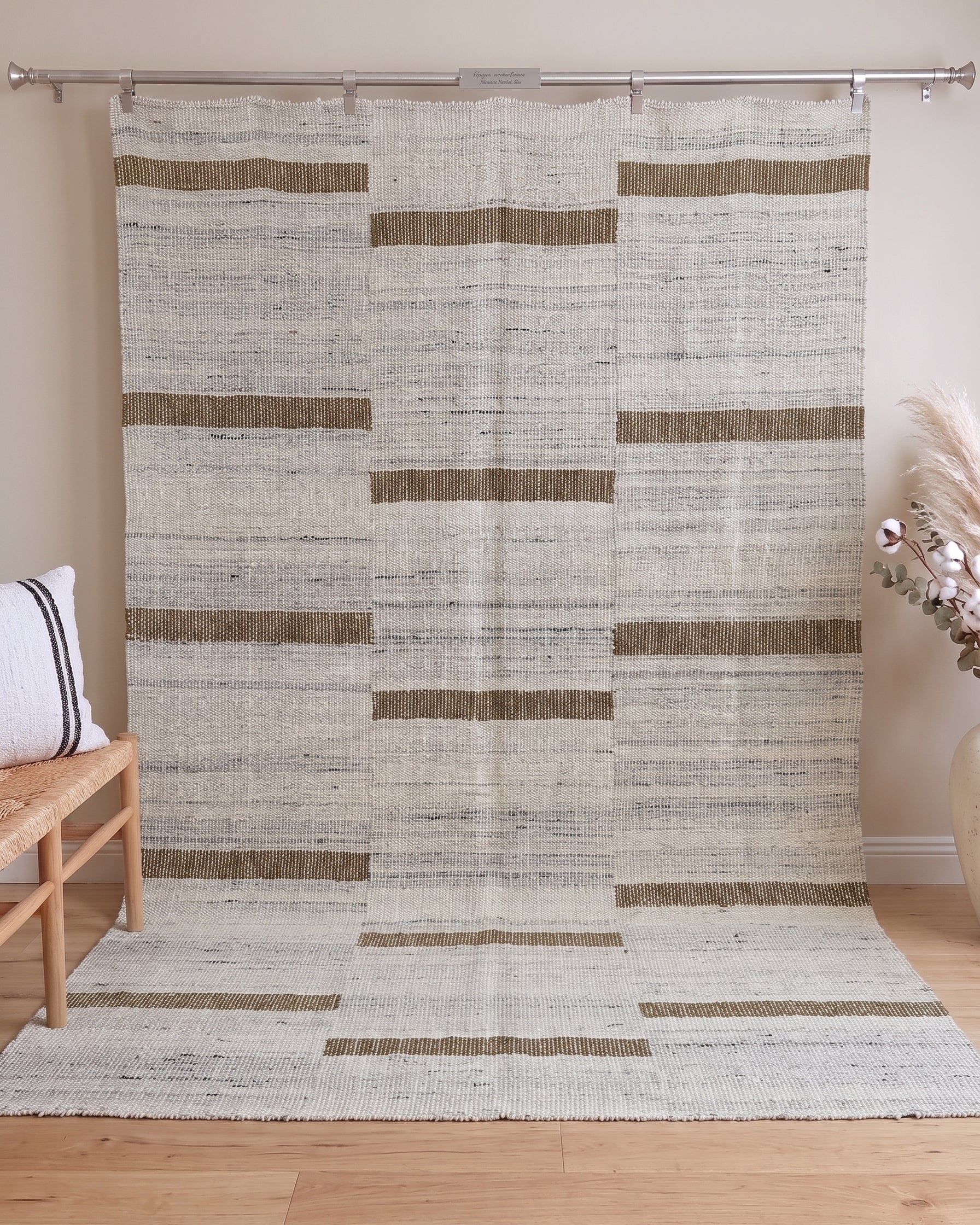
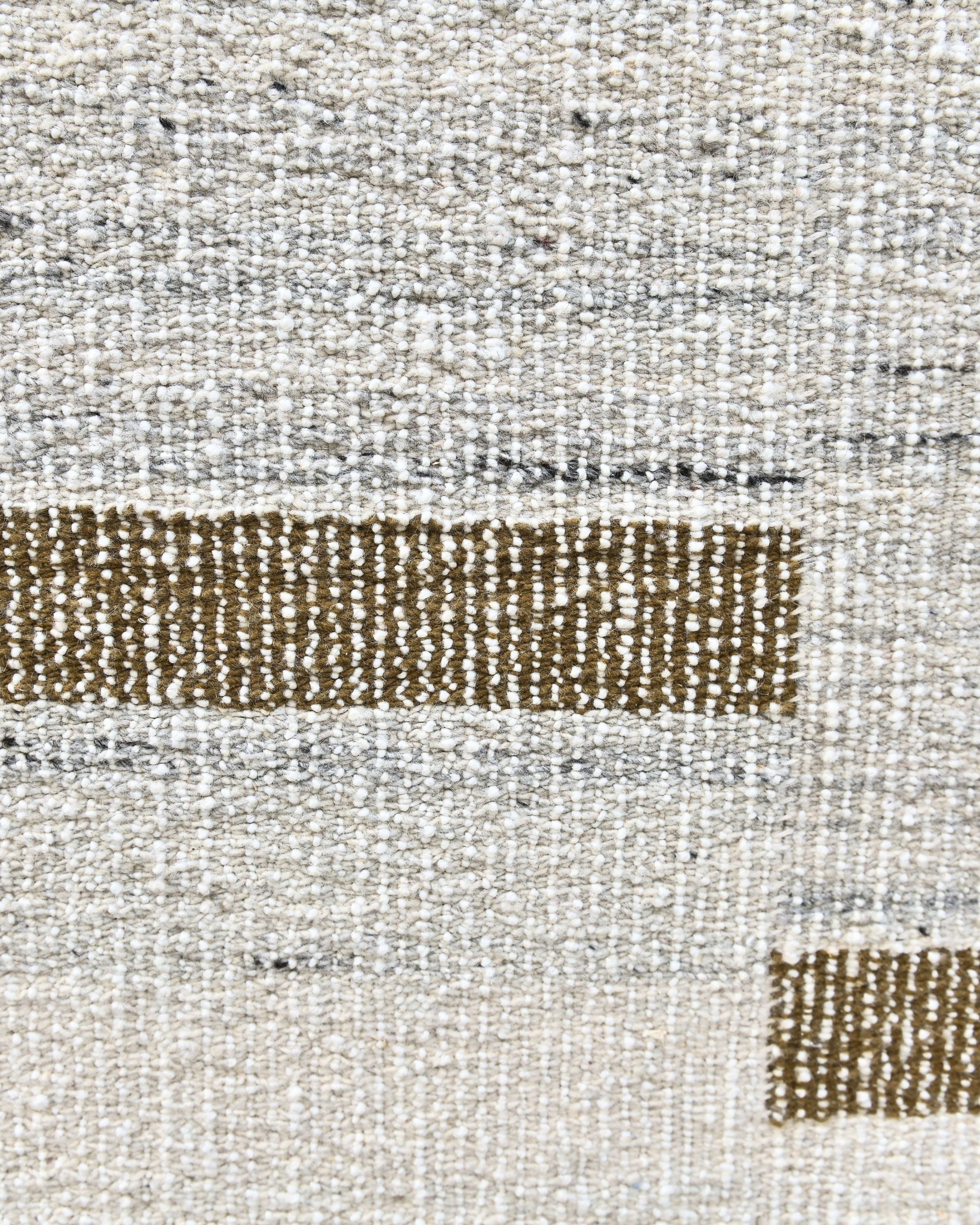
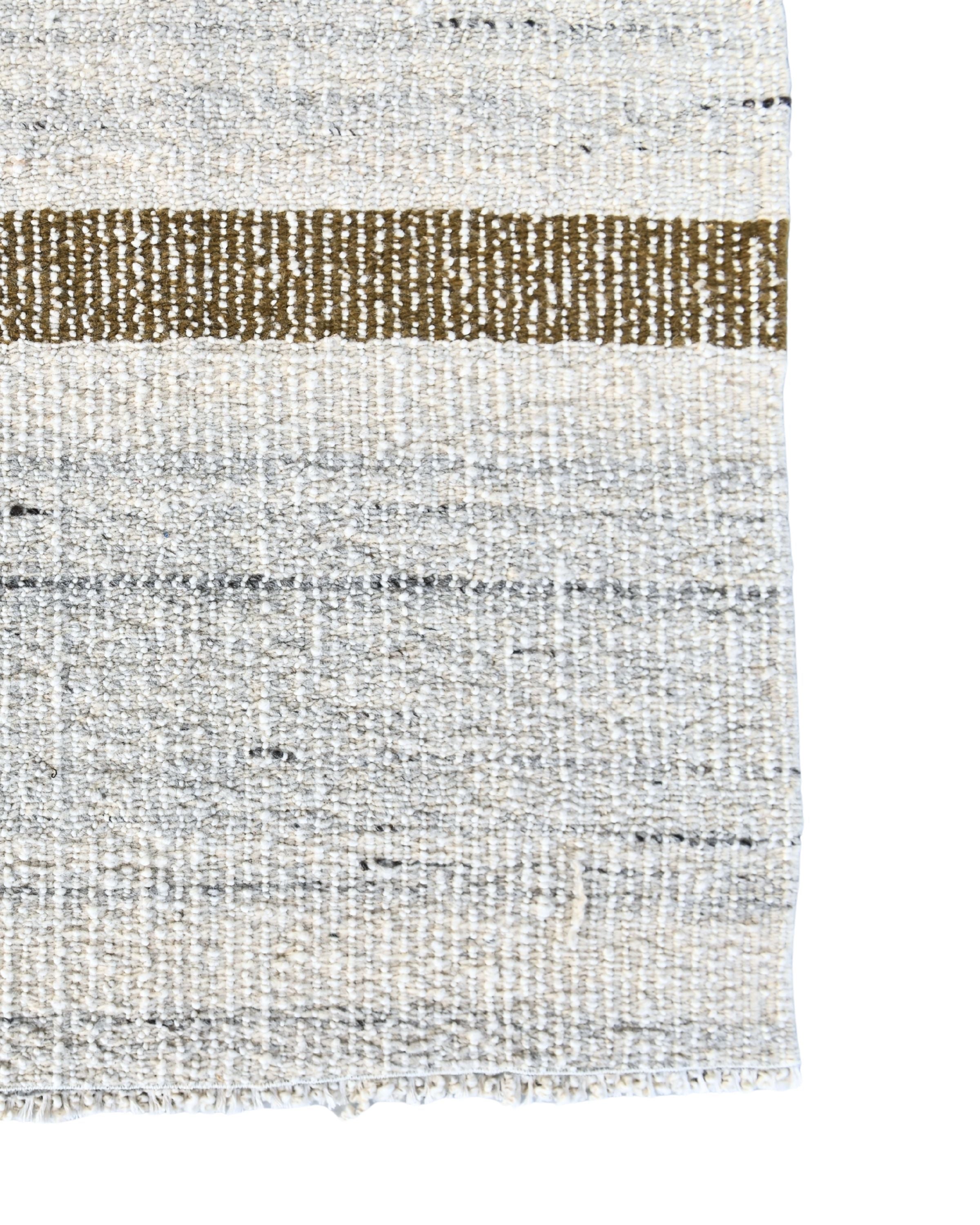
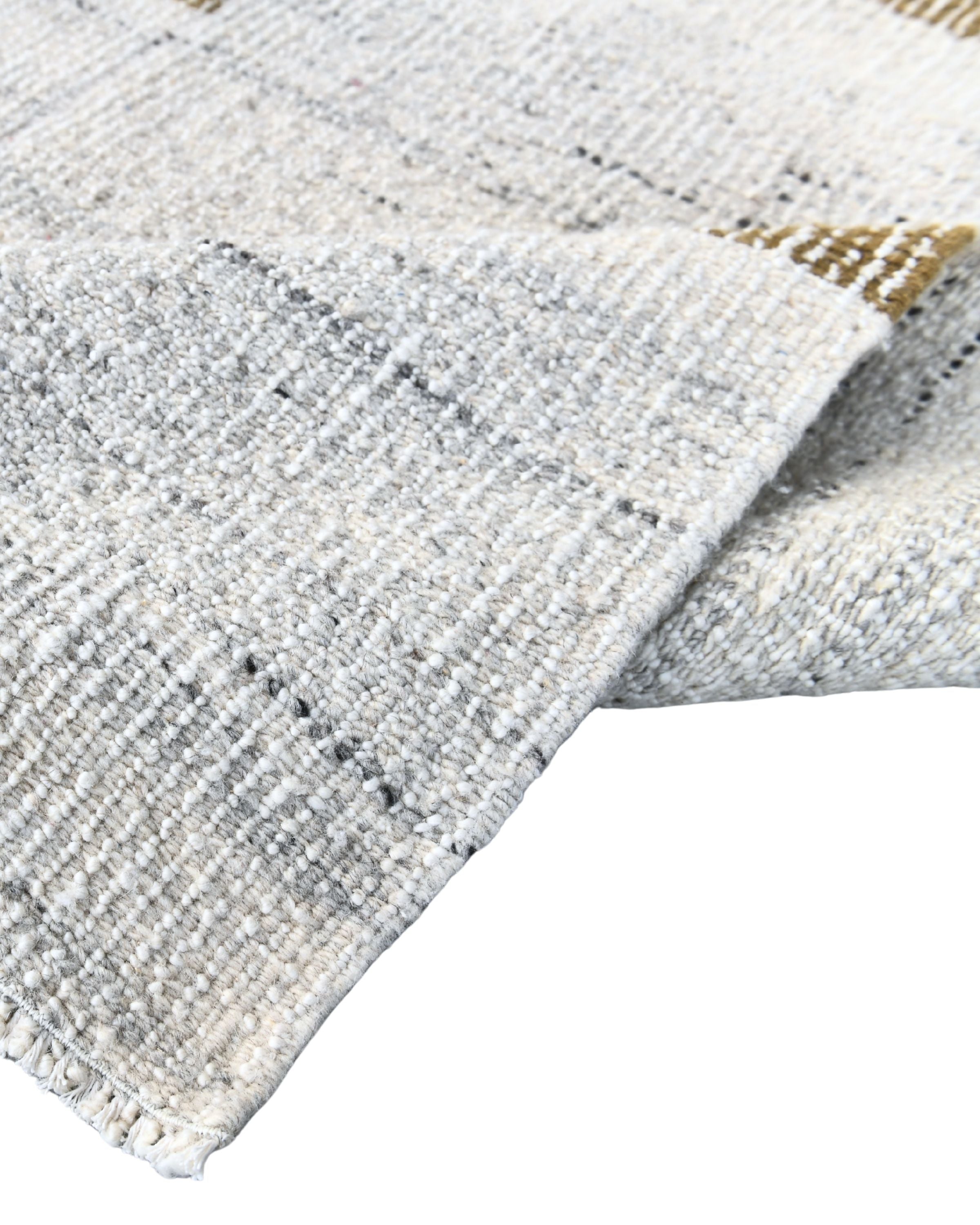
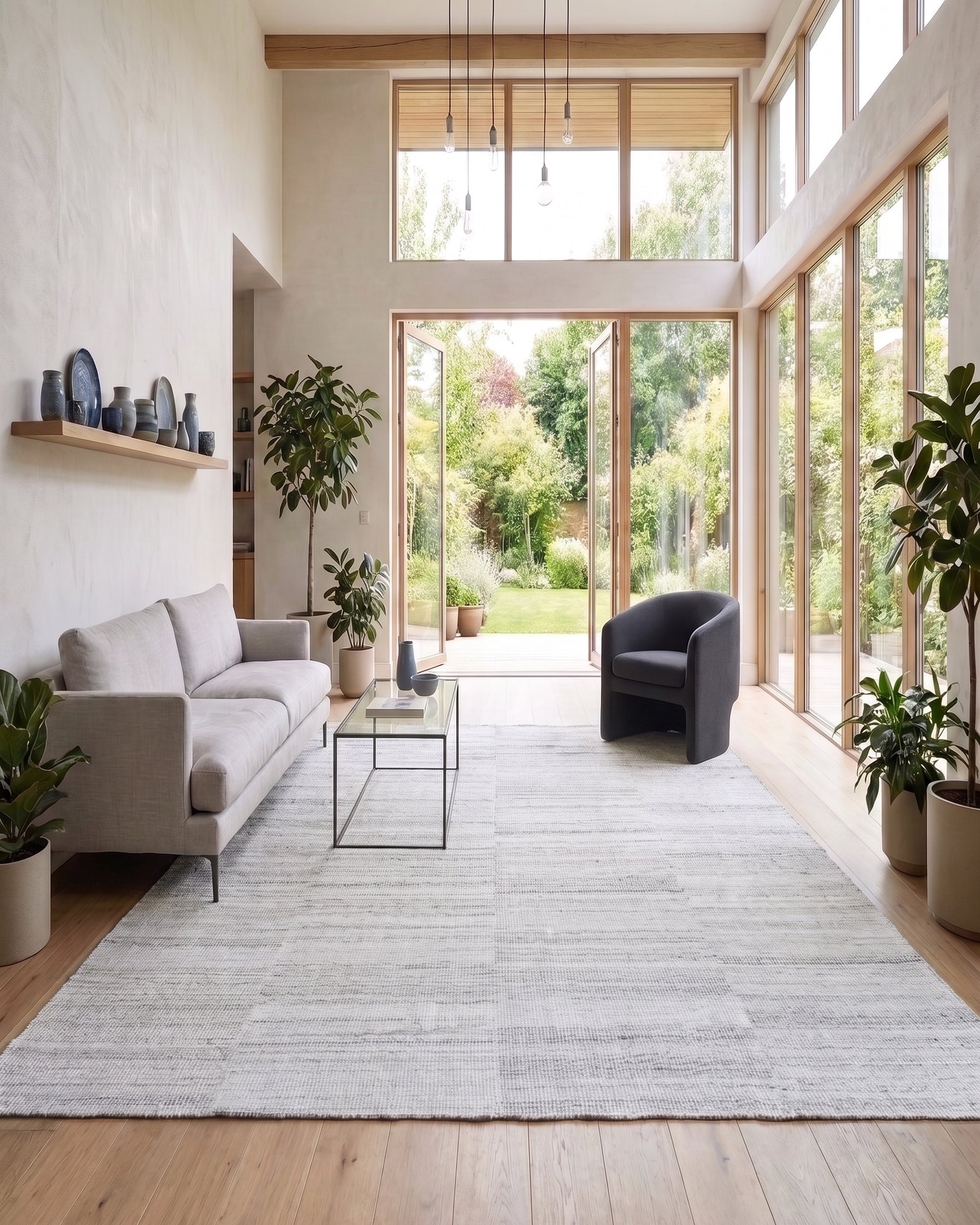
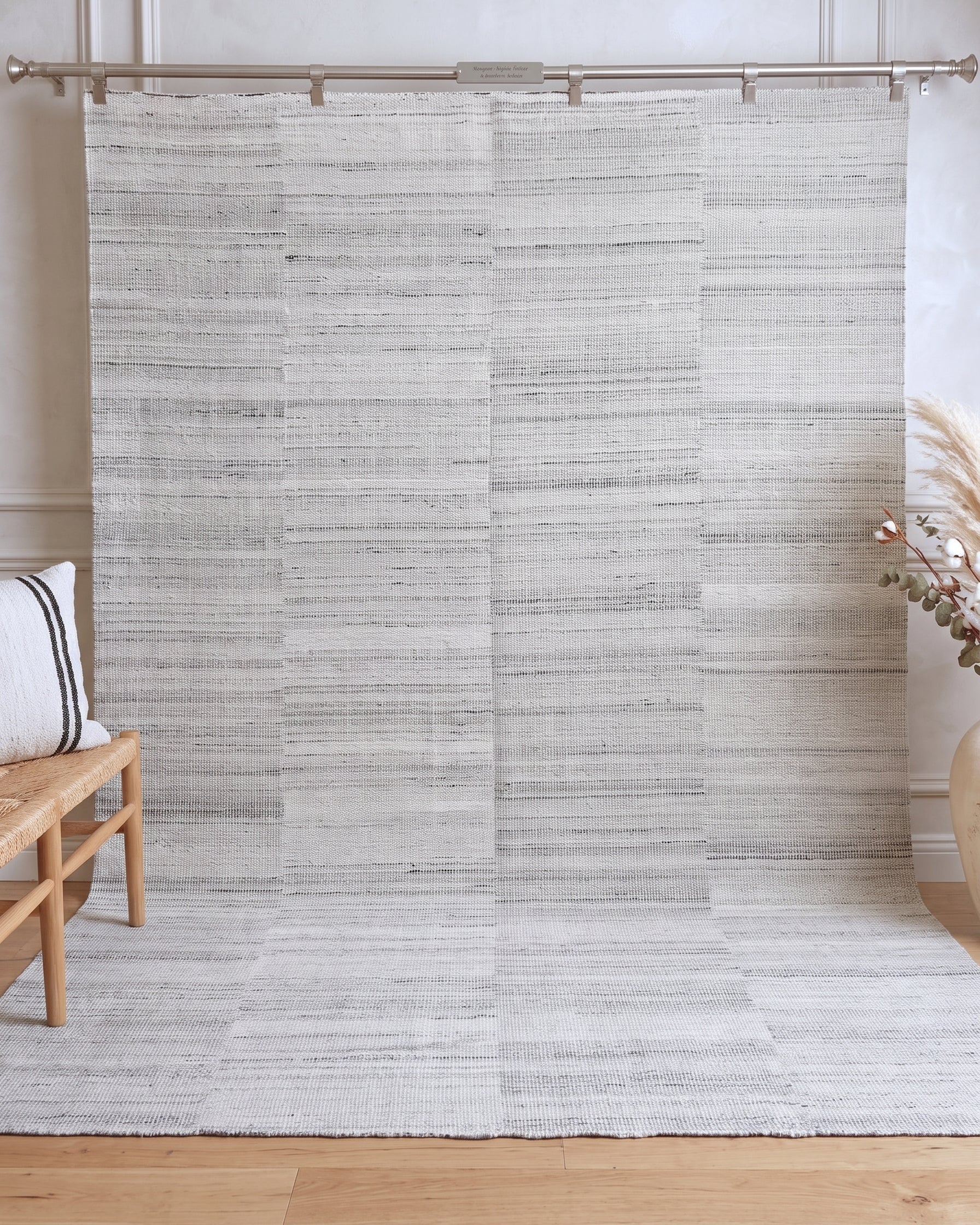
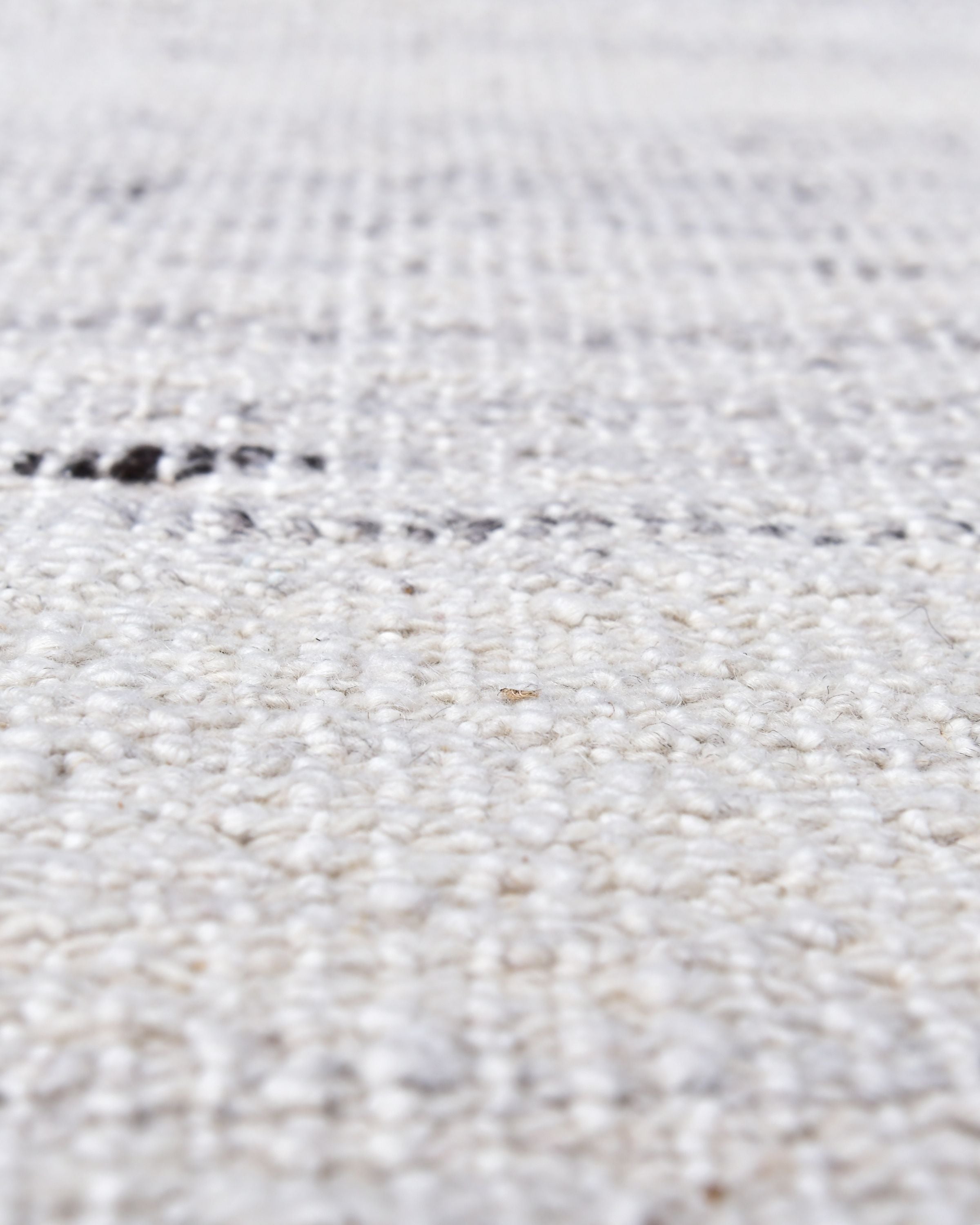
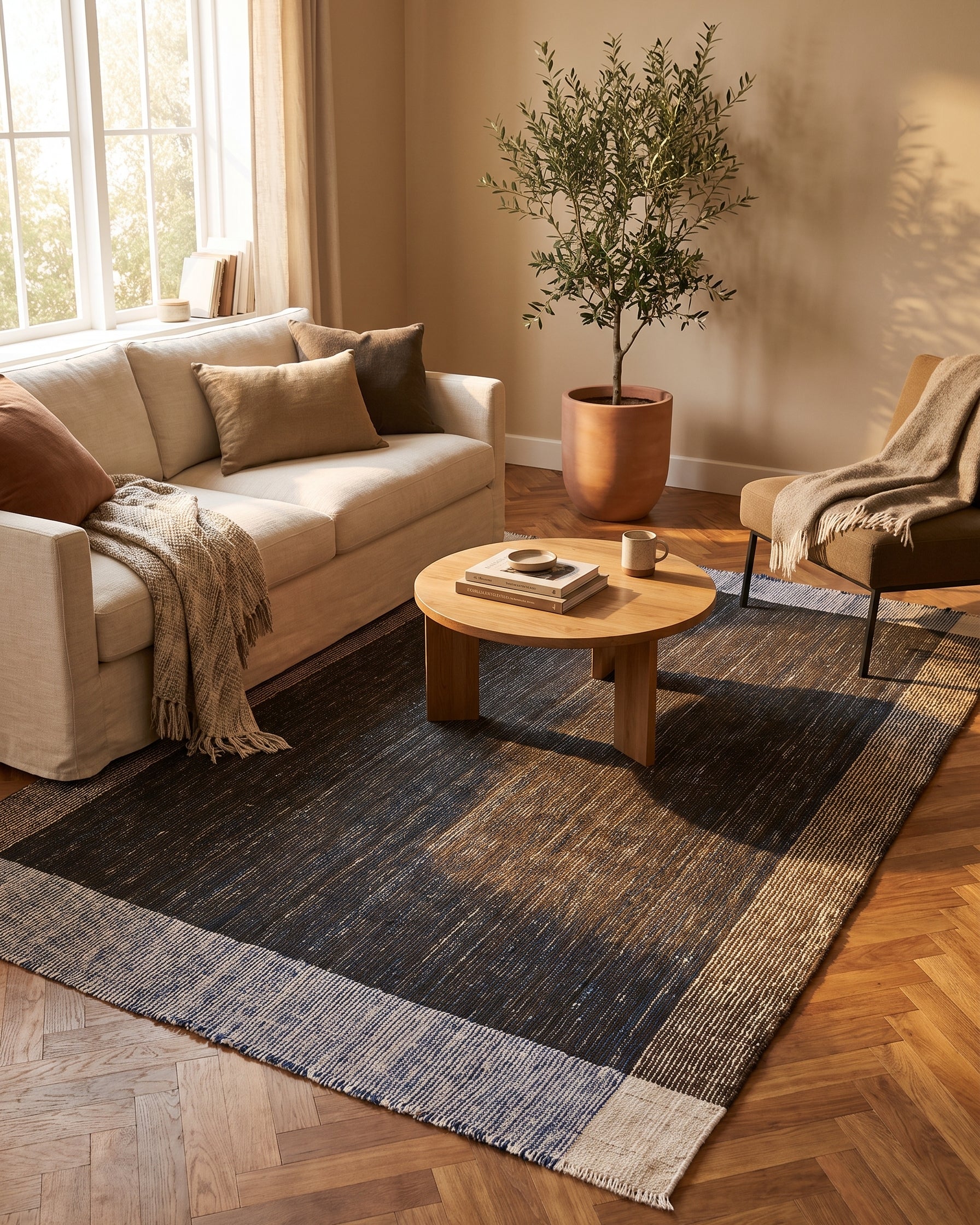
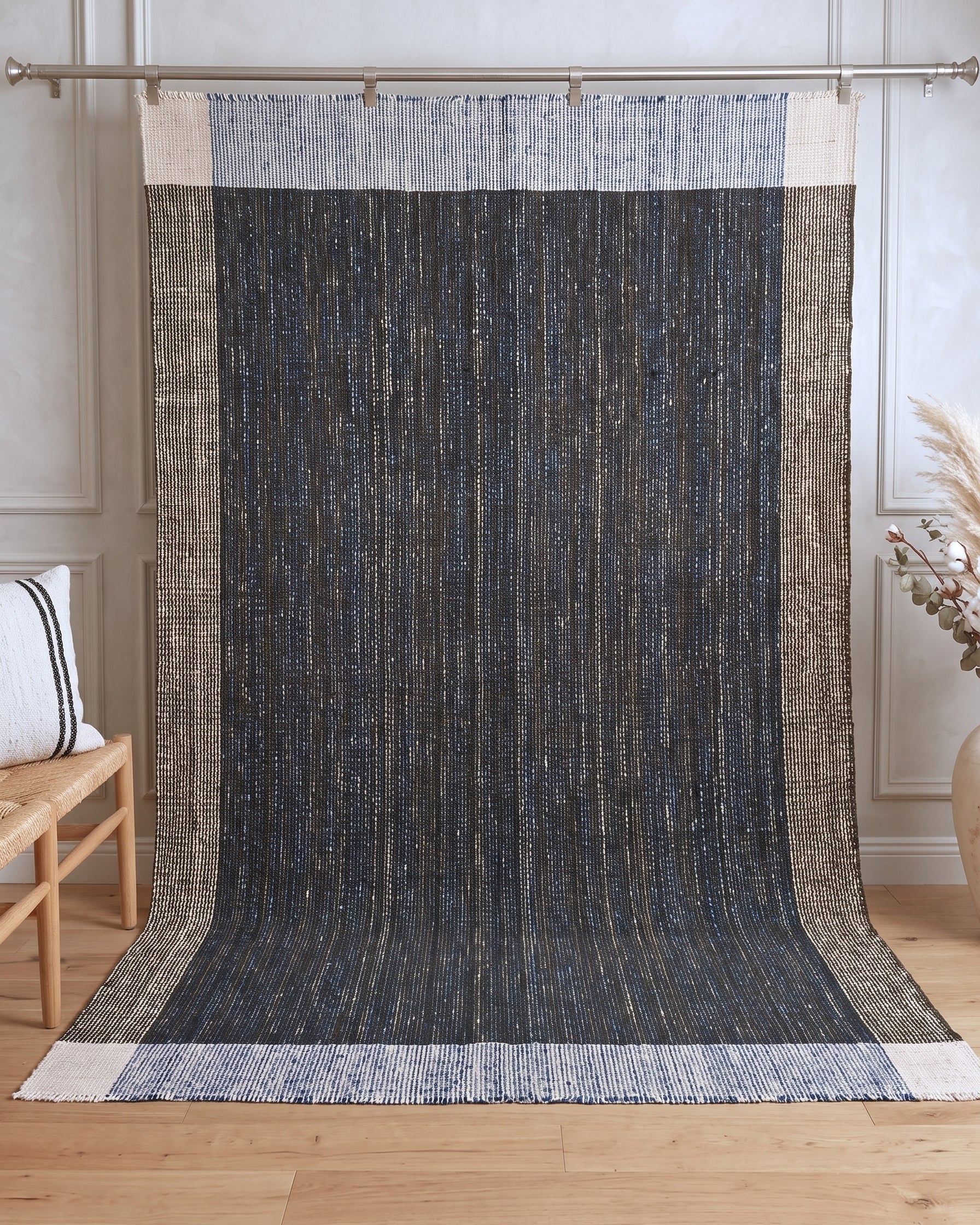
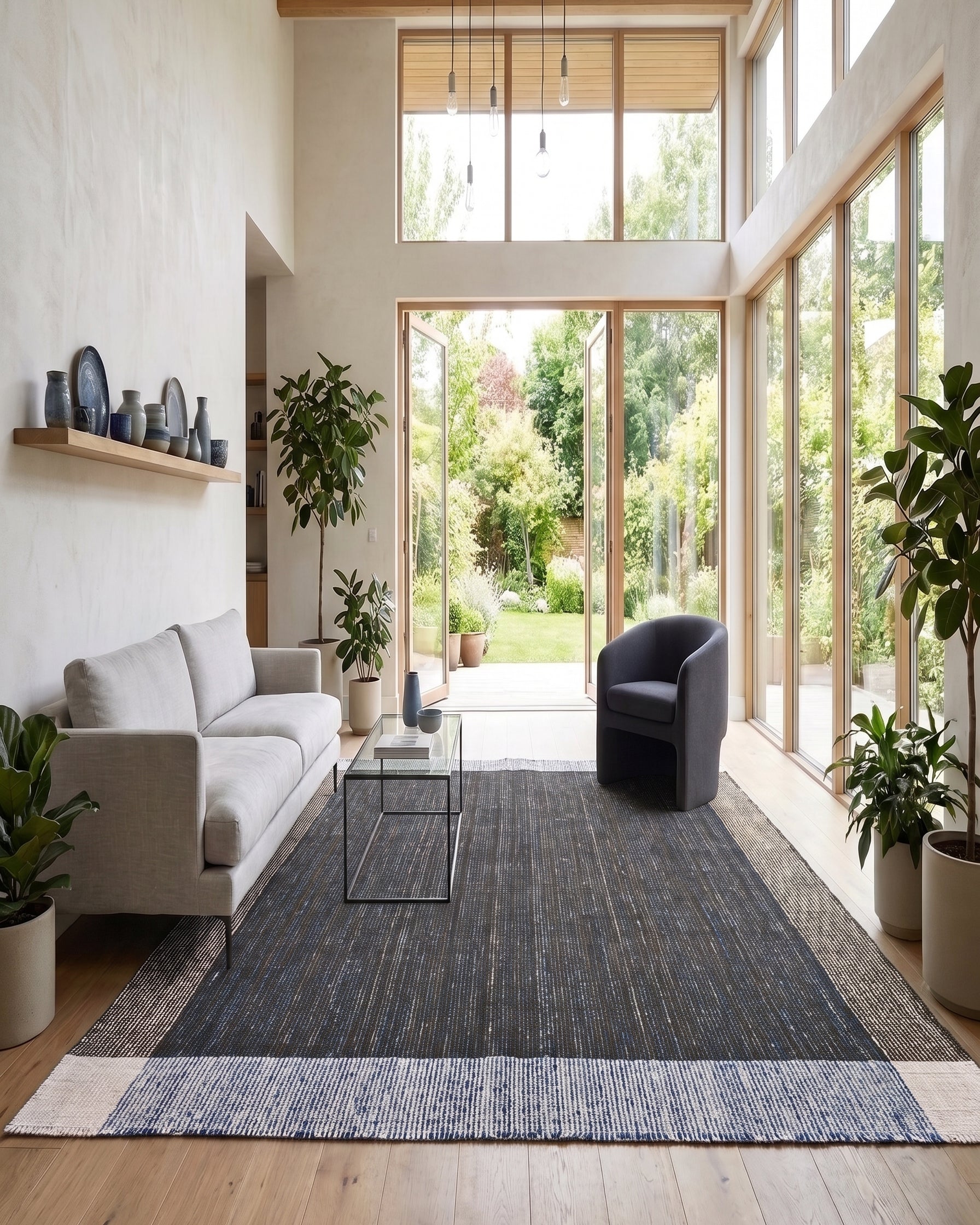
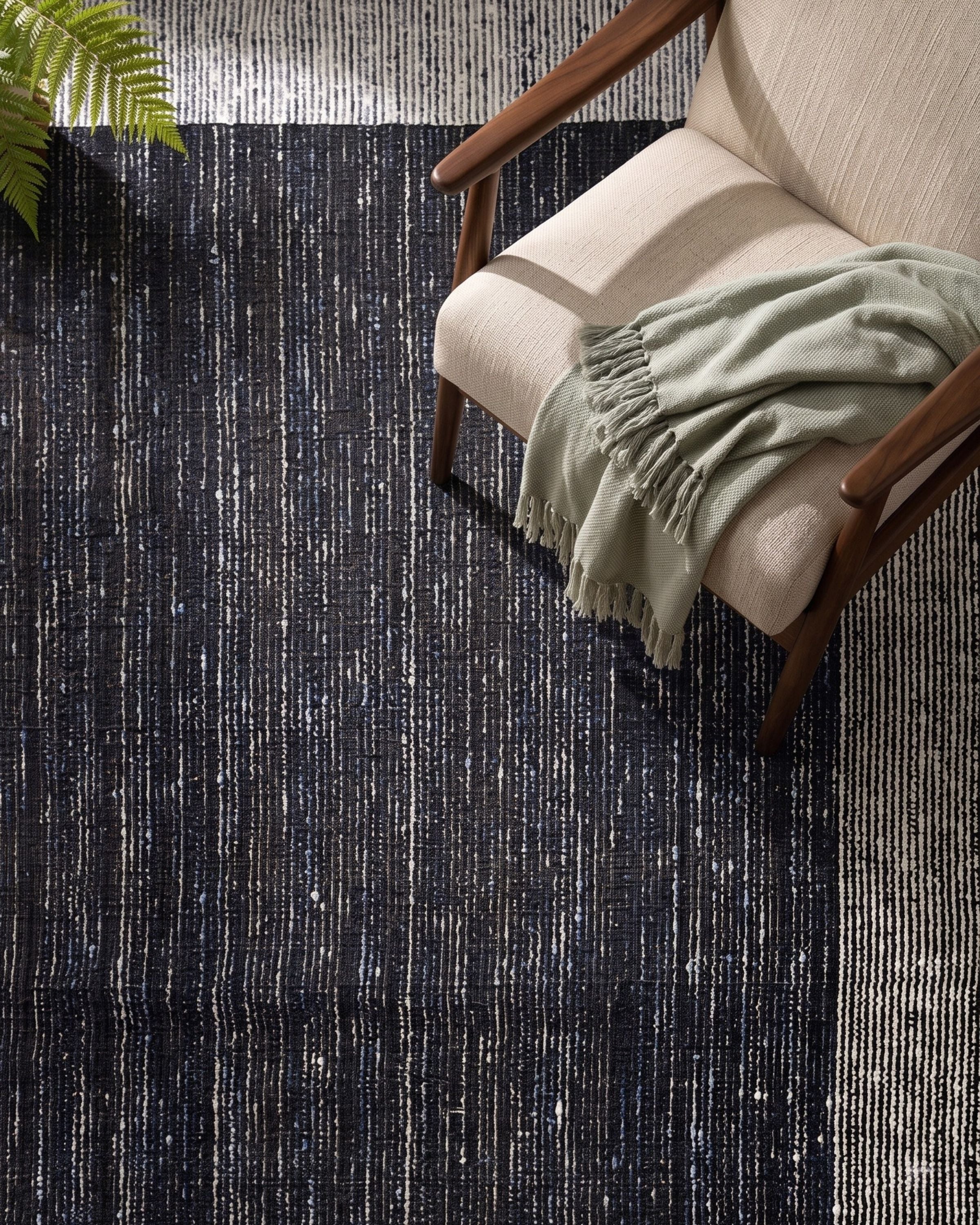
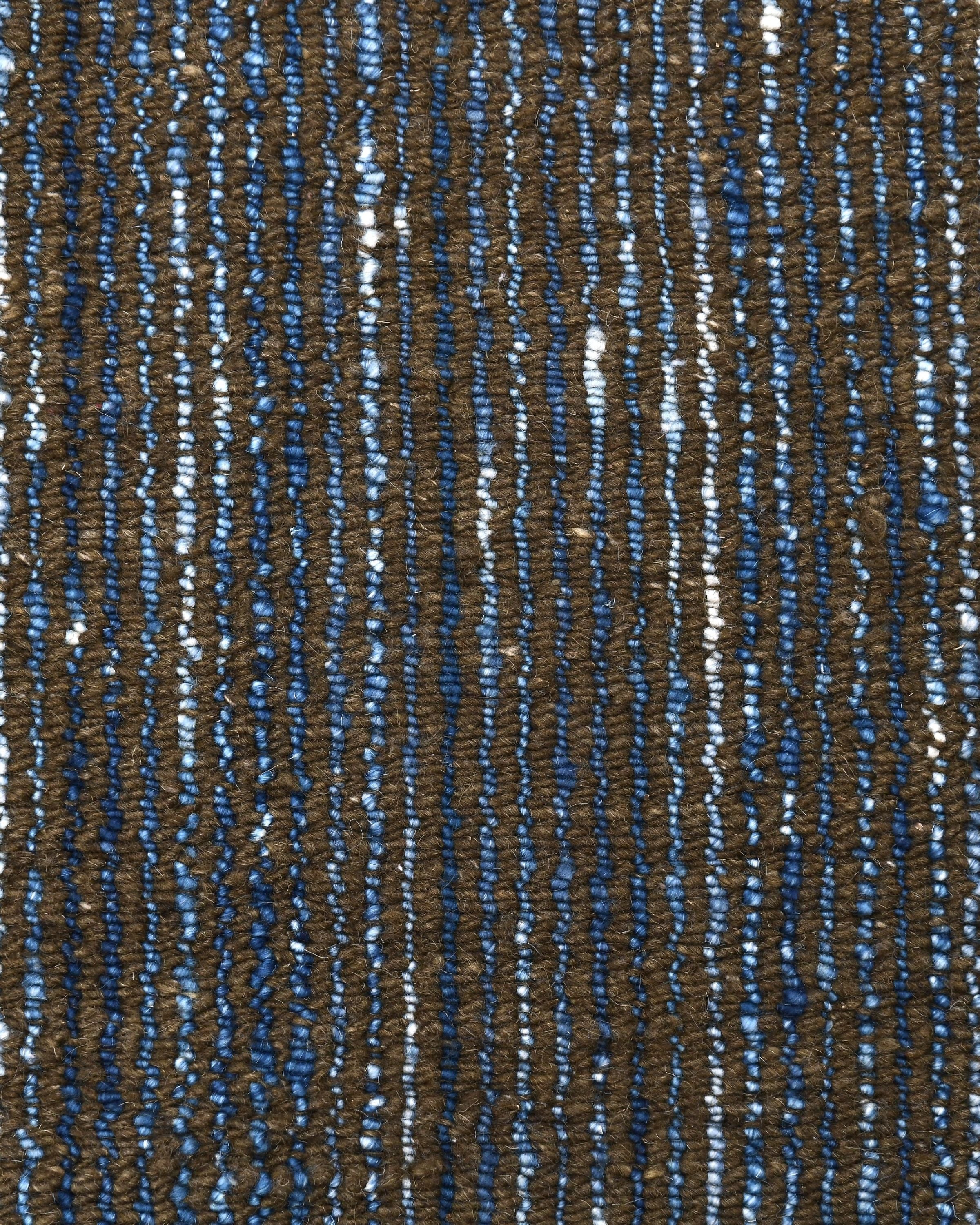
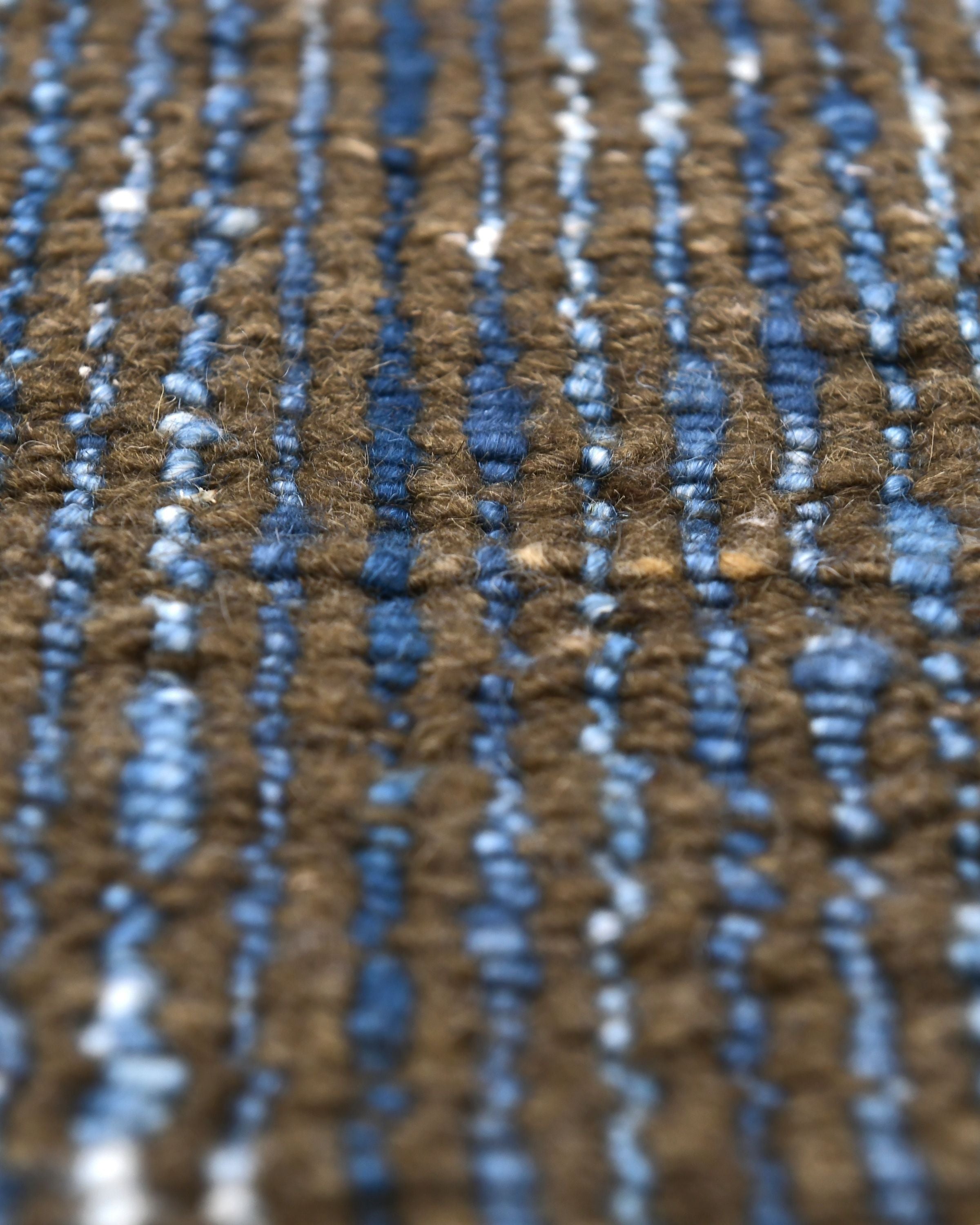
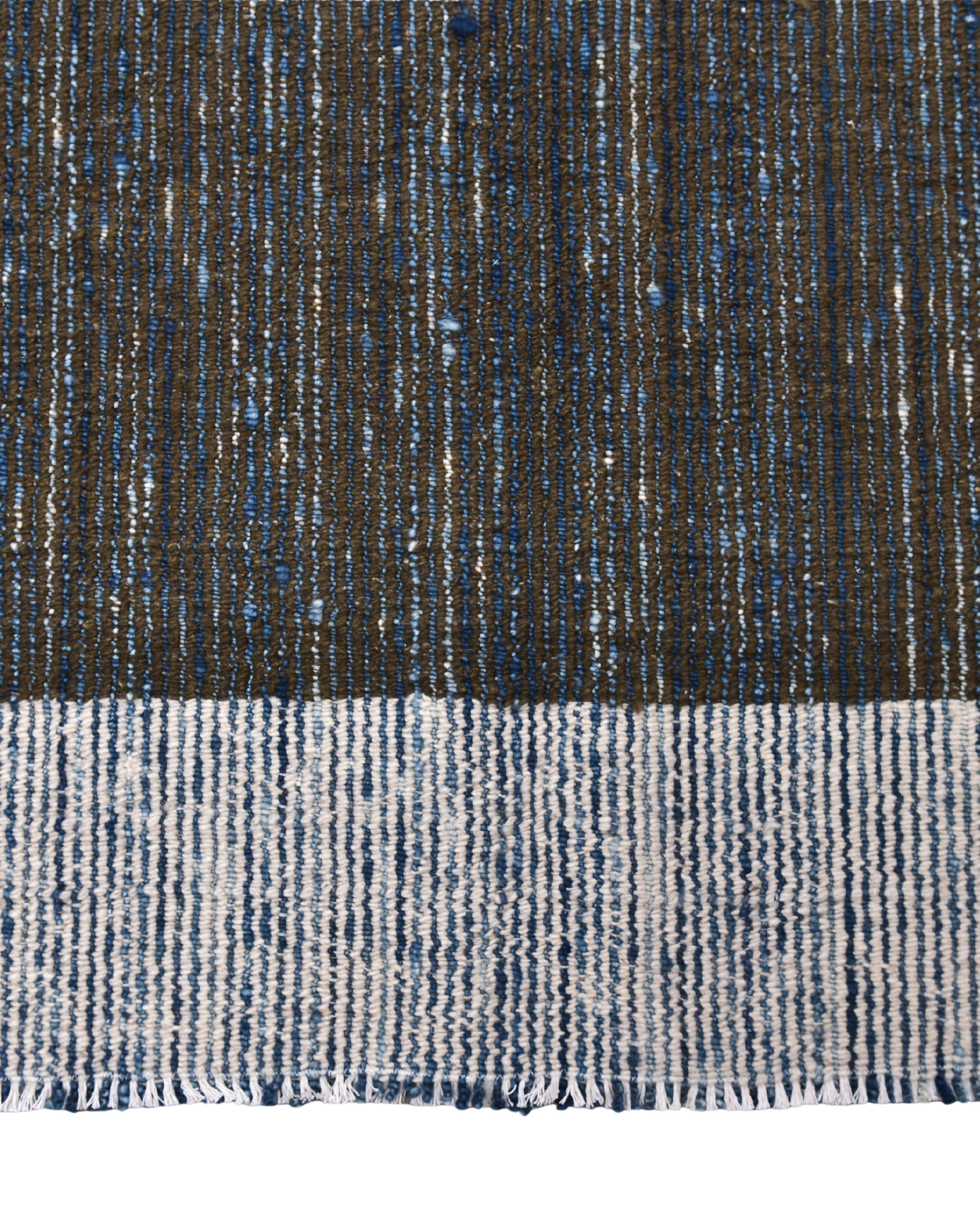
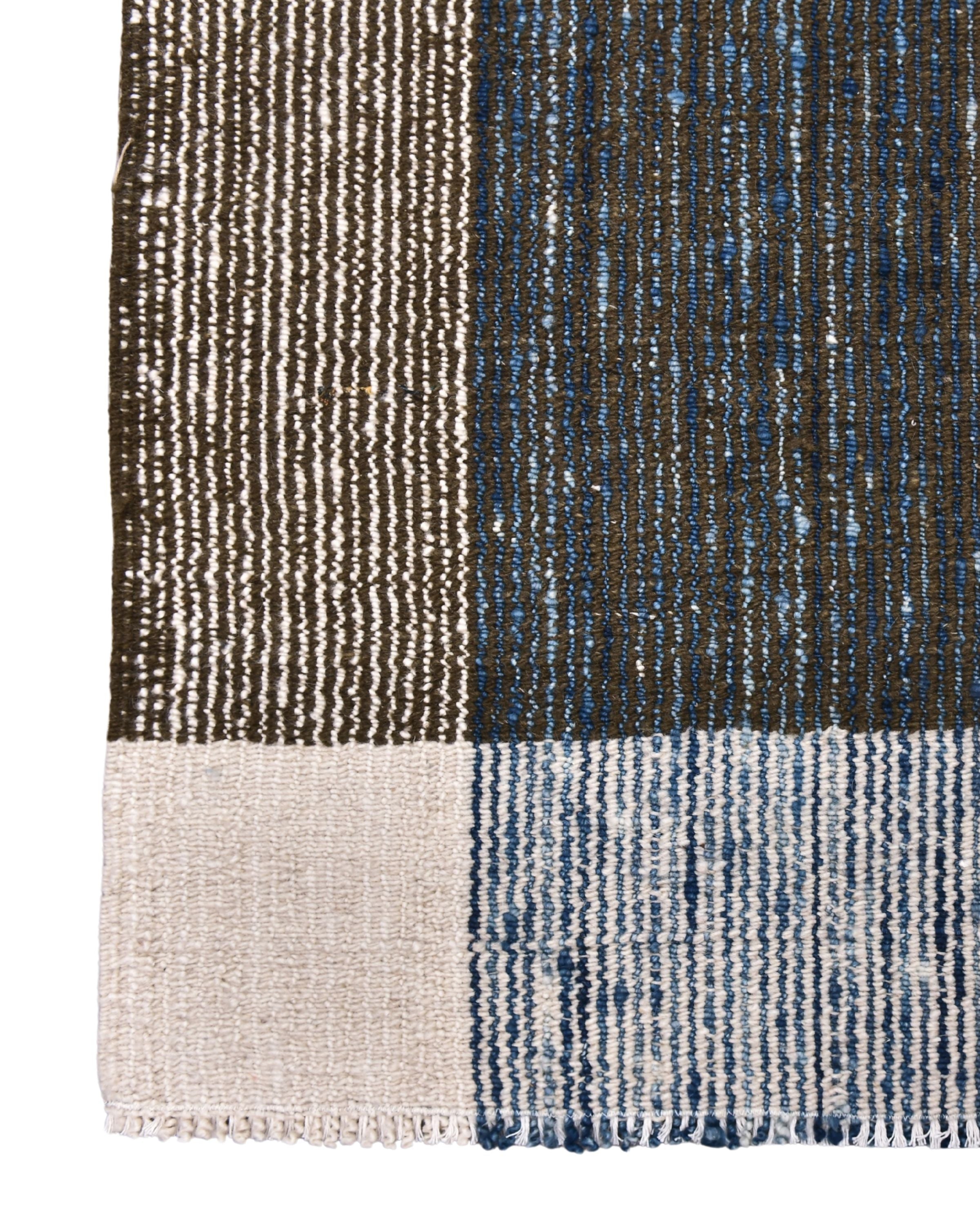
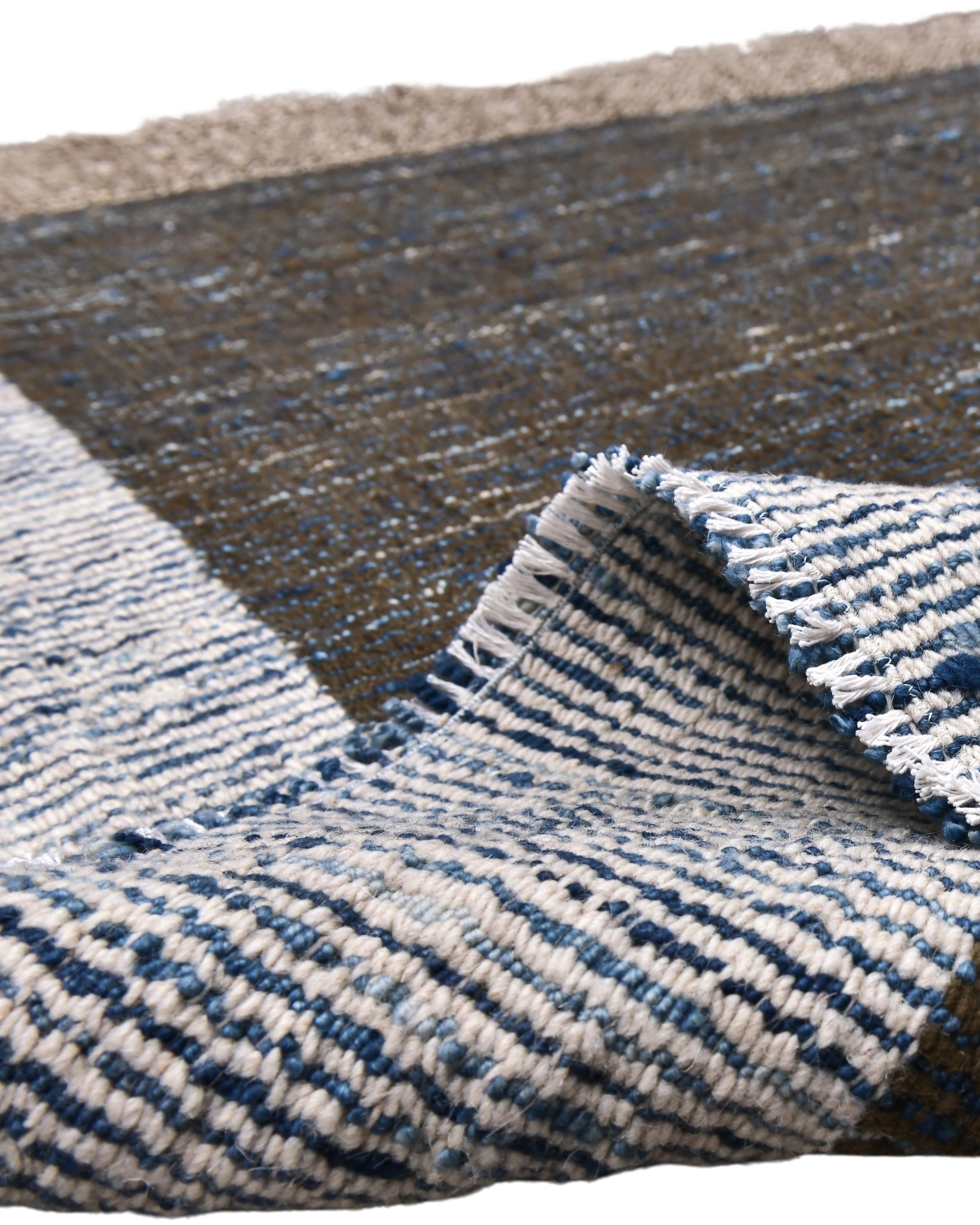
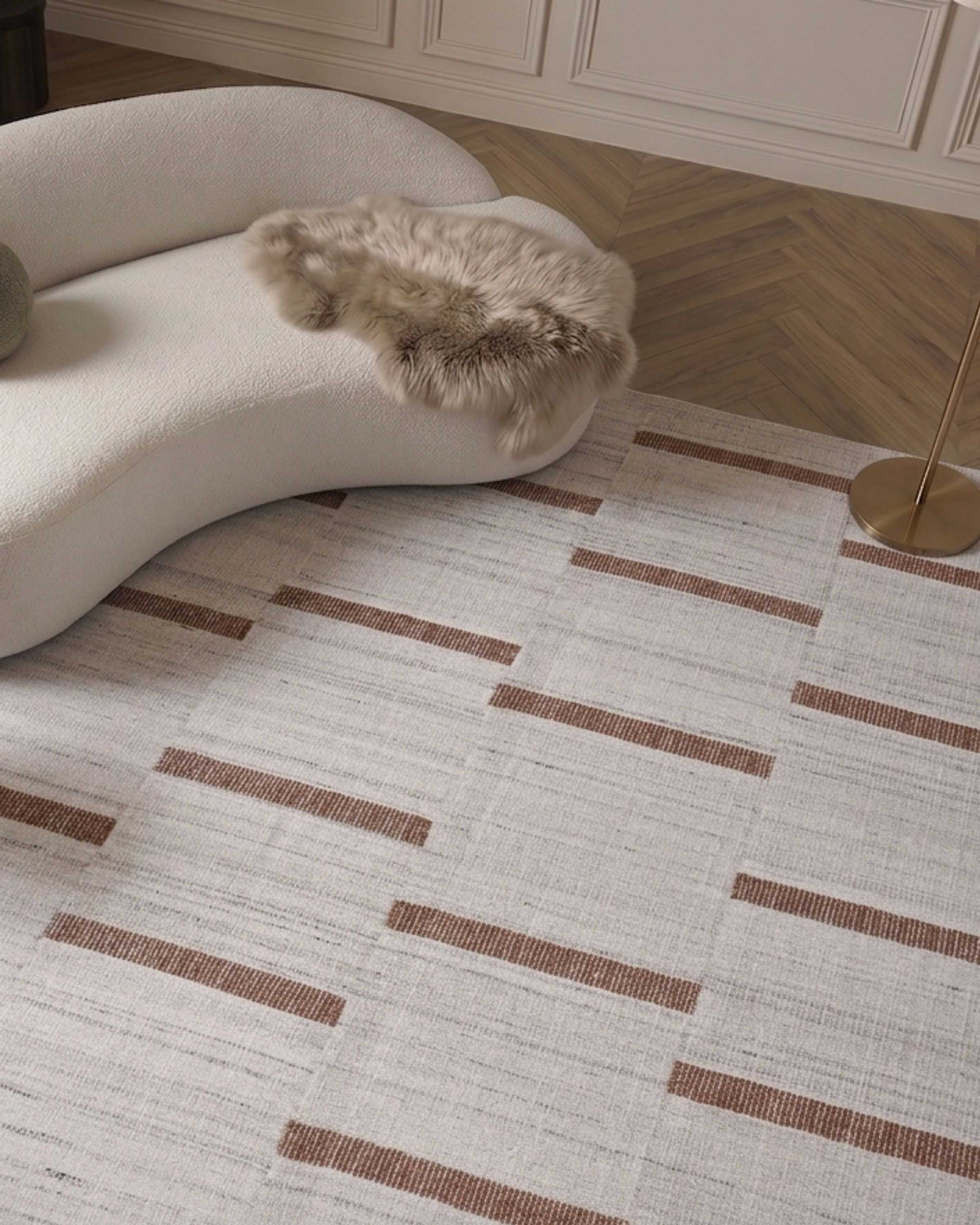
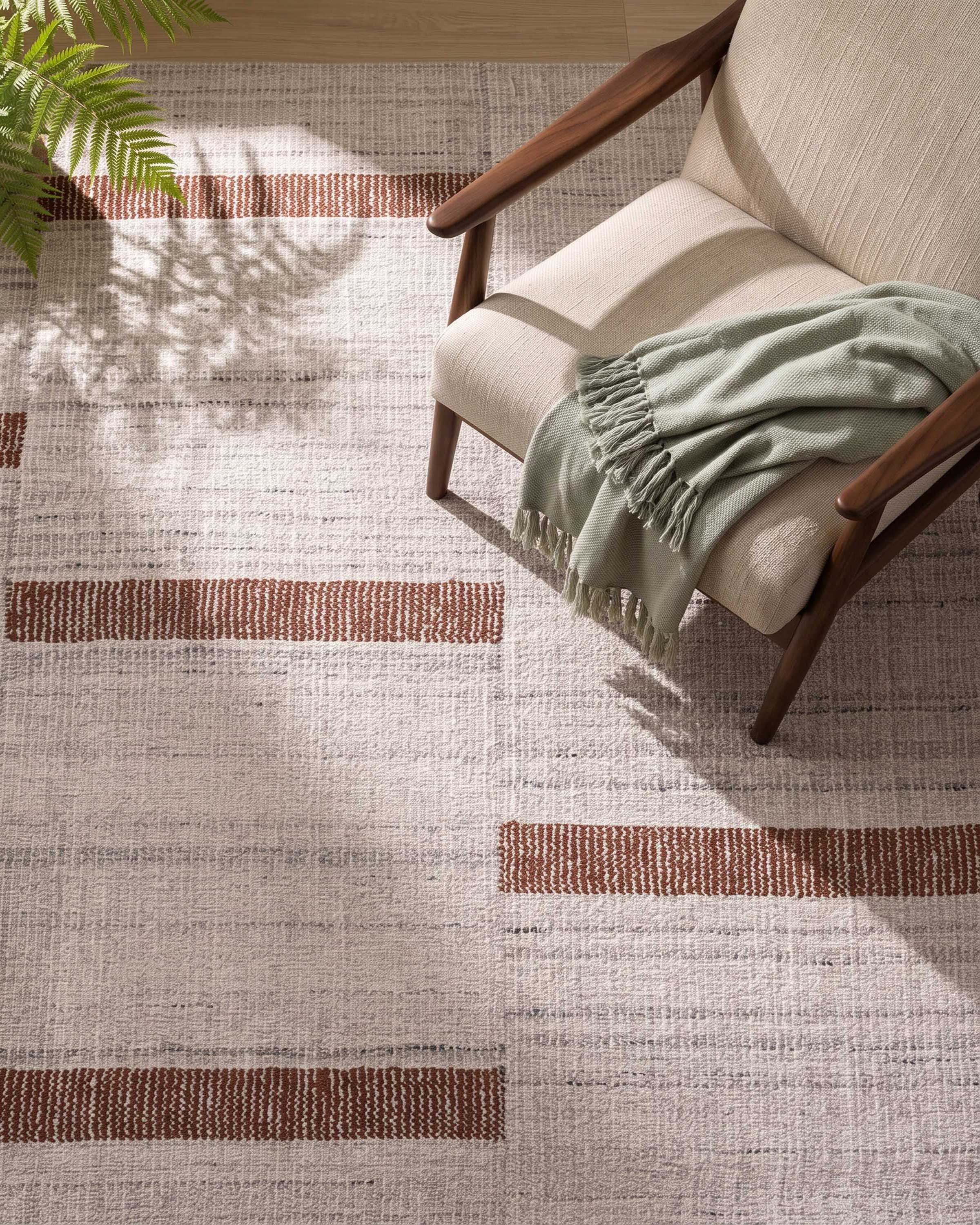
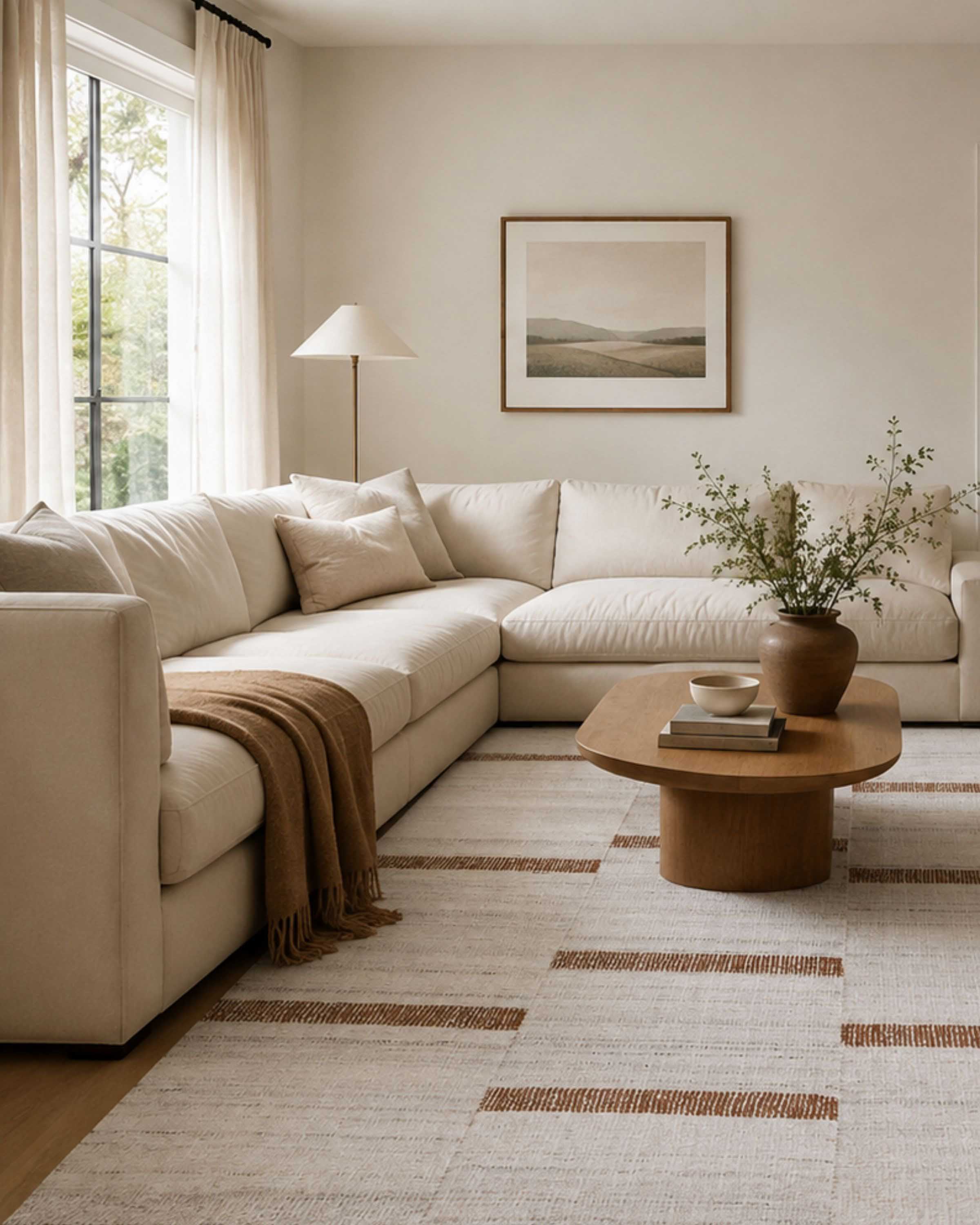
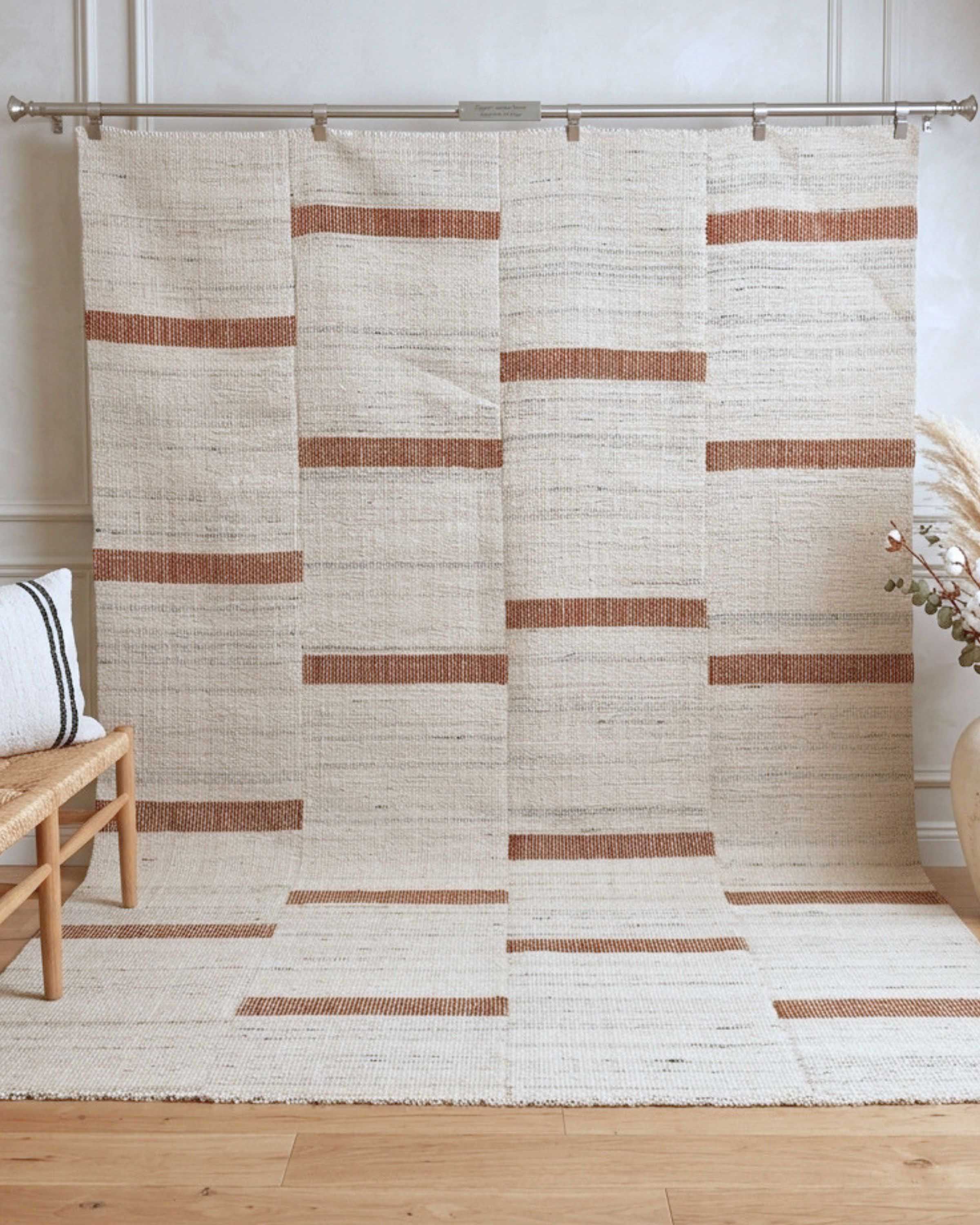
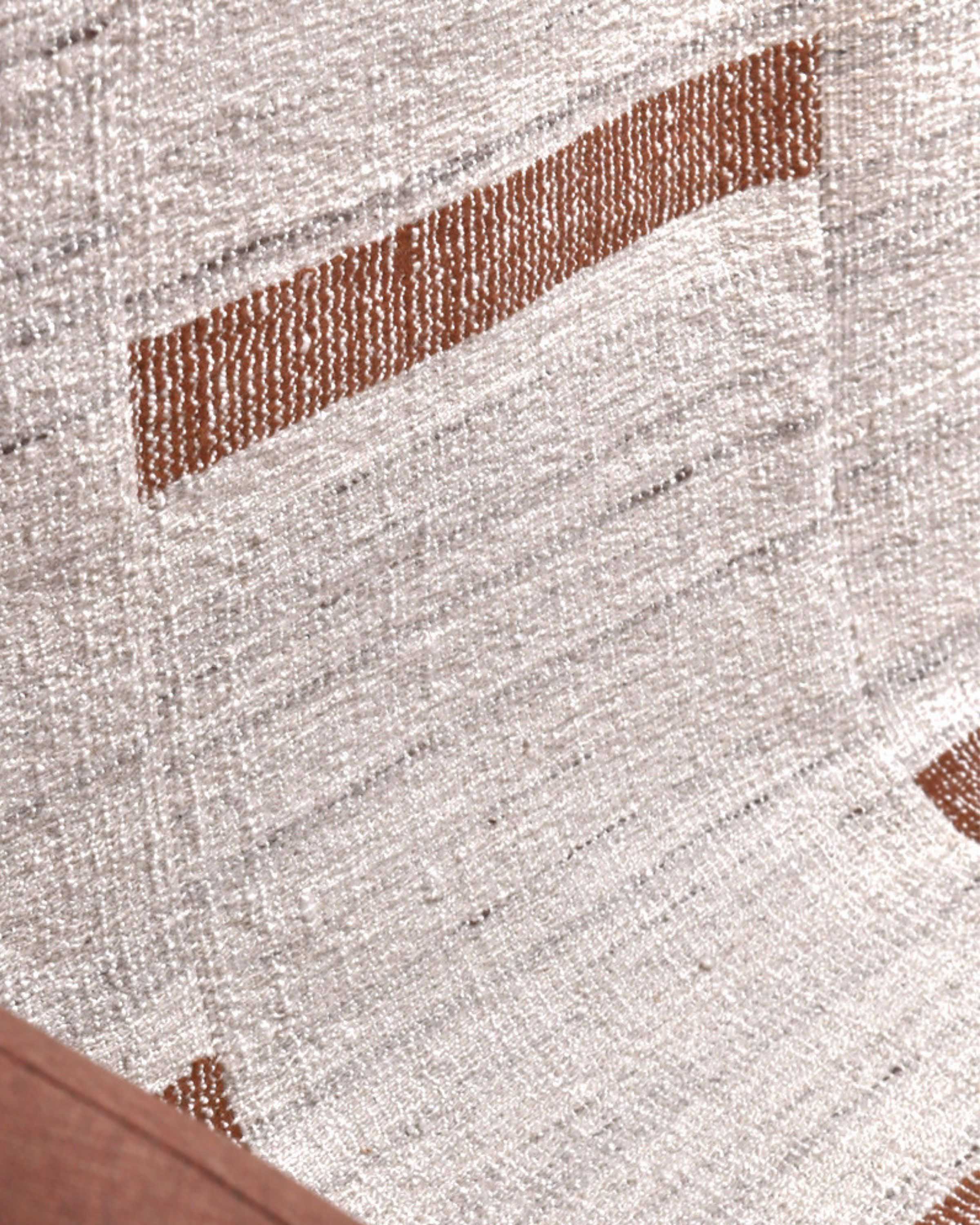
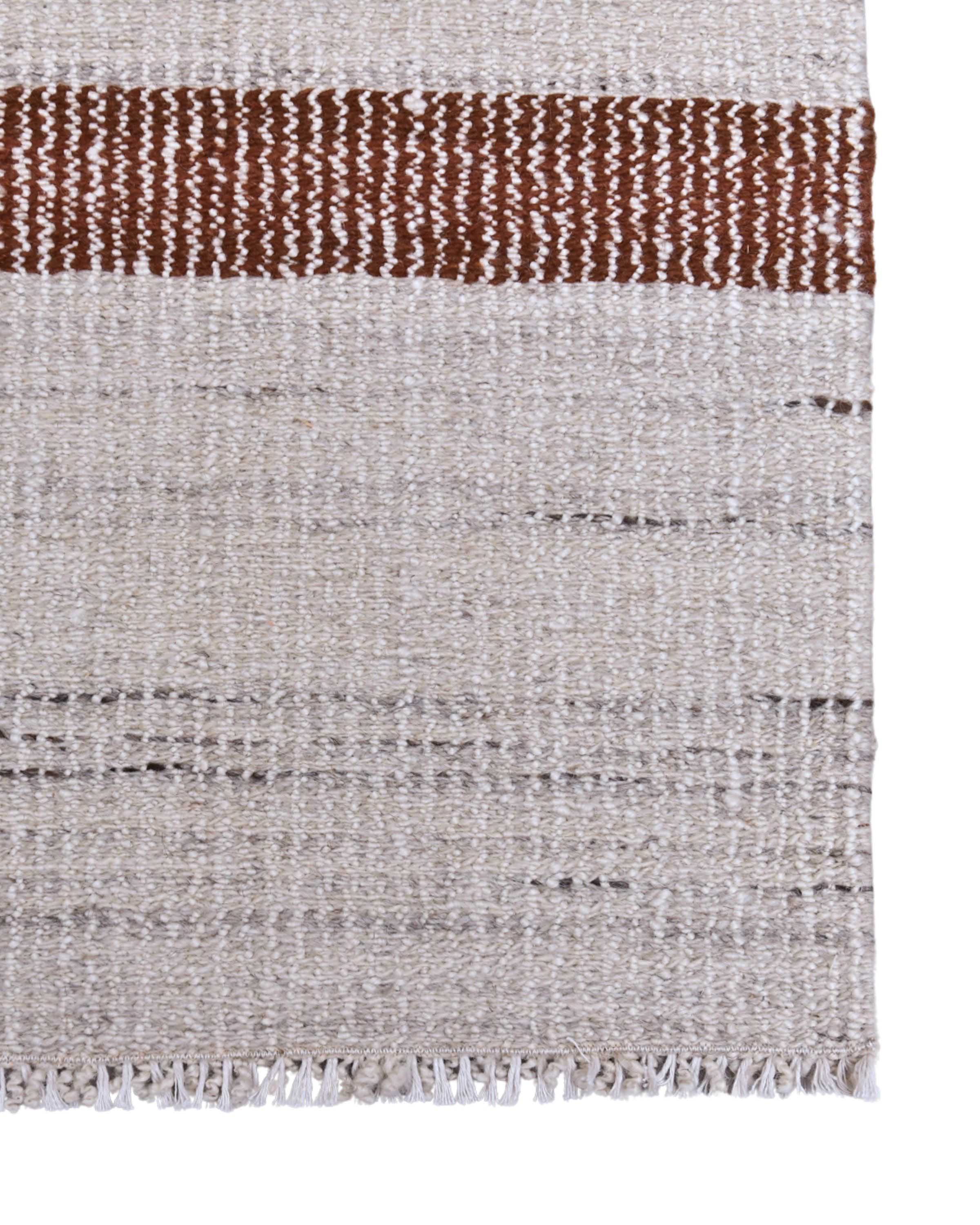
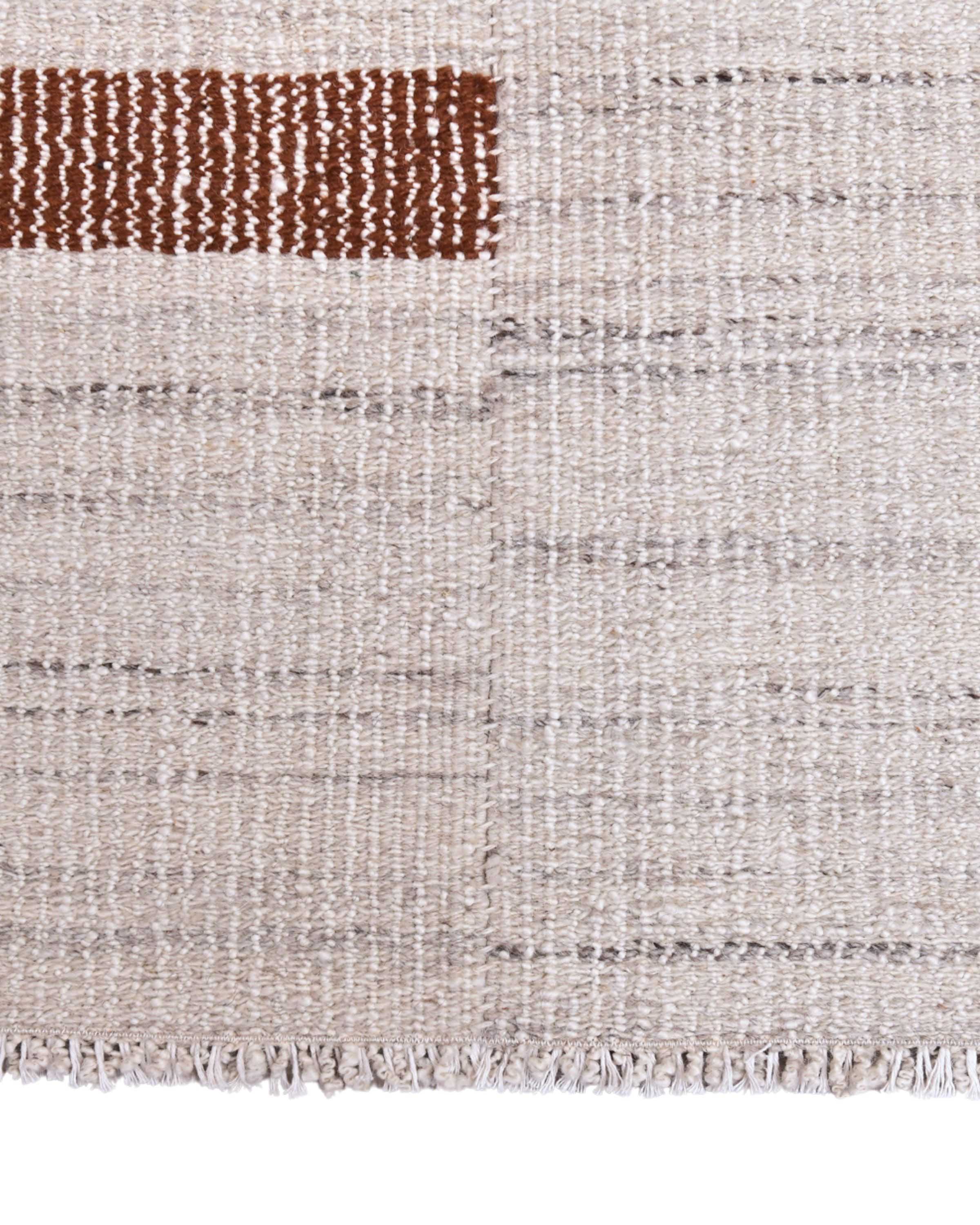
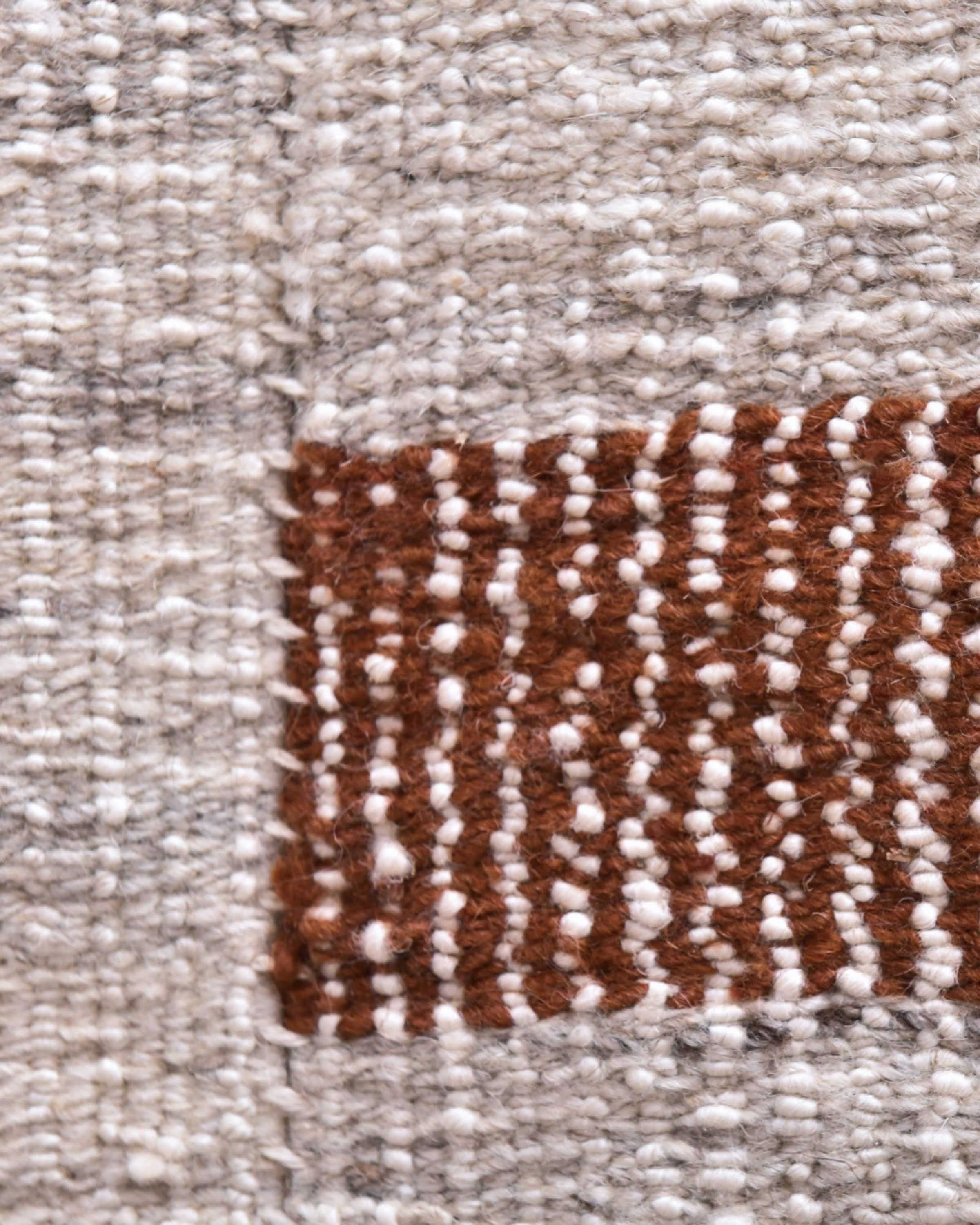
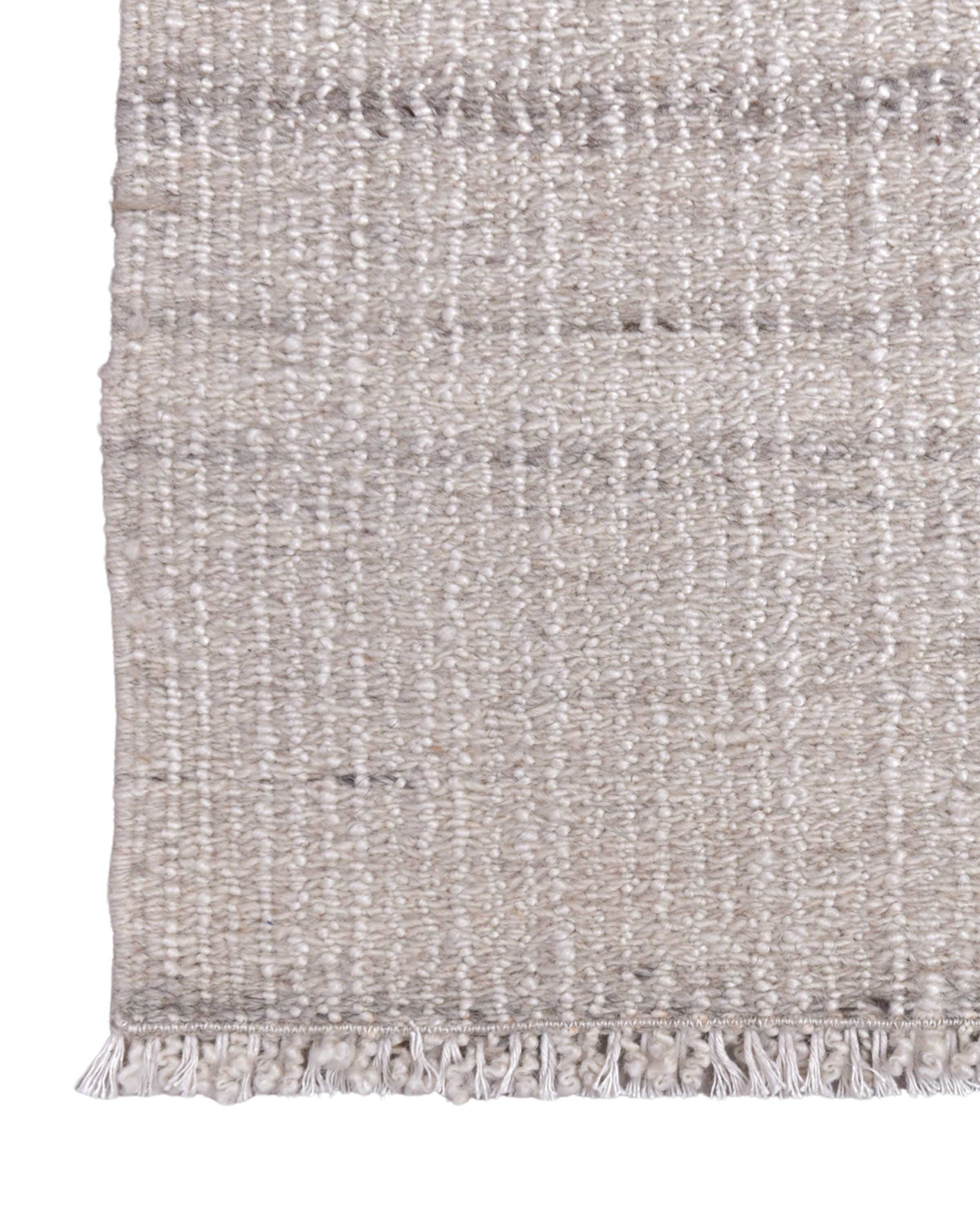
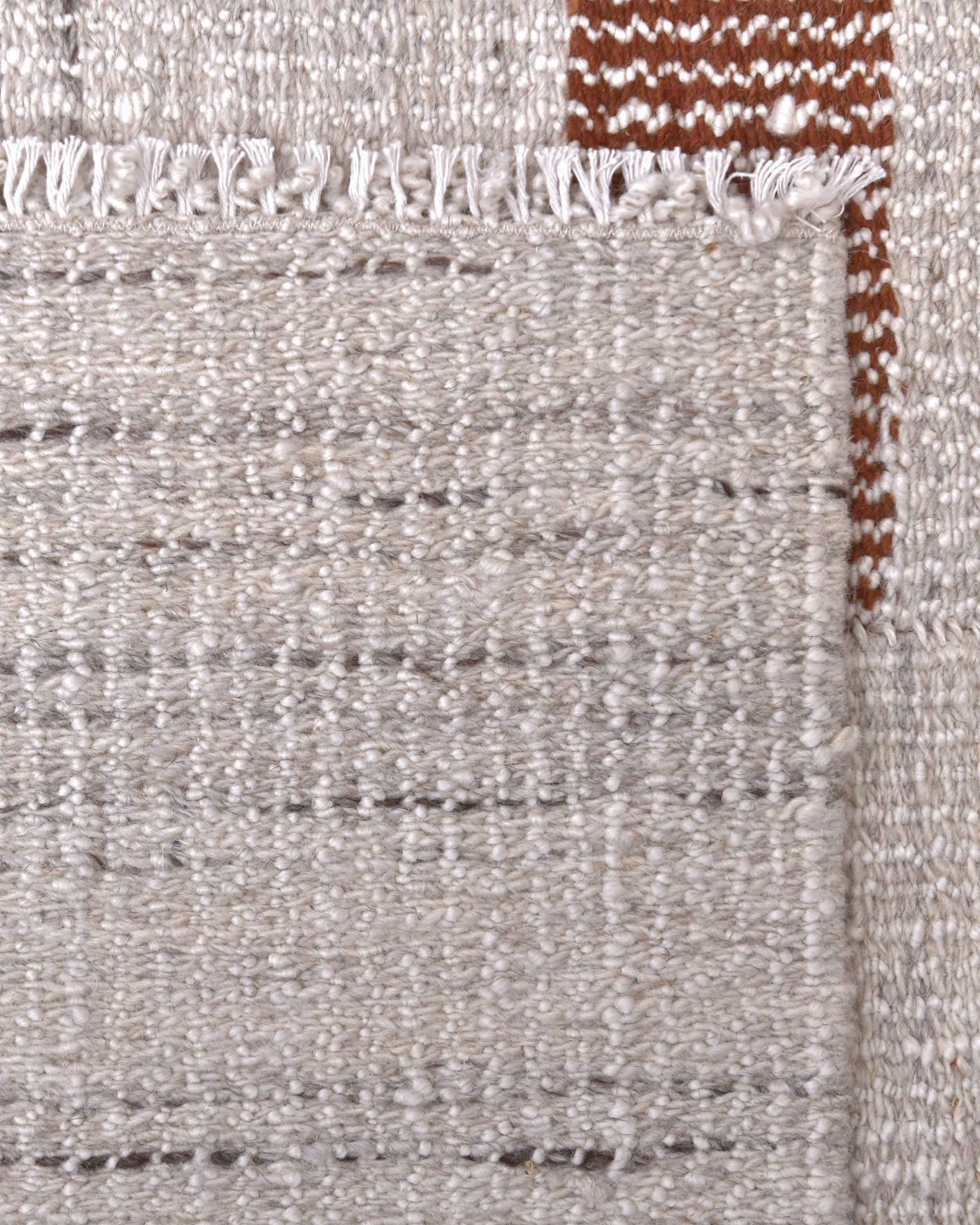
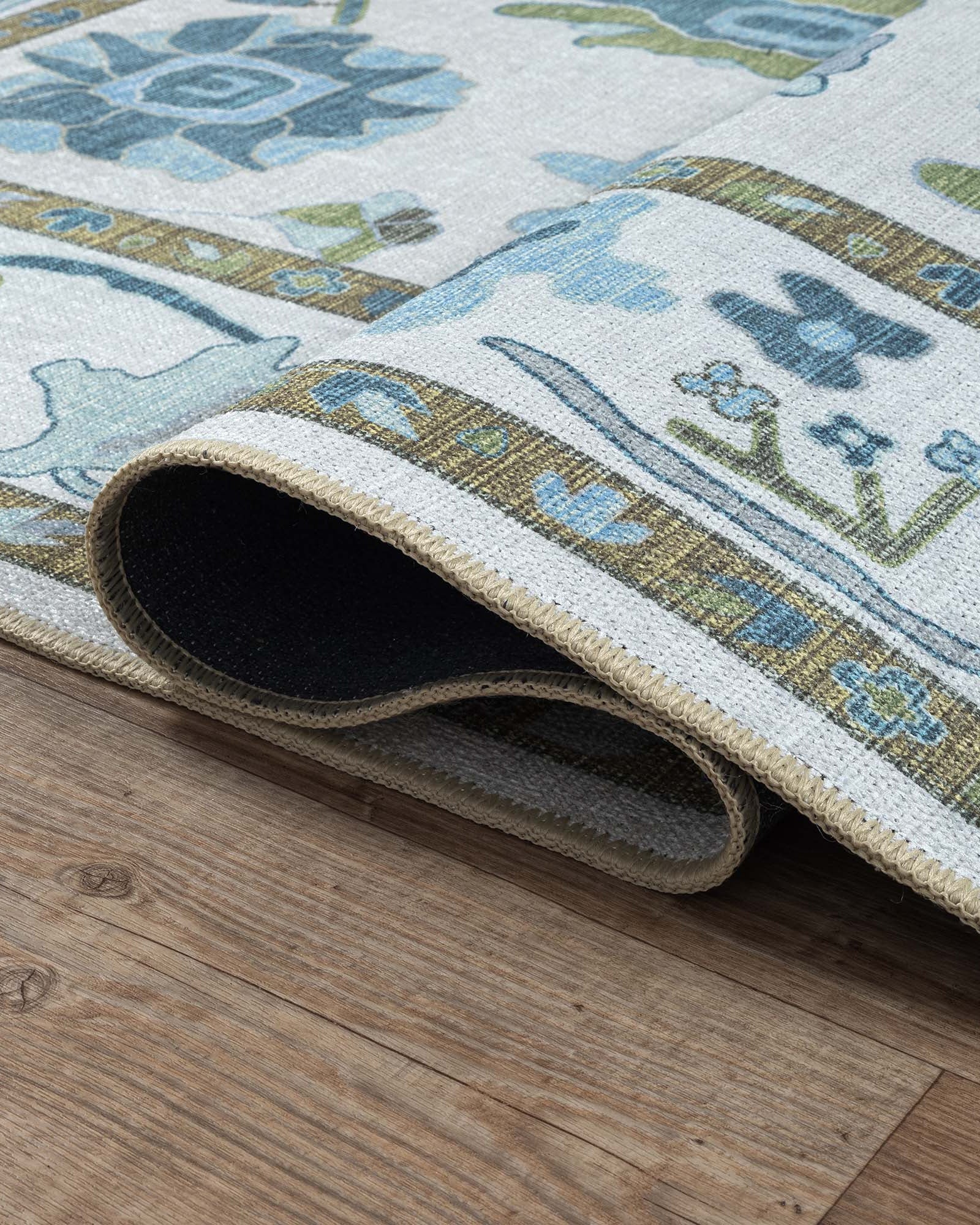
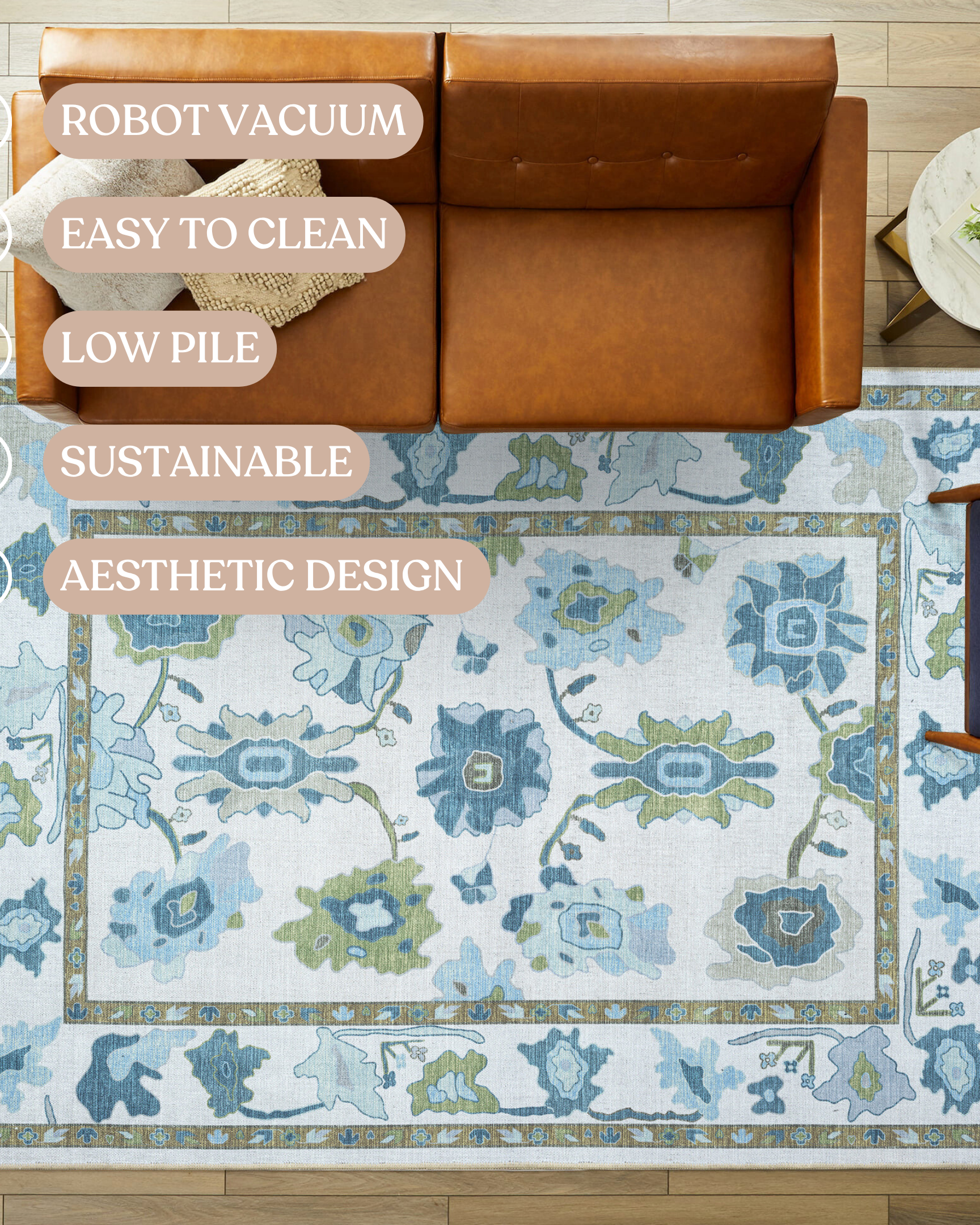
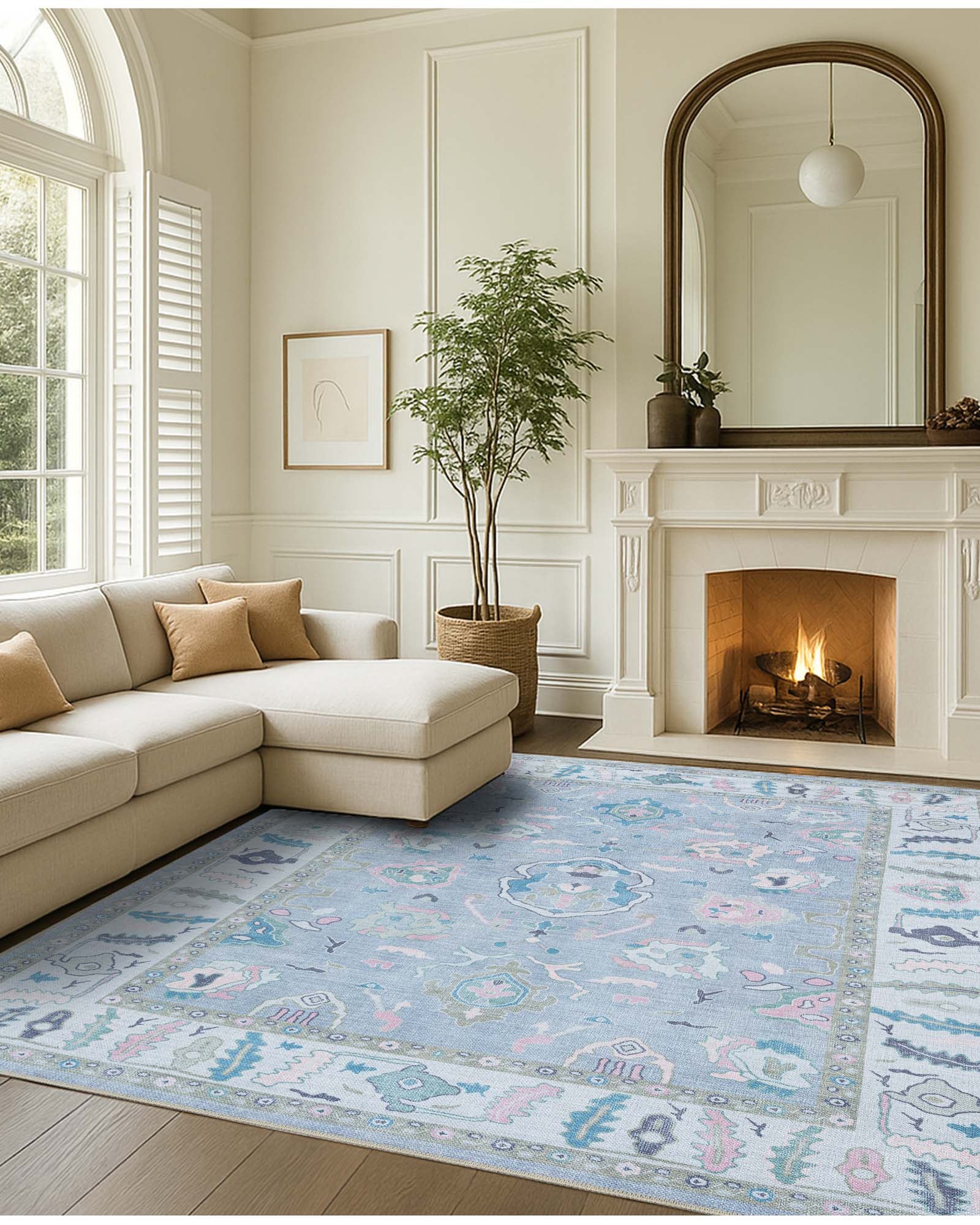
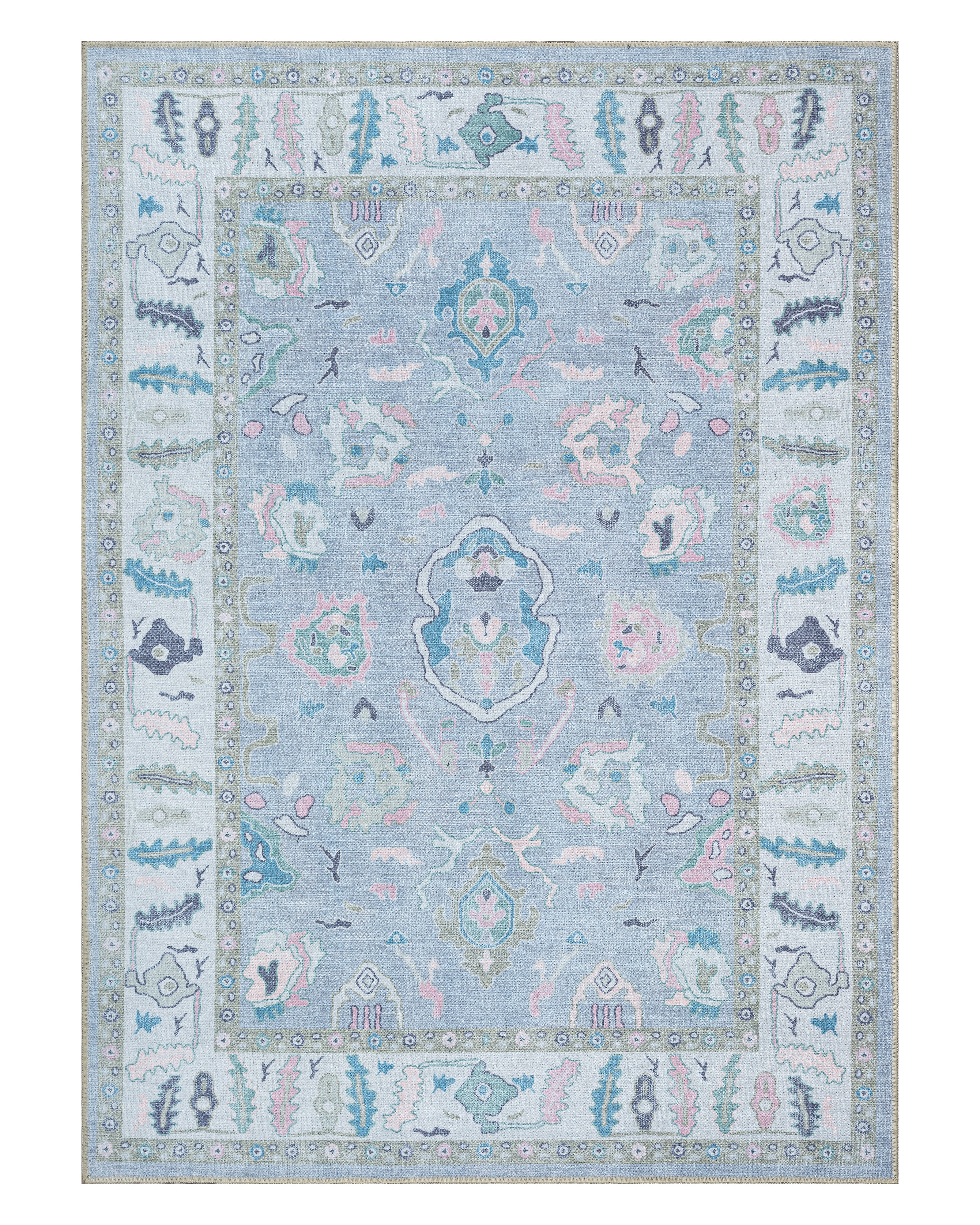
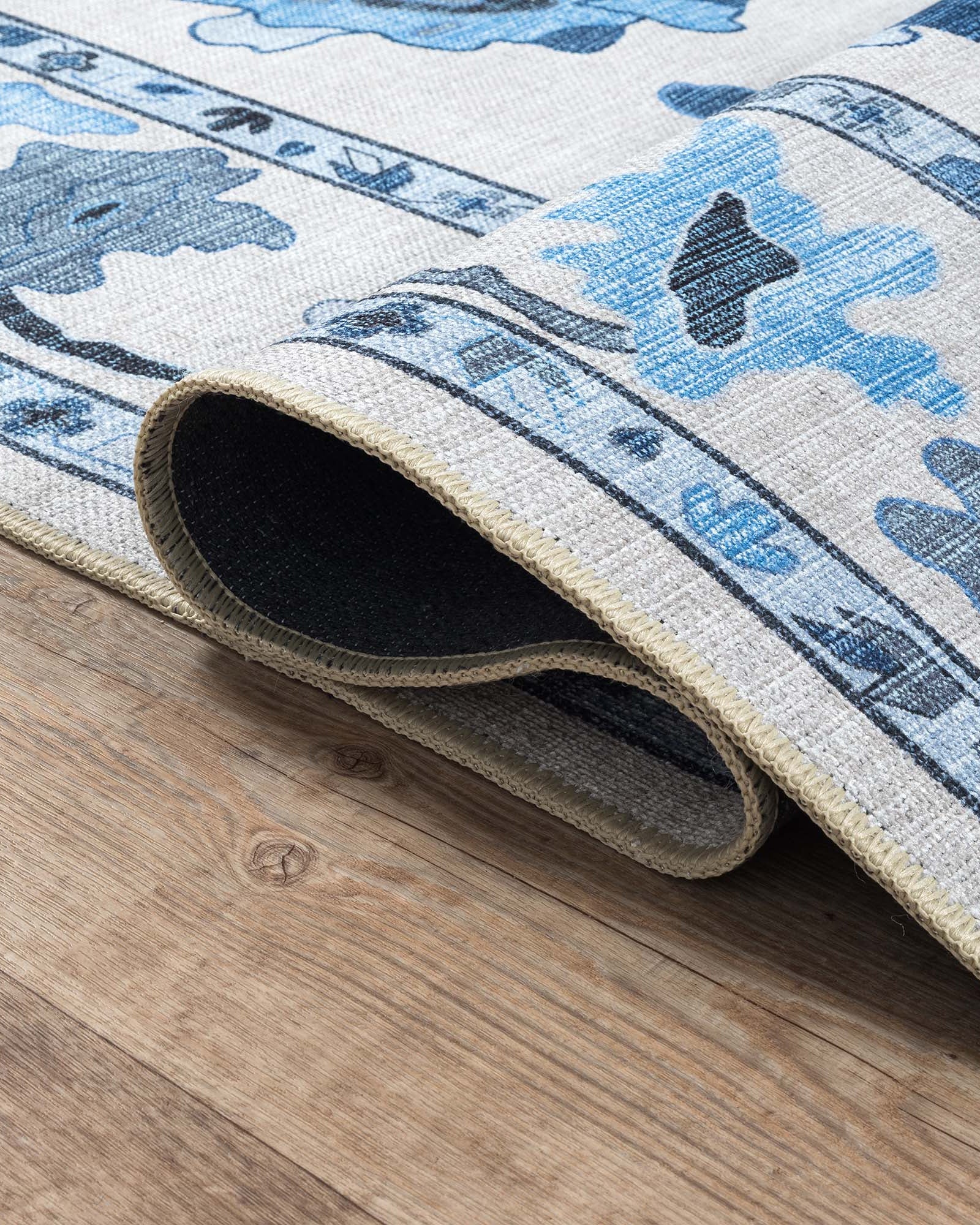
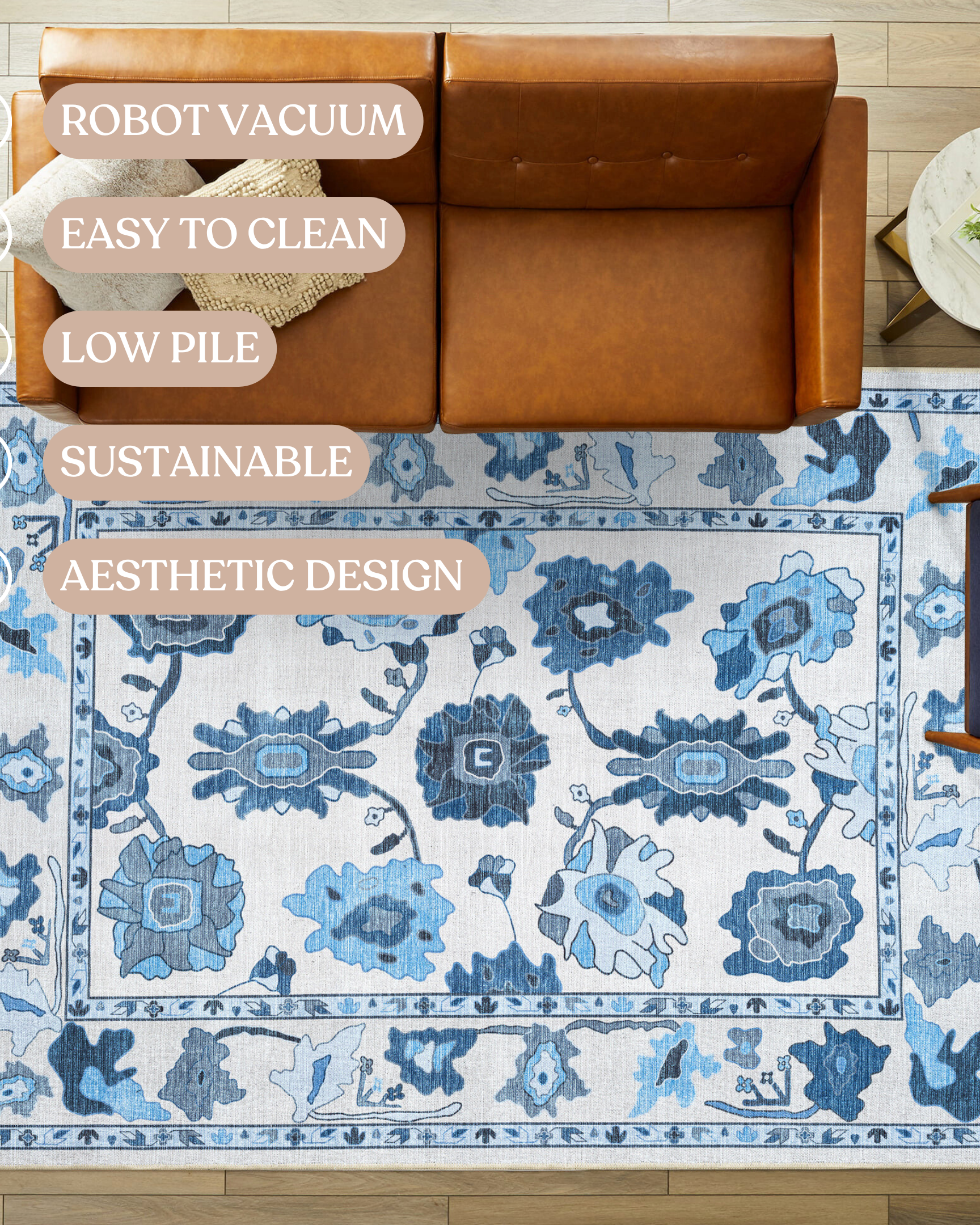
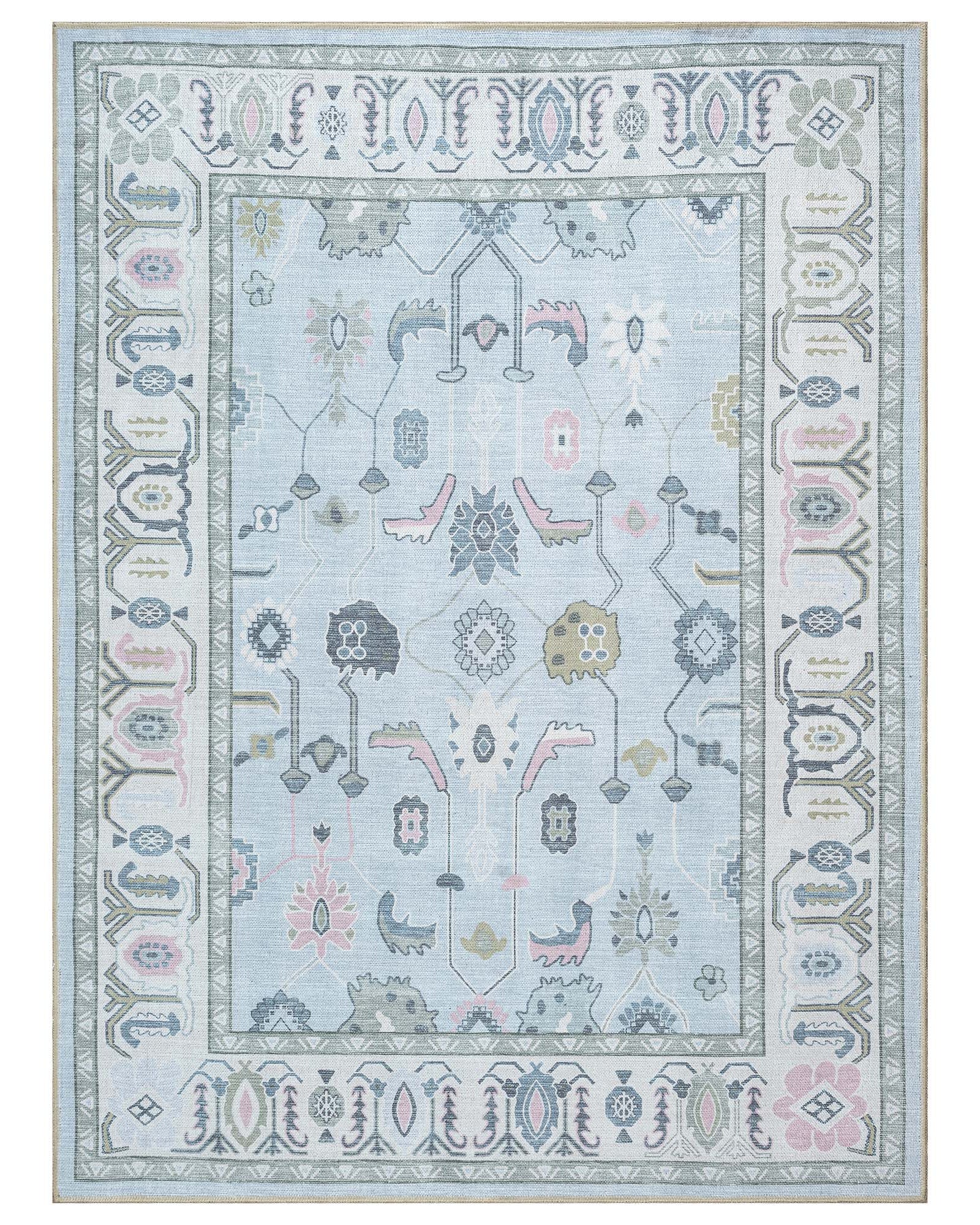
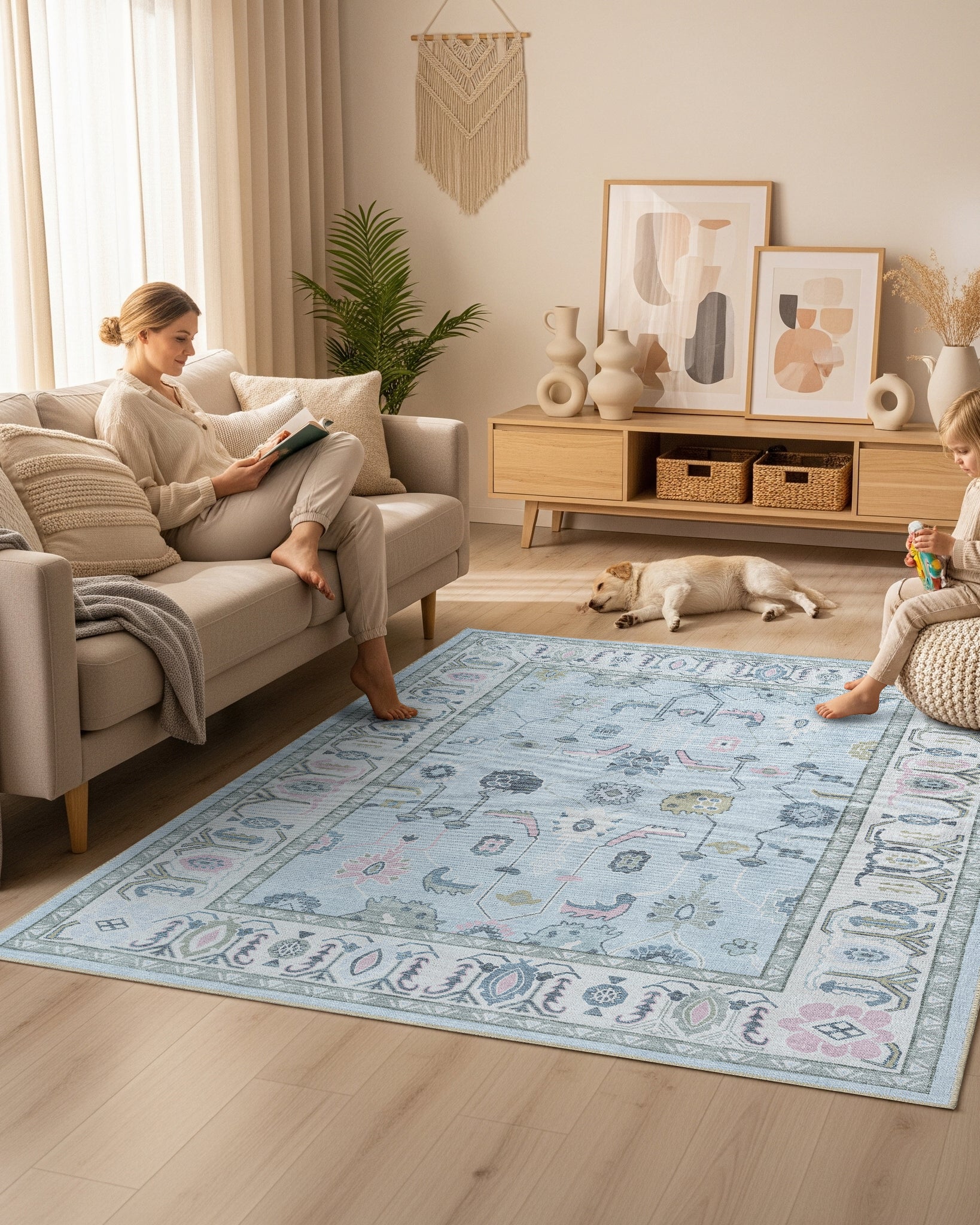
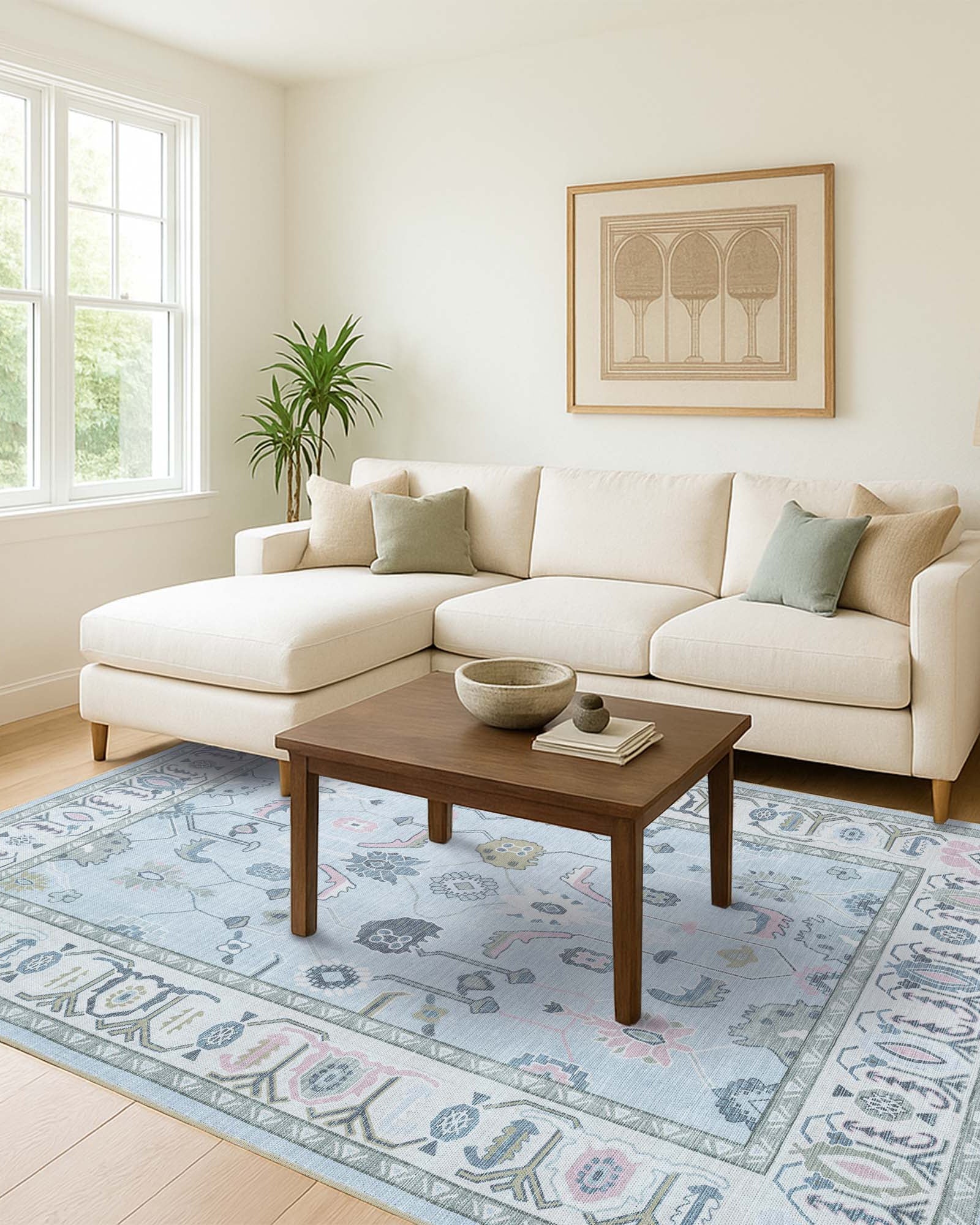
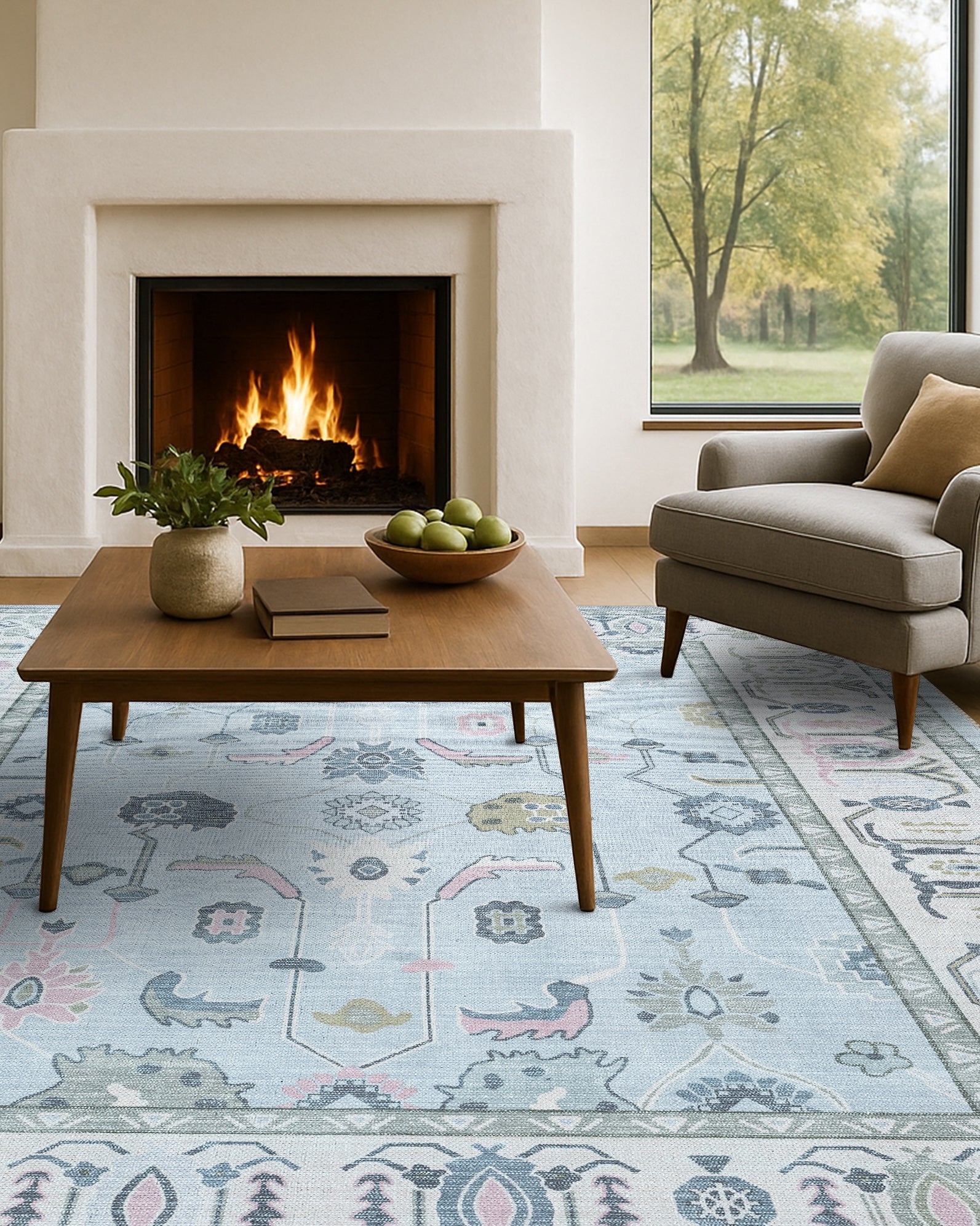
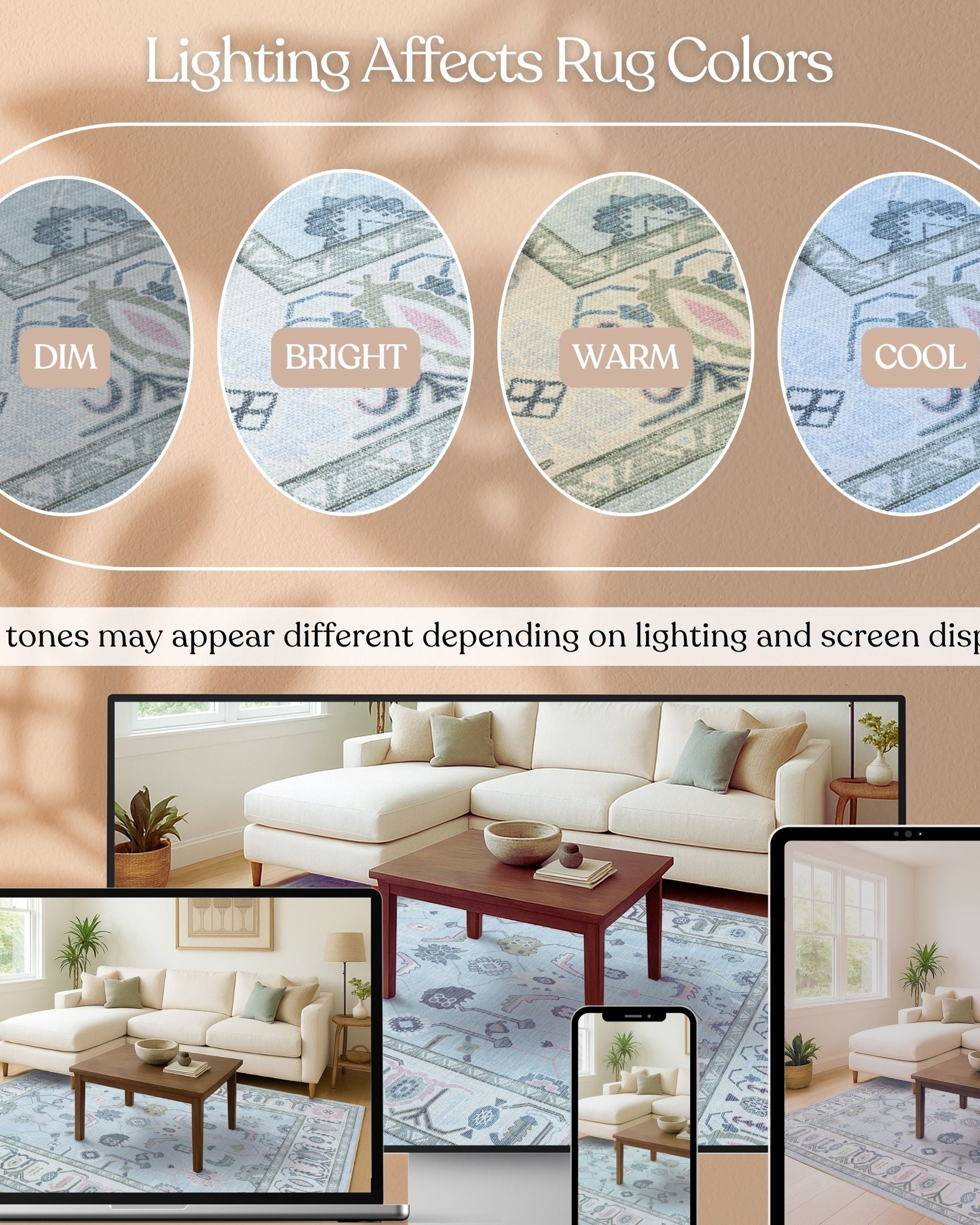
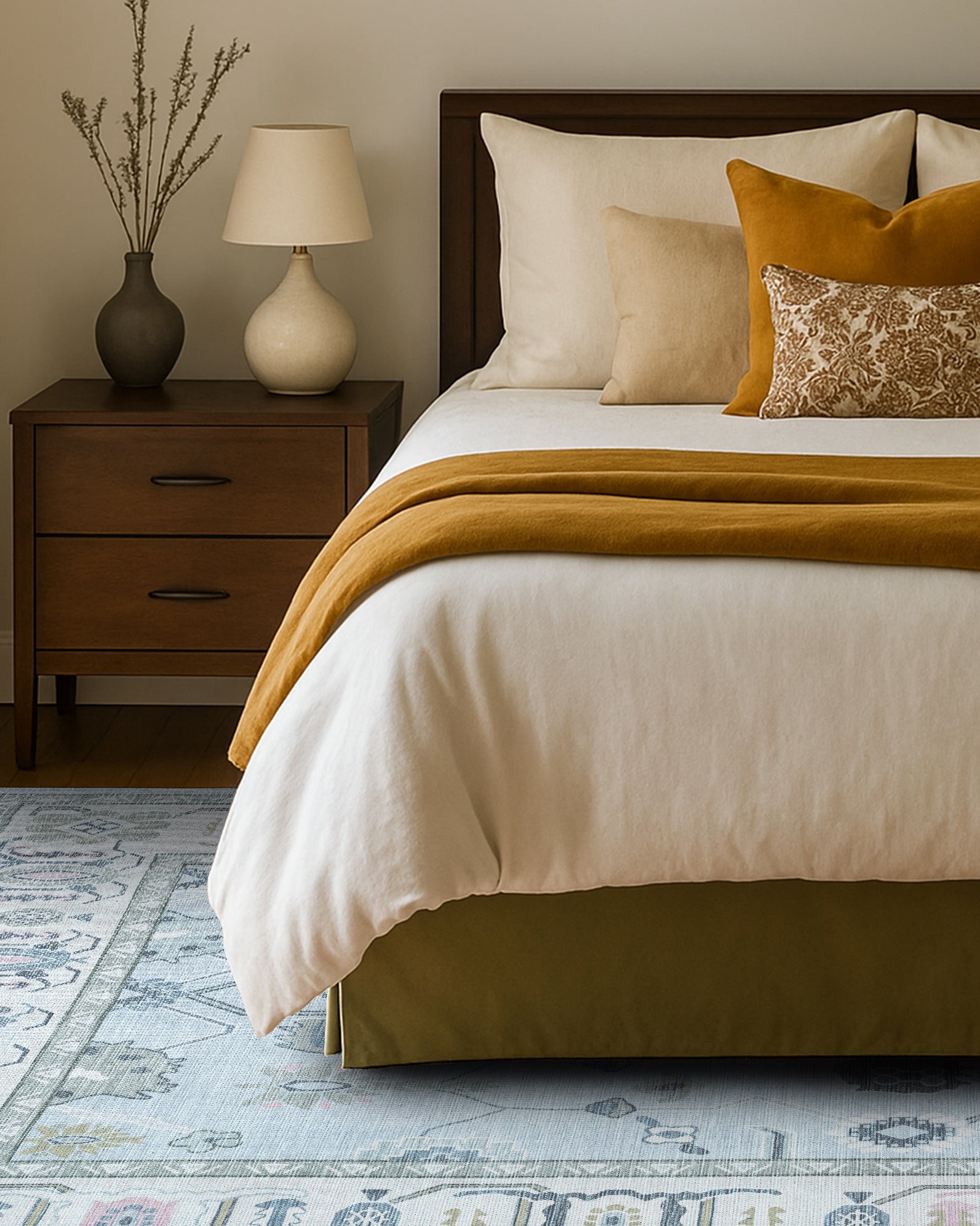
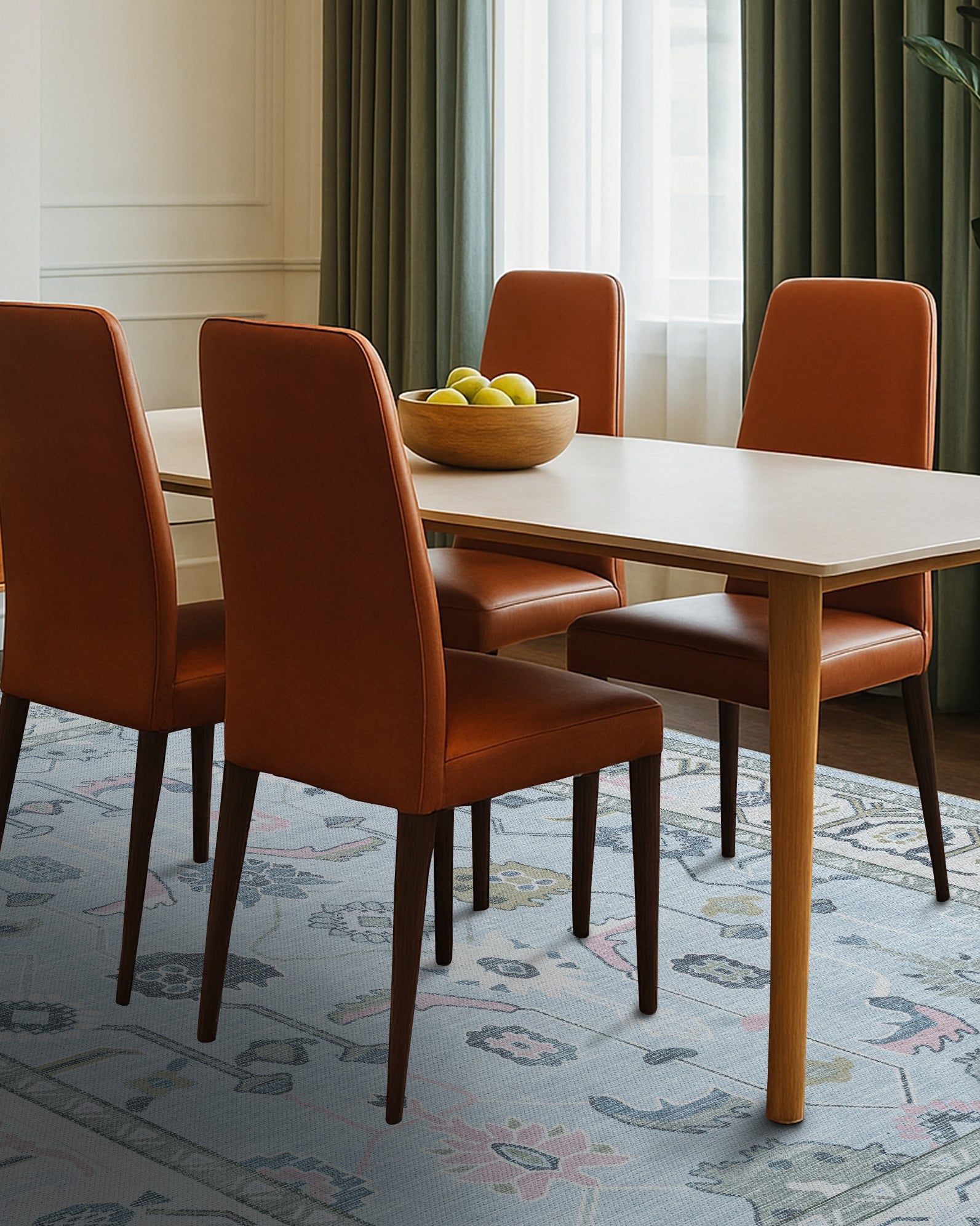
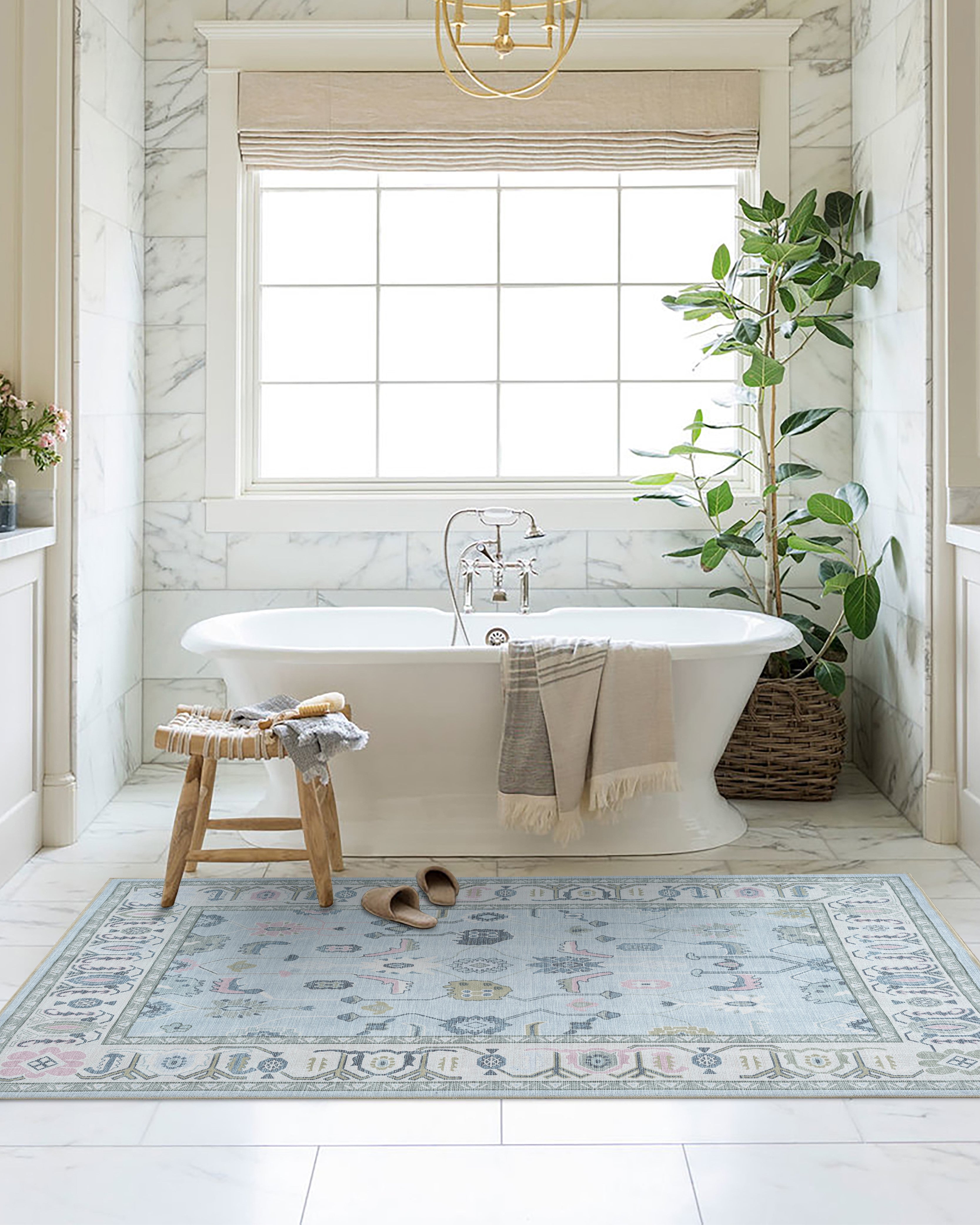
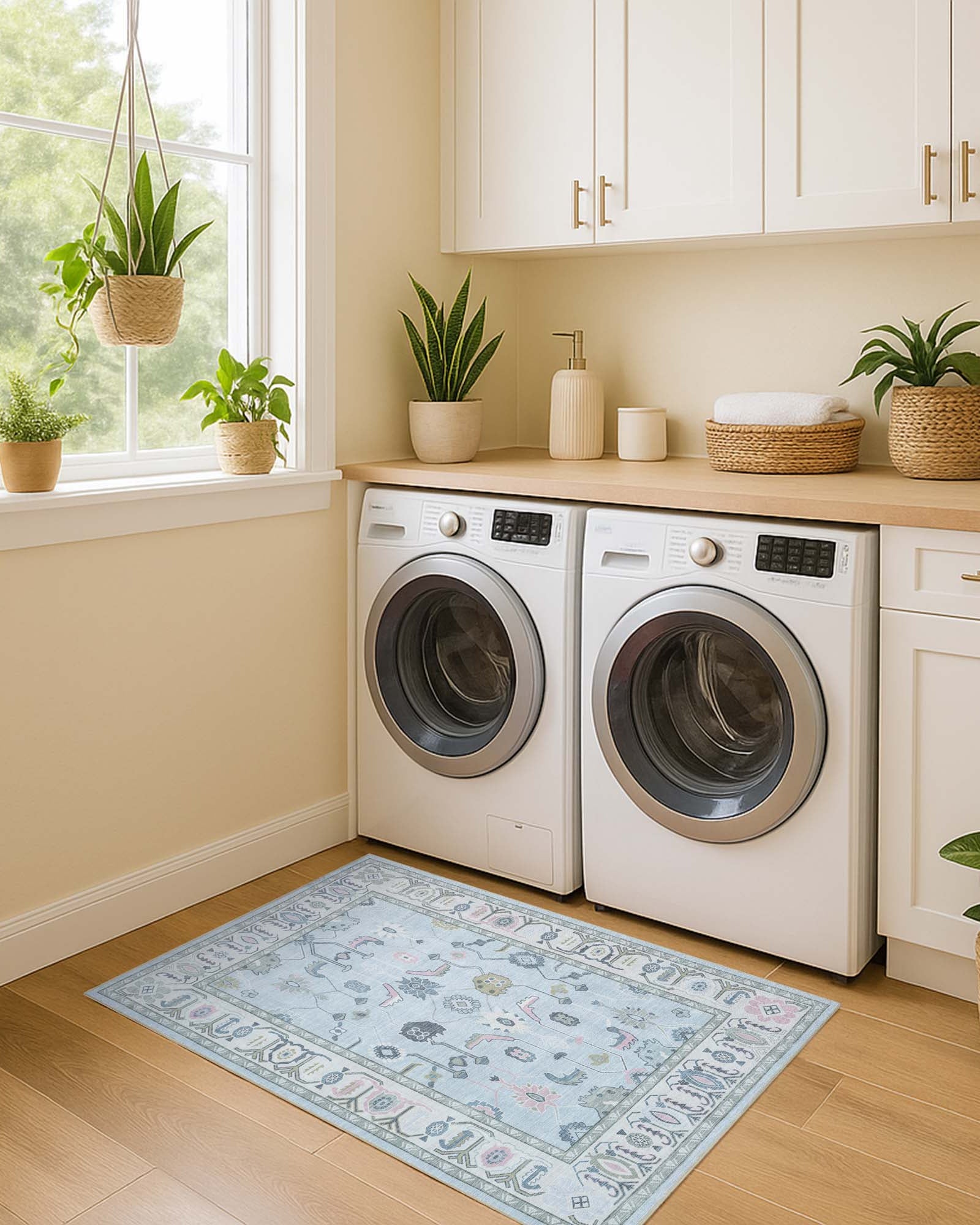
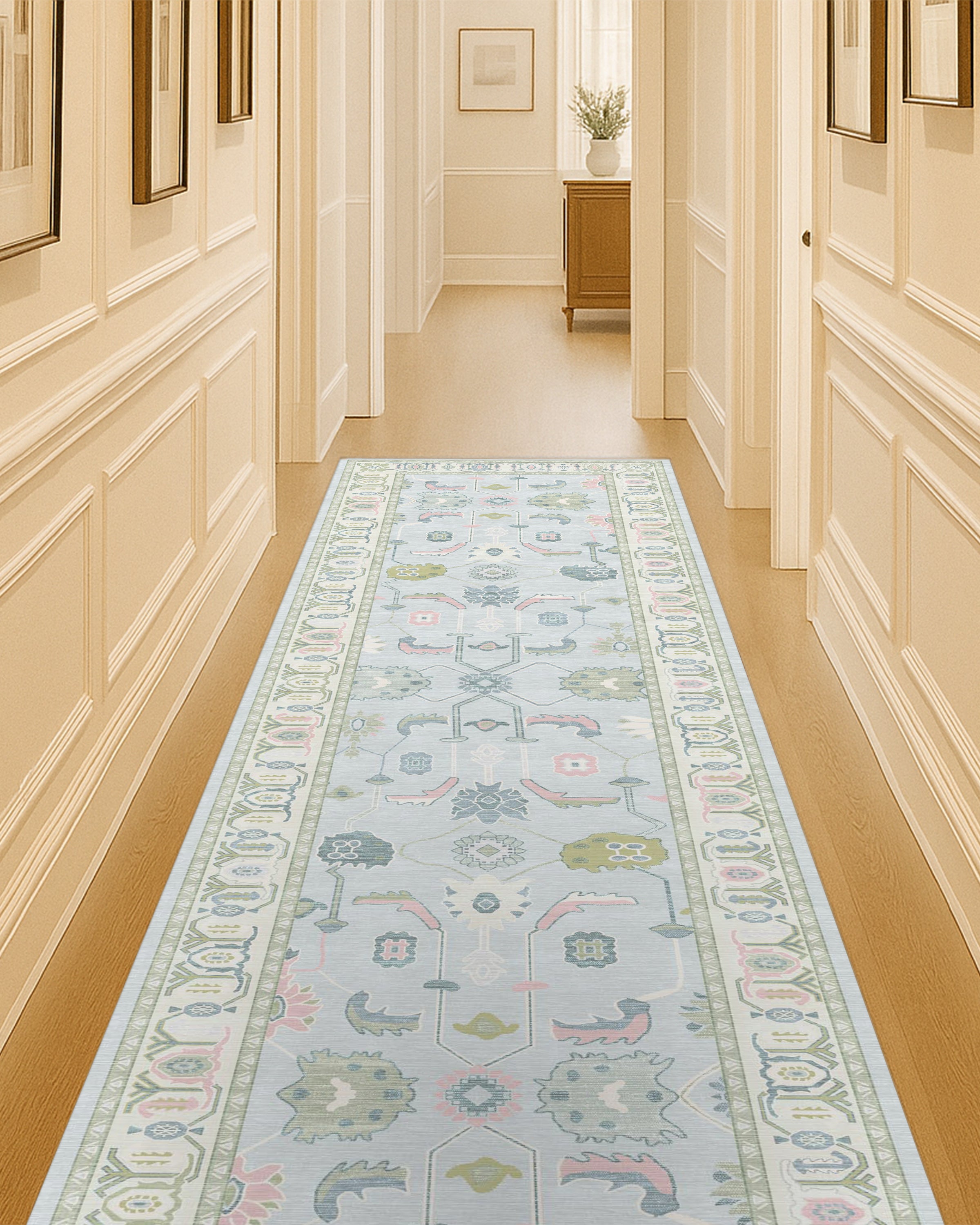
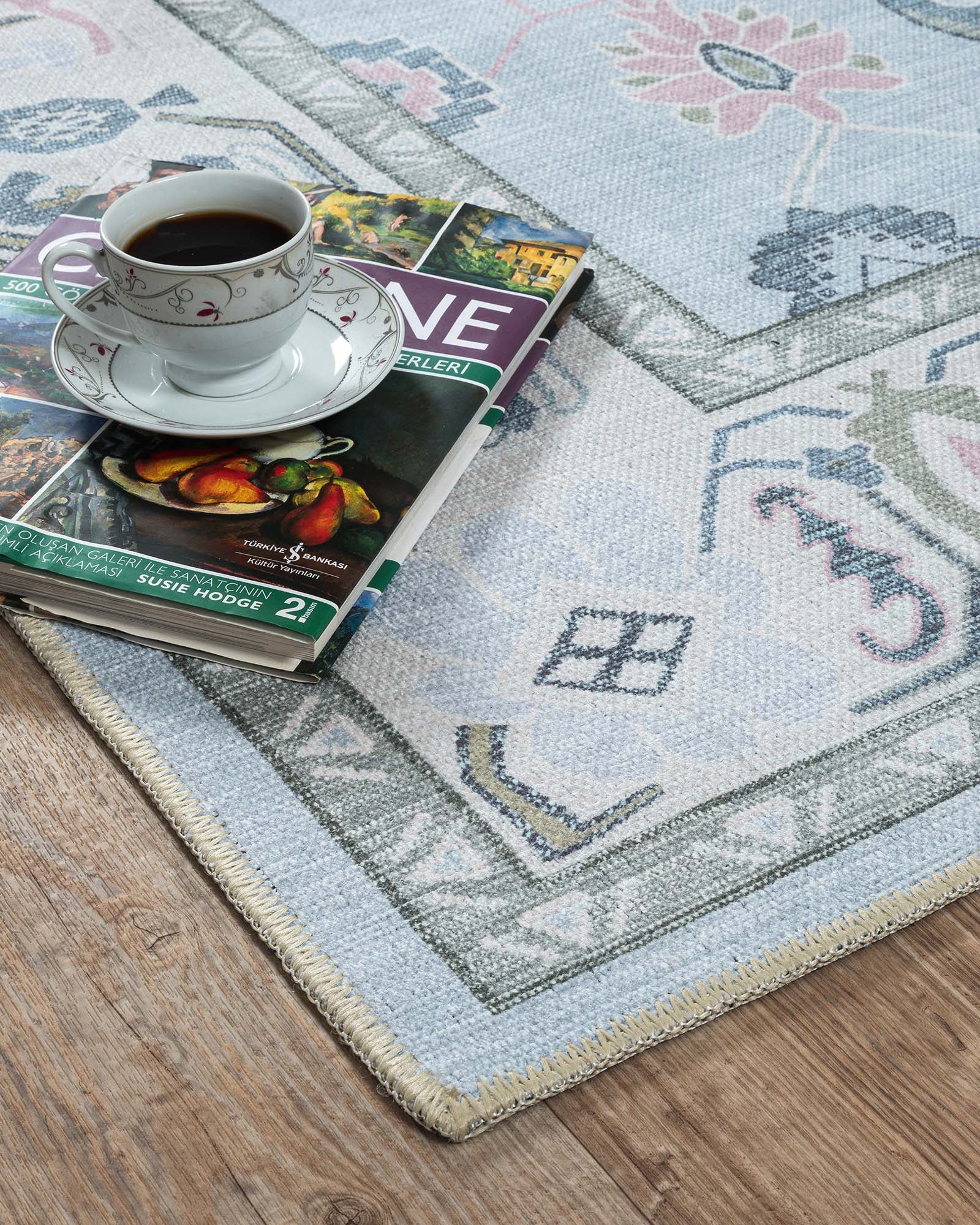
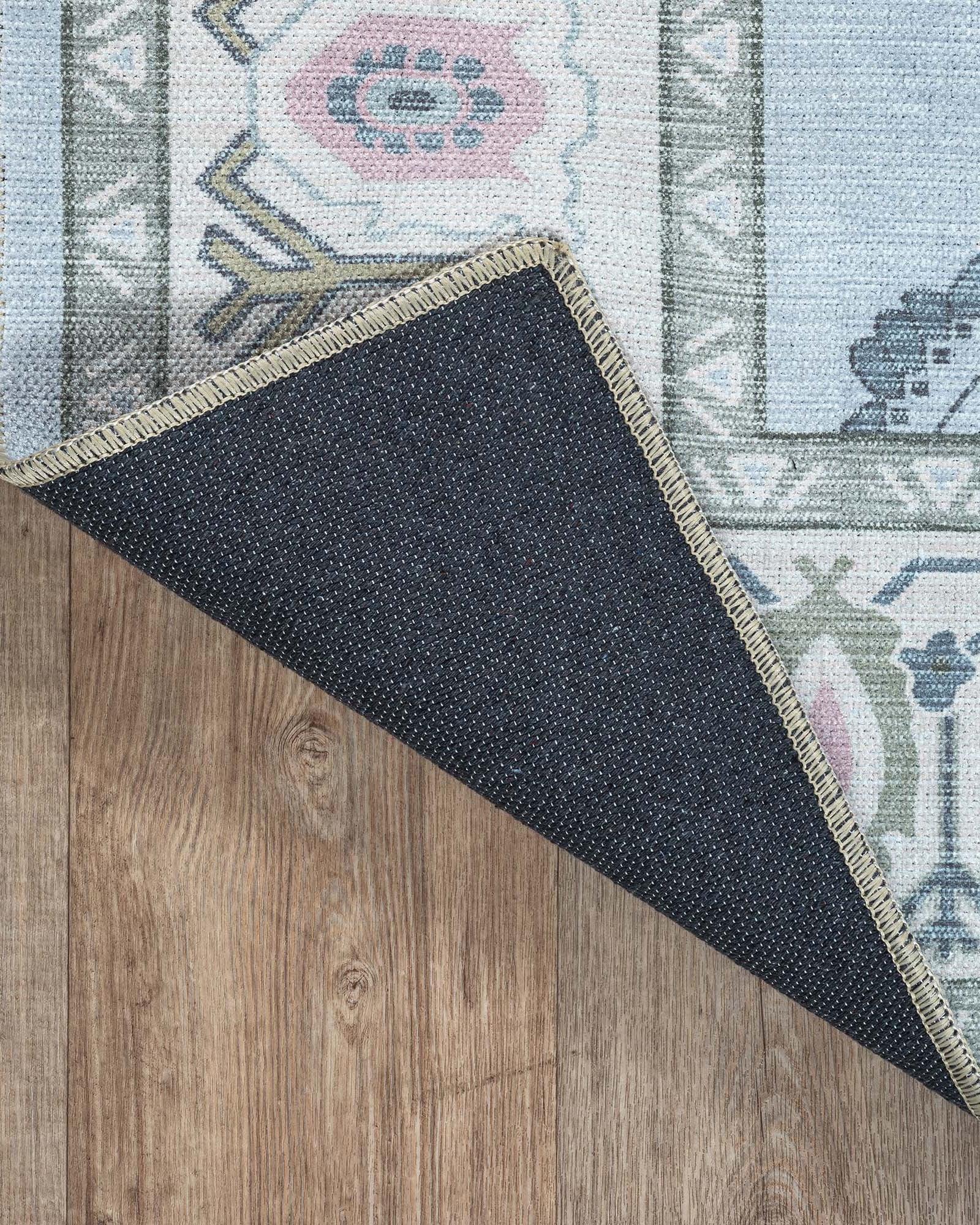
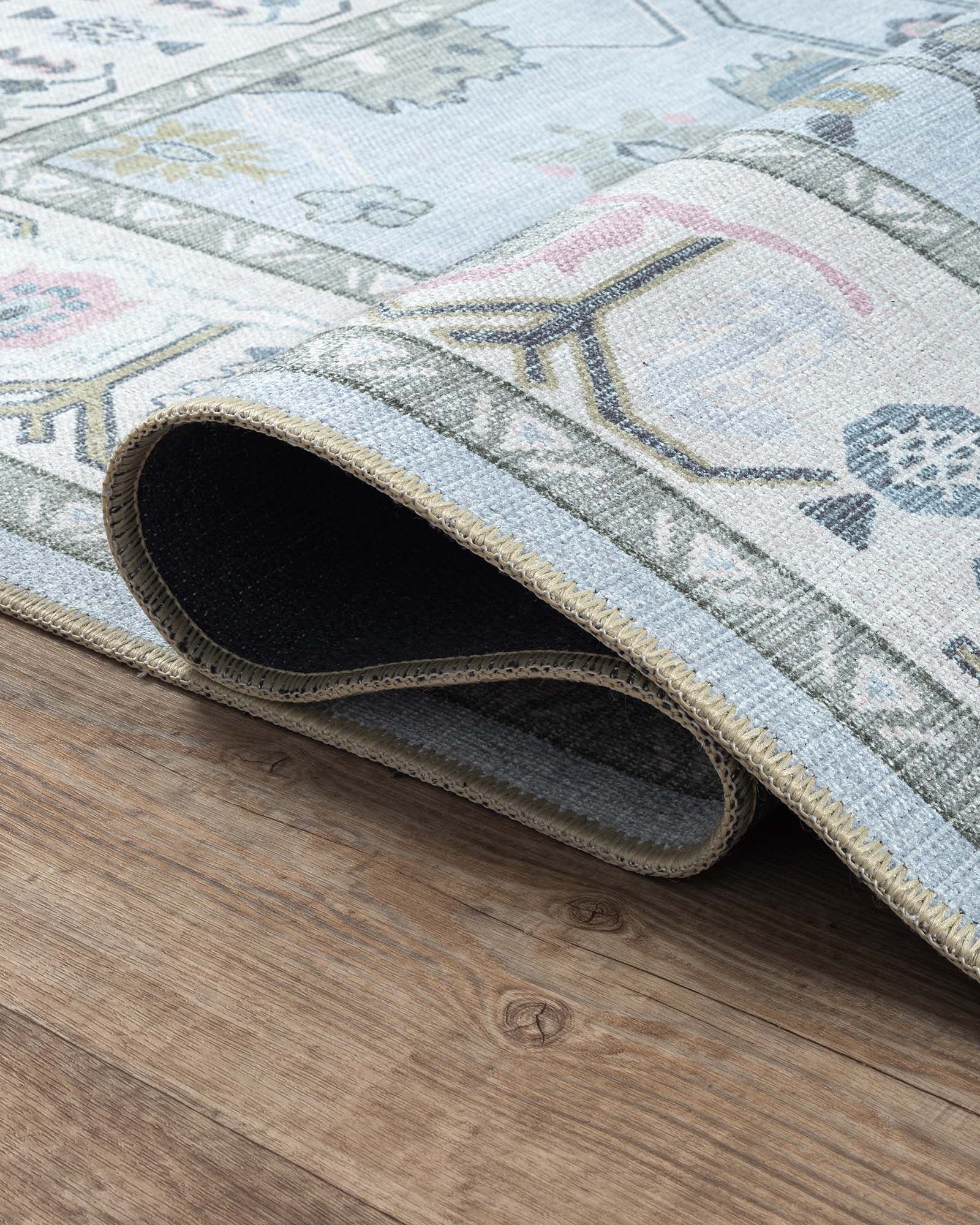
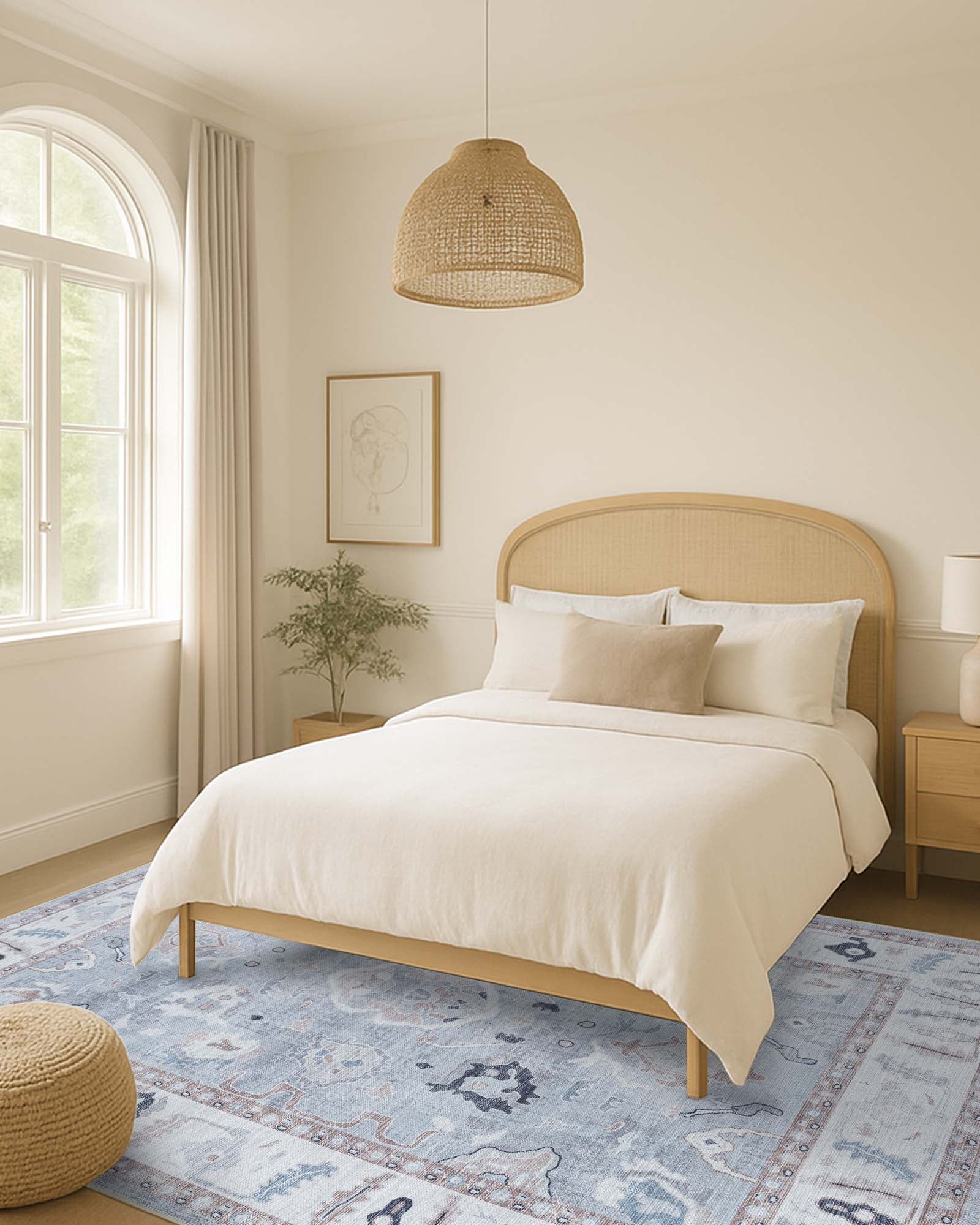
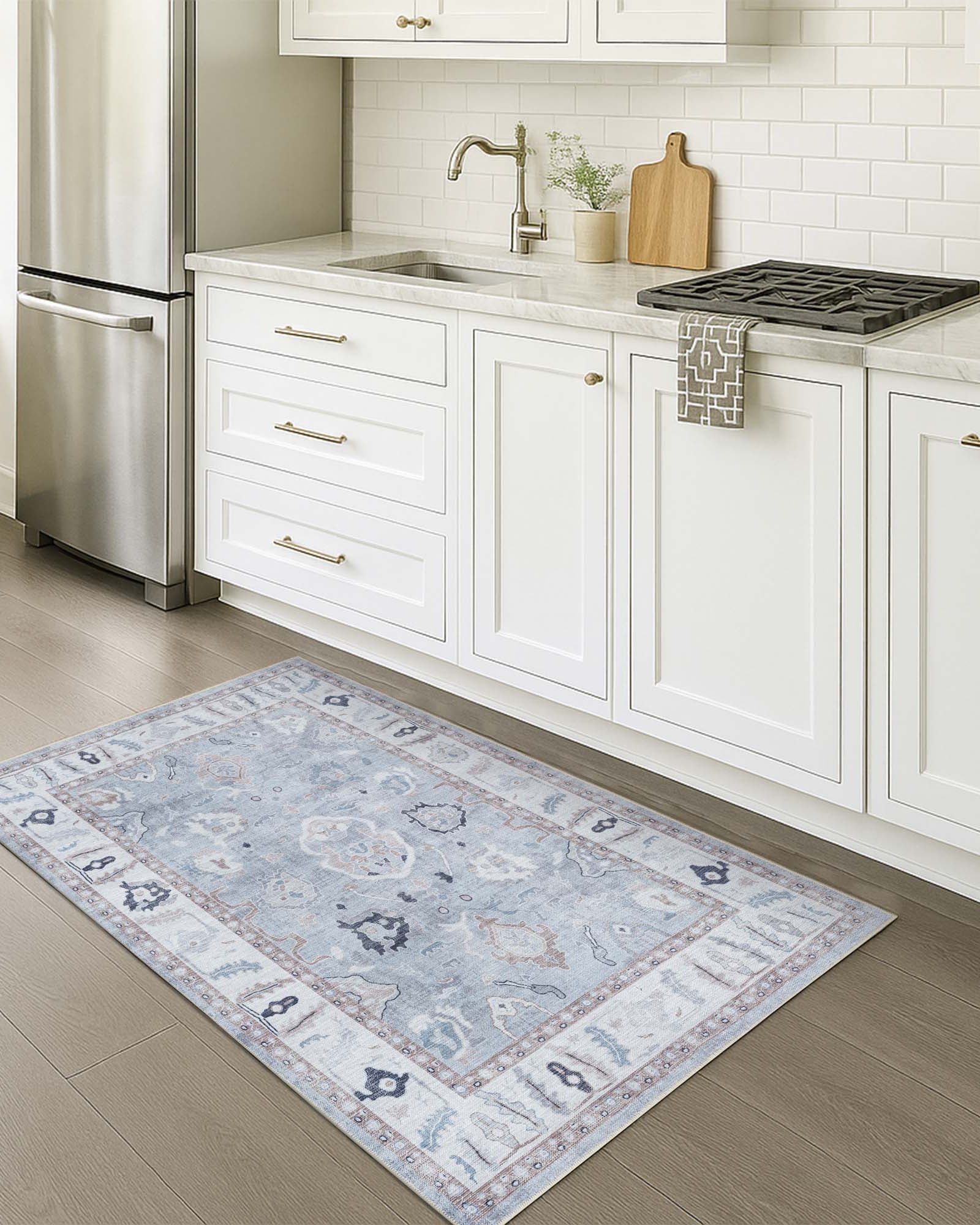
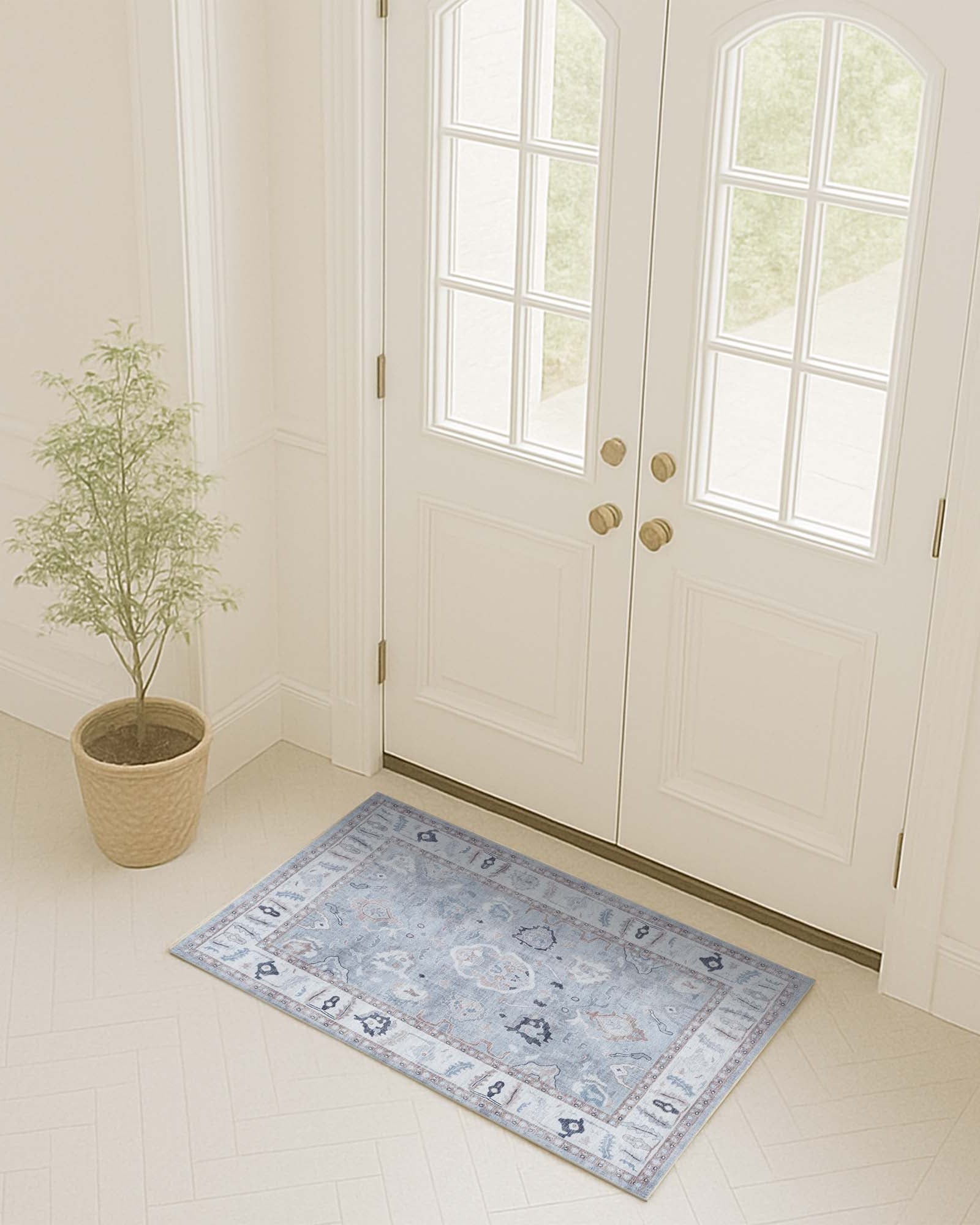
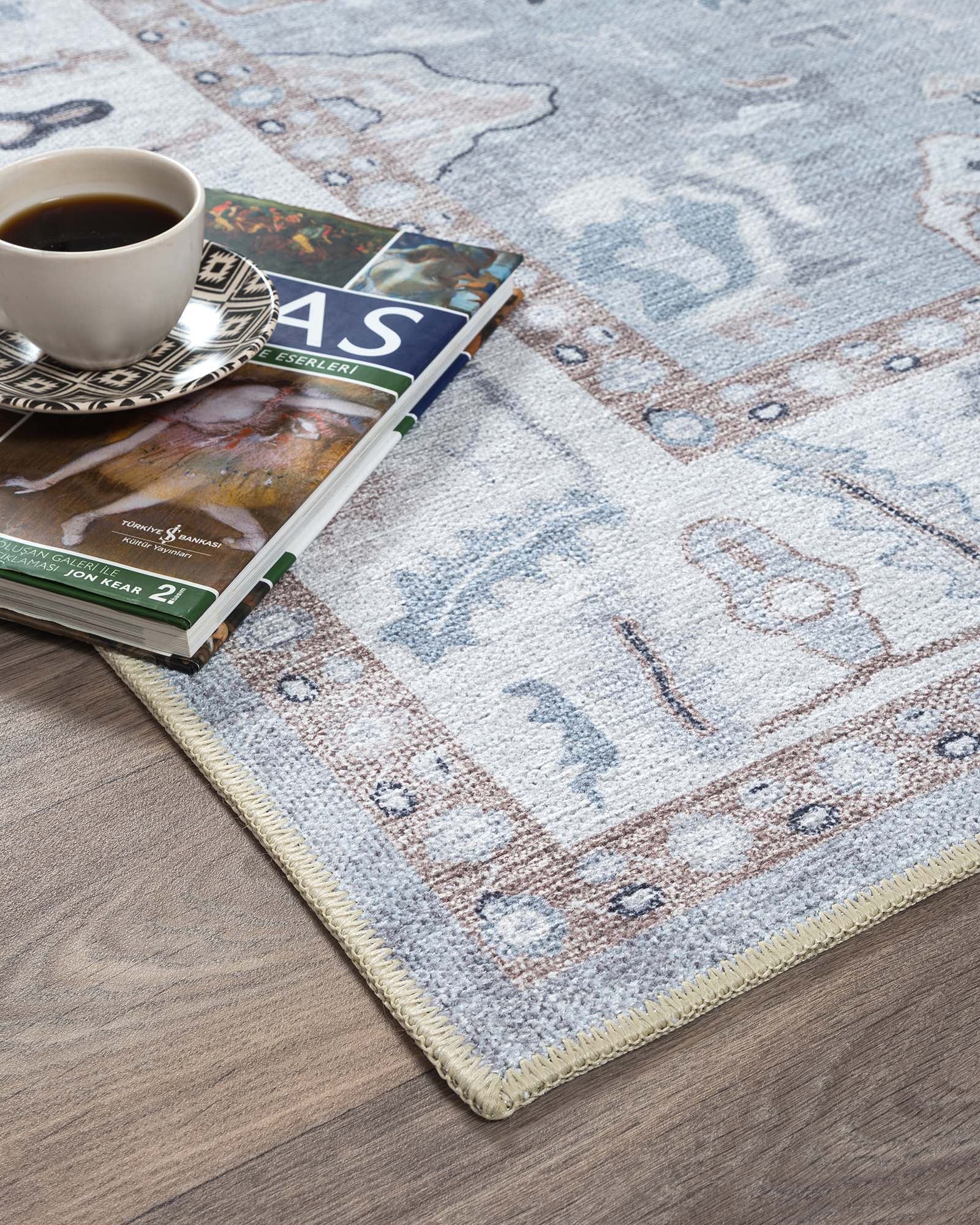
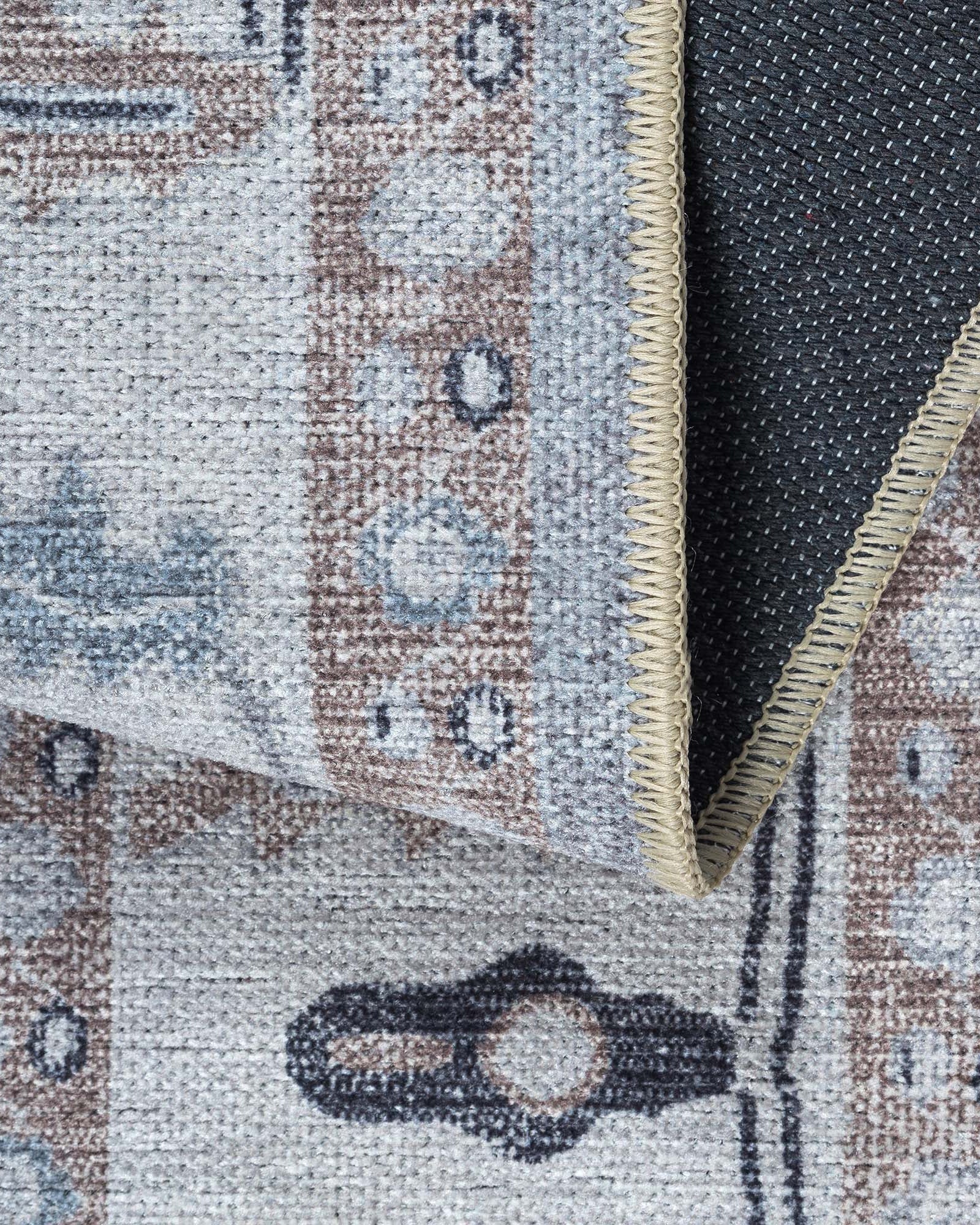
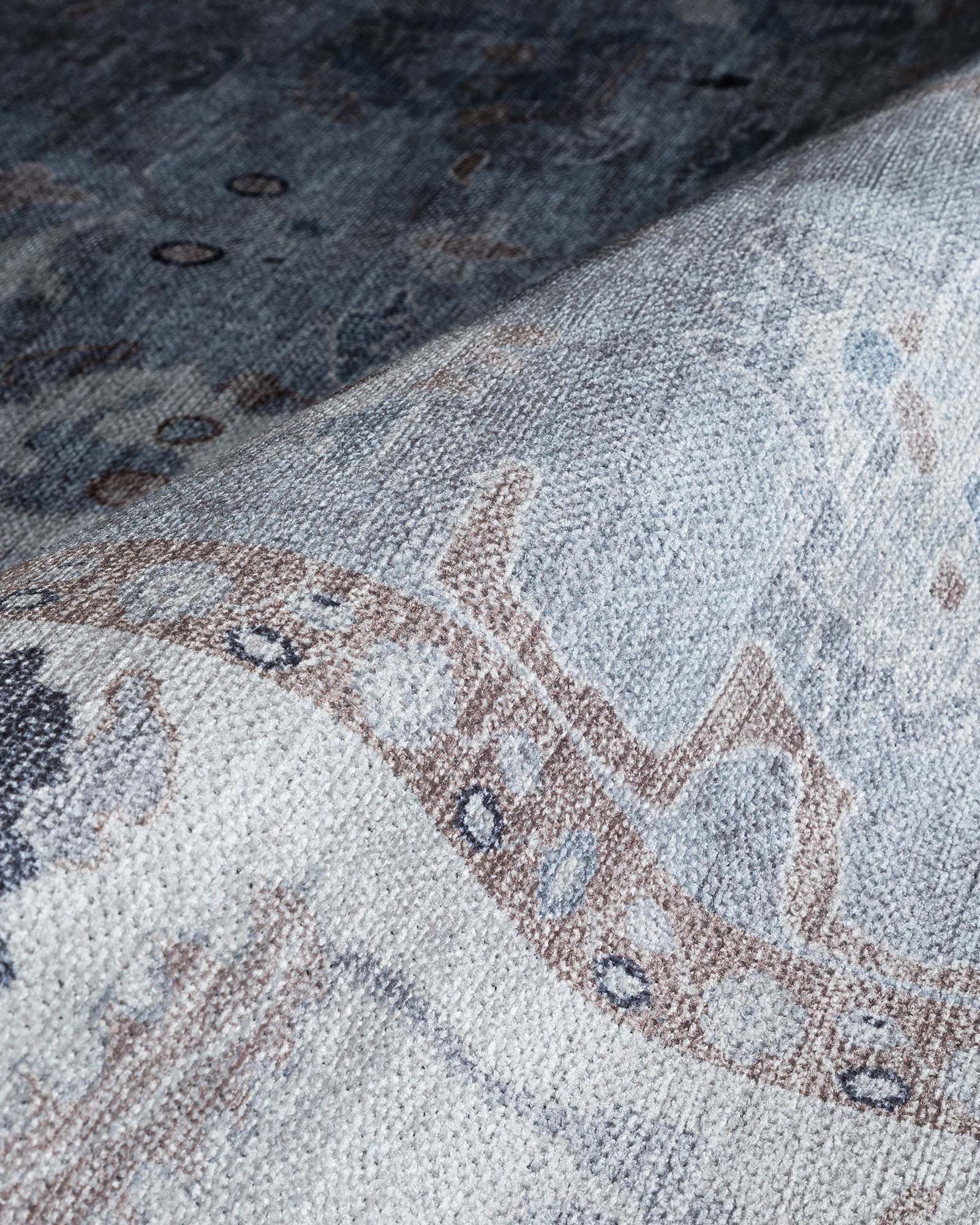
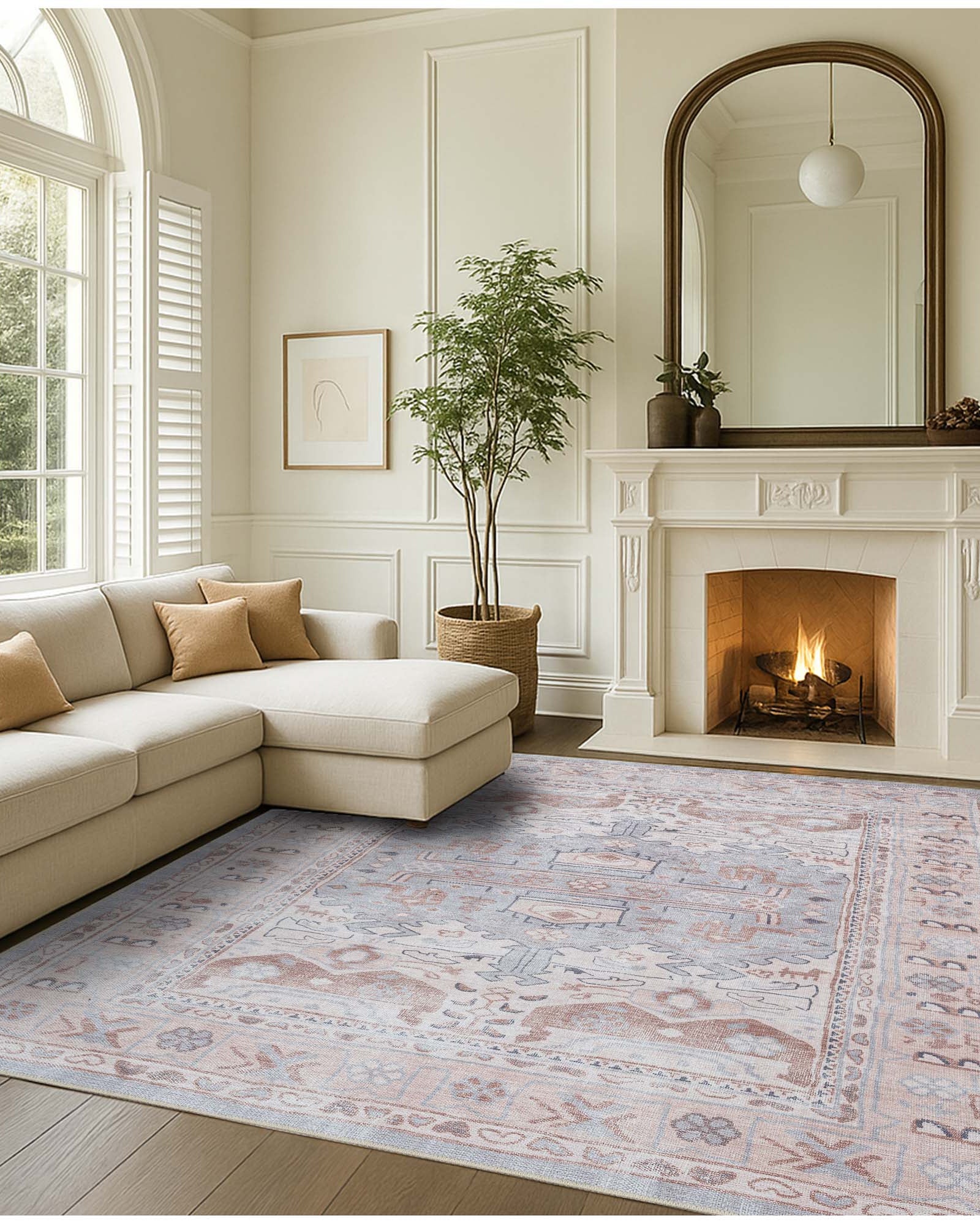
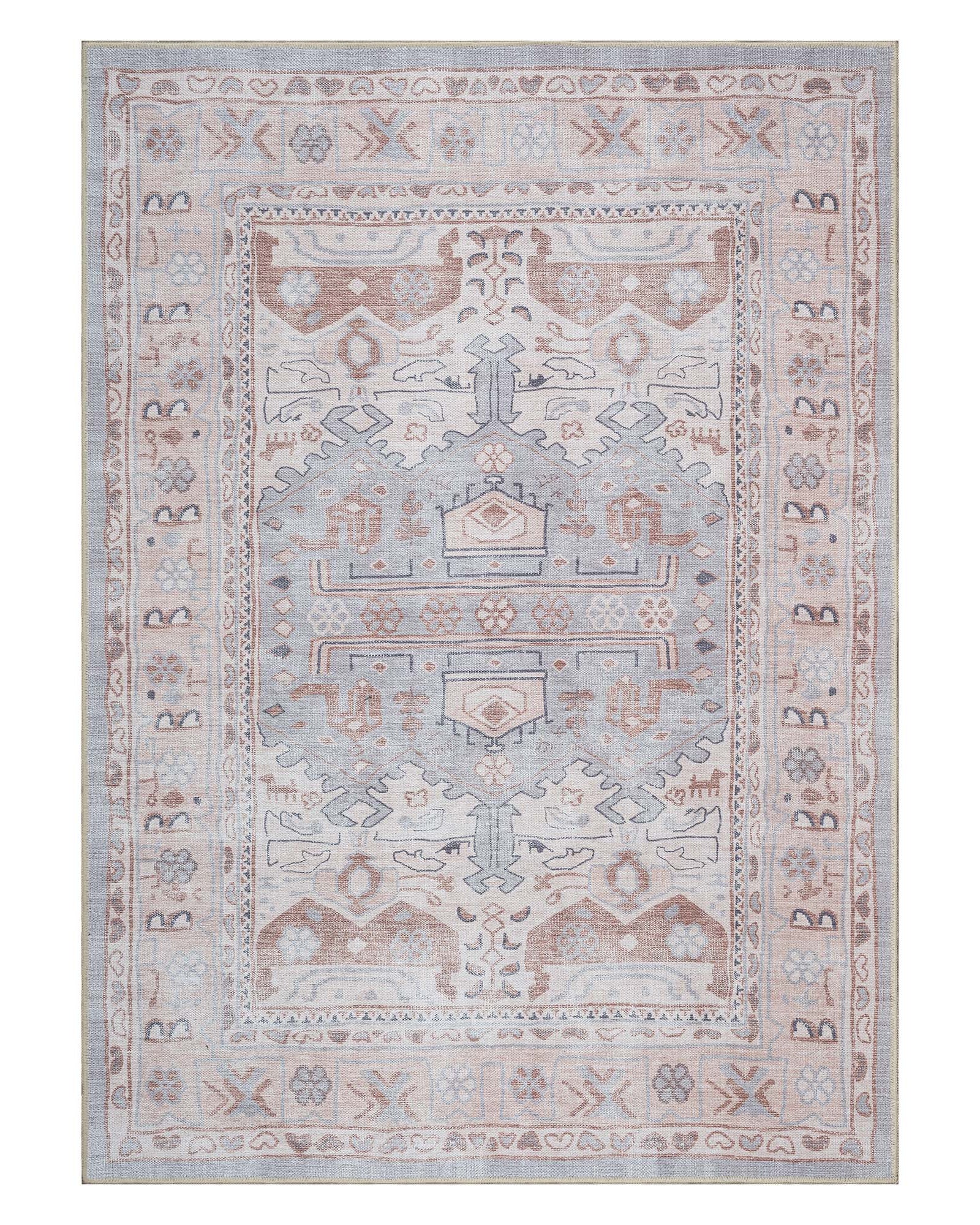
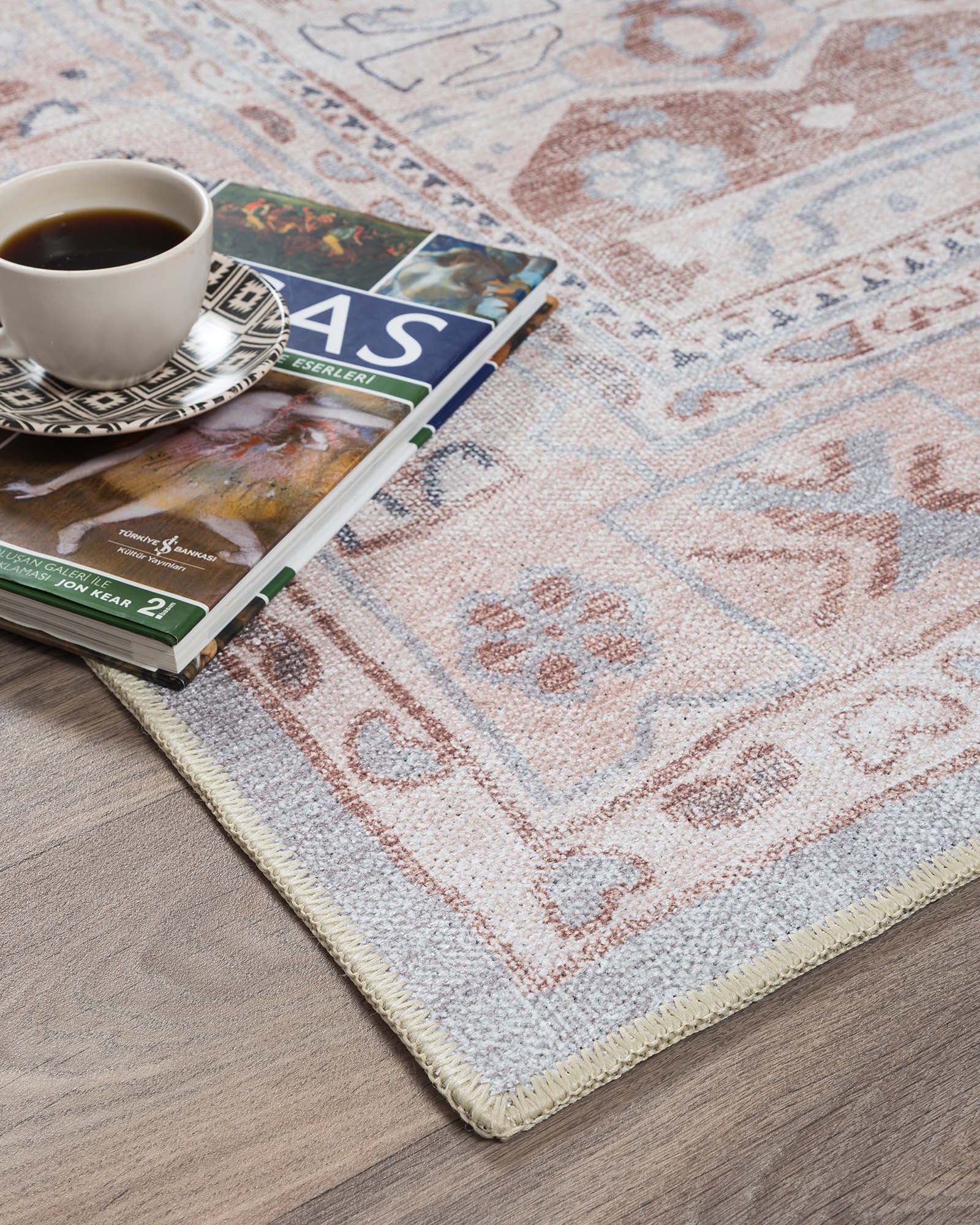
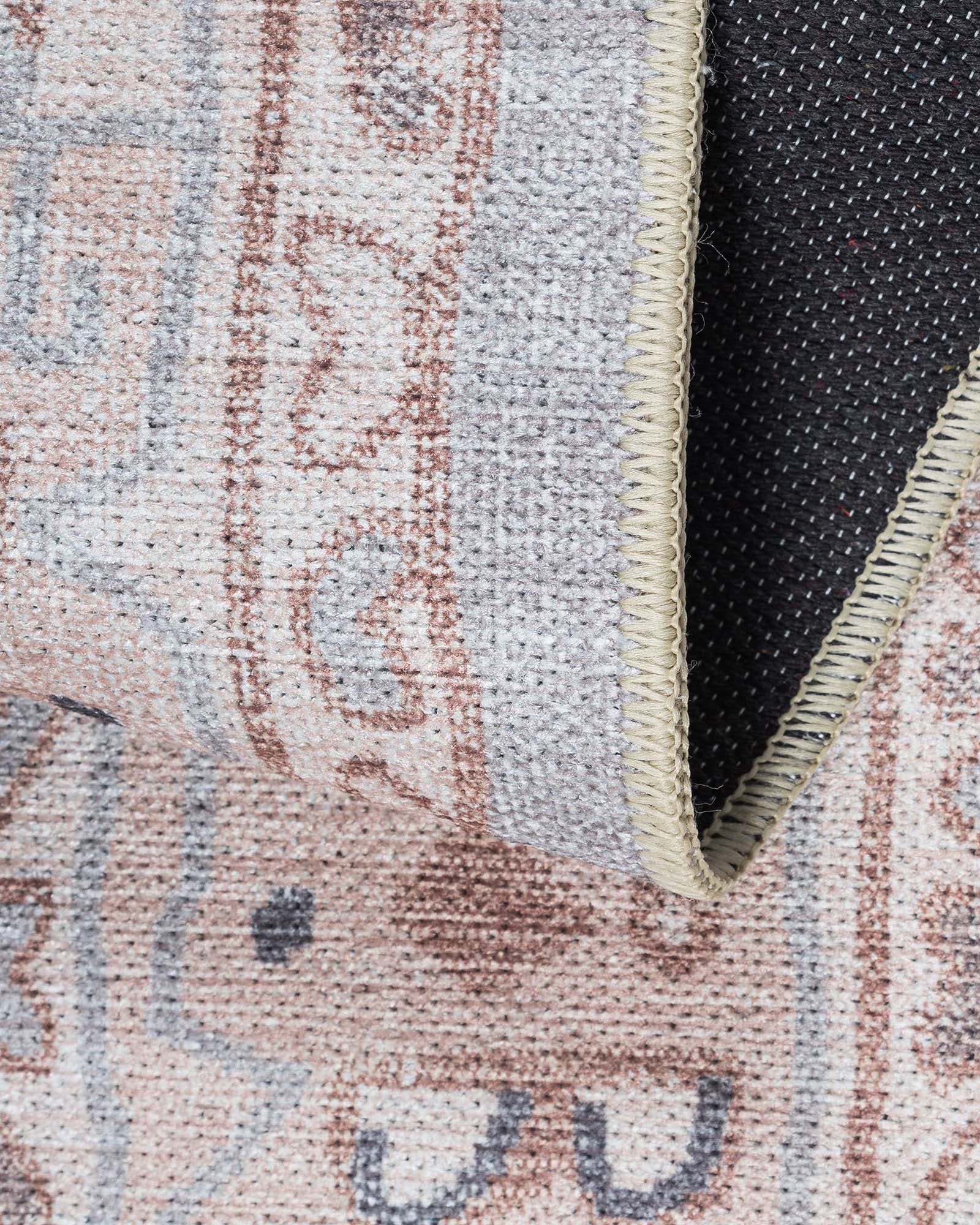
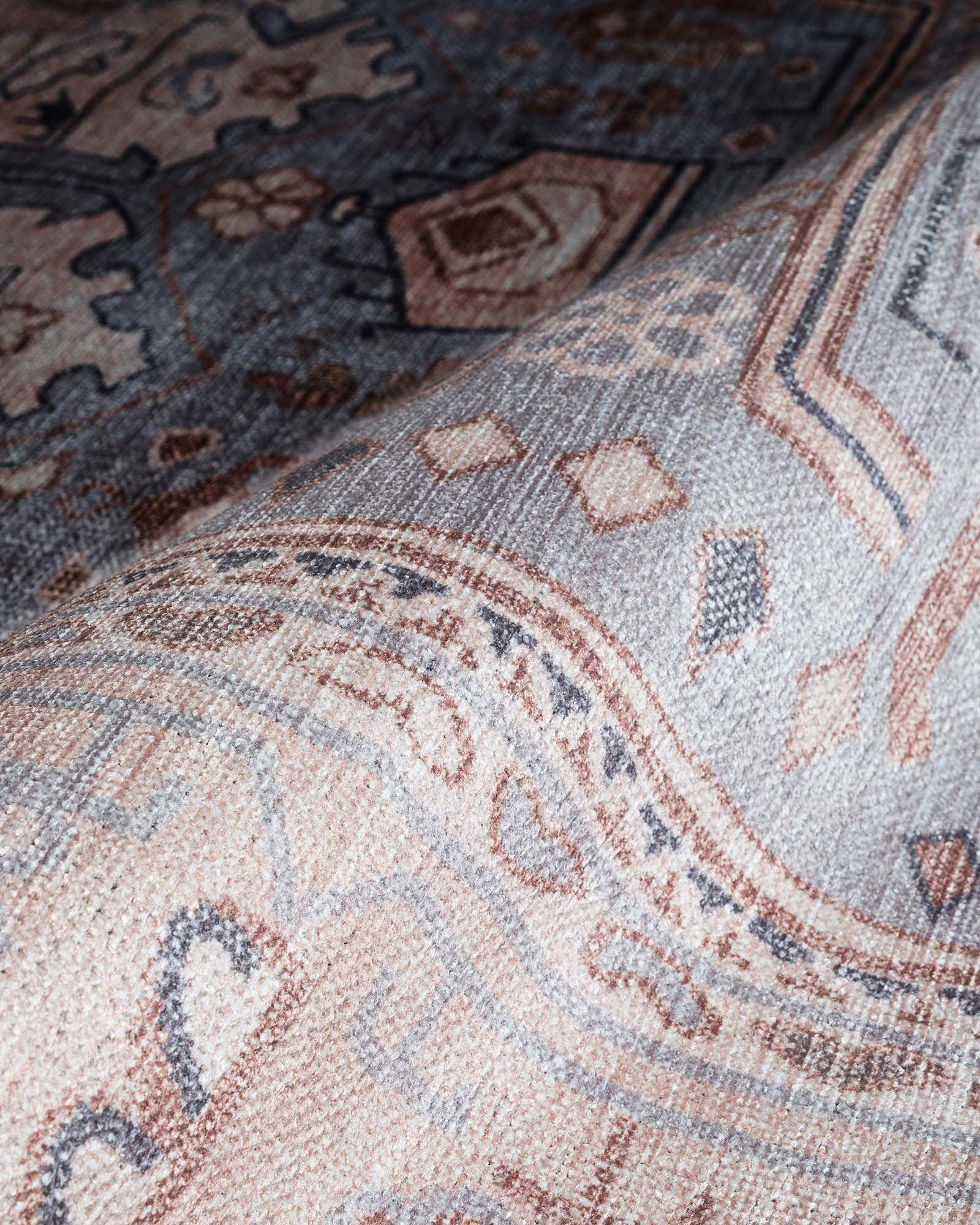
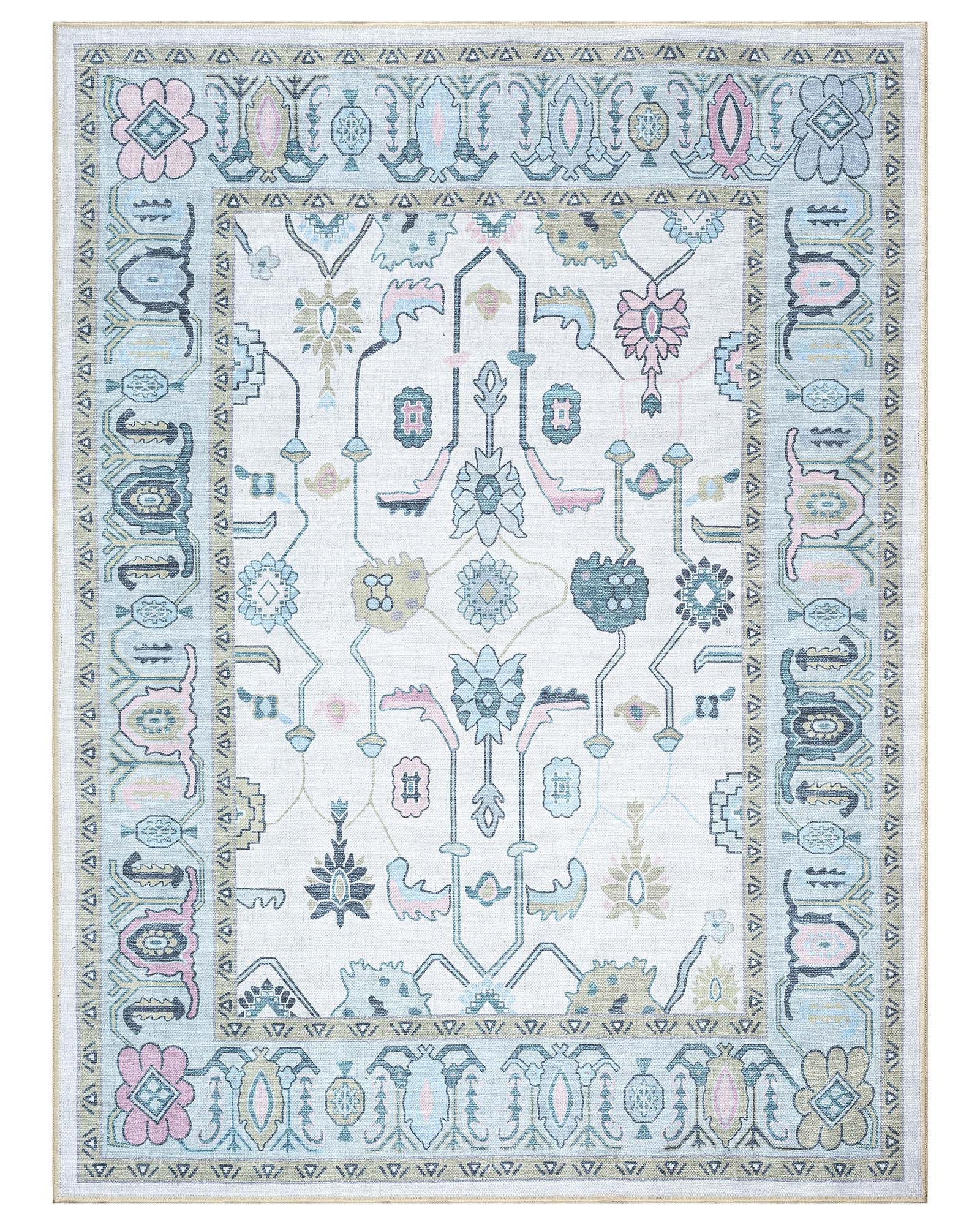
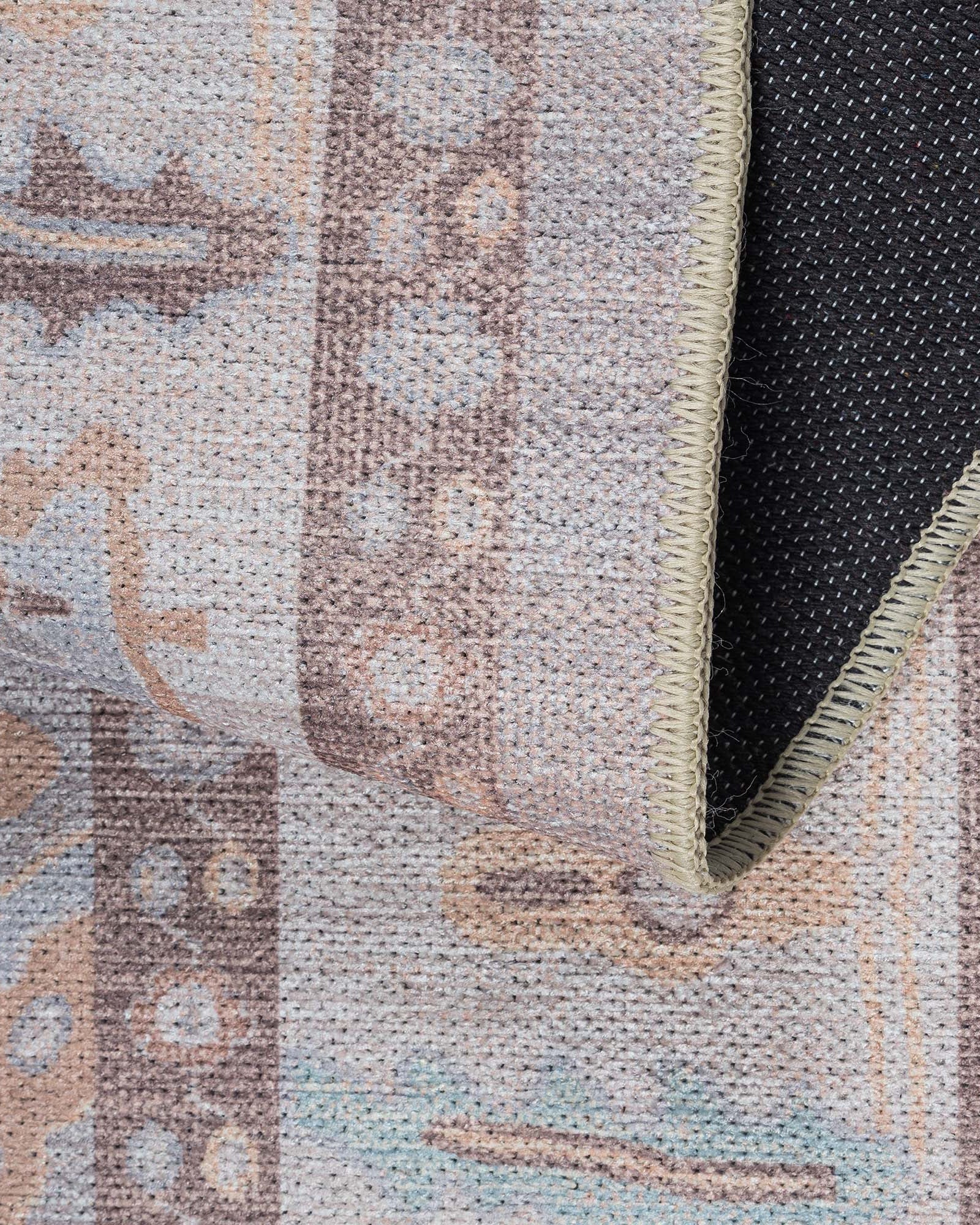
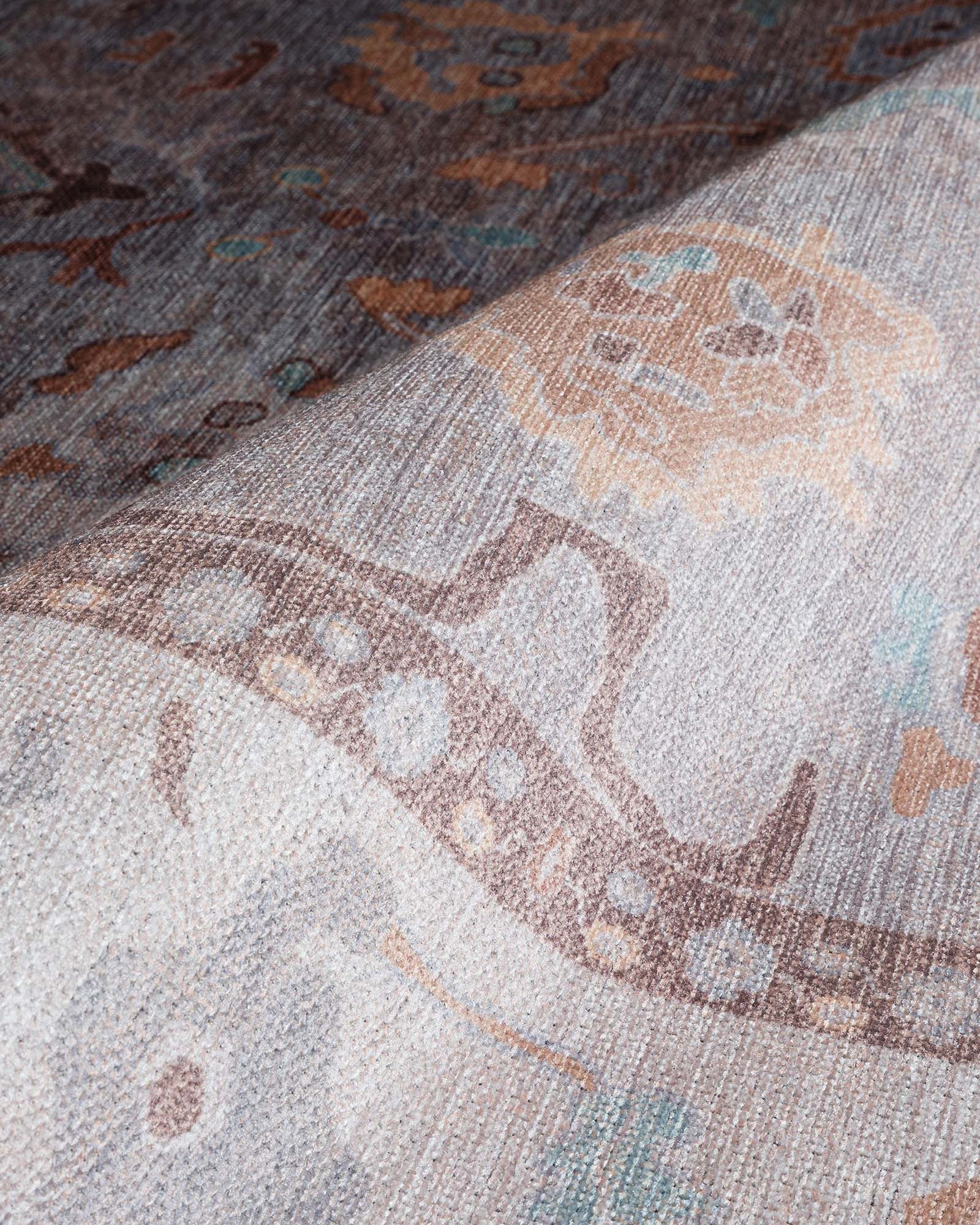
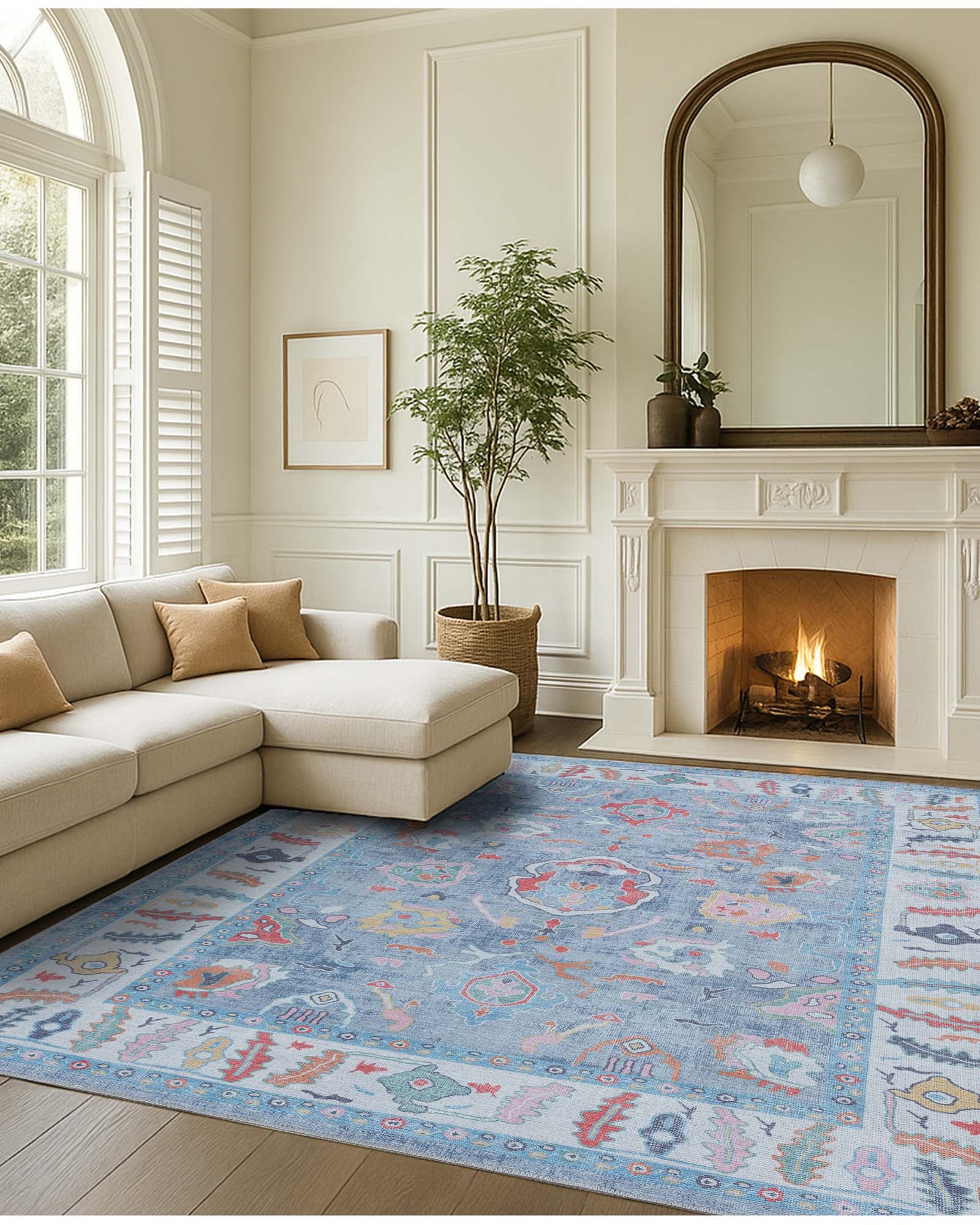
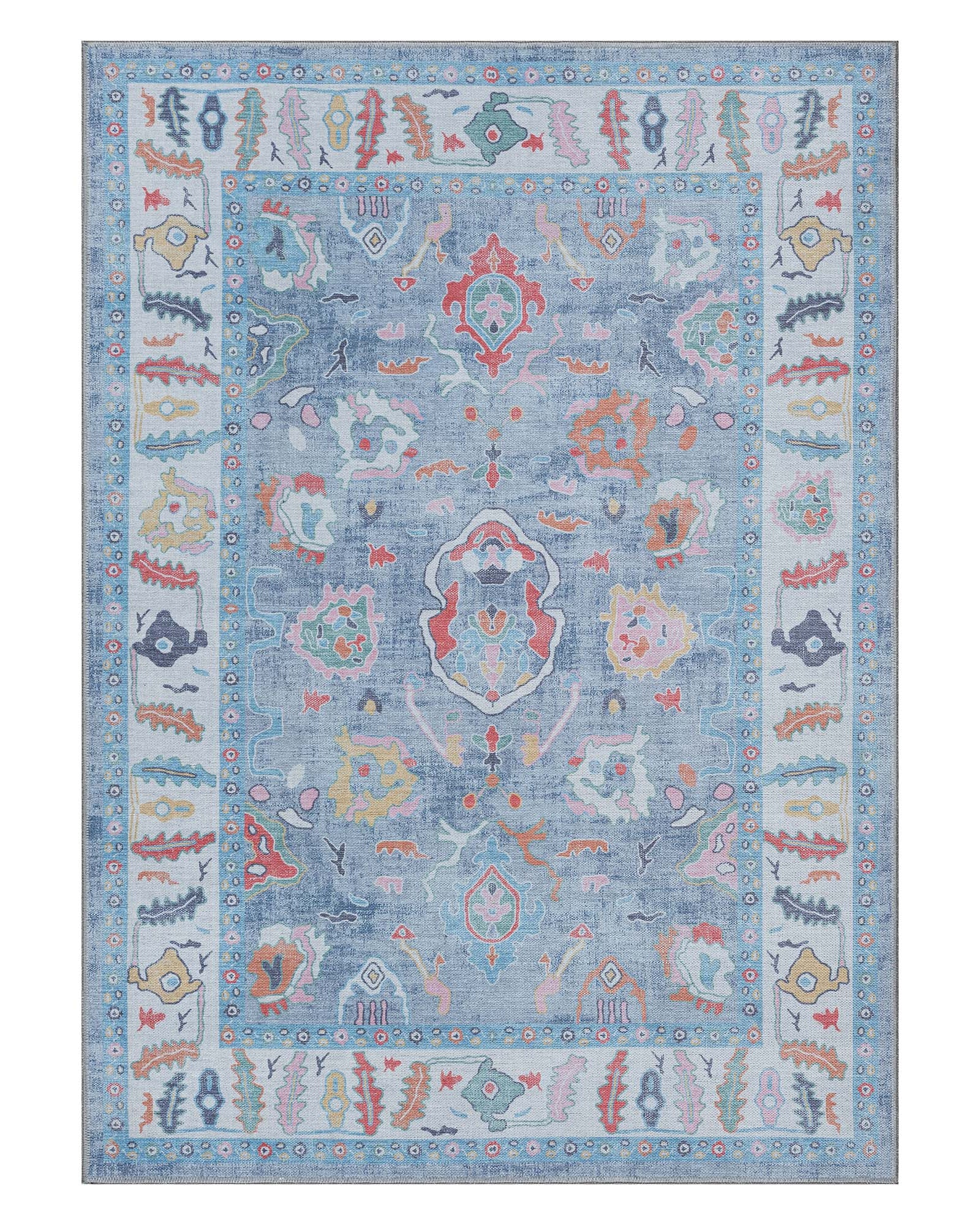
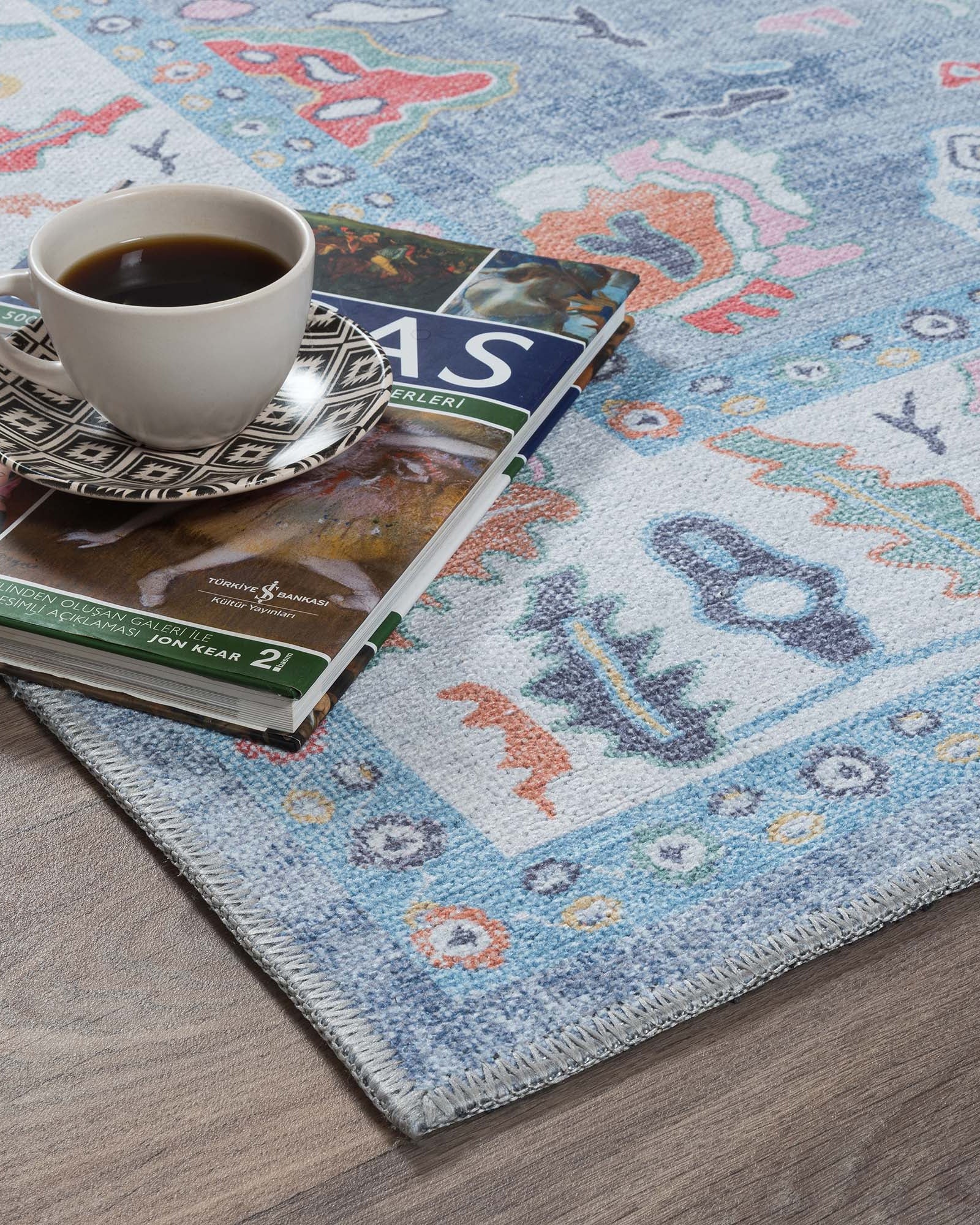
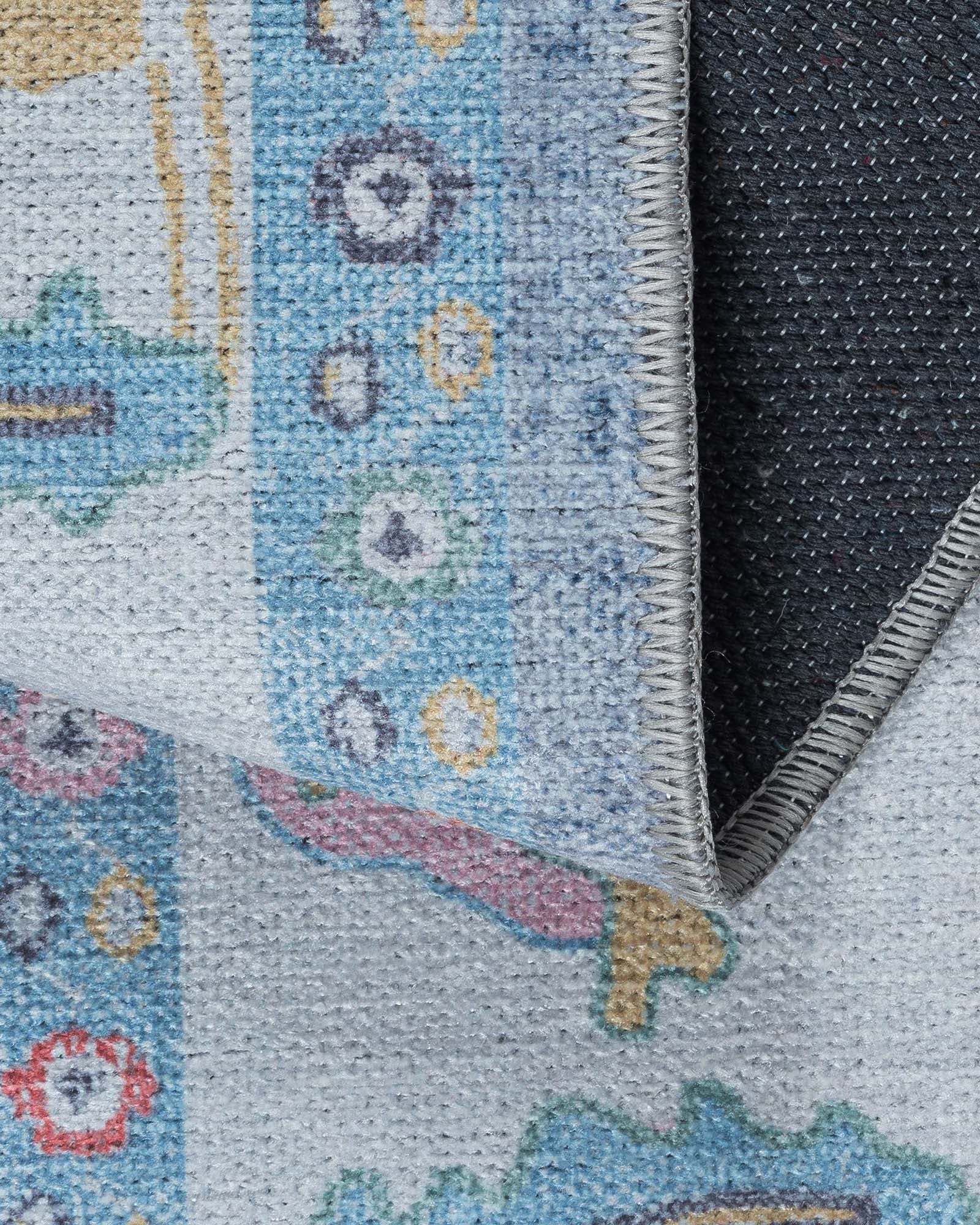
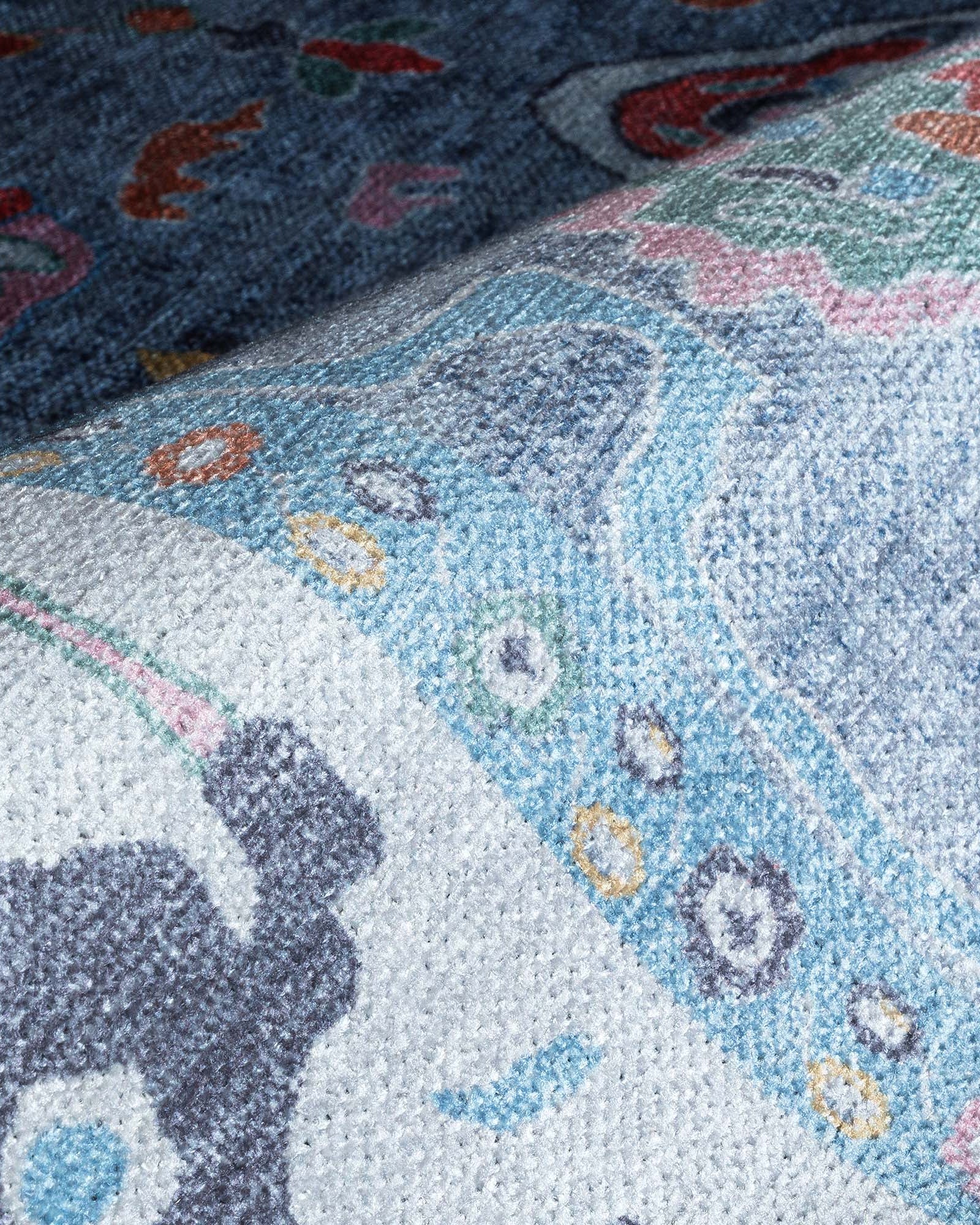
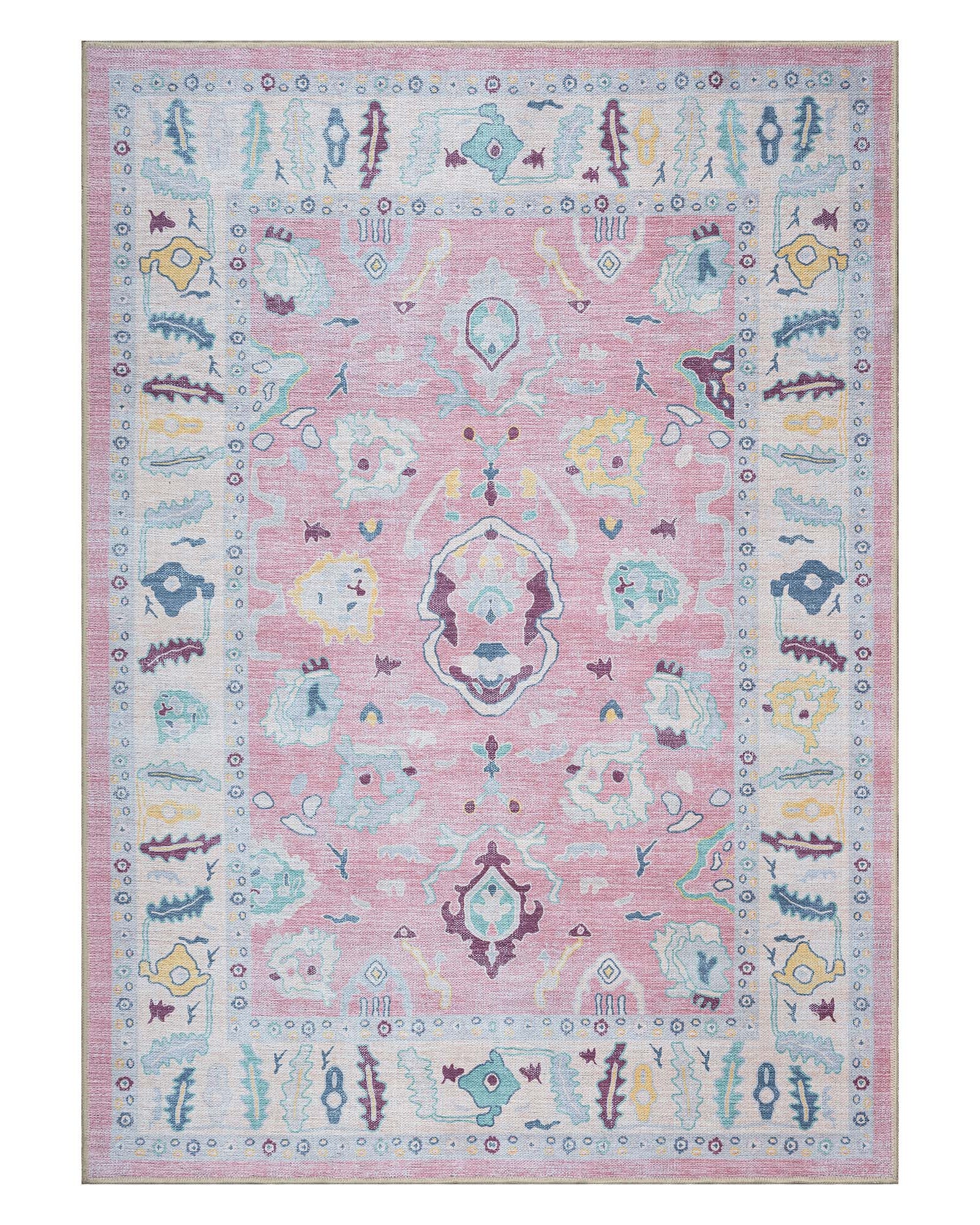
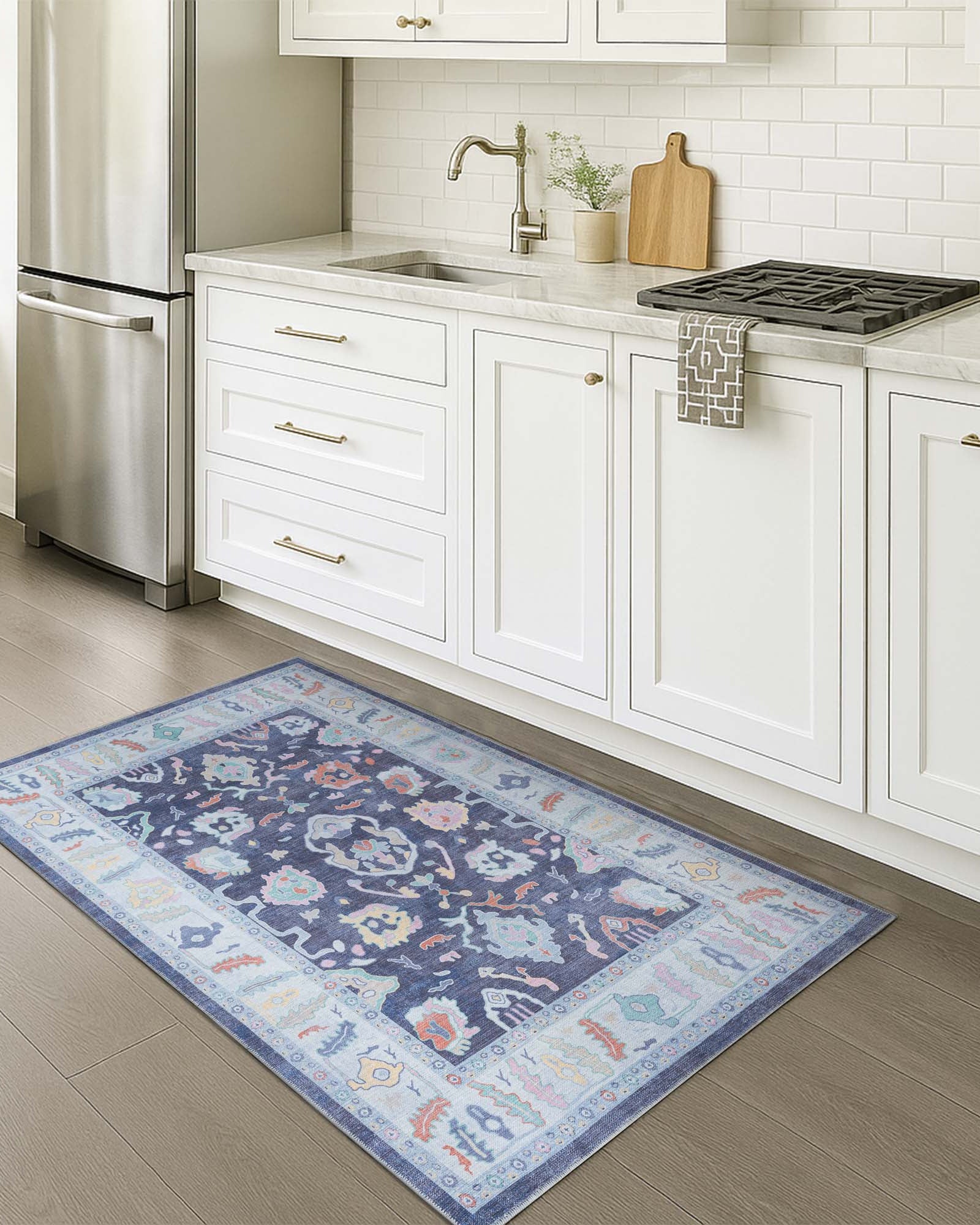
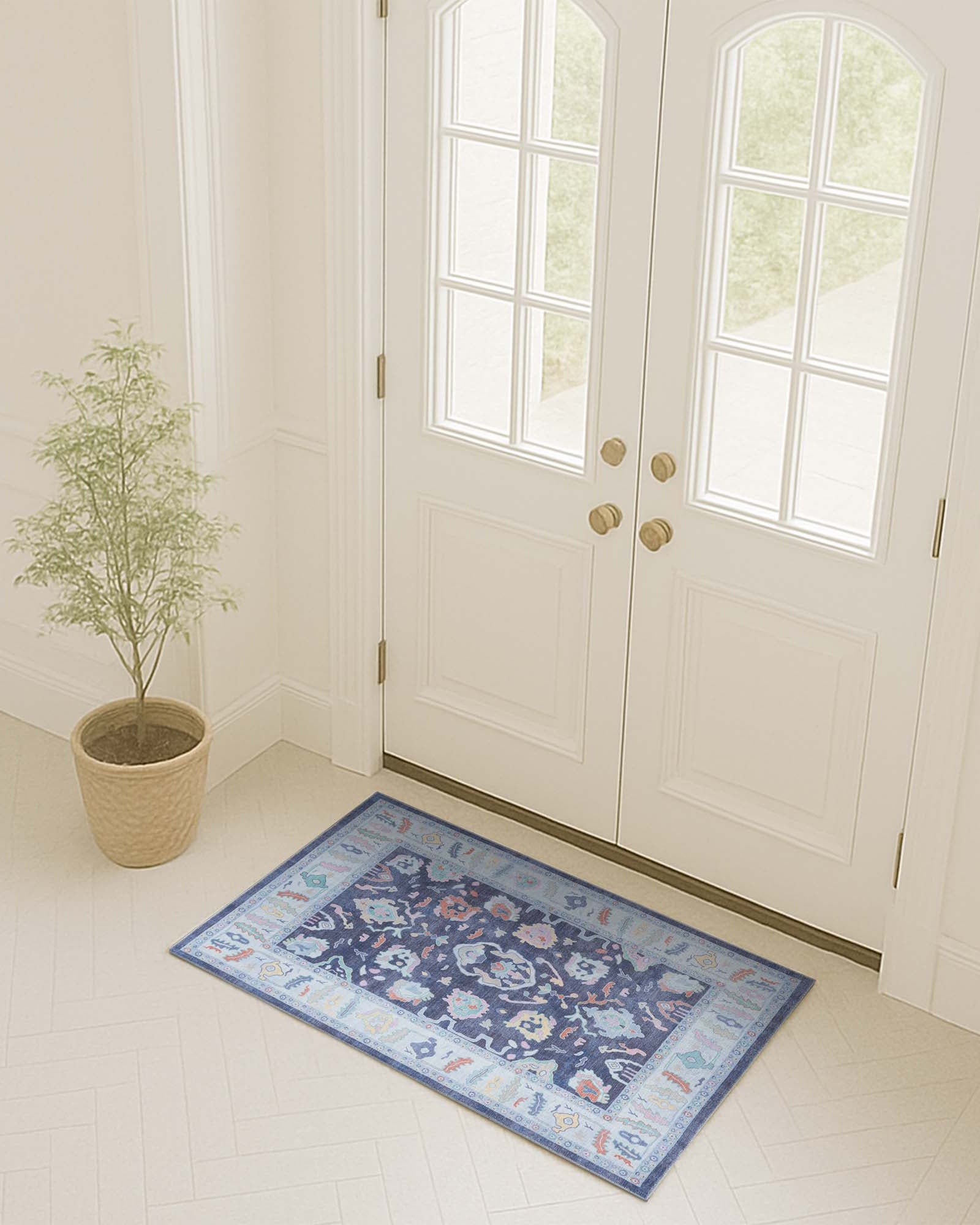
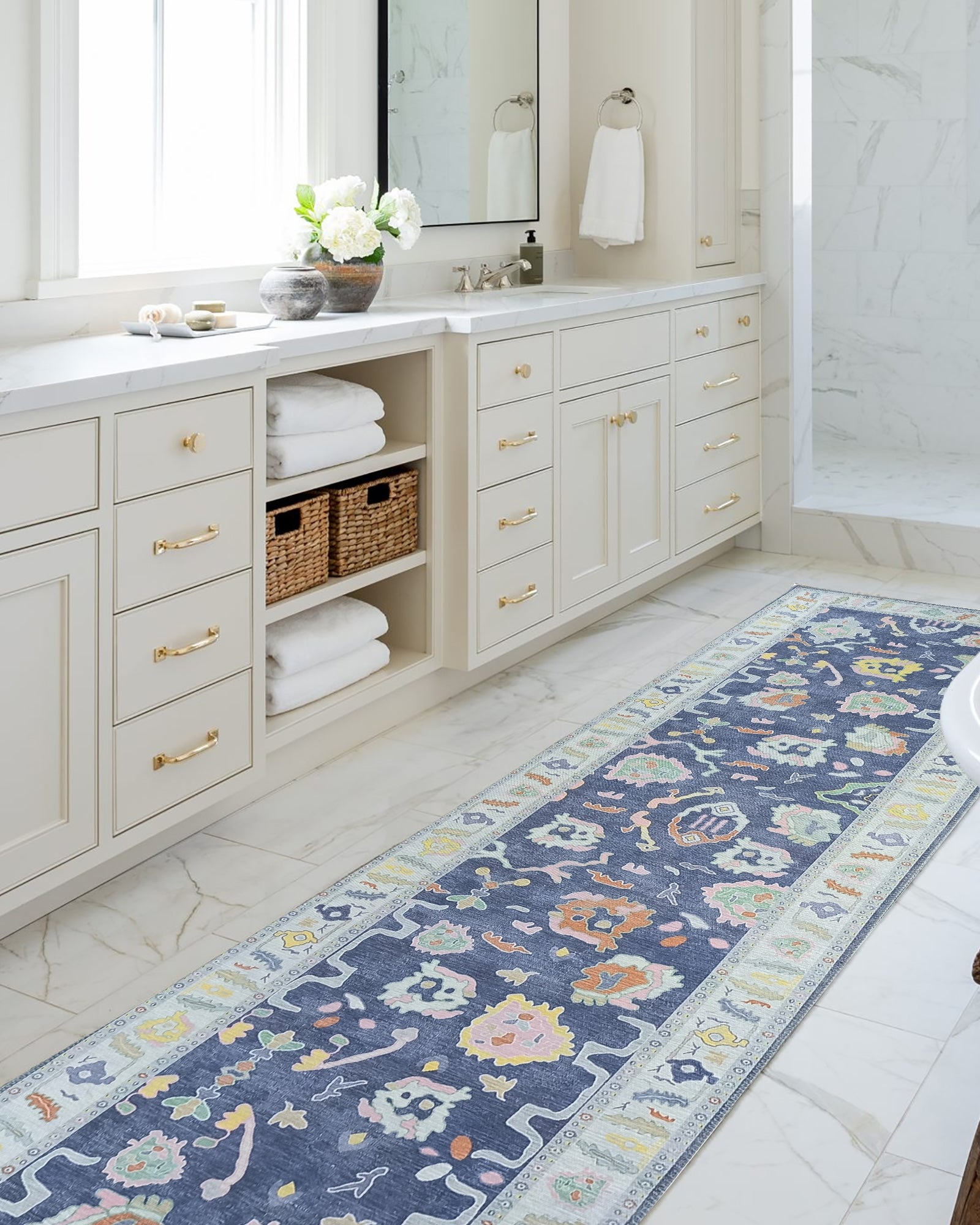
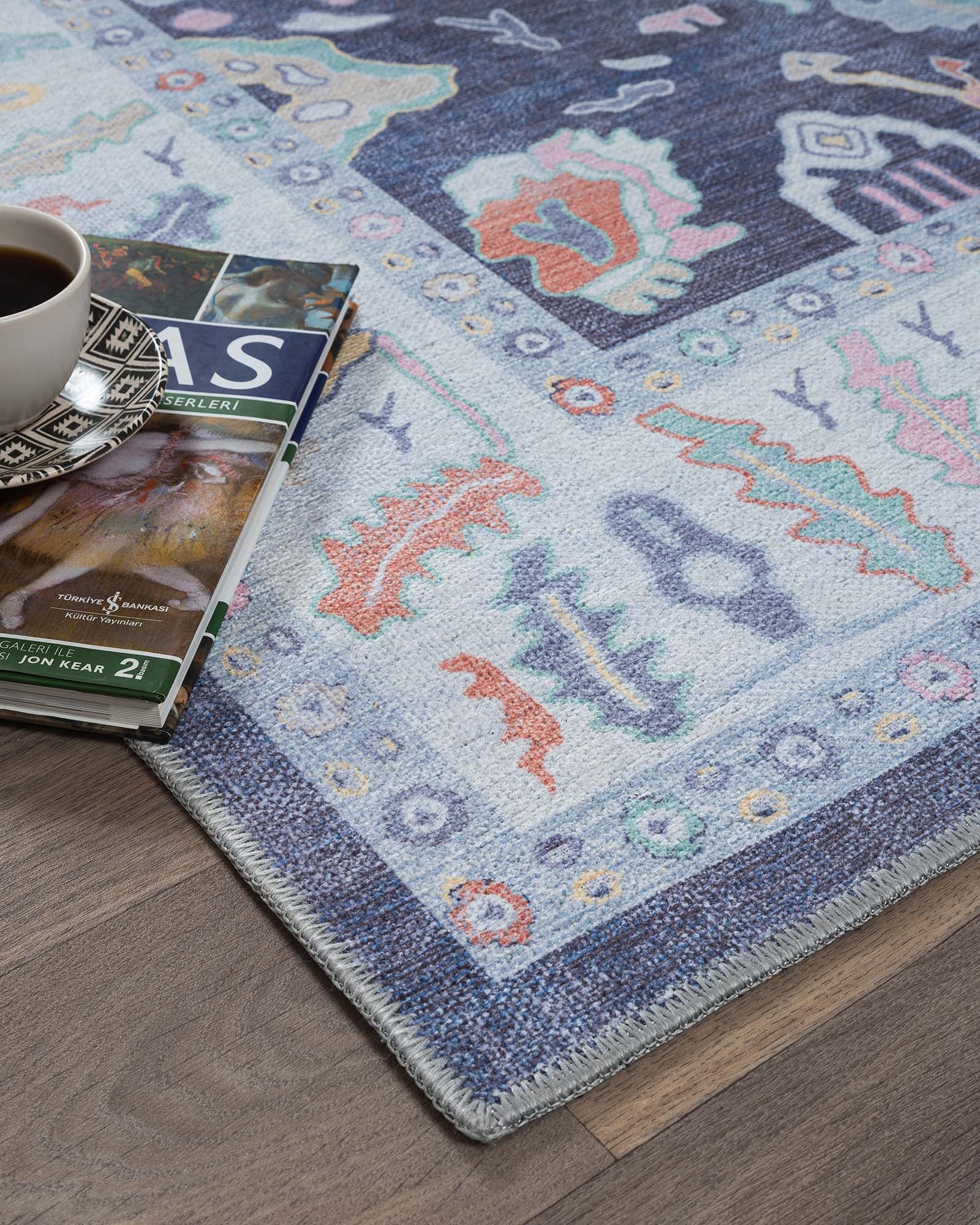
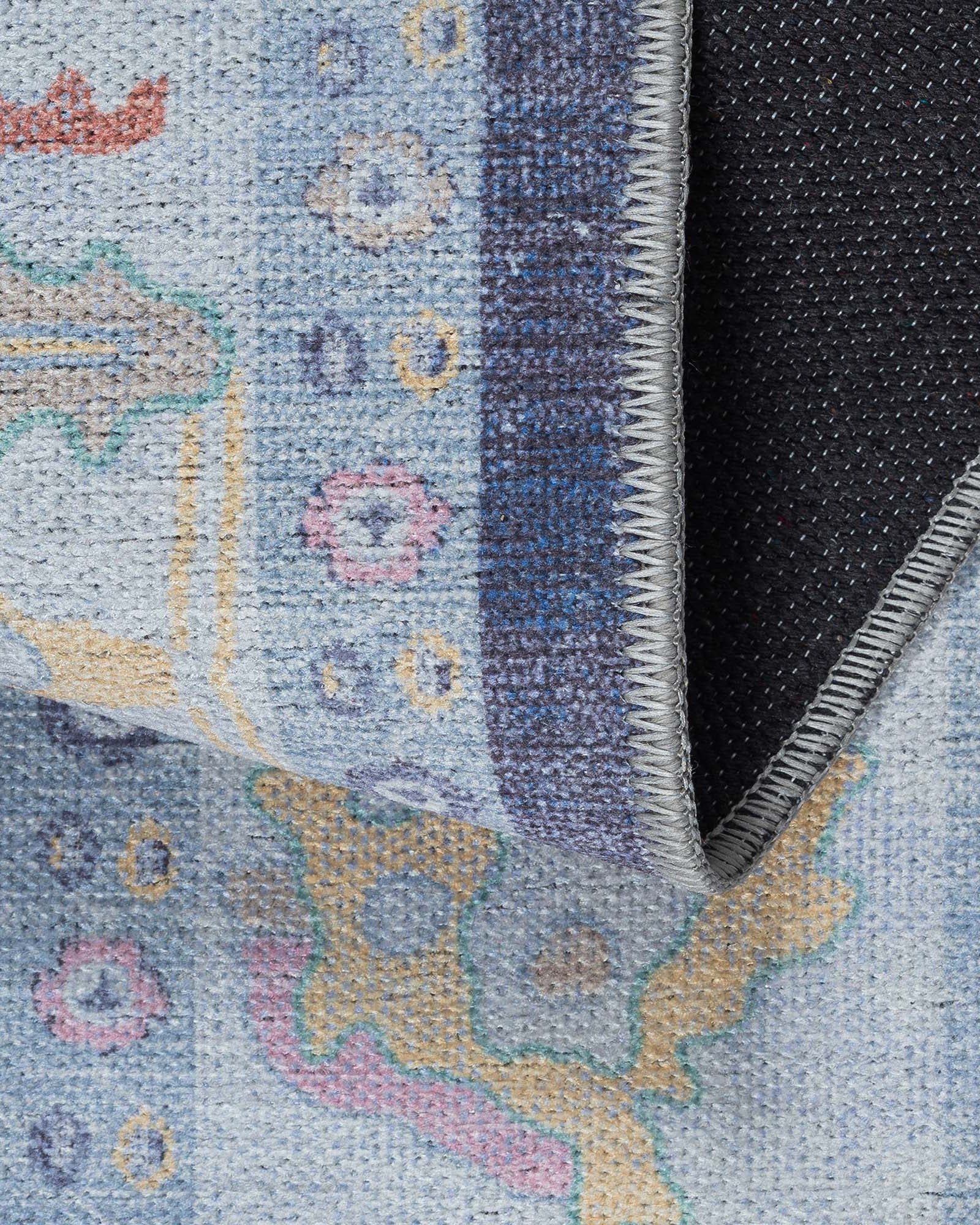
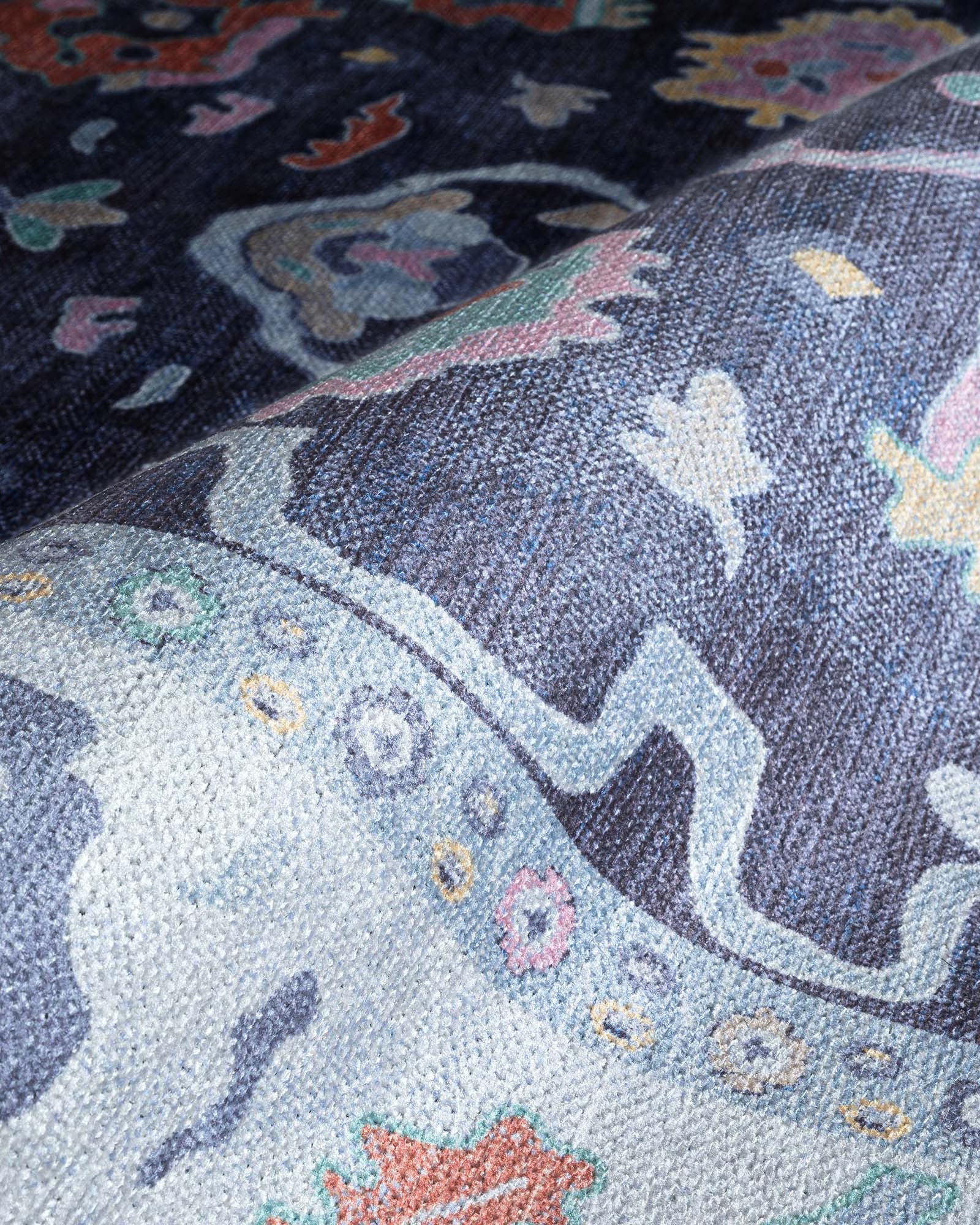
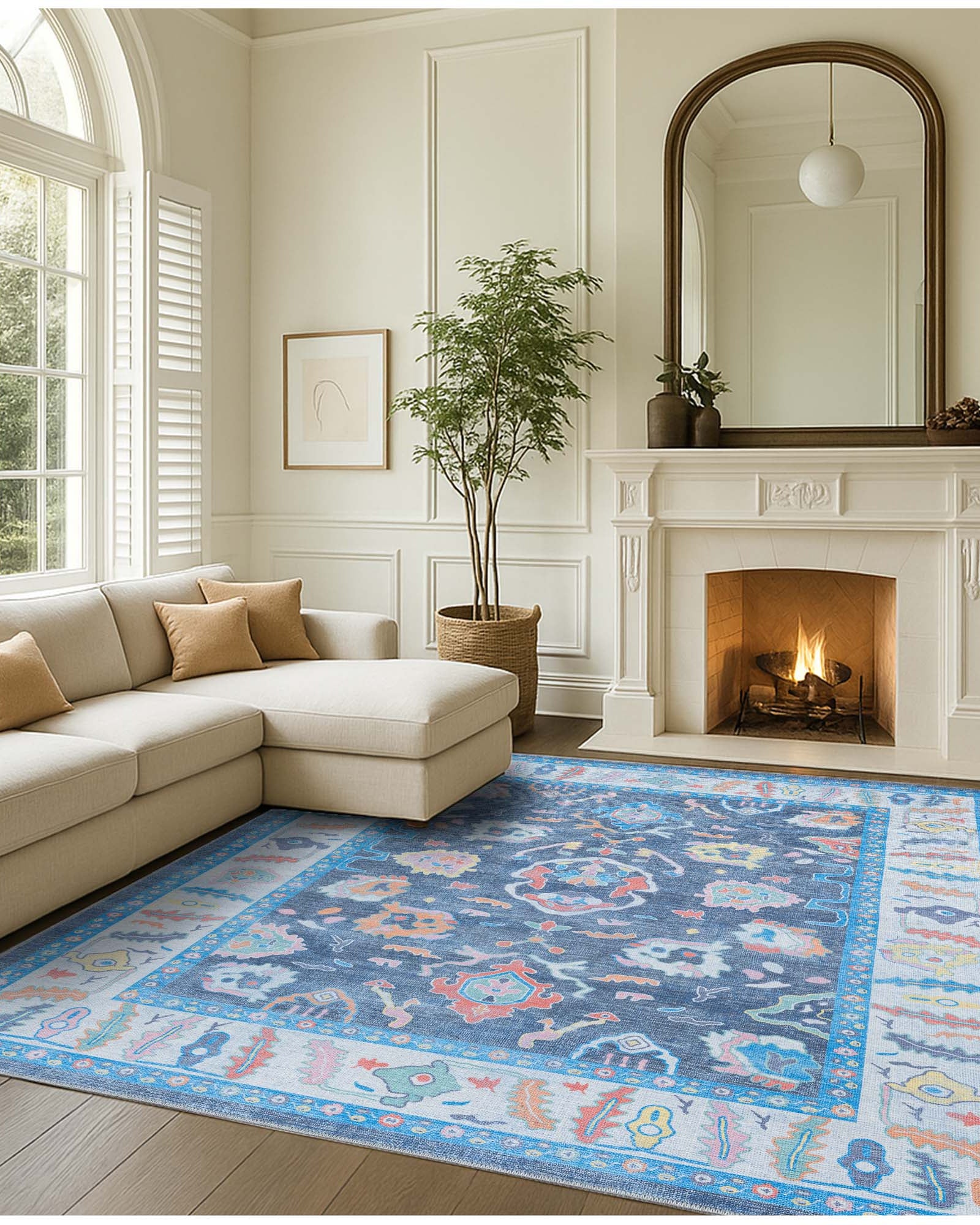
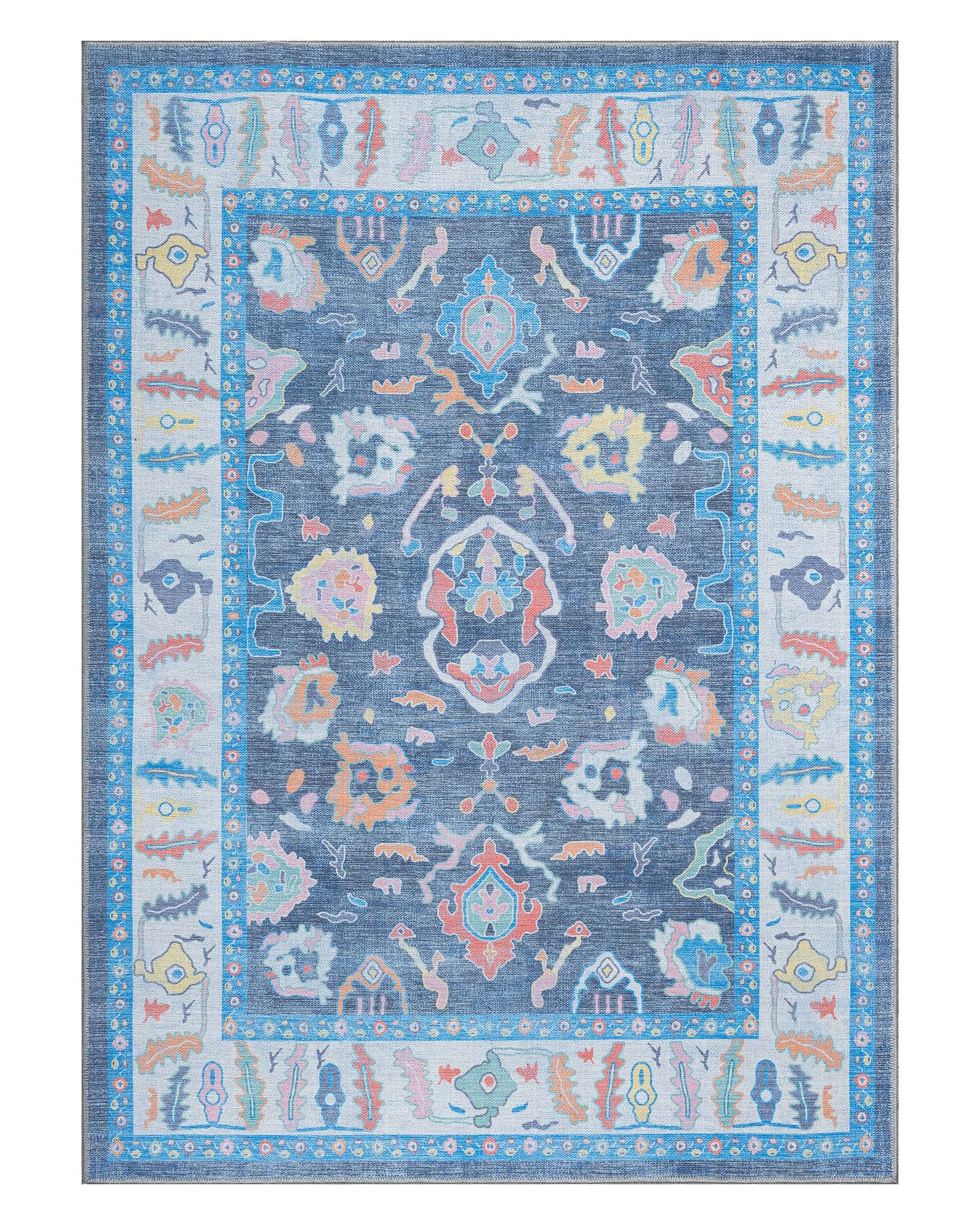
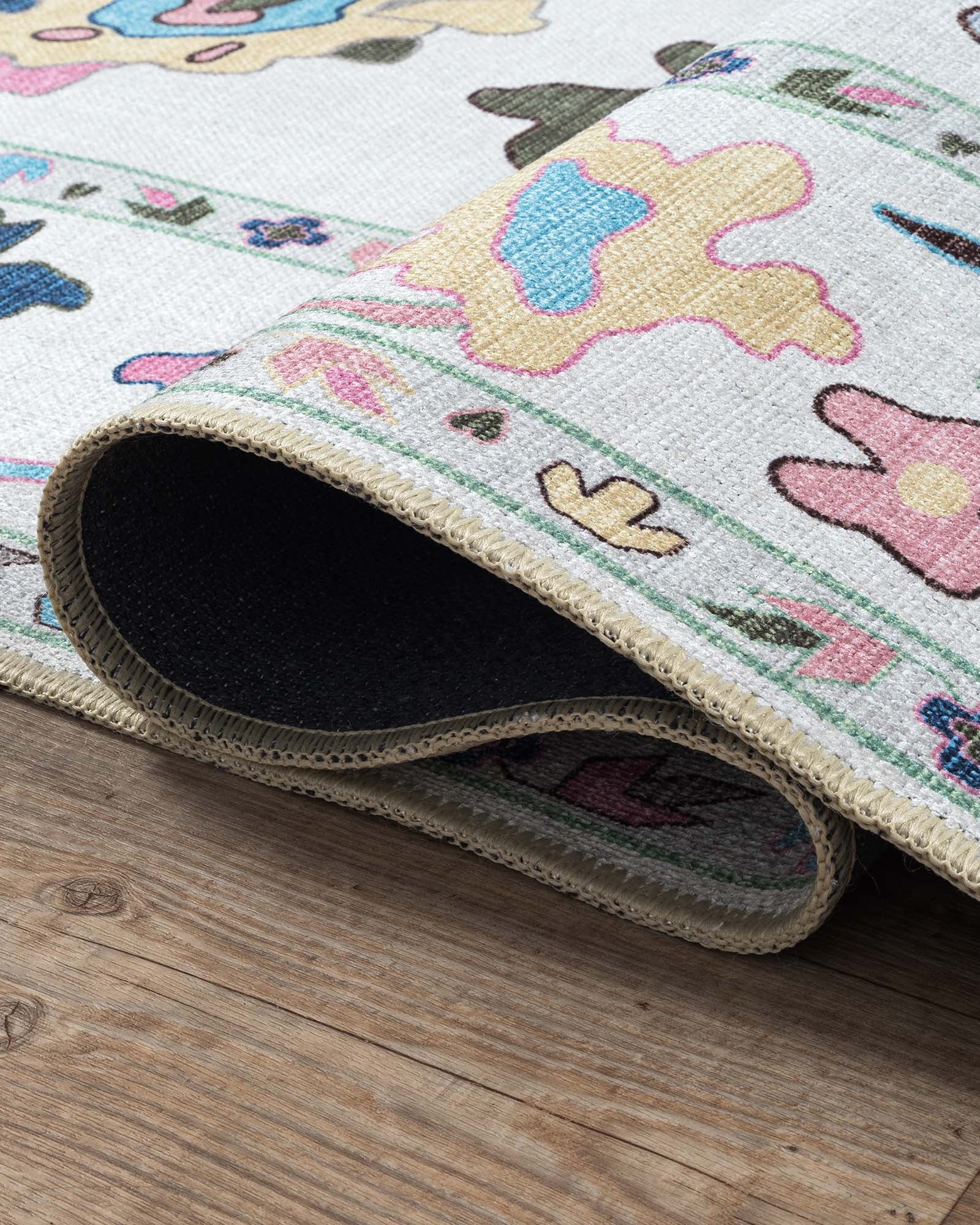
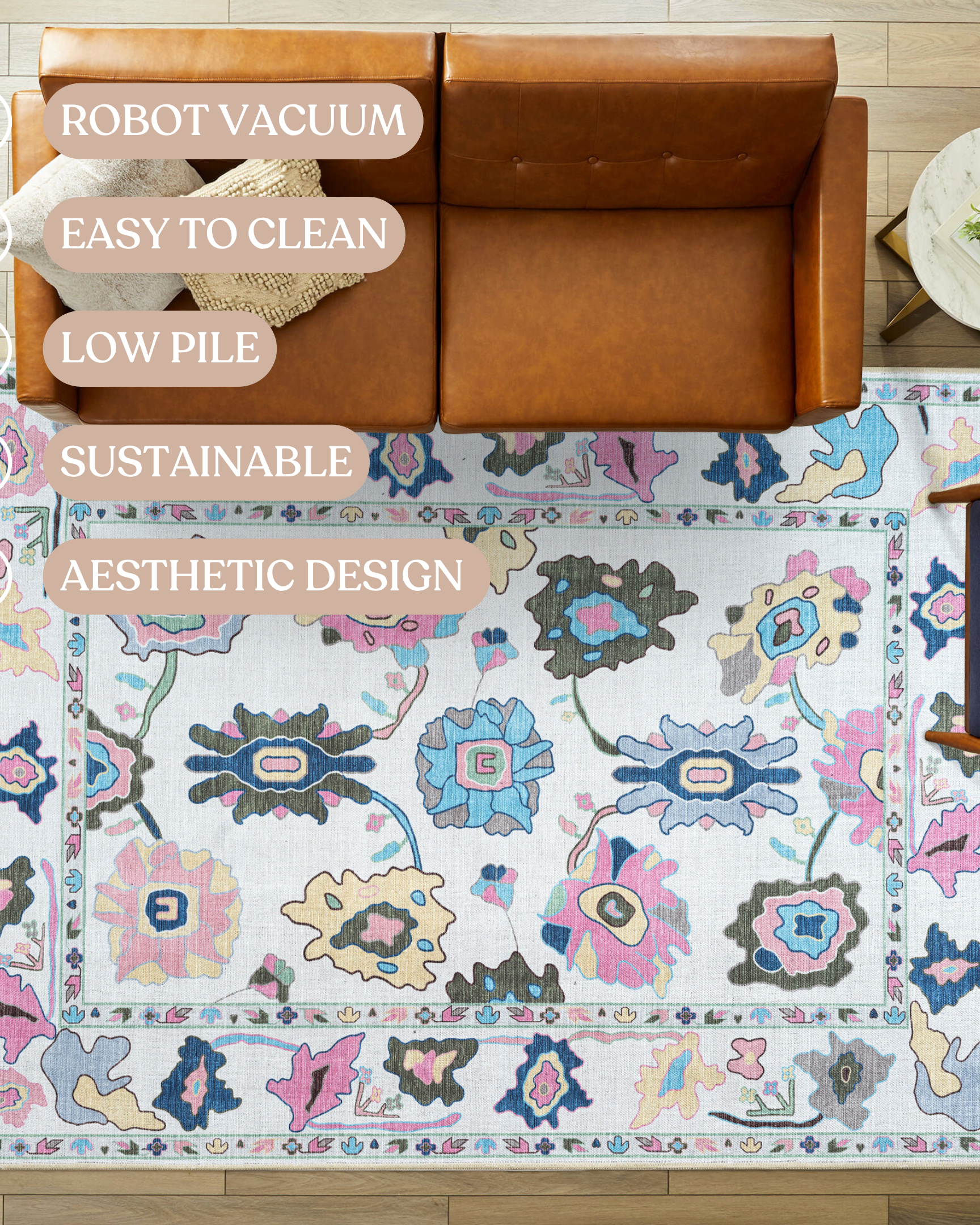
Pile height is the single most important spec for a dining room rug, and it's the one people think about least until their chairs start catching. This page narrows specifically to low-pile pieces — rugs already worn down by decades of genuine use, thin enough for chair legs to glide across without resistance or the dragging that wears grooves into thicker pile over time.
Why Low Pile Solves the Chair Problem
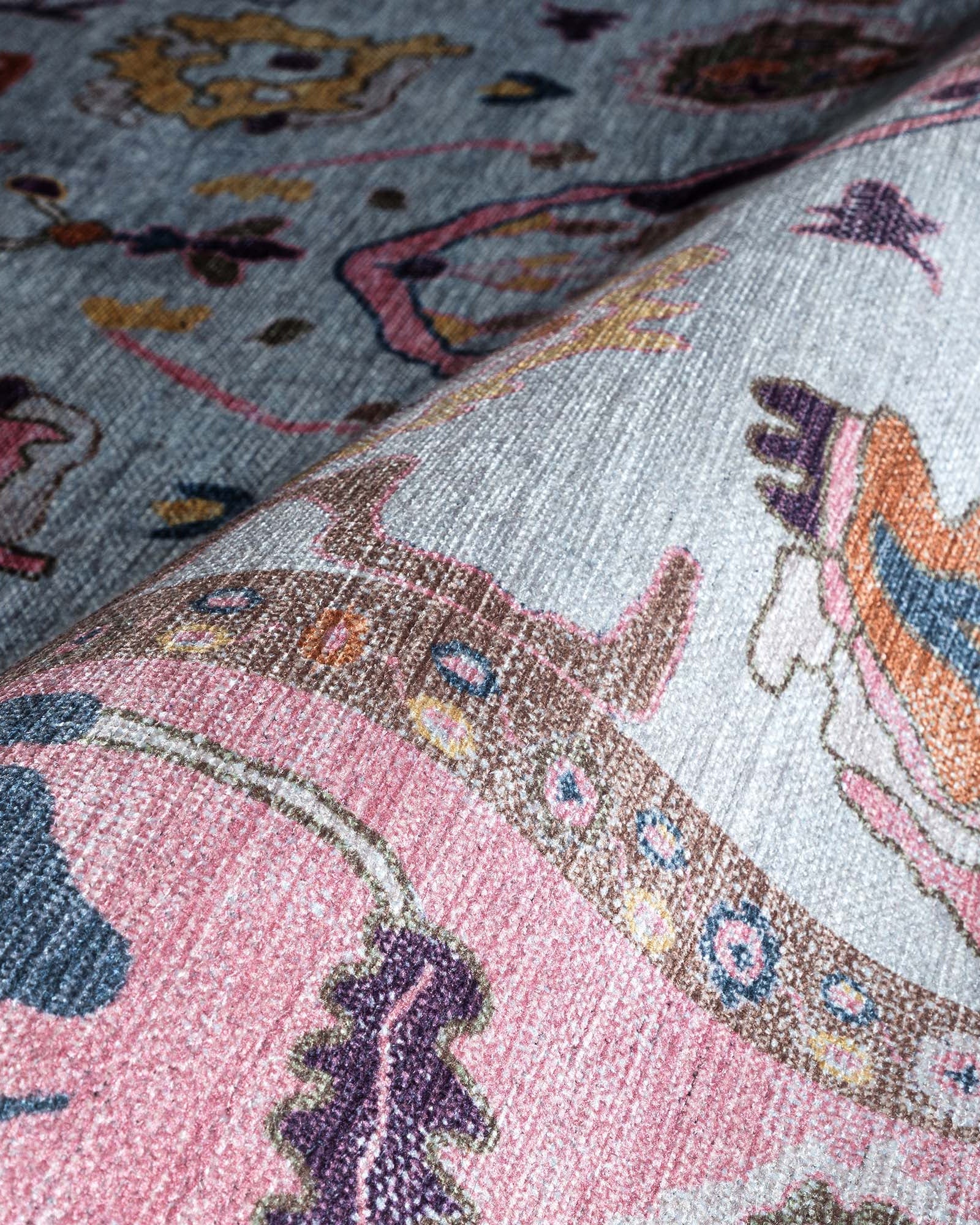
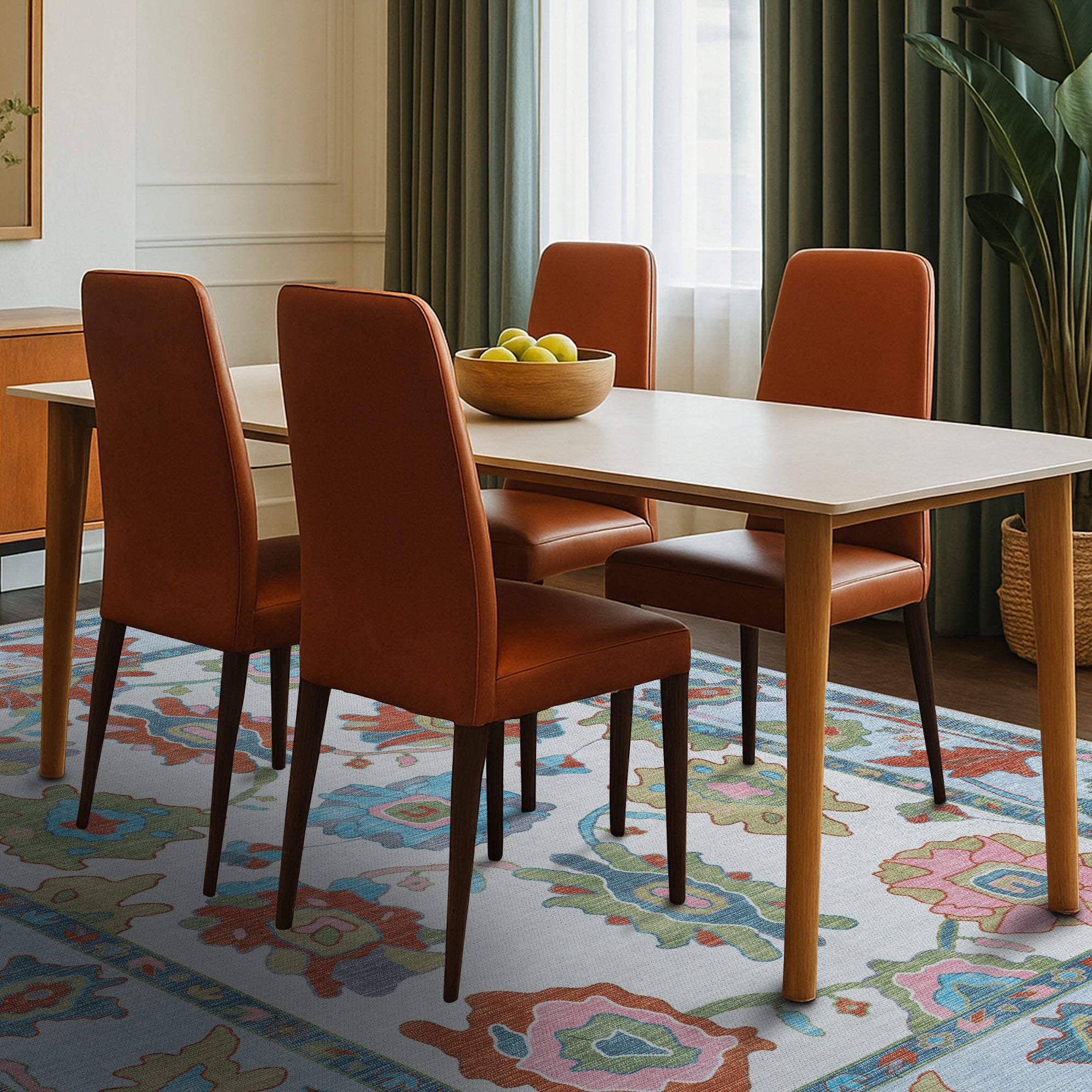
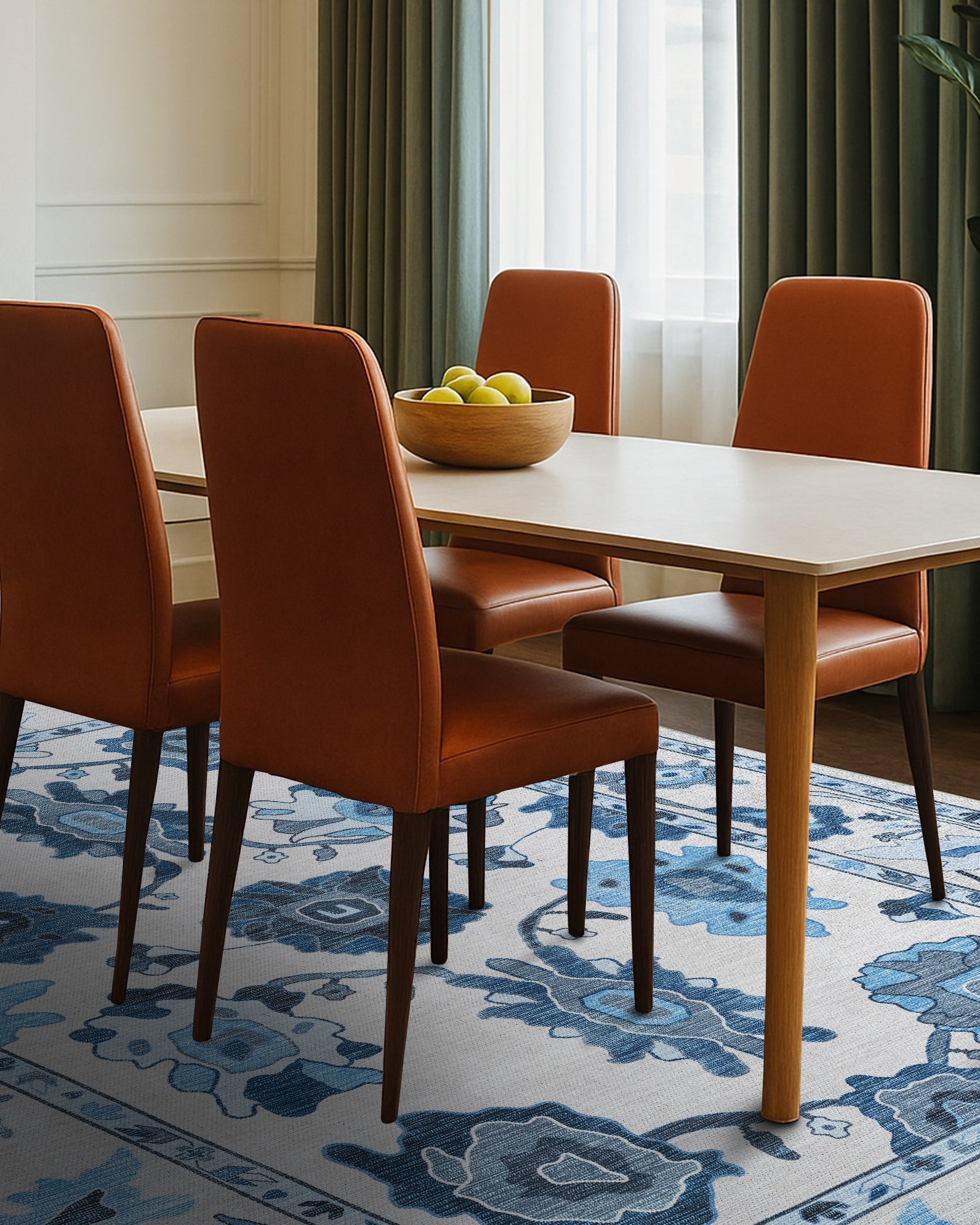
Every time a chair is pushed back from the table, its legs either sink into pile and drag, or slide across a flatter surface with minimal resistance. Deep pile makes the first happen; low pile makes the second happen. Over years of daily meals, that difference adds up — a low-pile rug shows far less concentrated wear directly under the chairs, because the chairs aren't fighting the rug every time someone sits down or stands up.
Genuinely Worn, Not Manufactured Thin
Every piece gathered here reached its low pile height through real decades of foot traffic, not through a manufacturing process designed to produce thinness from the start. That distinction matters for durability: a rug worn down gradually over fifty or eighty years has already proven it holds together at this pile height, with knots still tied and locked and a foundation that has settled rather than degraded. Each product page states pile height directly, along with whether any area has worn past the point of comfortable daily use.
Pattern Choices for a Dining Room Specifically
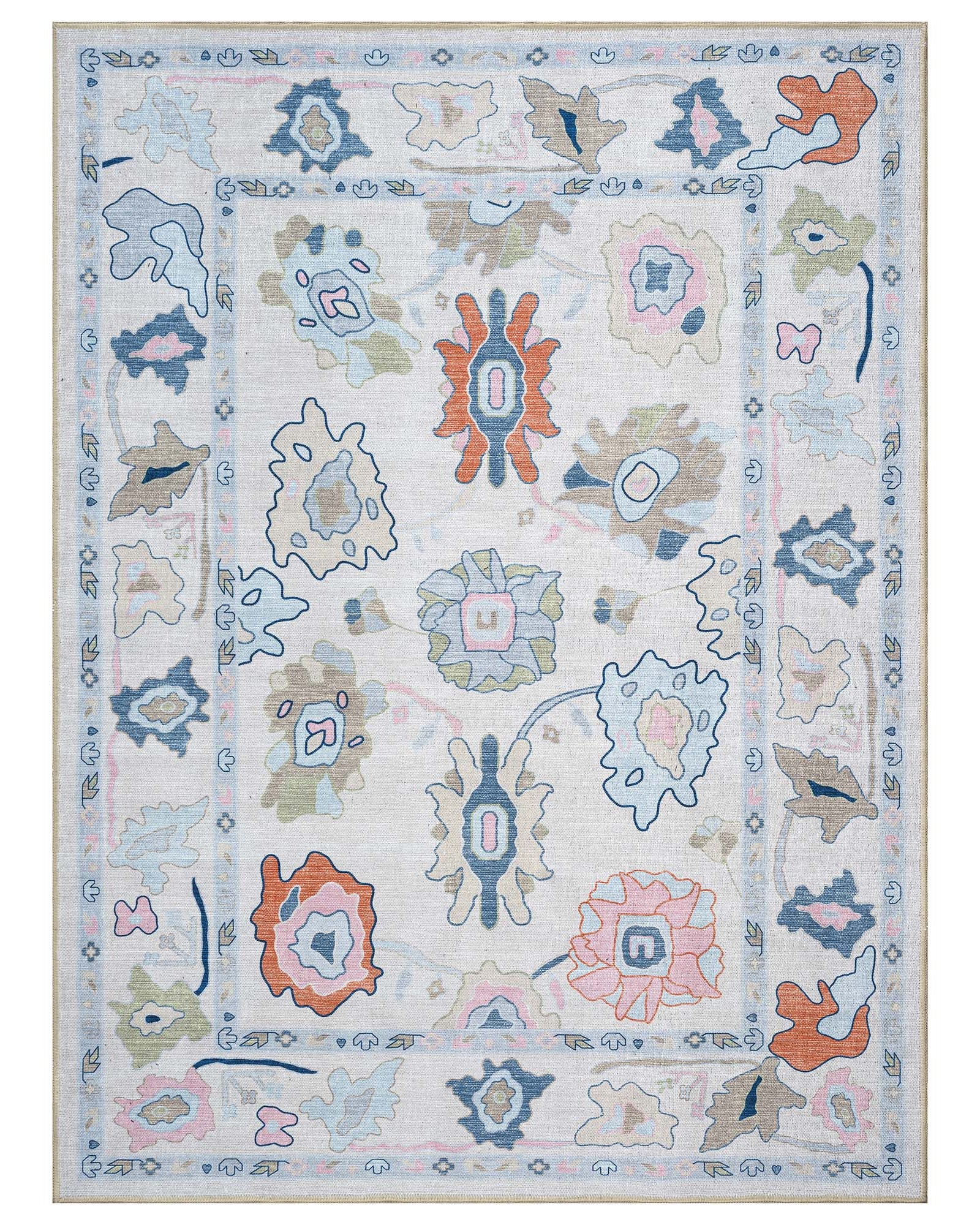
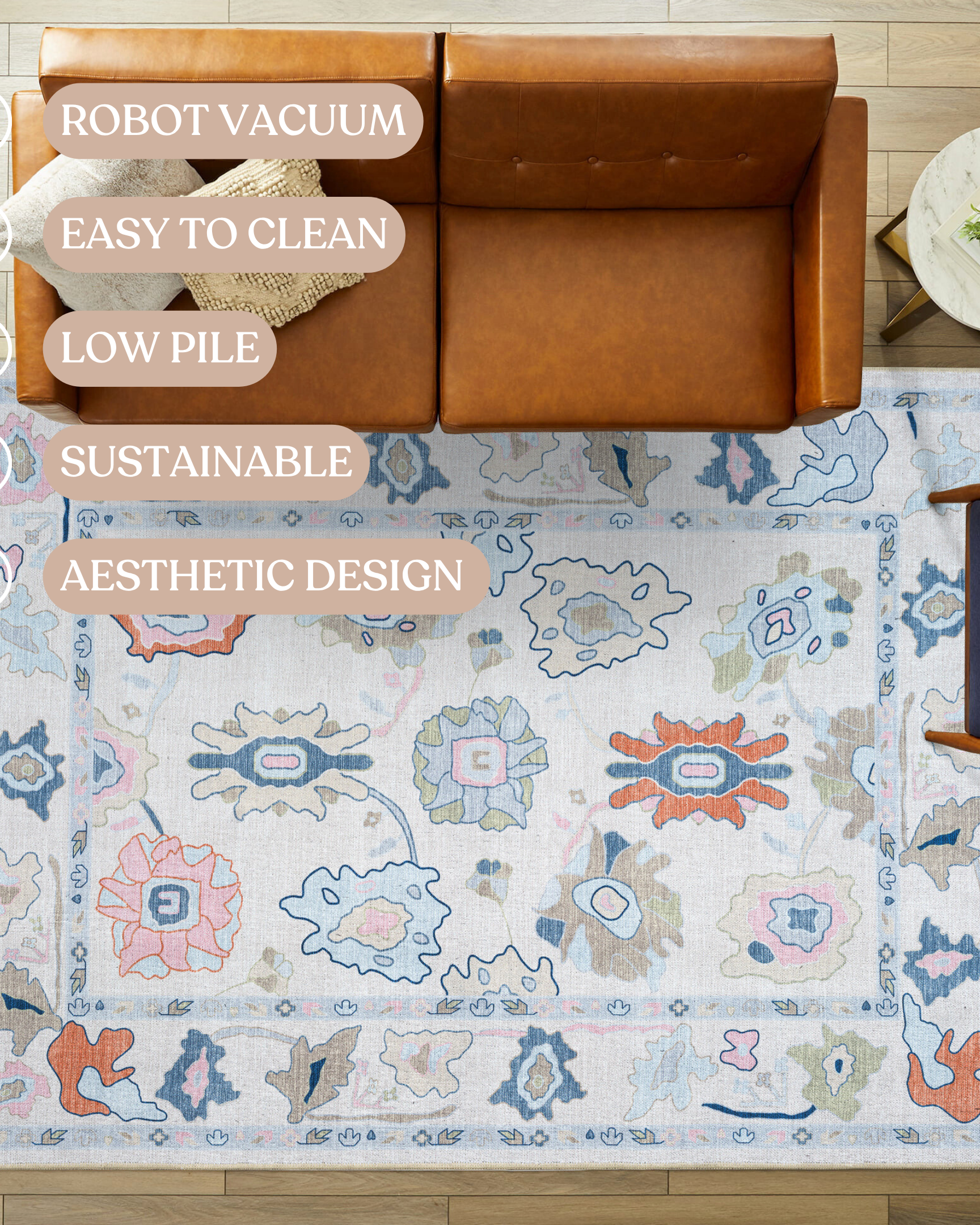
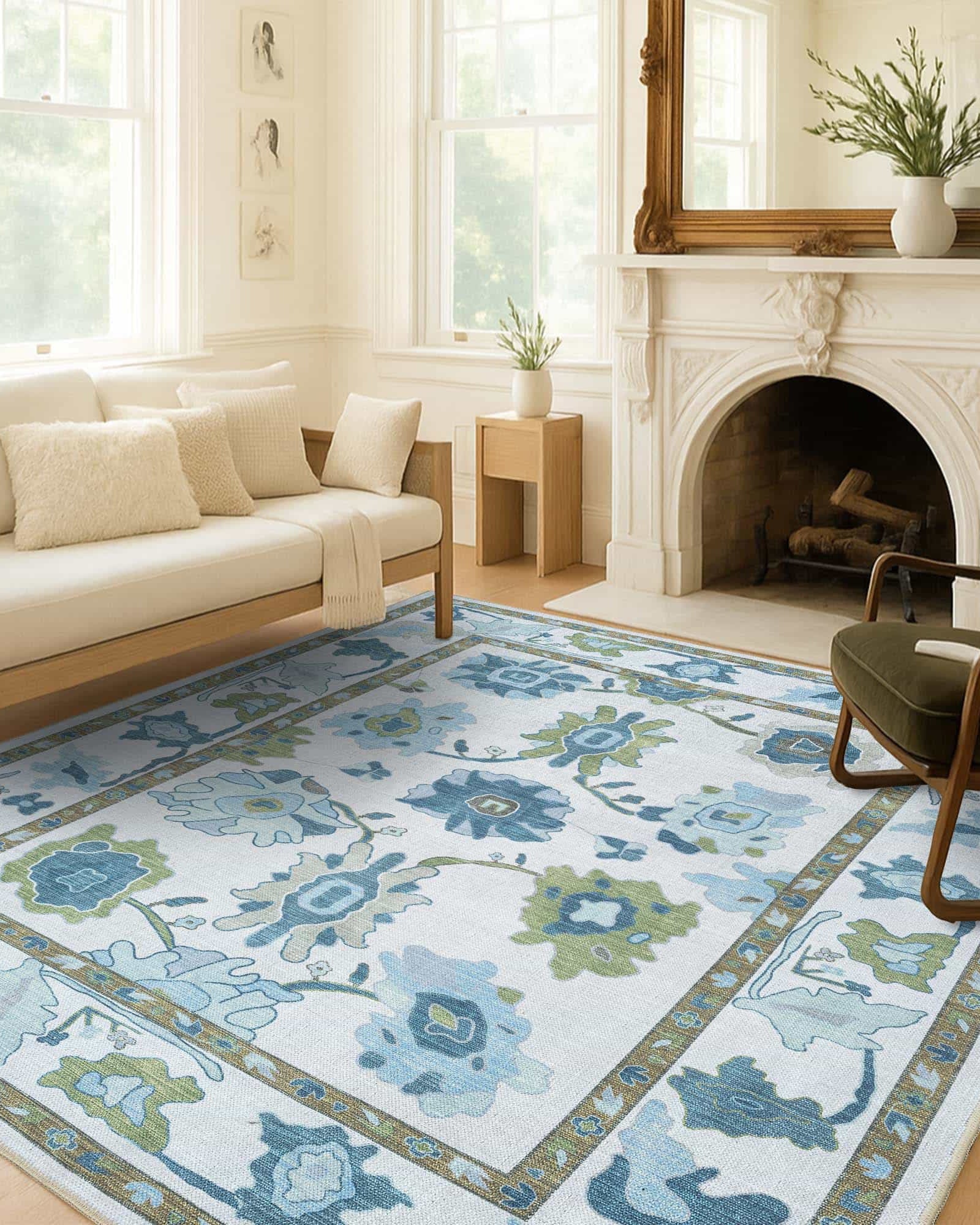
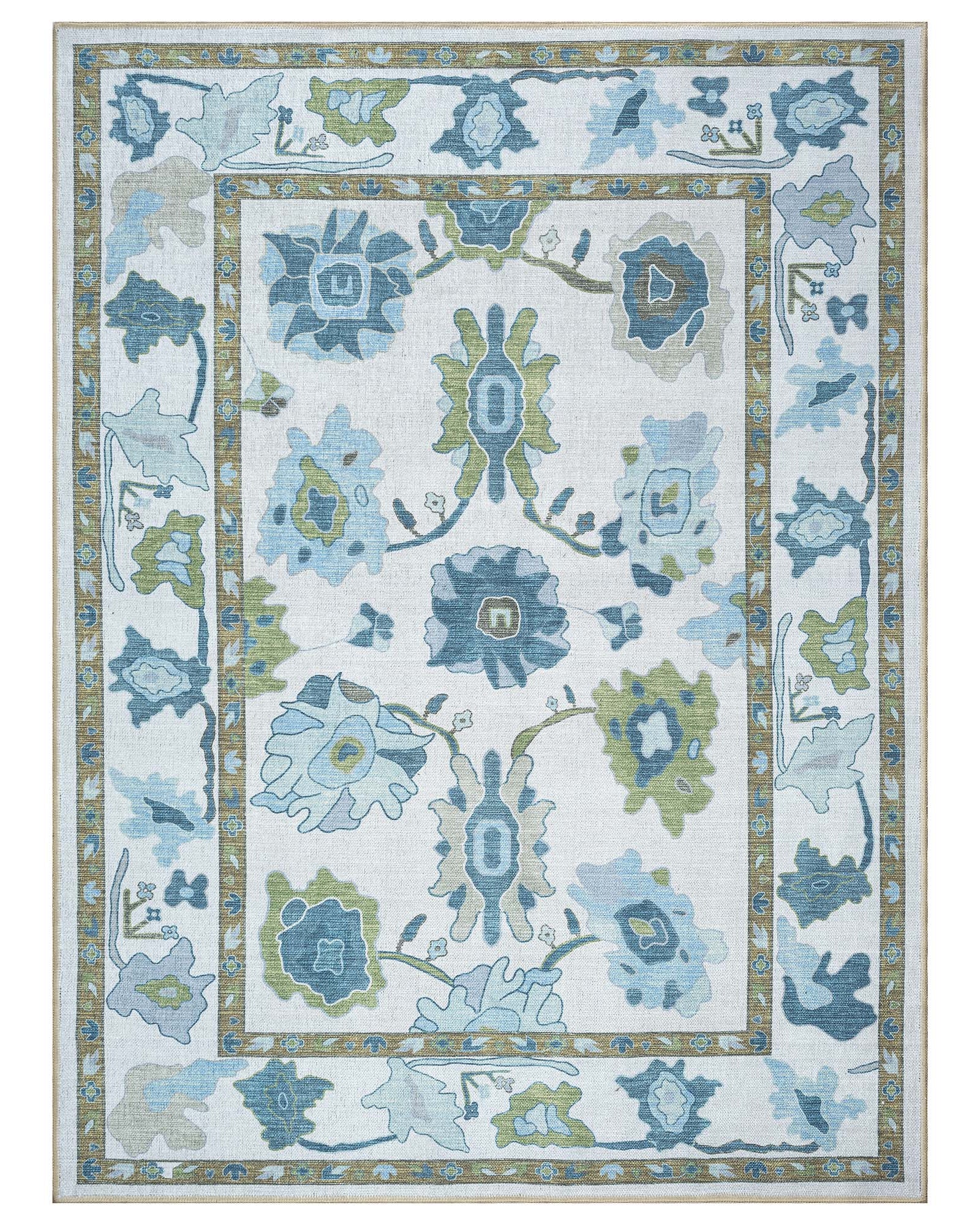
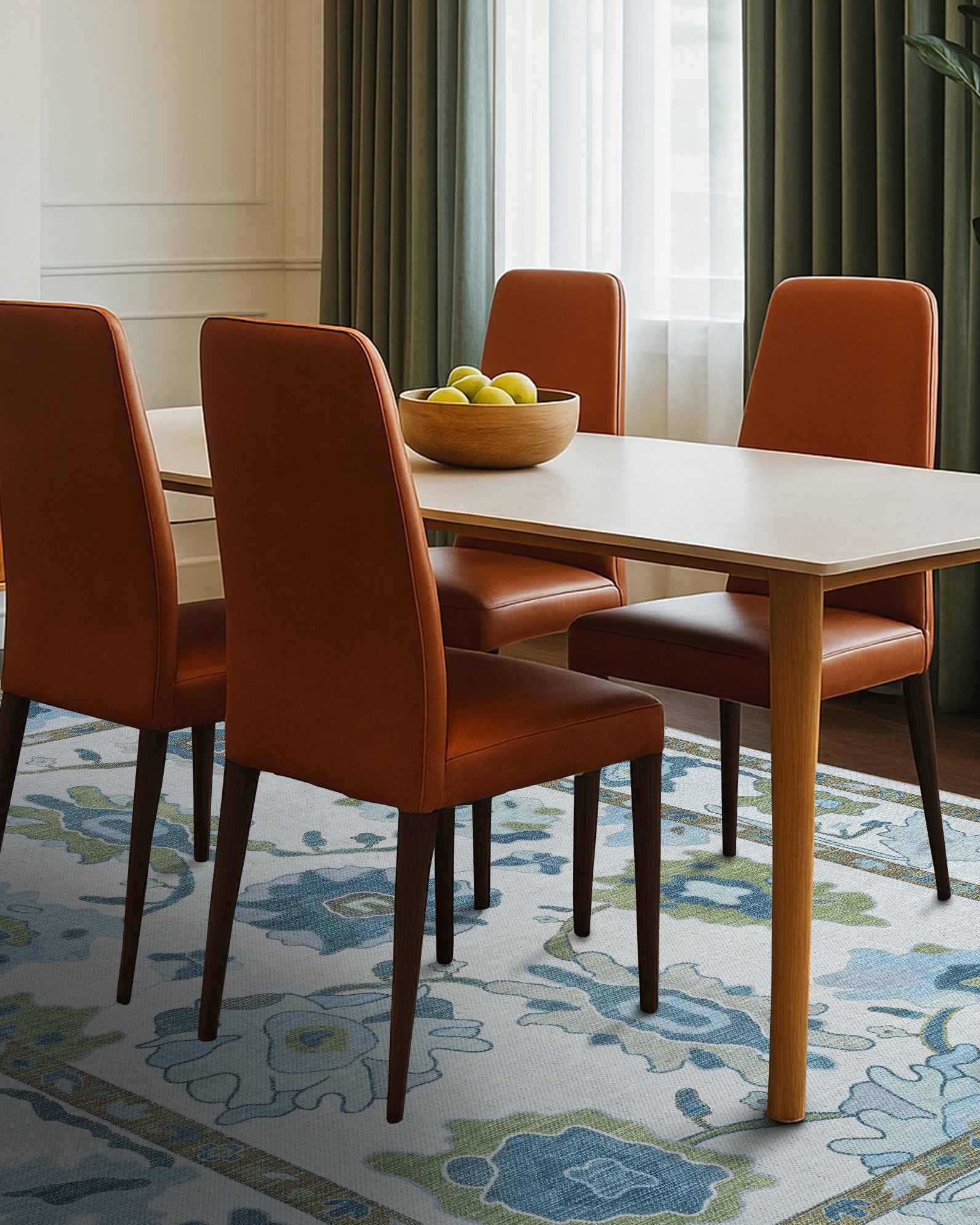
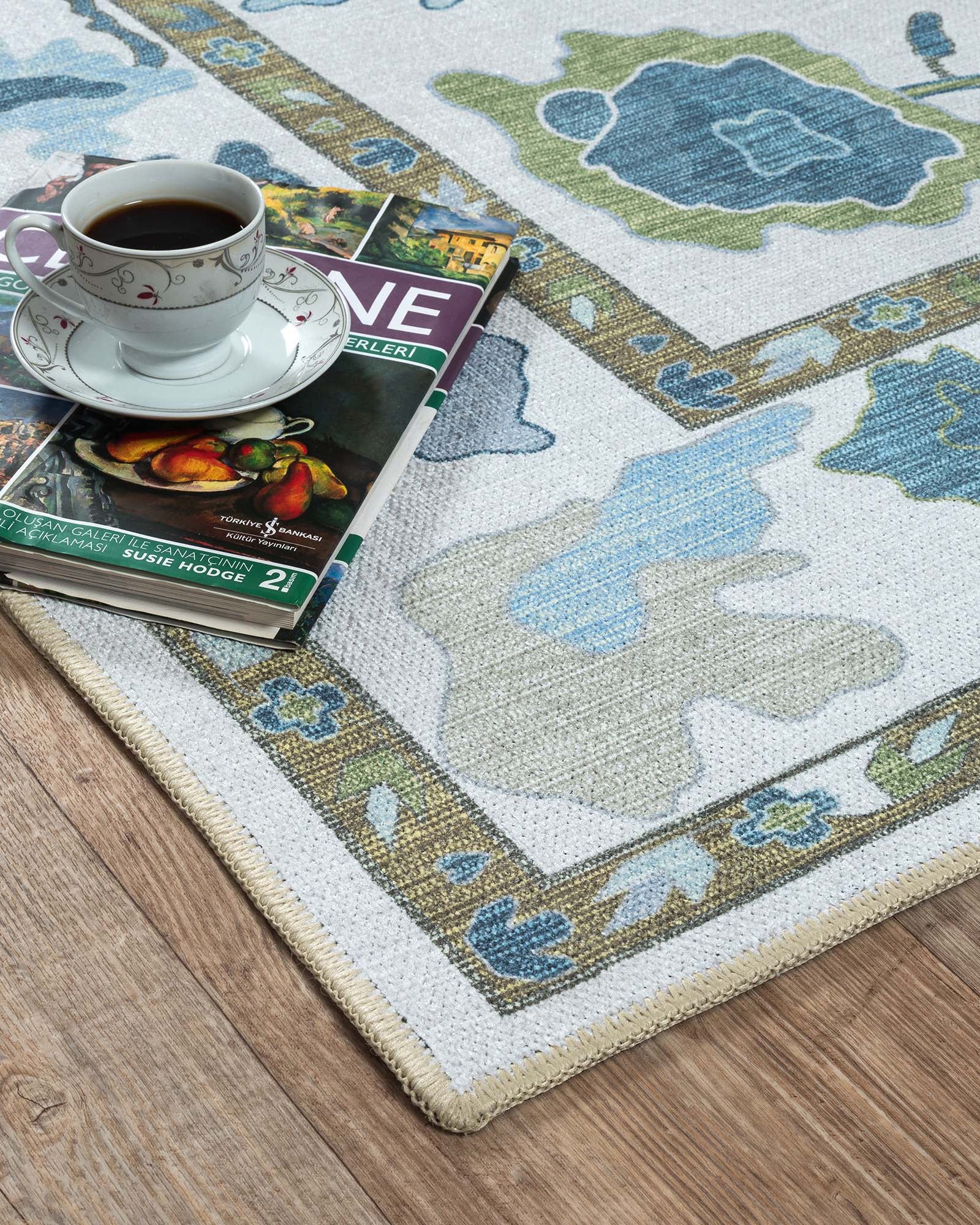
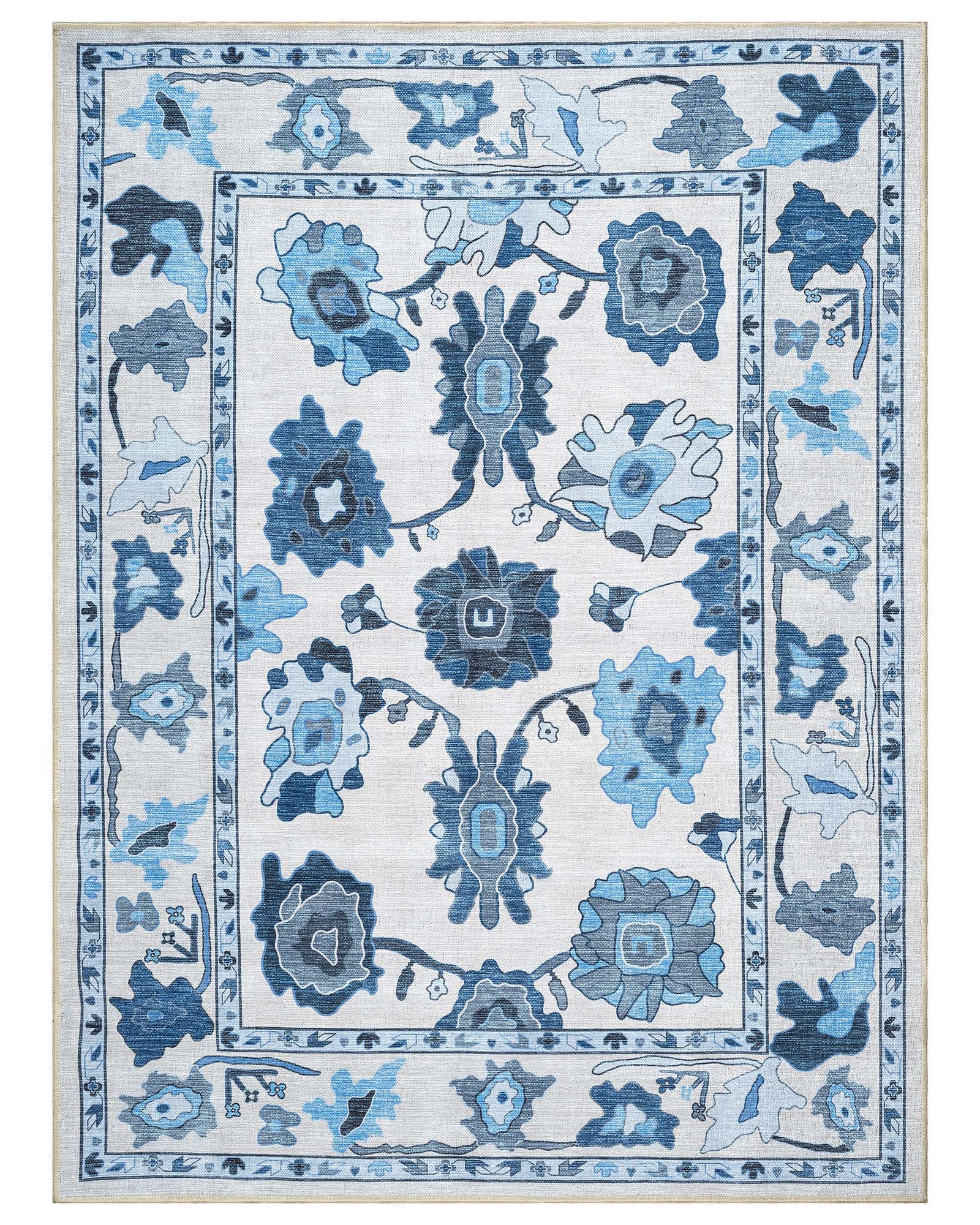
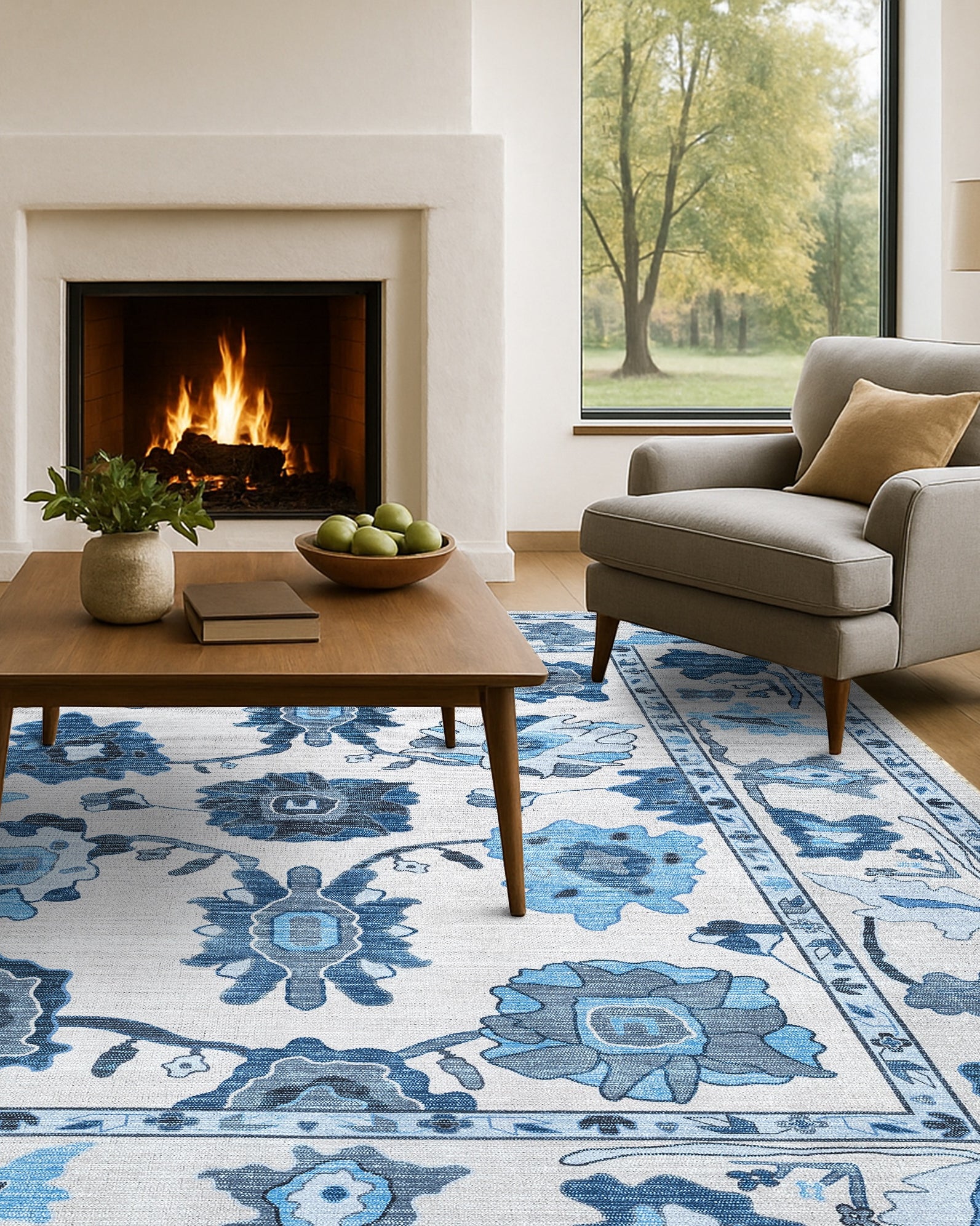
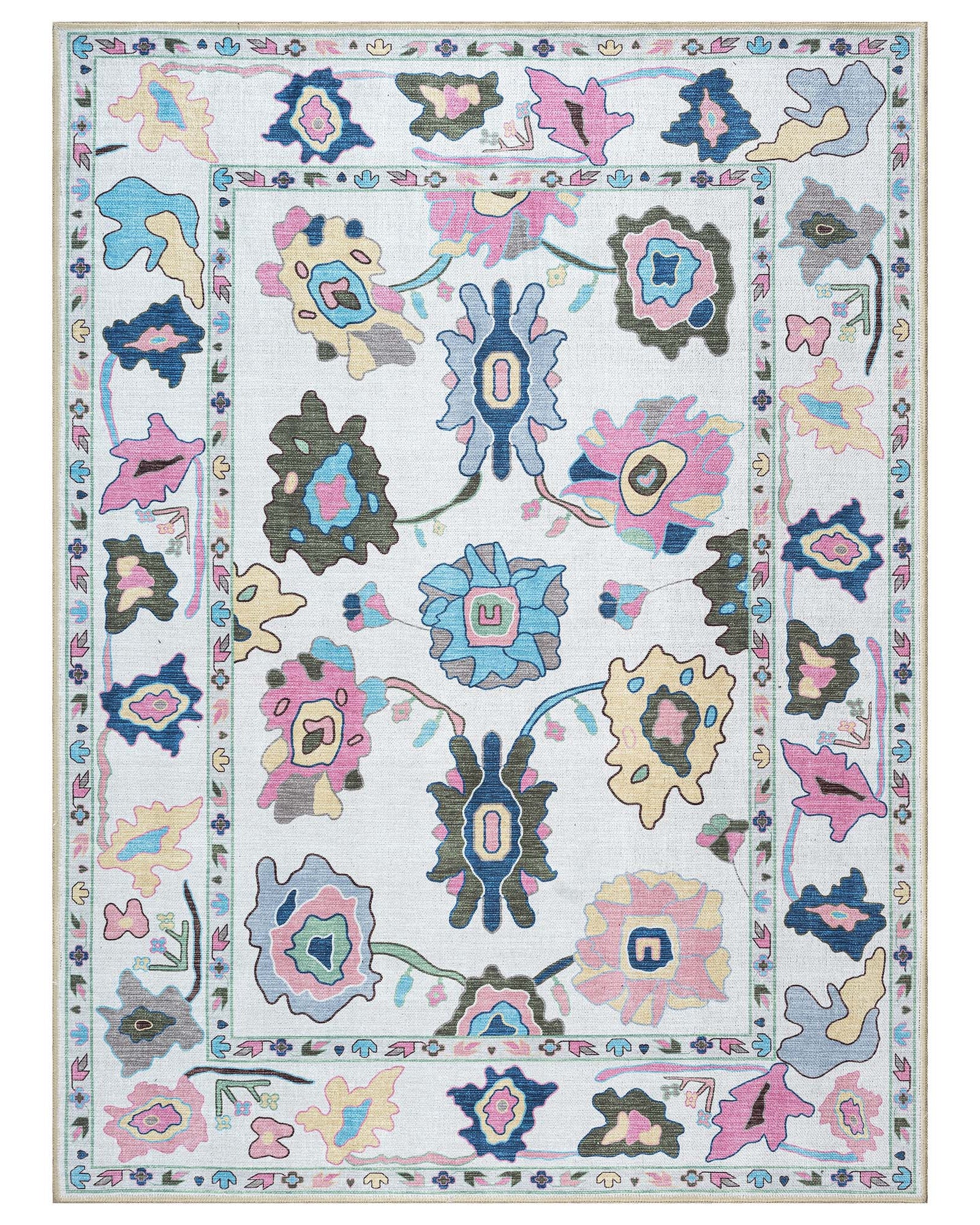
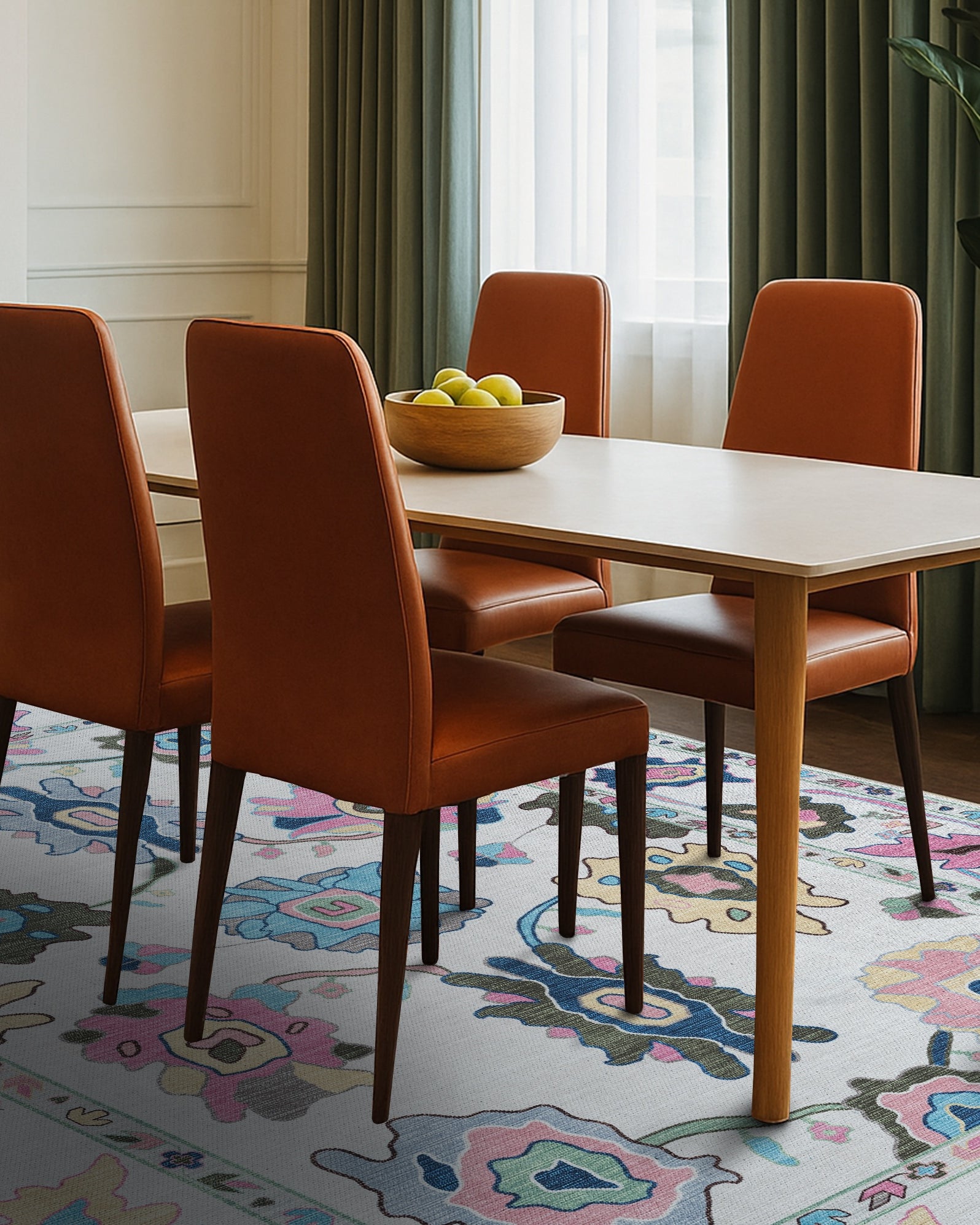
A low-pile rug under a dining table is going to see crumbs, spills and daily wear regardless of how careful anyone is. Rugs with real color and geometric or floral pattern hide this far better than a plain, pale field — worth prioritizing here even if a quieter piece appeals to you for another room. Many low-pile pieces have also faded naturally over the same decades that wore down the pile, which softens the palette toward warm terracotta, rose or sand while keeping enough pattern to disguise everyday marks.
Sizing for the Table
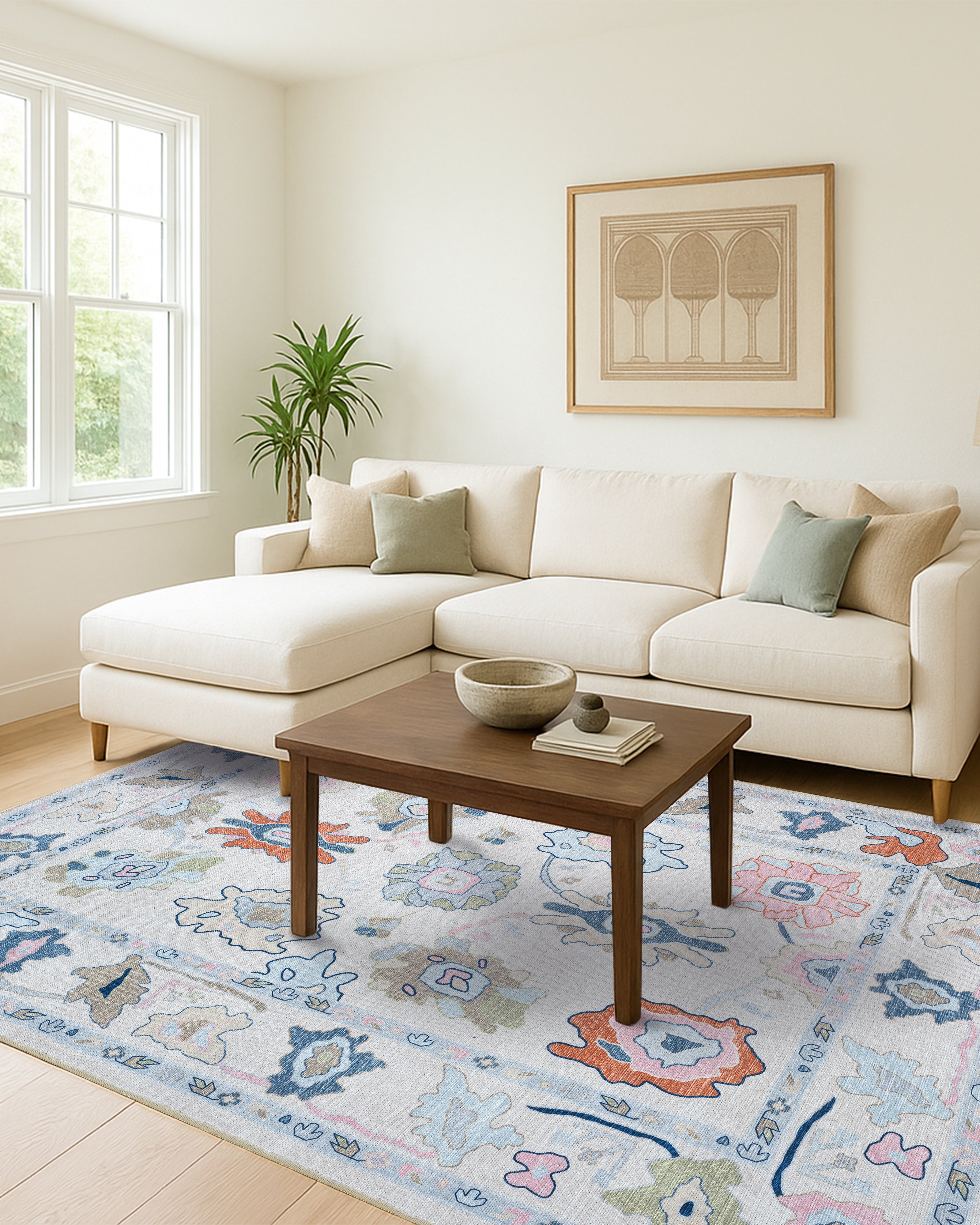
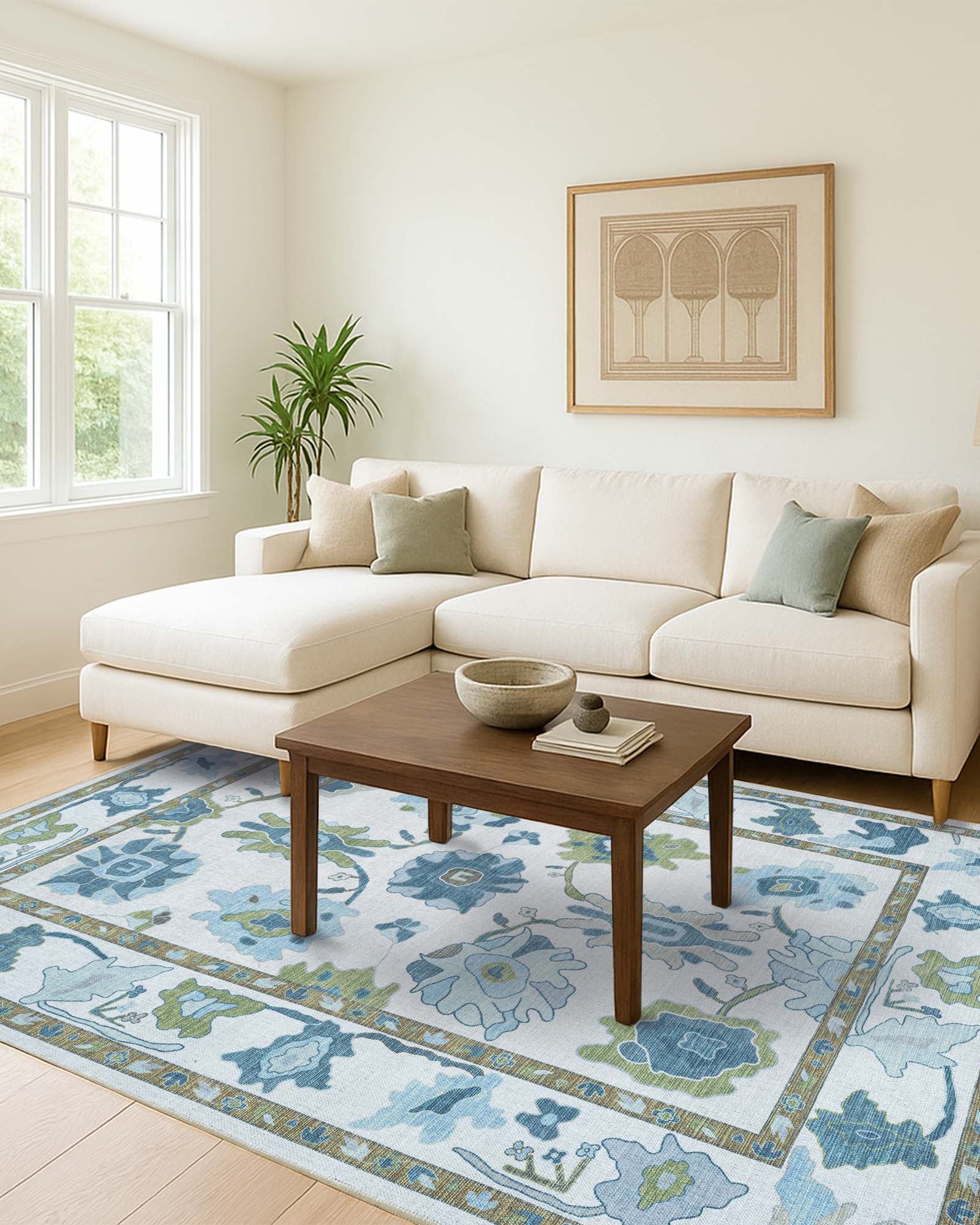
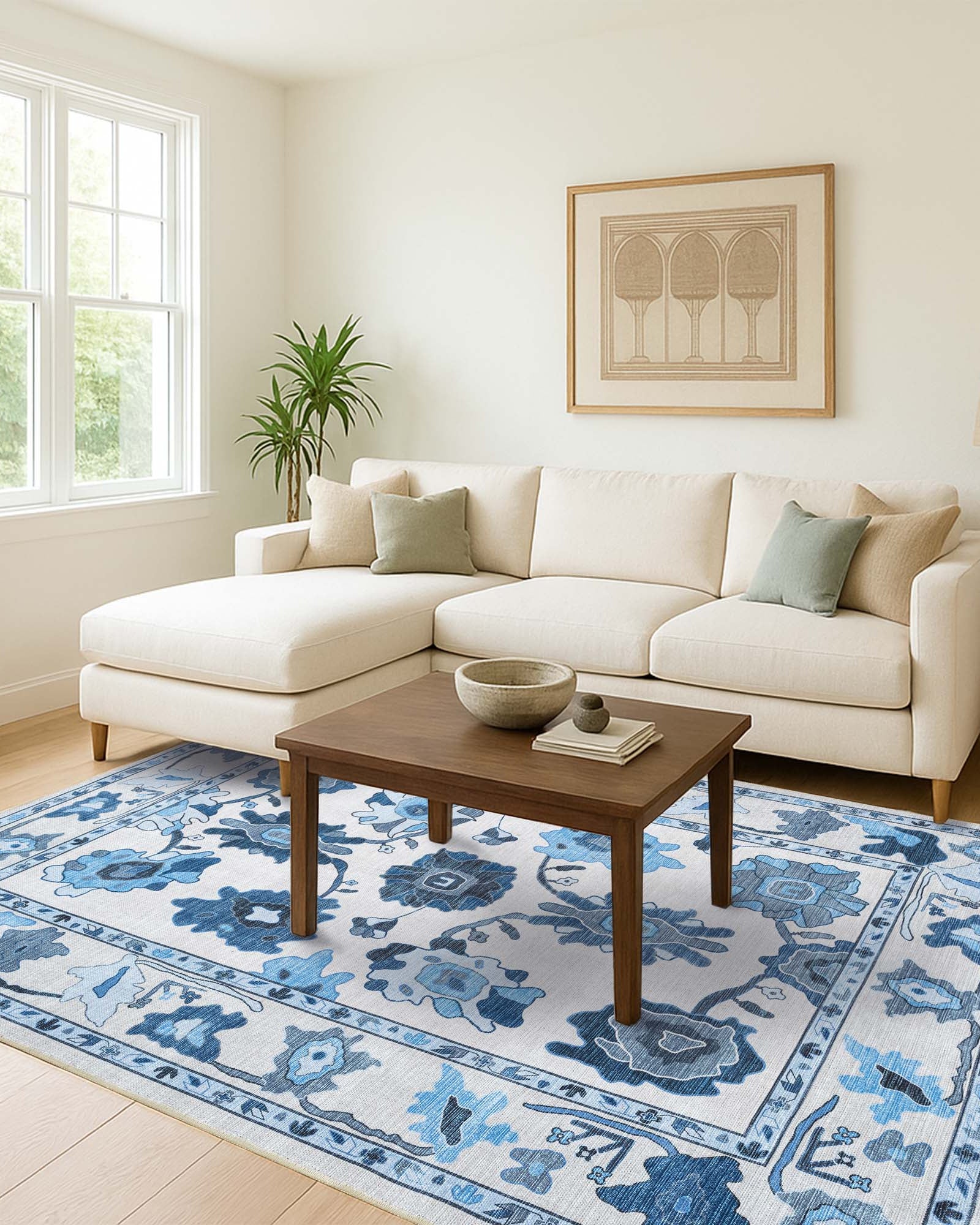
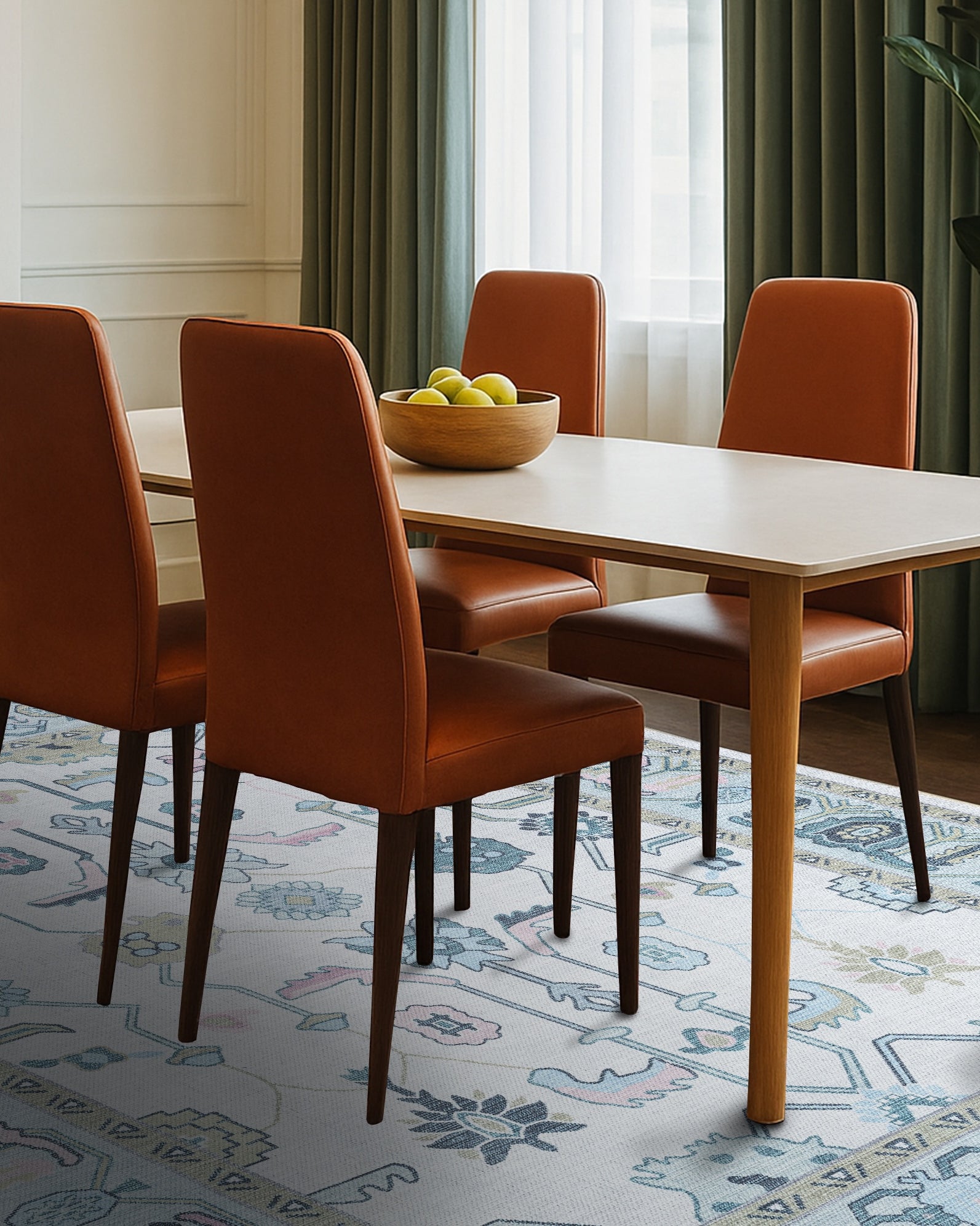
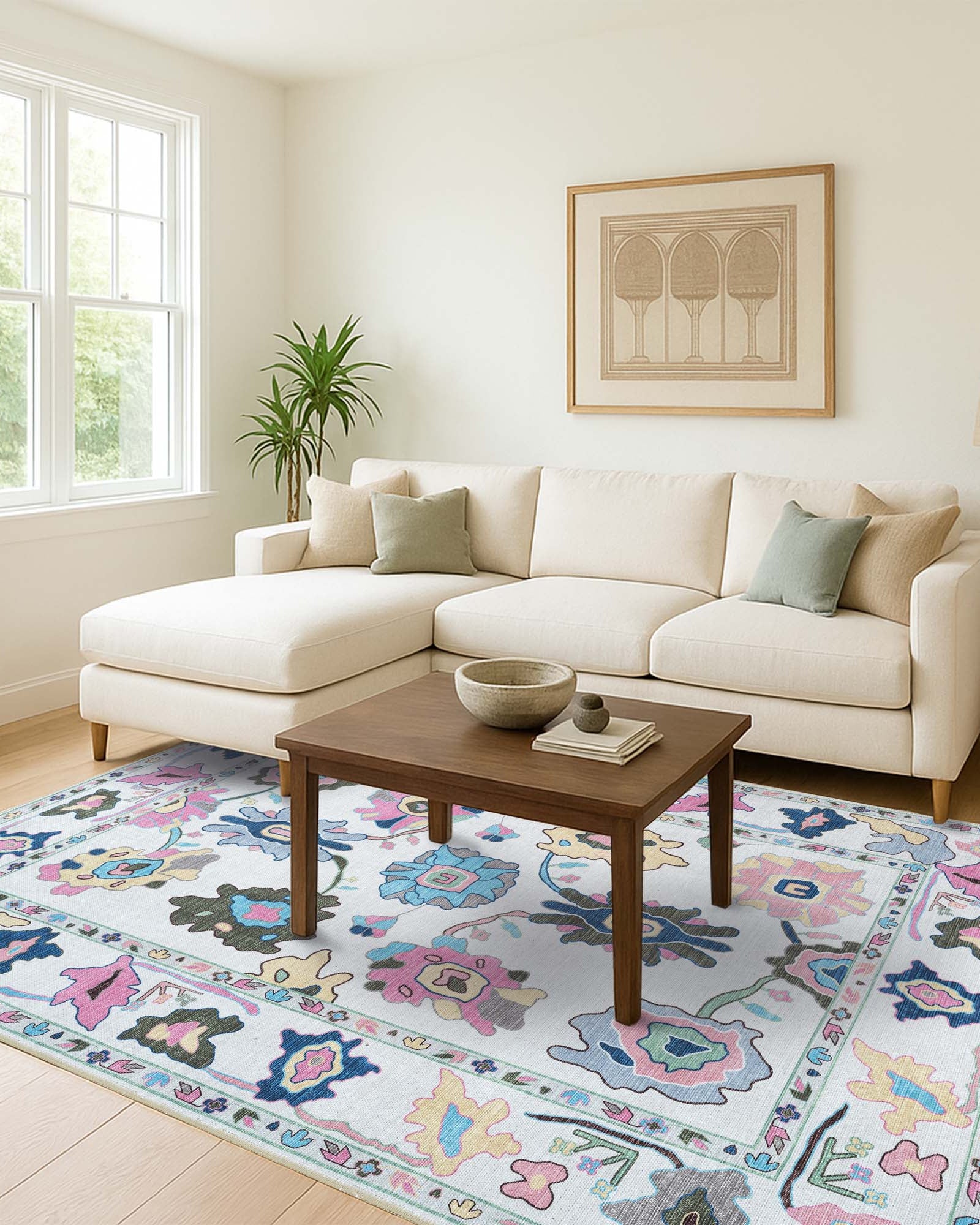
Allow at least 24 inches of rug beyond the table's edge on every side, so chairs stay fully on the rug even pulled back to standing distance. Add roughly four feet to each table dimension as a starting point, then check that figure against the exact measurements on the product page — vintage rugs are never cut to standard sizes, and low-pile pieces in particular can show slight shape irregularity from decades of use.
What Low Pile Trades Away
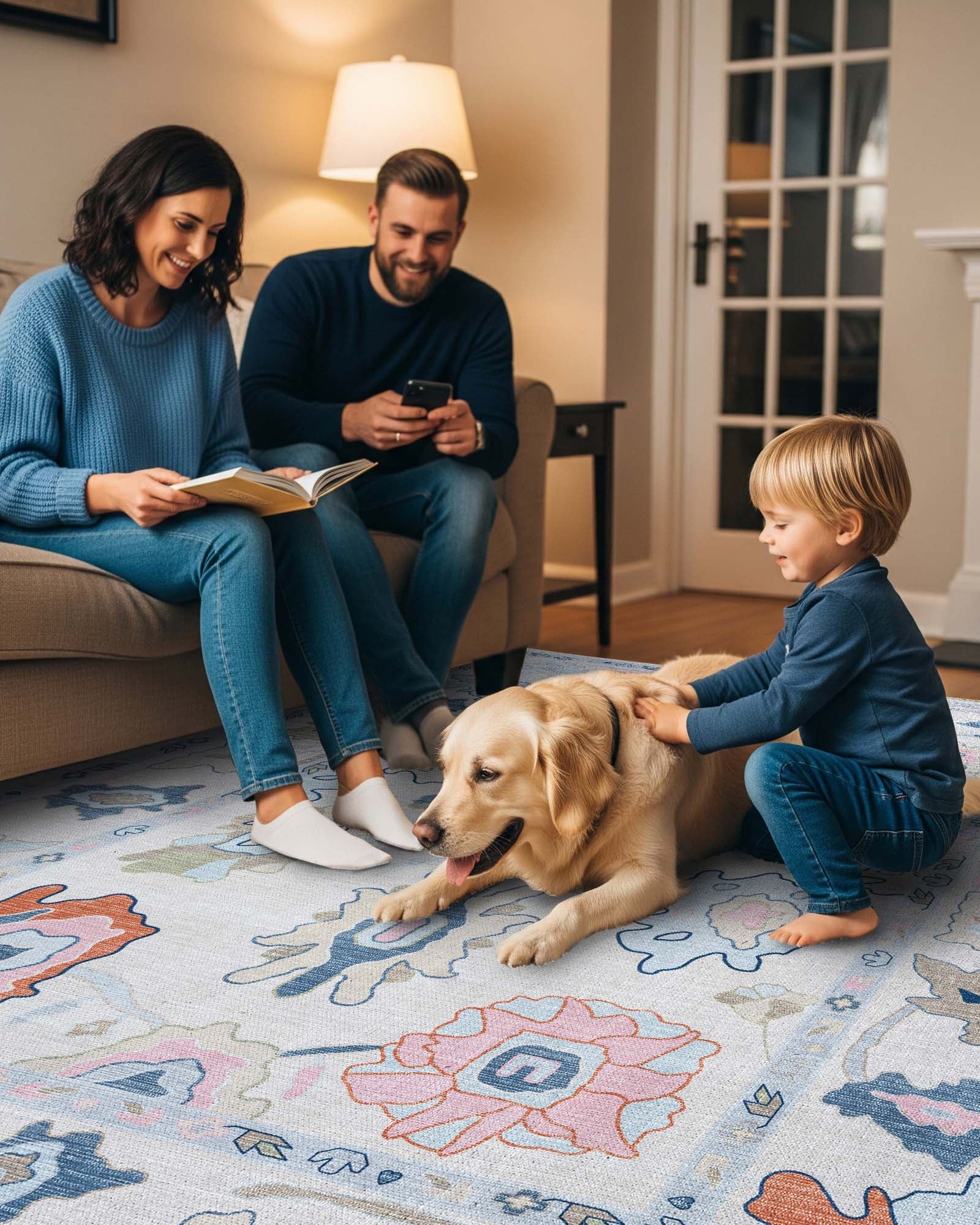
Less cushioning underfoot is the honest trade-off. If you want a hand-knotted rug with genuine plushness for a dining room you also use for lounging or where kids sit on the floor, a thicker pile piece with a lower-drag construction — or simply accepting more frequent chair-leg wear — may suit you better than prioritizing low pile above everything else.
Where to Look Next
For the full range of thin, worn hand-knotted pieces across every room, browse Low Pile Rugs. For dining room sizing and pattern guidance across all pile heights, see Hand-Knotted Dining Room Rugs. For a flatweave alternative with even less resistance, Flatweave Rugs for Dining Rooms is worth comparing.
Frequently Asked Questions
Why does pile height matter so much for a dining room rug?
Chair legs drag and catch on deep pile every time they're pushed back, wearing grooves over time. Low pile lets chairs glide with minimal resistance, which is the main reason it's specifically recommended for this room.
Is a genuinely worn vintage rug as durable as a newly made low-pile rug?
Often more so. A rug that has worn down gradually over decades has already proven its knots and foundation hold up at that pile height, unlike a new rug manufactured thin from the start with no track record at that thickness.
What pattern works best for a low-pile dining room rug?
Rugs with real color and geometric or floral pattern hide crumbs and spills far better than a plain, pale field, which is worth prioritizing here even over a quieter aesthetic preference.
How much bigger than my table should the rug be?
Allow at least 24 inches of rug beyond the table's edge on every side. Add roughly four feet to each table dimension as a starting point, then confirm against the rug's exact measured size.
Will a low-pile rug feel too thin for a dining room?
It offers less cushioning than a thicker pile, which is the trade for easier chair movement. If plushness matters more to you than drag-free chairs, a higher-pile piece may be the better fit despite the extra wear risk.