





An area rug is one of the easiest ways to transform a room, but choosing a beautiful design isn't enough. Its size, placement, and relationship with your furniture can dramatically affect how spacious your interior looks.
A rug that's too small or positioned incorrectly can make even a beautifully decorated room feel disconnected and cramped.
Fortunately, a few simple adjustments can help your space look more balanced, open, and inviting.
Here are seven common area rug placement mistakes and how to avoid them.
1. Choosing a Rug That's Too Small
One of the most common mistakes is selecting a rug that doesn't properly accommodate the furniture.
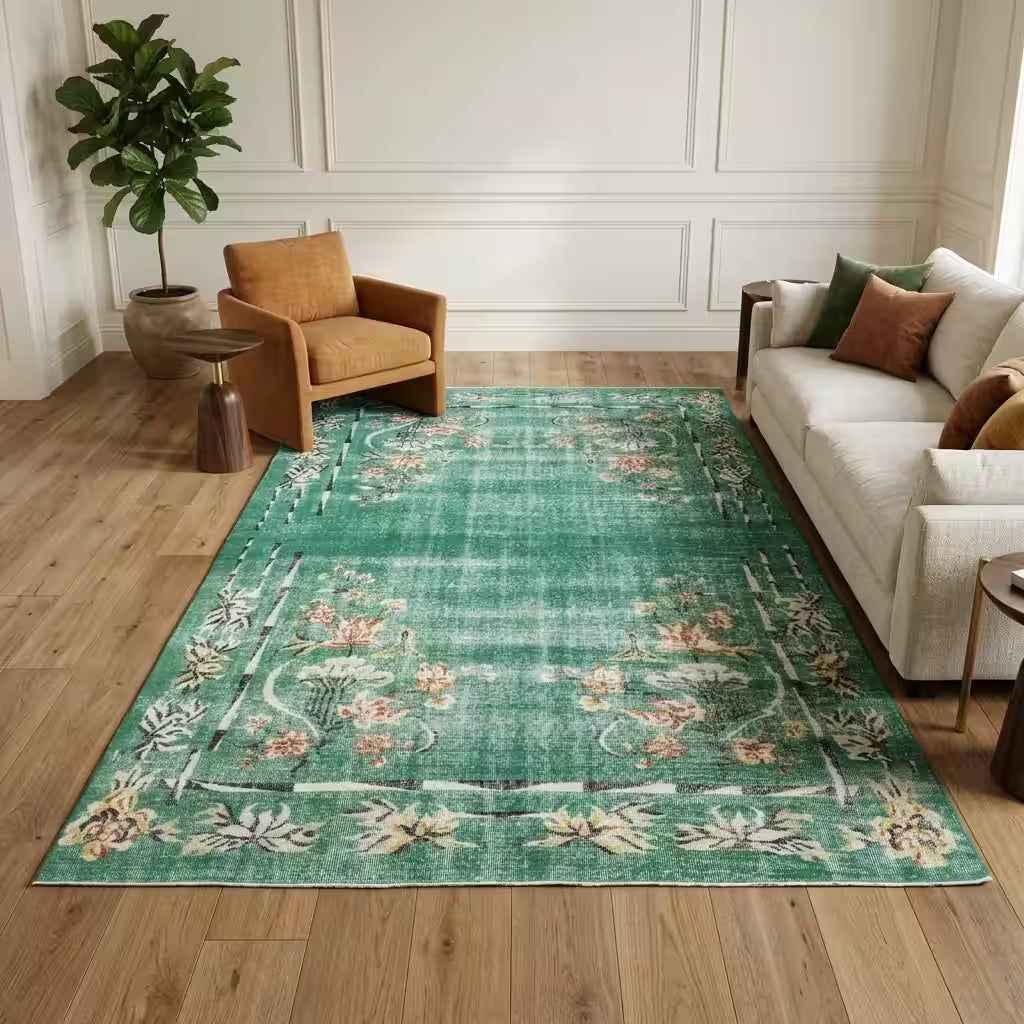
In a living room, try to position the rug so that at least the front legs of your sofa and armchairs rest on it. This creates a more connected seating arrangement.
2. Pushing the Rug Too Far Under the Furniture
While larger rugs can help anchor a room, placing them too far beneath furniture can make the layout feel awkward.
Aim for a balanced arrangement with enough visible rug around the main seating area.
3. Ignoring the Shape of the Room
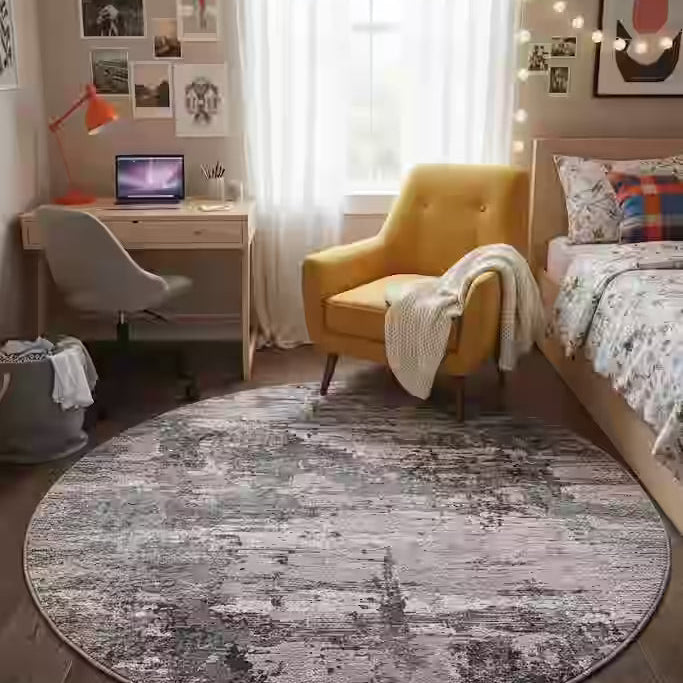
A rectangular rug generally works well in rectangular rooms, while round rugs can soften compact spaces or complement circular furniture.
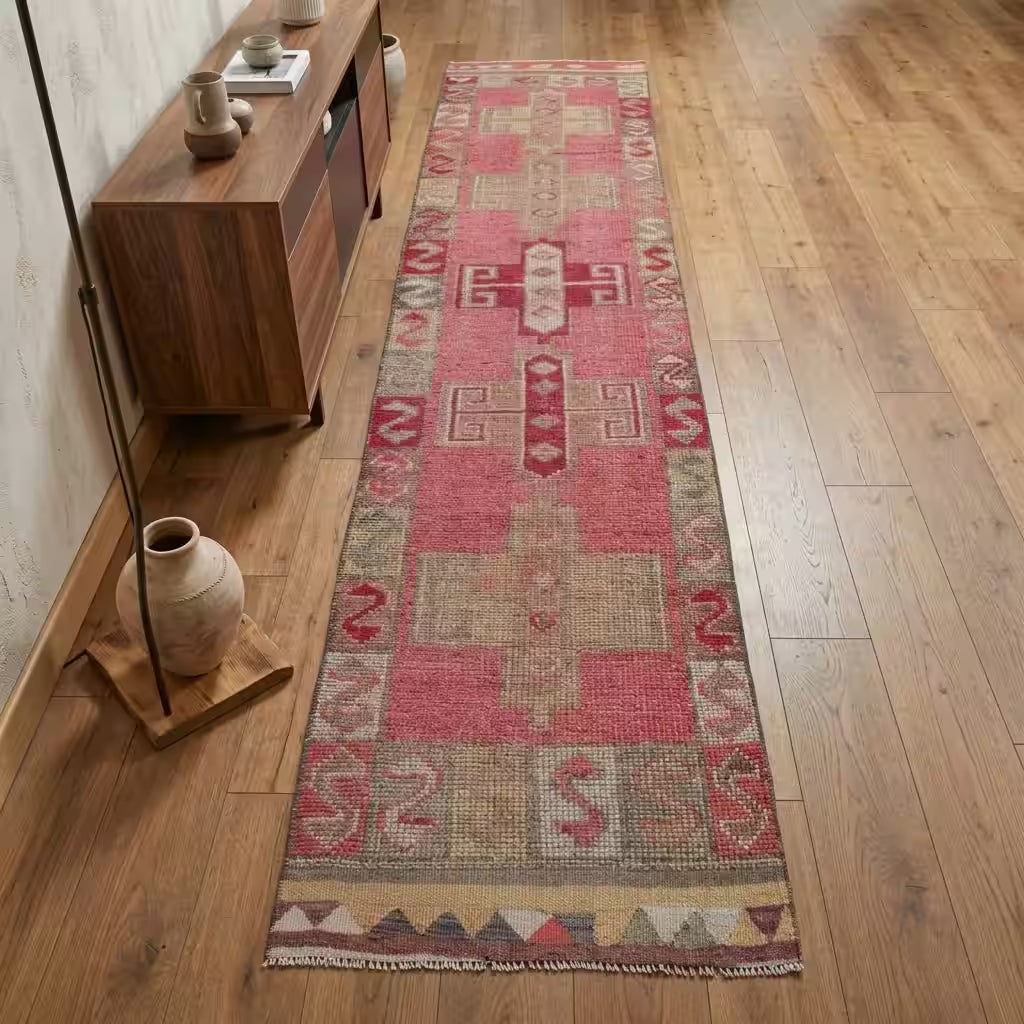
For hallways, narrow kilim rugs and runners can create a beautiful sense of continuity.
4. Choosing a Color That Blends Too Much
A rug doesn't necessarily need to match your walls or furniture exactly.
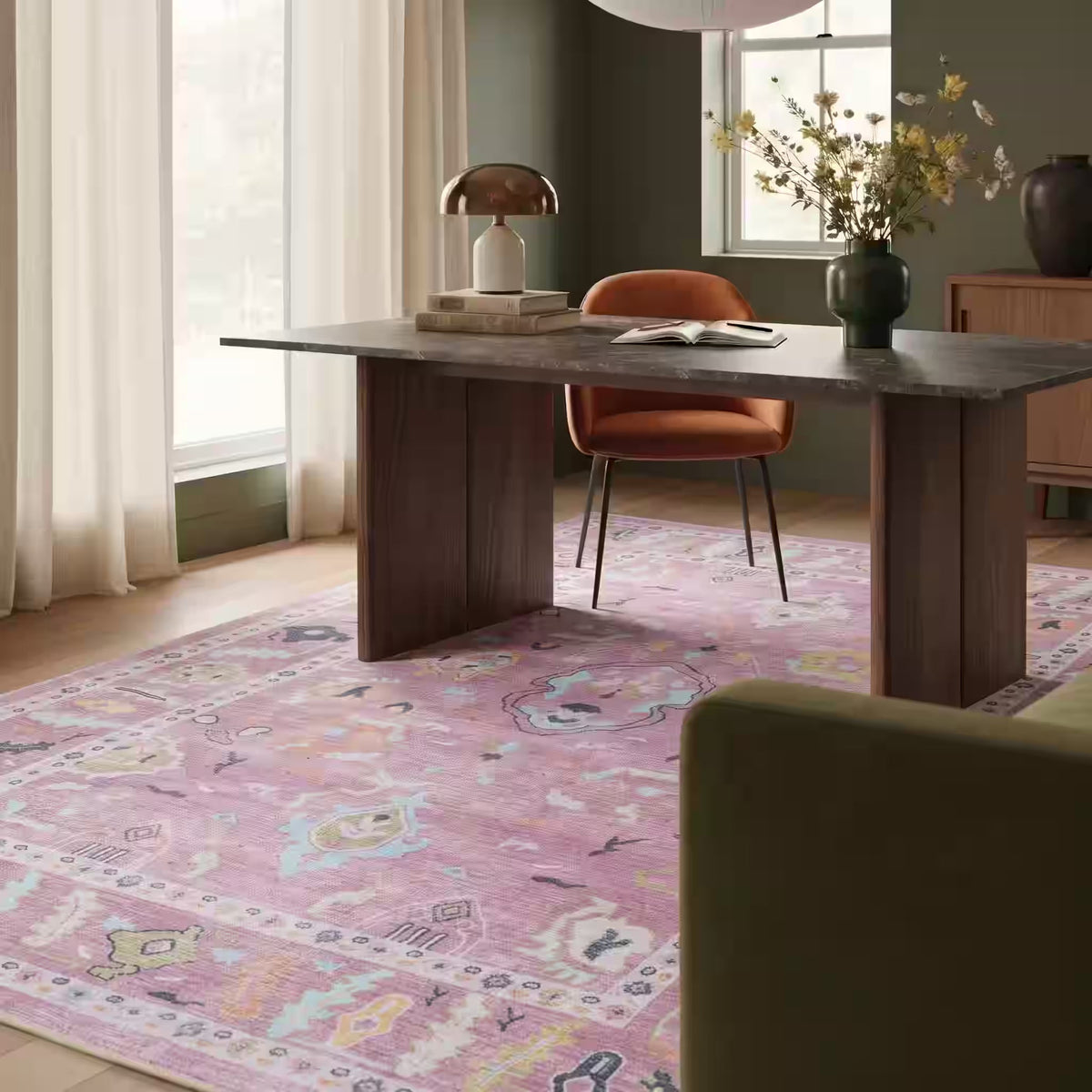
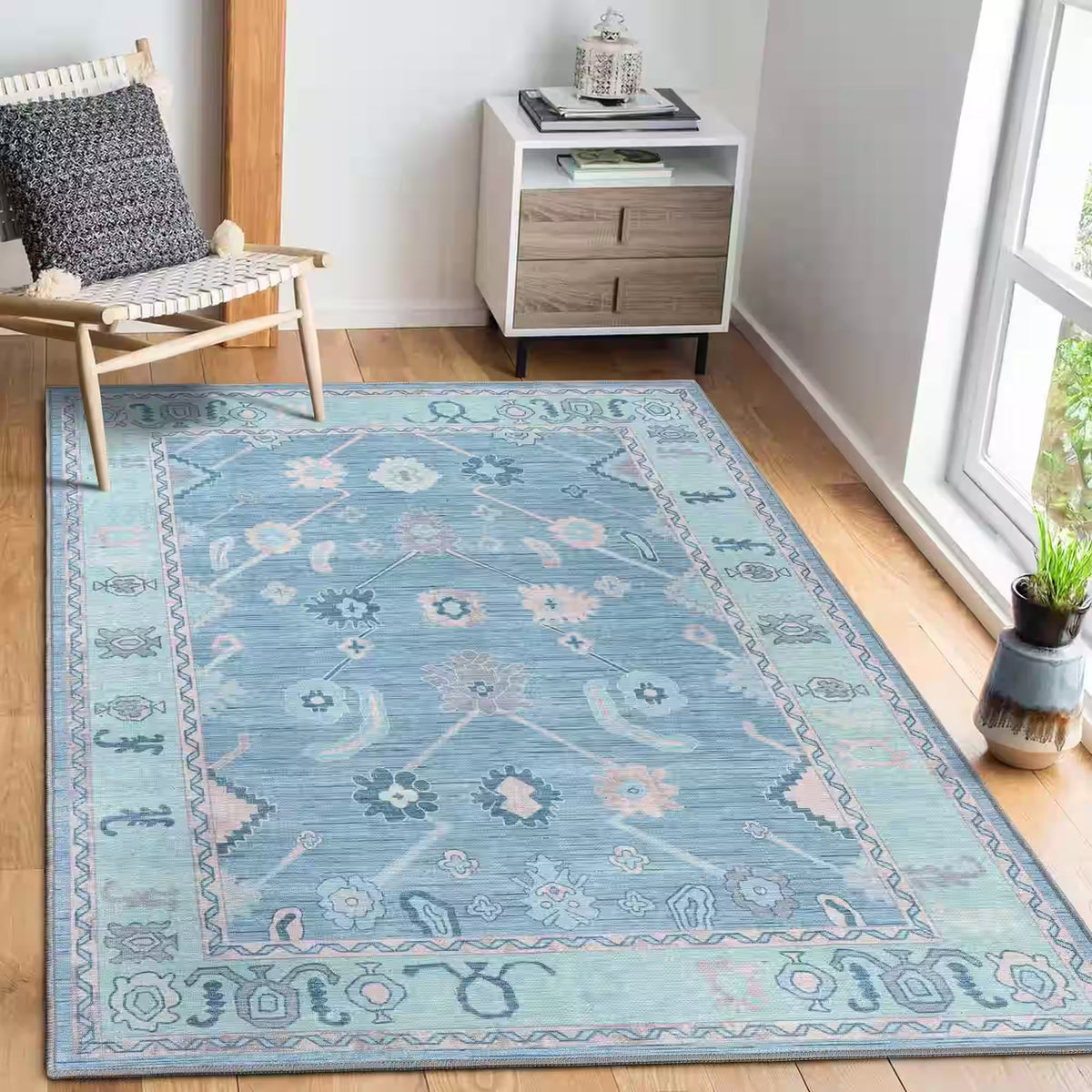
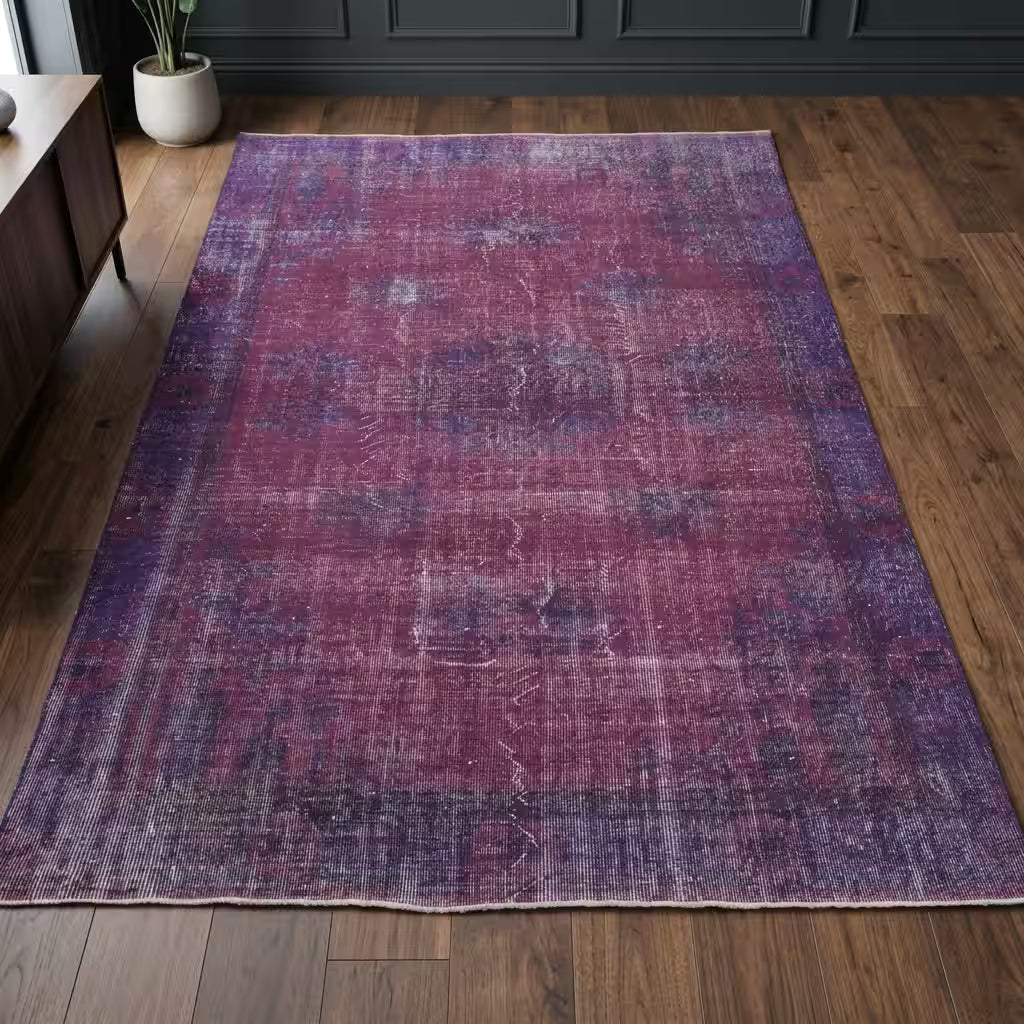
If your room has beige walls, consider subtle blue, green, or terracotta accents. For darker interiors, lighter rugs can introduce contrast and visual balance.
Explore rugs by wall color to find designs that complement your existing paint shades.
5. Covering Too Much of the Floor
Leaving some visible flooring around your rug helps define the room and creates visual breathing space.
The ideal border depends on the room's dimensions and furniture arrangement.
6. Forgetting About Natural Traffic Flow
Avoid placing rugs where doors cannot open properly or where their edges create obstacles.
Choose practical designs and consider a suitable rug pad to help prevent slipping.
7. Ignoring Patterns and Visual Weight
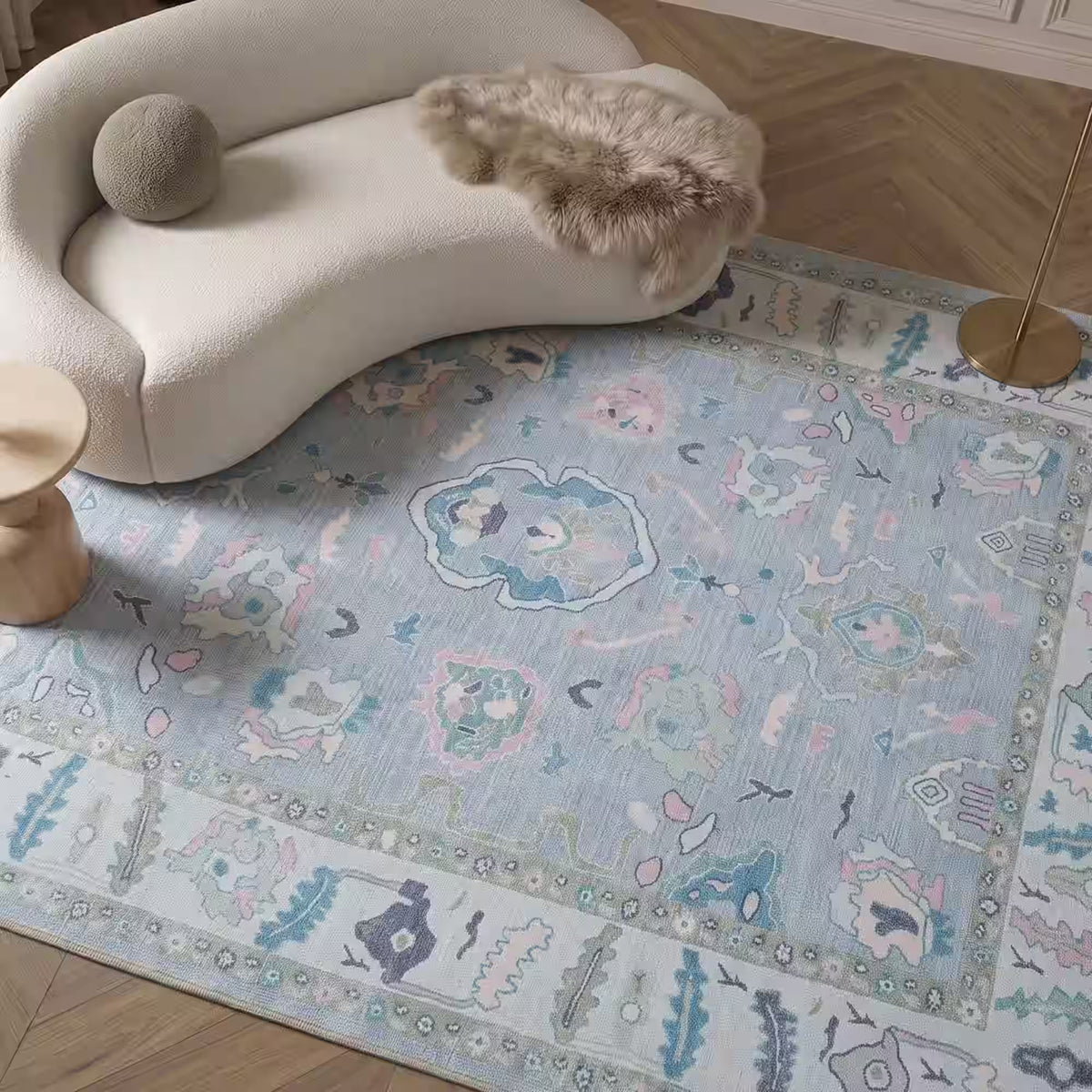
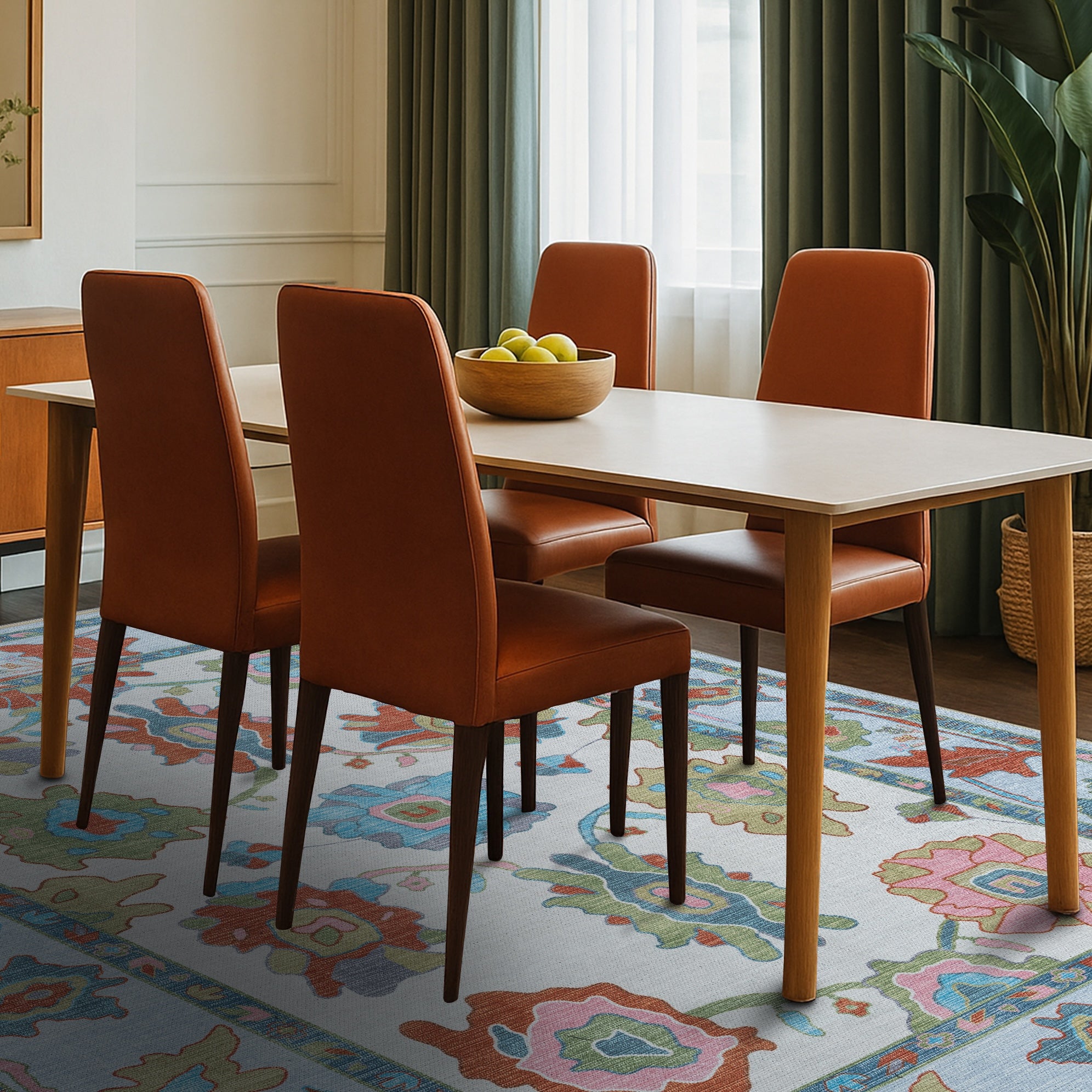
Large, busy patterns can sometimes overwhelm compact rooms. Smaller-scale designs, softer palettes, and balanced patterns may work better.
Kilim rugs offer beautiful geometric designs, while understated handwoven rugs can add texture without overwhelming the space.
How to Choose the Right Rug for Your Room
Before purchasing, consider these questions:
-
What are the dimensions of your room?
-
Which furniture pieces should sit on the rug?
-
Do you want the rug to create contrast or blend with your interior?
-
Would a rectangular, round, or runner design work best?
-
Does the pattern complement your existing furniture?
Final Thoughts
The right rug placement can make a room feel more spacious, organized, and comfortable. By avoiding these common mistakes, you can create a more harmonious interior without replacing your furniture.
Discover the Fame Rugs collections, including kilim rugs, handwoven rugs, and rugs by wall color, to find a design that fits your space beautifully.
Find your perfect rug and give your room the balance and character it deserves.
