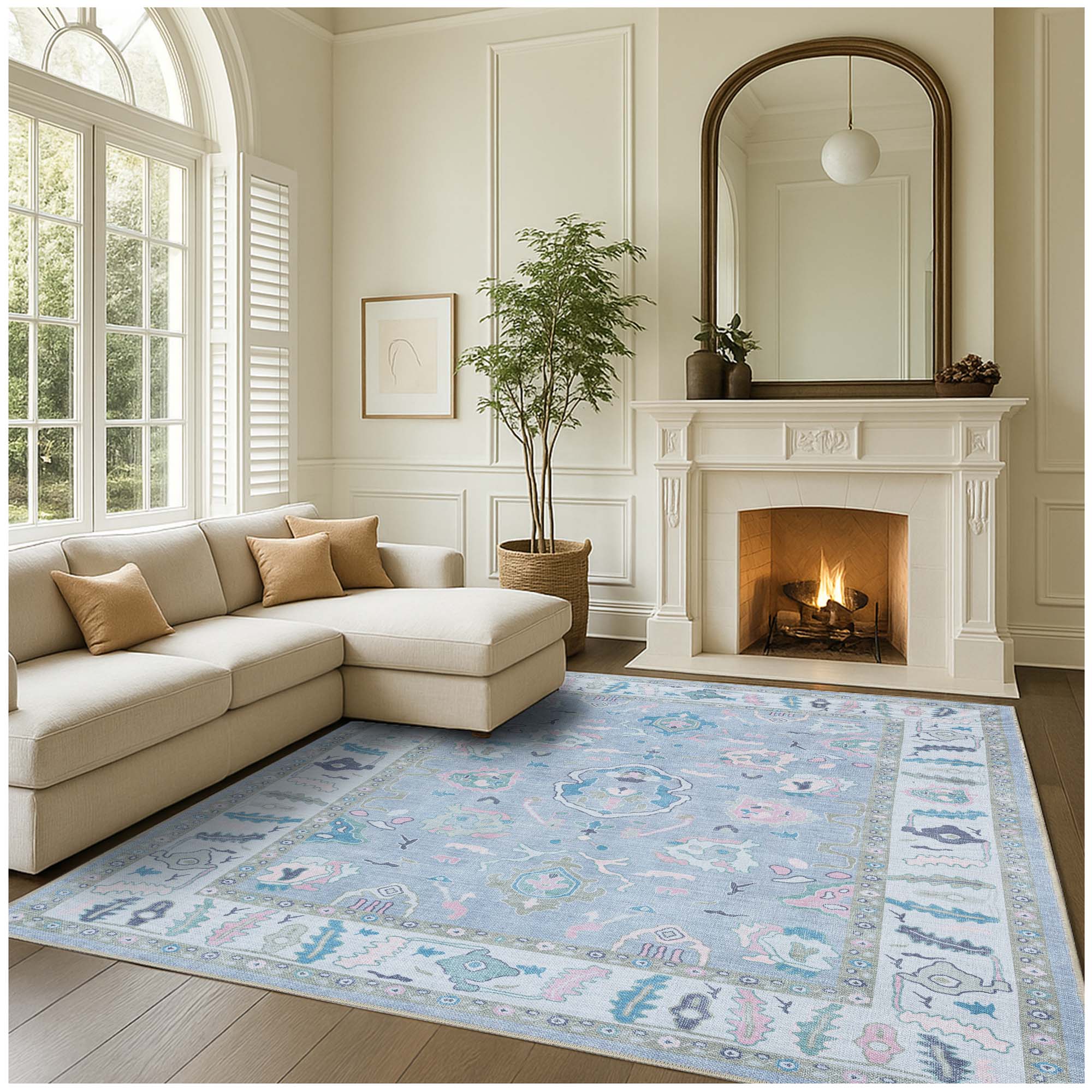
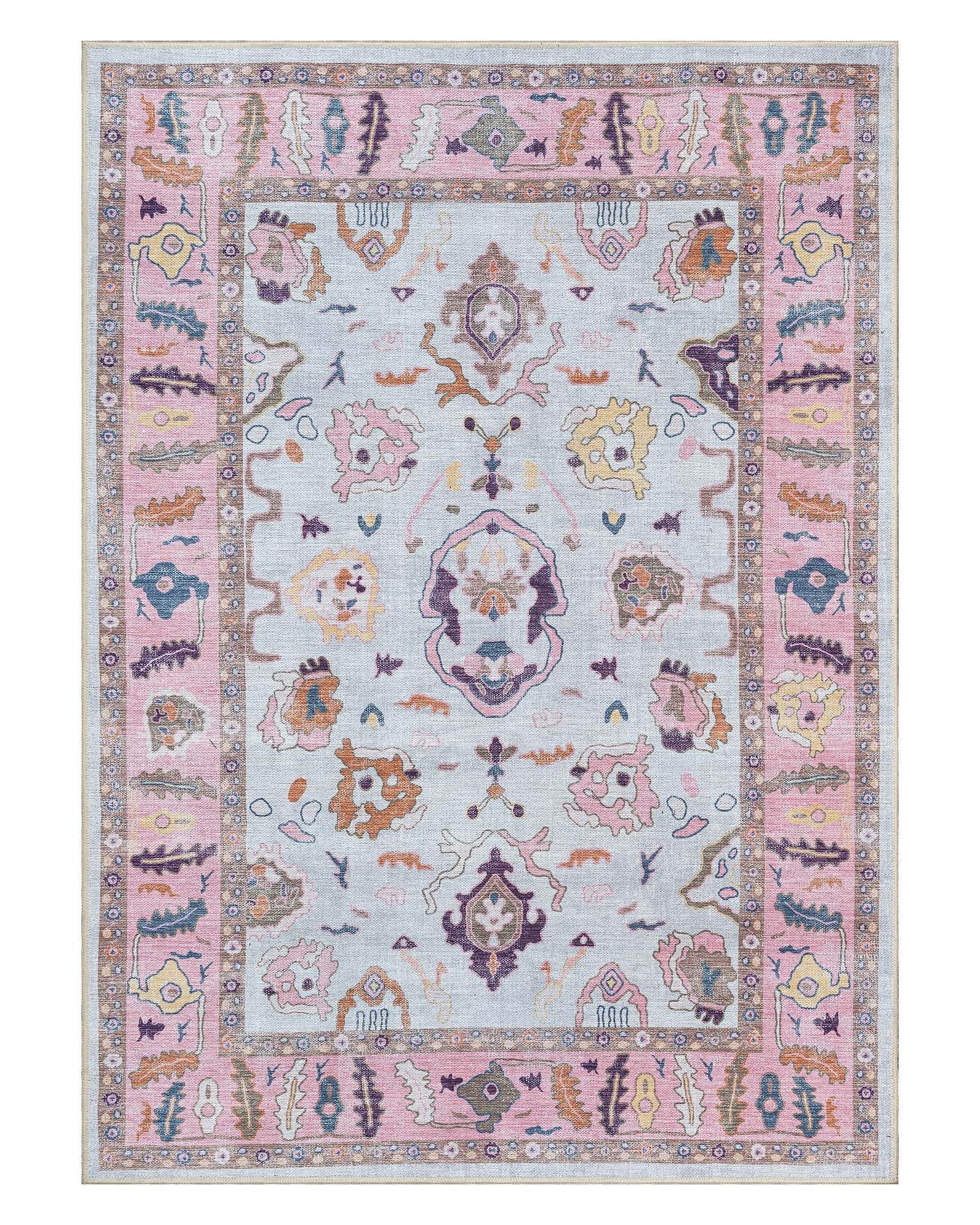
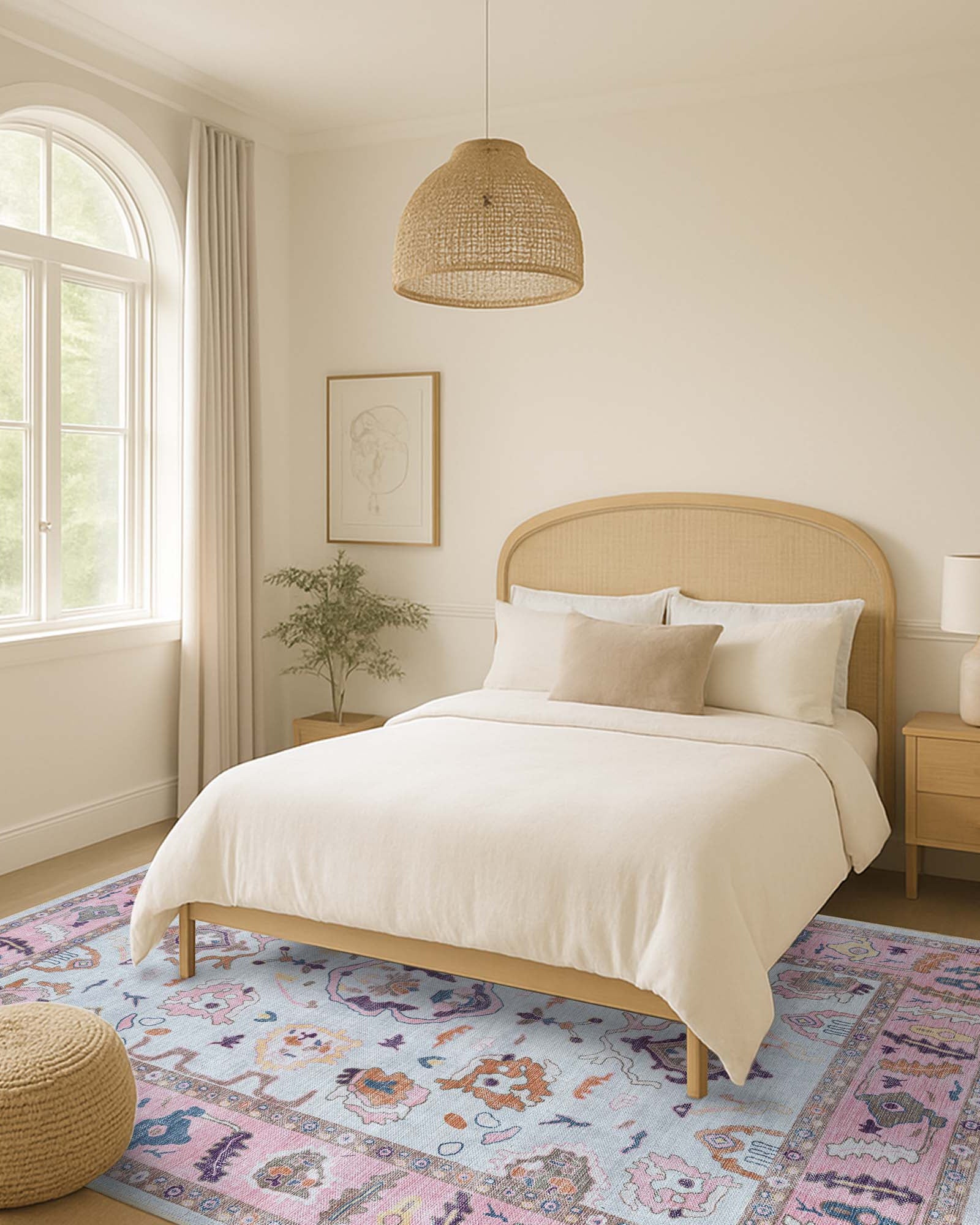
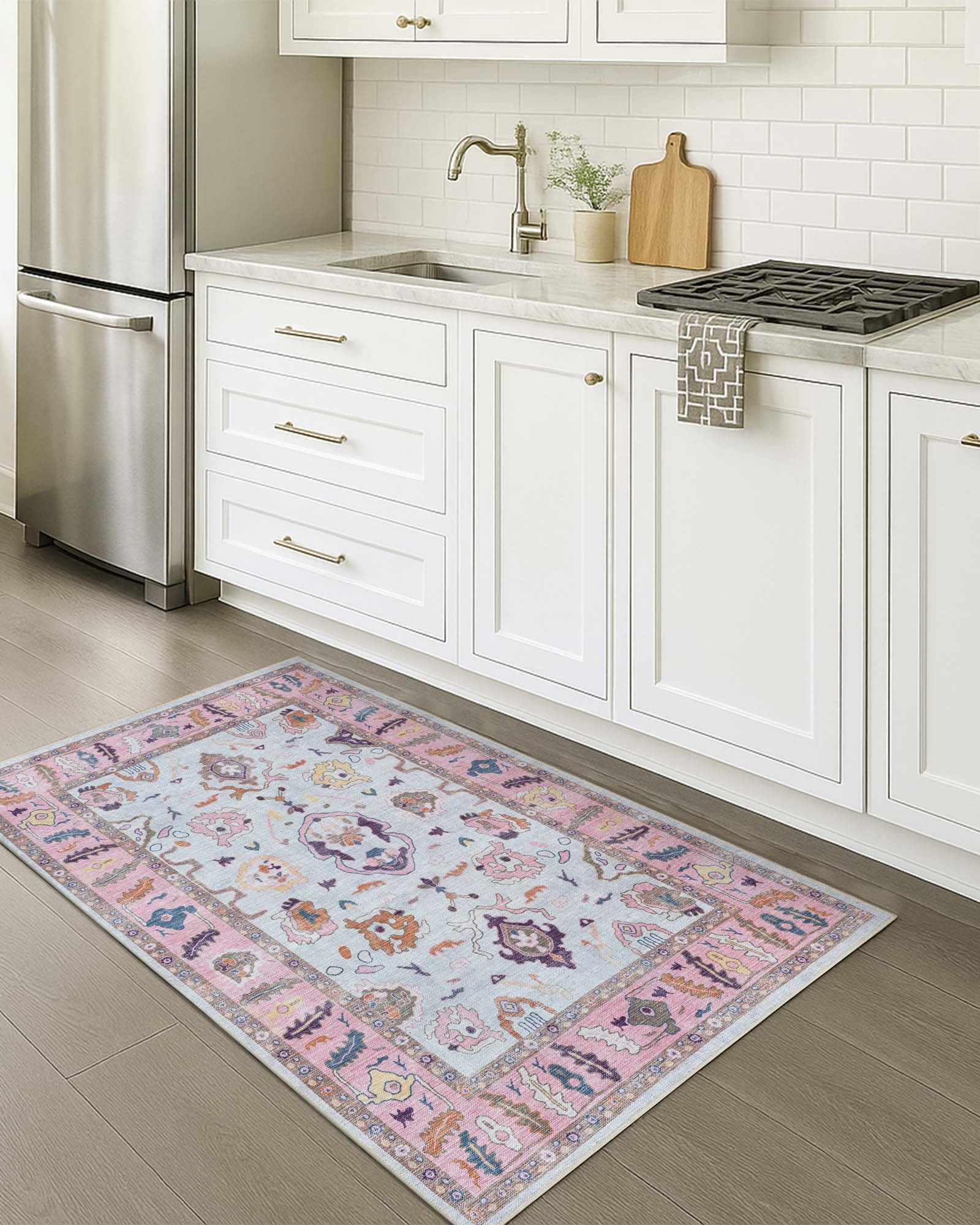
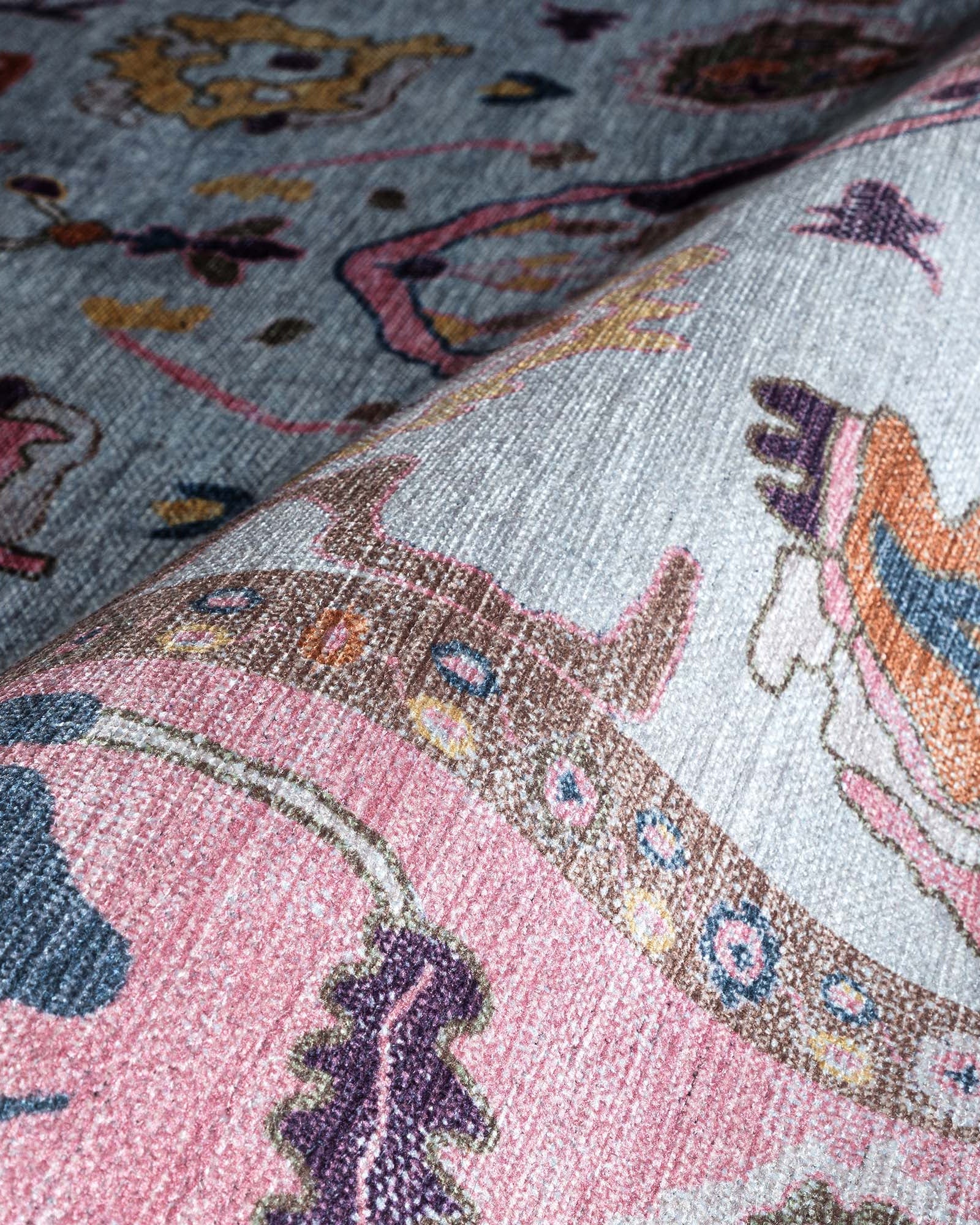
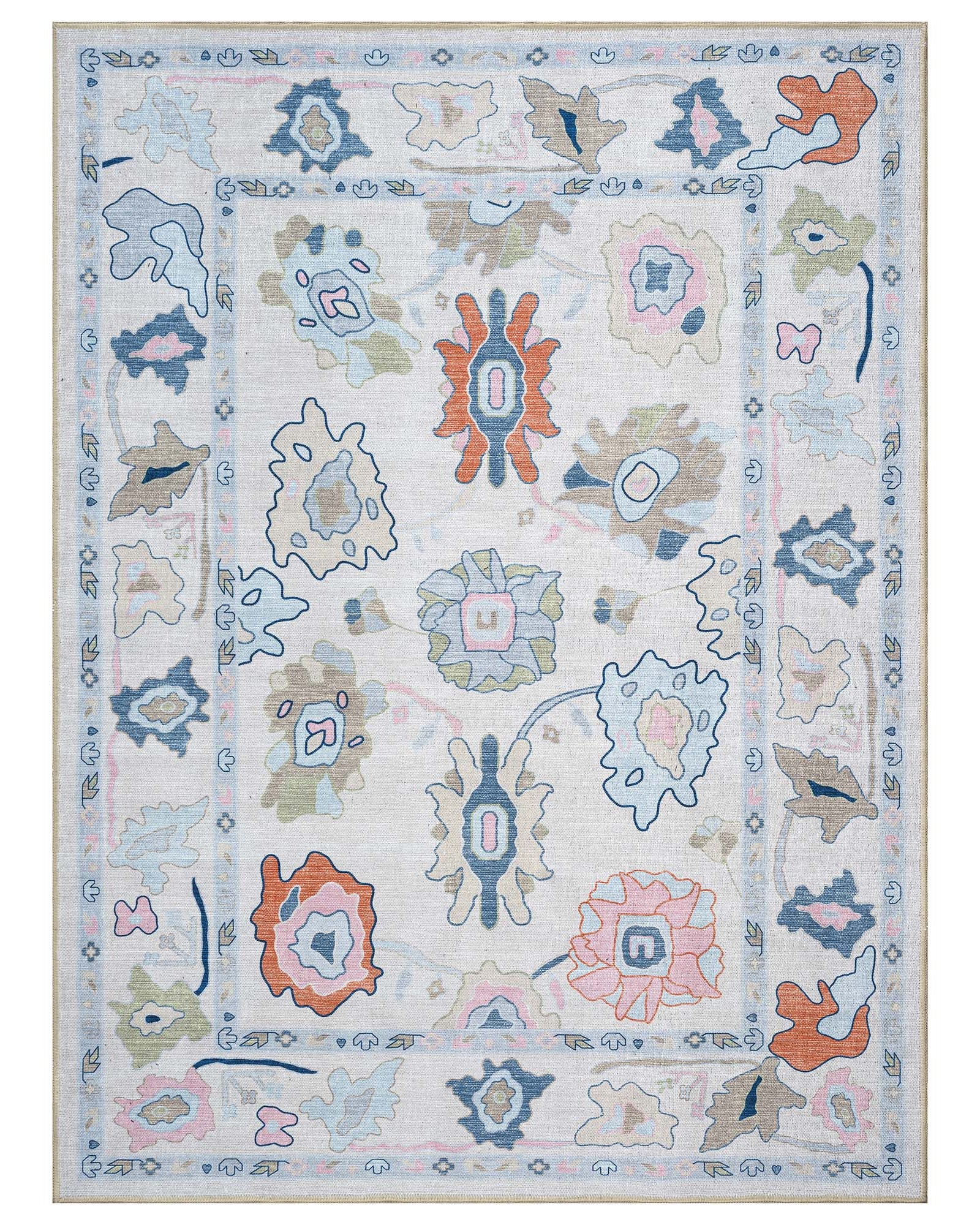
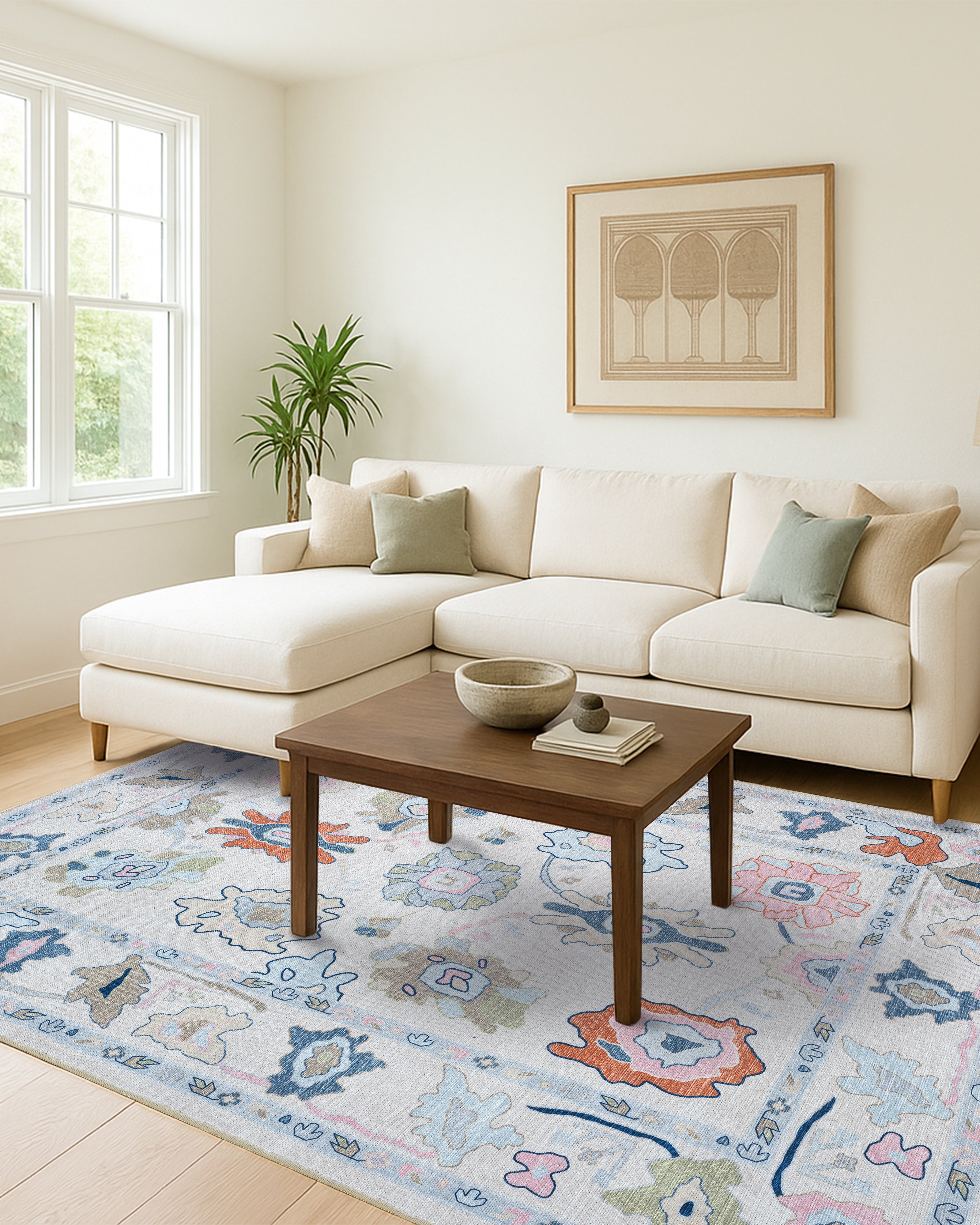
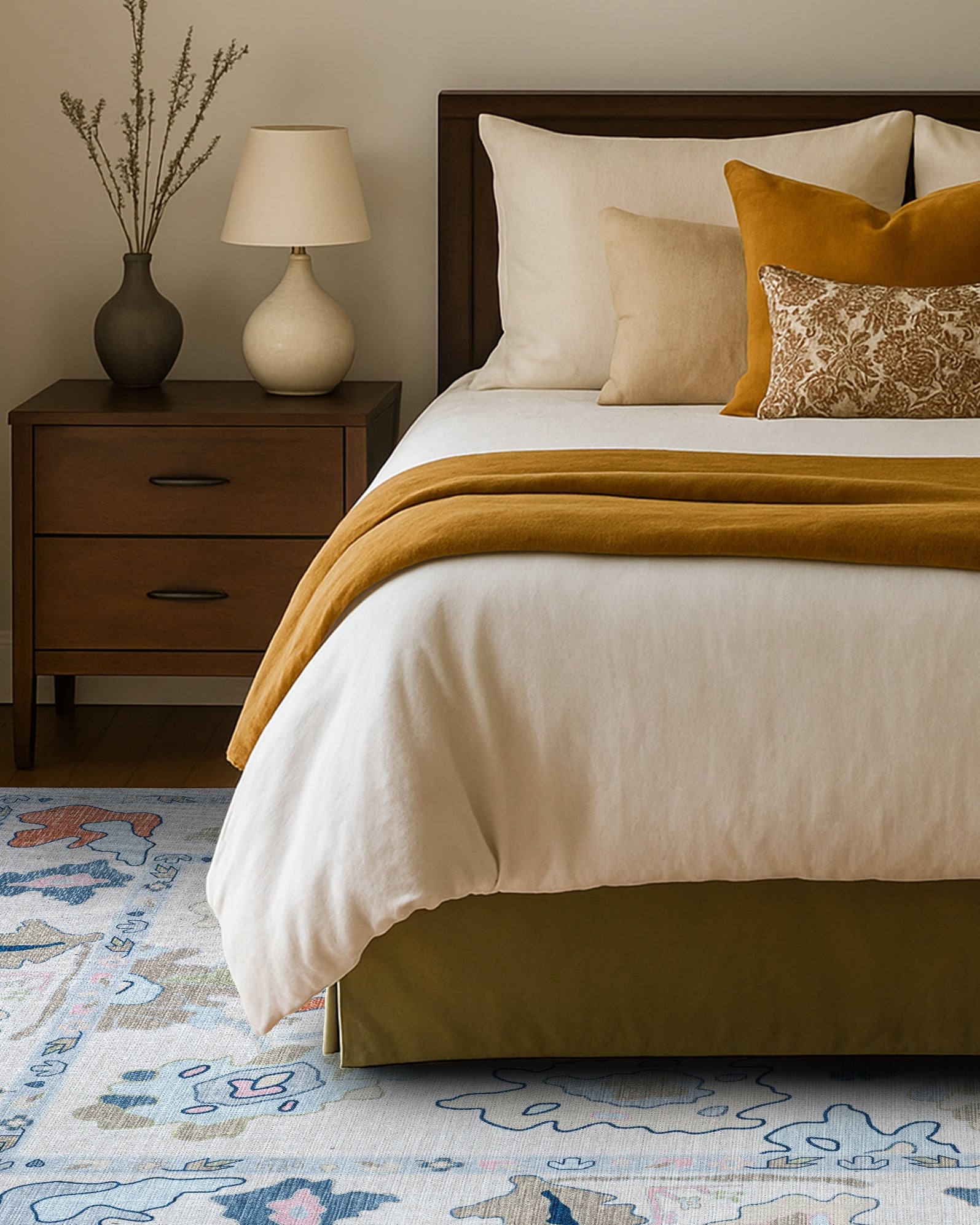
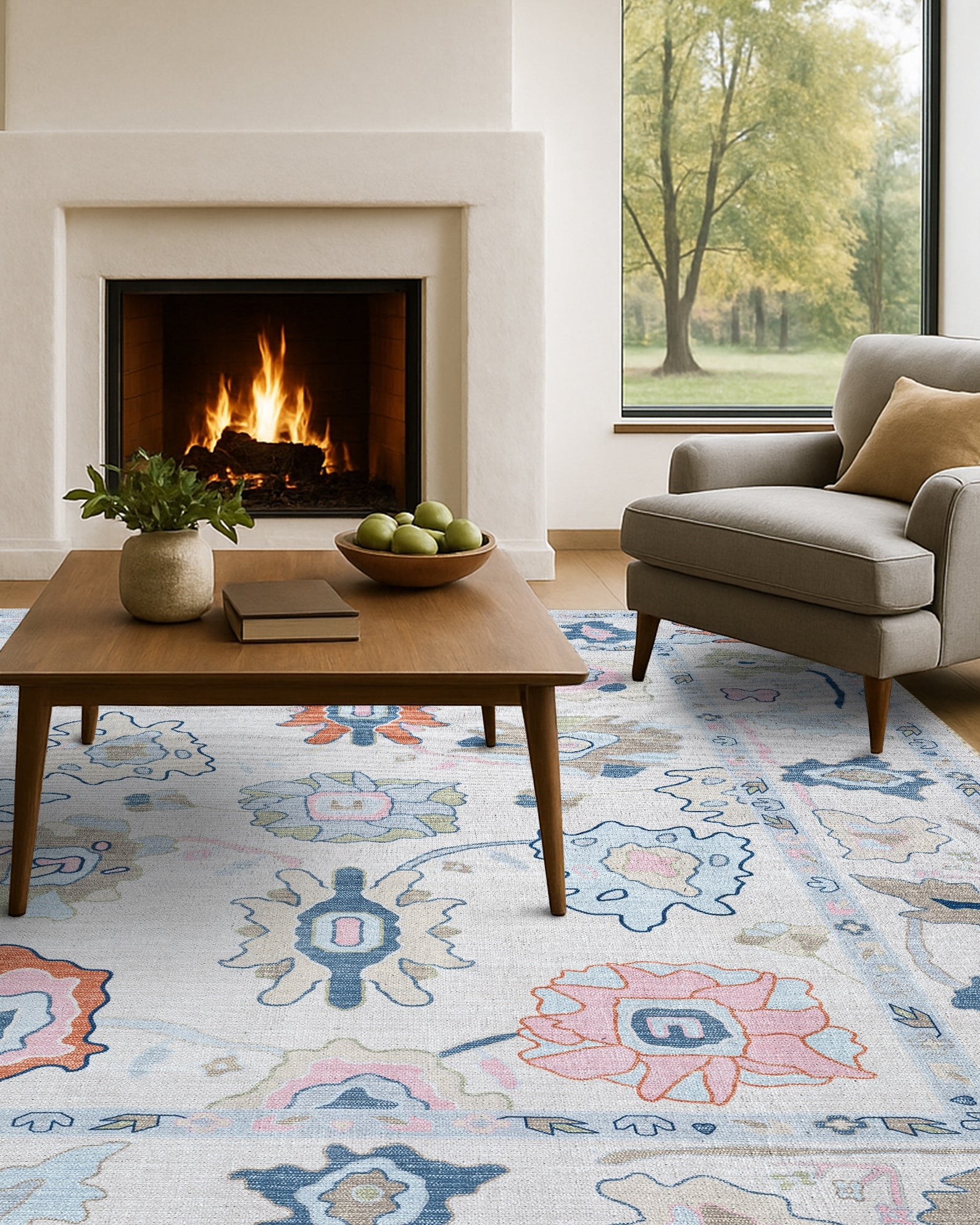
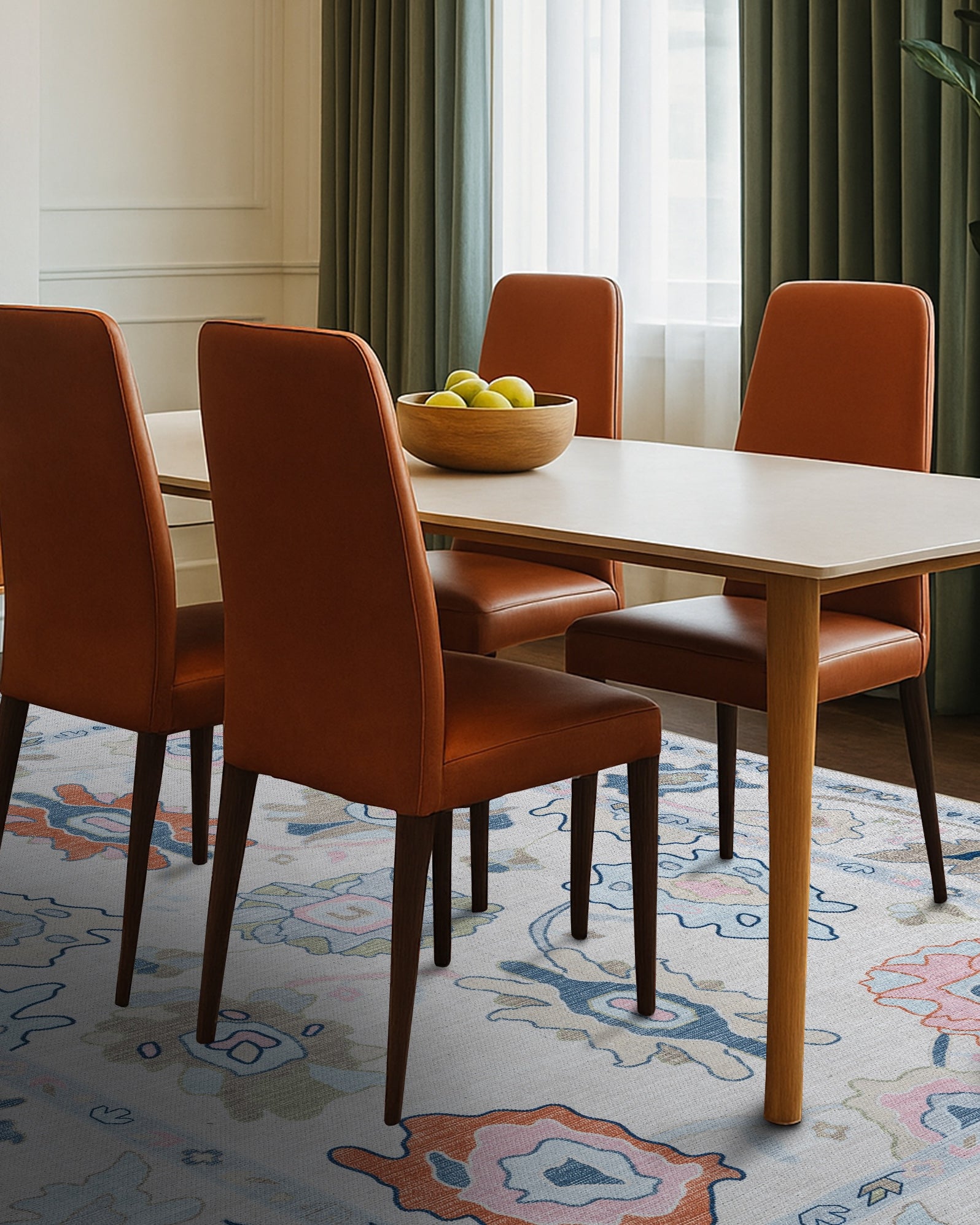
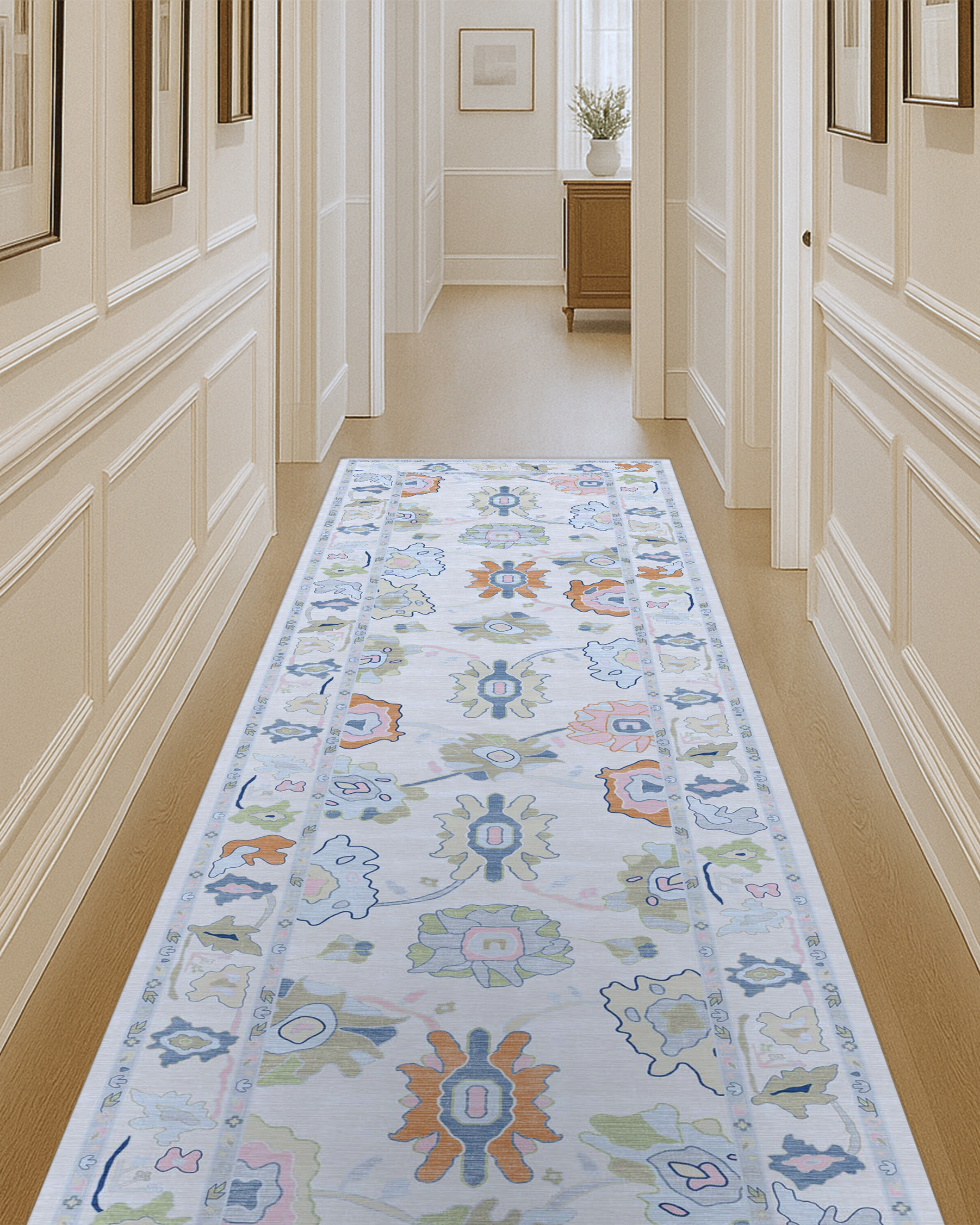
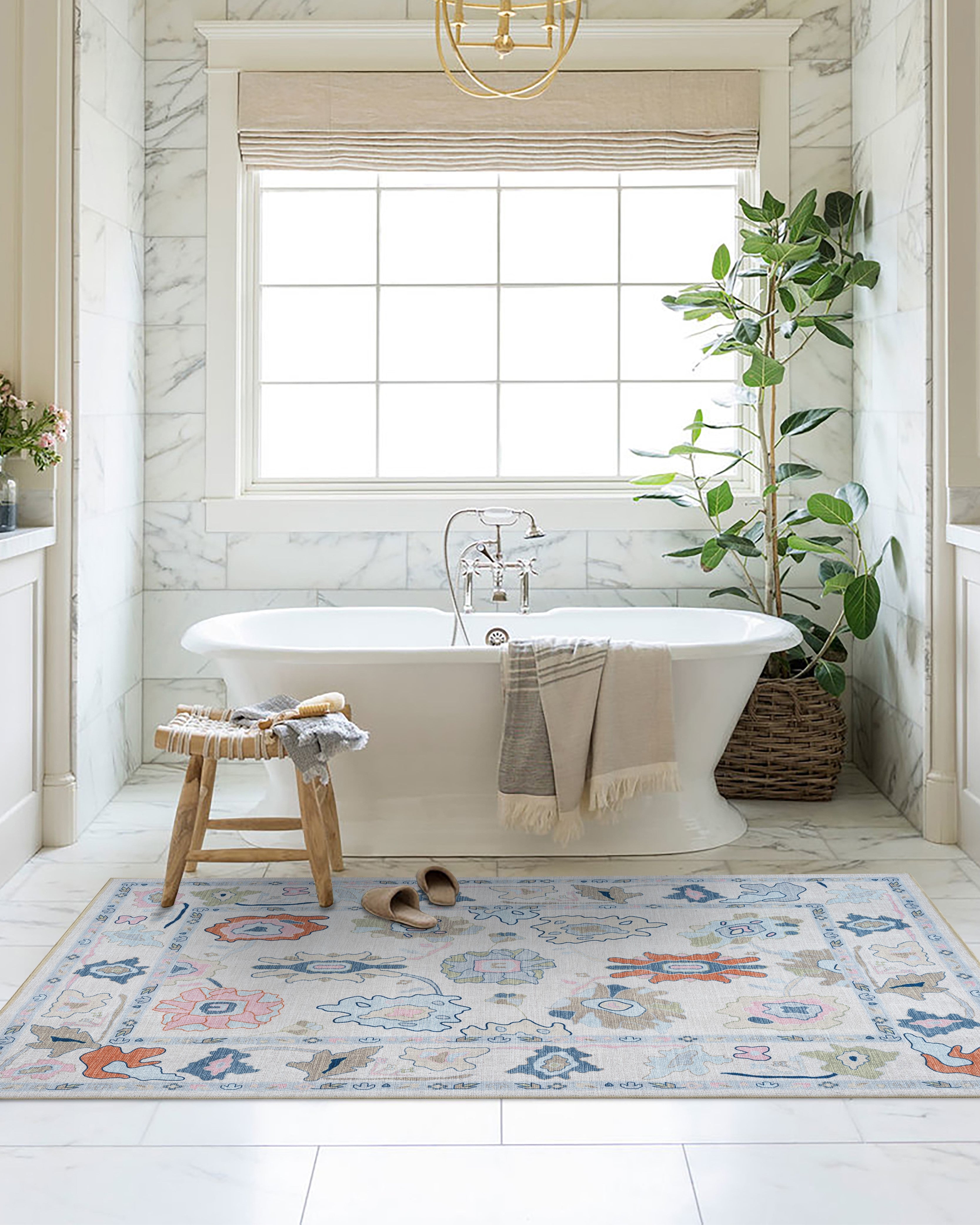
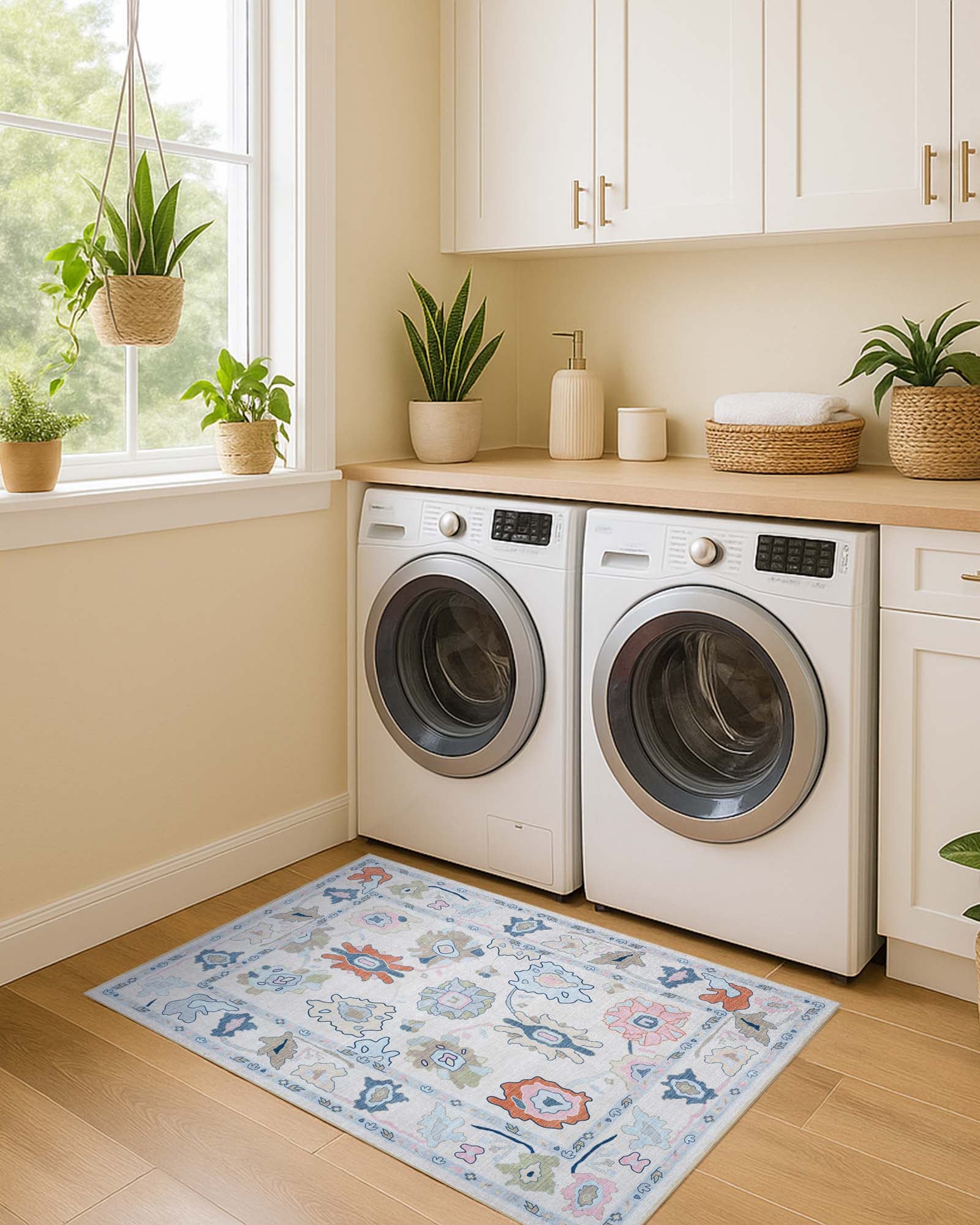
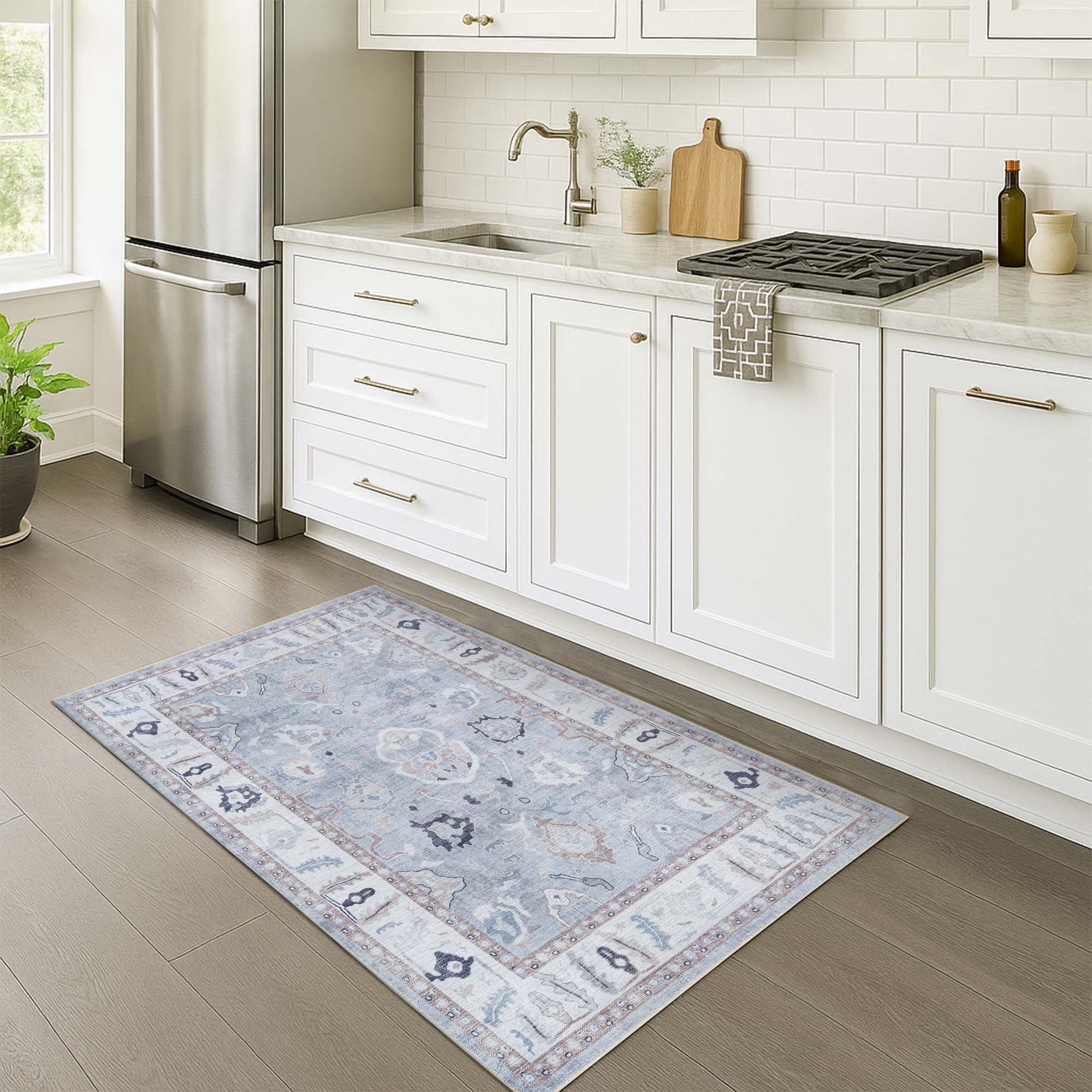
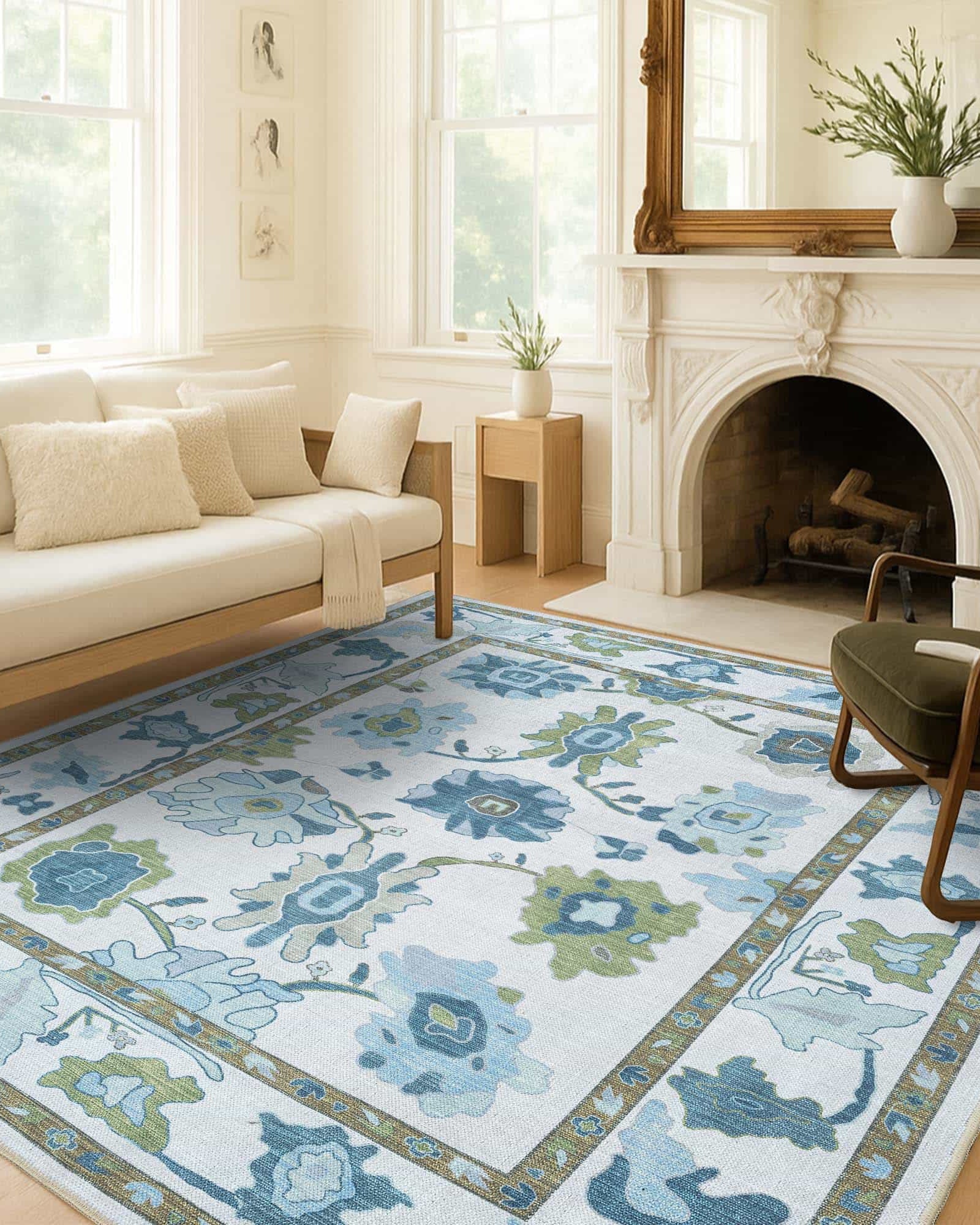
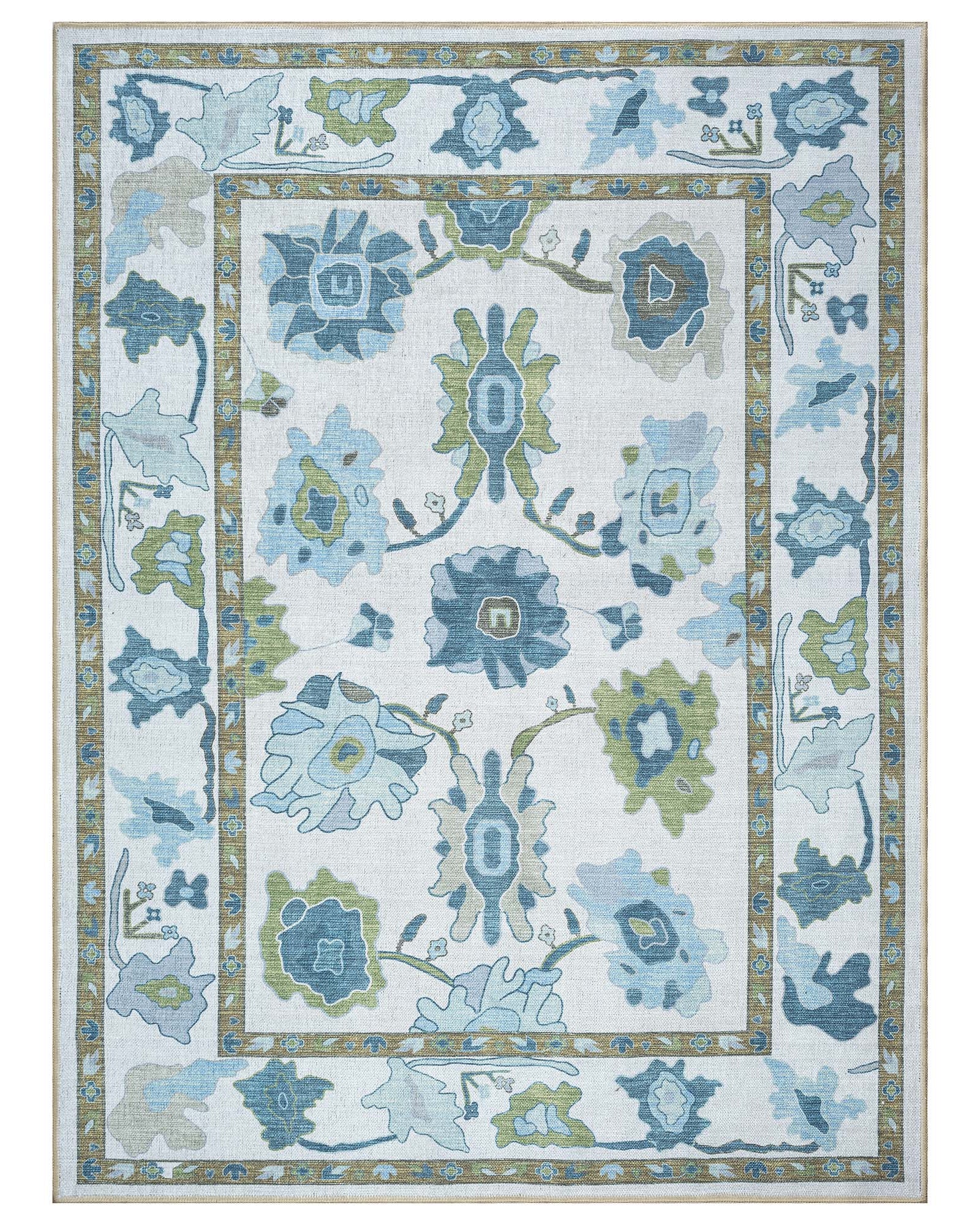
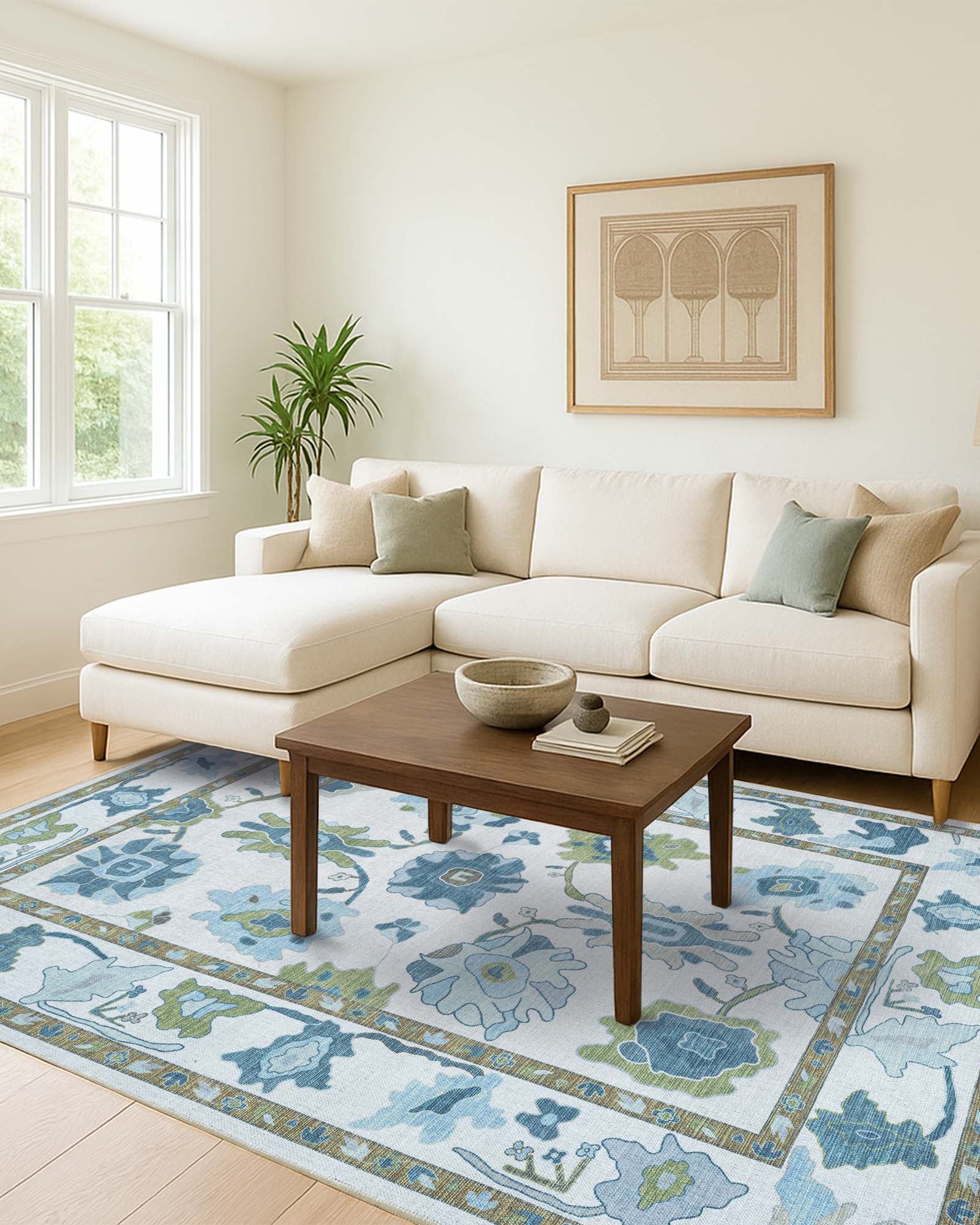
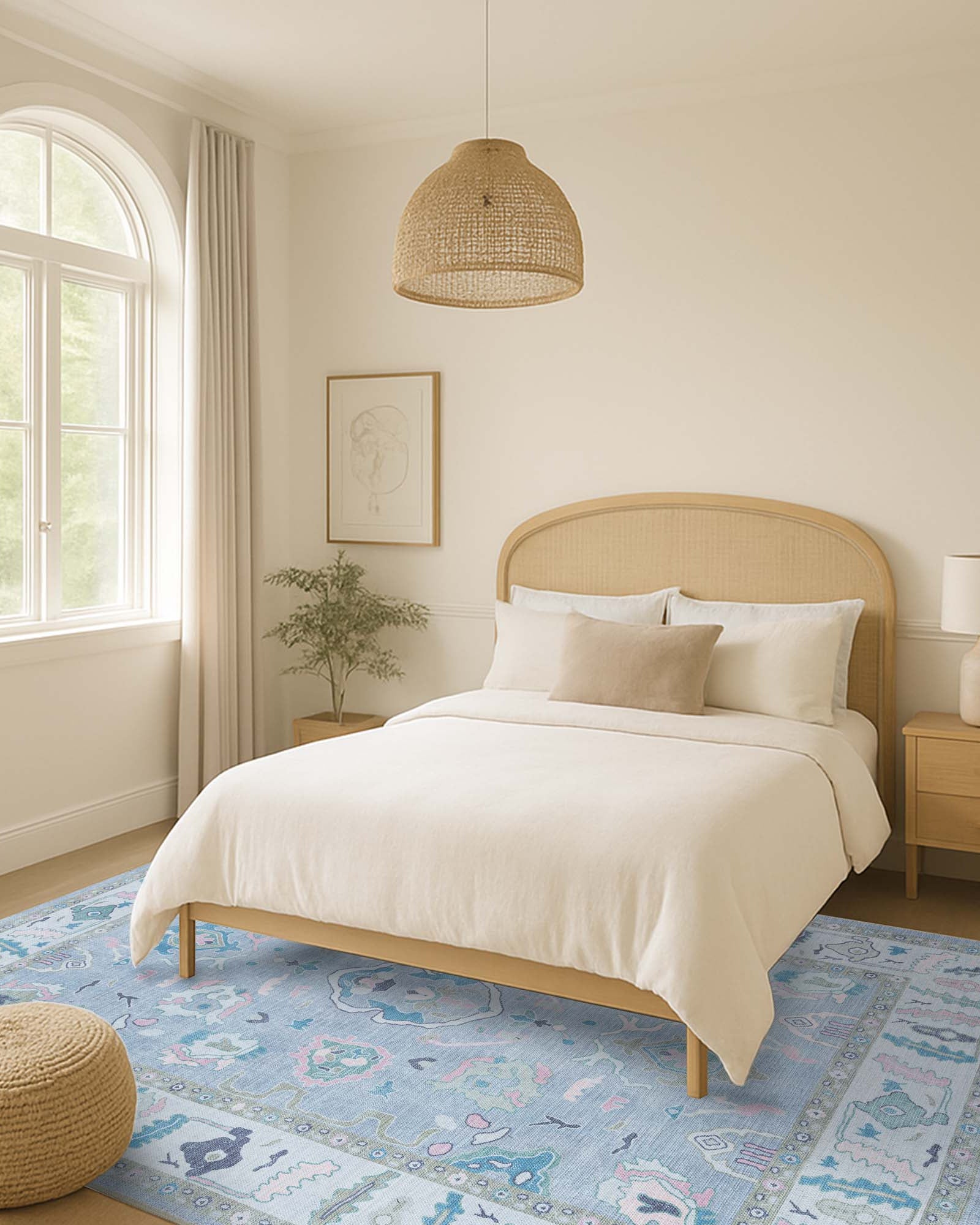
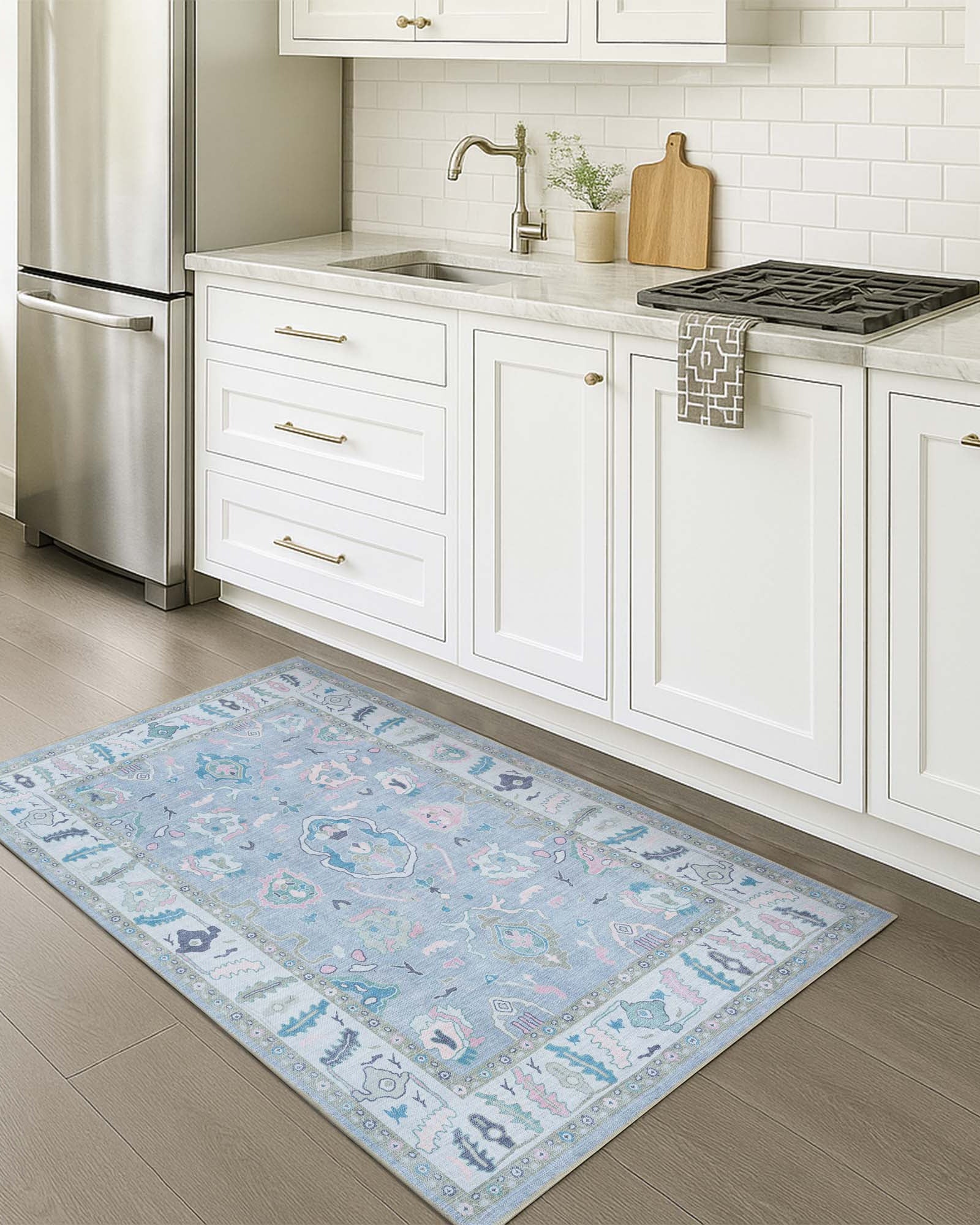
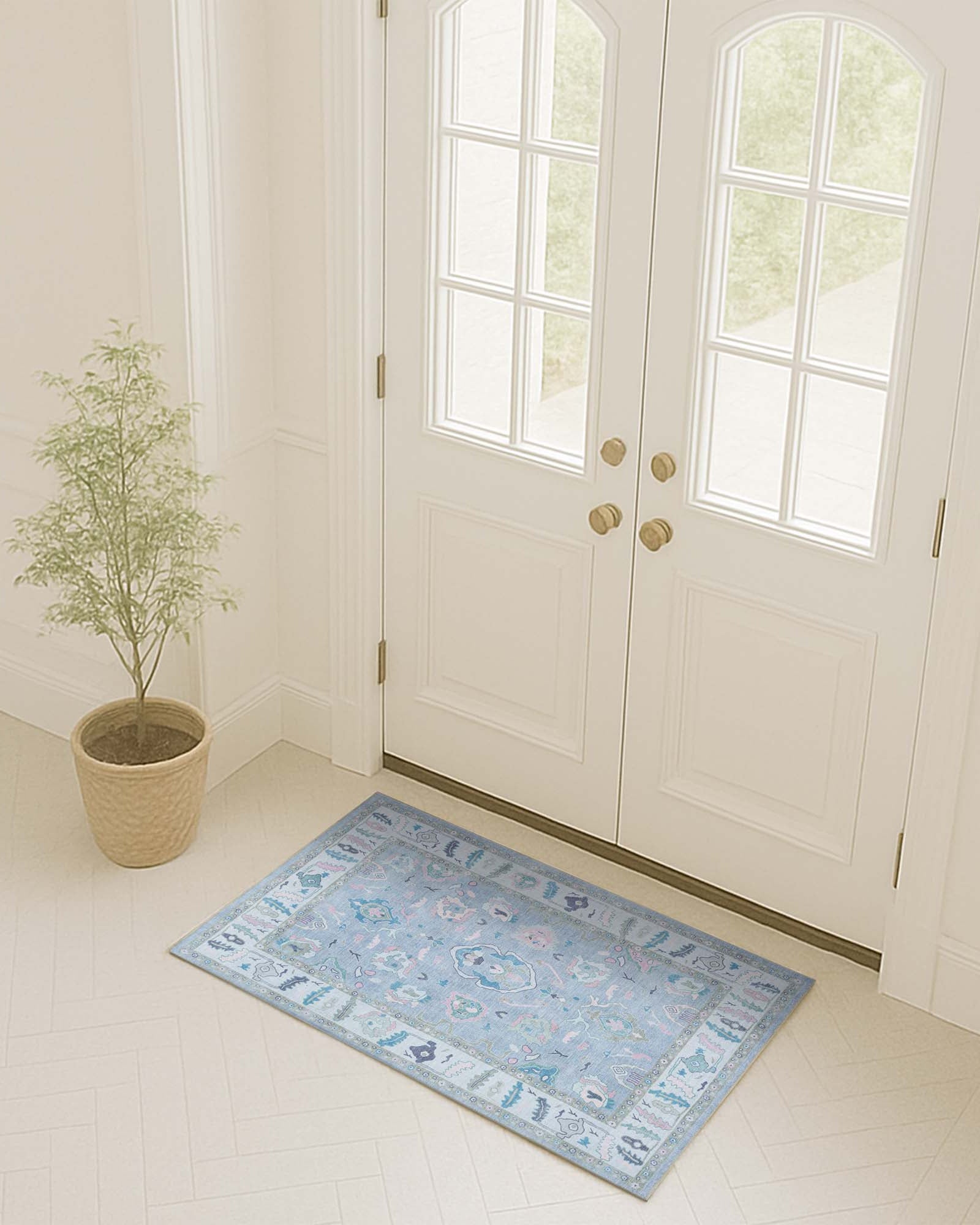
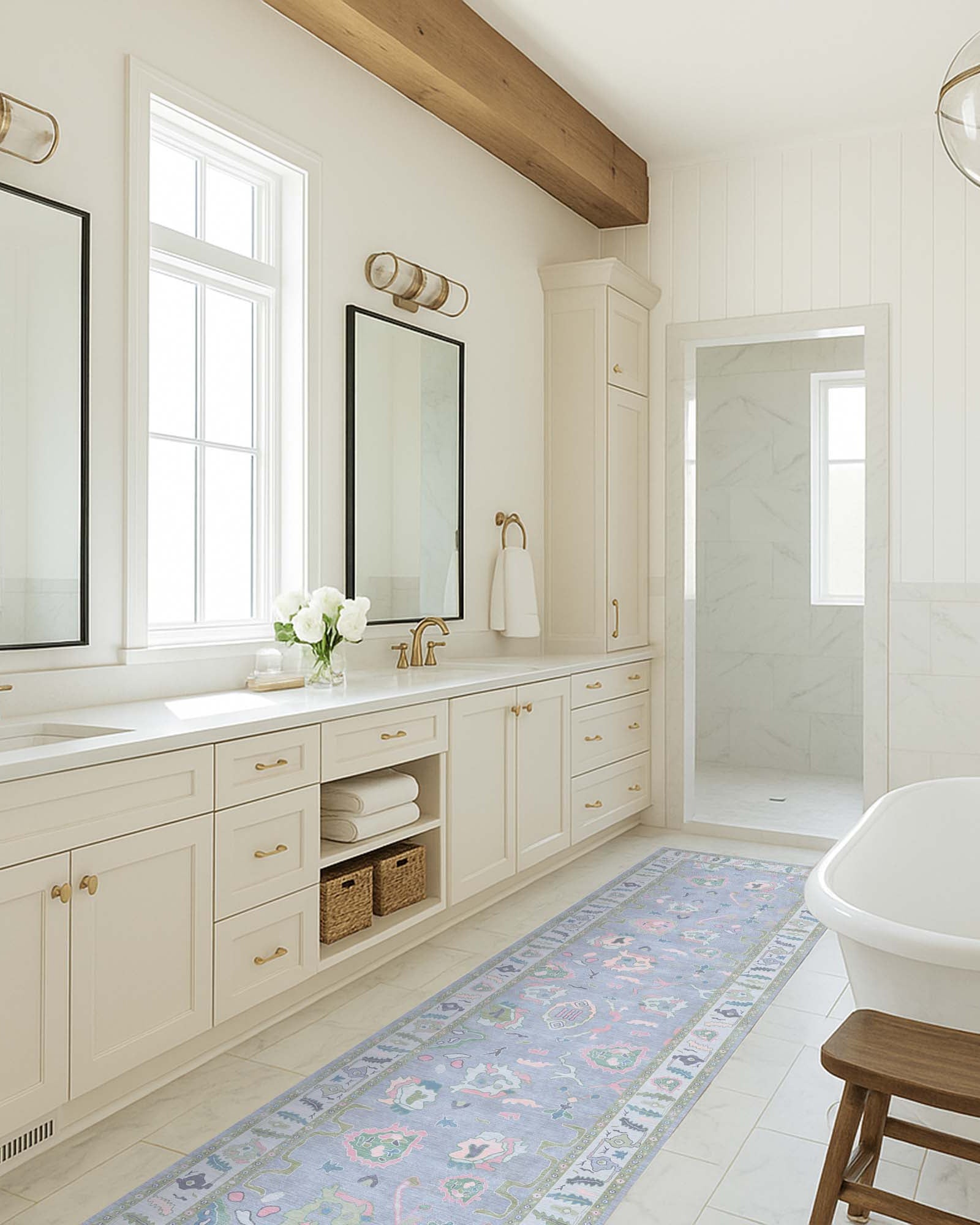
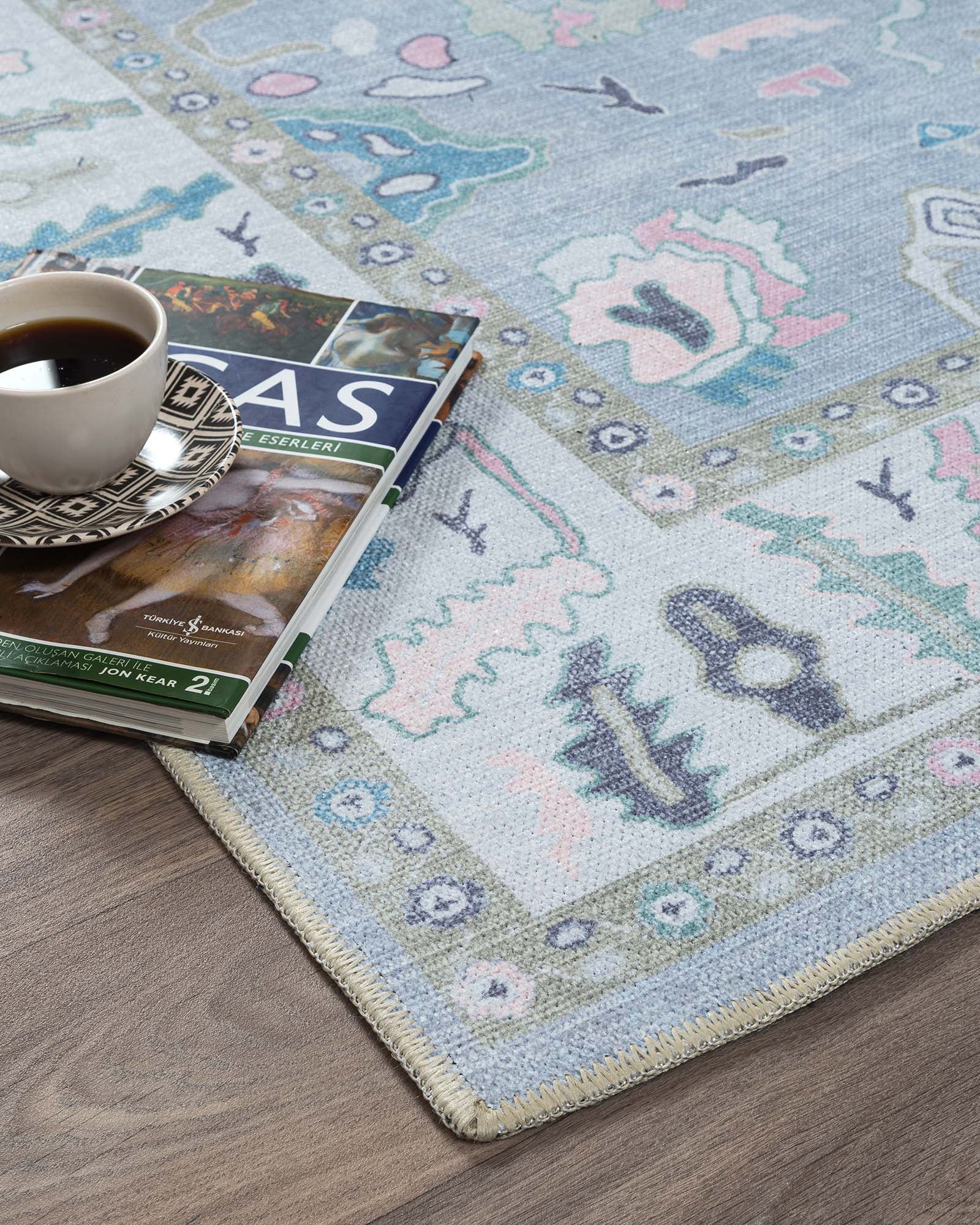
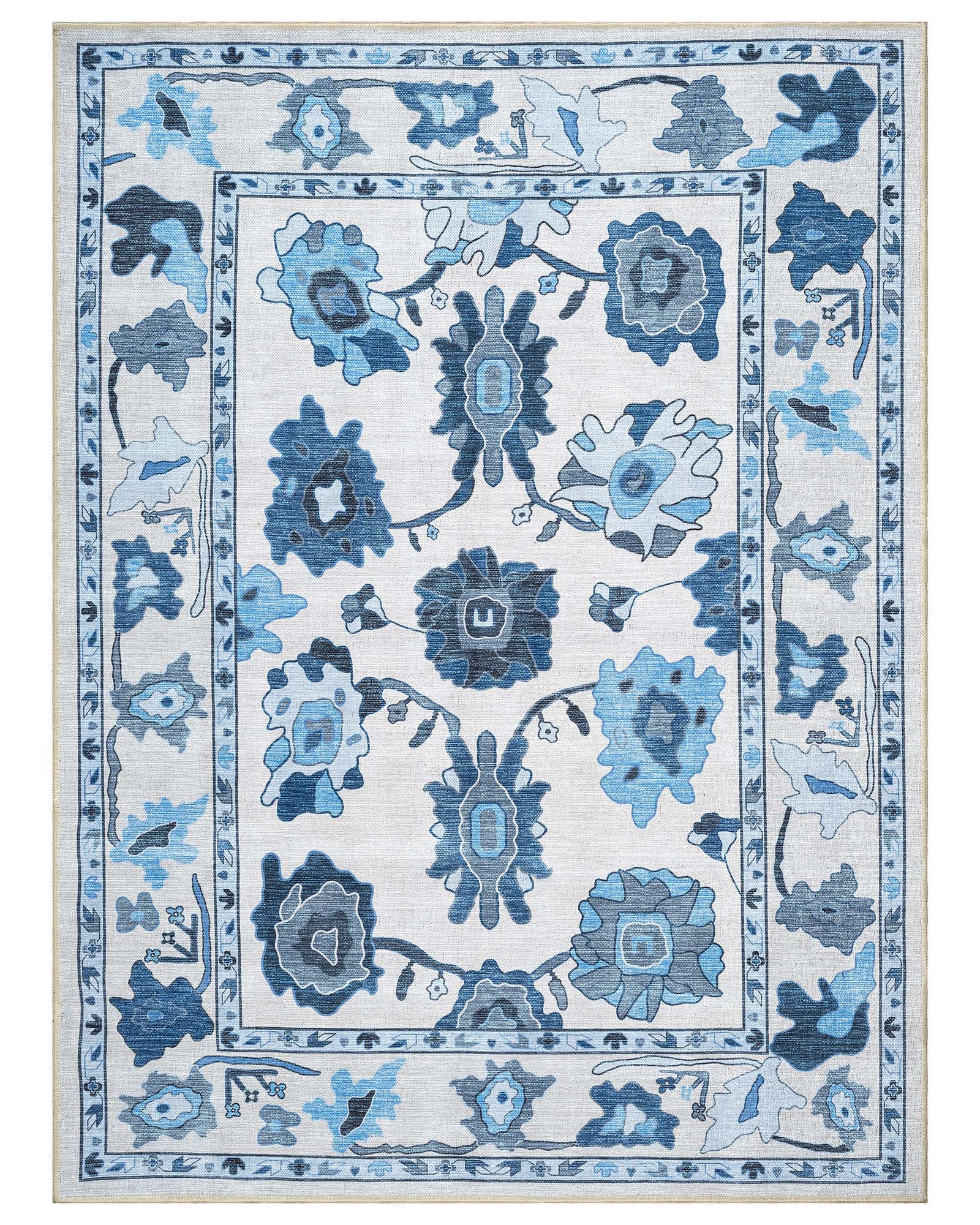
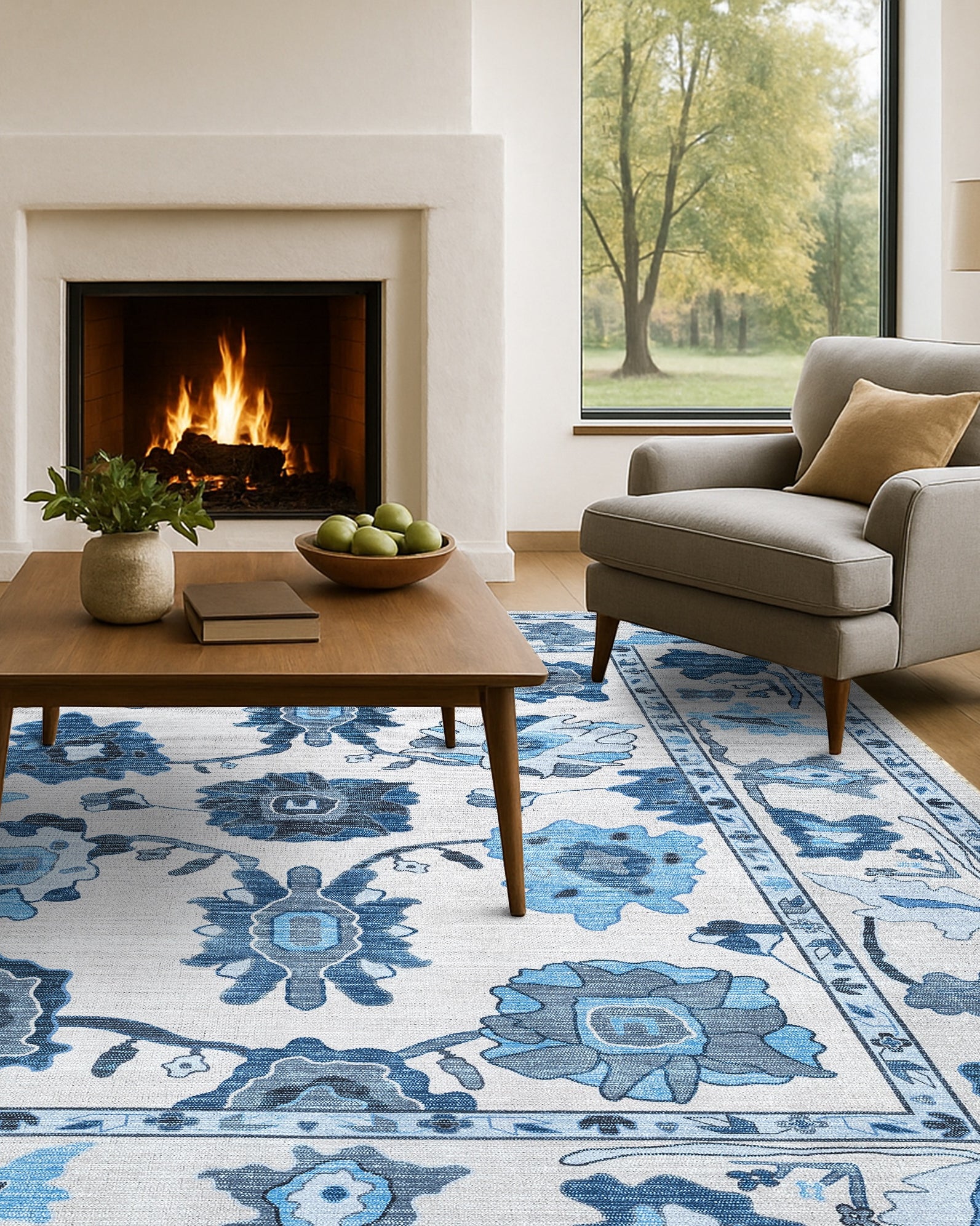
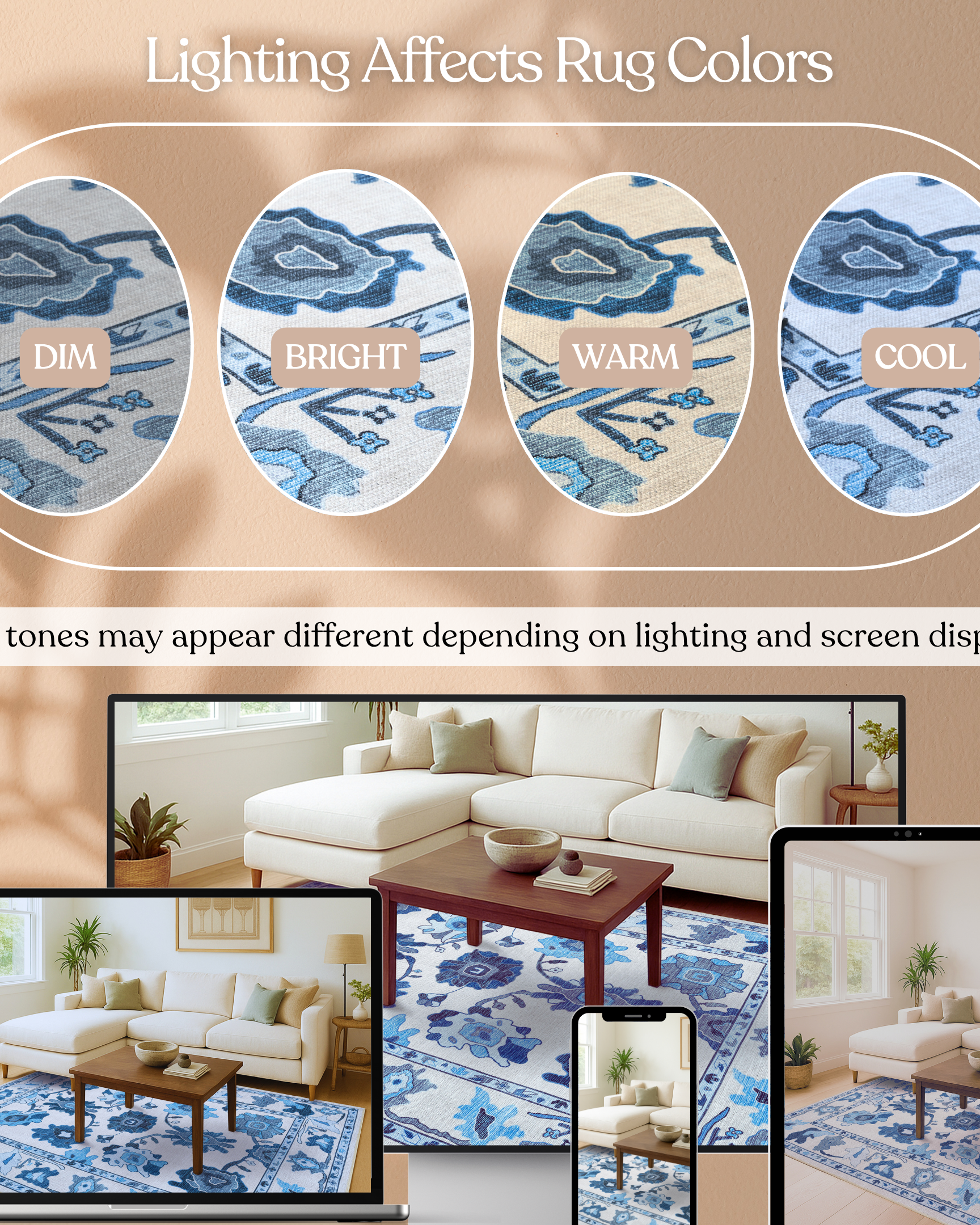
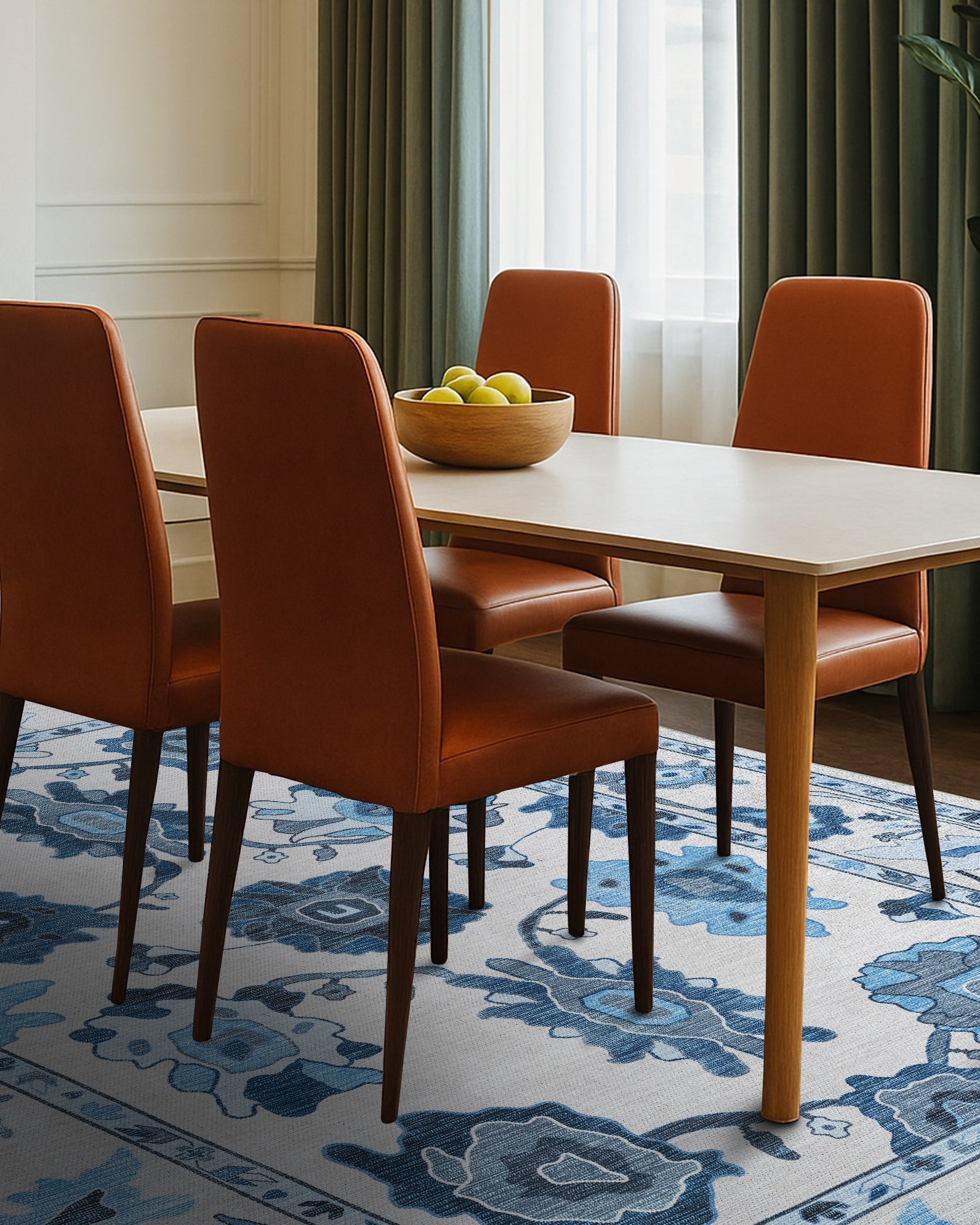
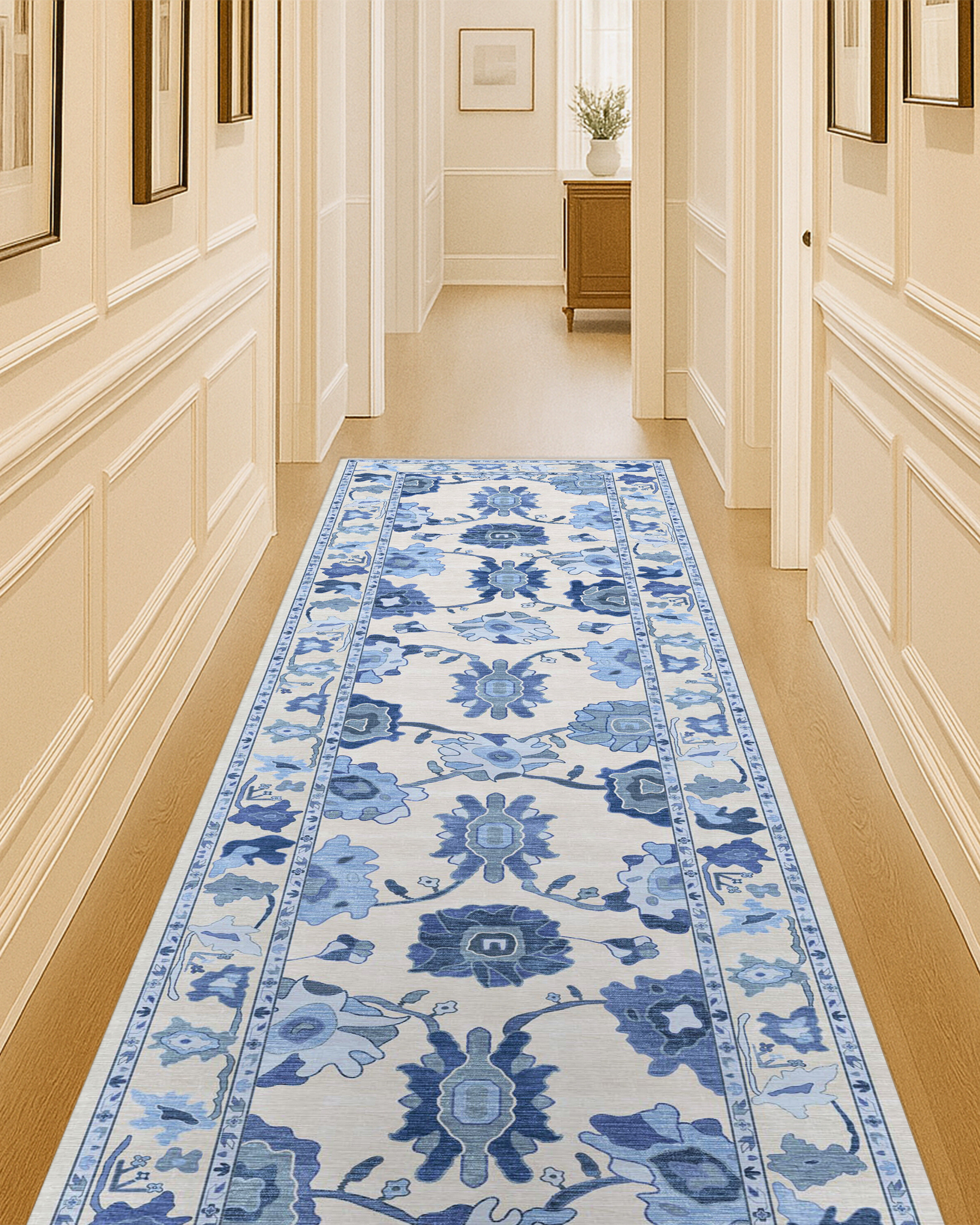
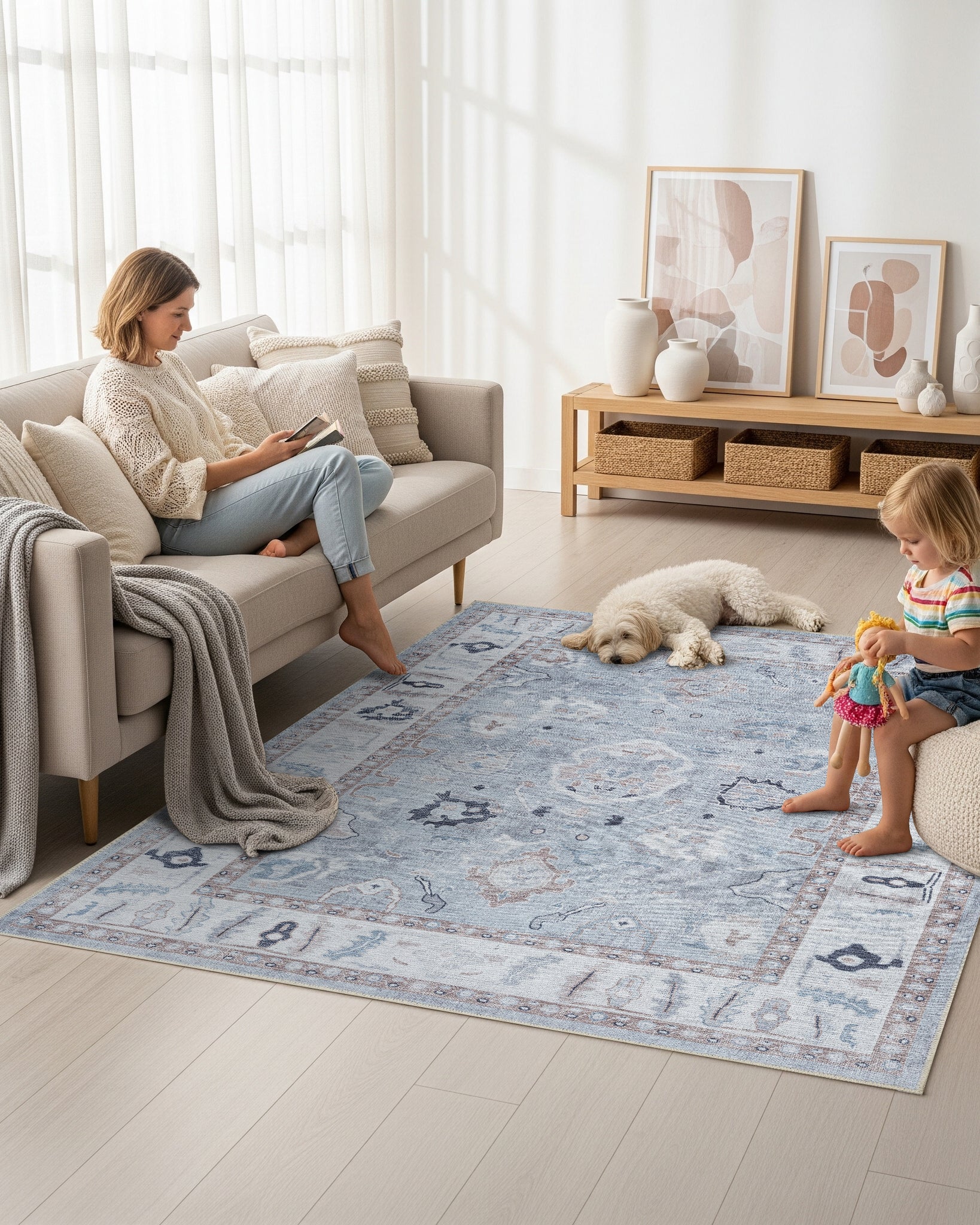
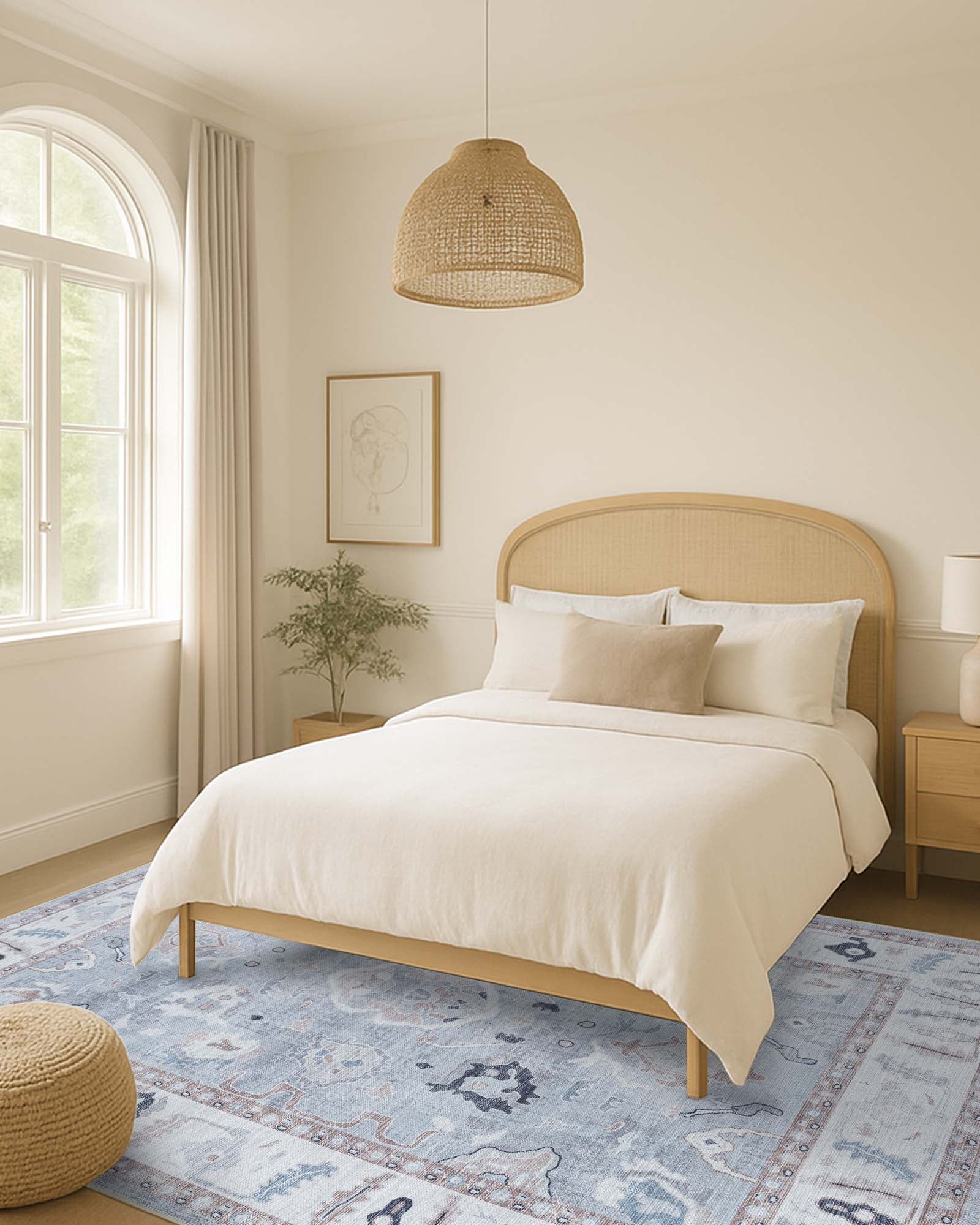
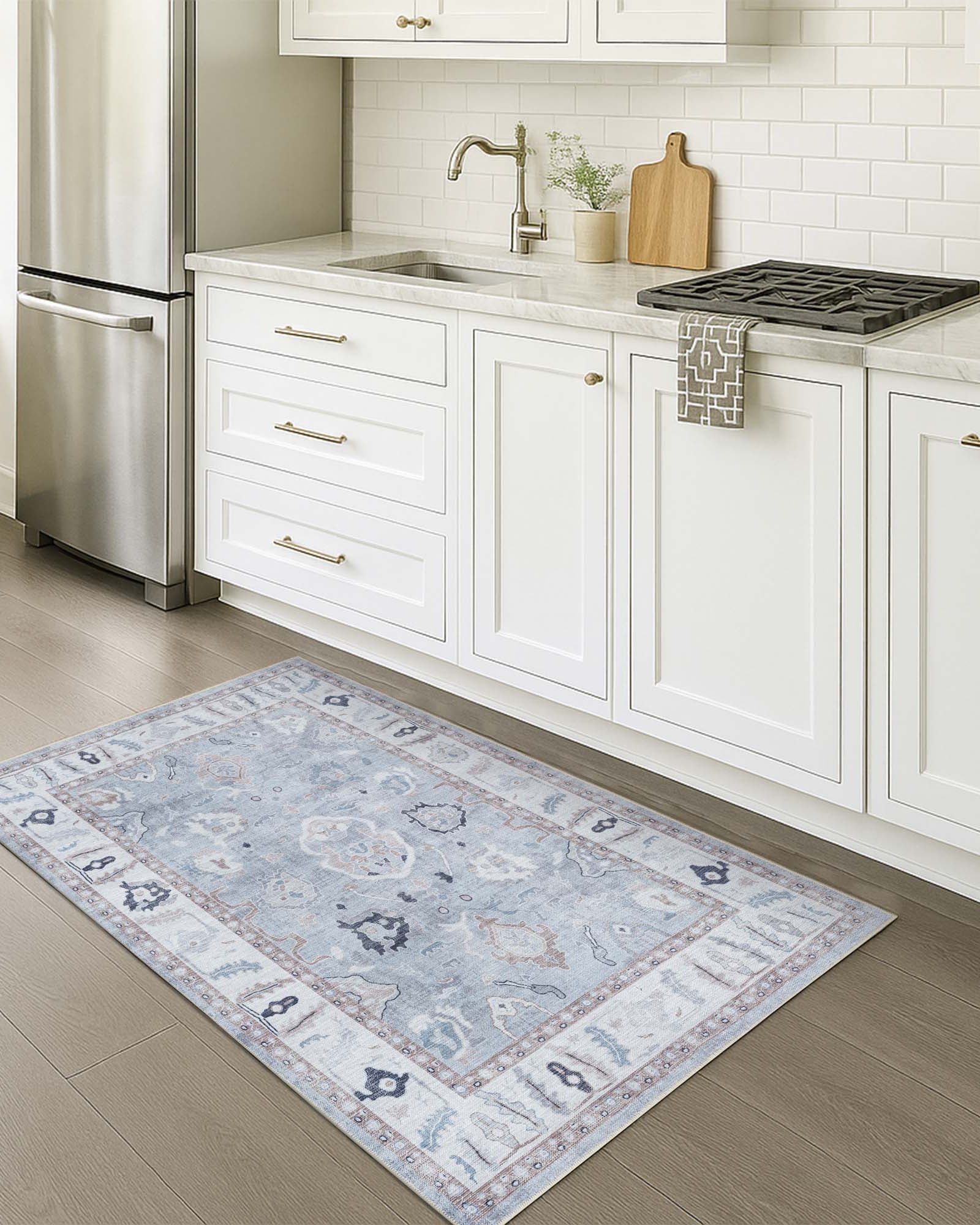
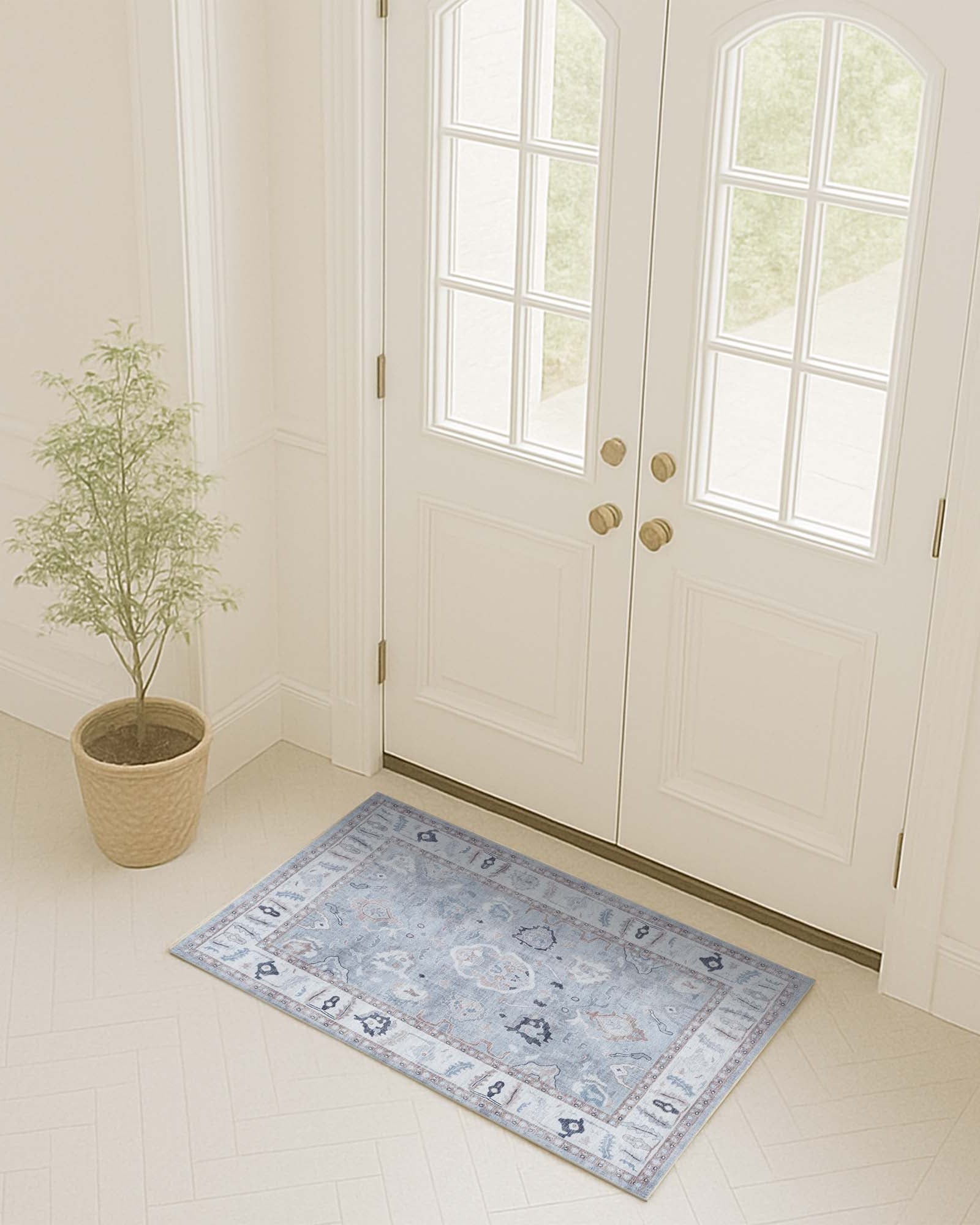
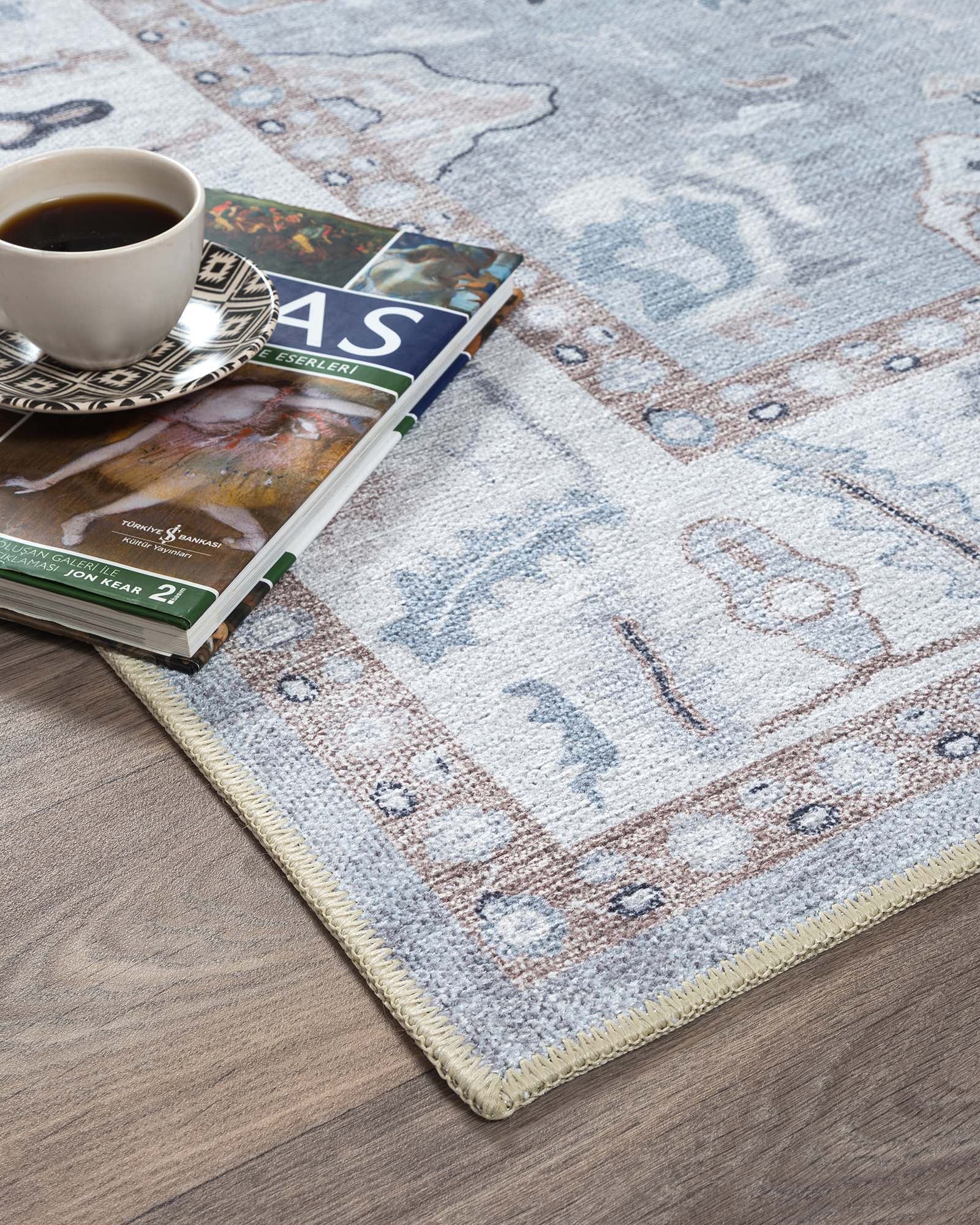
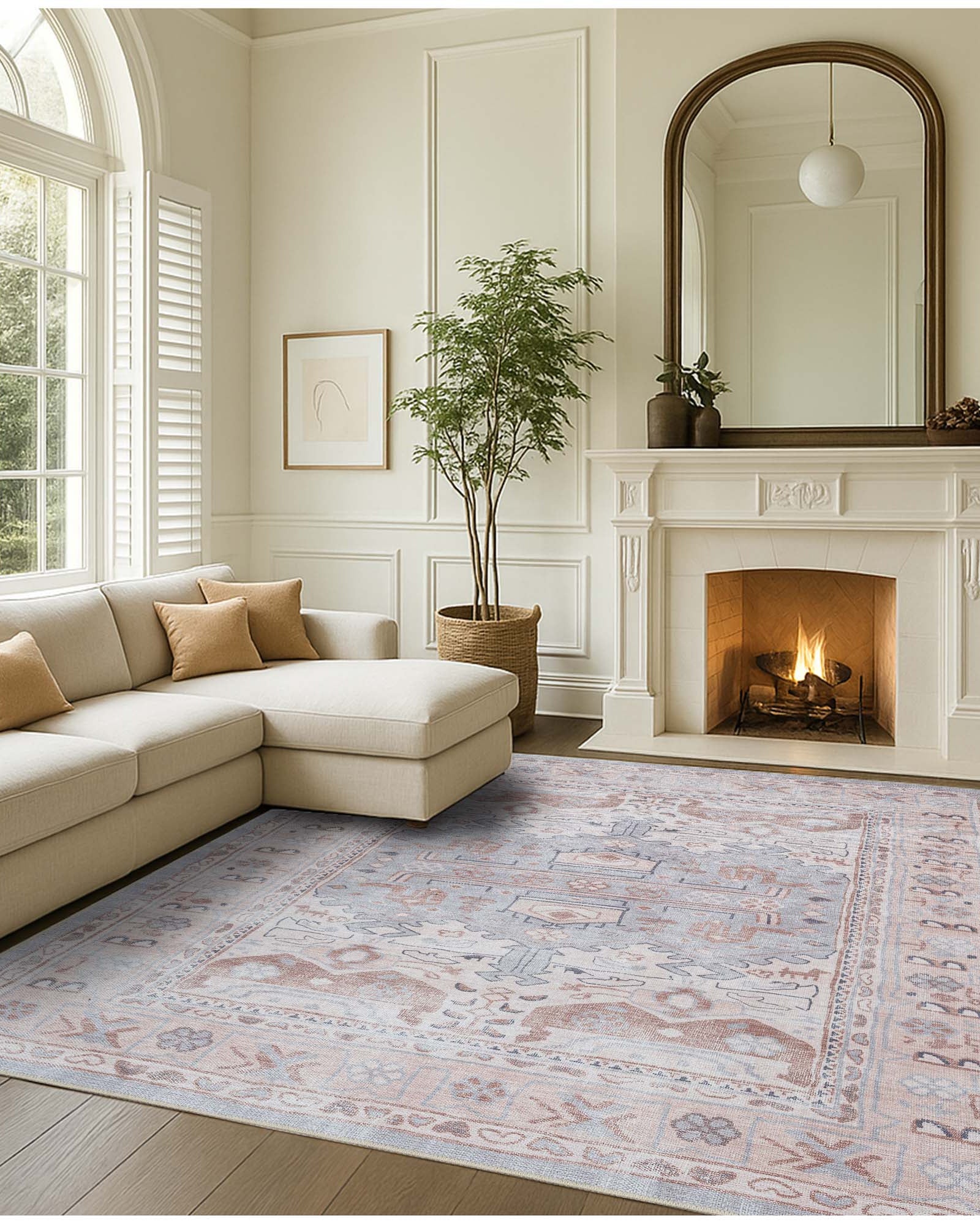
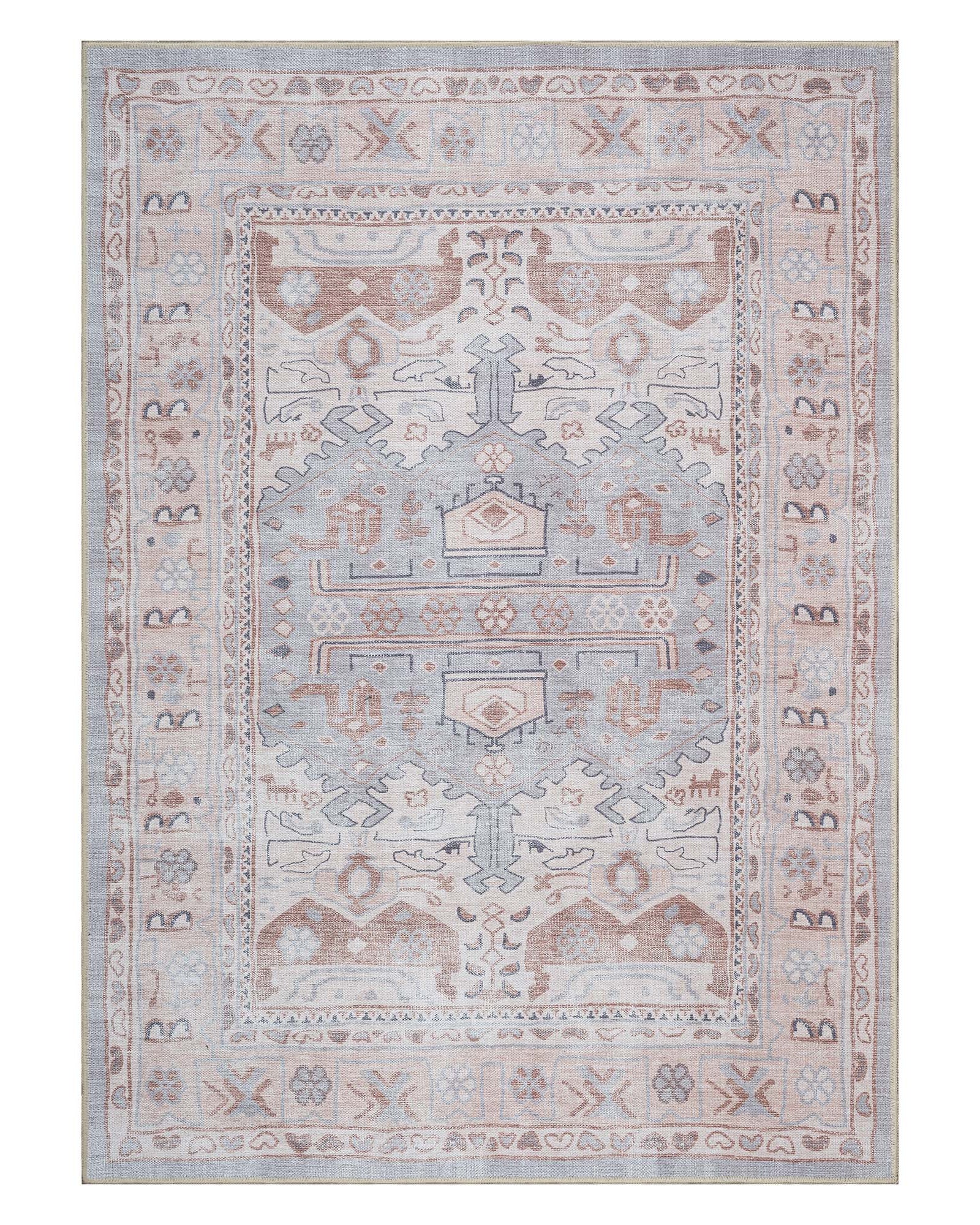
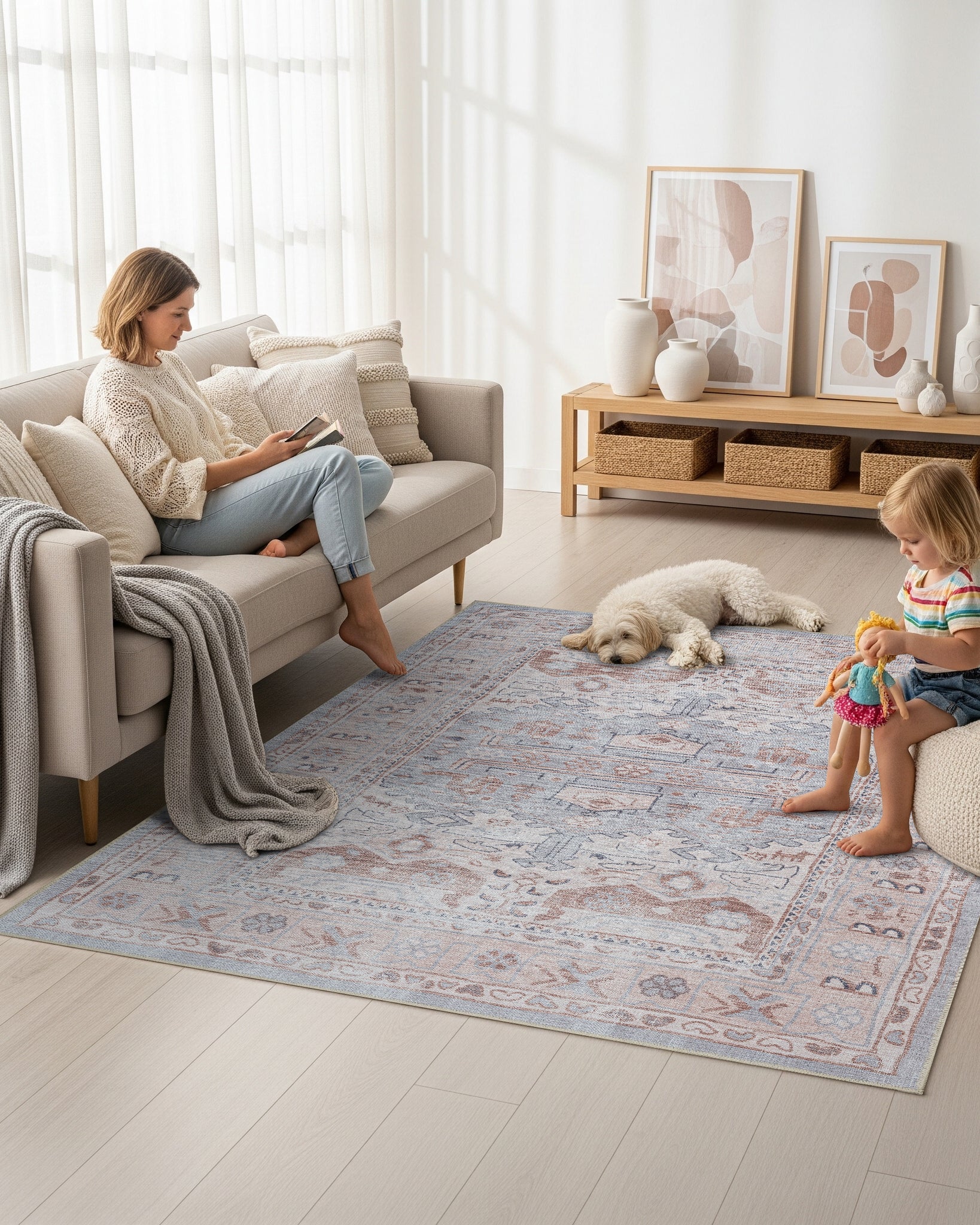
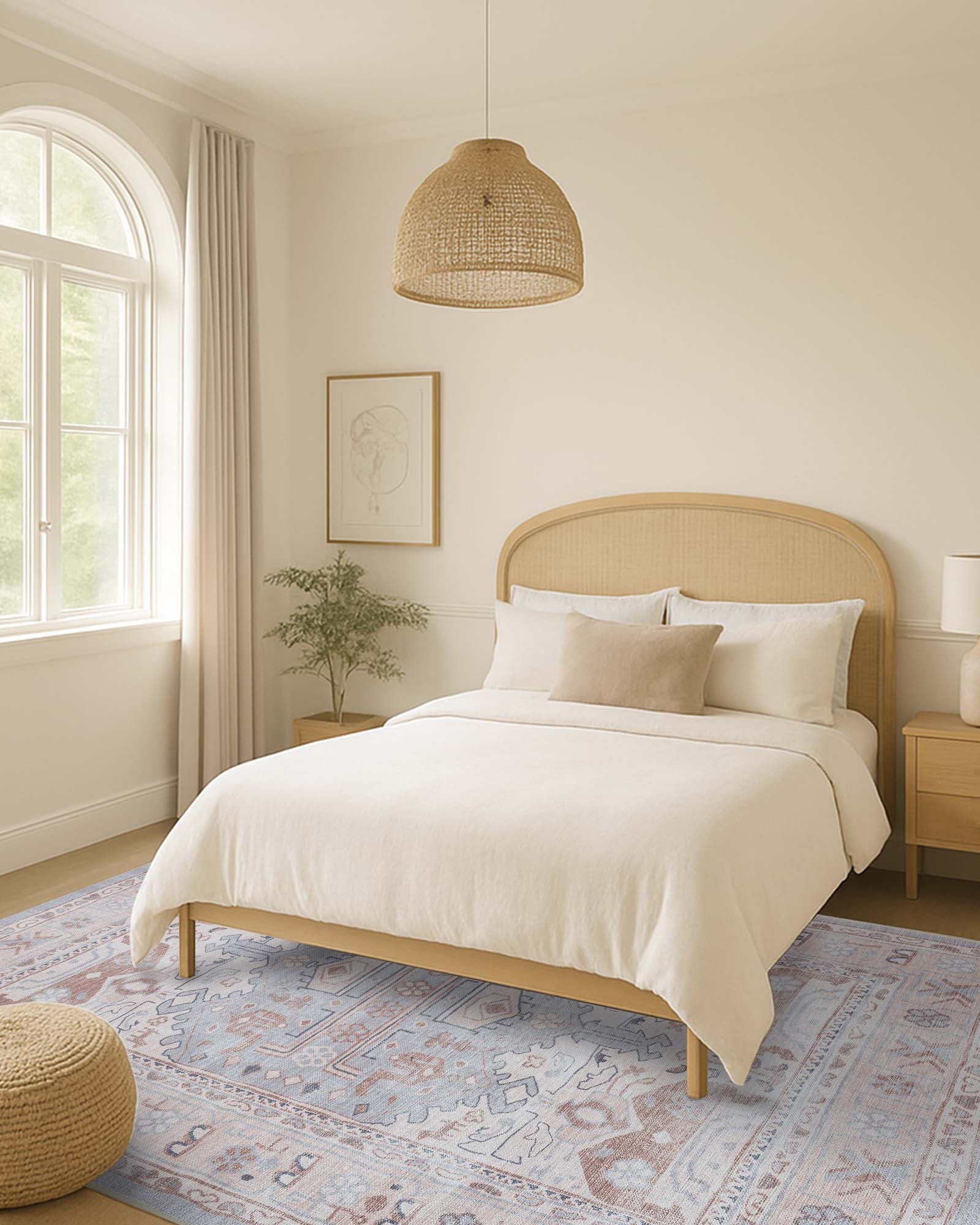
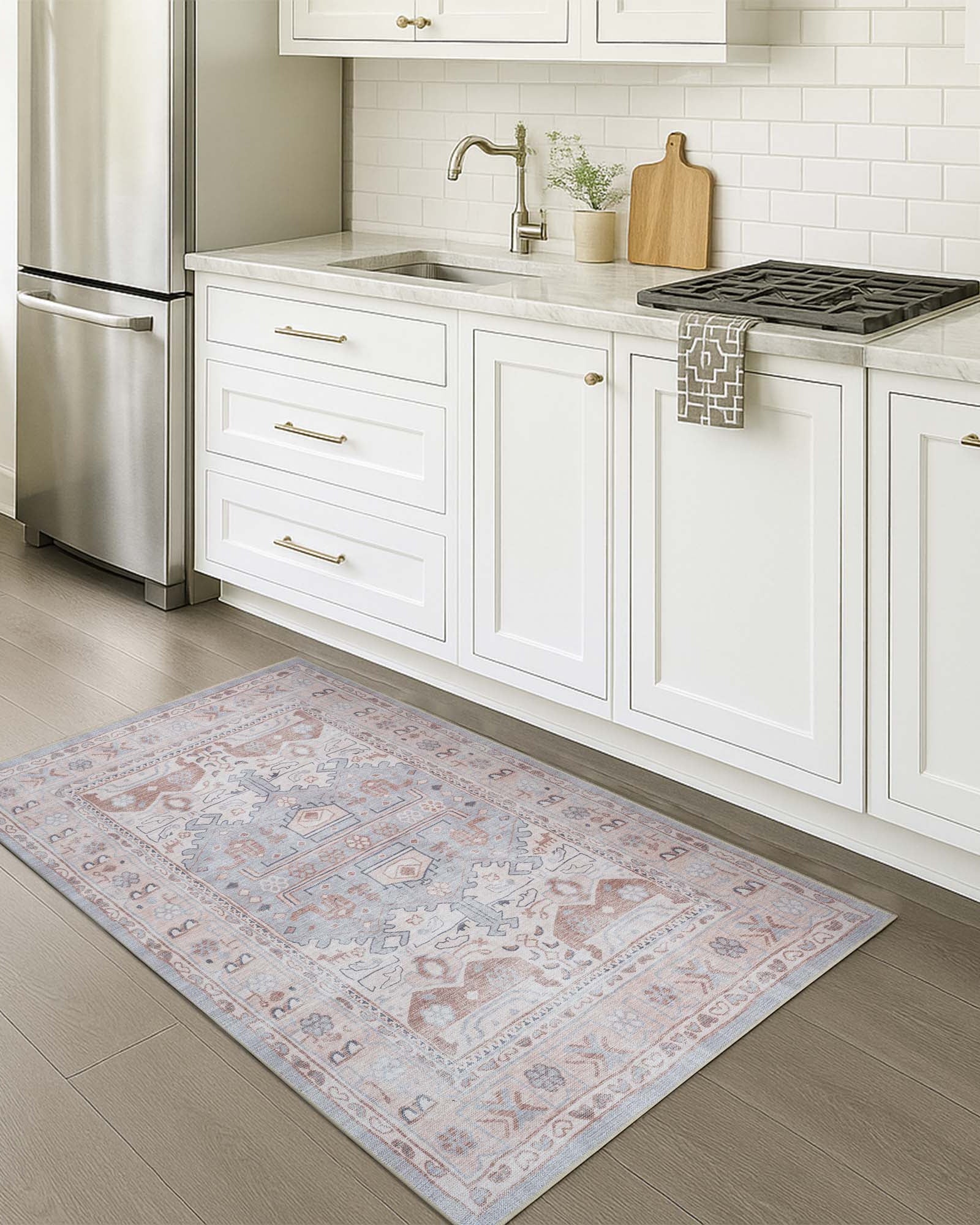
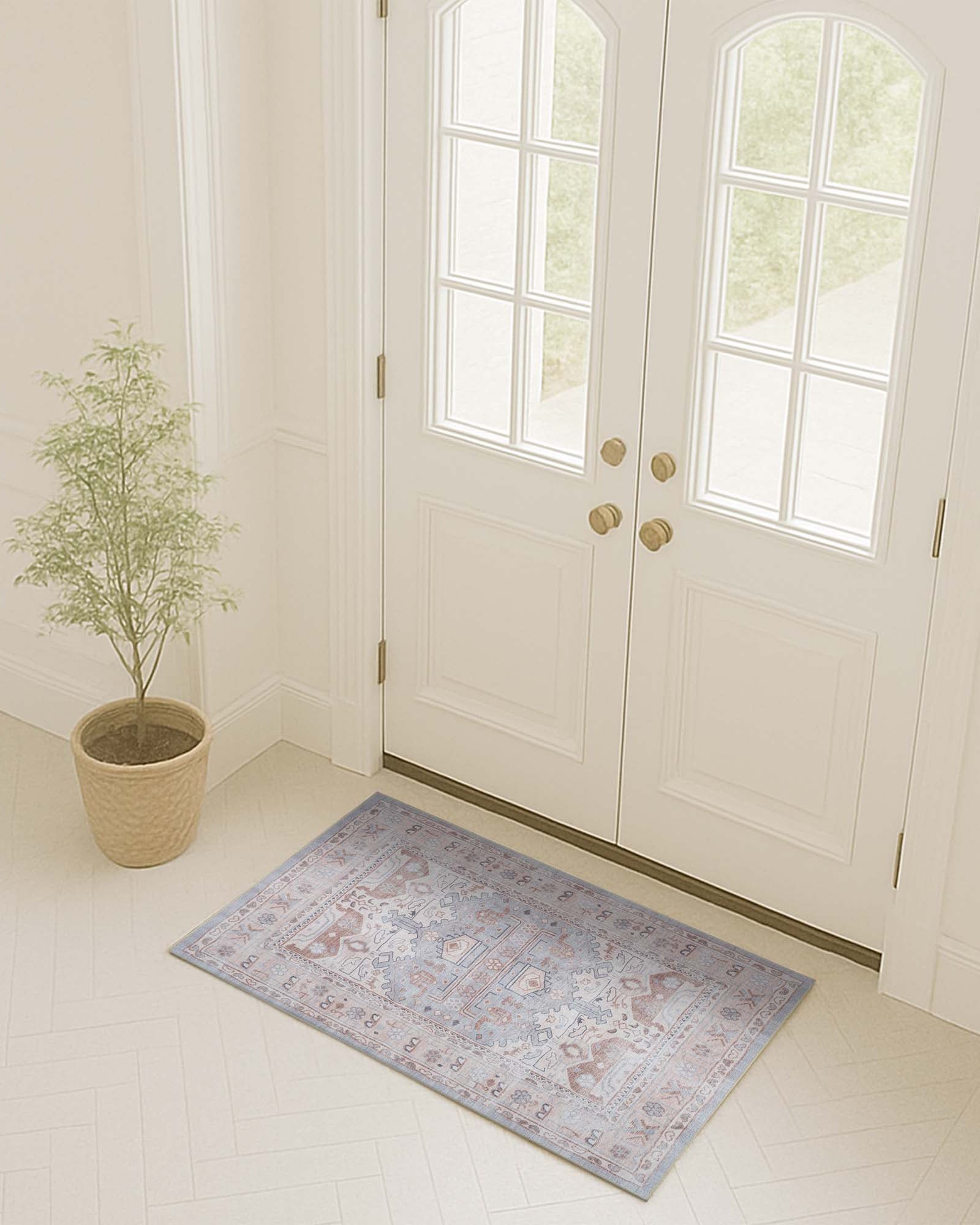
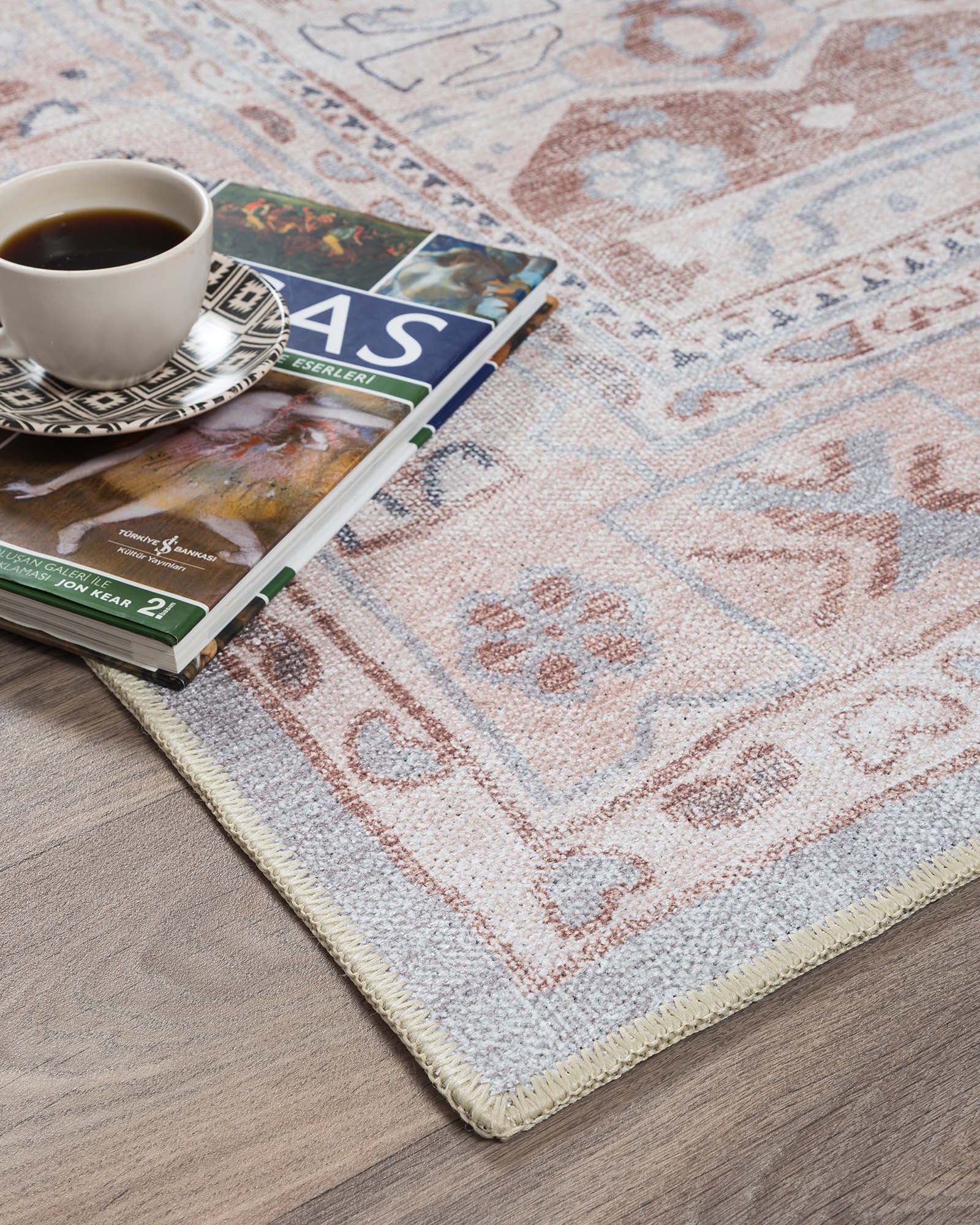
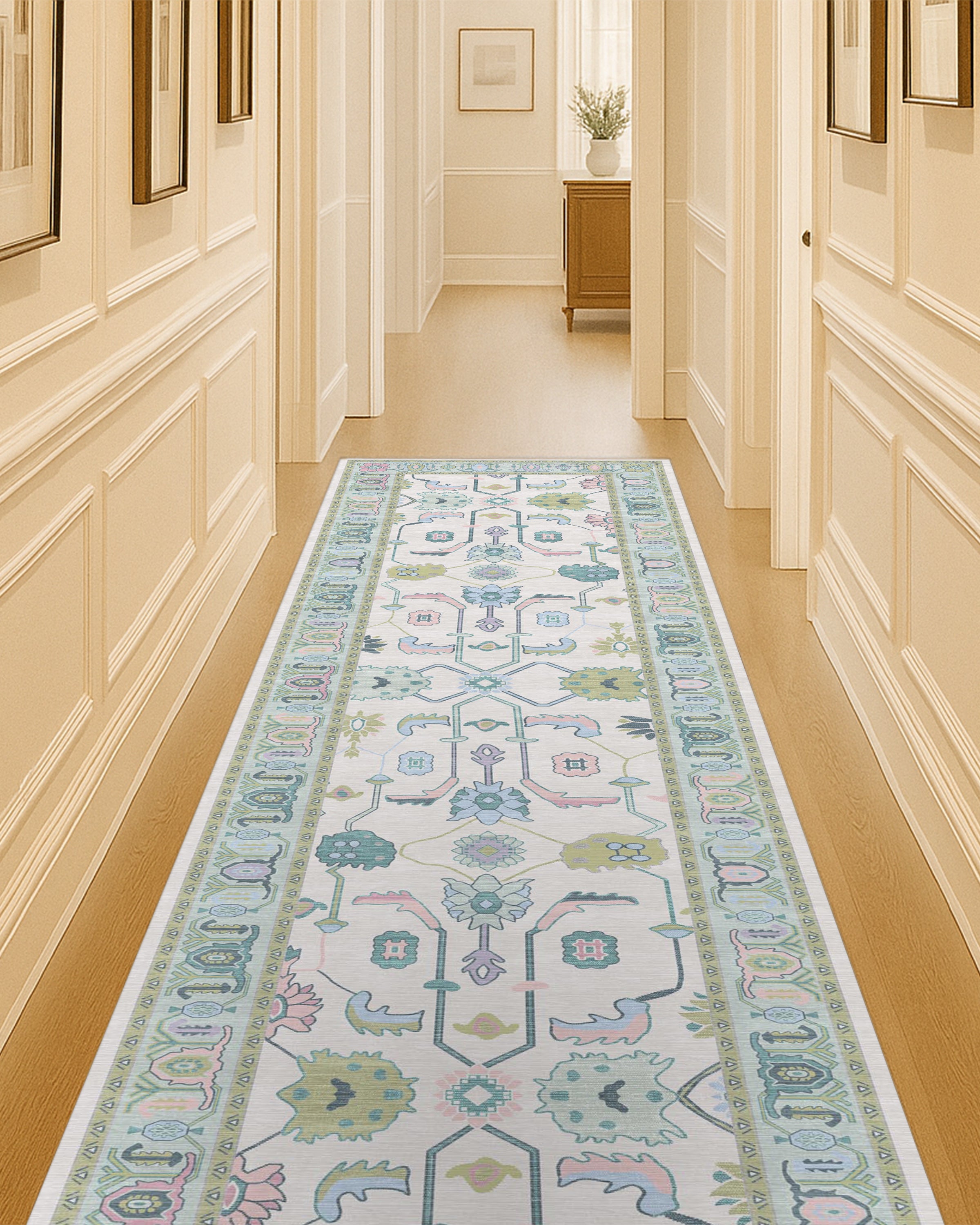
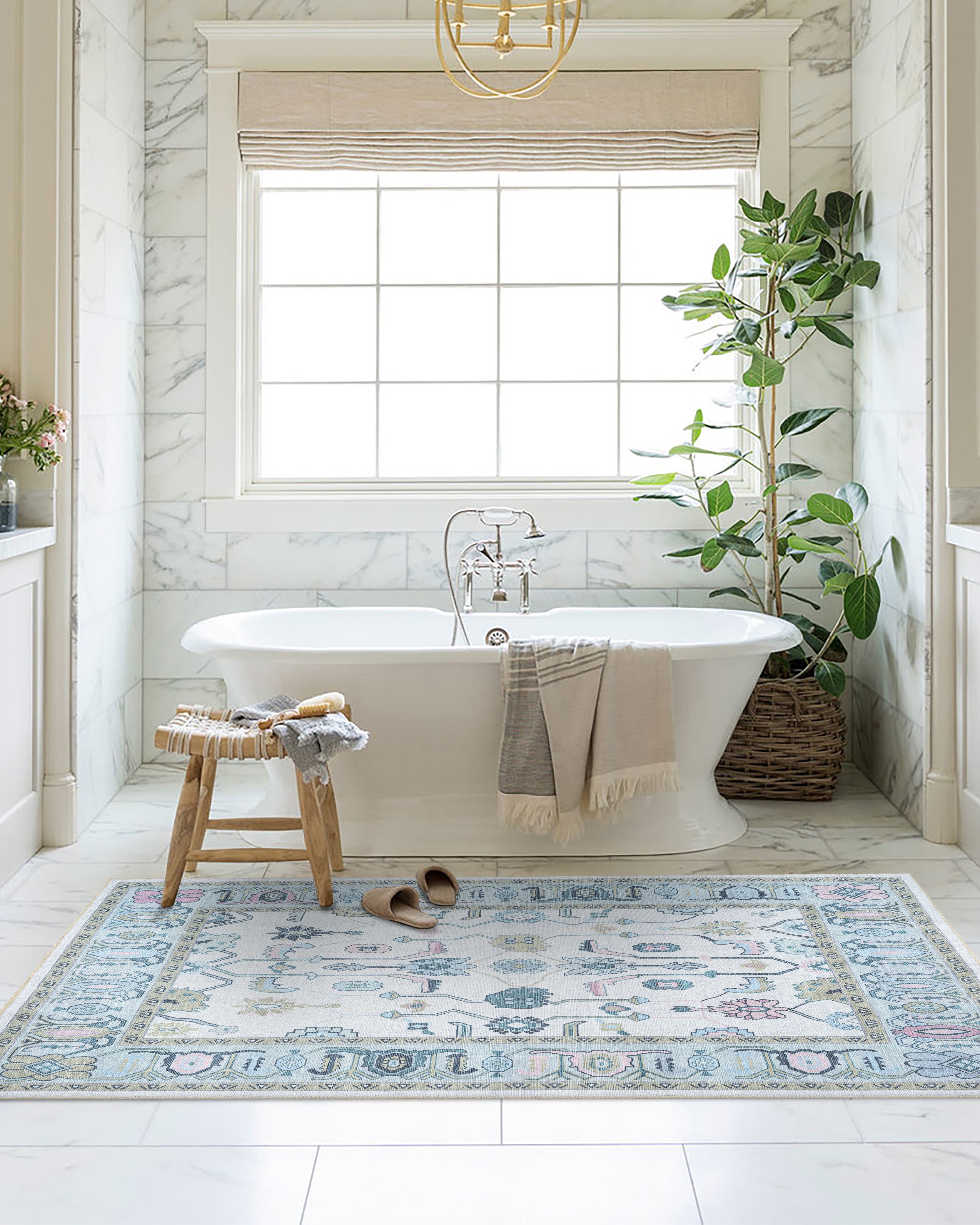
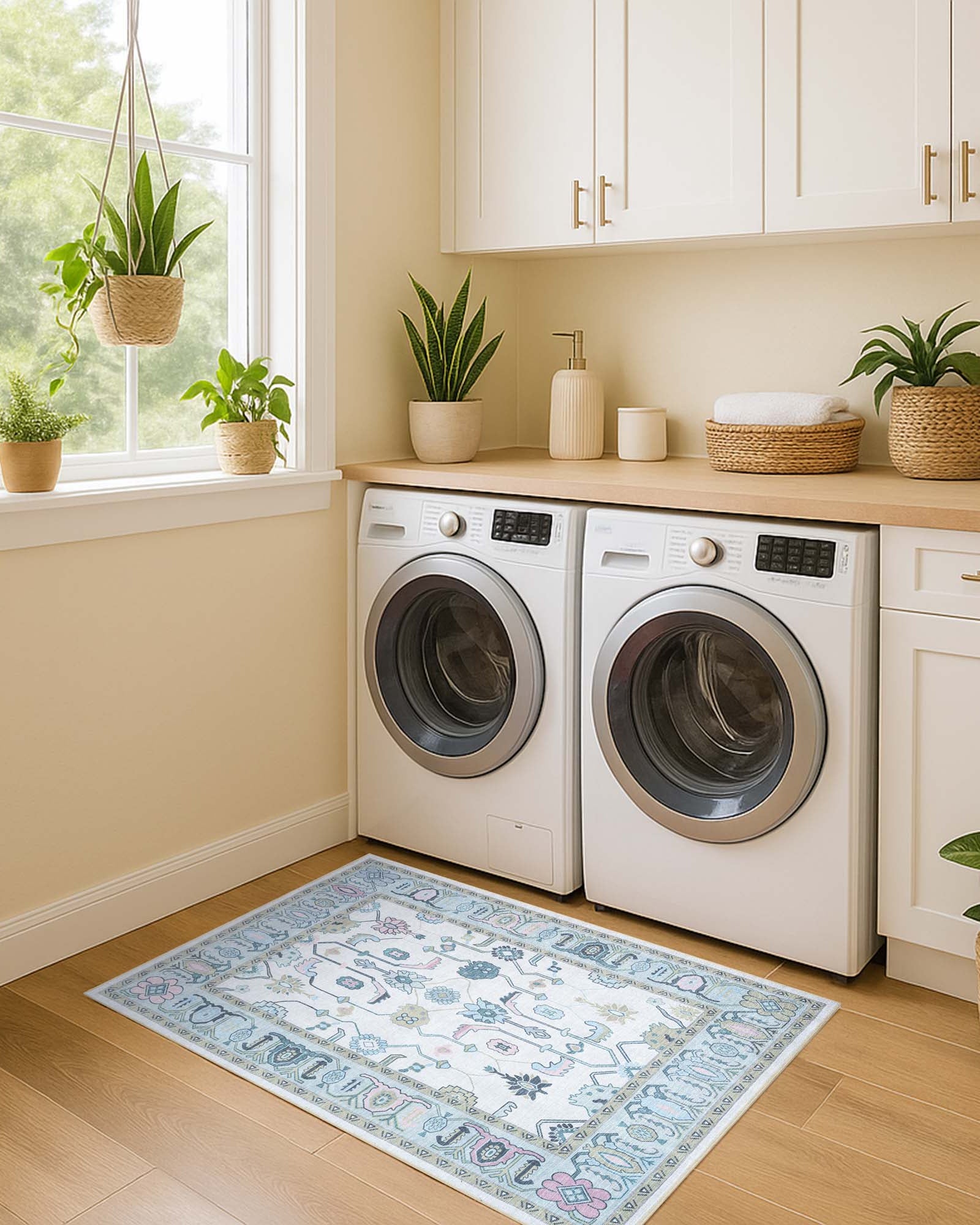
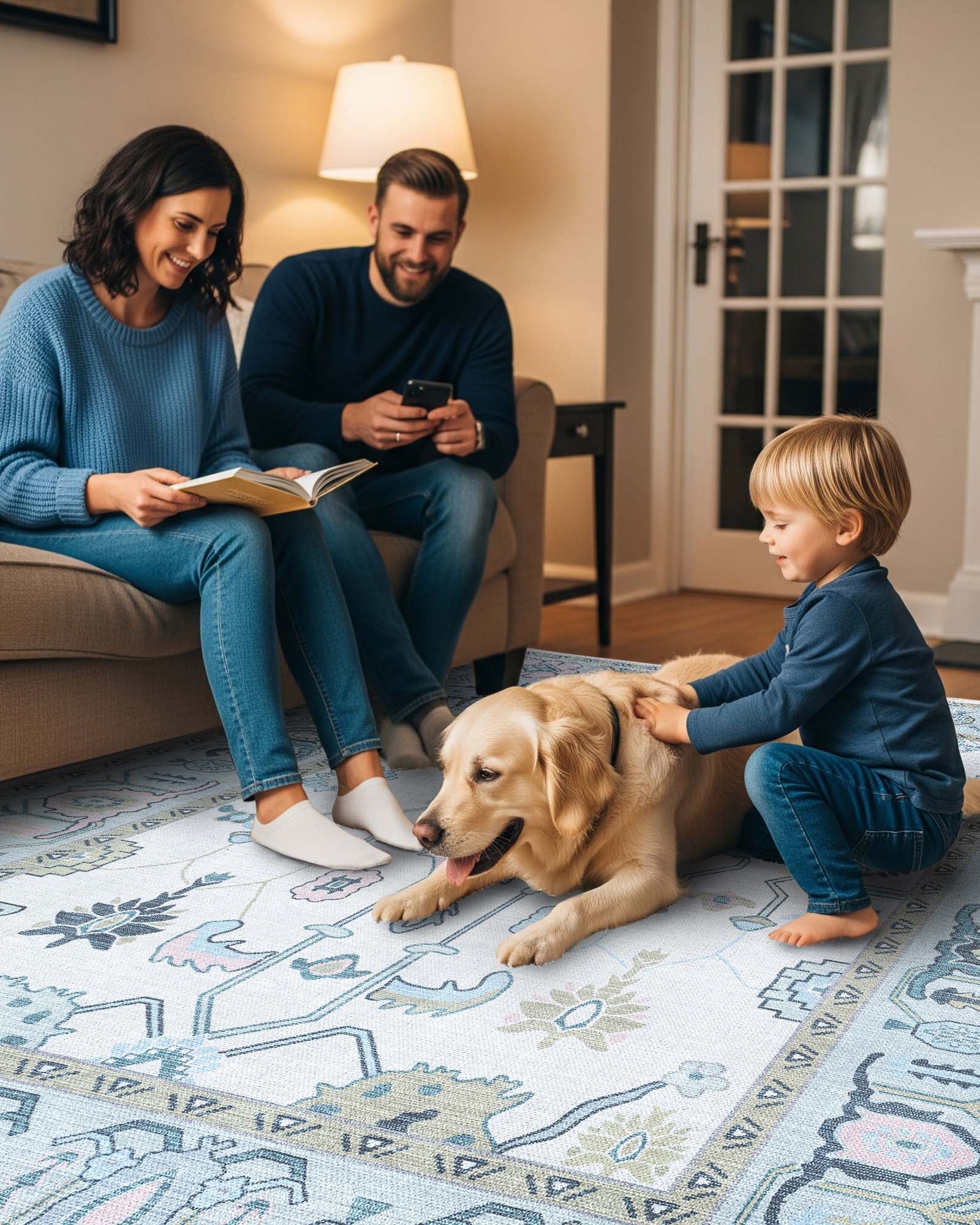
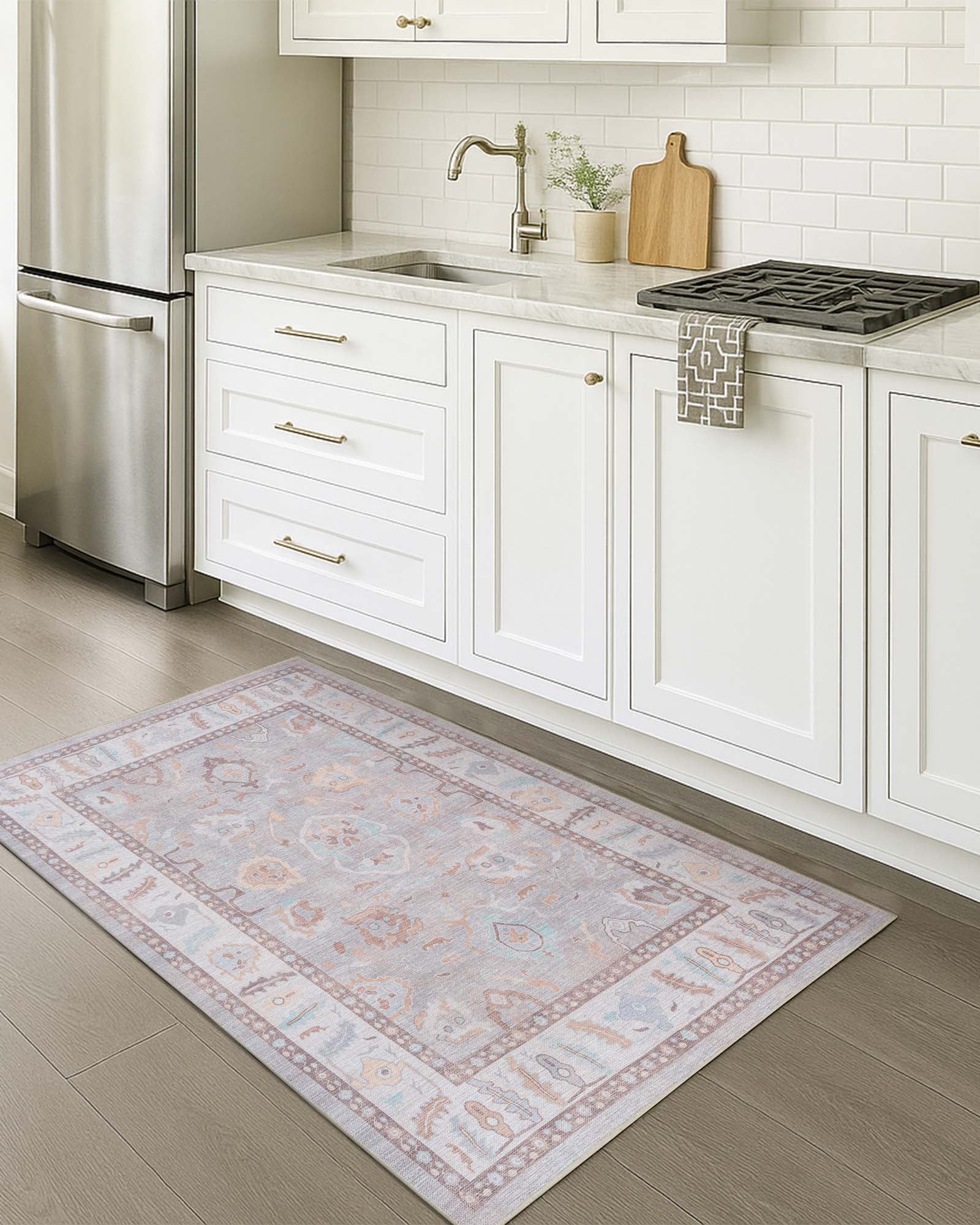
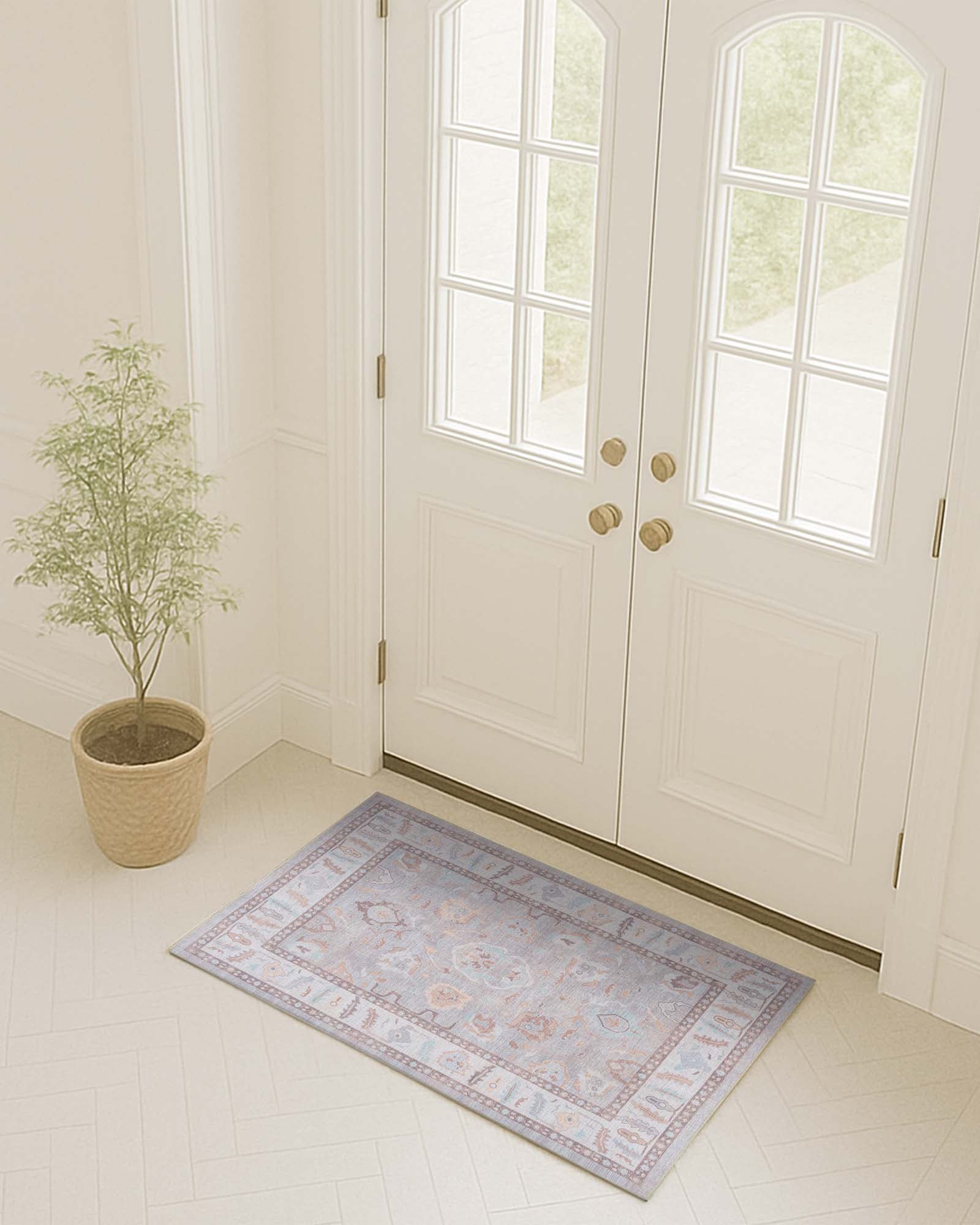
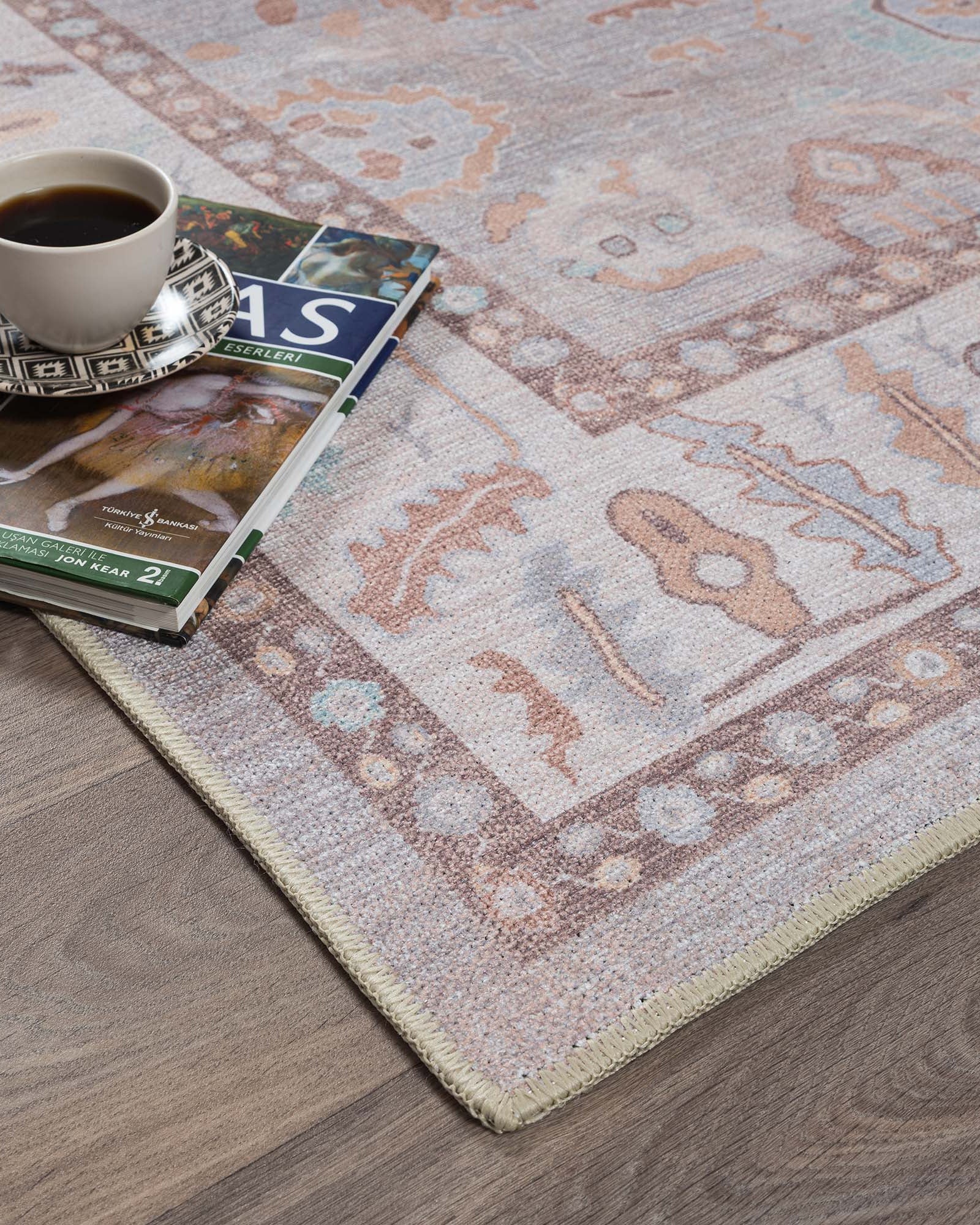
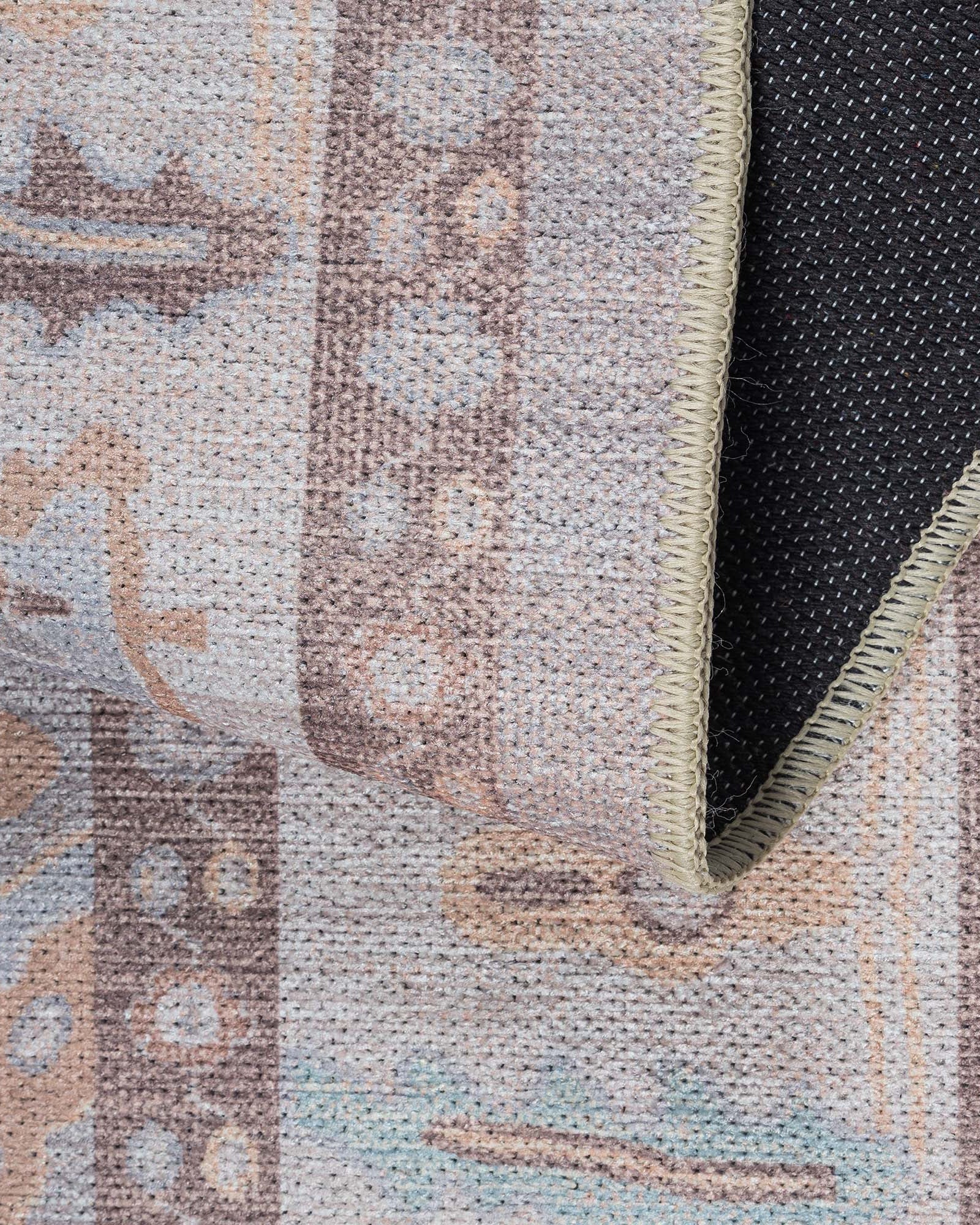
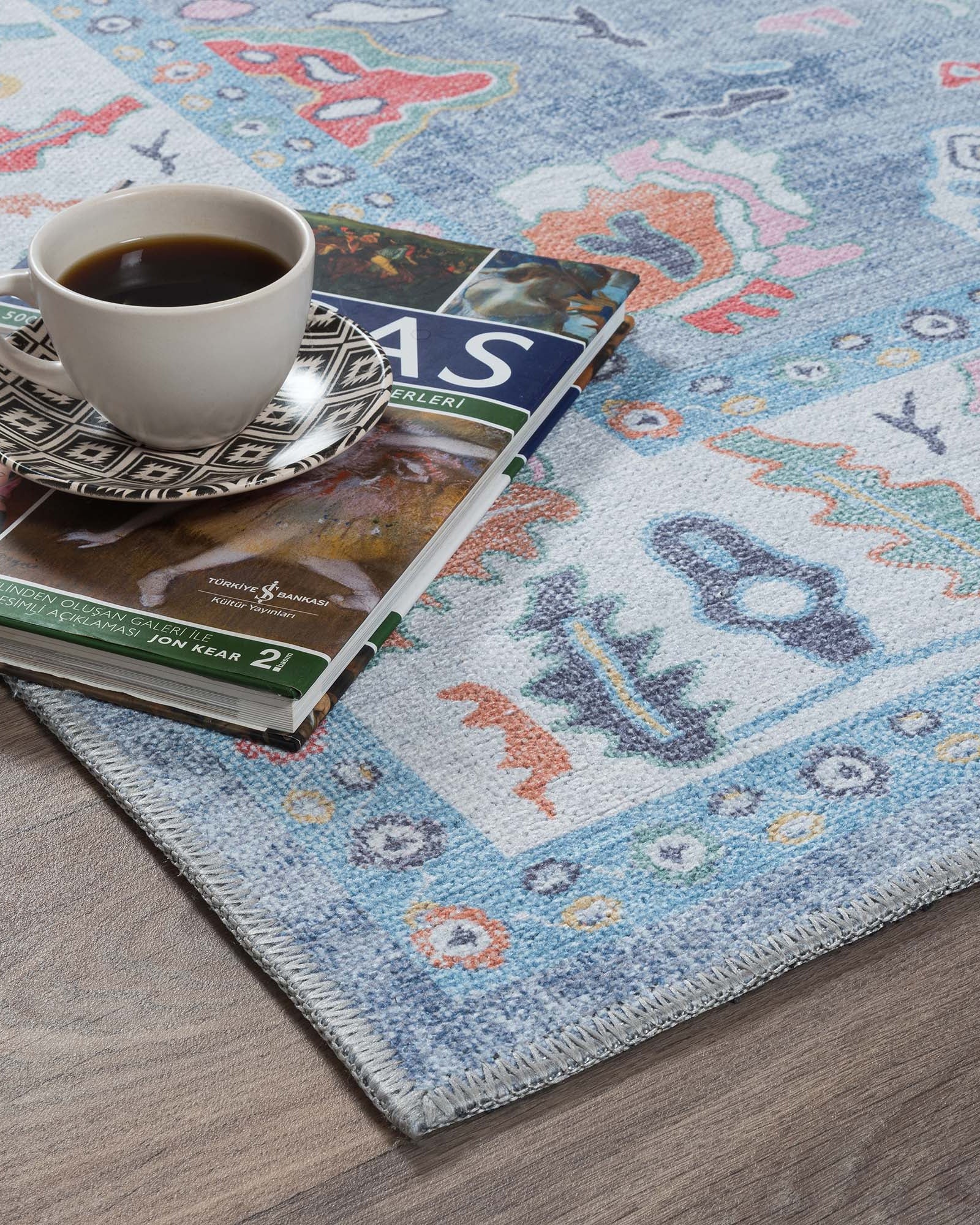
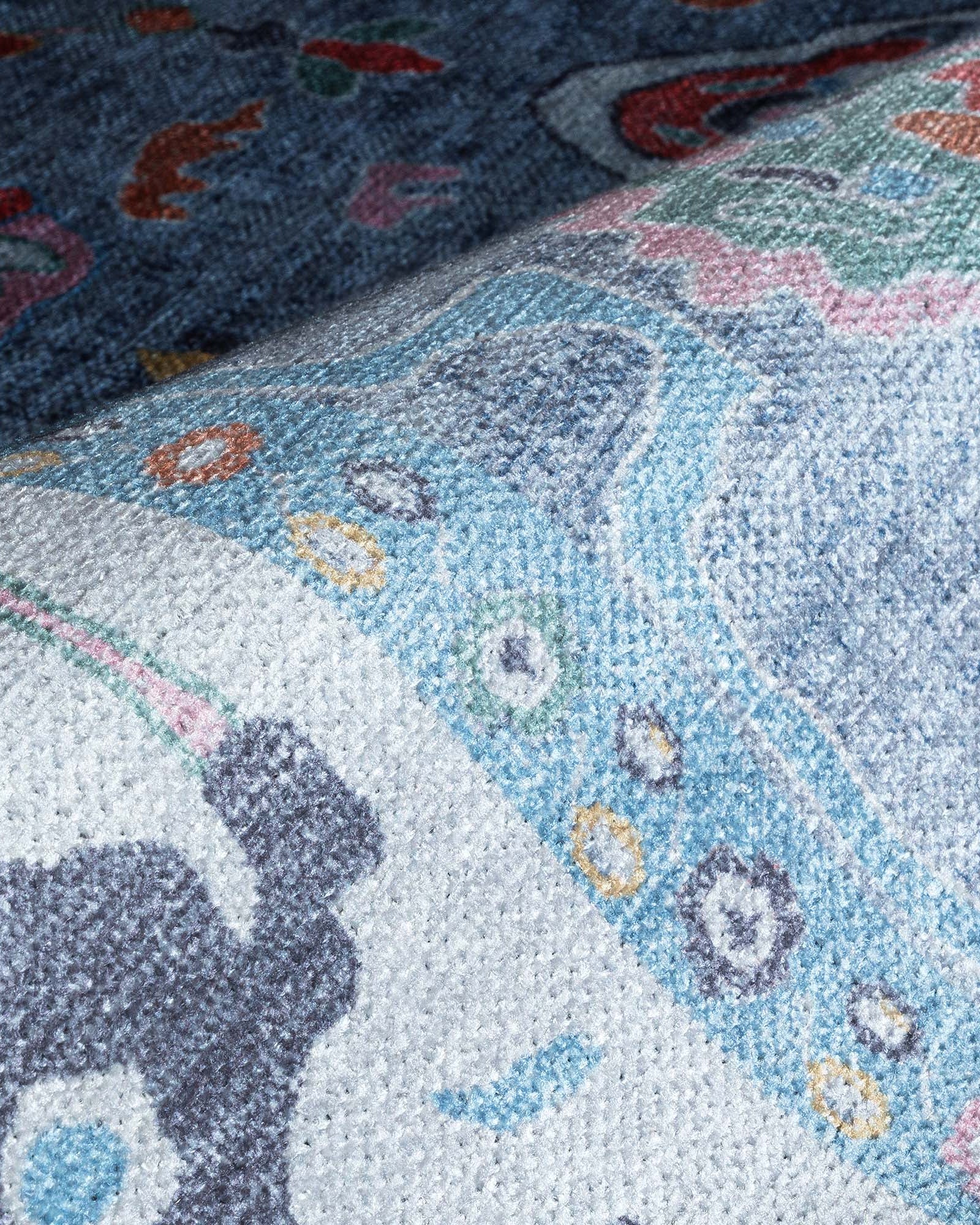
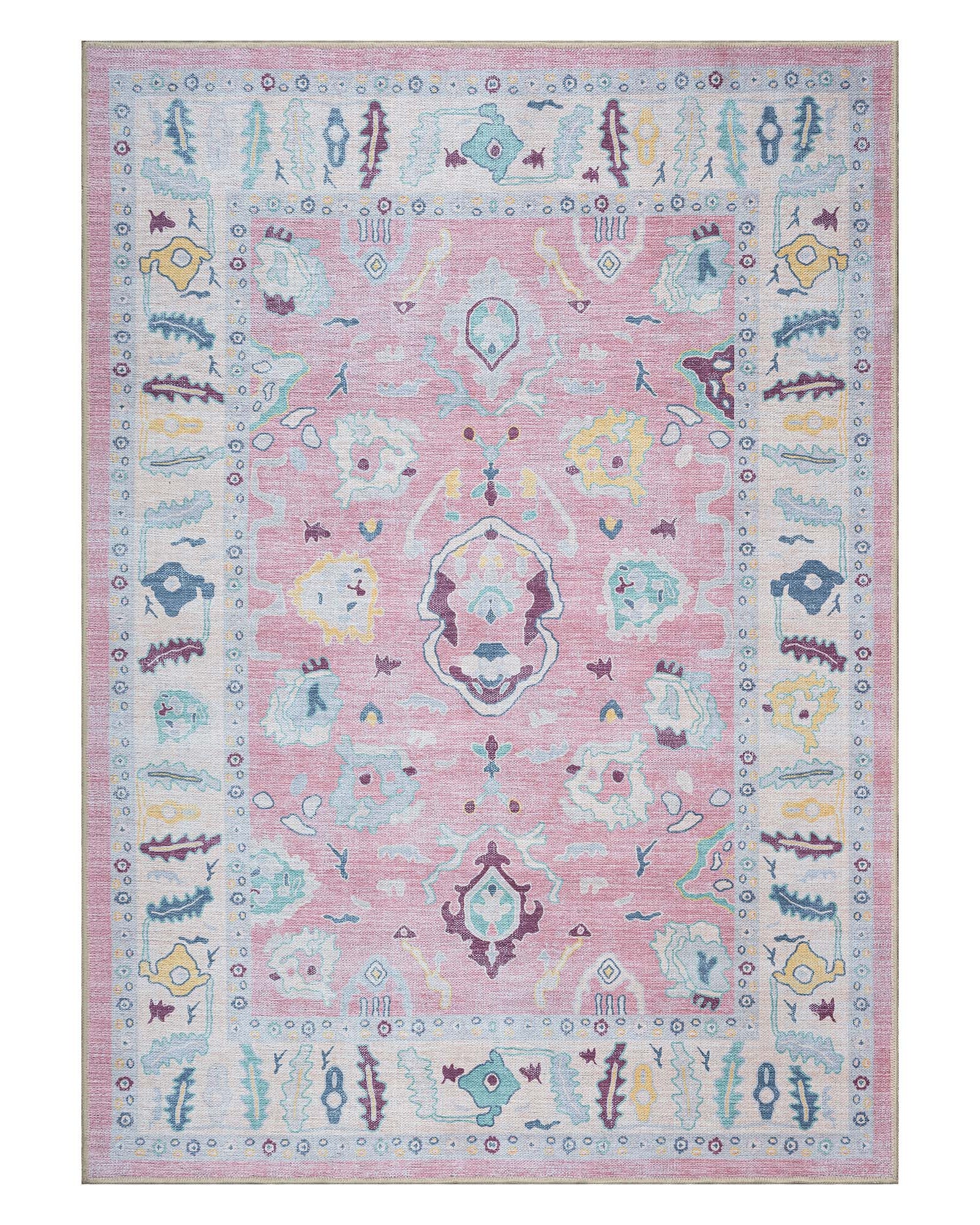
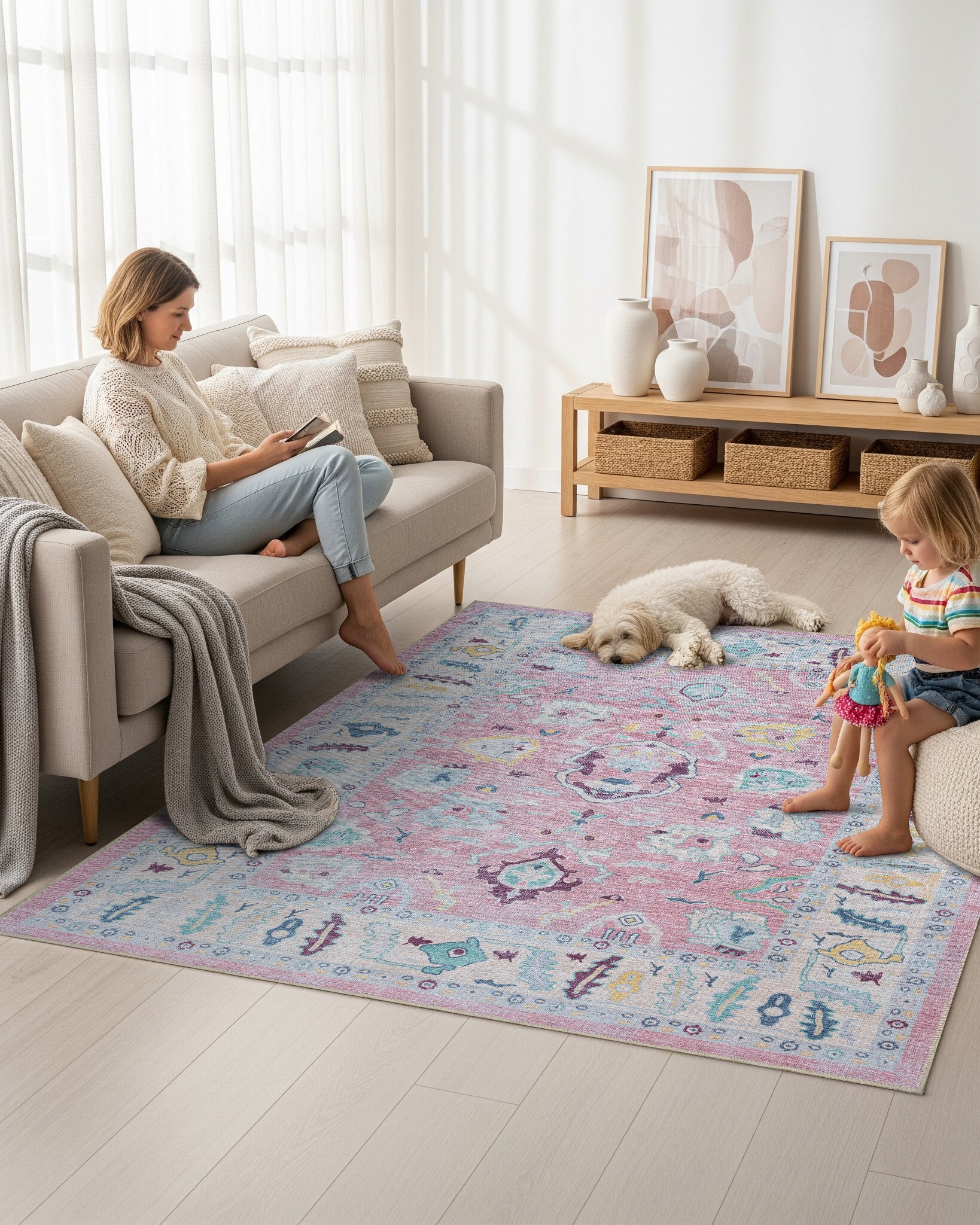
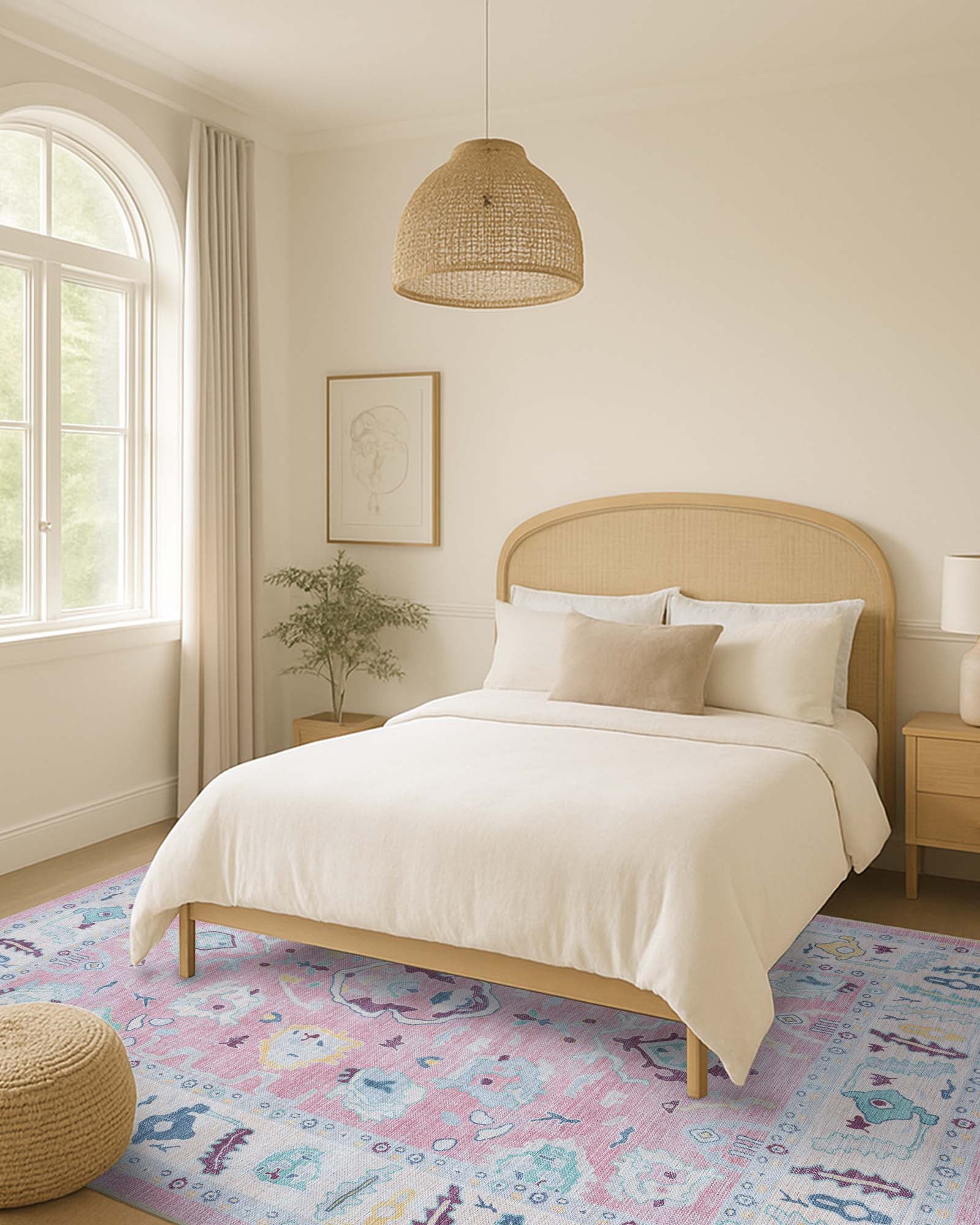
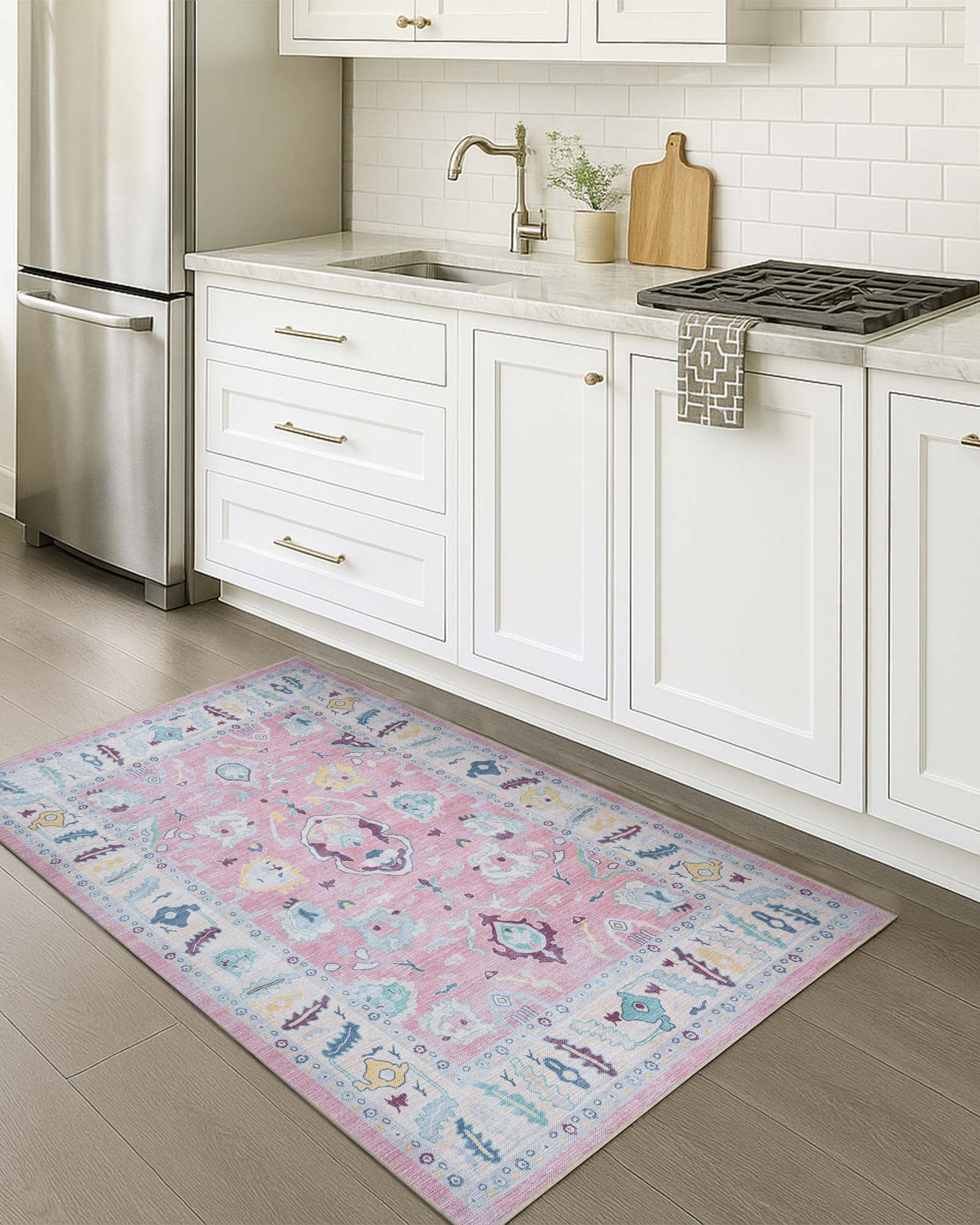
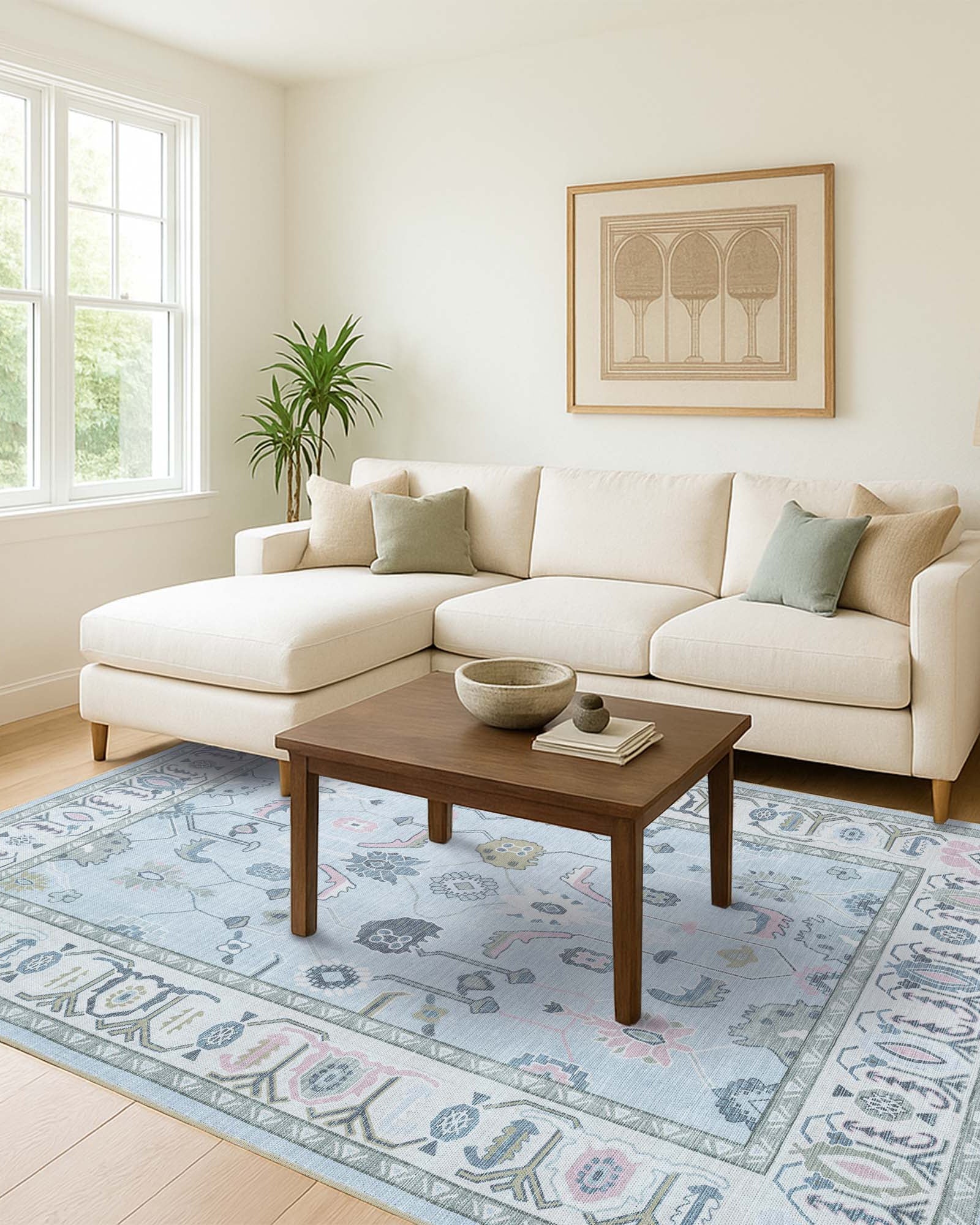
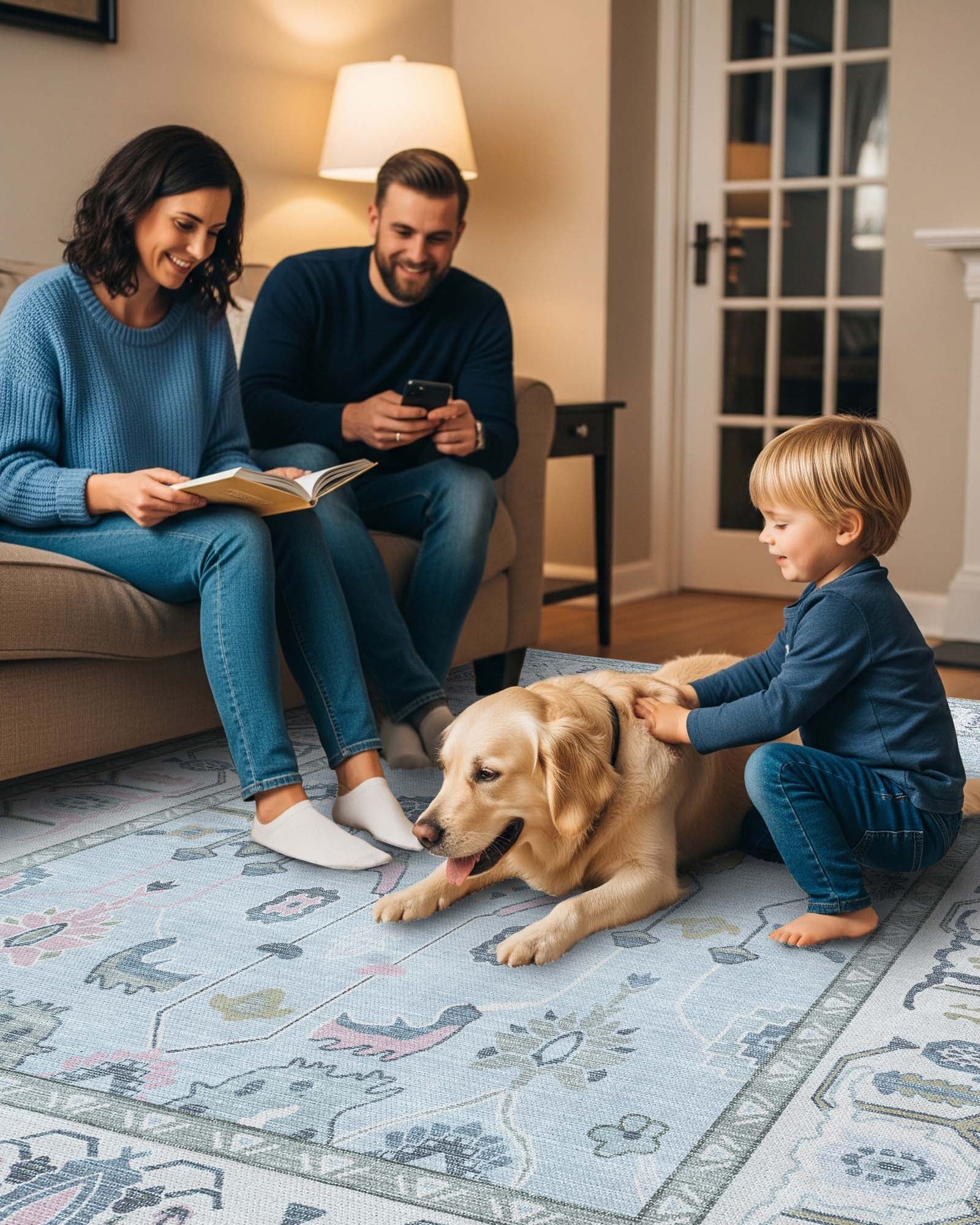
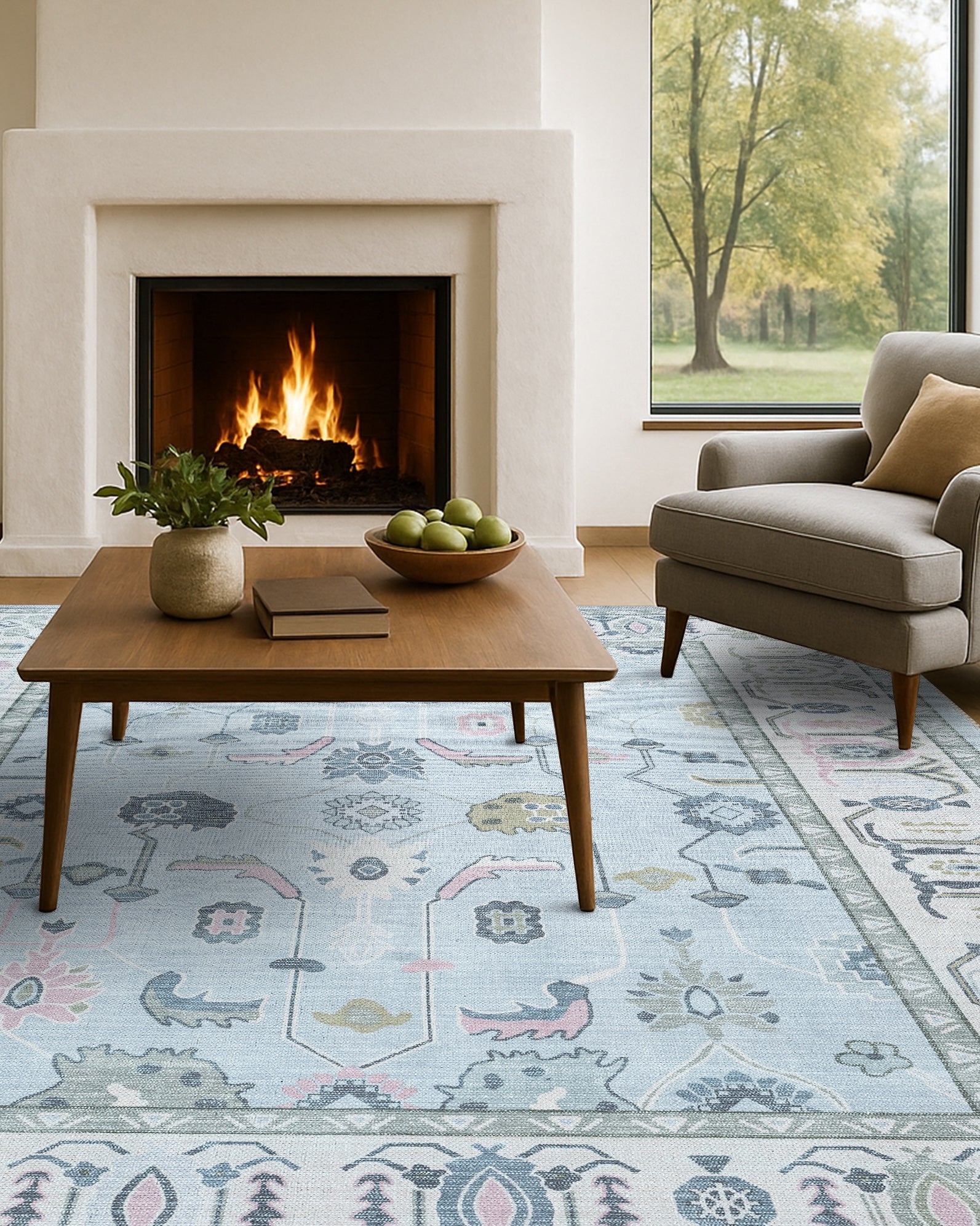
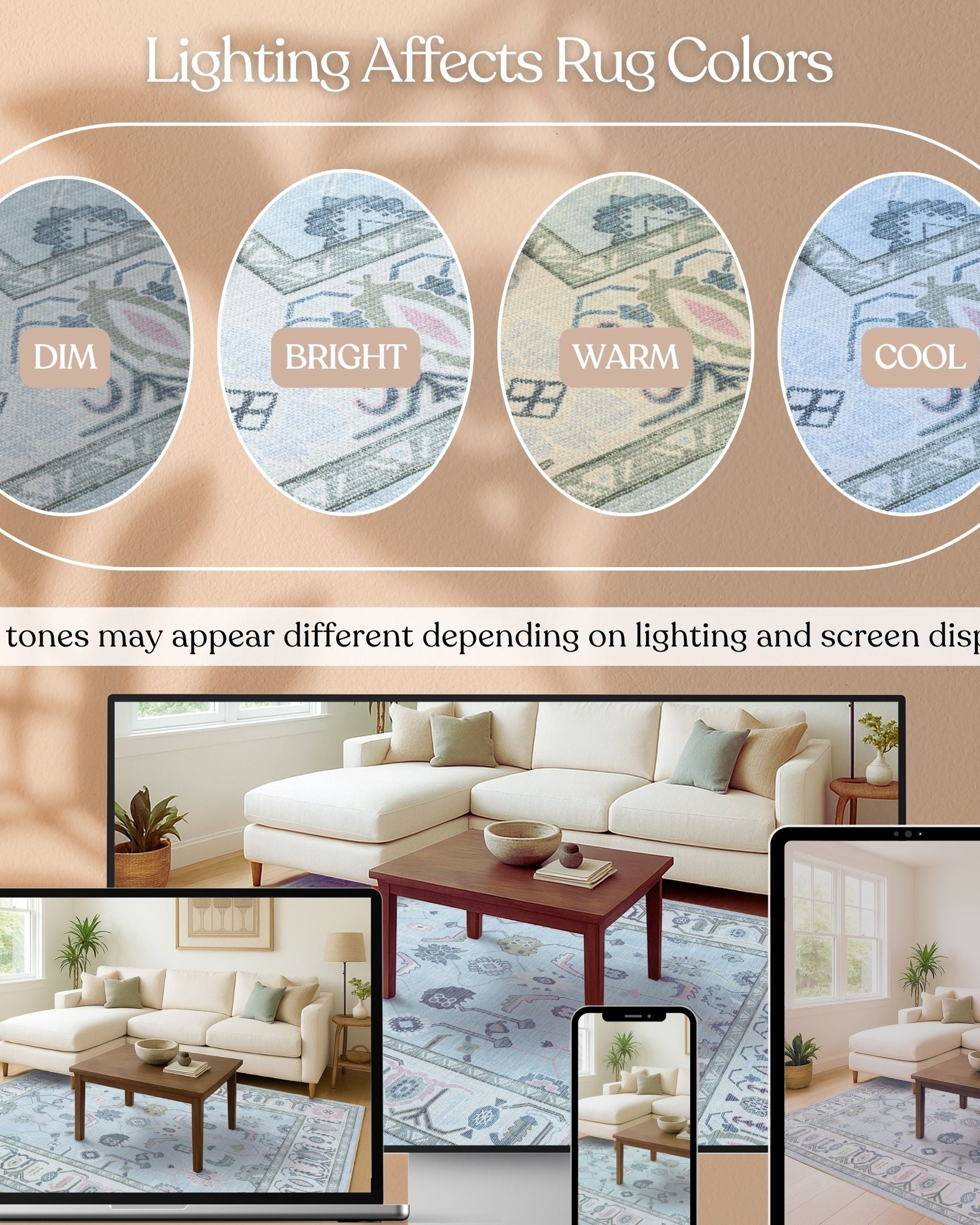
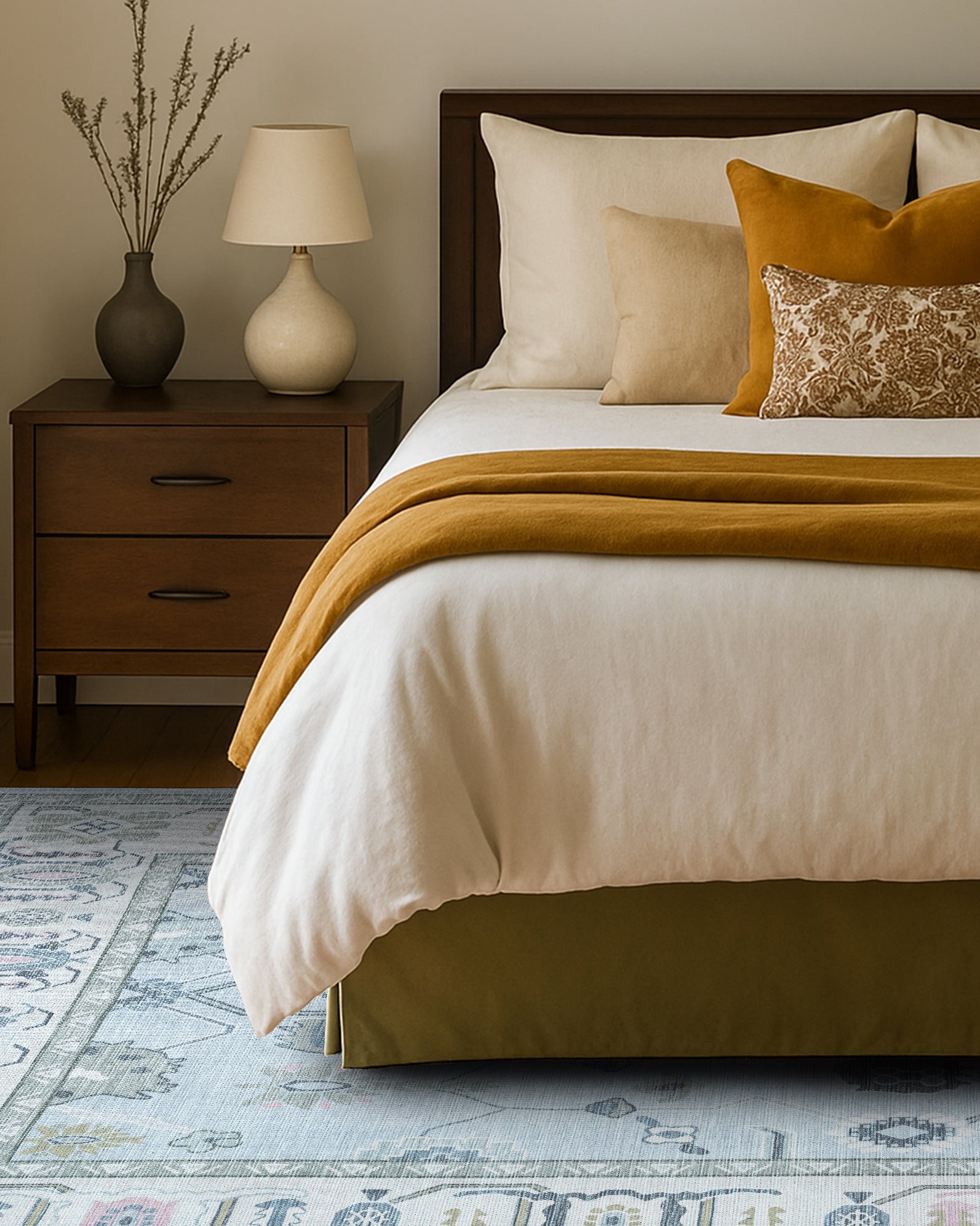
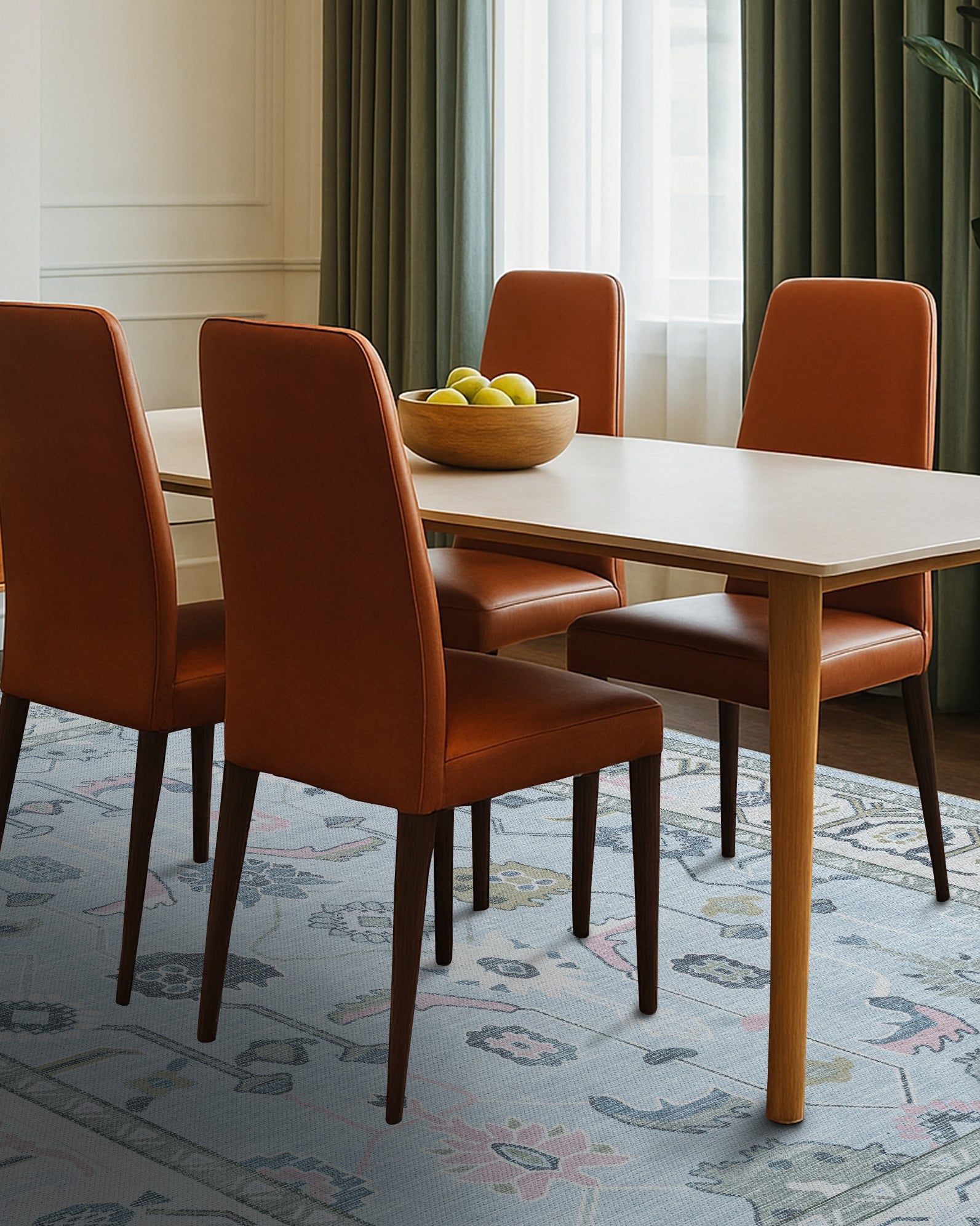
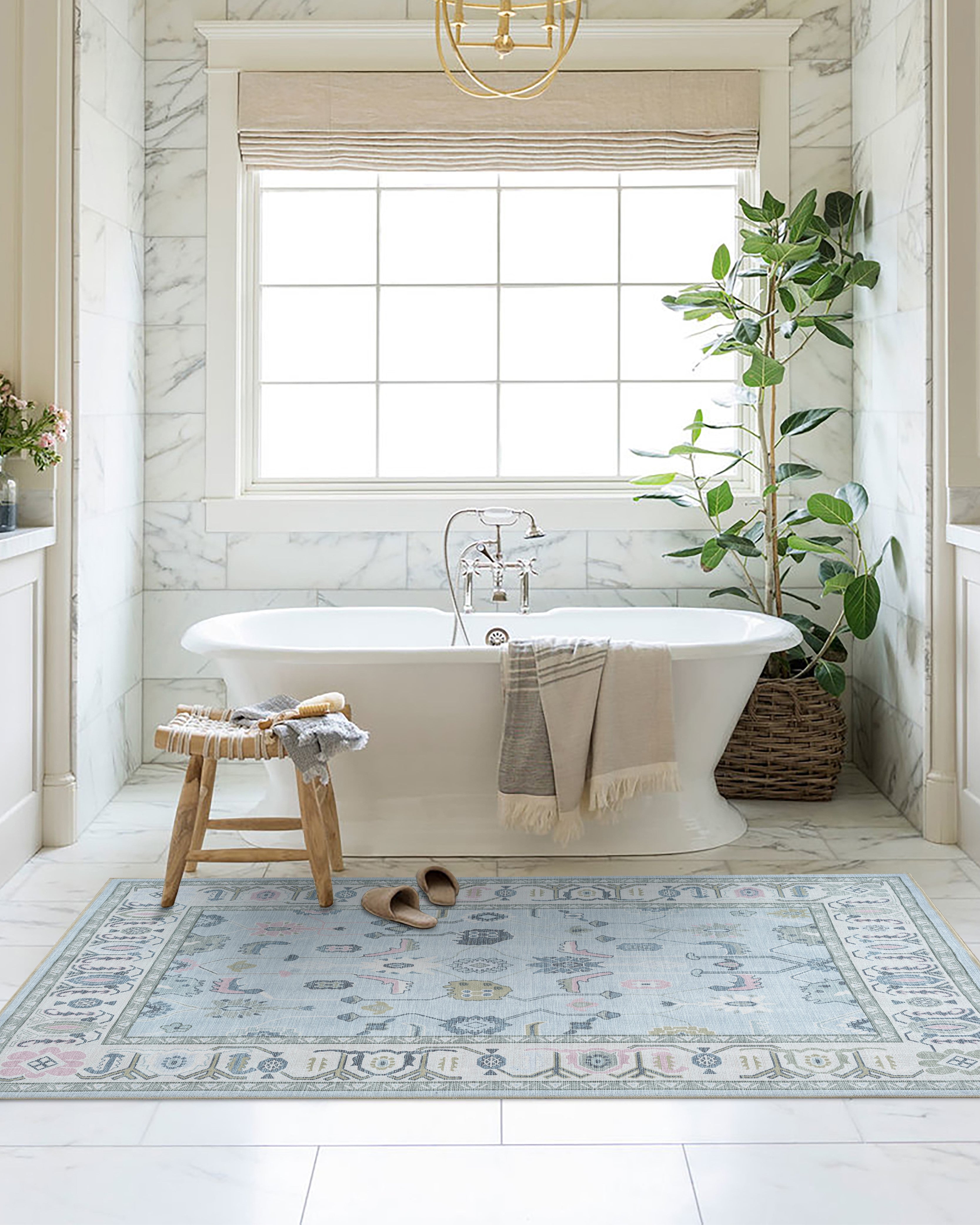
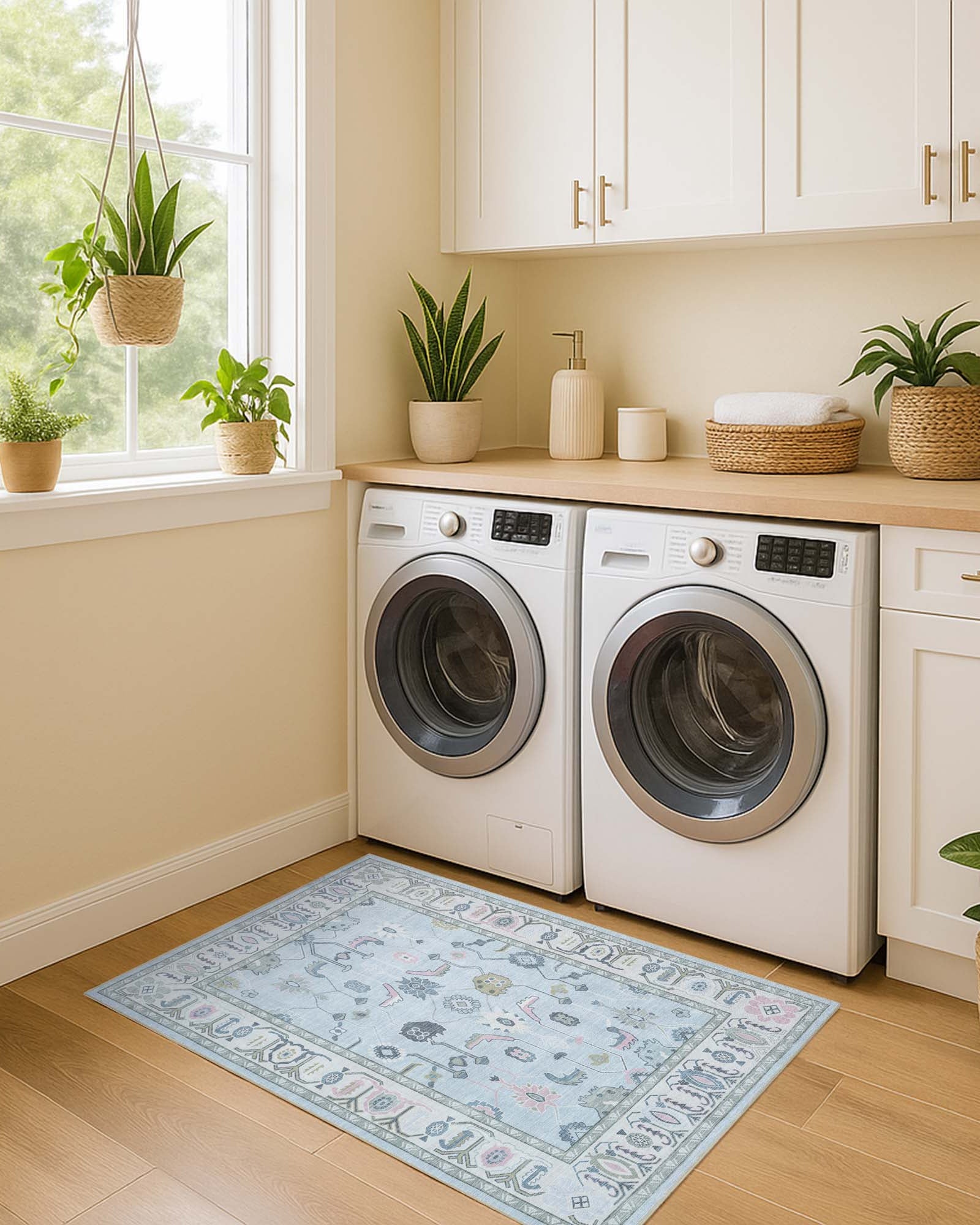
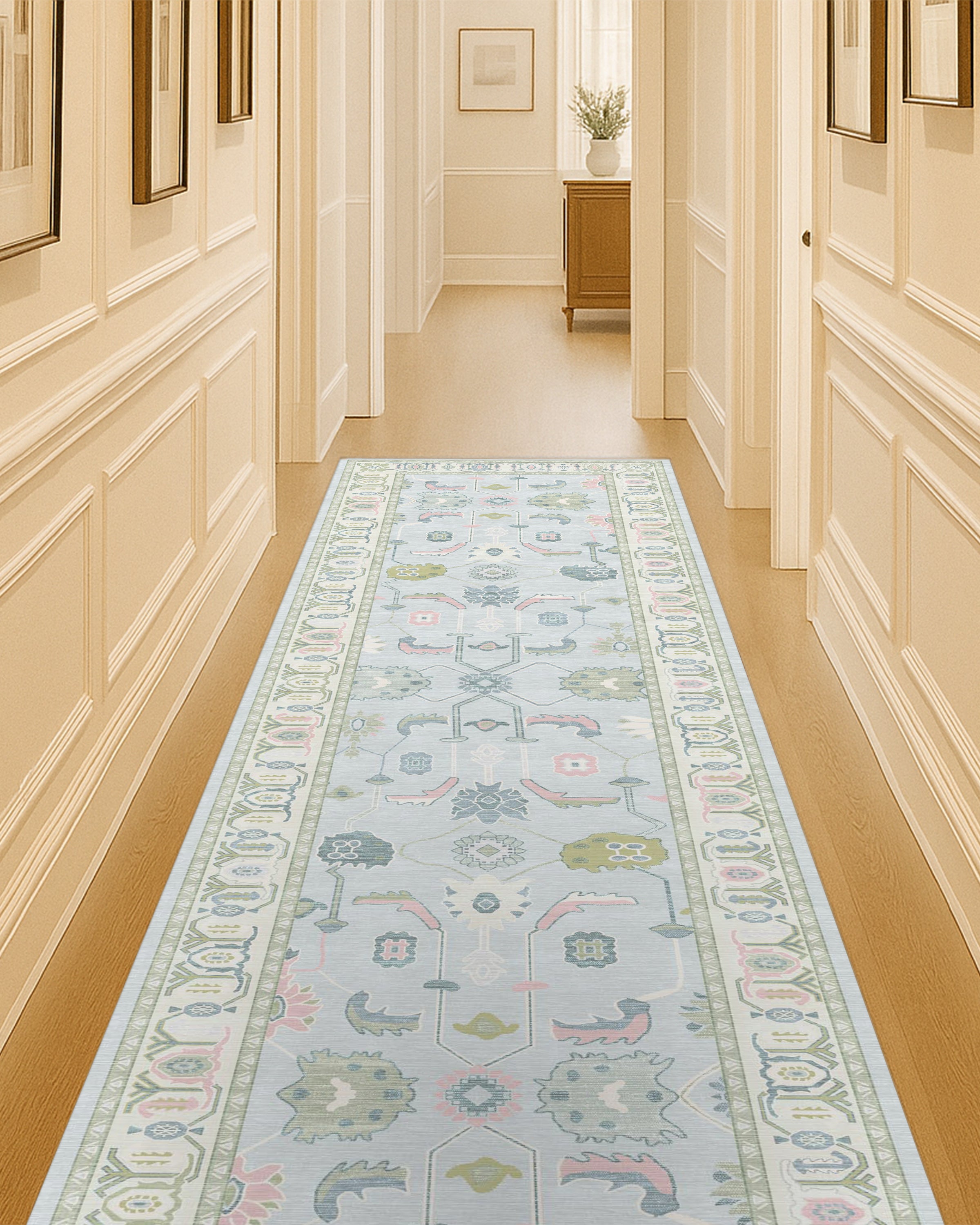
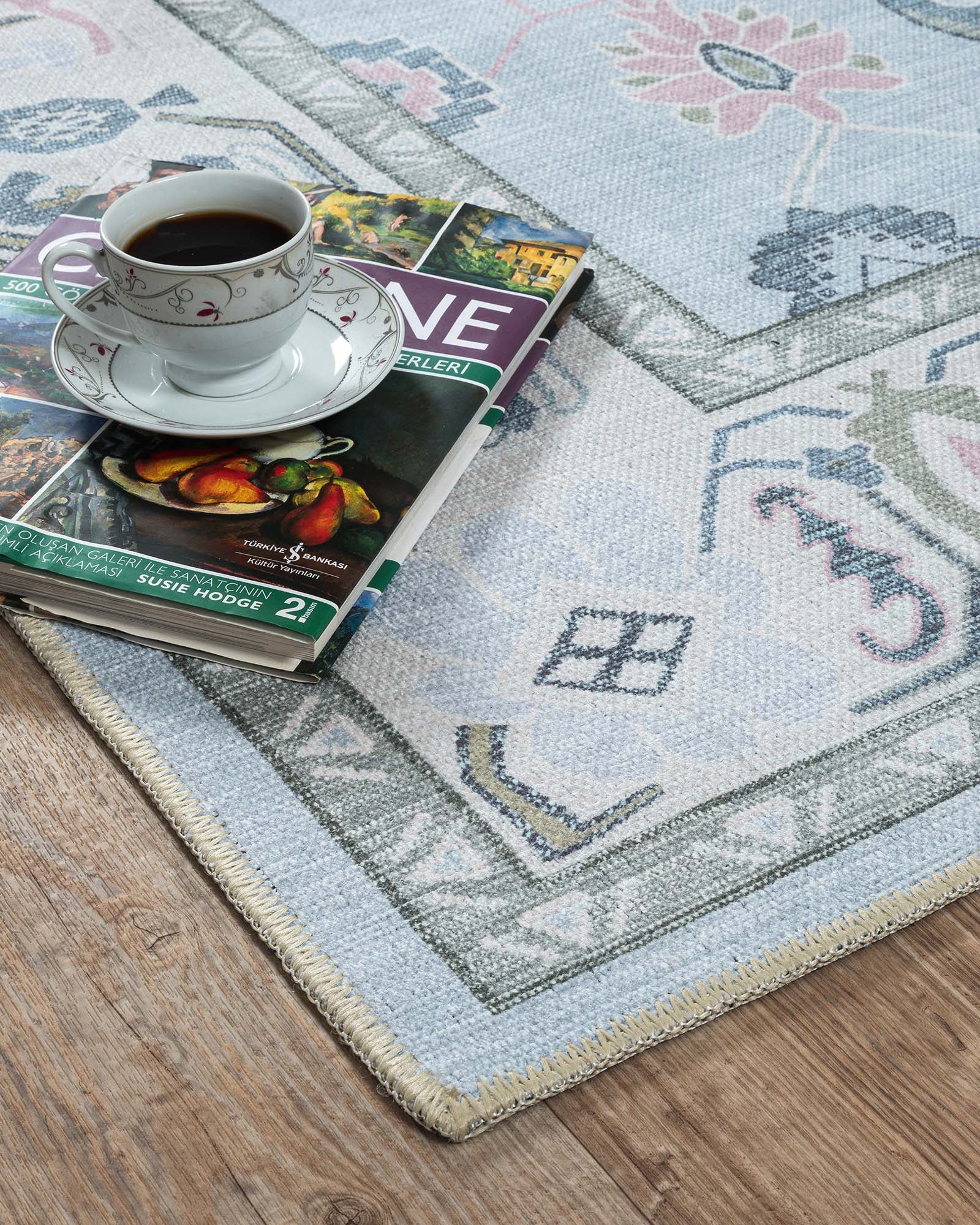
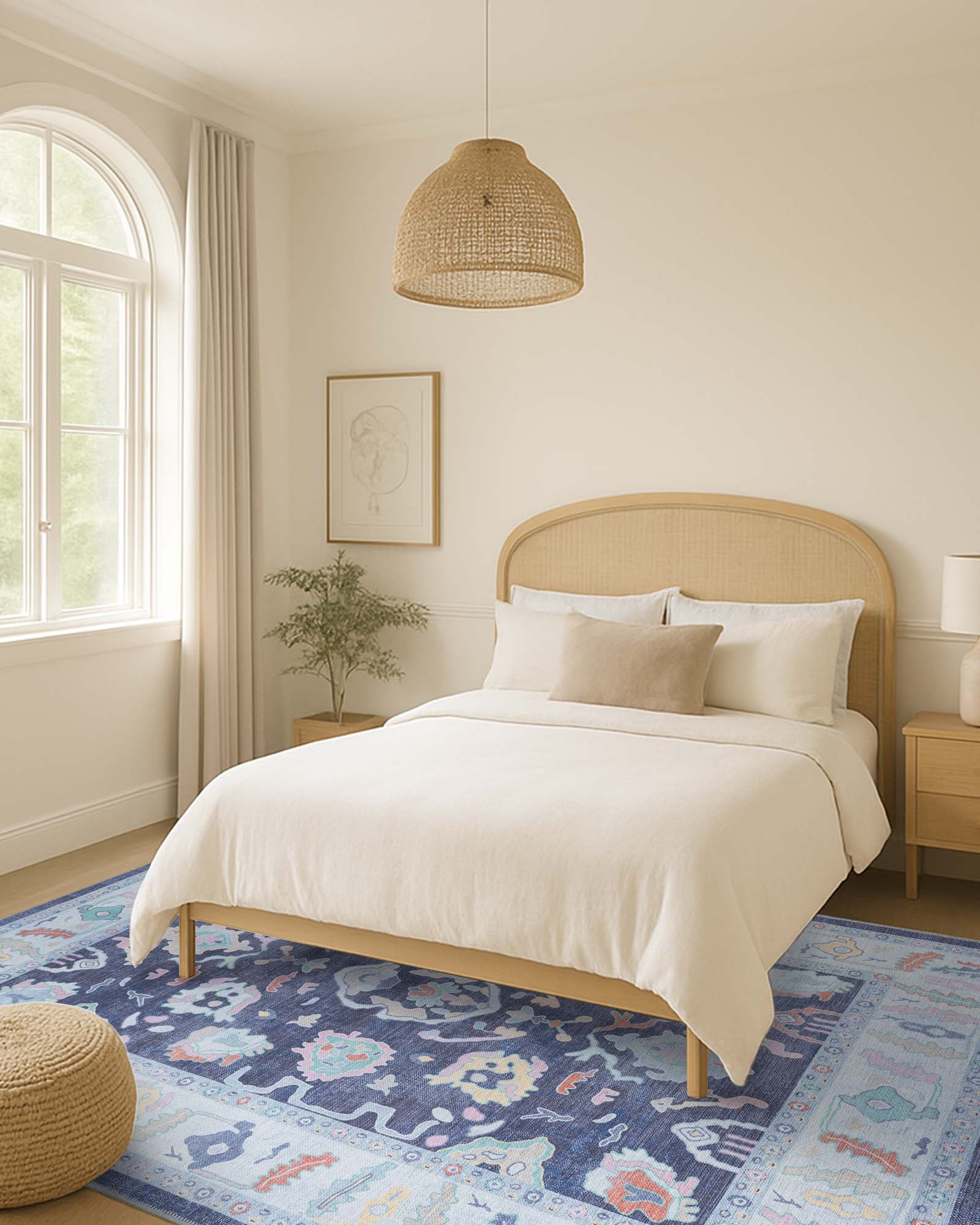
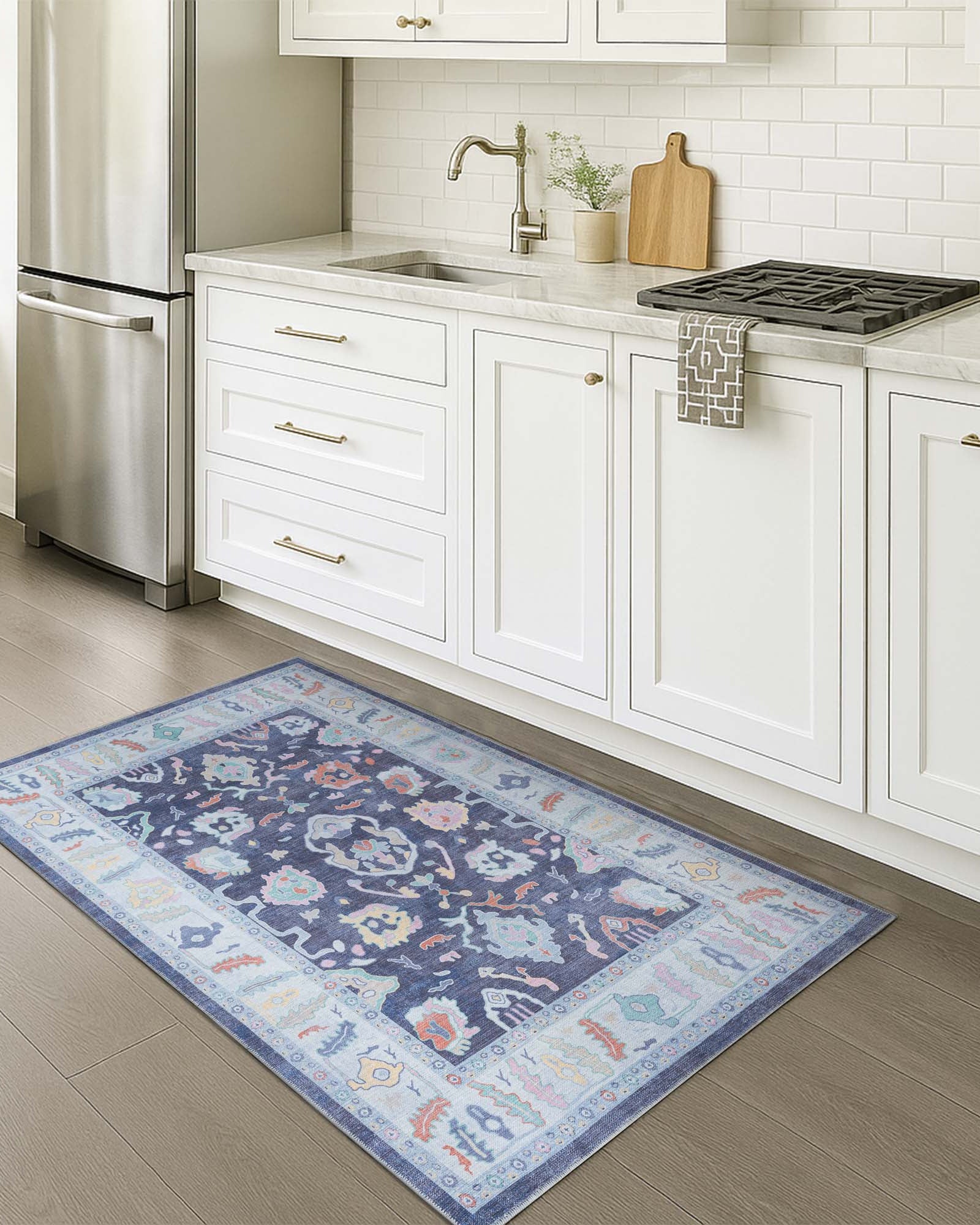
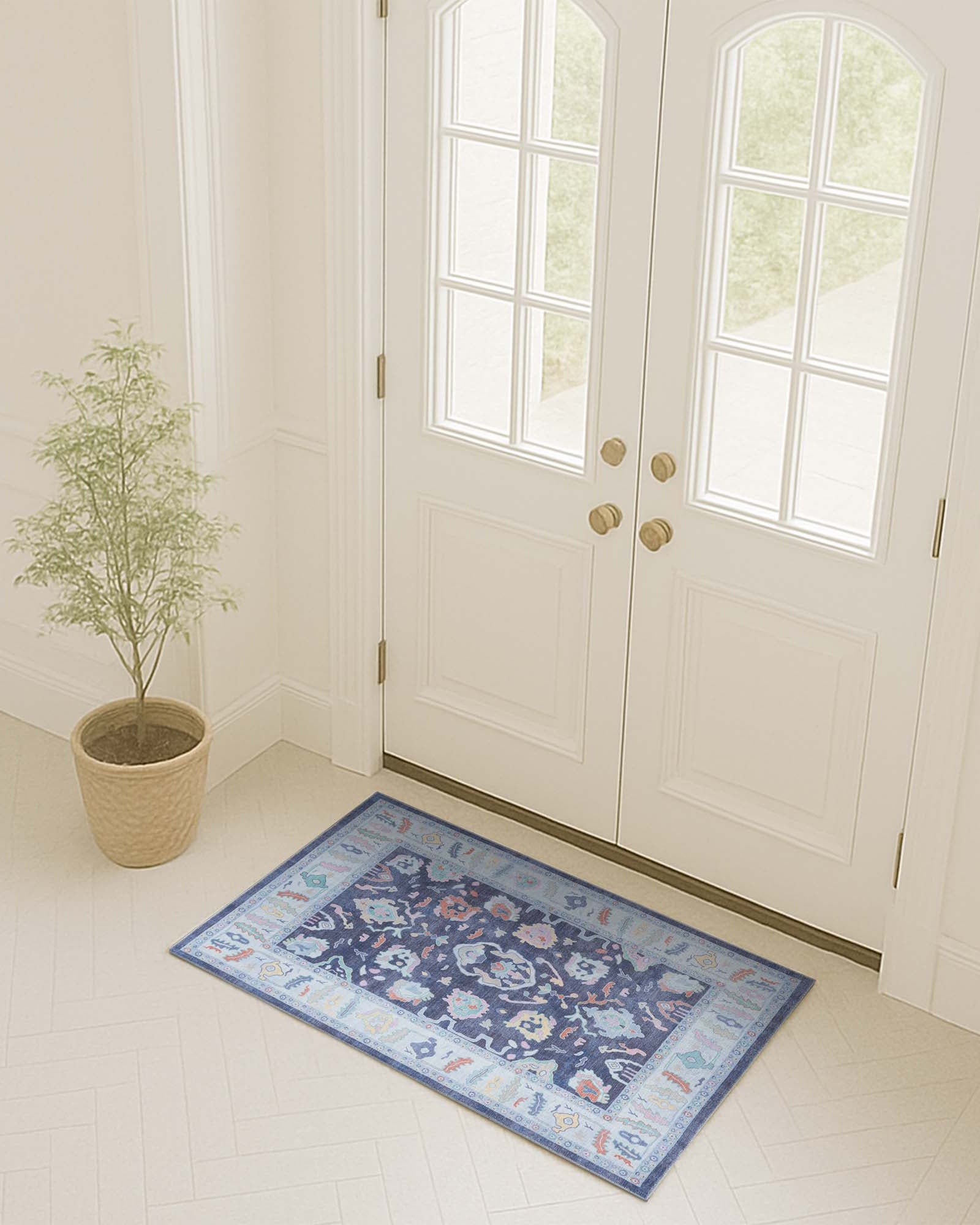
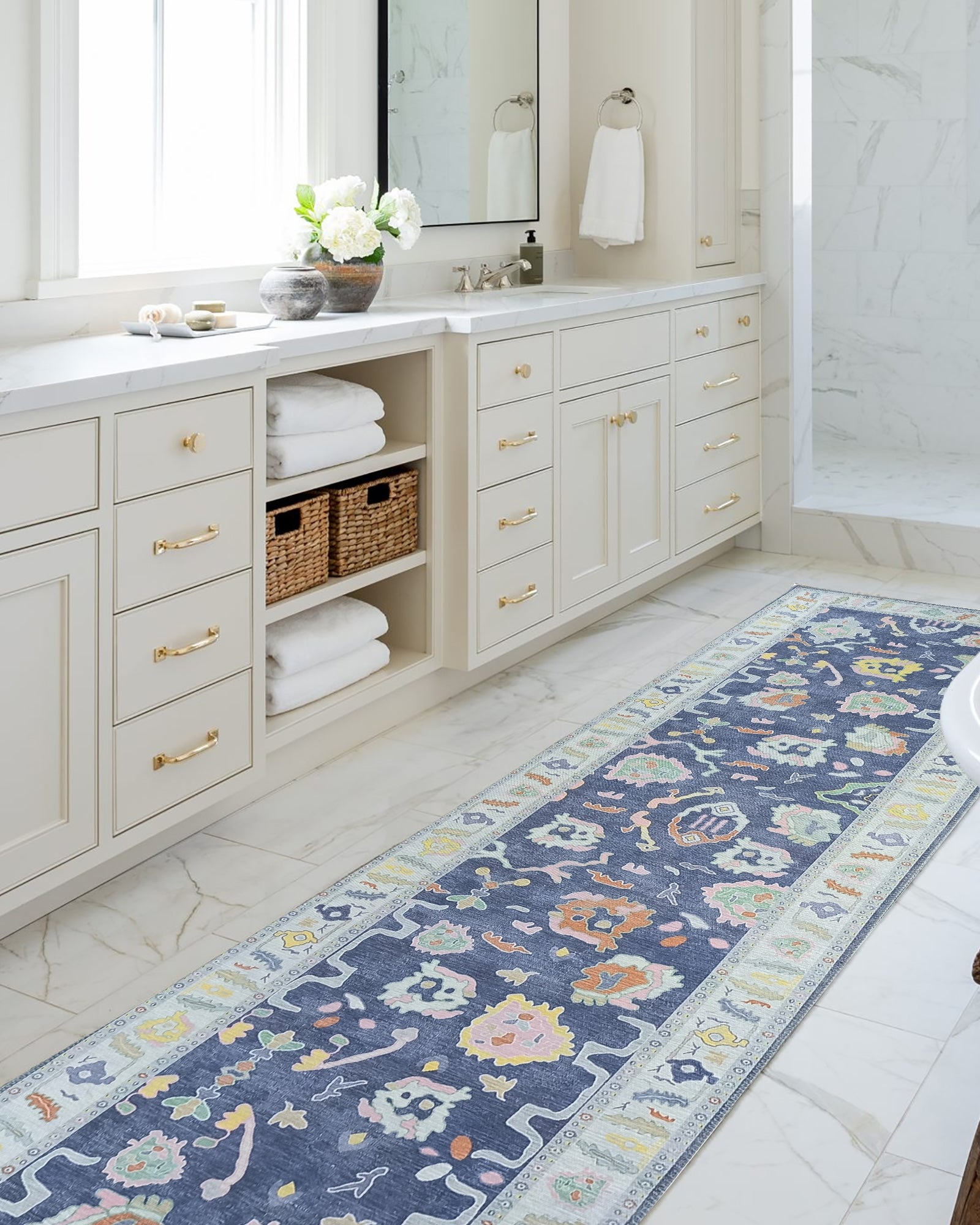
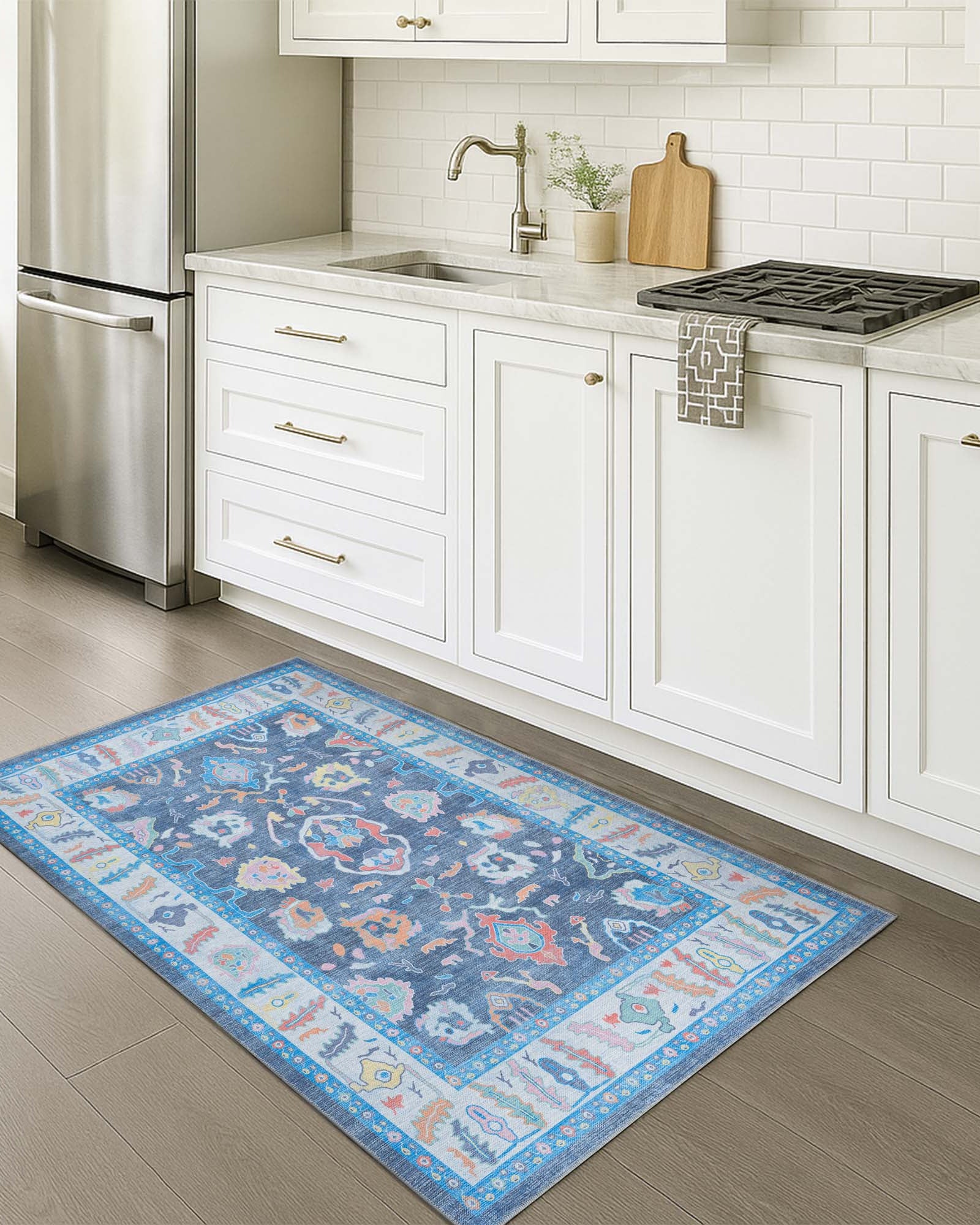
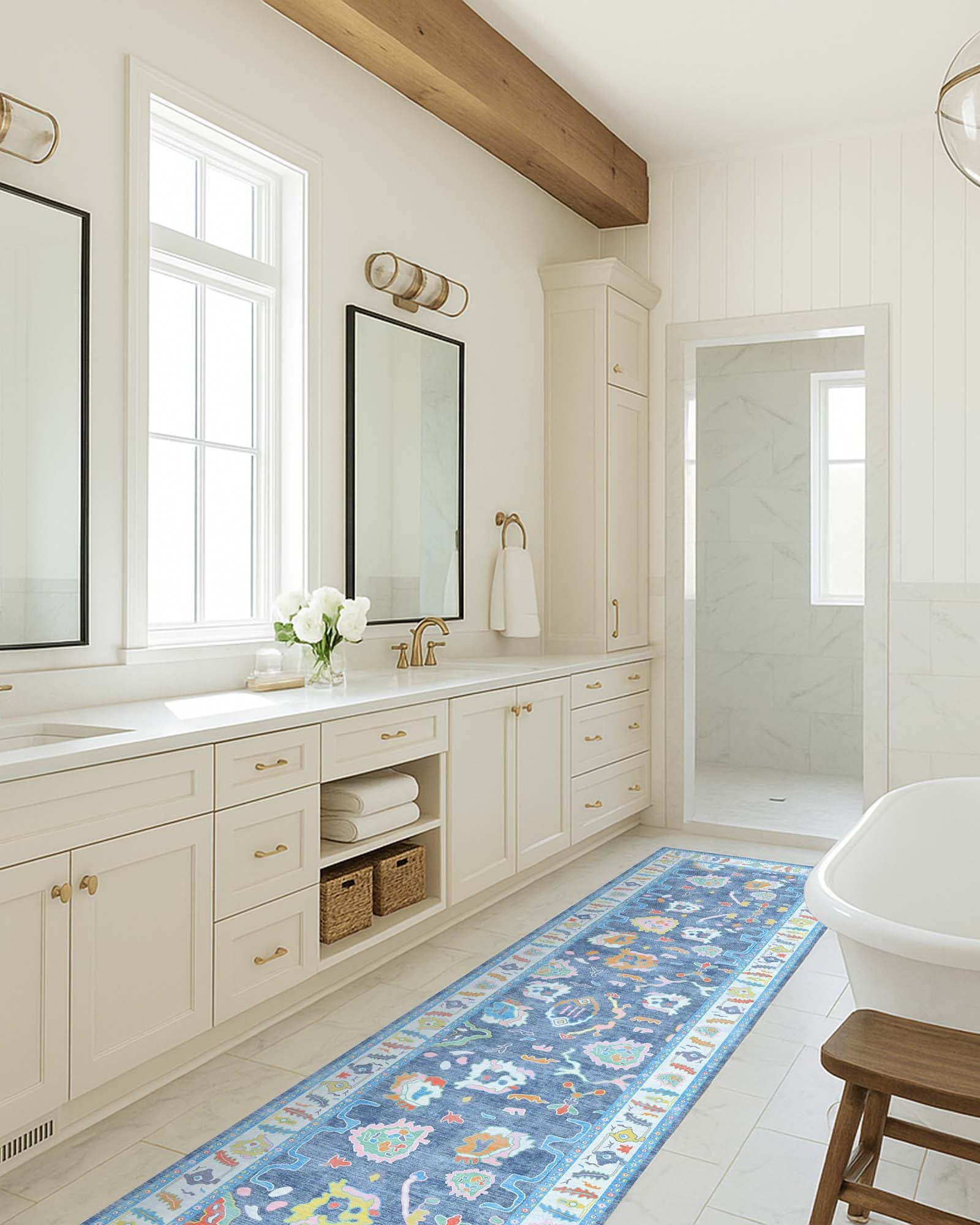
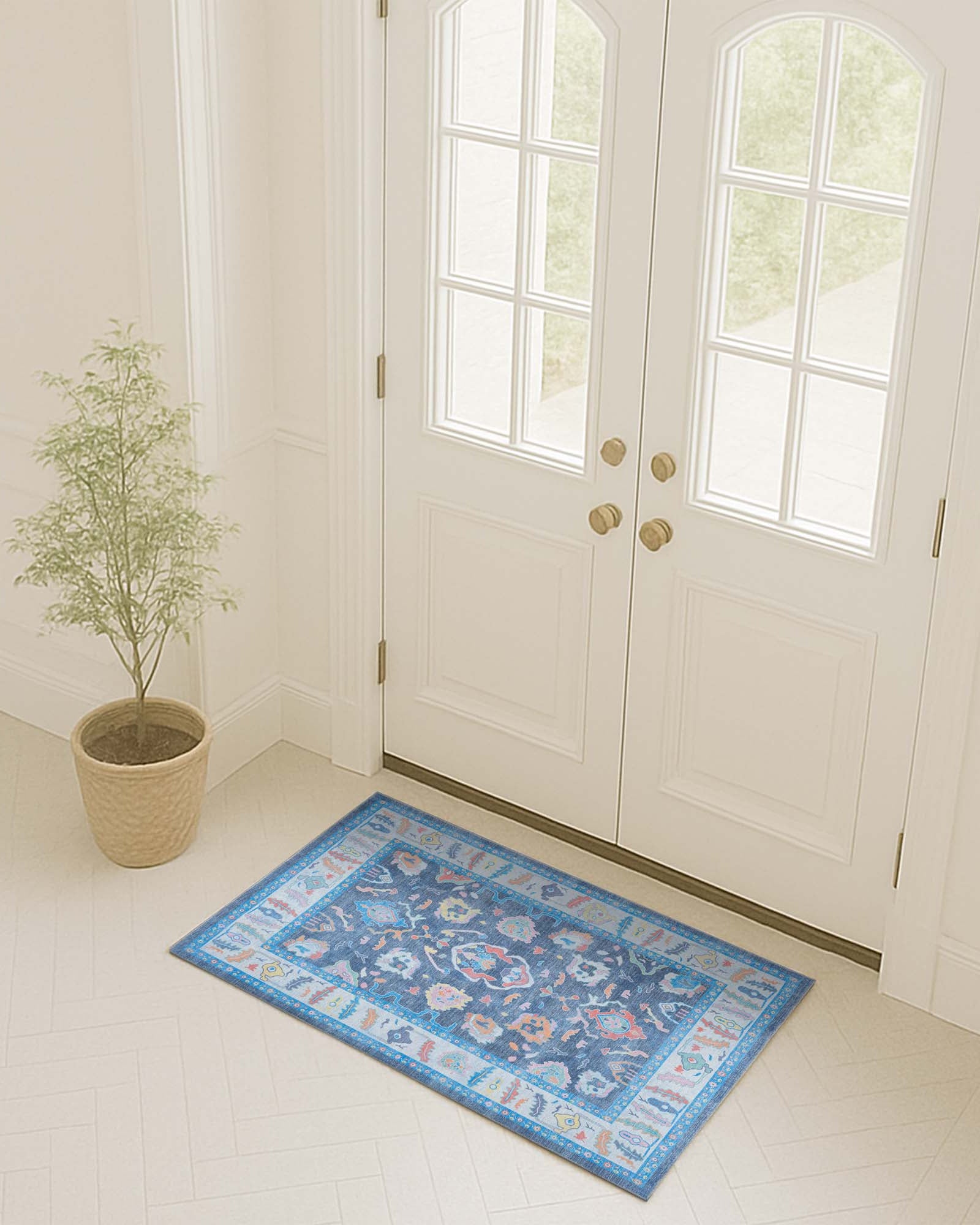
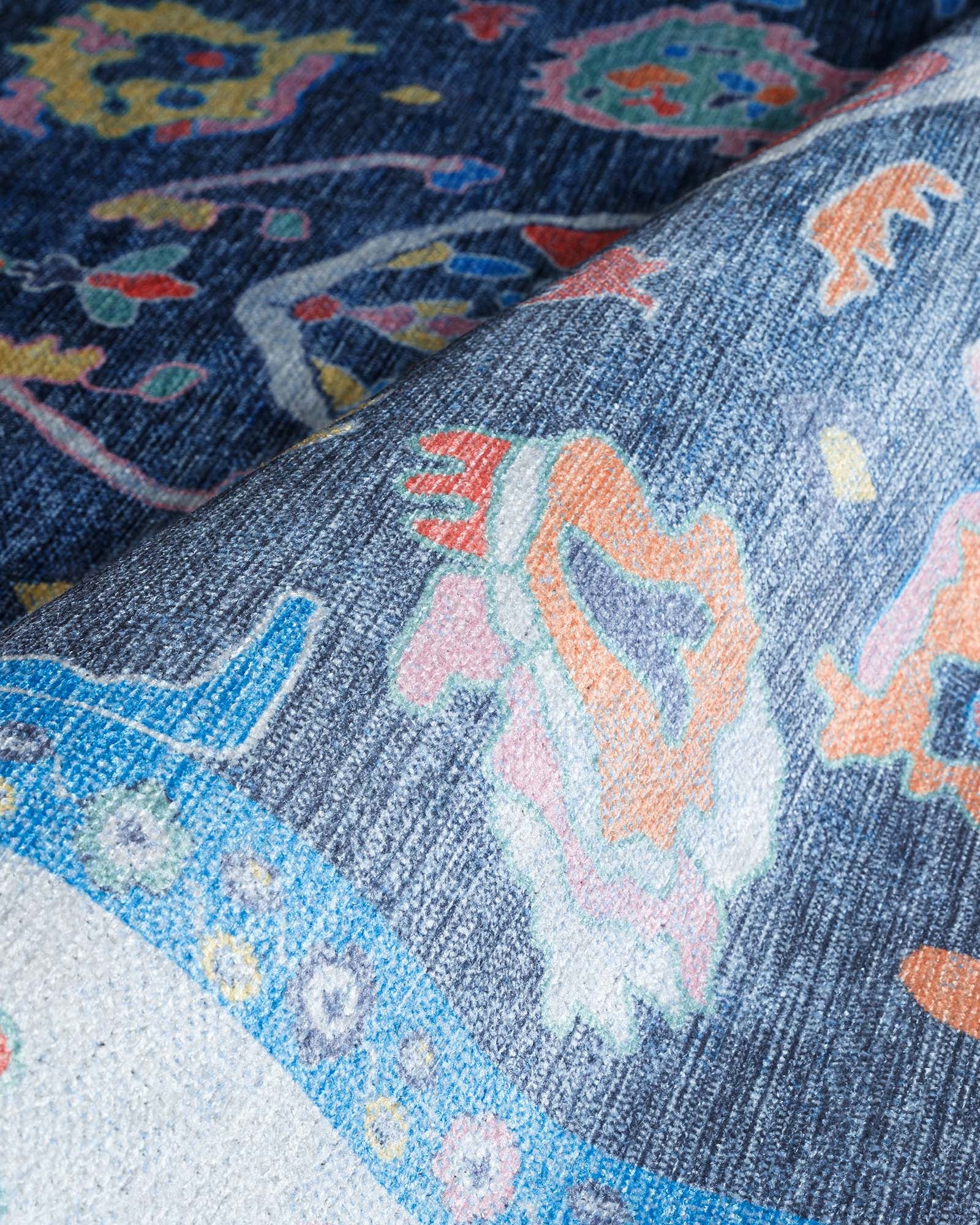
In this collection, the wool goes all the way through. Not just the pile you see and feel, but the warp and weft beneath it — the structural grid that holds the whole rug together — is wool as well. This is the older, more widespread traditional construction, used across village and tribal weaving for centuries before cotton foundations became common, and it produces a noticeably different object from a rug built on a cotton grid.
Why Villages and Tribes Wove This Way
The practical reason is simple: wool was what was on hand. Village and nomadic weavers worked with the wool from their own or neighbouring flocks, and cotton — which typically had to be traded or purchased rather than produced locally — was not always available or affordable. A weaver using only wool needed no outside material at all, from the sheep's back to the finished rug.
This is not a lesser construction born of necessity. Wool-on-wool weaving is the foundation of most tribal and nomadic rug-making traditions specifically because it suited the way those weavers lived and worked, and it produces genuine structural qualities that a cotton foundation does not.
How Wool Foundation Changes the Rug
Wool is more elastic than cotton, and that elasticity runs through the entire structure of the rug, not just the pile.
Softness and Drape
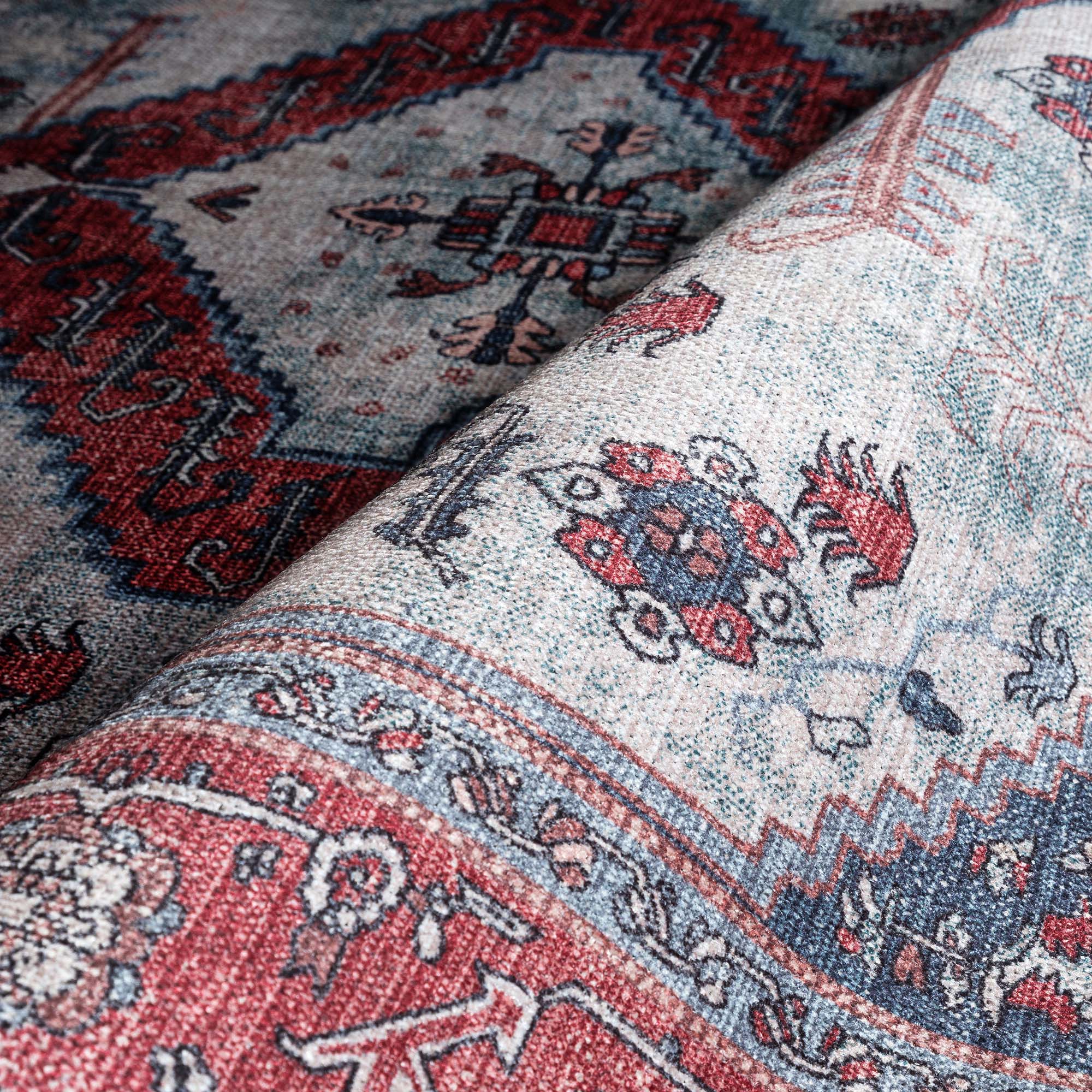
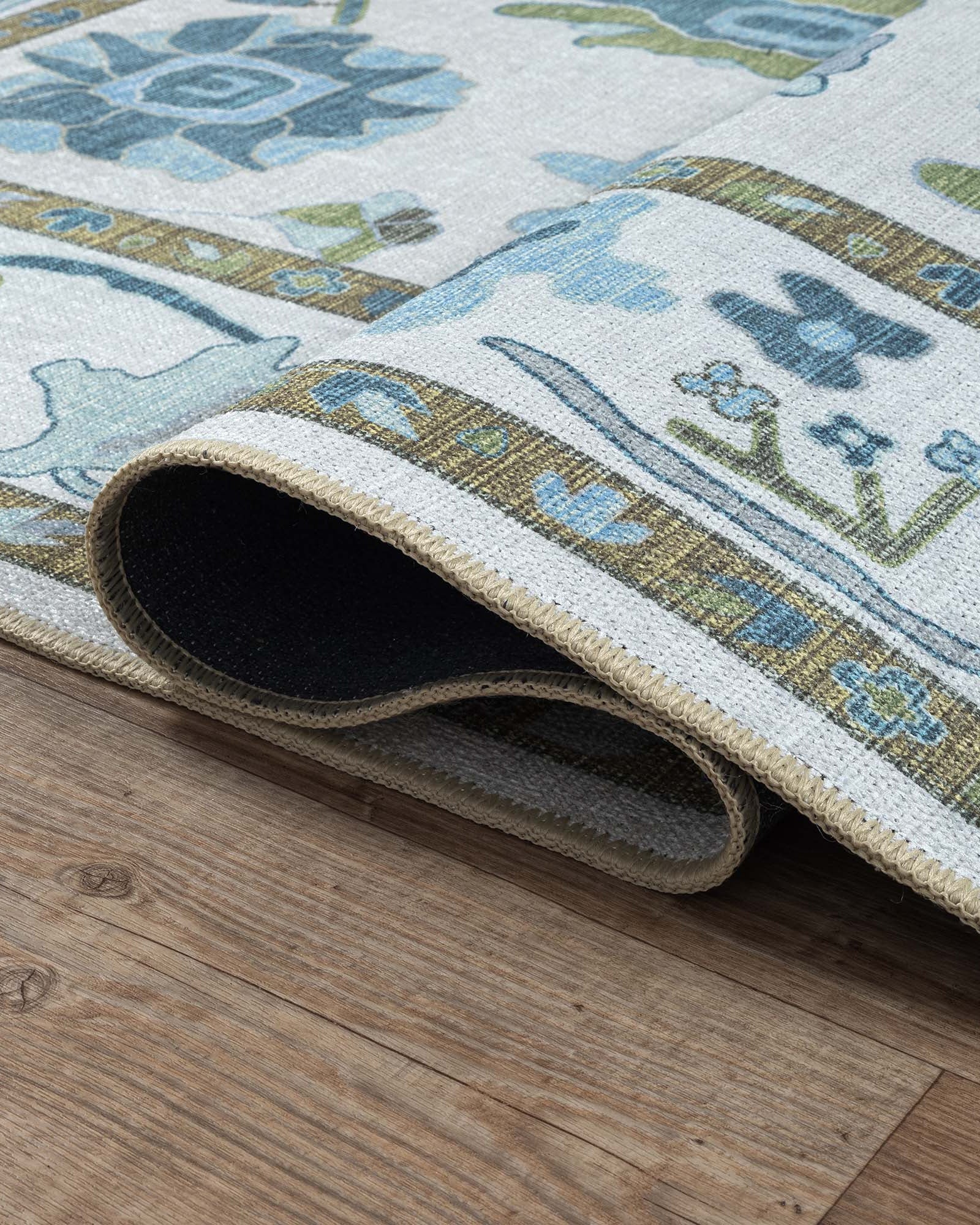
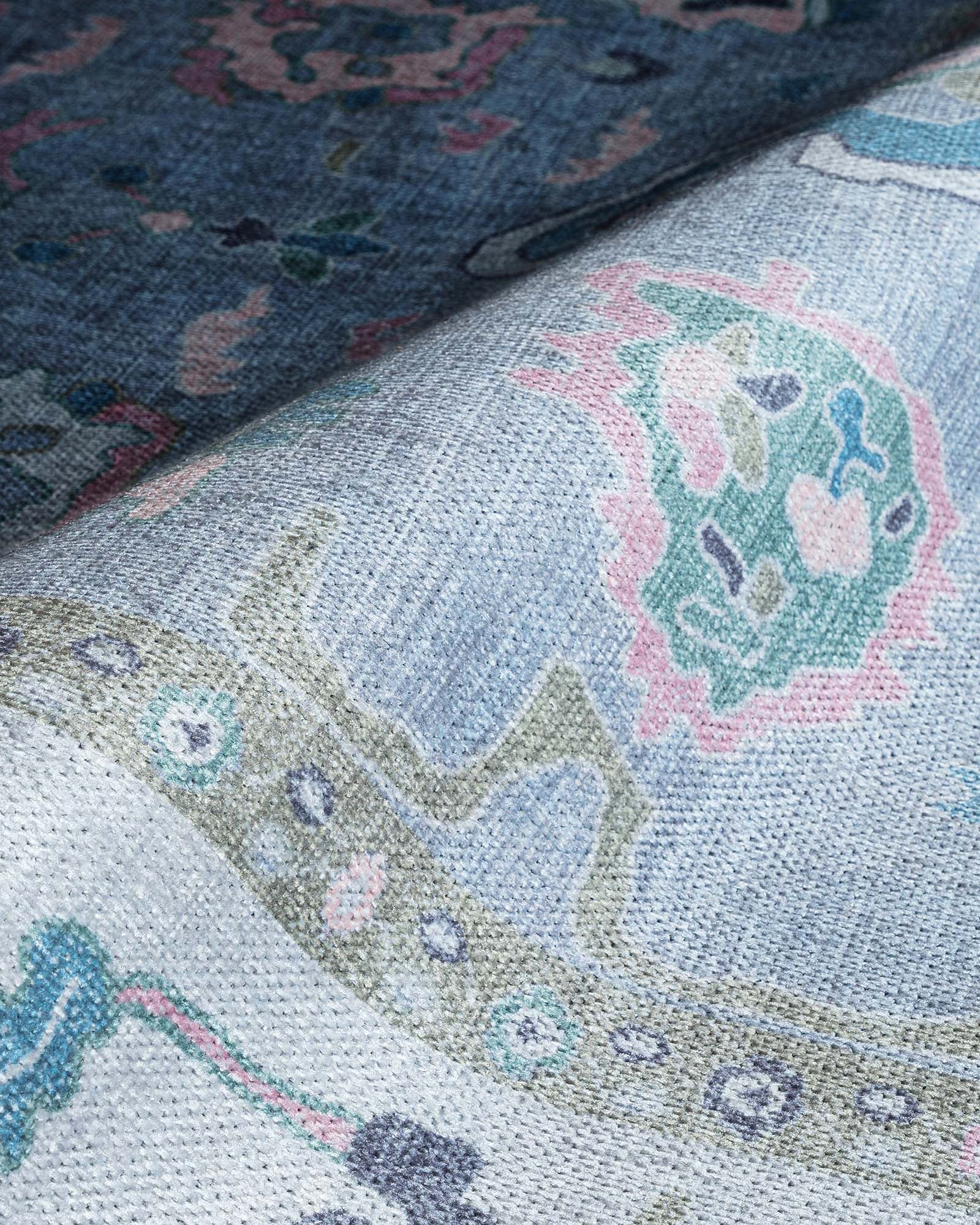
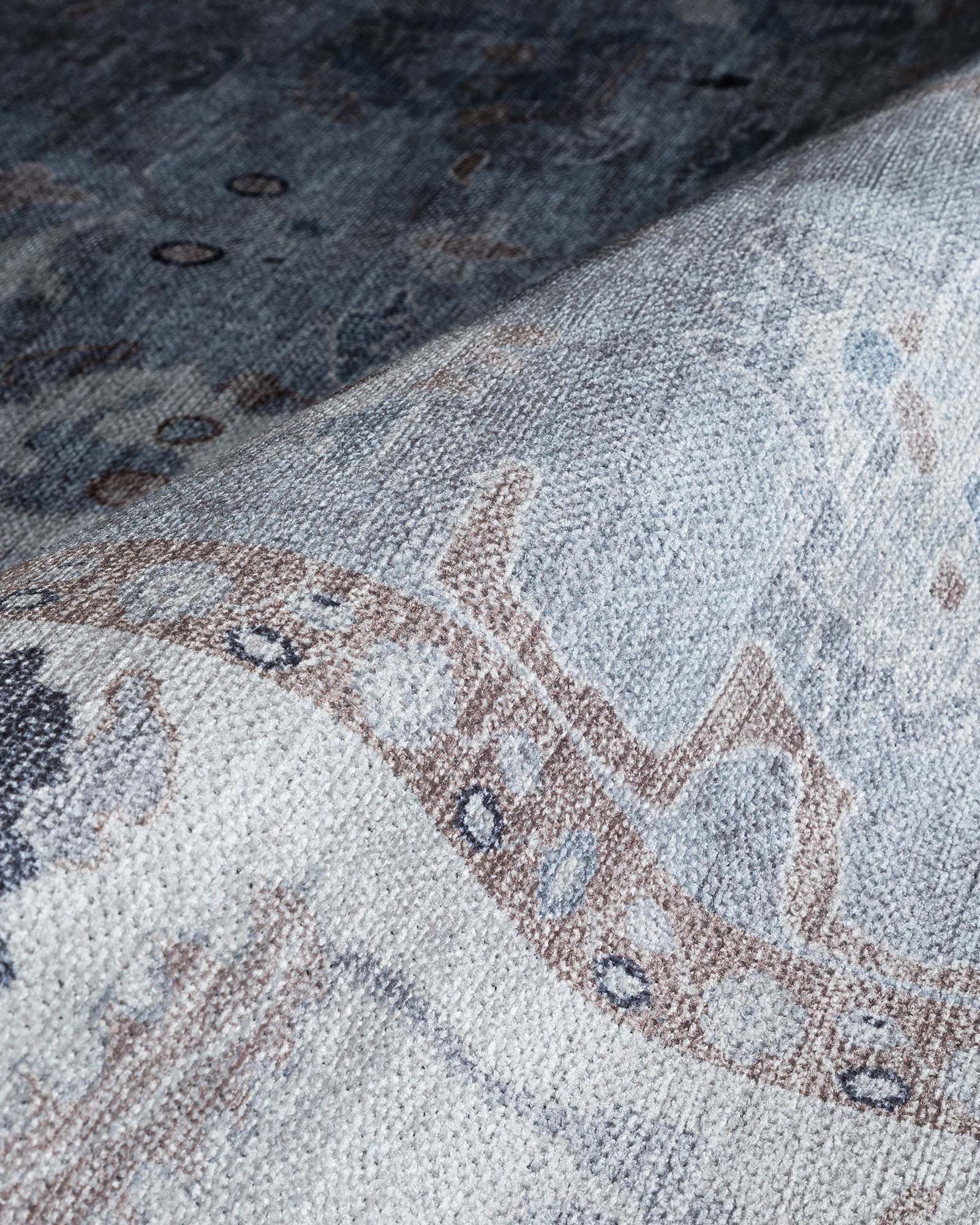
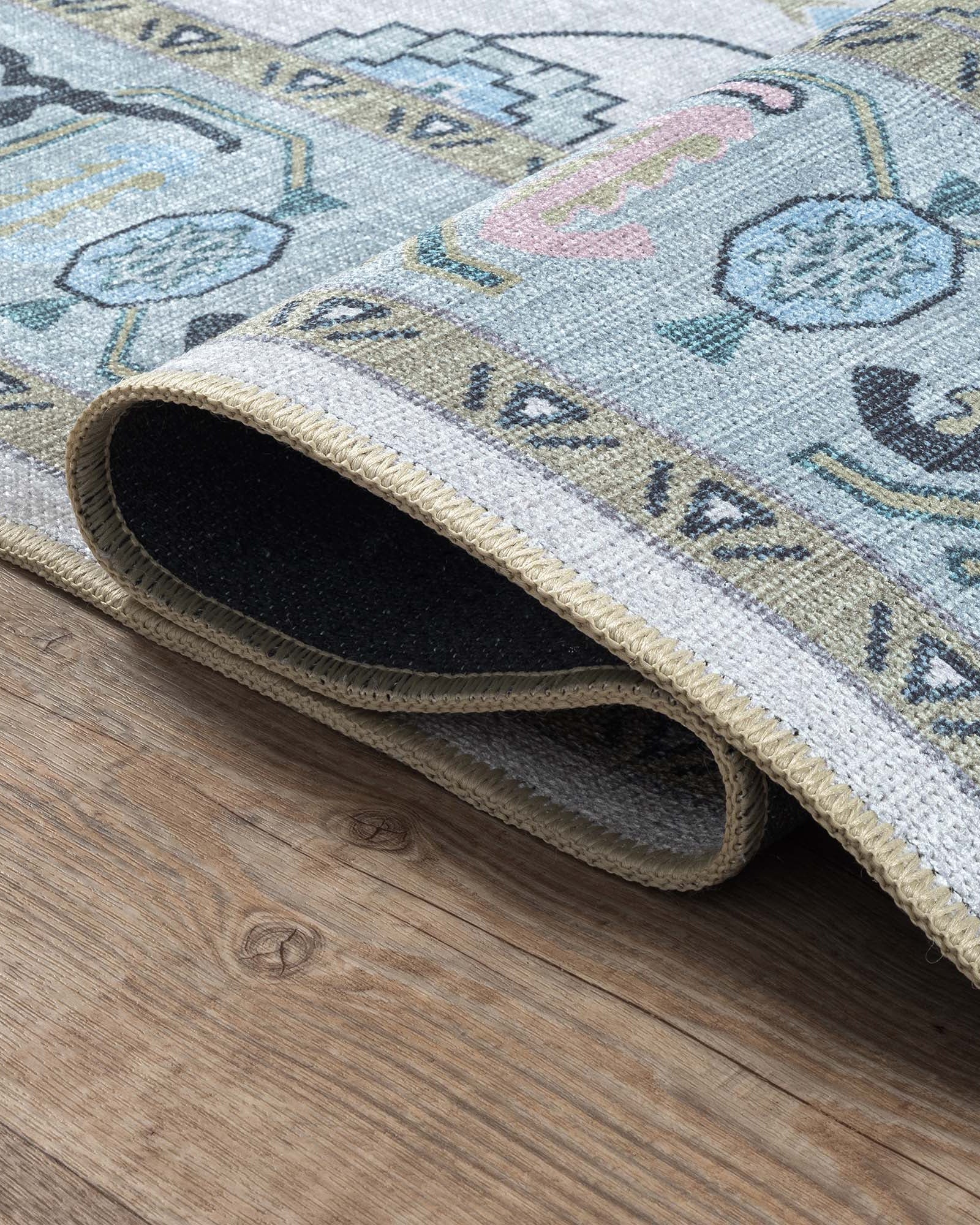
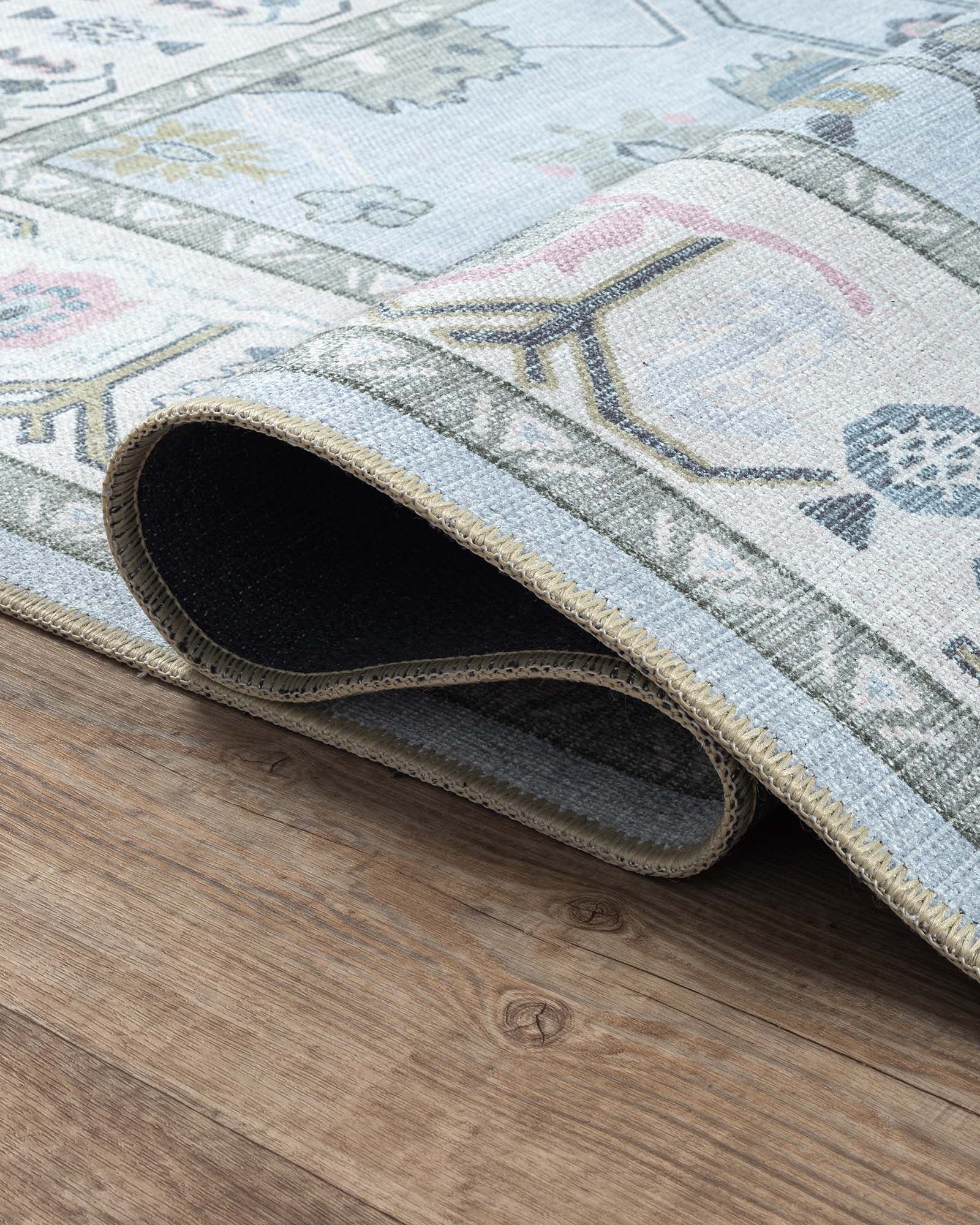
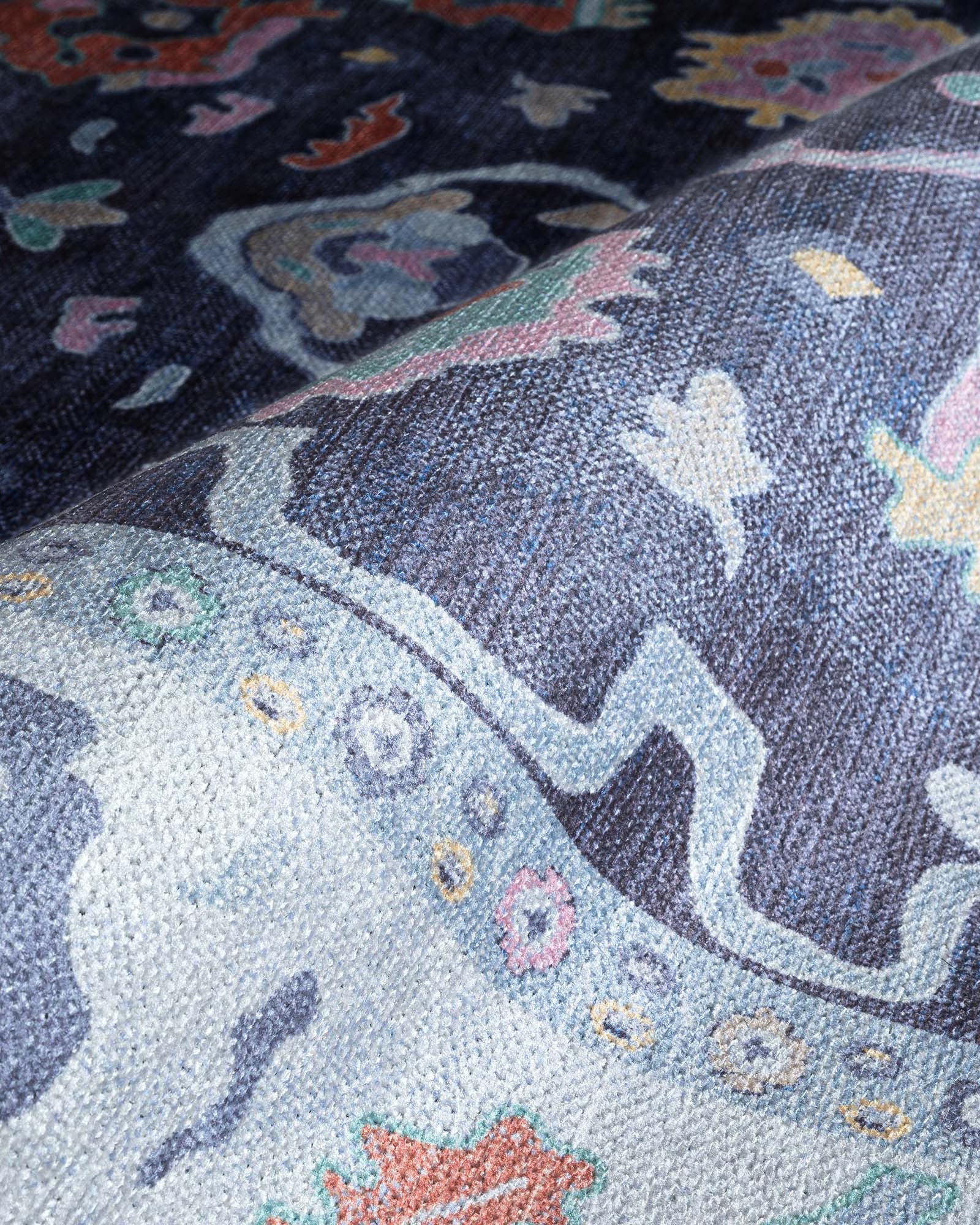
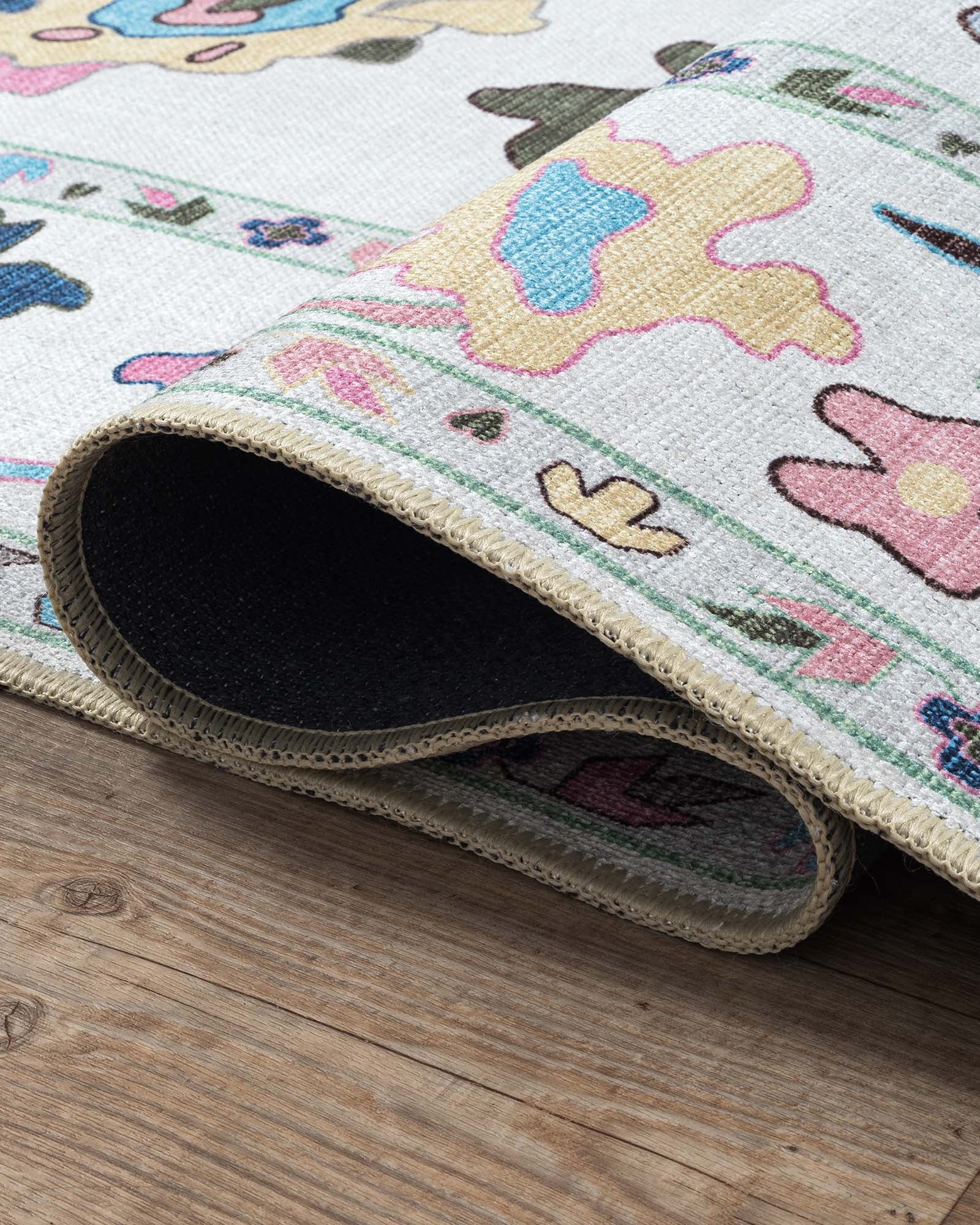
A wool-foundation rug is noticeably more pliable than a cotton-foundation one. It drapes over furniture edges and stair nosing more naturally, folds without cracking at the fold line, and generally feels less like a stiff panel and more like a heavy textile. This flexibility is part of why wool-on-wool rugs are comfortable to fold for storage or travel in a way a rigid cotton-foundation piece is not.
Weight and Body
Wool-on-wool construction tends to be heavier and denser for its size than an equivalent cotton-foundation rug, giving it a substantial, grounded feel underfoot. This also contributes to the slightly softer visual profile many tribal rugs have — edges and corners read as rounded rather than sharply geometric, because the wool foundation itself is not perfectly rigid.
Gentle Undulation
Because wool relaxes and shifts slightly over time under tension, wool-on-wool rugs frequently develop a gentle, subtle waviness across the field as they age — a soft ripple rather than a perfectly flat plane. This is normal and does not indicate a problem with the rug; it settles further with use and is part of the character of an old, wool-foundation piece rather than a defect to correct.
Where Wool on Wool Comes From
This construction dominates tribal and nomadic weaving traditions specifically. Kurdish and eastern Anatolian tribal rugs are almost entirely wool on wool, as are most Caucasian village weavings including Kazak and Shirvan pieces. Persian tribal groups — Qashqai, Afshar, and Baluch weavers among them — built their rugs the same way, using wool from their own herds for every part of the construction. Central Anatolian village rugs from the Konya region frequently follow this tradition as well, particularly older and more rural pieces.
How to Identify a Wool Foundation
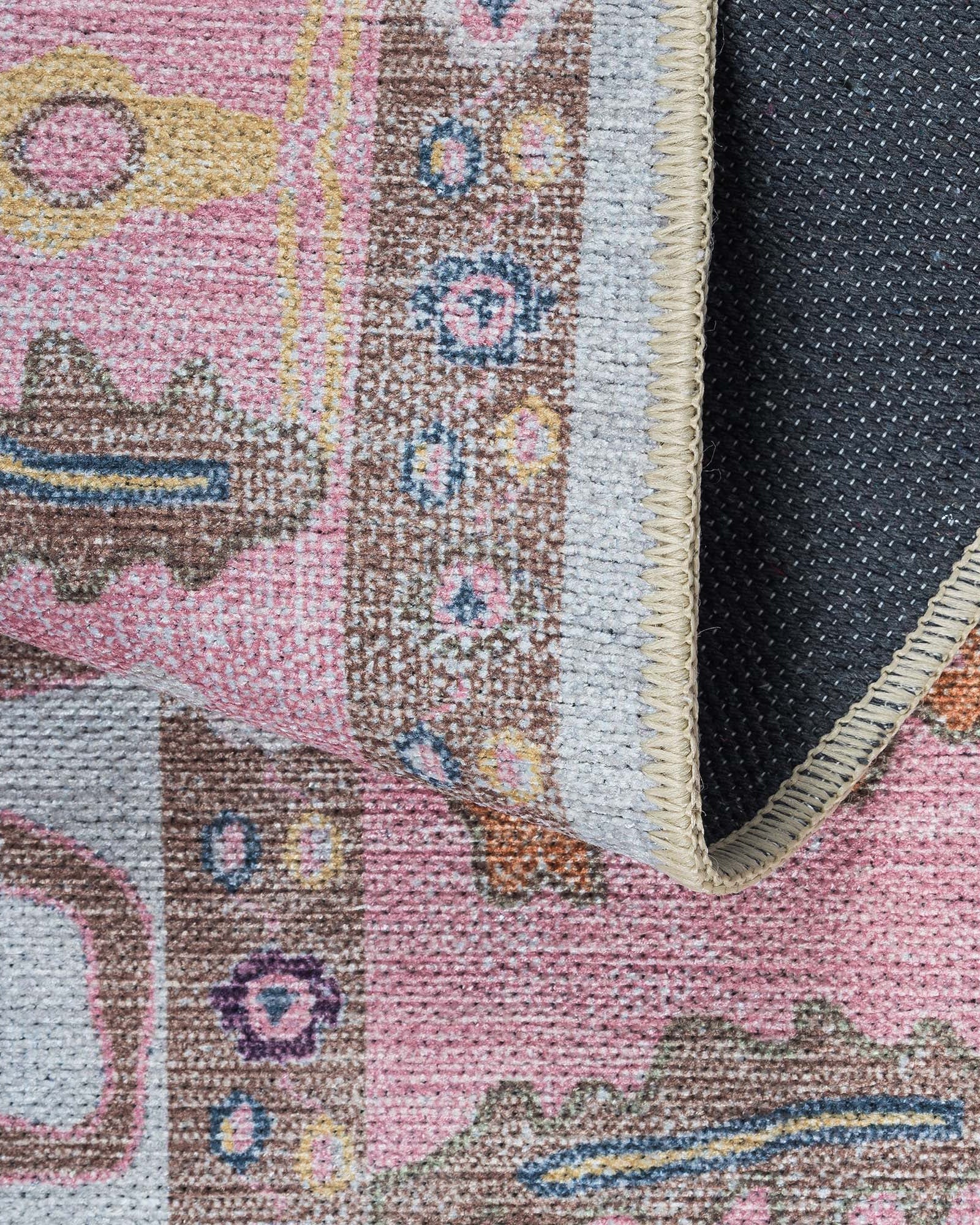
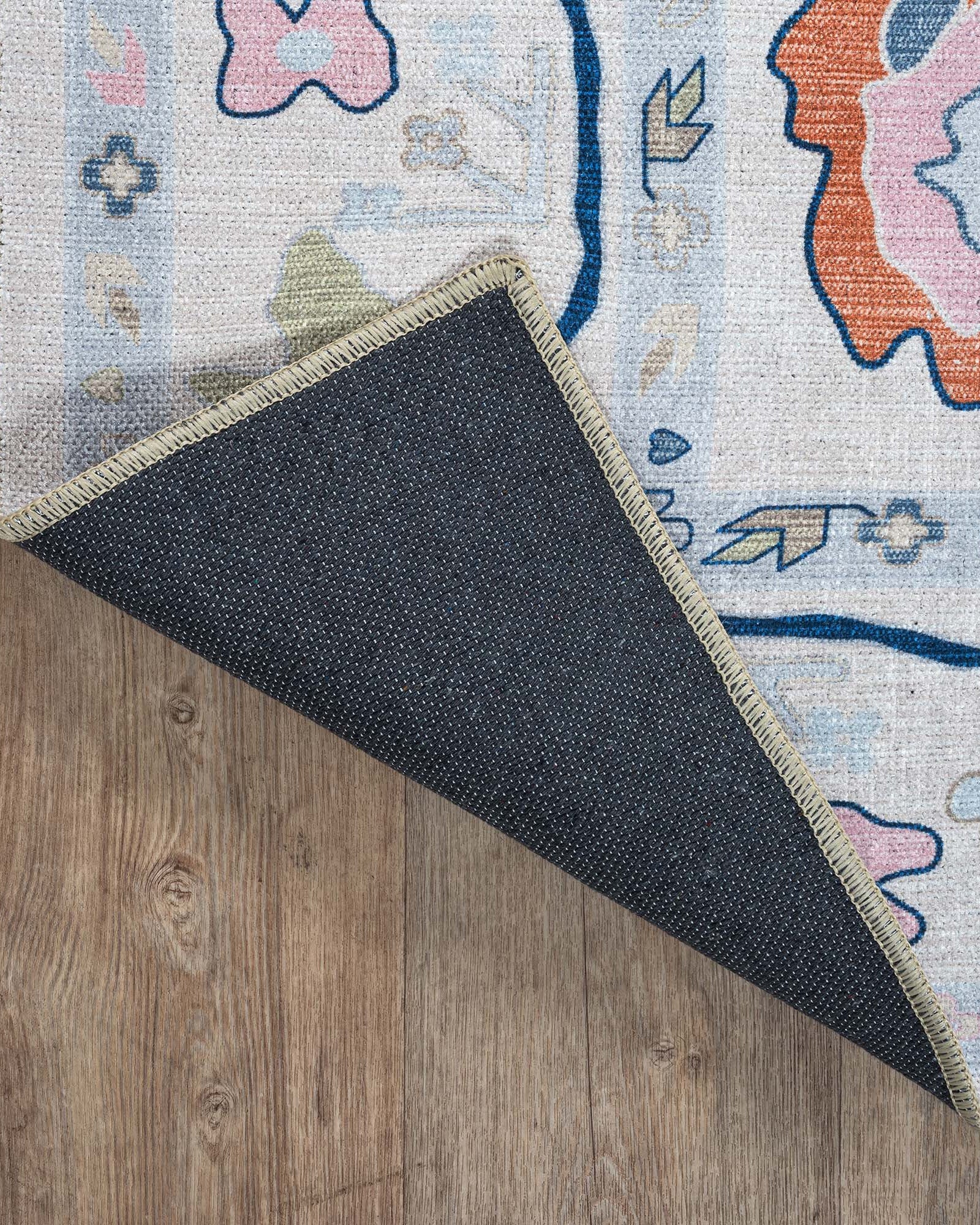
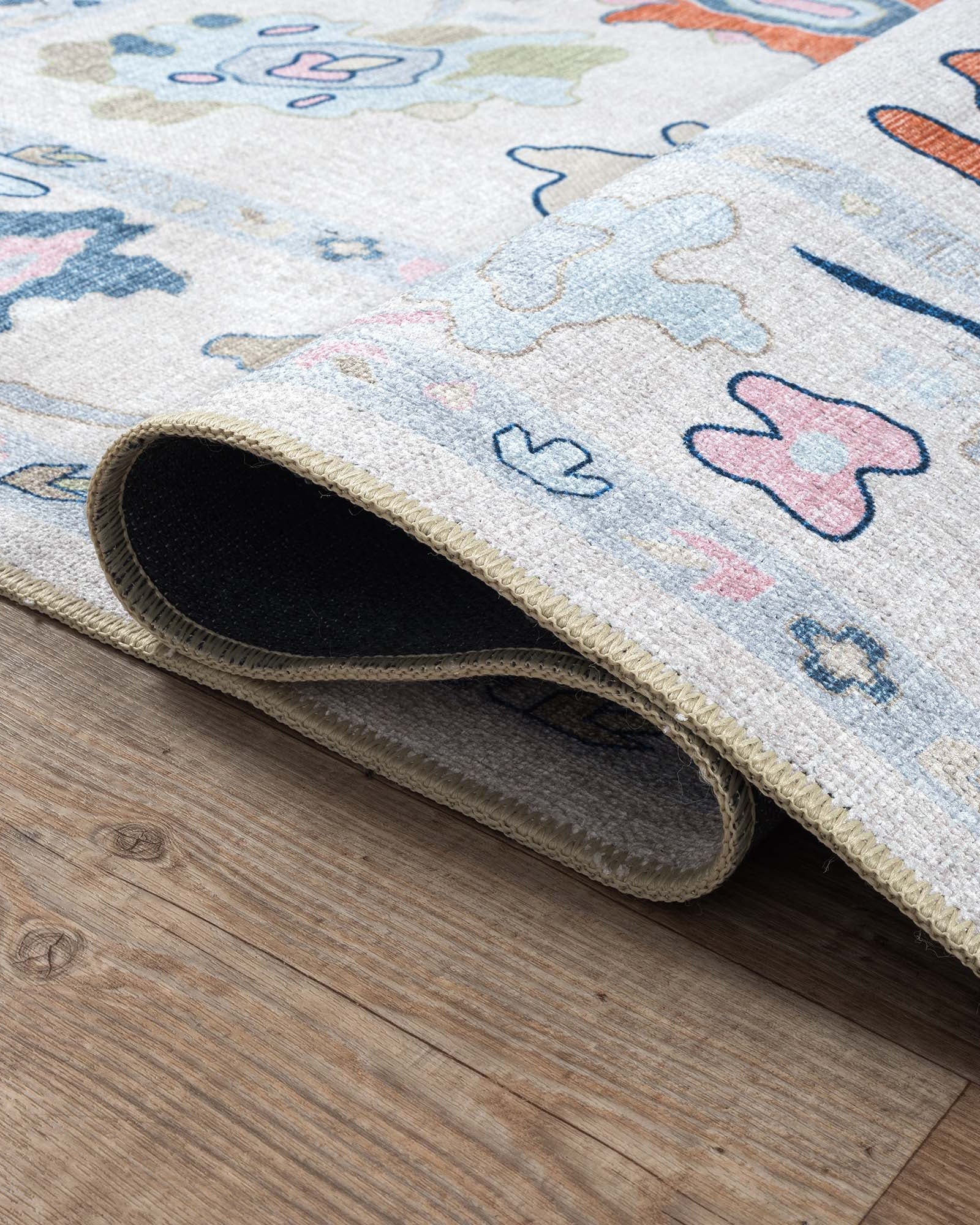
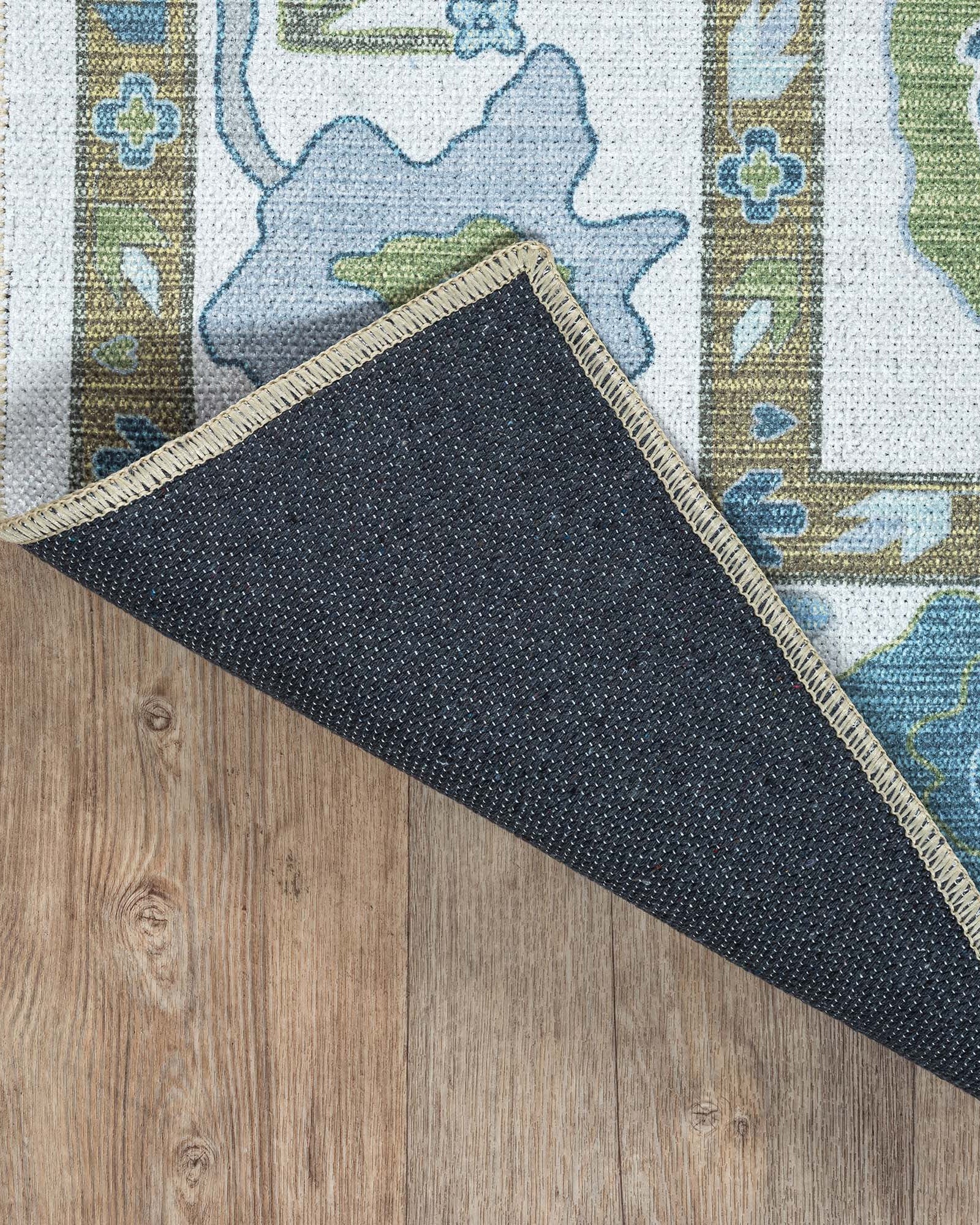
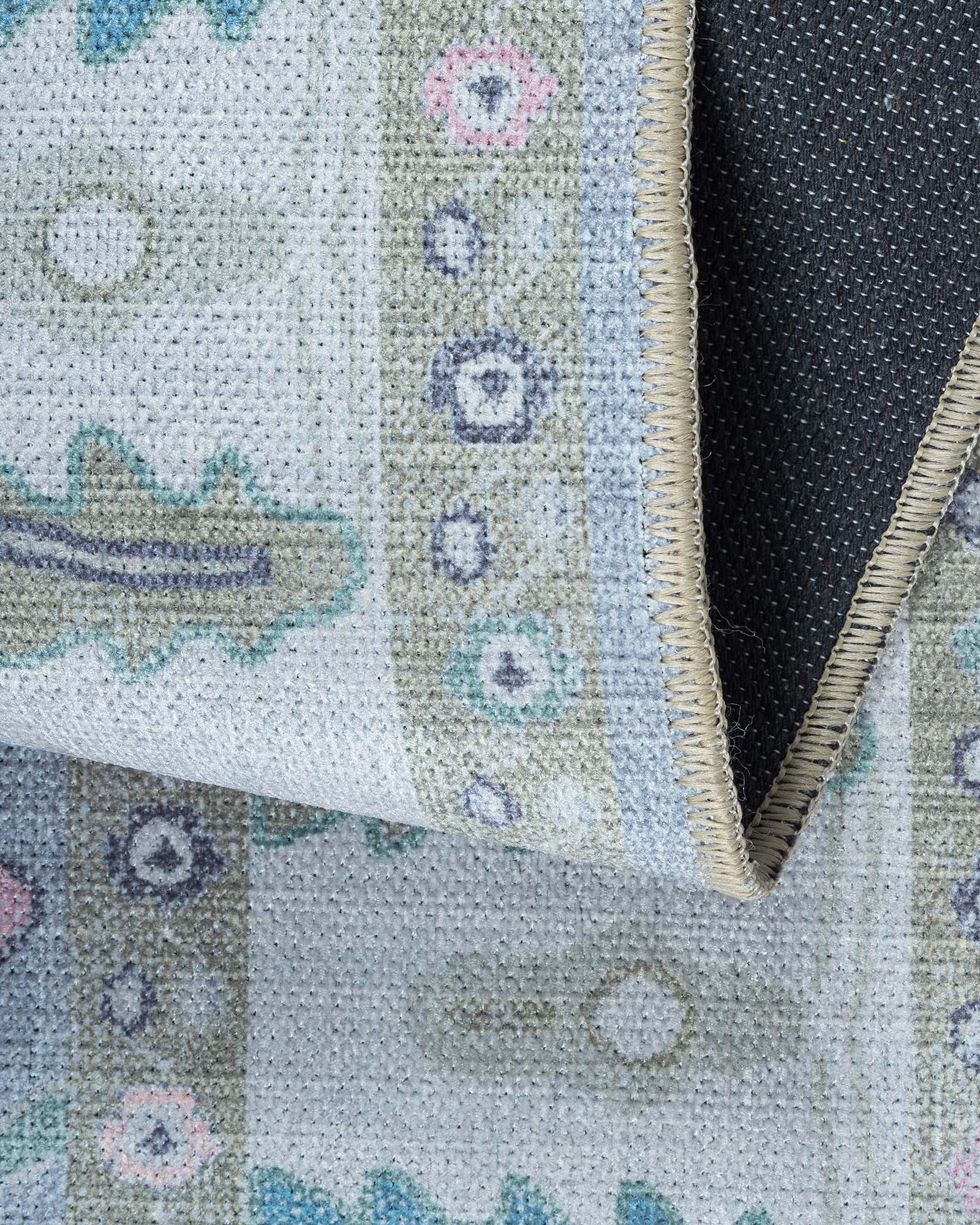
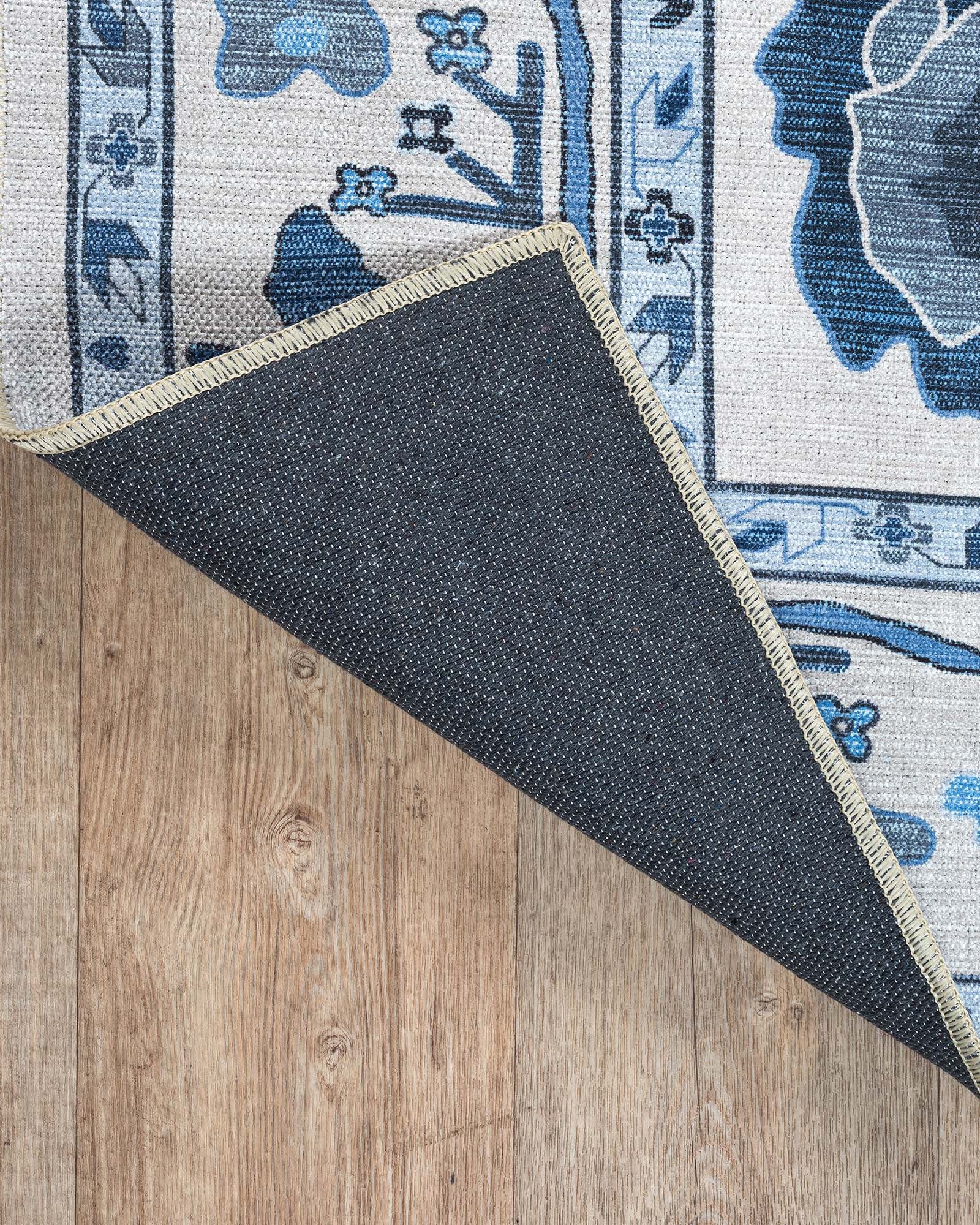
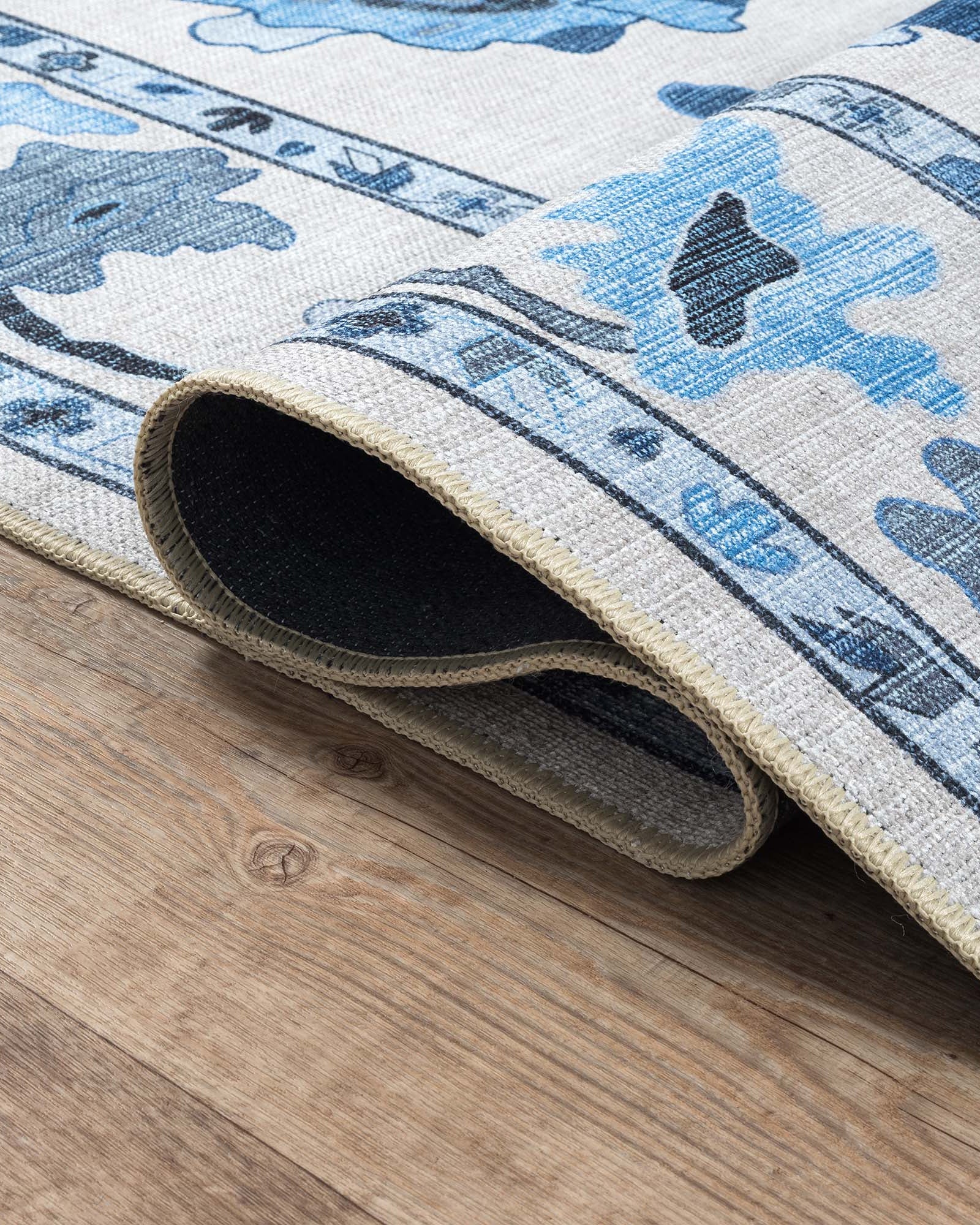
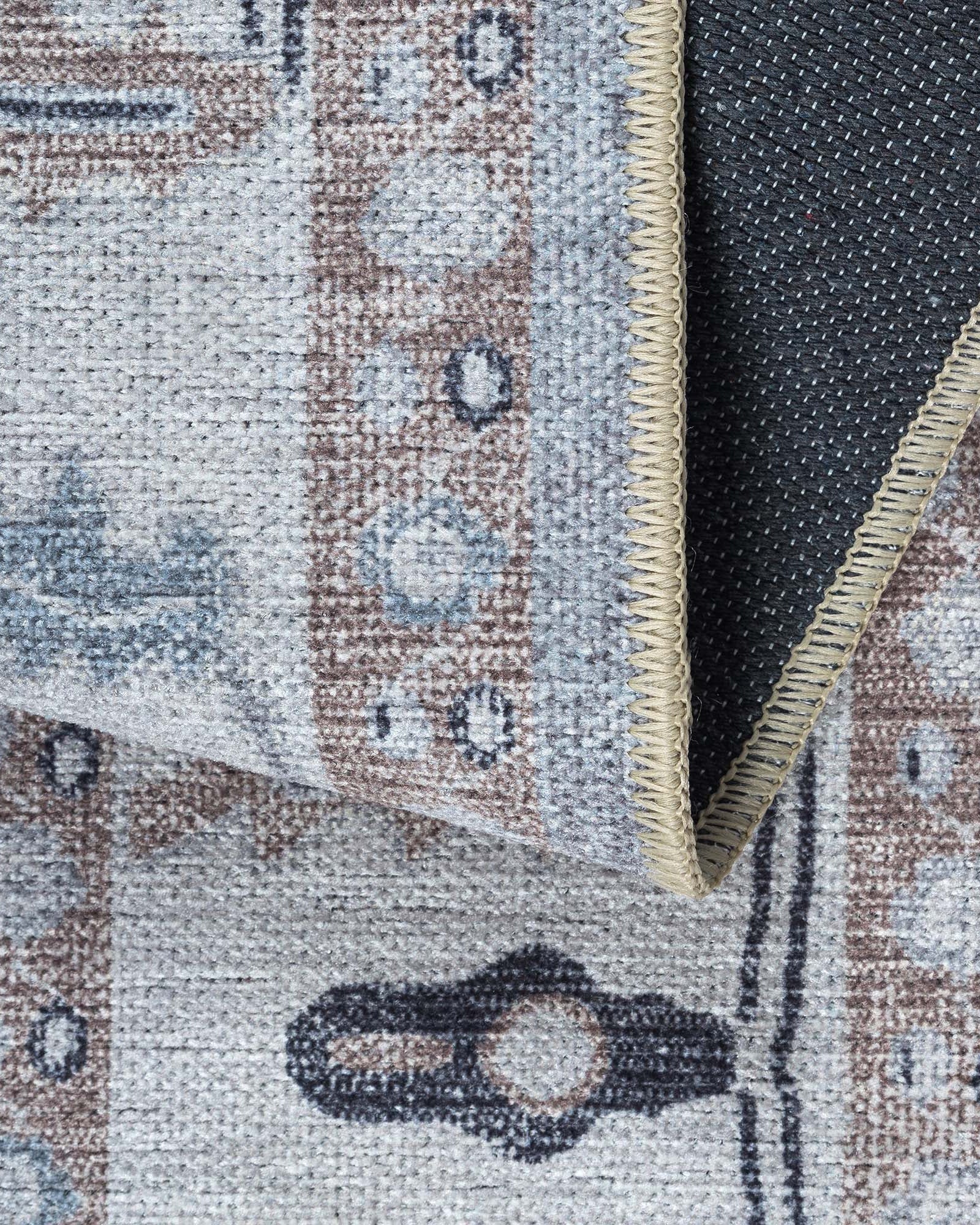
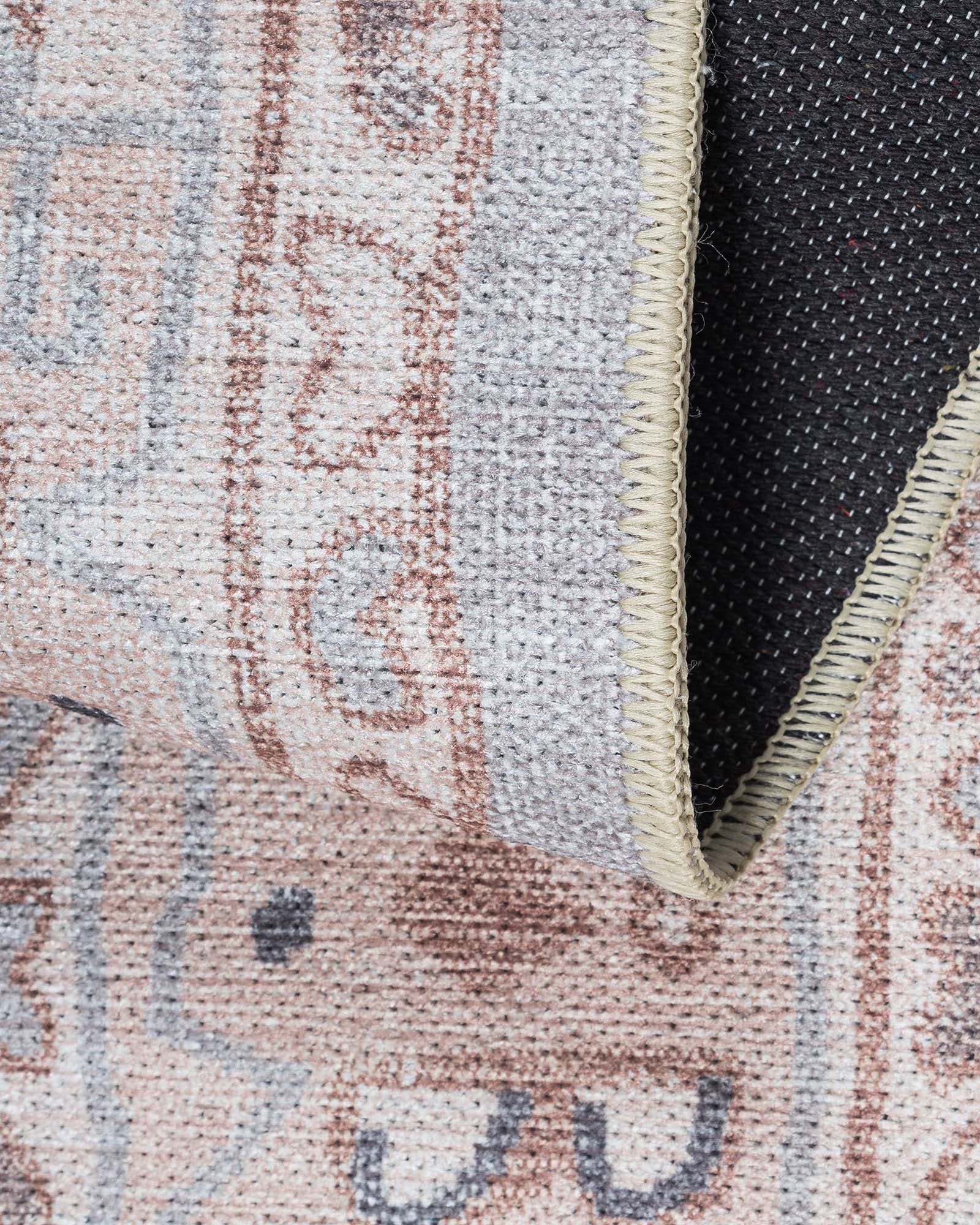
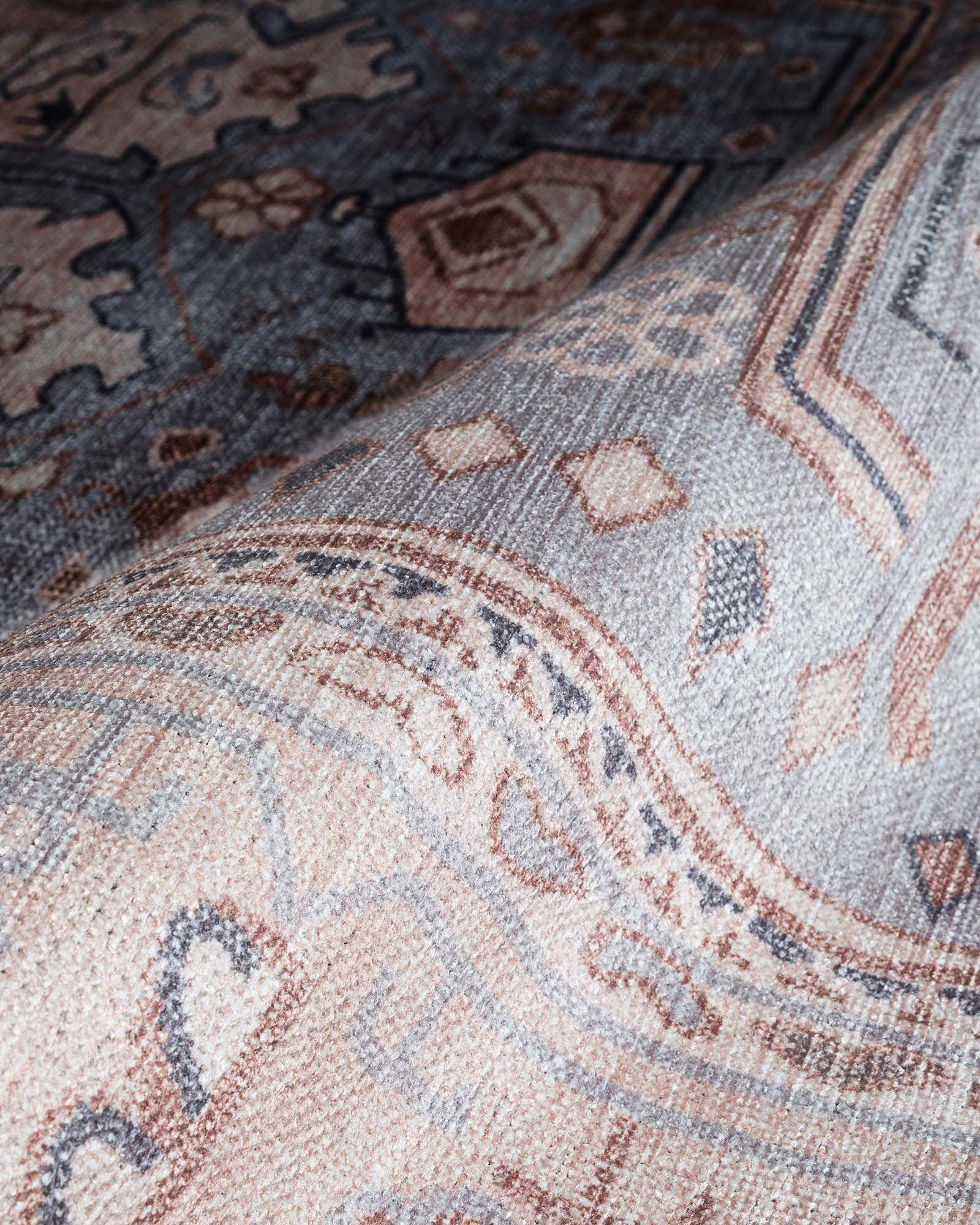
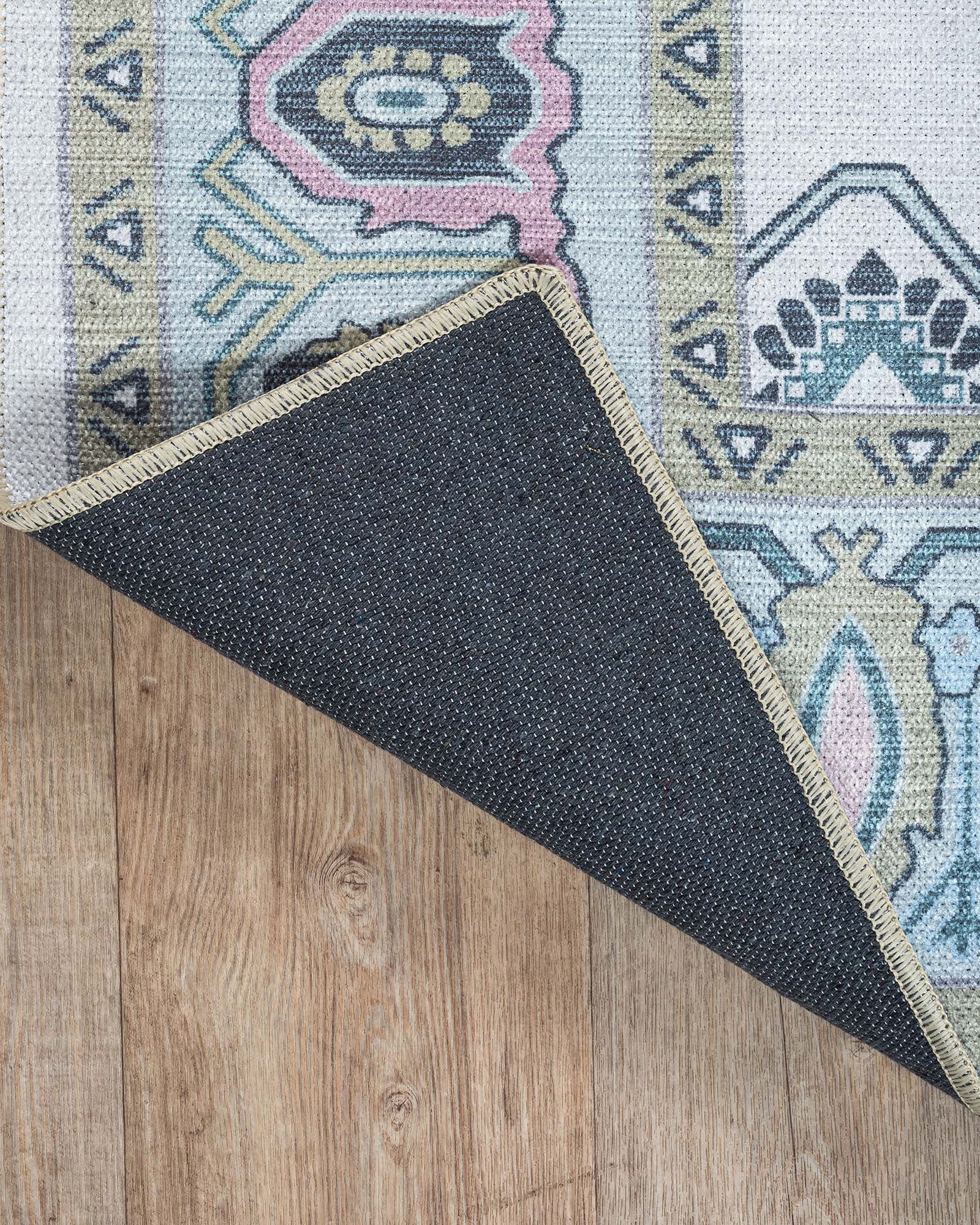
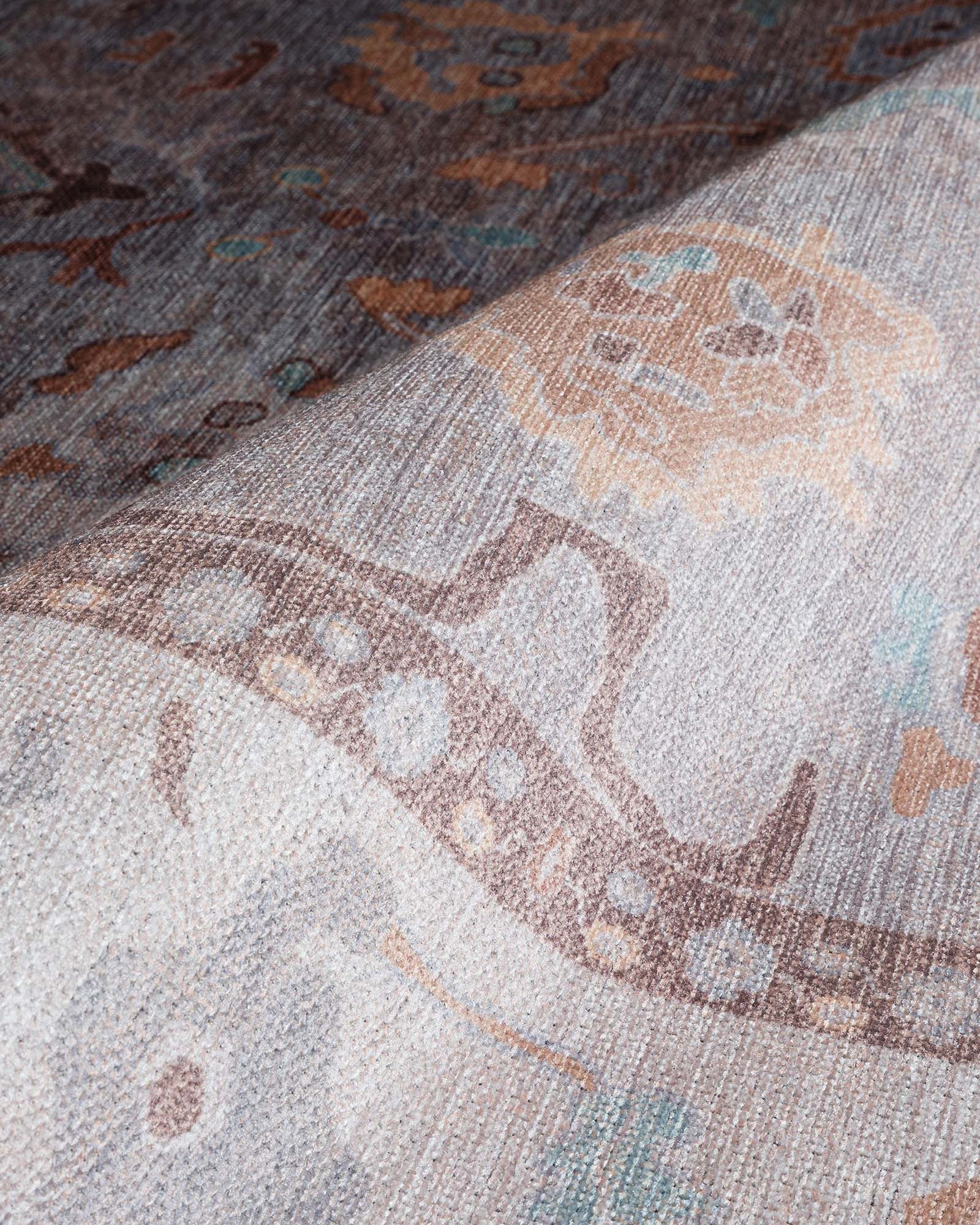
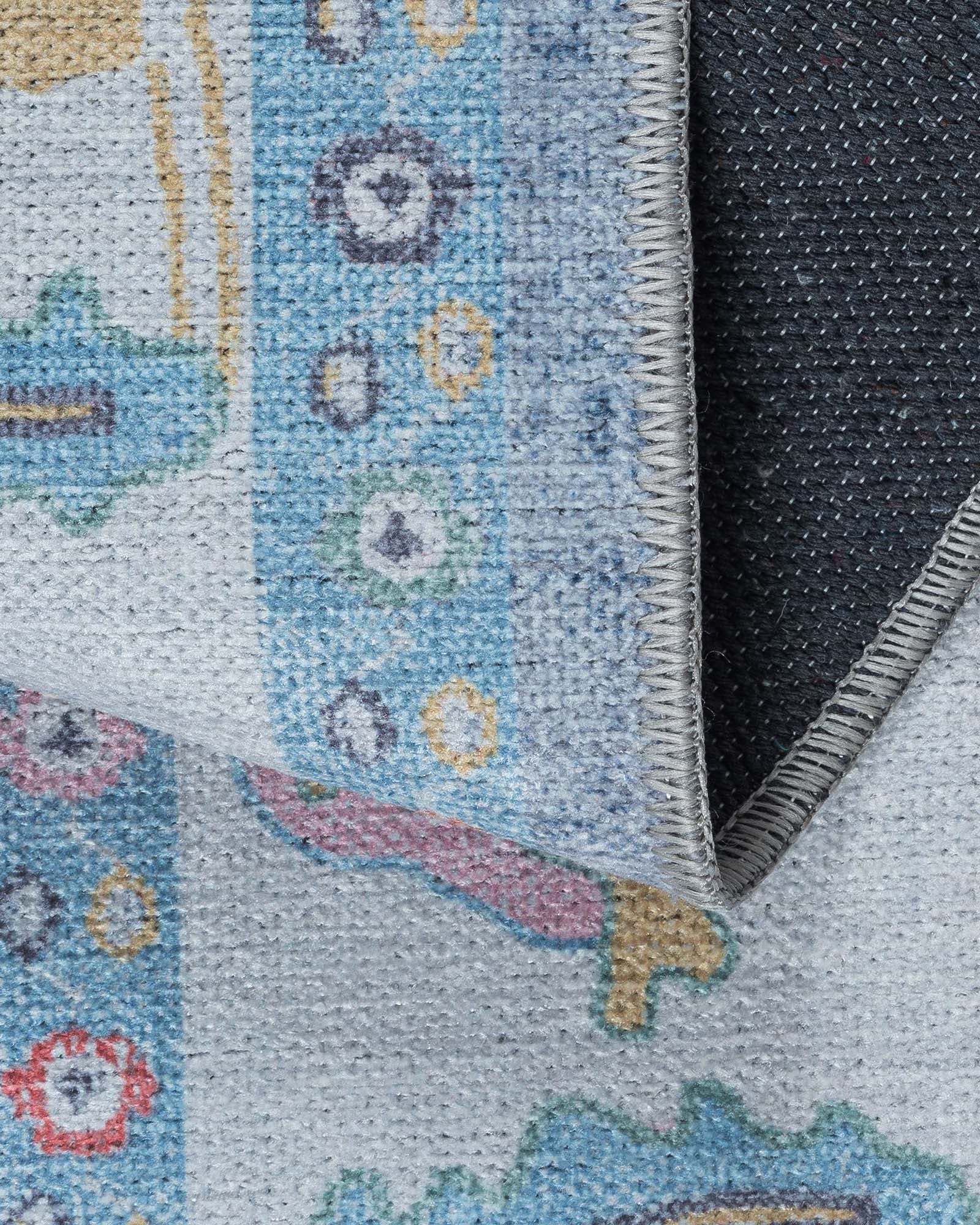
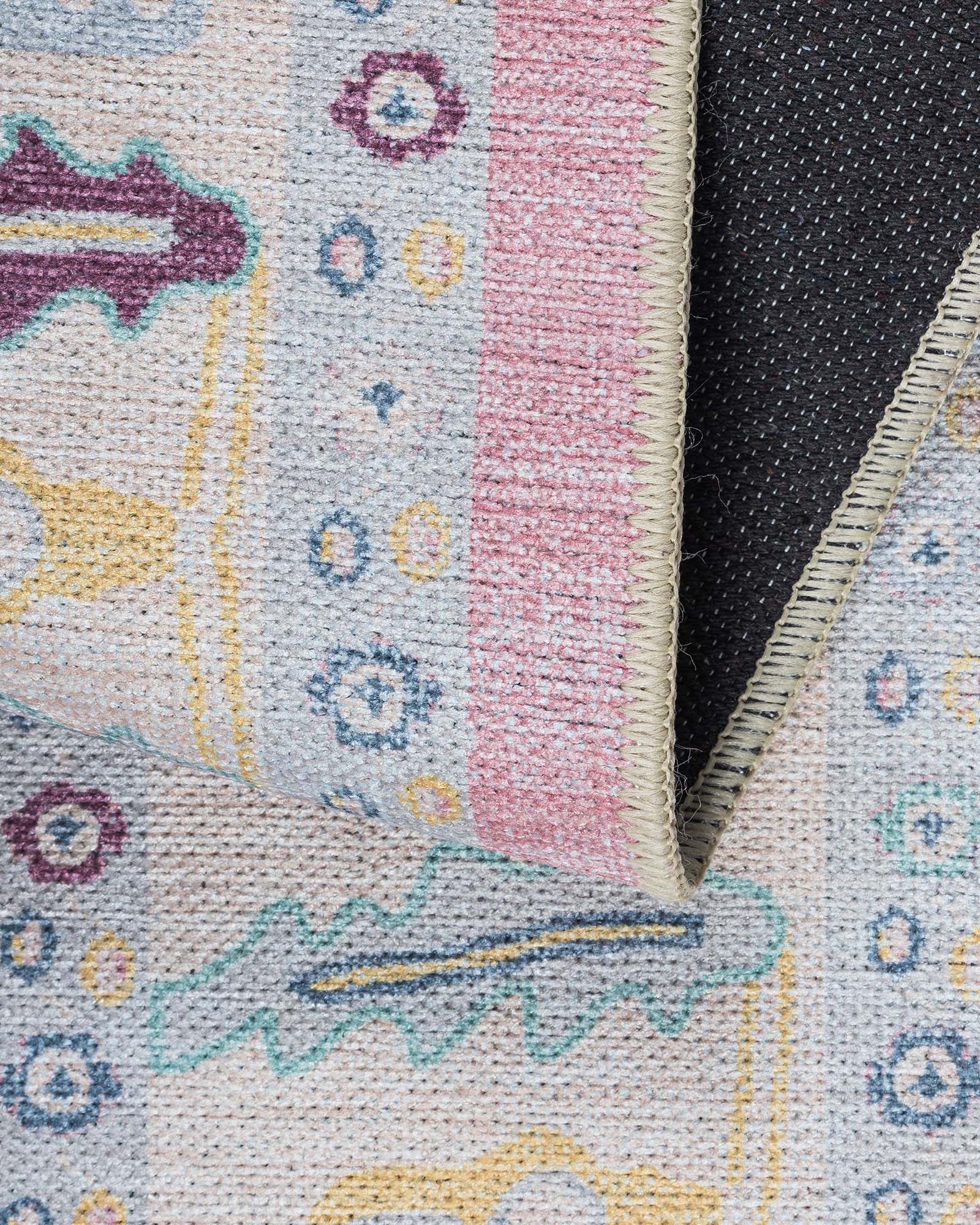
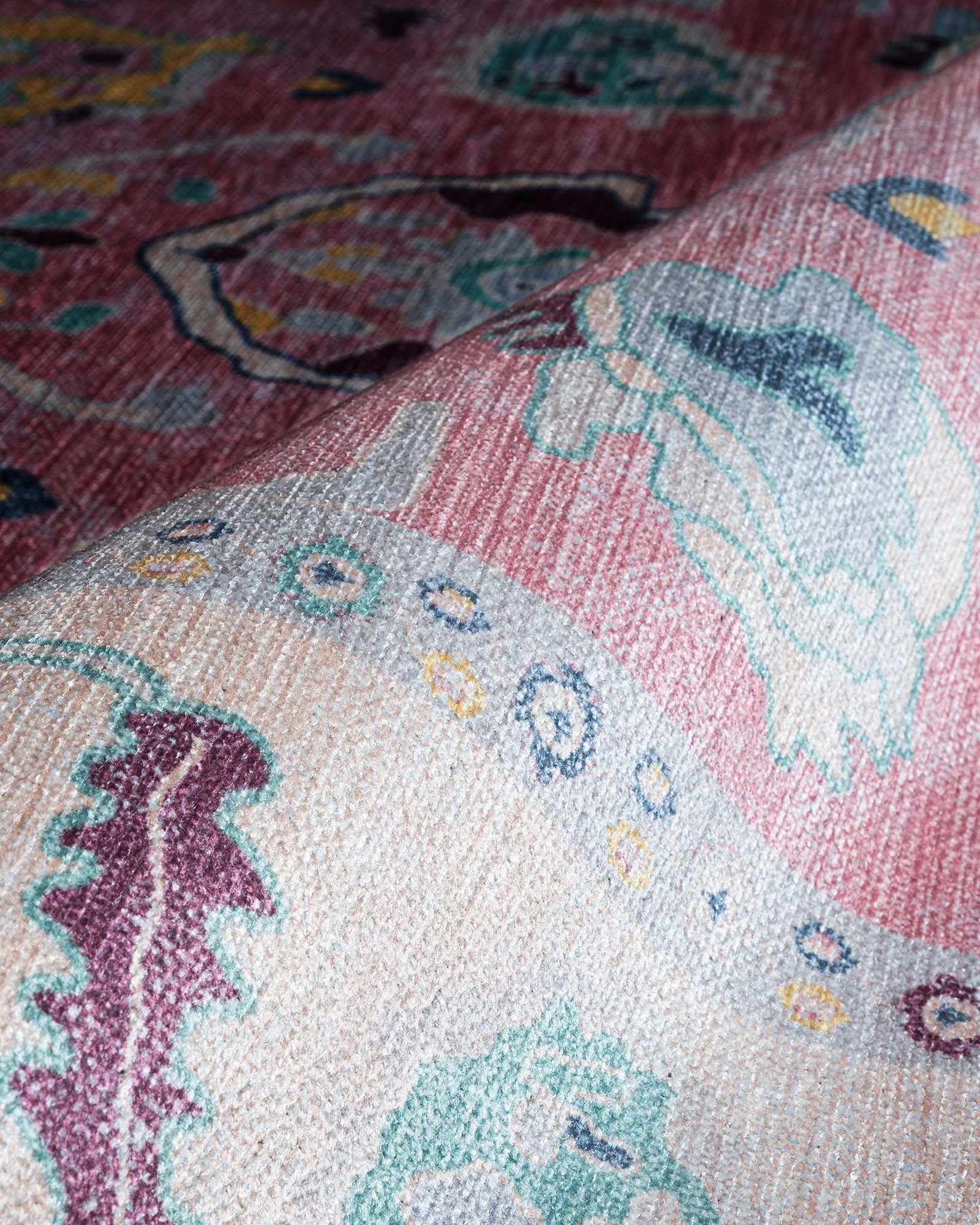
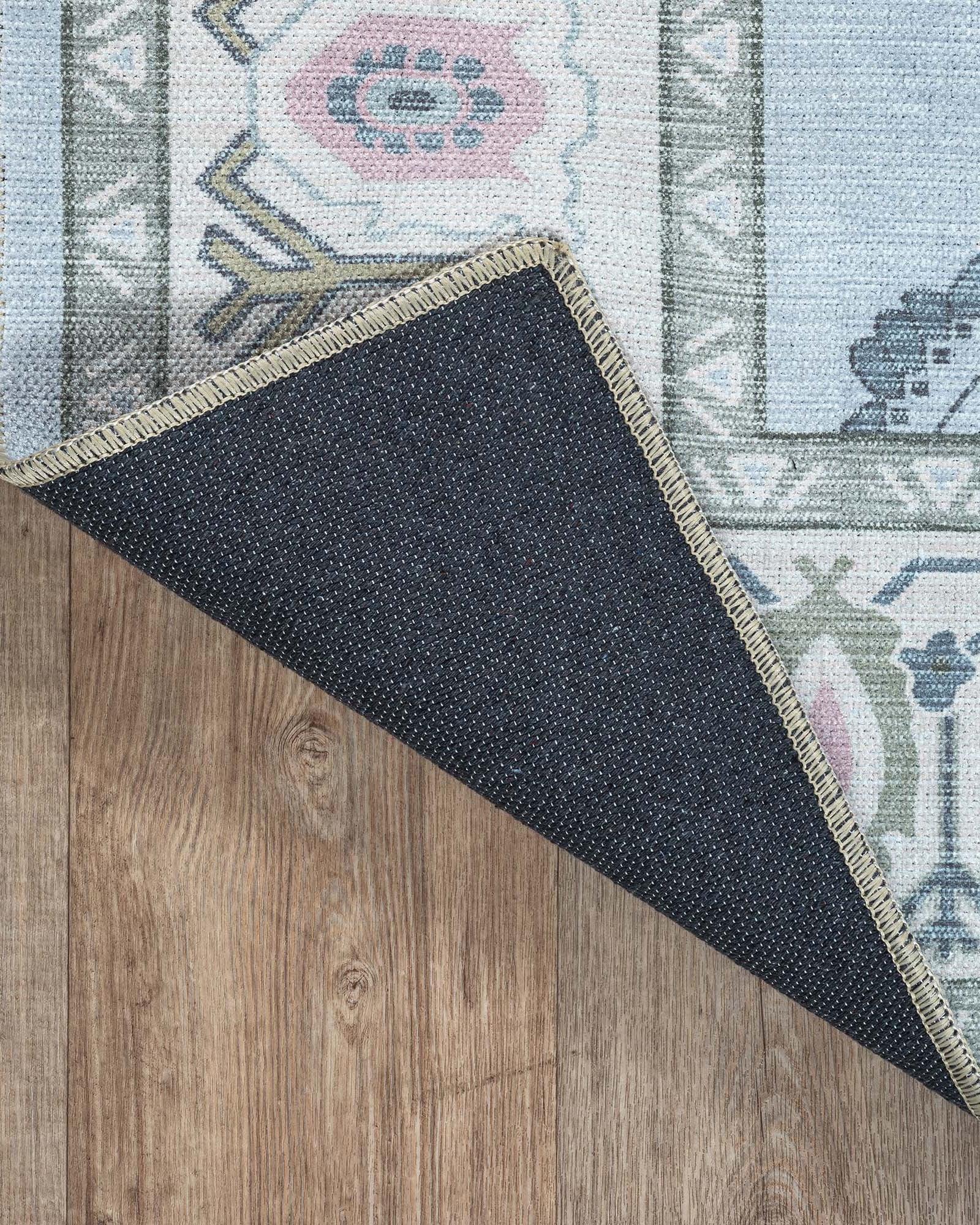
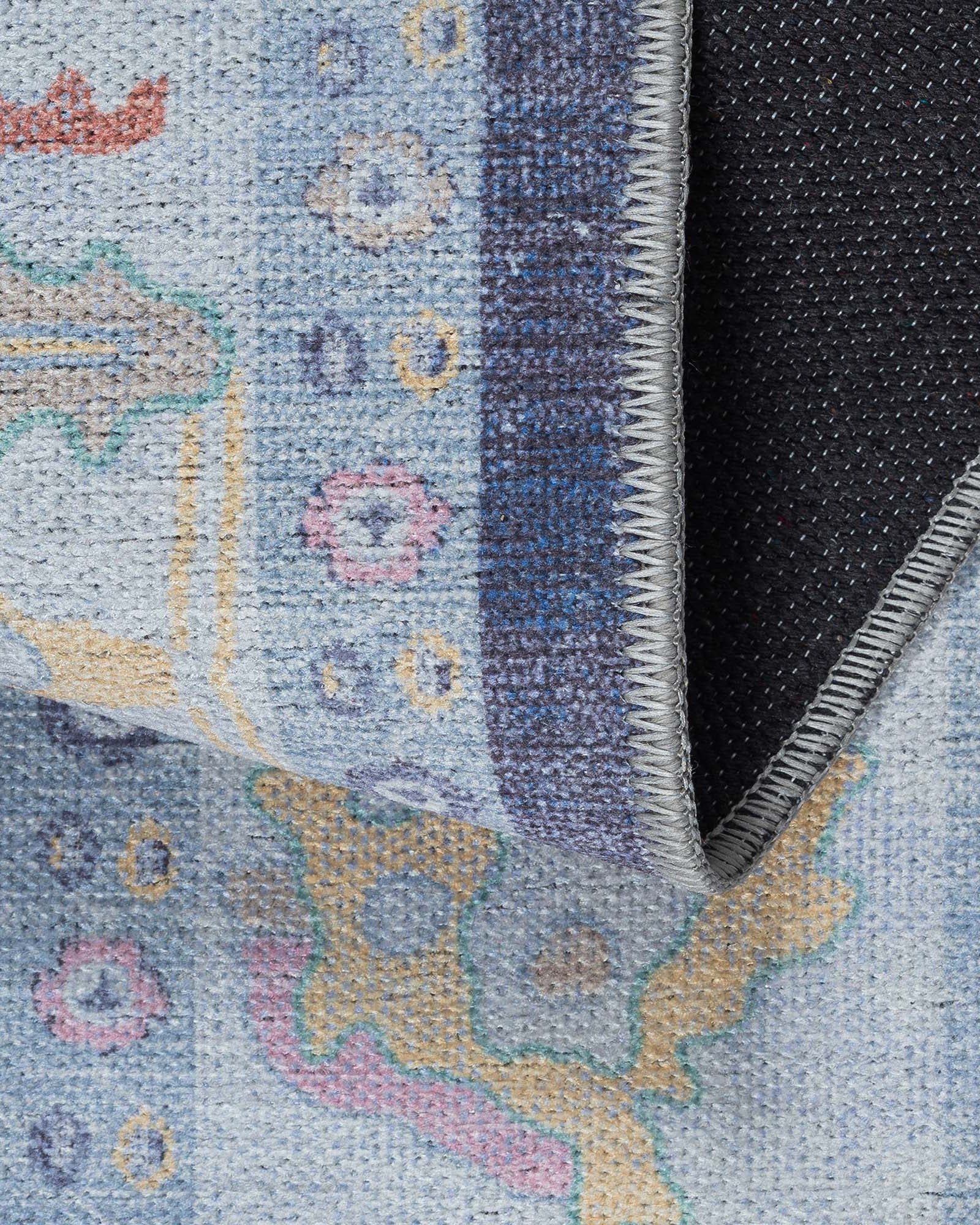
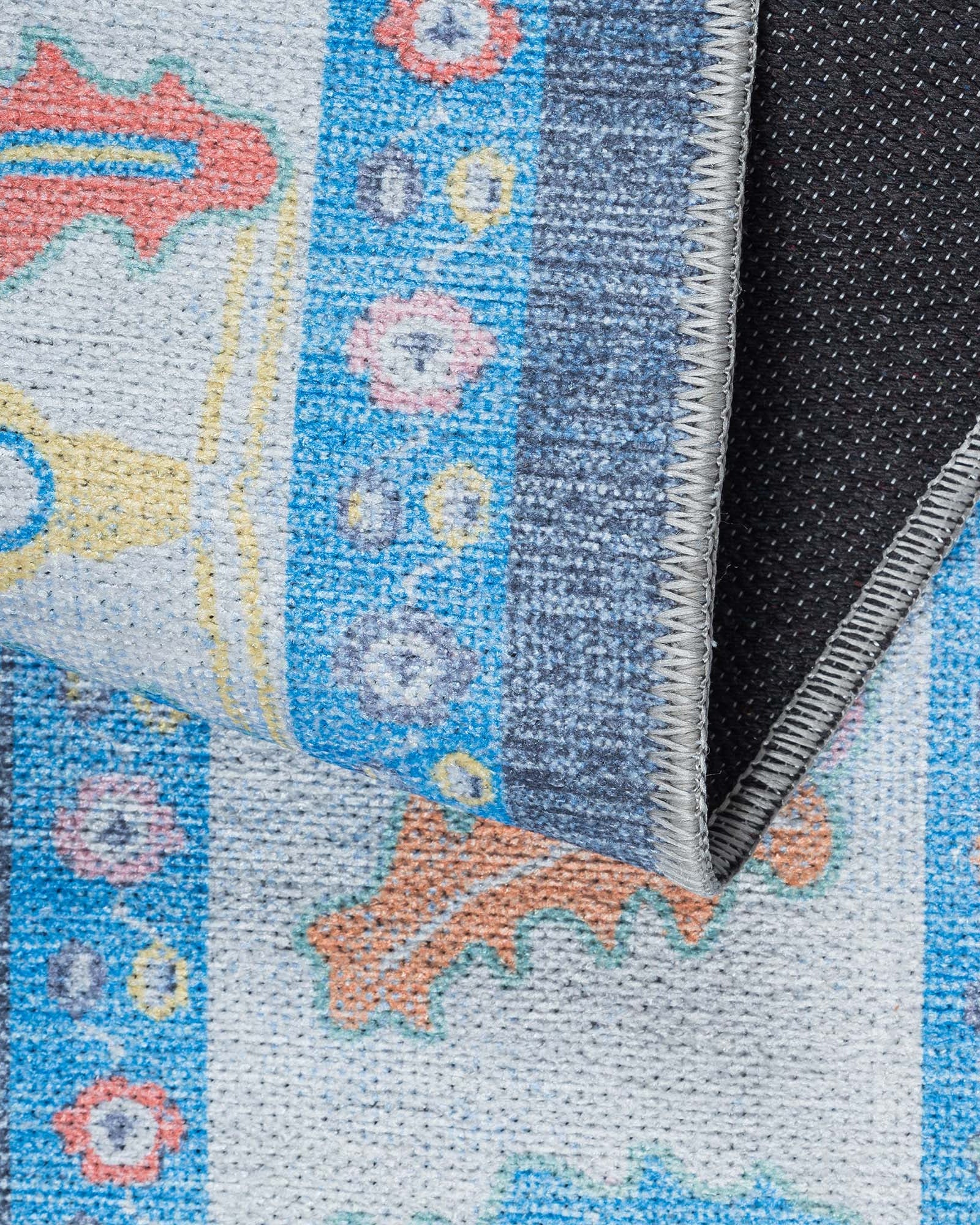
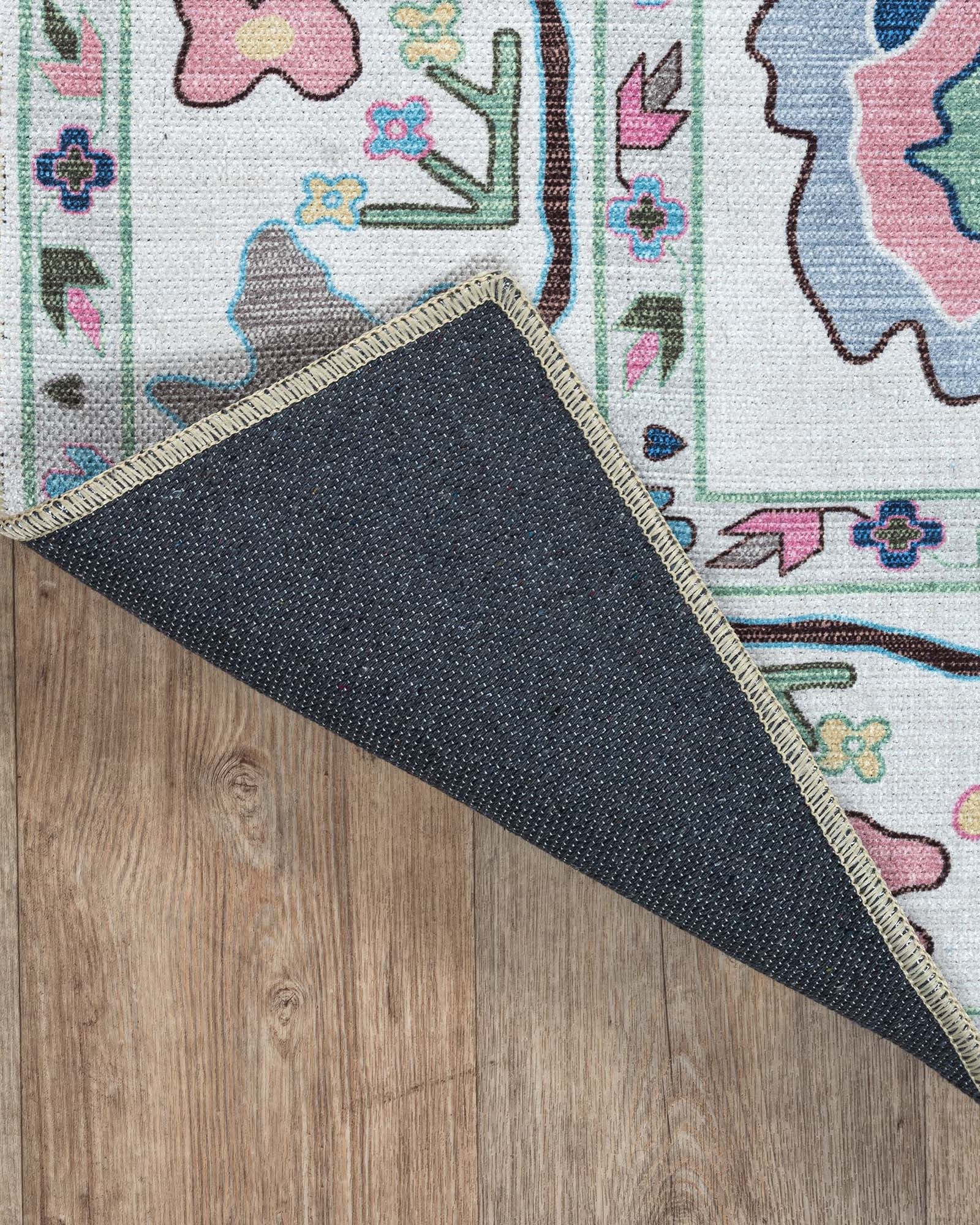
Turn the rug over and examine the fringe, which is the exposed warp thread. Wool warp typically looks coarser and more fibrous than cotton, often slightly variable in colour since it is frequently undyed natural wool rather than bleached white. The back of the rug tends to feel softer and less rigid to the touch than a cotton-foundation piece, and the whole rug will fold and drape more readily. Where the foundation is identified with confidence, the product page states it directly.
What Comes With It
Wool foundations are somewhat more prone to gentle shape irregularity over time than cotton, simply because wool is a less dimensionally stable fibre. A wool-on-wool rug is less likely to lie perfectly, sharply flat and more likely to show the gentle waviness described above, especially in larger pieces. This is a genuine characteristic to expect, not a flaw specific to any individual rug, and it is part of what gives these pieces their soft, settled, lived-in quality.
Age, Condition and Measurement
Pieces are grouped as antique at over eighty years, vintage at roughly forty to eighty, and semi-vintage below that. Every product page states the foundation material directly, along with the estimated decade, origin where identifiable, exact measured dimensions and a plain condition note. Expect the same honest wear found across handmade collections — lower pile in traffic lanes, softened selvages, occasional old repairs — plus the gentle undulation typical of wool-foundation construction. Sizes are never standard, and wool-on-wool pieces in particular can vary along their length; order against the measurements shown.
Care
Use a rug pad on hard floors — it also helps a wool-foundation rug's gentle waviness settle flatter over time. Vacuum with the beater bar off or raised and keep it off the fringe. Rotate the rug twice a year. Blot spills immediately with a white cloth and plain water, pressing rather than rubbing. Wool's natural lanolin gives it more inherent water resistance than a cotton foundation, but never use a home carpet-cleaning machine or a steam cleaner. For deep cleaning, use a professional rug washer experienced with wool-foundation construction.