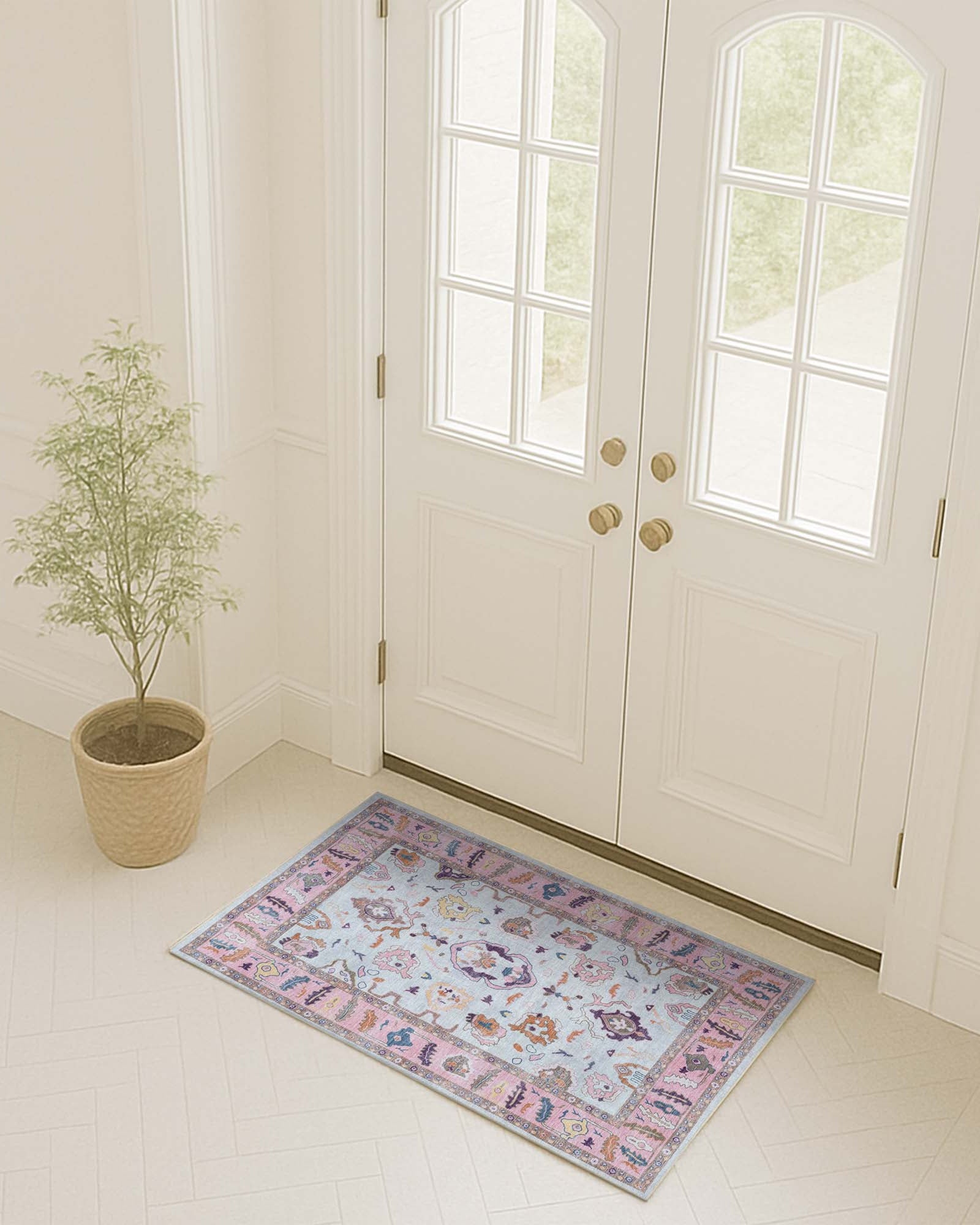
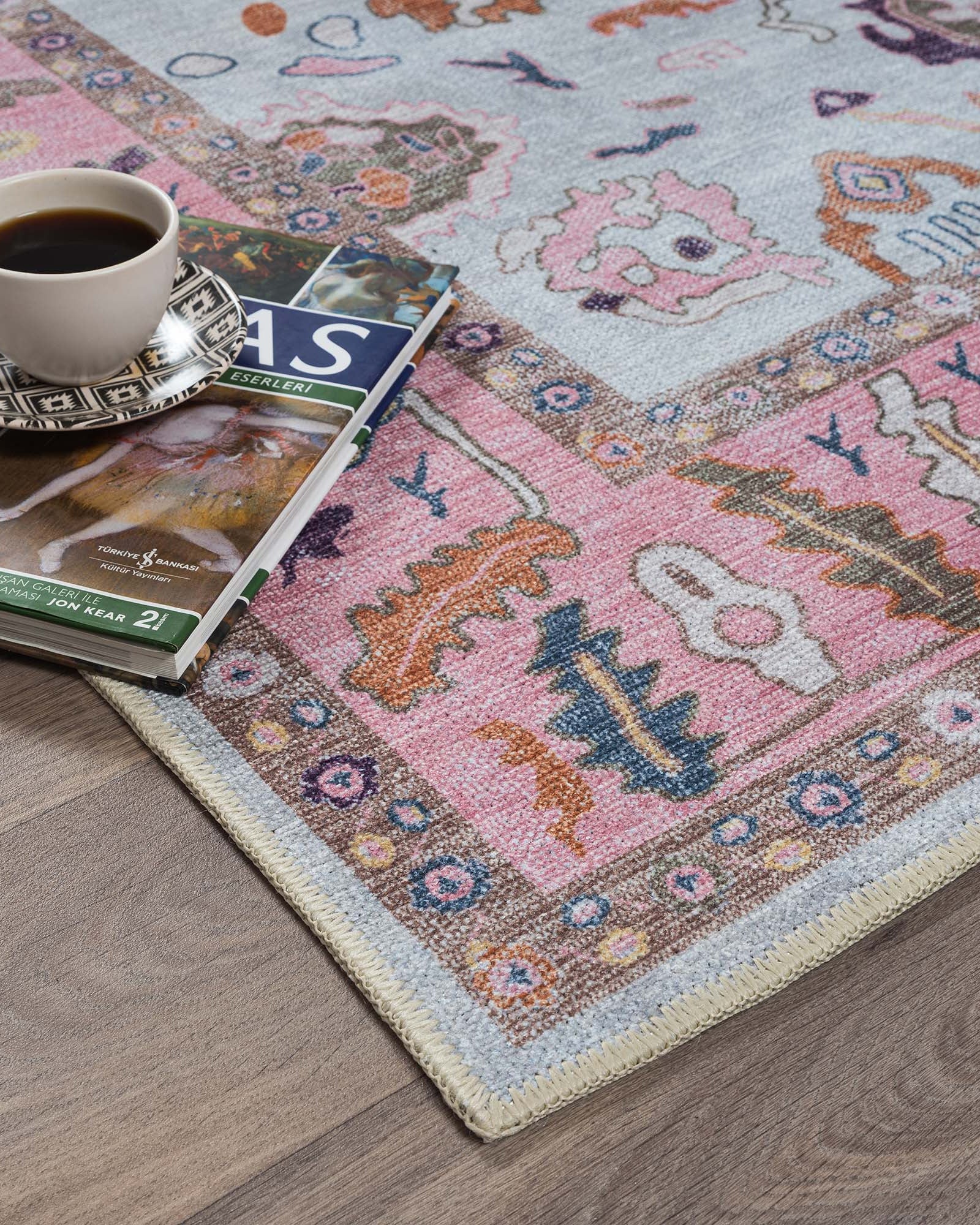
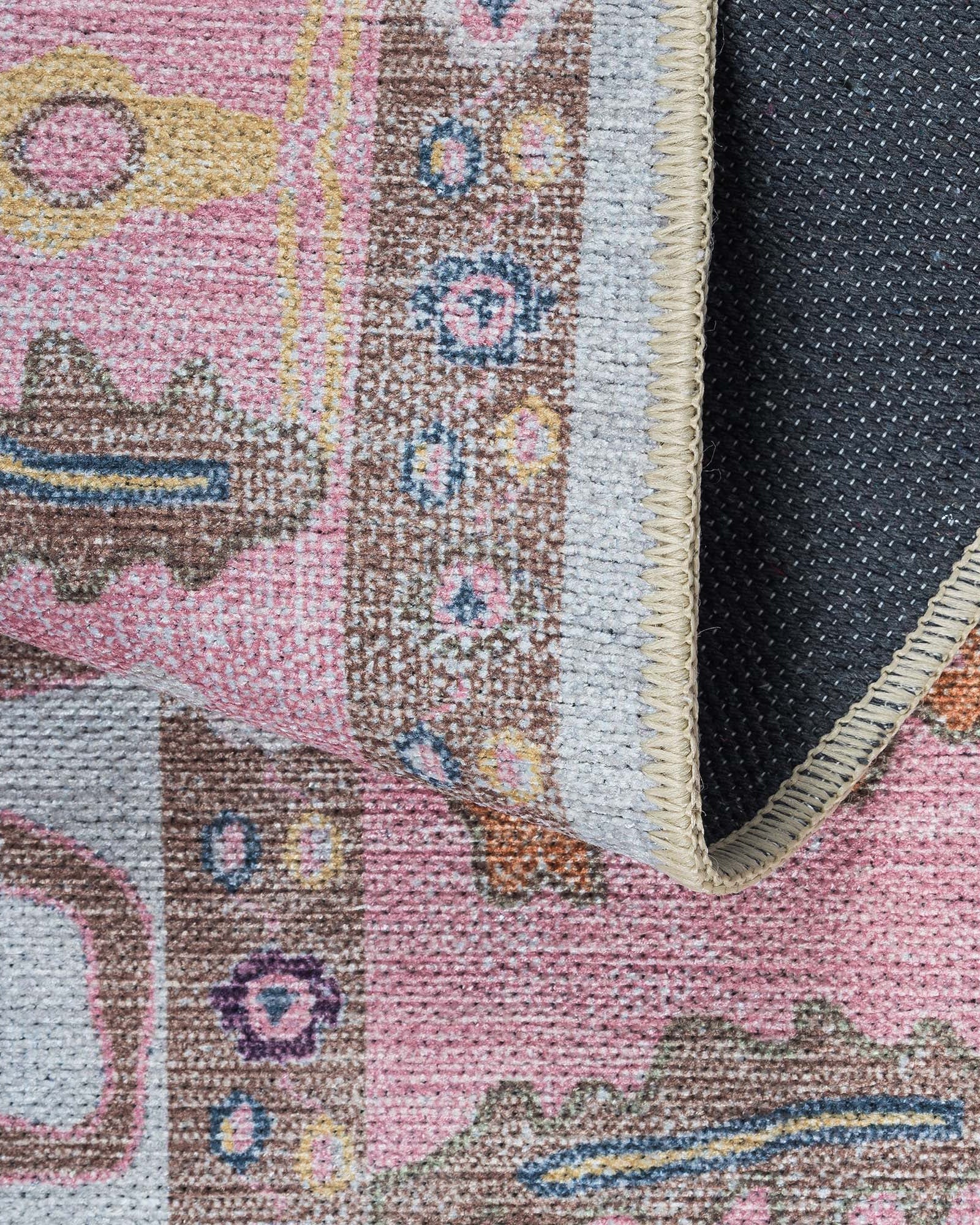
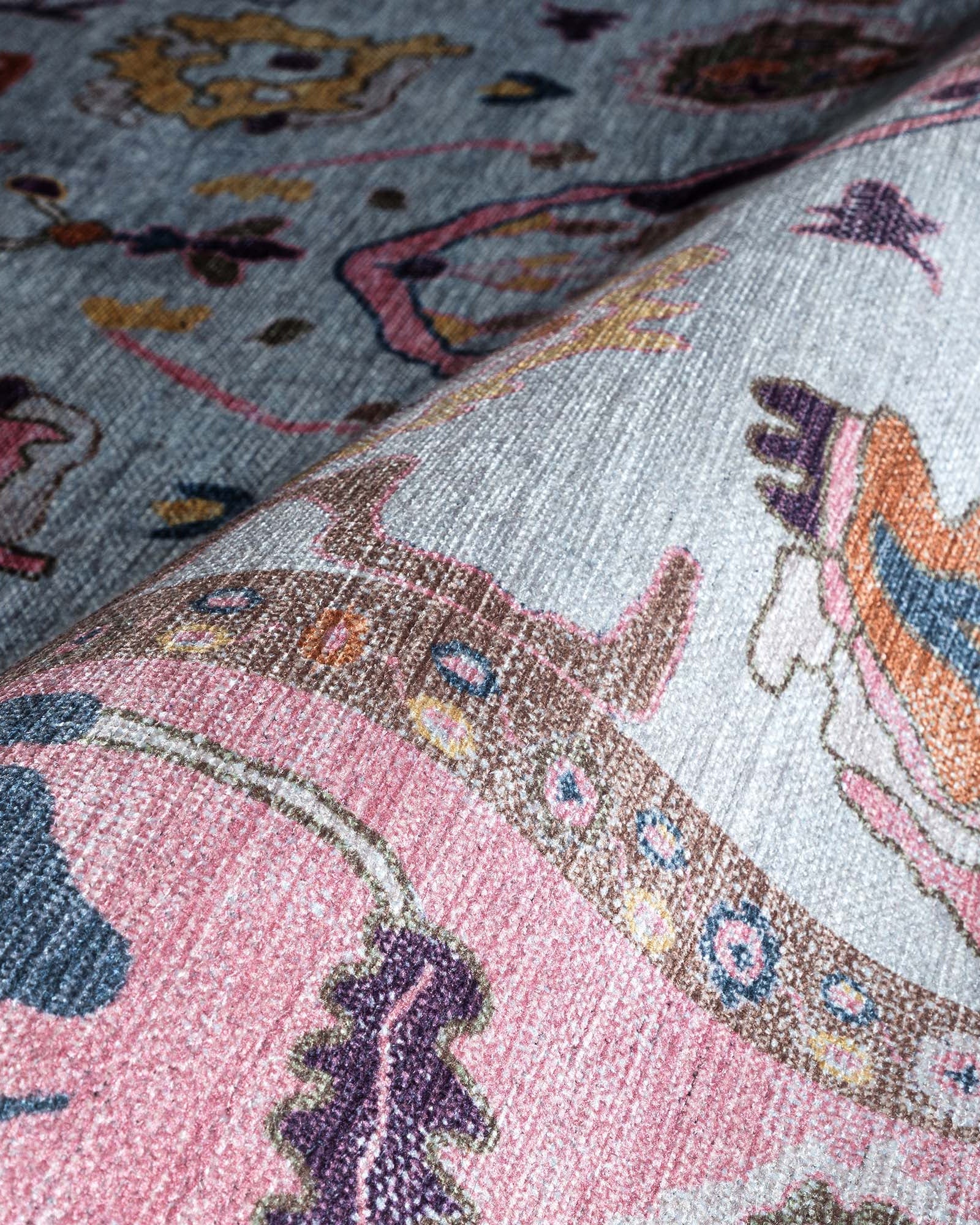
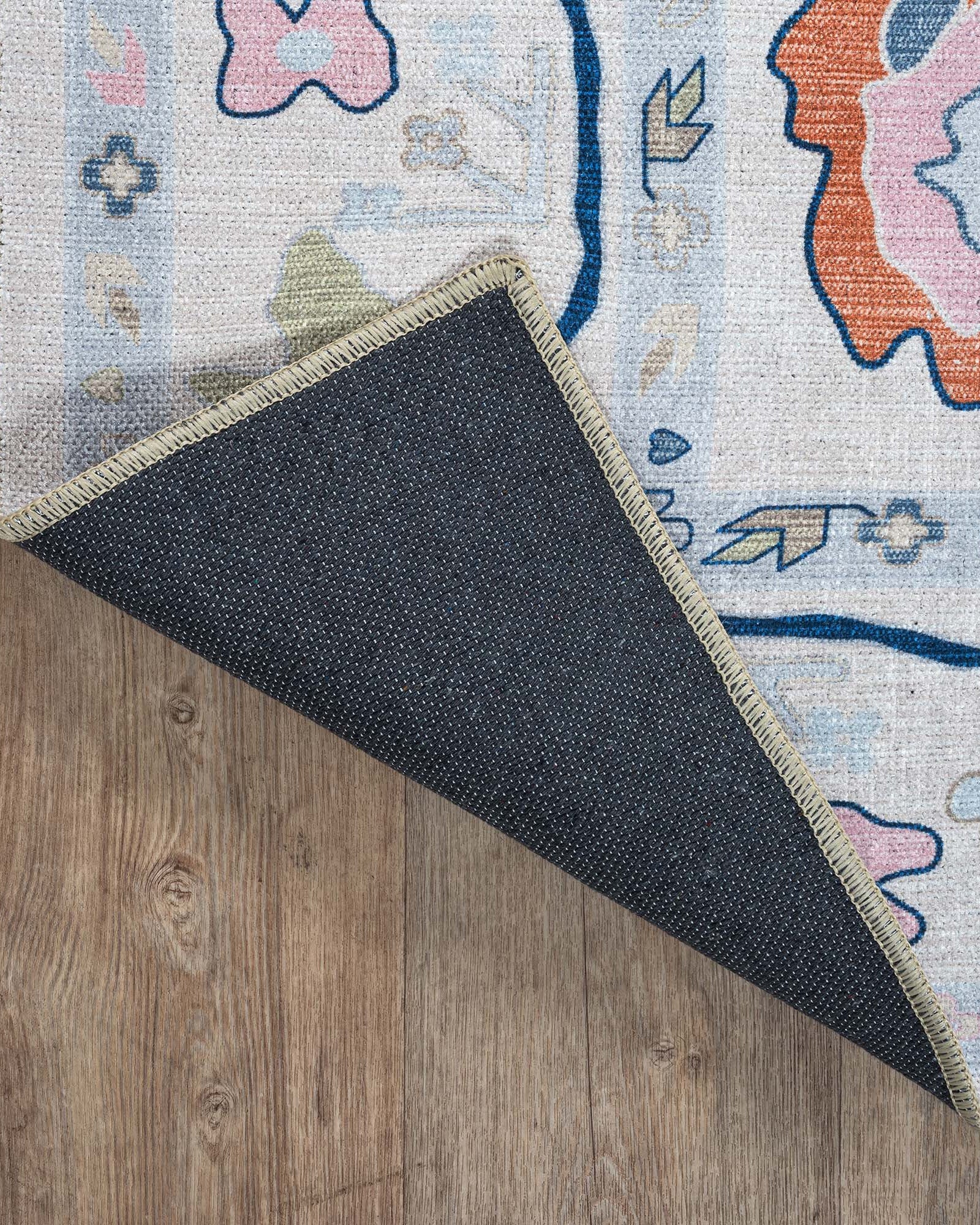
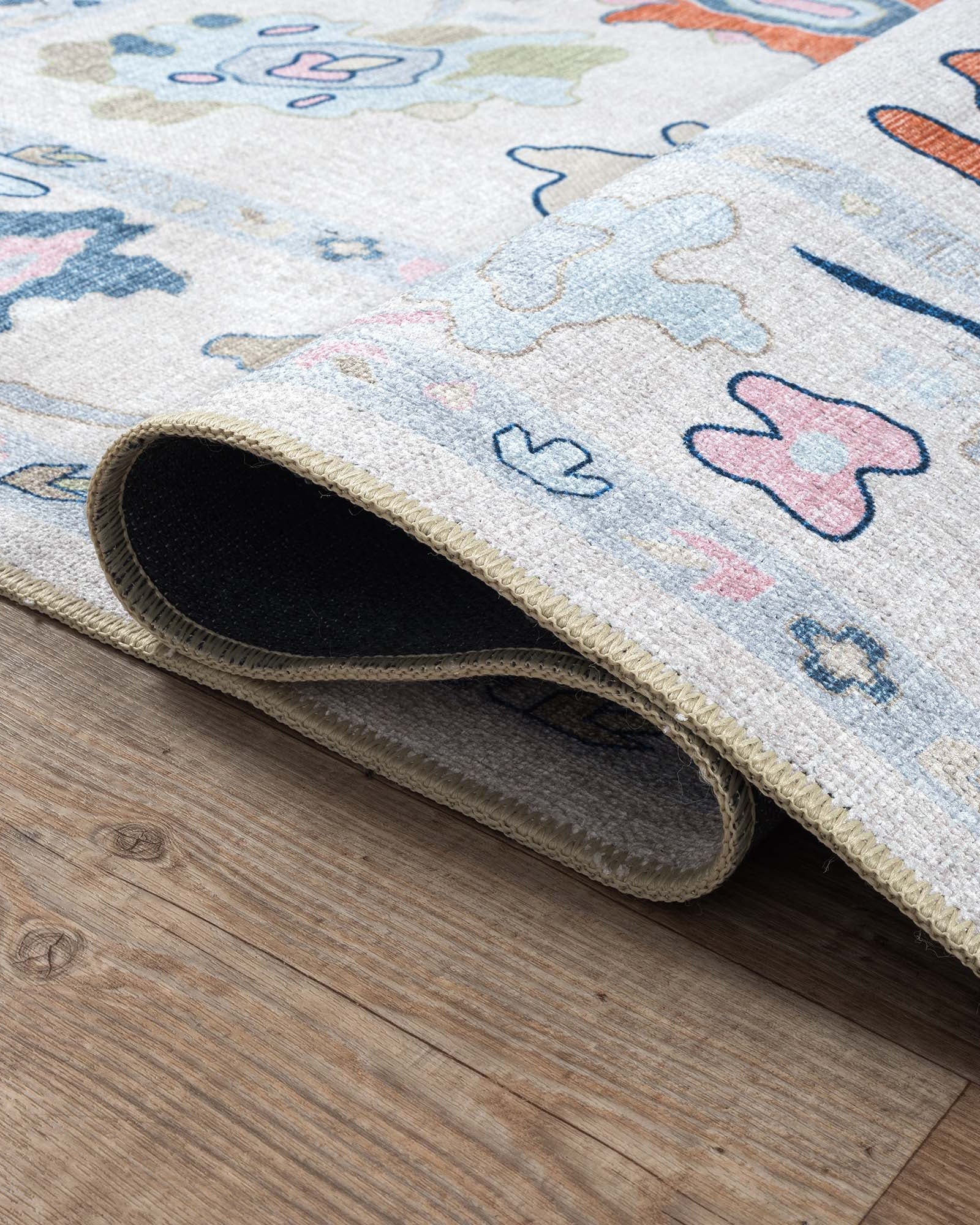
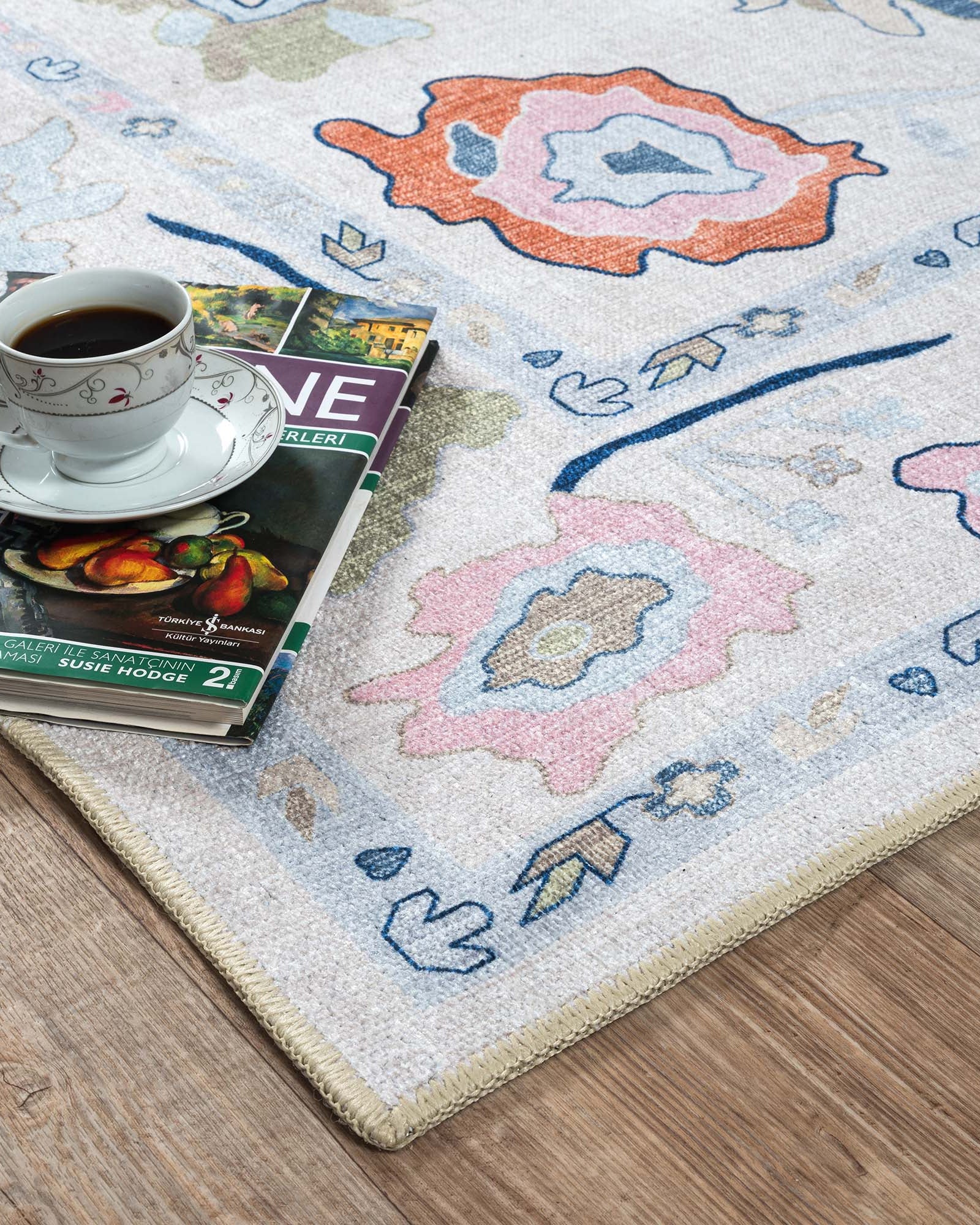
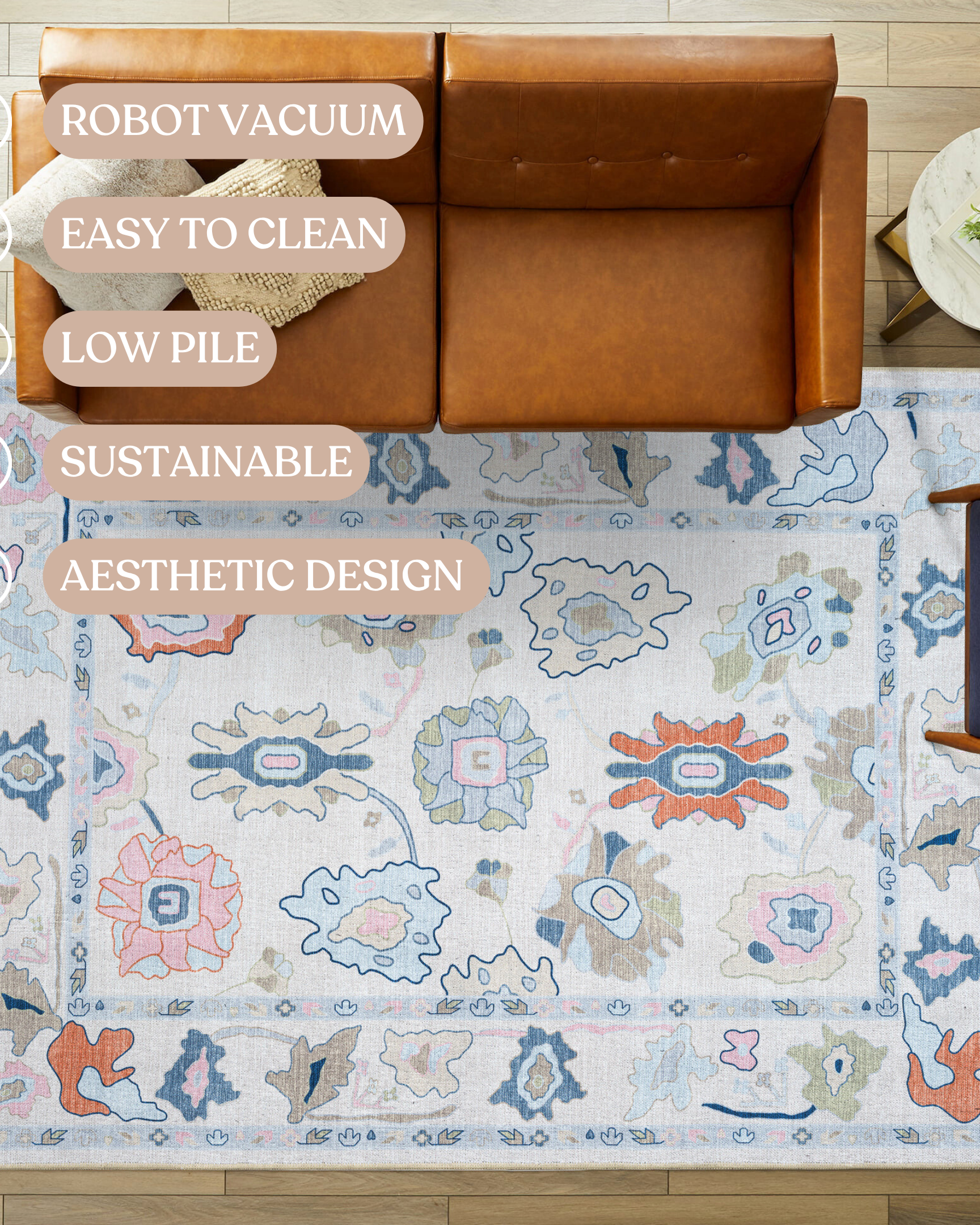
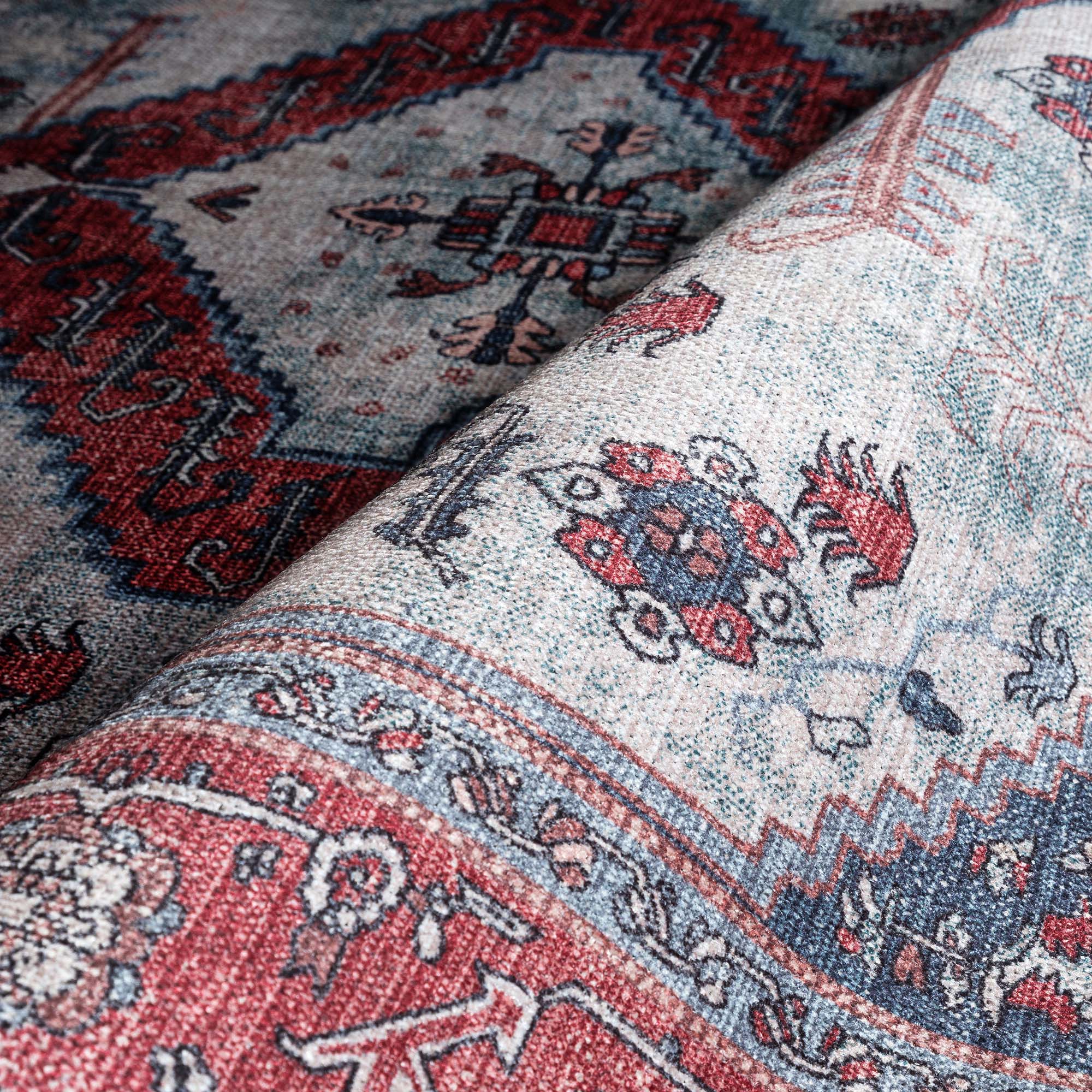
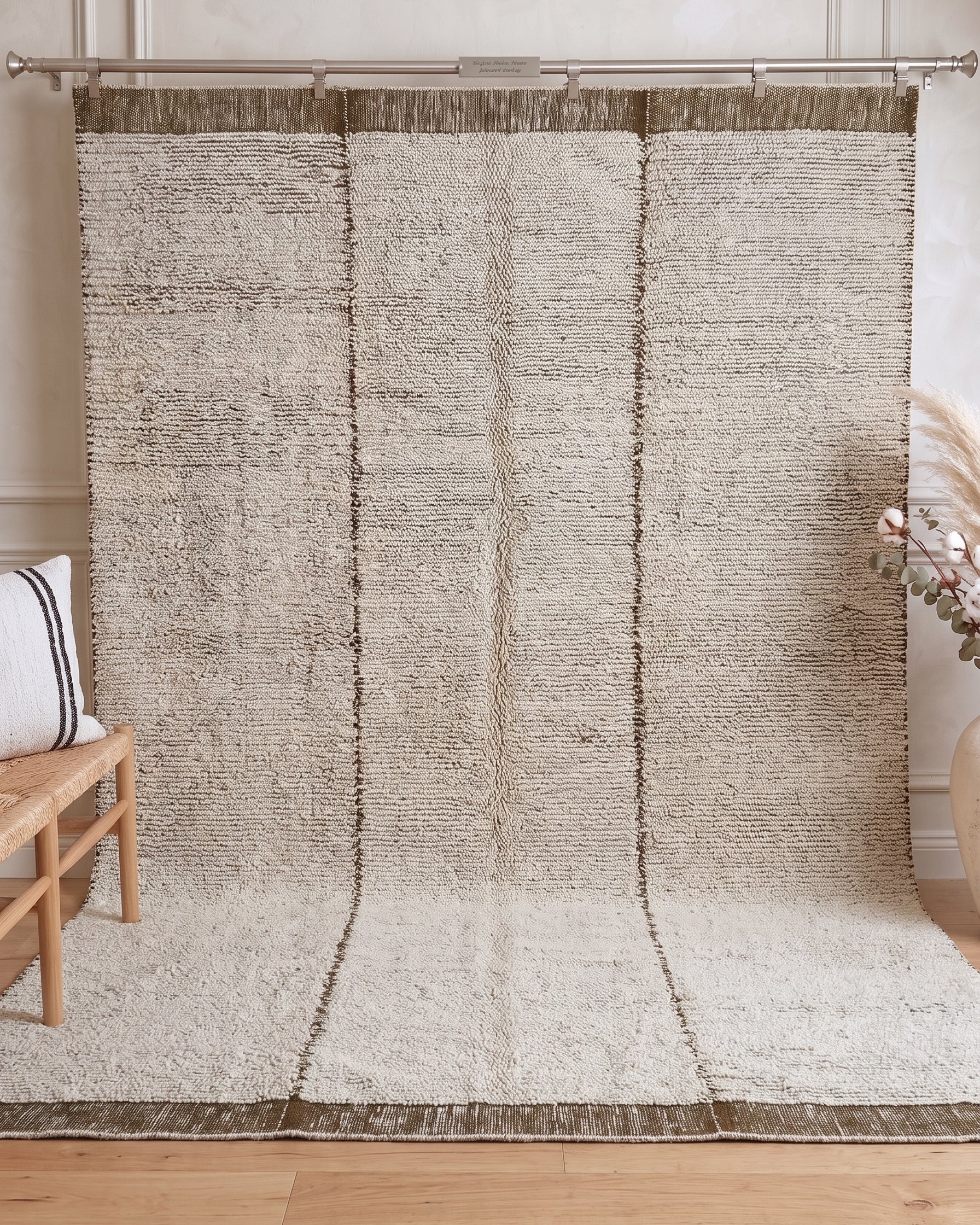
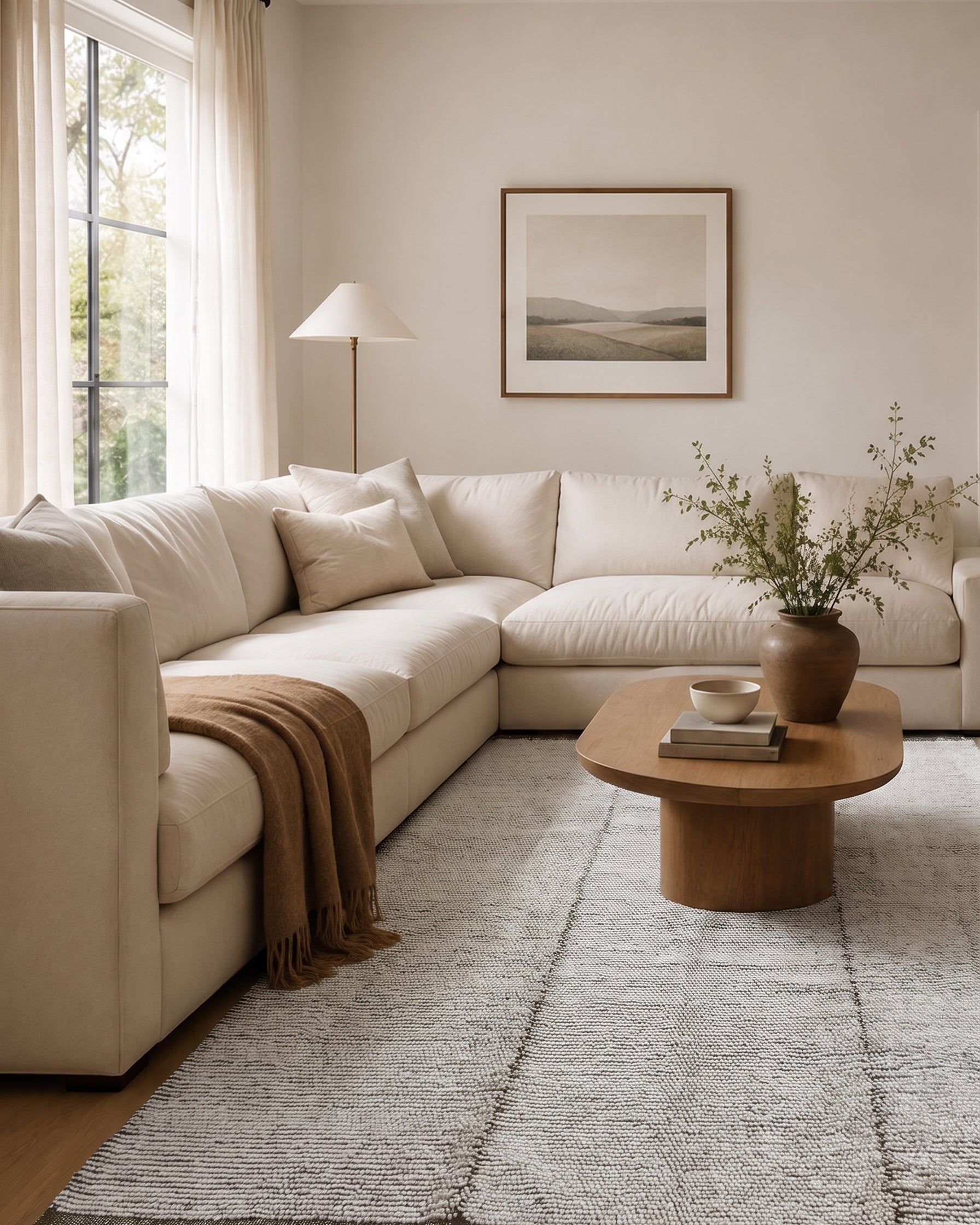
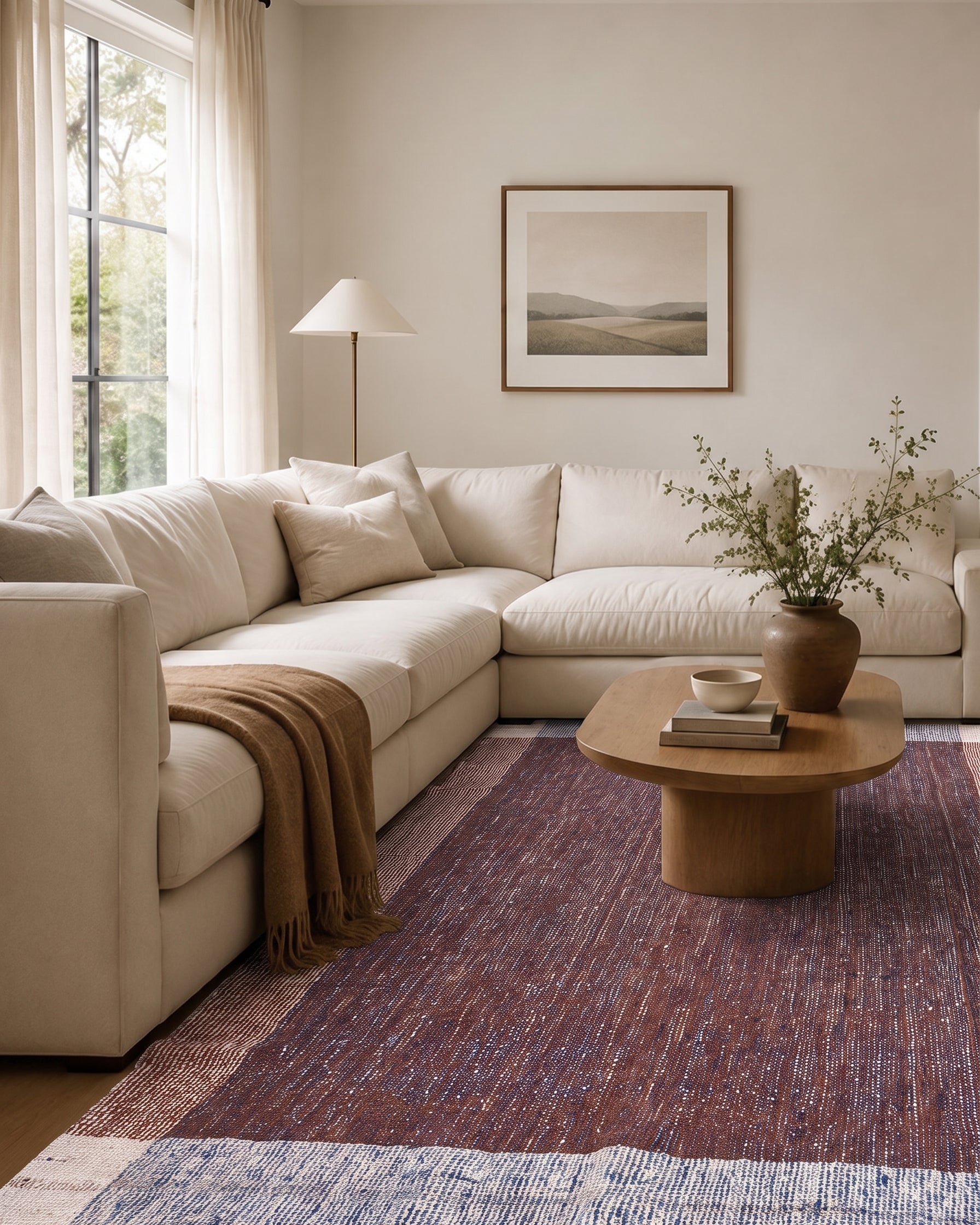
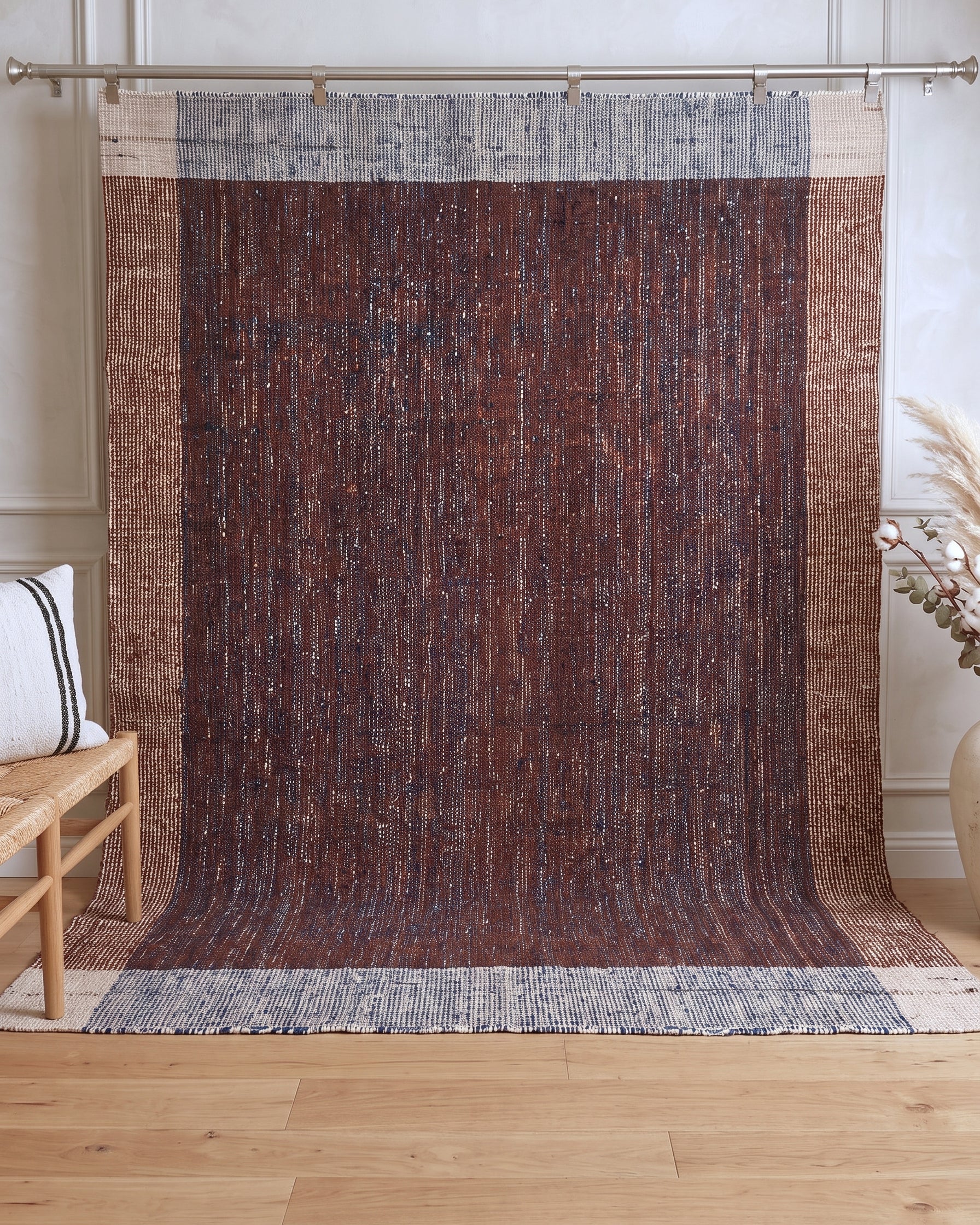
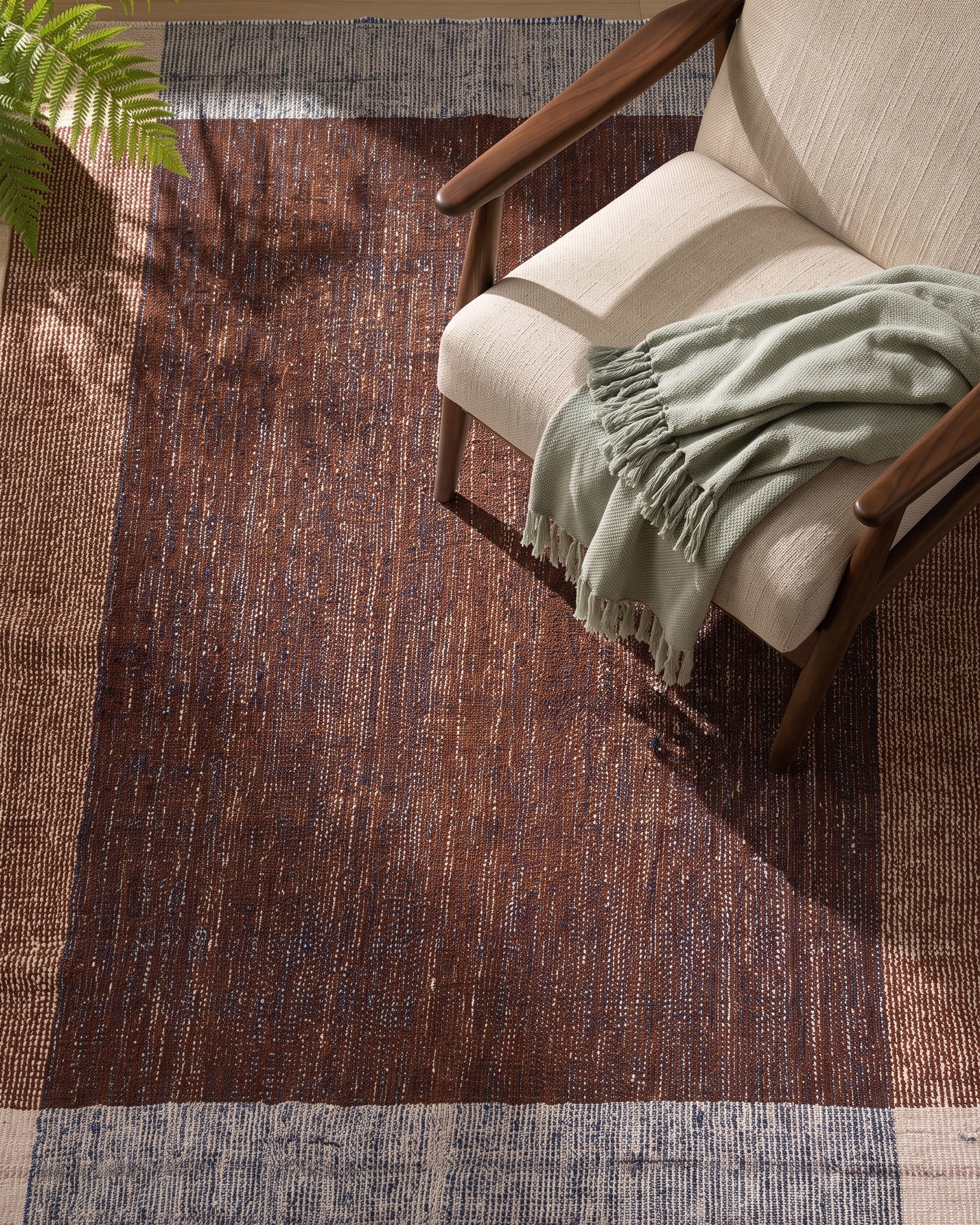
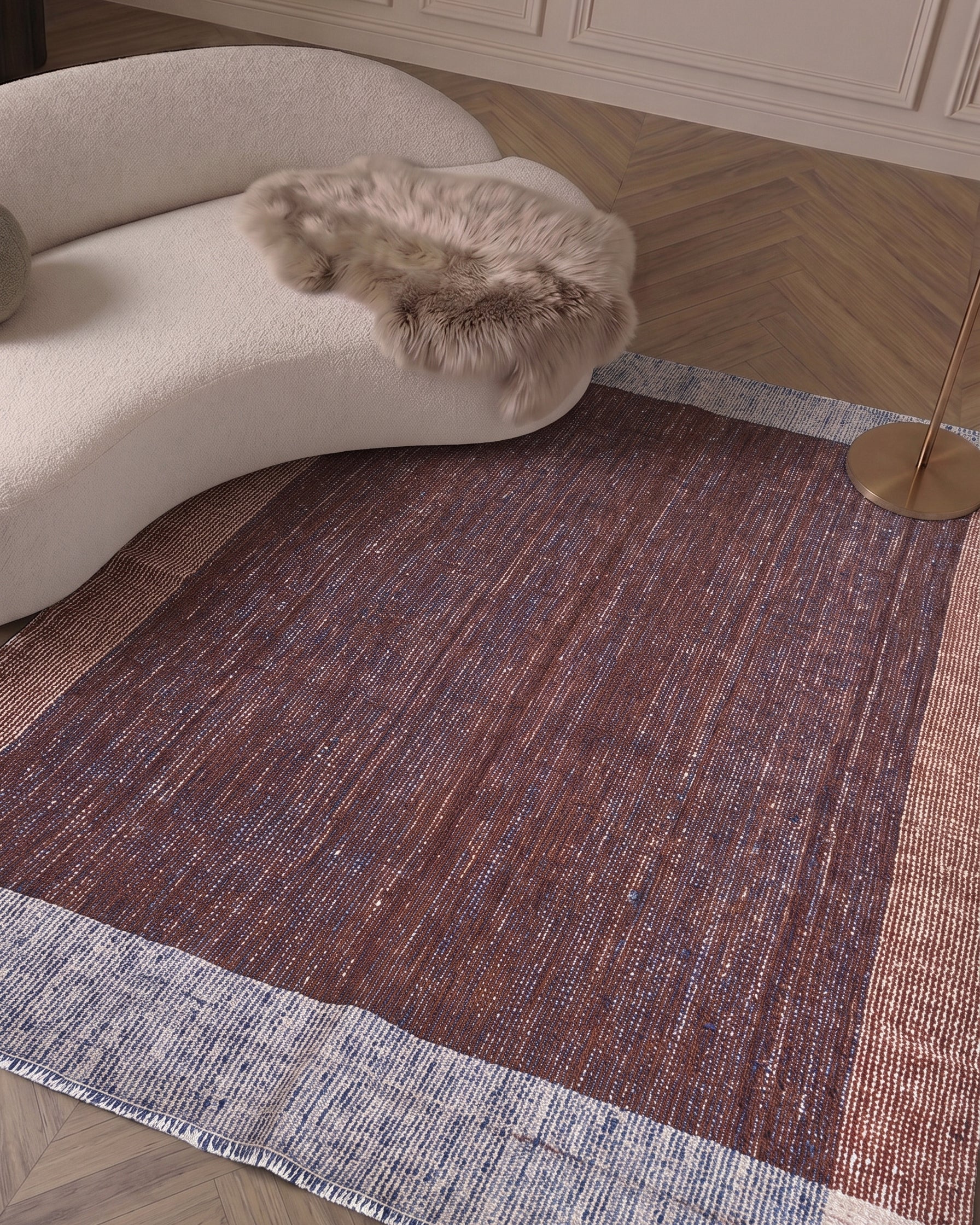
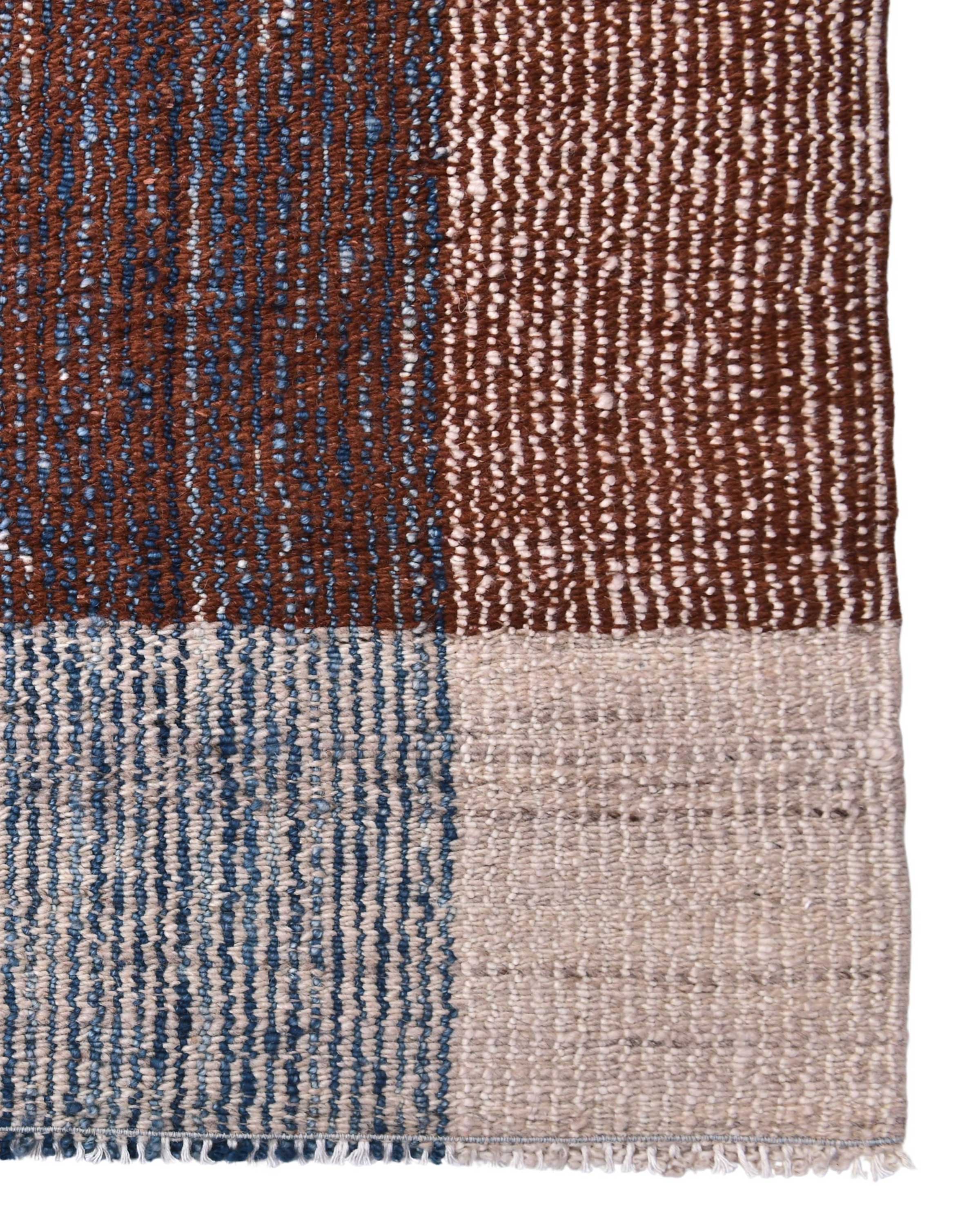
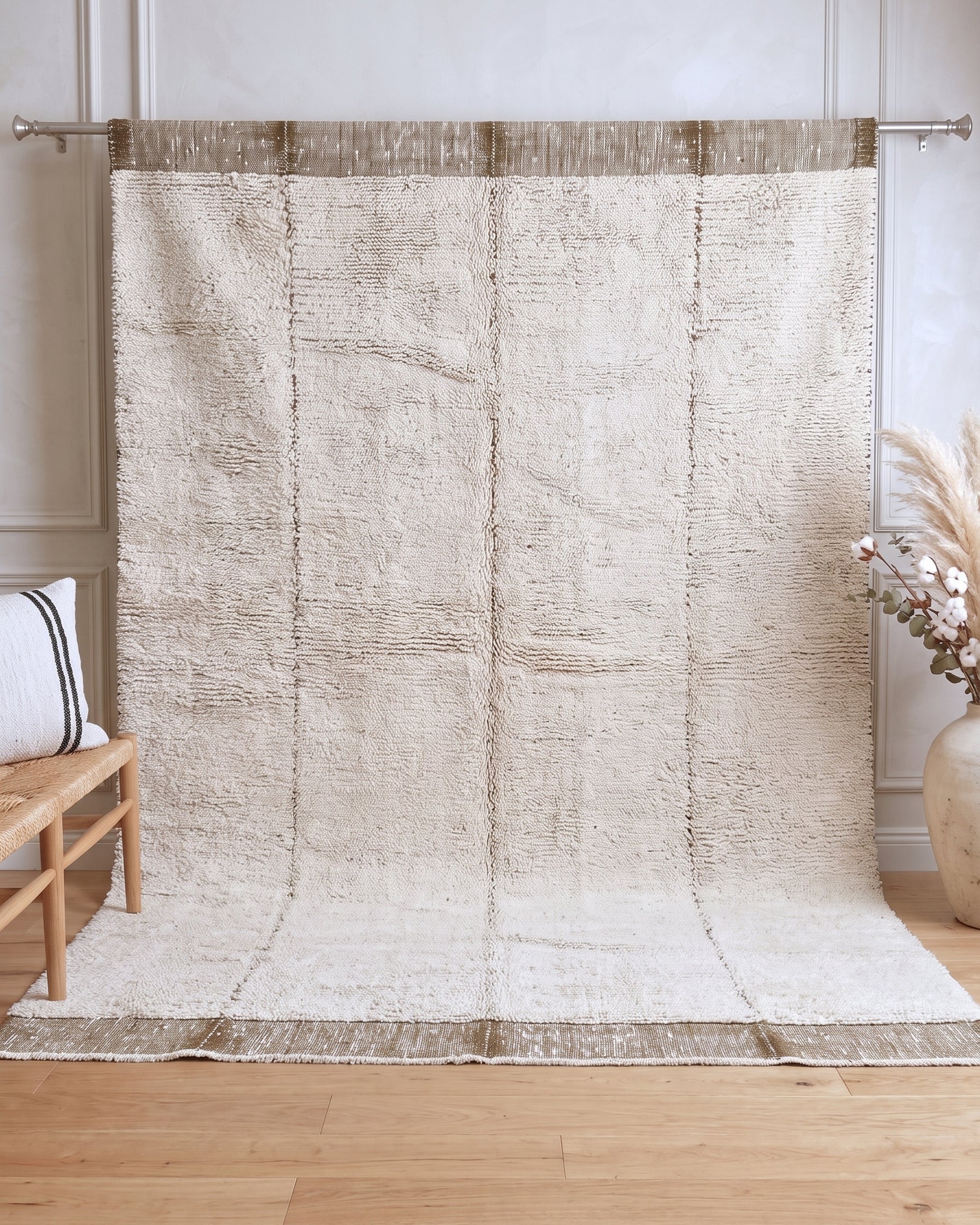
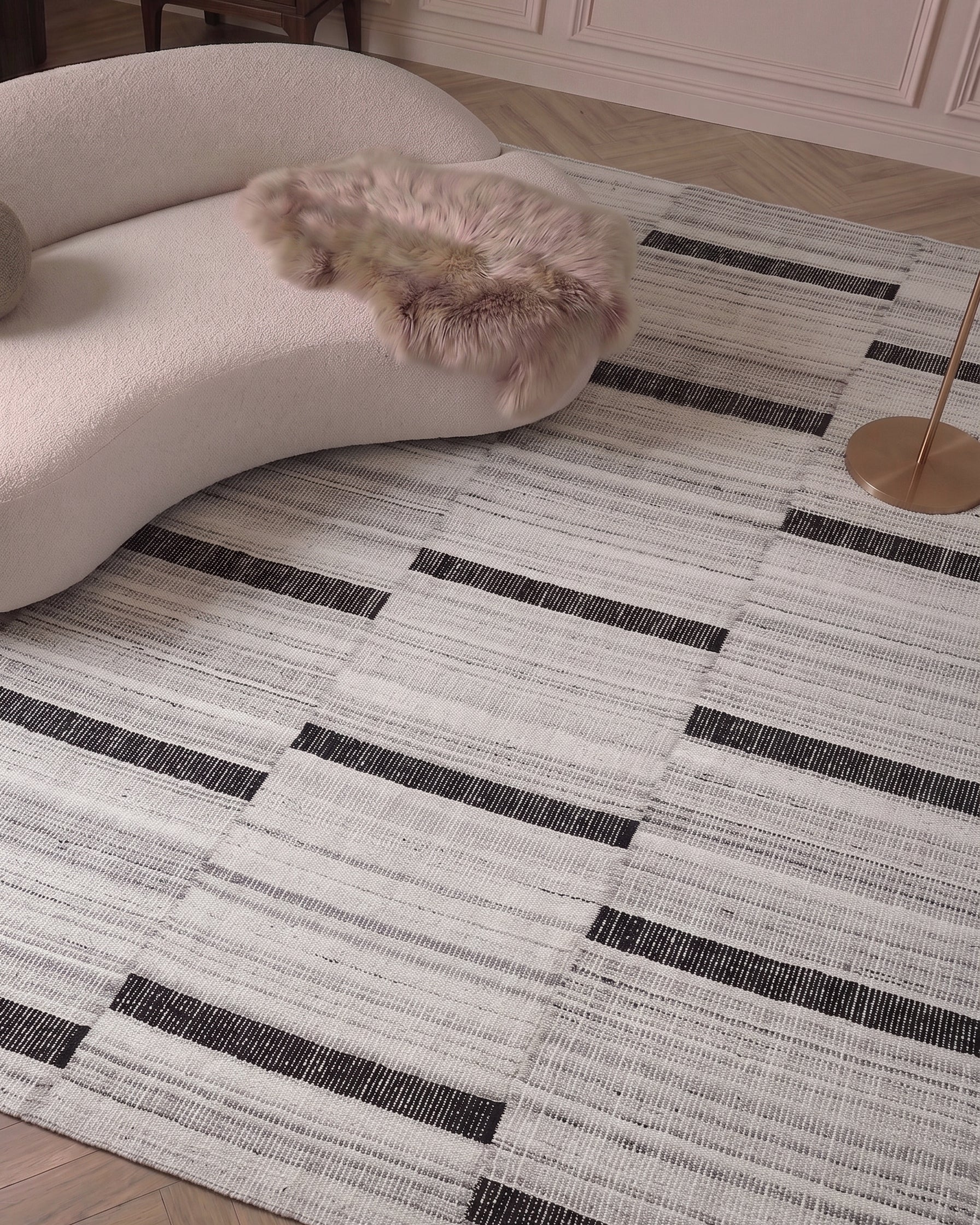
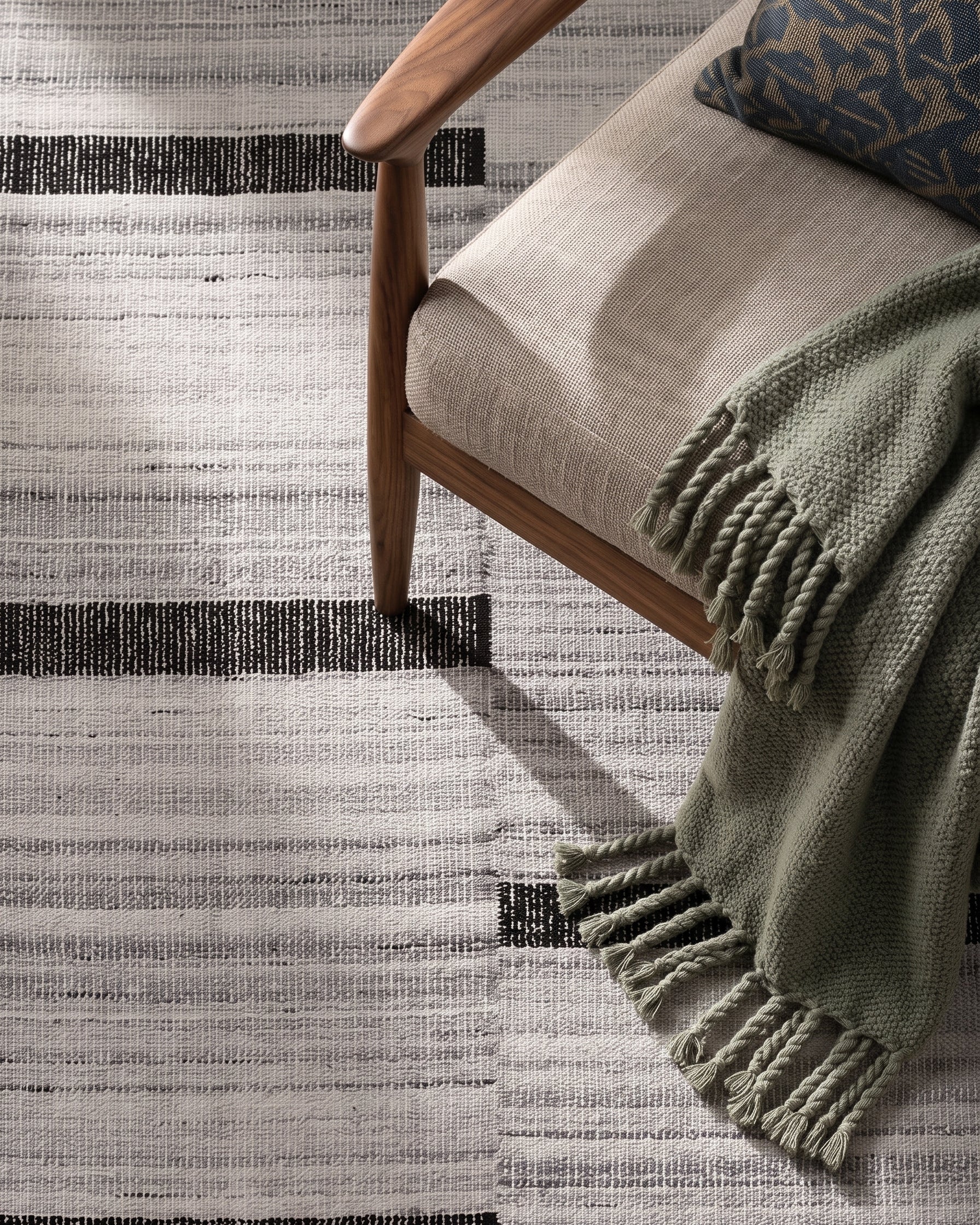
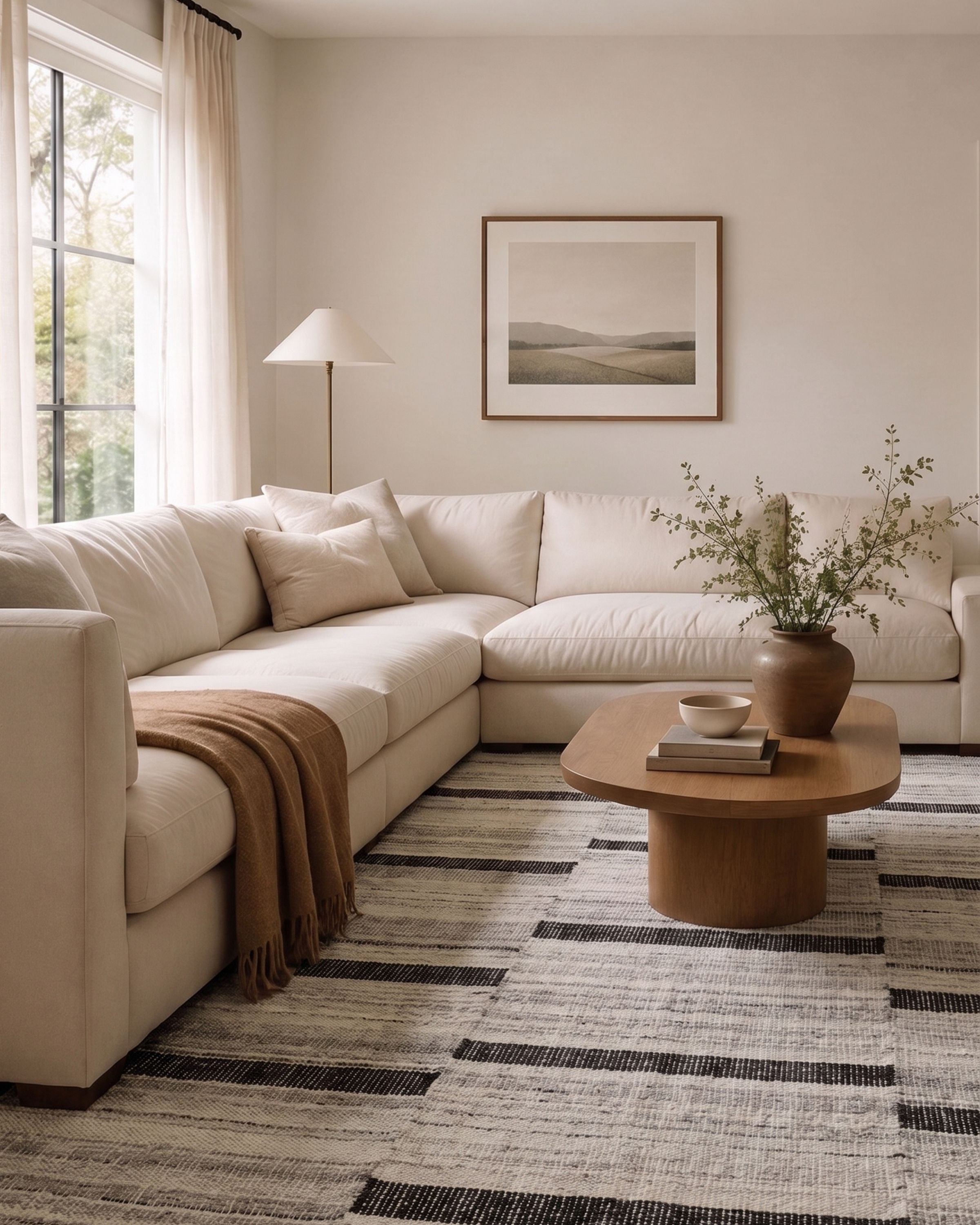
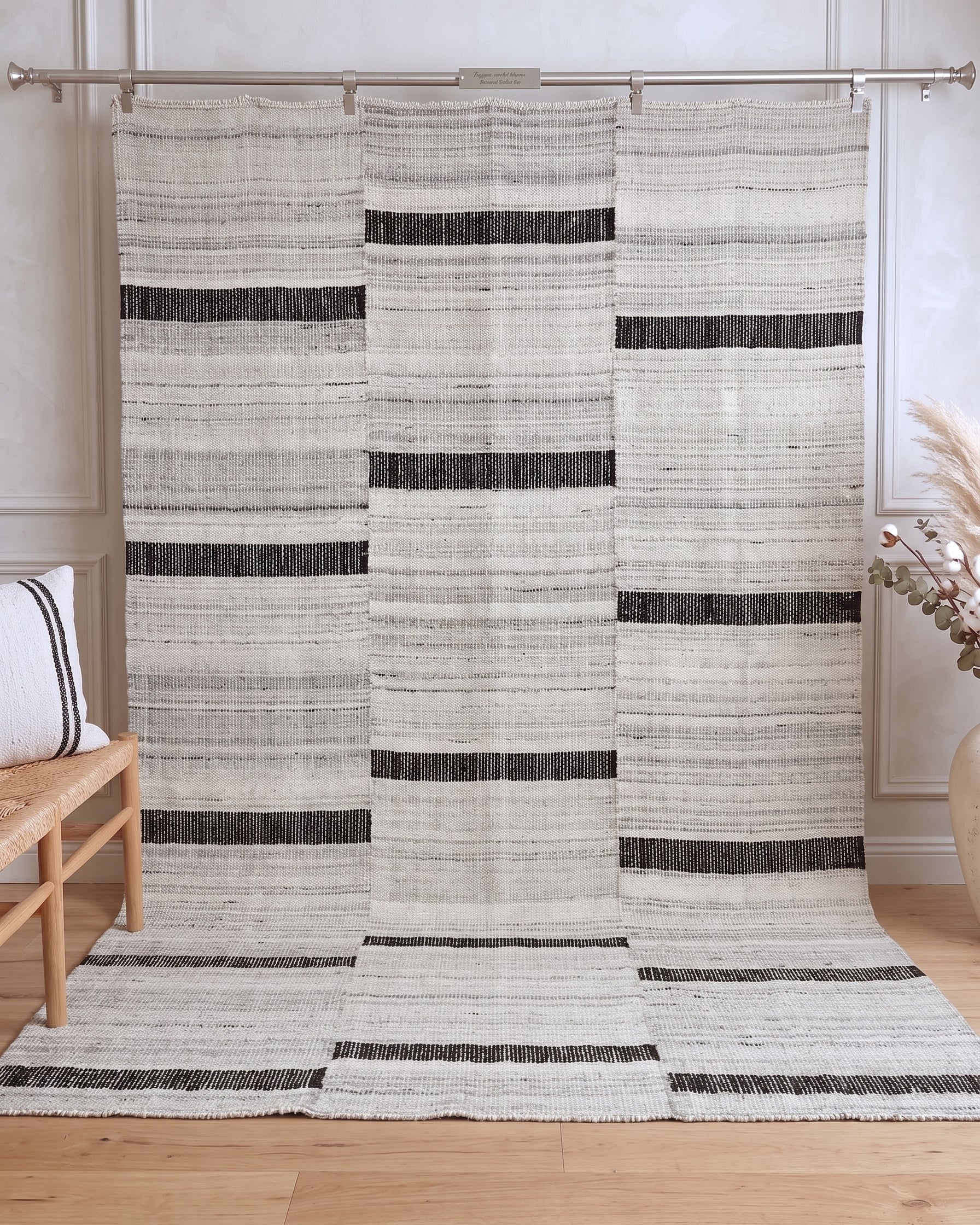
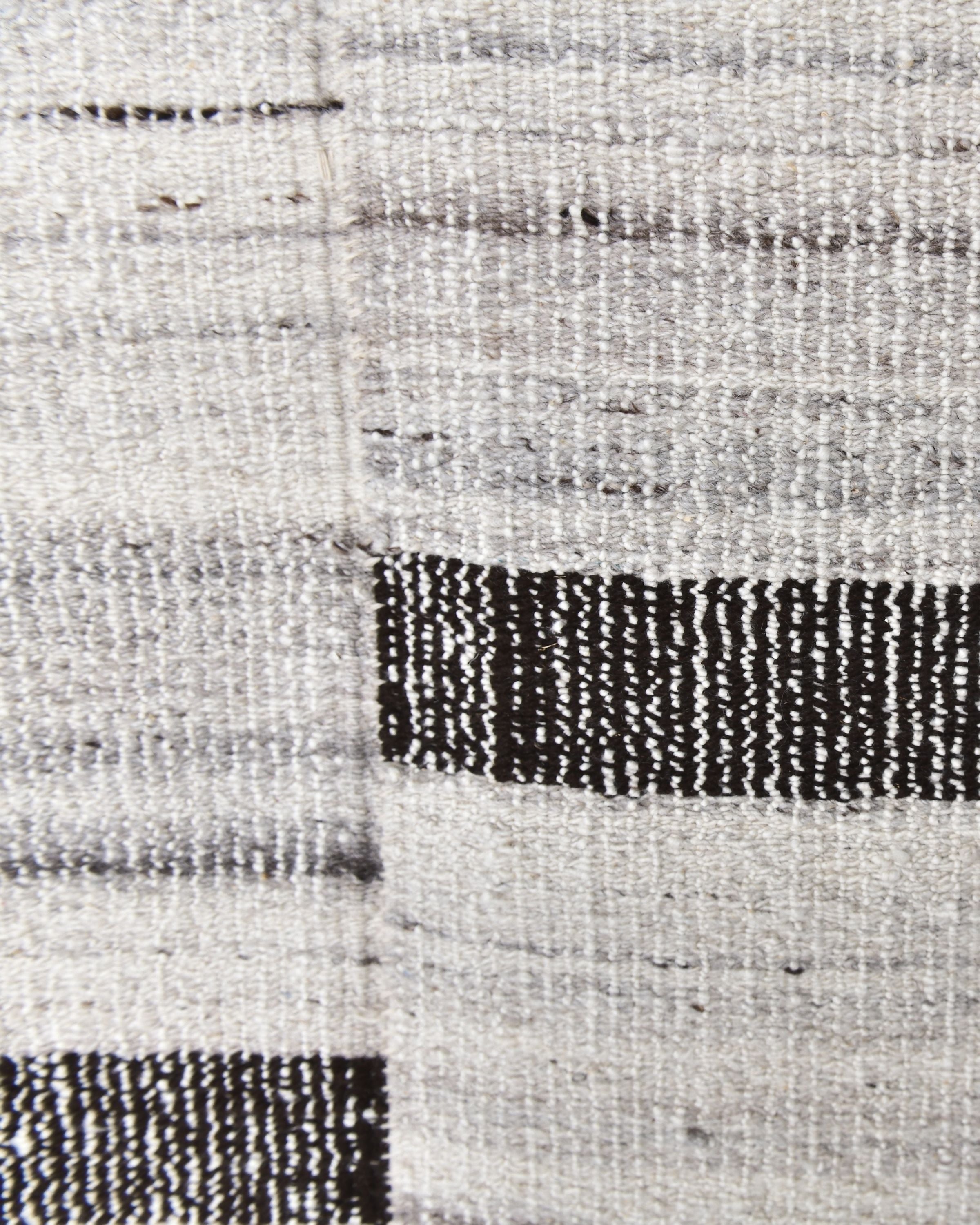
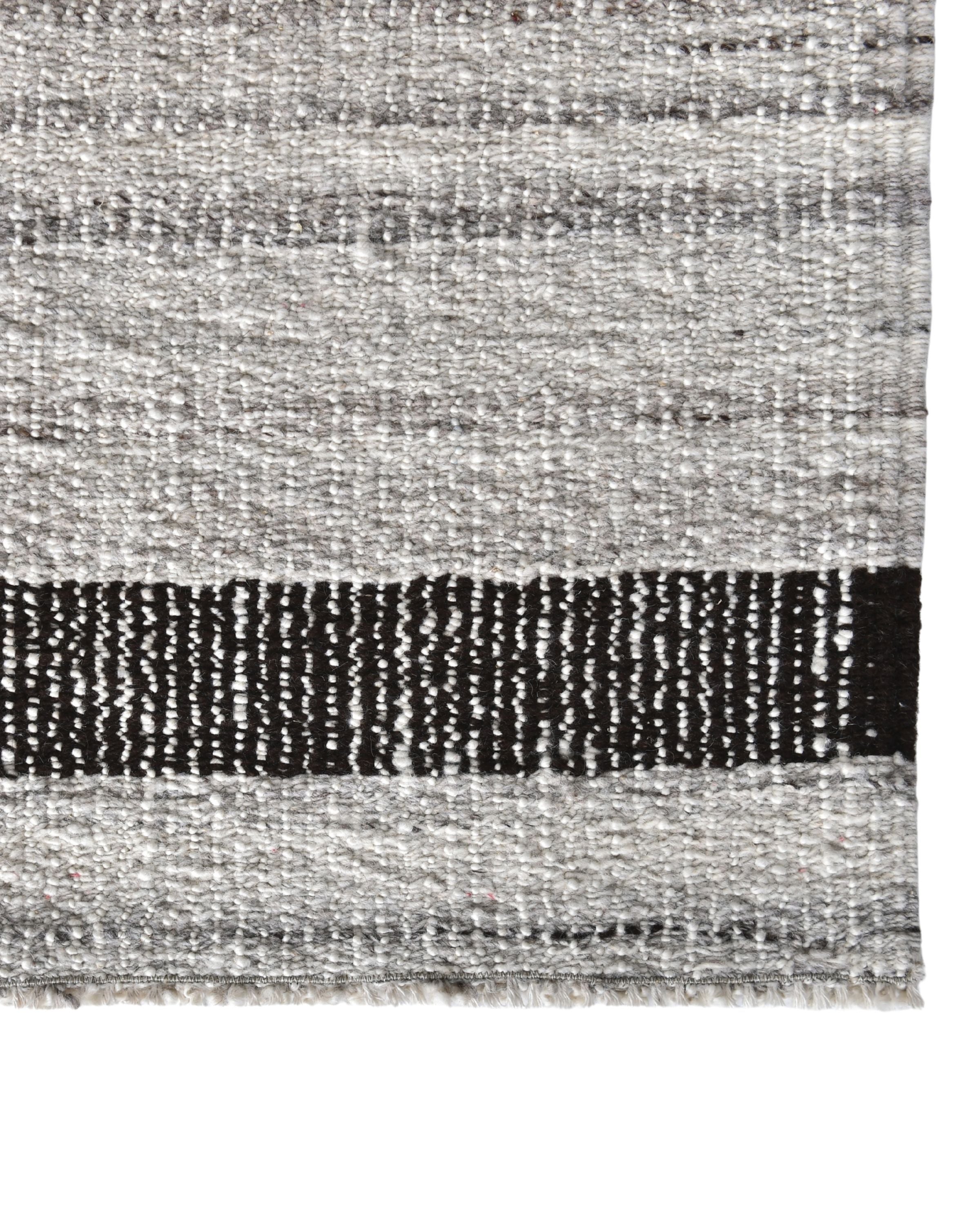
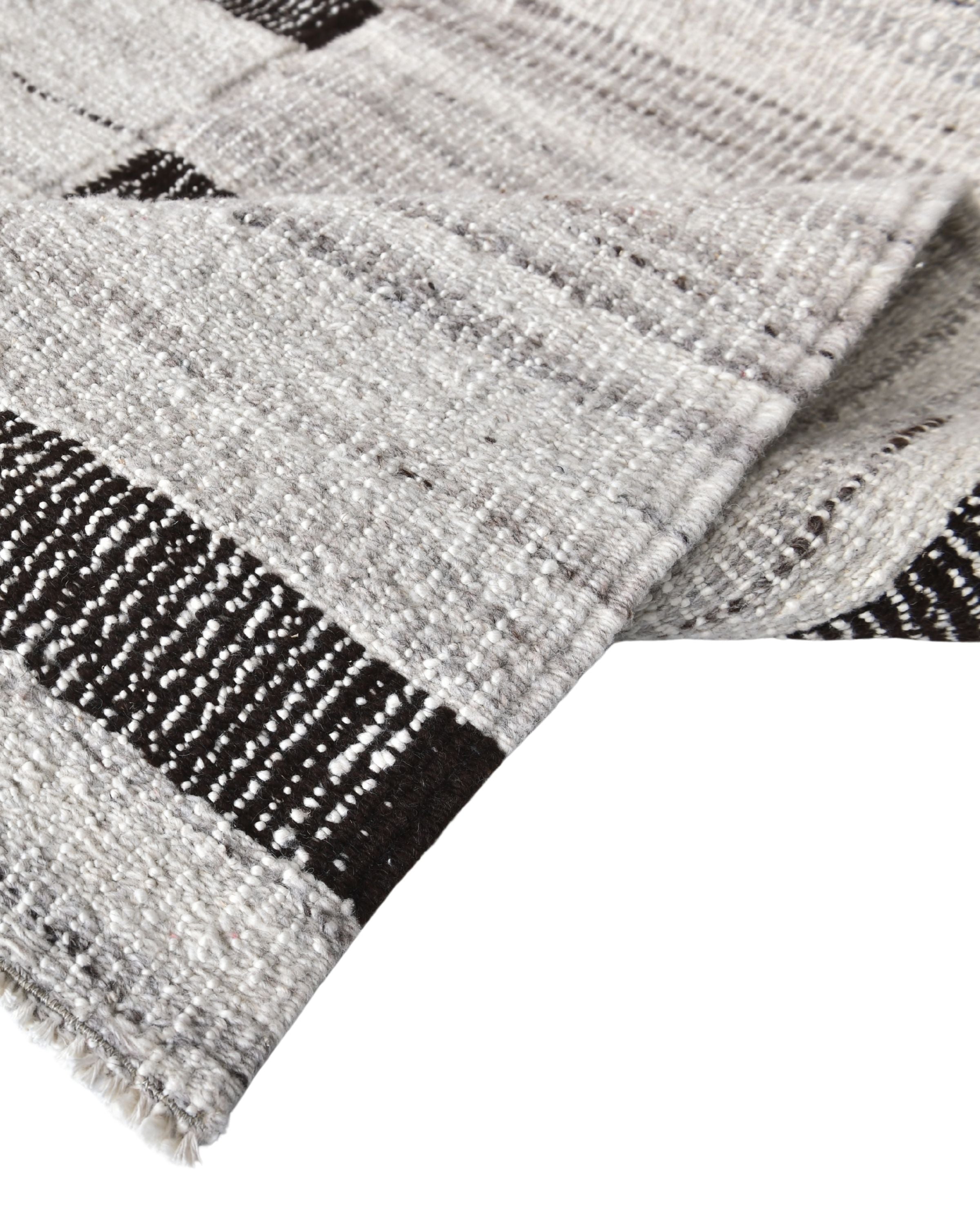
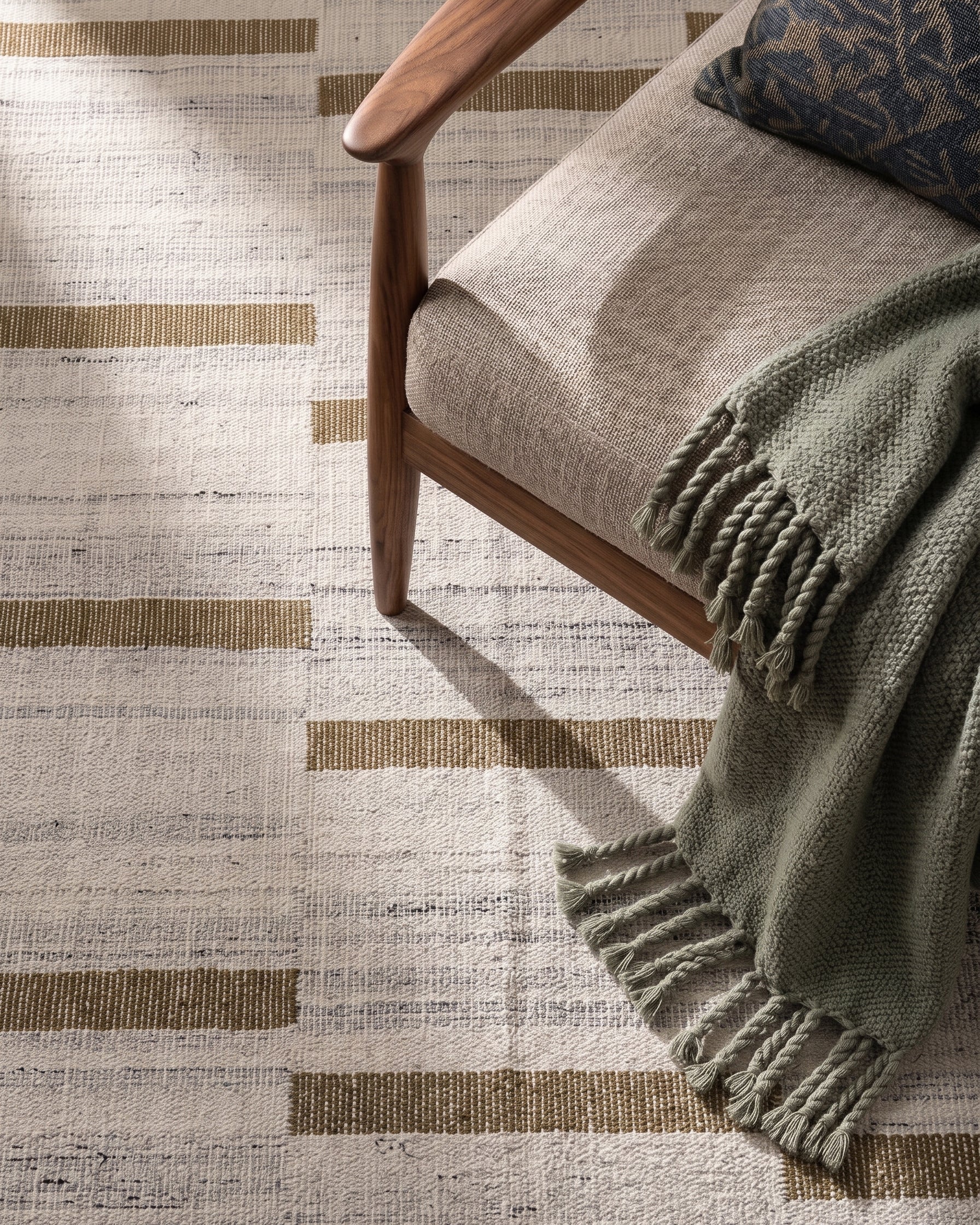
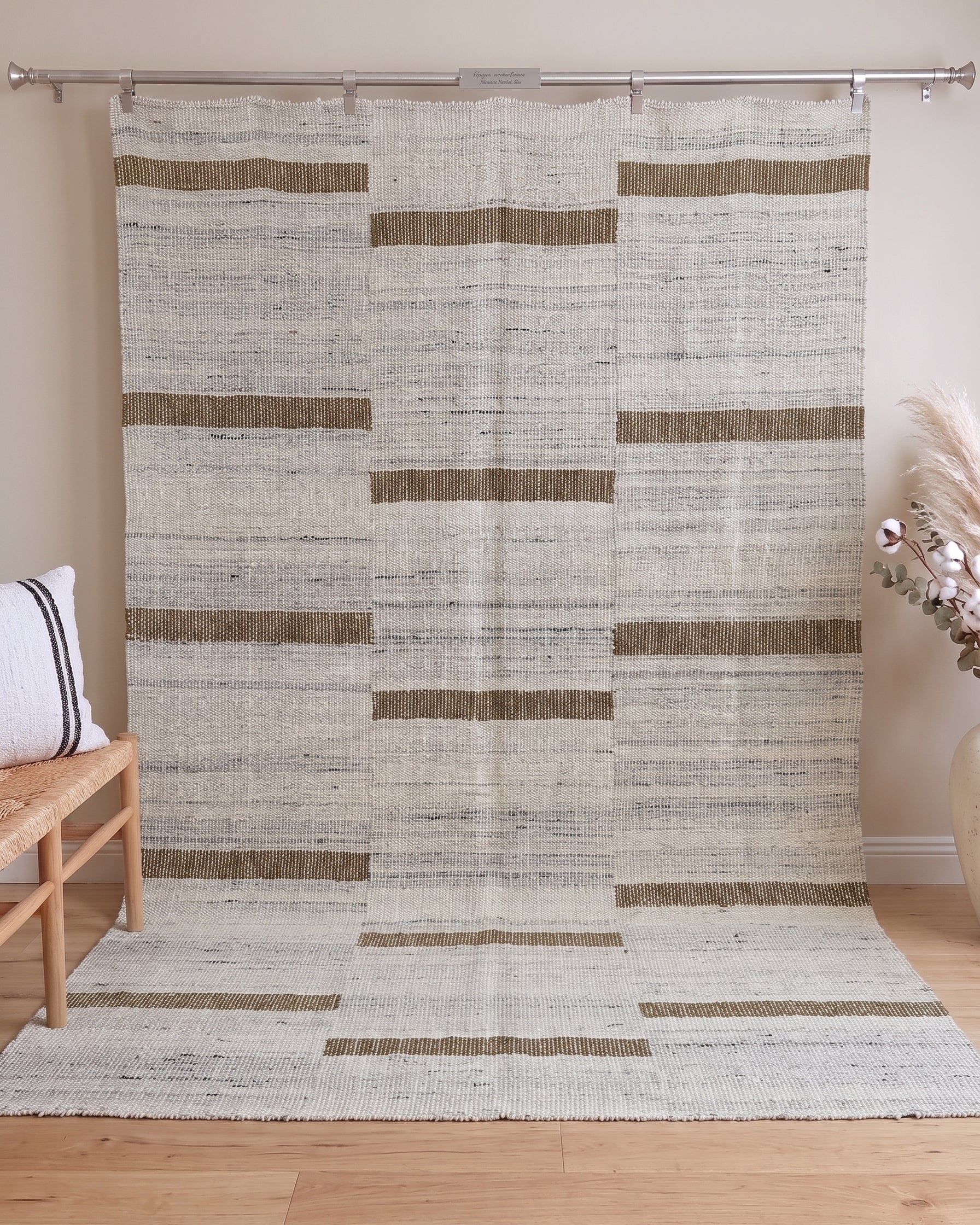
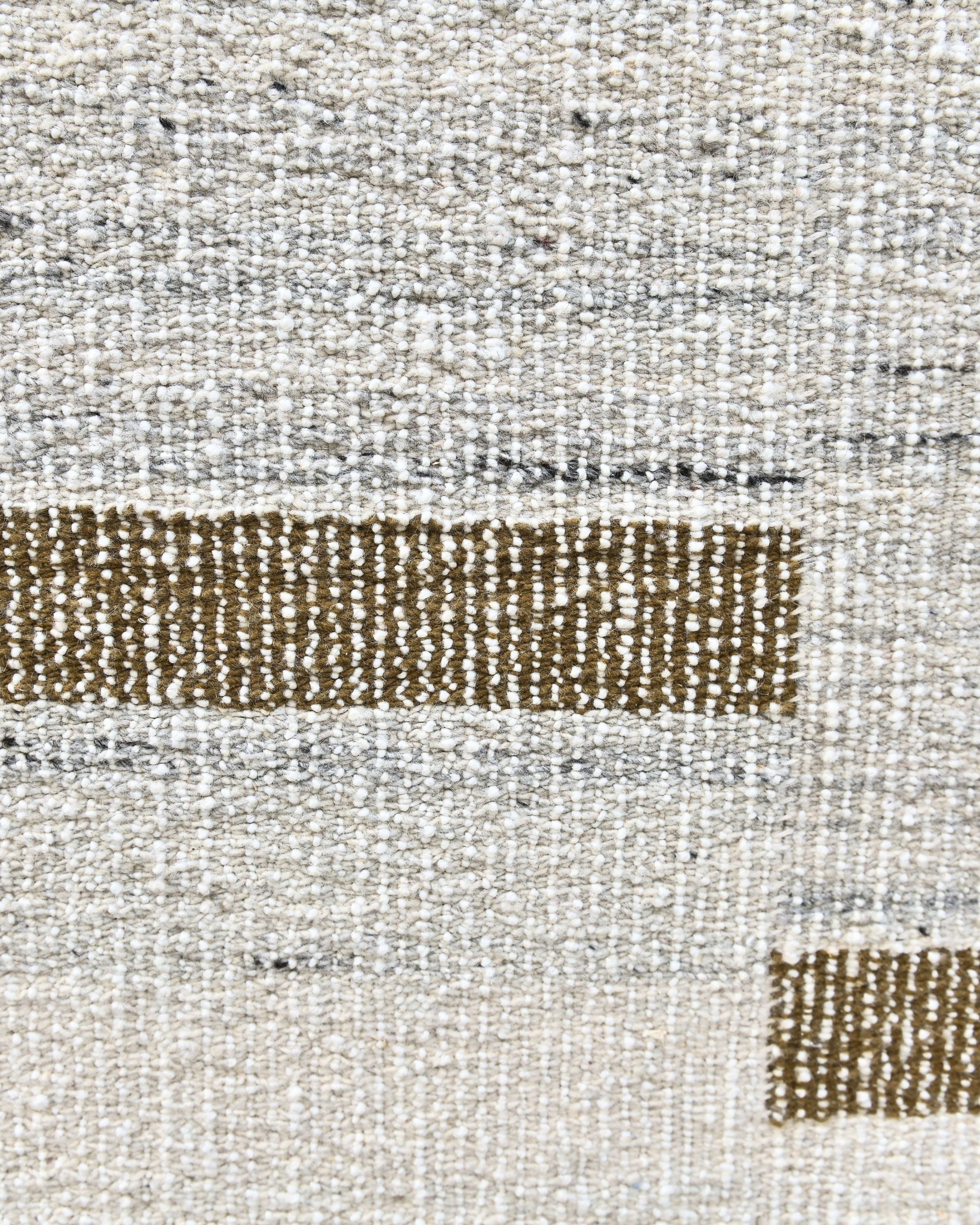
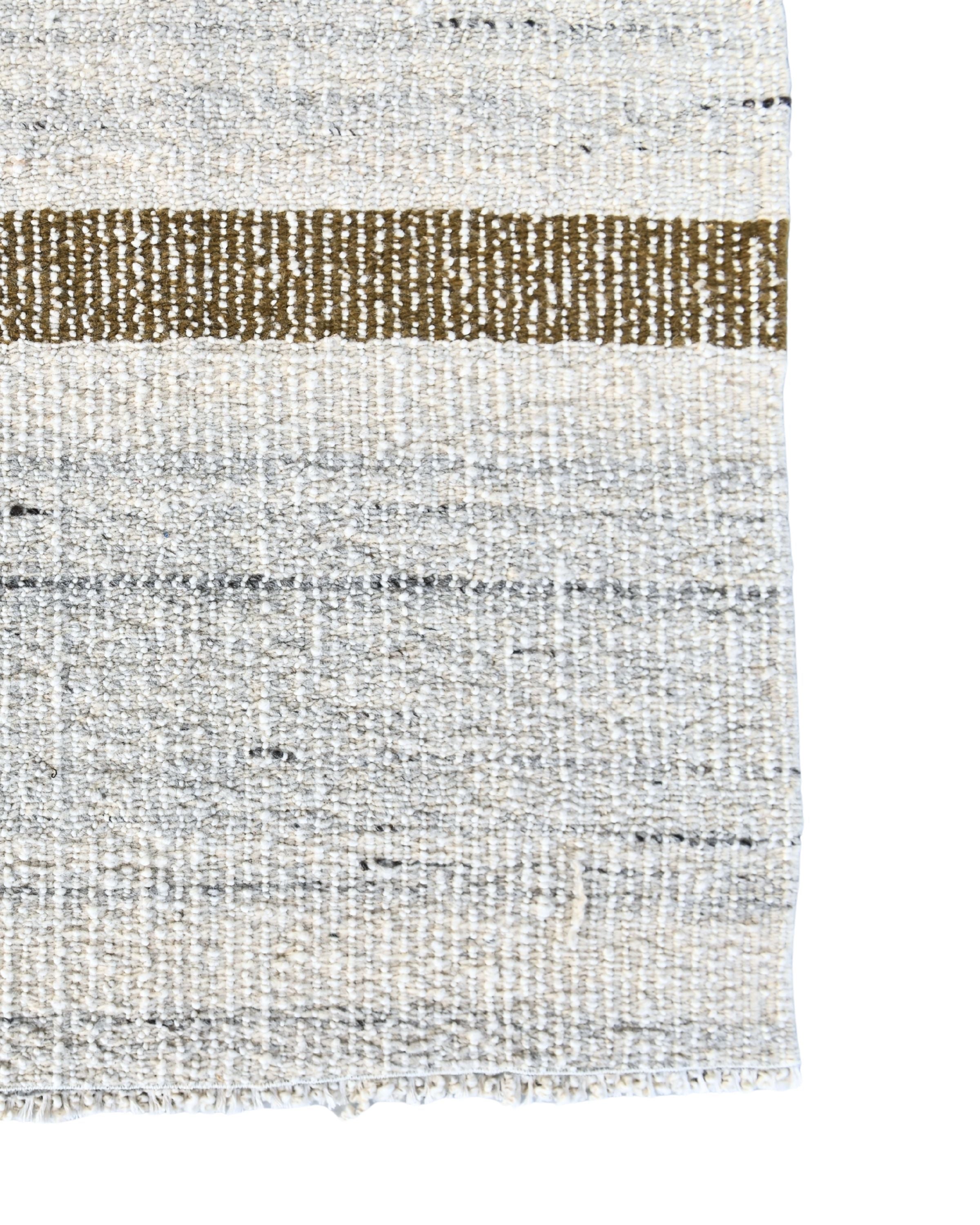
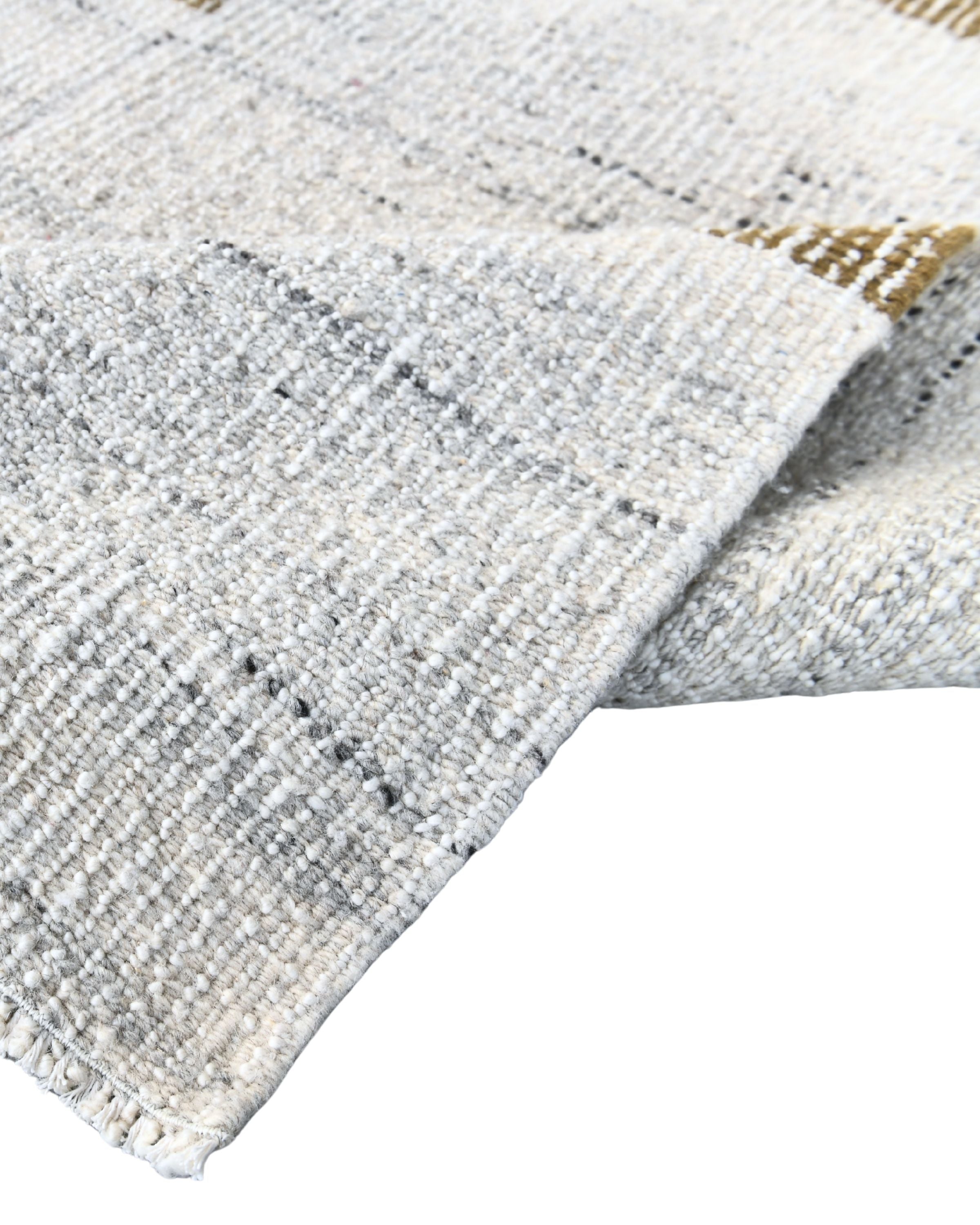
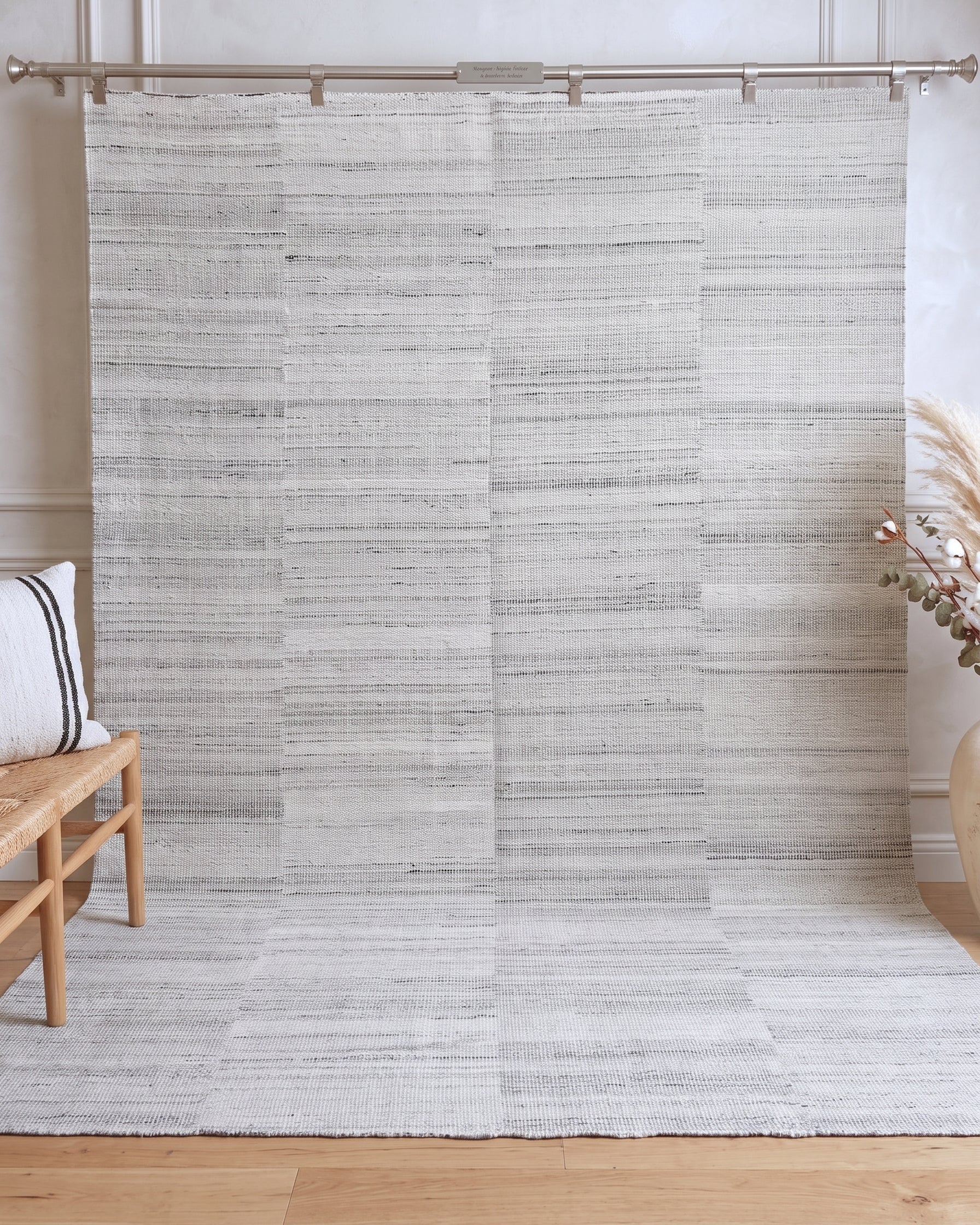
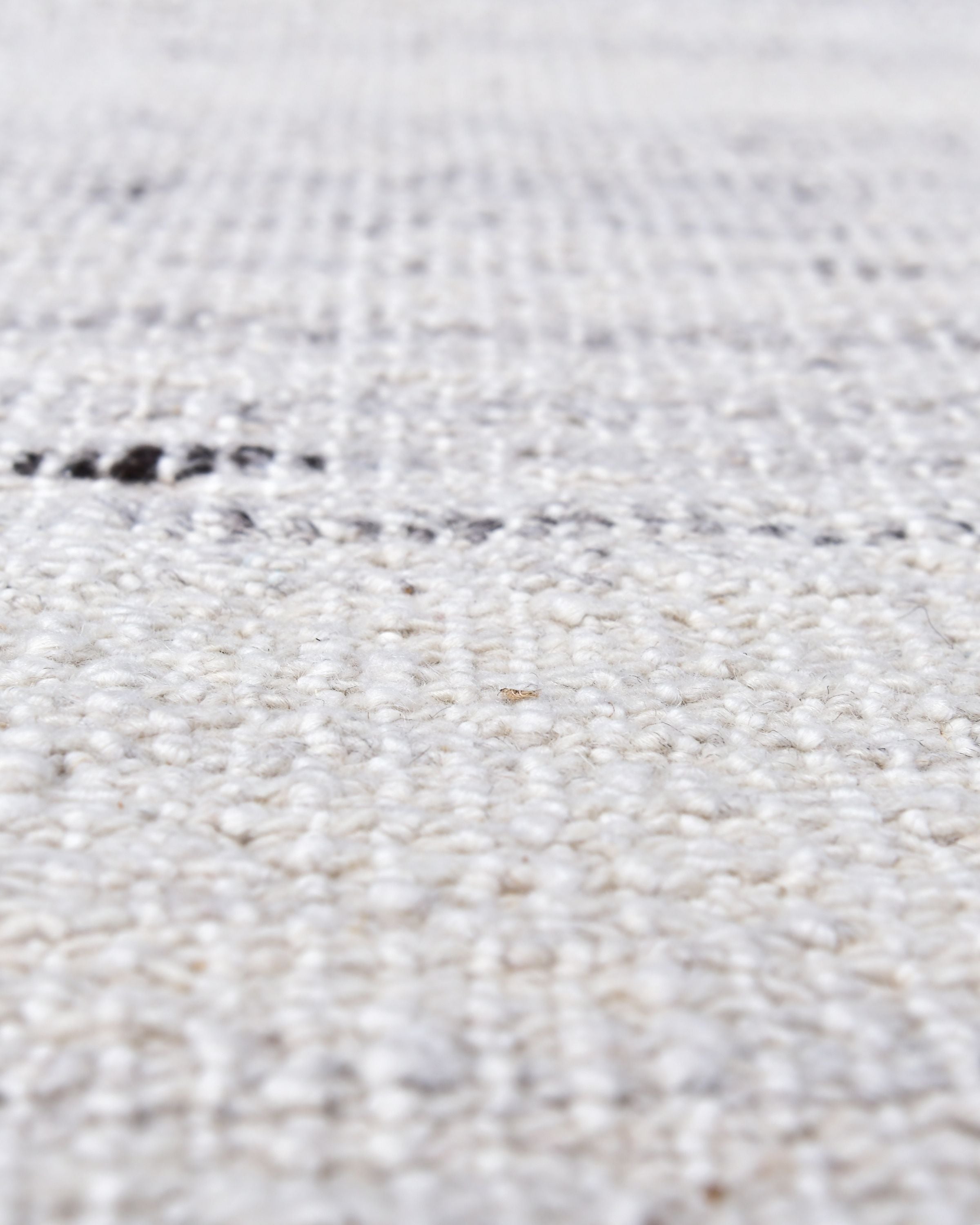
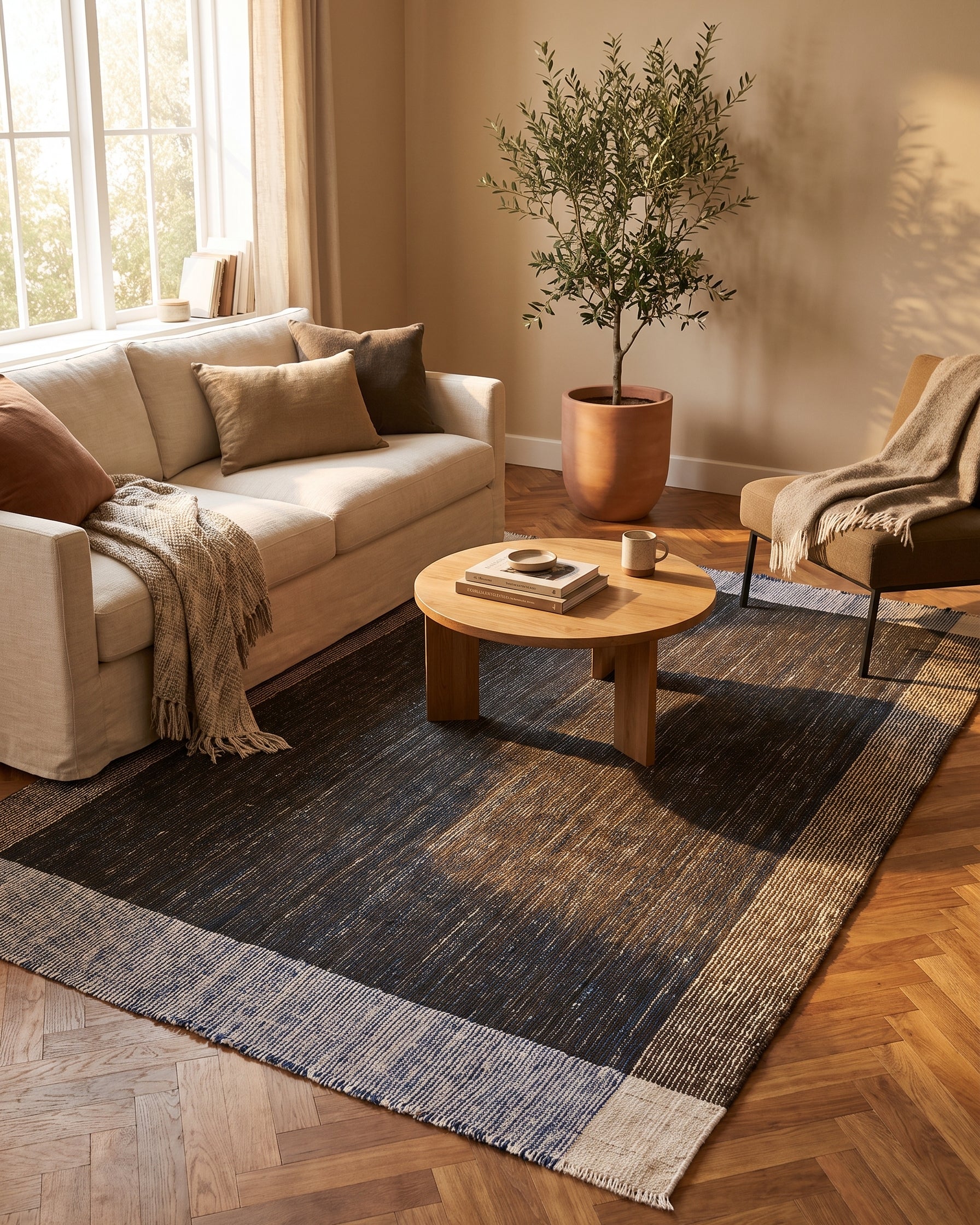
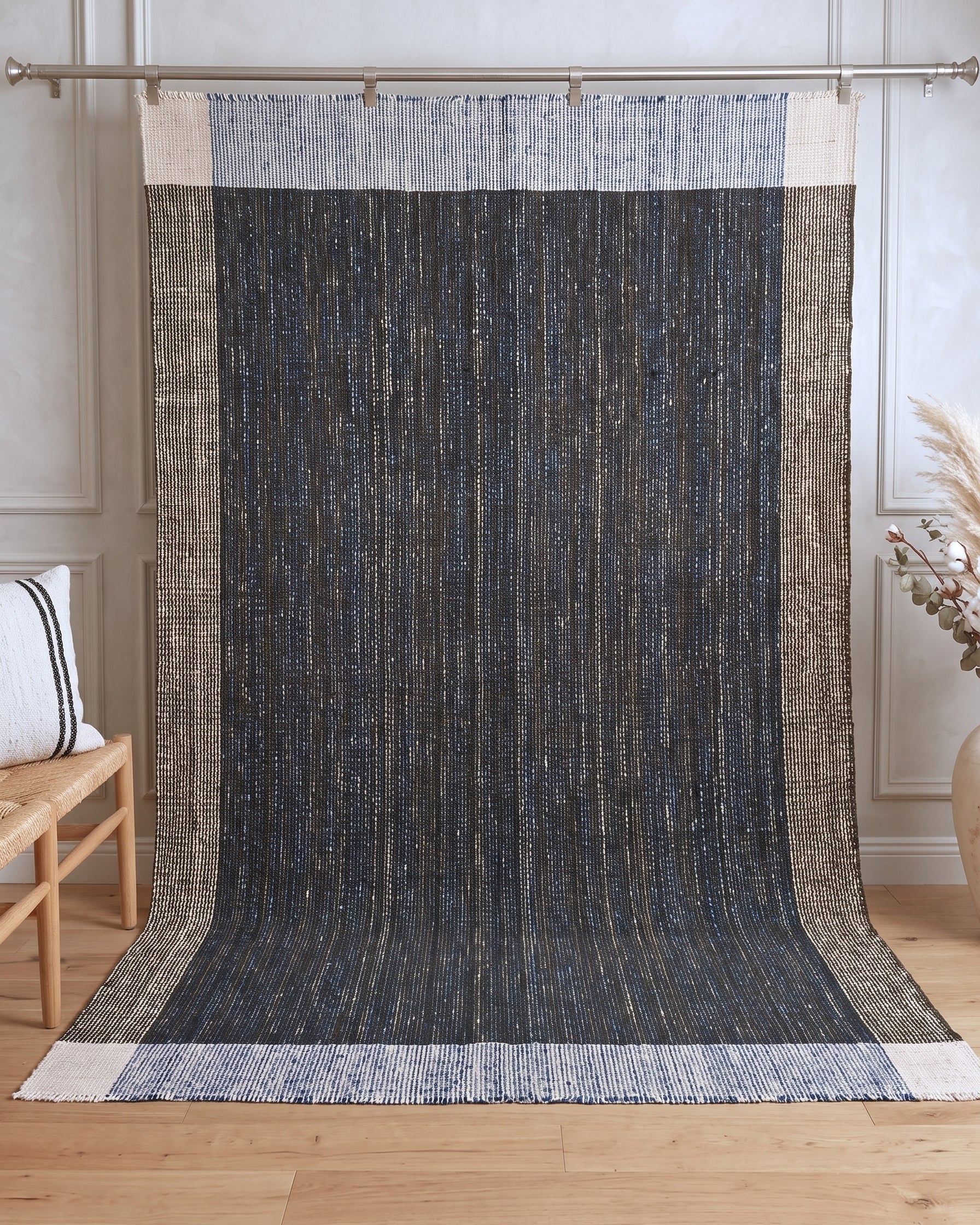
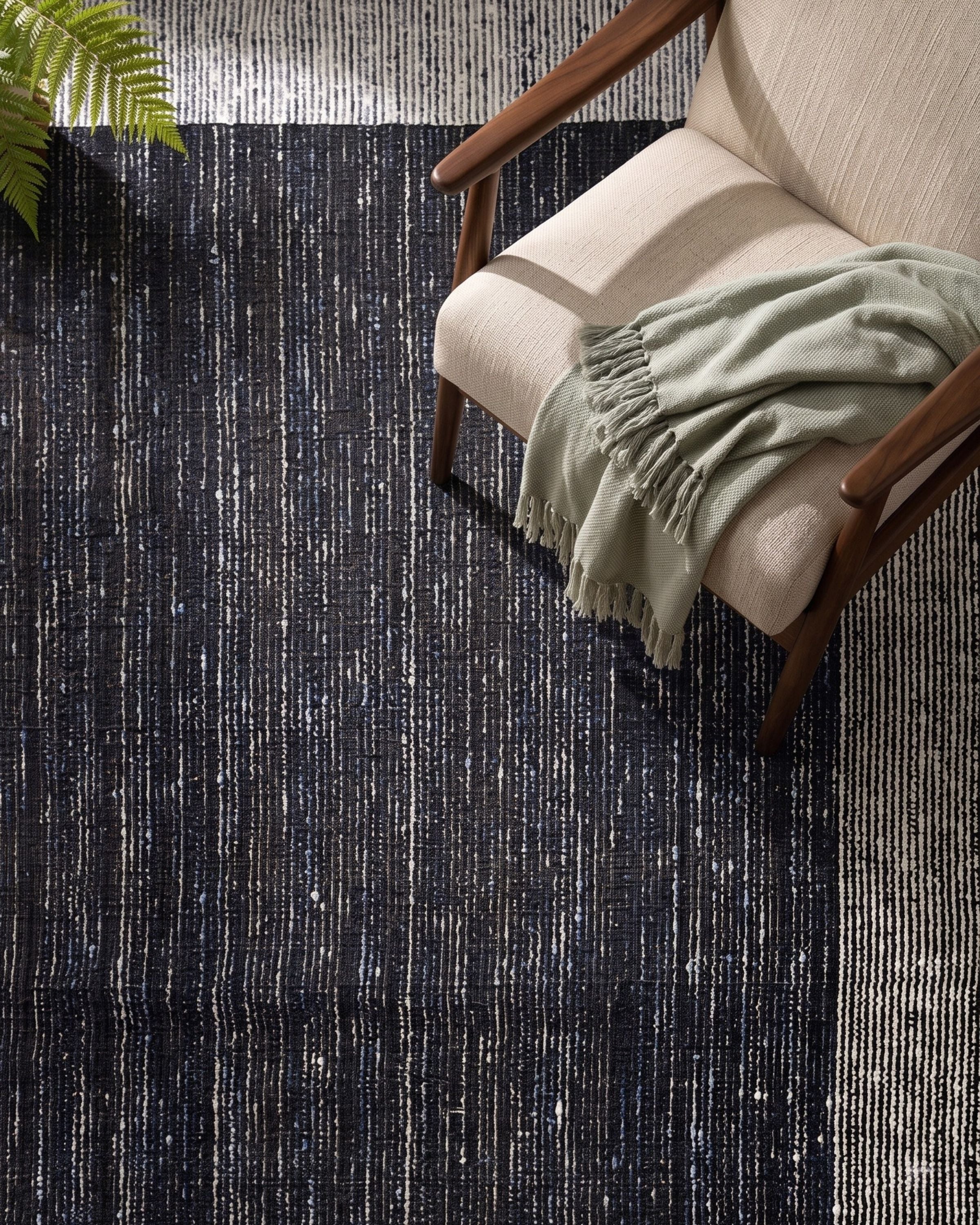
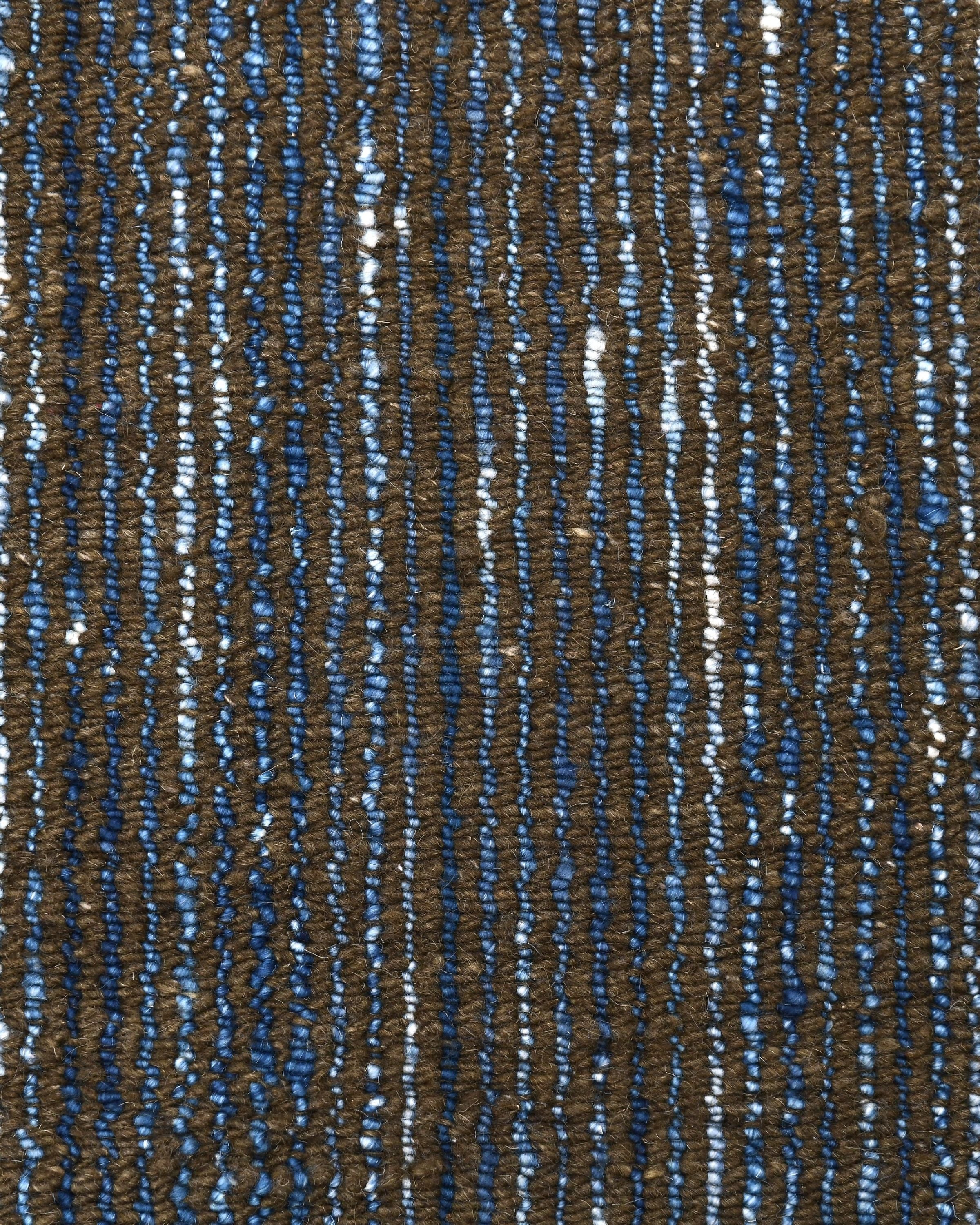
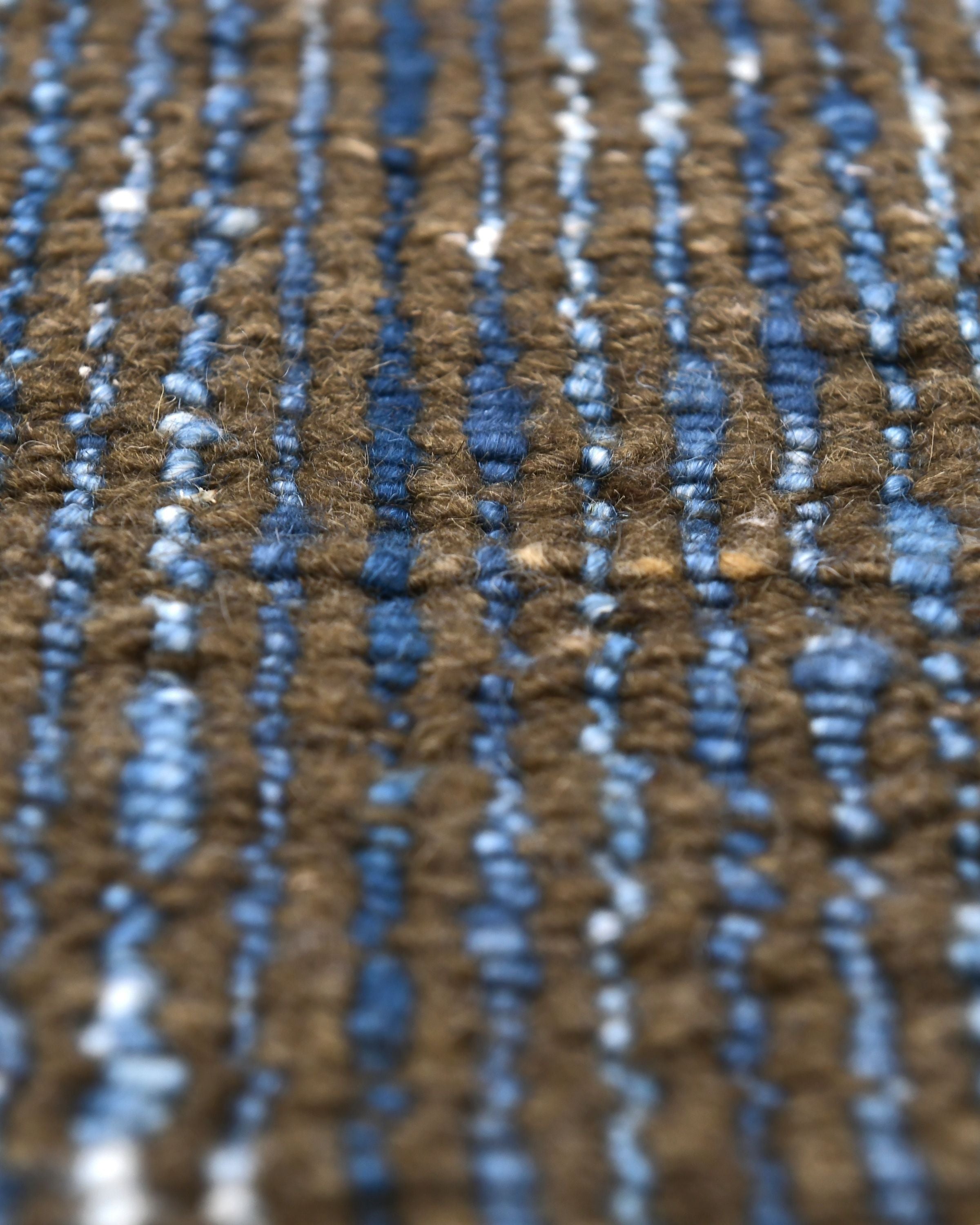
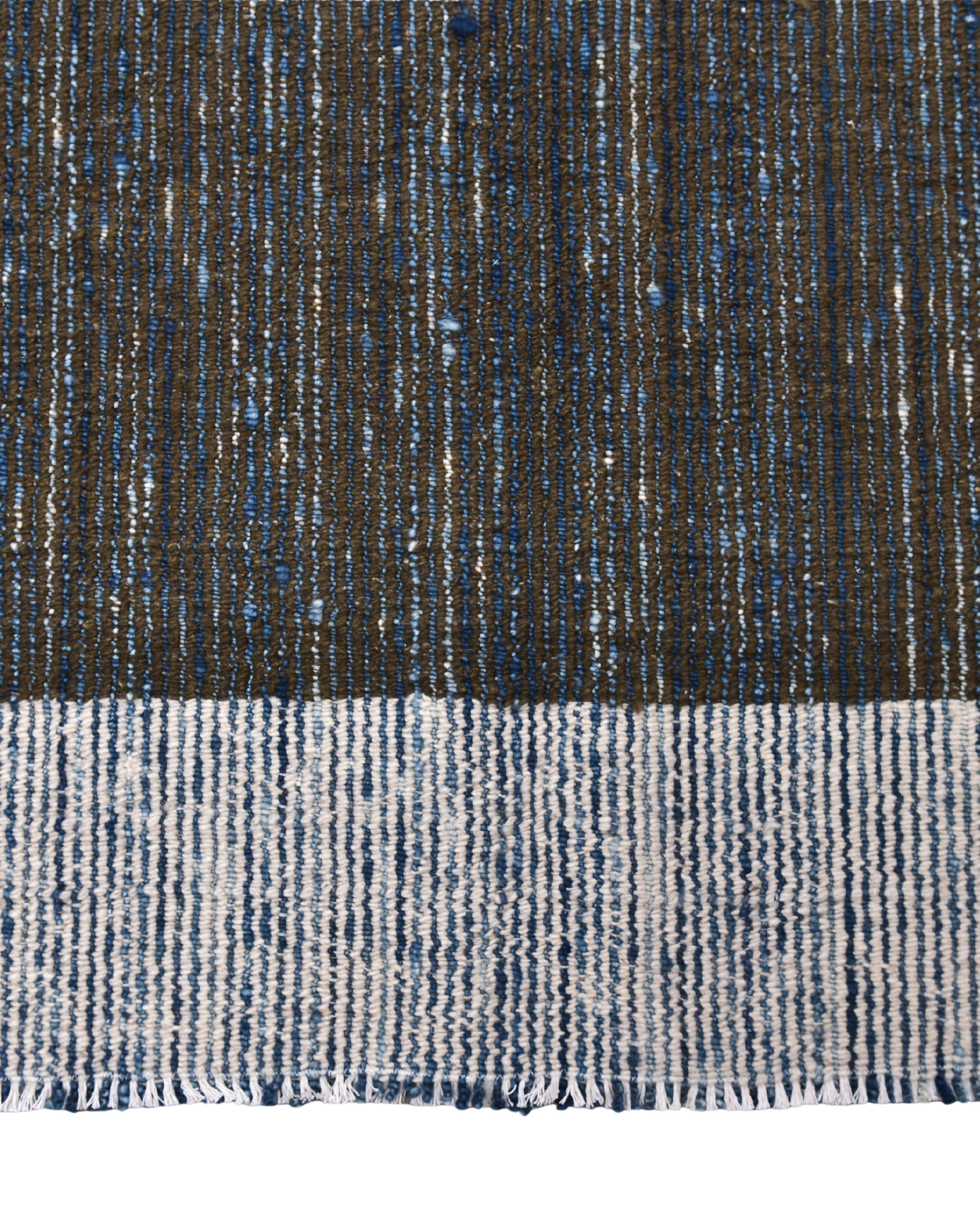
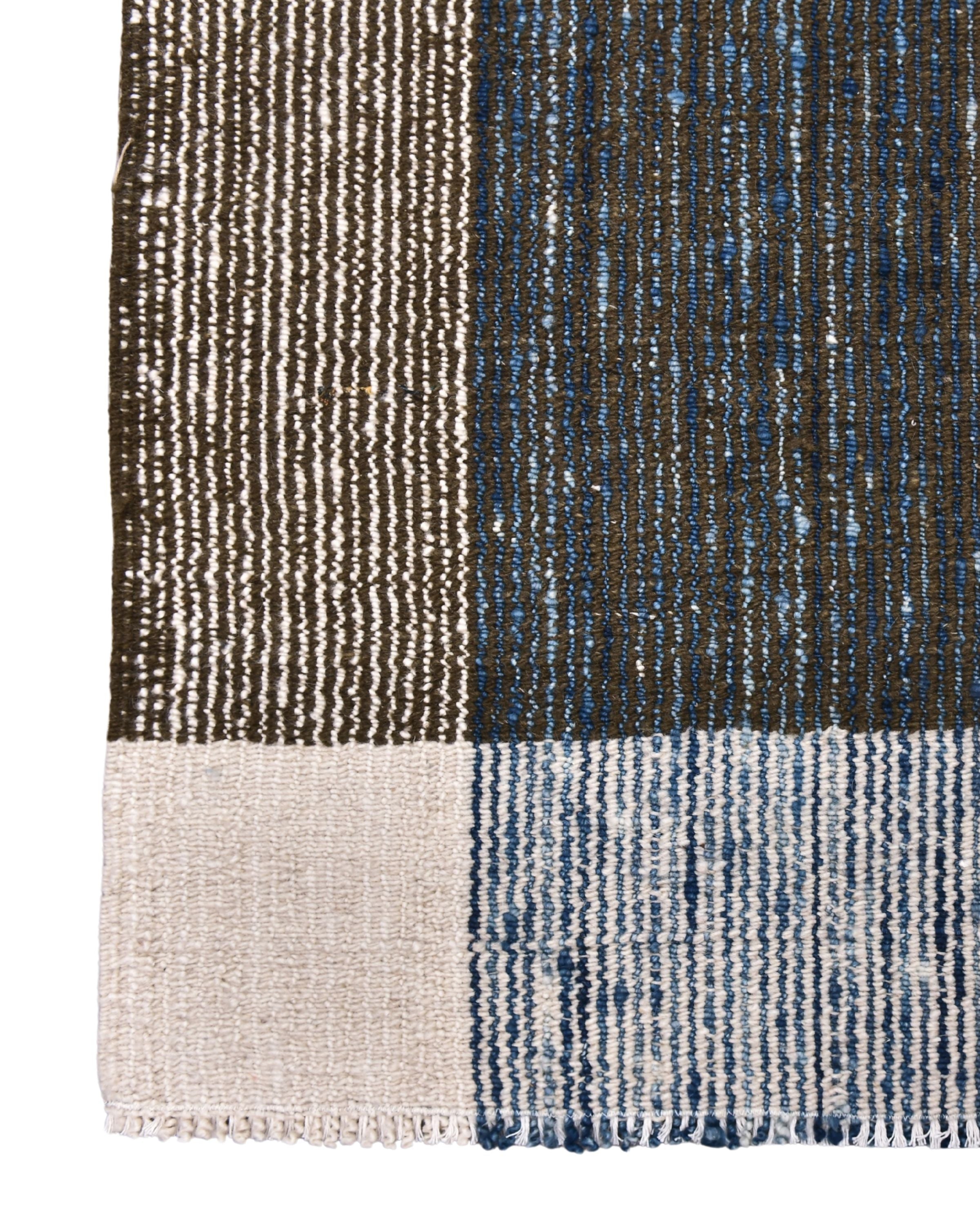
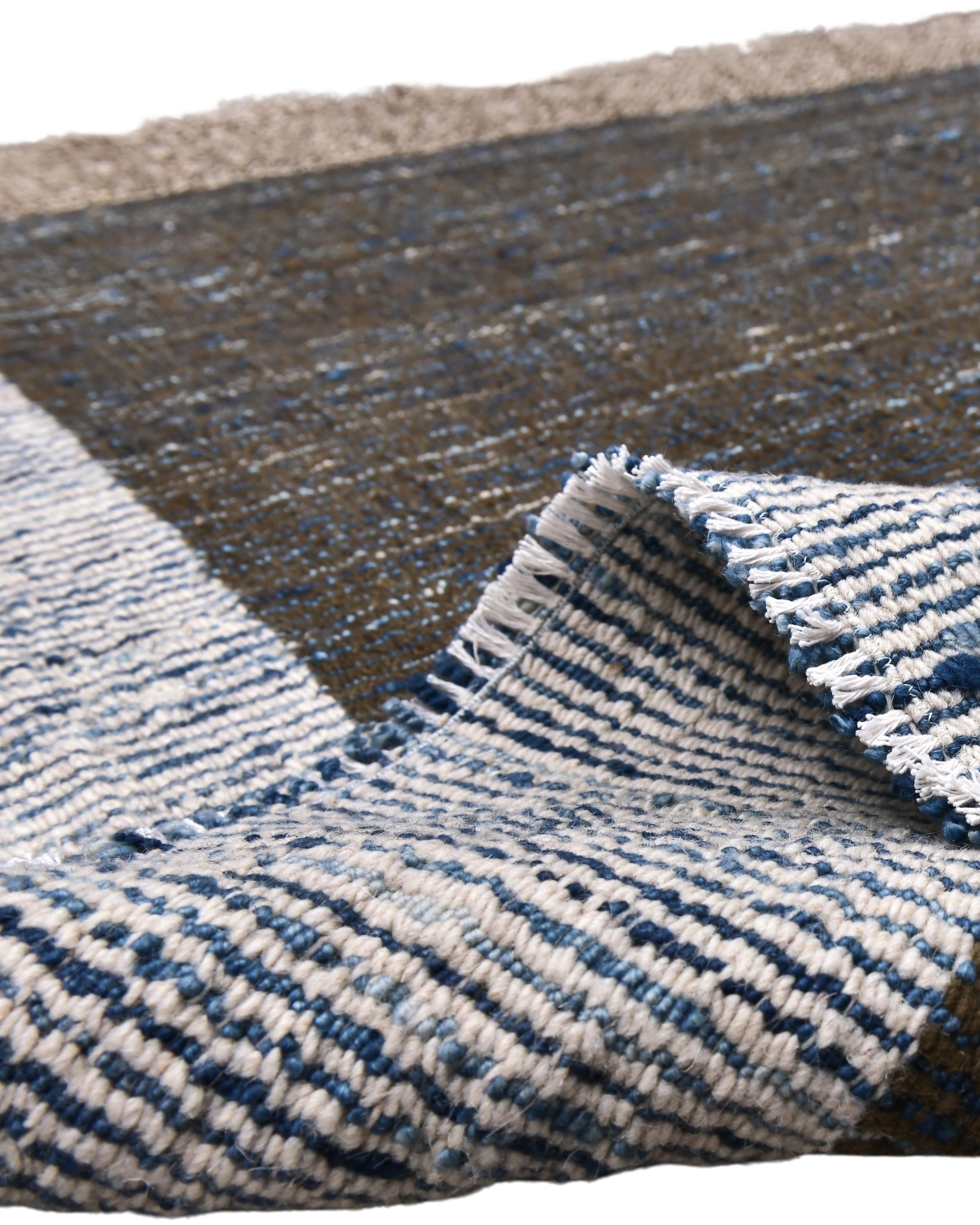
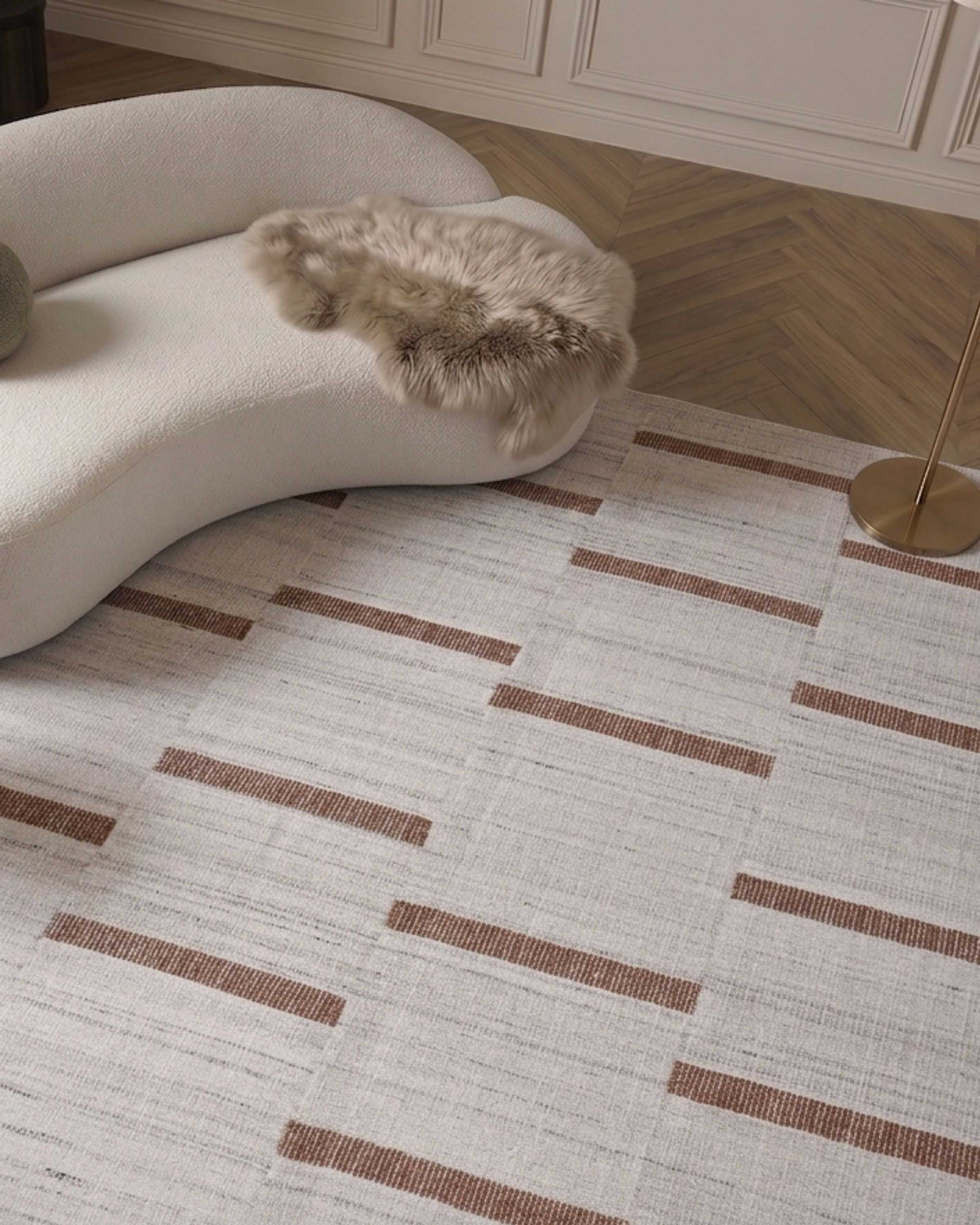
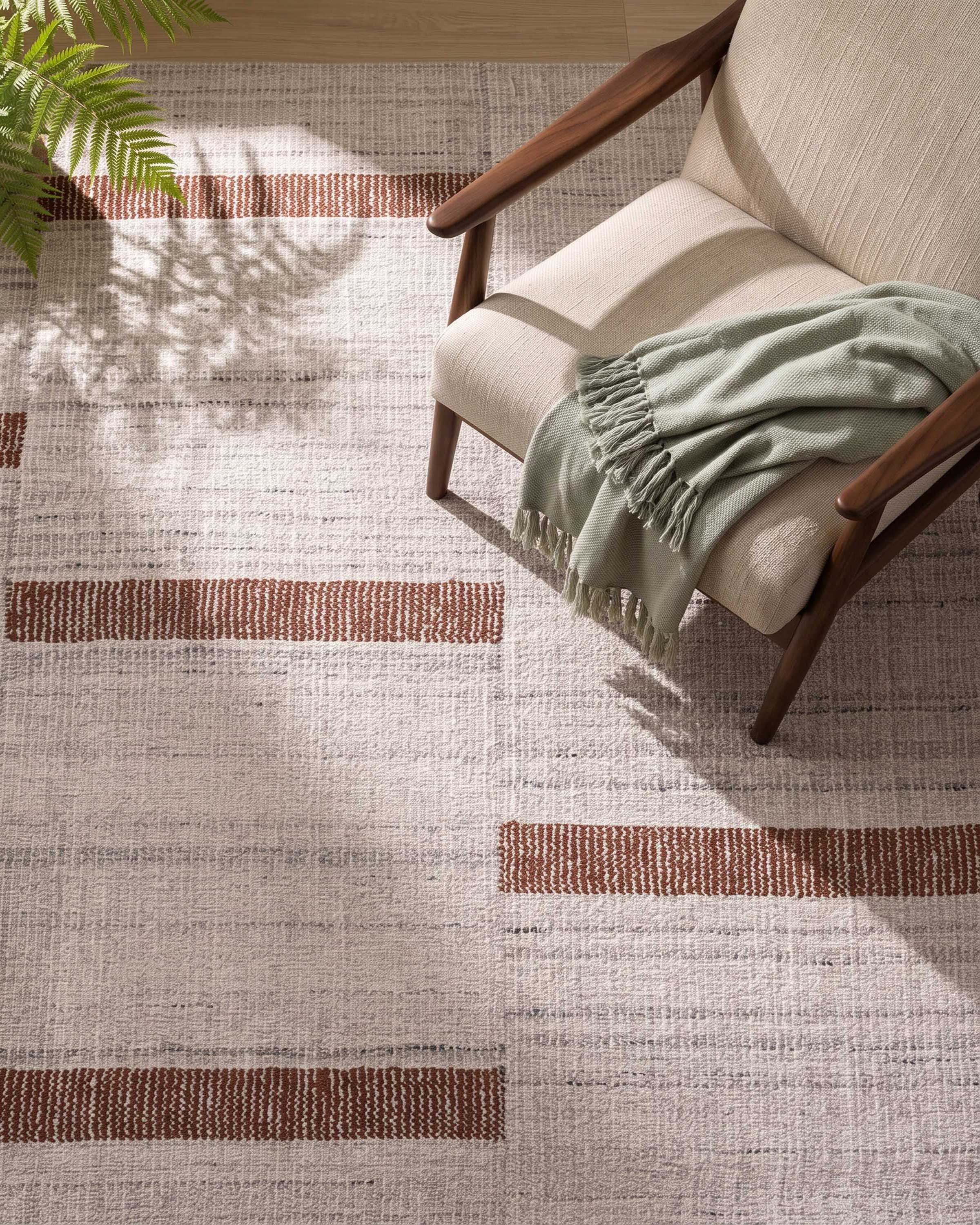
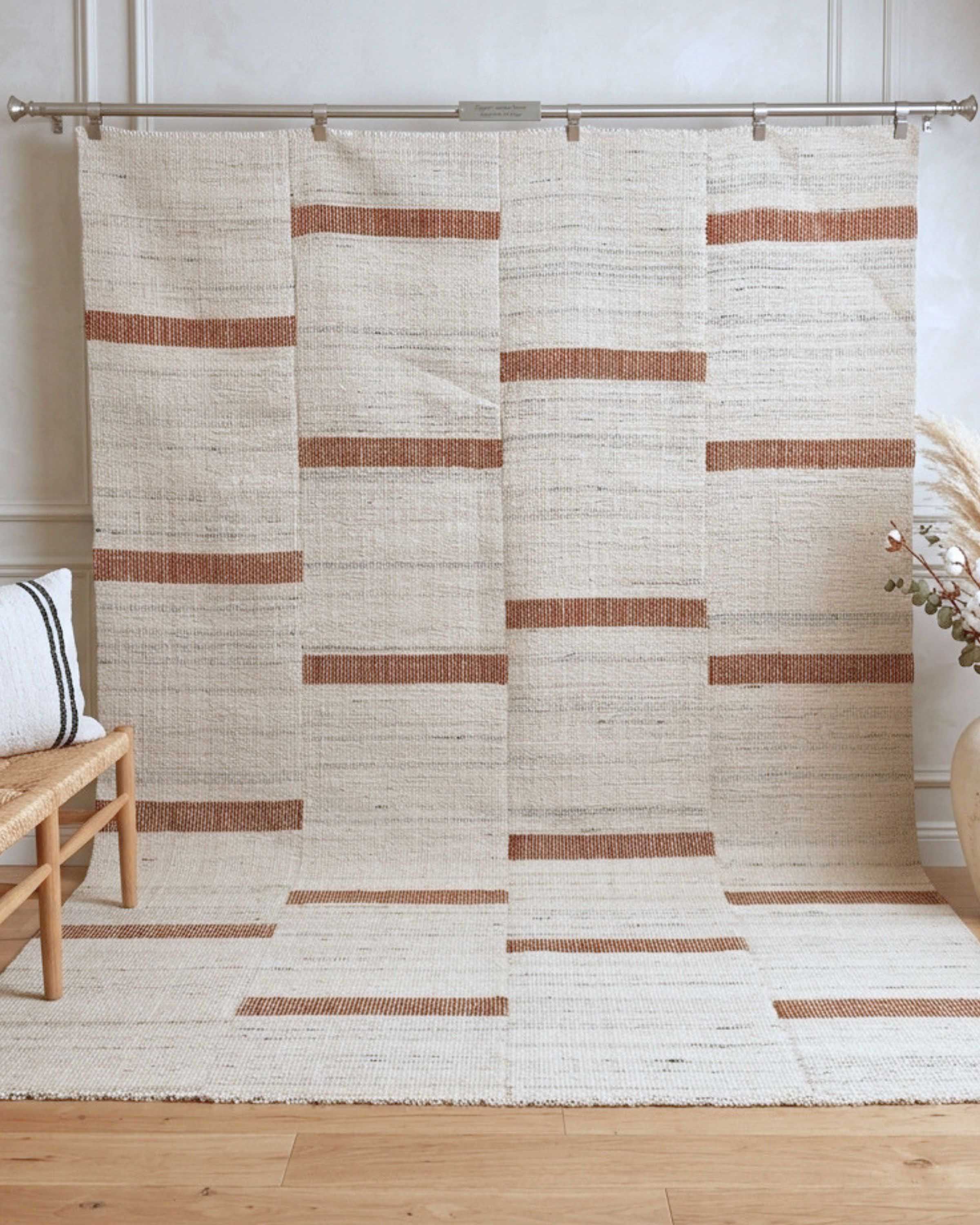
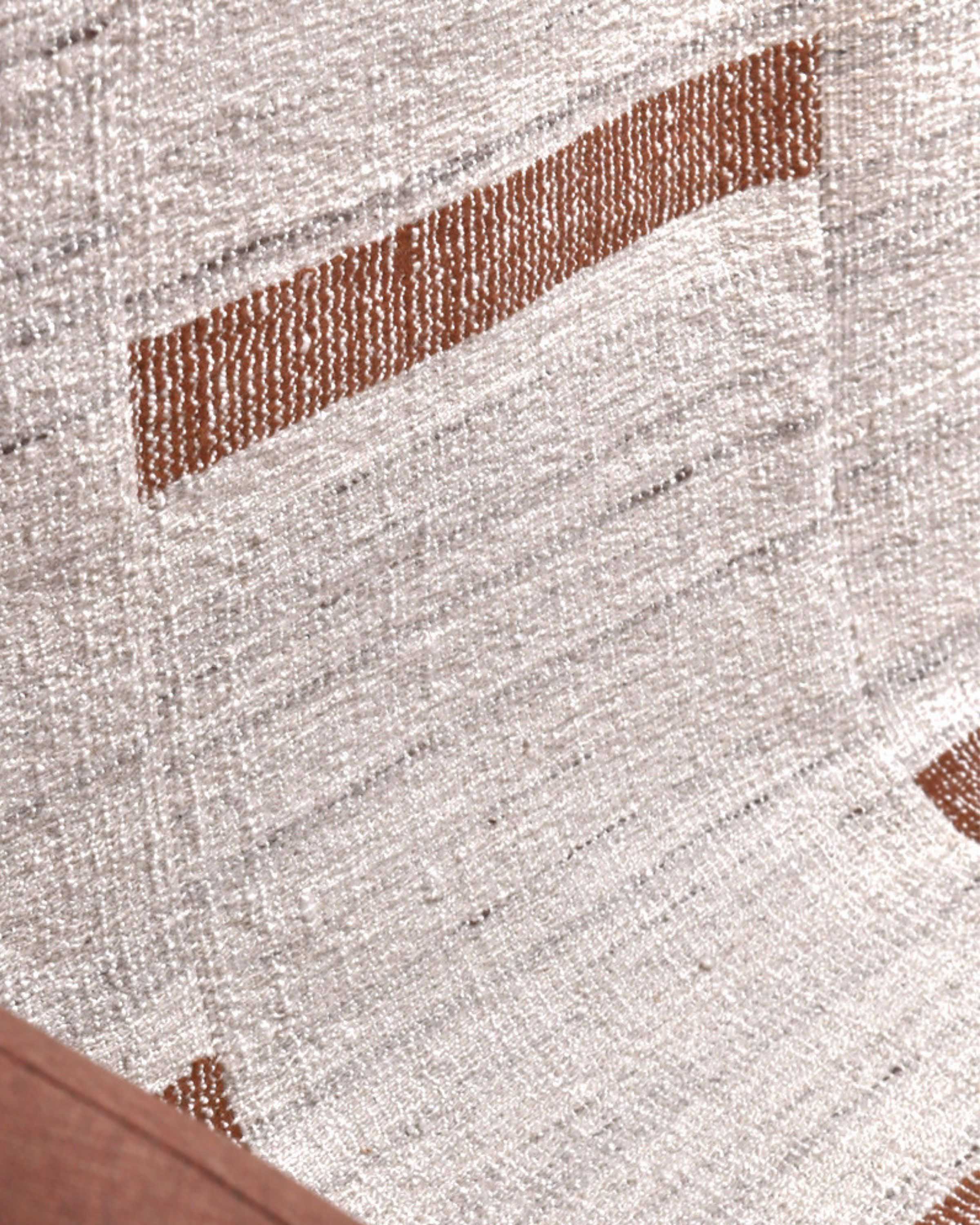
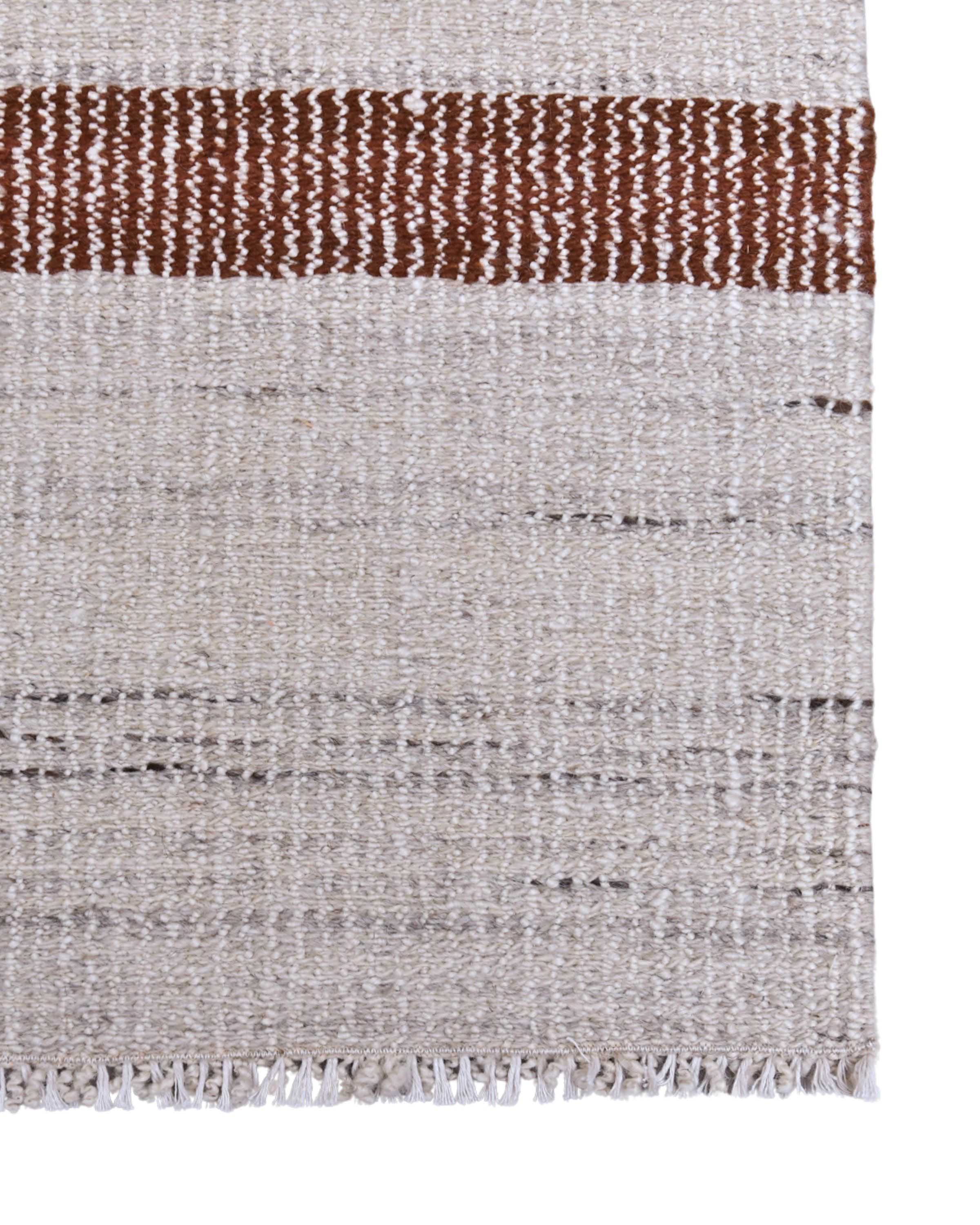
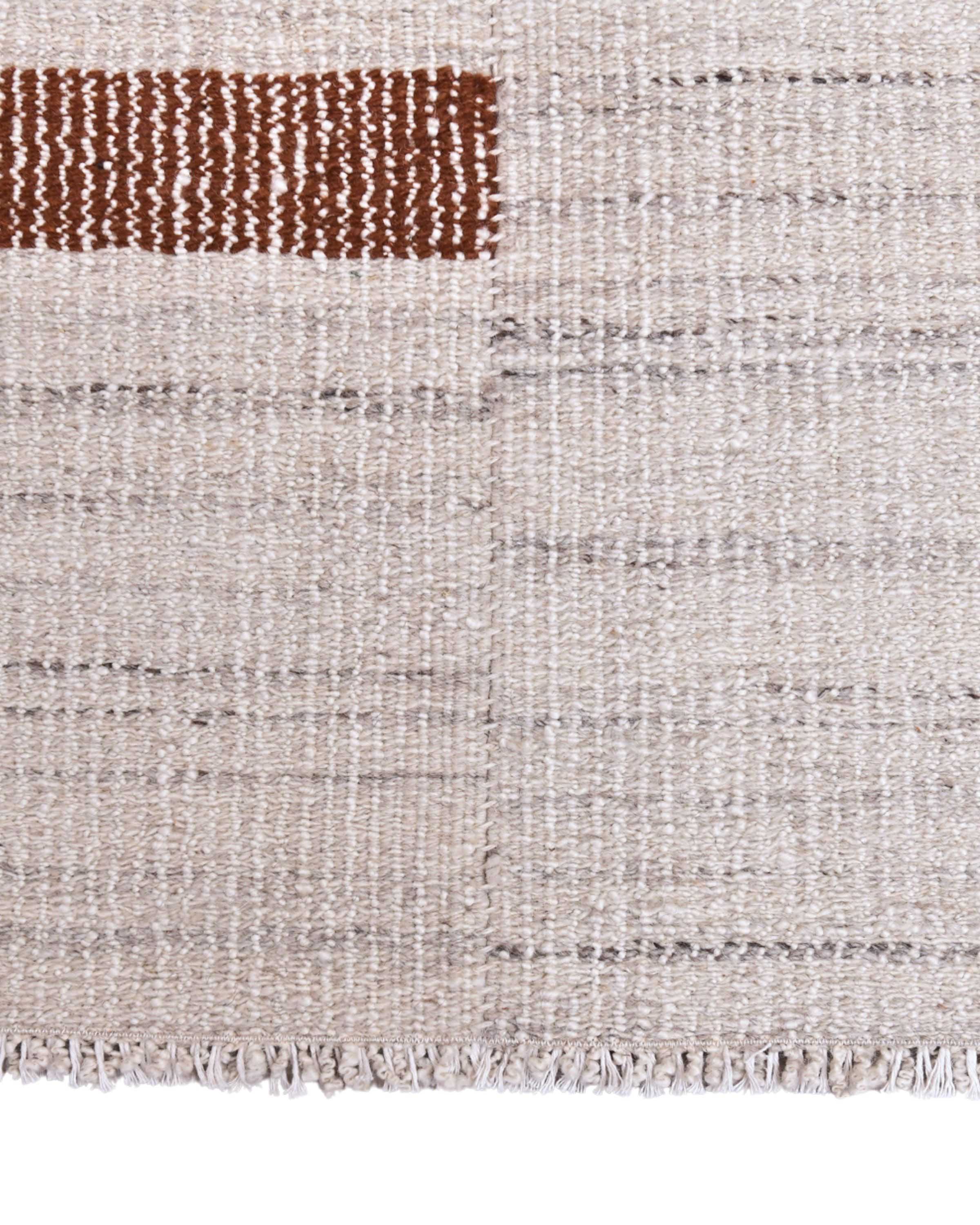
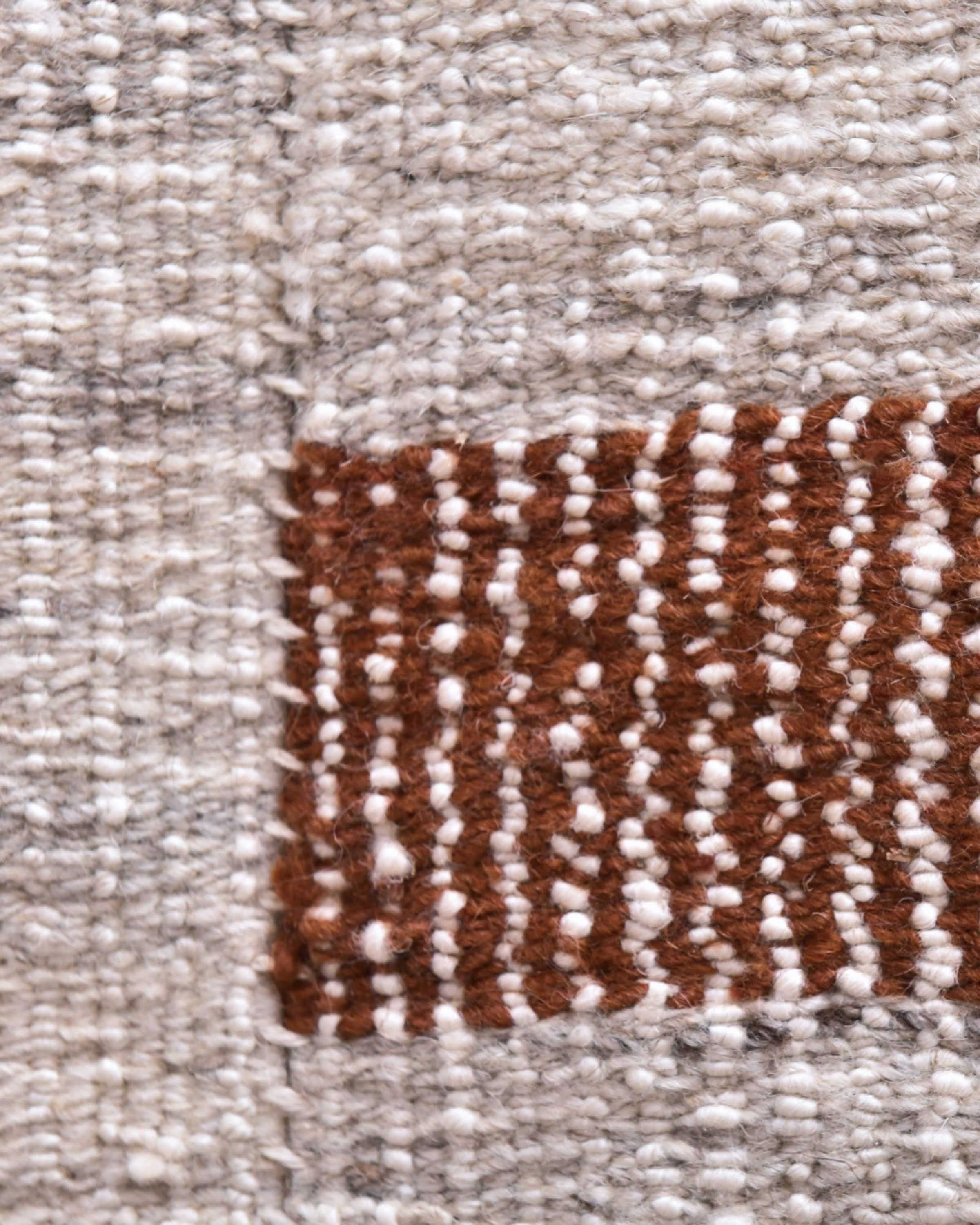
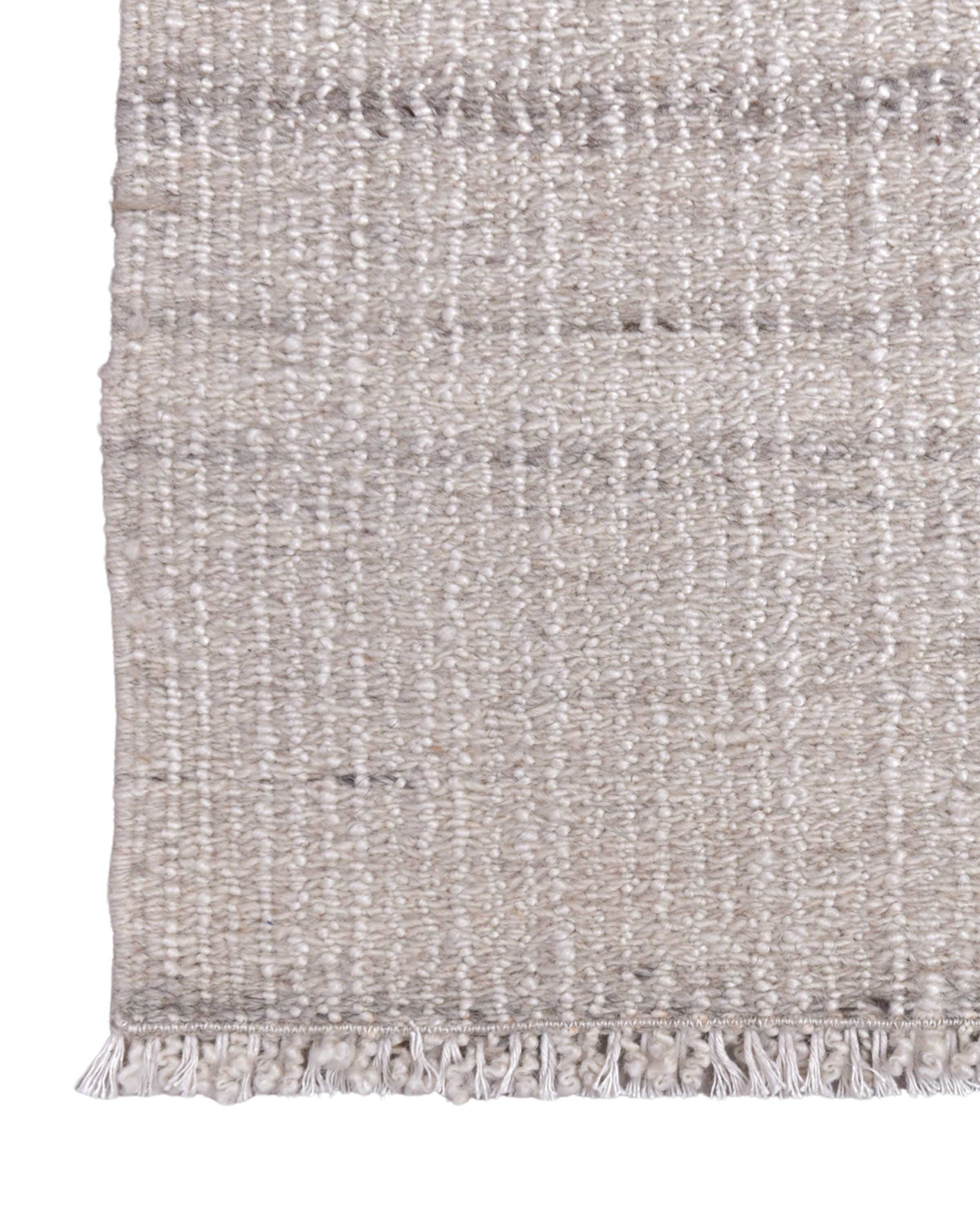
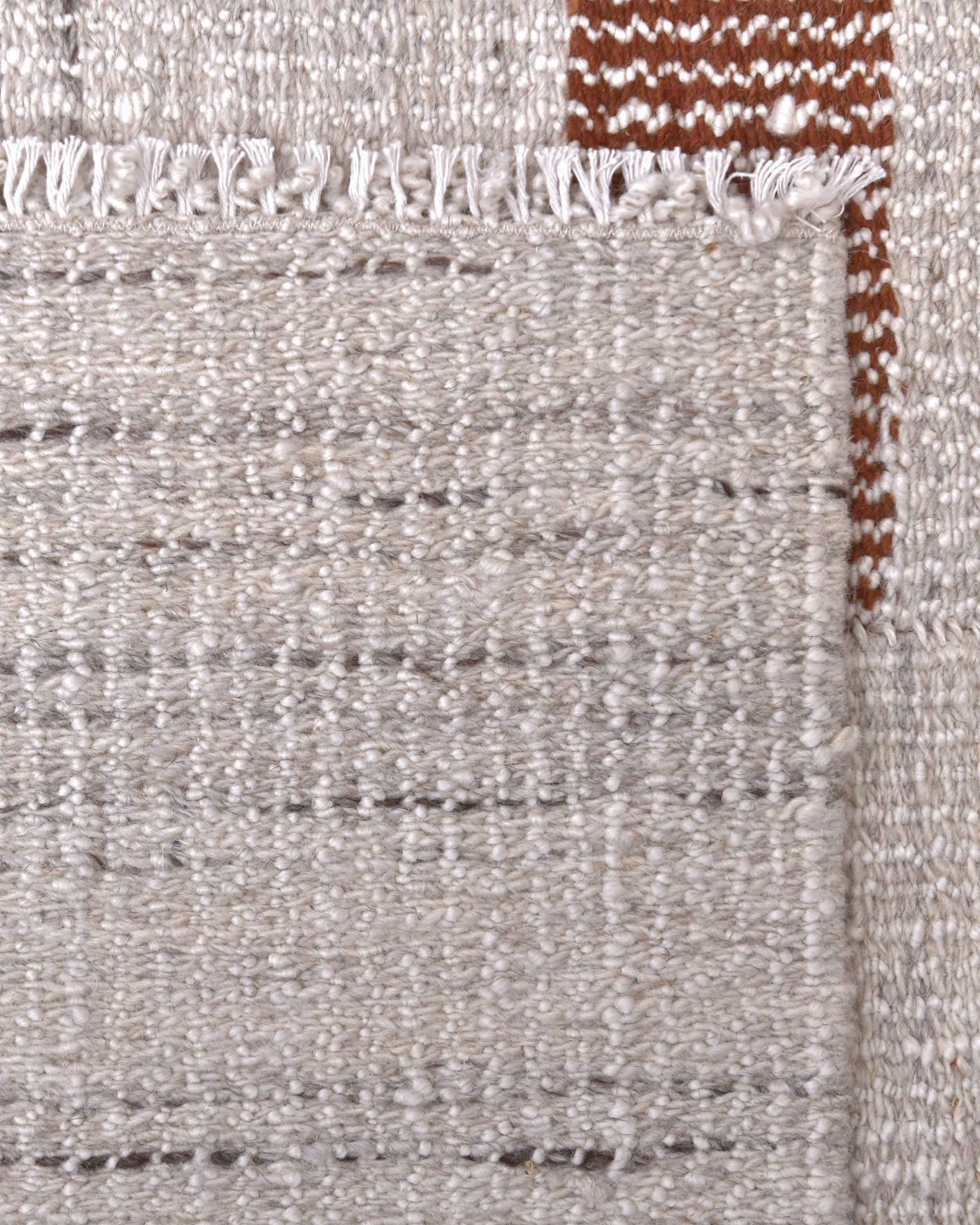
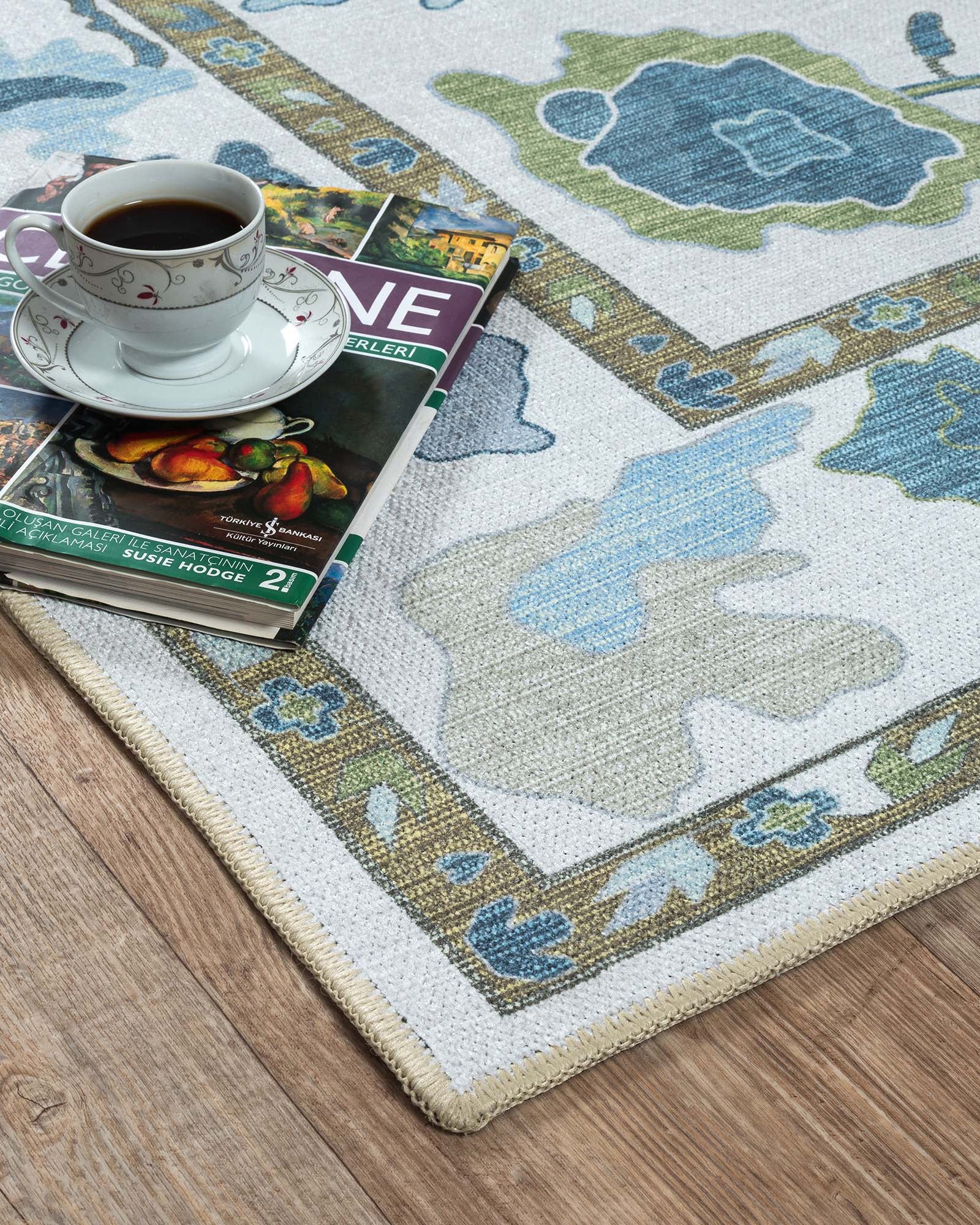
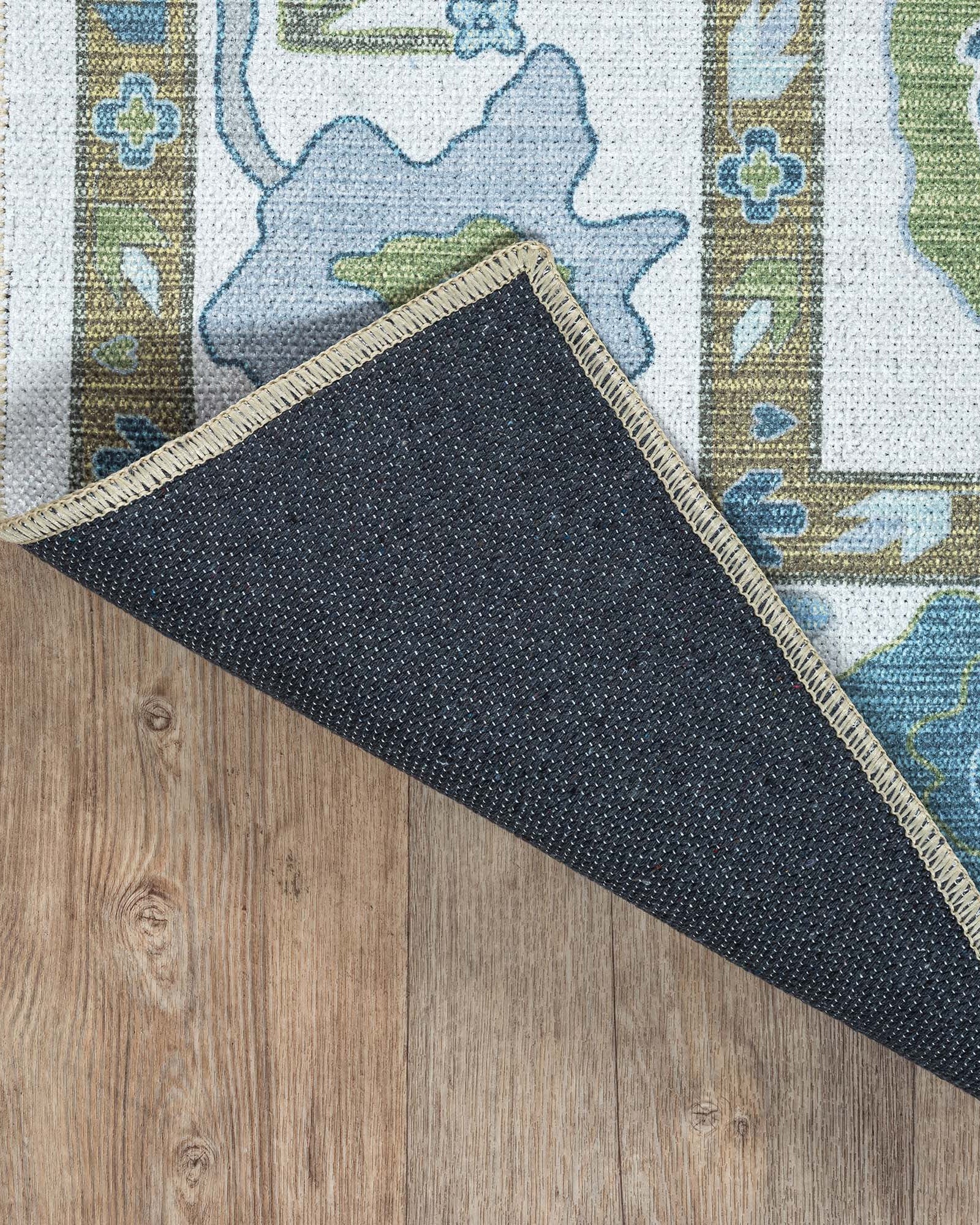
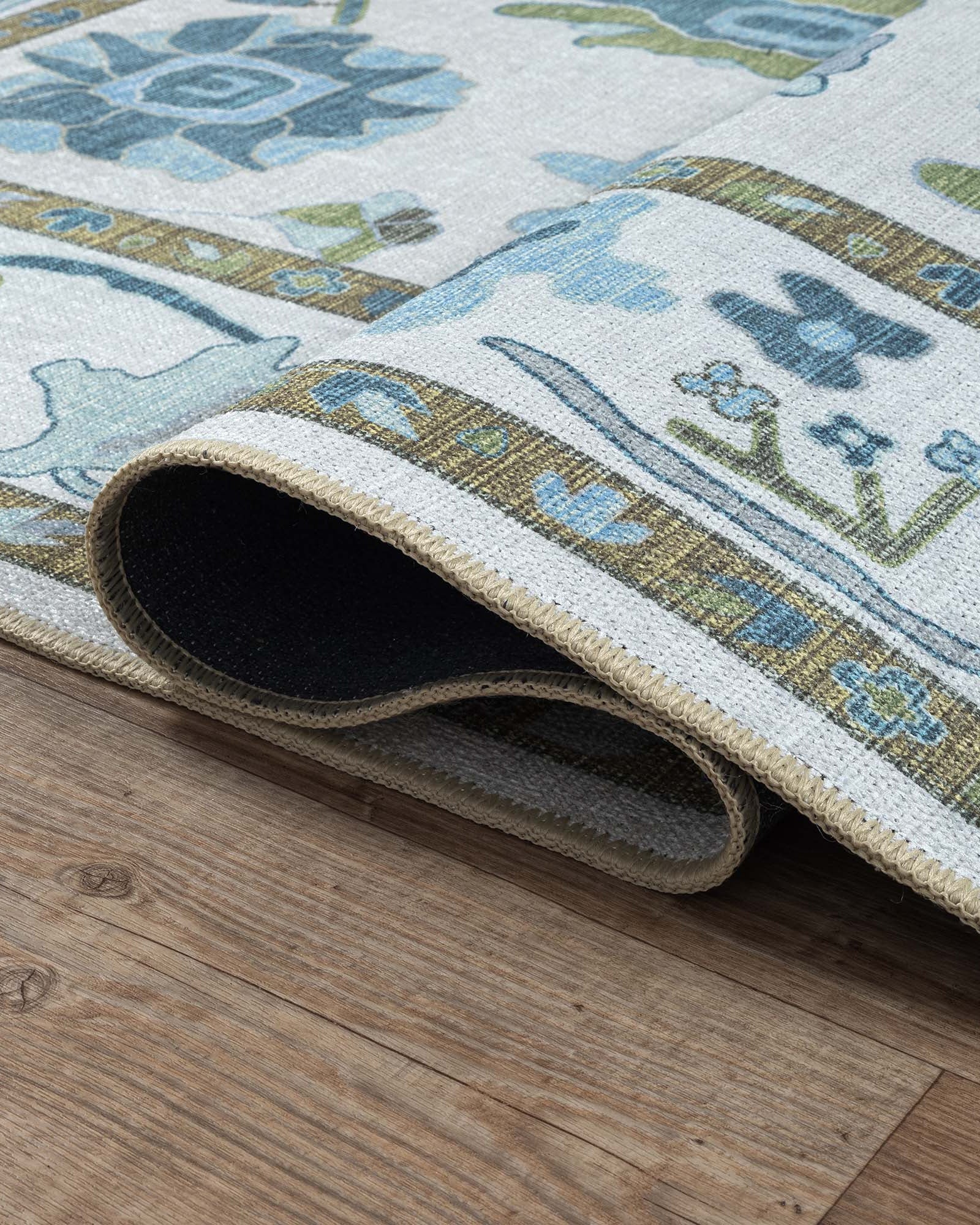
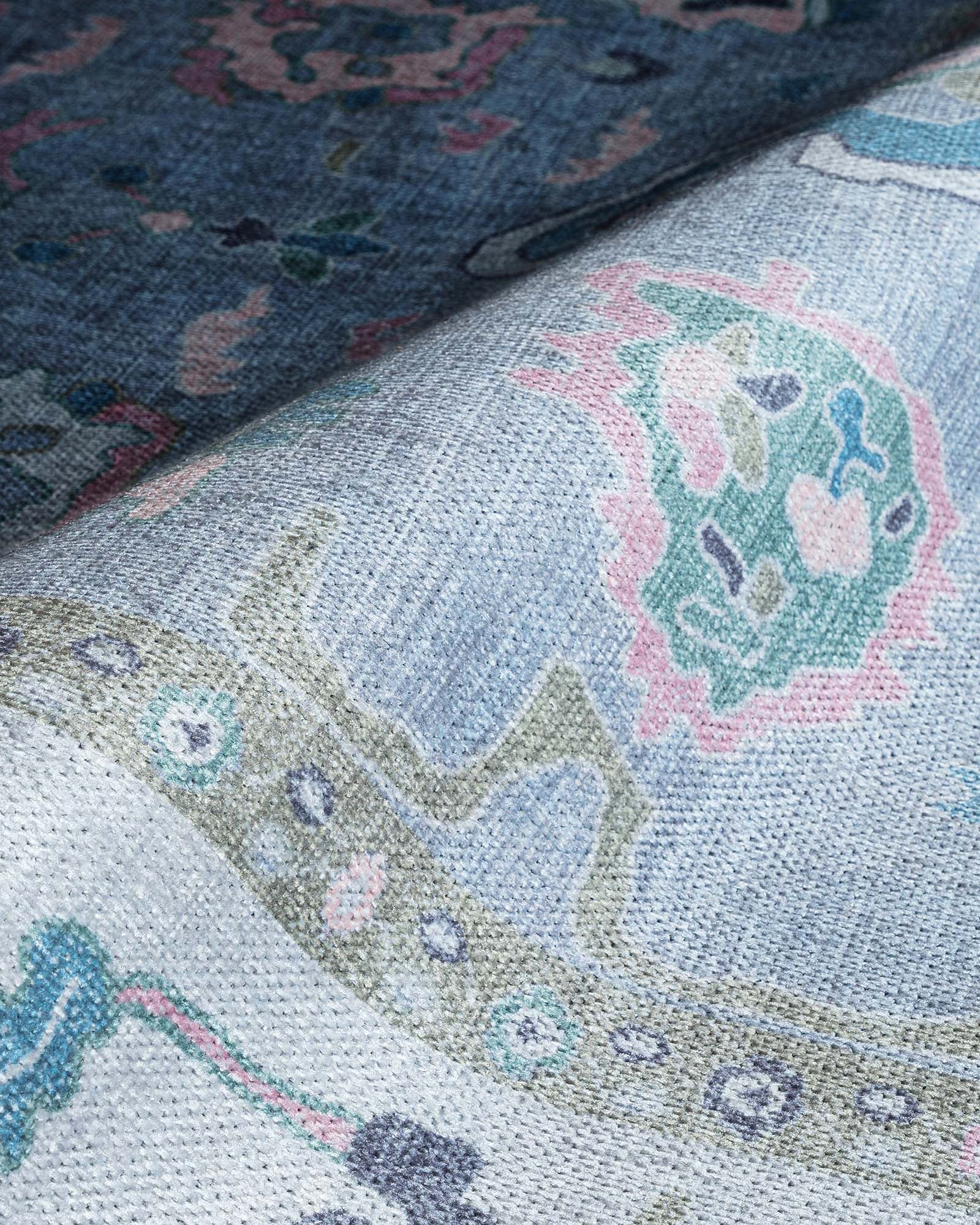
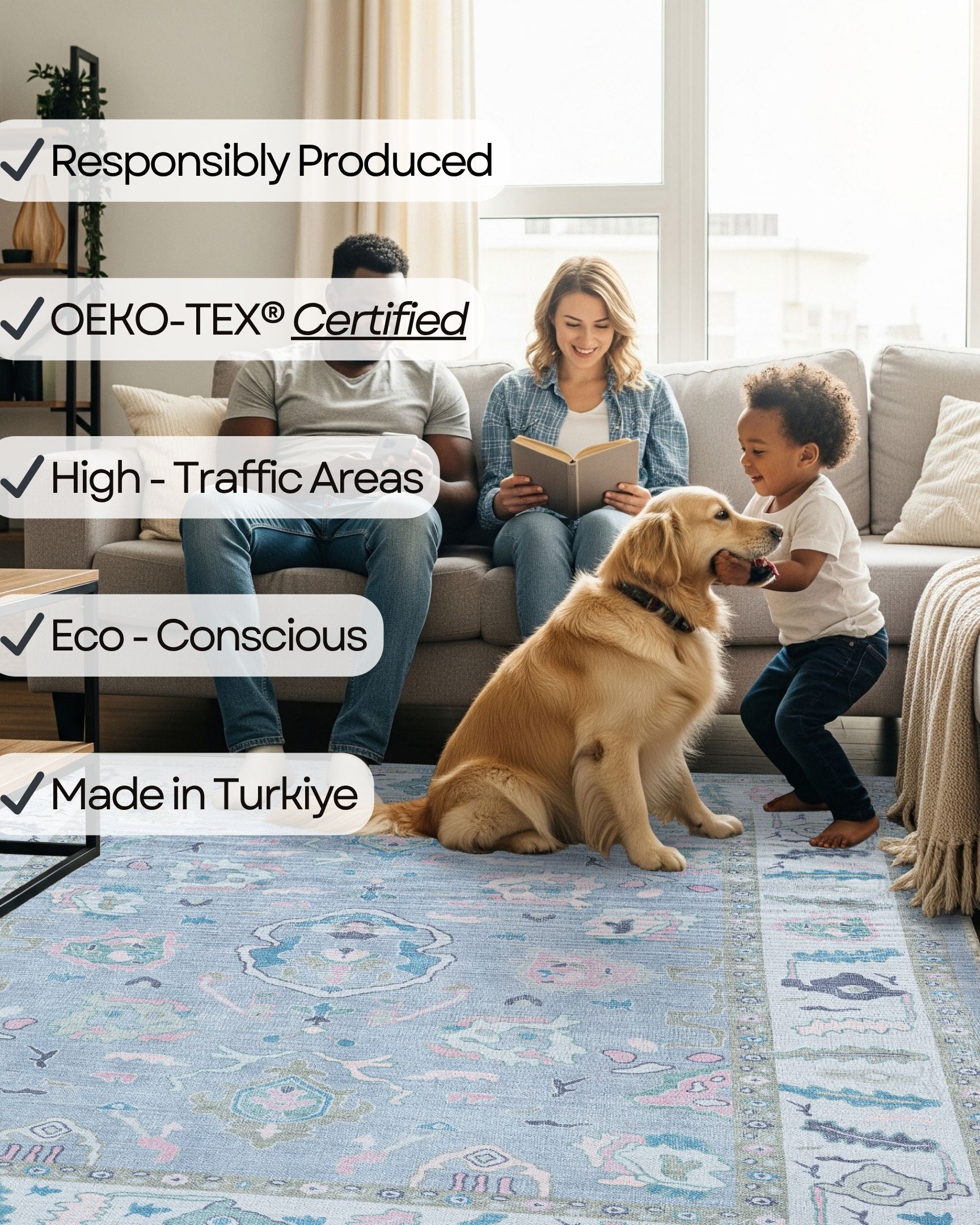
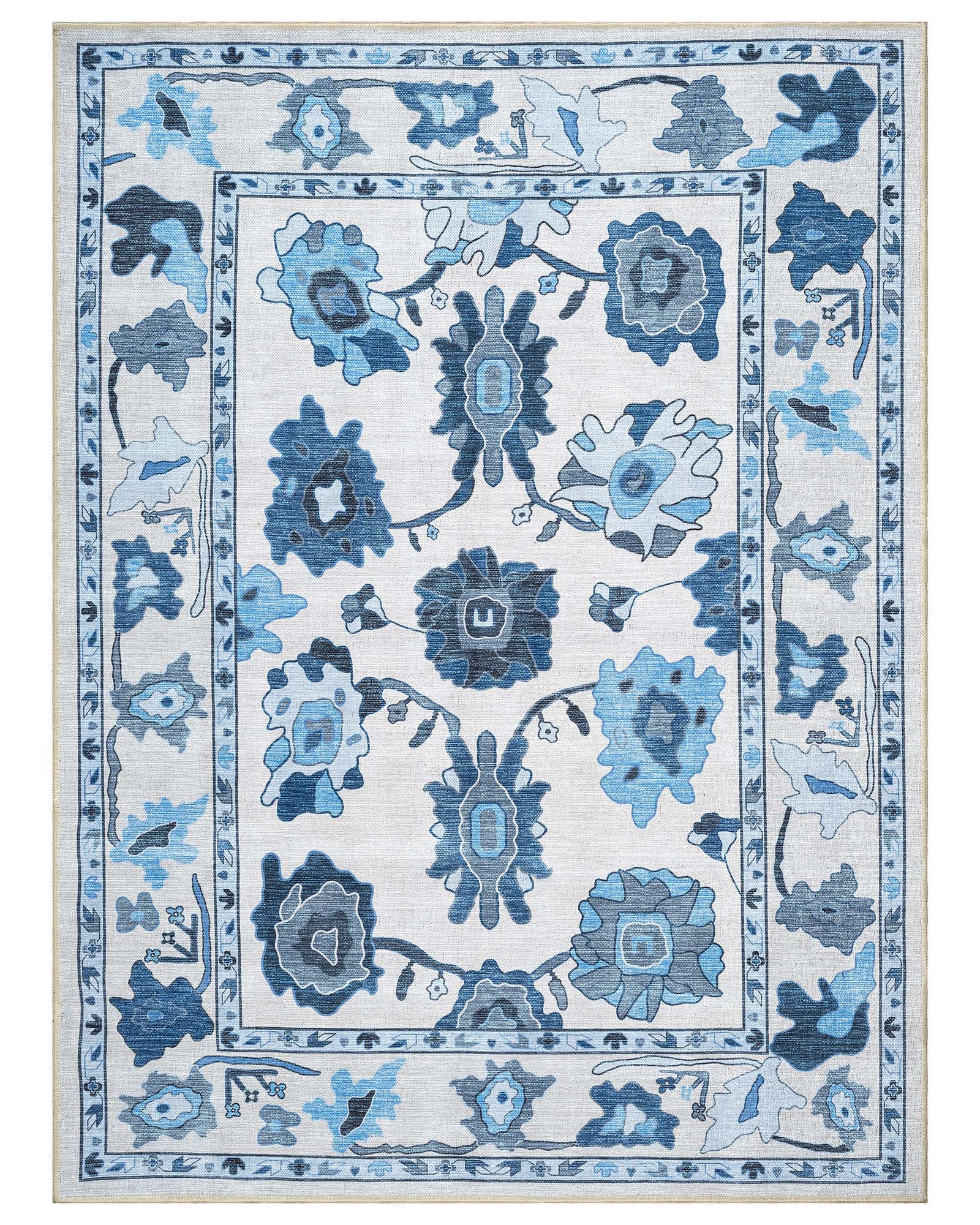
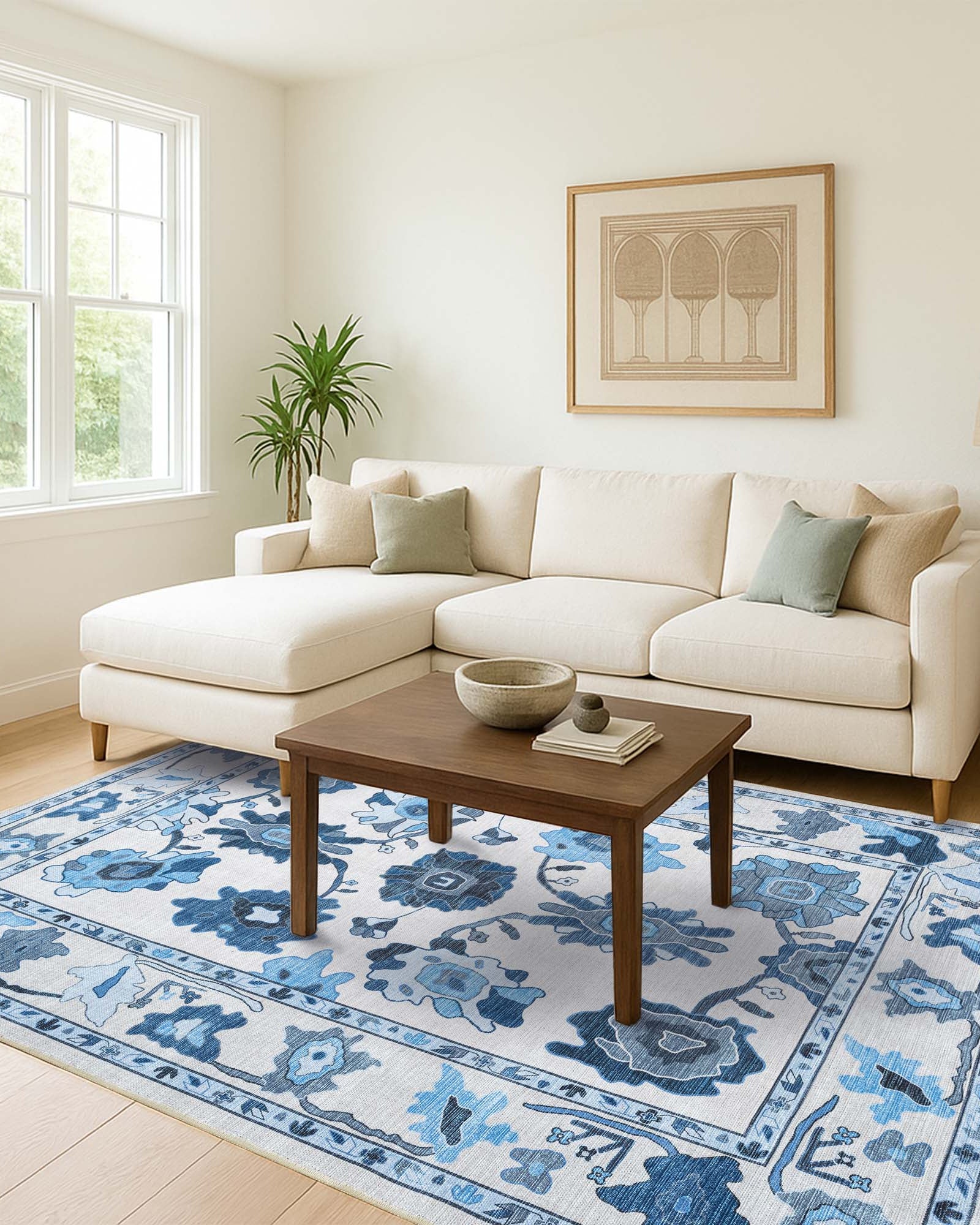
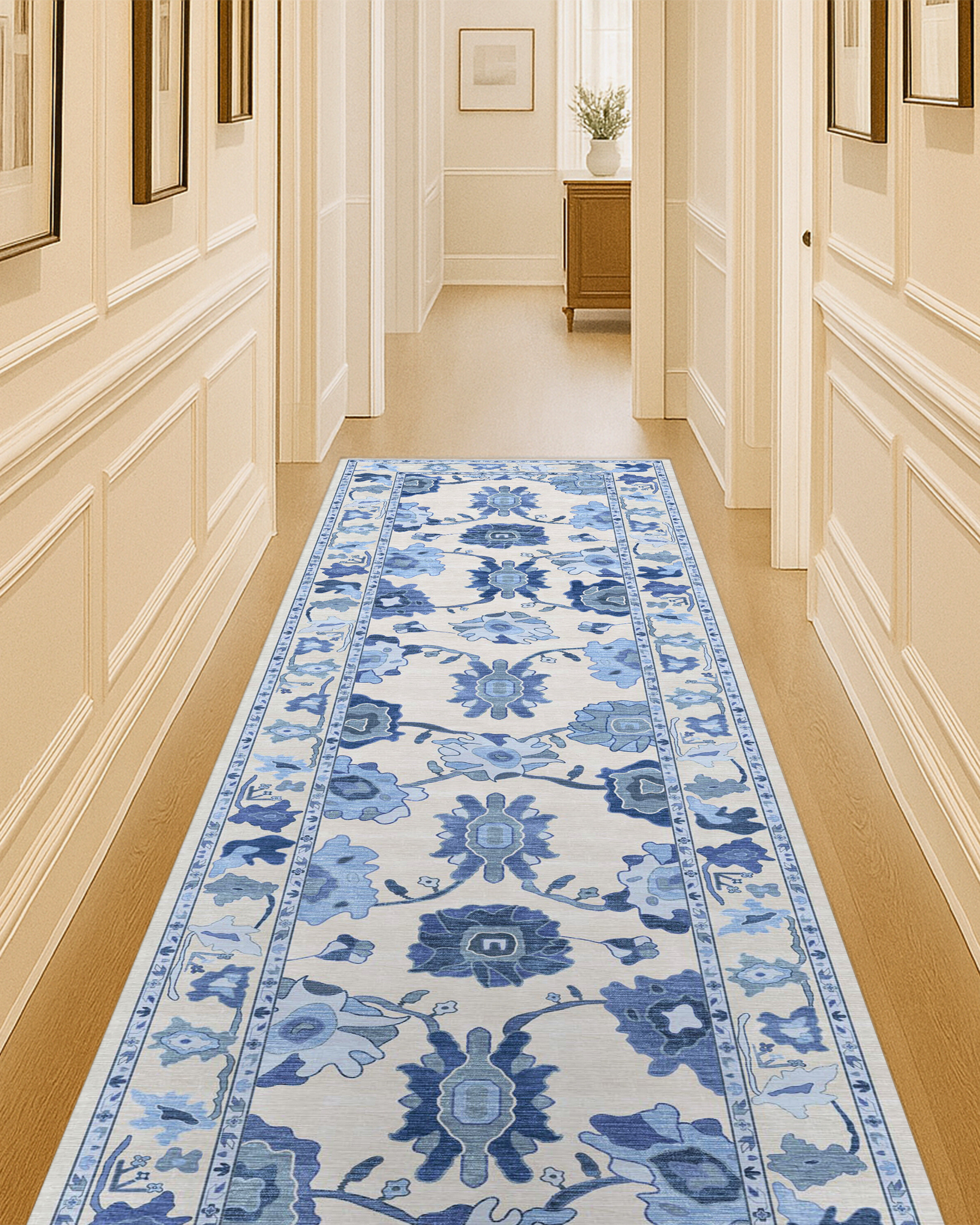
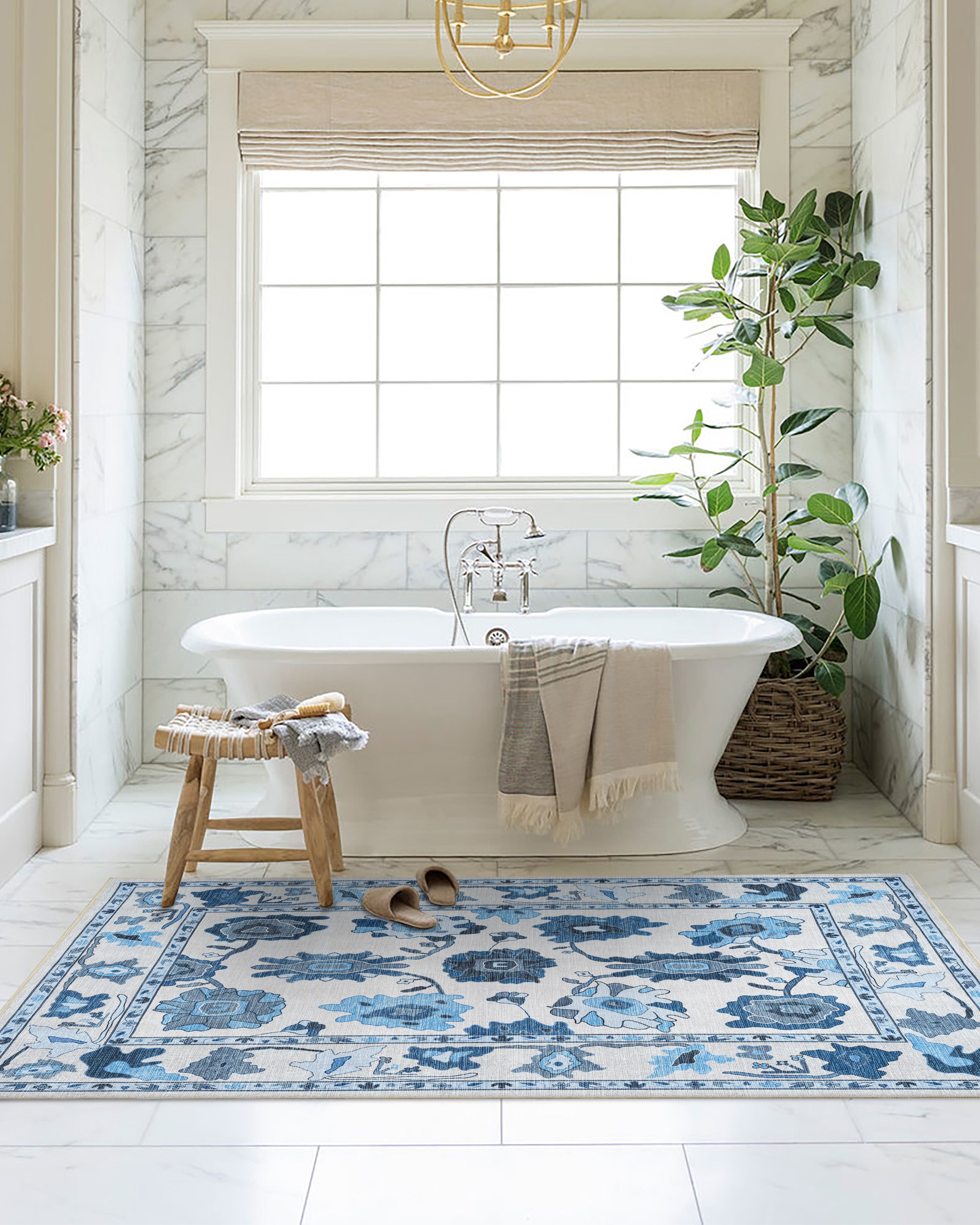
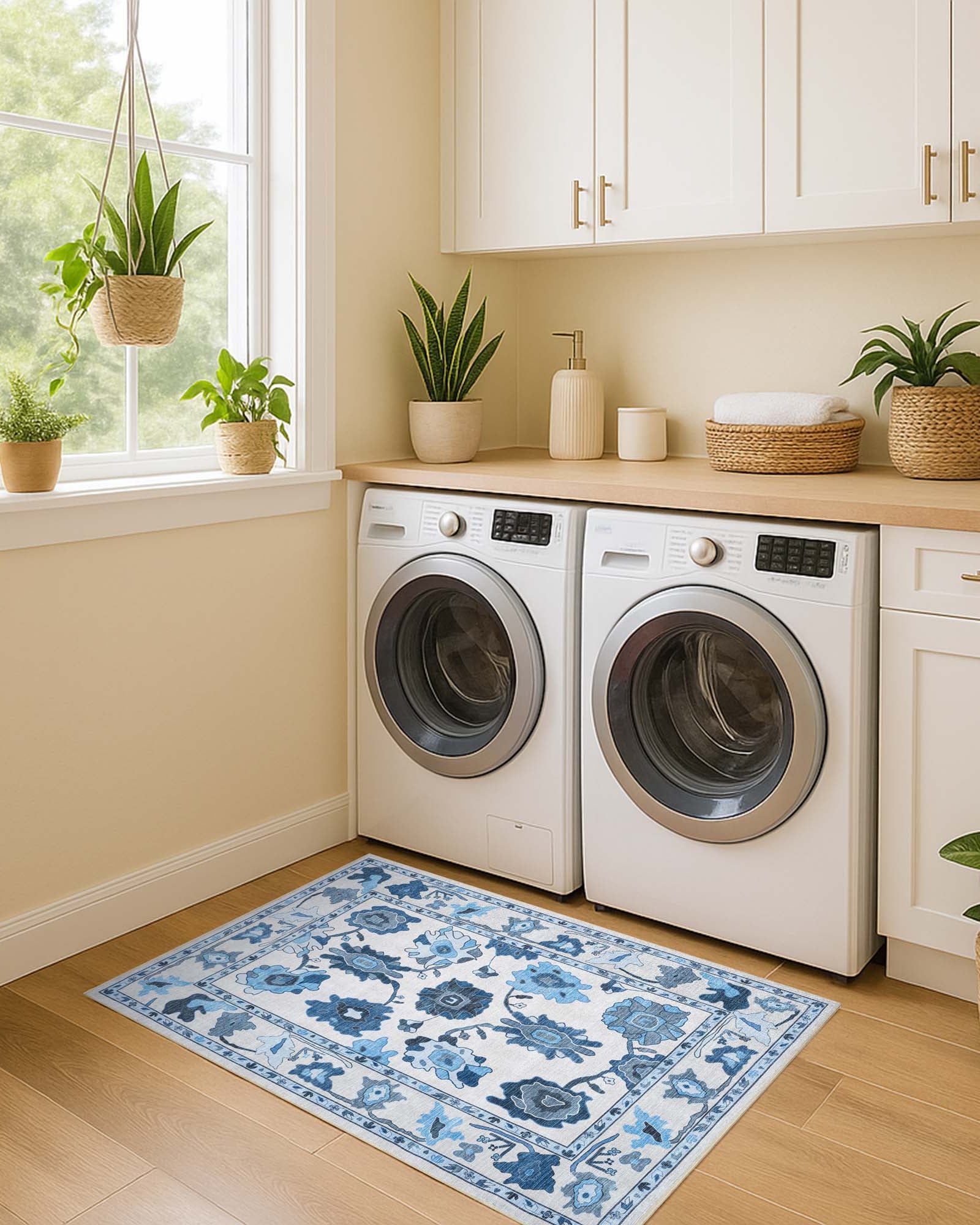
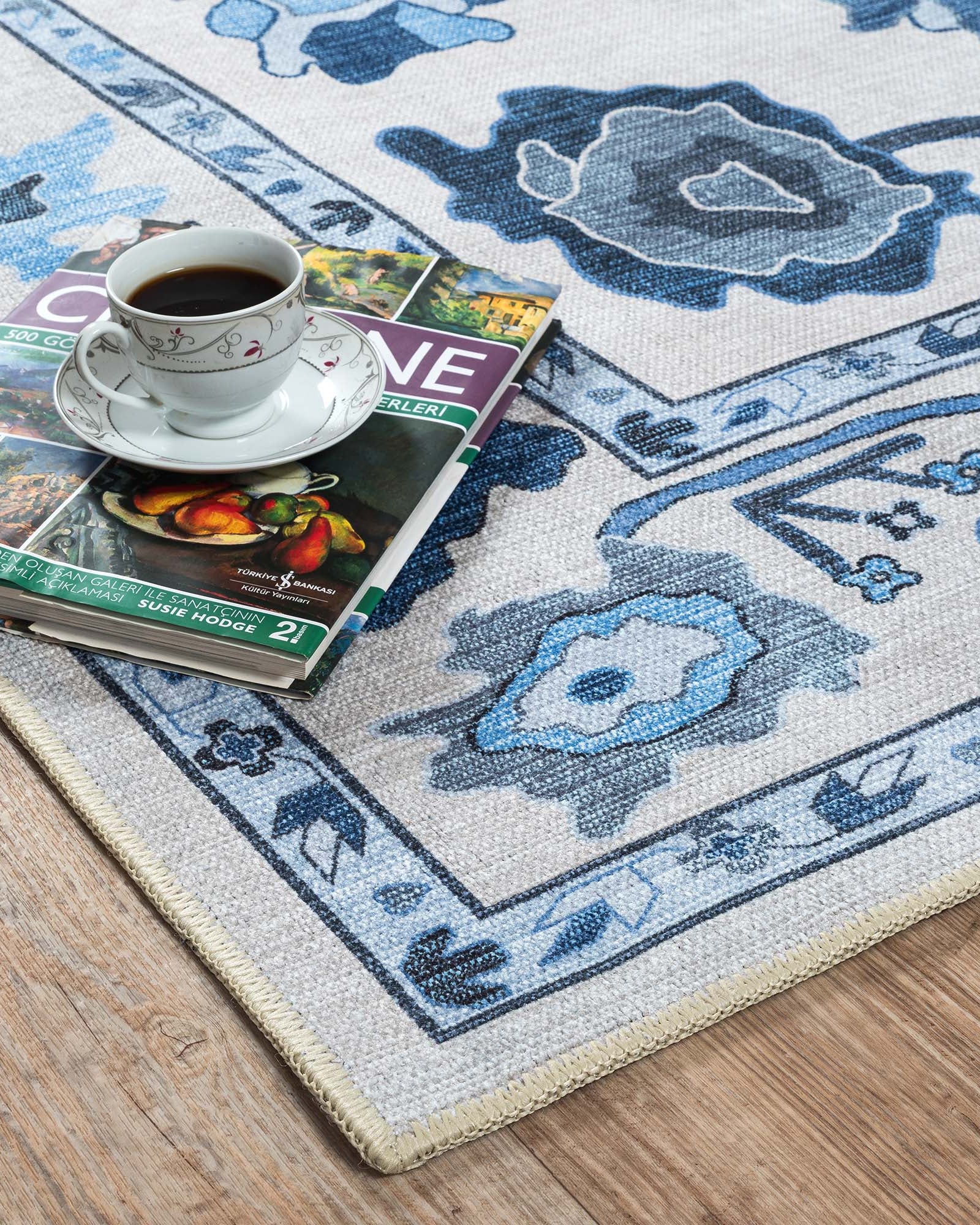
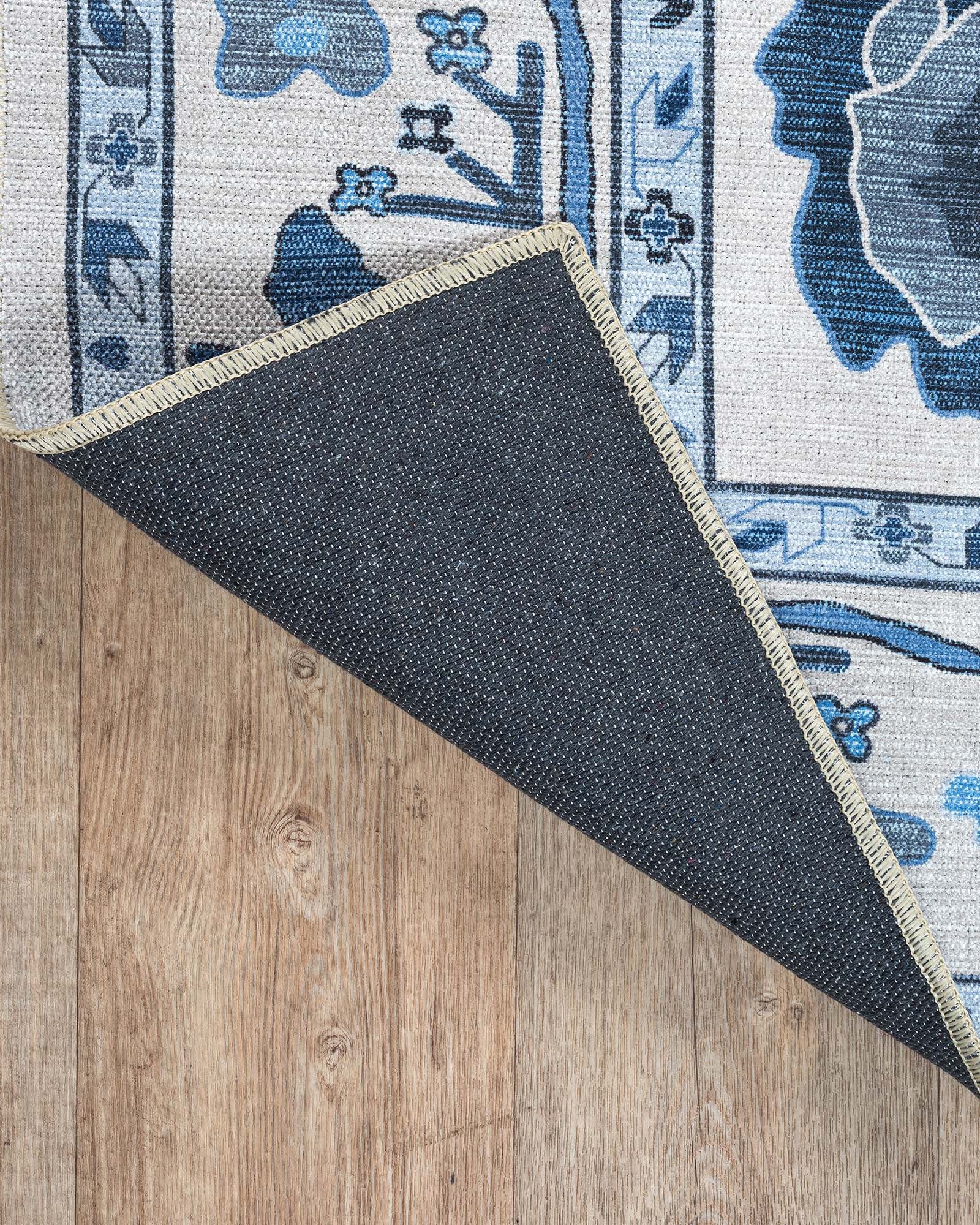
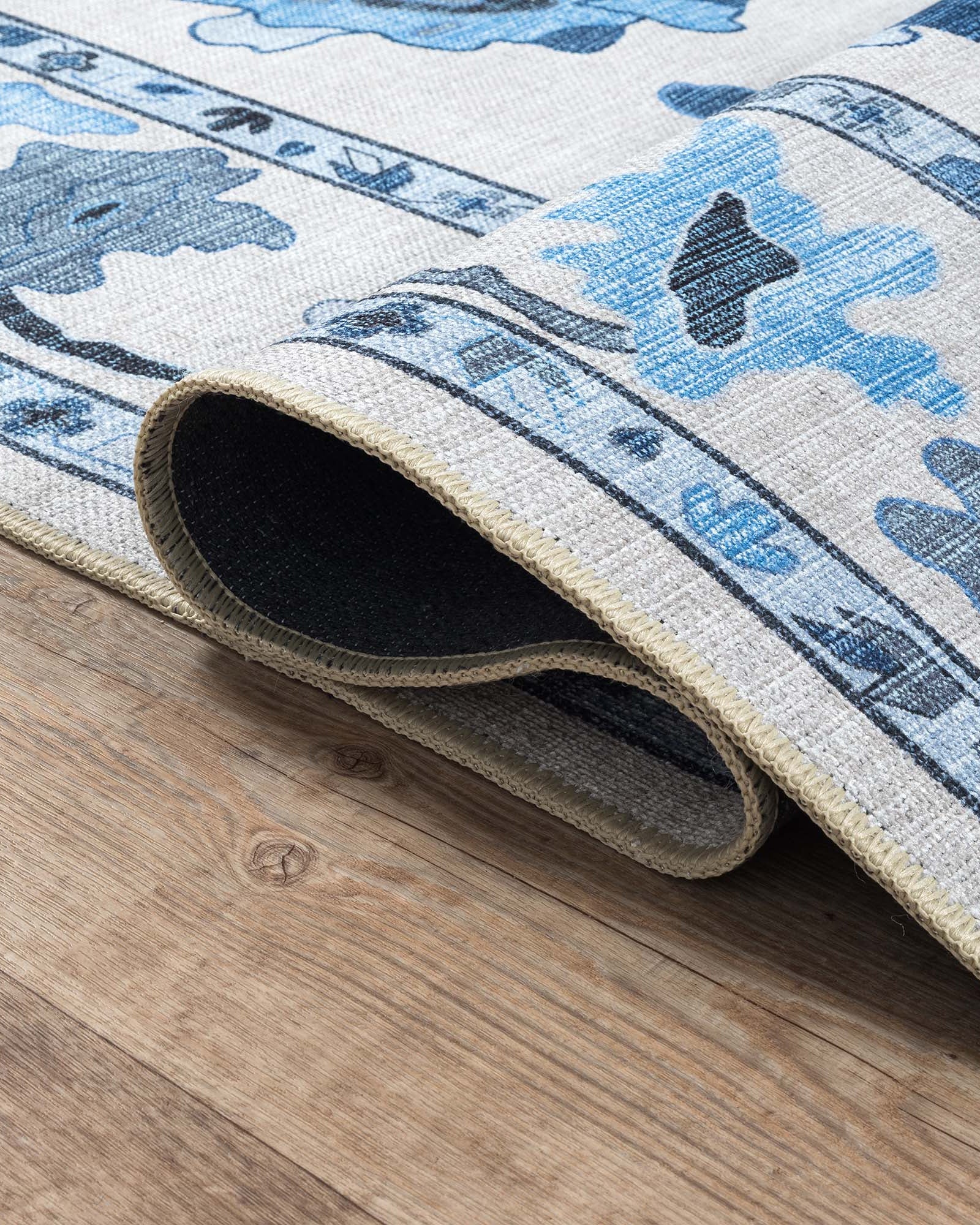
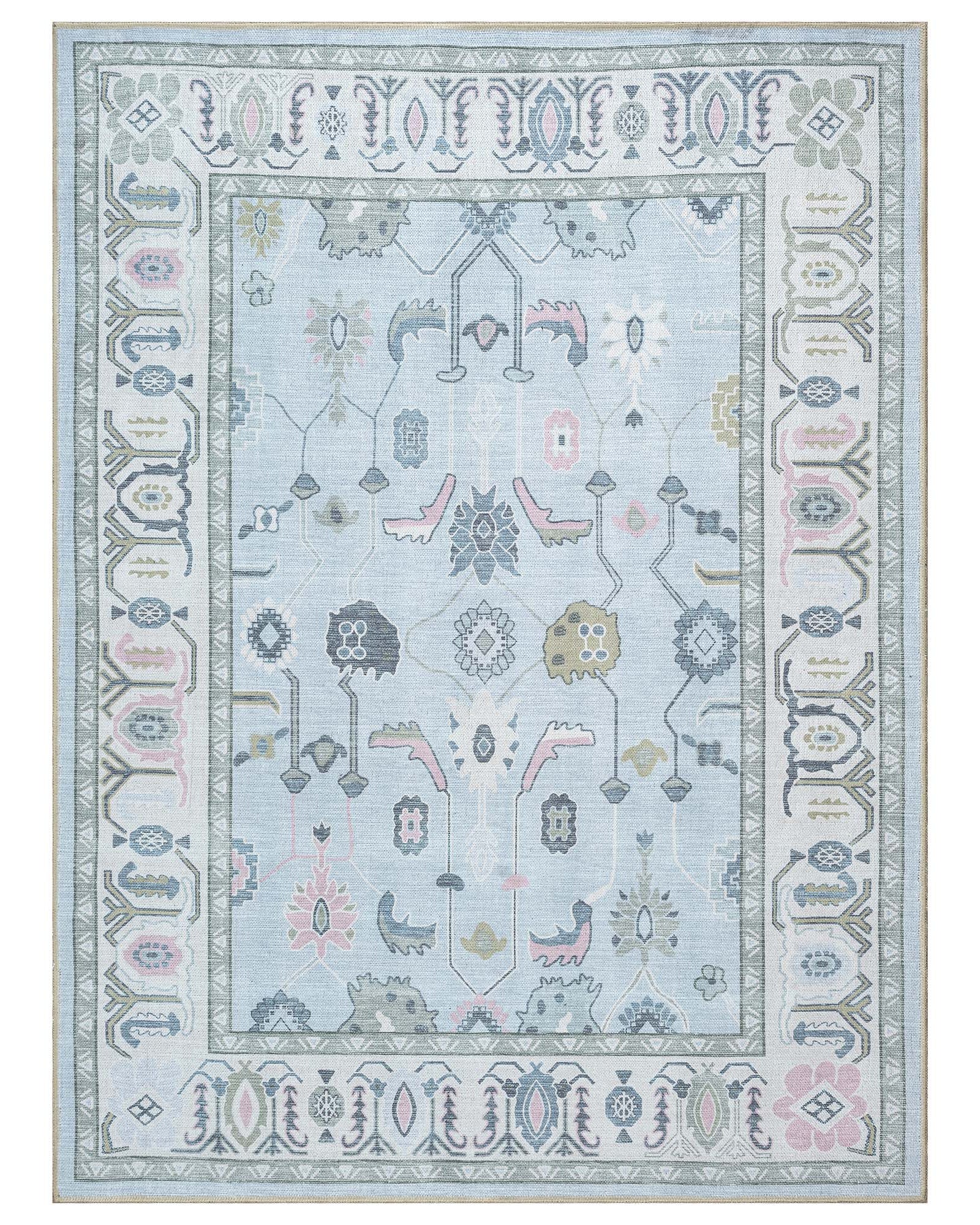
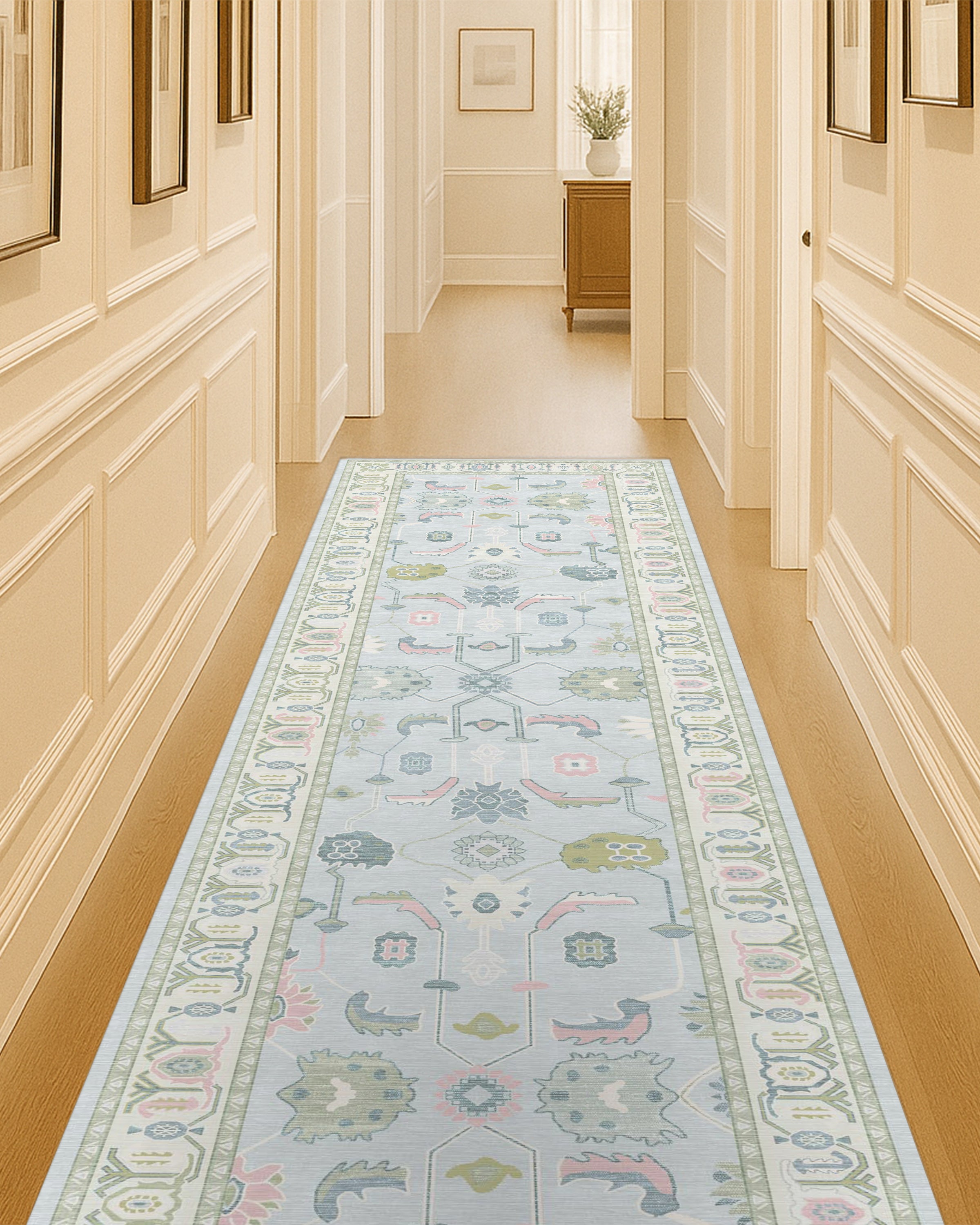
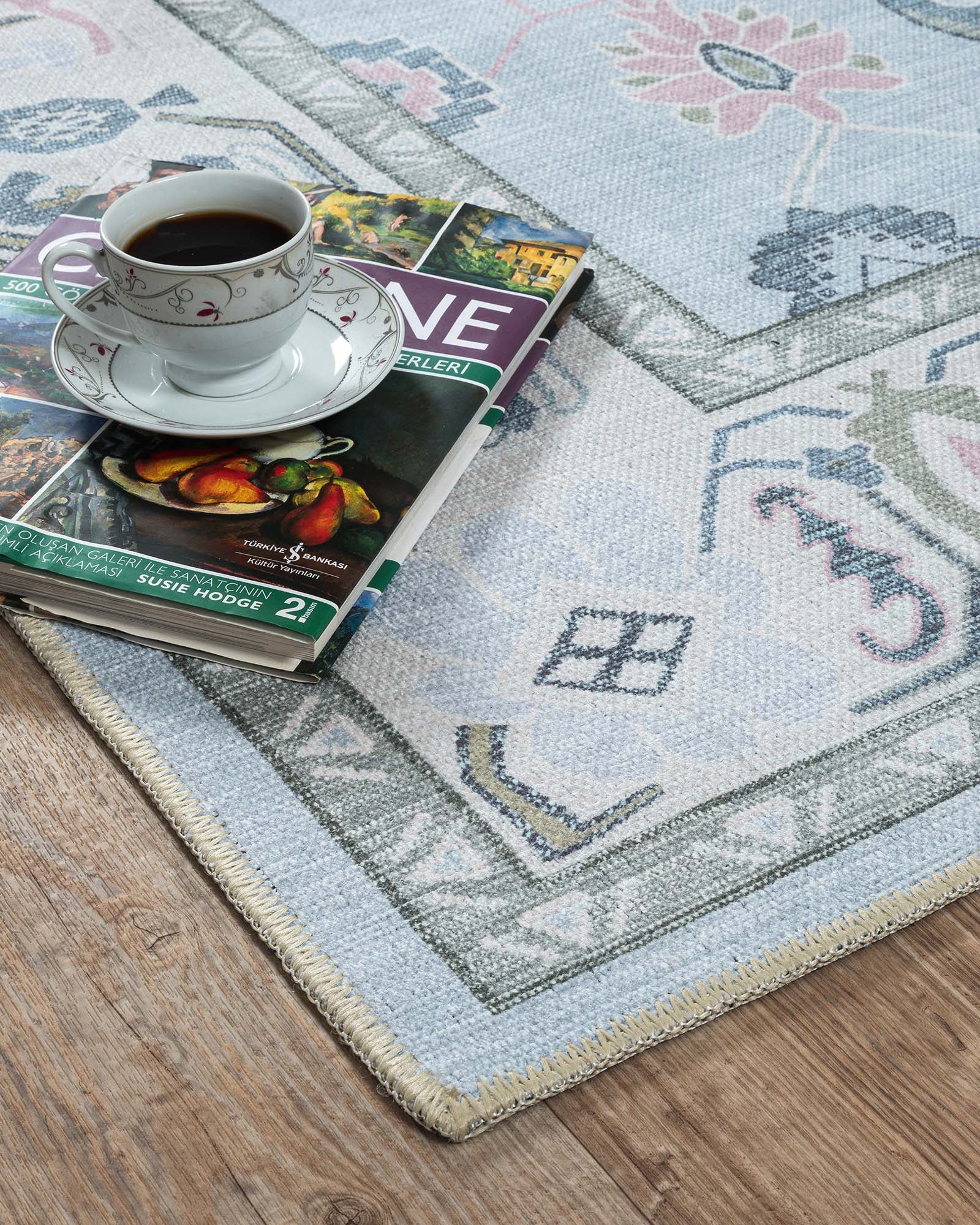
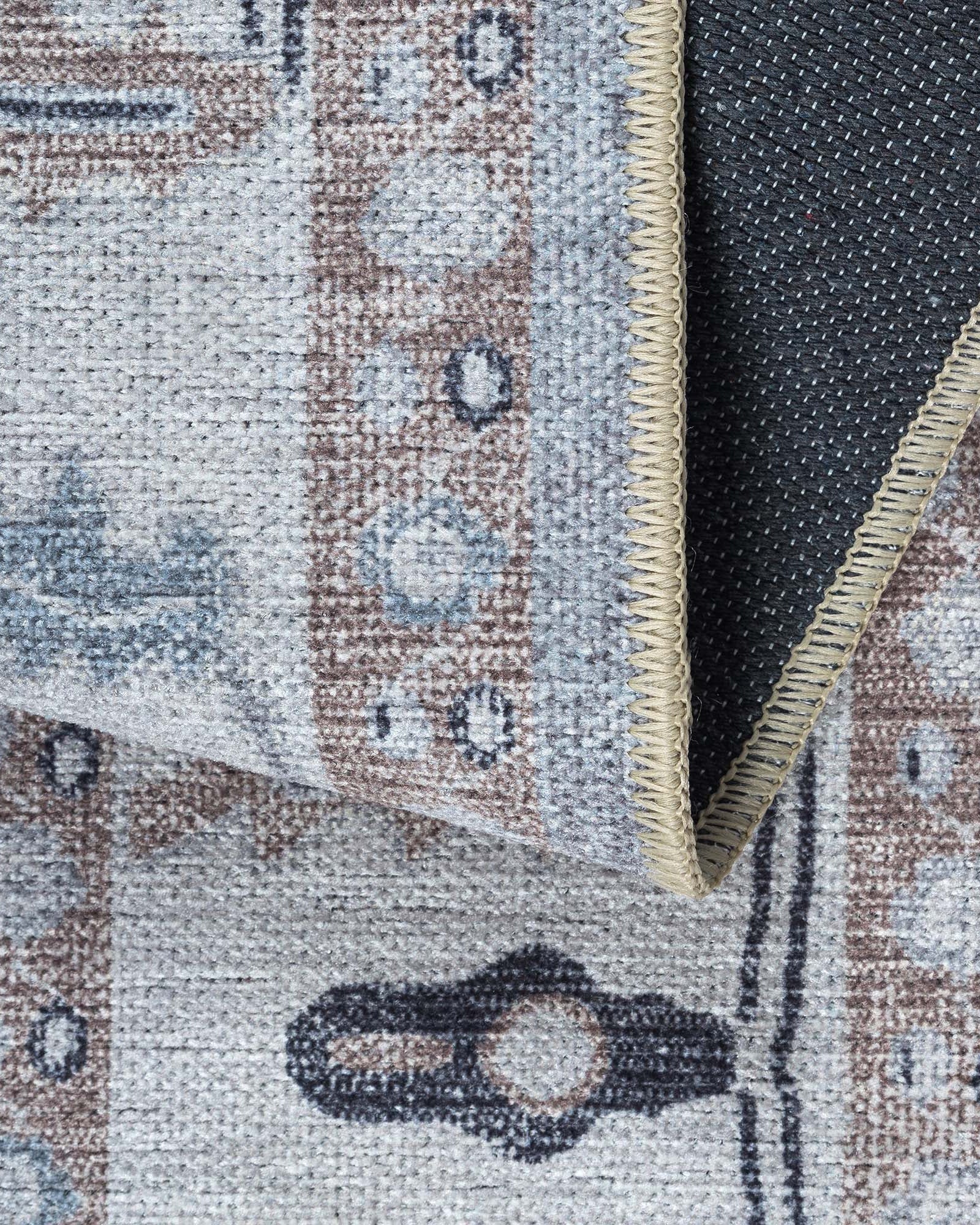
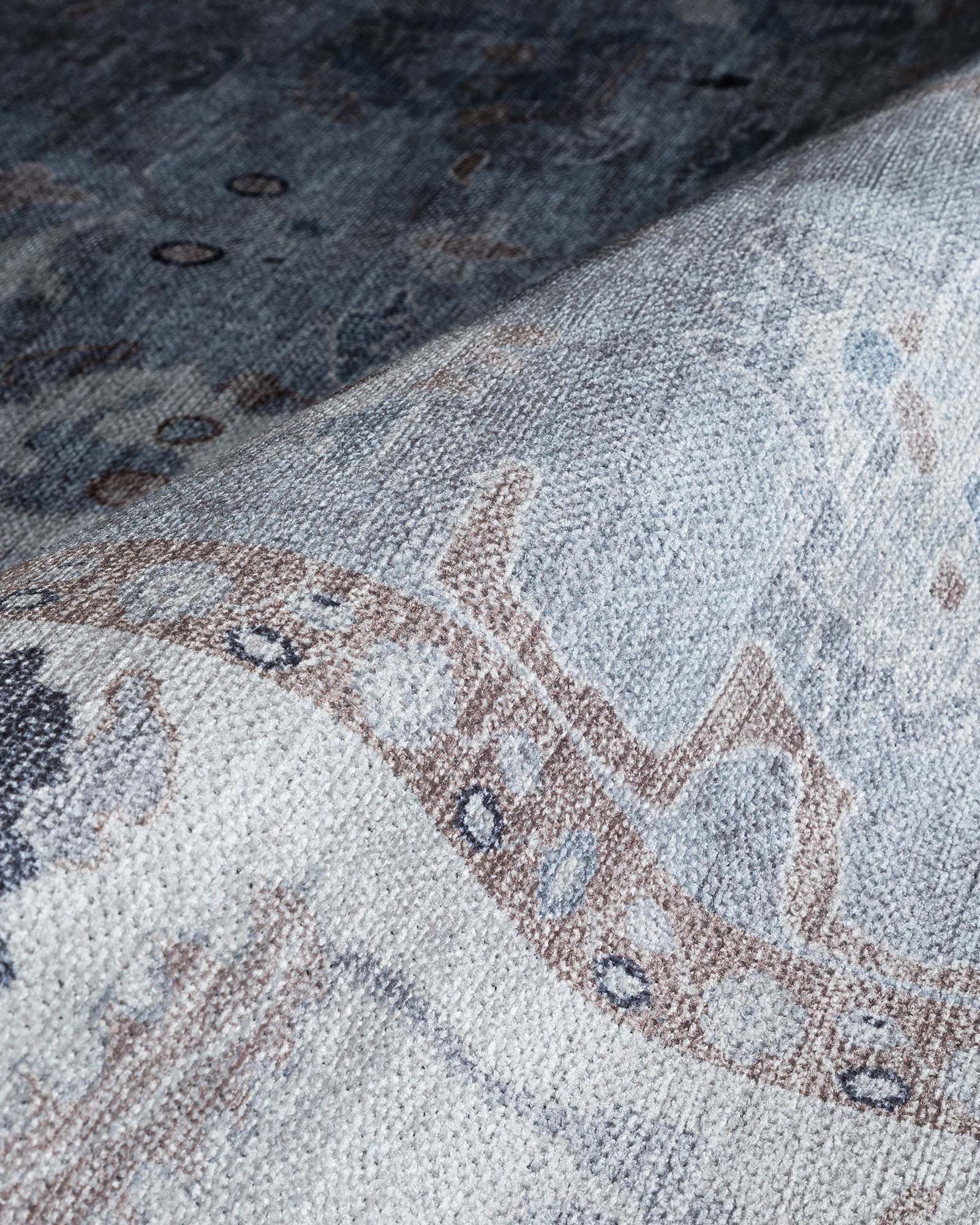
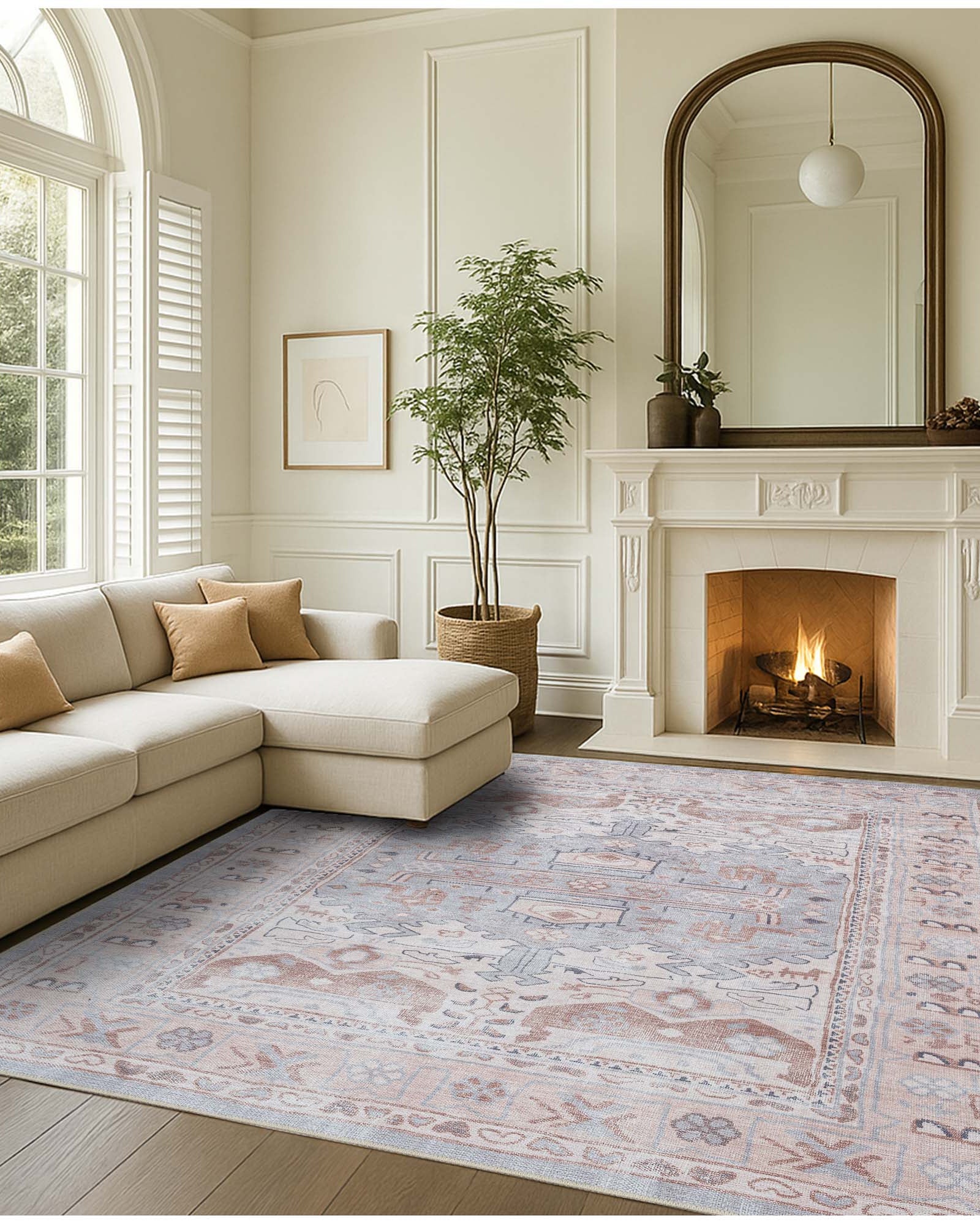
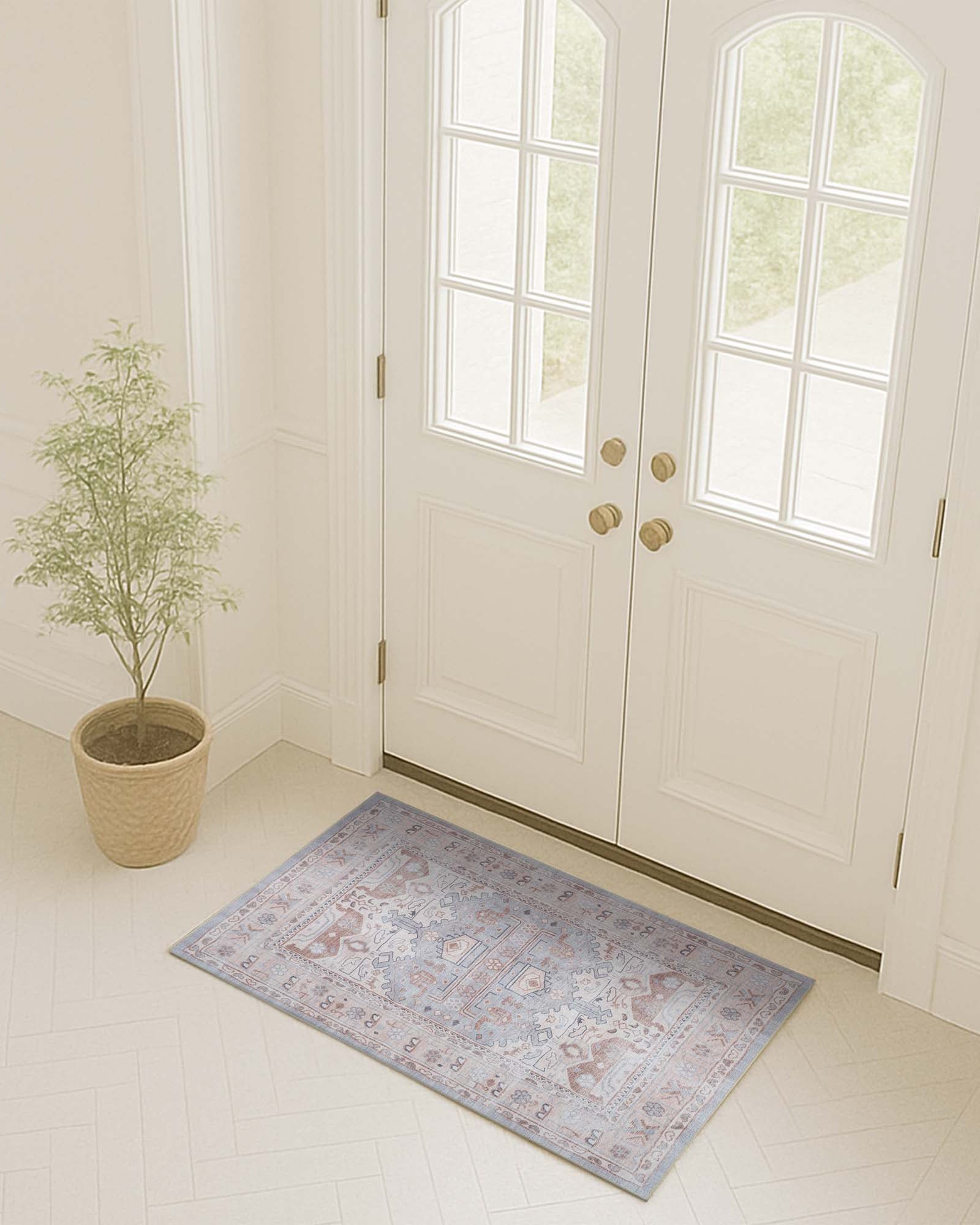
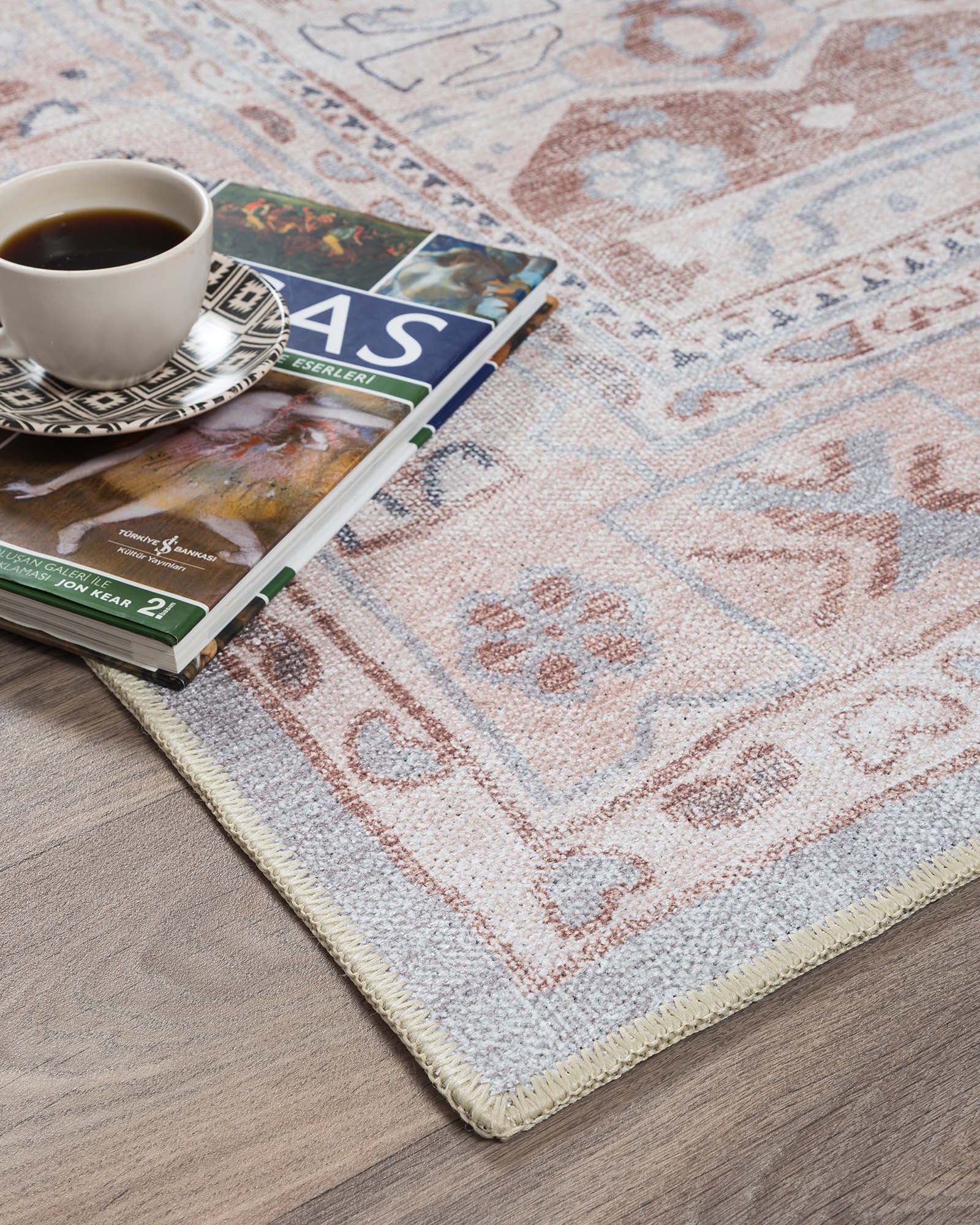
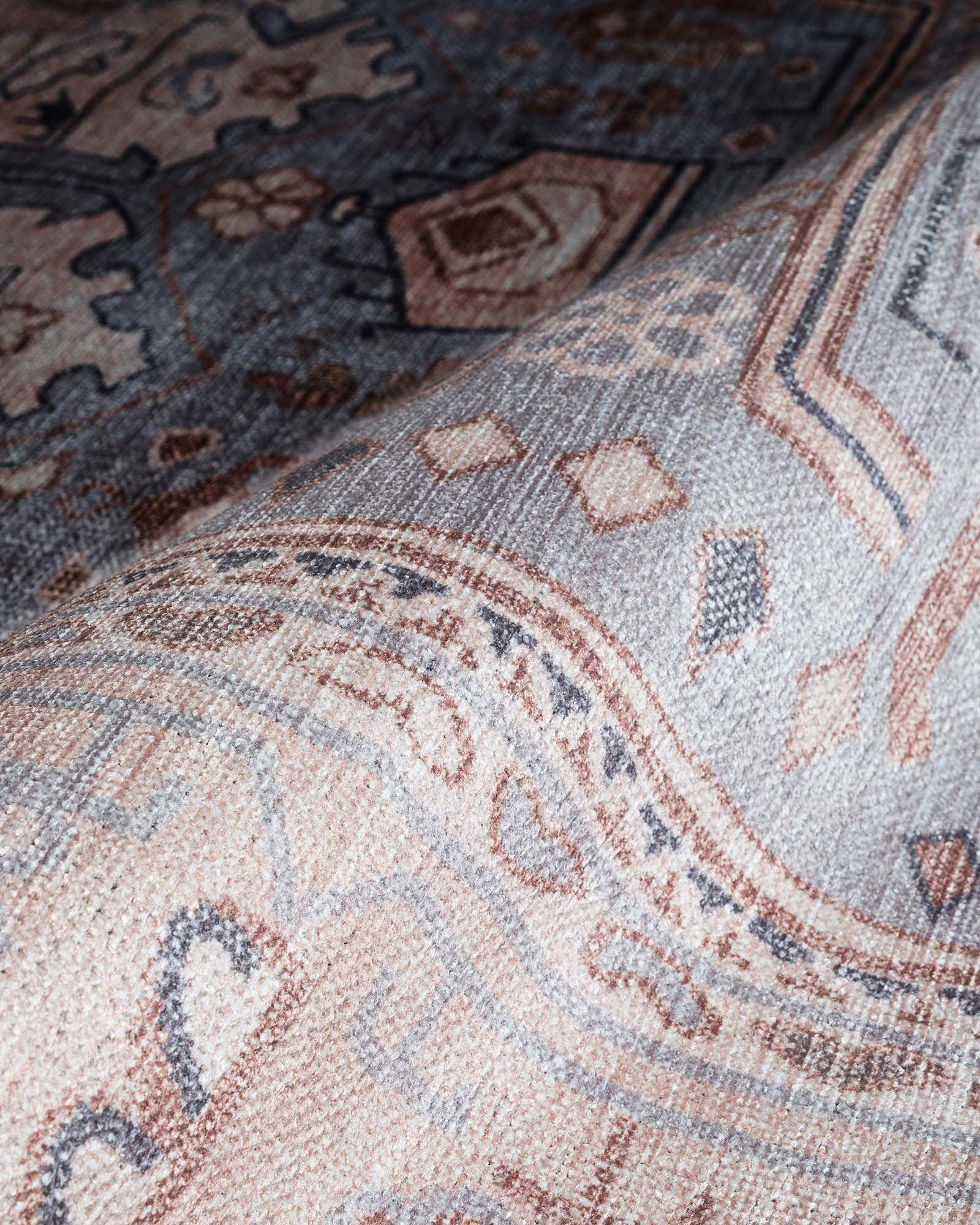
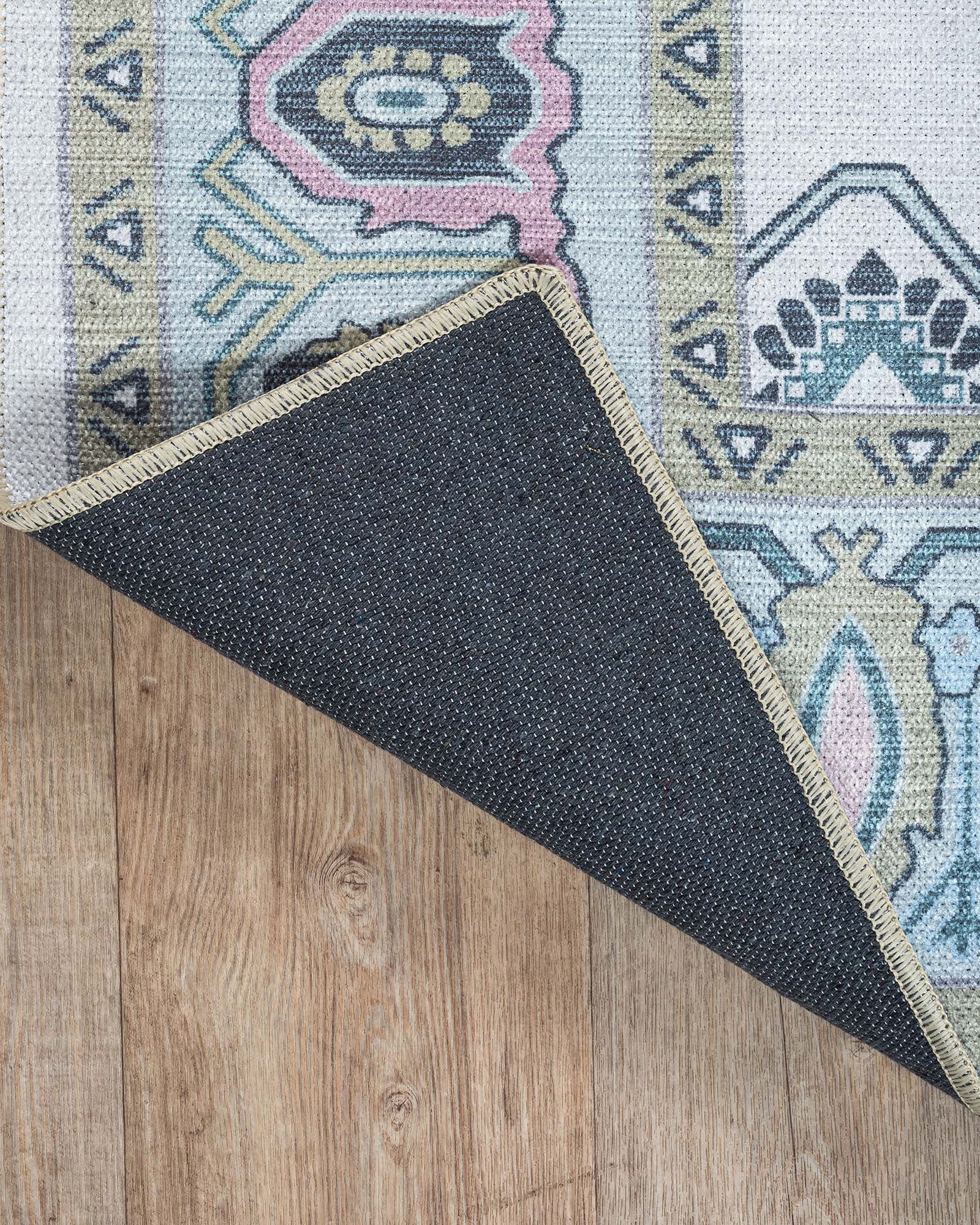
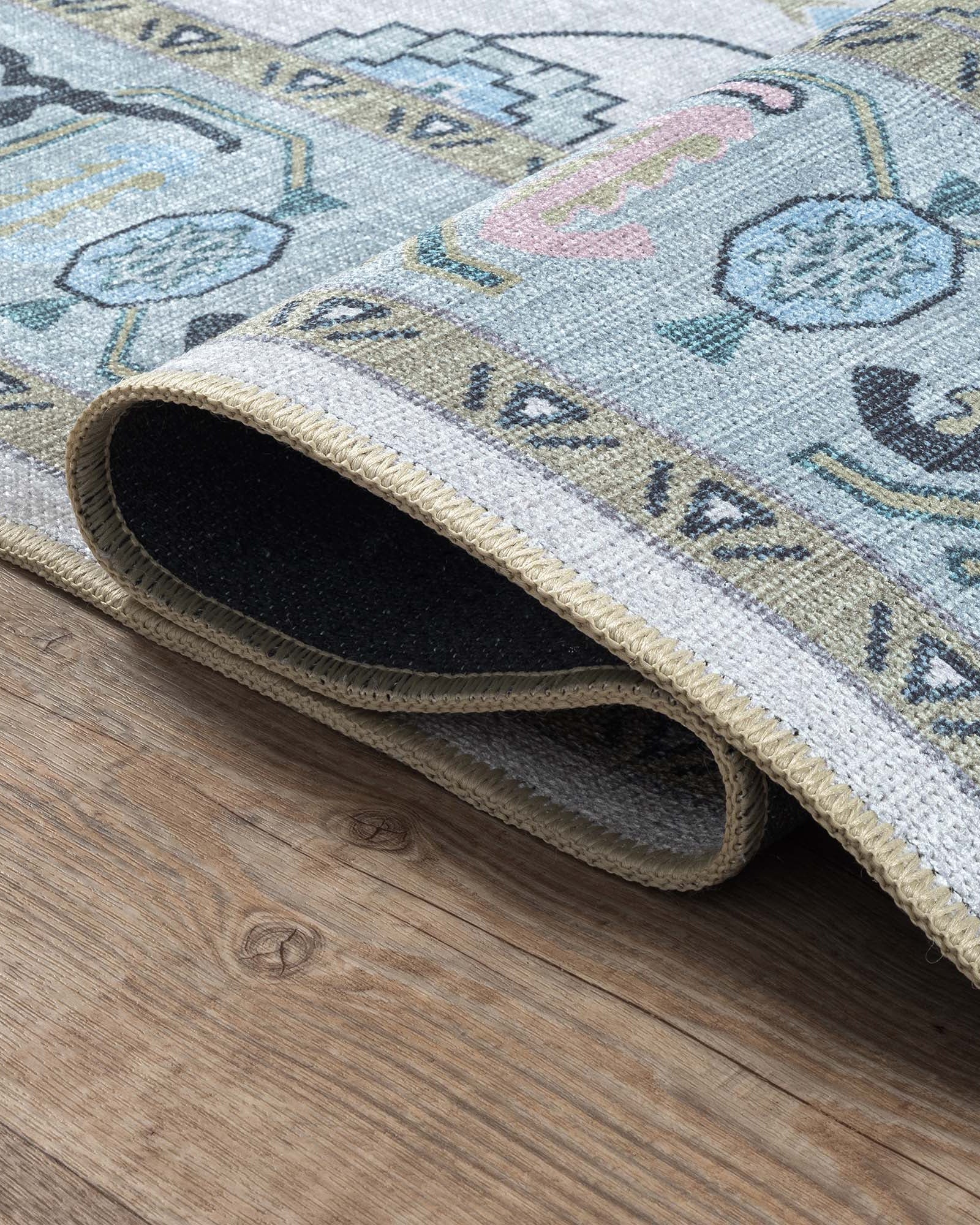
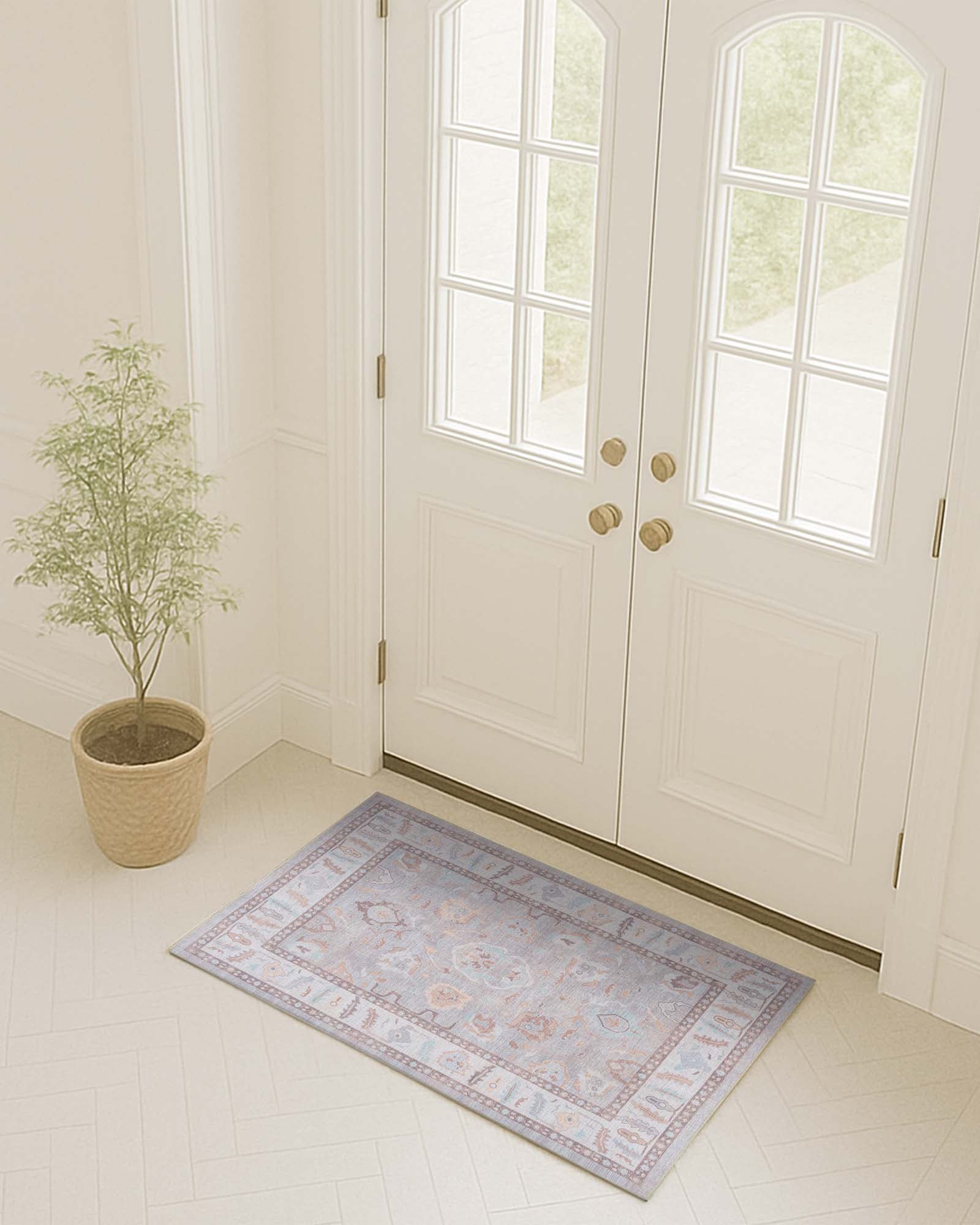
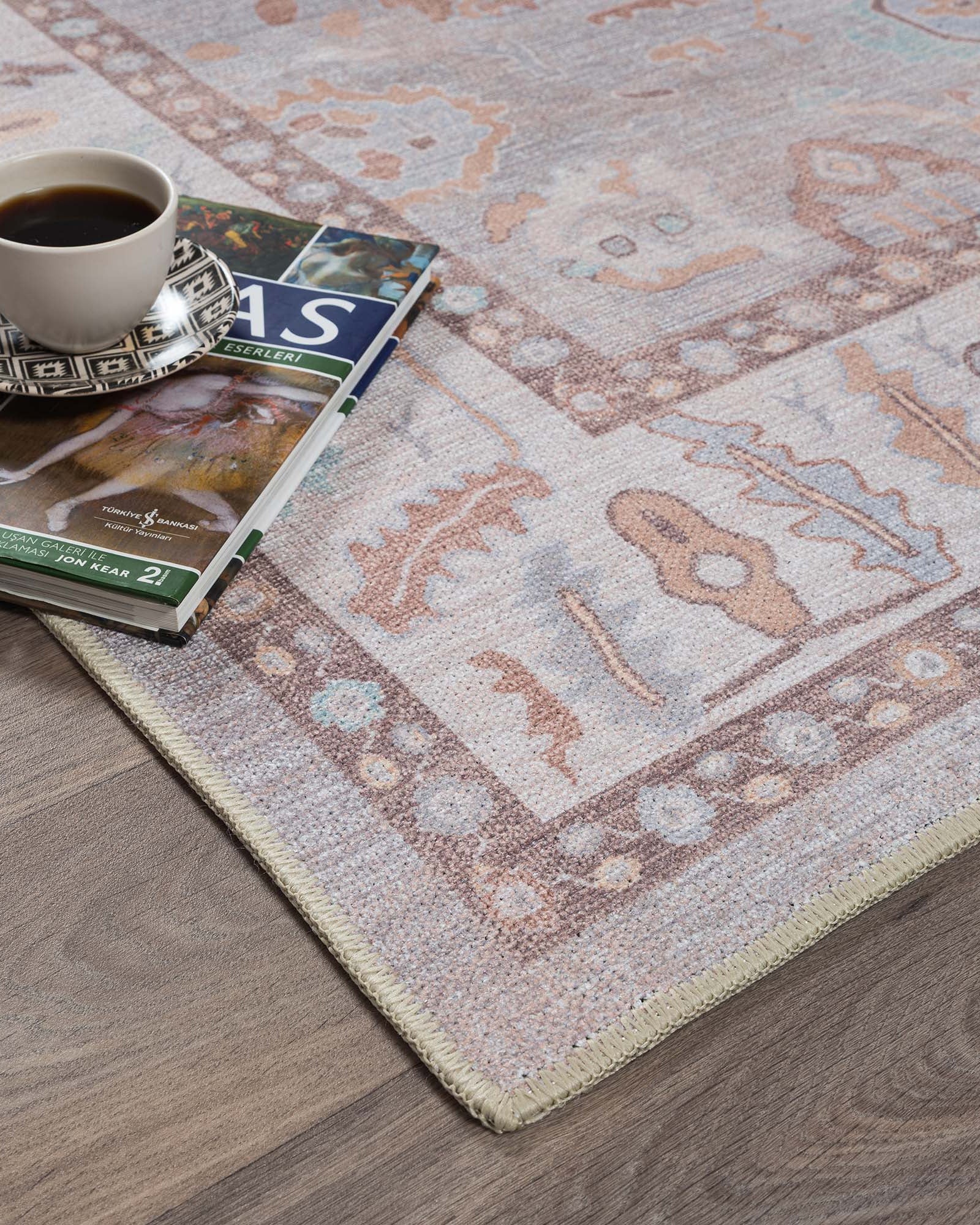
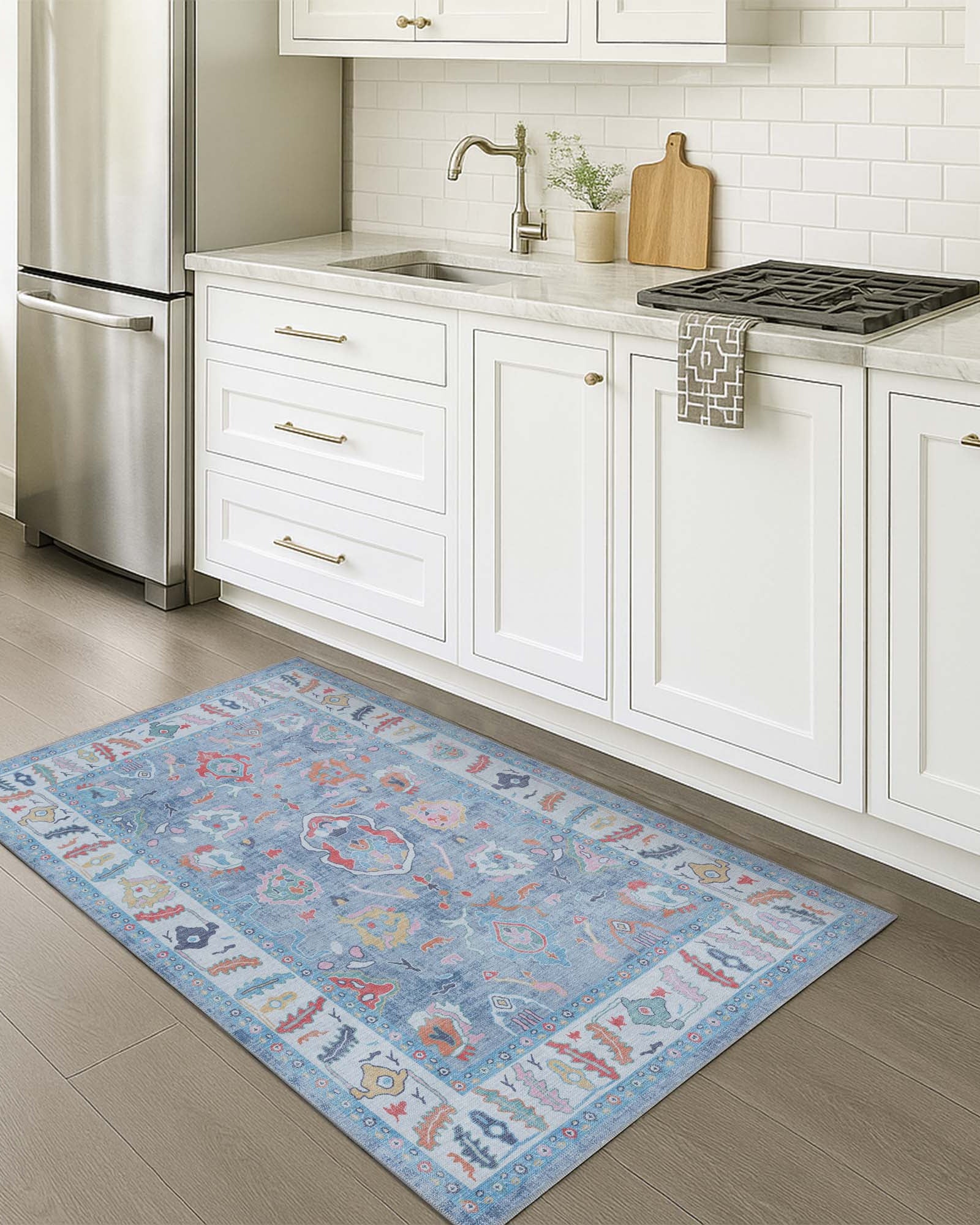
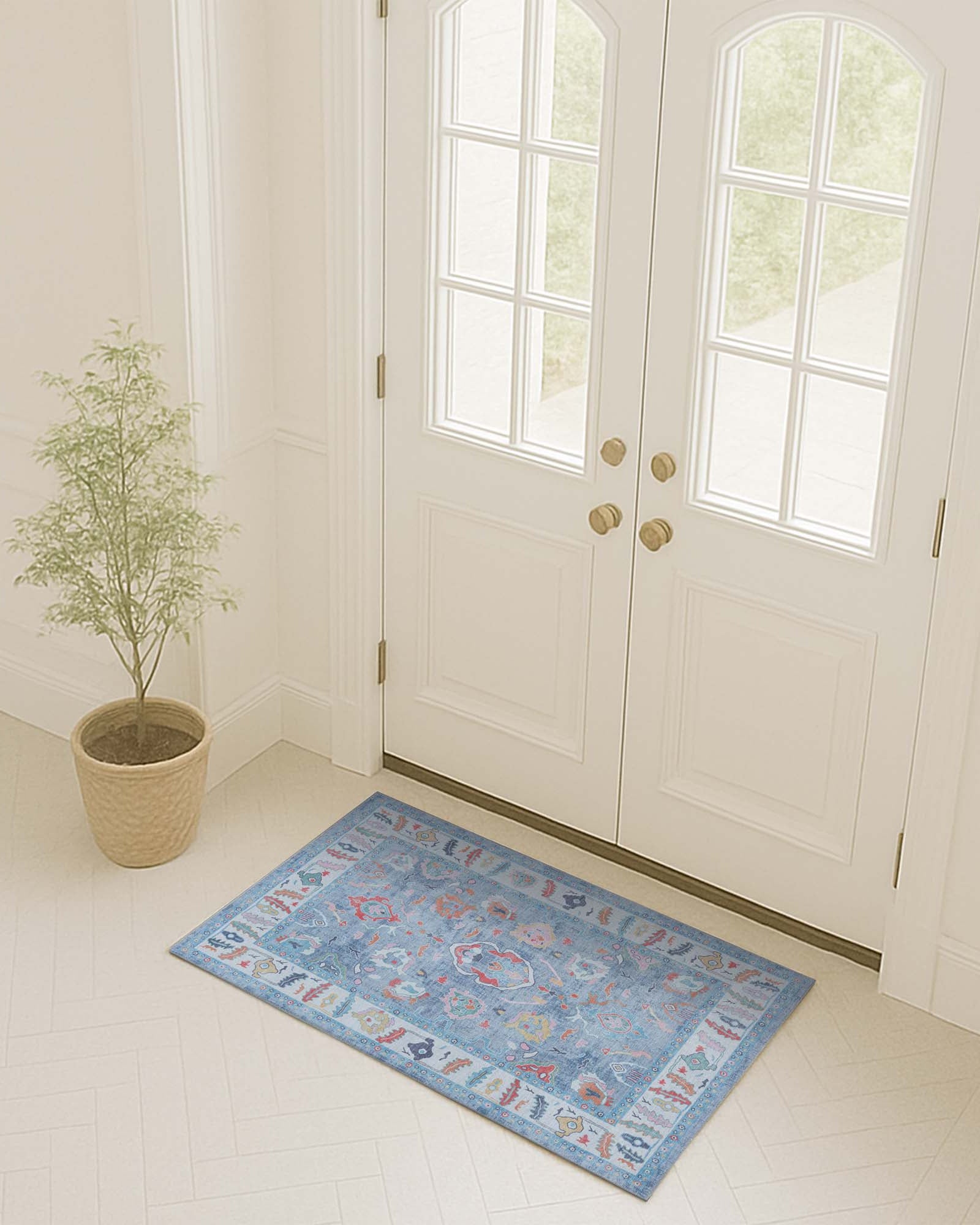
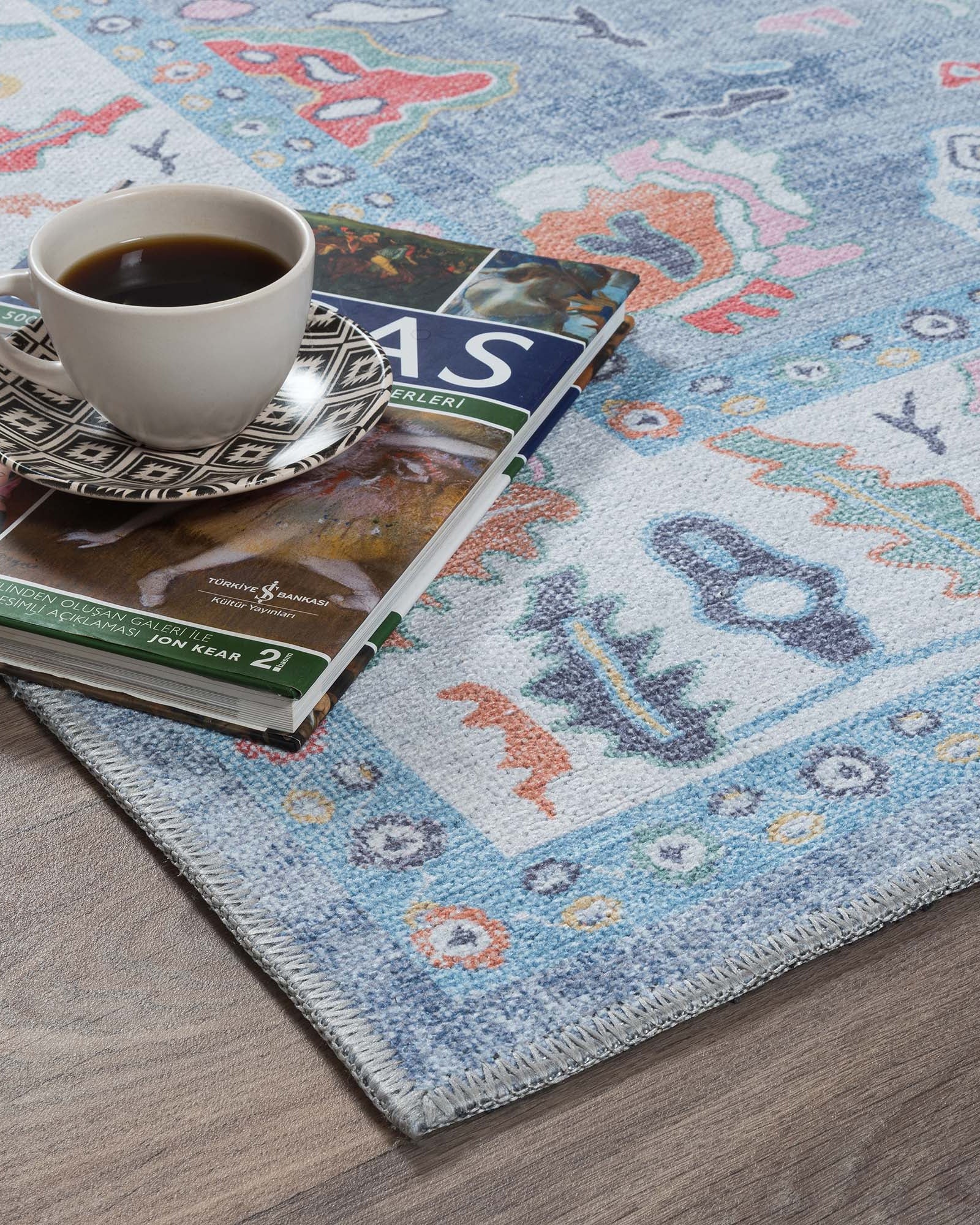
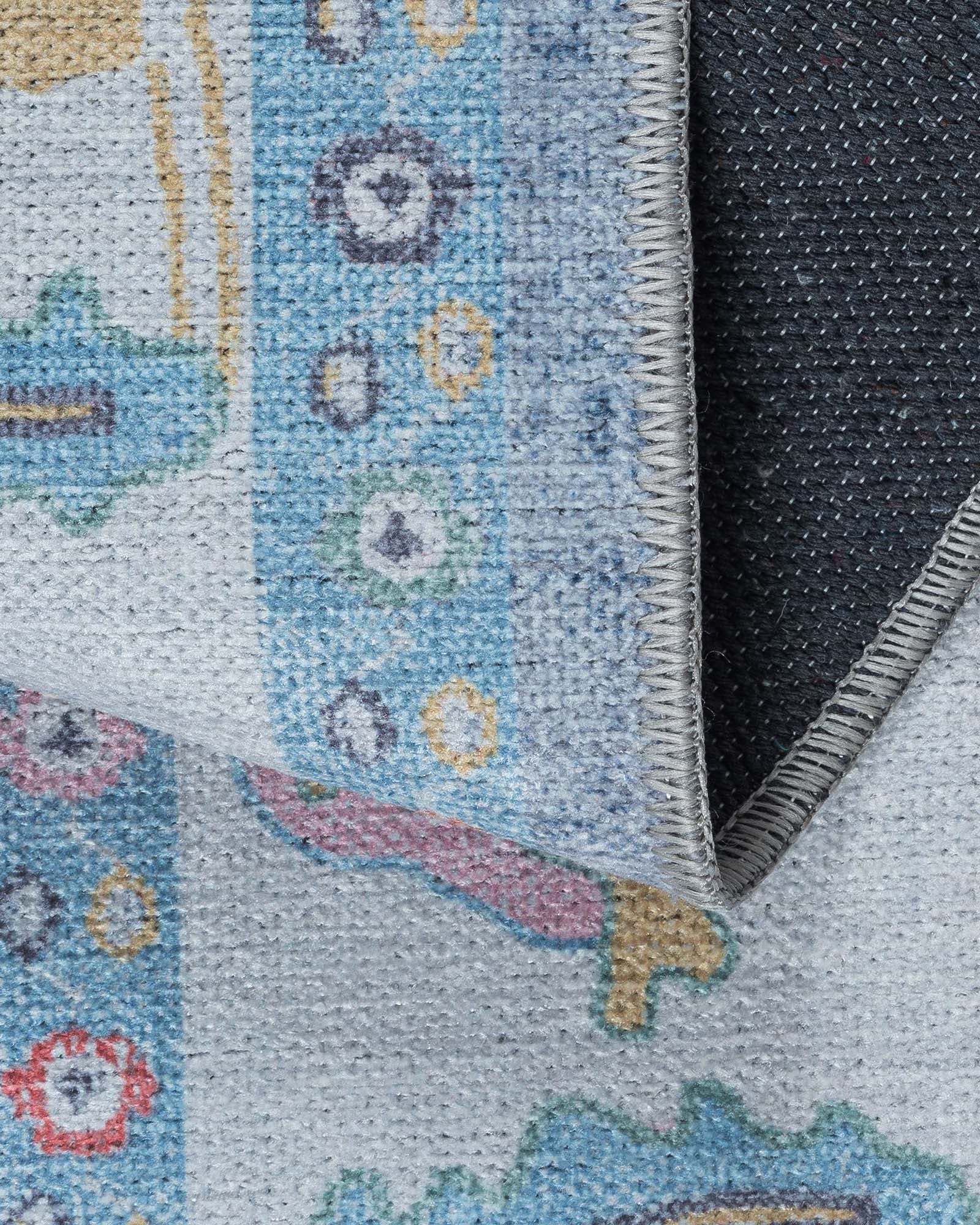
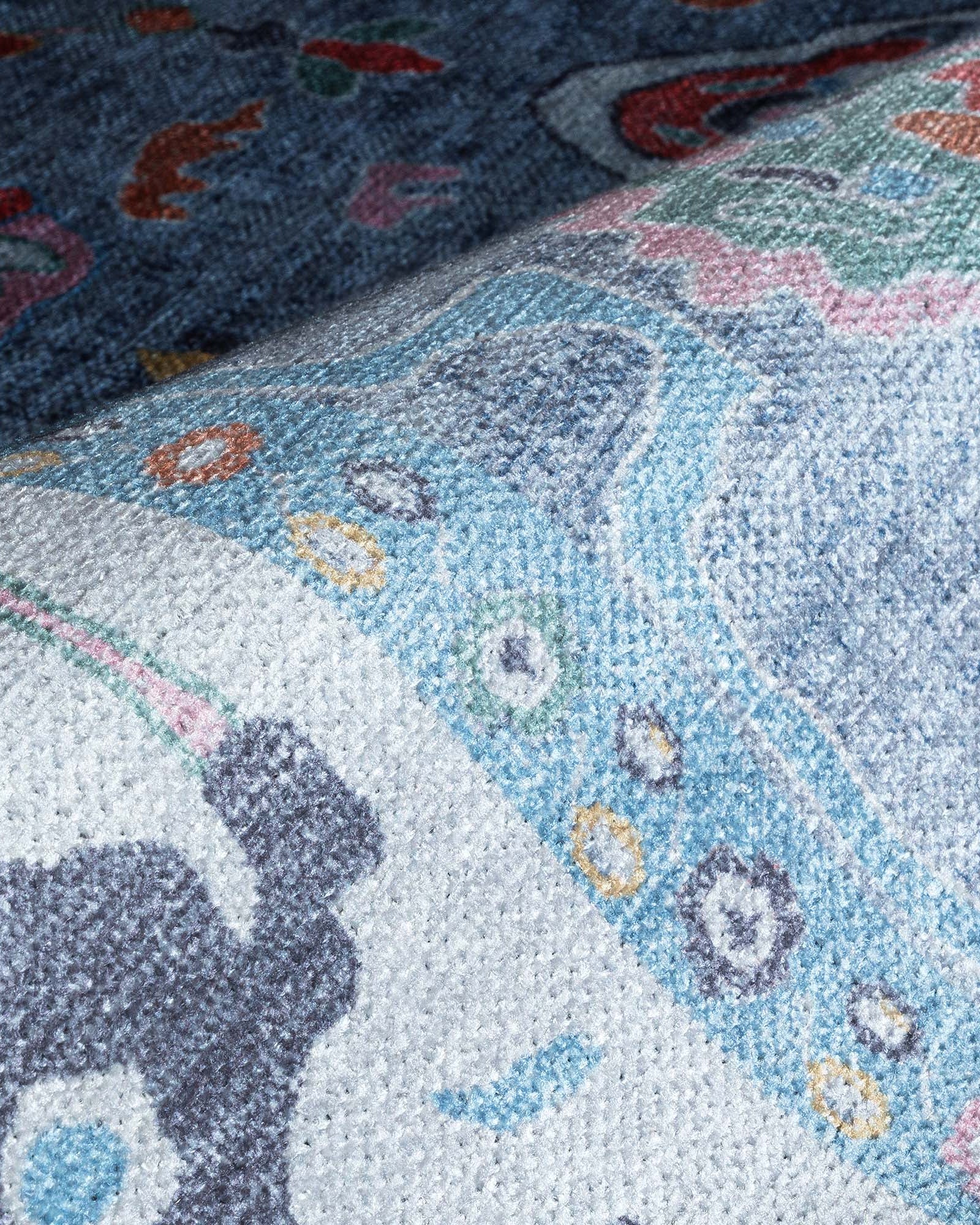
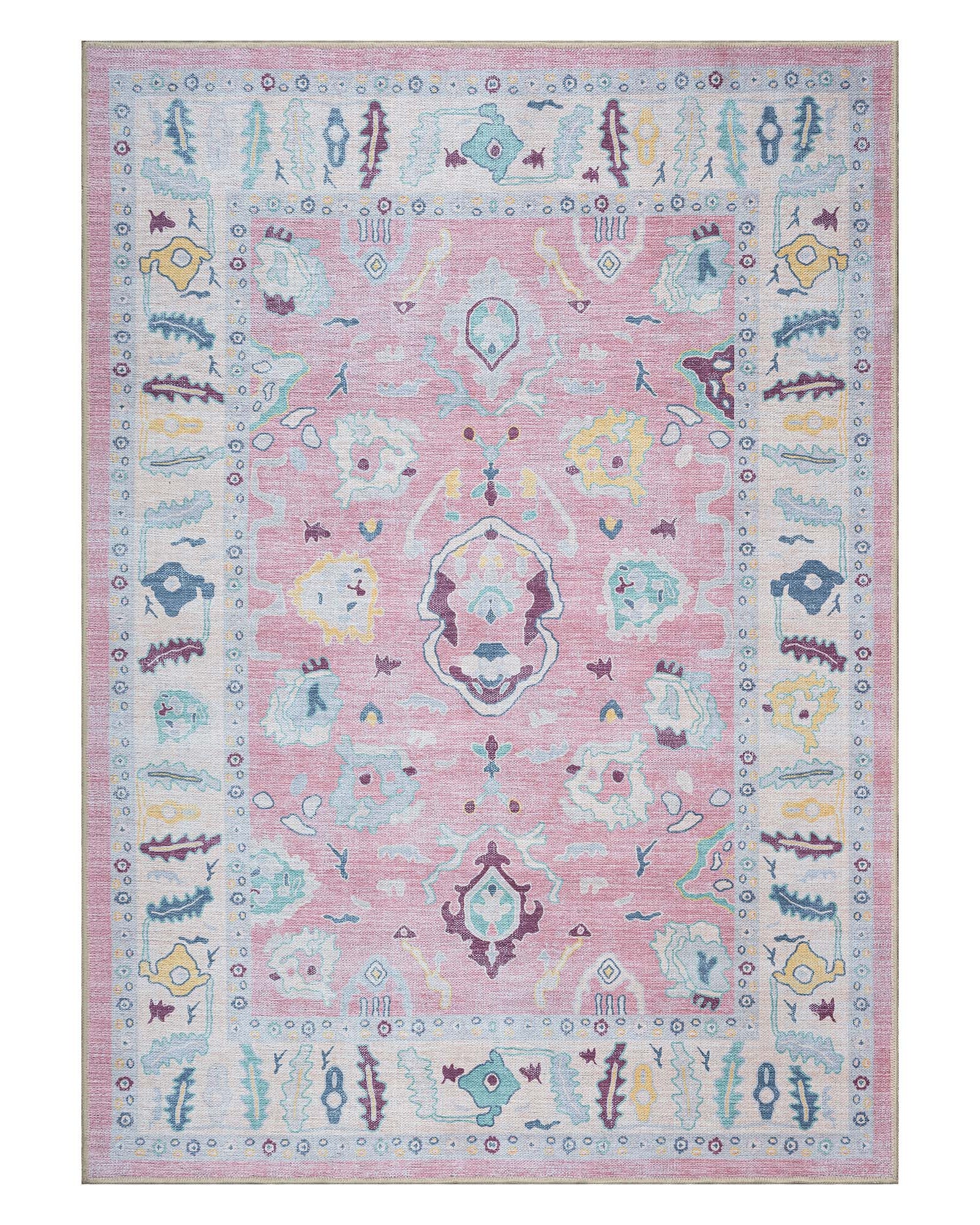
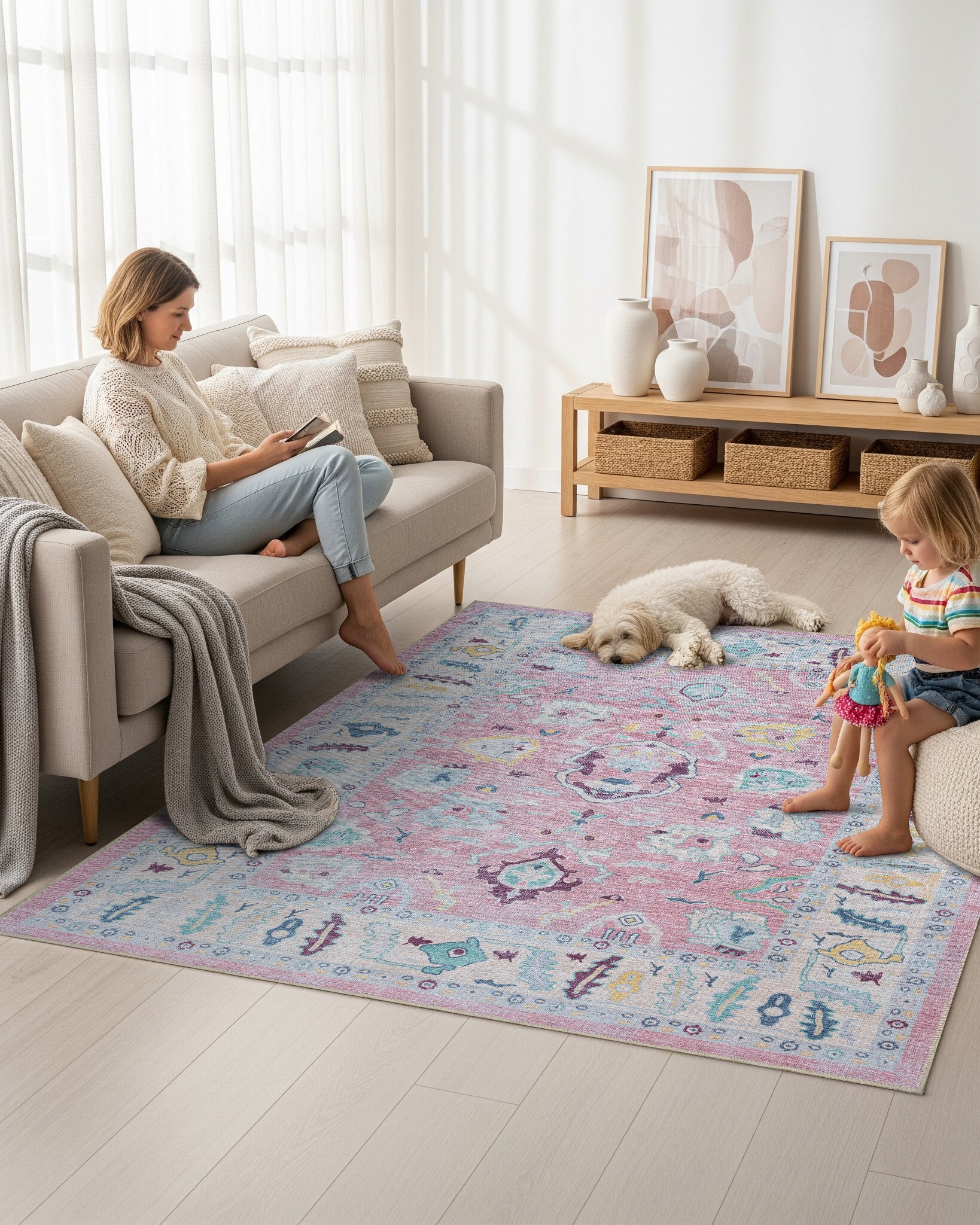
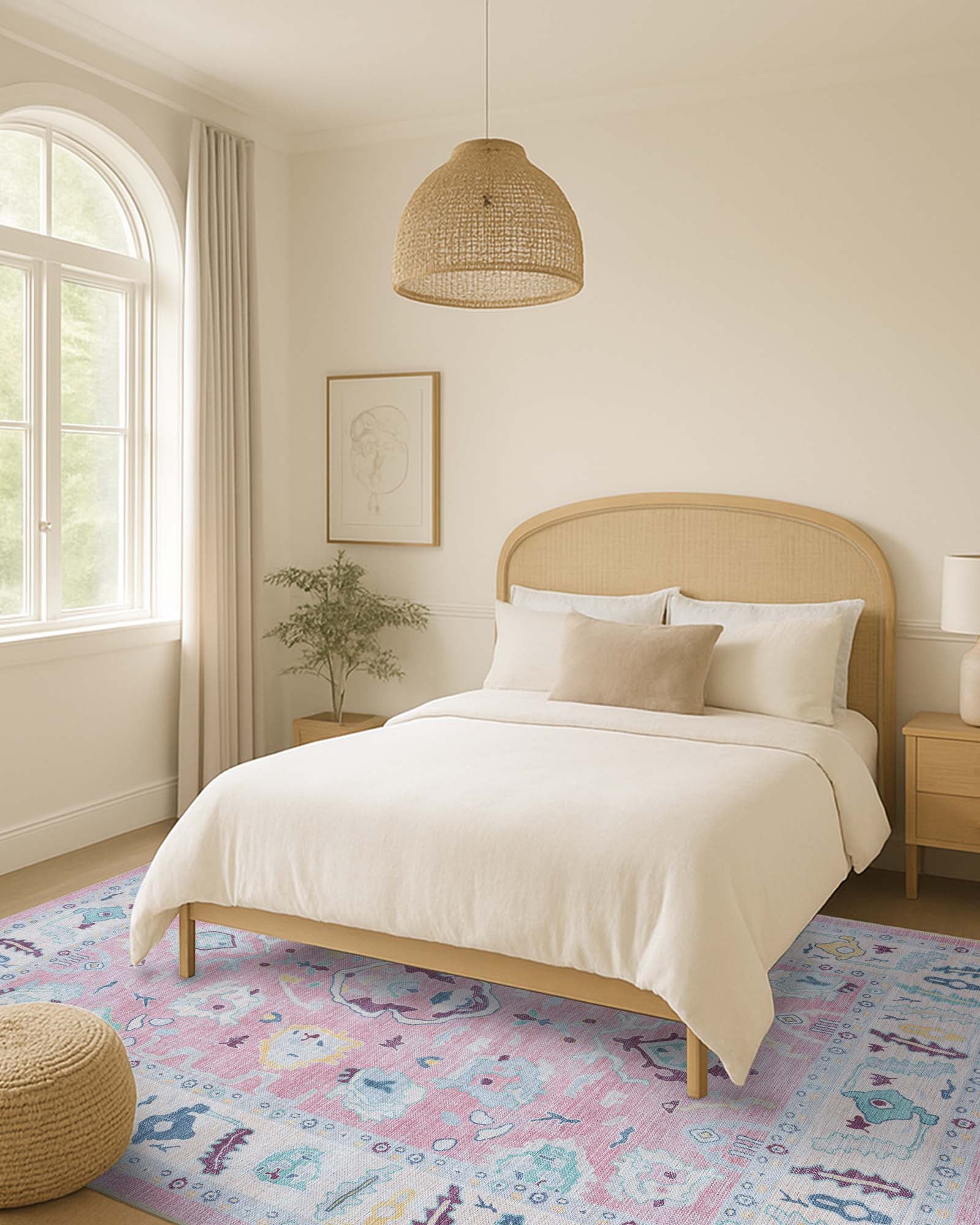
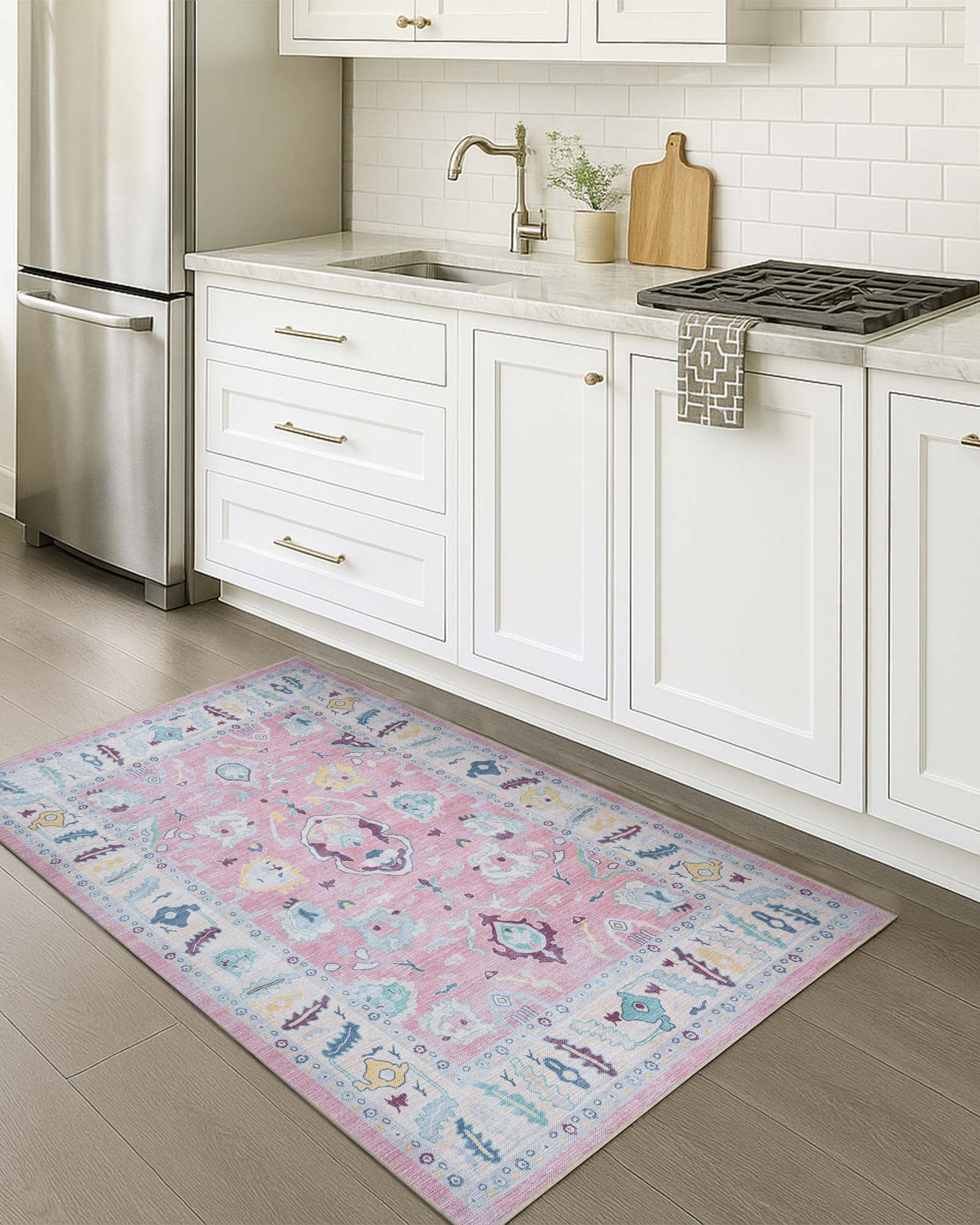
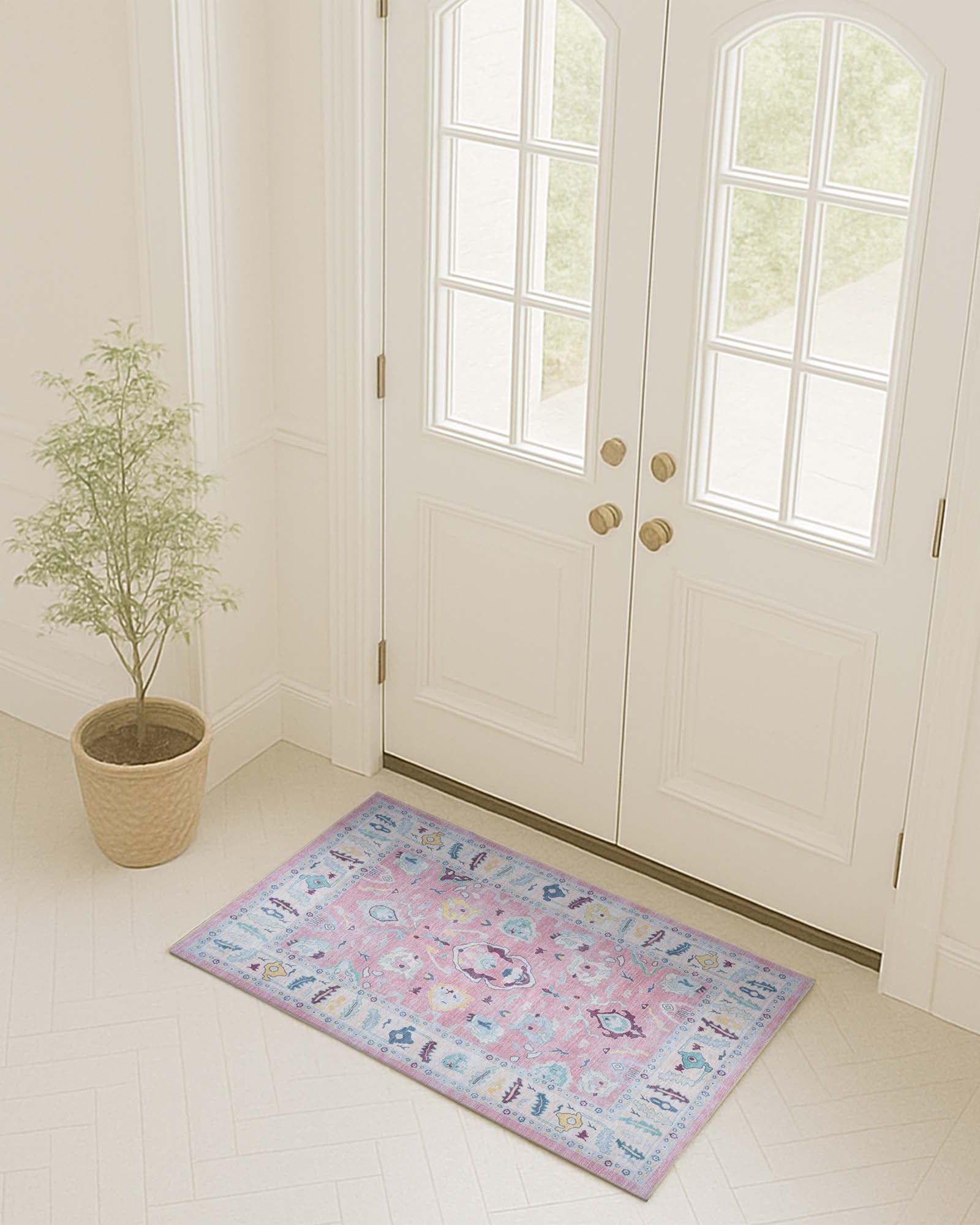
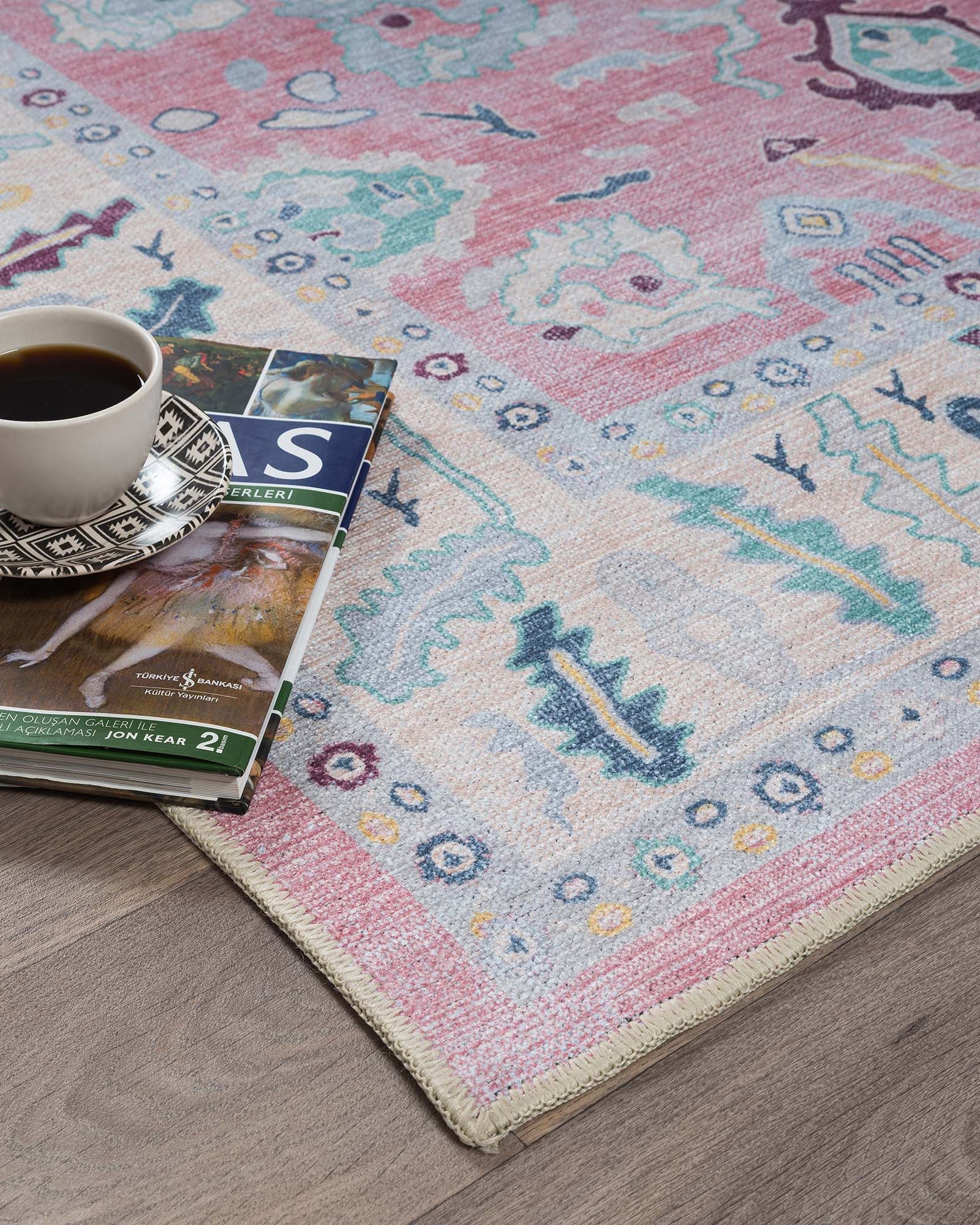
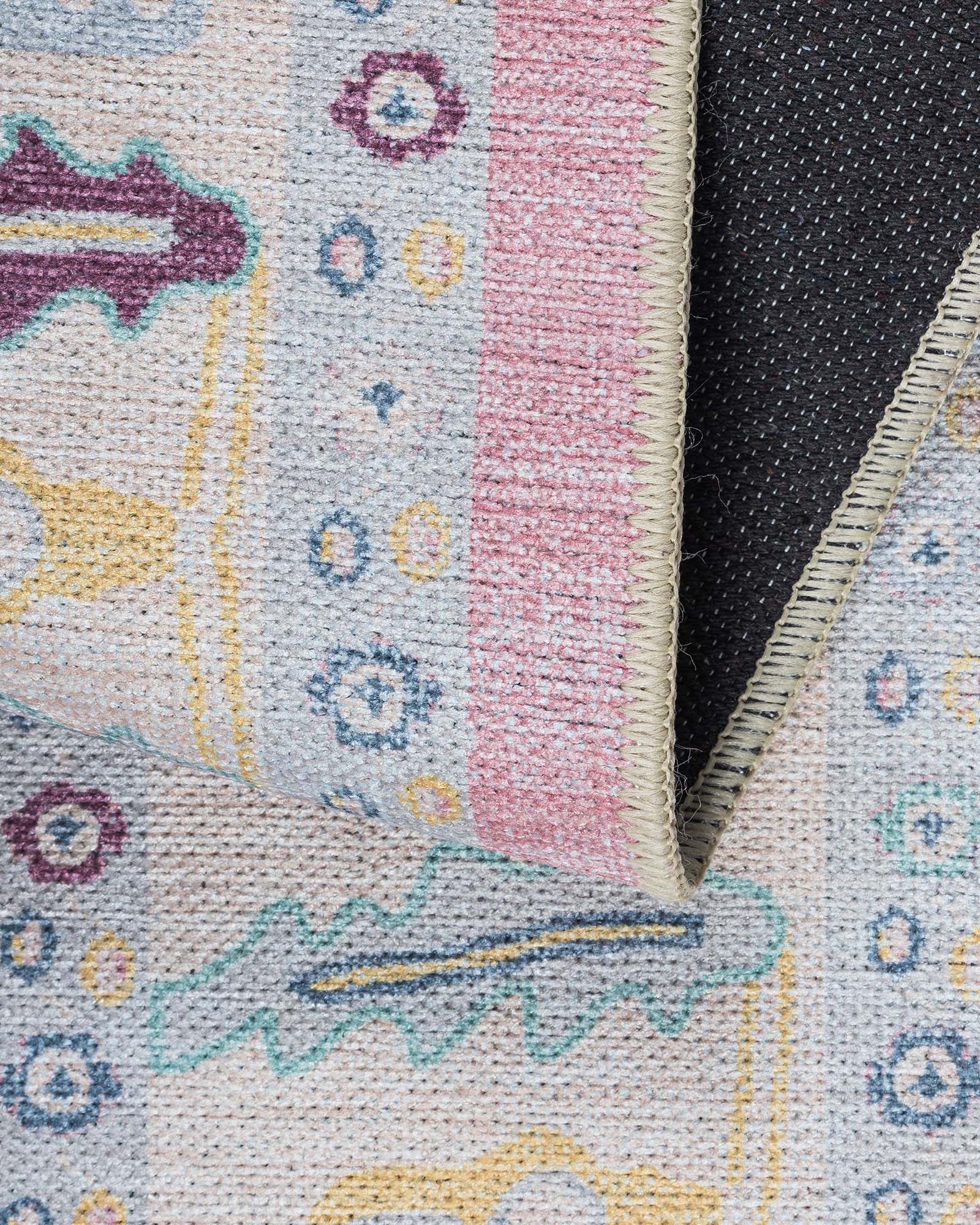
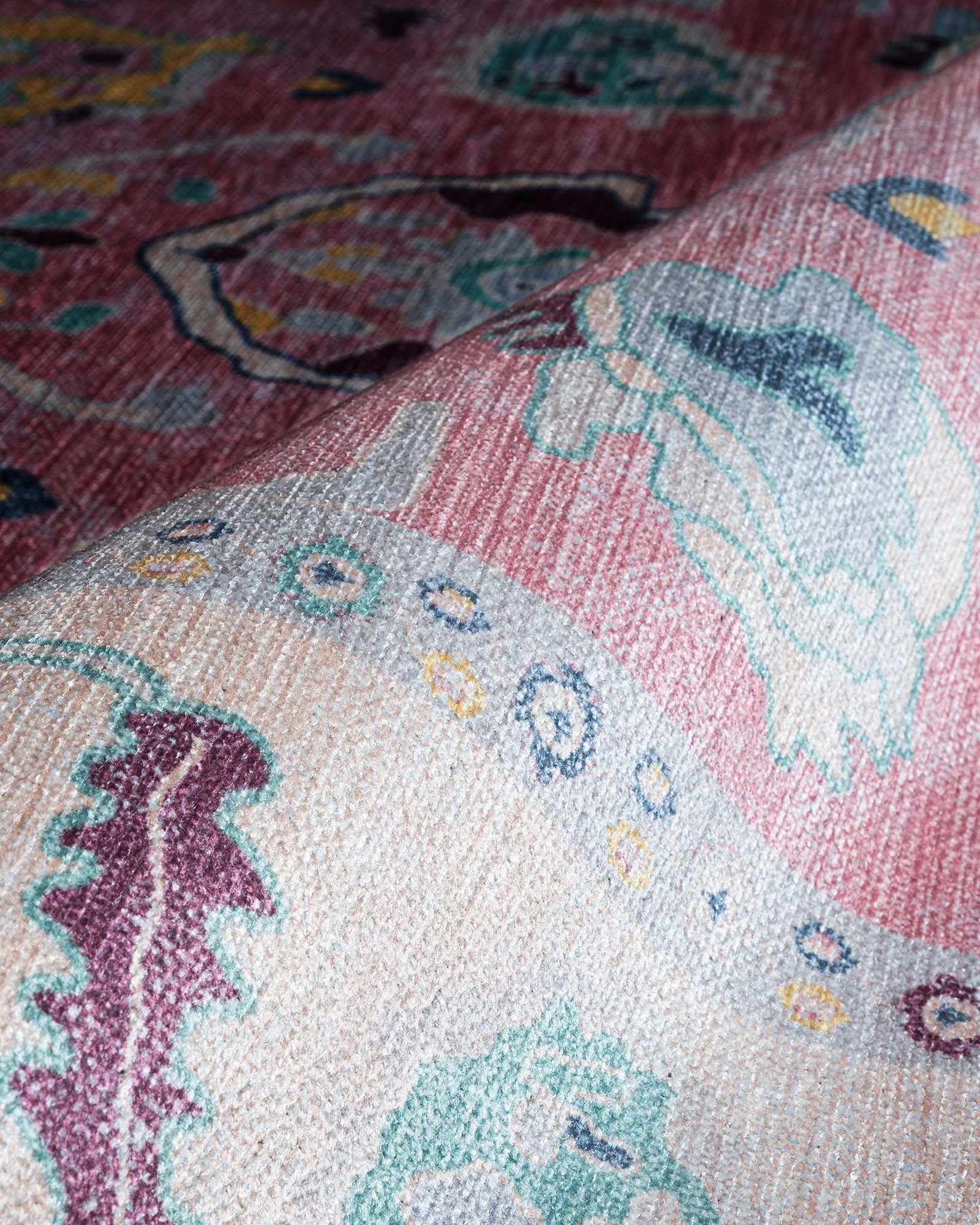
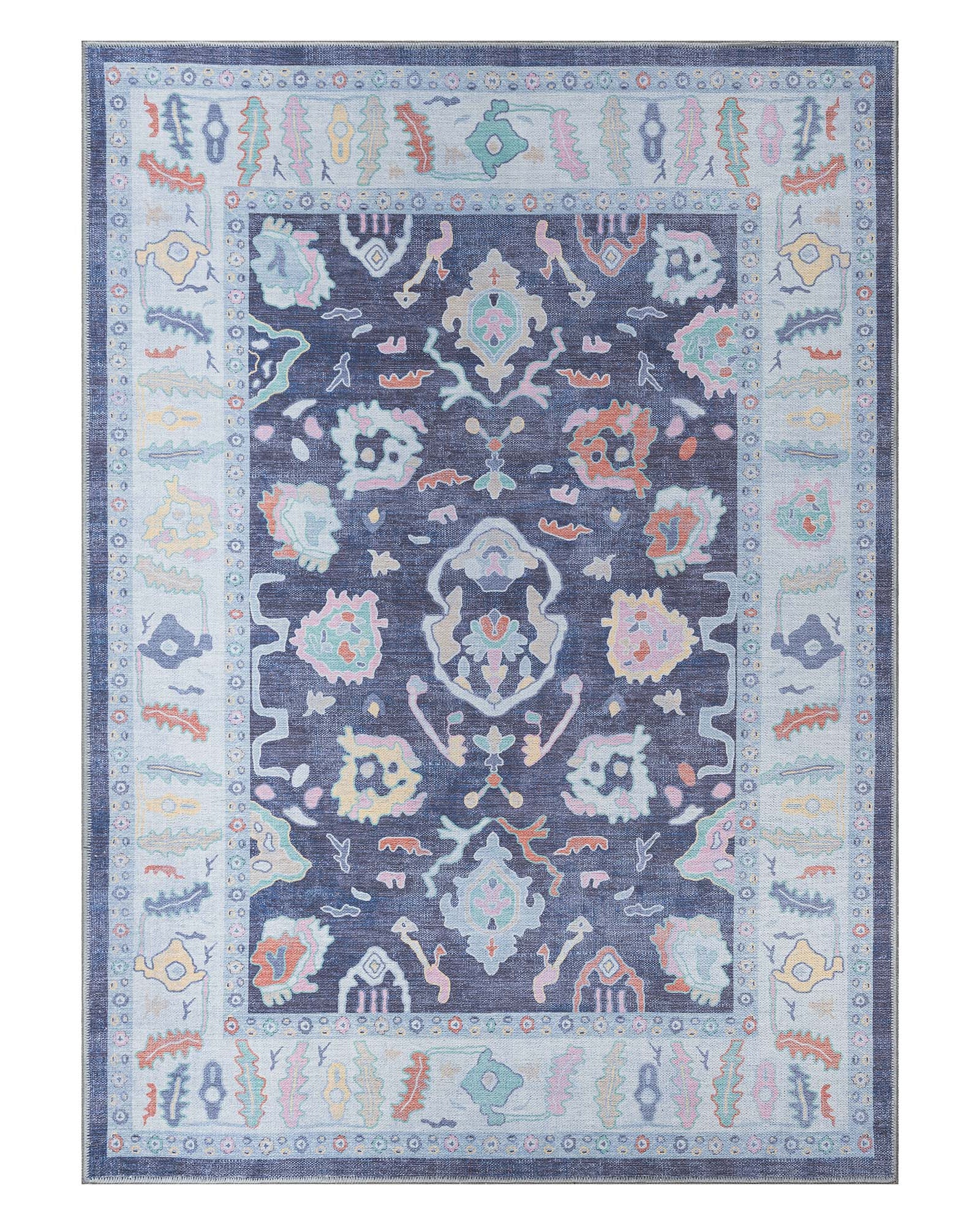
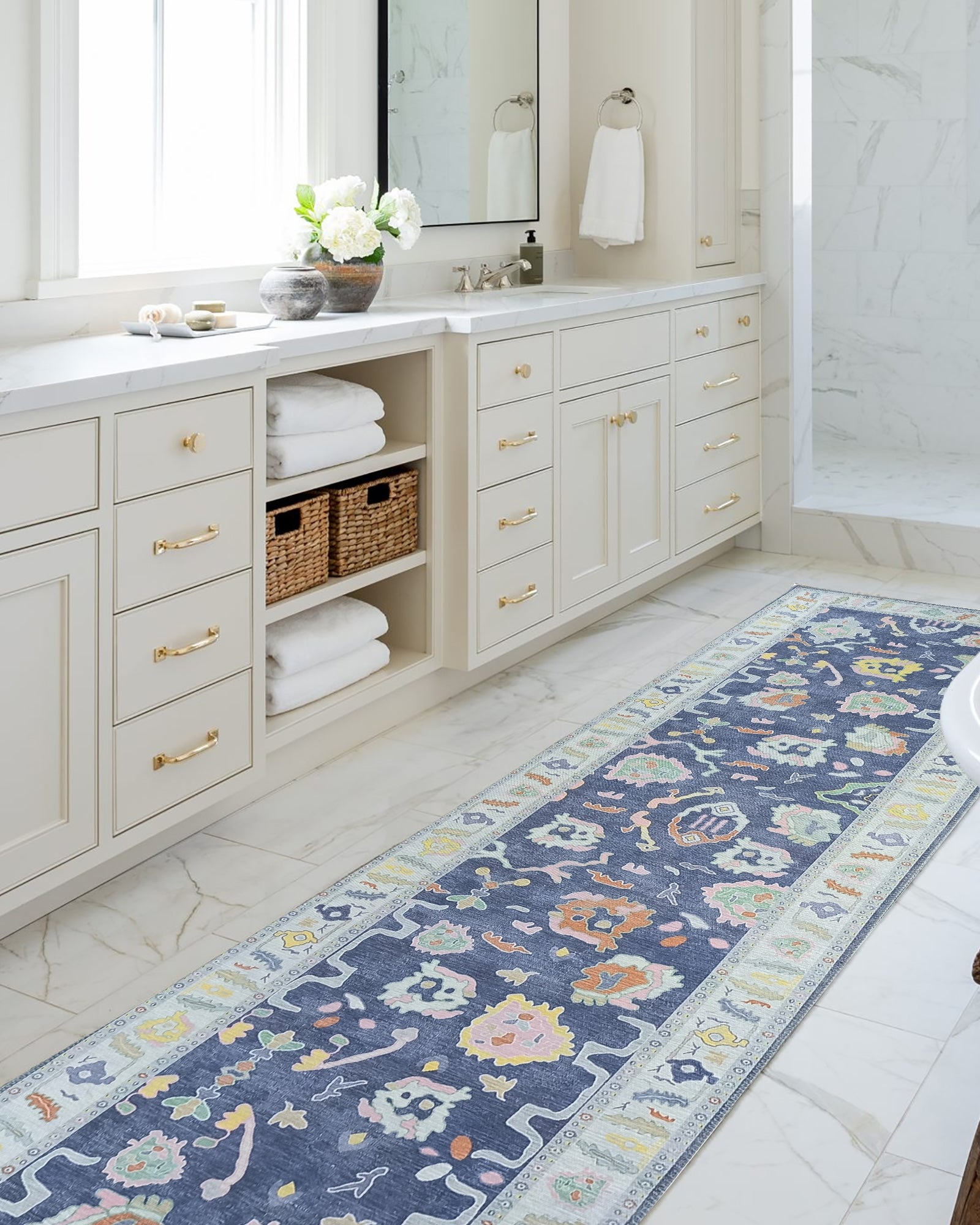
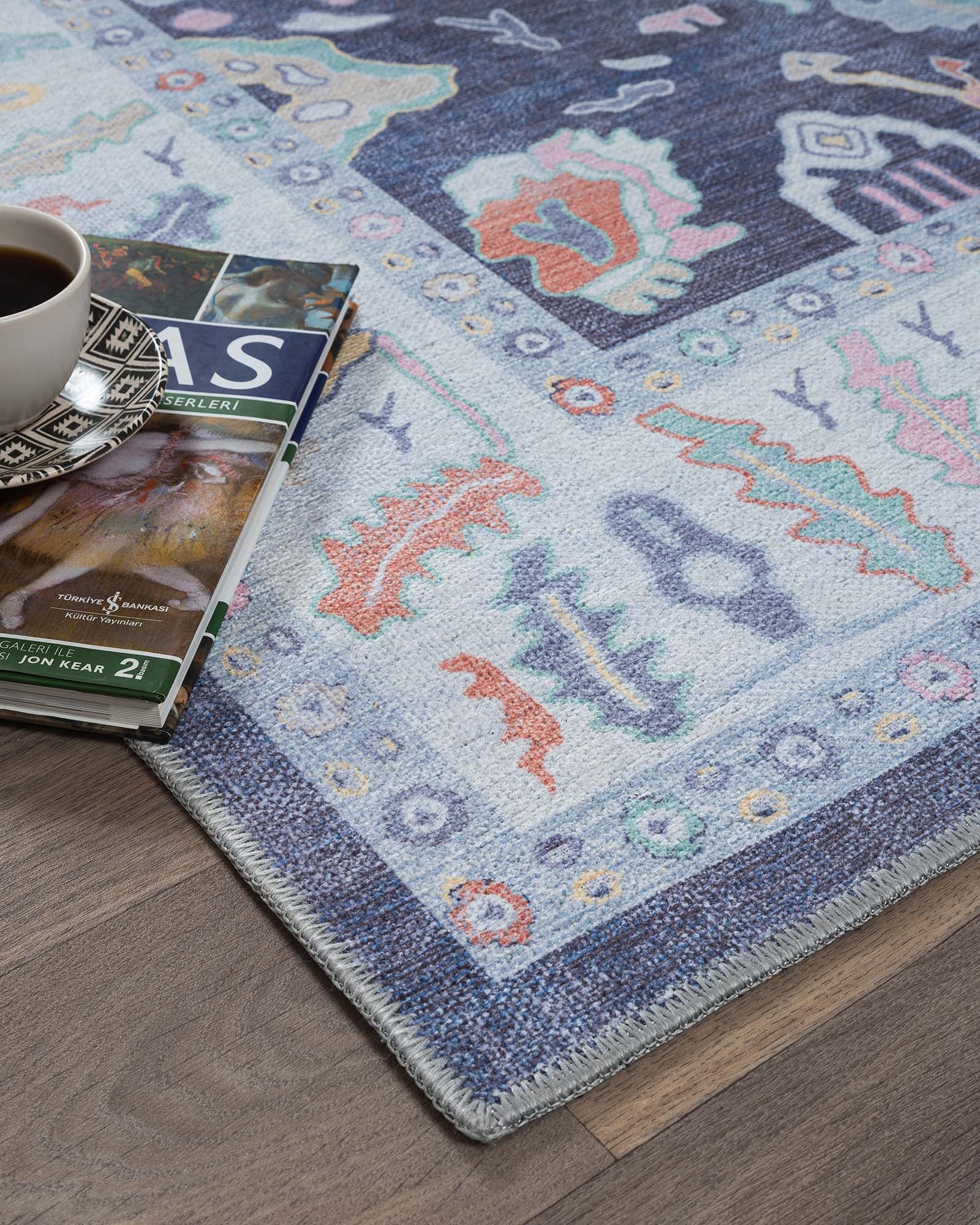
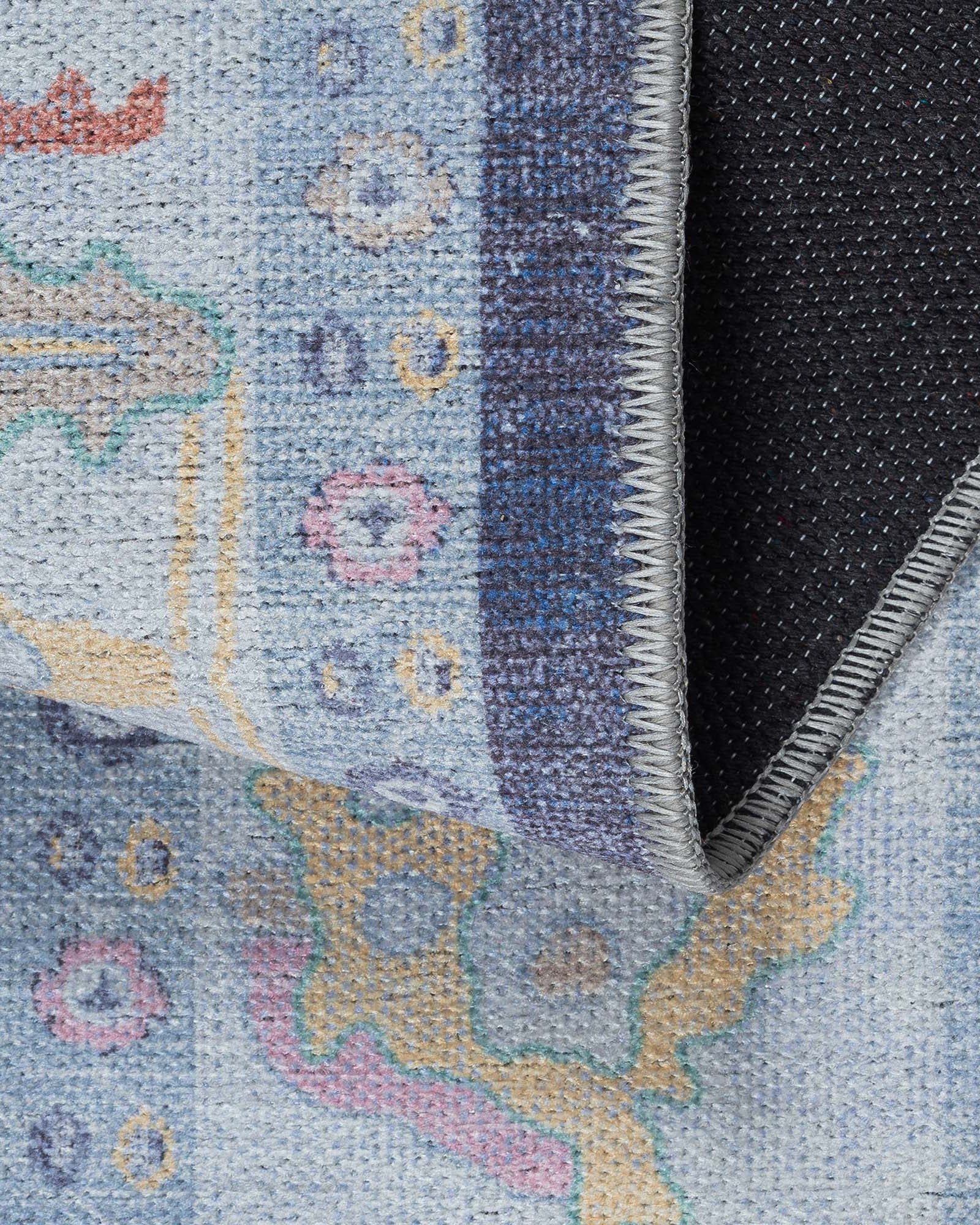
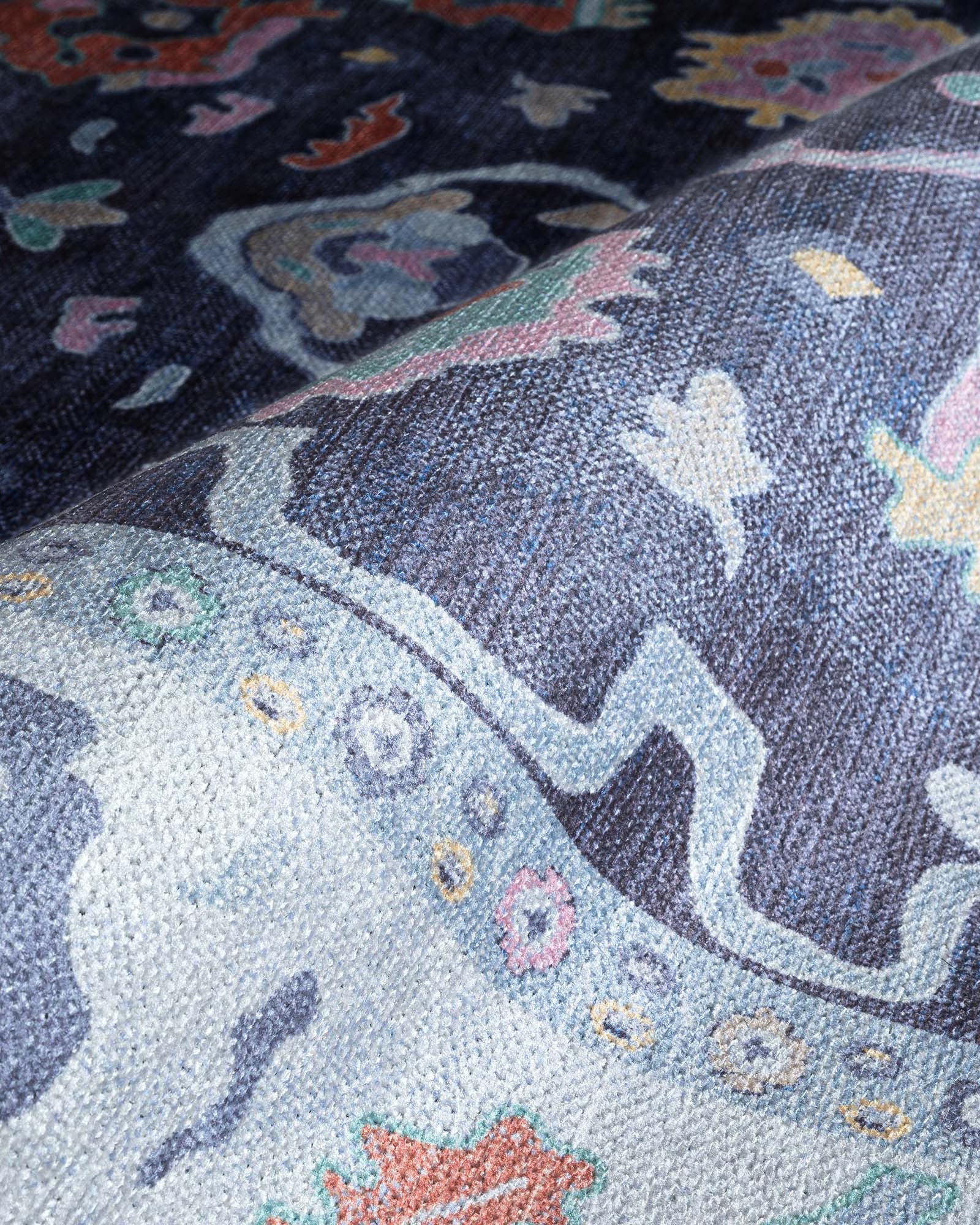
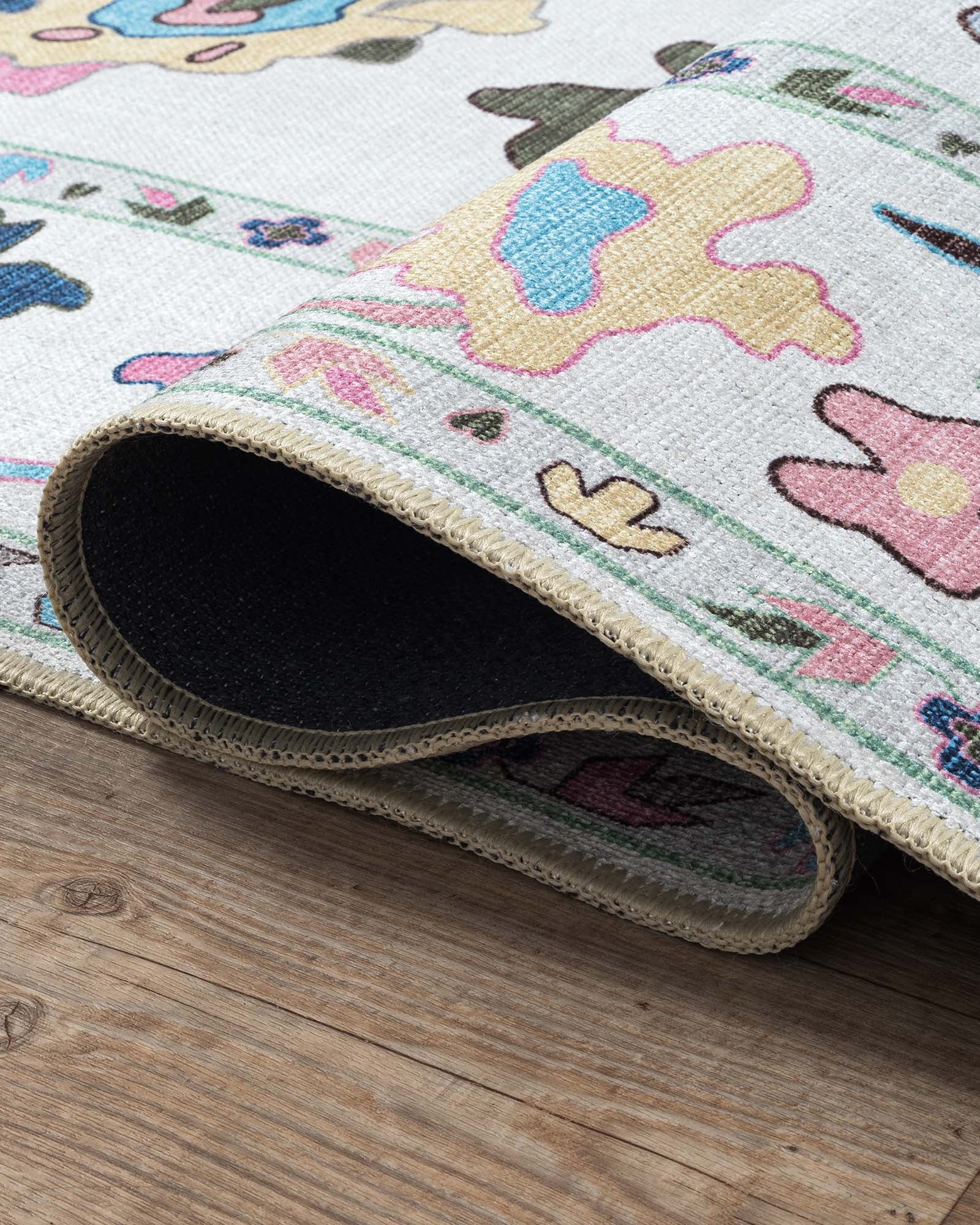
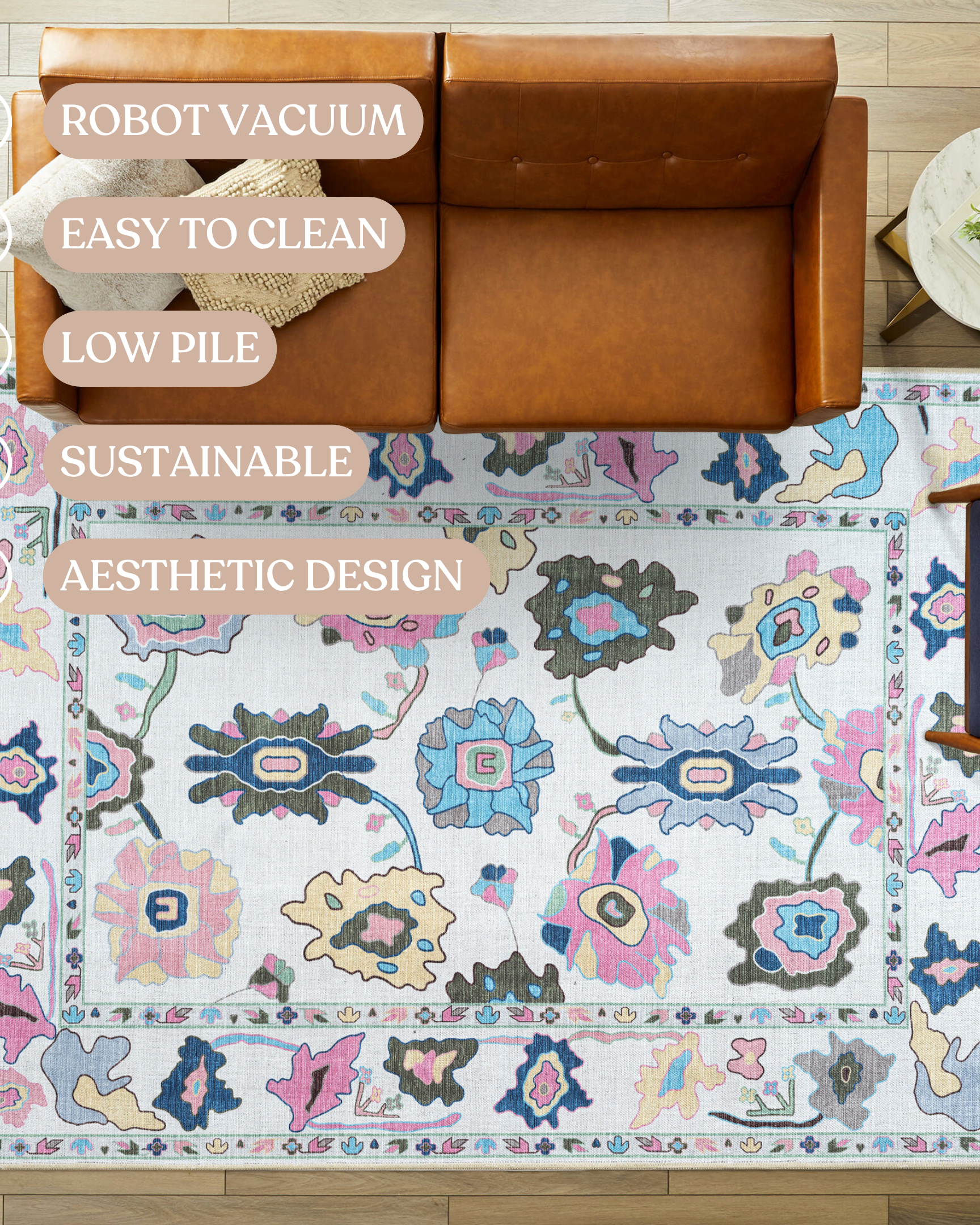
A hallway is a strange room in one specific way: it's walked through constantly but rarely has windows or airflow of its own, which means whatever sits on the floor has to manage heat and moisture largely on its own. A flatweave handles this better than a thick pile rug does, because there's simply less material for warmth and humidity to get trapped inside.
Why Thin Construction Matters for Airflow
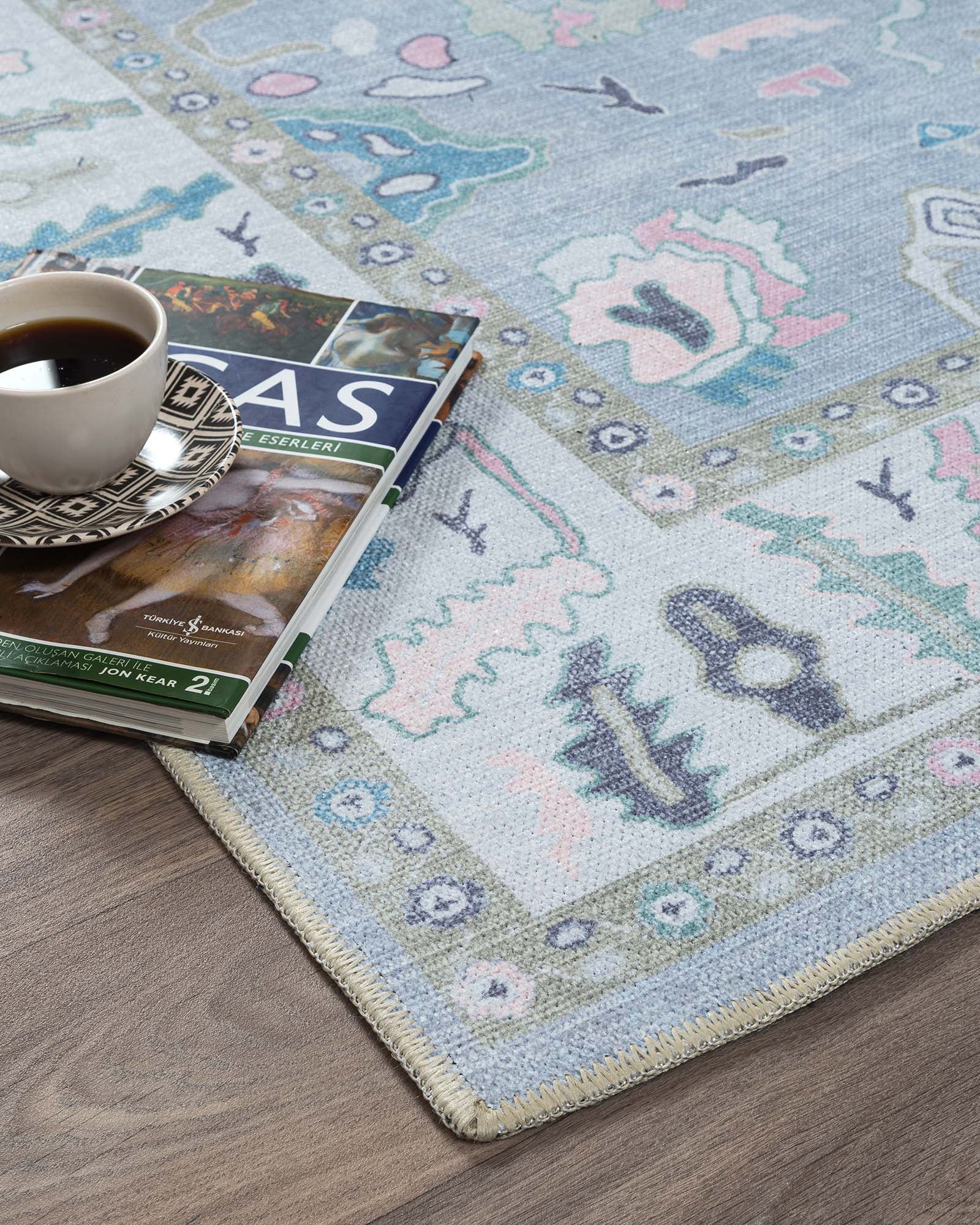
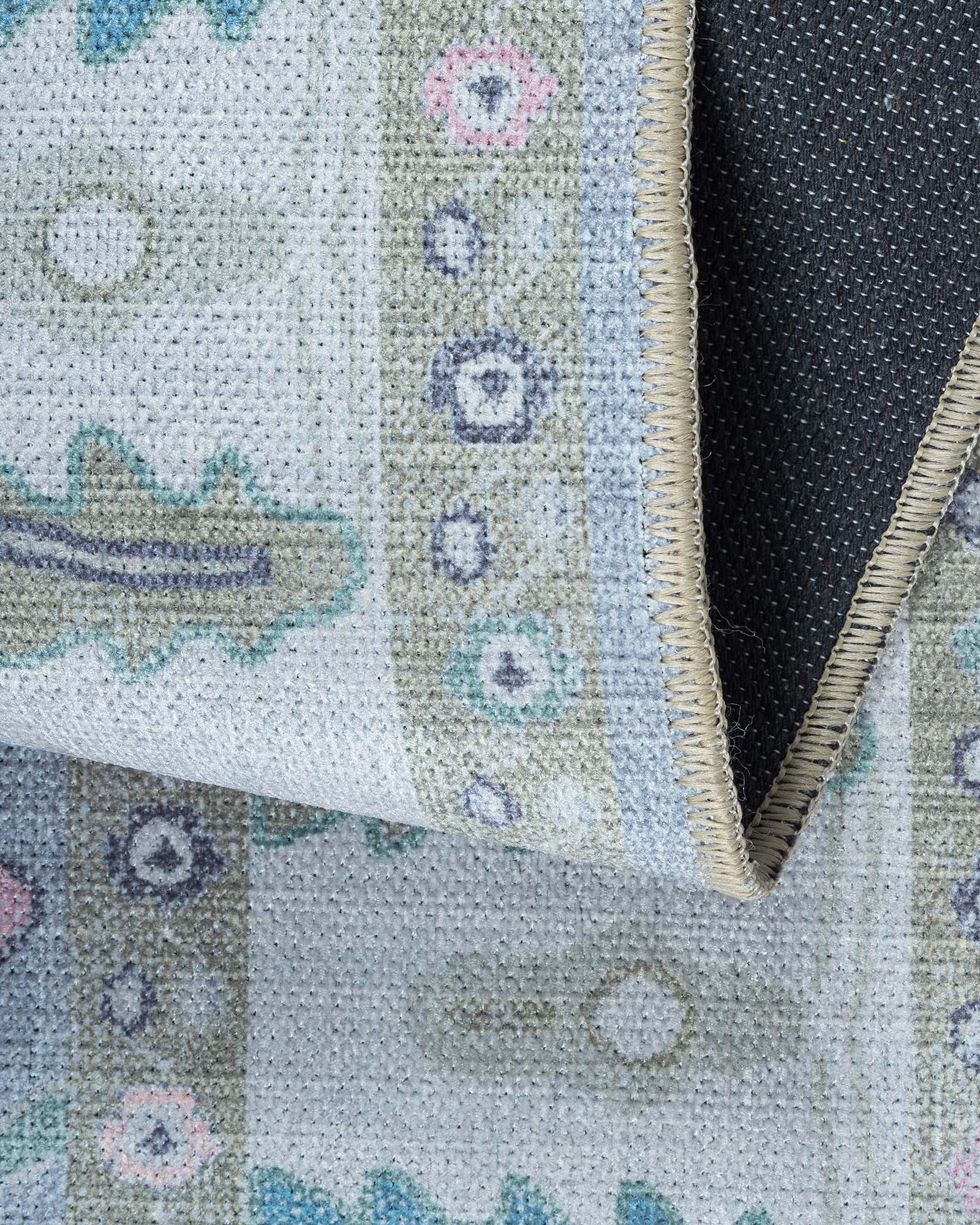
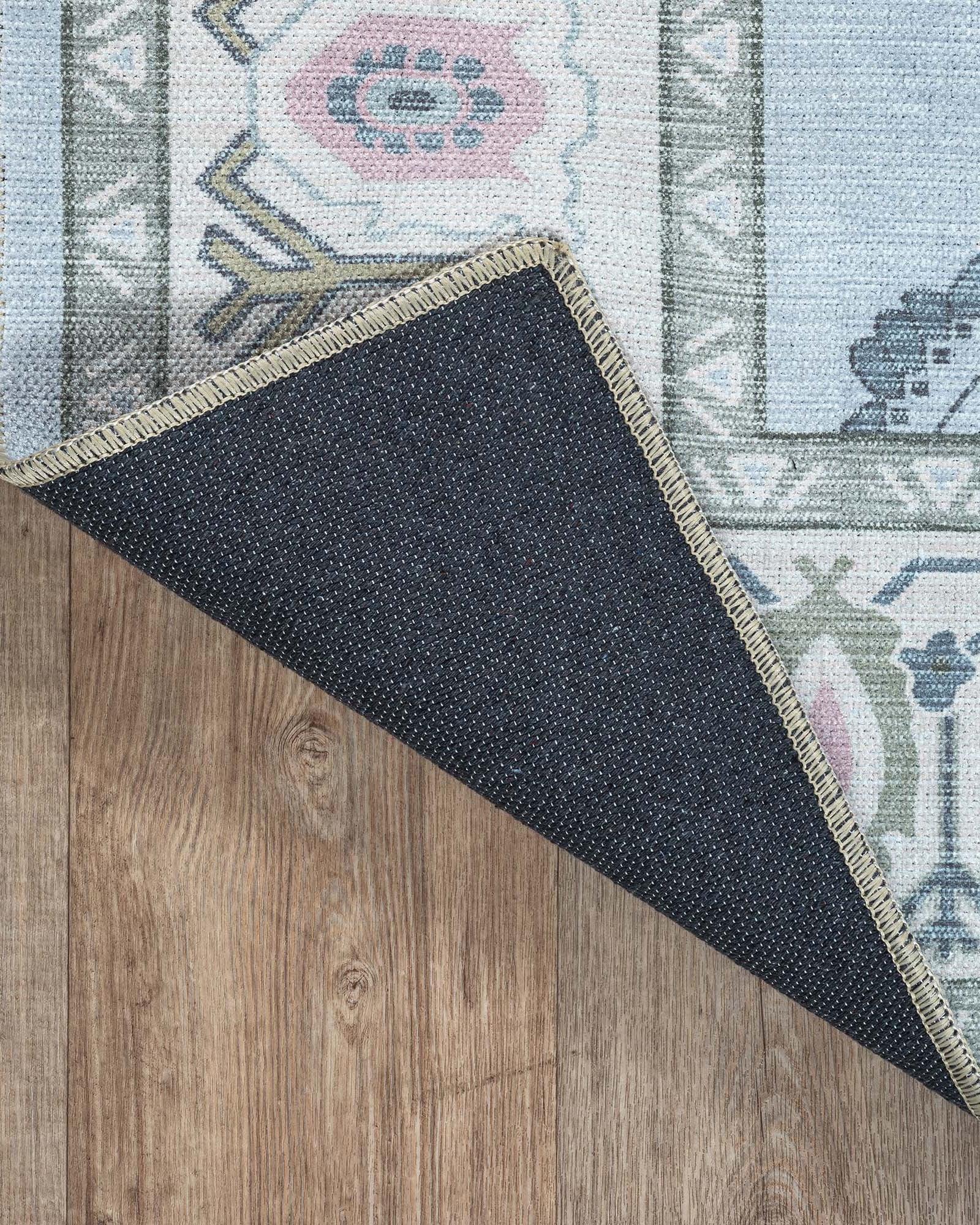
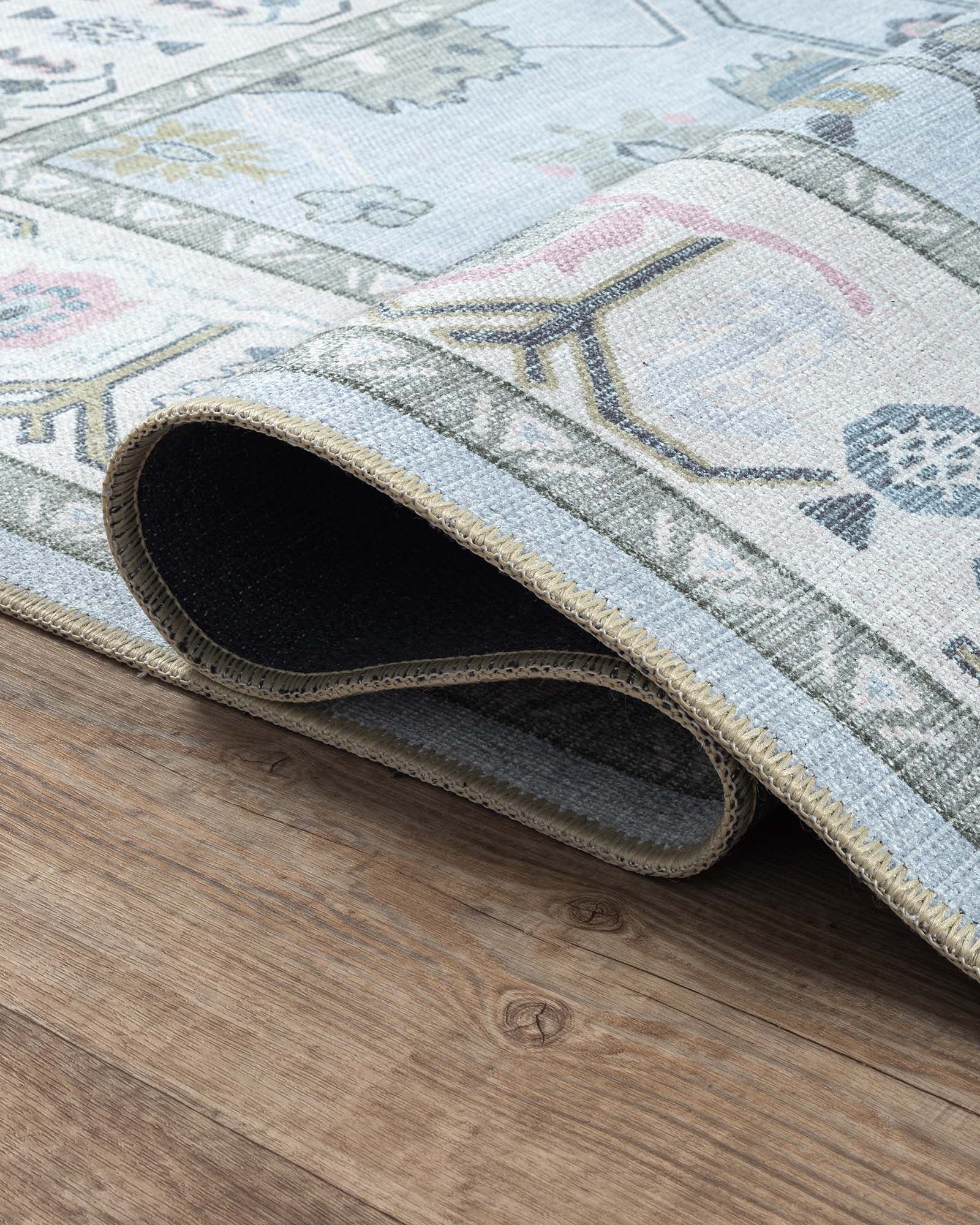
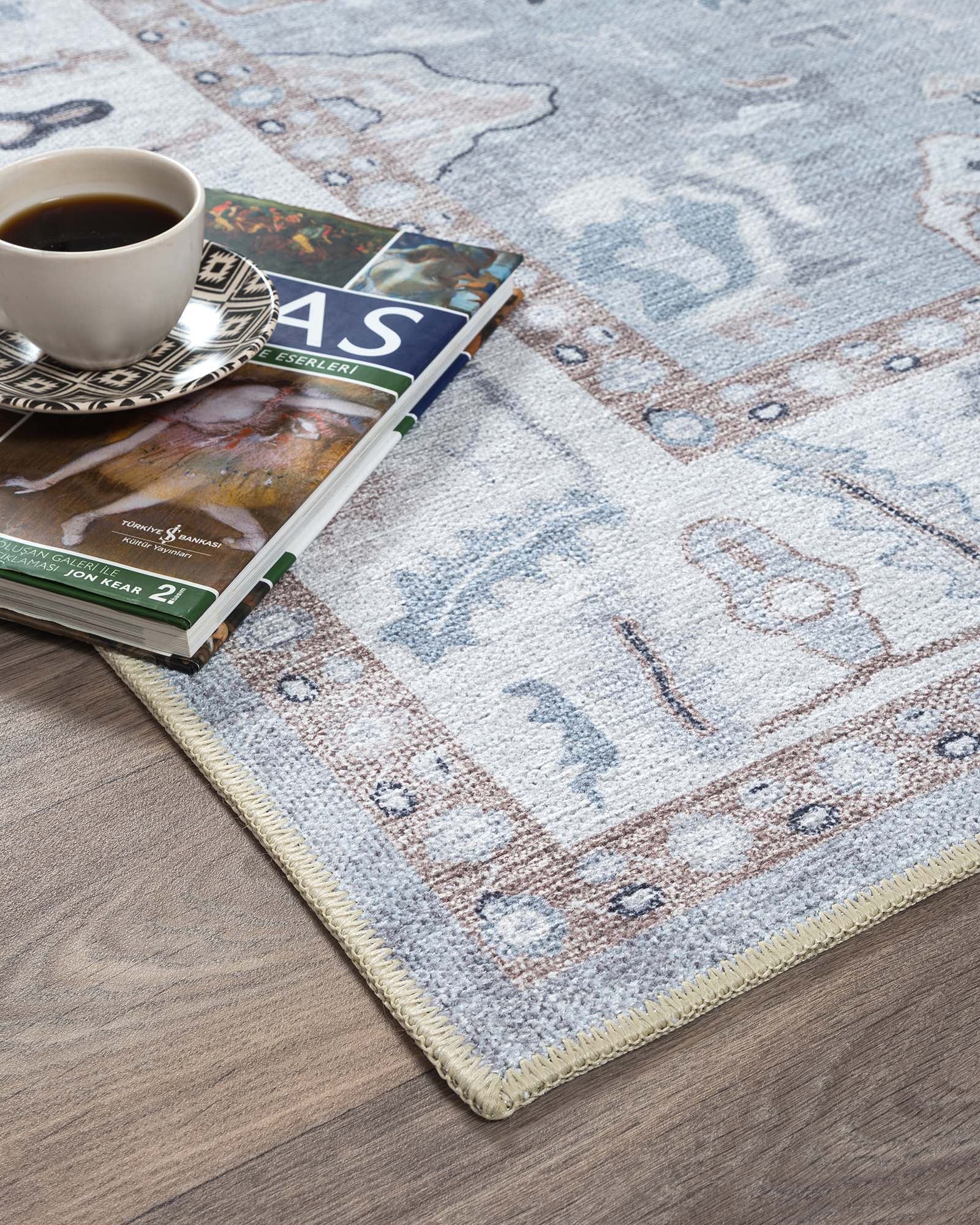
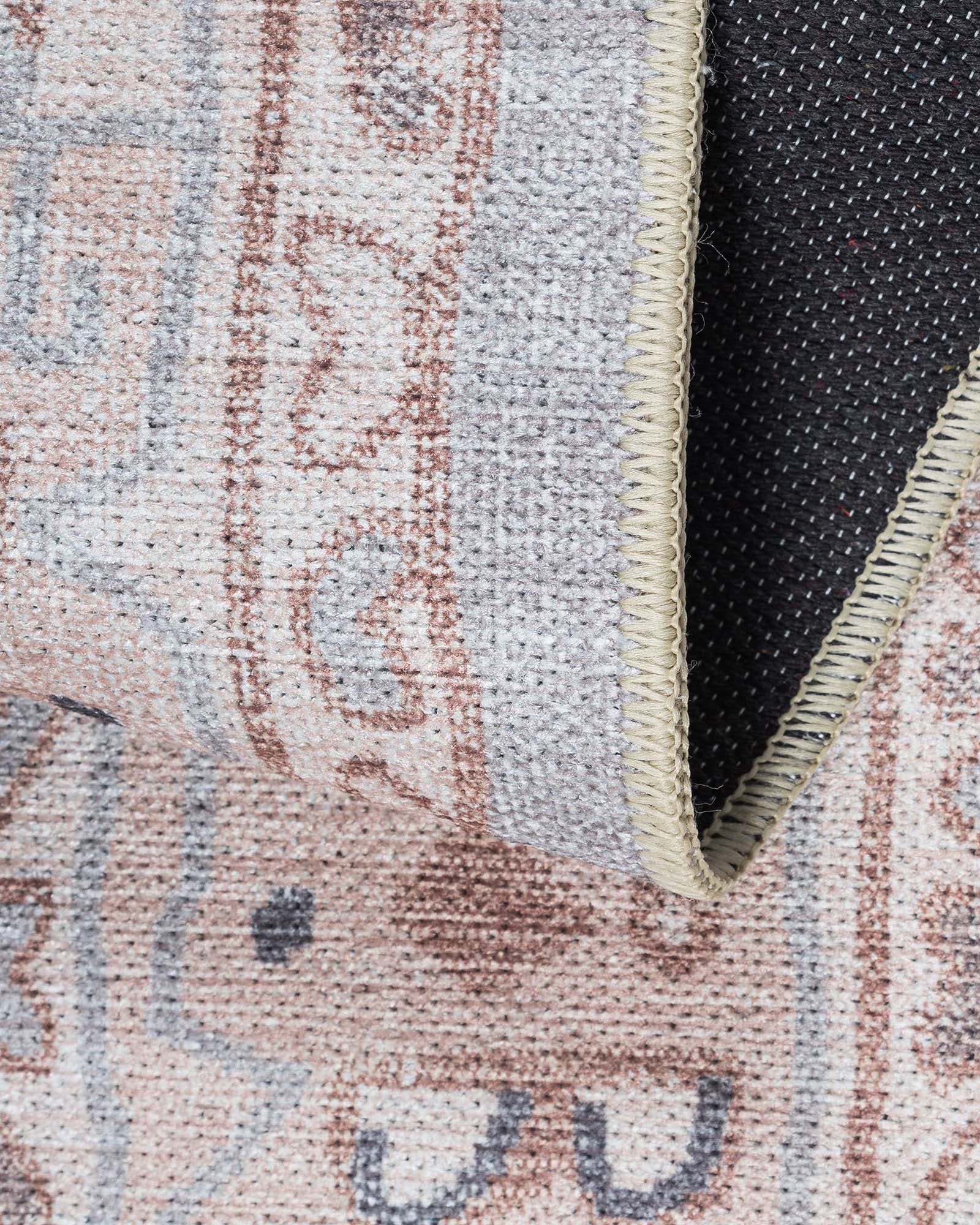
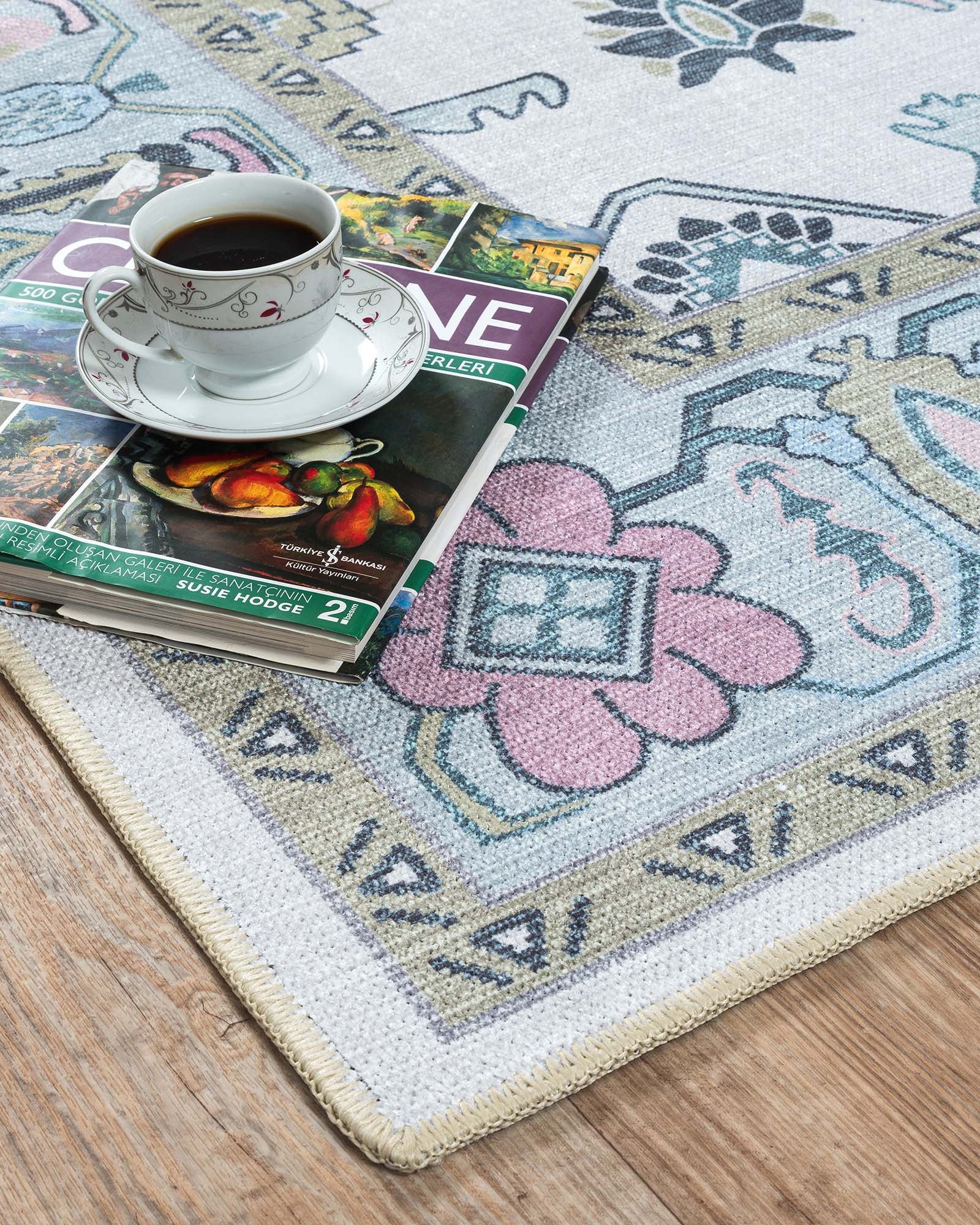
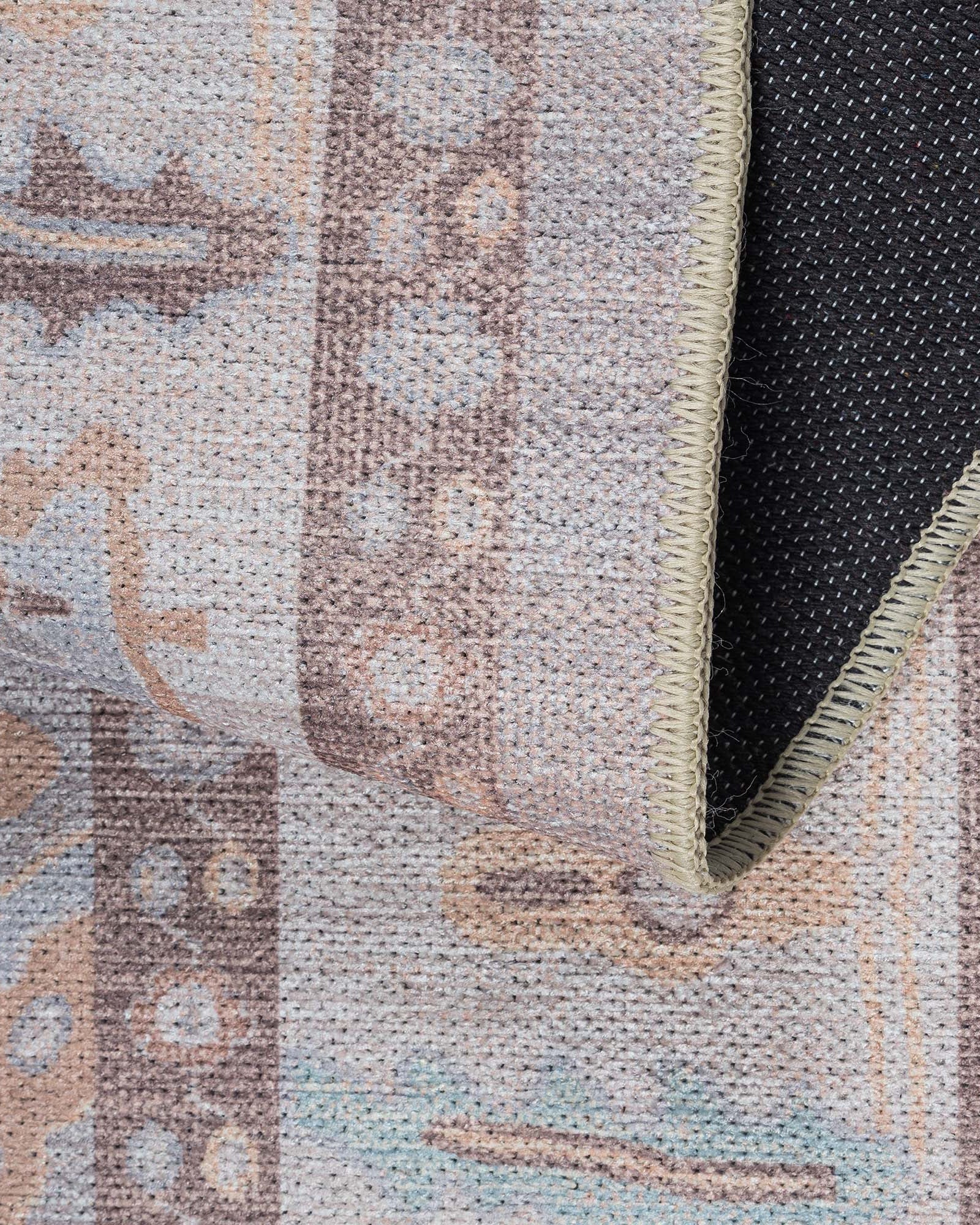
A deep pile rug holds air, and holding air is exactly what makes it feel warm and cushioned in a living room or bedroom — but in a hallway with no ventilation of its own, that same trapped air can hold onto humidity and warmth in a way that feels stuffy underfoot, especially in a home without much natural airflow through interior corridors. A flatweave's thin, flat structure doesn't trap air the same way, so heat and moisture pass through and dissipate rather than building up against the floor.
Wool's Natural Role in This
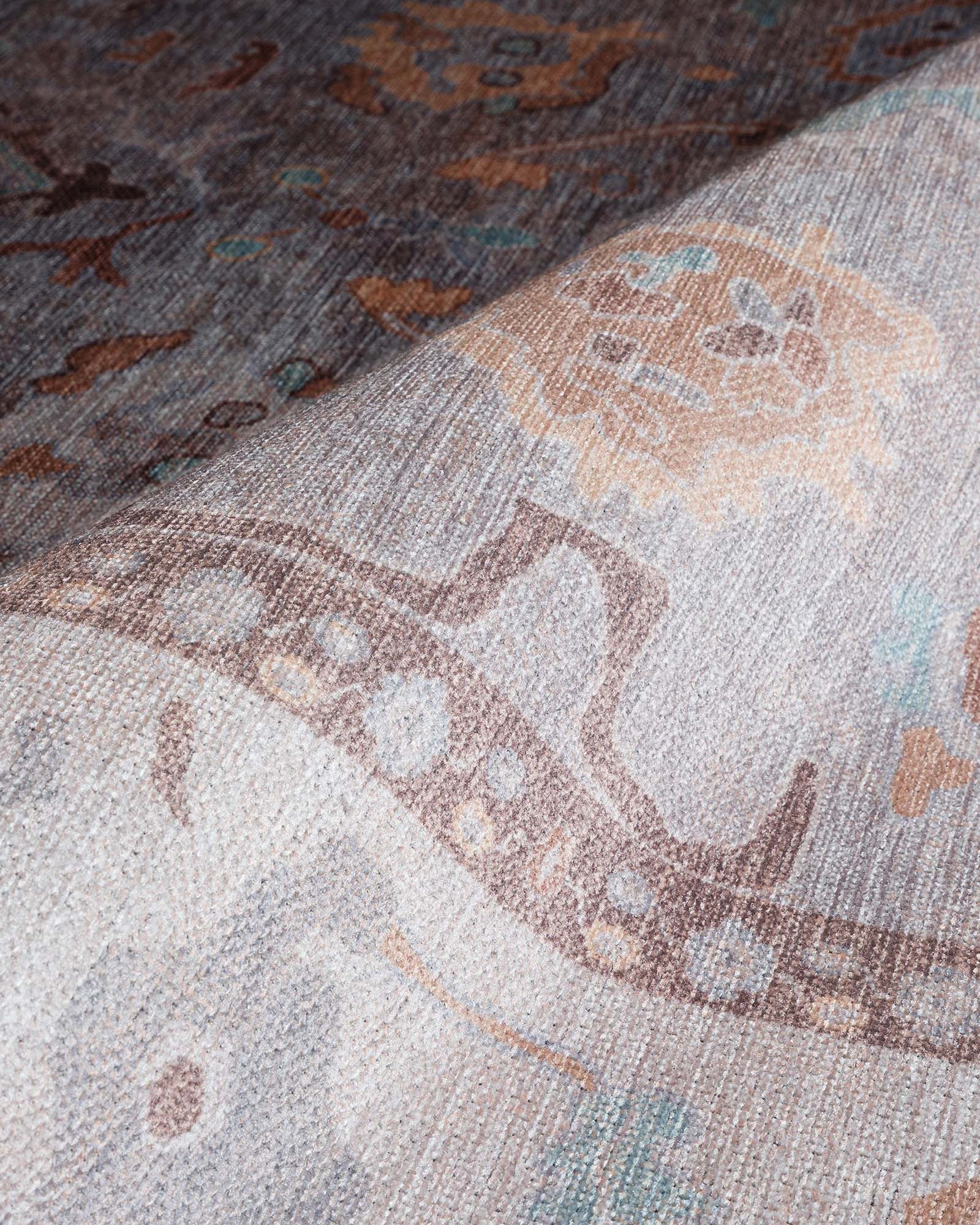
Wool fiber is naturally hygroscopic — it absorbs ambient moisture and releases it again as conditions change, which is part of why a wool flatweave feels different underfoot than a synthetic rug even at the same thinness. Combined with the open, breathable structure of a flat weave, this gives genuine wool kilims an advantage in a space that tends to feel closed off, without any of the synthetic odor or static buildup a plastic-fiber rug can develop in a similarly enclosed hallway.
Practical Benefits Beyond Breathability
A thin flatweave also clears doorway thresholds that a thick rug would catch on, which matters in a hallway with multiple doors branching off it. It's light enough to lift and shake out regularly, which is worth doing more often here than in most rooms, since a hallway accumulates dust and debris from every room it connects to. And its flat profile avoids the tripping risk a thick-edged rug can create in a narrow, frequently walked passage.
Sizing and Placement for a Hallway
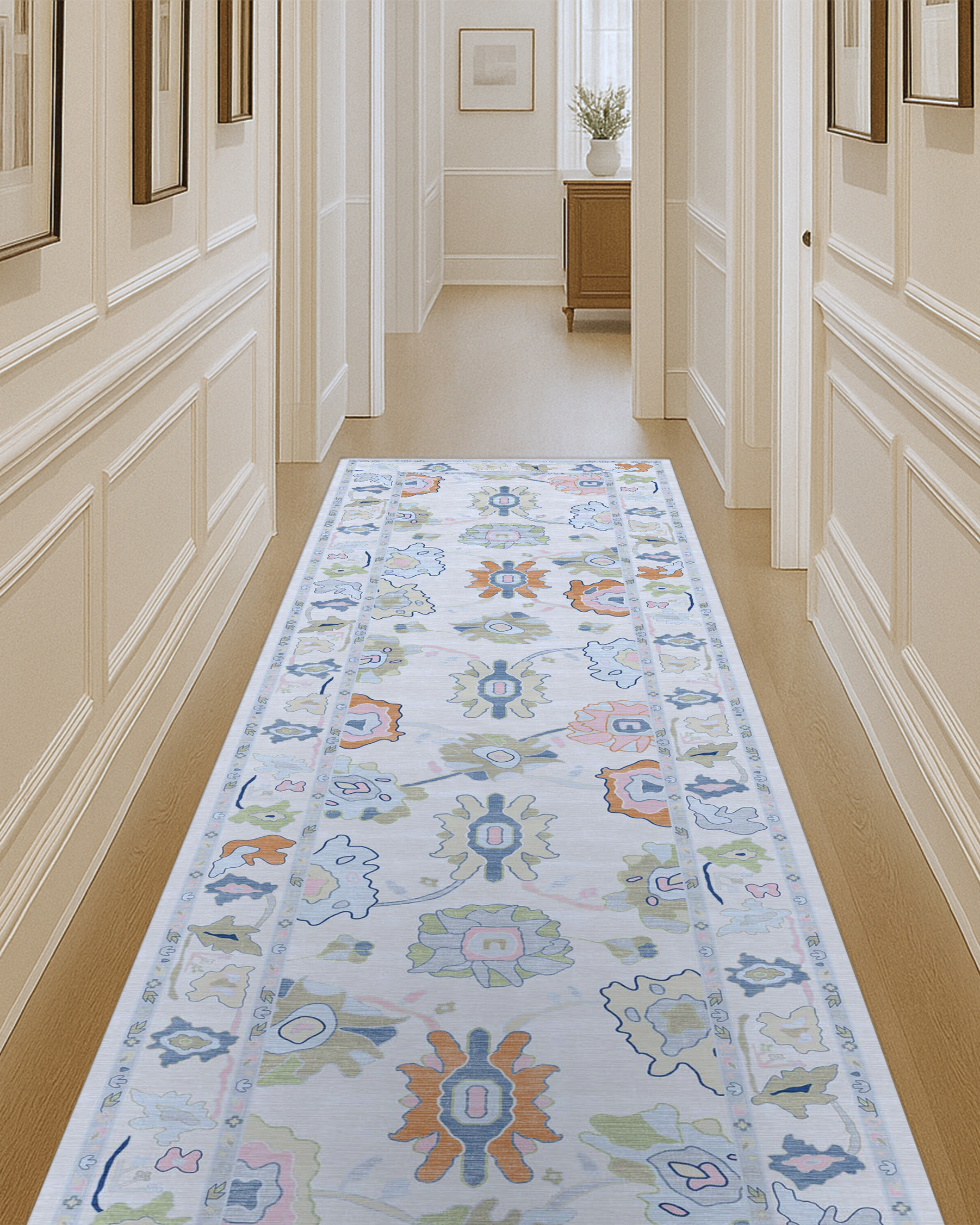
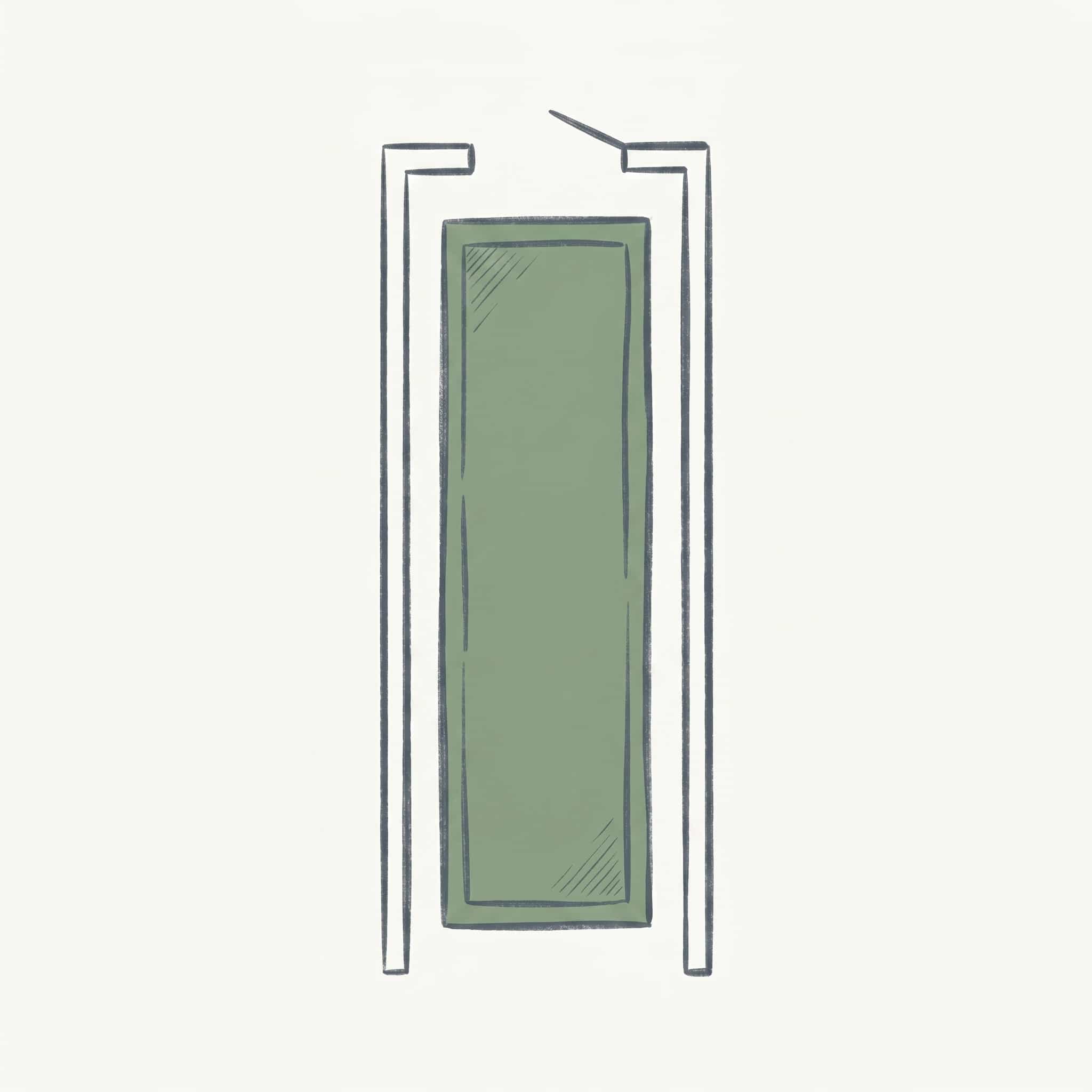
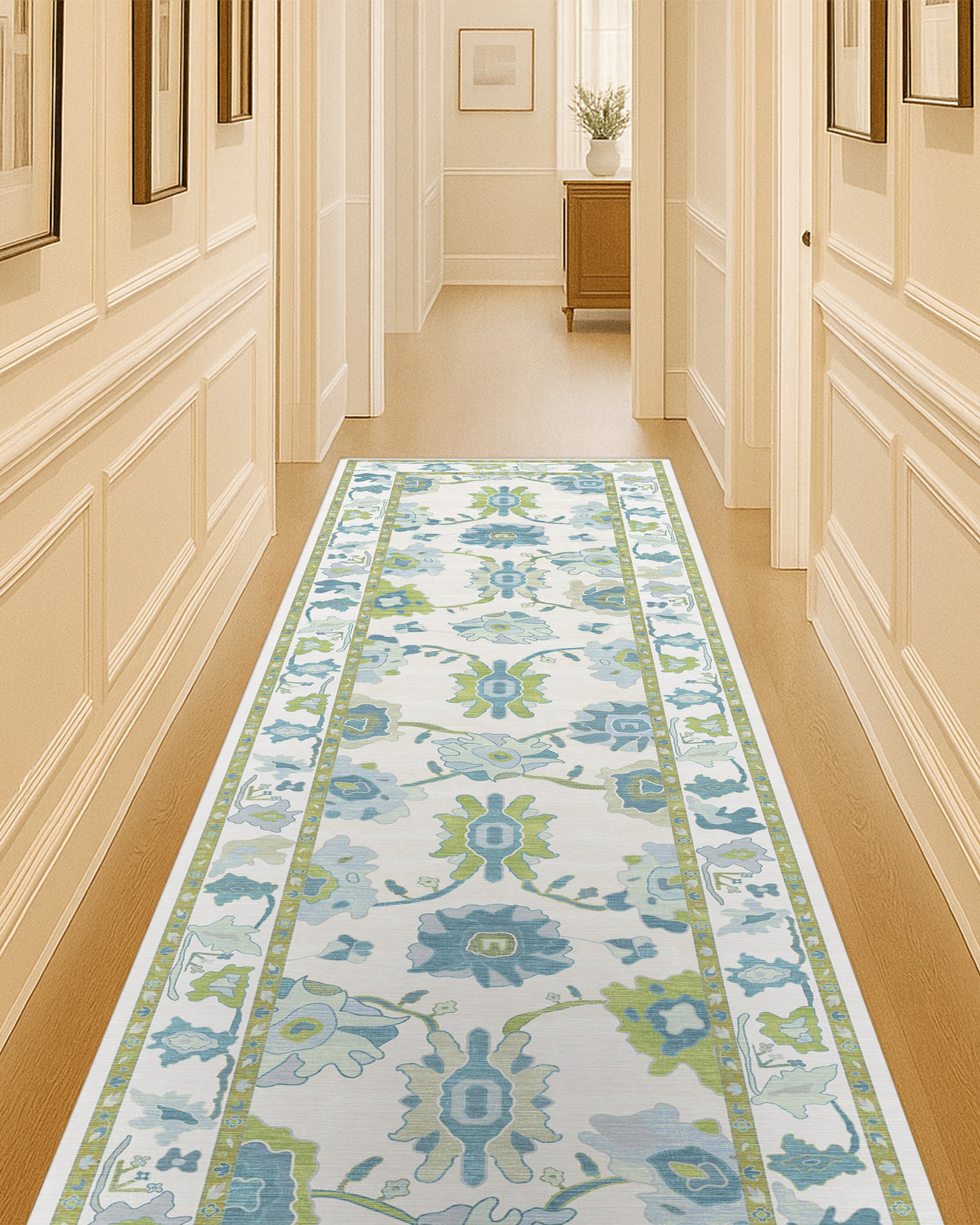
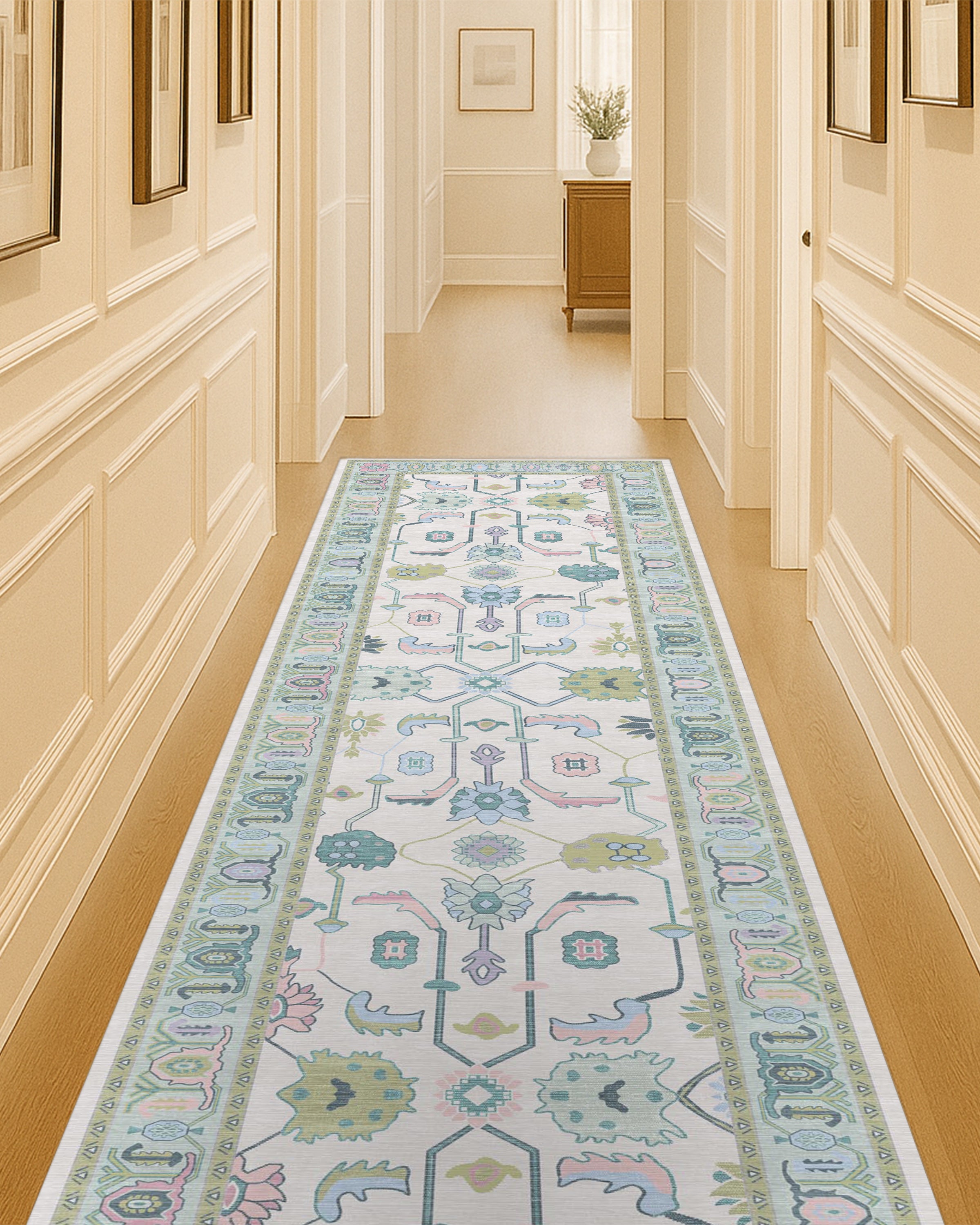
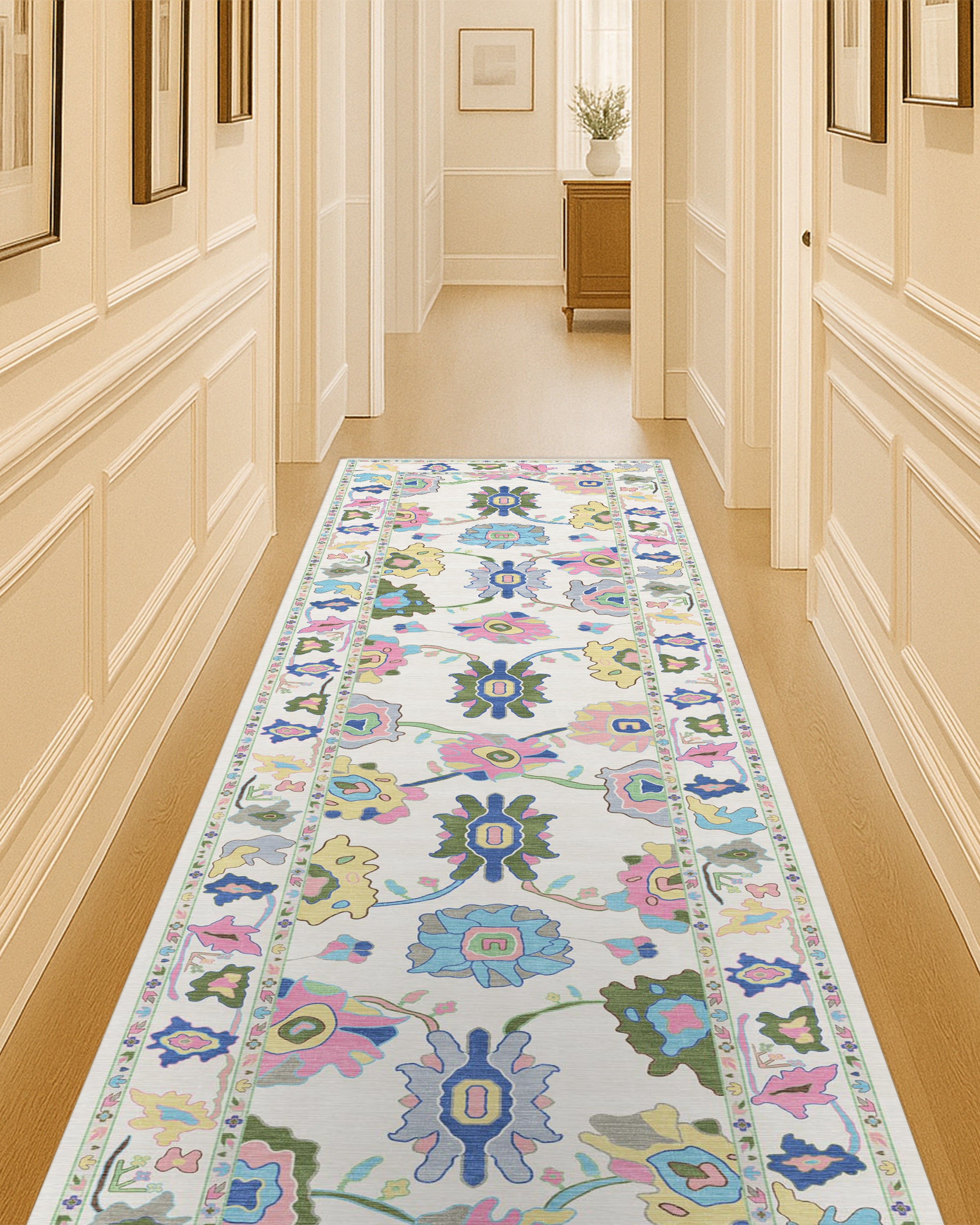
Leave 4 to 6 inches of visible floor on each side of a hallway runner, and stop 6 to 12 inches short of the wall or doorway at each end rather than pushing the rug fully to the edges. If your hallway is longer than any single runner, two shorter pieces placed end to end with a small gap between them is a practical, common solution rather than searching for one rare, extra-long piece.
Where to Look Next
For the full range of flatweave construction and pattern, browse Flatweave Rugs. For runner-length pieces specifically, Vintage Runner Rugs covers both flatweave and knotted options. For the lightest, most easily maintained pieces, see Lightweight Flatweave Rugs.
Frequently Asked Questions
Why is a flatweave better than a pile rug for a hallway?
A hallway typically has no ventilation of its own, and thick pile traps warmth and moisture against the floor. A flatweave's thin structure lets heat and humidity pass through rather than building up underfoot.
Does wool help with breathability compared to synthetic rugs?
Yes. Wool naturally absorbs and releases ambient moisture, which combined with a flatweave's open structure gives it an advantage over synthetic fiber in an enclosed space, without the static or odor buildup synthetics can develop.
What size runner works best for a hallway?
Leave 4 to 6 inches of bare floor on each side and stop 6 to 12 inches short of the wall or doorway at each end, rather than running the rug fully wall to wall or edge to edge.
What if my hallway is longer than any single runner available?
Place two shorter runners end to end with a small gap between them. It's a practical, common solution and easier than waiting for a rare extra-long piece to become available.
How often should I clean a hallway flatweave?
More frequently than most rooms, since a hallway accumulates dust and debris from every connected room. A flatweave's light weight makes regular shaking out an easy routine task.