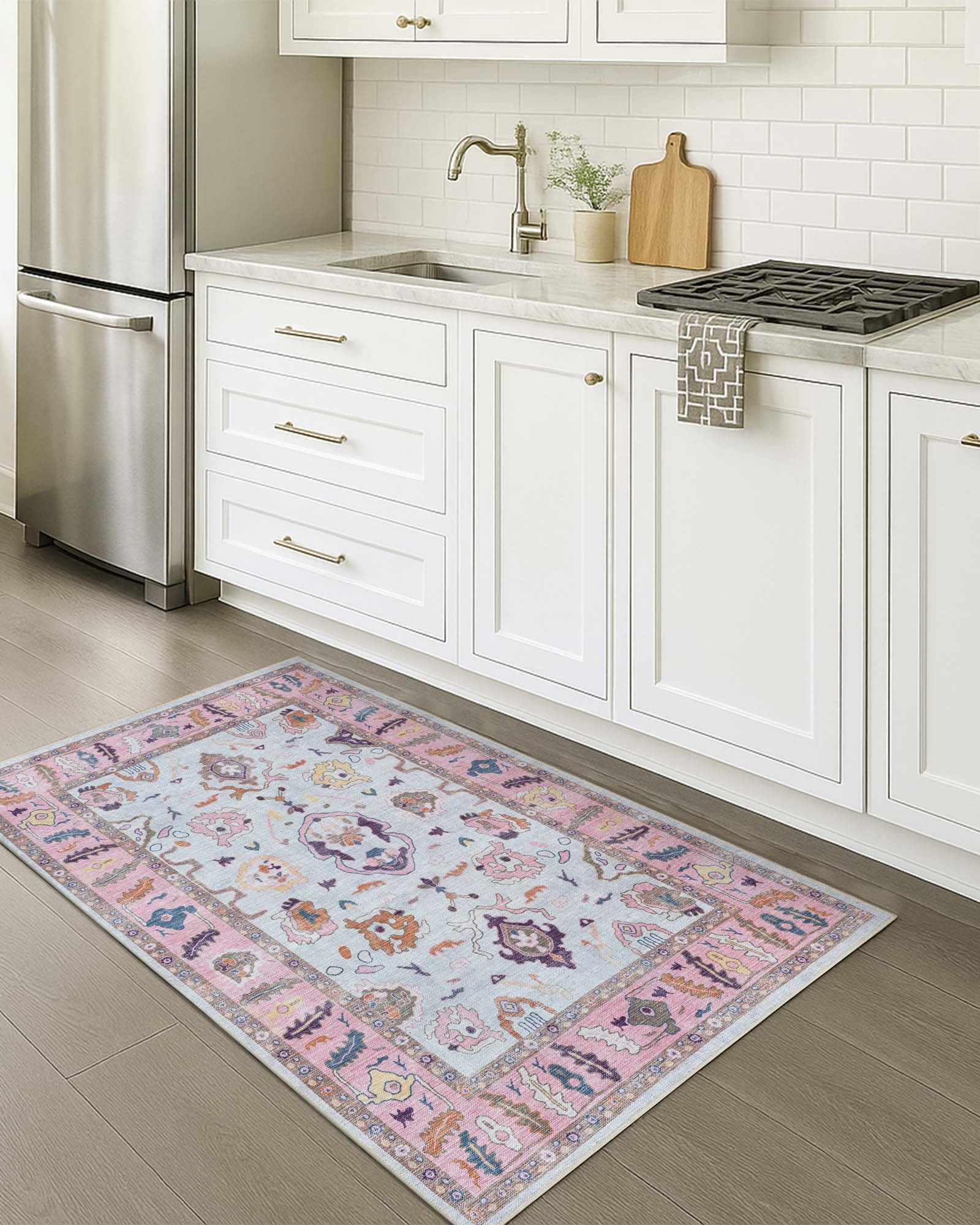
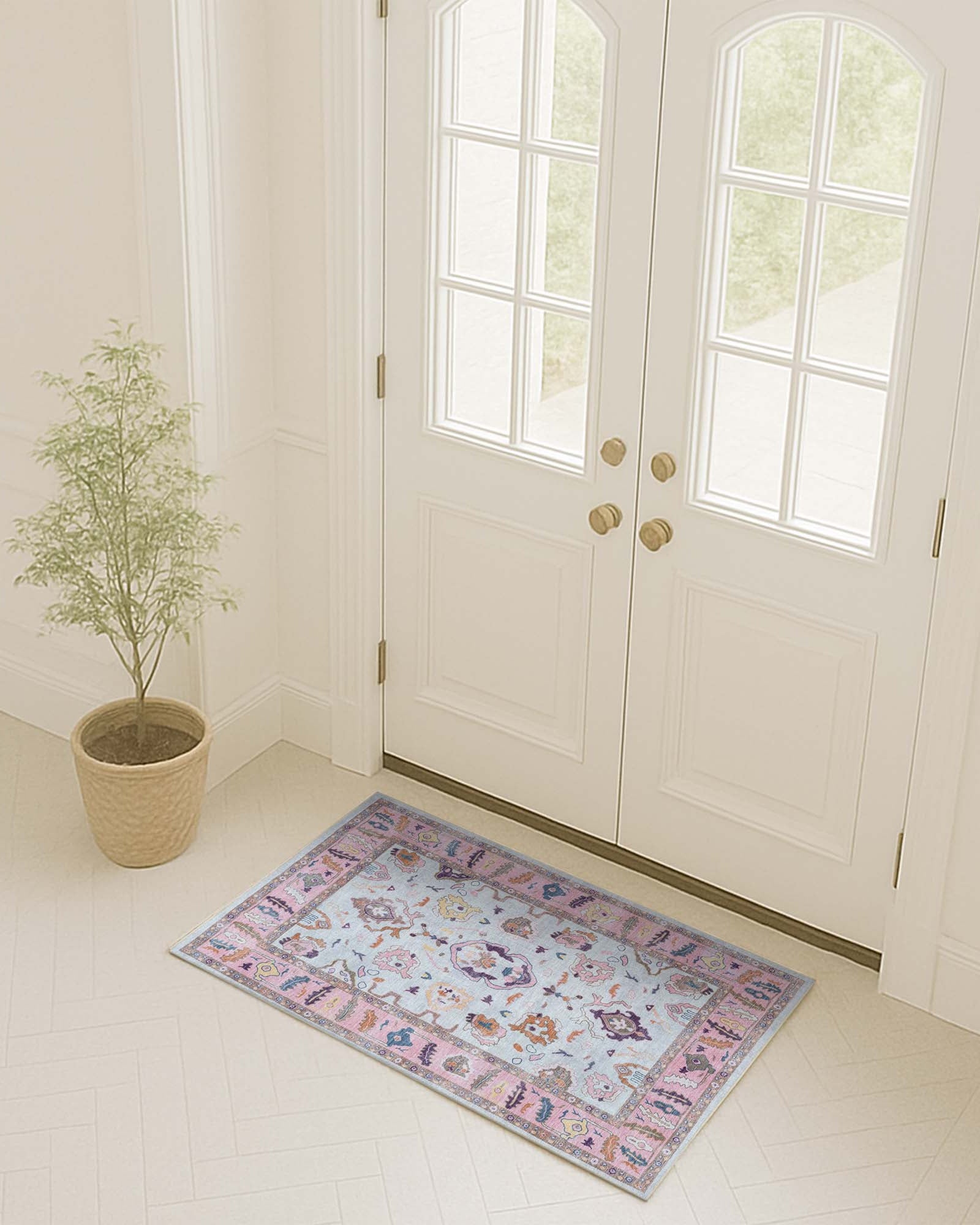
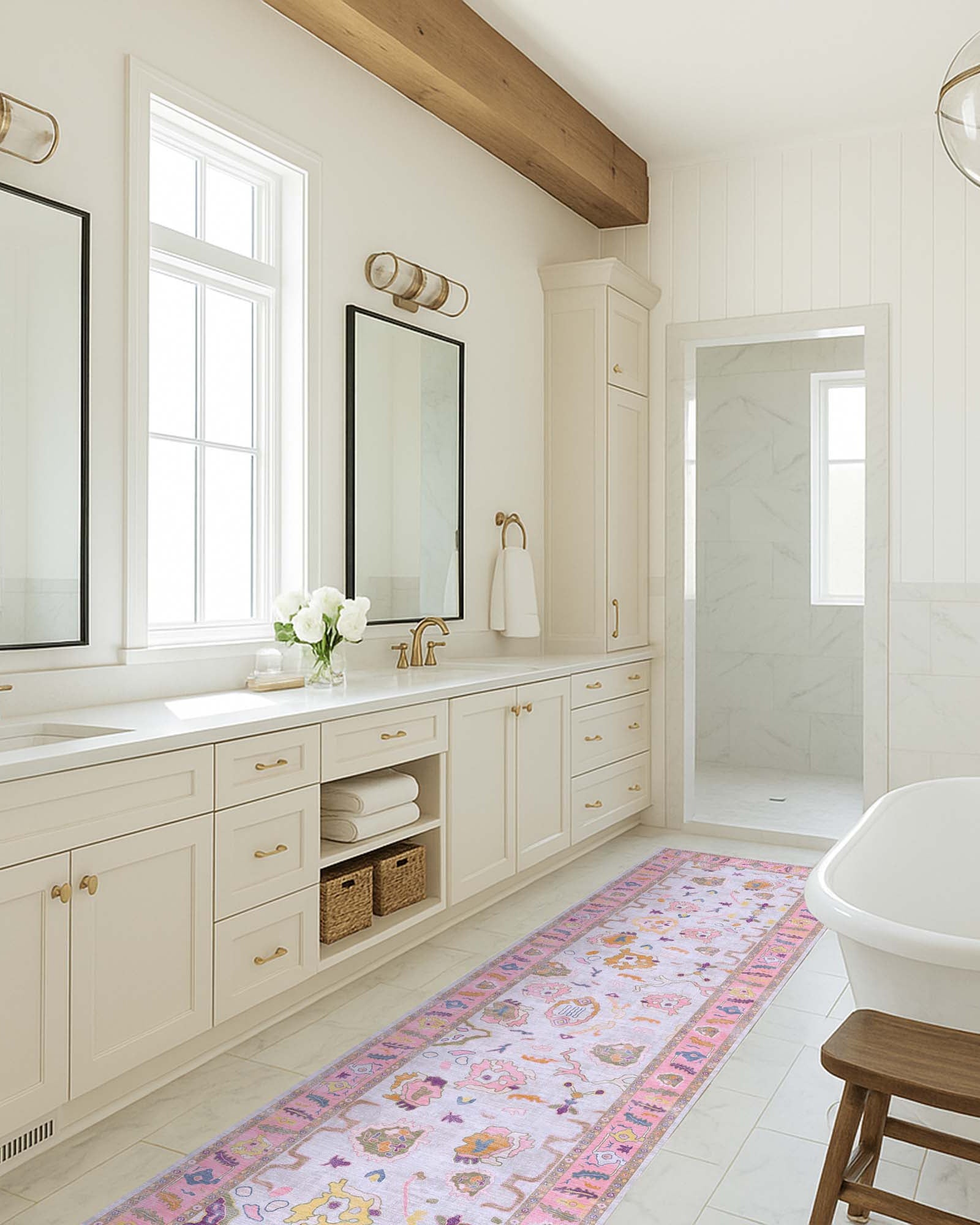
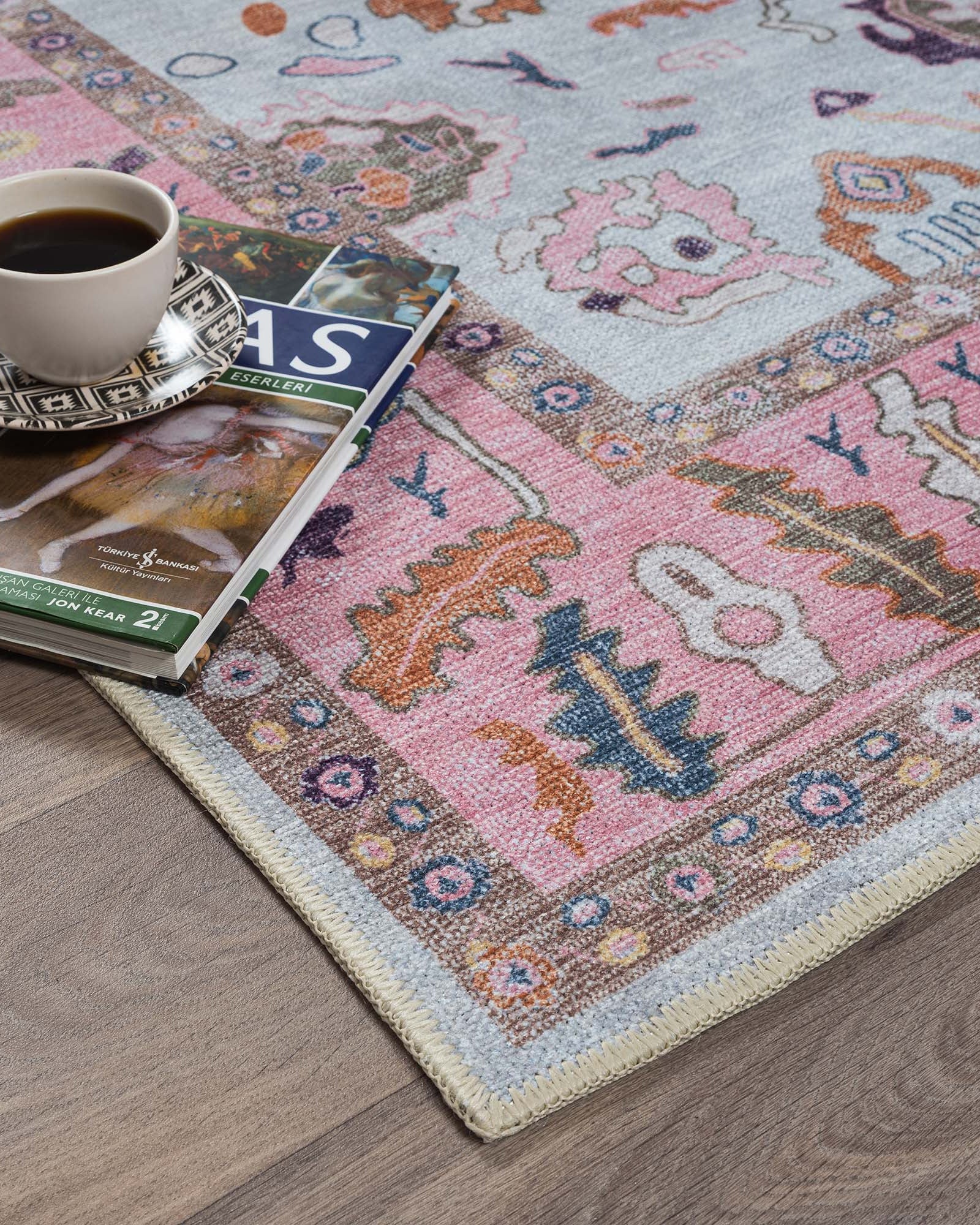
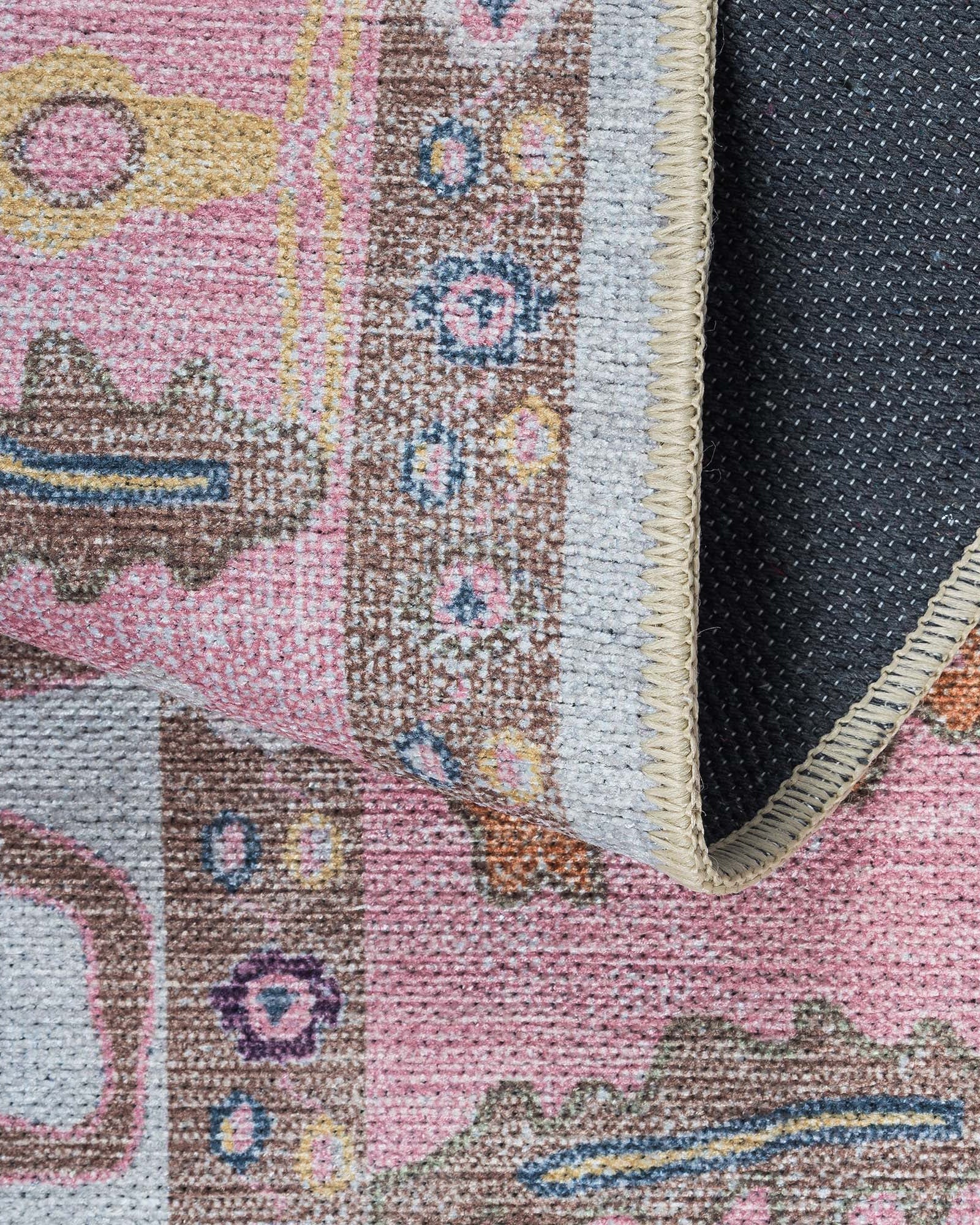
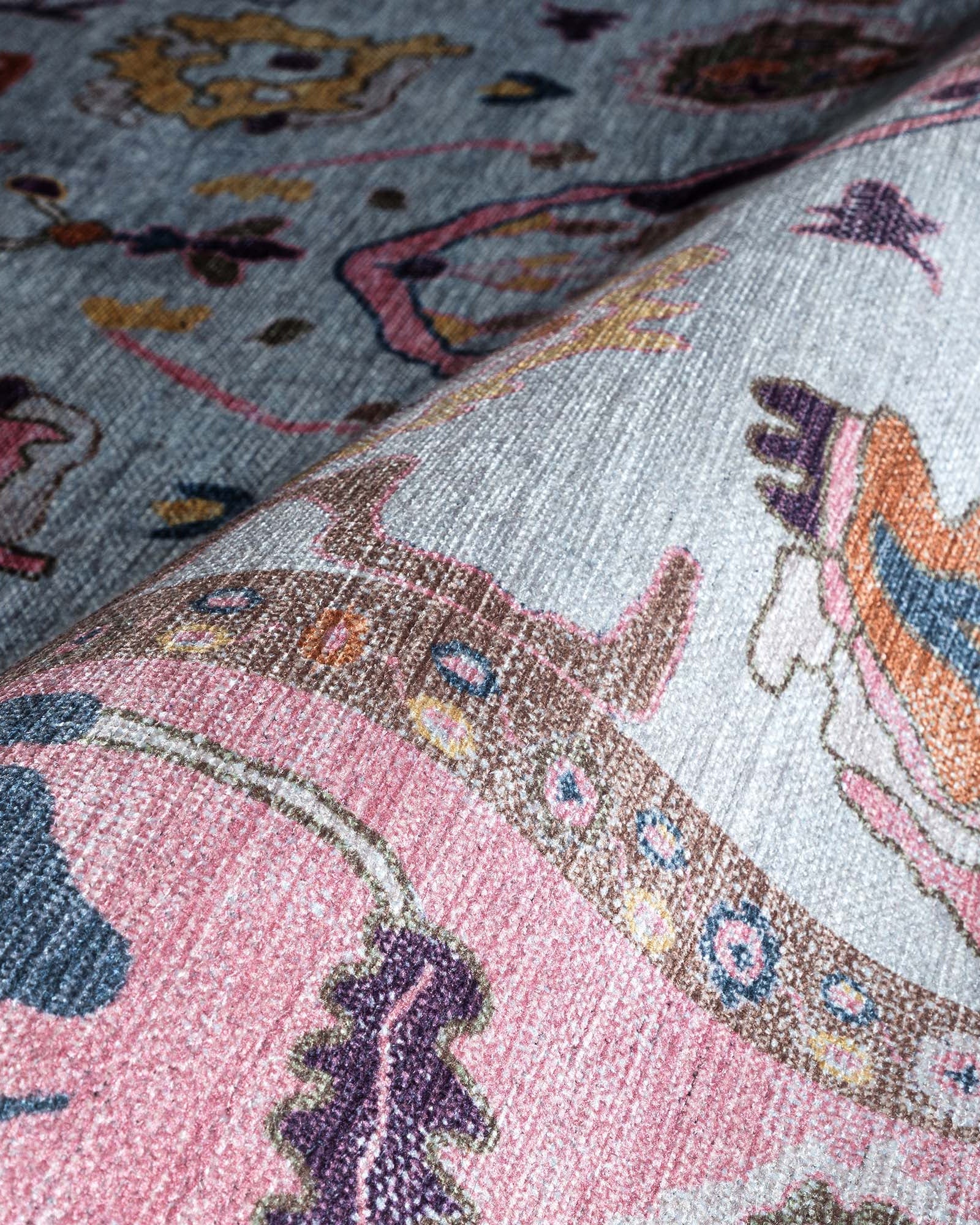
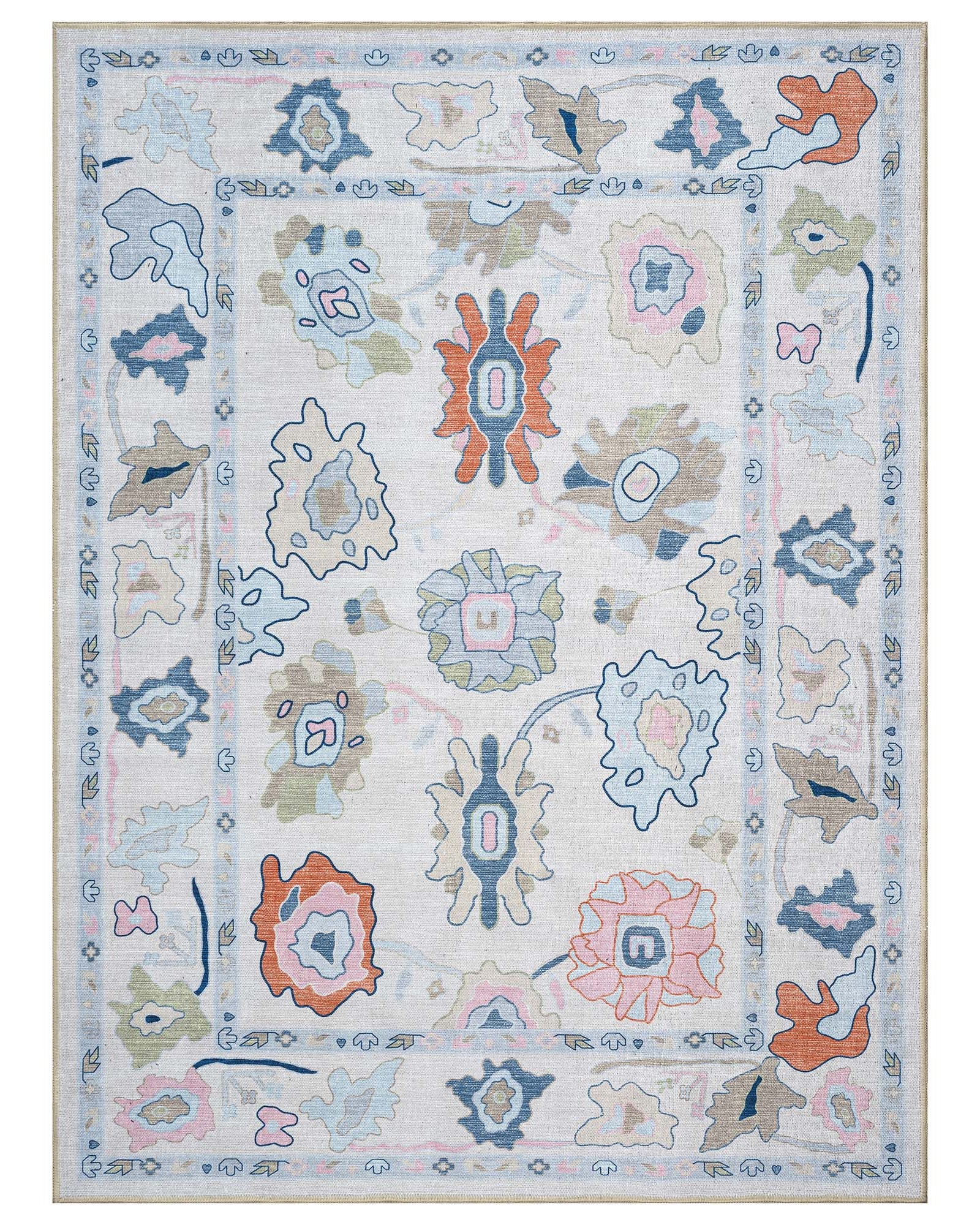
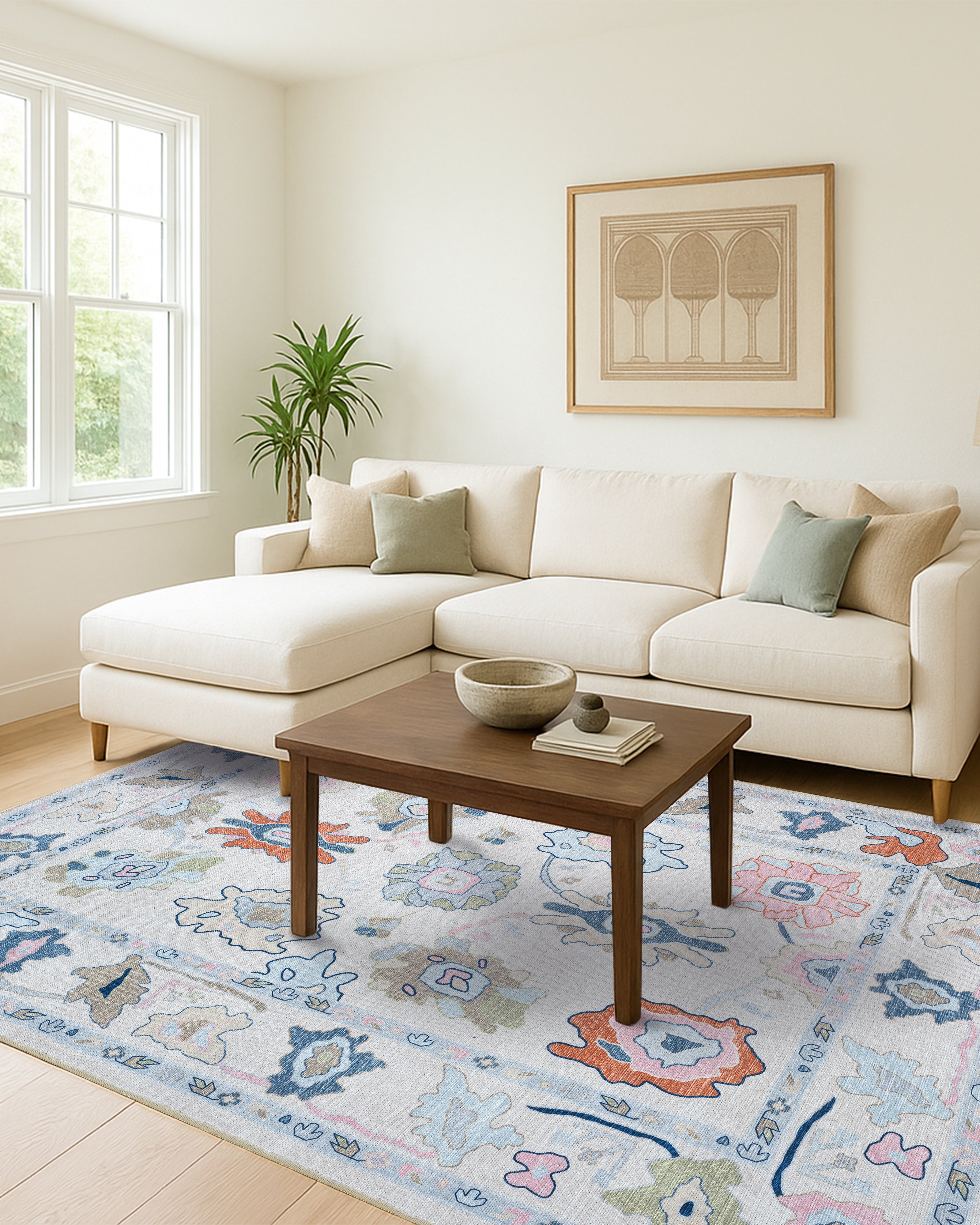
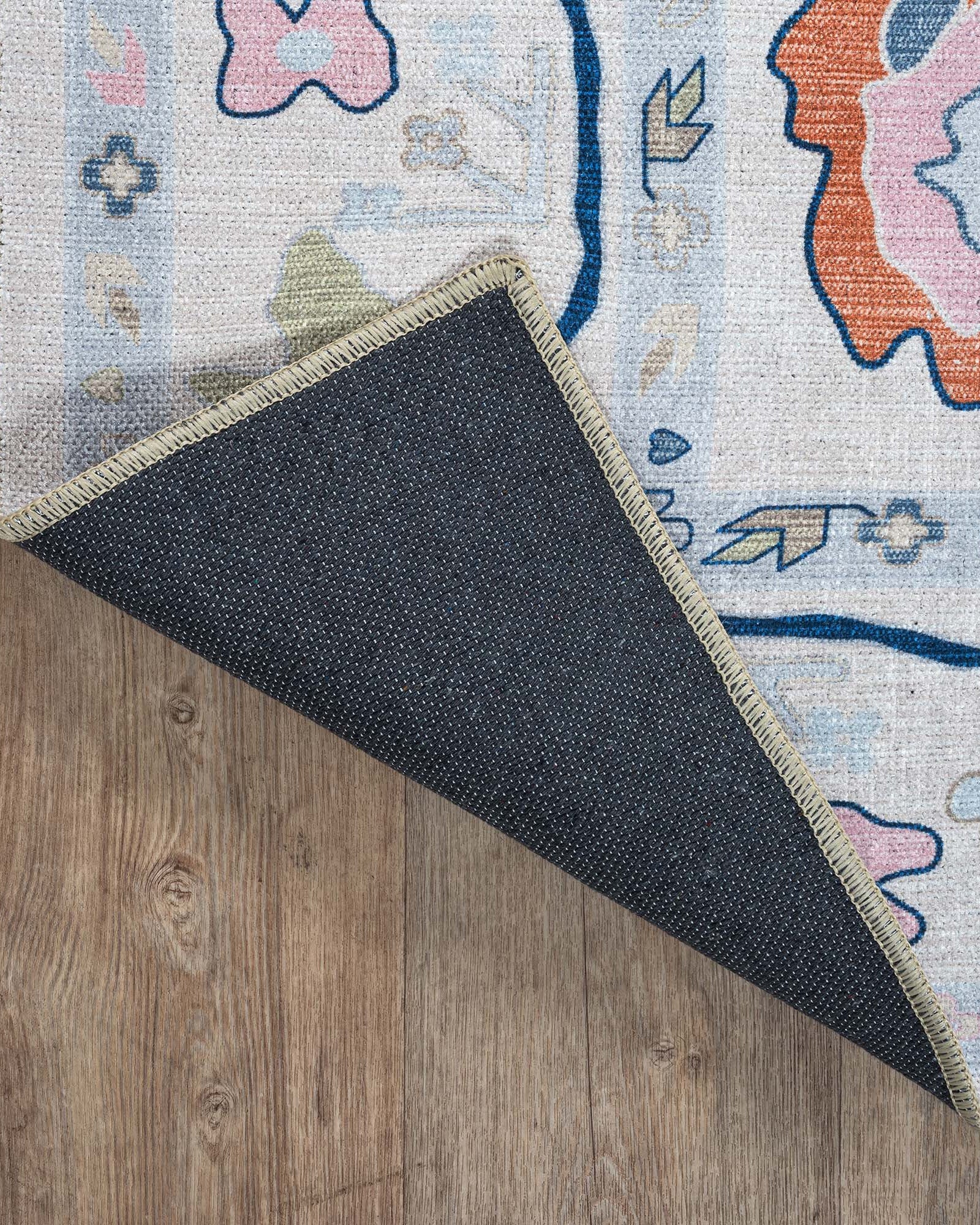
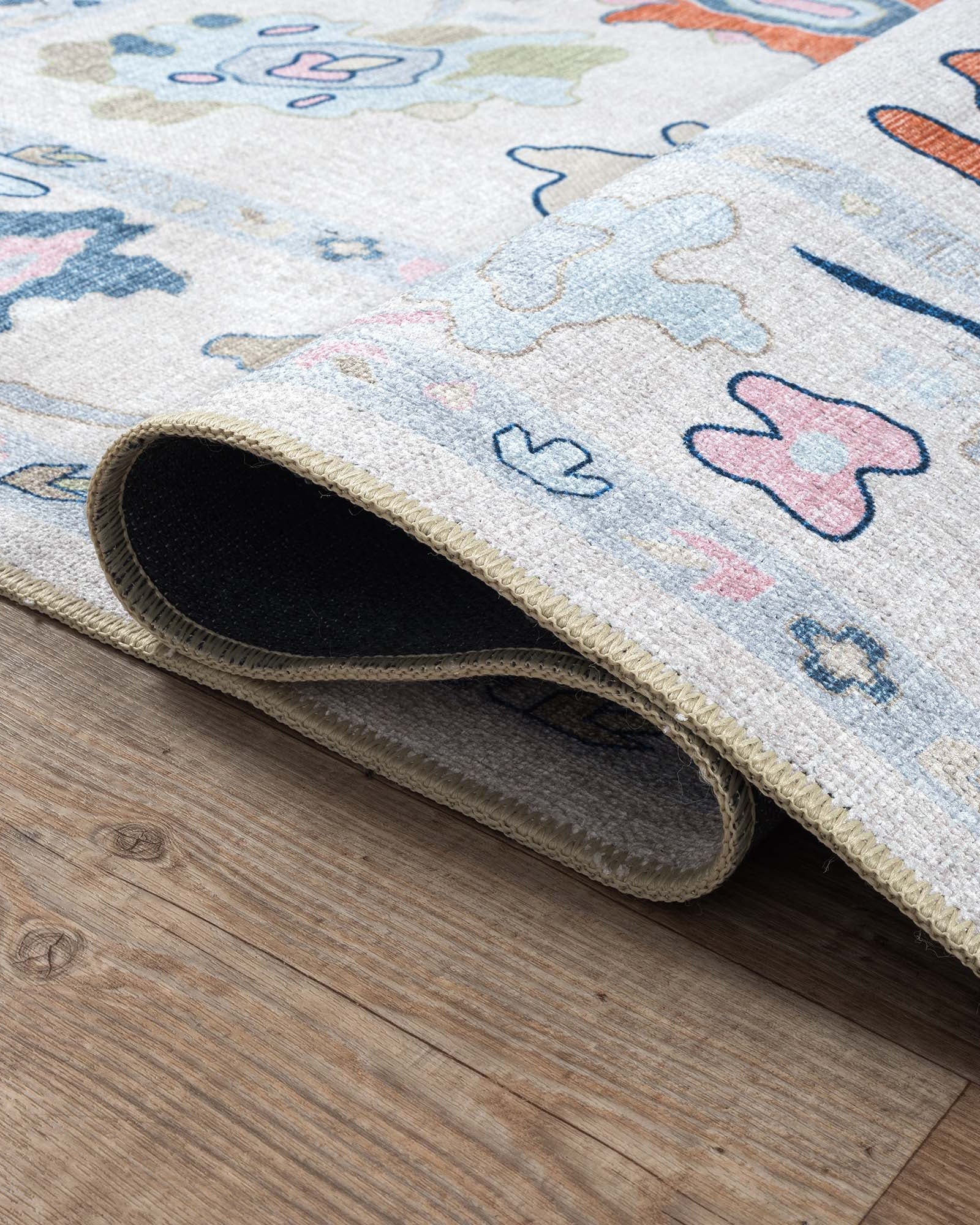
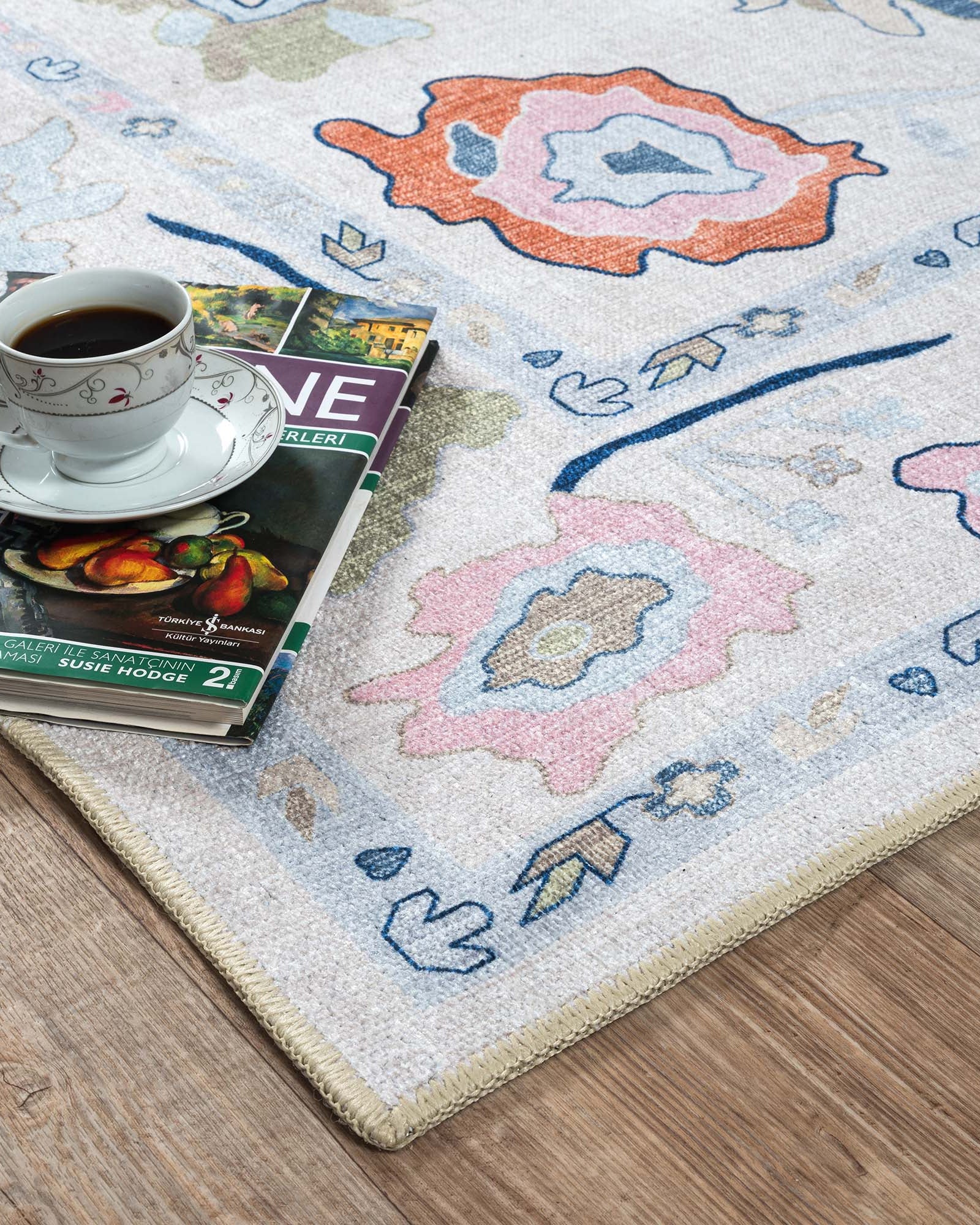
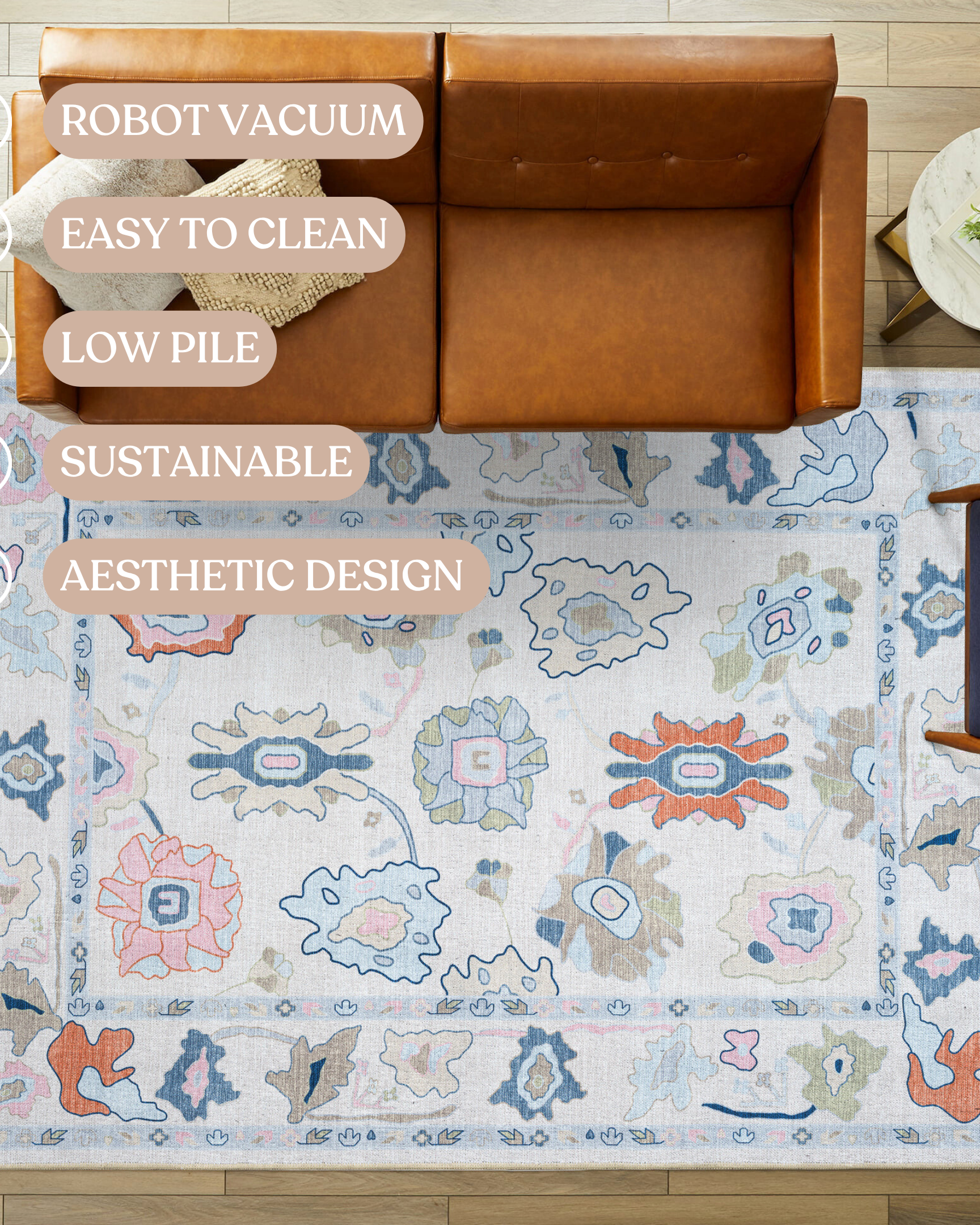
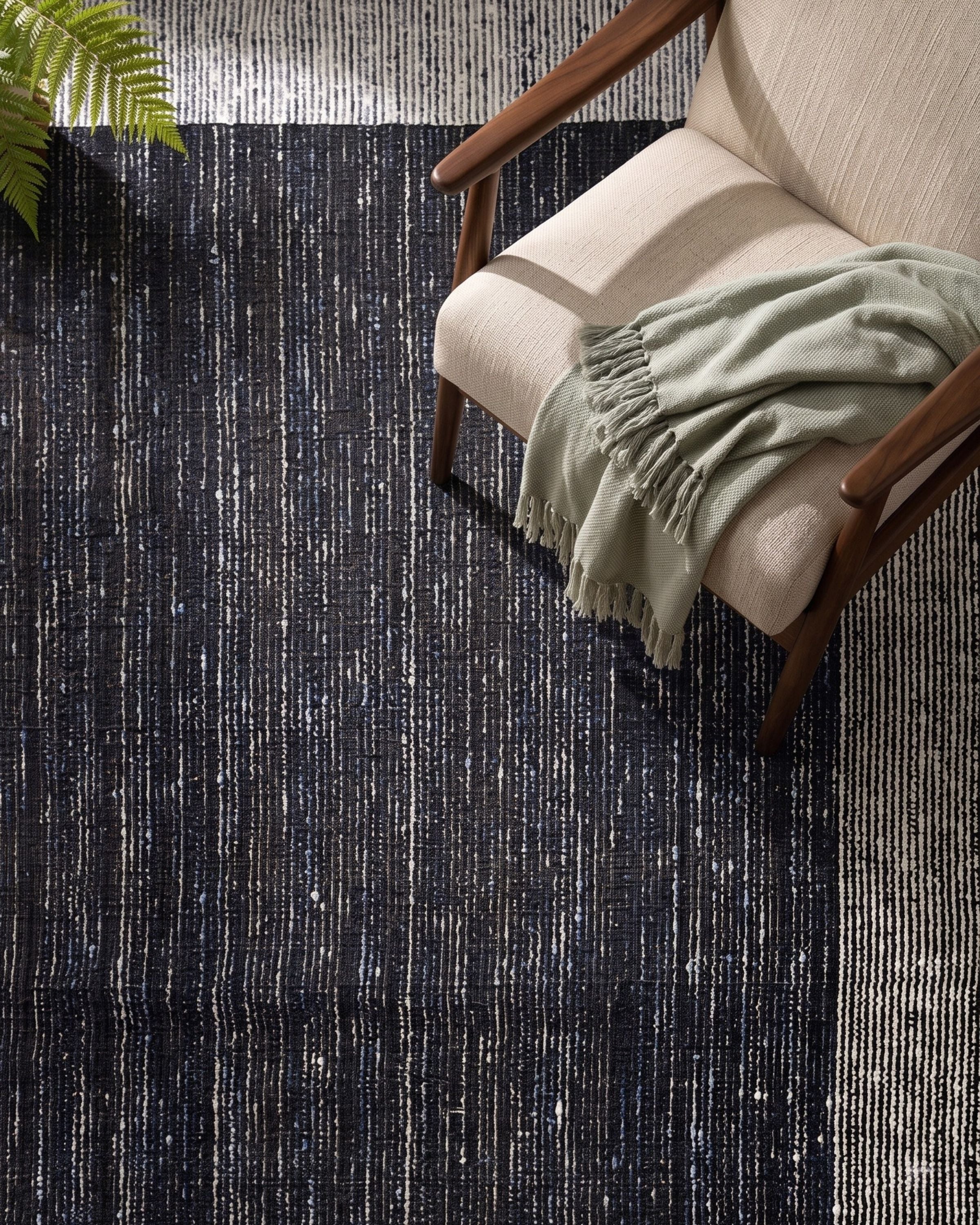
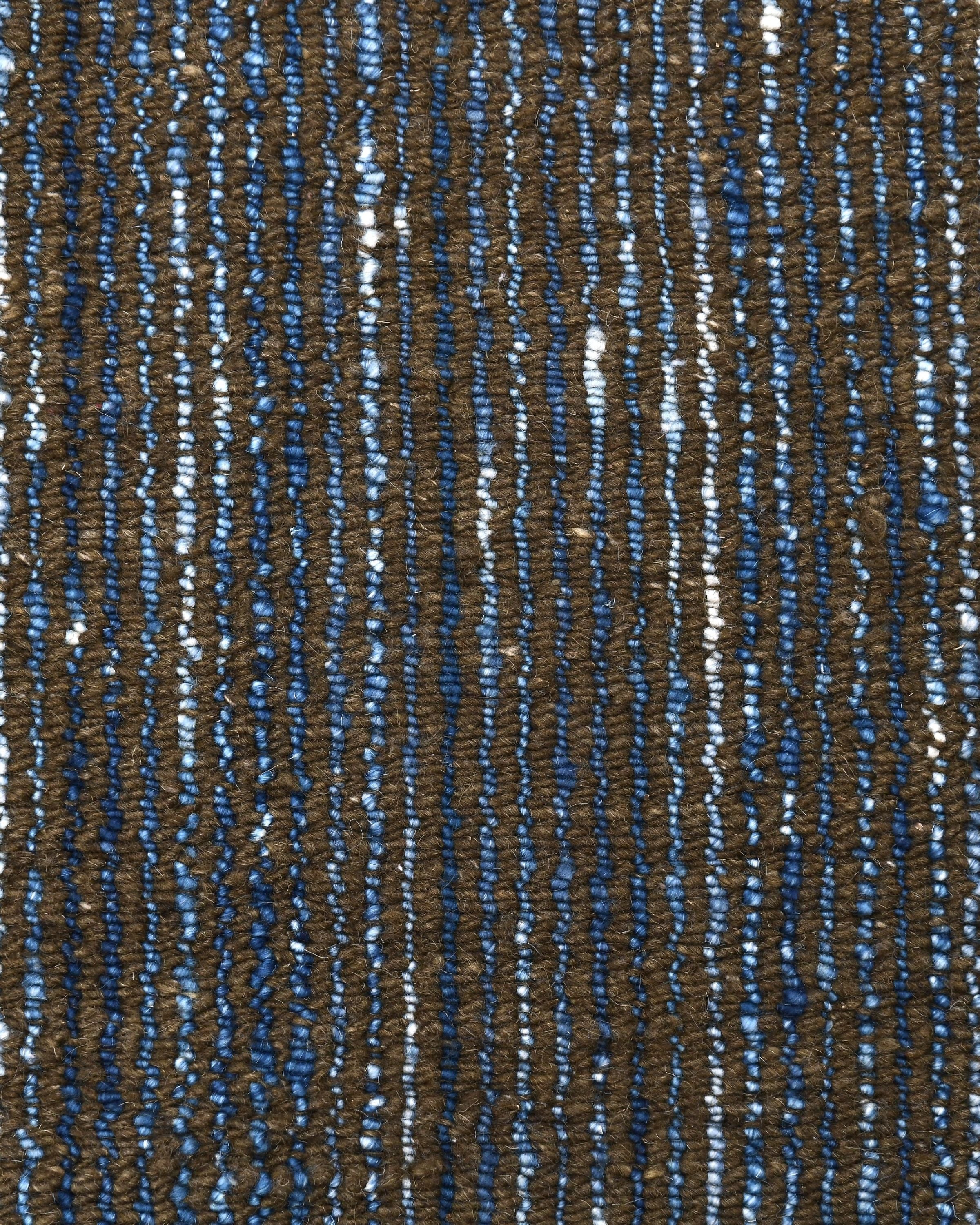
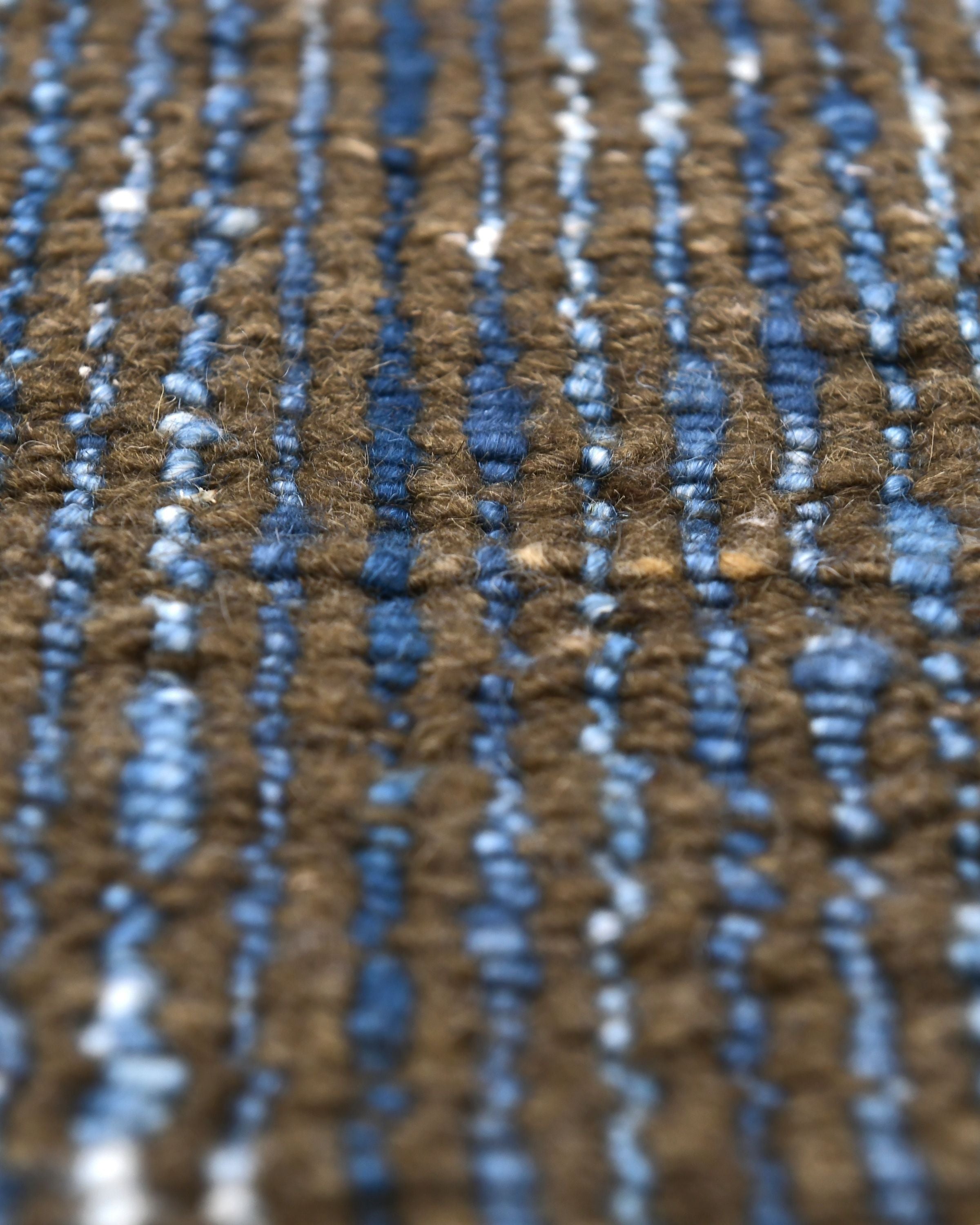
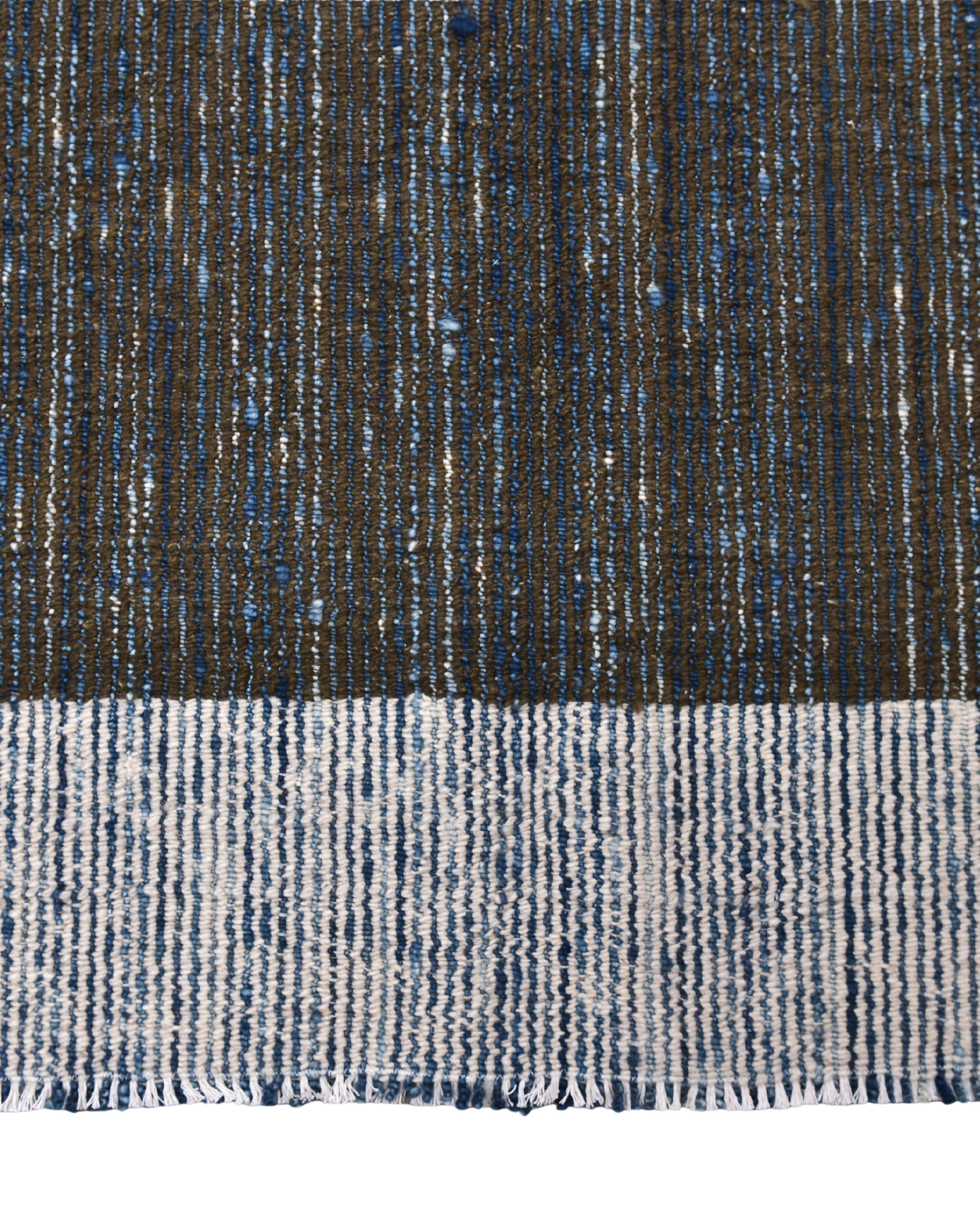
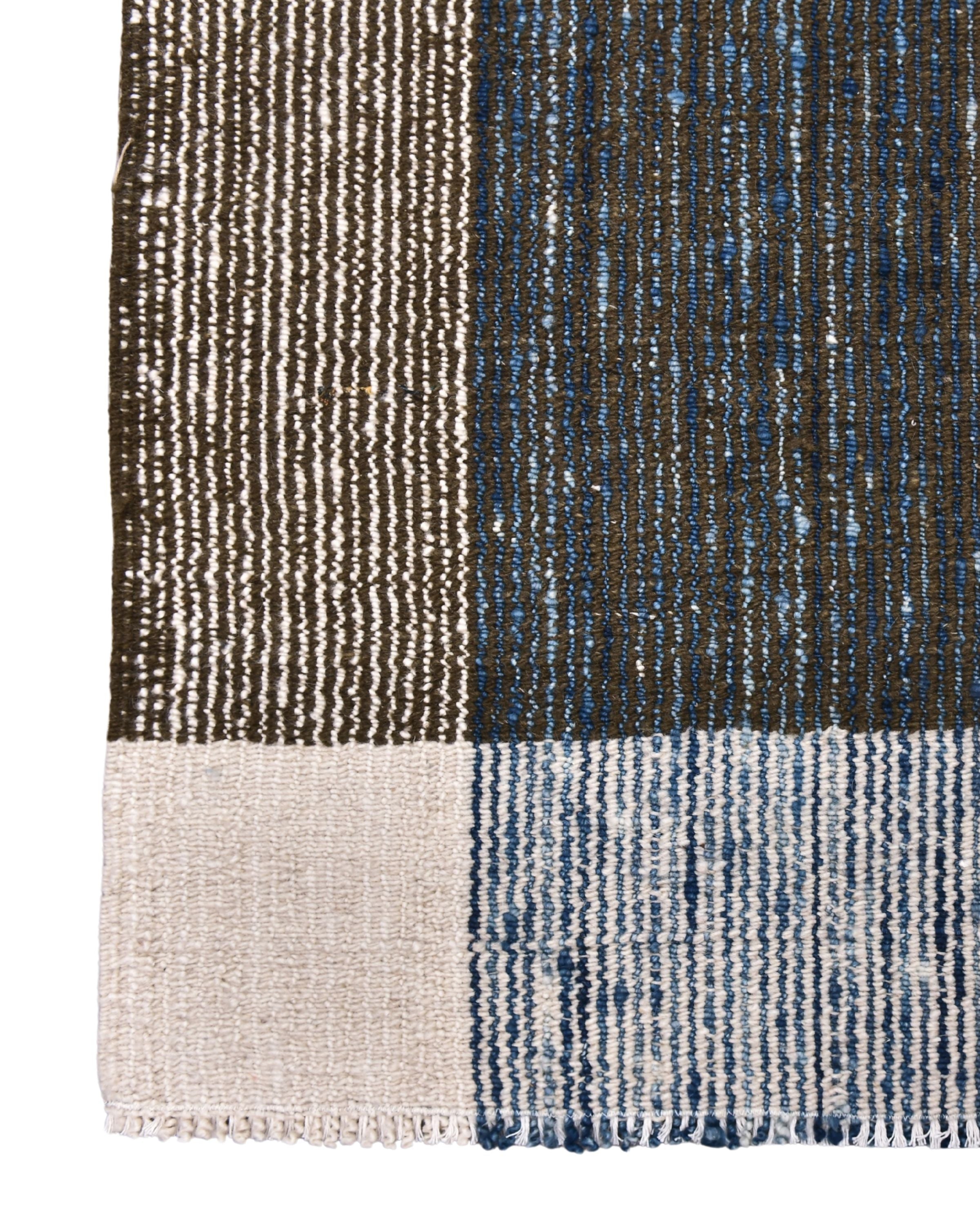
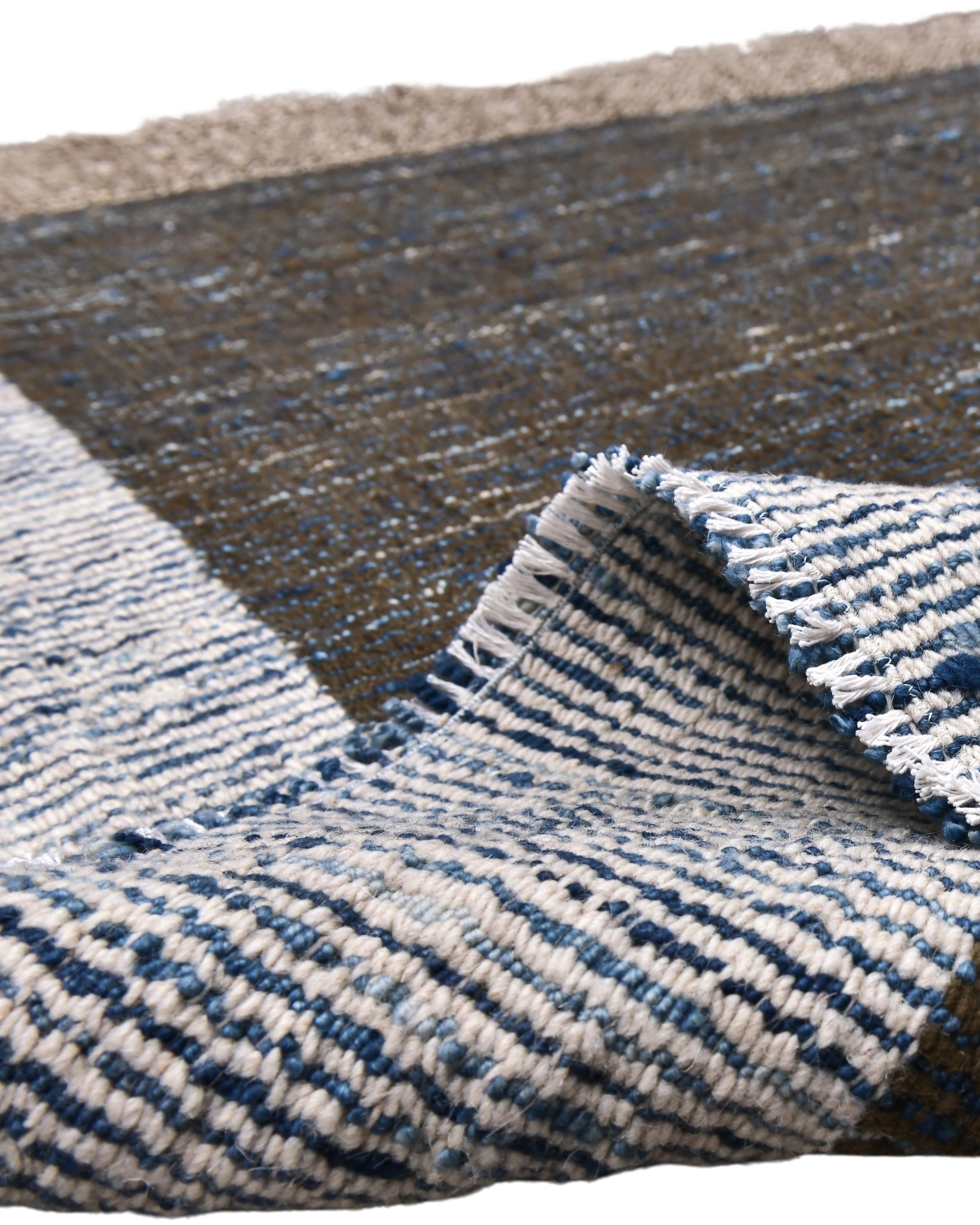
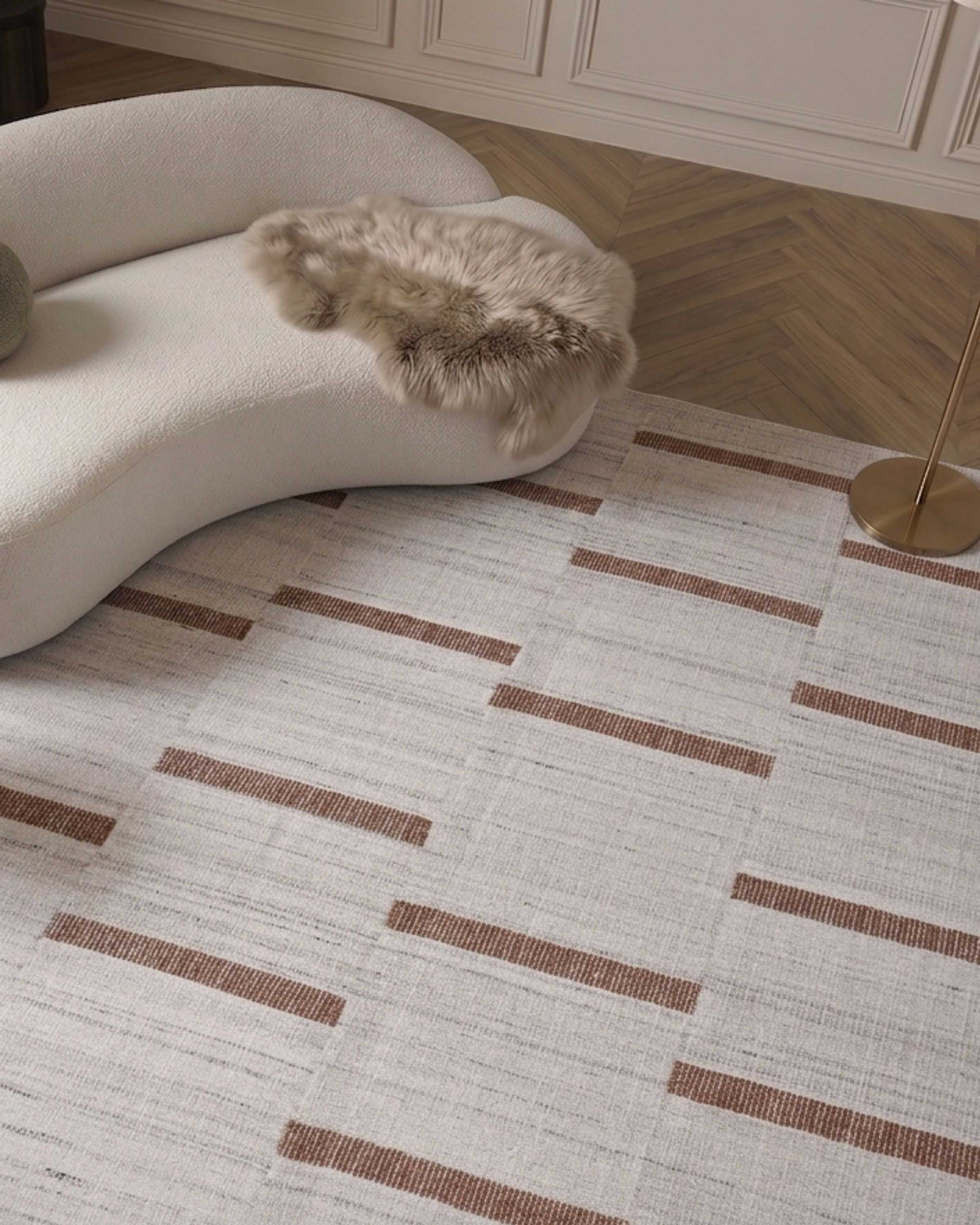
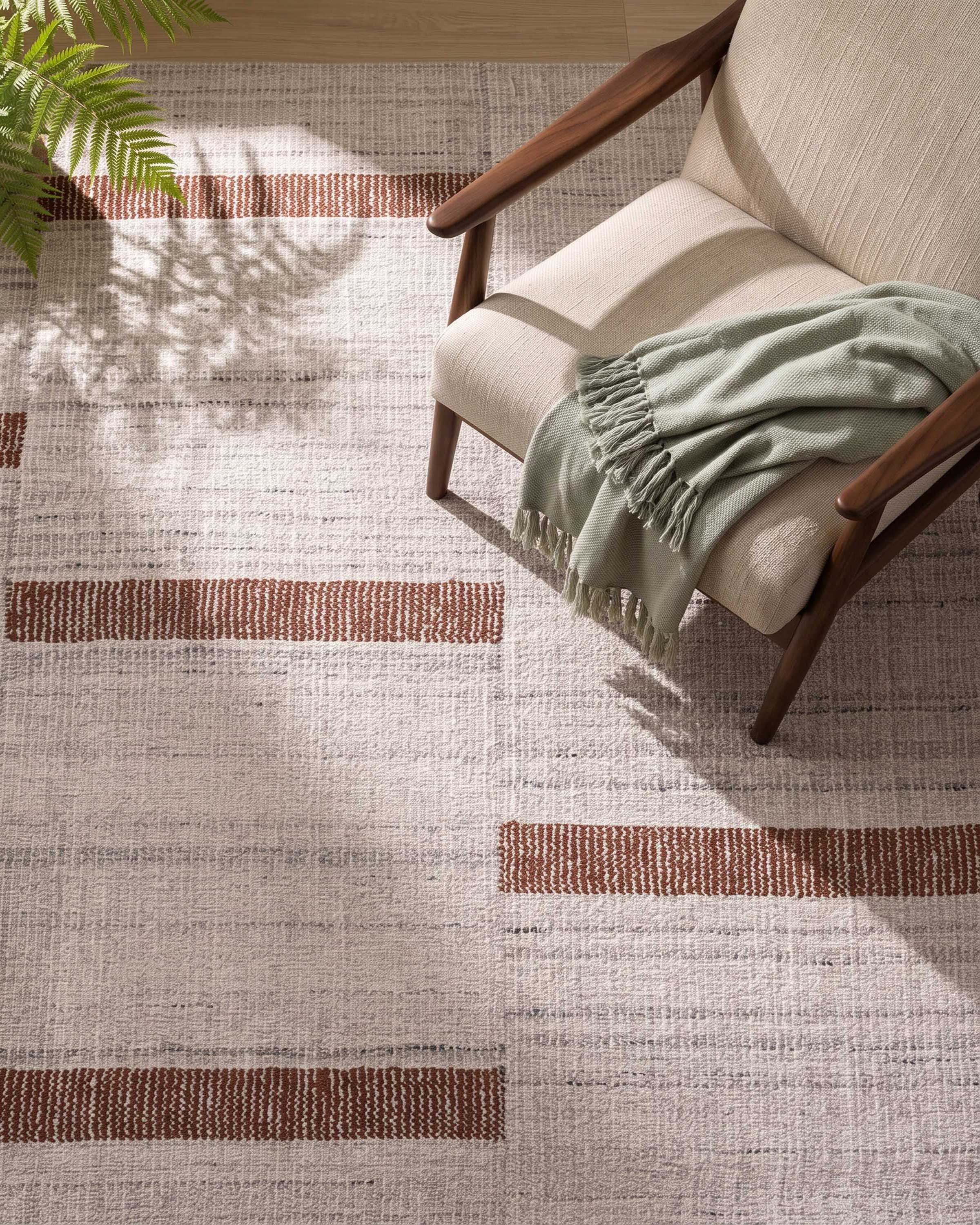
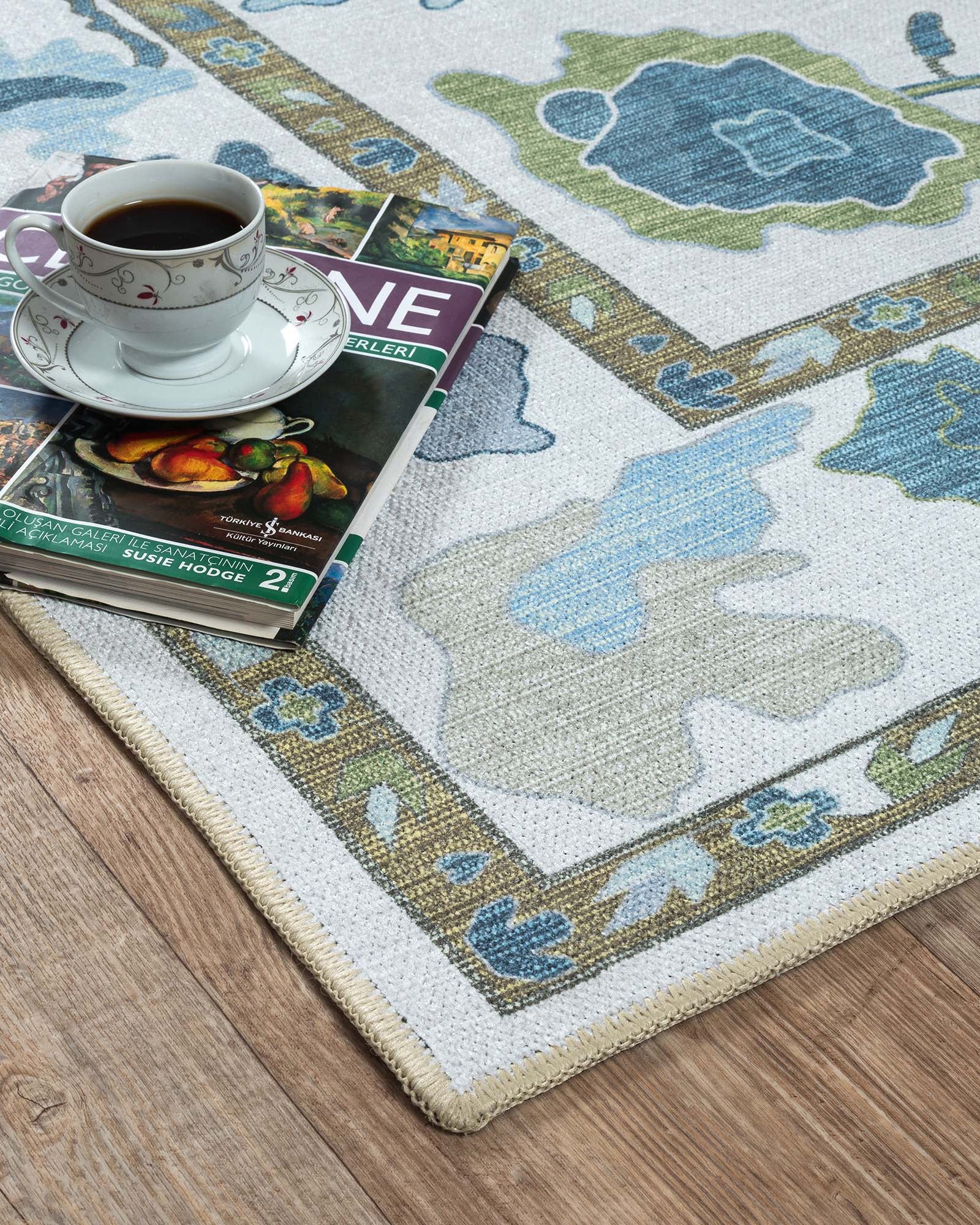
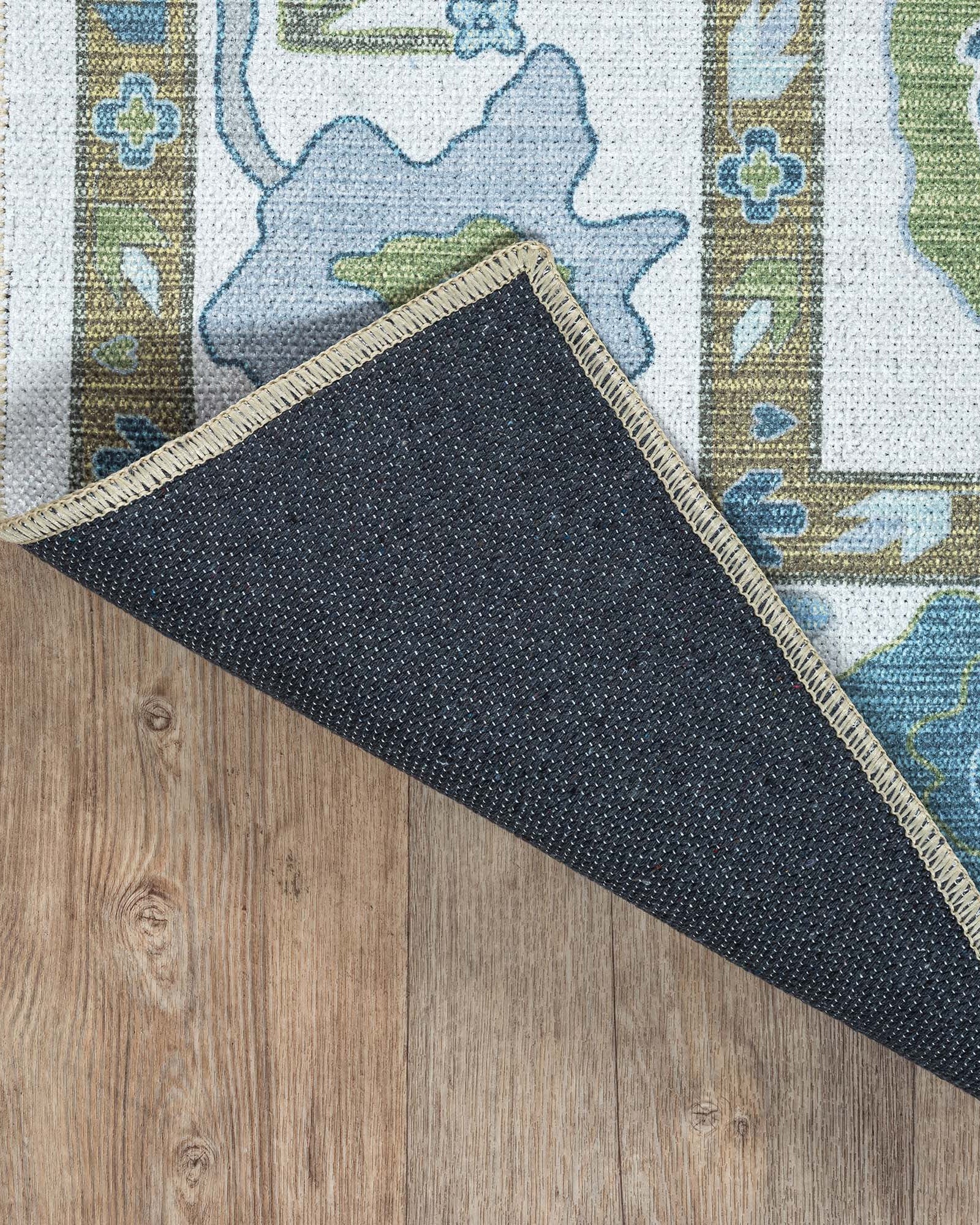
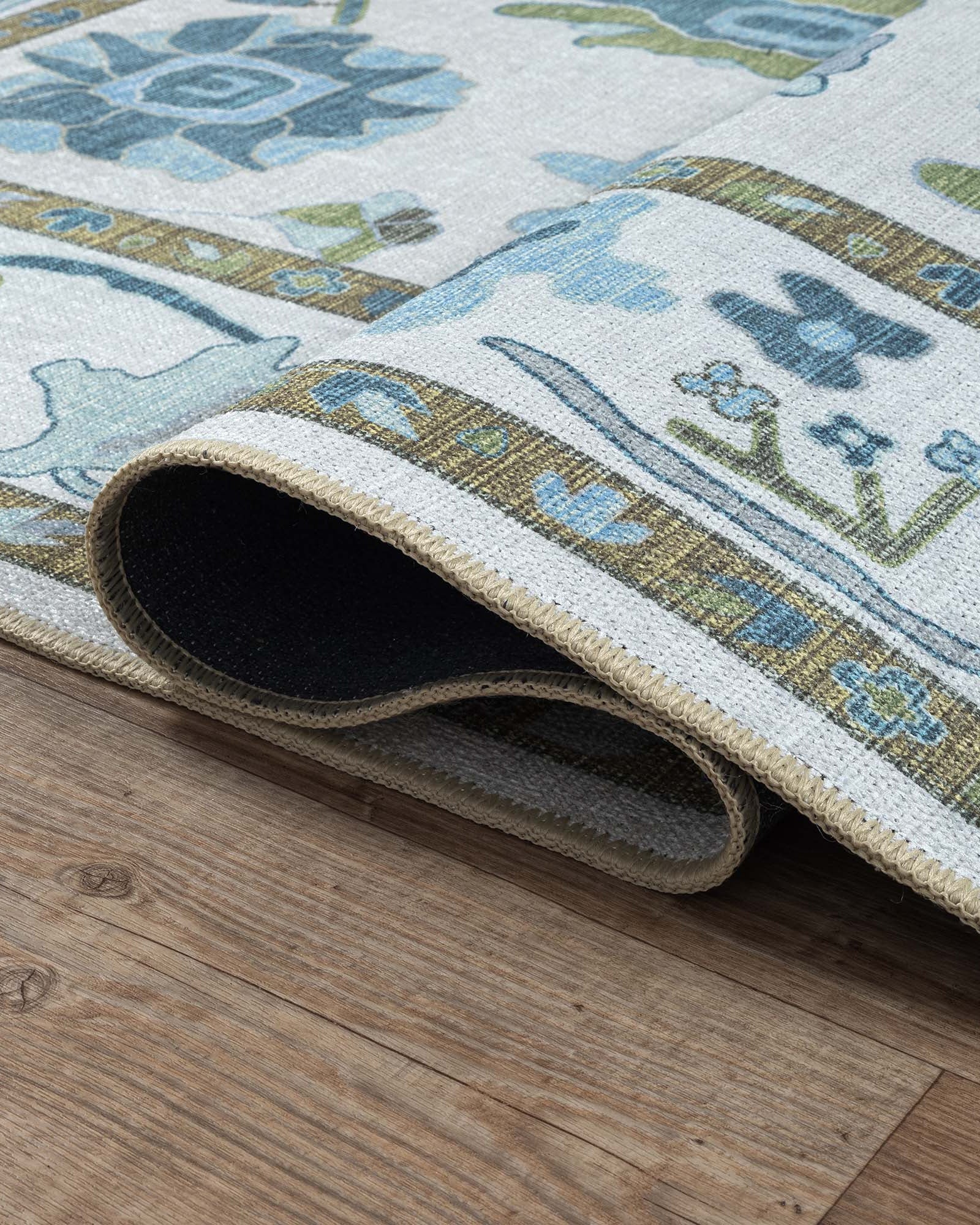
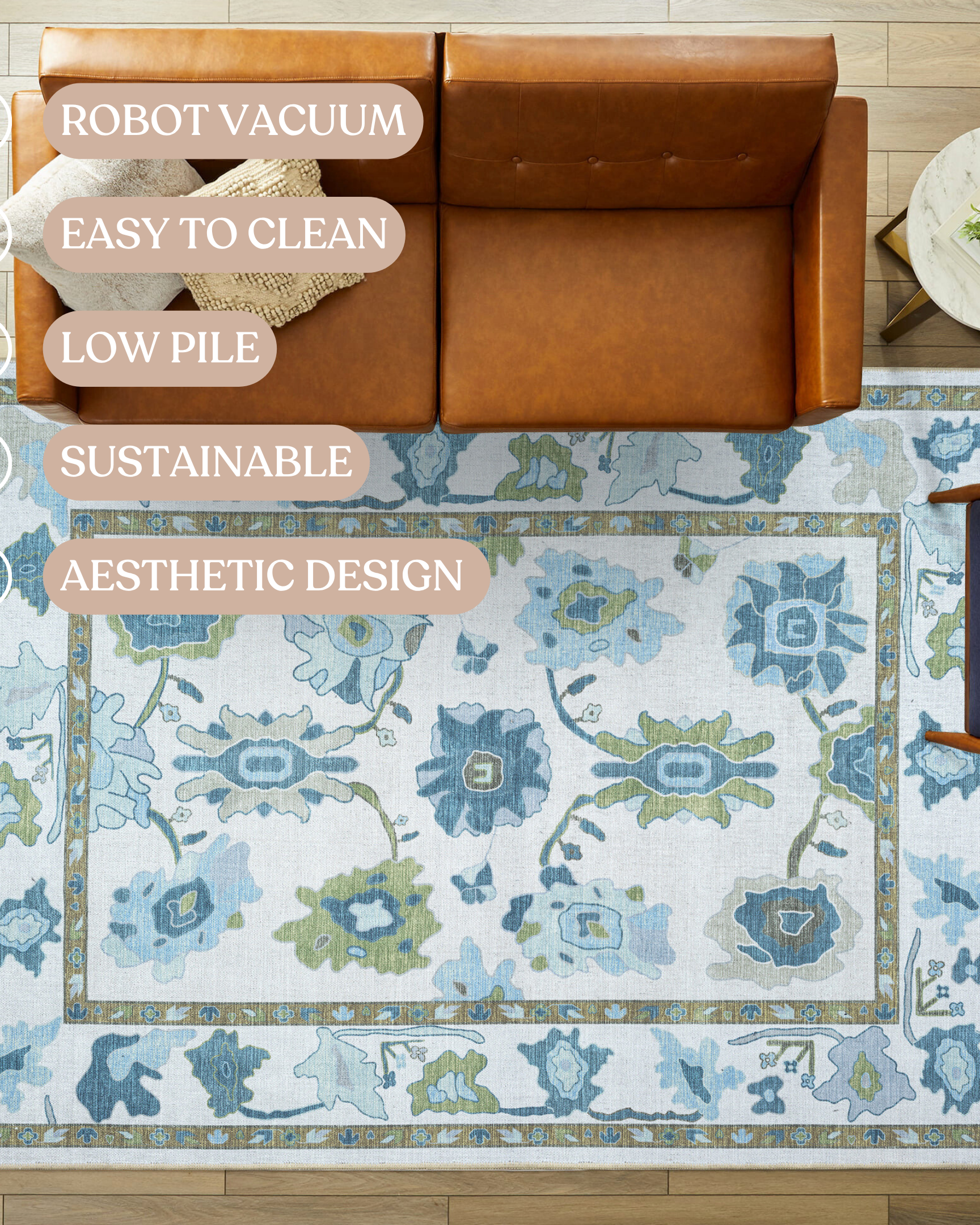
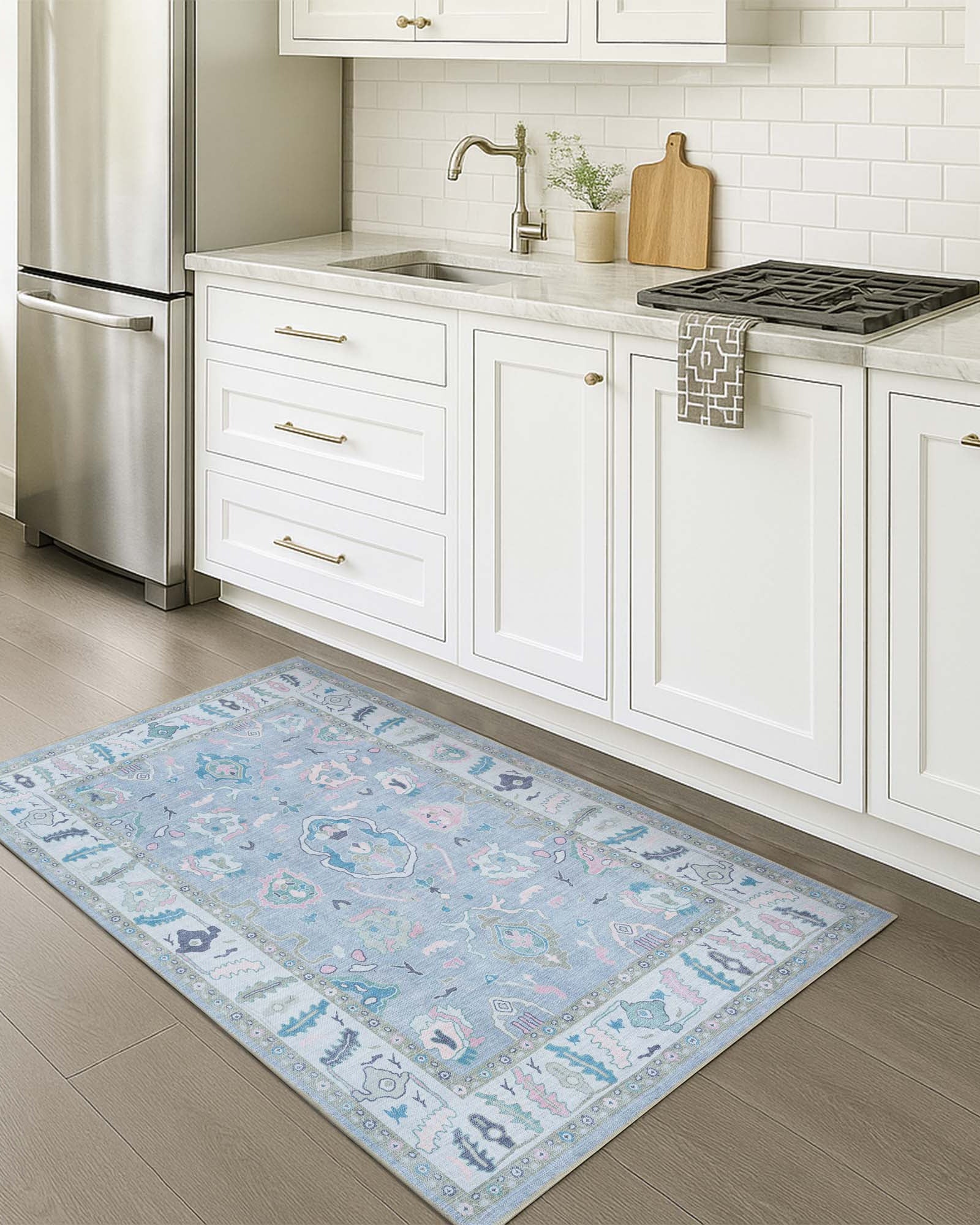
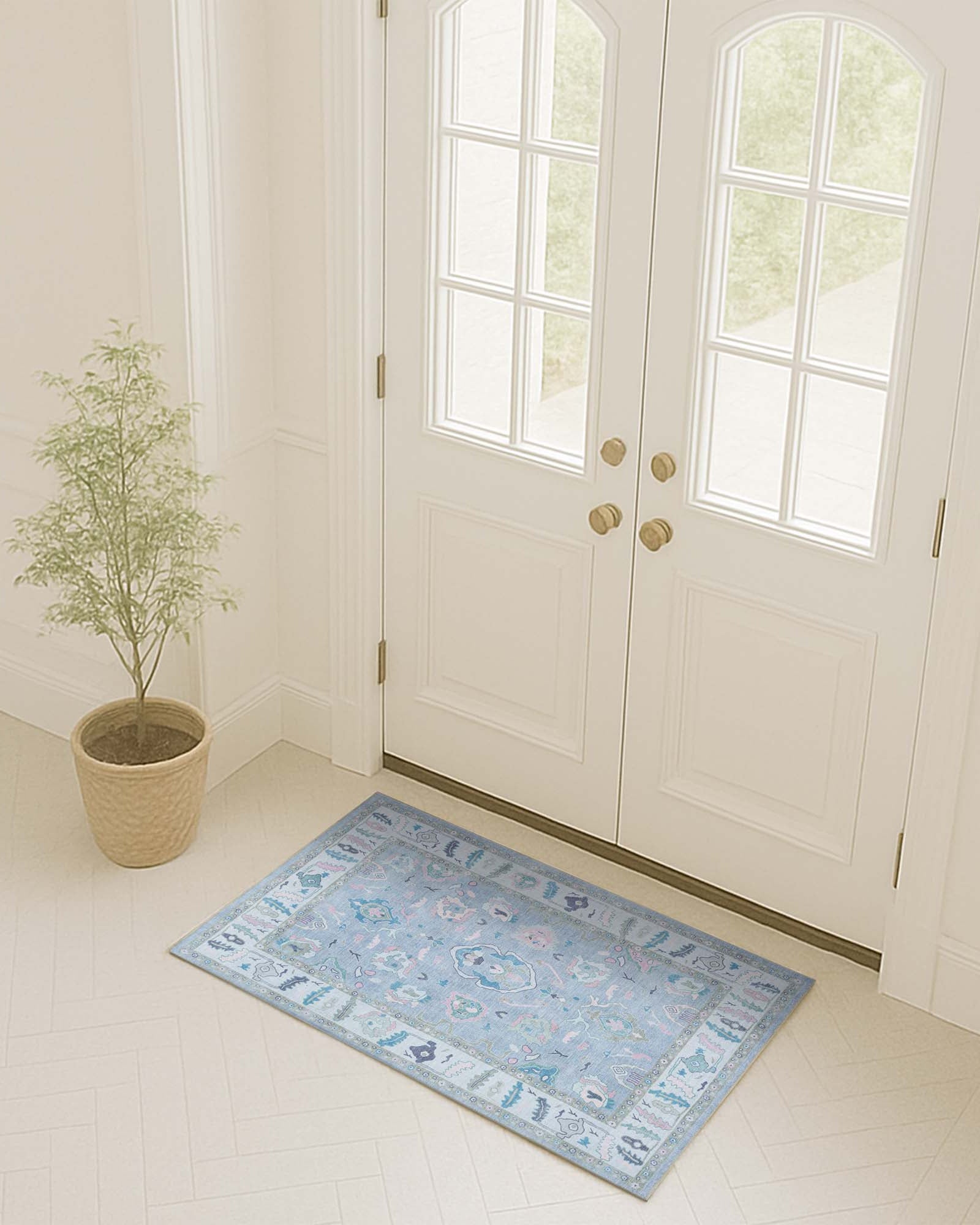
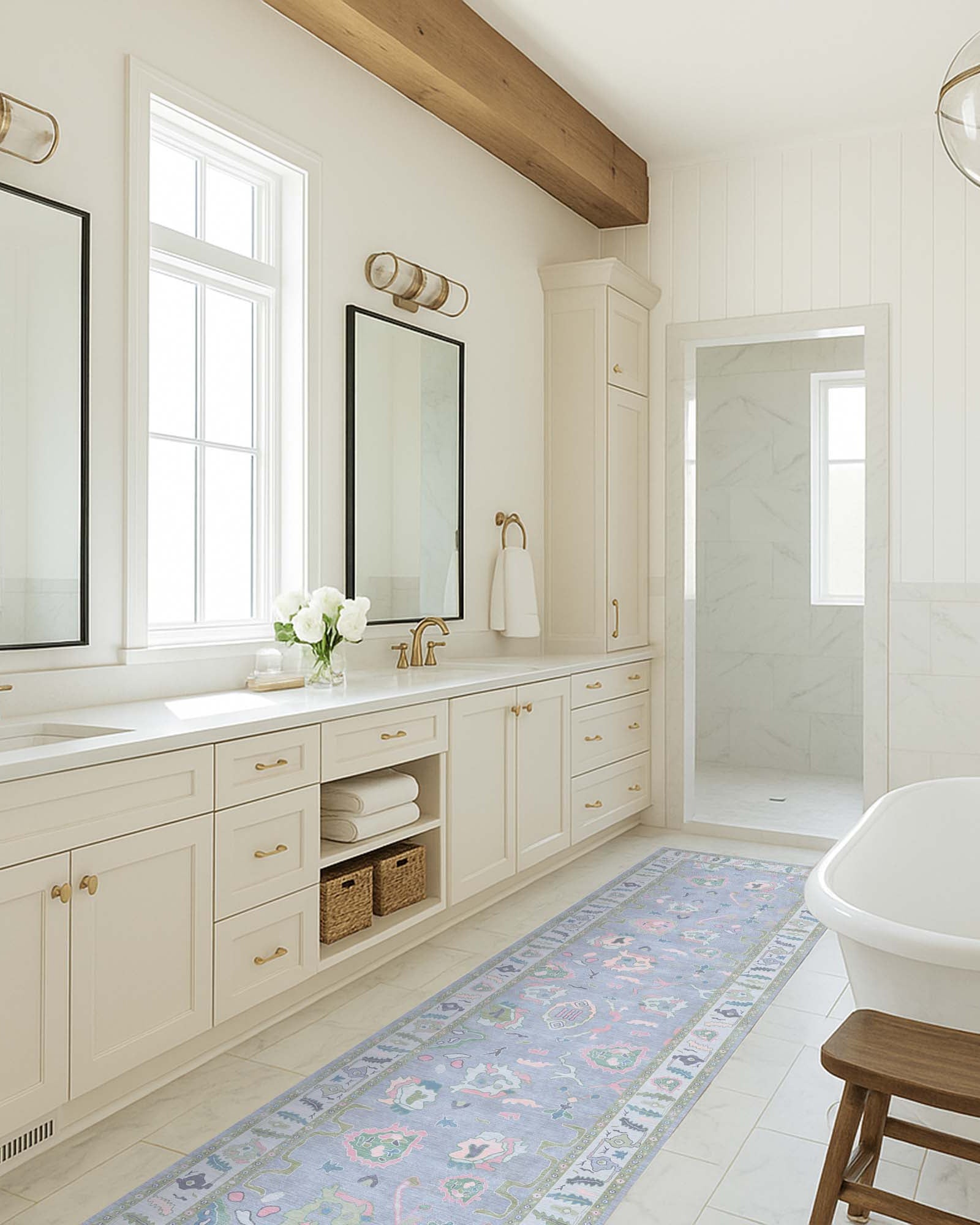
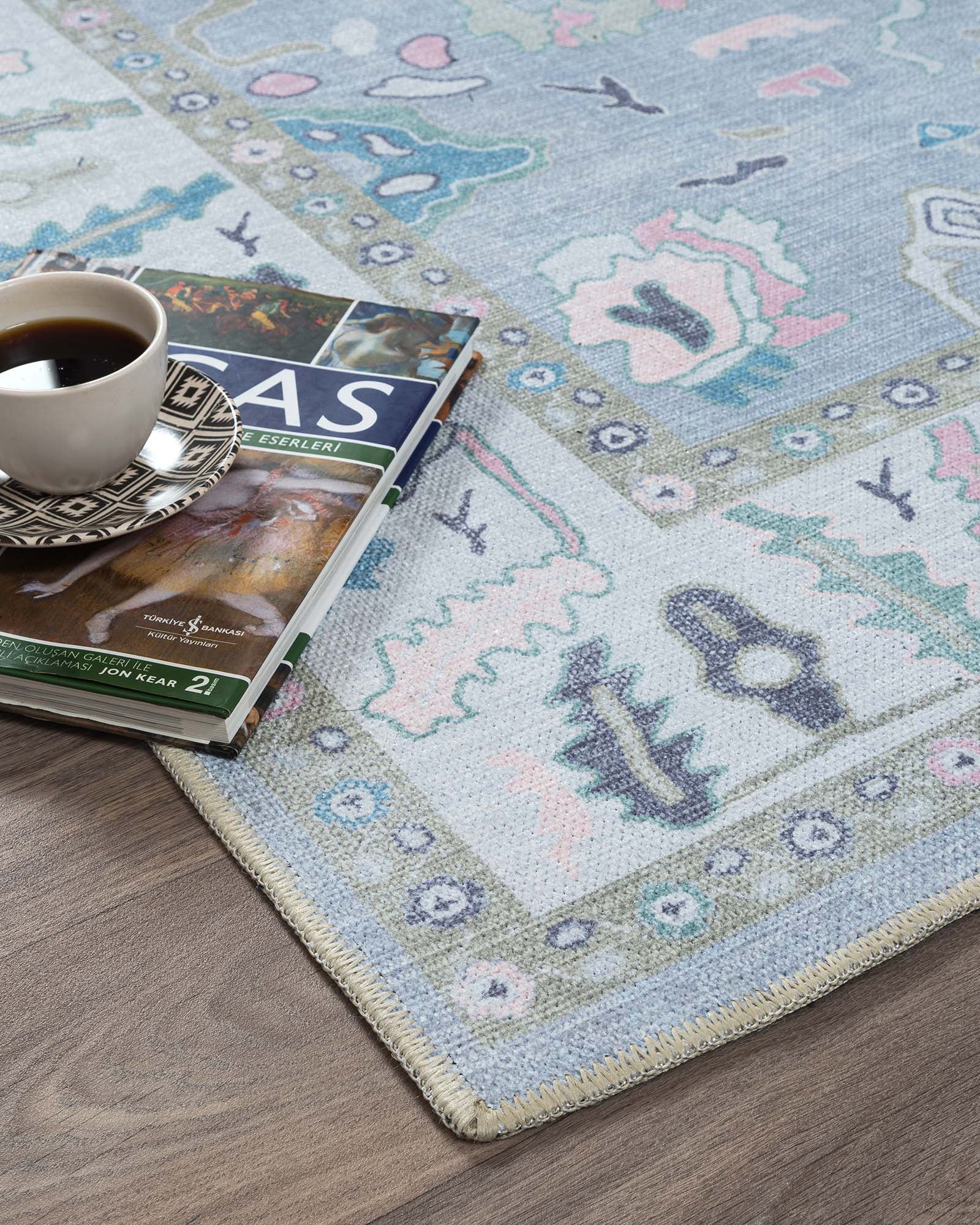
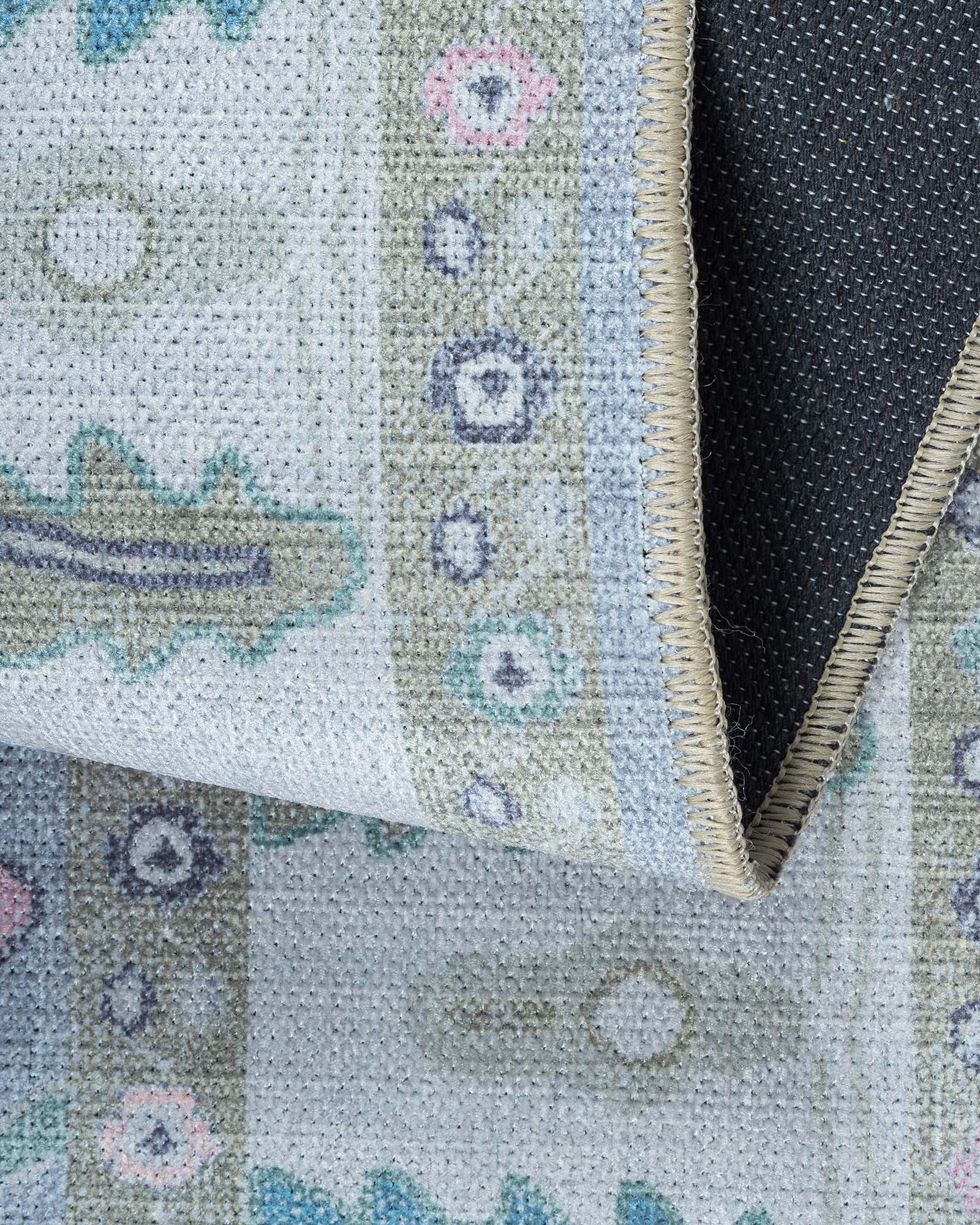
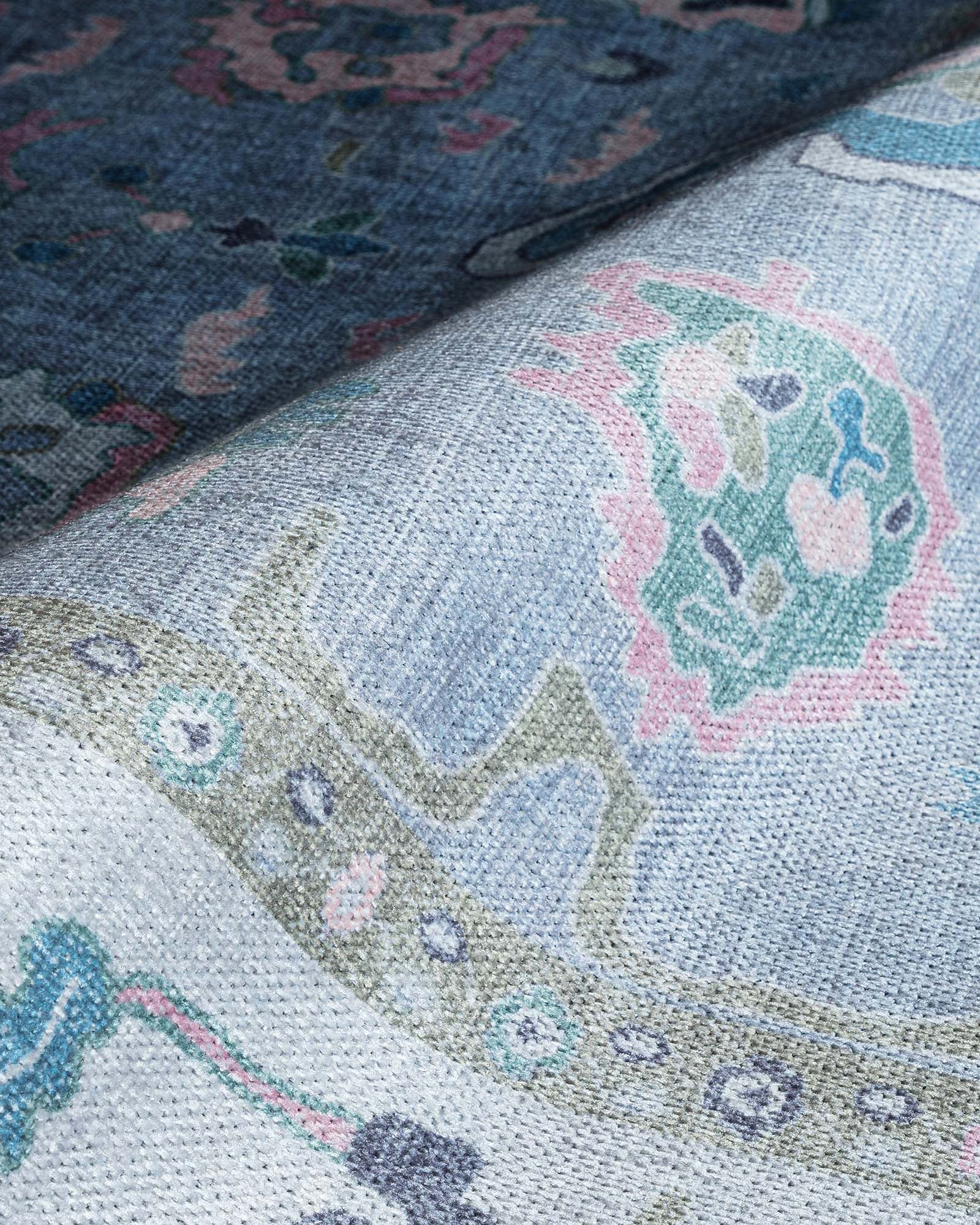
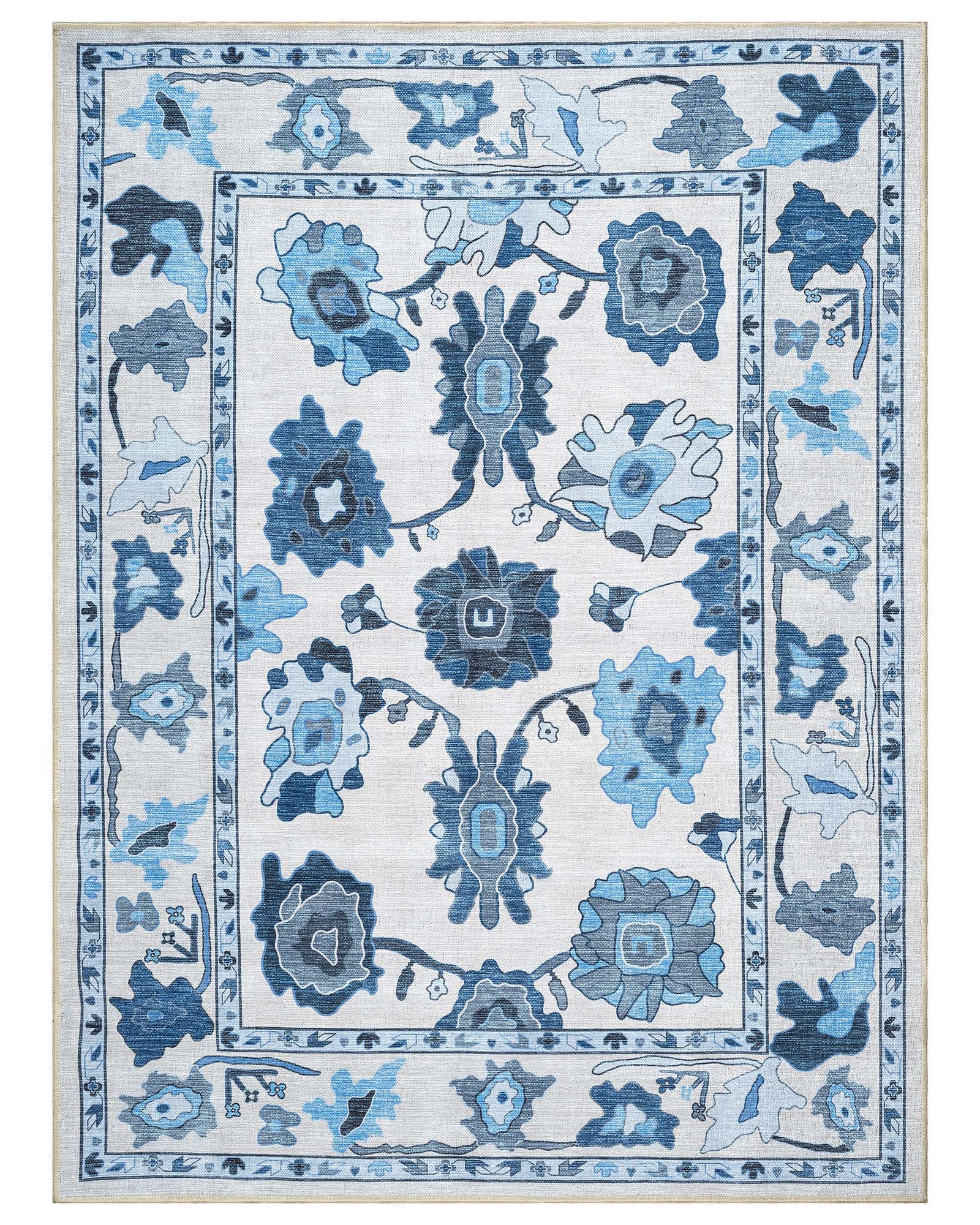
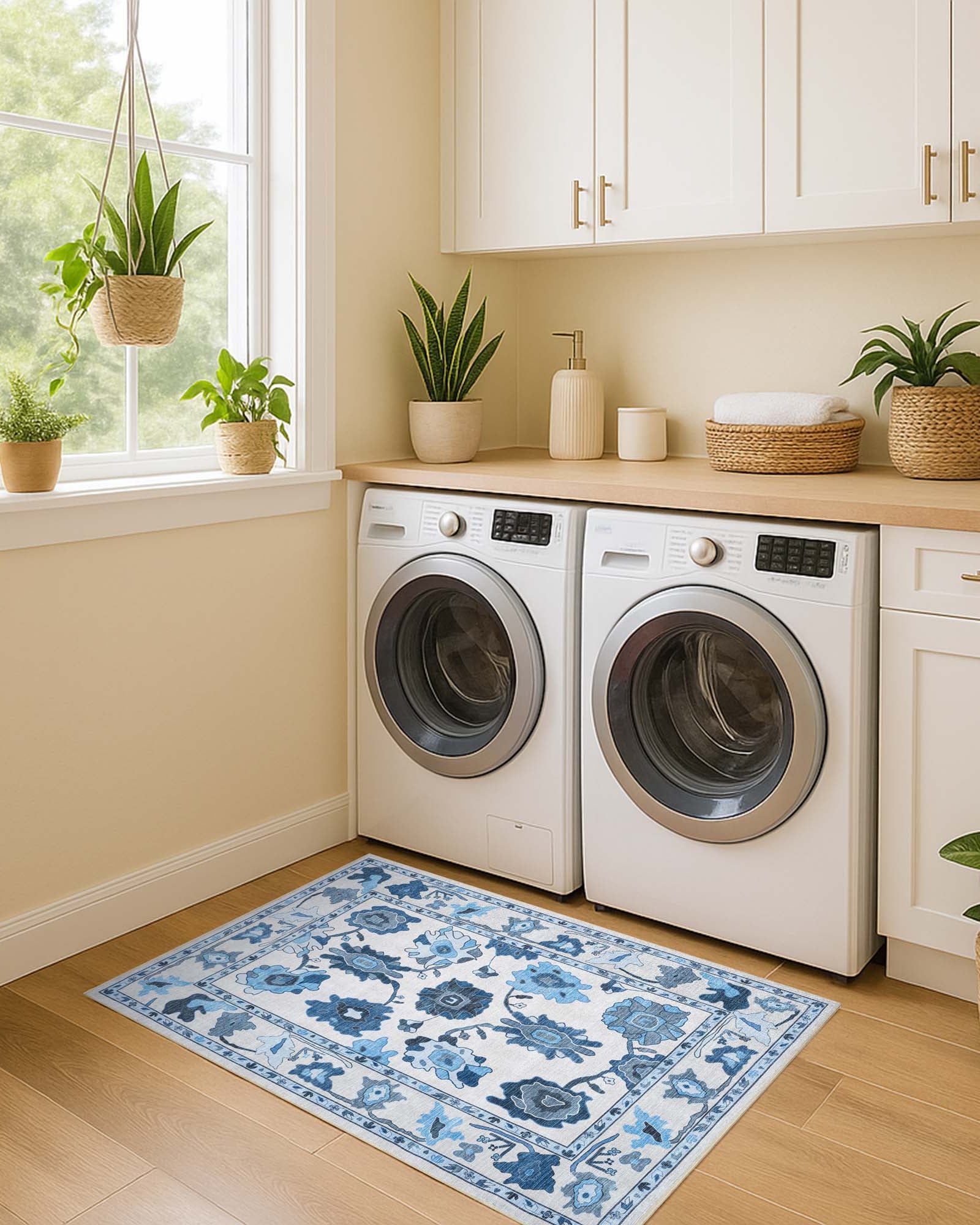
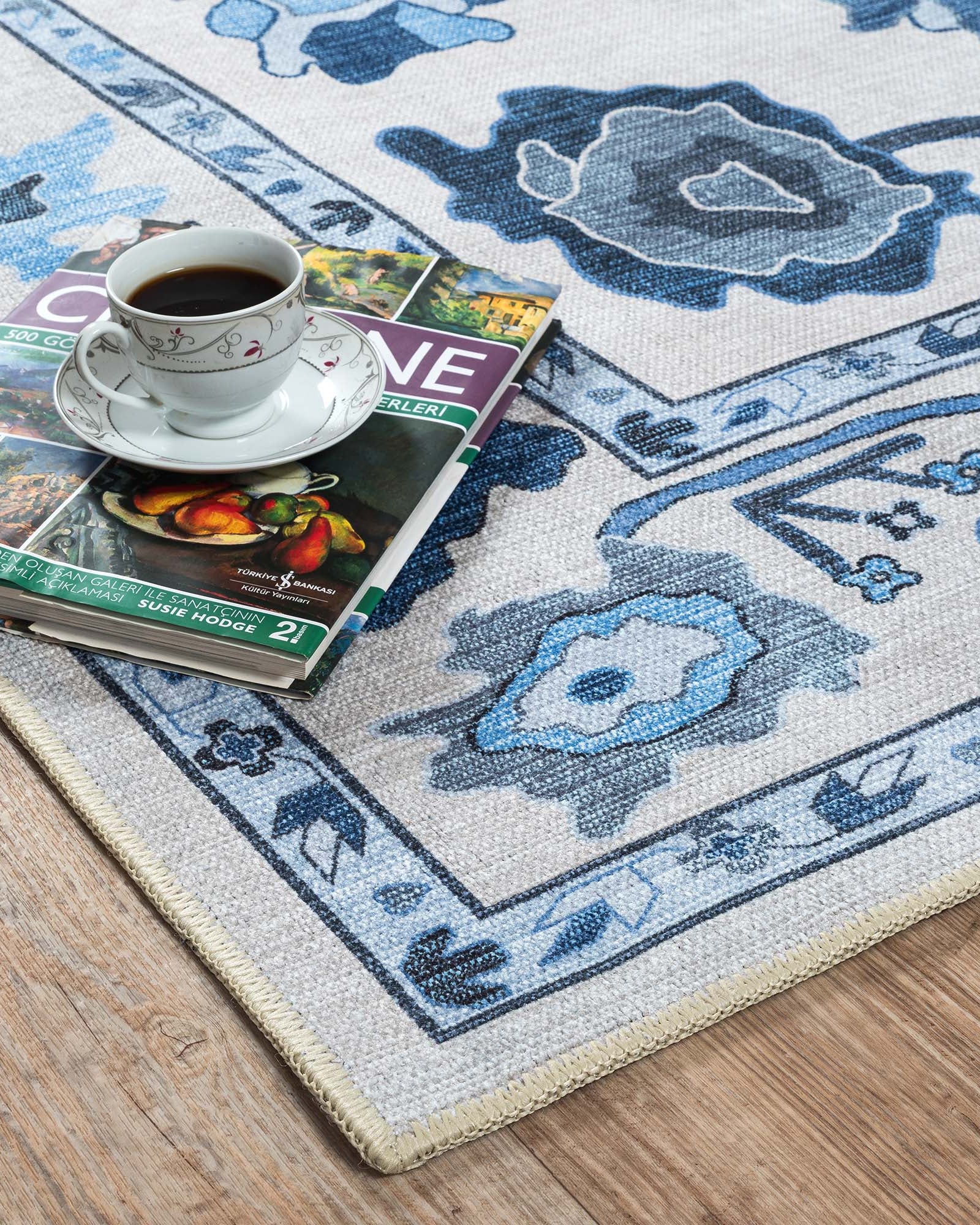
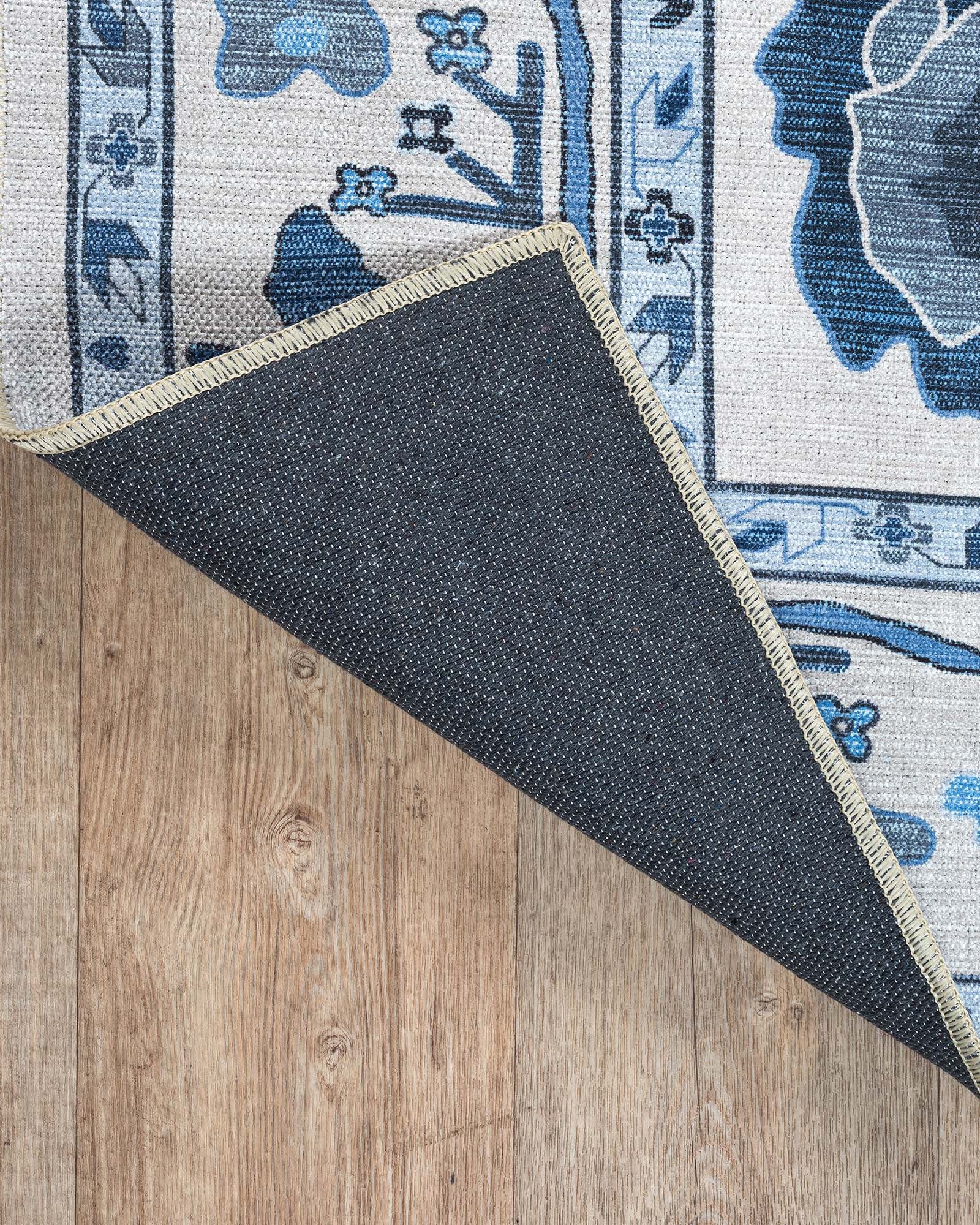
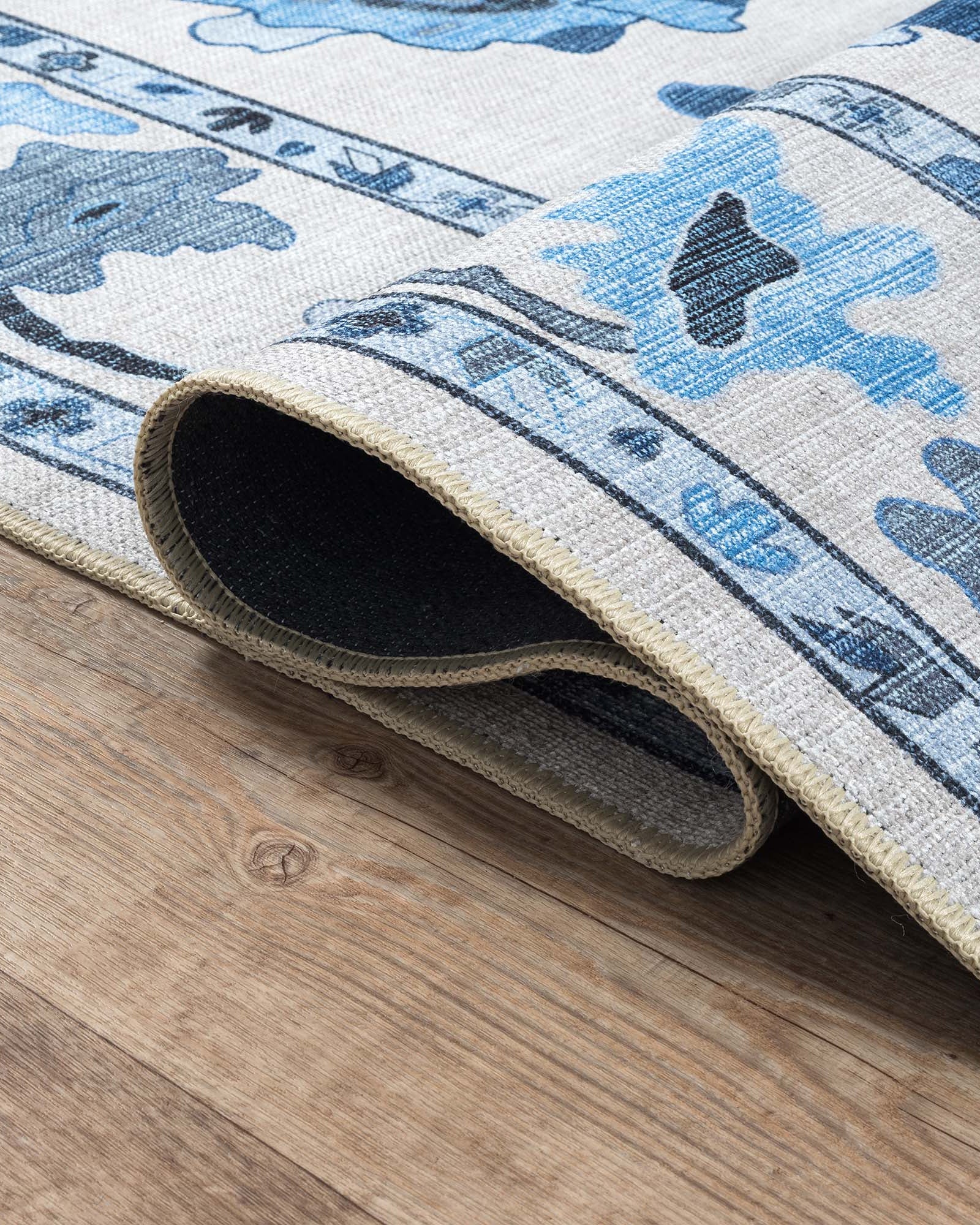
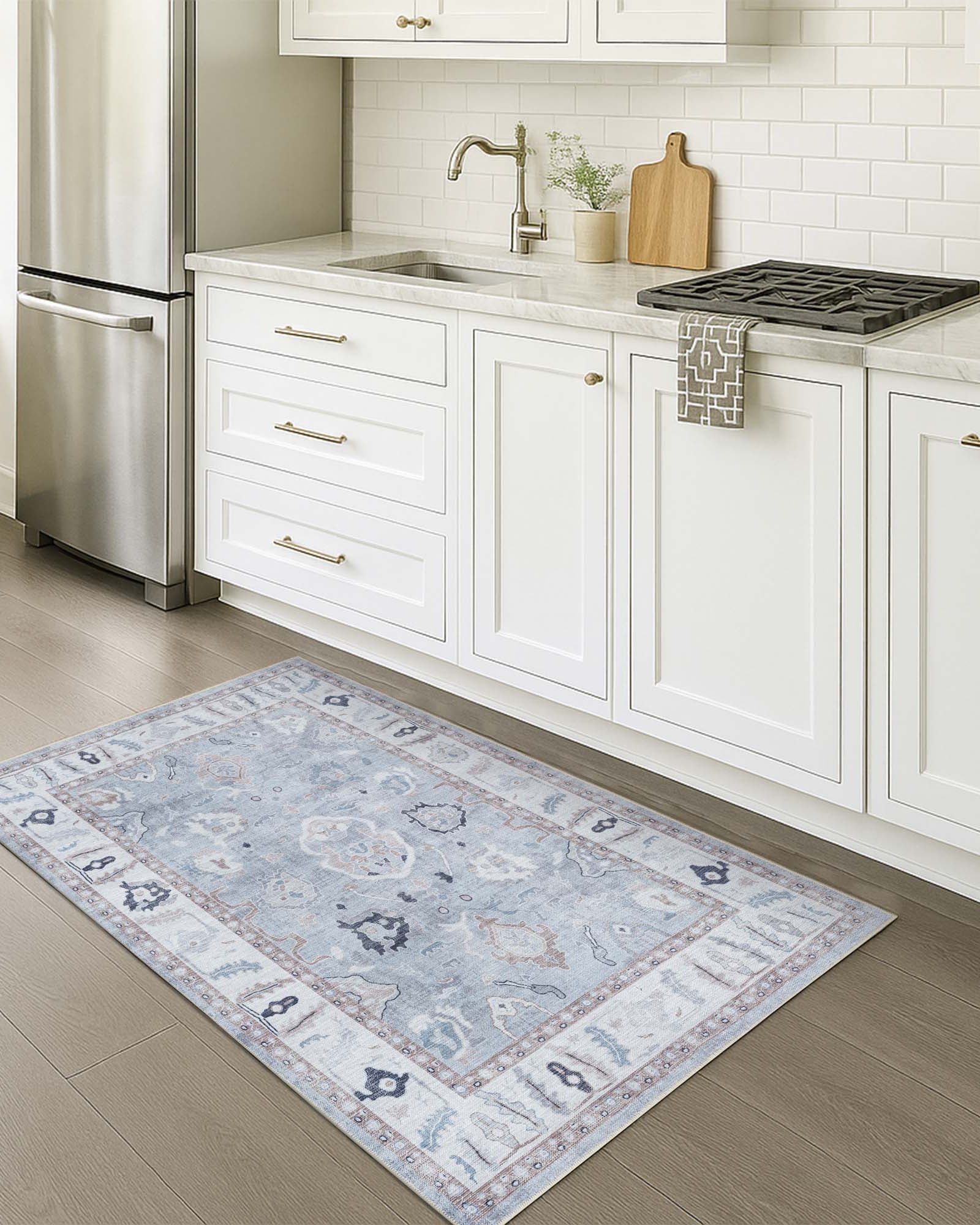
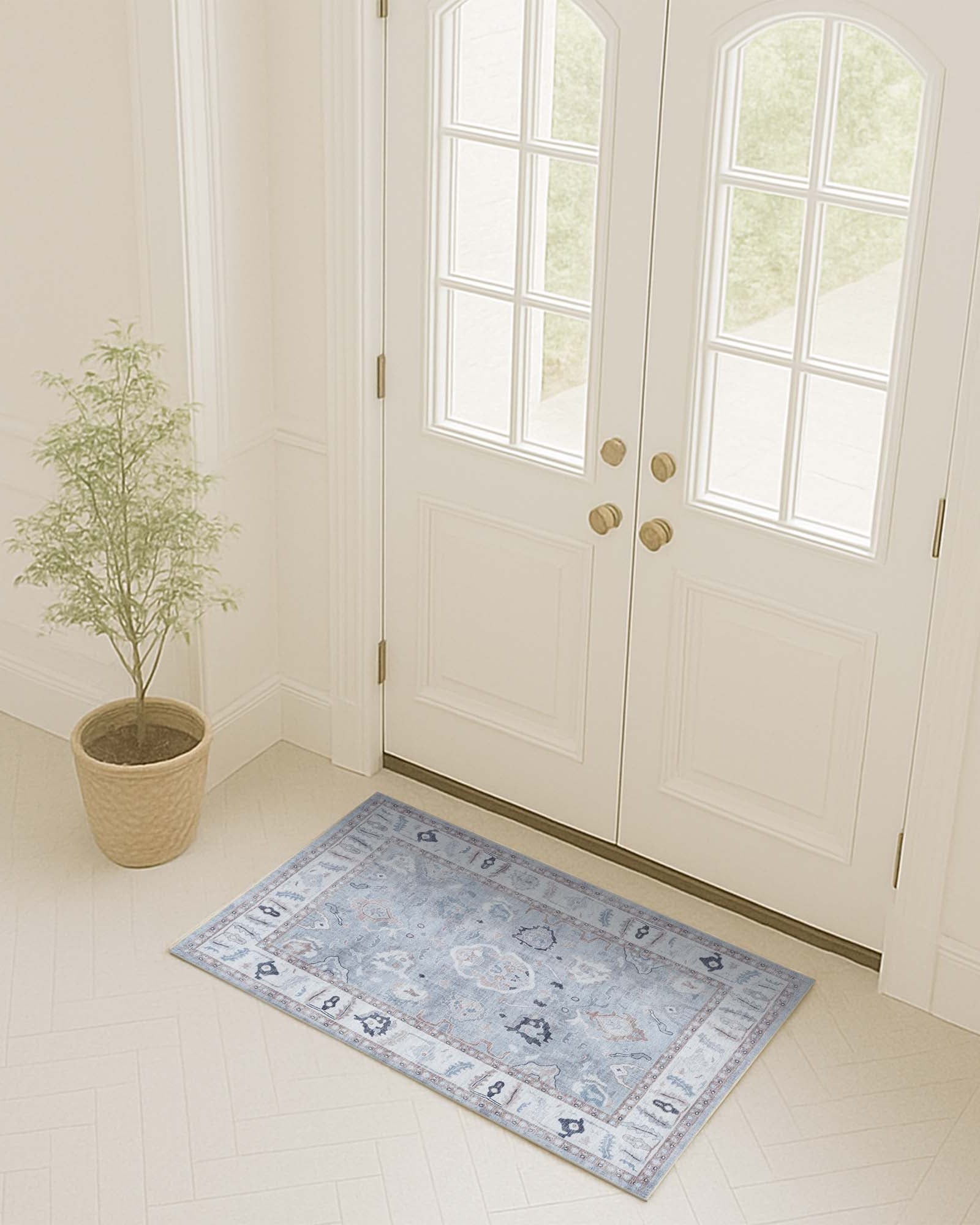
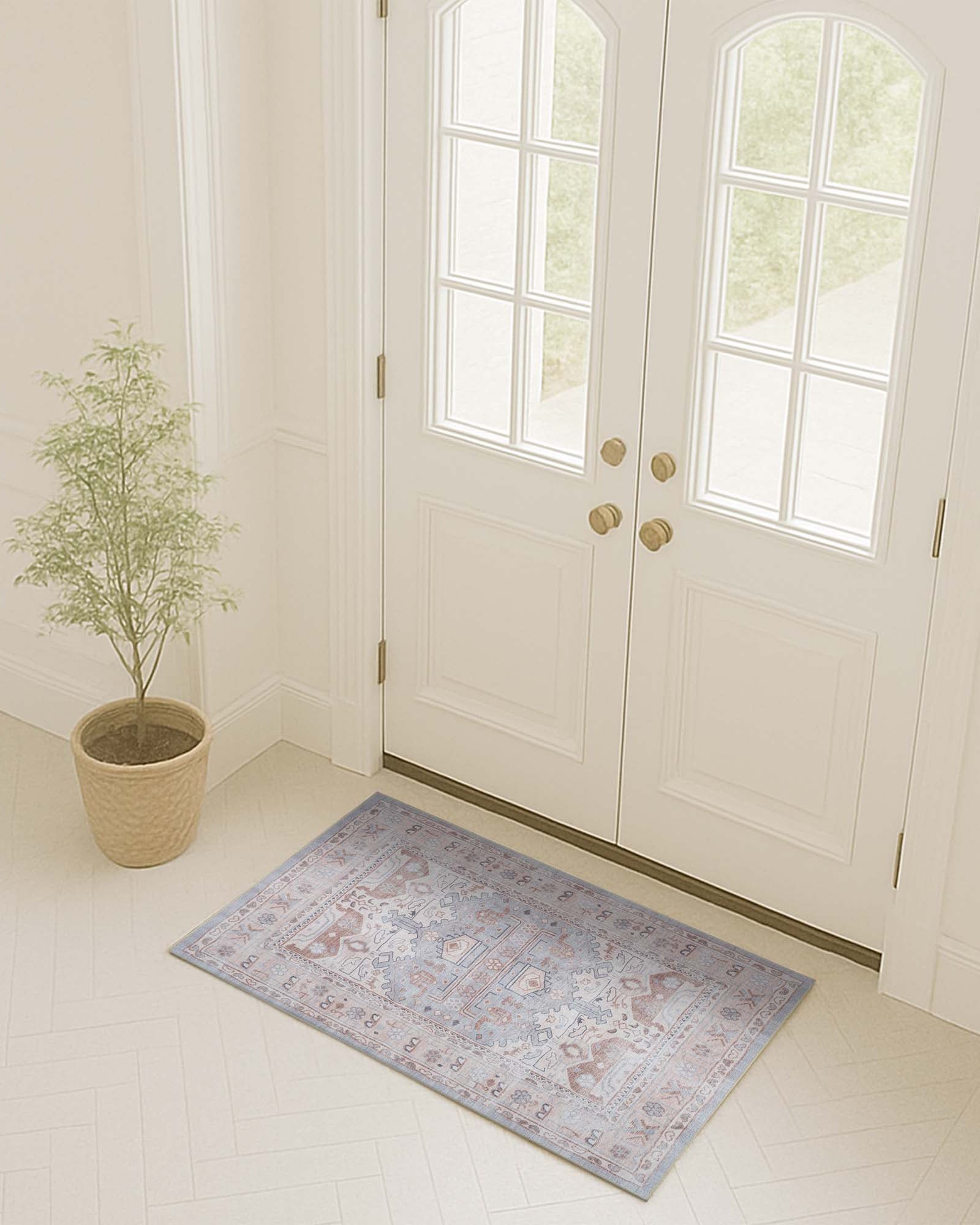
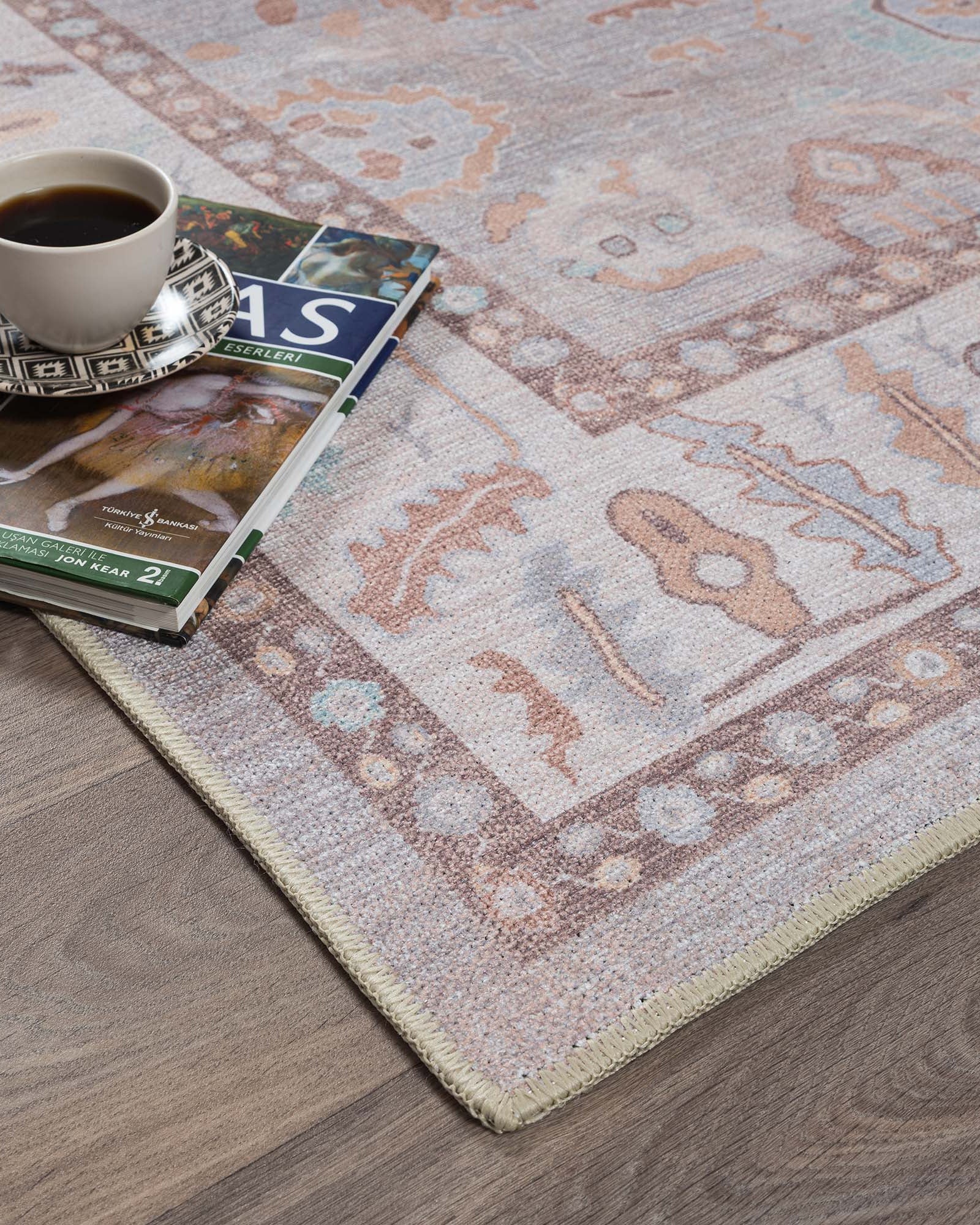
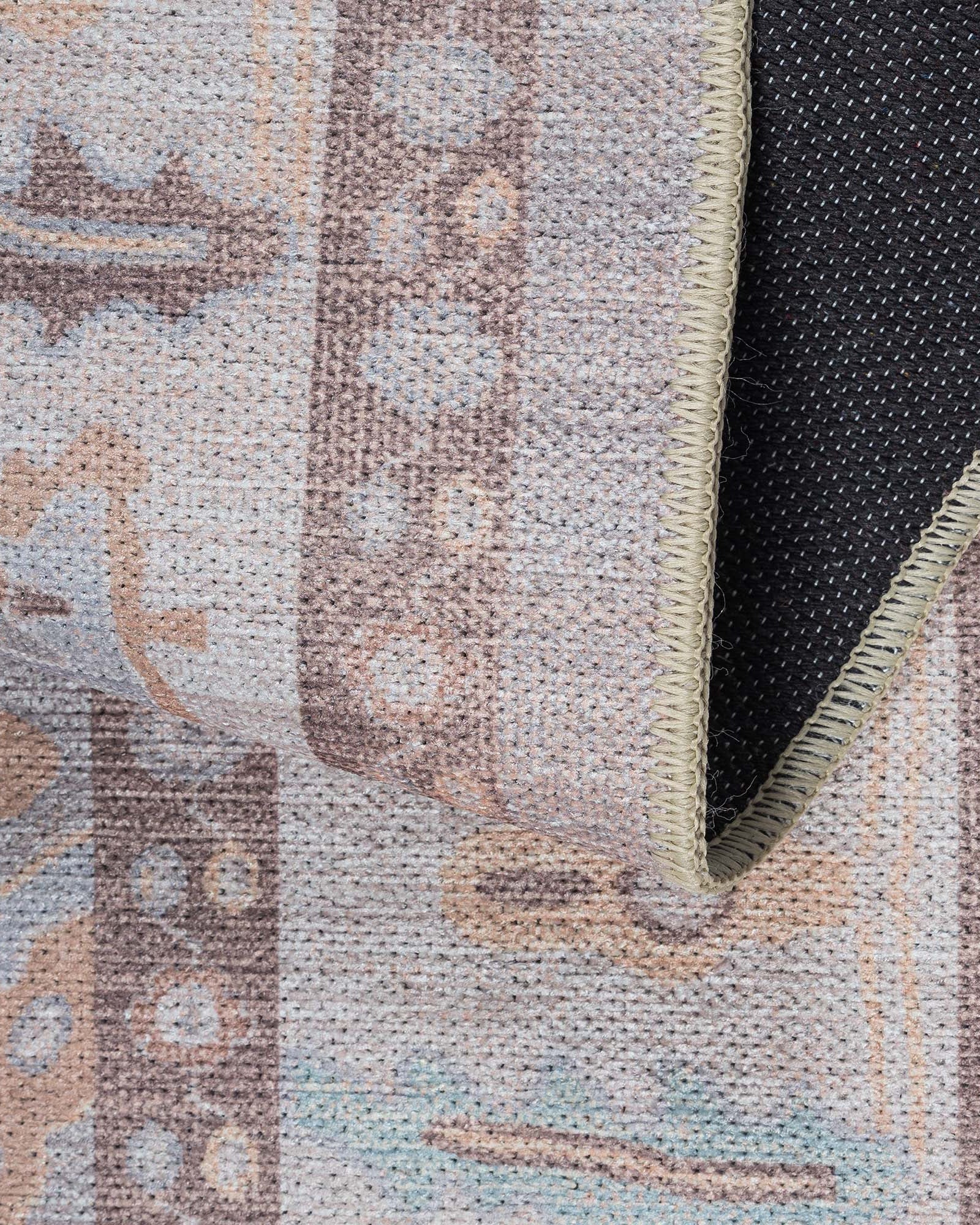
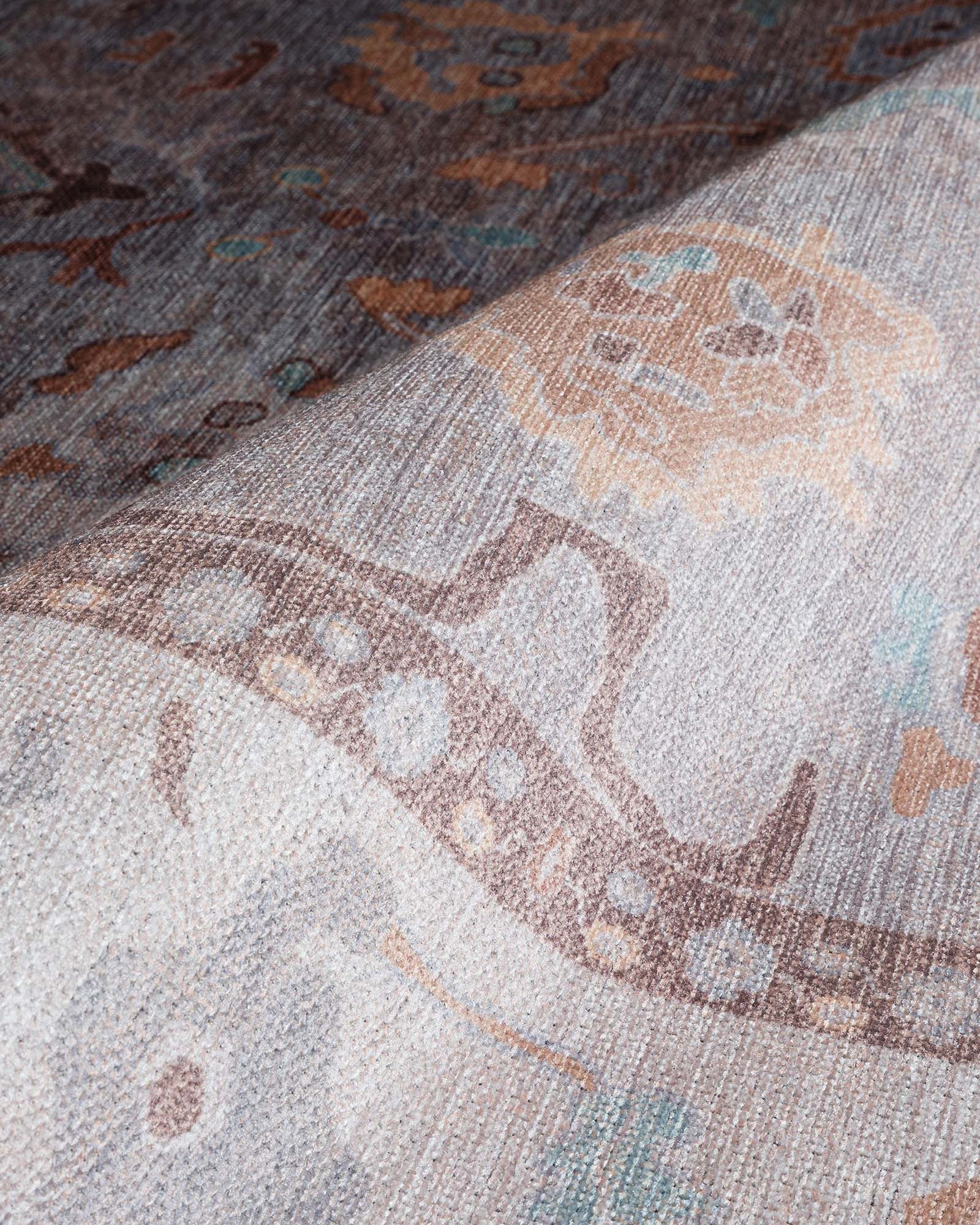
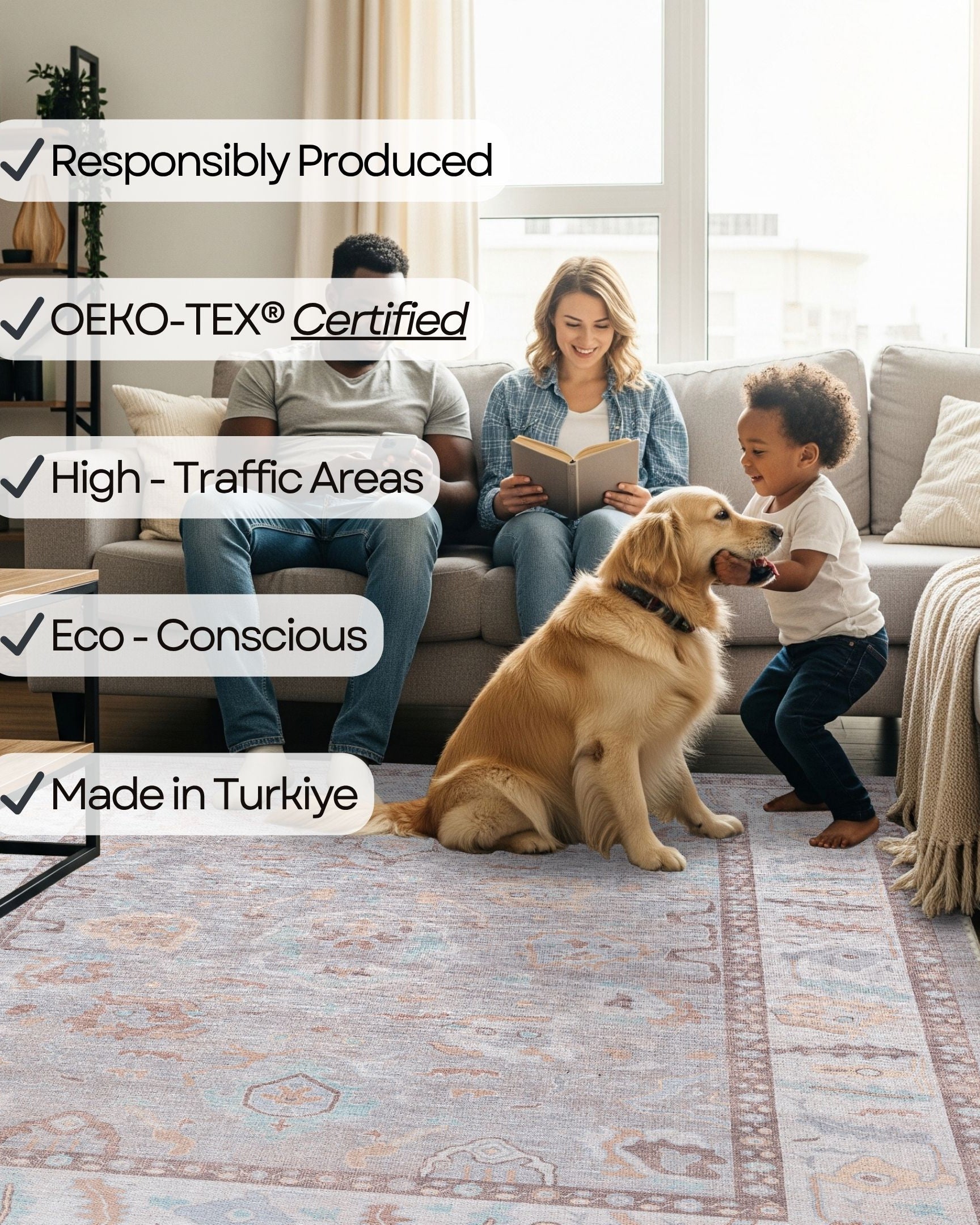
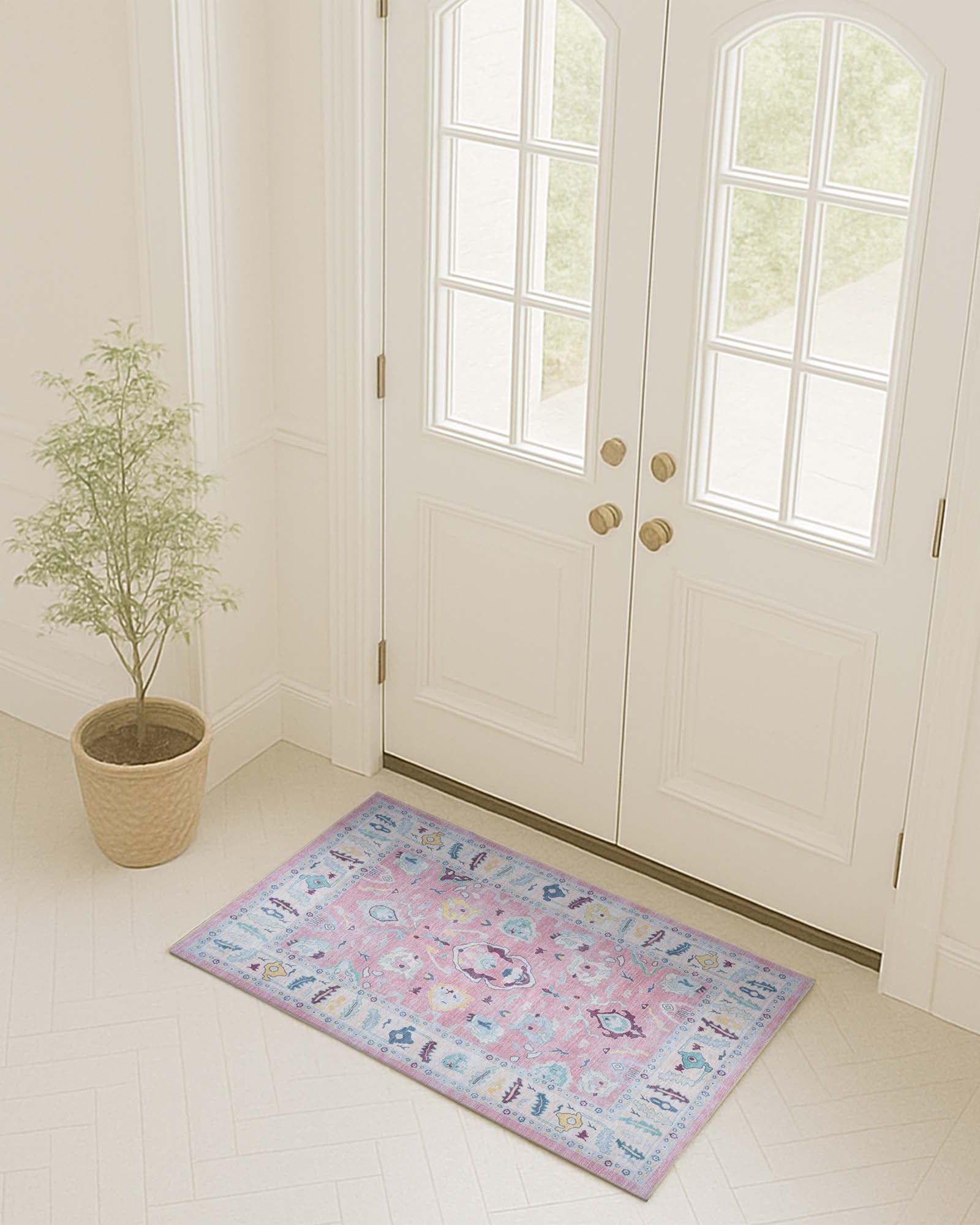
The entryway takes more abuse than almost any other spot in a home — dirt, moisture, dropped bags, constant foot traffic — and a flatweave handles that combination better than most rug types. No pile means nothing to trap grit near the door, no thickness to catch on a swinging door, and a structure light enough to lift and shake out when it needs a real clean. This page gathers flatweaves suited specifically to that job.
Why Flatweave Works So Well at a Door
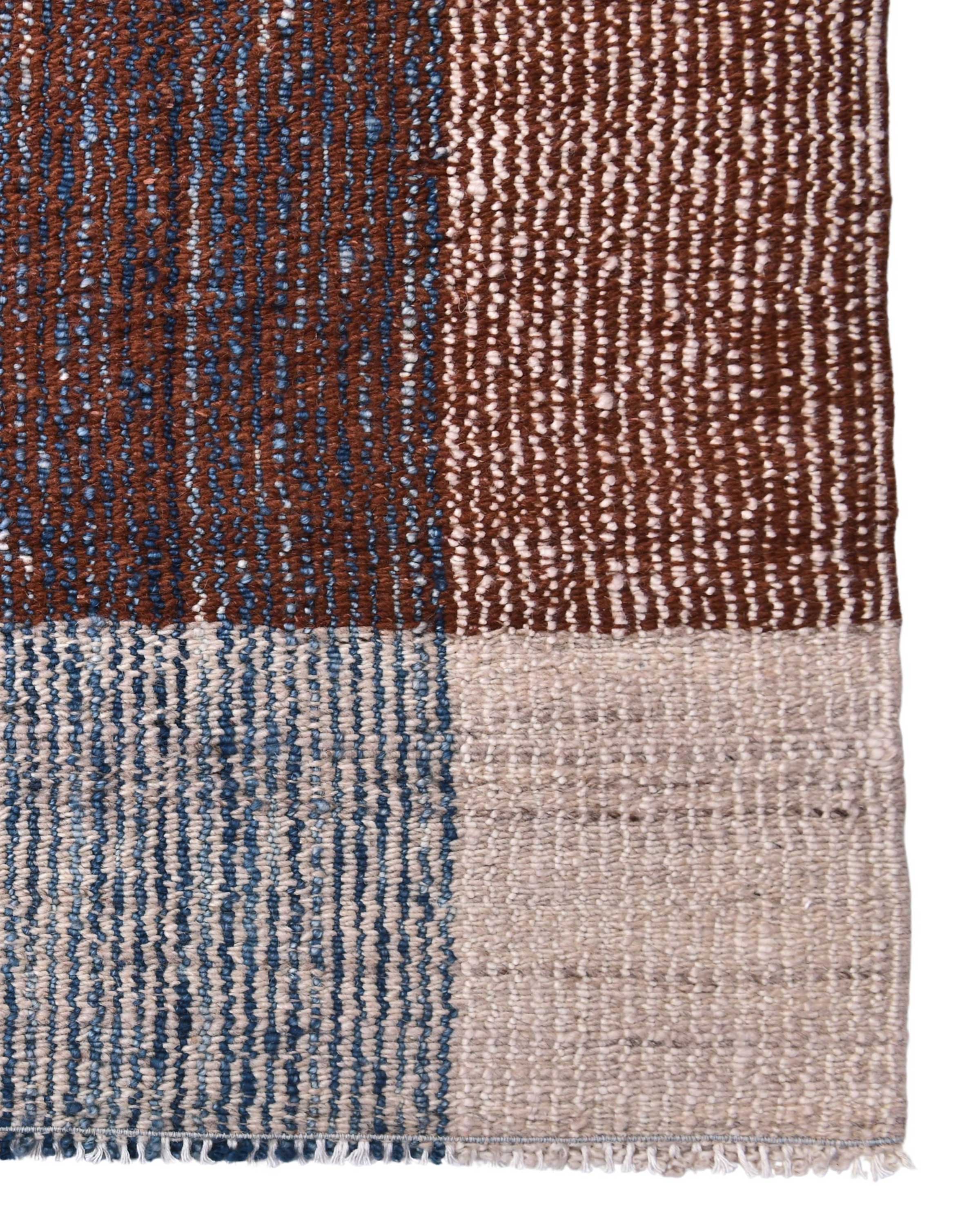
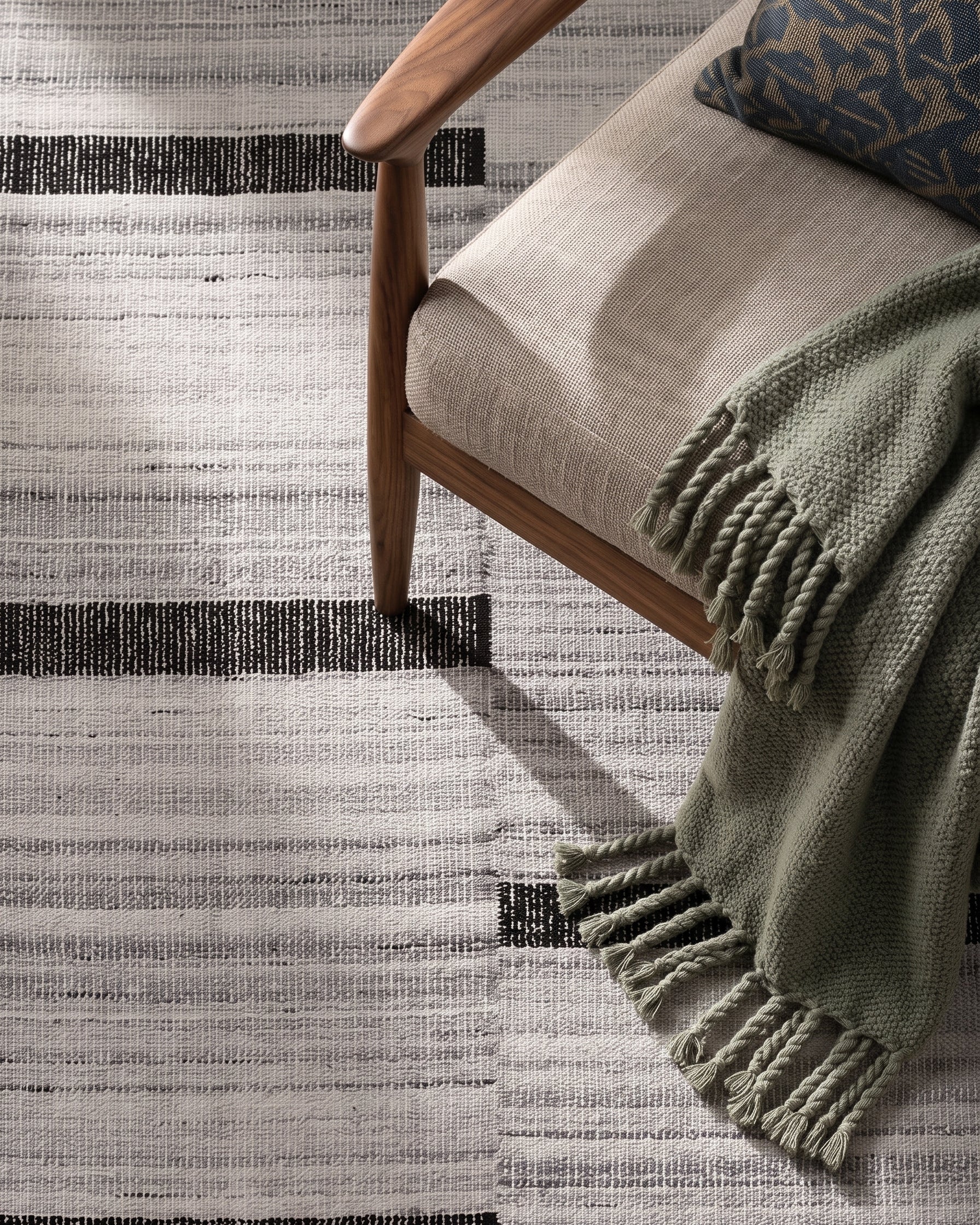
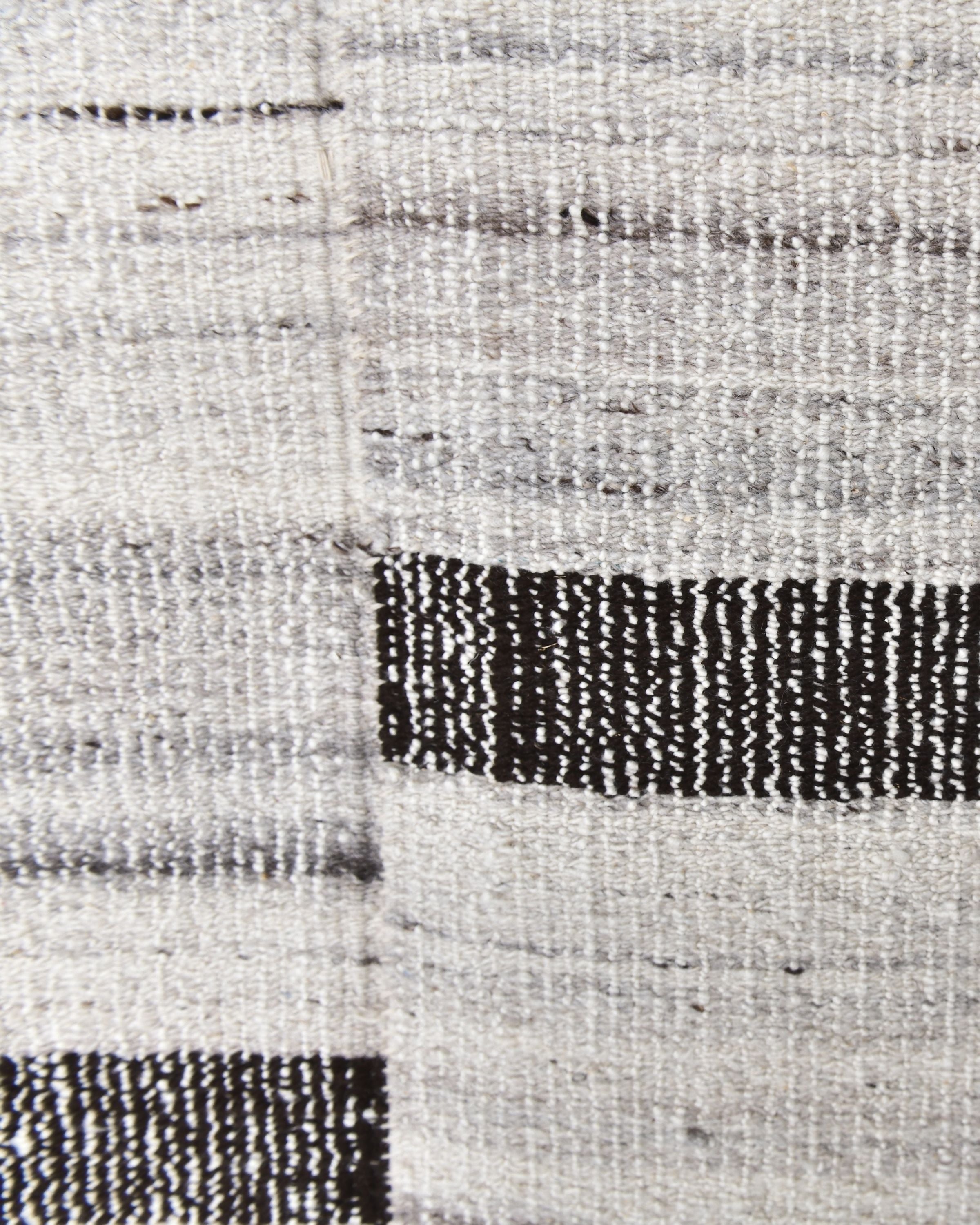
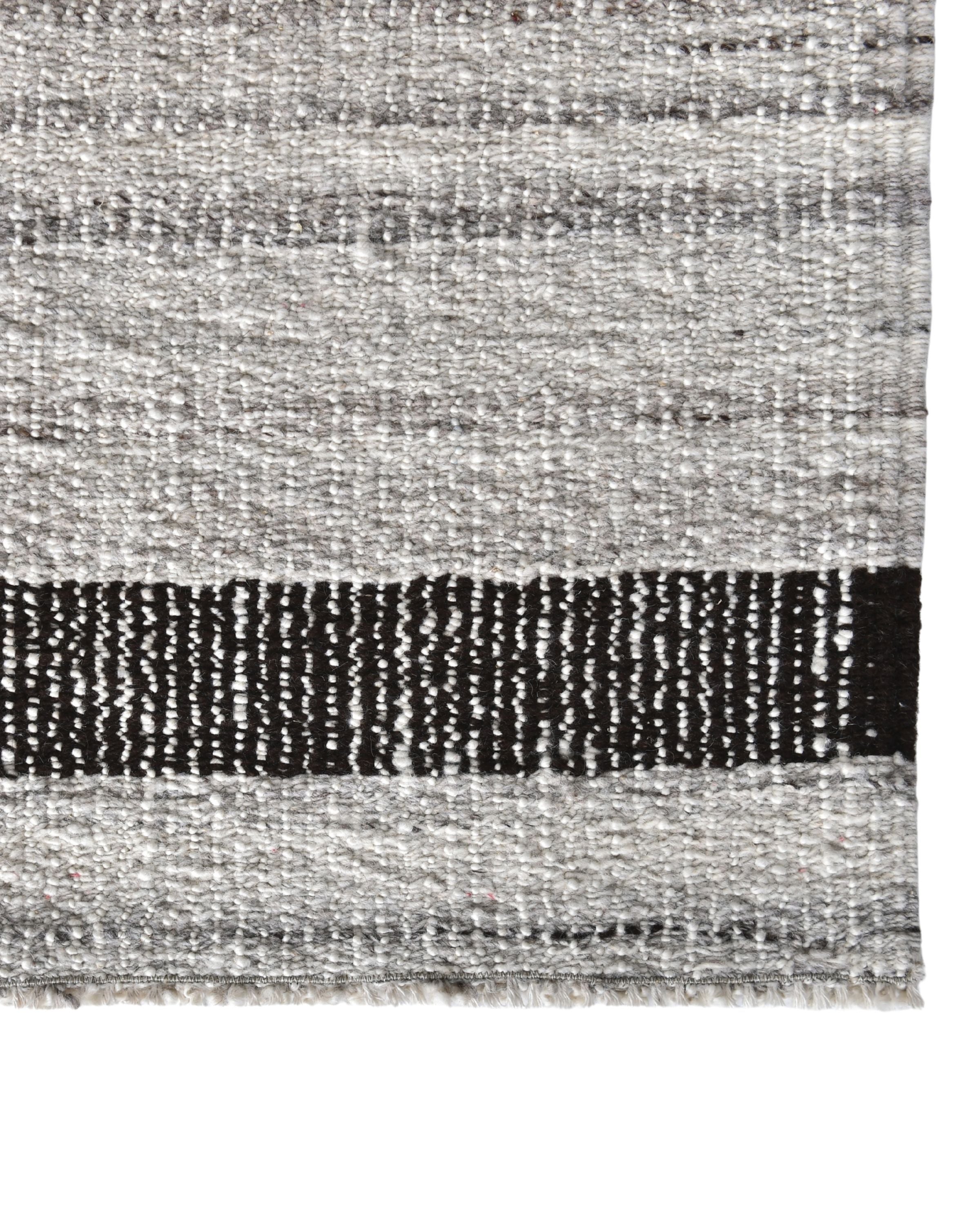
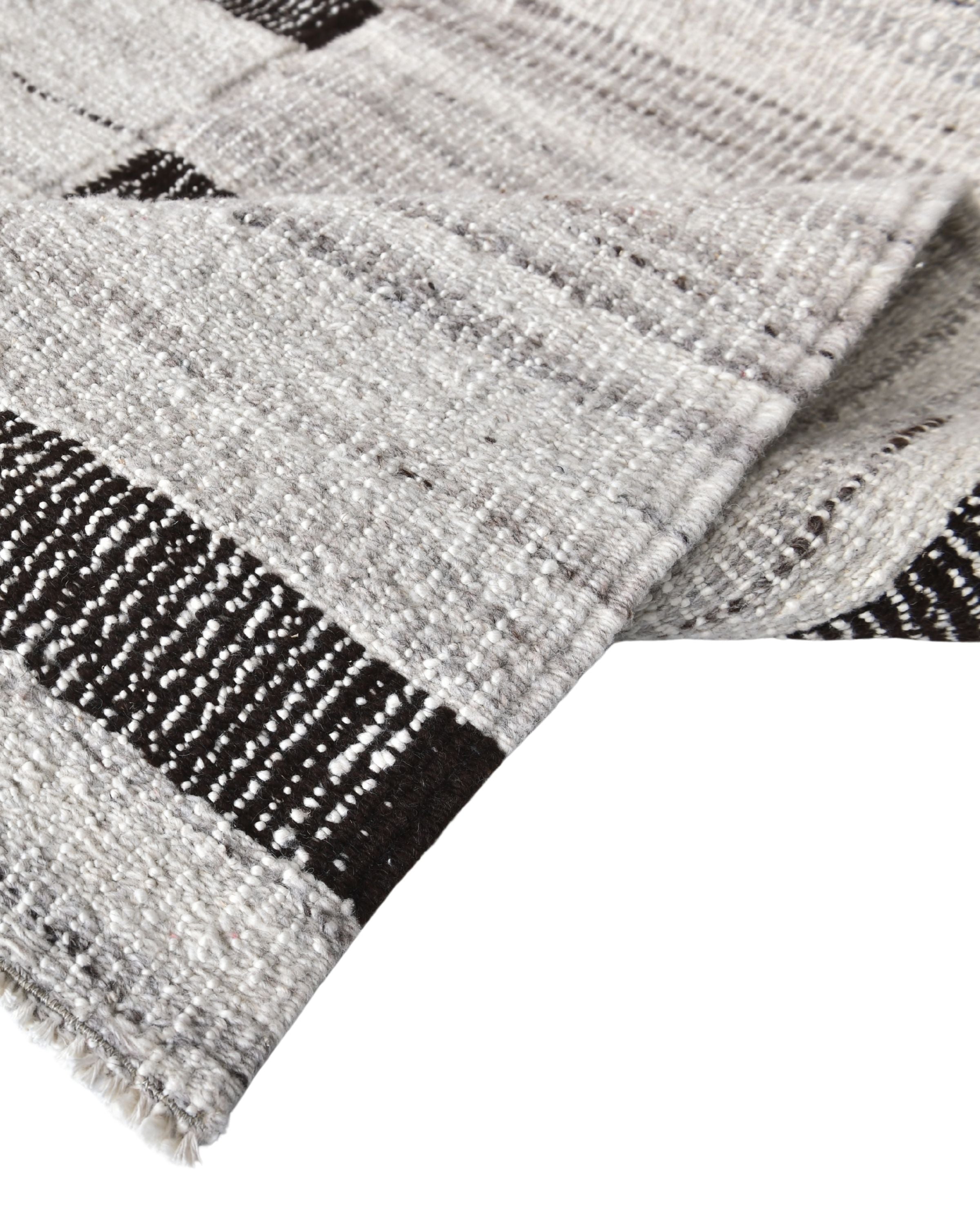
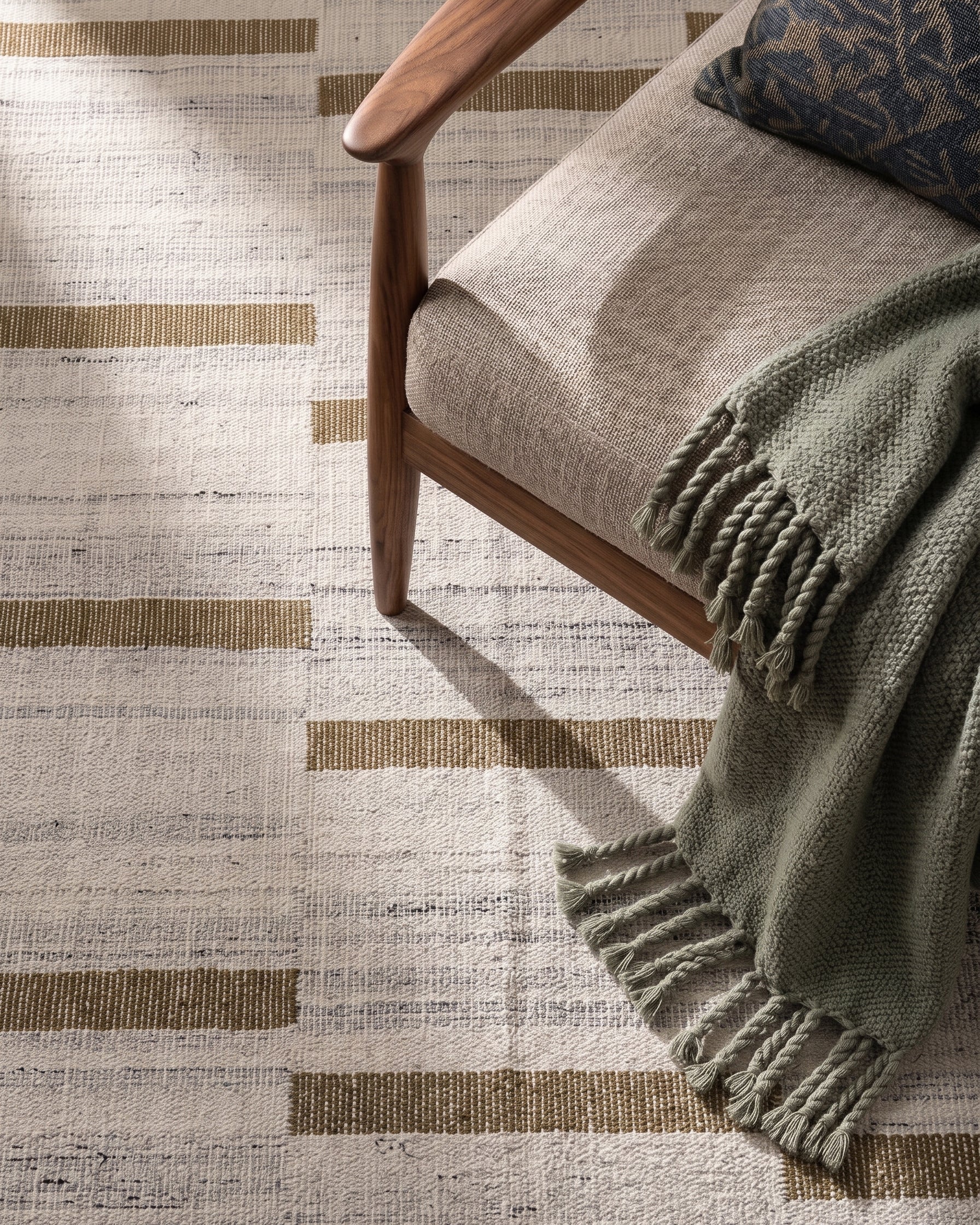
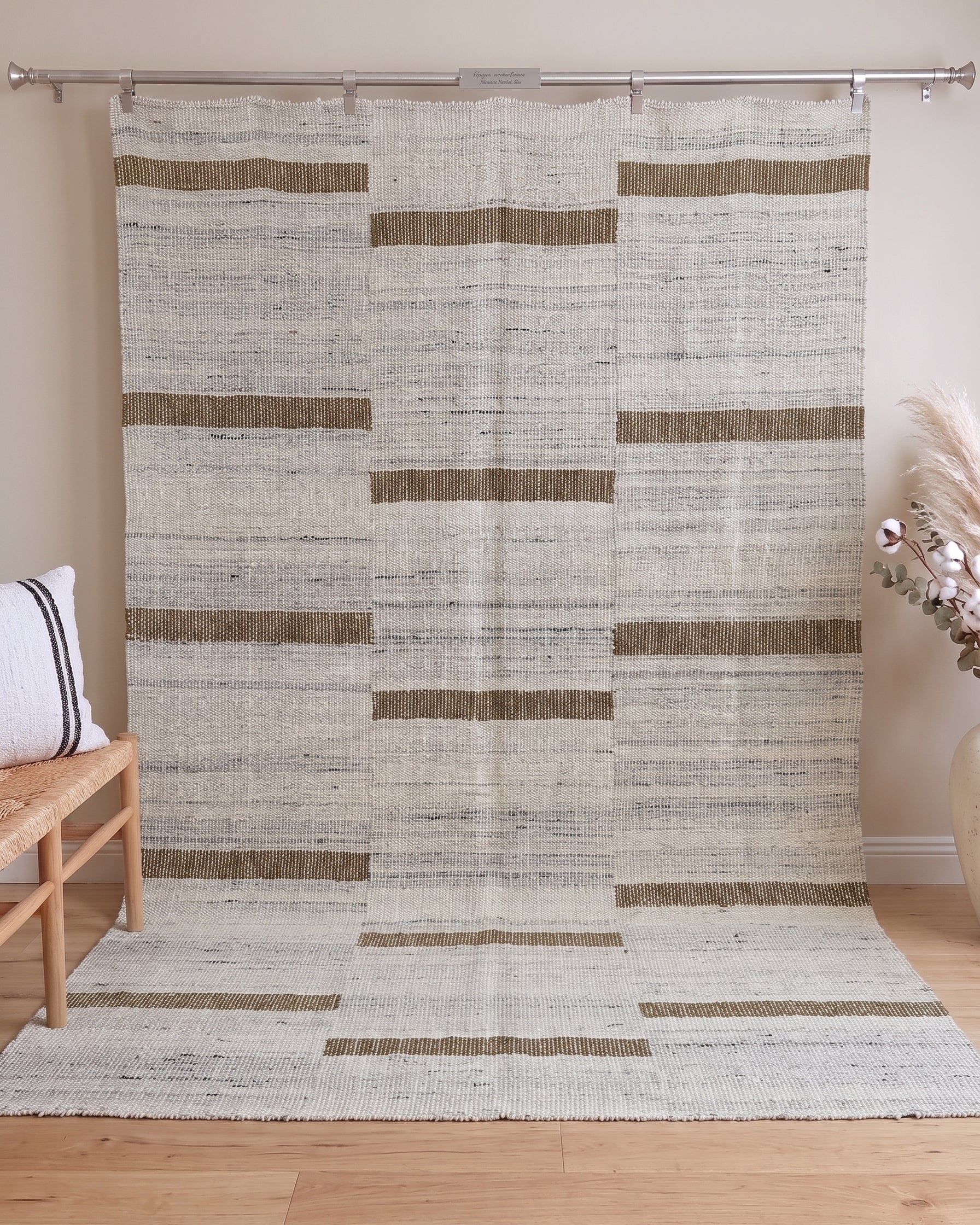
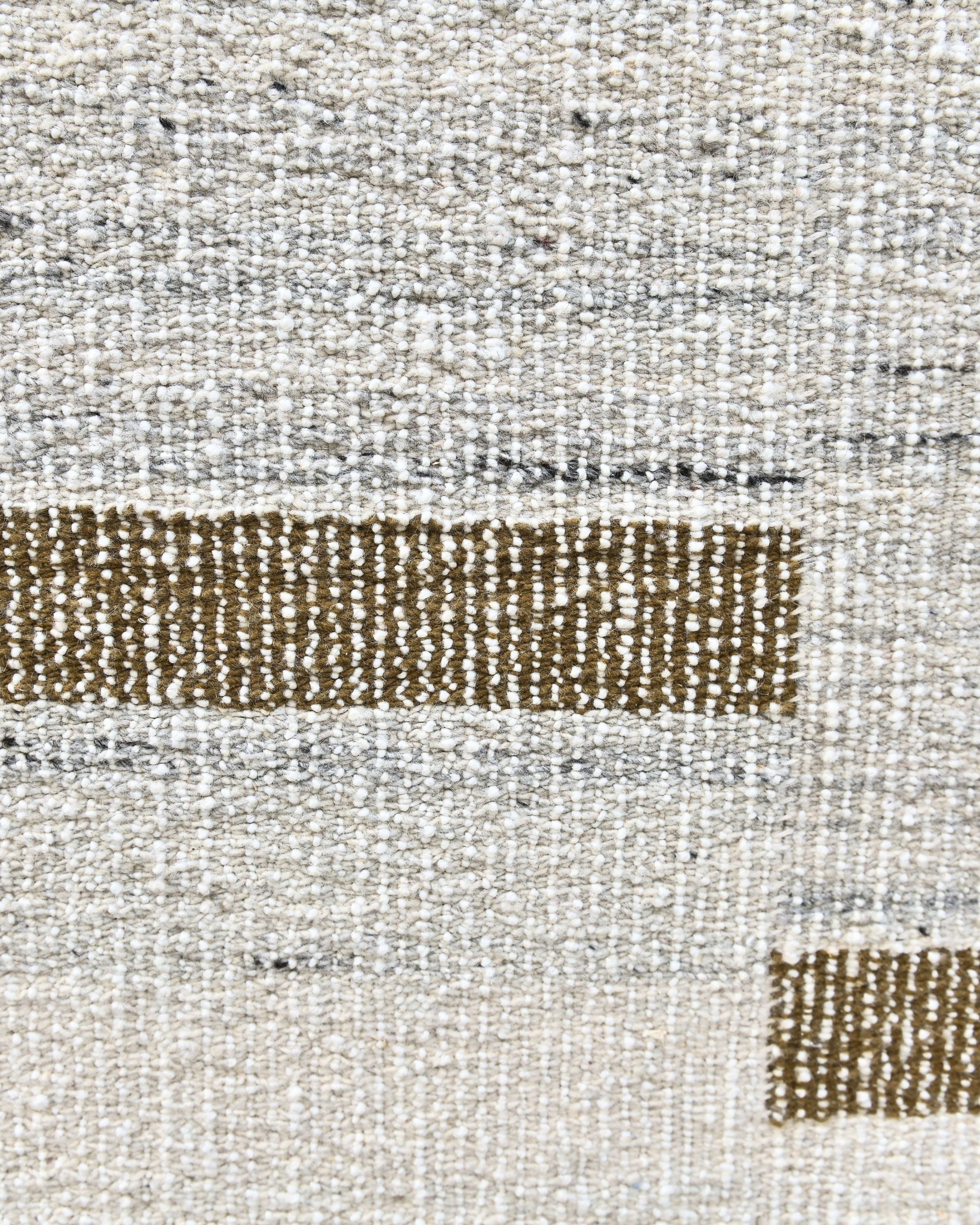
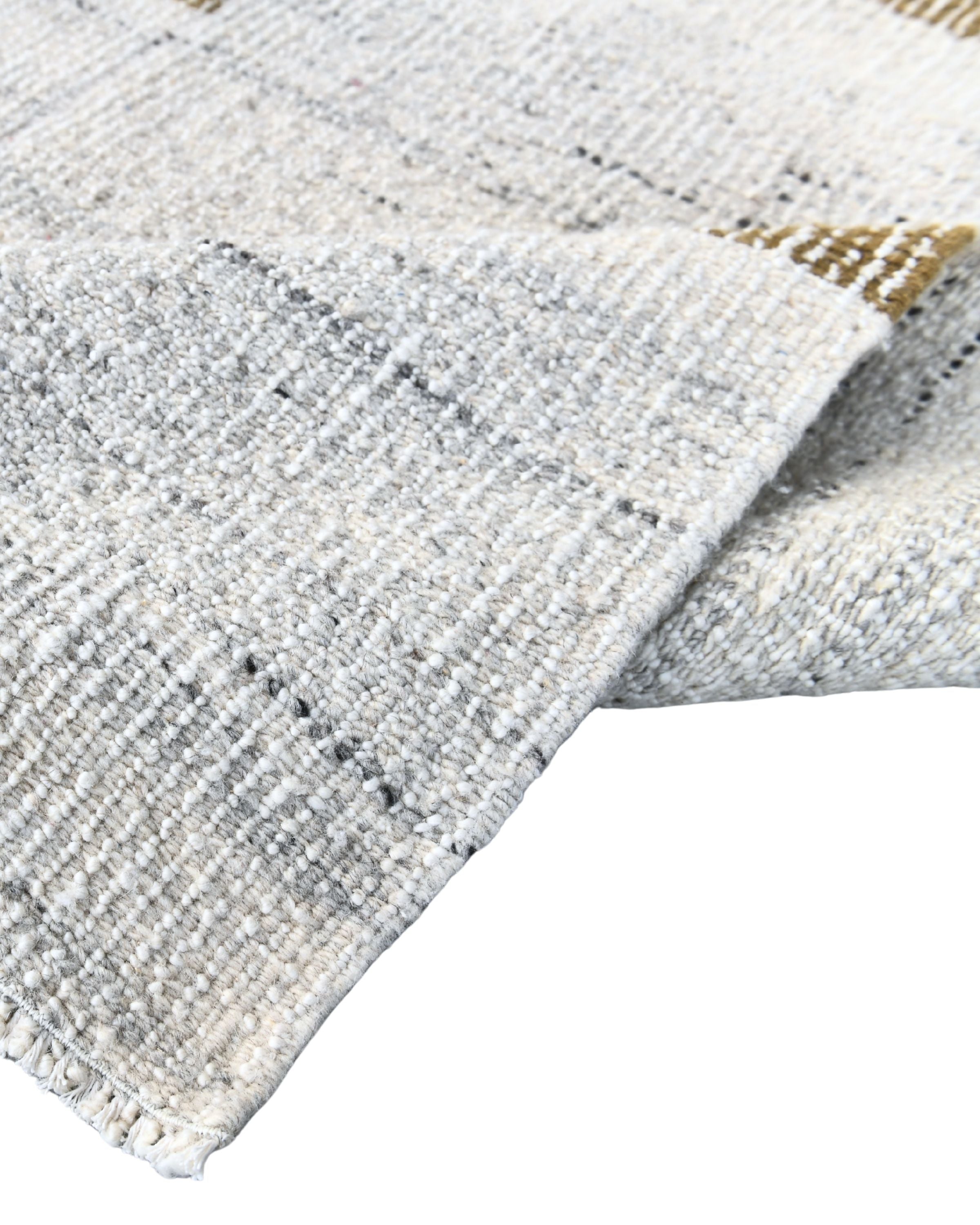
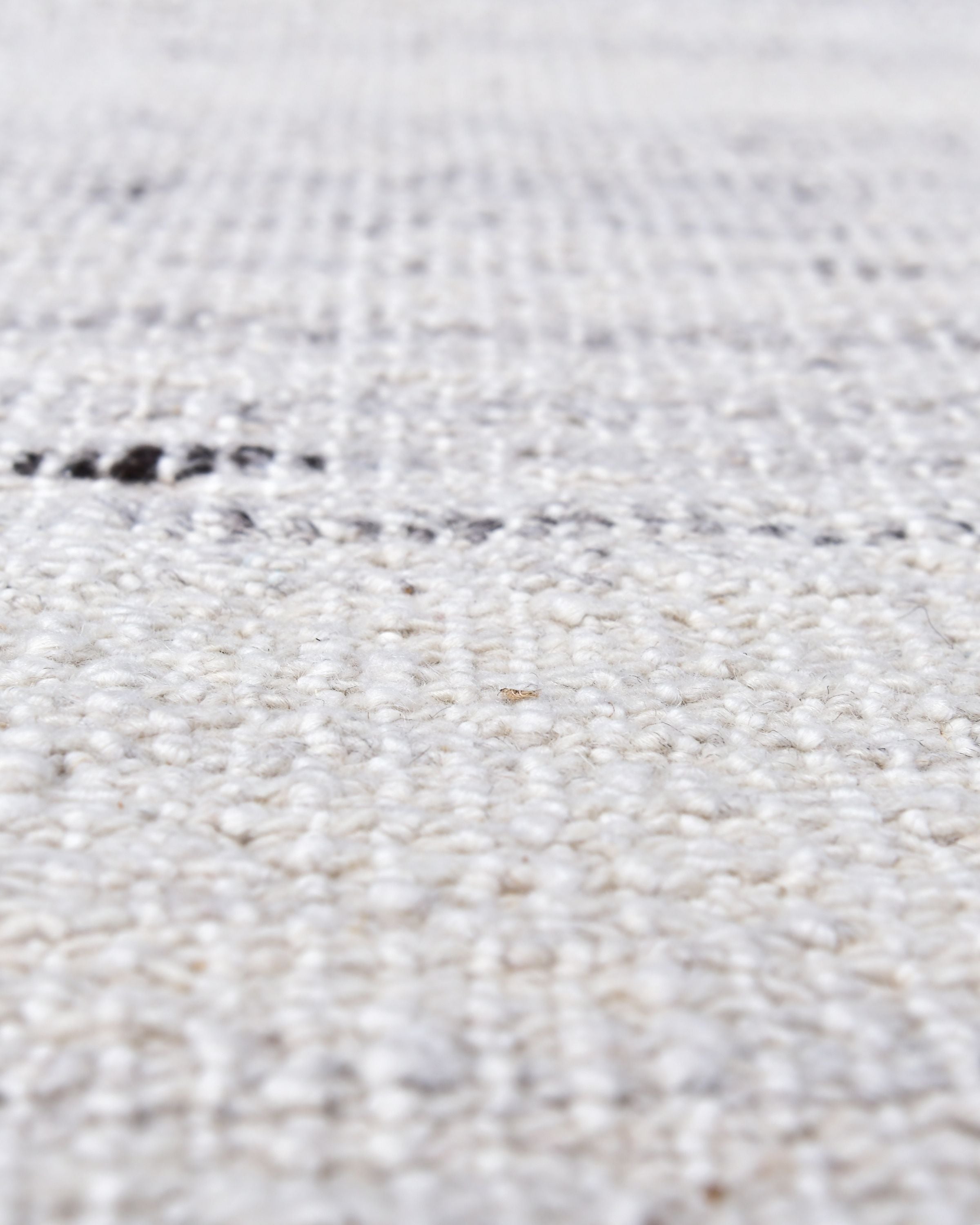
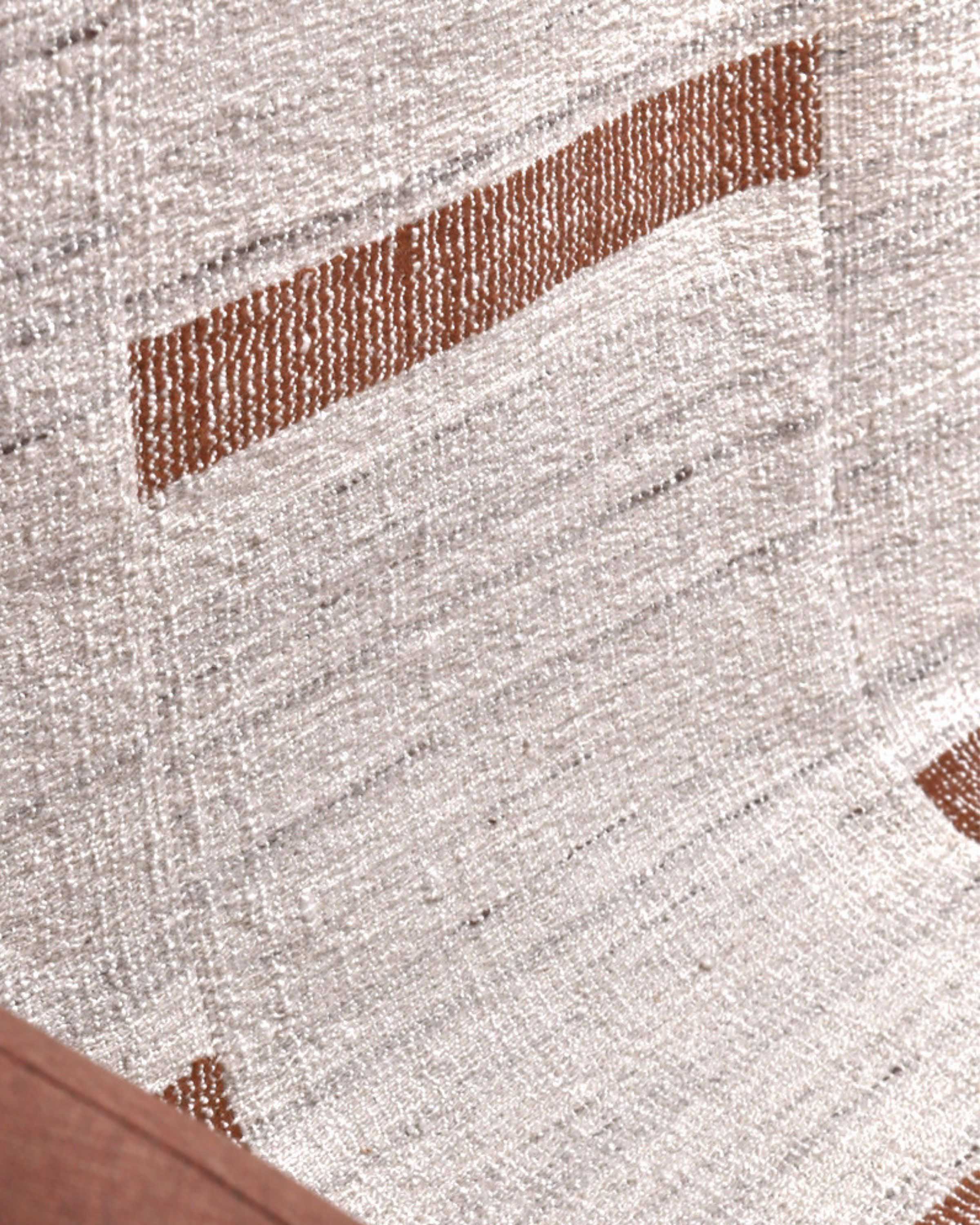
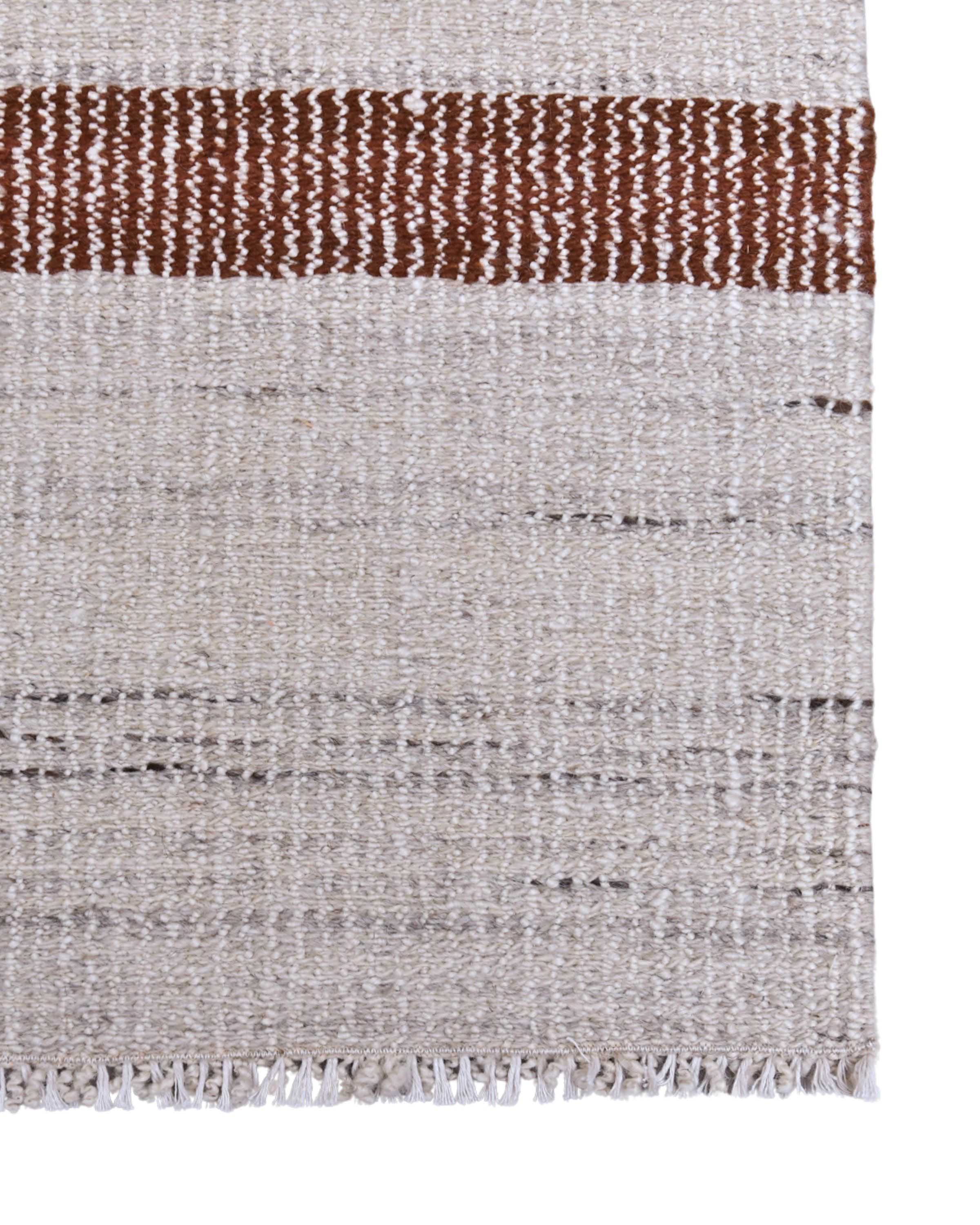
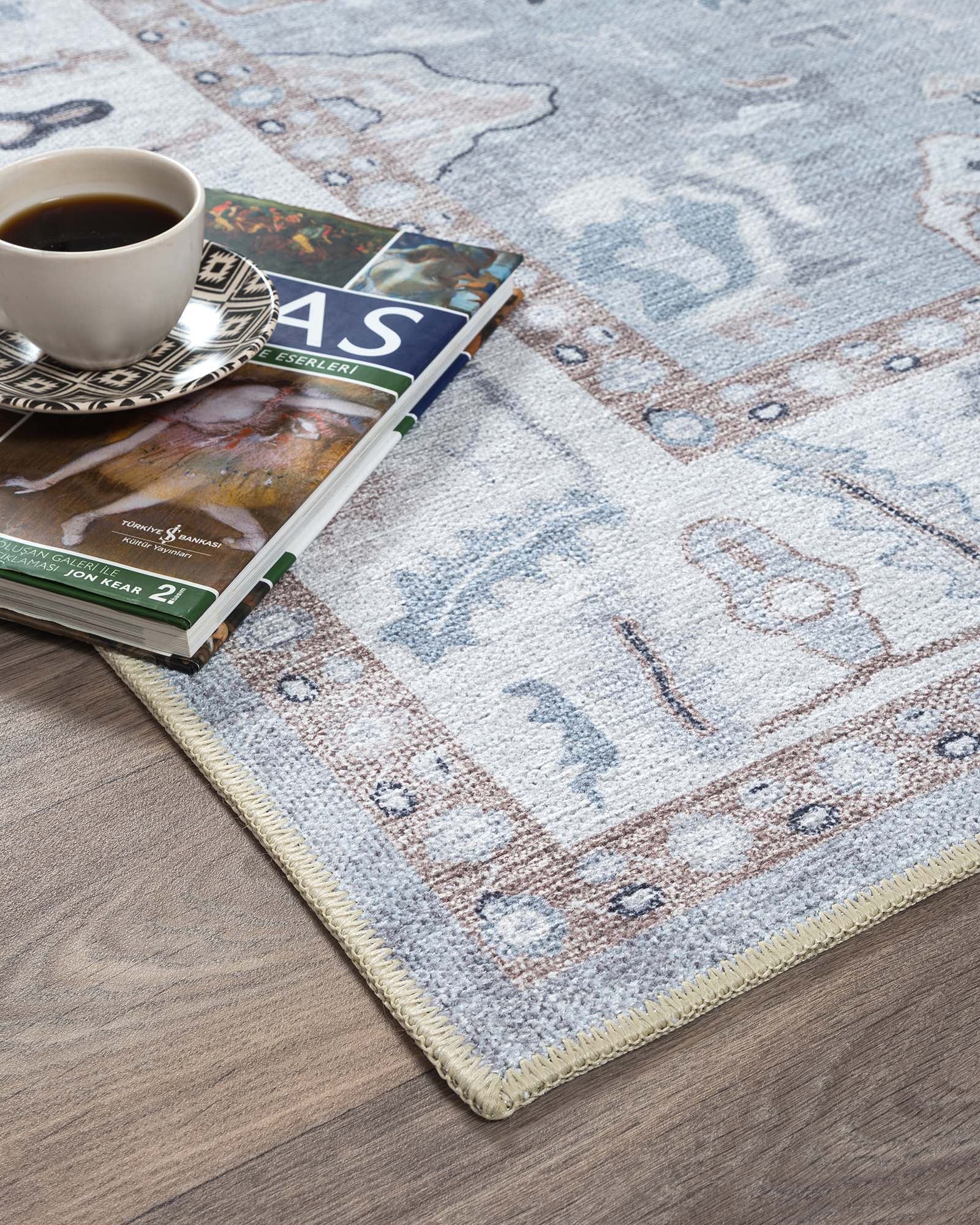
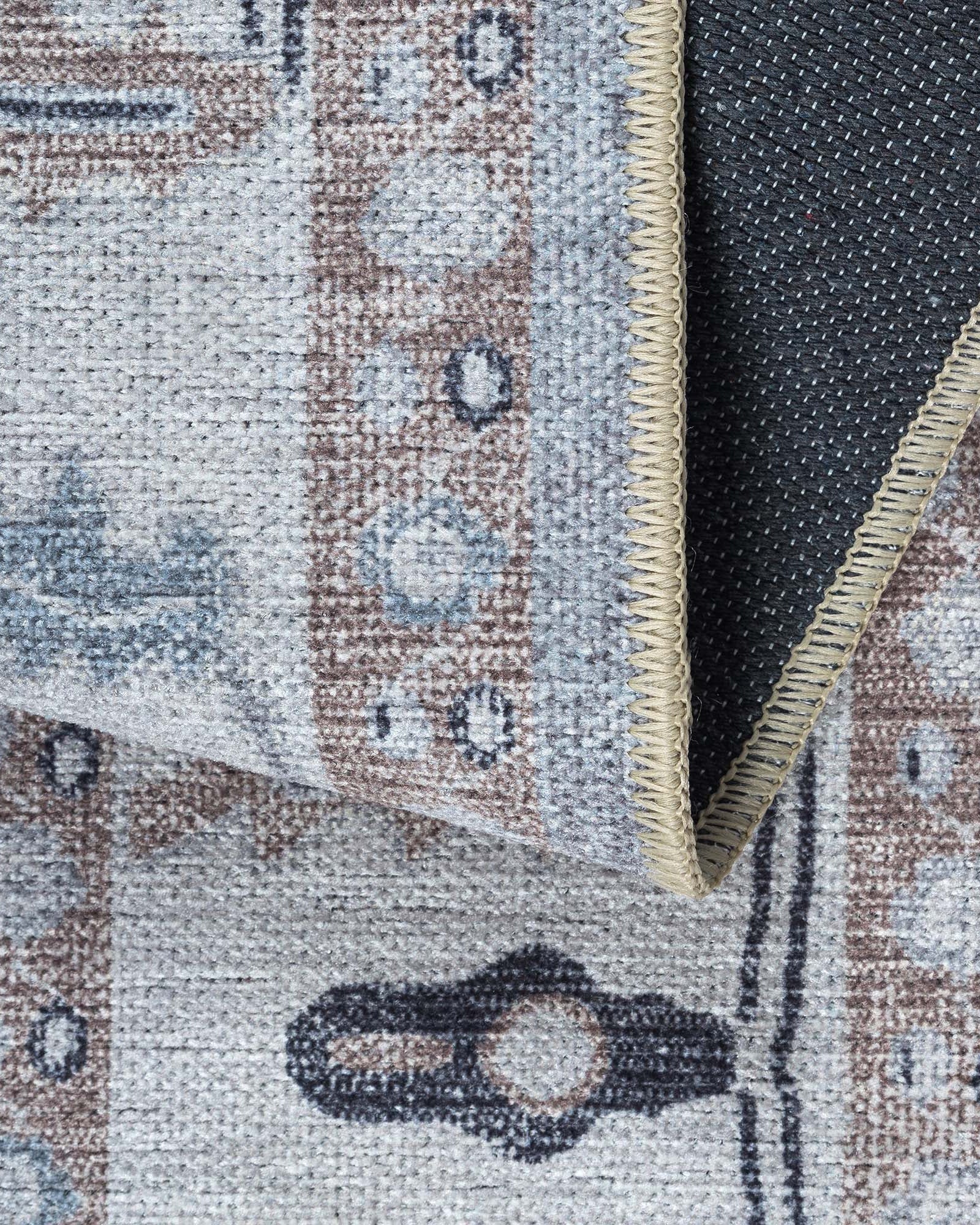
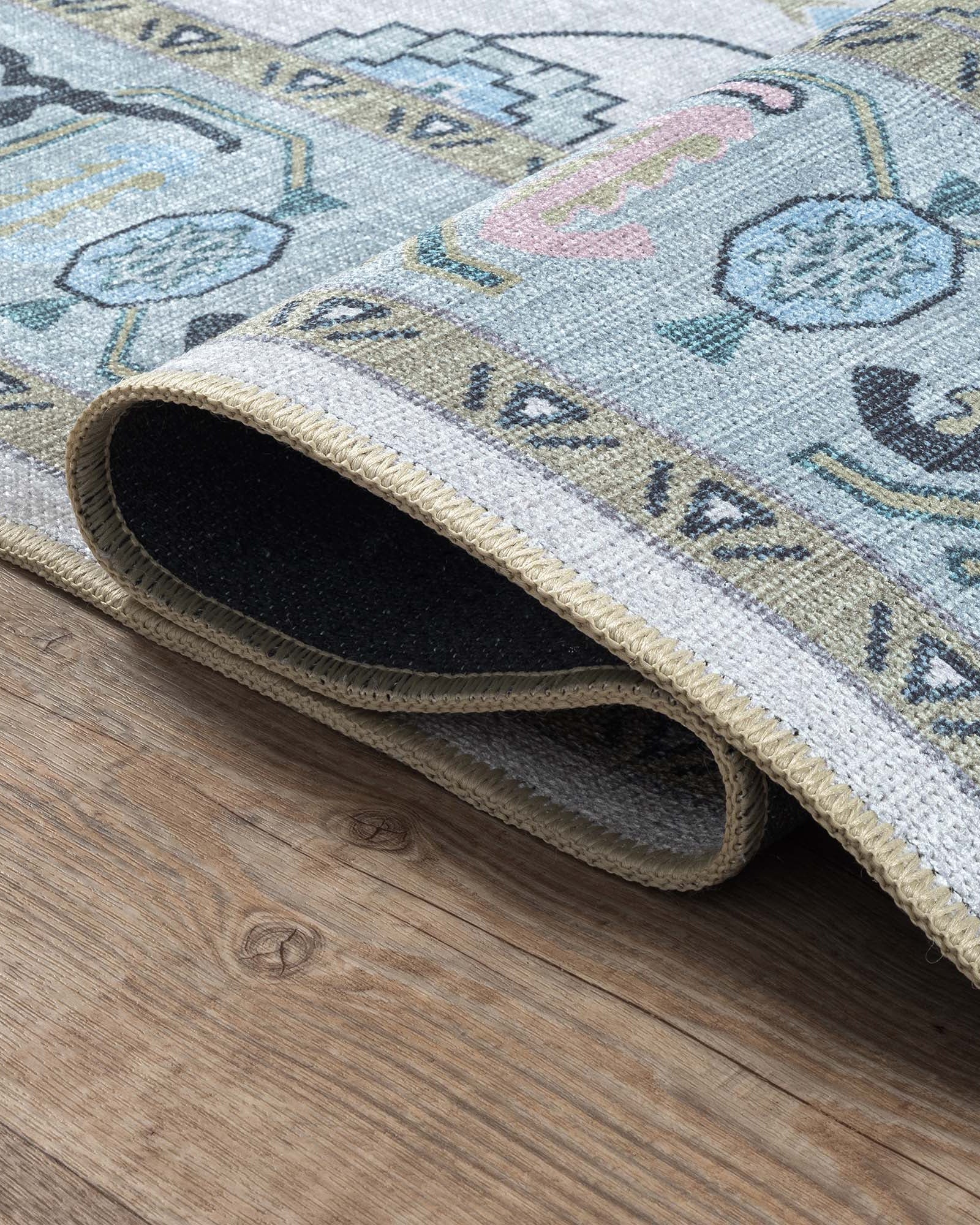
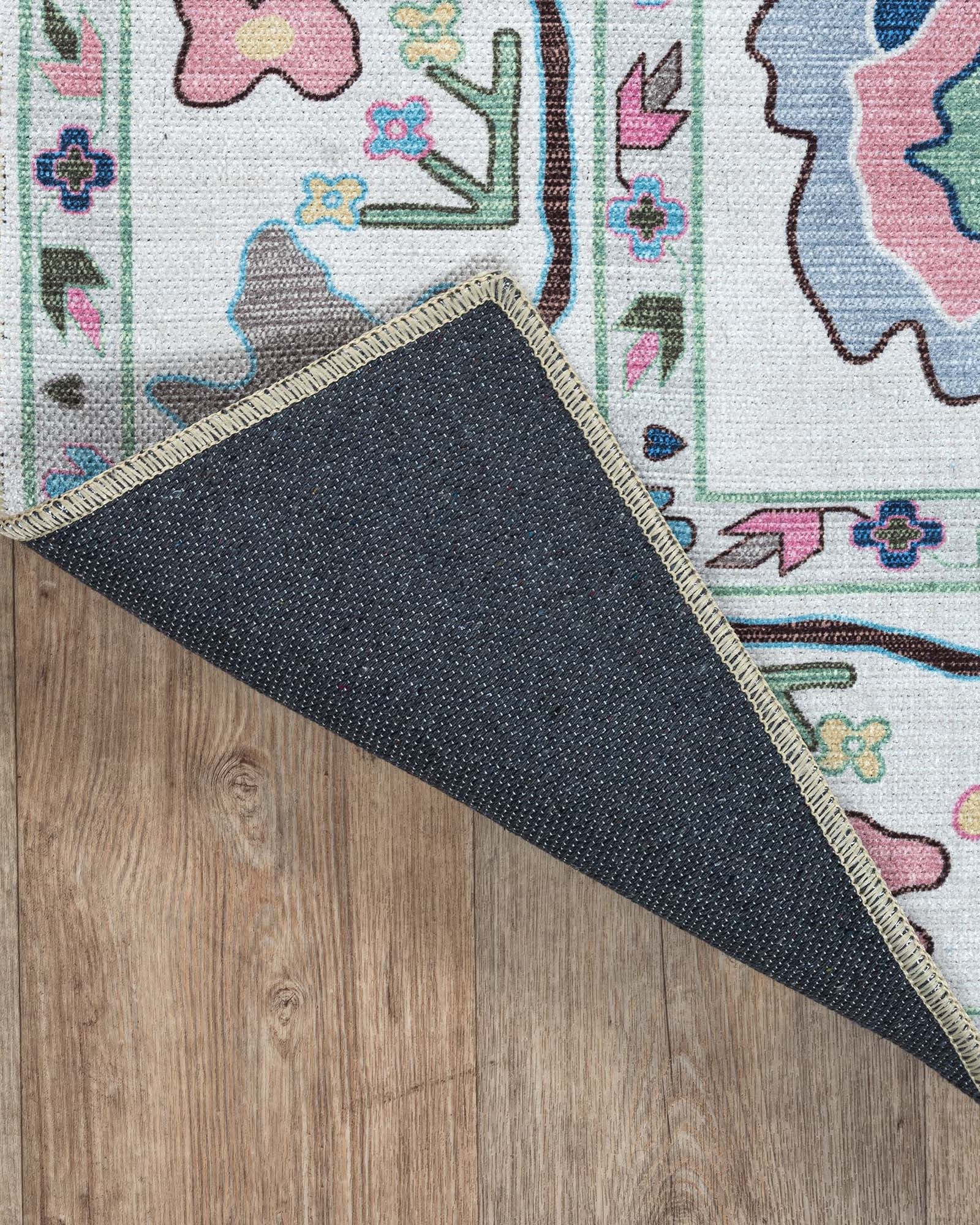
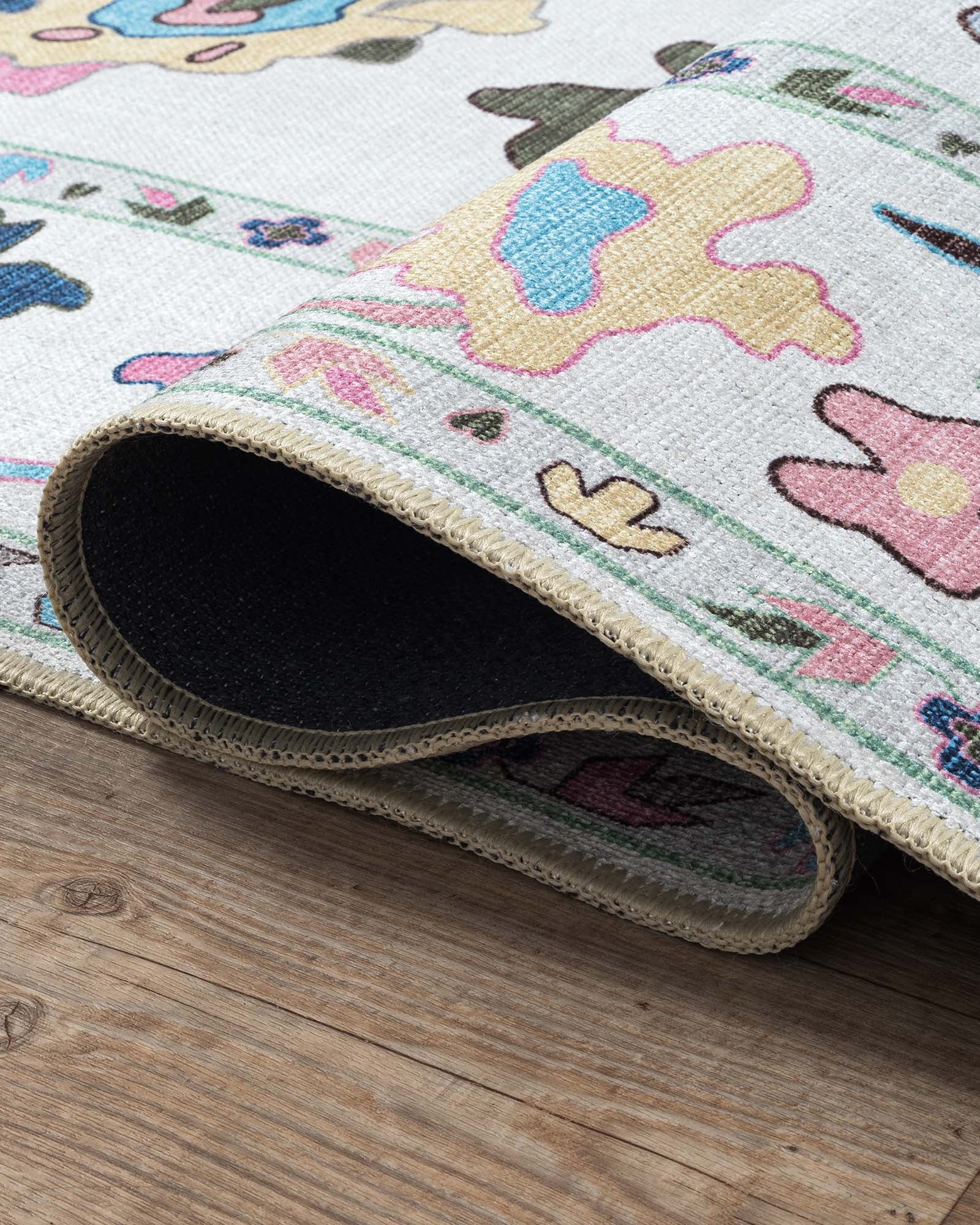
Two practical facts make flatweaves the right construction for an entryway. First, thickness: most flatweaves run under a quarter inch, which clears the half-inch or less of clearance a typical interior door allows — a thick pile rug often can't. Second, cleaning: with no pile to work grit down into, a flatweave releases dirt more easily, and a full shake-out outdoors does more for it than vacuuming ever could for a deep-pile rug in the same spot.
Pattern Choices That Hide Wear
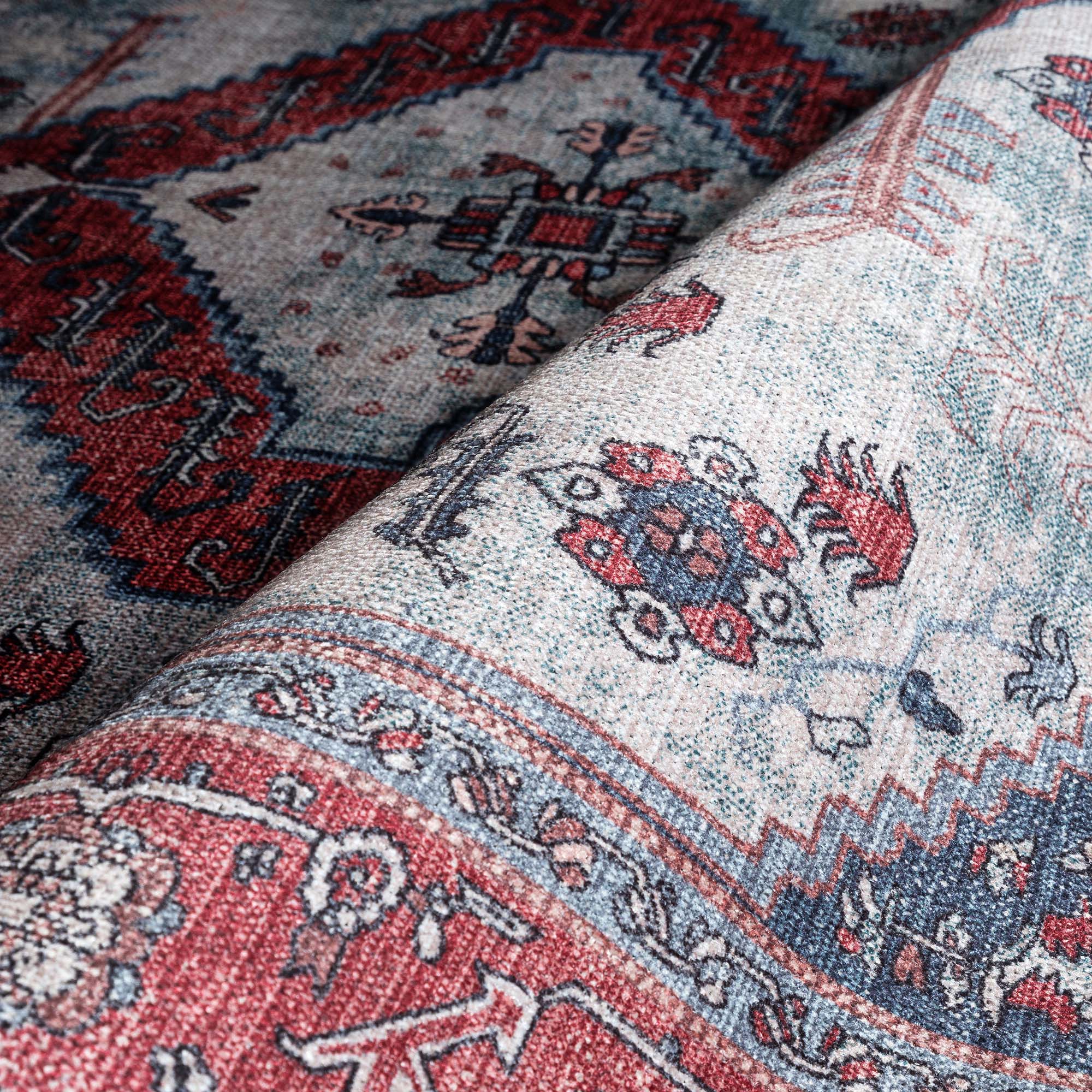
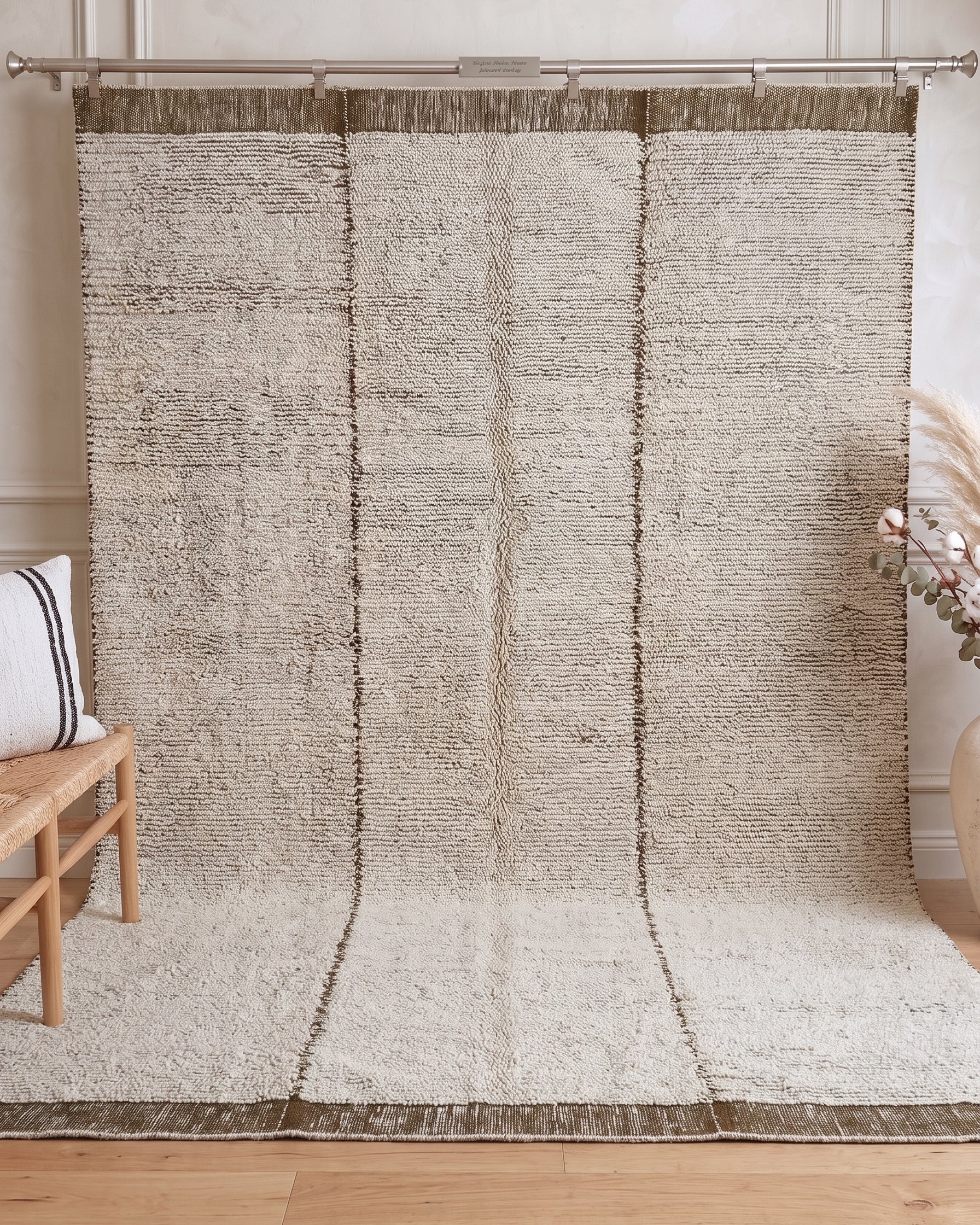
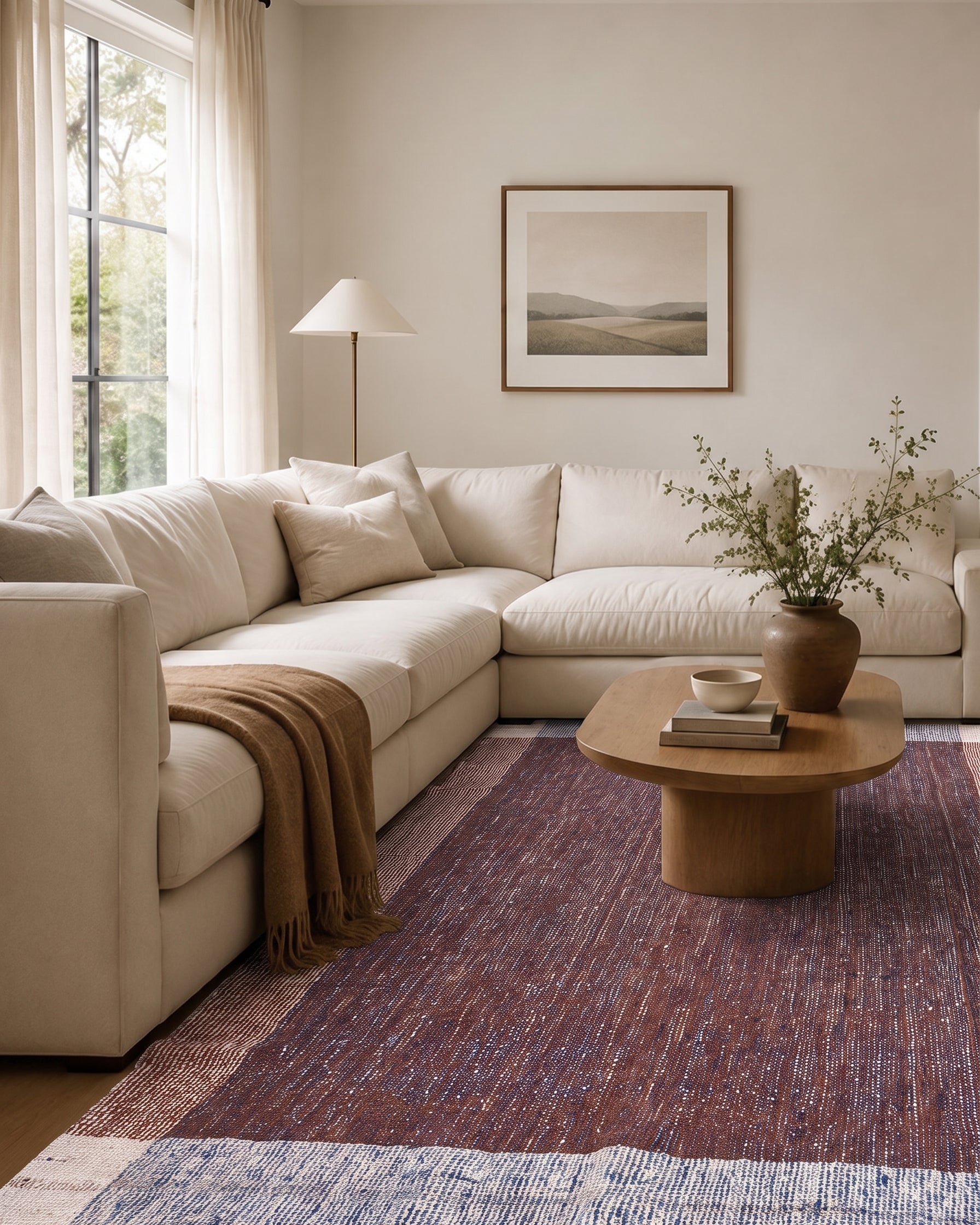
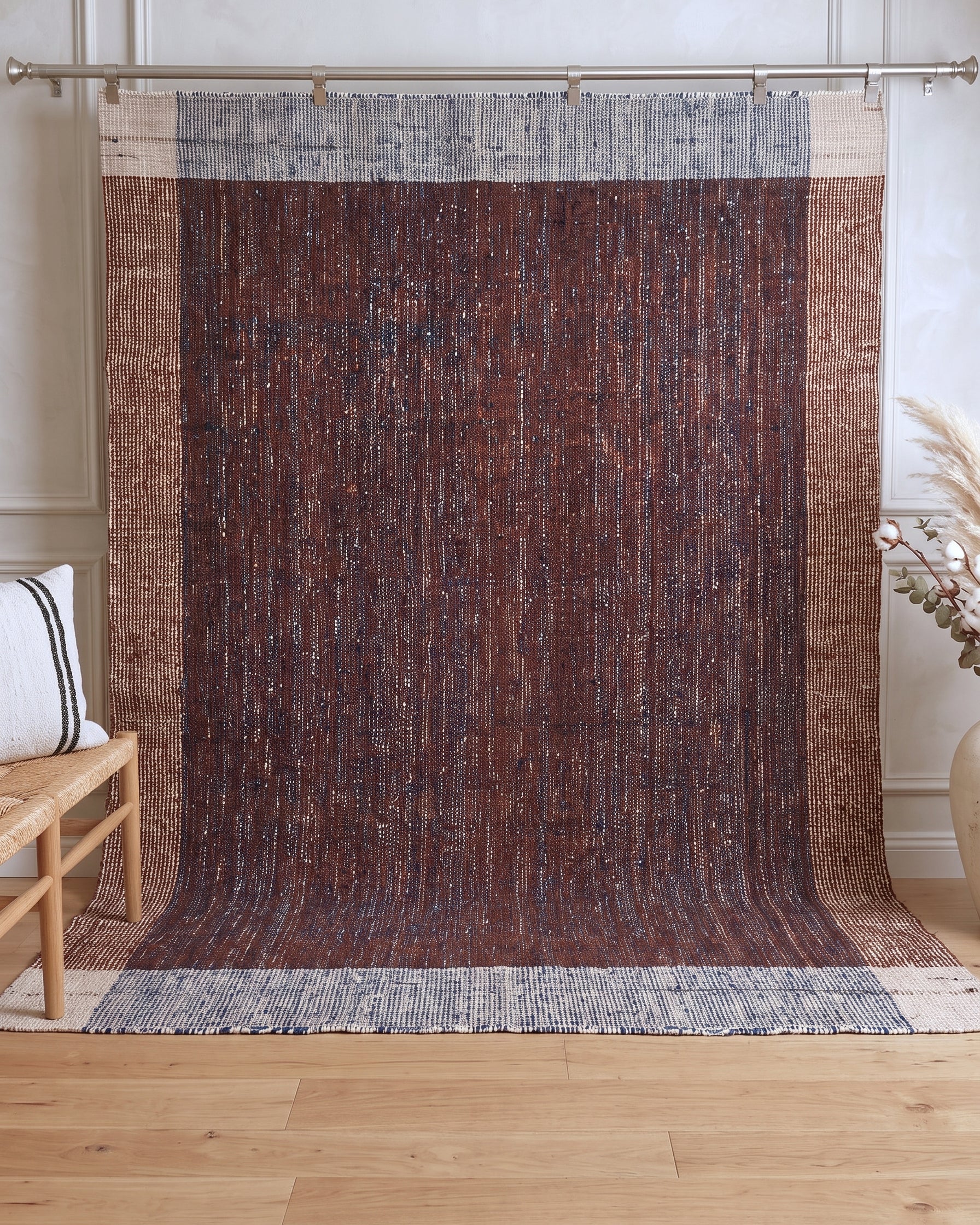
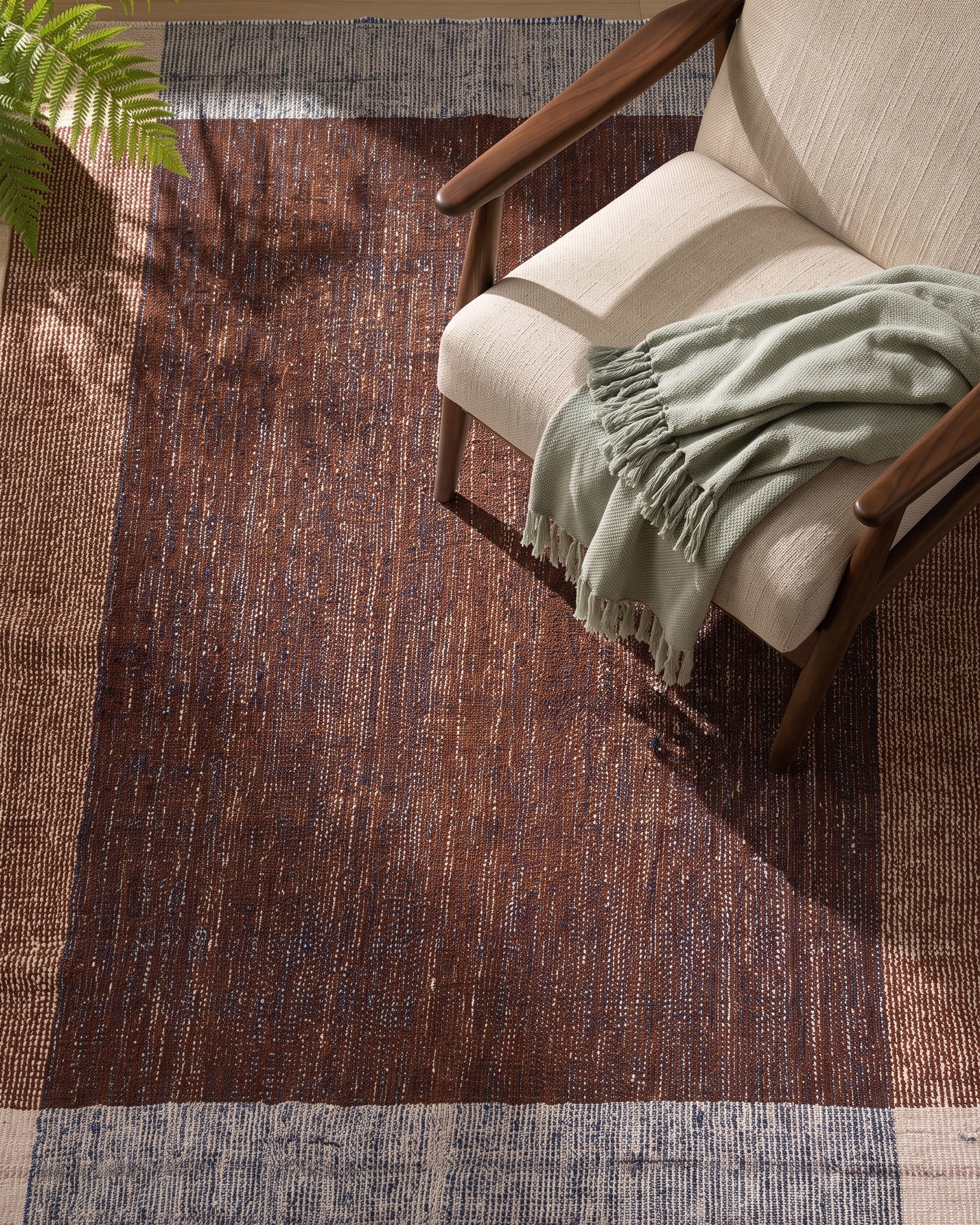
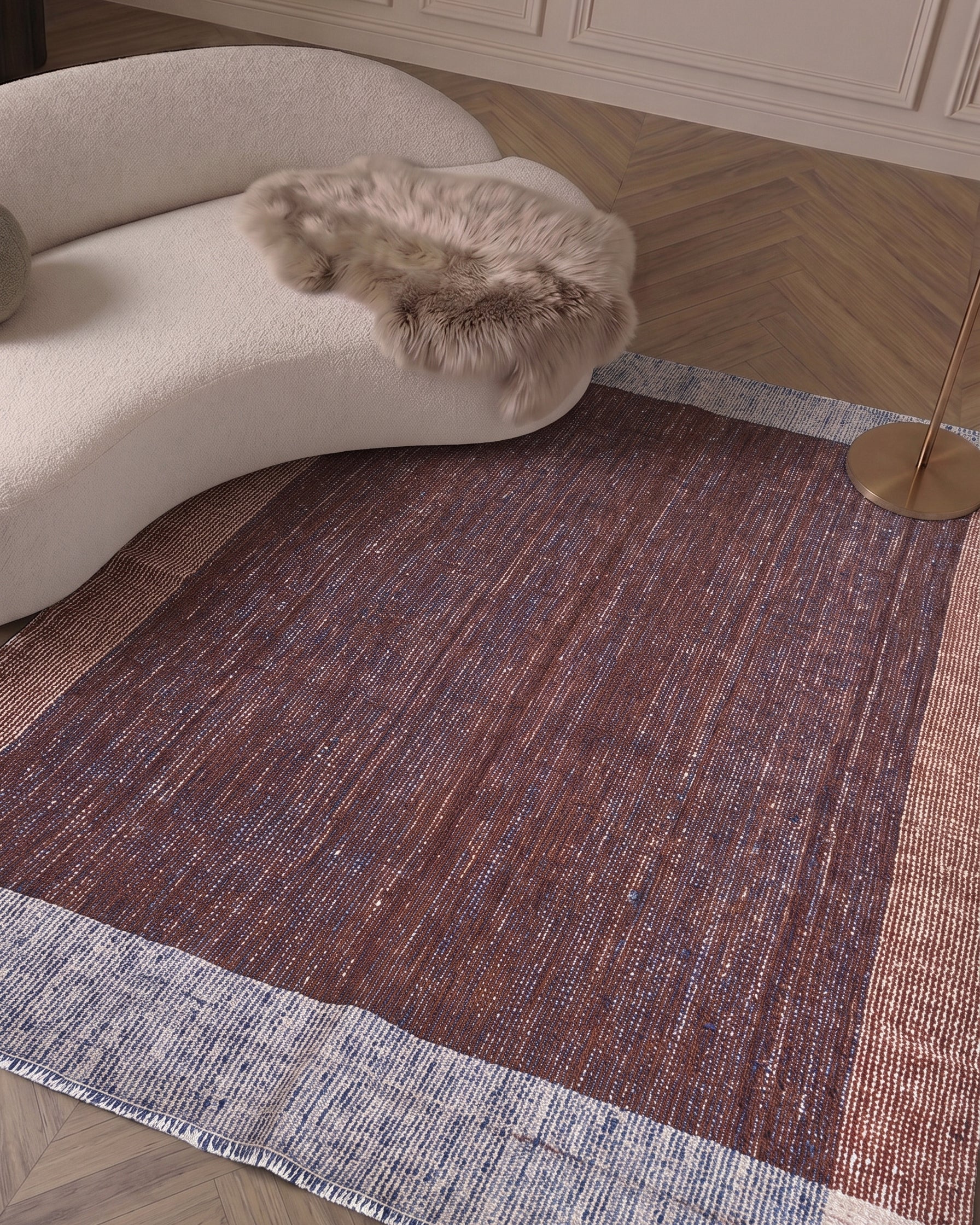
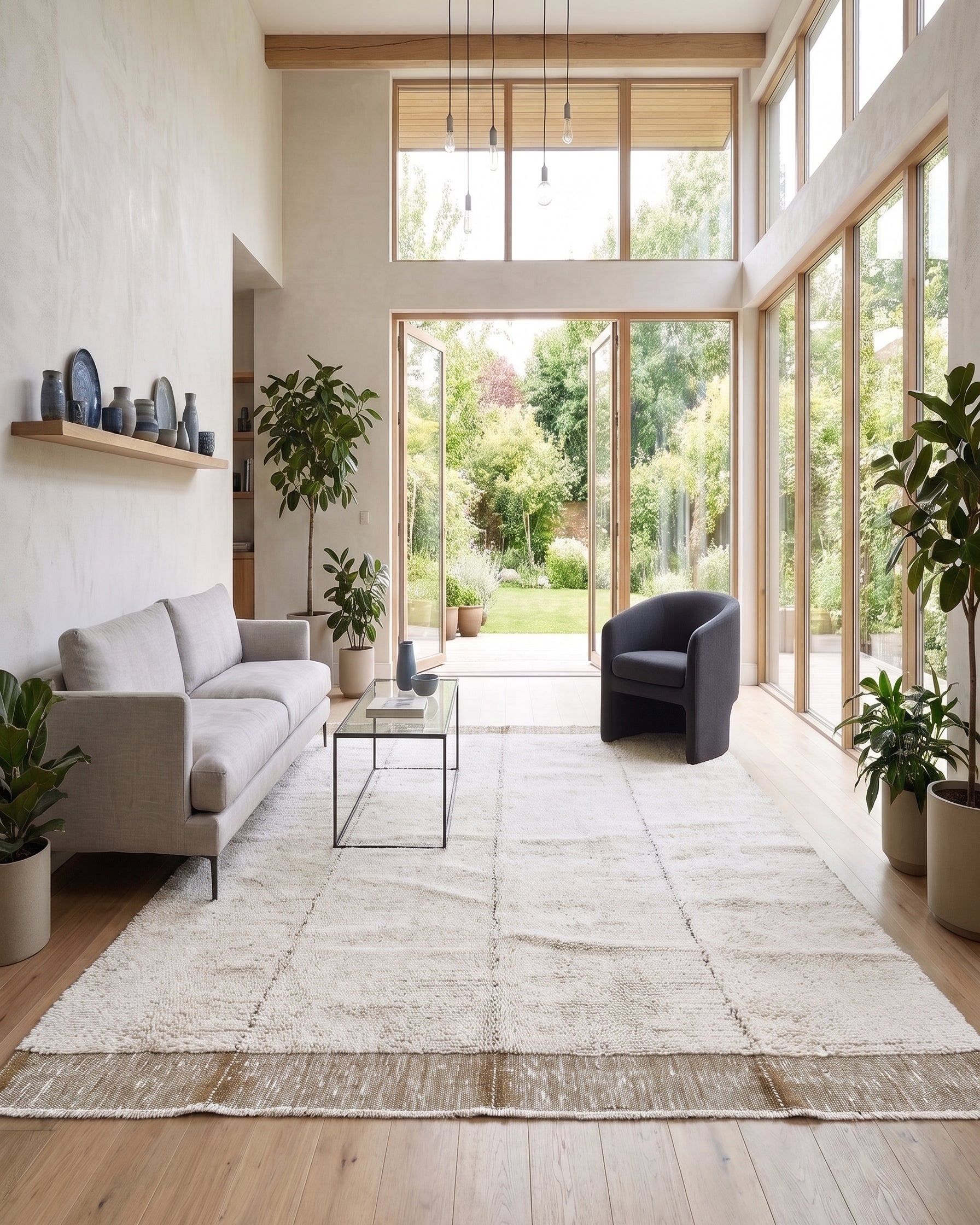
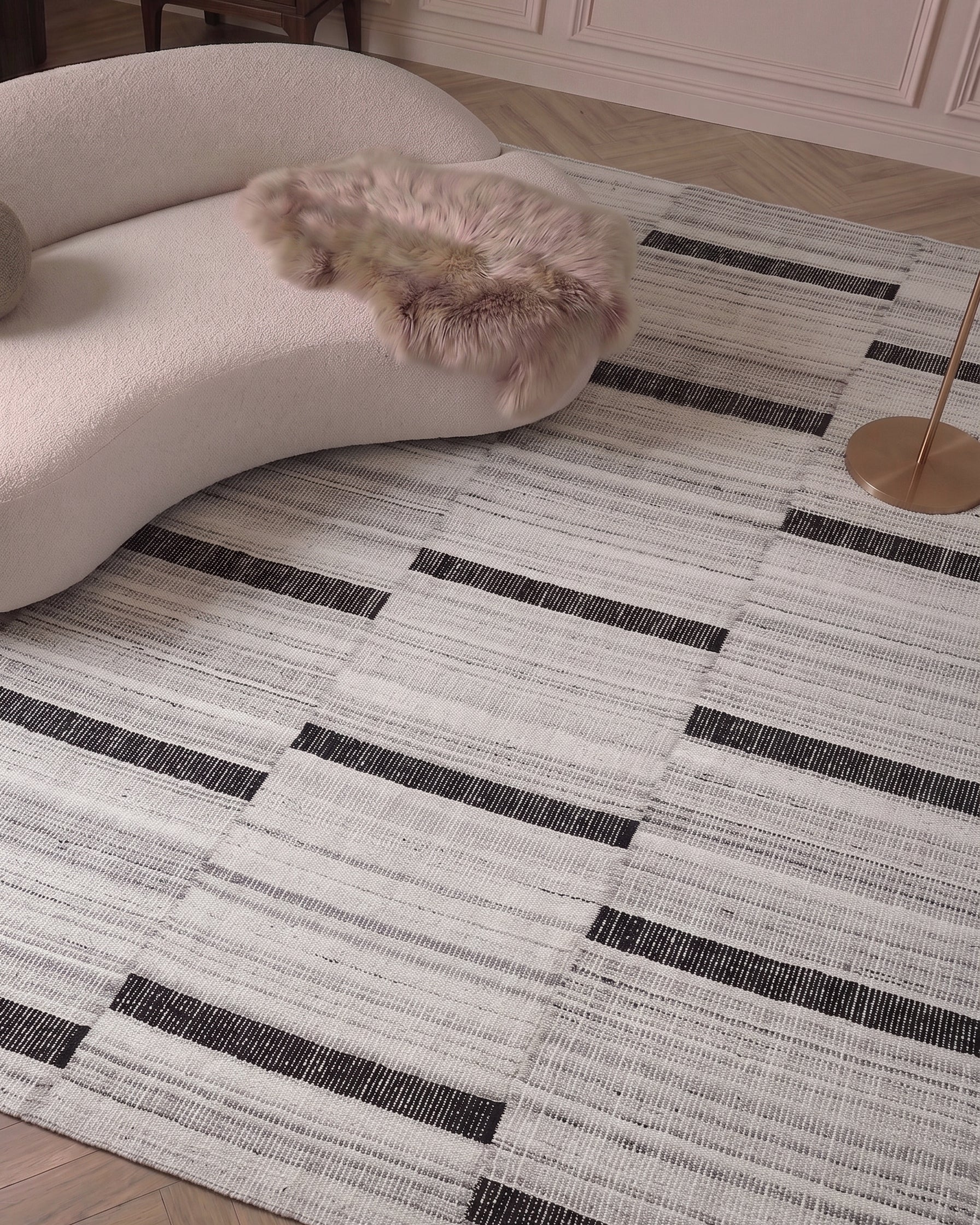
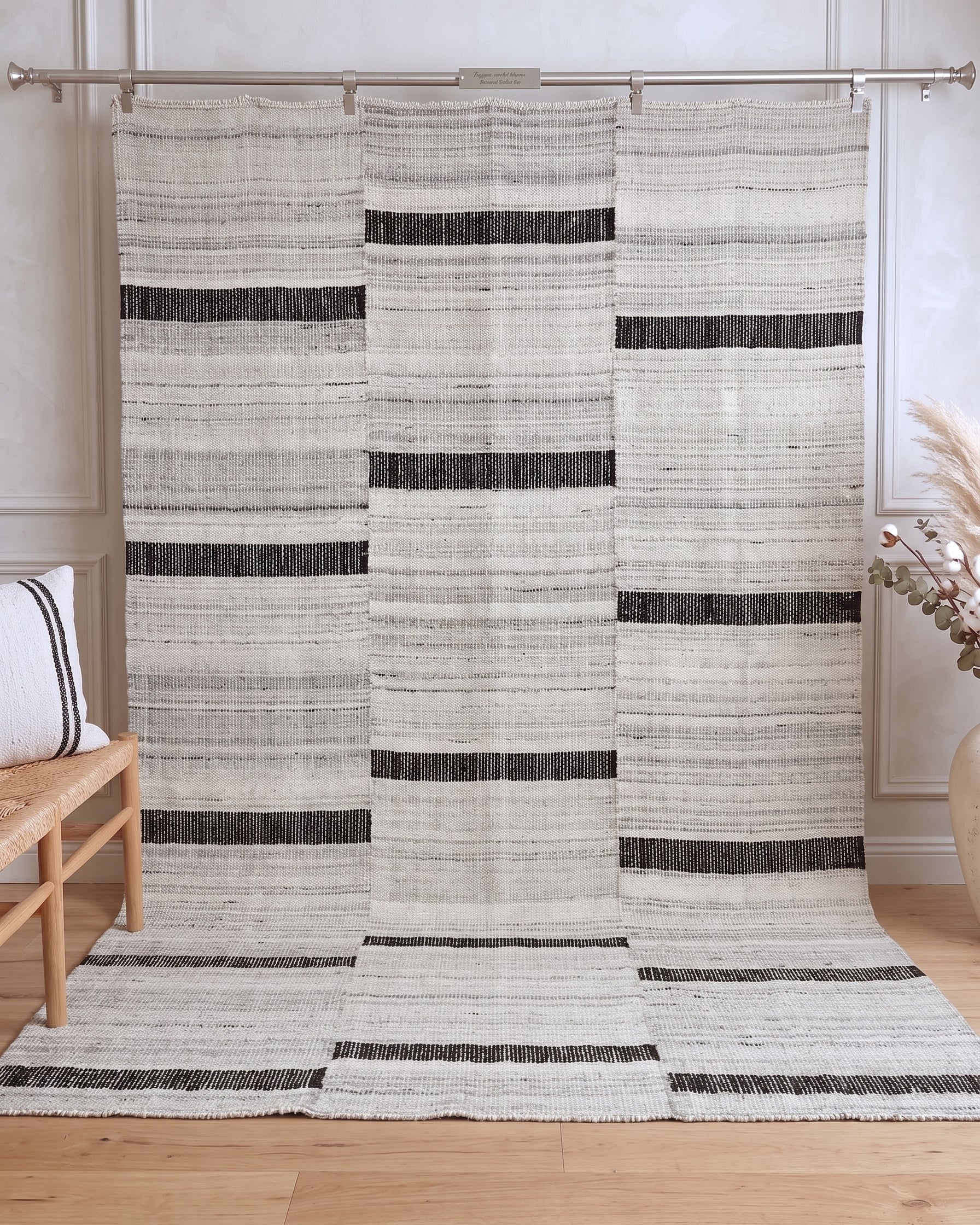
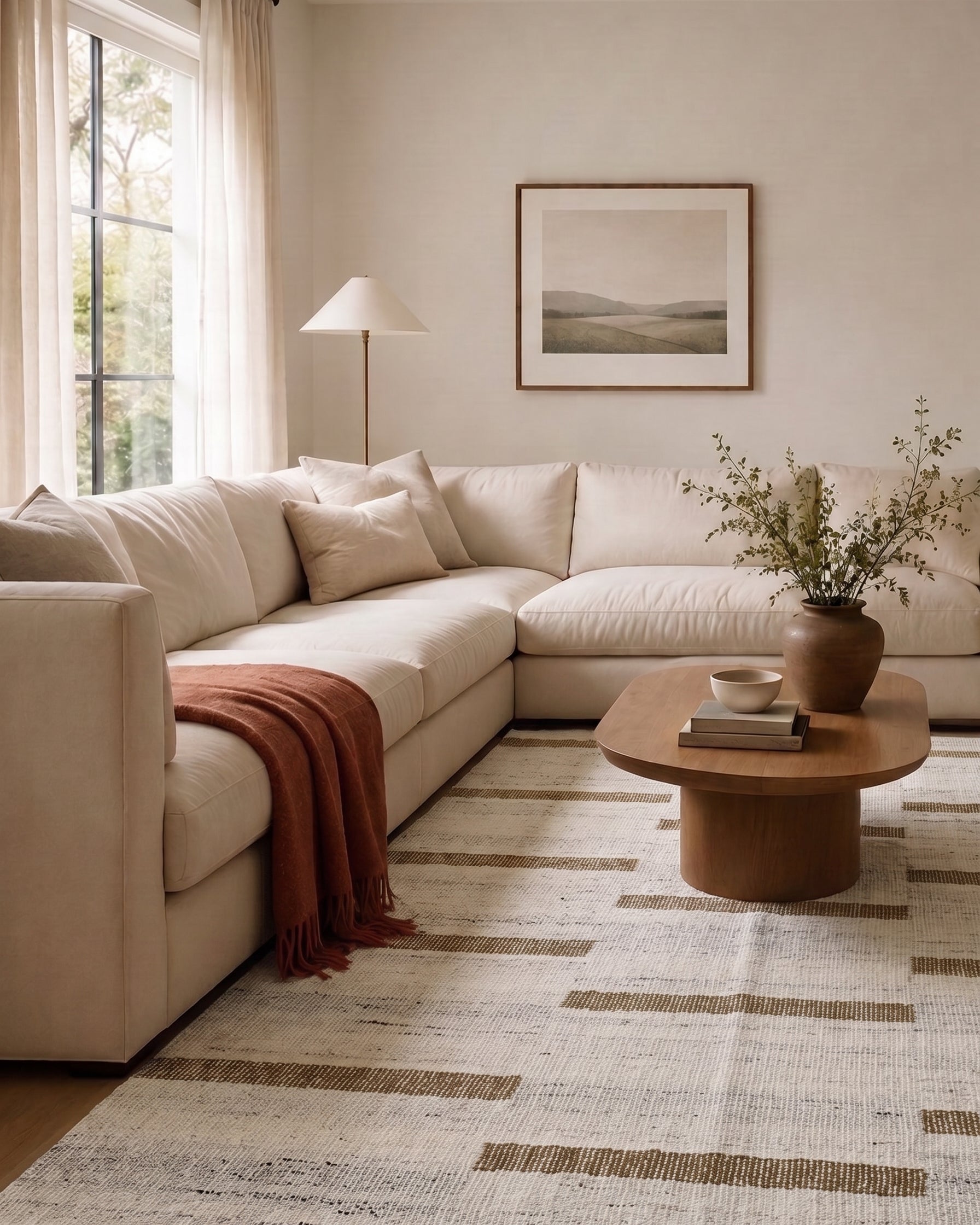
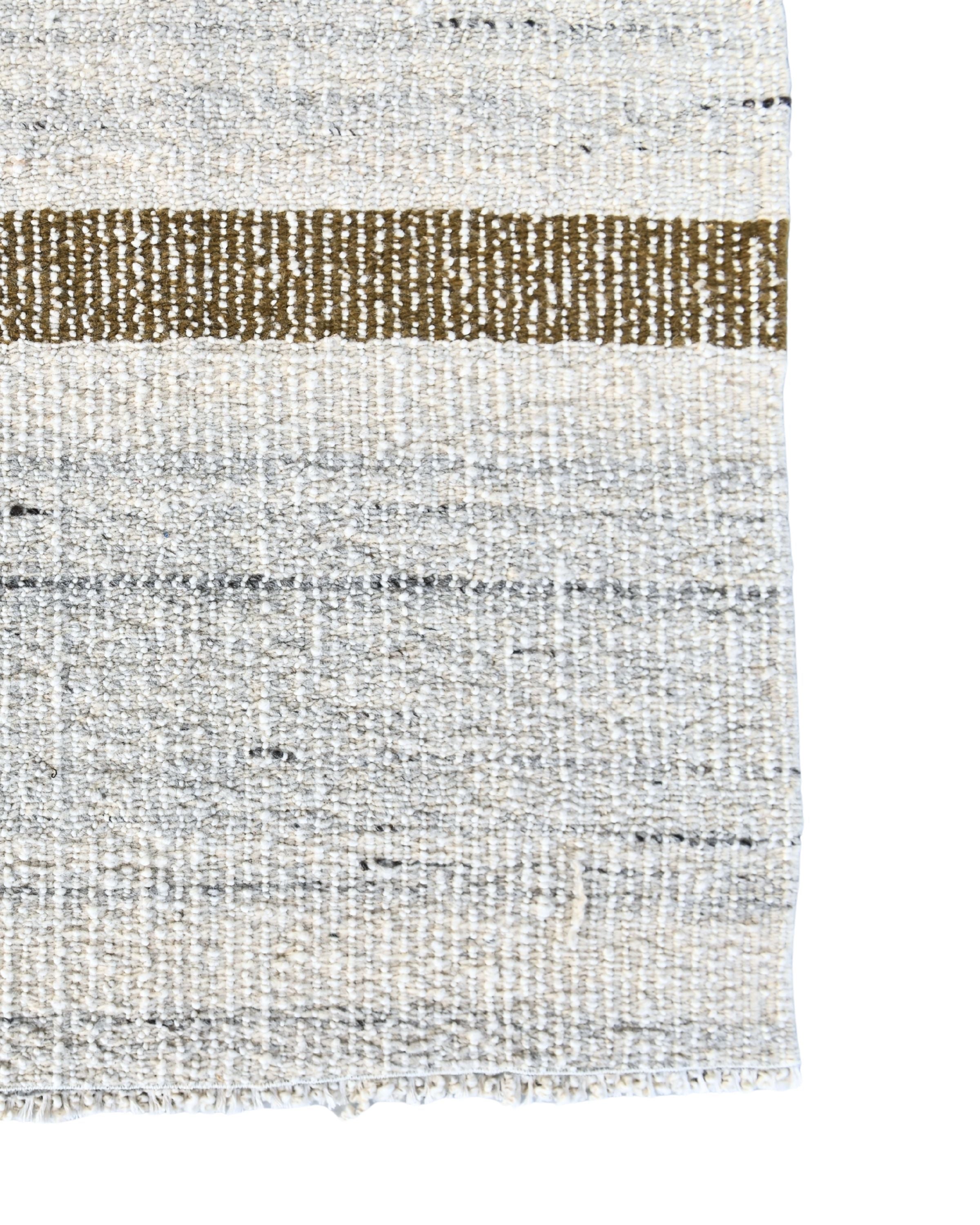
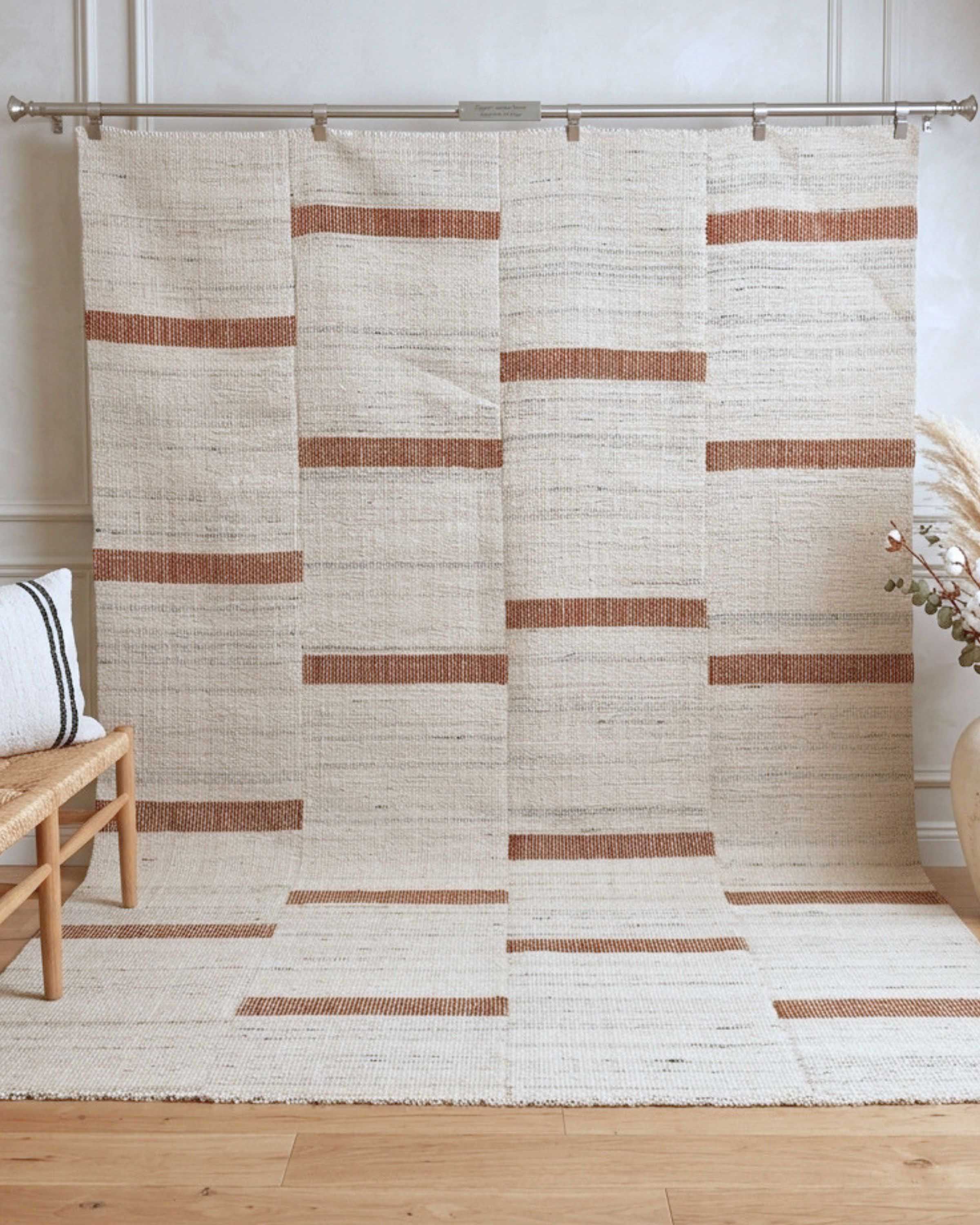
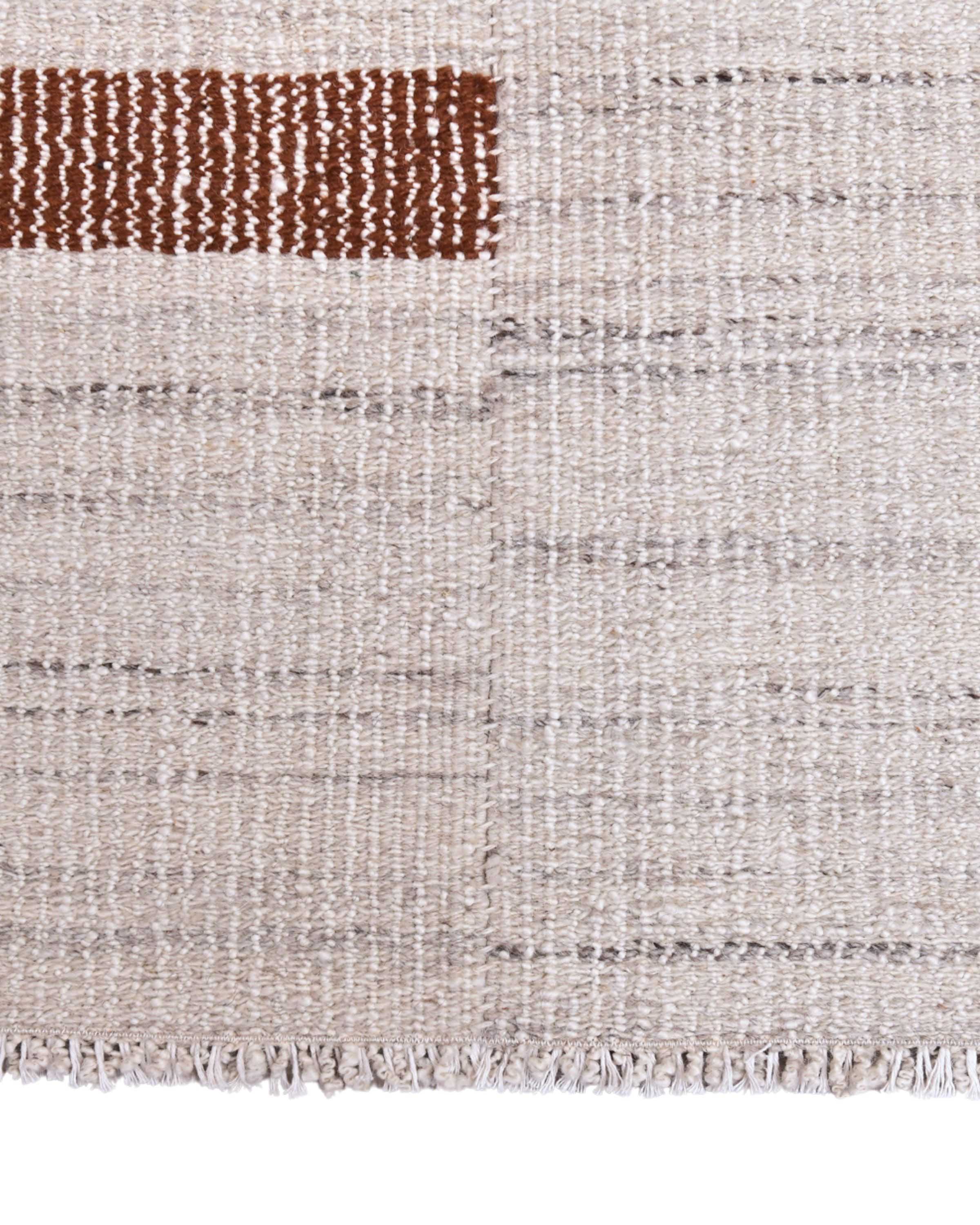
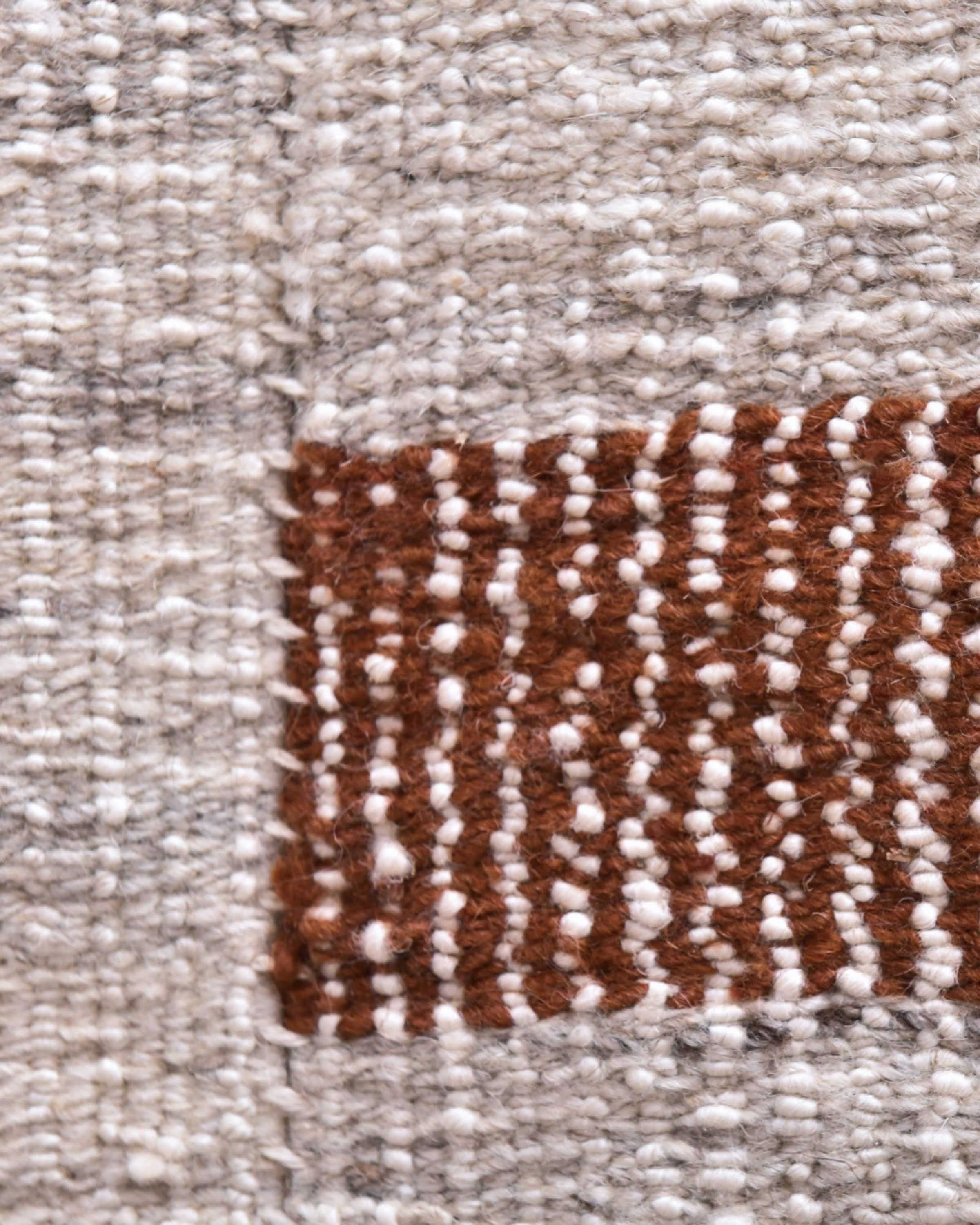
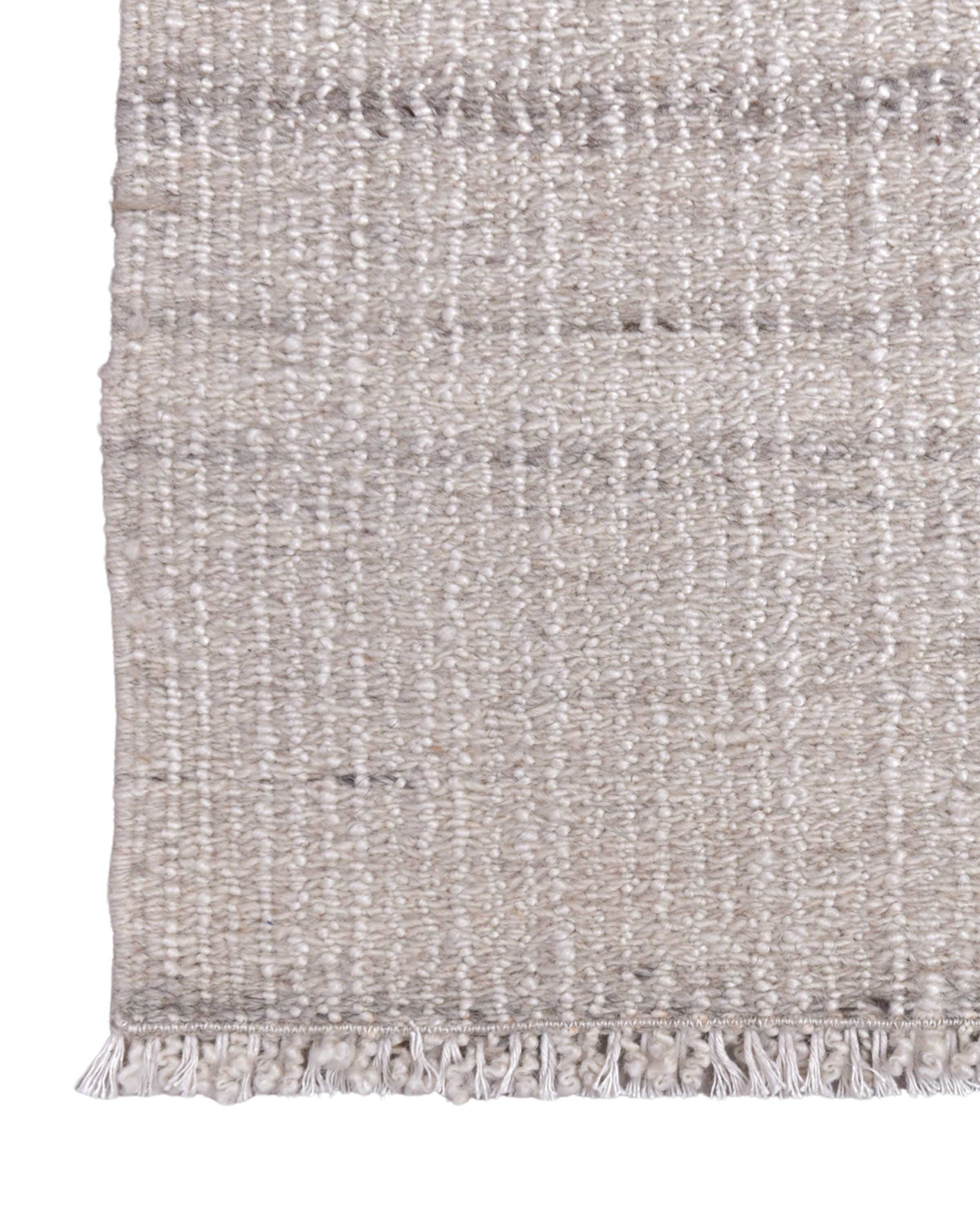
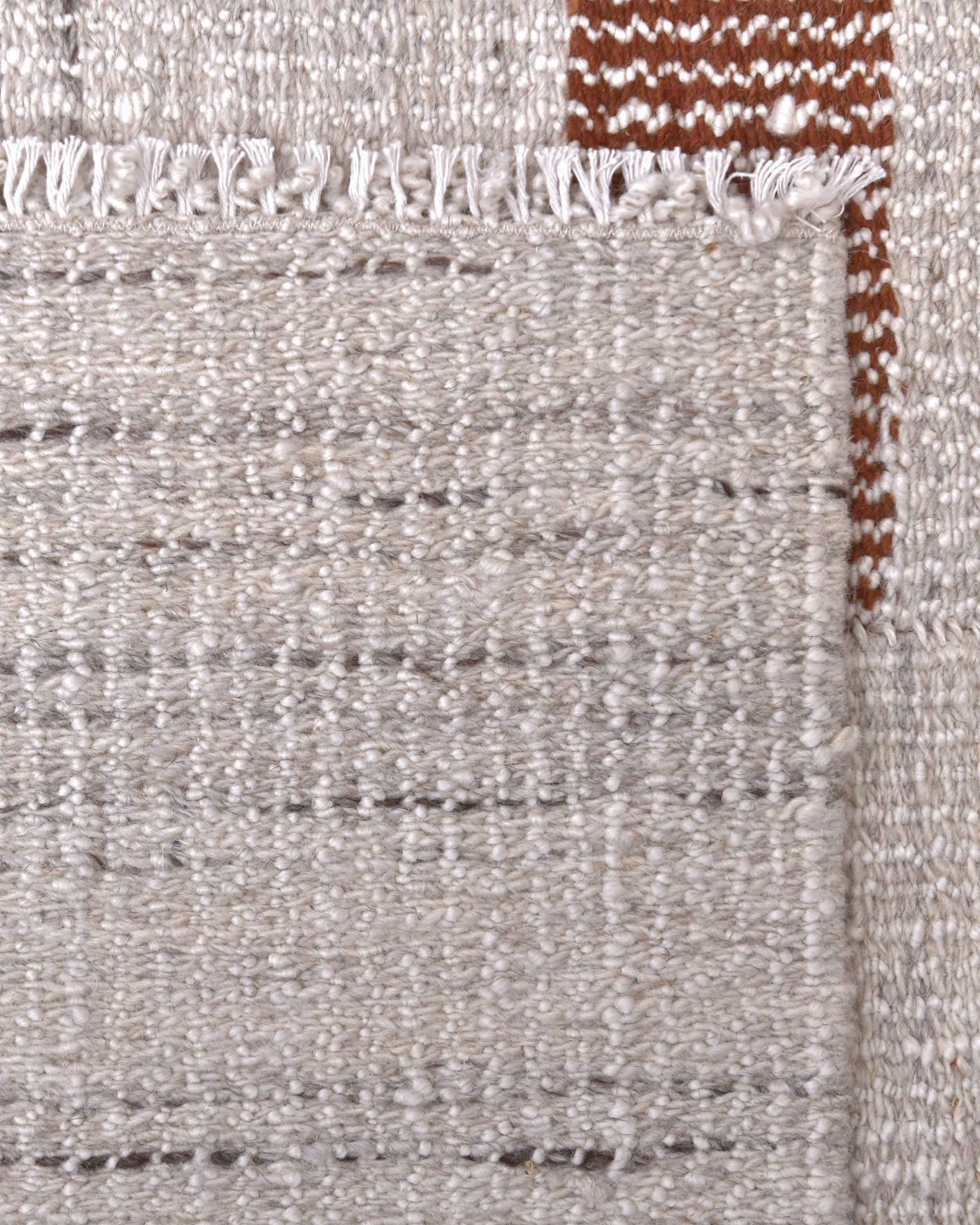
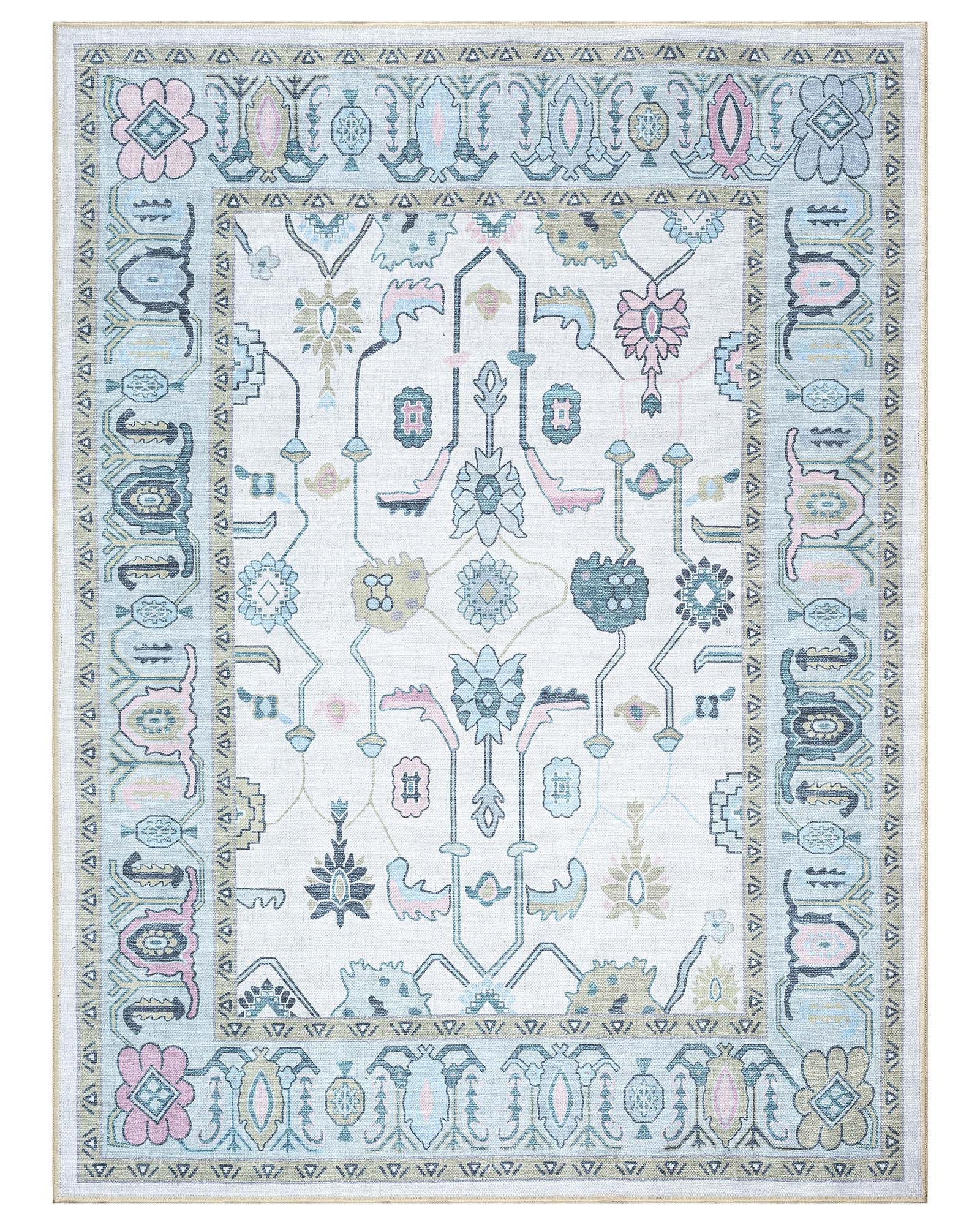
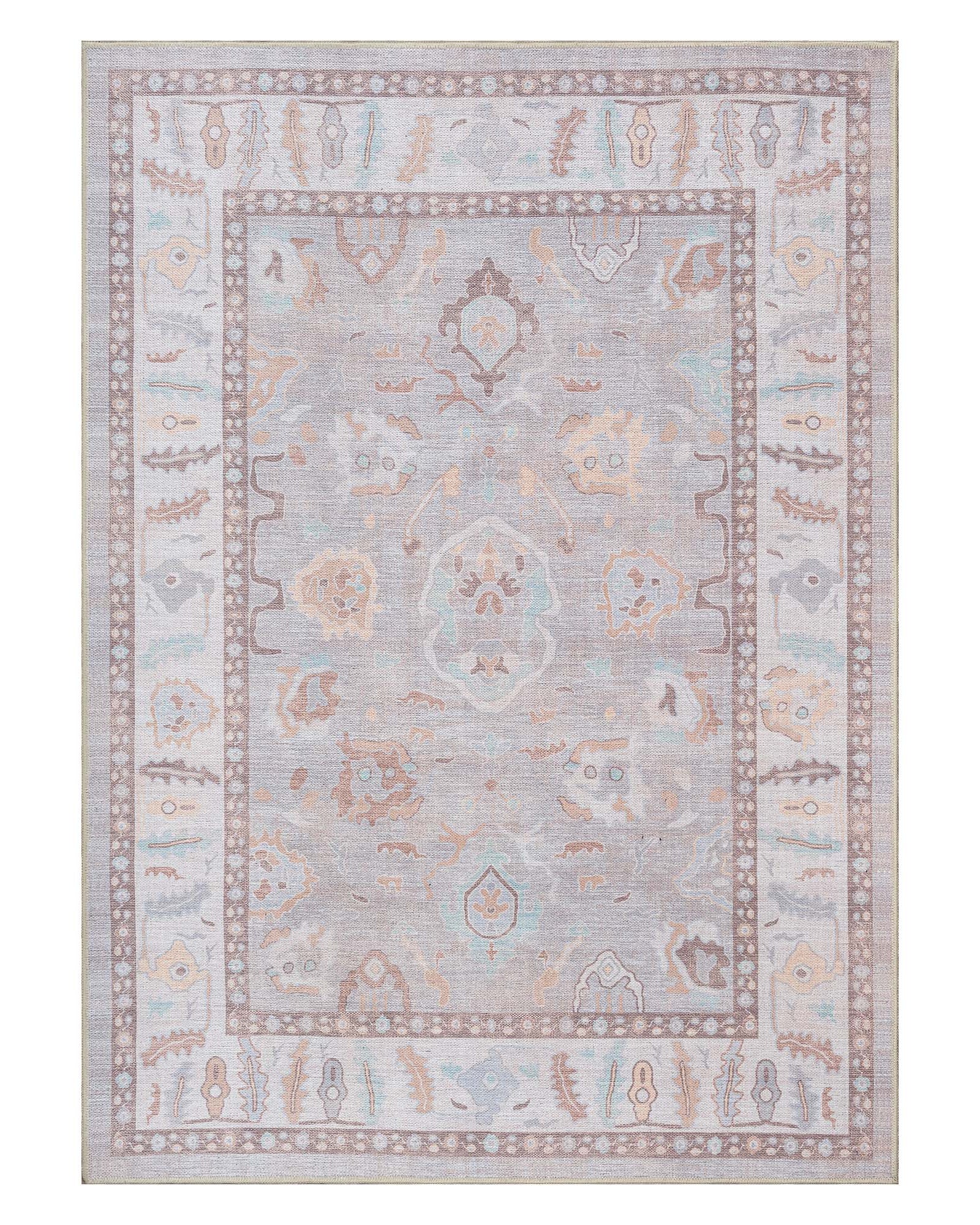
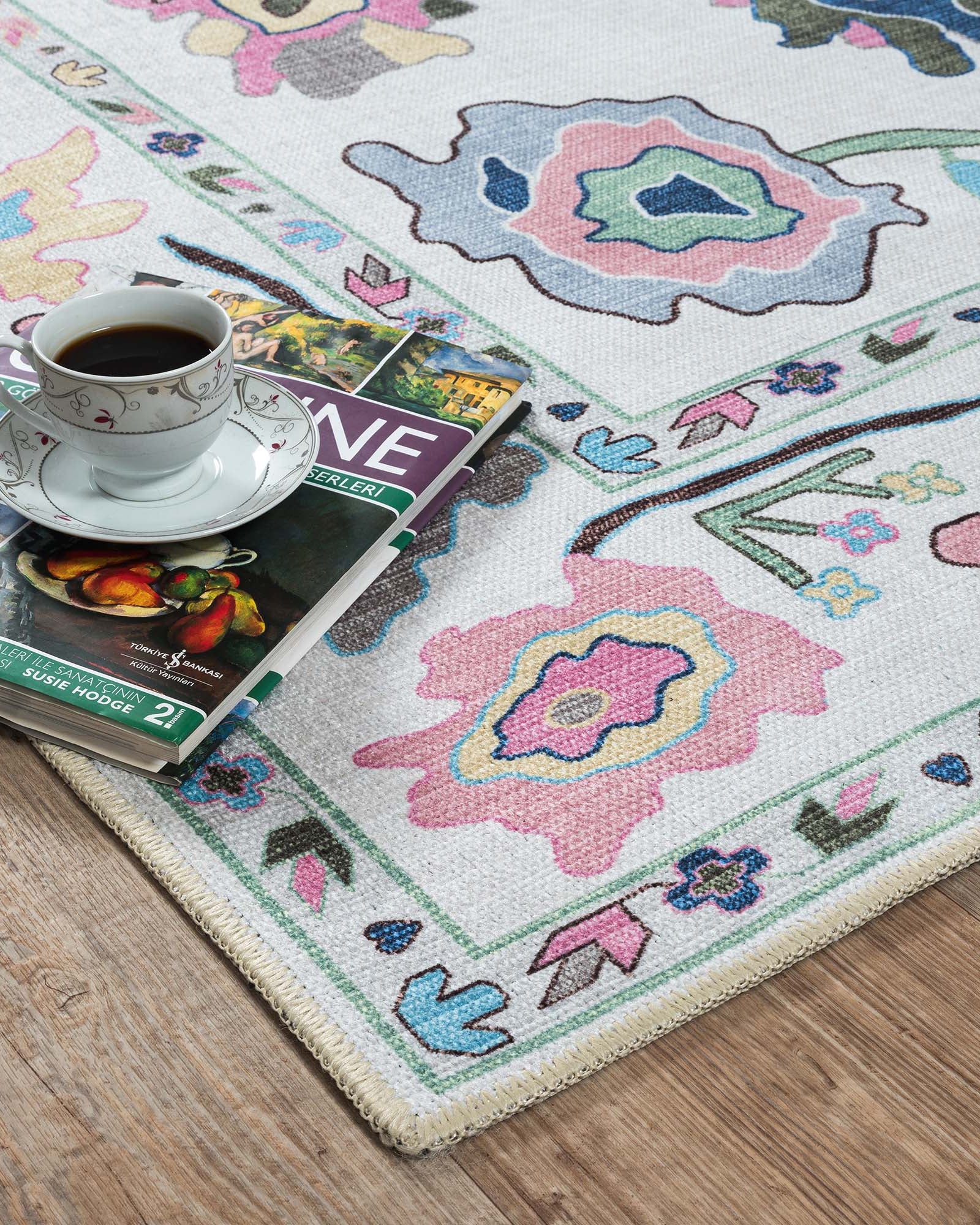
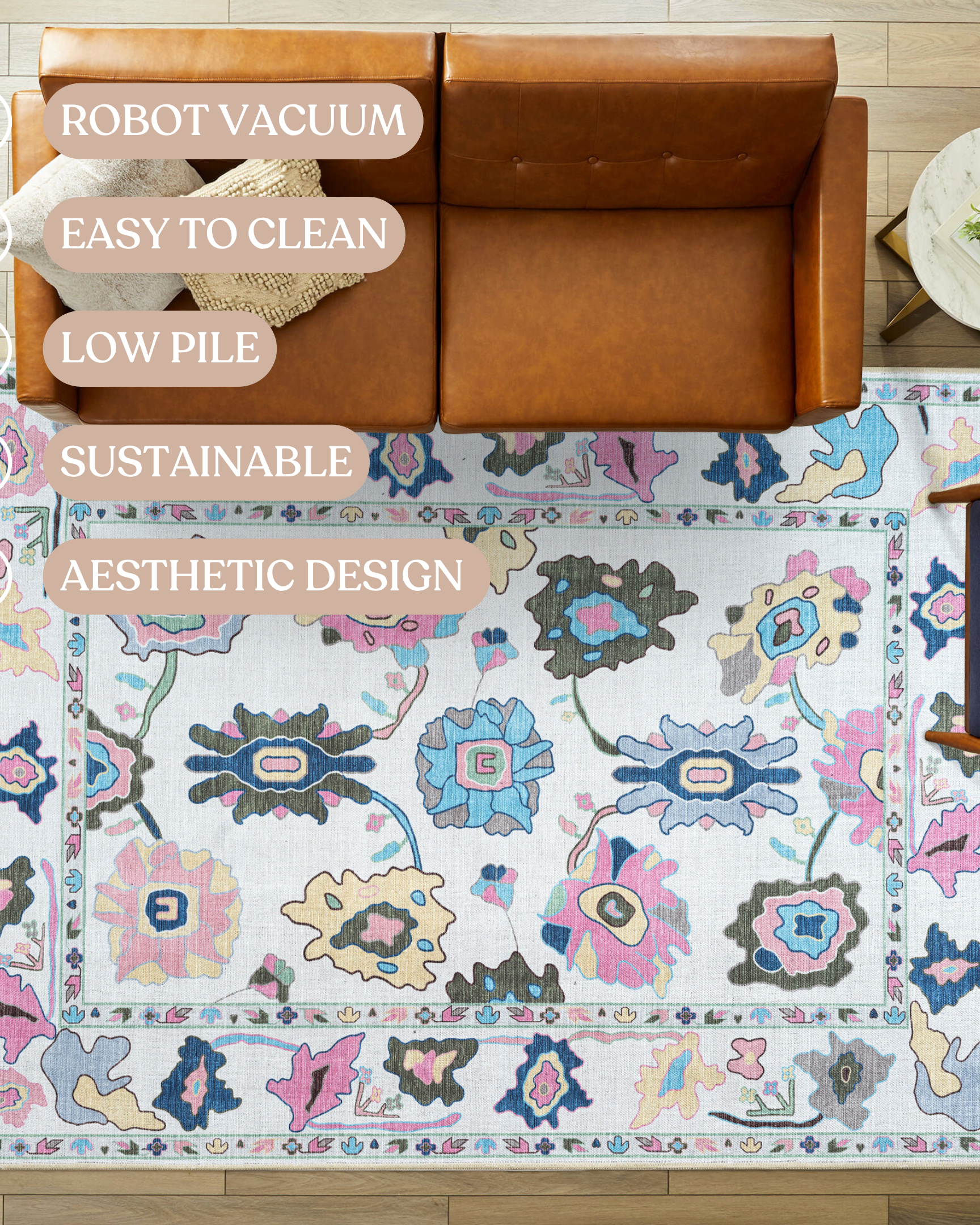
An entryway rug shows marks faster than almost anywhere else in the house, so pattern matters practically as well as visually. Bold geometric fields with real color contrast — common in Anatolian and Caucasian kilim weaving — disguise everyday soil far better than a plain or pale field does. If you're drawn to a minimal or undyed piece for its look, be aware it will need more frequent attention in this specific spot than a busier pattern would.
Sizing and Placement at the Door
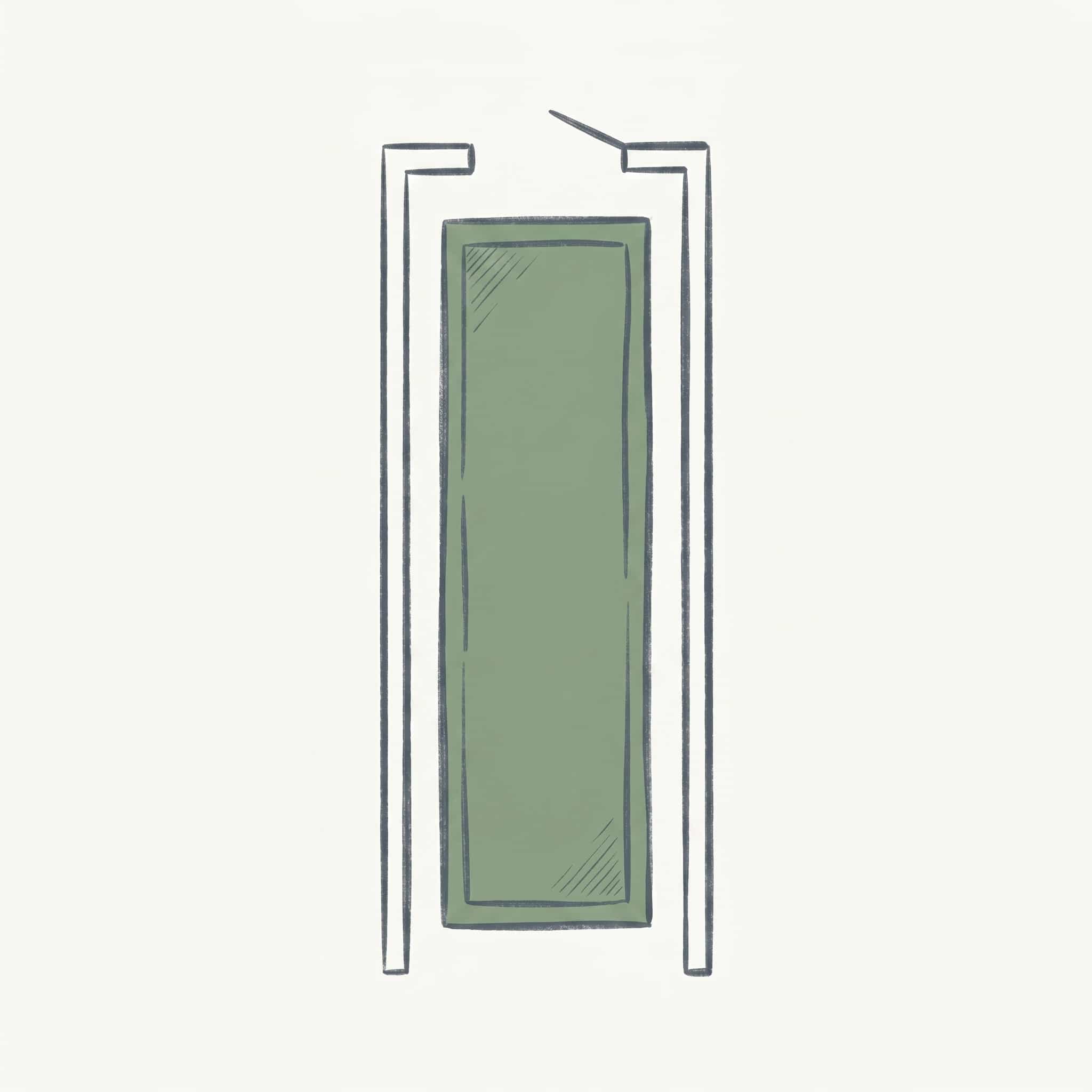
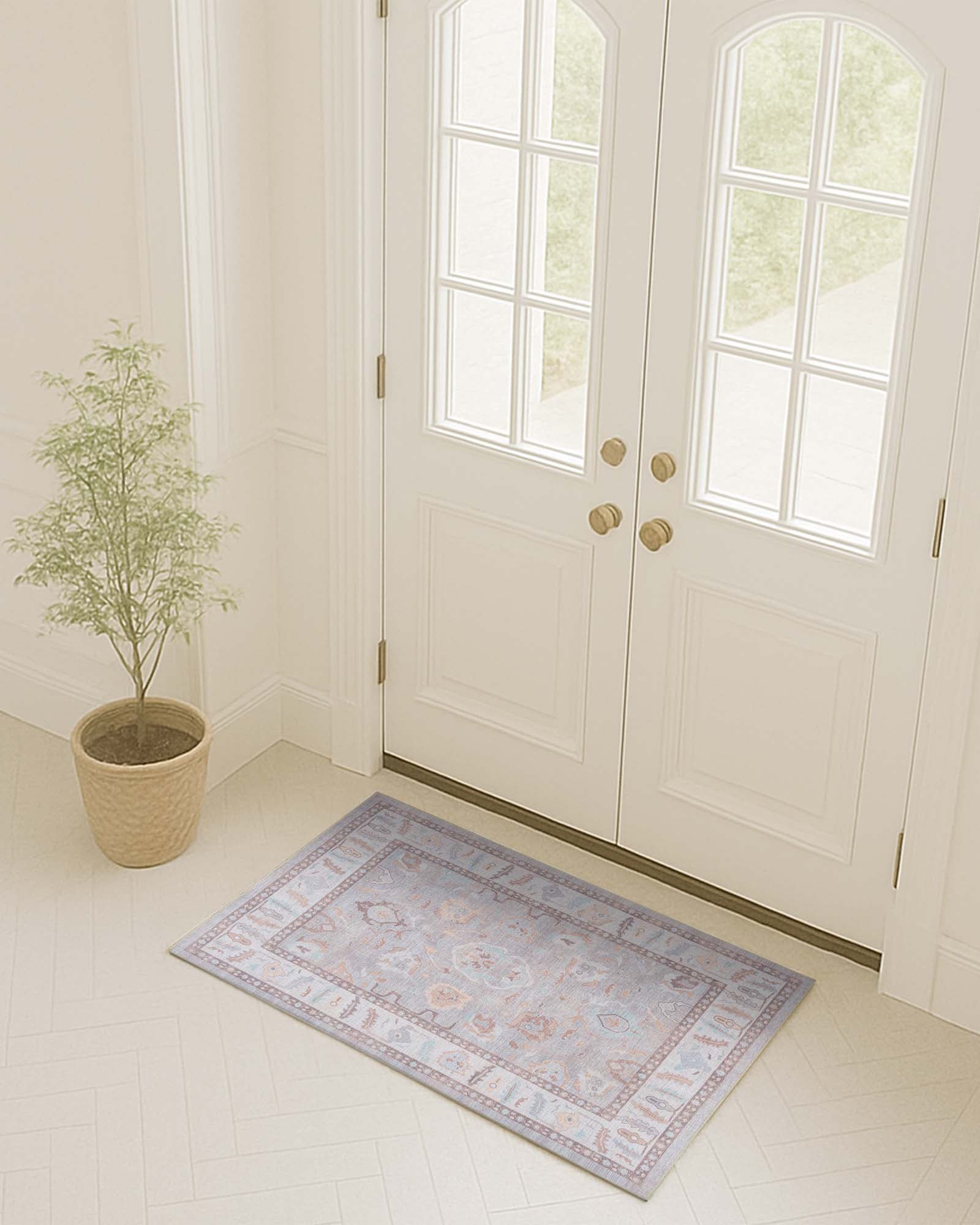
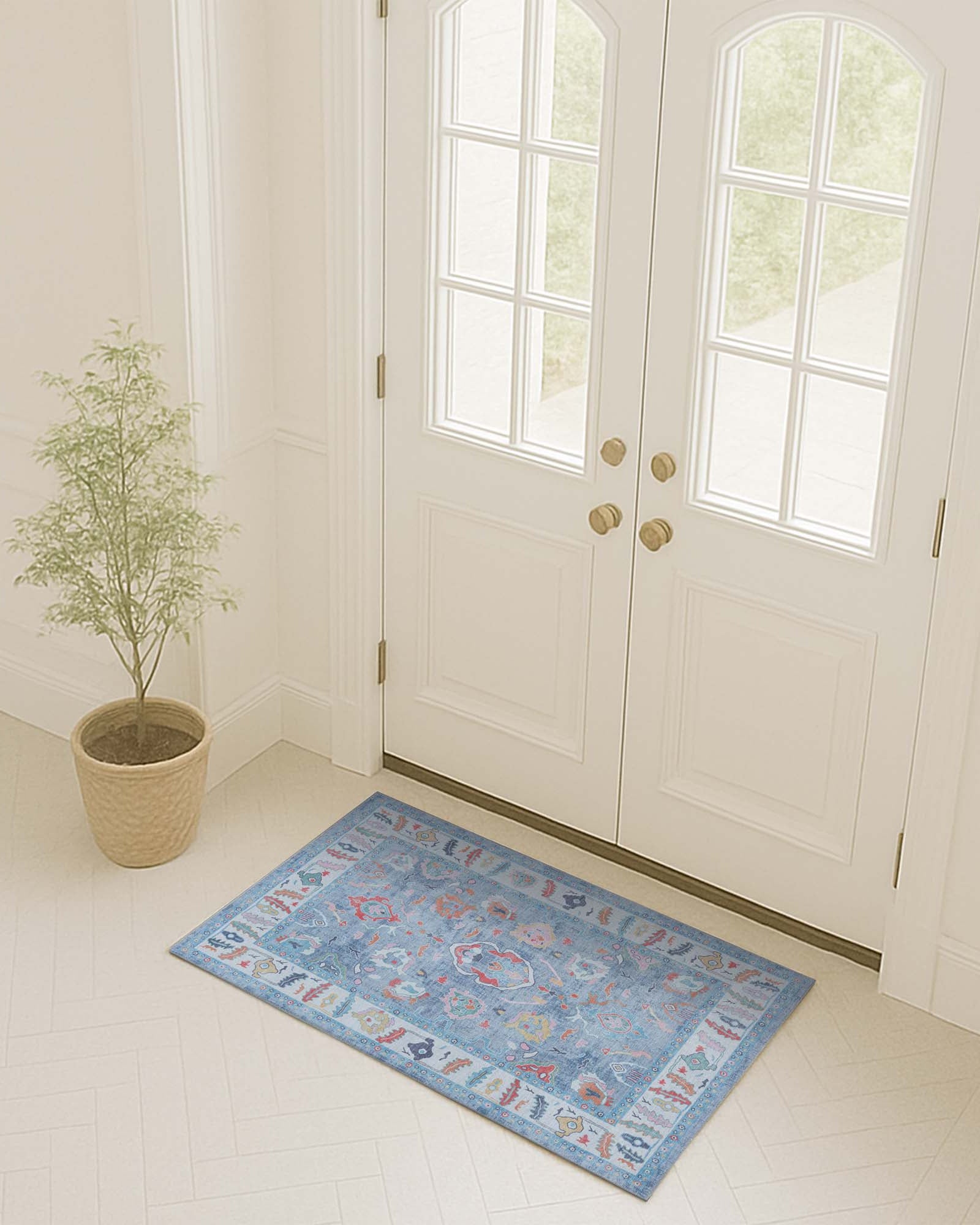
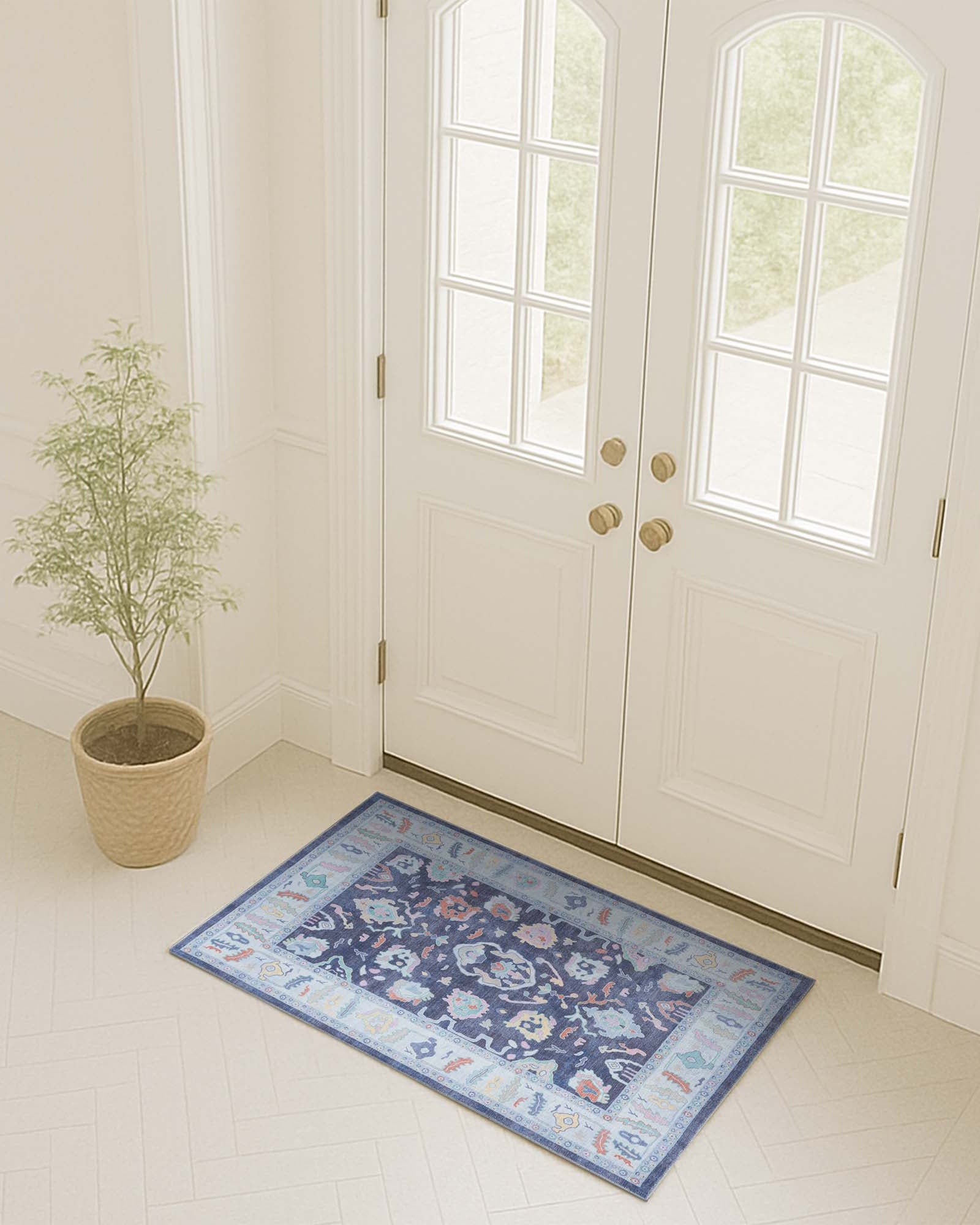
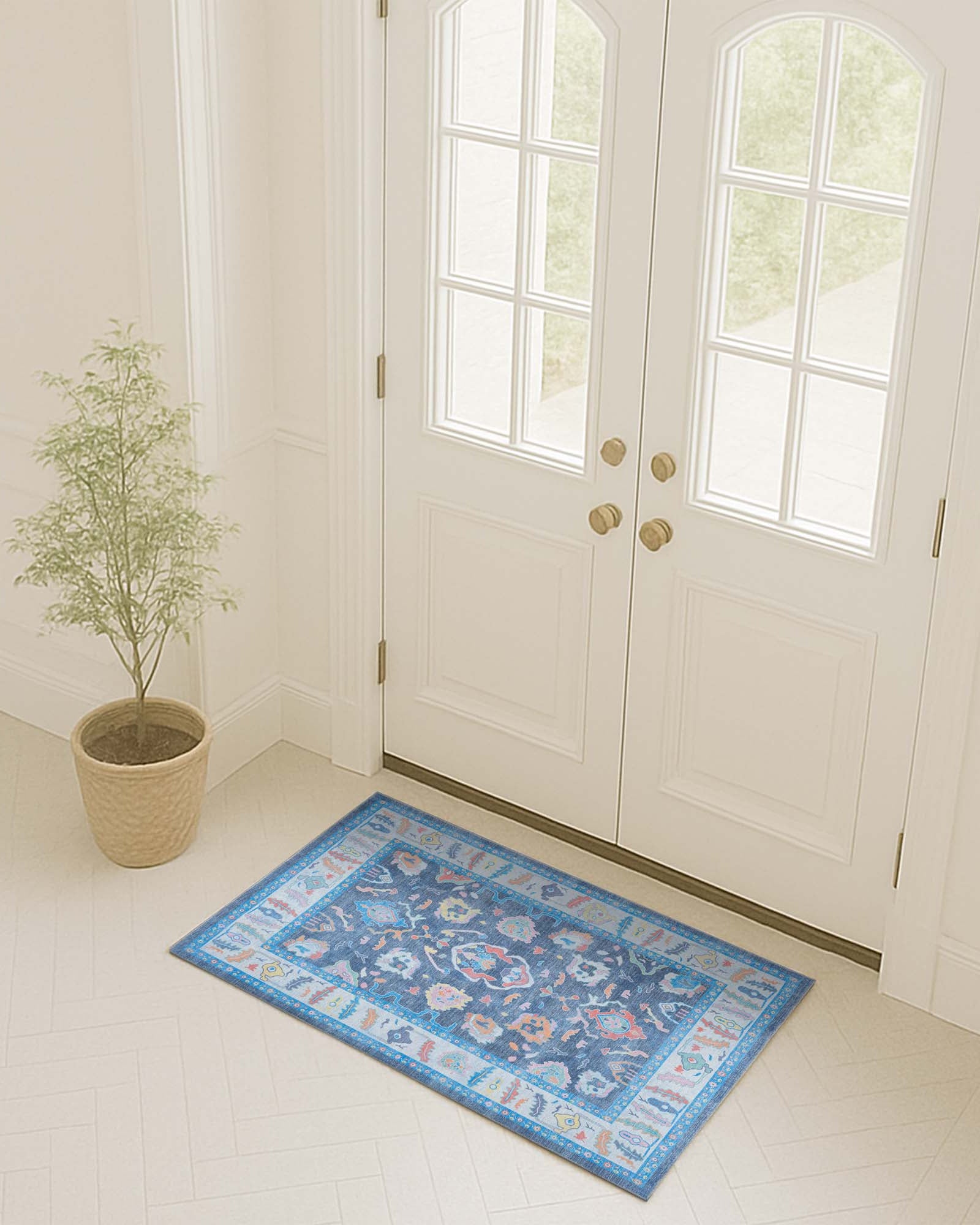
Size the rug to cover the primary standing and pivoting area just inside the door — enough room for someone to fully step in, wipe their feet, and remove shoes without stepping off the rug. Leave a small margin of bare floor around the edges rather than running the rug wall to wall, which helps it read as a deliberate placement rather than wall-to-wall carpet. A non-slip pad matters more here than almost anywhere else in the house, since a thin rug at a high-traffic pivot point is exactly where slipping is most likely.
Weather and Moisture Considerations
Entryways see more moisture than other rooms — wet shoes, umbrellas, tracked-in rain or snow. Wool's natural lanolin gives a flatweave real resistance to brief moisture exposure, but standing water should still be blotted promptly rather than left to soak in. In climates with harsh winters, consider keeping a washable mat directly at the threshold and placing the vintage flatweave a step further in, out of the most direct exposure.
Where to Look Next
For the full range of flatweave construction and pattern, browse Flatweave Rugs. For something with more body and durability at the door, see Soumak Rugs. If a thin hand-knotted option is what you're after instead, Low Pile Rugs is worth comparing.
Frequently Asked Questions
Why is a flatweave a good choice for an entryway?
It's thin enough to clear most door swings, has no pile to trap dirt near the door, and can be lifted and shaken out easily for cleaning — all practical advantages in the spot that takes the most daily wear in a home.
What pattern works best for an entryway rug?
Bold, high-contrast geometric pattern, common in Anatolian and Caucasian kilim weaving, hides everyday soil far better than a plain or pale field, which shows marks and wear more visibly in a high-traffic spot.
Do I need a rug pad for a flatweave at the door?
Yes, more than almost anywhere else in the house. A thin rug at a high-traffic pivot point near the door is exactly where slipping is most likely, so a non-slip pad is a practical necessity here.
Can a vintage flatweave handle wet shoes and rain?
Reasonably well for brief exposure, thanks to wool's natural lanolin resistance, but standing moisture should be blotted promptly. In harsh winter climates, pairing a washable mat at the threshold with the flatweave a step further in works best.
How should I size a flatweave for my entryway?
Cover the primary standing and pivoting area just inside the door with room to fully step in, leaving a small margin of bare floor around the edges rather than running the rug wall to wall.