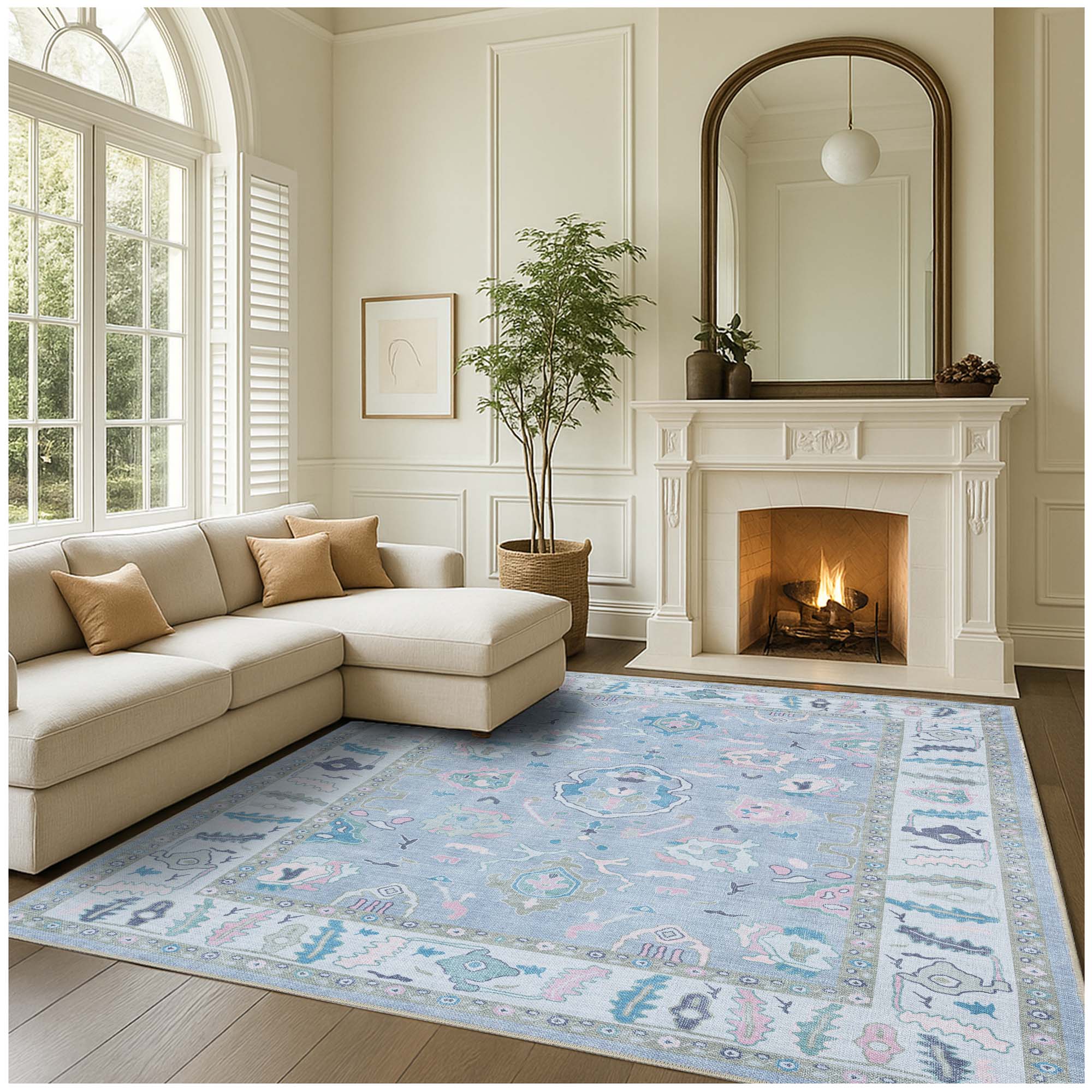
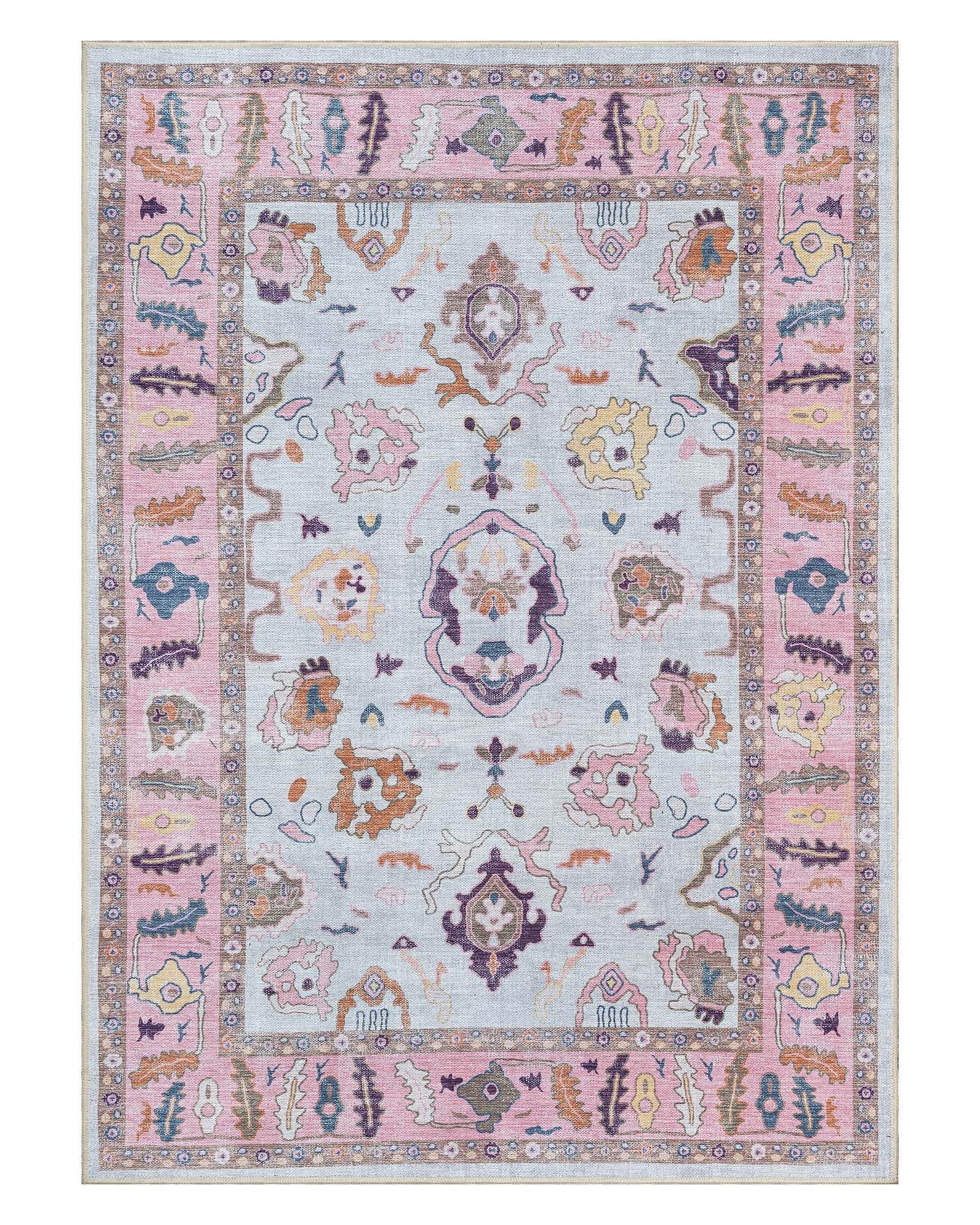
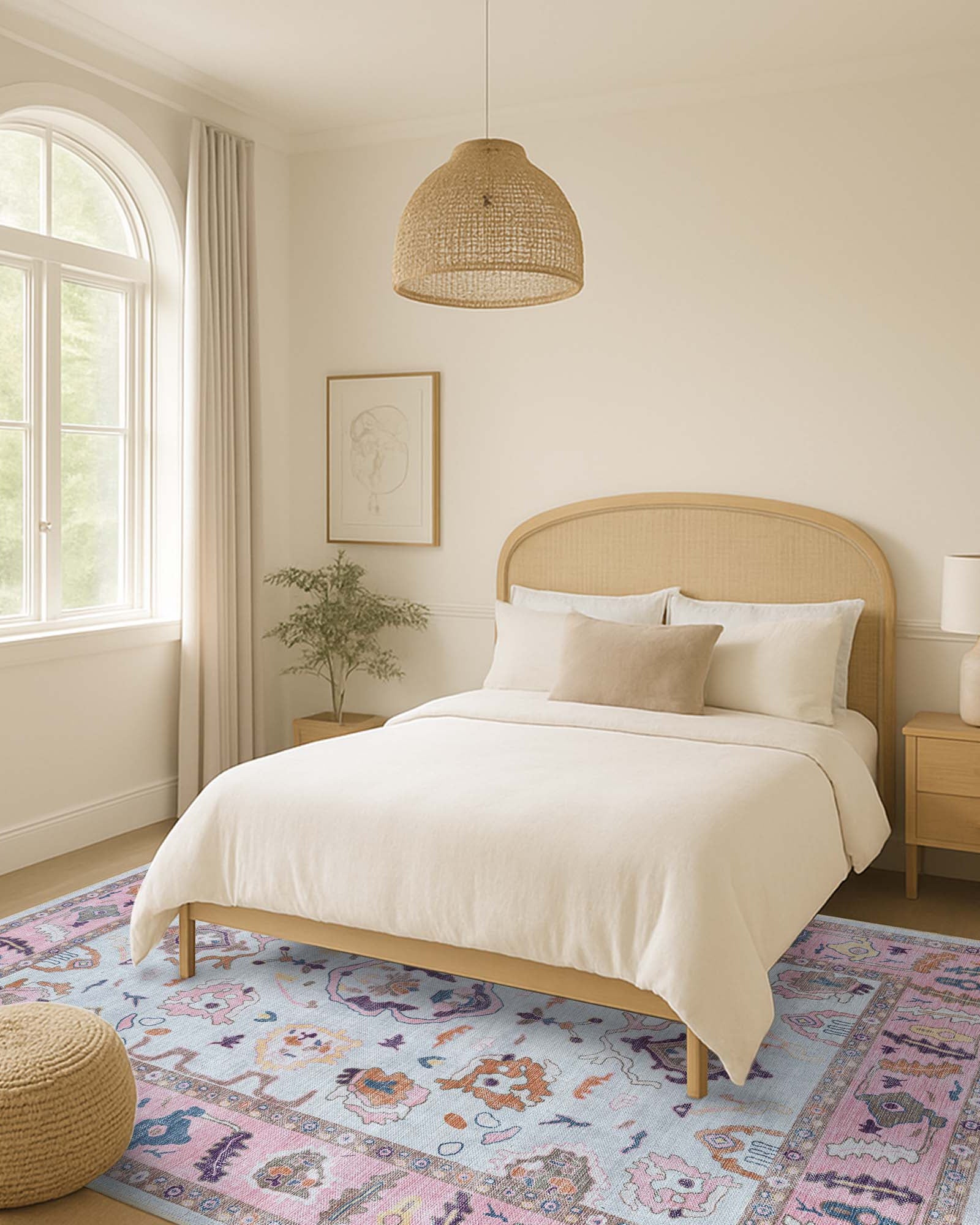
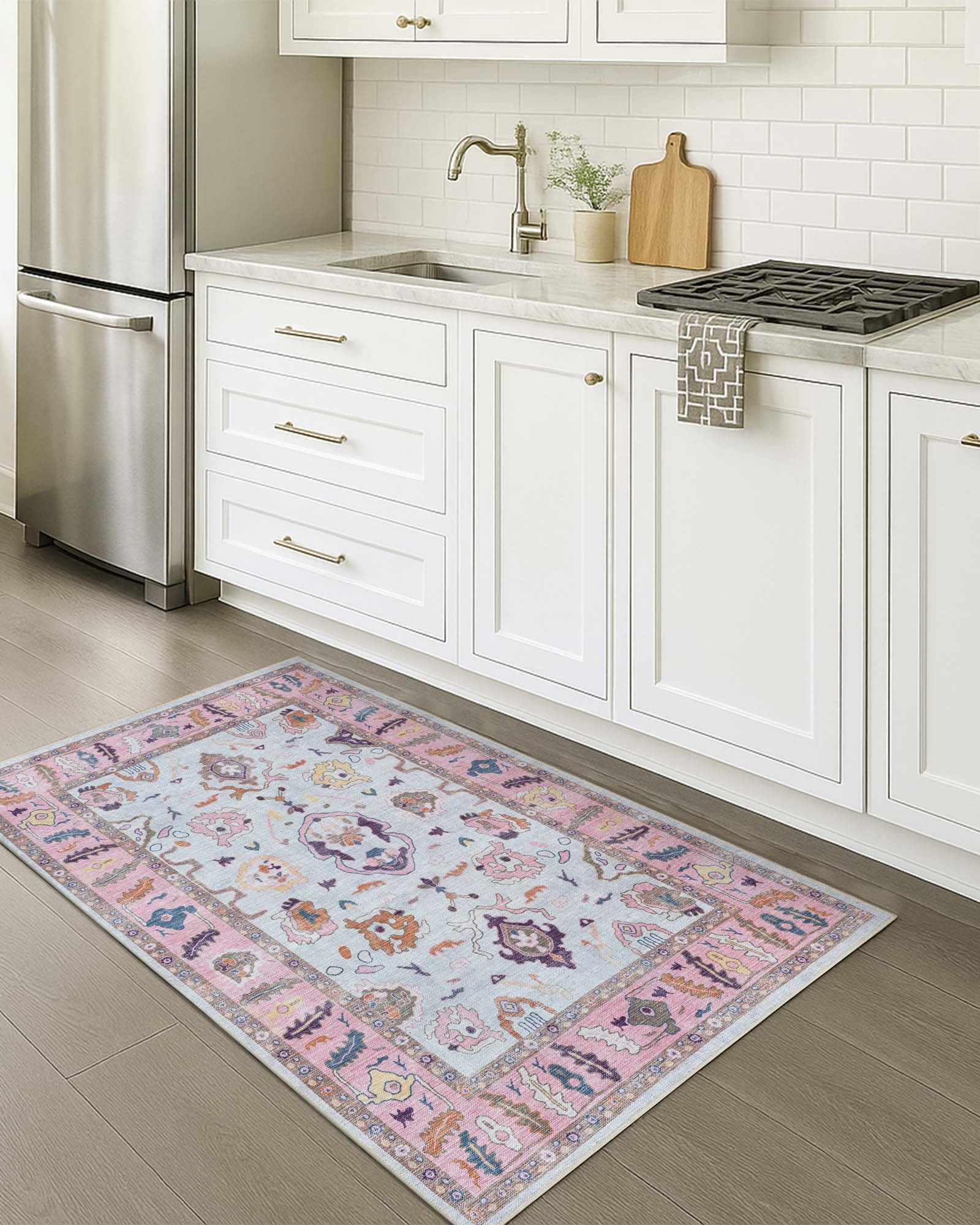
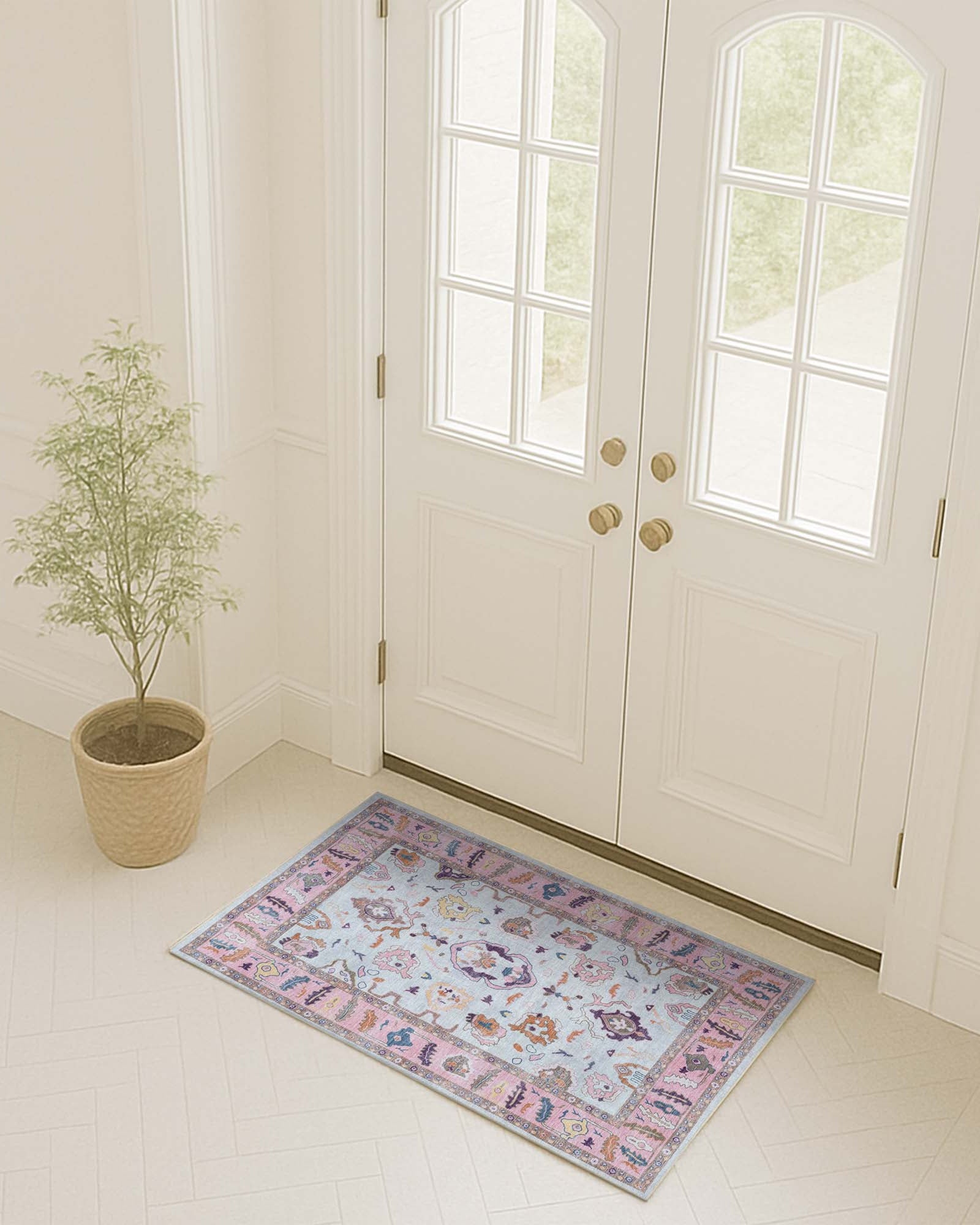
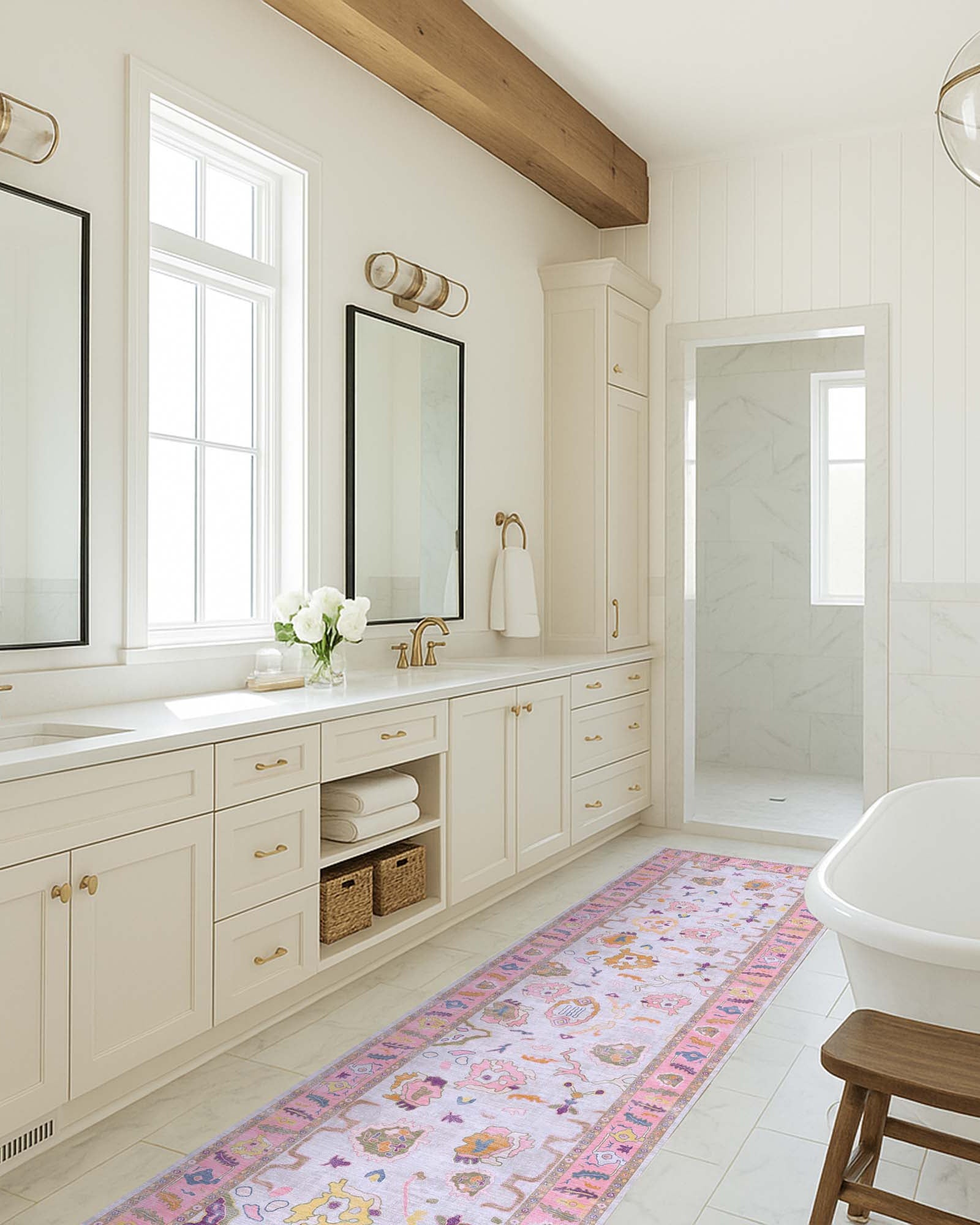
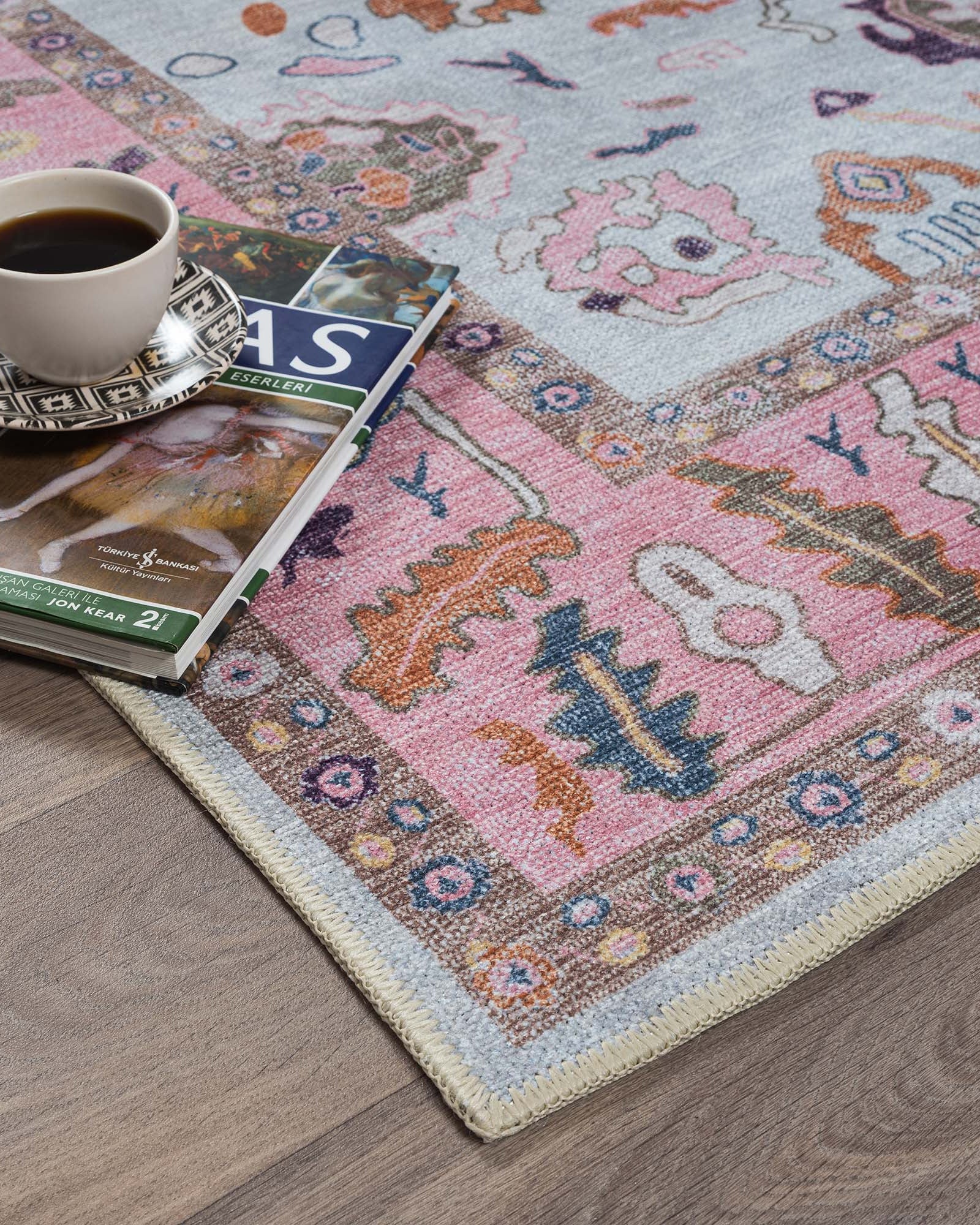
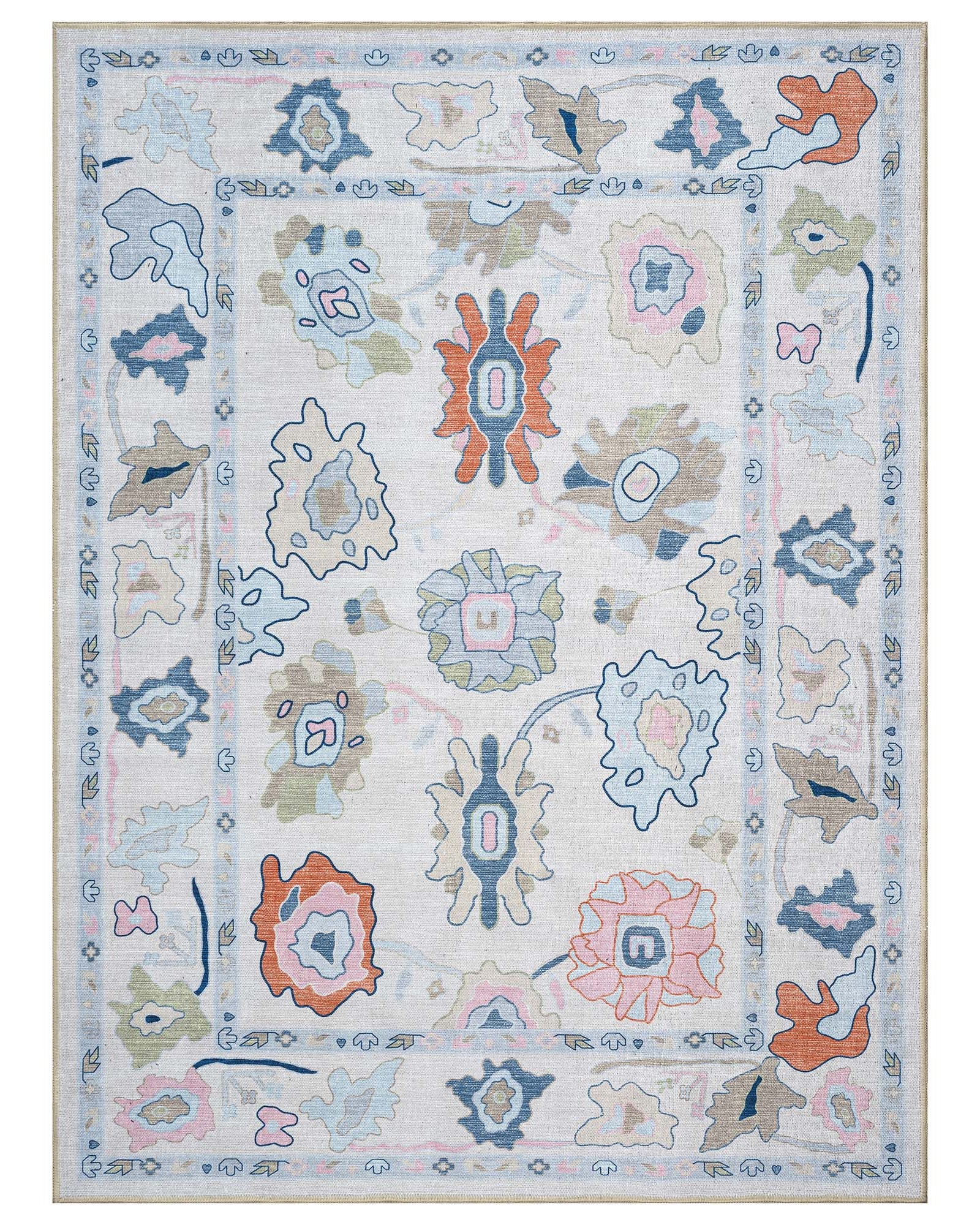
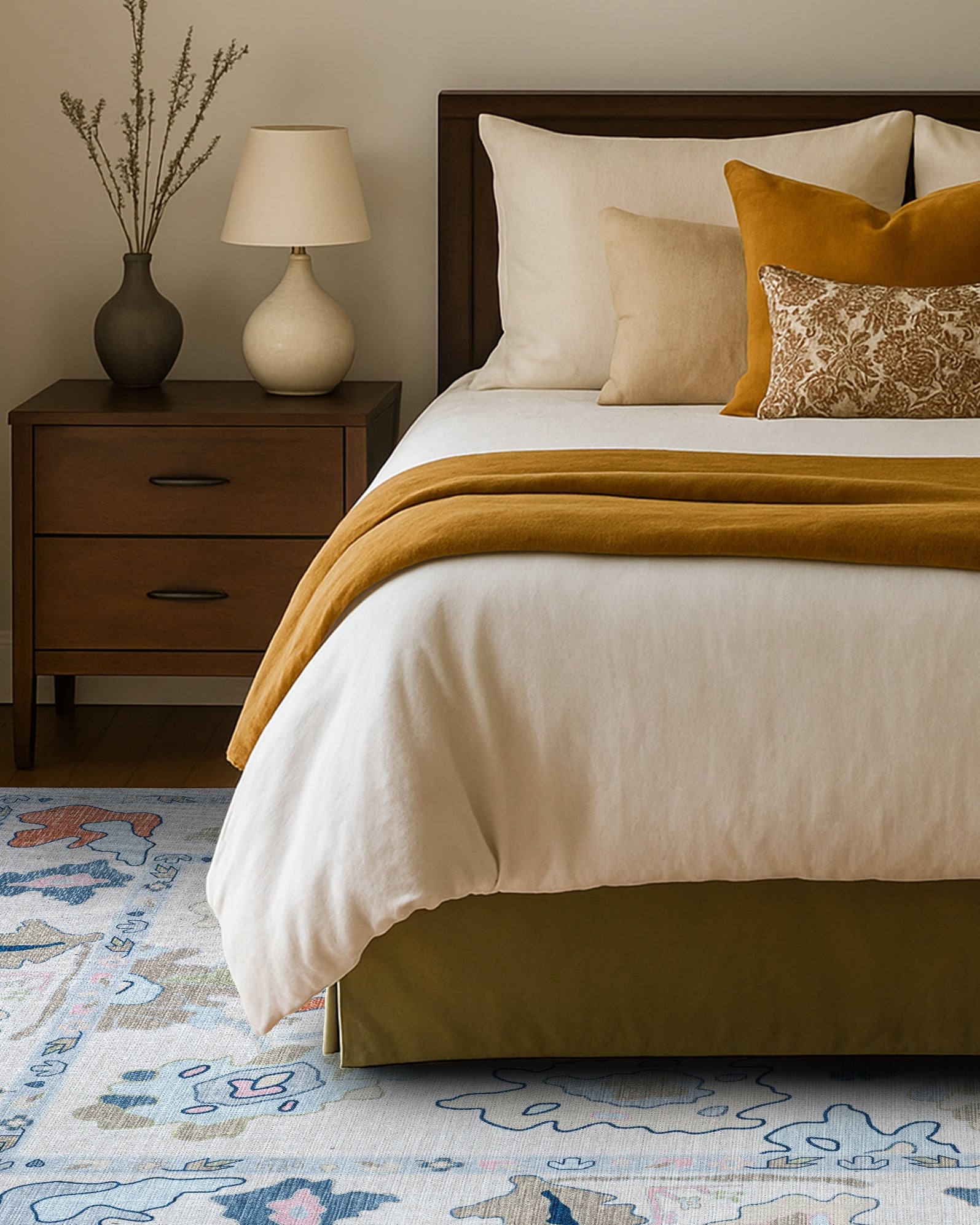
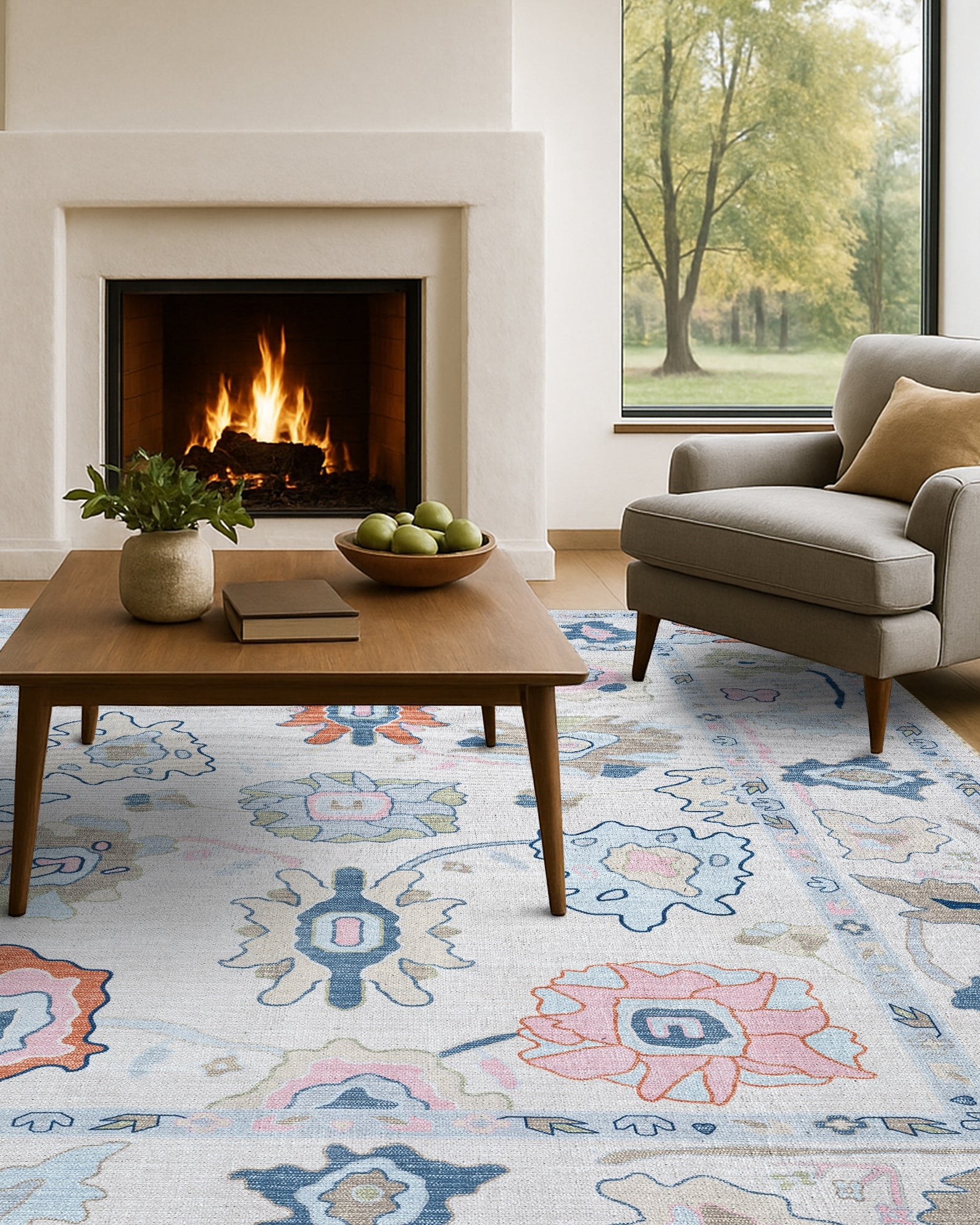
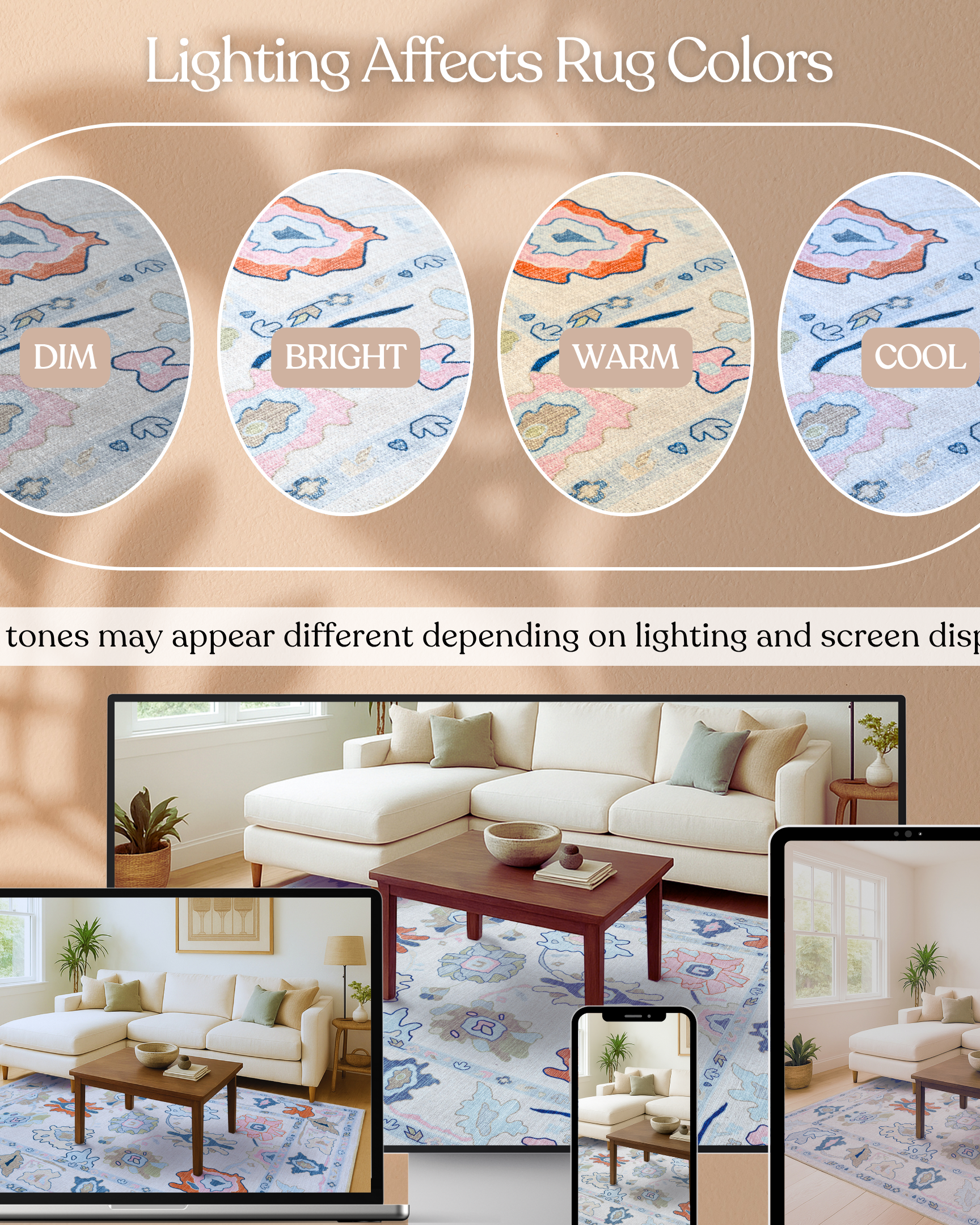
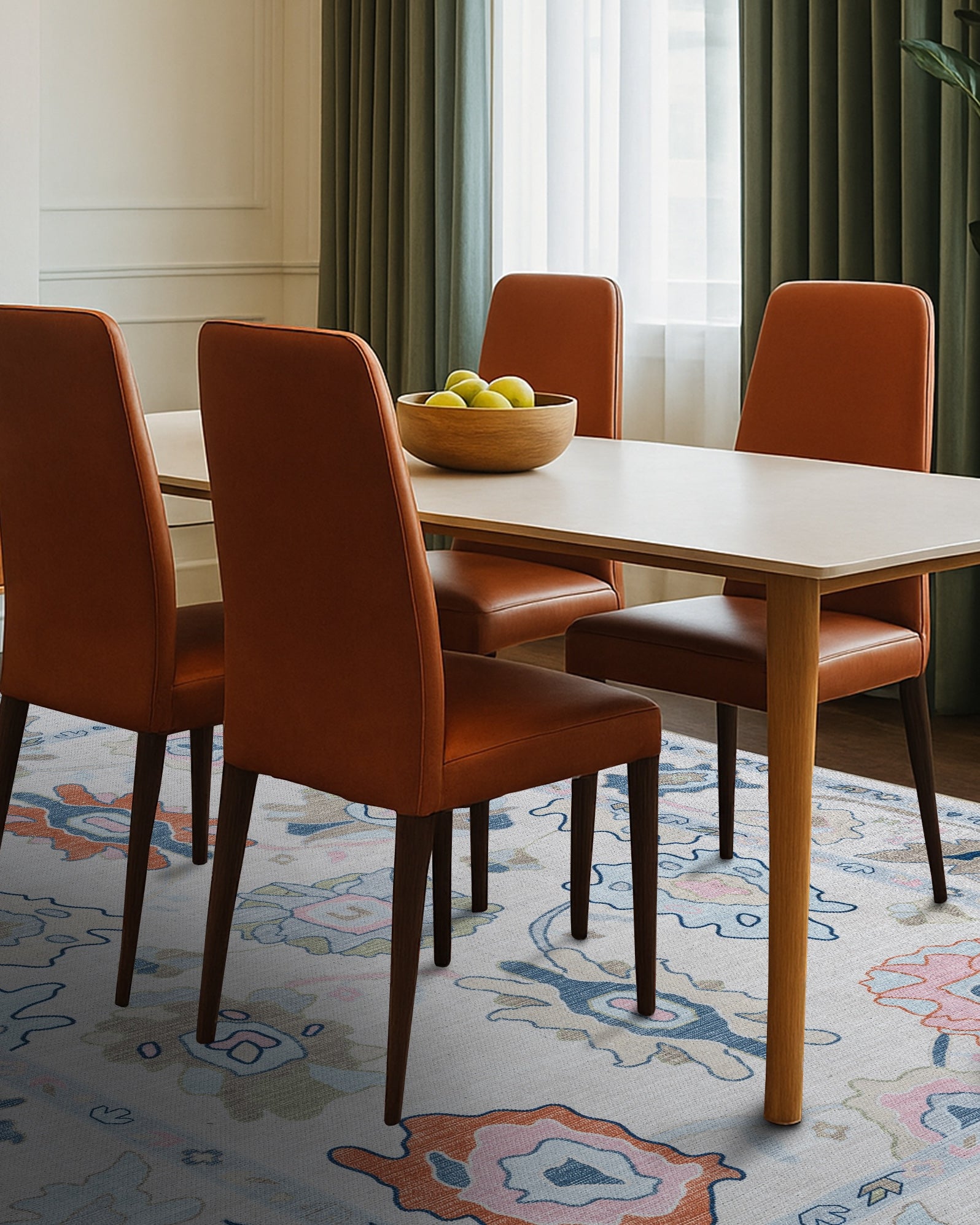
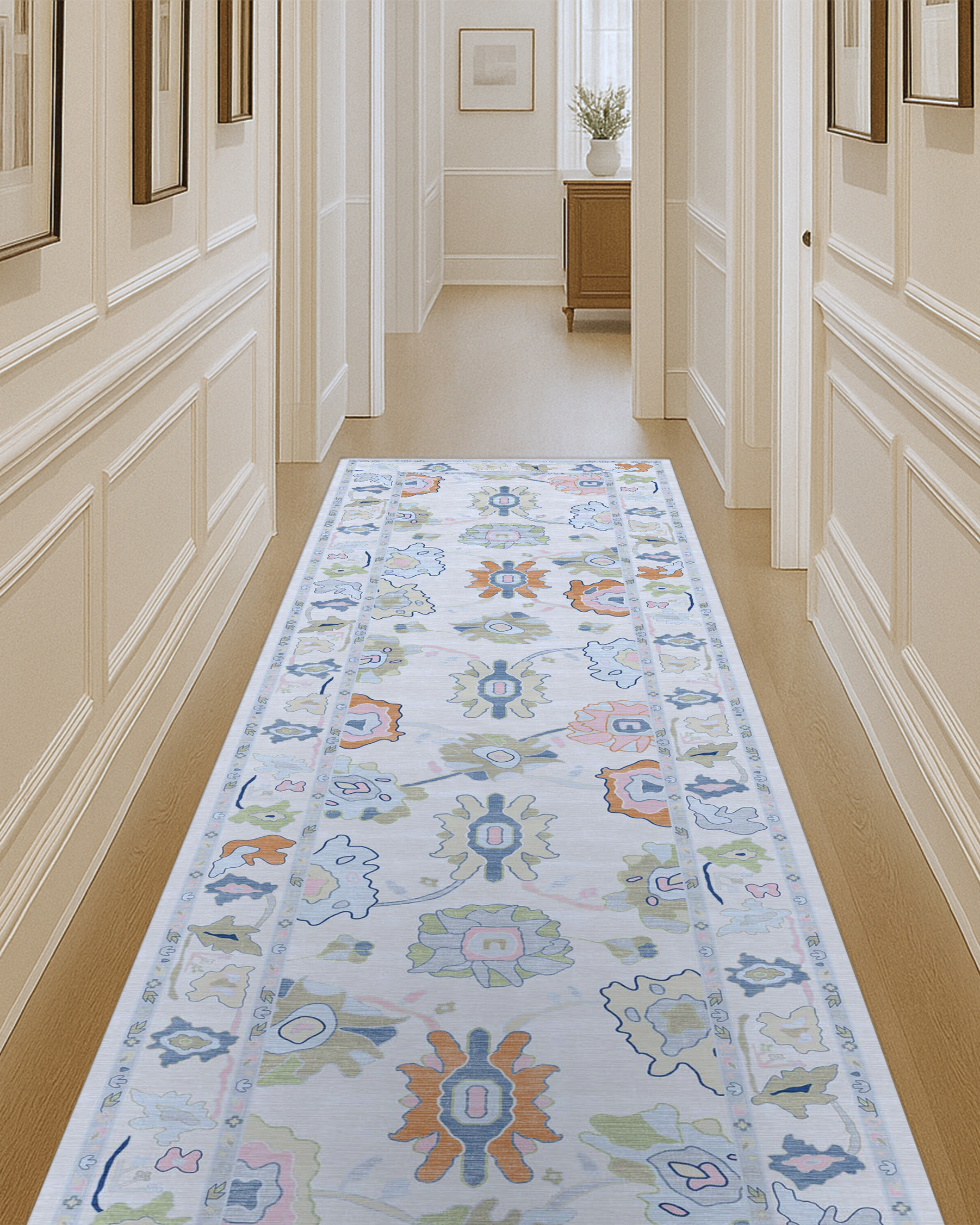
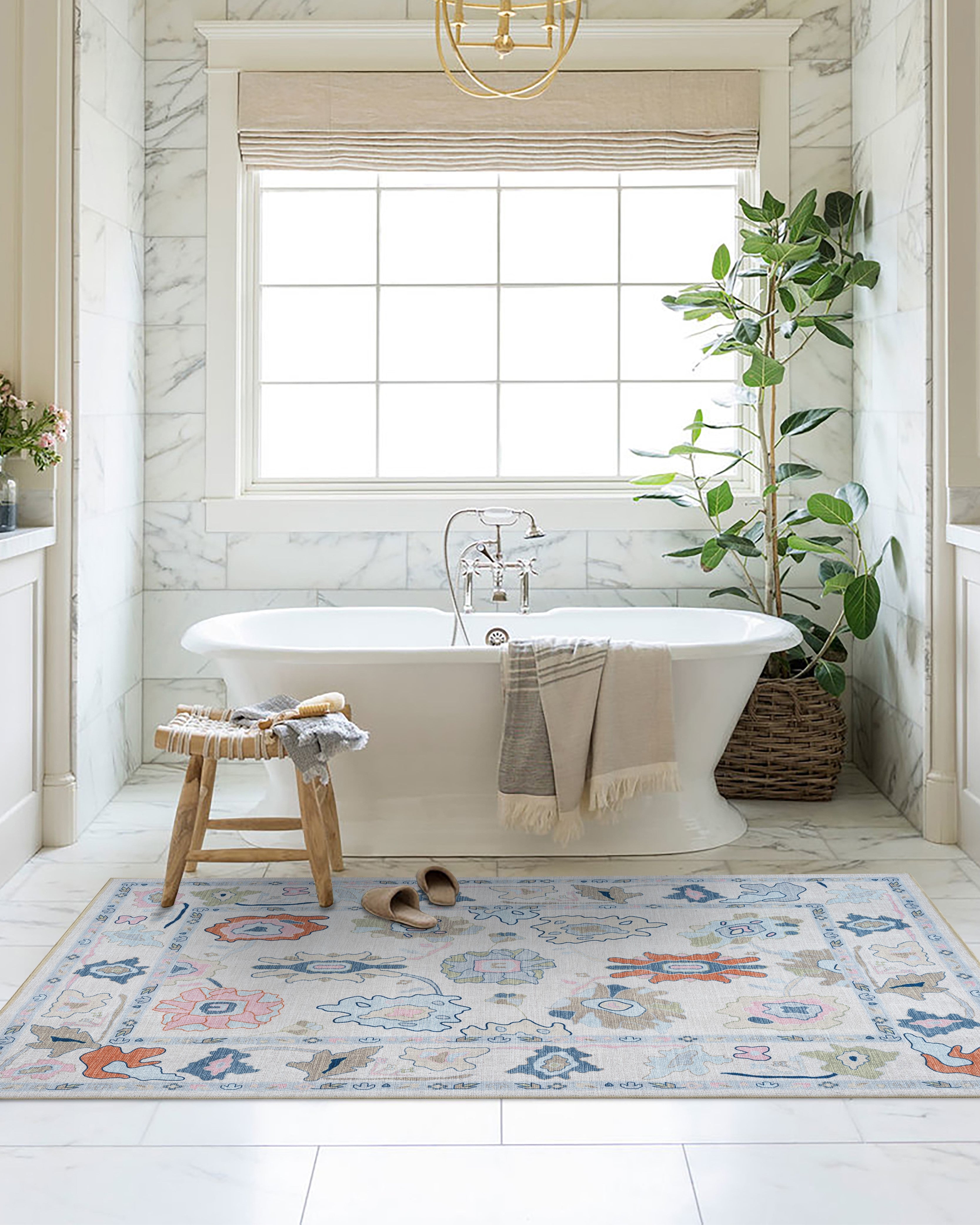
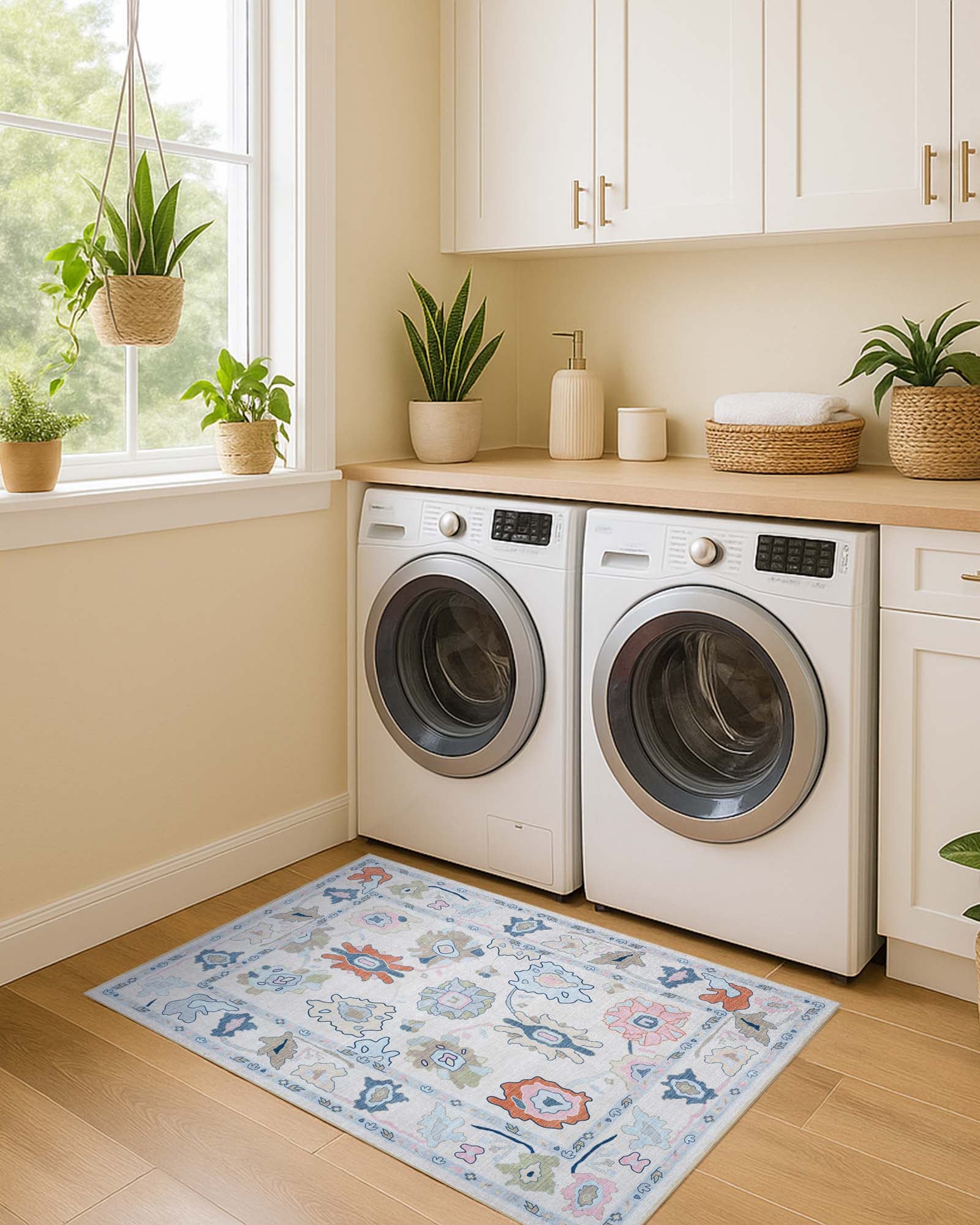
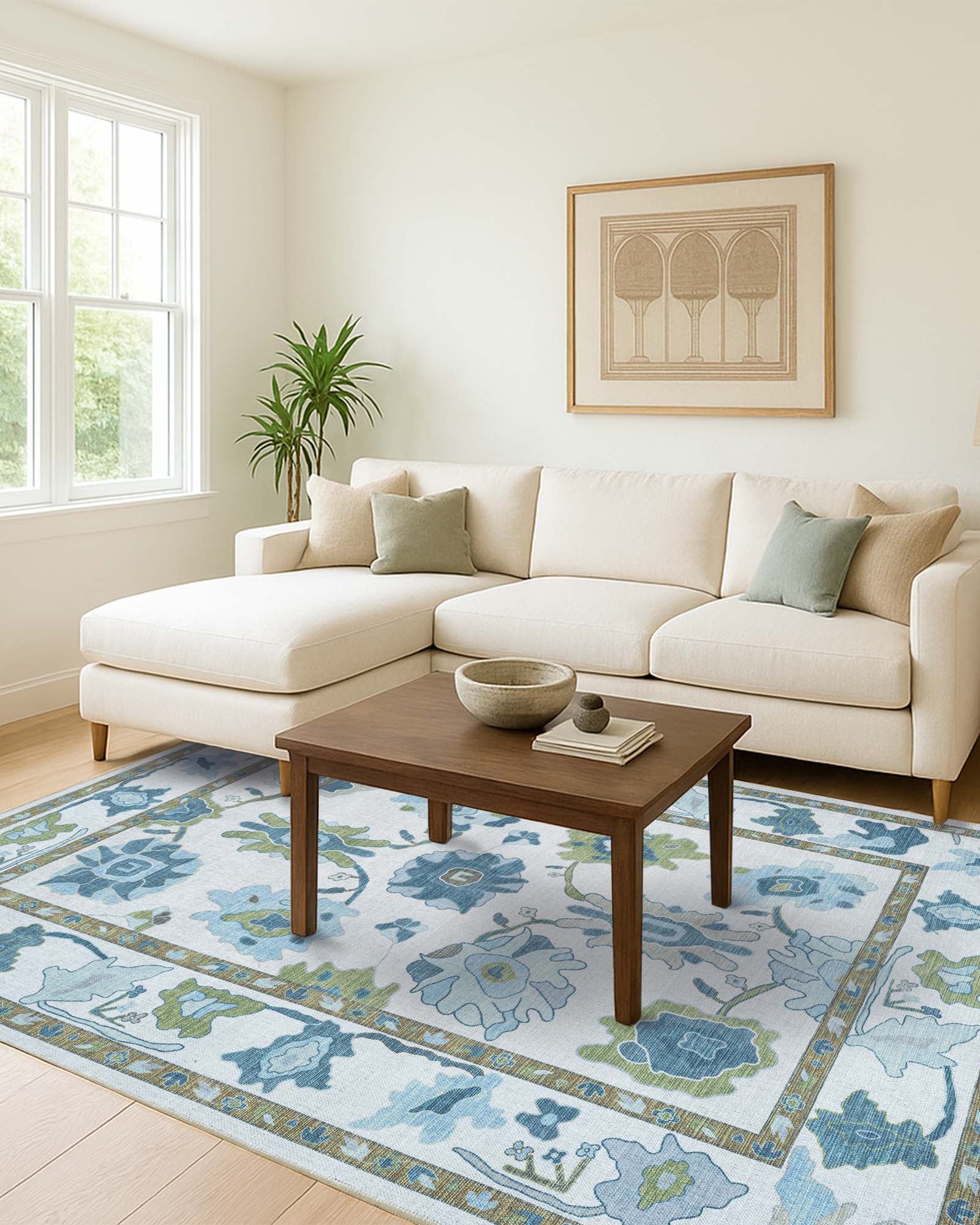
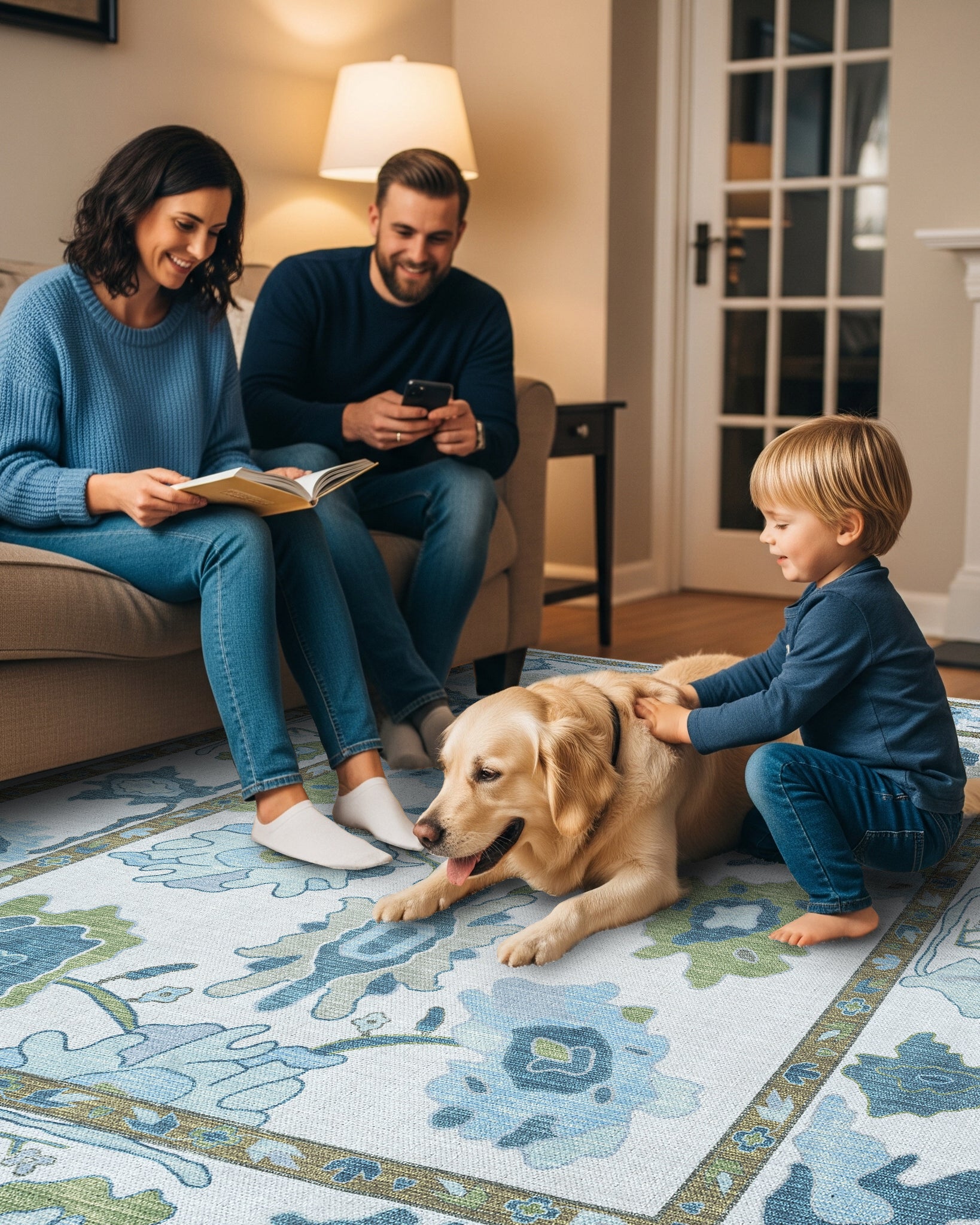
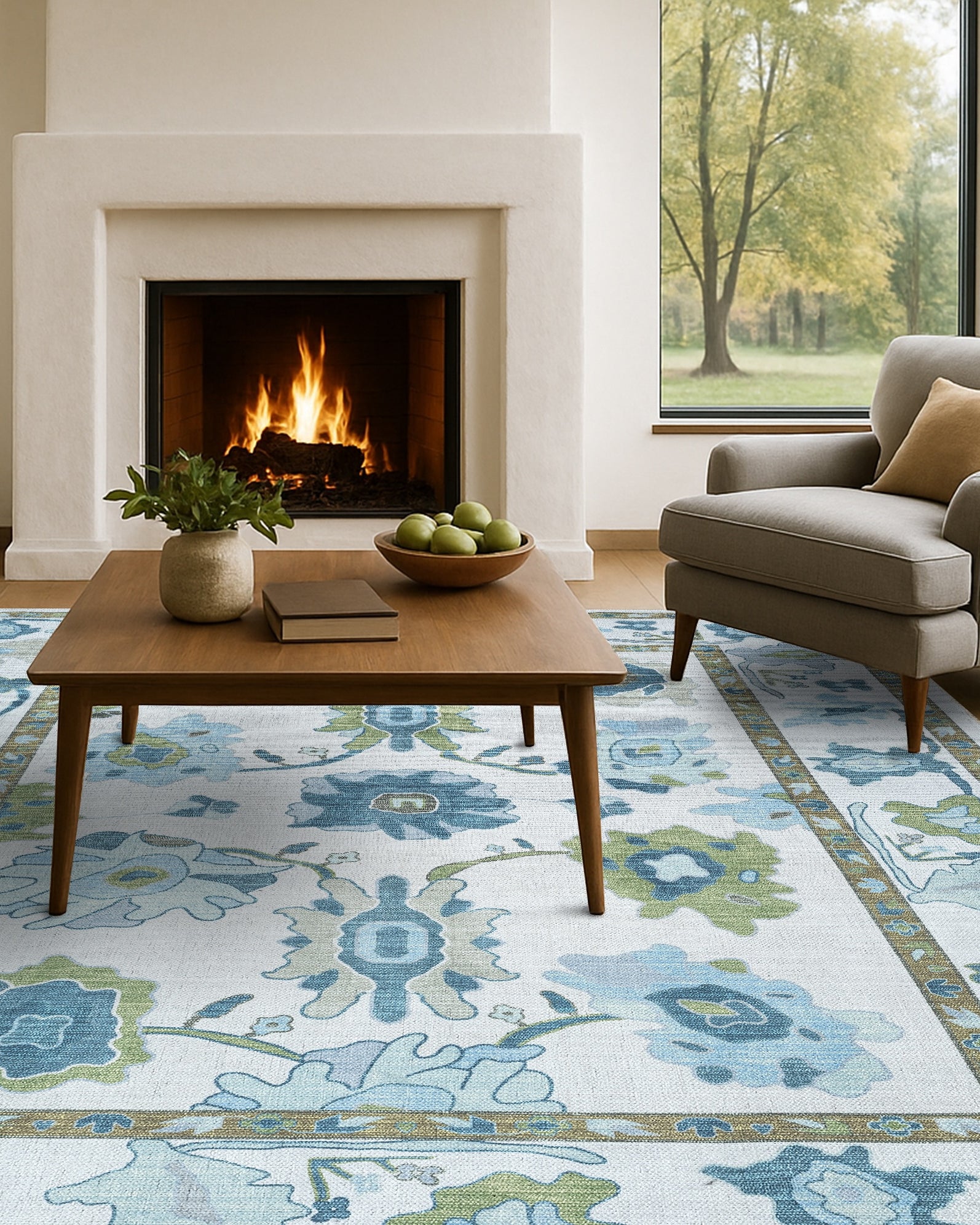
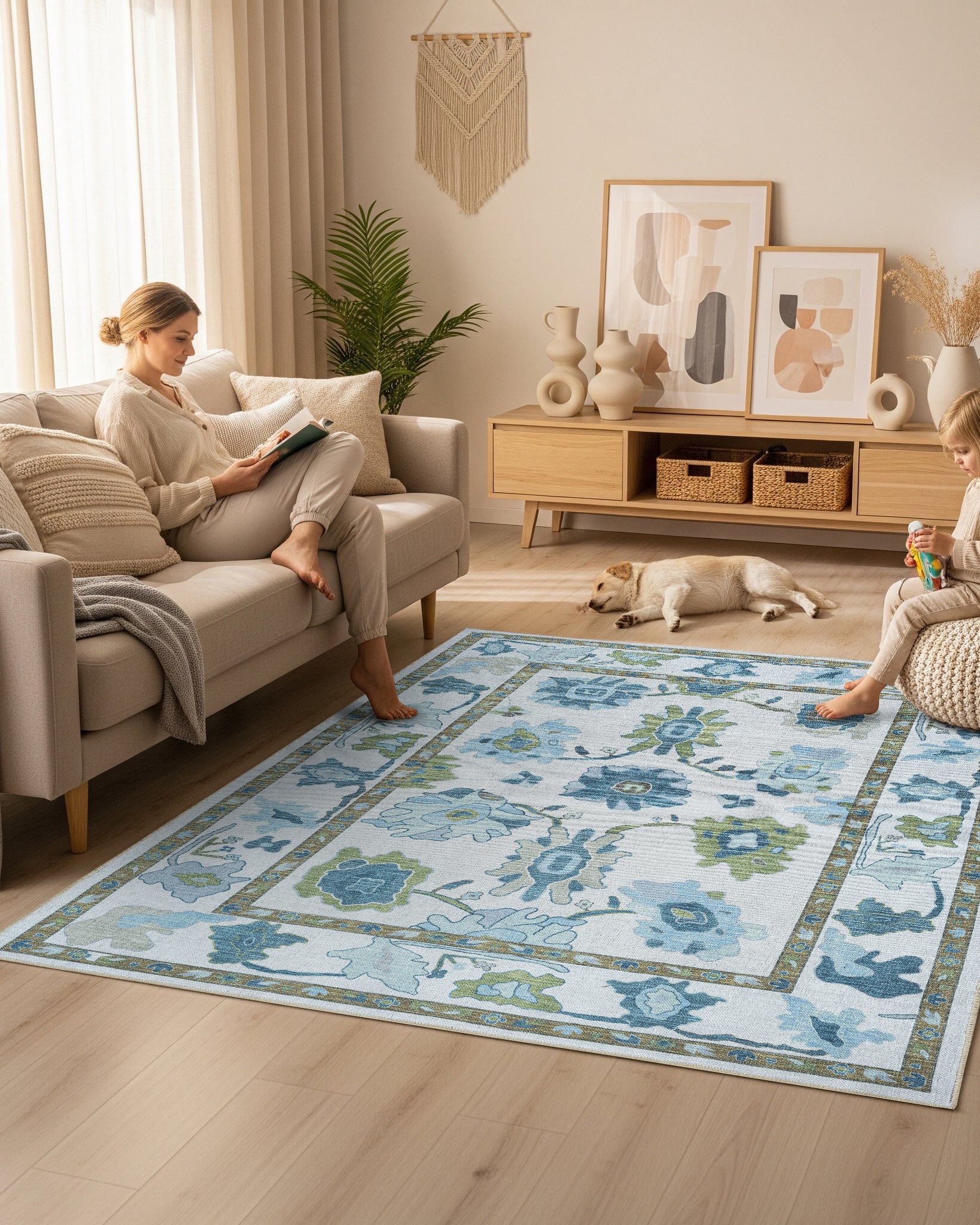
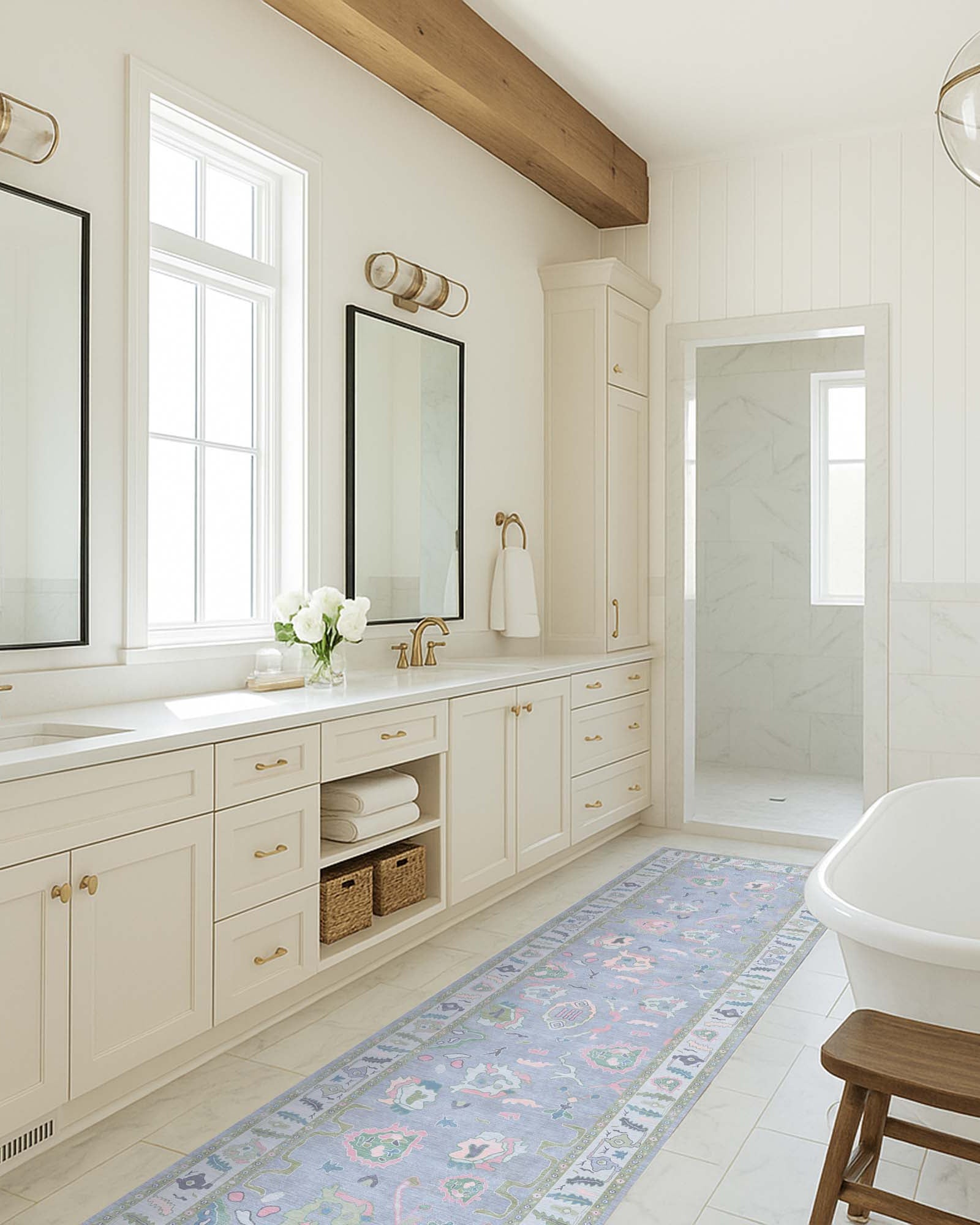
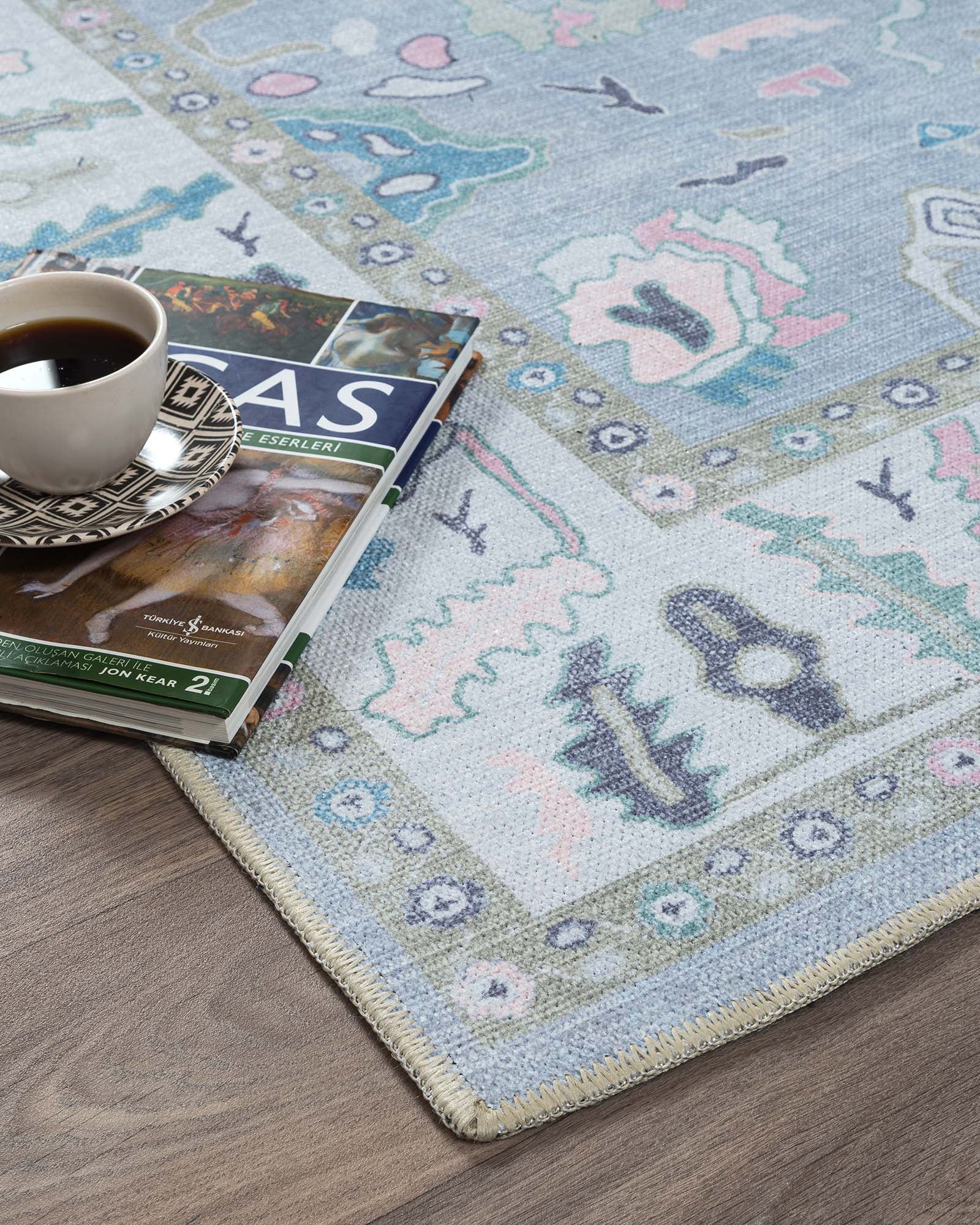
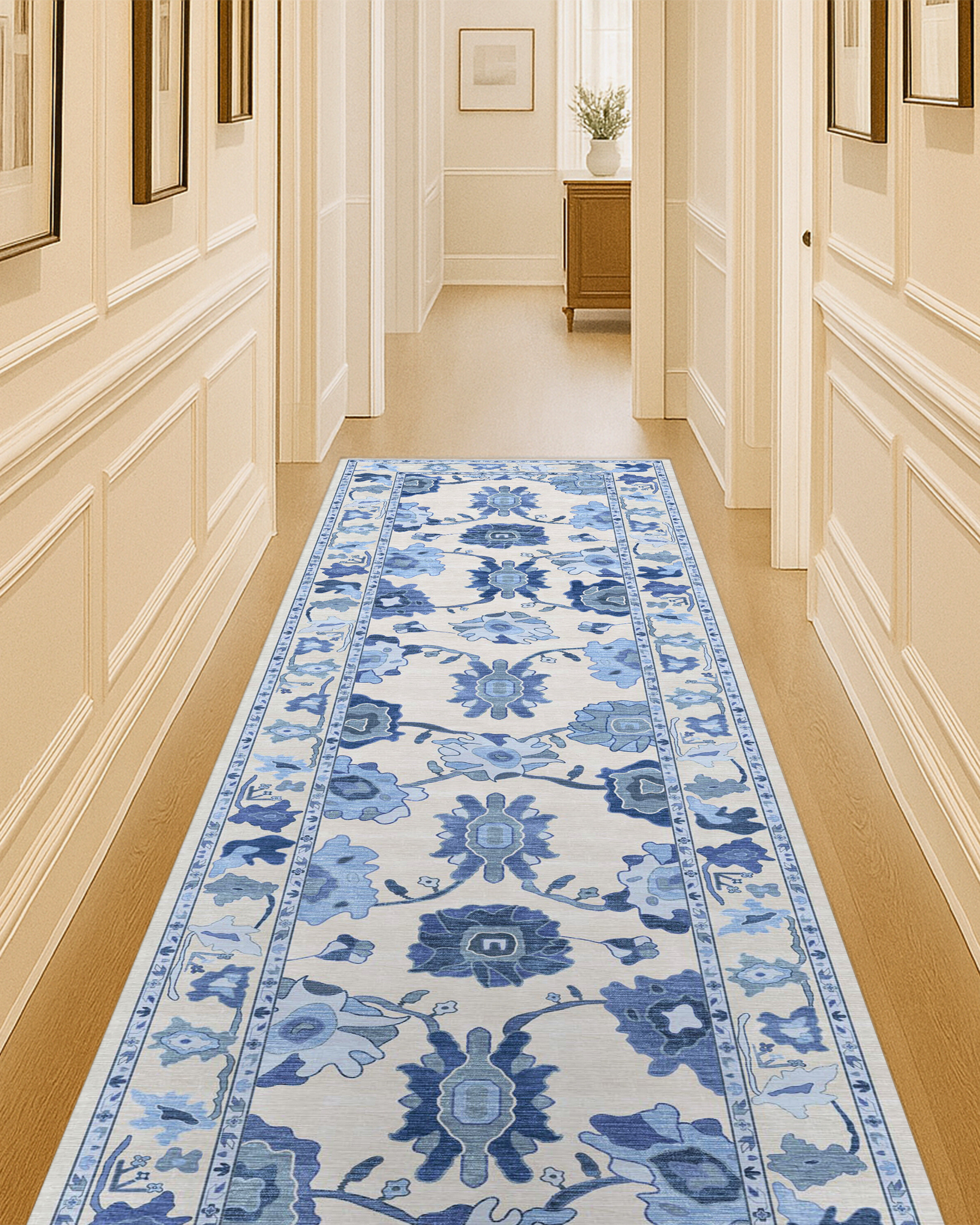
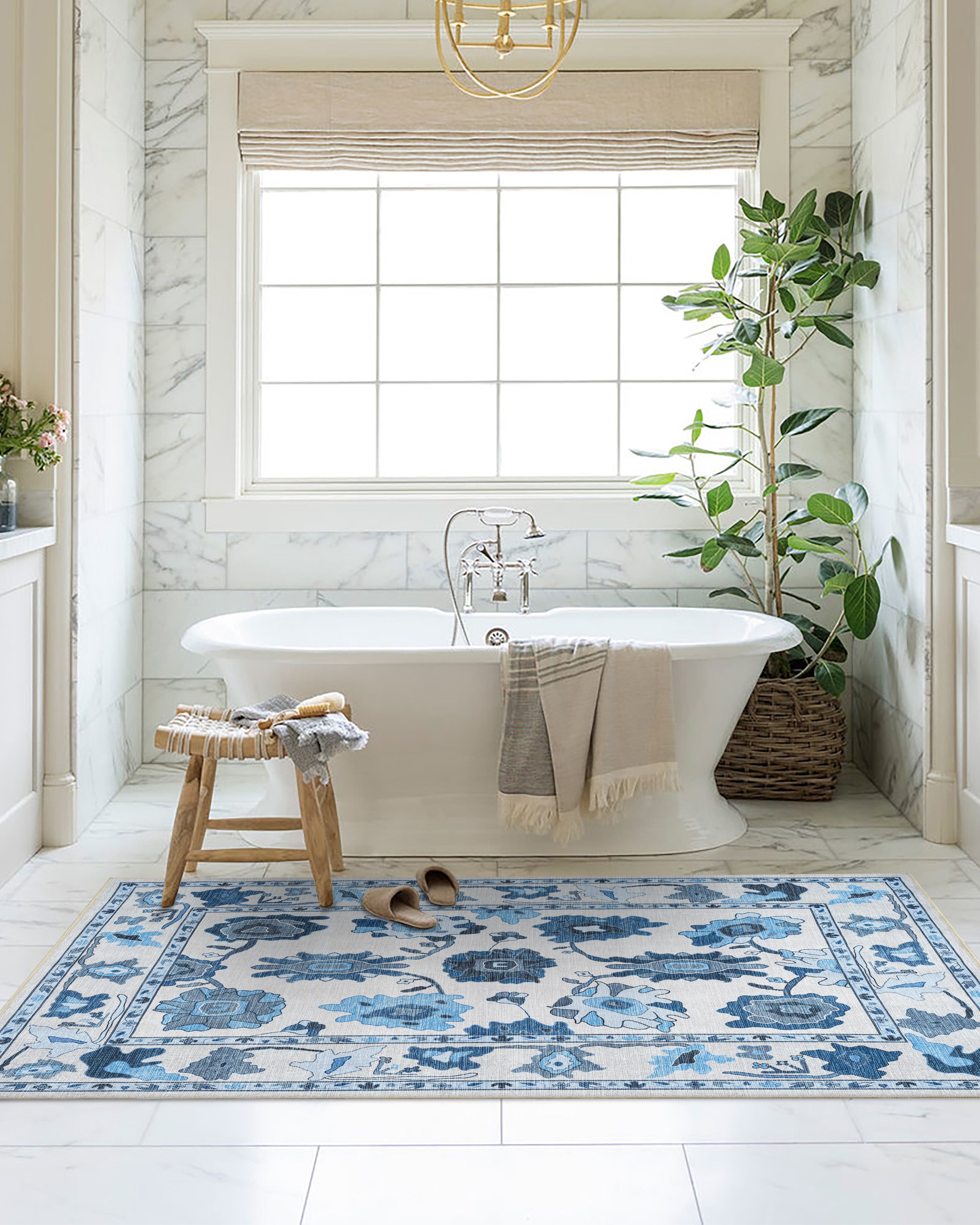
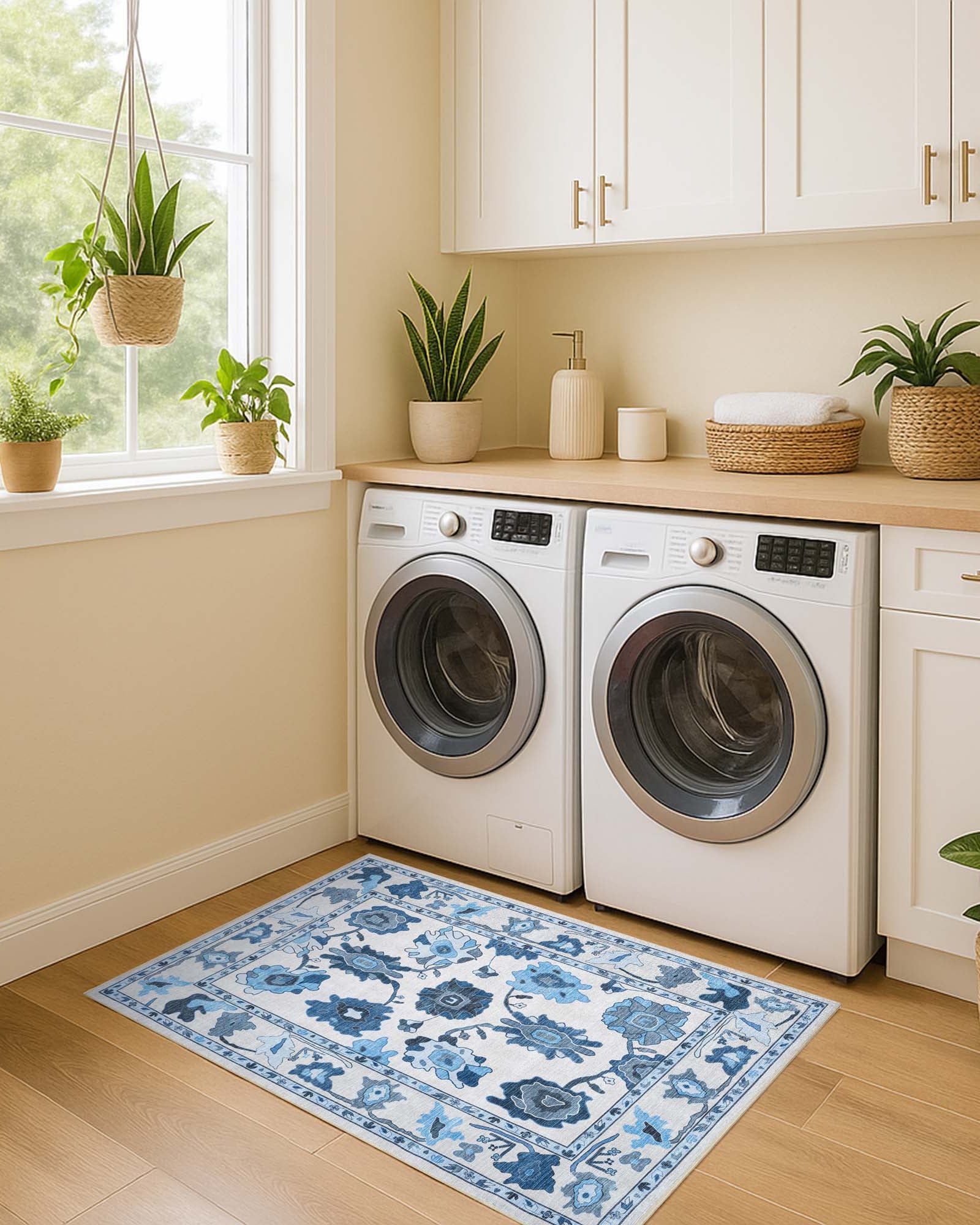
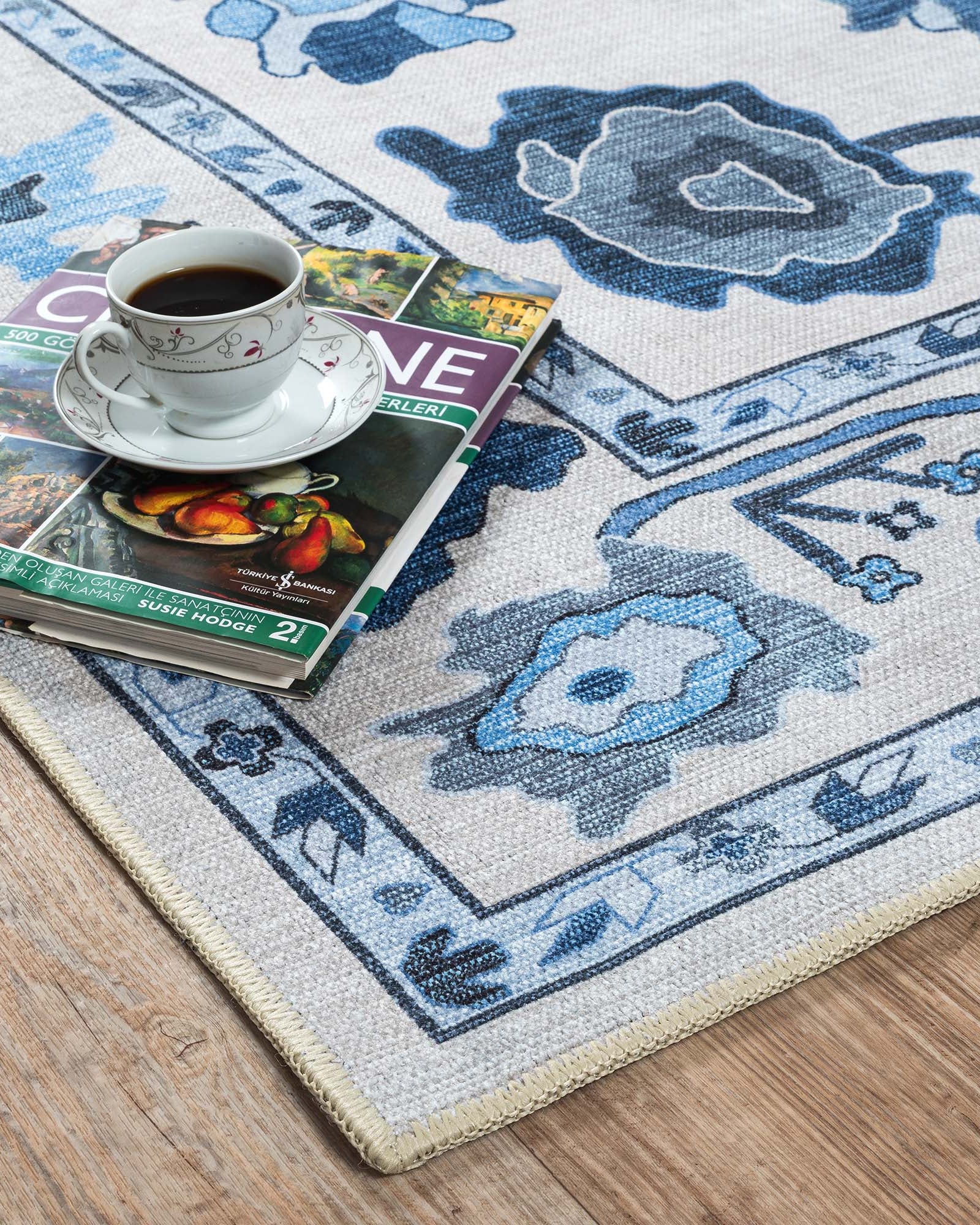
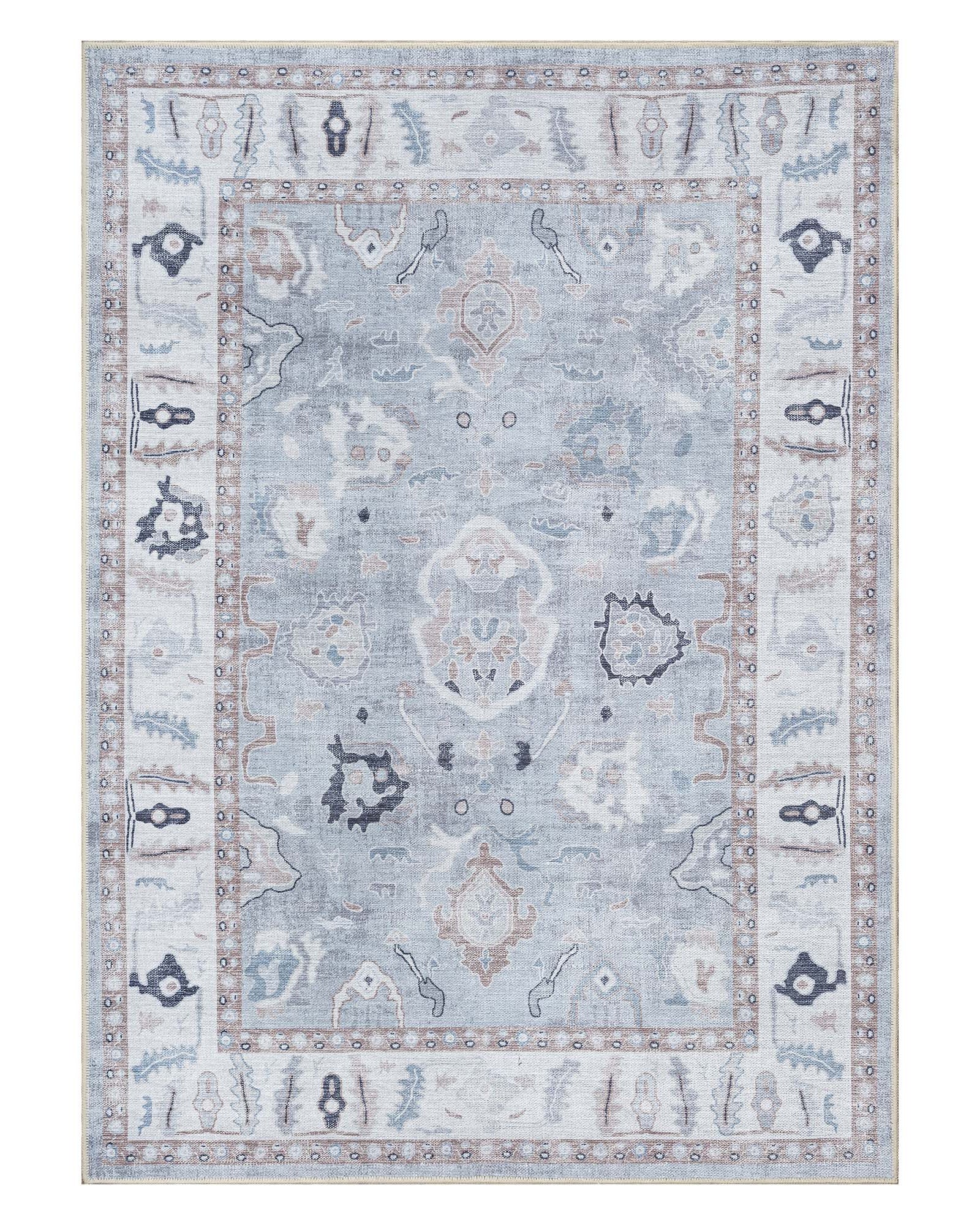
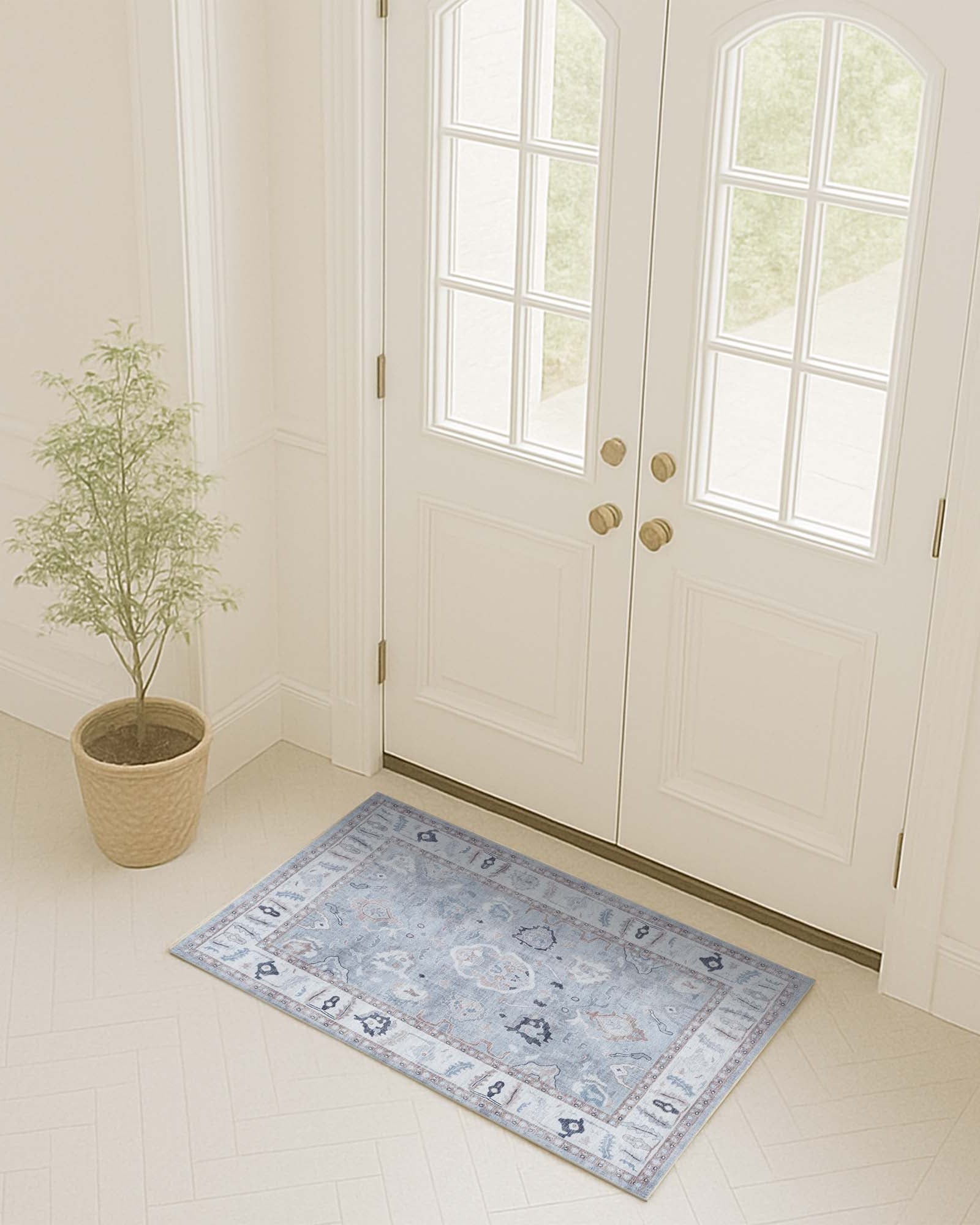
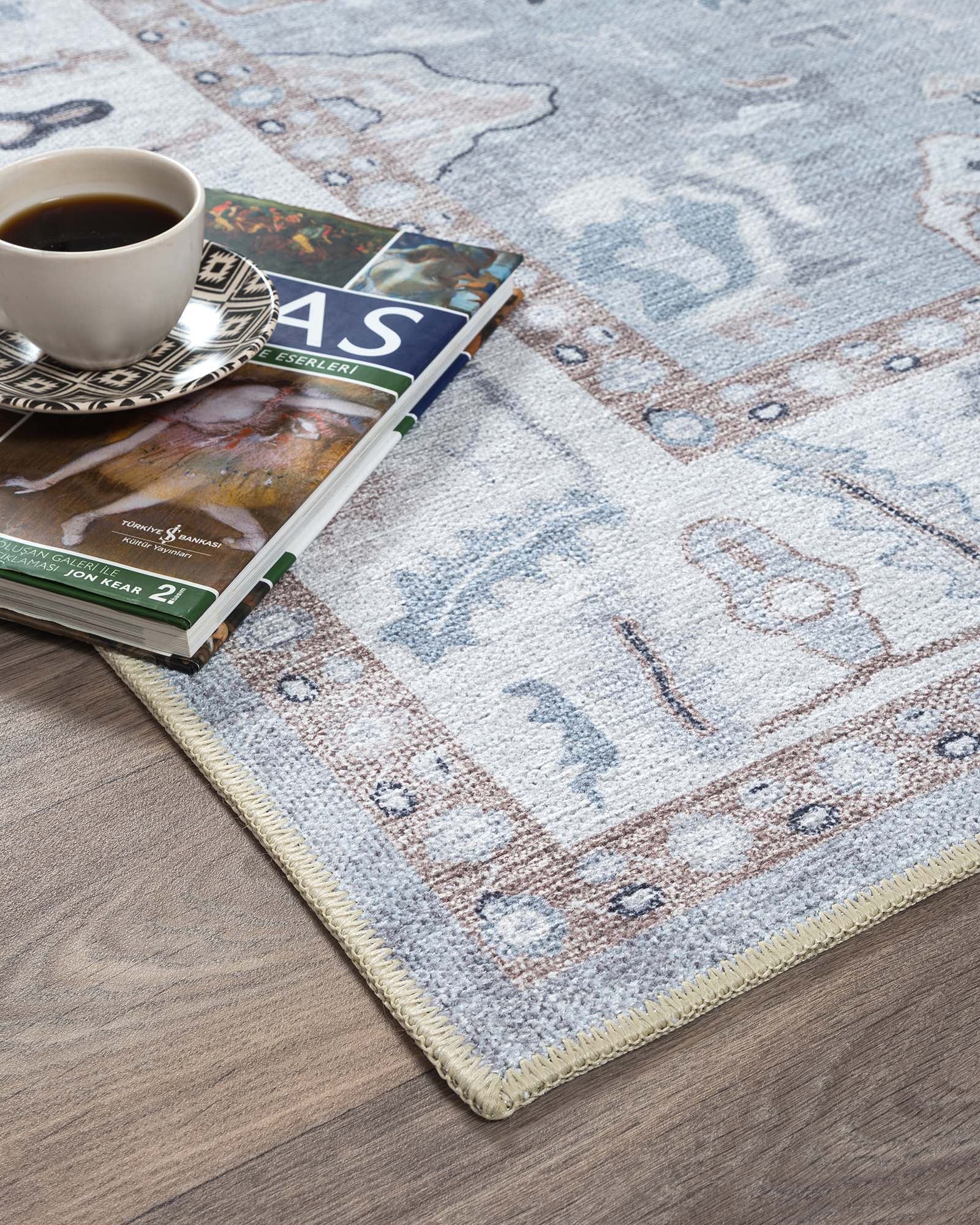
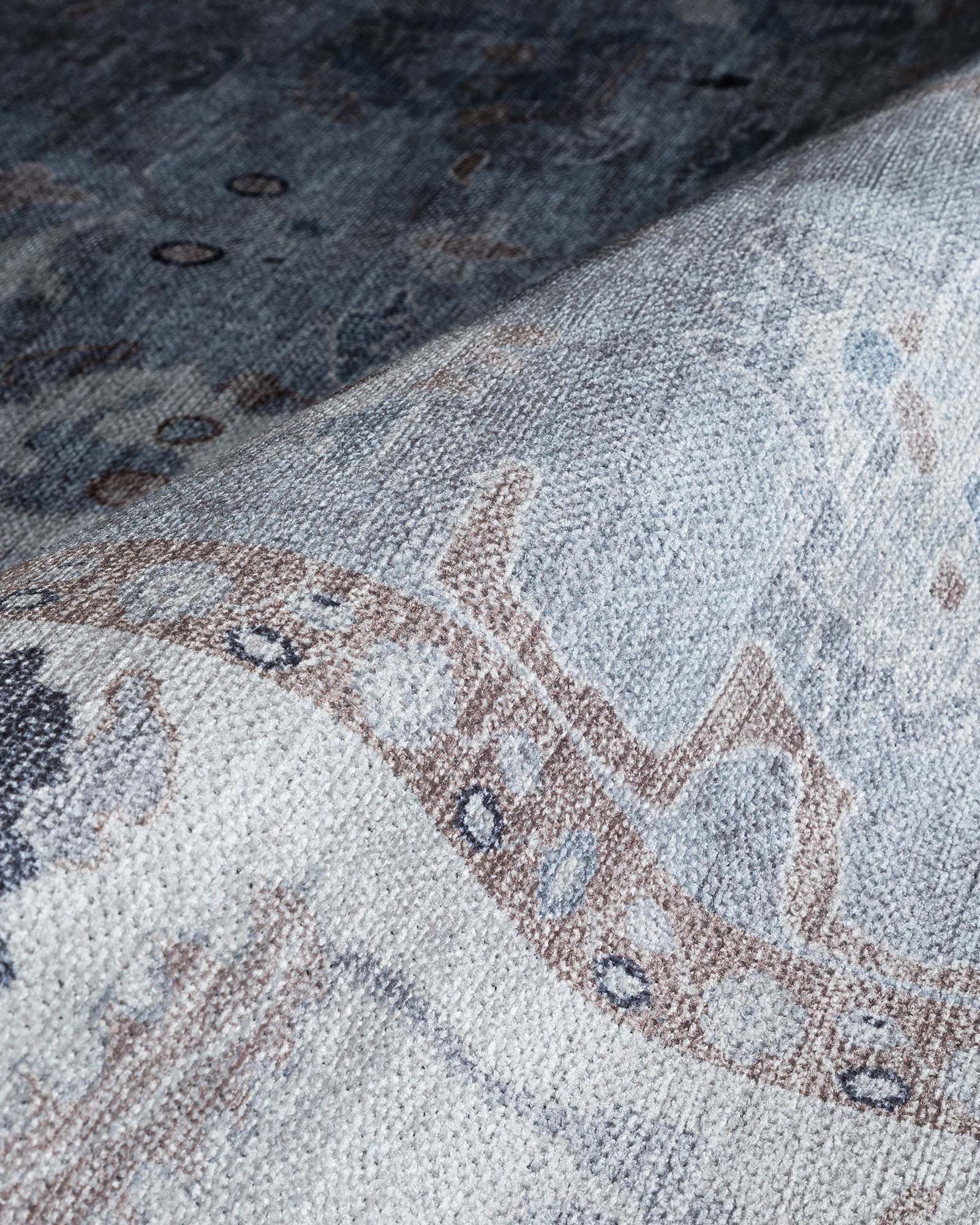
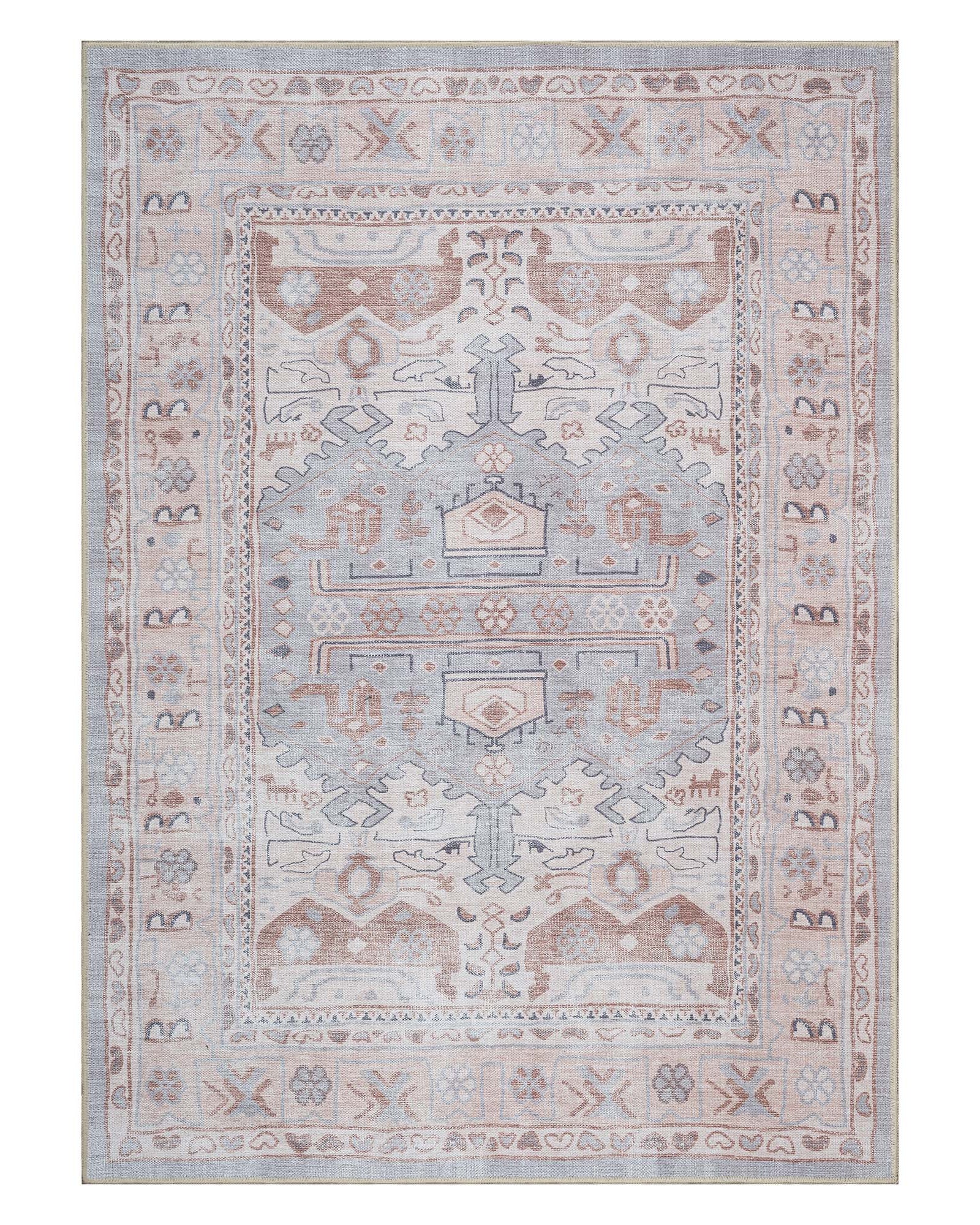
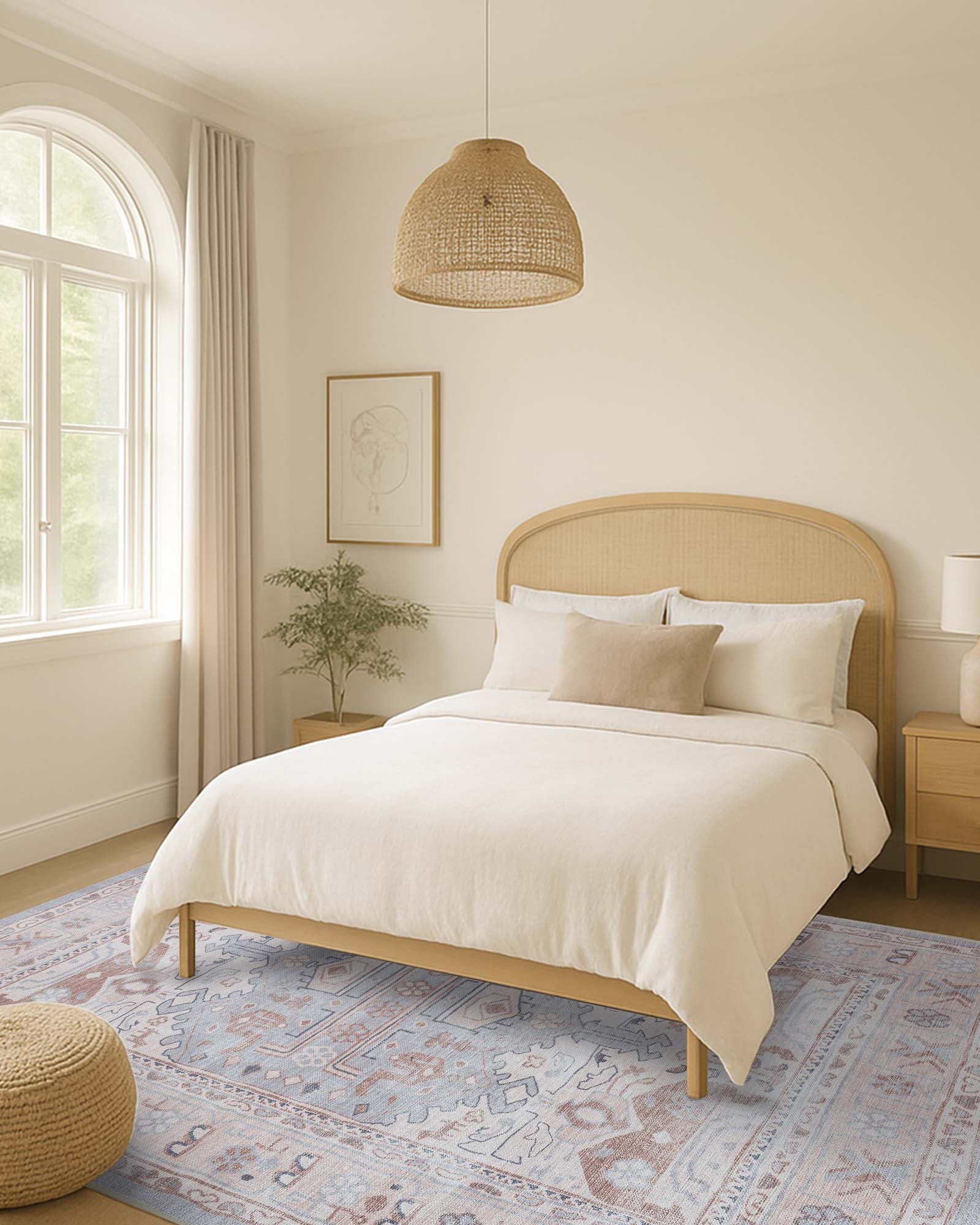
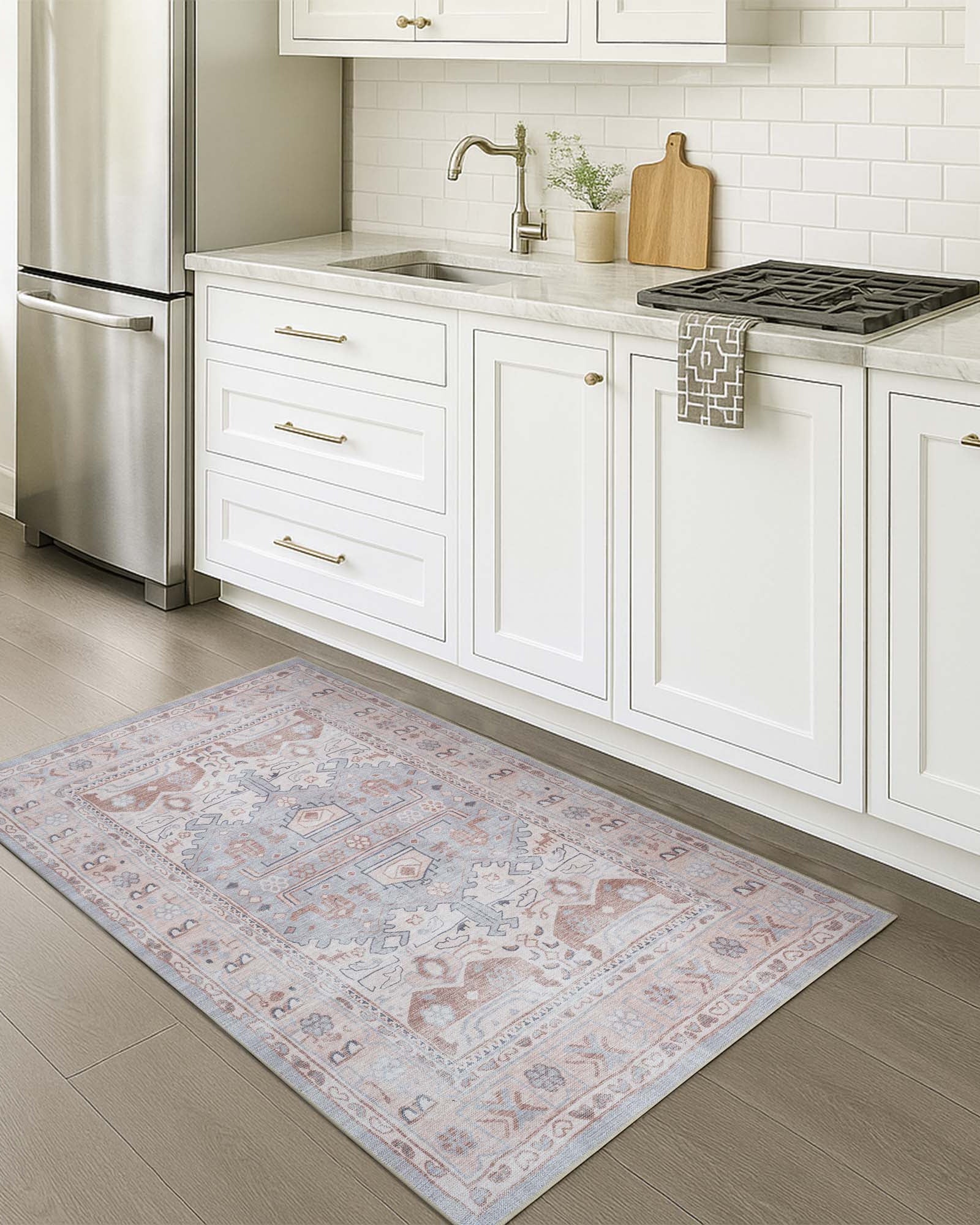
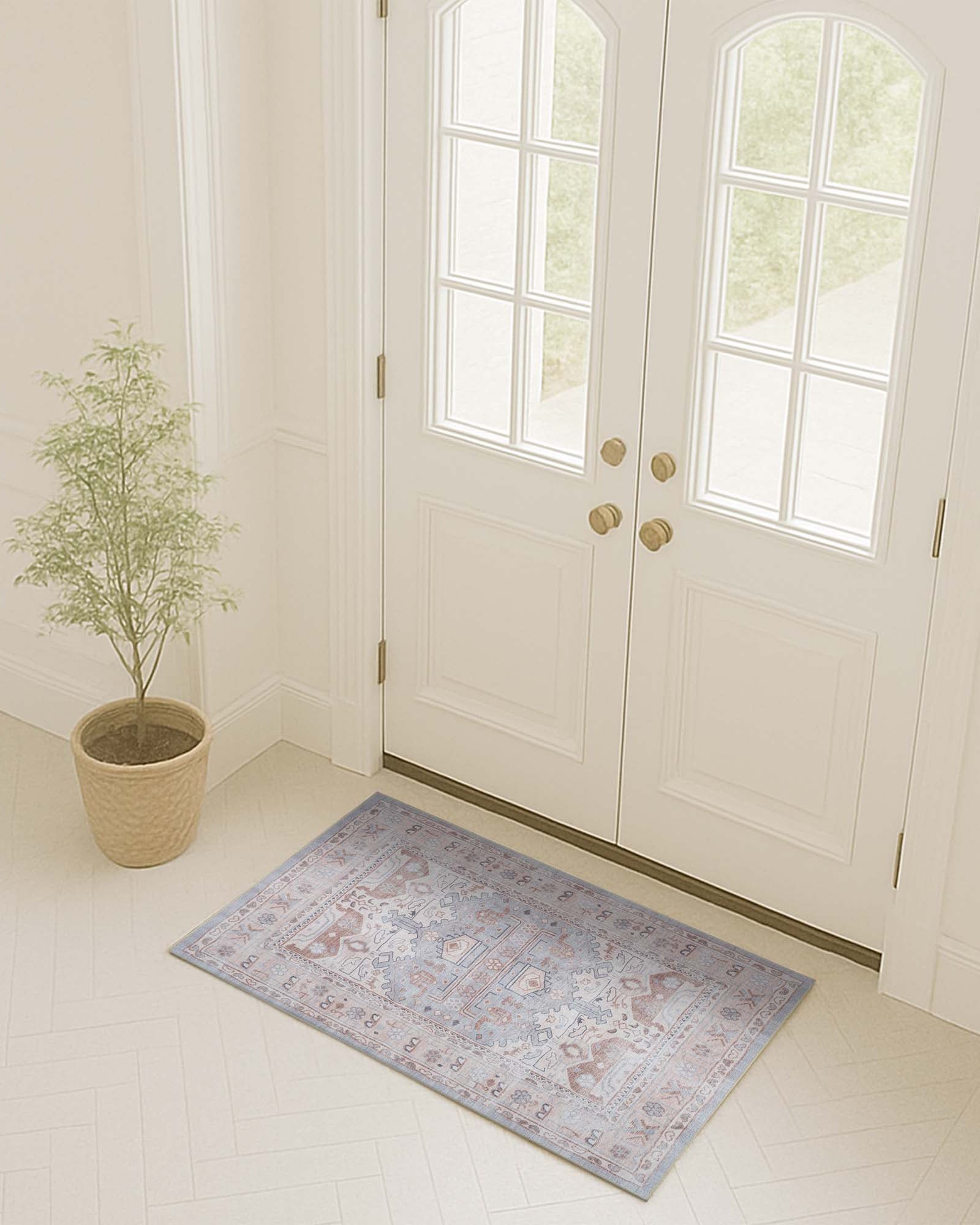
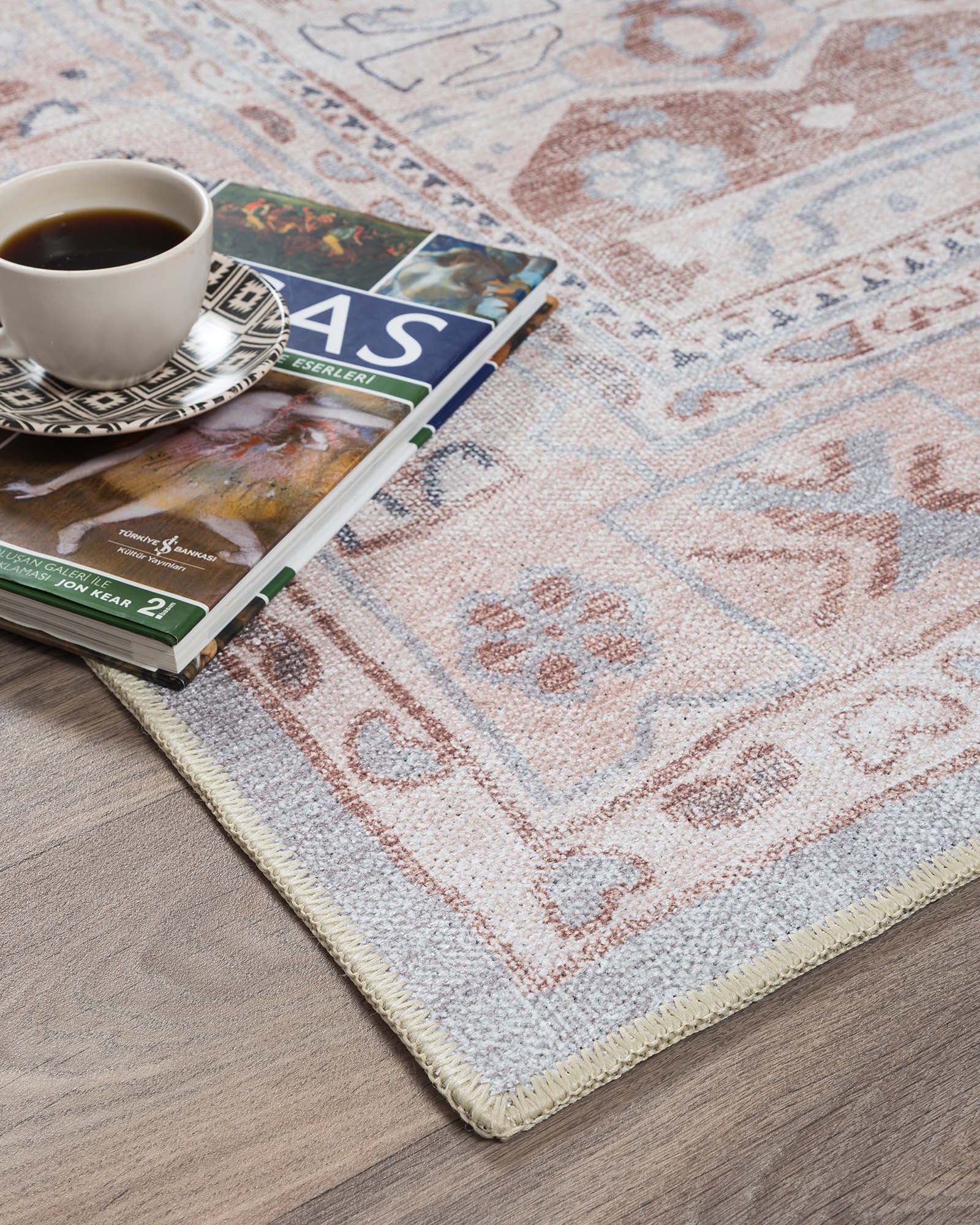
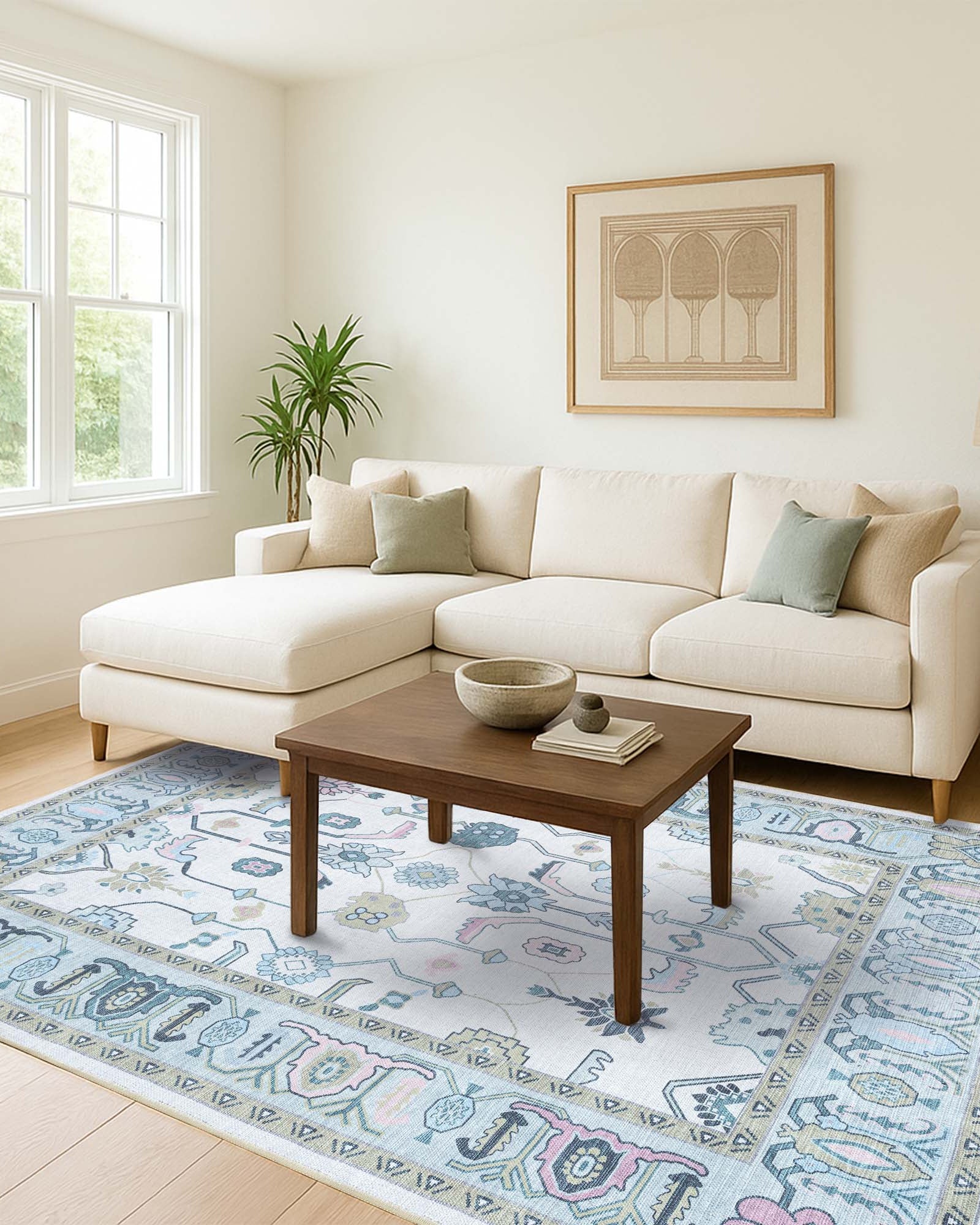
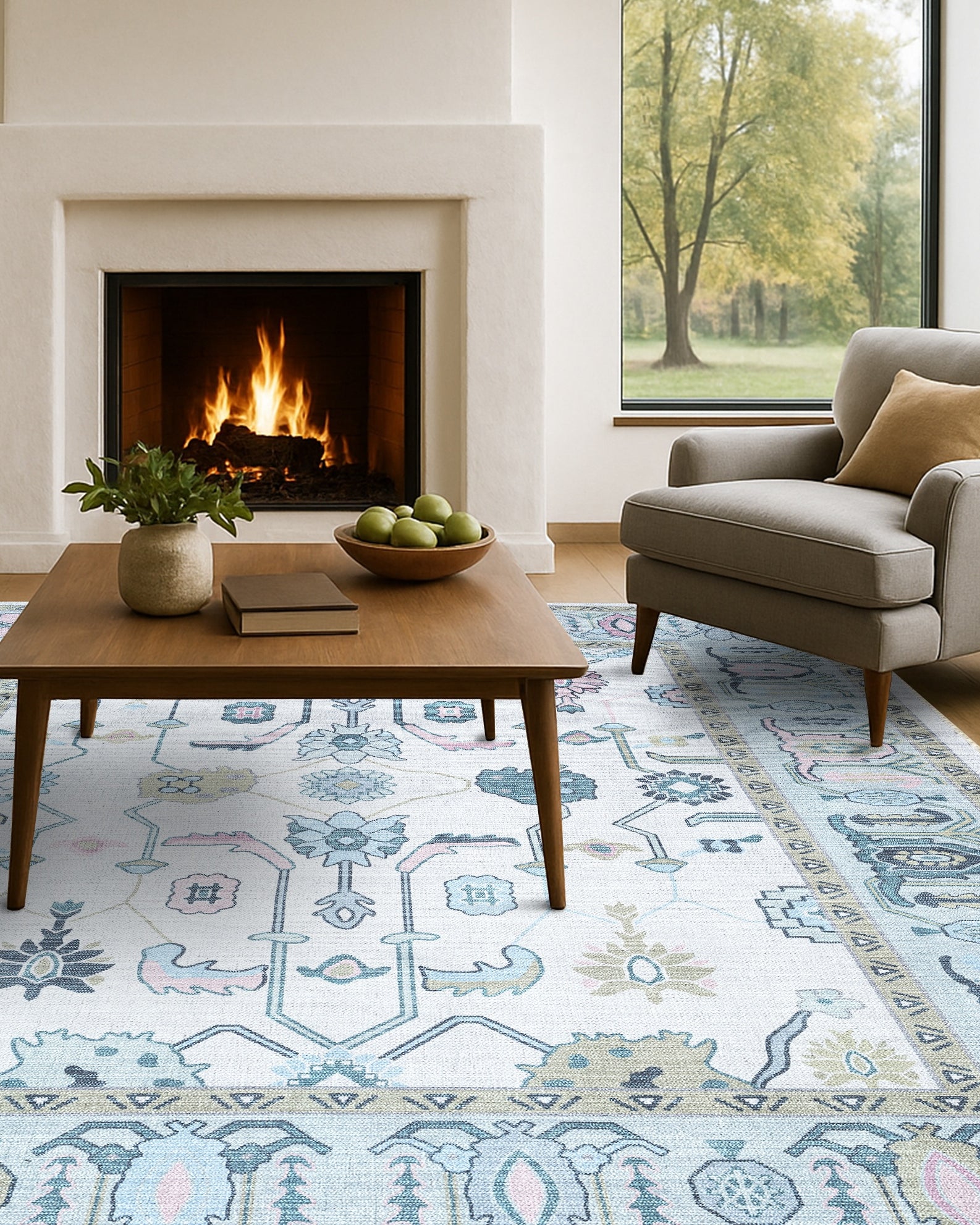
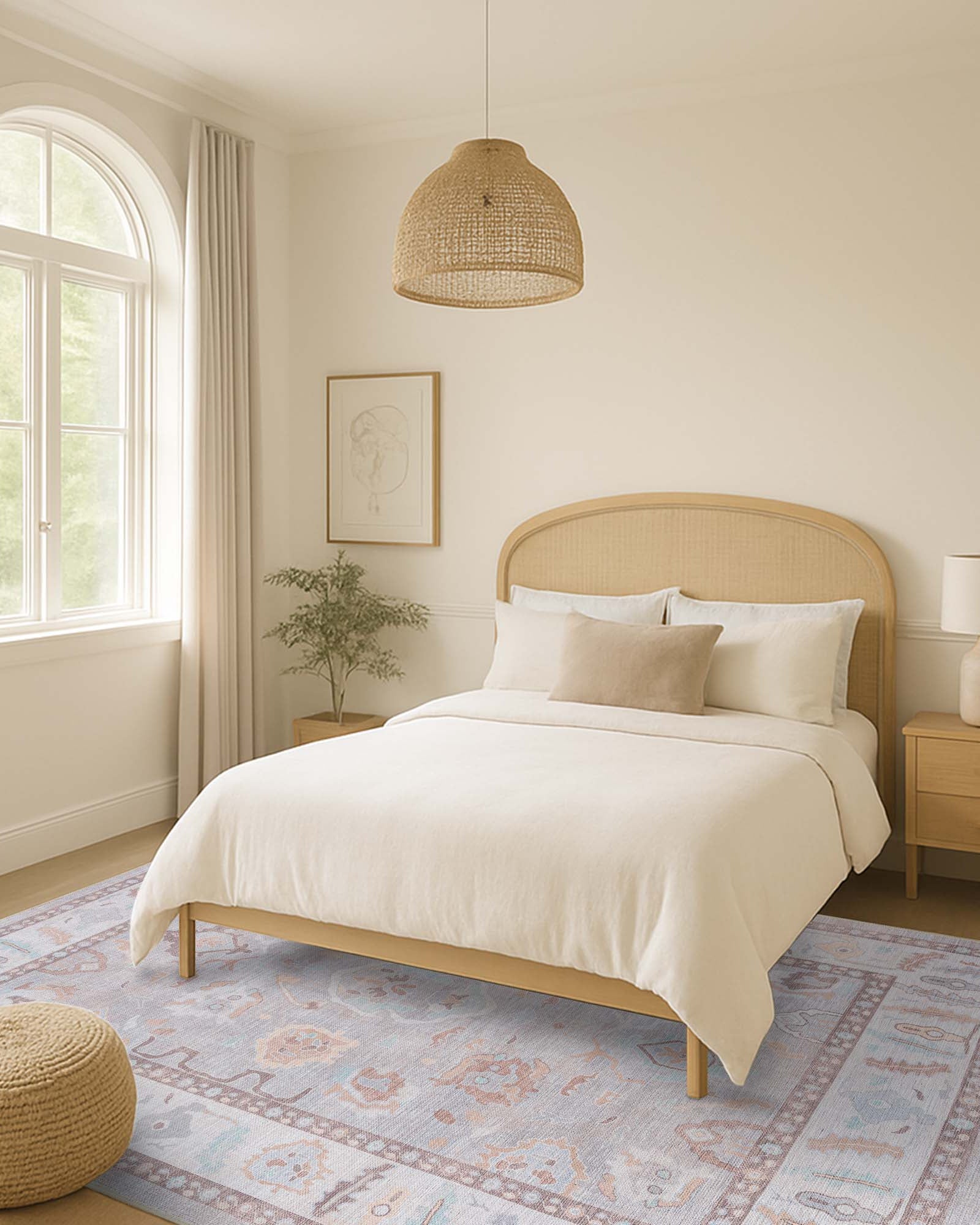
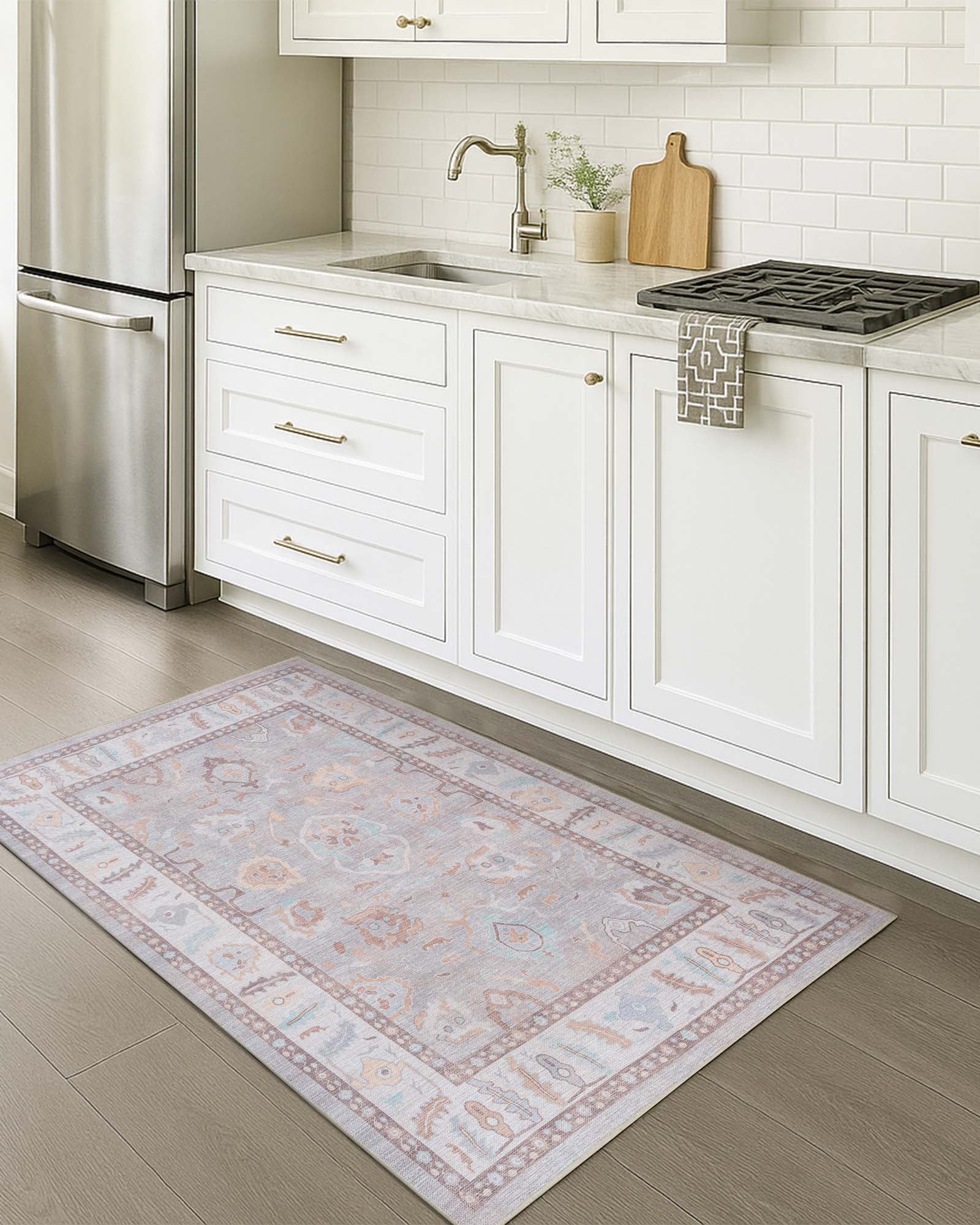
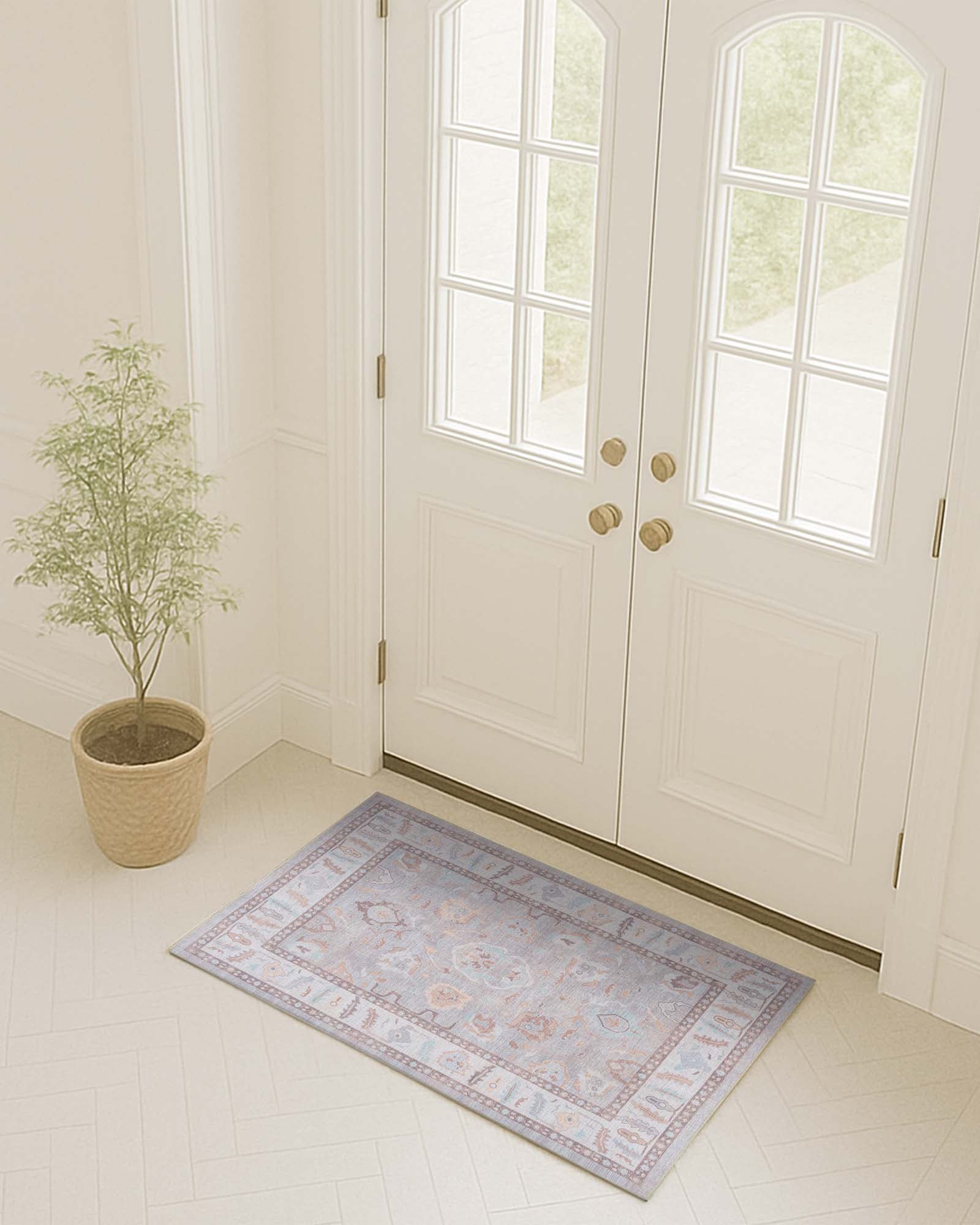
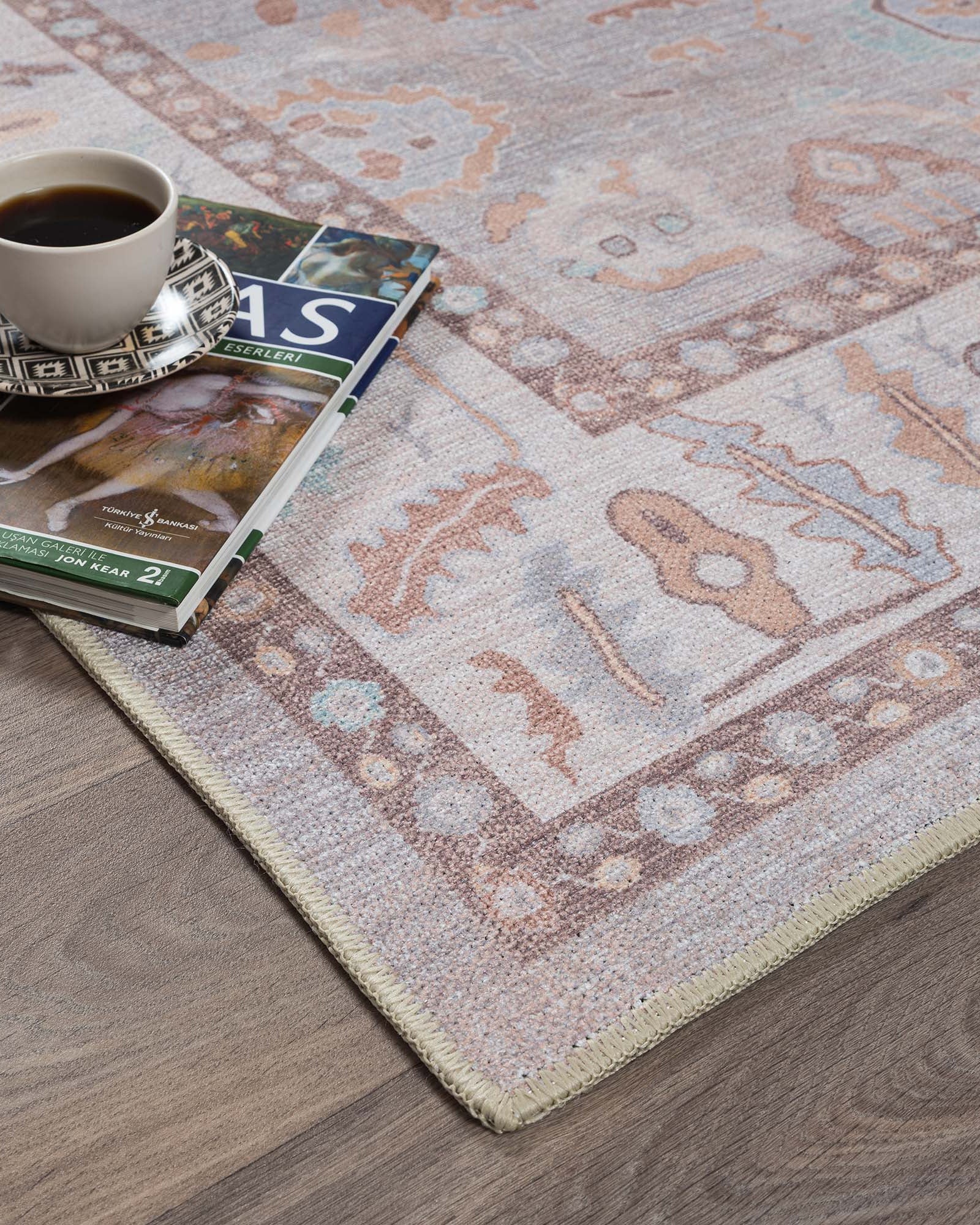
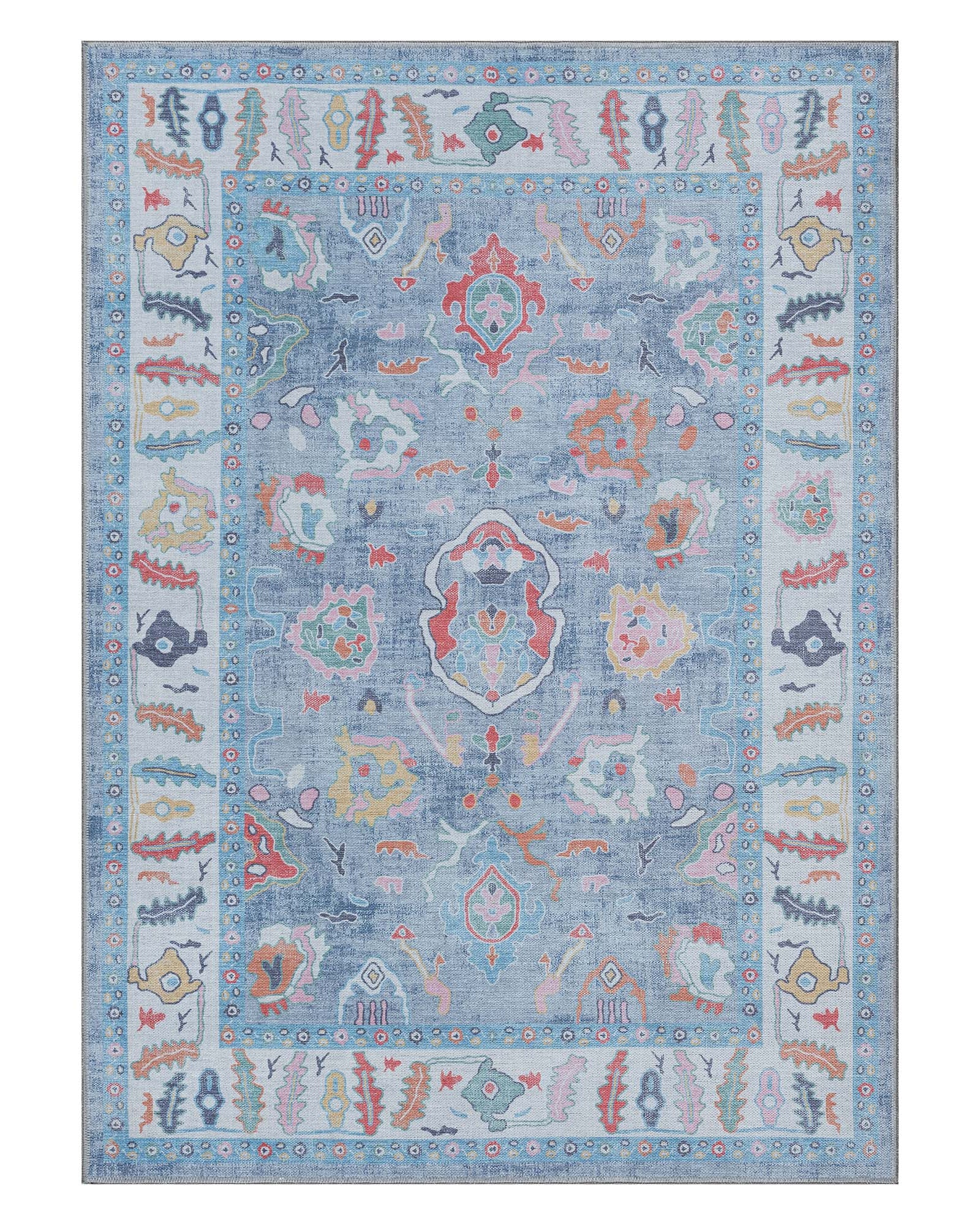
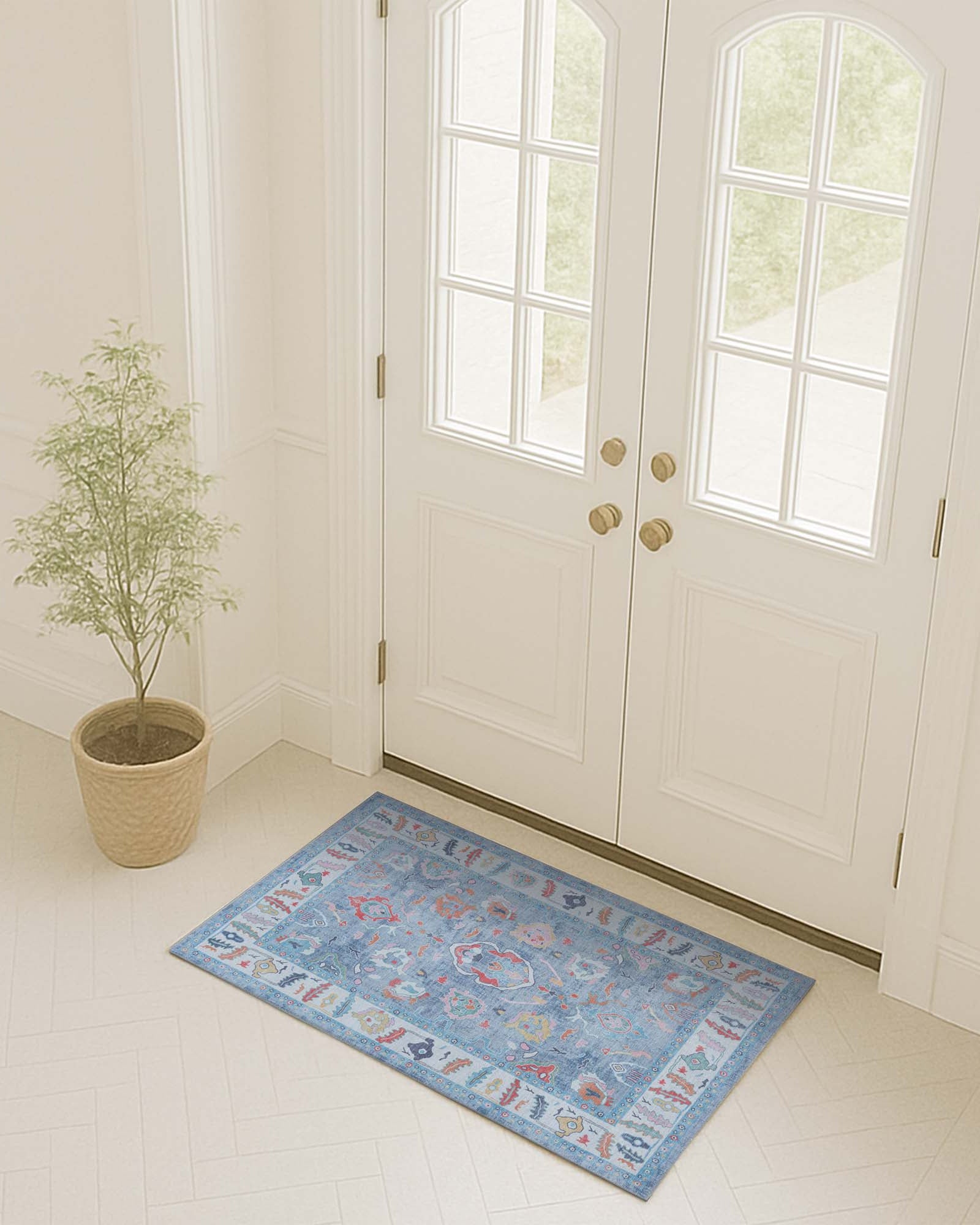
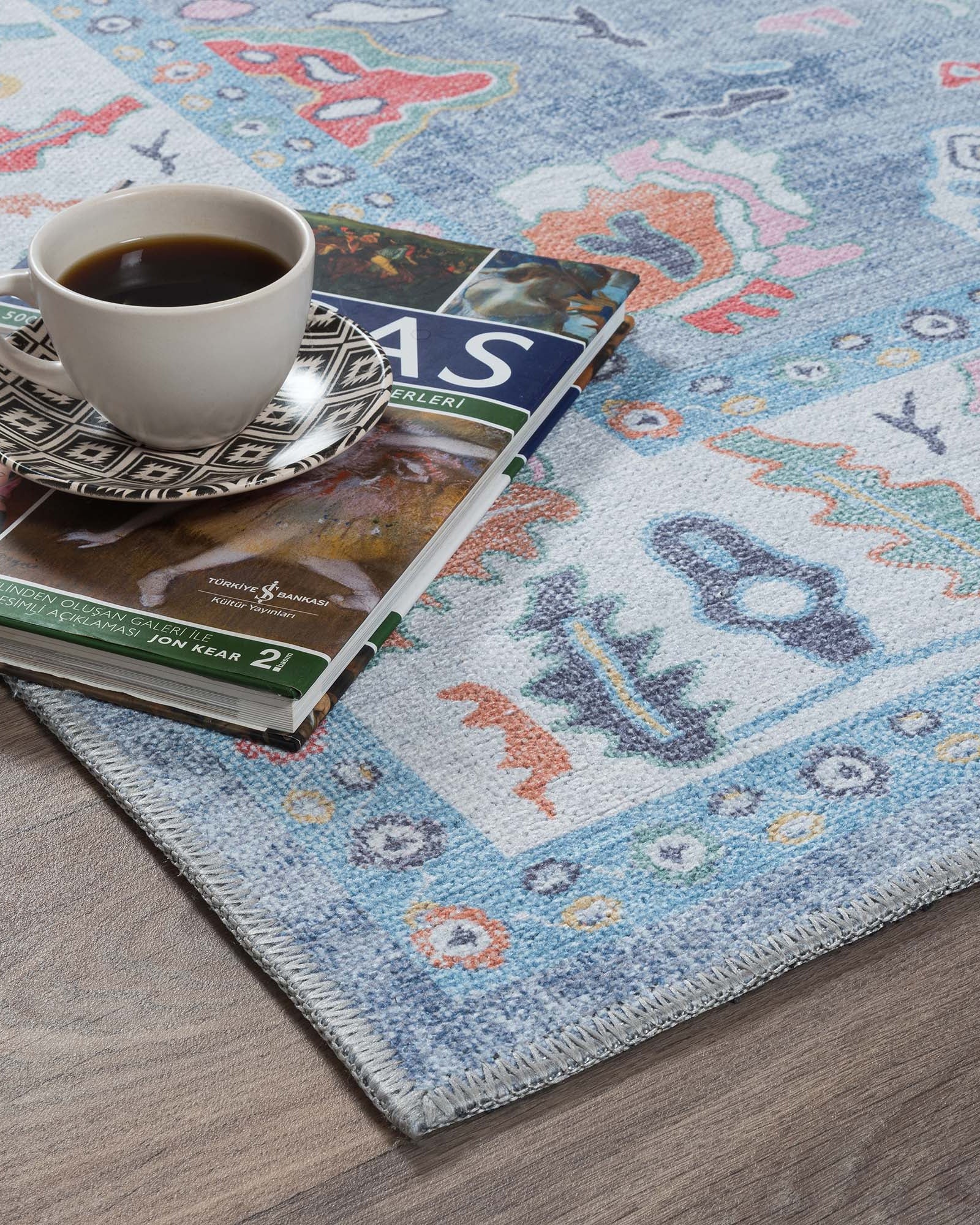
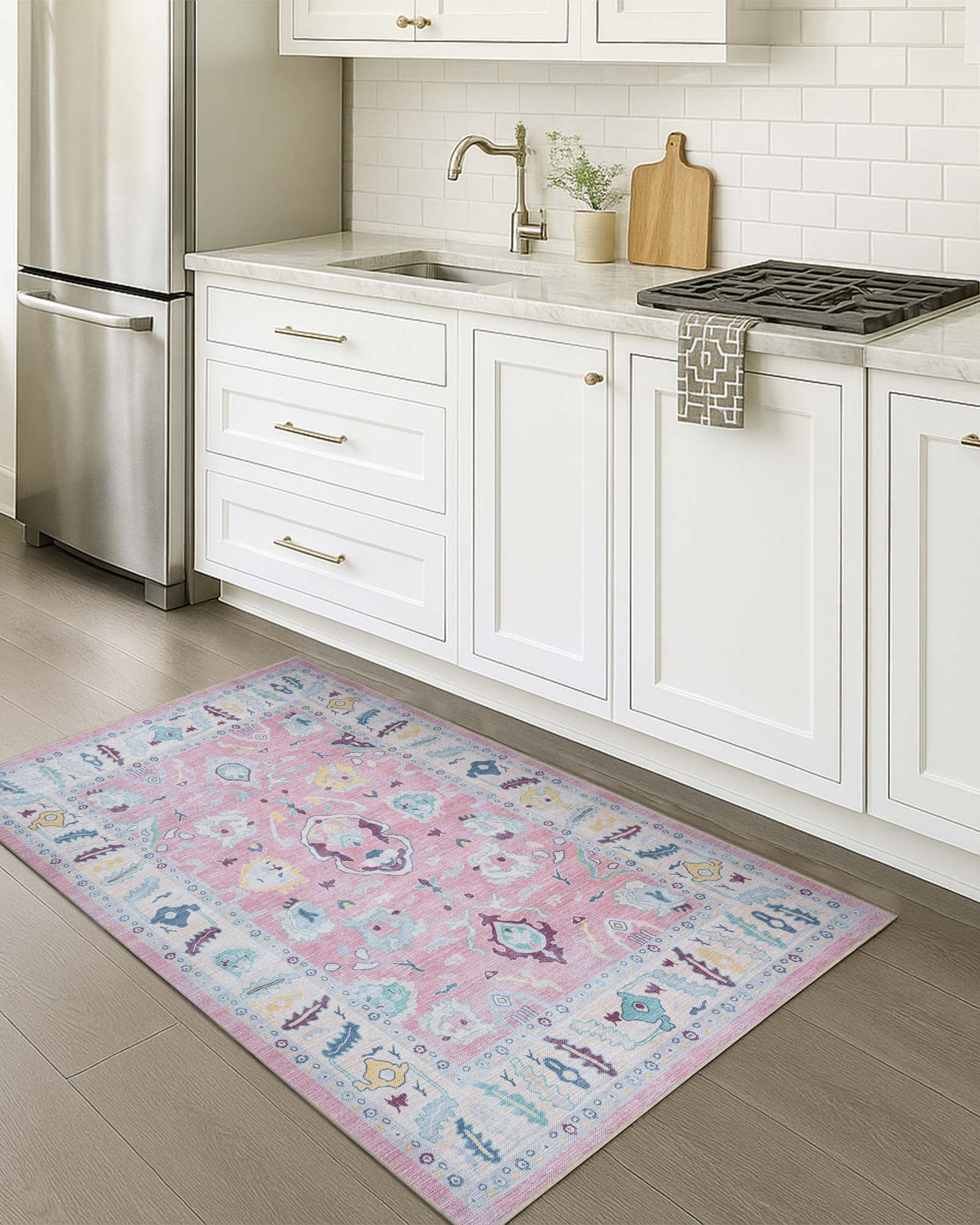
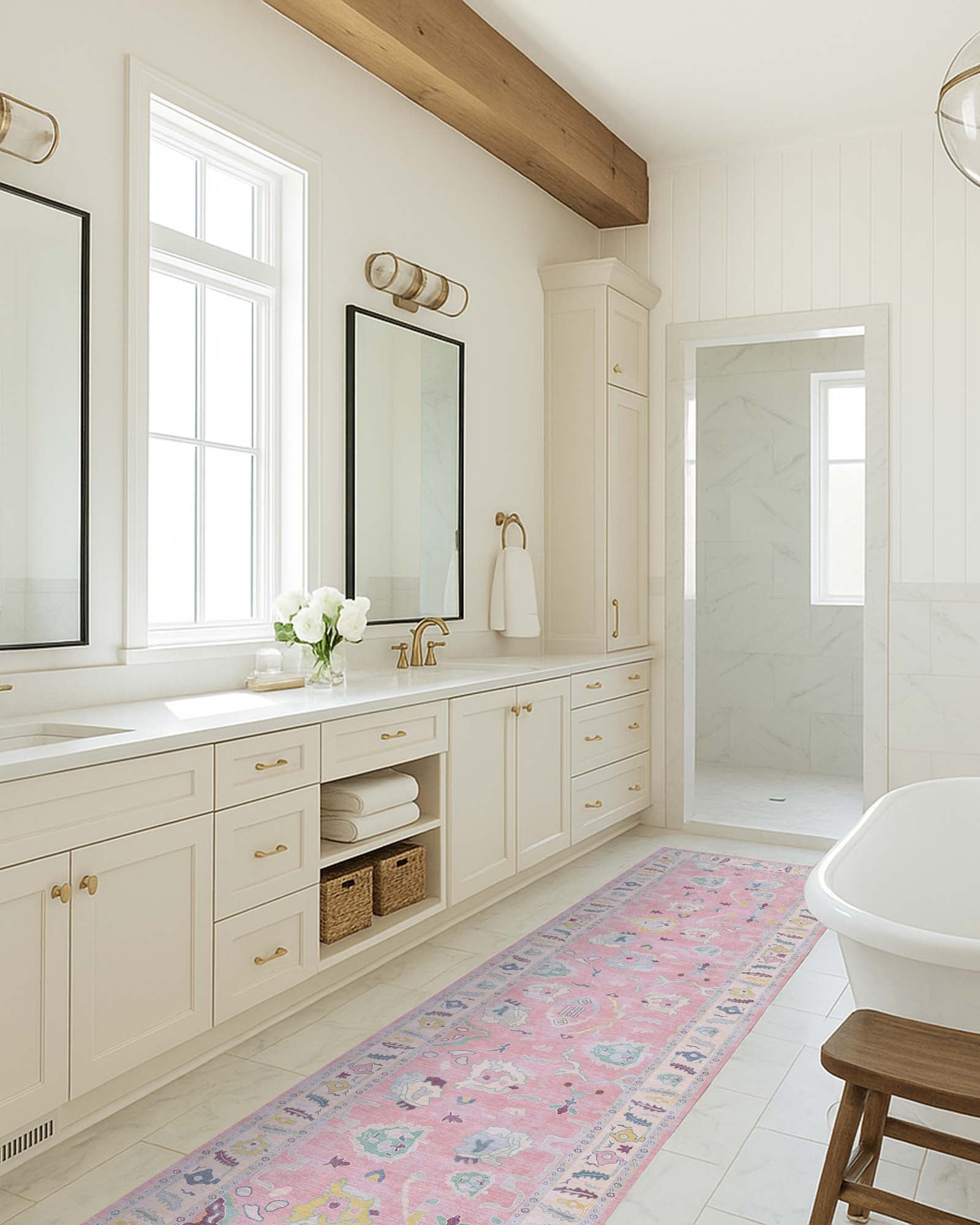
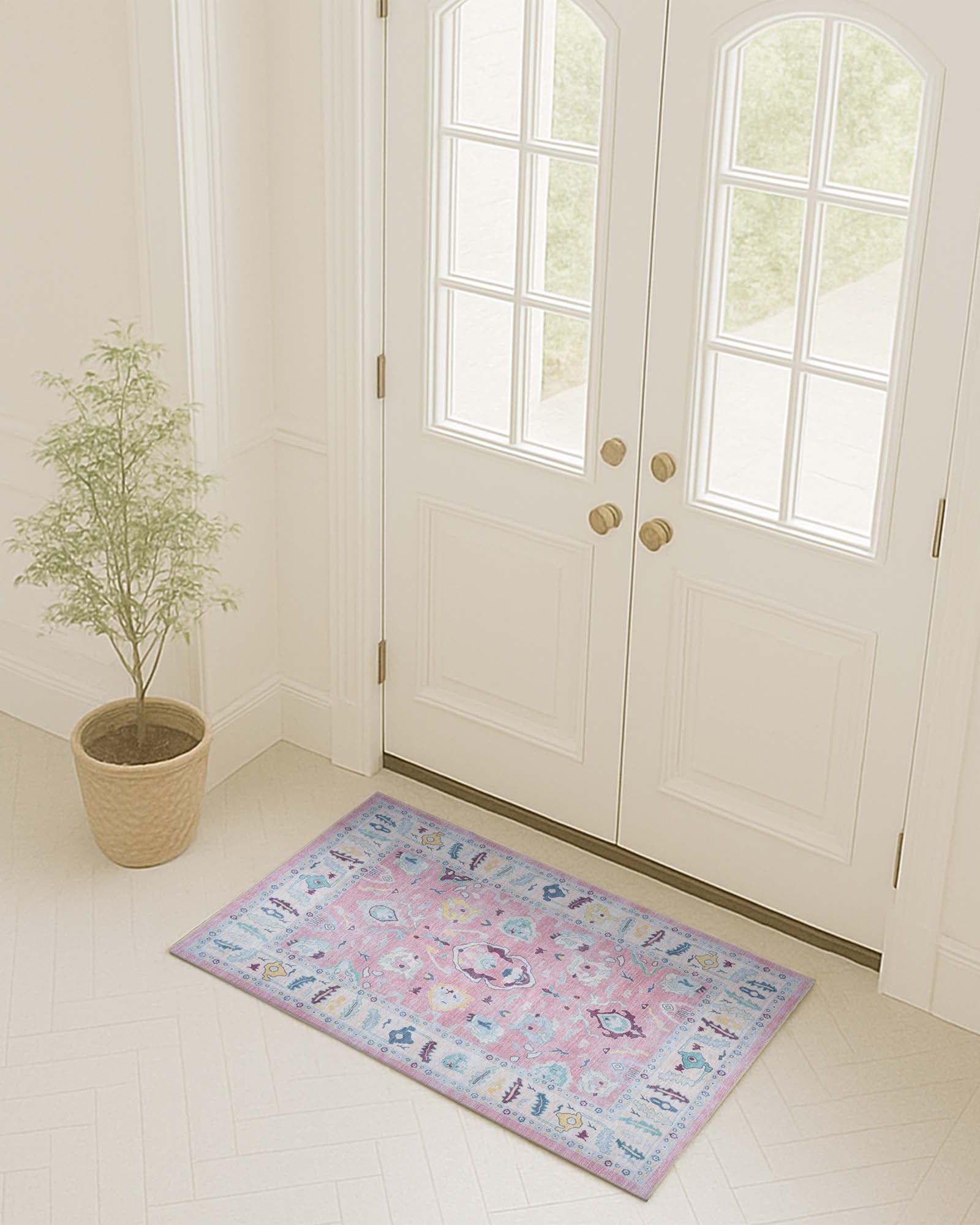
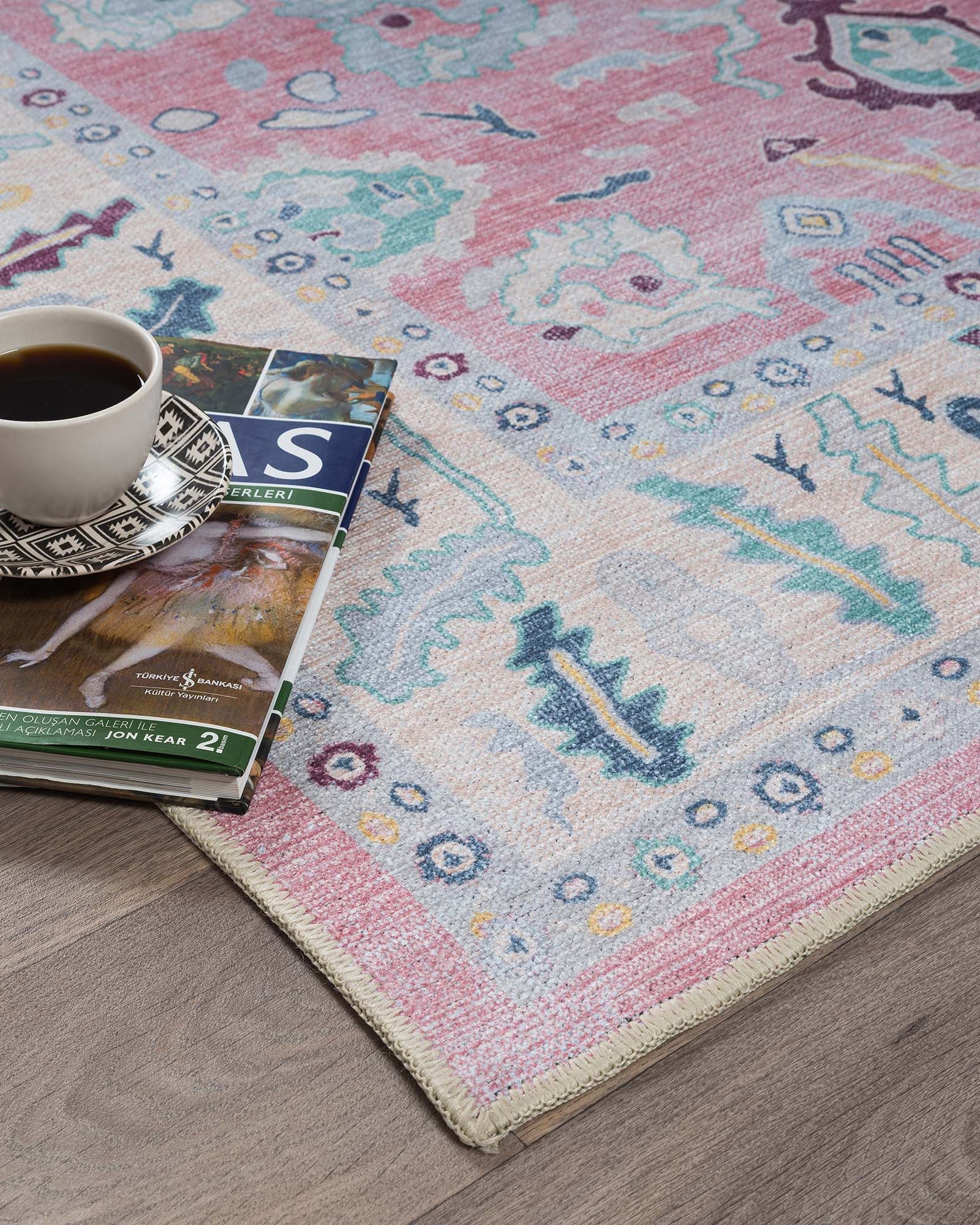
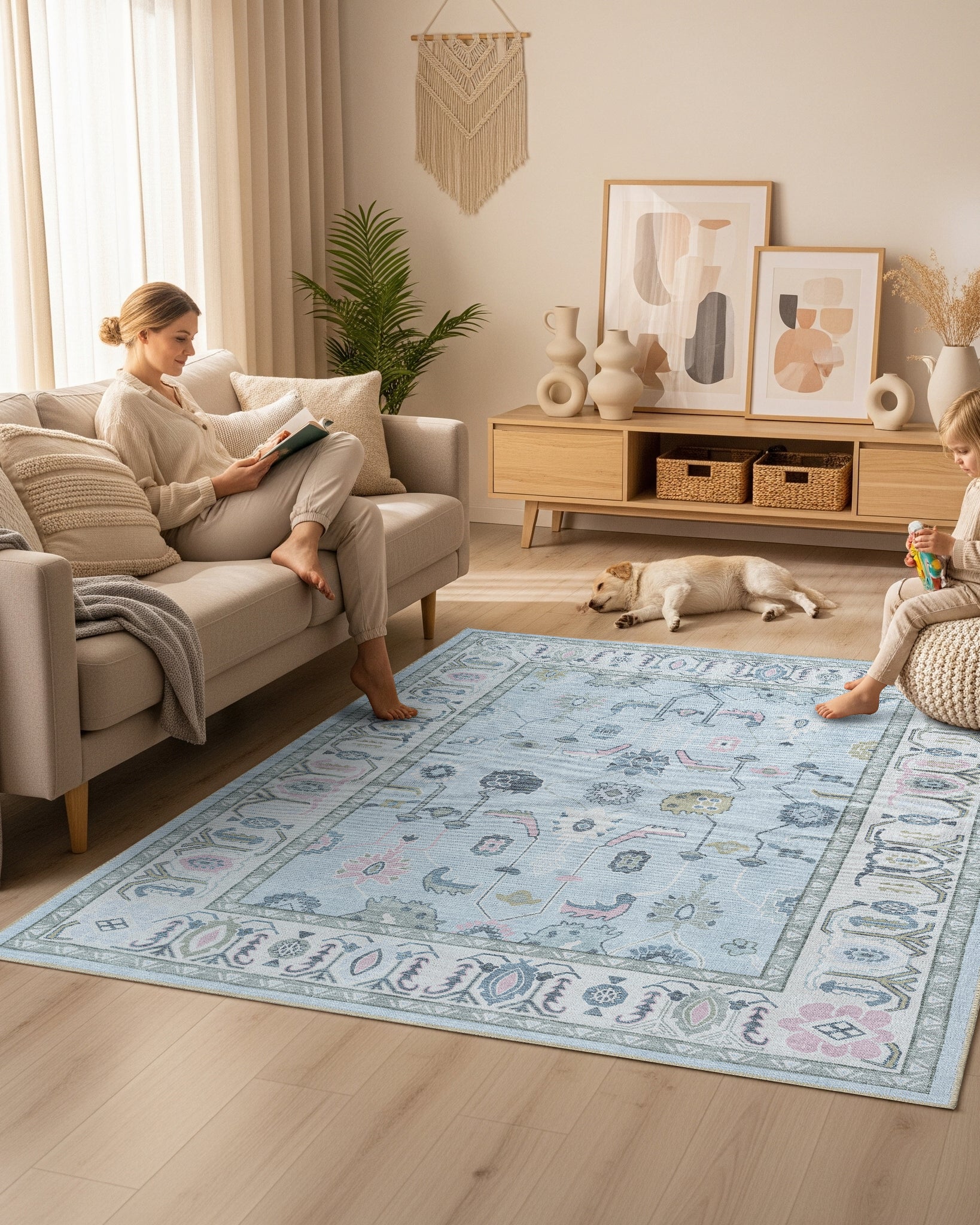
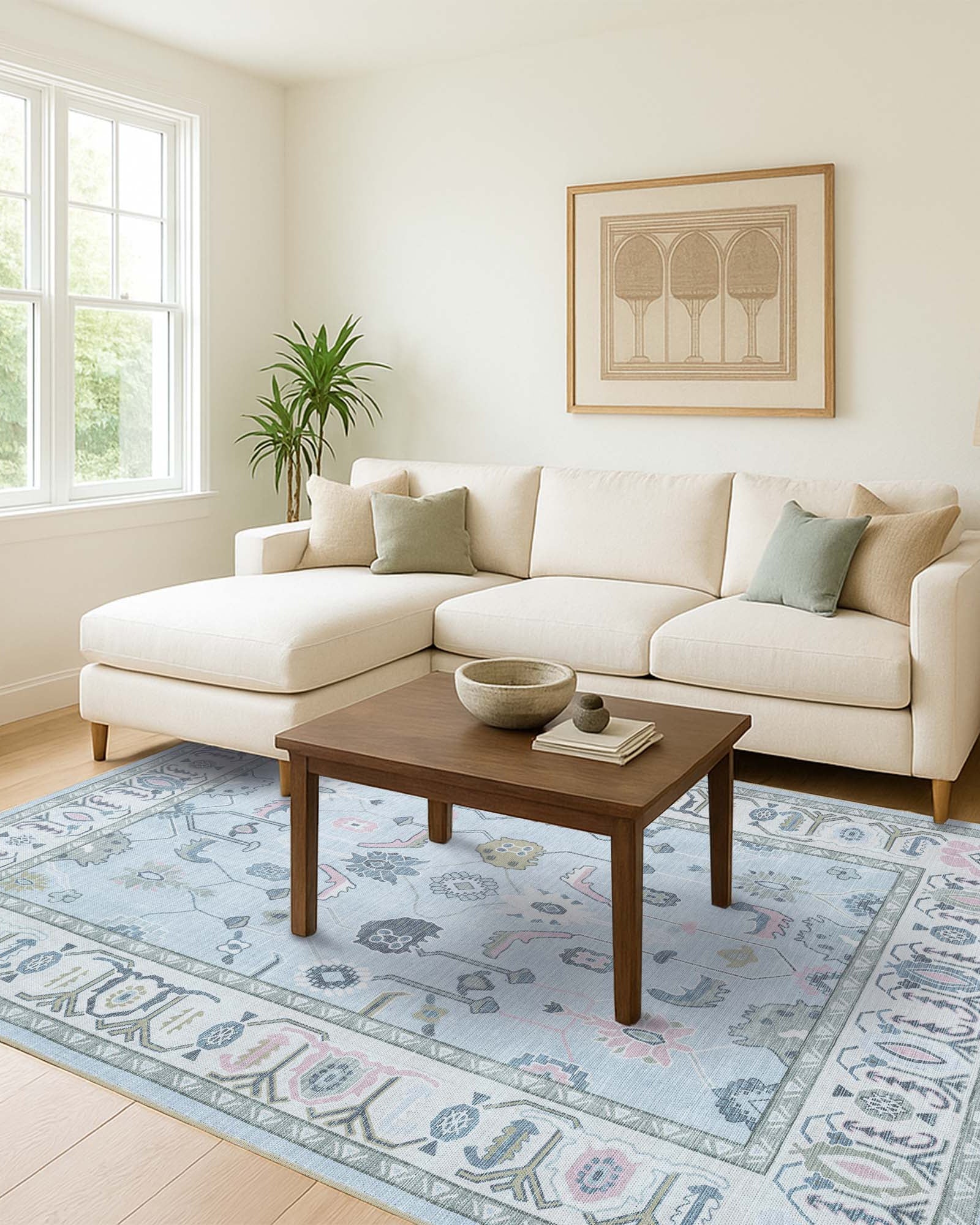
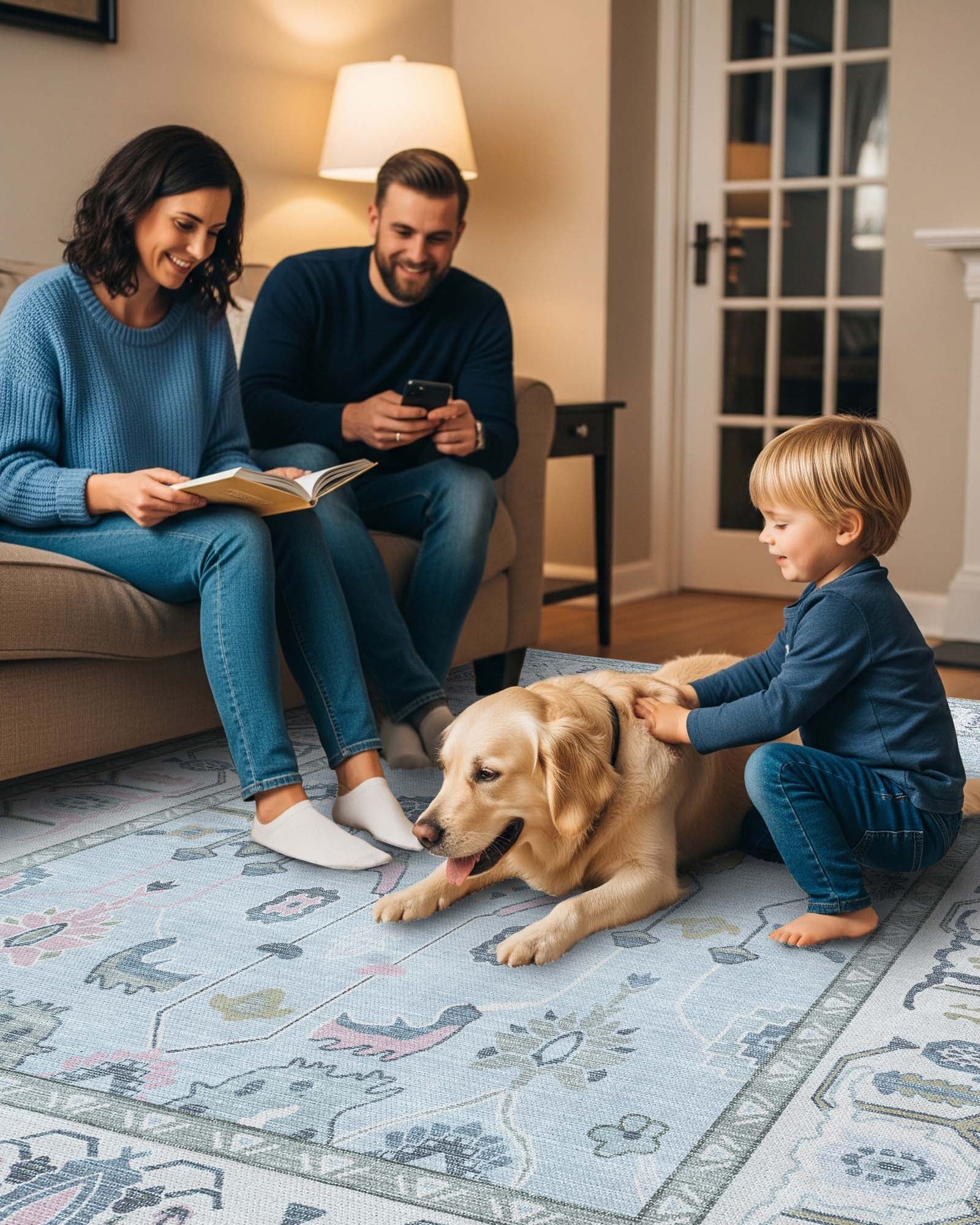
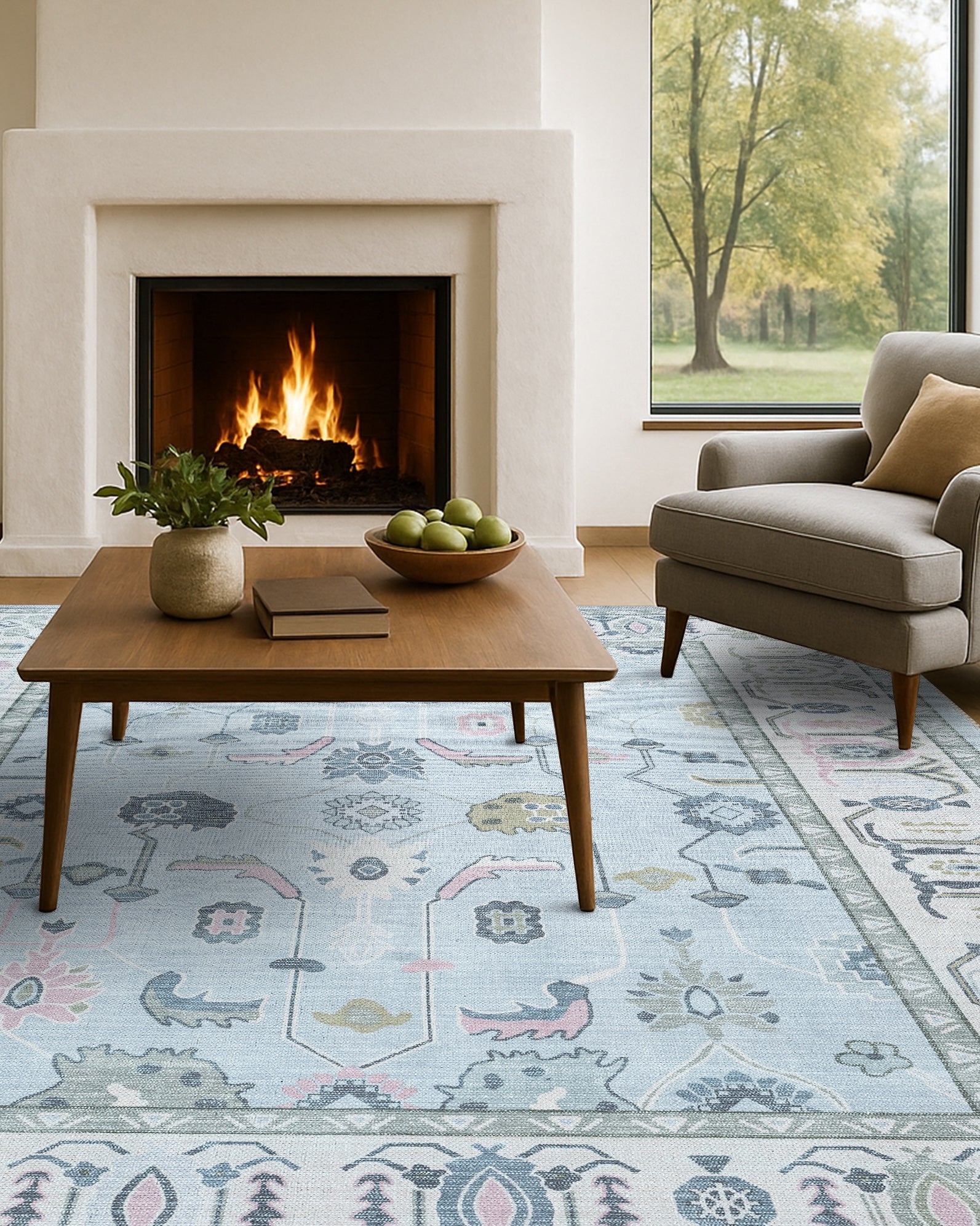
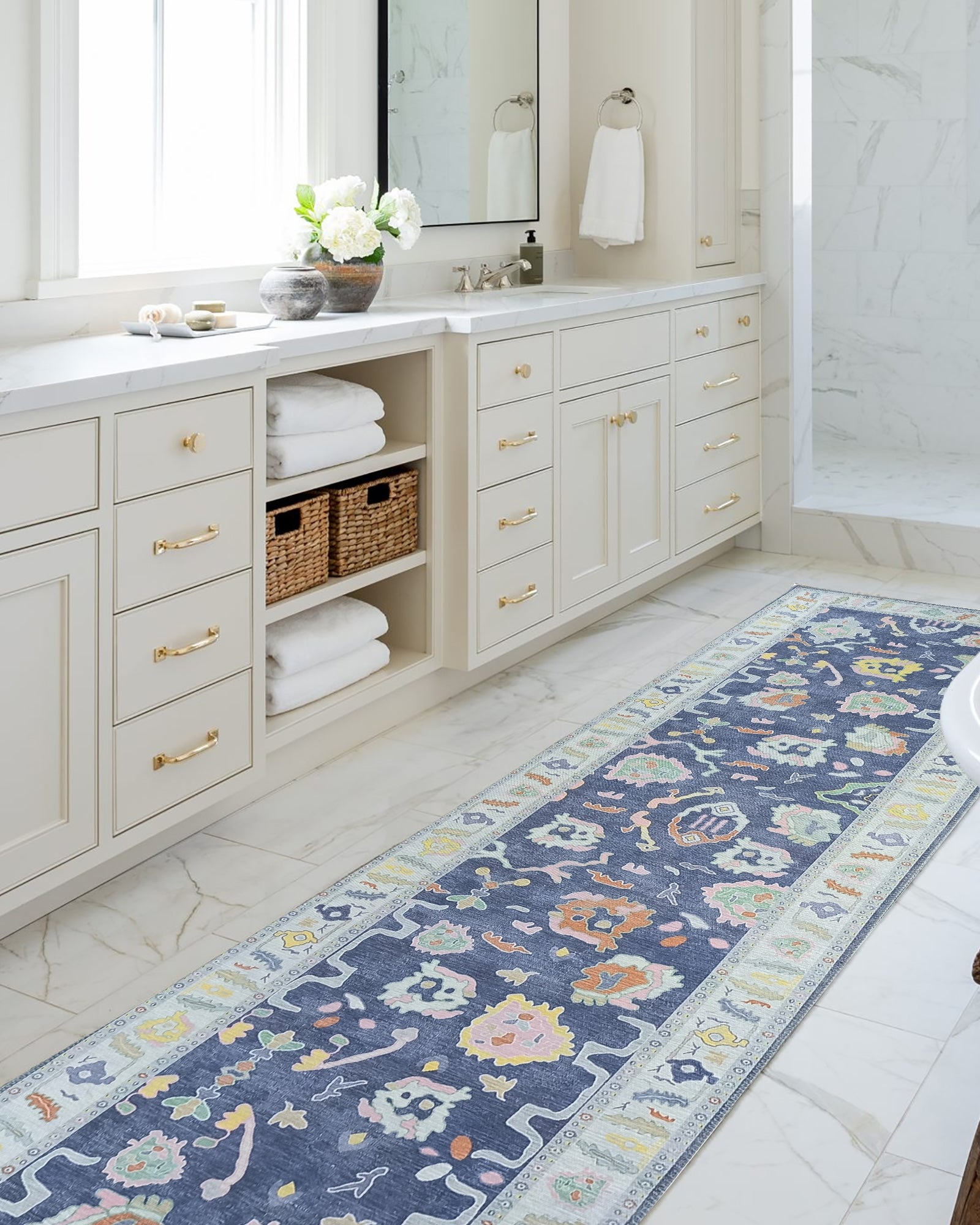
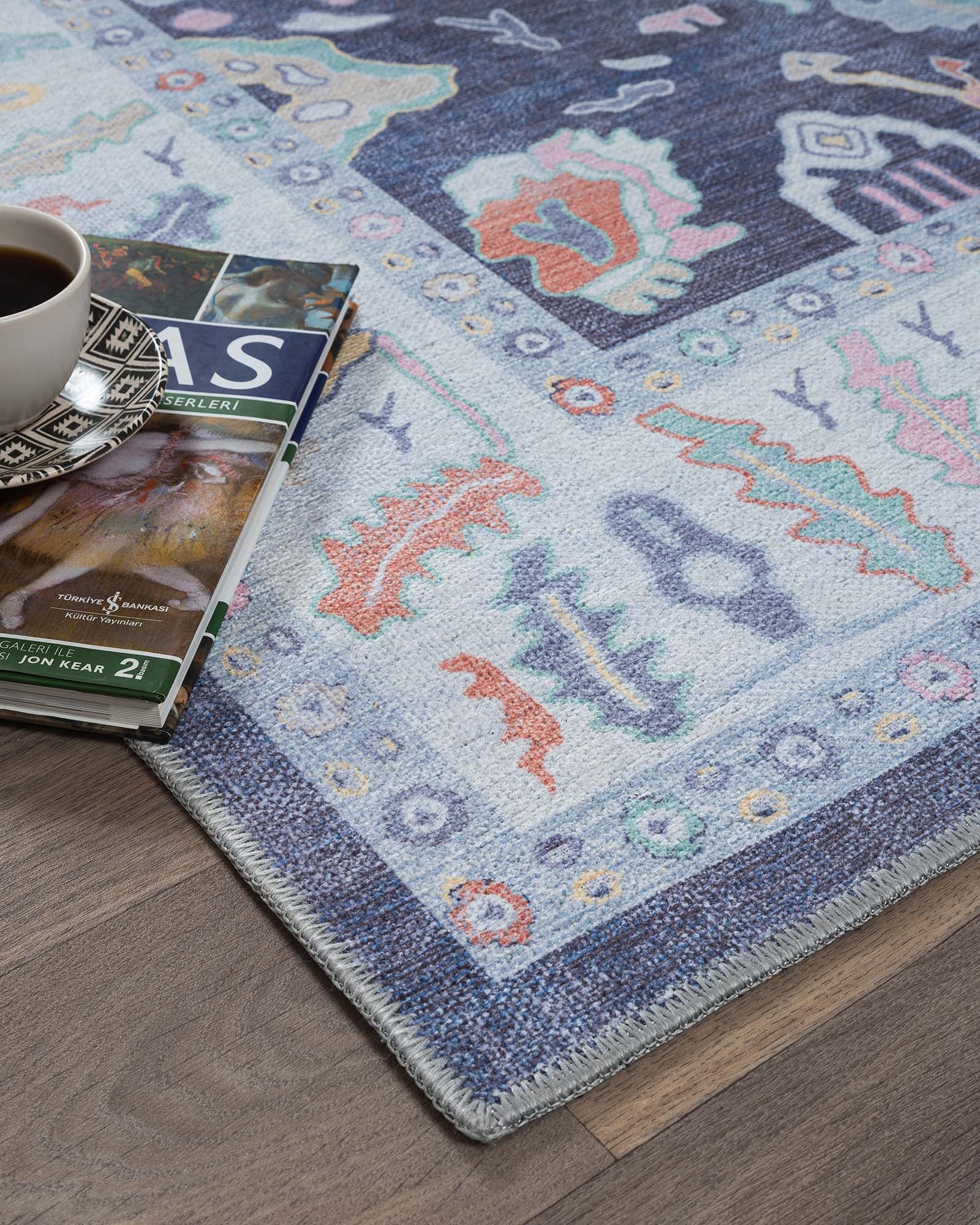
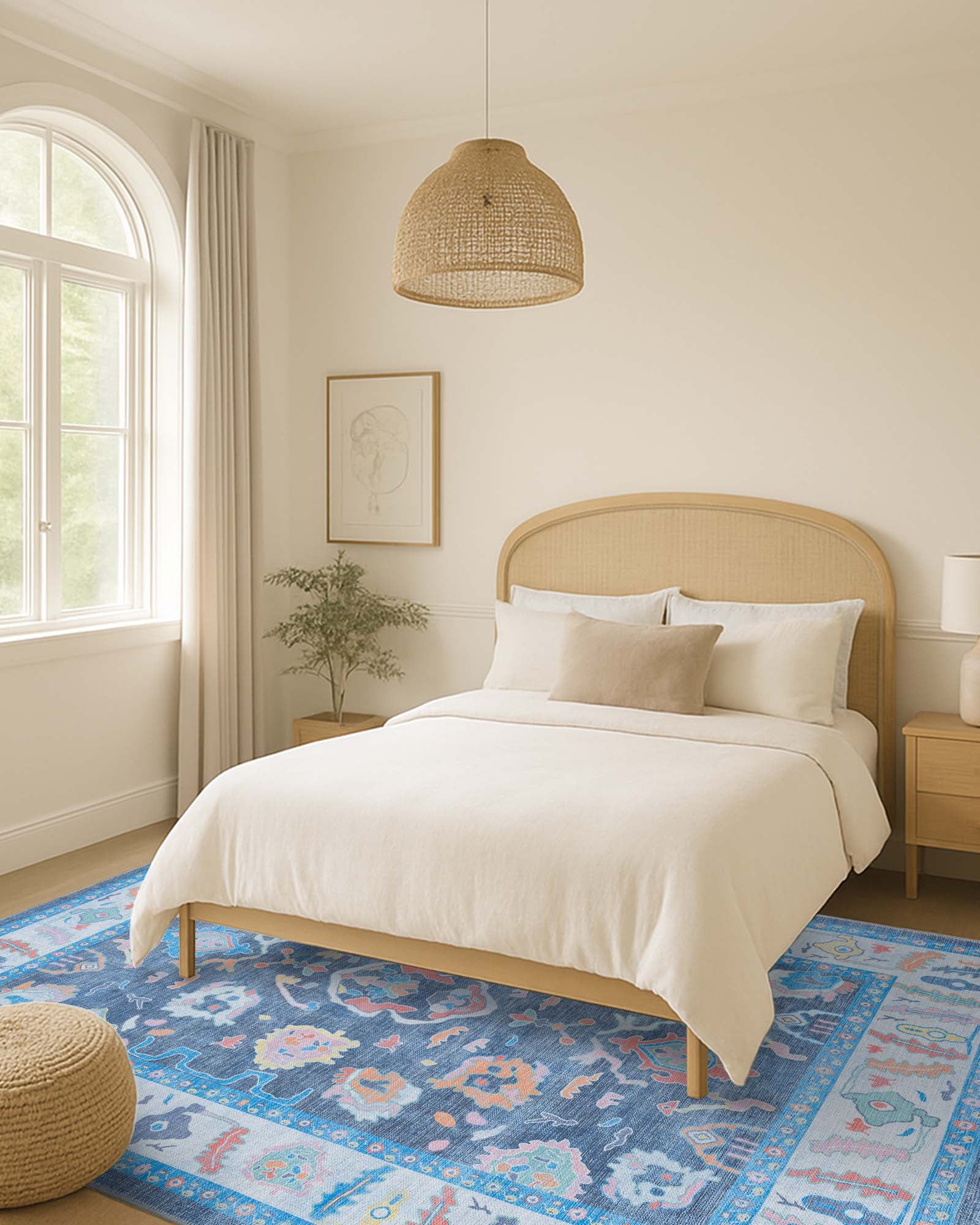
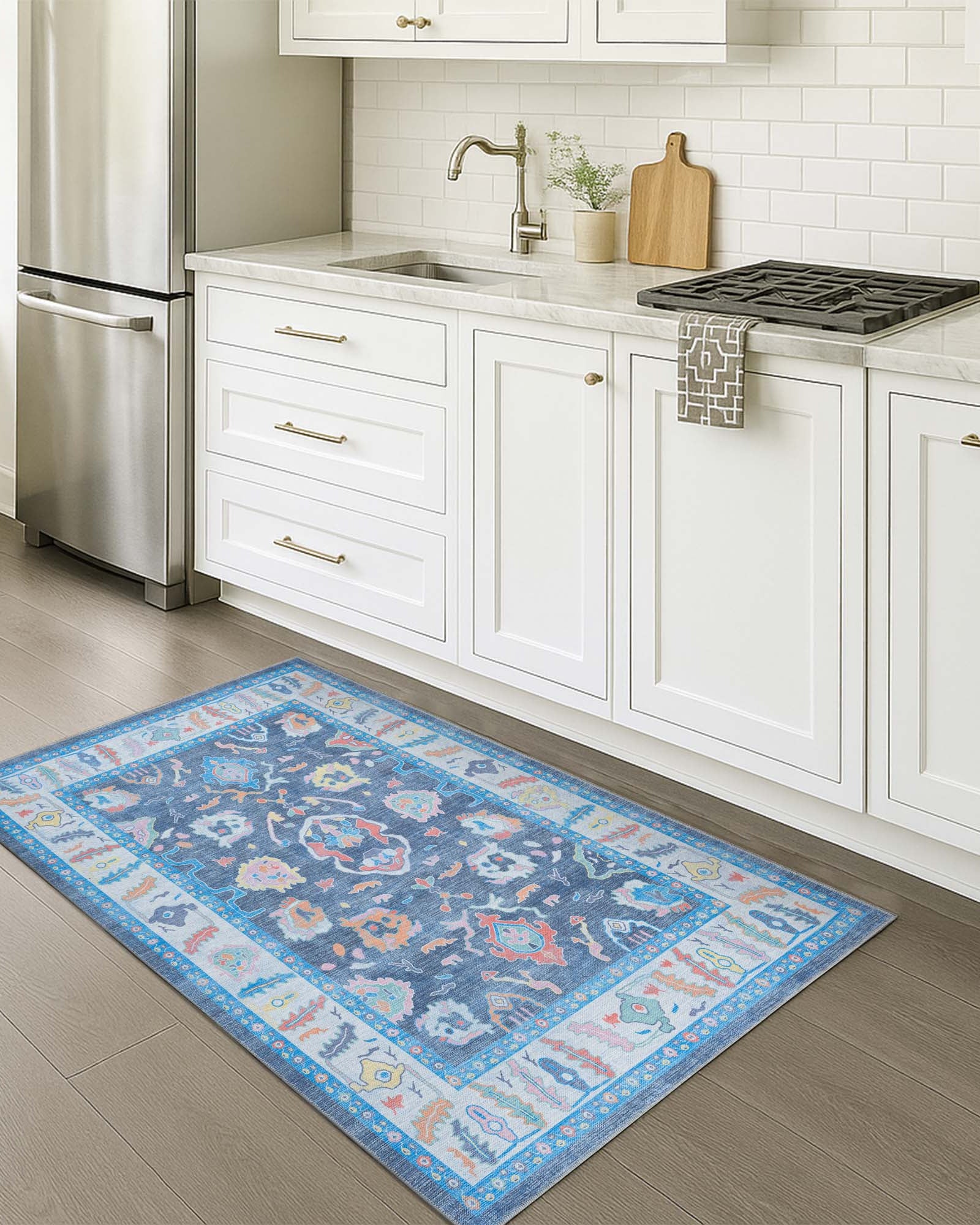
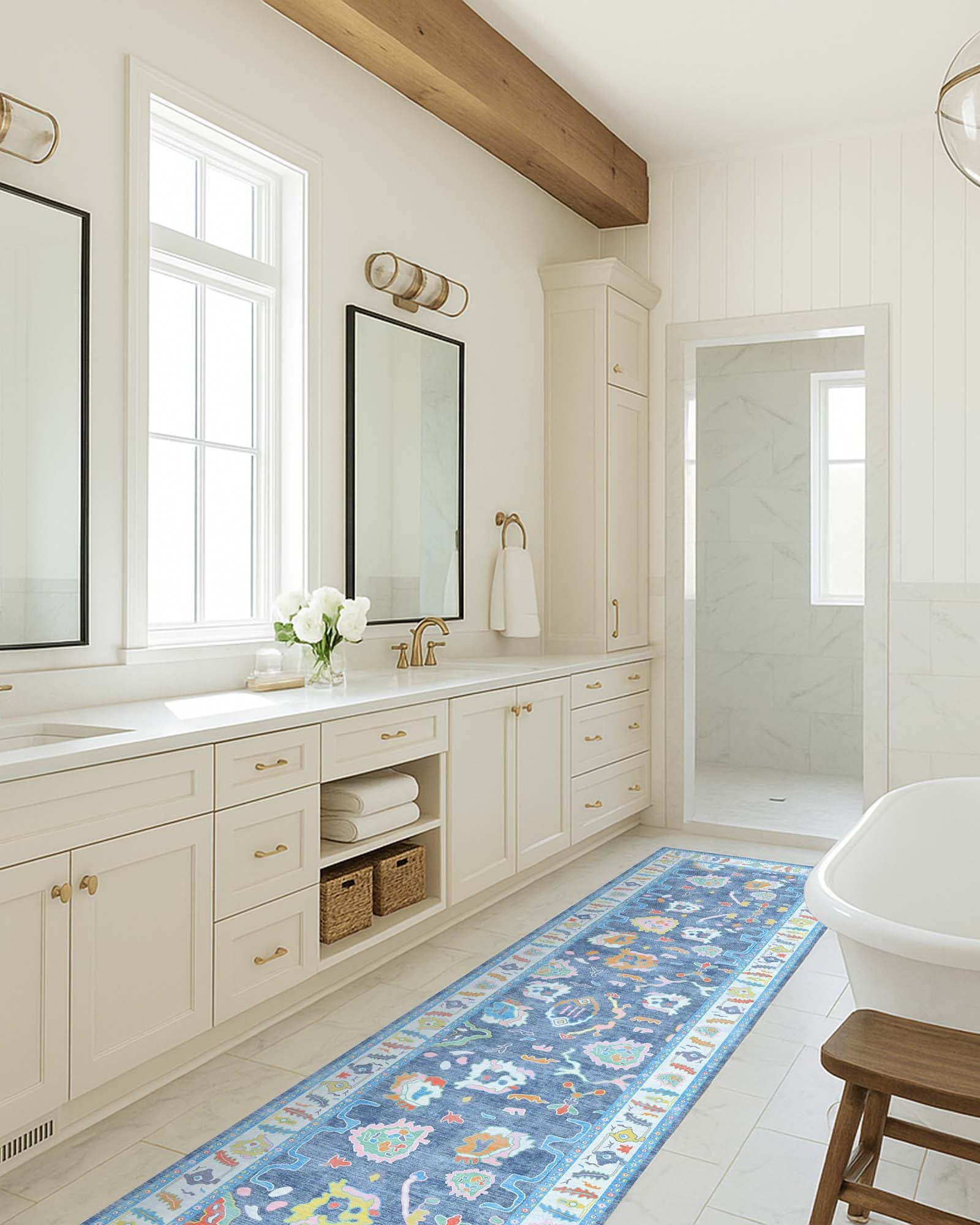
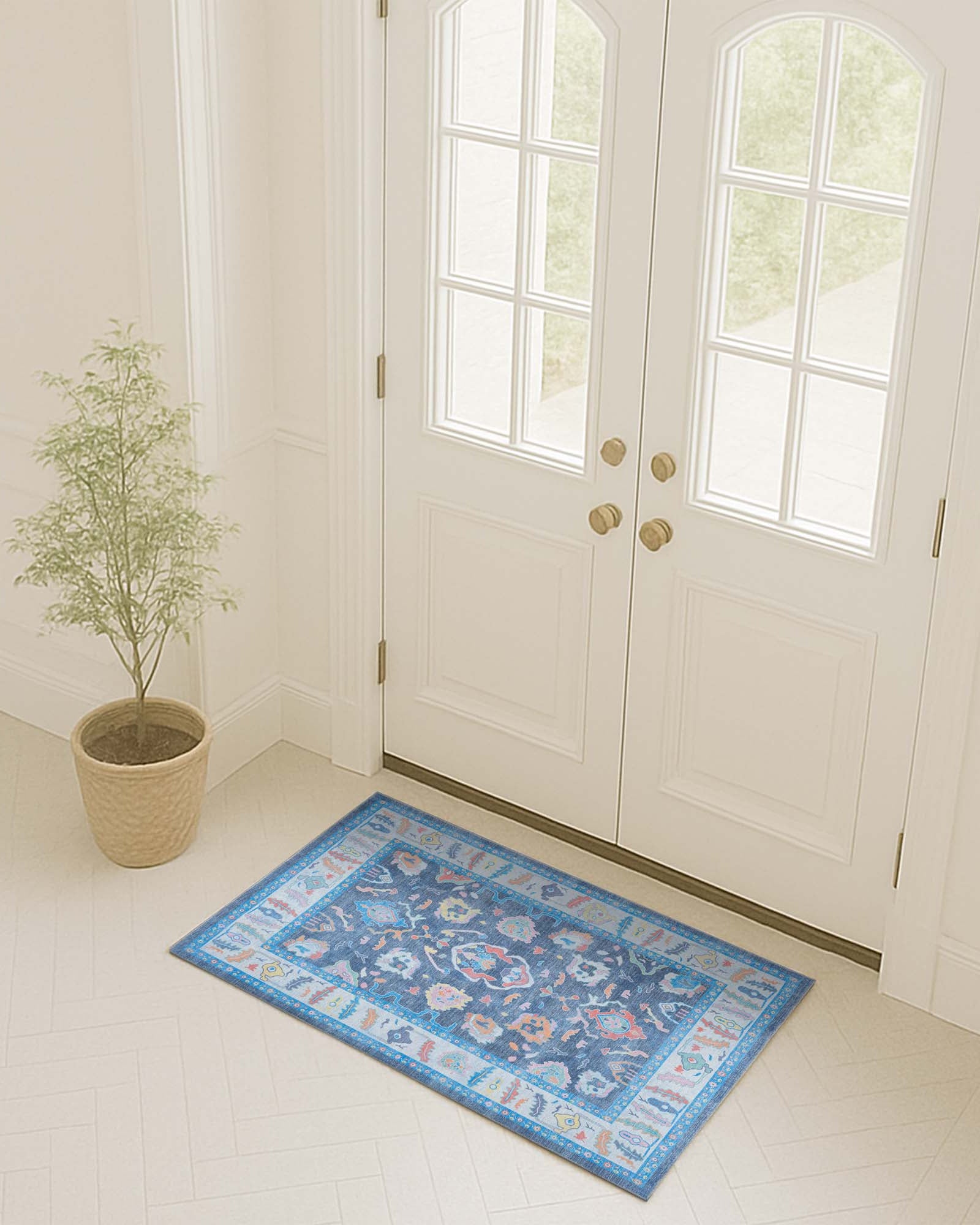
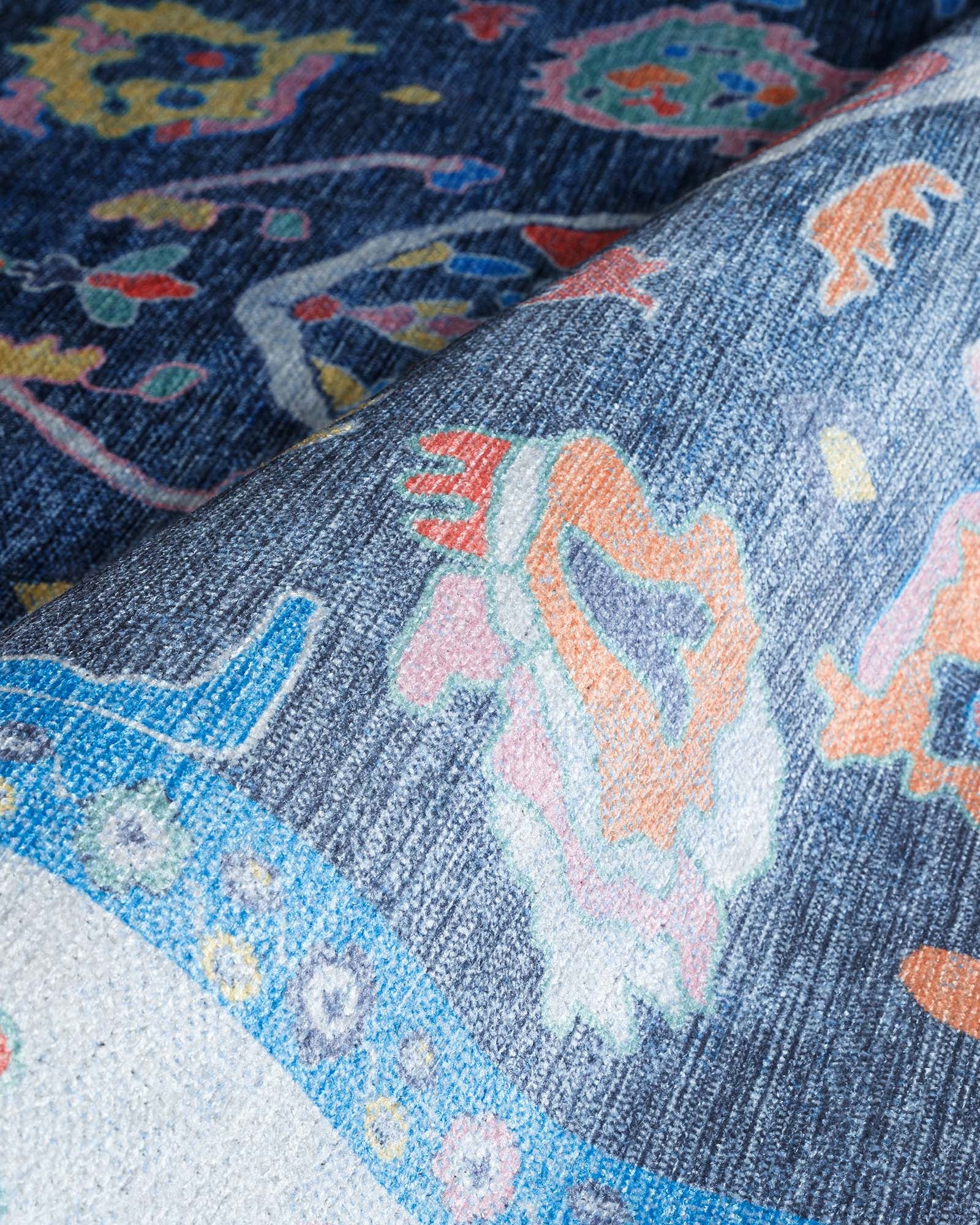
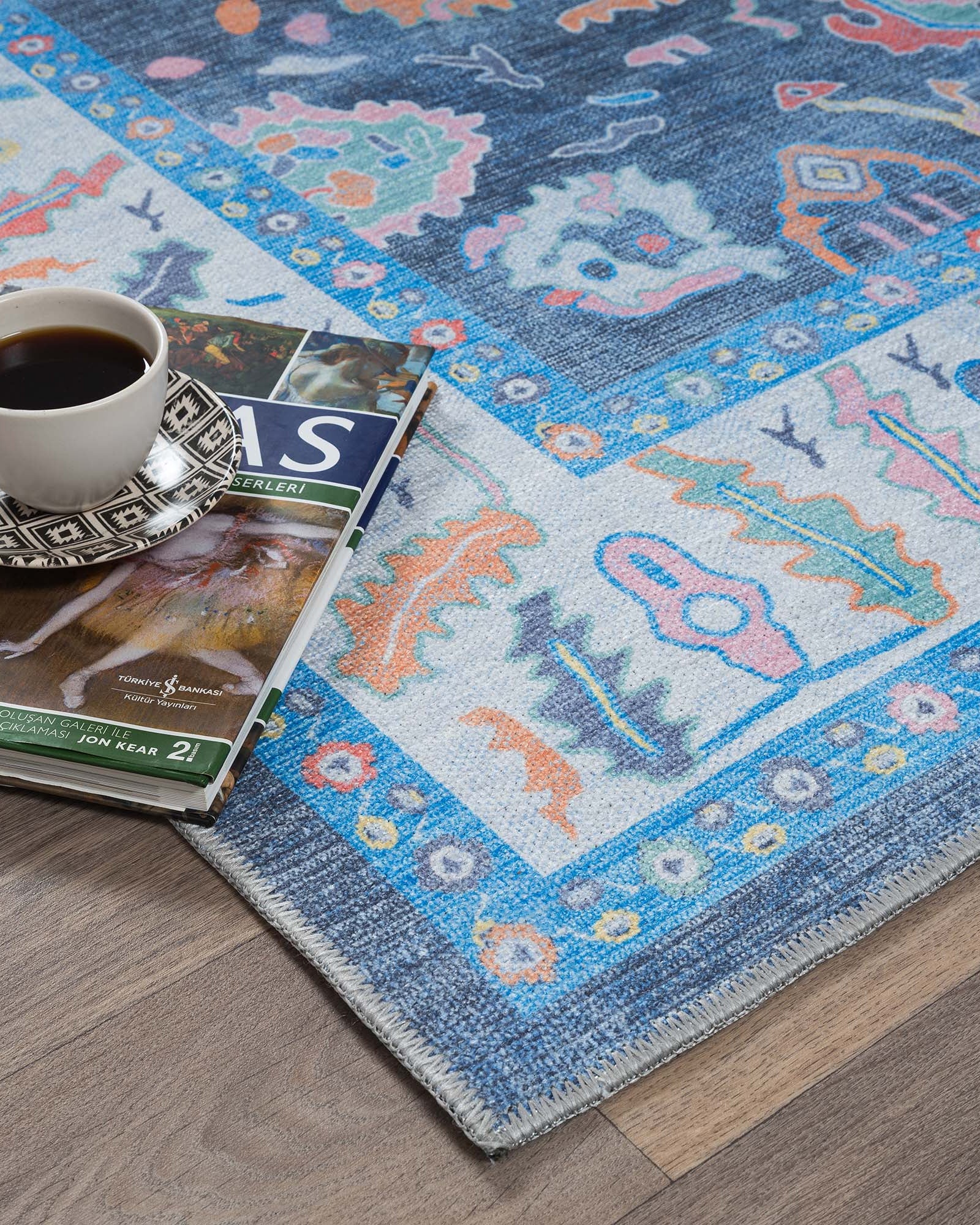
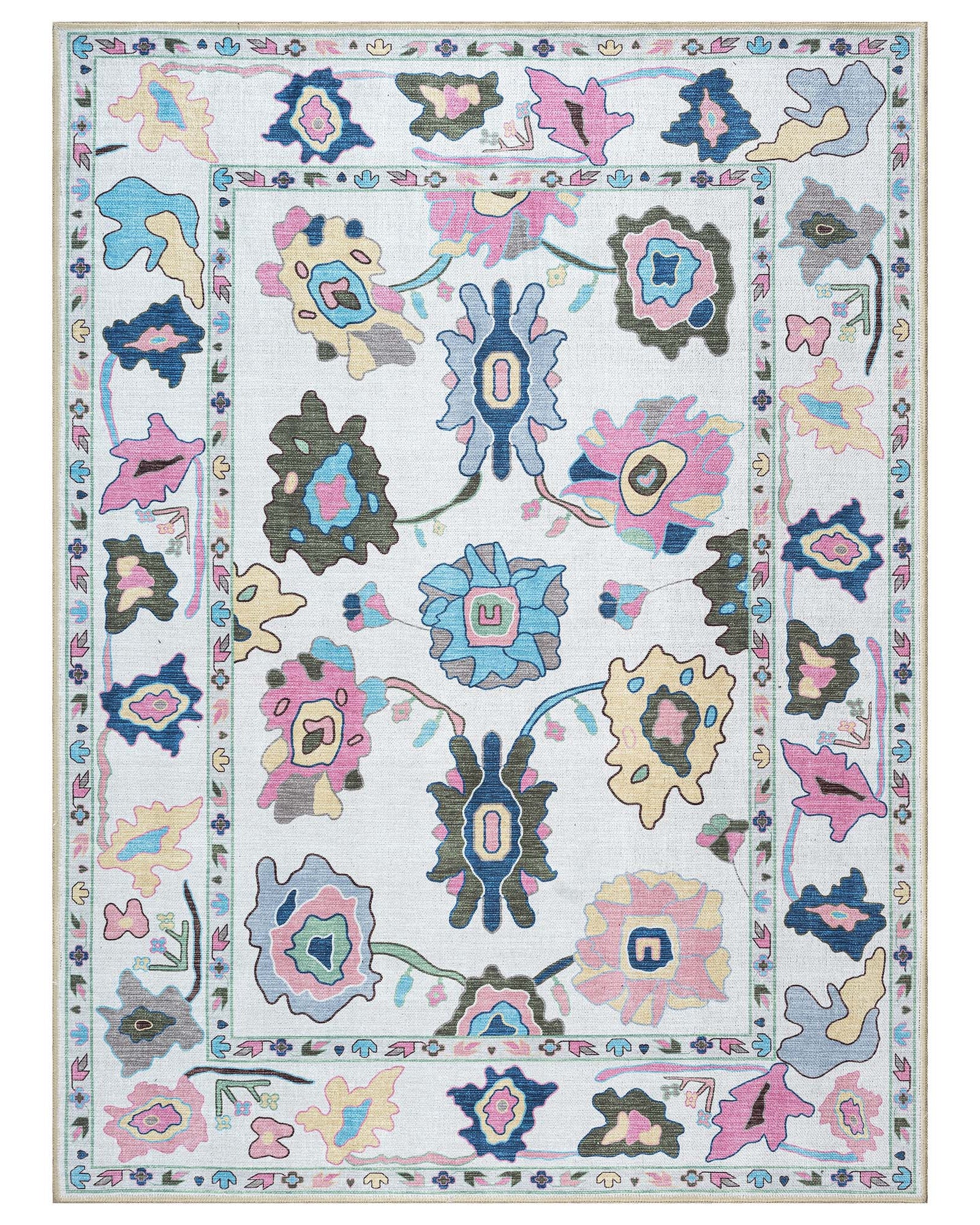
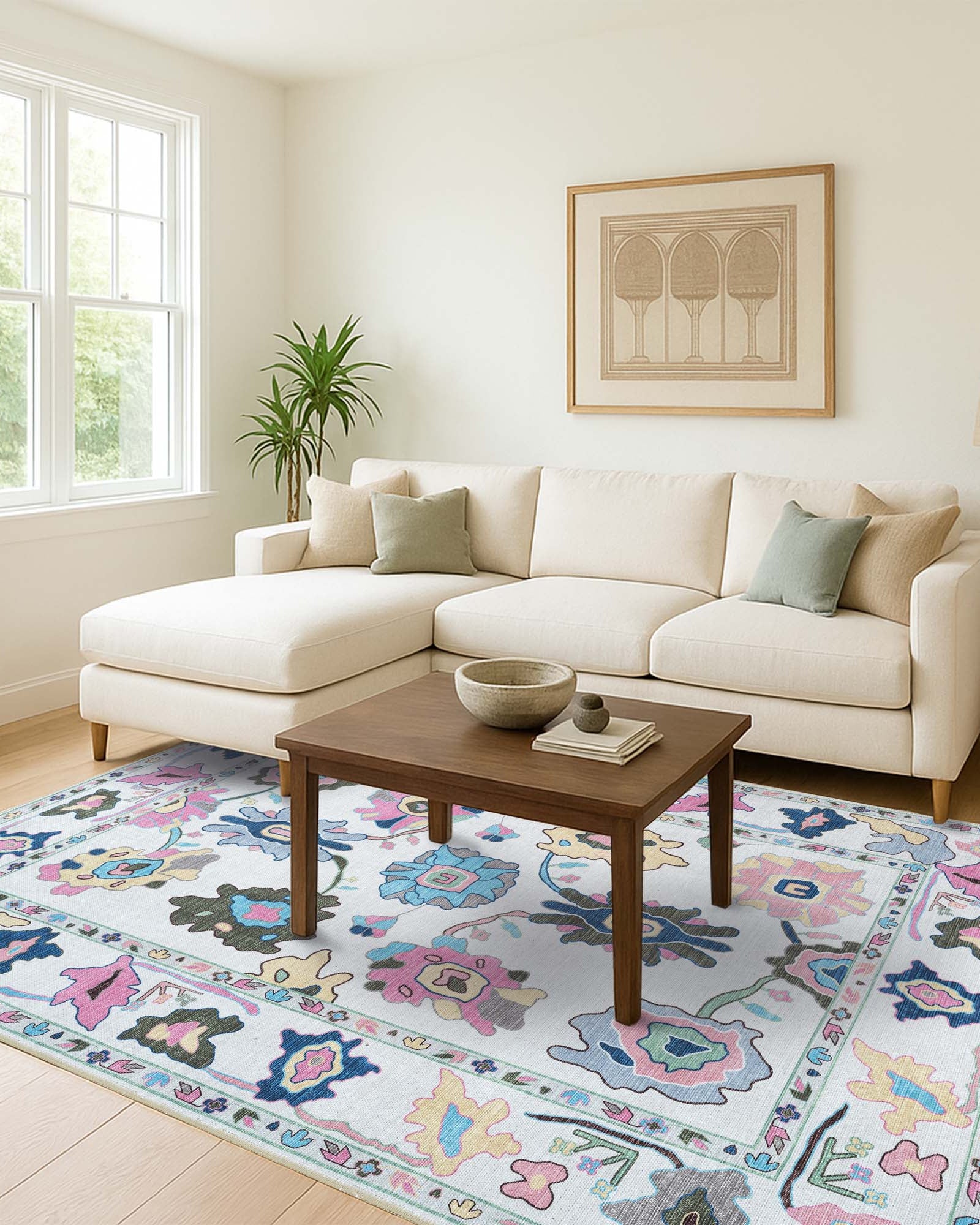
Soumak is a flatweave technique, but it does not behave like one. Where a plain kilim is thin and flat, soumak builds a heavier, textured, almost braided surface by wrapping the weft around the warp rather than simply passing it through. The result sits somewhere between a flatweave and a pile rug — no knots, no cut pile, but real body and a distinctive ridged hand-feel that a slit-weave kilim does not have. Every piece here is an original handwoven rug with genuine age, sold as a single item.
How Soumak Is Woven
In plain flatweaving, the weft passes straight over and under the warp threads. In soumak, the weaver instead wraps each weft thread around groups of warps in a consistent diagonal pattern, working back over previous rows to lock the wrap in place. This wrapping — rather than simple interlacing — is what gives soumak its name and its structure.
Because each row involves multiple passes and a wrapping motion rather than a single straight pass, soumak takes noticeably longer to weave than plain flatweave, row for row. The extra time buys real durability and texture in return.
What the Wrapping Produces
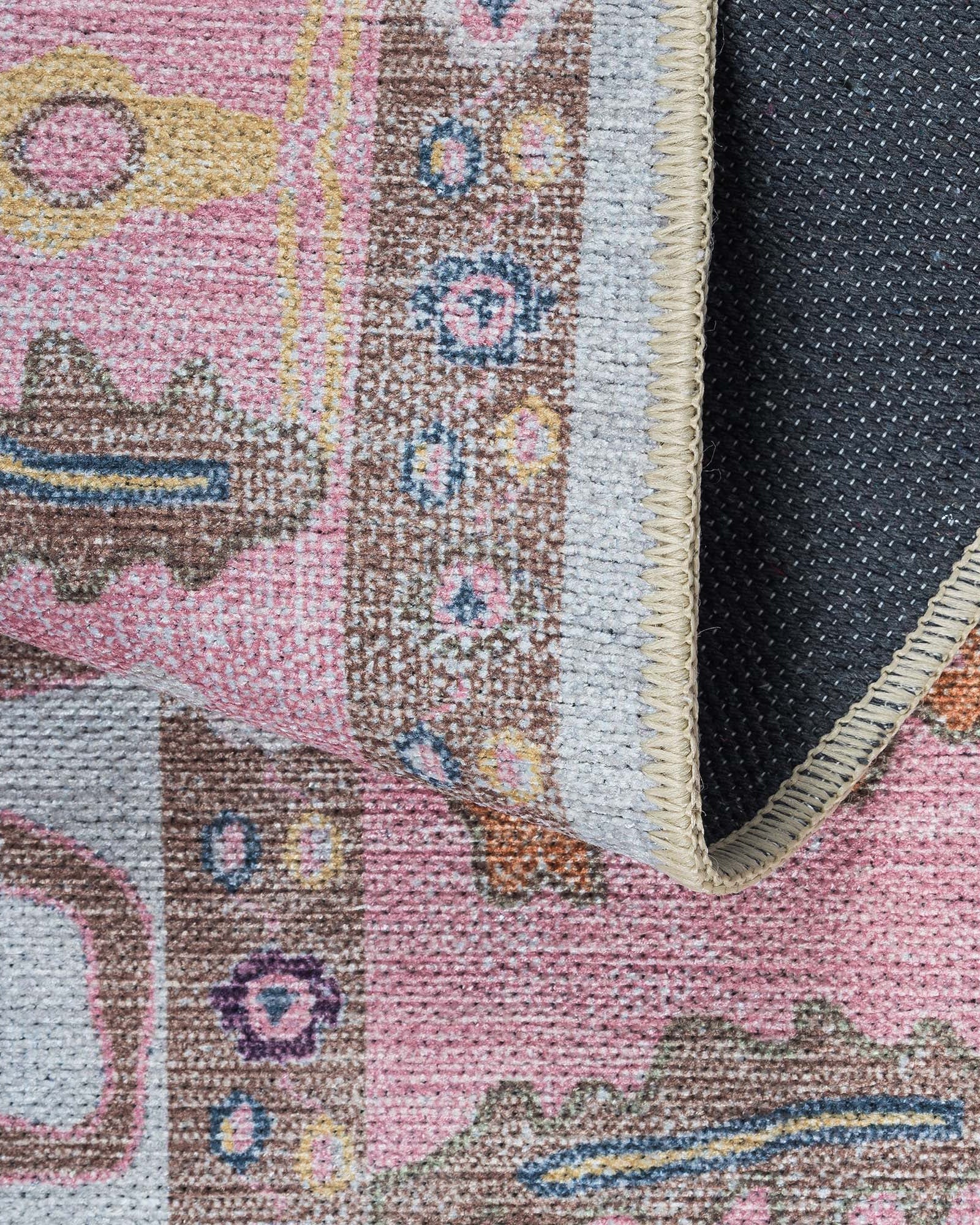
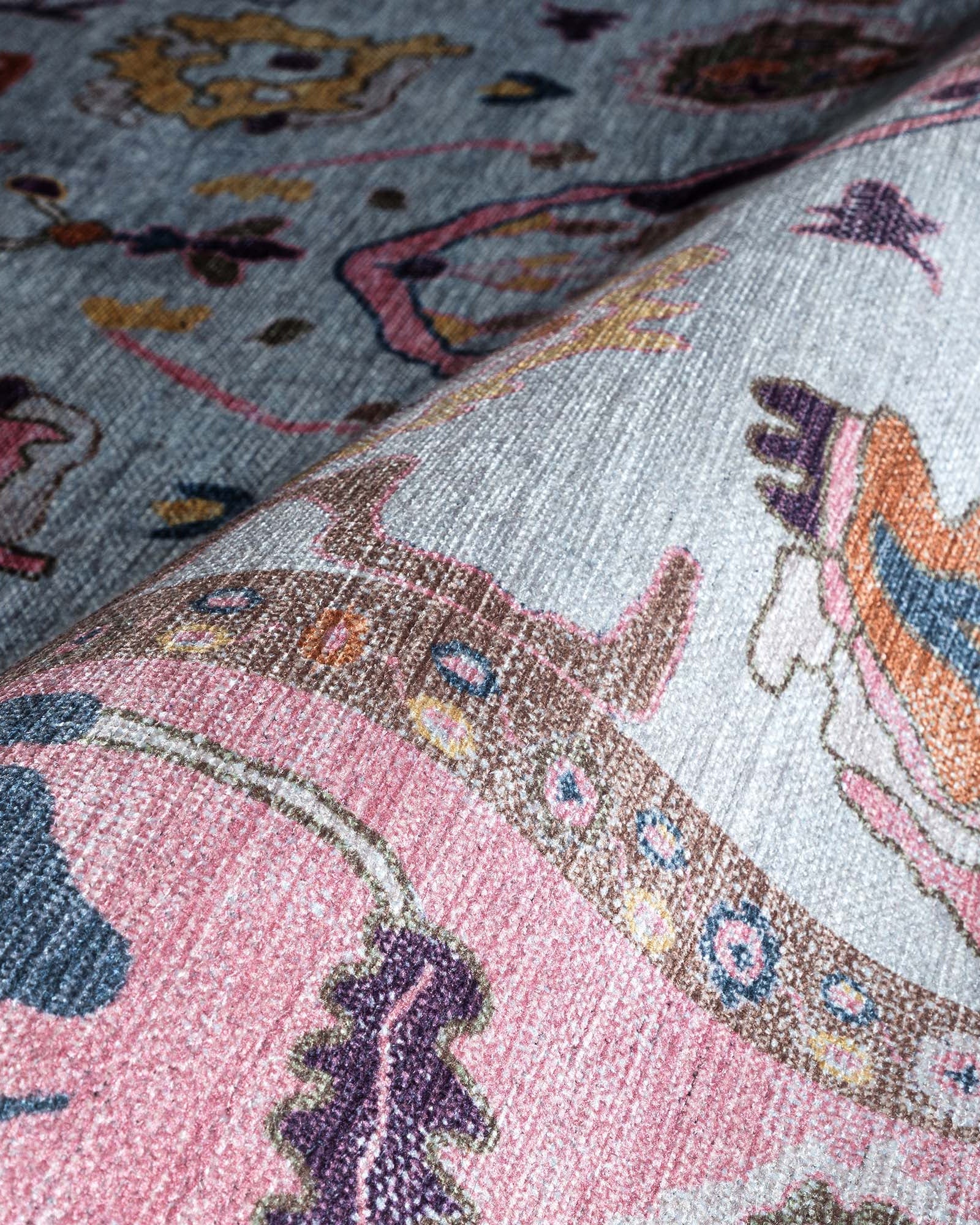
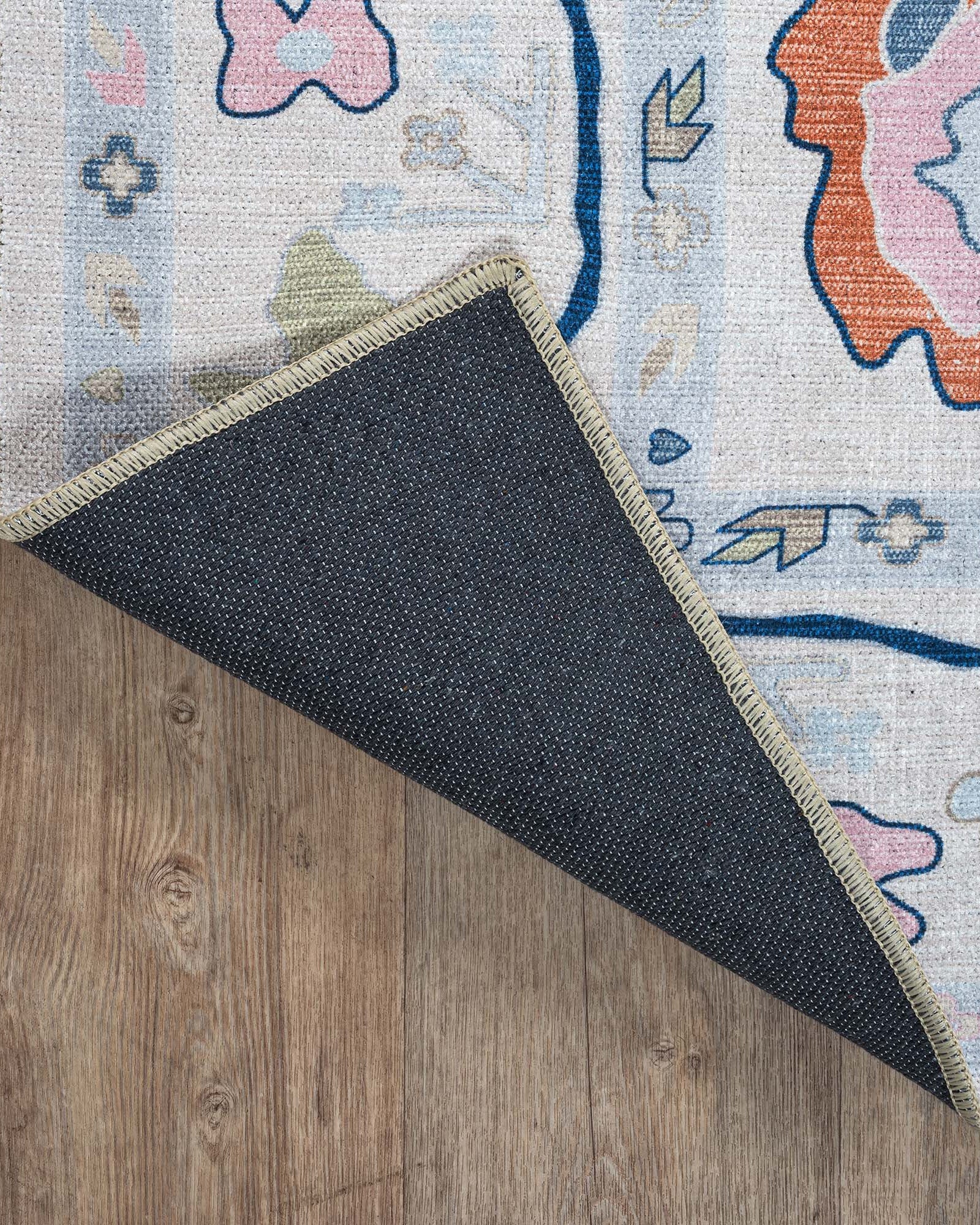
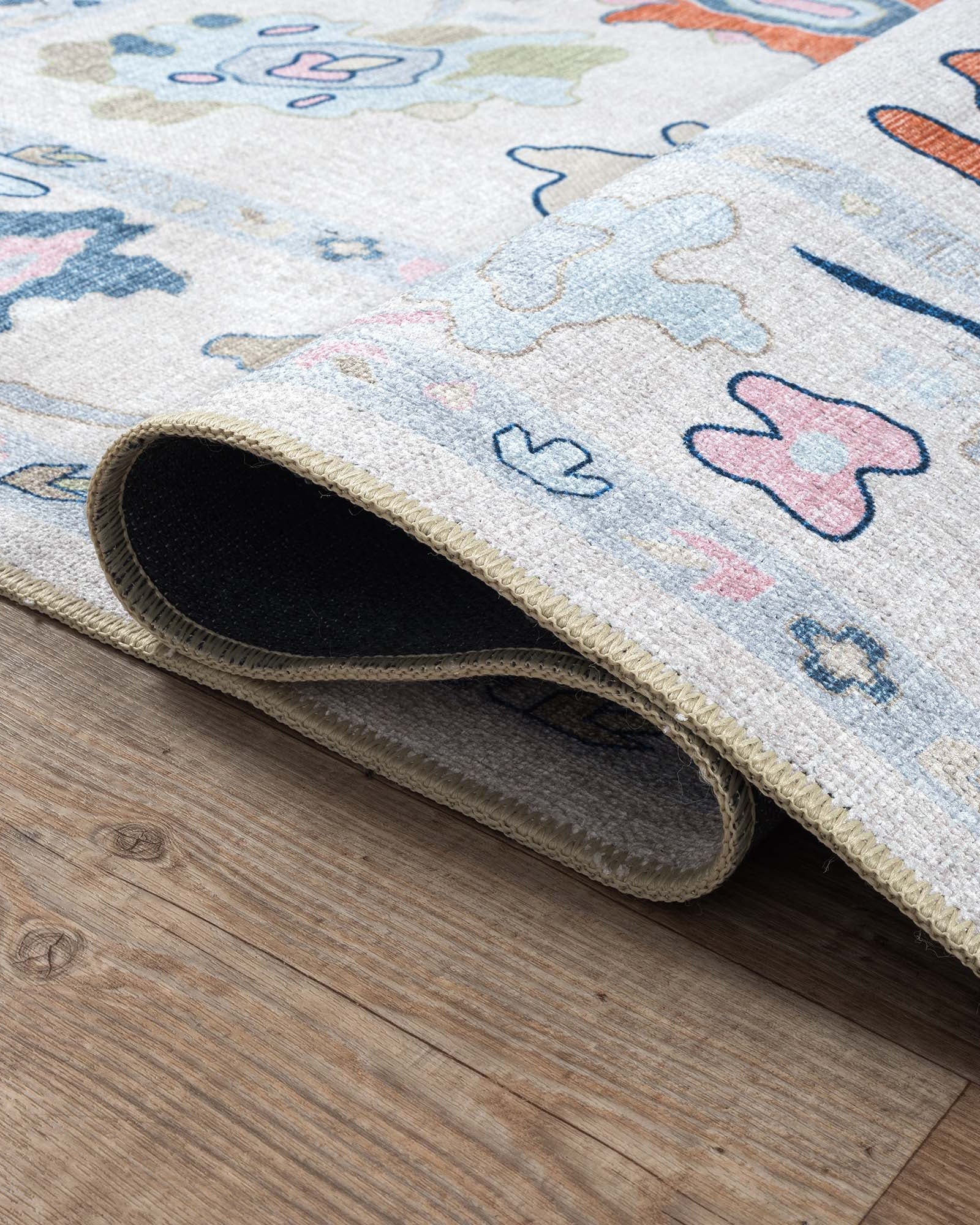
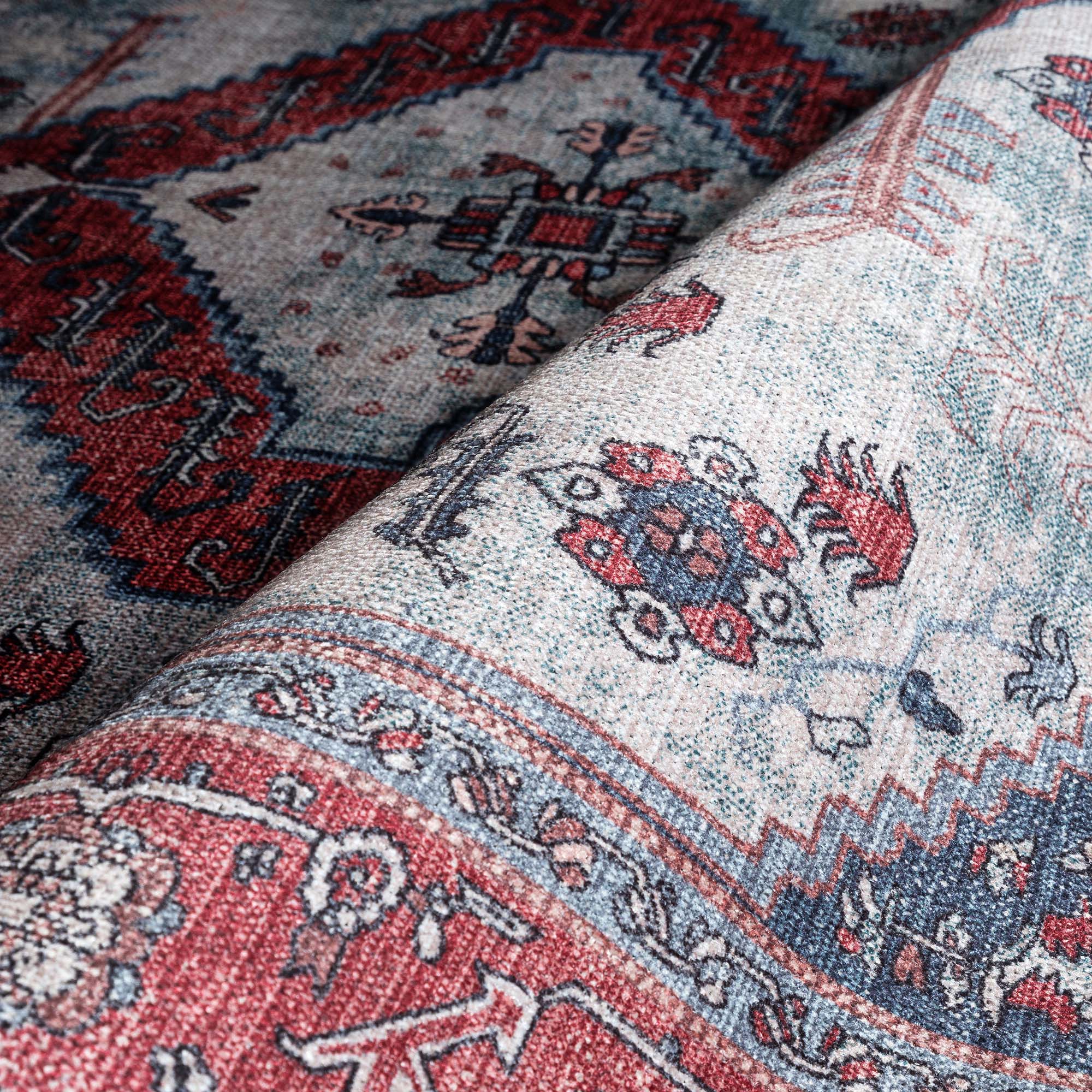
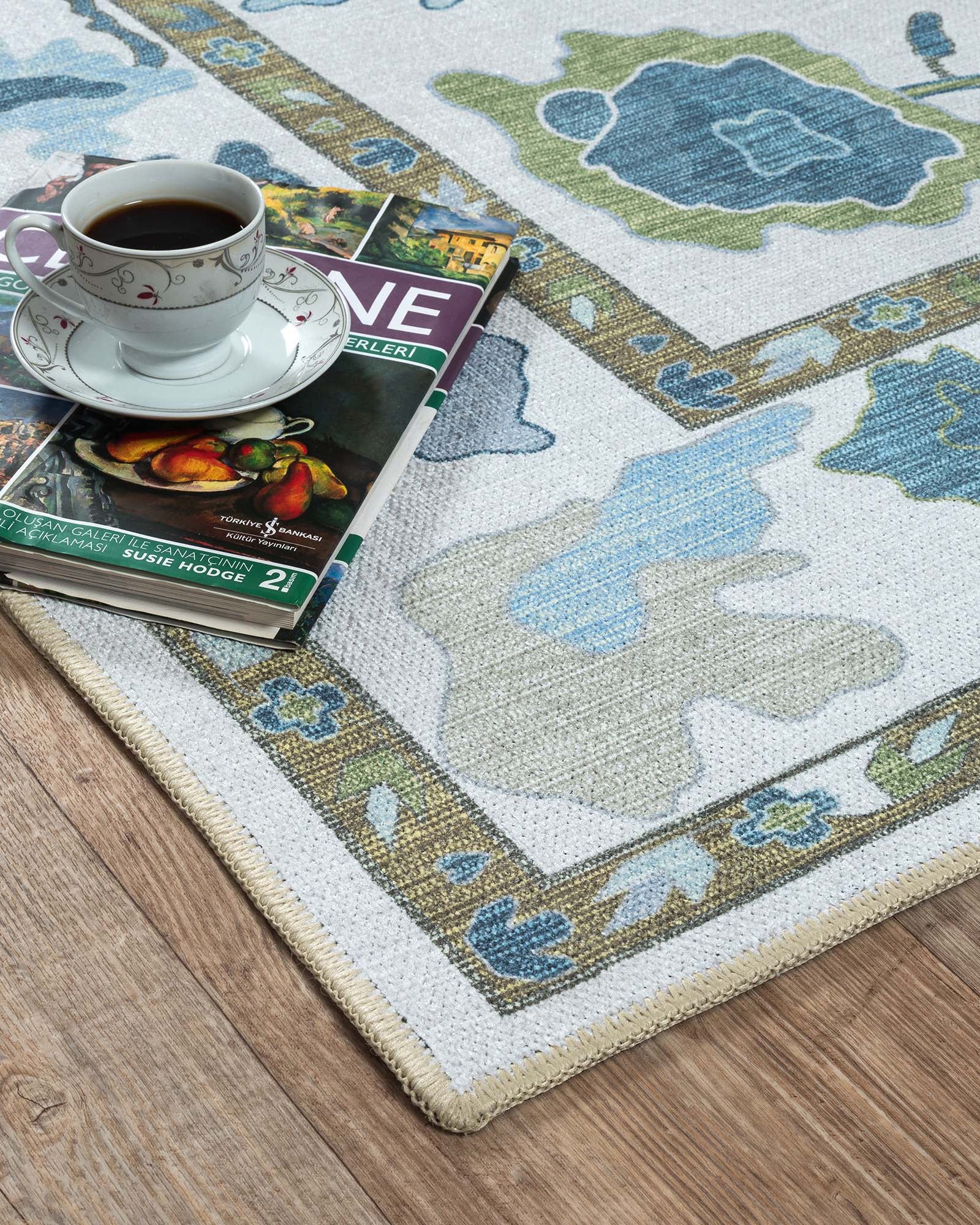
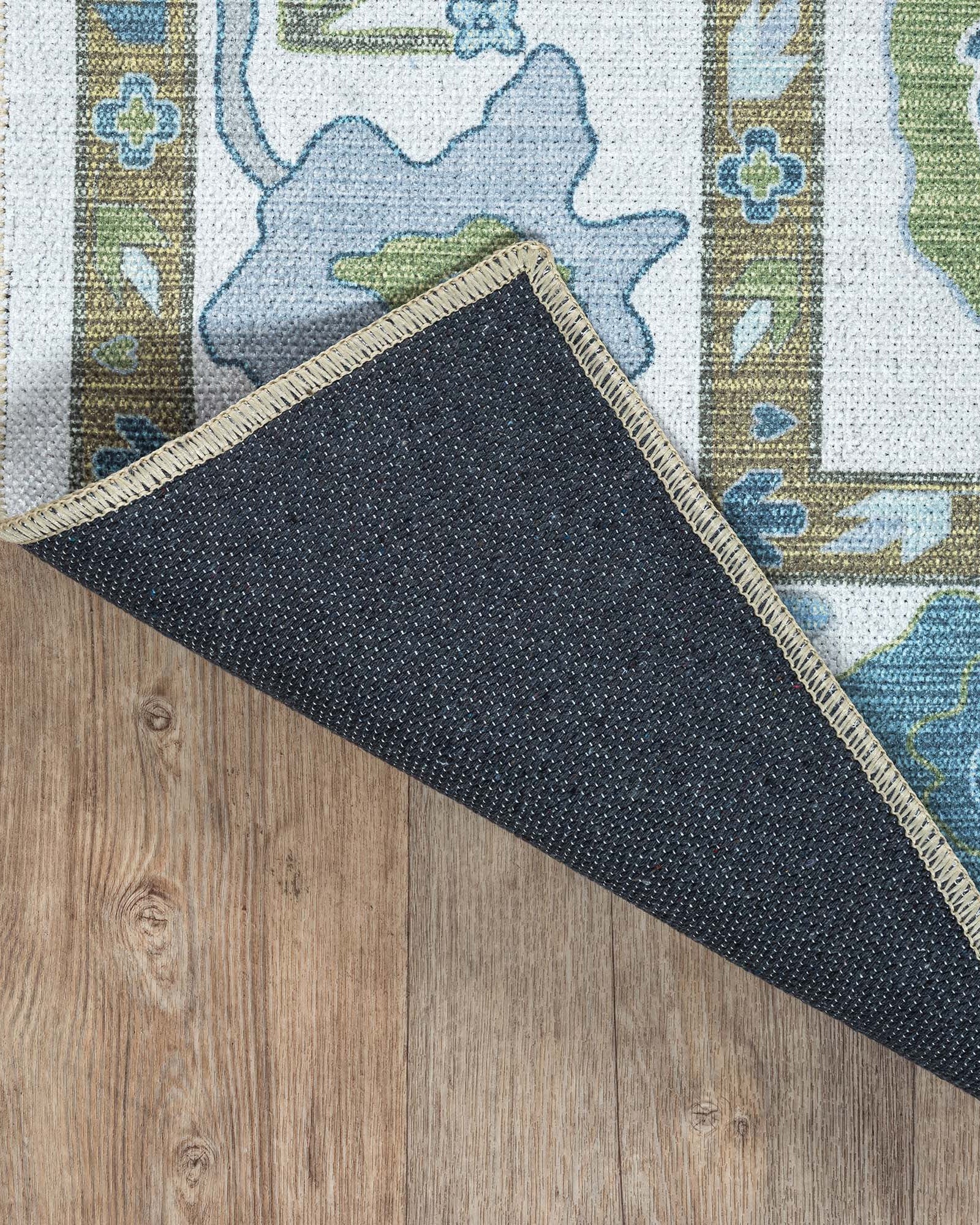
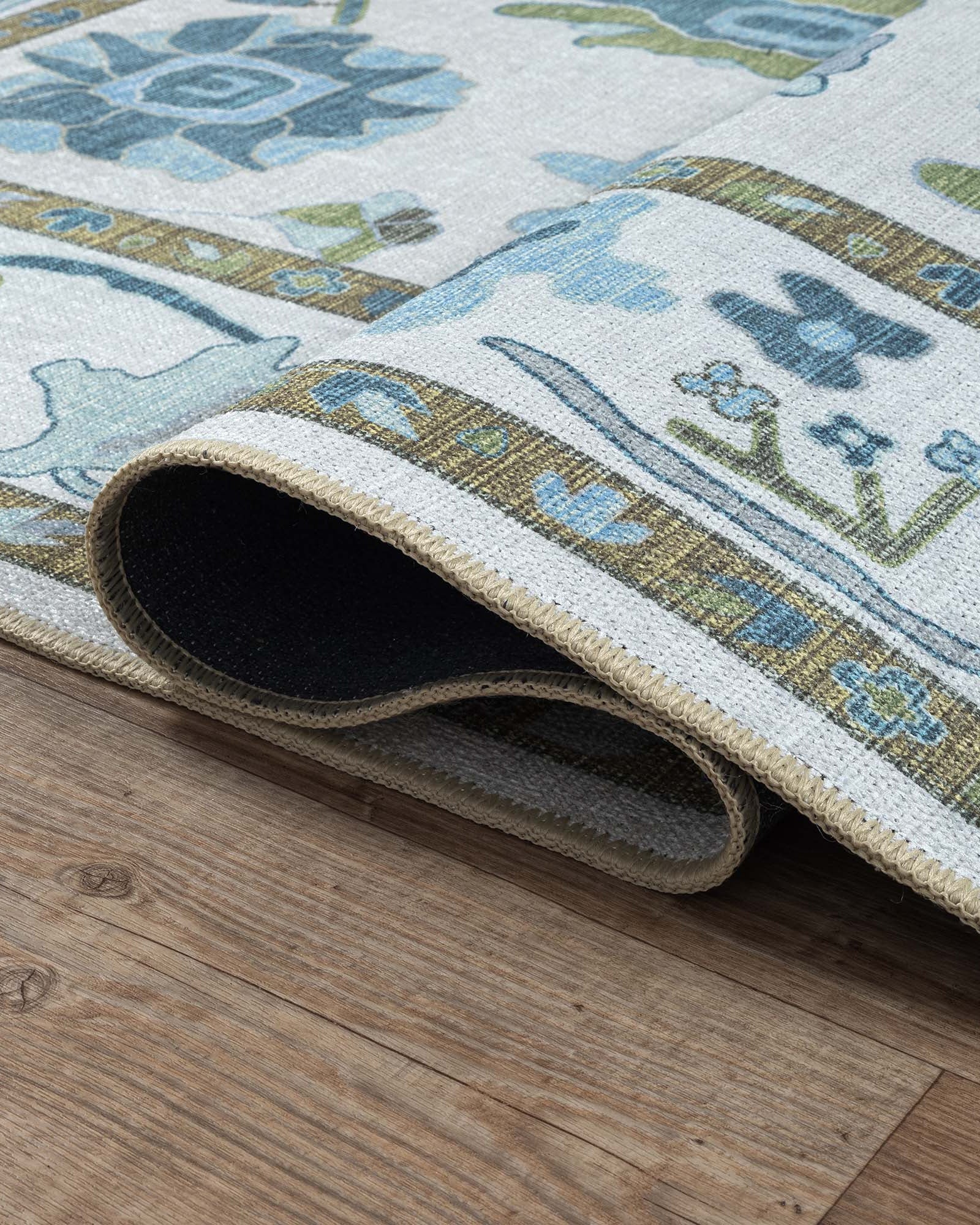
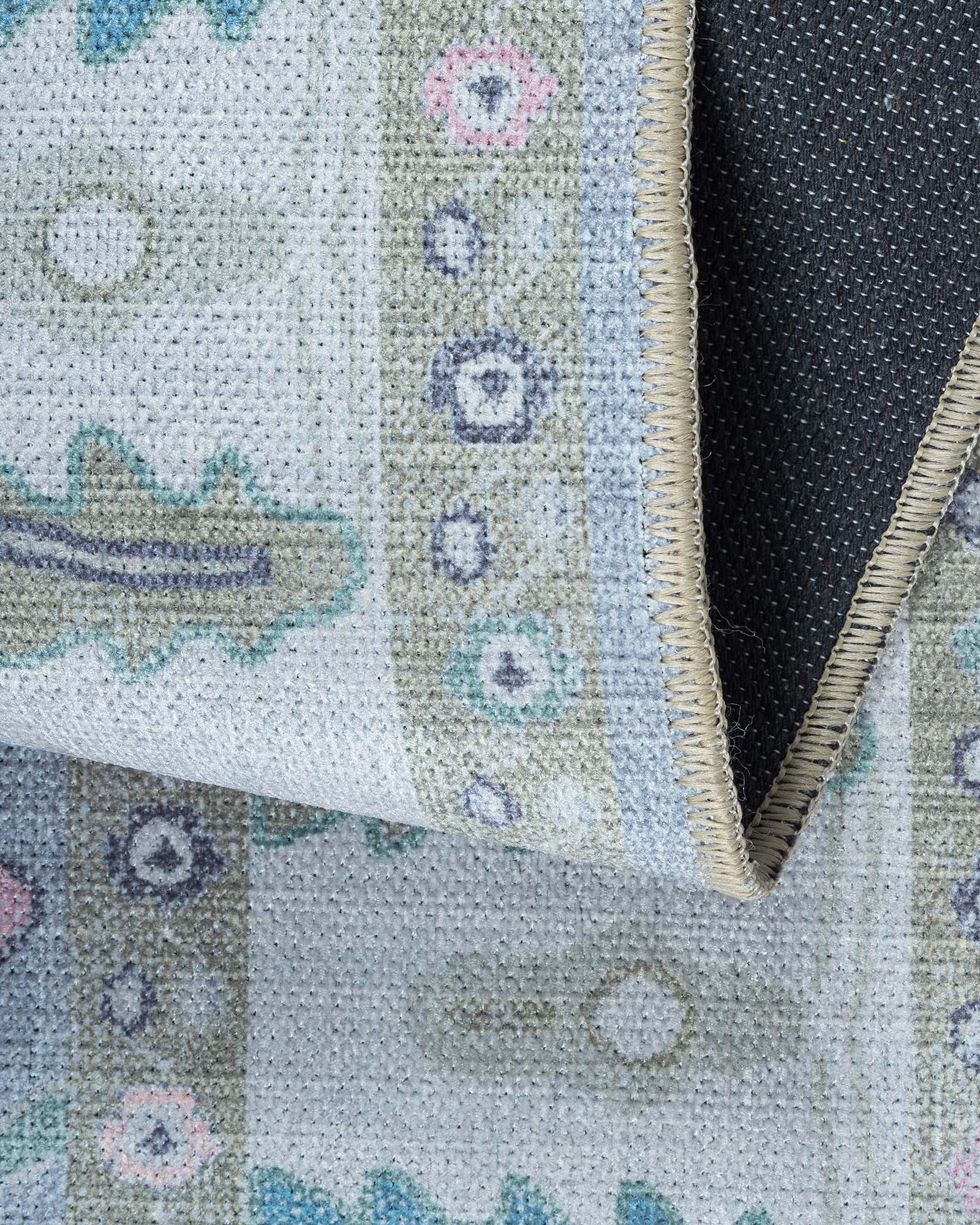
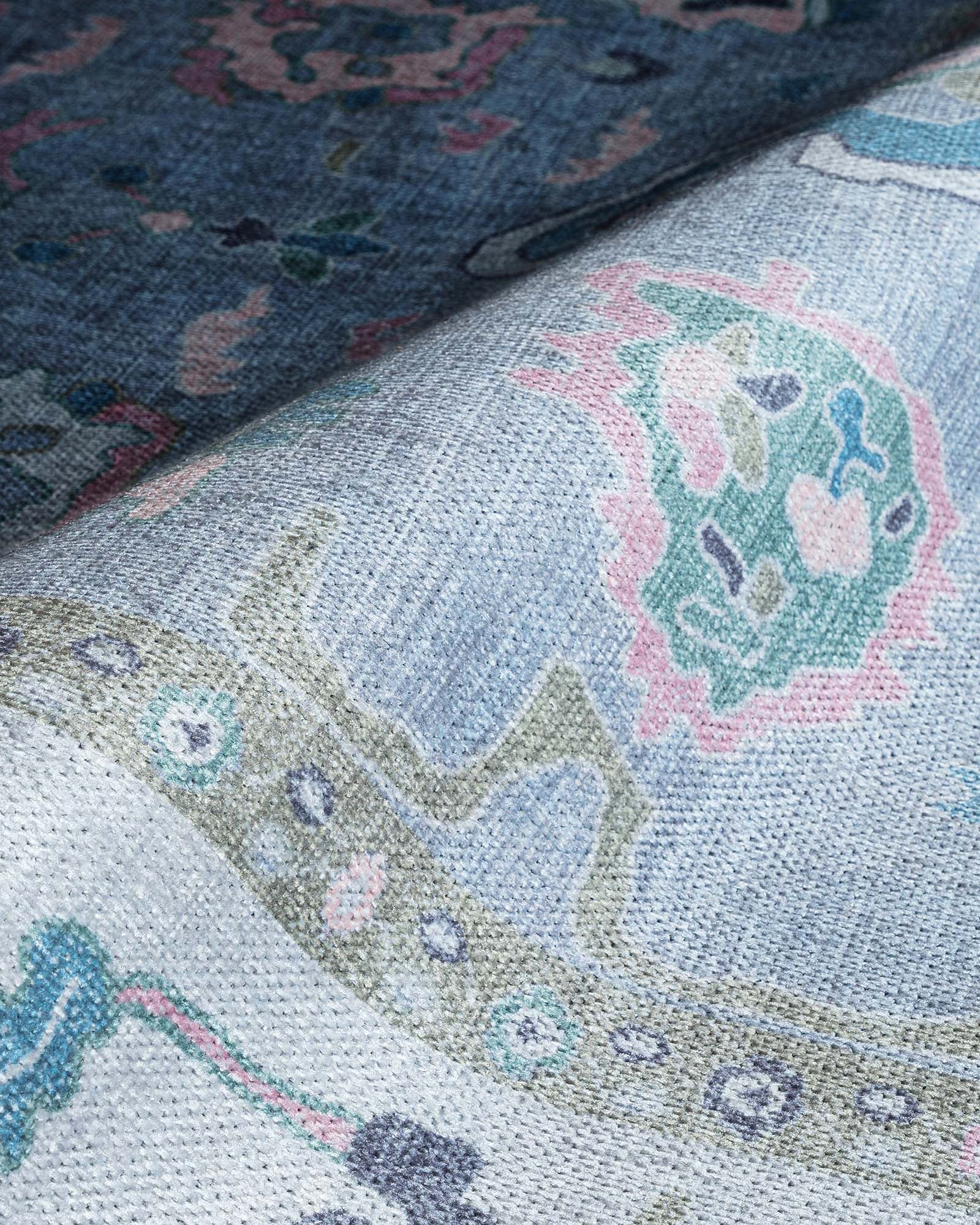
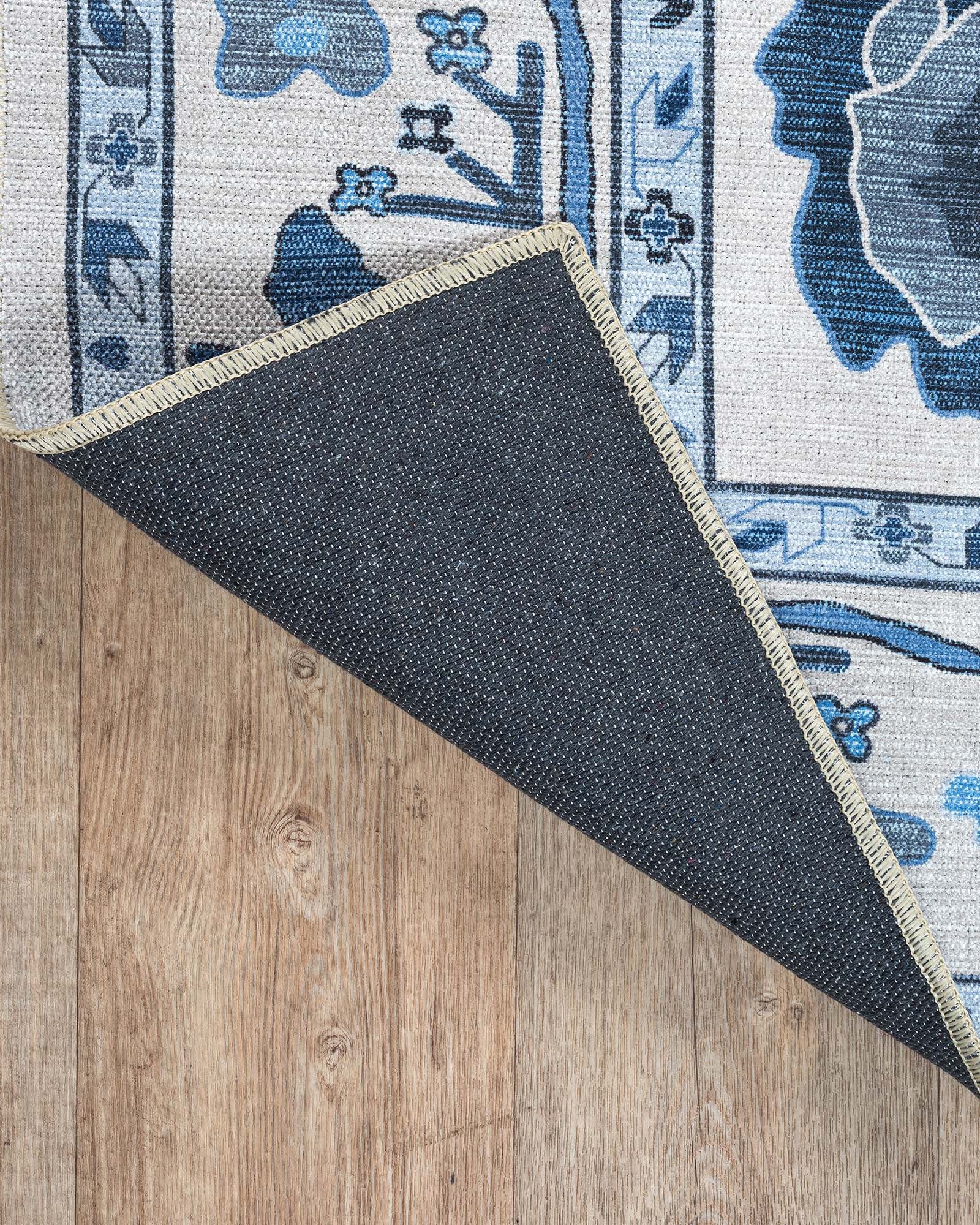
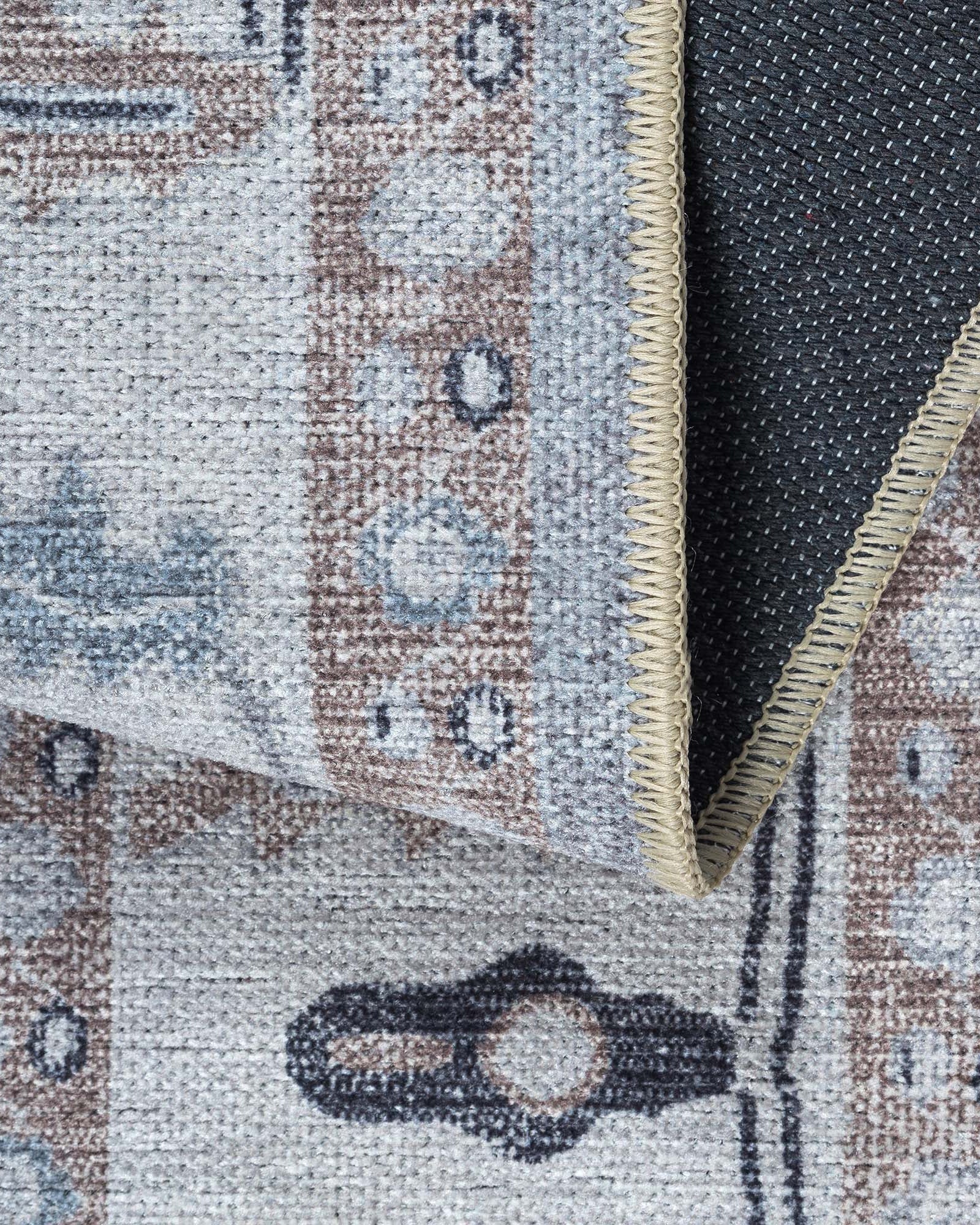
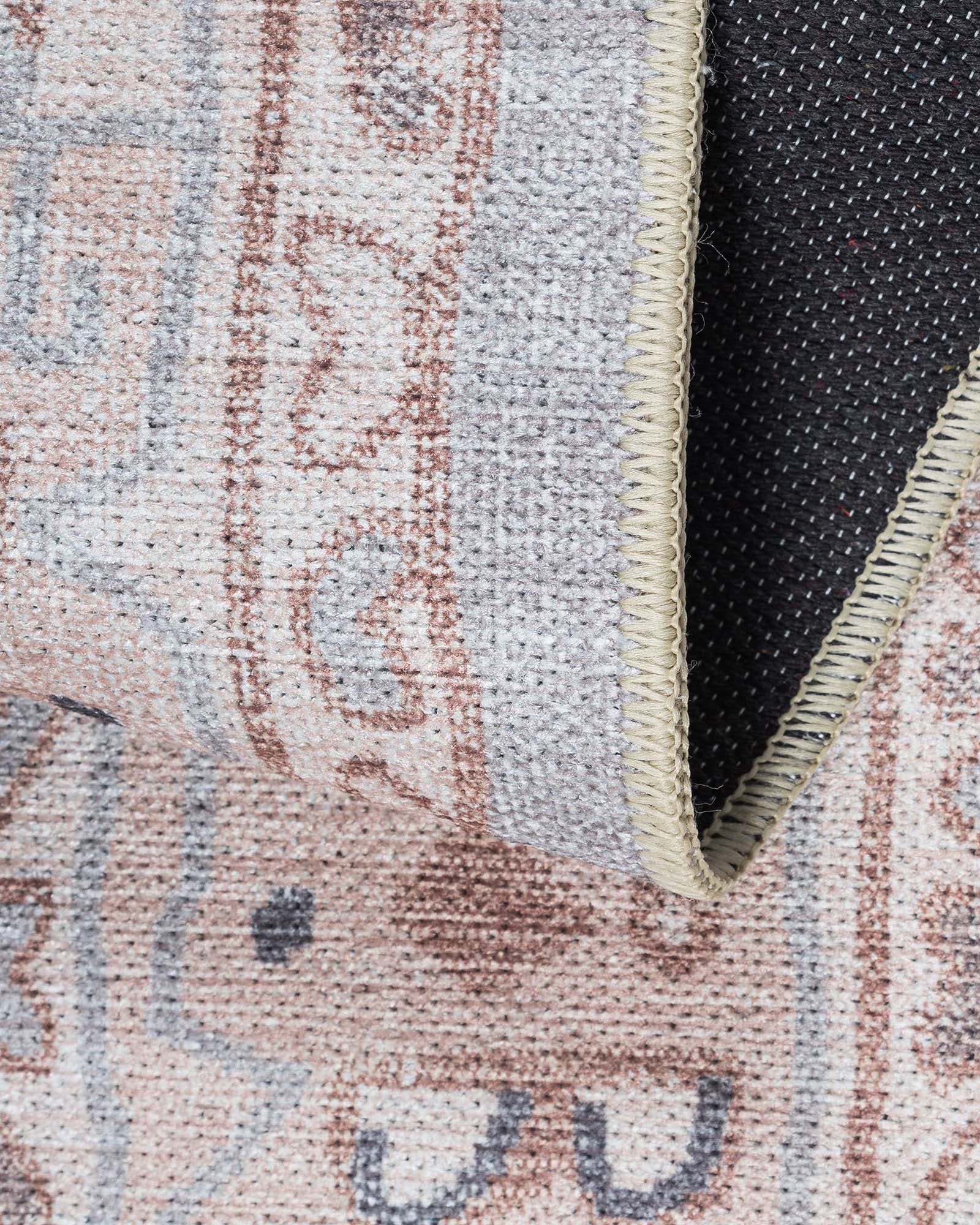
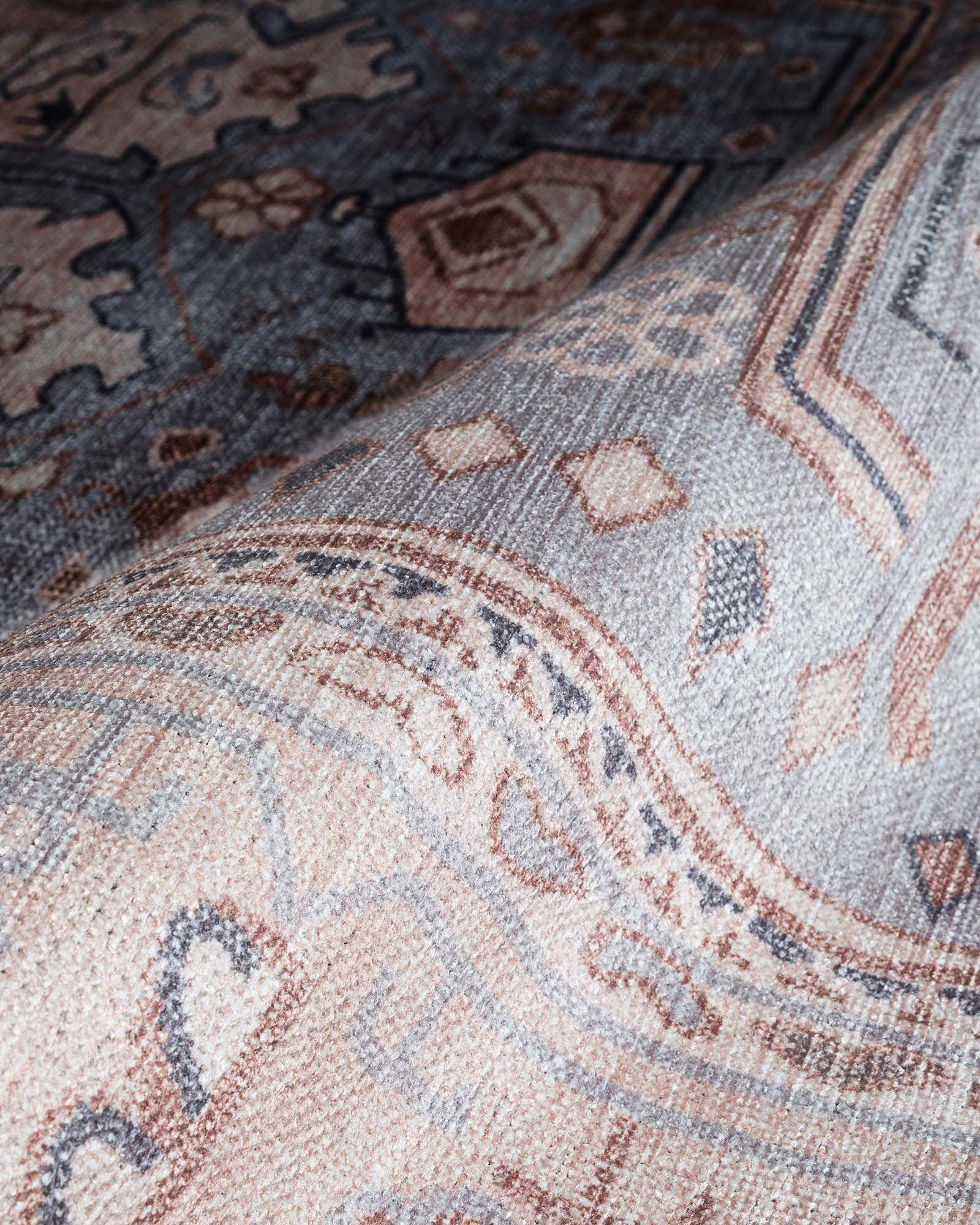
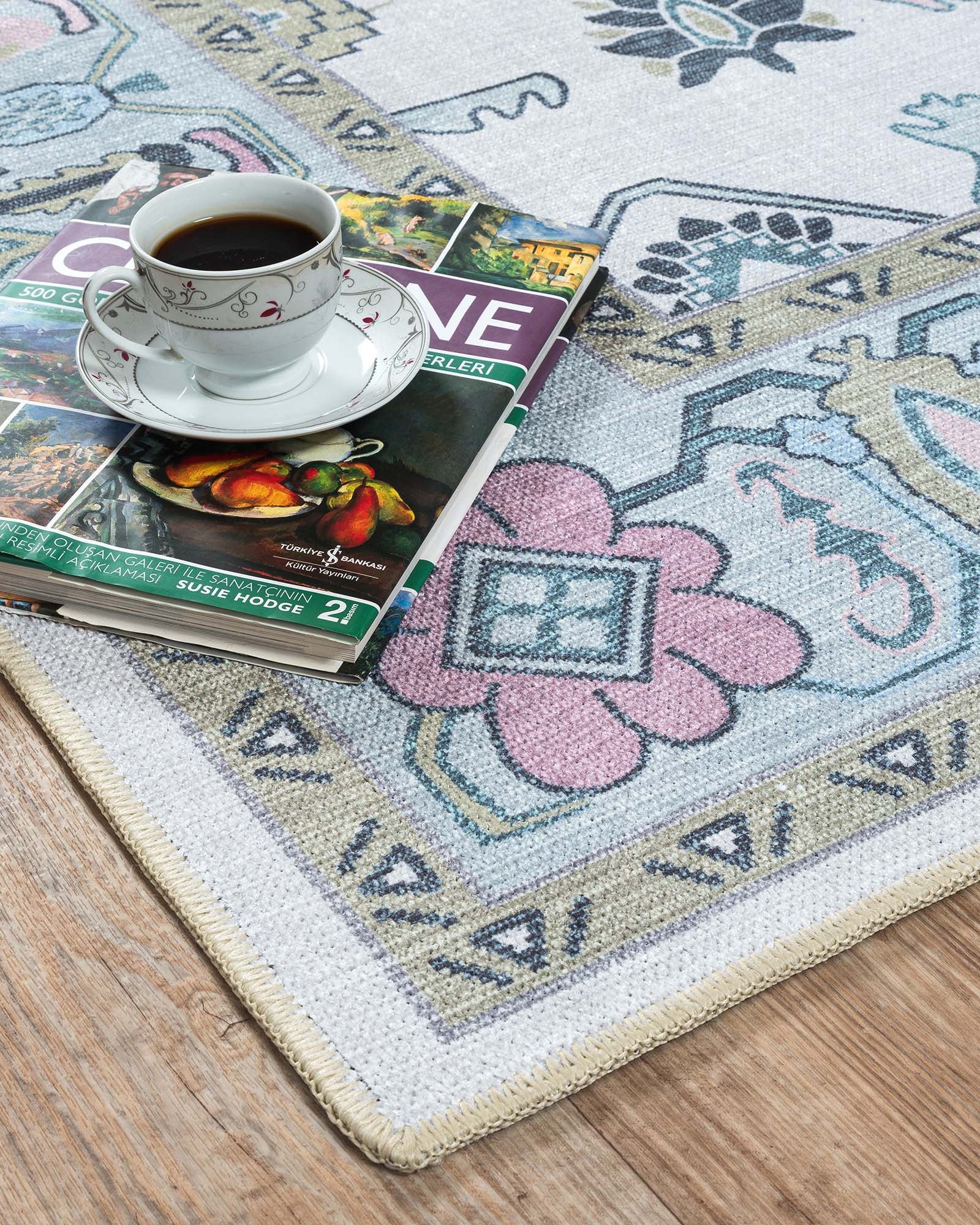
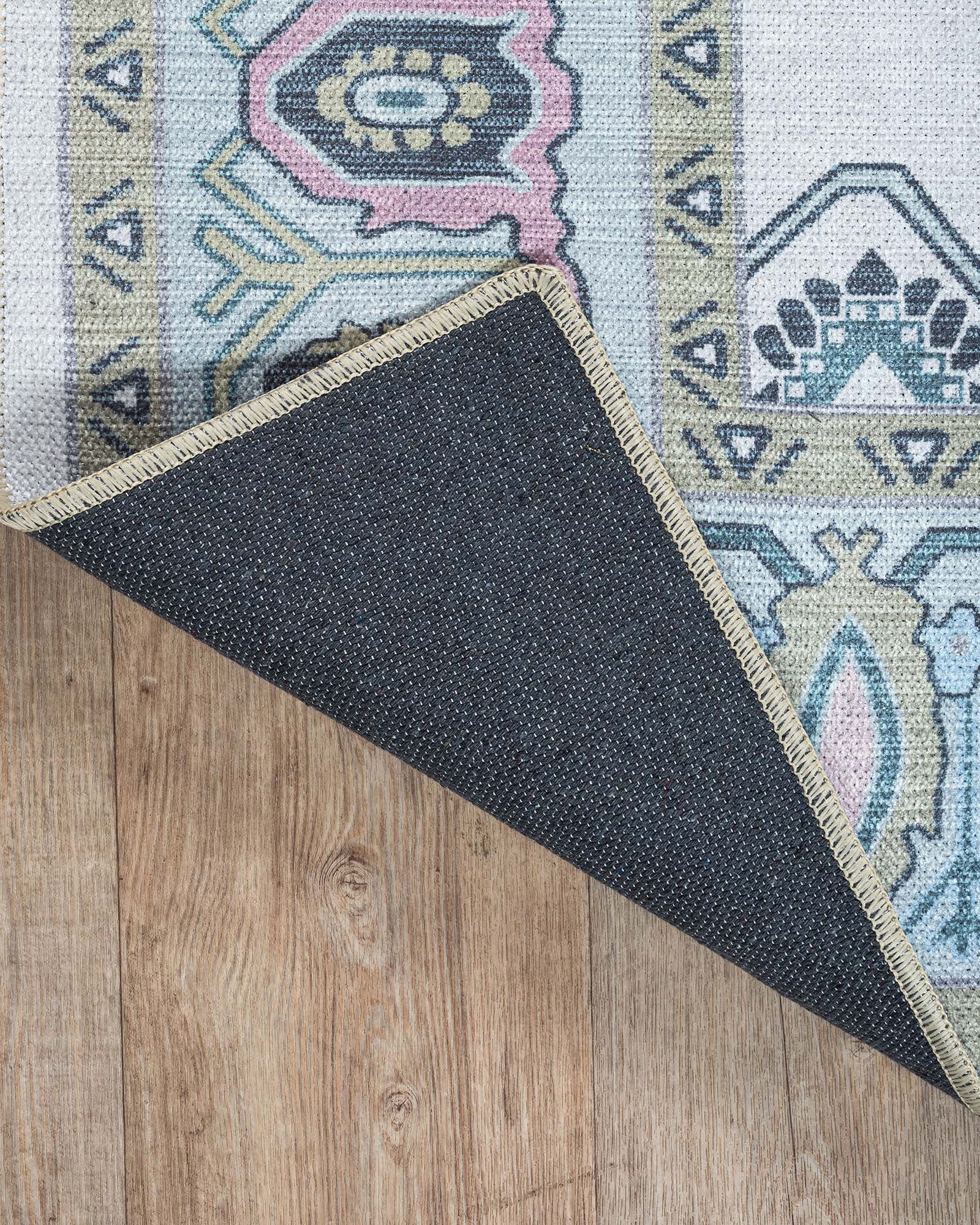
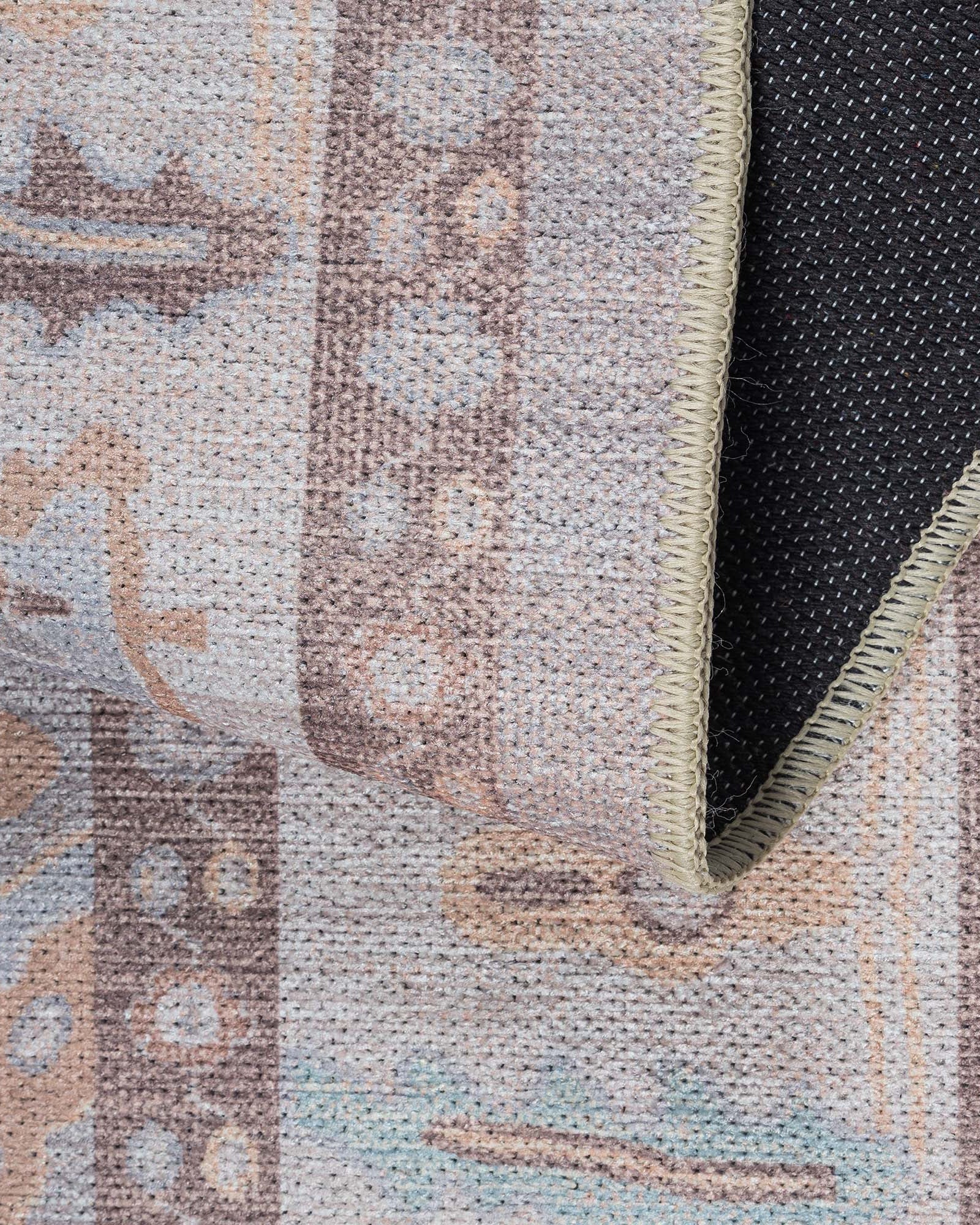
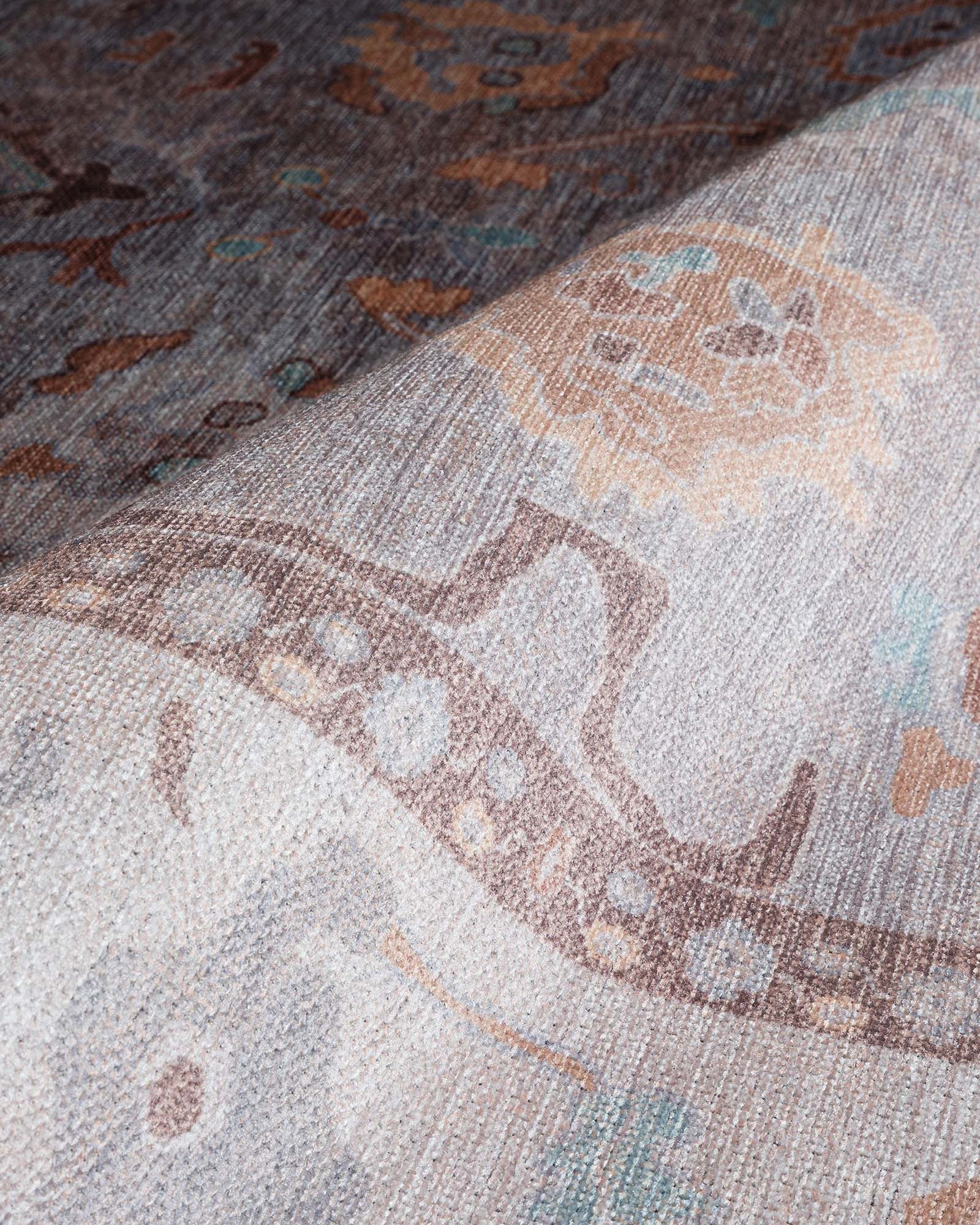
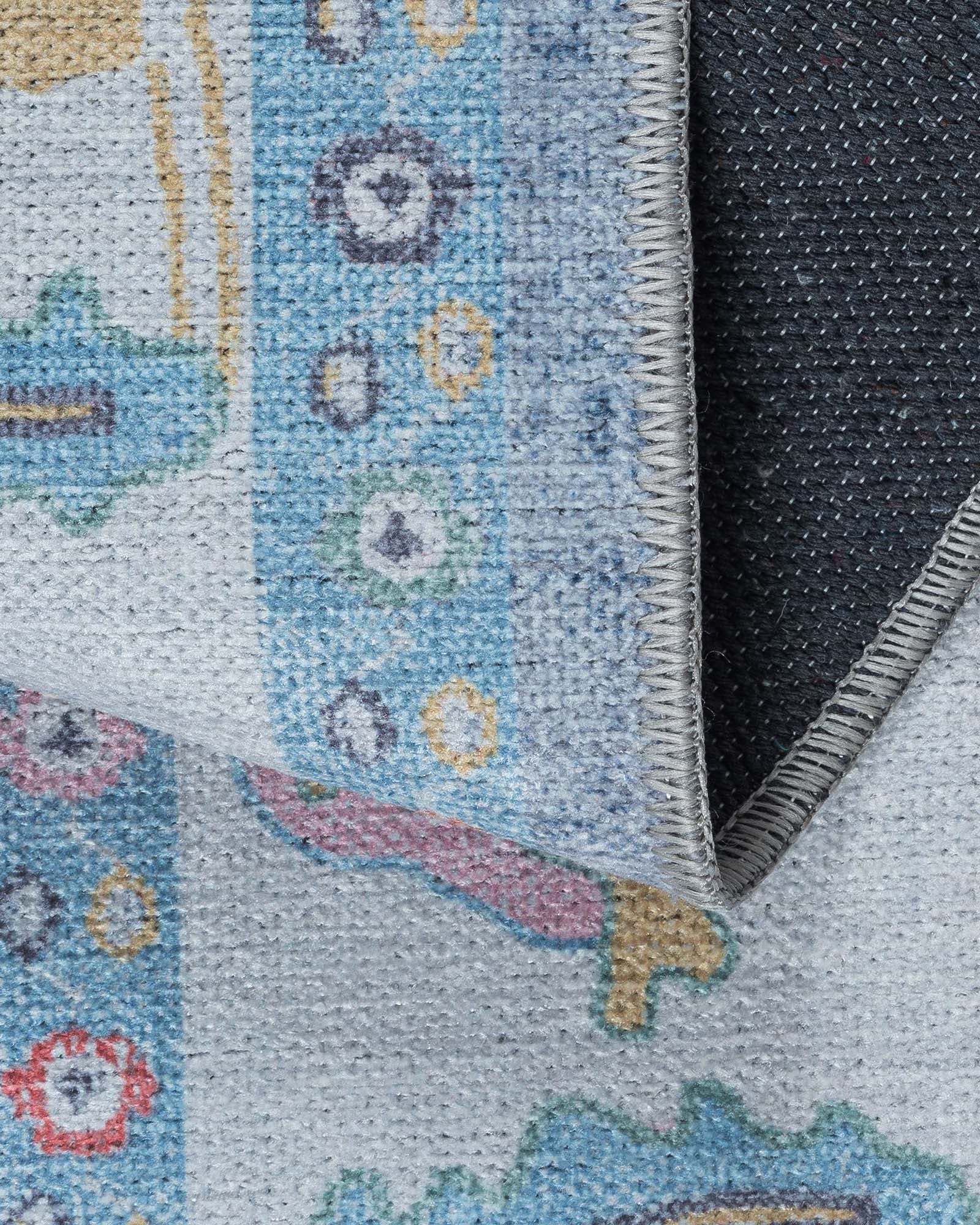
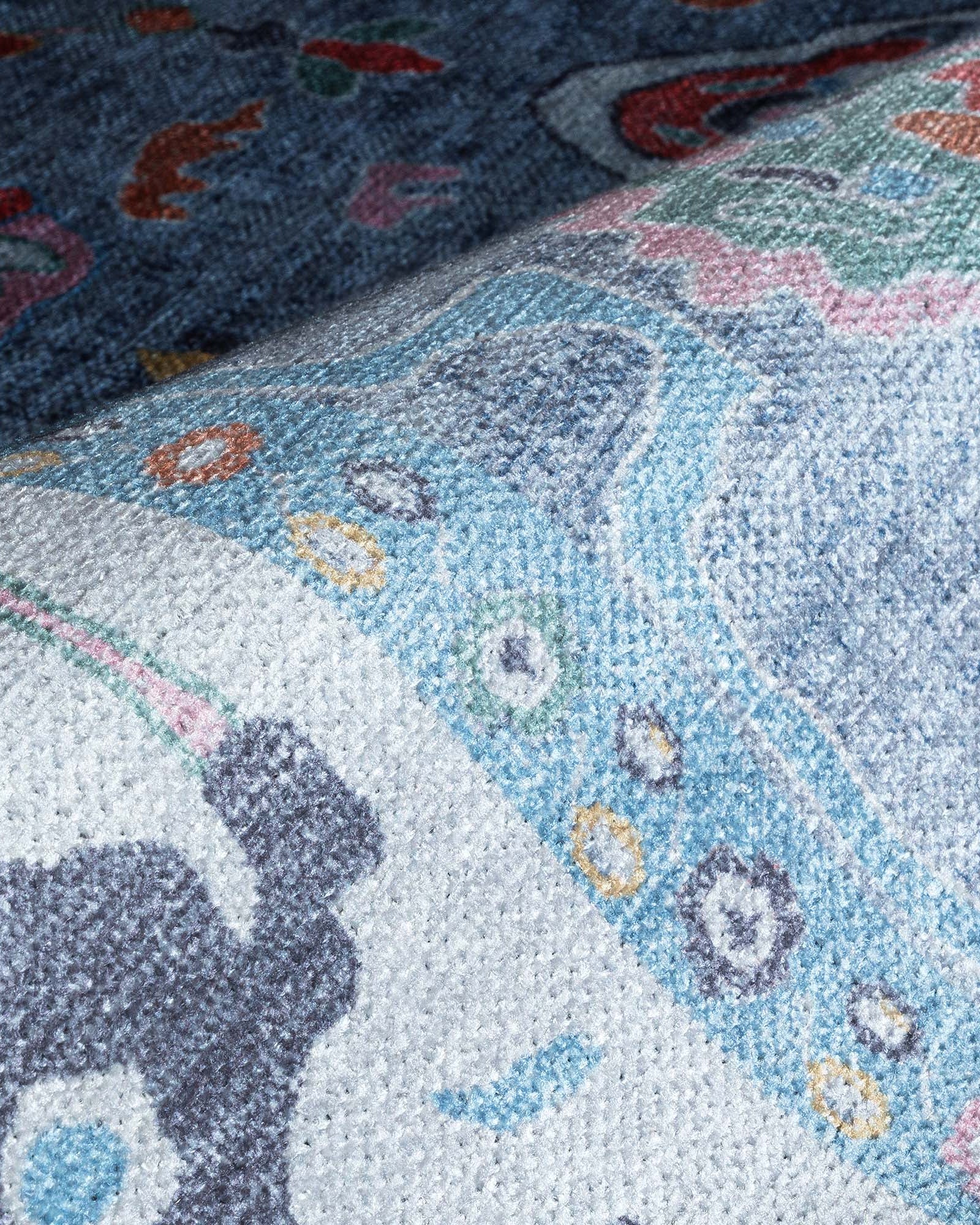
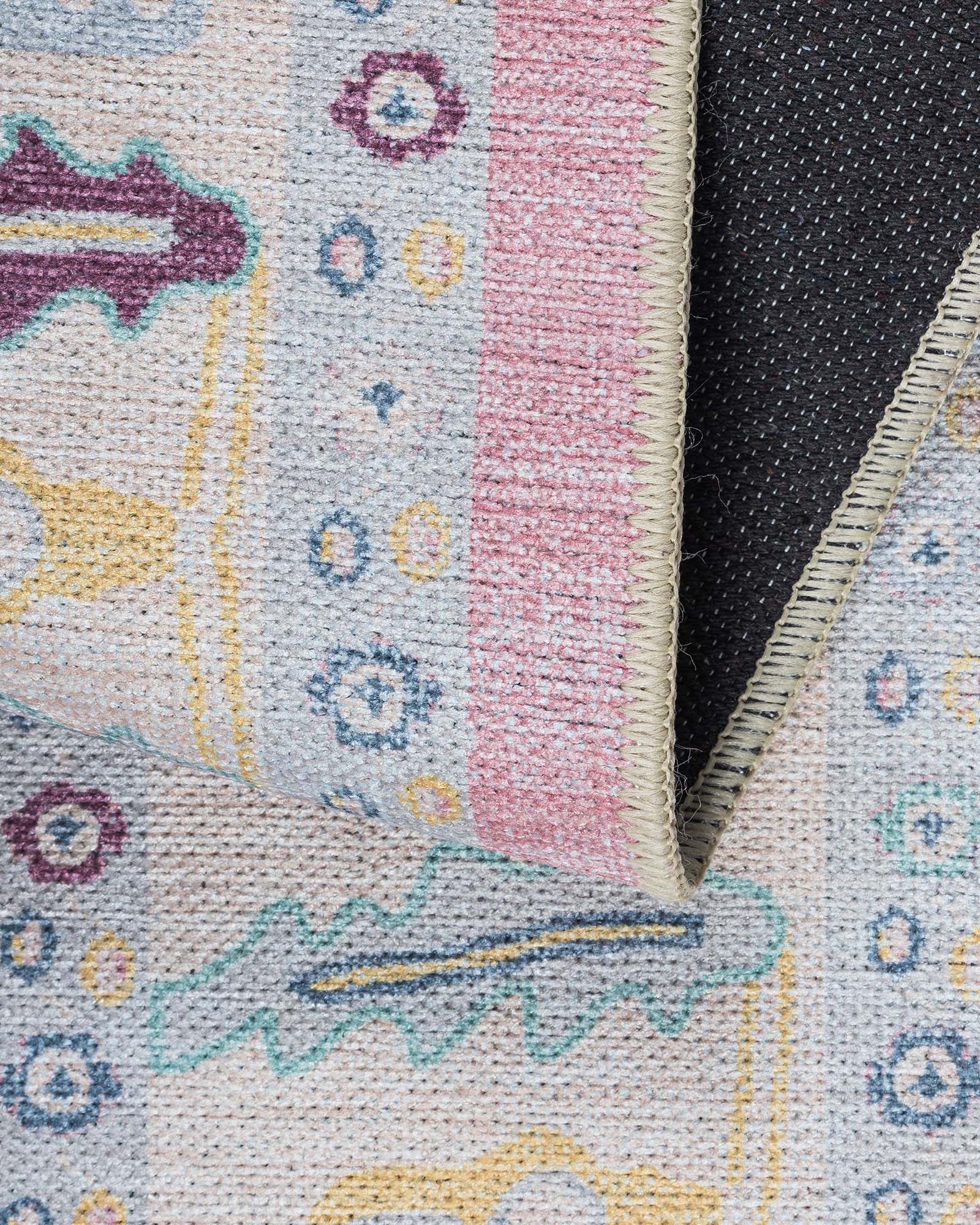
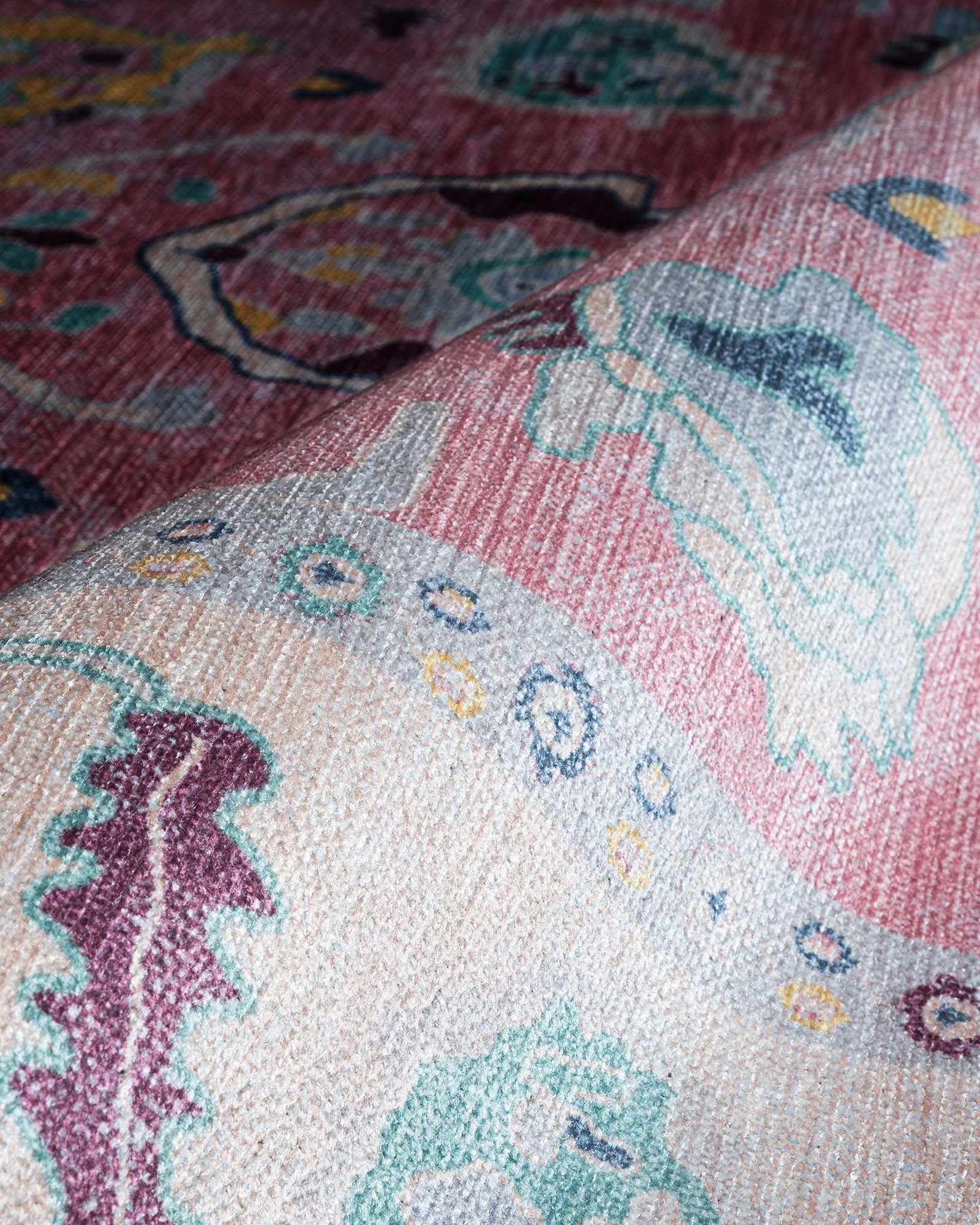
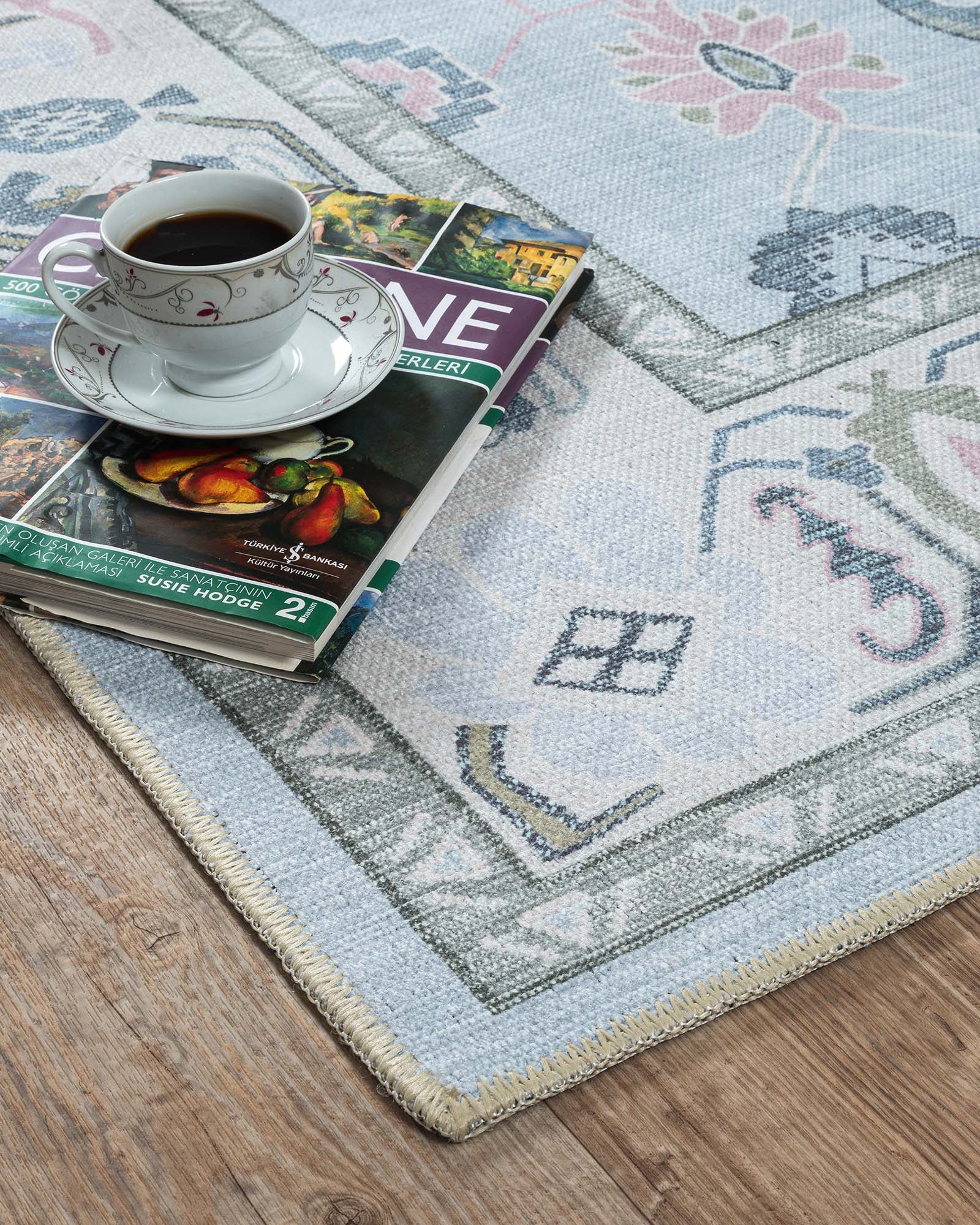
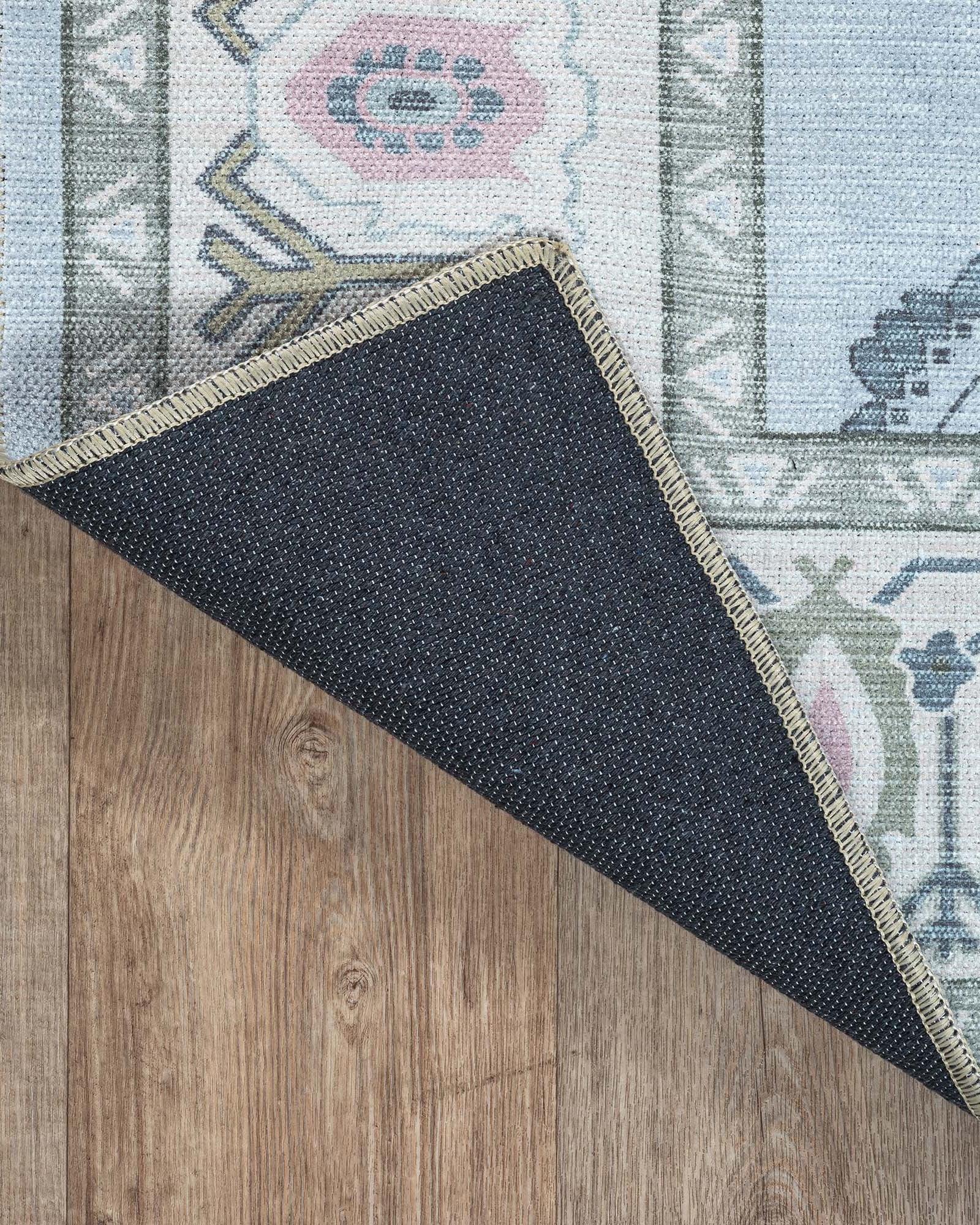
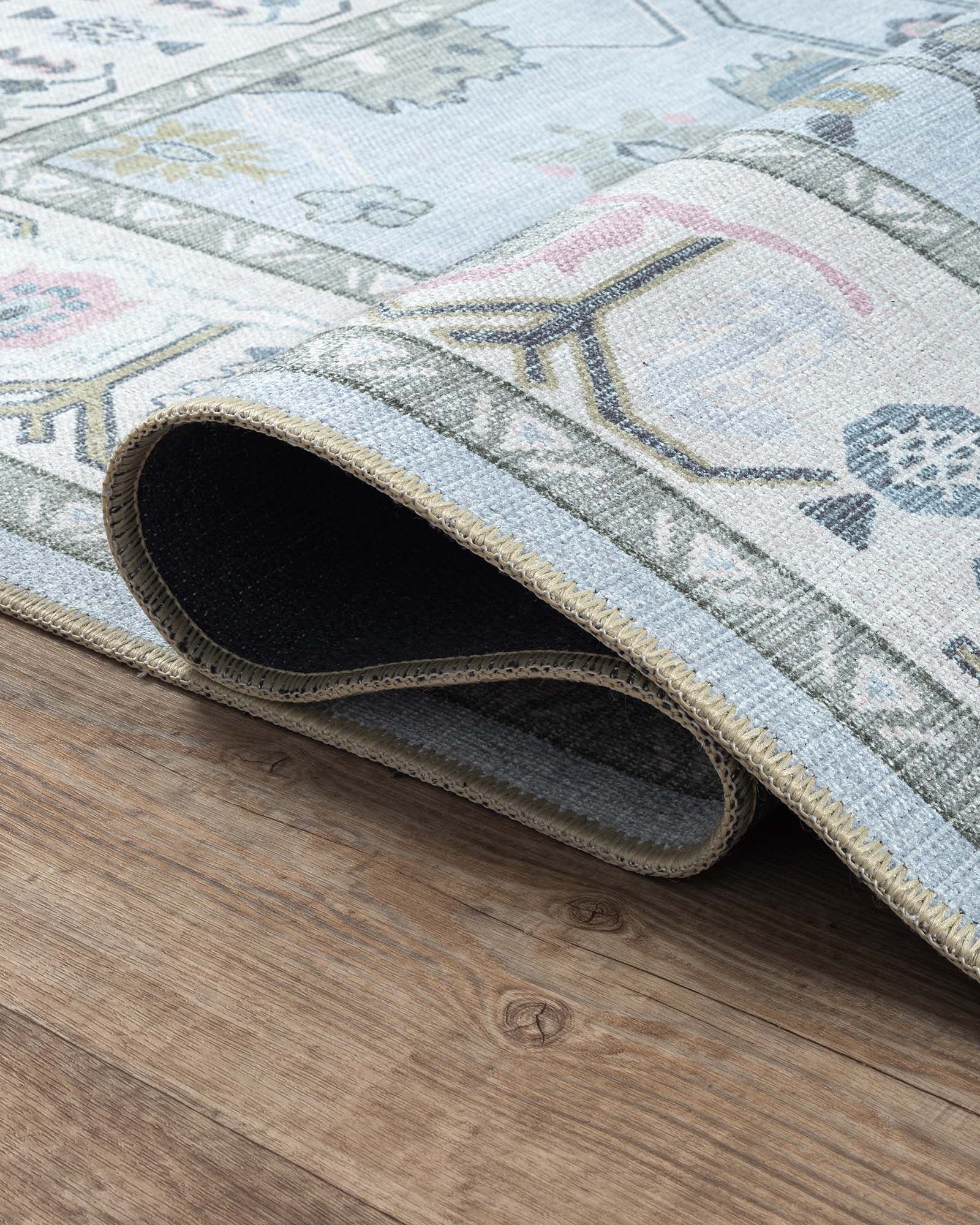
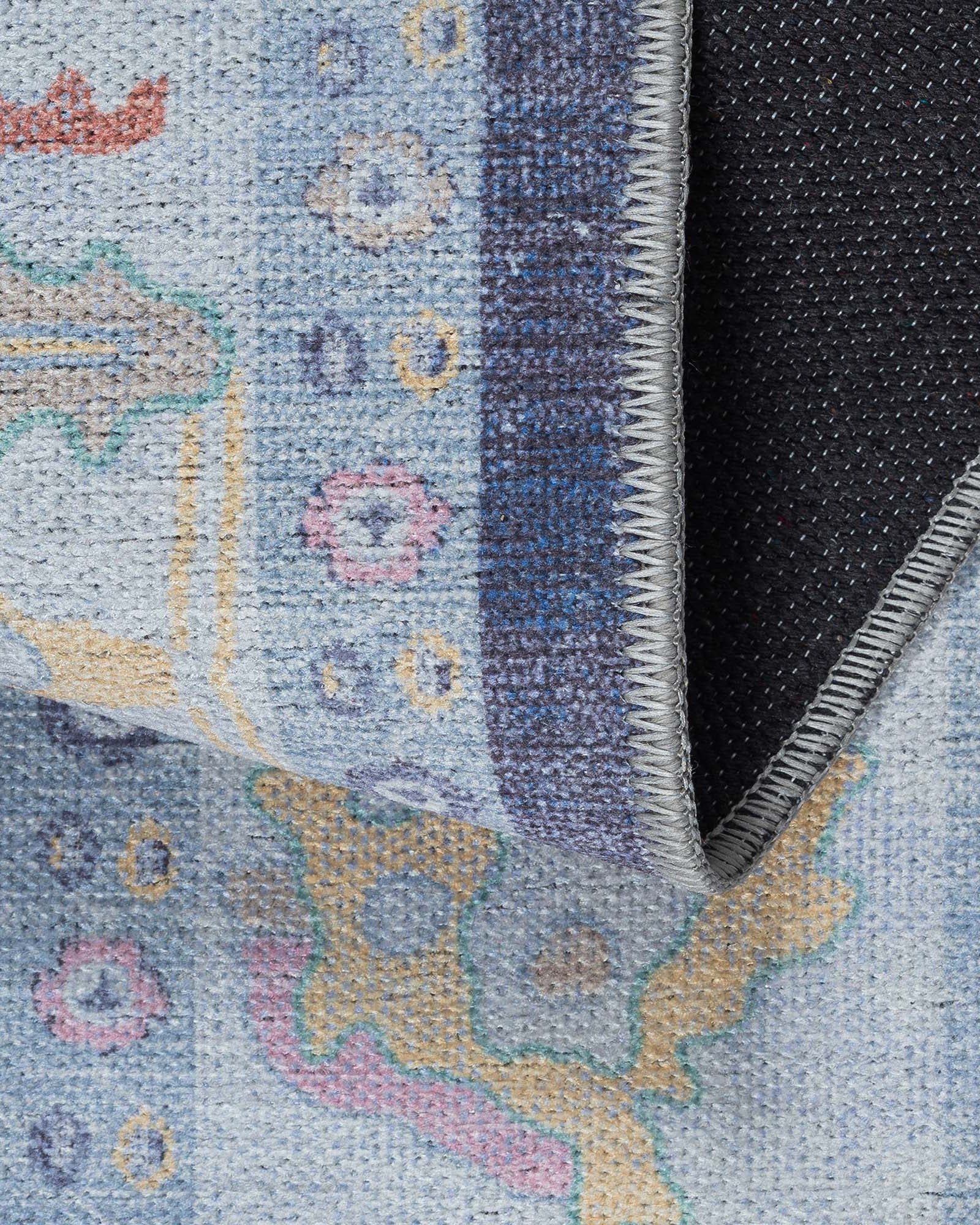
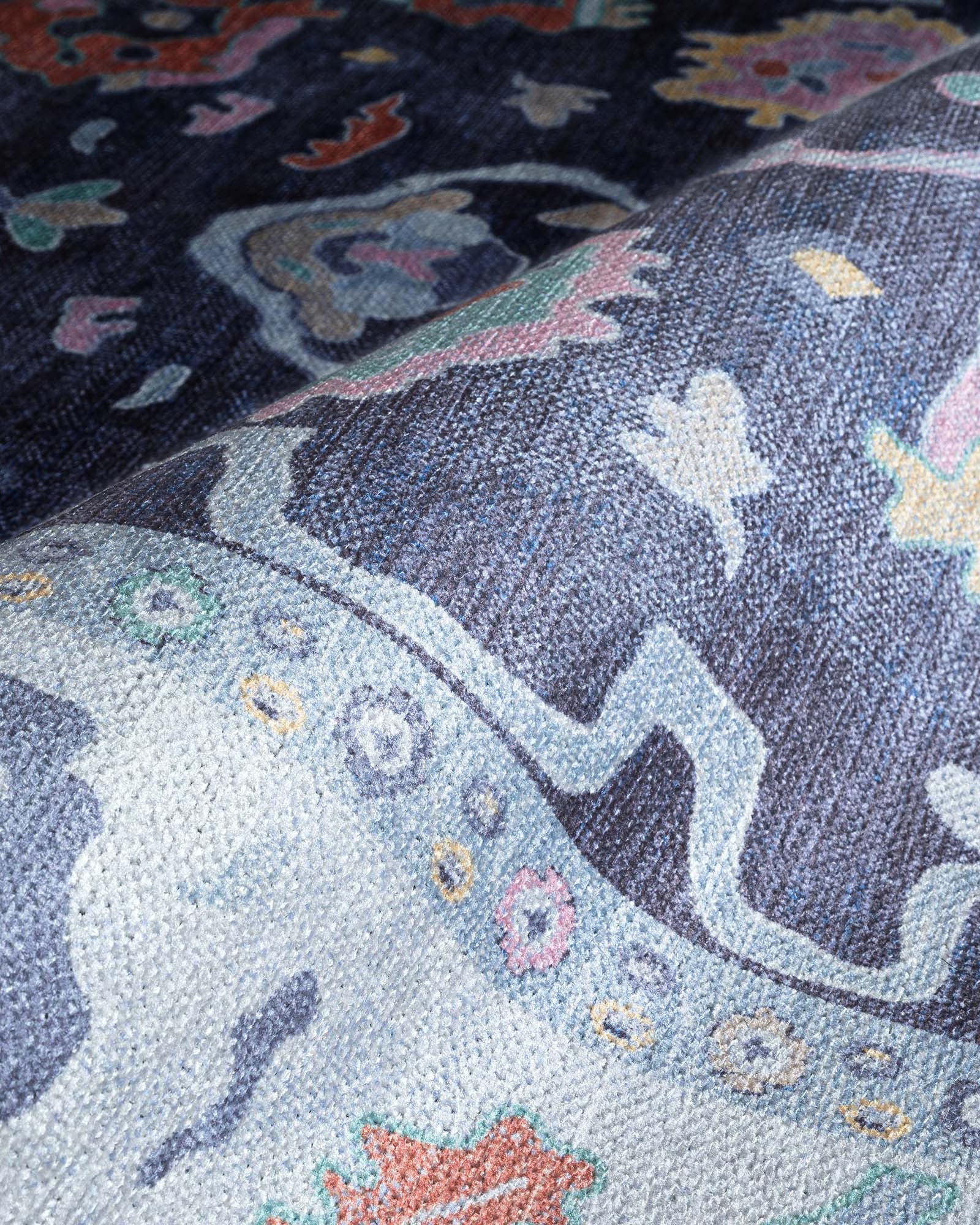
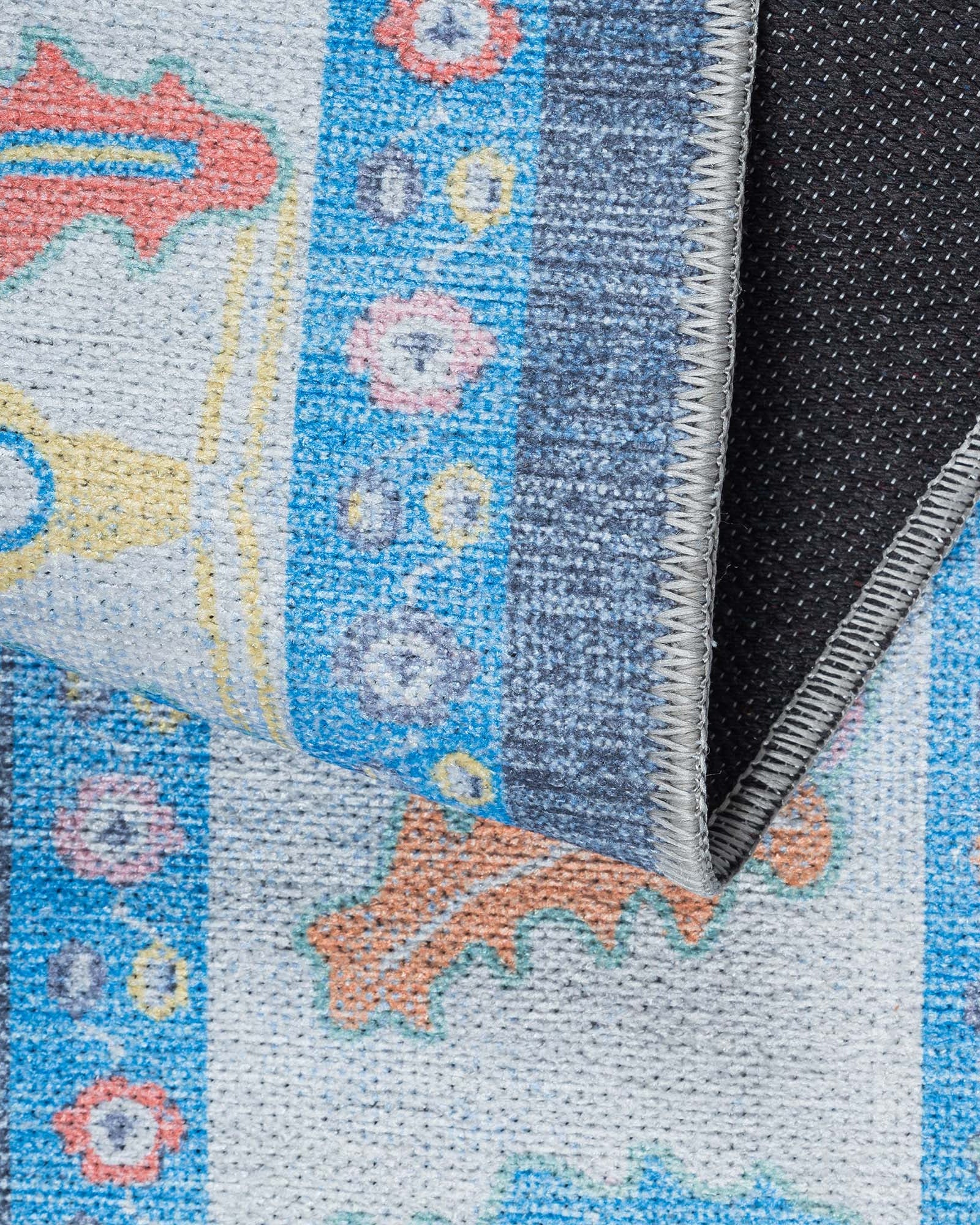
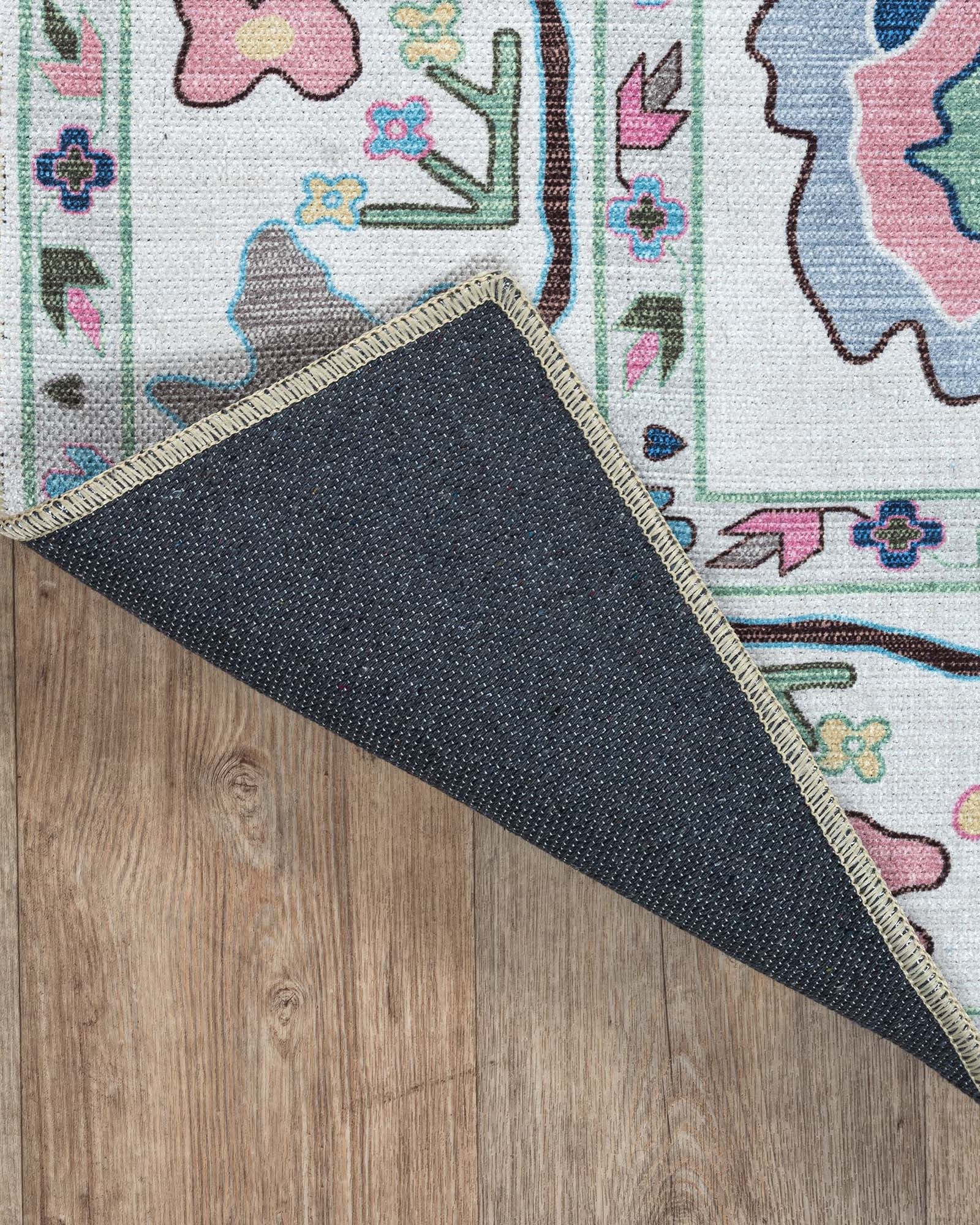
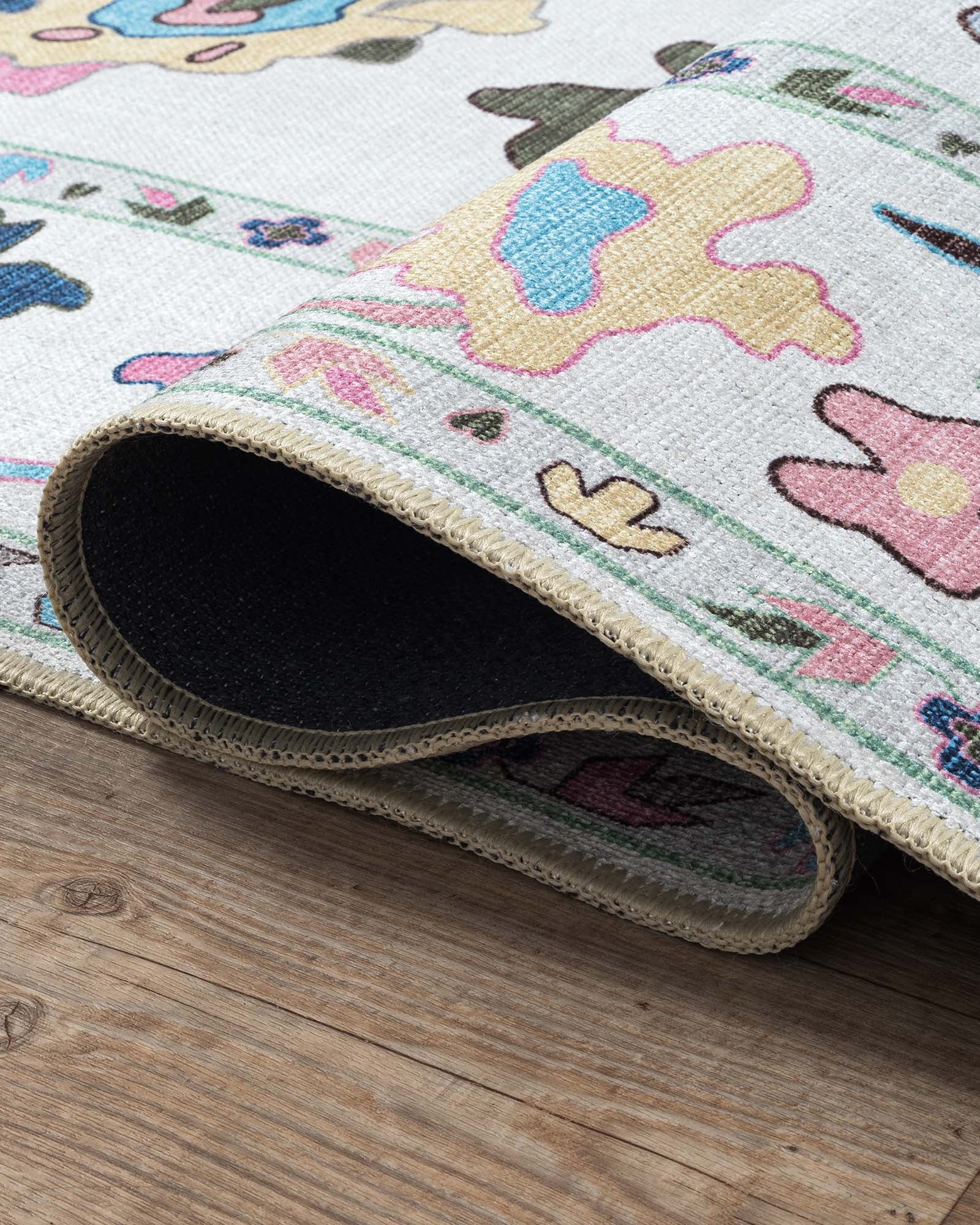
The wrapped structure creates a surface with visible diagonal ridges running across the pattern, giving soumak a braided, almost embroidered appearance that reads as more dimensional than a flat slit-weave kilim. Turn the rug over and the back typically shows loose thread ends from the wrapping process, left hanging rather than tucked in — this shaggy reverse side is one of the clearest ways to identify genuine soumak construction.
The front and back are not identical, unlike a plain kilim. The pattern shows clearly on the front where the wrapping is deliberate and controlled; the back carries the mechanics of how it was made. Soumak is not reversible the way a slit-weave kilim is.
Why Soumak Feels More Substantial
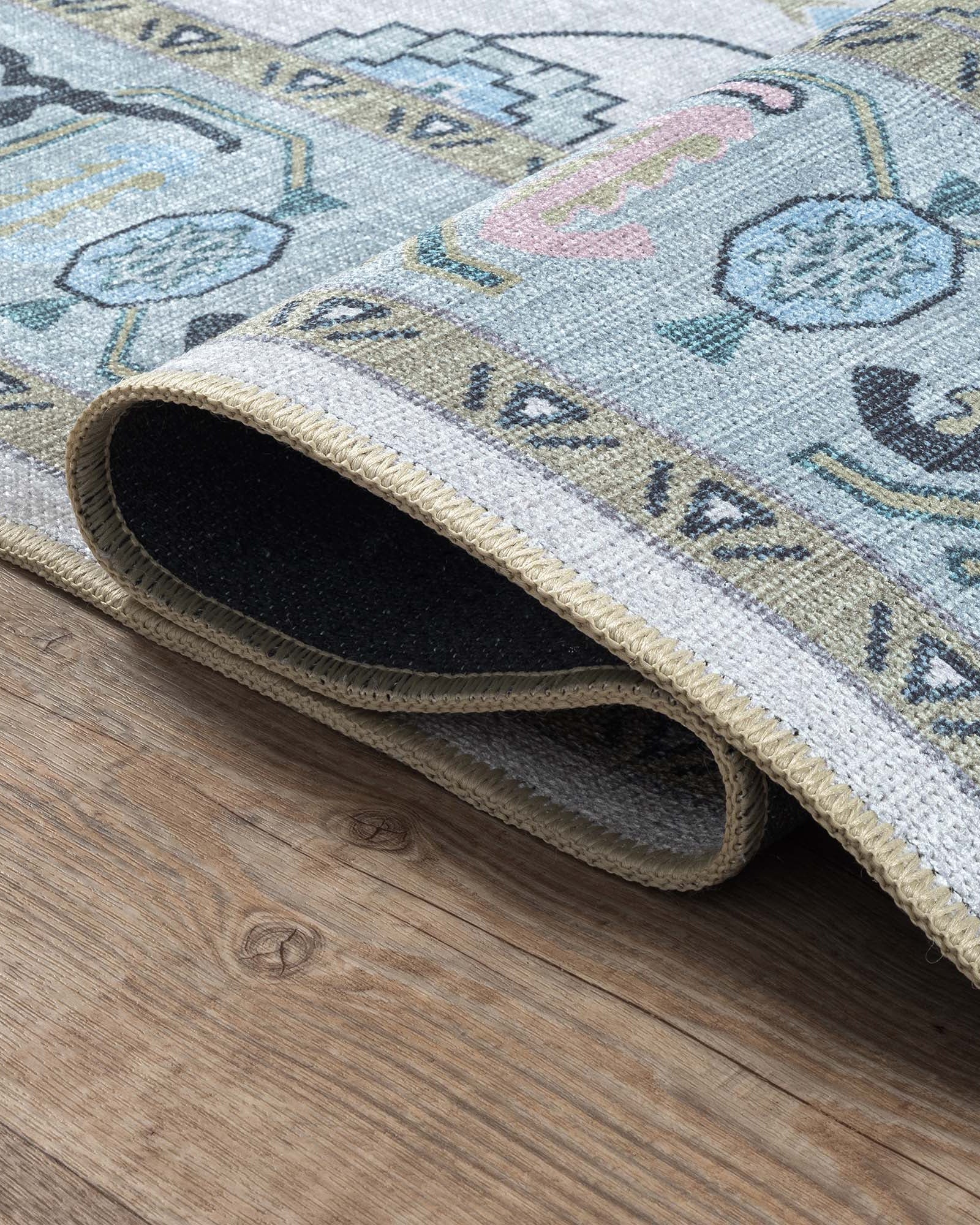
The wrapped-weft structure packs more wool into the same area than a simple over-under weave, which is why soumak has noticeably more weight and body than a plain kilim of the same size. It lies with more presence on the floor, resists curling at the edges better than a very thin flatweave, and holds up to foot traffic more like a coarse pile rug than a delicate flatweave — while still remaining thinner and lighter than any knotted piece.
Where Soumak Comes From
Soumak weaving is strongly associated with the Caucasus, particularly the Shirvan region, and with Kurdish and eastern Anatolian weaving traditions. It travelled into northwestern Persia as well, where it appears in both bag weaving and larger floor pieces. The technique is historically tied to bold, geometric pattern — stepped medallions, hooked motifs, repeating diamonds — which suits both the wrapping technique itself and the tribal weaving traditions that developed it.
Soumak Versus Kilim
Both are flatweaves with no cut pile, but the construction and the resulting object are genuinely different. A kilim is woven with a simple over-under weft, producing a thin, light, fully reversible textile with visible slits where colours change. Soumak's wrapped weft produces a heavier, more textured, one-sided rug with a distinctive ridged surface and no slits at all. If you want the lightest, most reversible flatweave, choose a kilim. If you want more substance and texture underfoot while still avoiding a knotted pile, soumak is the better fit.
Using Soumak in a Room
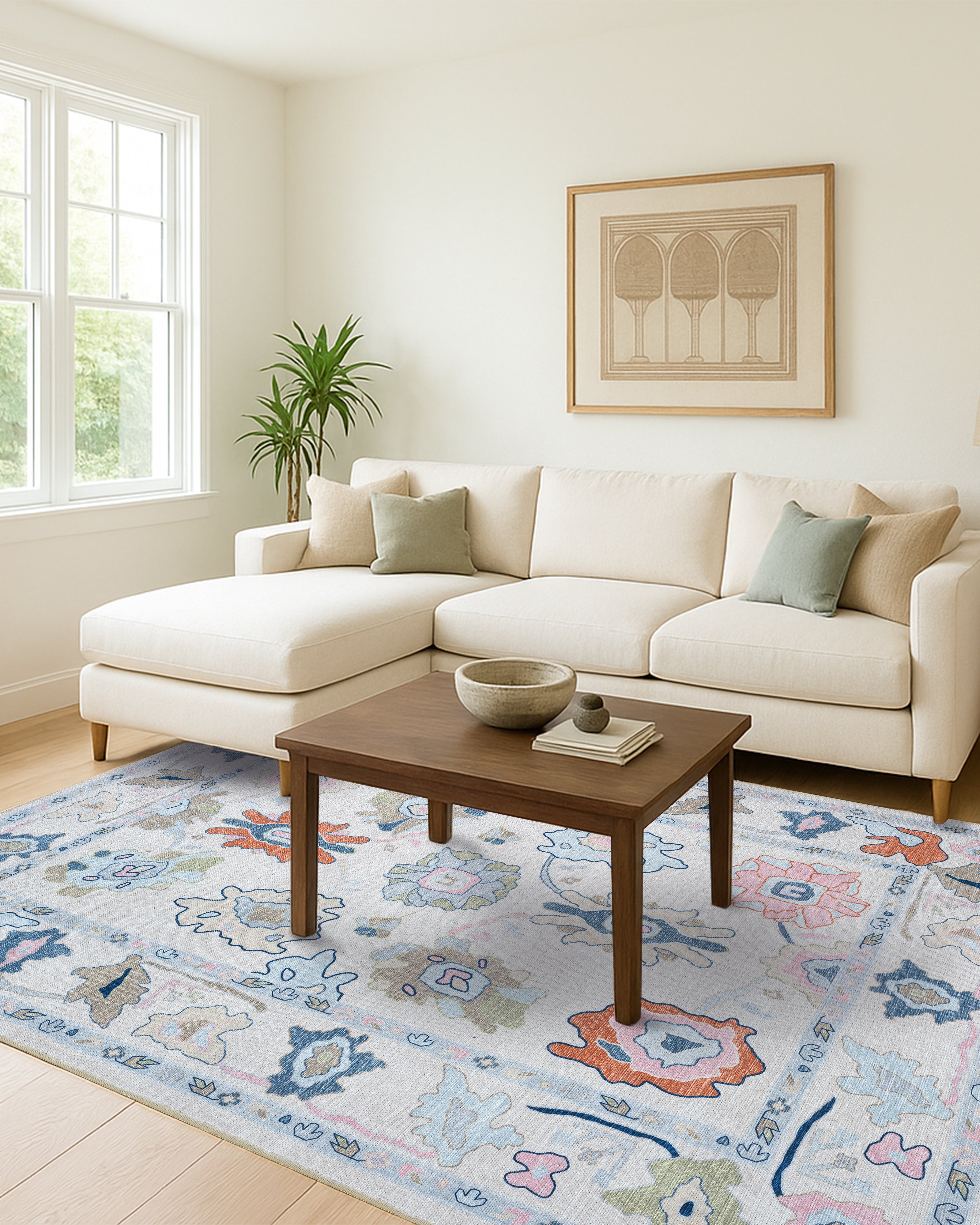
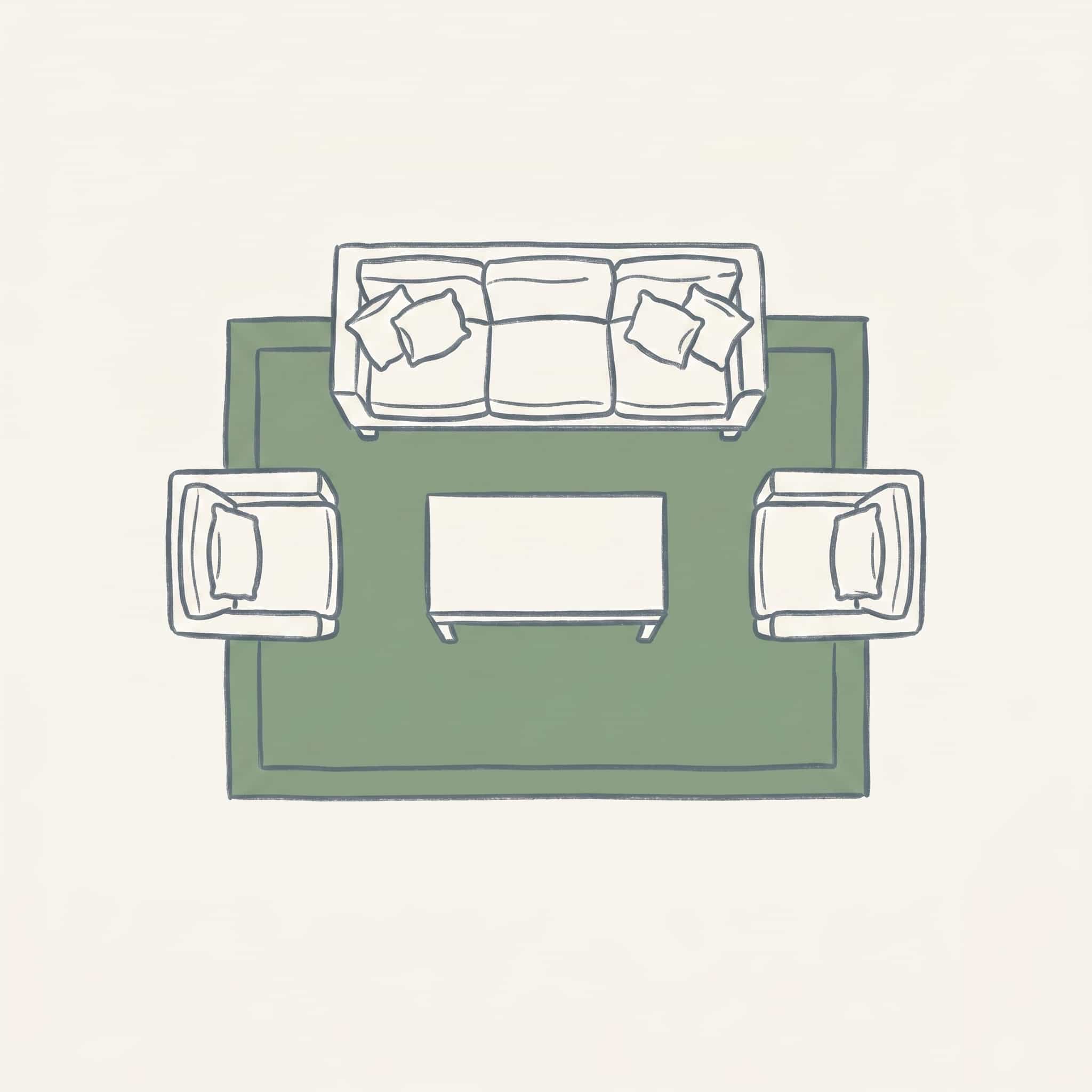
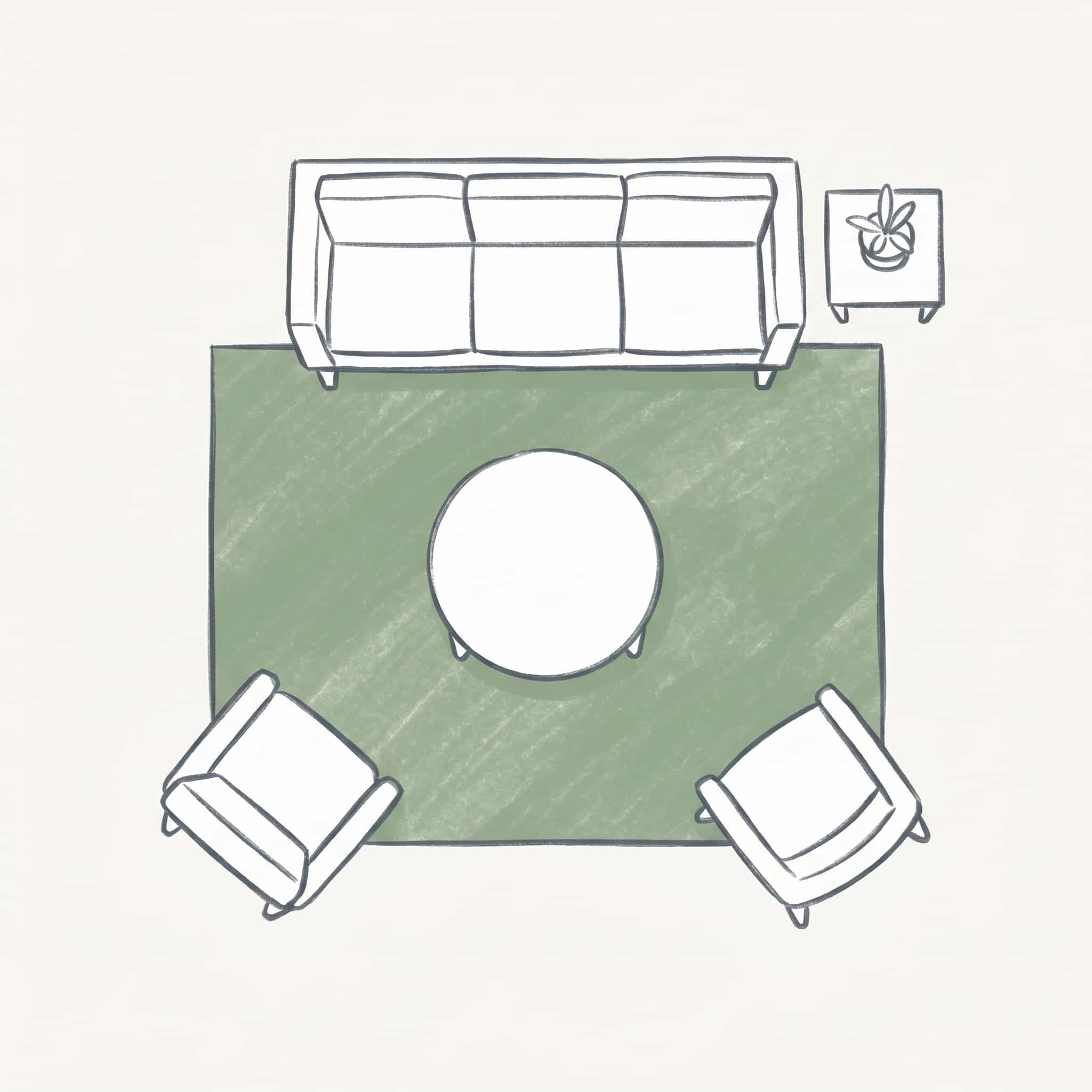
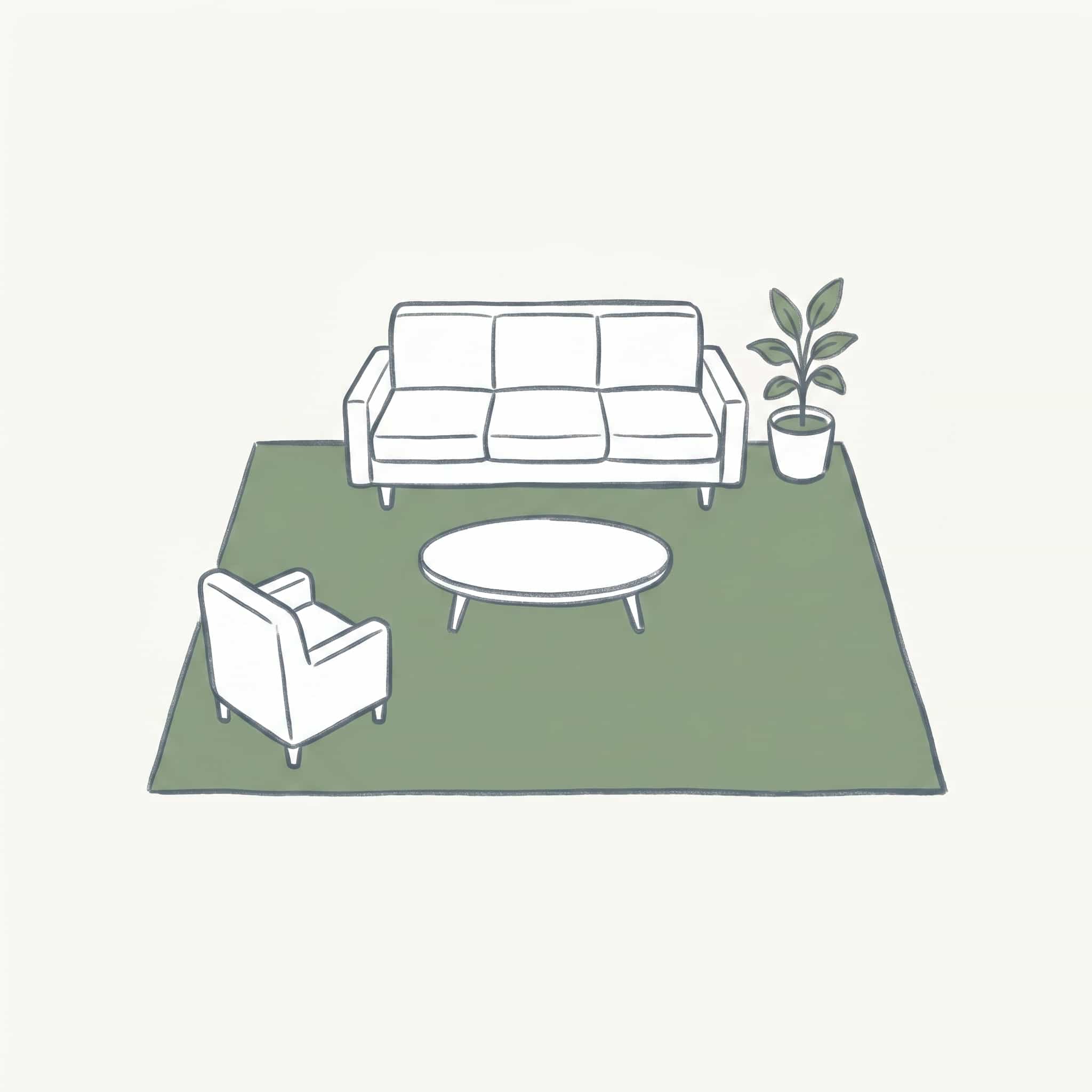
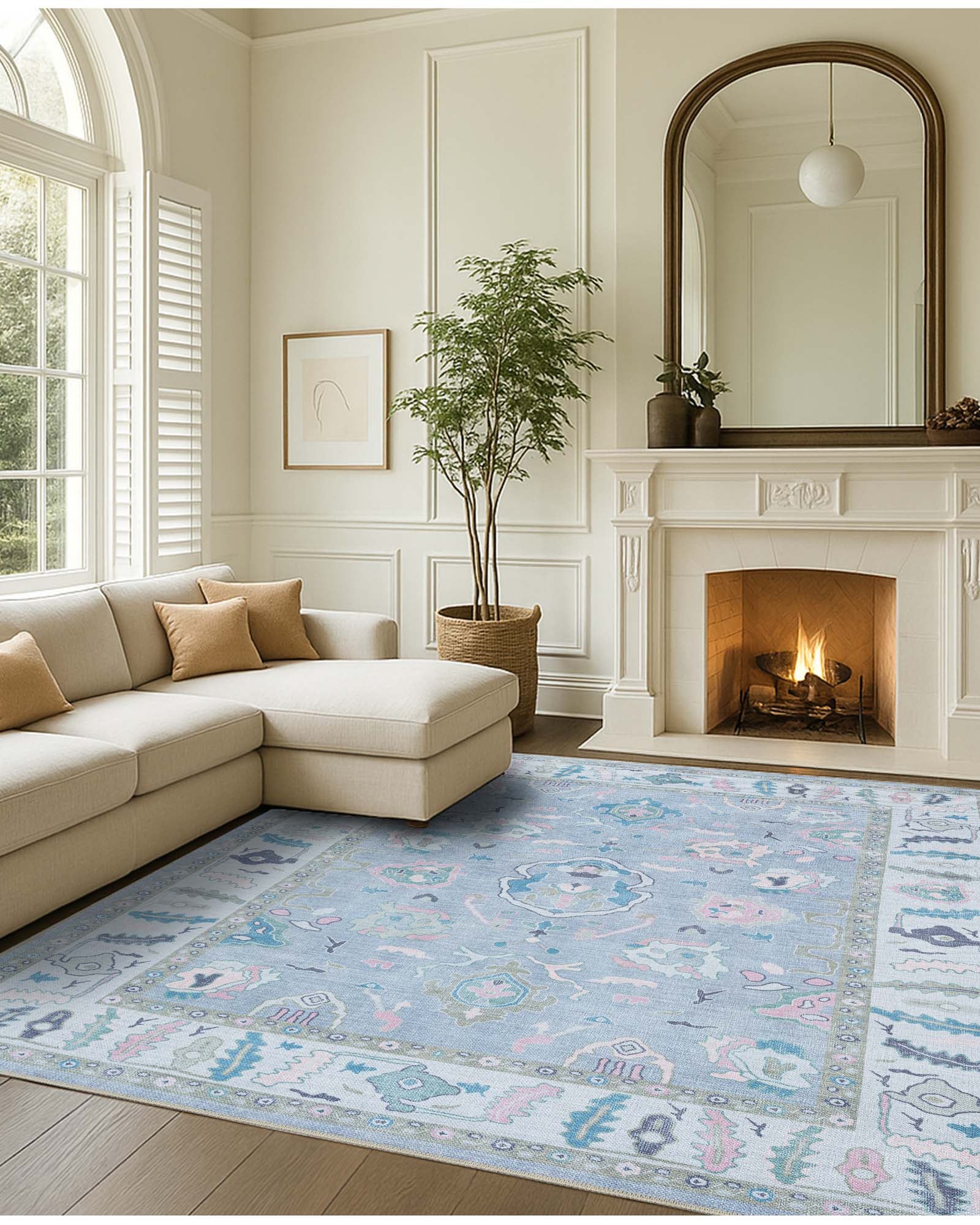
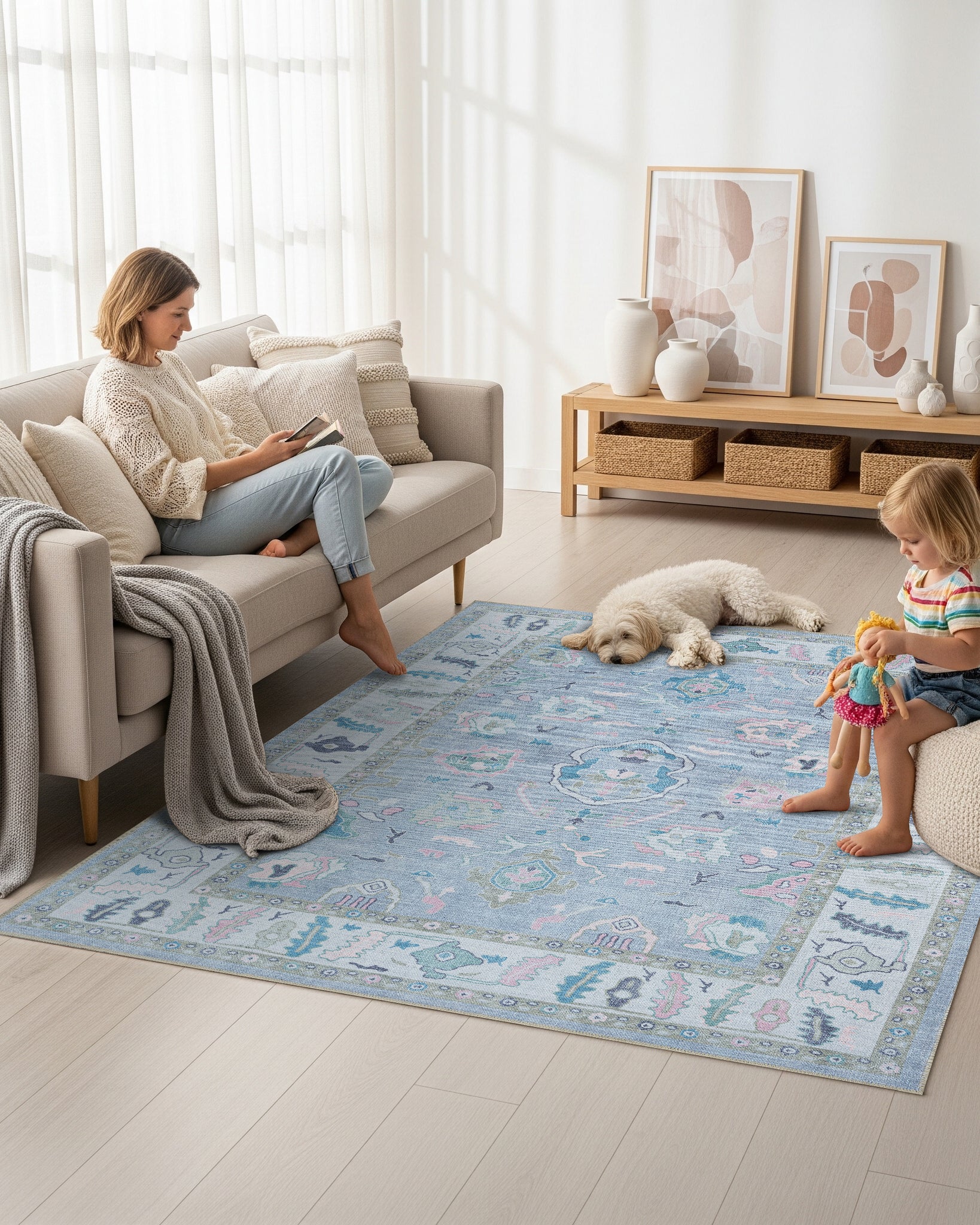
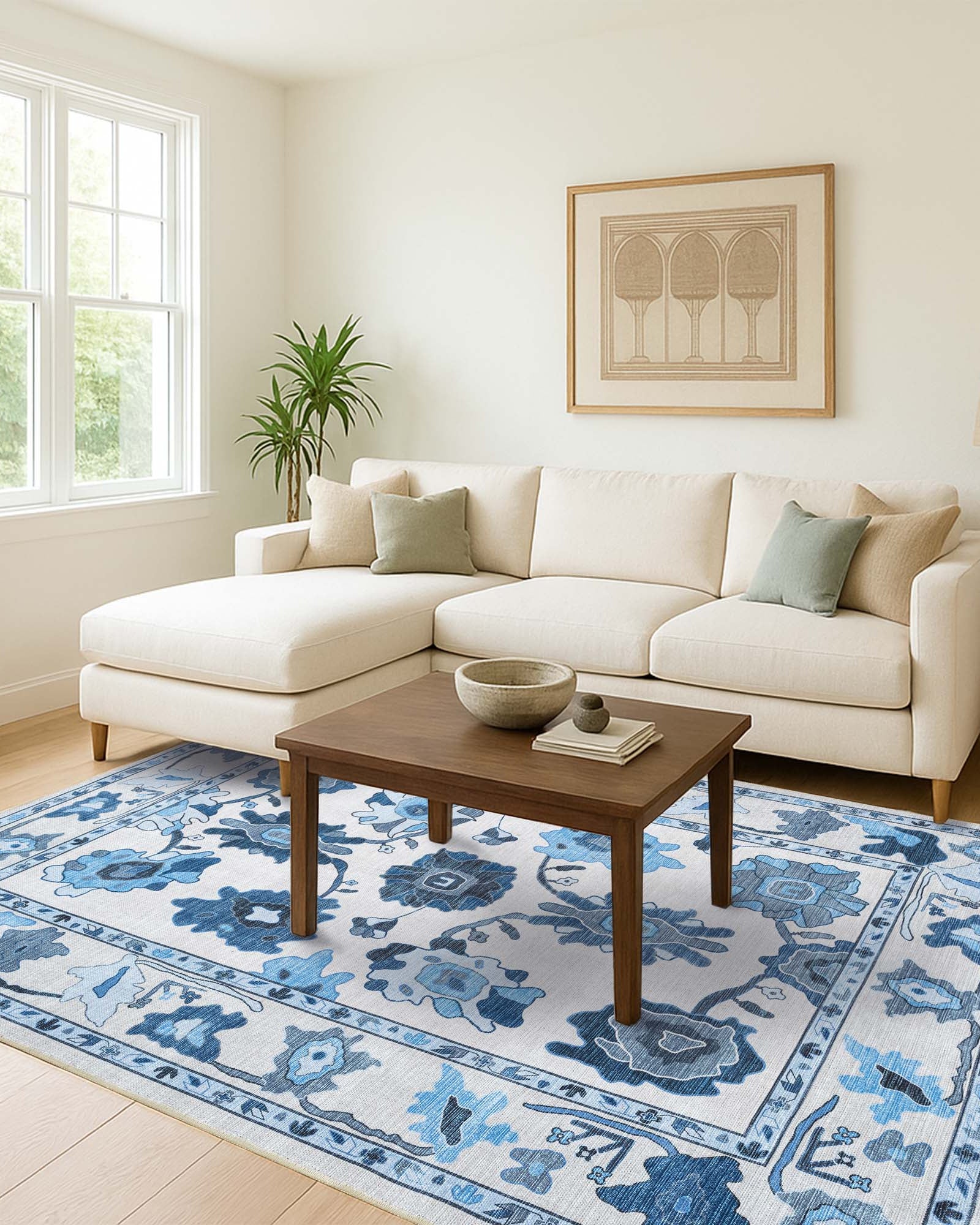
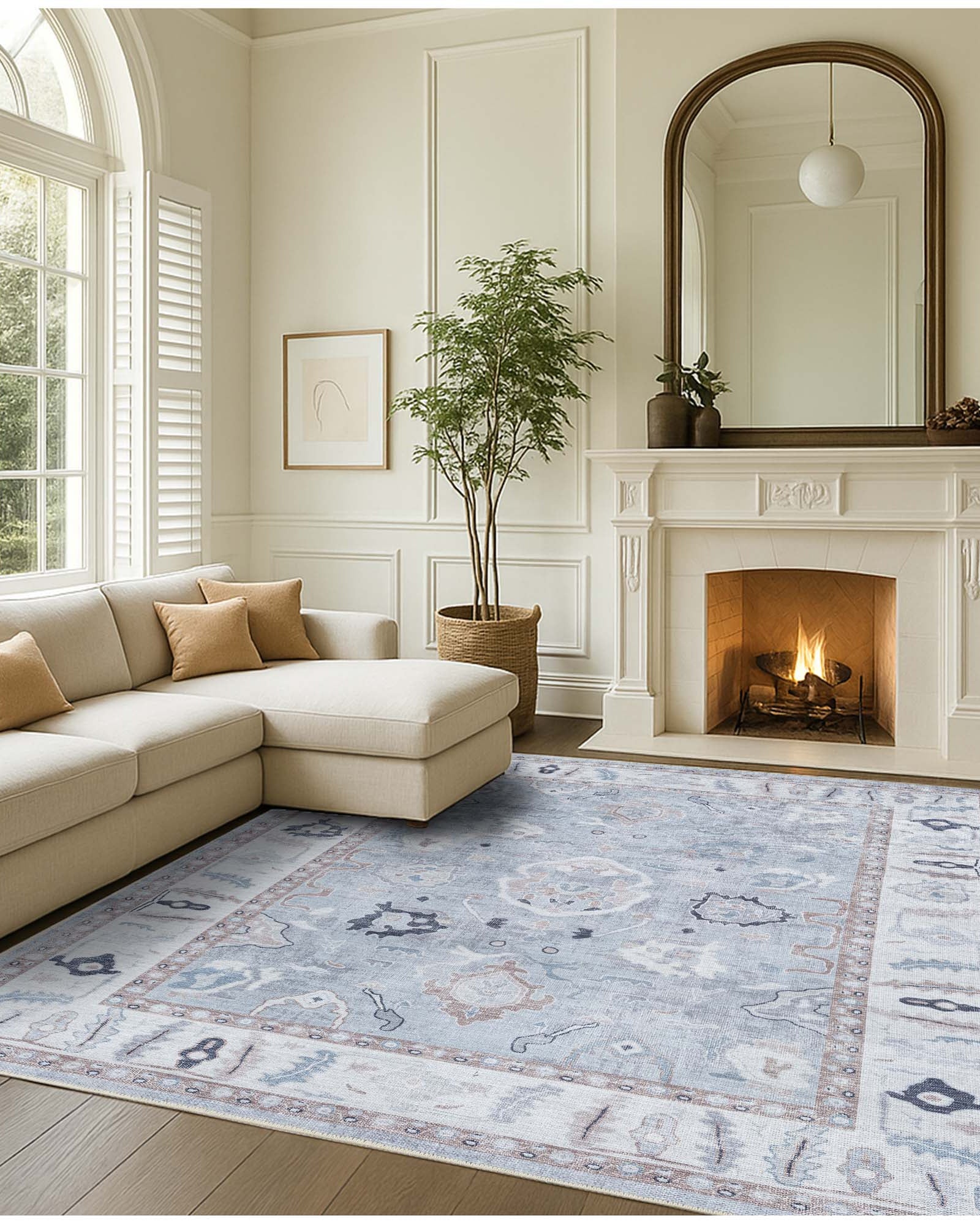
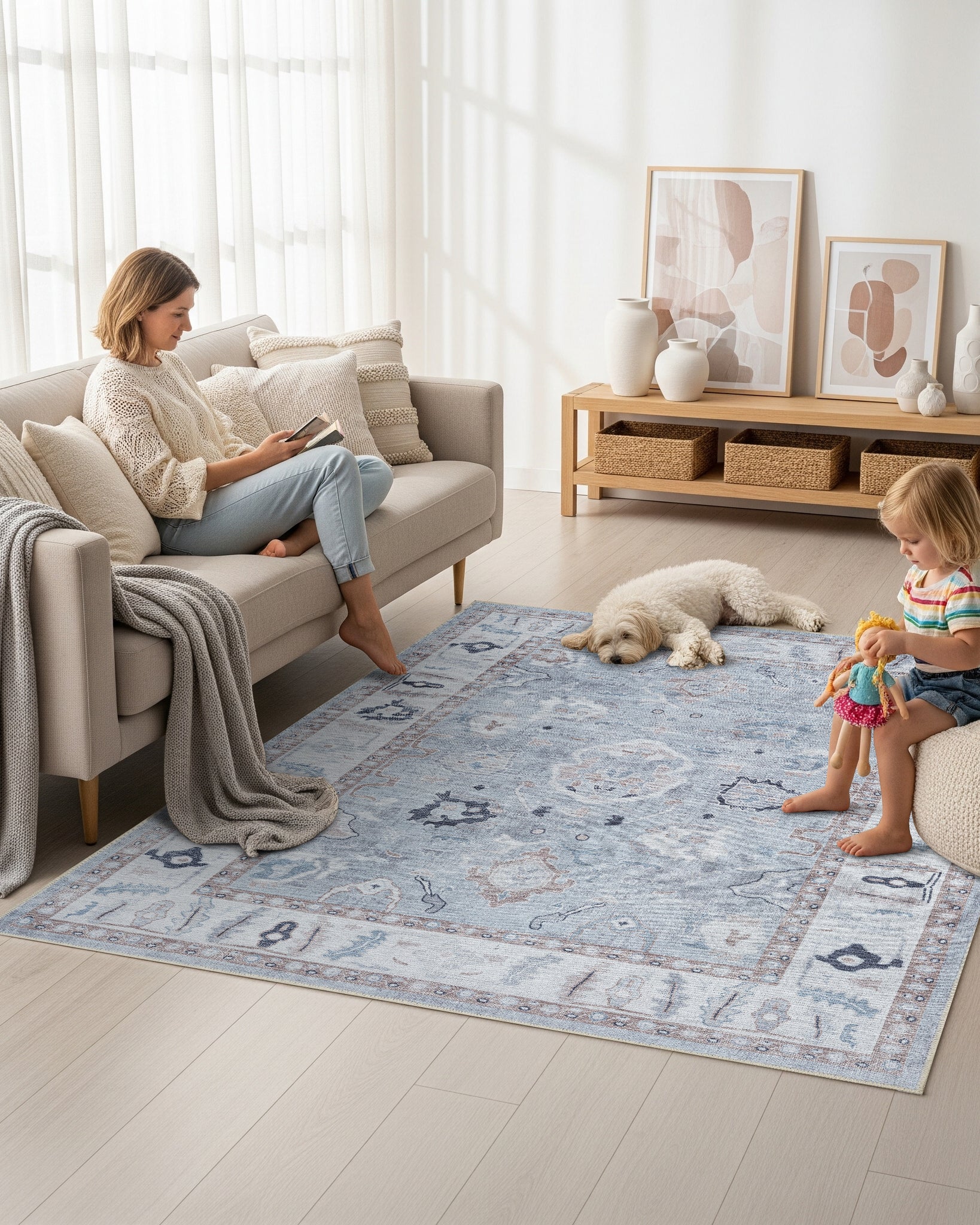
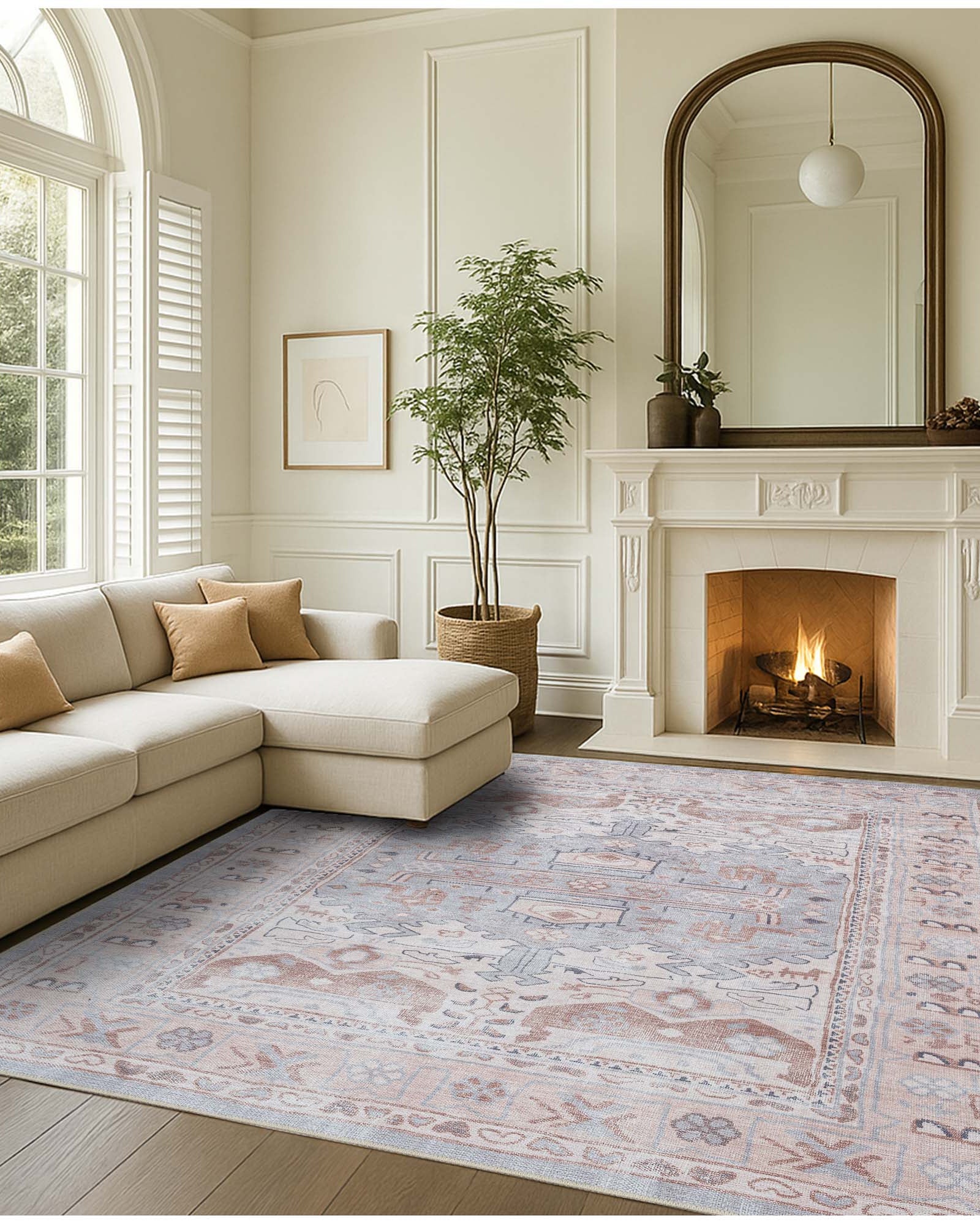
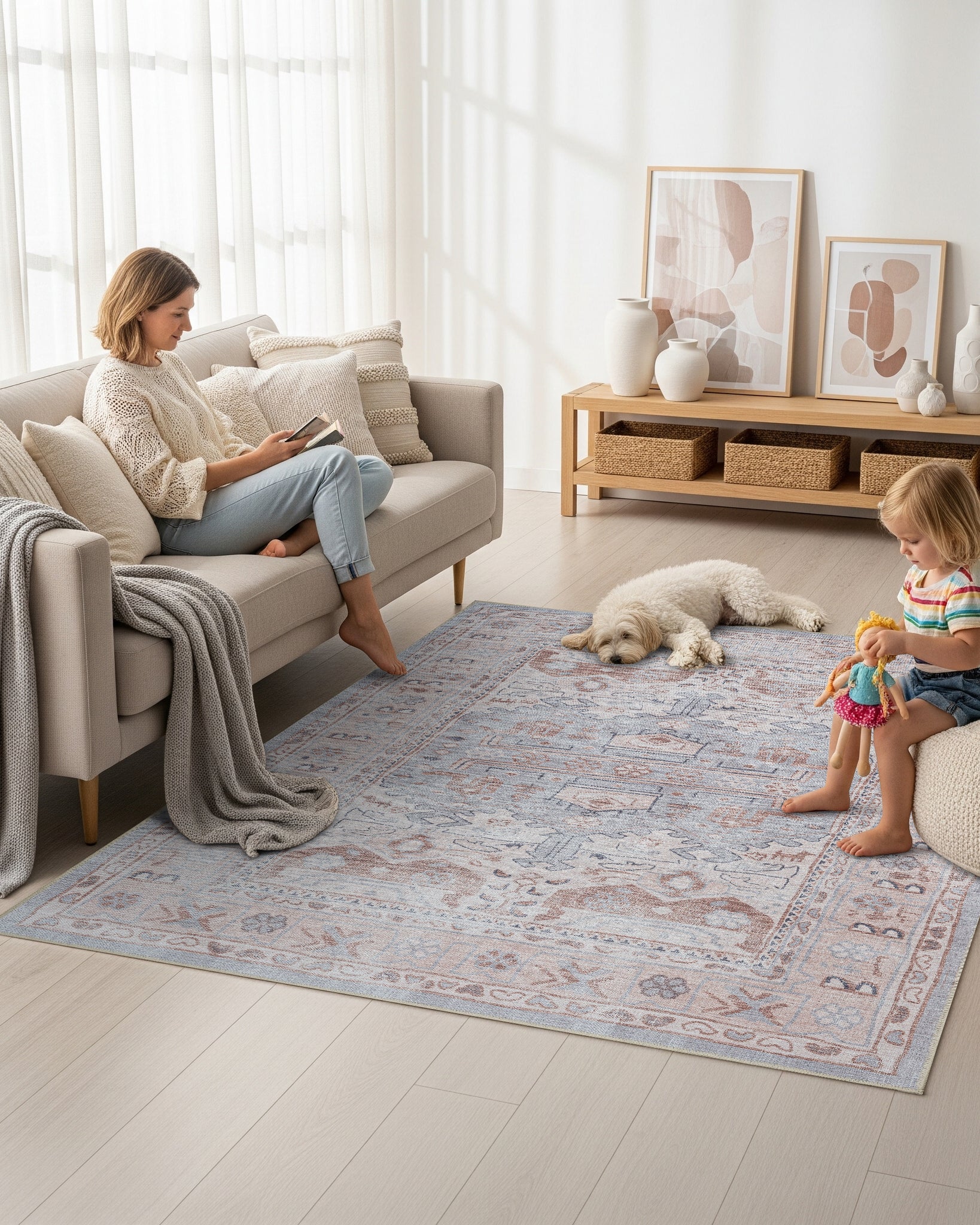
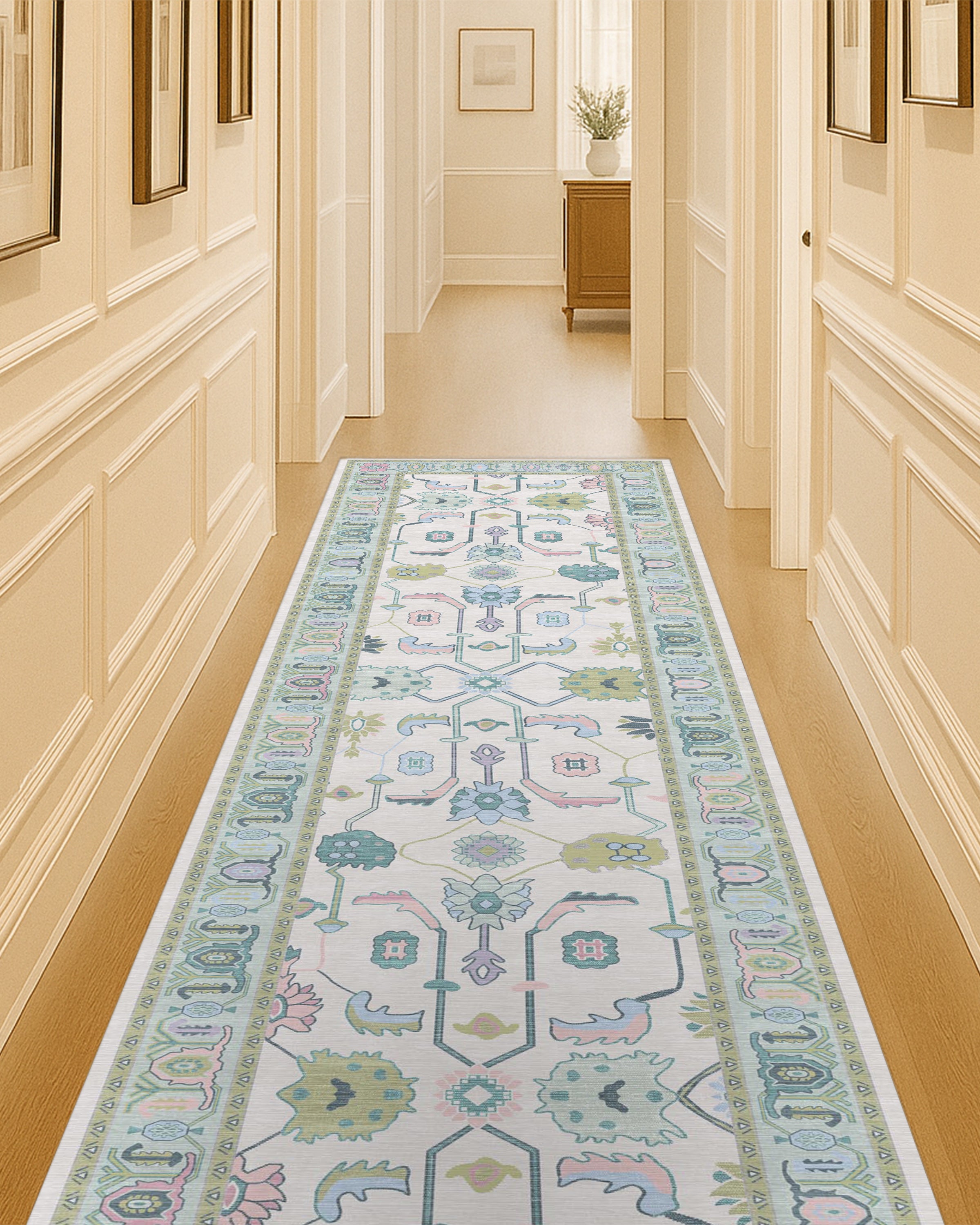
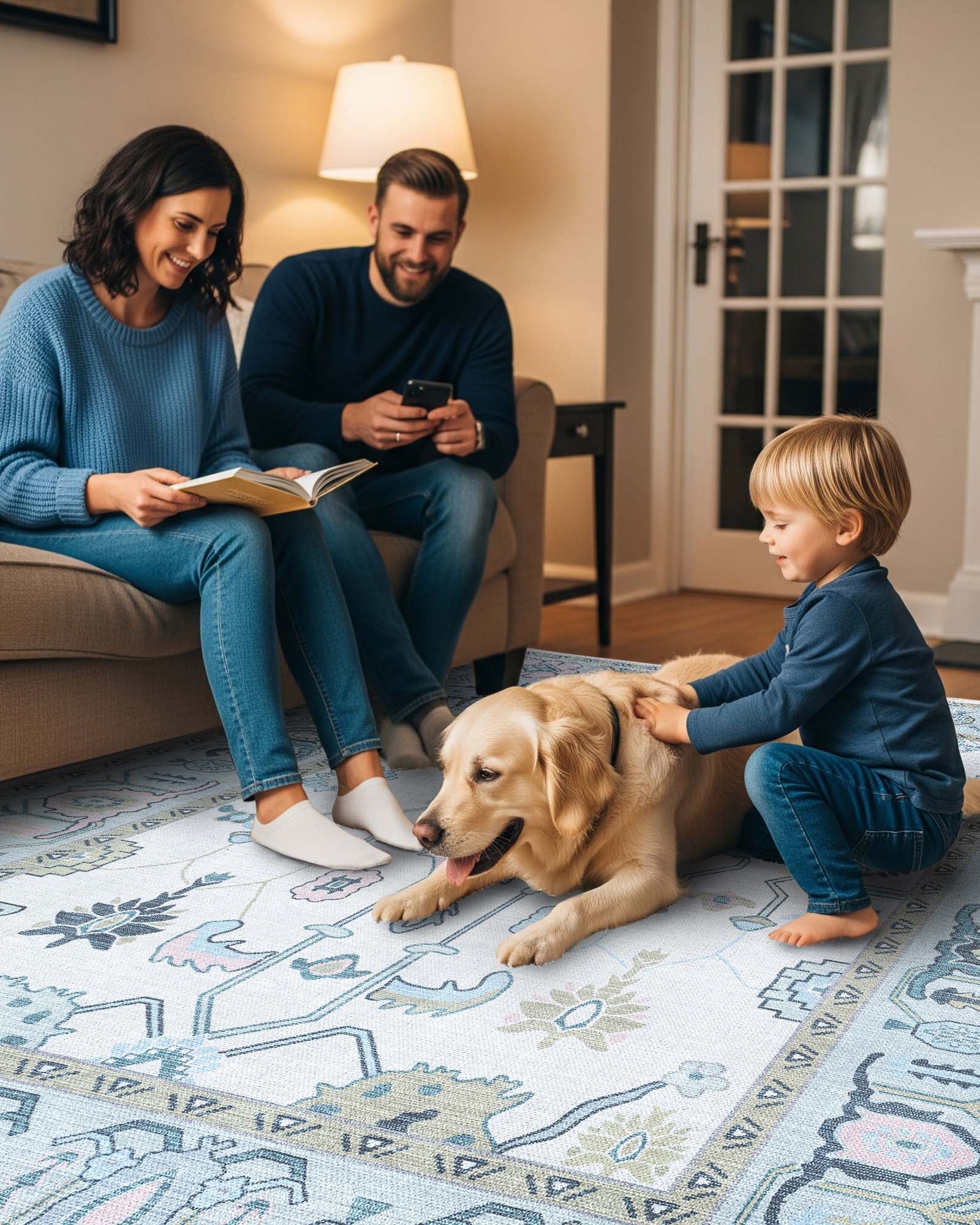
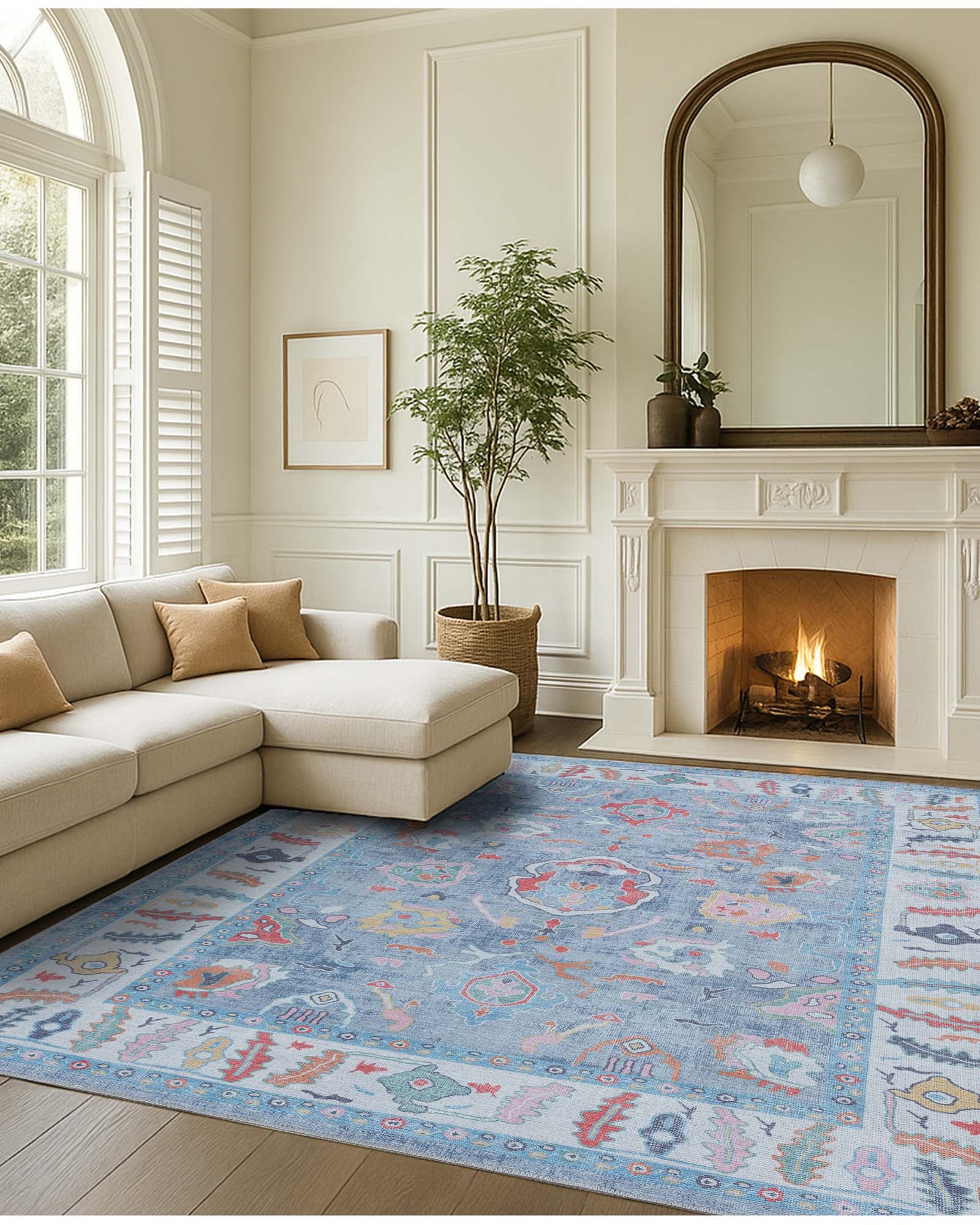
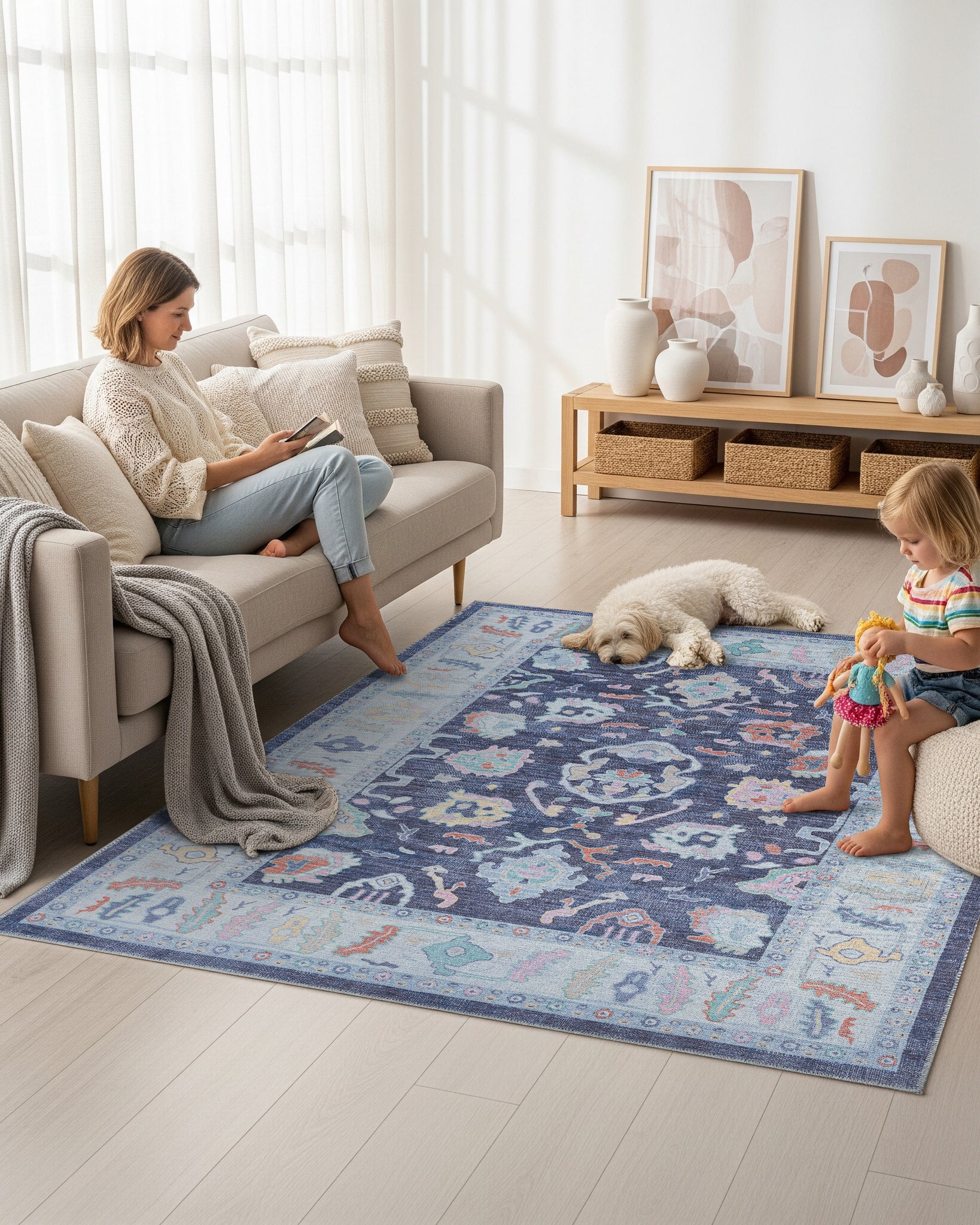
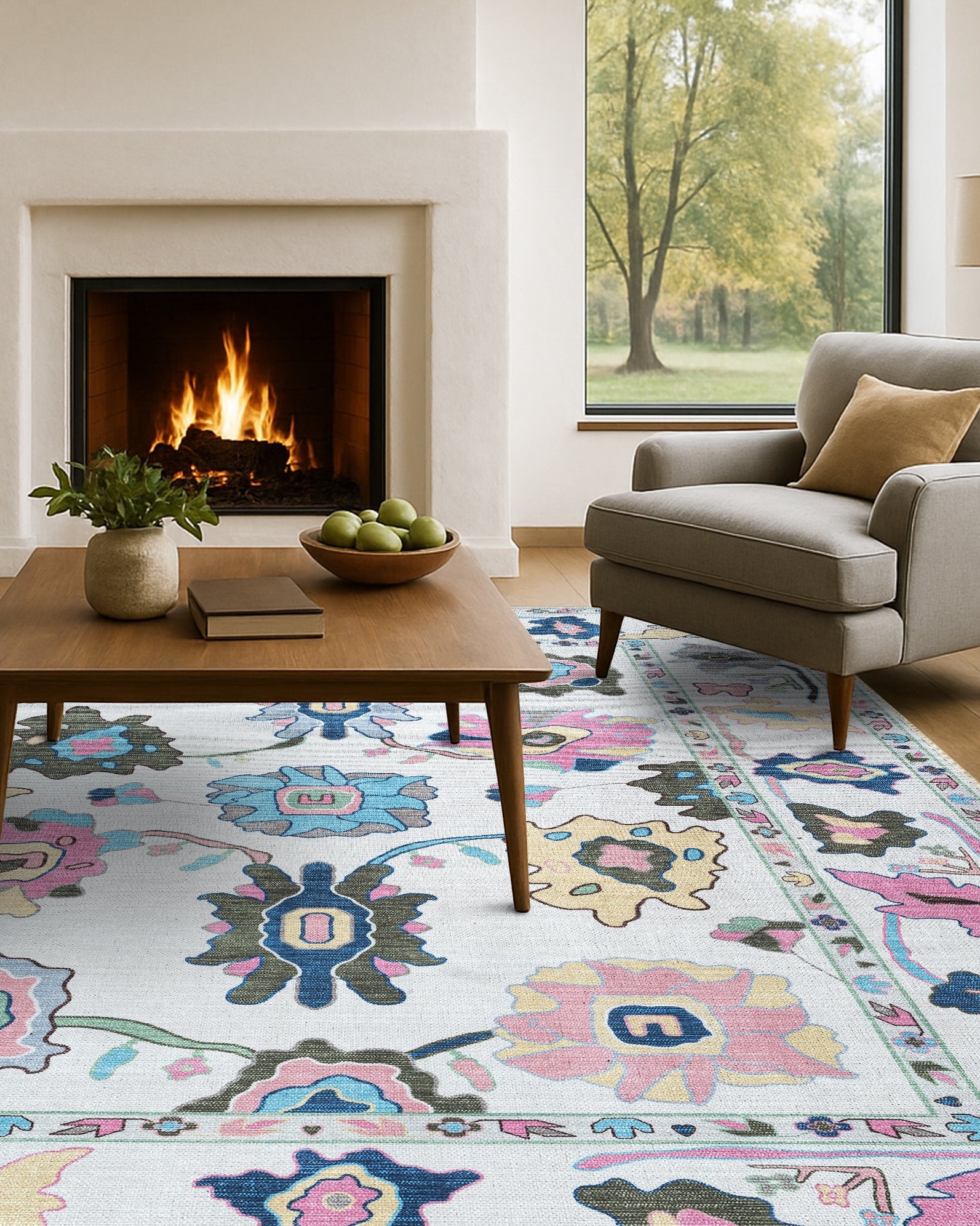
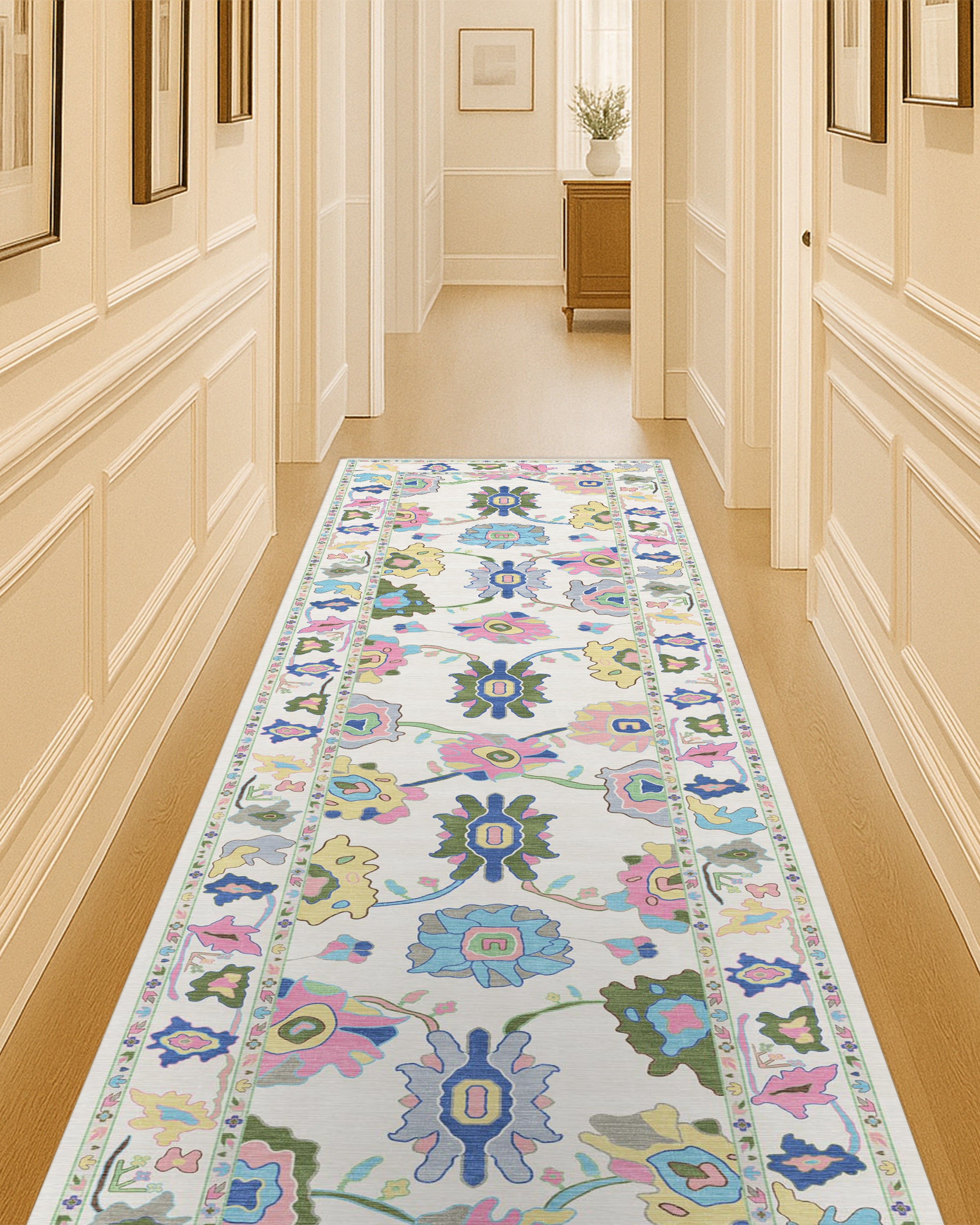
Soumak's added body makes it more versatile than a plain kilim in terms of placement — it handles moderate foot traffic well and works in living rooms and hallways in addition to the lighter-duty spots a thin kilim suits best. The textured surface also reads well underfoot and visually, giving a room more tactile interest than a flat weave without the full commitment of a thick knotted pile. In a living room, keep at least the front legs of every seating piece on the rug. Because soumak is not reversible, plan for one face to take the wear rather than relying on flipping it later.
Age, Condition and Measurement
Pieces are grouped as antique at over eighty years, vintage at roughly forty to eighty, and semi-vintage below that. Every product page carries the estimated decade, origin where identifiable, exact measured dimensions and a plain condition note. Expect areas of thinning where the wrapped weft has worn, loose threads at the back that are original to the construction rather than damage, and the honest wear typical of any handwoven piece. Sizes are never standard; order against the measurements shown.
Care
Vacuum with suction only — no beater bar, which can catch and pull the wrapped weft threads on the back. Use a rug pad on hard floors. Rotate the rug periodically so wear distributes evenly, since soumak cannot be flipped the way a reversible kilim can. Blot spills immediately with a white cloth and plain water, working inward. Avoid home carpet-cleaning machines and steam cleaners, which can loosen the wrapped structure and bleed aged natural dyes. For anything set-in, use a professional rug washer familiar with soumak and other flatweave techniques.