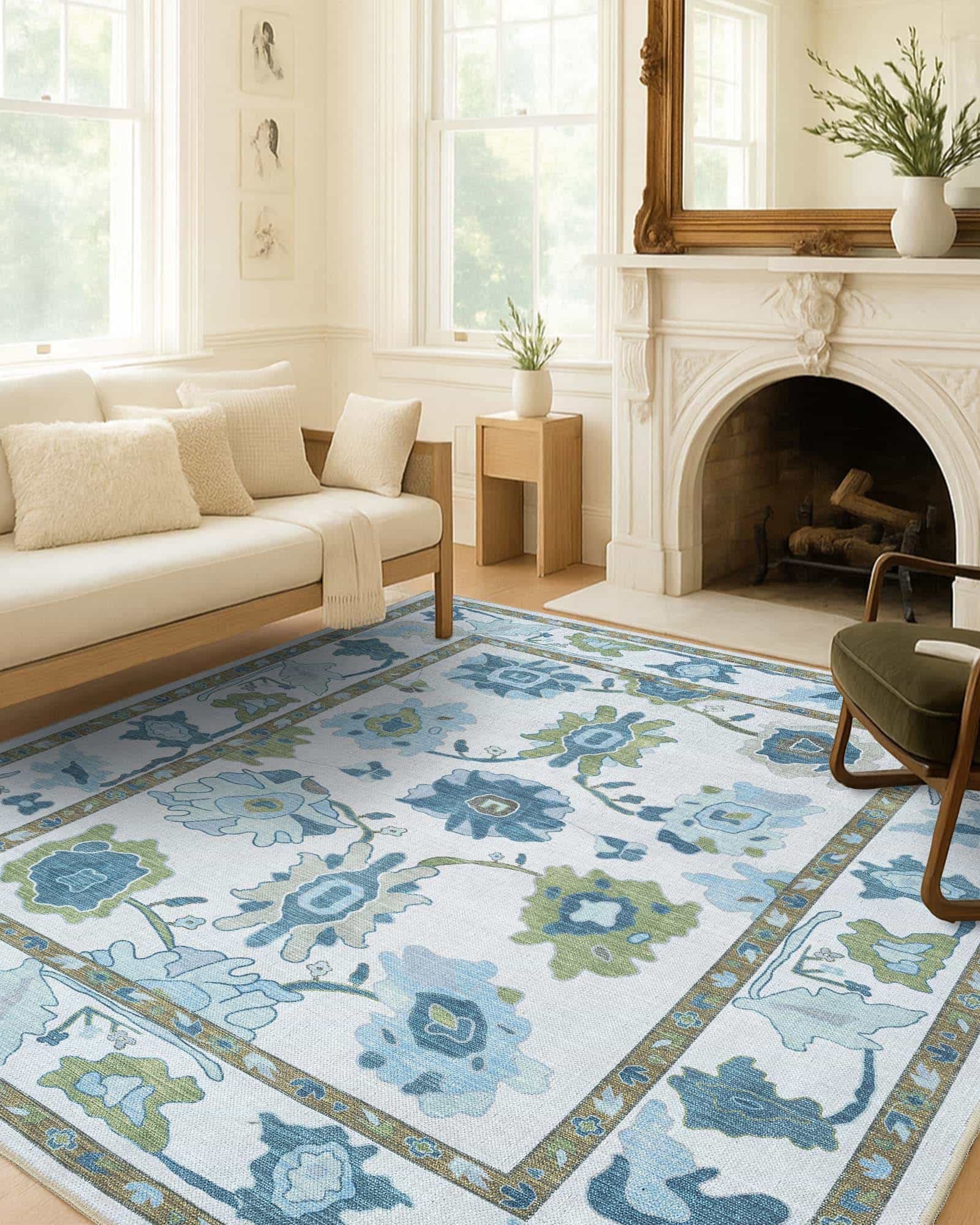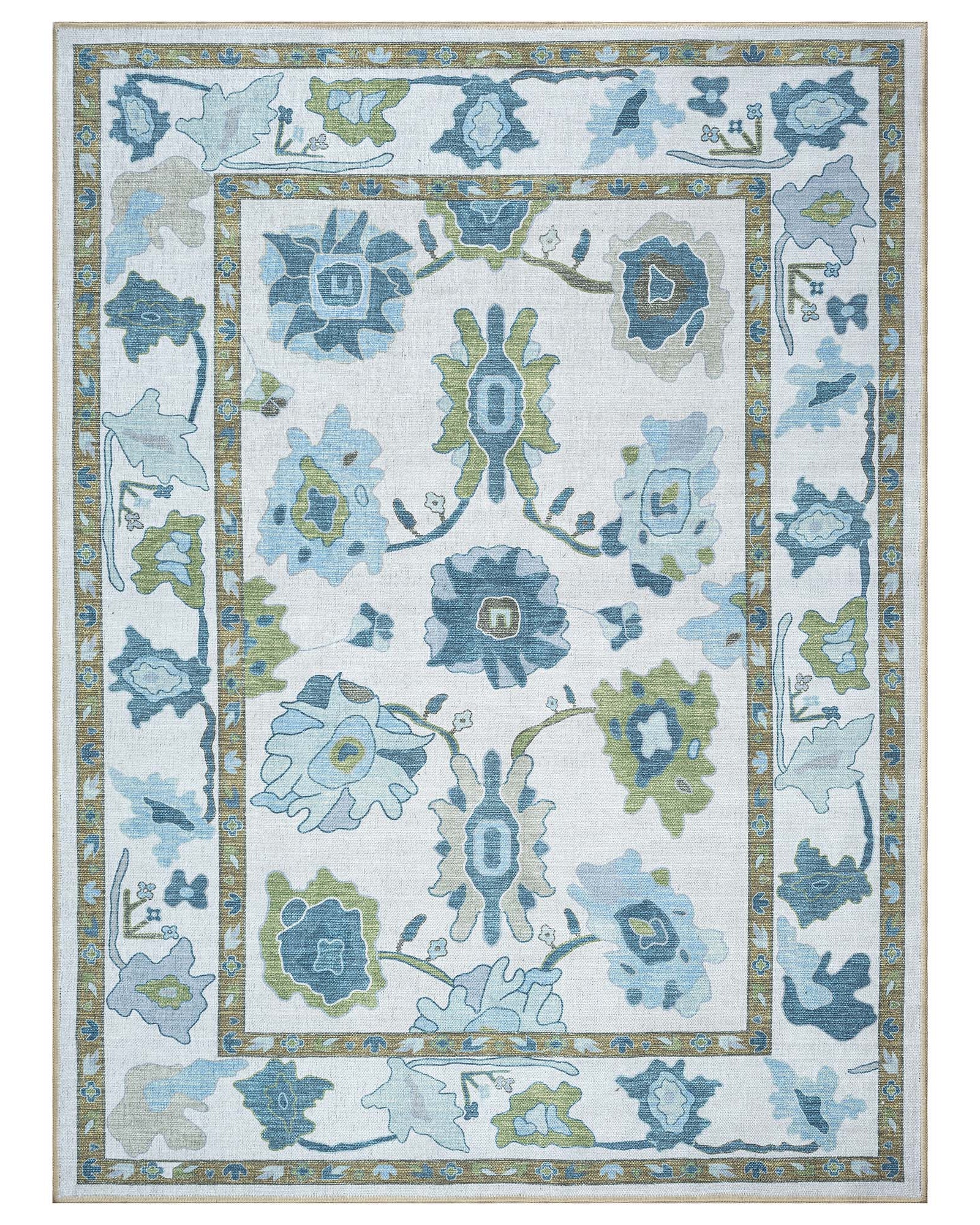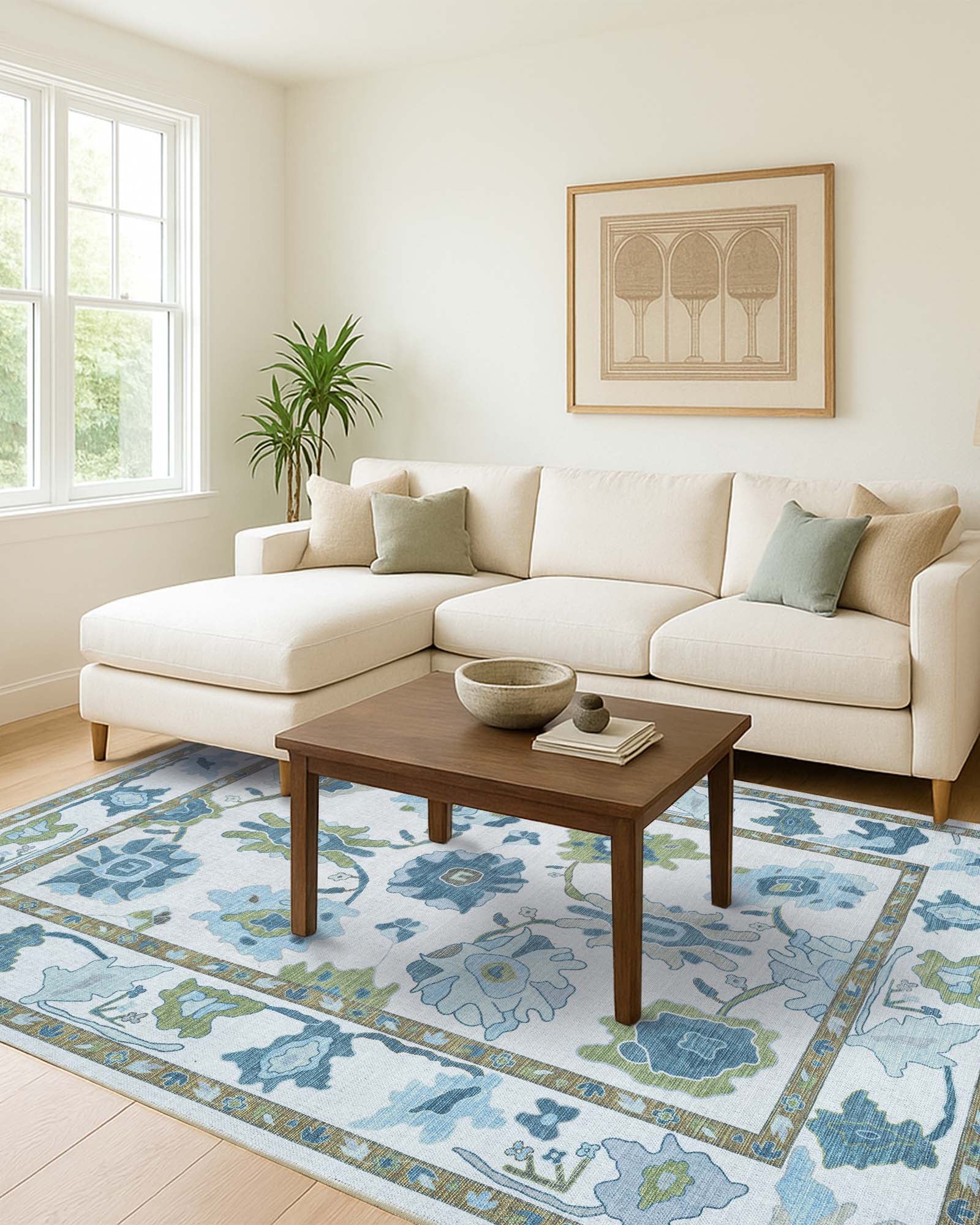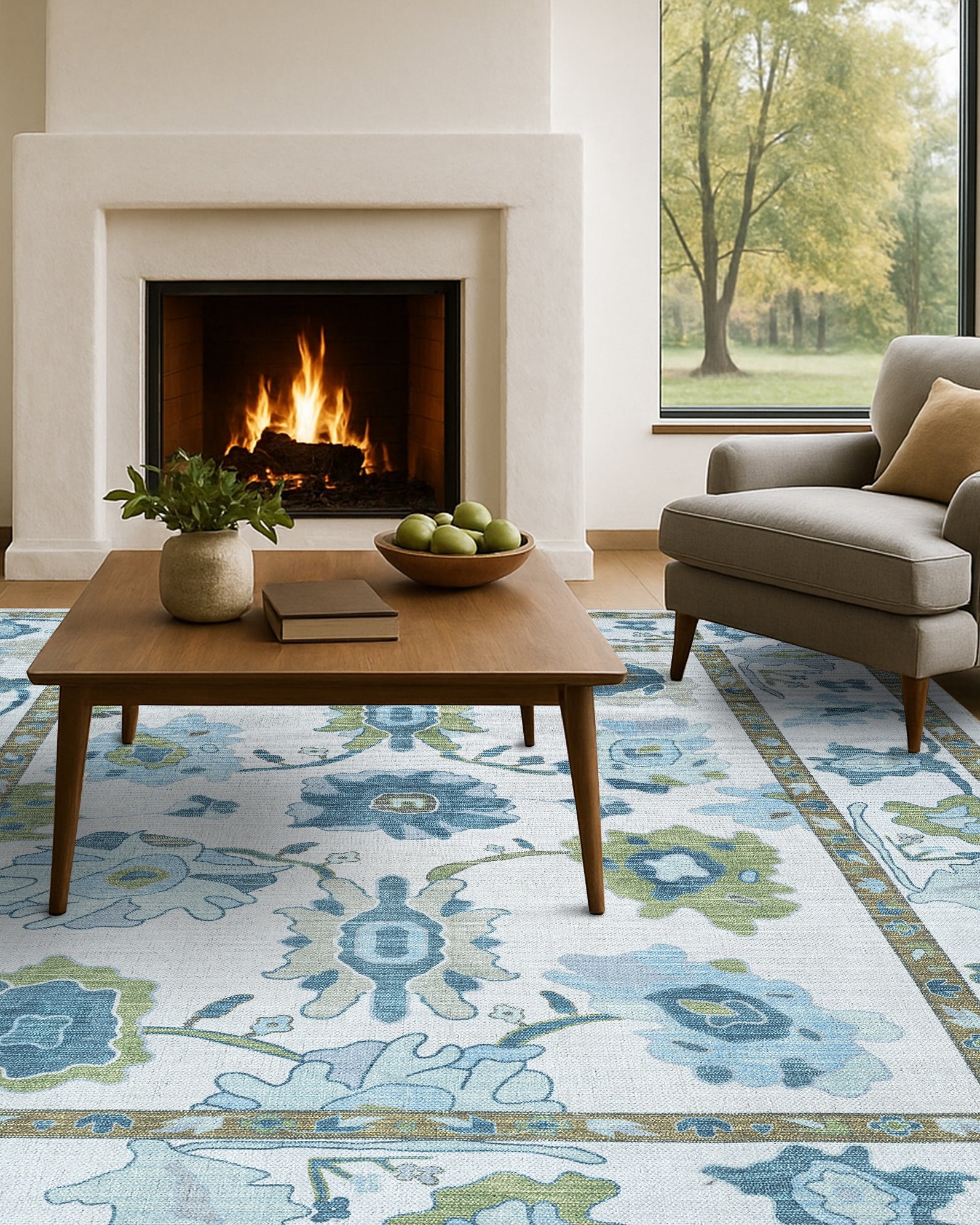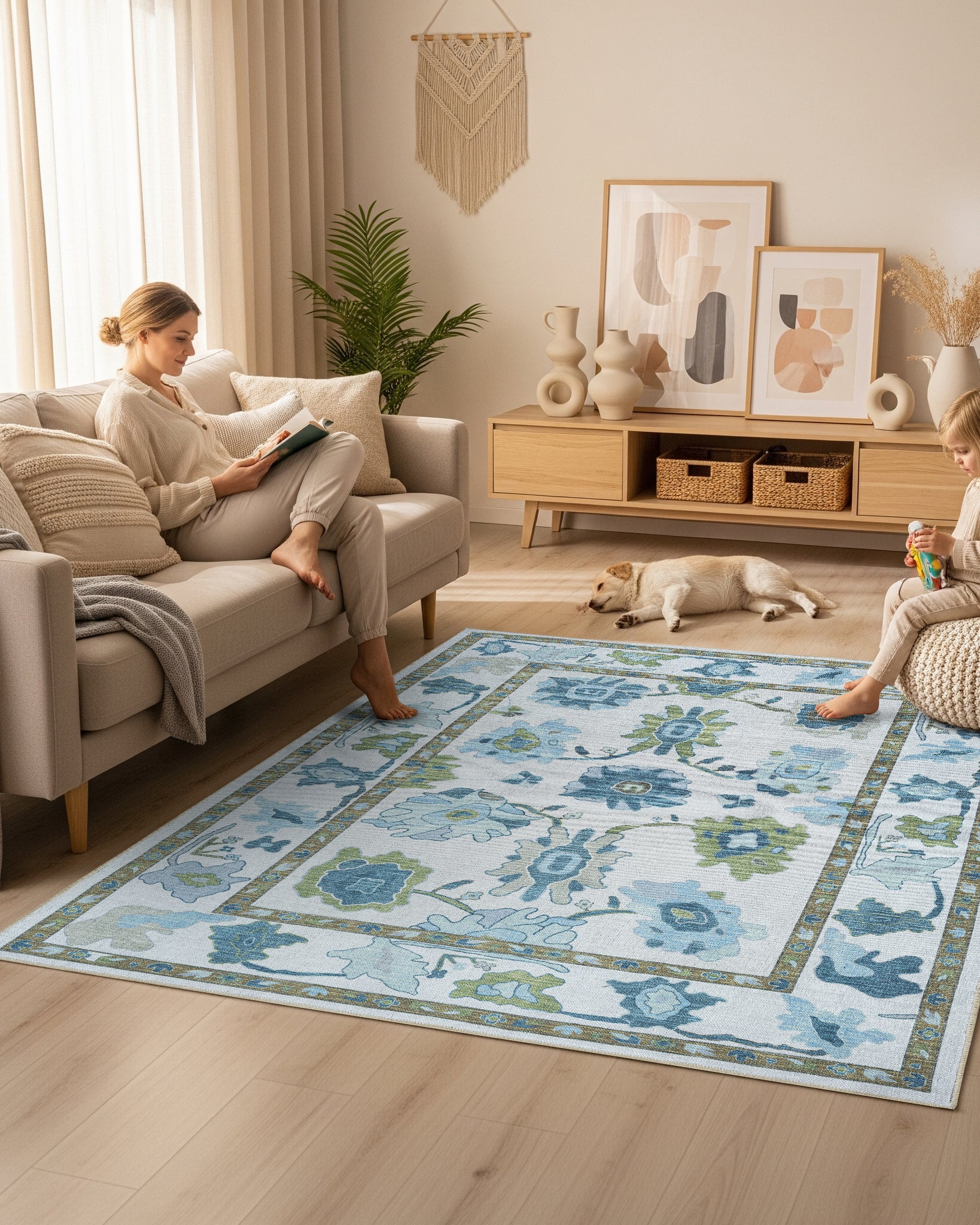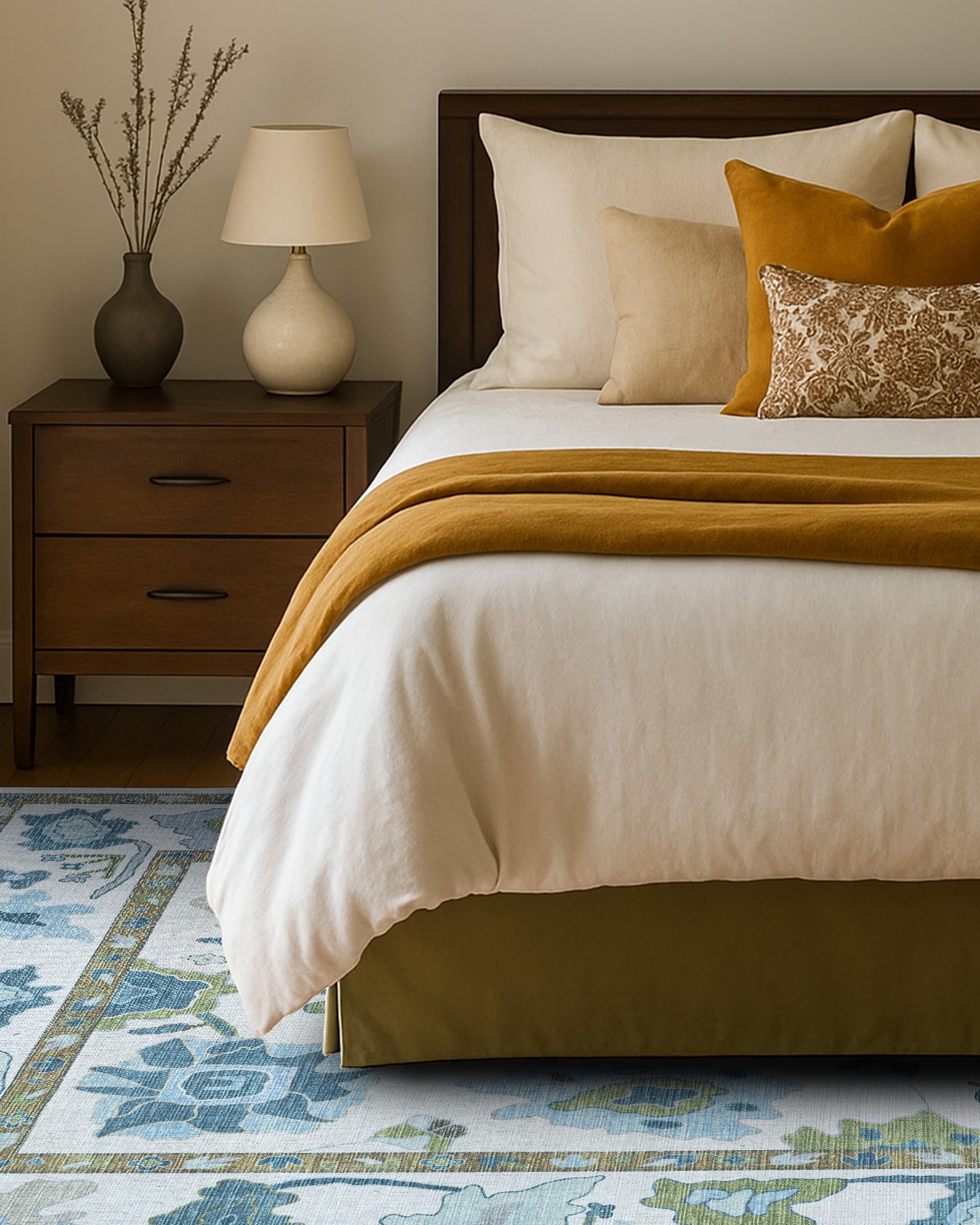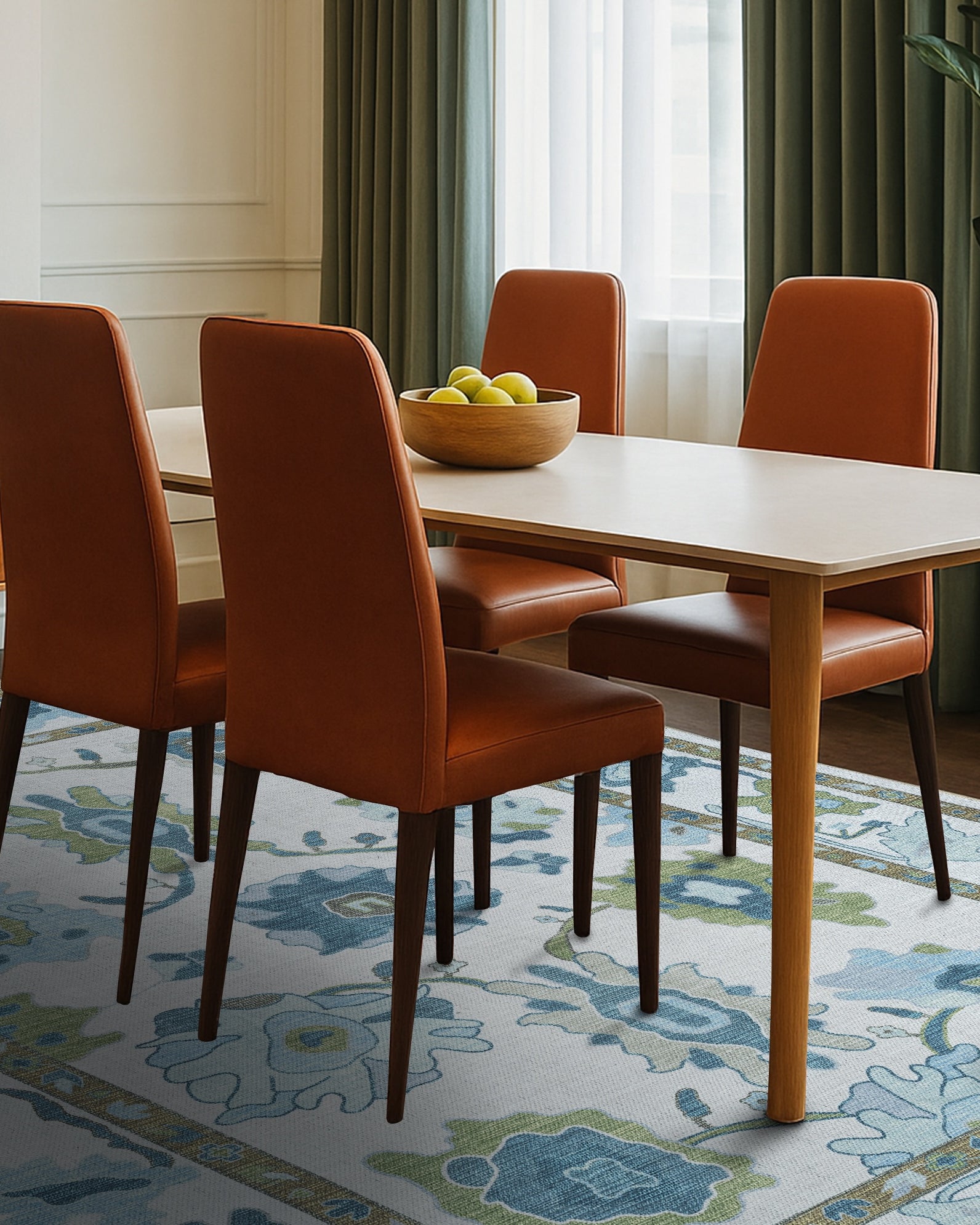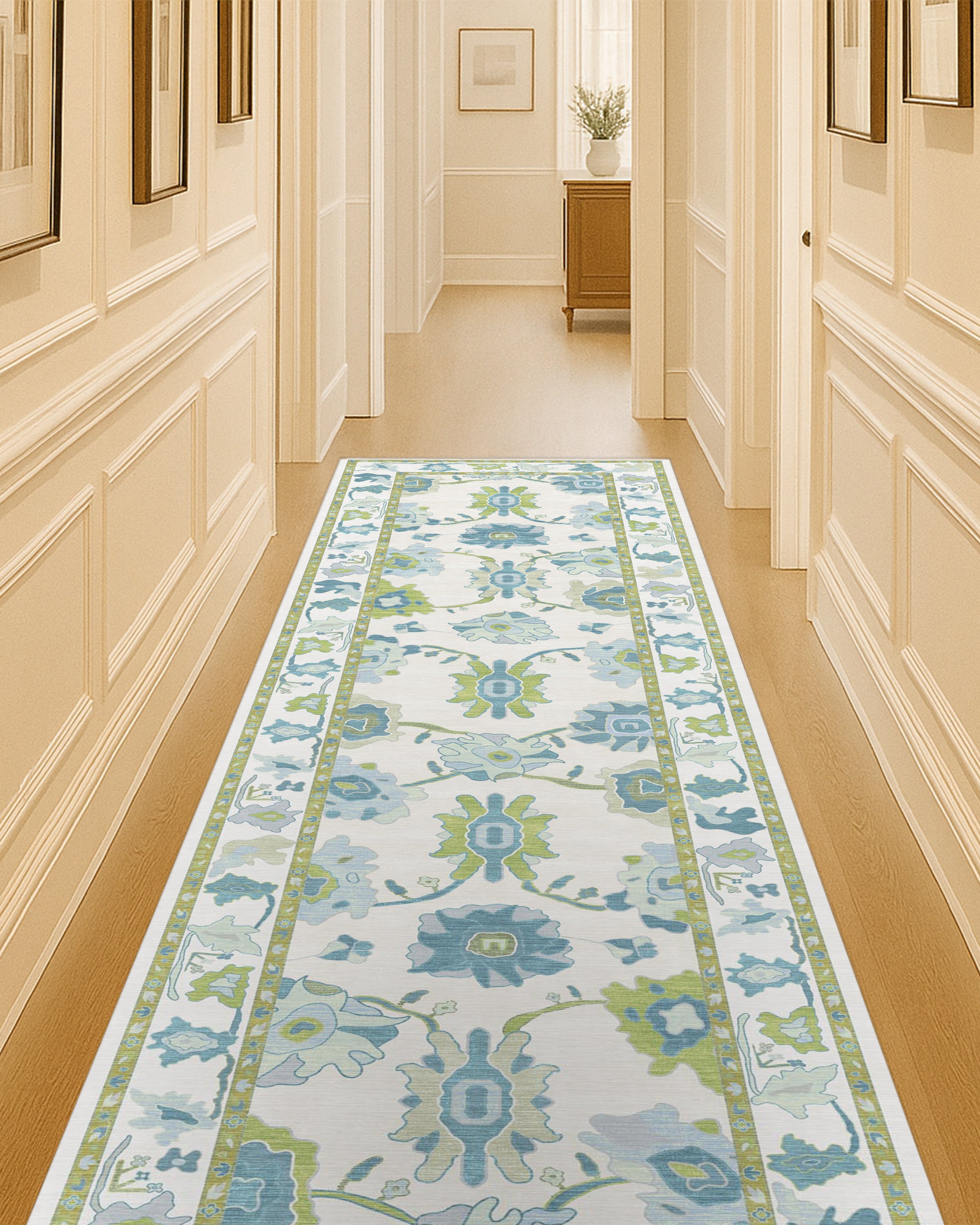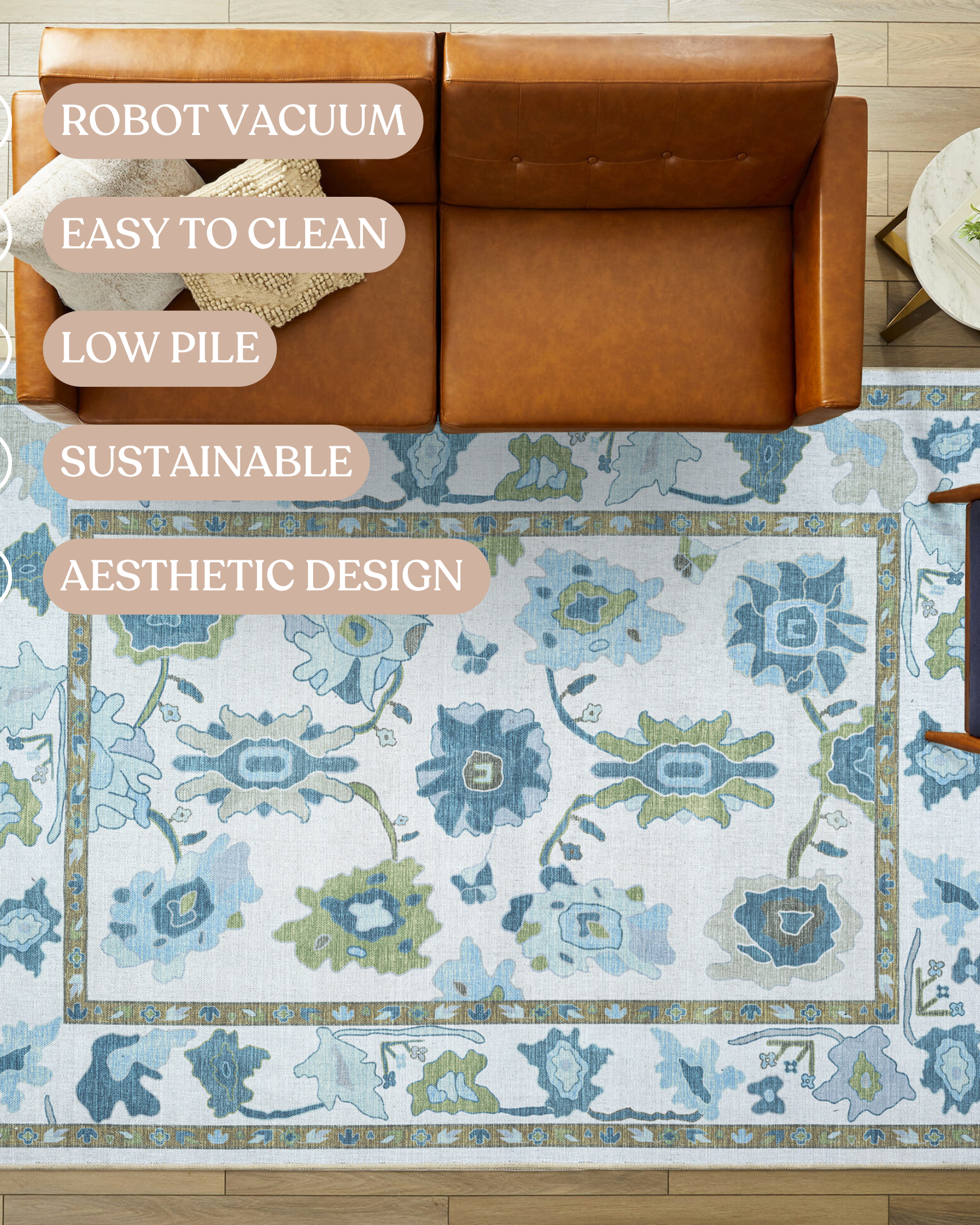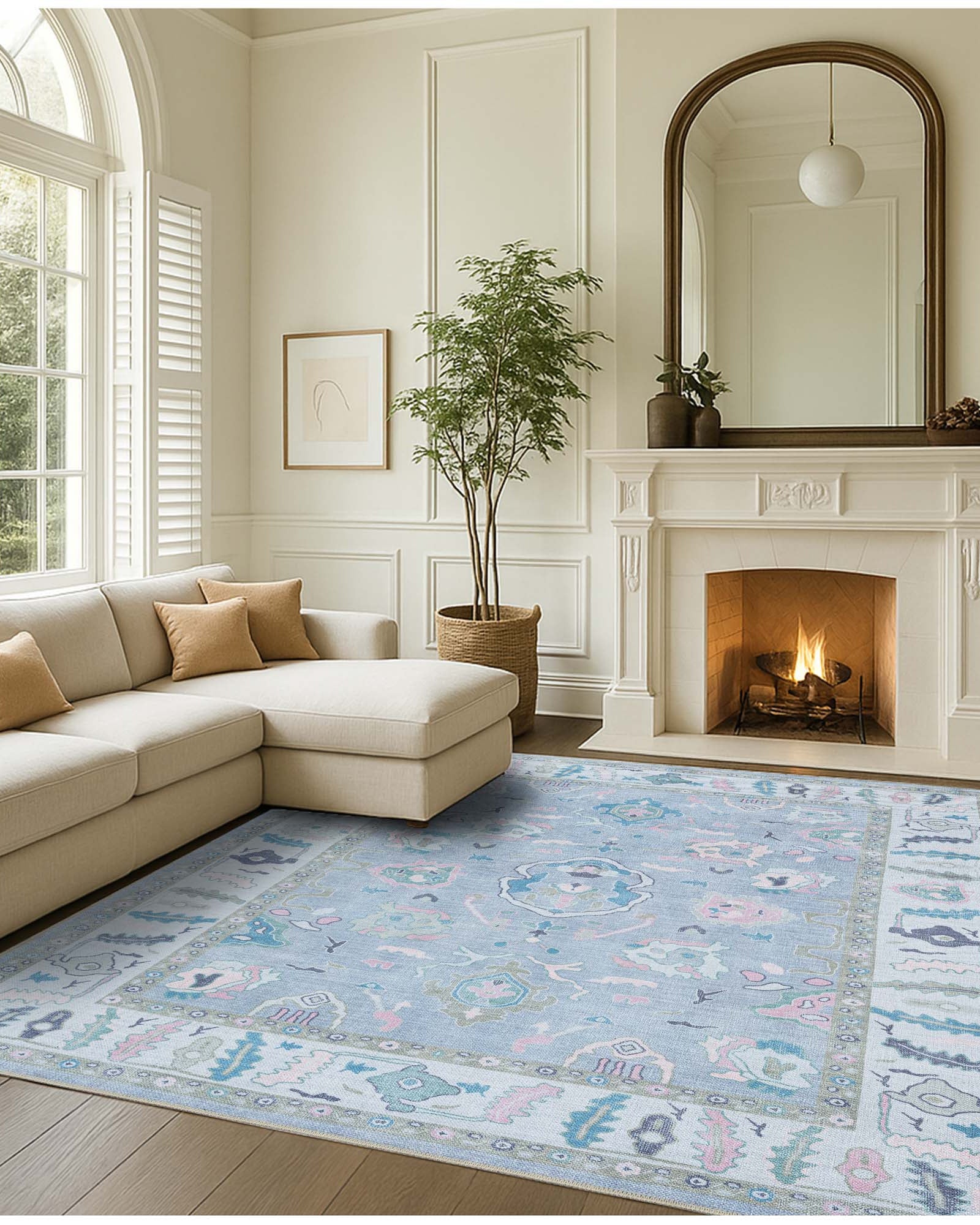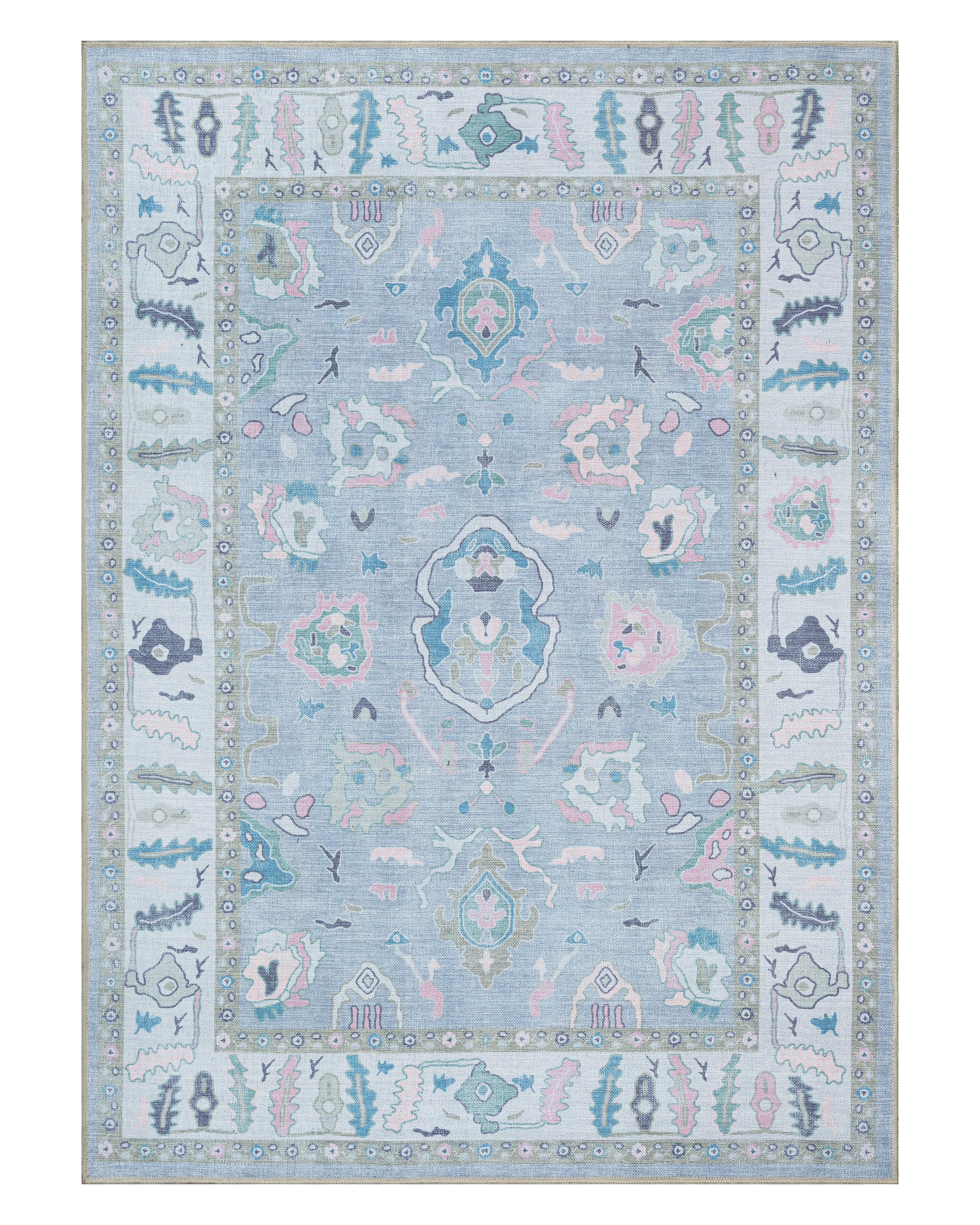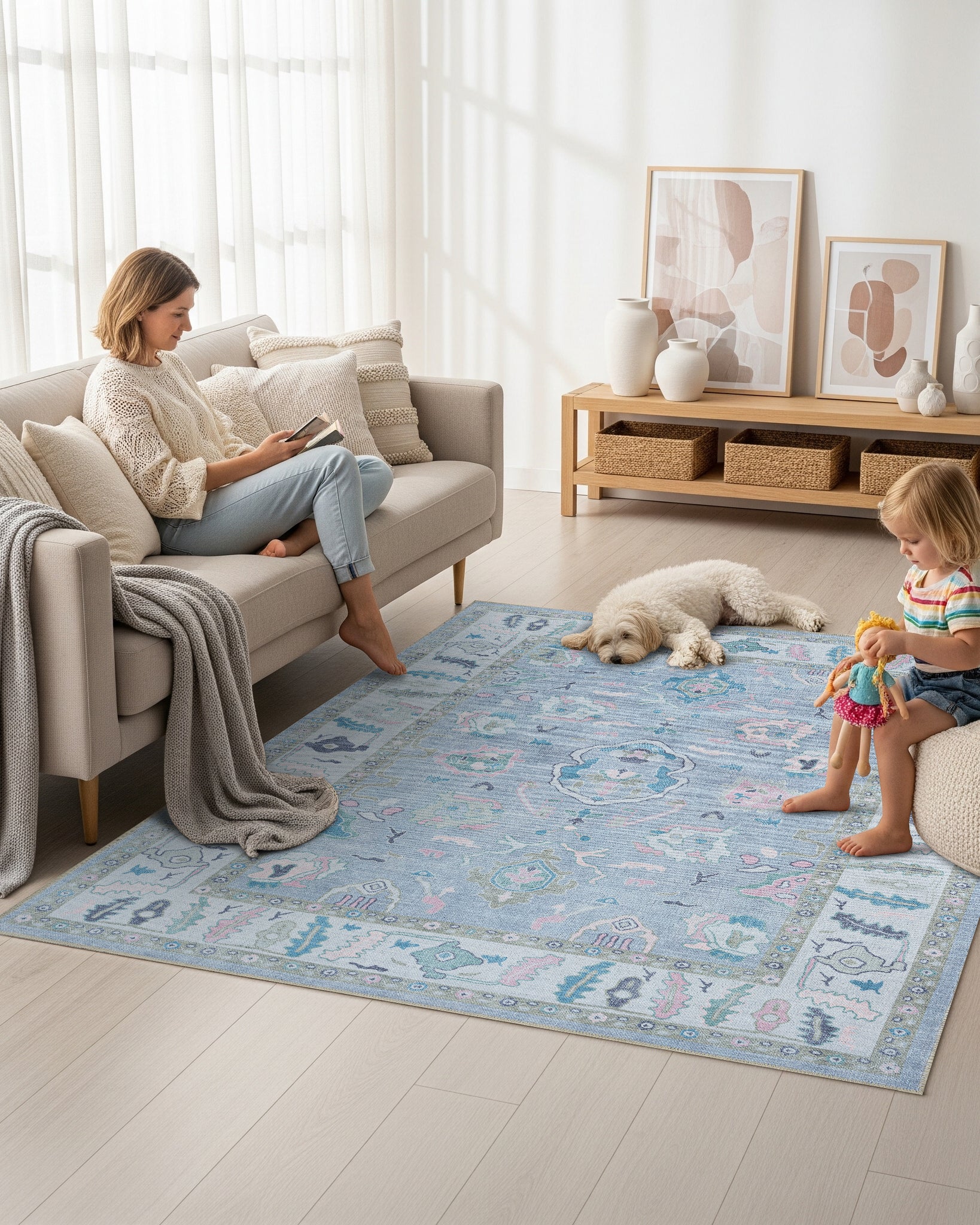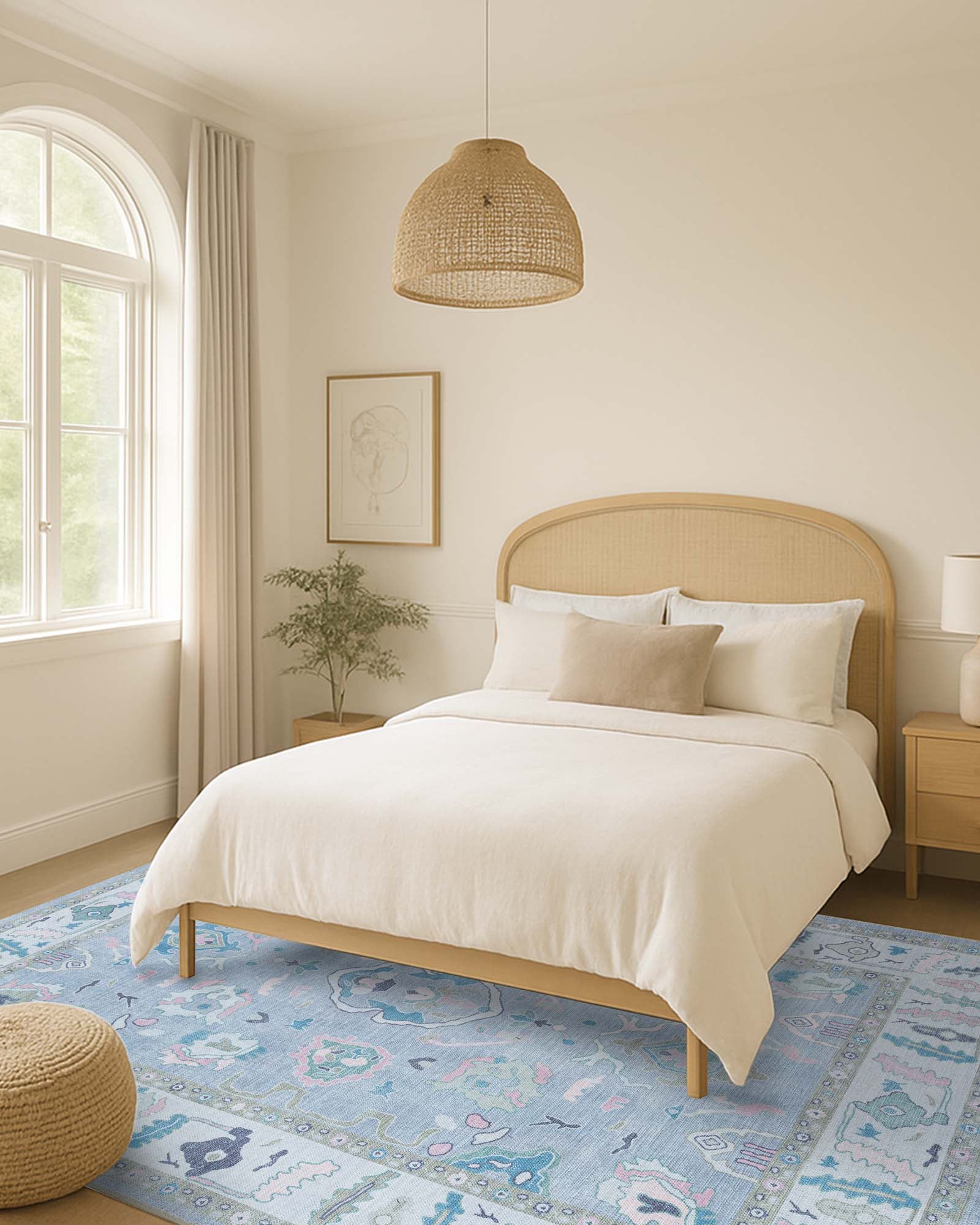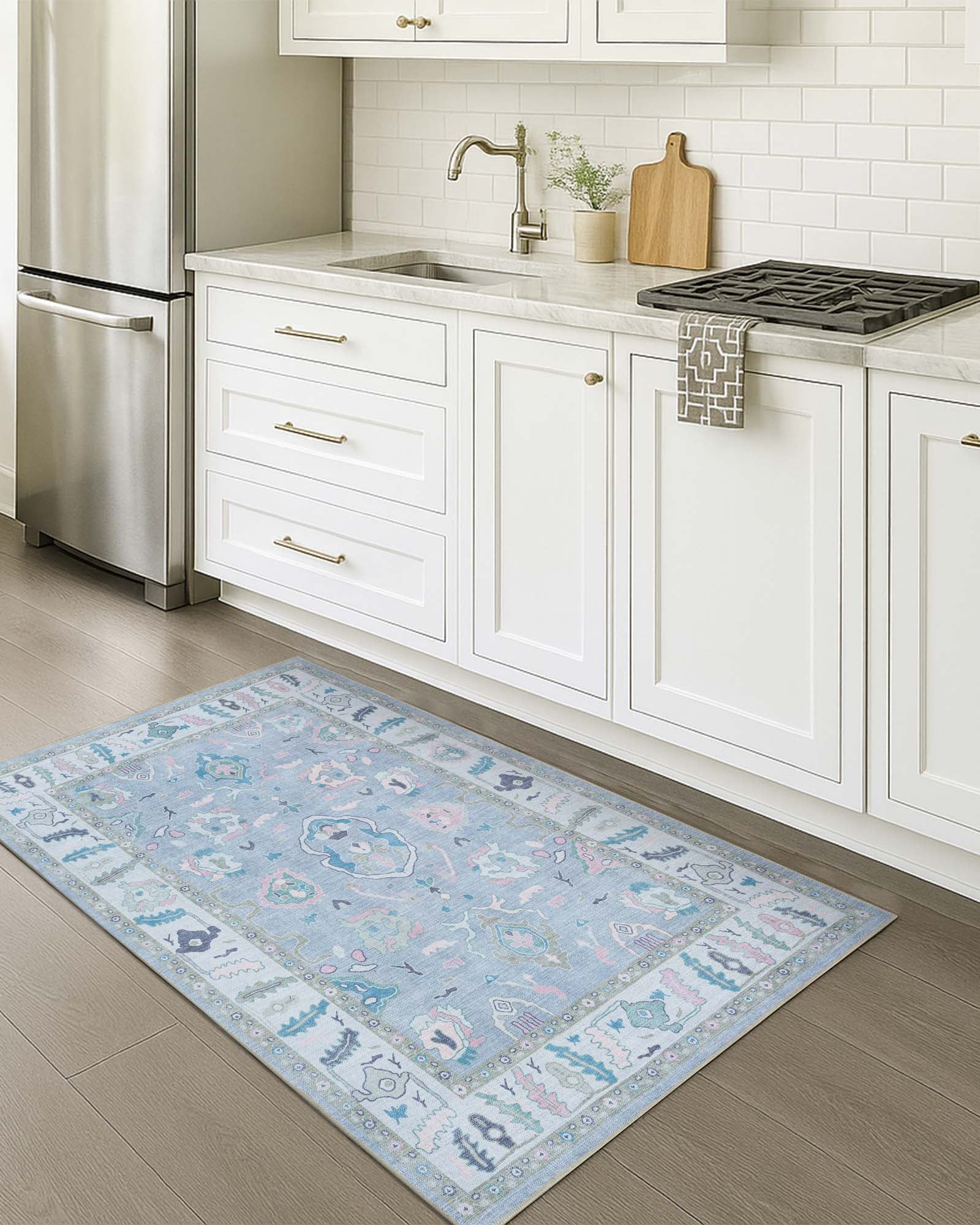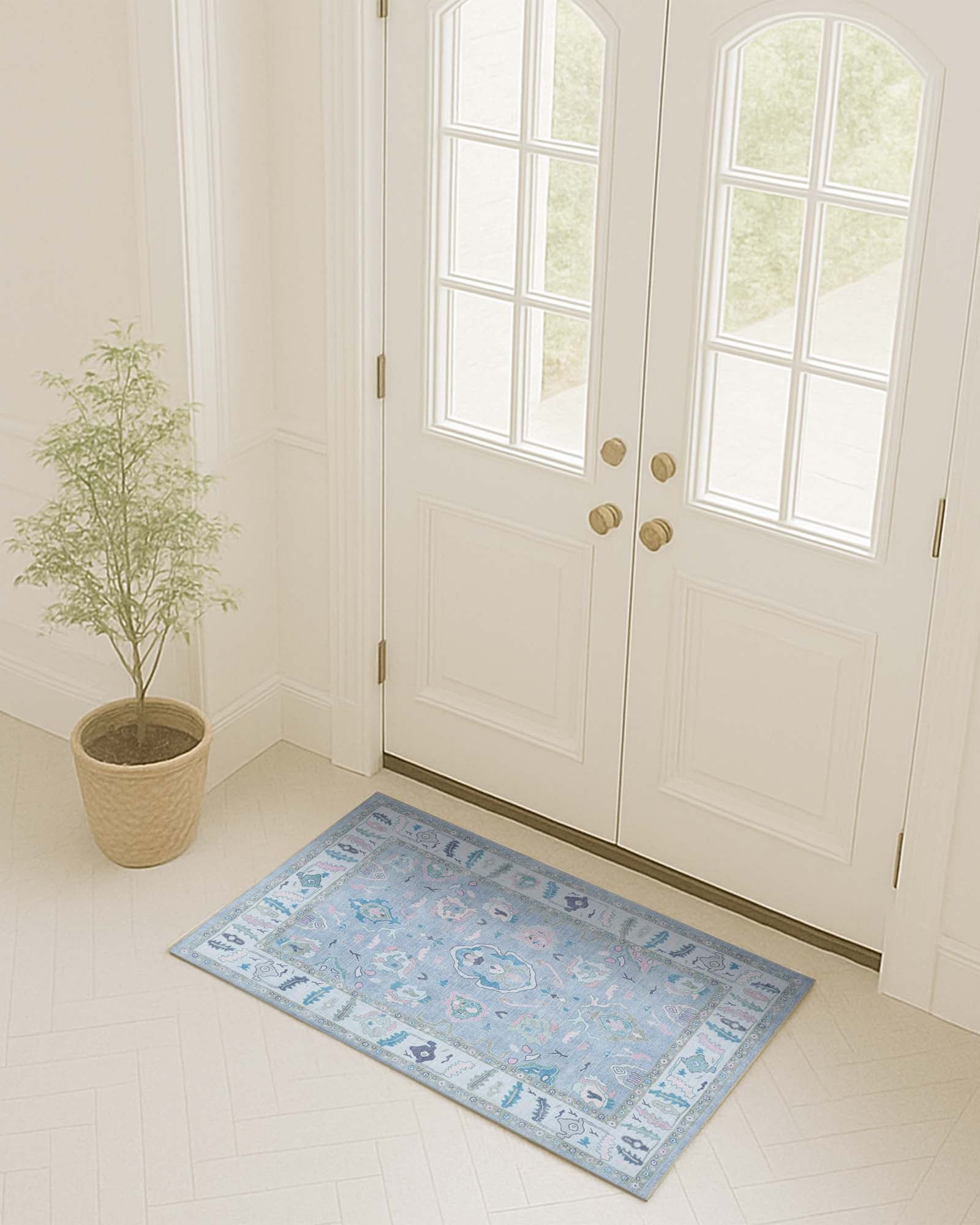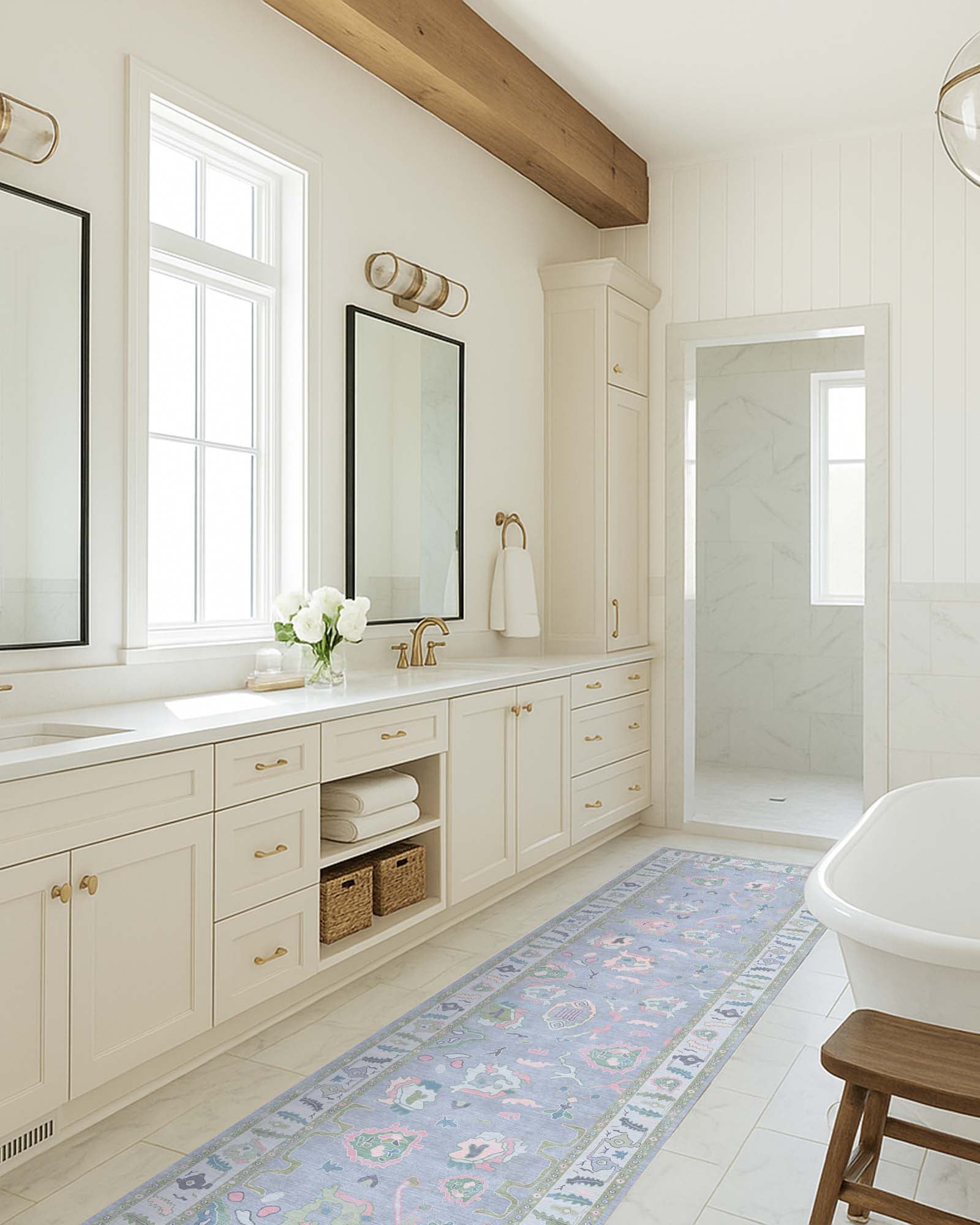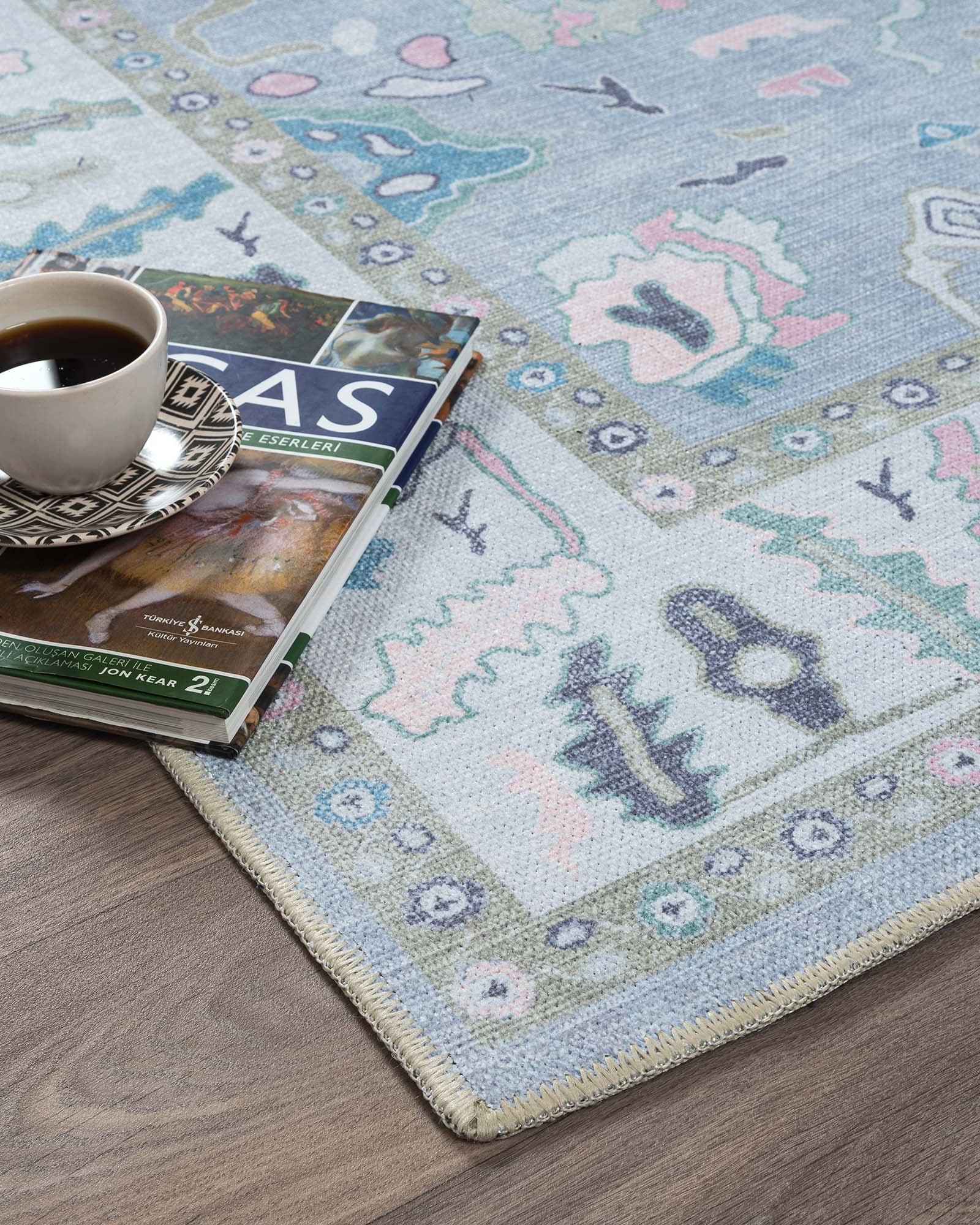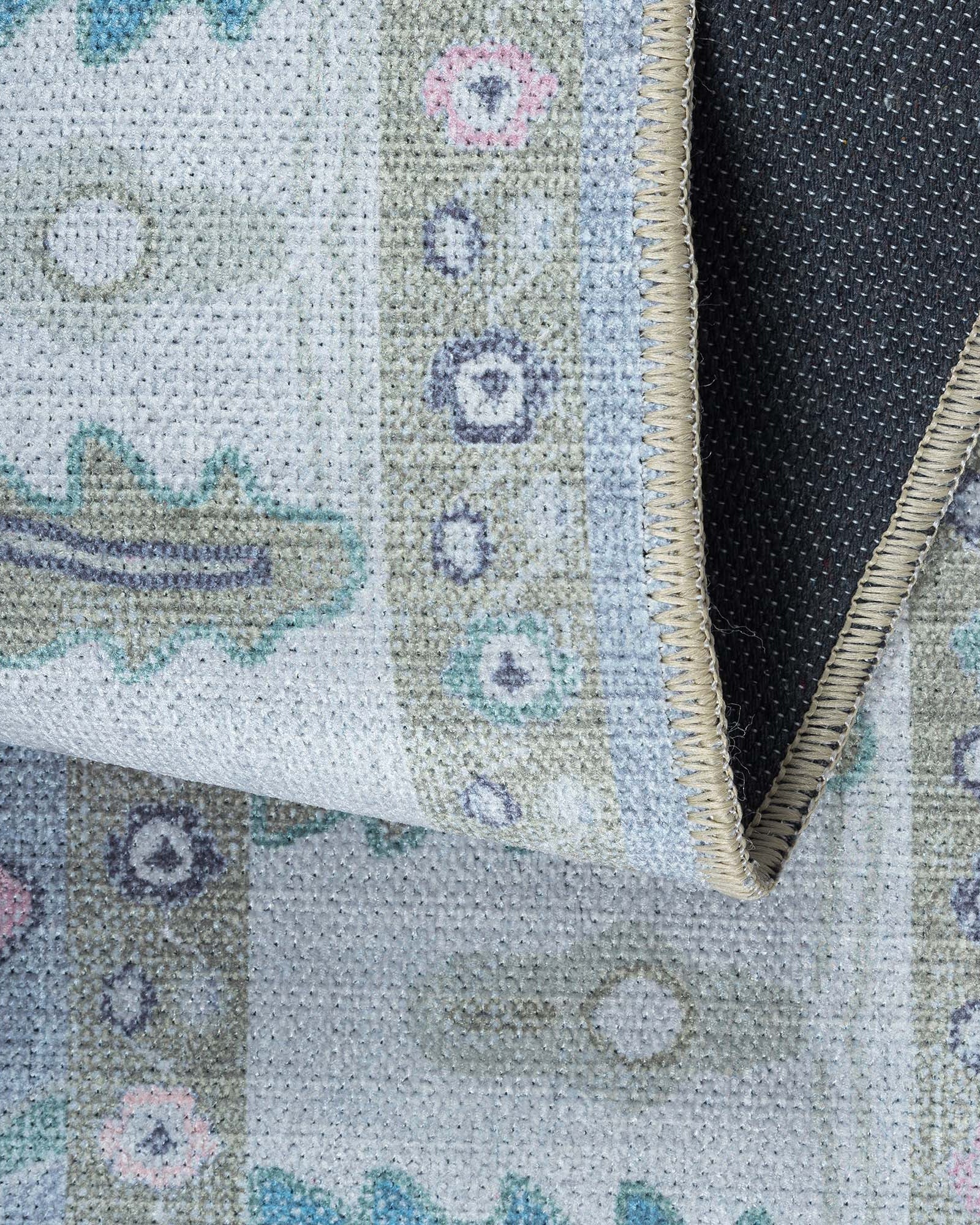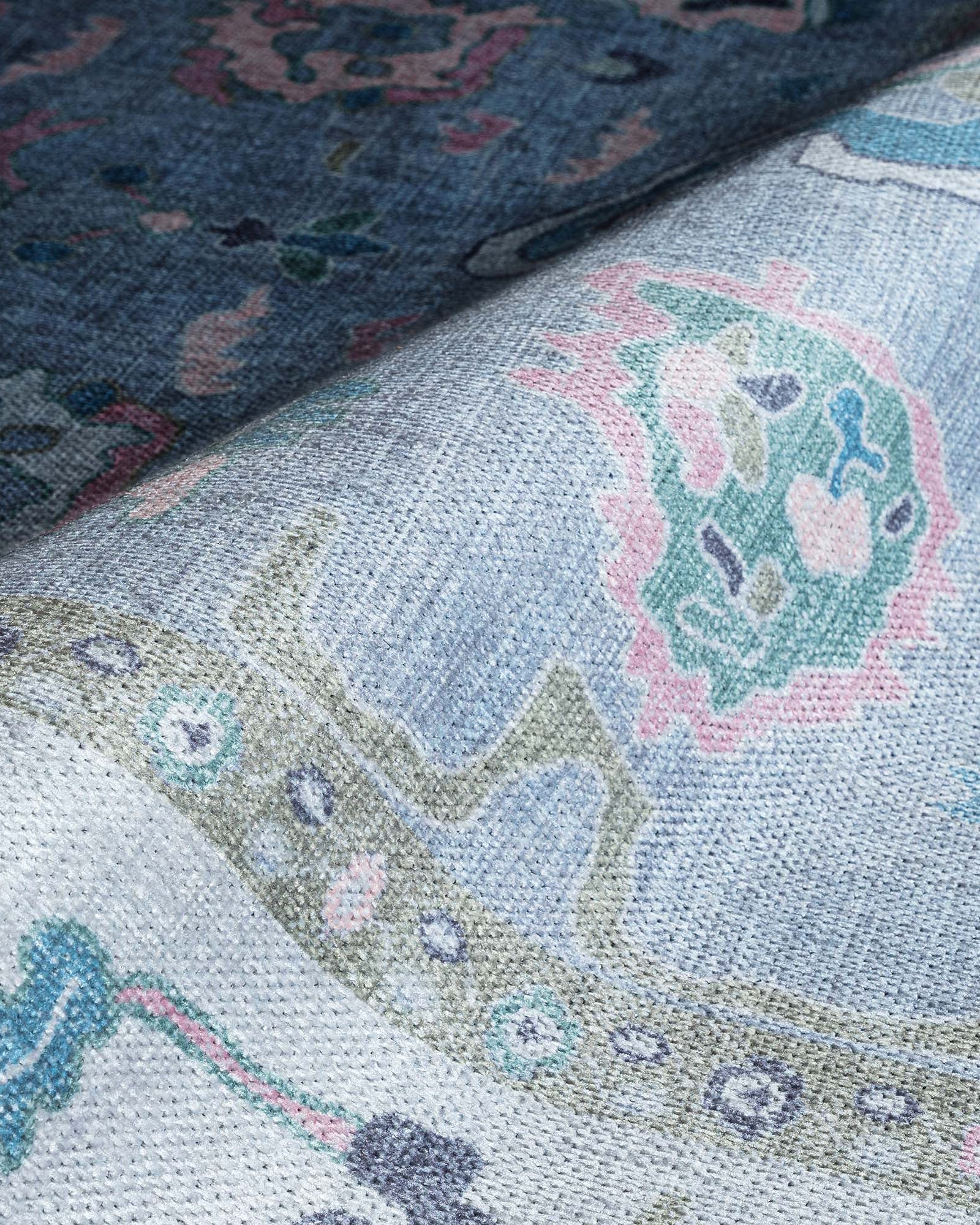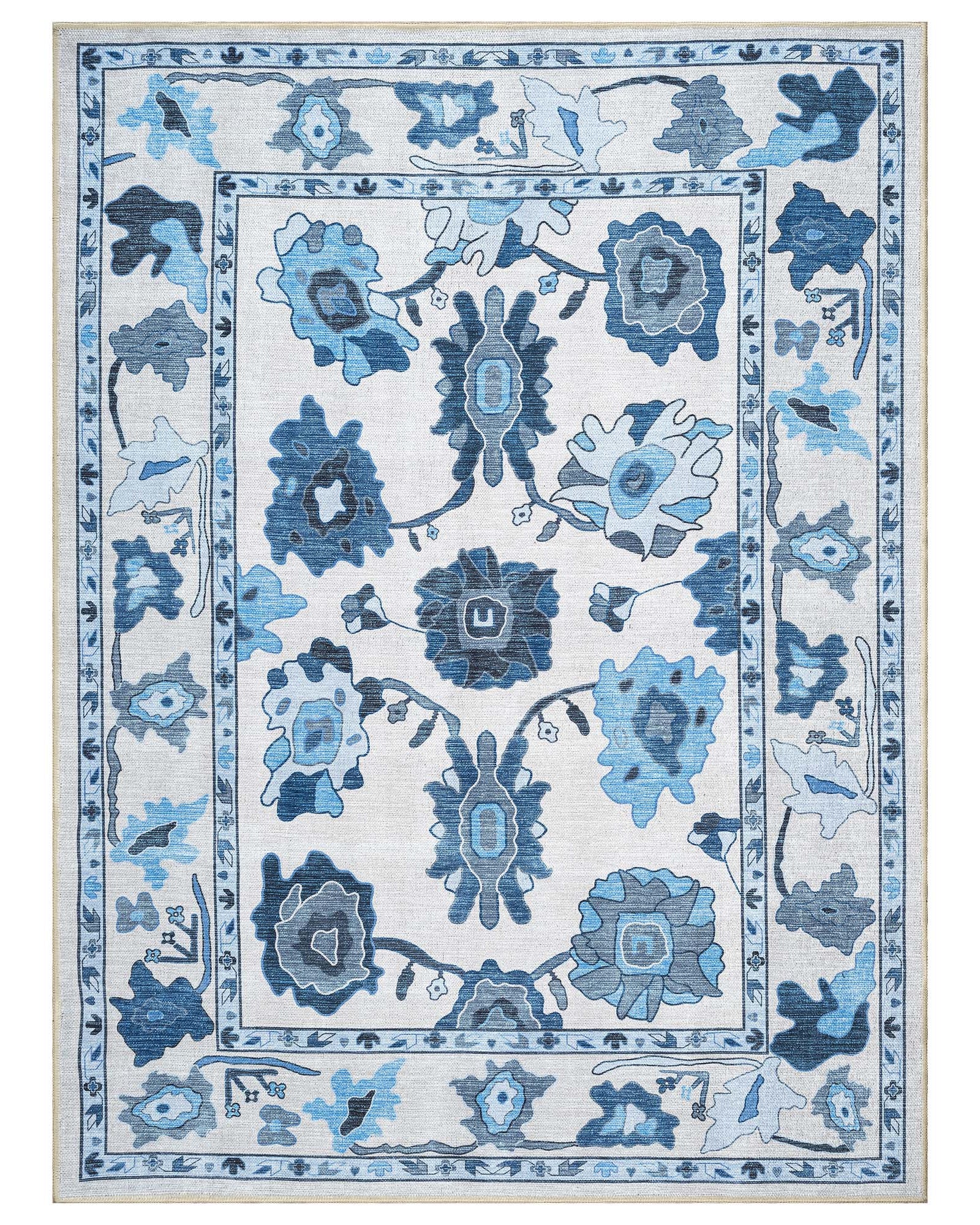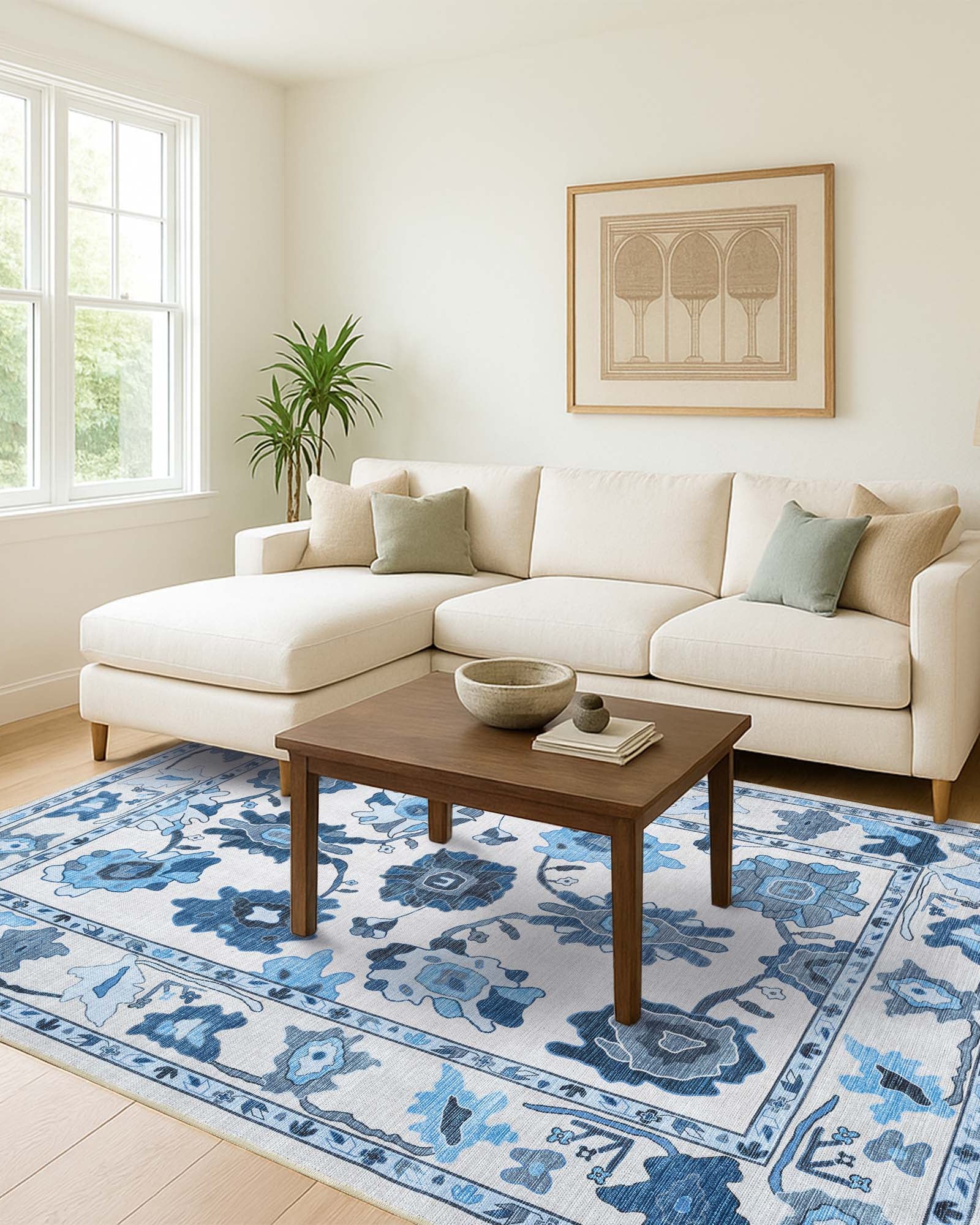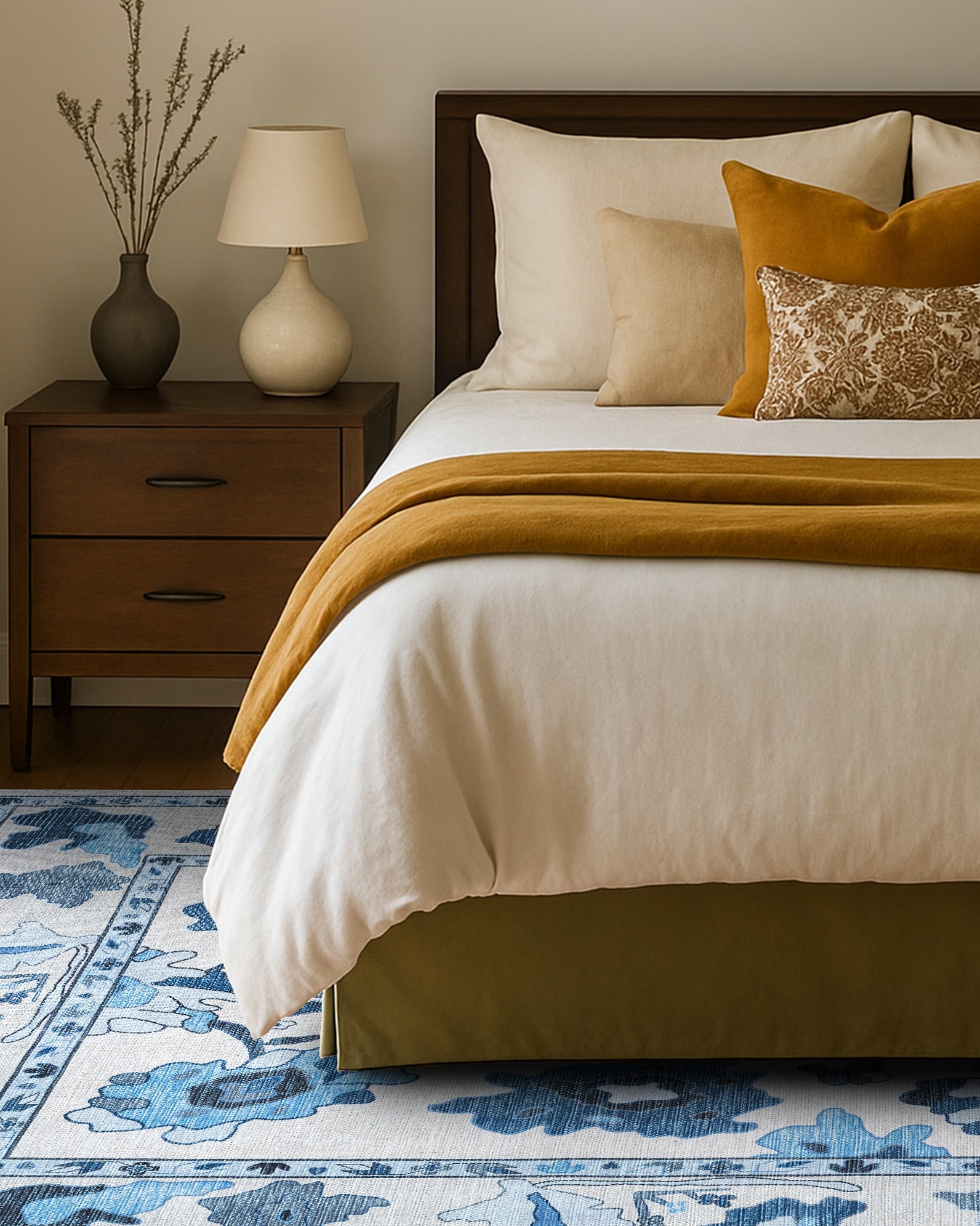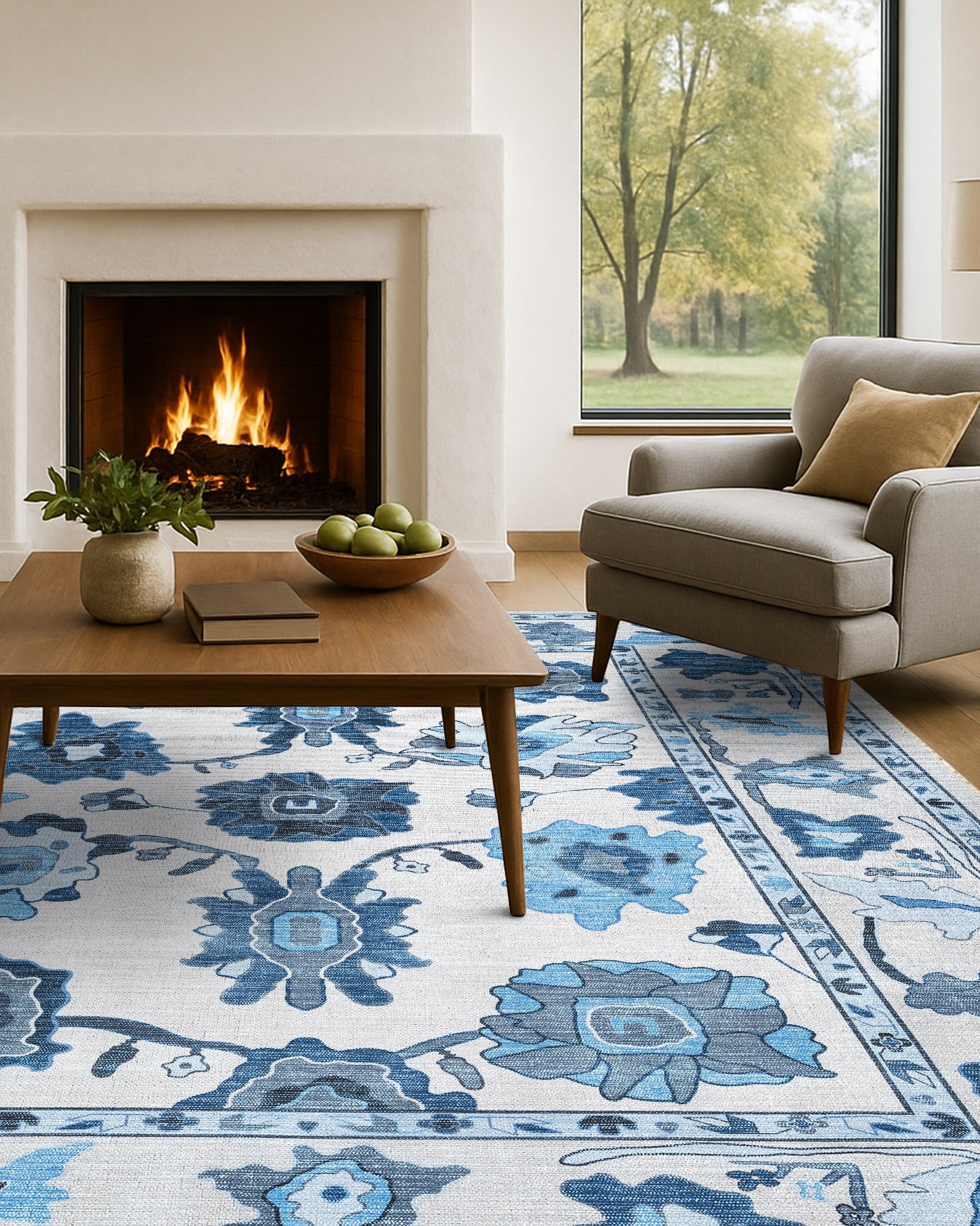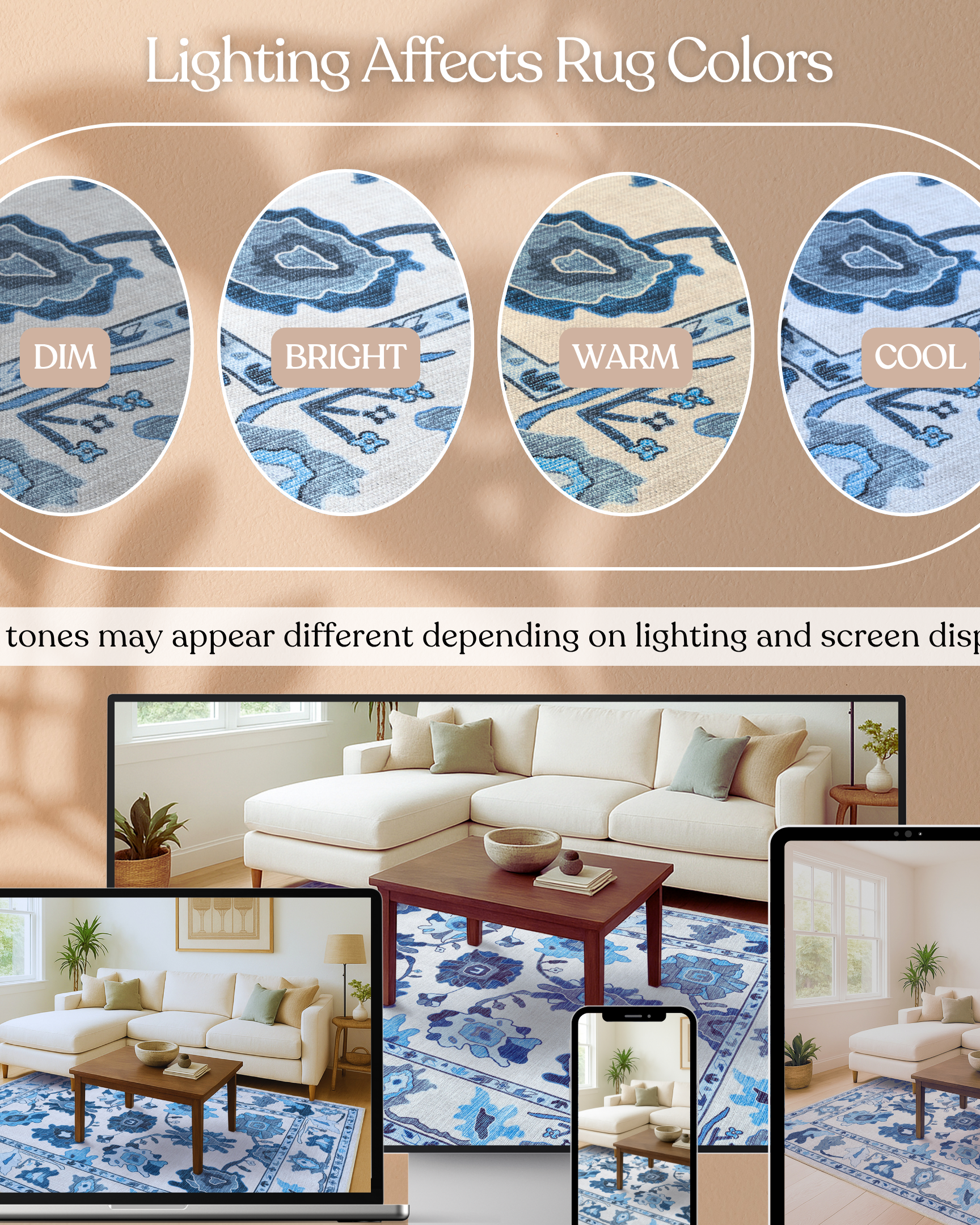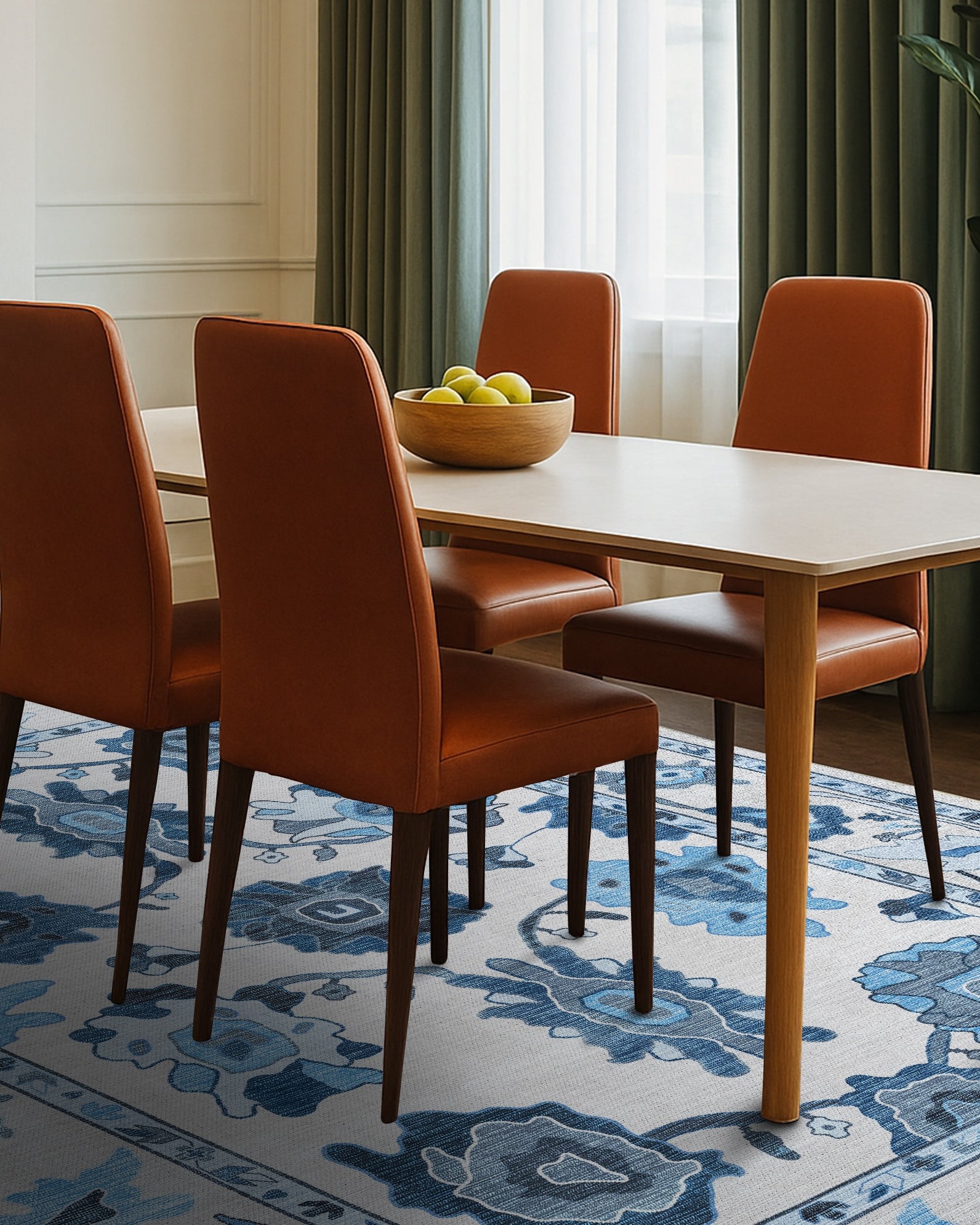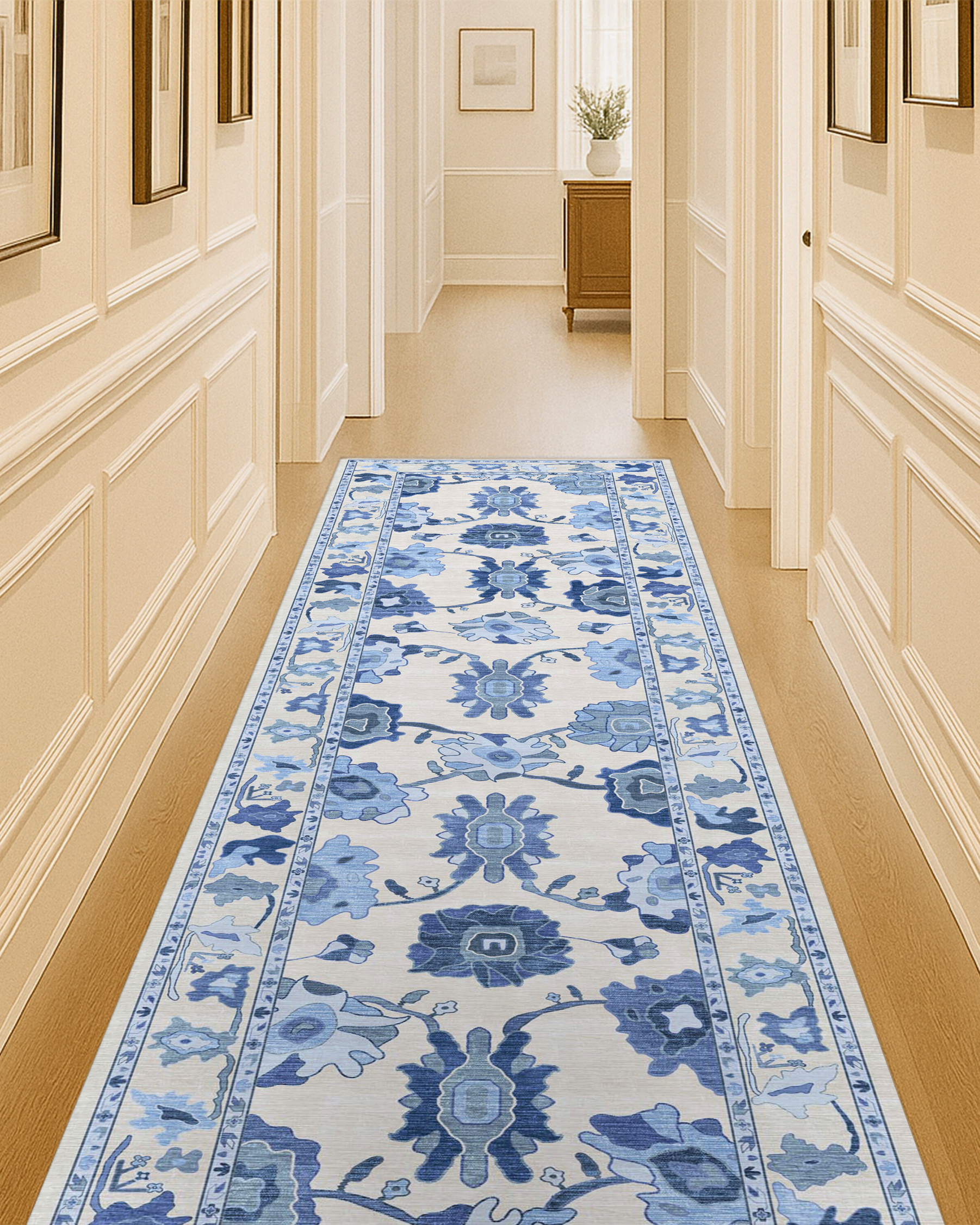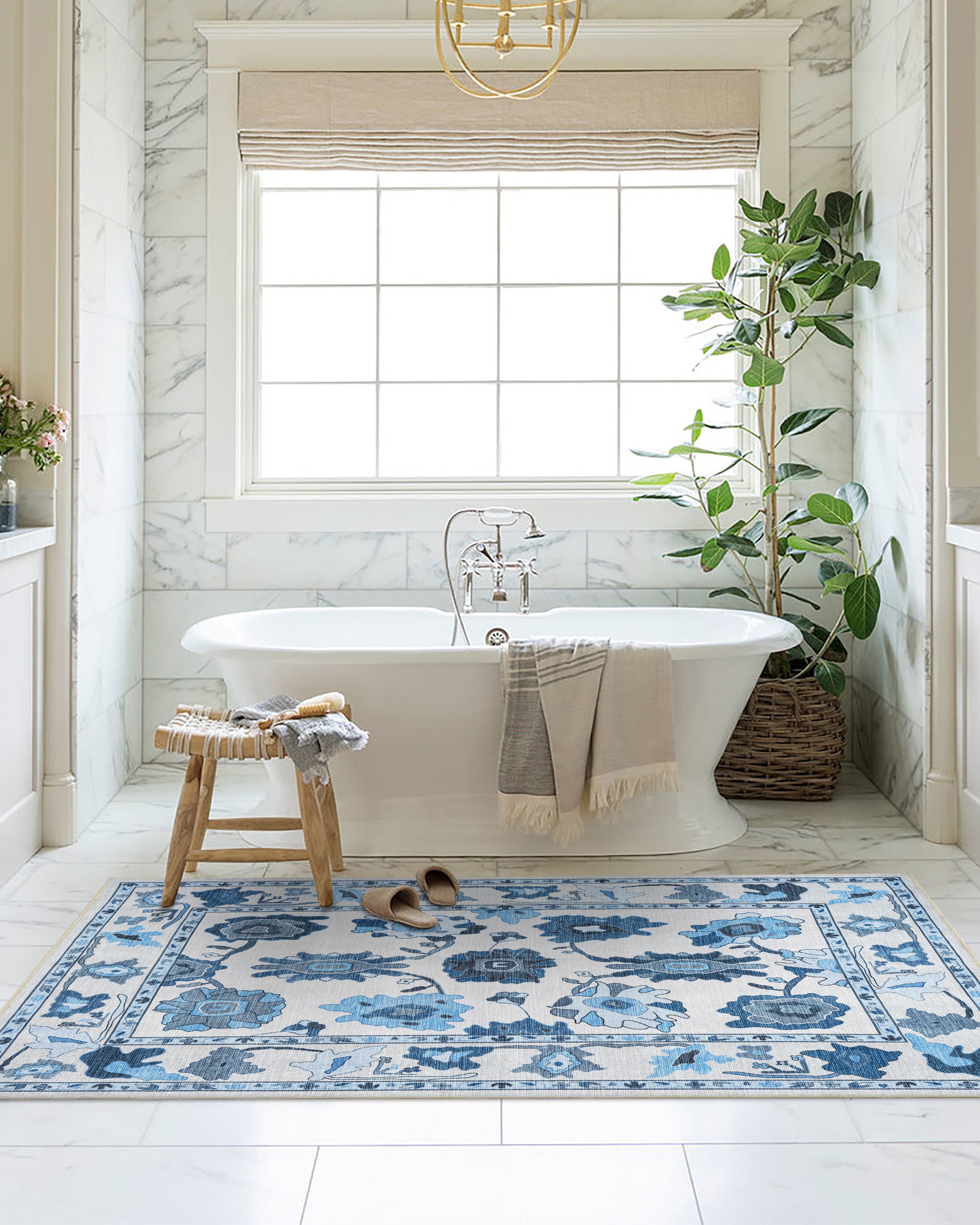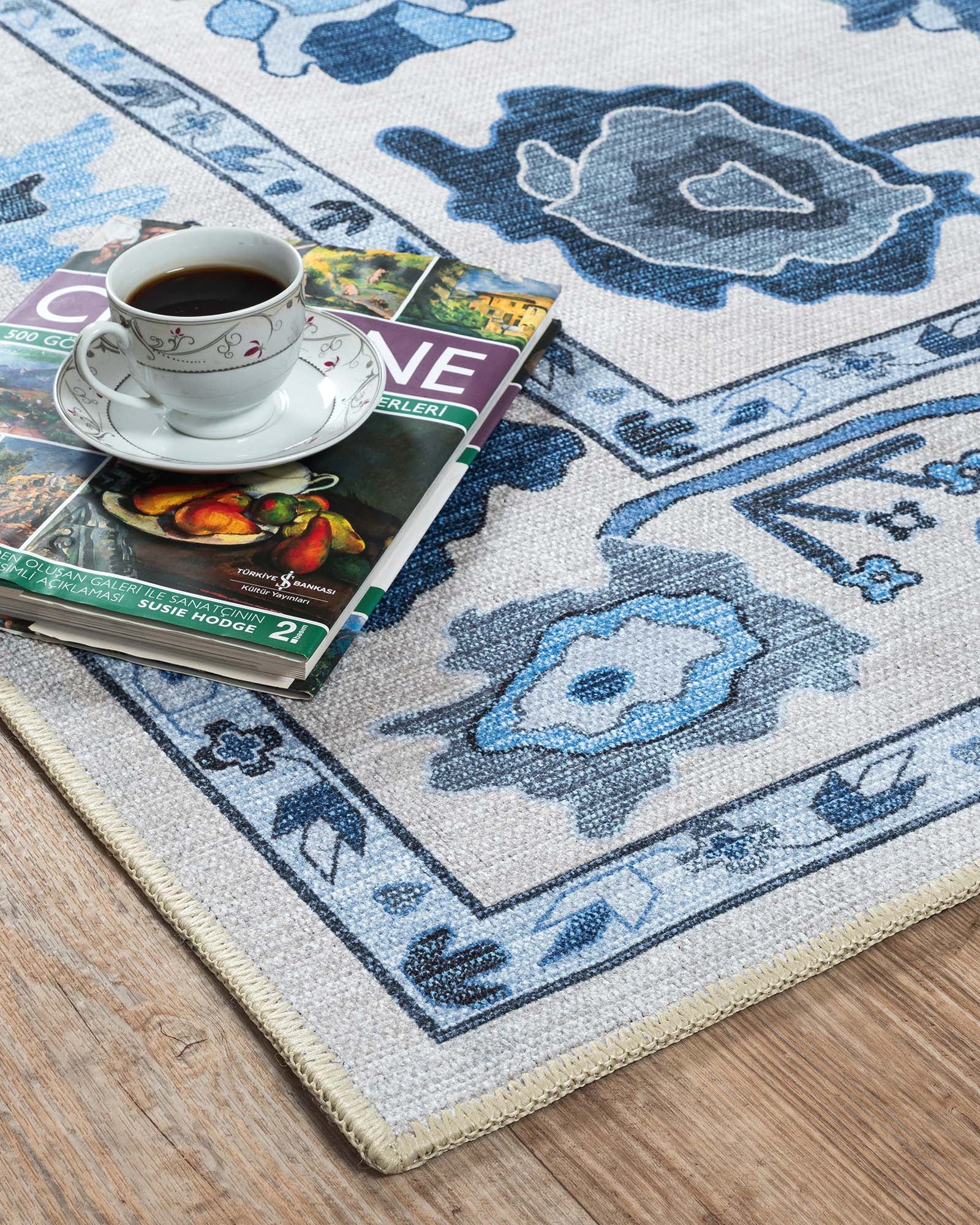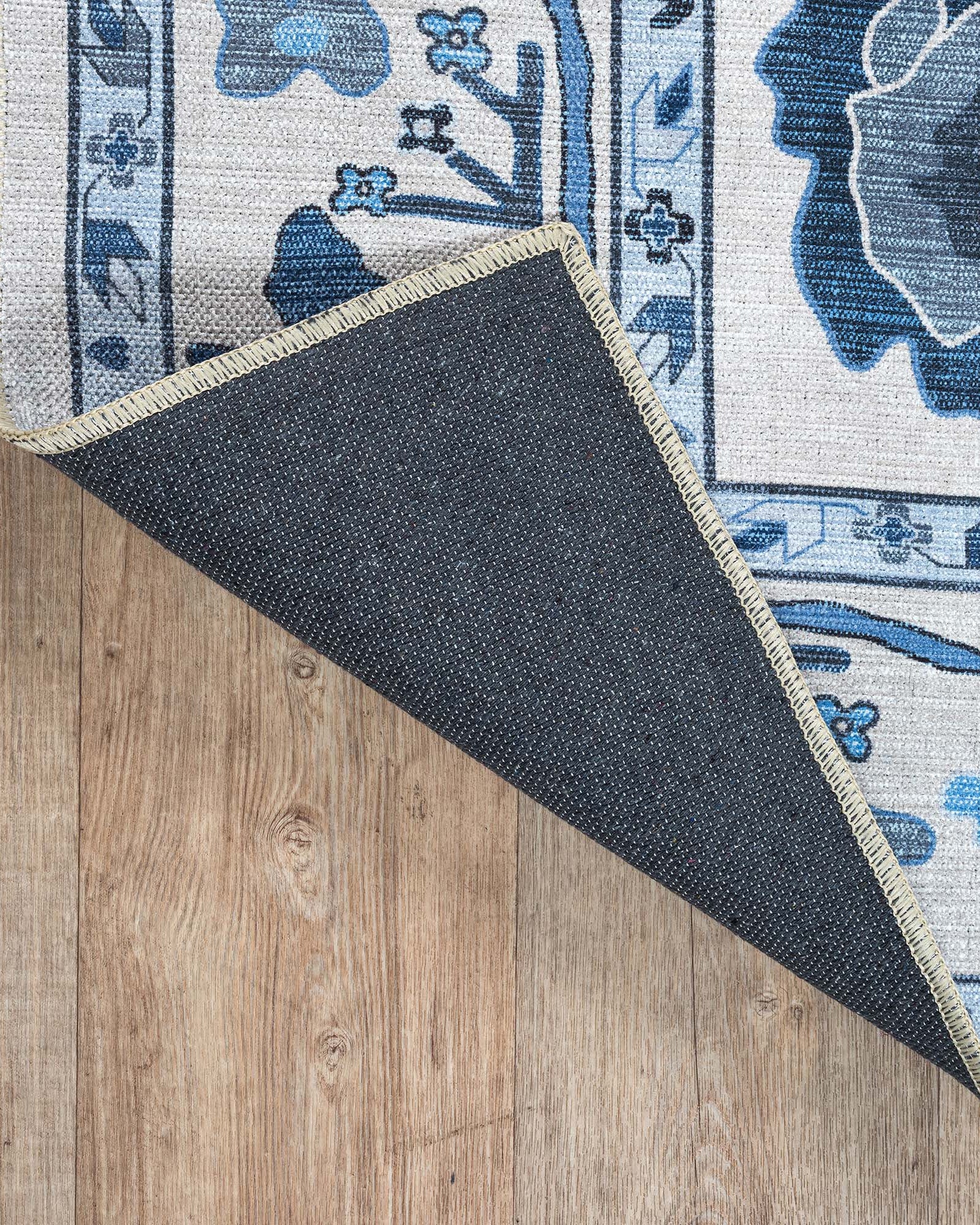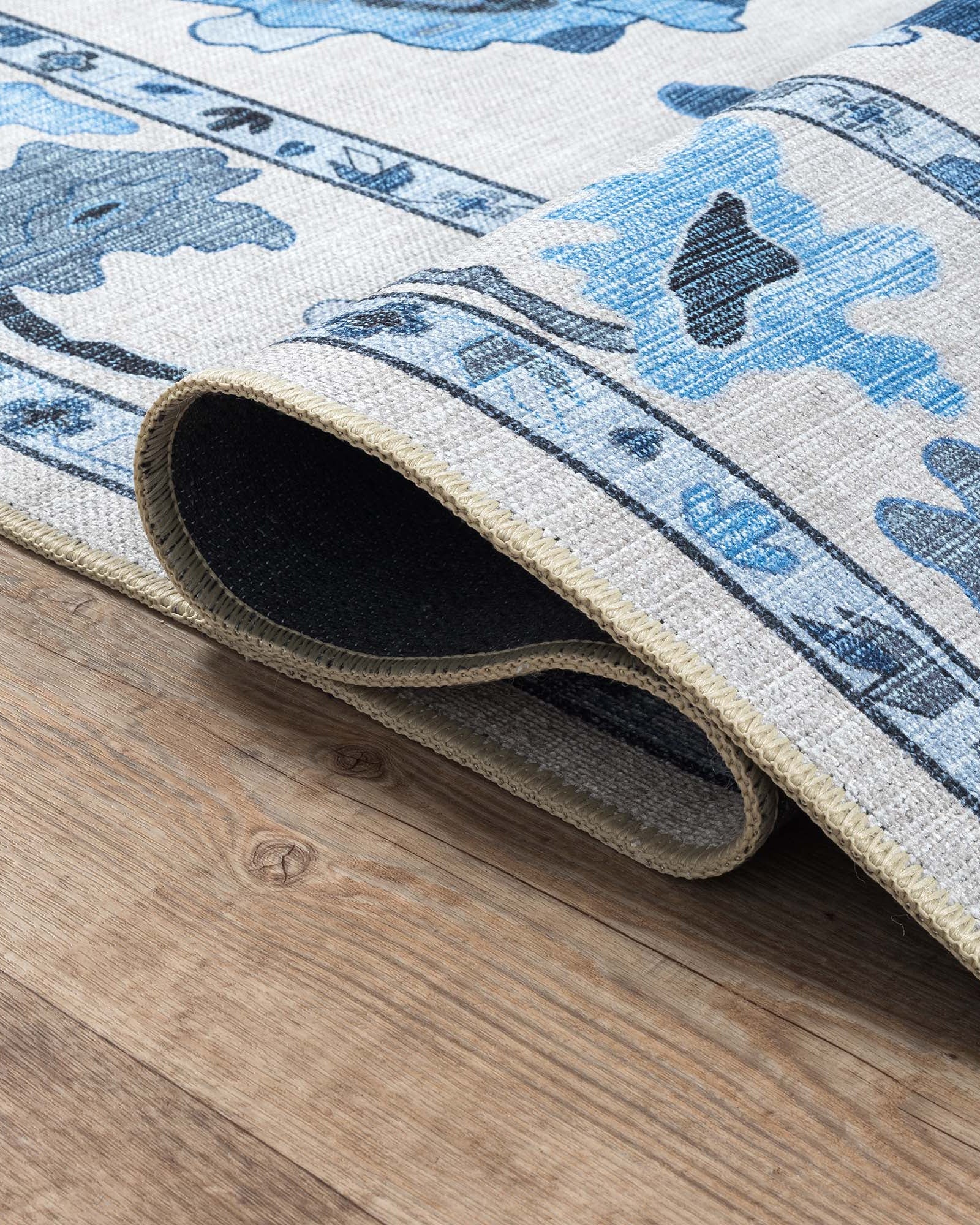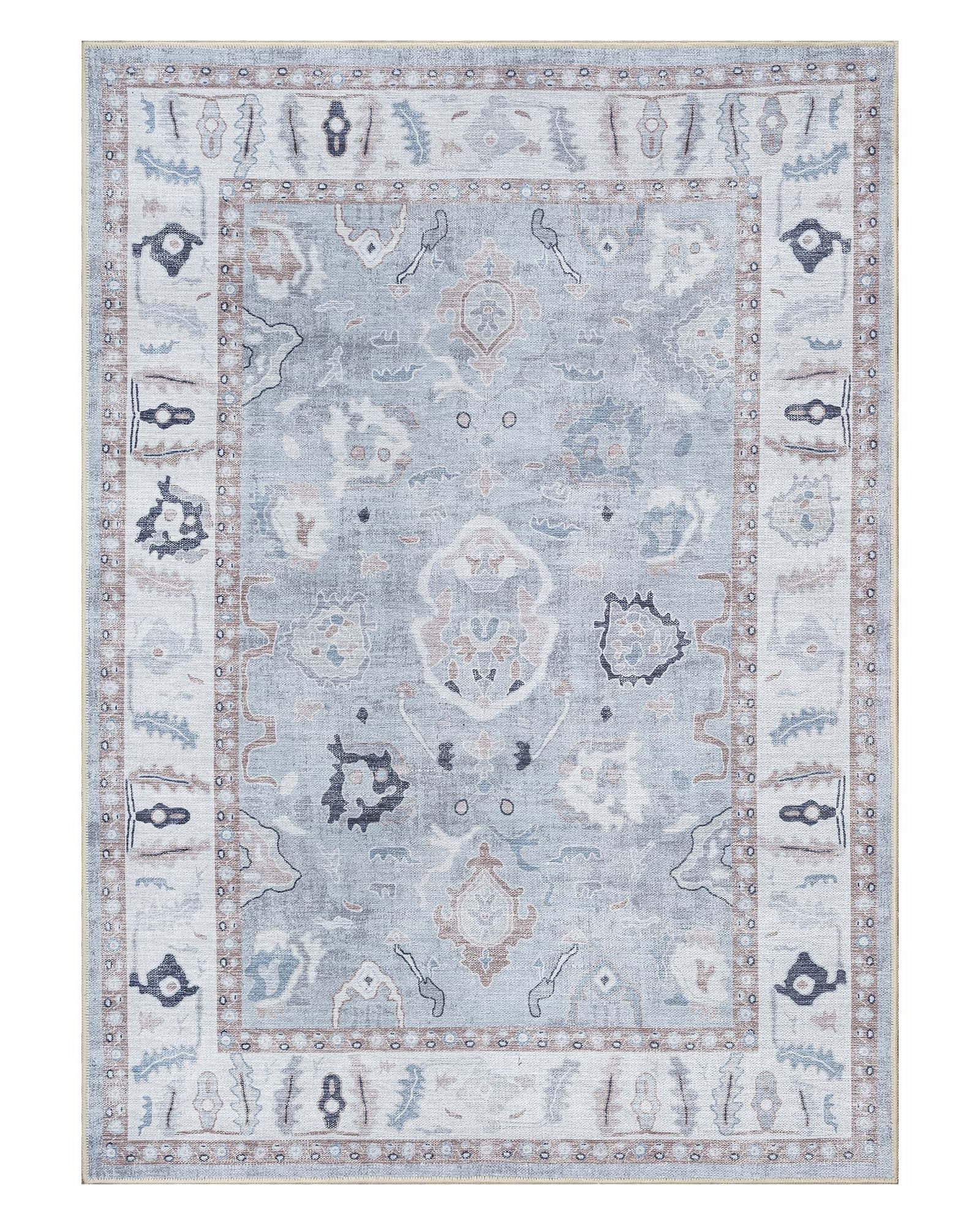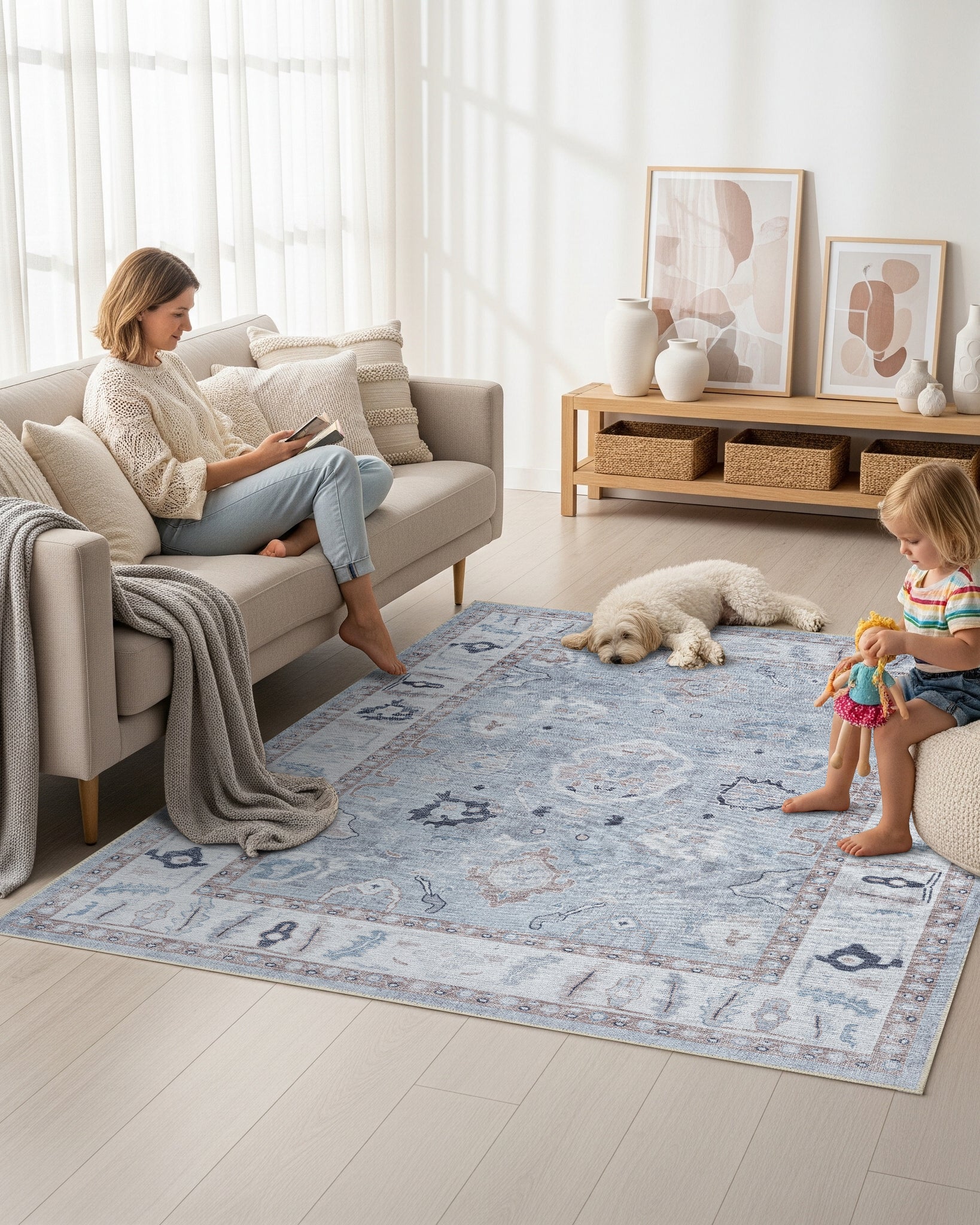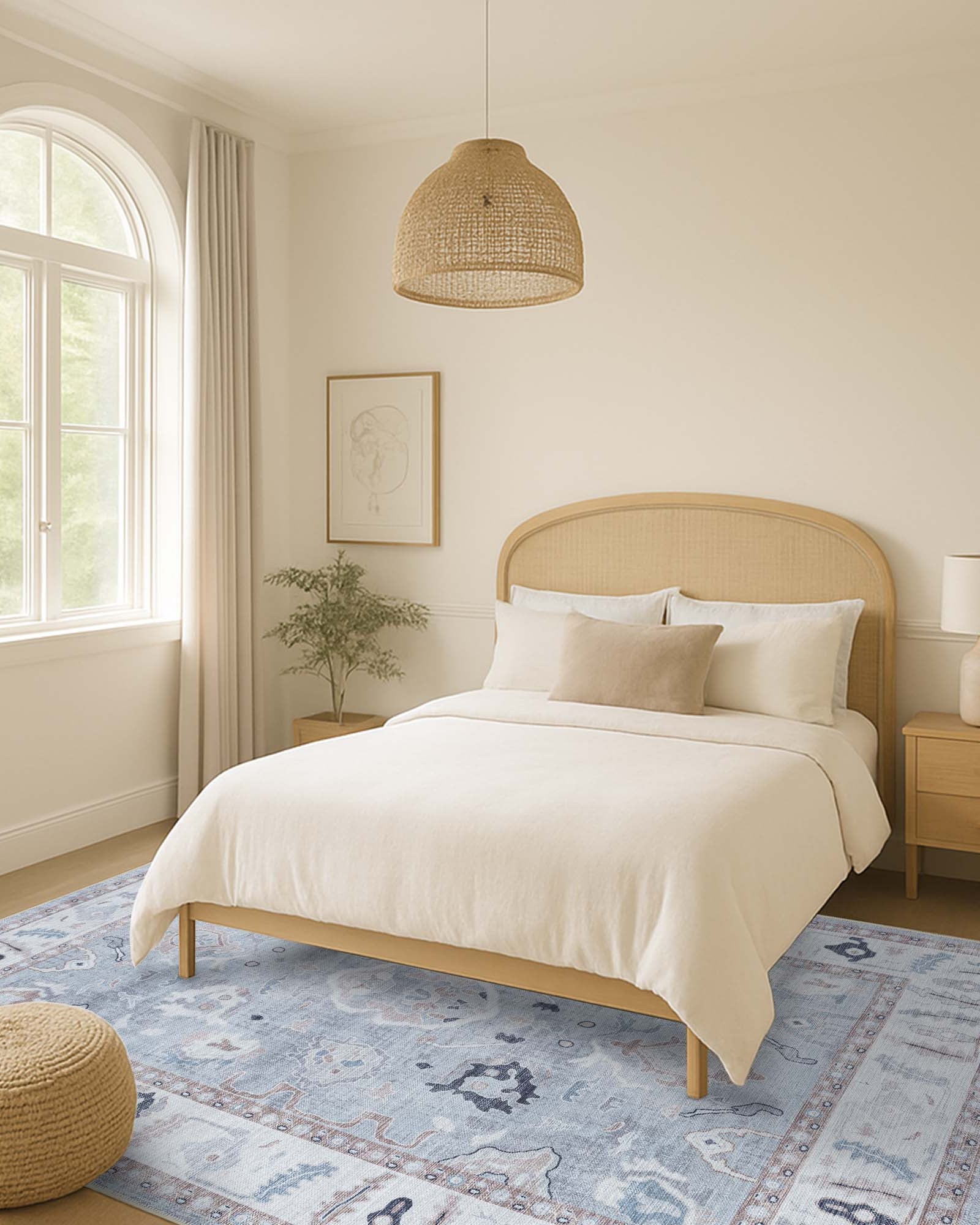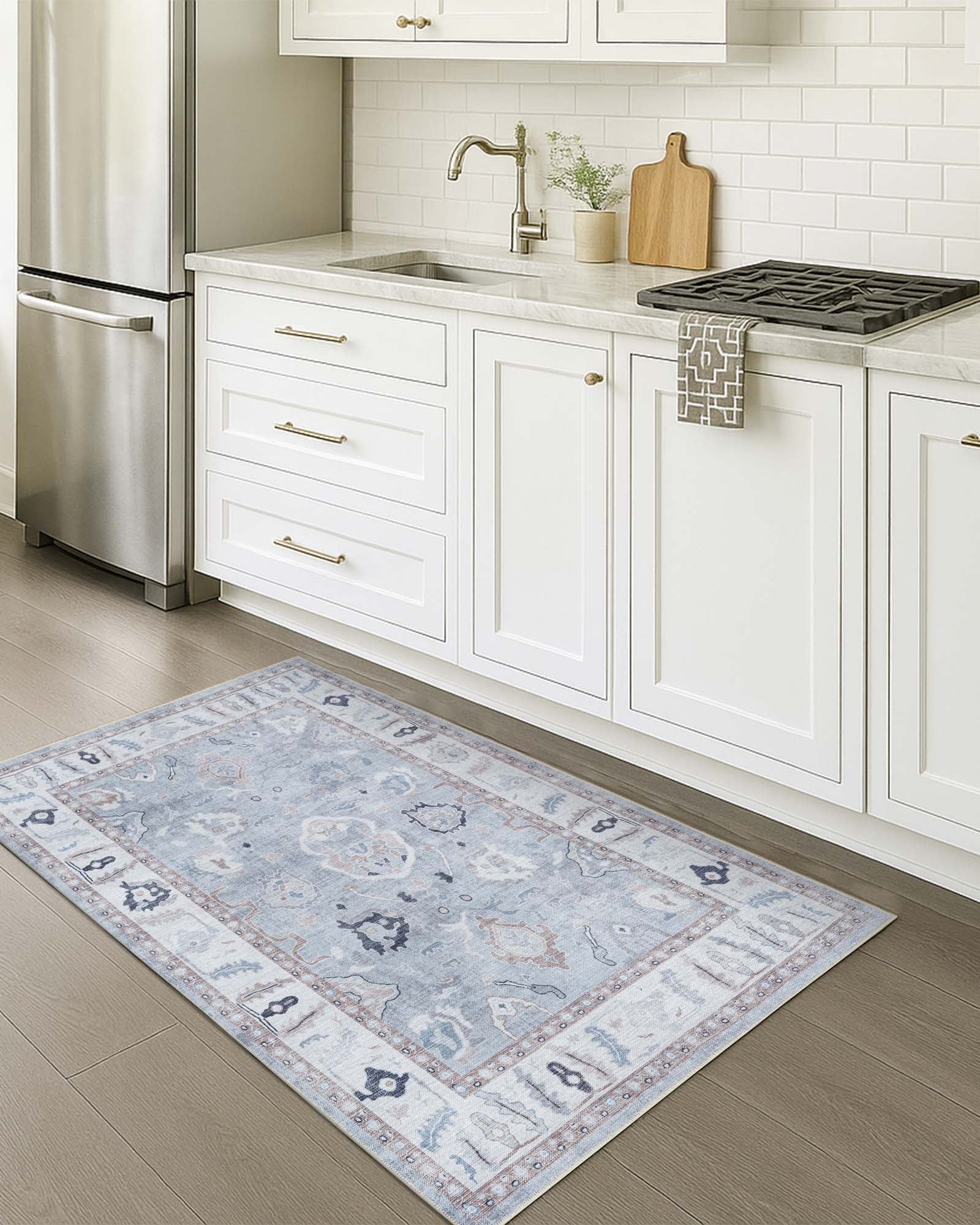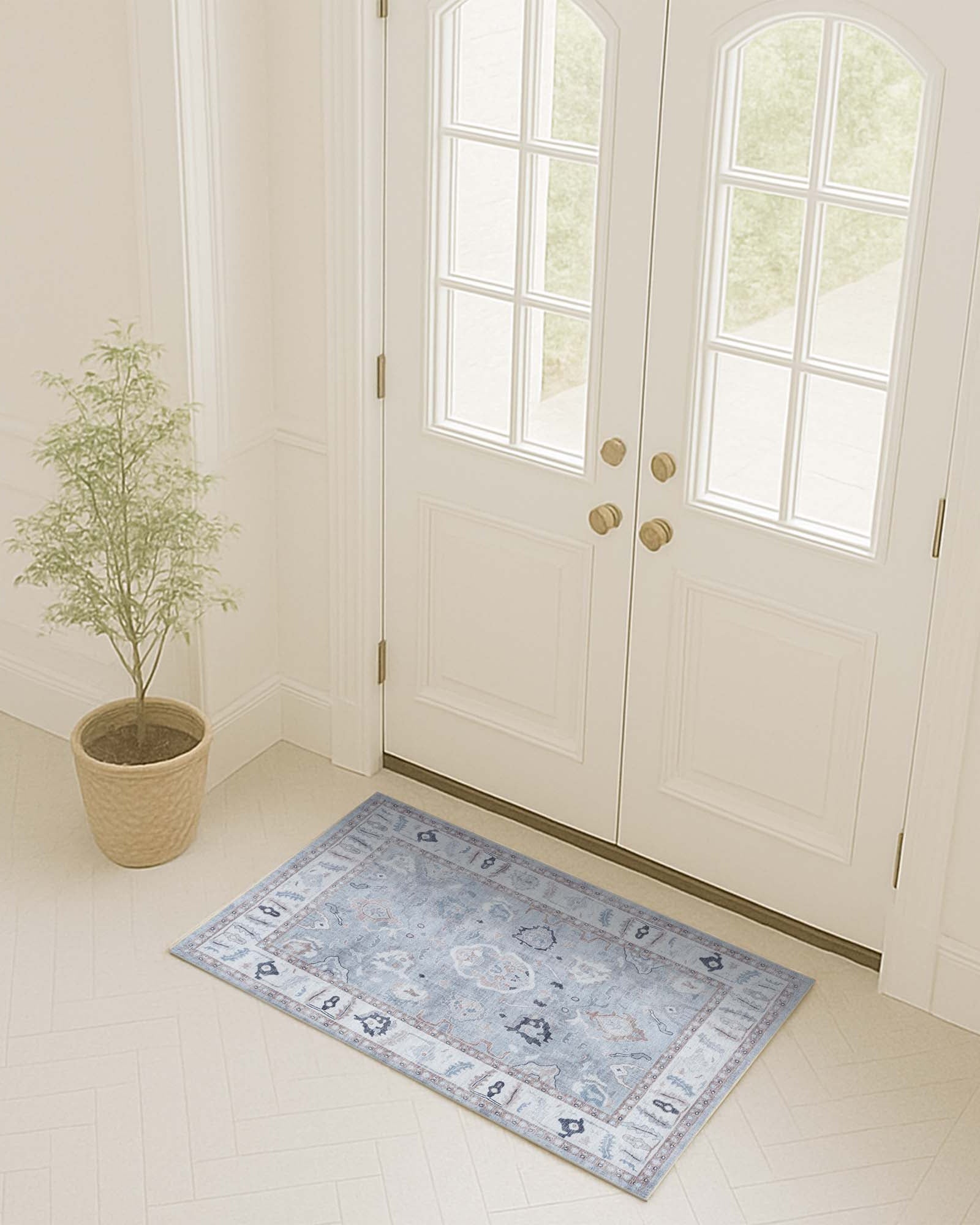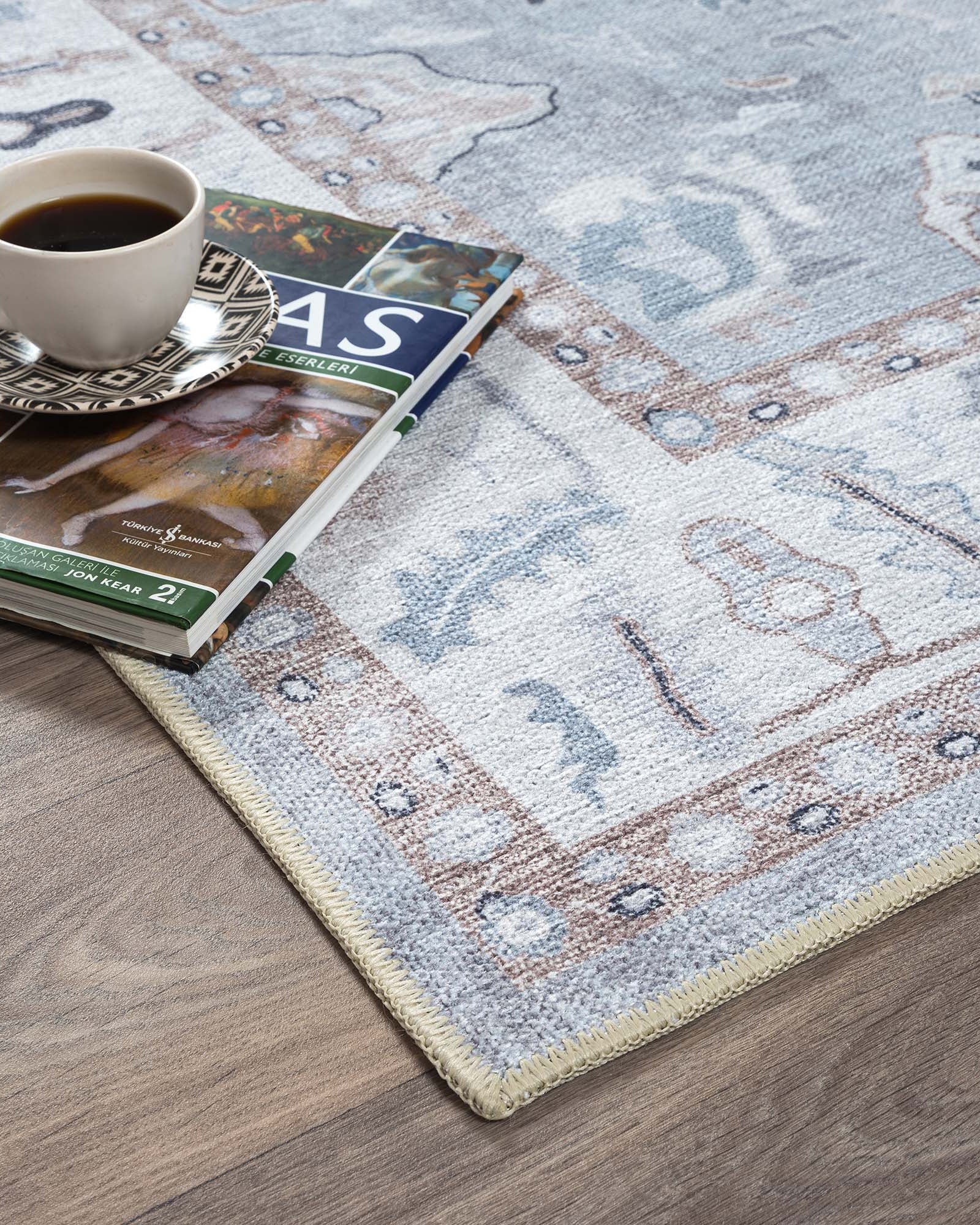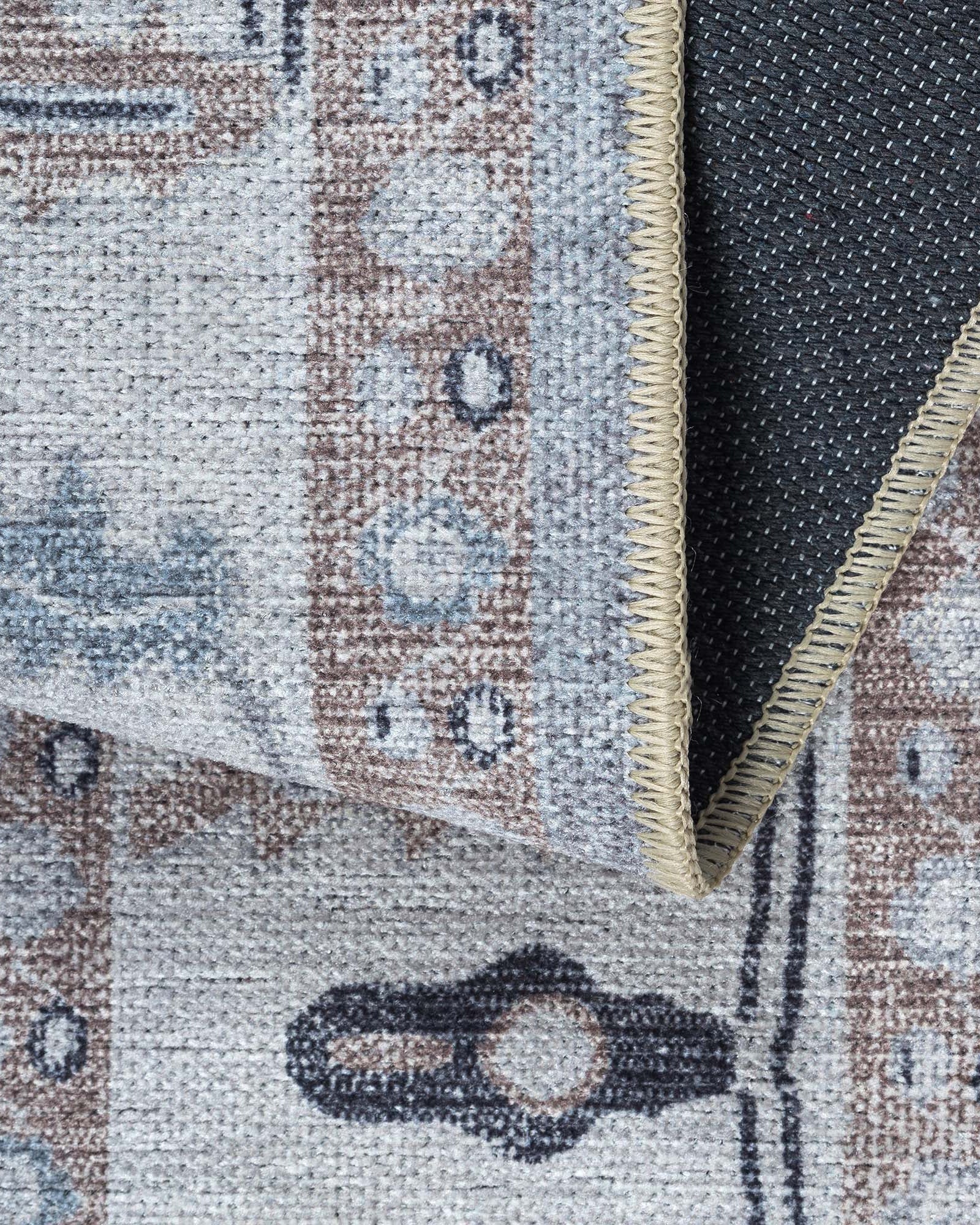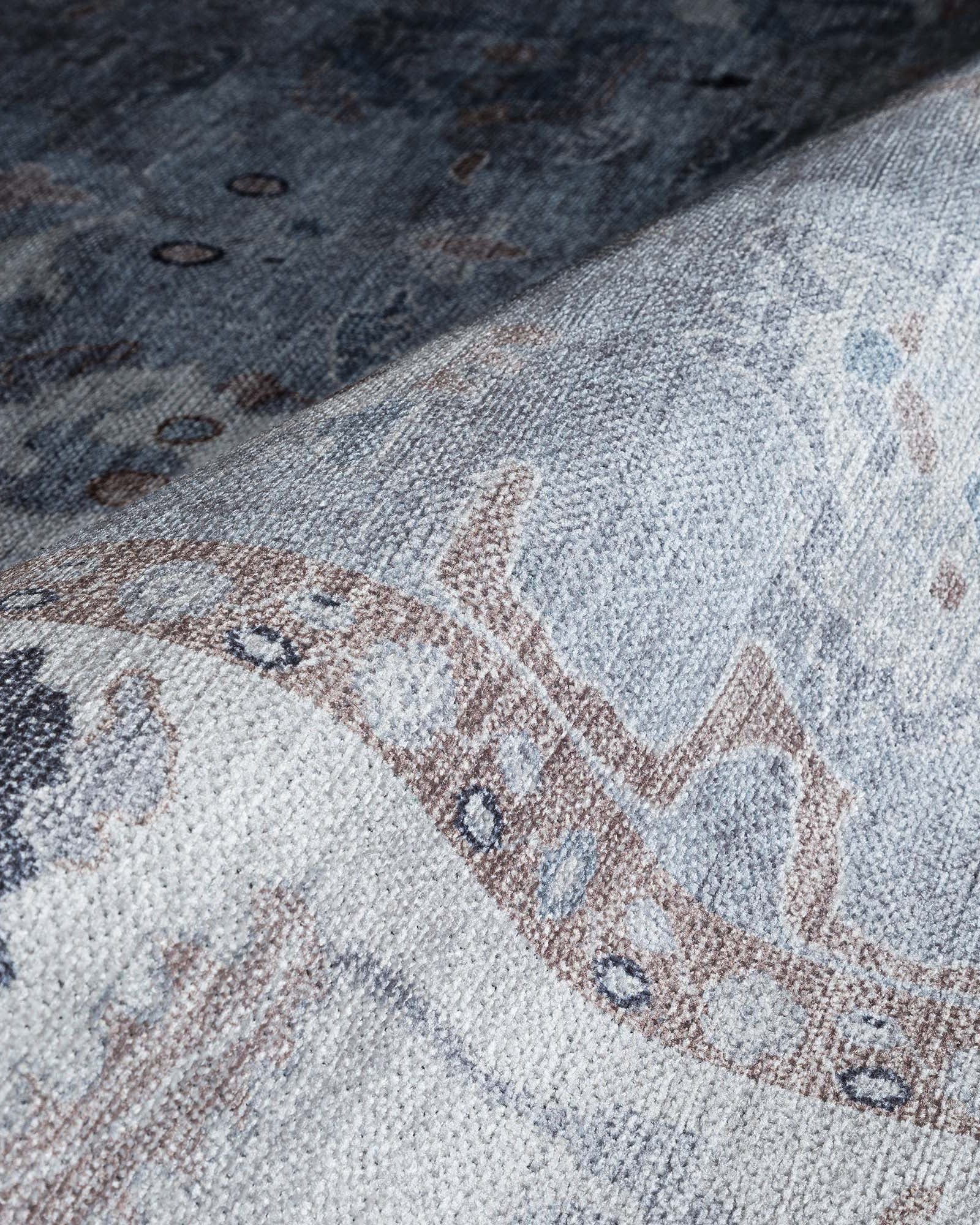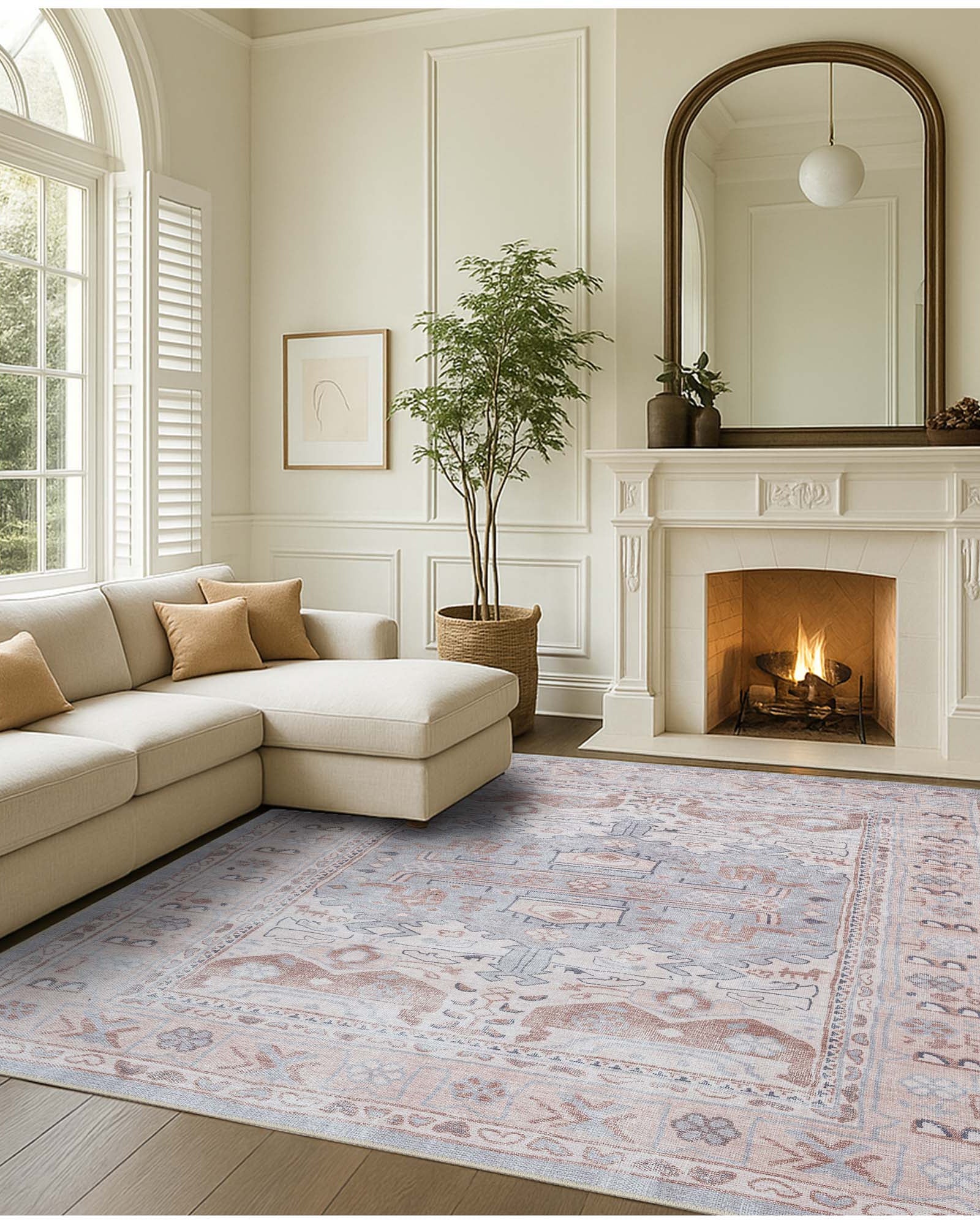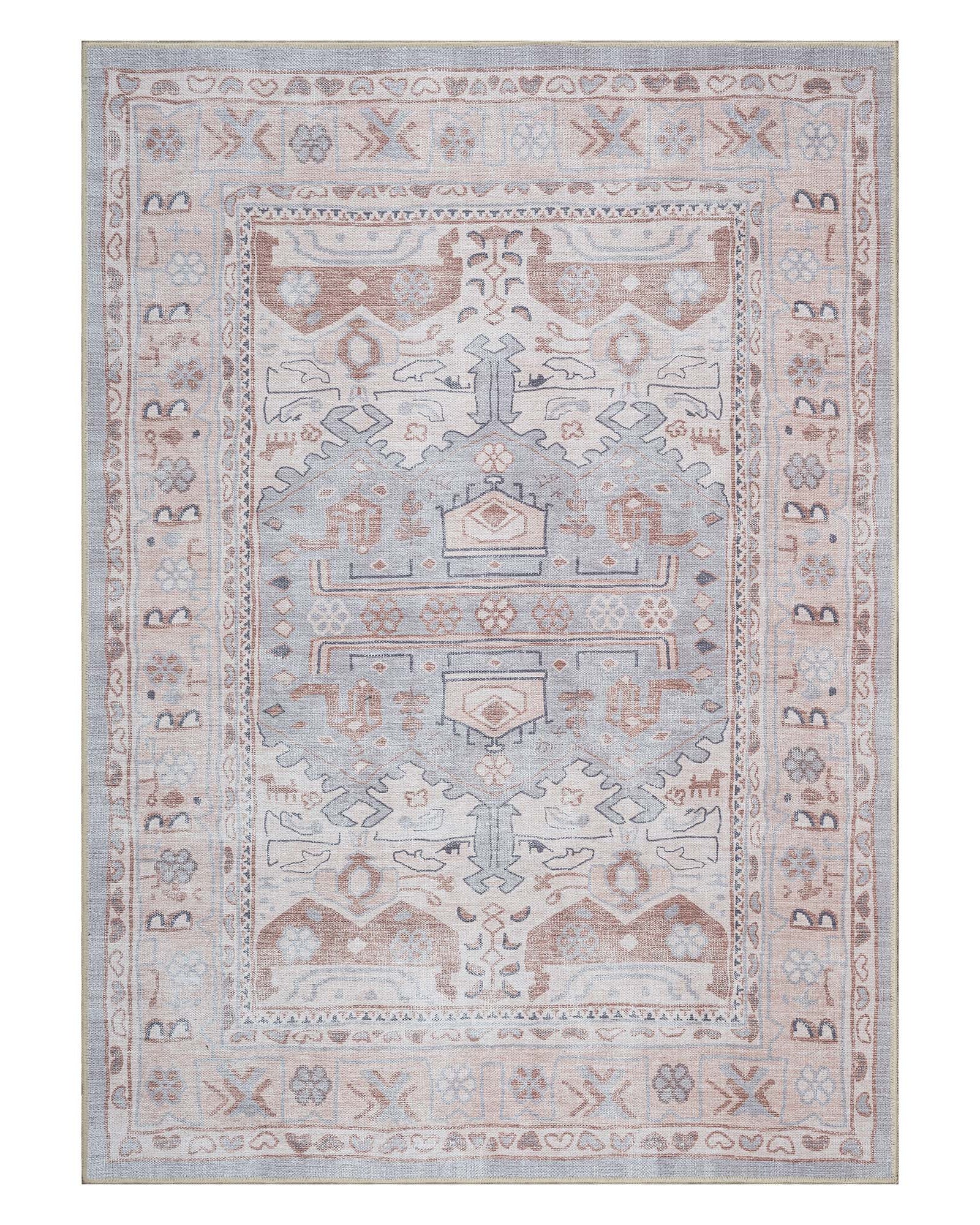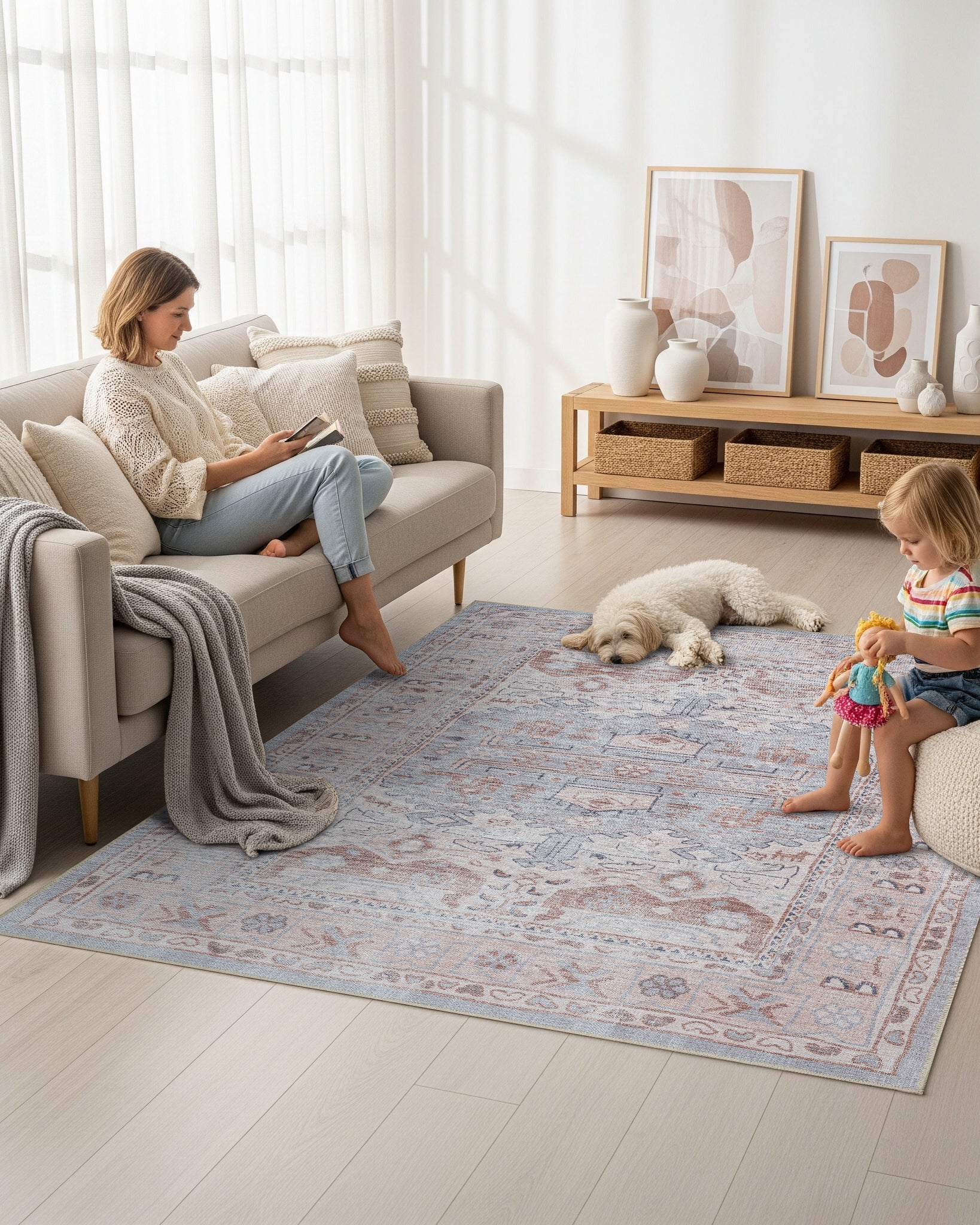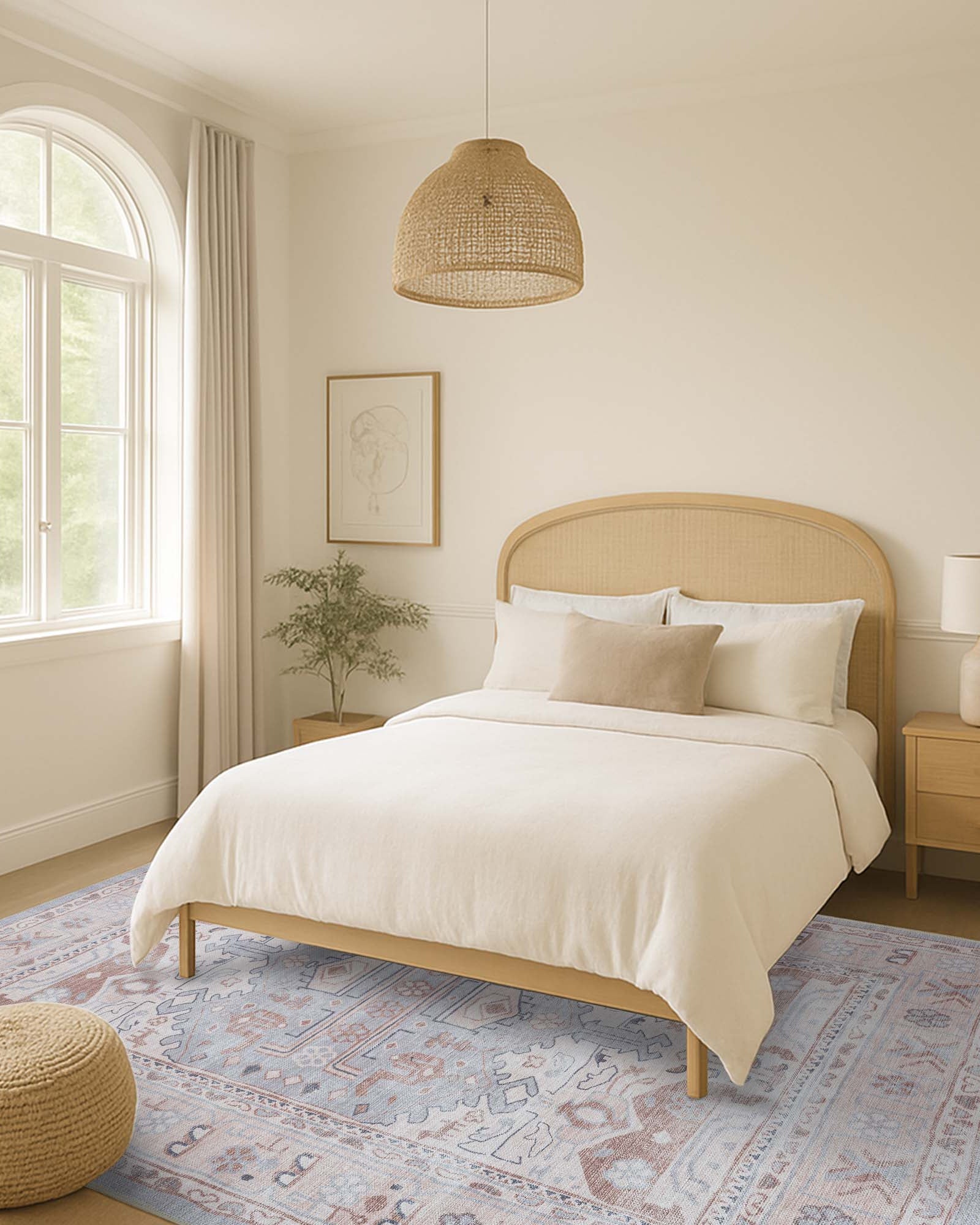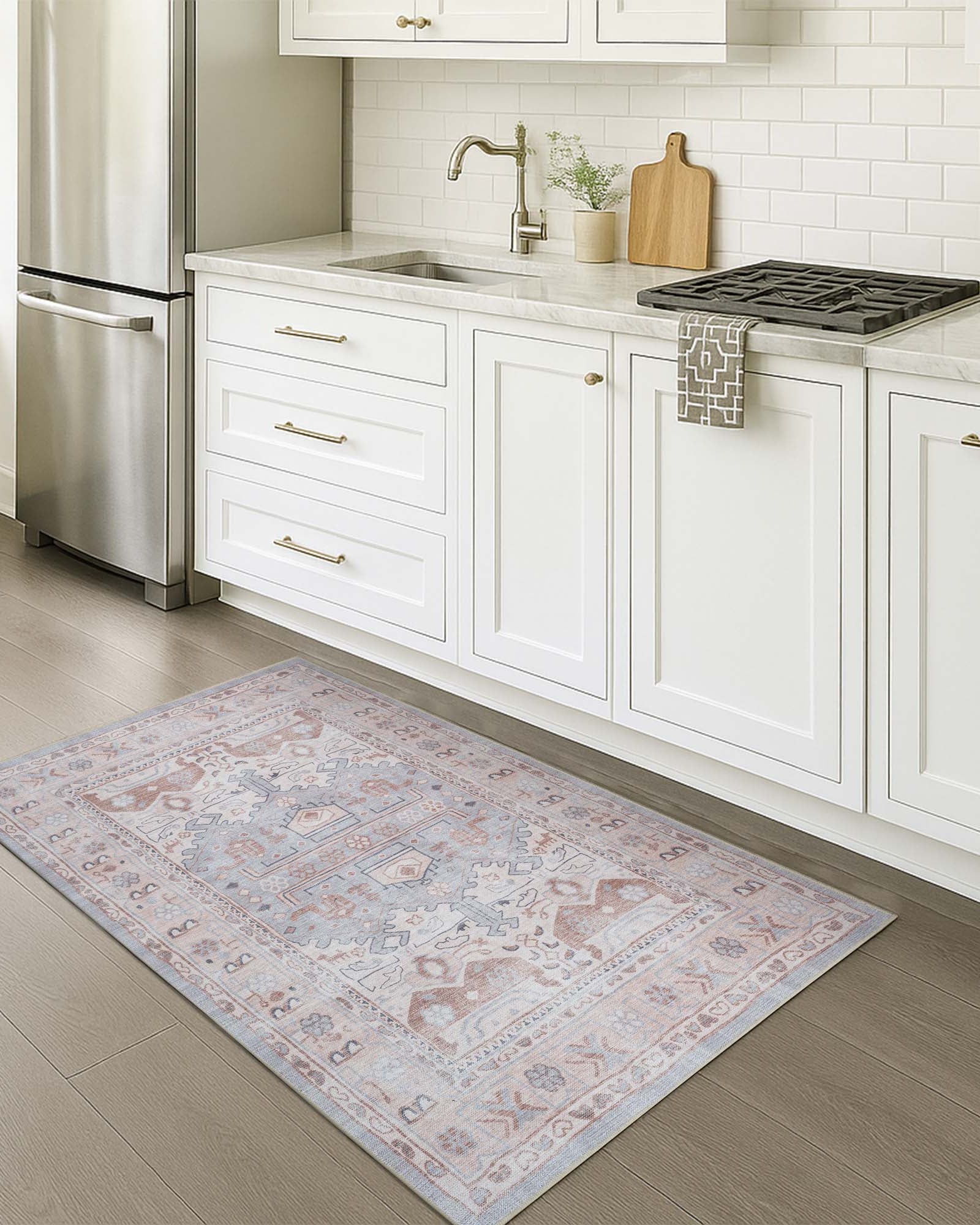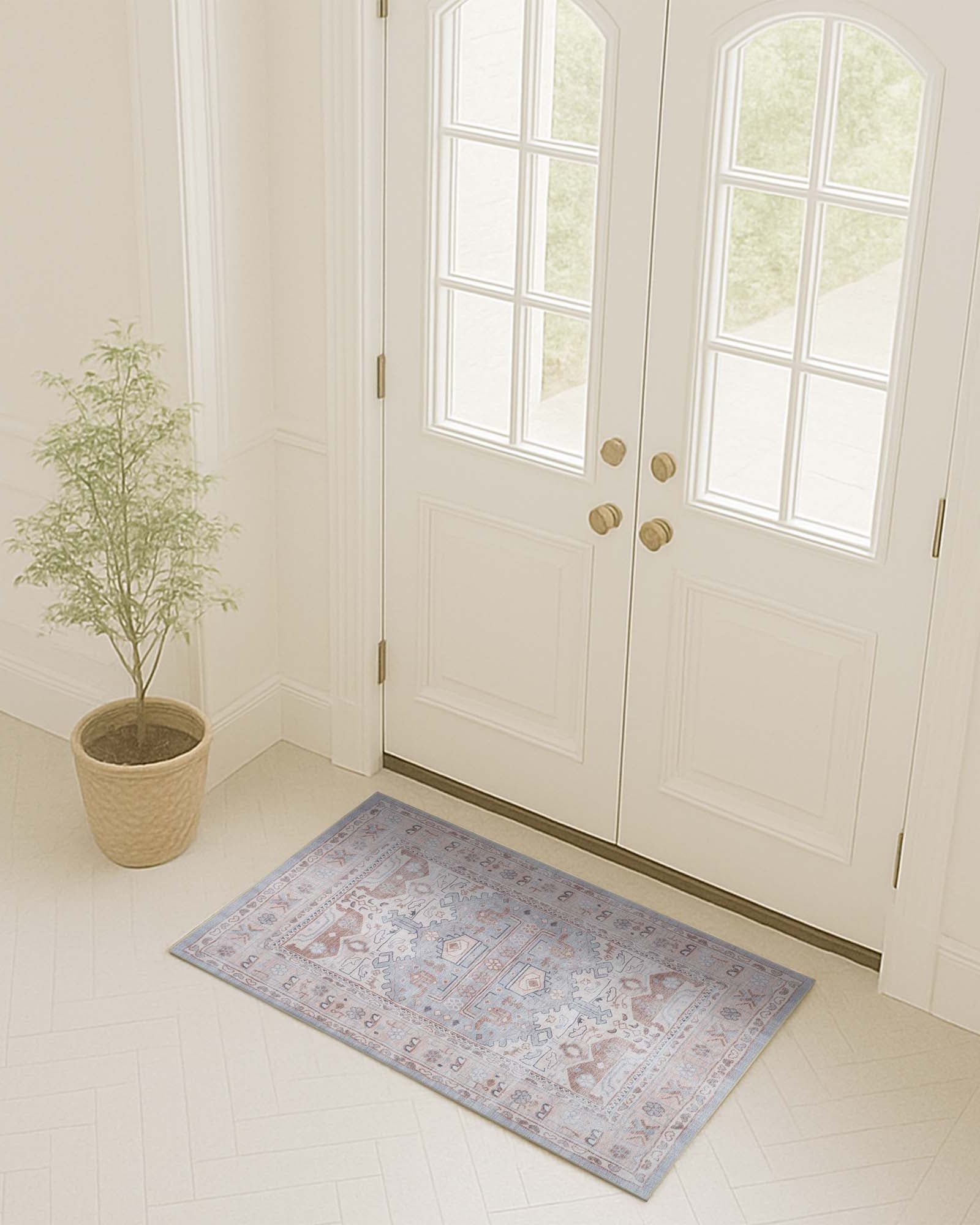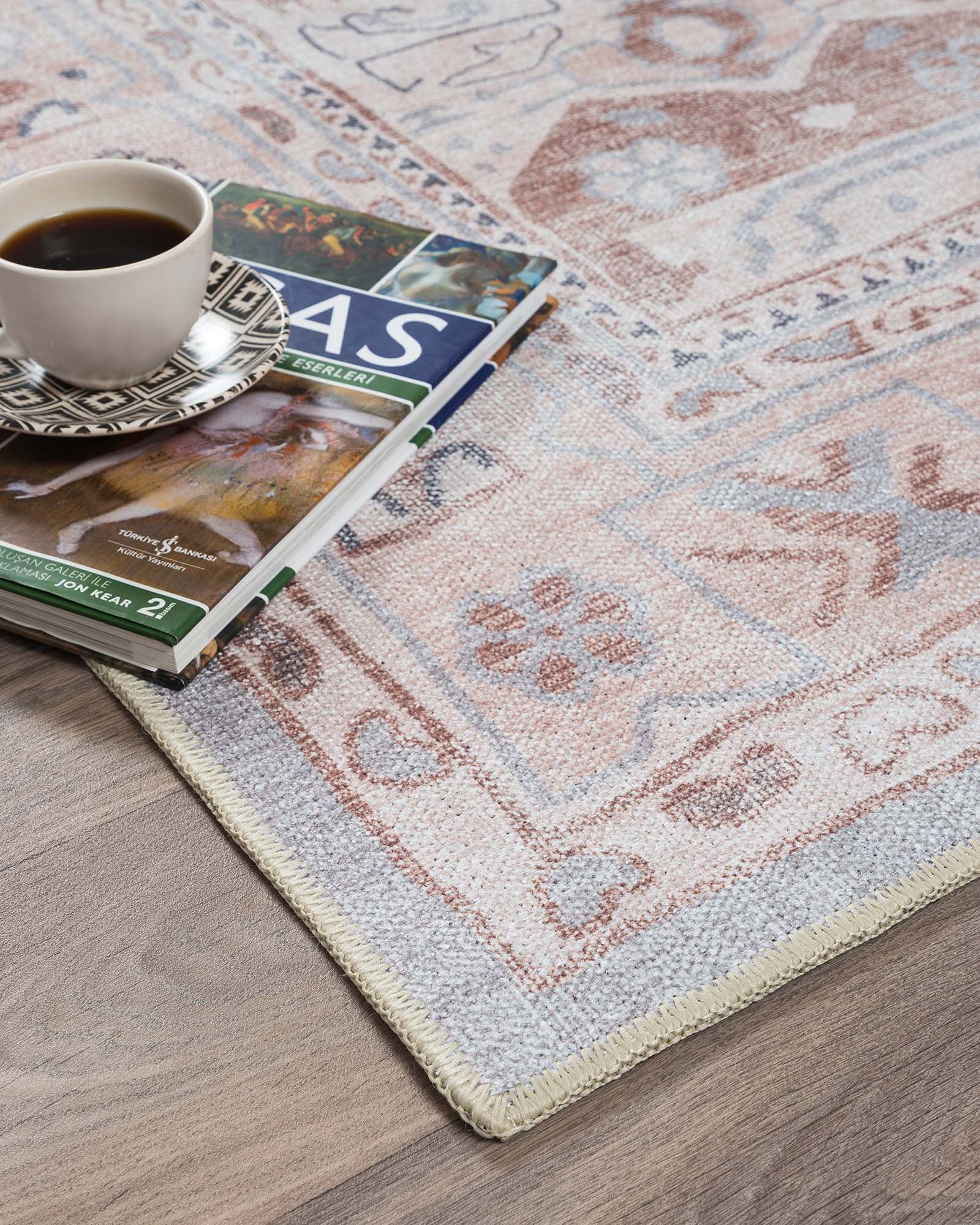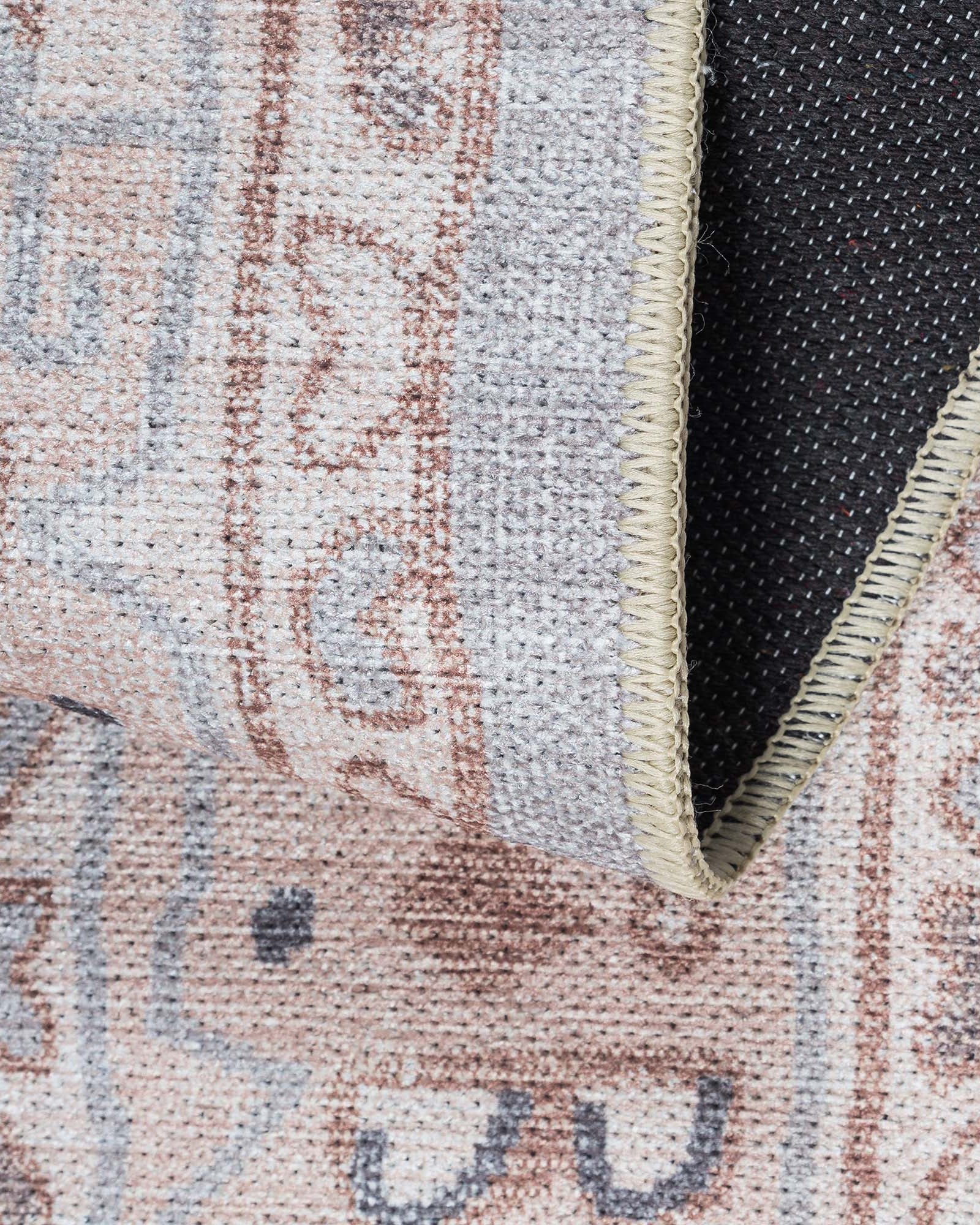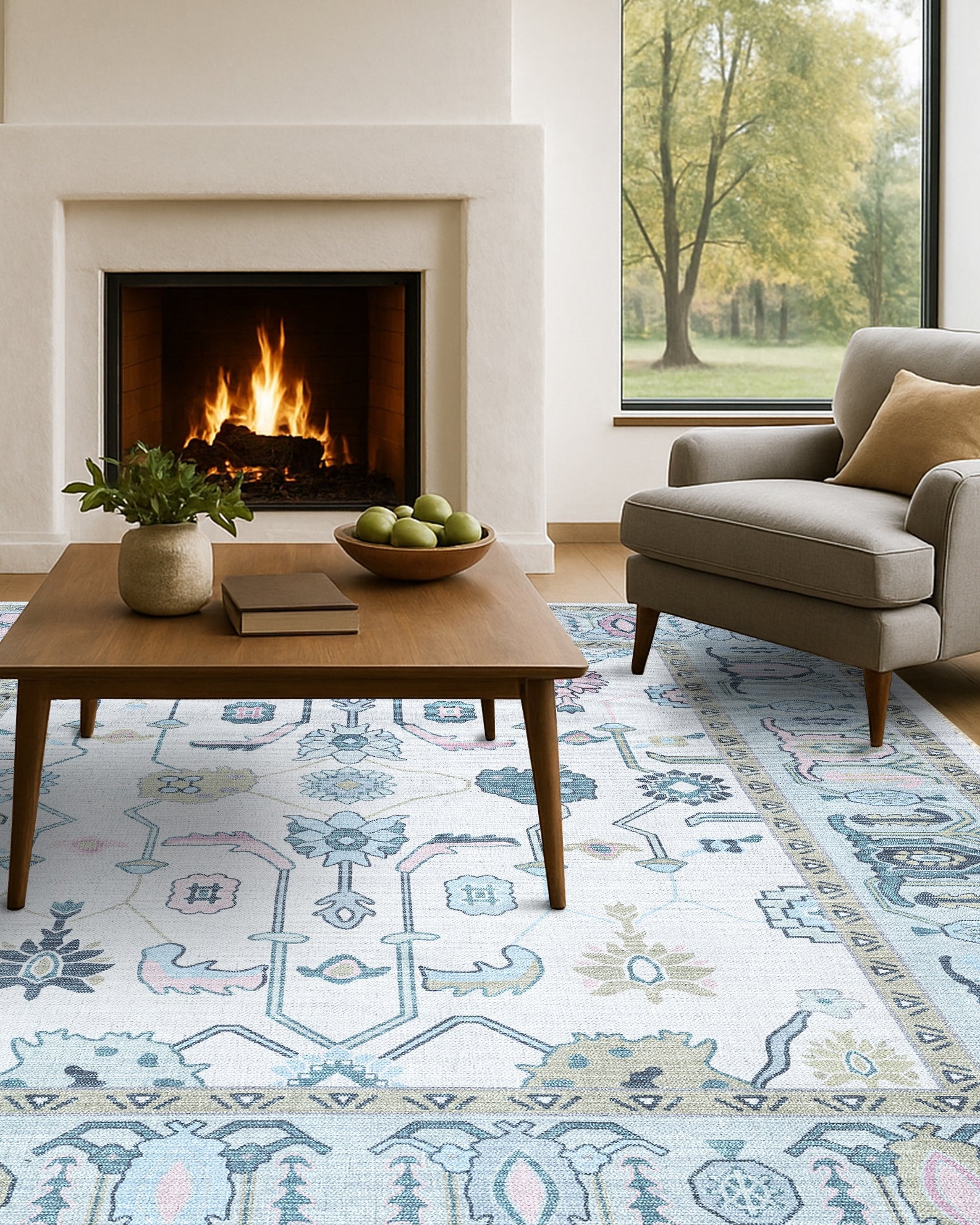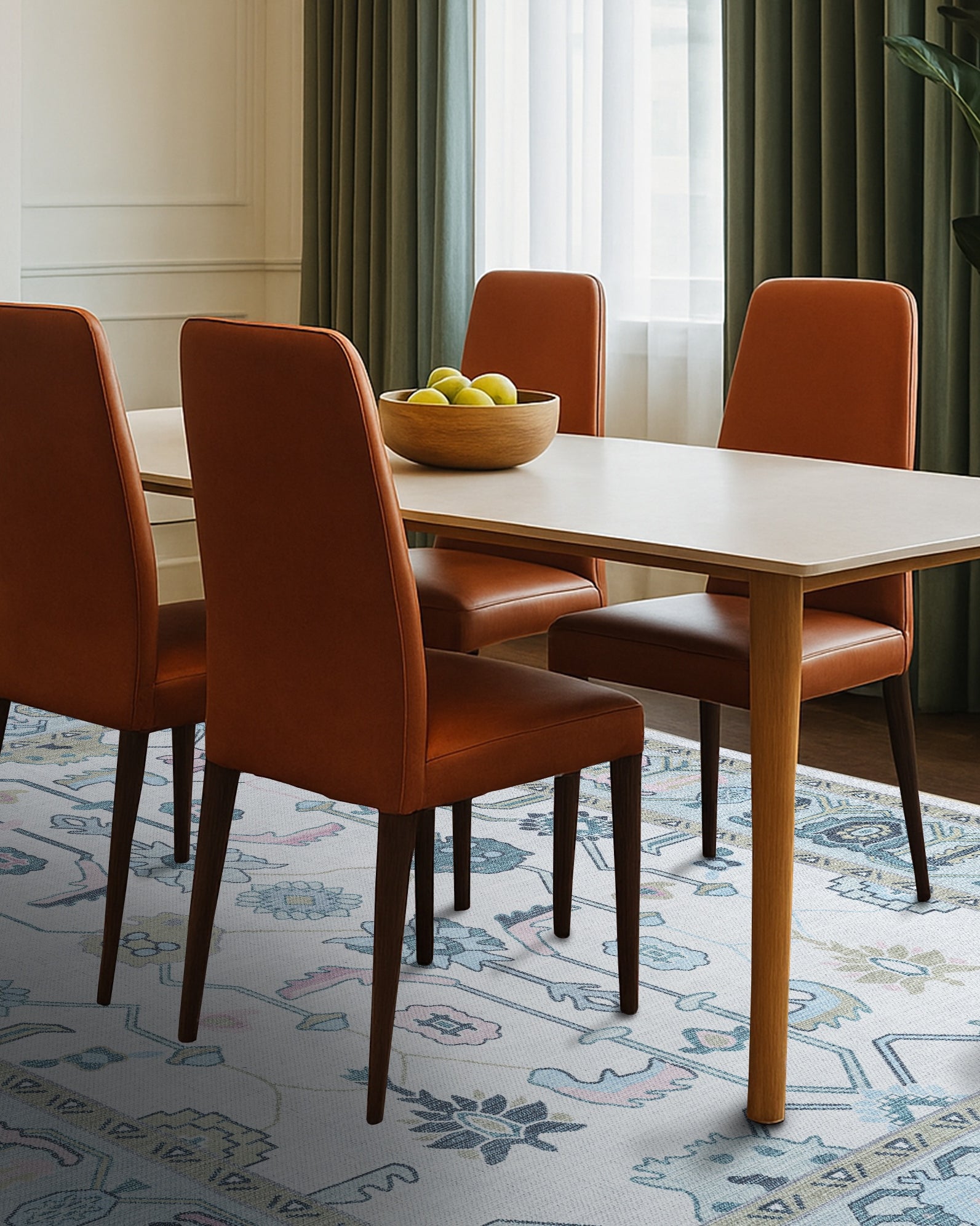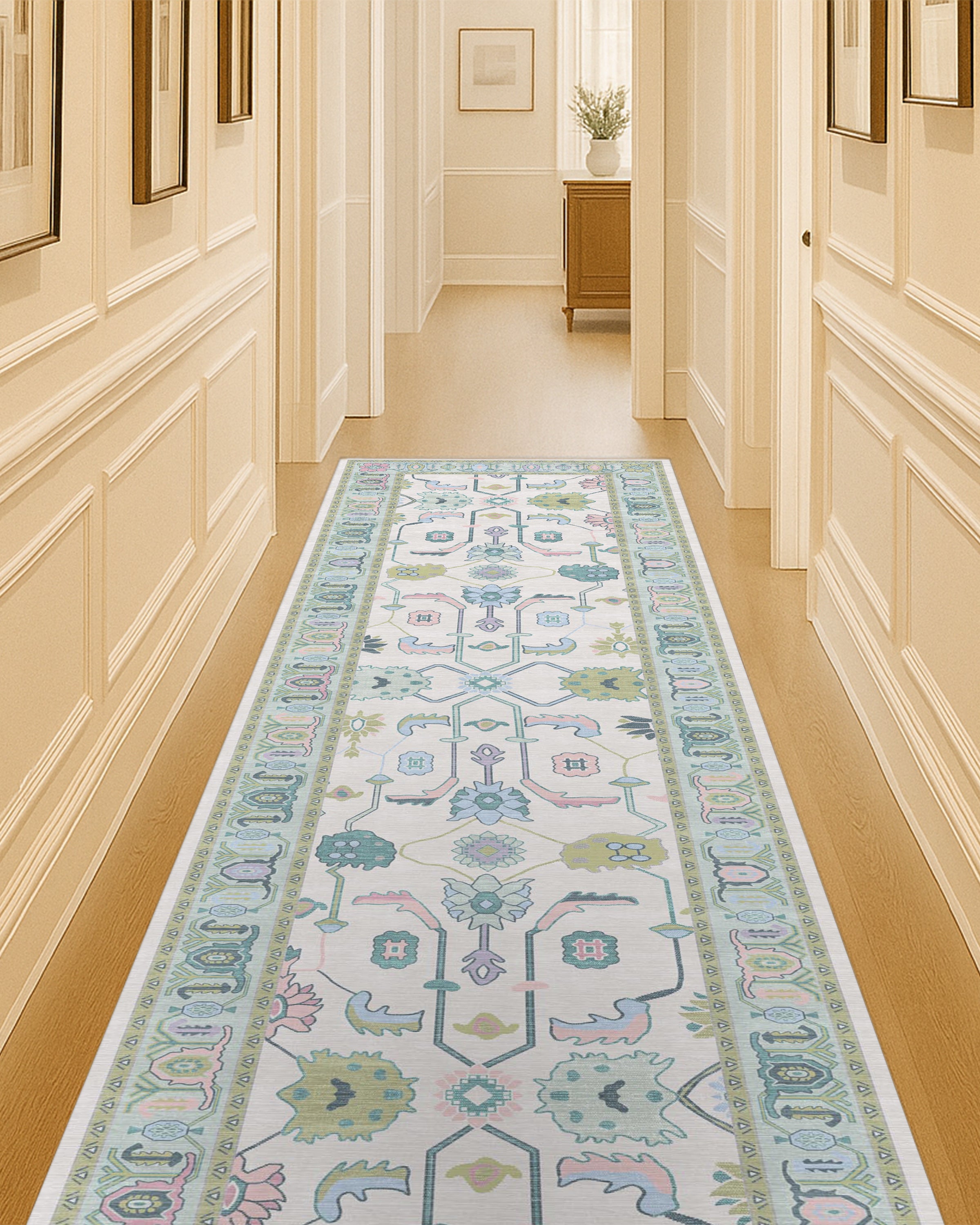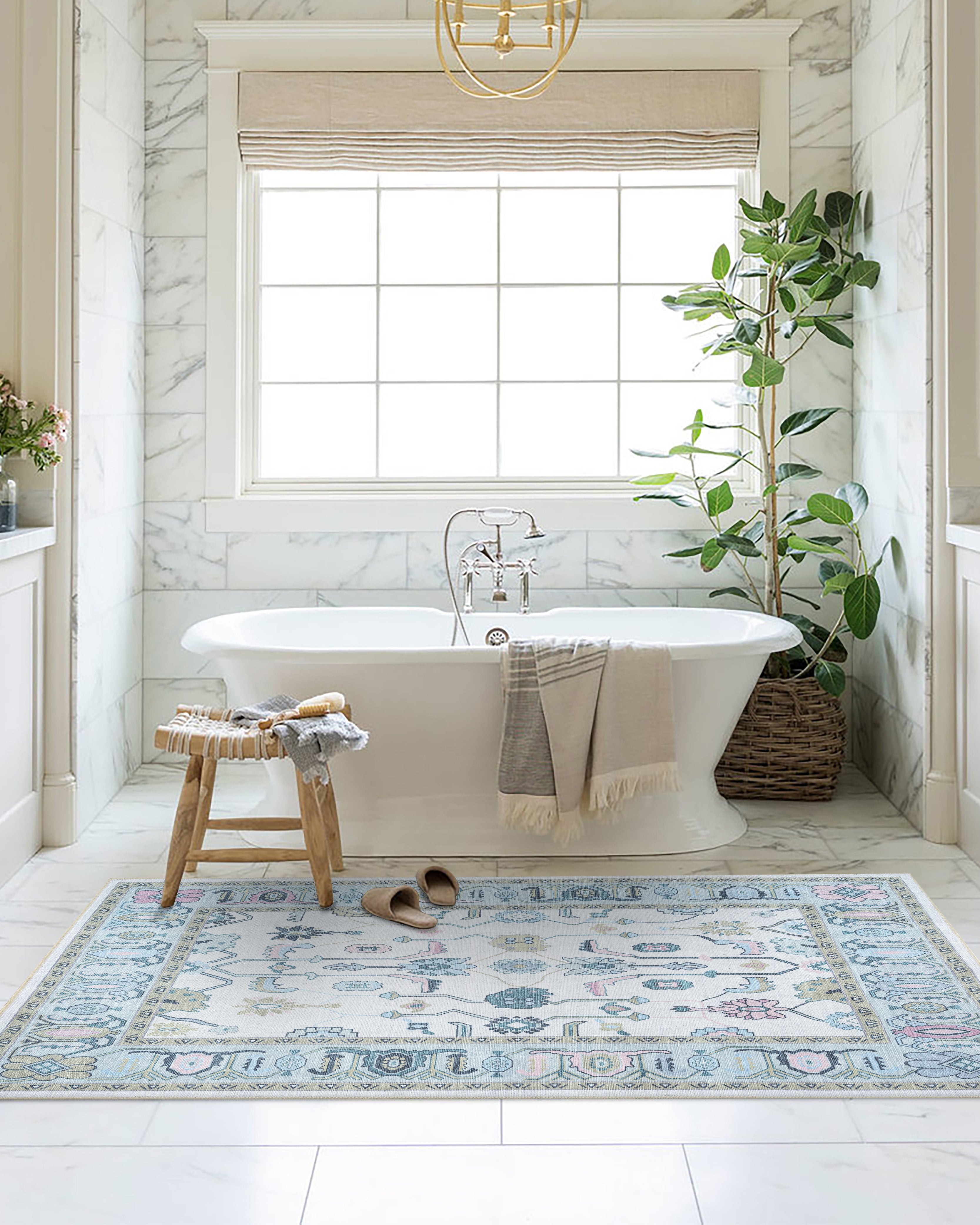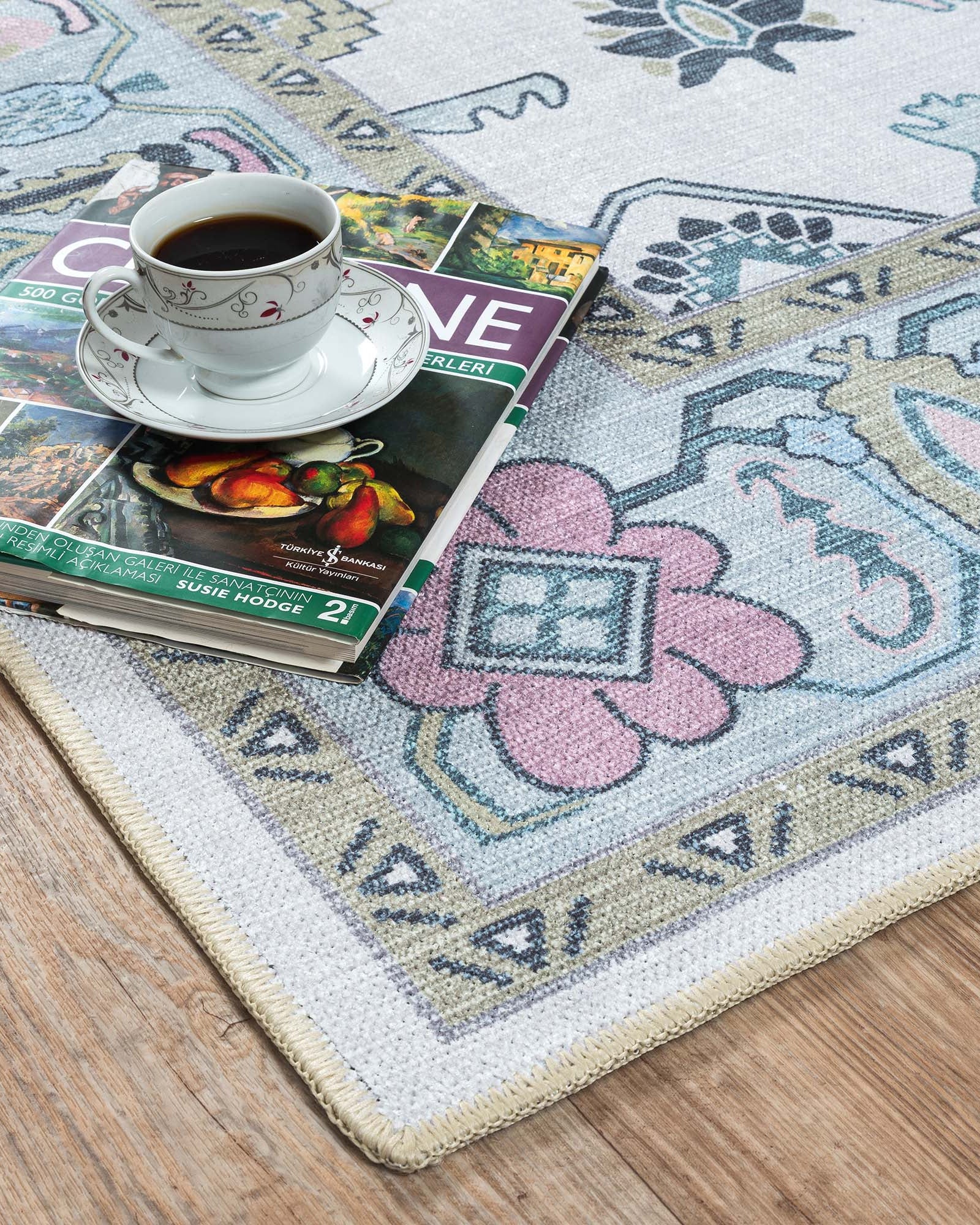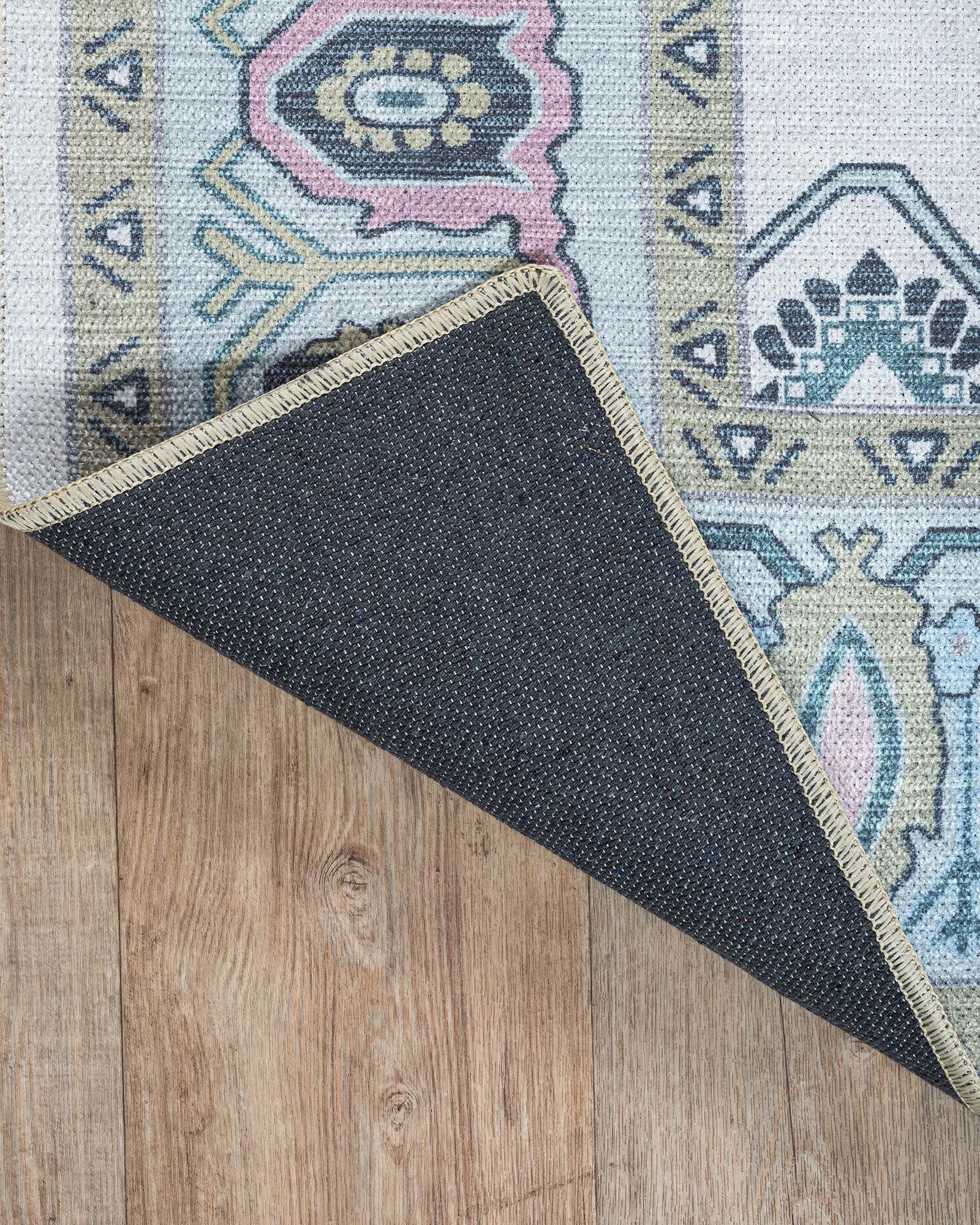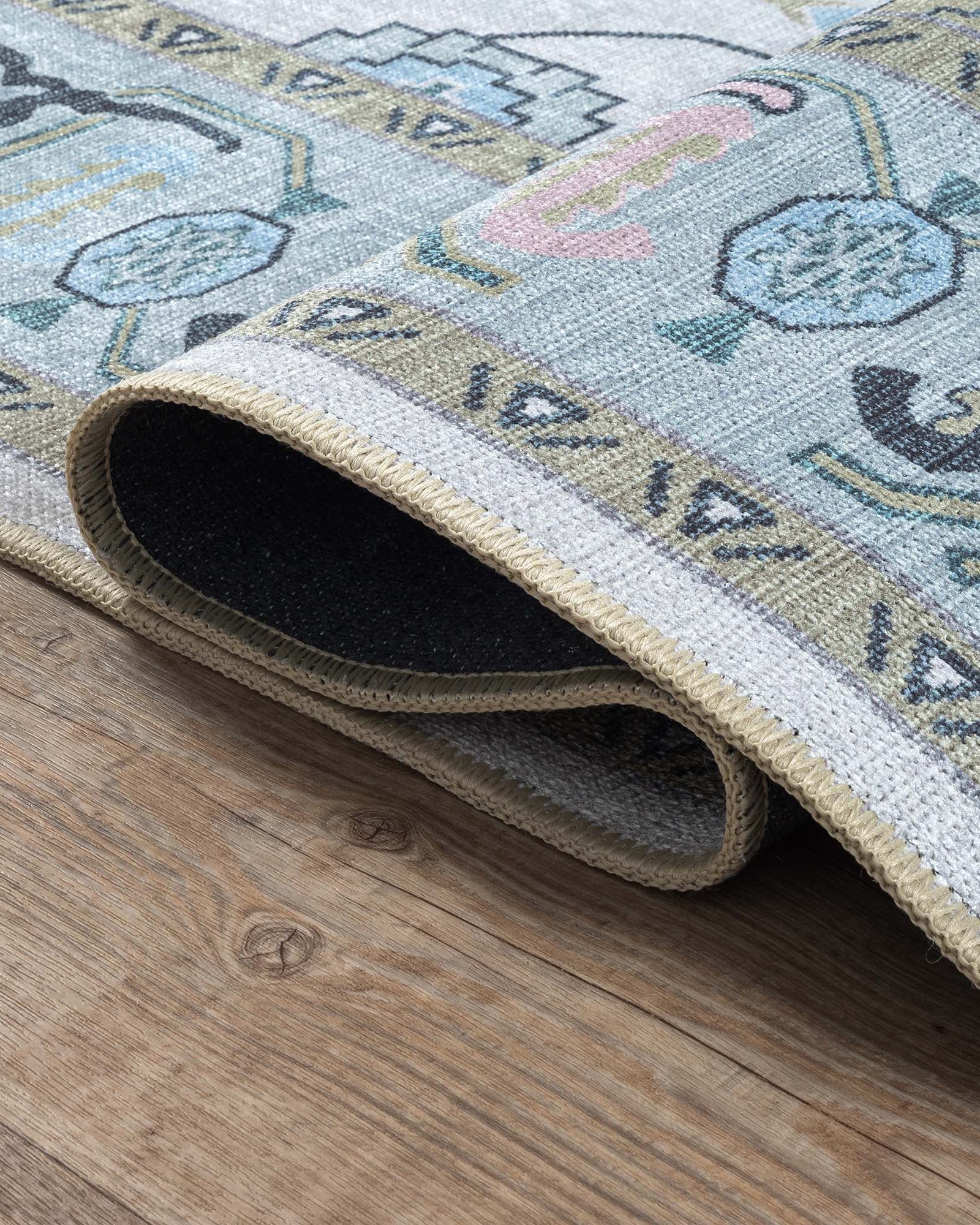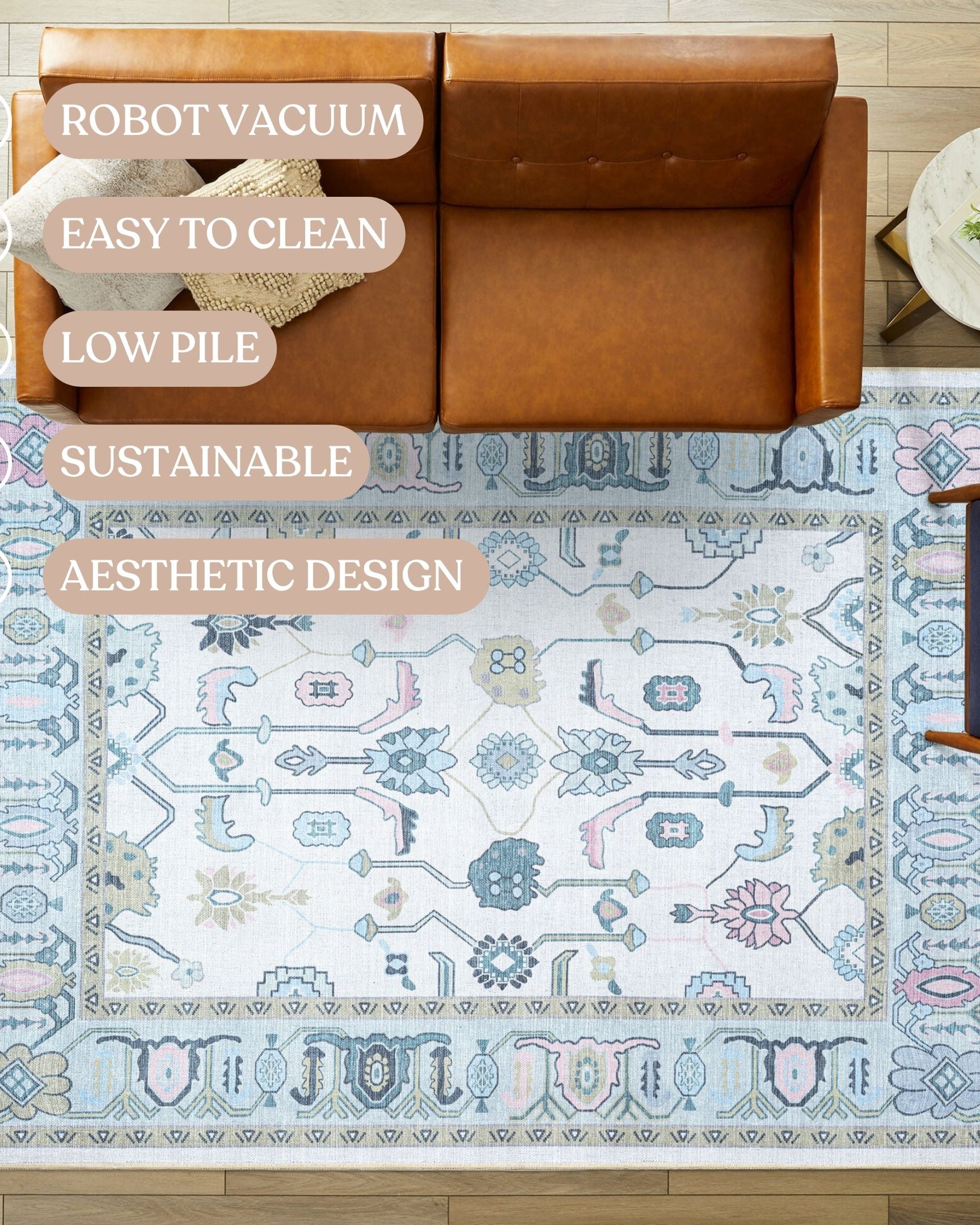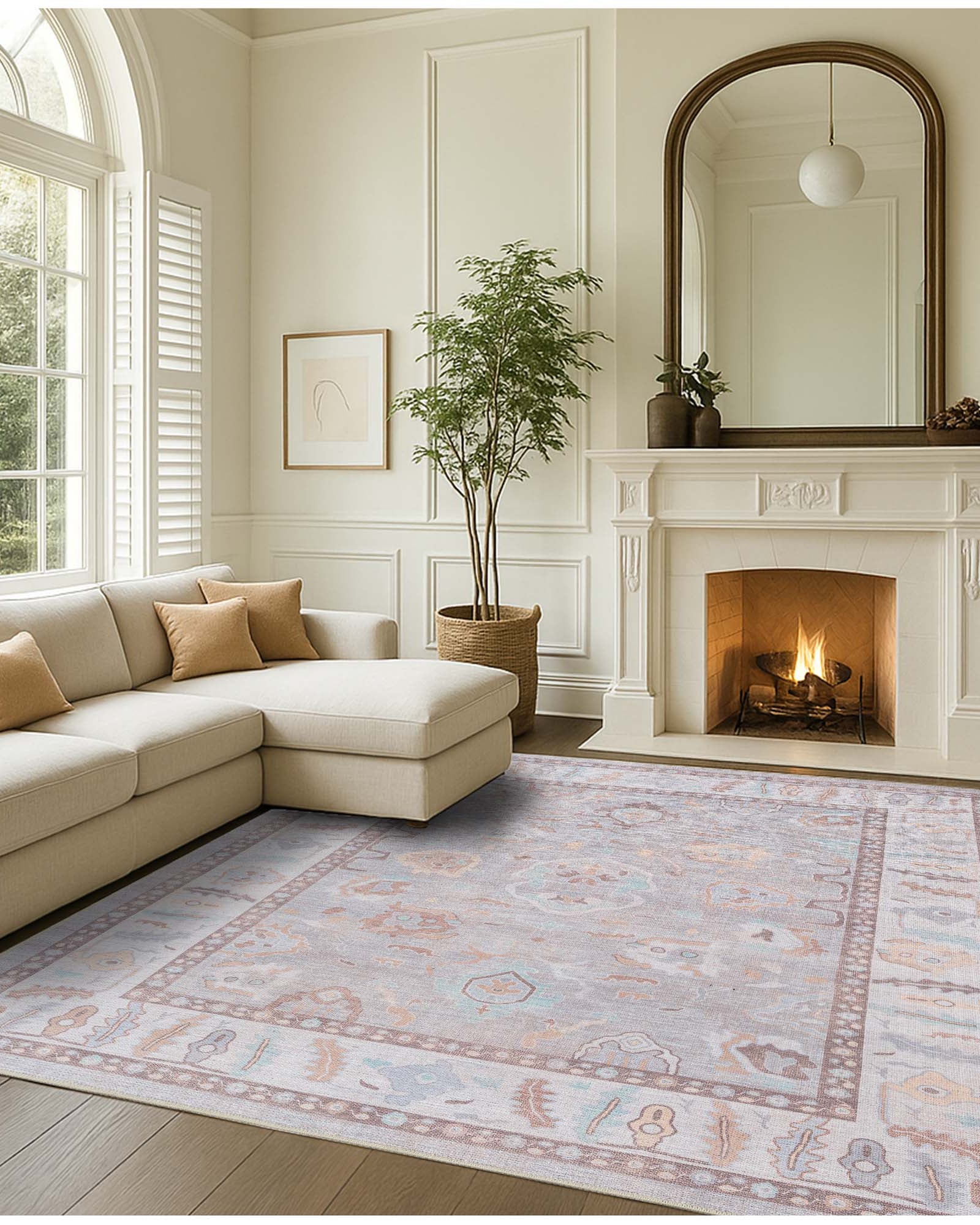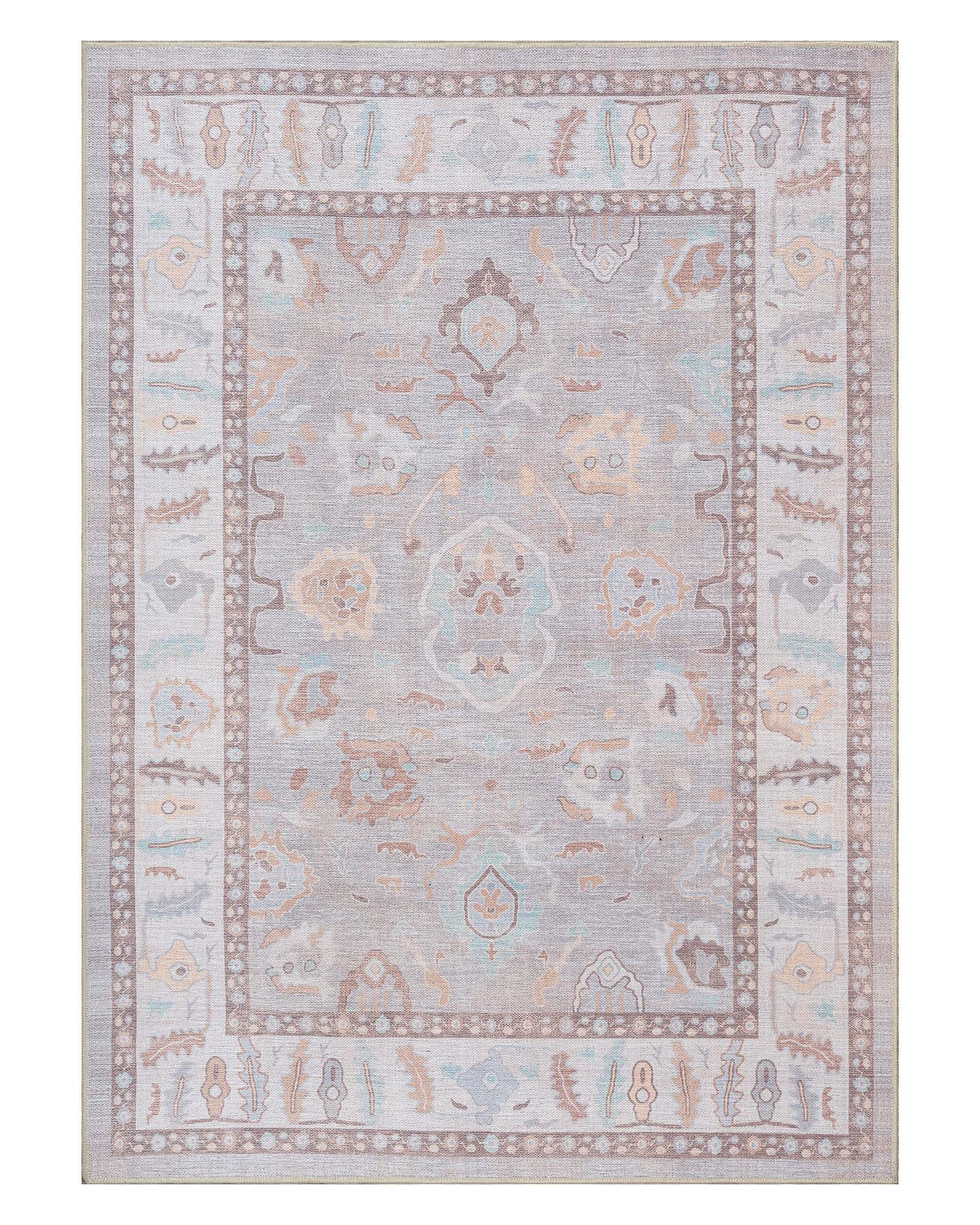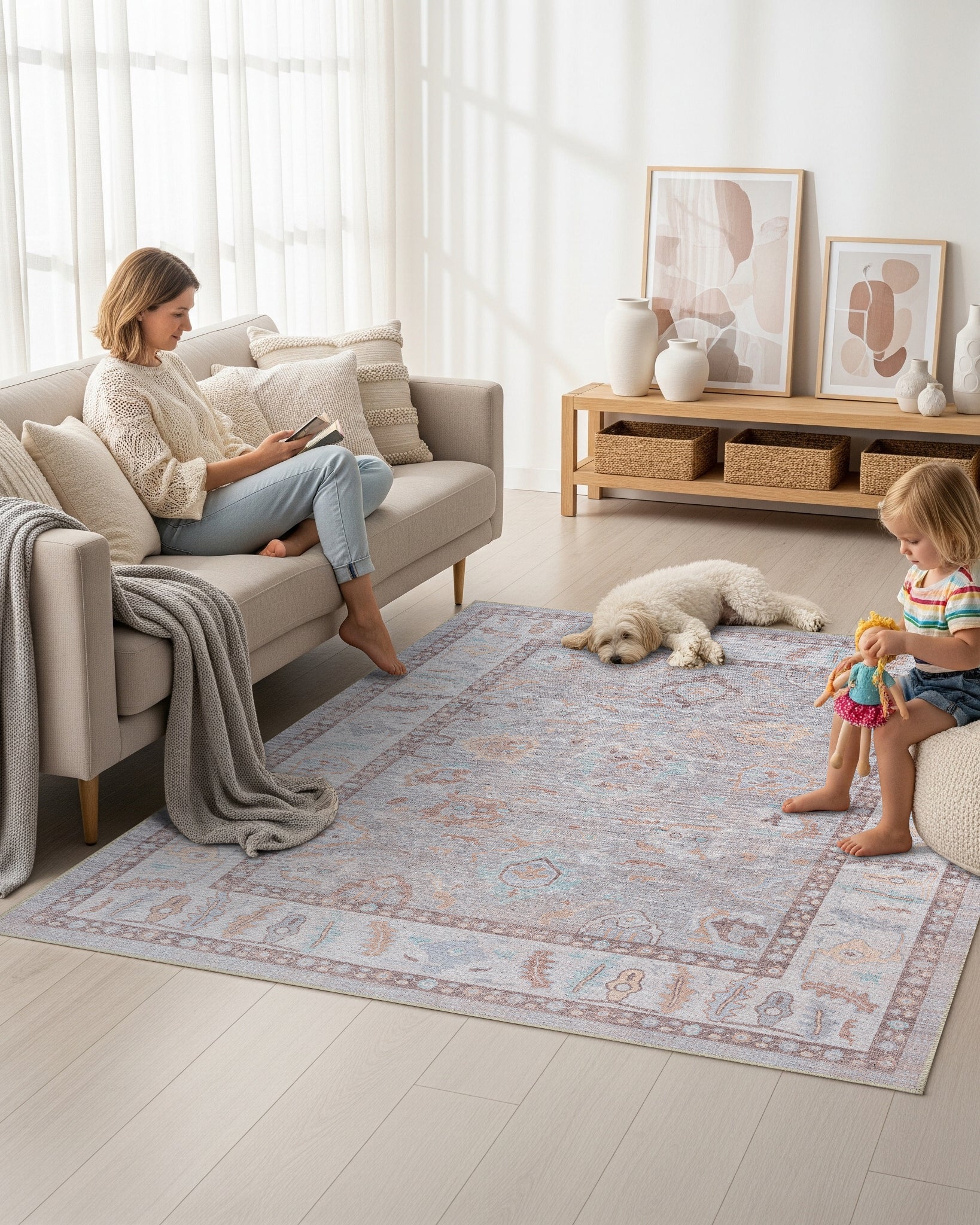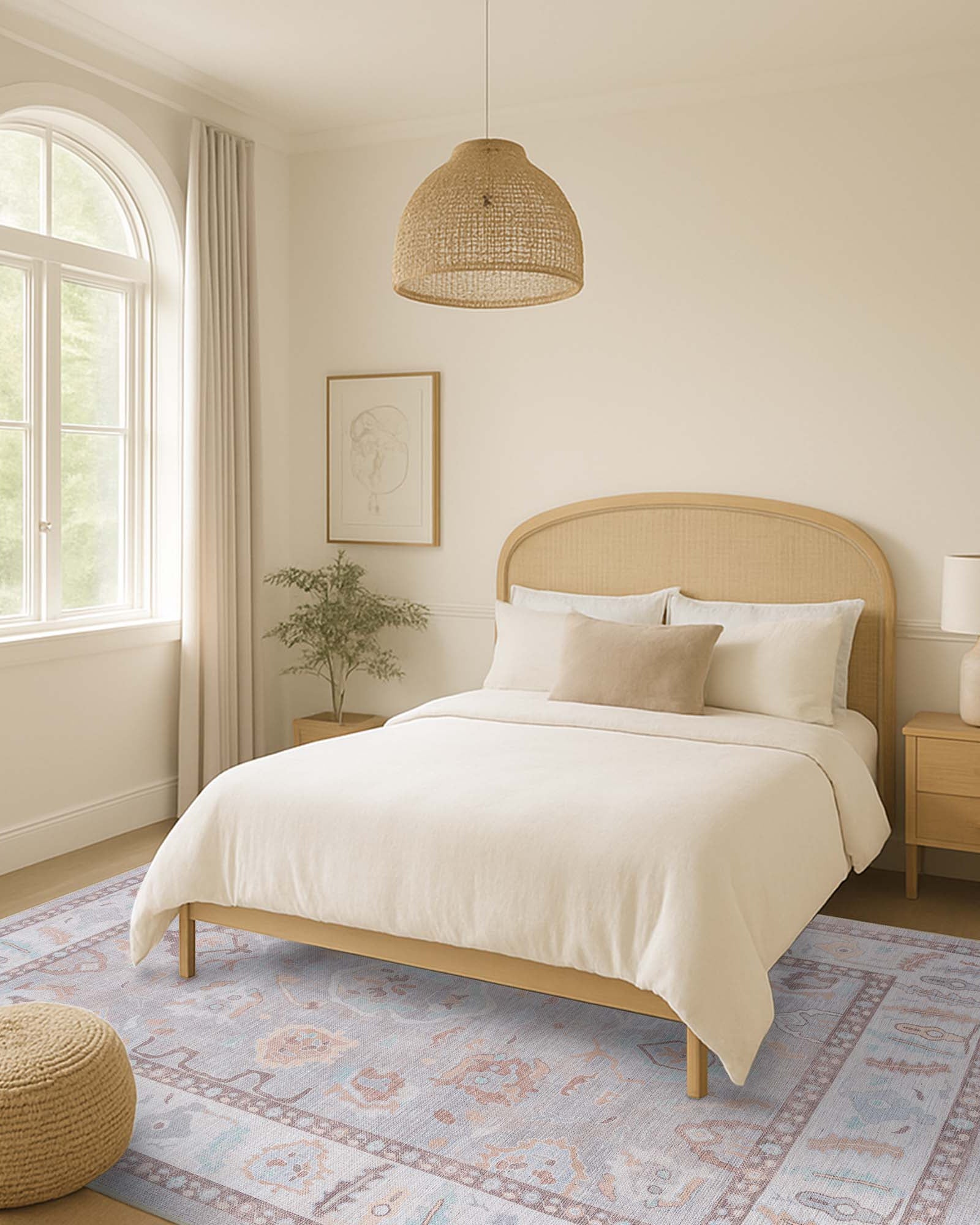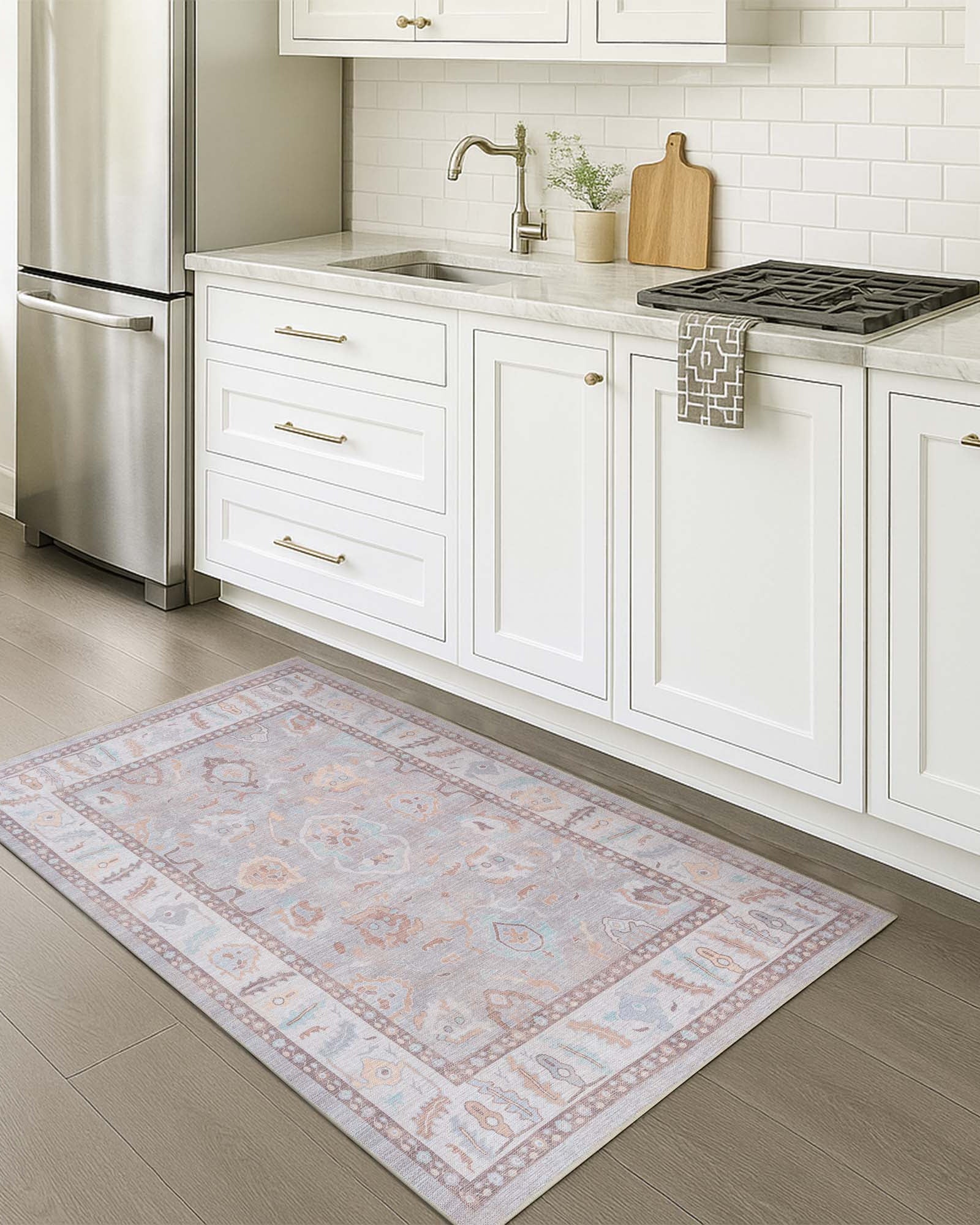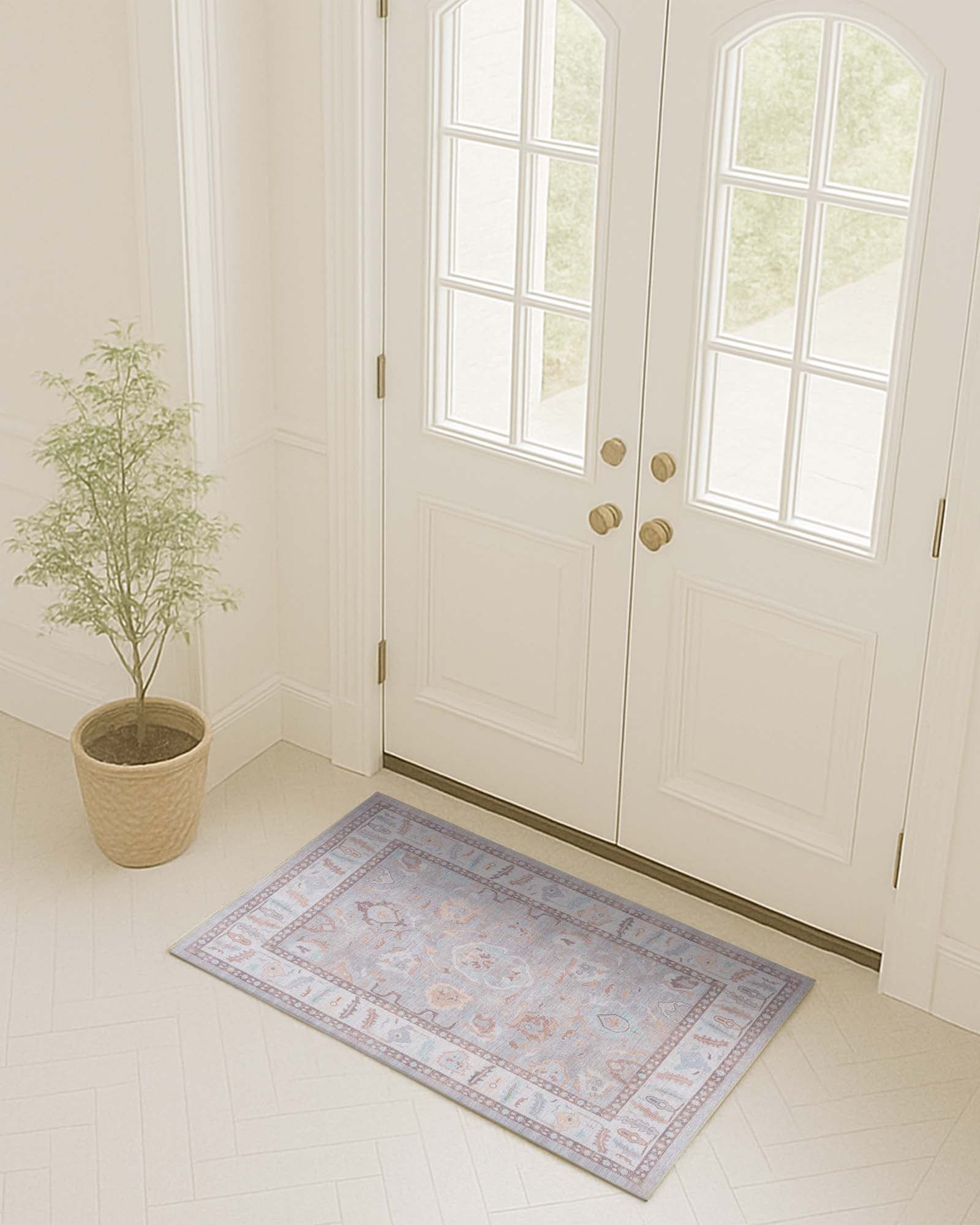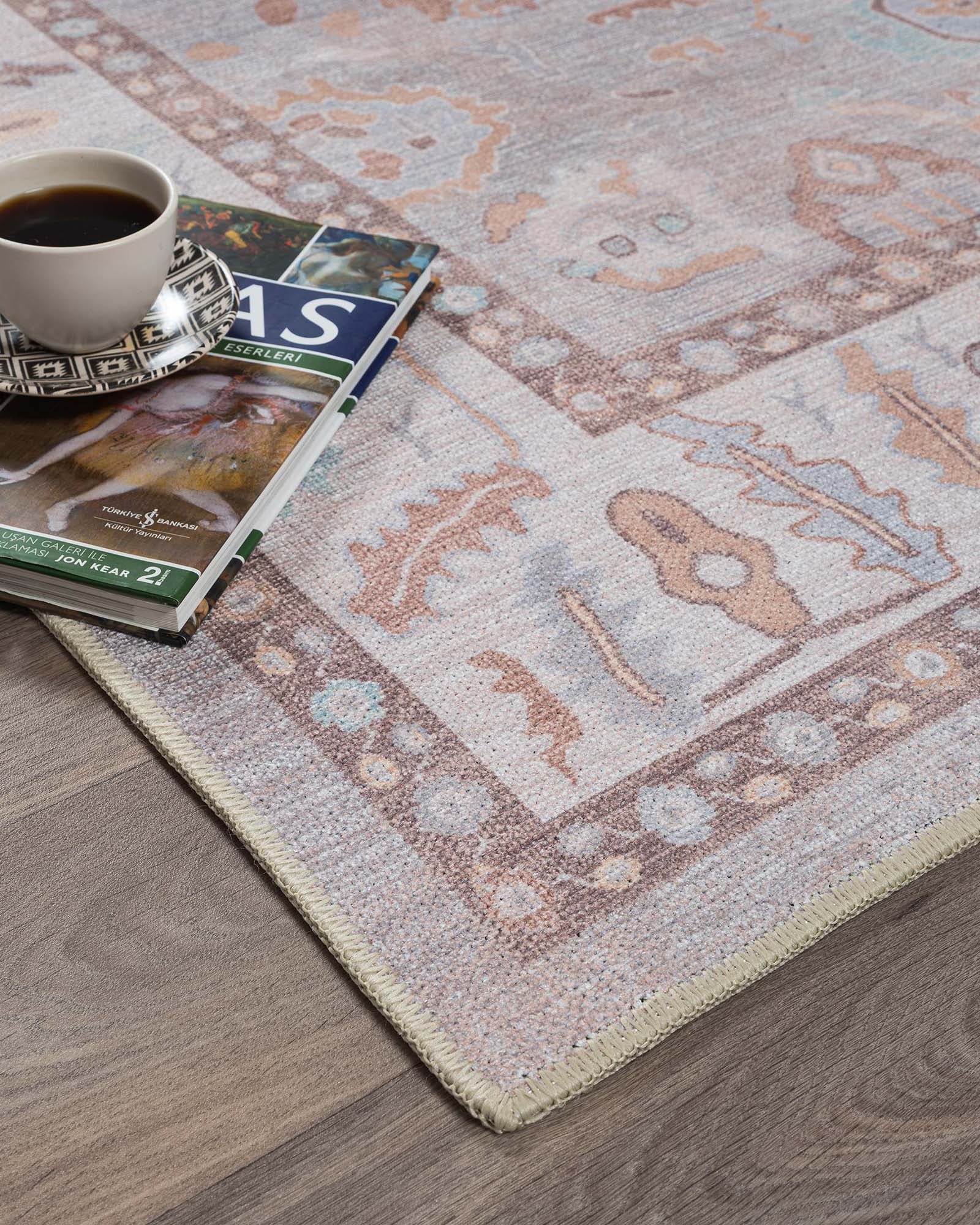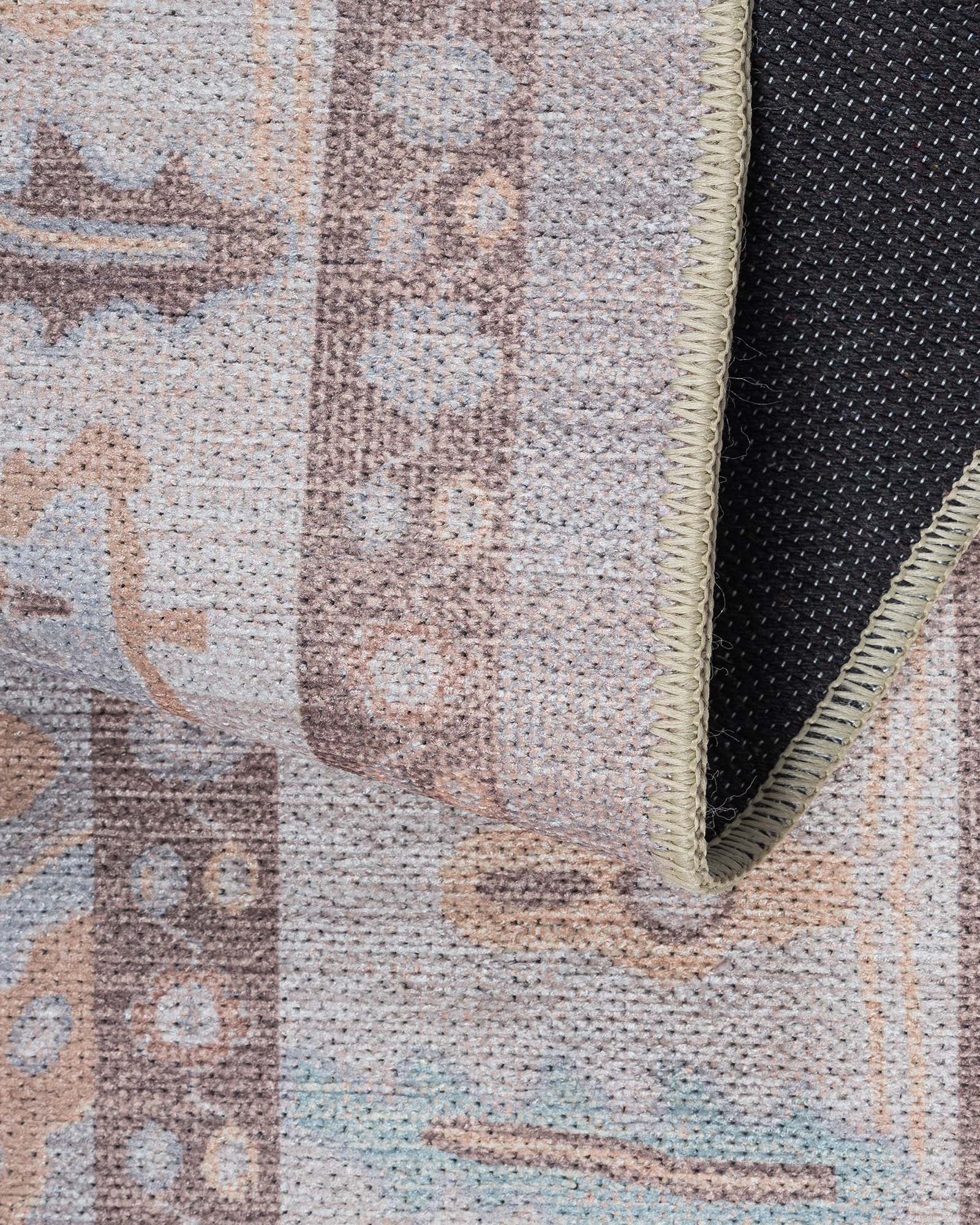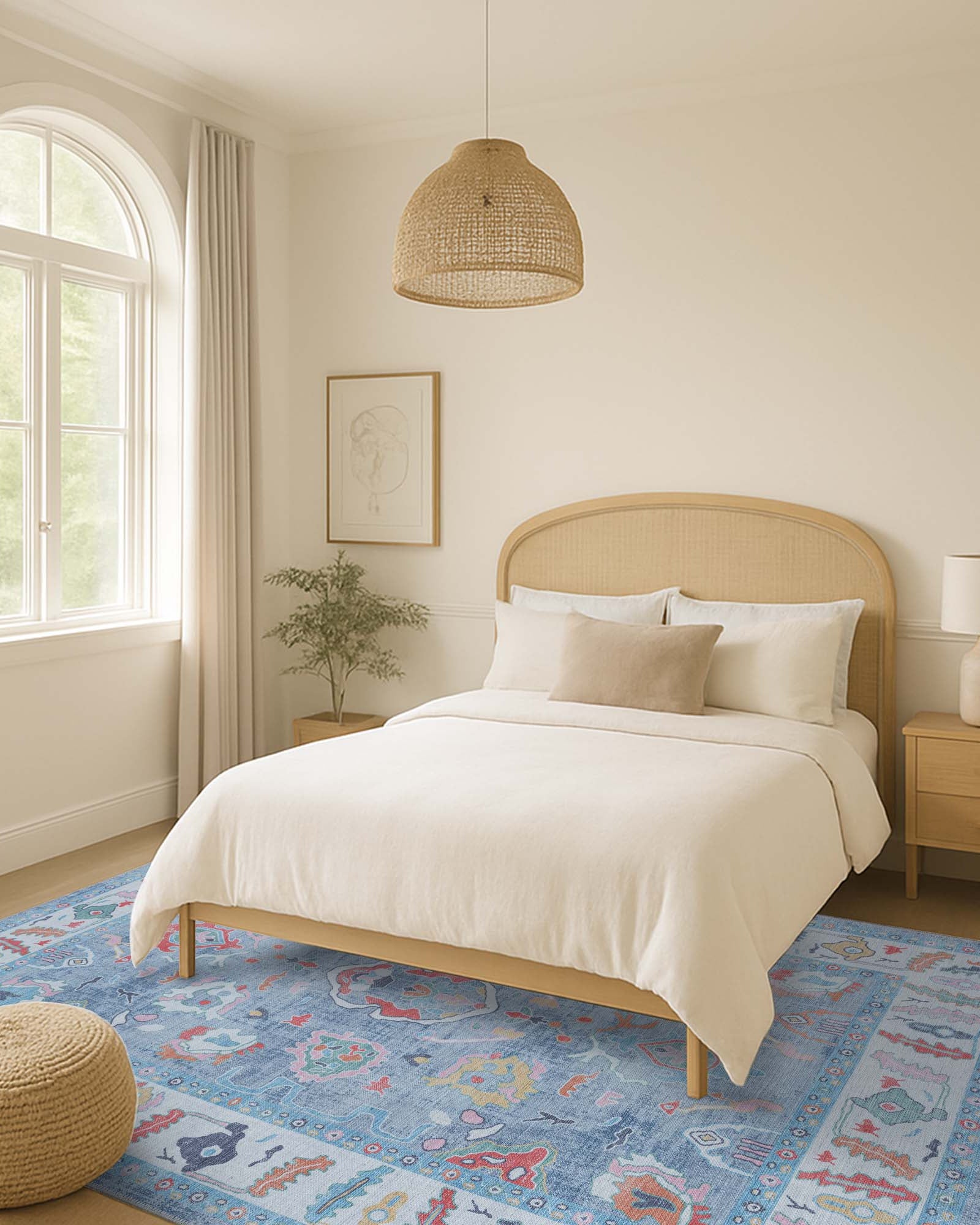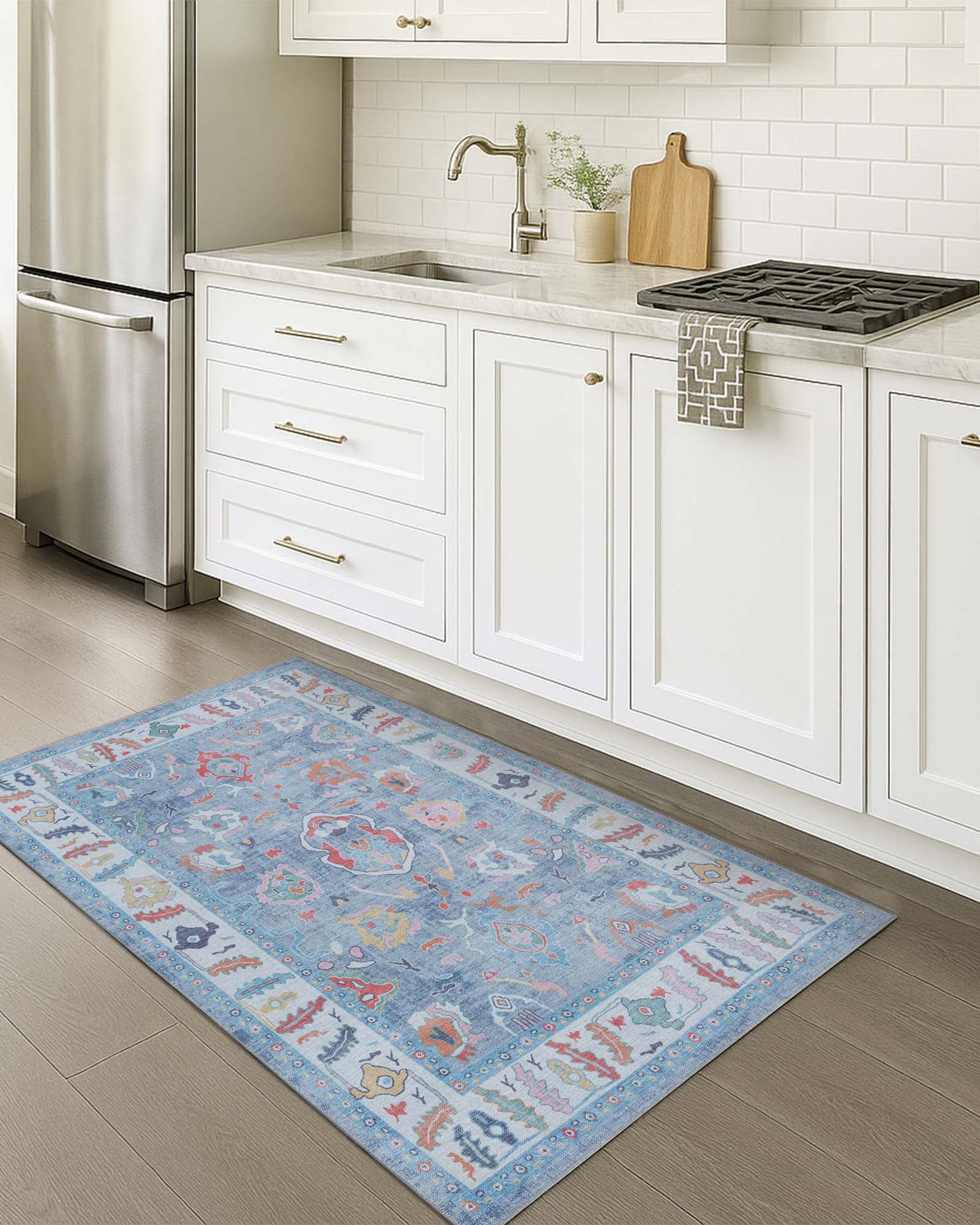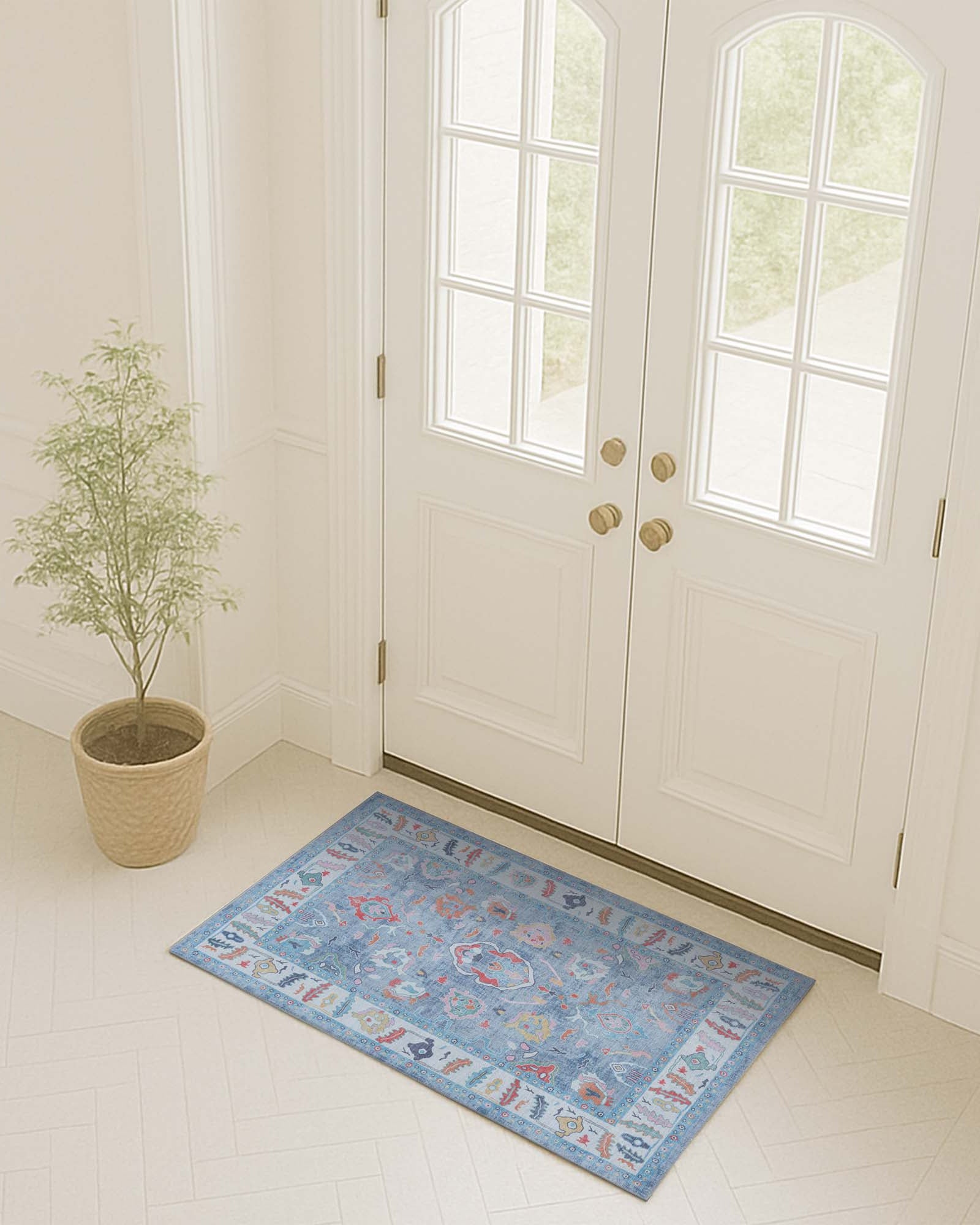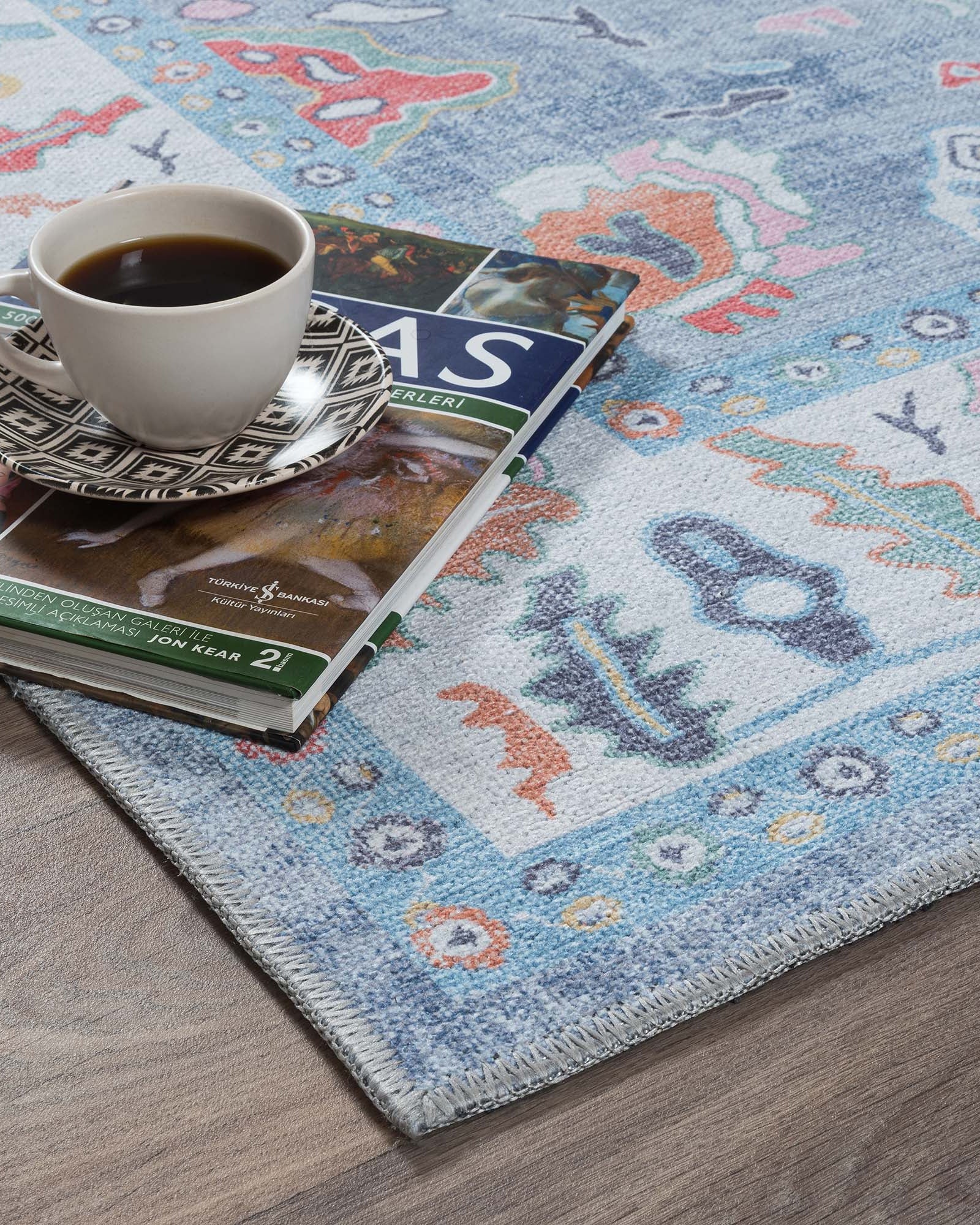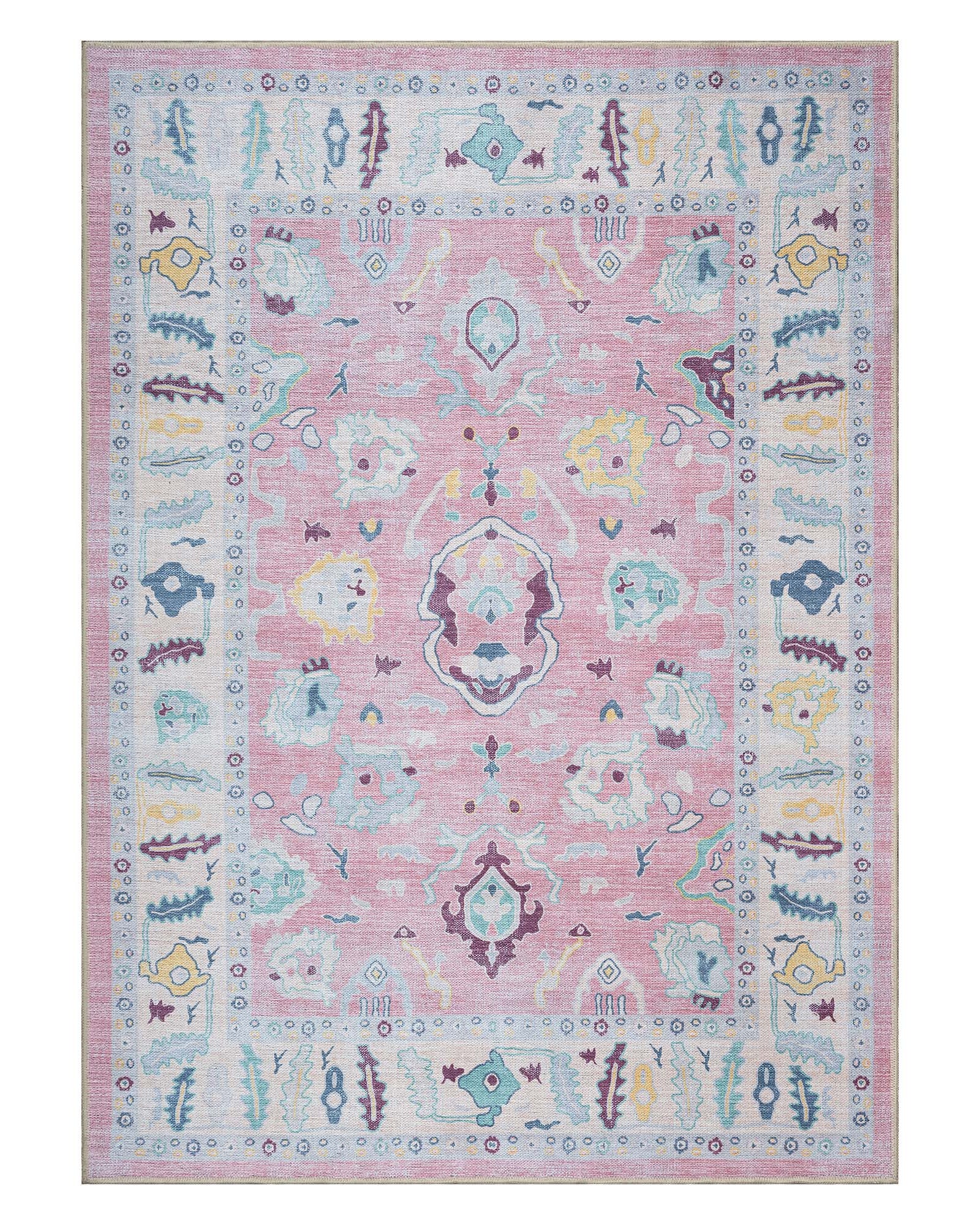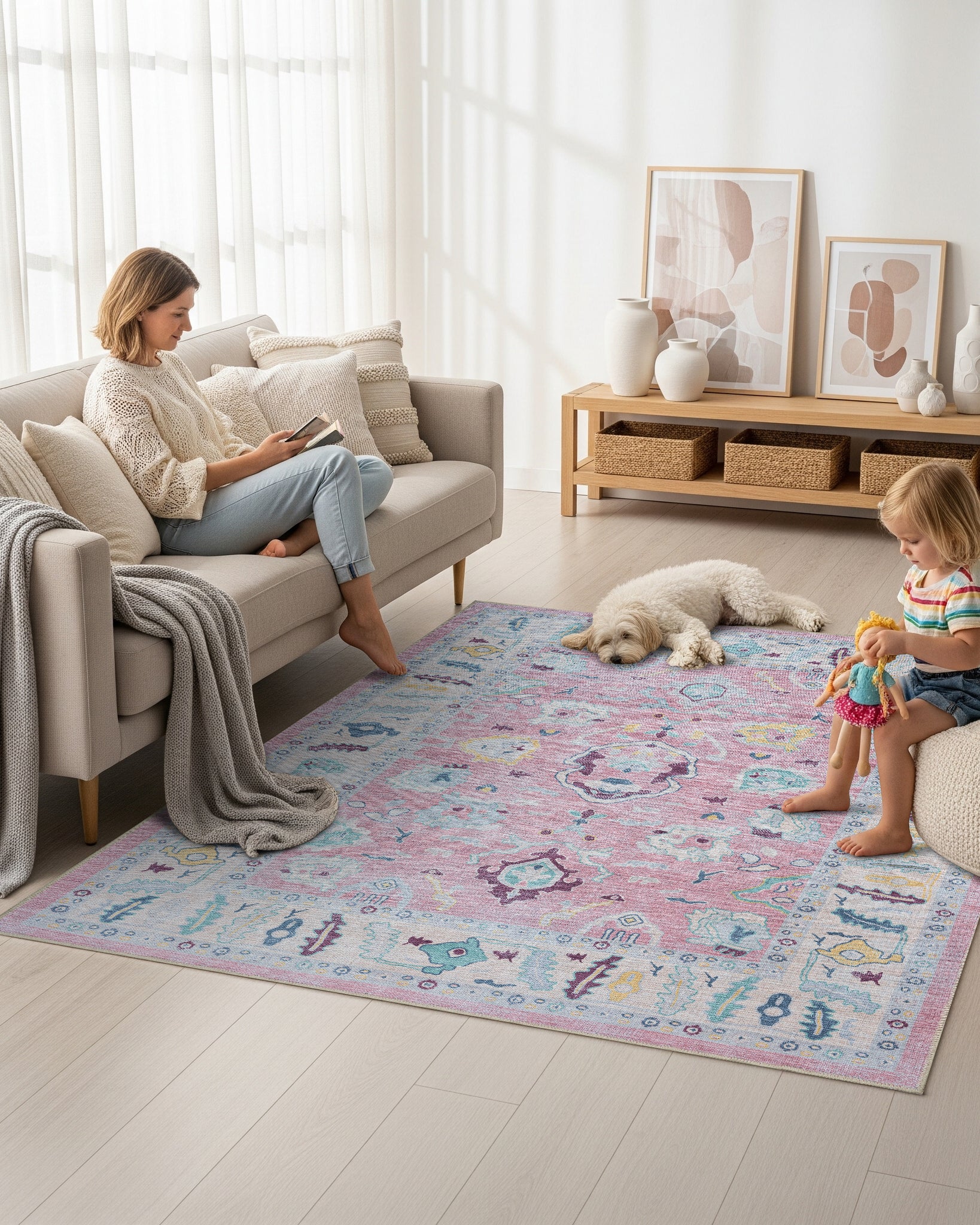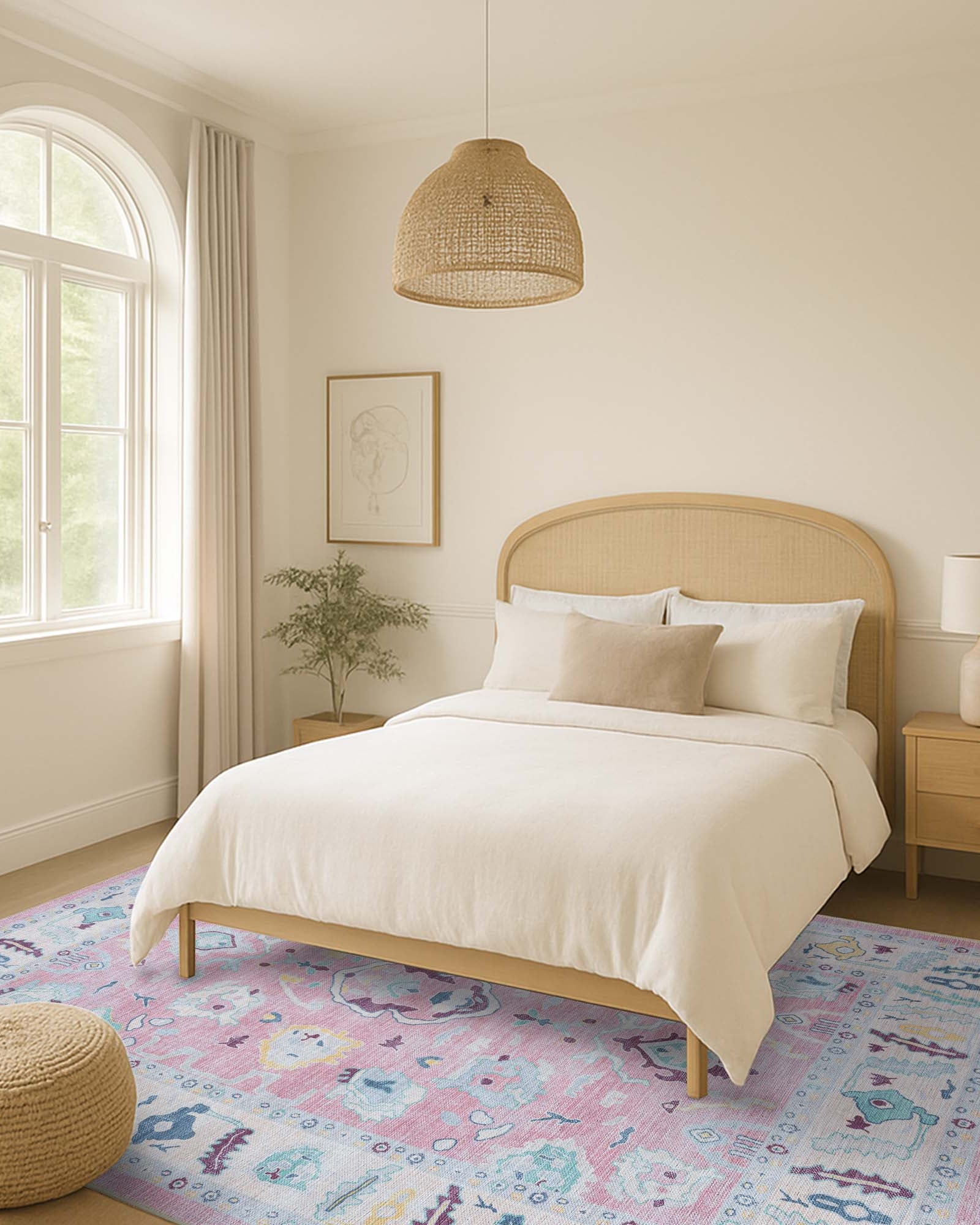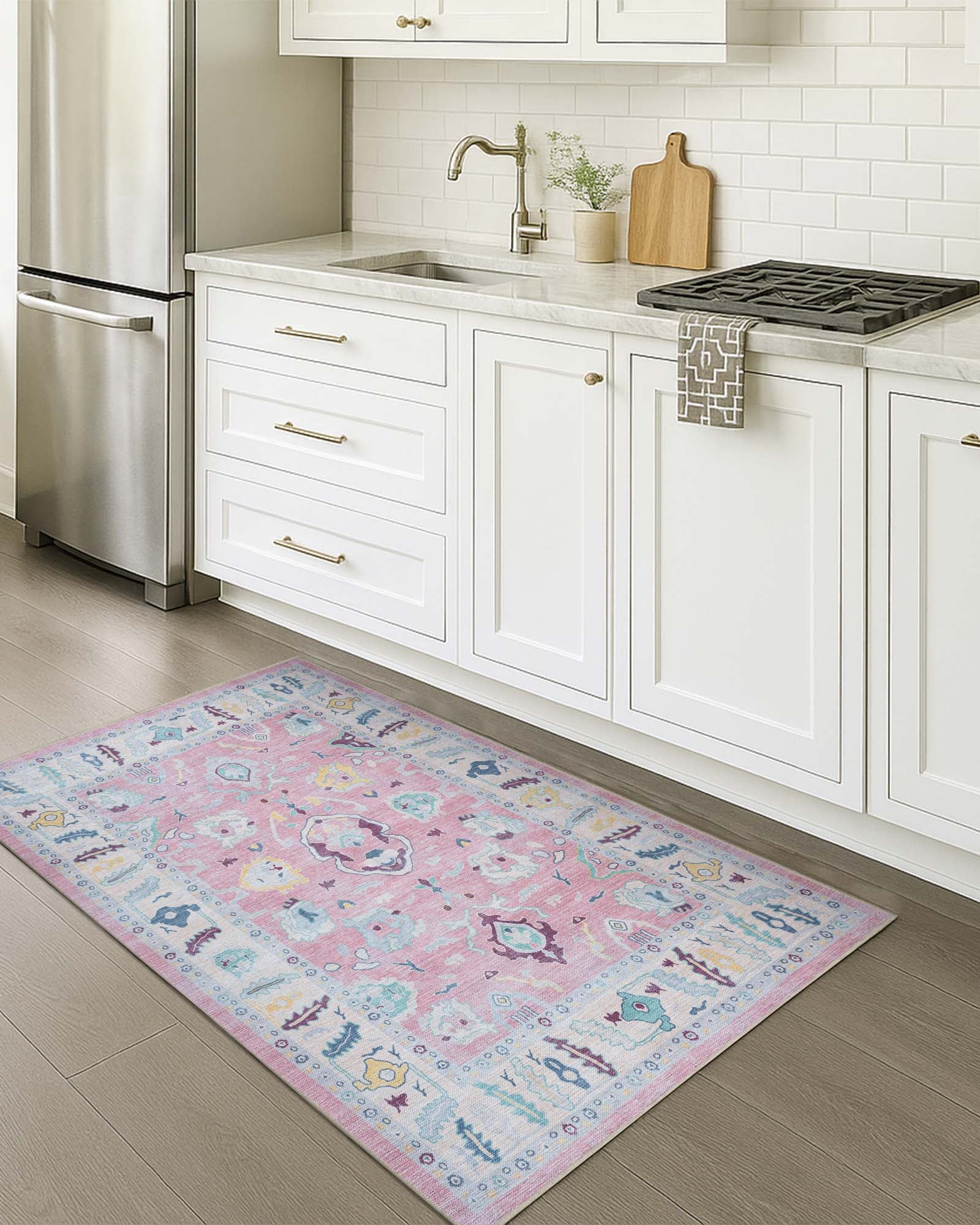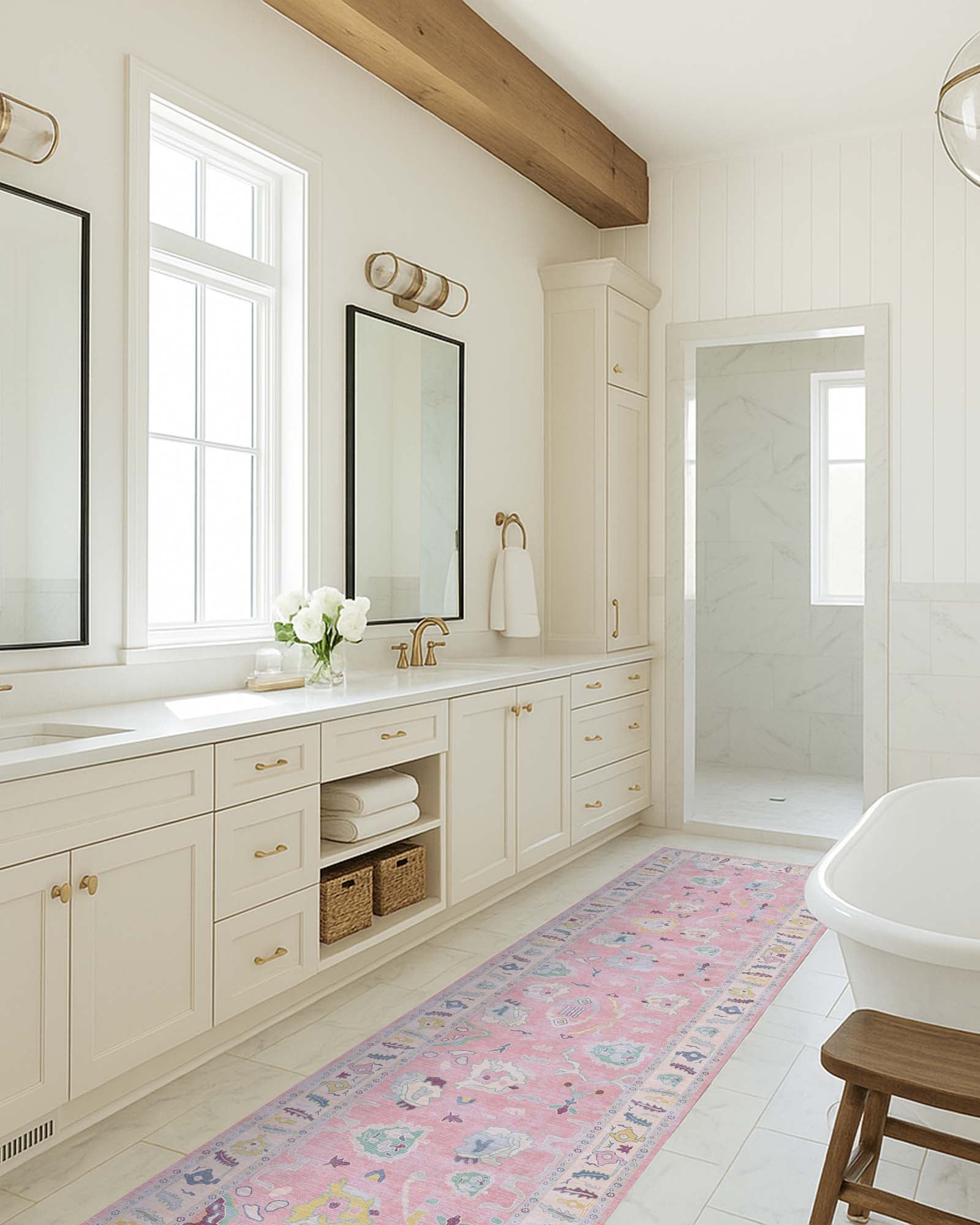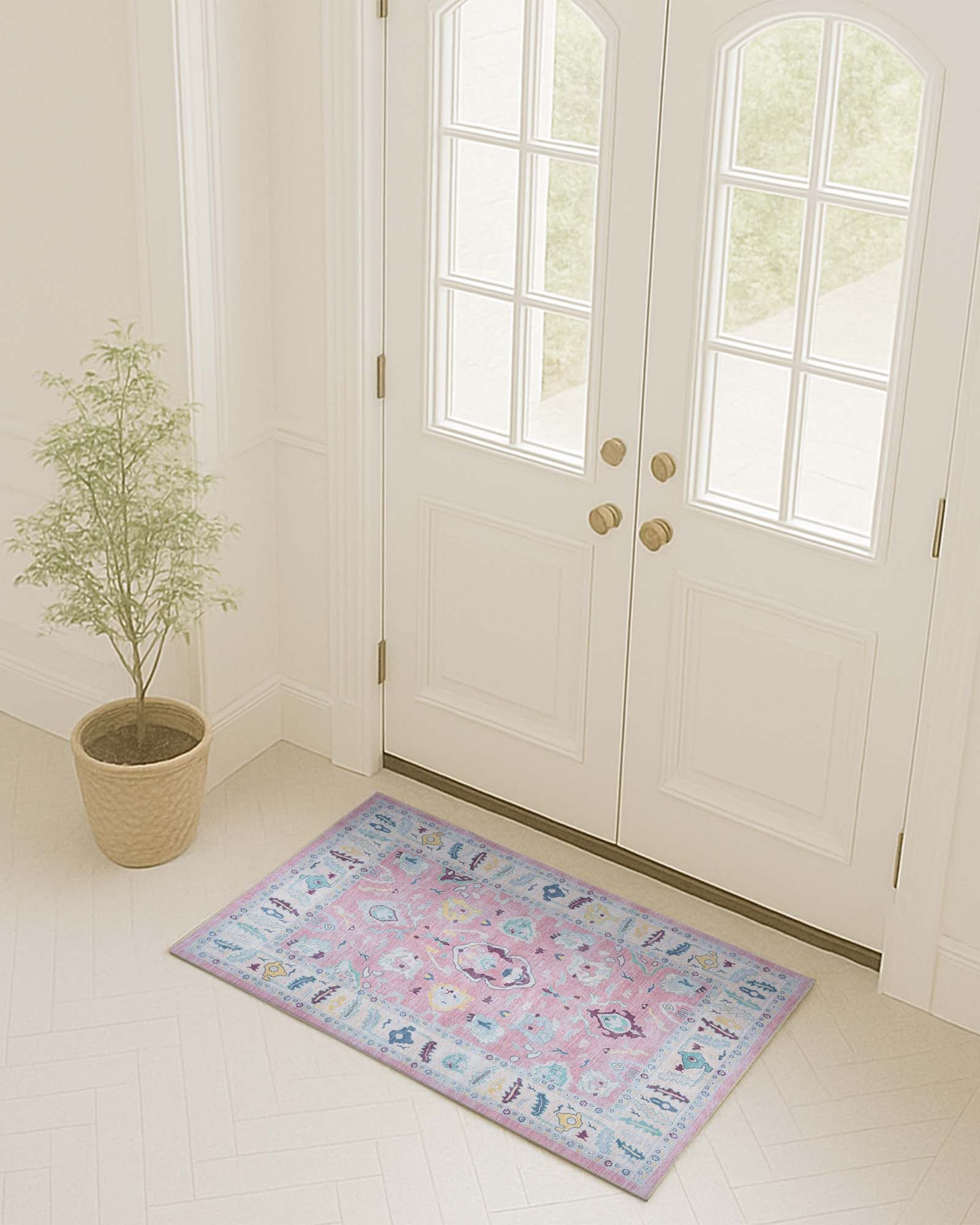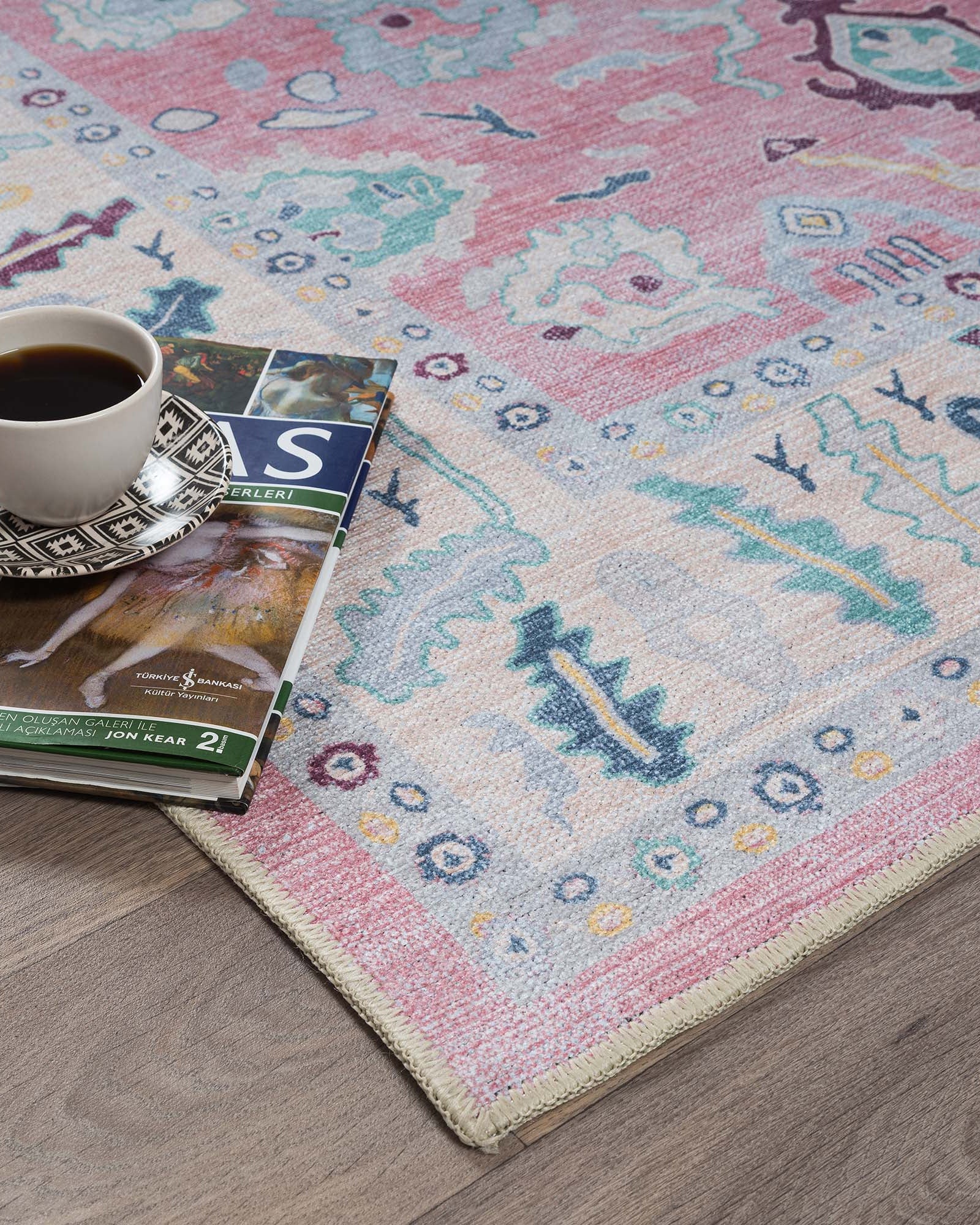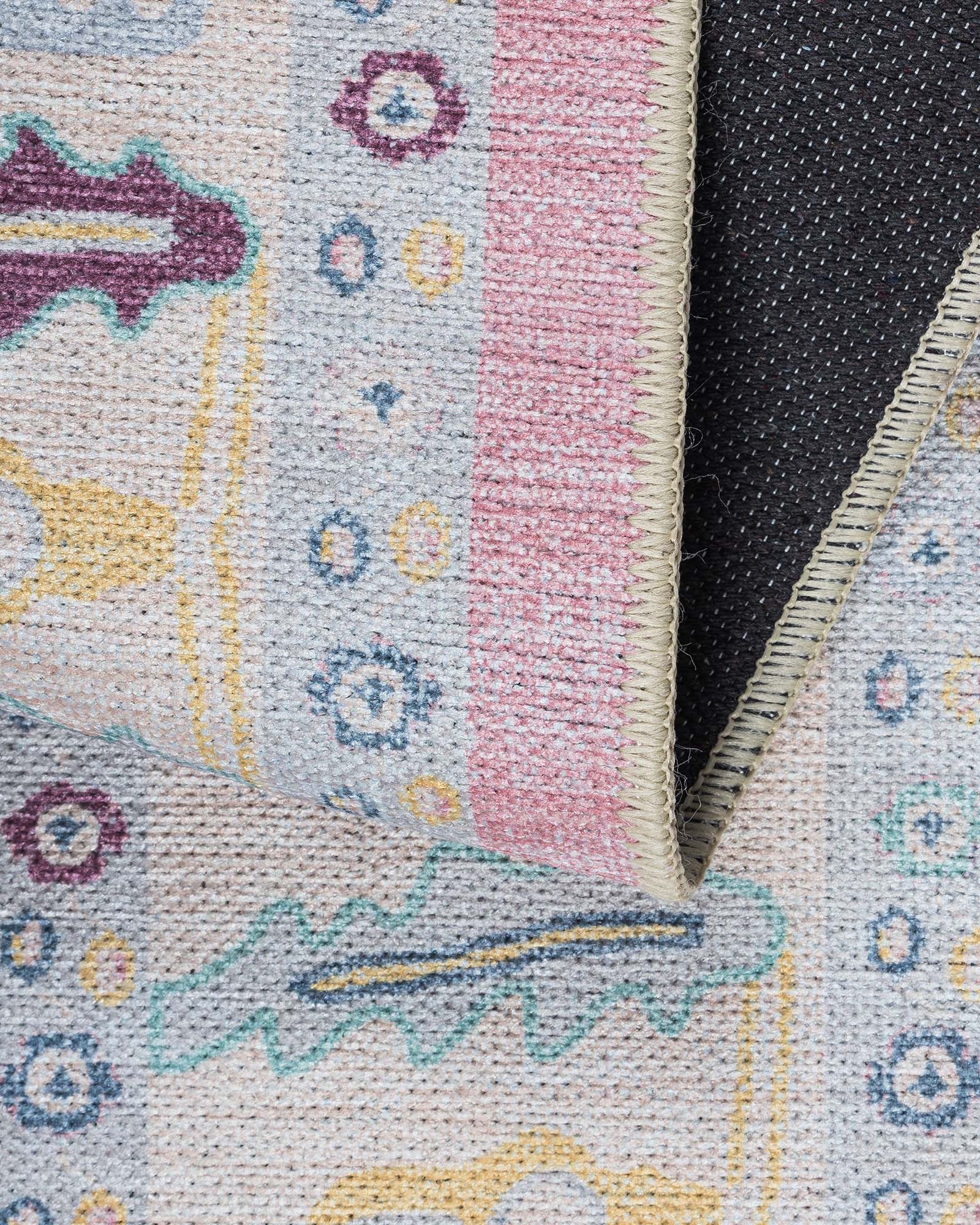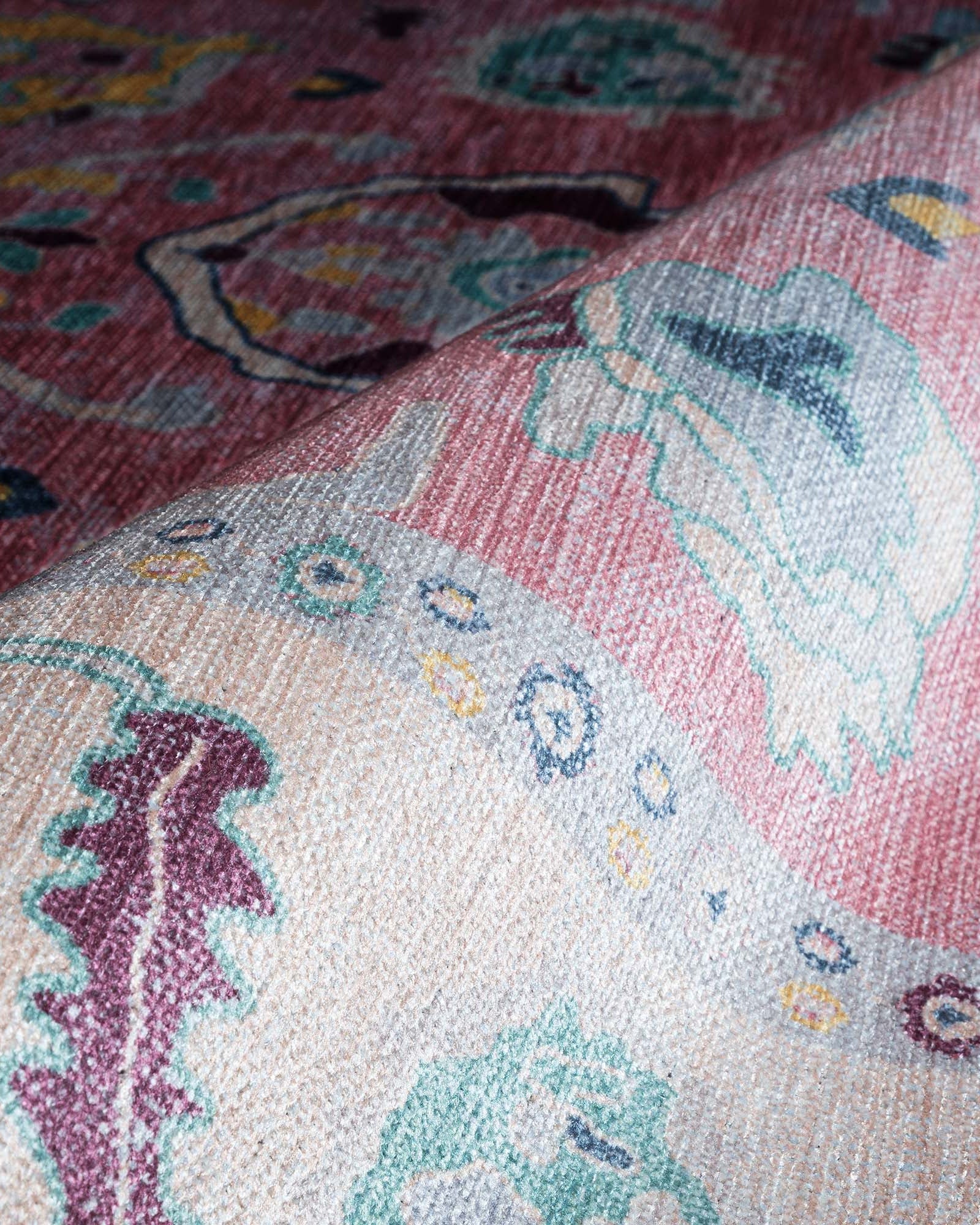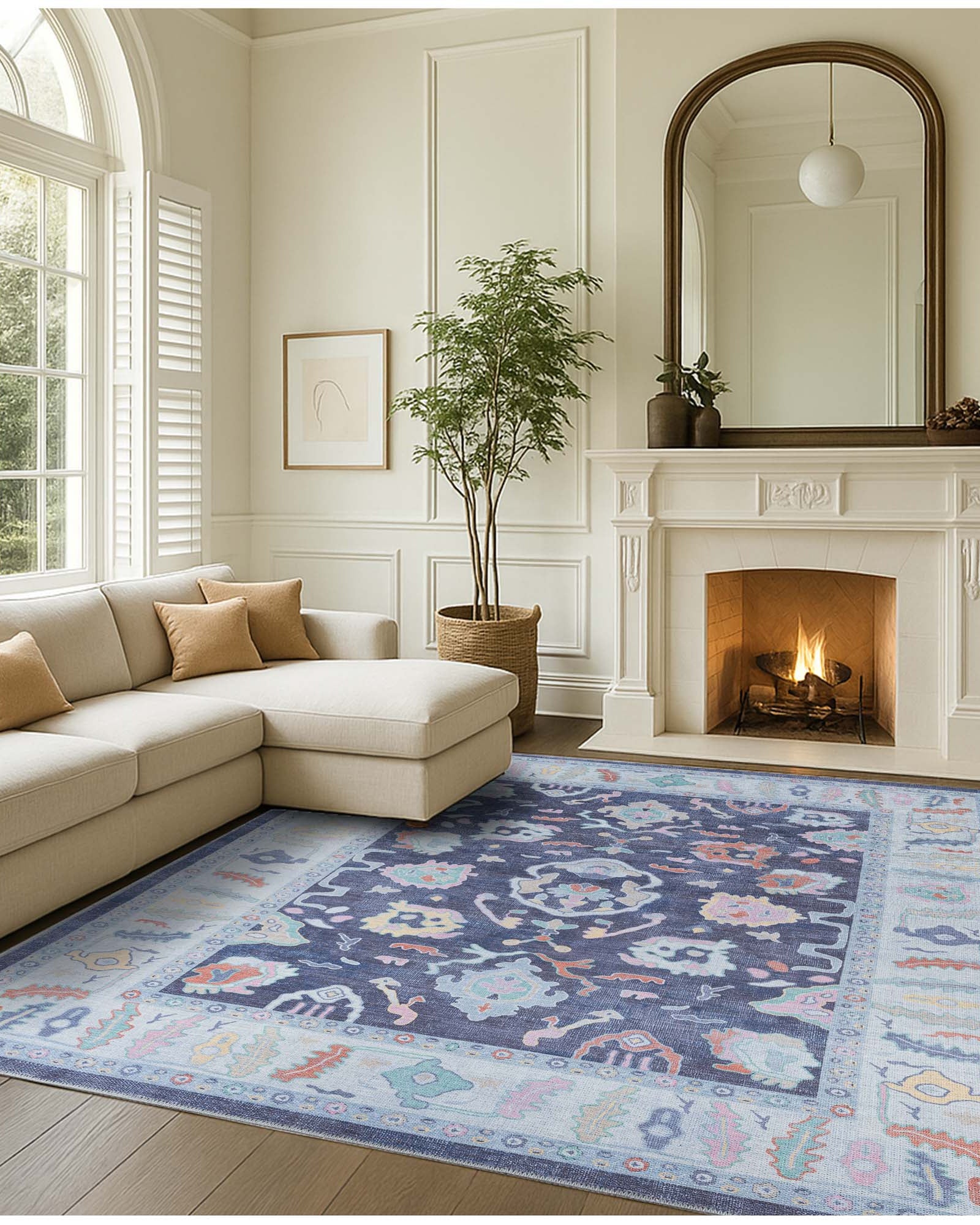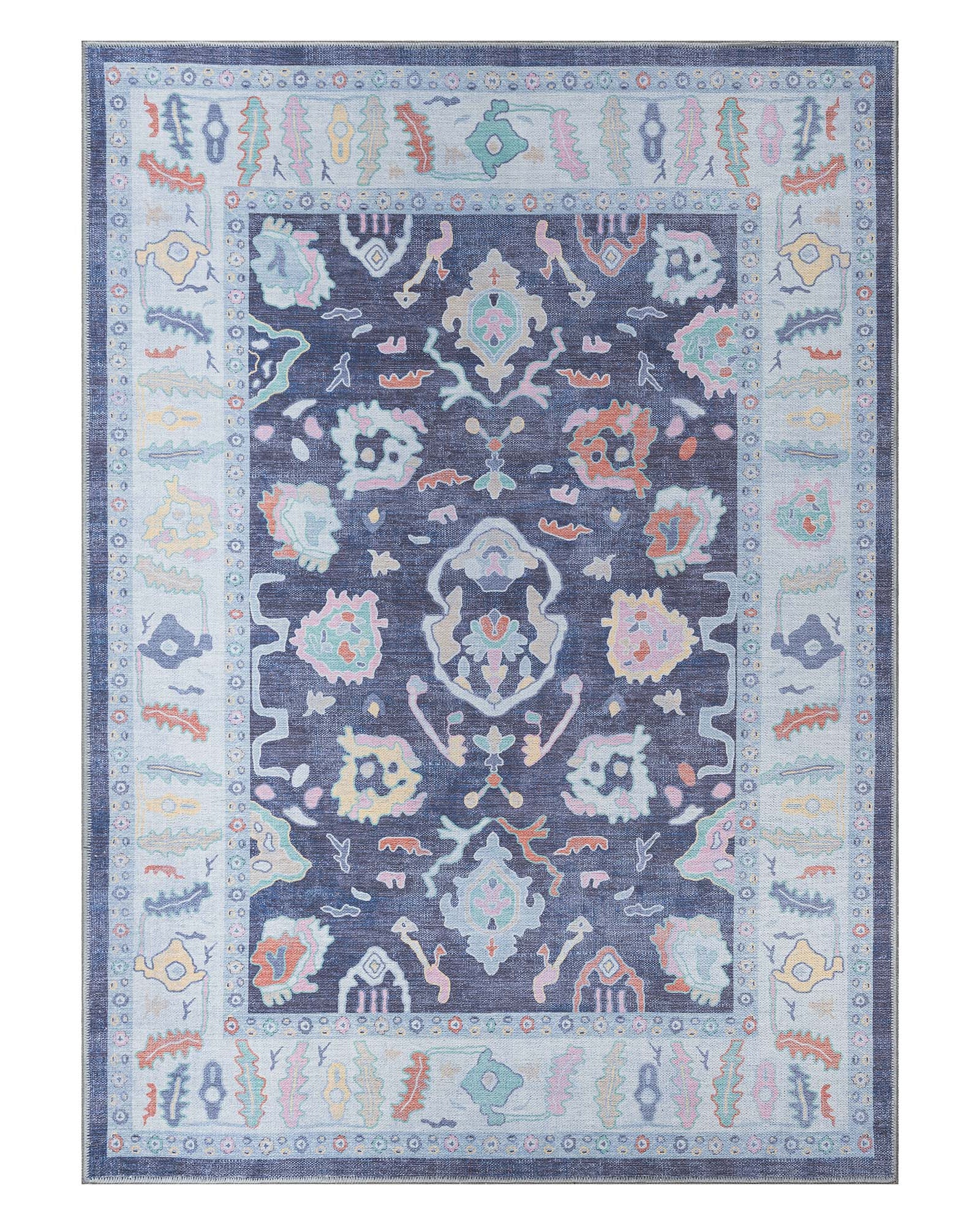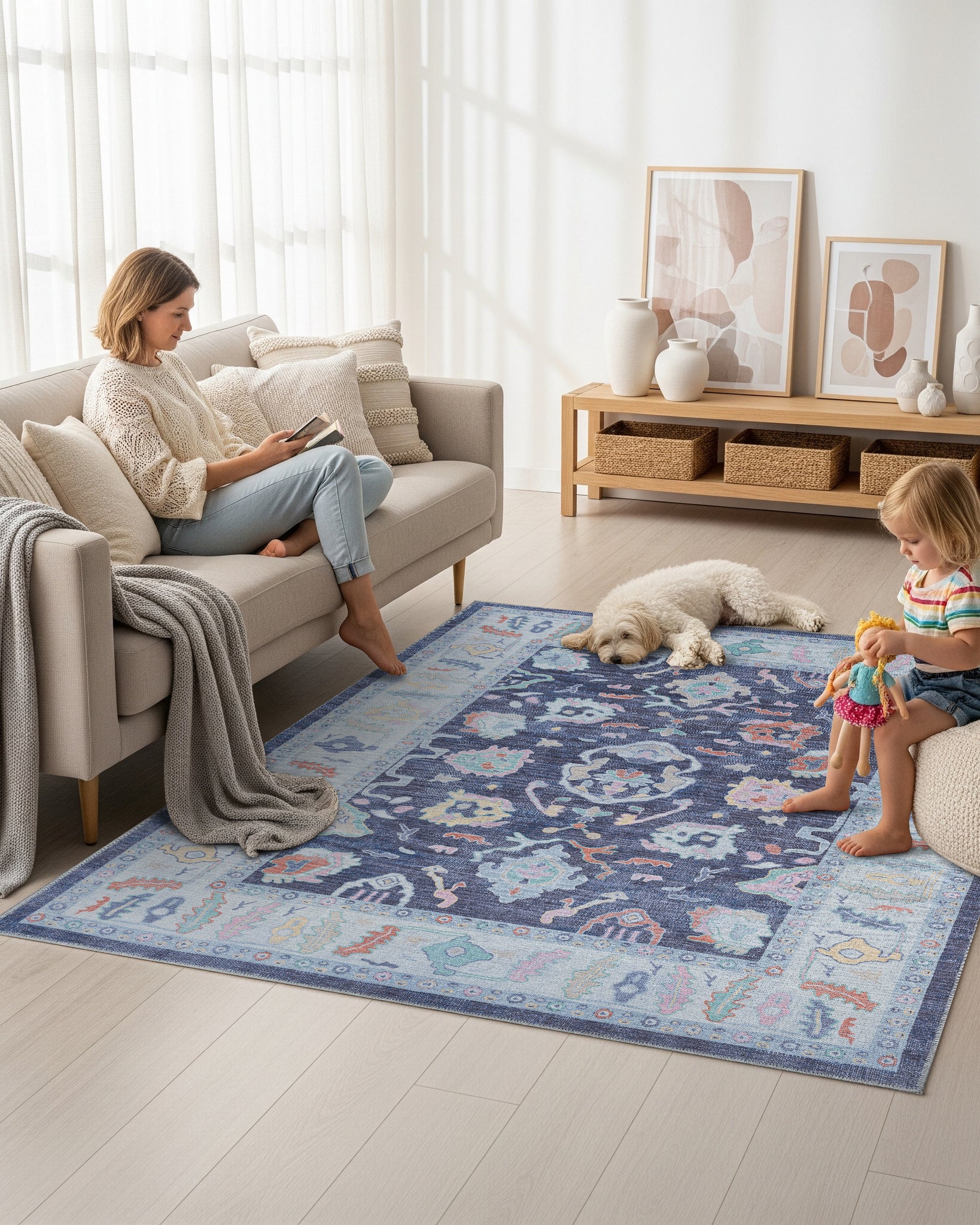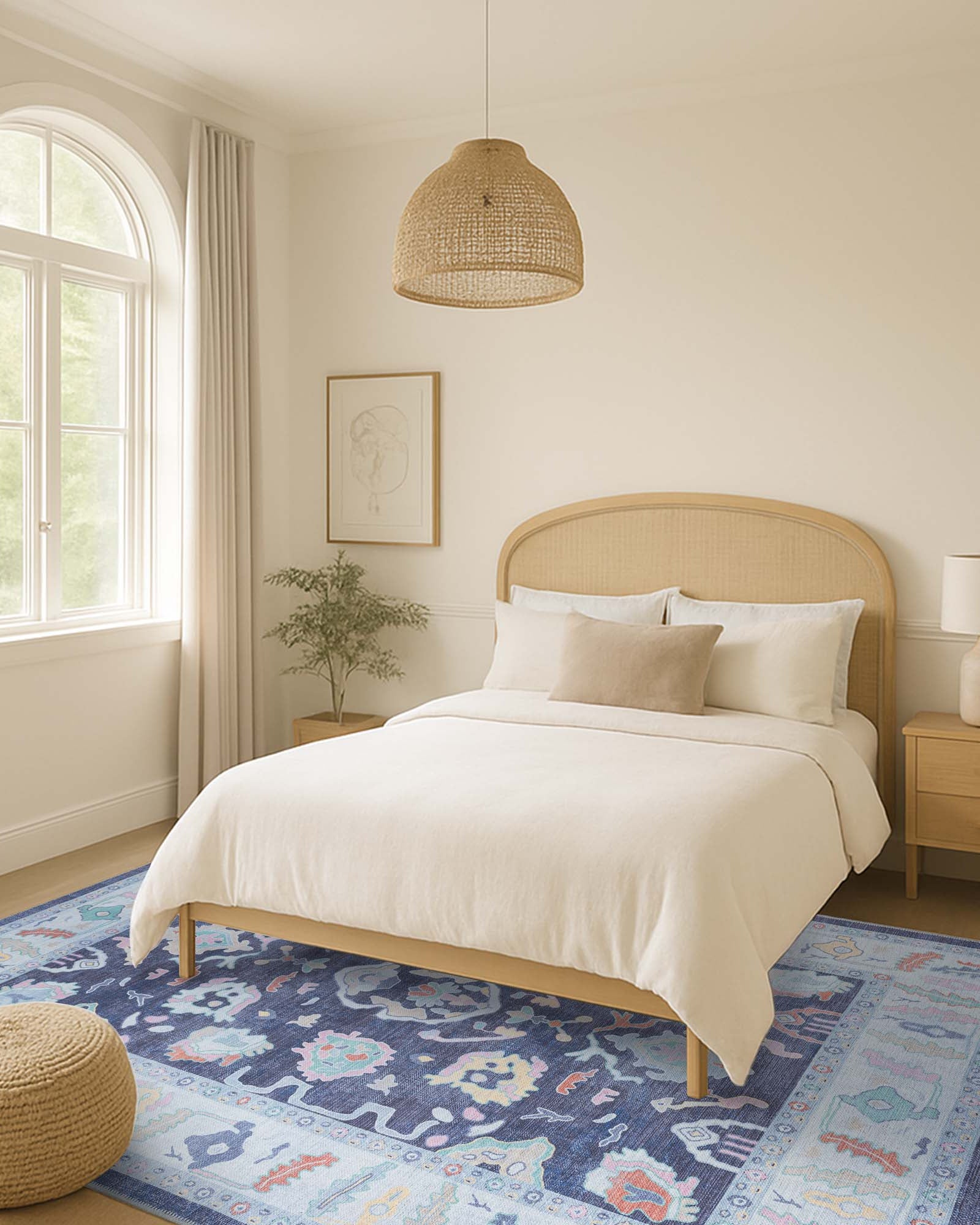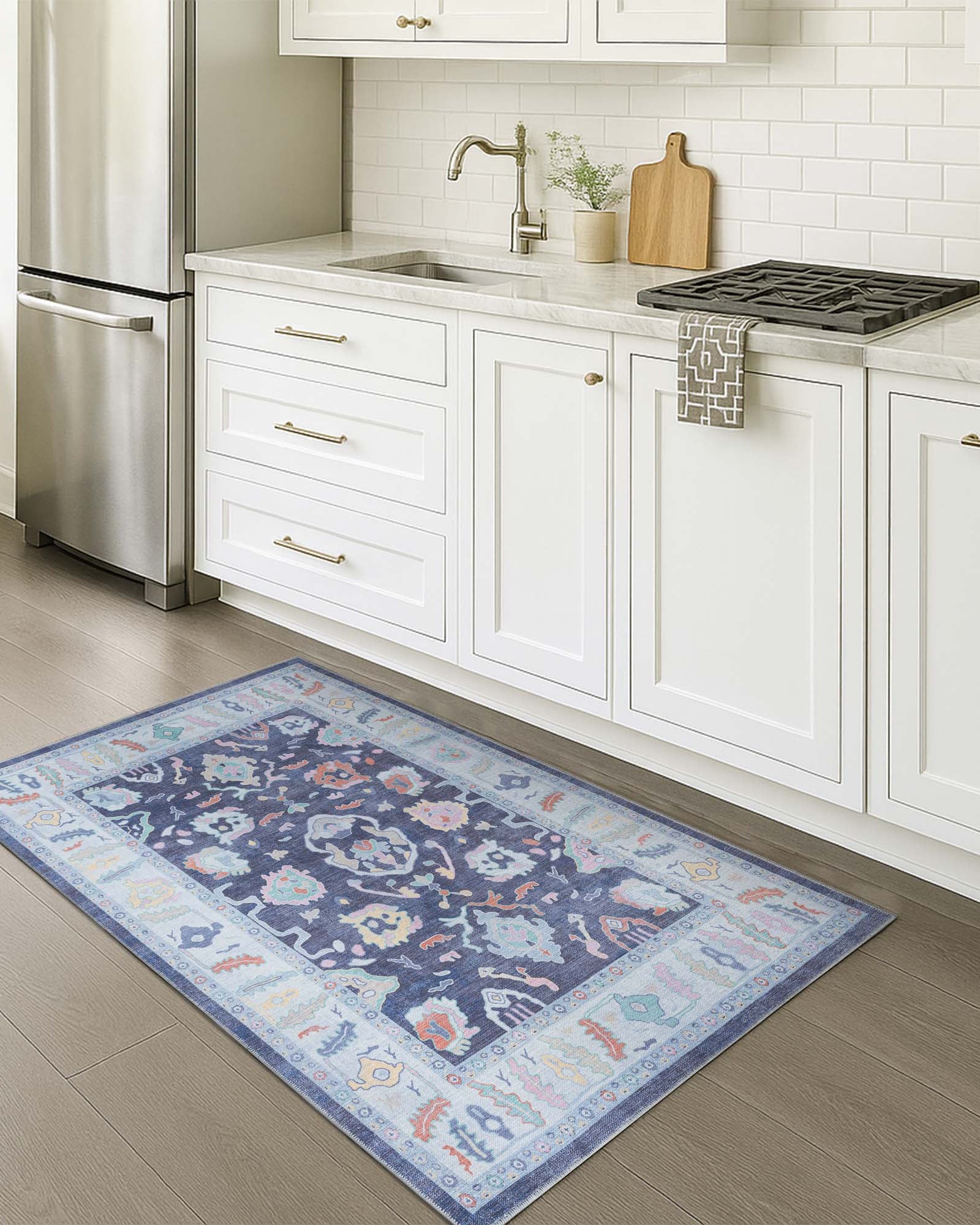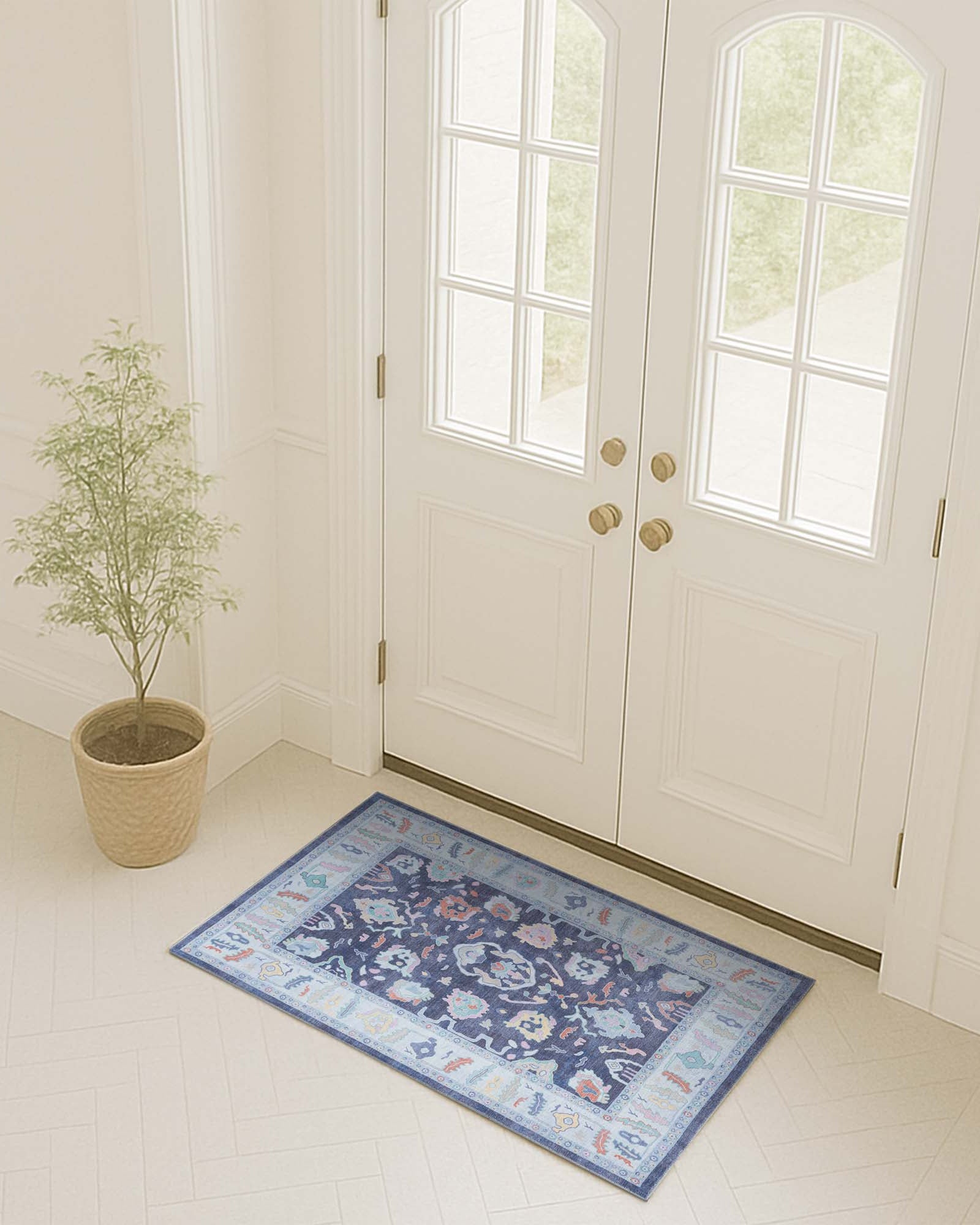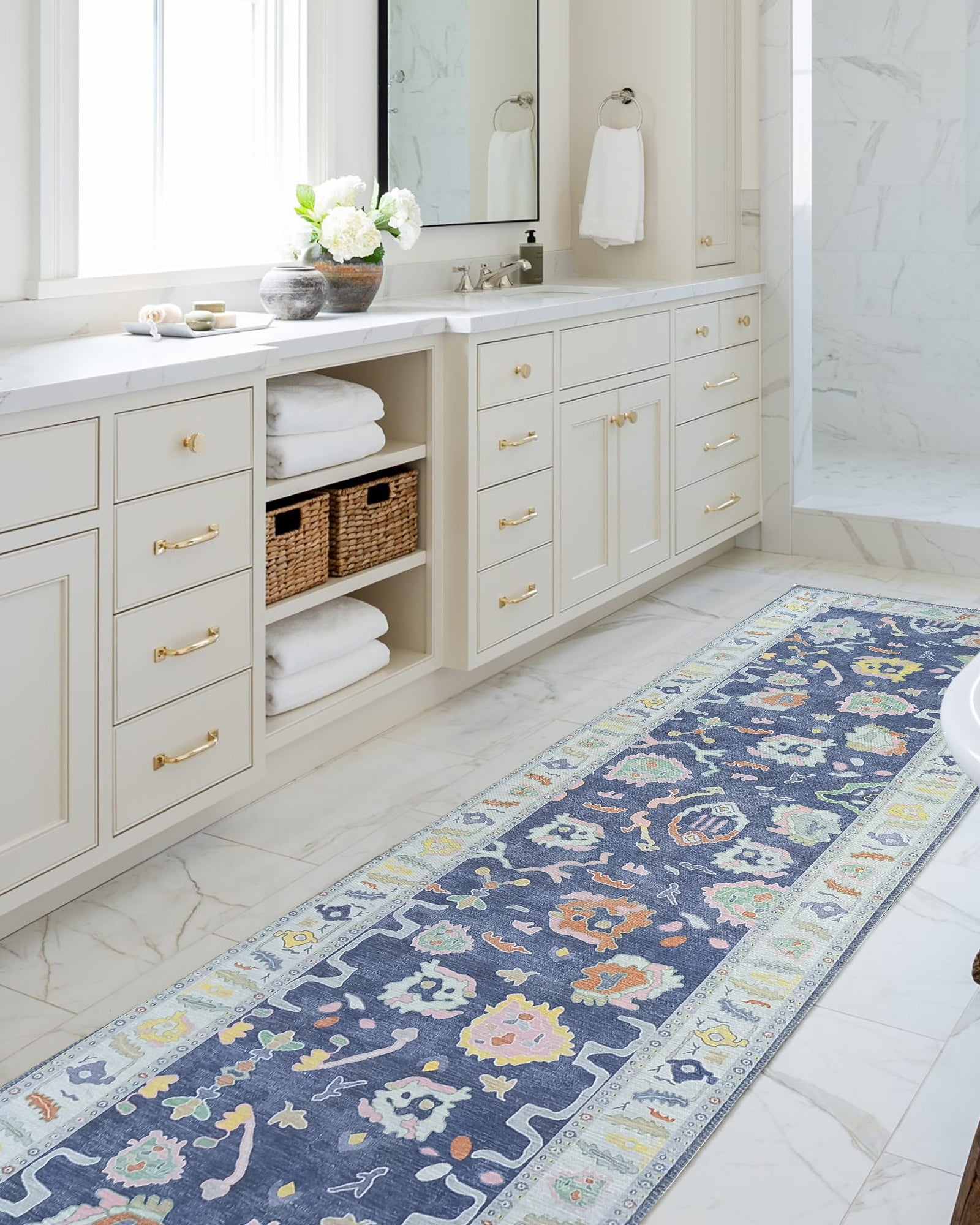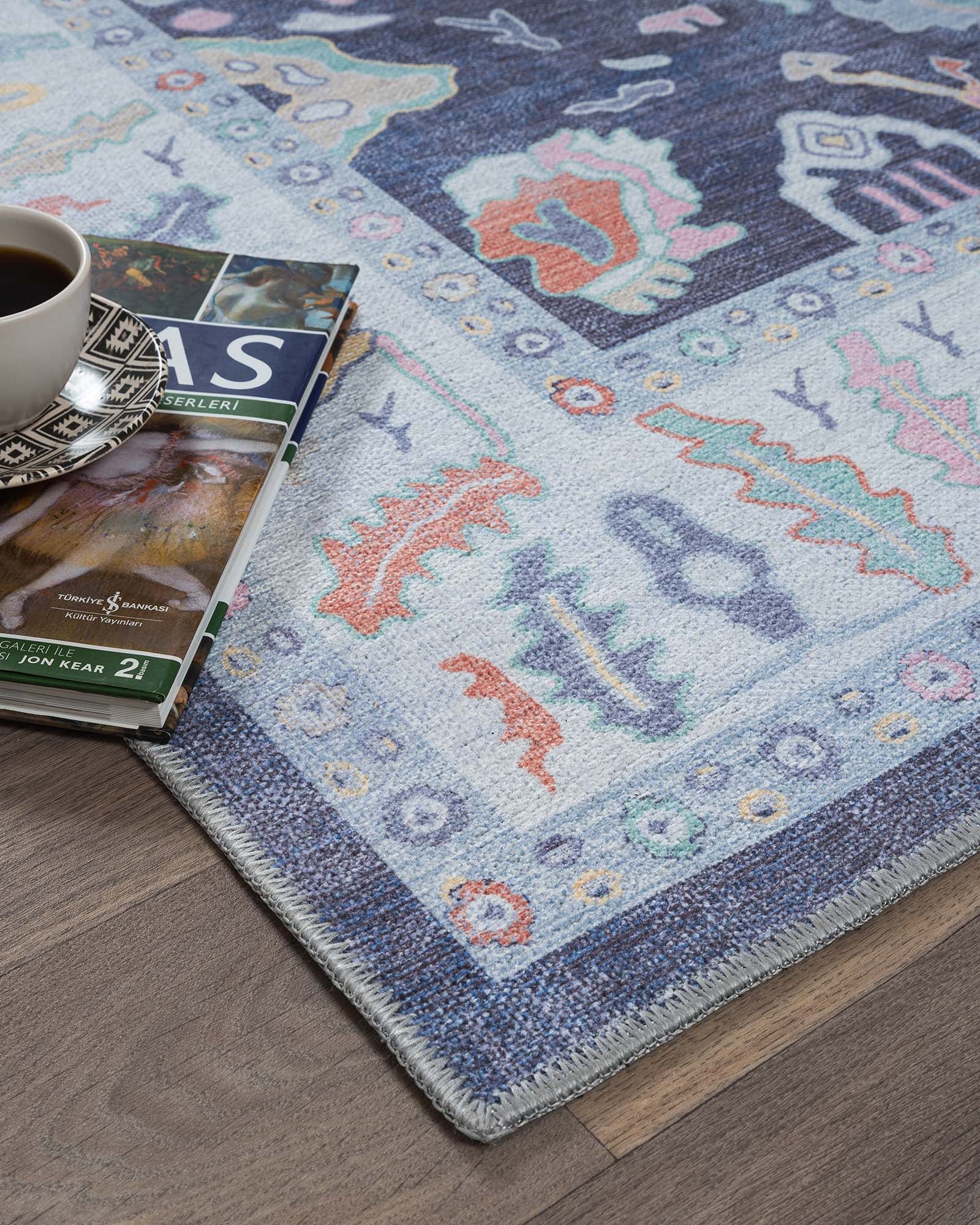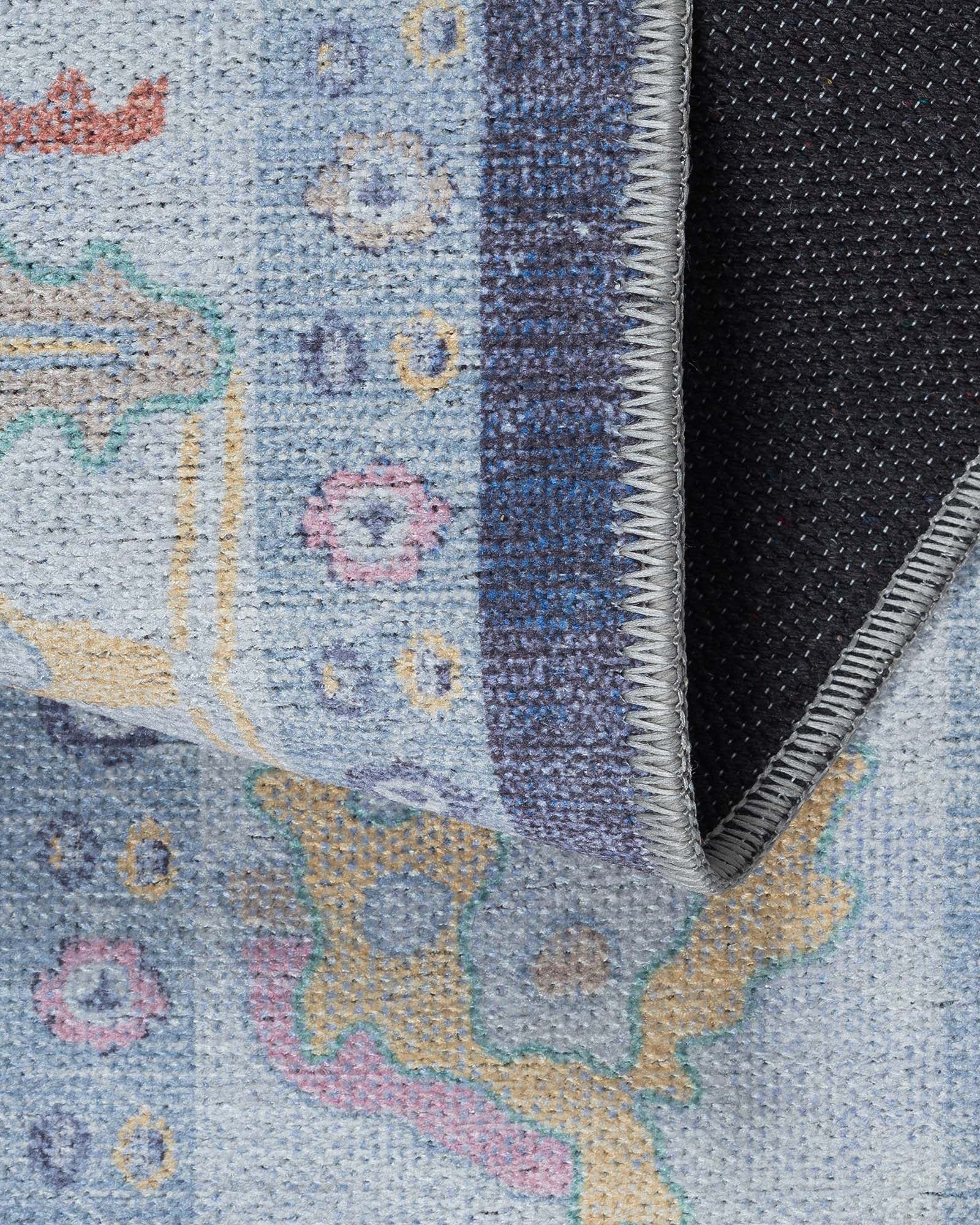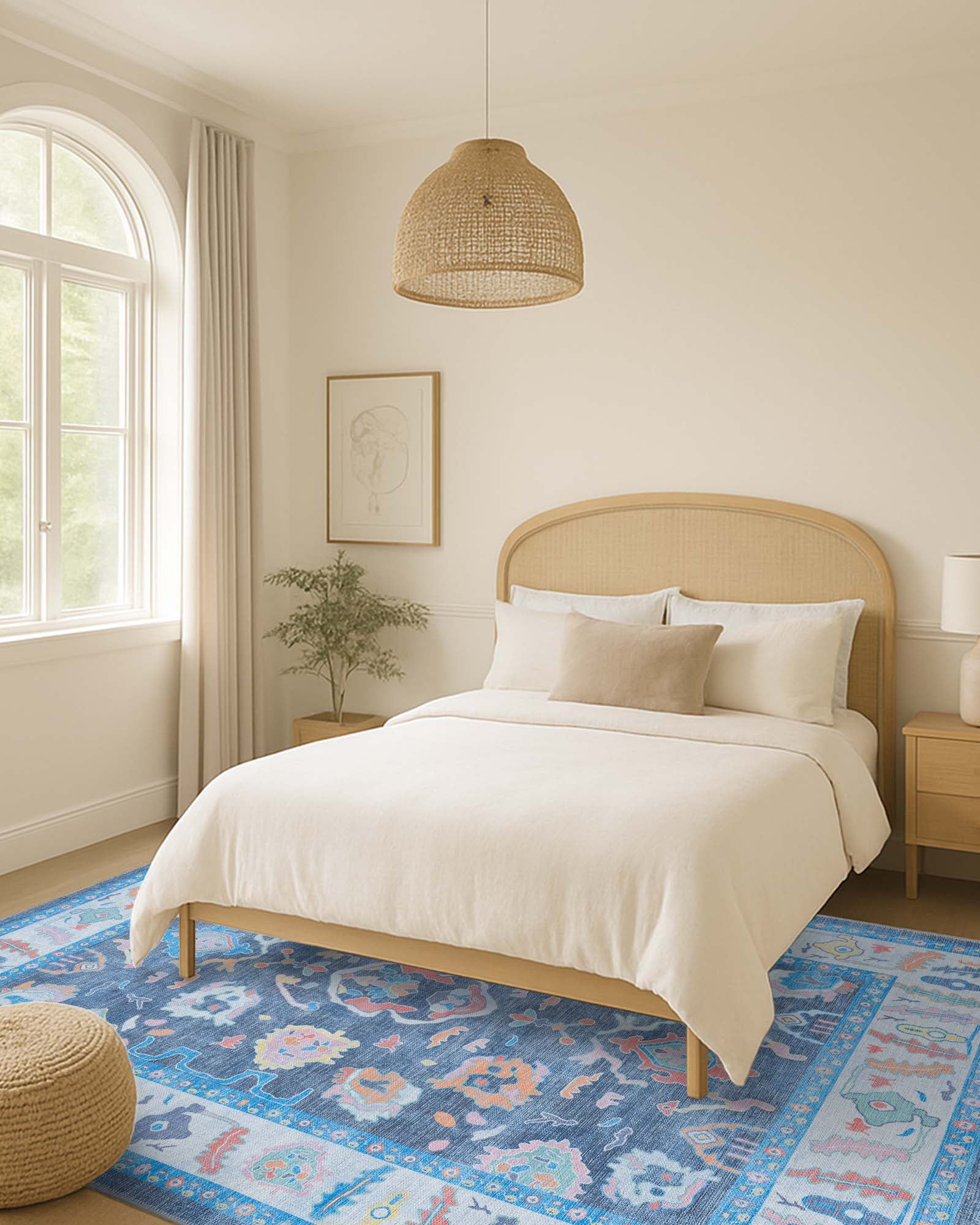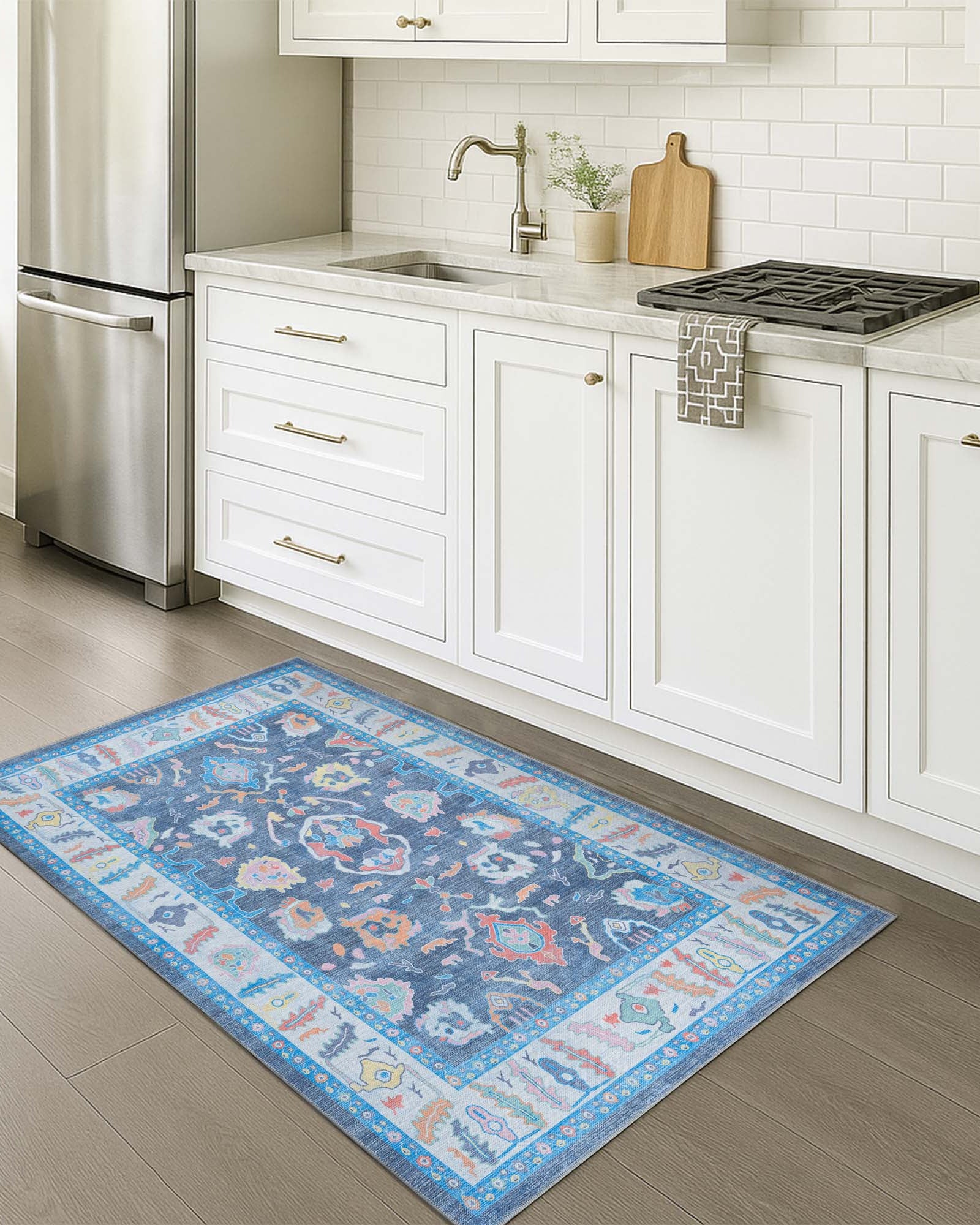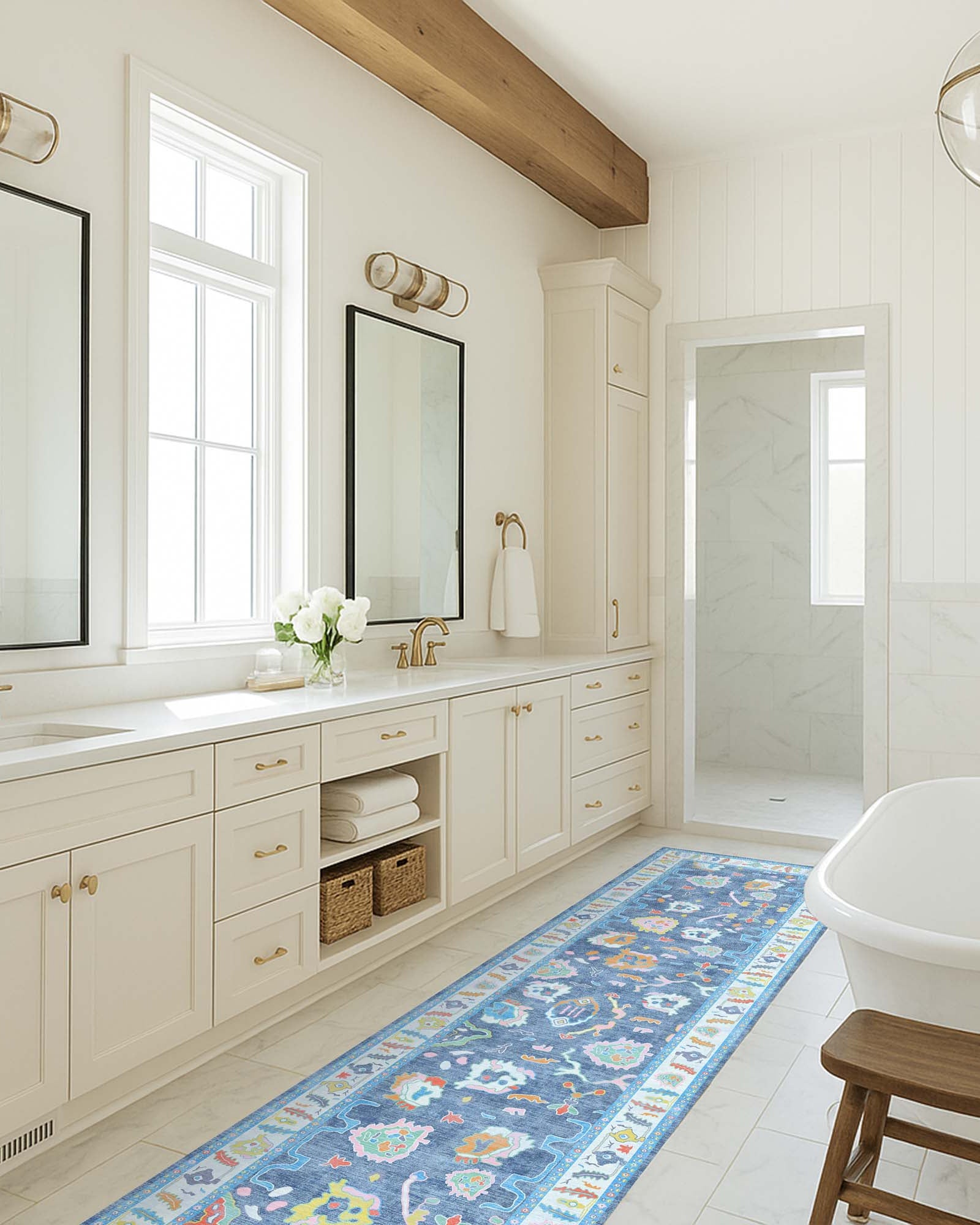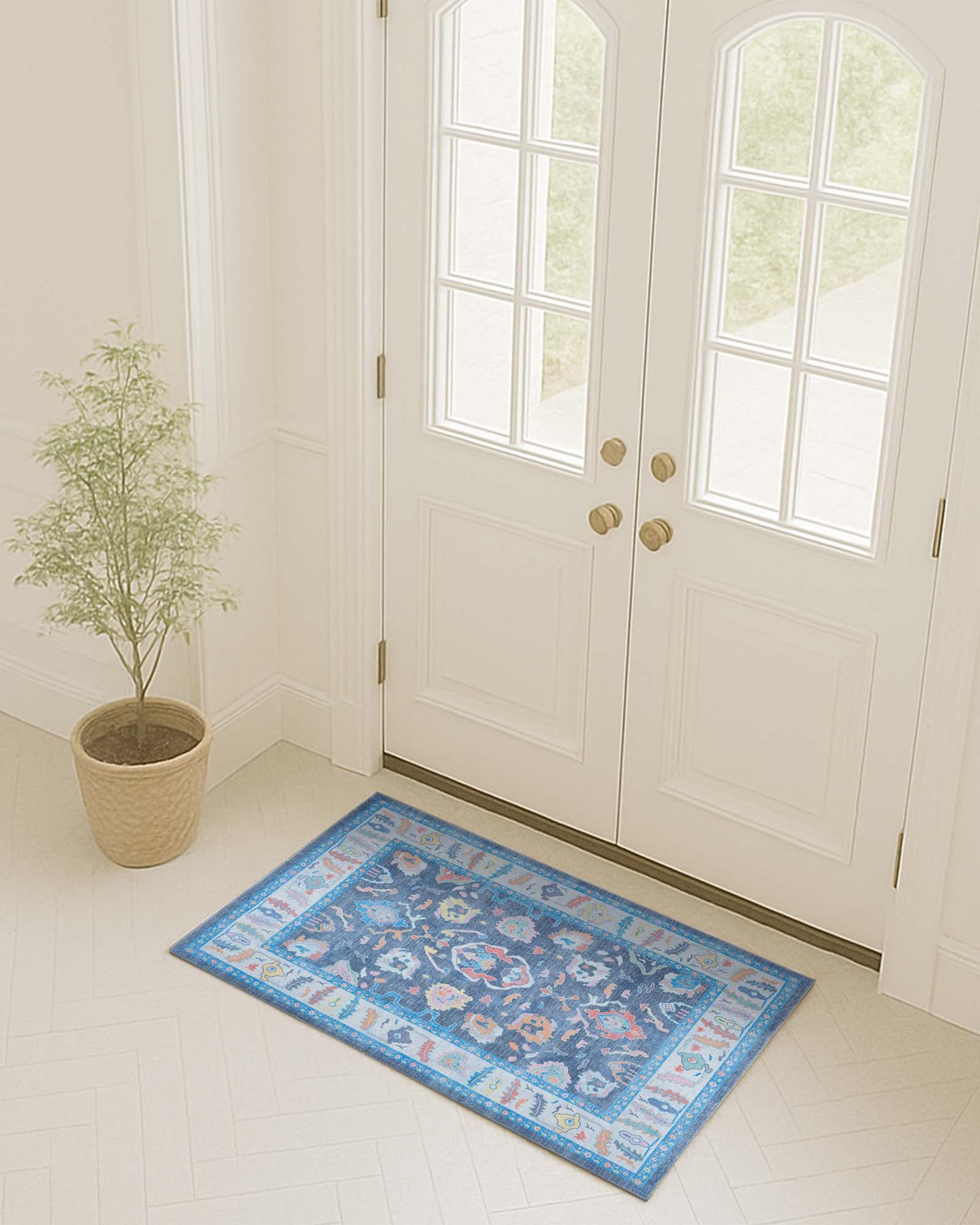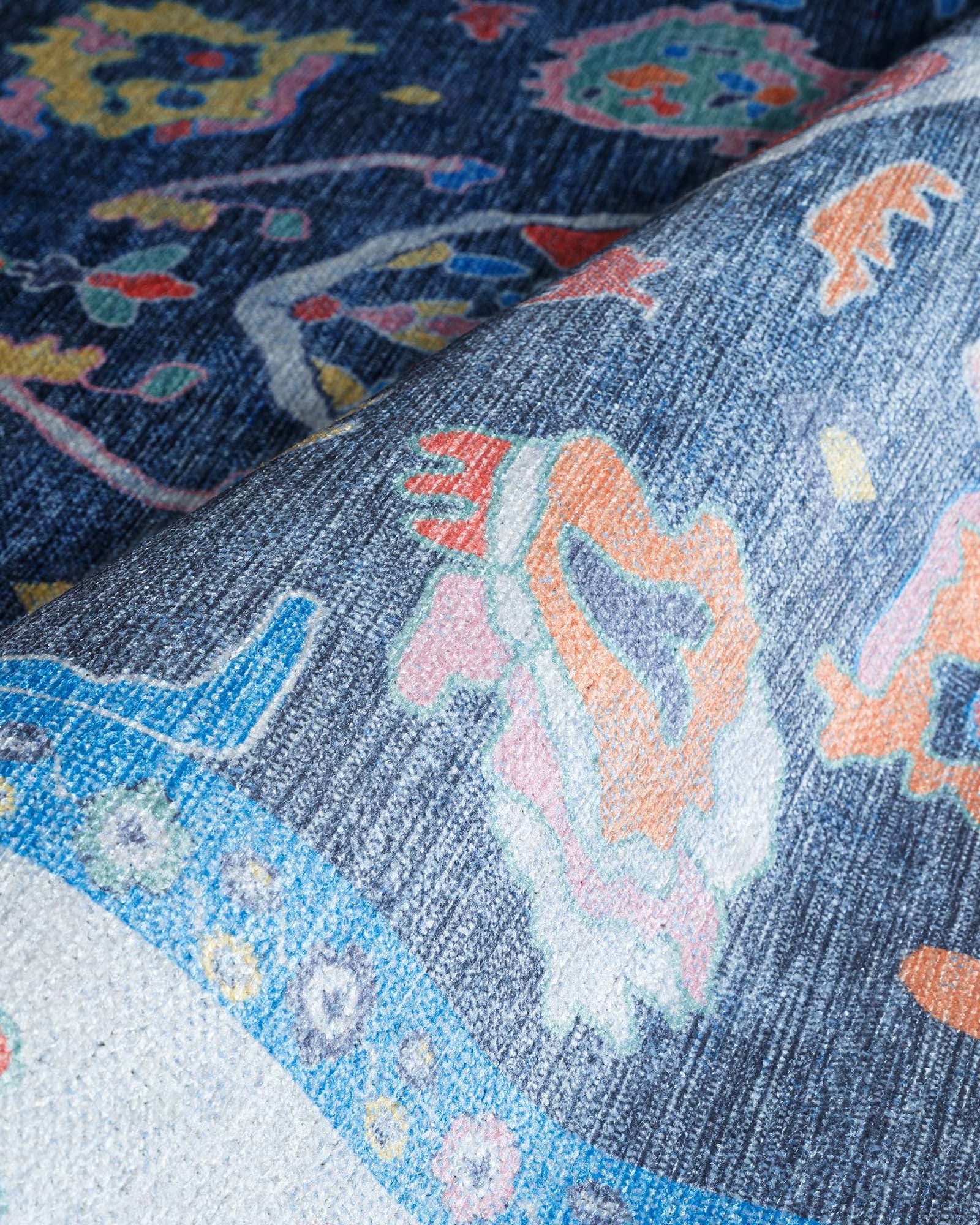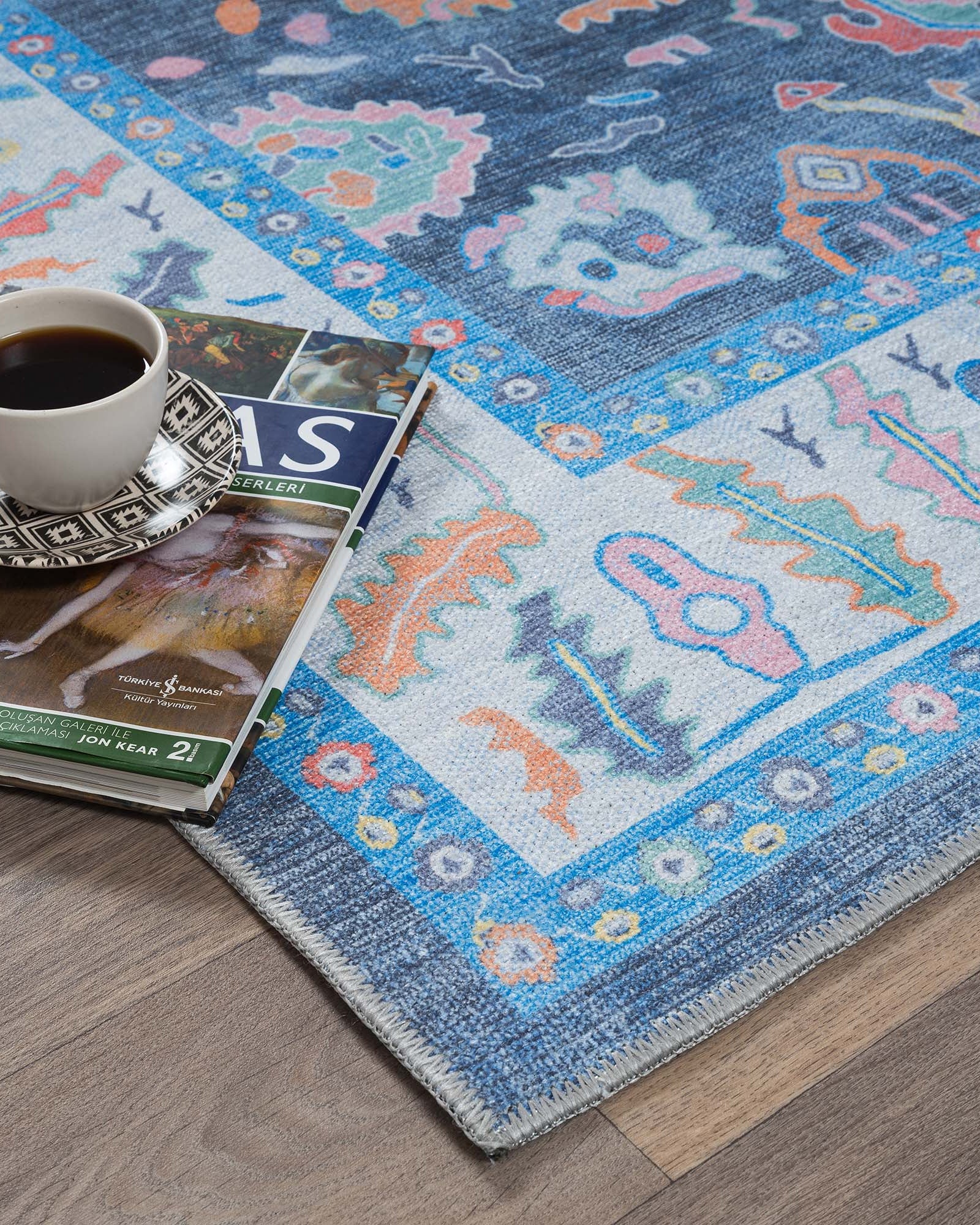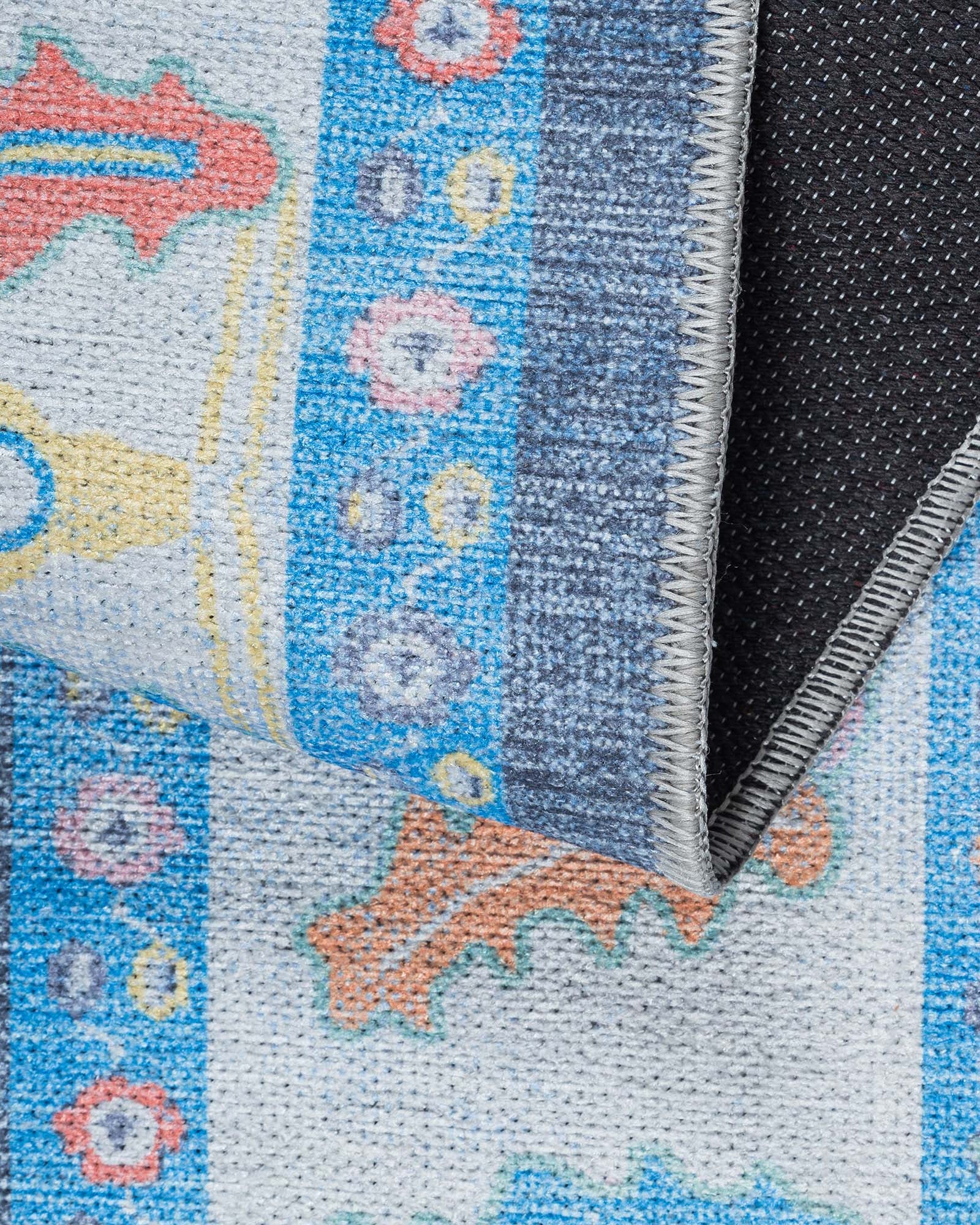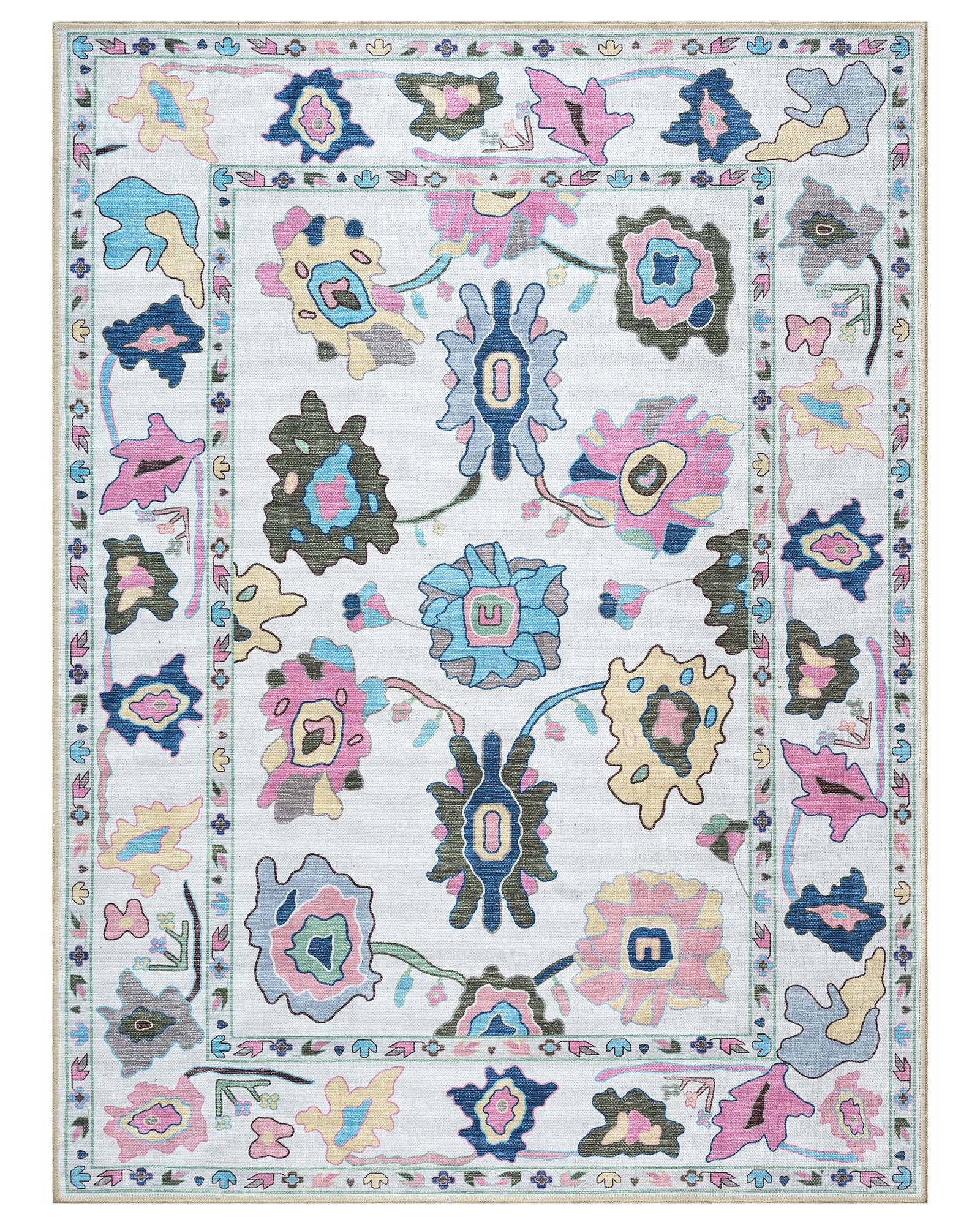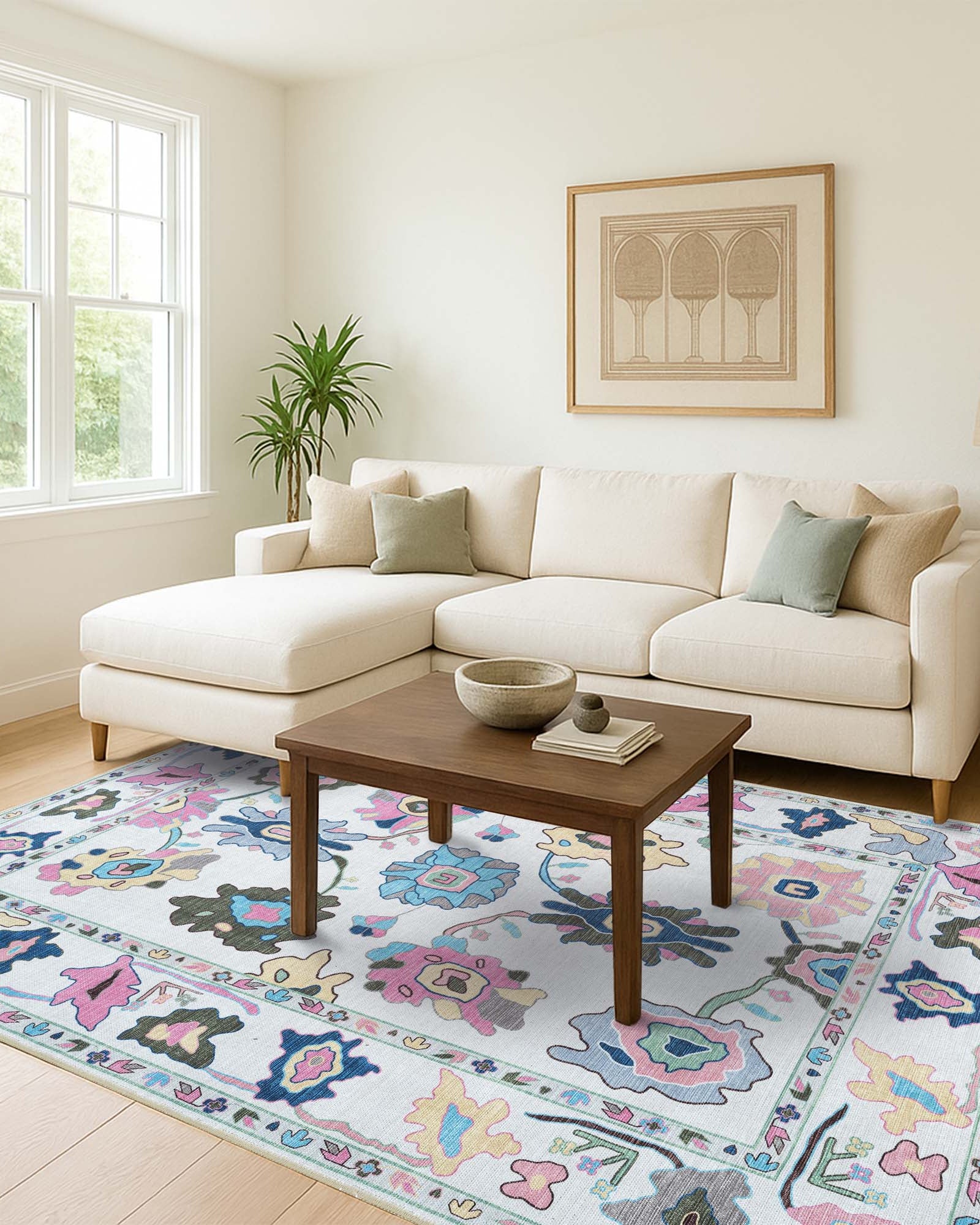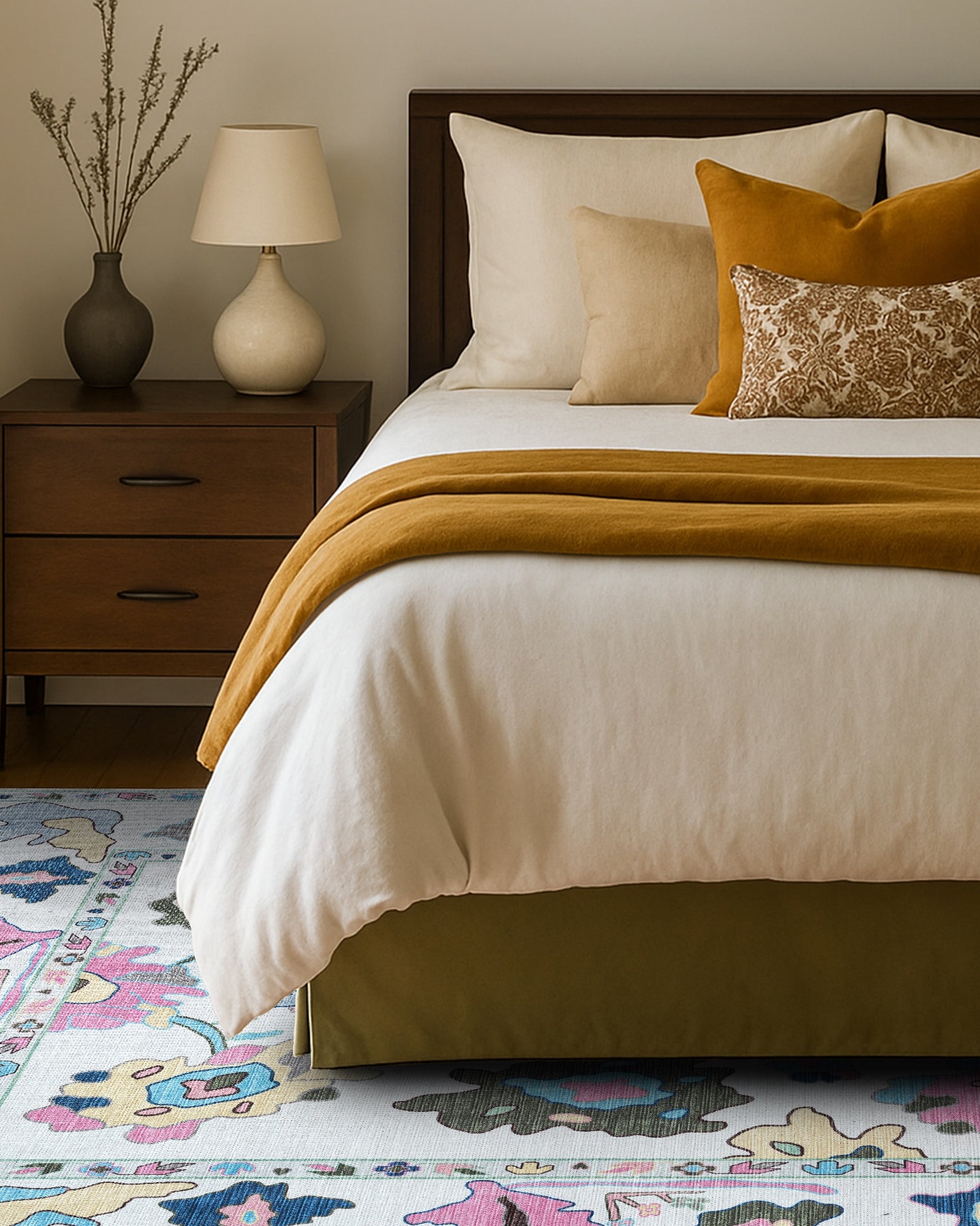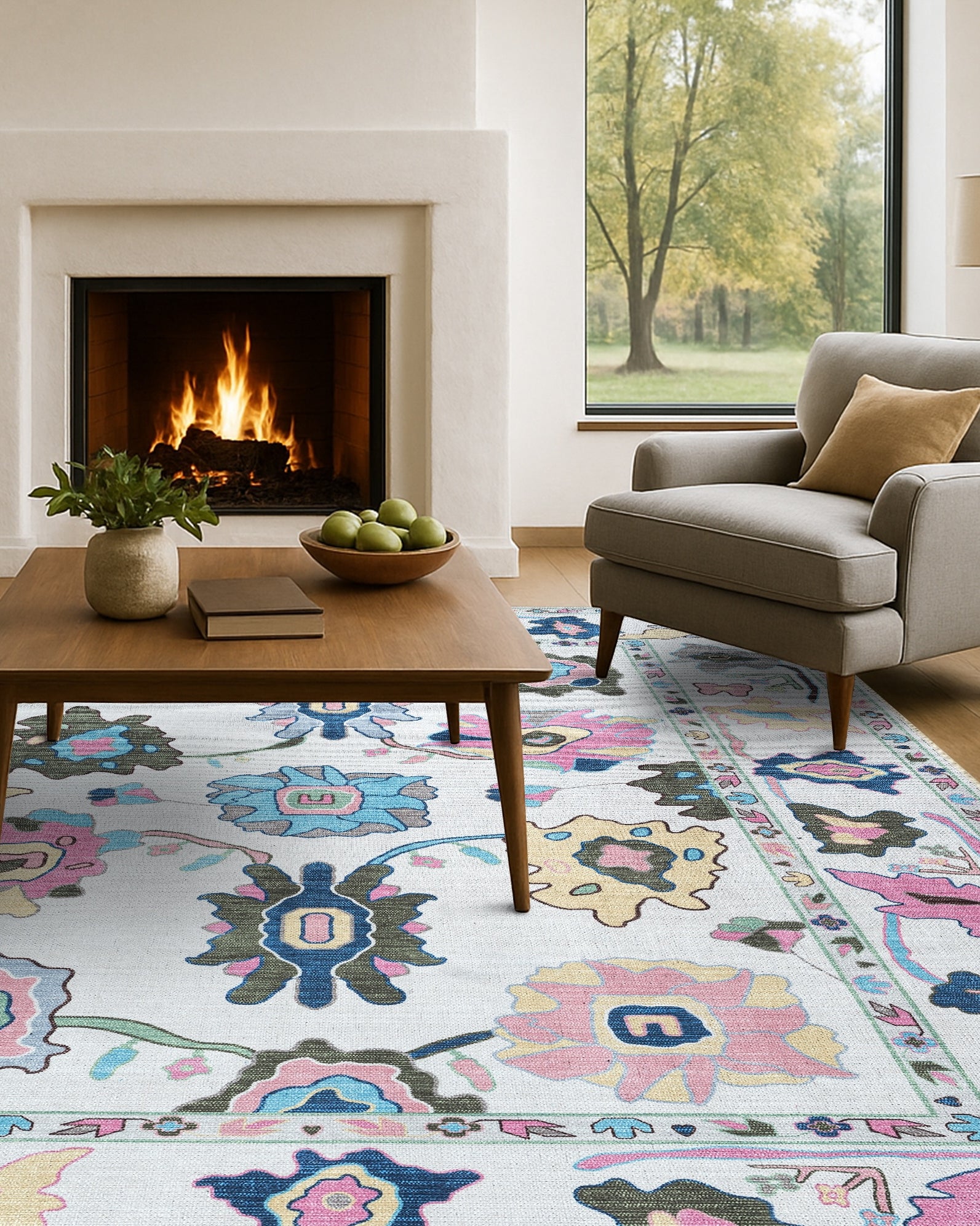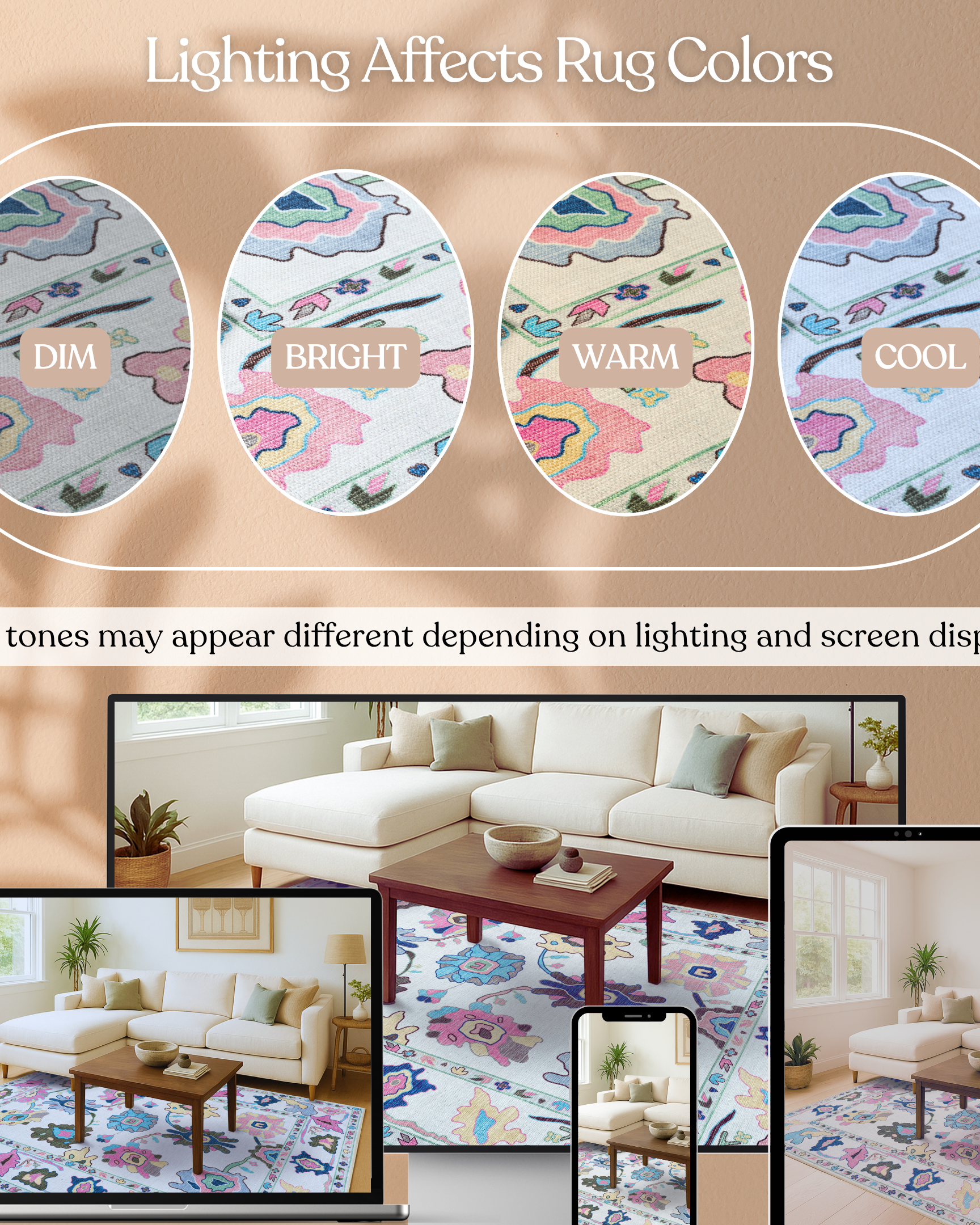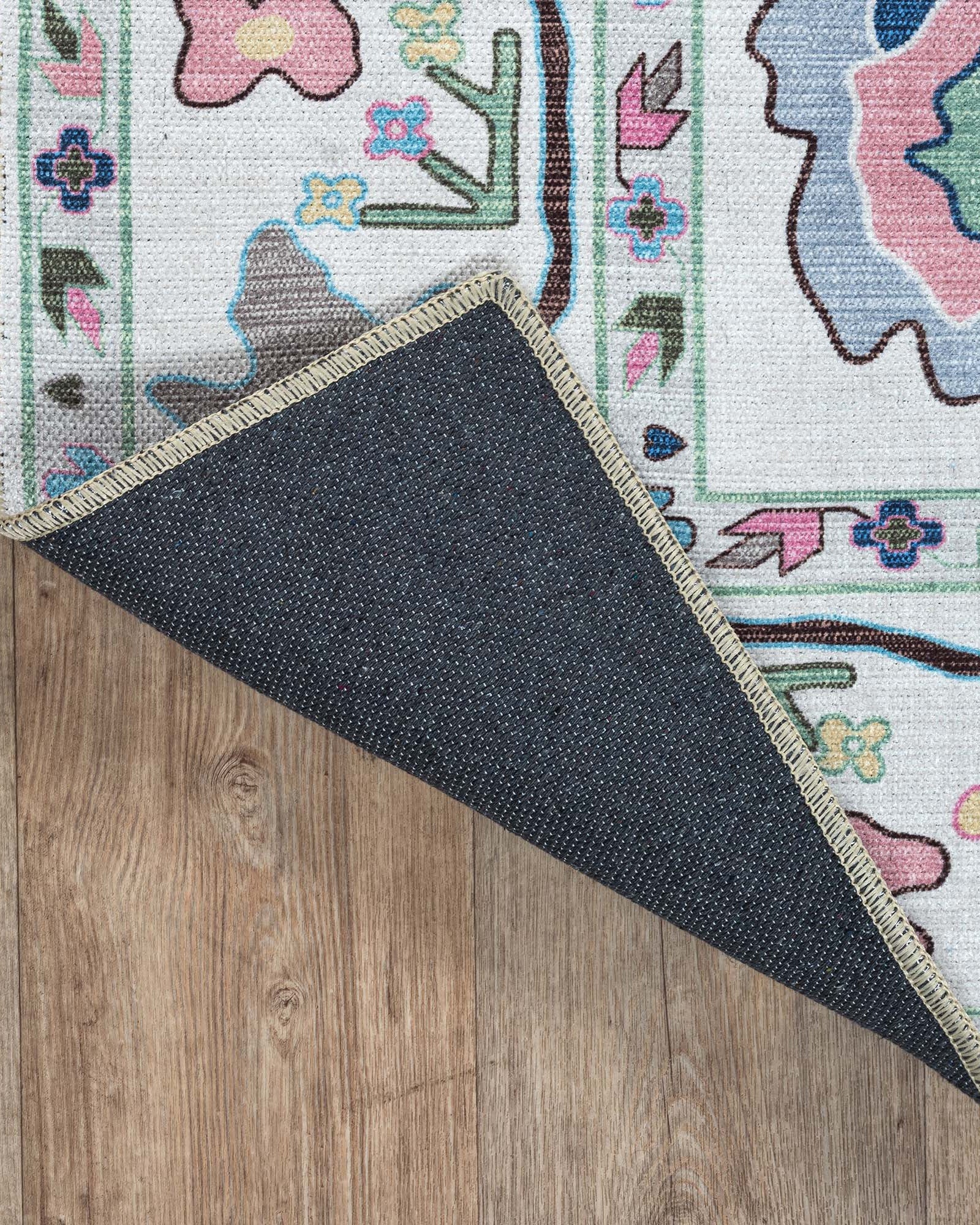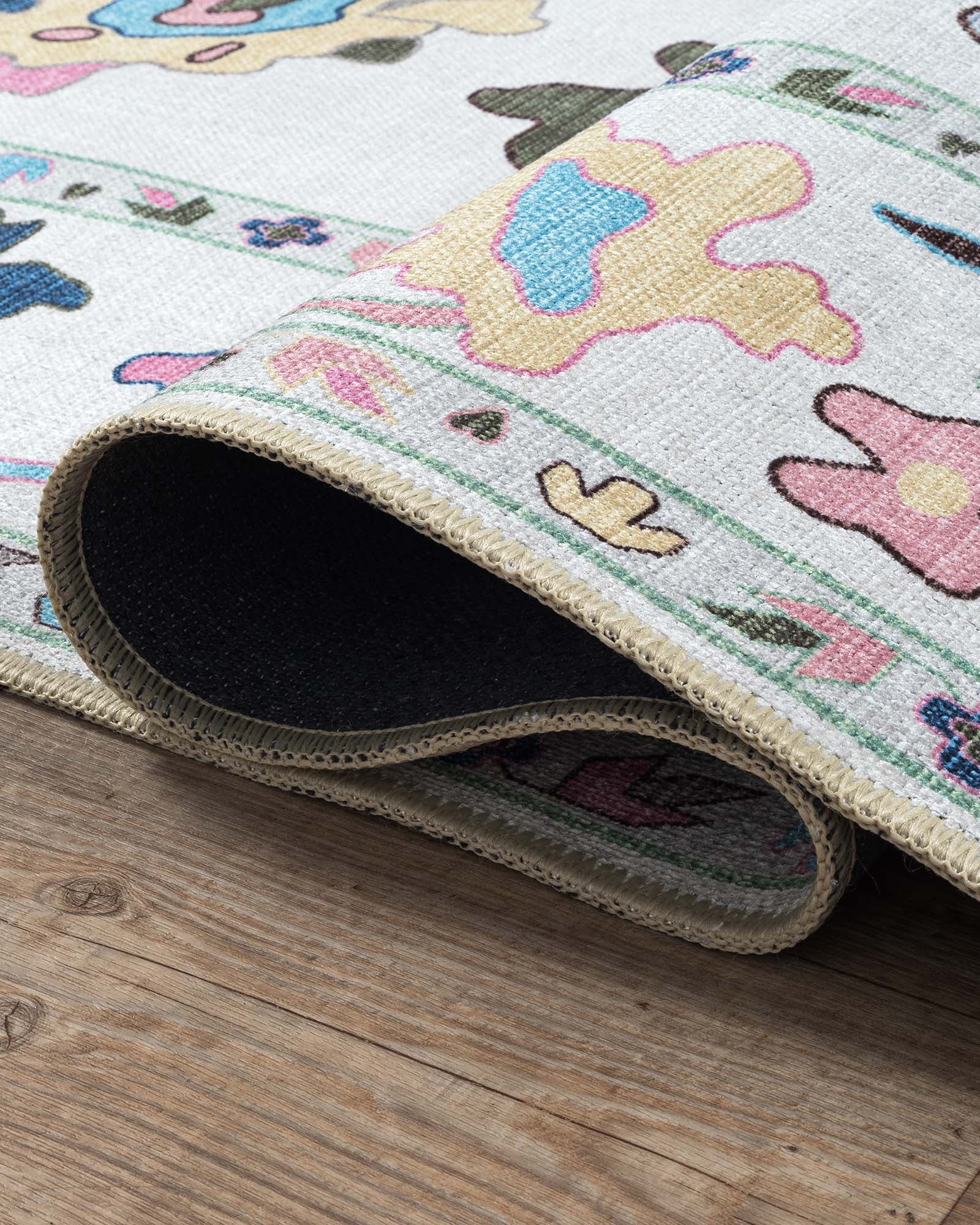

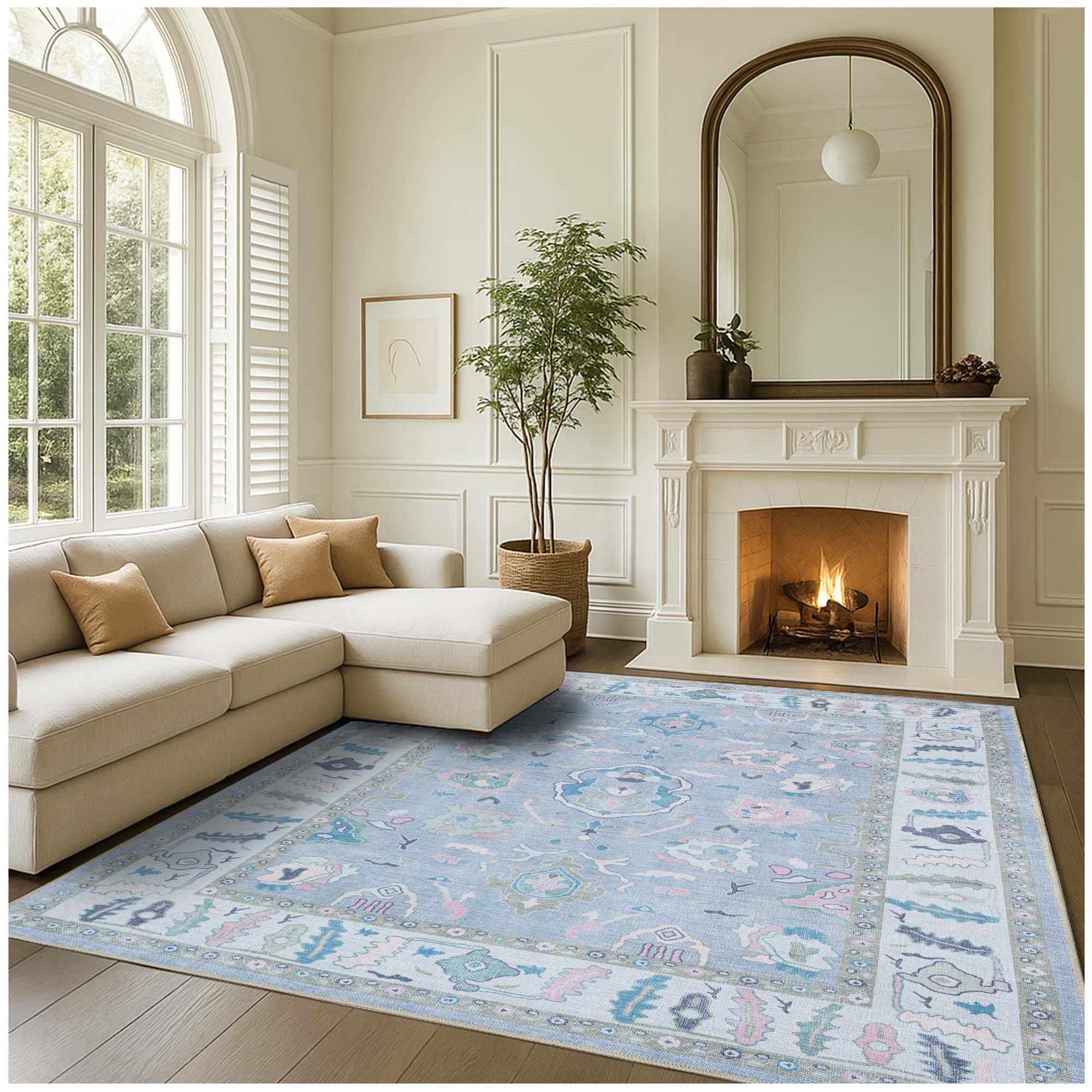

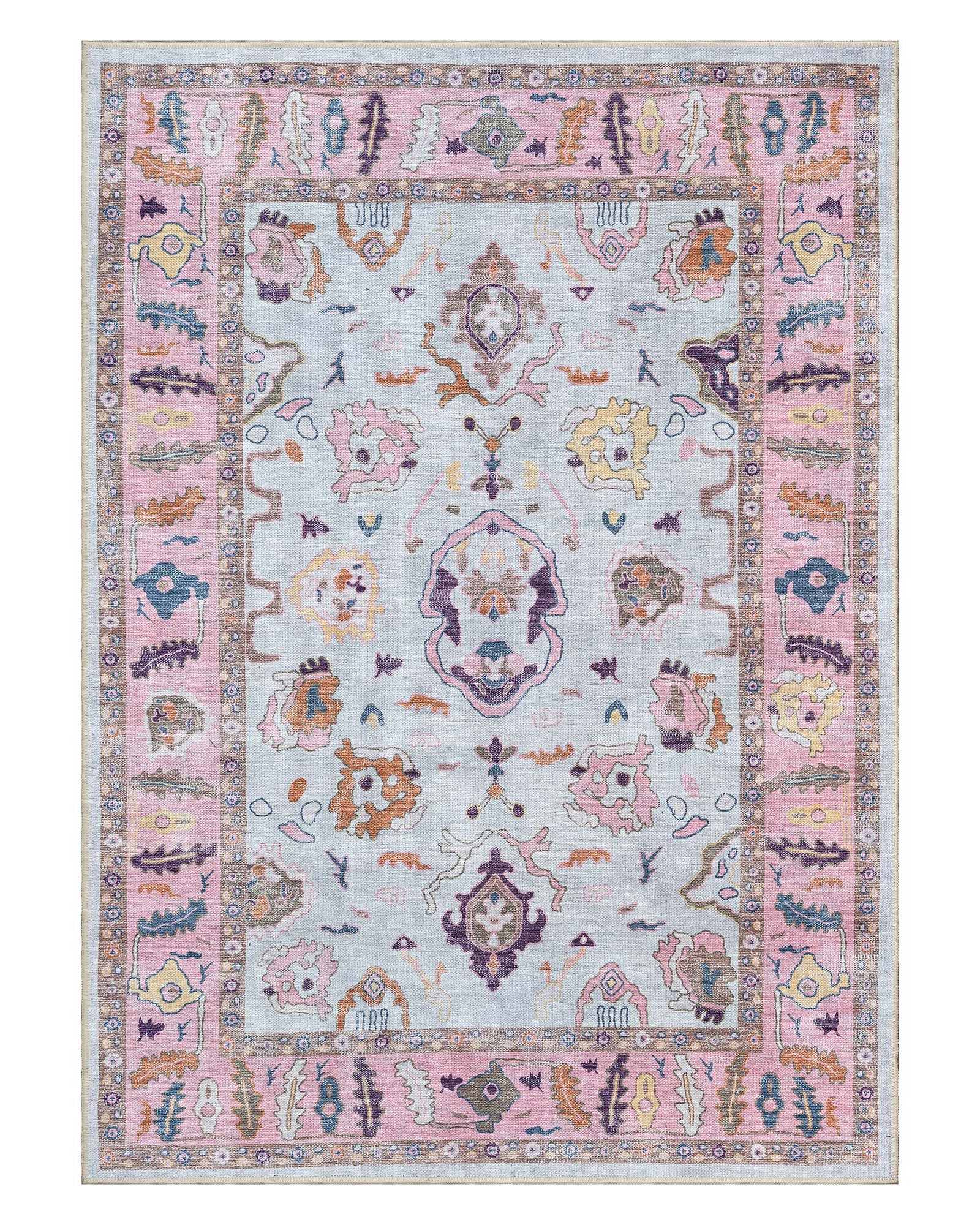


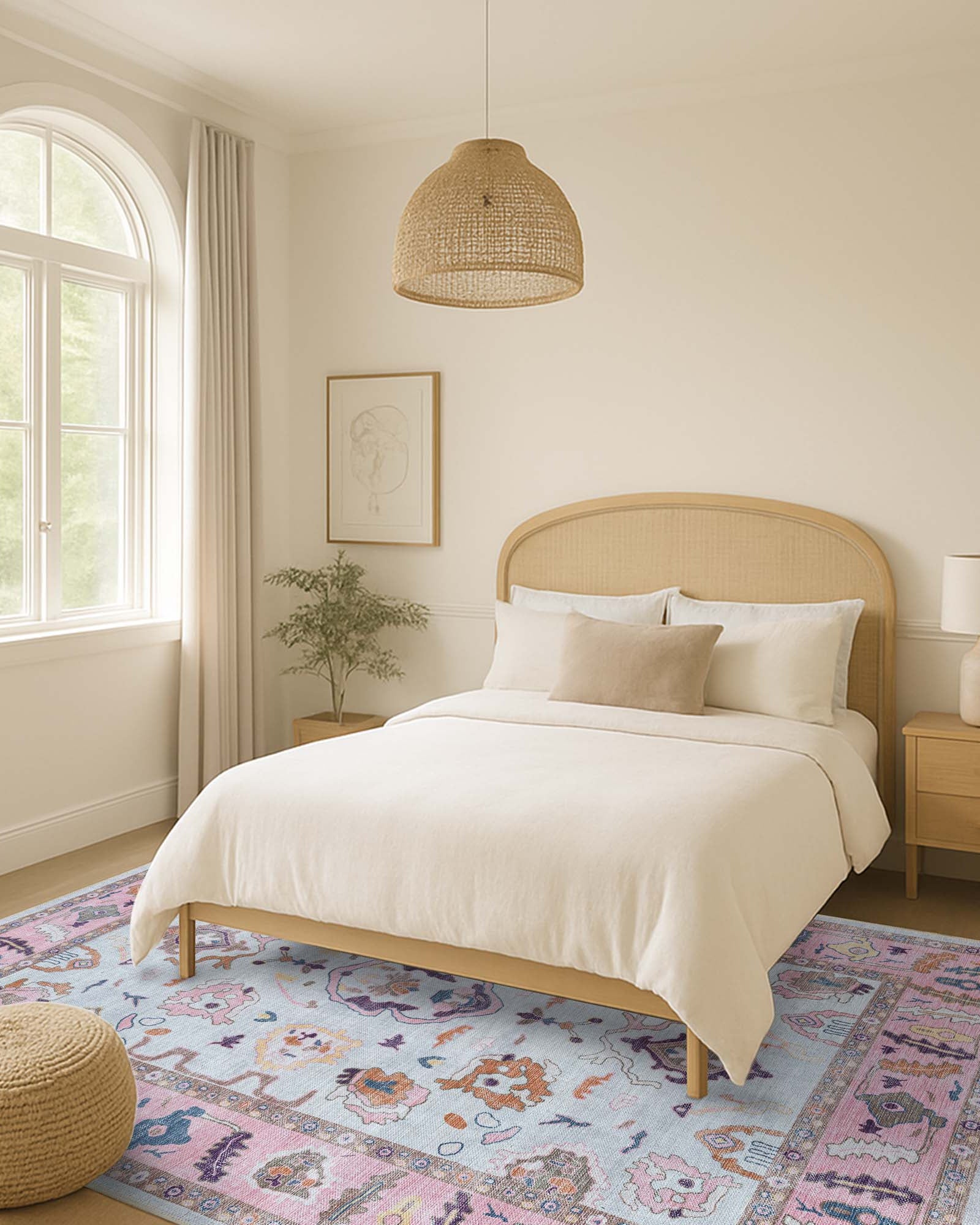
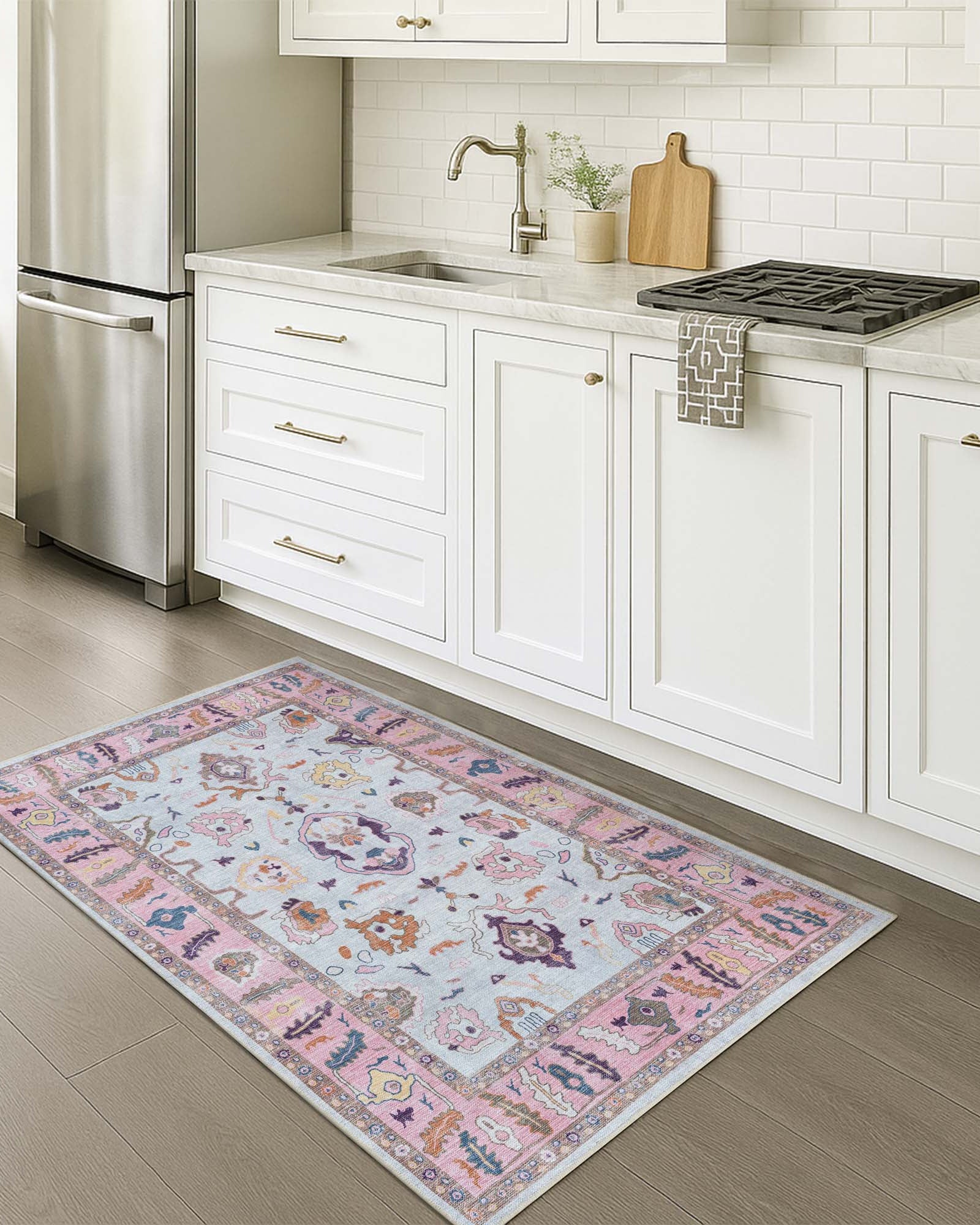
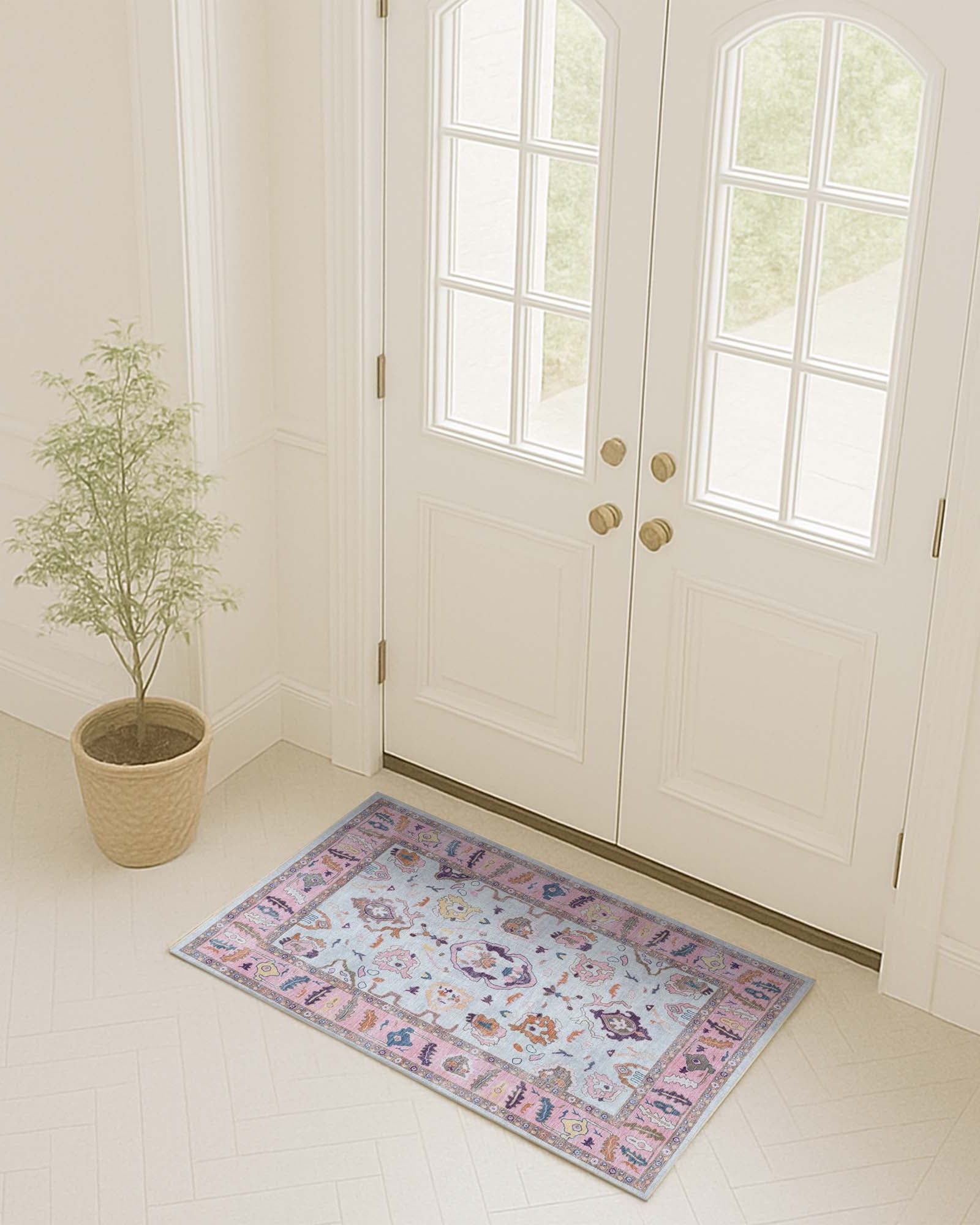
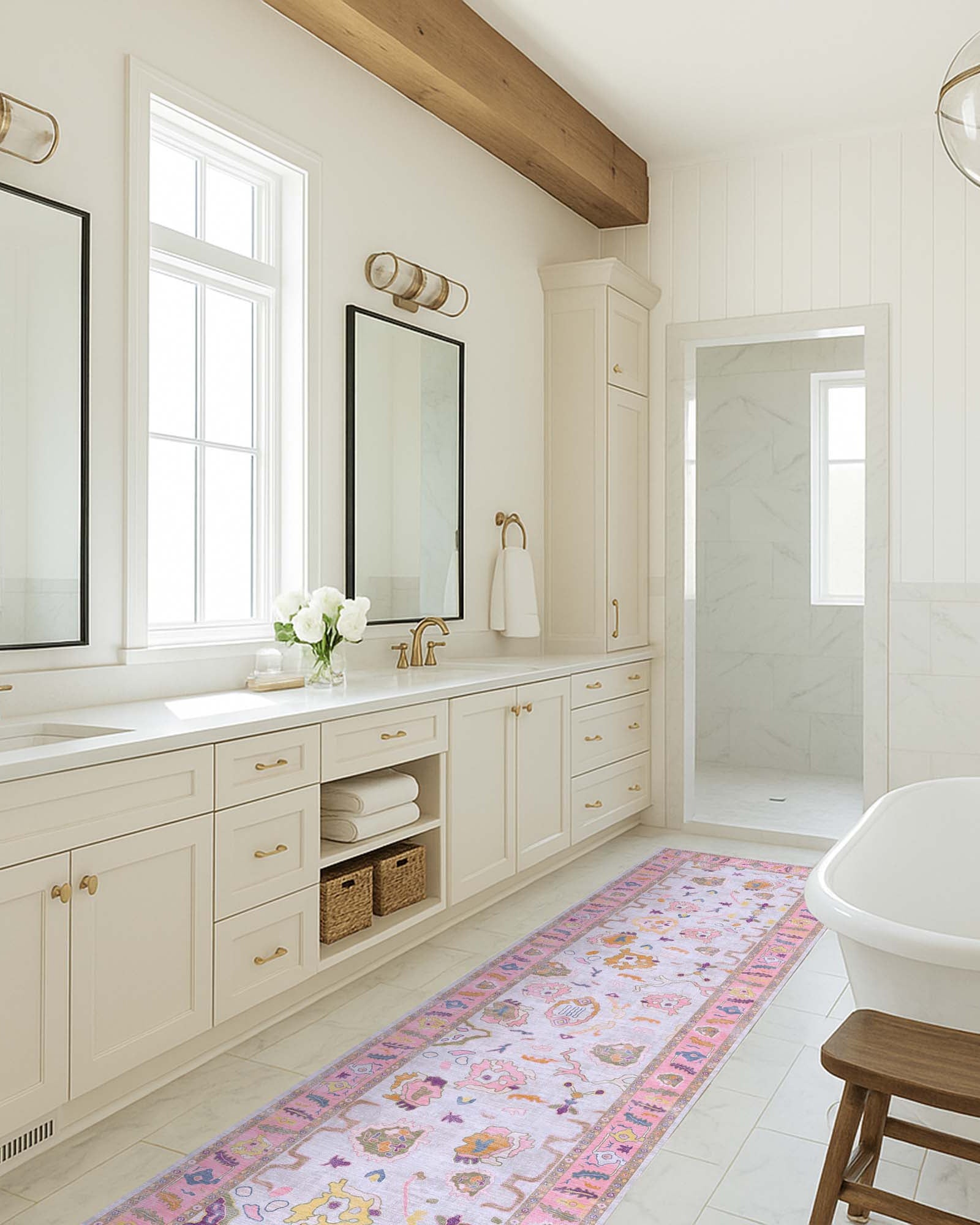
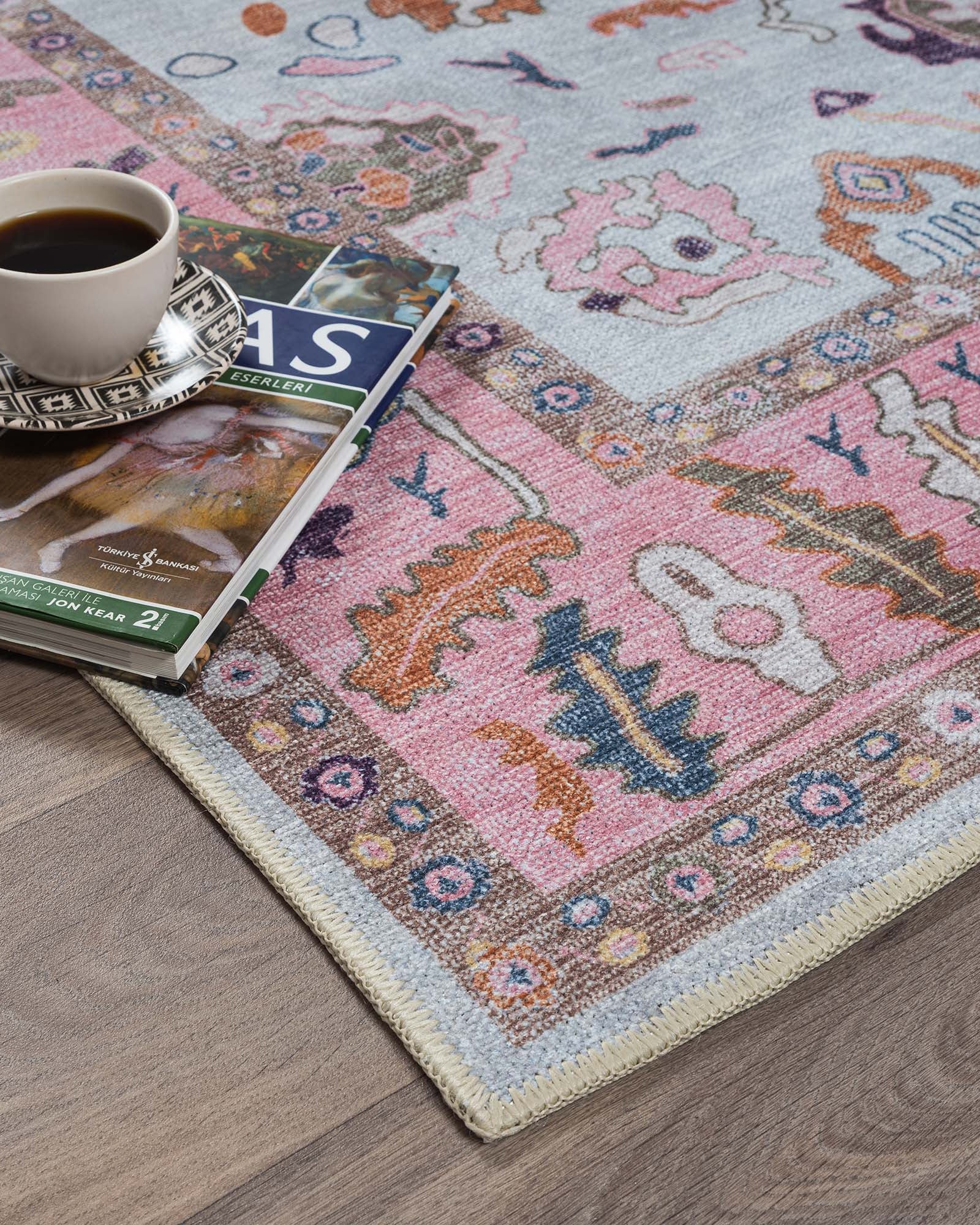
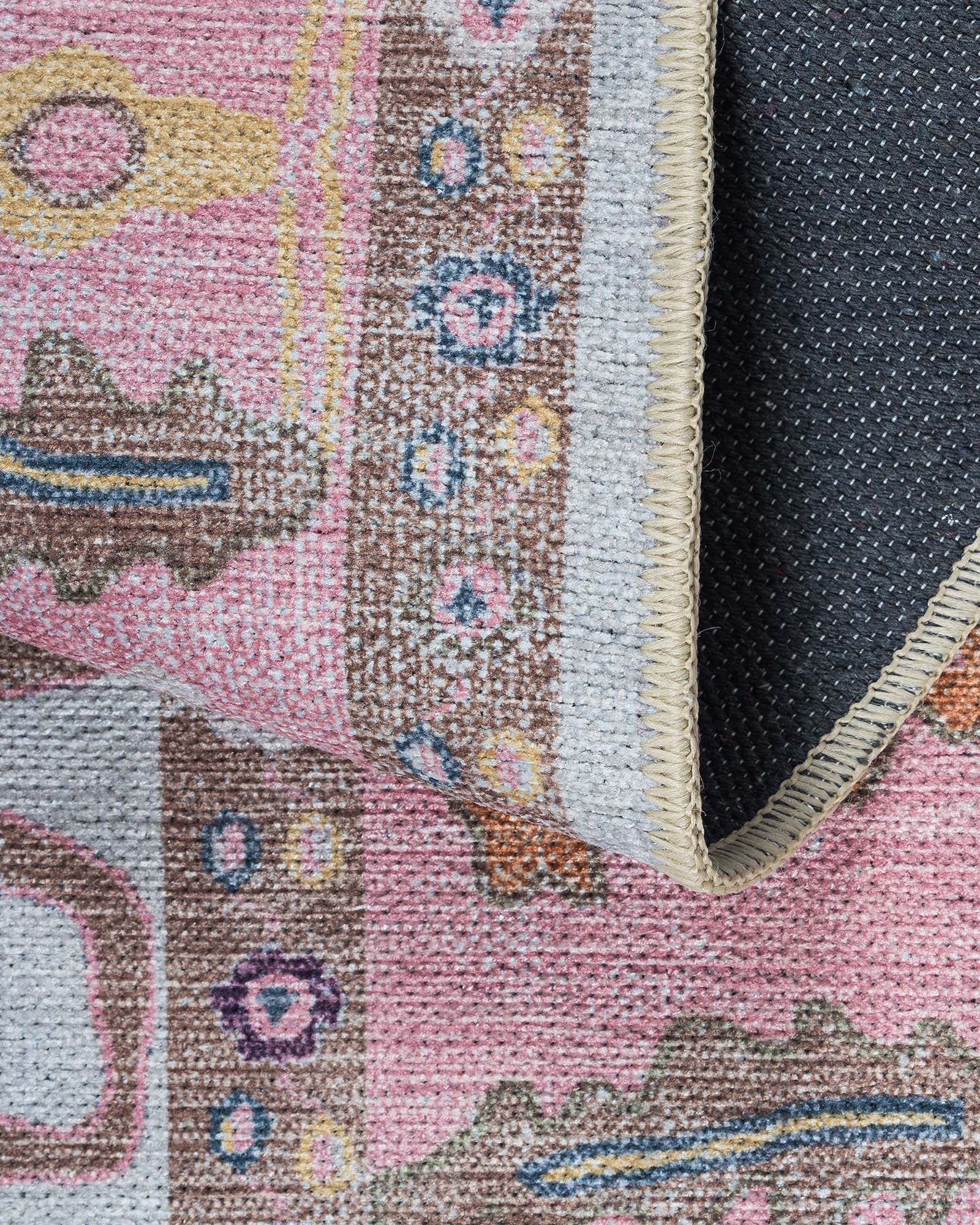
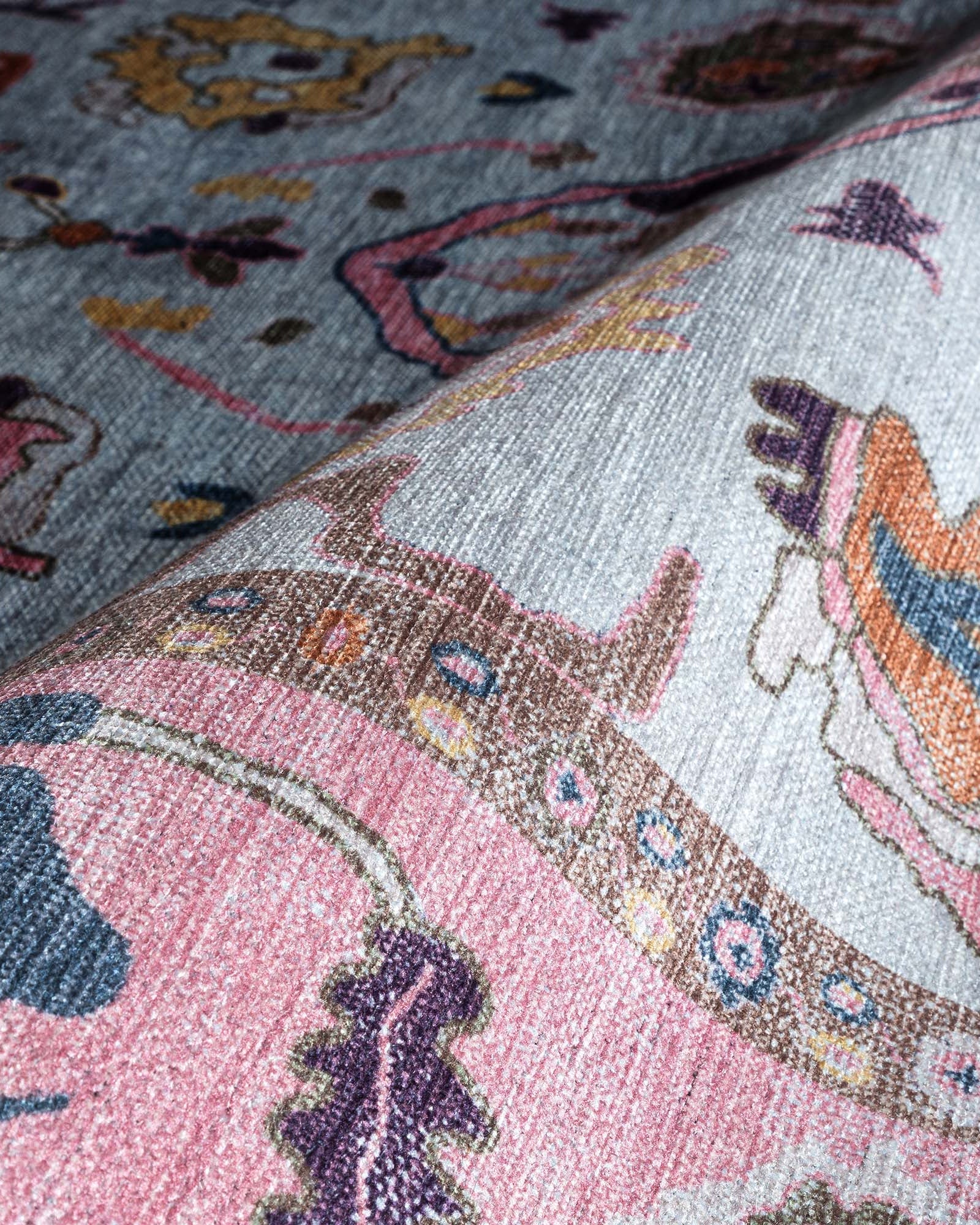


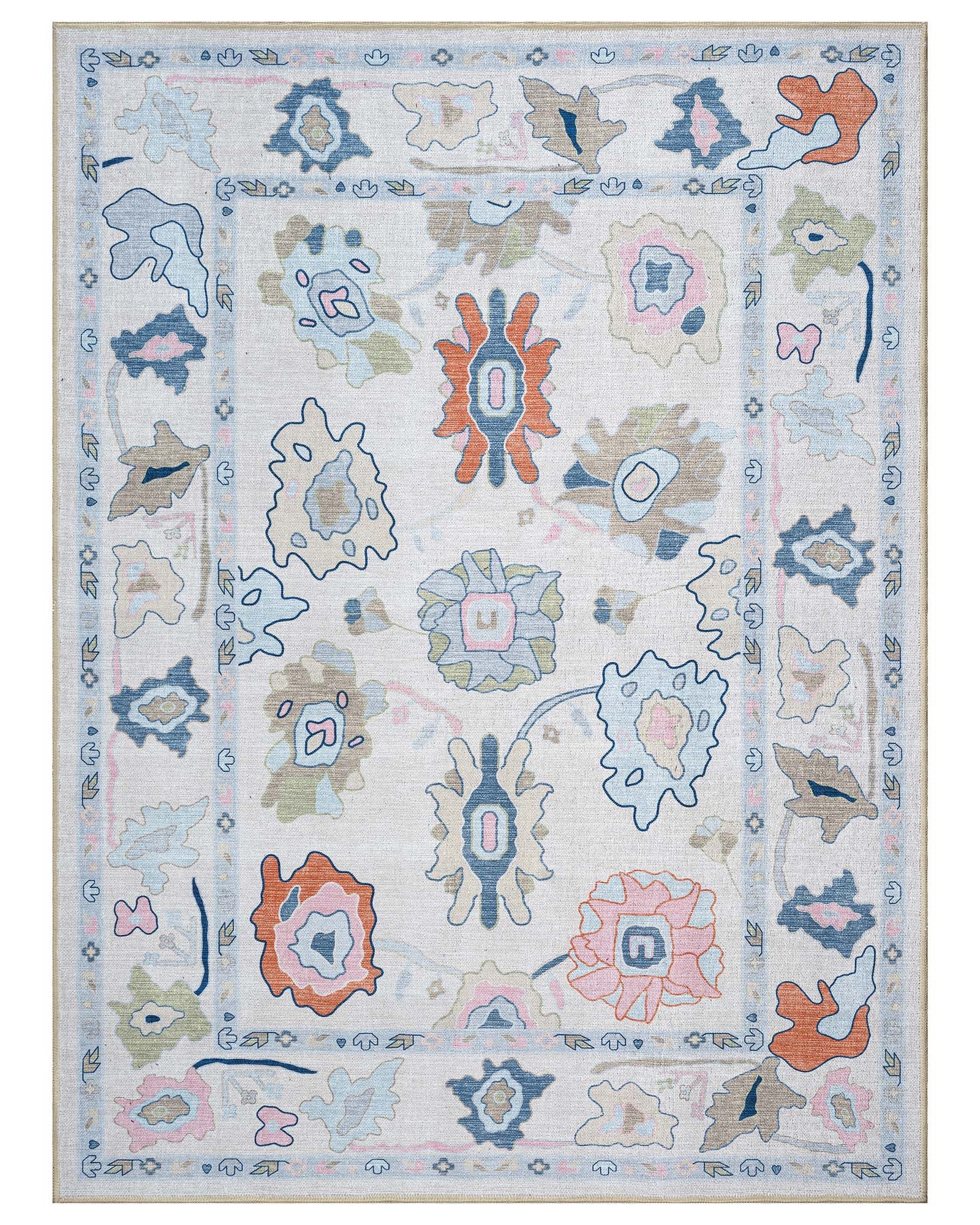
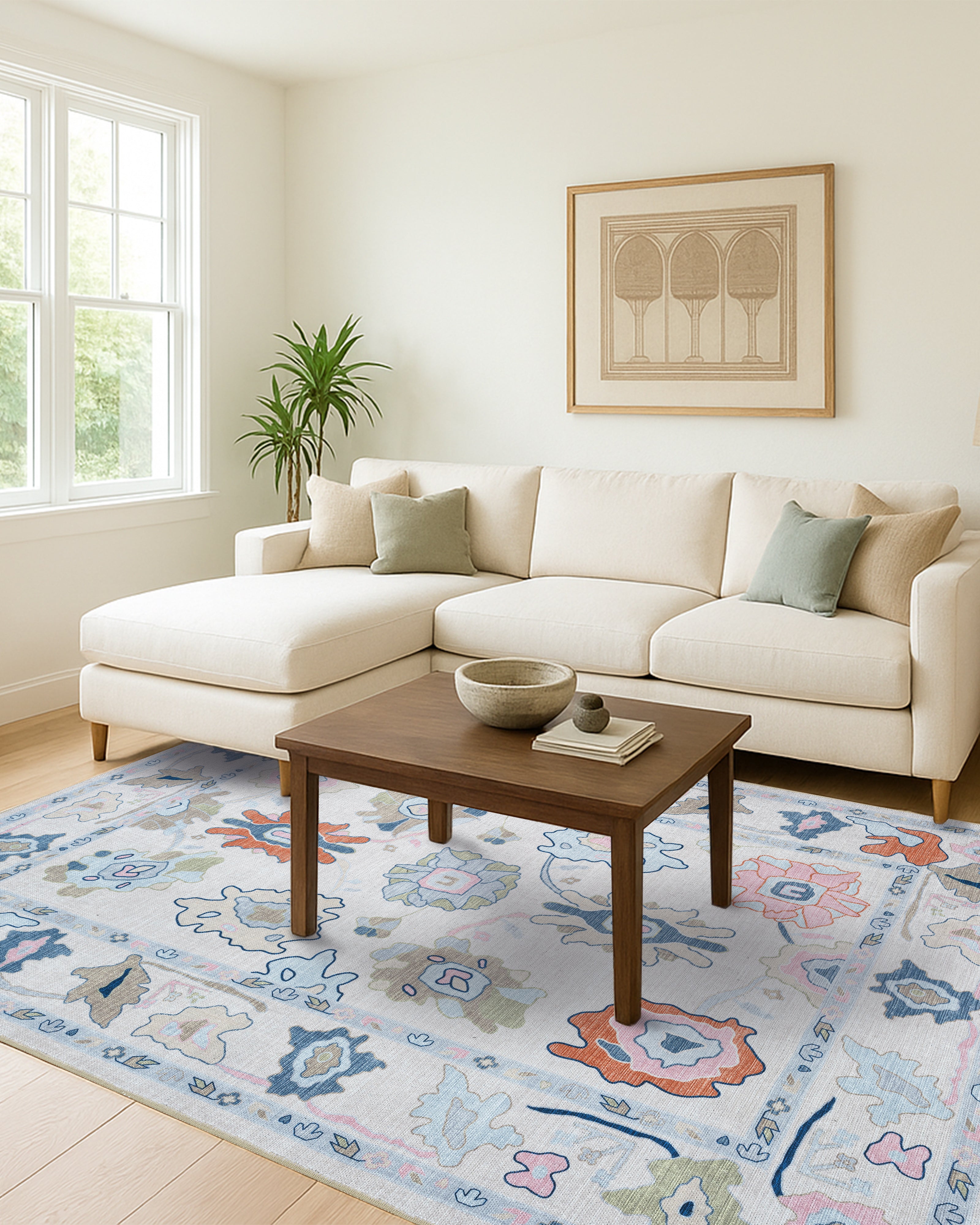

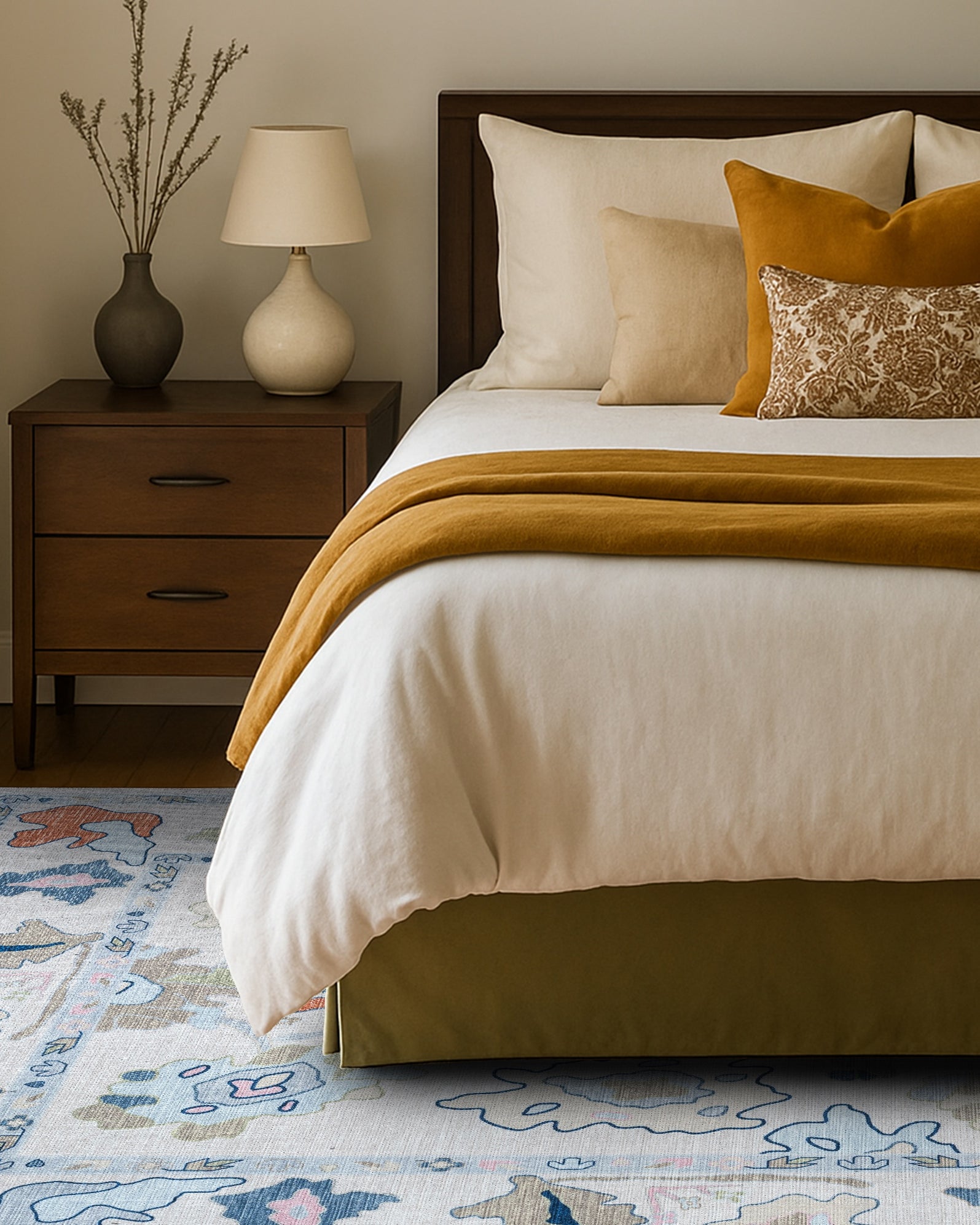
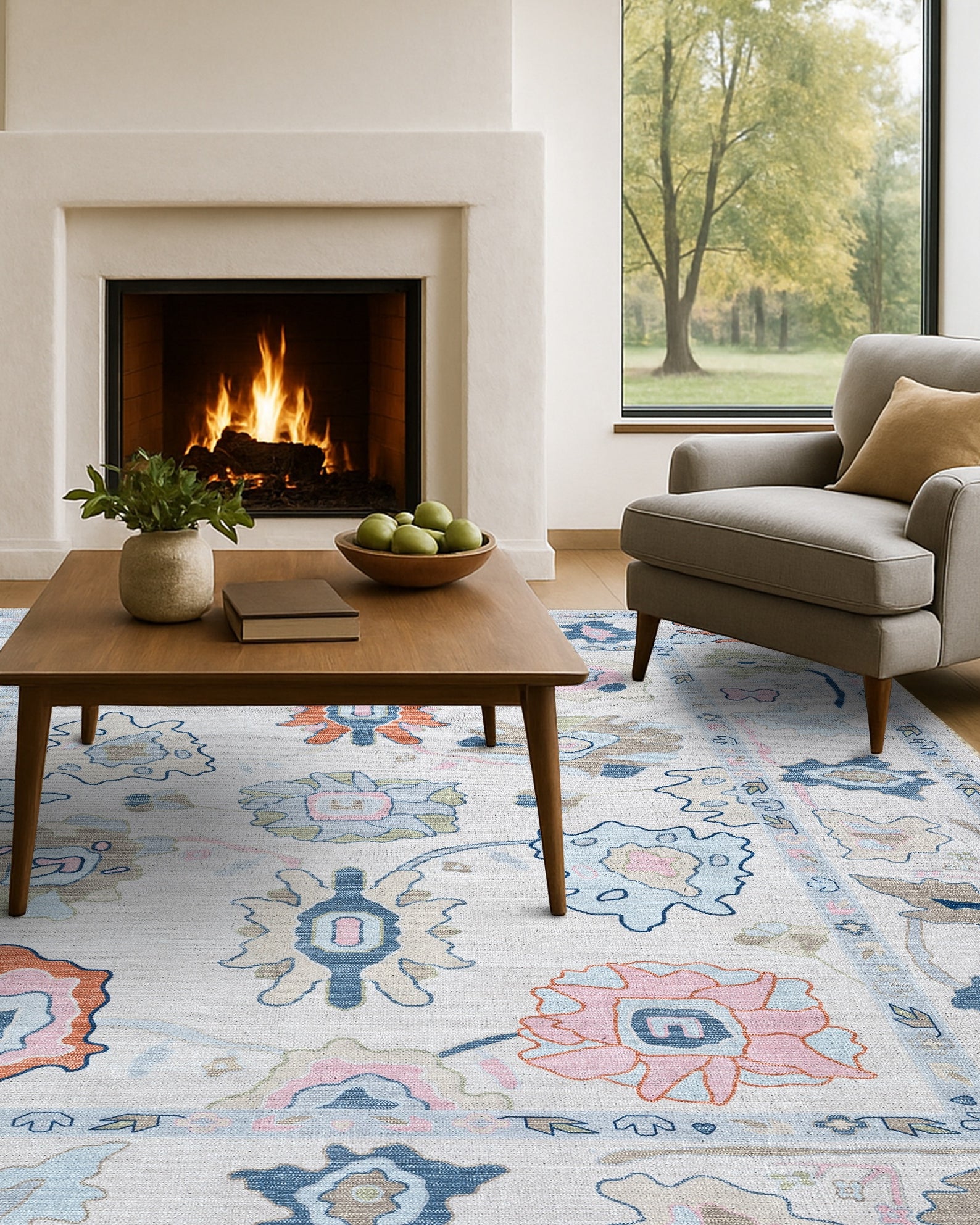



When shopping for a wool rug, two popular options often stand out: wool kilim rugs and tufted wool rugs. Both bring warmth, natural texture, and timeless style to a home, but they differ in how they're made, how much they shed, and how well they hold up over time.
If you're wondering whether a wool kilim or a tufted wool rug is the better long-term investment, understanding these differences can help you choose the right rug for your lifestyle.
Let's compare their construction, shedding, durability, and maintenance to find out which one is right for your home.
1. What Is the Difference Between a Wool Kilim and a Tufted Wool Rug?

The biggest difference comes down to how each rug is made.
Wool Kilim Rugs: Traditional Flatweave Construction
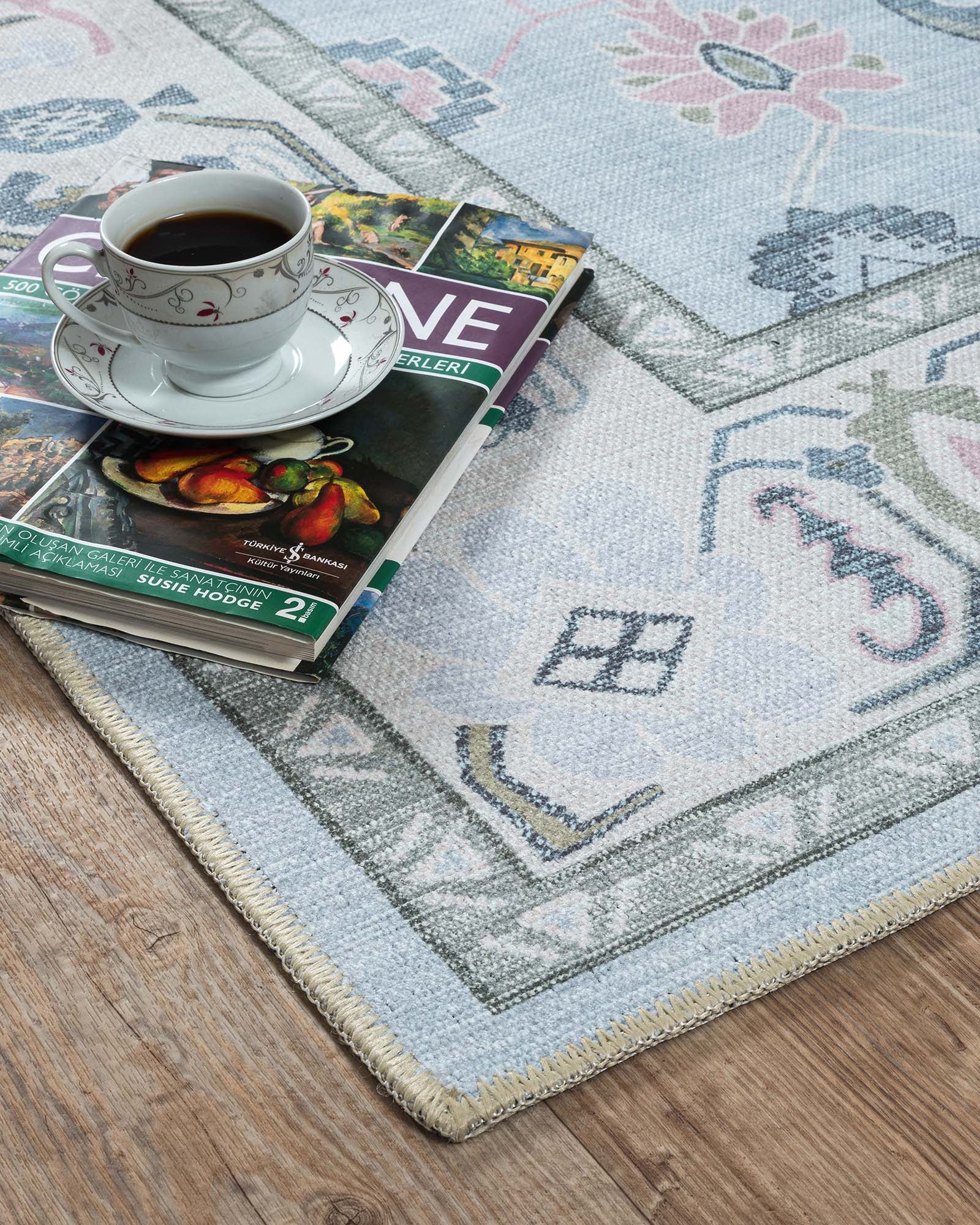
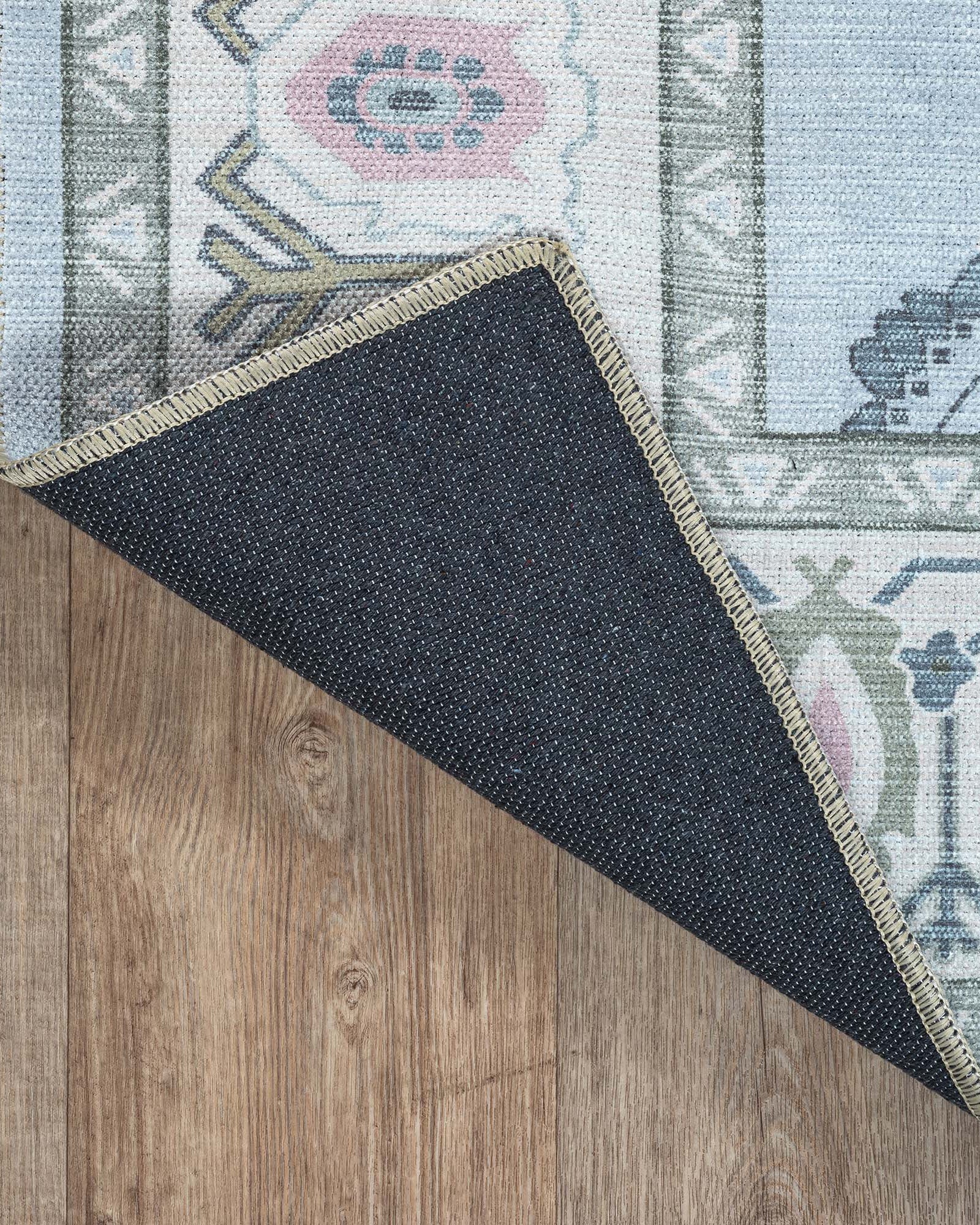
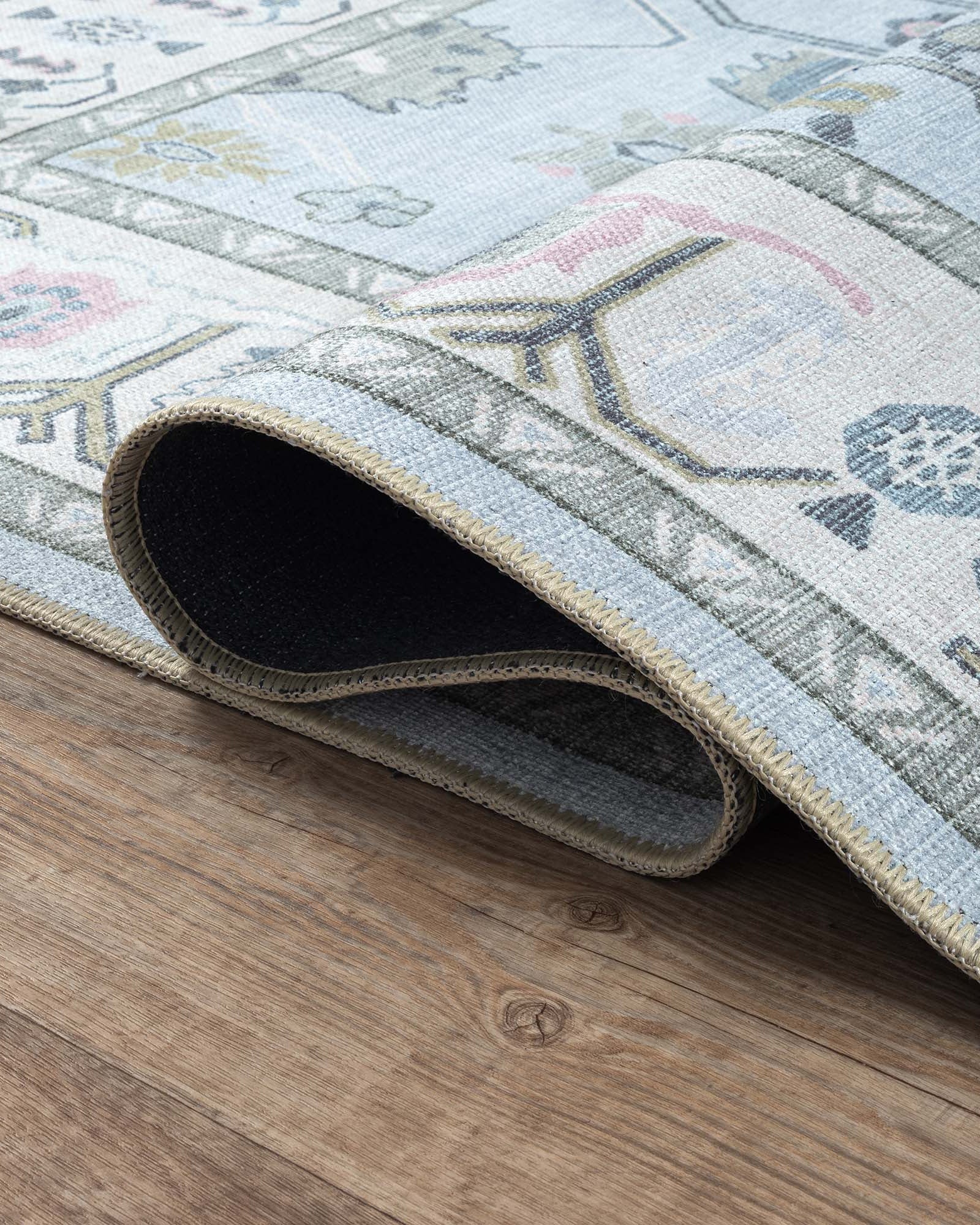
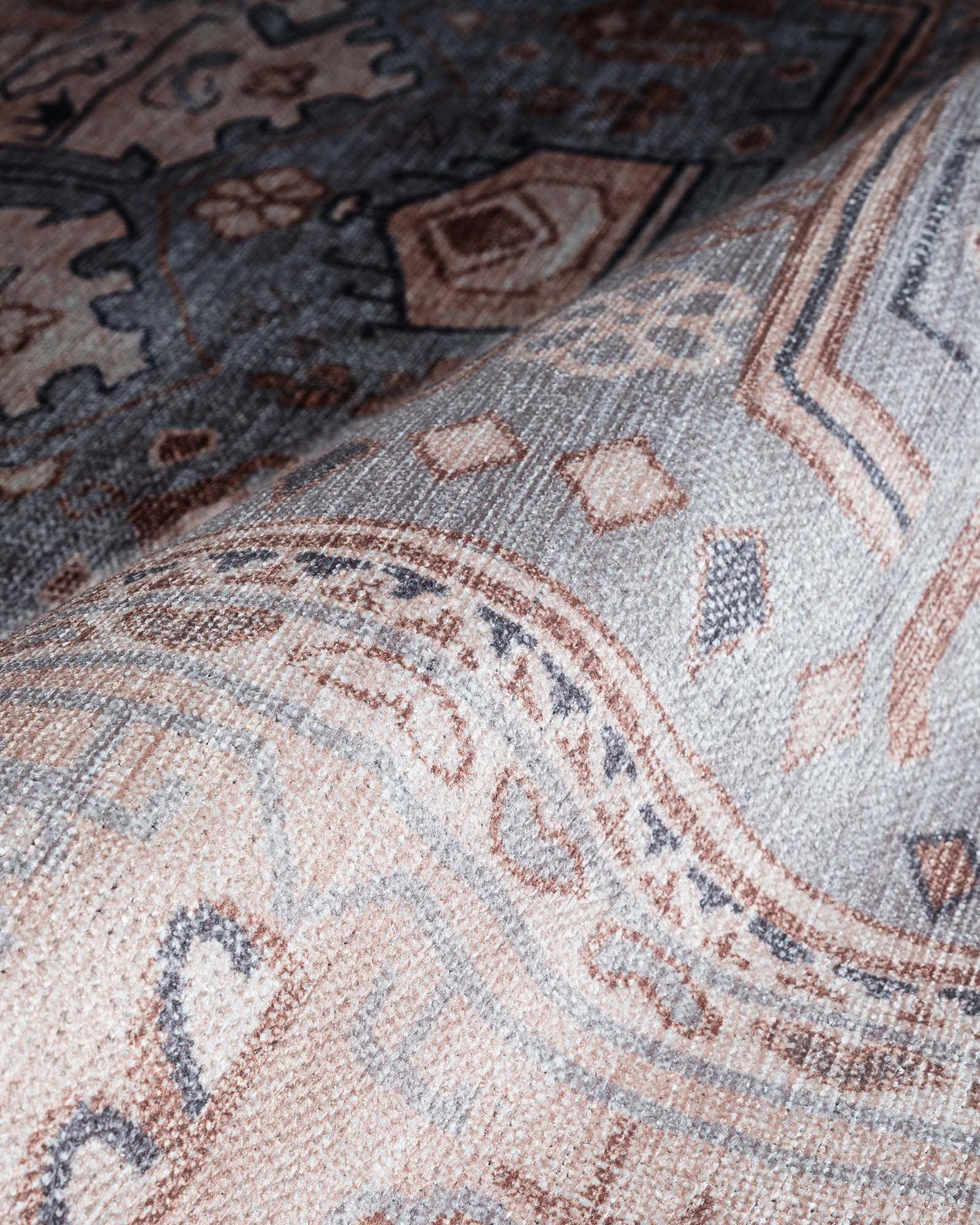
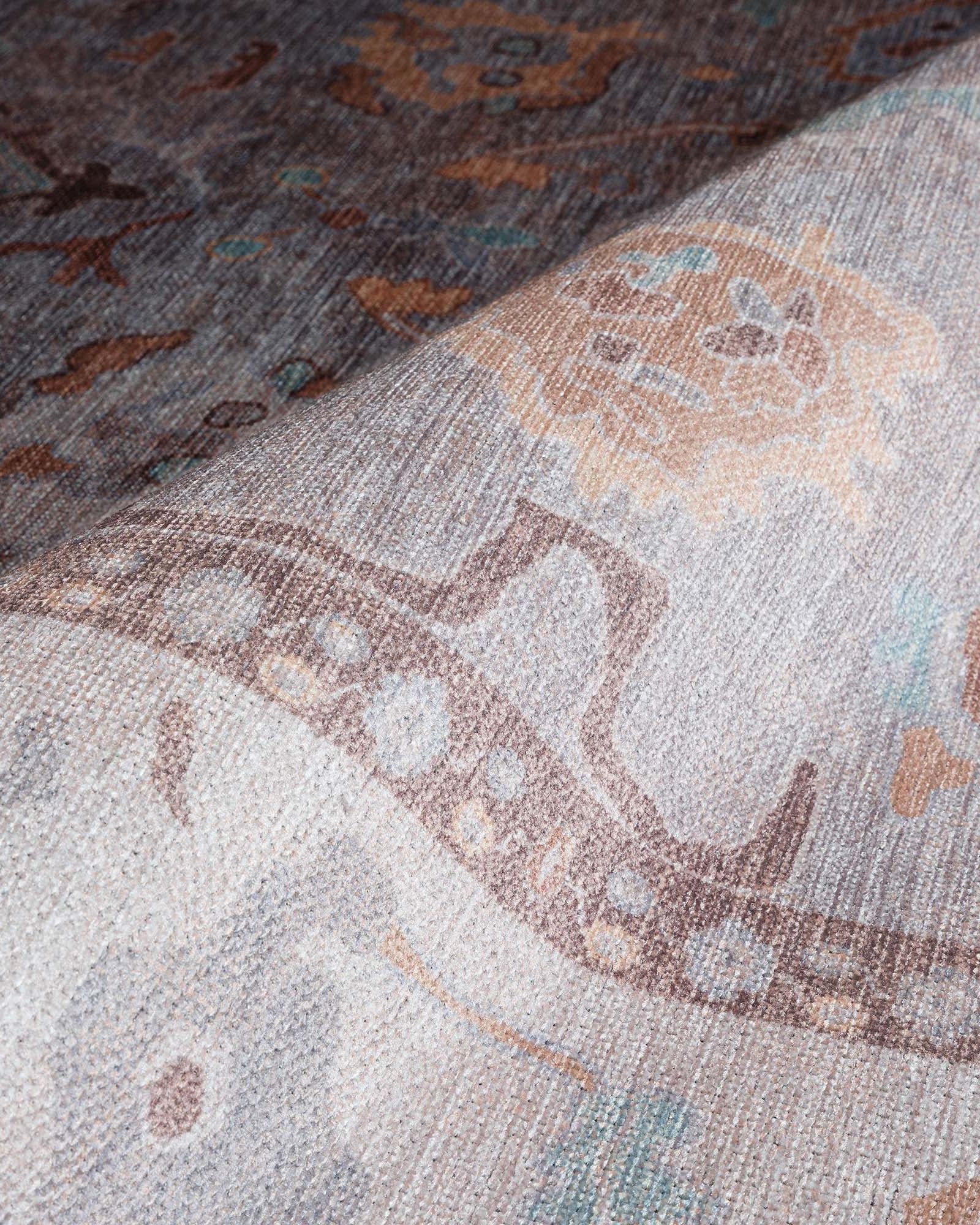
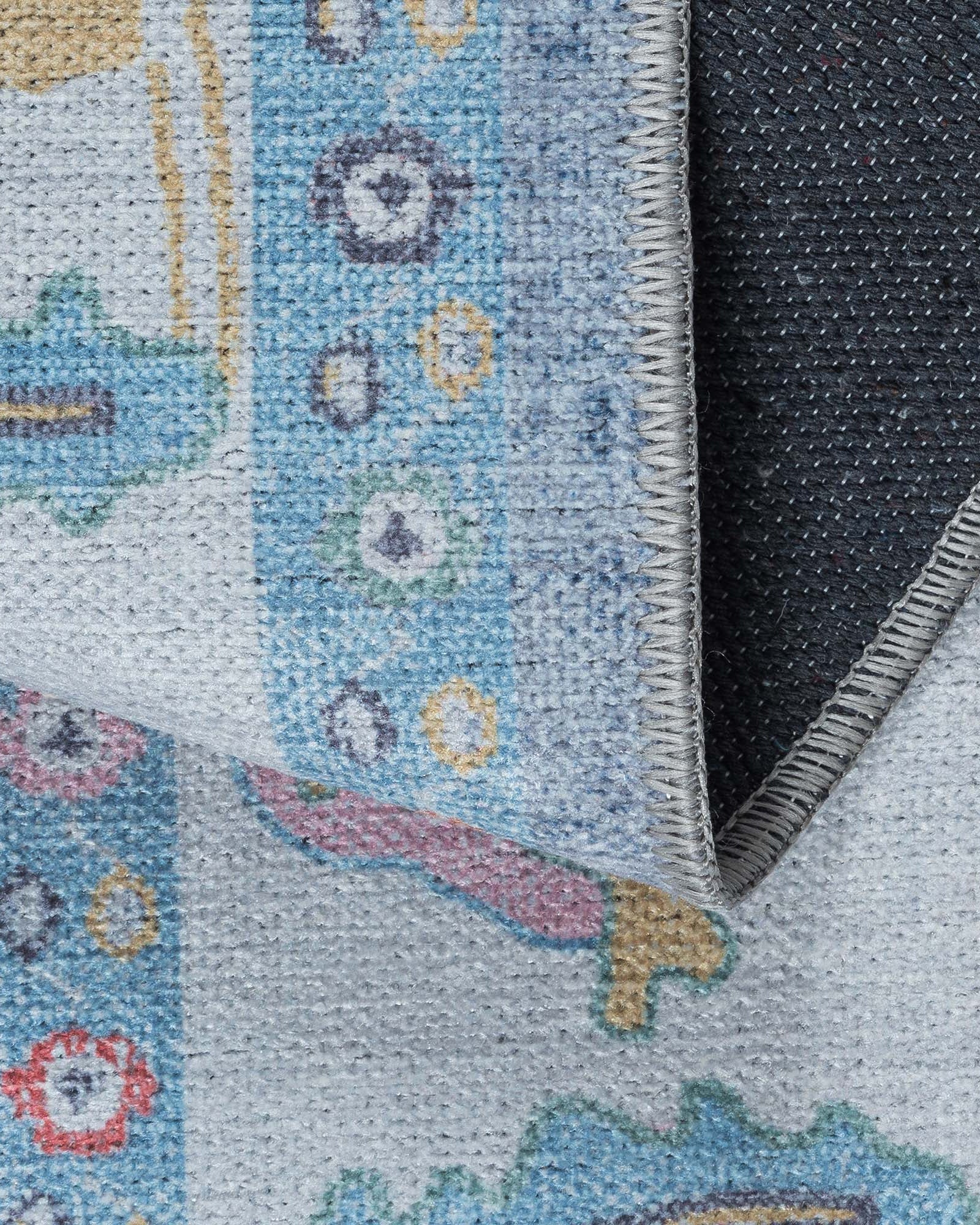
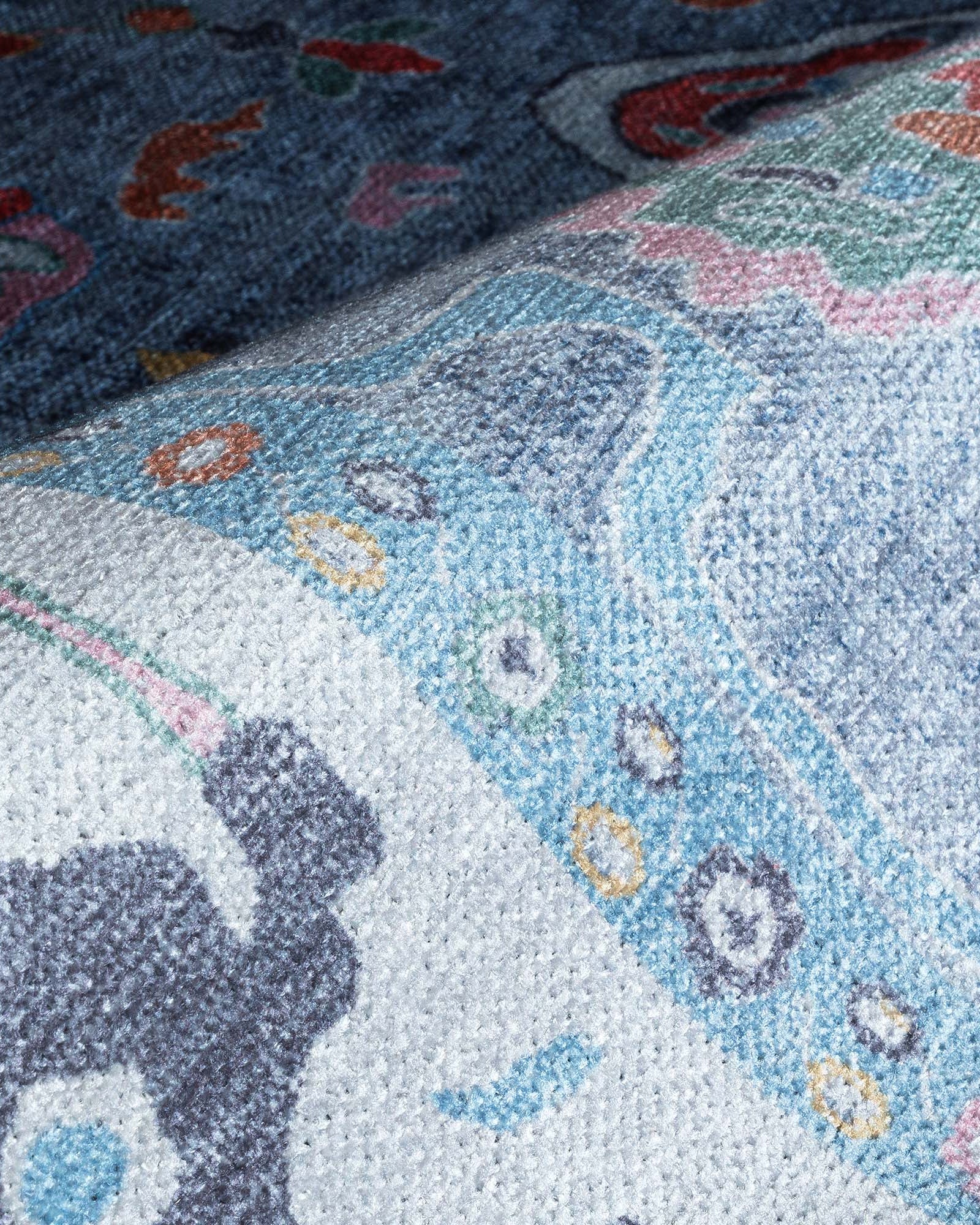
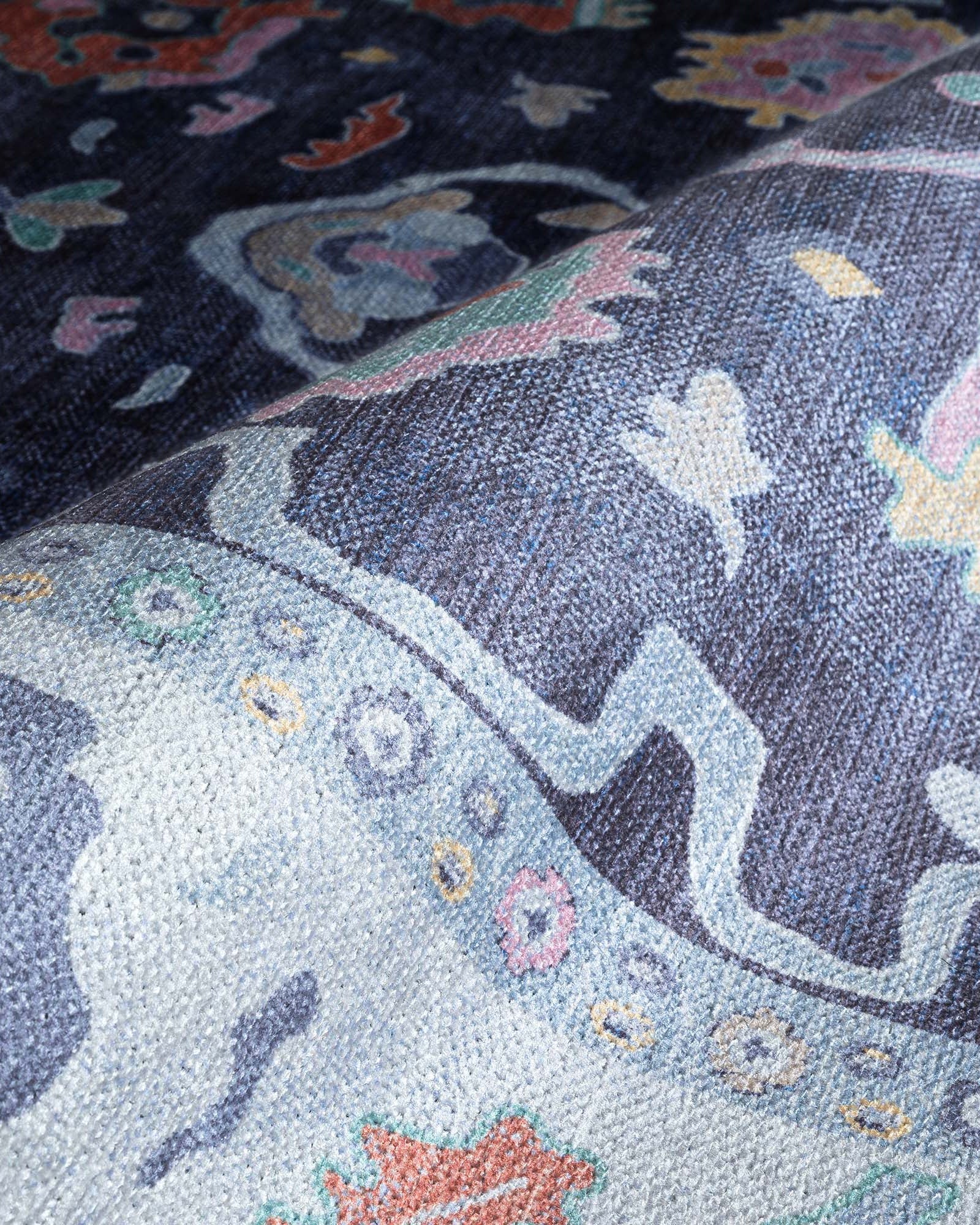
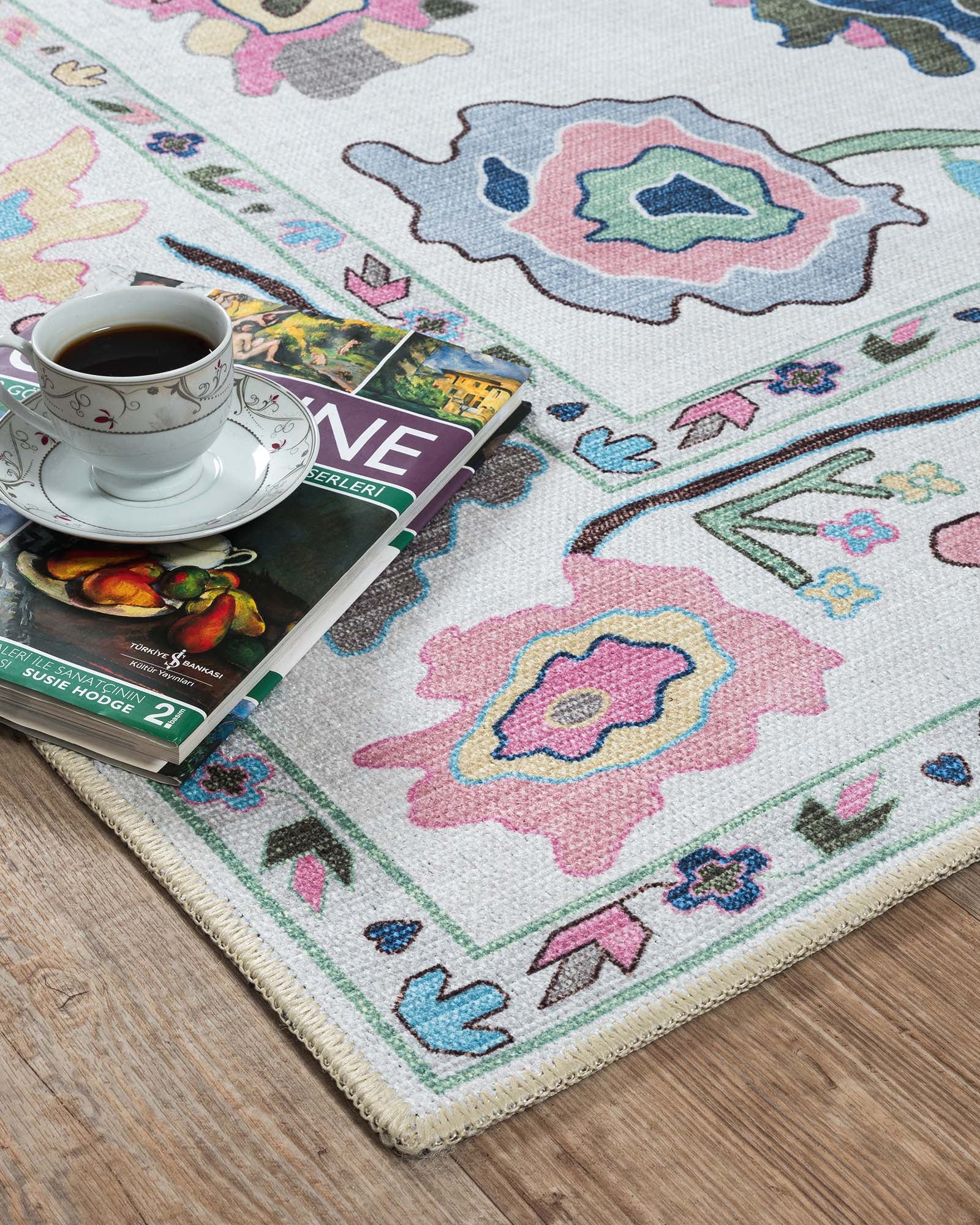
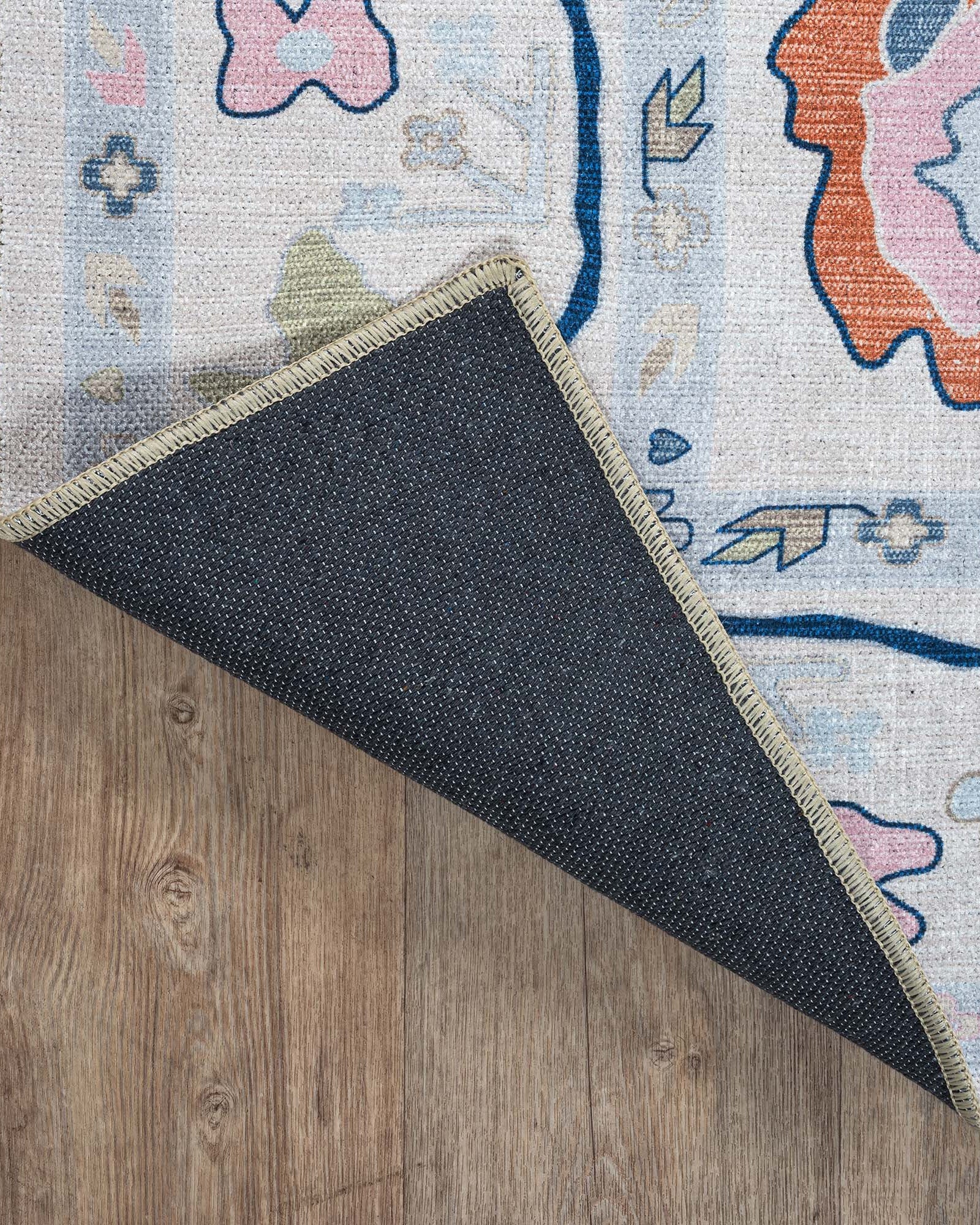
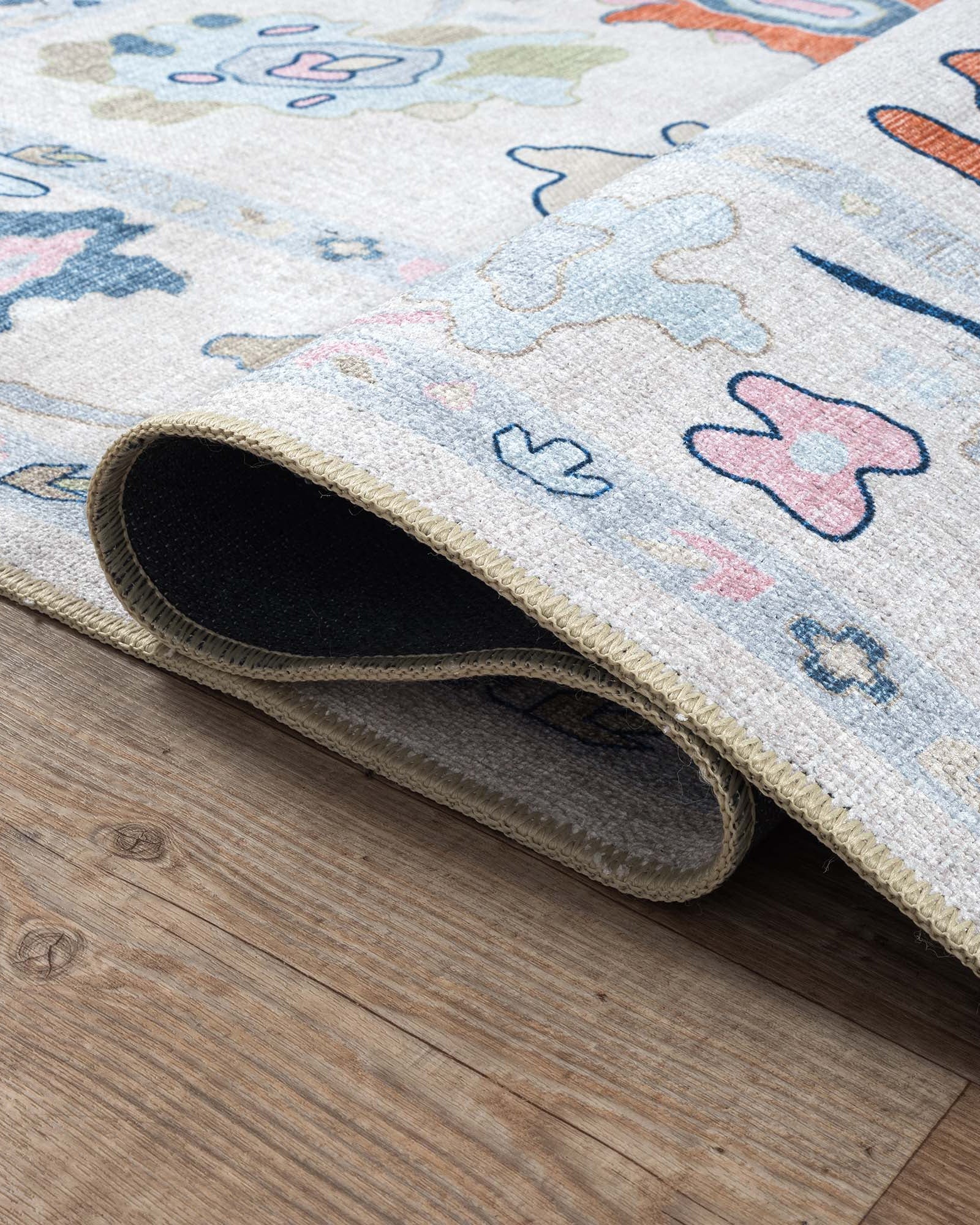
Wool kilim rugs are traditionally handwoven on looms, with horizontal and vertical threads interlaced to create a flat, reversible surface. Unlike pile rugs, they don't have raised fibers or a thick pile.
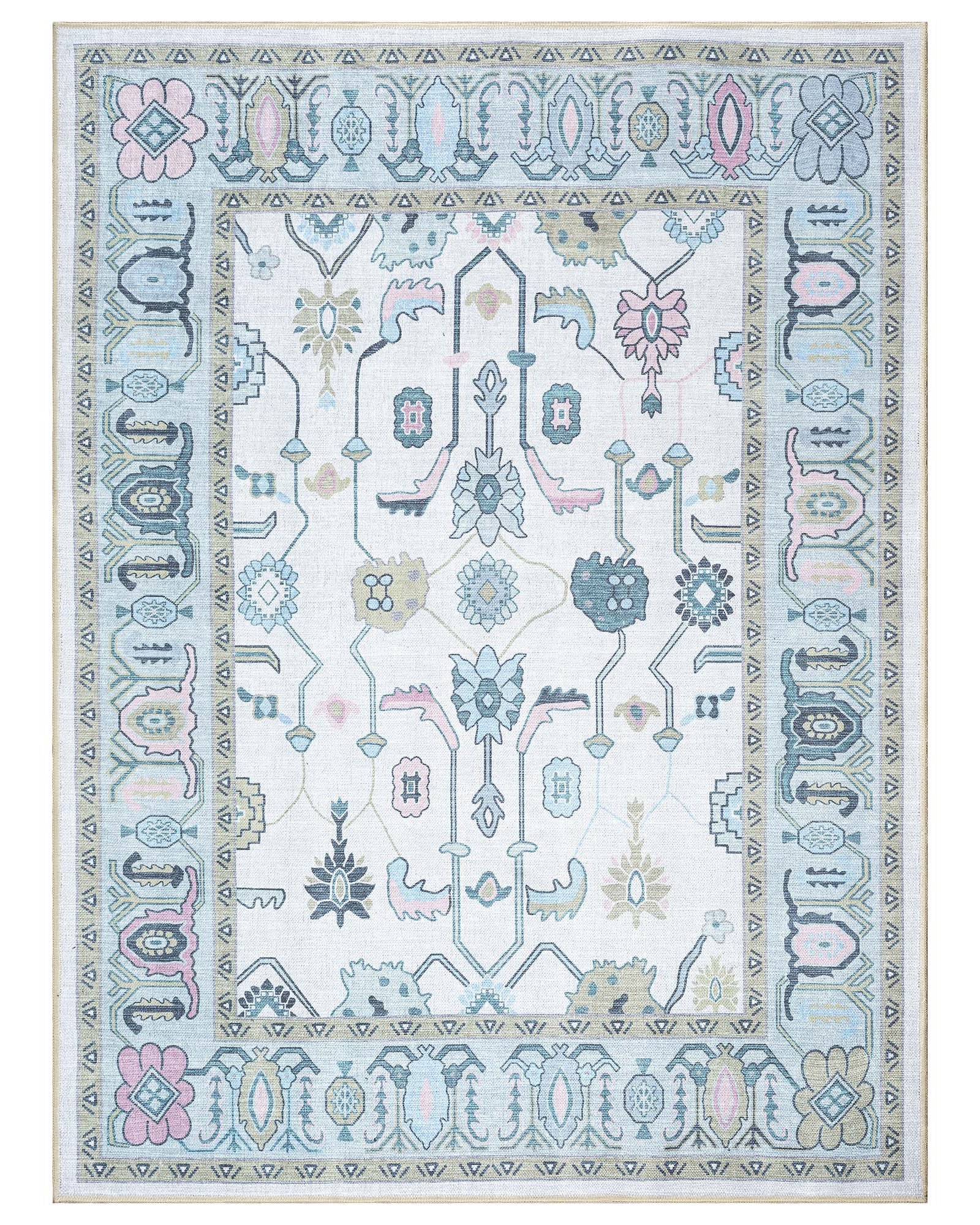
This construction gives kilims their distinctive flat texture, lightweight feel, and often beautifully detailed geometric patterns. Their flatweave design also makes them practical for everyday spaces where easy movement and furniture placement matter.
Tufted Wool Rugs: Soft, Textured Pile Construction
Tufted wool rugs are made by punching wool yarn through a backing material using a tufting tool. The yarn creates a raised pile, giving the rug a thicker, softer, and more cushioned feel underfoot.
They are available in different pile heights and designs, making them a popular choice for bedrooms, living rooms, and cozy spaces where comfort is a priority.
2. Which Wool Rug Sheds Less?
If minimal shedding is your priority, wool kilim rugs generally have the advantage.
Because kilims are woven without a raised pile, they don't release loose surface fibers in the same way that tufted wool rugs can. Their tightly interlaced construction helps keep the fibers in place, resulting in less visible shedding during everyday use.
Tufted wool rugs, on the other hand, may shed loose fibers, especially when new. This is a natural characteristic of wool pile rugs and can gradually decrease with regular, gentle maintenance.
The winner: Wool Kilim
For households that prefer less shedding and easier day-to-day upkeep, a flatweave wool kilim is often the more practical option.
3. Which Rug Lasts Longer?

Both wool kilim and tufted wool rugs can last for many years when properly made and maintained. However, their construction affects how they handle everyday wear.
Wool Kilim Durability
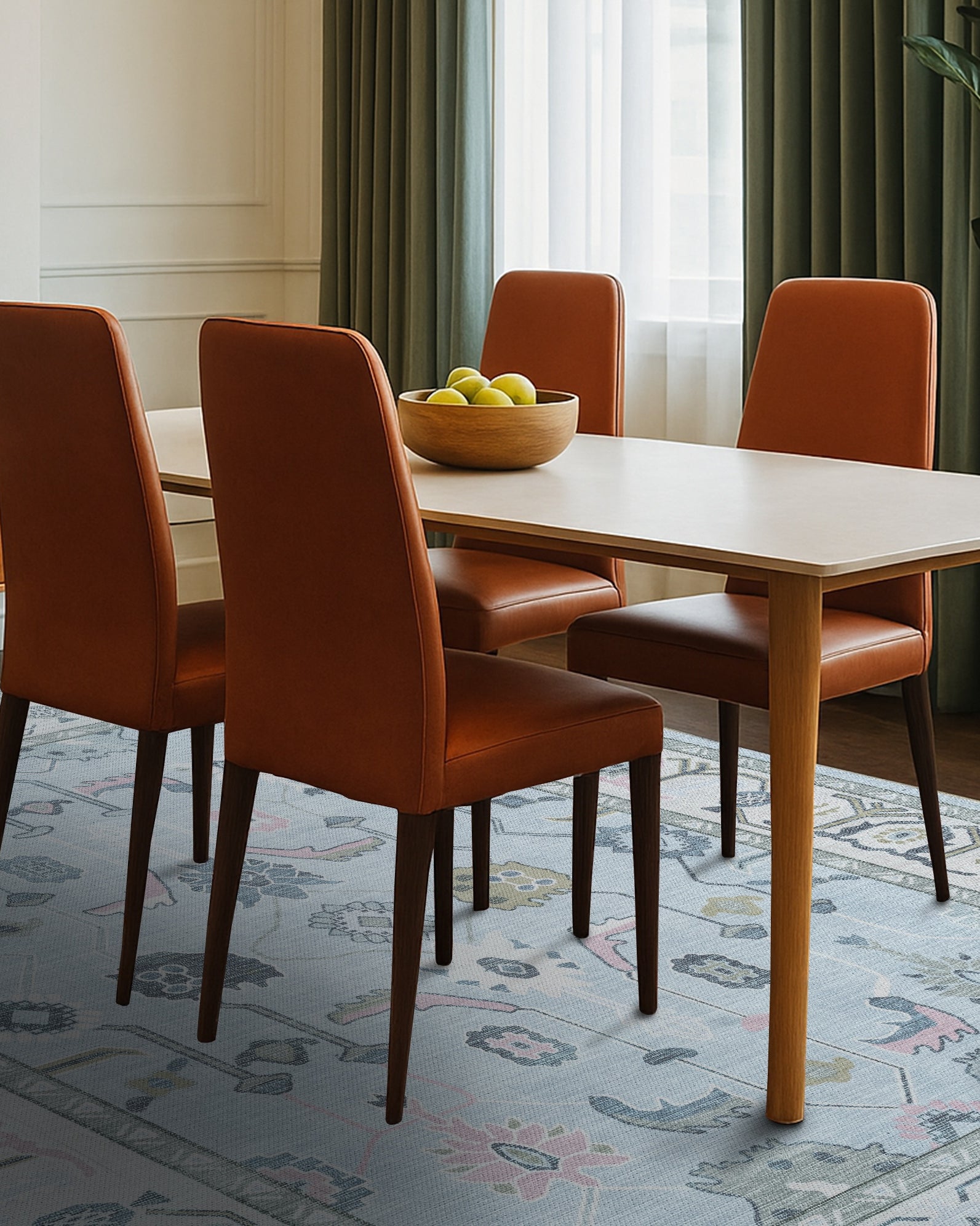
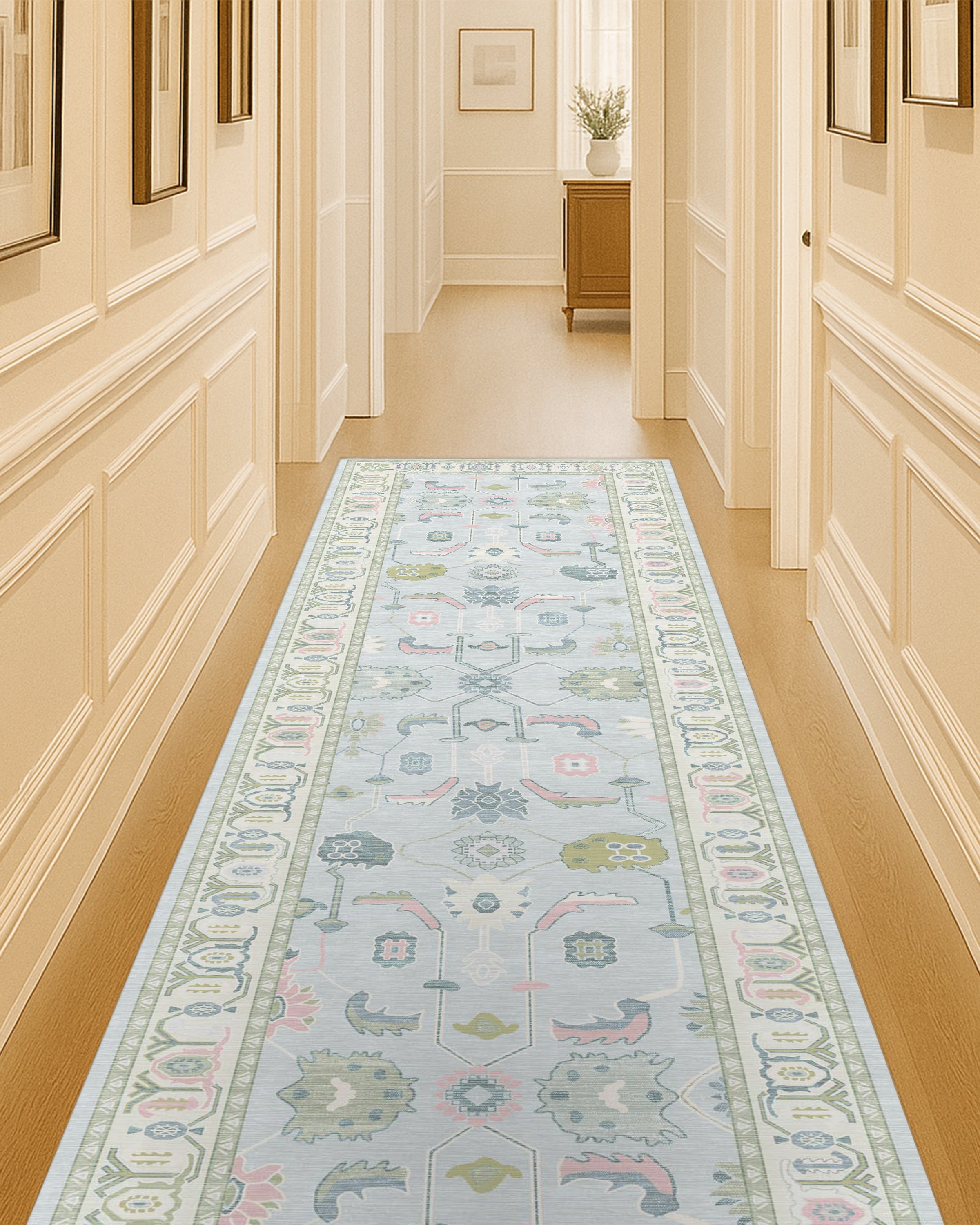
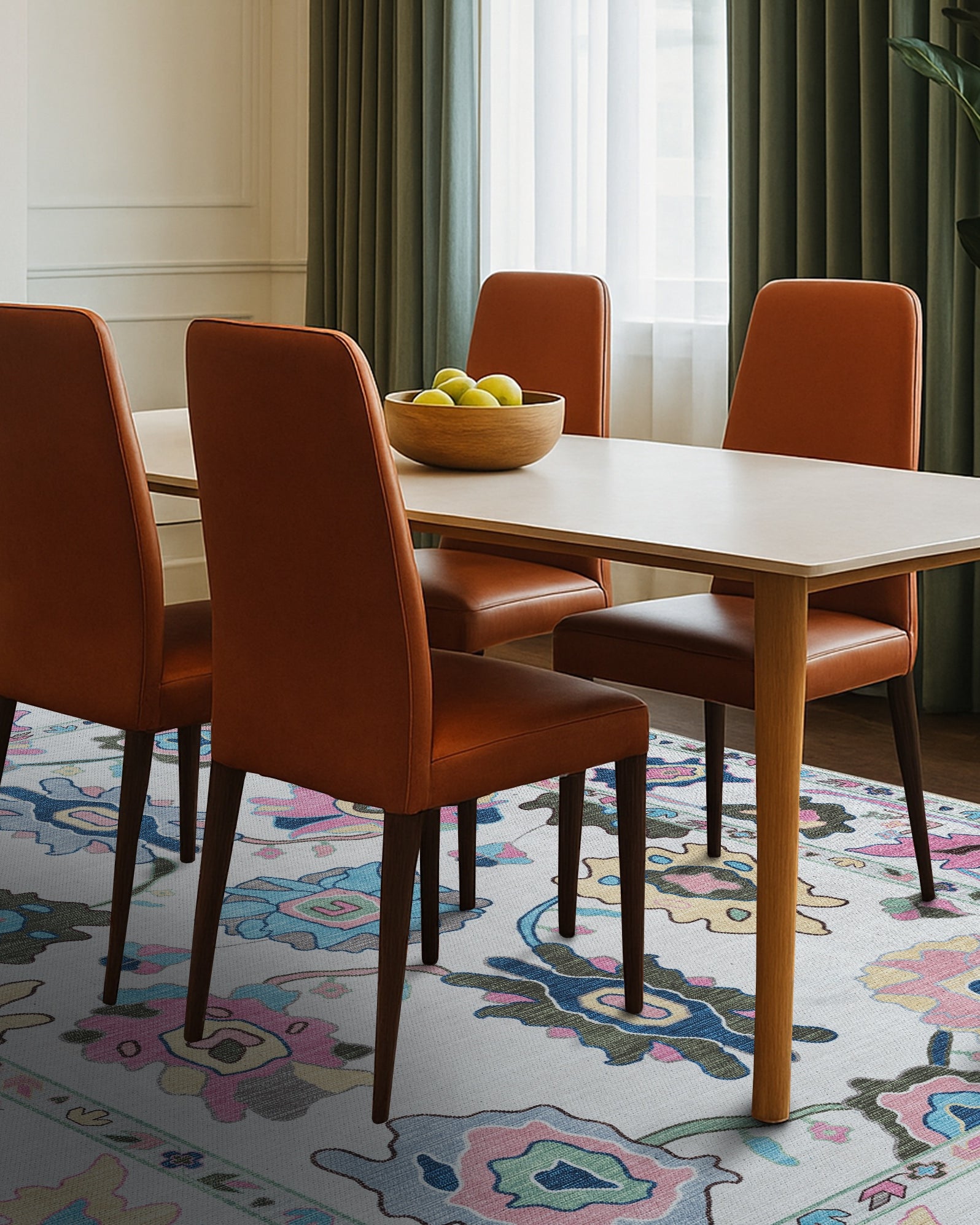
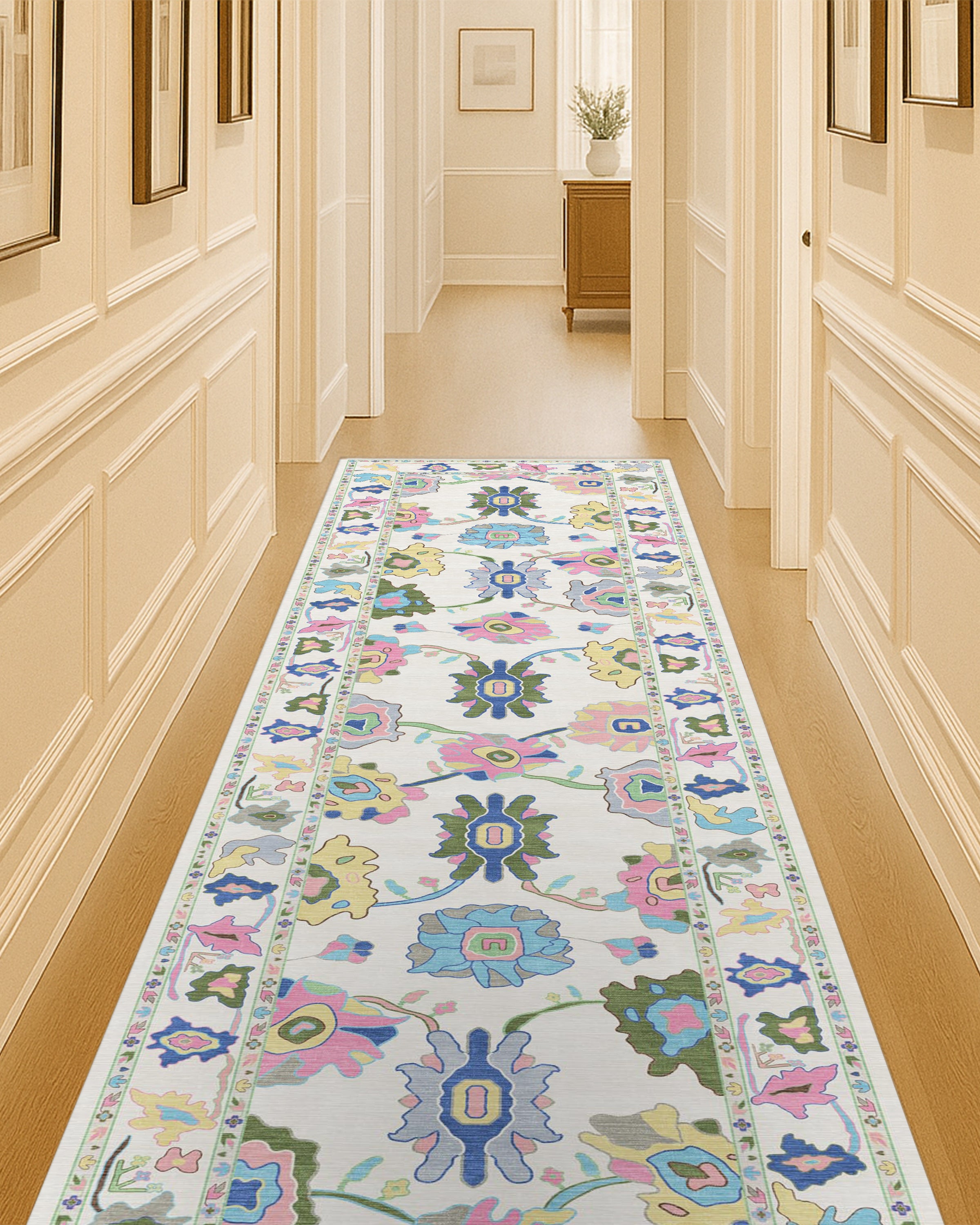
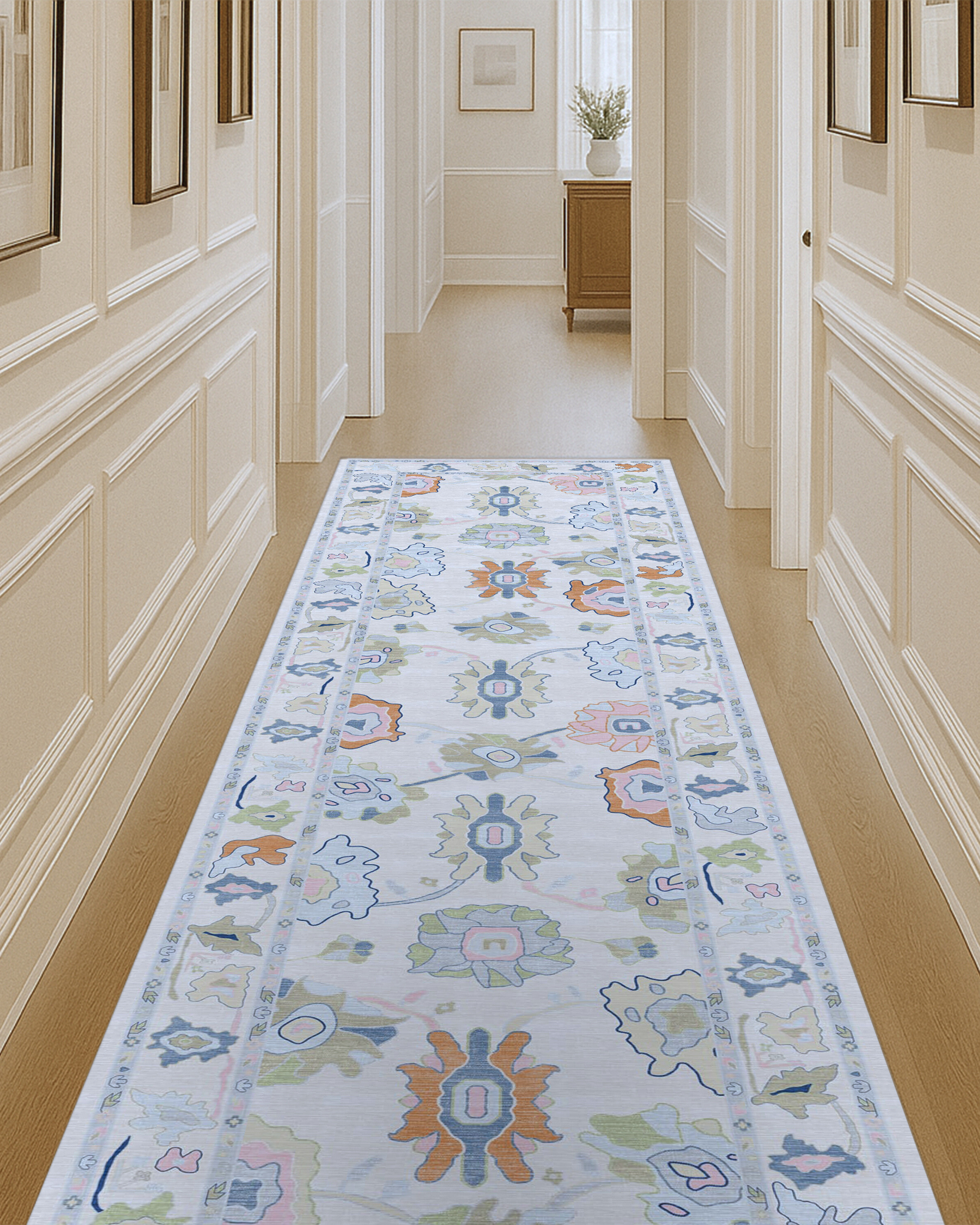
The flatweave construction of a wool kilim creates a firm, low-profile surface without a raised pile that can flatten or become compressed. This makes it a practical choice for busy areas such as hallways, entryways, and dining rooms.
Many traditional kilims are also reversible, allowing you to turn the rug over to distribute wear more evenly.
Tufted Wool Rug Durability
Tufted wool rugs offer excellent comfort and can be durable, but their raised pile requires a little more attention. Heavy furniture, frequent foot traffic, and improper cleaning can affect the appearance and texture of the pile over time.
Choosing quality wool, good construction, and an appropriate pile height can make a significant difference in longevity.
The winner: Wool Kilim for high-traffic practicality
A well-made wool kilim is often a great choice for busy households because of its flatwoven structure and reversible design. However, a quality tufted wool rug can also be a lasting addition to the right space.
4. Maintenance: Which Wool Rug Is Easier to Care For?

Both rug styles benefit from regular vacuuming and prompt attention to spills, but wool kilims are generally easier to maintain.
| Feature | Wool Kilim | Tufted Wool Rug |
|---|---|---|
| Shedding | Generally minimal | More noticeable, especially when new |
| Texture | Flat and firm | Soft and plush |
| Reversible | Often yes | Usually no |
| Vacuuming | Relatively easy | Requires gentle care |
| High-traffic areas | Very practical | Depends on pile and construction |
| Comfort | Lightweight and flat | Cushioned and soft |
For both types, use a vacuum without an aggressive beater bar, rotate the rug periodically, and avoid harsh cleaning chemicals. Always follow the manufacturer's care instructions.
5. Which Wool Rug Should You Choose?
The best option depends on what matters most in your home.
Choose a wool kilim rug if you:
-
Prefer minimal shedding.
-
Want a lightweight, flatwoven design.
-
Need a practical rug for hallways or dining areas.
-
Love traditional craftsmanship and geometric patterns.
-
Appreciate the versatility of a reversible rug.
Choose a tufted wool rug if you:
-
Prefer a thick, soft surface underfoot.
-
Want a cozy addition to your bedroom or living room.
-
Love textured designs and a plush appearance.
-
Don't mind occasional shedding and extra maintenance.
Final Verdict: Wool Kilim vs. Tufted Wool Rug

When it comes to shedding, wool kilim rugs generally come out ahead. Their flatwoven construction means fewer loose surface fibers and less visible shedding compared with tufted wool rugs.
For long-term durability, both can be excellent choices, but wool kilims offer particular advantages in busy spaces thanks to their flat profile, sturdy weave, and often reversible construction.
Ultimately, the right rug is one that combines your preferred texture, lifestyle, and design aesthetic.
At Fame Rugs, discover beautiful rugs that bring natural warmth, timeless character, and effortless style to your home. Whether you love the traditional appeal of a wool kilim or the cozy comfort of a tufted wool rug, find a design that makes your space feel like home.
Explore the Fame Rugs collection and find your perfect rug today!