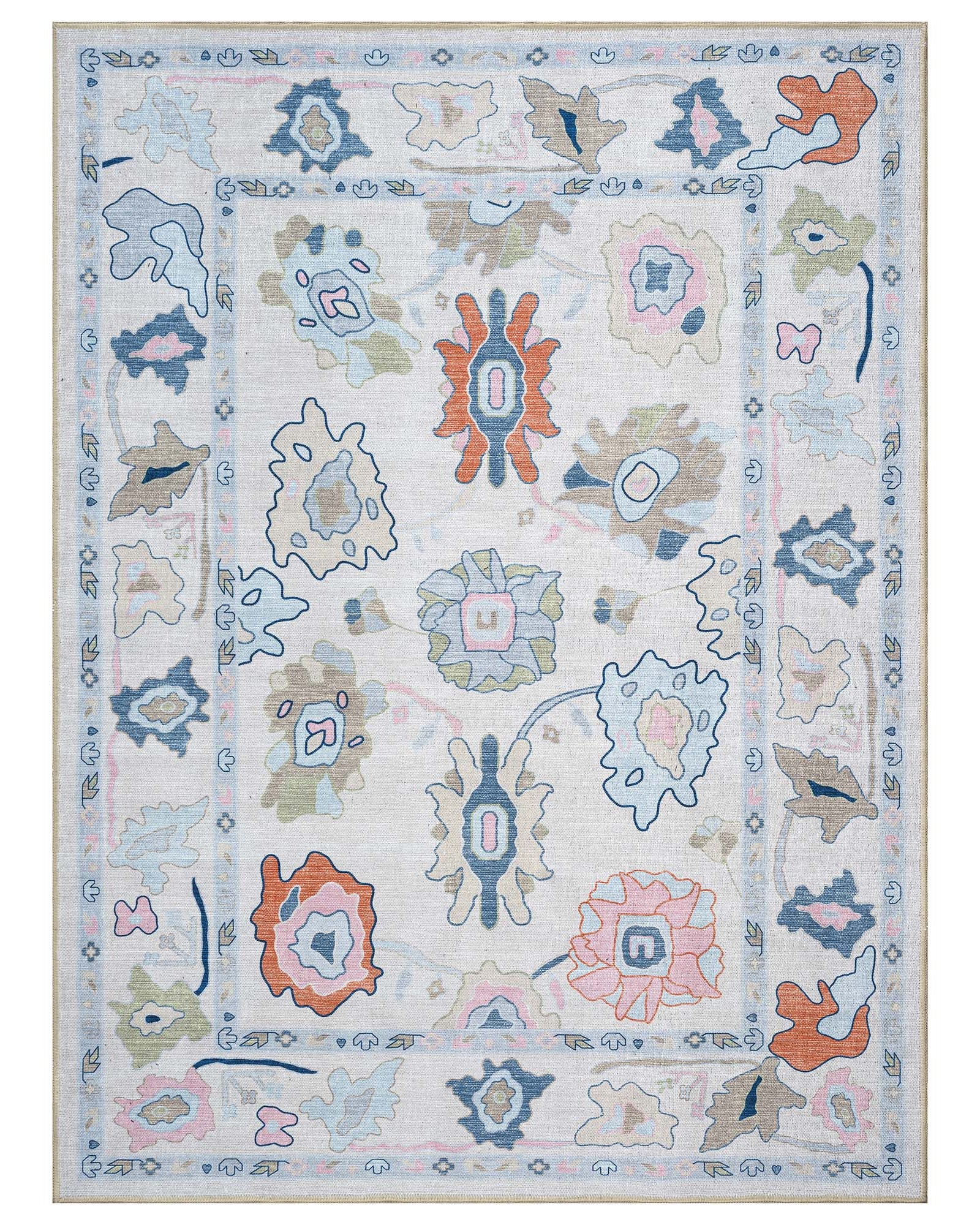
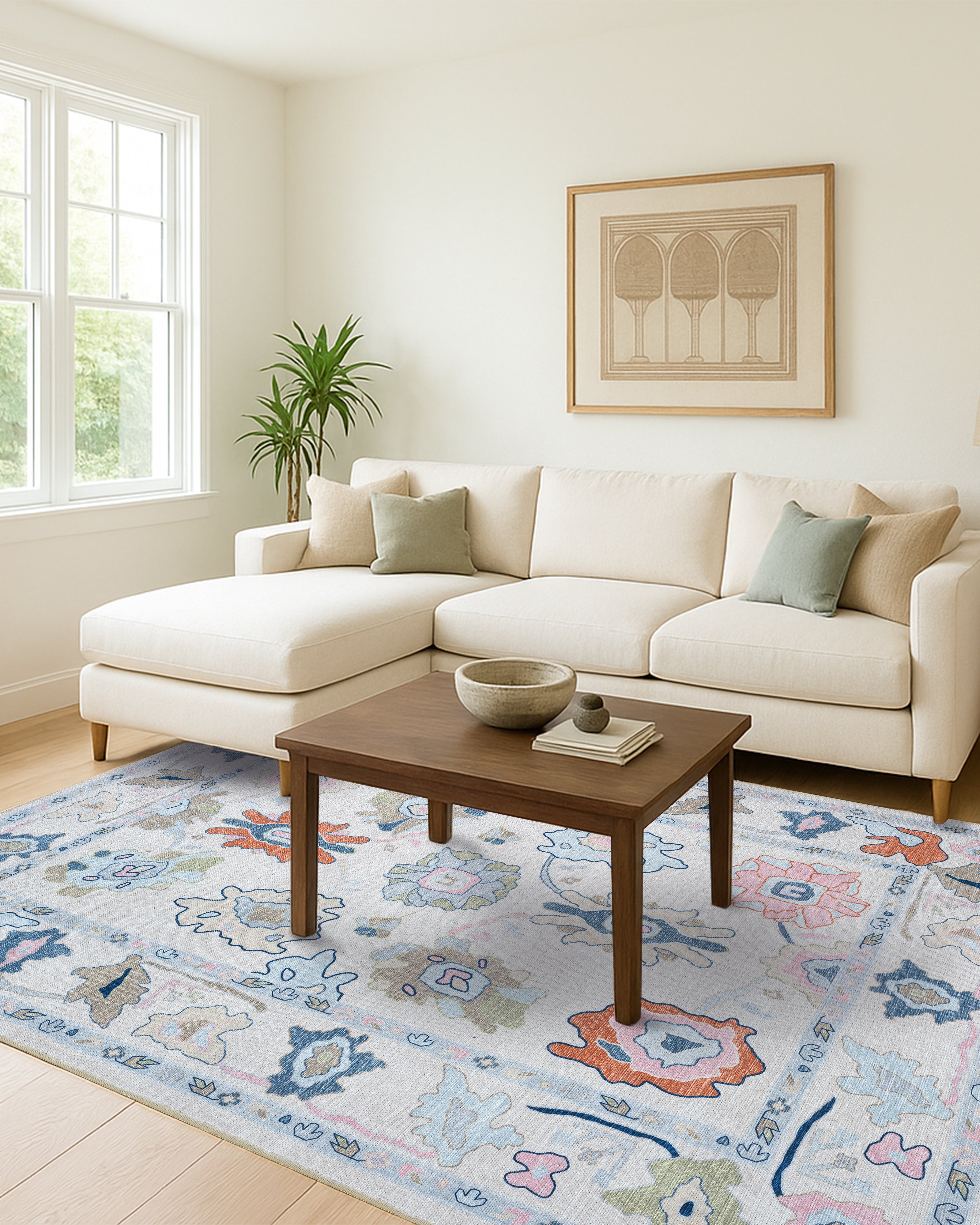
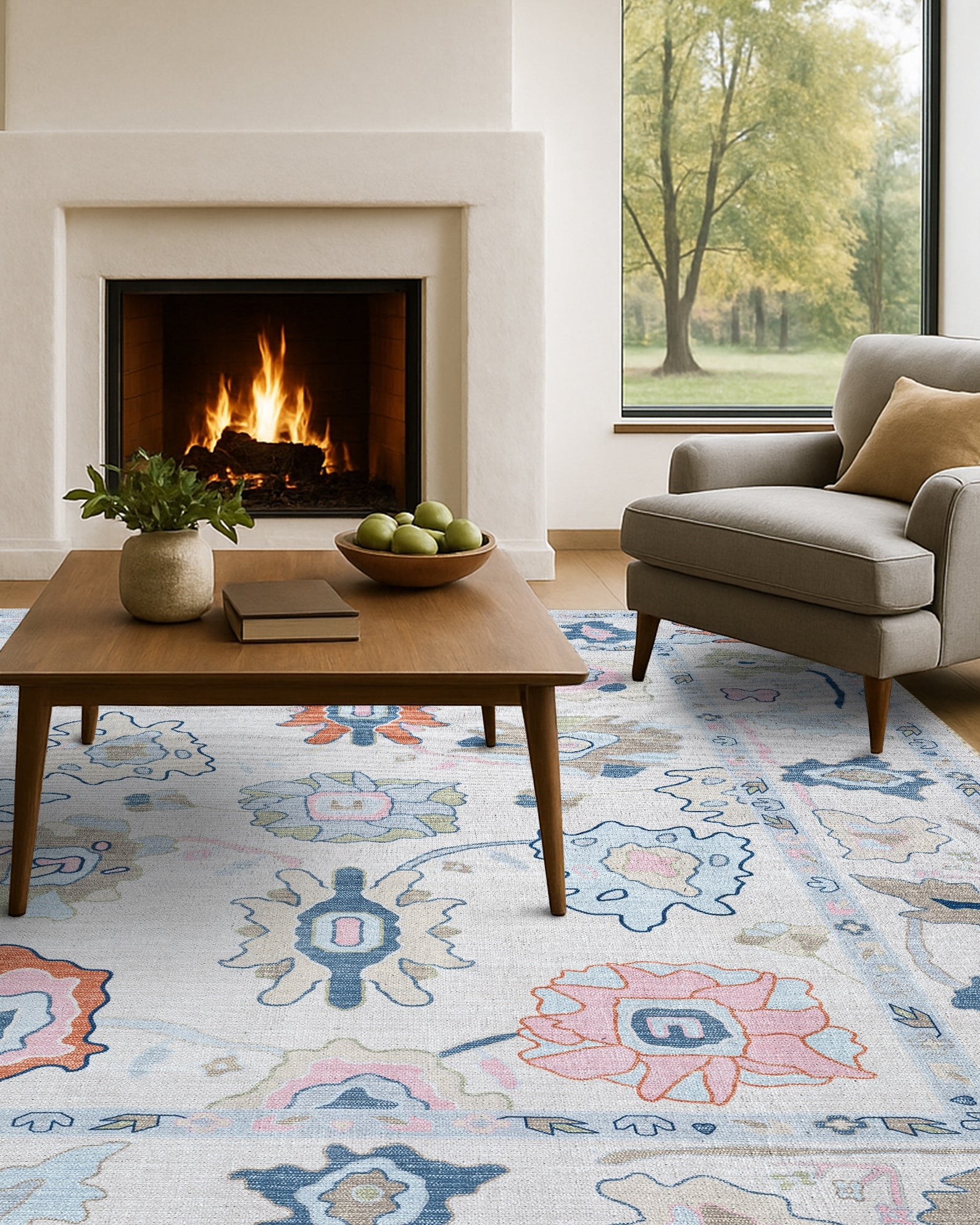
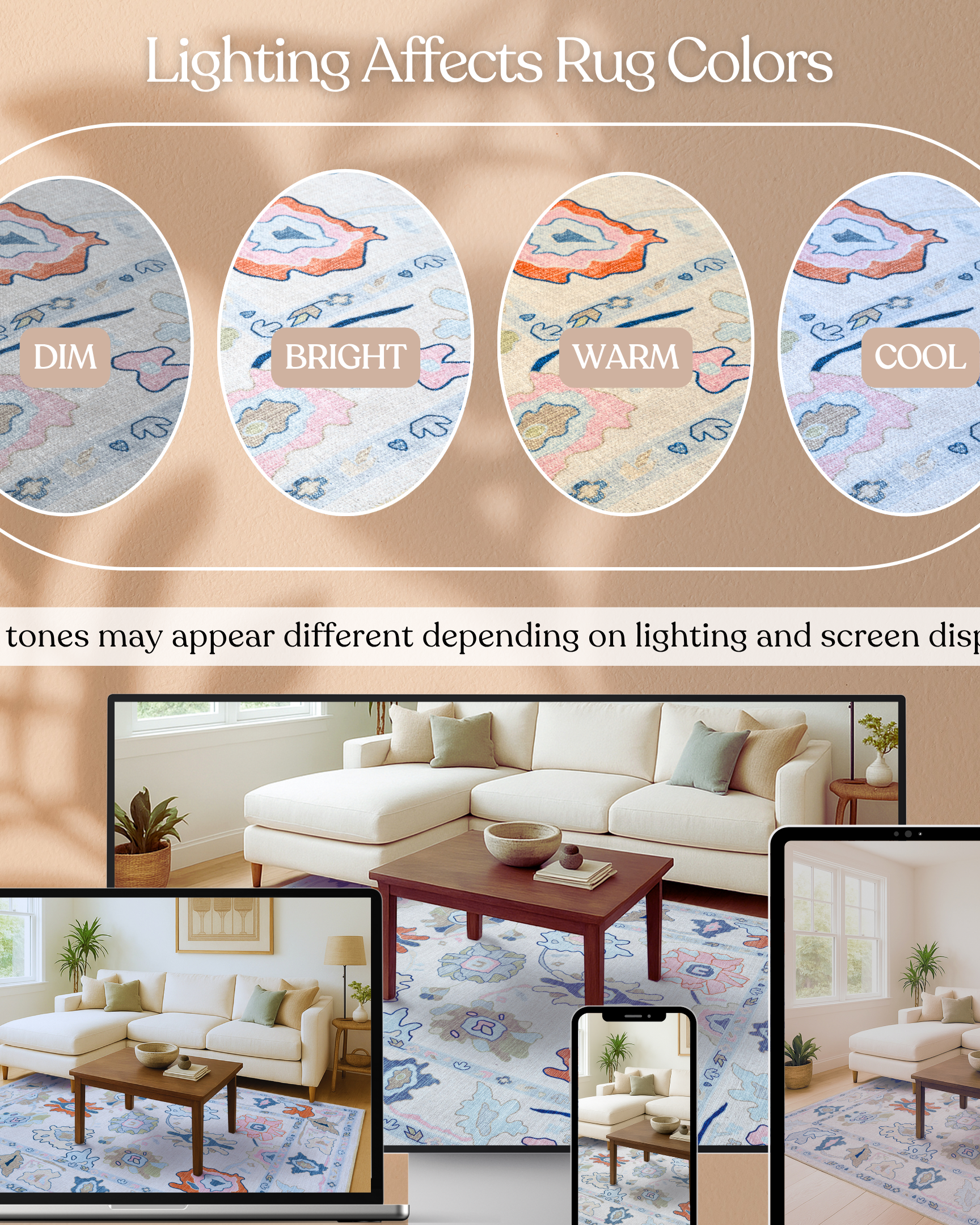
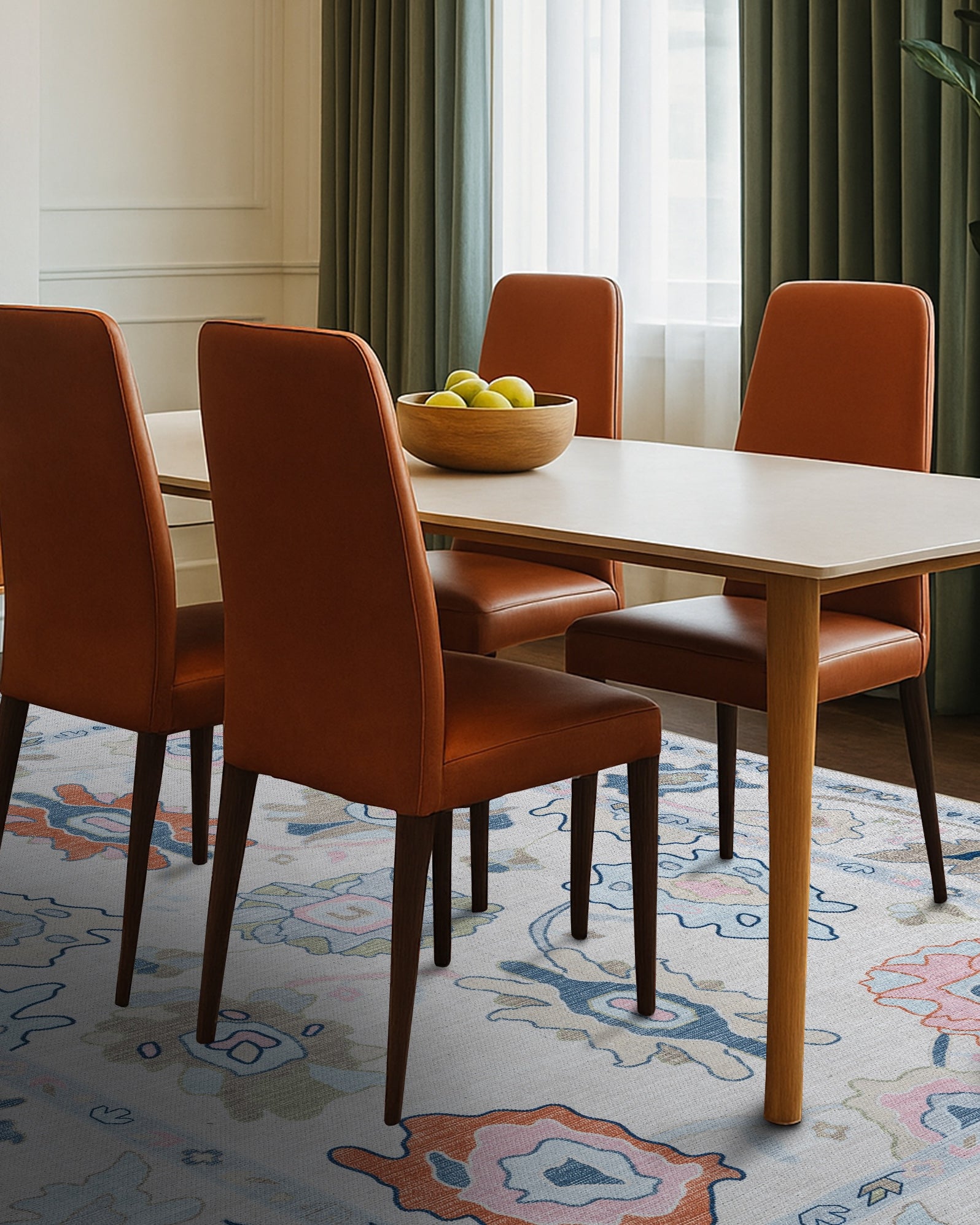
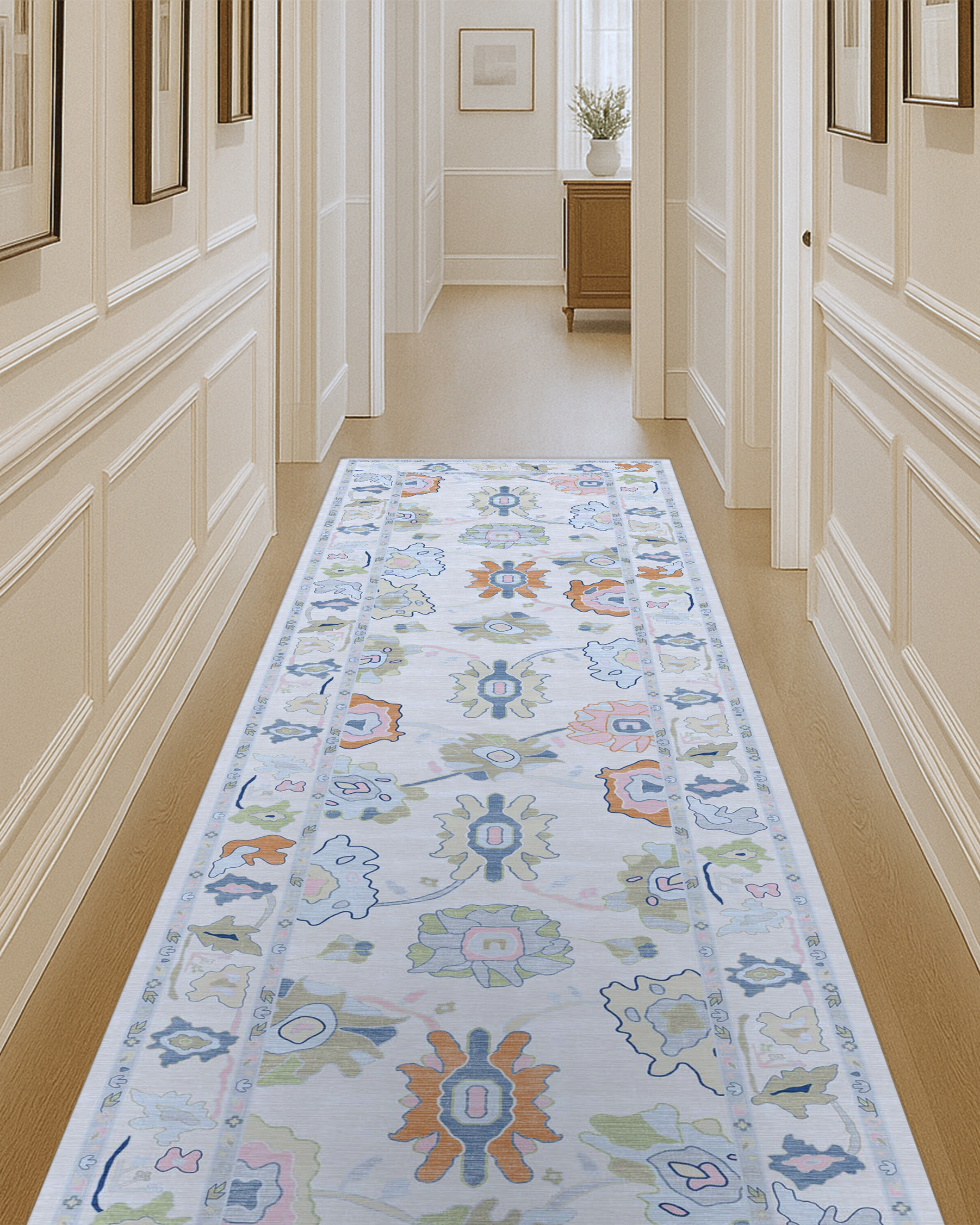
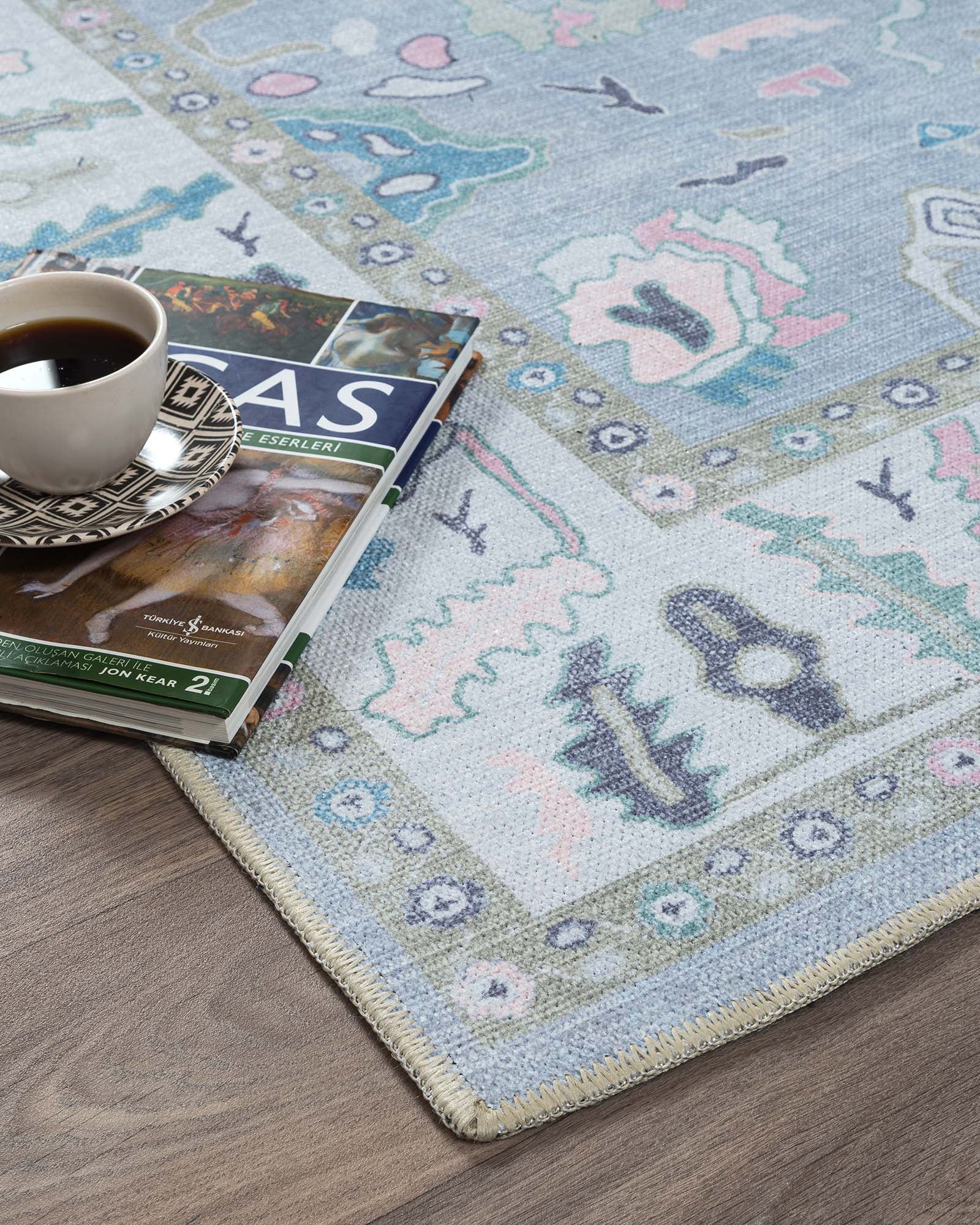
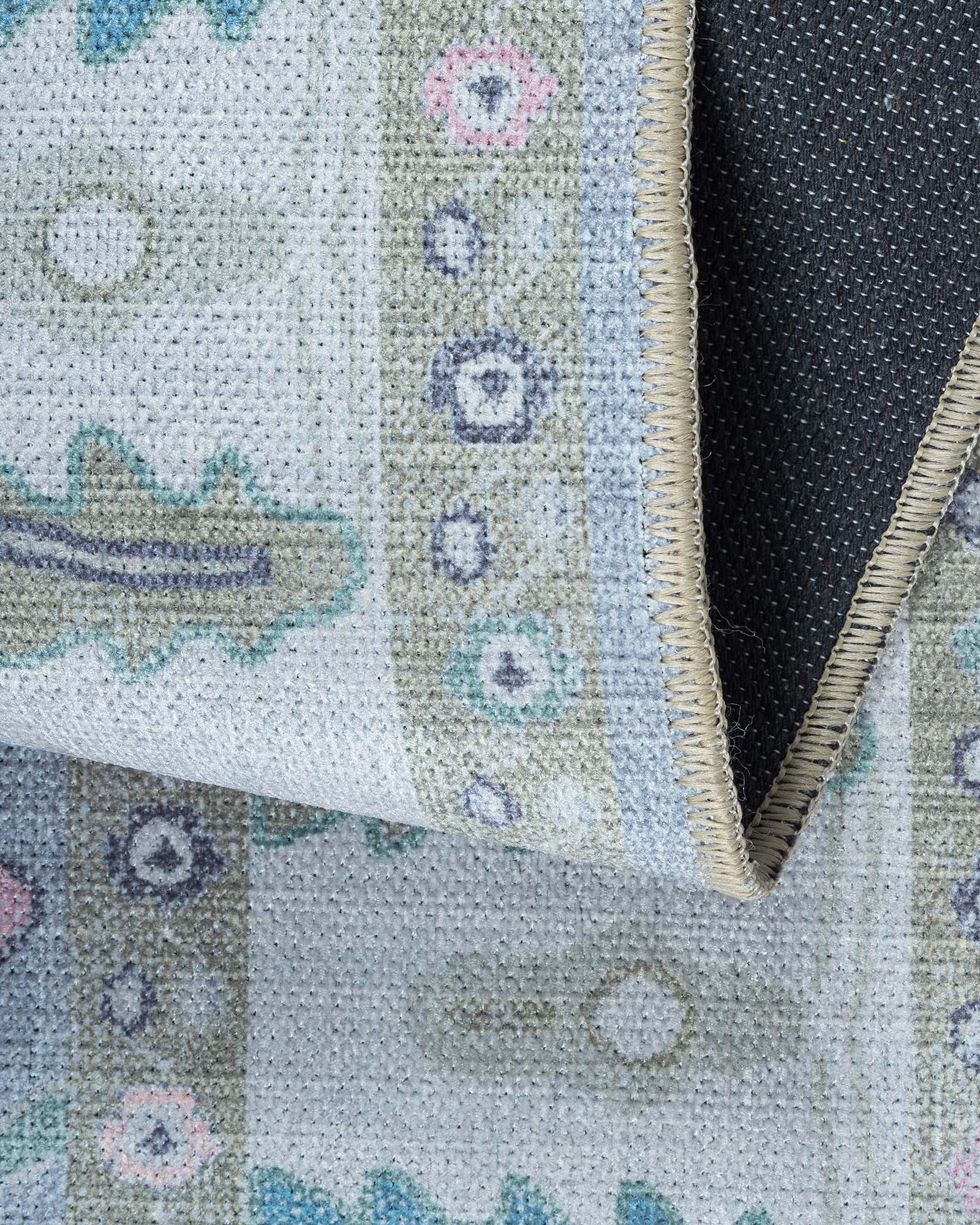
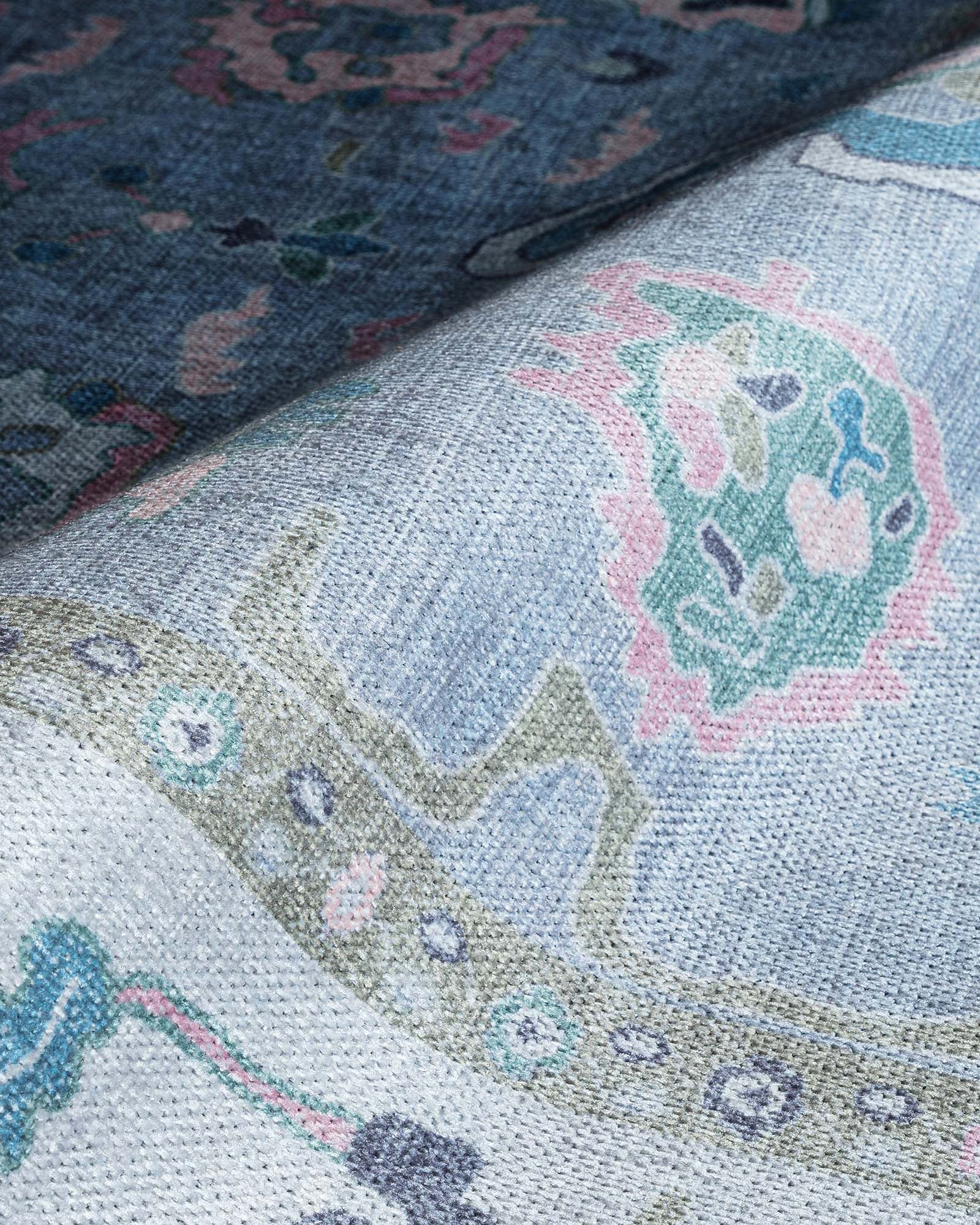
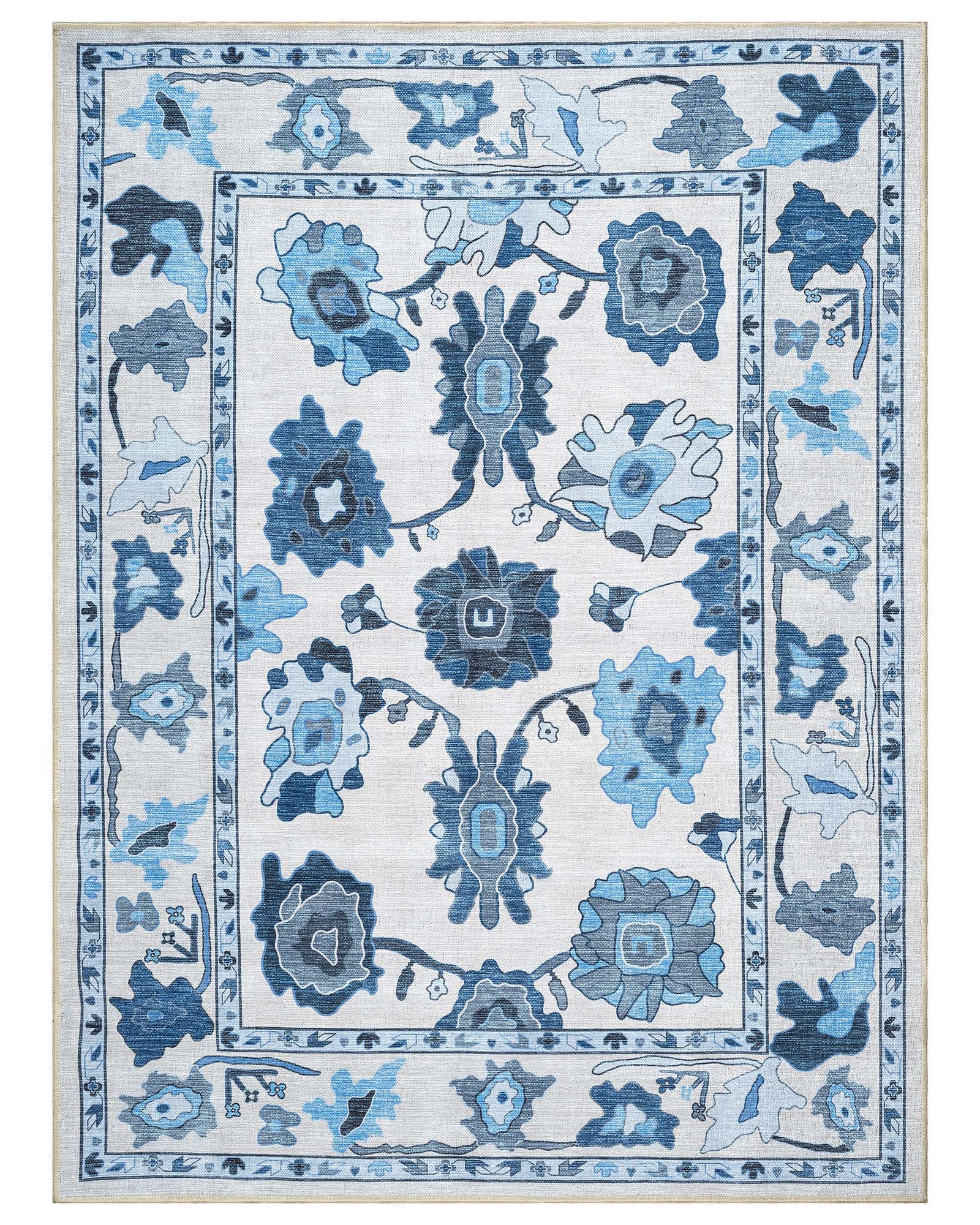
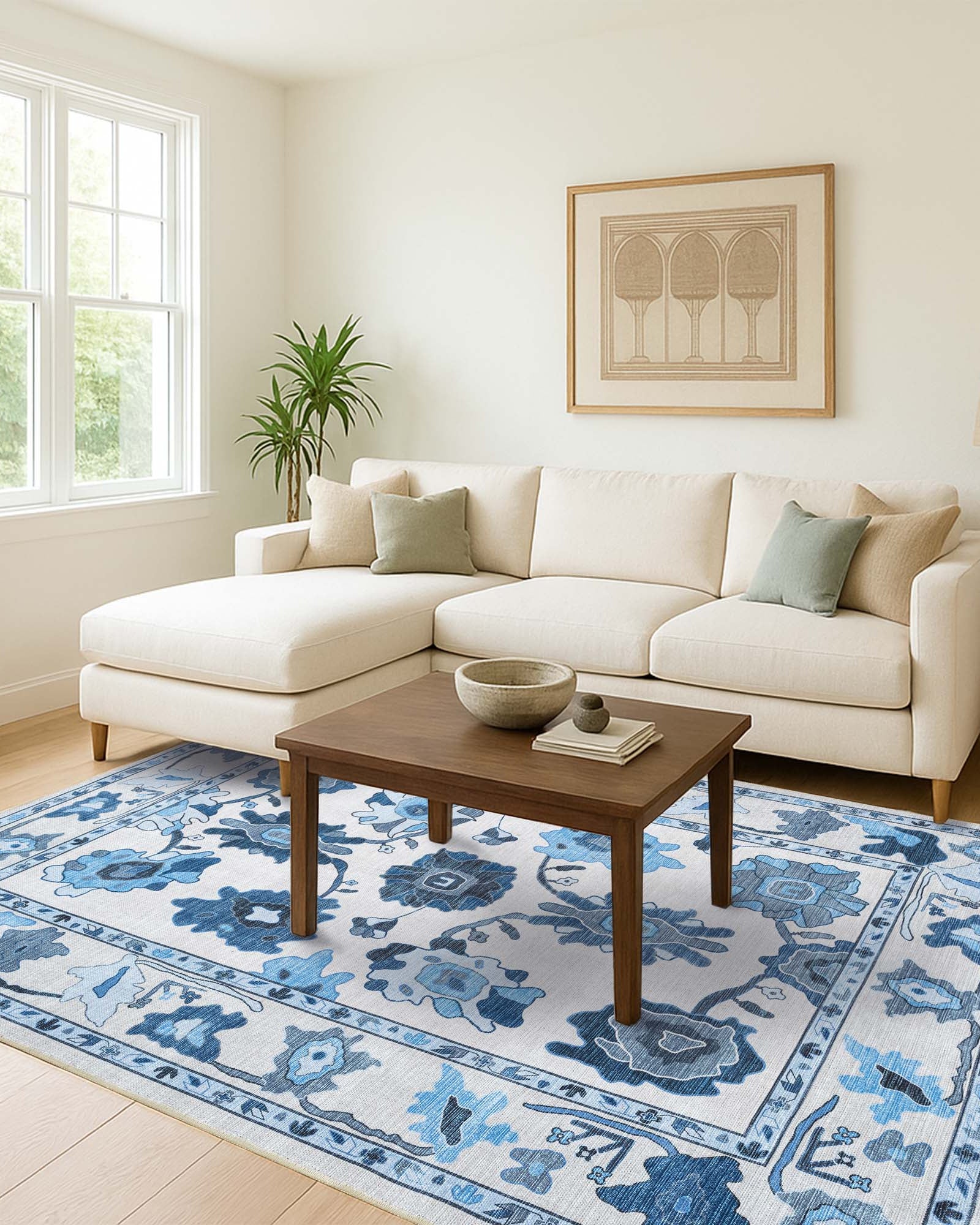
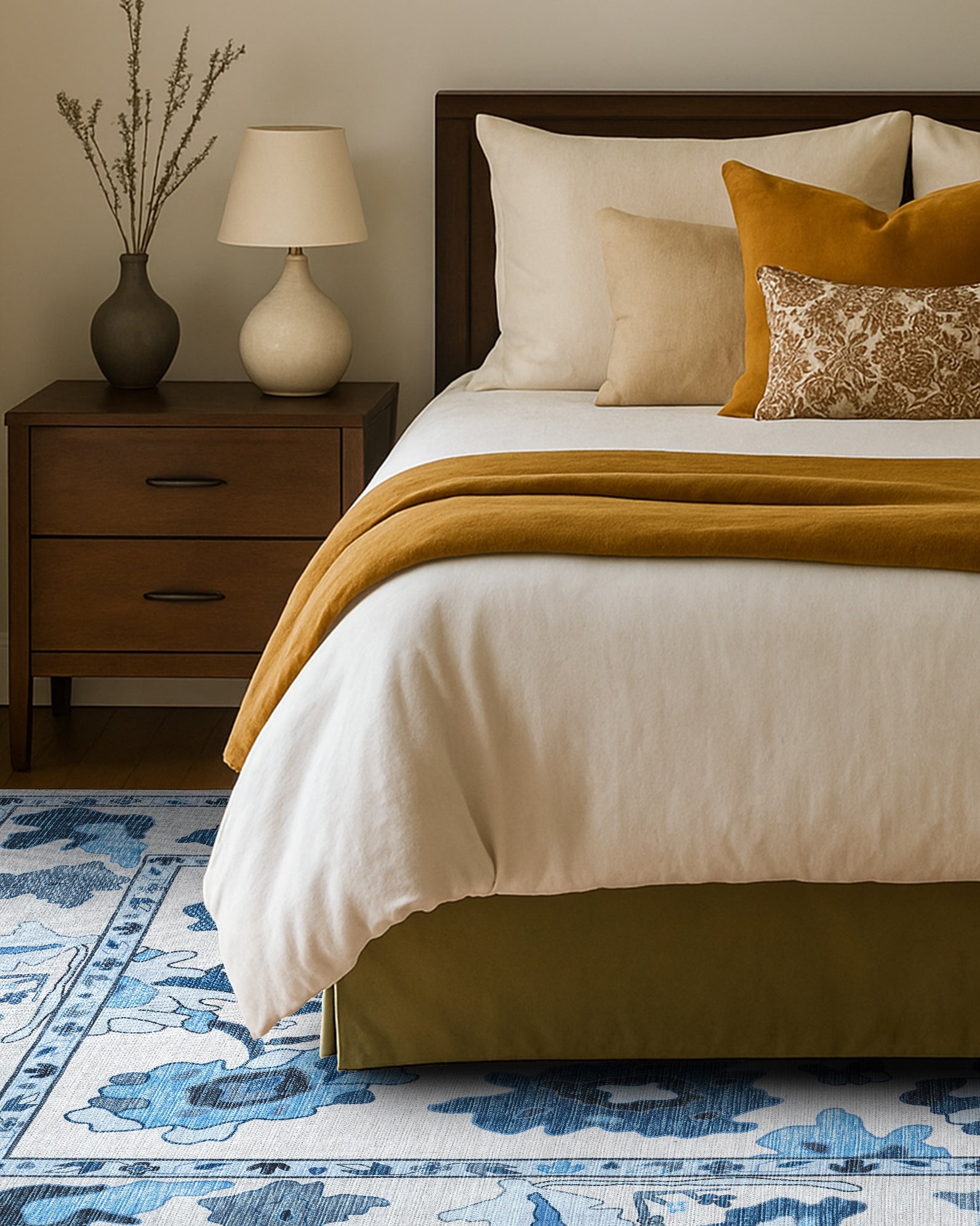
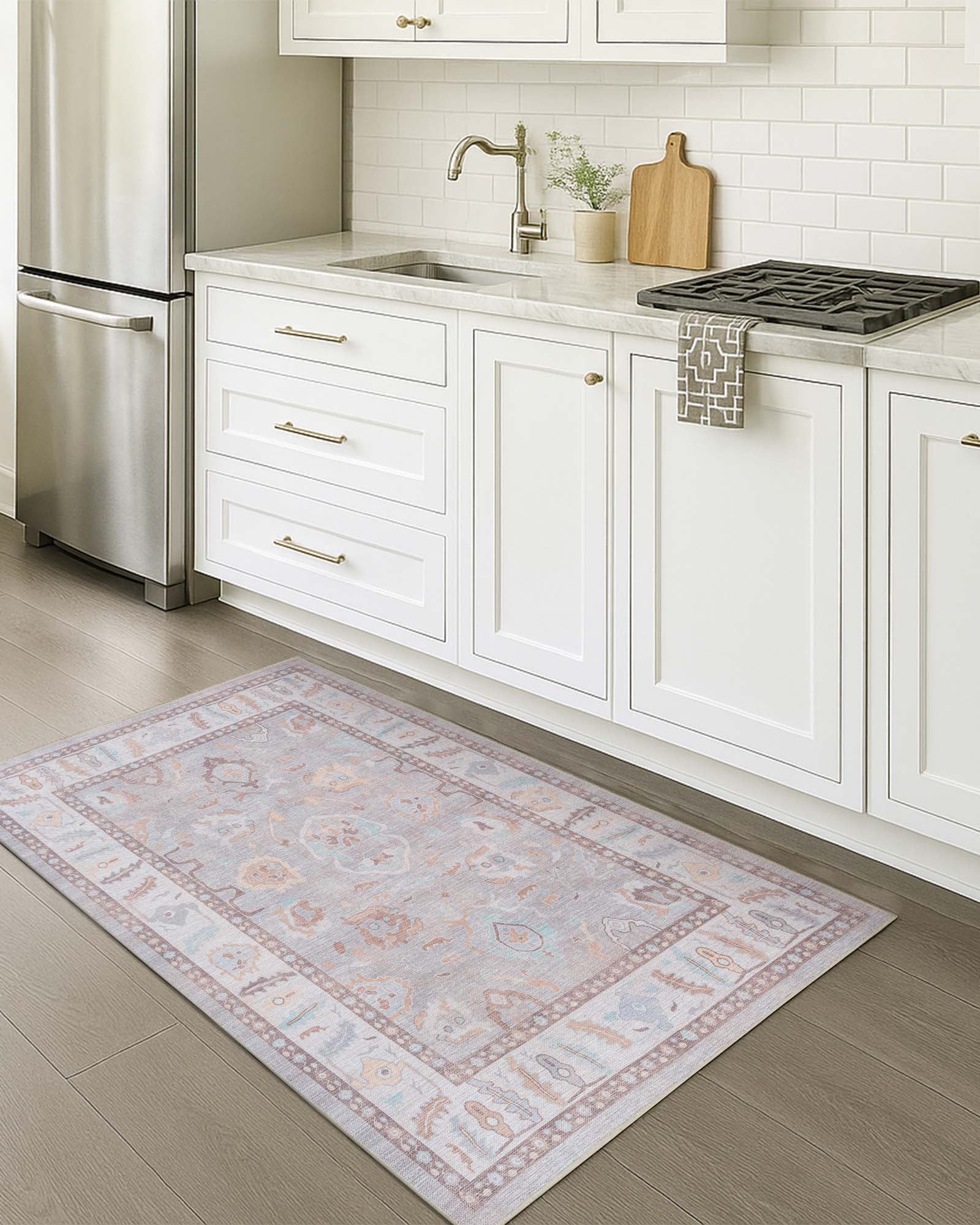
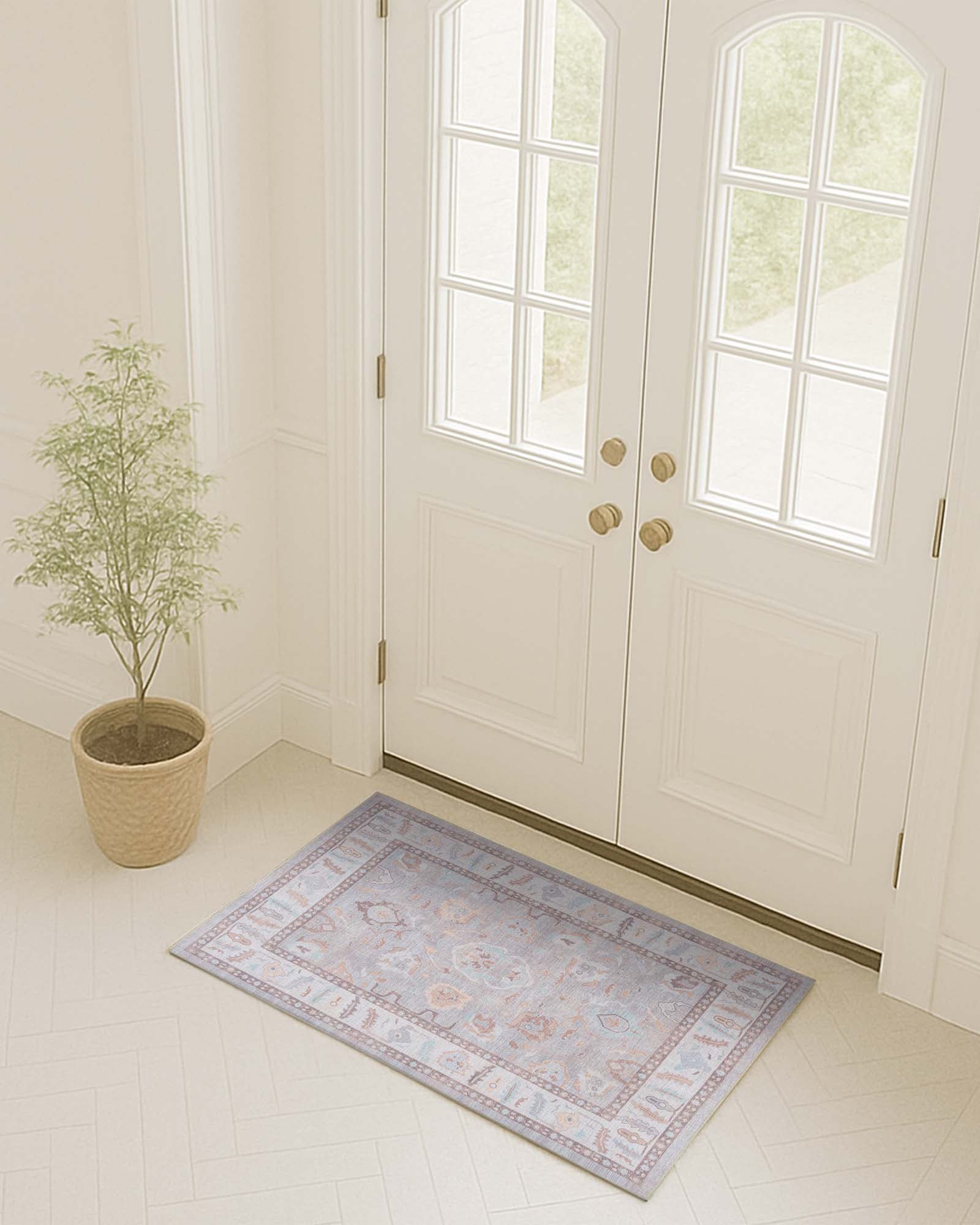
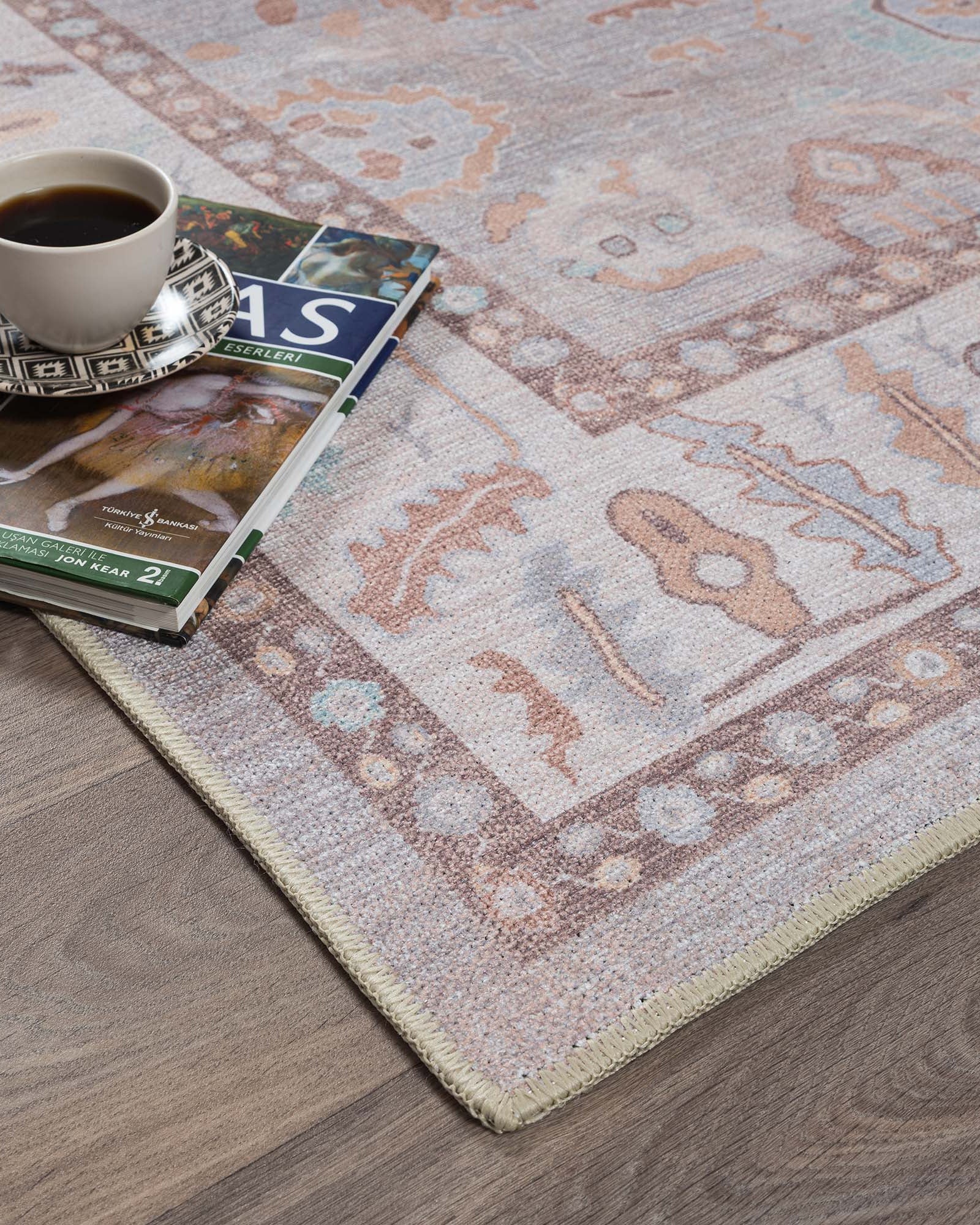
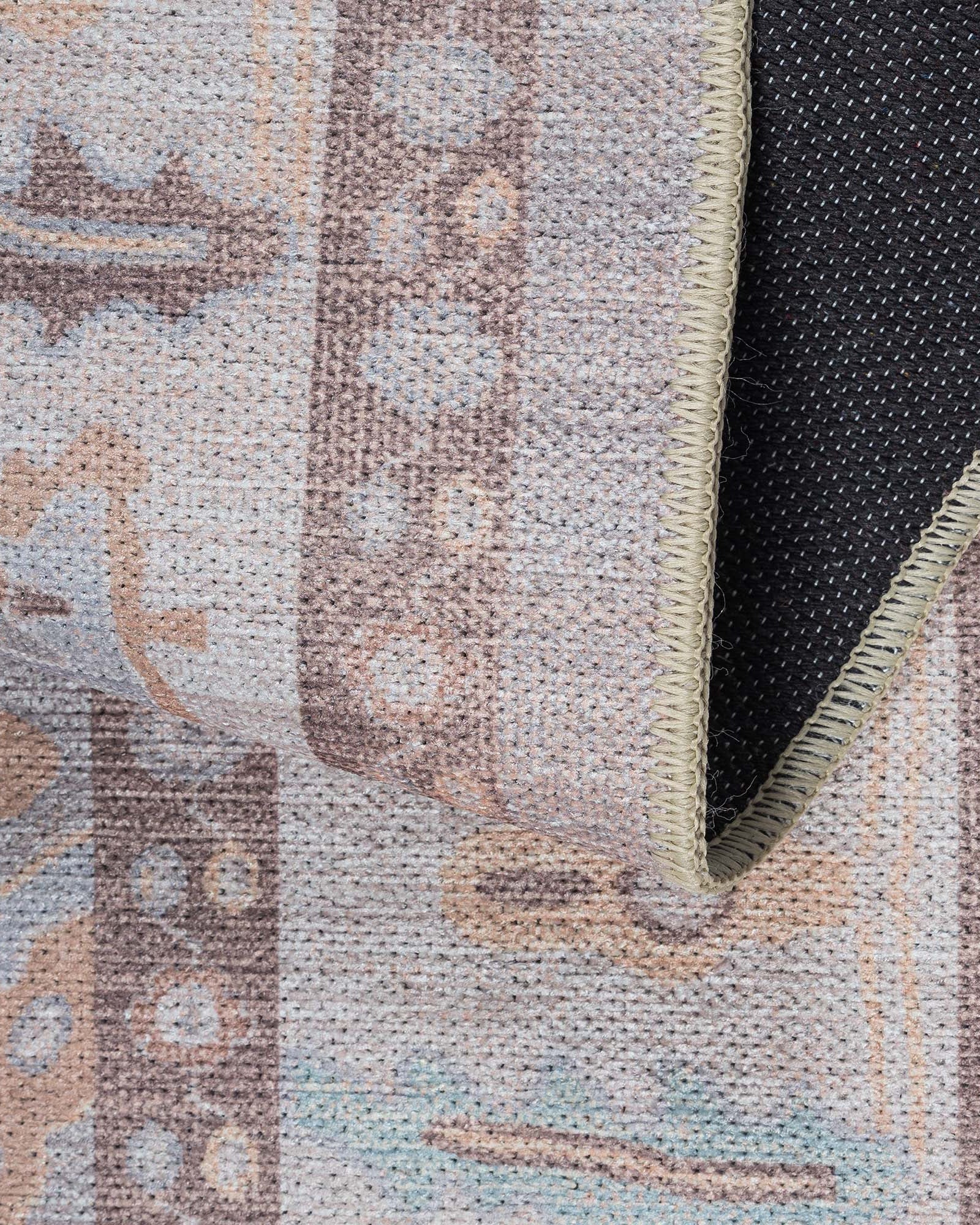
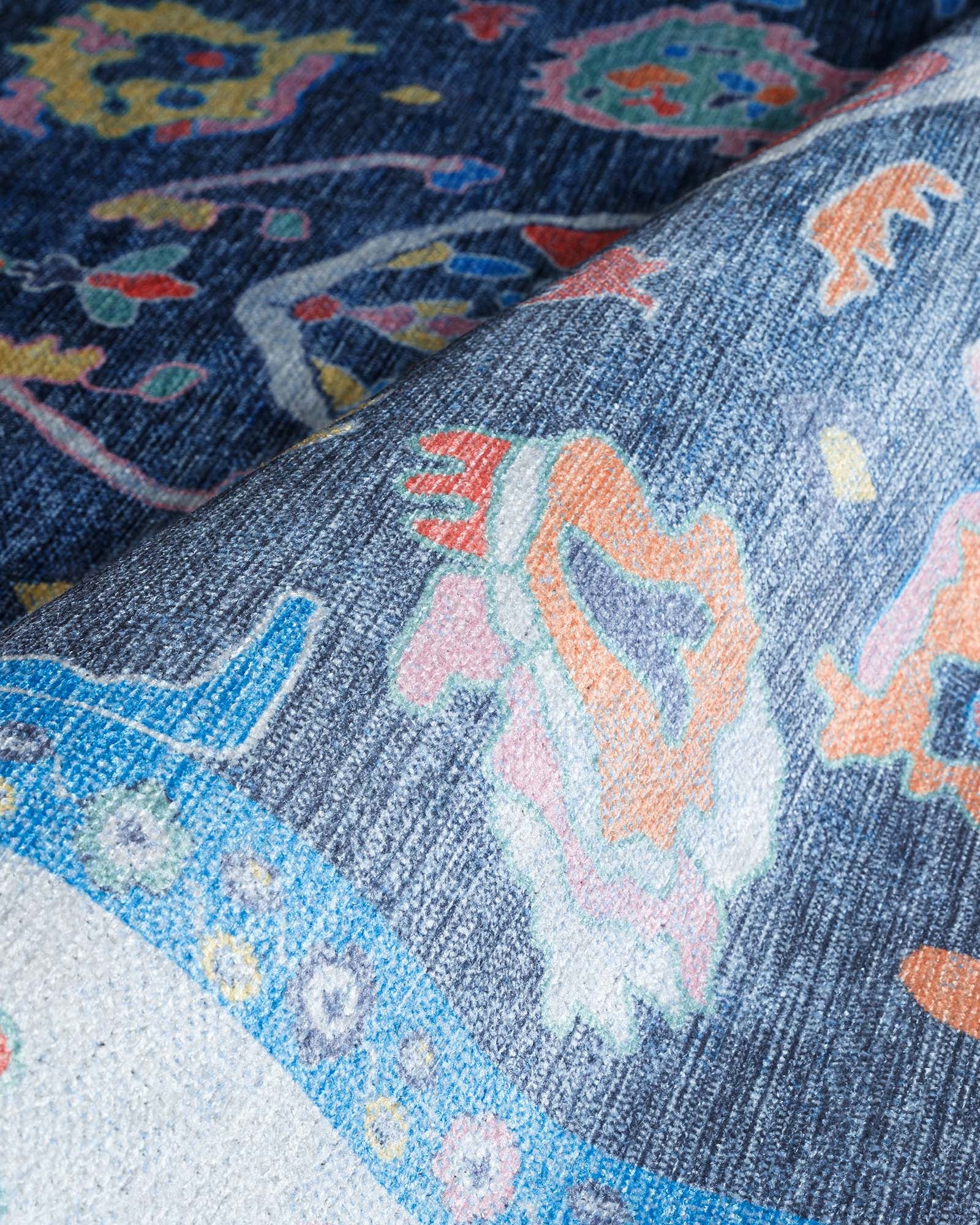
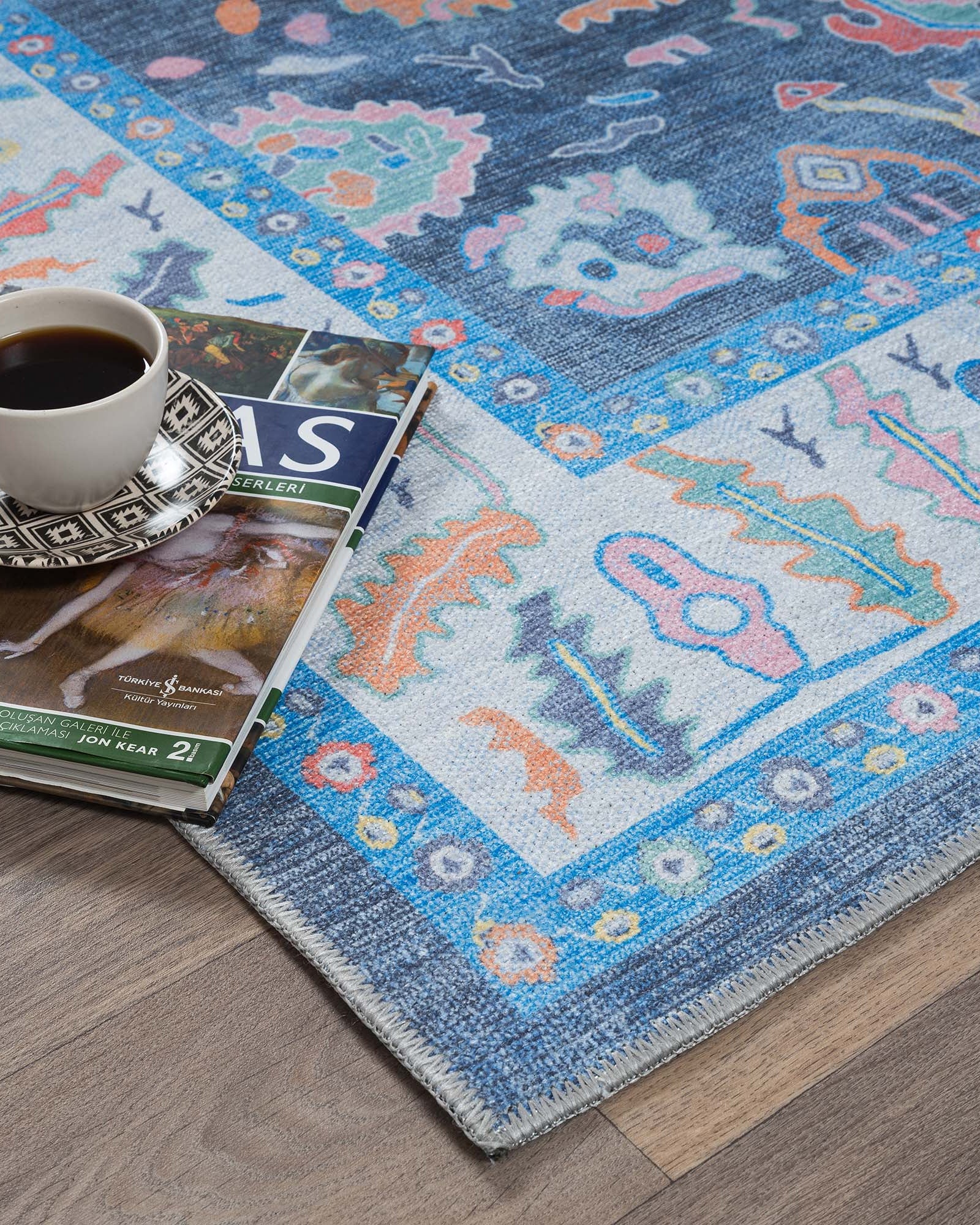
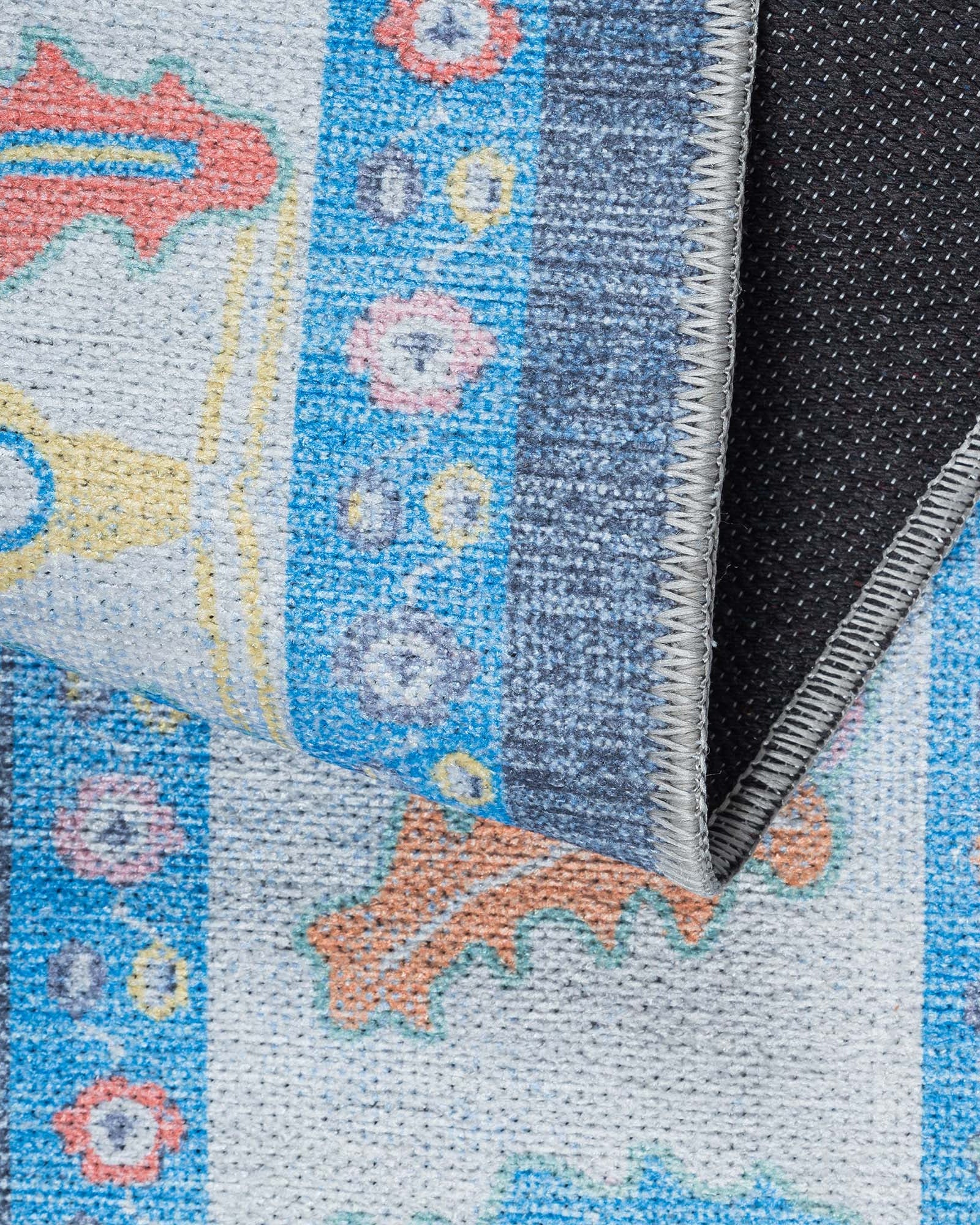
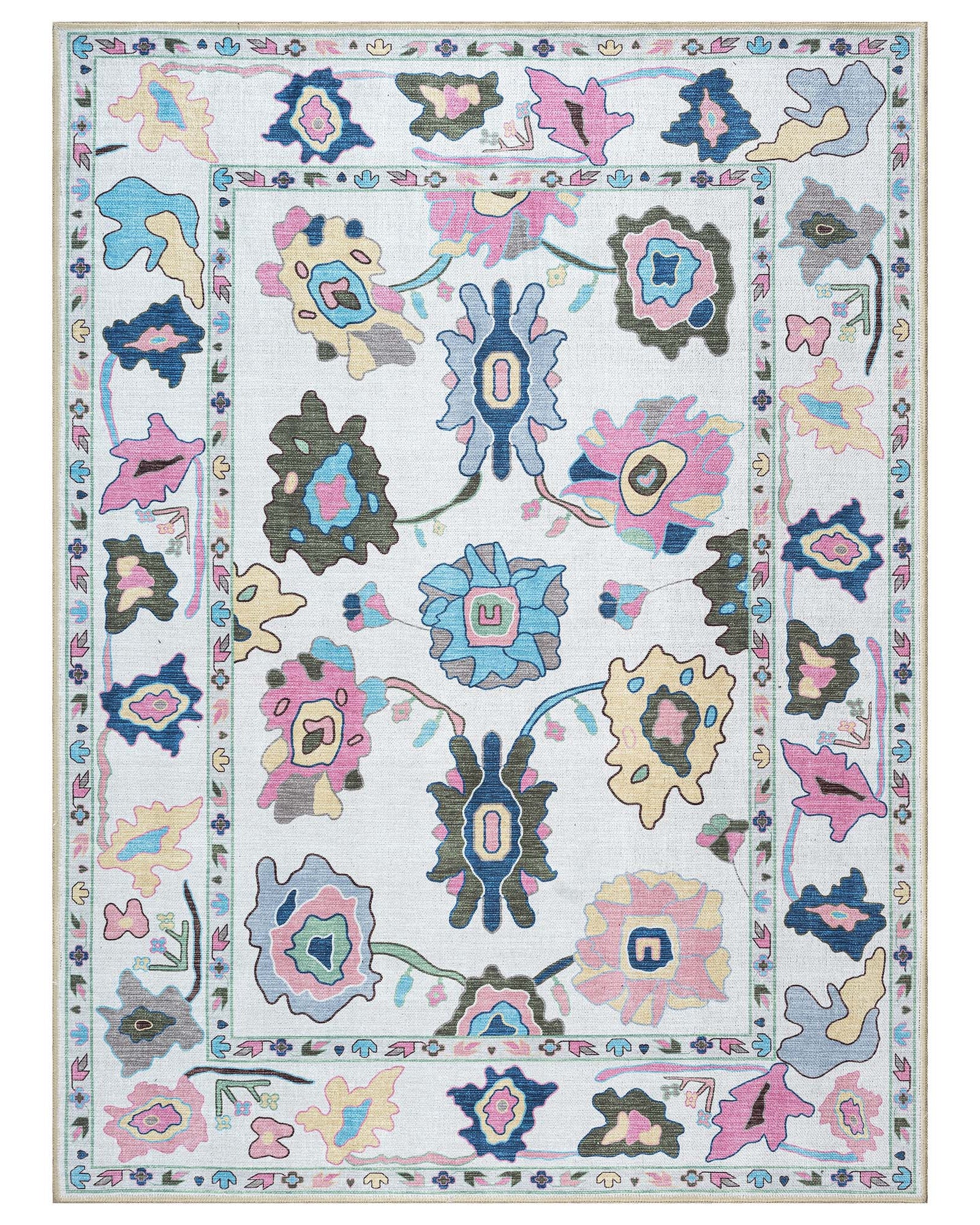
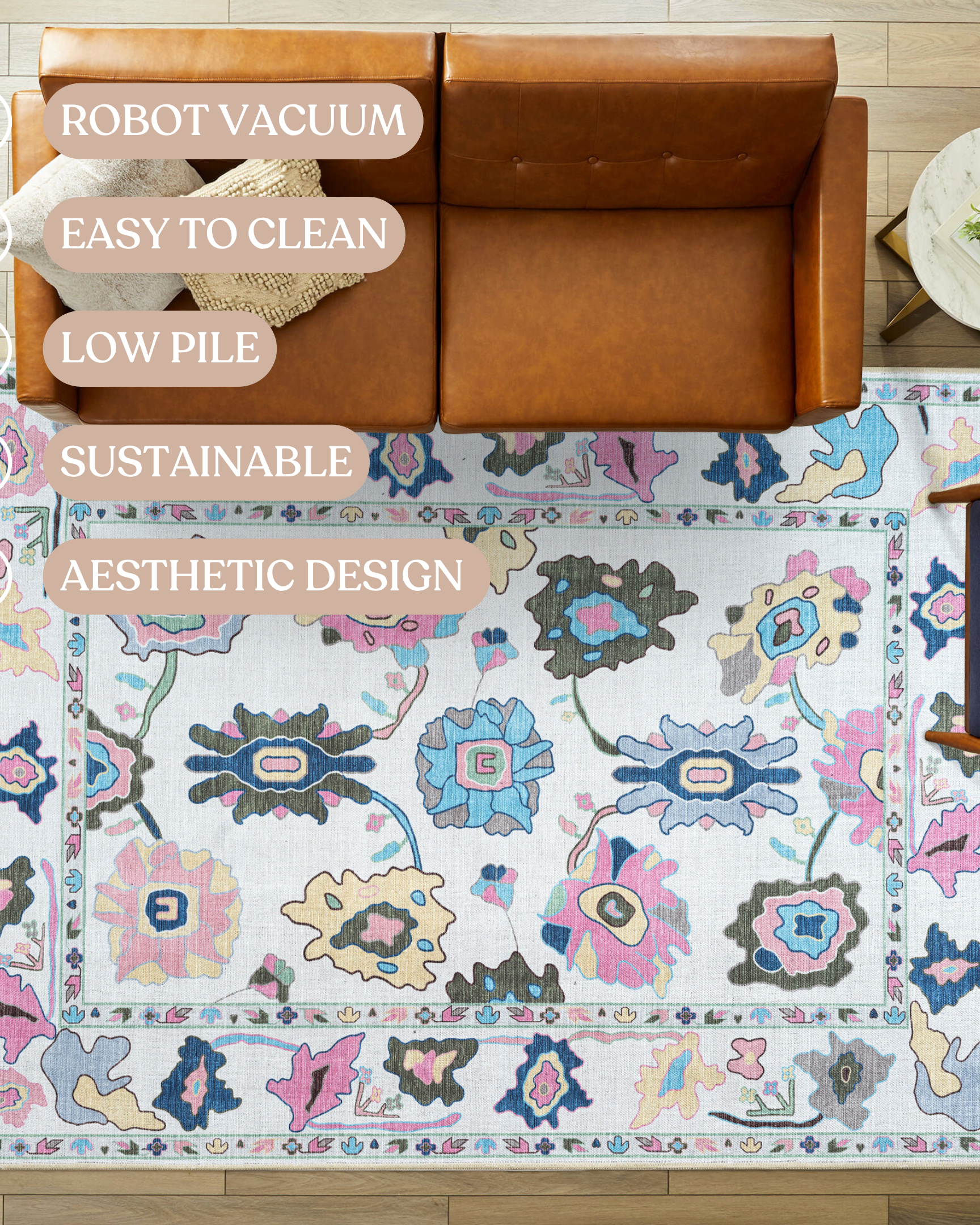
A handcrafted rug is the product of one person's judgment, repeated for months. No machine set the pattern, no template dictated the spacing, and no two rows were guaranteed to come out identical, because a person was deciding each one as they went. That is what separates a handcrafted object from a manufactured one — not that a hand touched it at some point, but that a hand made every decision in it.
What "Craft" Actually Involves
Before a single knot goes onto the loom, a rug has already passed through several stages of hand skill, and each one shapes the finished piece.
Preparing the Wool
Wool arrives as raw fleece, and turning it into rug-ready yarn takes real judgment at every step: sorting fibre by quality and length, washing without stripping the natural lanolin that gives the wool its resilience, carding to align the fibres, and spinning by hand or drop spindle into yarn of usable thickness. Hand-spun yarn is never perfectly uniform — small variations in thickness run along its length — and that irregularity is not a flaw to correct but a large part of what gives handcrafted wool its depth of colour and texture once dyed.
Dyeing by Eye
Traditional dyeing was done by eye and experience rather than a fixed recipe. A dyer judged bath strength, timing and temperature from feel, which is why wool from one dye lot rarely matches the next exactly. Weavers absorbed this variation into their designs deliberately, which is part of why hand-dyed fields carry more visual depth than a single flat colour.
Weaving From Memory
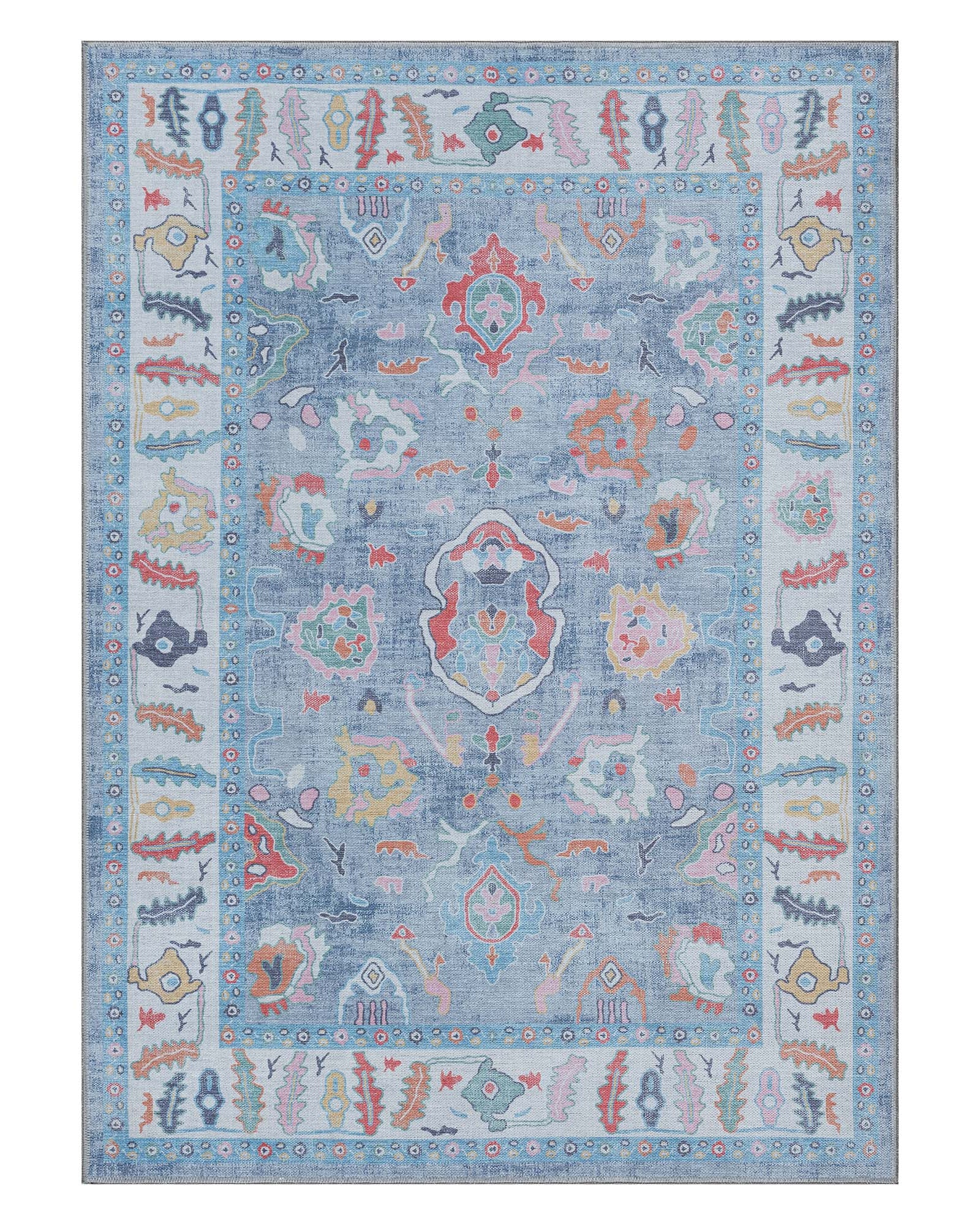
Village and tribal weavers rarely worked from a drawn plan. Patterns were carried in memory, passed down and adapted as the weaver went, which means every repeat of a motif is a small, fresh decision rather than a mechanical copy. This is why borders sometimes resolve slightly differently at each corner, and why two rugs with the "same" pattern are never actually identical.
The Skill Behind the Knot
Tying a knot correctly, at consistent tension, hundreds of thousands of times over months, is a trained physical skill developed over years, not something picked up quickly. Weavers judge tension by feel, adjust for how the wool is behaving that day, and maintain a rhythm that keeps rows even without a machine to enforce it. The craft is in that consistency under variable conditions — not in following a fixed process, but in making the same good decision over and over by hand.
What You Can See of the Craft
Several details in a finished rug are direct evidence of the skill that went into it, and they are worth learning to recognise.
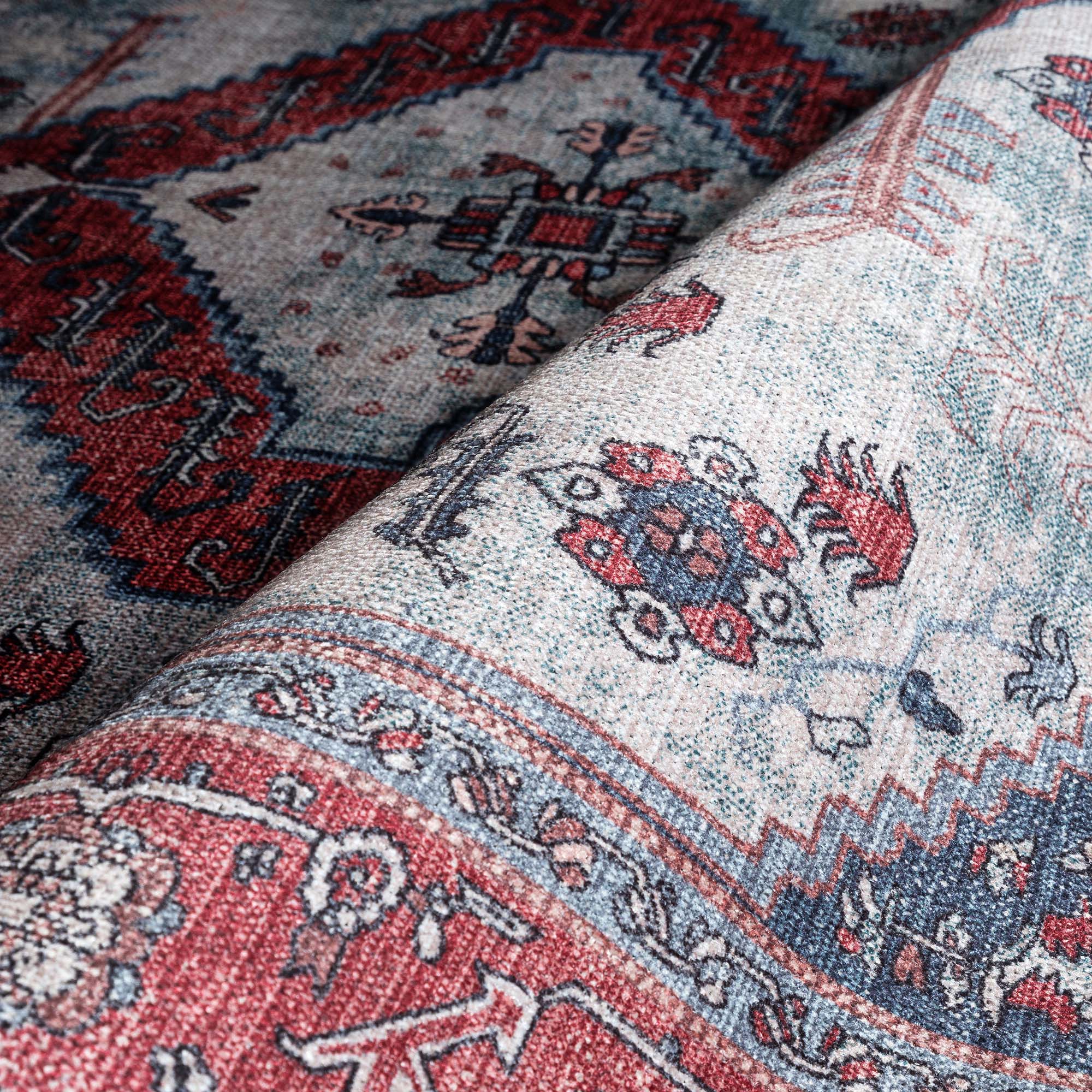
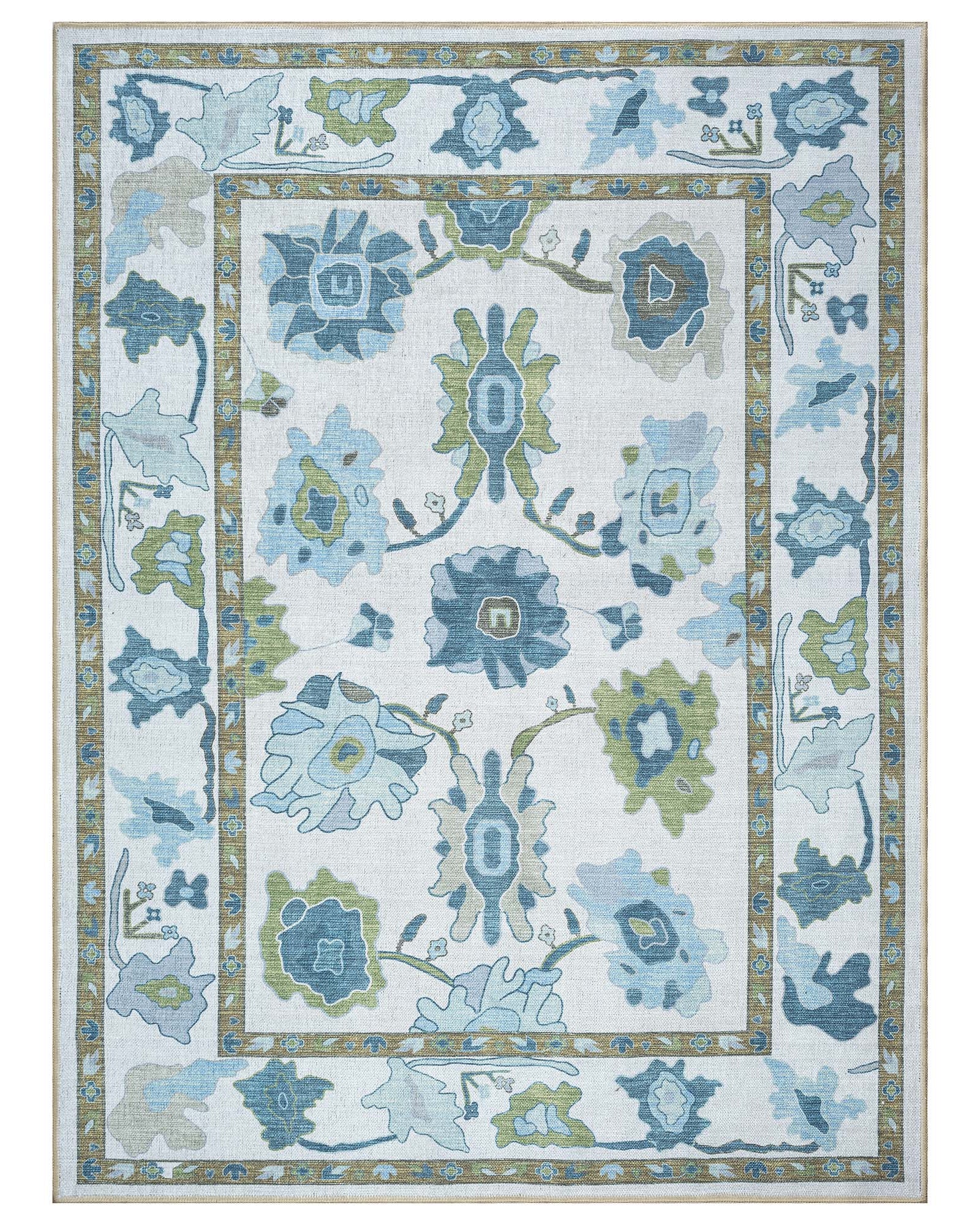
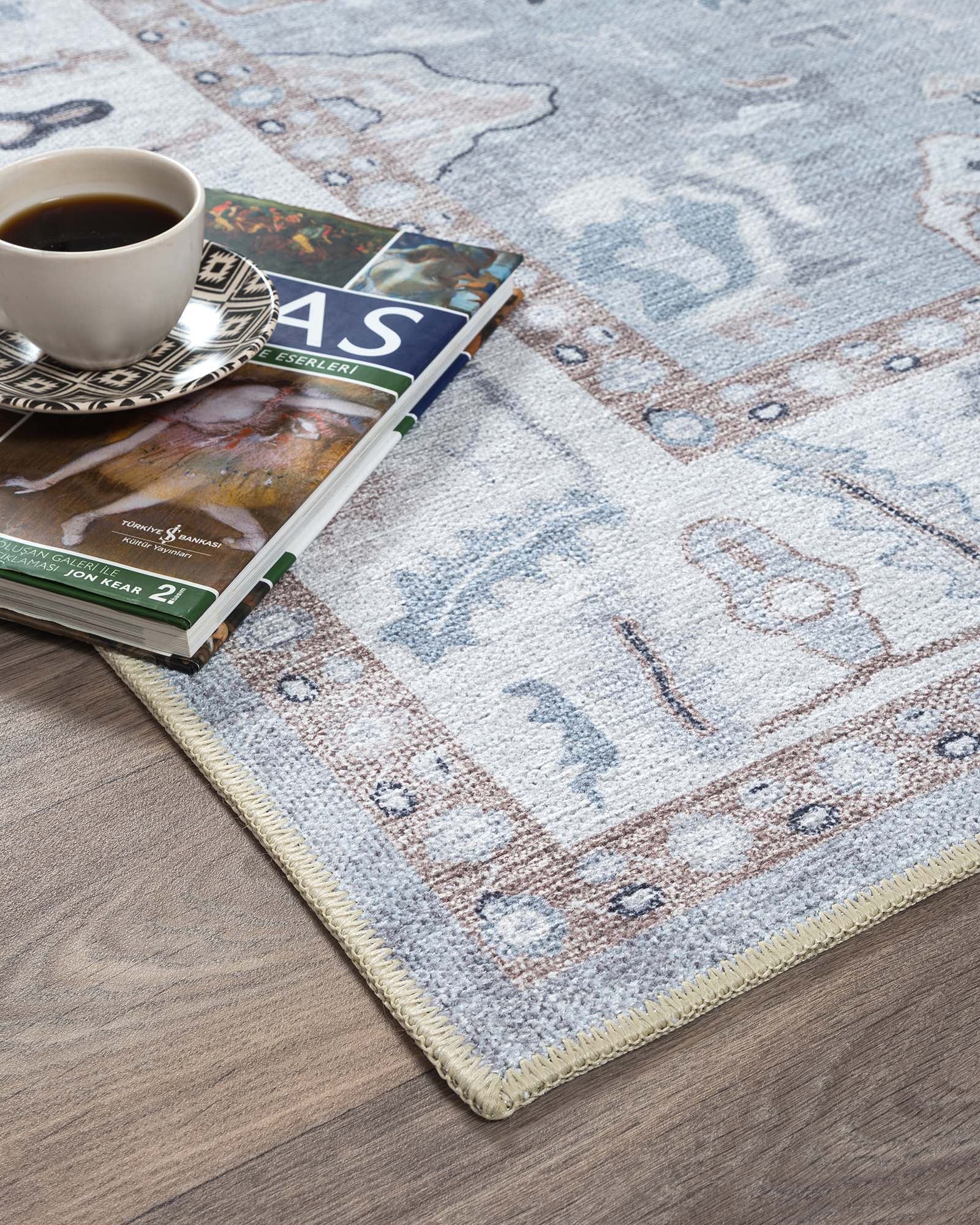
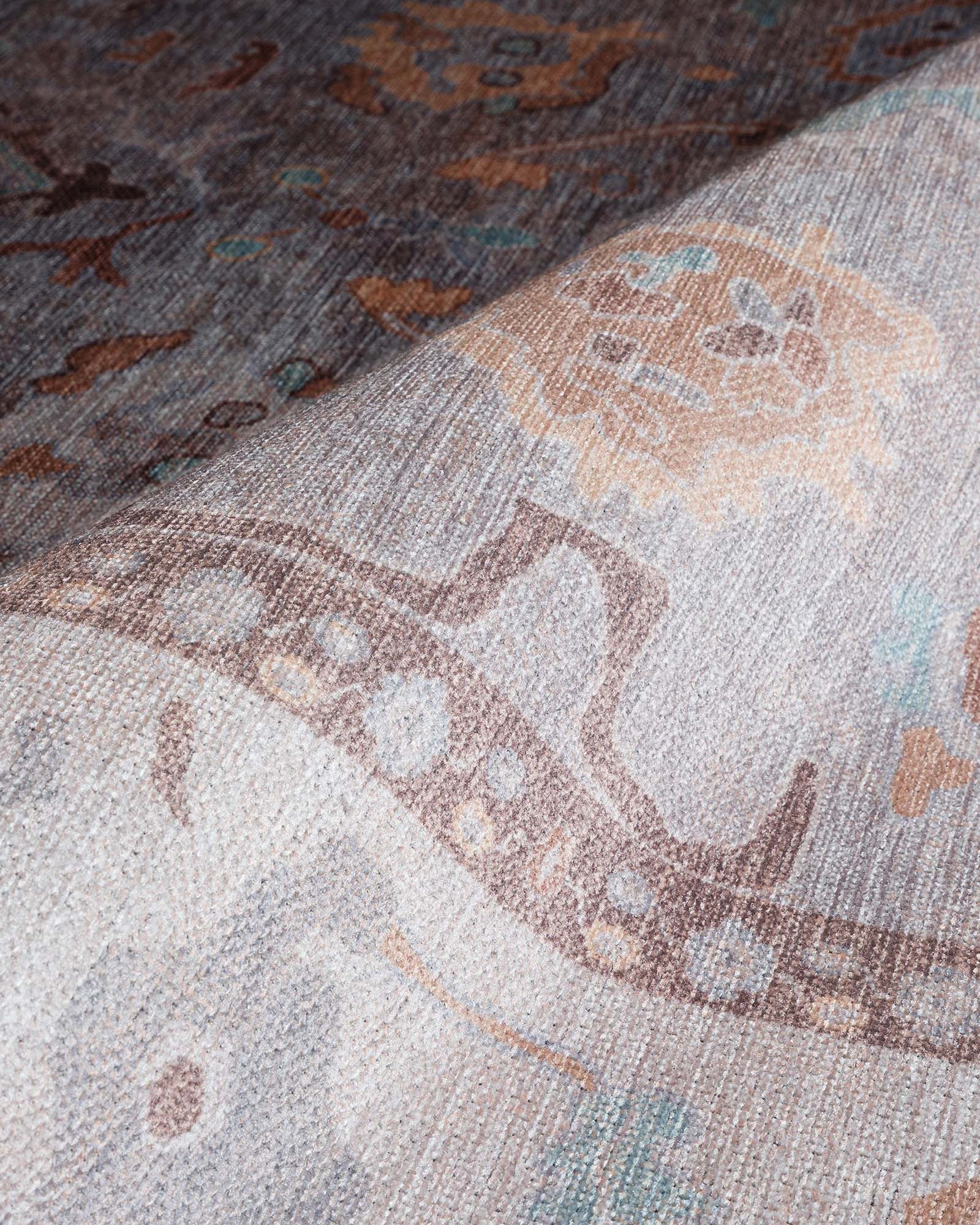
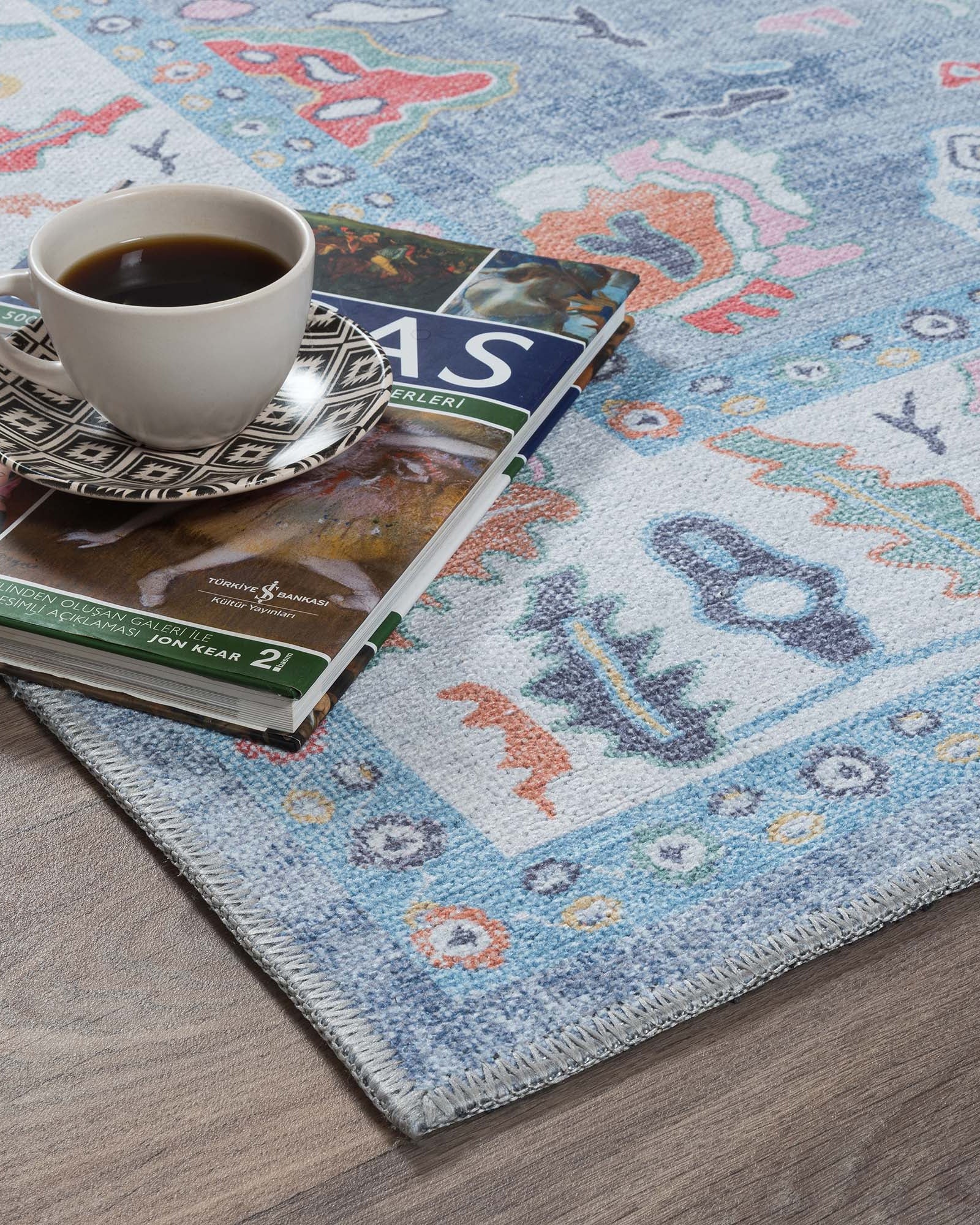
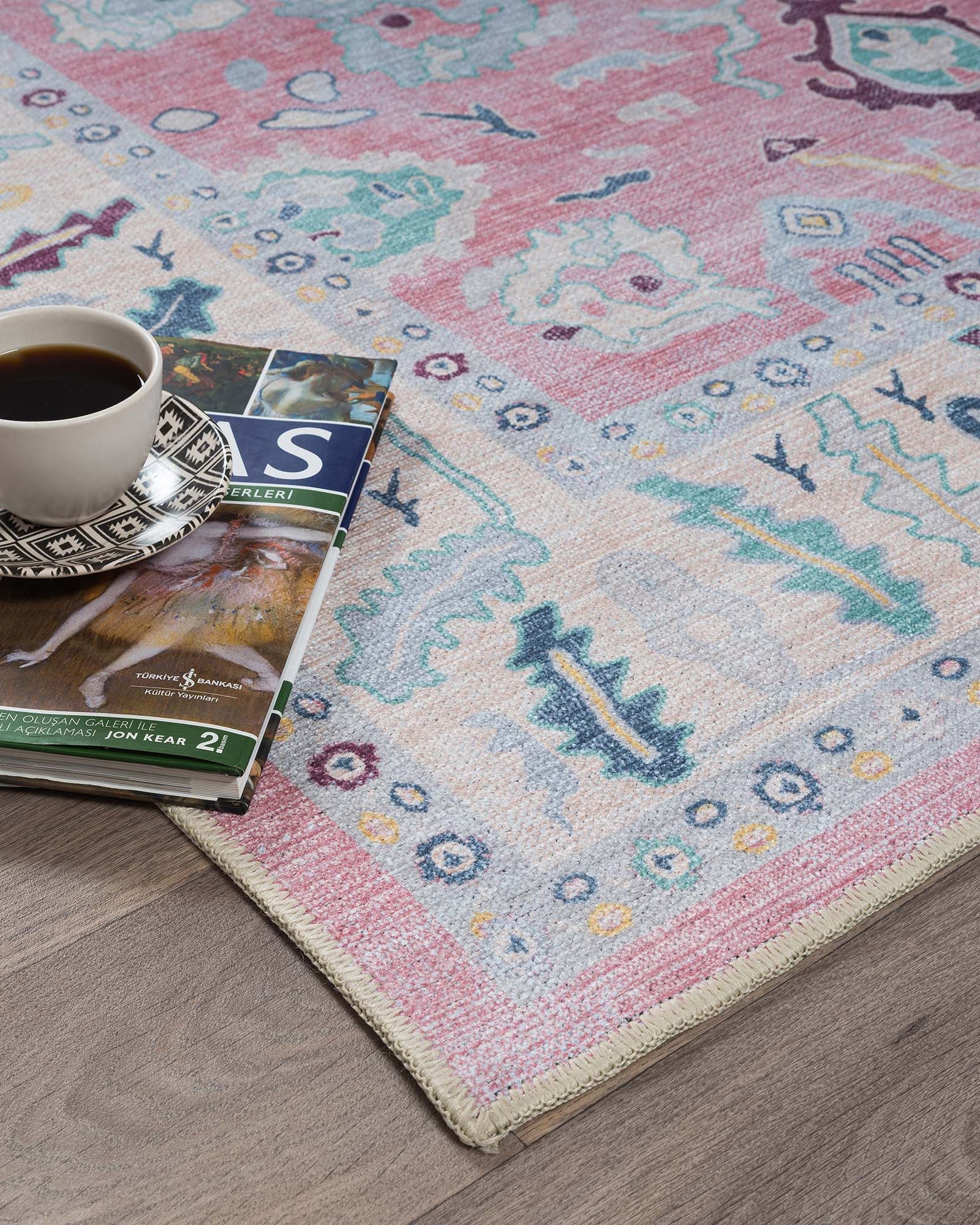
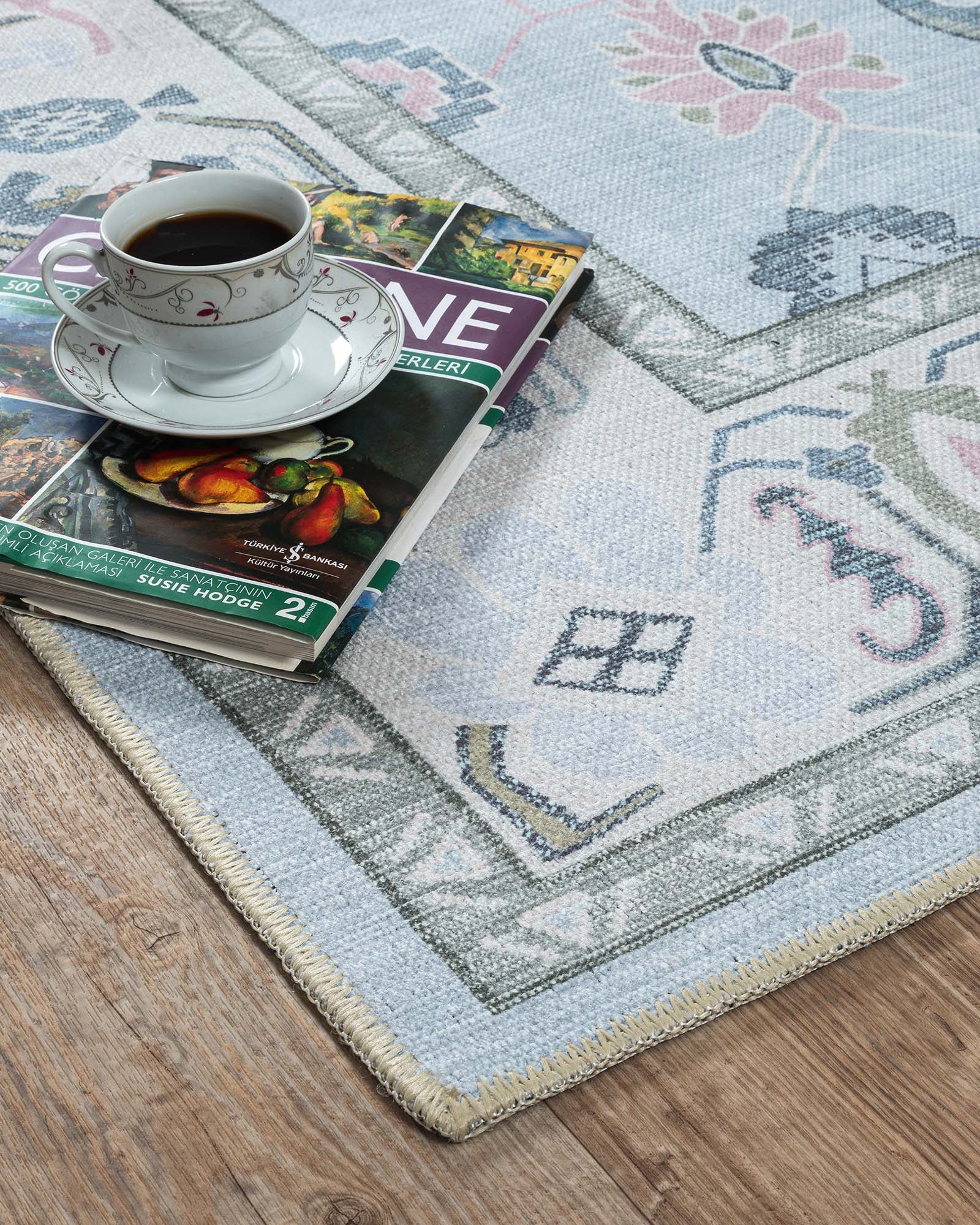
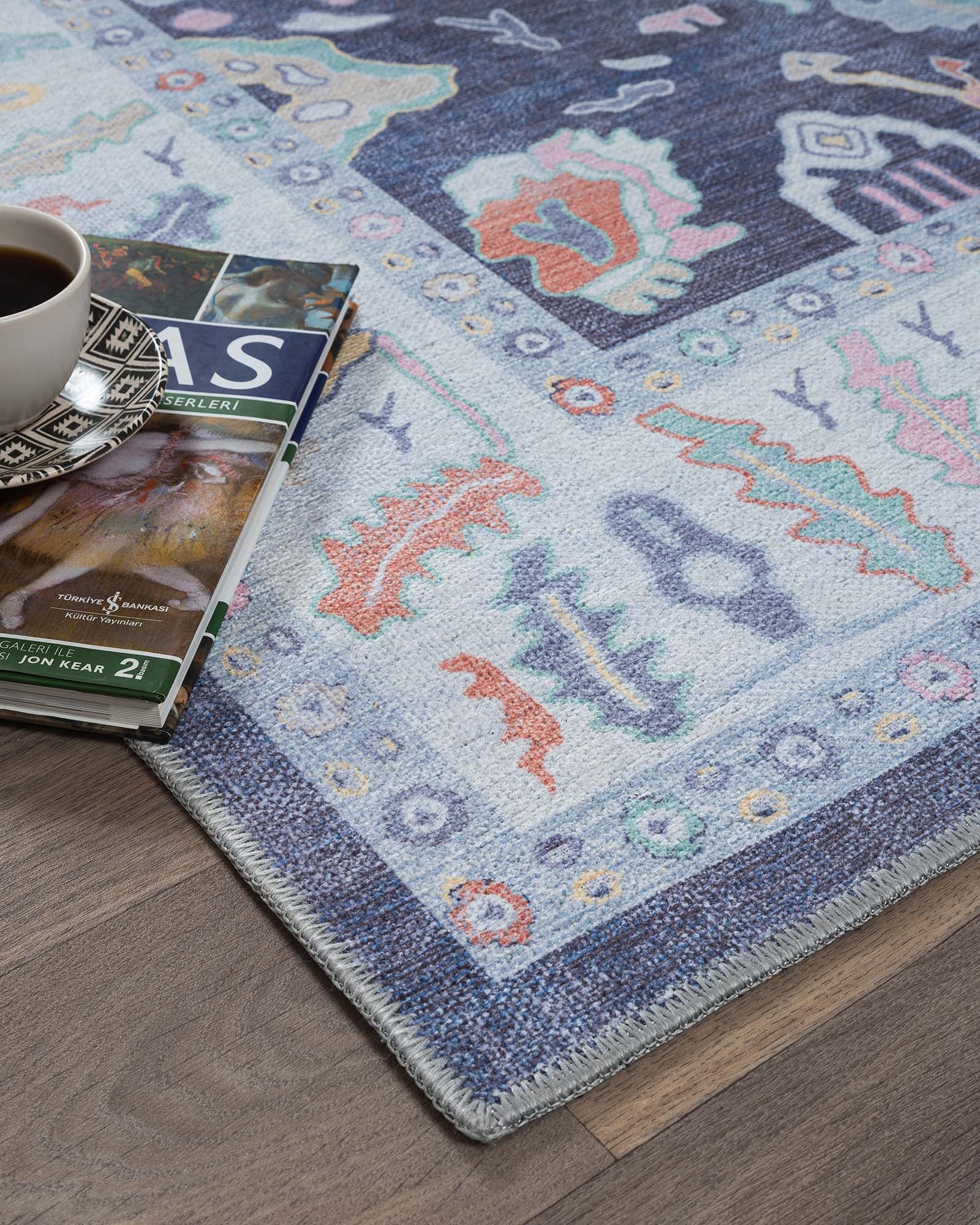
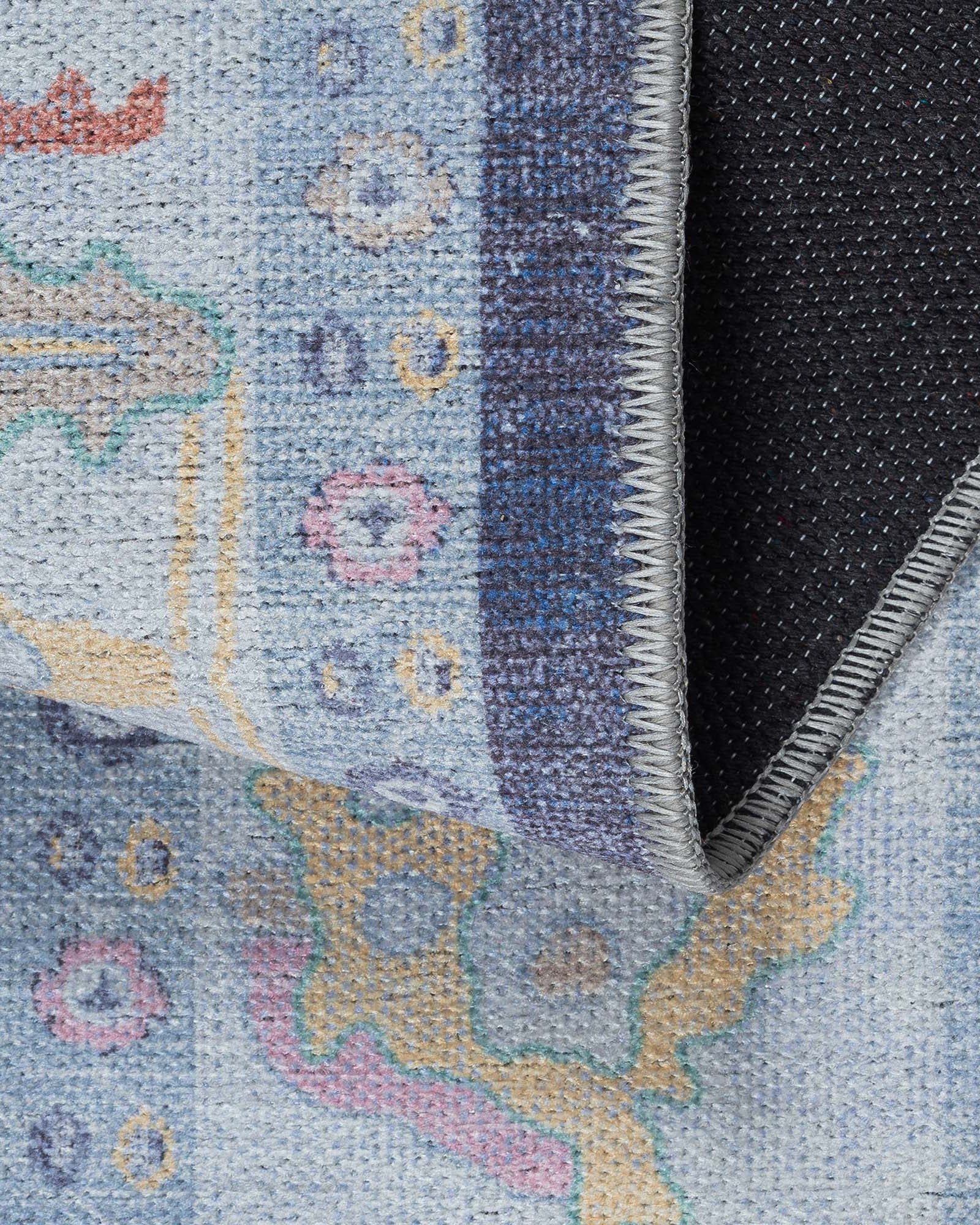
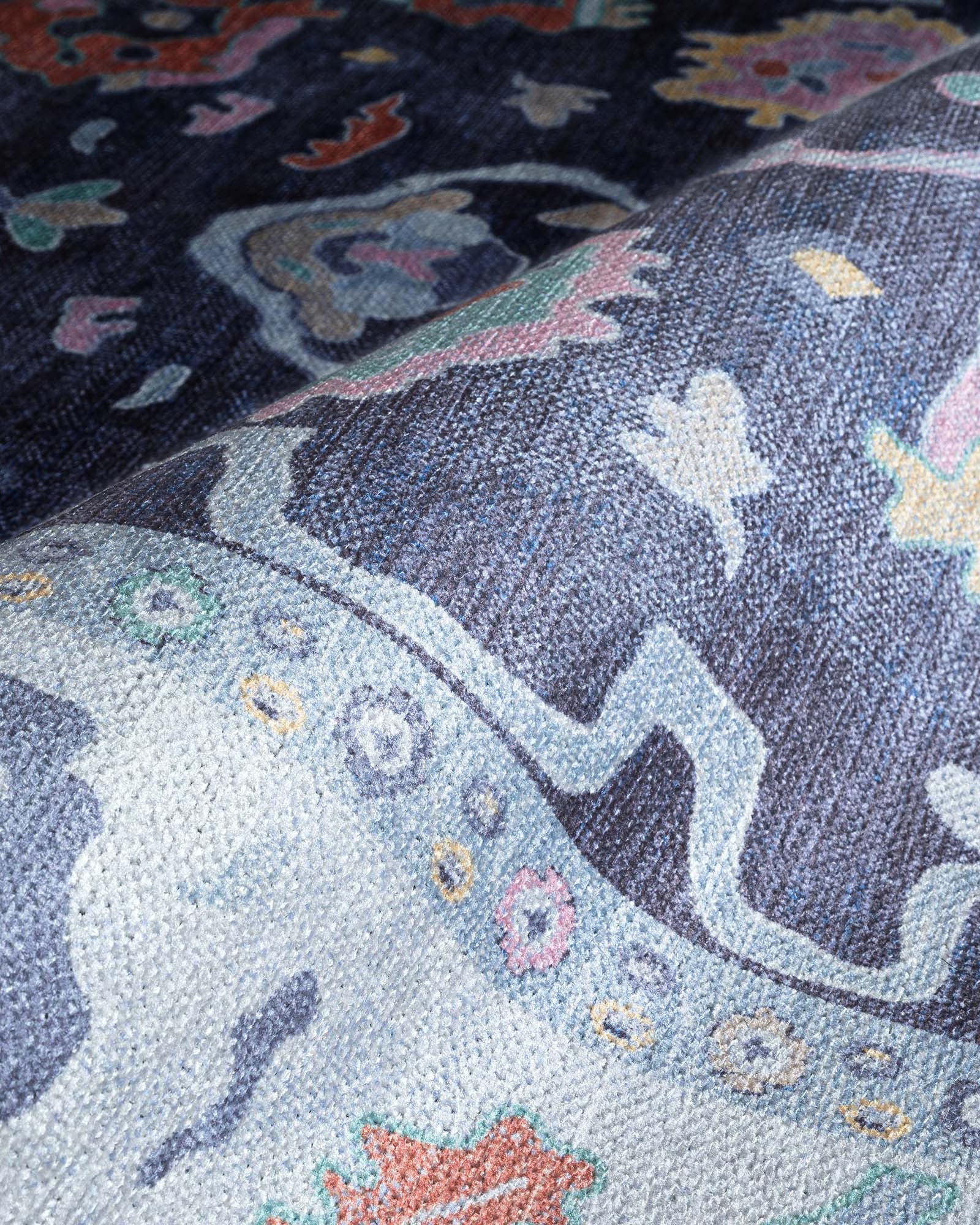
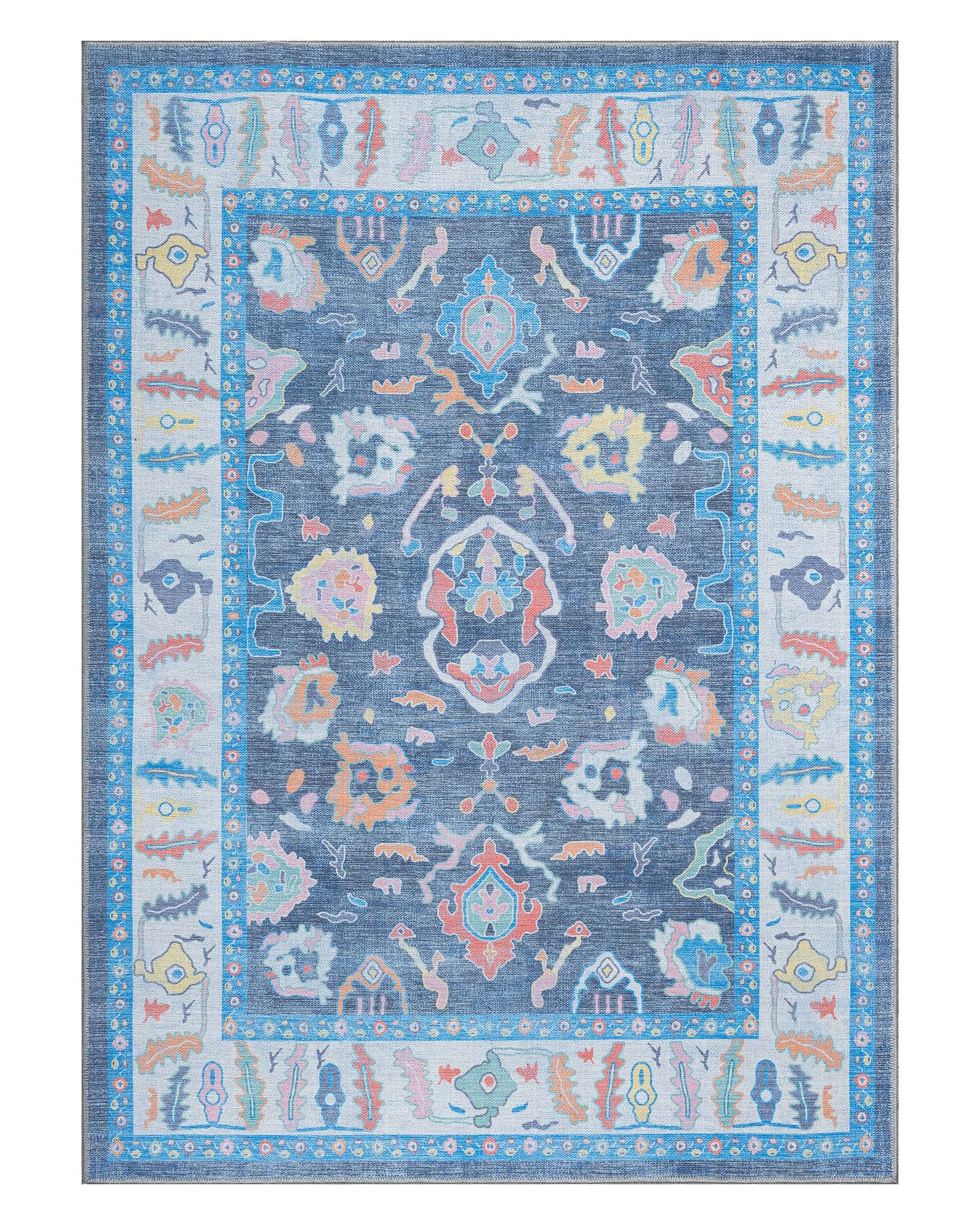
Even, consistent knot rows across a large field indicate a weaver working at a controlled, practiced pace over a long stretch of time. Clean curves in asymmetrically knotted rugs show real command of the technique, since curved drawing is harder to execute by hand than geometric shapes. Well-resolved corners, where a border pattern turns cleanly rather than breaking awkwardly, indicate a weaver who planned ahead rather than working row by row without a sense of the whole. None of these are things a machine struggles with — they are specifically markers of human skill.
Handcrafted and Imperfect Are Not the Same Thing
It is easy to assume "handcrafted" is a polite way of saying "imperfect," but the two are not equivalent. A skilled weaver produces remarkably even, well-resolved work; what handcrafting guarantees is not imperfection but individuality — no template, no two rugs alike, and small human variation that a machine simply does not introduce. Some pieces in this collection are technically very fine. Others carry more visible variation, particularly village and tribal weavings made faster and by less formally trained hands for household use rather than trade. Both are genuinely handcrafted; they represent different traditions and different purposes, not different levels of authenticity.
Why This Distinction Is Worth Making
Machine-made rugs, including good ones, replicate a pattern file exactly across every unit produced. That consistency is a real advantage when you need a specific standard size or a colour you can reorder. What it cannot offer is what this collection is built around: an object where a person's accumulated skill, made visible in wool, stands in for a production line. If that is what you are looking for, the trade-offs — irregular sizing, no reorder, natural variation — are not defects to work around. They are the thing itself.
Age, Condition and Measurement
Pieces are grouped as antique at over eighty years, vintage at roughly forty to eighty, and semi-vintage below that. Every product page carries the estimated decade, origin where identifiable, construction, exact measured dimensions and a plain condition note. Expect the marks of genuine handwork and use together: slight variation in row height, borders that do not resolve identically at every corner, and decades of wear layered on top. Sizes are never standard — order against the measurements shown rather than the rounded label.
Care
Vacuum with the beater bar off or raised and keep it off the fringe. Use a rug pad on hard floors. Rotate the rug twice a year so sunlight and footfall distribute evenly. Blot spills immediately with a white cloth and plain water, pressing rather than rubbing. Avoid home carpet-cleaning machines and steam cleaners, both of which can felt wool permanently and bleed aged natural dyes. For deep cleaning, use a professional rug washer experienced with handcrafted wool pieces.